單元 117
單字 2321–2340 · recovery, seal, tube, tower, characterize, specify
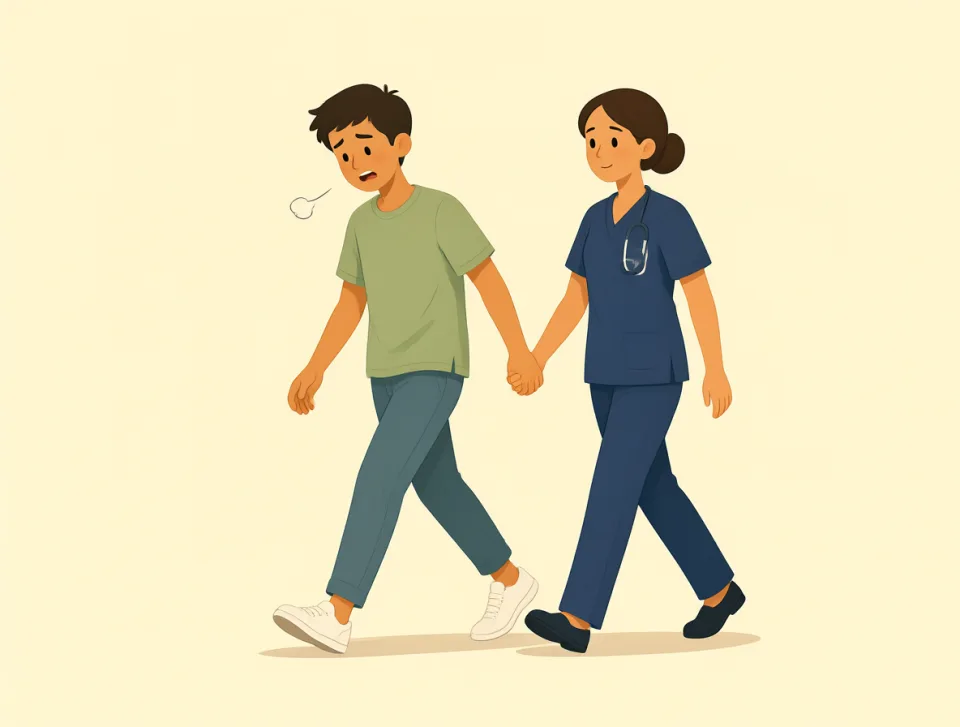
recovery
#2321noun
恢復;康復;復原;修復
The process of becoming healthy, strong, or normal again after illness, injury, or difficulty.
在疾病、受傷或經歷困難後重新變得健康、強壯或恢復正常的過程。

Her recovery from the operation took several weeks.
她的術後康復花了幾個星期。

The team hopes for a quick recovery after losing several important games.
球隊輸掉幾場重要比賽後,希望能儘快恢復狀態。

He made a full recovery and returned to work last Monday.
他完全康復了,上週一回到了工作崗位。
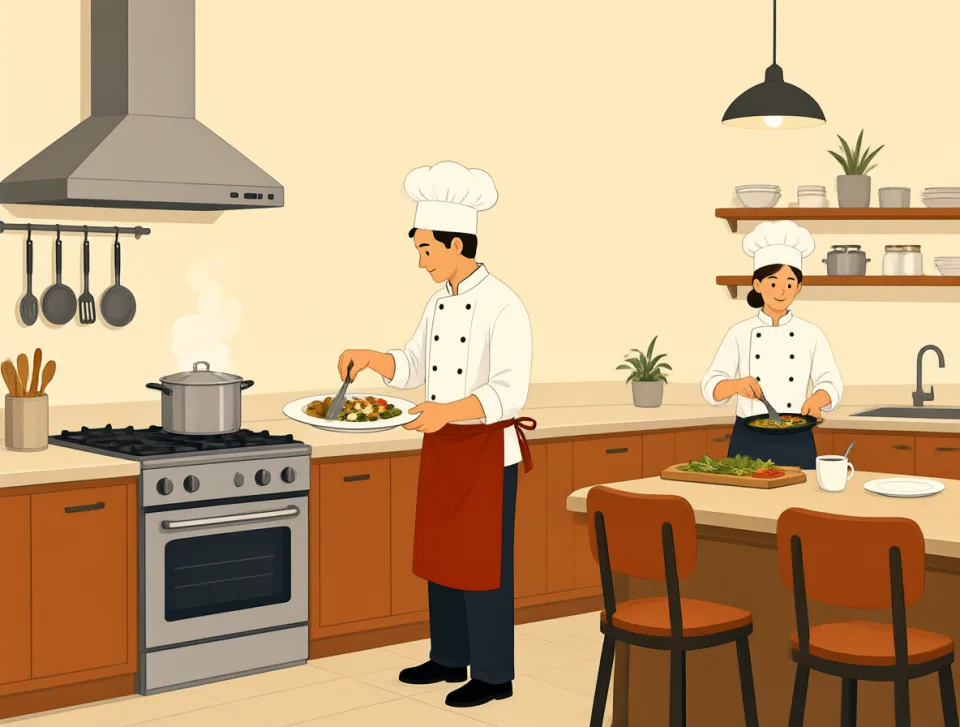
The hotel offered free breakfast during the recovery of its damaged kitchen.
酒店在修復受損廚房期間提供免費早餐。
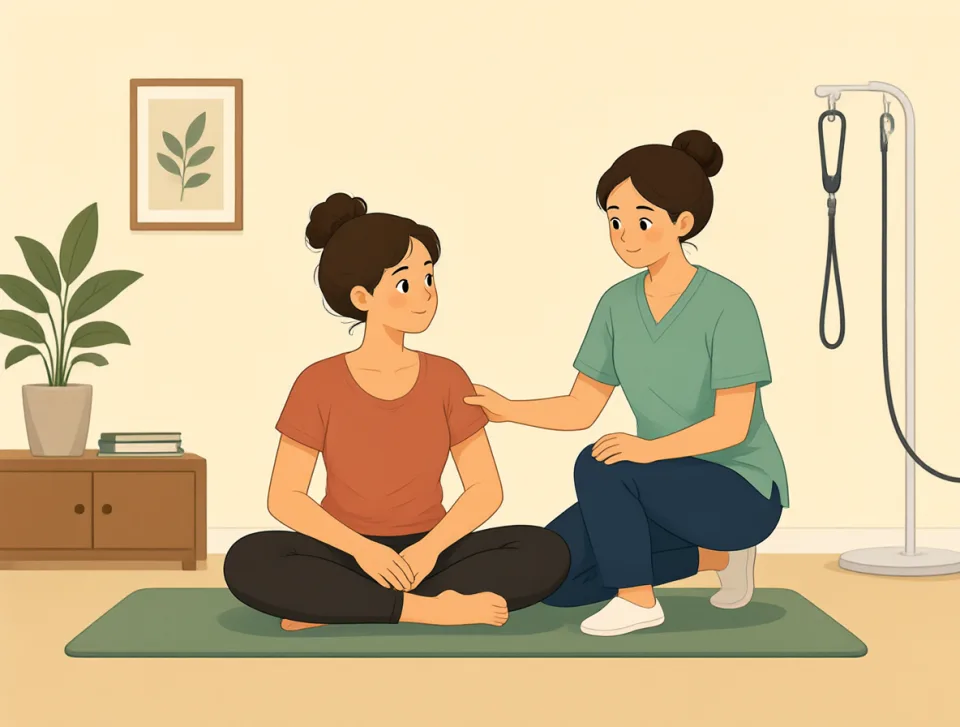
Regular exercise helped speed up her recovery after the accident.
定期鍛鍊幫助她在事故後加快了康復速度。
seal
#2322noun, verb
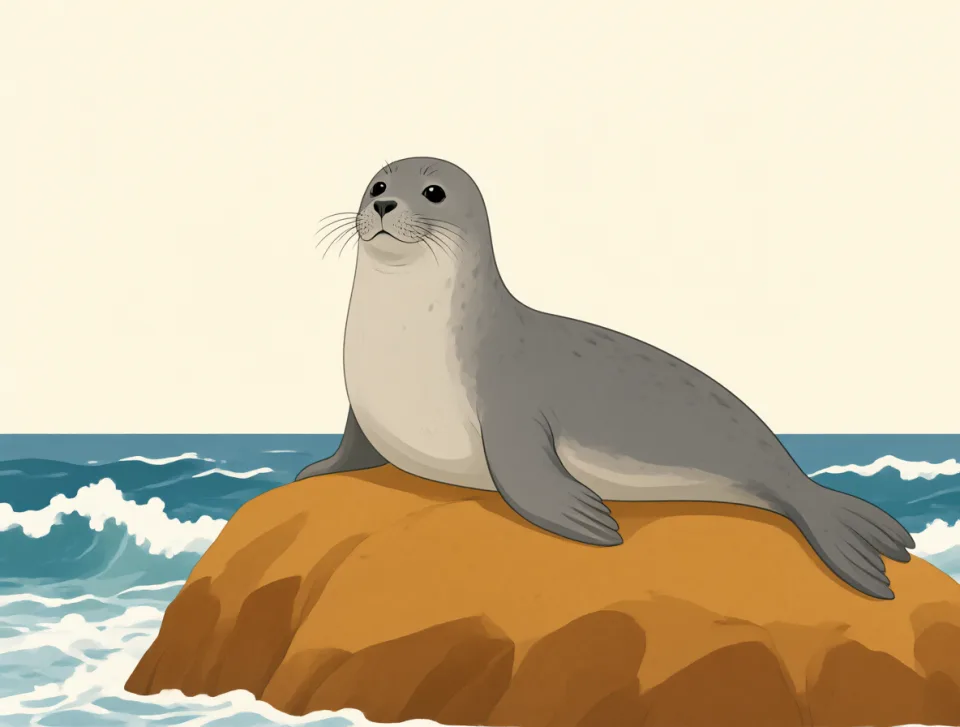
海豹;密封;封口
A seal is a sea animal, or a secure closure; to seal means to close something tightly.
海豹是一種海洋動物;密封是指牢牢地封住某物。
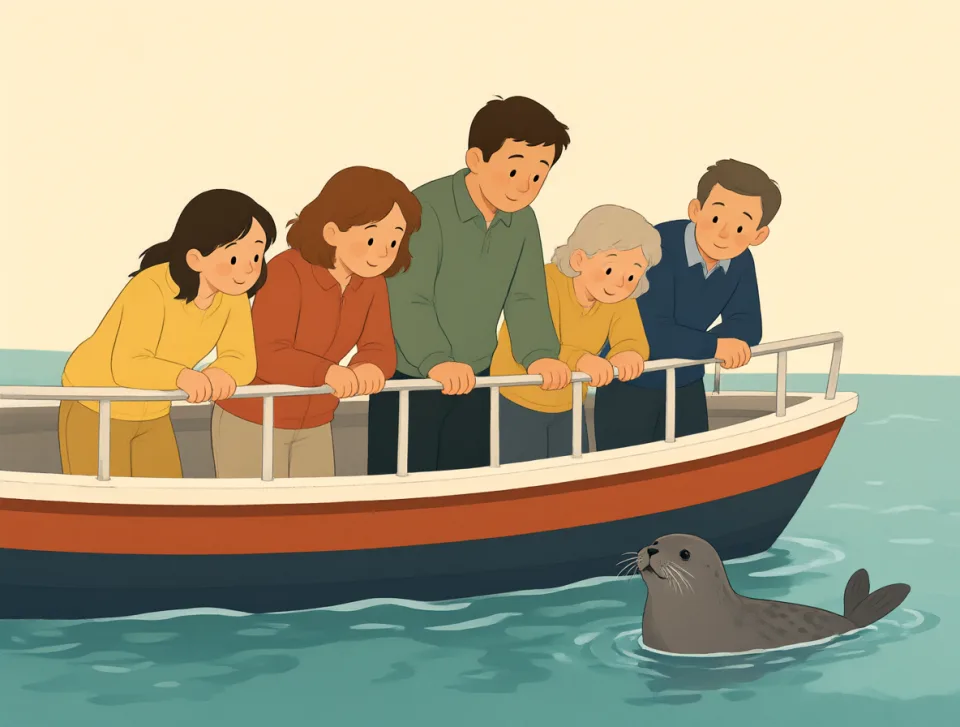
We watched a seal swimming near the boat during our island trip.
我們在島上旅行時看到一隻海豹在船附近游泳。
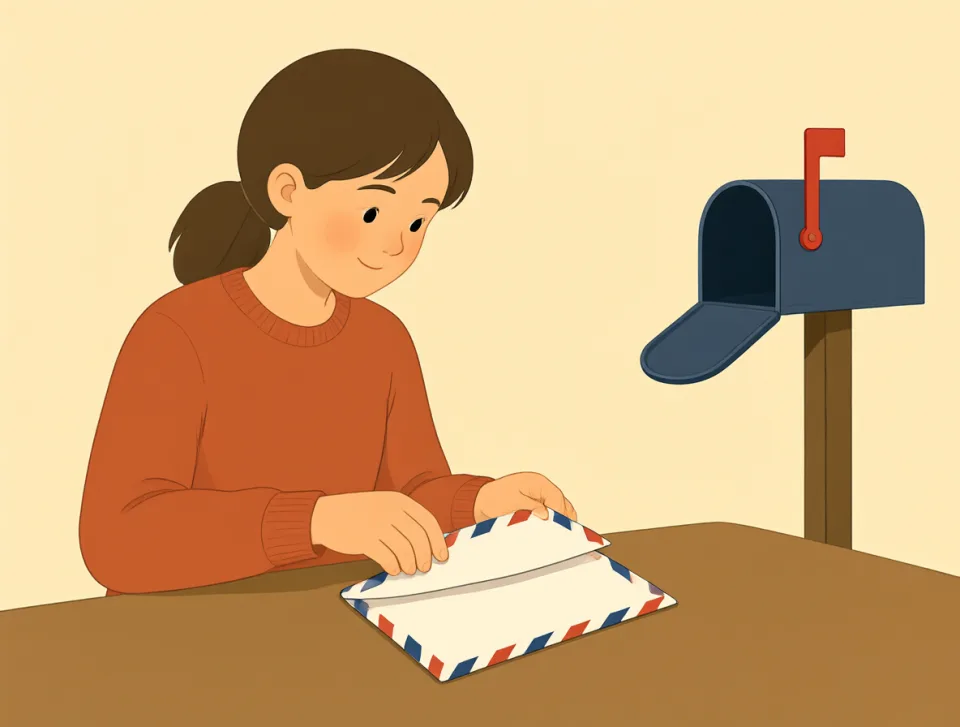
Please seal the envelope before you put it in the mailbox.
請把信封封好後再放進郵箱。
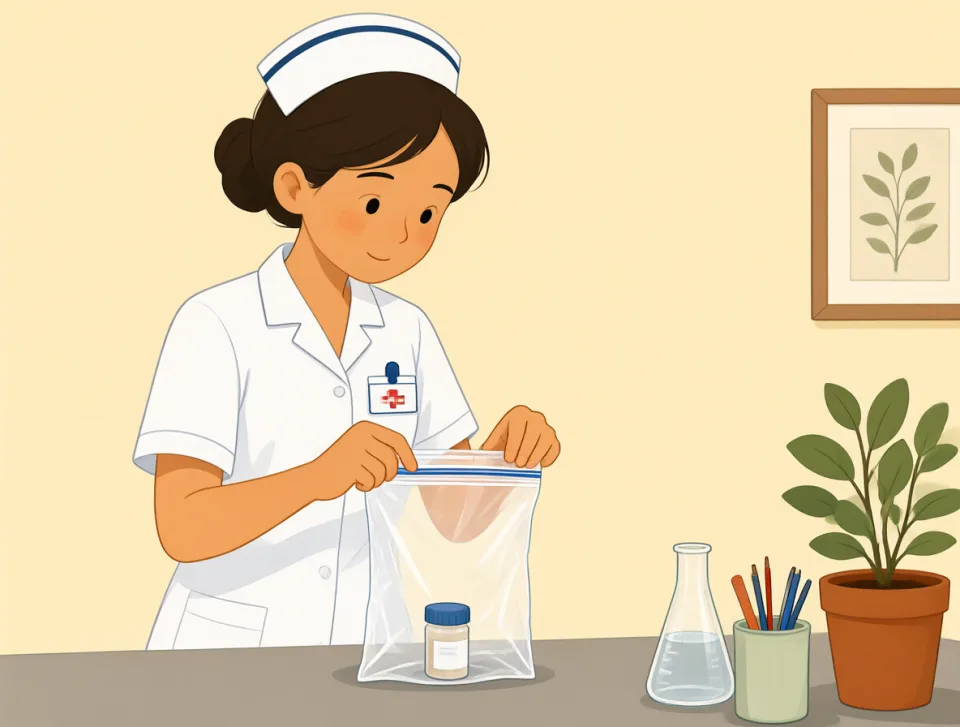
The nurse sealed the sample in a clean plastic bag.
護士把樣本密封在一個乾淨的塑膠袋裡。

The jar's seal was broken, so we returned it to the store.
罐子的密封條破了,所以我們把它退回了商店。
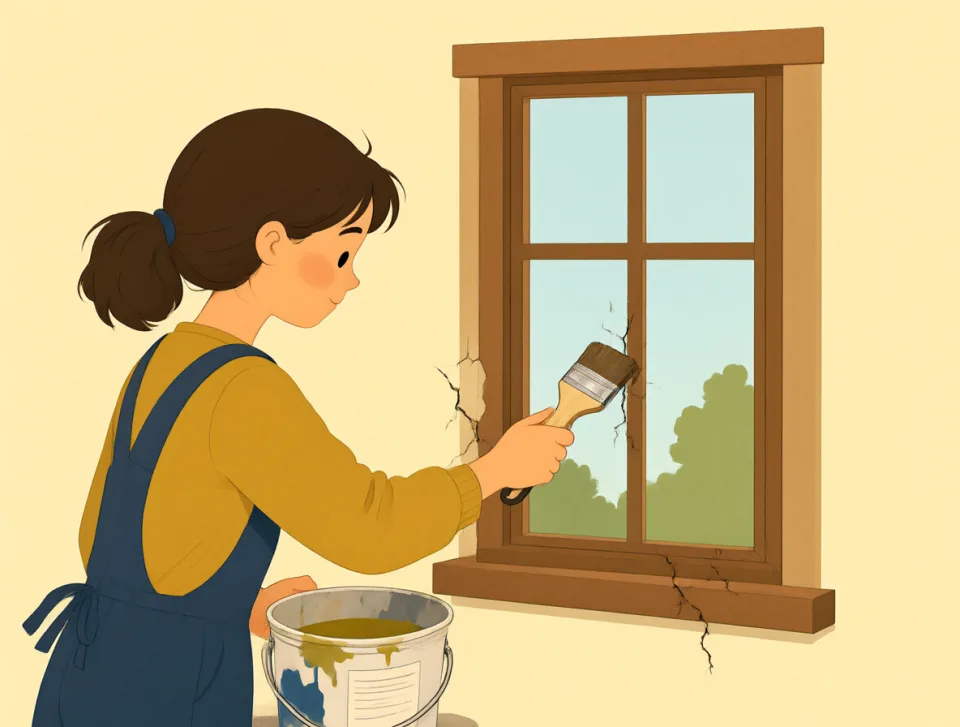
Fresh paint can seal small cracks in the wooden window frame.
新刷的油漆可以封住木窗框上的小裂縫。

tube
#2323noun
管子;軟管;地鐵
a long, hollow container or pipe used to carry liquids, air, or other substances
一種細長的中空容器或管道,用來輸送液體、空氣或其他物質。
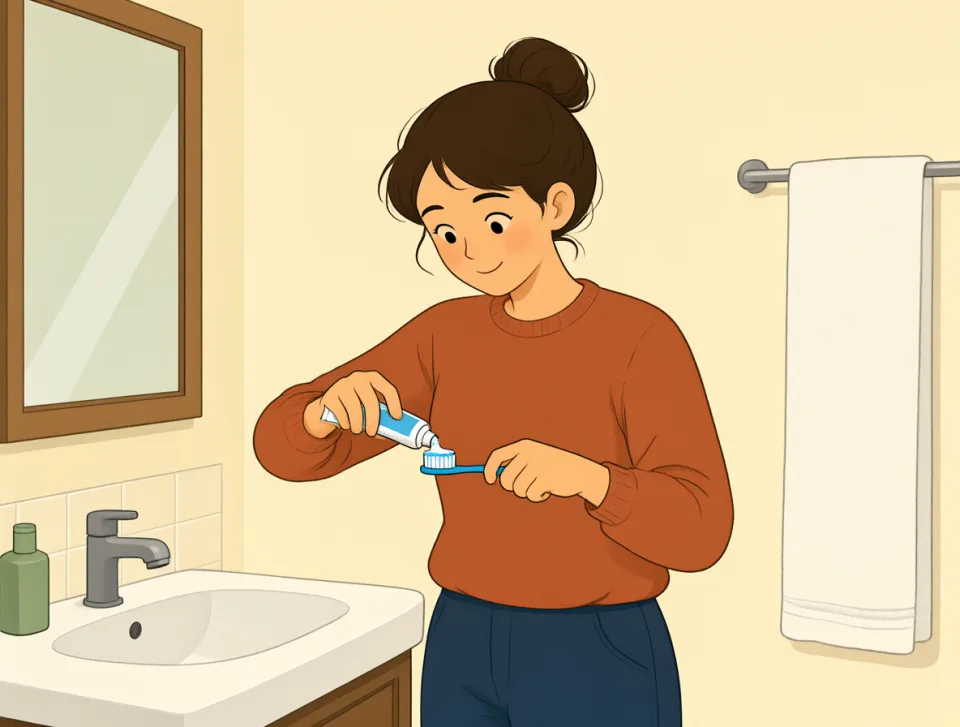
She squeezed toothpaste from the tube onto her toothbrush.
她從牙膏管裡擠出牙膏,擠在牙刷上。
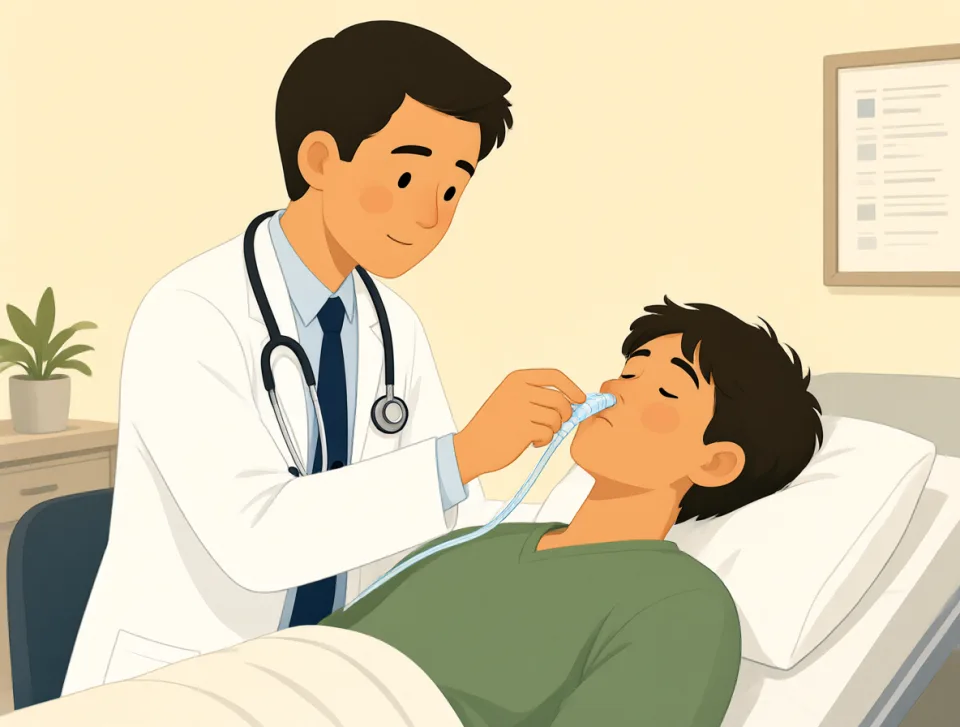
The doctor put a small tube in his nose to help him breathe.
醫生在他的鼻子裡放了一根小管子,幫助他呼吸。
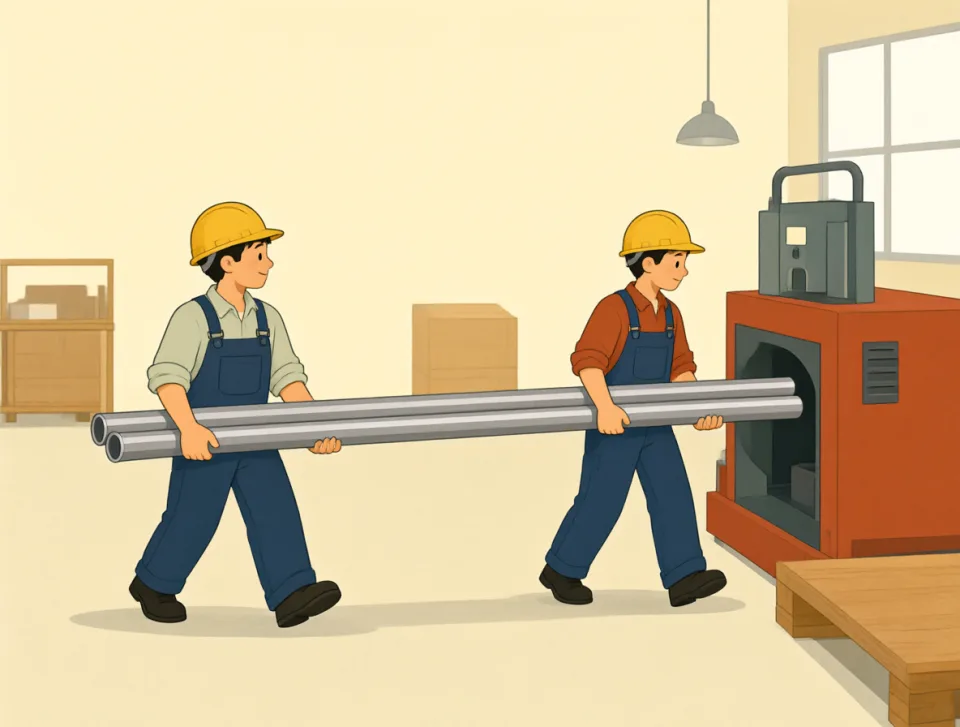
Workers carried the metal tubes into the factory for installation.
工人們把金屬管搬進工廠,準備安裝。
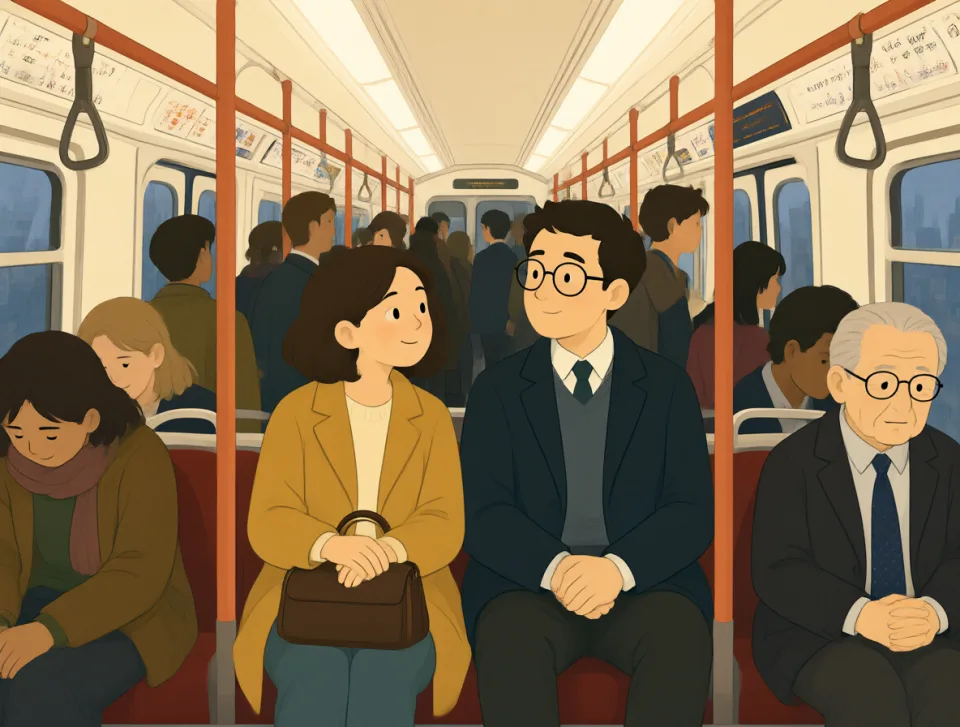
We traveled across London by tube during the busy morning rush.
早高峰期間,我們乘地鐵穿過了倫敦。

The chef used a piping tube to decorate the birthday cake.
廚師用裱花管裝飾生日蛋糕。

tower
#2324noun, verb
塔;塔樓;高聳;高出
A tall, narrow building or structure; to rise high above the surrounding area.
高而狹窄的建築物或構築物;高高聳立在周圍區域之上。
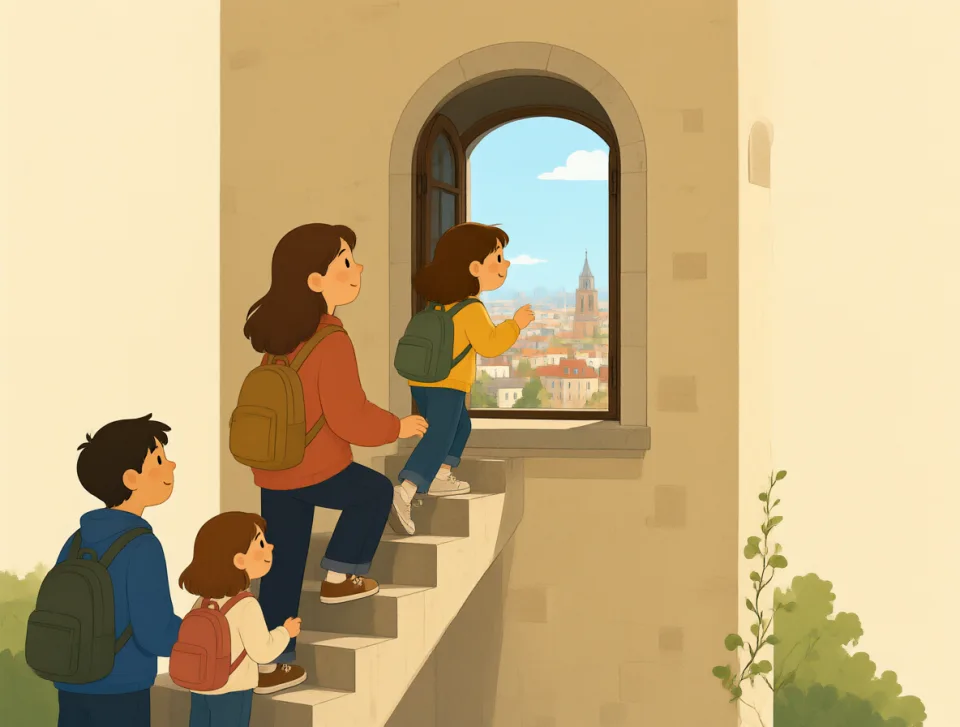
We climbed the tower to enjoy the beautiful view of the city.
我們爬上塔樓,欣賞這座城市的美麗景色。
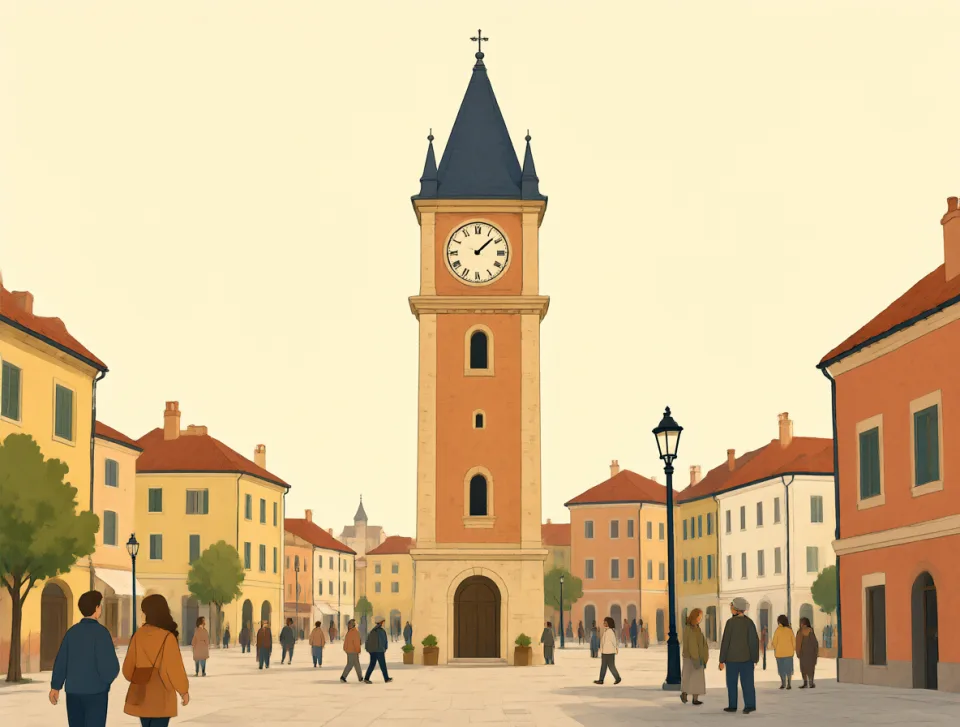
The old clock tower stands in the center of the town.
那座古老的鐘樓矗立在鎮中心。
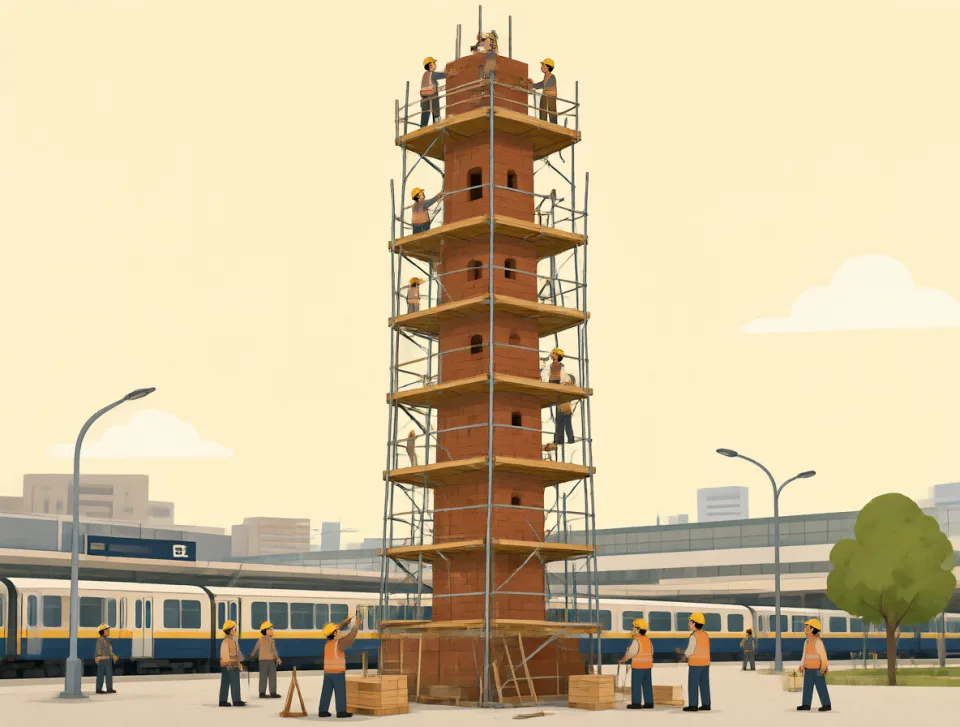
The builders are constructing a new tower near the train station.
建築工人正在火車站附近建造一座新塔樓。
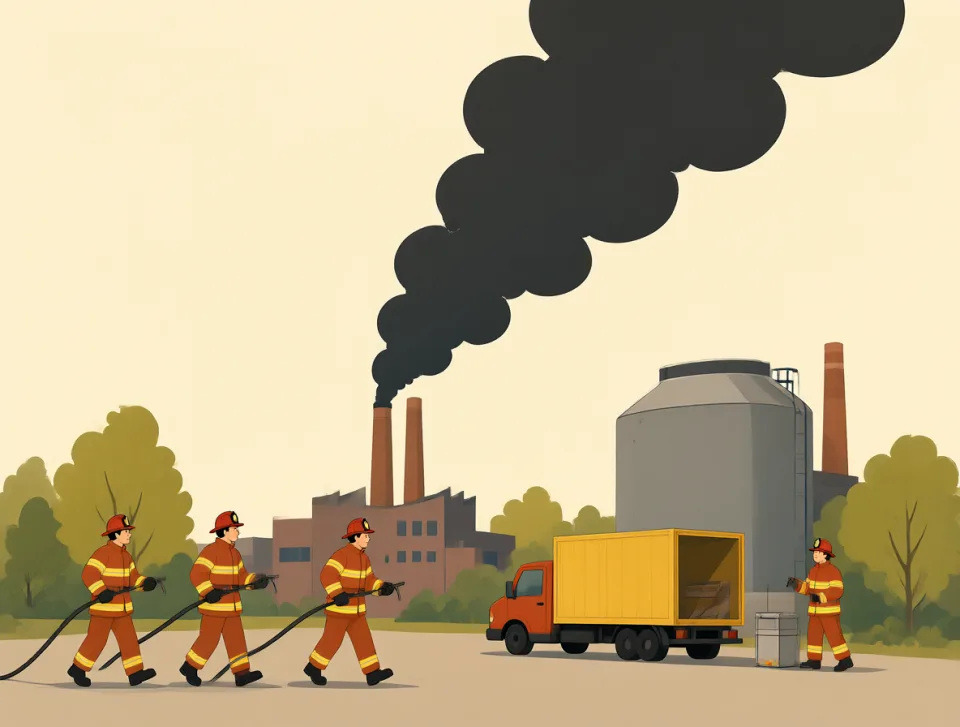
Smoke began to tower above the factory after the fire started.
火災發生後,煙霧開始從工廠上方高高升起。
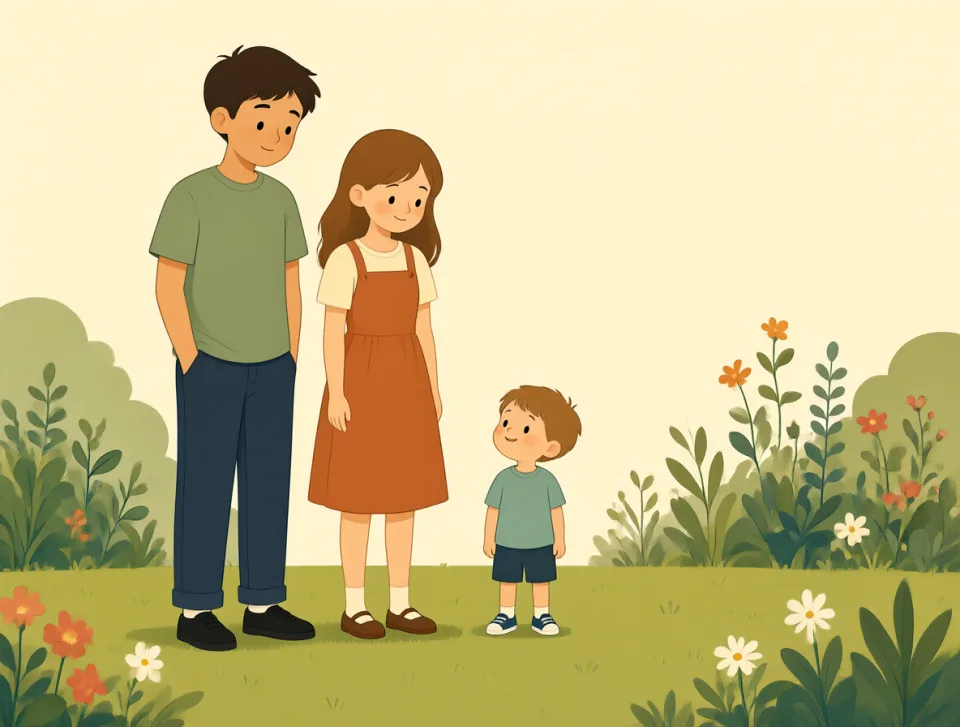
The children towered over their younger brother during the group photo.
集體拍照時,孩子們都比他們的弟弟高出一大截。

characterize
#2325verb
描述;刻畫;表現出……的特徵
to describe the main qualities or features of someone or something
描述某人或某事物的主要品質或特徵。
The report characterizes the neighborhood as safe, friendly, and convenient for families.
報告將這個社群描述為一個安全、友好且適合家庭居住的地方。

Her calm voice and careful planning characterize her work as a manager.
她沉穩的聲音和周密的計劃體現了她作為經理的工作風格。
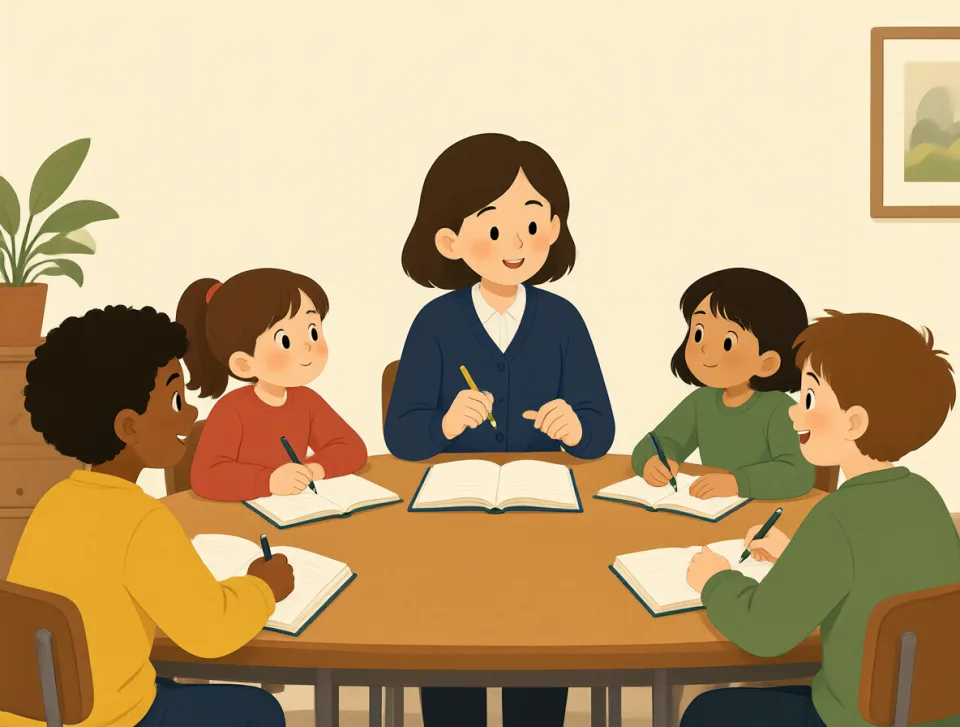
The teacher characterized the novel as a story about courage and friendship.
老師將這部小說描述為一個關於勇氣和友誼的故事。
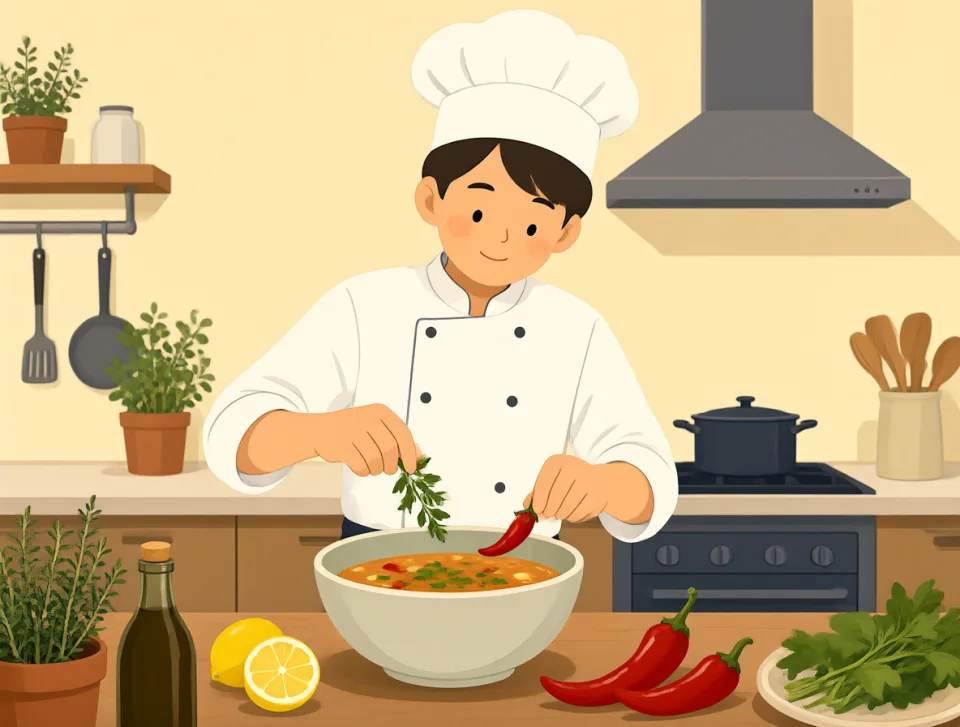
The chef characterizes this soup with fresh herbs, lemon, and a little chili.
這位廚師用新鮮香草、檸檬和少許辣椒來突出這道湯的風味。

Doctors characterized his tiredness as a temporary result of stress and poor sleep.
醫生認為,他的疲勞是壓力過大和睡眠不足造成的暫時性症狀。

specify
#2326verb
明確說明;具體指定
to give exact information about something
提供有關某事的準確資訊。
Please specify your preferred delivery date when you place the order.
下訂單時,請註明您希望的送貨日期。

The job advertisement specifies three years of experience in customer service.
招聘廣告明確要求應聘者具備三年的客戶服務經驗。

She specified that the meeting should start at nine o’clock.
她明確說明會議應該在九點開始。
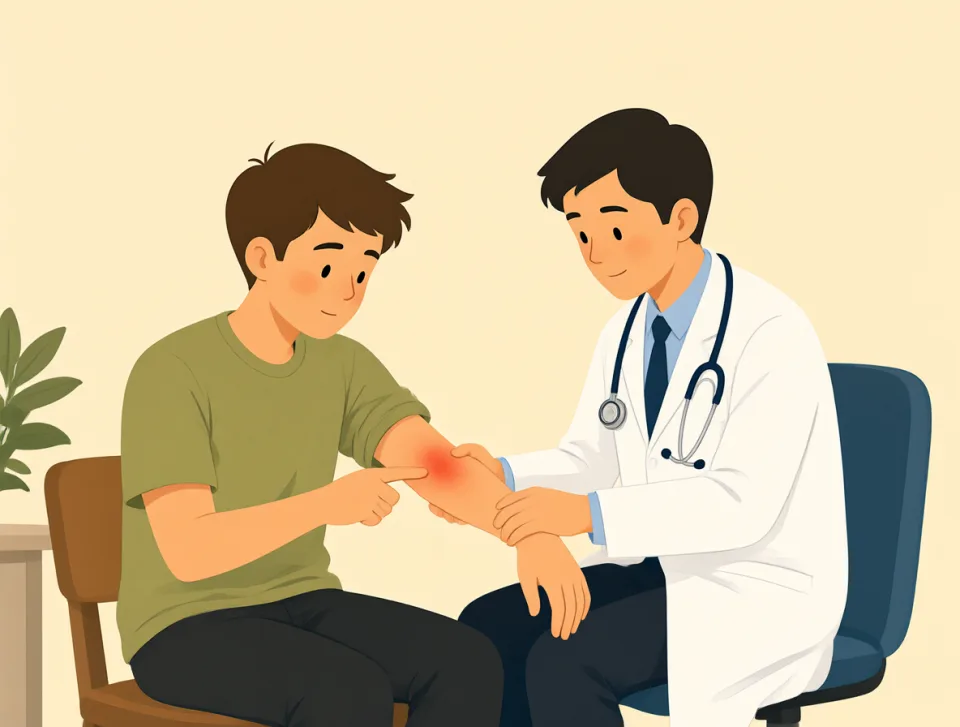
The doctor asked him to specify where he felt the pain.
醫生讓他具體說明哪裡感到疼痛。

Could you specify which ingredients you would like removed from your meal?
你能具體說明希望從餐食中去掉哪些食材嗎?
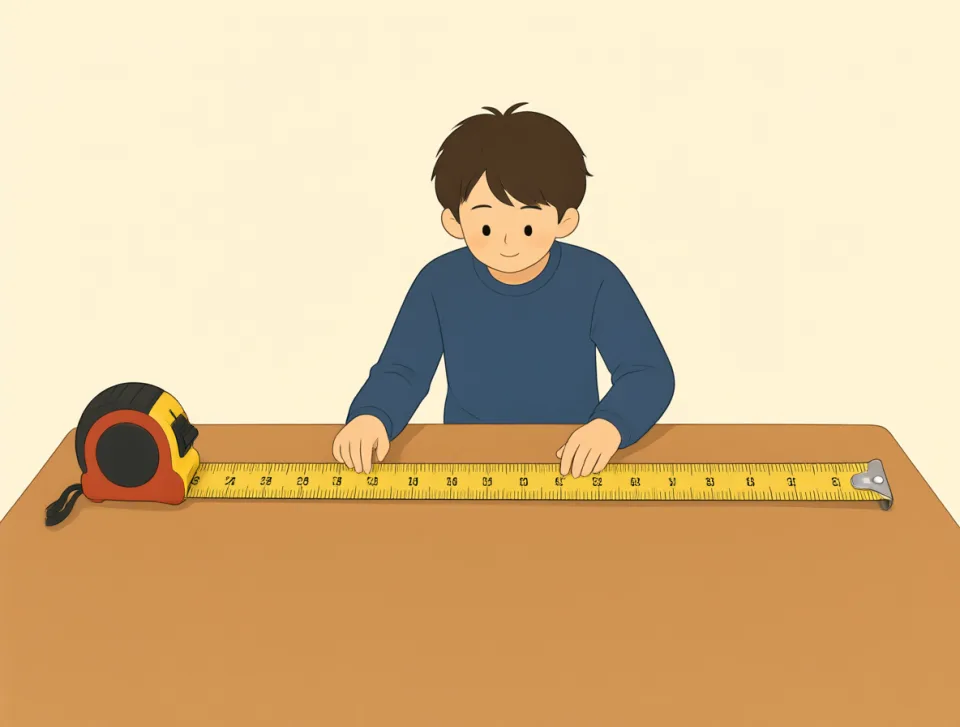
exact
#2327adjective
確切的;準確的
Correct in every detail; not approximate or different.
每個細節都正確的;不是大概的,也沒有差異的。
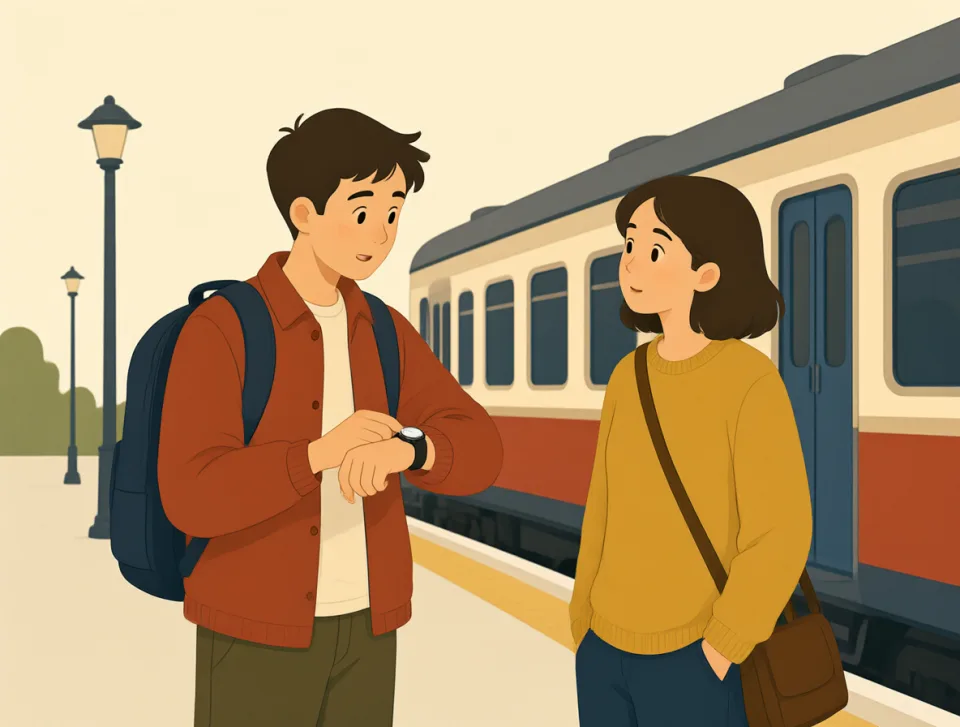
Please tell me the exact time your train arrives tomorrow.
請告訴我你的火車明天到達的確切時間。
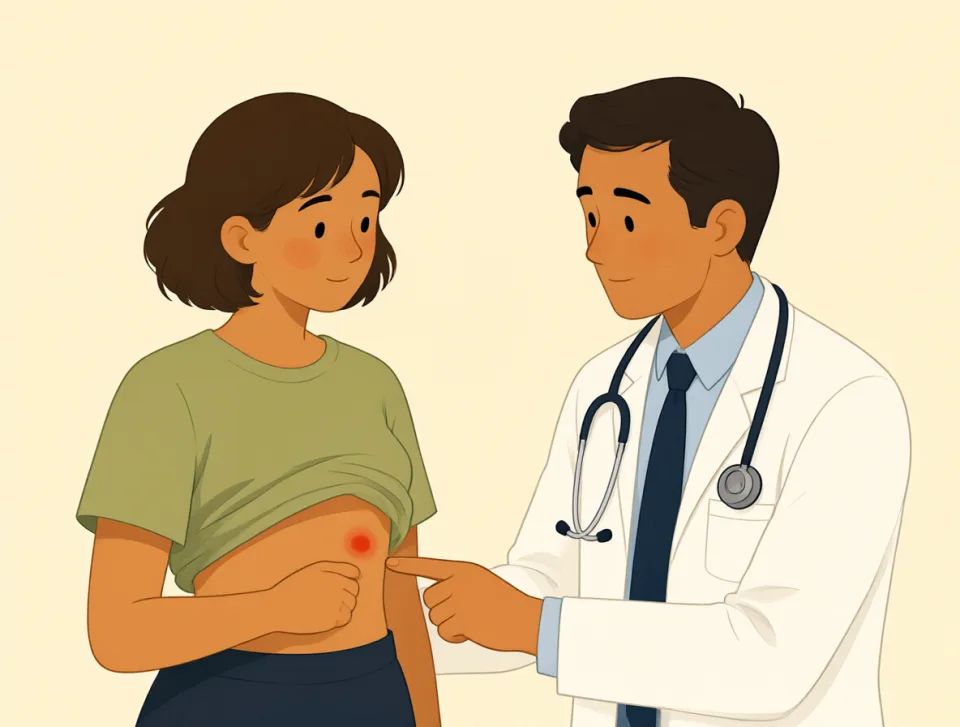
The doctor asked me to describe the exact location of my pain.
醫生讓我描述疼痛的確切位置。
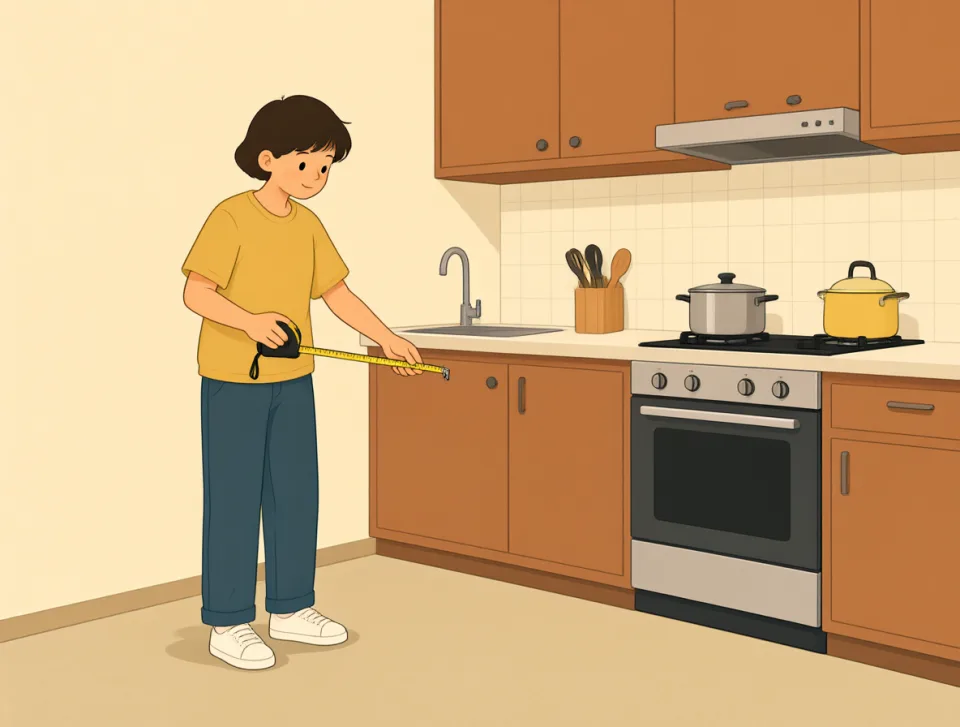
I need the exact measurements before I order the new kitchen table.
訂購新廚房餐桌前,我需要準確的尺寸。

She remembered the exact address and guided us there without a map.
她記得確切的地址,不用地圖就帶我們到了那裡。
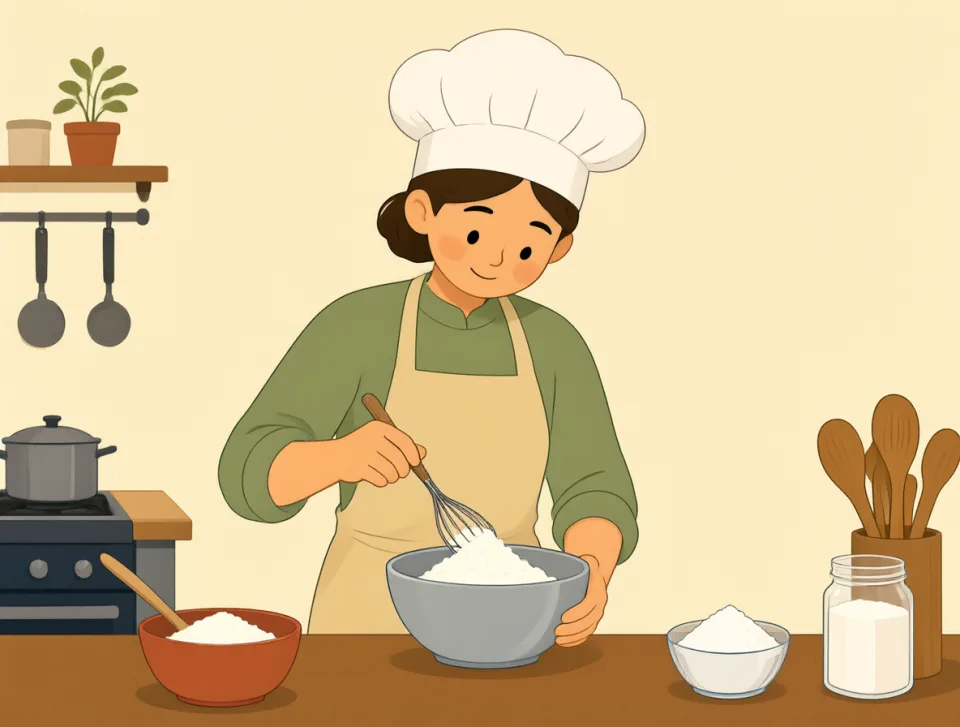
The recipe says to use the exact amount of flour and sugar.
食譜上說要使用確切分量的麵粉和糖。

spin
#2328verb, noun
旋轉;轉動;旋轉動作;說法;角度
To turn around quickly, or the act of turning around quickly.
快速轉動或旋轉,或者指快速轉動這一動作。

The dancer spun around and bowed to the audience.
舞者轉了一圈,然後向觀眾鞠躬。
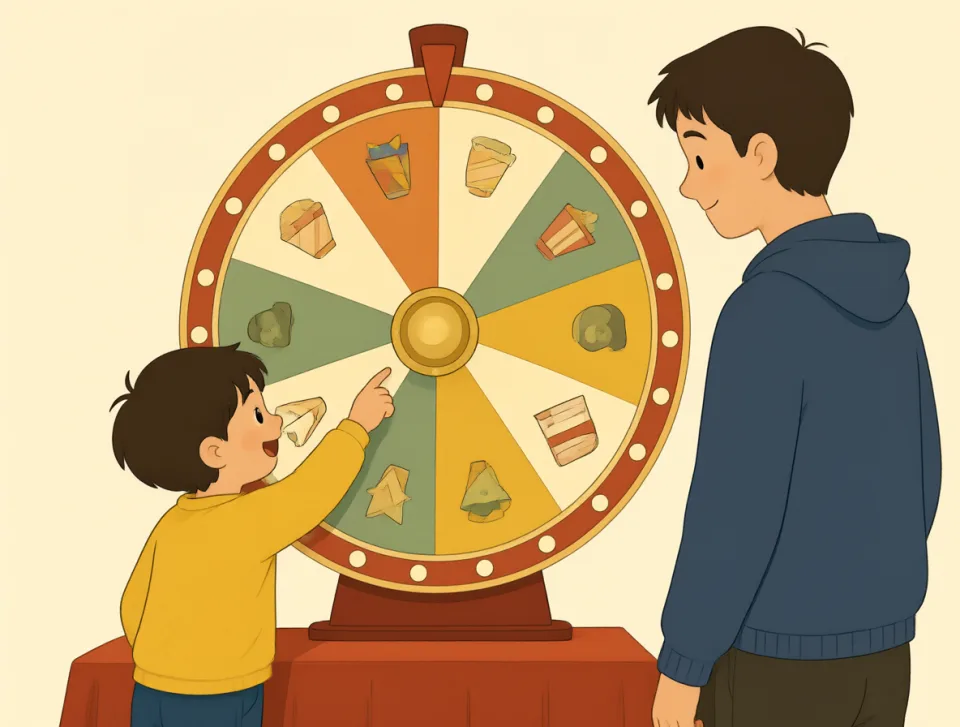
Please spin the wheel to choose a prize.
請轉動轉盤來抽取獎品。
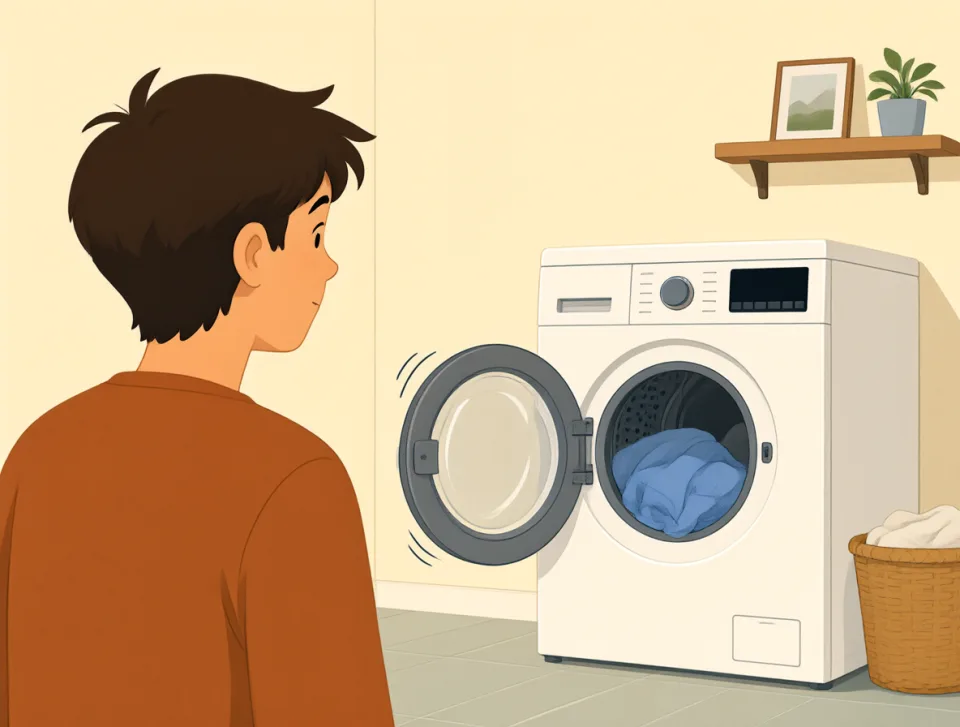
The washing machine started spinning during the final cycle.
洗衣機在最後一個洗滌程式中開始高速旋轉。

He gave the story an interesting spin during the meeting.
他在會議上給這個故事加入了一種有趣的解讀。
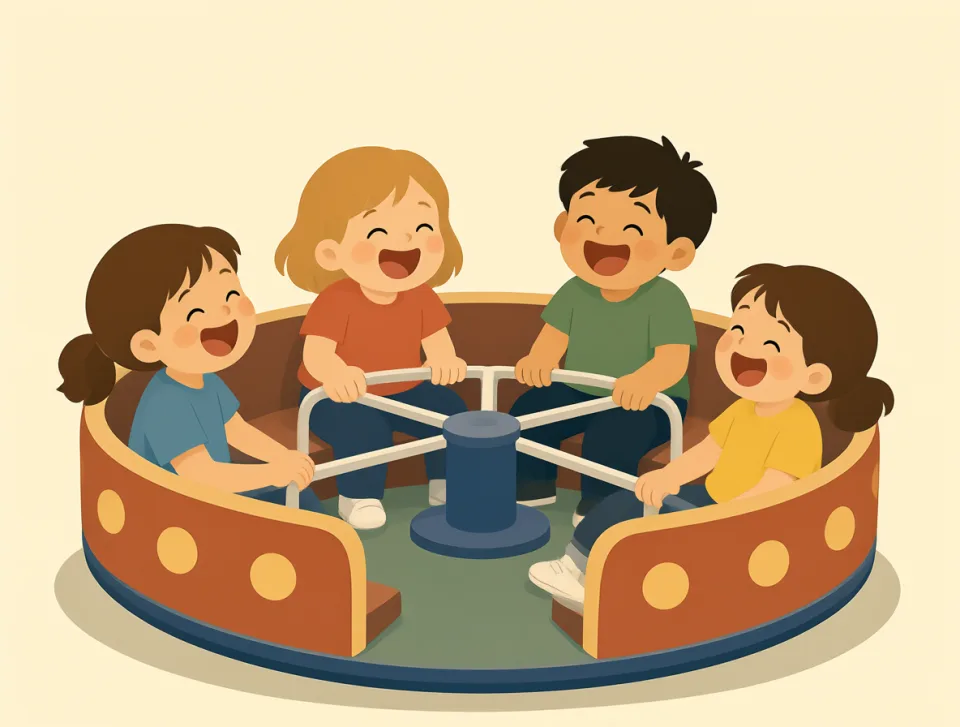
The children took turns on the spinning playground ride.
孩子們輪流乘坐那個旋轉游樂設施。

operator
#2329noun
操作員; 接線員
A person or machine that controls or operates a system, machine, or telephone service.
控制或作業系統、機器或電話服務的人或機器。

The telephone operator connected me to the right department within a minute.
電話接線員在一分鐘內就把我接到了正確的部門。
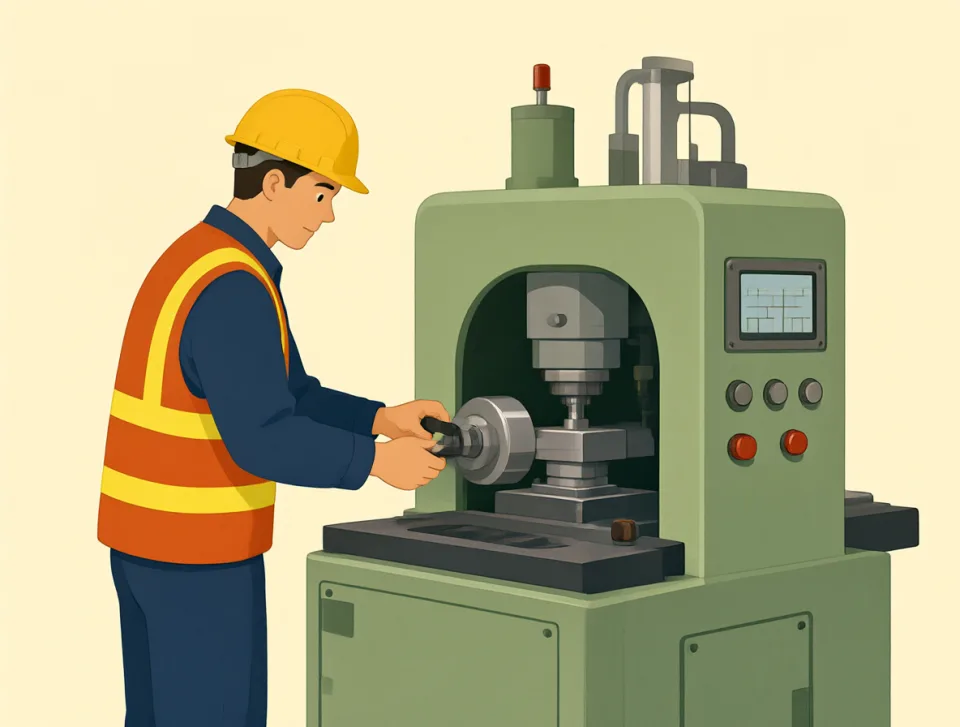
The machine operator checked the factory equipment before starting work.
機器操作員在開始工作前檢查了工廠裝置。
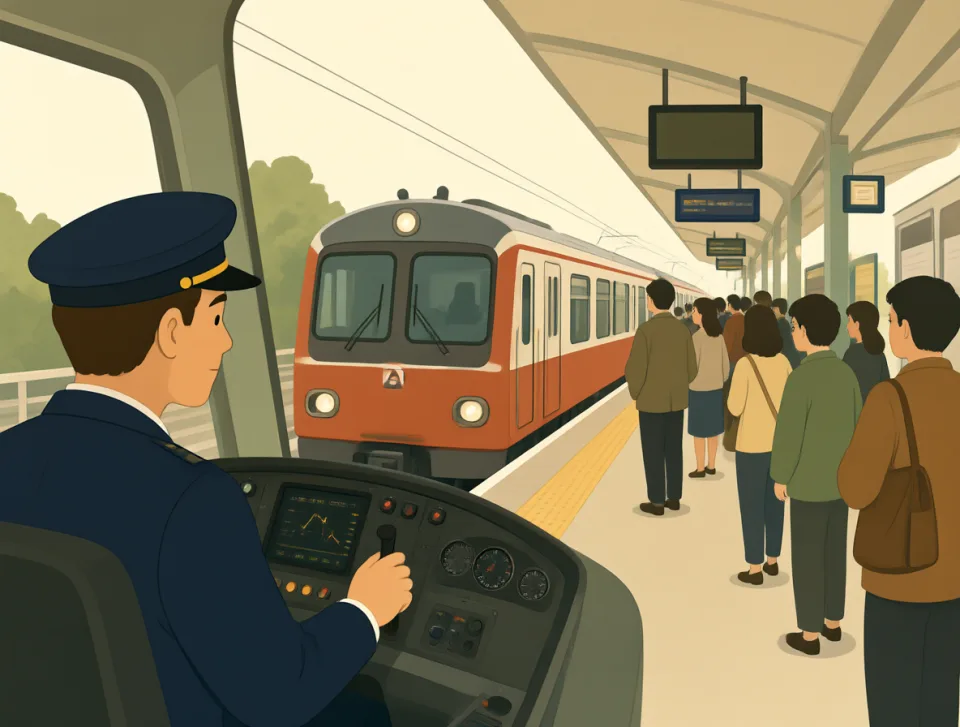
The train operator slowed down as the track became crowded with people.
由於軌道上擠滿了人,列車駕駛員放慢了速度。

Please ask the hotel operator to call a taxi for us.
請讓酒店接線員幫我們叫輛計程車。

The computer operator entered the students’ test results into the system.
電腦操作員把學生們的考試成績錄入了系統。

infant
#2330noun
嬰兒;嬰孩
a very young baby, usually less than one year old
非常年幼的嬰兒,通常指不滿一歲的寶寶。
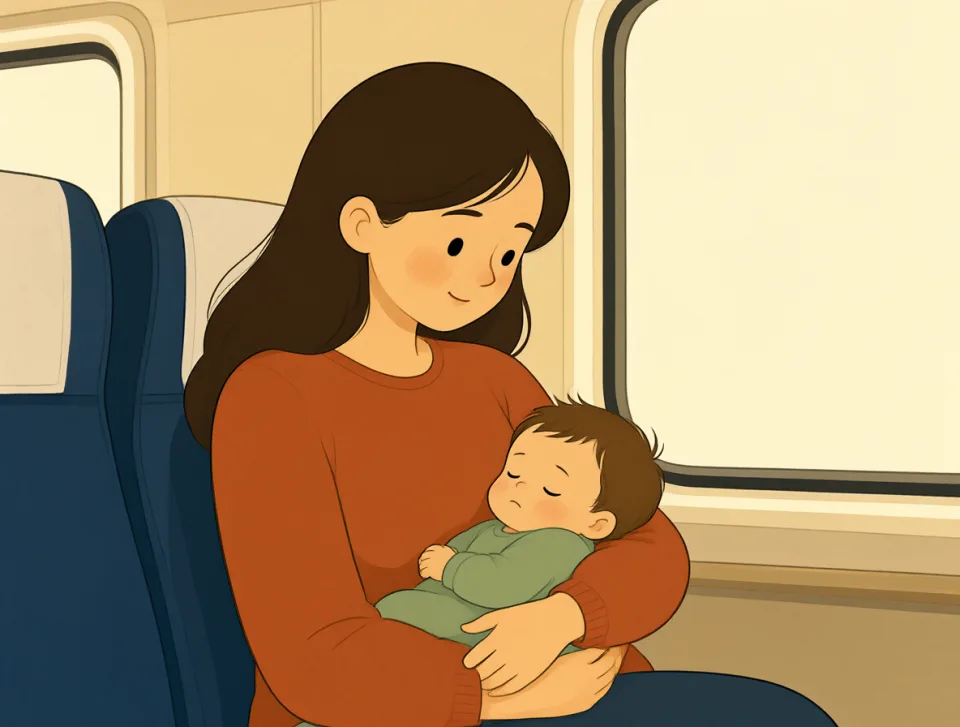
The infant slept peacefully in her mother's arms during the long train journey.
在漫長的火車旅途中,嬰兒安靜地睡在媽媽懷裡。

Parents should place an infant on its back to sleep safely.
為了確保嬰兒睡眠安全,父母應該讓寶寶仰臥。
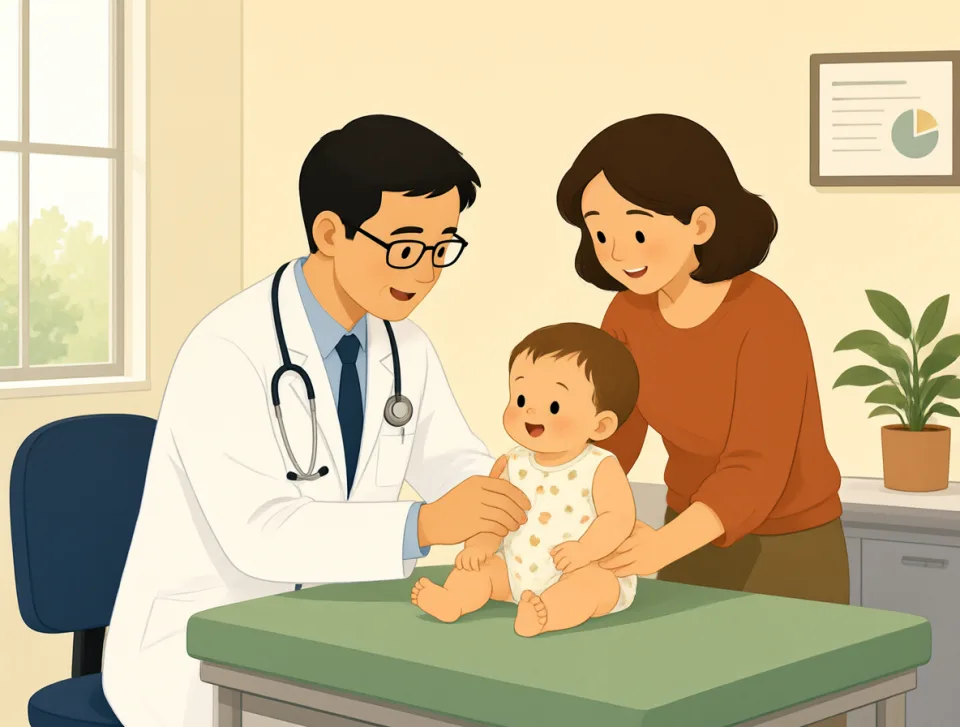
The doctor checked the infant's weight and temperature during the appointment.
醫生在就診時檢查了嬰兒的體重和體溫。
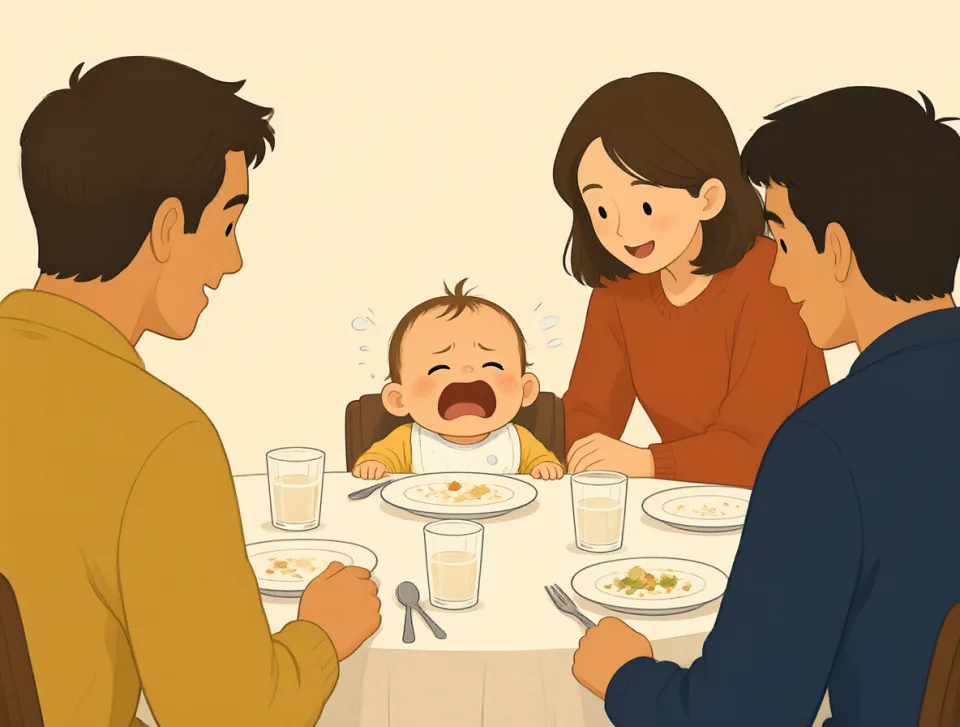
The infant began crying when the family entered the noisy restaurant.
一家人走進那家吵鬧的餐廳時,嬰兒開始哭了起來。

She bought warm clothes and soft blankets for her newborn infant.
她為剛出生的寶寶買了保暖的衣服和柔軟的毯子。
dig
#2331verb, noun
挖;挖掘;翻找;動用積蓄
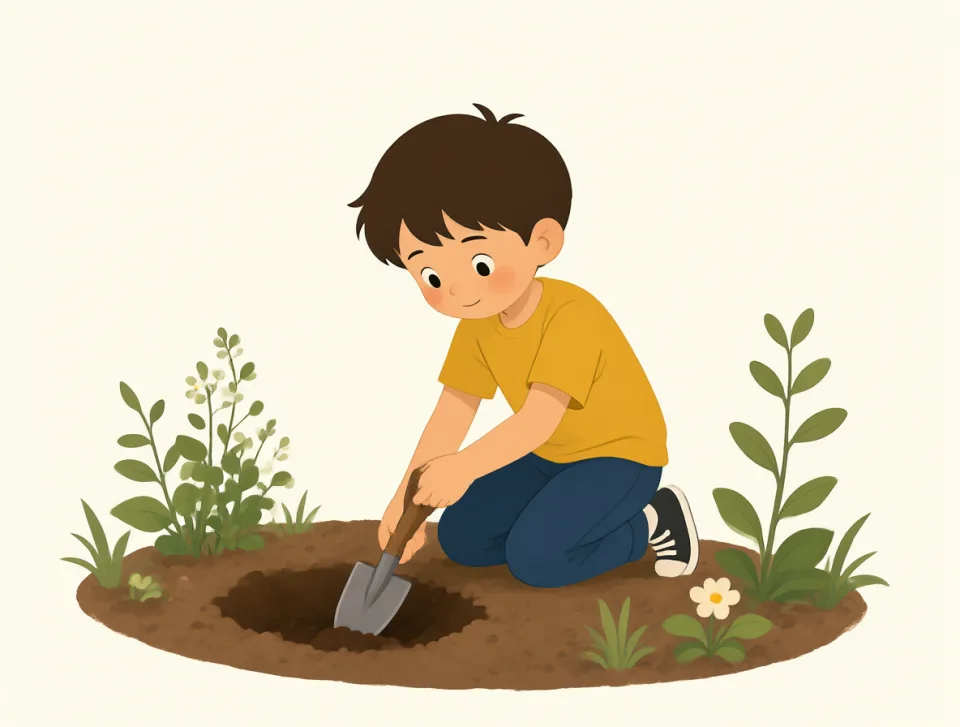
to make a hole in the ground or search by moving soil with a tool
用工具在地上挖一個洞,或透過翻動泥土來尋找東西。
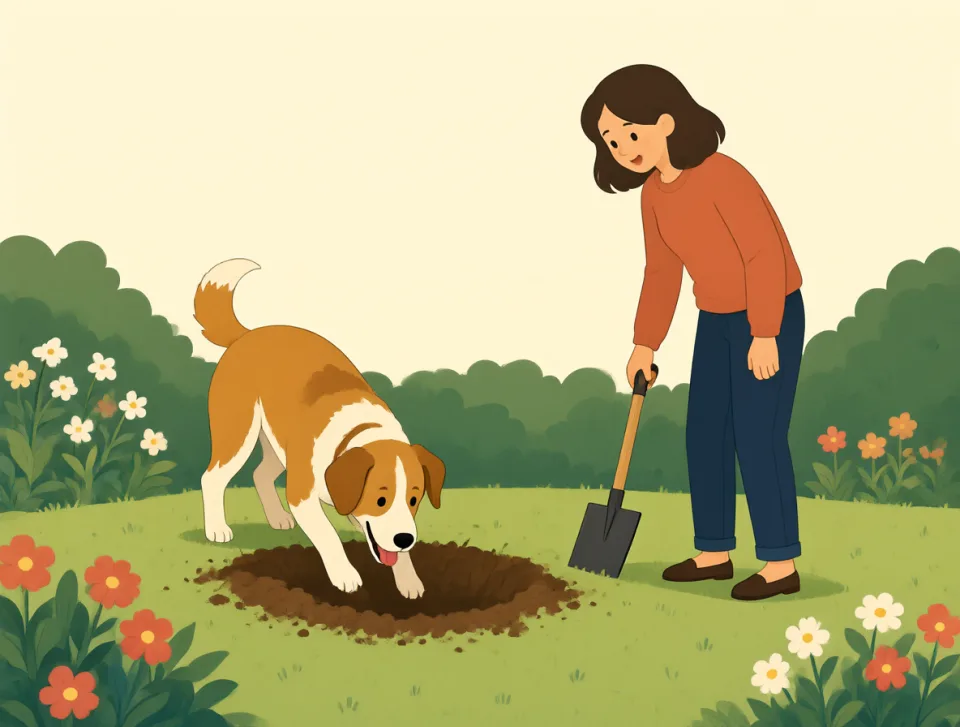
The dog is digging a hole in the garden beside the flowers.
那隻狗正在花園裡挖洞,就在花朵旁邊。
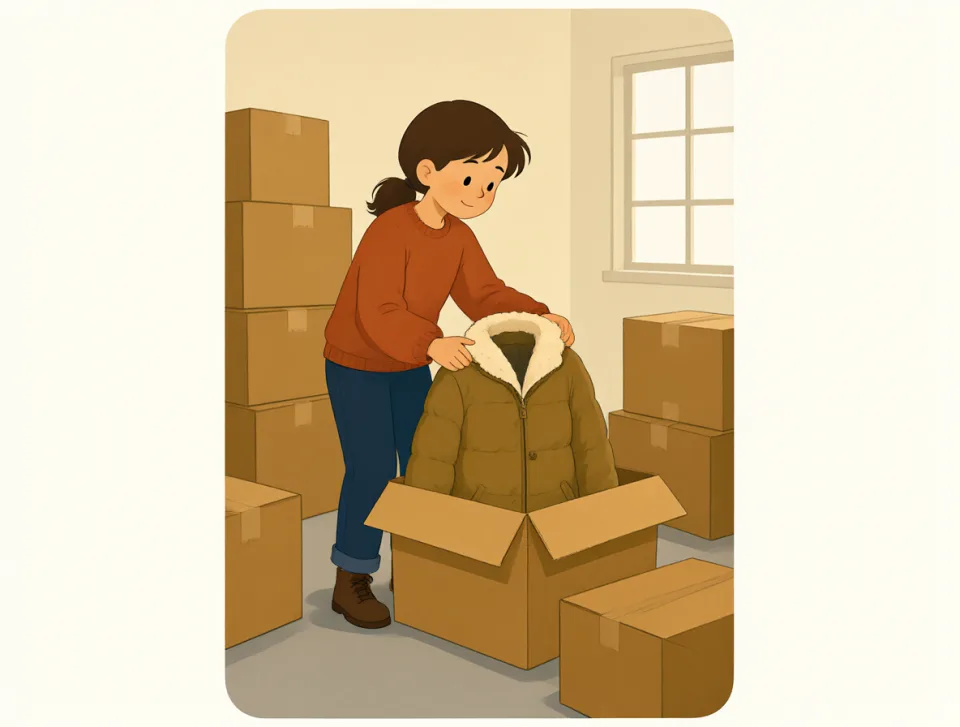
We dug through the boxes to find my old winter coat.
我們翻遍了那些箱子,想找出我那件舊冬衣。
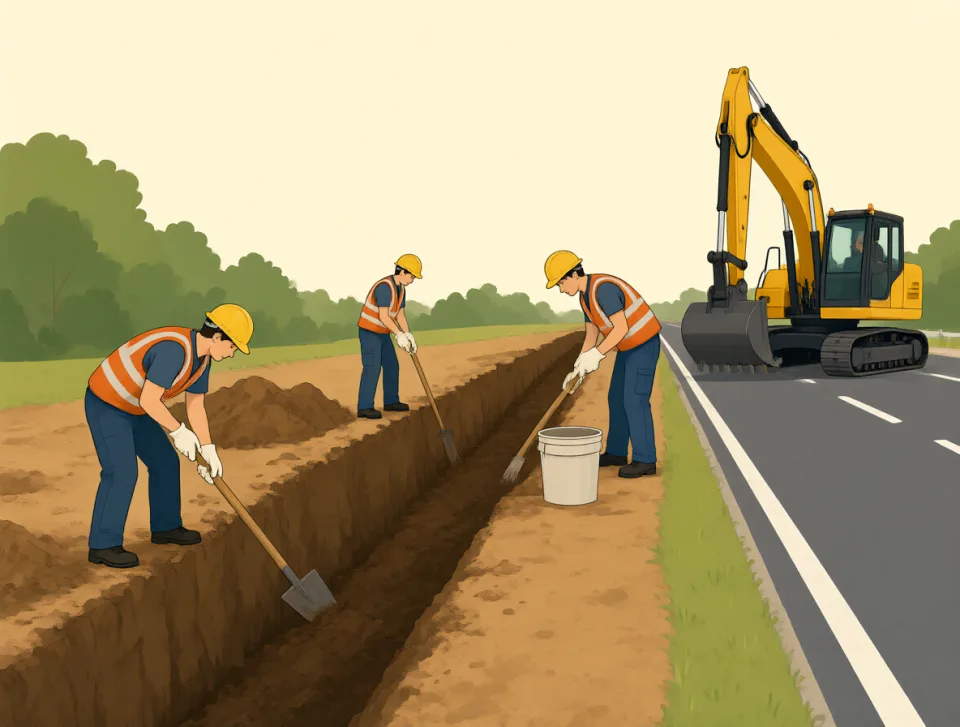
The workers are digging a trench beside the road for new pipes.
工人們正在路邊挖溝,為鋪設新管道做準備。
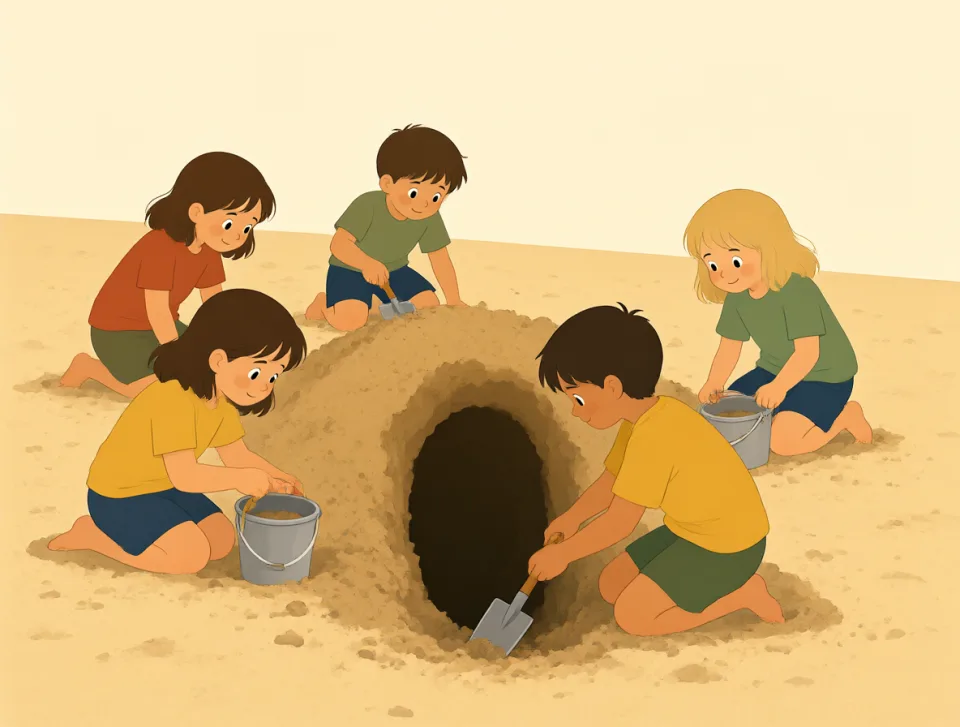
The children dug in the sand and built a deep tunnel.
孩子們在沙地裡挖呀挖,建了一條很深的隧道。
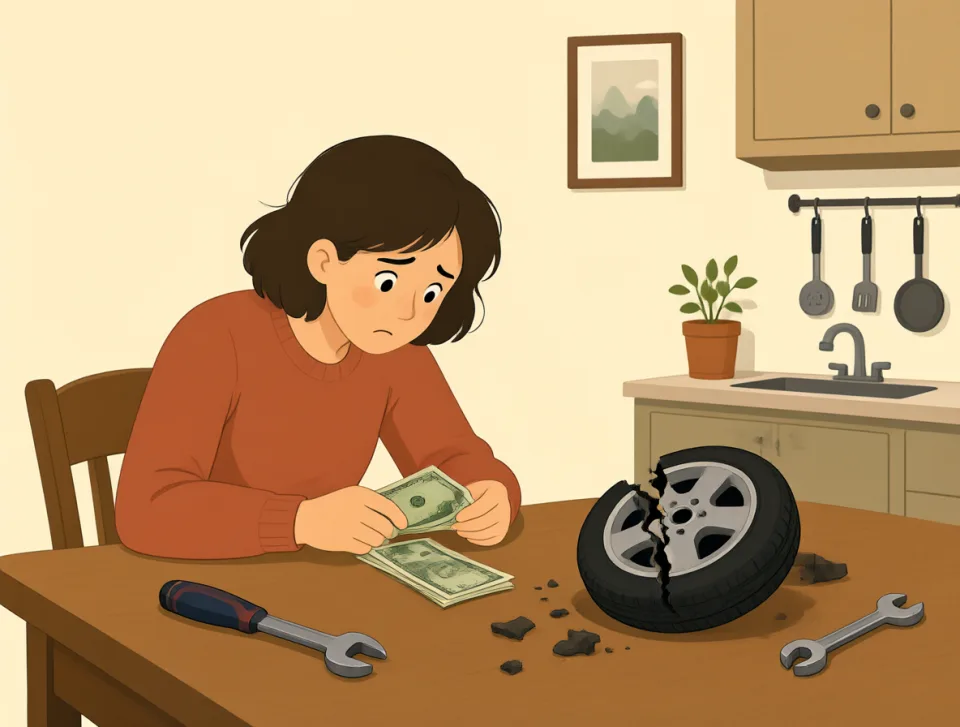
I had to dig into my savings to pay for the car repair.
為了支付汽車維修費,我不得不動用自己的積蓄。
drag
#2332verb, noun
拖;拖動;費勁的事;令人厭煩的事
to pull something along the ground, or a slow, tiring task or experience
把某物沿著地面拖動,或指一件耗時費力、令人疲憊的事情或經歷。
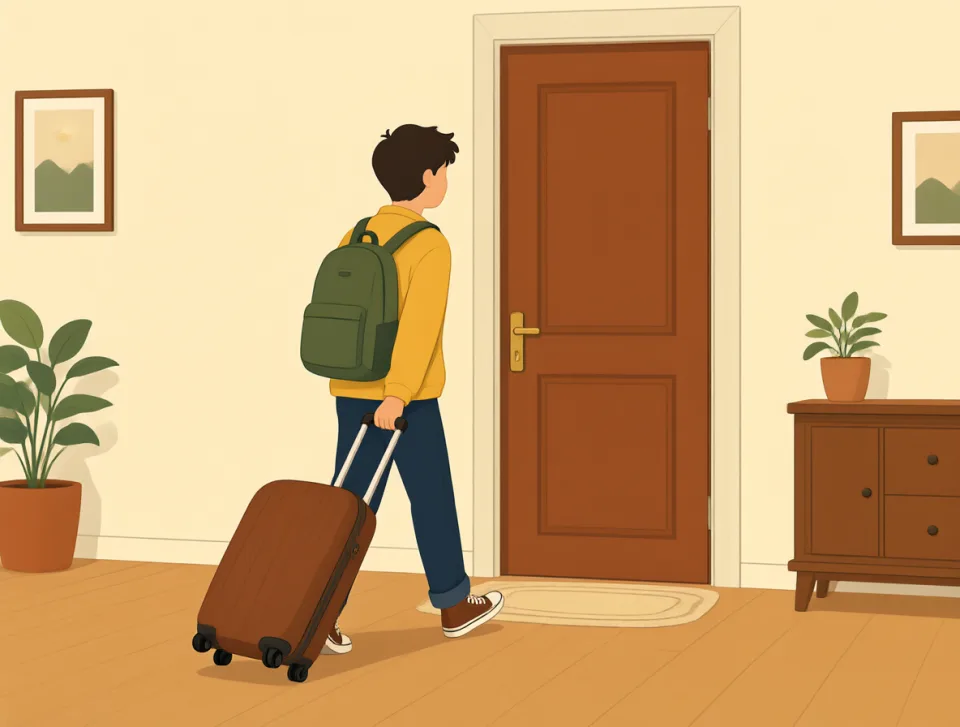
Please drag the heavy suitcase across the floor to the front door.
請把那個沉重的行李箱拖過地板,拉到前門那裡。
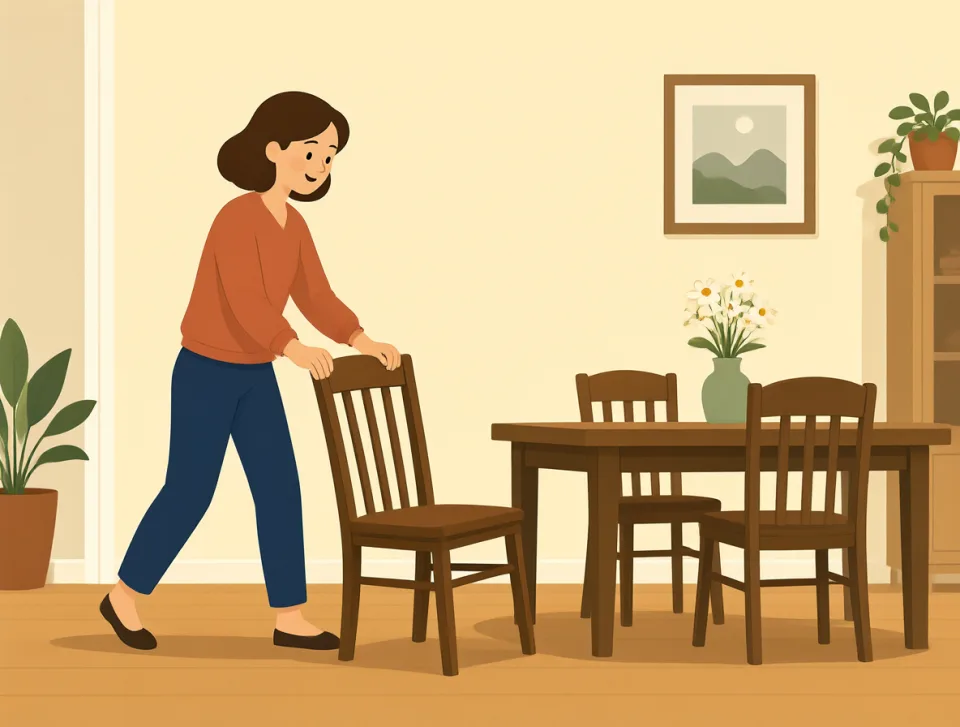
She dragged the chair closer to the table before dinner.
晚飯前,她把椅子拖到離桌子更近的地方。
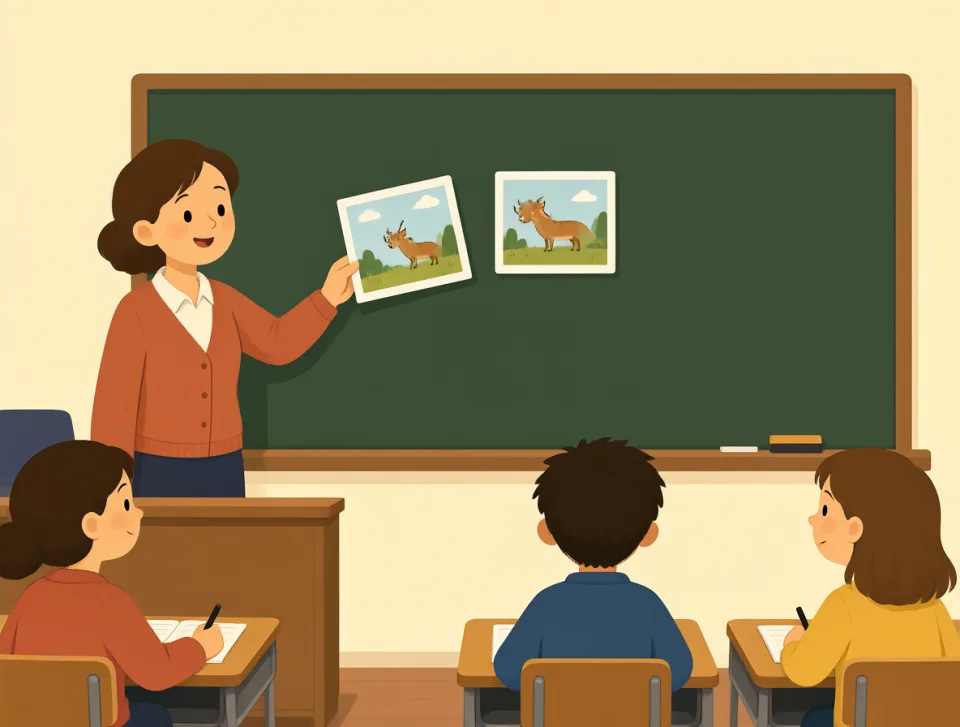
The teacher dragged the picture into the correct place on the board.
老師把圖片拖到了白板上的正確位置。

My computer is so slow that every website takes ages to drag.
我的電腦太慢了,開啟每個網站都要等半天。
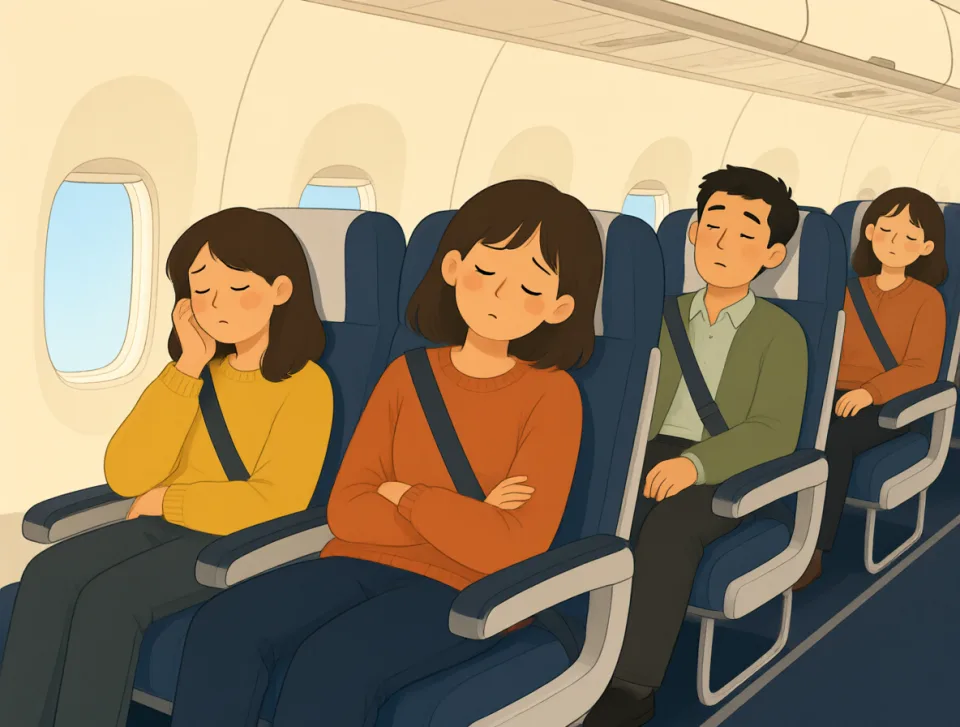
The long flight was a real drag, but the holiday was wonderful.
這趟漫長的飛行真夠折磨人的,不過假期過得非常愉快。

mount
#2333noun, verb
山峰;安裝;架設;增長
a mountain, or to place something on a support or raise it higher
山峰;將某物安裝在支架上或固定在某個位置,或者把某物抬高。

The hikers reached the mount before sunset and rested beside the trail.
徒步旅行者在日落前到達了山峰,並在步道旁休息。

The technician mounted the new television securely on the living room wall.
技術人員將新電視牢牢地安裝在客廳的牆上。
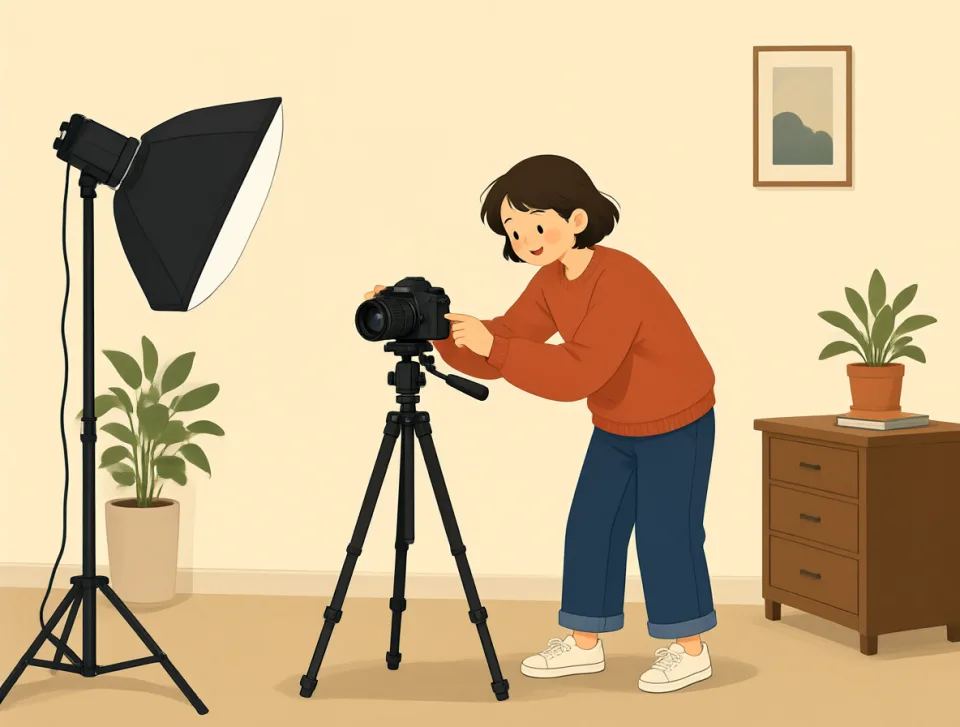
The camera is mounted on a tripod for steady photographs.
相機被架在三腳架上,以便拍出穩定的照片。

The company mounted a strong campaign to attract more customers this summer.
今年夏天,公司開展了一場聲勢浩大的營銷活動,以吸引更多顧客。
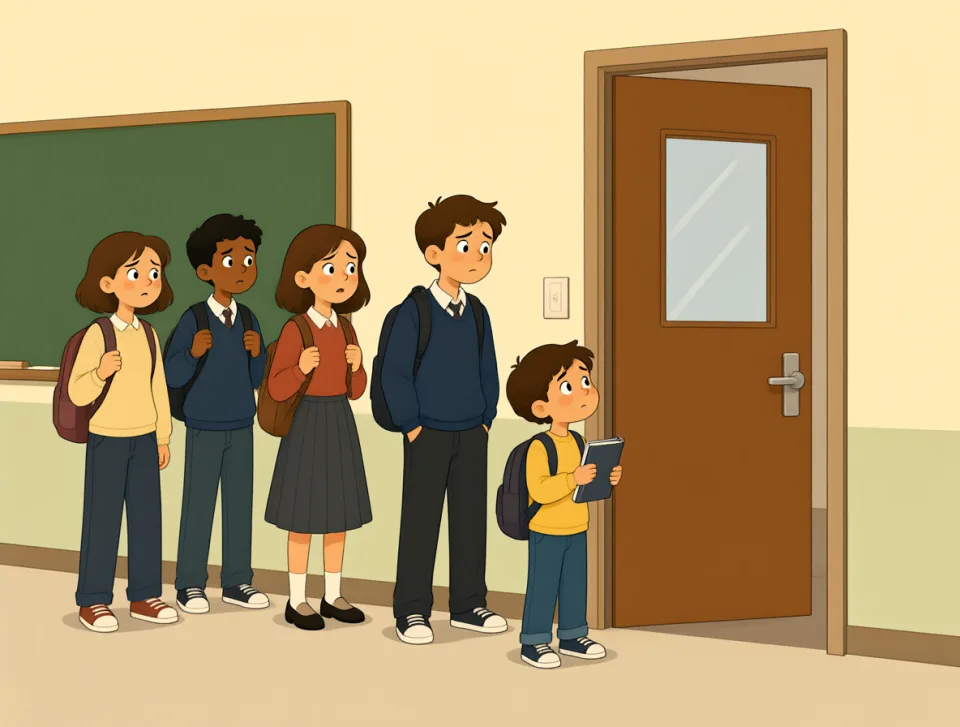
Anger mounted as the students waited outside the closed classroom.
學生們在關閉的教室外等待時,怒火越來越大。

wrap
#2334noun, verb
包裹;包裝;包起來;裹住
to cover or surround something with paper, cloth, or another material
用紙、布或其他材料覆蓋或包住某物。
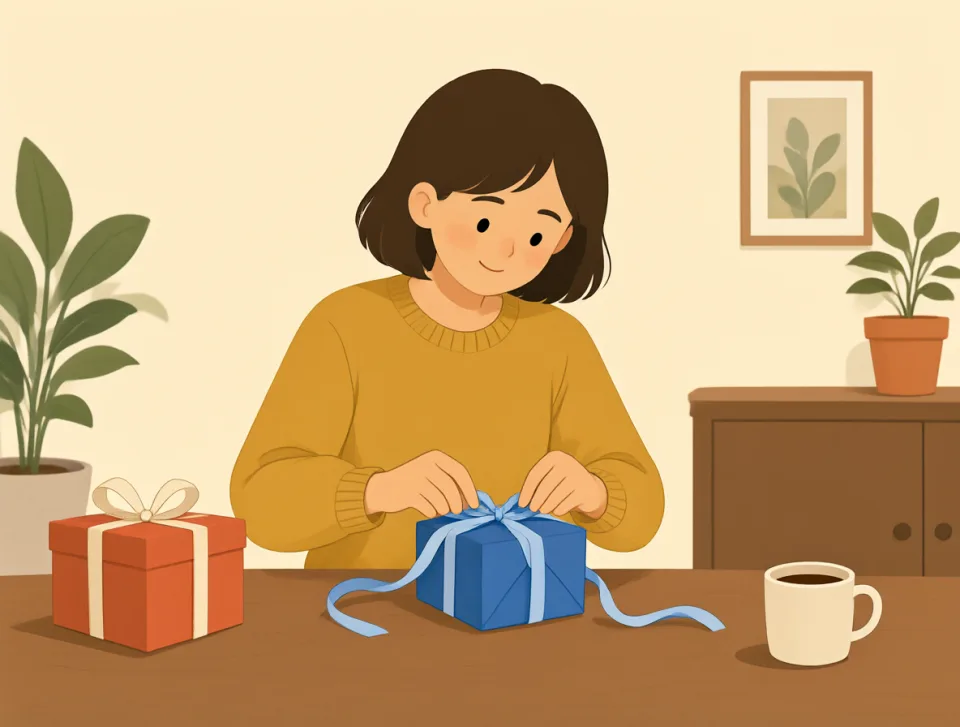
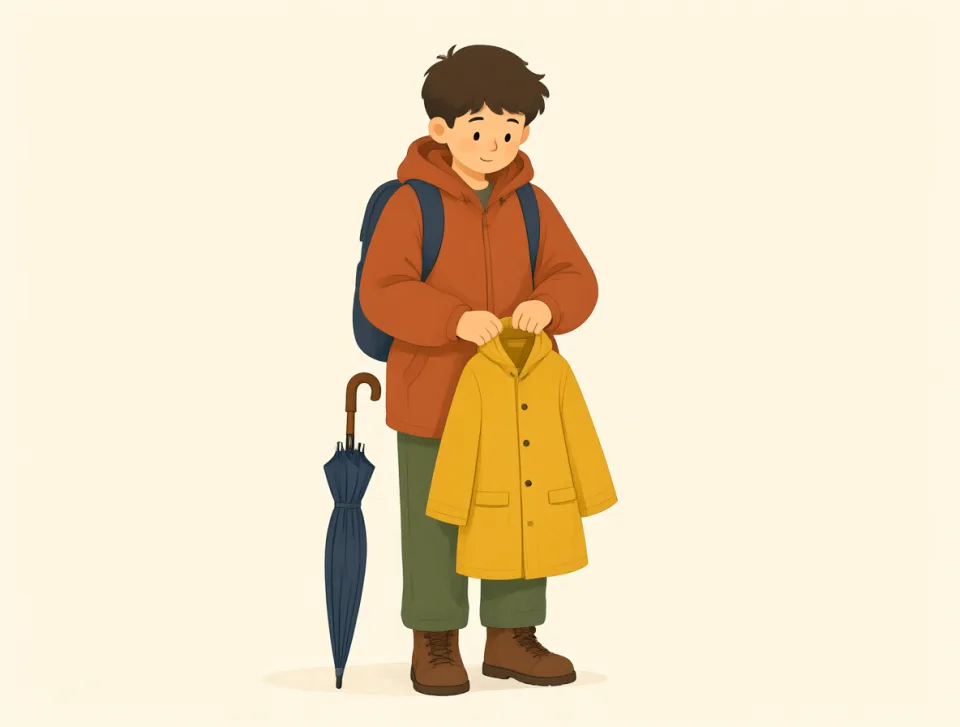
She wrapped the birthday present in bright blue paper.
她用鮮豔的藍色包裝紙包好了生日禮物。
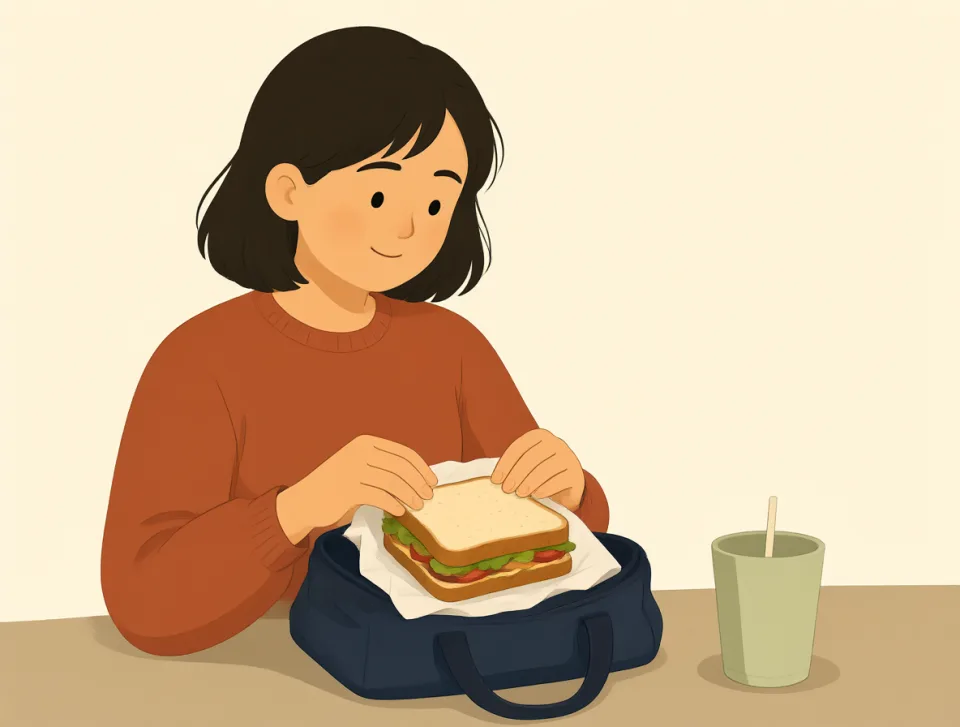
Please wrap the sandwich before you put it in my bag.
請把三明治包好,再放進我的包裡。

He wrapped a warm blanket around the tired child.
他用一條溫暖的毯子裹住了那個疲憊的孩子。
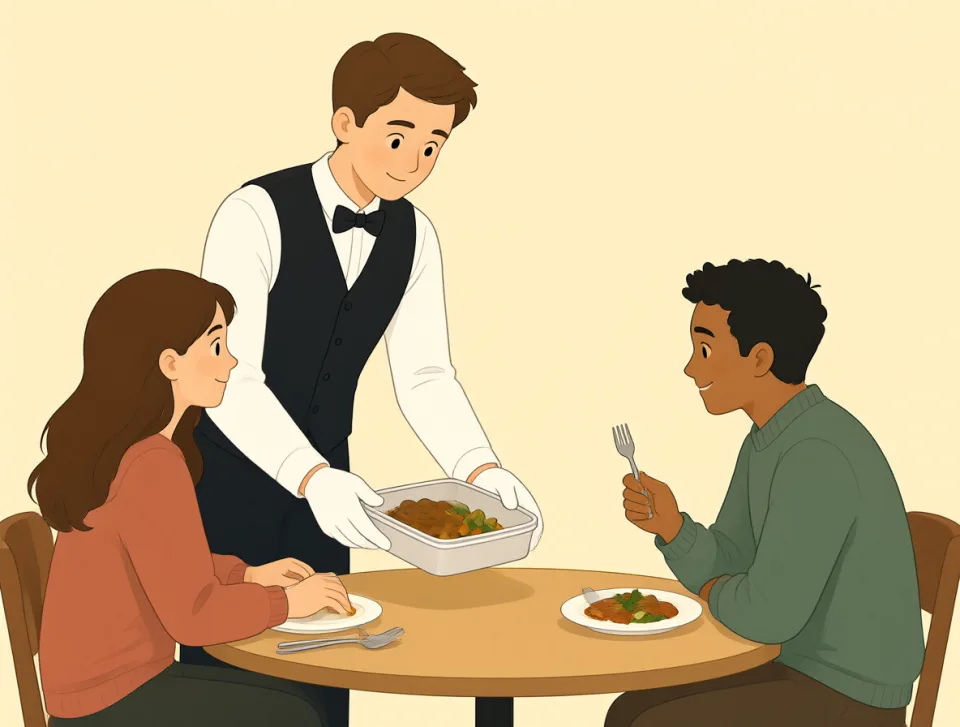
The waiter wrapped the leftover food for us to take home.
服務員幫我們把剩下的食物打包了,讓我們帶回家。

We wrapped up the meeting before everyone left for lunch.
午飯前,大家離開之前,我們結束了會議。
anticipate
#2335verb
預料;預期;預計
to expect something and prepare for it before it happens
預料某事會發生,並在它發生之前做好準備。
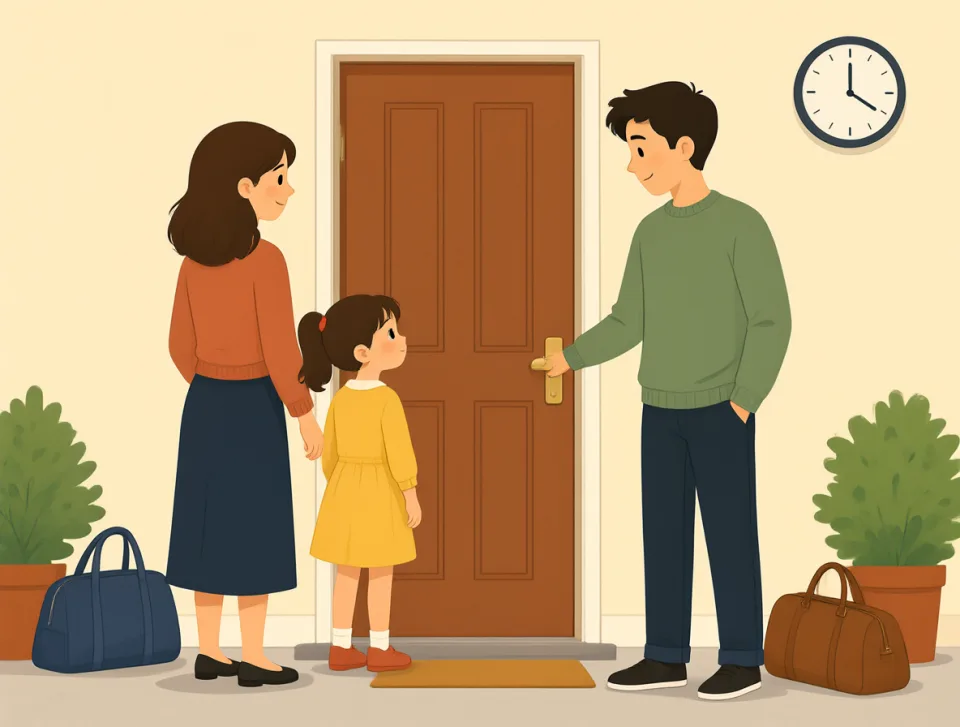
We anticipate heavy traffic, so we are leaving home early.
我們預計路上會很堵,所以打算早點出門。
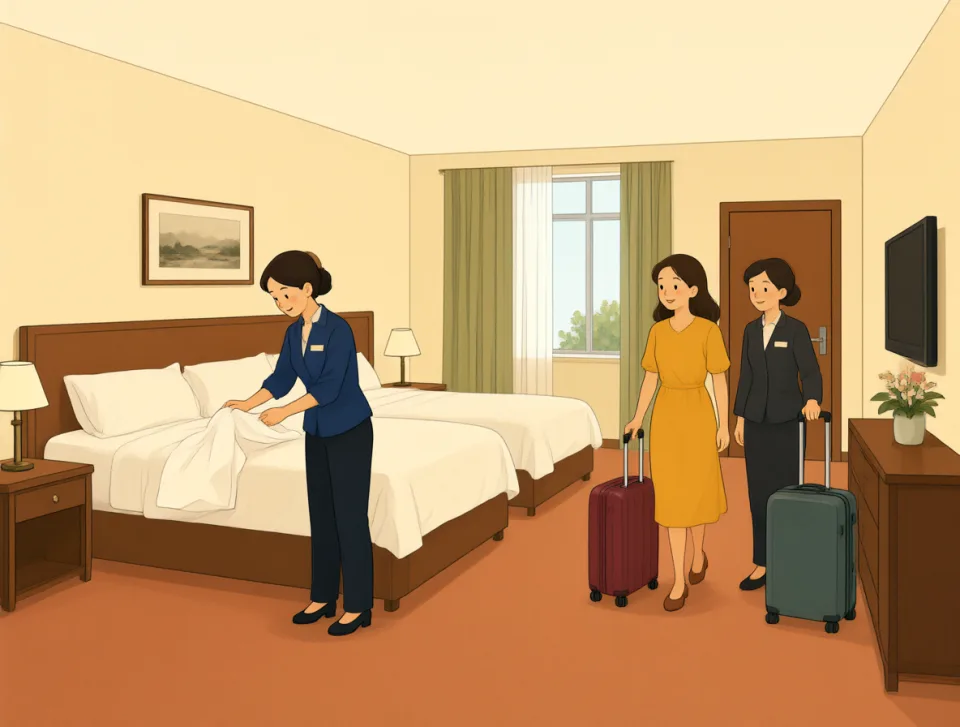
The hotel anticipates many guests during the summer holidays.
酒店預計暑假期間會有很多客人。

I did not anticipate such a difficult exam at school.
我沒想到學校的考試會這麼難。

The doctor anticipates a quick recovery after your operation.
醫生預計你手術後會很快康復。

We anticipated feeling hungry and brought sandwiches for the train journey.
我們預料到路上會餓,所以帶了些三明治坐火車時吃。
dependent
#2336adjective, noun
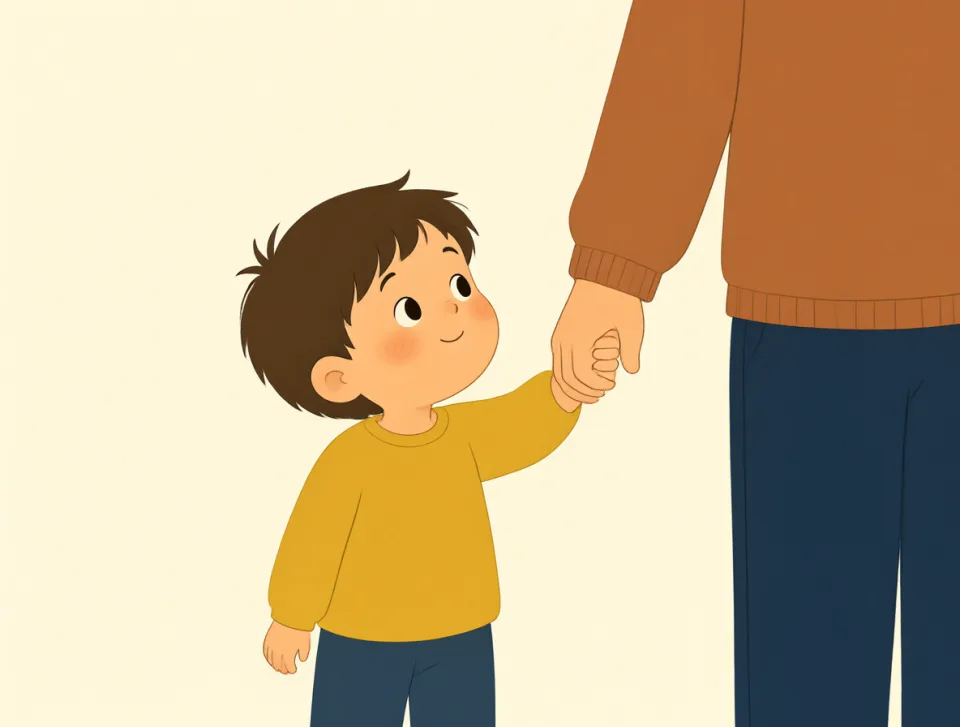
依賴的;依靠的;受撫養人
Needing someone or something else for support, money, or help.
需要依靠他人或其他事物來獲得支援、經濟幫助或其他幫助的。
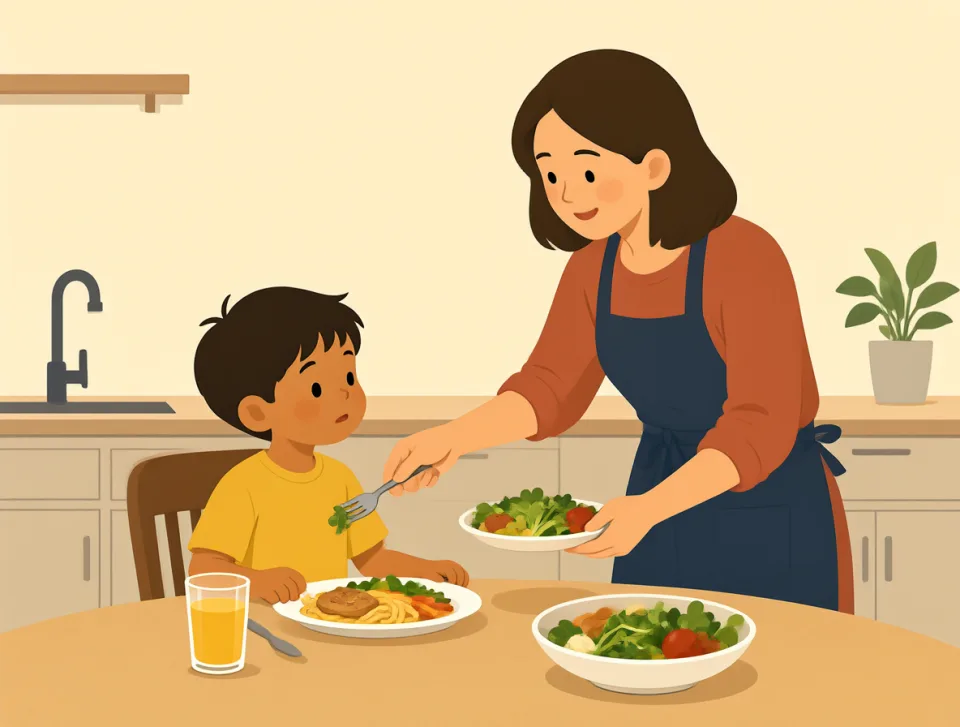
Many young children are dependent on their parents for food and shelter.
許多年幼的孩子在食物和住所方面都依賴父母。

The company is heavily dependent on international customers for its income.
這家公司在收入方面嚴重依賴國際客戶。

Our plans are dependent on the weather staying warm and dry.
我們的計劃取決於天氣能否持續保持溫暖乾燥。
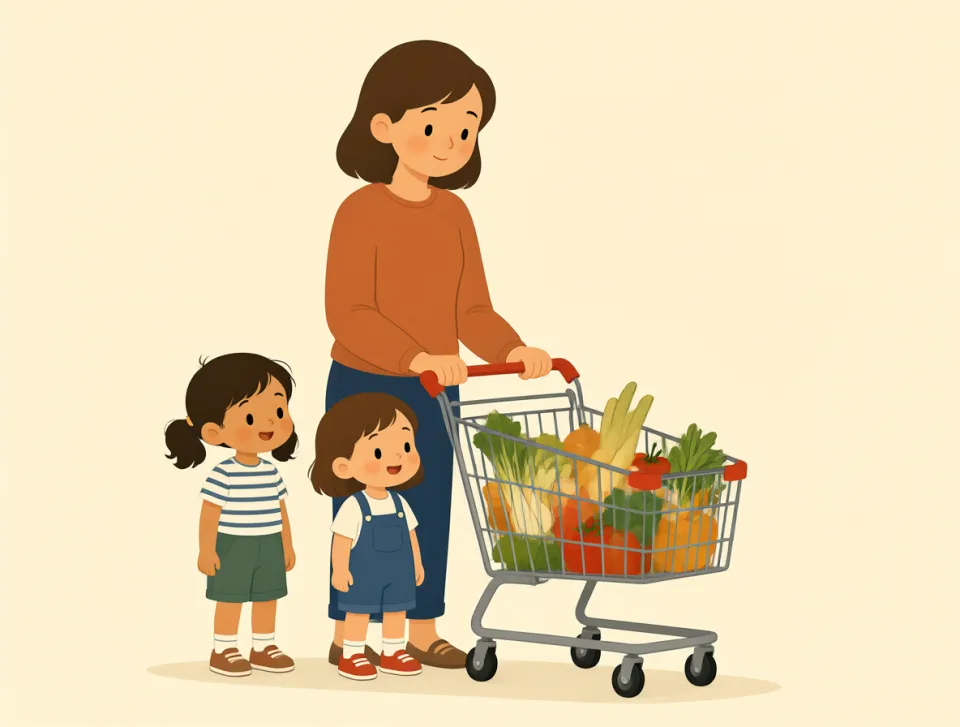
She has two dependents, so her monthly expenses are quite high.
她有兩個需要供養的家屬,所以每個月的開銷相當大。
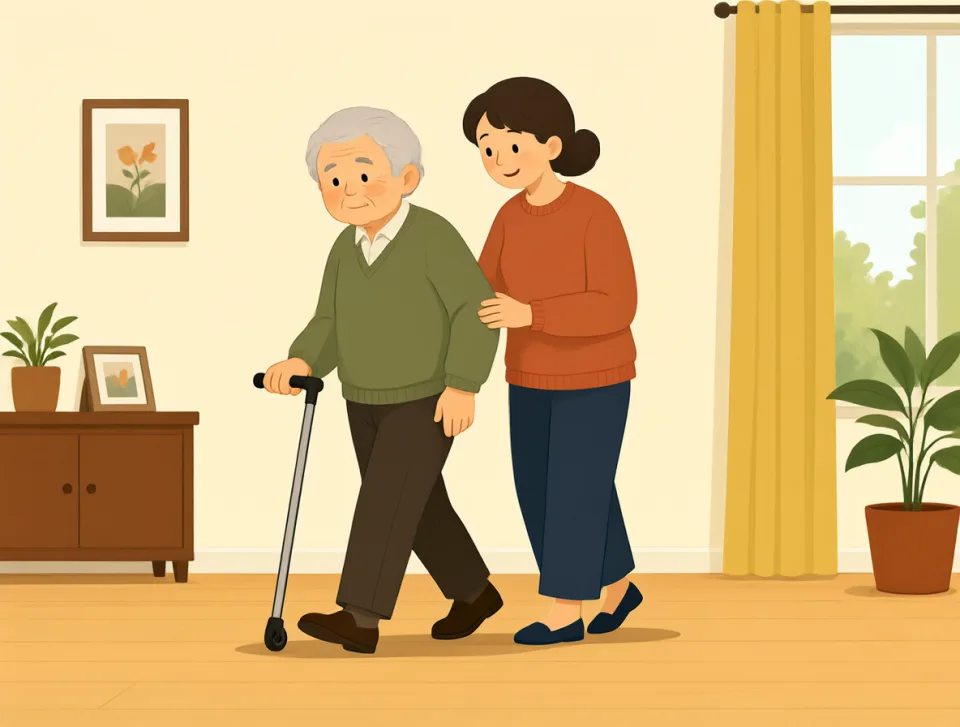
Some older people become dependent on others after a serious illness.
一些老年人在經歷嚴重疾病後,會變得需要依靠他人照顧。
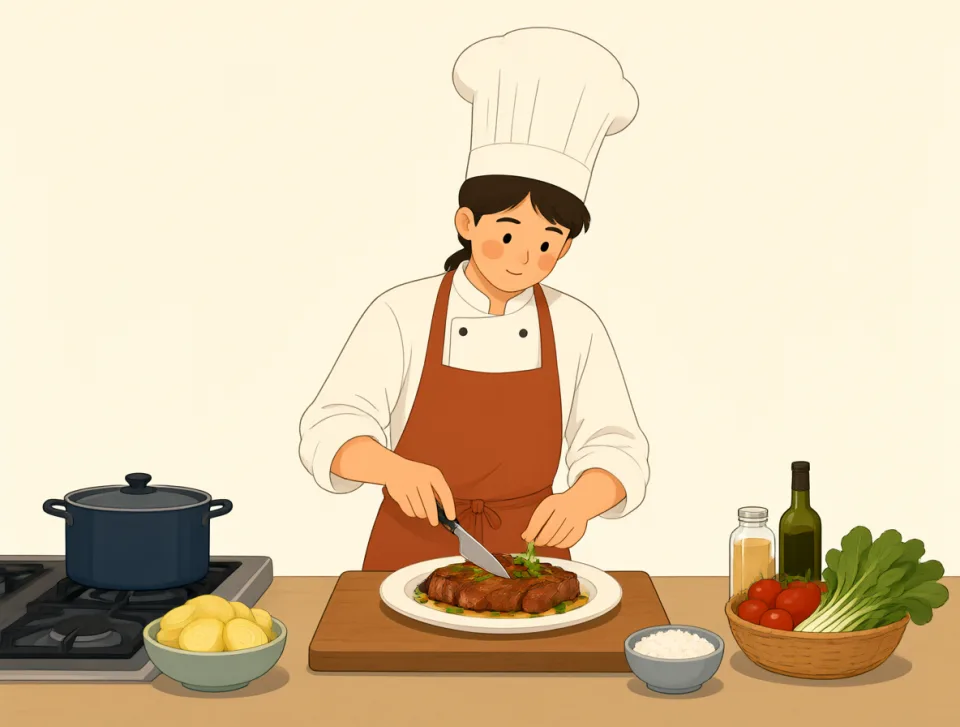
specialize
#2337verb
專攻;專門研究;專門從事
to spend most of your time studying or working in one particular area
把大部分時間花在學習或從事某一特定領域的工作上。

Our restaurant specializes in fresh seafood and homemade desserts.
我們餐廳專營新鮮海鮮和自制甜點。

The hospital specializes in treating children with serious illnesses.
這家醫院專門治療患有嚴重疾病的兒童。

She decided to specialize in science when she entered university.
她進入大學後決定專攻理科。
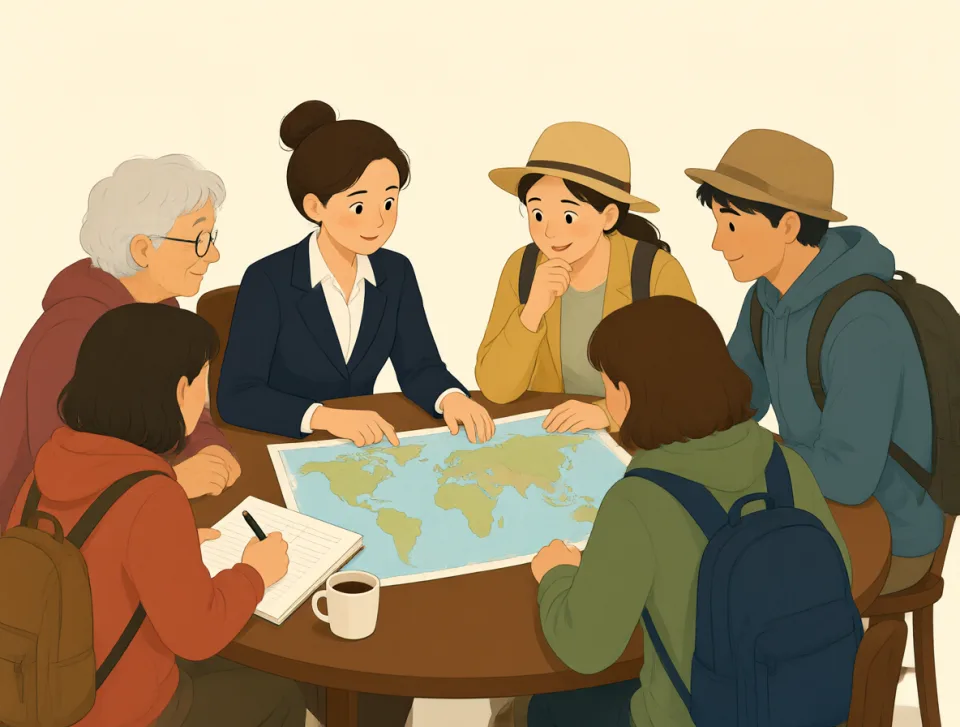
This travel agency specializes in small group tours around Europe.
這家旅行社專門經營歐洲小團體旅遊。

My friend is specializing in computer security at college.
我的朋友正在大學攻讀電腦保安專業。
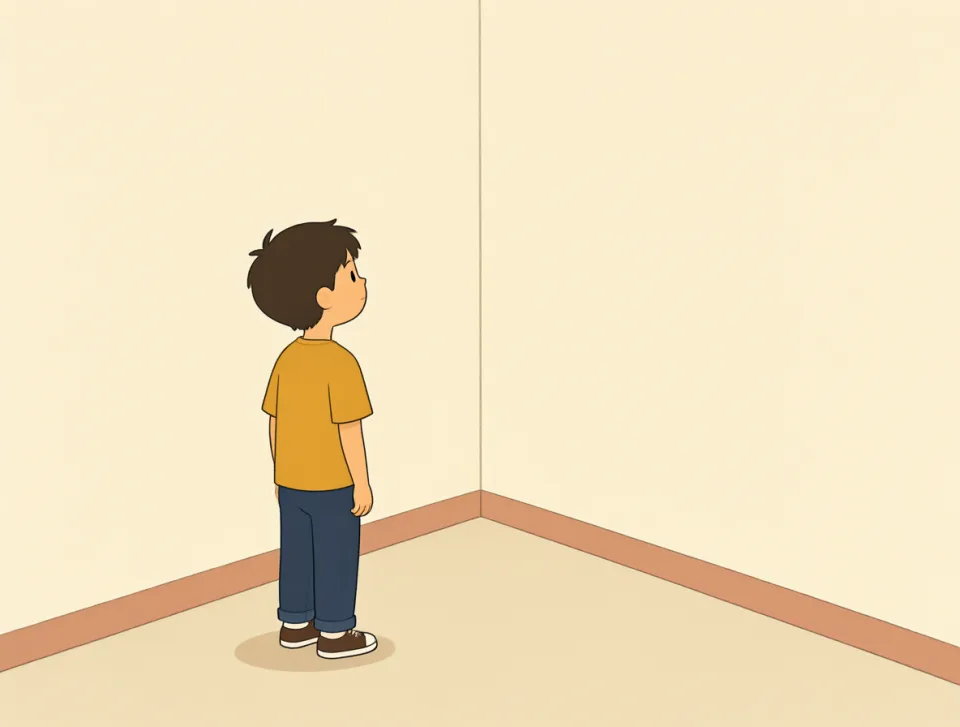
angle
#2338noun, verb
角度;角度方向;調整角度
A direction or position from which you look at something; to aim or present something differently.
觀察某物時所處的方向或位置;以不同的角度瞄準或呈現某物。
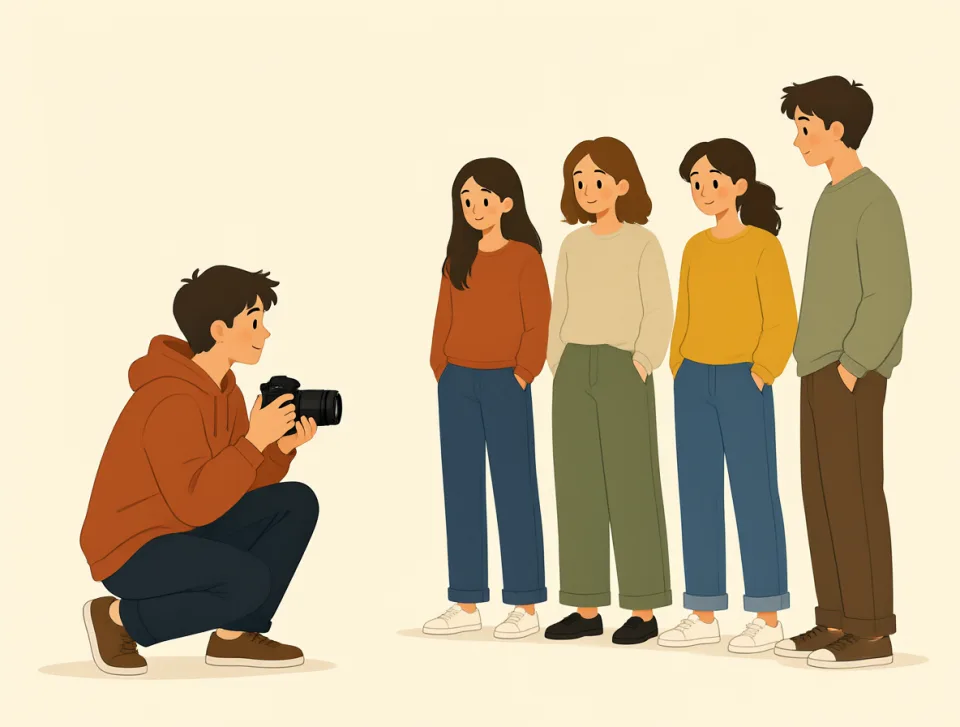
Try taking the photo from a different angle to include everyone.
試著換個角度拍照,這樣就能把所有人都拍進去。

The angle of the chair made it uncomfortable to sit for long.
椅子的傾斜角度讓人坐久了很不舒服。
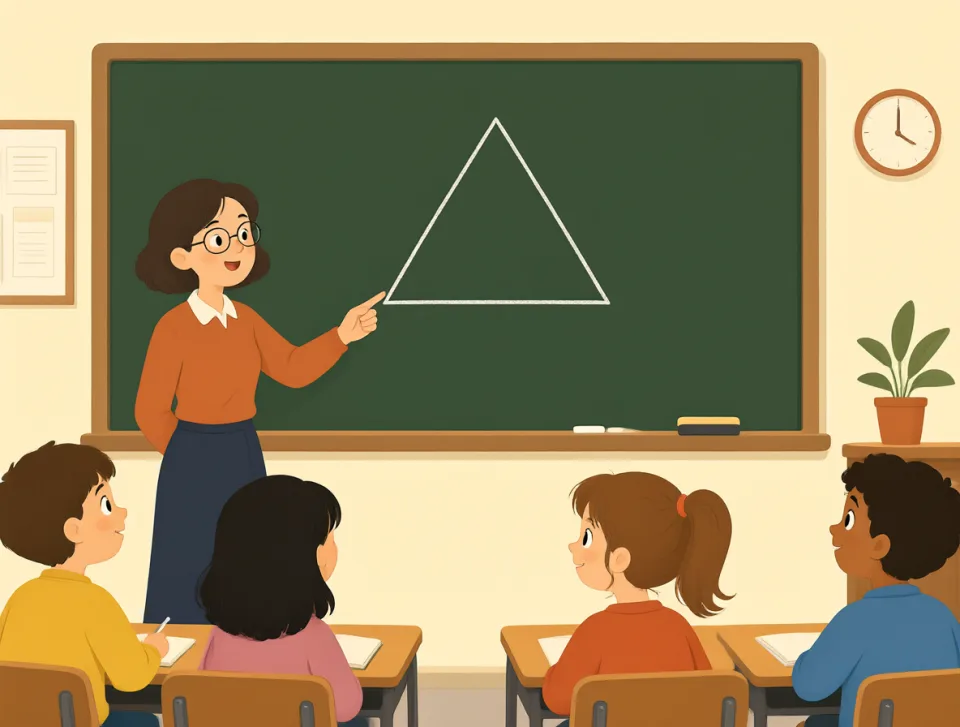
The teacher explained how to measure the angles in a triangle.
老師講解了如何測量三角形的角。
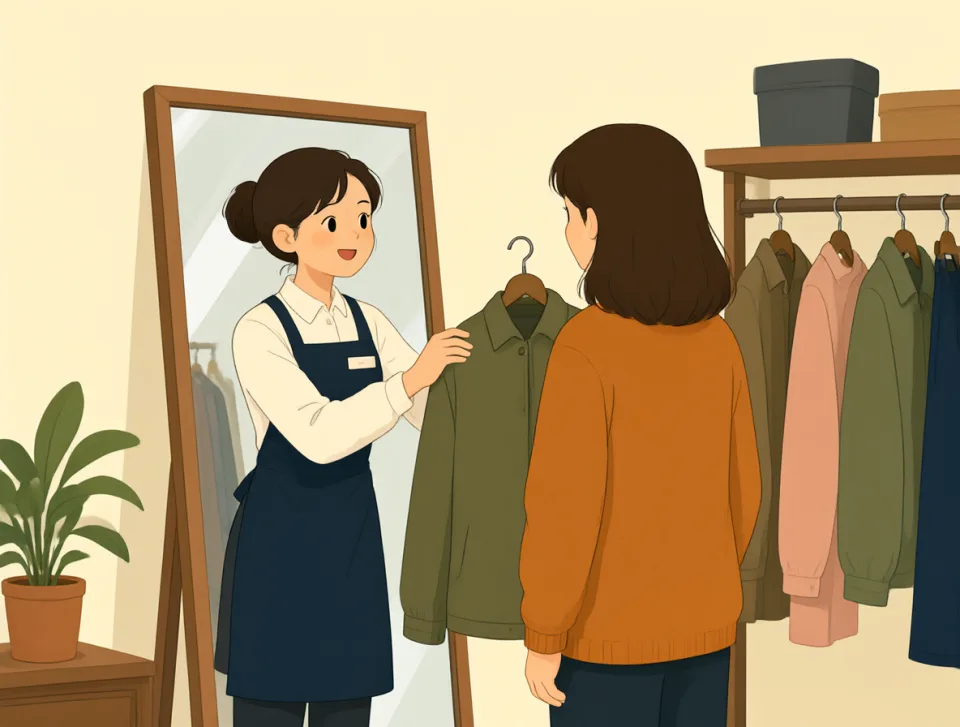
The shop assistant angled the mirror so I could see the back of my jacket.
店員調整了鏡子的角度,讓我能看到夾克的背面。
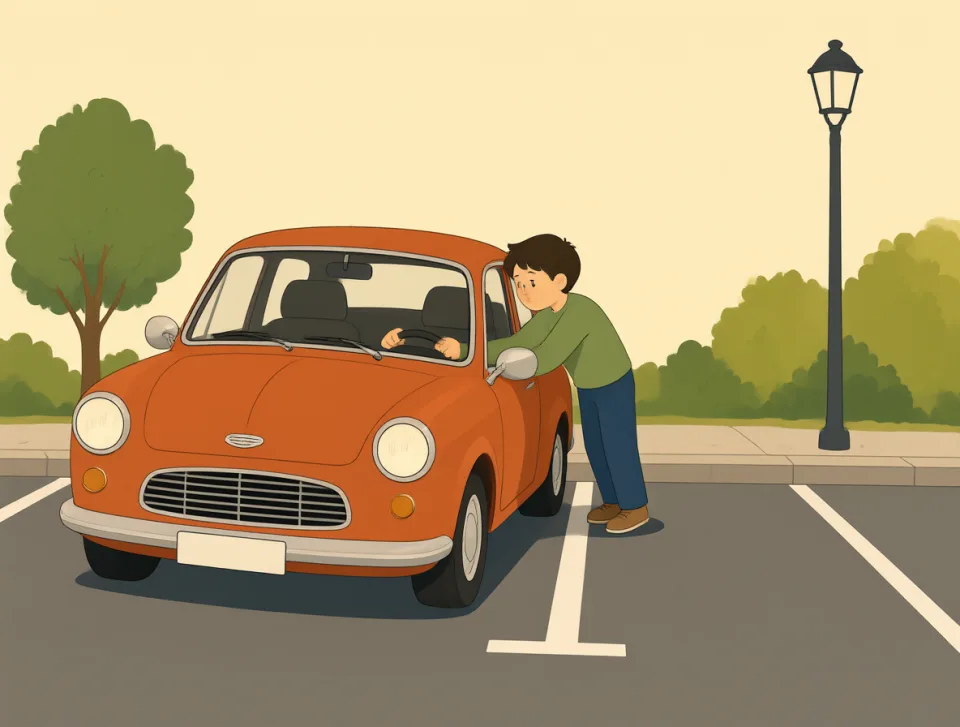
We need to angle the car carefully to fit into the narrow parking space.
我們需要小心調整汽車的角度,才能把車停進狹窄的停車位。
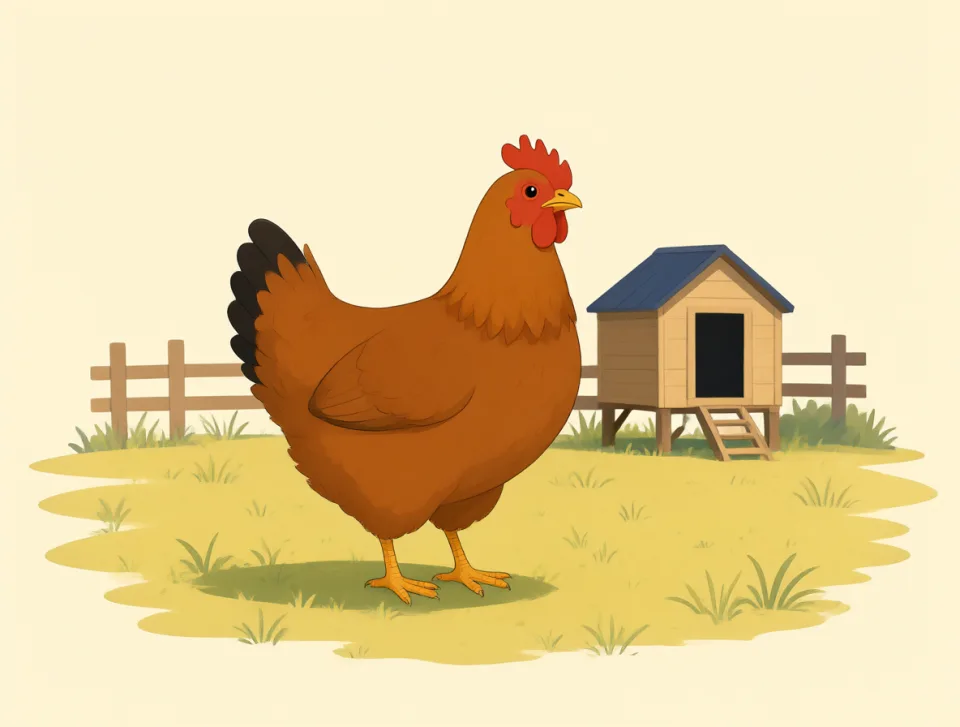
chicken
#2339noun, verb
雞;雞肉;臨陣退縮
a farm bird raised for meat and eggs; to avoid doing something because you are afraid
一種家禽,通常飼養來獲取肉和雞蛋;因為害怕而不敢做某事,臨陣退縮。

We had roast chicken with potatoes for dinner last night.
昨晚晚餐我們吃了烤雞和土豆。
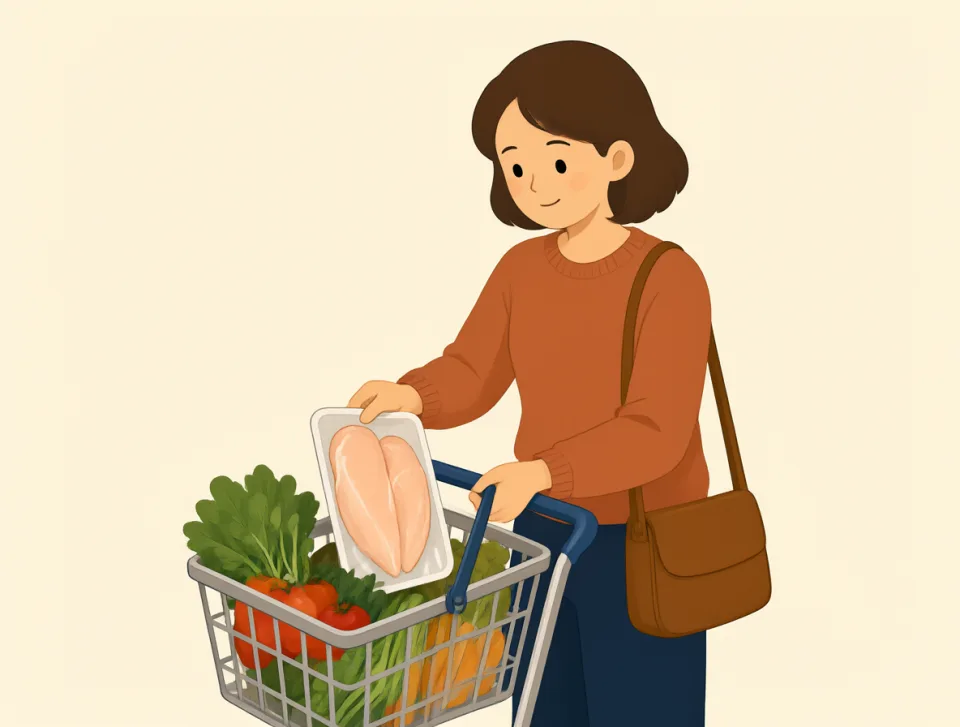
I bought two chicken breasts and fresh vegetables at the supermarket.
我在超市買了兩個雞胸肉和一些新鮮蔬菜。
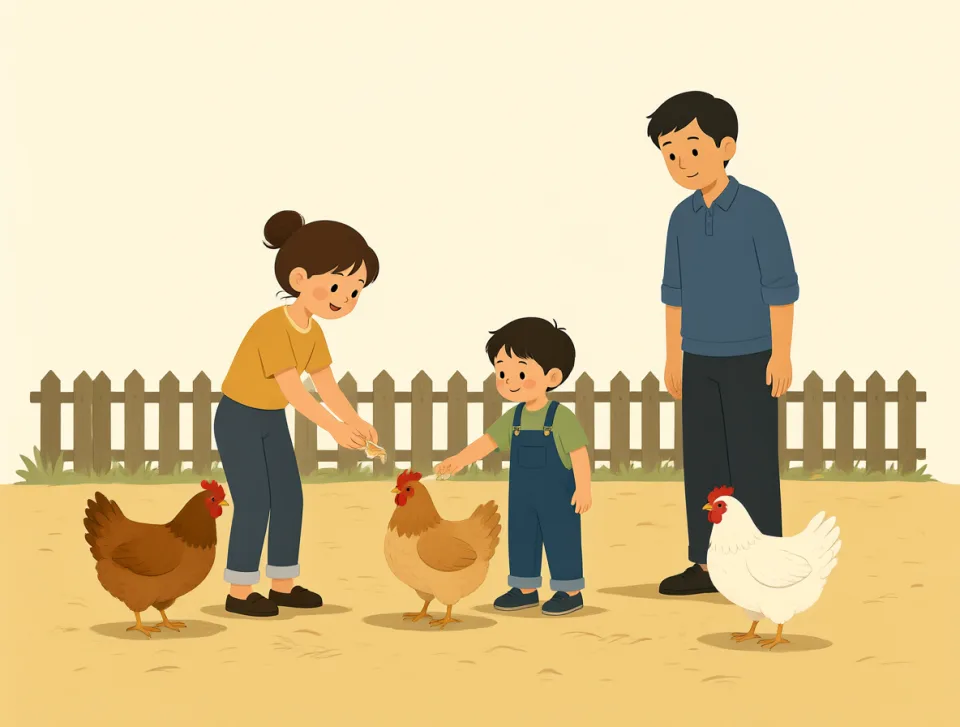
The children were excited to feed the chickens on the farm.
孩子們很興奮,想在農場餵雞。
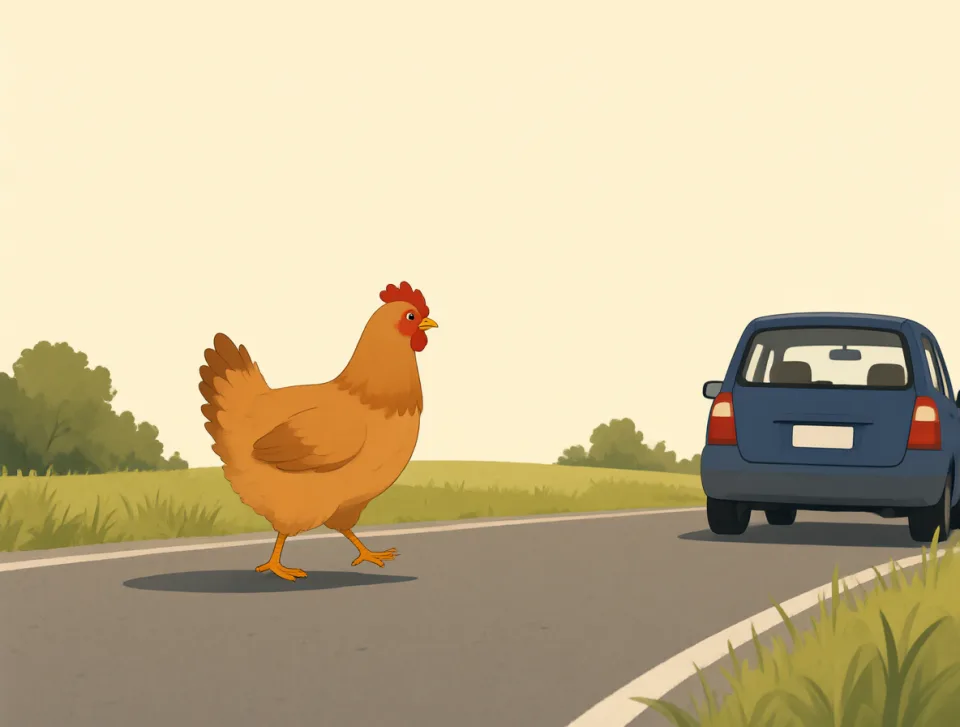
The chicken crossed the road while we were driving to the beach.
我們開車去海灘的路上,一隻雞橫穿了馬路。
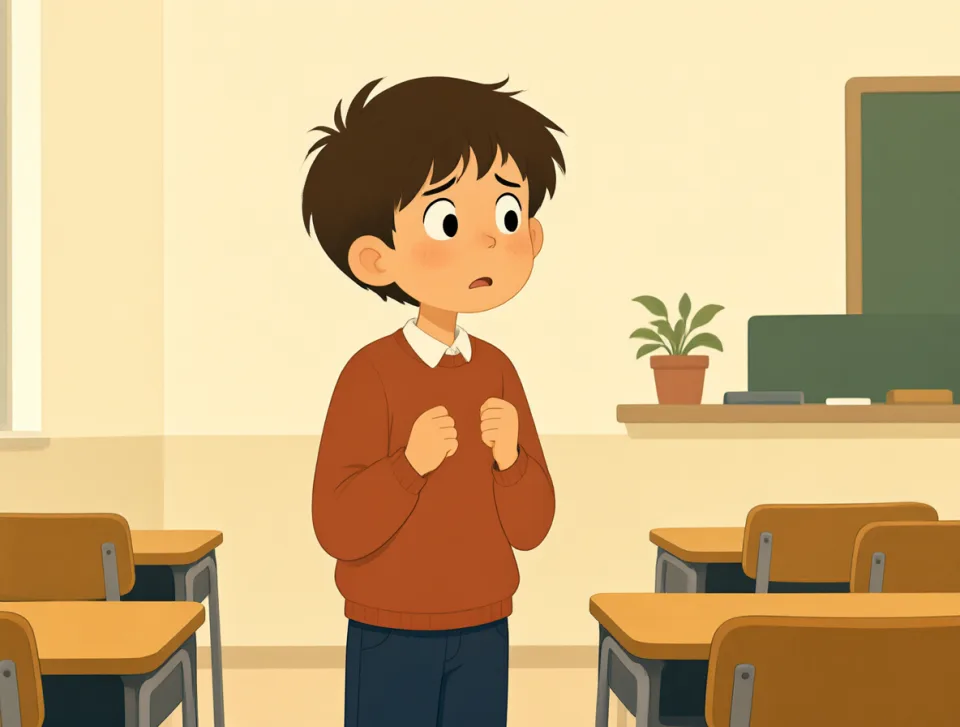
He chickened out before giving his speech to the whole class.
他在給全班同學演講之前臨陣退縮了。
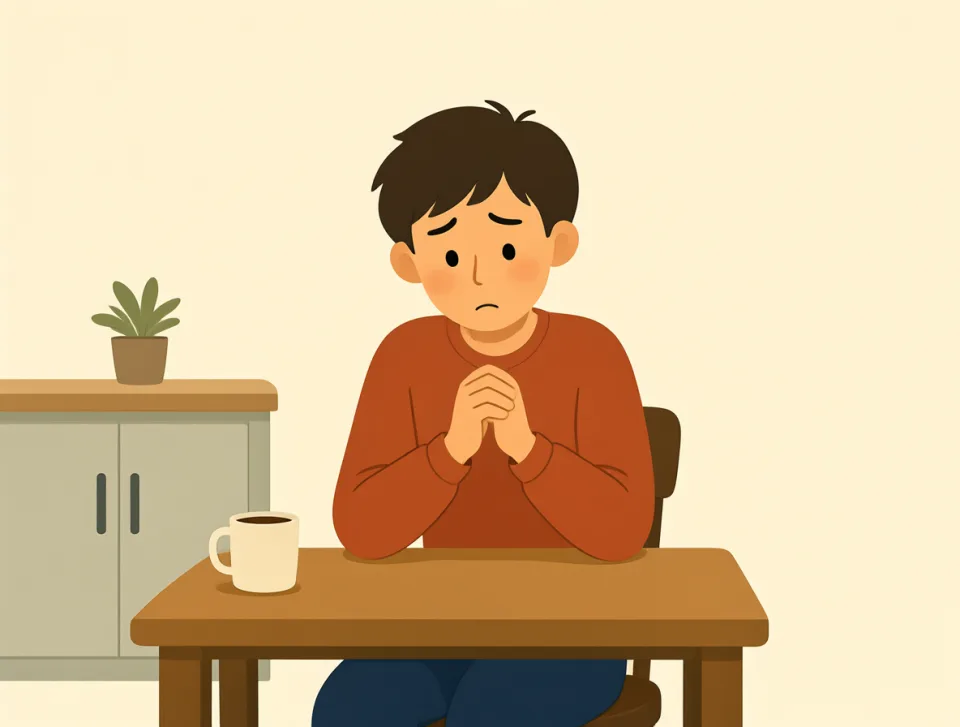
anxiety
#2340noun
焦慮;憂慮
a worried feeling caused by fear or concern about something that may happen
因擔心或害怕可能發生的事情而產生的憂慮情緒

She felt anxiety before her job interview and practiced her answers twice.
她在求職面試前感到焦慮,把面試答案練習了兩遍。

His anxiety about flying disappeared after the plane landed safely.
飛機安全著陸後,他對乘飛機的焦慮消失了。

Exam anxiety made it difficult for Mia to sleep the night before.
考試焦慮讓米婭在考試前一晚難以入睡。

Talking with a friend helped reduce my anxiety about moving to a new city.
和朋友聊過後,我對搬到新城市的焦慮減輕了。
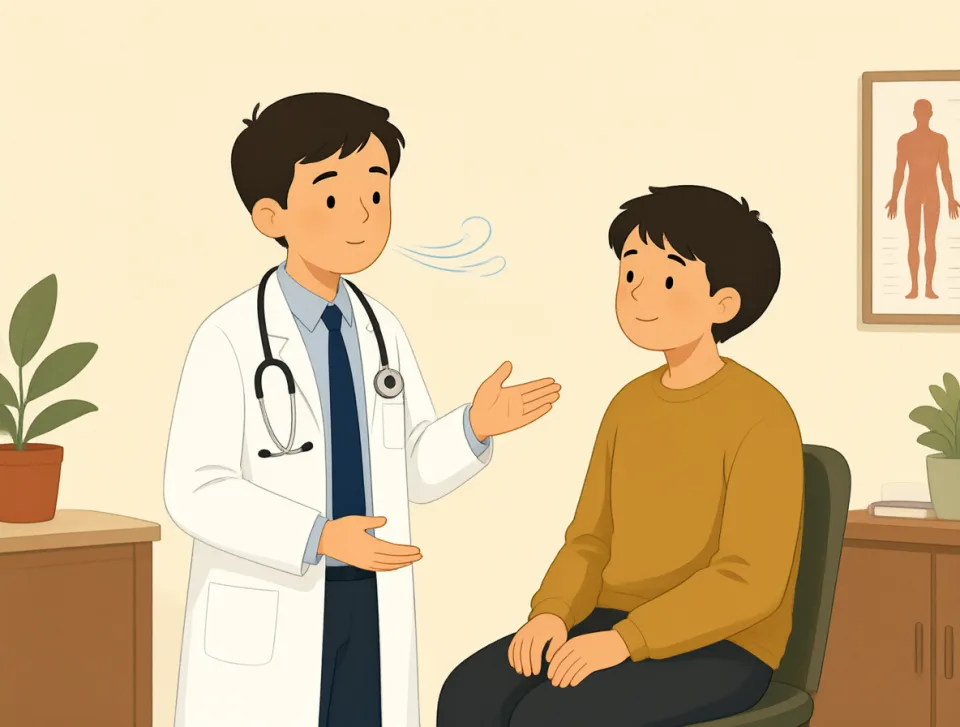
The doctor taught him breathing exercises to manage his anxiety.
醫生教他做呼吸練習來控制焦慮。