Zestaw 1
Słowa 1–20 · the, be, and, of, to, a
the
#1determiner
przedimek określony „the”
Used before a noun to show that it is known, specific, or the only one.
Stawiamy go przed rzeczownikiem, aby pokazać, że chodzi o coś znanego, konkretnego lub jedynego w swoim rodzaju.
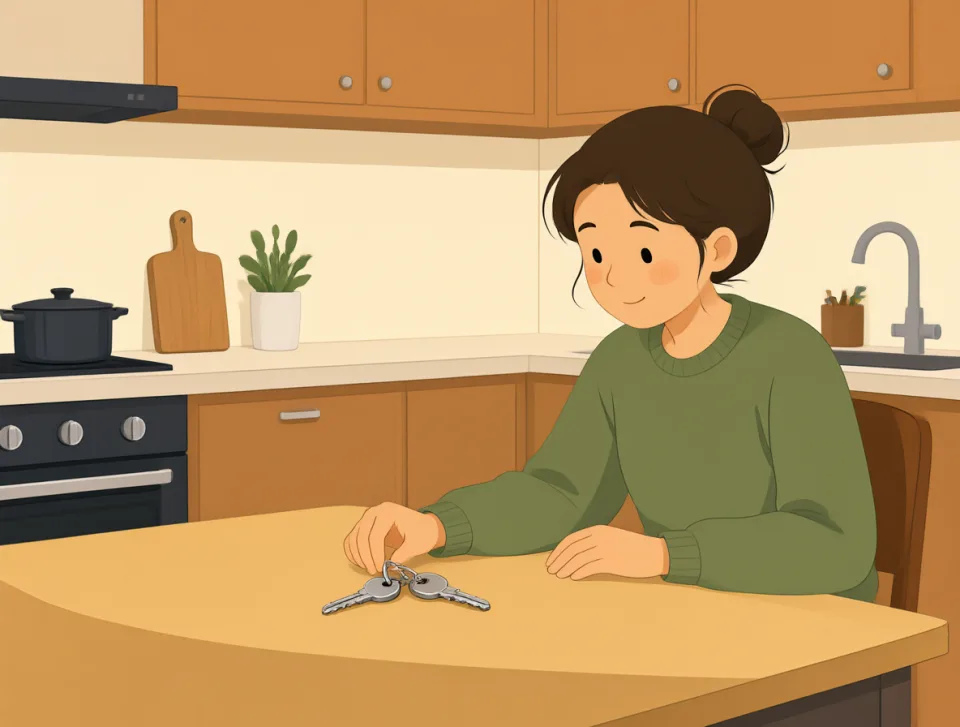
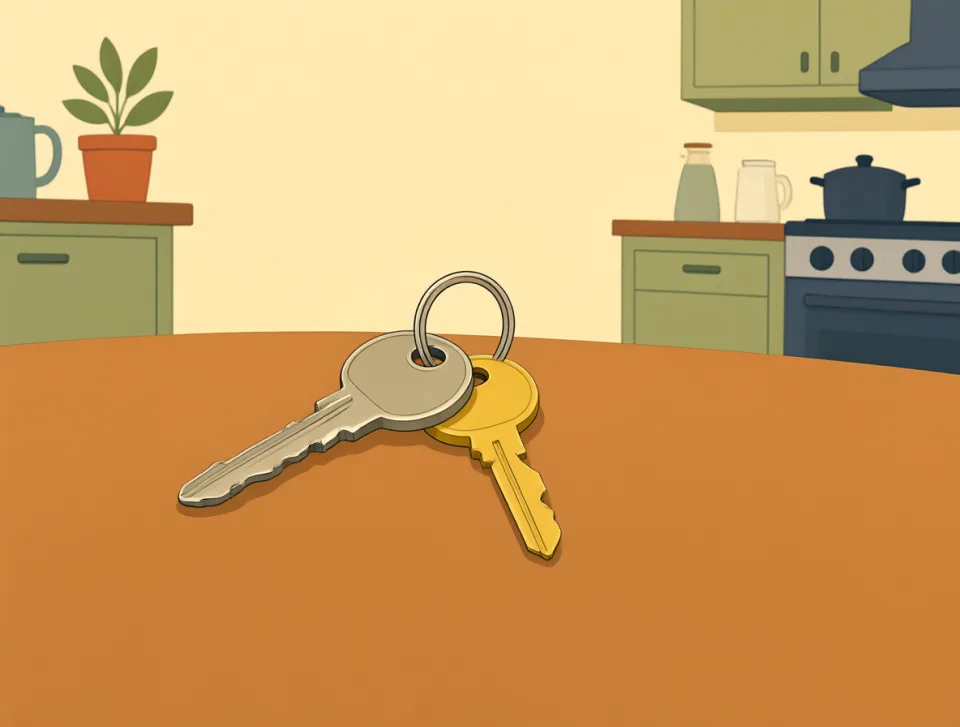
The keys are on the kitchen table.
Klucze leżą na kuchennym stole.
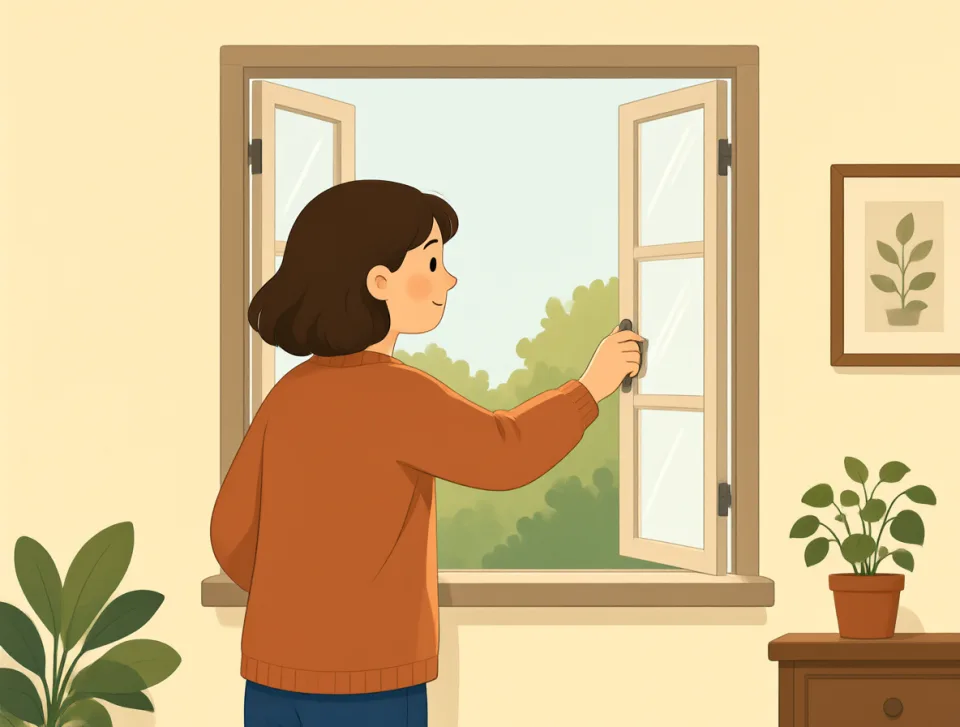
Please close the window before you leave.
Proszę zamknąć okno, zanim wyjdziesz.
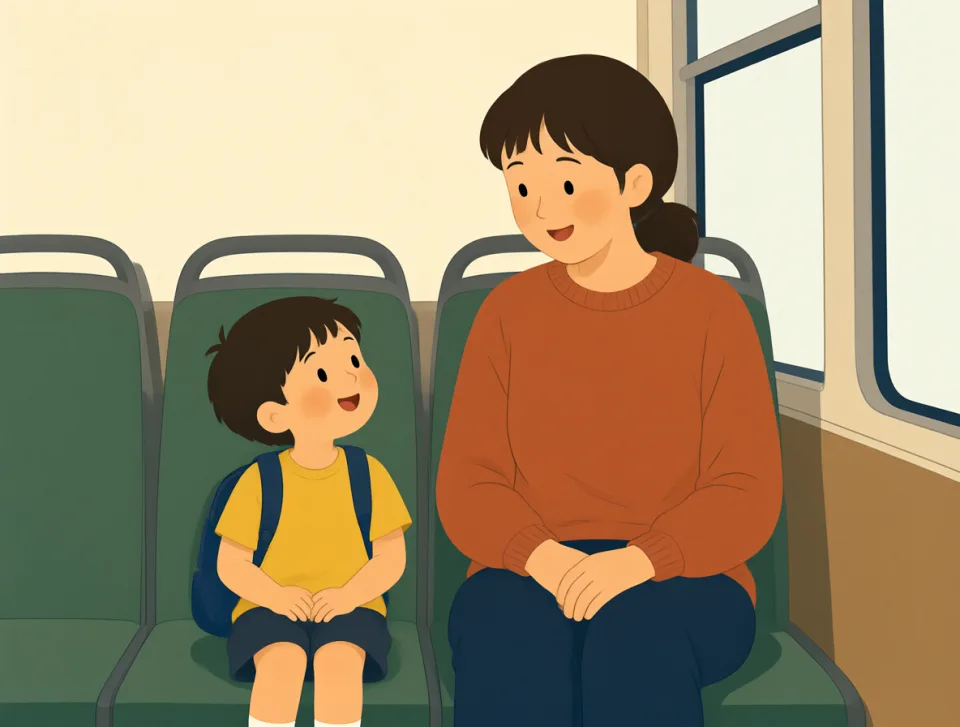
We took the bus to school this morning.
Pojechaliśmy dziś rano autobusem do szkoły.
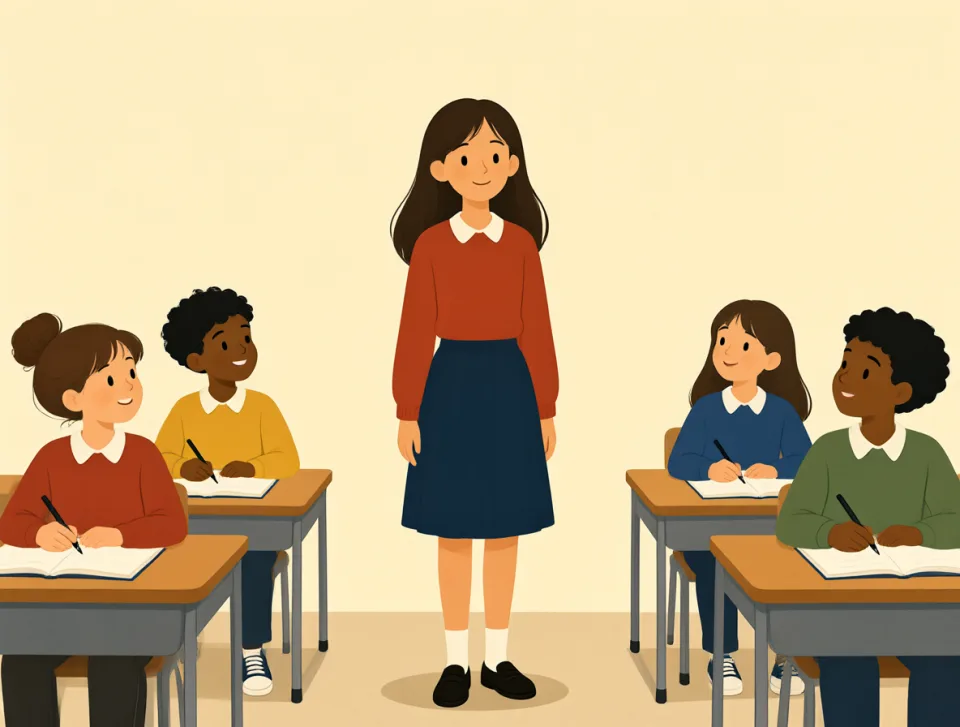
She is the tallest girl in her class.
Ona jest najwyższą dziewczyną w swojej klasie.

The sun is shining, so let's eat outside.
Świeci słońce, więc zjedzmy na zewnątrz.
be
#2verb
być
to exist, happen, or have a particular quality, identity, or location
Istnieć, wydarzyć się albo mieć określoną cechę, tożsamość lub lokalizację.
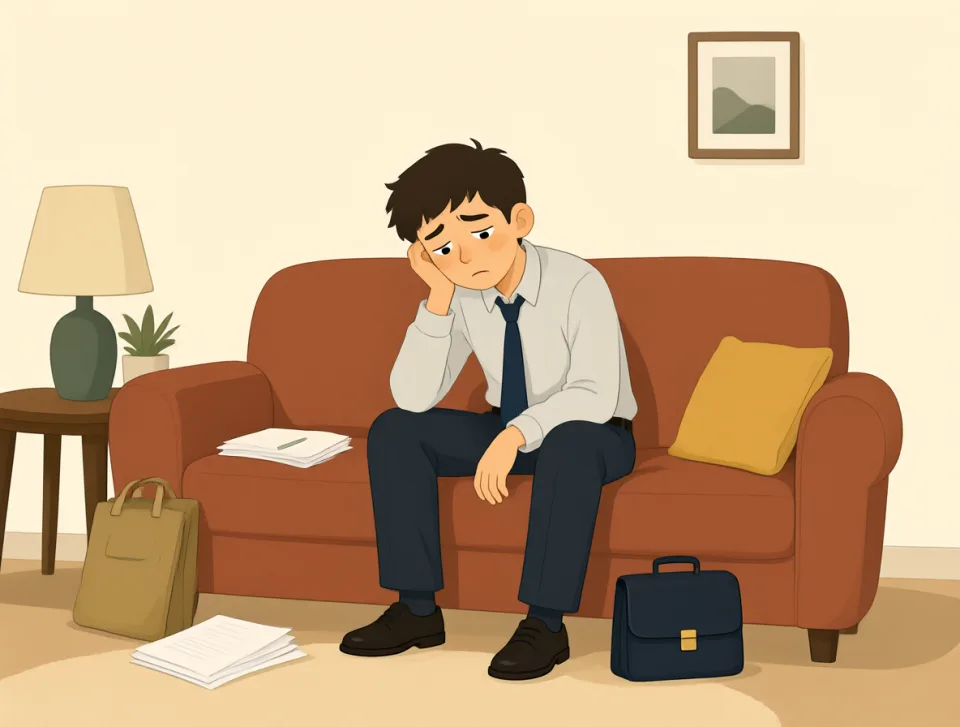
I am tired after work today.
Jestem dziś zmęczony po pracy.
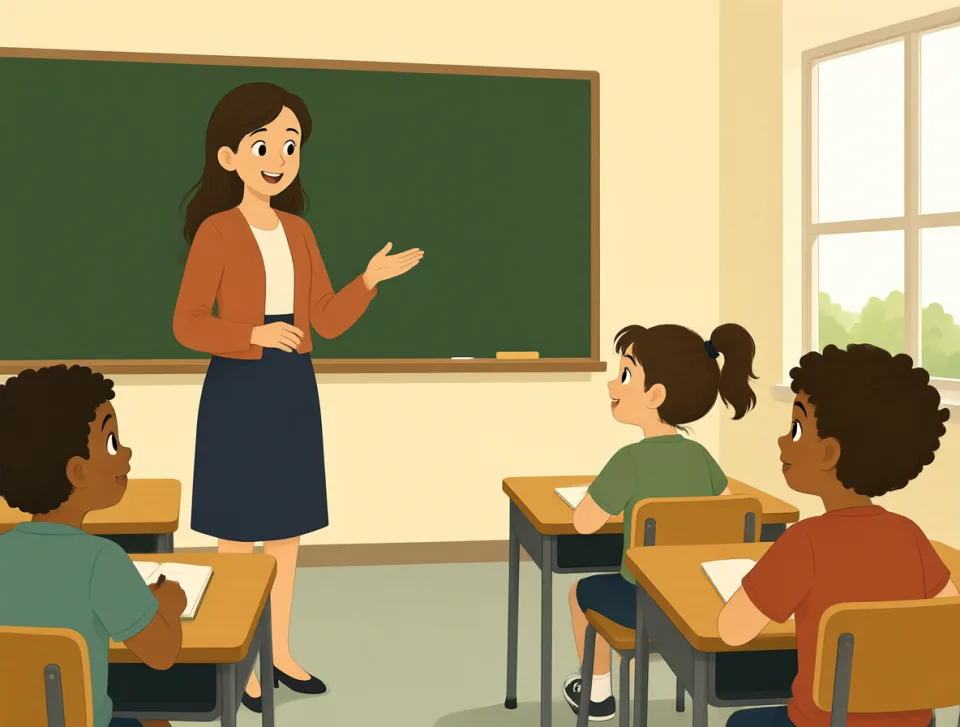
She is a teacher at our school.
Ona jest nauczycielką w naszej szkole.
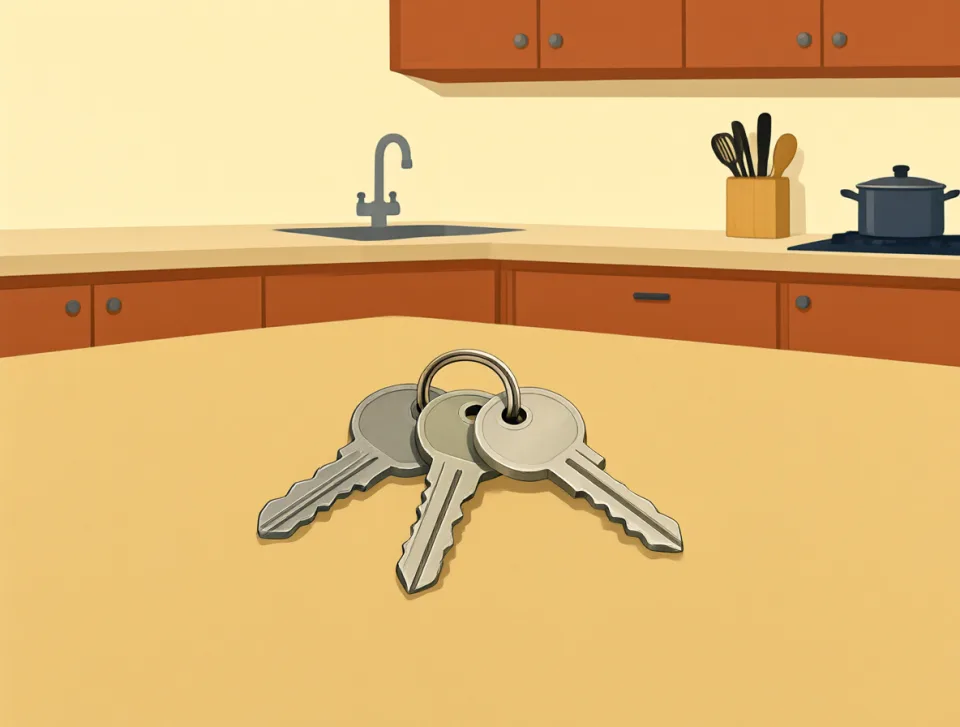
The keys are on the kitchen table.
Klucze leżą na kuchennym stole.
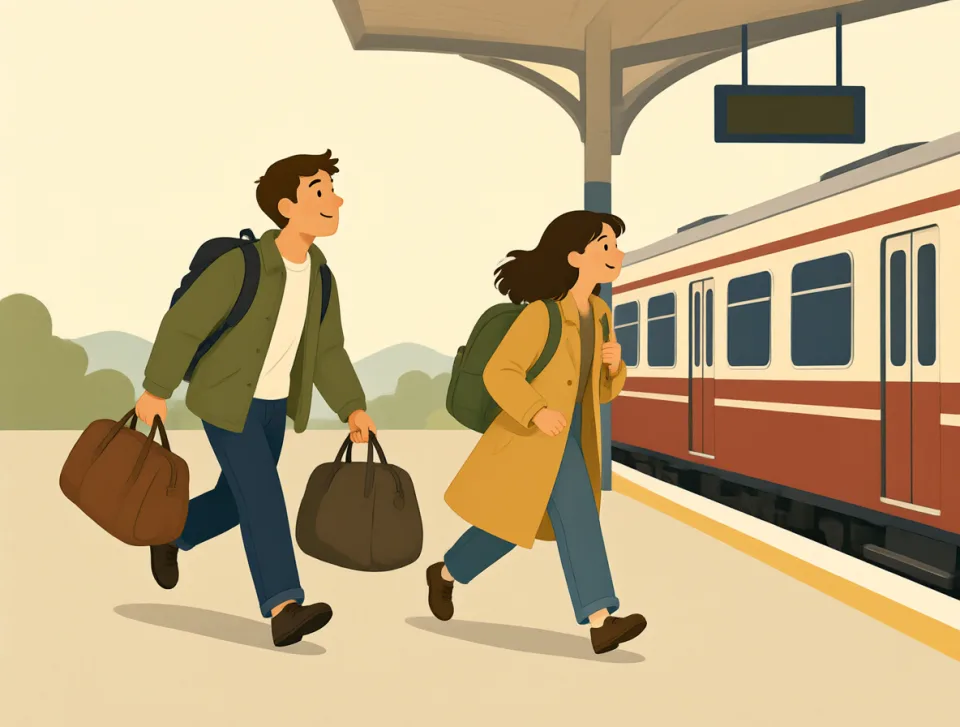
We were late for the train.
Spóźniliśmy się na pociąg.
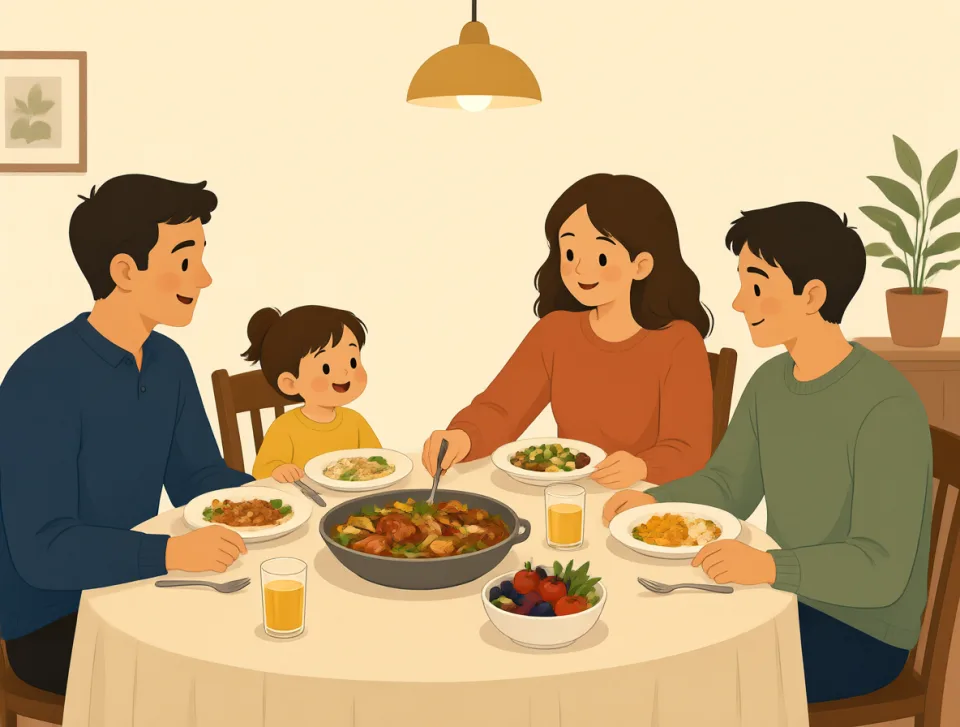
Dinner is ready, so please come in.
Kolacja jest gotowa, więc proszę wejść.

and
#3conjunction
i
Used to join words, phrases, or sentences that go together.
Służy do łączenia pasujących do siebie słów, wyrażeń lub zdań.
Tom and Anna work in the same office.
Tom i Anna pracują w tym samym biurze.
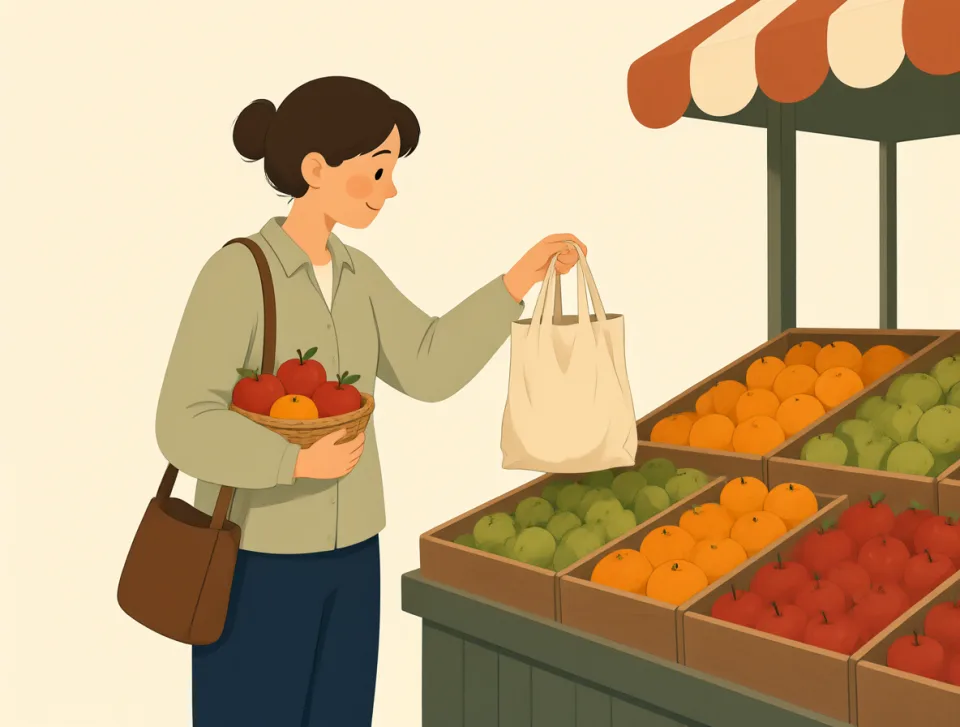
I bought apples and oranges at the market.
Kupiłem na targu jabłka i pomarańcze.
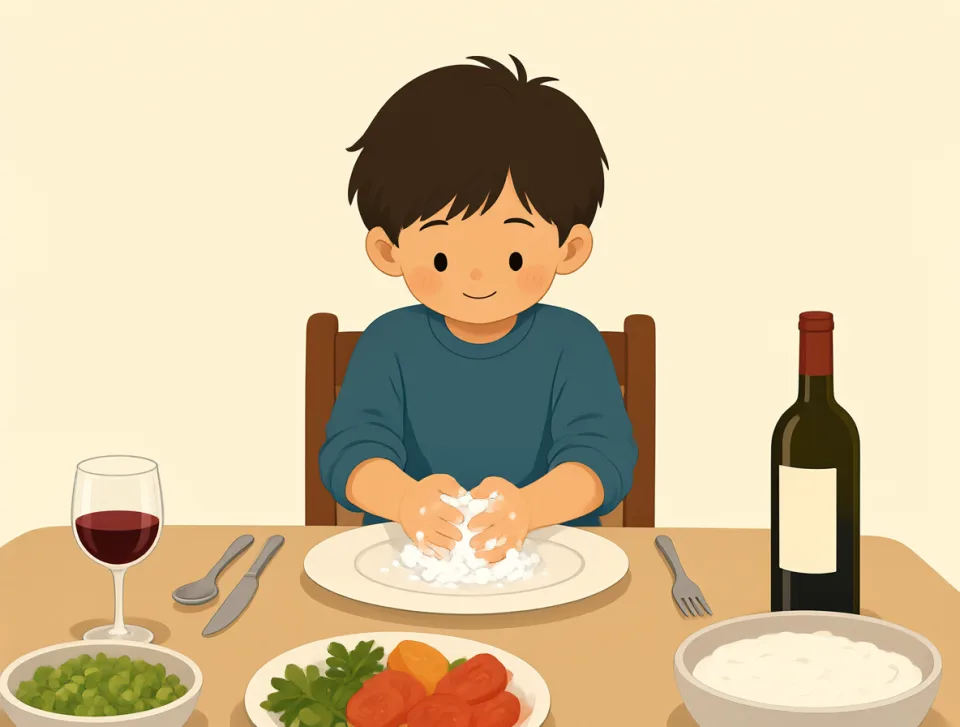
Please wash your hands and eat dinner.
Umyj ręce i zjedz kolację.
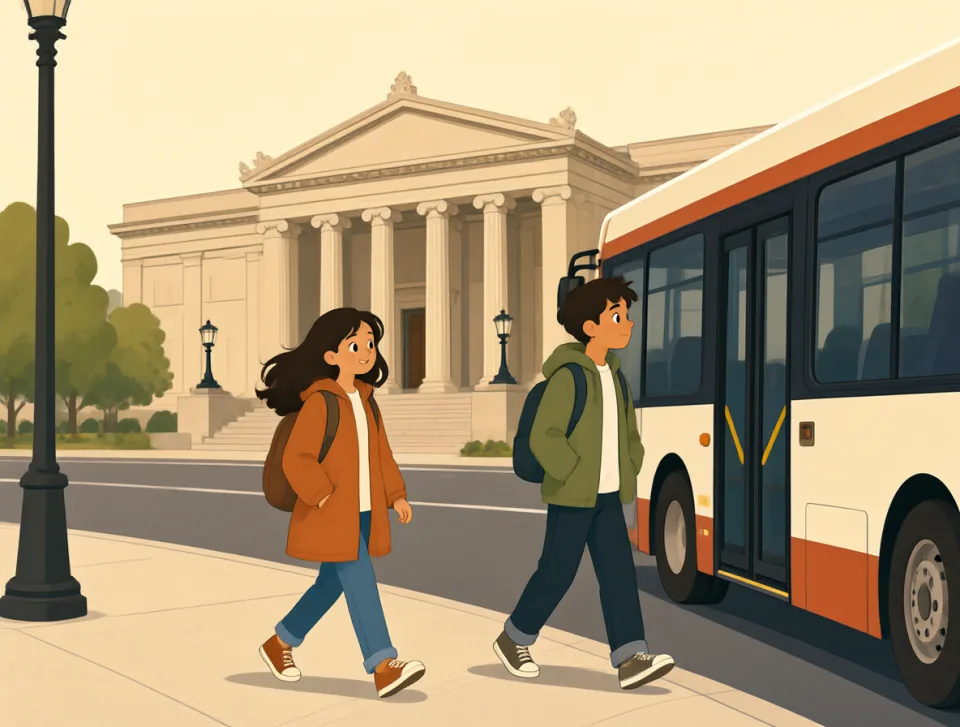
We took a bus and visited the museum.
Pojechaliśmy autobusem i odwiedziliśmy muzeum.
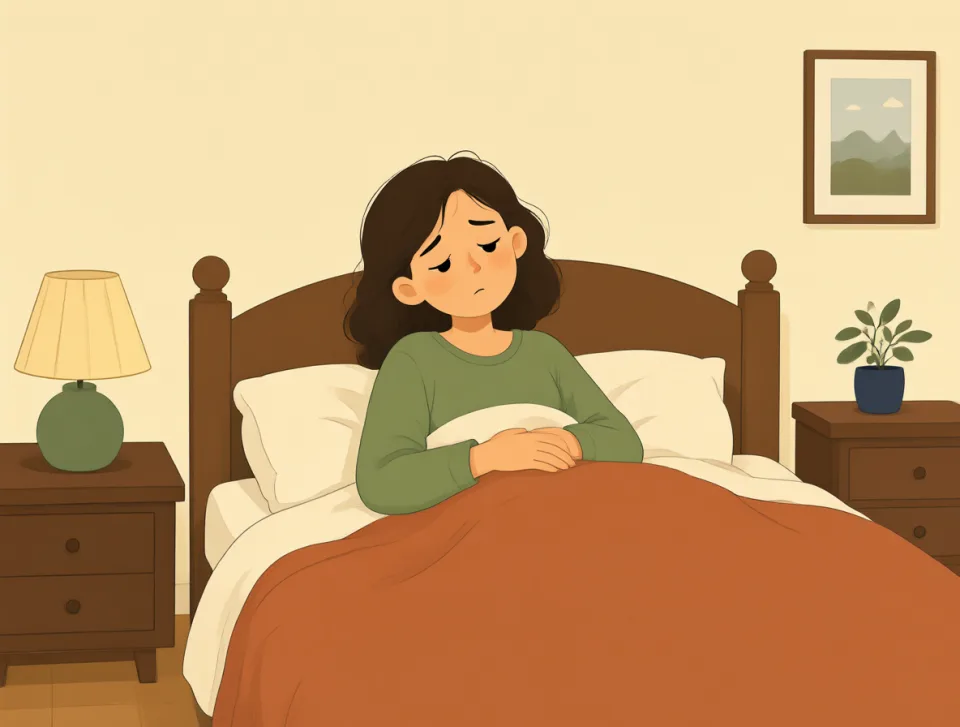
She was tired and went to bed early.
Była zmęczona i poszła wcześnie spać.
of
#4preposition, determiner
przyimek „of”
Used to show belonging, connection, amount, or what something contains.
Służy do wyrażania przynależności, związku, ilości lub zawartości czegoś.
She is a friend of my sister.
Ona jest przyjaciółką mojej siostry.
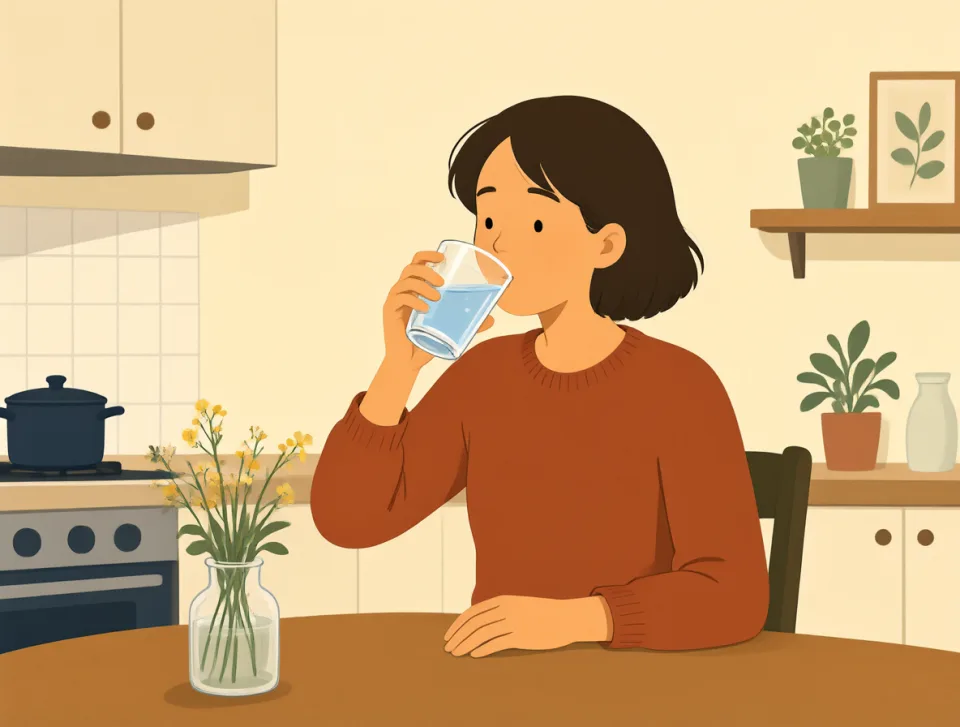
I drank a glass of water.
Wypiłem szklankę wody.
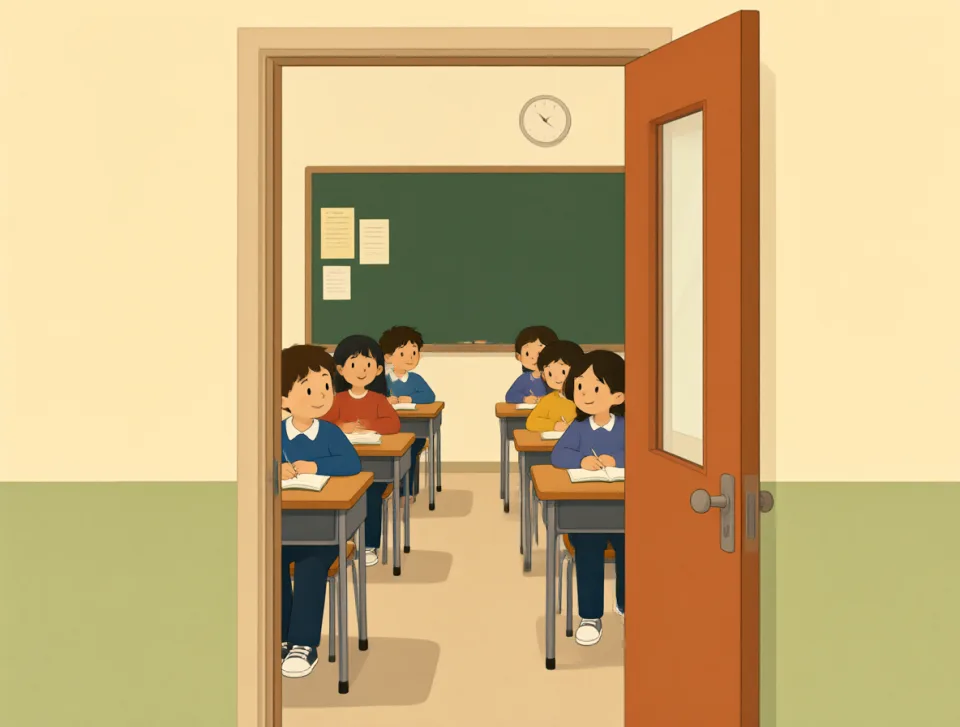
The door of the classroom is open.
Drzwi do sali lekcyjnej są otwarte.
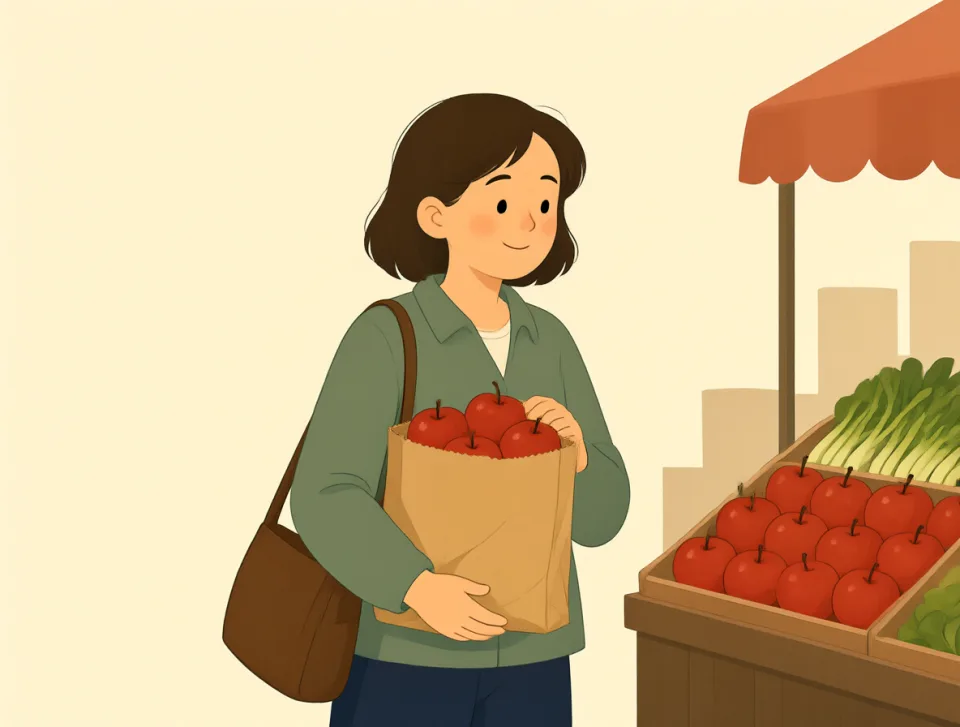
He bought a bag of apples.
Kupił torbę jabłek.
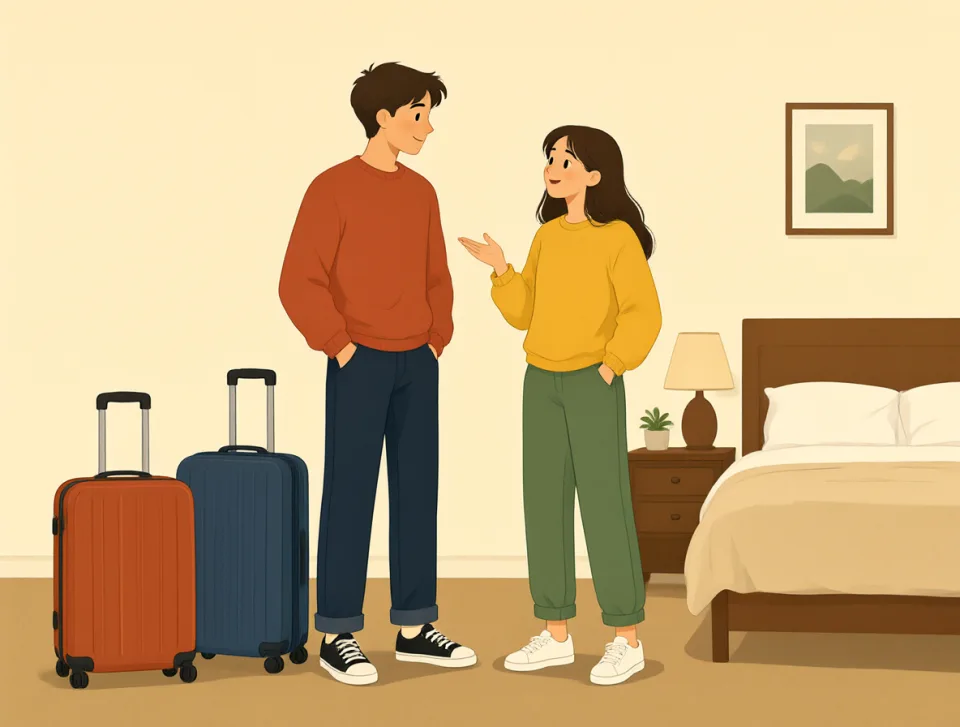
We talked about the problems of travel.
Rozmawialiśmy o problemach związanych z podróżowaniem.
to
#5preposition, infinitive marker
przyimek „to”
Used before a place, person, or verb to show direction, purpose, or an action.
Stawia się go przed nazwą miejsca, osobą lub czasownikiem, aby wskazać kierunek, cel albo czynność.
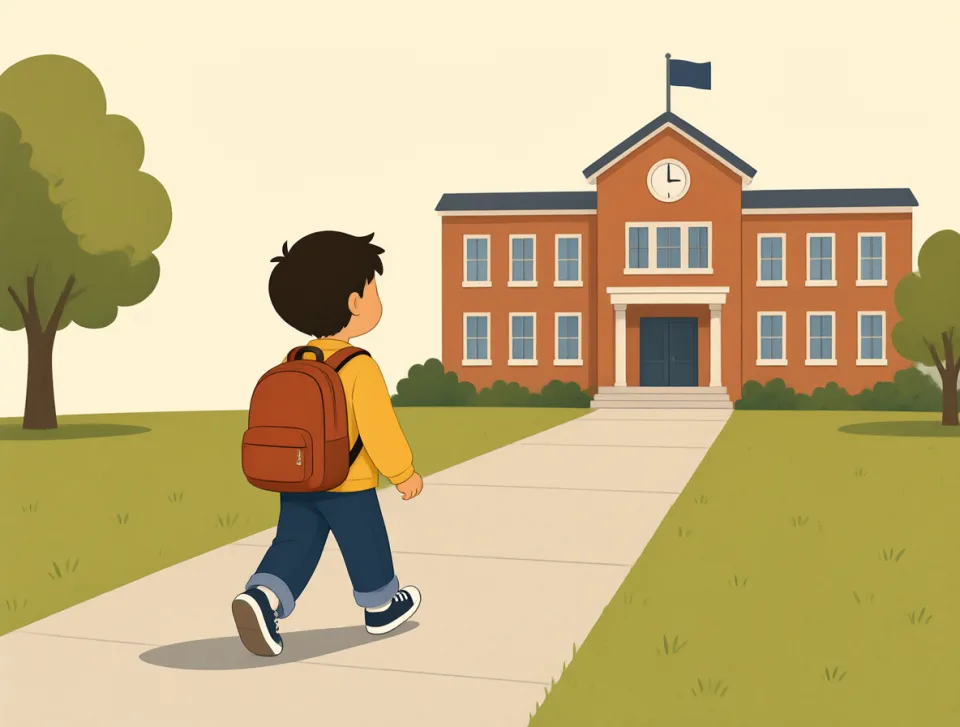
I walk to school every morning.
Każdego ranka chodzę pieszo do szkoły.
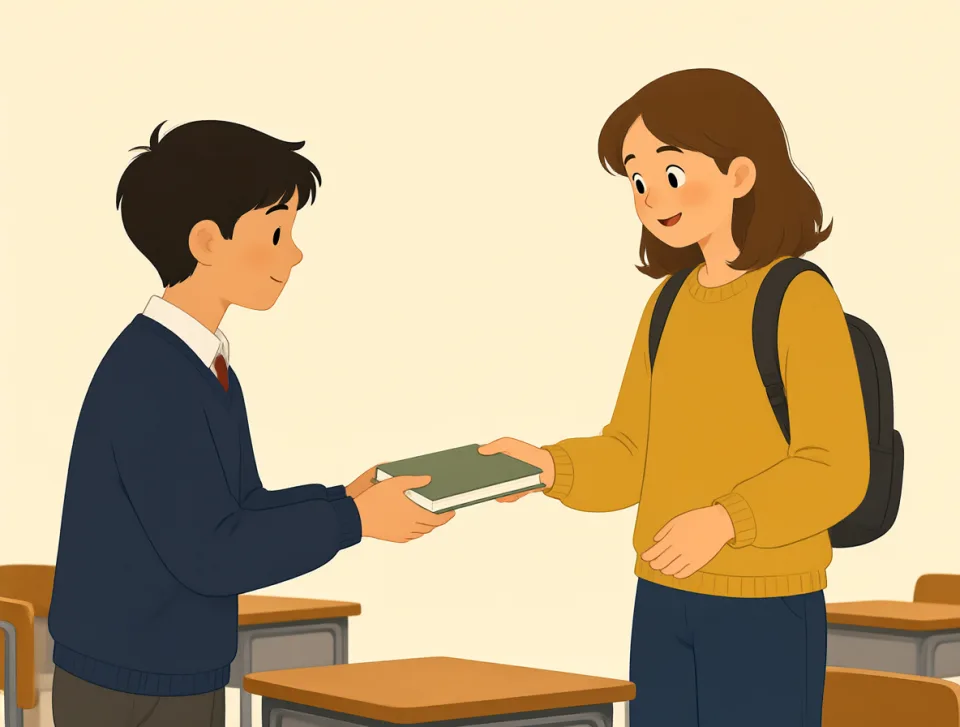
Please give this book to Maria.
Proszę, daj tę książkę Marii.

We went to the market after work.
Po pracy poszliśmy na targ.
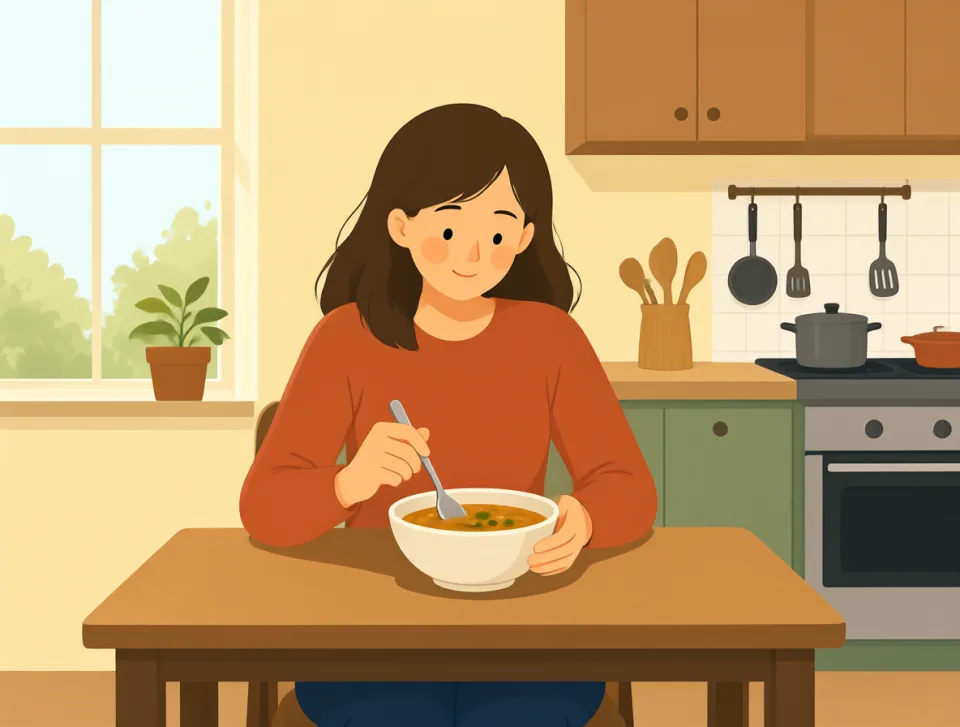
She wants to eat some soup.
Ona chce zjeść trochę zupy.
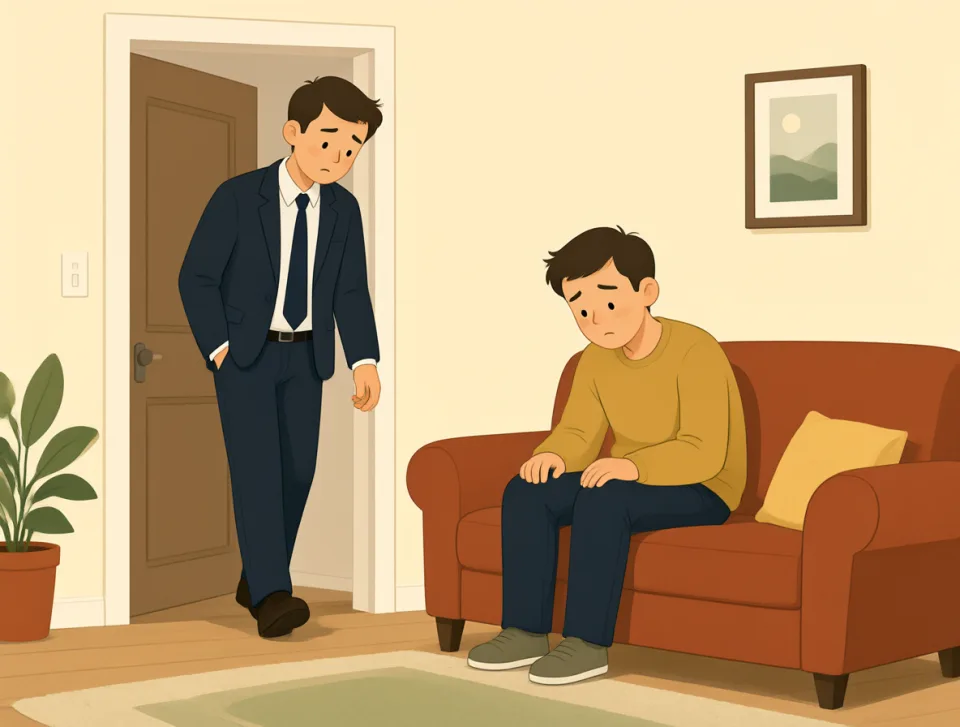
He came home to rest.
Wrócił do domu, żeby odpocząć.
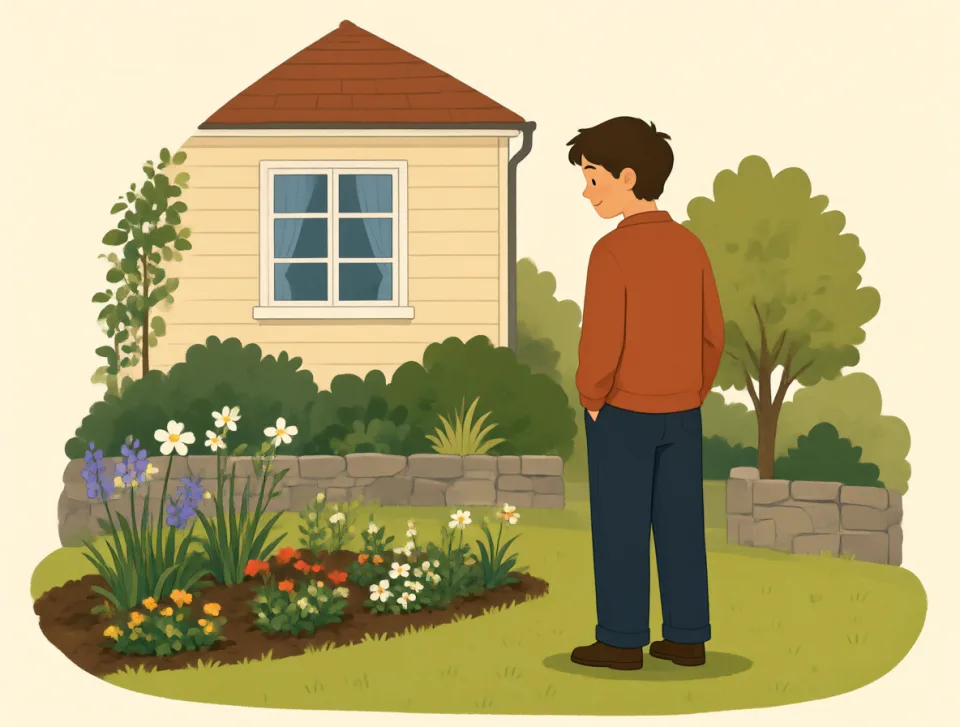
a
#6determiner, article
jakiś / jakaś / jakieś
used before one singular countable noun when it is not specific
Używane przed rzeczownikiem policzalnym w liczbie pojedynczej, gdy nie chodzi o konkretną rzecz.
I have a small garden at home.
Mam w domu mały ogród.
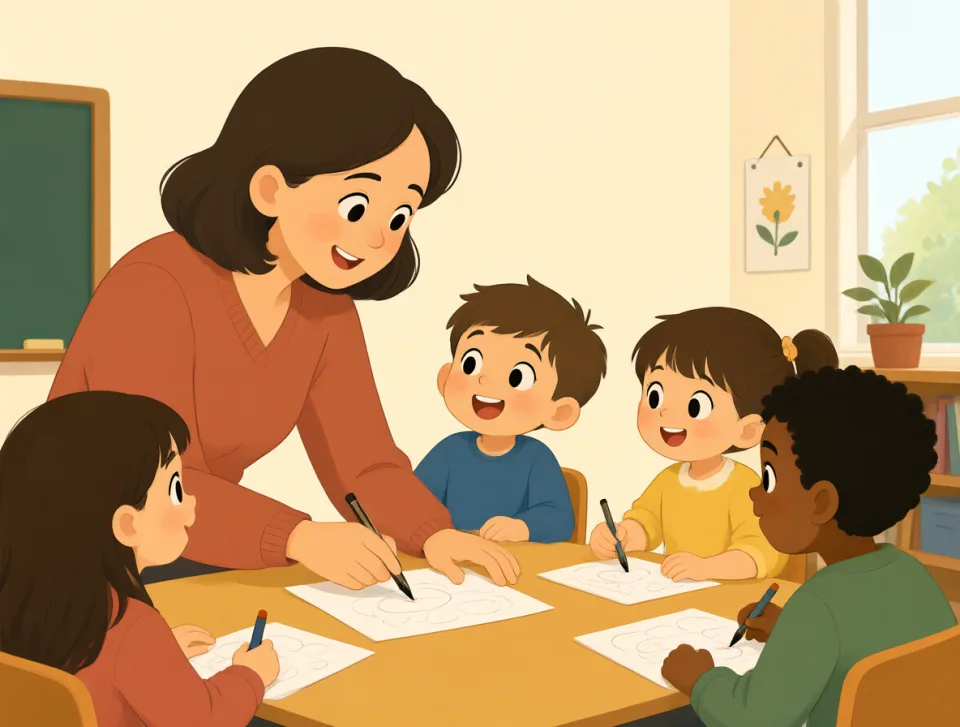
She is a teacher at our school.
Ona jest nauczycielką w naszej szkole.
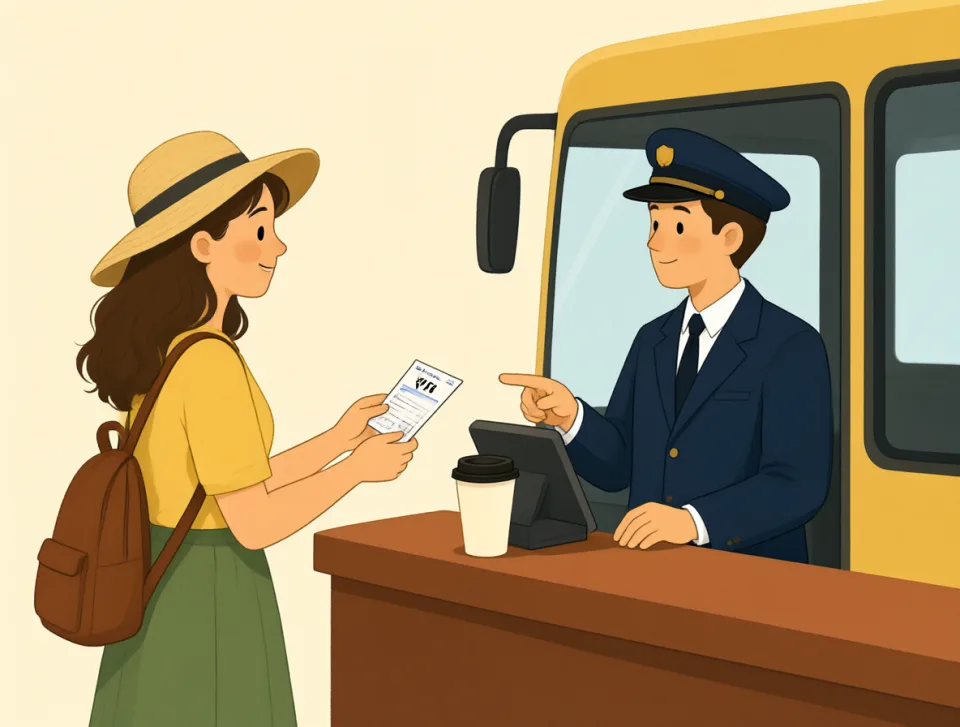
We bought a ticket for the bus.
Kupiliśmy bilet na autobus.
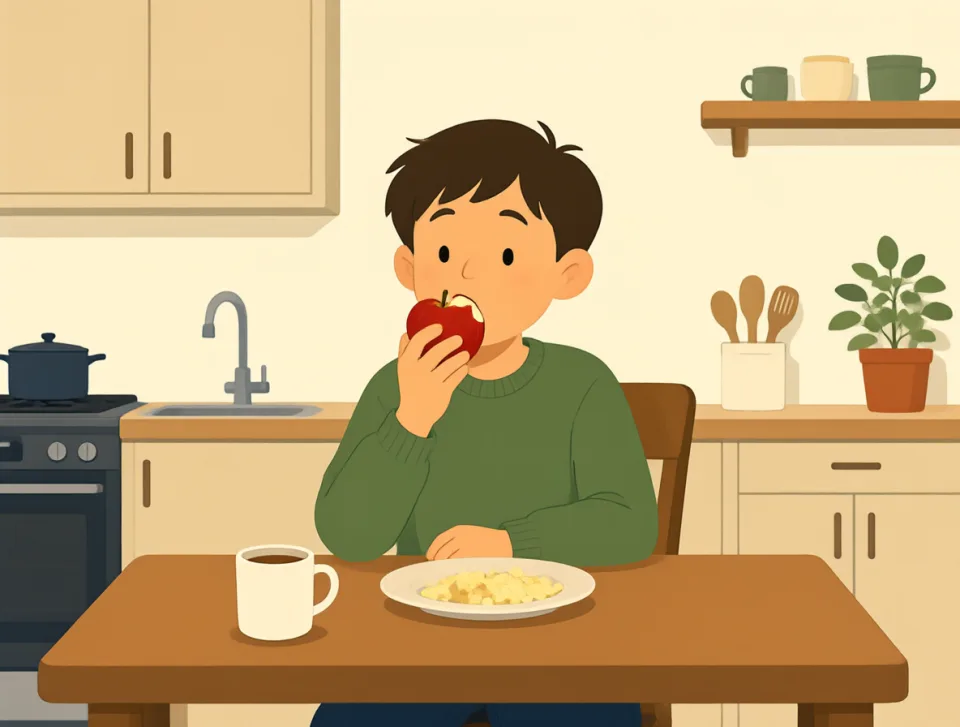
He eats an apple a day.
On je jedno jabłko dziennie.

They stayed in a hotel near the beach.
Zatrzymali się w hotelu niedaleko plaży.
in
#7preposition, adverb, adjective
w
Inside a place, area, time, situation, or group
Wewnątrz jakiegoś miejsca, obszaru, okresu, sytuacji lub grupy.
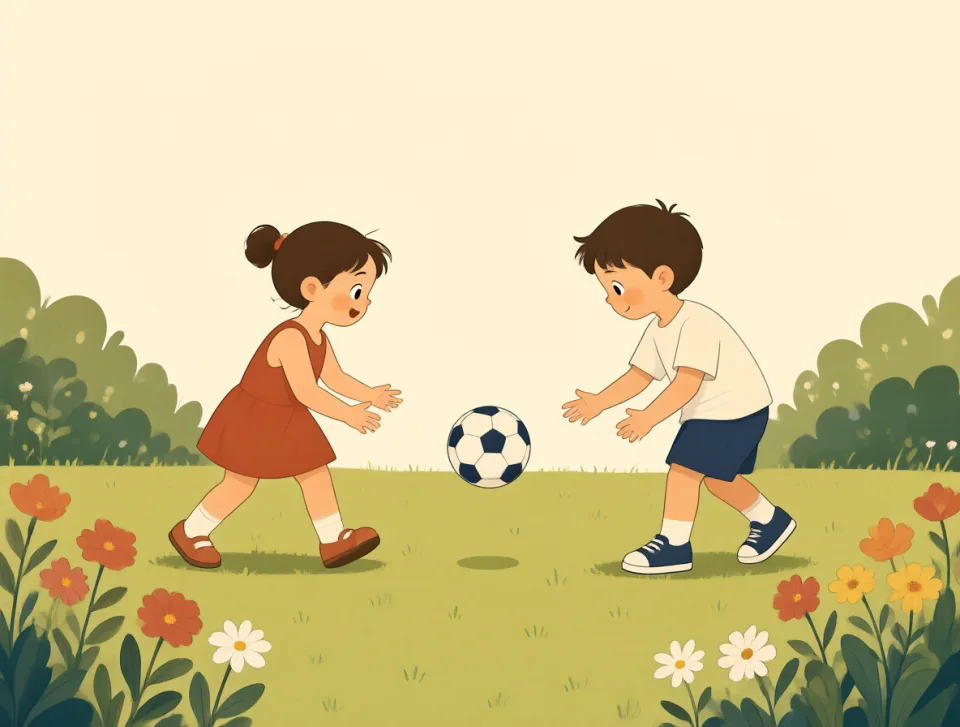
The children are playing in the garden.
Dzieci bawią się w ogrodzie.
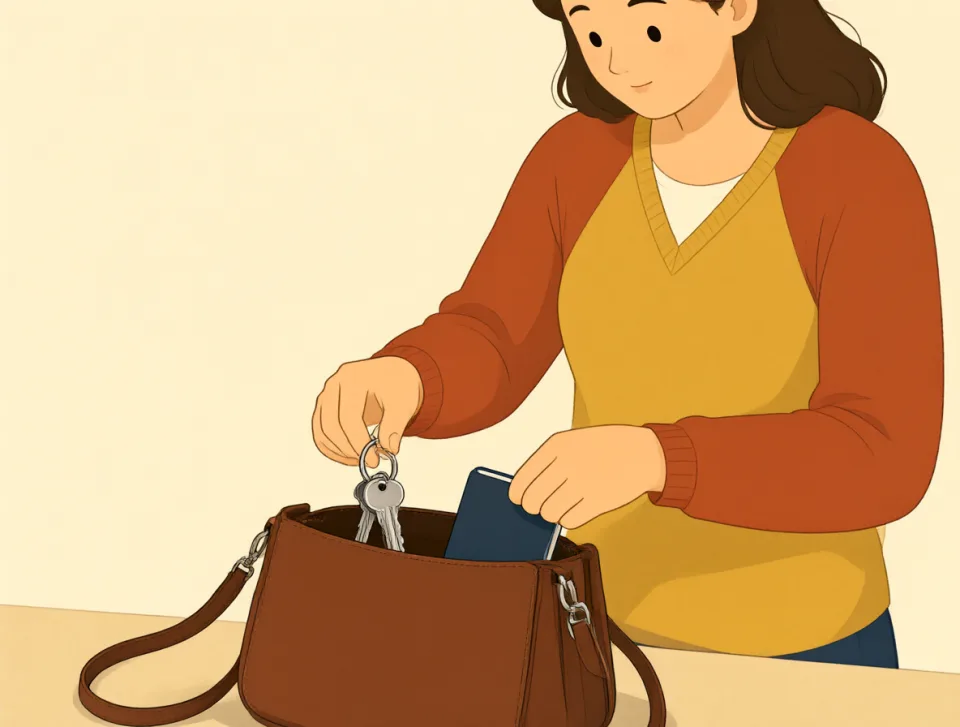
I keep my keys in my bag.
Trzymam klucze w torbie.
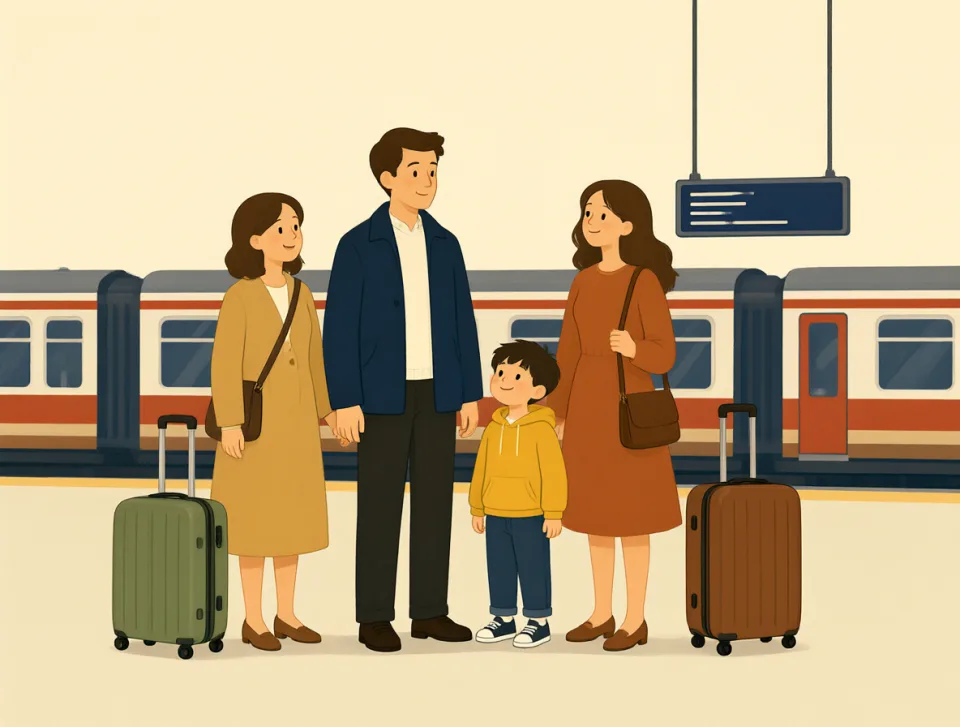
We arrived in London yesterday.
Wczoraj przyjechaliśmy do Londynu.
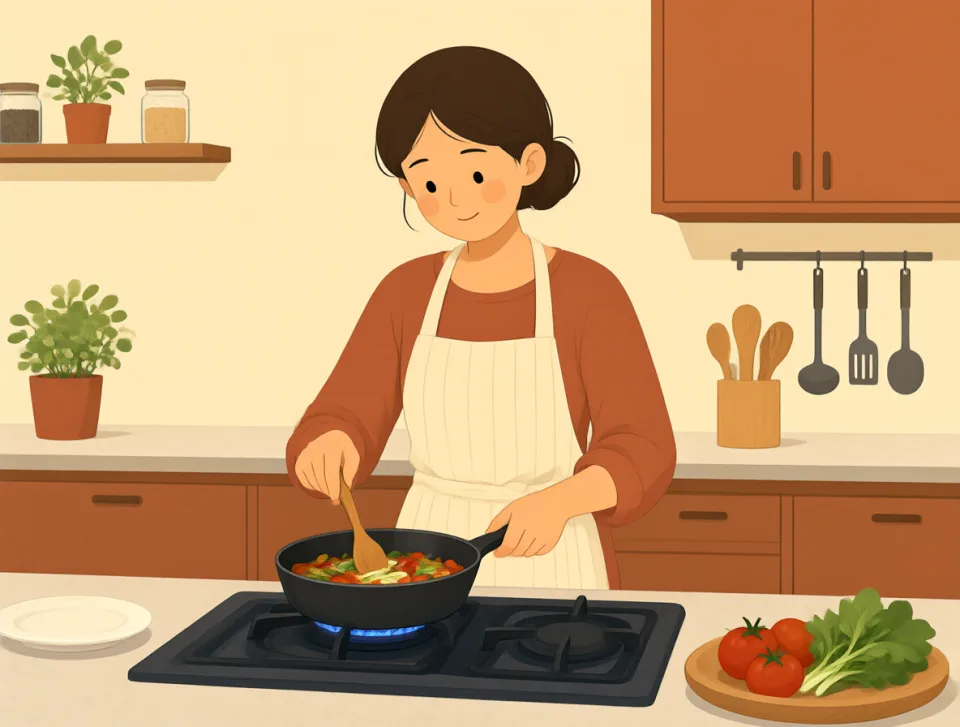
She is in the kitchen cooking dinner.
Ona jest w kuchni i gotuje obiad.
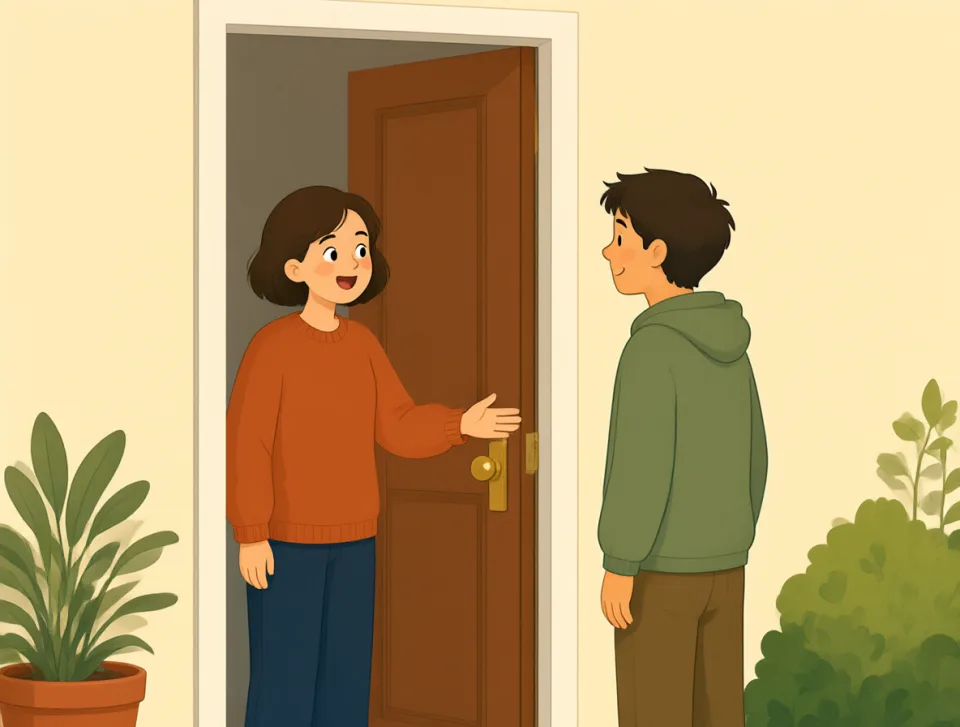
Please come in and sit down.
Proszę, wejdź i usiądź.
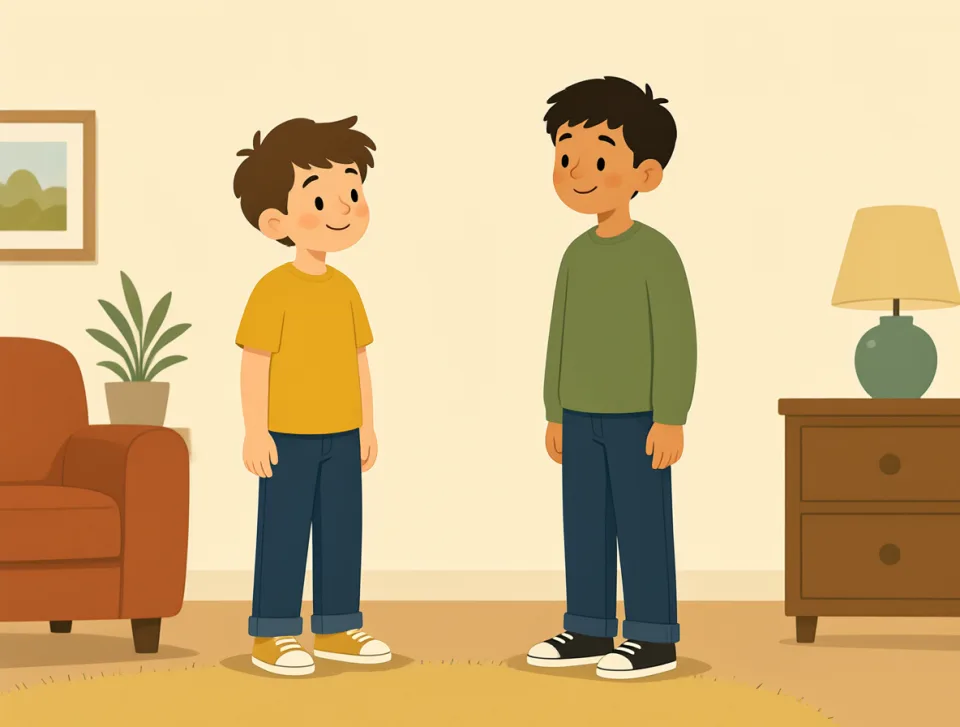
have
#8verb
mieć
to own, do, experience, or receive something
Posiadać coś, robić coś, czegoś doświadczać lub coś otrzymywać.
I have two brothers.
Mam dwóch braci.
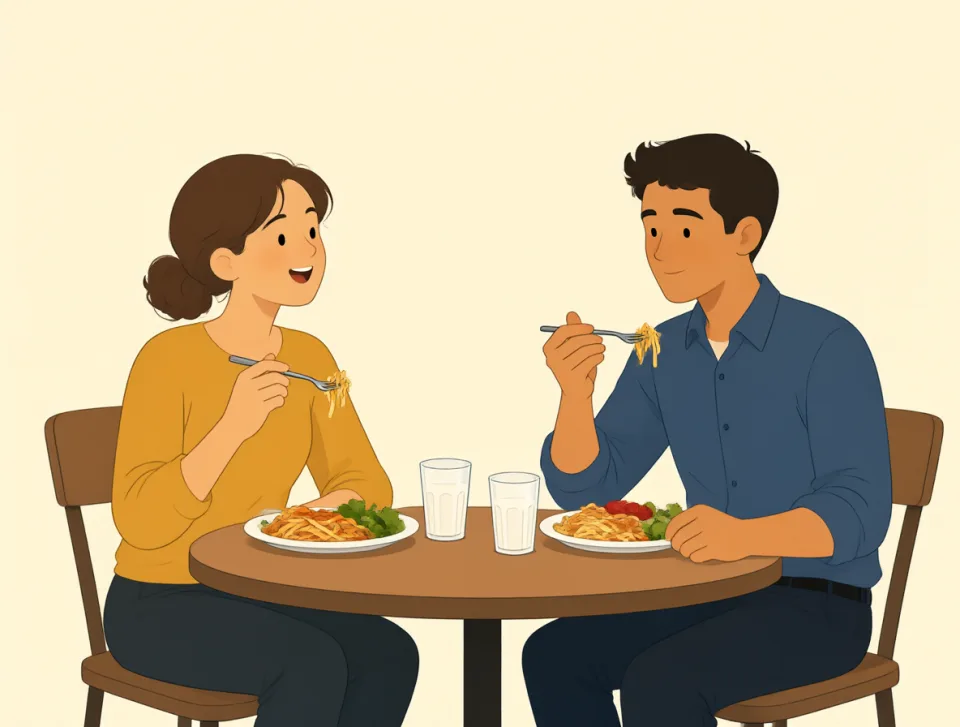
We have lunch at noon.
Jemy lunch w południe.
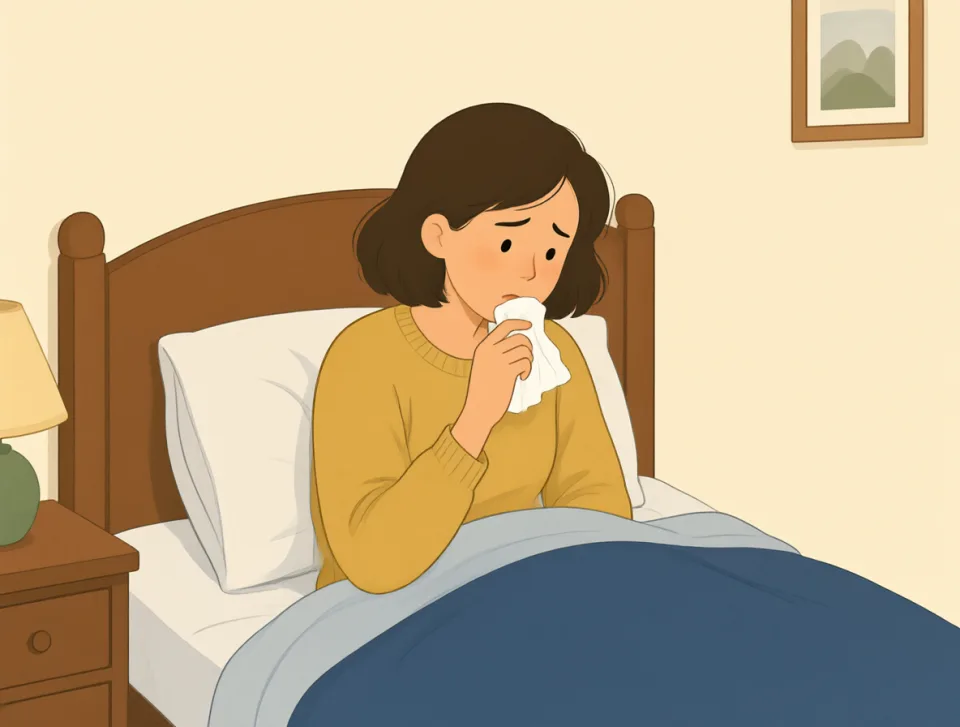
She has a bad cold.
Ona jest mocno przeziębiona.

They had a great time together.
Świetnie się razem bawili.
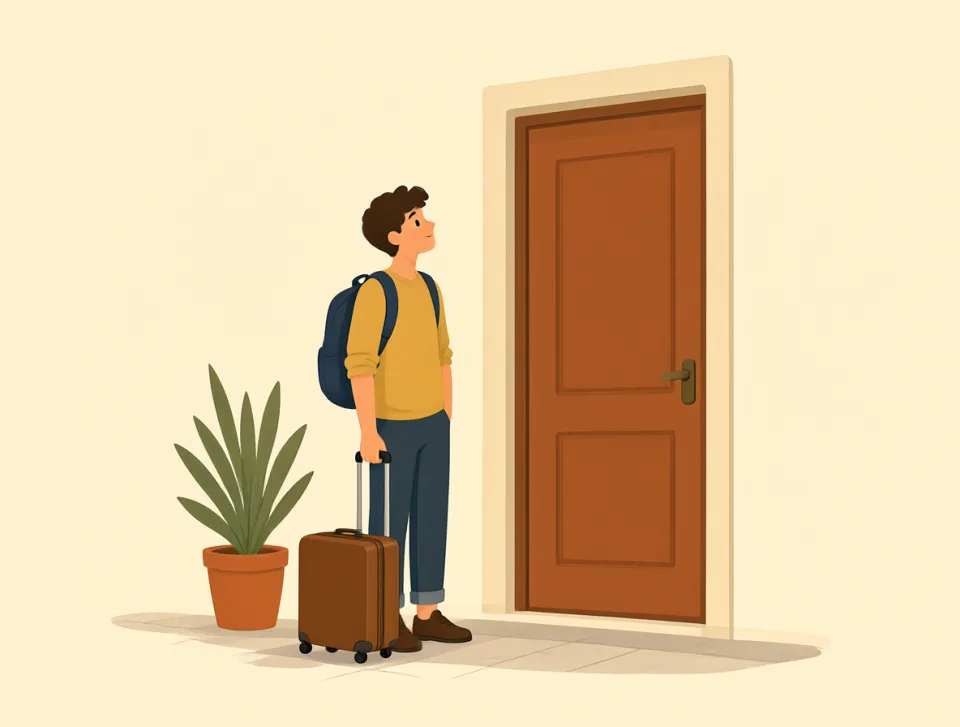
I have to leave now.
Muszę już iść.
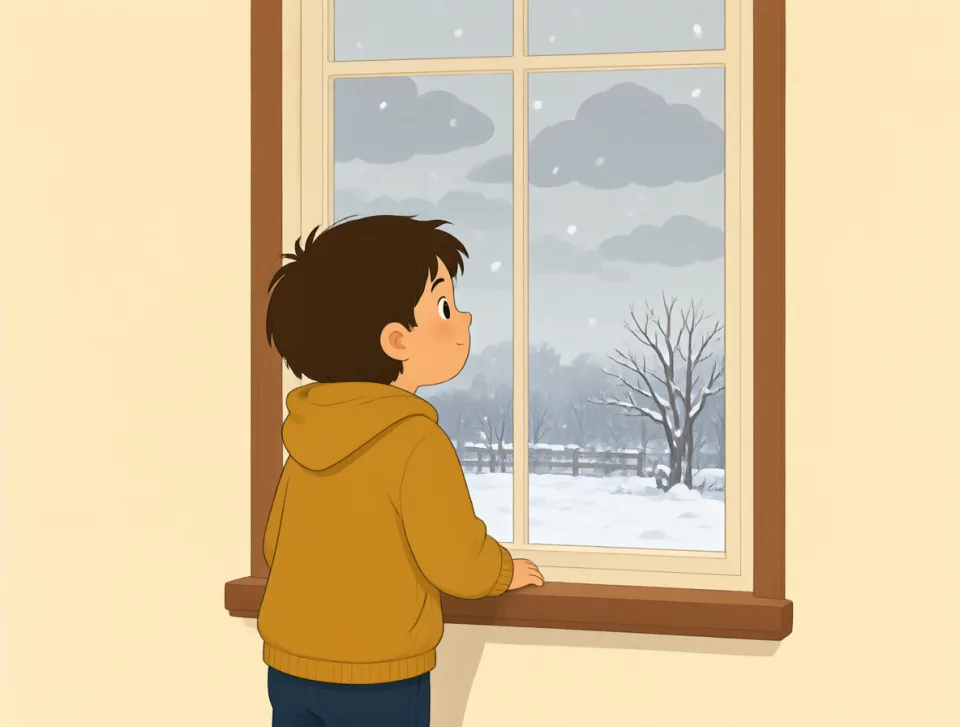
it
#9pronoun, determiner
to
A word used for a thing, animal, situation, or idea already mentioned.
Słowo używane w odniesieniu do wspomnianej wcześniej rzeczy, zwierzęcia, sytuacji lub idei.
It is cold outside today.
Dziś na dworze jest zimno.
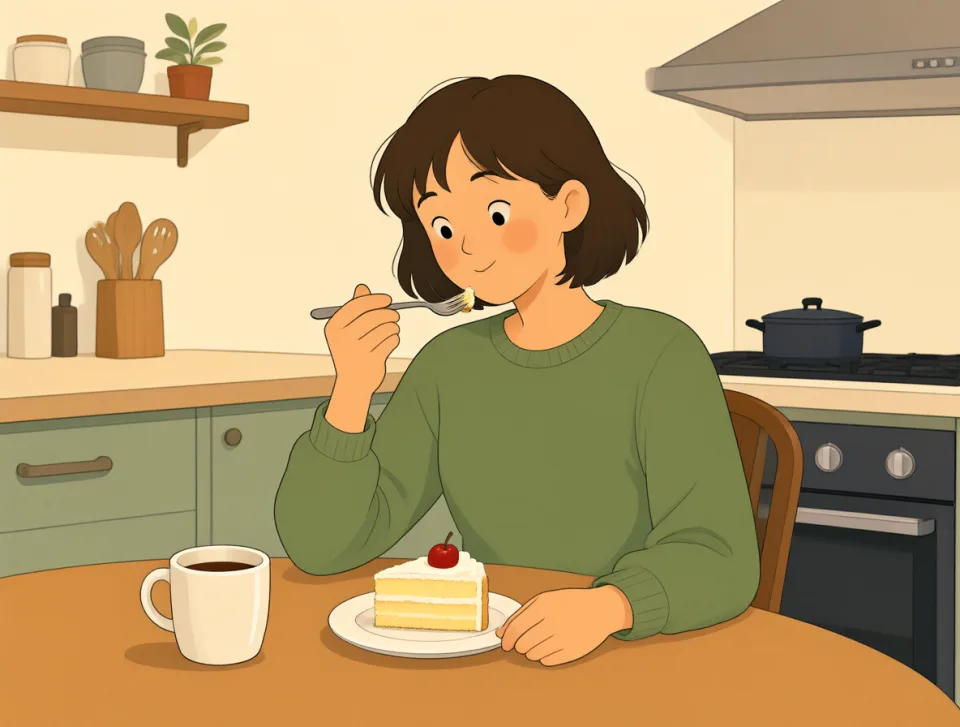
I bought a cake, and it was delicious.
Kupiłem ciasto i było pyszne.
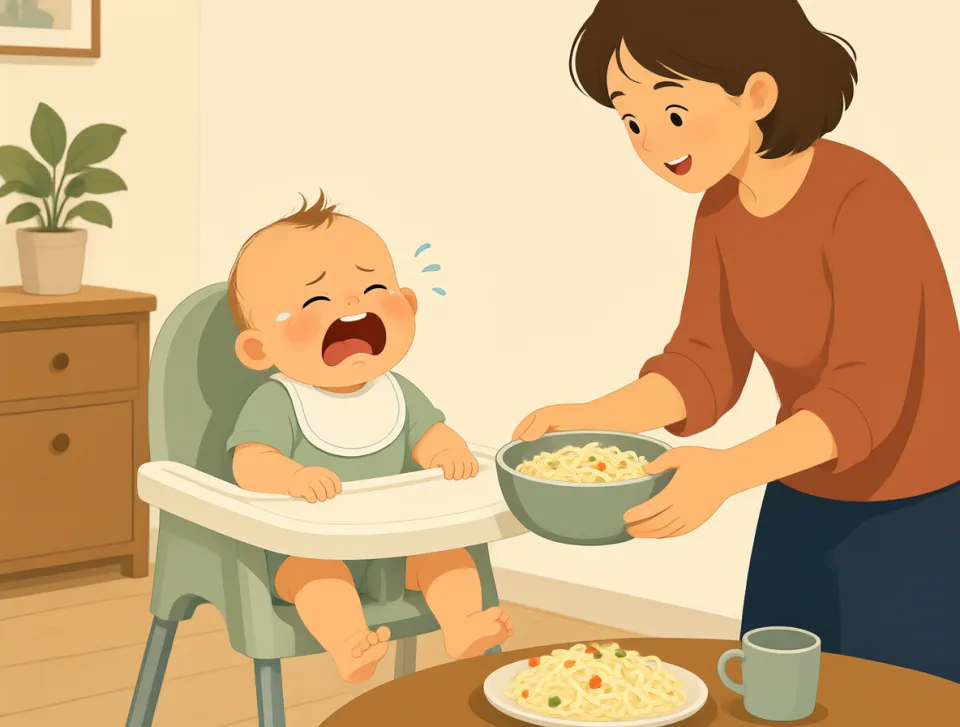
The baby is crying because it is hungry.
Dziecko płacze, bo jest głodne.
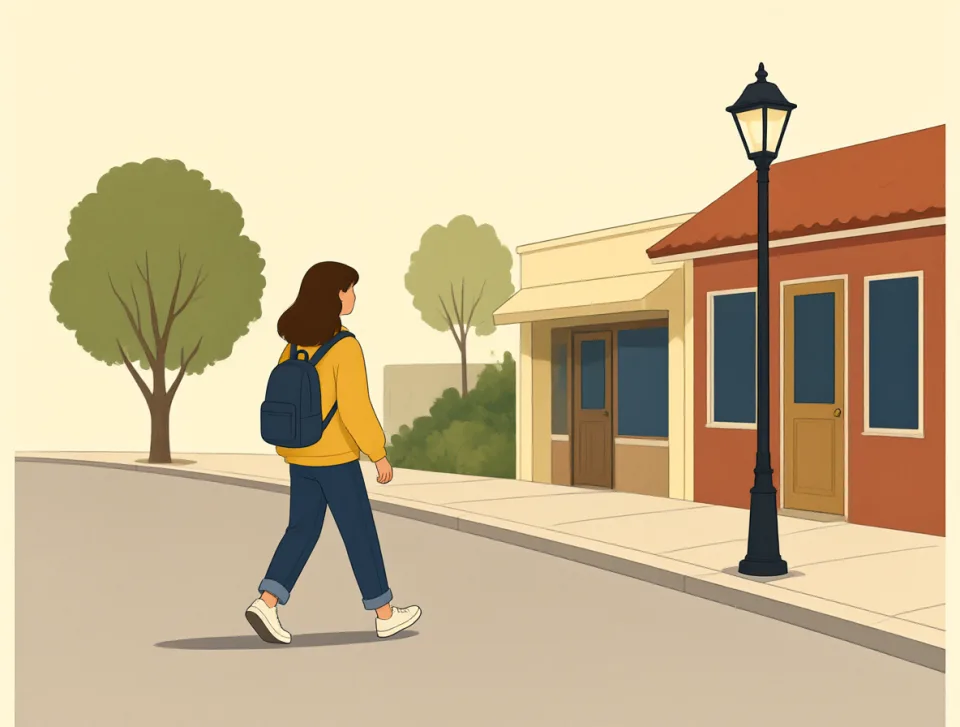
It takes ten minutes to walk there.
Dojście tam zajmuje dziesięć minut.
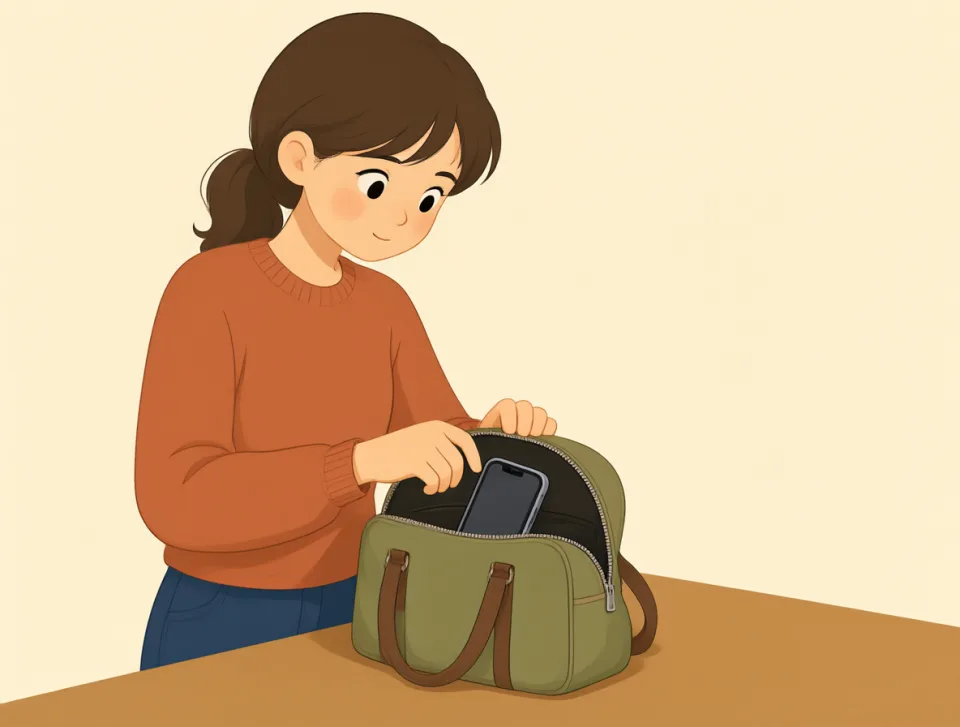
I found my phone and put it in my bag.
Znalazłem telefon i włożyłem go do torby.
you
#10pronoun
ty / wy
The person or people being spoken to.
Osoba lub osoby, do których się mówi.
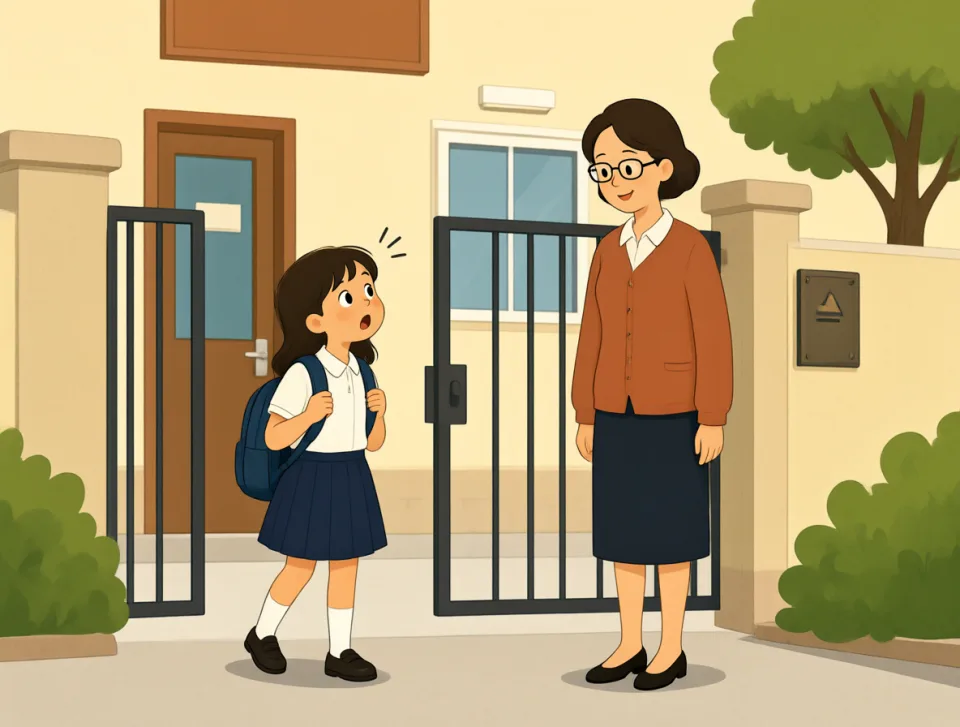
You are late for school today.
Spóźniłeś się dziś do szkoły.
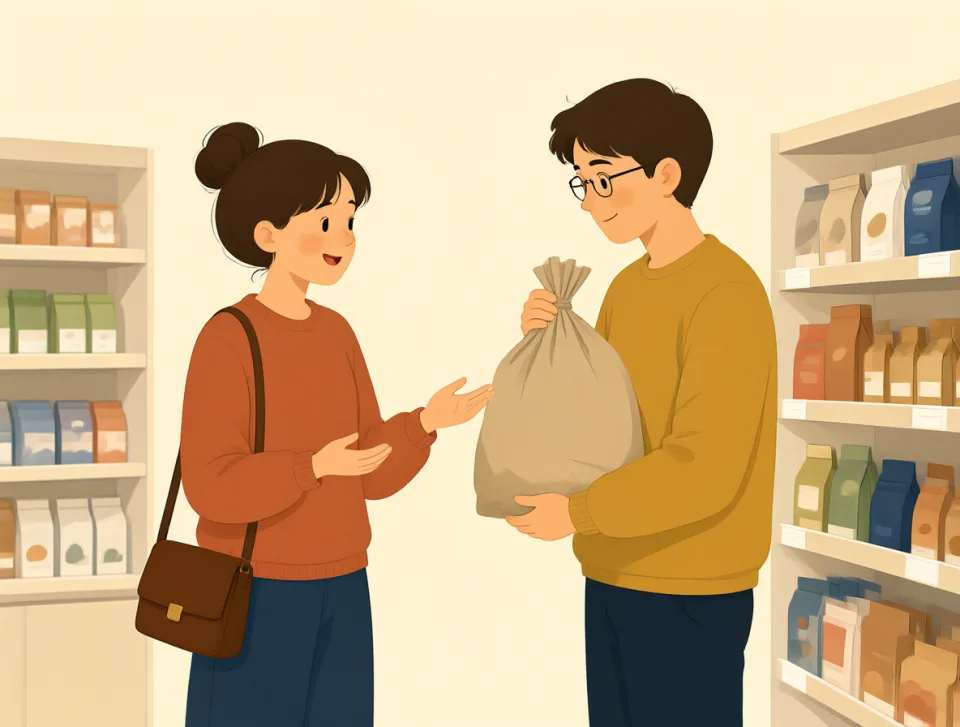
Can I help you with that bag?
Mogę ci pomóc z tą torbą?

Did you enjoy dinner with your friends?
Podobała ci się kolacja z przyjaciółmi?
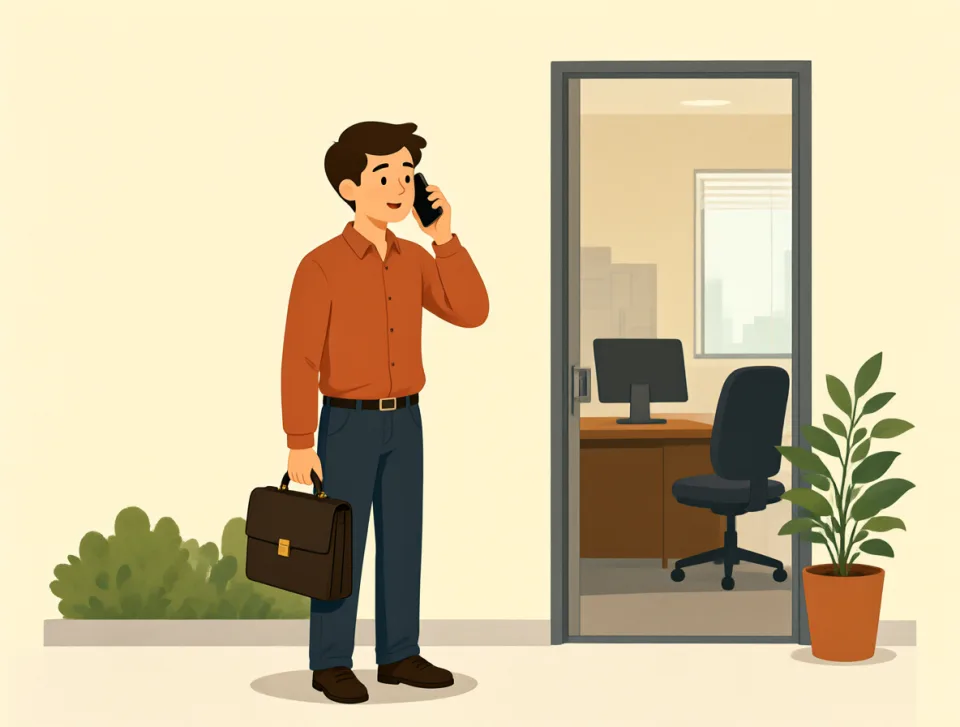
We will call you after work.
Zadzwonimy do ciebie po pracy.
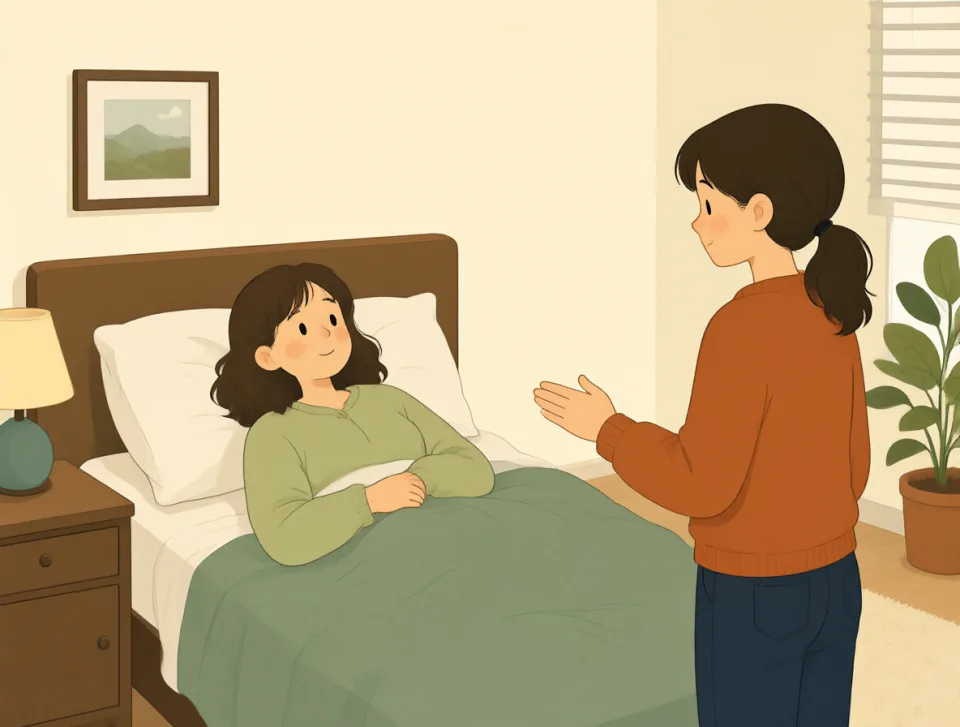
Are you feeling better today?
Czujesz się dziś lepiej?
he
#11pronoun
on
A word used for one male person already mentioned or known.
Słowo używane w odniesieniu do wspomnianego wcześniej lub znanego mężczyzny.
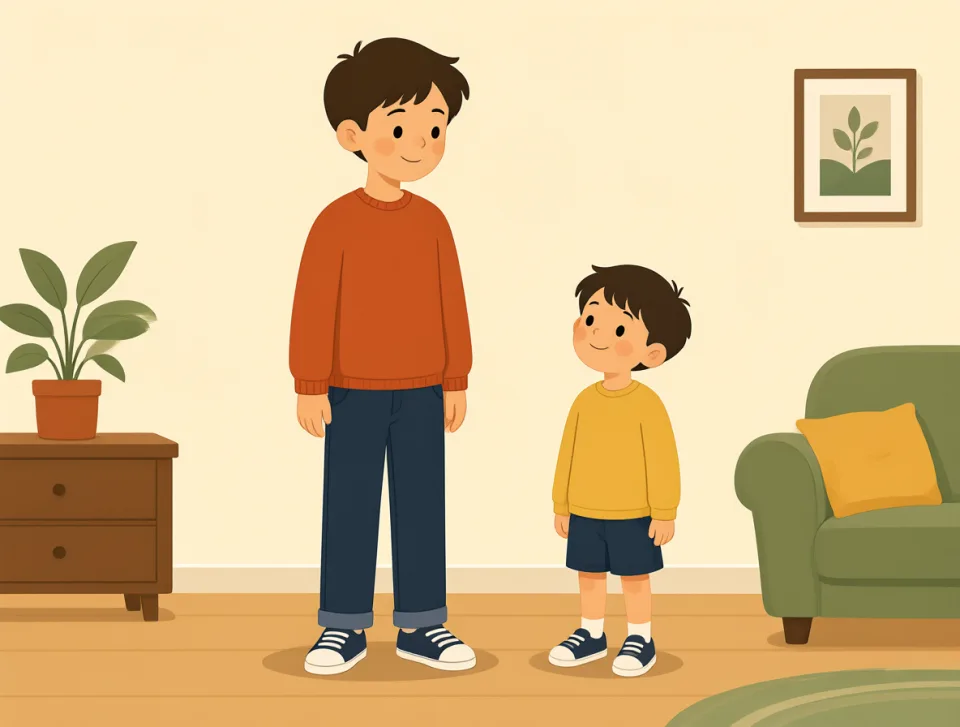
He is my brother.
On jest moim bratem.
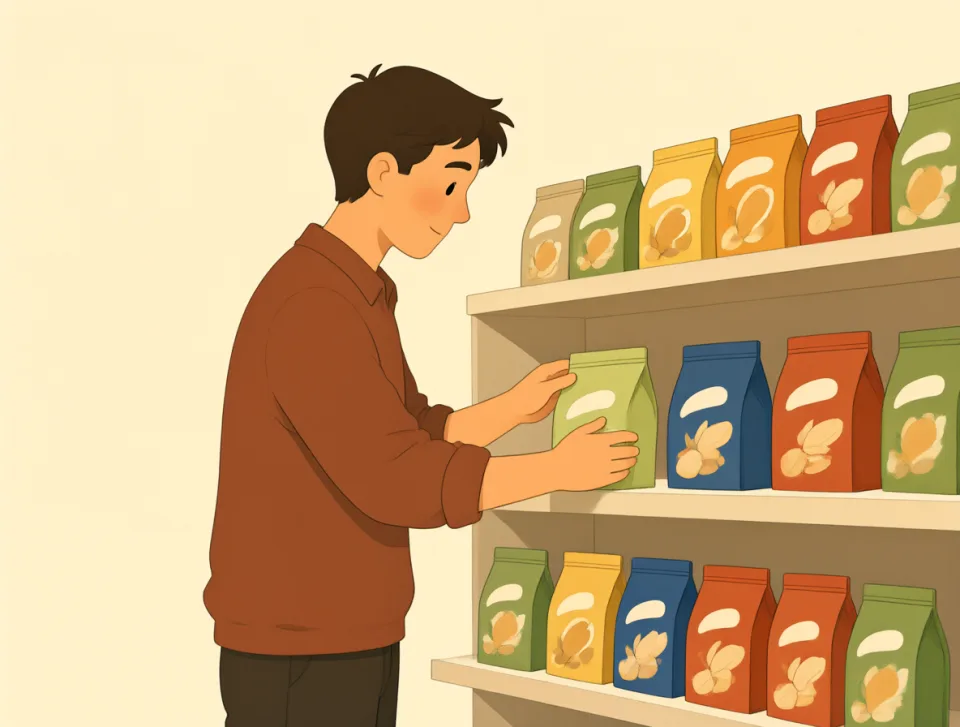
He works at a small shop.
On pracuje w małym sklepie.
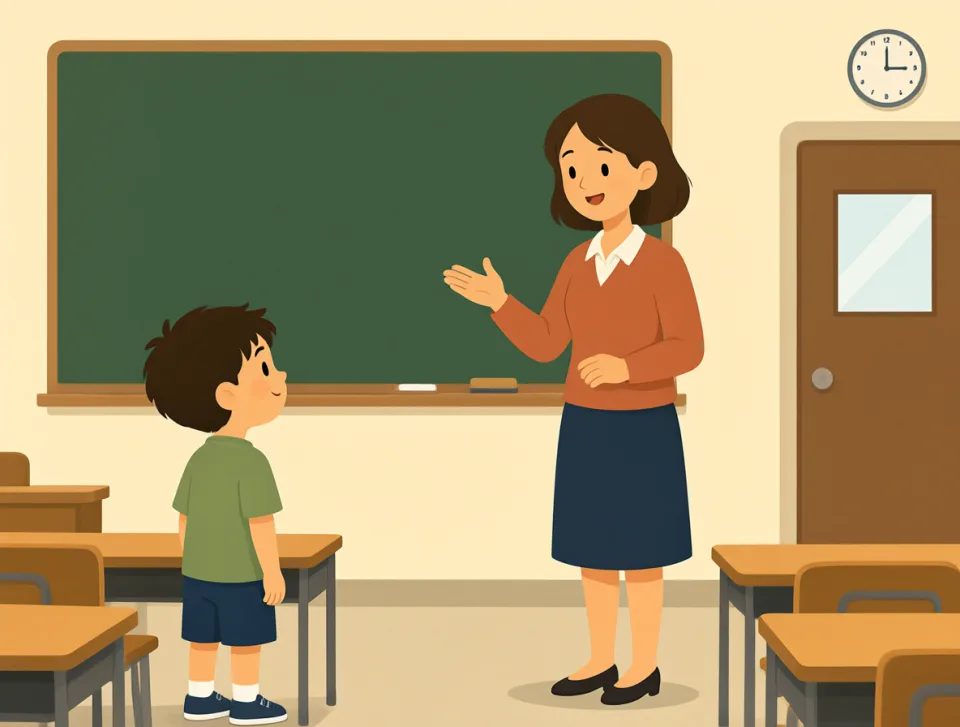
The teacher said he was late.
Nauczyciel powiedział, że się spóźnił.
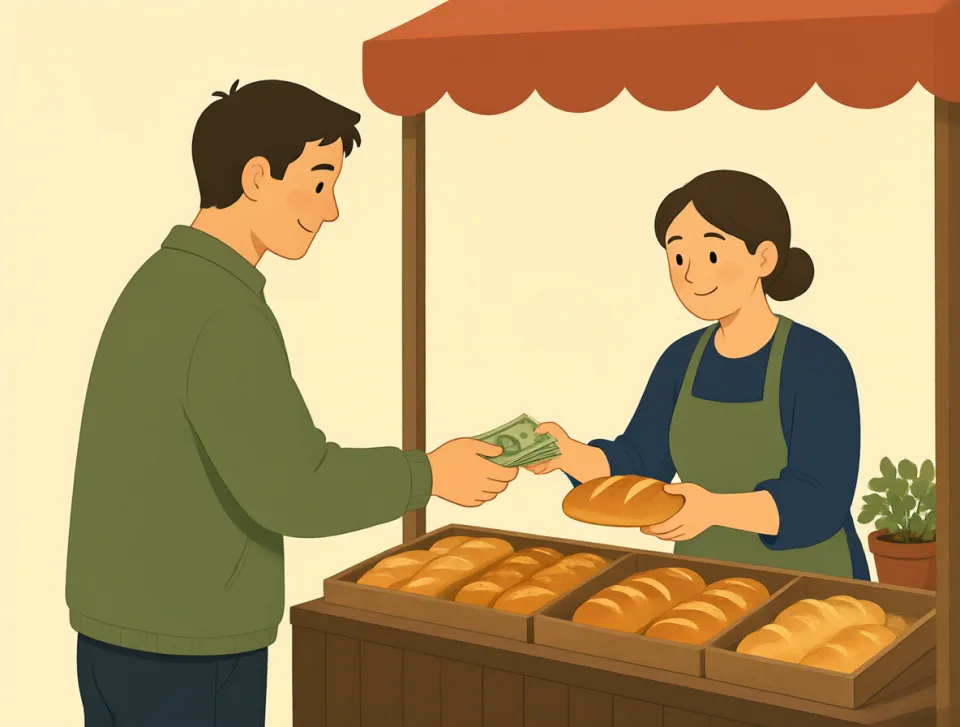
He bought bread at the market.
Kupił chleb na targu.
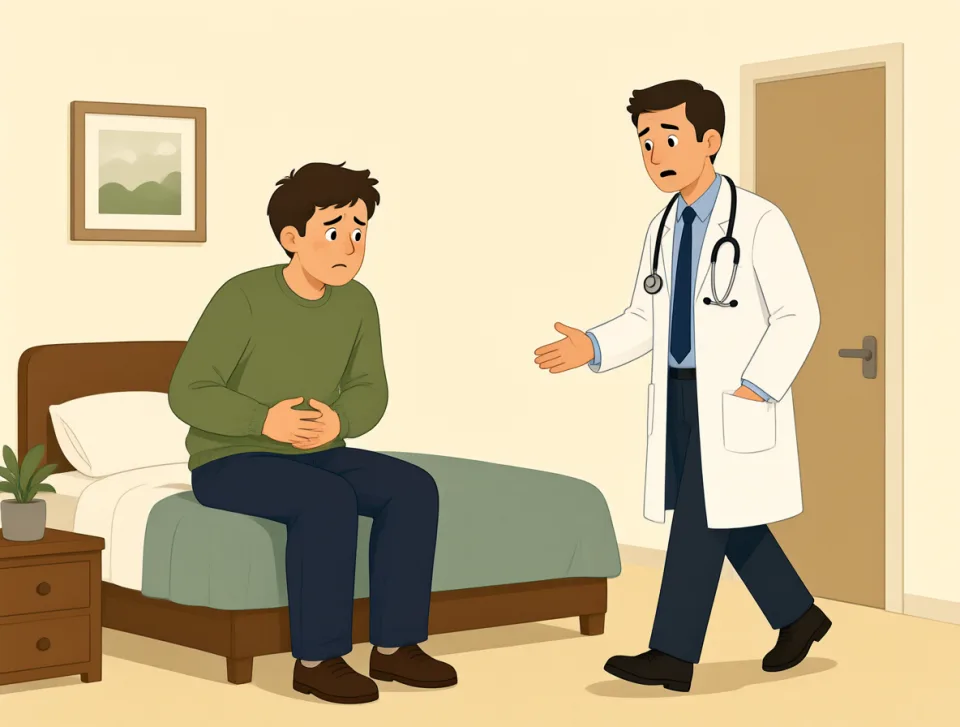
He feels sick and needs a doctor.
Źle się czuje i potrzebuje lekarza.
for
#12preposition, conjunction
dla; na; przez
Used to show purpose, time, reason, or who receives something.
Przyimek określający cel, czas, powód lub osobę, która coś otrzymuje.
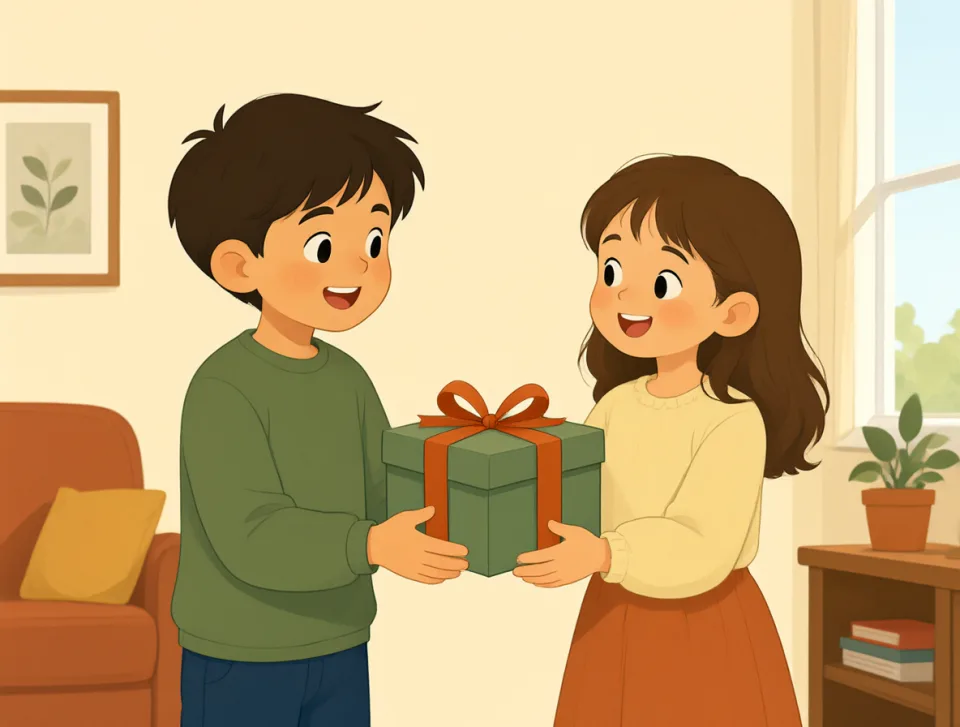
This gift is for my sister.
Ten prezent jest dla mojej siostry.
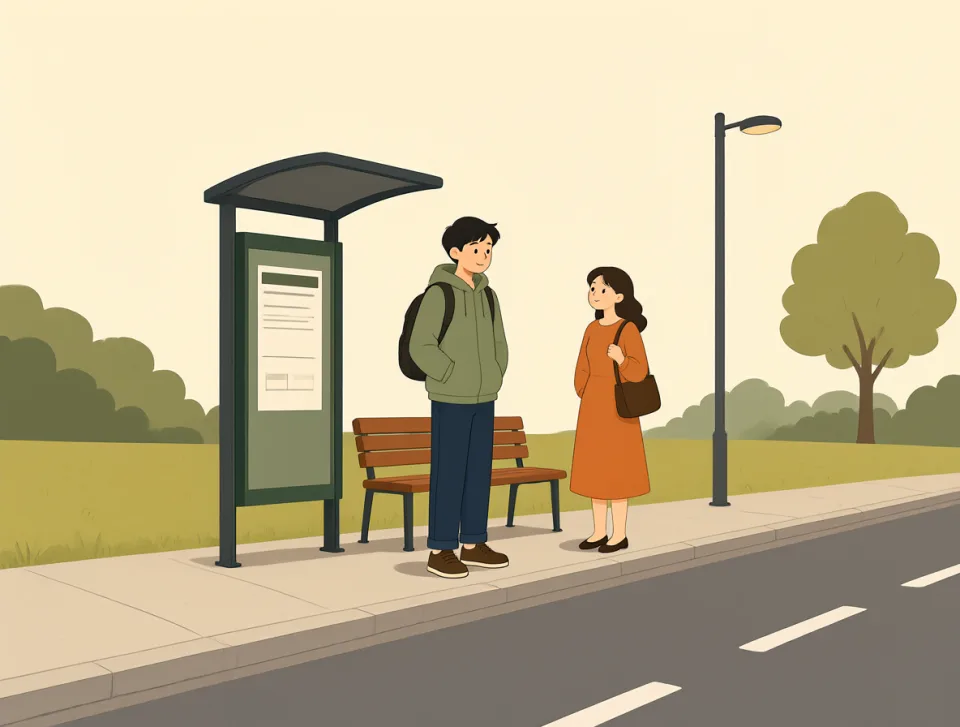
We waited for the bus.
Czekaliśmy na autobus.
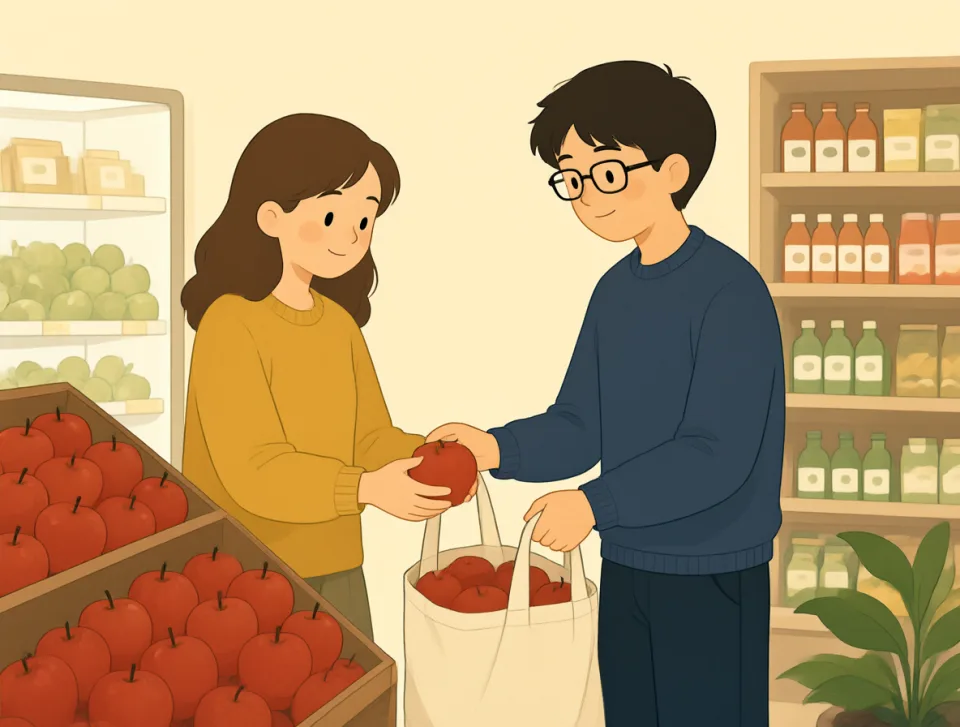
I bought some apples for lunch.
Kupiłem trochę jabłek na lunch.
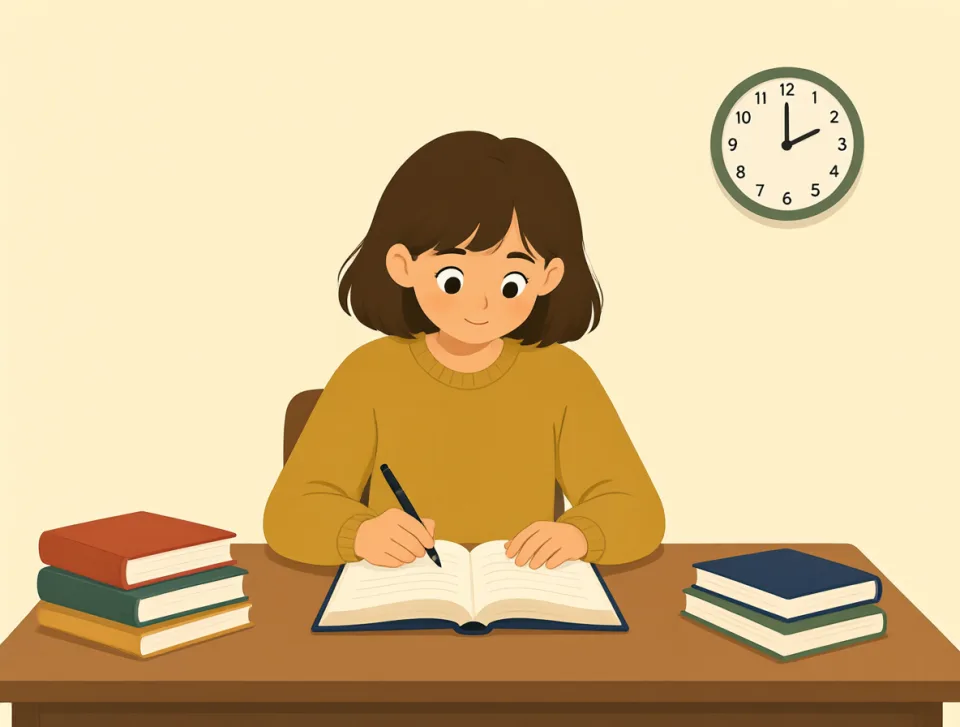
She studied for two hours.
Uczyła się przez dwie godziny.
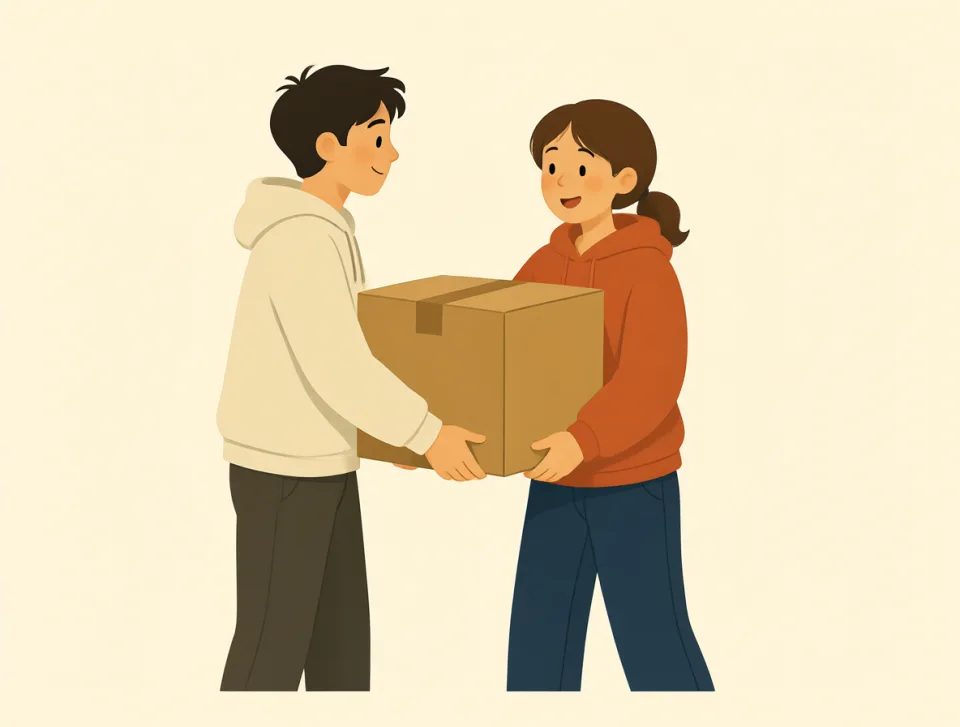
Thank you for helping me.
Dziękuję za pomoc.
they
#13pronoun
oni; one
Used to talk about two or more people, animals, or things.
Słowo używane w odniesieniu do dwóch lub większej liczby osób, zwierząt albo rzeczy.
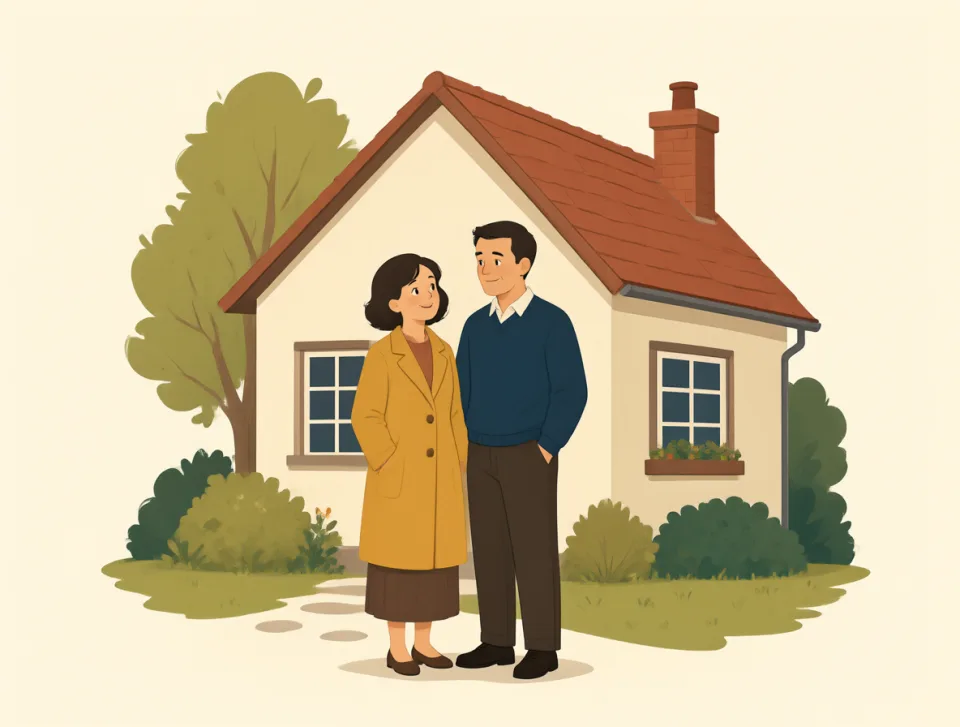
They live in a small house.
Oni mieszkają w małym domu.
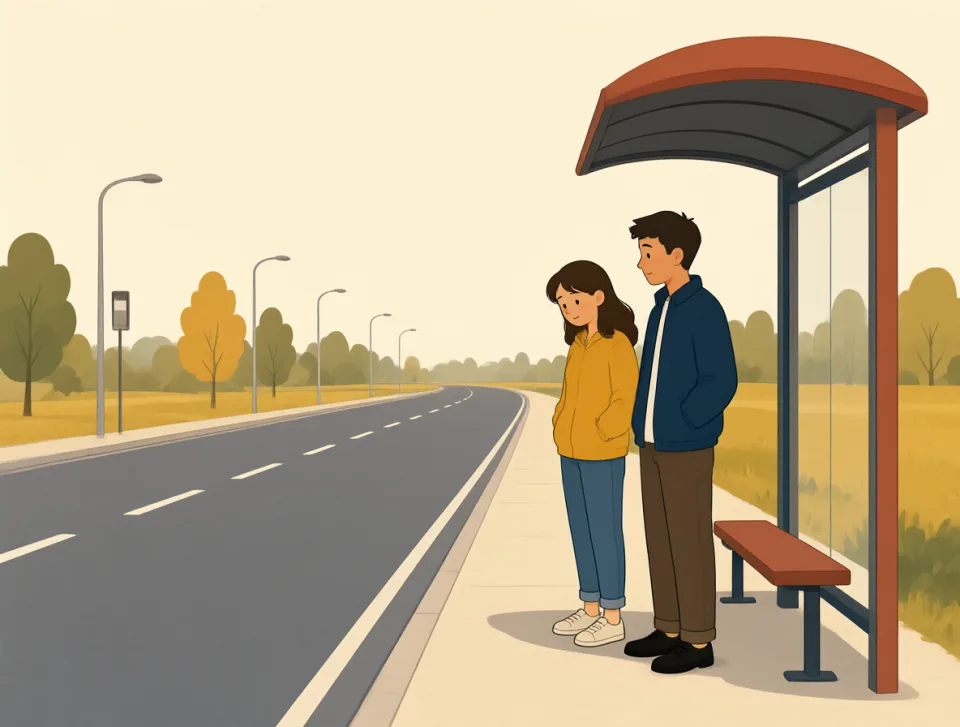
They are waiting for the bus.
Czekają na autobus.
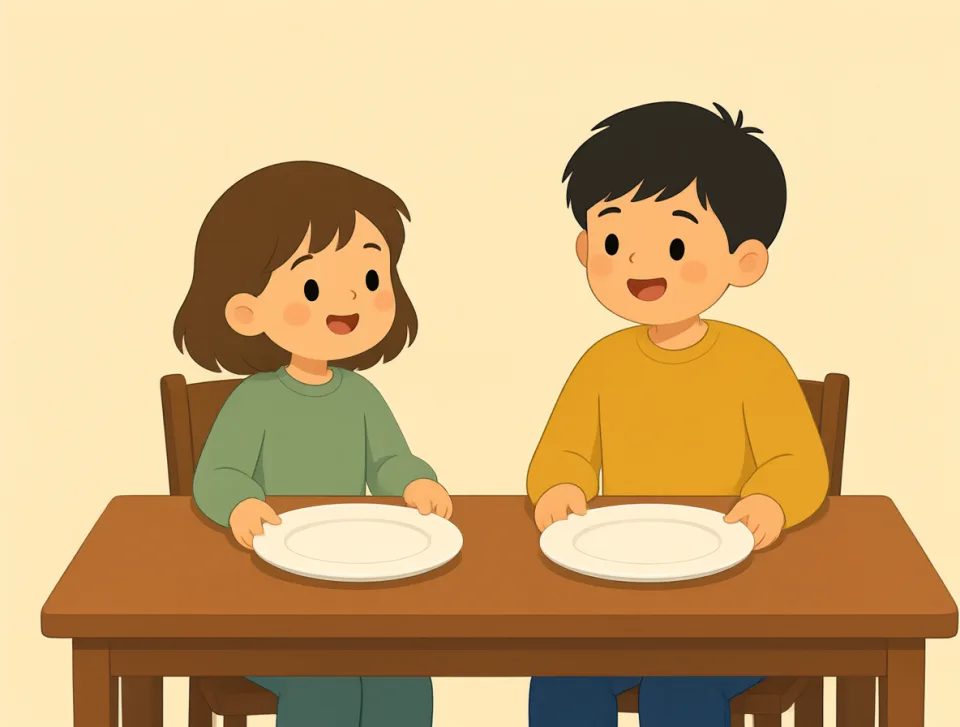
The children said they were hungry.
Dzieci powiedziały, że są głodne.
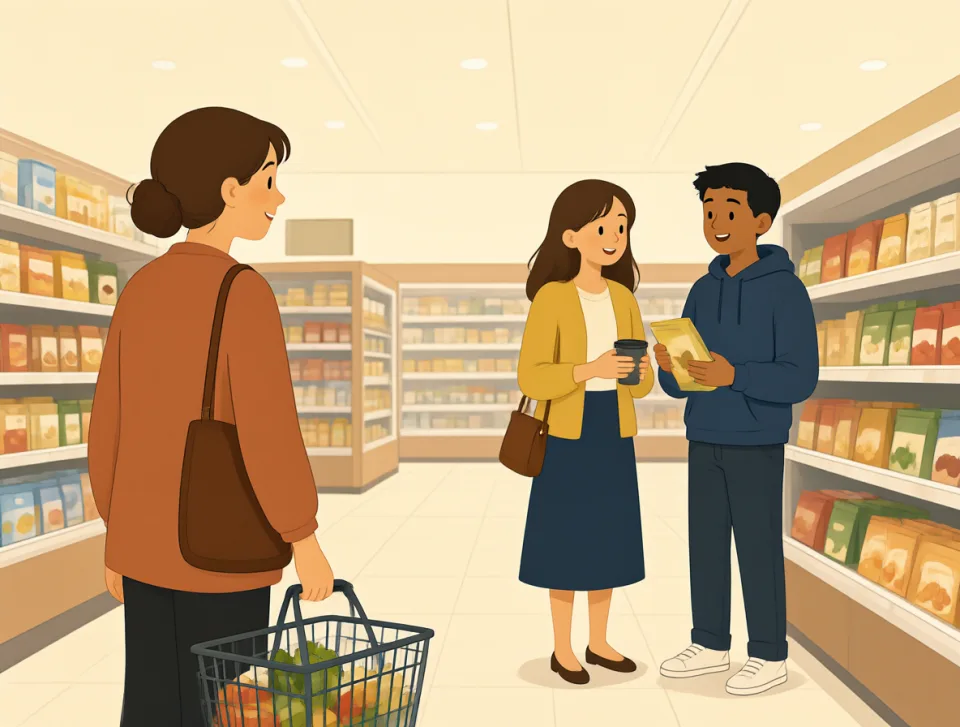
I saw them at the store.
Widziałem ich w sklepie.
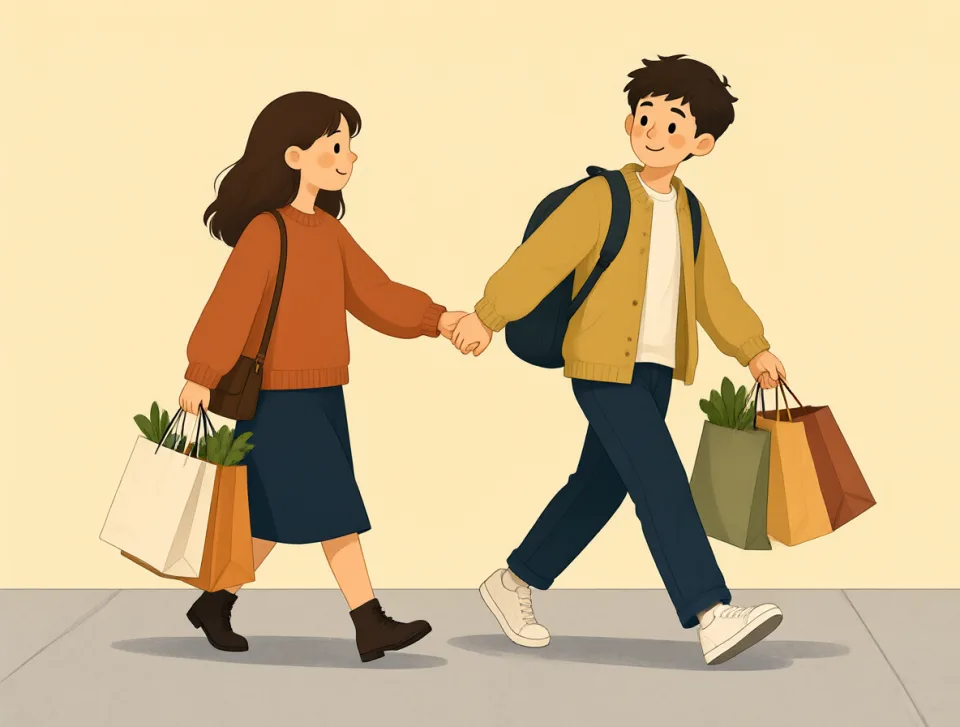
They helped me carry my bags.
Pomogli mi nieść torby.
not
#14adverb
nie
Used to make a verb or adjective negative.
Słowo używane do tworzenia przeczenia czasownika lub przymiotnika.
I do not understand this question.
Nie rozumiem tego pytania.
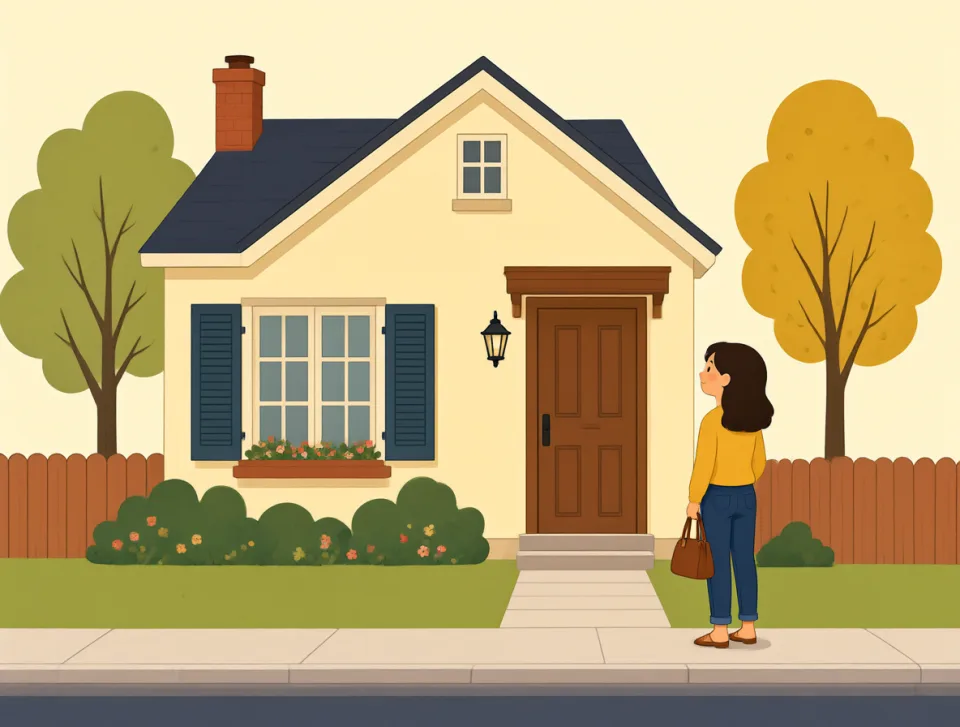
She is not at home today.
Jej dzisiaj nie ma w domu.
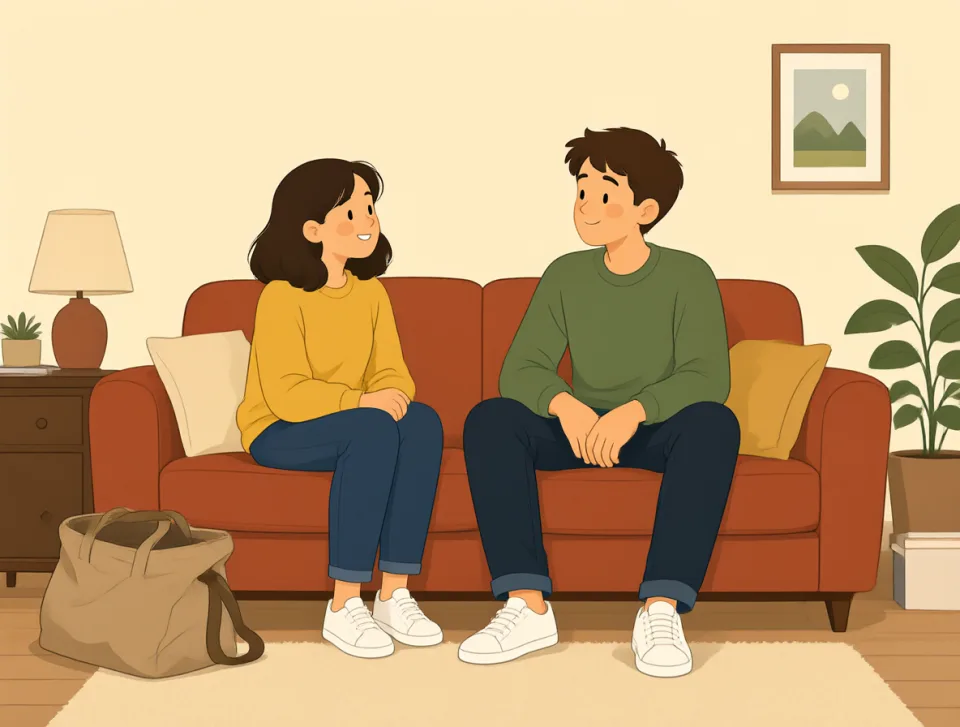
We are not ready to leave yet.
Nie jesteśmy jeszcze gotowi do wyjścia.
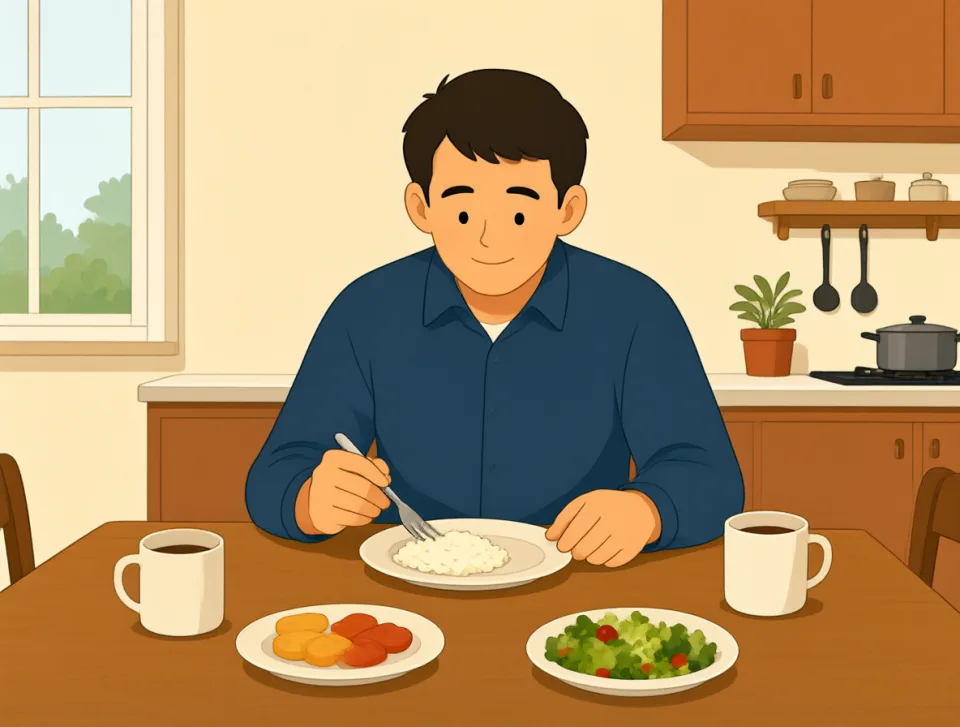
He did not eat breakfast this morning.
Nie zjadł dziś rano śniadania.
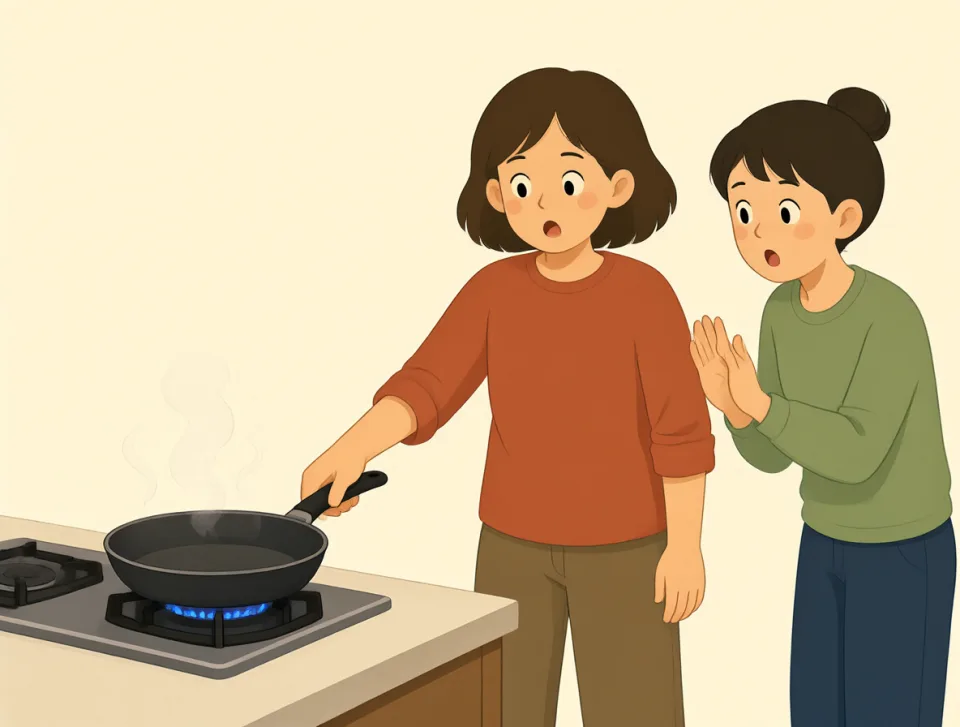
Please do not touch the hot pan.
Proszę nie dotykać gorącej patelni.
that
#15determiner, pronoun, conjunction, adverb
ten; ta; to; że
Used to point to something or introduce information after a verb.
Słowo używane do wskazywania czegoś lub wprowadzania informacji po czasowniku.
That book on the table is mine.
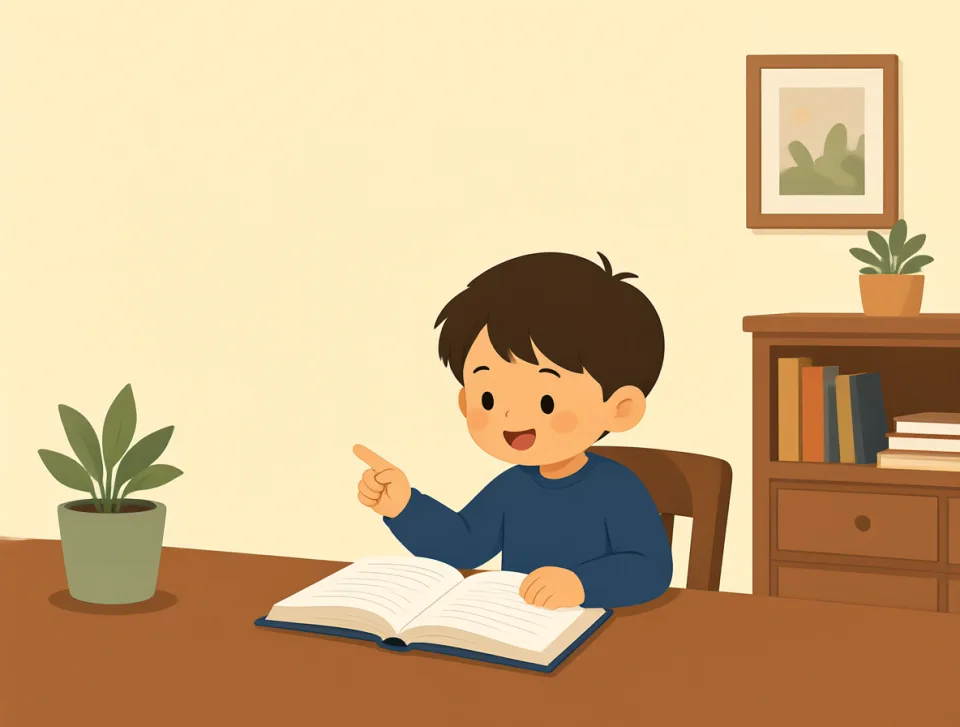
Tamta książka na stole należy do mnie.
I think that dinner is ready.
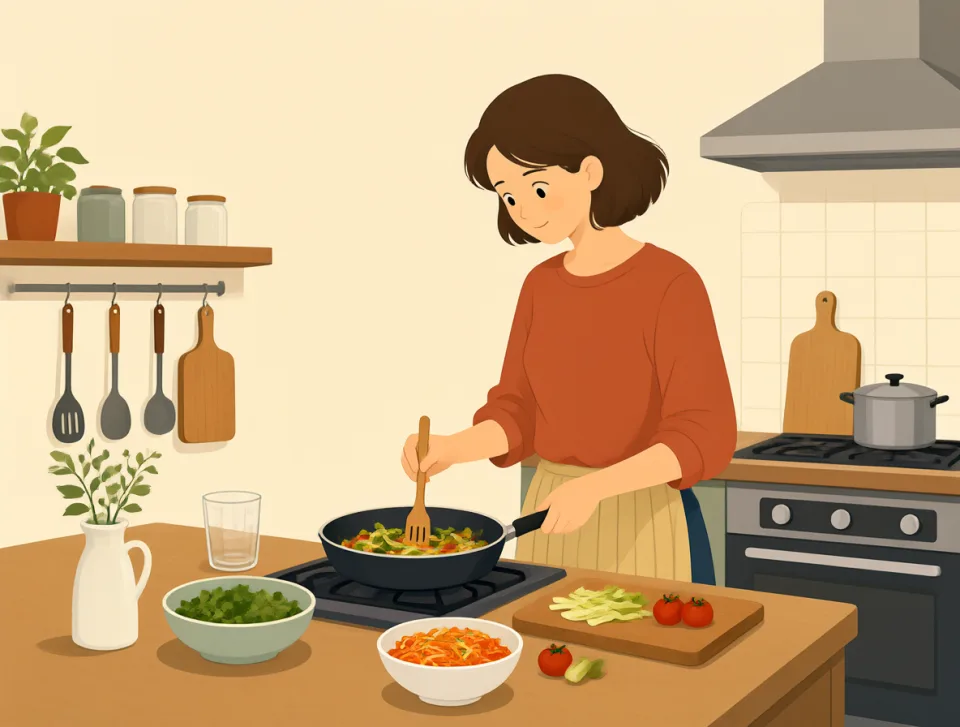
Myślę, że kolacja jest gotowa.
The shoes that I bought fit well.
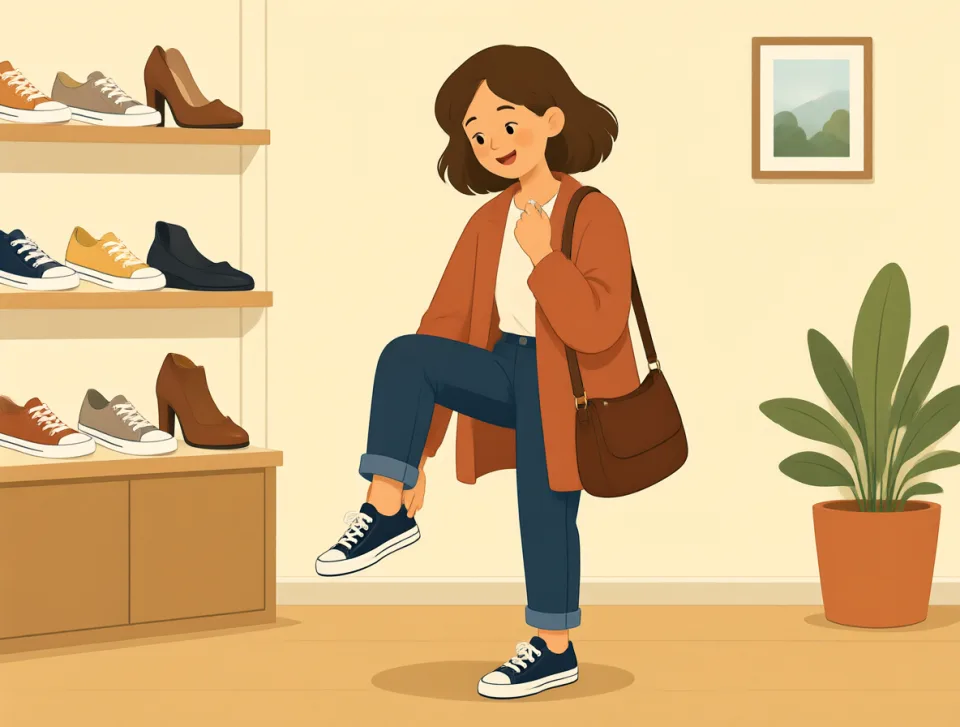
Buty, które kupiłem, dobrze leżą.
Who is that man at the door?
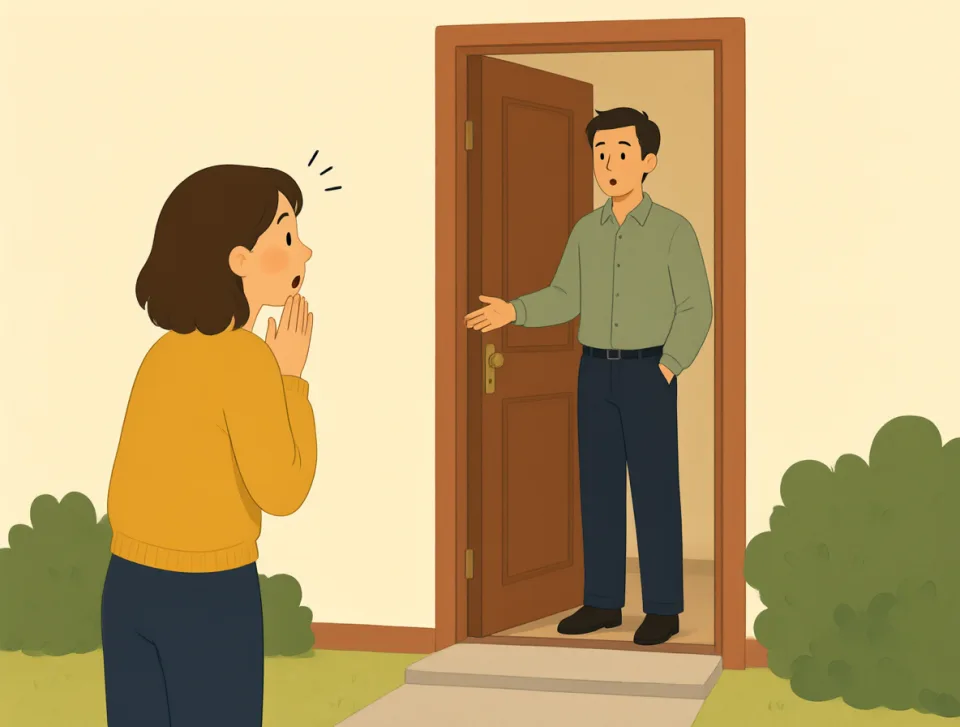
Kim jest ten mężczyzna przy drzwiach?

It was not that expensive.
To nie było aż tak drogie.
we
#16pronoun
my
Used by a speaker to mean the speaker and one or more other people.
Zaimek używany przez mówiącego w odniesieniu do siebie i co najmniej jednej innej osoby.
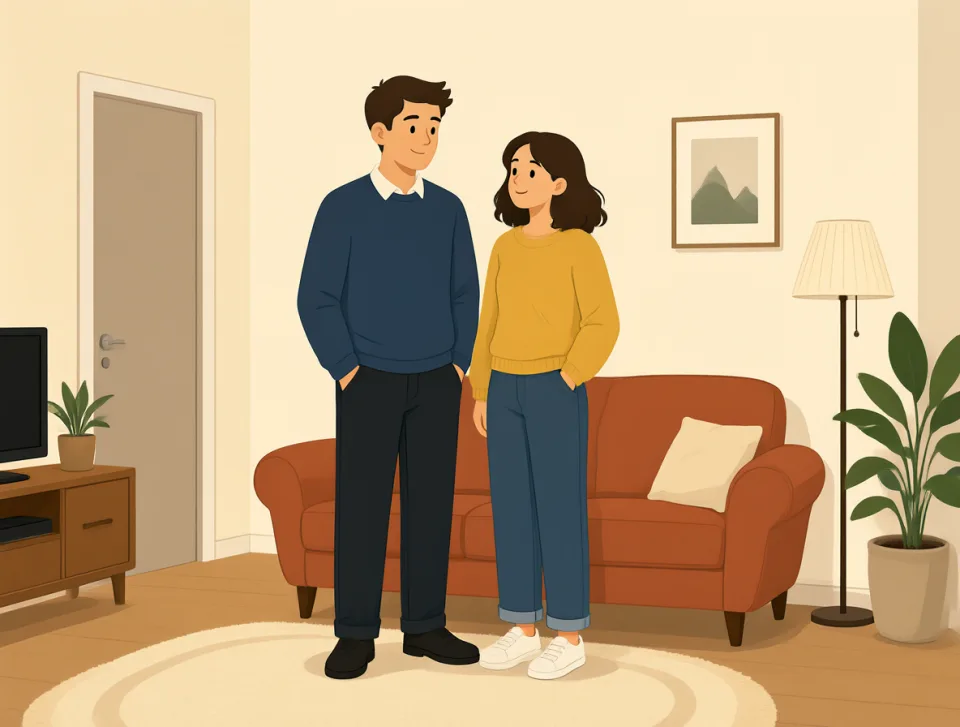
We live in a small apartment.
Mieszkamy w małym mieszkaniu.
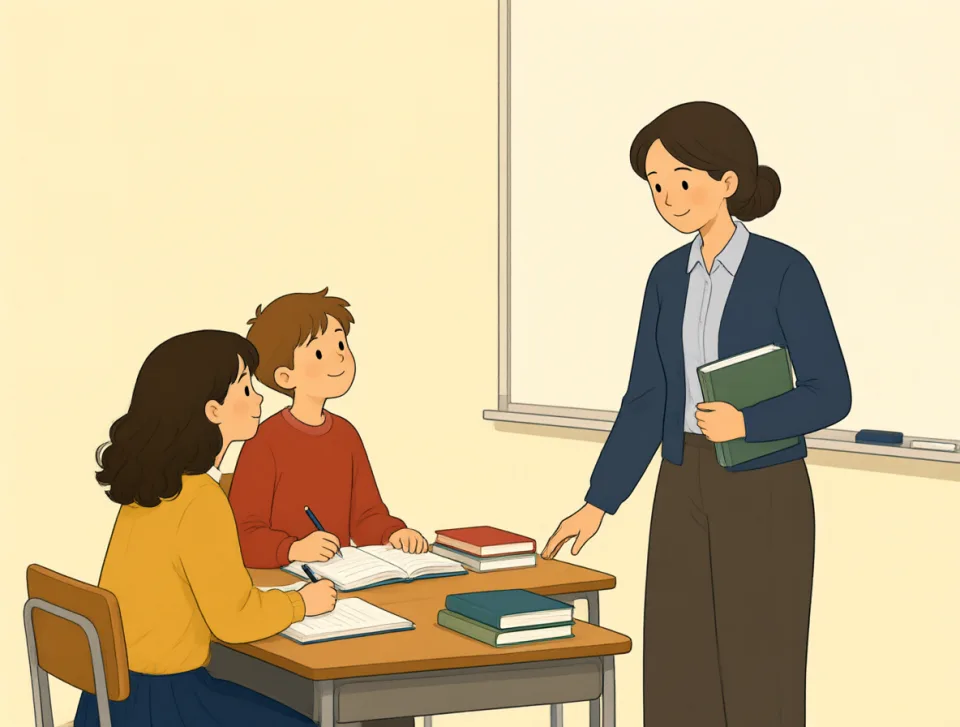
We are learning English at school.
Uczymy się angielskiego w szkole.
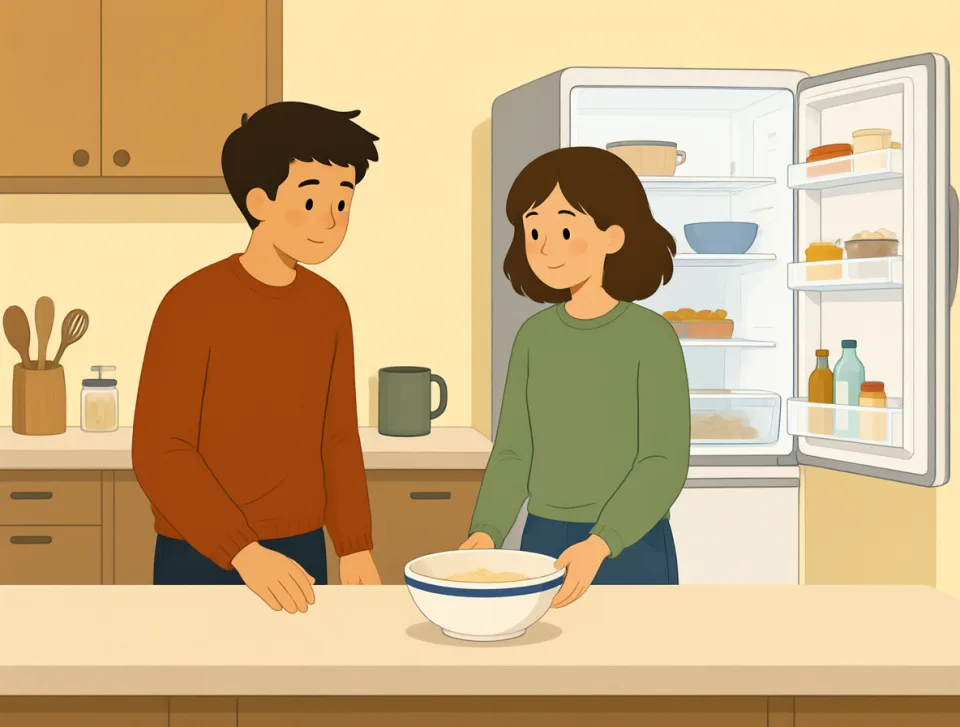
We need some milk for breakfast.
Potrzebujemy mleka na śniadanie.
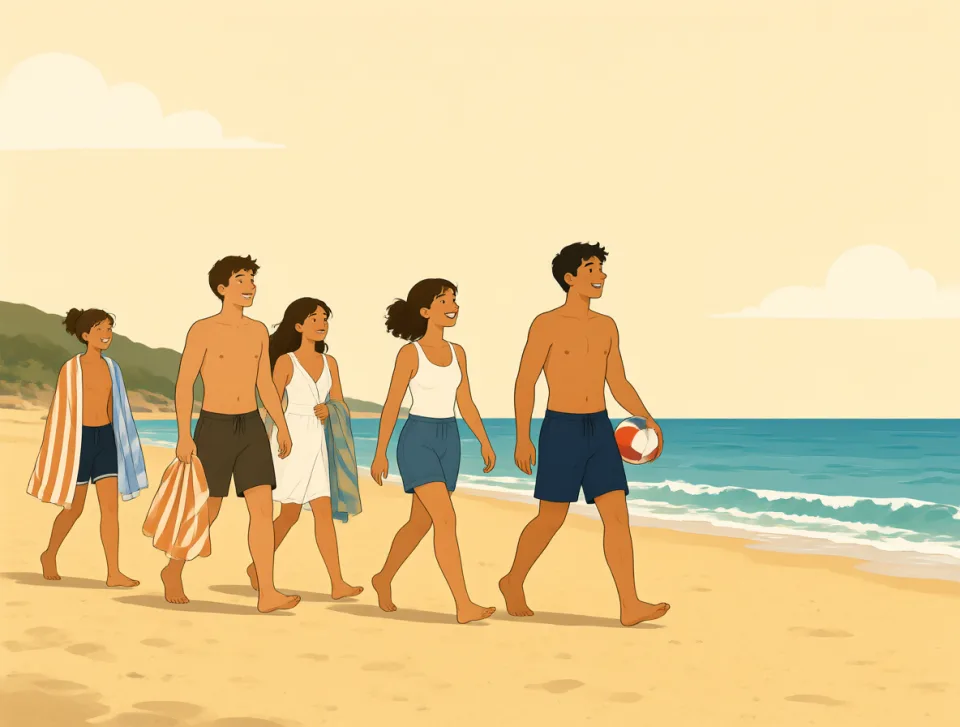
We went to the beach last weekend.
W zeszły weekend pojechaliśmy na plażę.
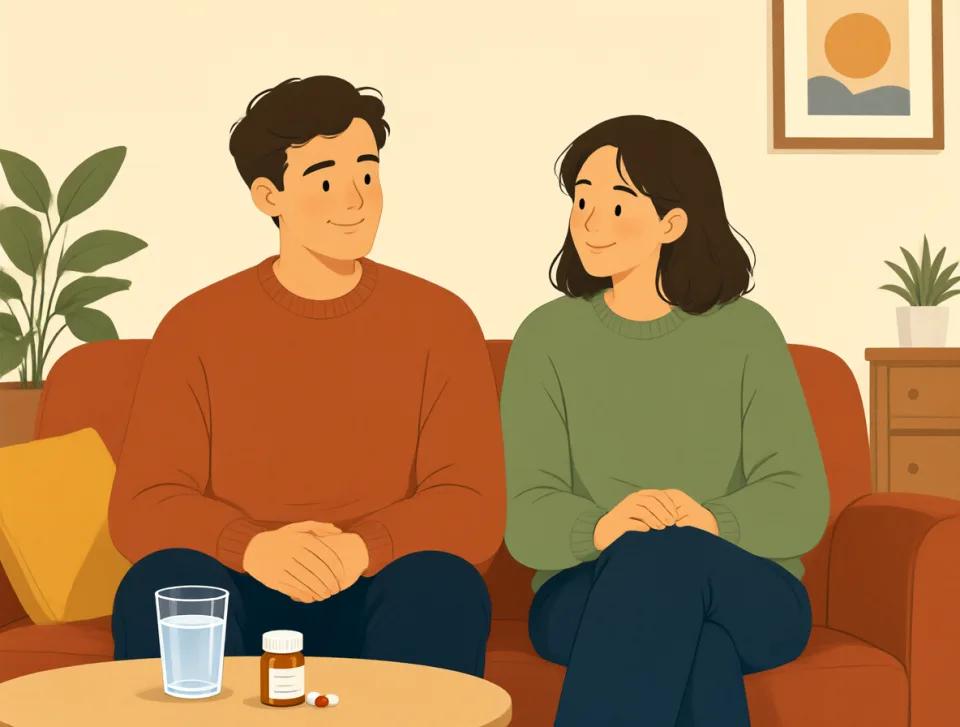
We feel better after taking the medicine.
Po zażyciu leku czujemy się lepiej.
on
#17adverb, preposition, adjective
na
Used to show position, time, connection, or that something is working.
Używane, by wskazać położenie, czas, związek lub to, że coś działa.
The keys are on the table.
Klucze leżą na stole.

We have a meeting on Monday.
Mamy spotkanie w poniedziałek.
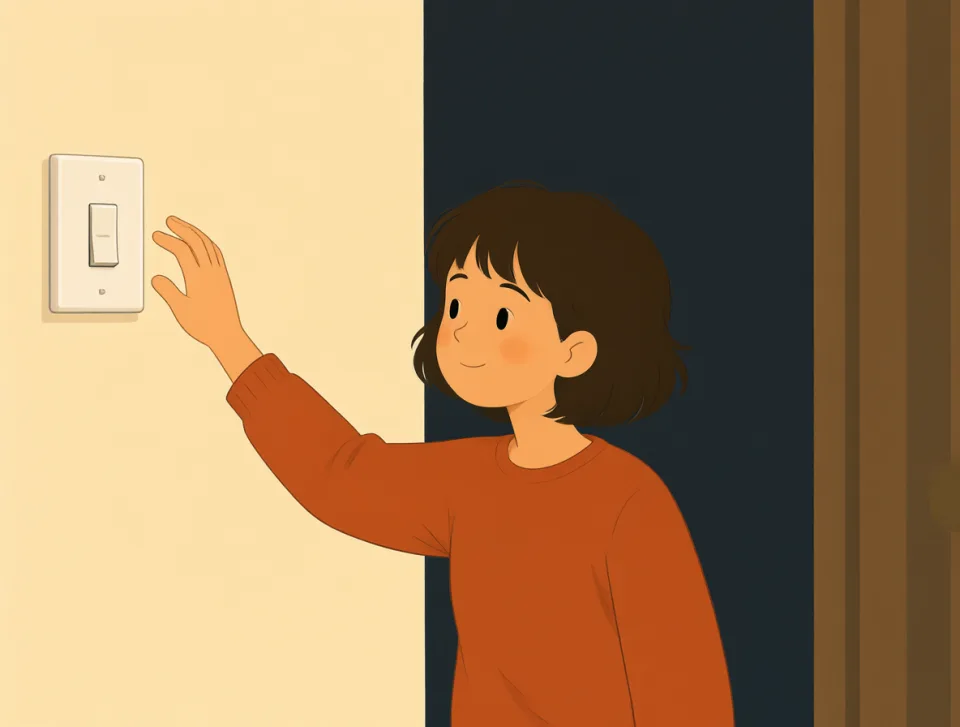
Please turn on the light.
Proszę, zapal światło.
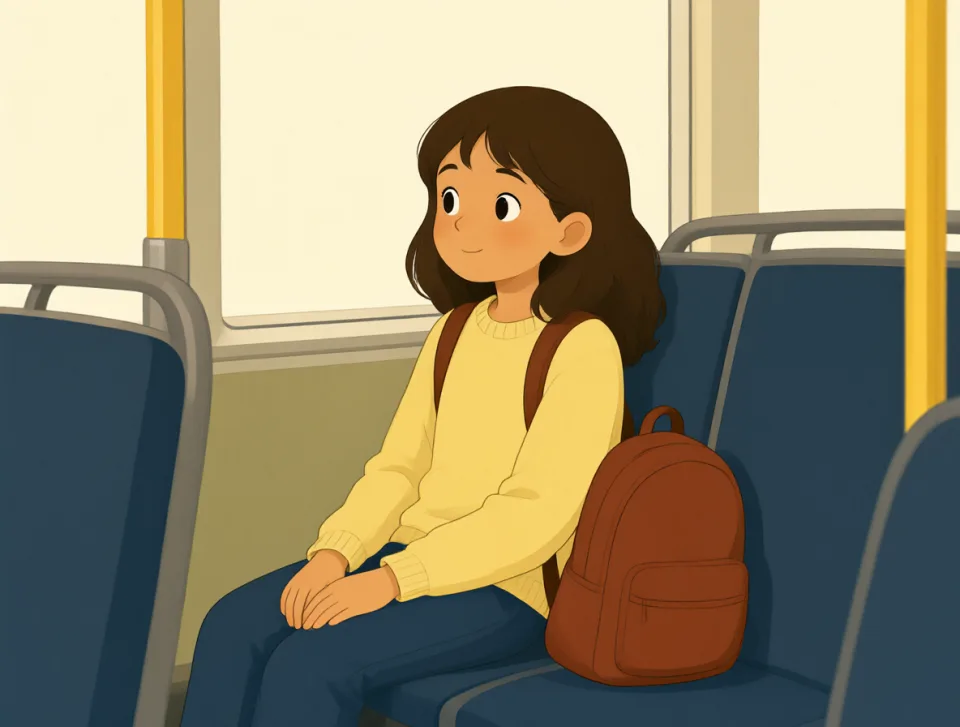
She is on the bus to school.
Ona jedzie autobusem do szkoły.
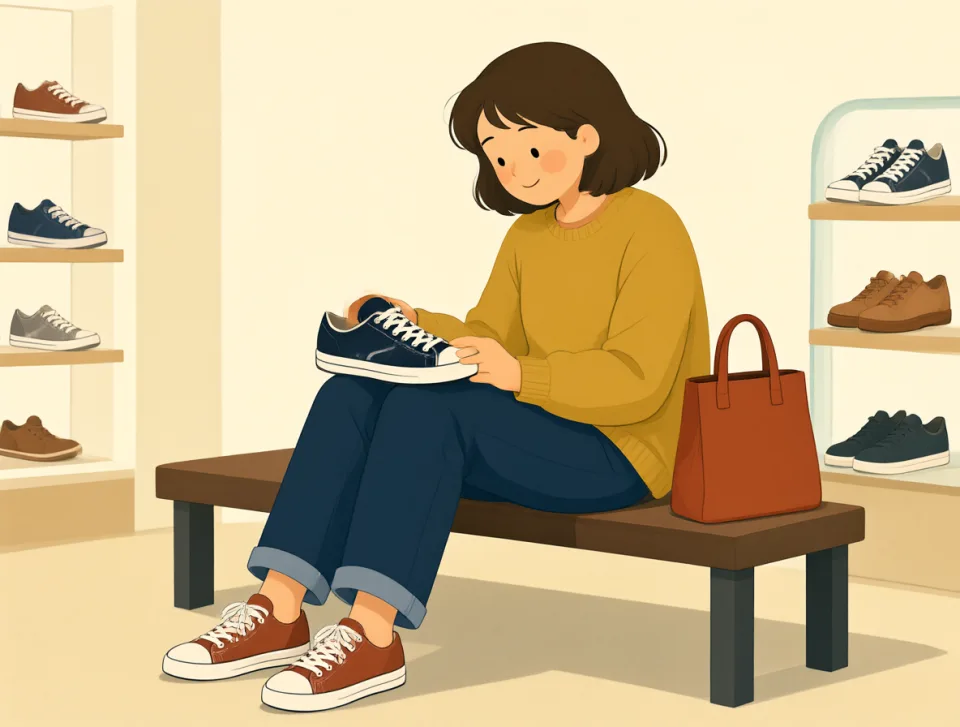
I tried on these shoes at the store.
Przymierzyłem te buty w sklepie.
with
#18preposition
z
together with someone or something; having or using someone or something
Razem z kimś lub czymś; mając kogoś lub coś albo korzystając z czegoś.
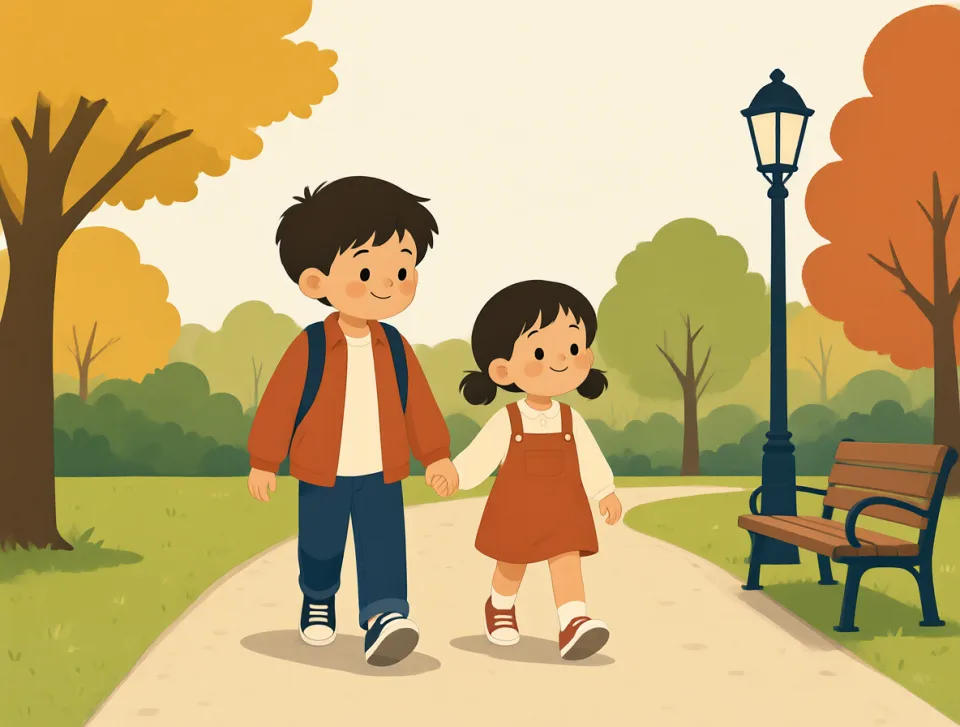
I went to the park with my sister.
Poszedłem do parku z siostrą.
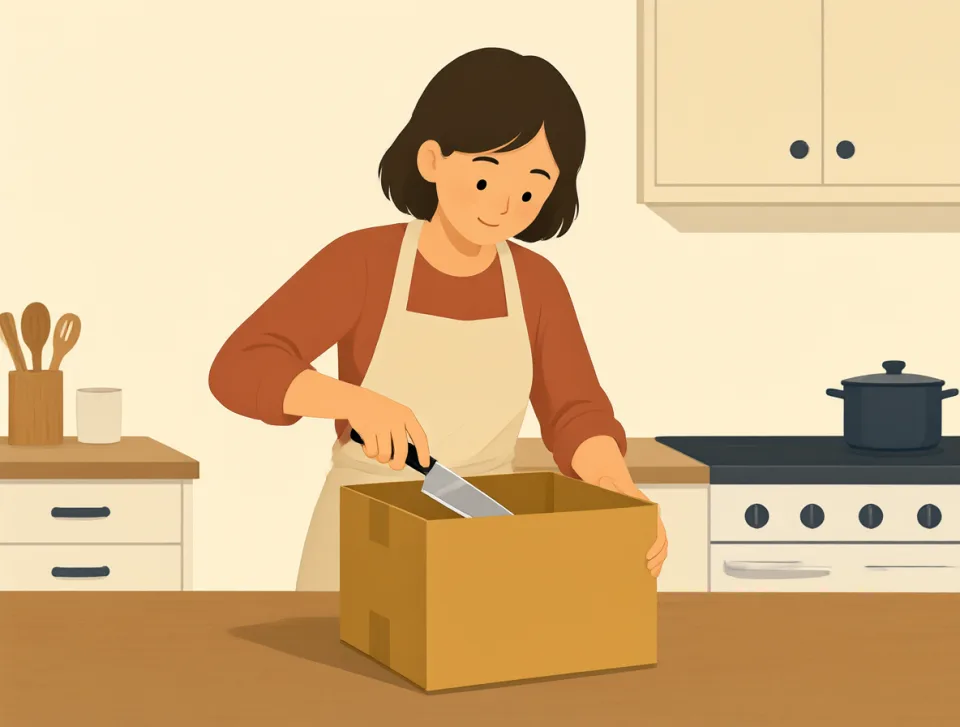
She opened the box with a knife.
Otworzyła pudełko nożem.
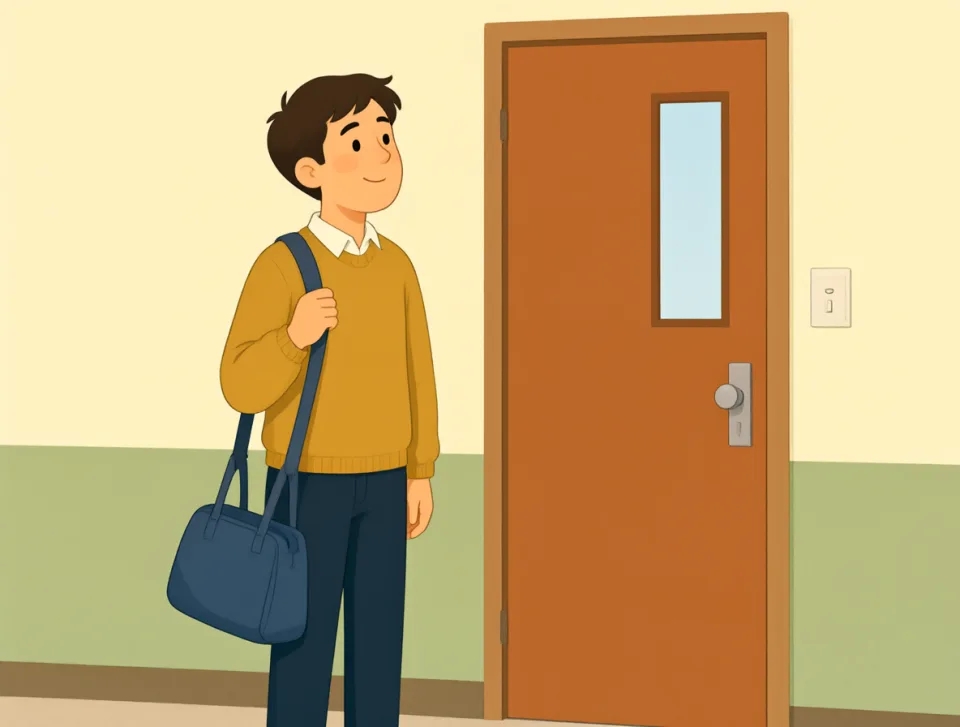
The man with the blue bag is my teacher.
Mężczyzna z niebieską torbą jest moim nauczycielem.
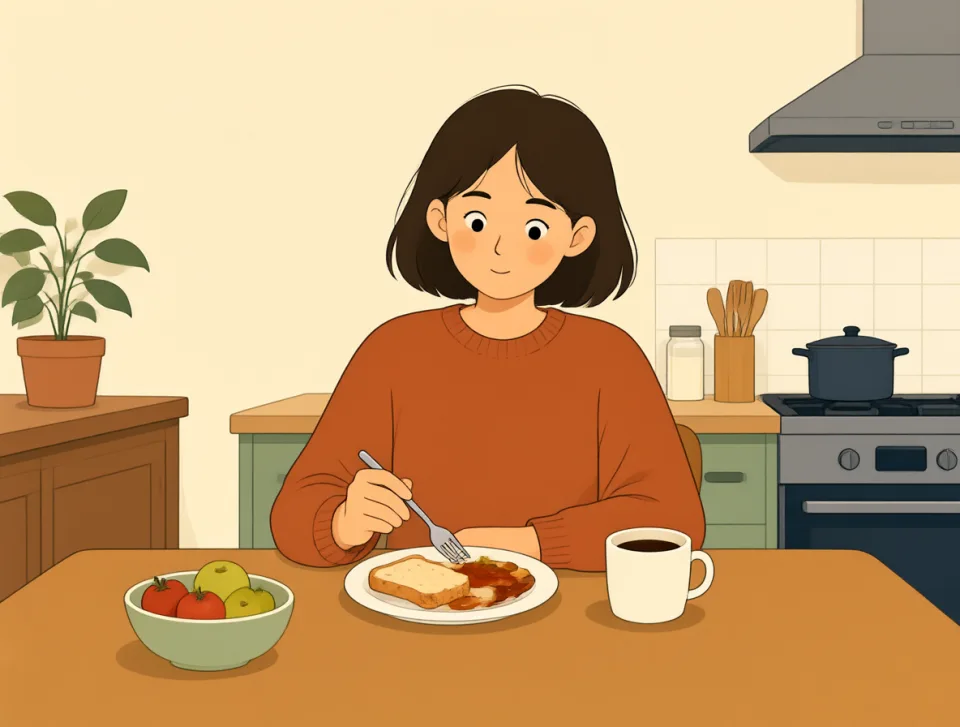
Would you like coffee with your breakfast?
Czy masz ochotę na kawę do śniadania?
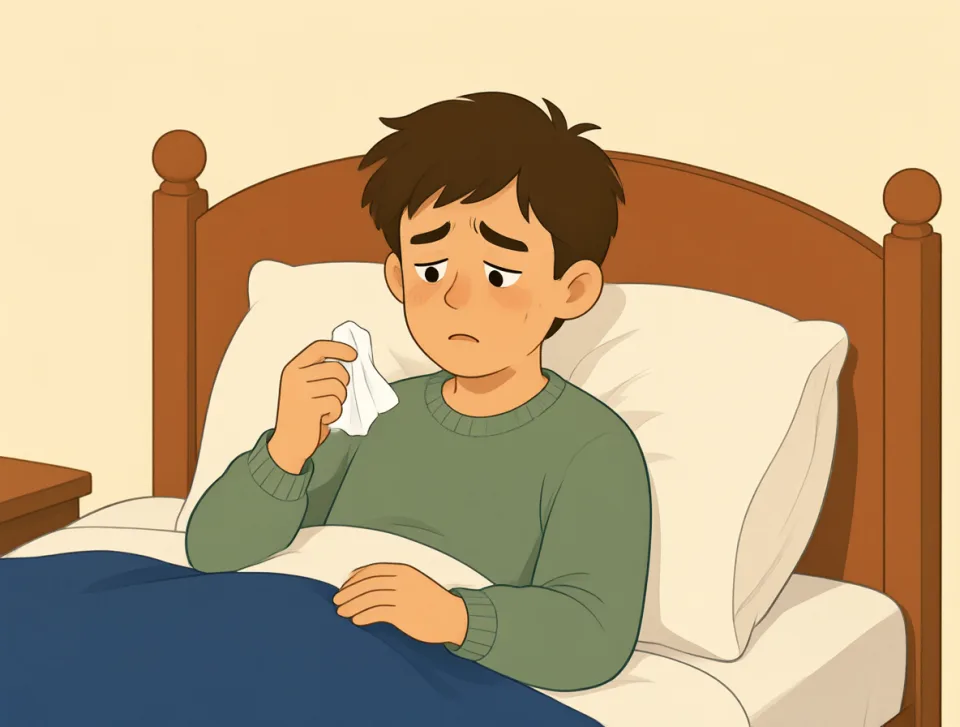
He is sick with a bad cold.
Jest chory i ma silne przeziębienie.
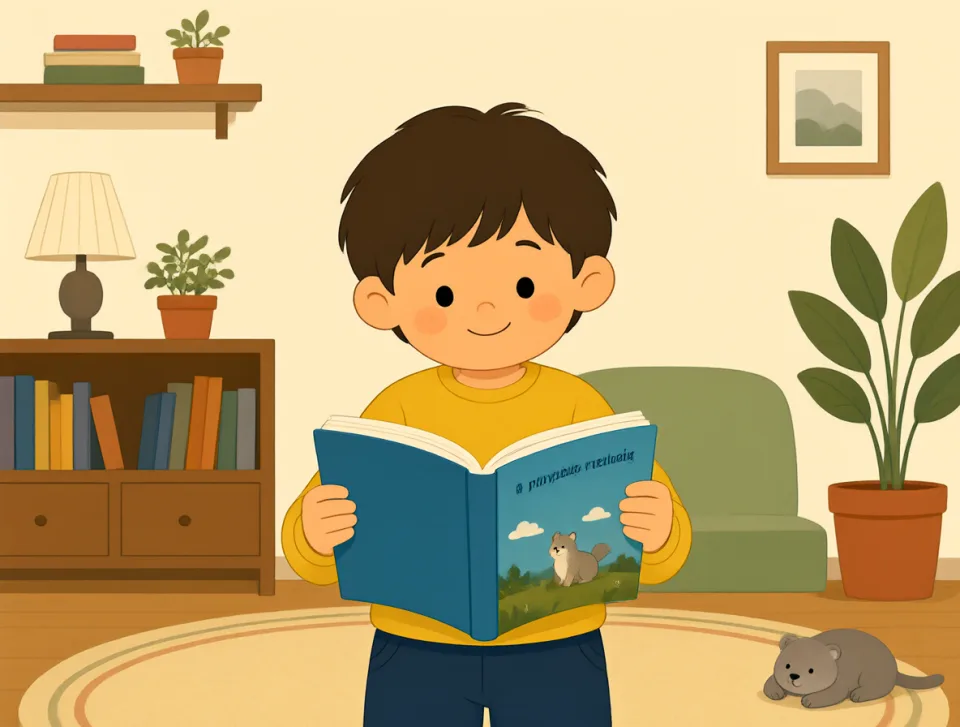
this
#19determiner, pronoun, adverb
ten / ta / to
Used to talk about one person, thing, or place near you or now.
Używane w odniesieniu do osoby, rzeczy lub miejsca znajdujących się blisko ciebie albo dotyczących chwili obecnej.
This is my favorite book.
To moja ulubiona książka.
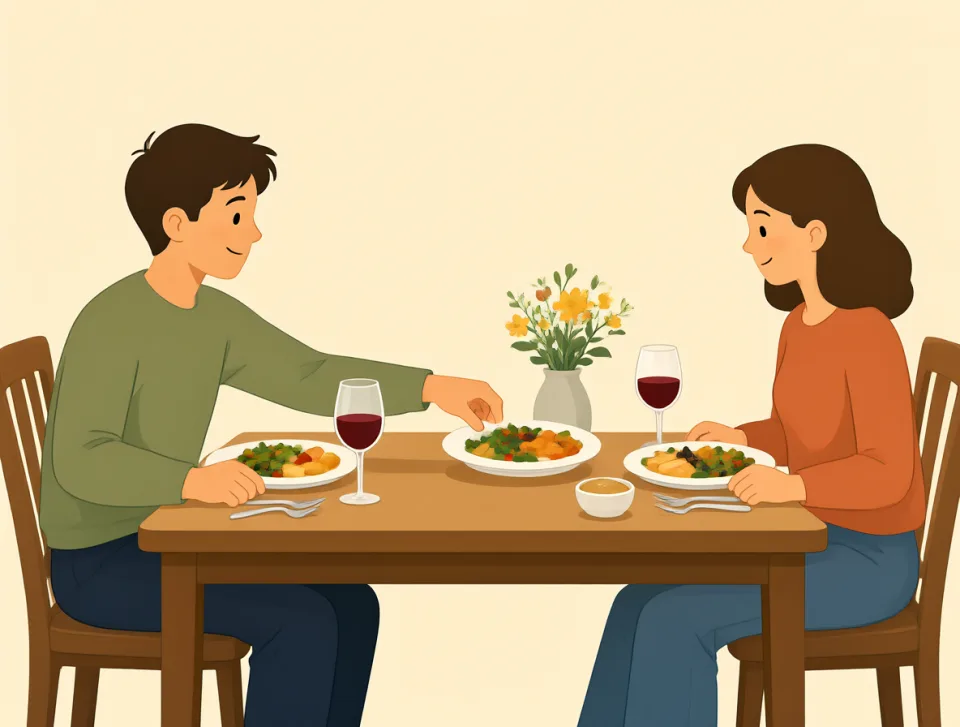
Could you pass me this plate?
Czy możesz podać mi ten talerz?

I bought this shirt yesterday.
Kupiłem tę koszulę wczoraj.
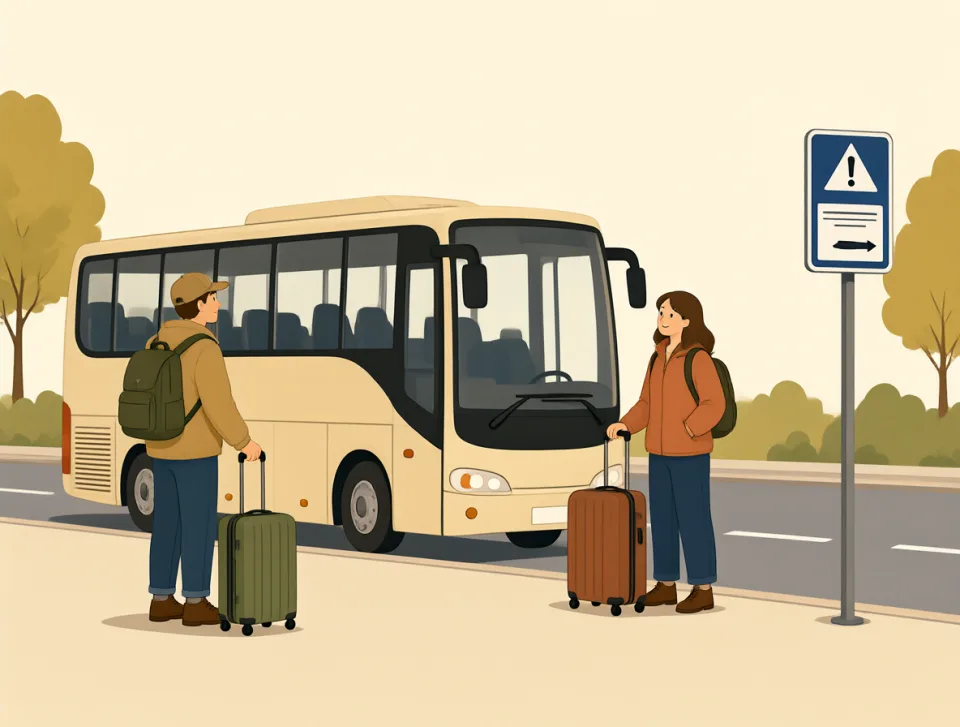
This is where we get off.
Tutaj wysiadamy.
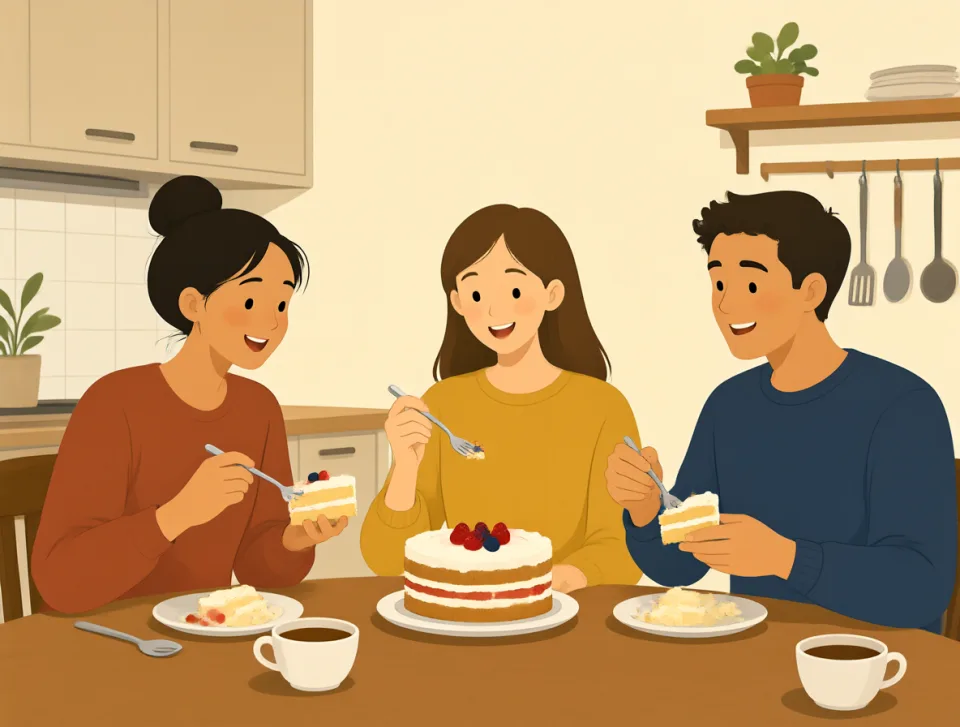
This cake tastes really good.
To ciasto smakuje naprawdę dobrze.
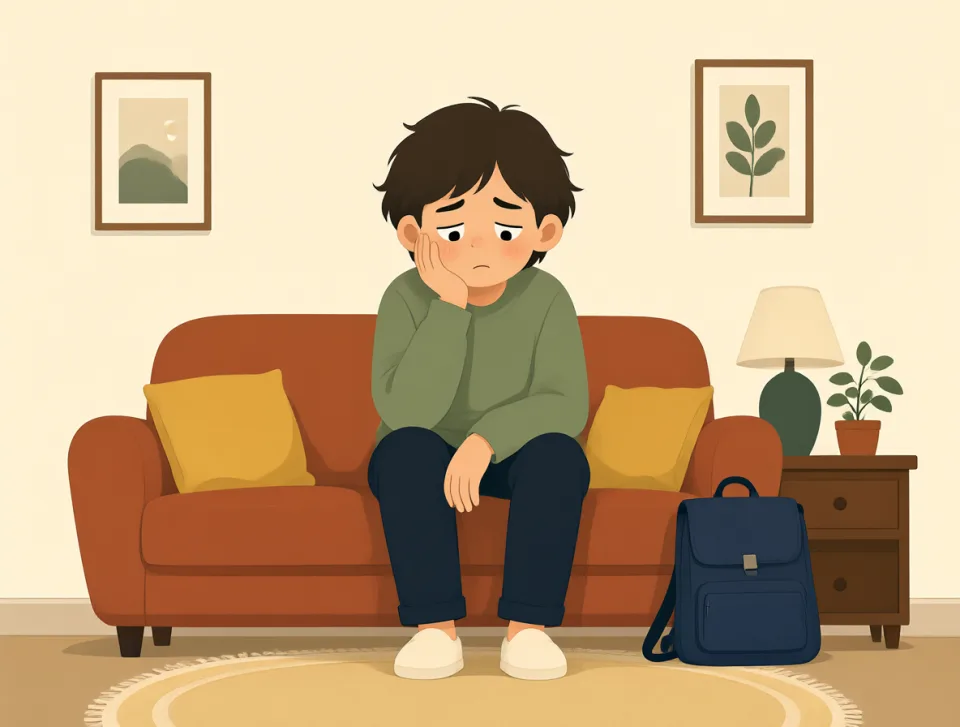
I
#20pronoun
ja
The pronoun used for the person speaking or writing.
Zaimek używany w odniesieniu do osoby, która mówi lub pisze.
I am tired after work today.
Jestem dziś zmęczony po pracy.
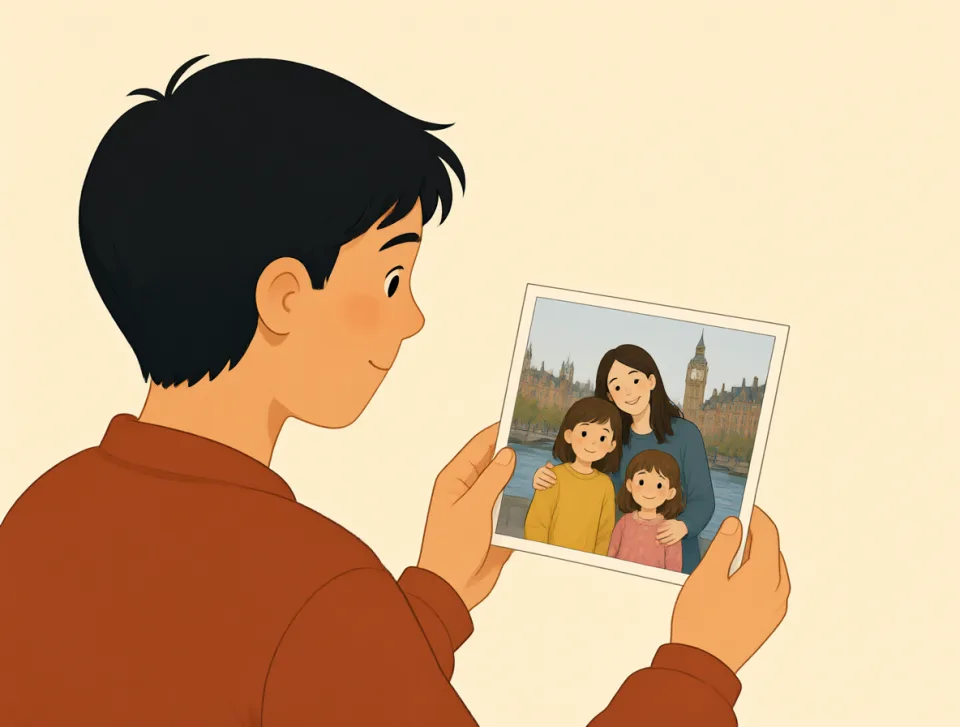
I have a sister in London.
Mam siostrę w Londynie.
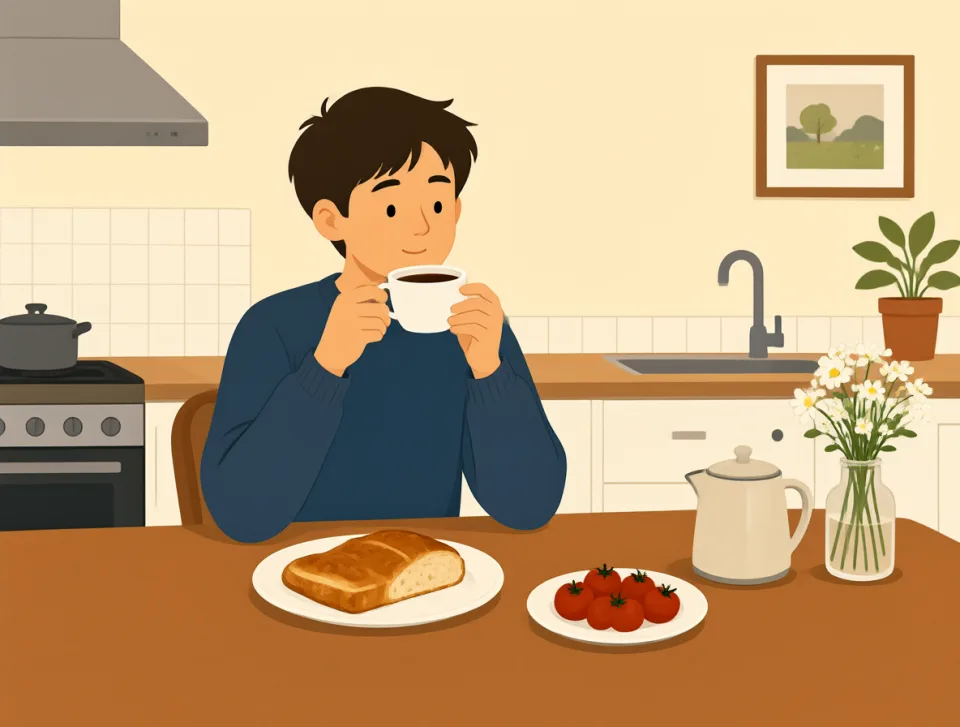
I like coffee with breakfast.
Lubię kawę do śniadania.
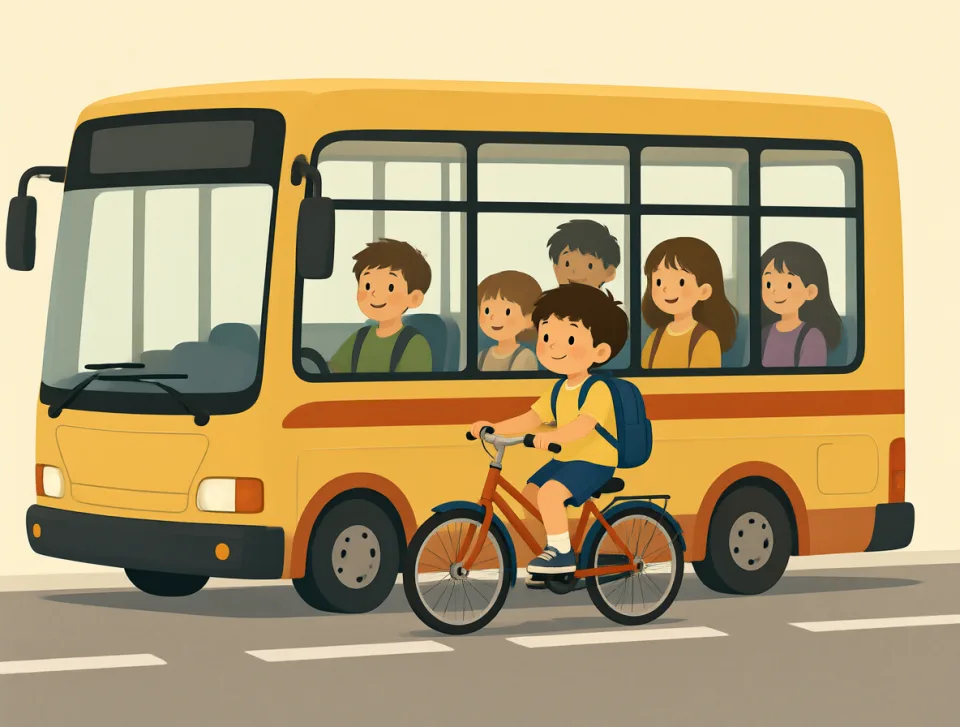
I went to school by bus.
Pojechałem do szkoły autobusem.
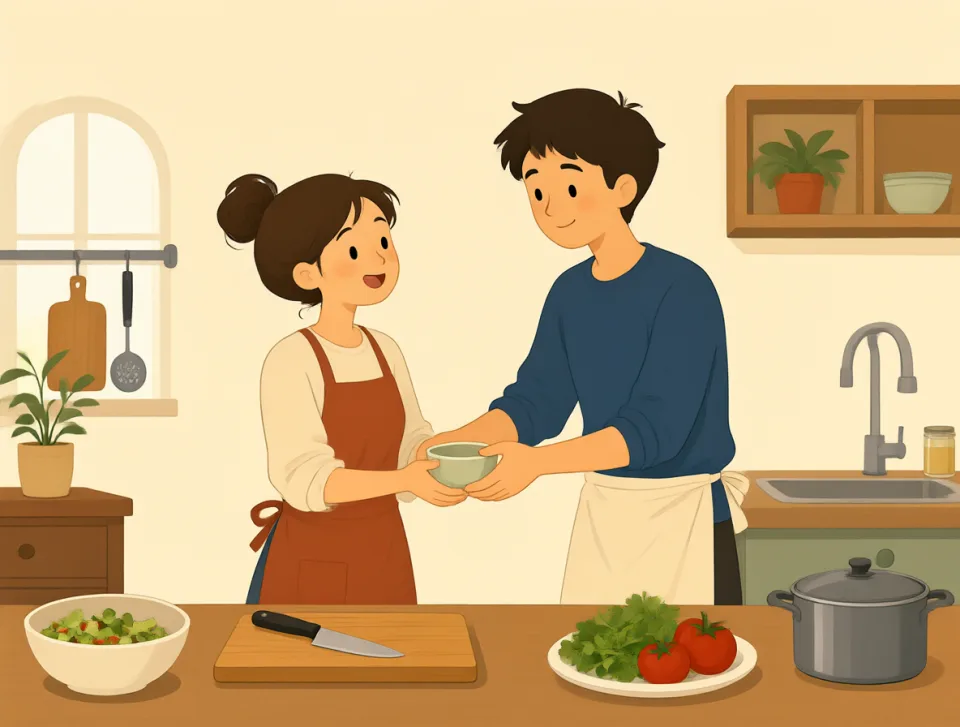
Can I help you with dinner?
Czy mogę pomóc ci przygotować kolację?