Zestaw 9
Słowa 161–180 · home, never, include, course, house, report
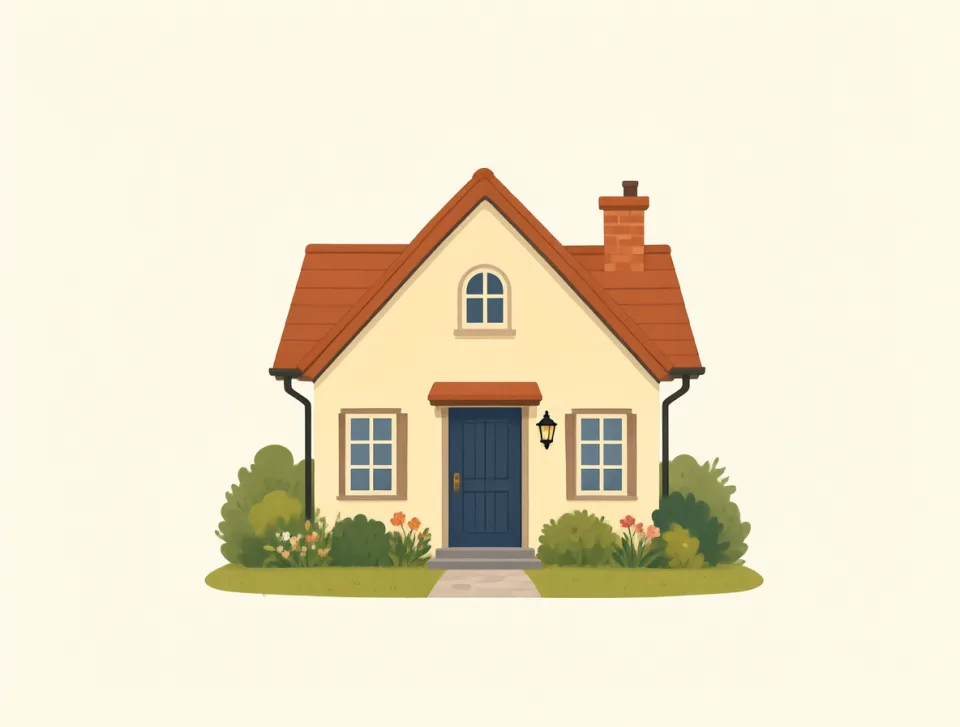
home
#161noun, adverb, adjective
dom
The place where you live, or to or at that place.
Miejsce, w którym mieszkasz, albo do tego miejsca lub w tym miejscu.
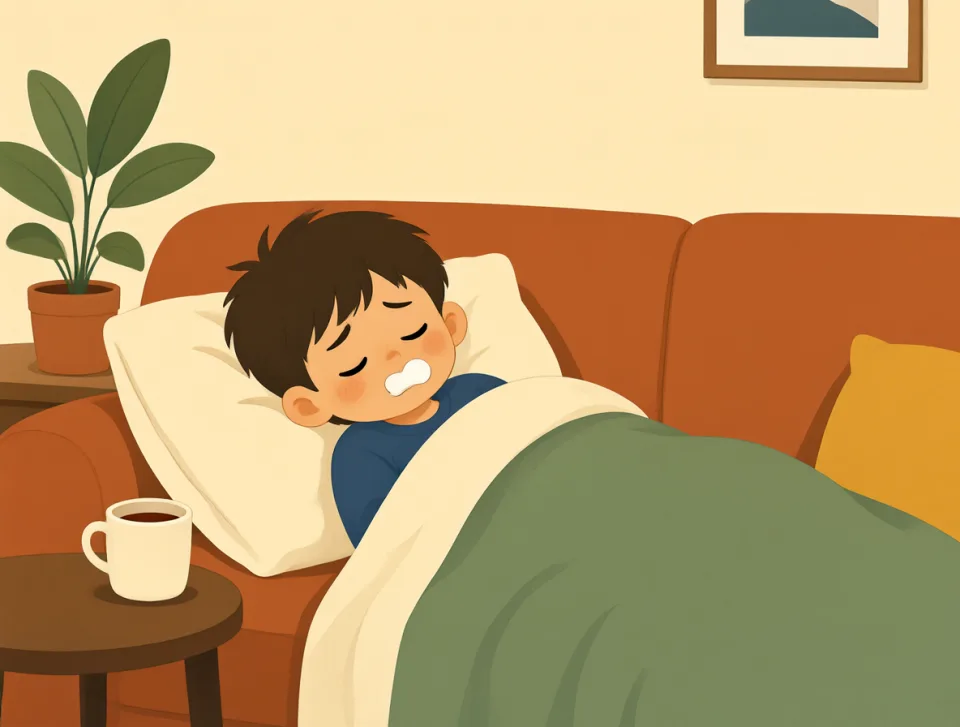
I stayed home because I felt sick.
Zostałem w domu, bo źle się czułem.
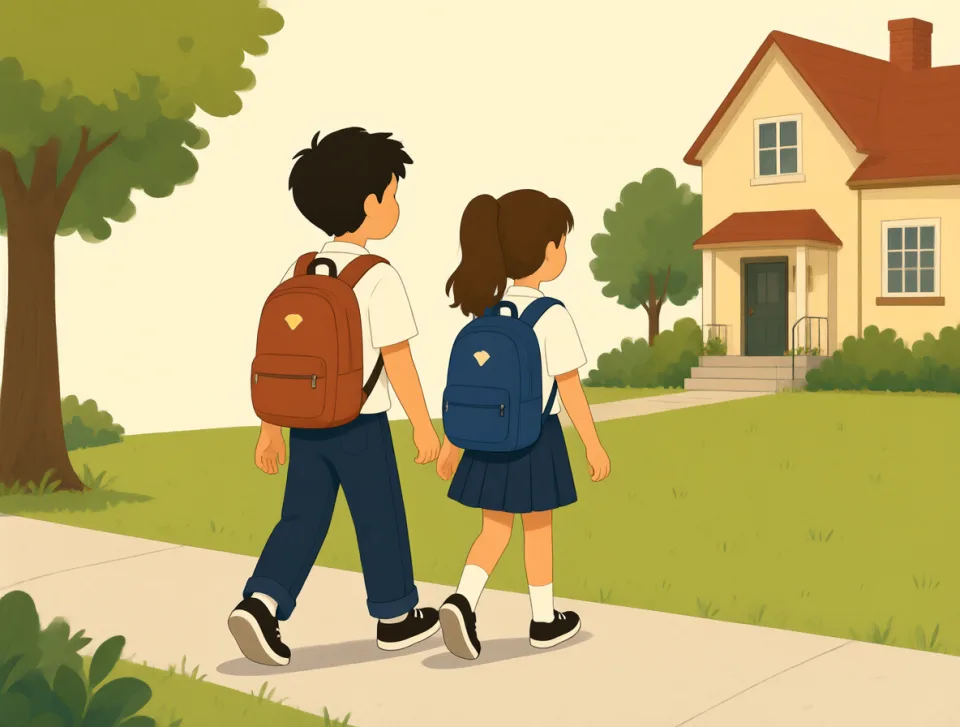
We walked home after school.
Po lekcjach poszliśmy pieszo do domu.
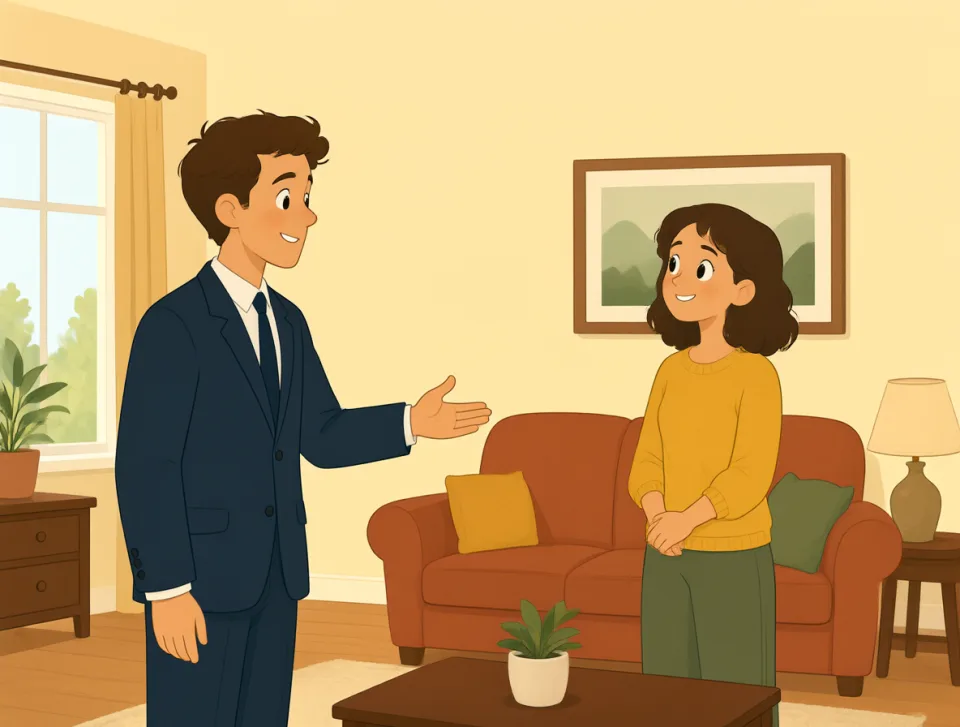
Please make yourself at home.
Proszę, czuj się jak u siebie.

She works from home on Fridays.
W piątki pracuje z domu.
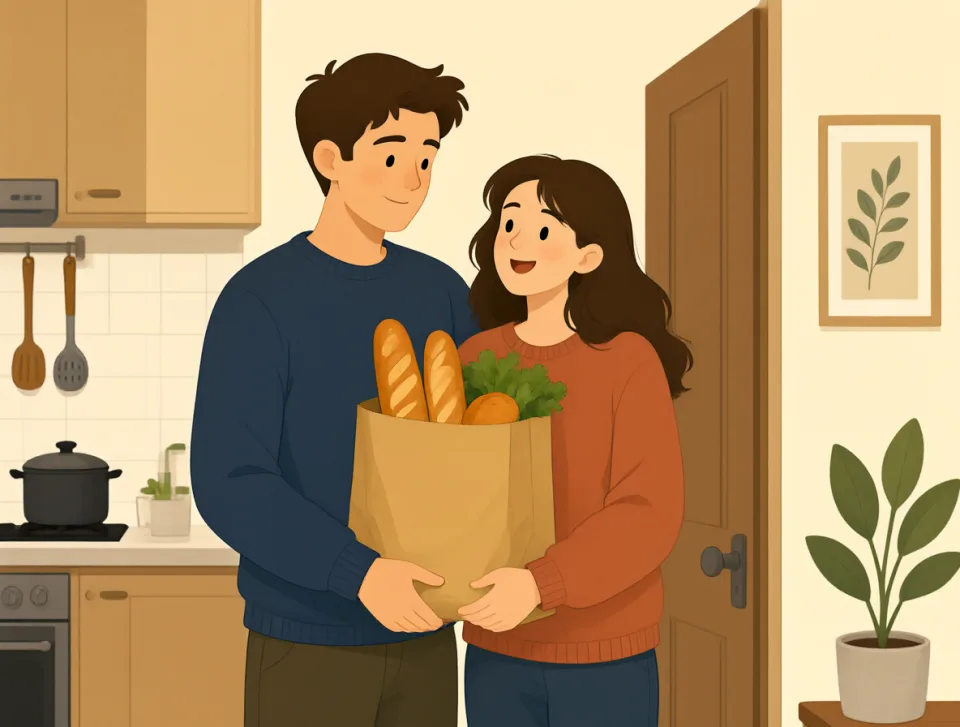
They brought home fresh bread.
Przynieśli do domu świeży chleb.
never
#162adverb
nigdy
At no time; not ever.
W żadnym momencie; ani razu.
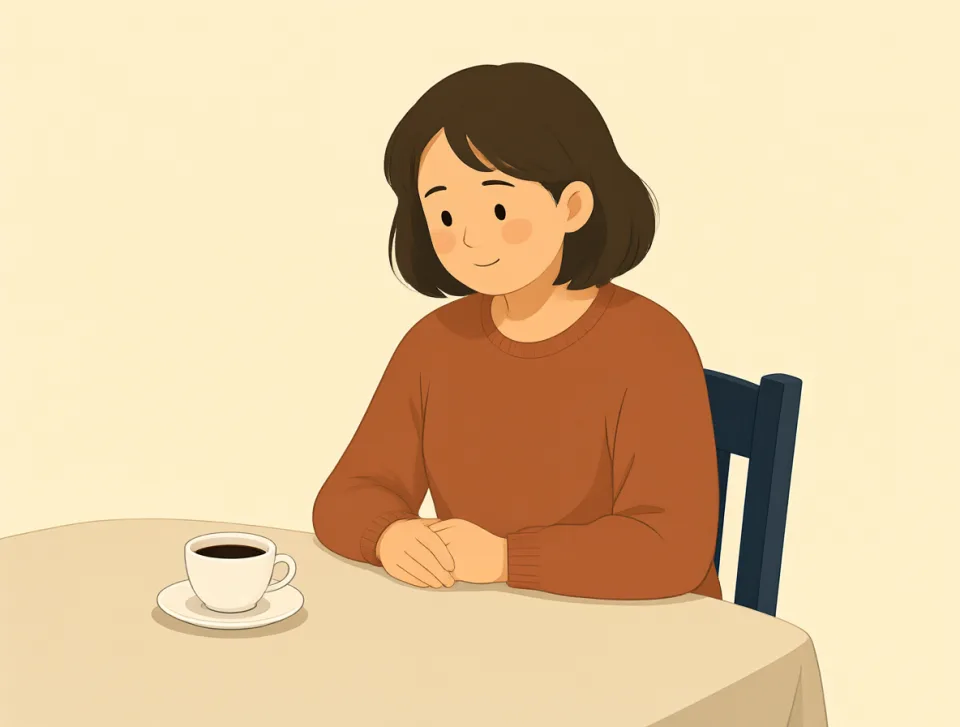
I never drink coffee after dinner.
Nigdy nie piję kawy po kolacji.
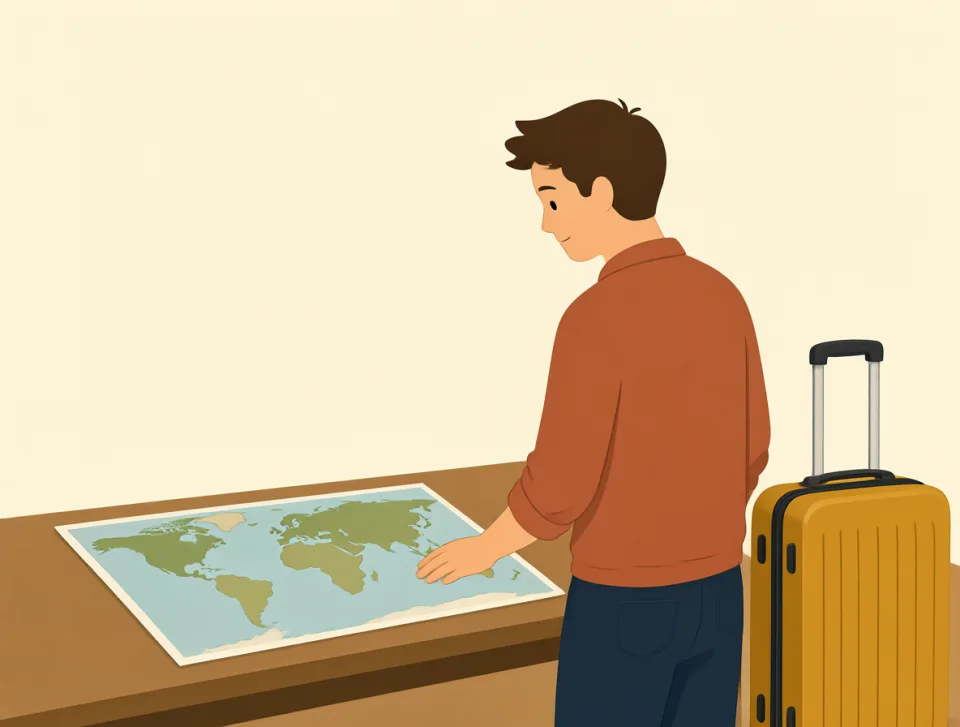
He has never visited another country.
Nigdy nie był w innym kraju.
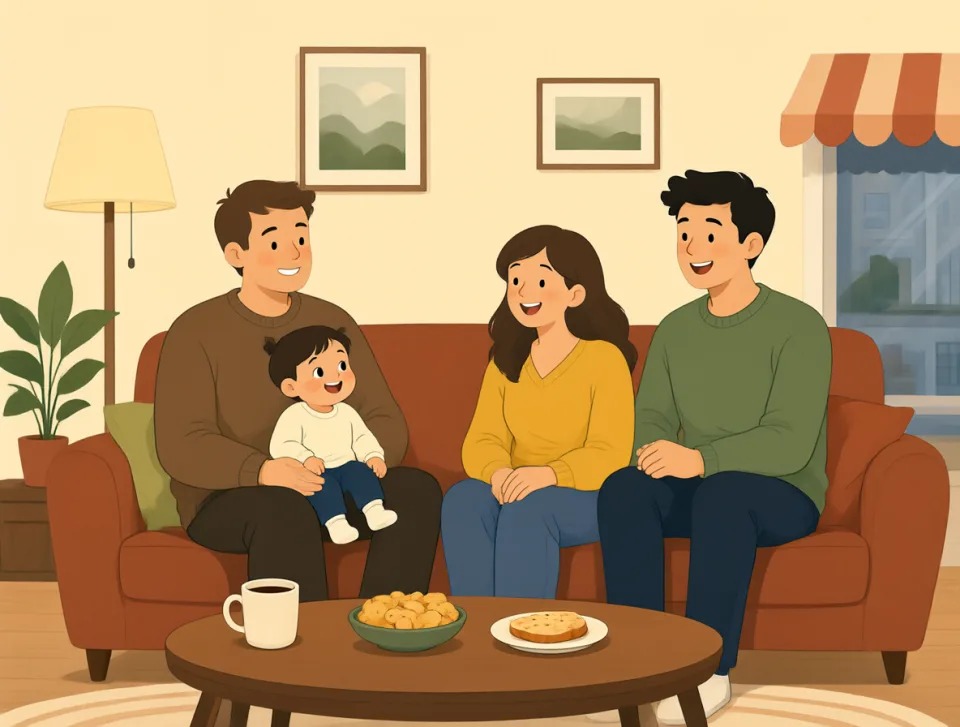
We never go shopping on Sundays.
Nigdy nie chodzimy na zakupy w niedziele.
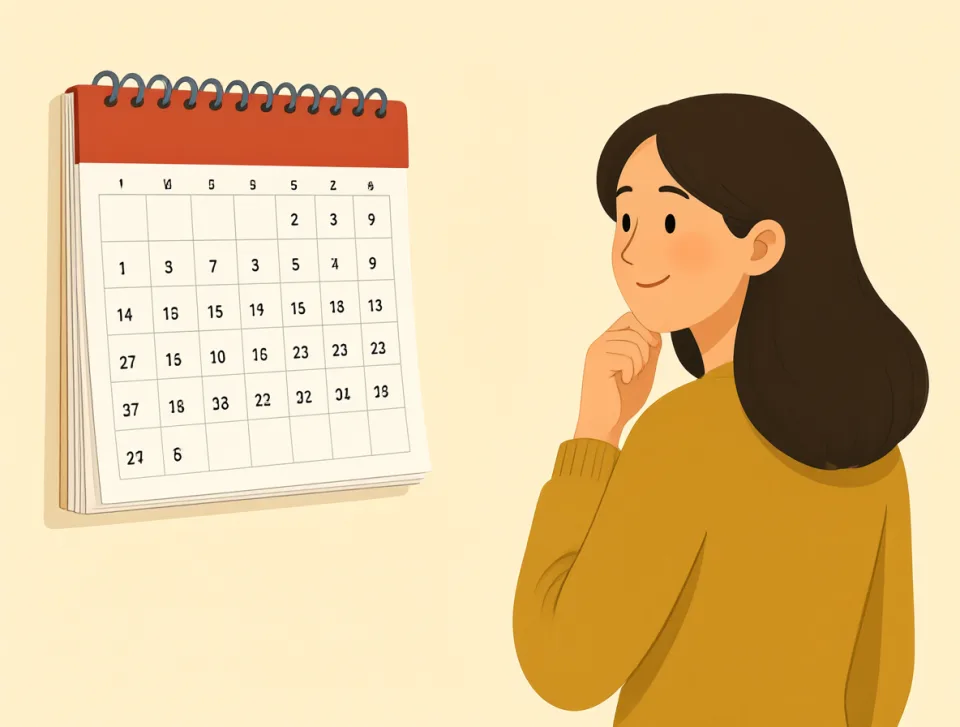
She never forgets her friends' birthdays.
Nigdy nie zapomina o urodzinach swoich przyjaciół.
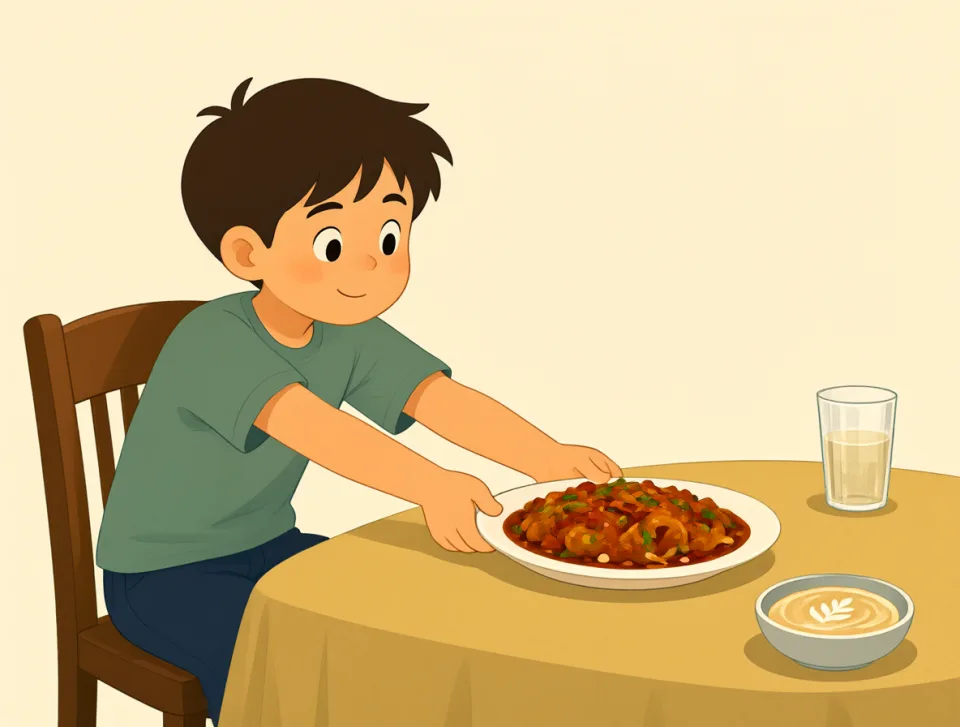
My brother never eats spicy food.
Mój brat nigdy nie je ostrych potraw.
include
#163verb
obejmować
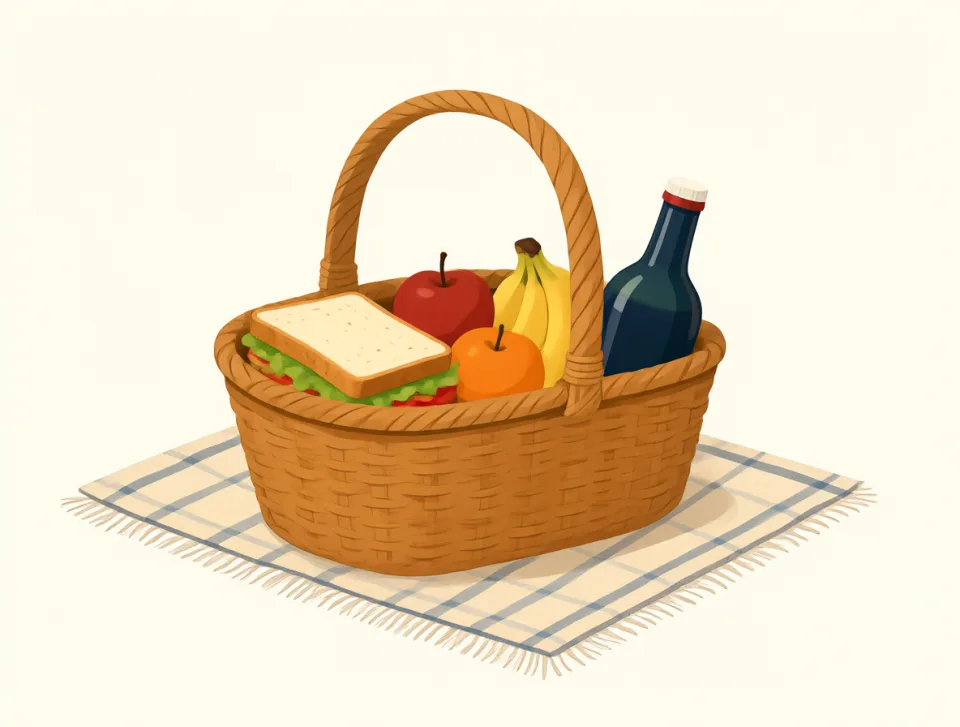
to have someone or something as part of a group or whole
Mieć kogoś lub coś jako część grupy albo całości.
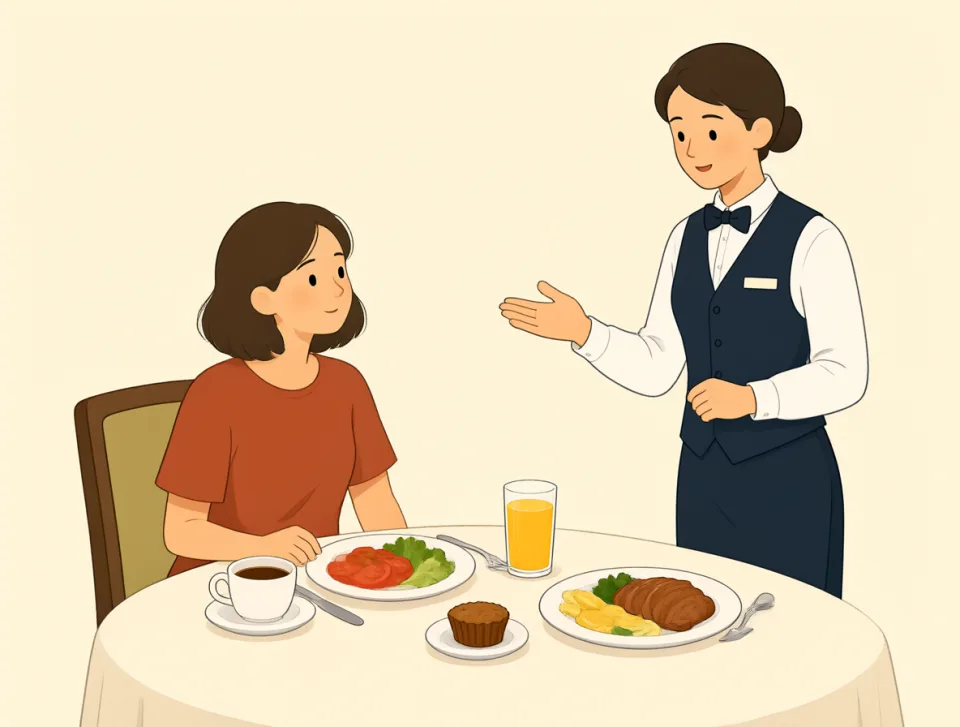
The price includes breakfast and dinner.
Cena obejmuje śniadanie i kolację.
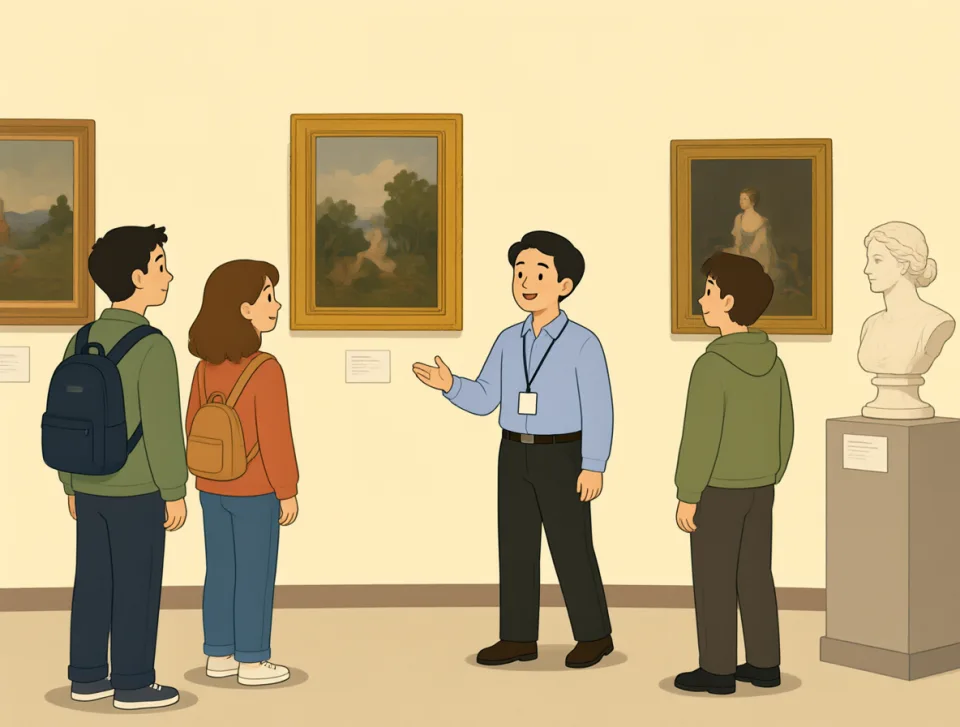
The tour includes a visit to the museum.
Wycieczka obejmuje wizytę w muzeum.
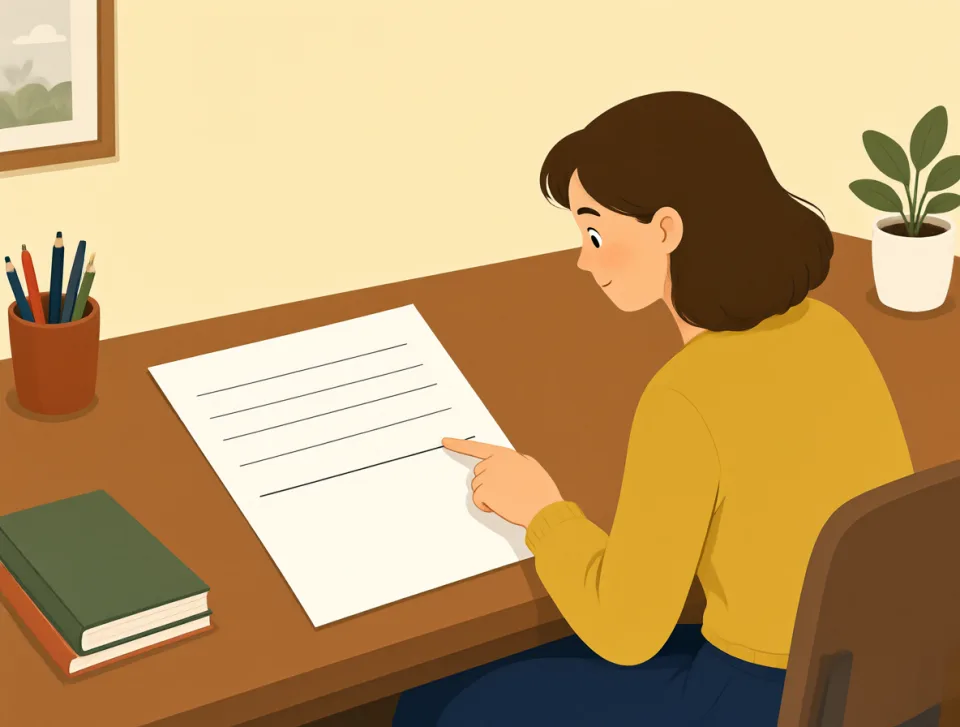
Please include your phone number on the form.
Proszę wpisać swój numer telefonu w formularzu.
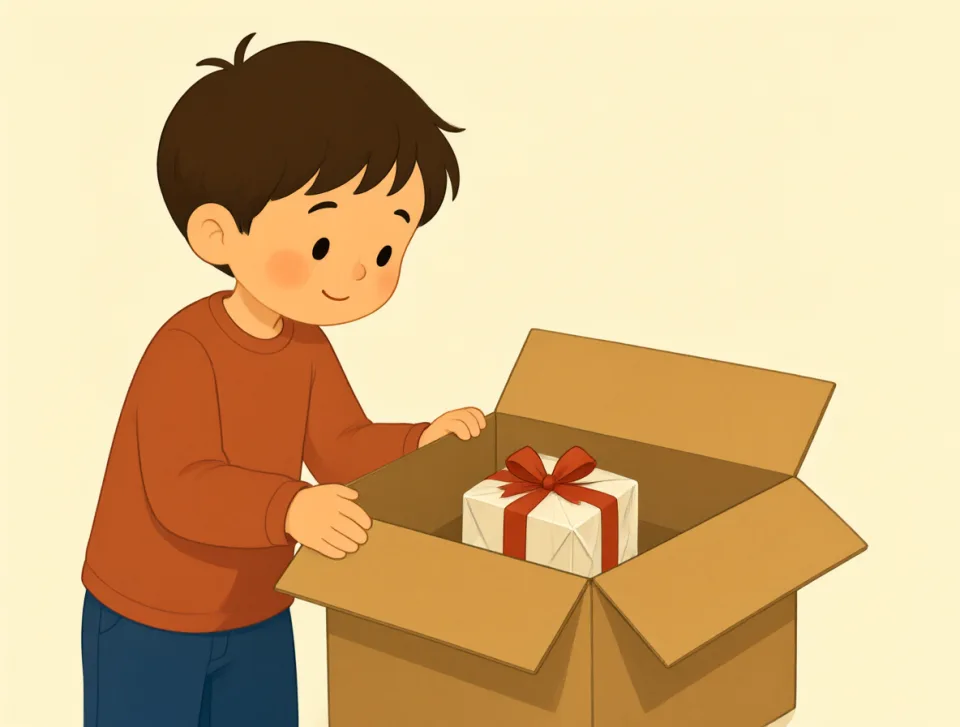
The box included a small gift.
W pudełku znajdował się mały upominek.
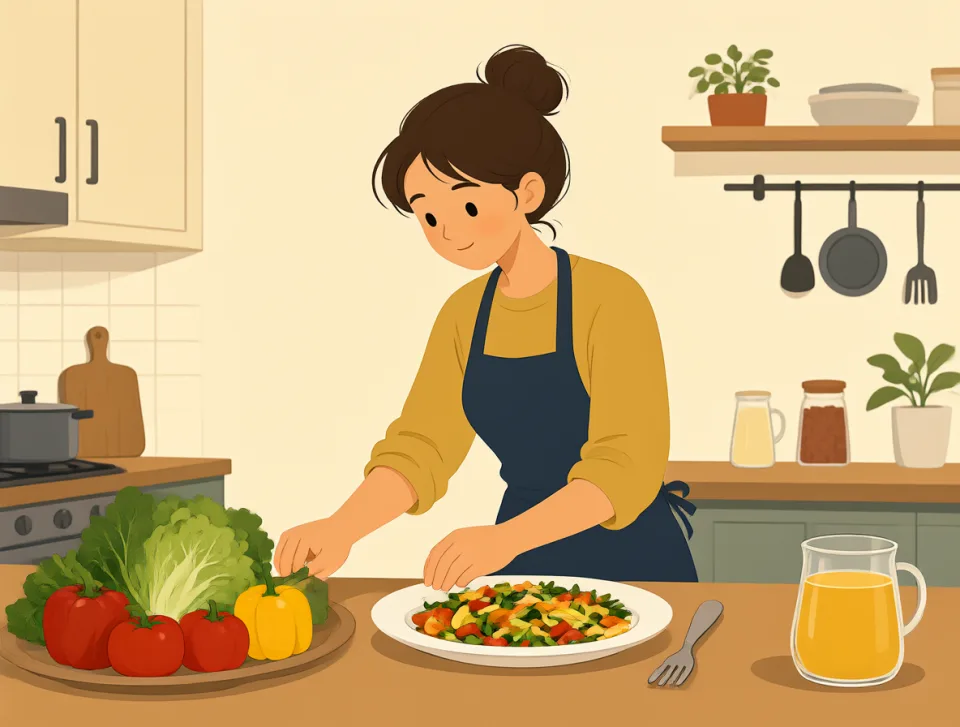
The healthy meal includes fresh vegetables.
Zdrowy posiłek zawiera świeże warzywa.
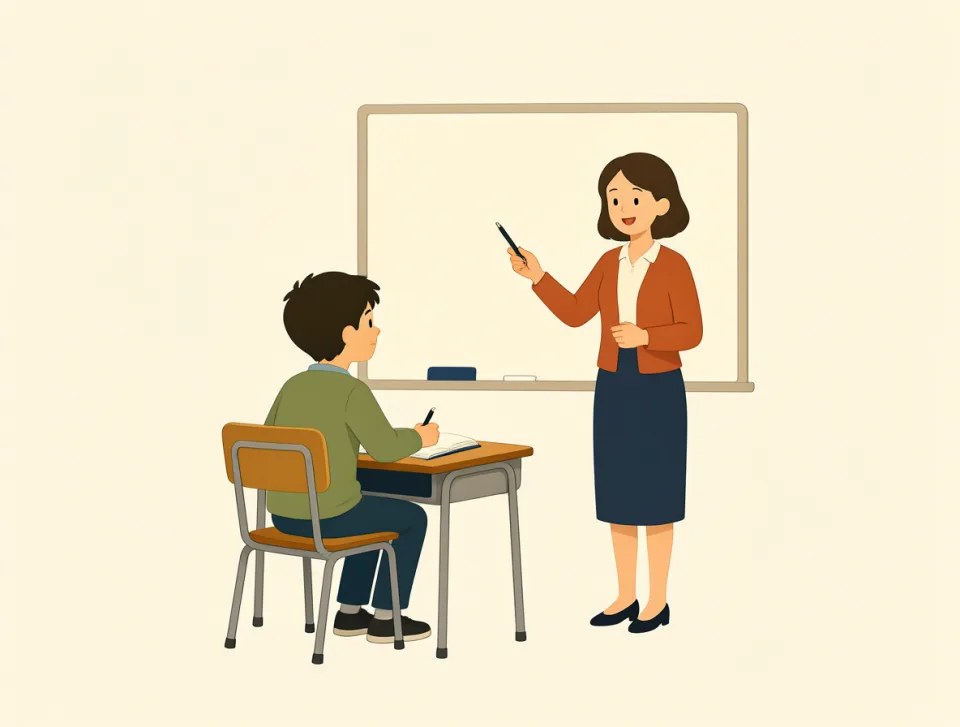
course
#164noun, verb
kurs
A series of lessons, or the direction something moves.
Cykl lekcji albo kierunek, w którym coś się porusza.
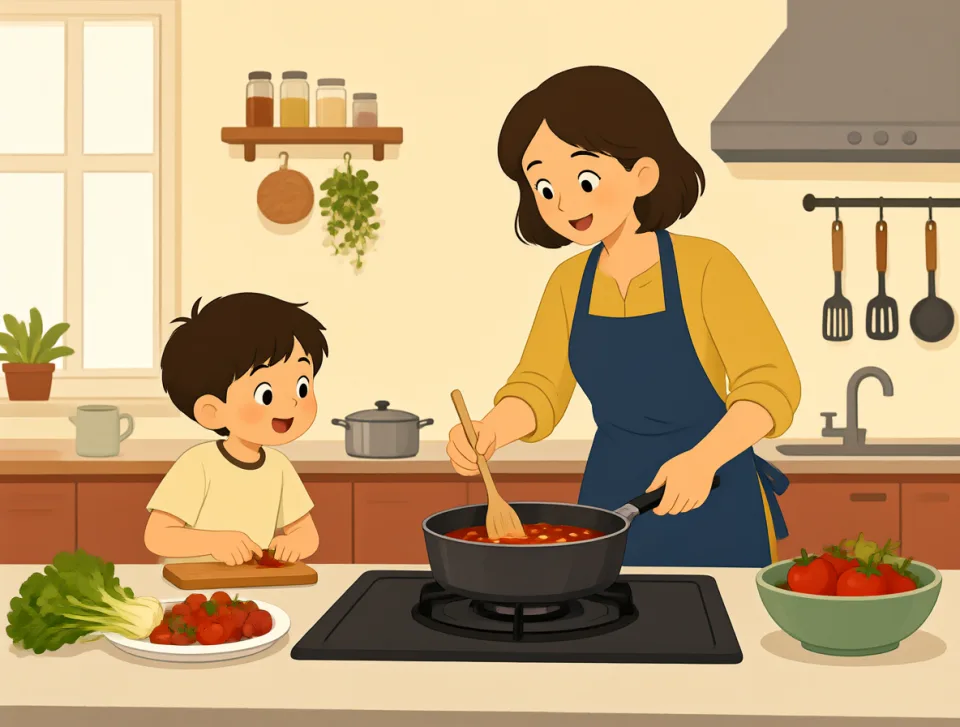
I am taking a cooking course this year.
W tym roku uczęszczam na kurs gotowania.
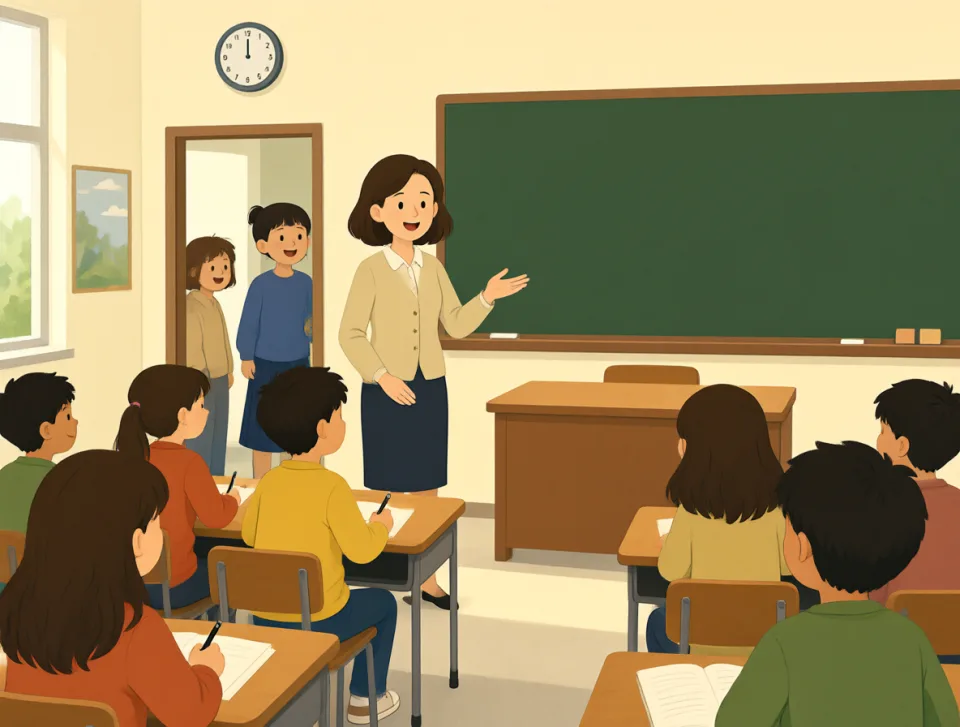
The course starts next Monday morning.
Kurs zaczyna się w przyszły poniedziałek rano.
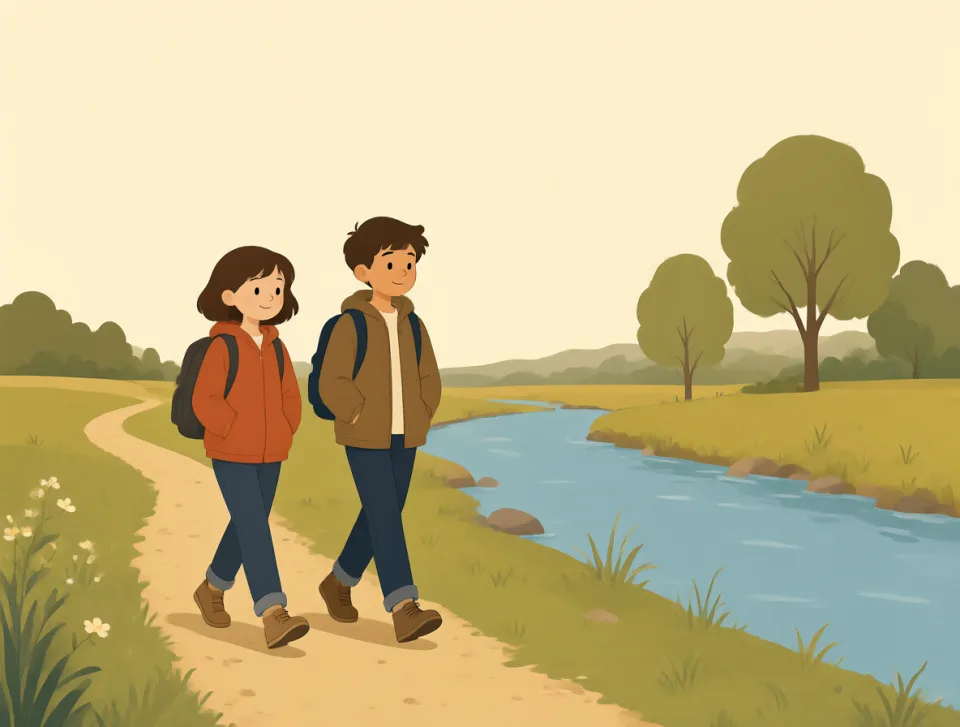
We walked along the course of the river.
Szliśmy wzdłuż biegu rzeki.

The ship changed course during the storm.
Podczas sztormu statek zmienił kurs.
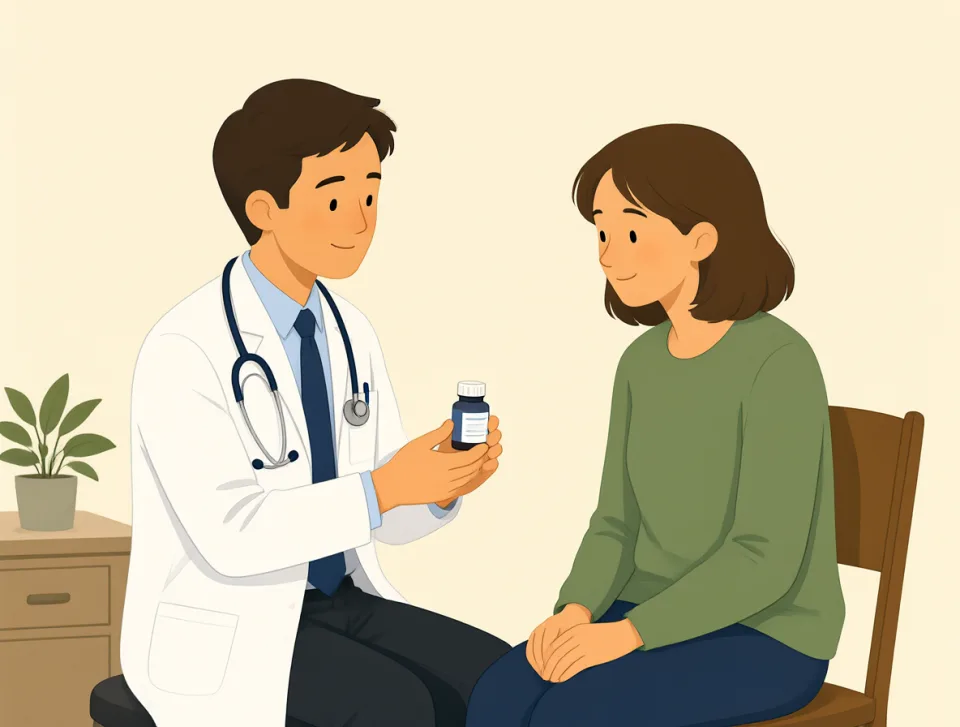
The doctor prescribed a course of antibiotics.
Lekarz przepisał kurację antybiotykami.
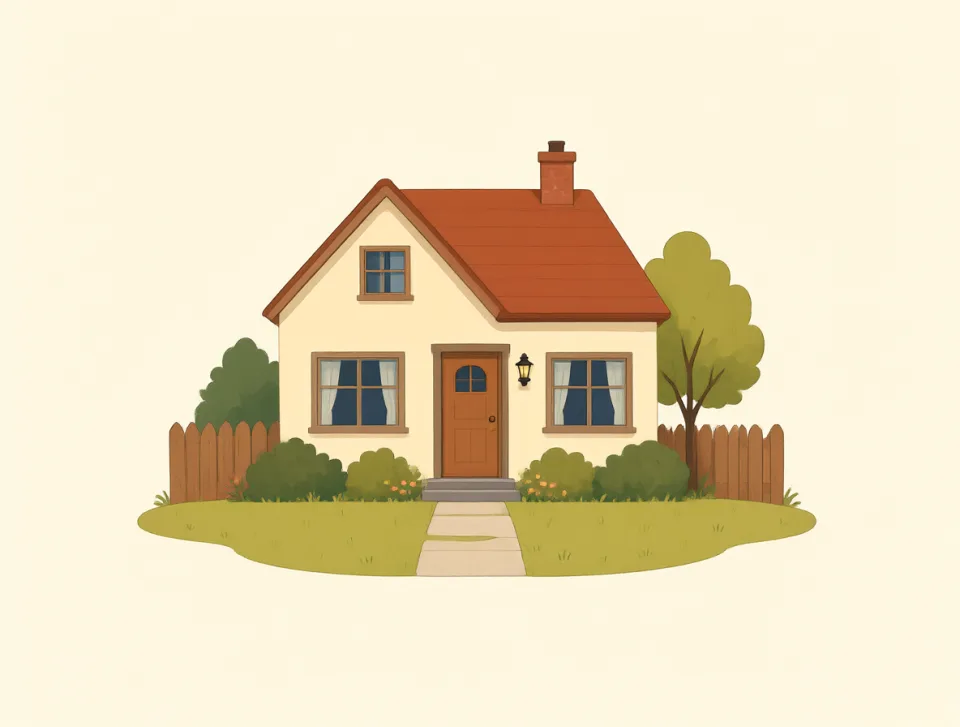
house
#165noun
dom
A building where people live.
Budynek, w którym mieszkają ludzie.
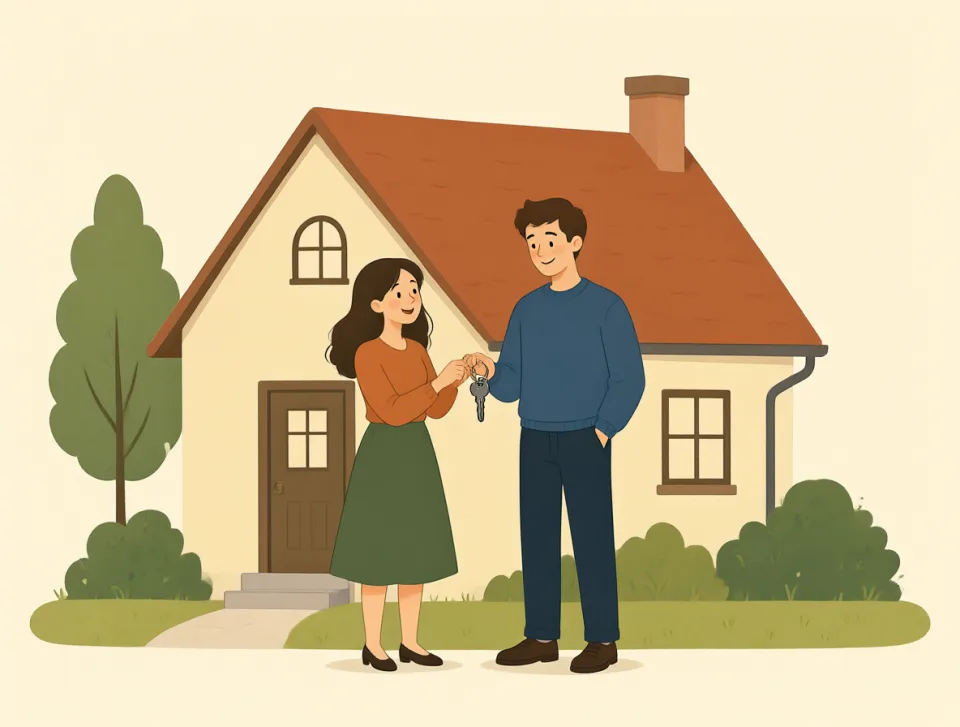
We bought a small house near the school.
Kupiliśmy mały dom niedaleko szkoły.
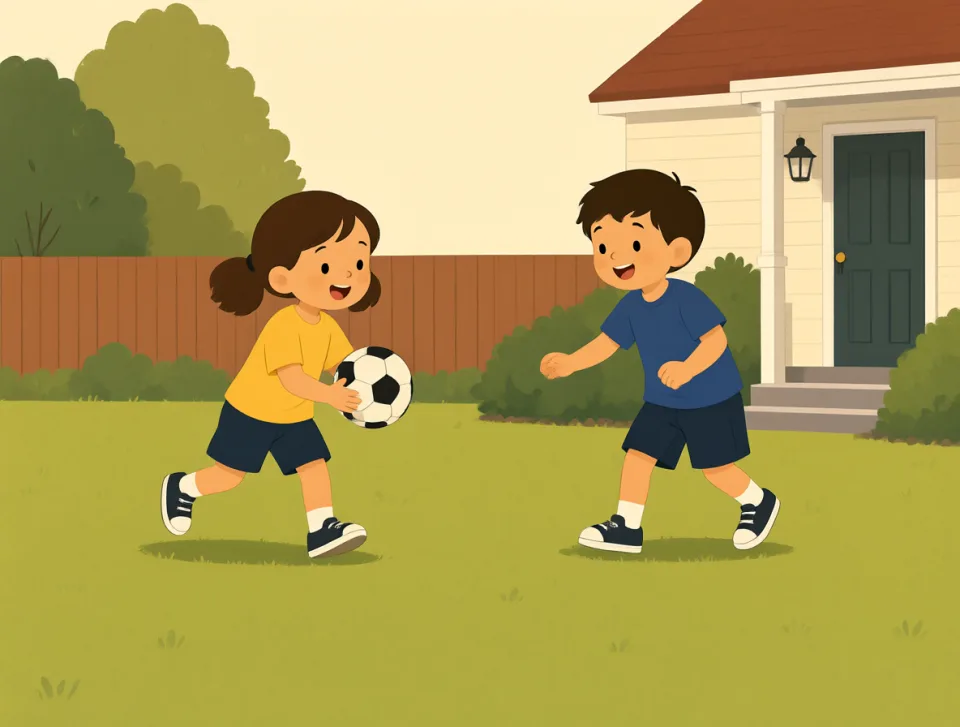
The children are playing outside the house.
Dzieci bawią się na zewnątrz domu.
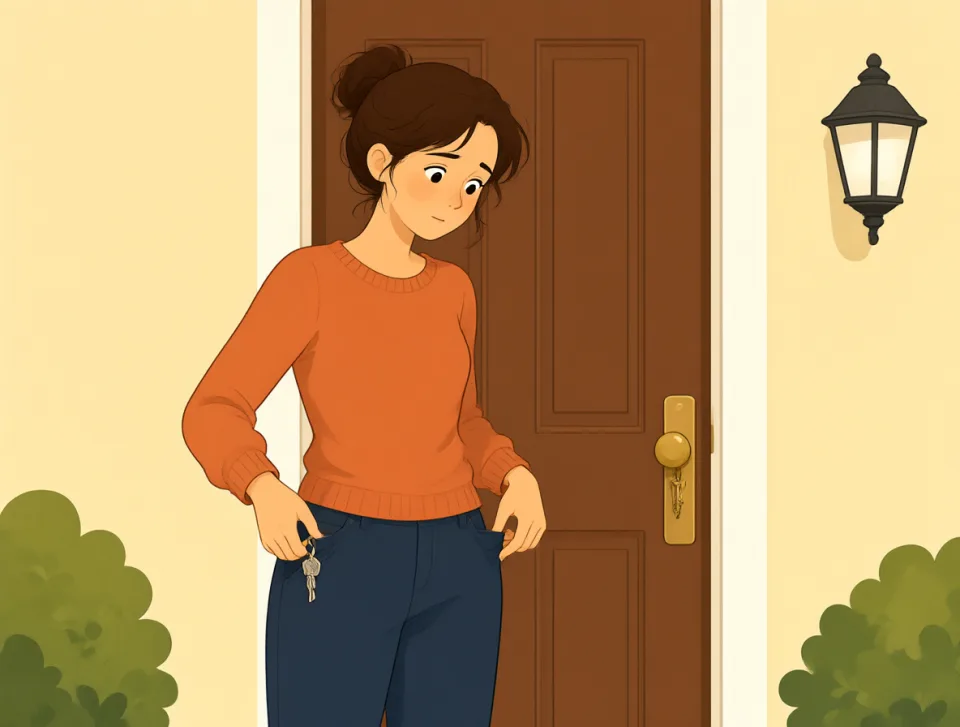
She left her keys inside the house.
Zostawiła klucze w domu.
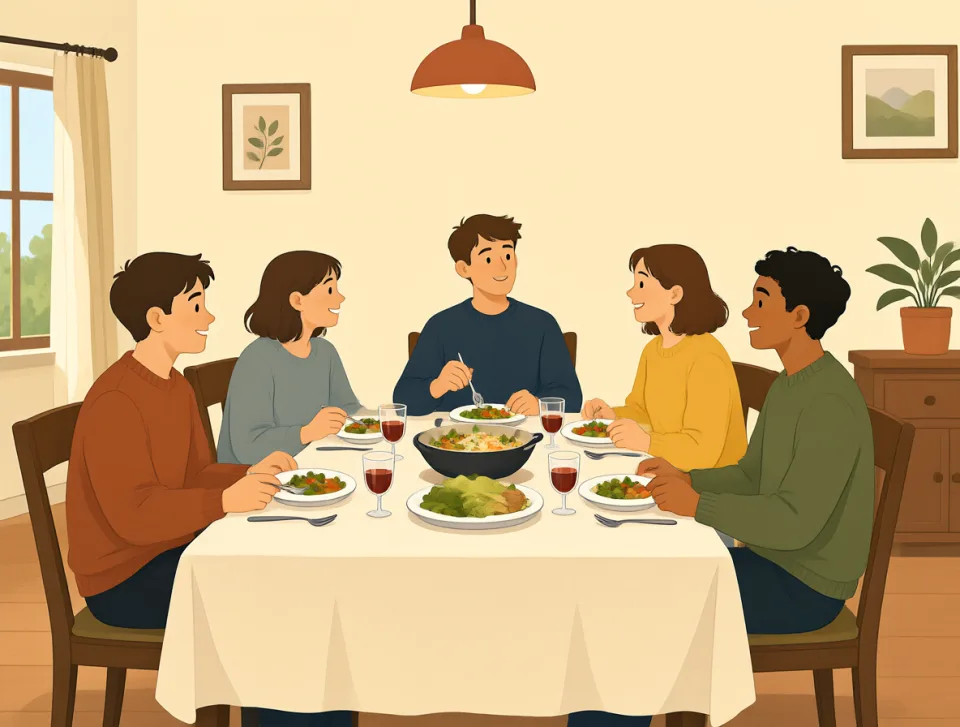
They invited us to their house for dinner.
Zaprosili nas do siebie na kolację.
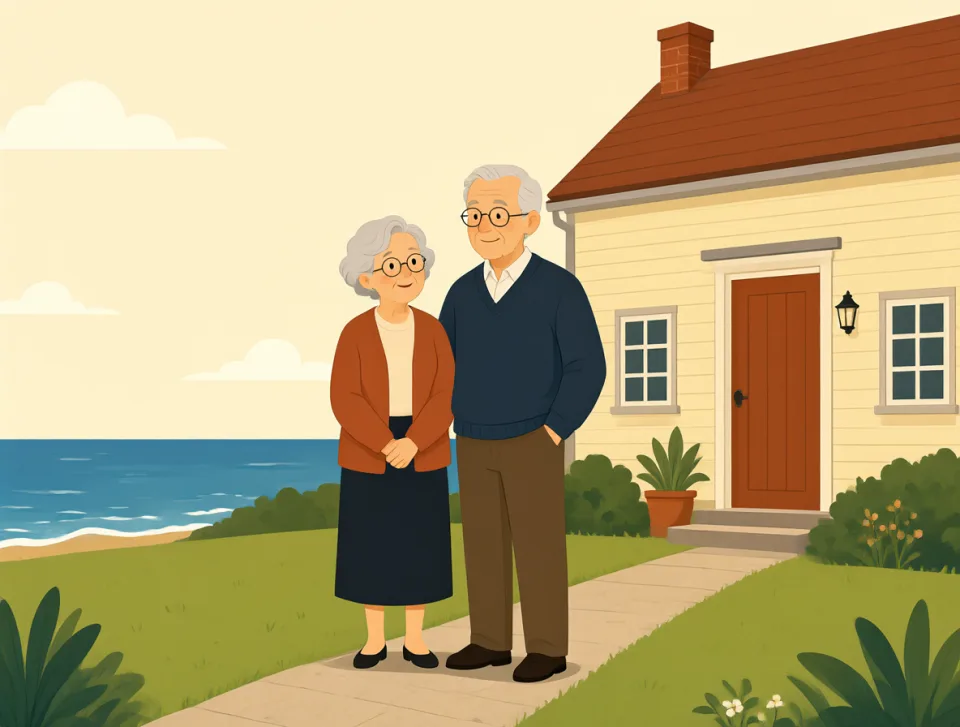
My grandparents live in a house by the sea.
Moi dziadkowie mieszkają w domu nad morzem.

report
#166noun, verb
raport
A report is information about something, usually written or spoken.
Raport to informacje na jakiś temat, zwykle przedstawione w formie pisemnej lub ustnej.
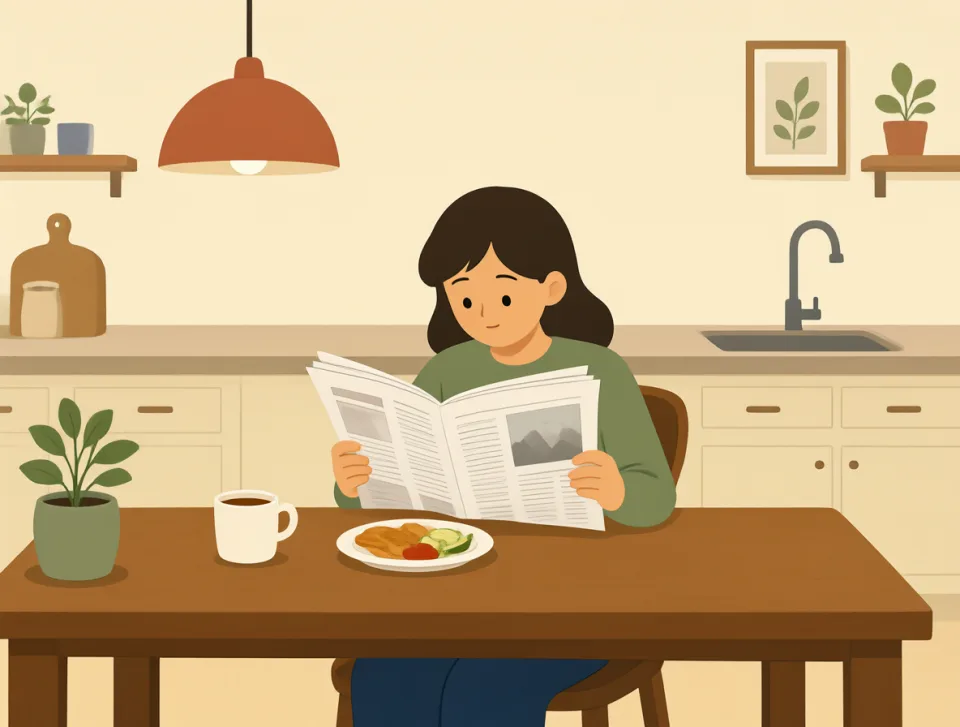
I read the news report this morning.
Przeczytałem dziś rano raport prasowy.
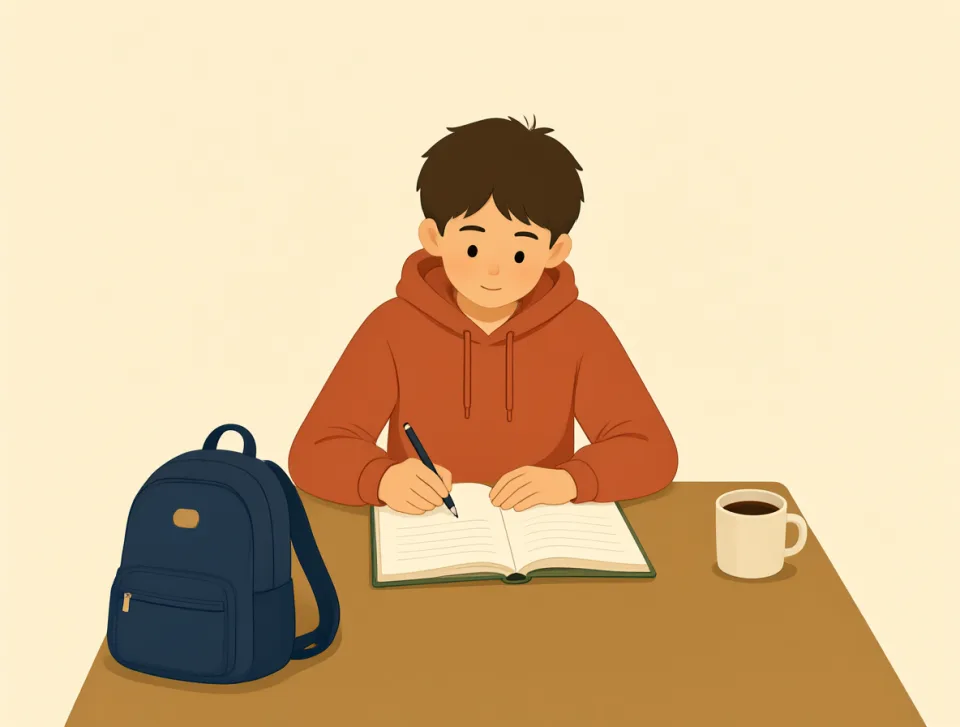
She wrote a report about her school trip.
Napisała raport o swojej wycieczce szkolnej.

Please report the broken window to the manager.
Proszę zgłosić kierownikowi, że okno jest stłuczone.
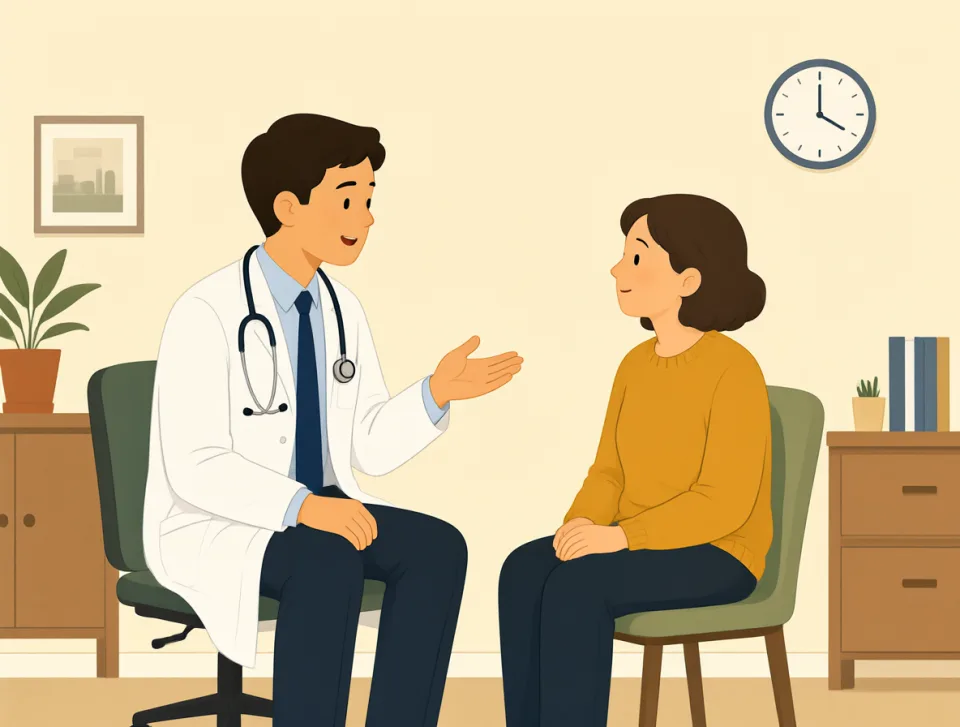
The doctor reported that my heart was healthy.
Lekarz poinformował mnie, że moje serce jest zdrowe.
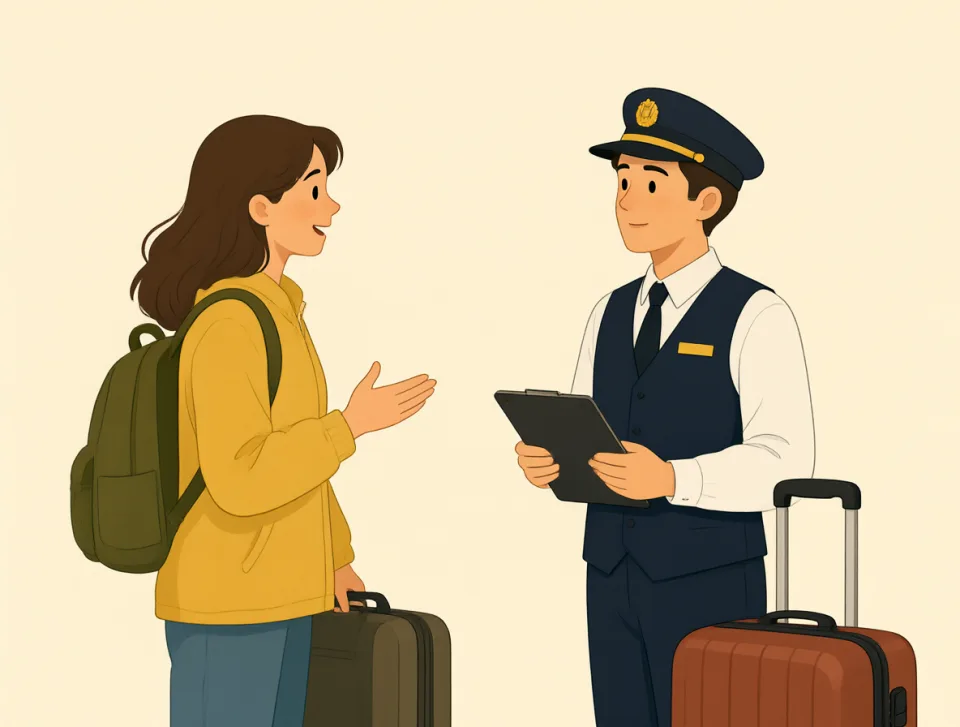
We reported our lost bags at the airport.
Zgłosiliśmy zaginięcie naszych bagaży na lotnisku.
group
#167noun, verb
grupa
A number of people or things together; to put people or things together.
Kilka osób lub rzeczy tworzących całość; łączyć osoby lub rzeczy w grupy.

Our group meets every Friday after work.
Nasza grupa spotyka się w każdy piątek po pracy.
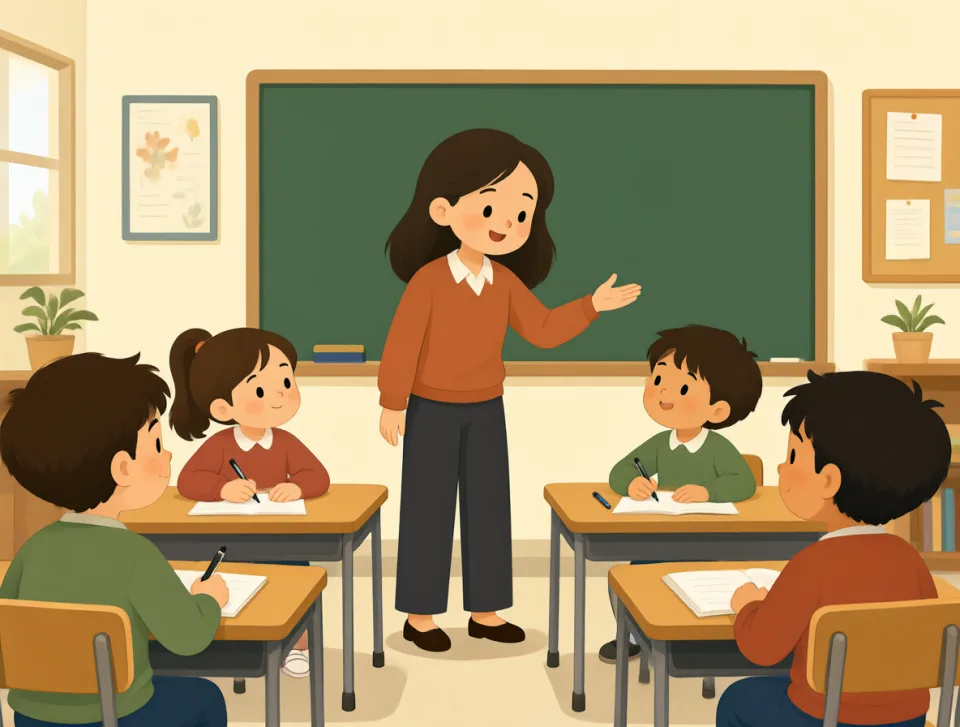
The teacher divided the class into groups.
Nauczyciel podzielił klasę na grupy.
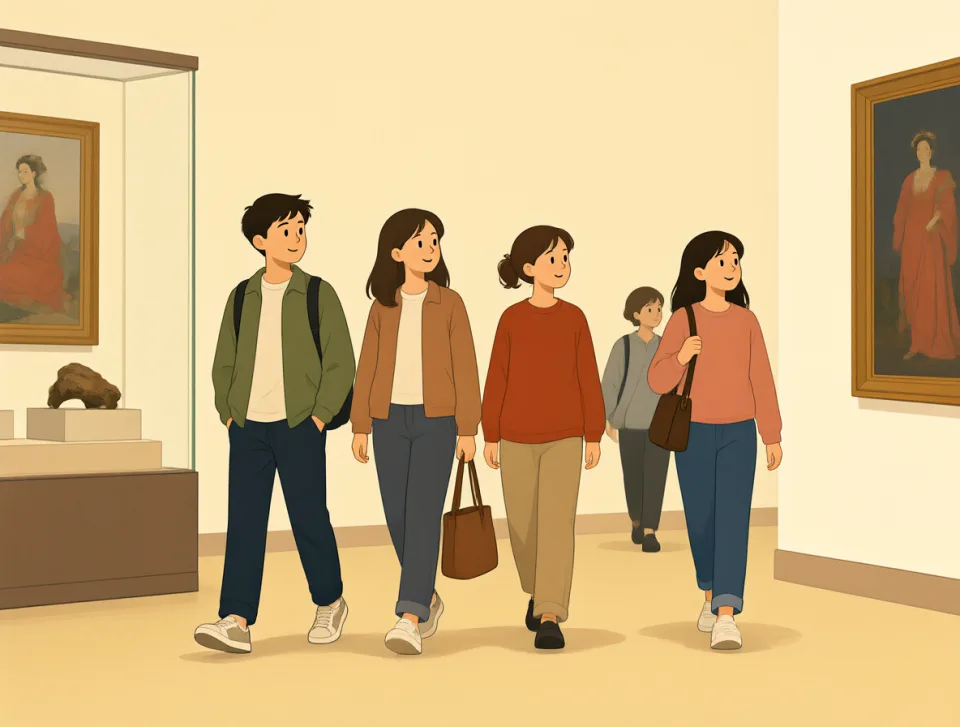
A group of tourists visited the museum.
Grupa turystów odwiedziła muzeum.
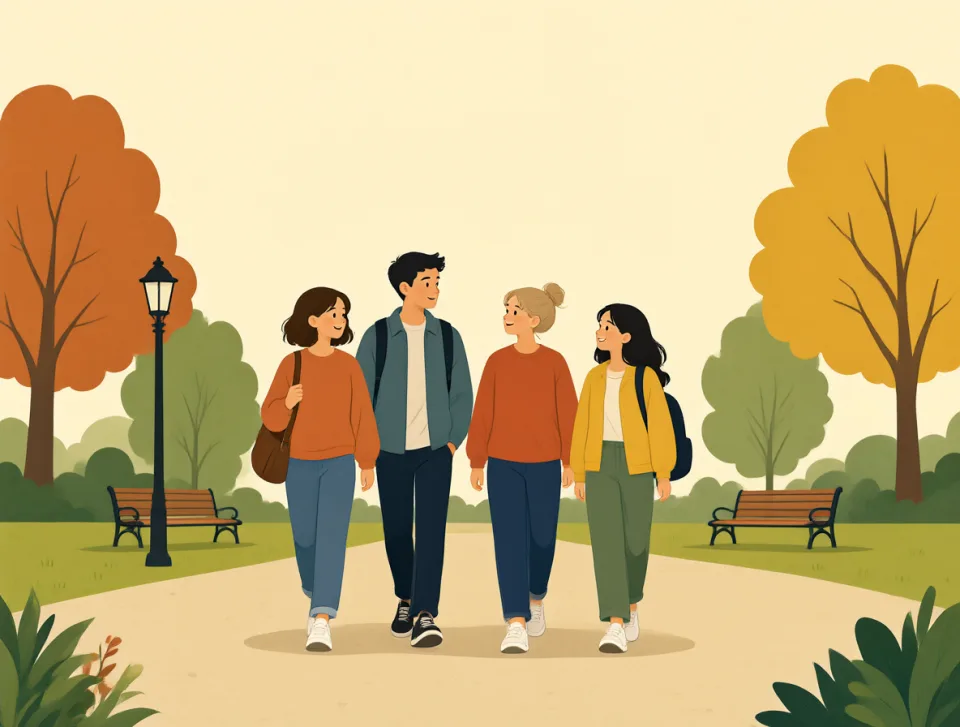
I joined a walking group last month.
W zeszłym miesiącu dołączyłem do grupy spacerowej.
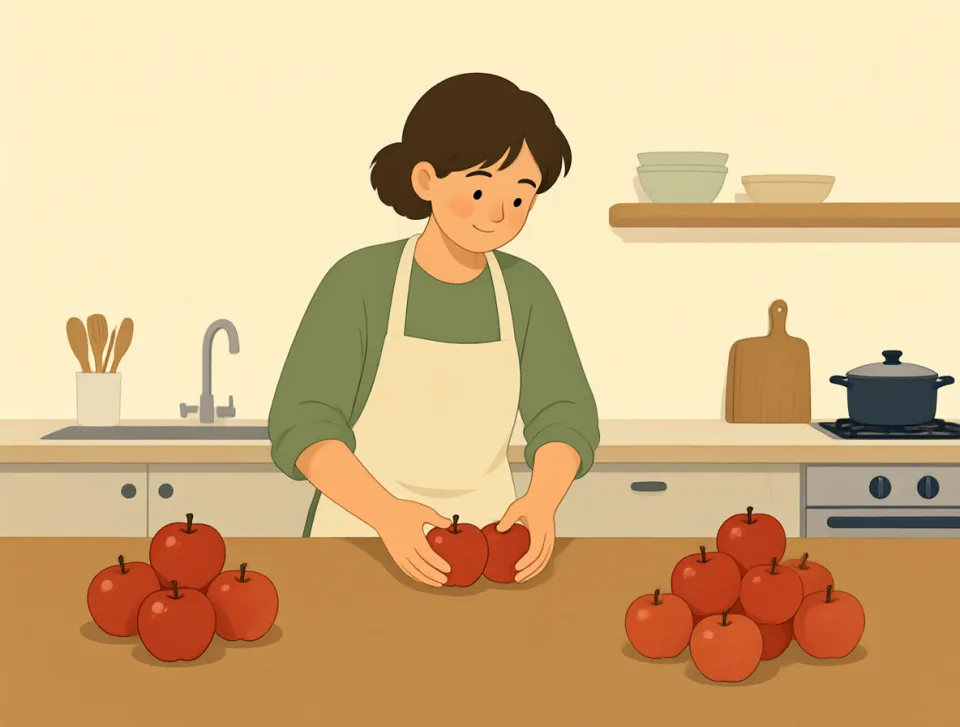
Please group the apples by color.
Proszę pogrupować jabłka według koloru.
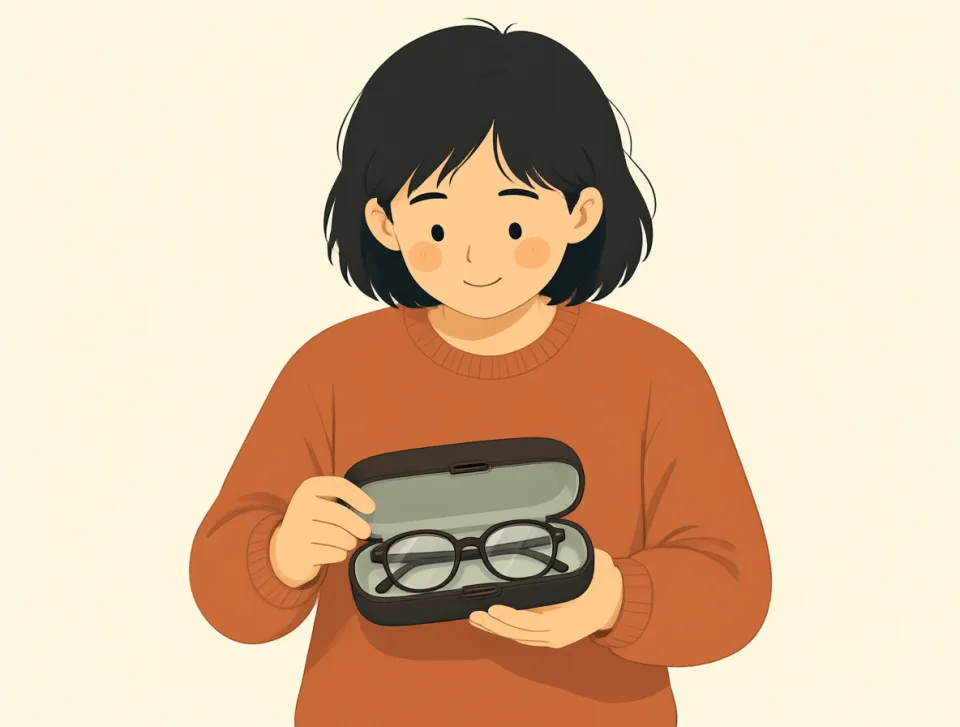
case
#168noun, verb
przypadek; etui
a particular situation, or a container that protects or holds something
Konkretna sytuacja albo pojemnik, który chroni coś lub służy do przechowywania czegoś.
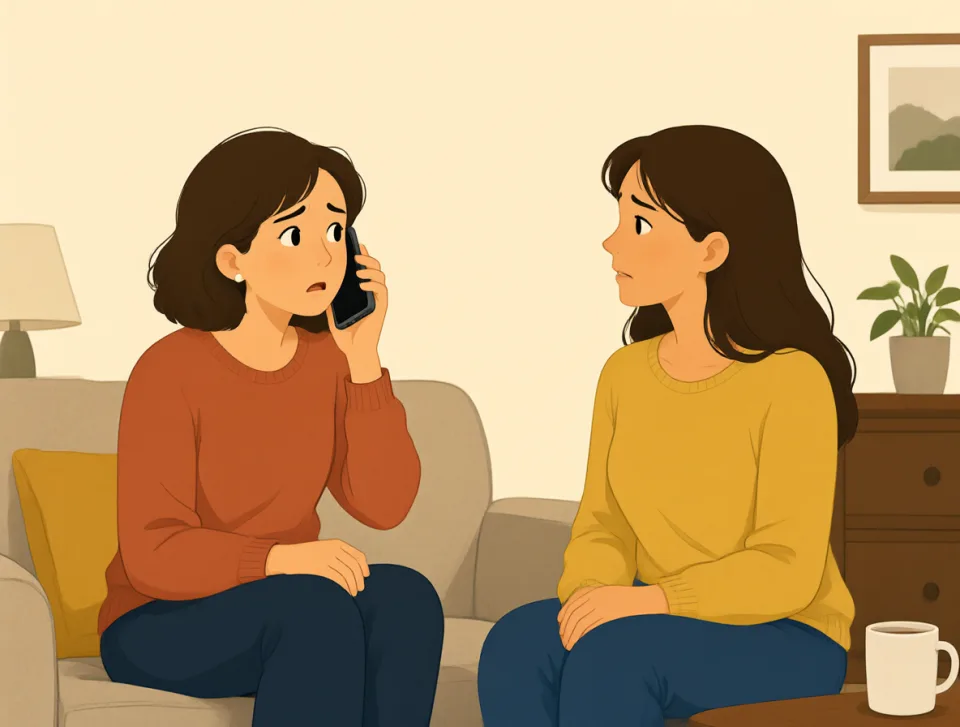
In this case, we should call the doctor.
W takim przypadku powinniśmy zadzwonić do lekarza.
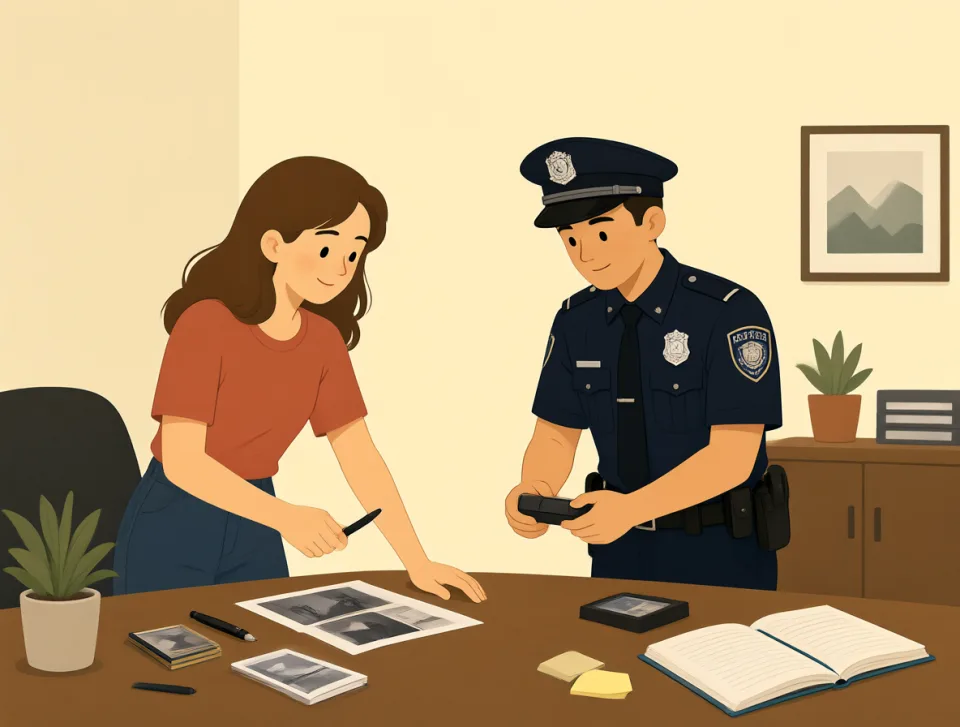
The police are investigating the case.
Policja prowadzi dochodzenie w tej sprawie.
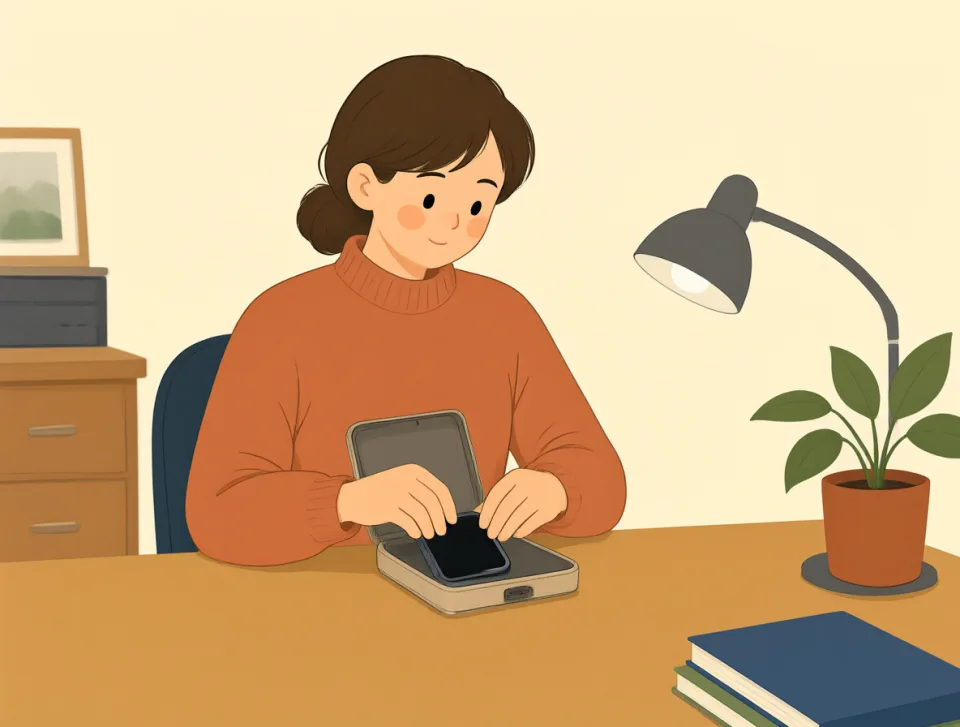
Please put your phone in its case.
Proszę włożyć telefon do etui.
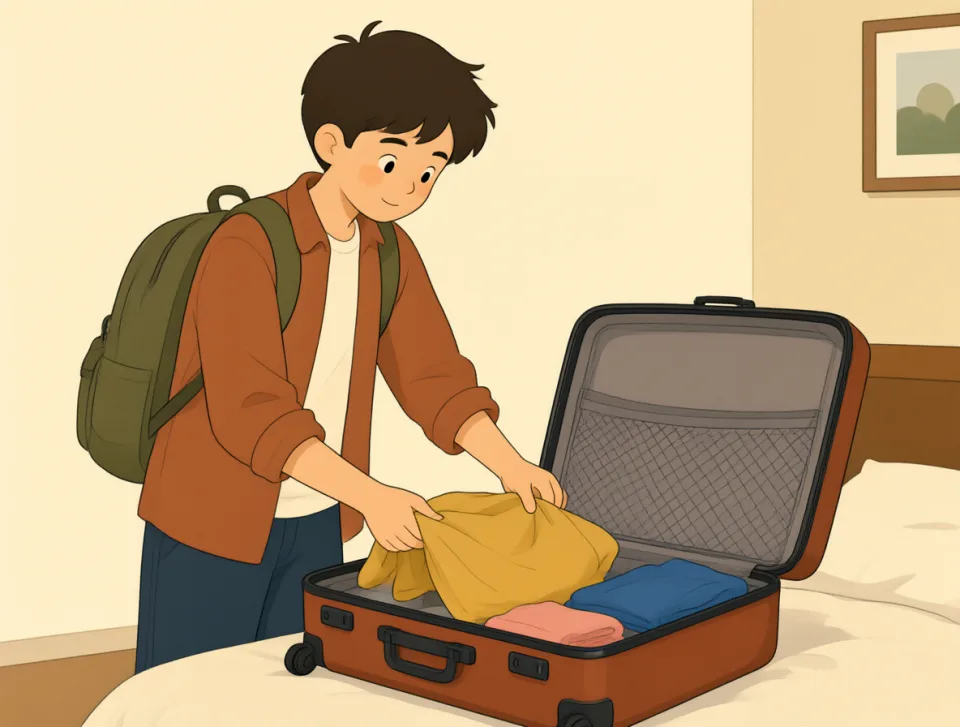
She packed her clothes in a suitcase.
Spakowała ubrania do walizki.
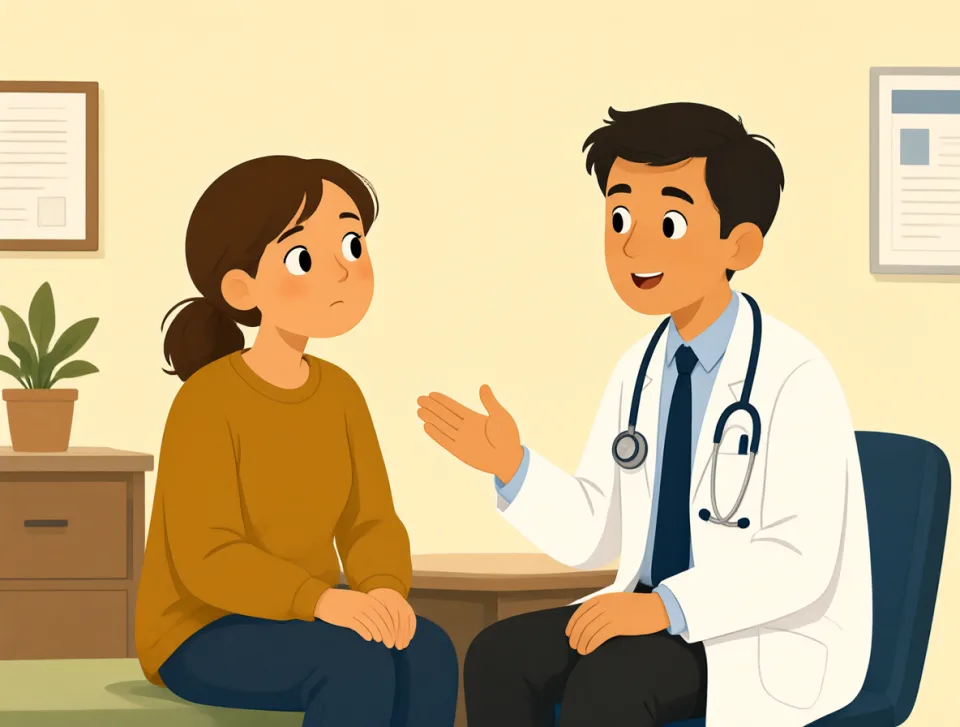
The doctor saw three cases of flu today.
Lekarz przyjął dziś troje pacjentów z grypą.
woman
#169noun
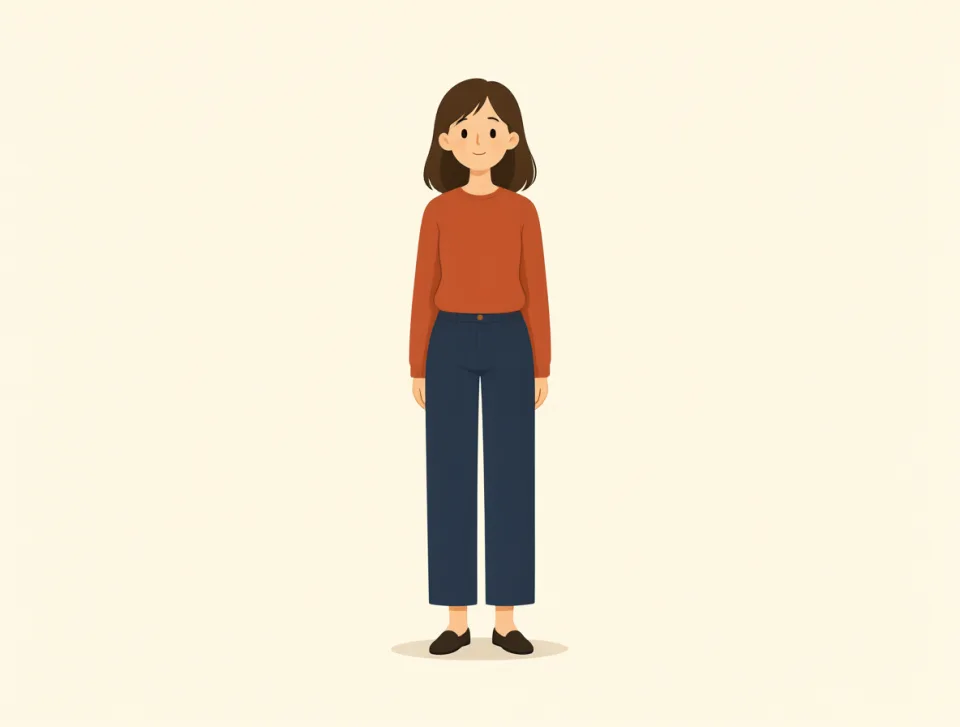
kobieta
An adult female person.
Dorosła osoba płci żeńskiej.
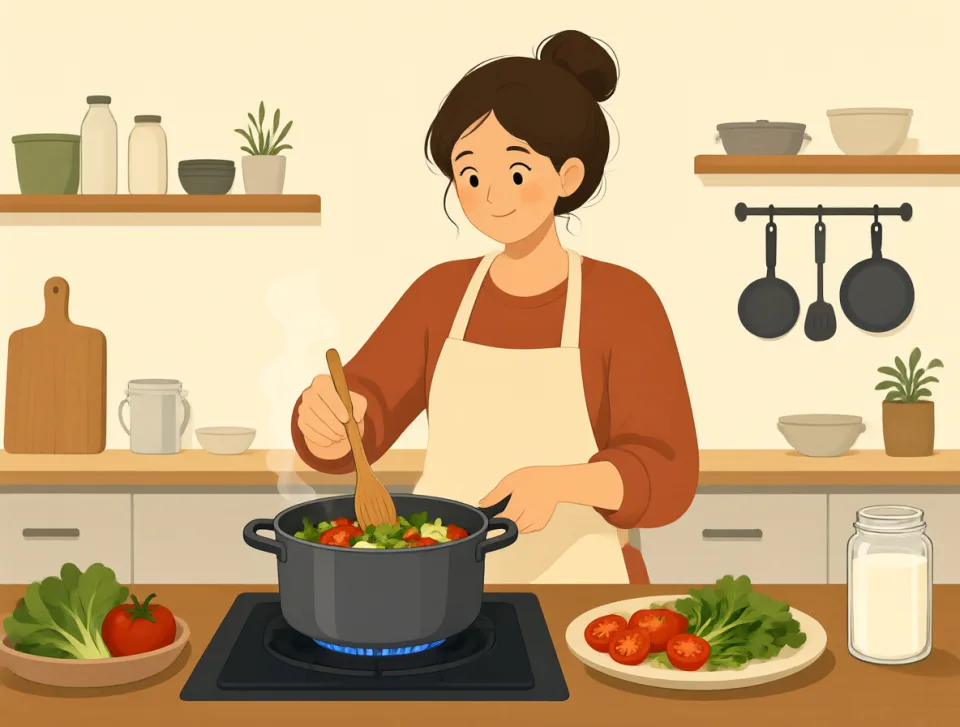
The woman is cooking dinner at home.
Kobieta gotuje w domu kolację.
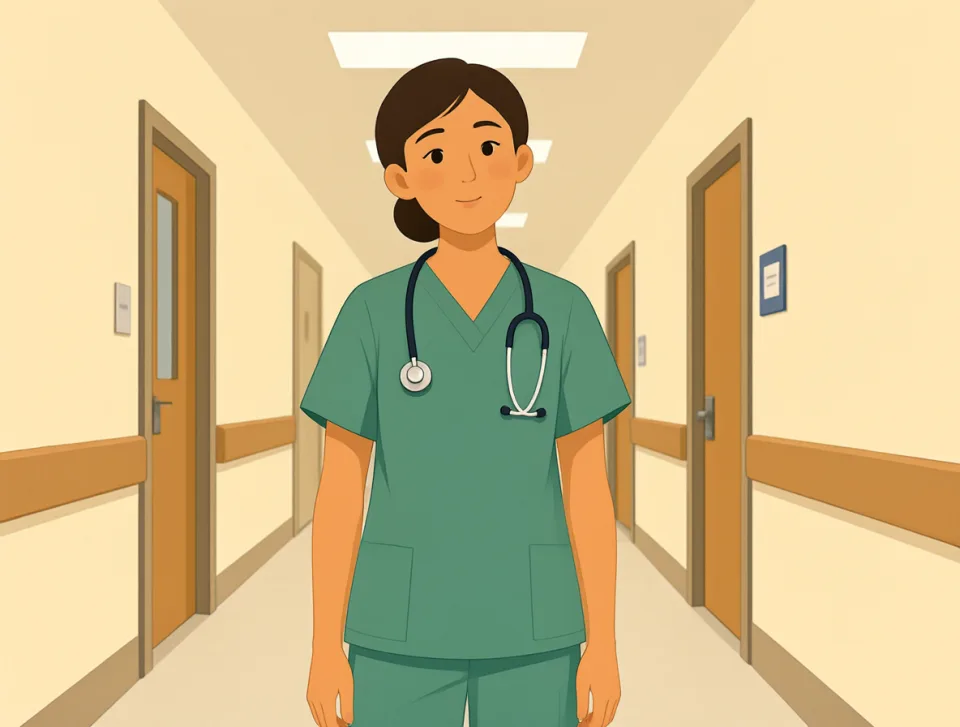
That woman works at the hospital.
Ta kobieta pracuje w szpitalu.
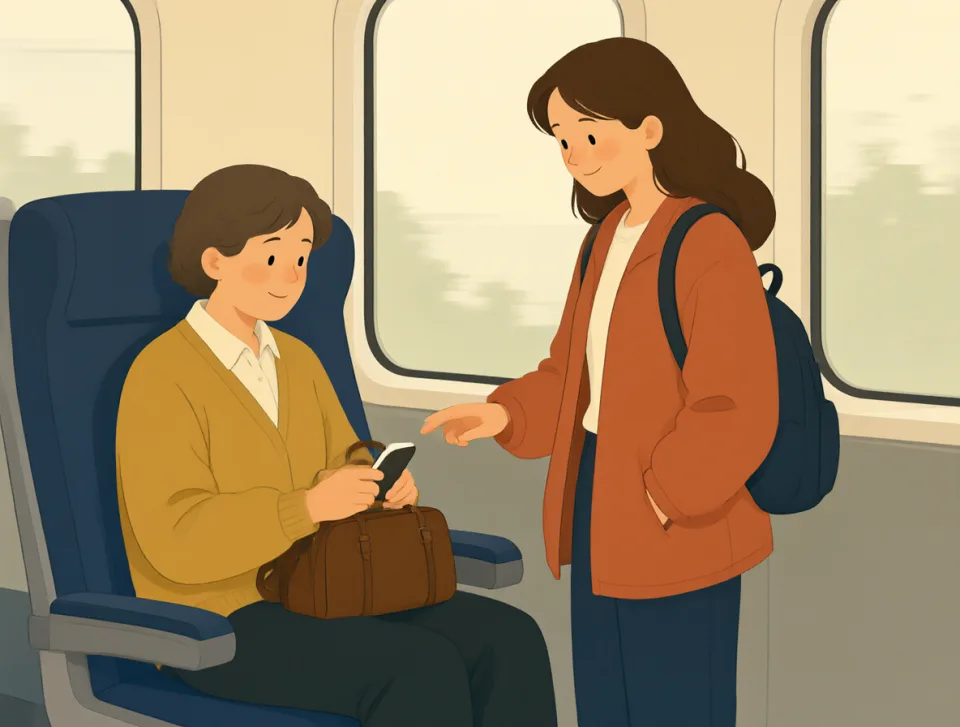
A woman helped me find my seat.
Jakaś kobieta pomogła mi znaleźć moje miejsce.
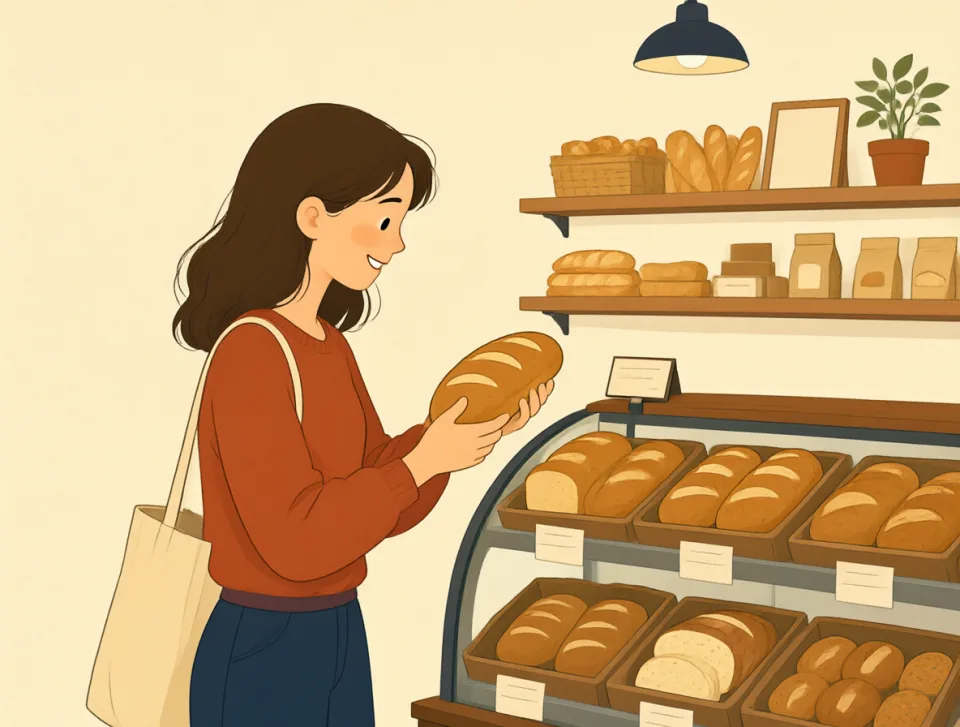
The woman bought fresh bread at the shop.
Kobieta kupiła świeży chleb w sklepie.
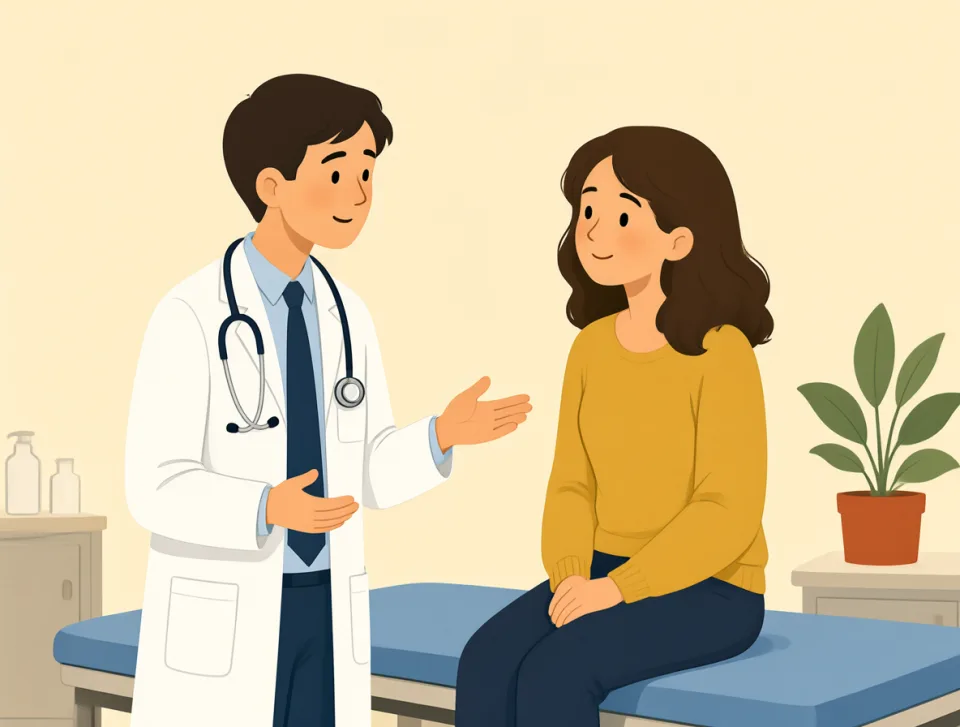
The doctor told the woman to rest.
Lekarz kazał kobiecie odpoczywać.
around
#170adverb, preposition, adjective
wokół; około
in or to many places; surrounding someone or something; approximately a number or time
W wielu miejscach lub do wielu miejsc; otaczając kogoś lub coś; w przybliżeniu, gdy mowa o liczbie lub czasie.

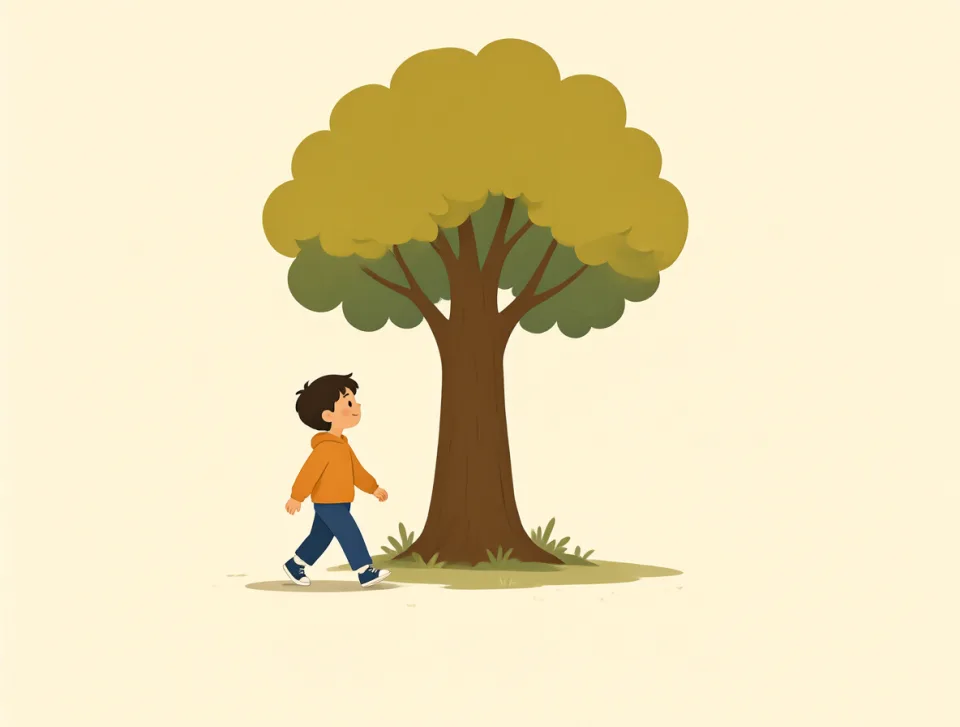
We walked around the lake after lunch.
Po lunchu spacerowaliśmy wokół jeziora.
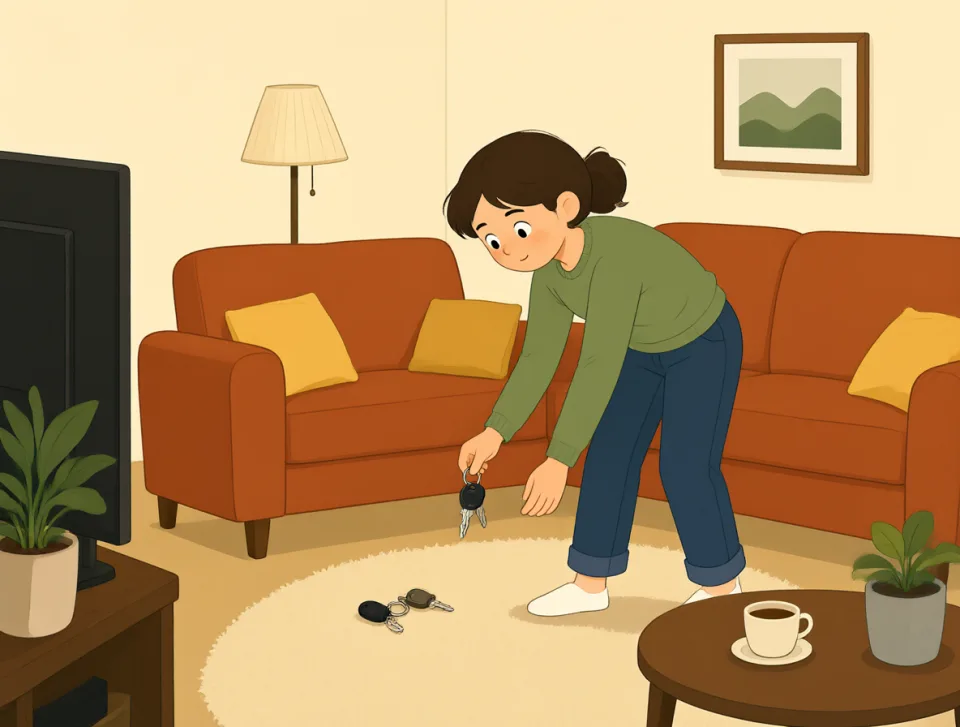
Please look around the room for your keys.
Proszę rozejrzeć się po pokoju i poszukać kluczy.
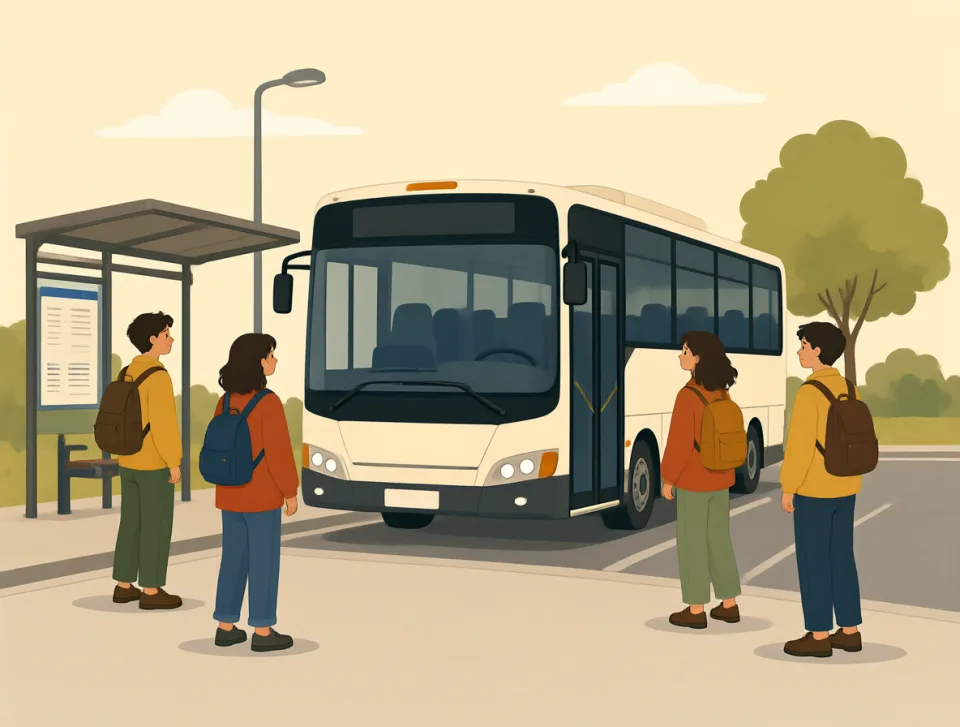
There were people standing around the bus.
Wokół autobusu stało kilka osób.
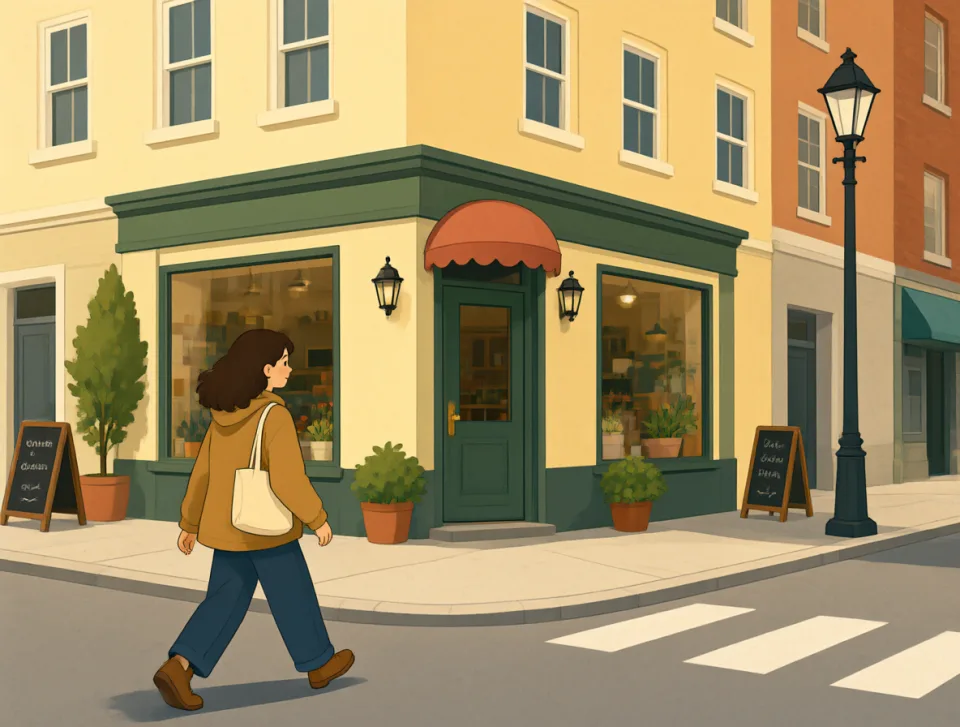
The shop is around the corner.
Sklep jest tuż za rogiem.
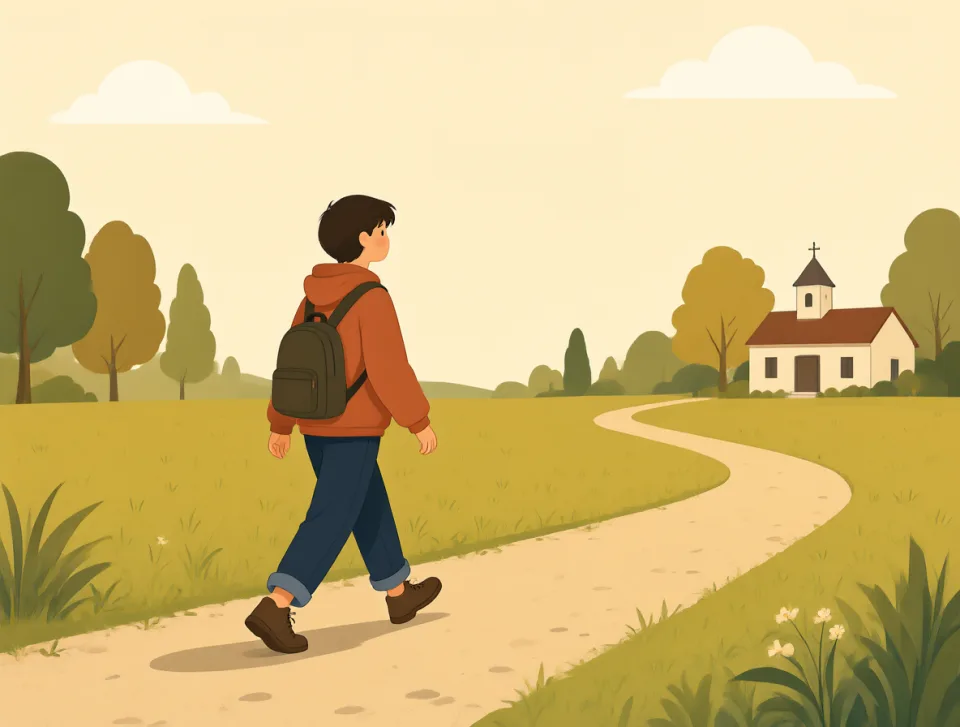
It takes around ten minutes to walk there.
Dojście tam pieszo zajmuje około dziesięciu minut.
book
#171noun, verb
książka; rezerwować
A set of pages with stories or information; to reserve something for a future time.
Zbiór stron zawierających opowiadania lub informacje; zarezerwować coś na późniejszy termin.
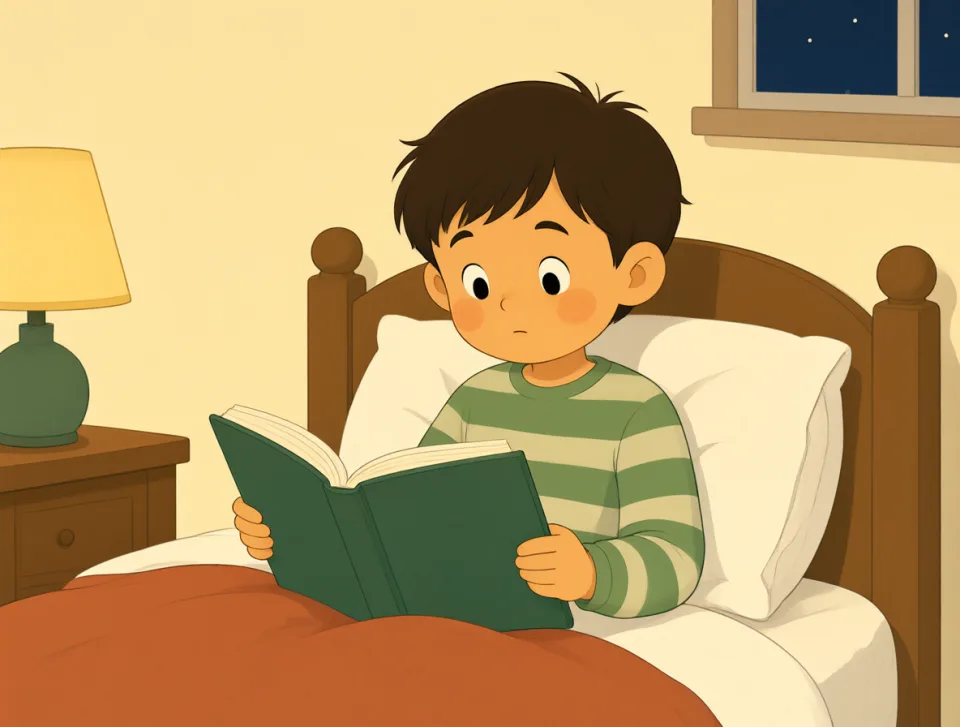
I read a book before bed.
Czytam książkę przed snem.
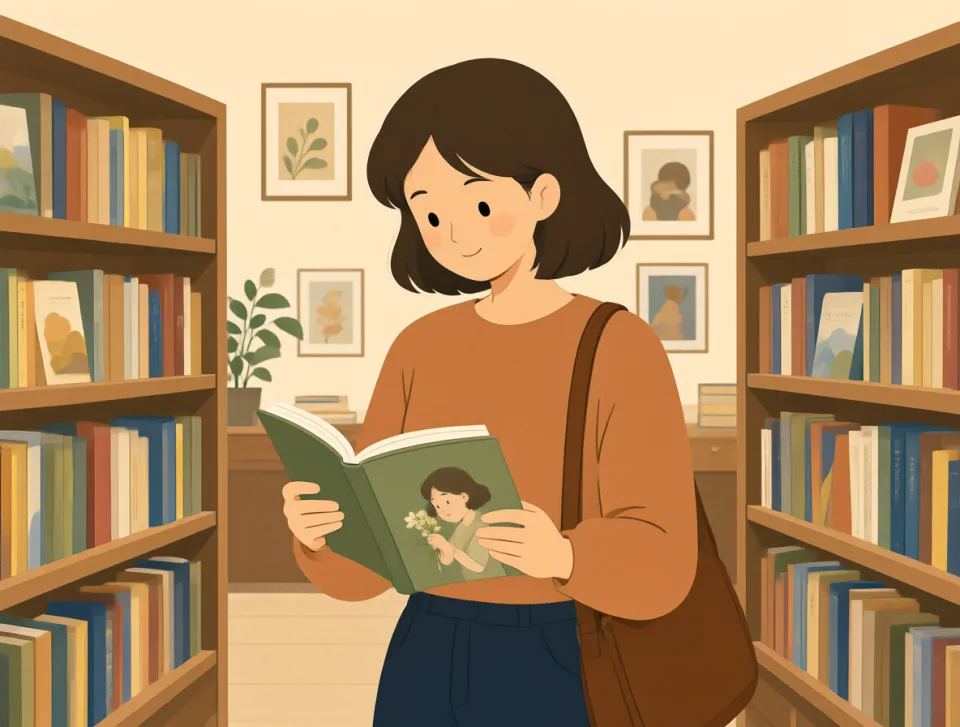
She bought a new book yesterday.
Wczoraj kupiła nową książkę.
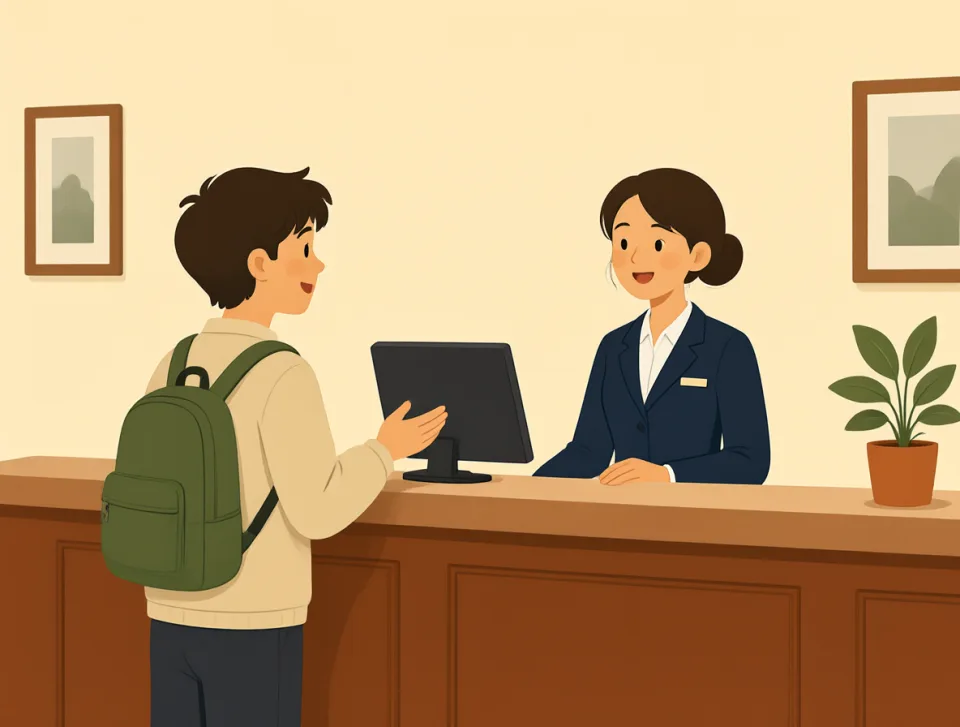
Please book a room for two nights.
Proszę zarezerwować pokój na dwie noce.
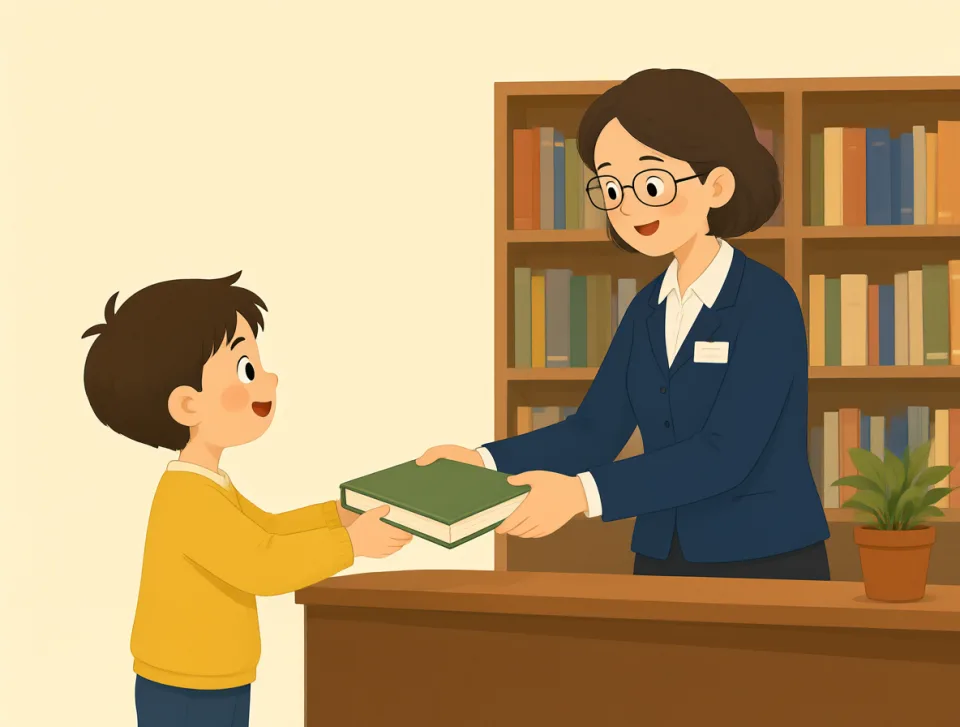
He borrowed a book from the library.
Pożyczył książkę z biblioteki.
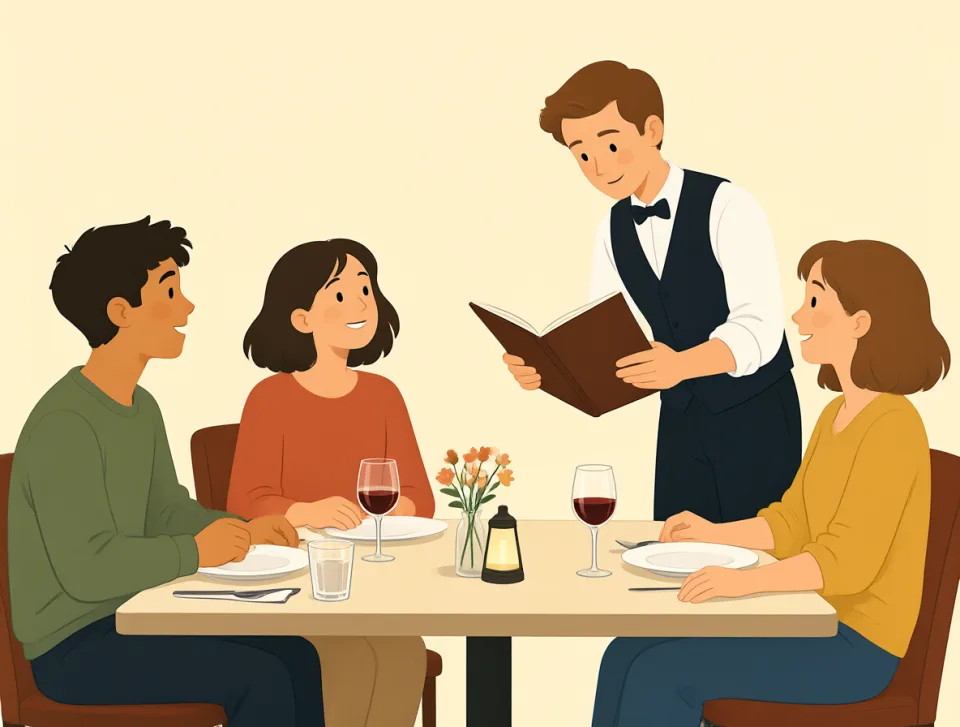
We booked a table for six people.
Zarezerwowaliśmy stolik dla sześciu osób.
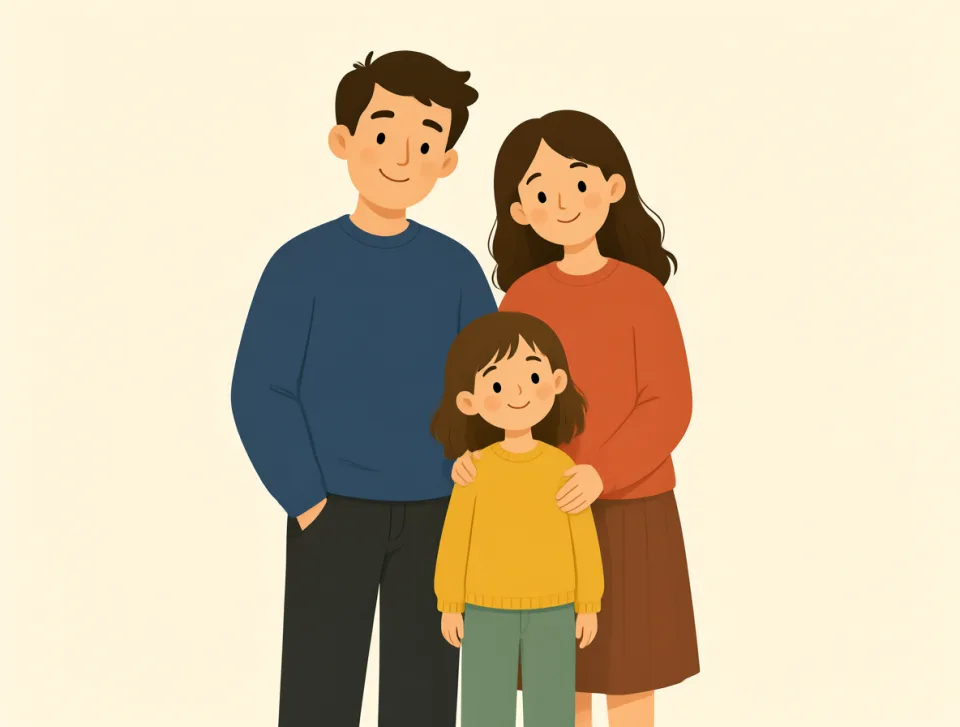
family
#172noun
rodzina
A group of parents, children, and other relatives who live together or are related.
Grupa rodziców, dzieci i innych krewnych, którzy mieszkają razem lub są ze sobą spokrewnieni.
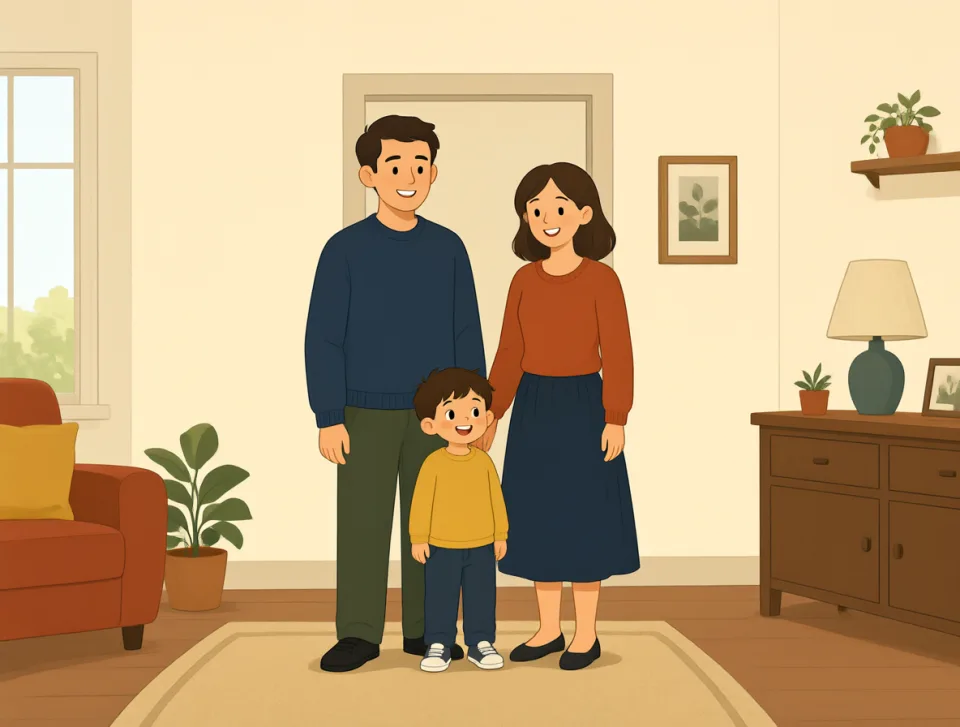
My family lives in a small house.
Moja rodzina mieszka w małym domu.
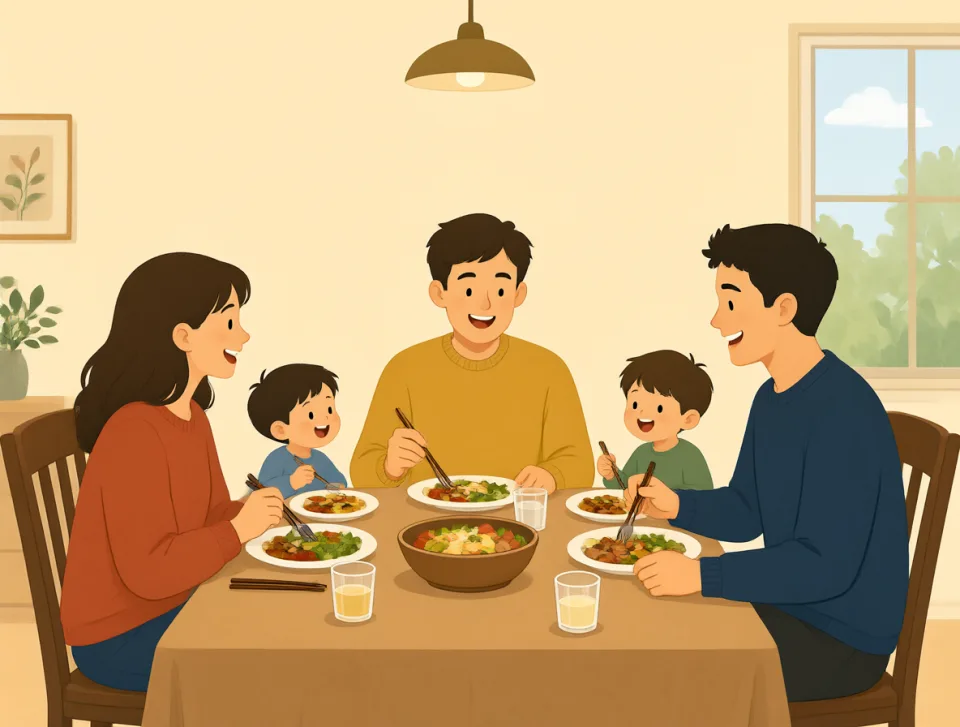
We have dinner with our family every Sunday.
W każdą niedzielę jemy kolację z rodziną.
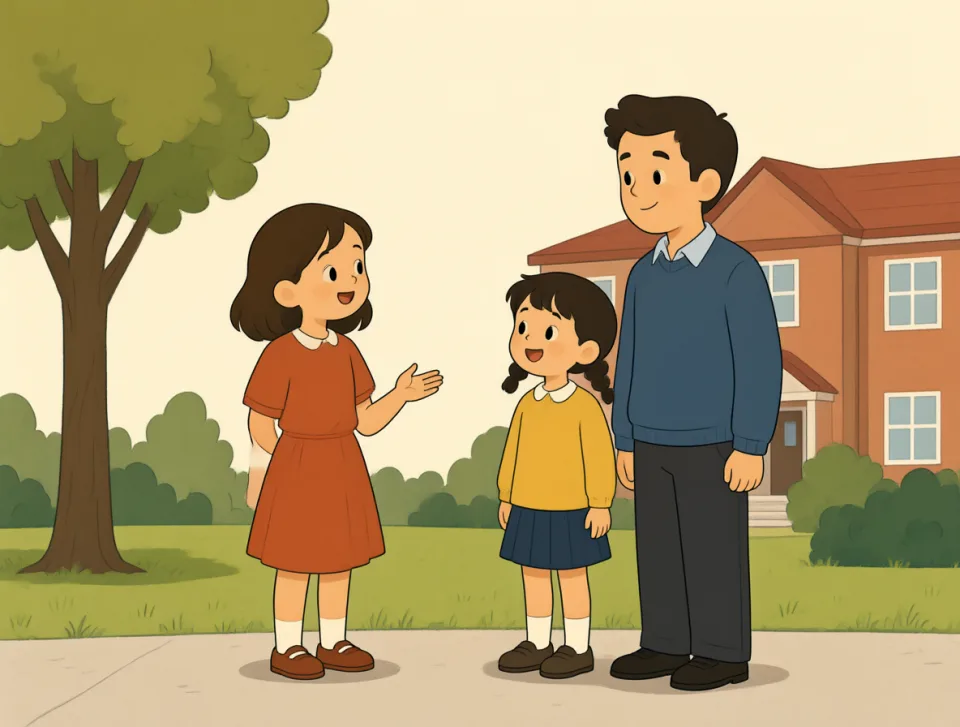
Her family visited her at school.
Jej rodzina odwiedziła ją w szkole.
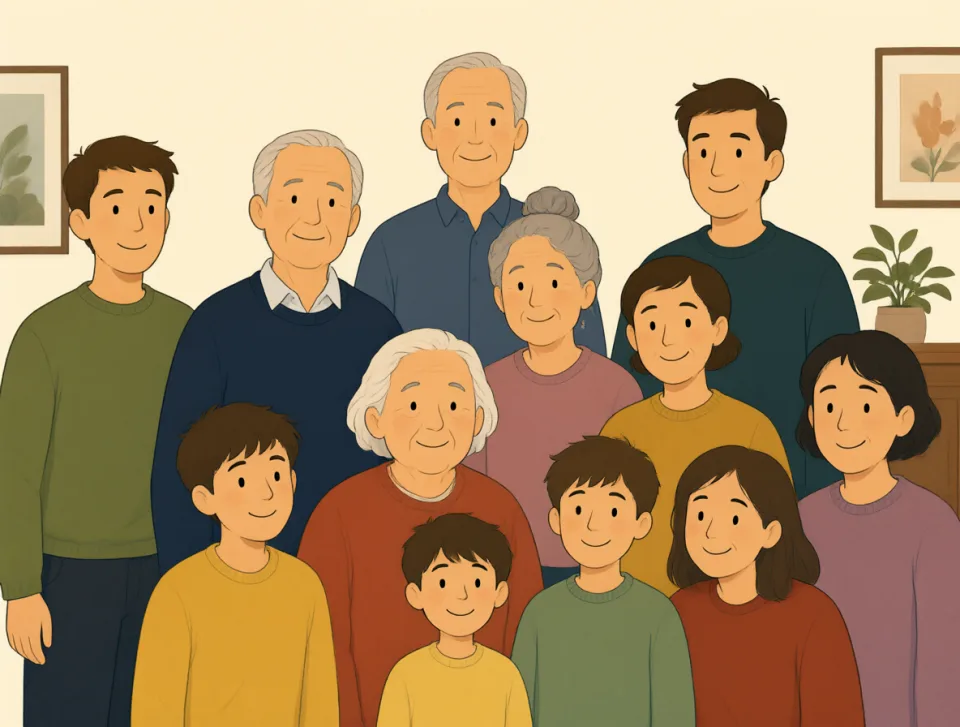
He comes from a large family.
Pochodzi z dużej rodziny.
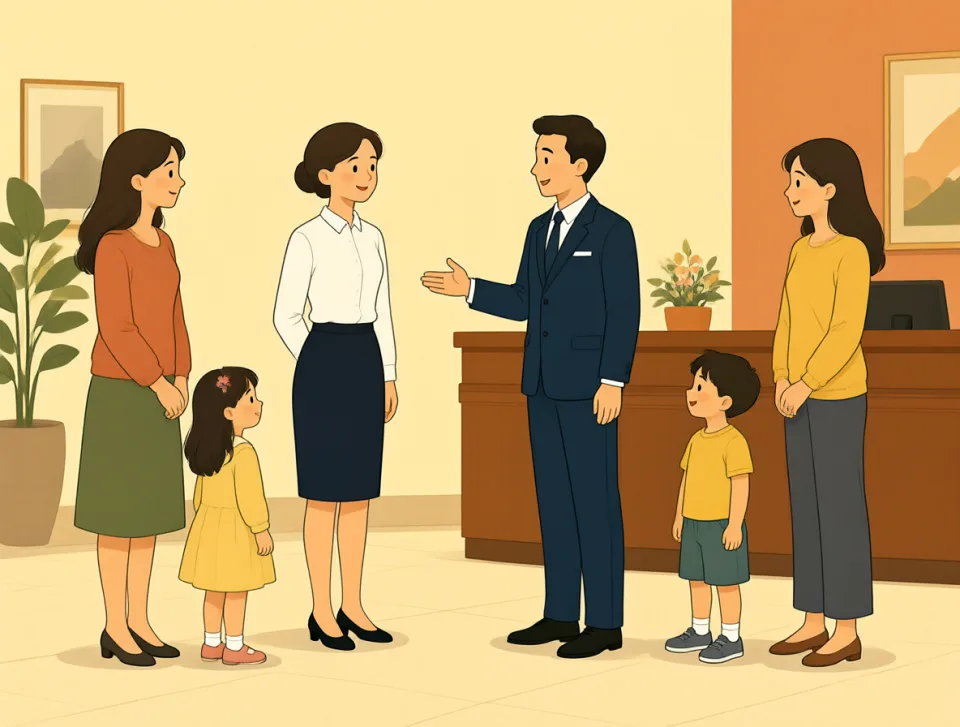
The hotel welcomed families with children.
Hotel serdecznie przyjmował rodziny z dziećmi.
seem
#173verb
wydawać się
To appear to be true or have a particular quality.
Sprawiać wrażenie, że coś jest prawdą lub ma określoną cechę.
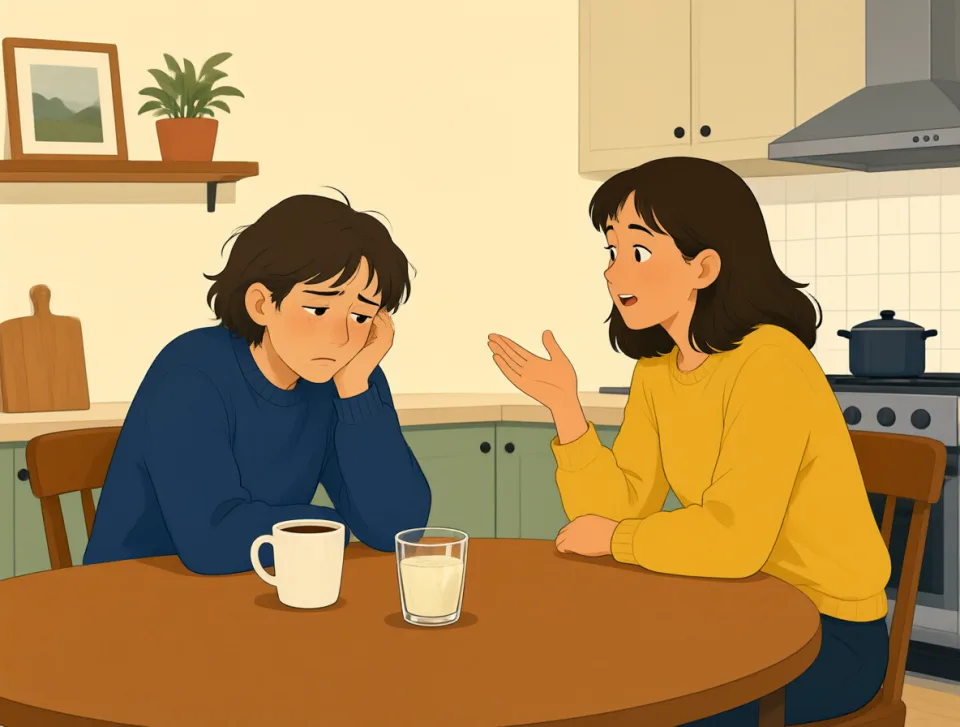
You seem tired today.
Wyglądasz dziś na zmęczonego.

She seems happy with her new job.
Wydaje się zadowolona z nowej pracy.
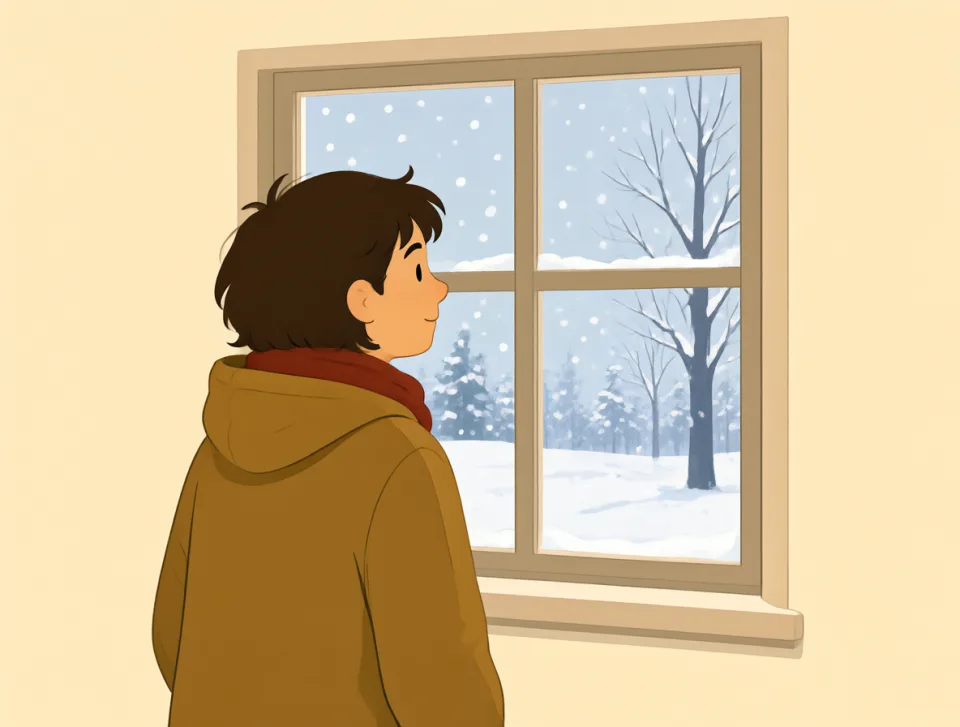
It seems cold outside.
Na dworze chyba jest zimno.
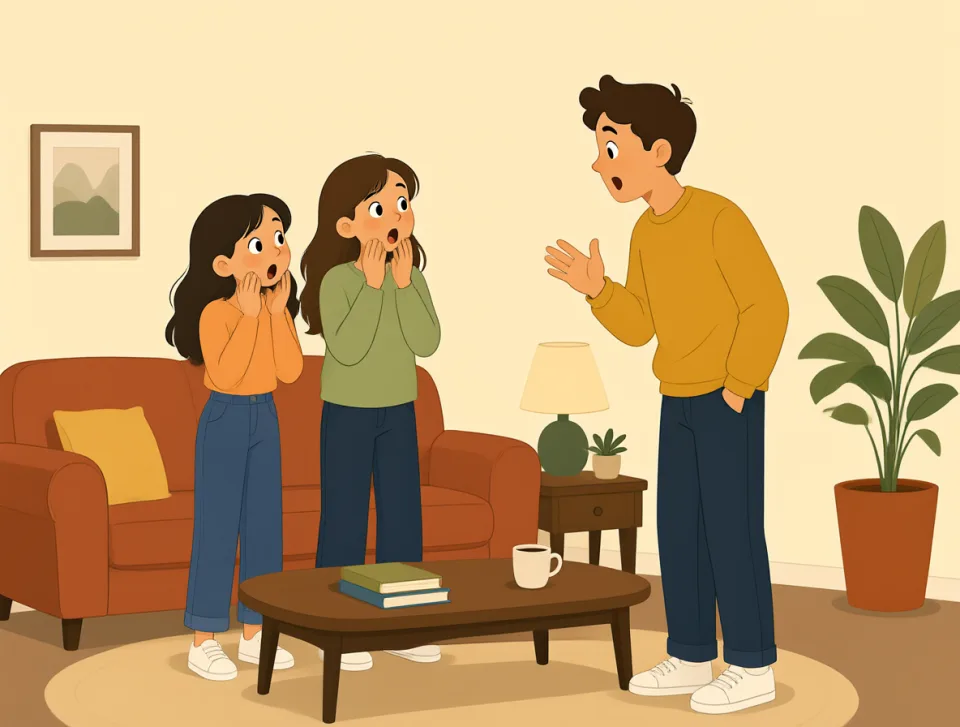
They seemed surprised by the news.
Wiadomość najwyraźniej ich zaskoczyła.
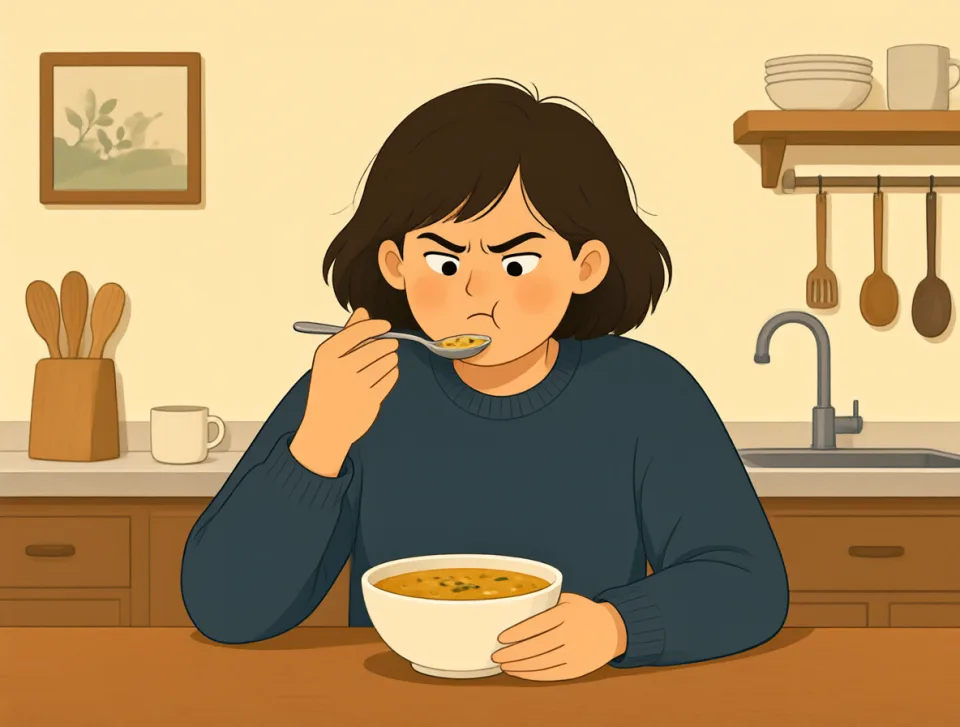
This soup seems too salty.
Ta zupa wydaje się zbyt słona.
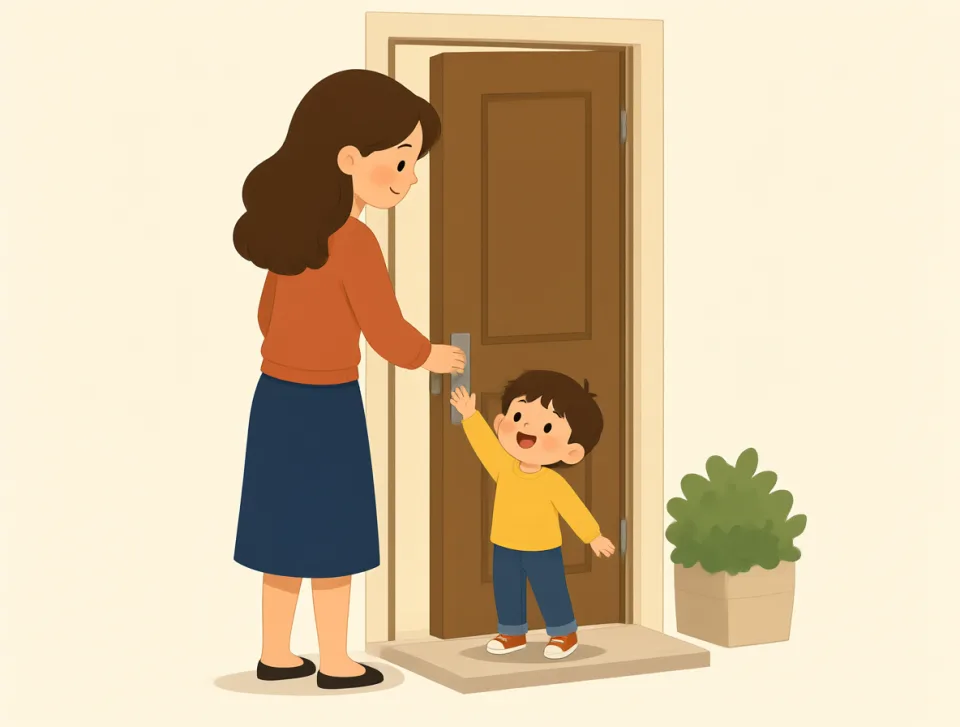
let
#174verb
pozwalać; wypuszczać
To allow someone to do something or to cause something to happen.
Pozwalać komuś coś zrobić lub sprawiać, że coś się dzieje.
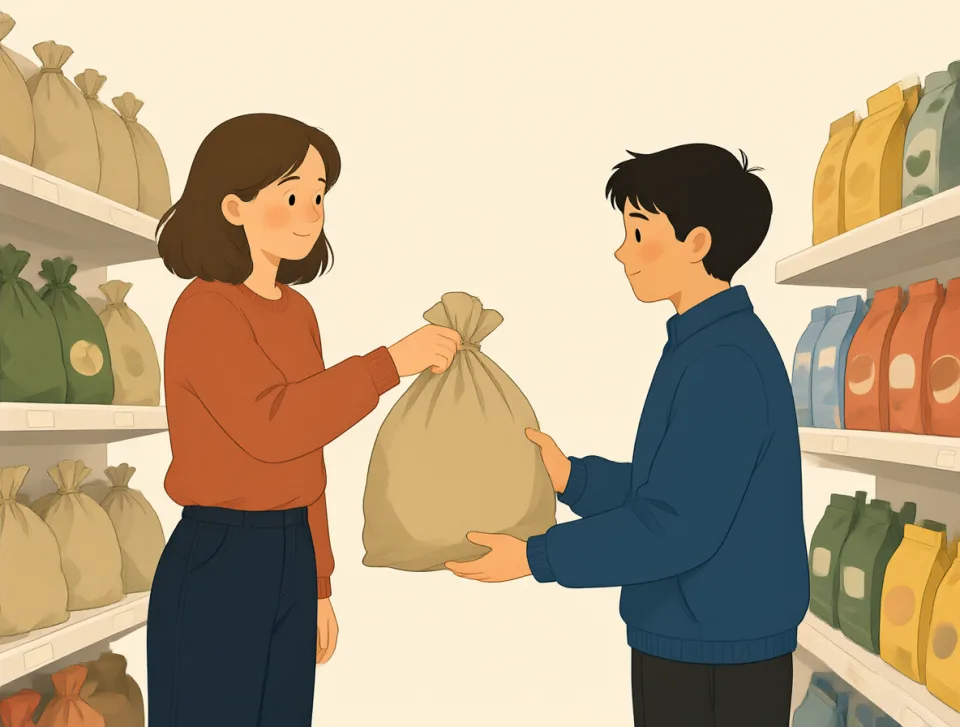
Please let me help you with that bag.
Proszę, pozwól mi pomóc ci z tą torbą.
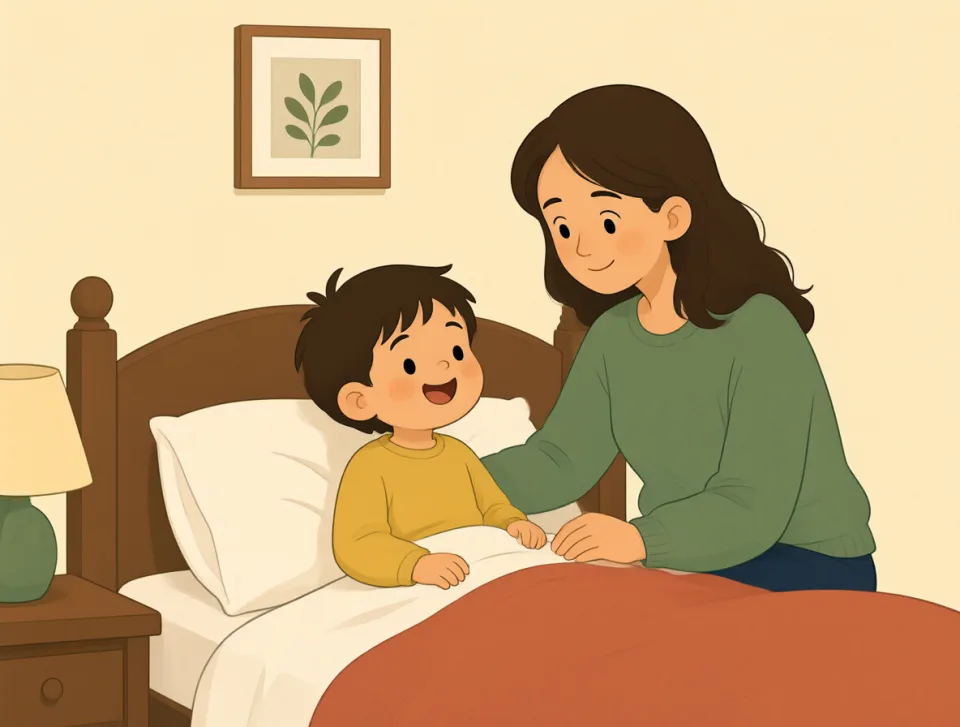
My parents let me stay up late.
Rodzice pozwalali mi siedzieć do późna.
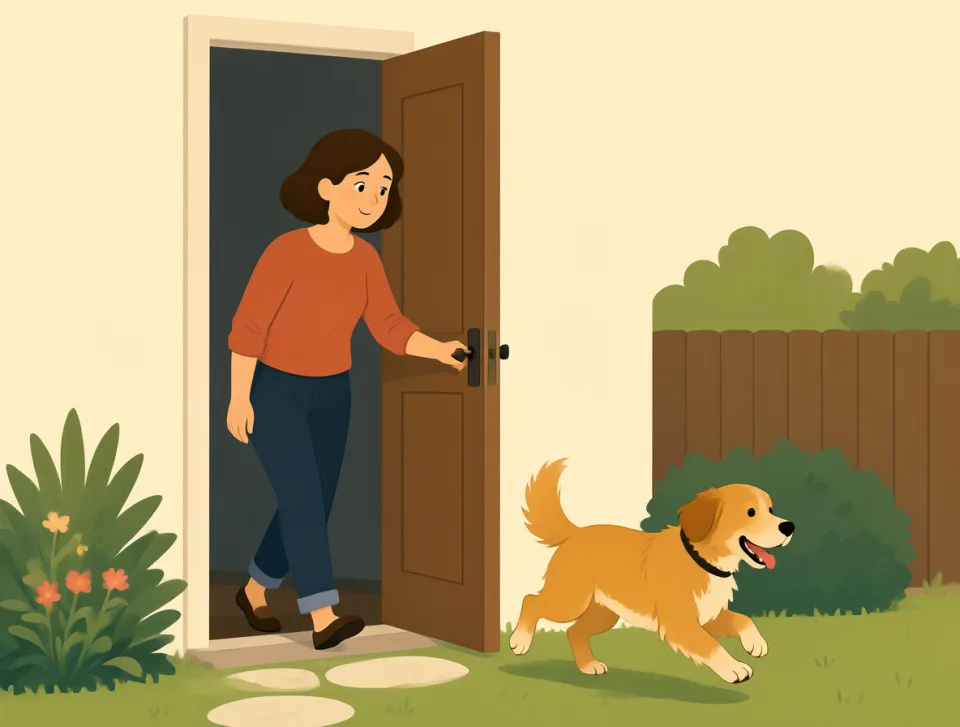
She let the dog out before dinner.
Przed kolacją wypuściła psa.
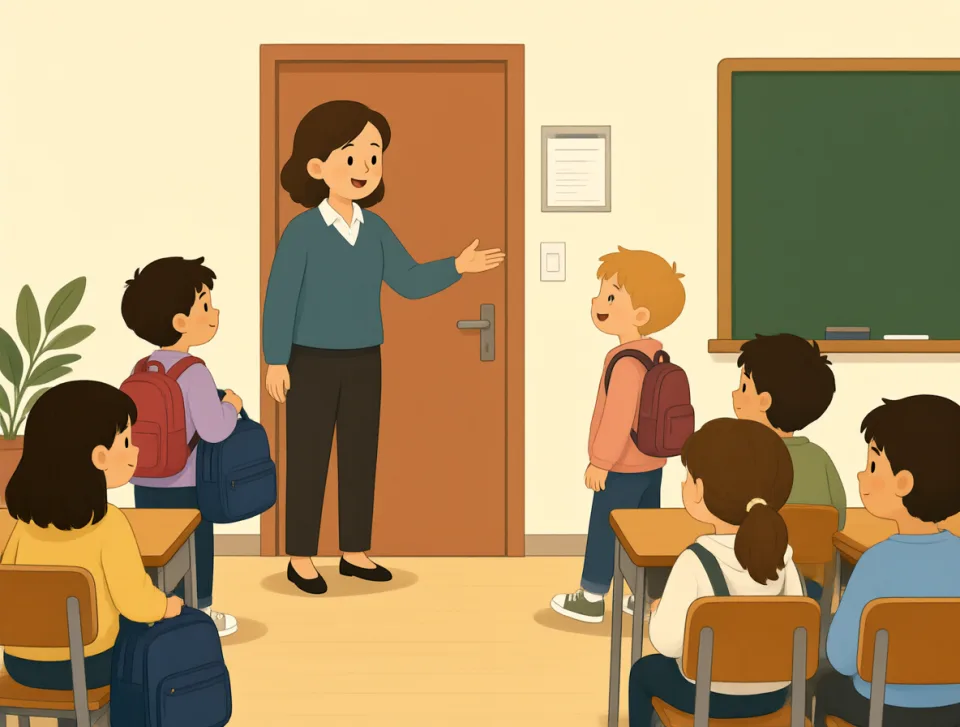
The teacher let us leave early.
Nauczyciel pozwolił nam wyjść wcześniej.
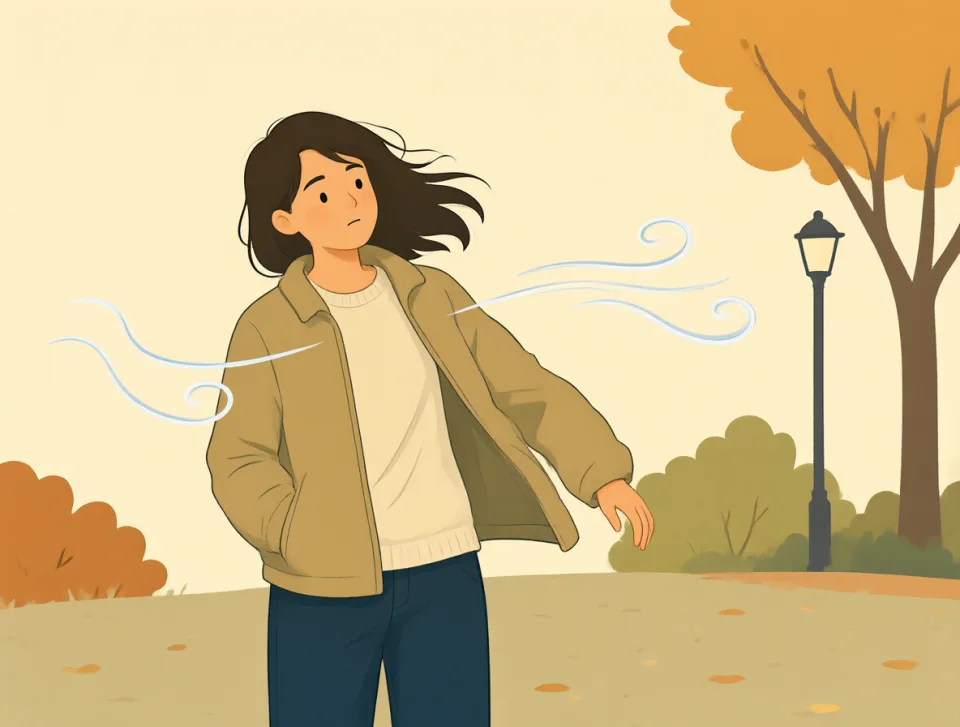
This jacket lets warm air in.
Ta kurtka przepuszcza ciepłe powietrze.
again
#175adverb
znowu; ponownie
one more time, or back to the same place or situation
Jeszcze jeden raz albo z powrotem w to samo miejsce lub do tej samej sytuacji.
Please say that again.
Proszę, powiedz to jeszcze raz.
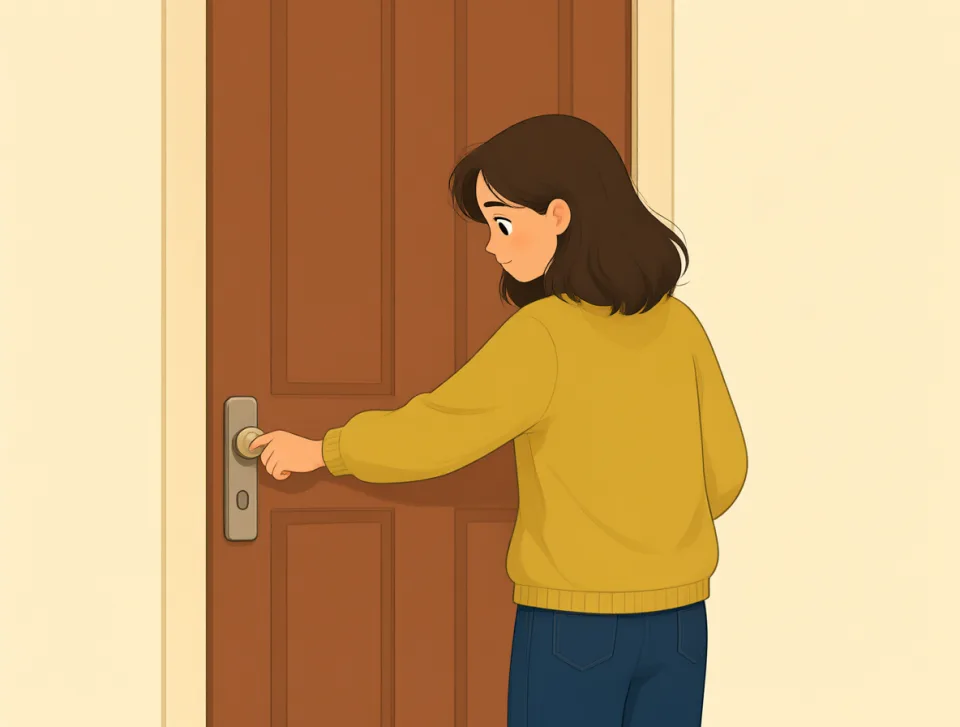
I forgot my keys again.
Znowu zapomniałem kluczy.
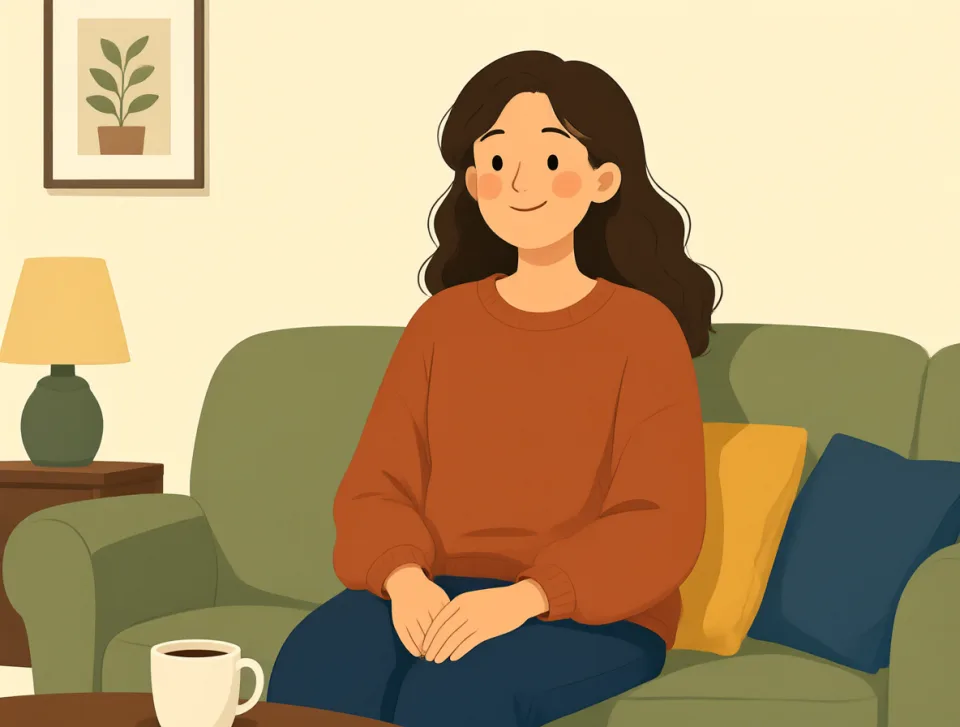
She is feeling better again.
Znowu czuje się lepiej.
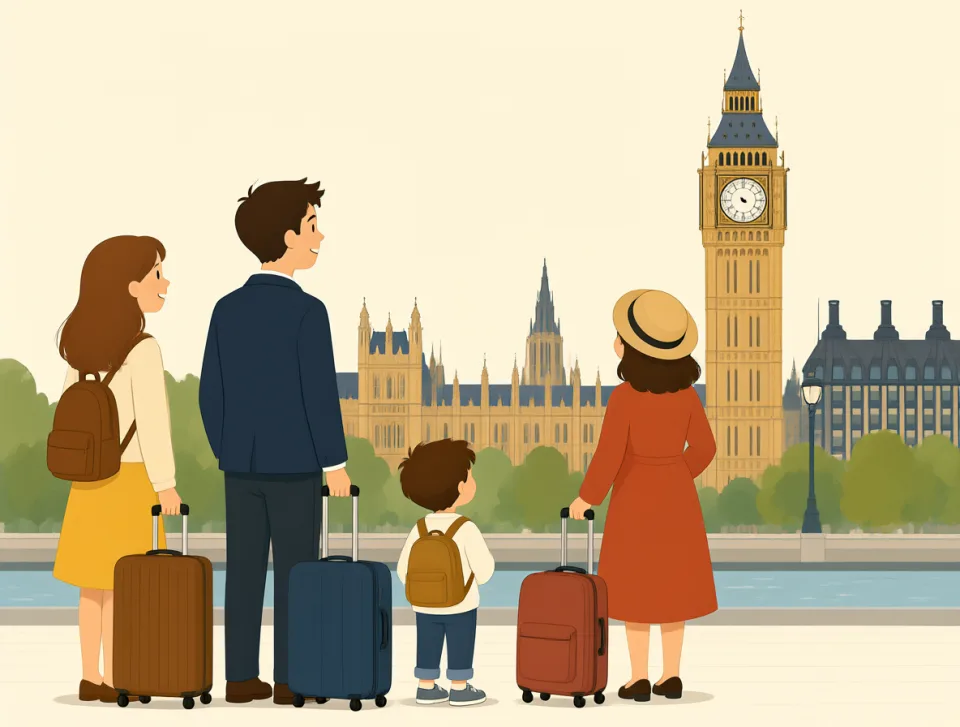
We visited London again last summer.
Zeszłego lata znów odwiedziliśmy Londyn.

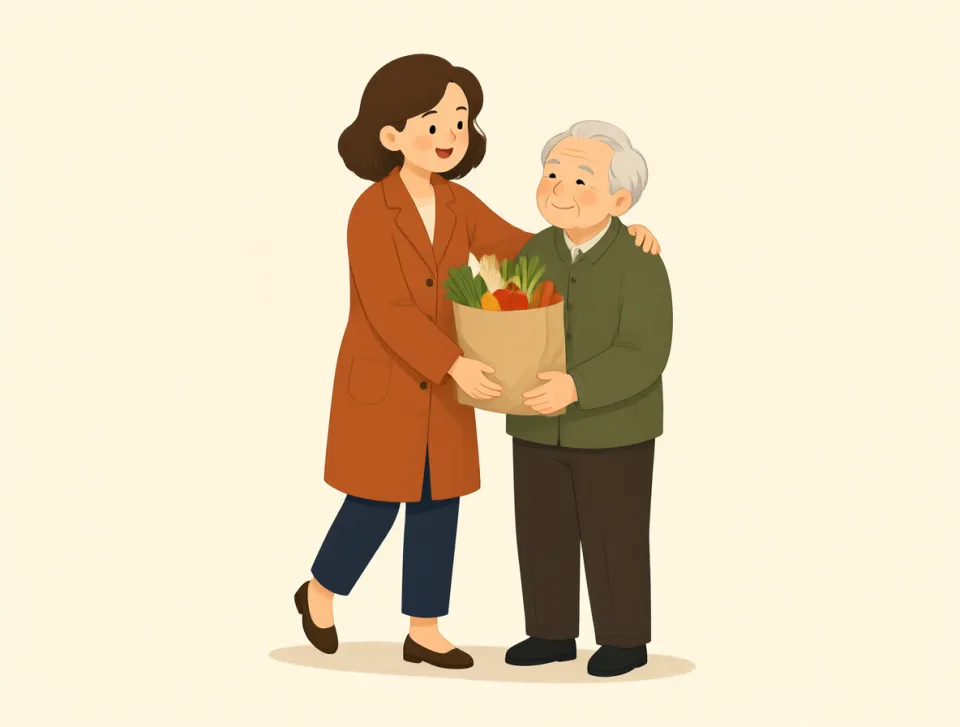
He started working again after lunch.
Po lunchu znów zaczął pracować.
kind
#176noun, adjective
życzliwy
Friendly and caring; also, a group of similar things.
Przyjazny i troskliwy; także: grupa podobnych rzeczy.
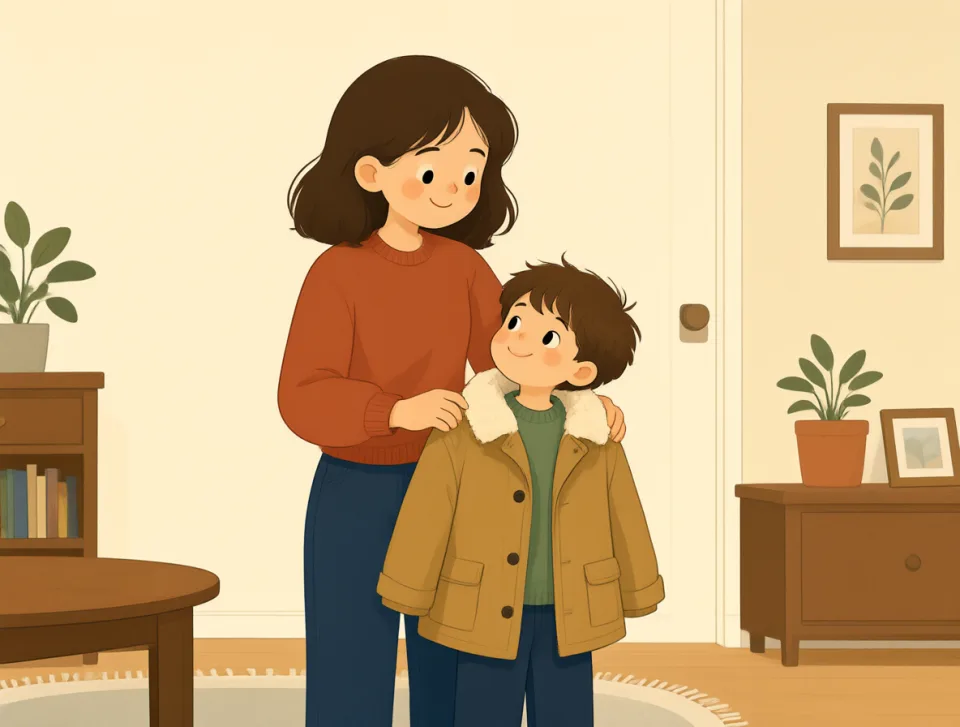
She is always kind to her little brother.
Ona zawsze jest miła dla swojego młodszego brata.
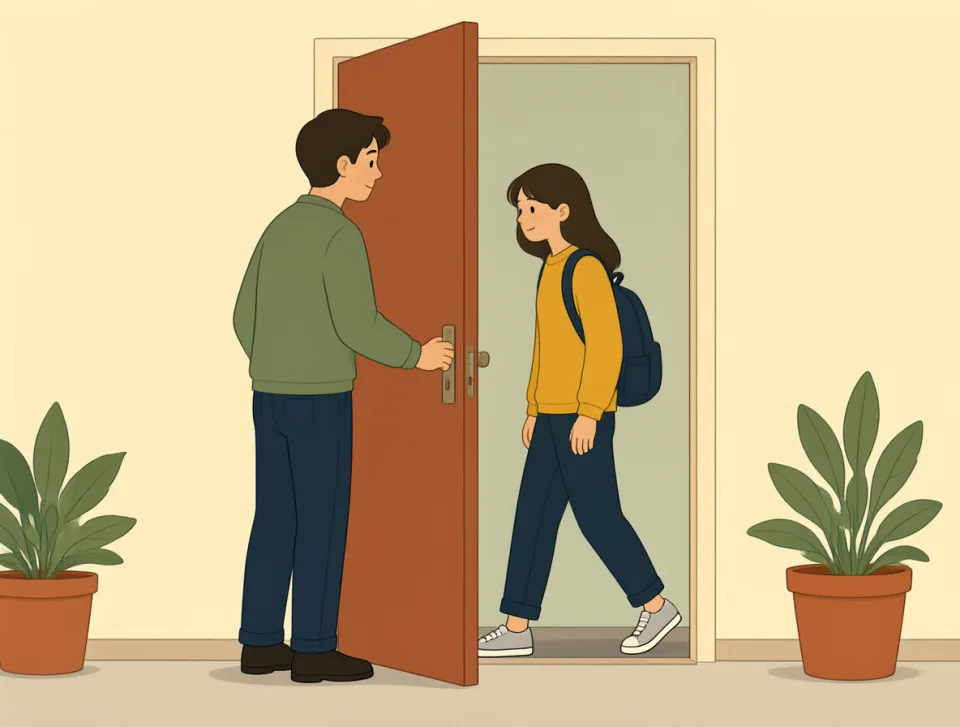
That was very kind of you.
To bardzo miło z twojej strony.
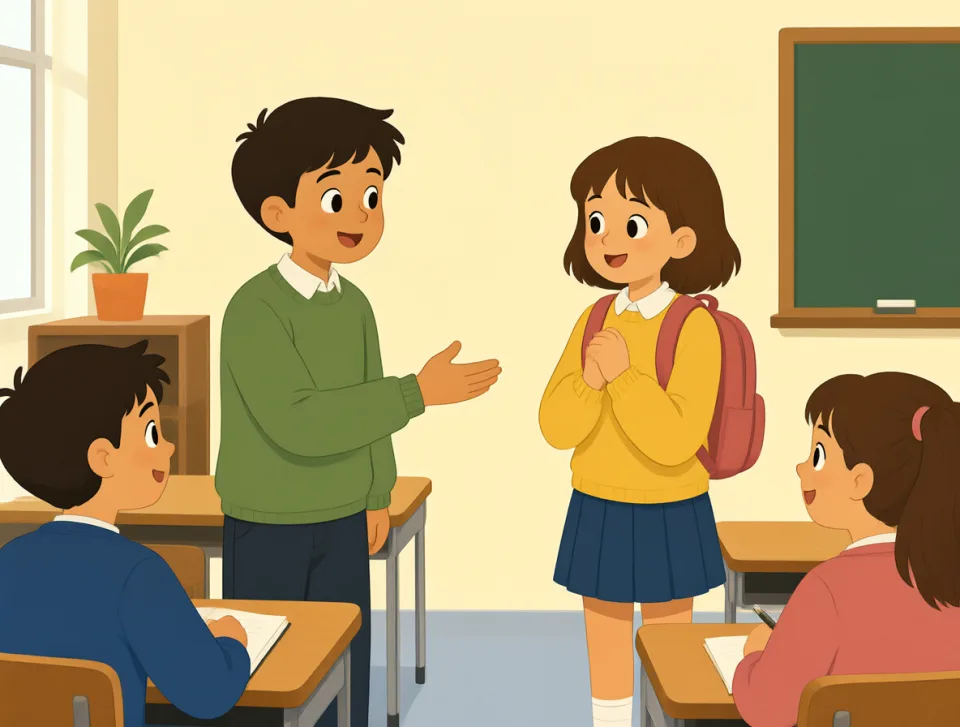
Please be kind to the new student.
Bądź miły dla nowego ucznia.
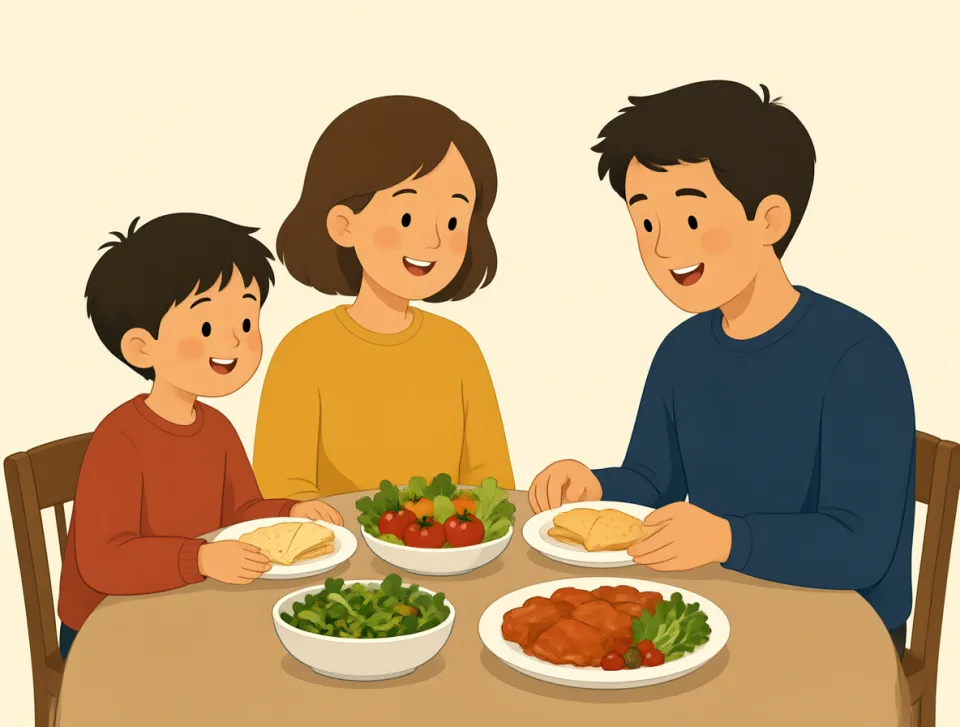
What kind of food do you like?
Jakie jedzenie lubisz?

This kind of shoe is good for walking.
Ten rodzaj butów dobrze sprawdza się podczas chodzenia.
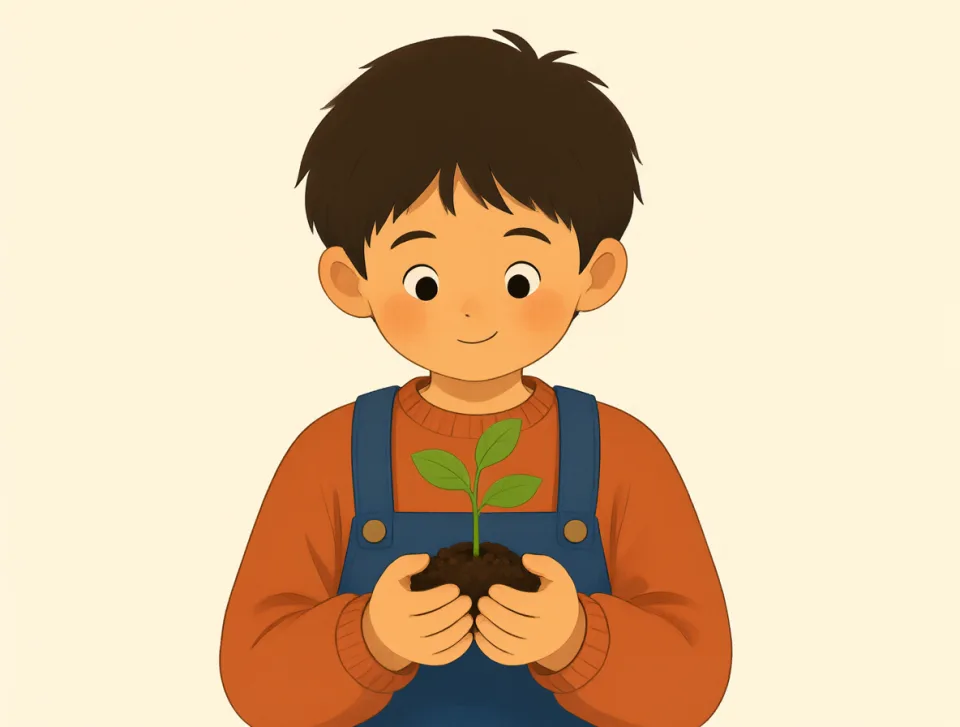
keep
#177verb, noun
zachować
To continue having something or make something stay in a particular place or condition.
Nadal coś mieć albo sprawić, by coś pozostało w określonym miejscu lub stanie.
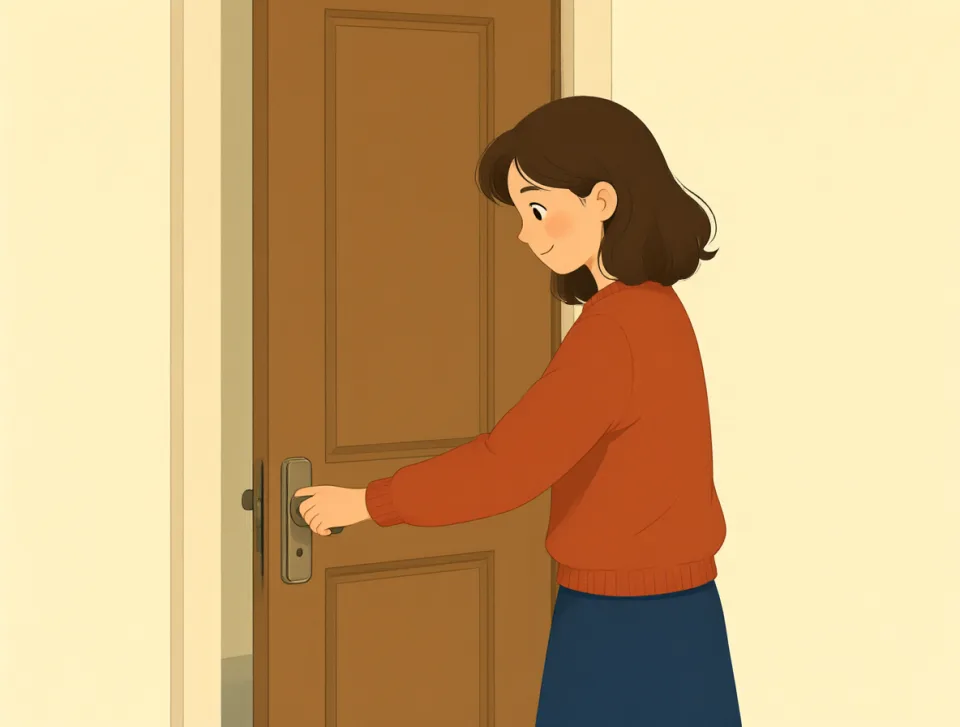
Please keep the door closed.
Proszę, nie zostawiaj otwartych drzwi.
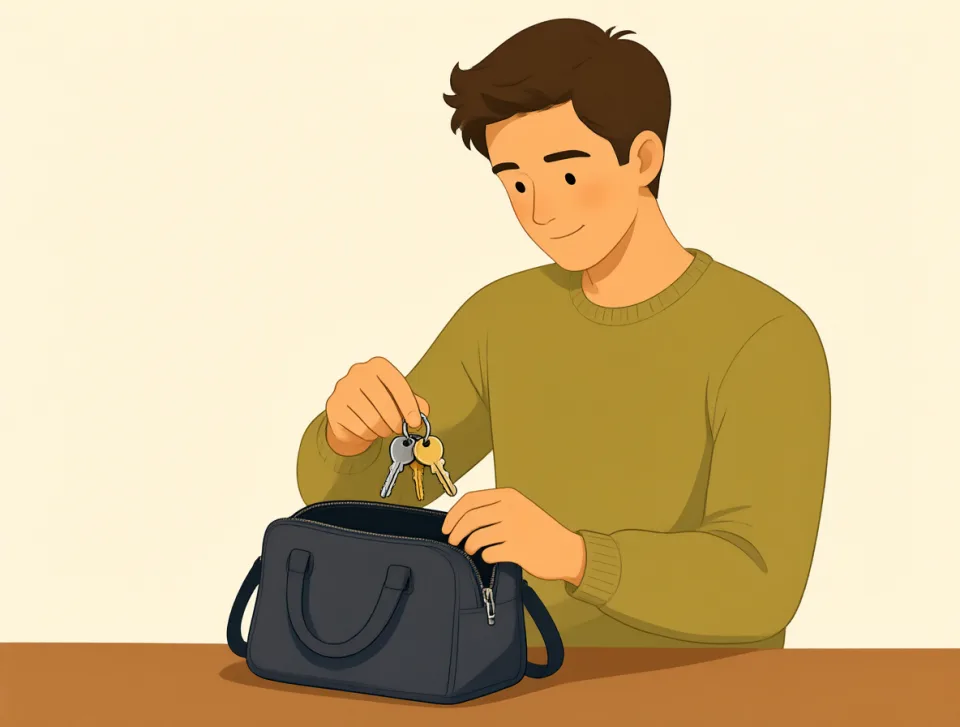
Keep your keys in your bag.
Trzymaj klucze w torbie.
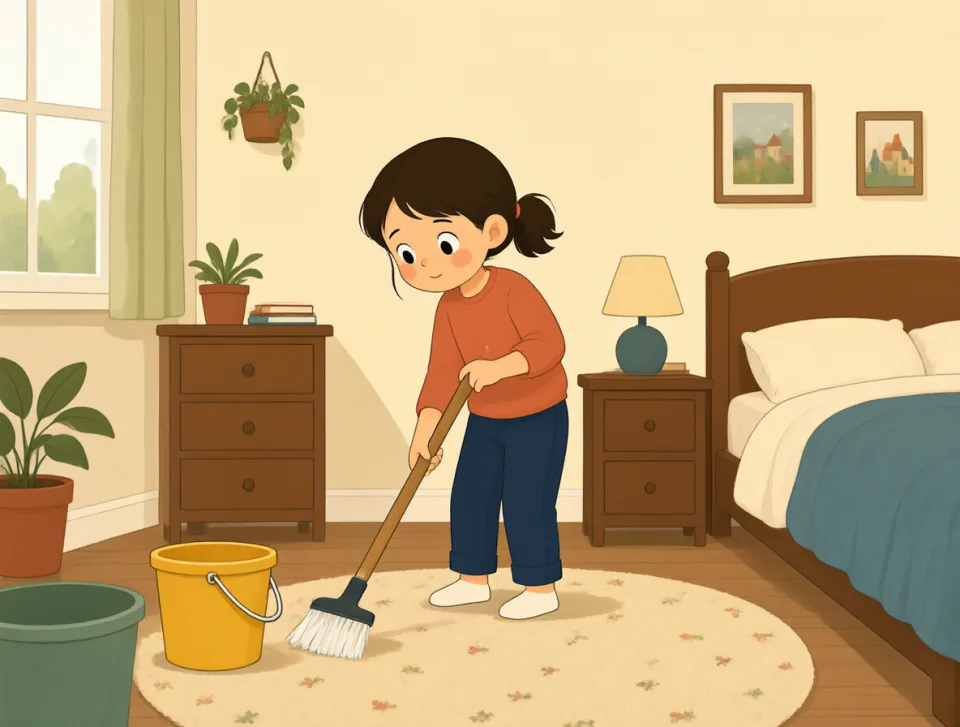
She keeps her room very clean.
Ona zawsze utrzymuje swój pokój w czystości.
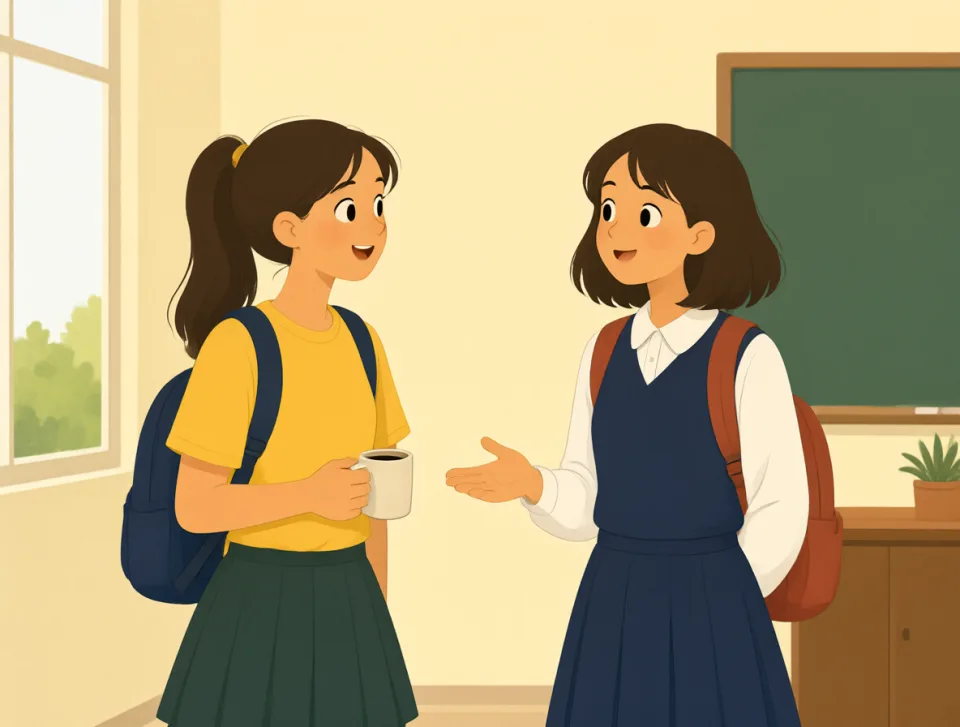
We kept talking after class.
Rozmawialiśmy dalej po lekcji.
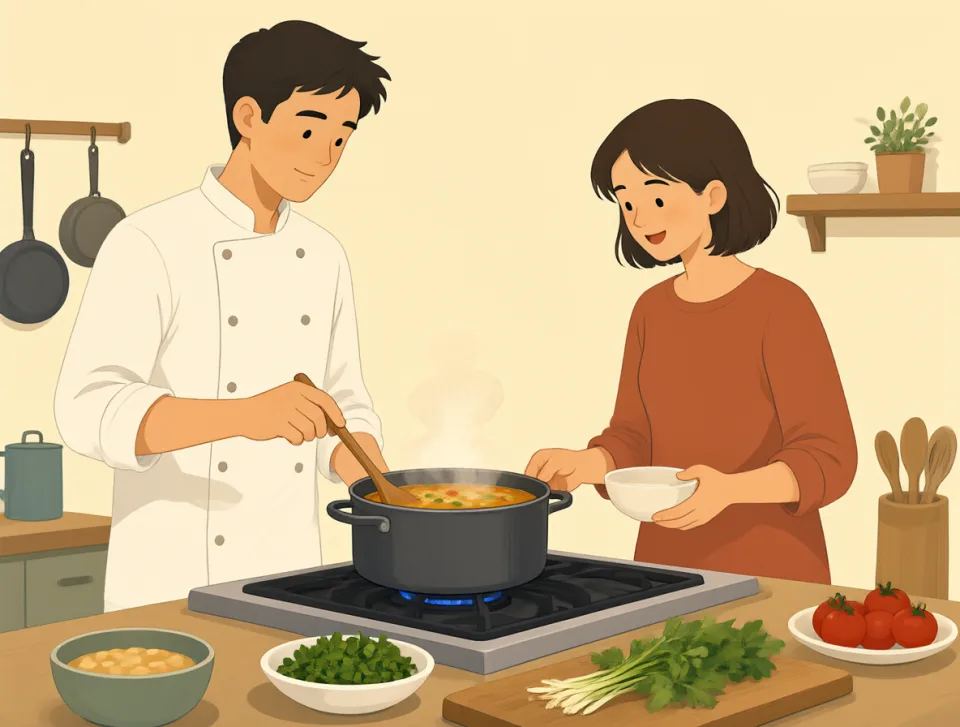
Keep the soup warm for dinner.
Utrzymaj zupę w cieple do kolacji.
hear
#178verb
słyszeć
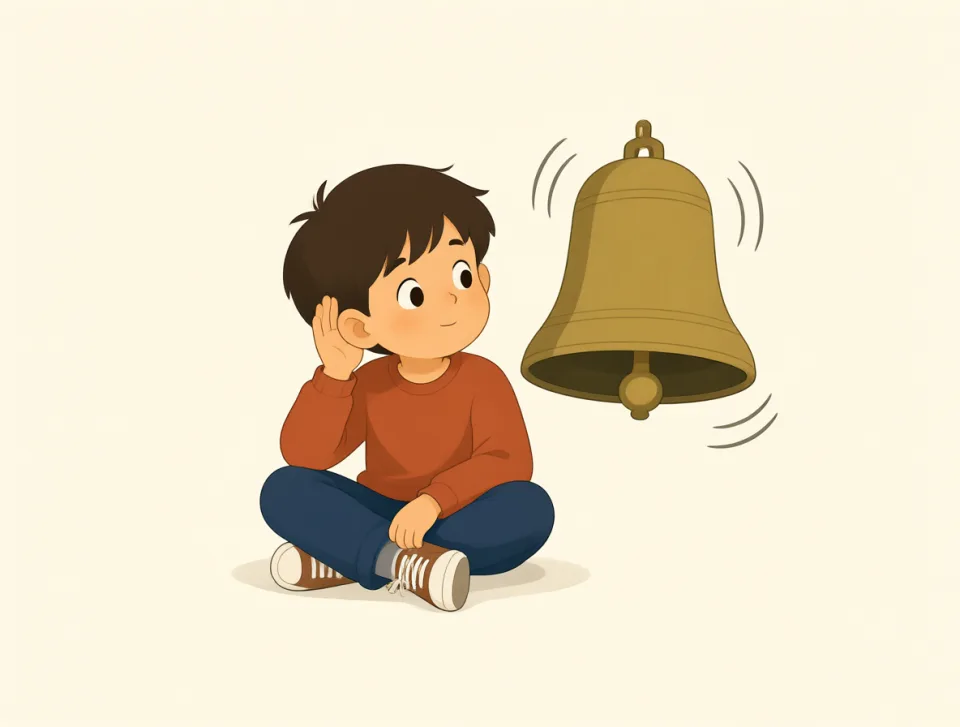
To notice a sound with your ears.
Odbierać dźwięki za pomocą uszu.
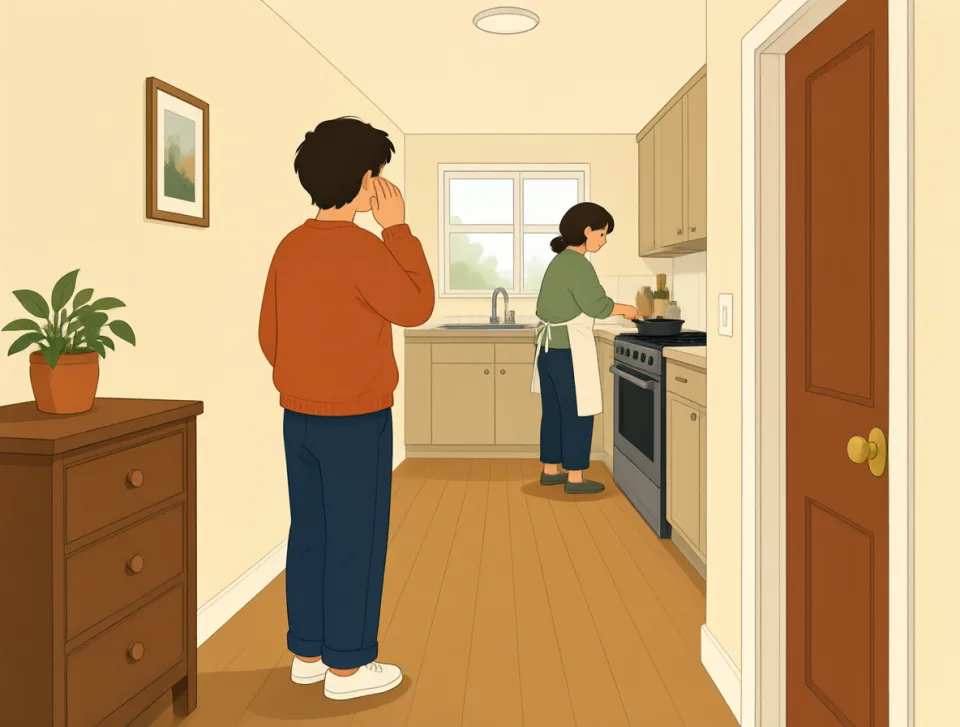
I can hear music from the kitchen.
Słyszę muzykę dobiegającą z kuchni.
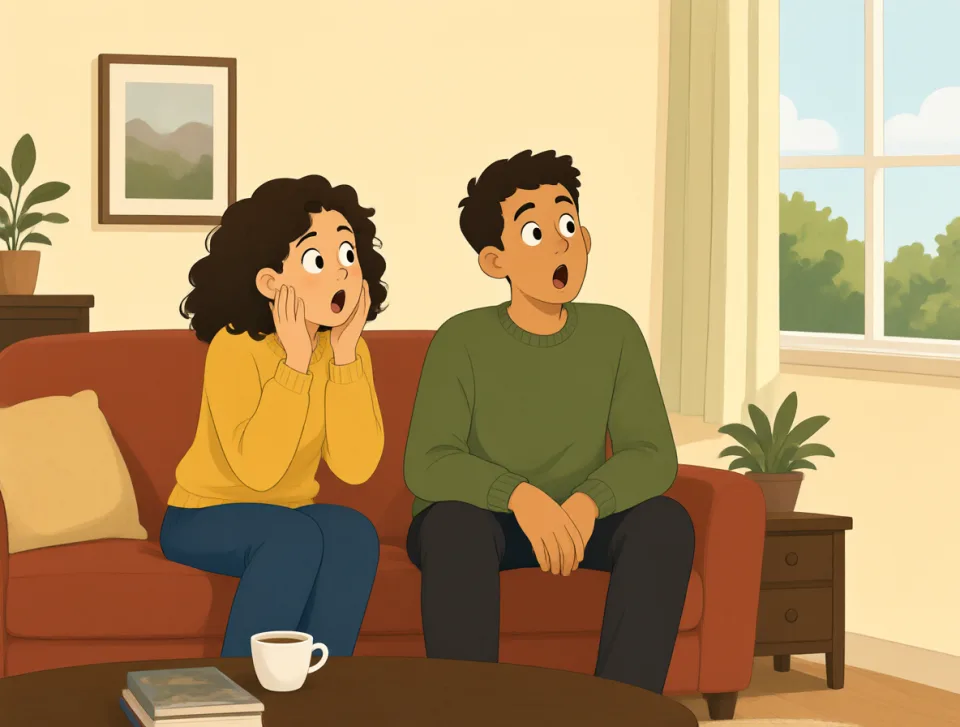
Did you hear that loud noise?
Słyszałeś ten głośny hałas?
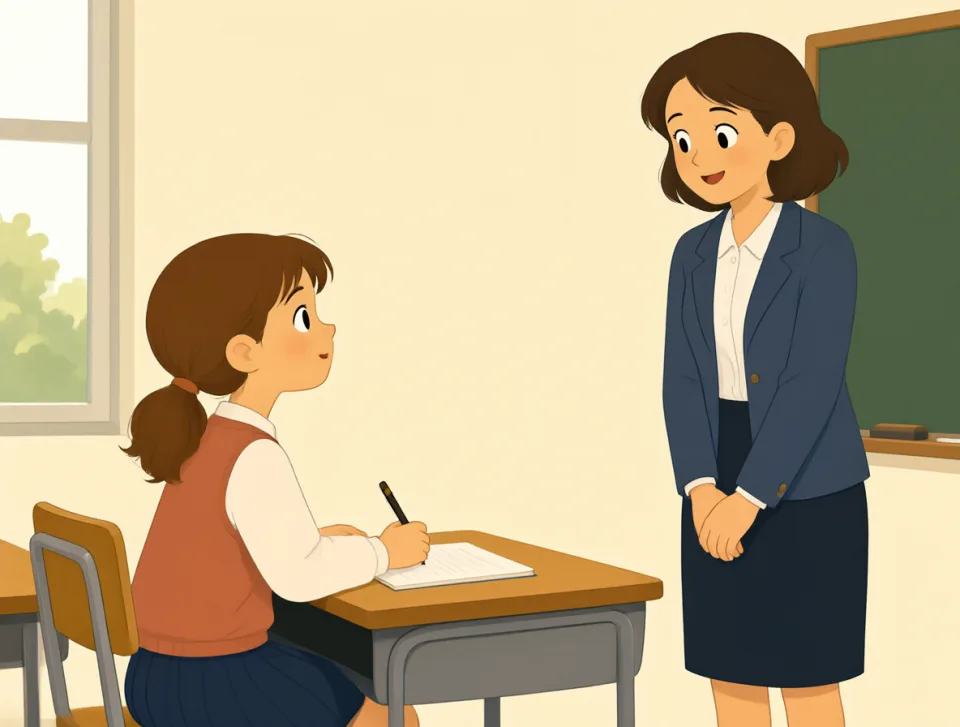
She heard her name at school.
Usłyszała swoje imię w szkole.
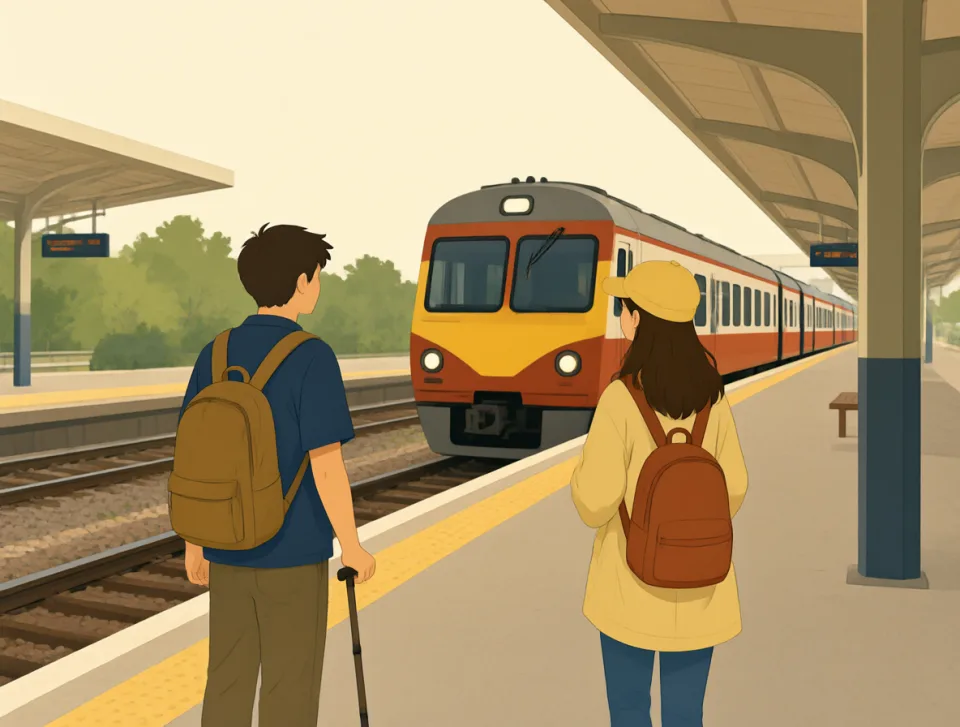
We heard the train arrive.
Słyszeliśmy, jak nadjeżdża pociąg.
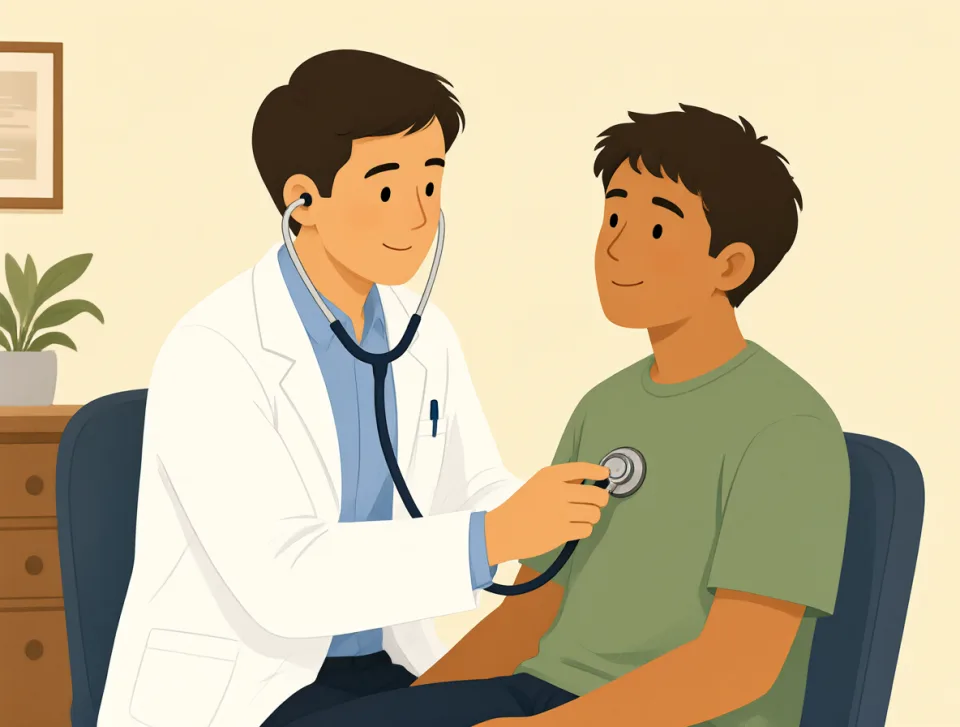
The doctor heard my lungs.
Lekarz osłuchał moje płuca.

system
#179noun
system
A set of connected parts that work together for a particular purpose.
Zestaw powiązanych elementów, które współpracują ze sobą w określonym celu.
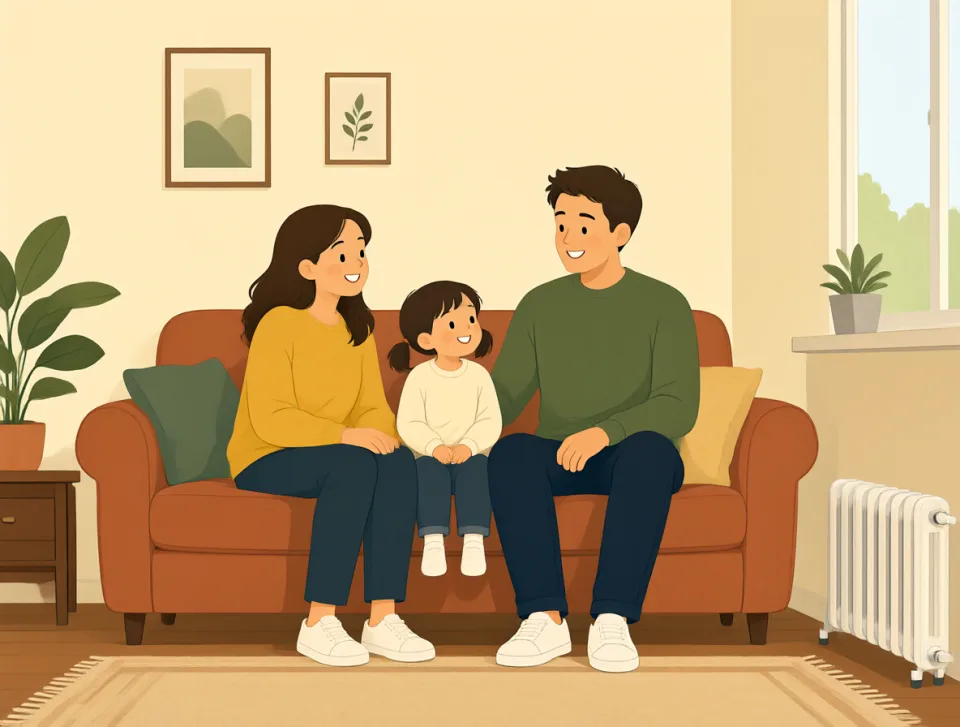
The heating system keeps our house warm.
System ogrzewania utrzymuje ciepło w naszym domu.
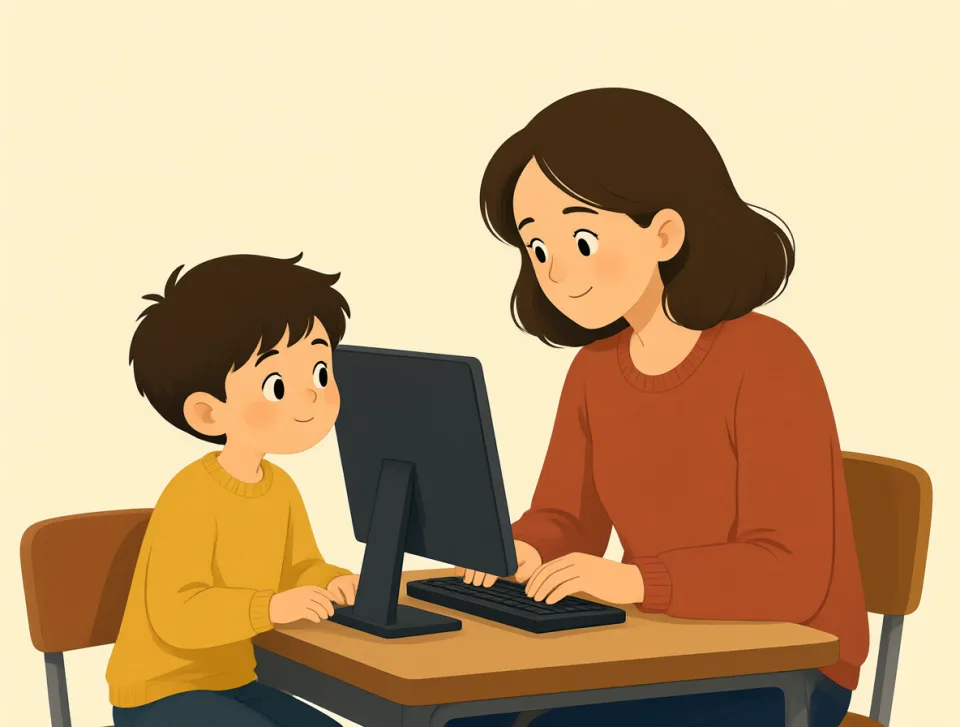
The school has a new computer system.
W szkole jest nowy system komputerowy.
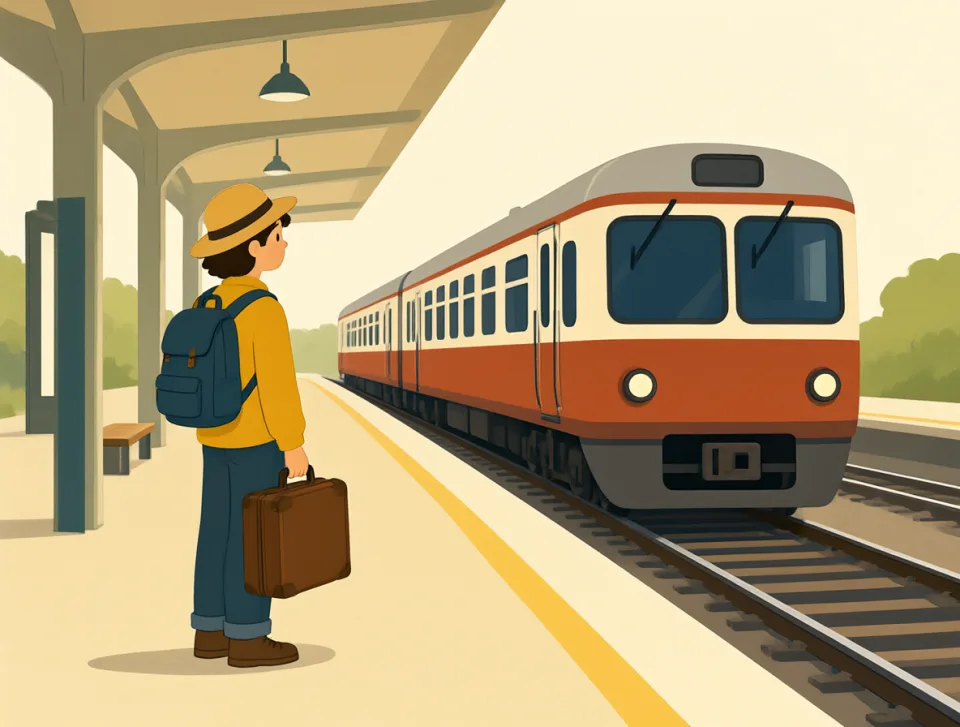
The train system is easy to use.
Z systemu kolejowego łatwo się korzysta.
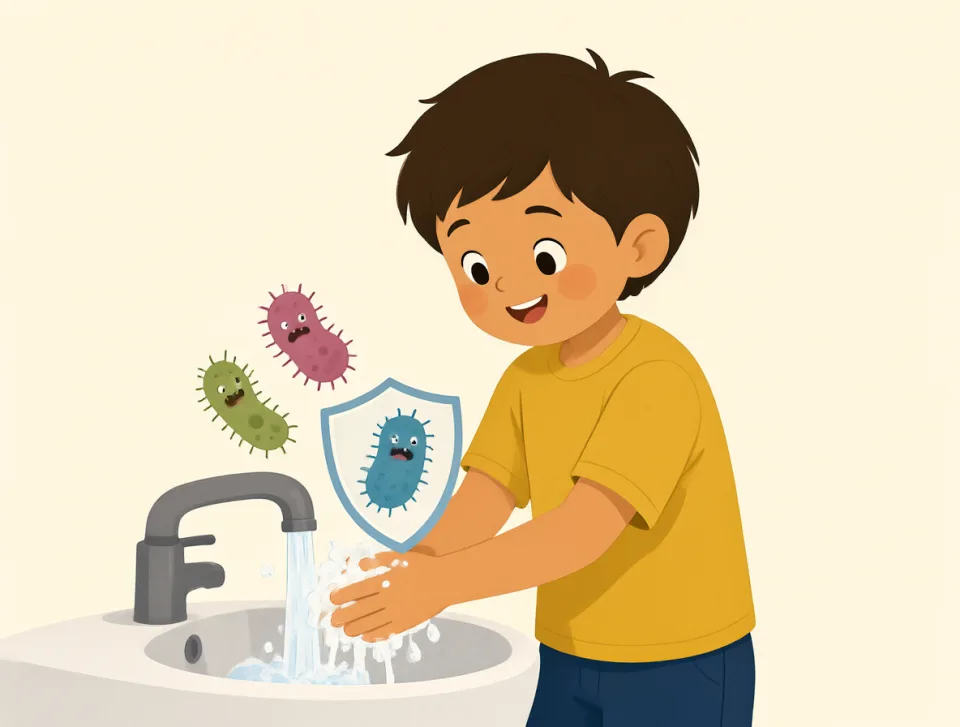
The body’s immune system fights germs.
Układ odpornościowy organizmu zwalcza zarazki.
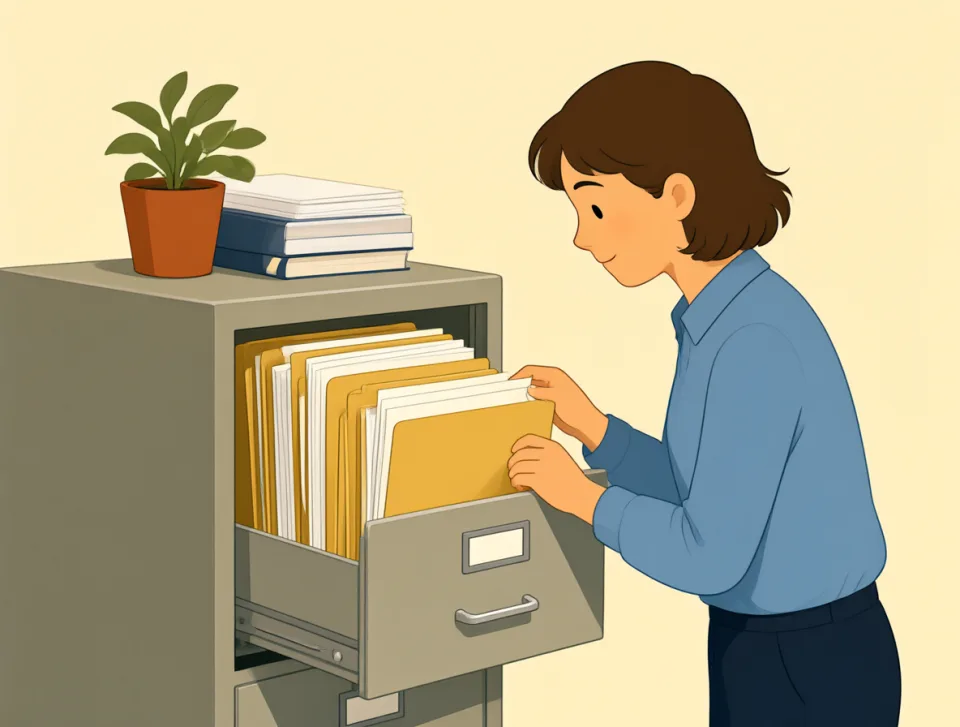
Our filing system helps us find papers.
Nasz system archiwizacji pomaga nam znaleźć dokumenty.
every
#180determiner, pronoun
każdy
Each person or thing in a group, without exception.
Każda osoba lub rzecz z danej grupy, bez wyjątku.
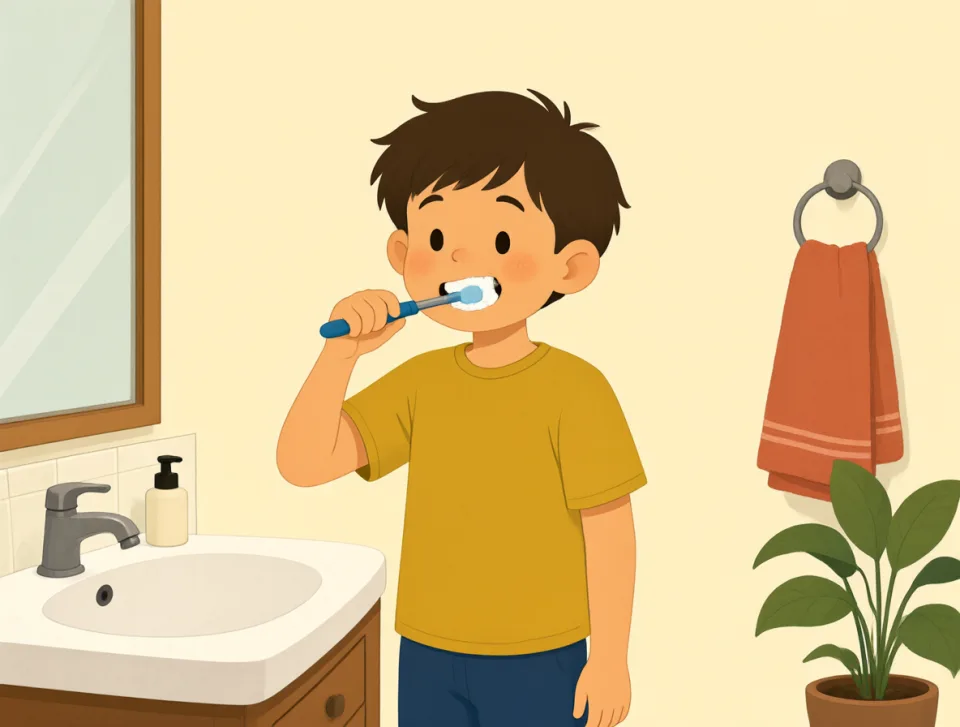
I brush my teeth every morning.
Myję zęby każdego ranka.
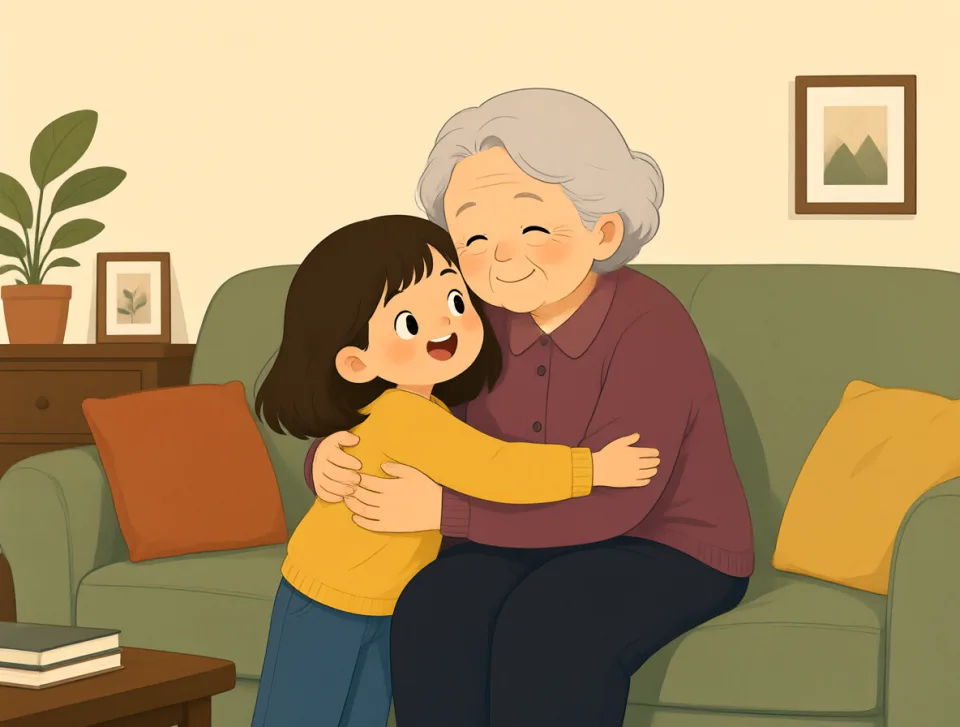
She visits her grandmother every Sunday.
Odwiedza babcię w każdą niedzielę.
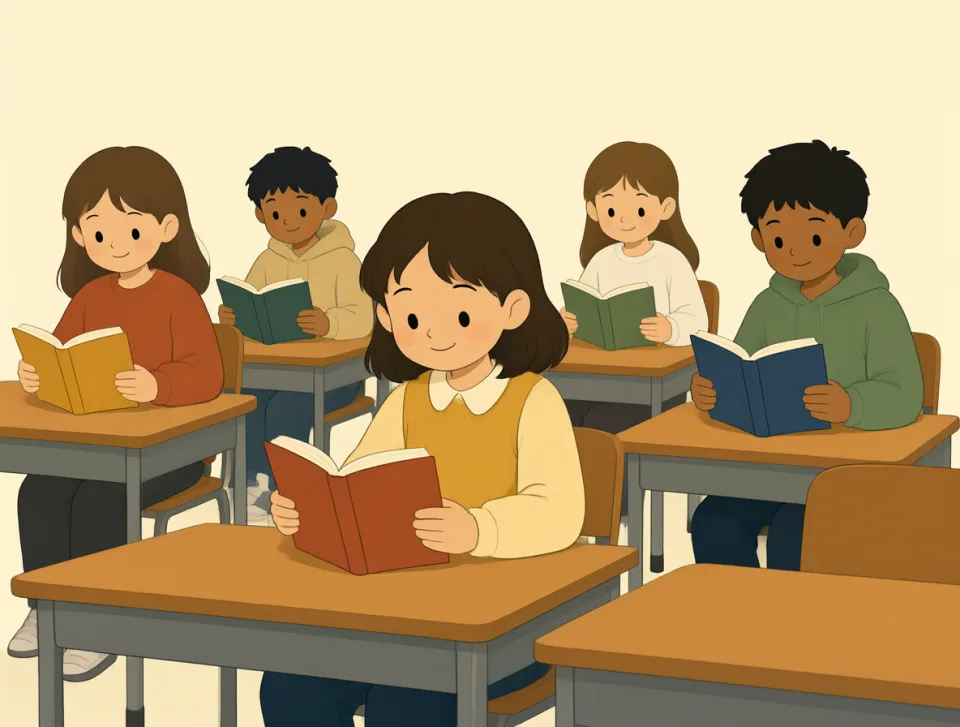
Every student has a book.
Każdy uczeń ma książkę.
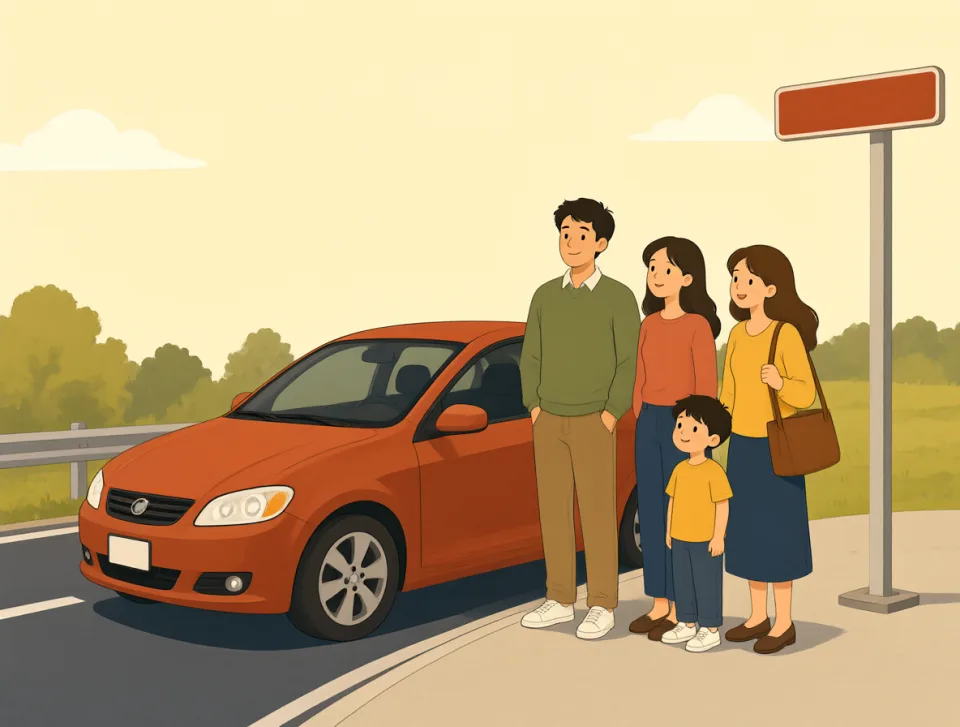
We stopped every hour during the trip.
Podczas podróży zatrzymywaliśmy się co godzinę.
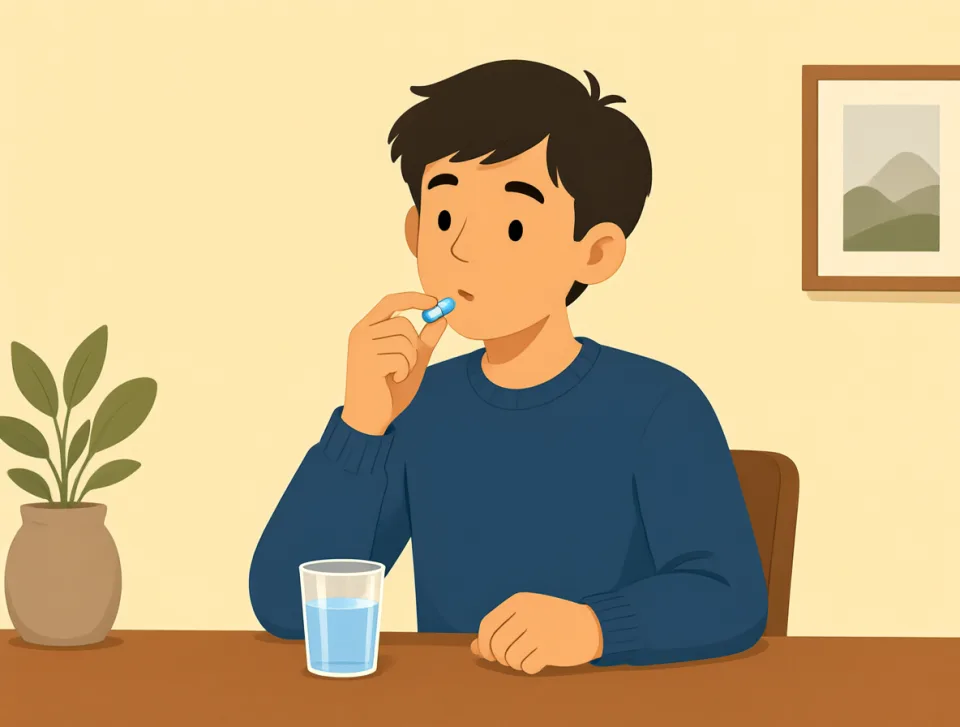
He takes medicine every day.
On bierze lekarstwa każdego dnia.