Zestaw 11
Słowa 201–220 · money, fact, however, area, provide, name
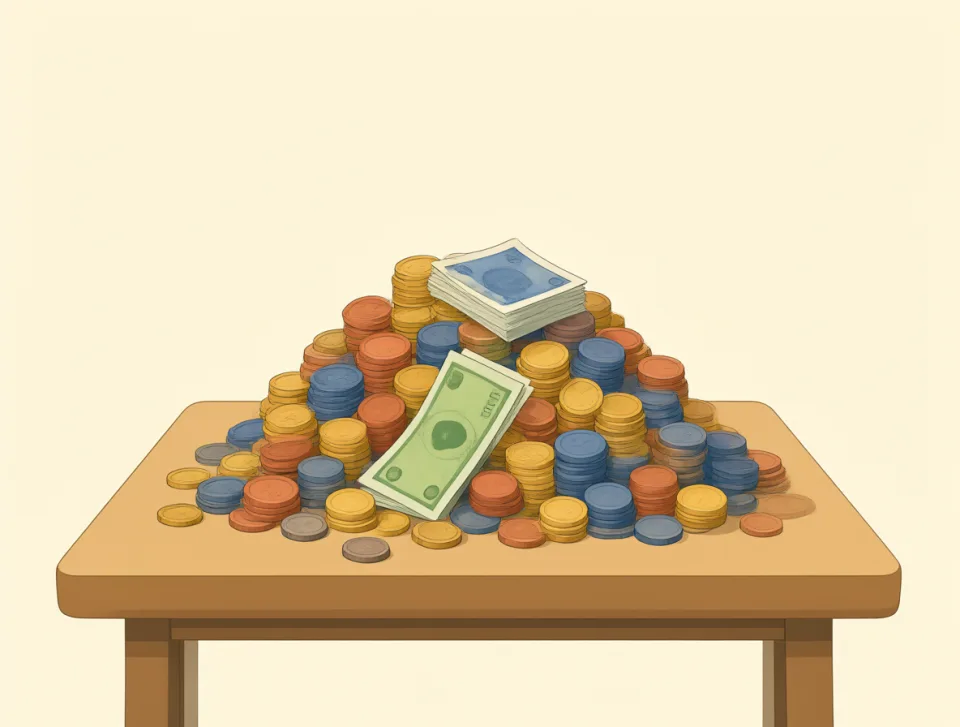
money
#201noun
pieniądze
Coins and notes, or something used to buy goods and services.
Monety i banknoty albo coś, czym płaci się za towary i usługi.
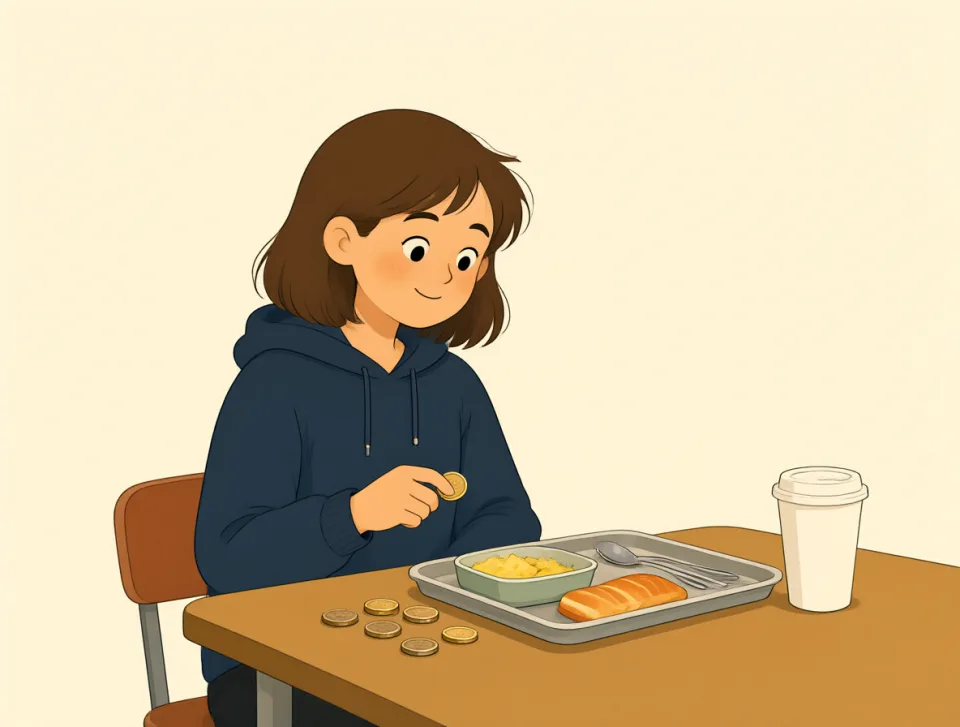
I need some money for lunch.
Potrzebuję pieniędzy na lunch.
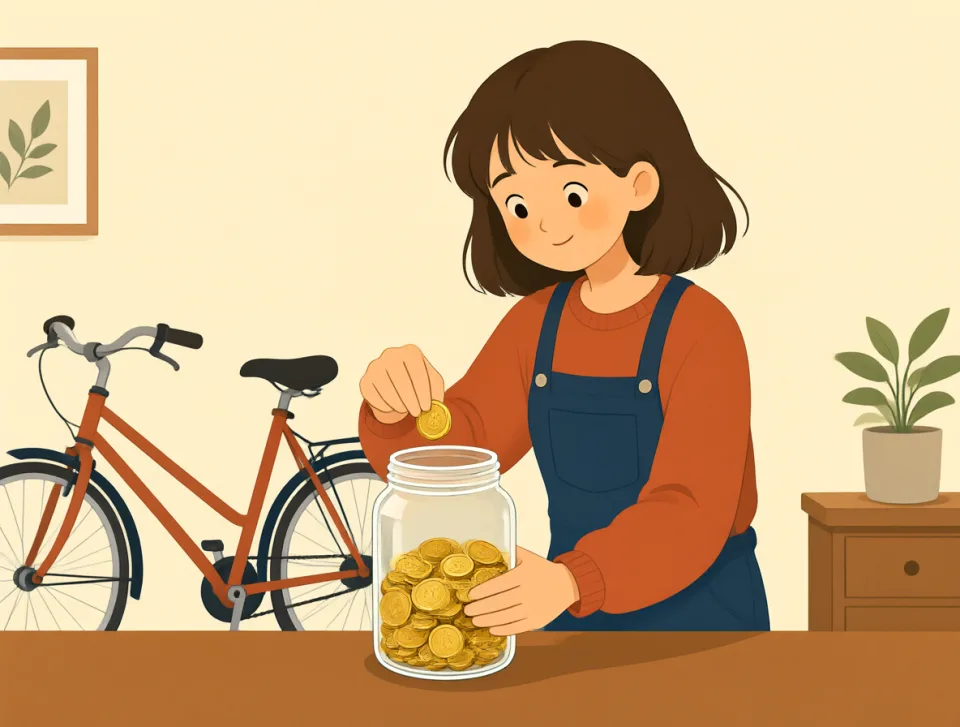
She saved money for a new bike.
Oszczędzała pieniądze na nowy rower.

How much money does this shirt cost?
Ile kosztuje ta koszula?

He makes good money at his new job.
W swojej nowej pracy dobrze zarabia.
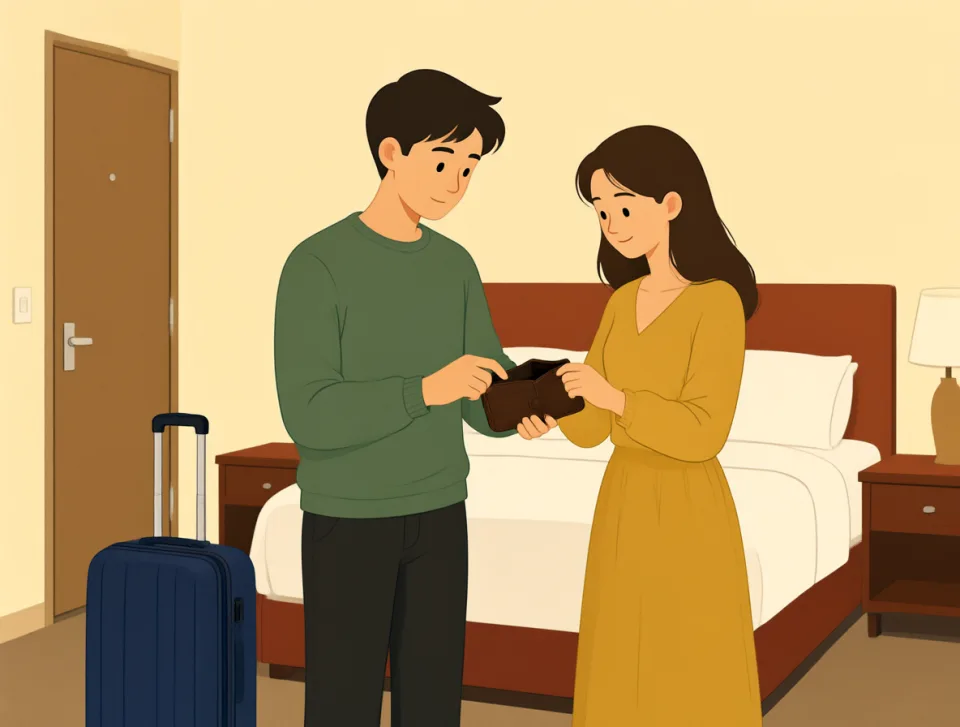
We ran out of money during our trip.
Podczas podróży skończyły nam się pieniądze.
fact
#202noun
fakt
Something that is known to be true.
Coś, o czym wiadomo, że jest prawdą.
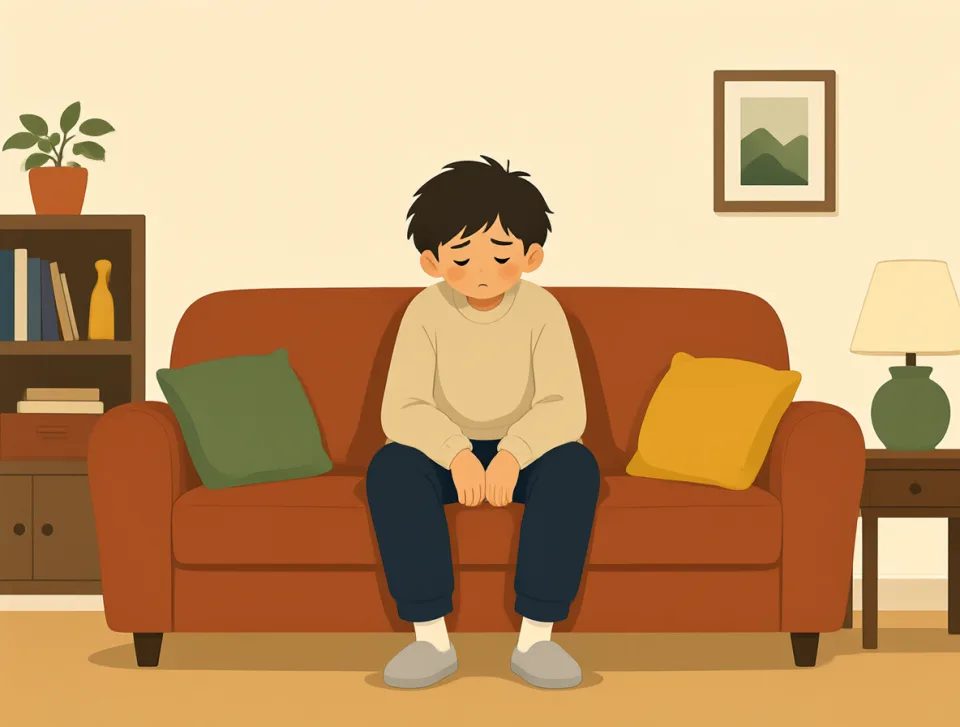
The fact is that I am tired.
Fakt jest taki, że jestem zmęczony.
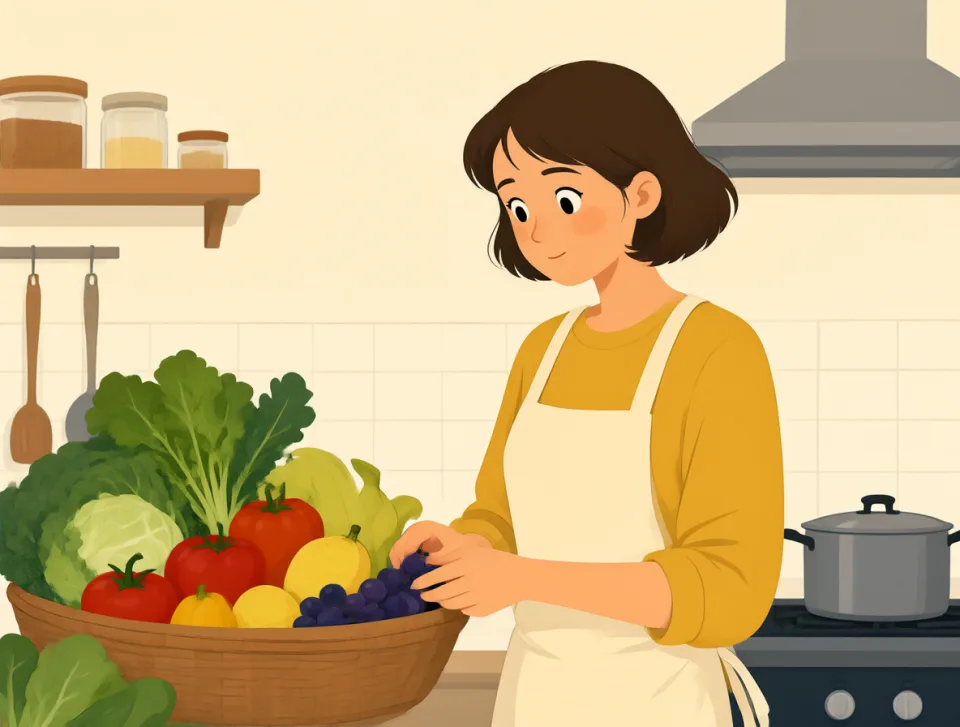
She knows the facts about healthy food.
Ona zna fakty dotyczące zdrowej żywności.

In fact, we arrived early.
Właściwie przyjechaliśmy wcześniej.
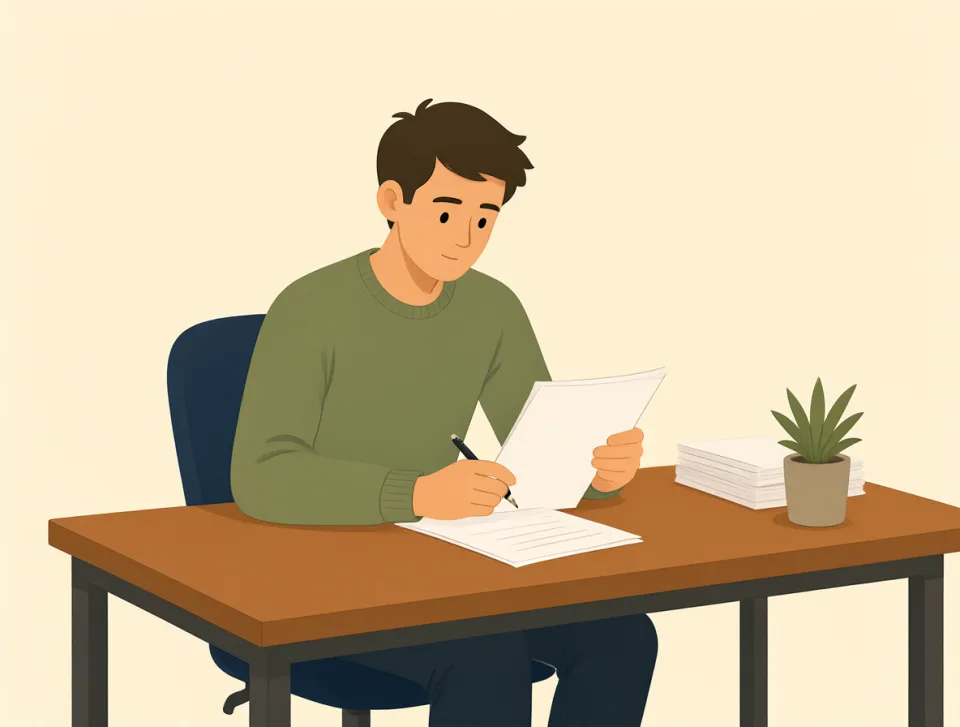
He checked the facts before the meeting.
Przed spotkaniem sprawdził fakty.
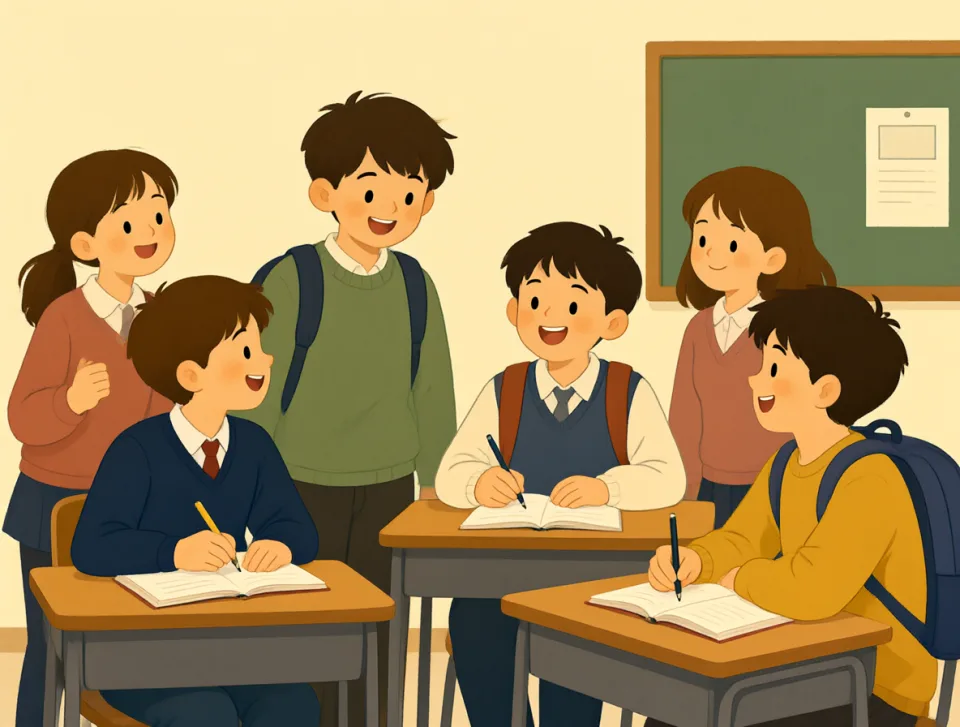
The fact that he passed surprised us.
Zaskoczyło nas to, że zdał.
however
#203adverb, conjunction
jednak
used to show that the next idea is different from or contrasts with the first
Słowo używane, aby pokazać, że kolejna myśl różni się od pierwszej lub stanowi dla niej przeciwieństwo.
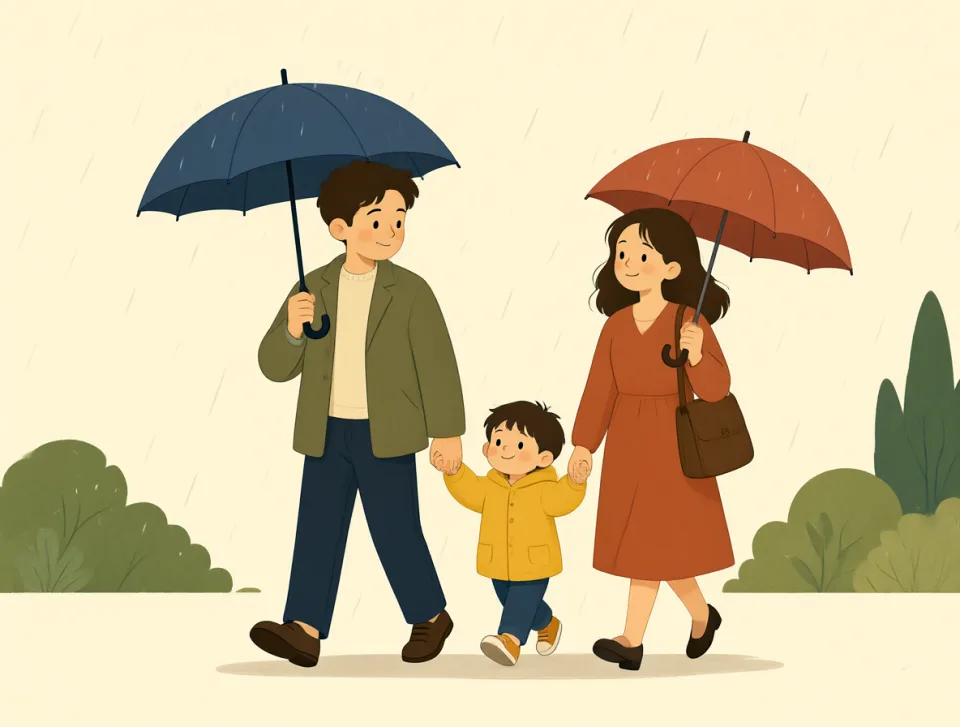
It was raining; however, we went outside.
Padał deszcz, jednak wyszliśmy na zewnątrz.
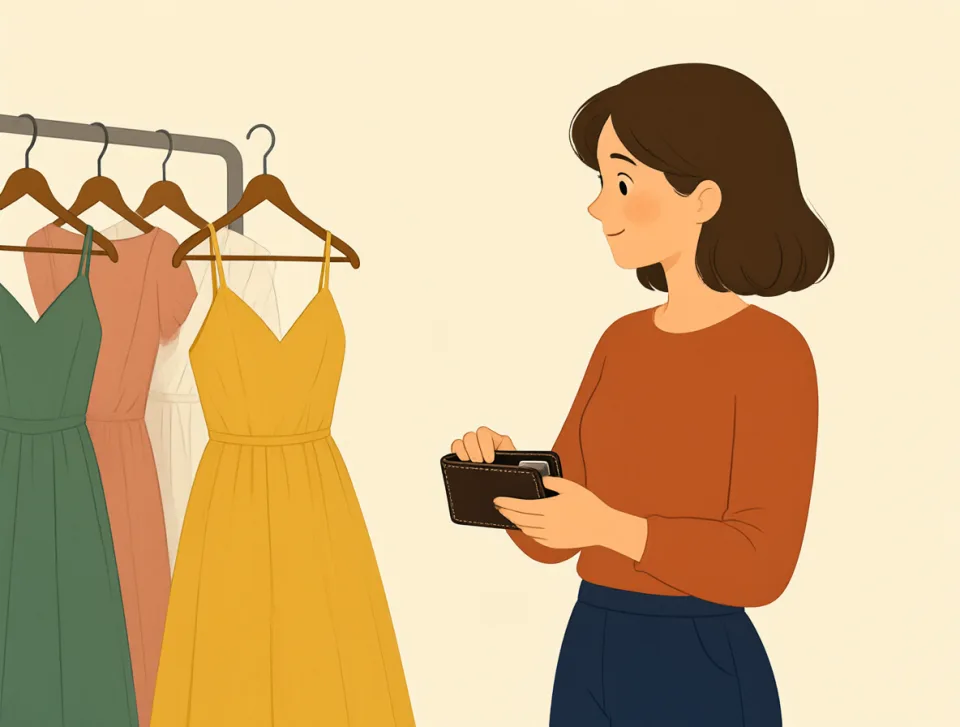
The dress was beautiful; however, it was expensive.
Sukienka była piękna, jednak droga.

He is tired; however, he keeps working.
On jest zmęczony, jednak nadal pracuje.
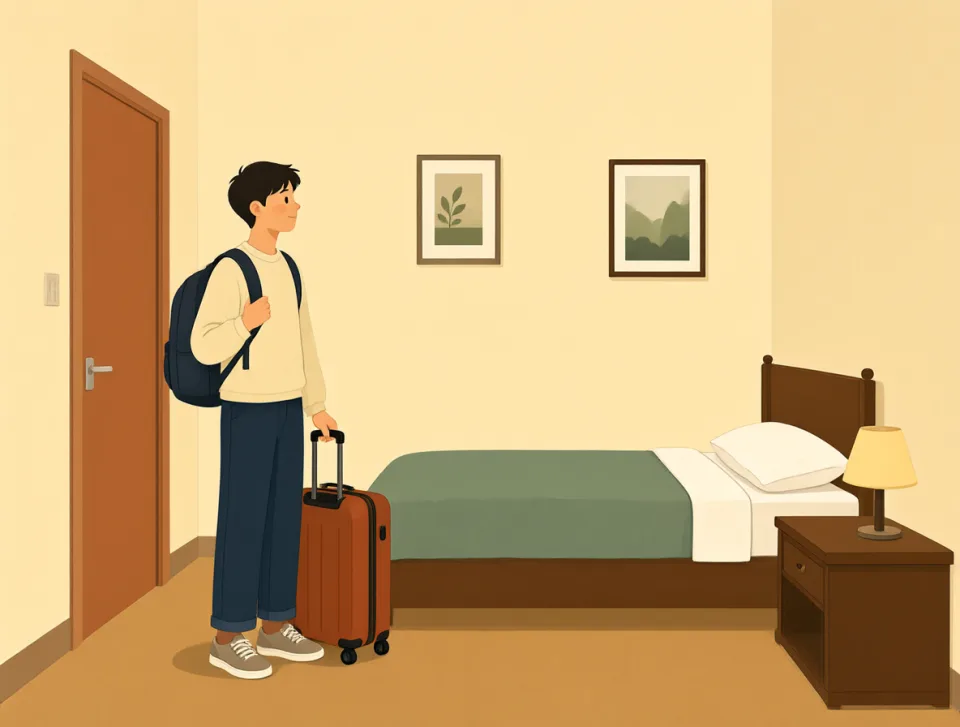
The hotel was small; however, it was clean.
Hotel był mały, jednak czysty.
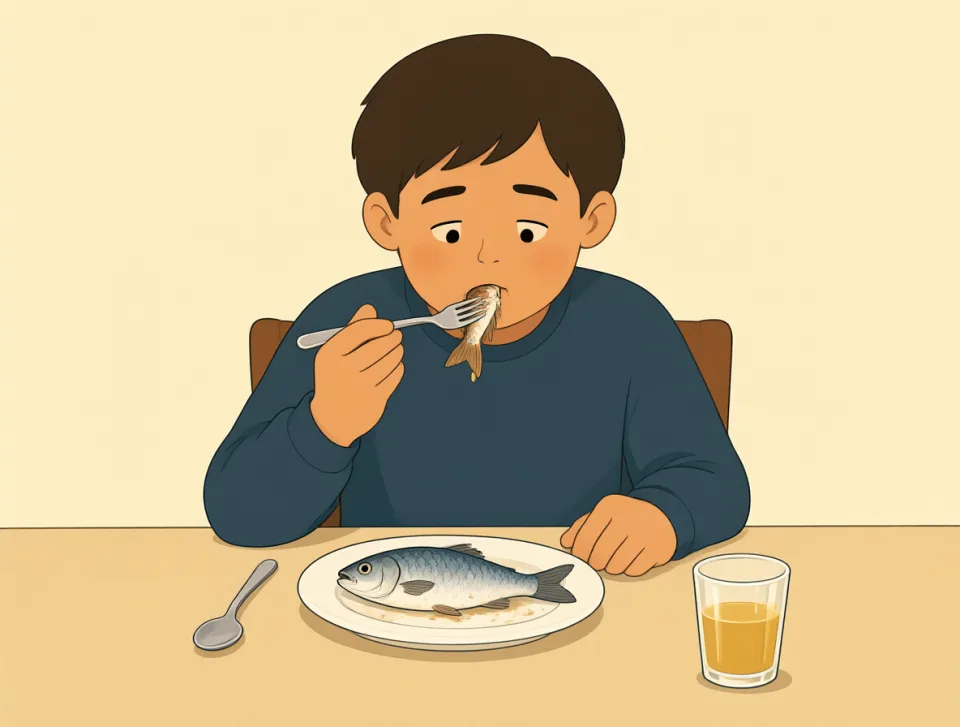
I do not like fish; however, I eat it.
Nie lubię ryb, jednak je jem.
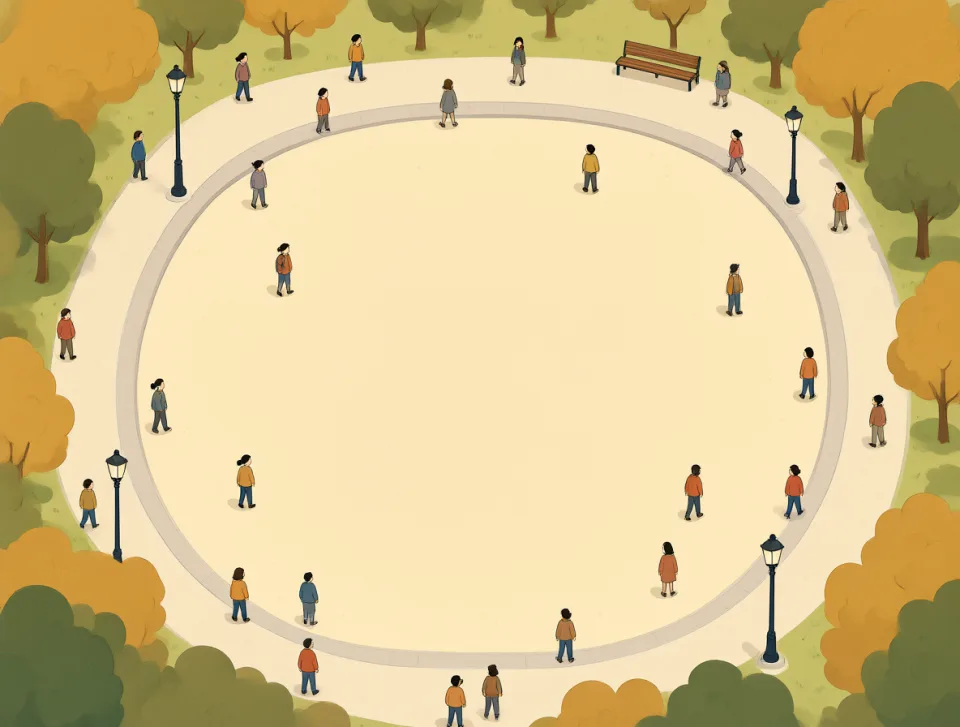
area
#204noun
obszar
a particular part or place of something
Określona część lub miejsce czegoś.
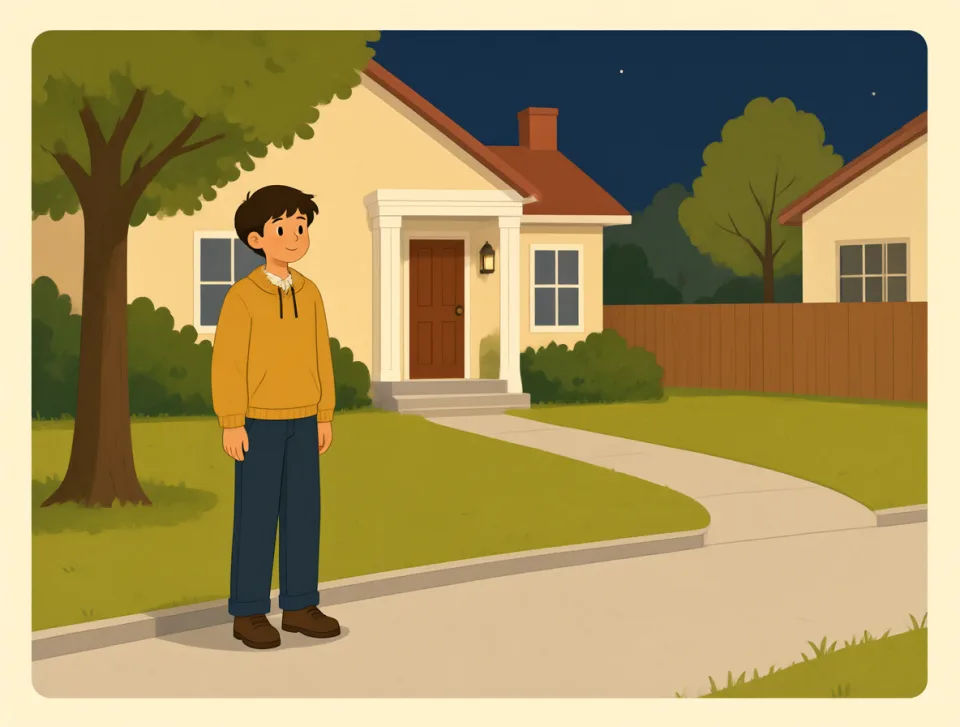
This area is very quiet at night.
W nocy w tym miejscu jest bardzo cicho.
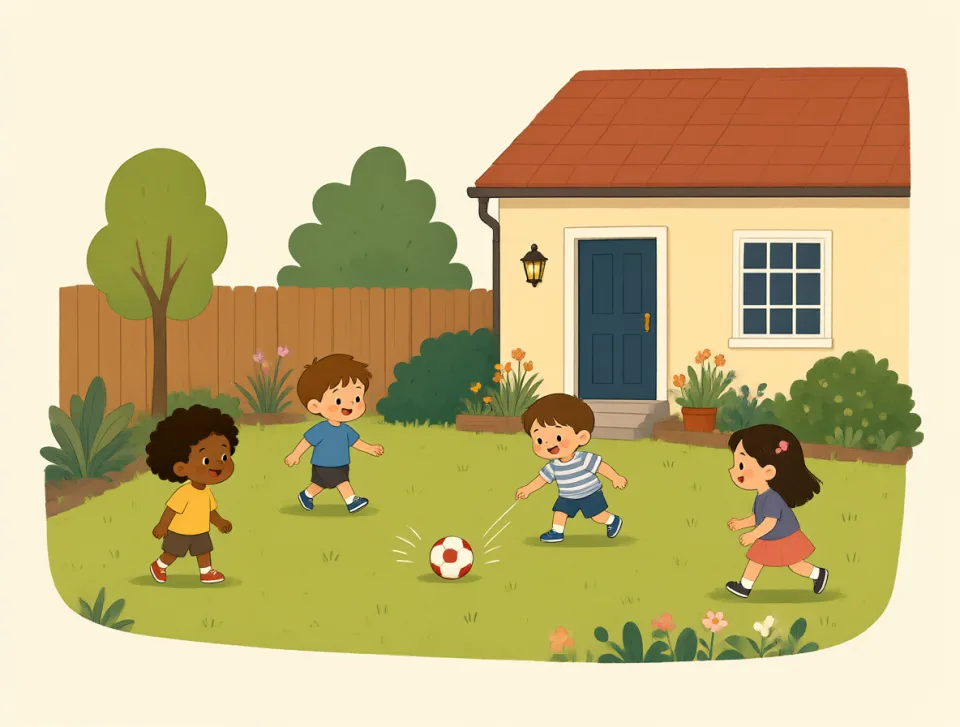
The children played in the garden area.
Dzieci bawiły się w części ogrodu.
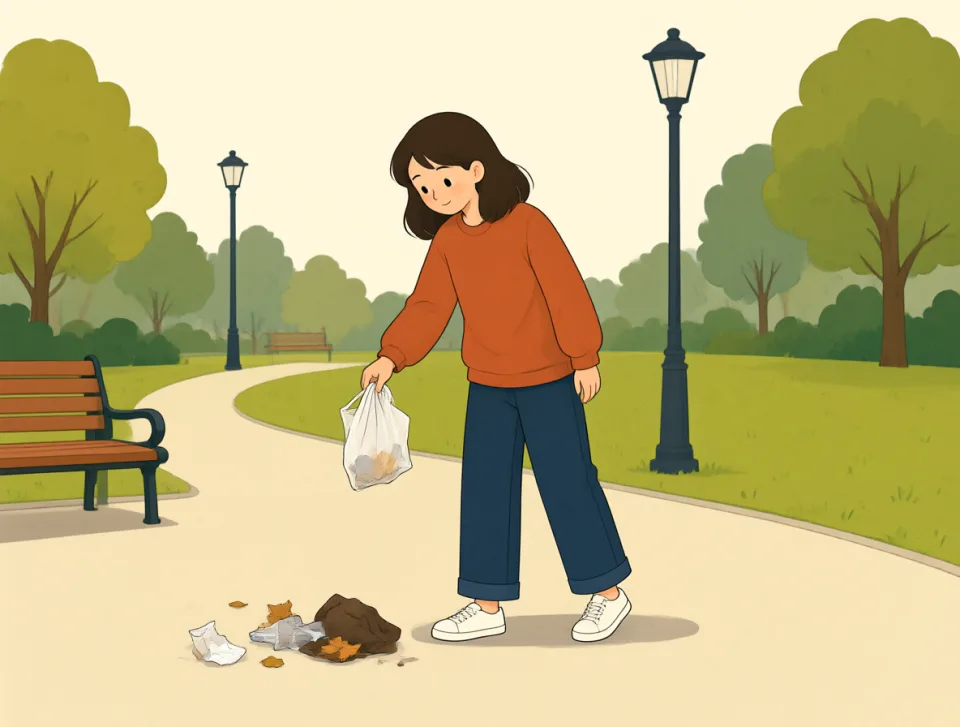
Please keep this area clean.
Proszę utrzymywać ten obszar w czystości.
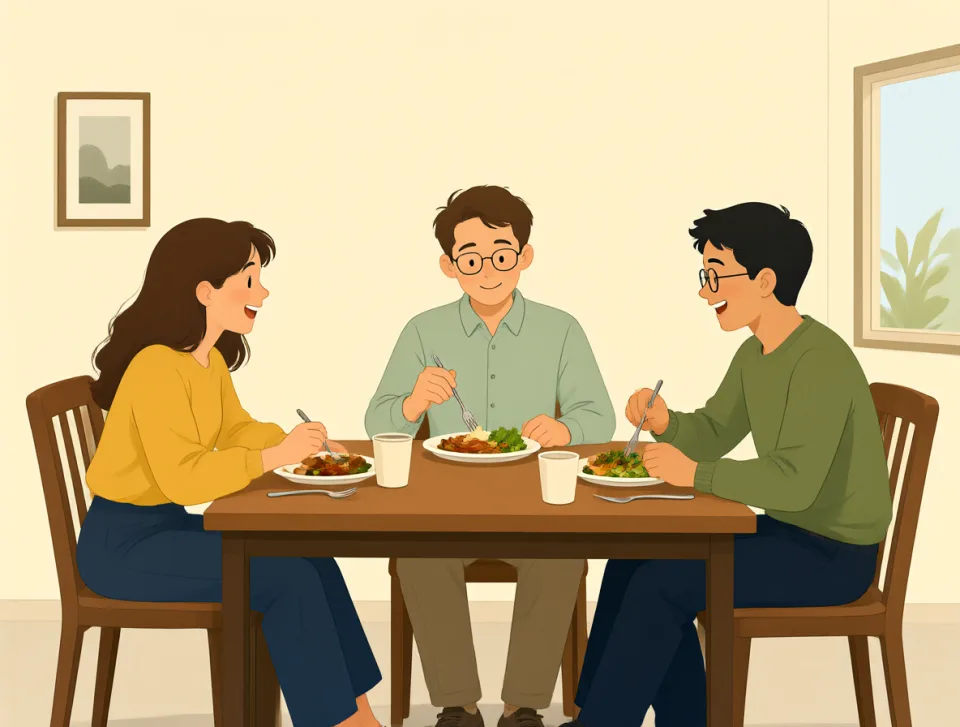
Our office has a small lunch area.
W naszym biurze jest mała jadalnia.
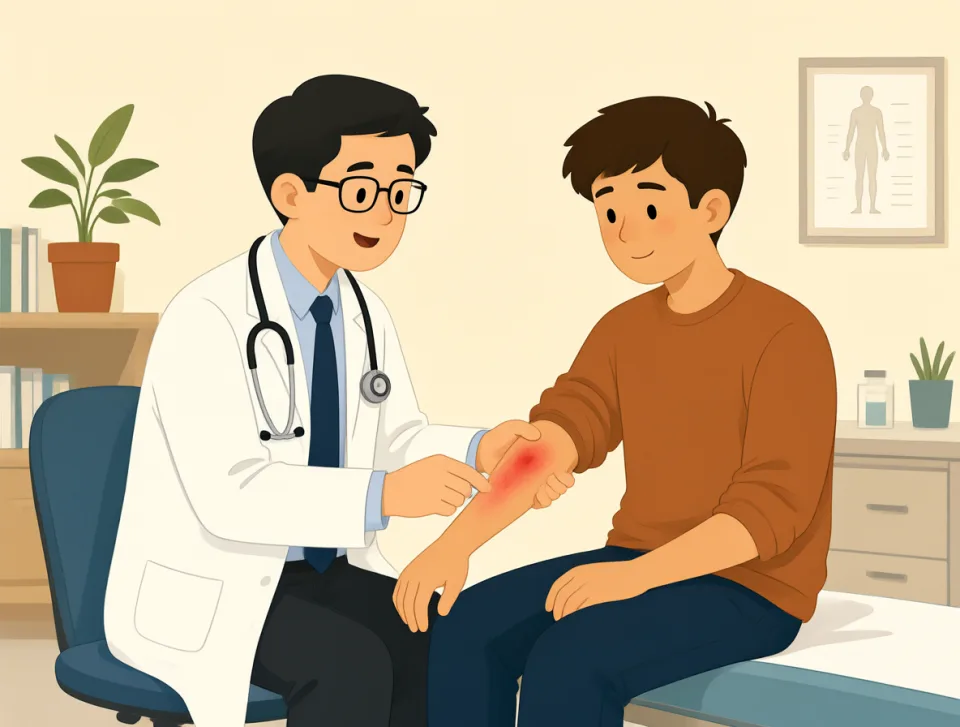
The doctor checked the painful area.
Lekarz zbadał bolące miejsce.

provide
#205verb
zapewniać
to give someone something they need or want
Dawać komuś coś, czego potrzebuje lub czego chce.
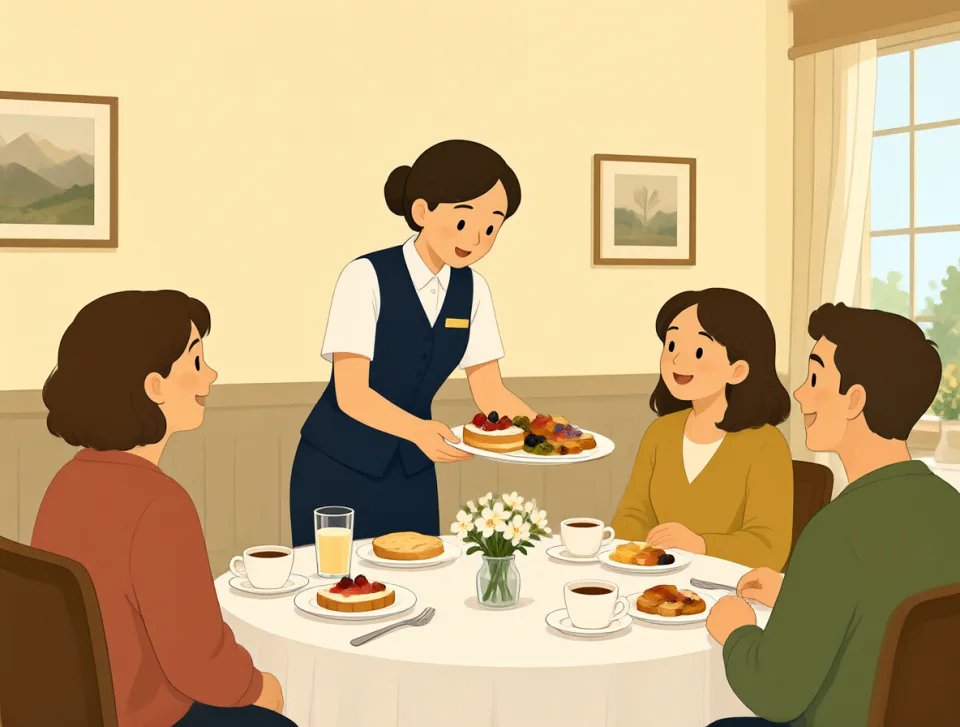
The hotel provides free breakfast every morning.
Hotel codziennie rano zapewnia bezpłatne śniadanie.
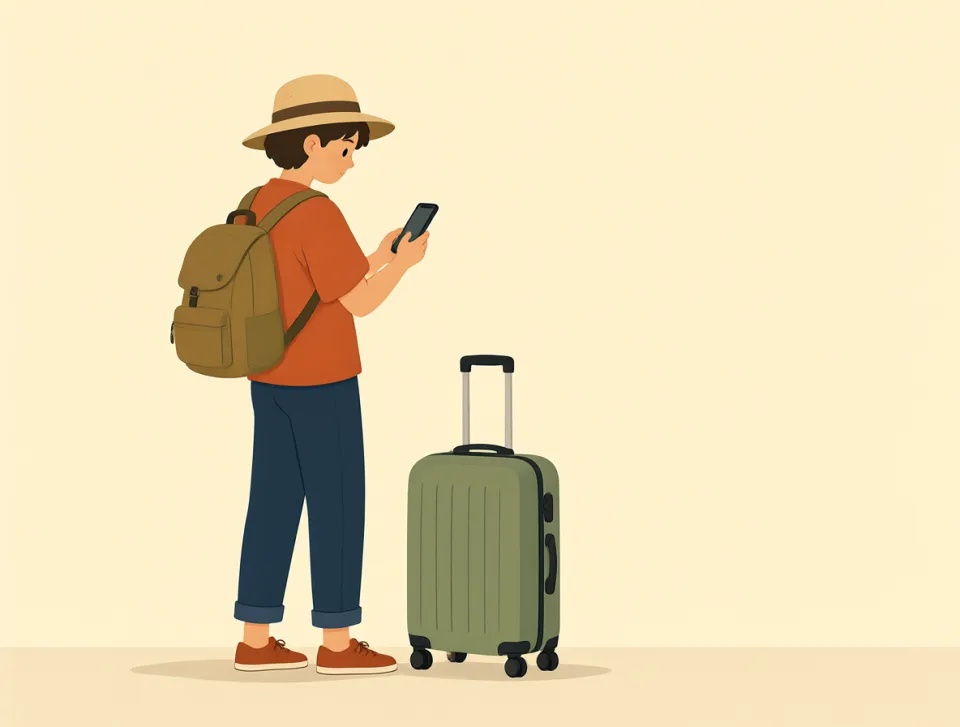
This app provides useful information for travelers.
Ta aplikacja dostarcza podróżnym przydatnych informacji.
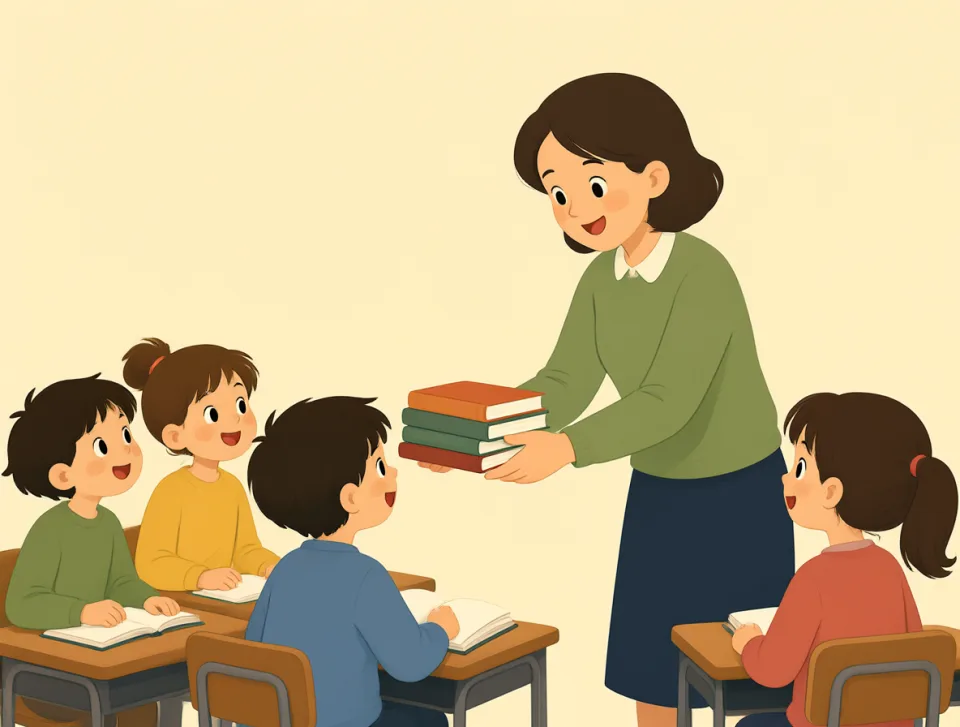
The school provided new books for students.
Szkoła zapewniła uczniom nowe książki.

The shop provides bags for customers.
Sklep zapewnia klientom torby.
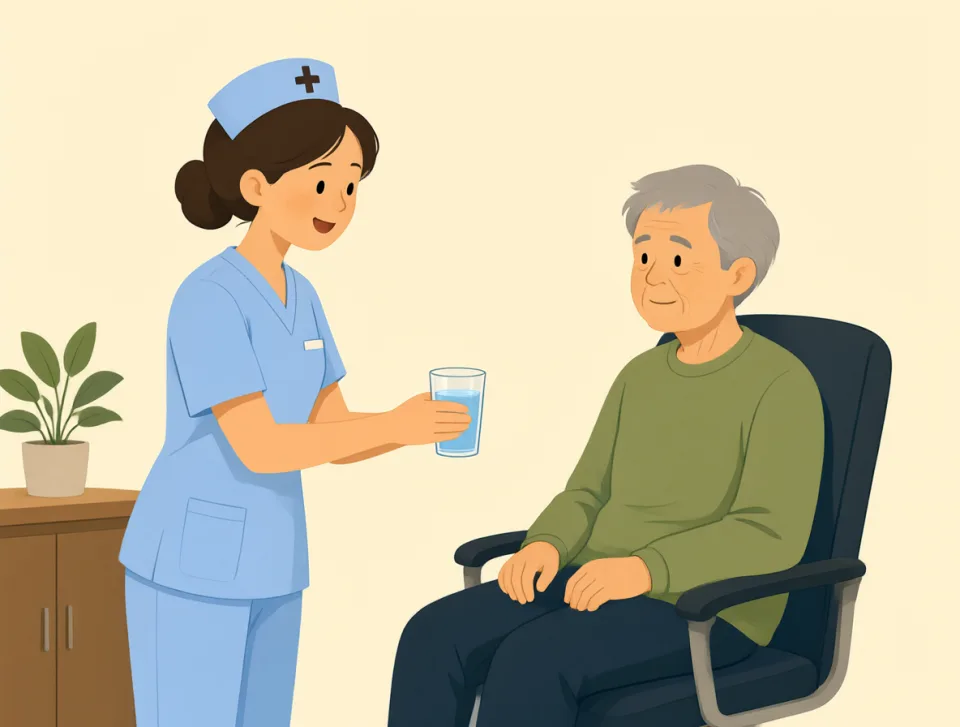
The nurse provided water after my treatment.
Pielęgniarka podała mi wodę po zabiegu.
name
#206noun, verb
imię
The word people use to identify a person, place, or thing.
Słowo, którego używa się, by zidentyfikować osobę, miejsce lub rzecz.
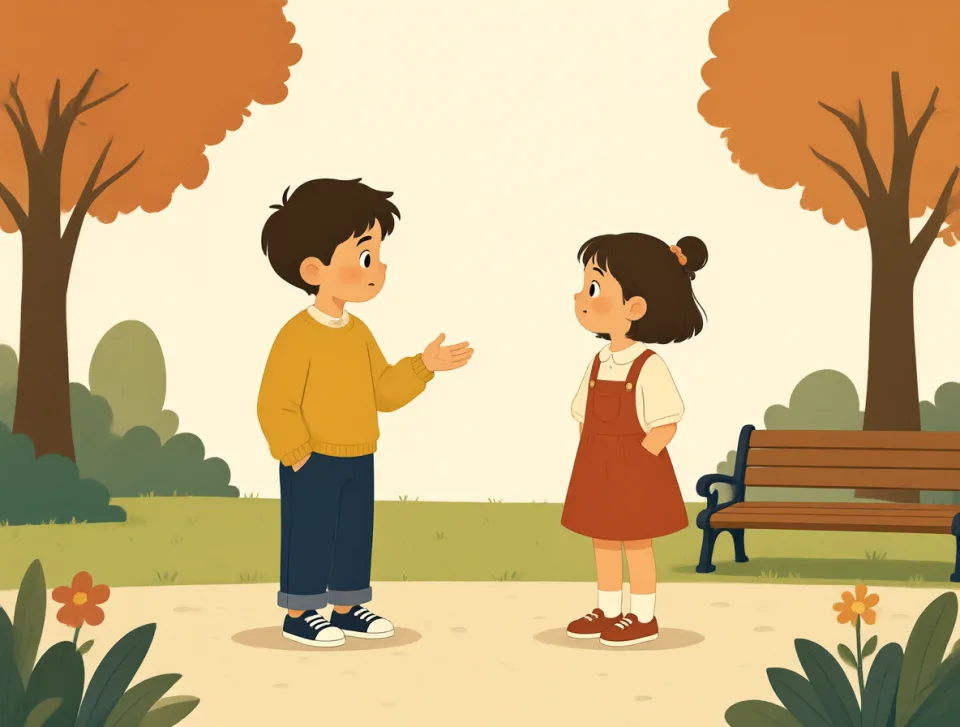
What is your name?
Jak masz na imię?
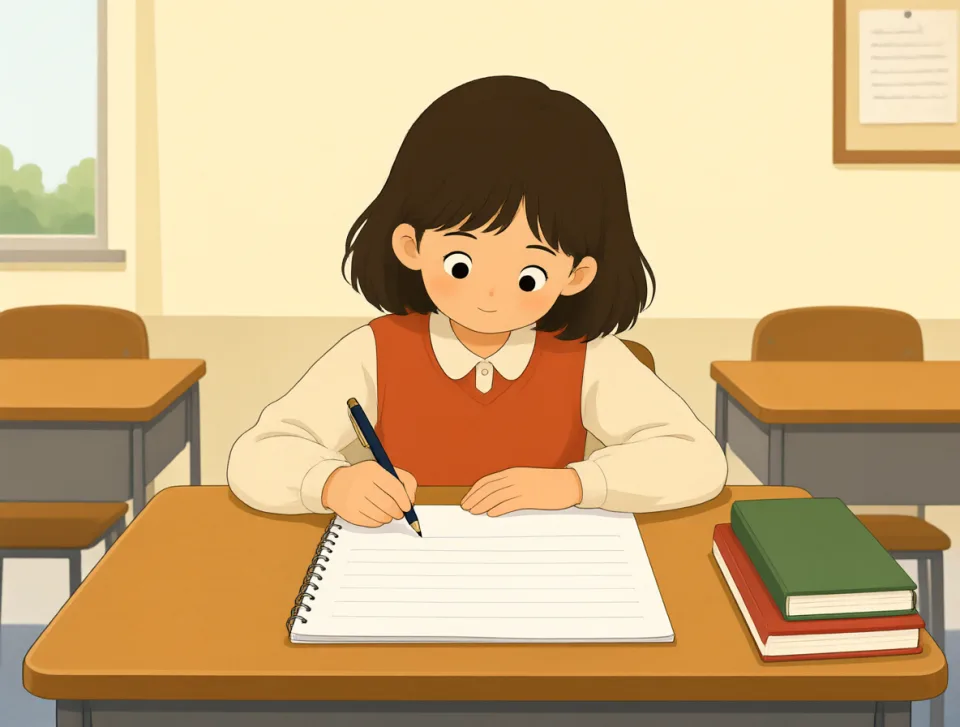
Please write your name here.
Proszę, wpisz tutaj swoje imię.
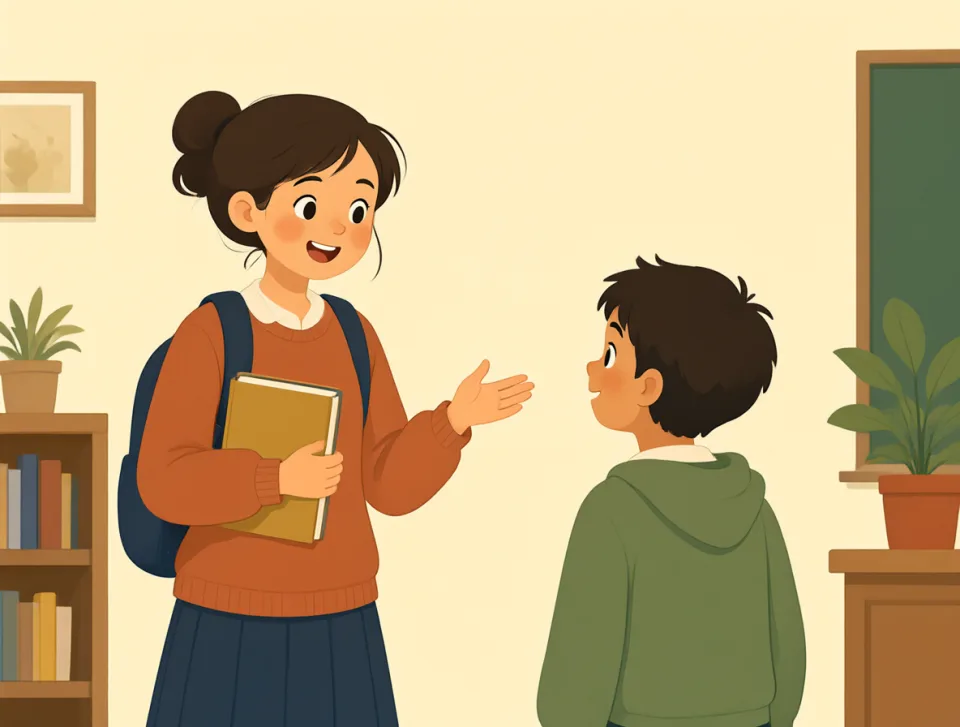
My name is Emma.
Mam na imię Emma.
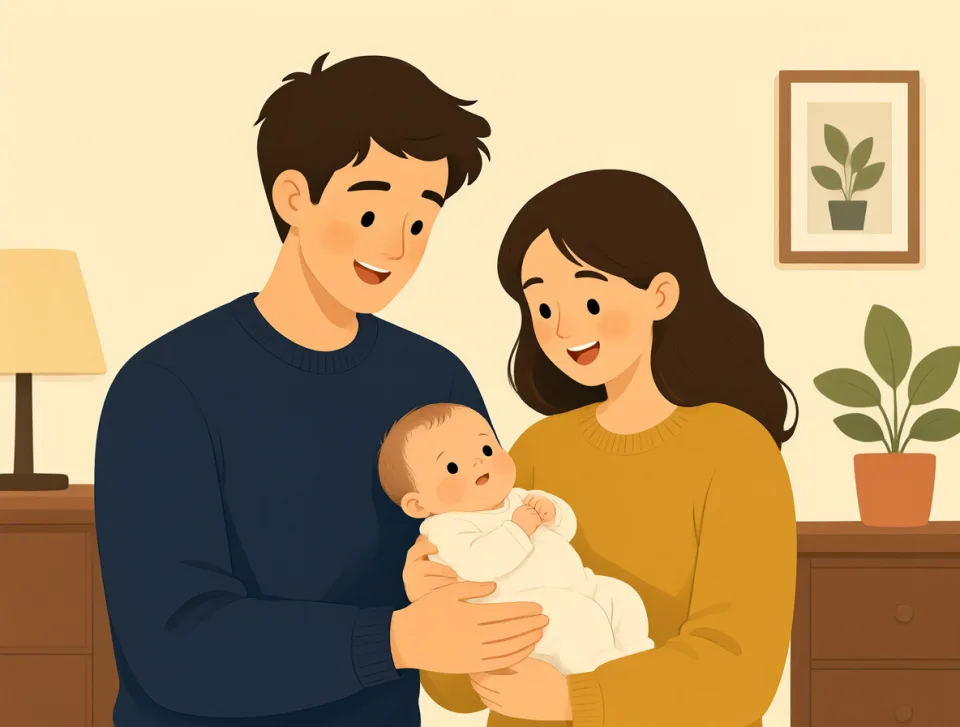
They named the baby Leo.
Nazwali dziecko Leo.

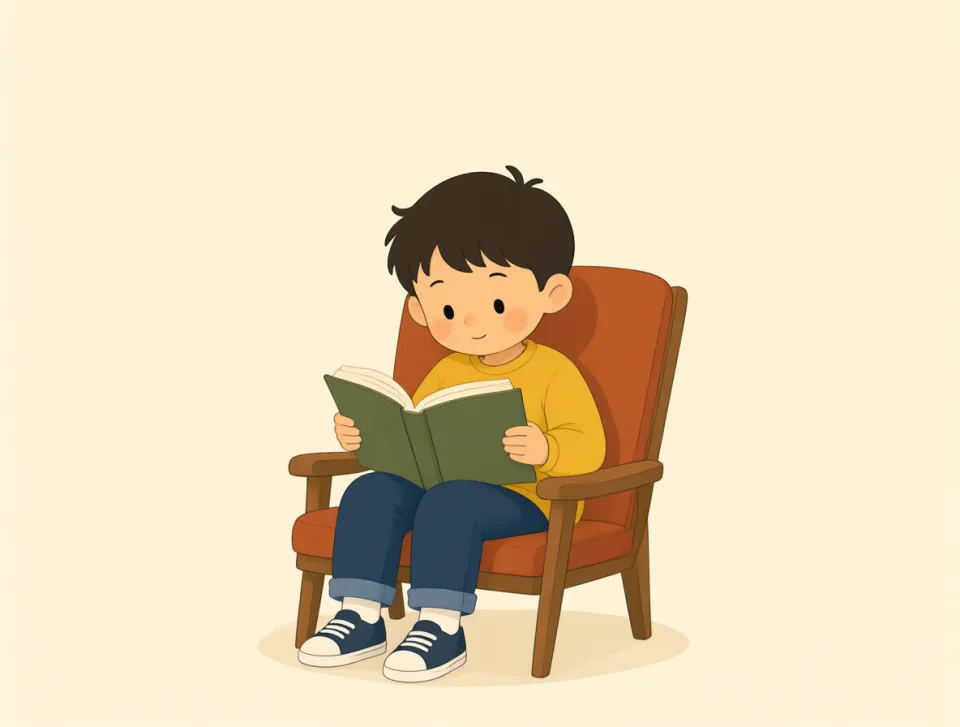
I cannot remember his name.
Nie pamiętam, jak on ma na imię.
read
#207verb
czytać
To look at and understand written words in a book, message, or other text.
Patrzeć na zapisane słowa w książce, wiadomości lub innym tekście i je rozumieć.
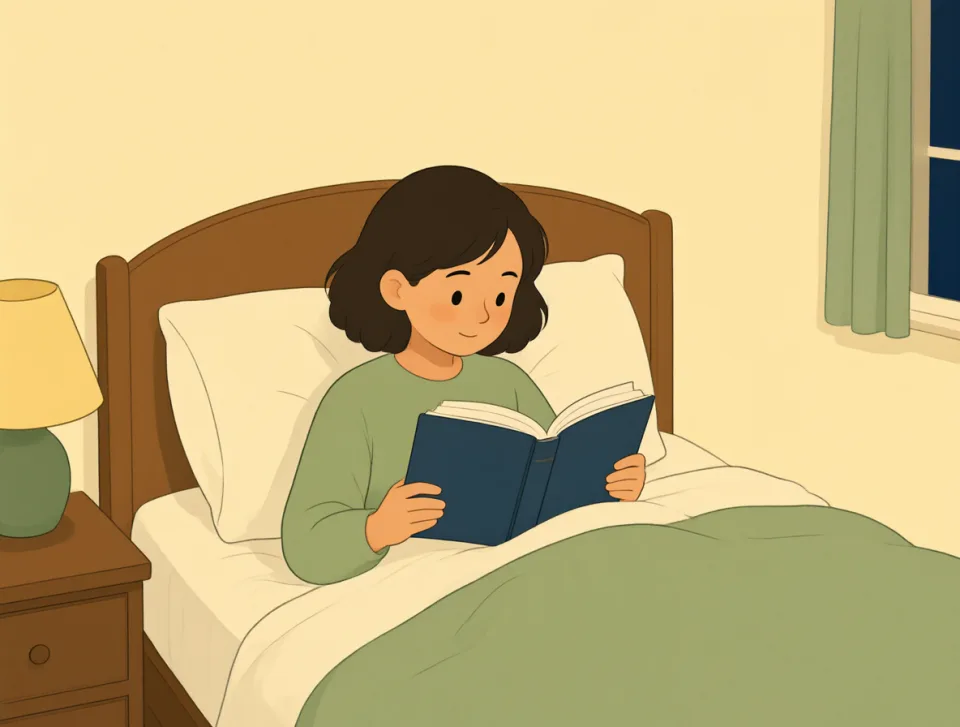
I read a book before bed.
Czytam książkę przed snem.
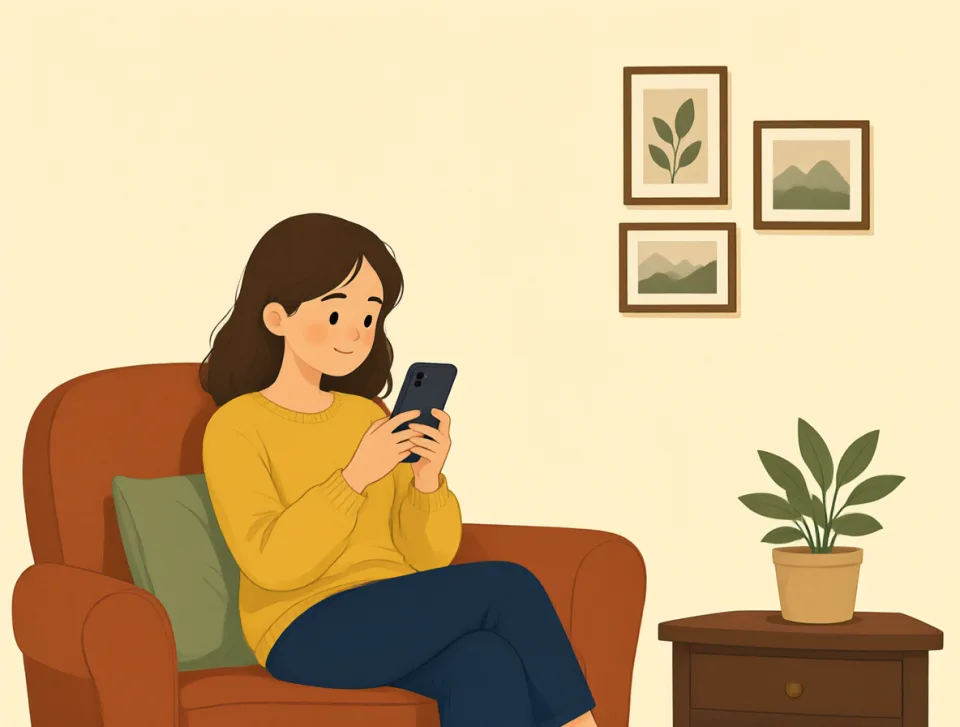
She read the email this morning.
Przeczytała e-maila dziś rano.
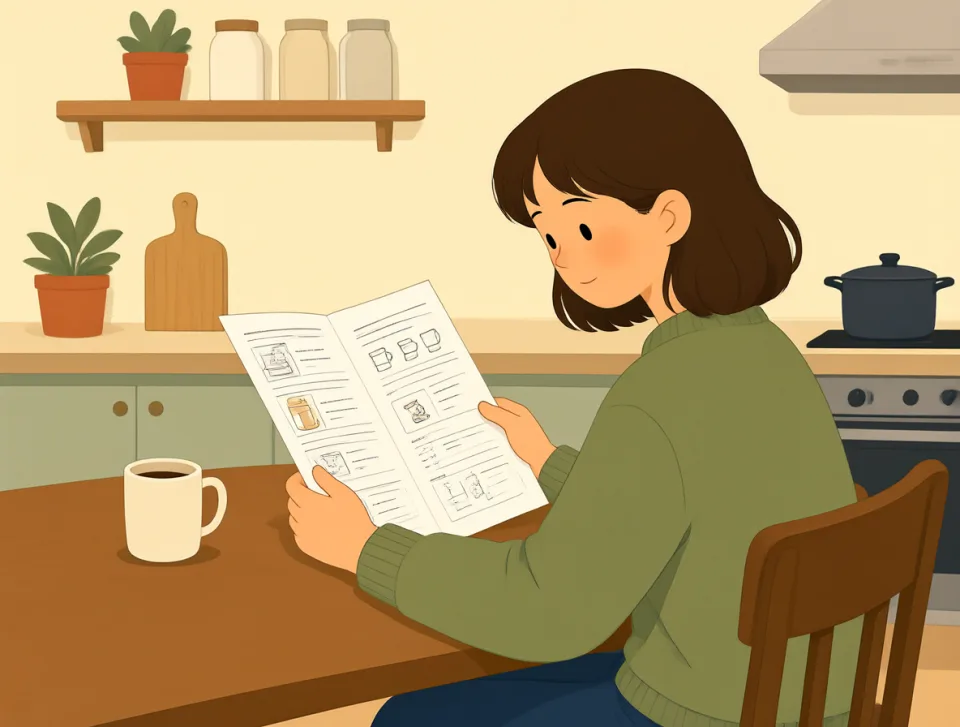
Please read the instructions carefully.
Proszę, przeczytaj uważnie instrukcję.

We read about the museum before visiting.
Przeczytaliśmy o muzeum, zanim je odwiedziliśmy.
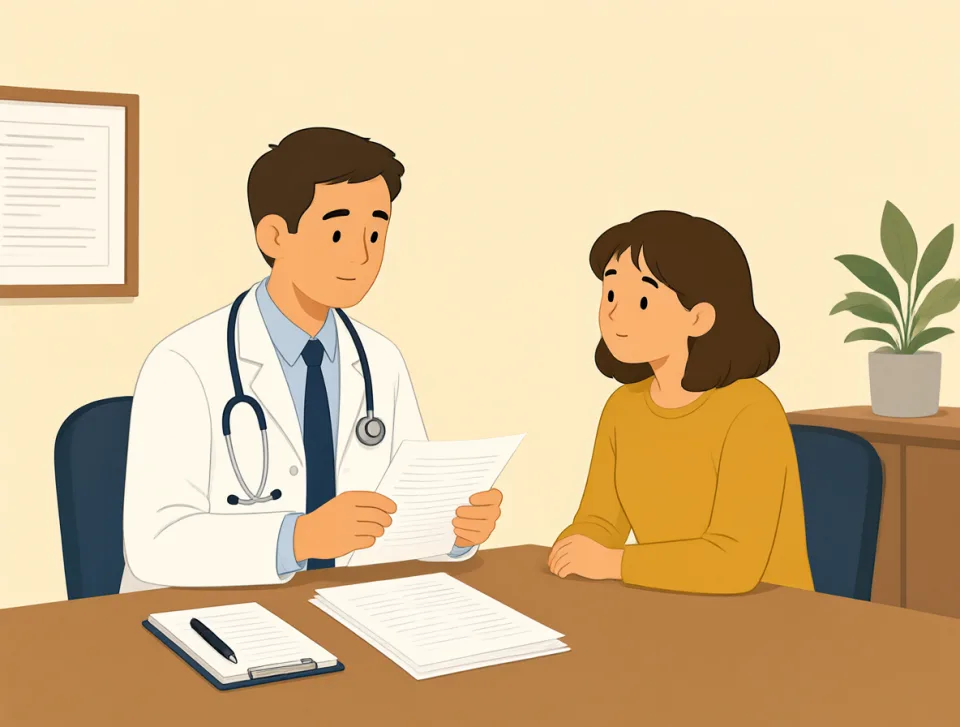
The doctor read my test results.
Lekarz odczytał moje wyniki badań.

friend
#208noun, verb
przyjaciel
A person you know well and like, or to add someone as a friend online.
Osoba, którą dobrze znasz i lubisz; także osoba dodana do znajomych w internecie.
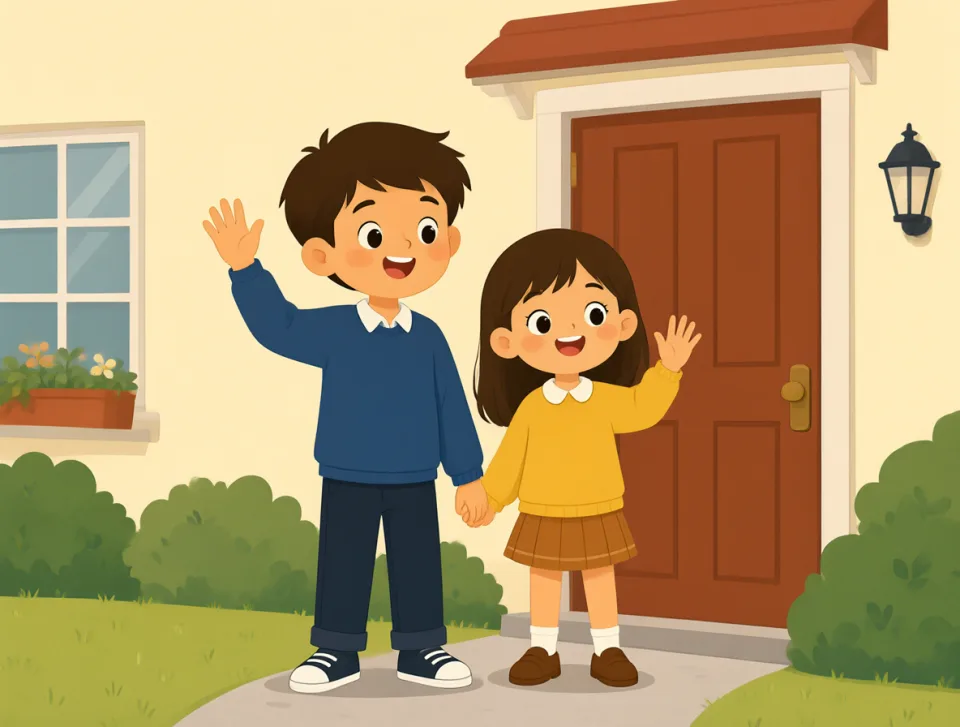
My best friend lives near my house.
Mój najlepszy przyjaciel mieszka niedaleko mojego domu.

I met an old friend at the station.
Spotkałem starego przyjaciela na stacji.

She invited her friends to dinner.
Zaprosiła przyjaciół na kolację.

Can you be my friend at school?
Możesz być moim przyjacielem w szkole?

I made a new friend at work.
Poznałem nowego przyjaciela w pracy.
month
#209noun
miesiąc
One of the twelve parts of a year, lasting about four weeks.
Jedna z dwunastu części roku, trwająca około czterech tygodni.
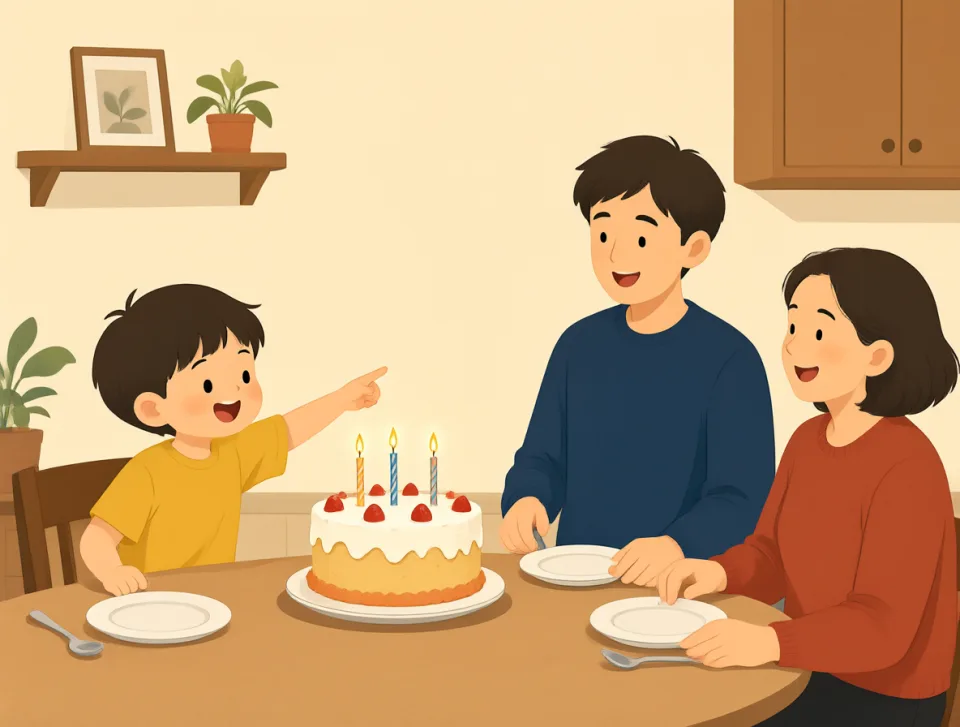
My birthday is next month.
W przyszłym miesiącu mam urodziny.
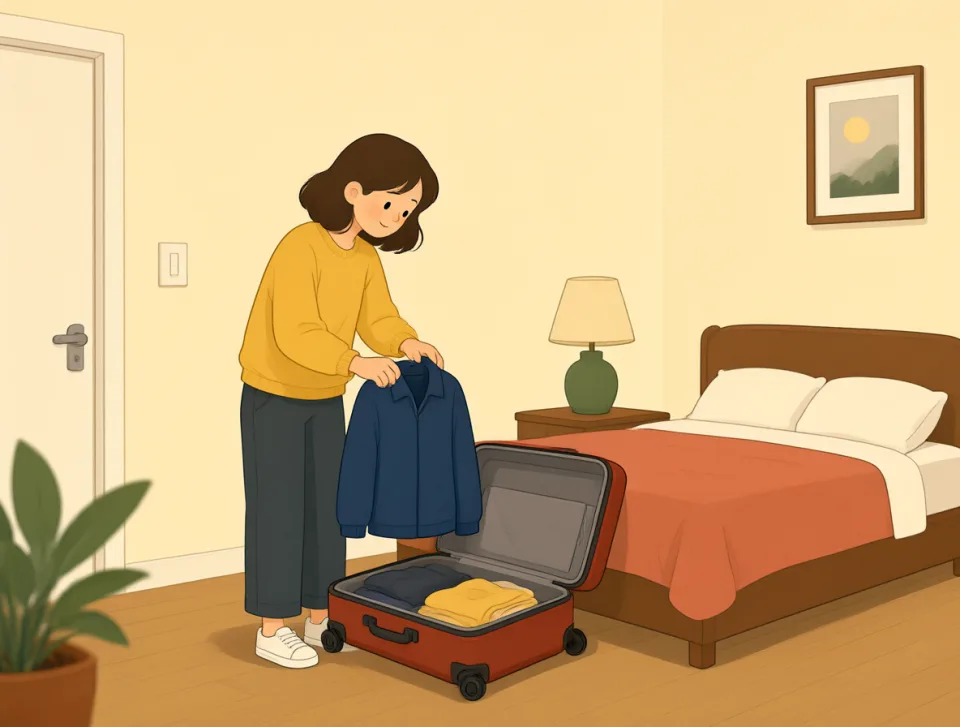
We stayed there for one month.
Zostaliśmy tam przez miesiąc.
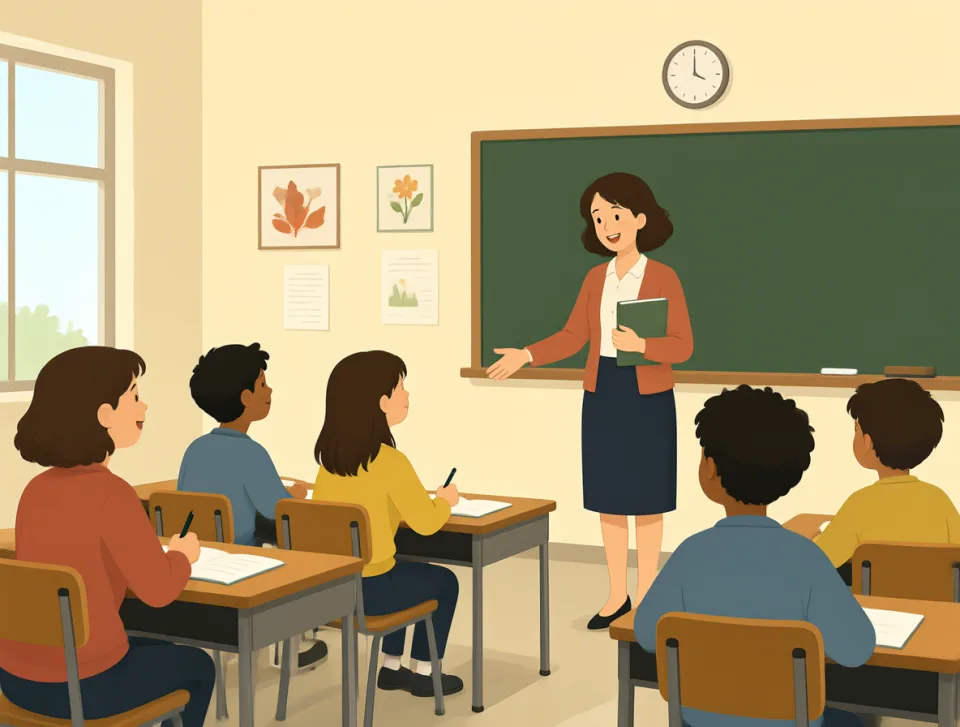
The course starts in September each year.
Kurs rozpoczyna się co roku we wrześniu.

I pay the rent every month.
Co miesiąc płacę czynsz.

She has worked here for six months.
Pracuje tu od sześciu miesięcy.

large
#210adjective
duży
big in size, amount, or number
Duży pod względem rozmiaru, ilości lub liczby.

They live in a large house.
Mieszkają w dużym domu.

She bought a large pizza for dinner.
Kupiła dużą pizzę na kolację.
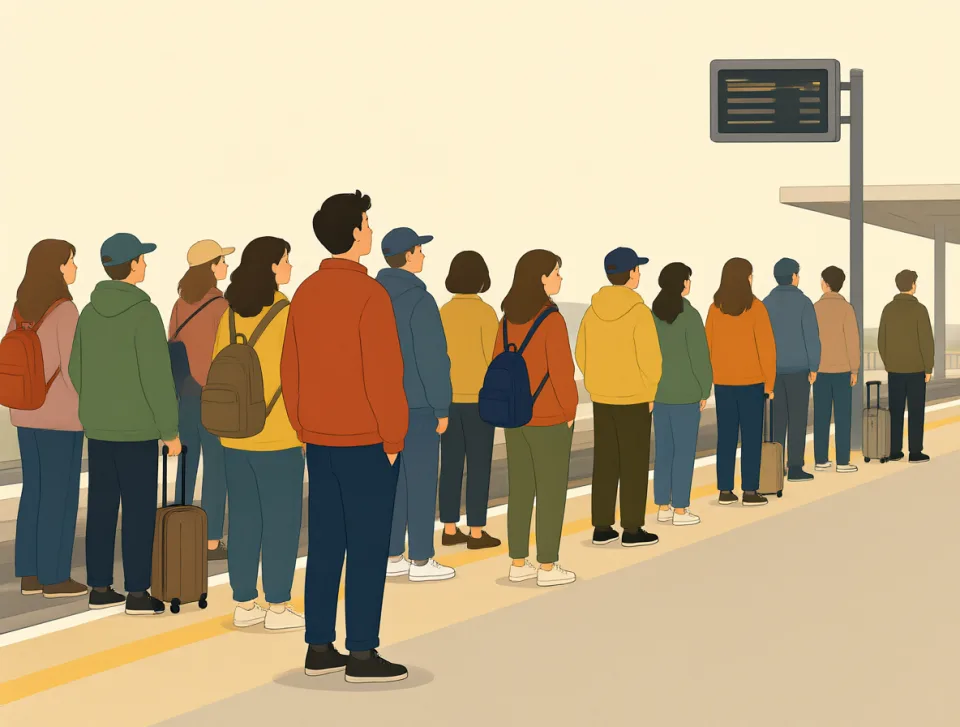
A large crowd waited for the train.
Duży tłum czekał na pociąg.

The company has a large office downtown.
Firma ma duże biuro w centrum.

He drank a large glass of water.
Wypił dużą szklankę wody.
business
#211noun
firma
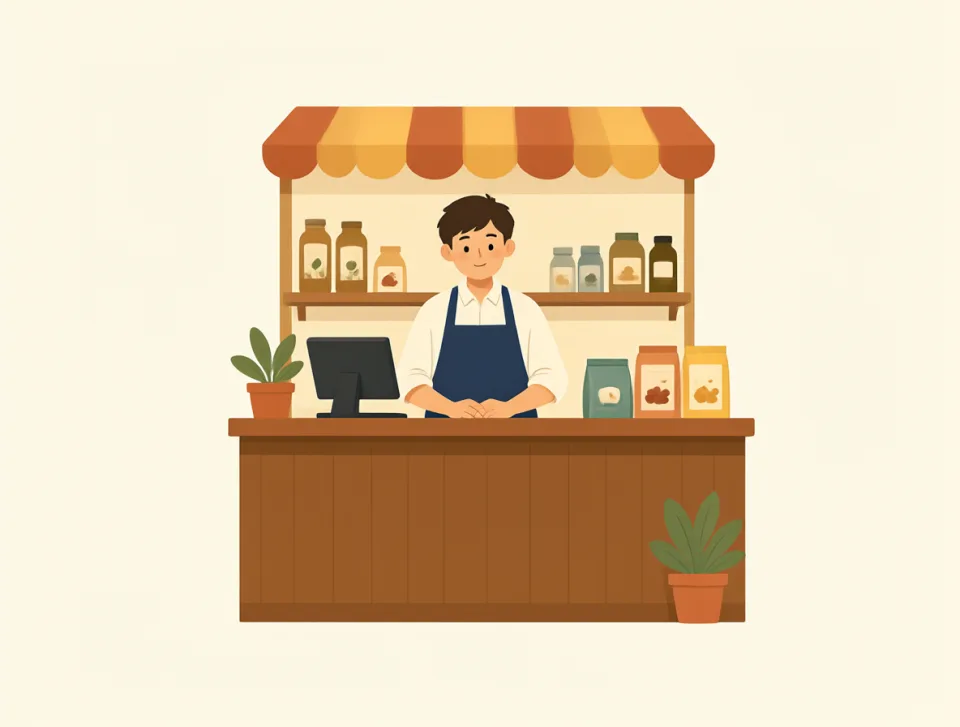
Work that involves buying and selling goods or services.
Praca polegająca na kupowaniu i sprzedawaniu towarów lub usług.
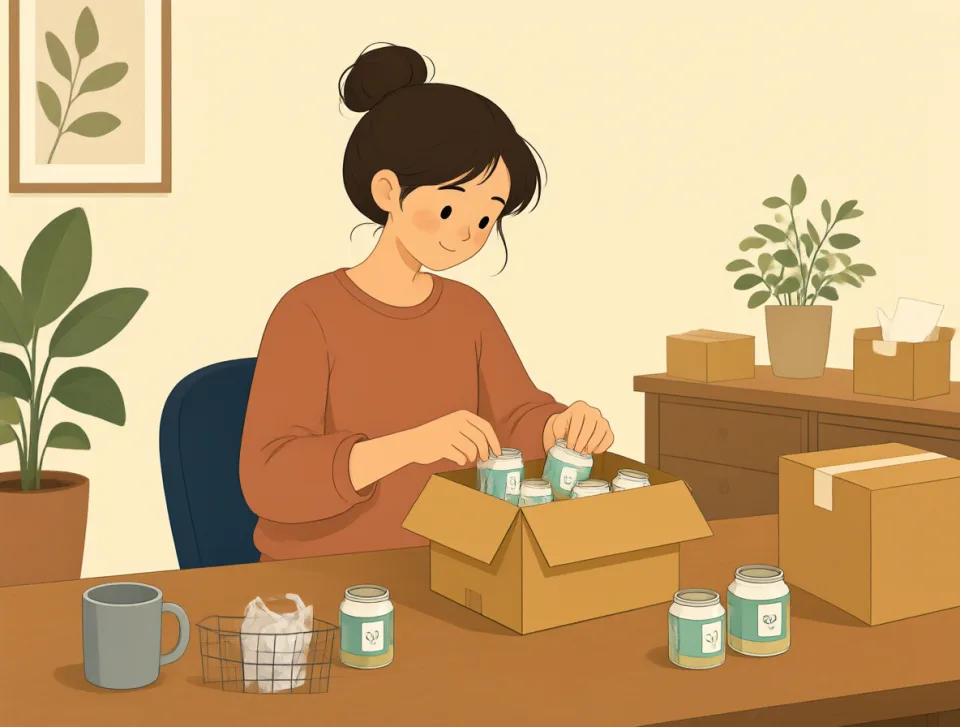
She runs a small business from home.
Prowadzi małą firmę w domu.
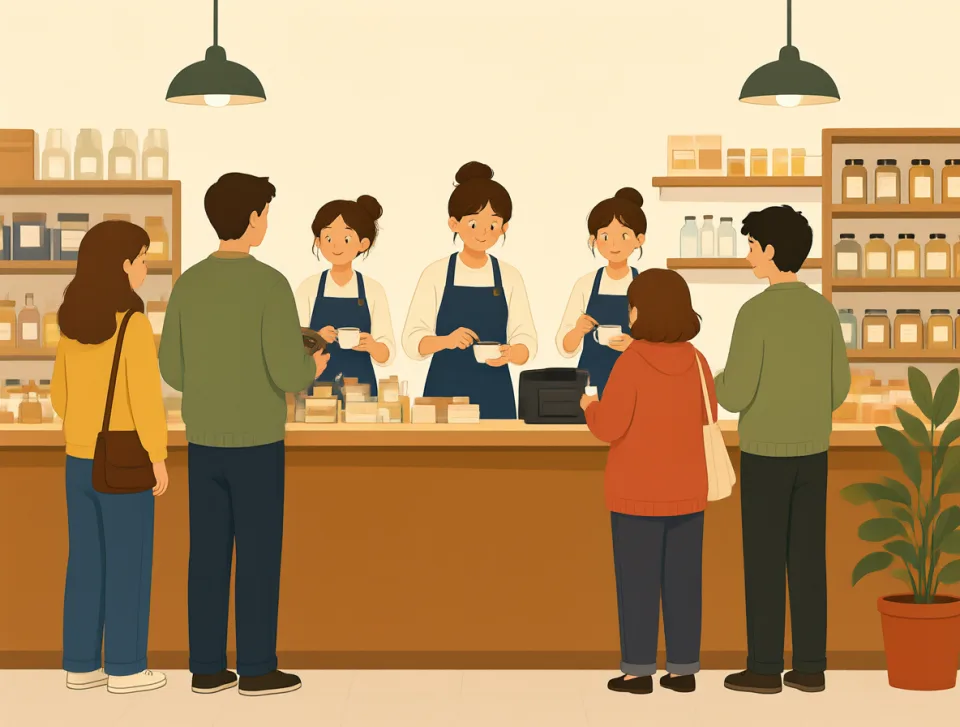
Our business is very busy this month.
W tym miesiącu mamy w firmie bardzo dużo pracy.

He went to the bank on business.
Pojechał do banku służbowo.

Mind your own business, please.
Proszę, zajmij się swoimi sprawami.
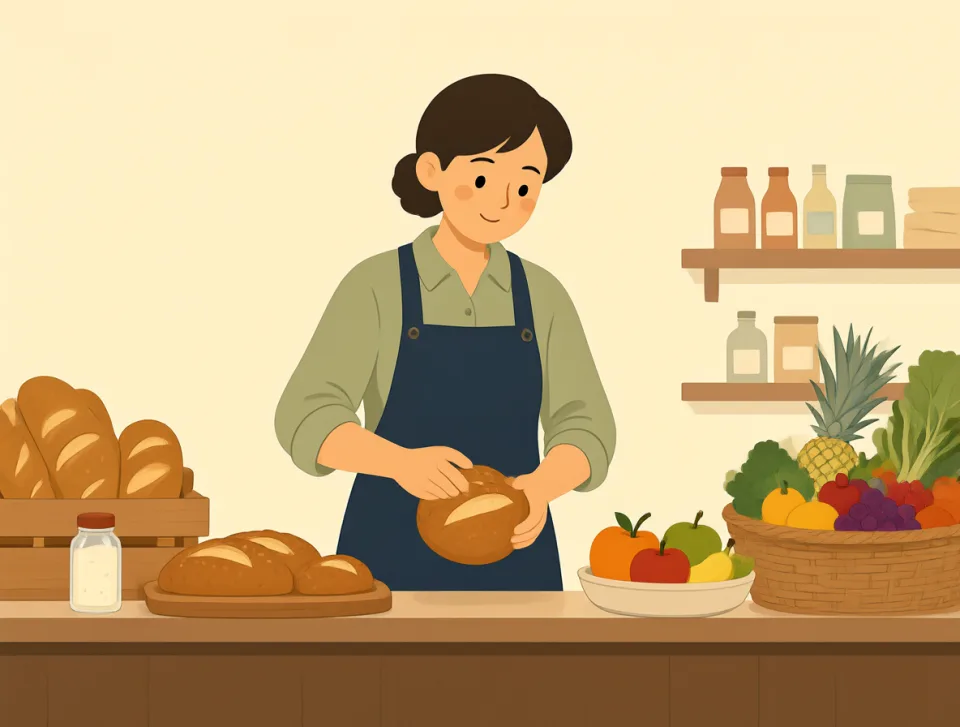
The business sells fresh food every day.
Ta firma codziennie sprzedaje świeżą żywność.
without
#212preposition, conjunction
bez
not having, using, or doing something; if something does not happen
Nieposiadający, nieużywający lub nierobiący czegoś; gdy coś się nie dzieje.
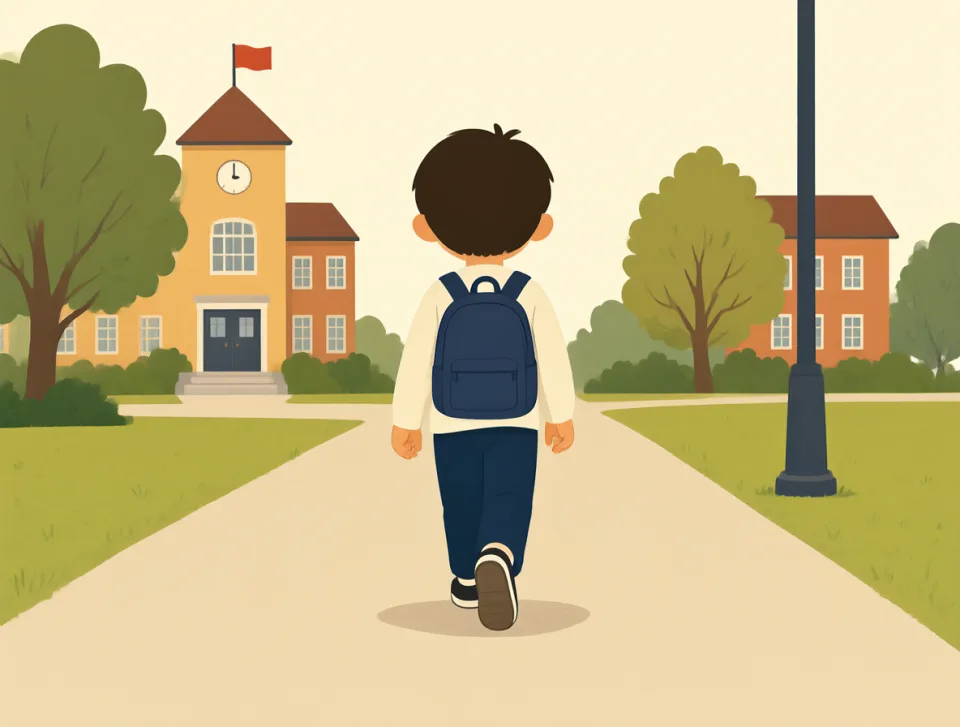
I went to school without my bag.
Poszedłem do szkoły bez torby.
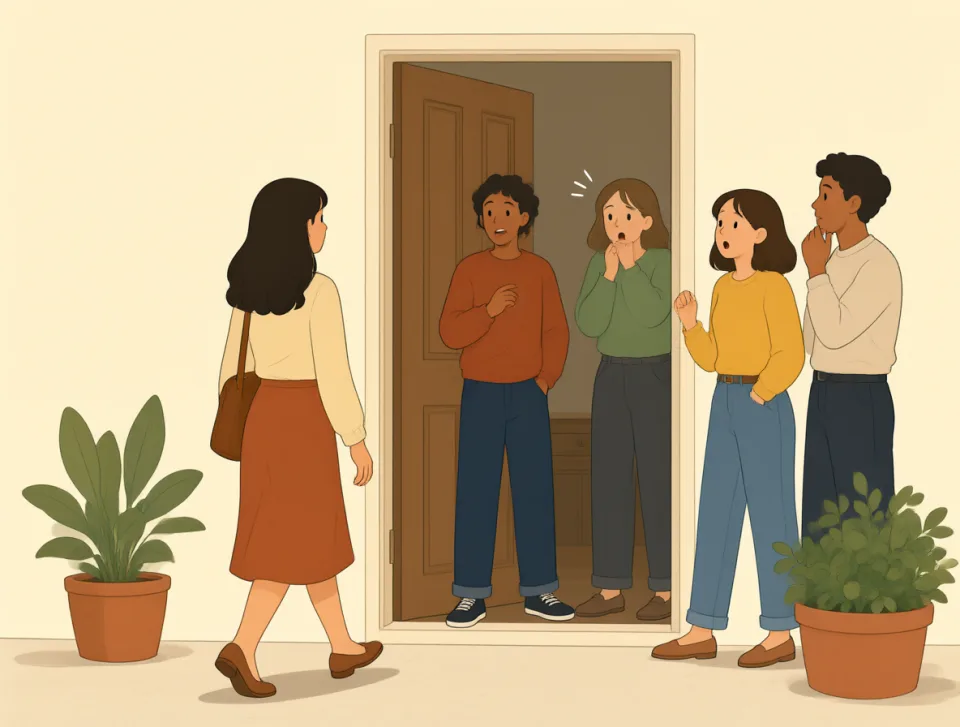
She left without saying goodbye.
Odeszła, nie żegnając się.
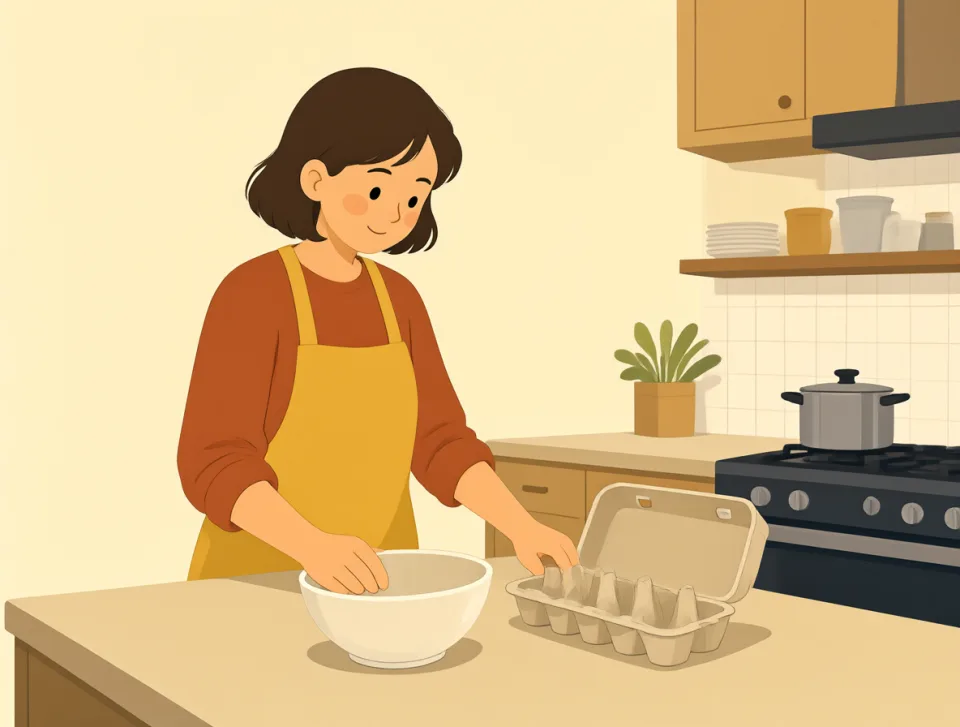
We cannot cook without eggs.
Nie możemy gotować bez jajek.
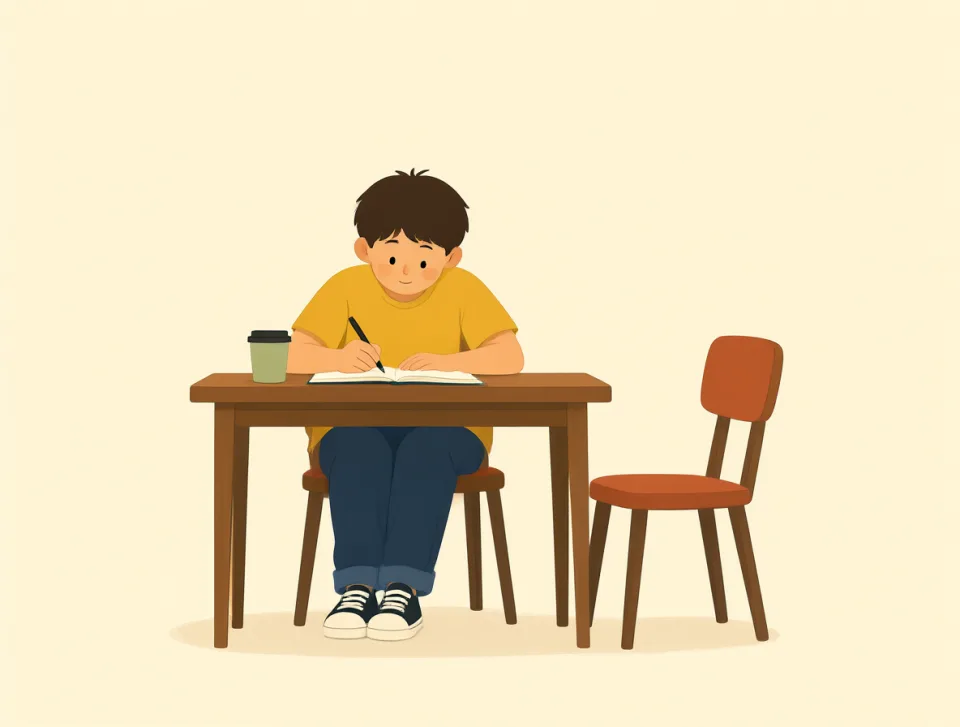
He finished the work without any help.
Skończył pracę bez żadnej pomocy.

Do not drive without wearing your seat belt.
Nie prowadź samochodu bez zapiętych pasów bezpieczeństwa.
information
#213noun
informacja
facts or details that tell you about something
Fakty lub szczegóły, które czegoś dotyczą.
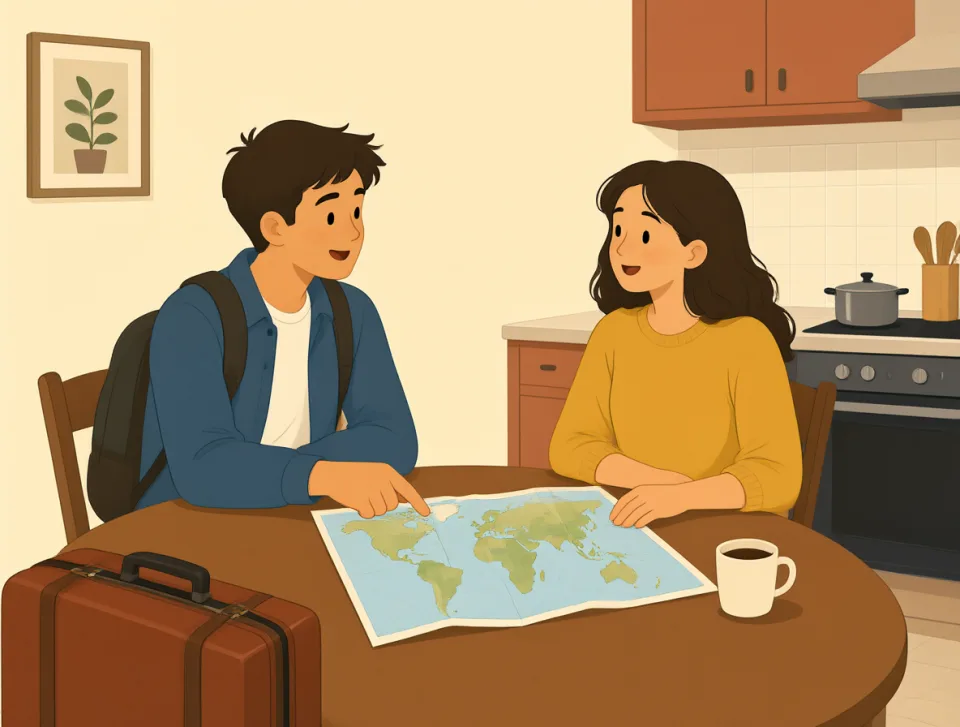
Please give me more information about the trip.
Proszę, przekaż mi więcej informacji o tej wycieczce.
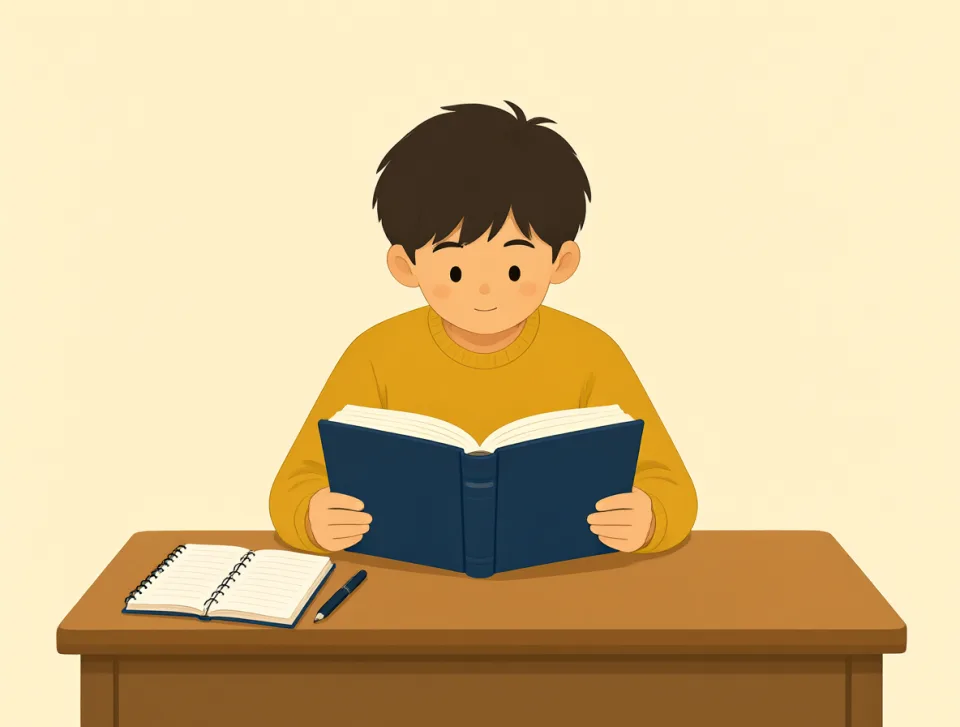
I found useful information in this book.
Znalazłem przydatne informacje w tej książce.
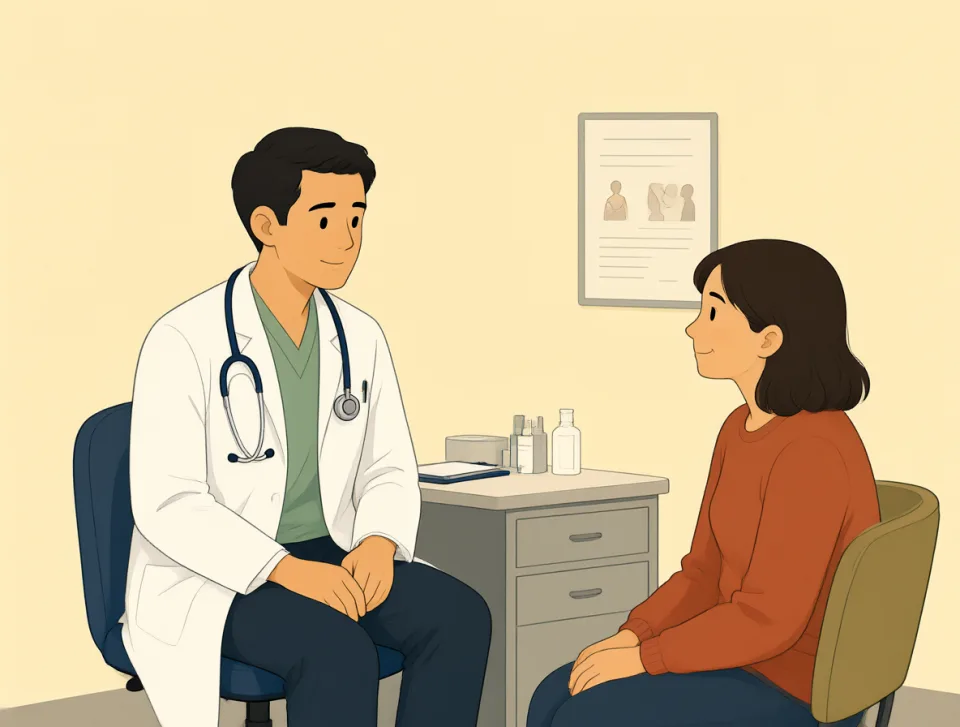
The doctor needs more information about your pain.
Lekarz potrzebuje więcej informacji o twoim bólu.

Can you send the information by email?
Czy możesz wysłać te informacje e-mailem?
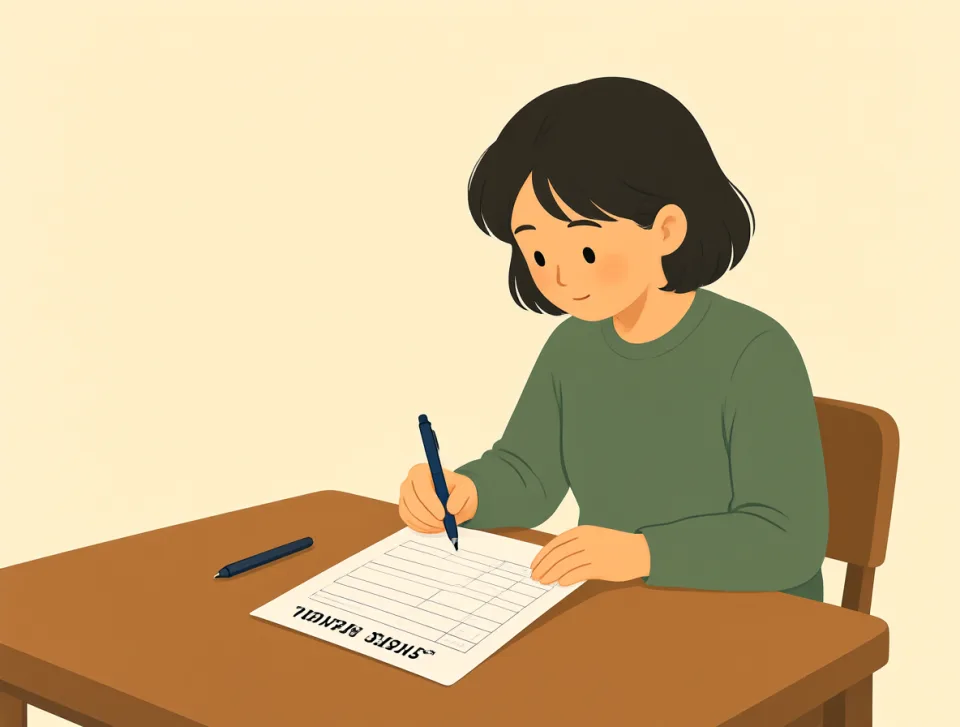
This form asks for personal information.
Ten formularz wymaga podania danych osobowych.
open
#214verb, adjective, adverb, noun
otworzyć; otwarty
to move something so that it is no longer closed; not closed or blocked
Przesunąć coś tak, by przestało być zamknięte; niezamknięty lub nieblokowany.

Please open the door for me.
Proszę, otwórz mi drzwi.
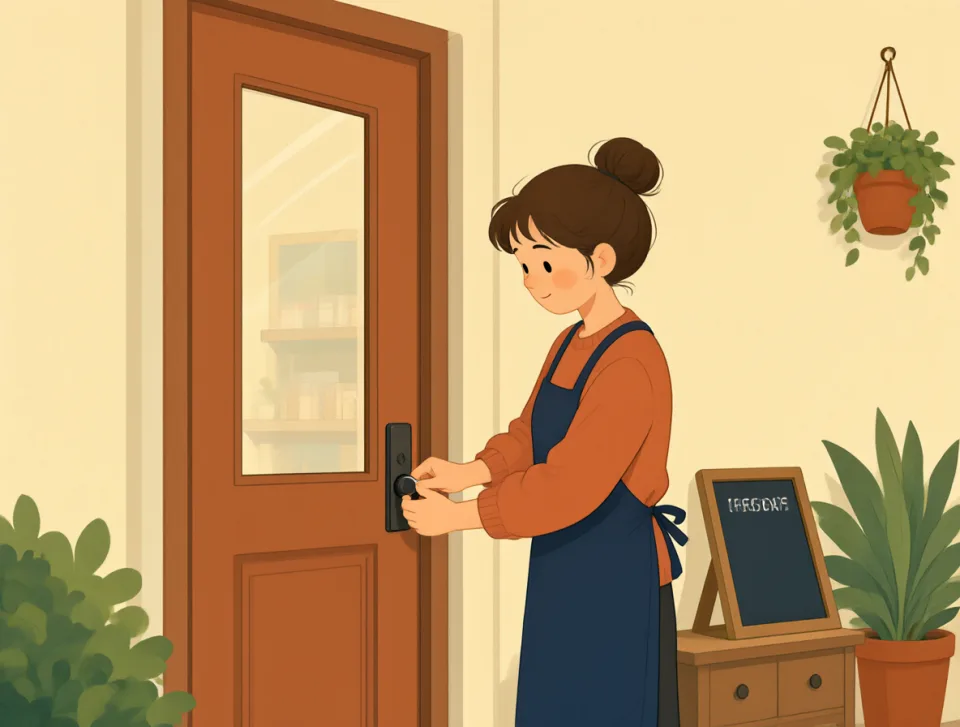
The shop opens at nine o'clock.
Sklep otwiera się o dziewiątej.
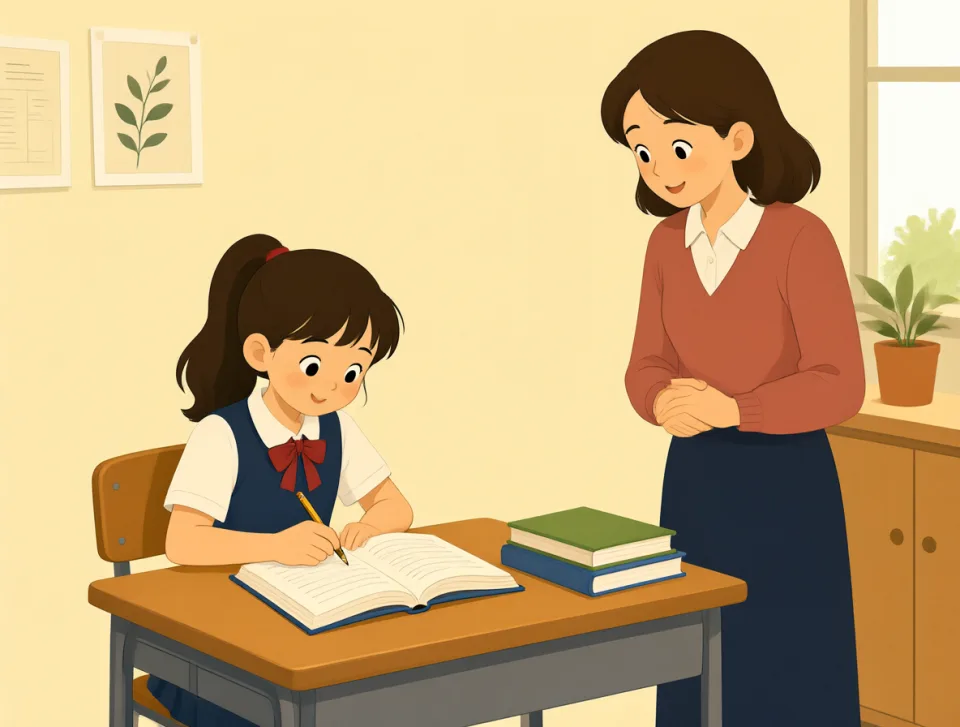
She opened her book in class.
Otworzyła książkę na lekcji.
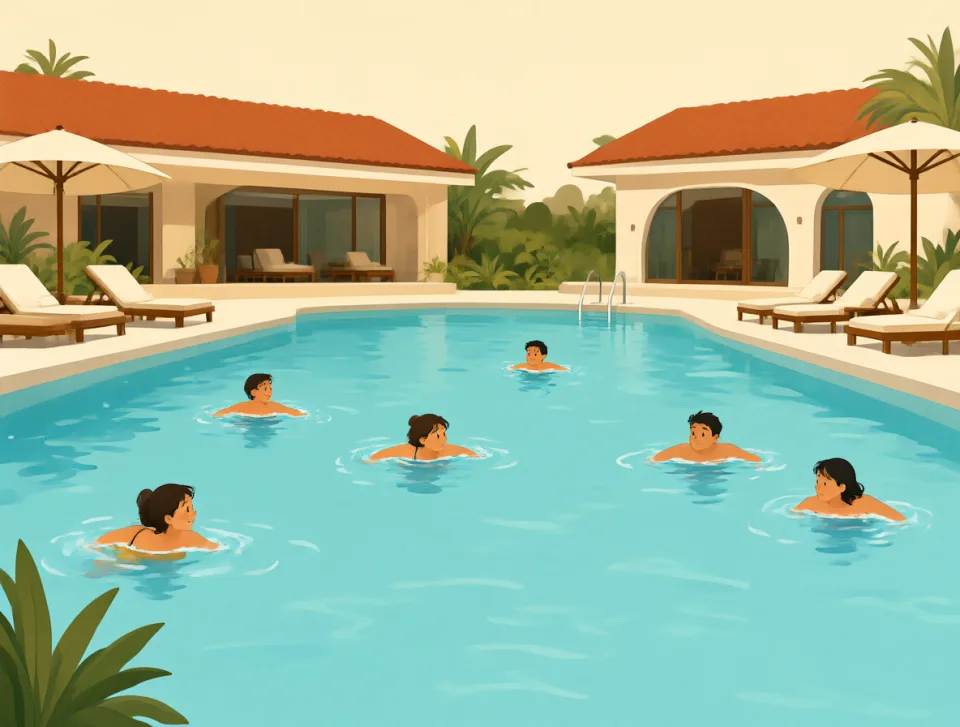
The hotel has an open swimming pool.
Hotel ma odkryty basen.

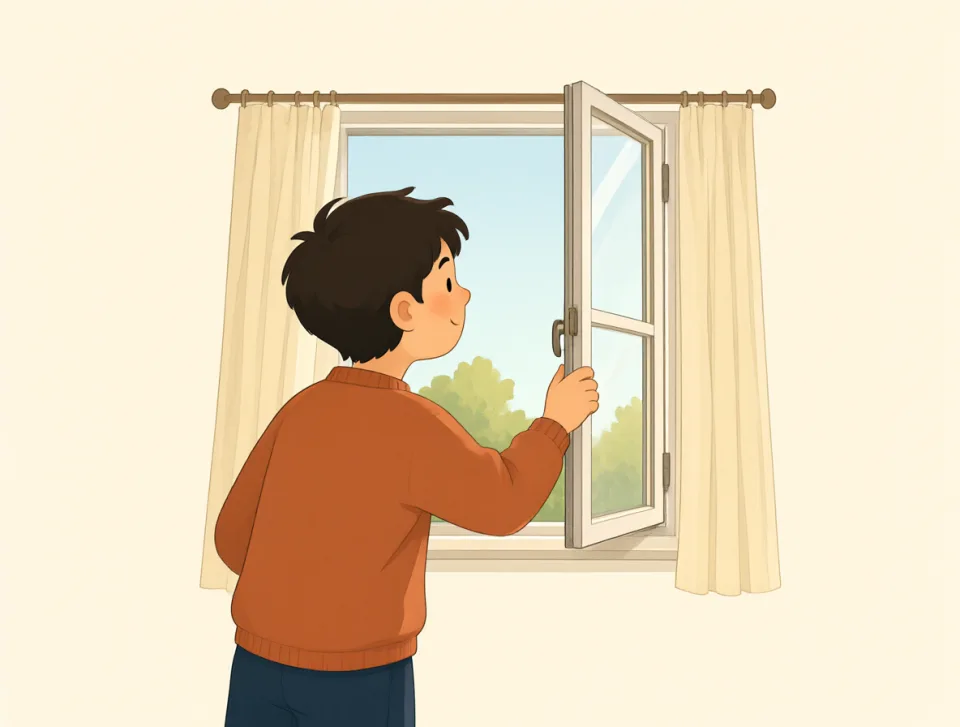
He left the window open all night.
Zostawił otwarte okno na całą noc.
order
#215noun, verb
zamówienie; zamówić
a request for something, or to ask for something to be brought or made
Prośba o coś albo poproszenie o przyniesienie lub przygotowanie czegoś.

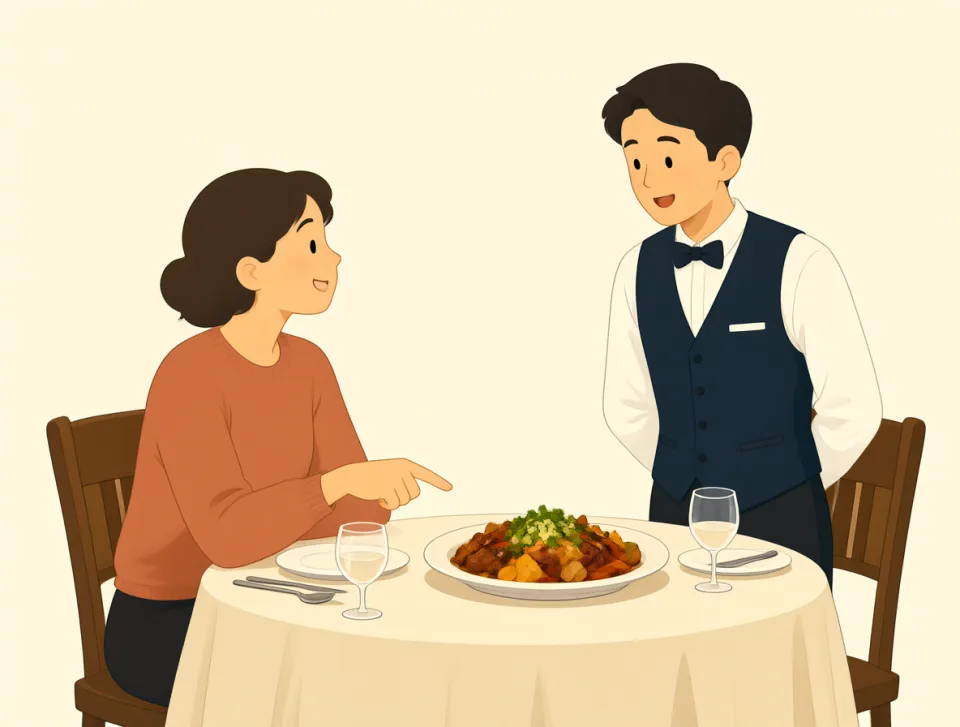
We ordered pizza for dinner.
Zamówiliśmy pizzę na kolację.
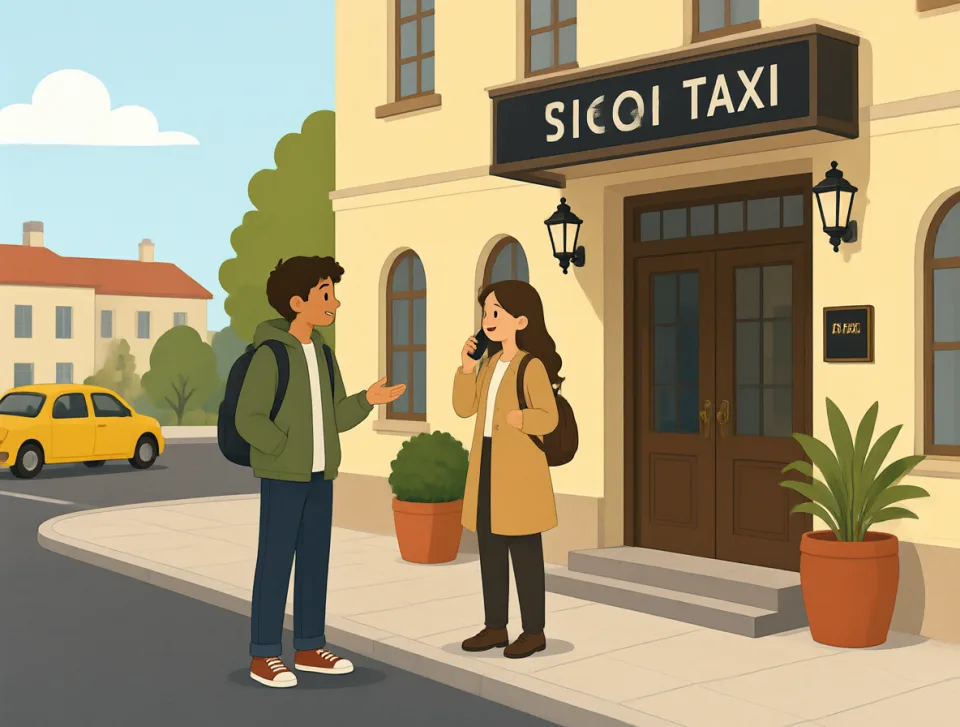
Please order a taxi for me.
Proszę, zamów mi taksówkę.
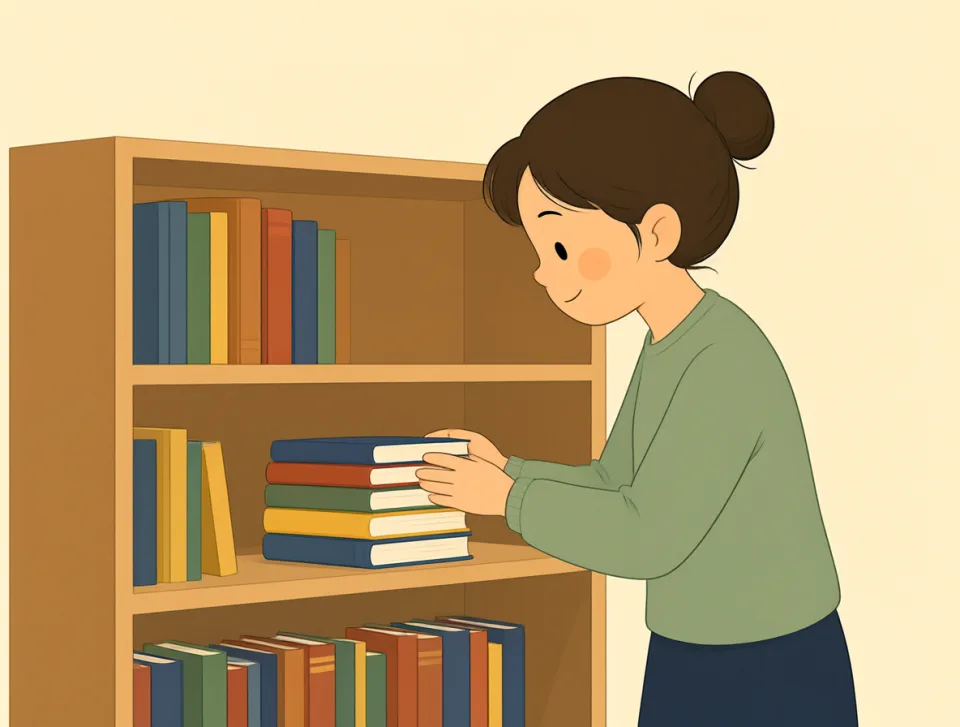
The books are in alphabetical order.
Książki są ułożone w kolejności alfabetycznej.
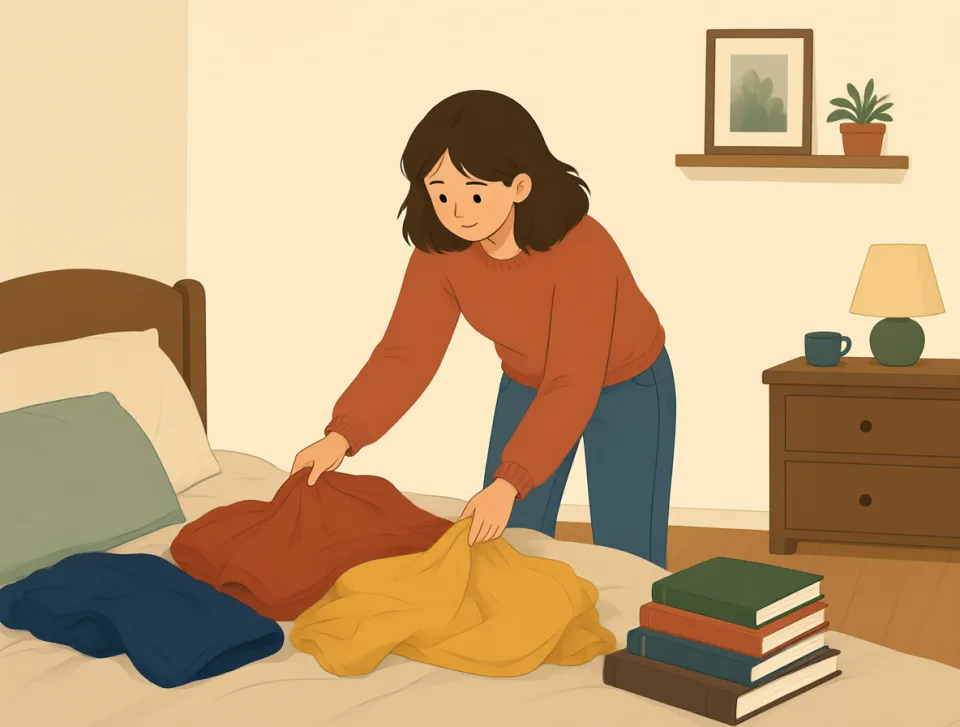
She put the room in order.
Uprzątnęła pokój.
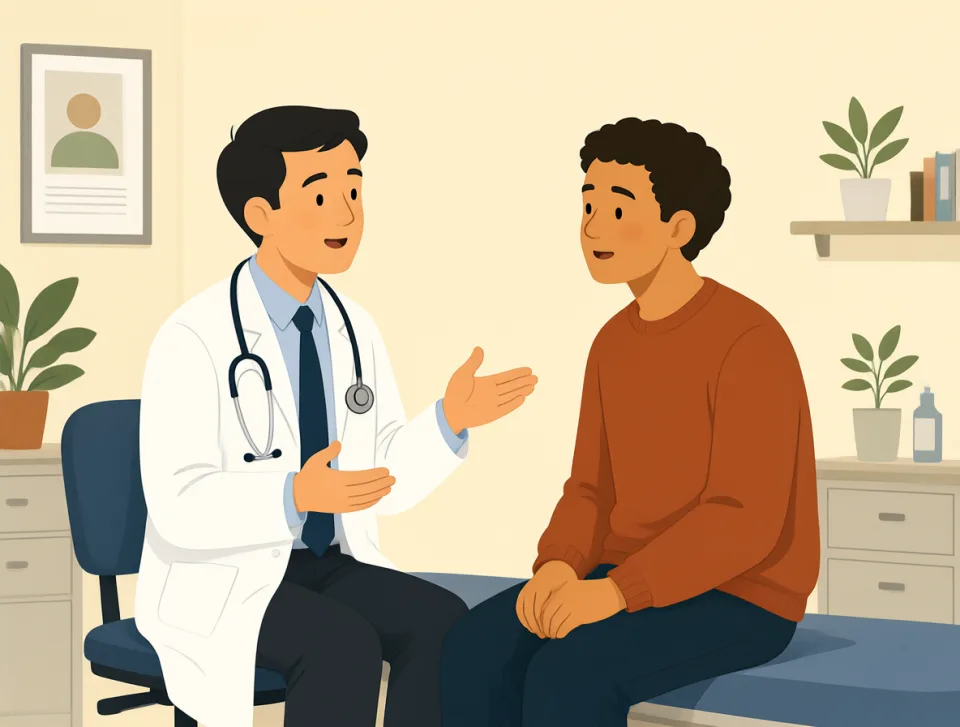
The doctor ordered a blood test.
Lekarz zlecił badanie krwi.
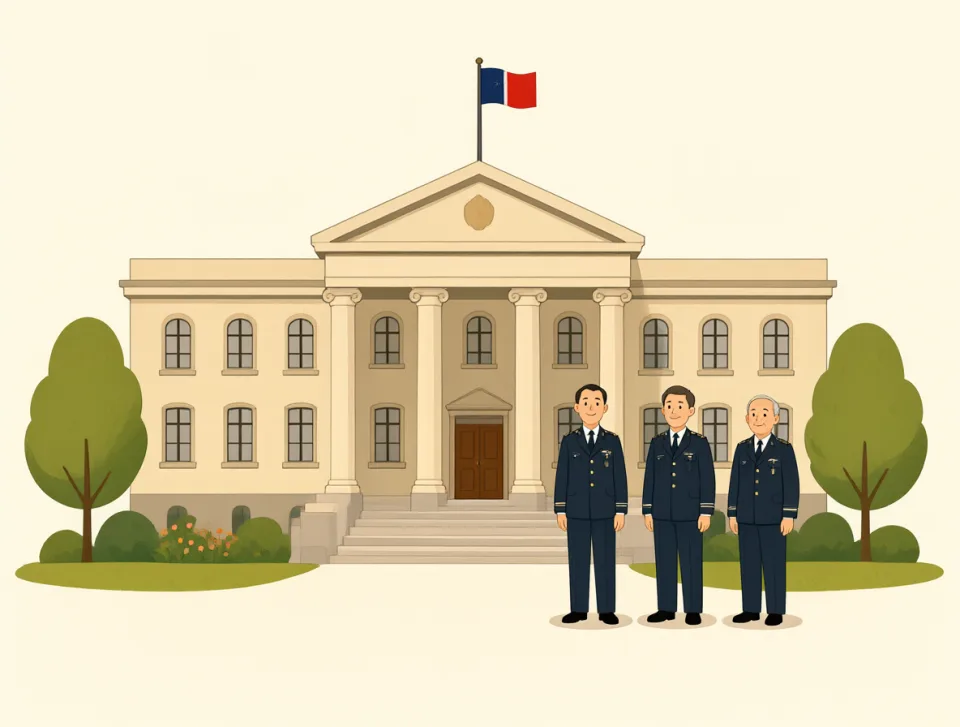
government
#216noun
rząd
The people and system that control a country or area.
Ludzie i system, które sprawują władzę nad krajem lub obszarem.
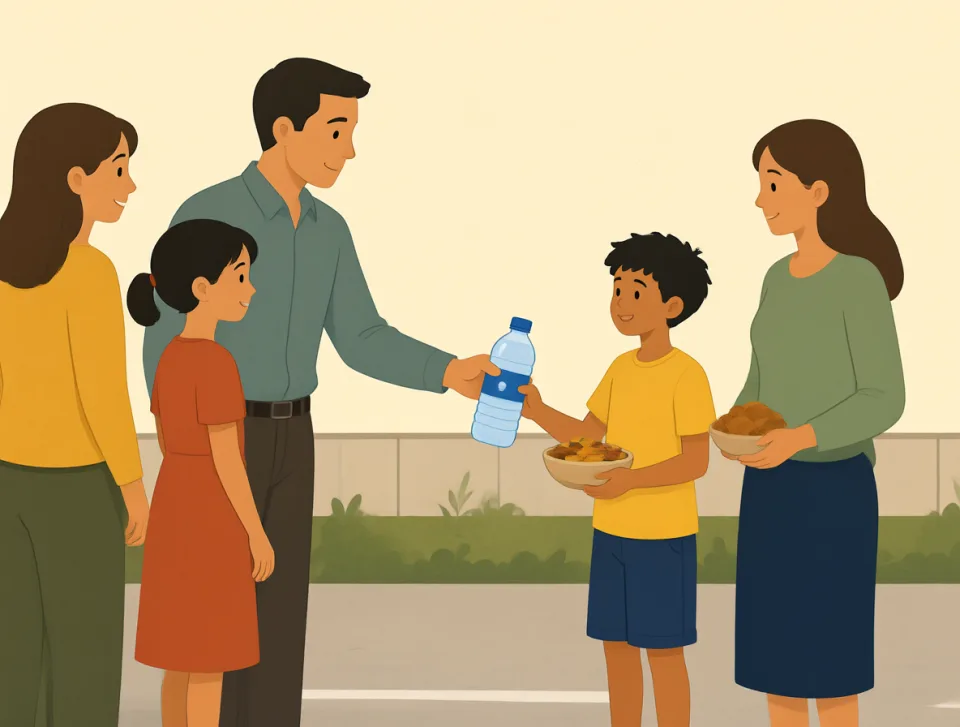
The government helps people during floods.
Rząd pomaga ludziom podczas powodzi.
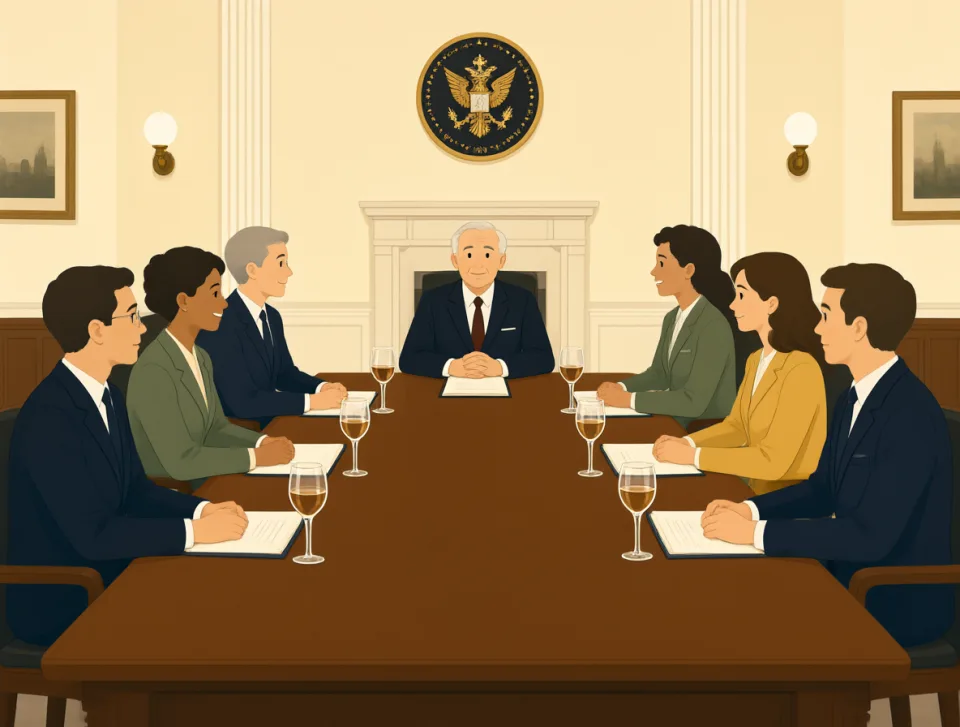
Our government makes laws for the country.
Nasz rząd tworzy prawa dla kraju.
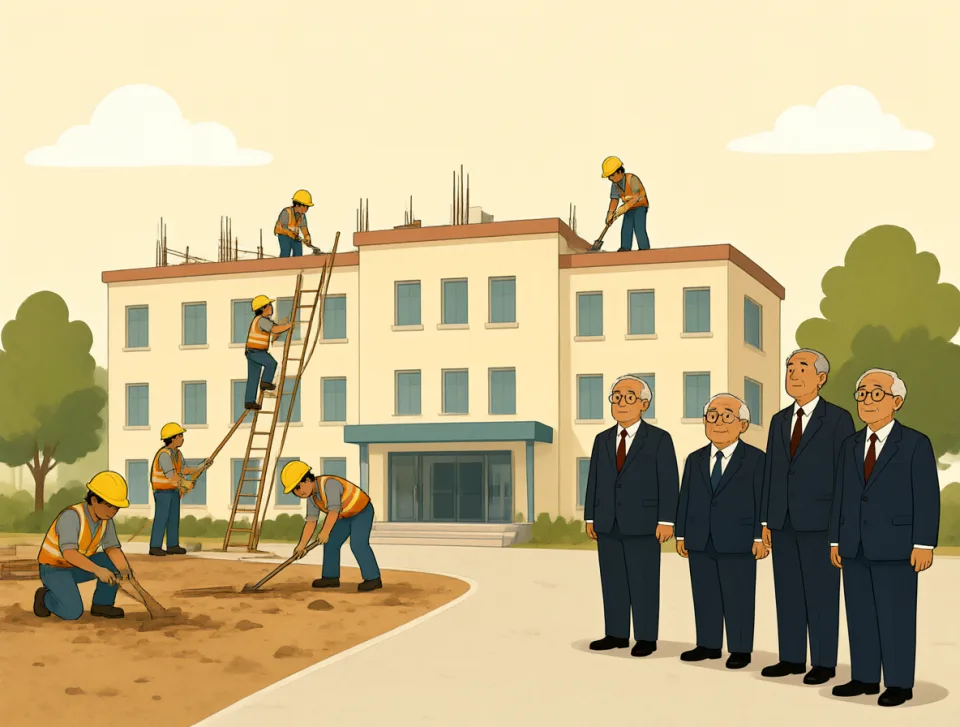
The government built a new hospital nearby.
Rząd zbudował w pobliżu nowy szpital.
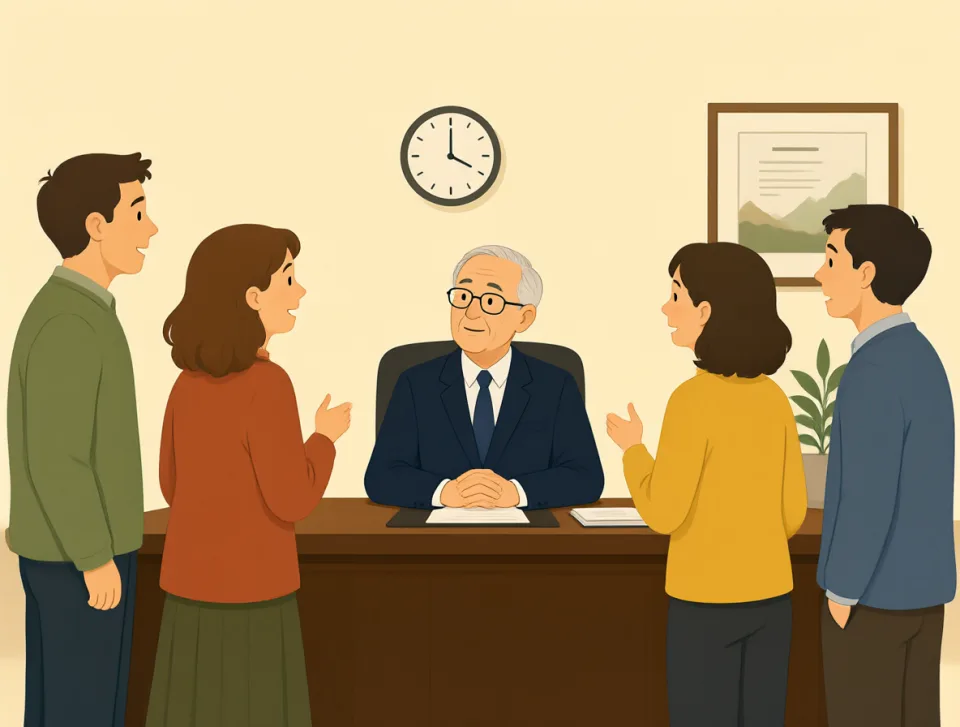
Many people asked the government for help.
Wiele osób poprosiło rząd o pomoc.
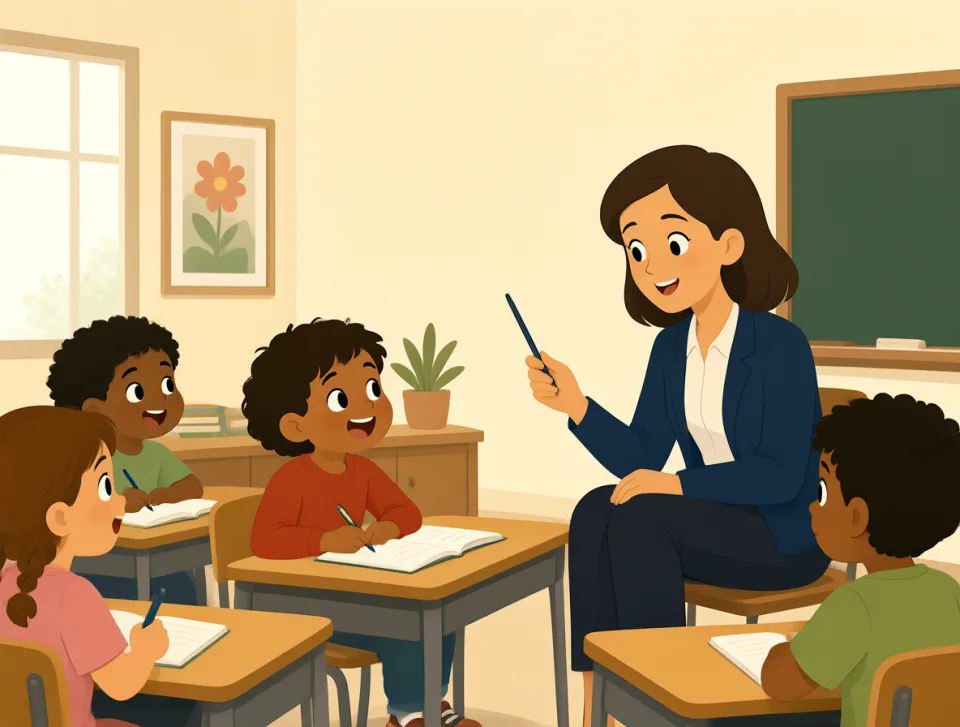
The government pays for some schools.
Rząd finansuje niektóre szkoły.
word
#217noun, verb
słowo
A unit of language, or to speak or write something.
Jednostka języka albo coś, co się mówi lub pisze.
I do not know the right word.
Nie znam właściwego słowa.
Please say that word again.
Proszę powtórzyć to słowo.
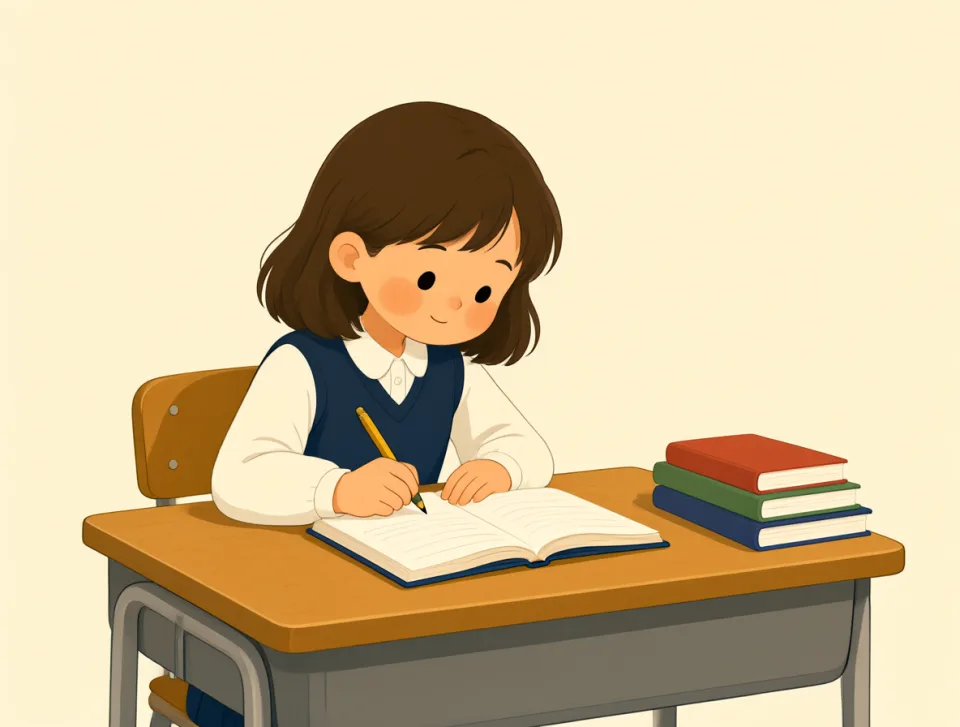
She wrote five words in her notebook.
Napisała w zeszycie pięć słów.
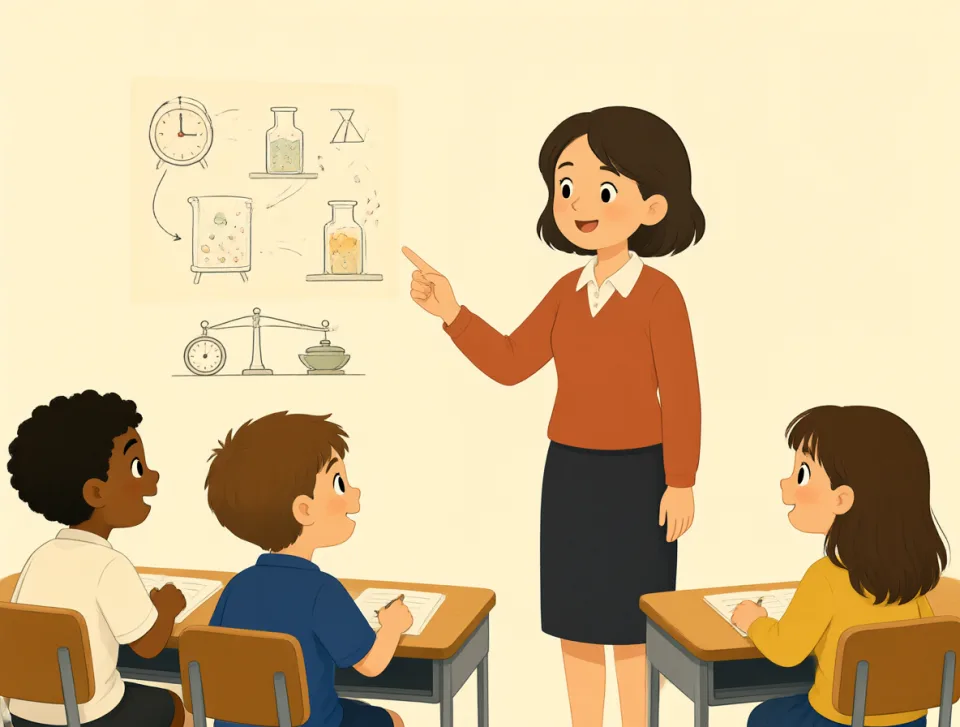
The teacher explained the new words.
Nauczyciel wyjaśnił nowe słowa.

We had a word about the problem.
Porozmawialiśmy o tym problemie.
issue
#218noun, verb
kwestia; problem; wydać
a problem or subject people discuss; to officially give something
Problem lub temat, o którym ludzie dyskutują; oficjalnie coś wydać.
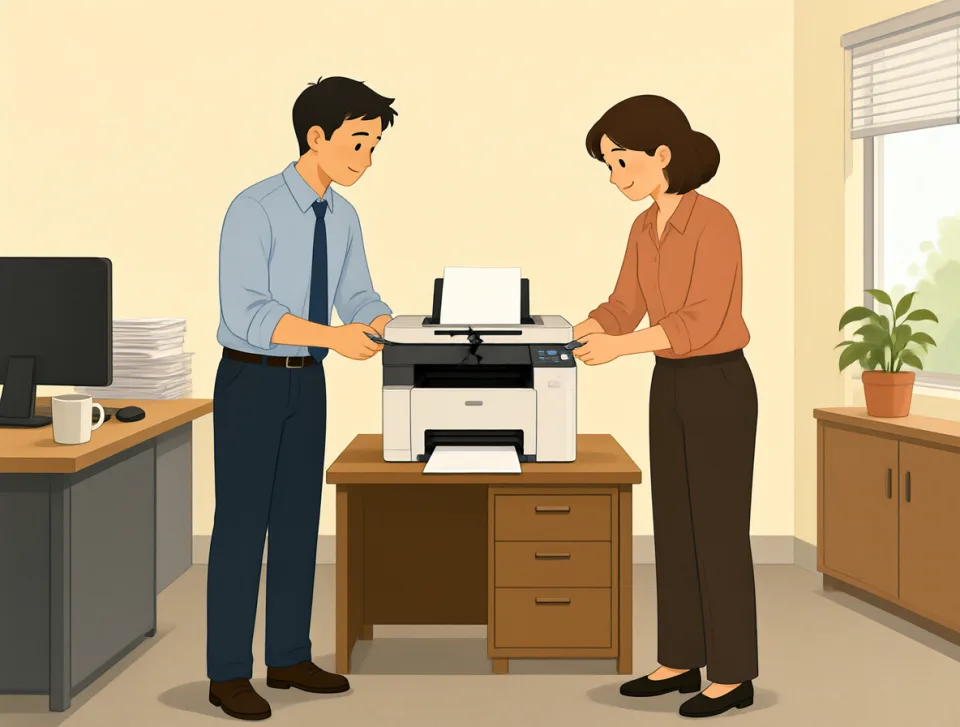
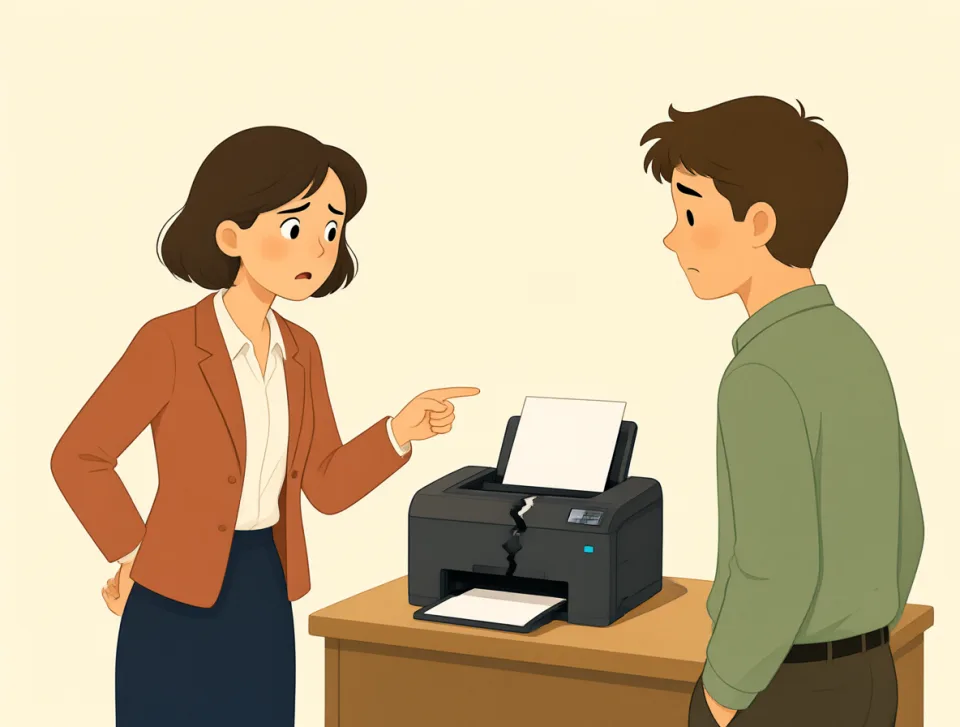
We have an issue with the printer.
Mamy problem z drukarką.
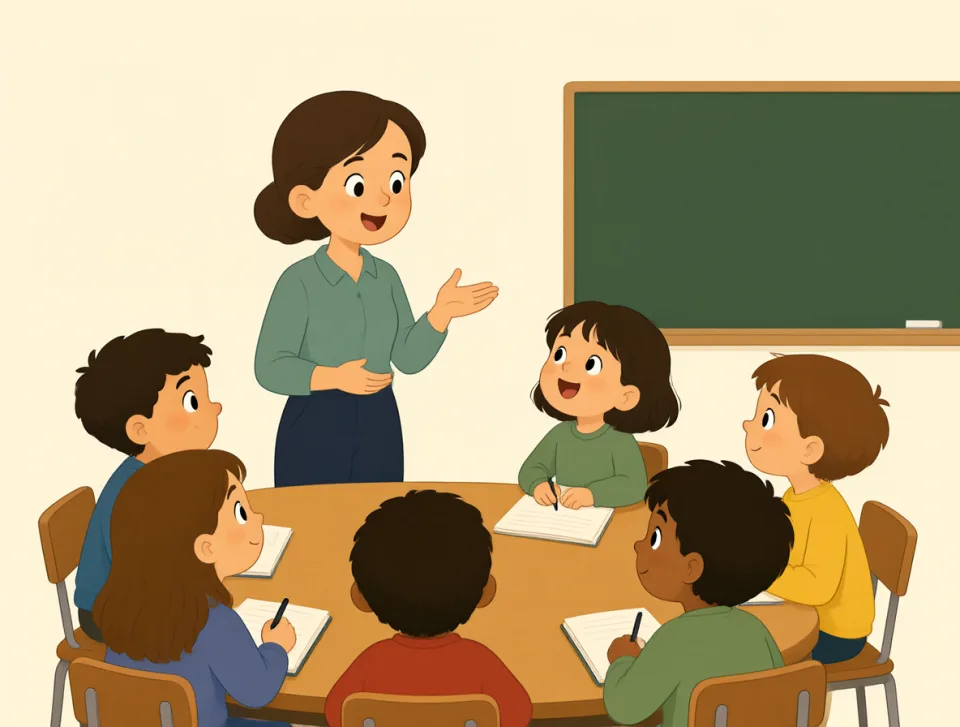
The teacher discussed this issue in class.
Nauczyciel omówił tę kwestię na lekcji.
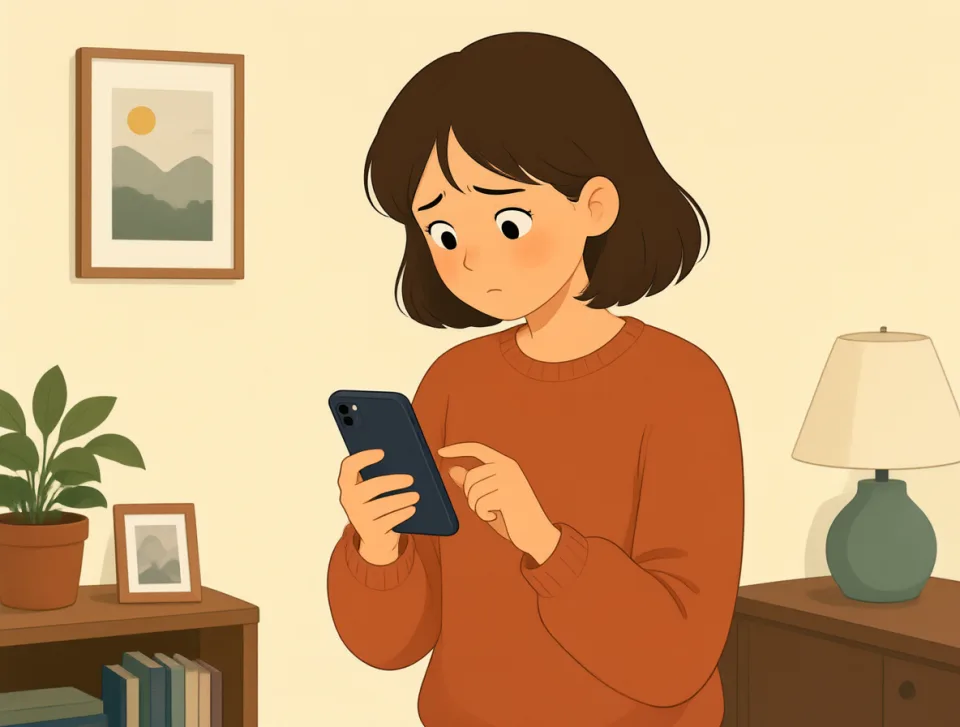
Please call me if any issues happen.
Zadzwoń do mnie, jeśli pojawią się jakieś problemy.
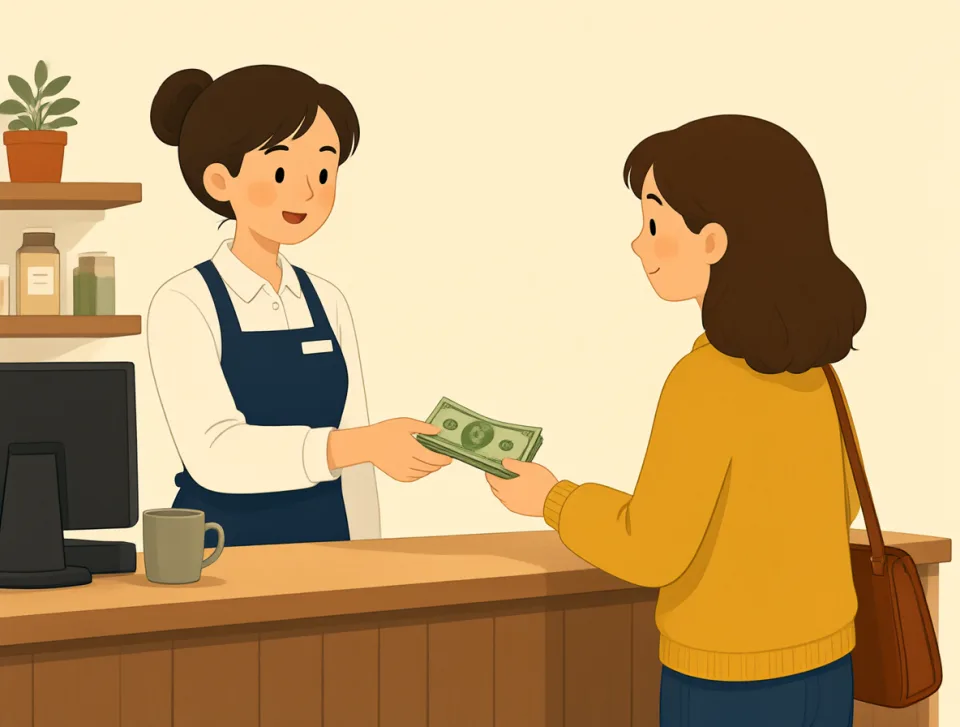
The shop issued a refund yesterday.
Sklep wczoraj wydał zwrot pieniędzy.
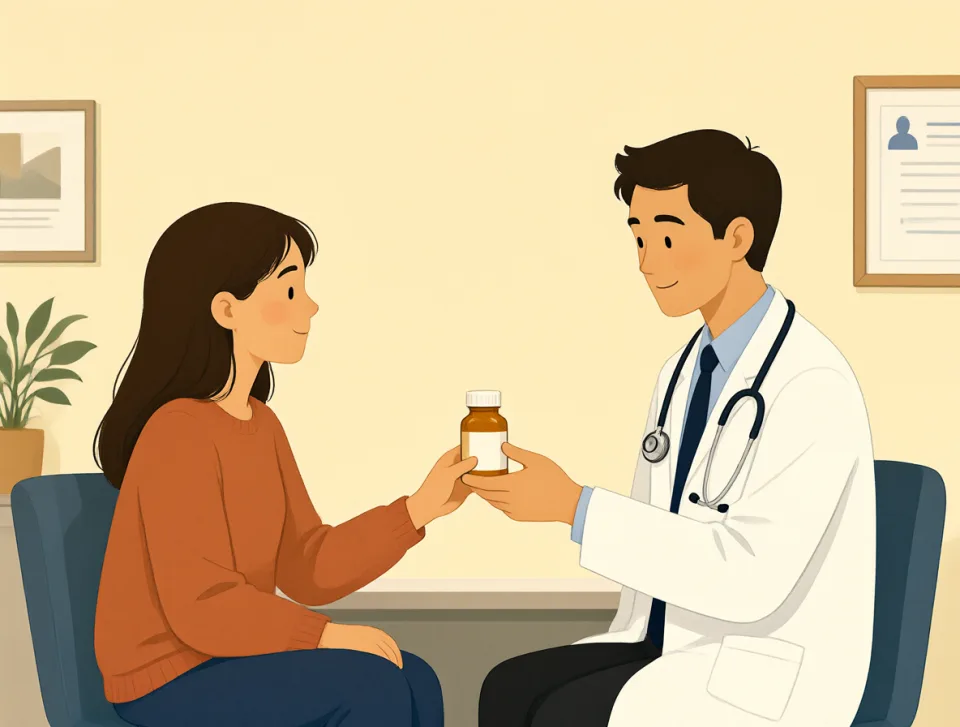
The doctor issued new medicine for my issue.
Lekarz przepisał mi nowy lek na ten problem.
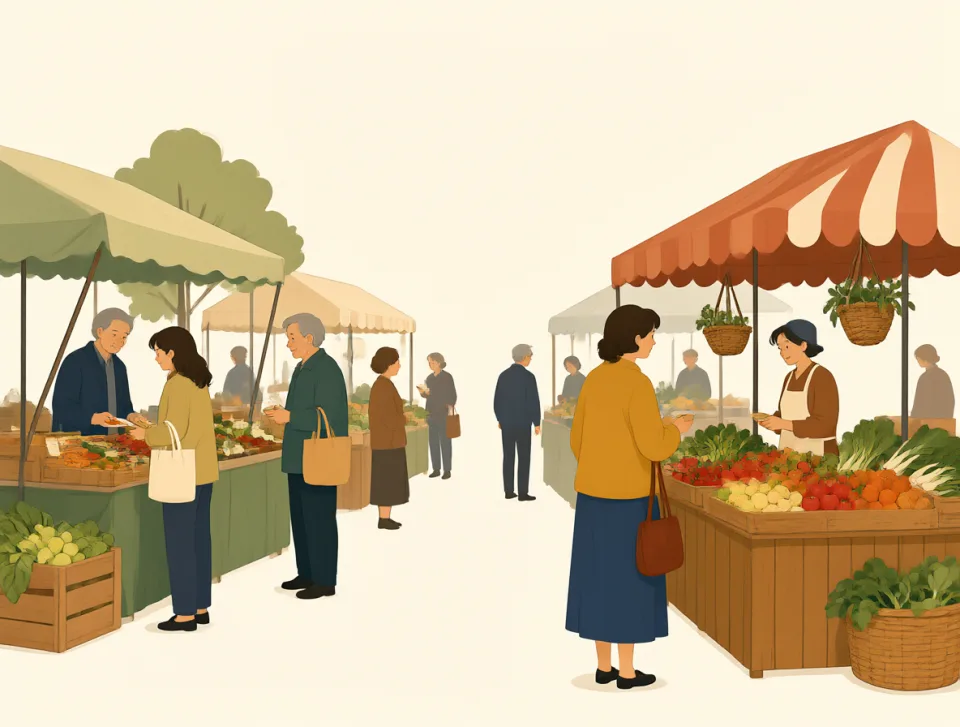
market
#219noun, verb
rynek
A place or system where people buy and sell goods and services.
Miejsce lub system, w którym ludzie kupują i sprzedają towary oraz usługi.
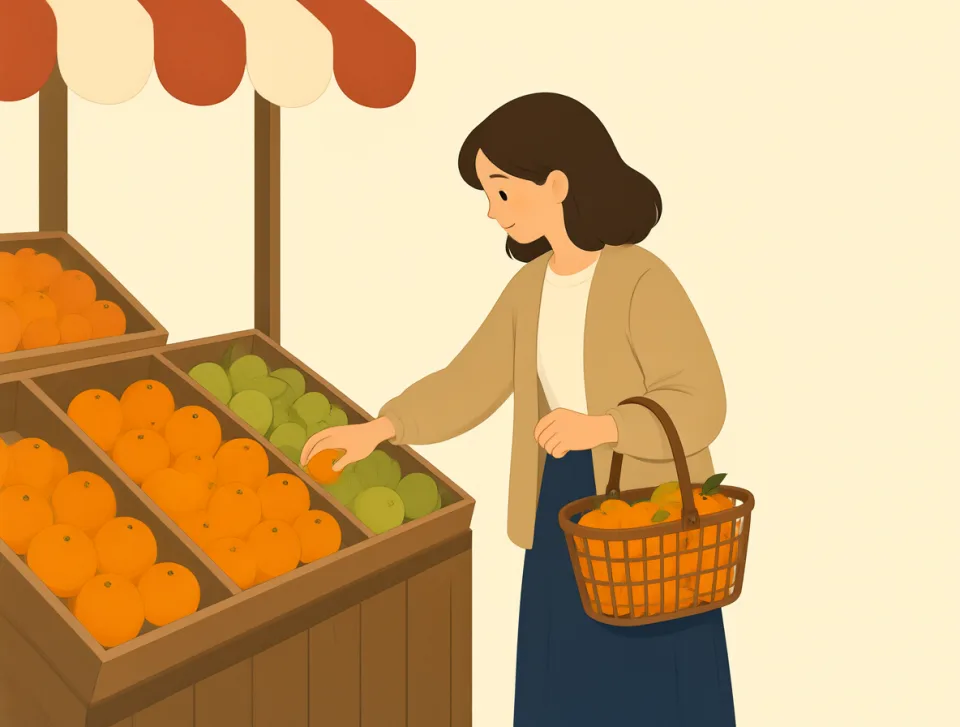
We buy fresh fruit at the local market.
Kupujemy świeże owoce na lokalnym rynku.
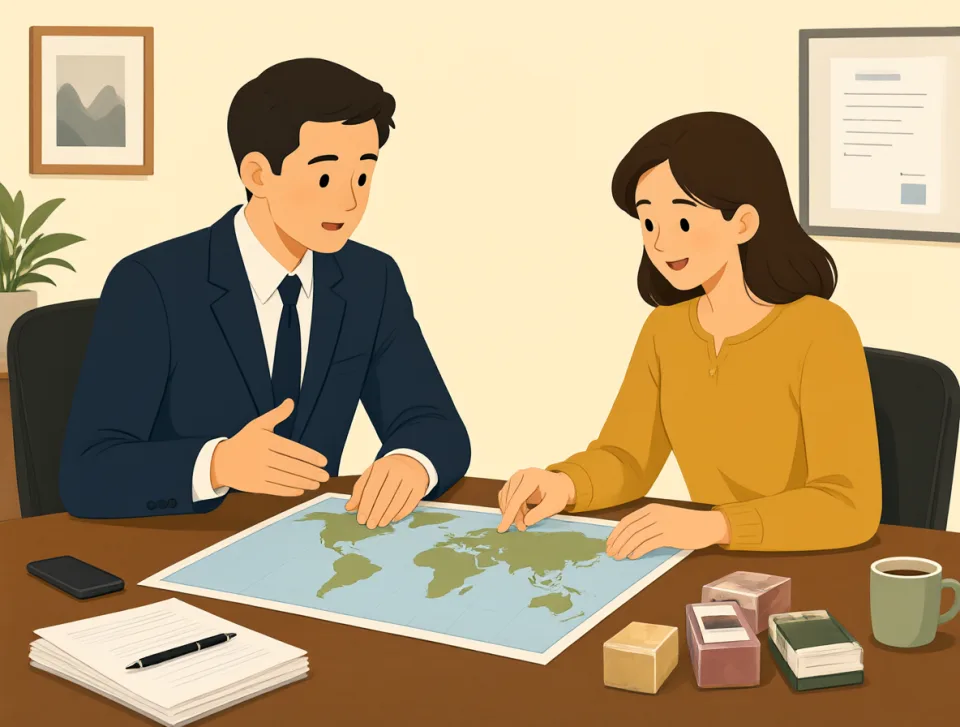
The company wants to enter the Chinese market.
Firma chce wejść na chiński rynek.
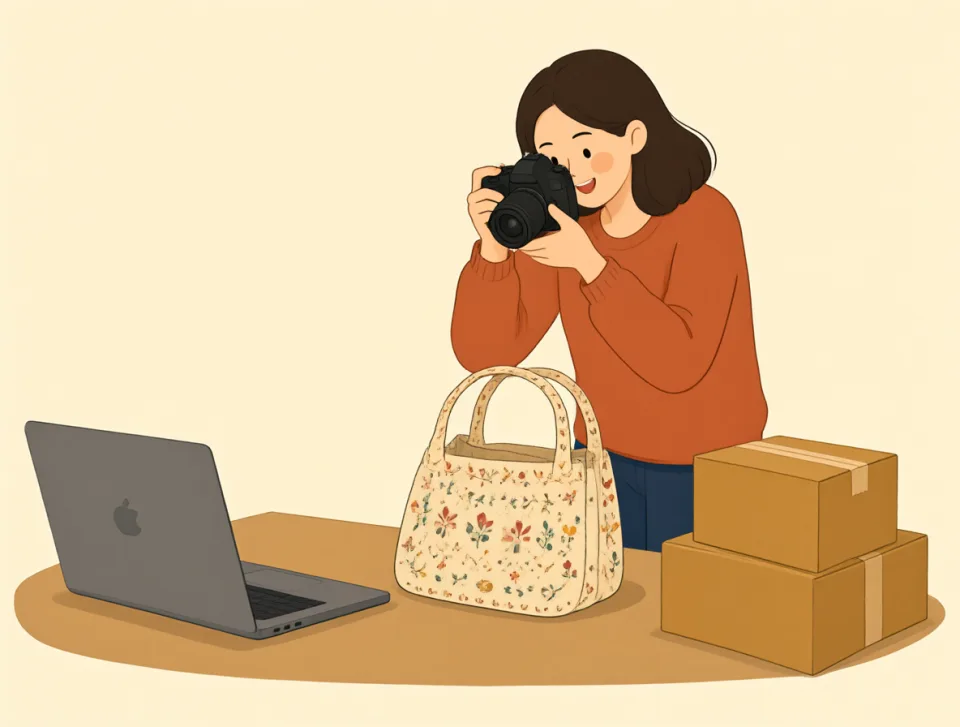
She markets handmade bags online.
Sprzedaje ręcznie robione torby w internecie.
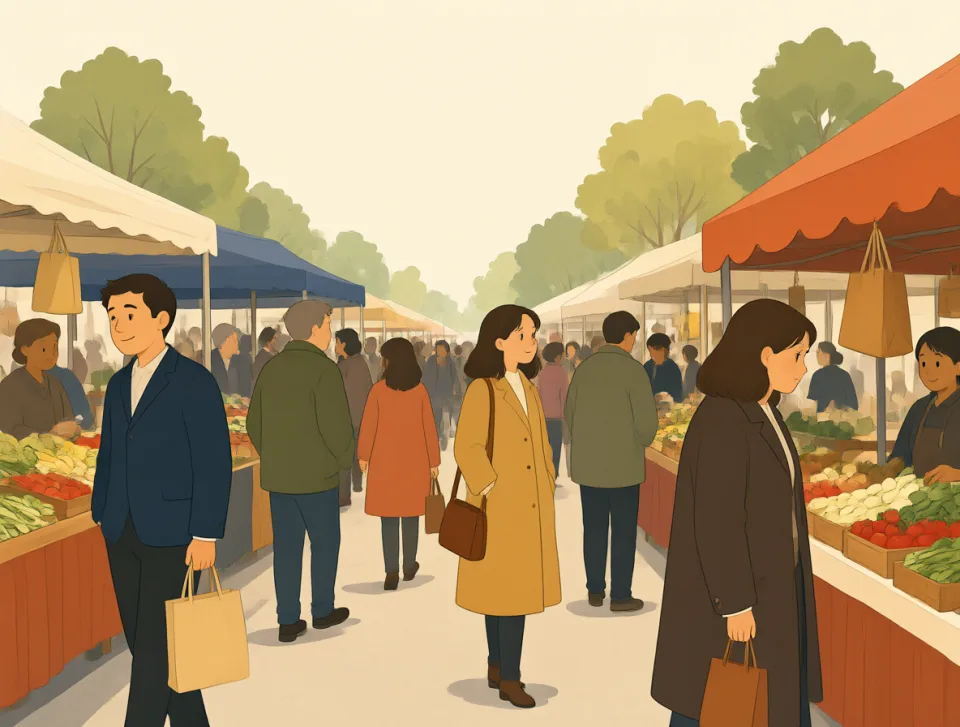
The market was very busy this morning.
Dziś rano na rynku było bardzo tłoczno.
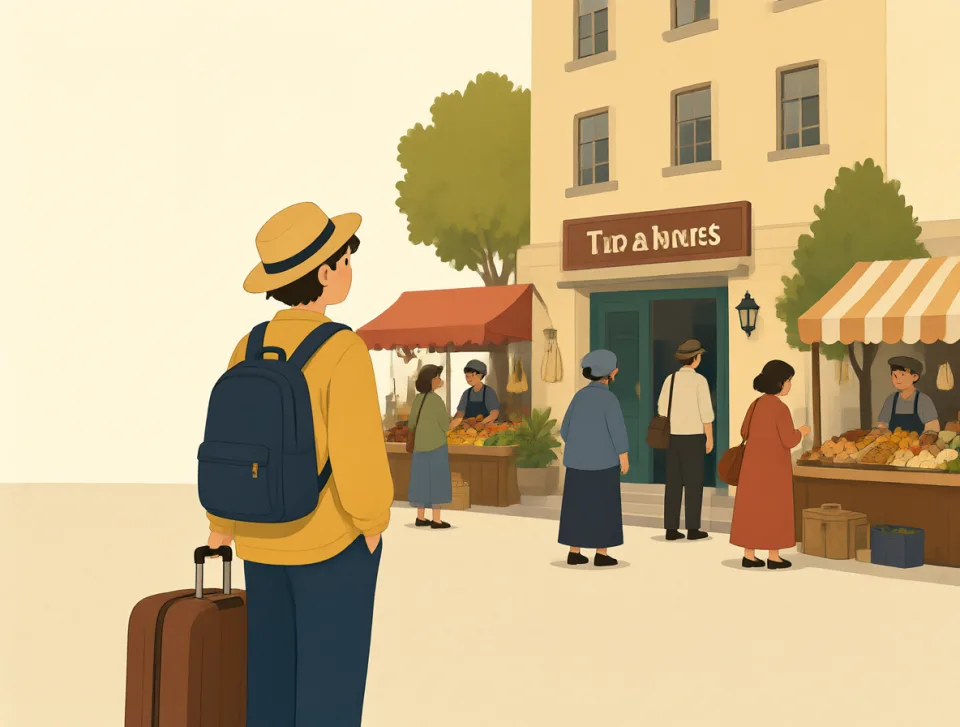
They found a cheap hotel near the market.
Znaleźli tani hotel w pobliżu rynku.
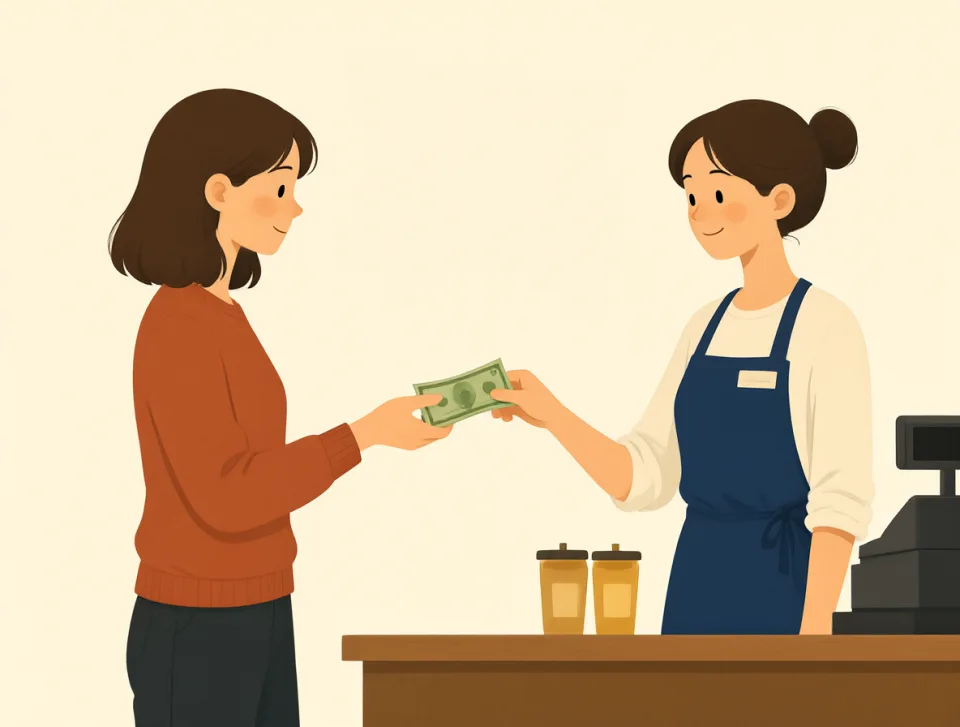
pay
#220verb, noun
płacić; wynagrodzenie
To give money for something, or the money someone receives for work.
Dawać pieniądze za coś albo pieniądze, które ktoś otrzymuje za pracę.
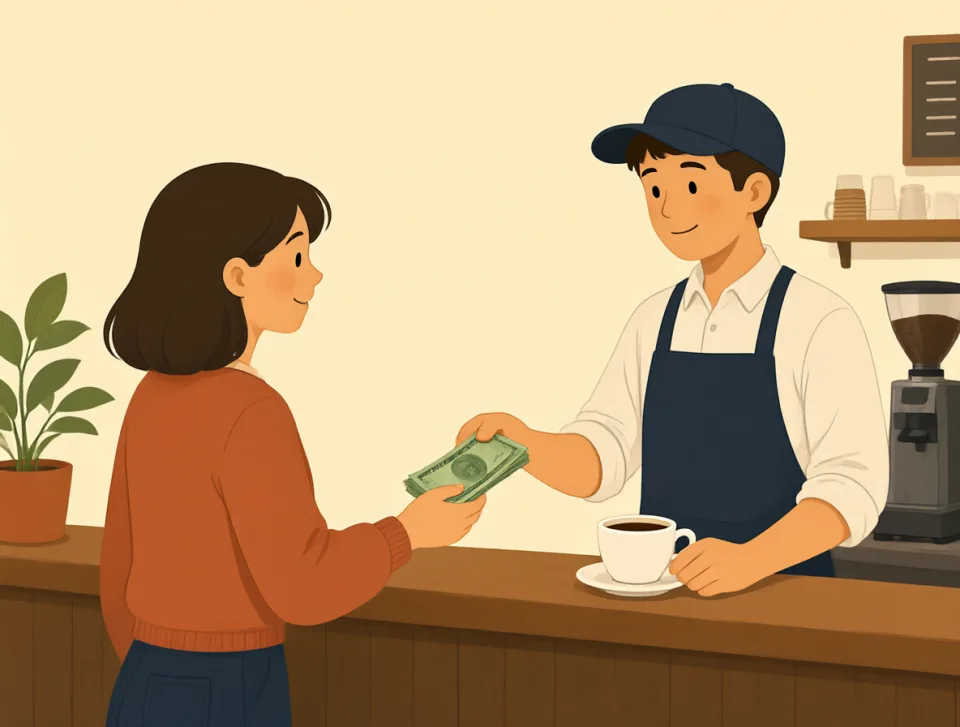
I pay for my coffee every morning.
Każdego ranka płacę za kawę.
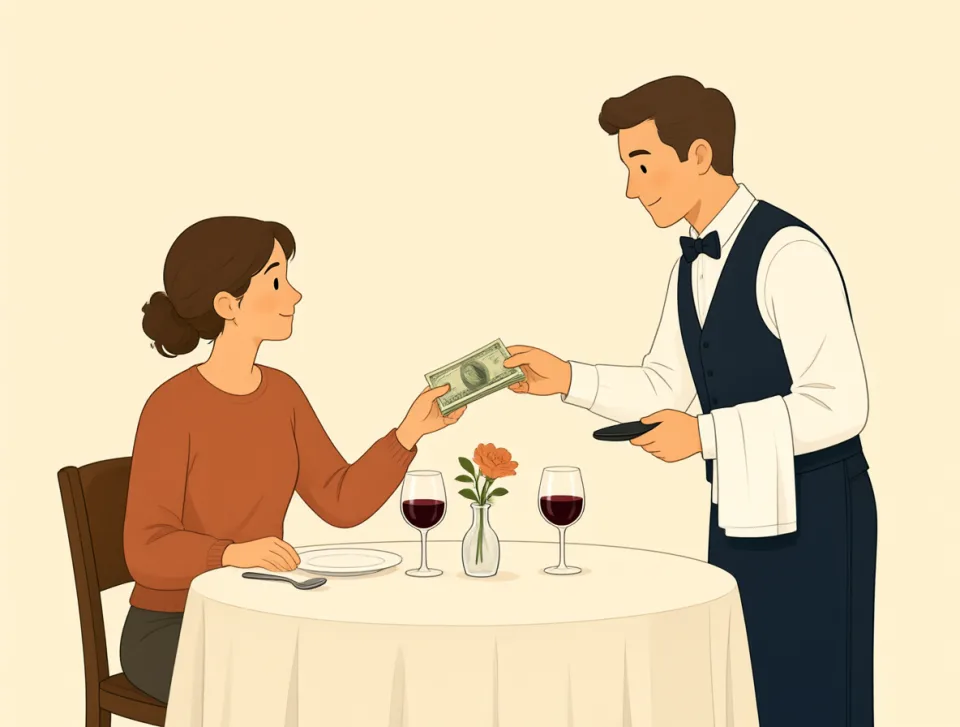
She paid the bill after dinner.
Po kolacji zapłaciła rachunek.

My job pays me every Friday.
Moja praca wypłaca mi pensję w każdy piątek.

We paid ten dollars for the tickets.
Zapłaciliśmy dziesięć dolarów za bilety.
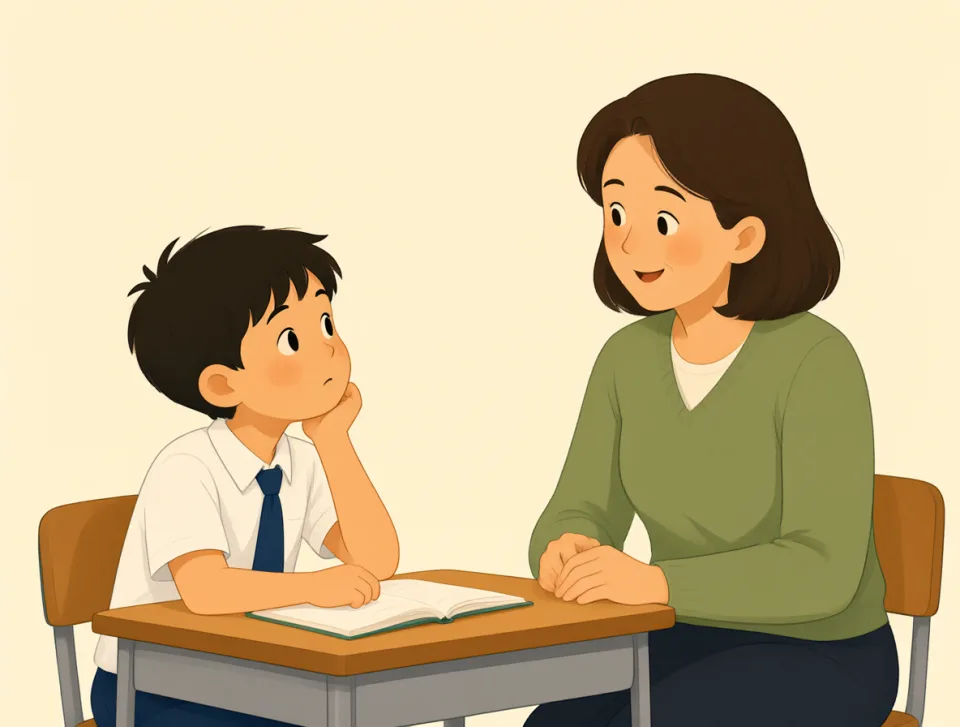
He paid attention in class today.
Dzisiaj uważał na lekcji.