Unit 1
Words 1–20 · the, be, and, of, to, a
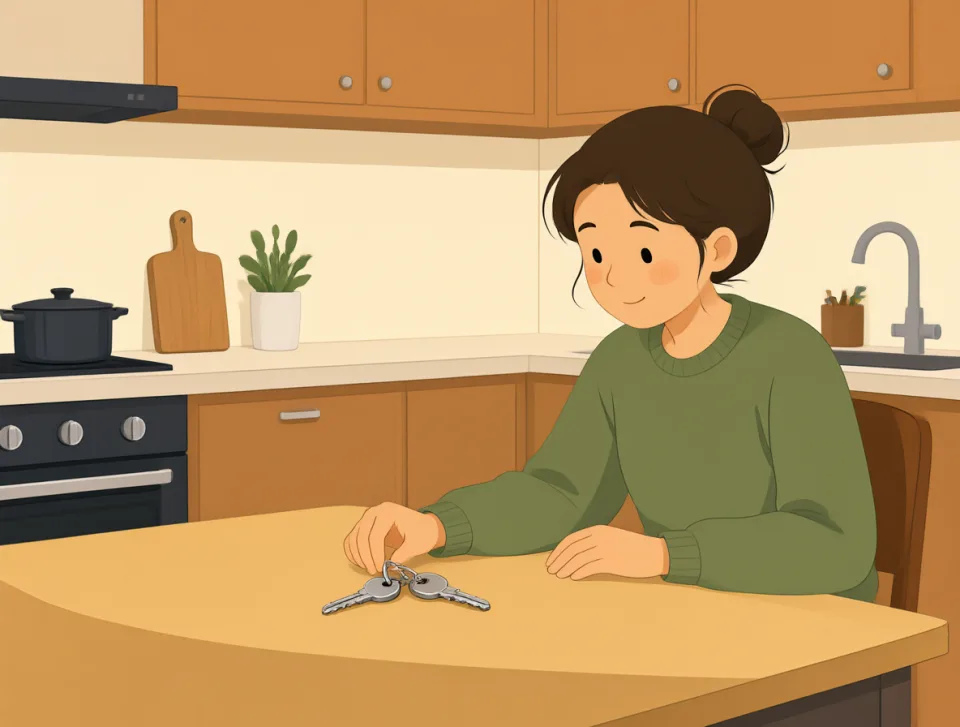
the
#1determiner
Used before a noun to show that it is known, specific, or the only one.
The keys are on the kitchen table.
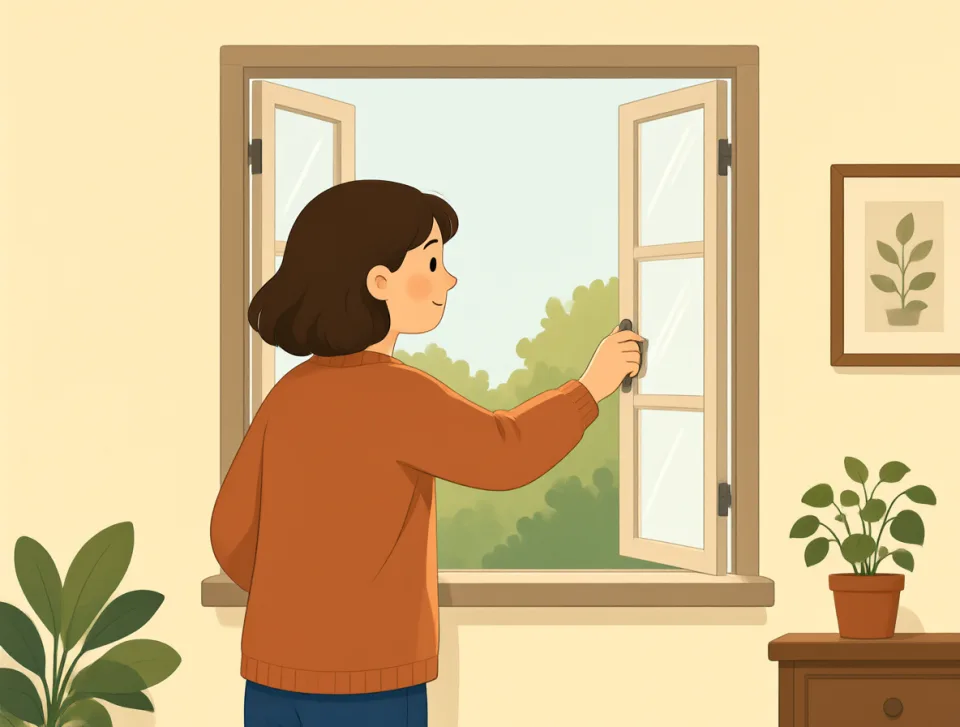
Please close the window before you leave.
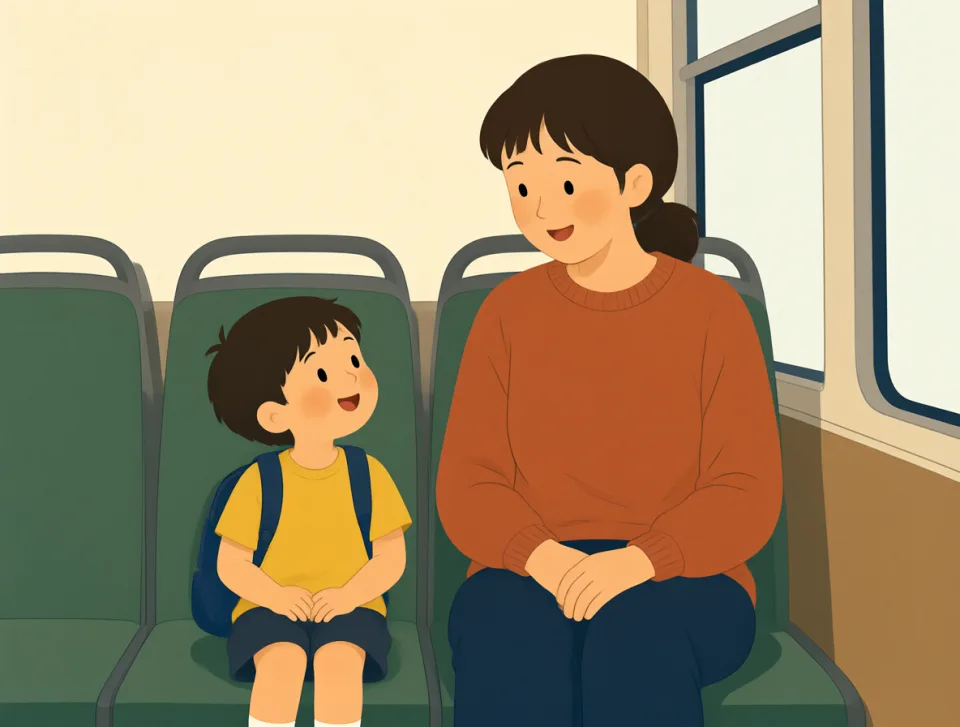
We took the bus to school this morning.
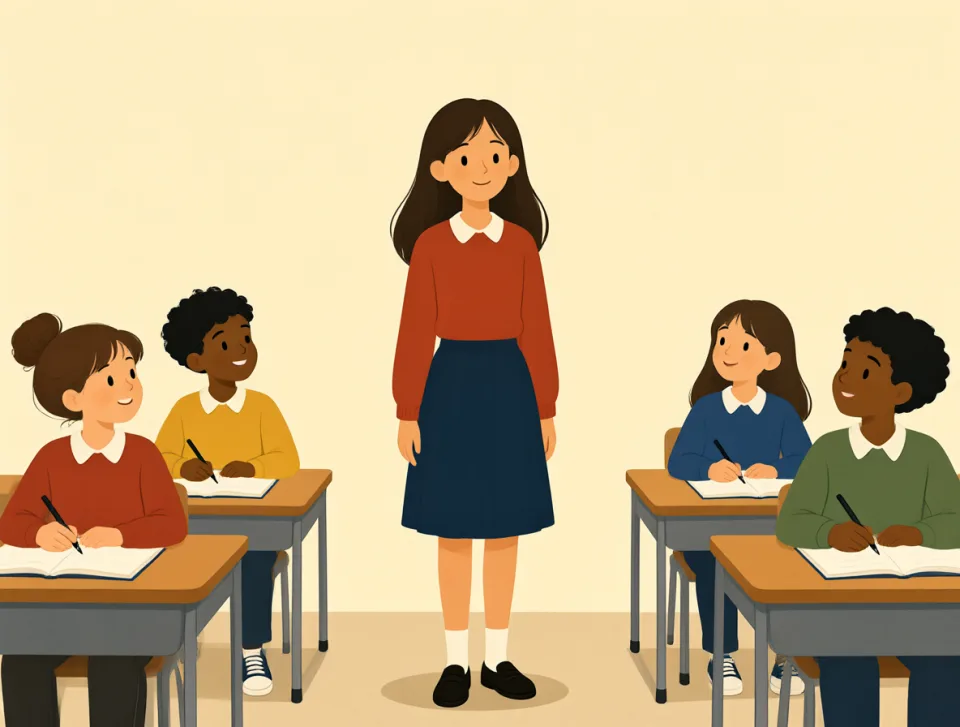
She is the tallest girl in her class.

The sun is shining, so let's eat outside.
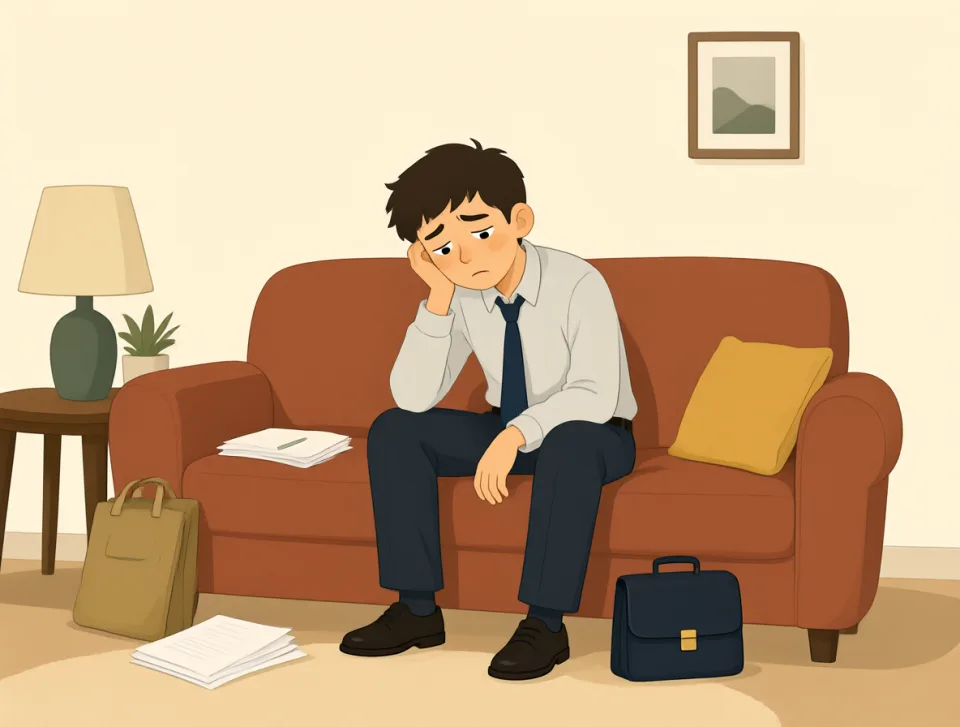
be
#2verb
to exist, happen, or have a particular quality, identity, or location
I am tired after work today.
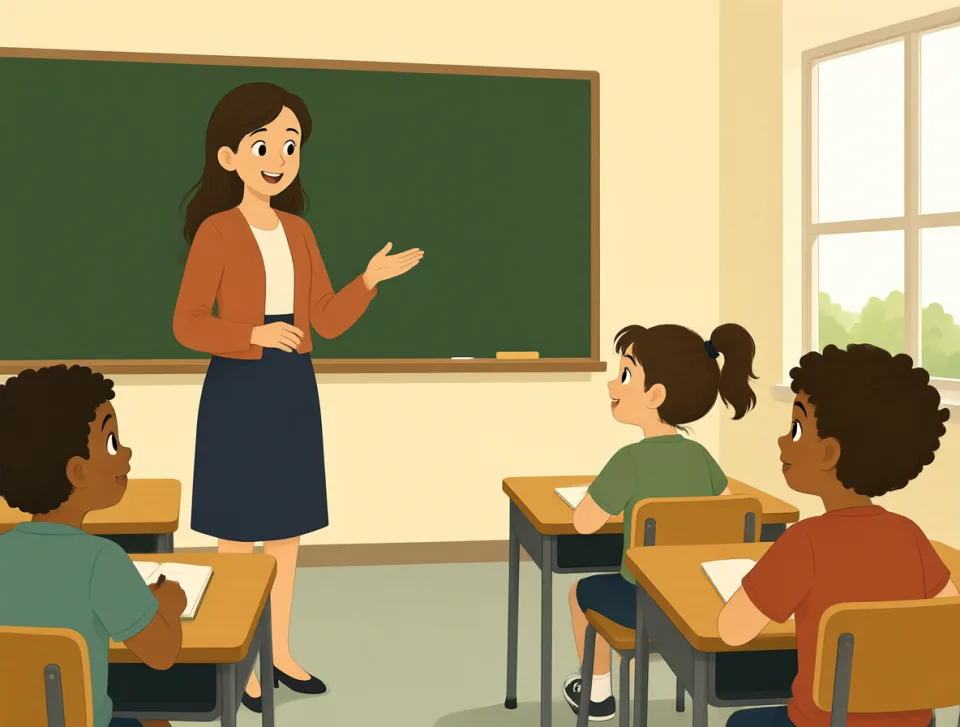
She is a teacher at our school.
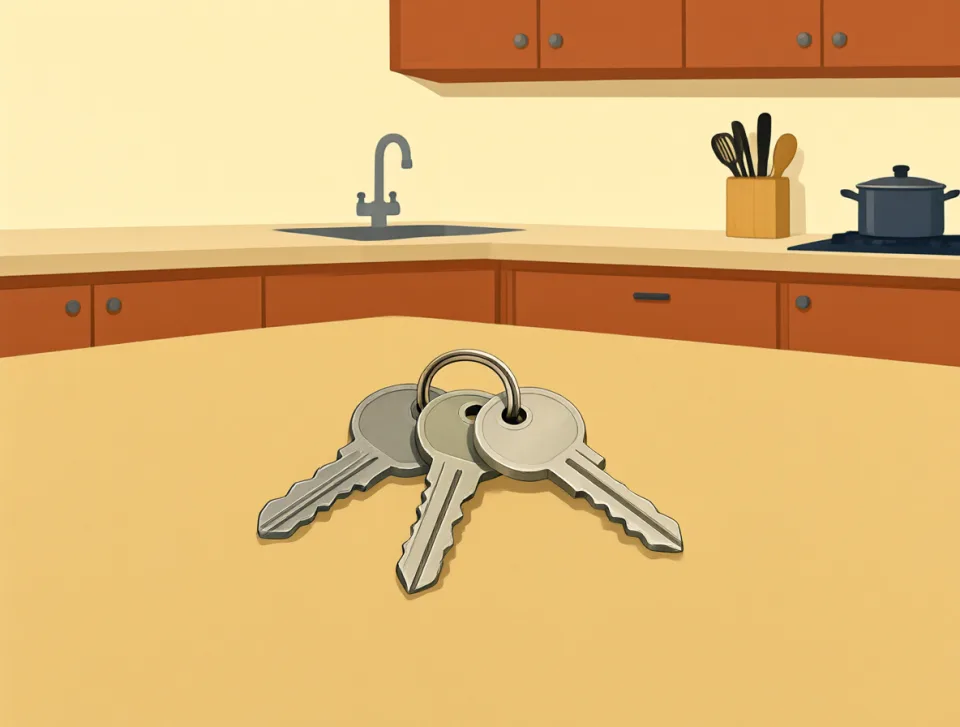
The keys are on the kitchen table.
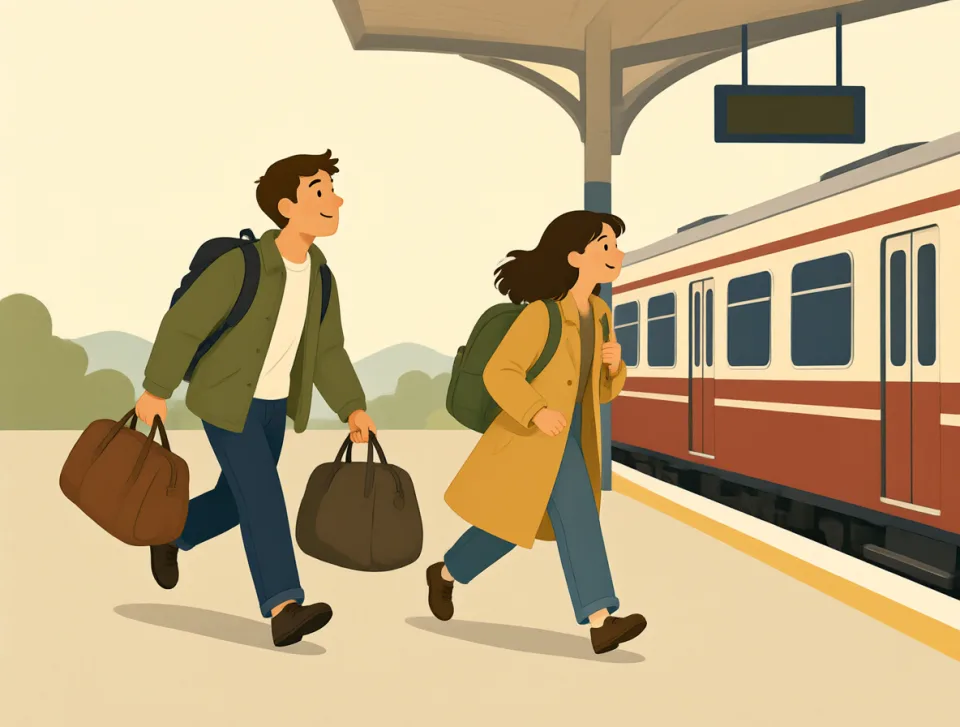
We were late for the train.
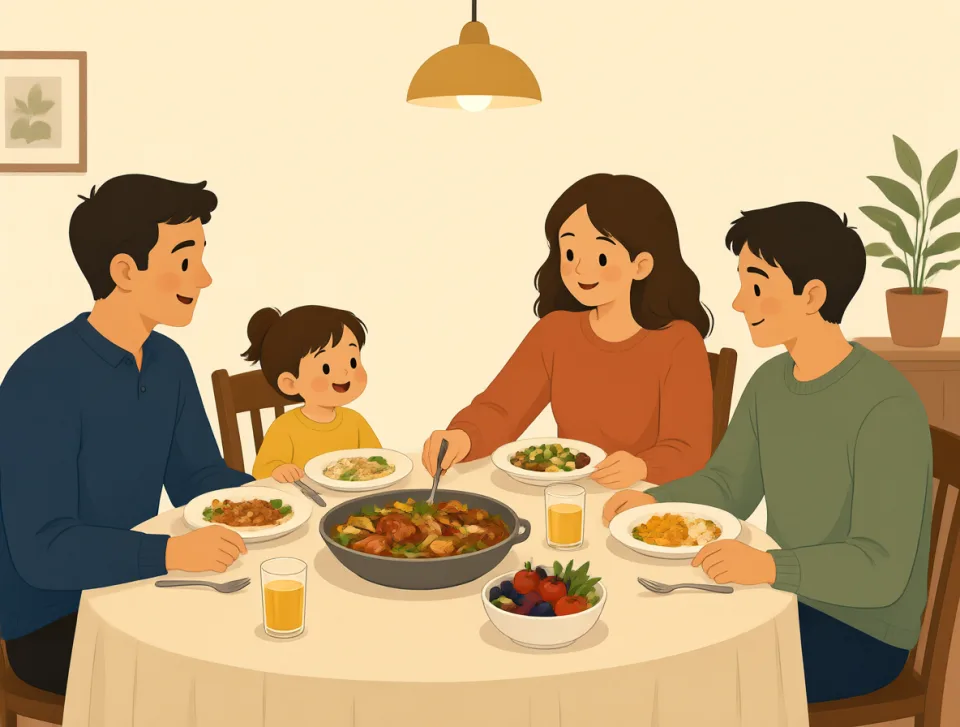
Dinner is ready, so please come in.
and
#3conjunction
Used to join words, phrases, or sentences that go together.
Tom and Anna work in the same office.
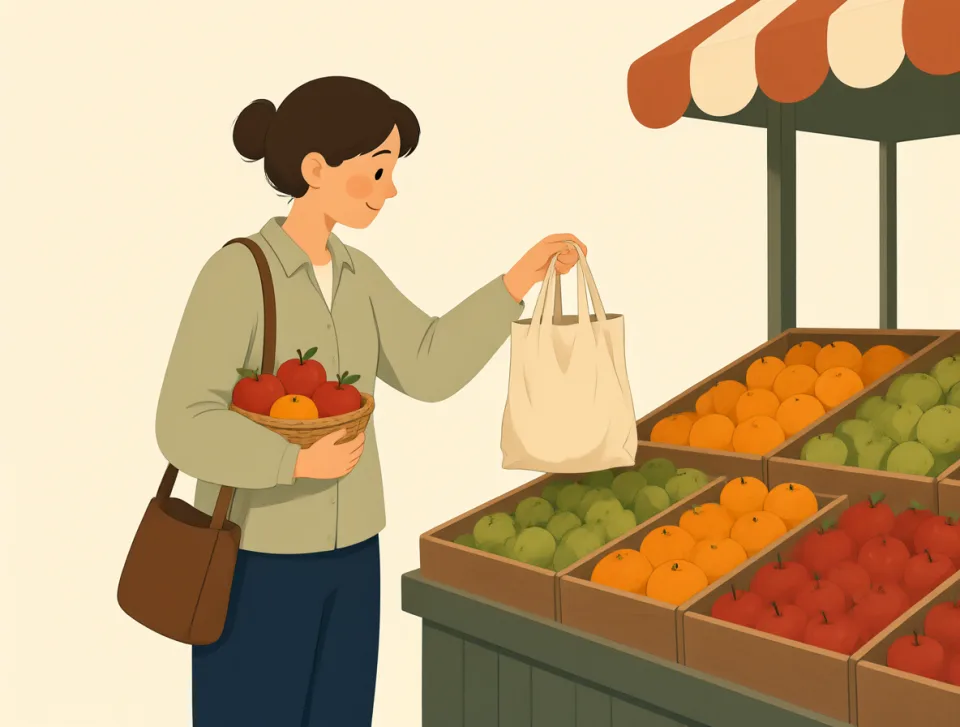
I bought apples and oranges at the market.
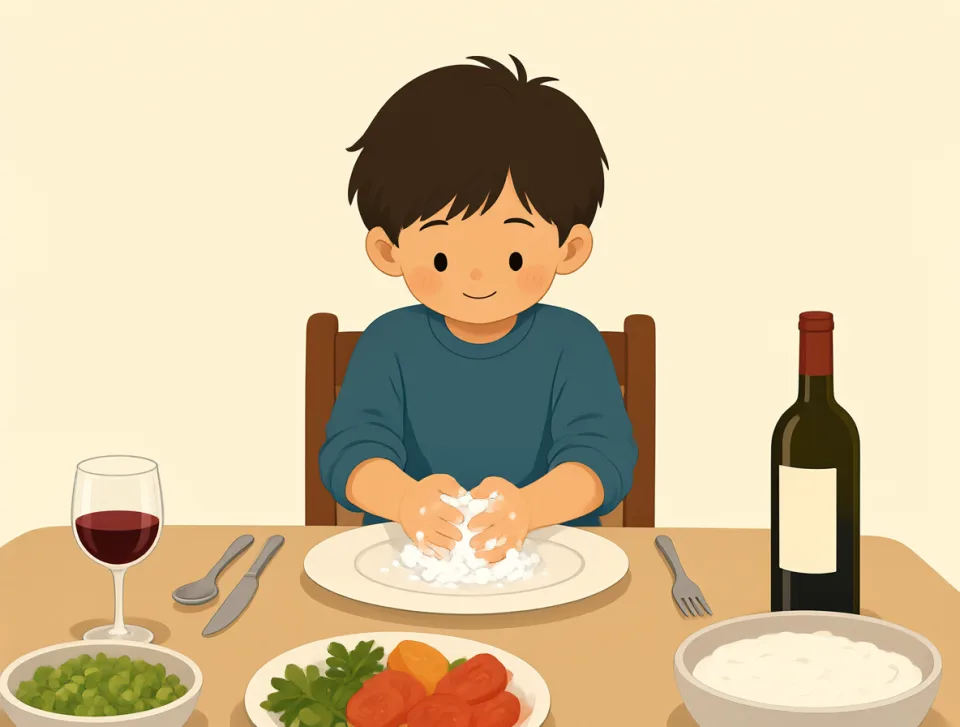
Please wash your hands and eat dinner.
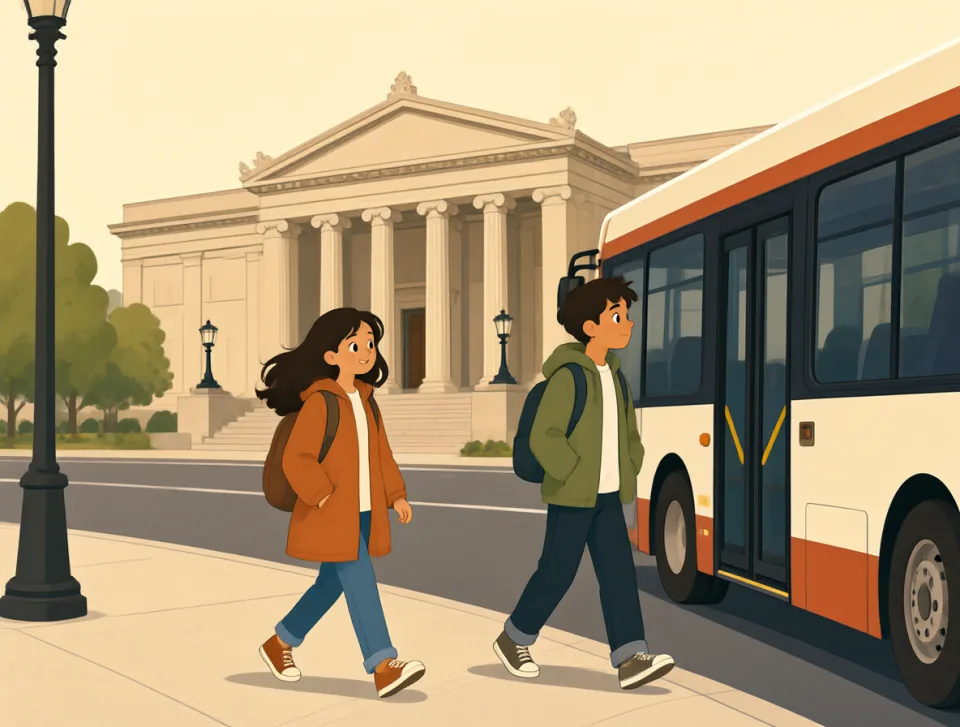
We took a bus and visited the museum.
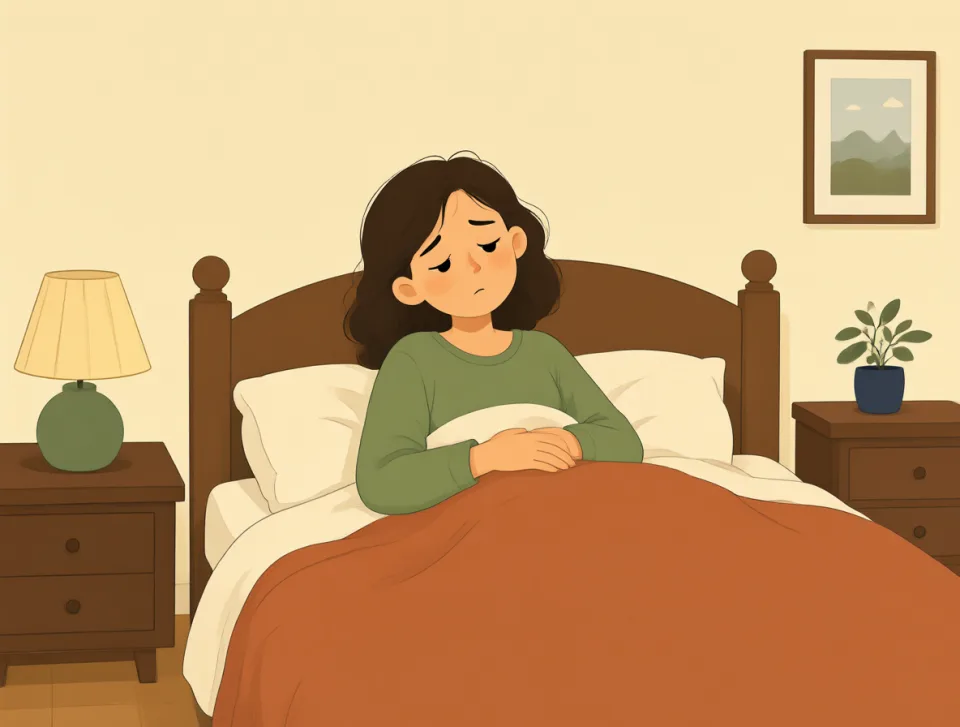
She was tired and went to bed early.
of
#4preposition, determiner
Used to show belonging, connection, amount, or what something contains.
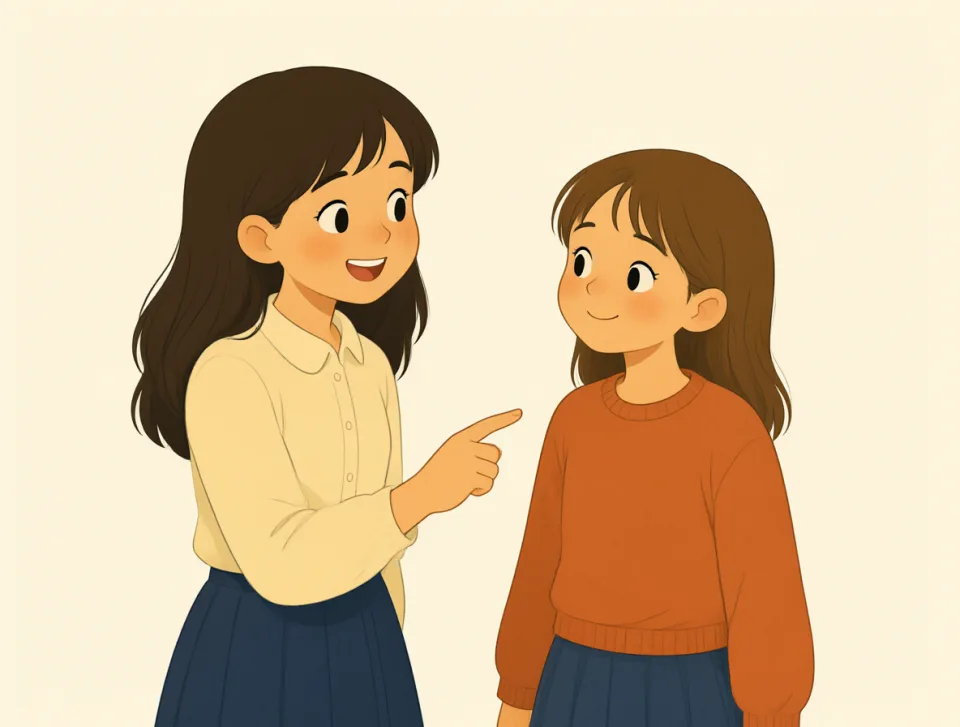
She is a friend of my sister.
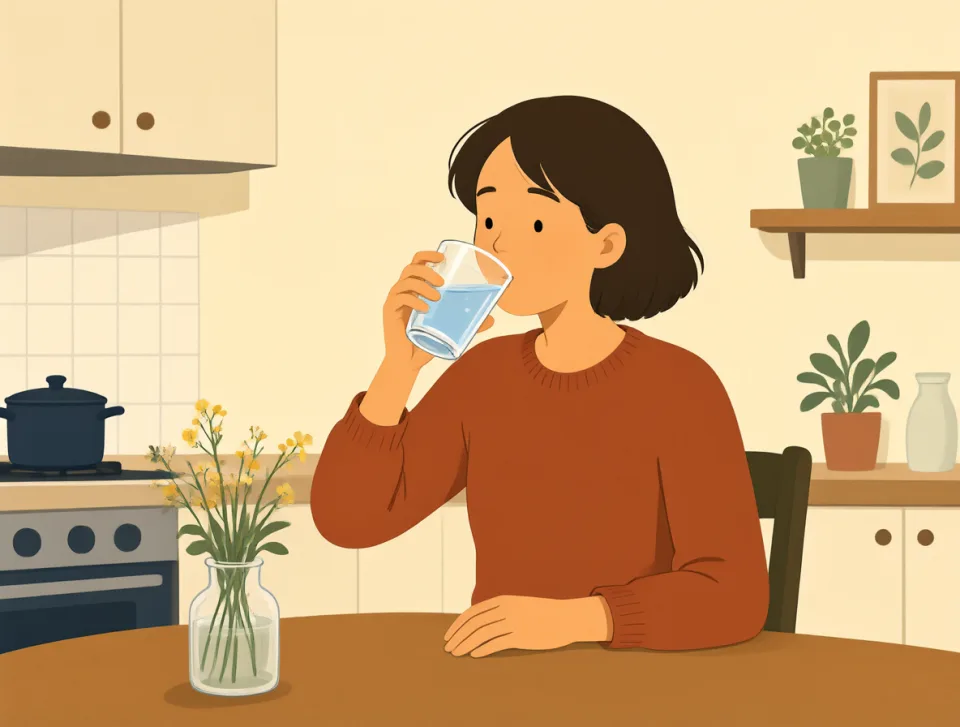
I drank a glass of water.
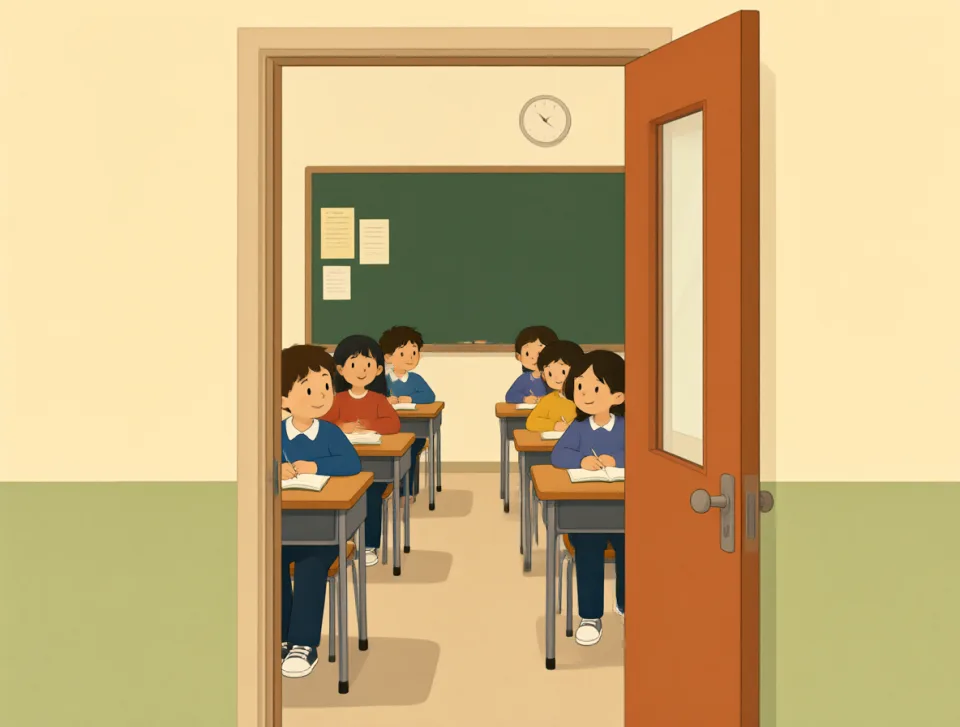
The door of the classroom is open.
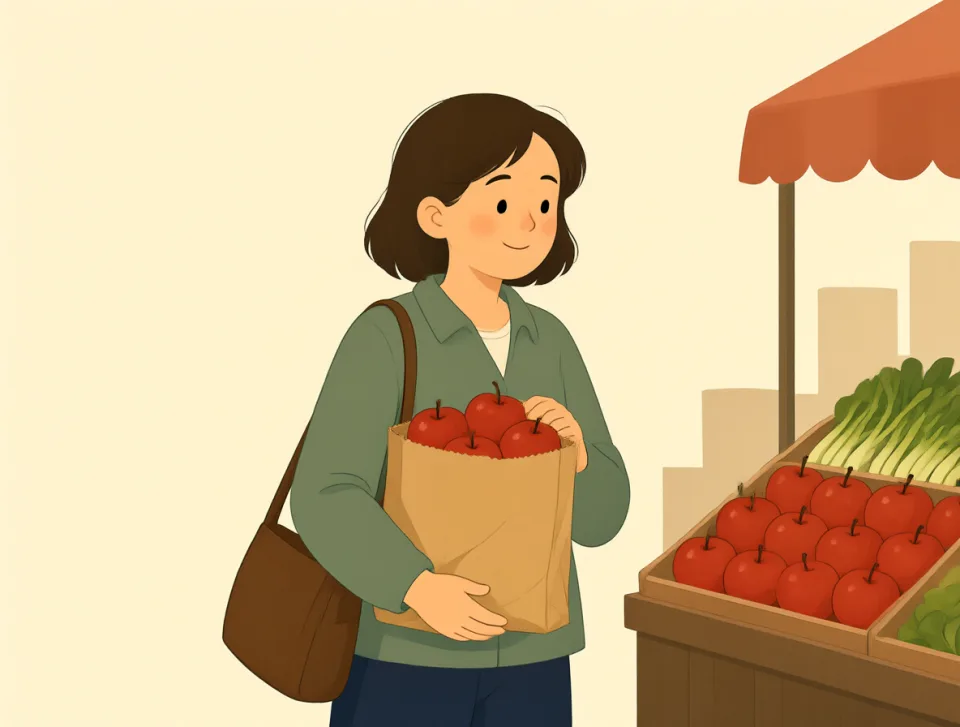
He bought a bag of apples.
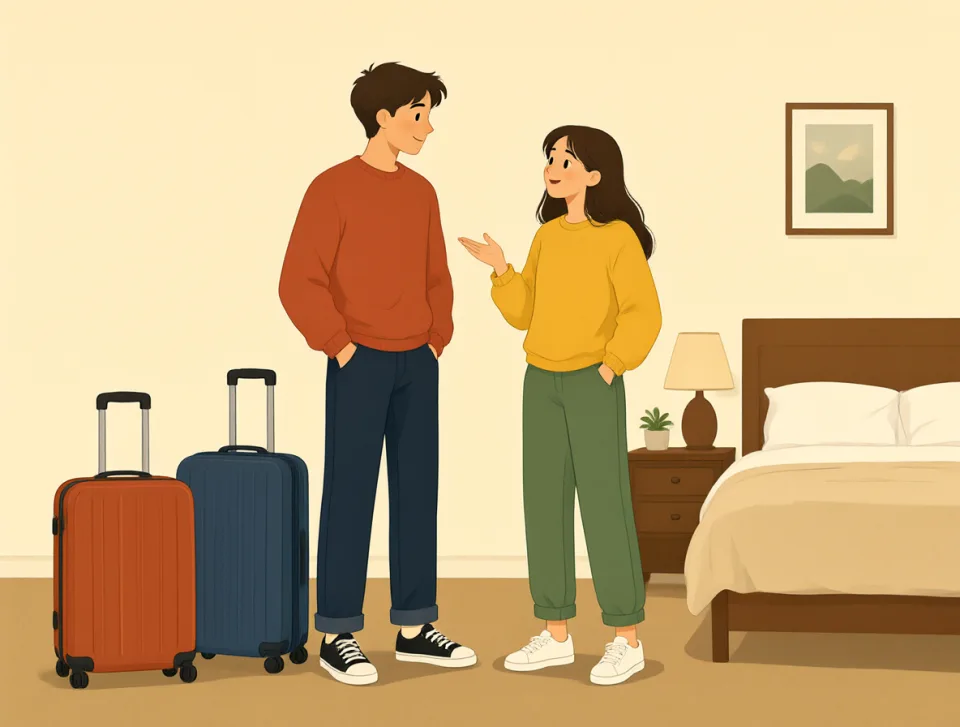
We talked about the problems of travel.
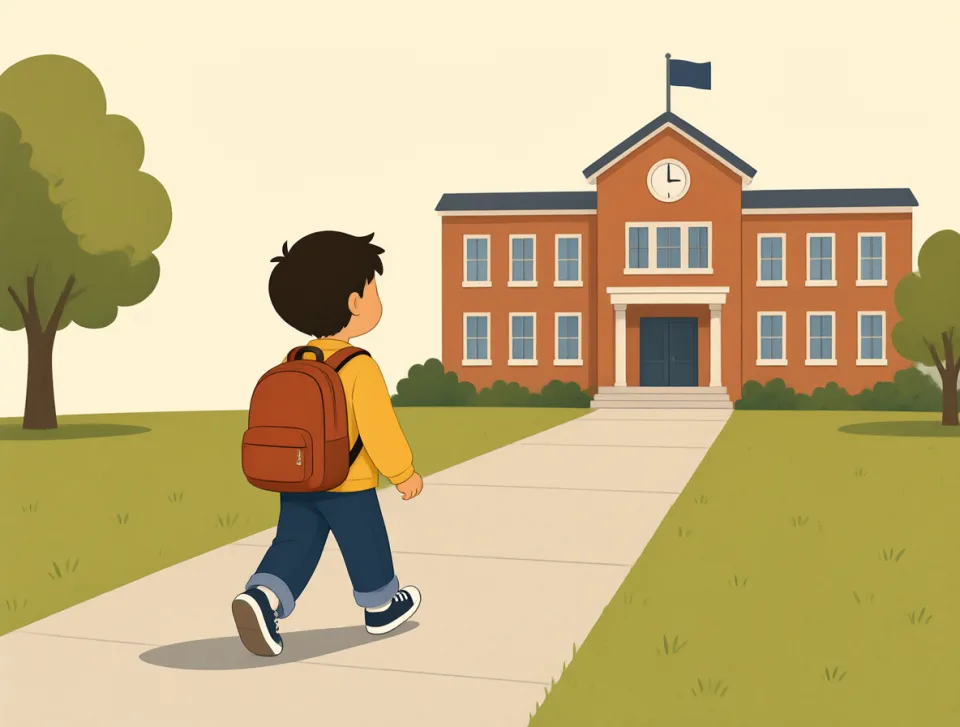
to
#5preposition, infinitive marker
Used before a place, person, or verb to show direction, purpose, or an action.
I walk to school every morning.
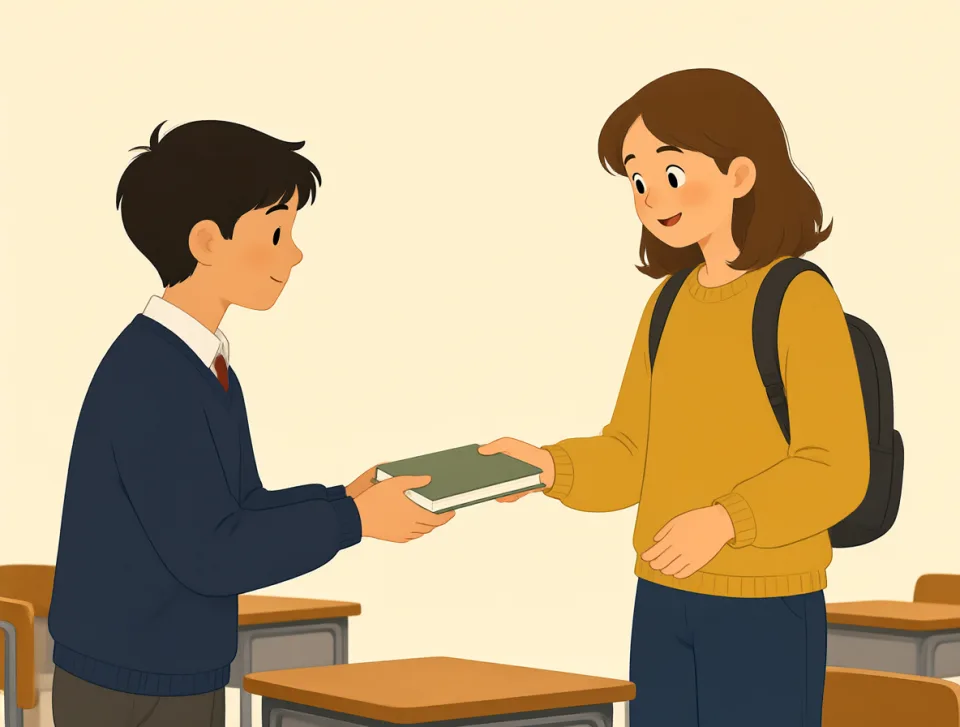
Please give this book to Maria.

We went to the market after work.
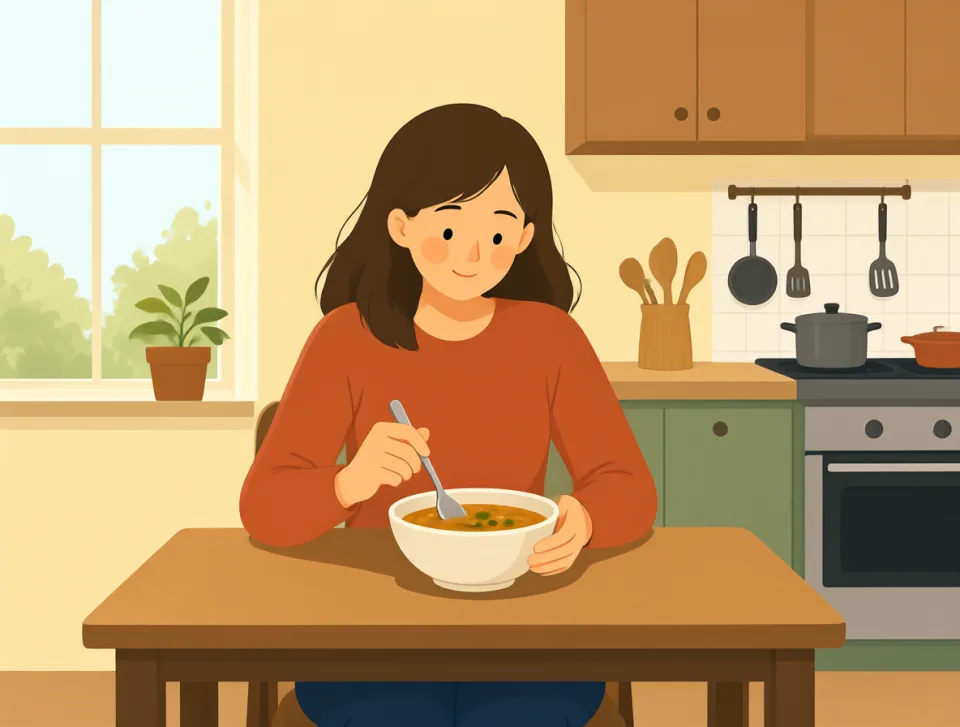
She wants to eat some soup.
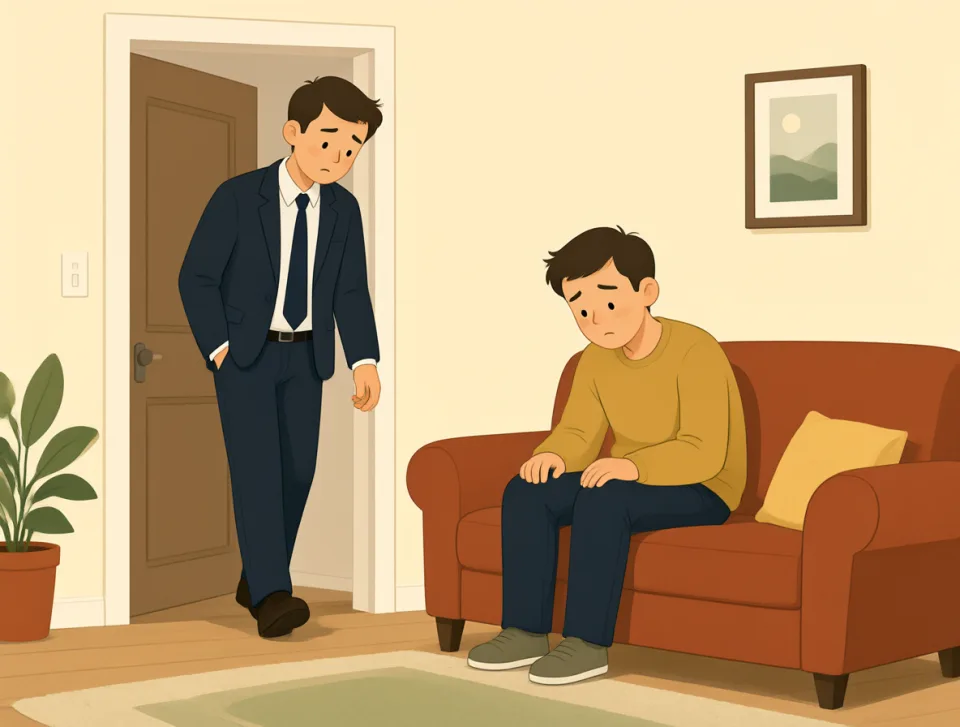
He came home to rest.
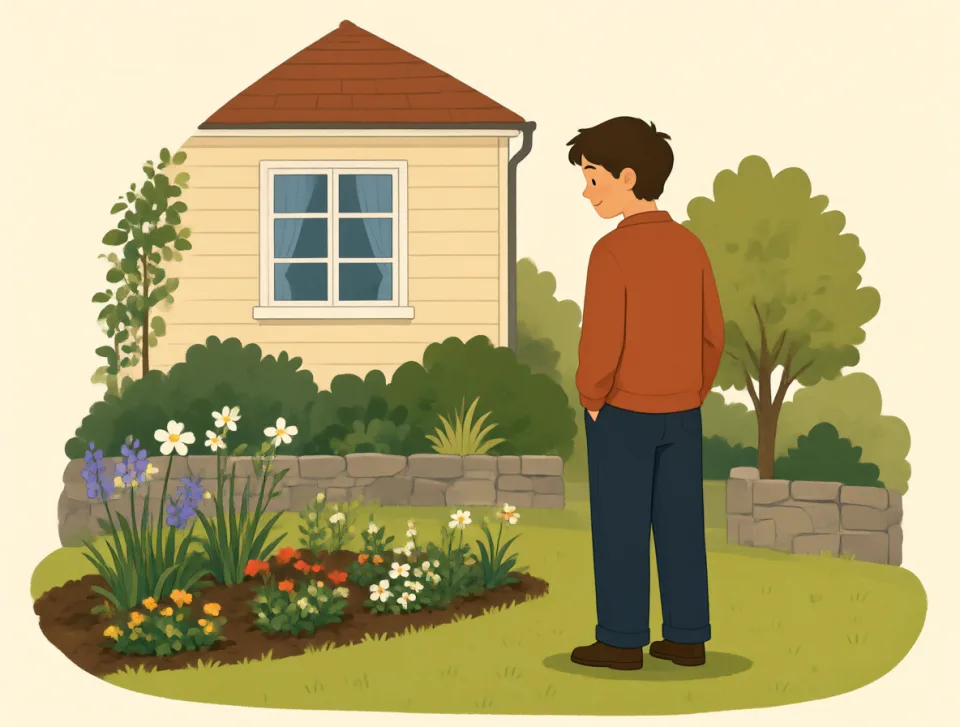
a
#6determiner, article
used before one singular countable noun when it is not specific
I have a small garden at home.
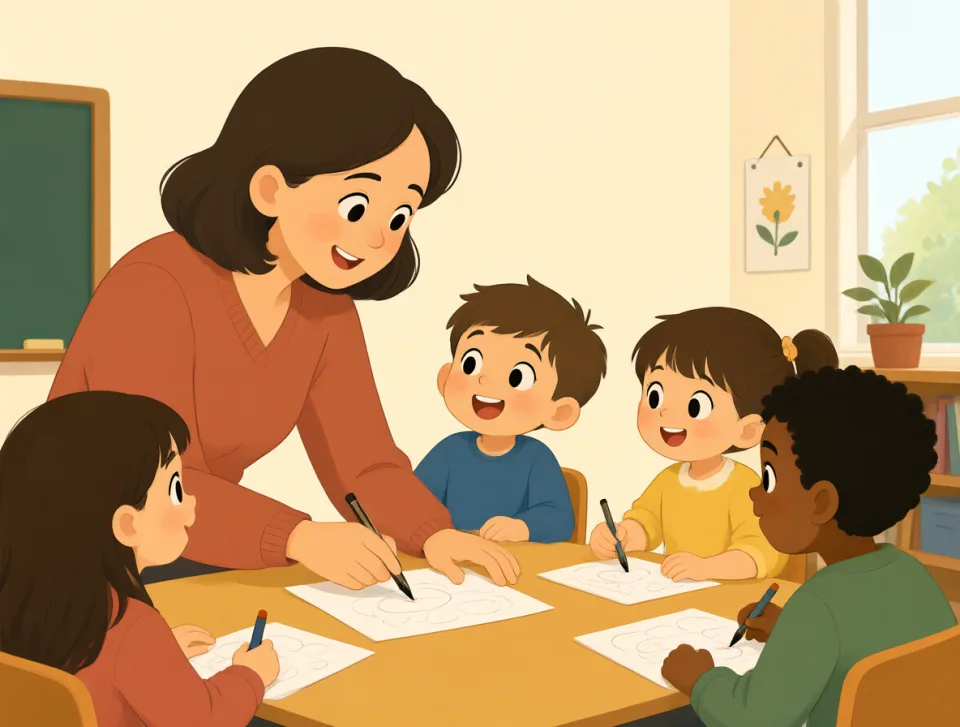
She is a teacher at our school.
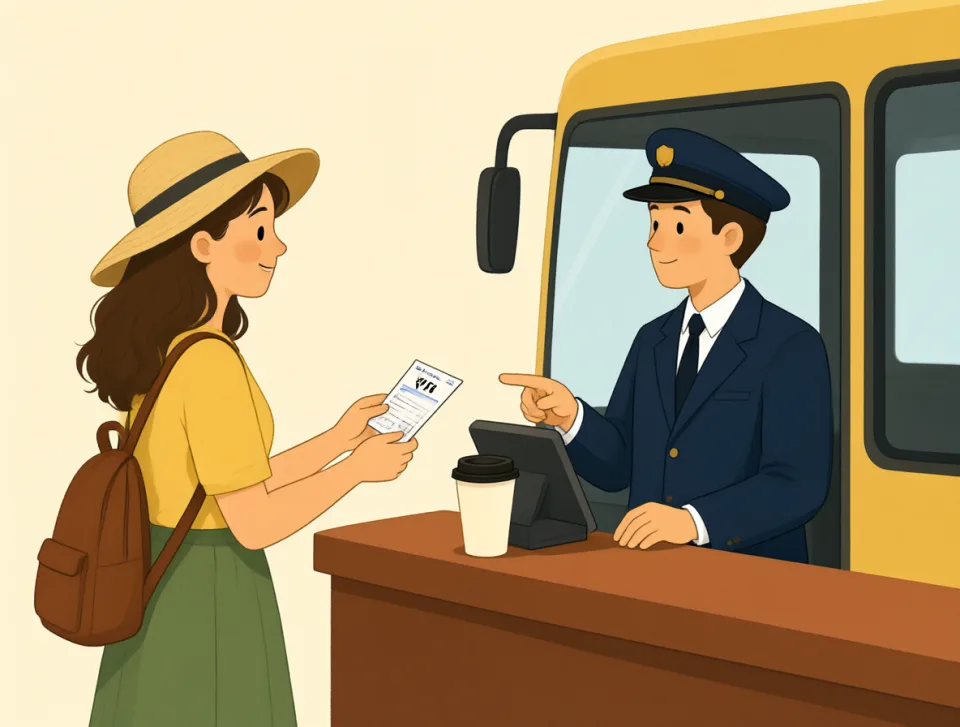
We bought a ticket for the bus.
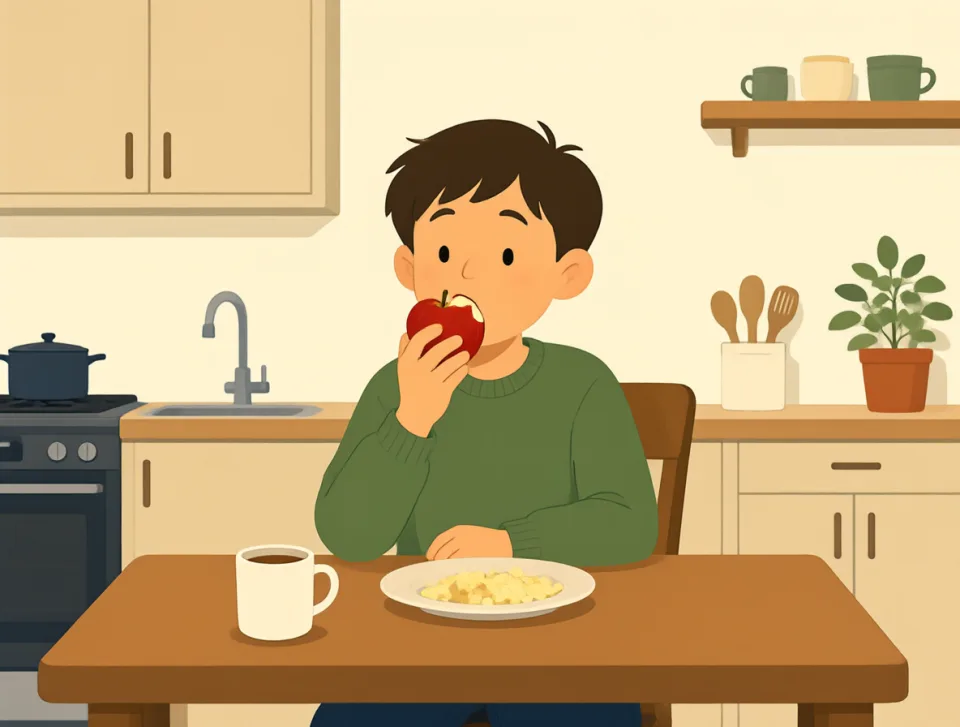
He eats an apple a day.
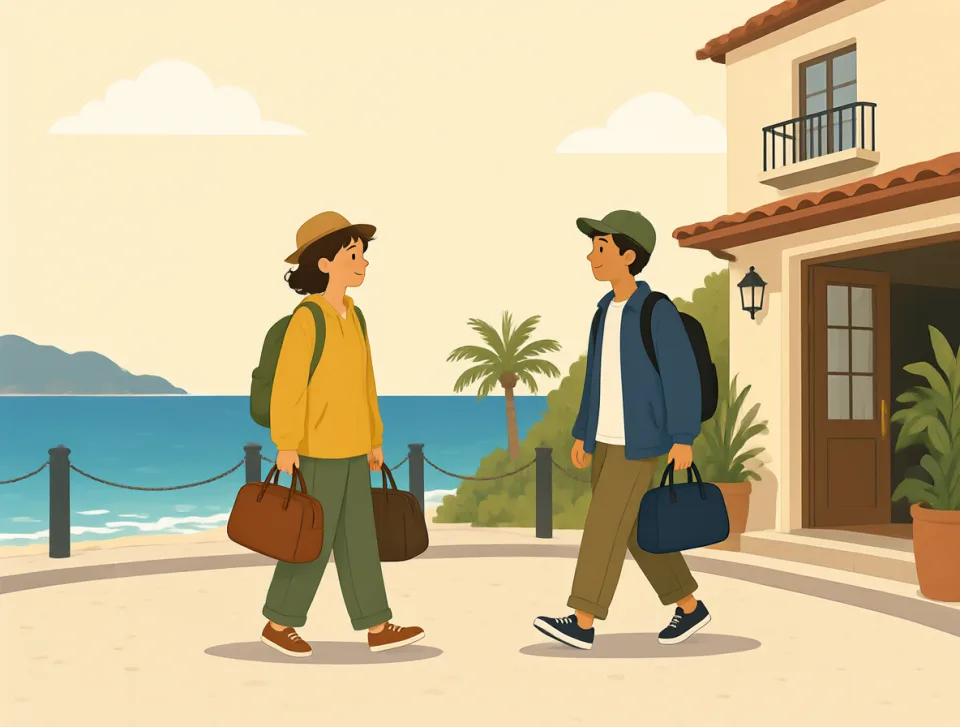
They stayed in a hotel near the beach.
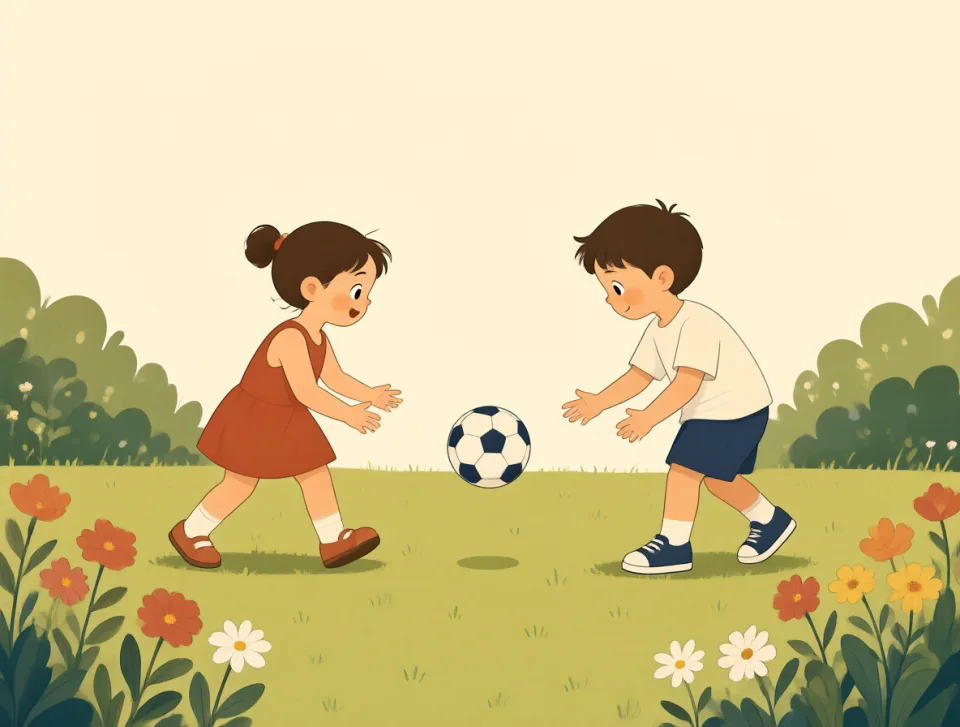
in
#7preposition, adverb, adjective
Inside a place, area, time, situation, or group
The children are playing in the garden.
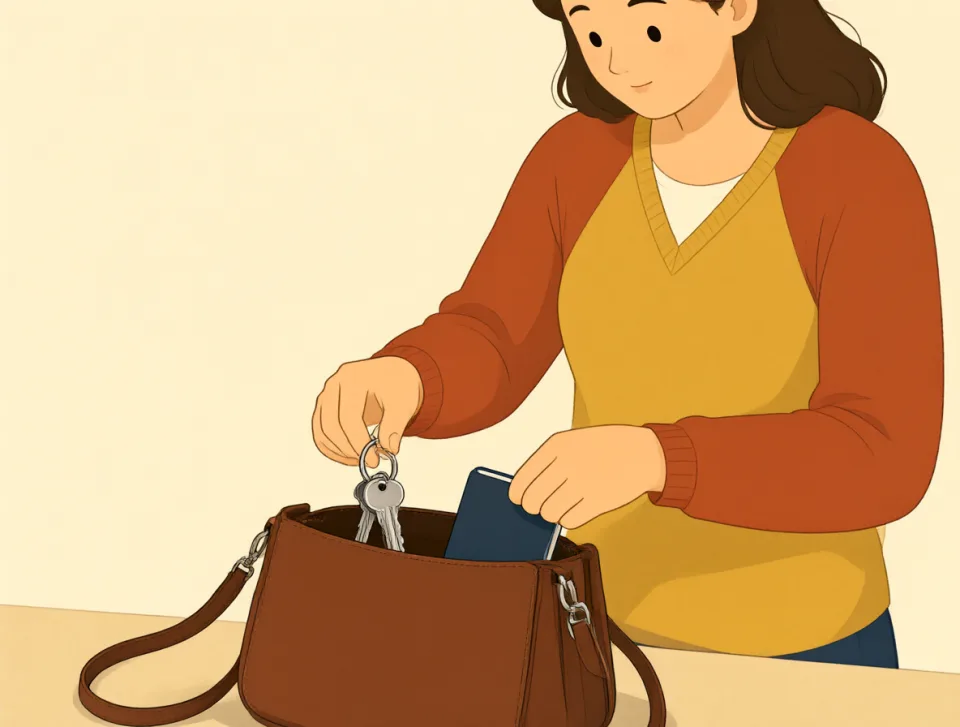
I keep my keys in my bag.
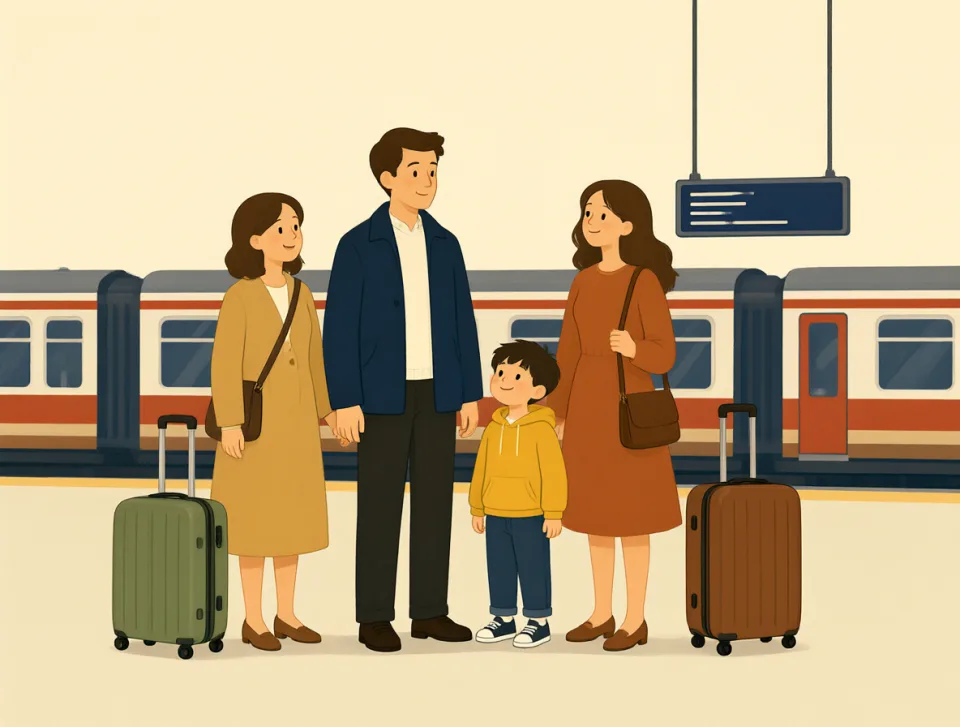
We arrived in London yesterday.
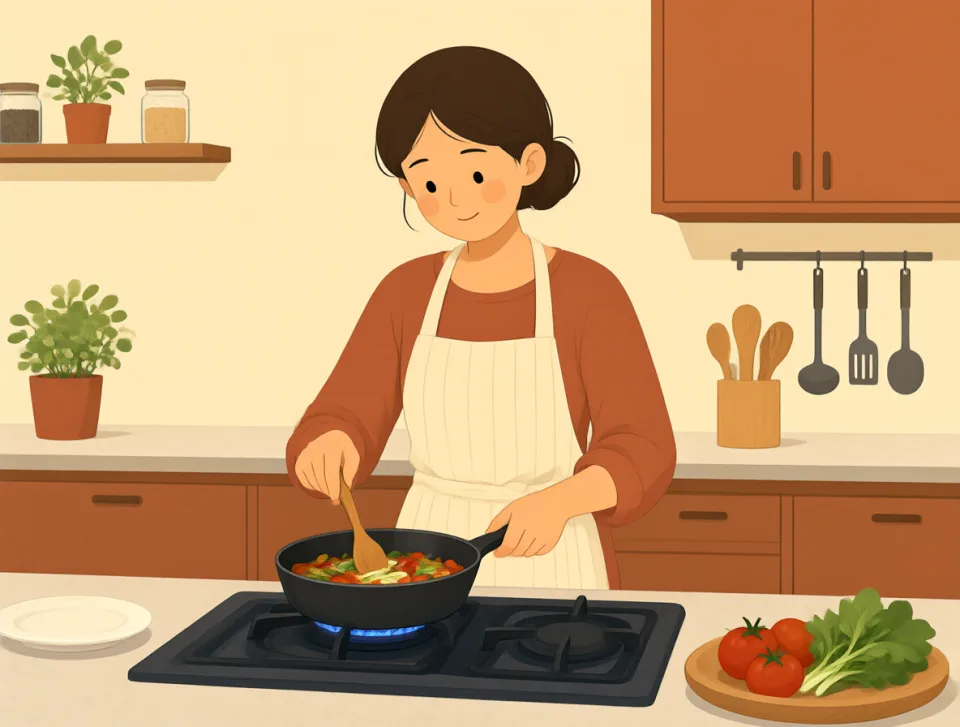
She is in the kitchen cooking dinner.
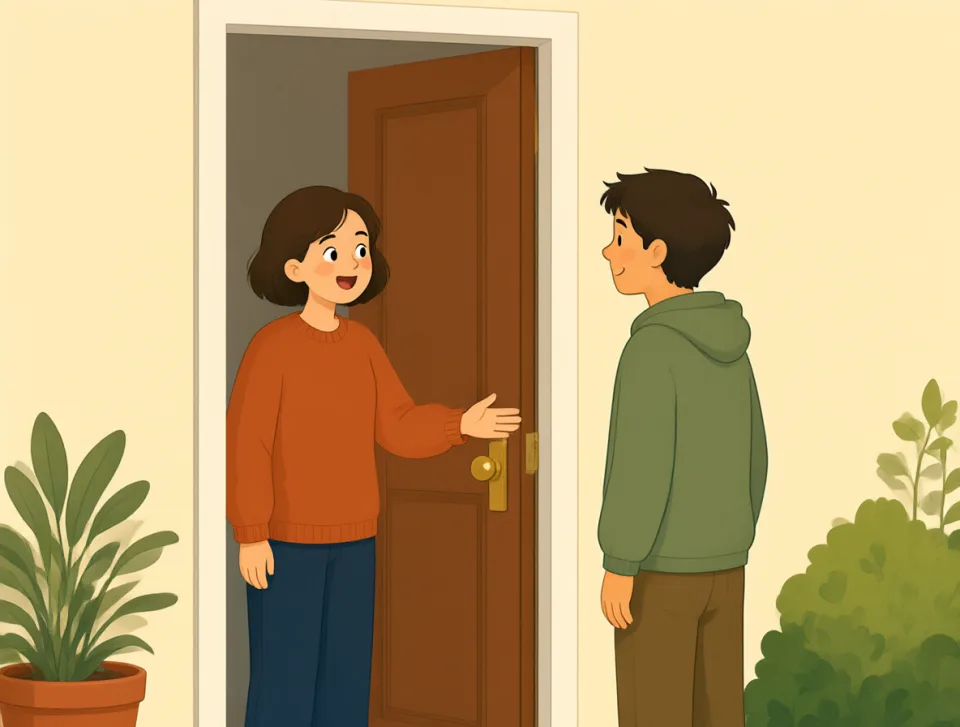
Please come in and sit down.
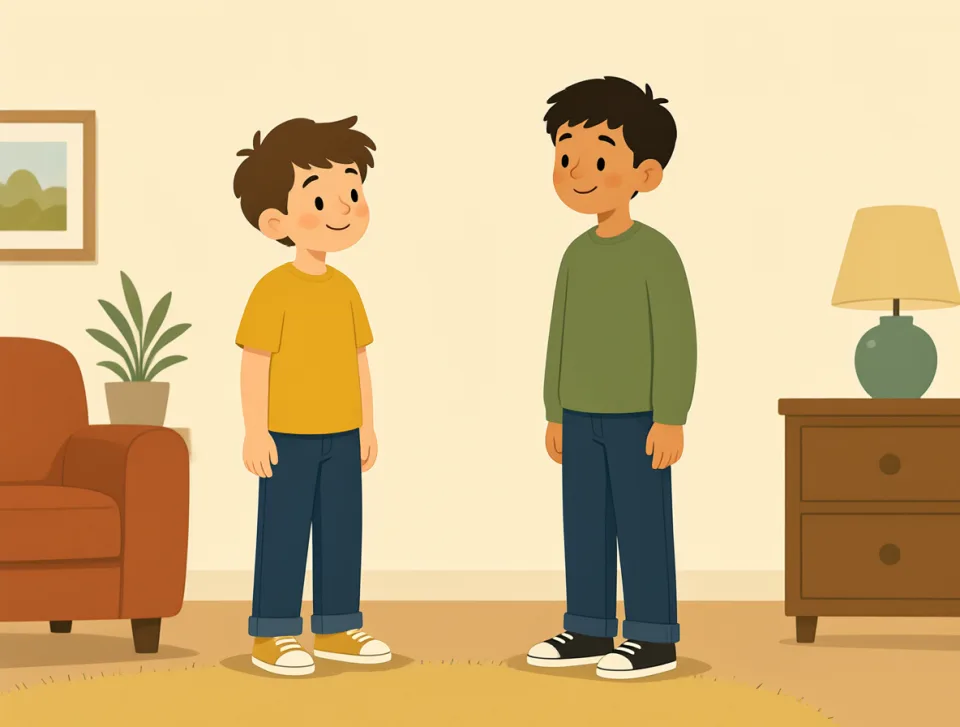
have
#8verb
to own, do, experience, or receive something
I have two brothers.
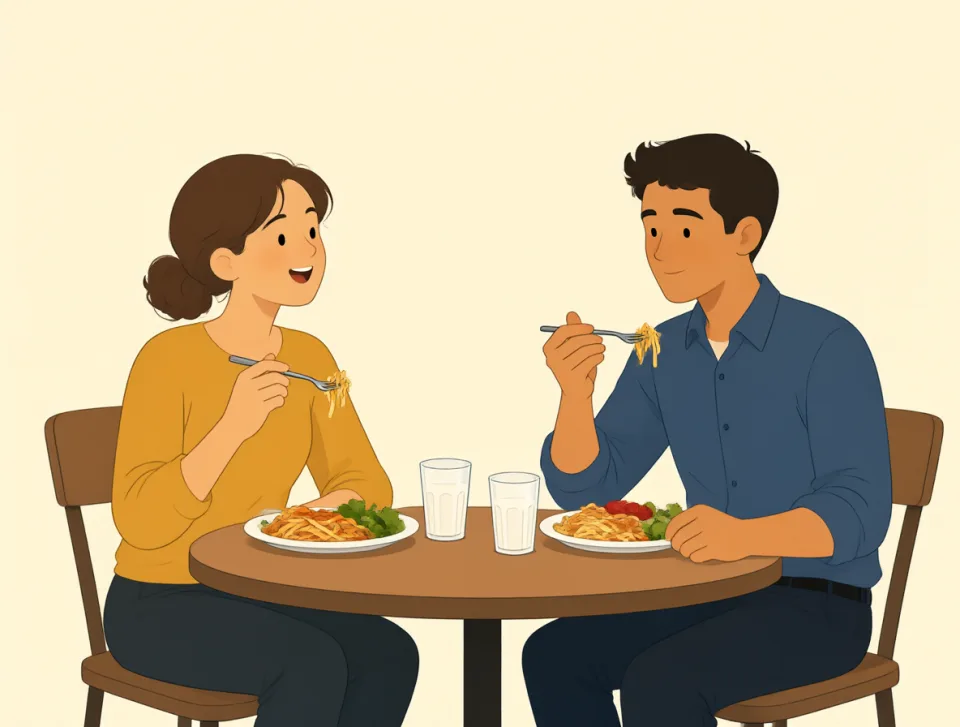
We have lunch at noon.
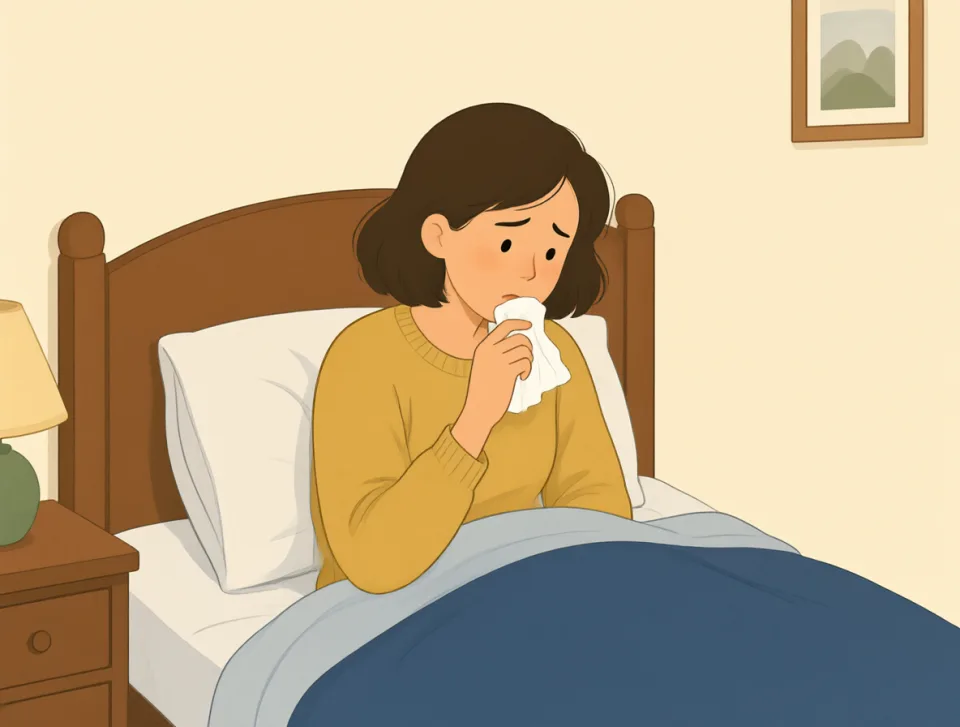
She has a bad cold.

They had a great time together.
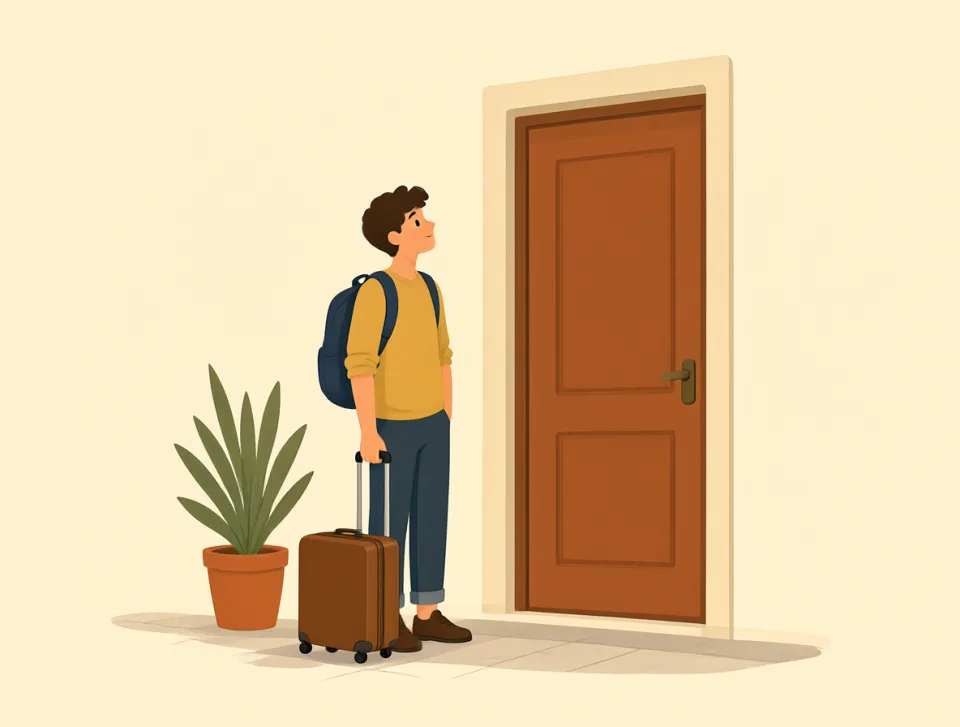
I have to leave now.
it
#9pronoun, determiner
A word used for a thing, animal, situation, or idea already mentioned.
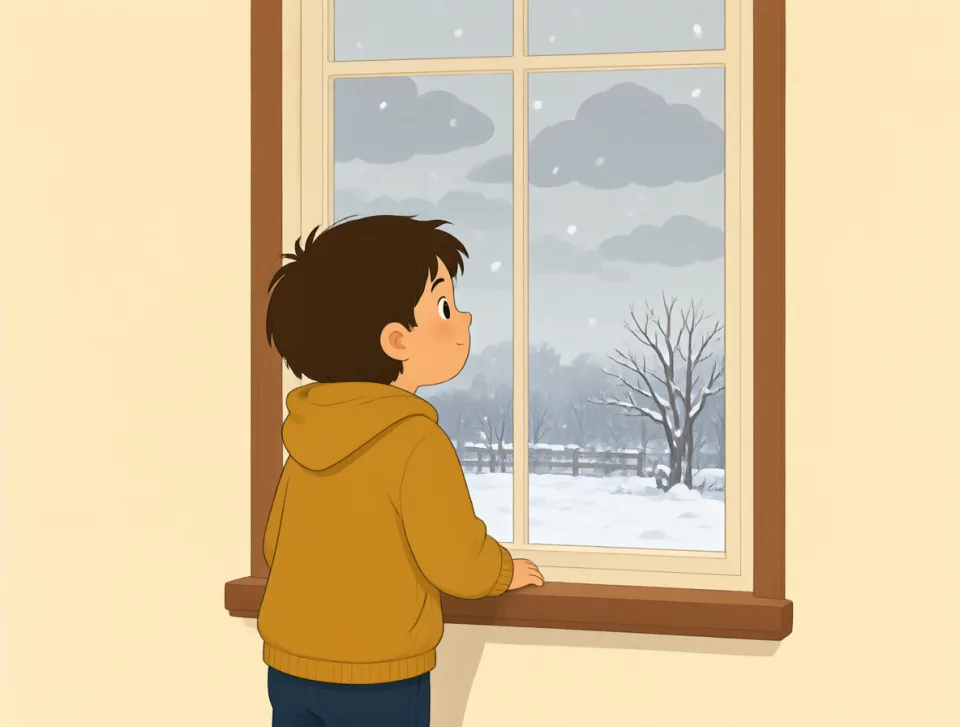
It is cold outside today.
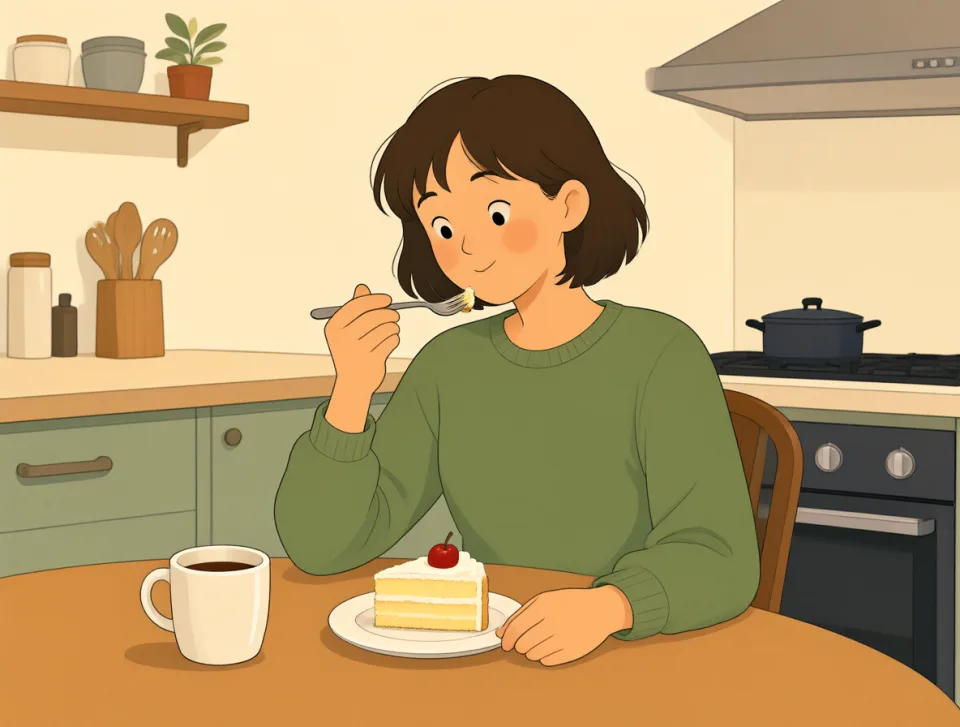
I bought a cake, and it was delicious.
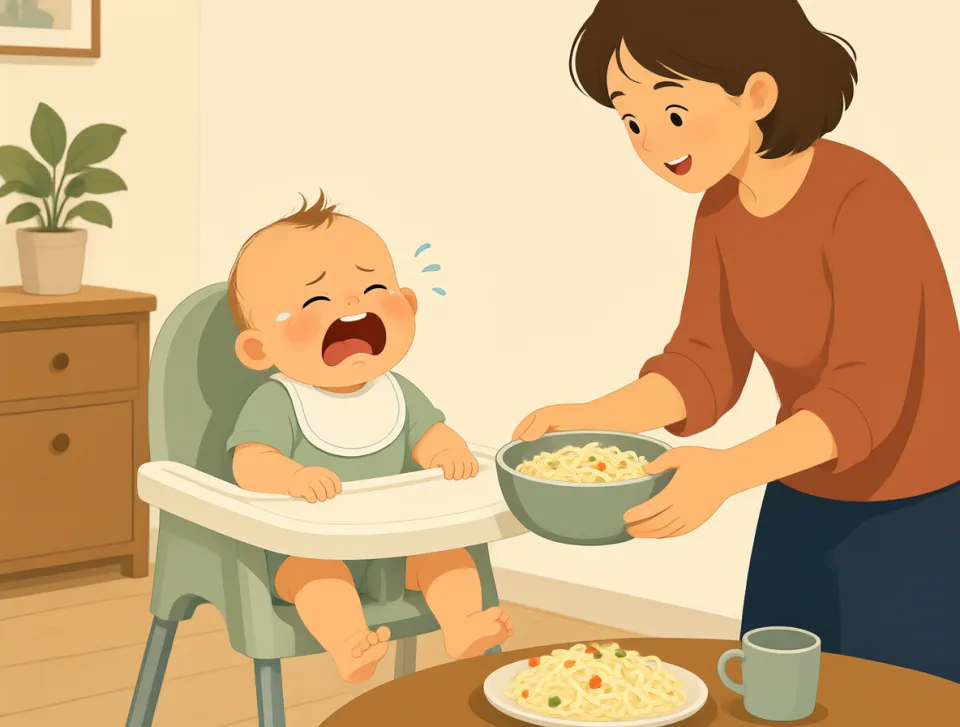
The baby is crying because it is hungry.
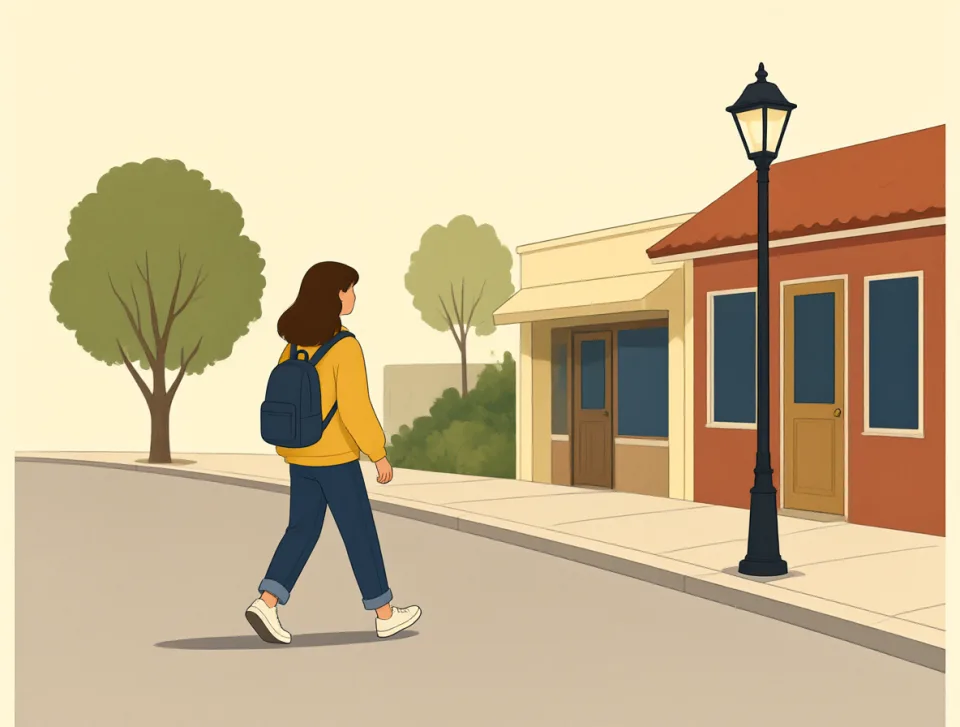
It takes ten minutes to walk there.
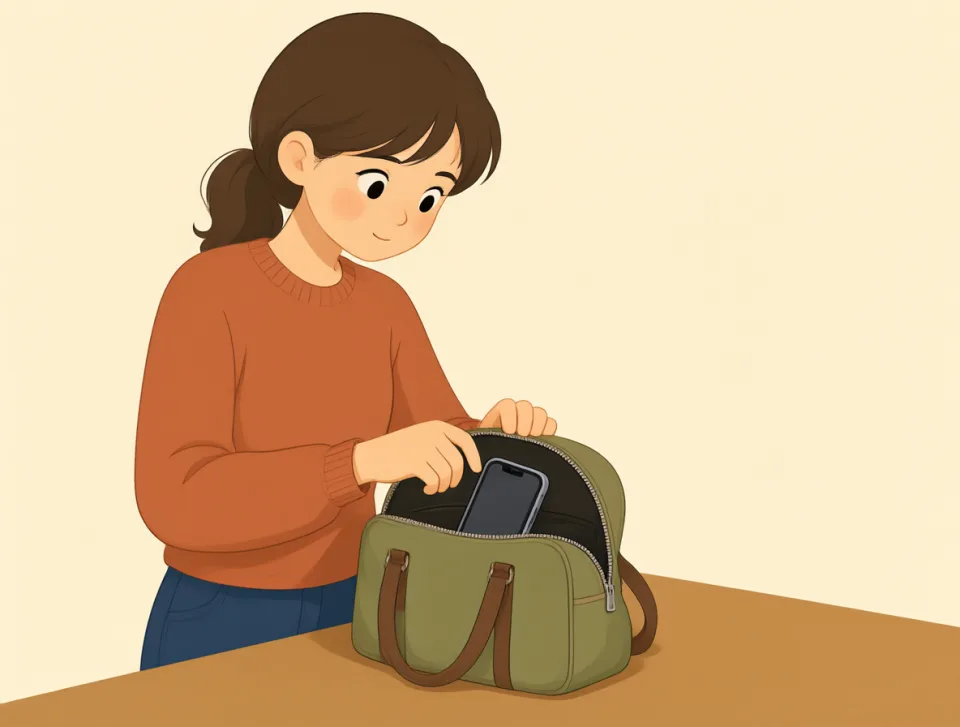
I found my phone and put it in my bag.
you
#10pronoun
The person or people being spoken to.
You are late for school today.
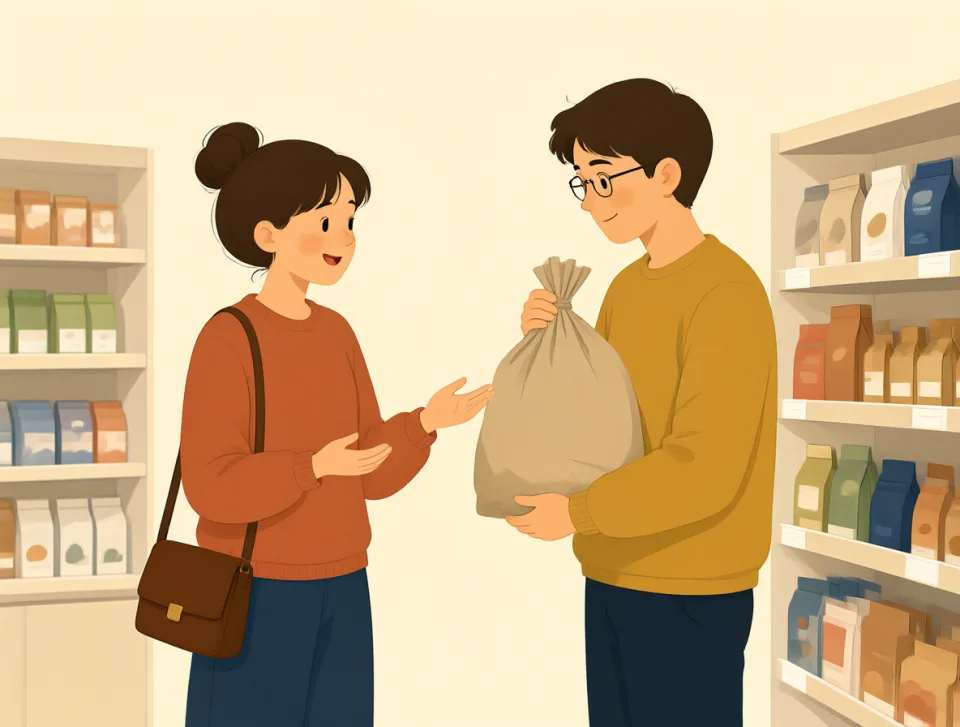
Can I help you with that bag?
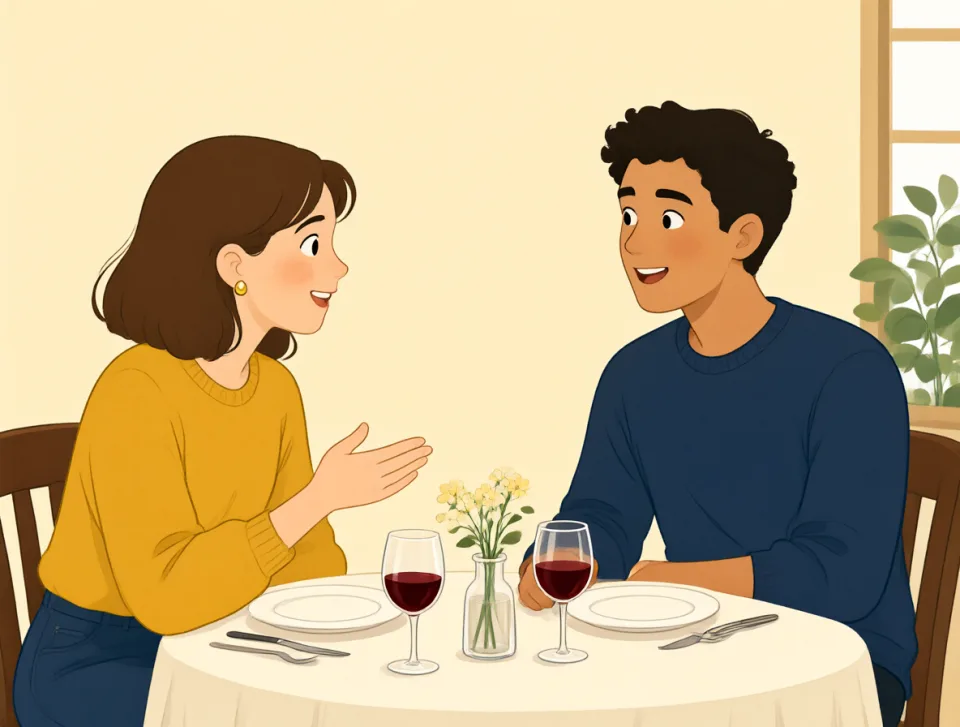
Did you enjoy dinner with your friends?
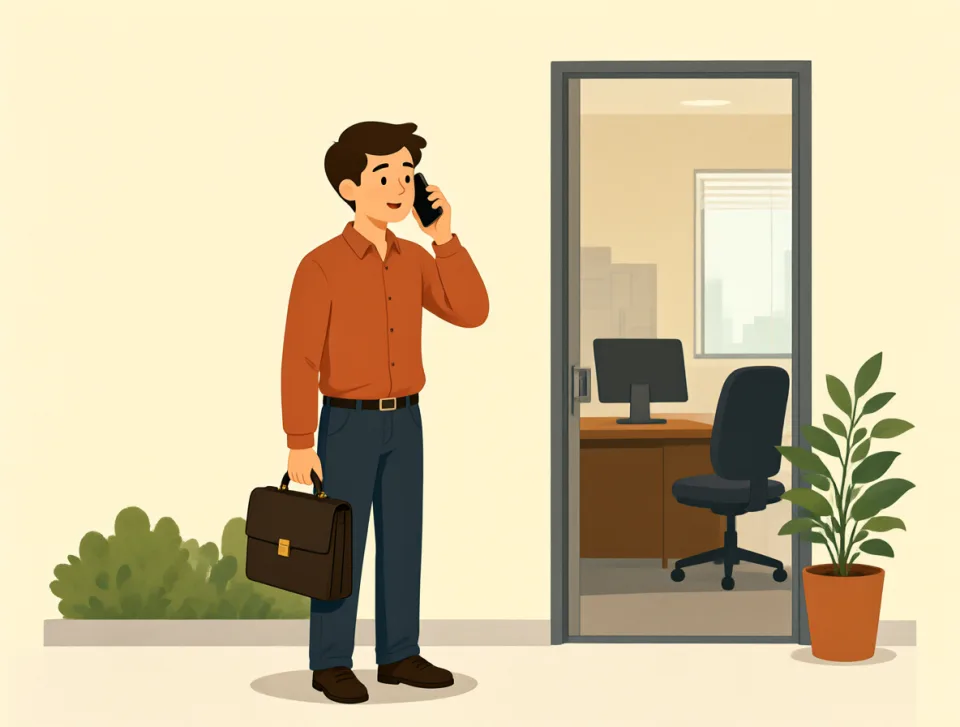
We will call you after work.
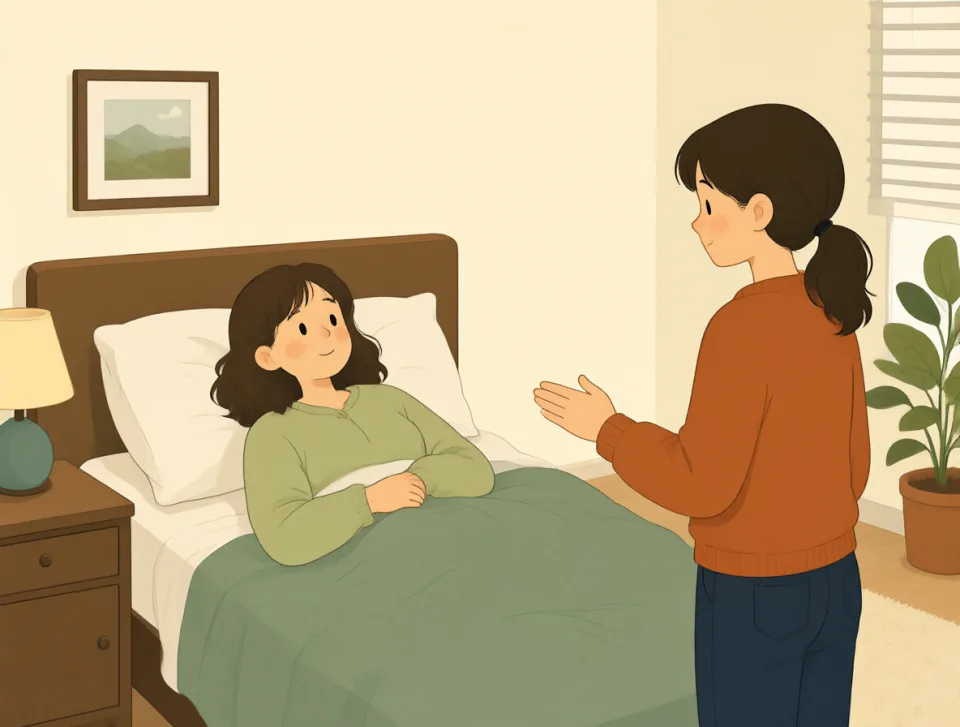
Are you feeling better today?
he
#11pronoun
A word used for one male person already mentioned or known.
He is my brother.
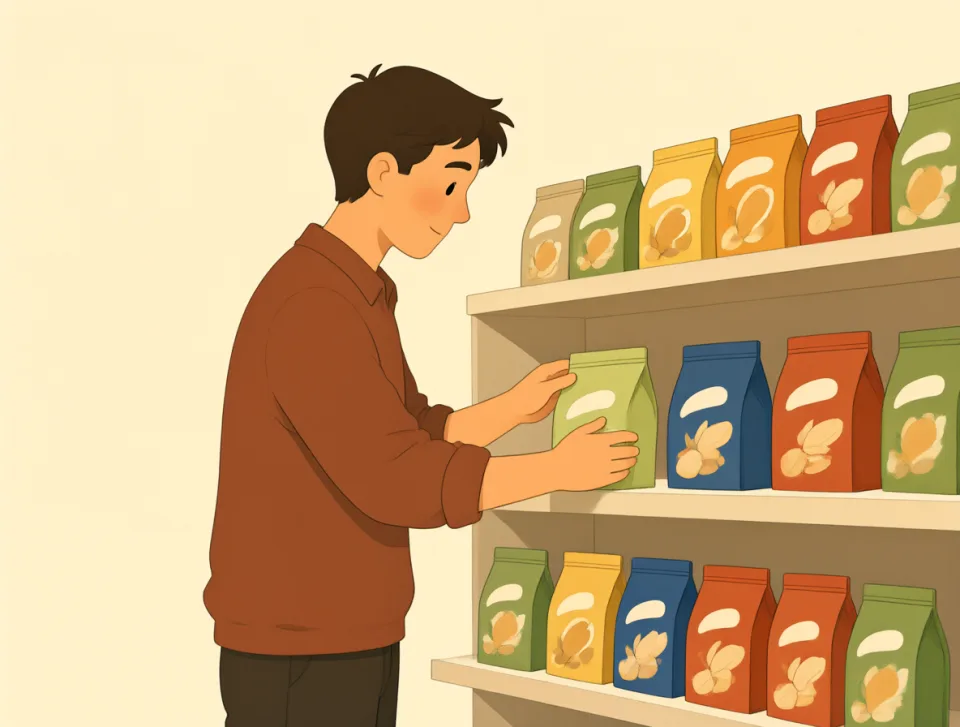
He works at a small shop.
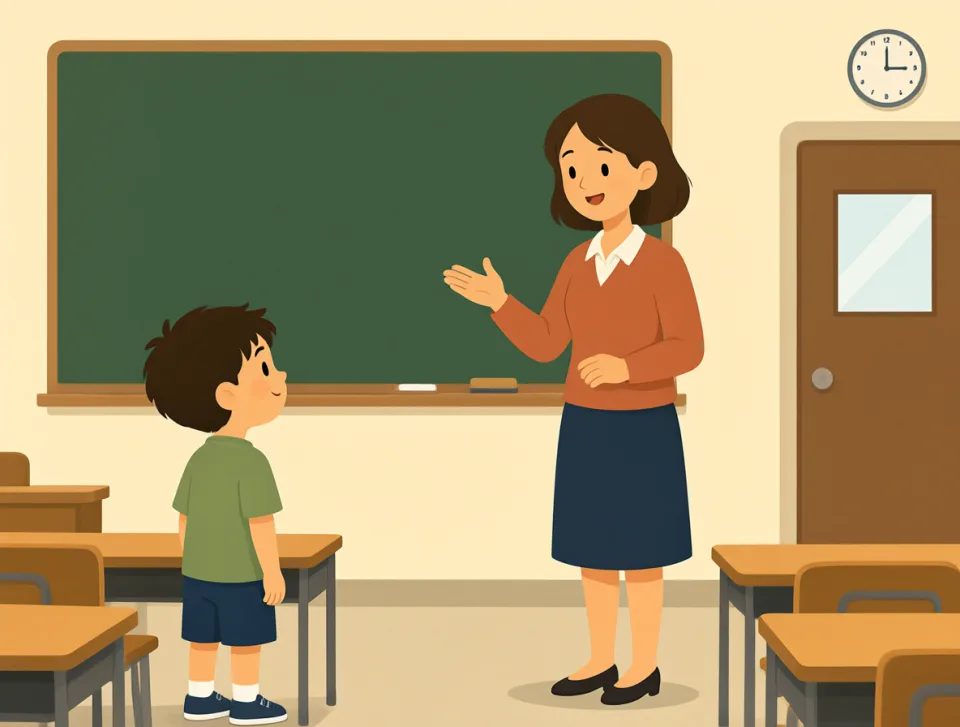
The teacher said he was late.
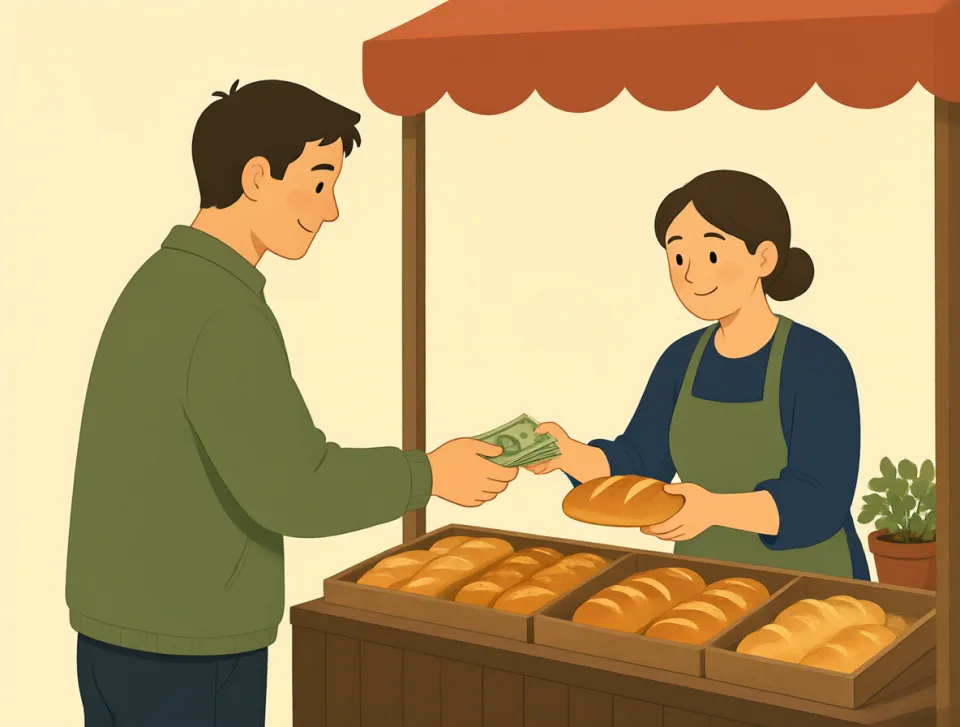
He bought bread at the market.
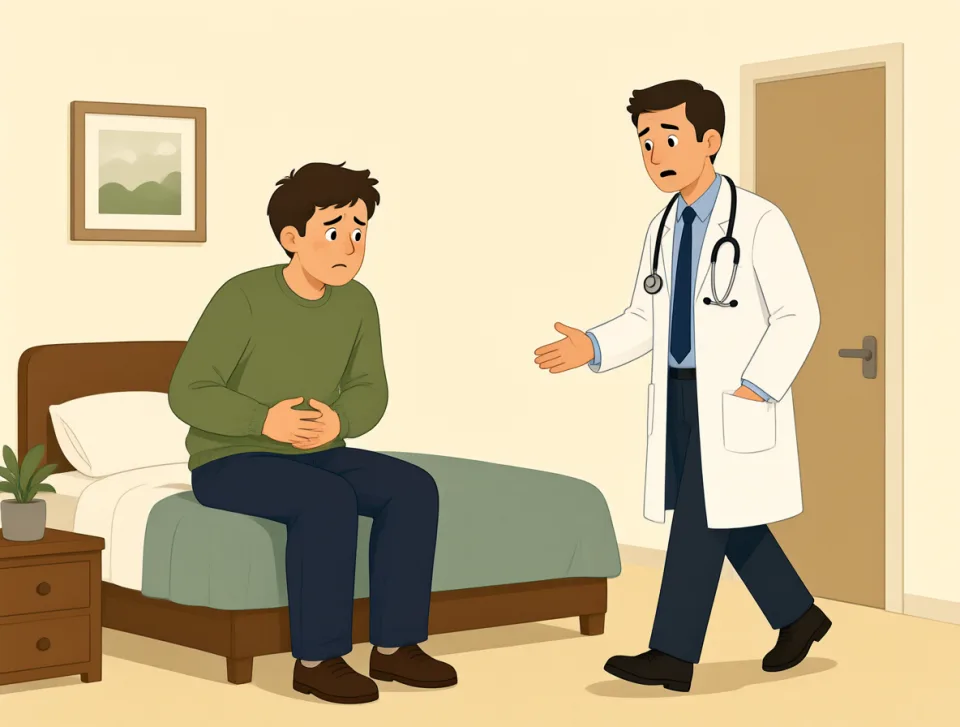
He feels sick and needs a doctor.
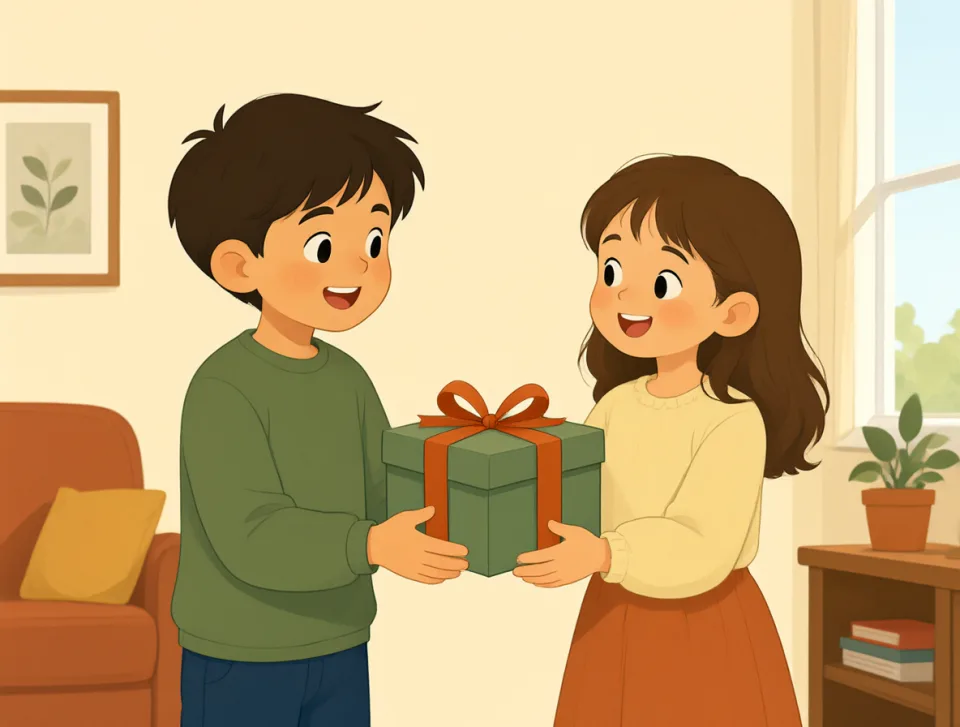
for
#12preposition, conjunction
Used to show purpose, time, reason, or who receives something.
This gift is for my sister.
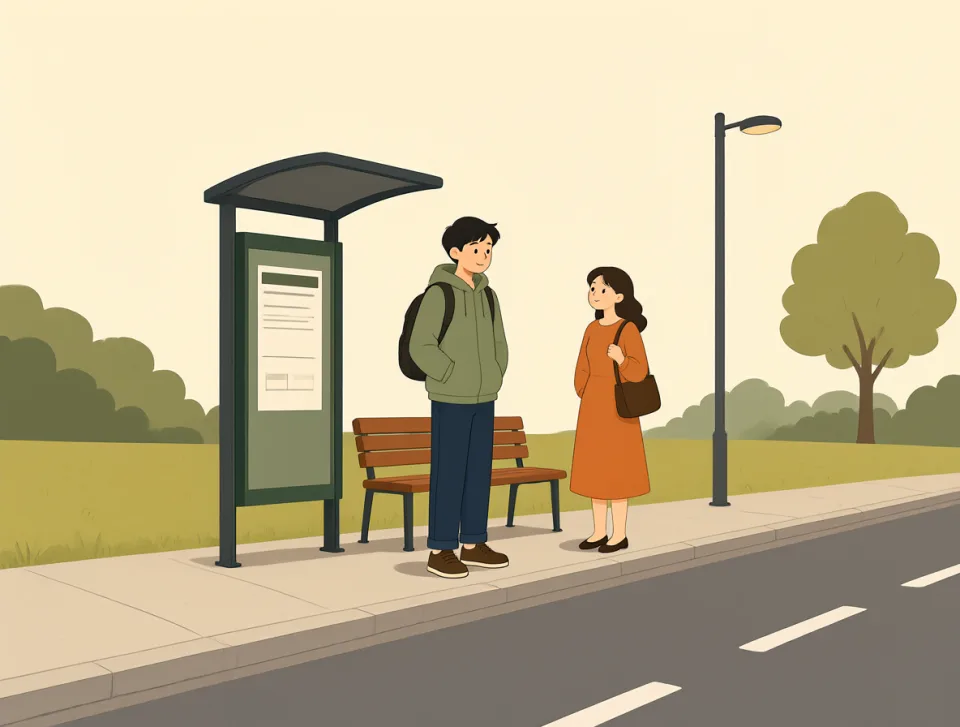
We waited for the bus.
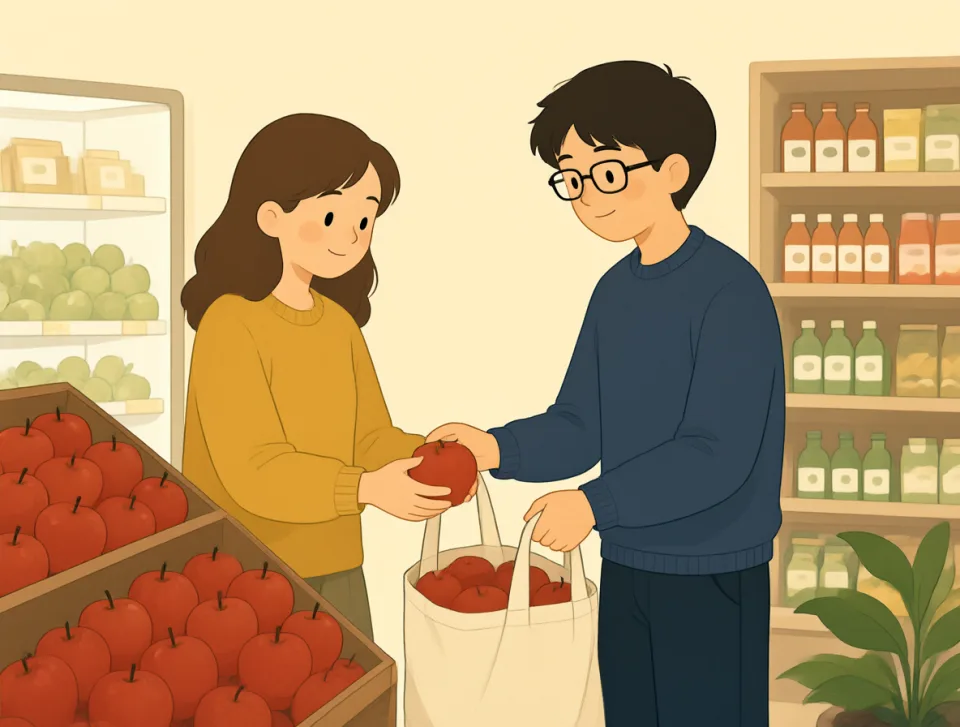
I bought some apples for lunch.
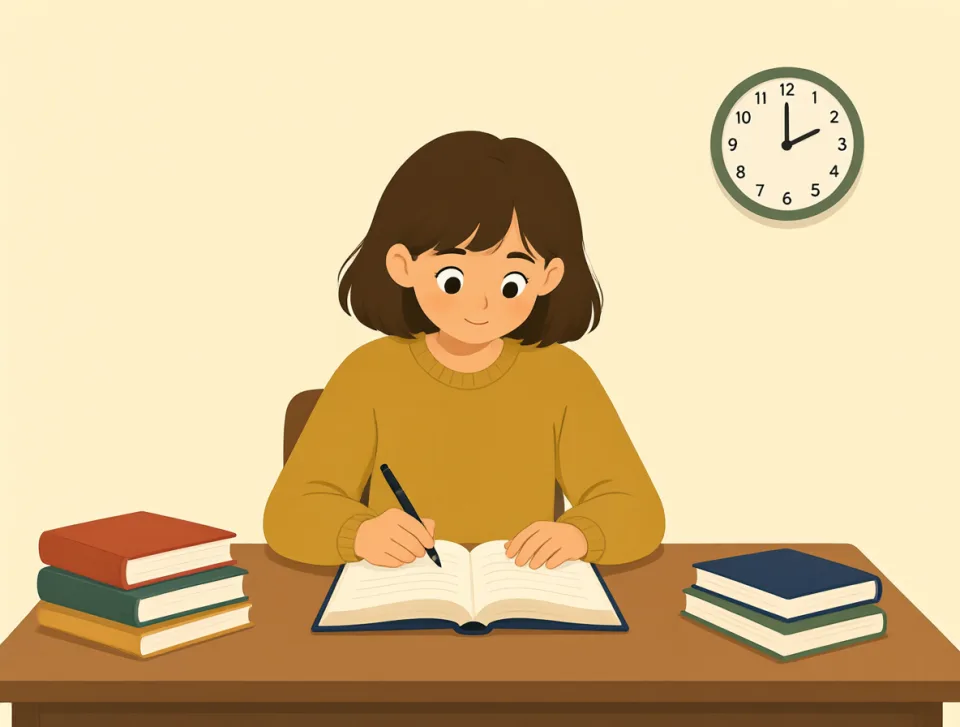
She studied for two hours.
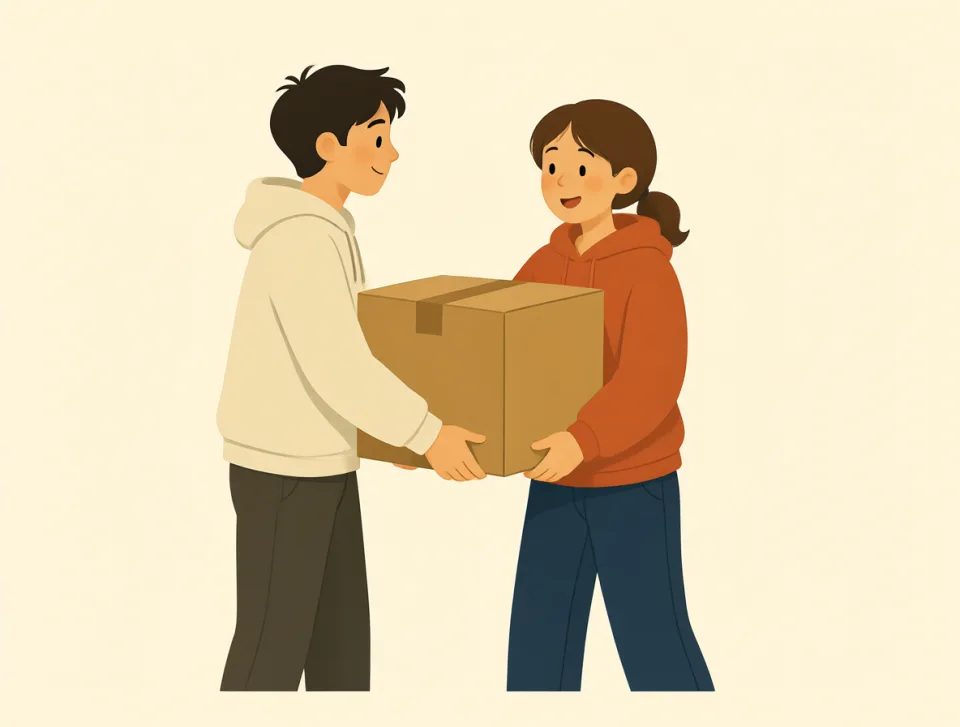
Thank you for helping me.
they
#13pronoun
Used to talk about two or more people, animals, or things.
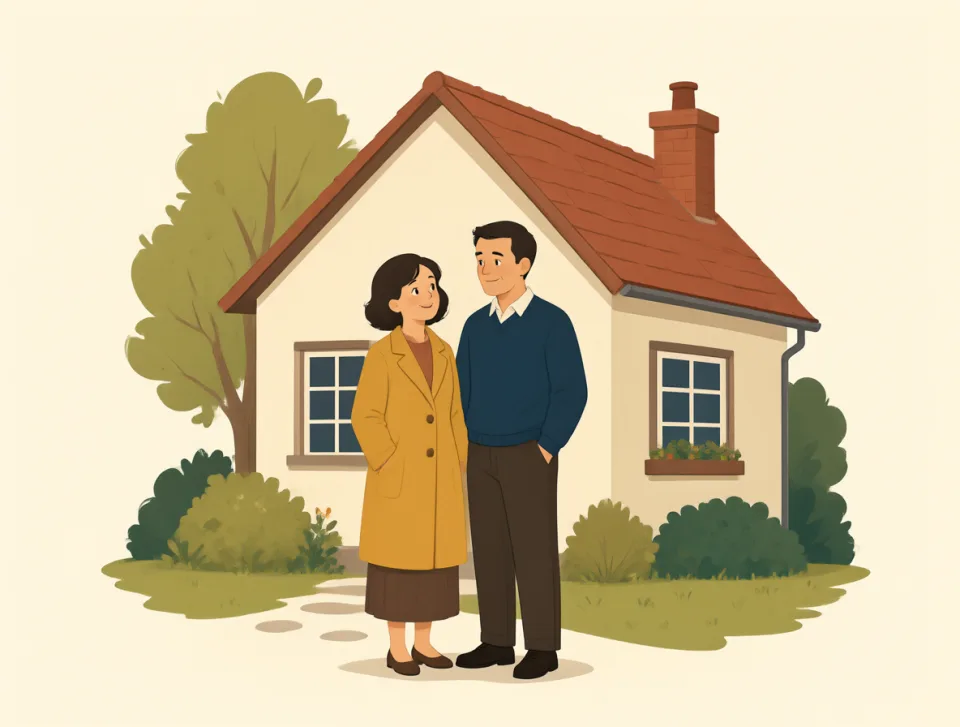
They live in a small house.
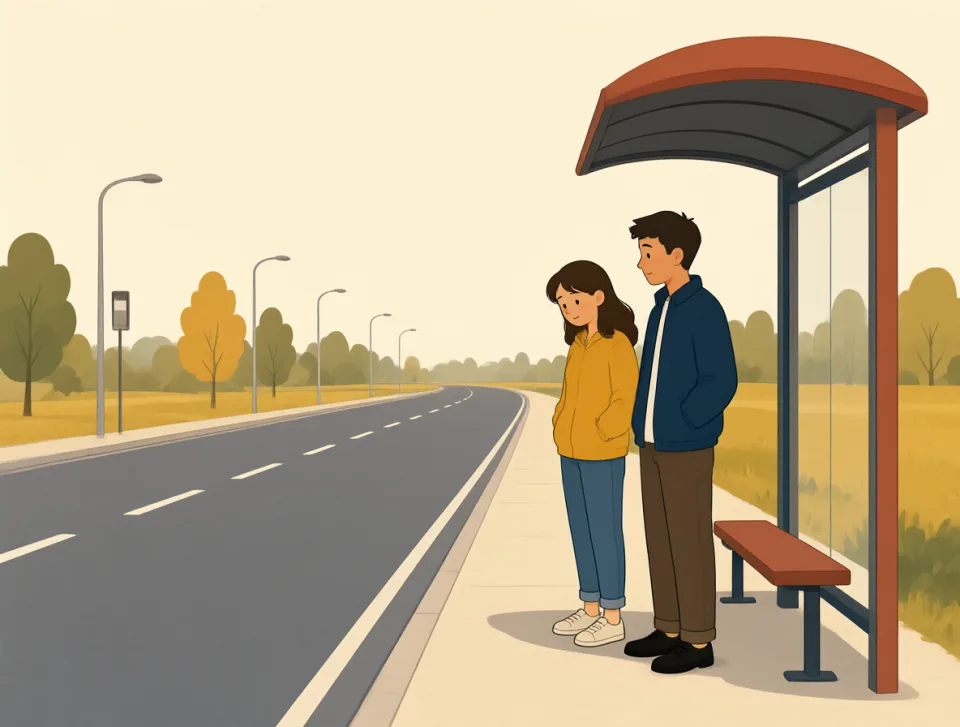
They are waiting for the bus.
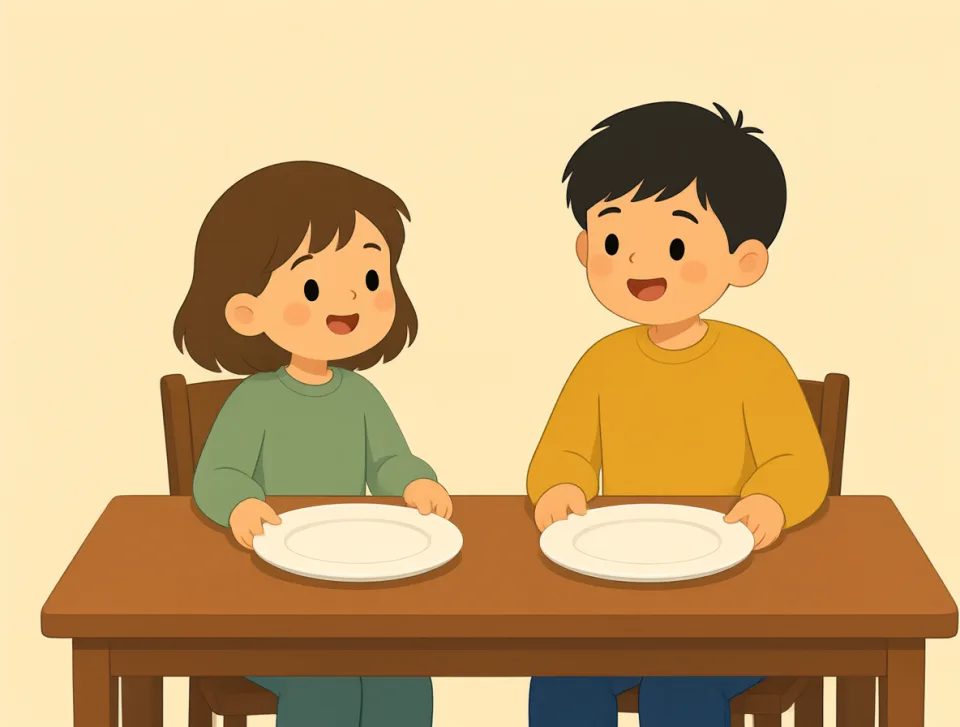
The children said they were hungry.
I saw them at the store.
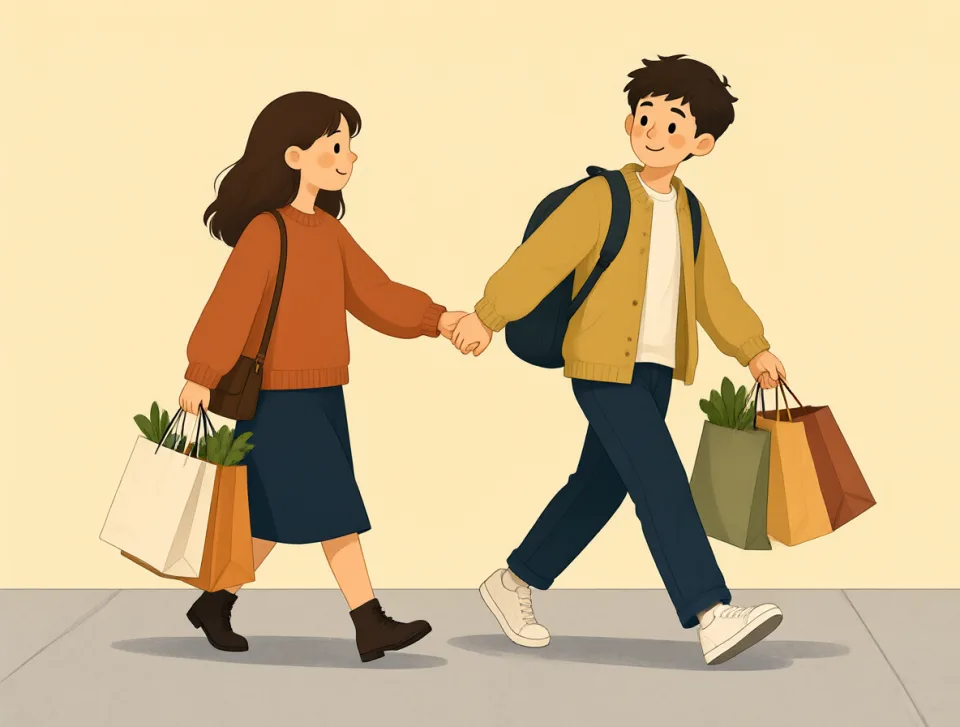
They helped me carry my bags.
not
#14adverb
Used to make a verb or adjective negative.
I do not understand this question.
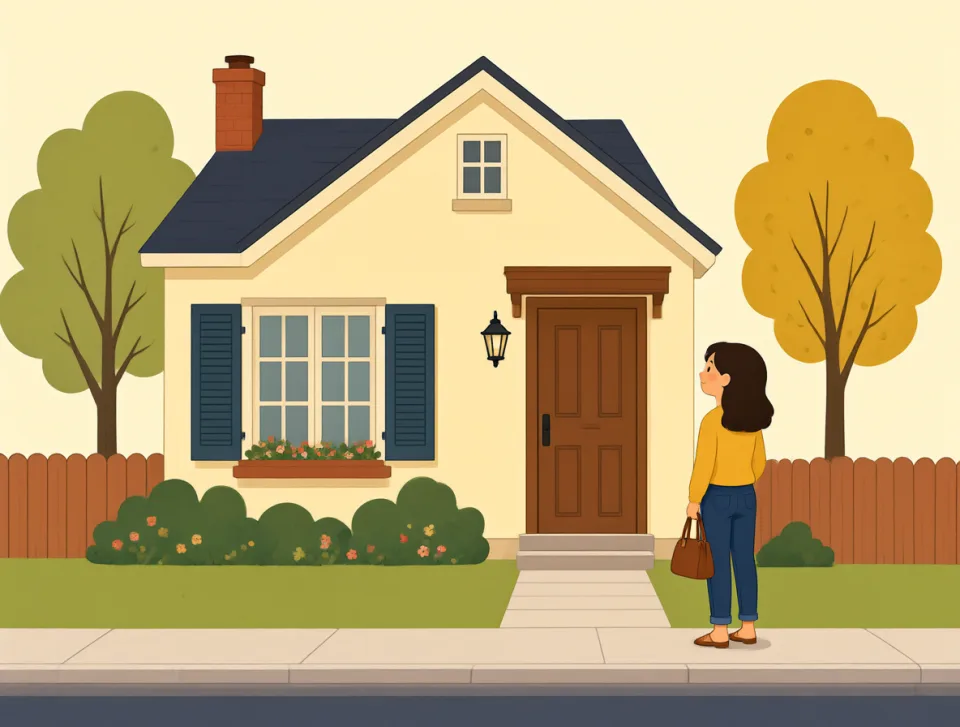
She is not at home today.
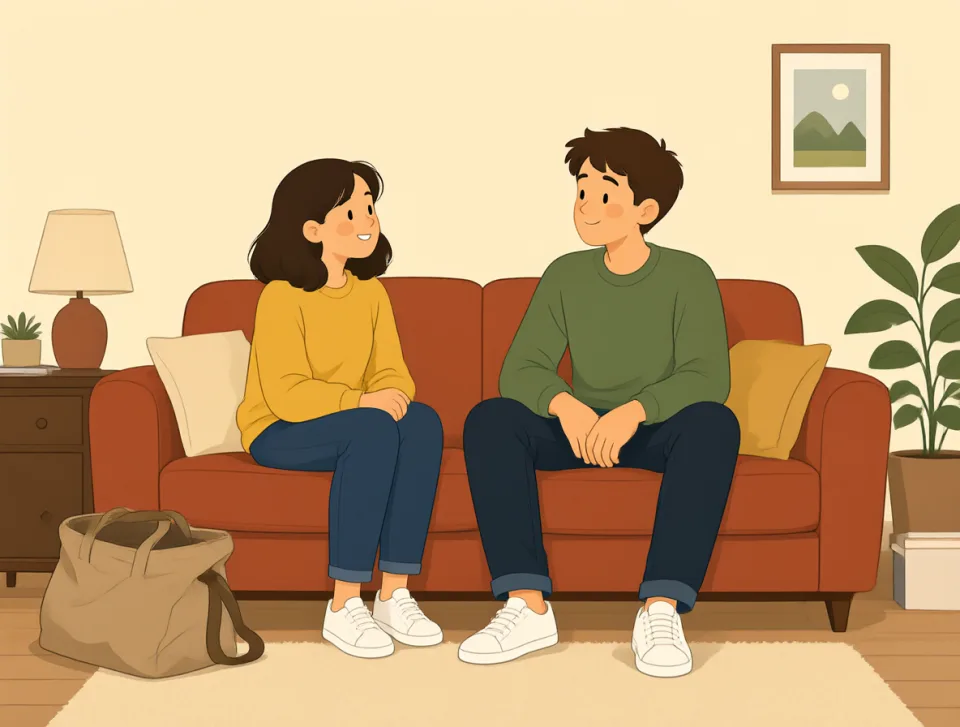
We are not ready to leave yet.
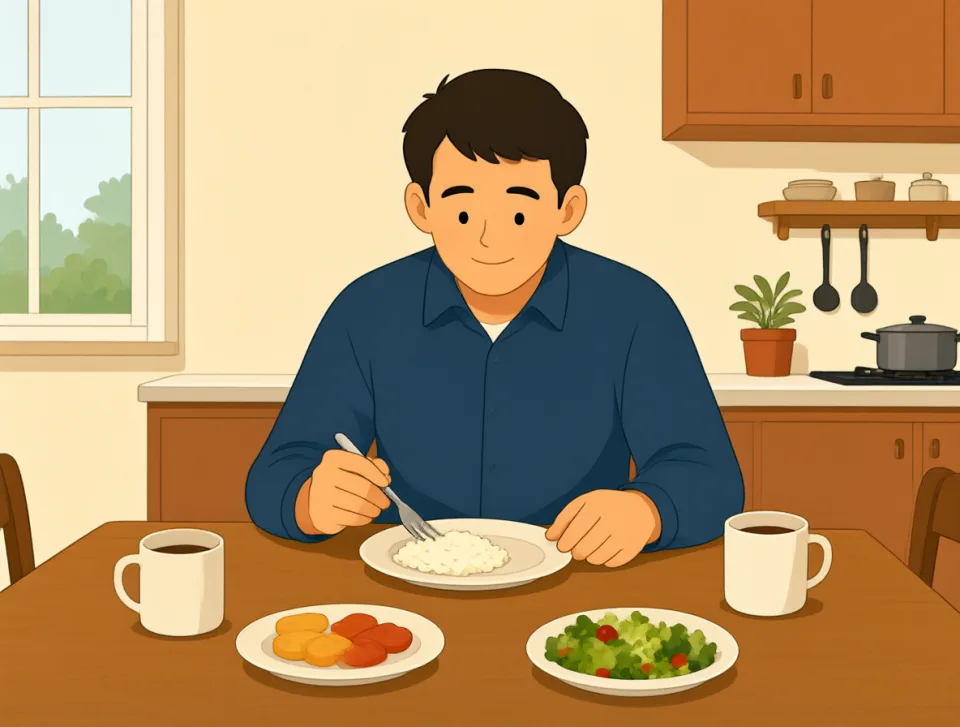
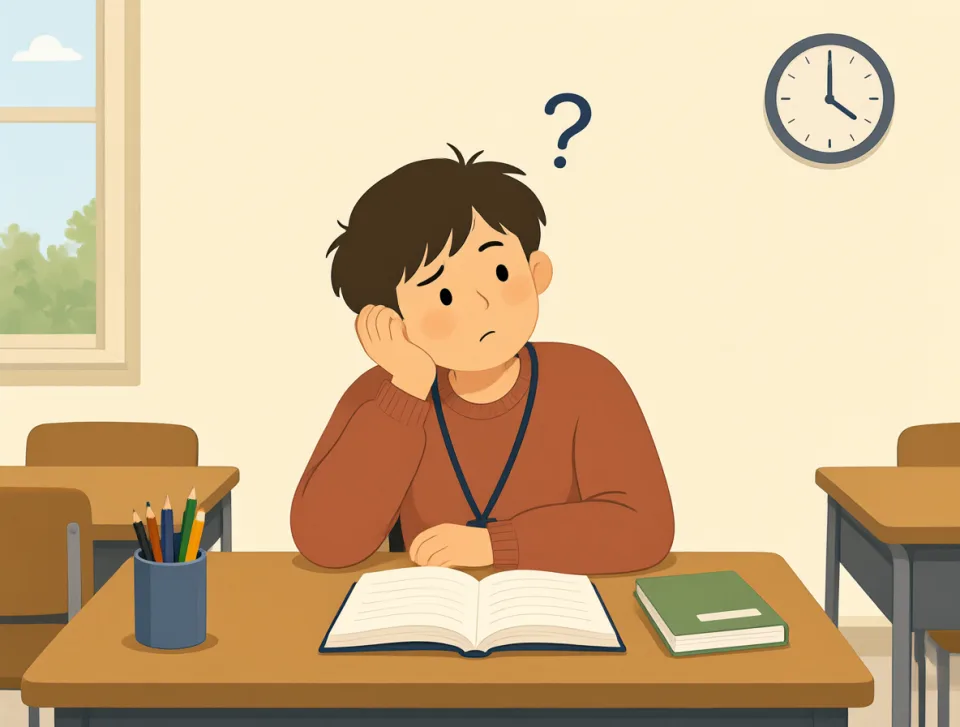
He did not eat breakfast this morning.
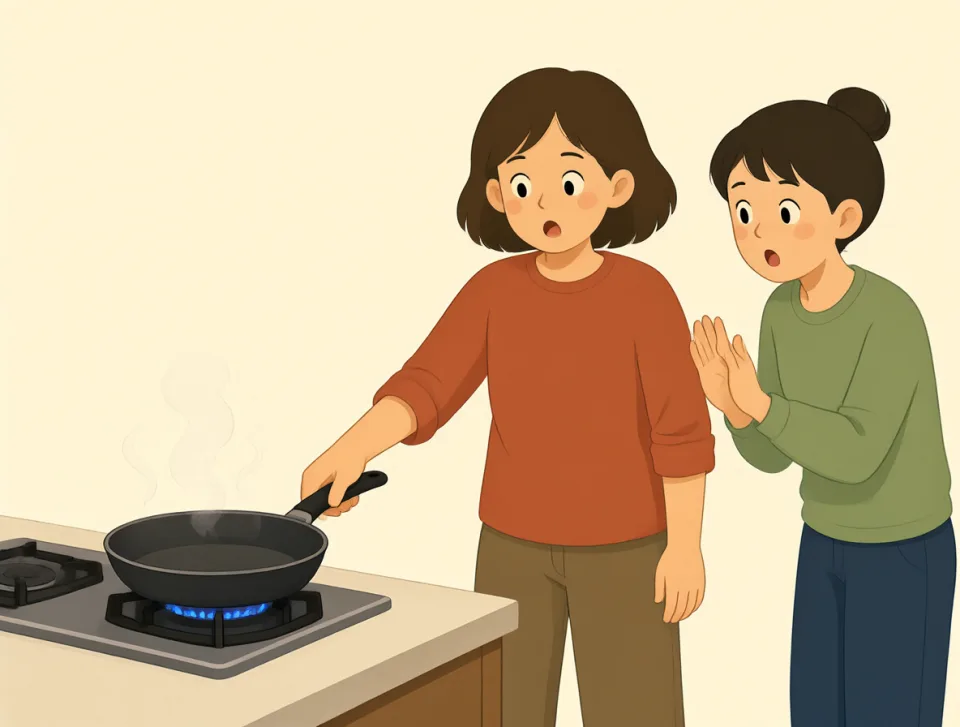
Please do not touch the hot pan.
that
#15determiner, pronoun, conjunction, adverb
Used to point to something or introduce information after a verb.
That book on the table is mine.
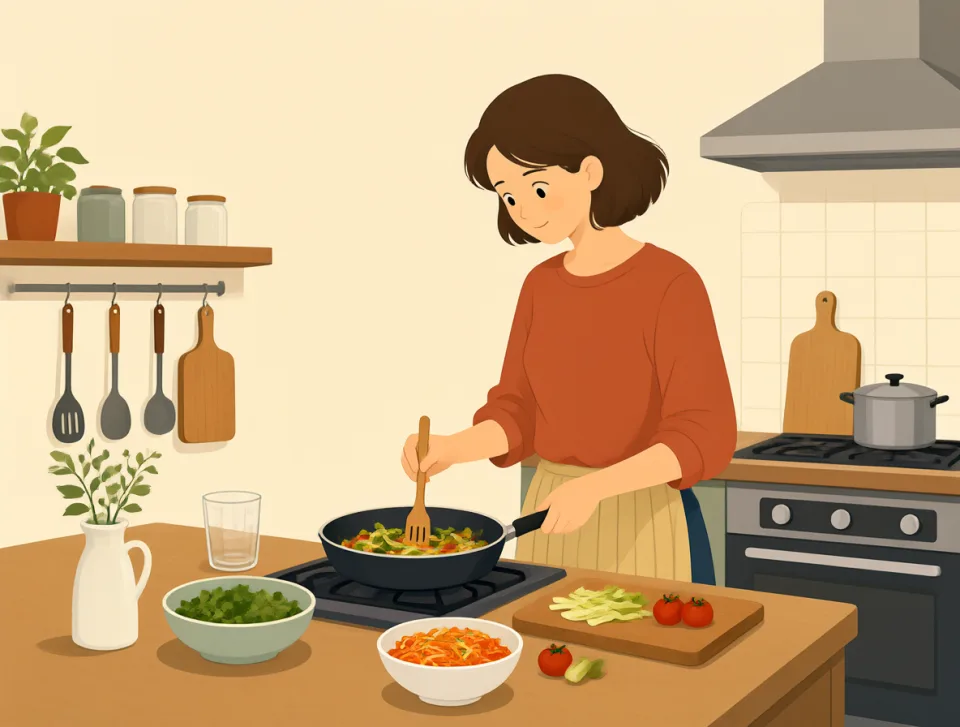
I think that dinner is ready.
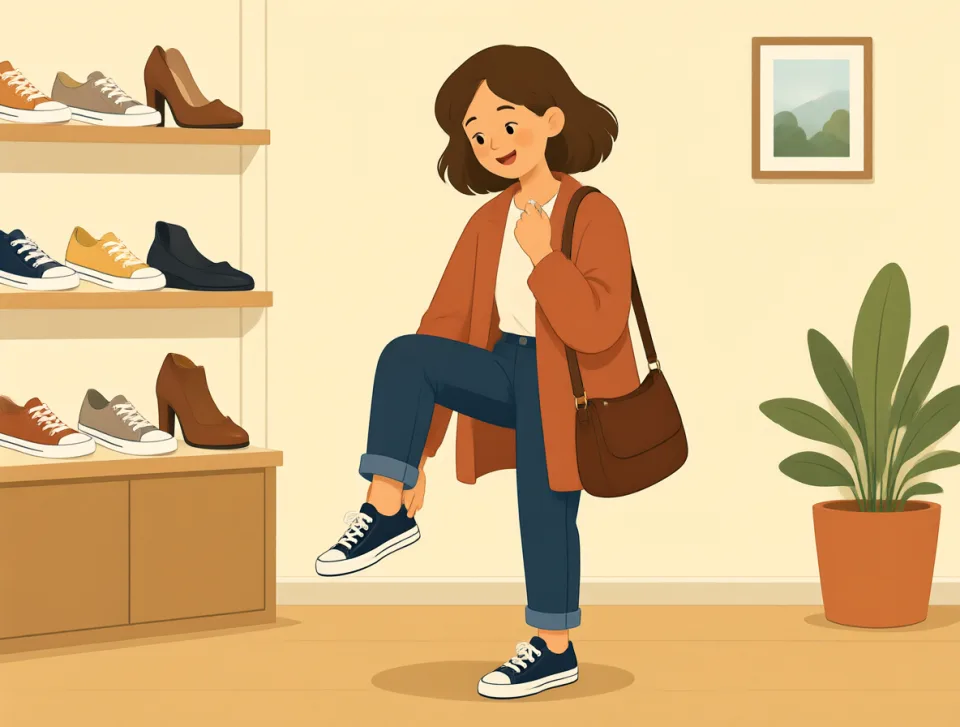
The shoes that I bought fit well.
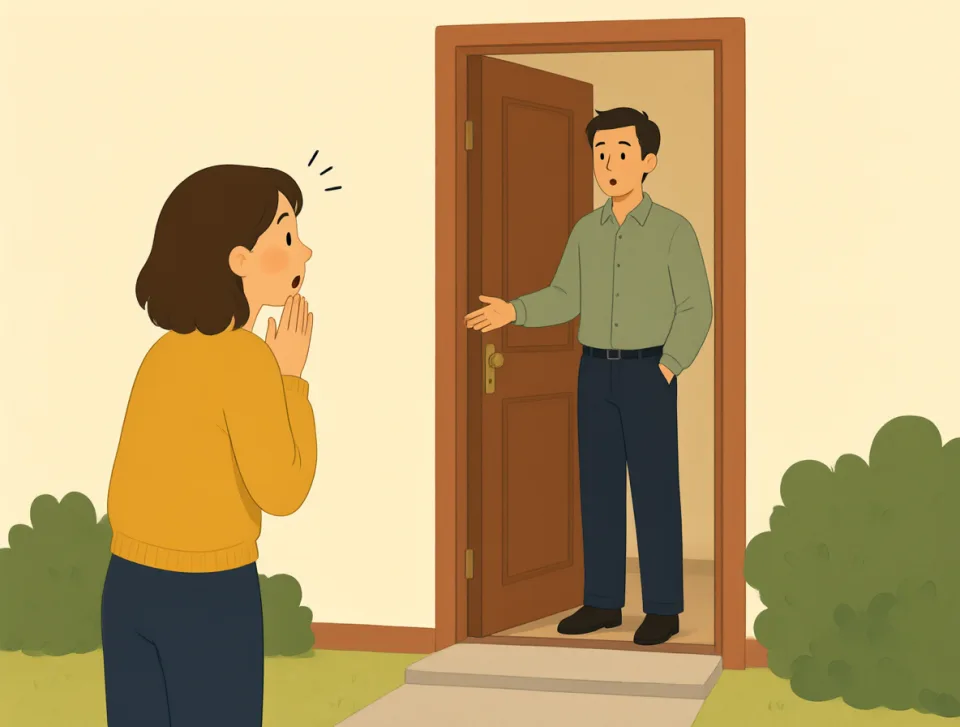
Who is that man at the door?

It was not that expensive.
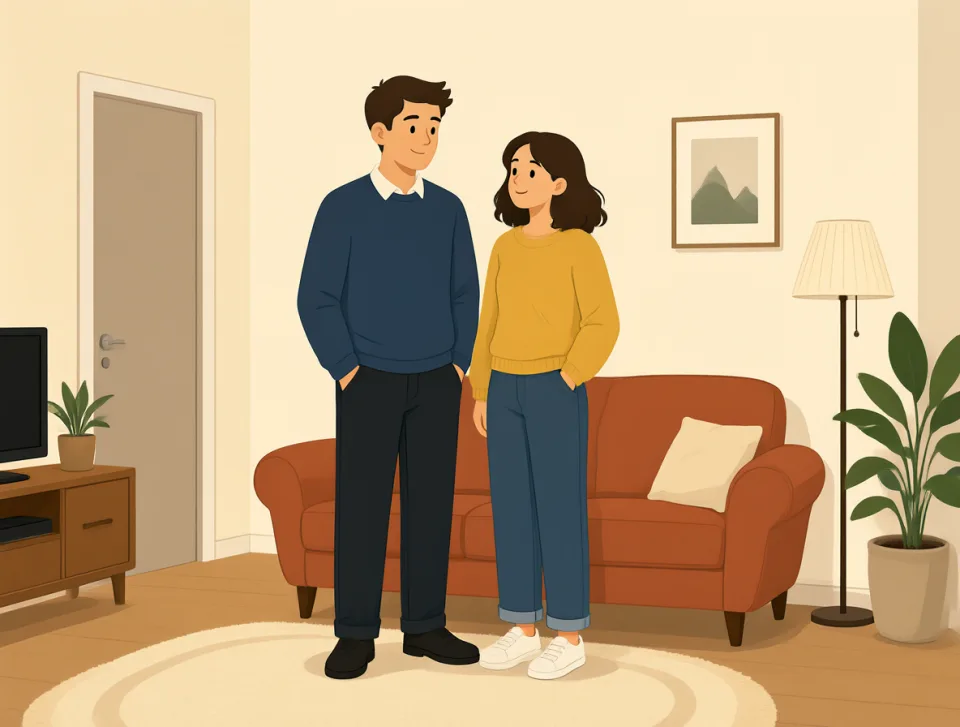
we
#16pronoun
Used by a speaker to mean the speaker and one or more other people.
We live in a small apartment.
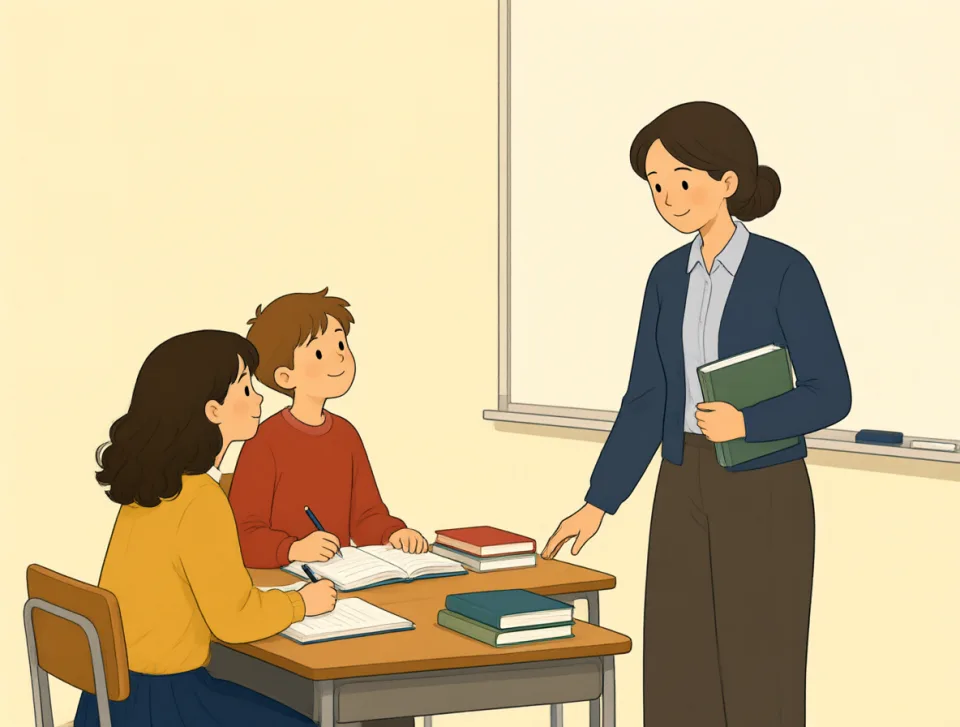
We are learning English at school.
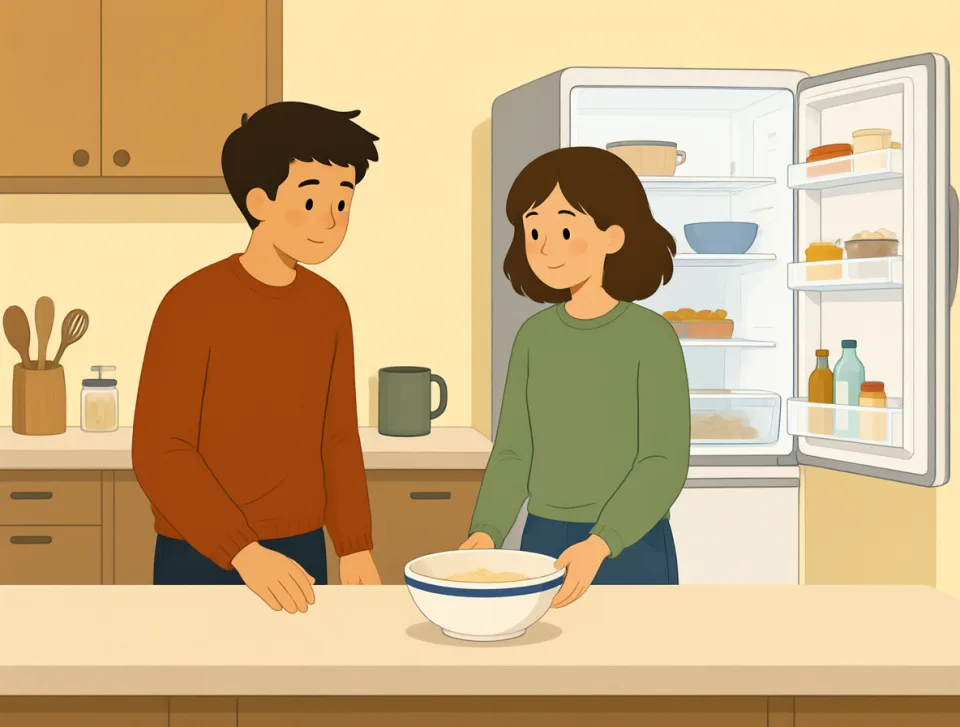
We need some milk for breakfast.
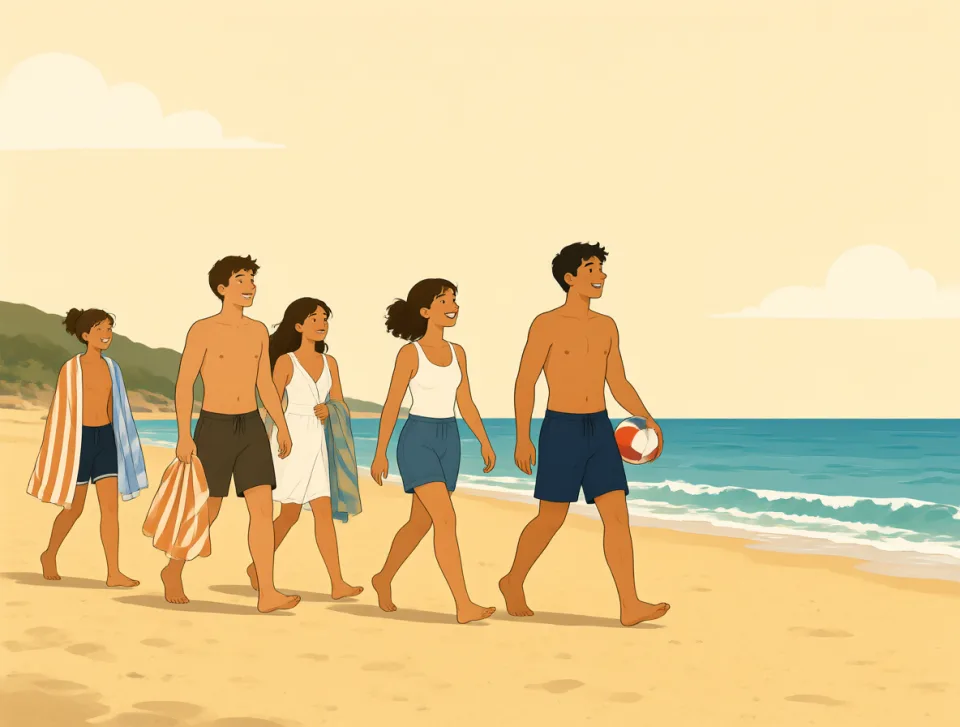
We went to the beach last weekend.
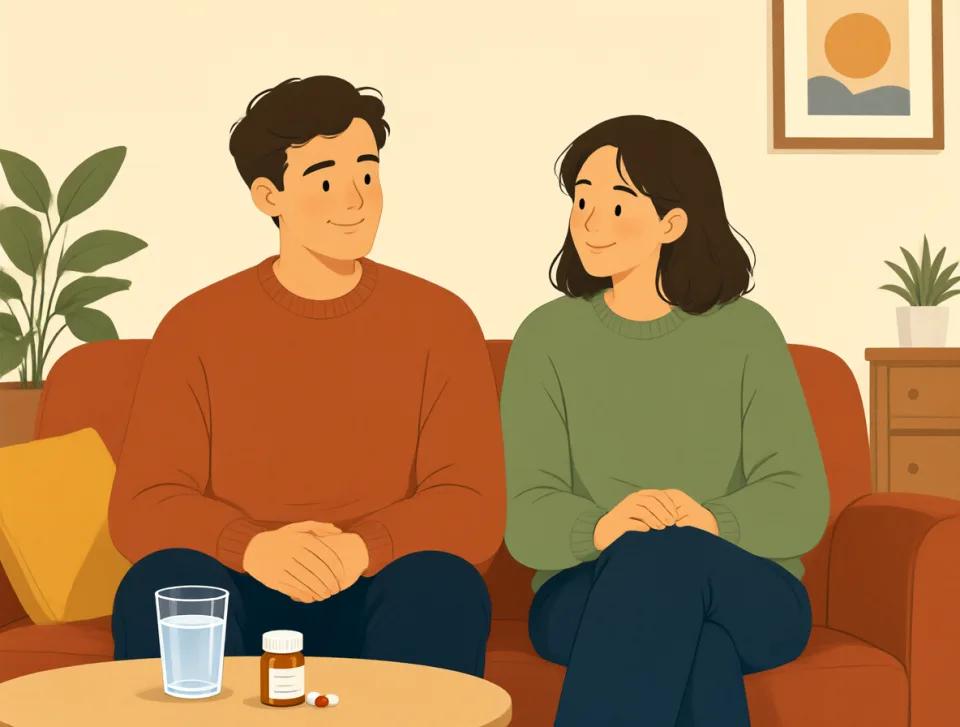
We feel better after taking the medicine.
on
#17adverb, preposition, adjective
Used to show position, time, connection, or that something is working.
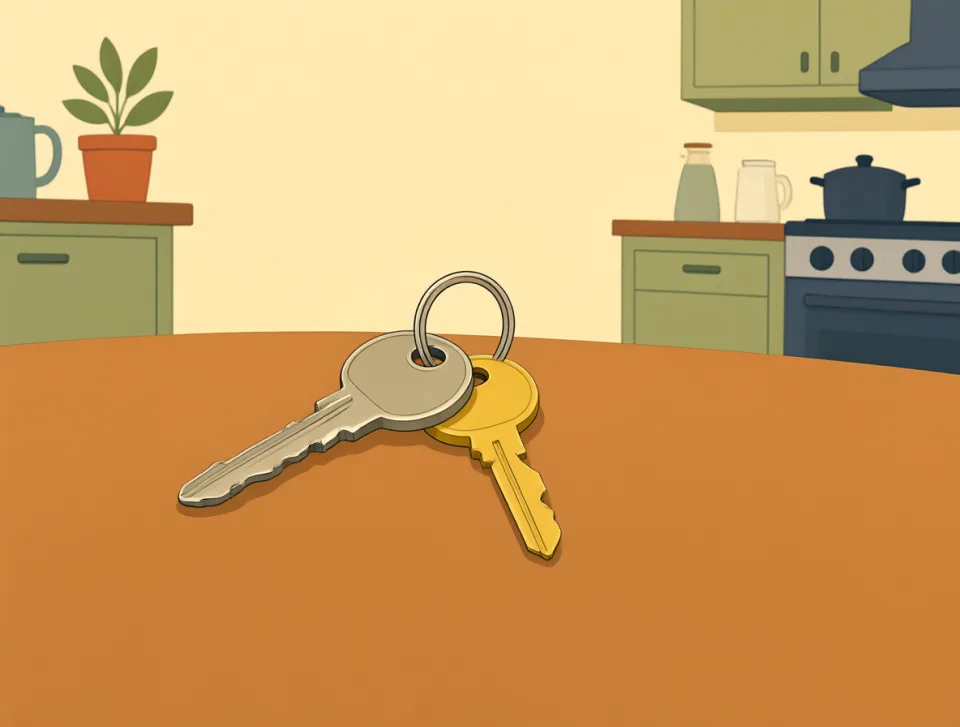
The keys are on the table.
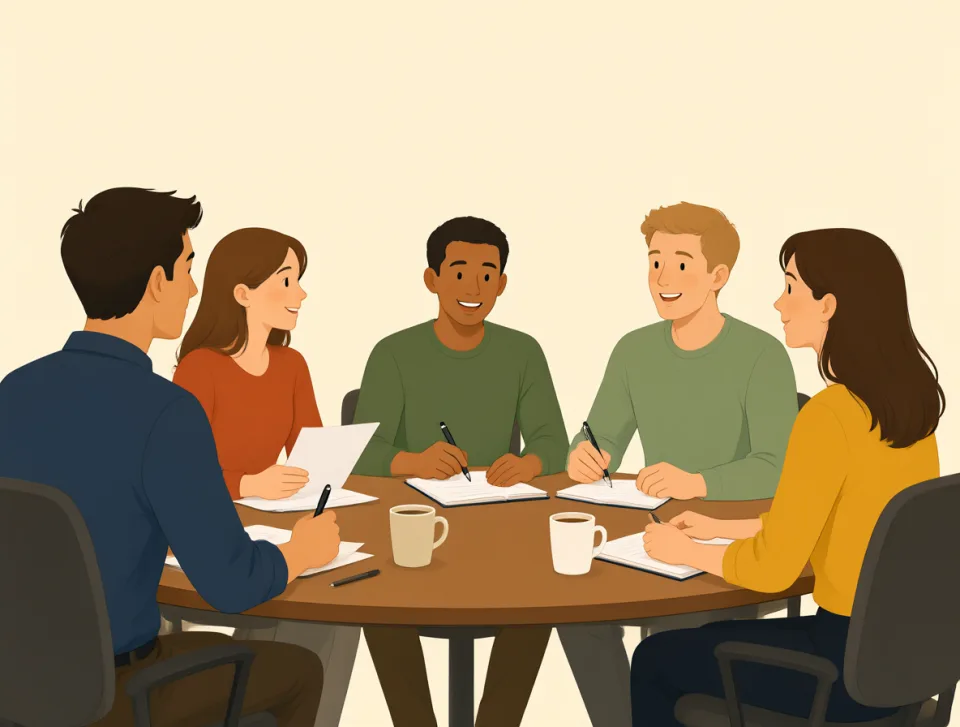
We have a meeting on Monday.
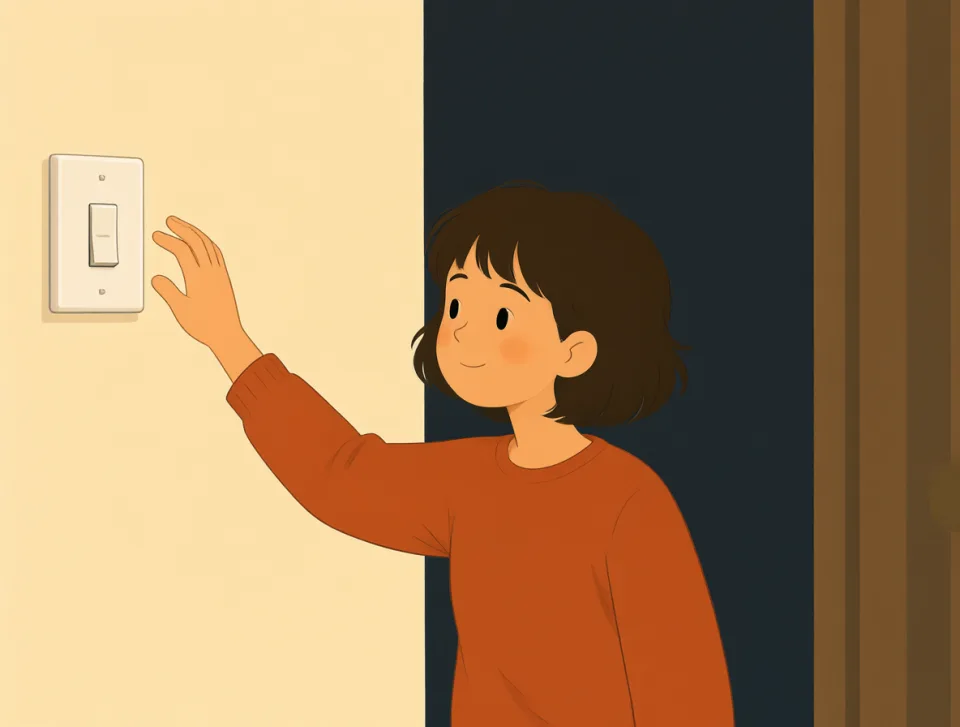
Please turn on the light.
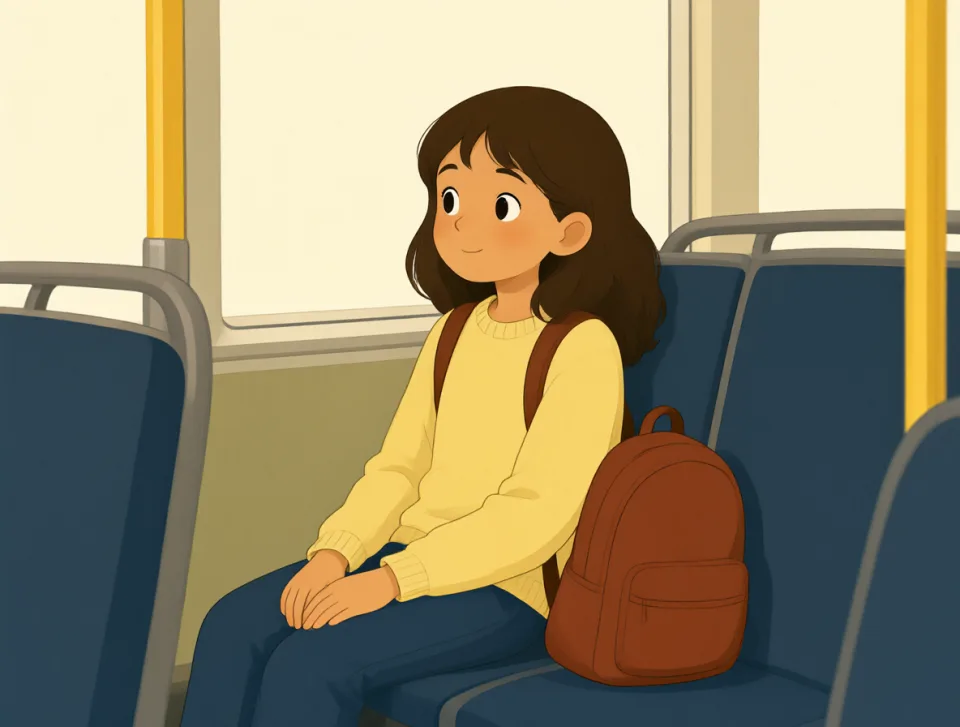
She is on the bus to school.
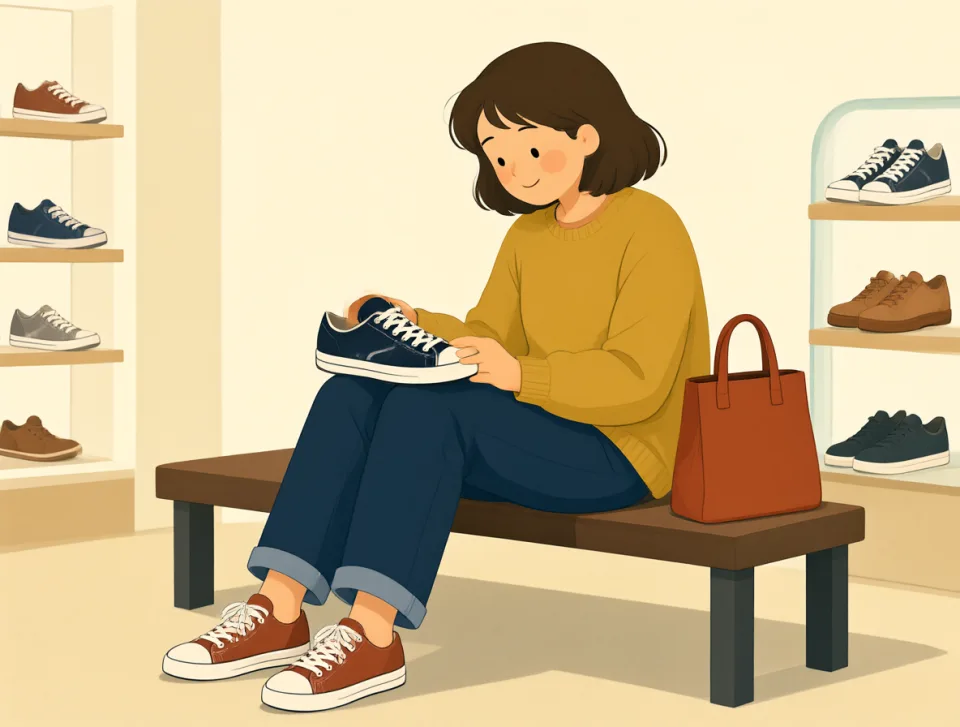
I tried on these shoes at the store.
with
#18preposition
together with someone or something; having or using someone or something
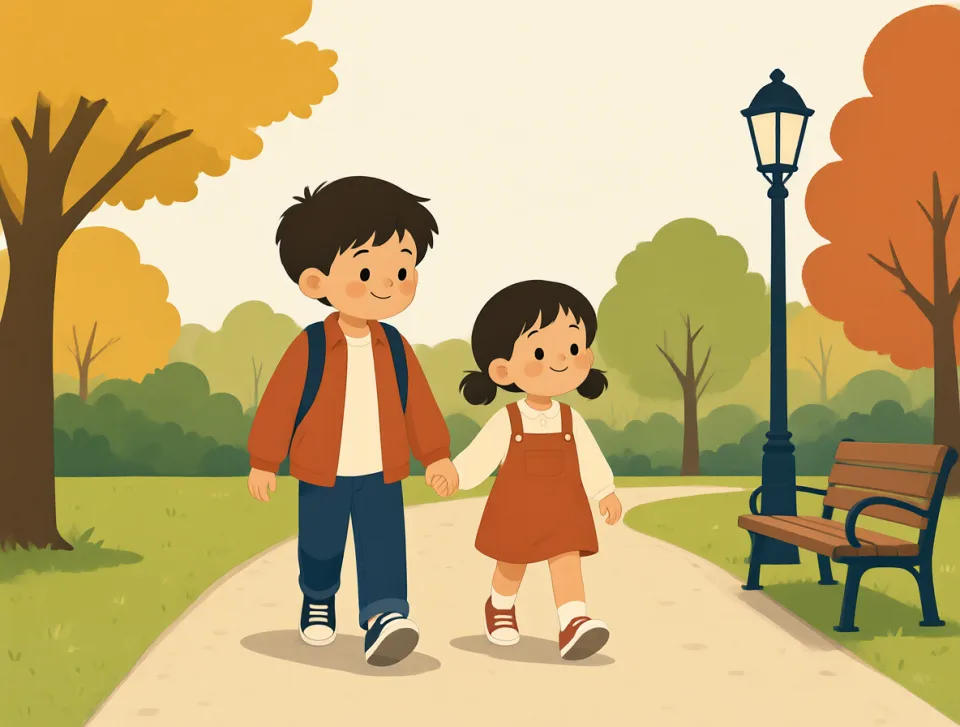
I went to the park with my sister.
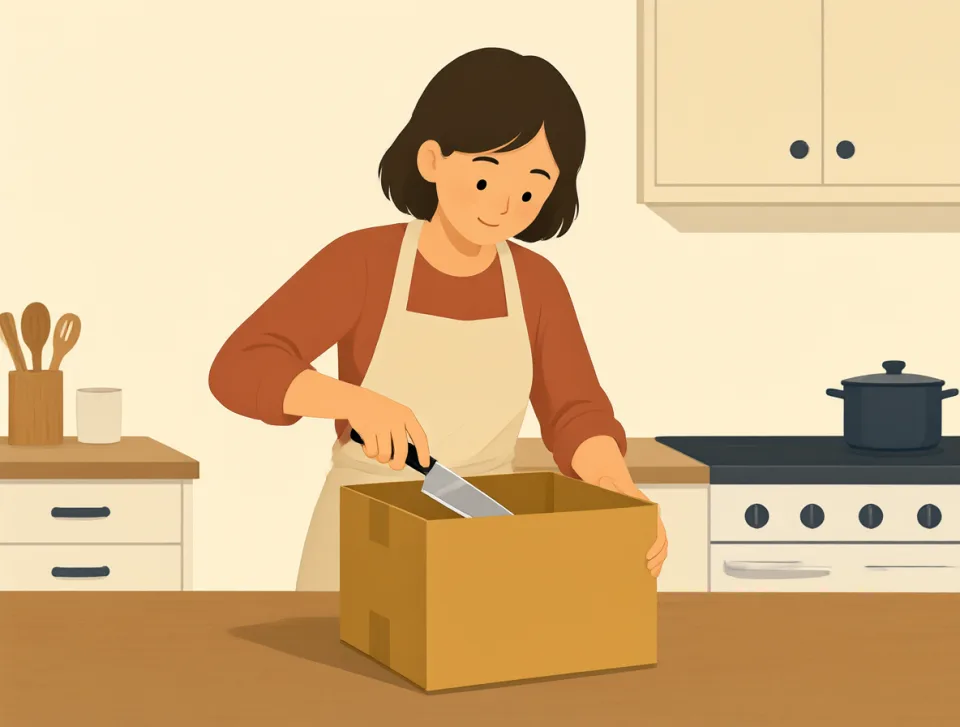
She opened the box with a knife.
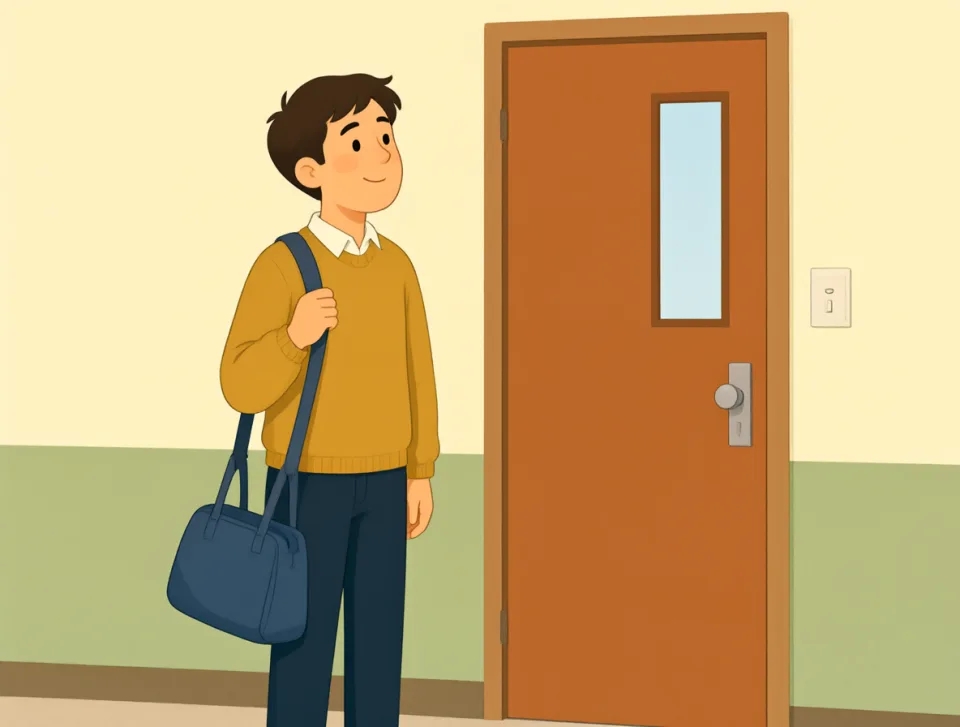
The man with the blue bag is my teacher.
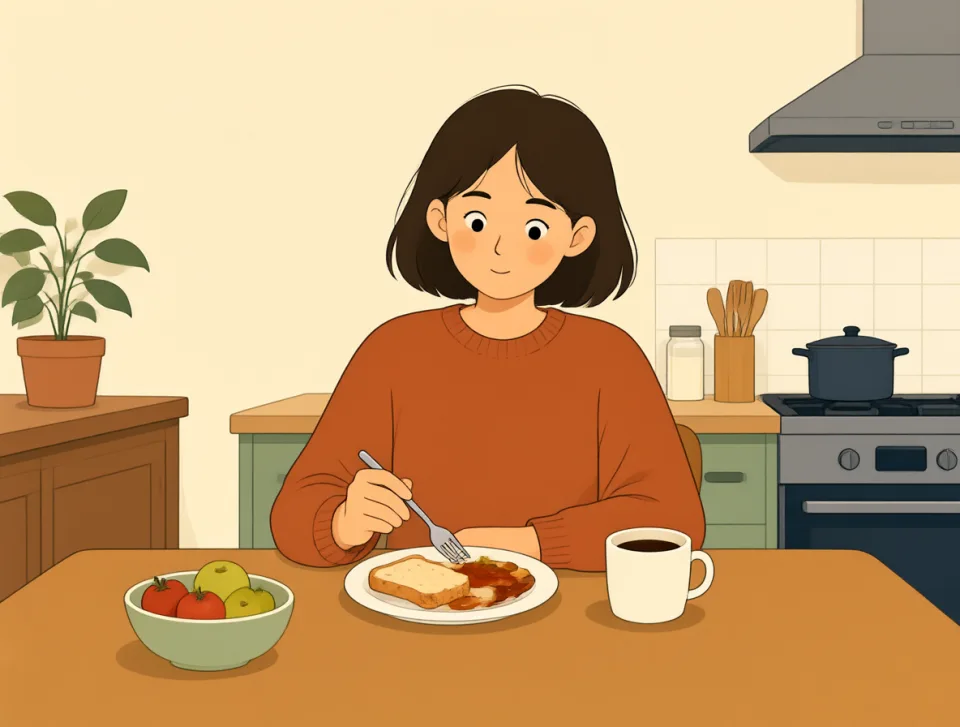
Would you like coffee with your breakfast?
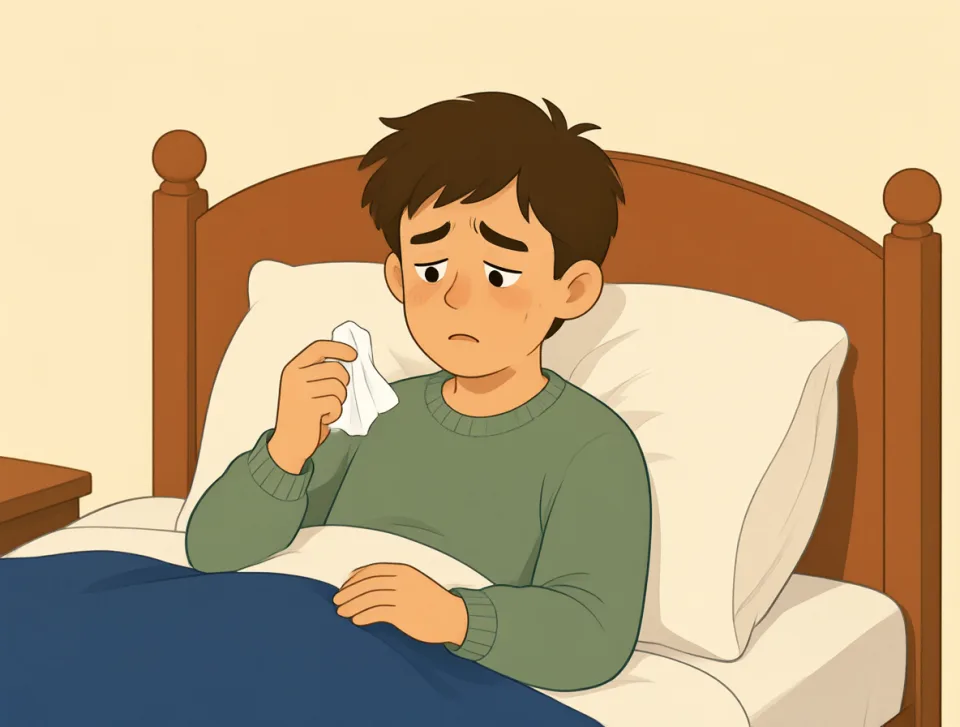
He is sick with a bad cold.
this
#19determiner, pronoun, adverb
Used to talk about one person, thing, or place near you or now.
This is my favorite book.
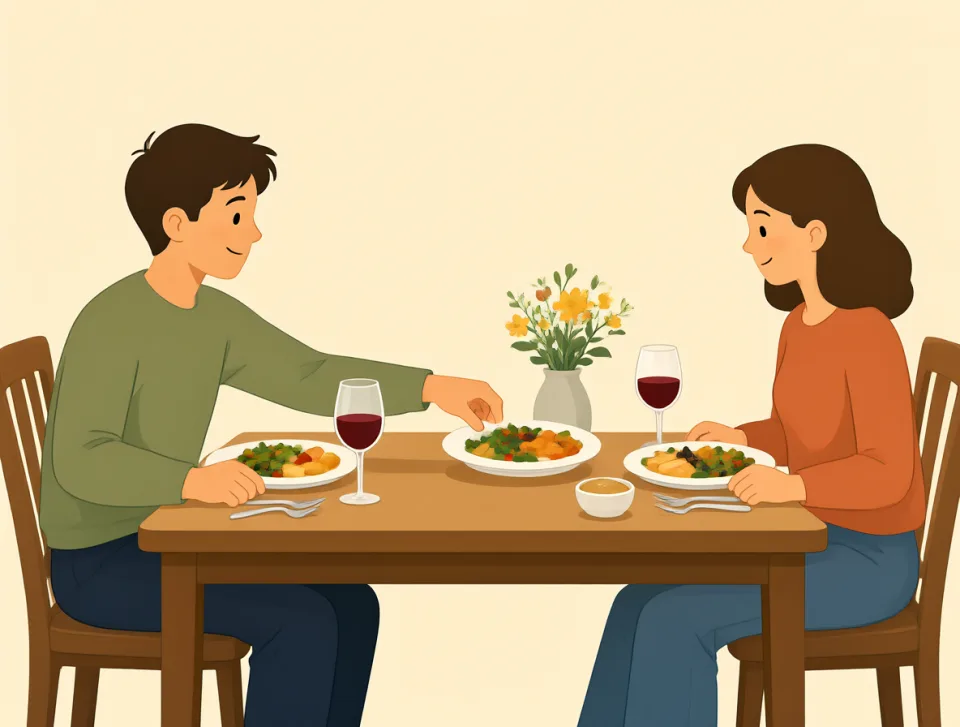
Could you pass me this plate?
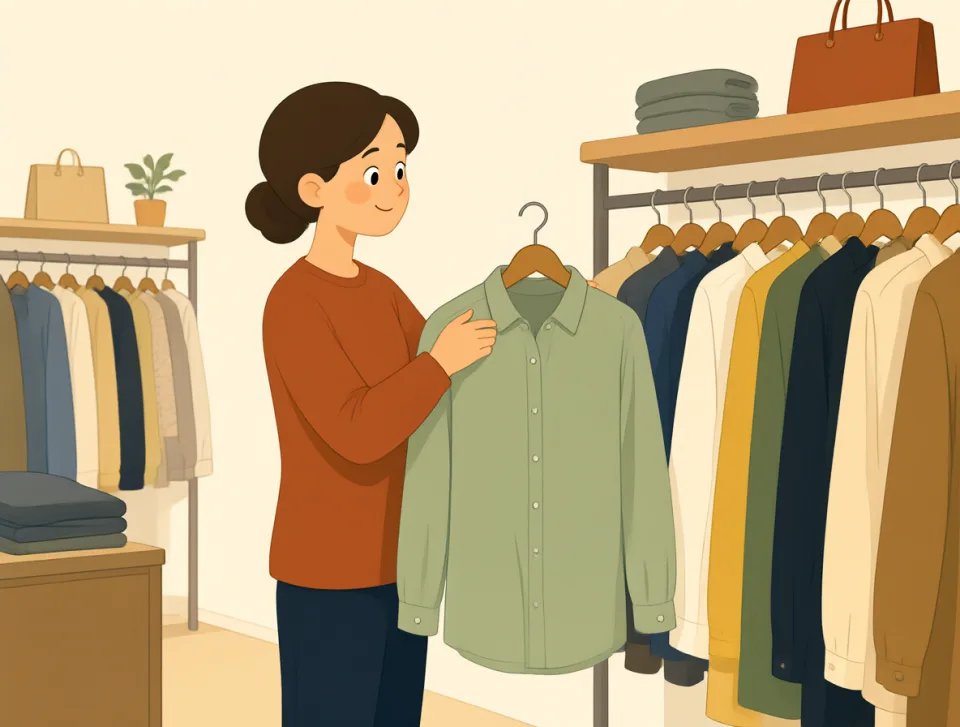
I bought this shirt yesterday.
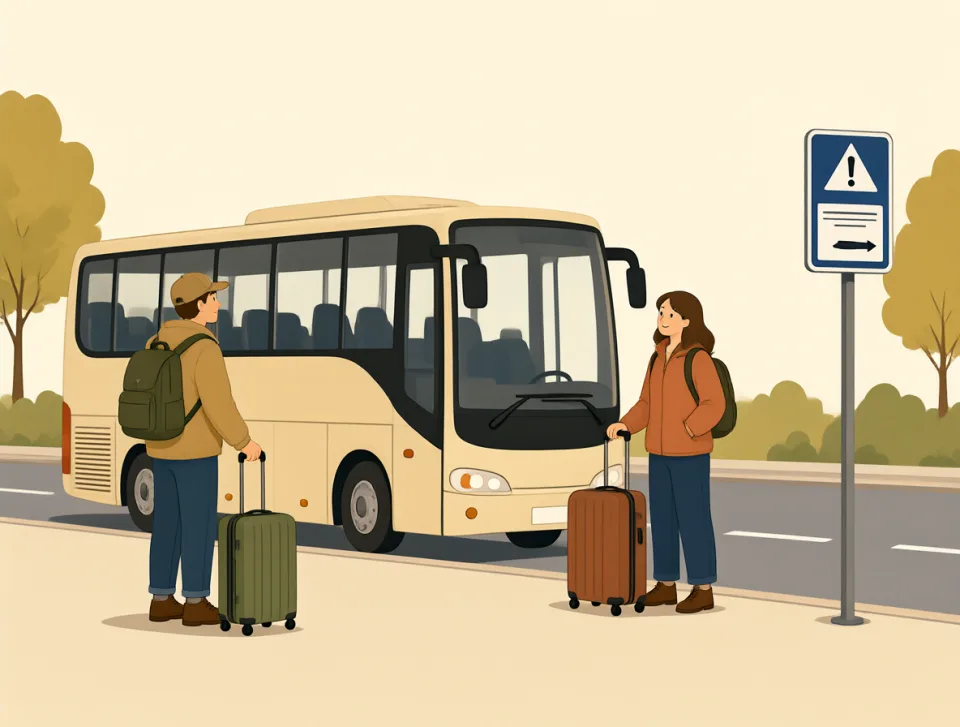
This is where we get off.
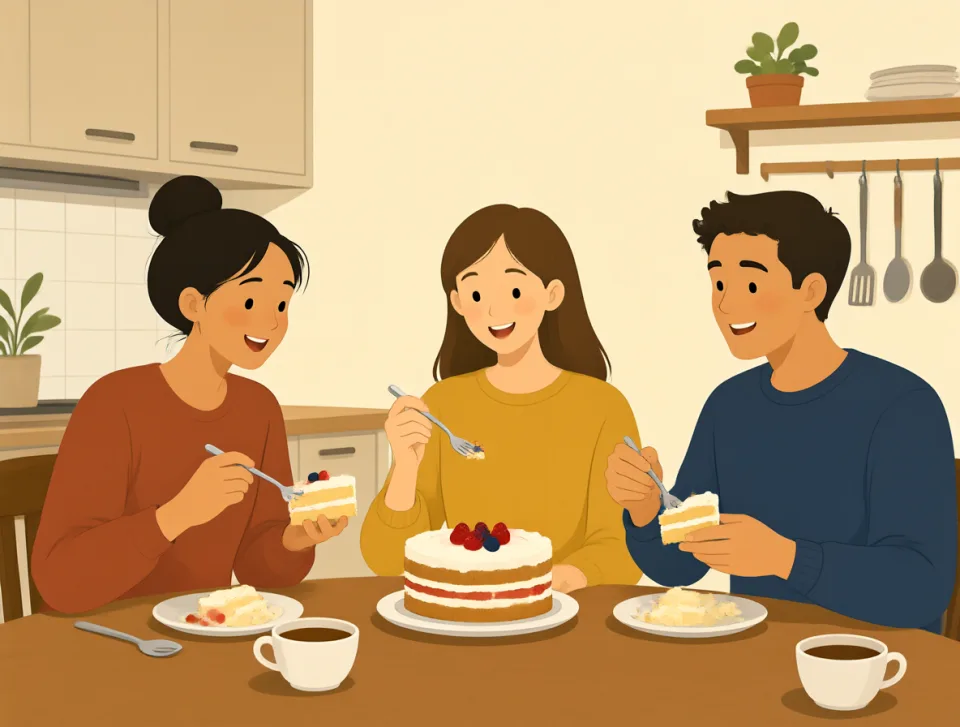
This cake tastes really good.
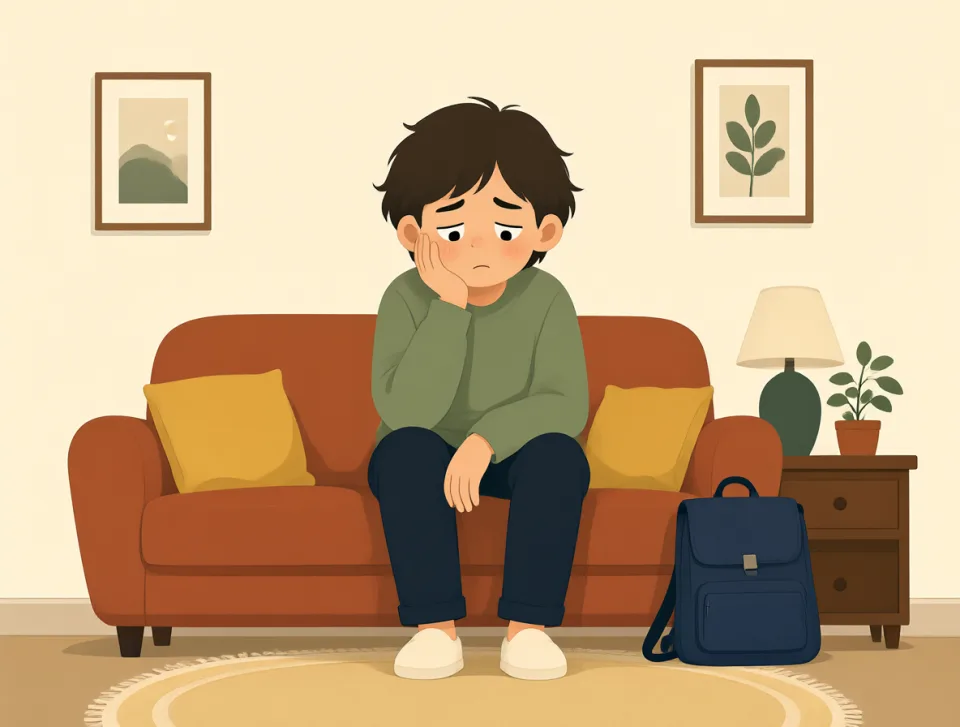
I
#20pronoun
The pronoun used for the person speaking or writing.
I am tired after work today.
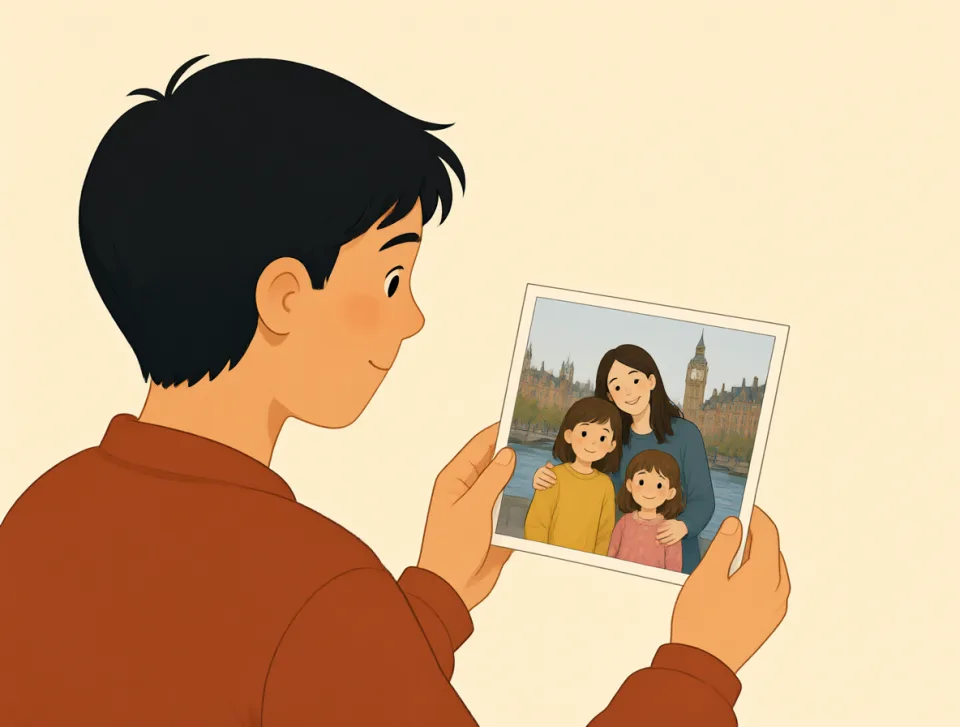
I have a sister in London.
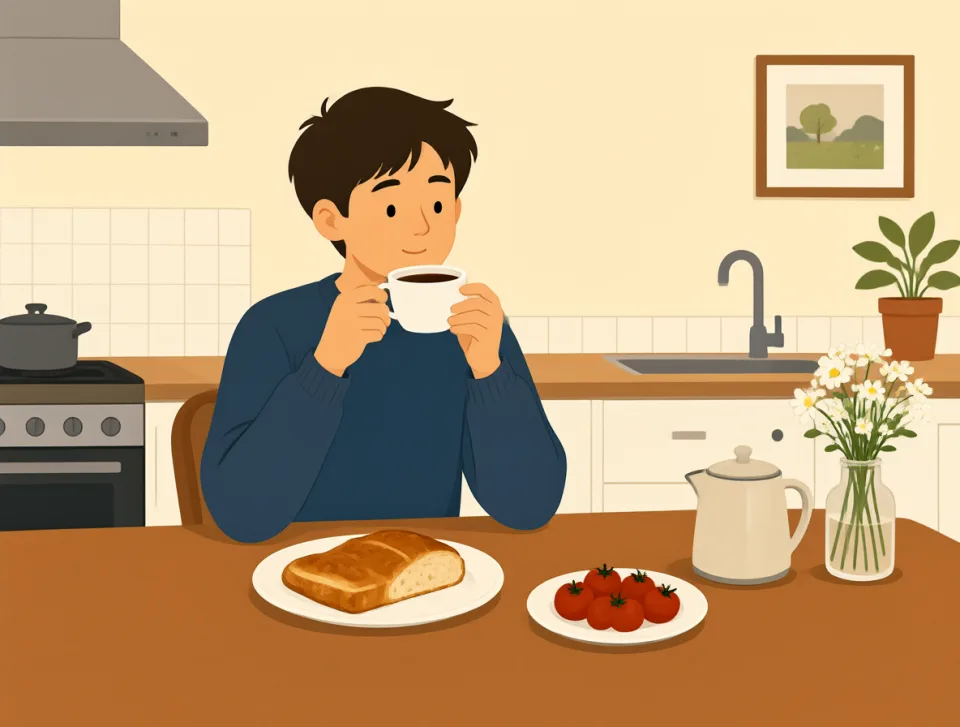
I like coffee with breakfast.
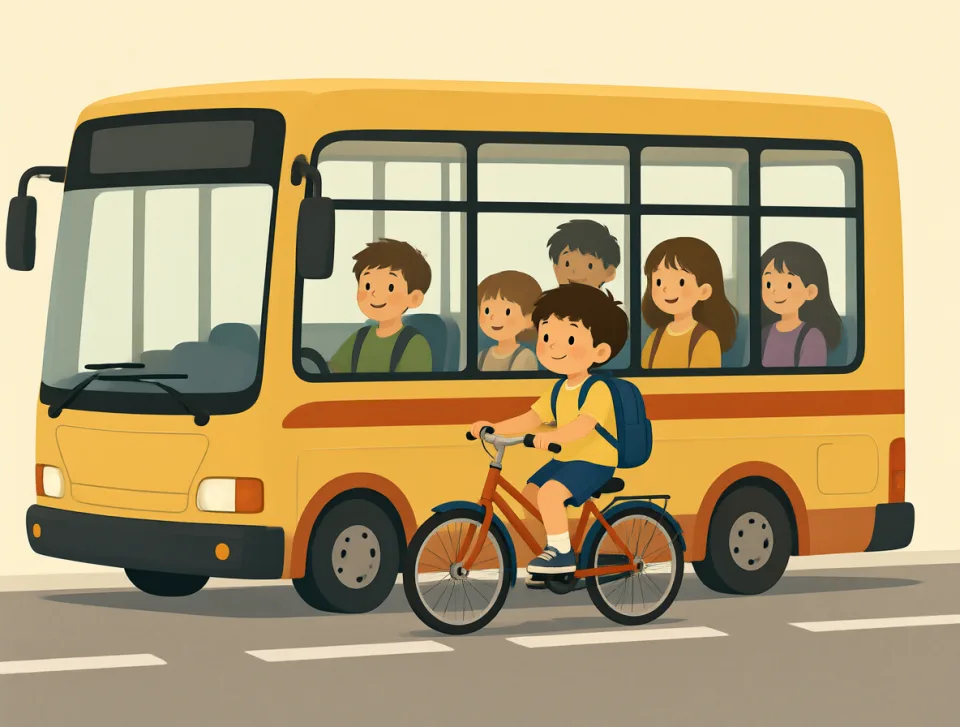
I went to school by bus.
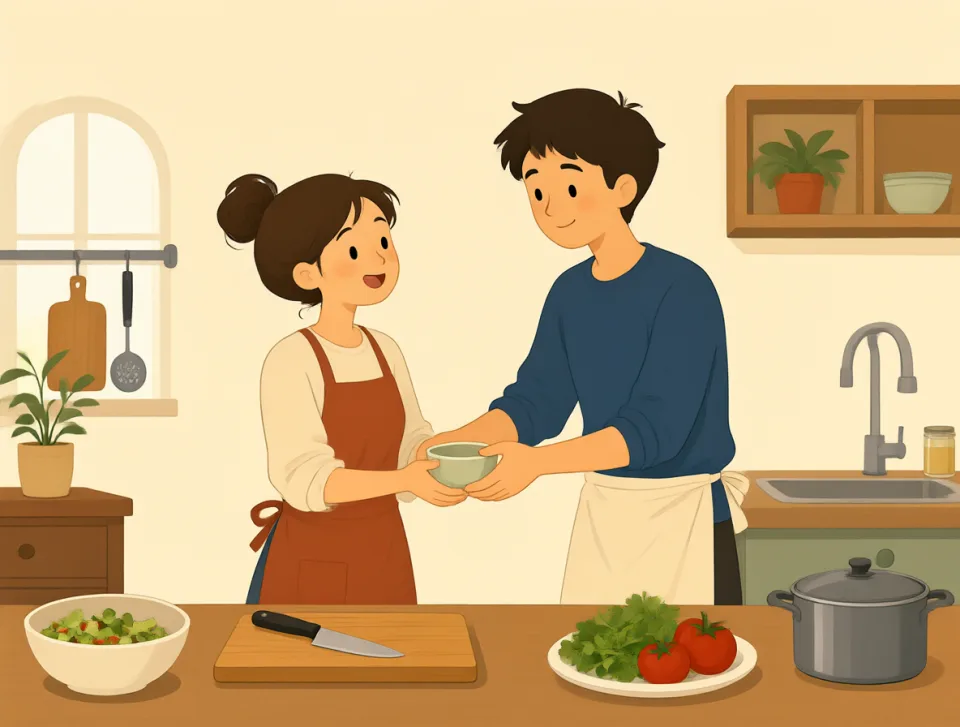
Can I help you with dinner?