หน่วย 1
คำที่ 1–20 · the, be, and, of, to, a

the
#1determiner
คำนำหน้านามชี้เฉพาะ
Used before a noun to show that it is known, specific, or the only one.
ใช้หน้าคำนามเพื่อบอกว่าคำนามนั้นเป็นสิ่งที่รู้กันอยู่แล้ว เป็นสิ่งเฉพาะ หรือเป็นสิ่งเดียวที่มี
The keys are on the kitchen table.
กุญแจอยู่บนโต๊ะในครัว
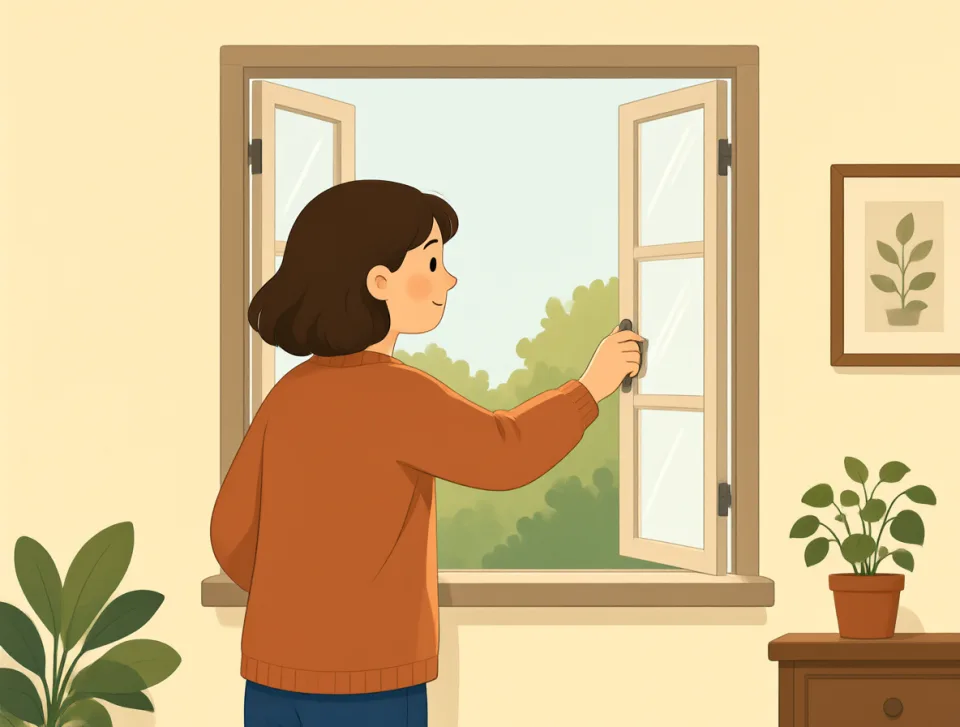
Please close the window before you leave.
กรุณาปิดหน้าต่างก่อนออกไป

We took the bus to school this morning.
เช้านี้พวกเรานั่งรถเมล์ไปโรงเรียน
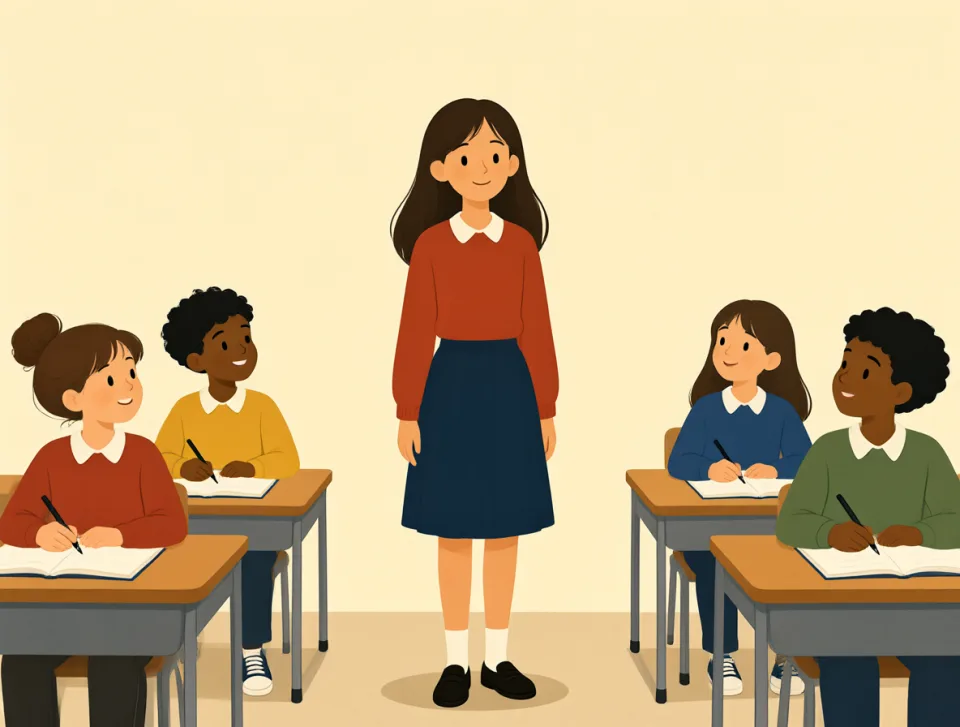
She is the tallest girl in her class.
เธอเป็นเด็กผู้หญิงที่สูงที่สุดในชั้นเรียน

The sun is shining, so let's eat outside.
แดดออกอยู่ งั้นเราไปกินข้างนอกกันเถอะ

be
#2verb
เป็น, อยู่, คือ
to exist, happen, or have a particular quality, identity, or location
มีอยู่ เกิดขึ้น หรือมีคุณสมบัติ ตัวตน หรือตำแหน่งอย่างใดอย่างหนึ่ง
I am tired after work today.
วันนี้ฉันเหนื่อยหลังเลิกงาน

She is a teacher at our school.
เธอเป็นครูที่โรงเรียนของเรา

The keys are on the kitchen table.
กุญแจอยู่บนโต๊ะในครัว

We were late for the train.
พวกเราไปขึ้นรถไฟไม่ทัน

Dinner is ready, so please come in.
อาหารเย็นพร้อมแล้ว เข้ามาได้เลย

and
#3conjunction
และ
Used to join words, phrases, or sentences that go together.
ใช้เชื่อมคำ วลี หรือประโยคที่เกี่ยวข้องกัน
Tom and Anna work in the same office.
ทอมกับแอนนาทำงานอยู่ในสำนักงานเดียวกัน
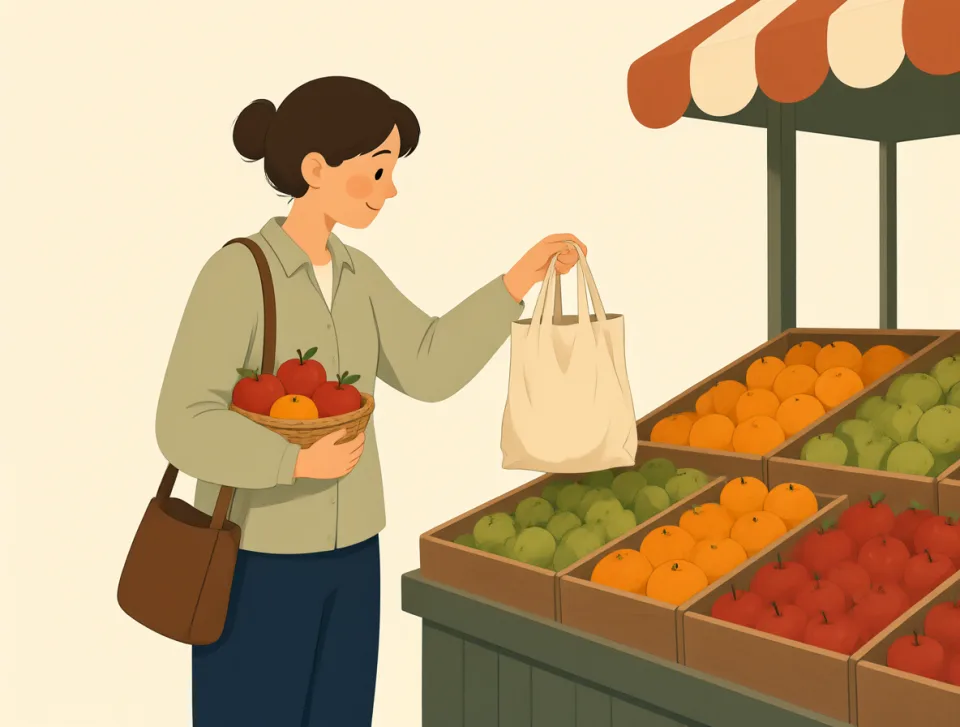
I bought apples and oranges at the market.
ฉันซื้อแอปเปิลกับส้มที่ตลาด
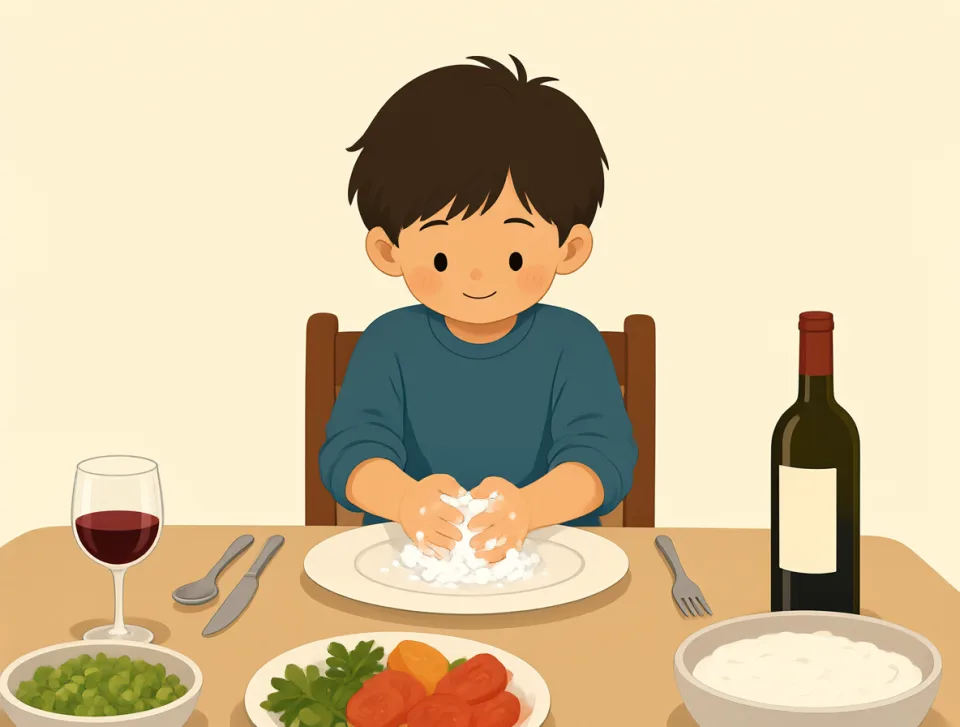
Please wash your hands and eat dinner.
กรุณาล้างมือแล้วกินข้าวเย็น

We took a bus and visited the museum.
พวกเรานั่งรถเมล์ไปเที่ยวพิพิธภัณฑ์

She was tired and went to bed early.
เธอเหนื่อยก็เลยเข้านอนแต่หัวค่ำ

of
#4preposition, determiner
ของ
Used to show belonging, connection, amount, or what something contains.
ใช้บอกความเป็นเจ้าของ ความเกี่ยวข้อง ปริมาณ หรือสิ่งที่อยู่ภายในบางสิ่ง
She is a friend of my sister.
เธอเป็นเพื่อนของพี่สาวฉัน

I drank a glass of water.
ฉันดื่มน้ำหนึ่งแก้ว
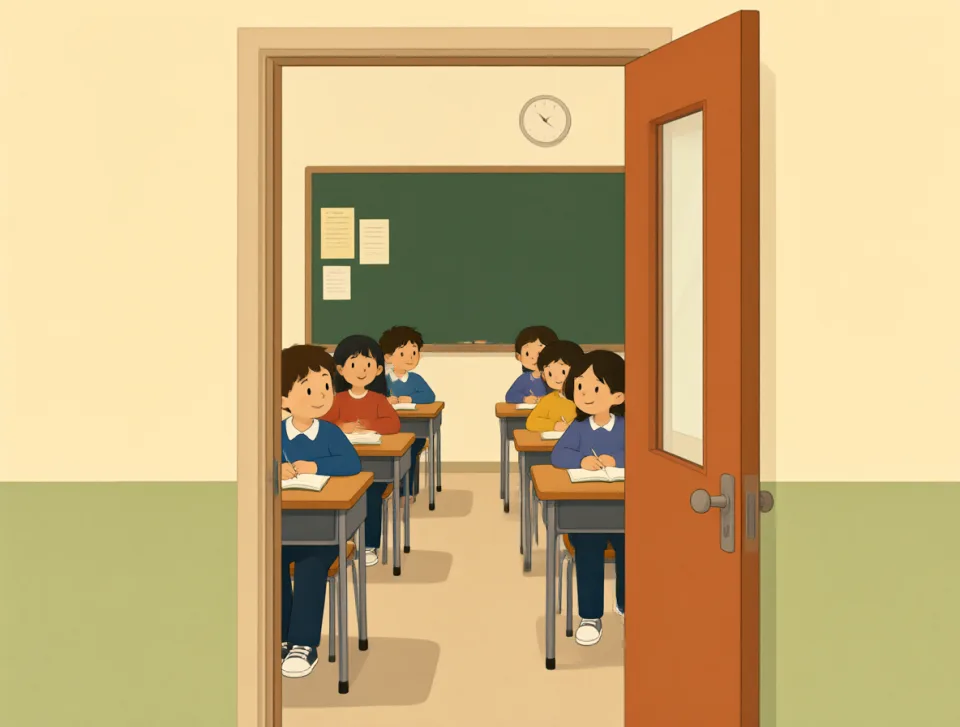
The door of the classroom is open.
ประตูห้องเรียนเปิดอยู่

He bought a bag of apples.
เขาซื้อแอปเปิลมาหนึ่งถุง

We talked about the problems of travel.
พวกเราคุยกันเรื่องปัญหาของการเดินทาง

to
#5preposition, infinitive marker
ไปยัง, ถึง, เพื่อ
Used before a place, person, or verb to show direction, purpose, or an action.
ใช้หน้าสถานที่ บุคคล หรือคำกริยา เพื่อบอกทิศทาง จุดประสงค์ หรือการกระทำ
I walk to school every morning.
ฉันเดินไปโรงเรียนทุกเช้า

Please give this book to Maria.
กรุณาส่งหนังสือเล่มนี้ให้มาเรีย

We went to the market after work.
พวกเราไปตลาดหลังเลิกงาน

She wants to eat some soup.
เธออยากกินซุปสักหน่อย

He came home to rest.
เขากลับบ้านเพื่อพักผ่อน

a
#6determiner, article
หนึ่ง (คำนำหน้านาม)
used before one singular countable noun when it is not specific
ใช้หน้าคำนามนับได้เอกพจน์ที่ยังไม่ได้ระบุว่าเป็นสิ่งไหนโดยเฉพาะ
I have a small garden at home.
ฉันมีสวนเล็ก ๆ ที่บ้าน

She is a teacher at our school.
เธอเป็นครูที่โรงเรียนของเรา

We bought a ticket for the bus.
เราซื้อตั๋วรถเมล์หนึ่งใบ
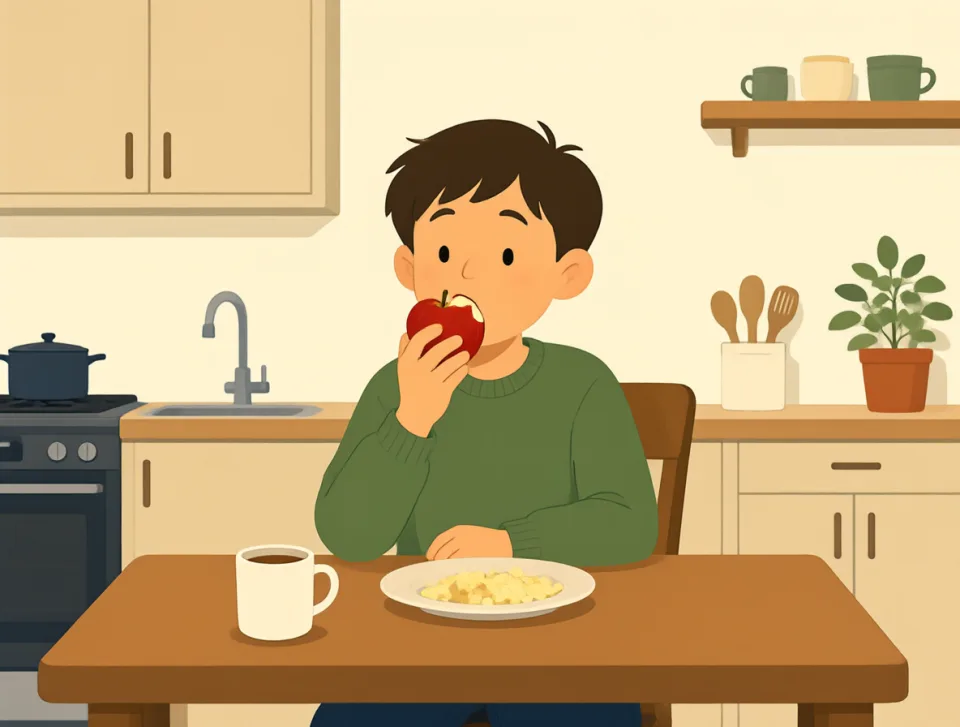
He eats an apple a day.
เขากินแอปเปิลวันละลูก

They stayed in a hotel near the beach.
พวกเขาพักที่โรงแรมใกล้ชายหาด

in
#7preposition, adverb, adjective
ใน
Inside a place, area, time, situation, or group
อยู่ภายในสถานที่ พื้นที่ ช่วงเวลา สถานการณ์ หรือกลุ่ม
The children are playing in the garden.
เด็ก ๆ กำลังเล่นอยู่ในสวน

I keep my keys in my bag.
ฉันเก็บกุญแจไว้ในกระเป๋า

We arrived in London yesterday.
เราไปถึงลอนดอนเมื่อวานนี้
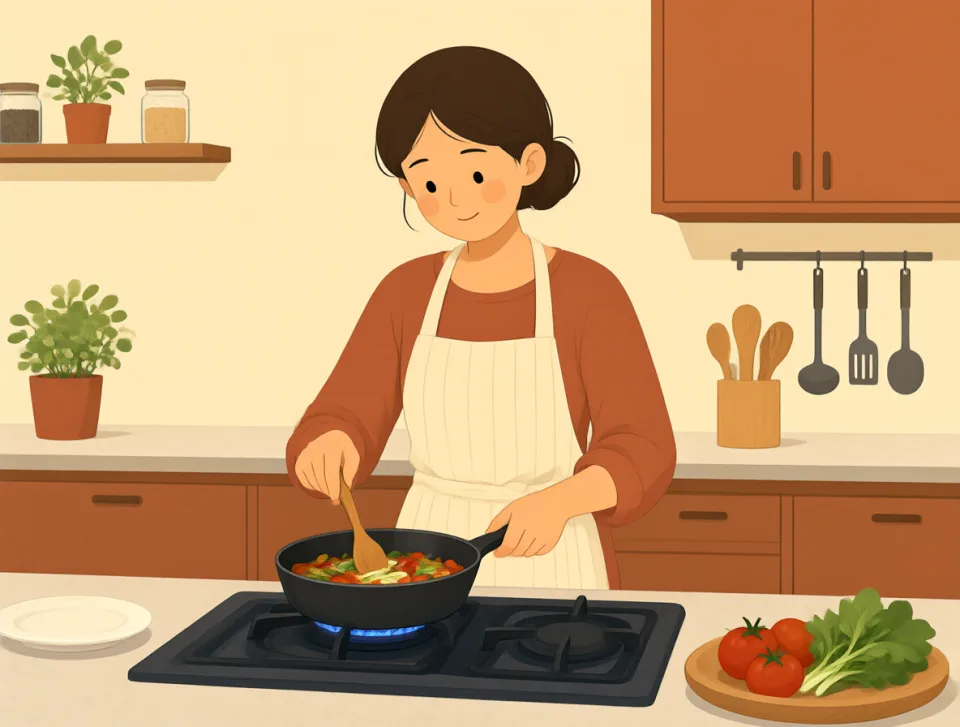
She is in the kitchen cooking dinner.
เธอกำลังทำอาหารเย็นอยู่ในครัว

Please come in and sit down.
เชิญเข้ามาแล้วนั่งลงได้เลย
have
#8verb
มี
to own, do, experience, or receive something
เป็นเจ้าของ ทำ ประสบ หรือได้รับบางสิ่ง
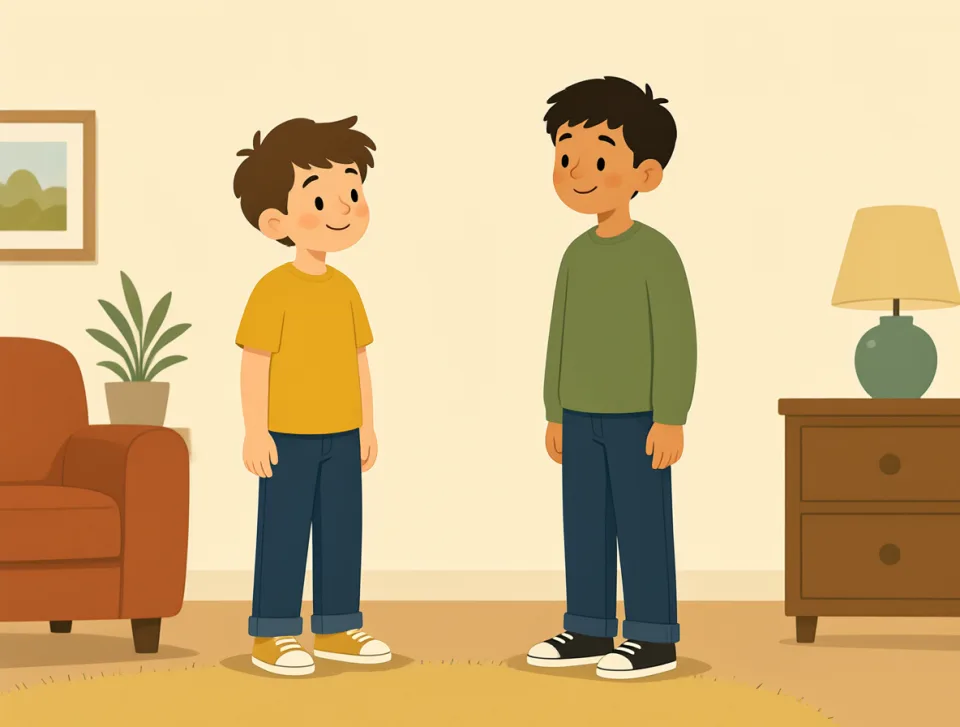
I have two brothers.
ฉันมีพี่ชายหรือน้องชายสองคน

We have lunch at noon.
เรากินอาหารกลางวันตอนเที่ยง

She has a bad cold.
เธอเป็นหวัดหนัก

They had a great time together.
พวกเขาสนุกกันมาก

I have to leave now.
ฉันต้องไปแล้วตอนนี้

it
#9pronoun, determiner
มัน
A word used for a thing, animal, situation, or idea already mentioned.
คำที่ใช้แทนสิ่งของ สัตว์ สถานการณ์ หรือแนวคิดที่กล่าวถึงไปแล้ว
It is cold outside today.
วันนี้ข้างนอกอากาศหนาว

I bought a cake, and it was delicious.
ฉันซื้อเค้กมา แล้วมันก็อร่อยมาก
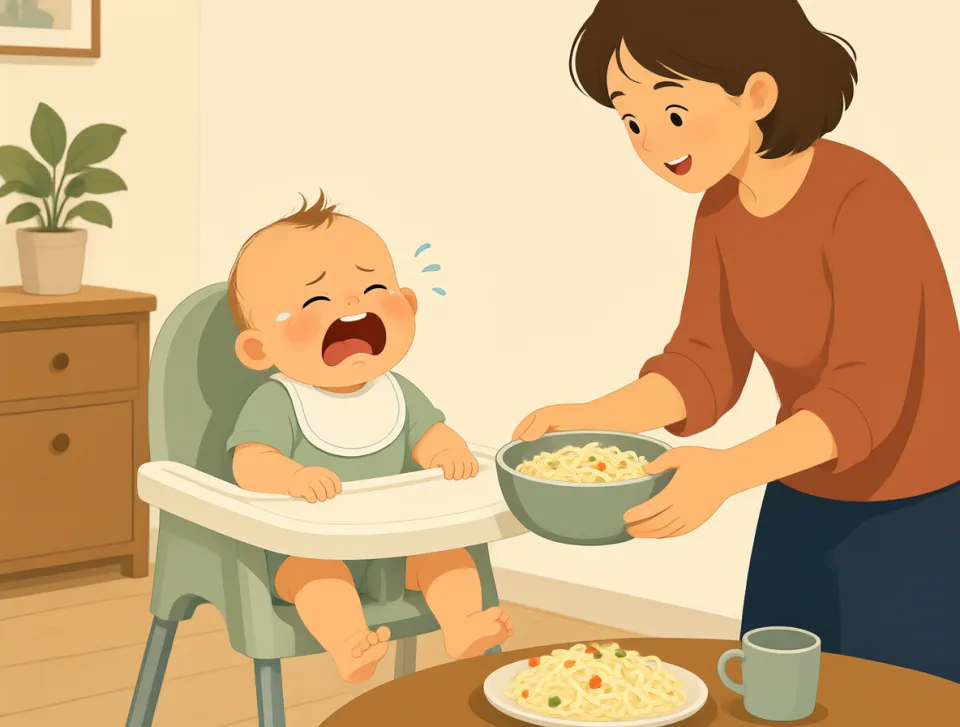
The baby is crying because it is hungry.
ทารกร้องไห้เพราะหิว
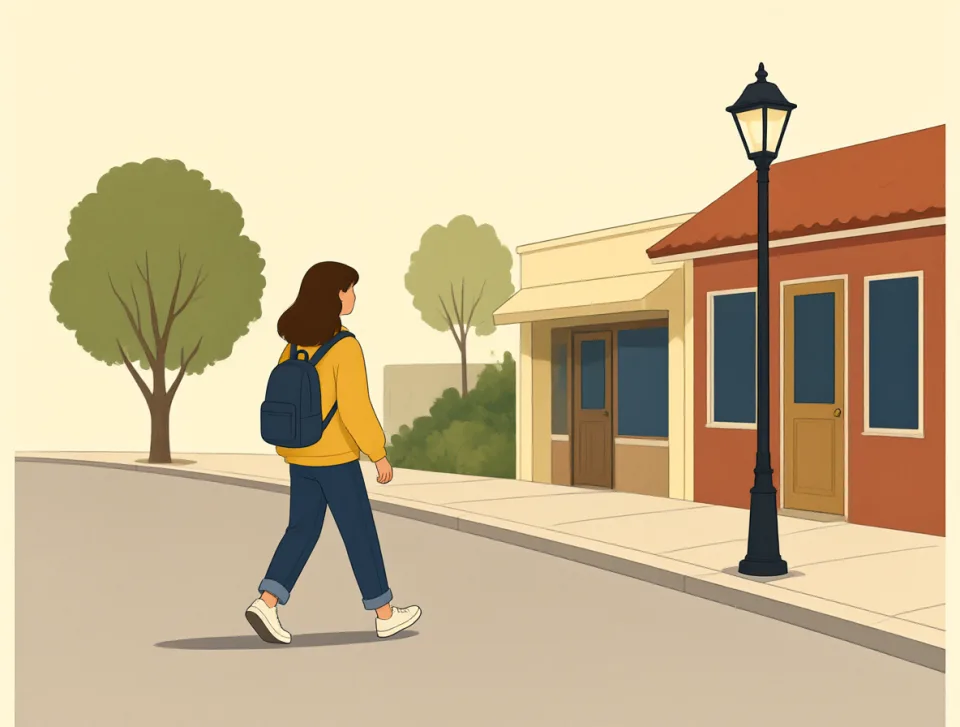
It takes ten minutes to walk there.
เดินไปที่นั่นใช้เวลาสิบนาที
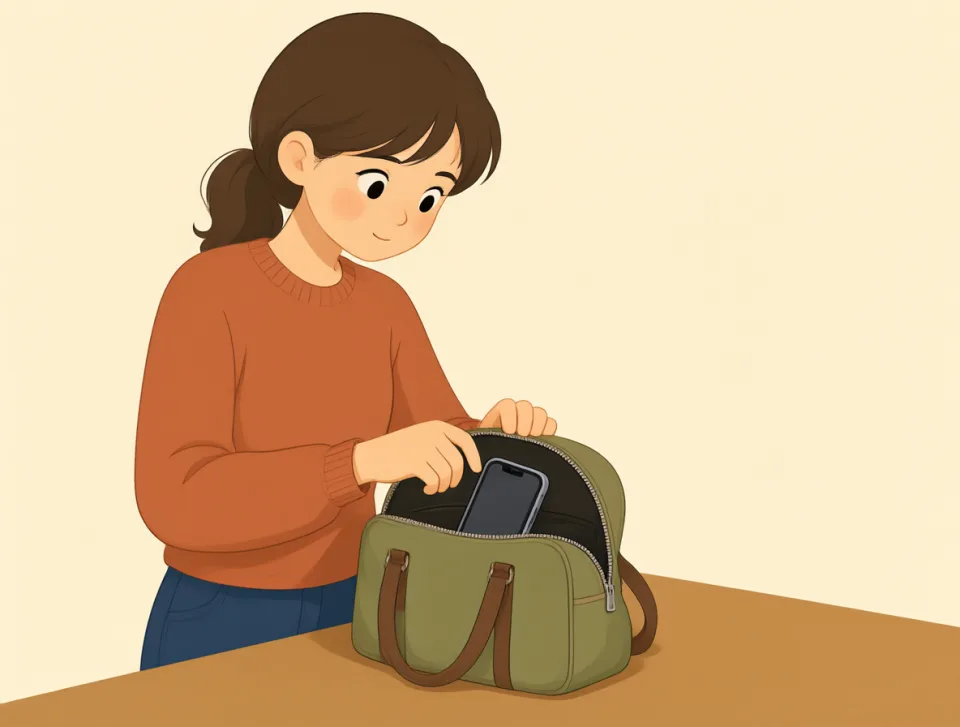
I found my phone and put it in my bag.
ฉันเจอโทรศัพท์แล้วใส่มันไว้ในกระเป๋า
you
#10pronoun
คุณ
The person or people being spoken to.
บุคคลหรือกลุ่มคนที่กำลังพูดด้วย
You are late for school today.
วันนี้คุณไปโรงเรียนสายนะ

Can I help you with that bag?
ให้ฉันช่วยถือกระเป๋าใบนั้นไหม

Did you enjoy dinner with your friends?
คุณสนุกกับมื้อเย็นที่กินกับเพื่อน ๆ ไหม

We will call you after work.
เราจะโทรหาคุณหลังเลิกงาน
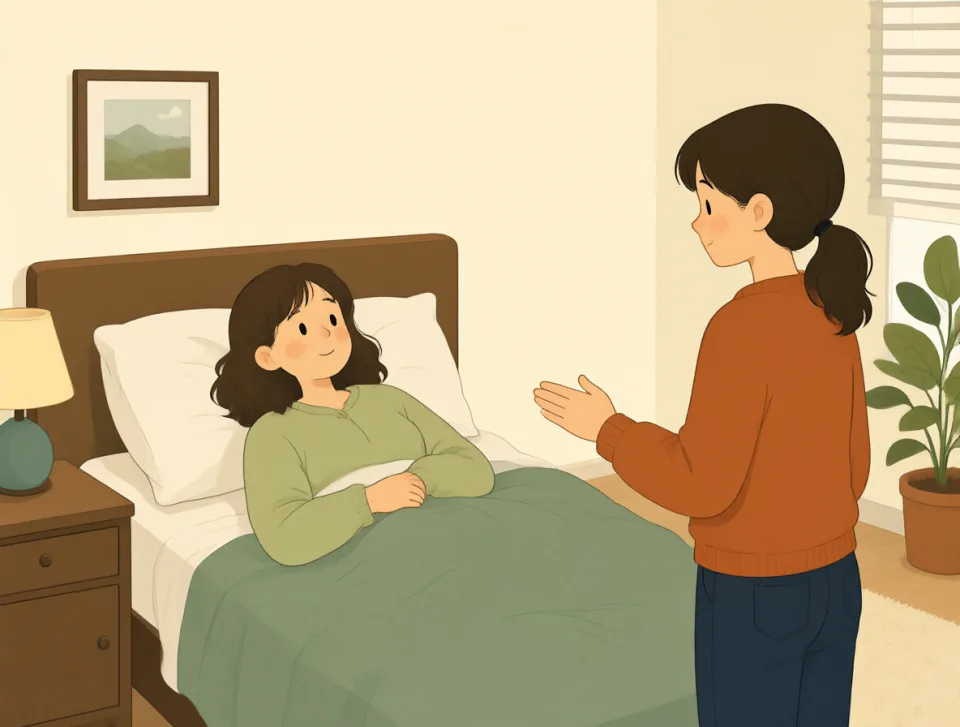
Are you feeling better today?
วันนี้คุณรู้สึกดีขึ้นไหม
he
#11pronoun
เขา
A word used for one male person already mentioned or known.
คำที่ใช้เรียกผู้ชายหนึ่งคนที่กล่าวถึงหรือรู้จักกันอยู่แล้ว
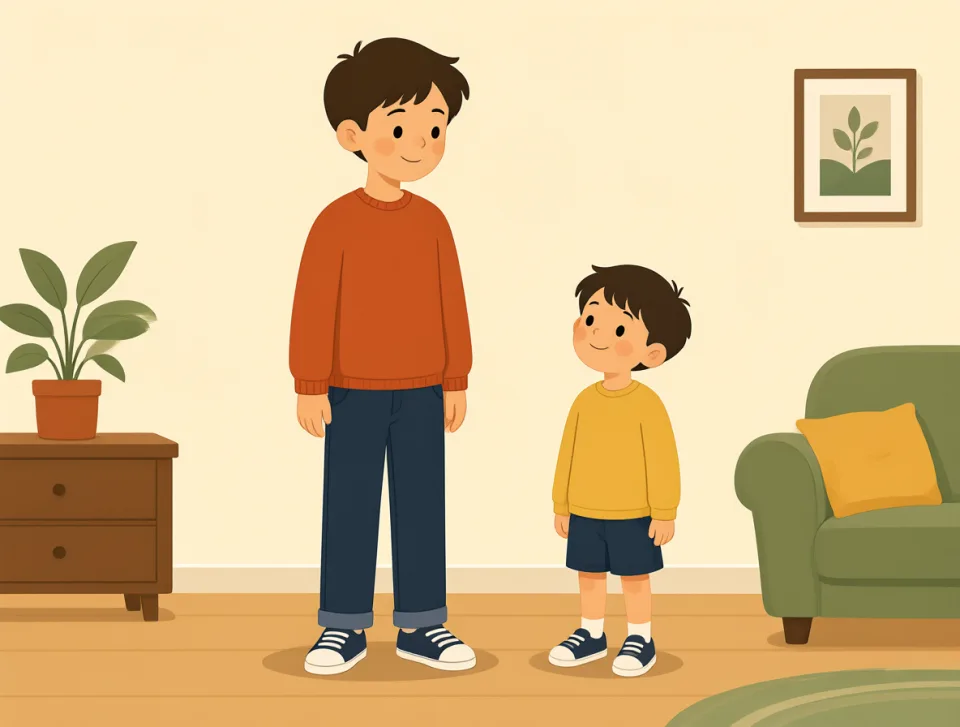
He is my brother.
เขาเป็นพี่ชายของฉัน

He works at a small shop.
เขาทำงานที่ร้านเล็ก ๆ แห่งหนึ่ง
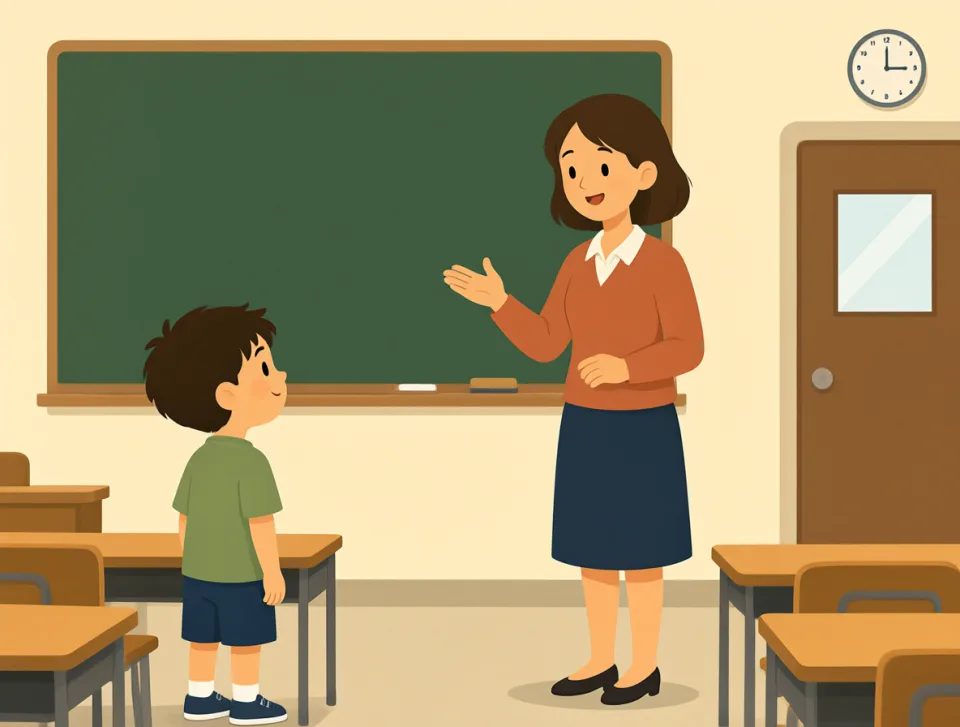
The teacher said he was late.
ครูบอกว่าเขามาสาย

He bought bread at the market.
เขาซื้อขนมปังที่ตลาด
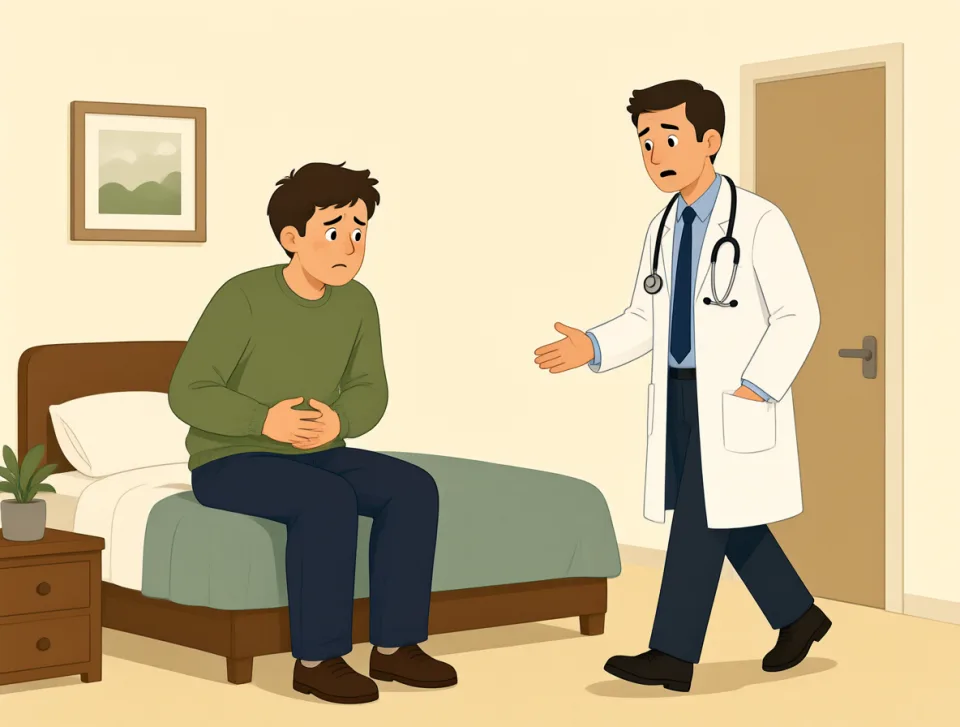
He feels sick and needs a doctor.
เขารู้สึกไม่สบายและต้องไปหาหมอ

for
#12preposition, conjunction
สำหรับ; เพื่อ
Used to show purpose, time, reason, or who receives something.
ใช้บอกจุดประสงค์ เวลา เหตุผล หรือผู้ที่ได้รับบางสิ่ง
This gift is for my sister.
ของขวัญชิ้นนี้สำหรับน้องสาวของฉัน
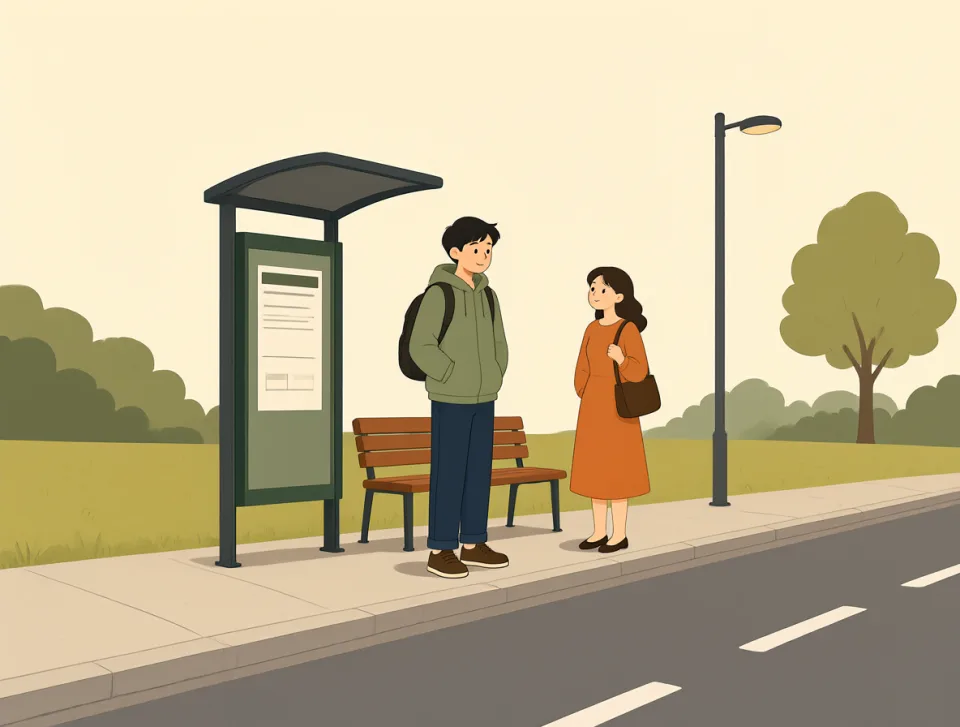
We waited for the bus.
พวกเรารอรถเมล์

I bought some apples for lunch.
ฉันซื้อแอปเปิลมาทานเป็นมื้อกลางวัน

She studied for two hours.
เธออ่านหนังสือเป็นเวลาสองชั่วโมง

Thank you for helping me.
ขอบคุณที่ช่วยฉันนะ

they
#13pronoun
พวกเขา
Used to talk about two or more people, animals, or things.
ใช้กล่าวถึงคน สัตว์ หรือสิ่งของตั้งแต่สองคนหรือชิ้นขึ้นไป
They live in a small house.
พวกเขาอาศัยอยู่ในบ้านหลังเล็ก ๆ

They are waiting for the bus.
พวกเขากำลังรอรถเมล์
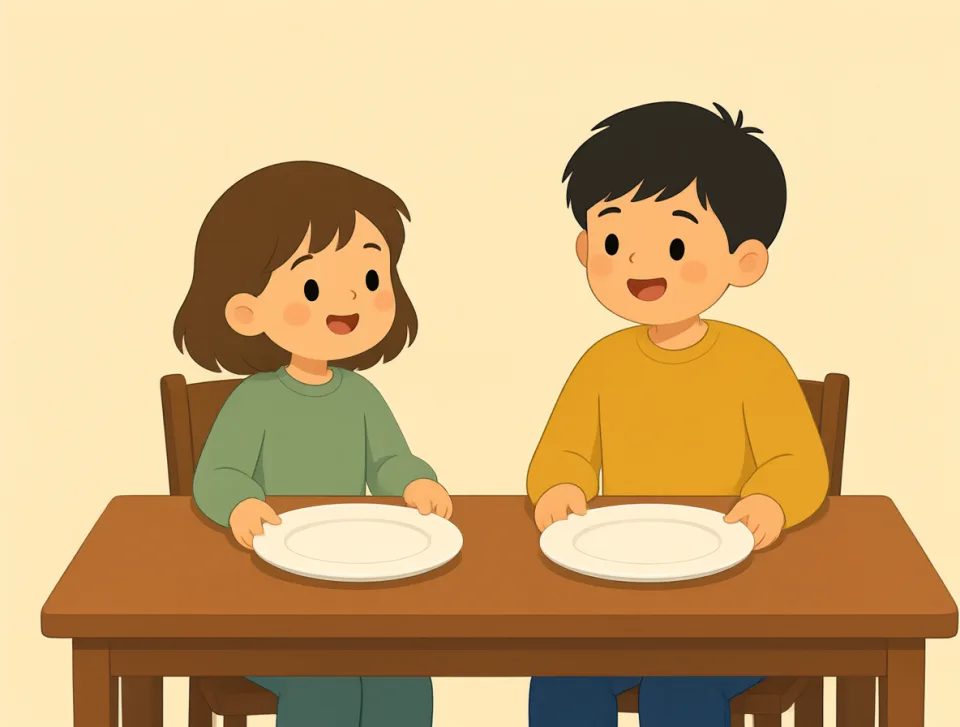
The children said they were hungry.
เด็ก ๆ บอกว่าพวกเขาหิว

I saw them at the store.
ฉันเห็นพวกเขาที่ร้าน

They helped me carry my bags.
พวกเขาช่วยฉันถือกระเป๋า
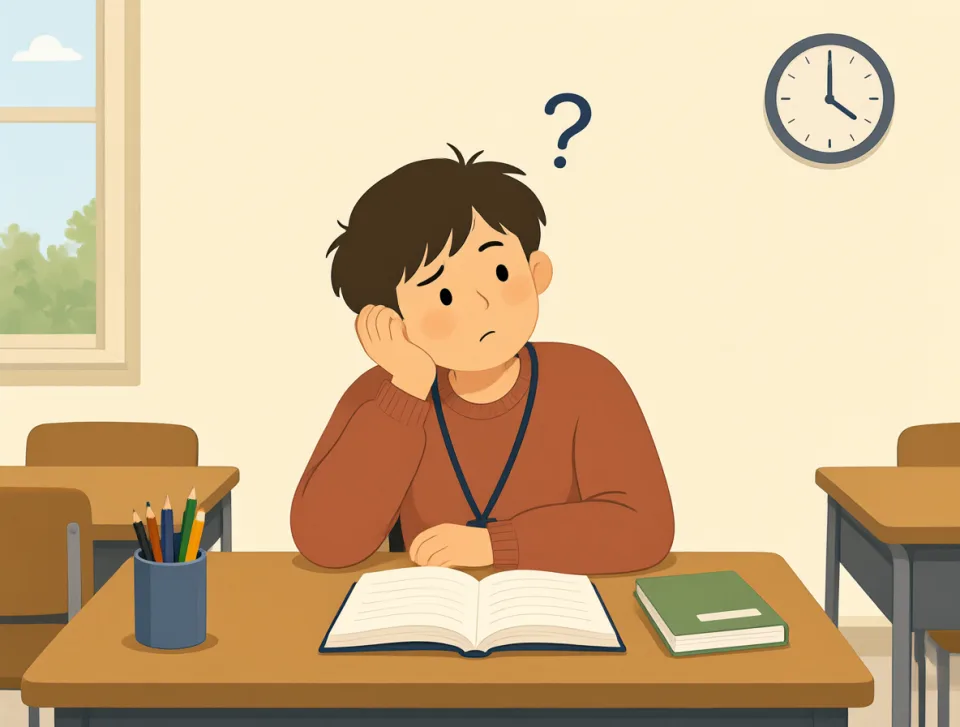
not
#14adverb
ไม่
Used to make a verb or adjective negative.
ใช้ทำให้คำกริยาหรือคำคุณศัพท์มีความหมายปฏิเสธ
I do not understand this question.
ฉันไม่เข้าใจคำถามข้อนี้

She is not at home today.
วันนี้เธอไม่อยู่บ้าน

We are not ready to leave yet.
พวกเรายังไม่พร้อมจะออกไป

He did not eat breakfast this morning.
เมื่อเช้านี้เขาไม่ได้กินอาหารเช้า
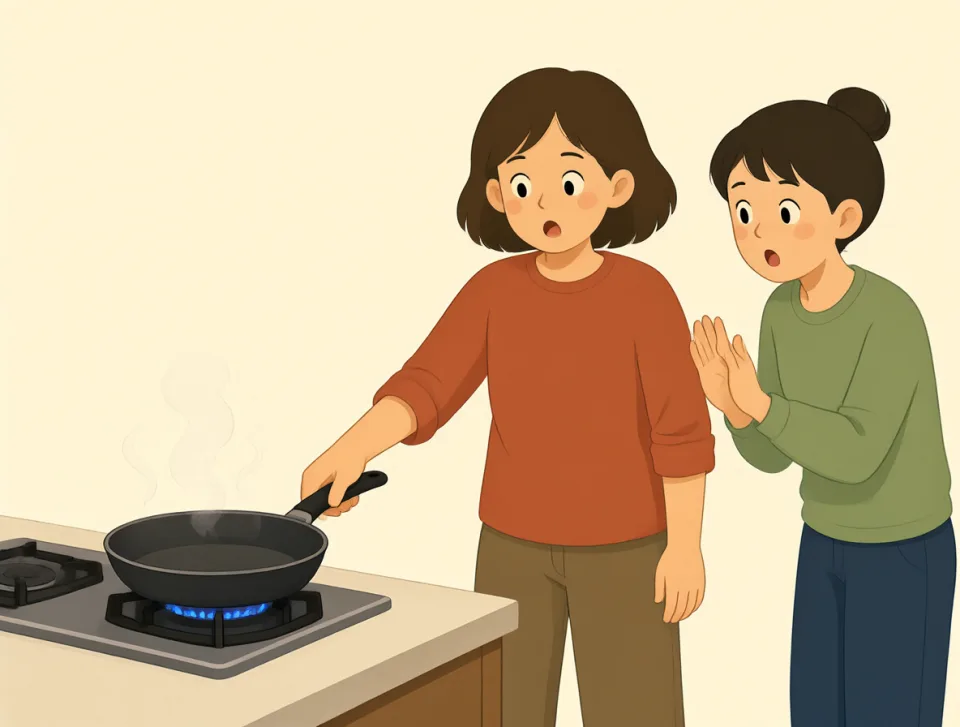
Please do not touch the hot pan.
กรุณาอย่าแตะกระทะร้อน

that
#15determiner, pronoun, conjunction, adverb
นั้น; ว่า
Used to point to something or introduce information after a verb.
ใช้ชี้ไปยังสิ่งใดสิ่งหนึ่ง หรือใช้ขึ้นต้นข้อมูลที่ตามหลังคำกริยา
That book on the table is mine.
หนังสือเล่มนั้นบนโต๊ะเป็นของฉัน
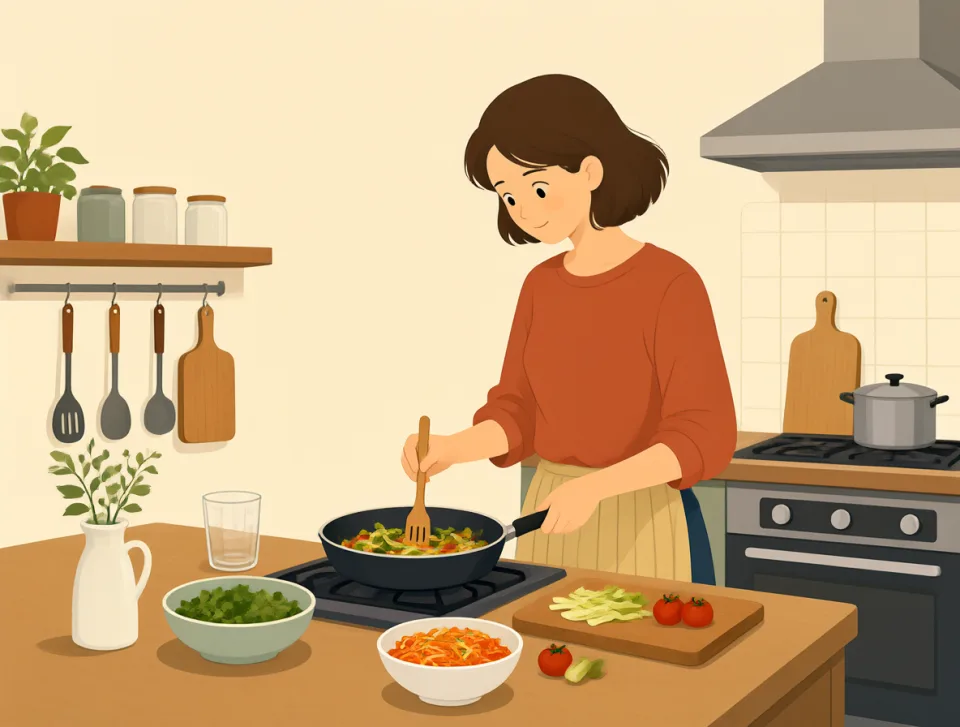
I think that dinner is ready.
ฉันคิดว่าอาหารเย็นพร้อมแล้ว

The shoes that I bought fit well.
รองเท้าที่ฉันซื้อใส่ได้พอดี
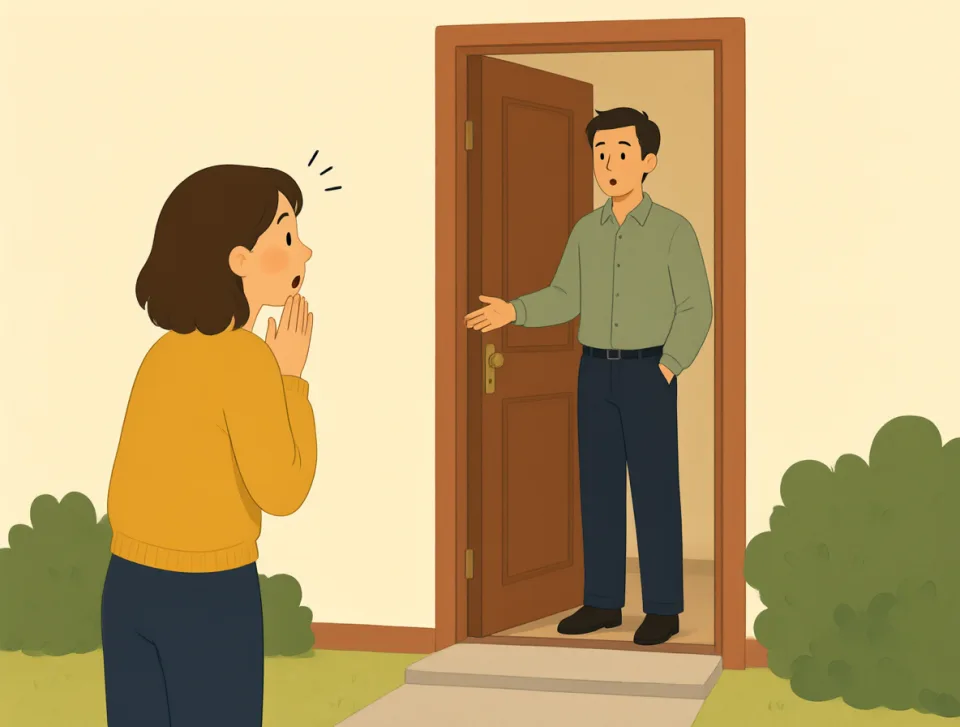
Who is that man at the door?
ผู้ชายคนนั้นที่หน้าประตูคือใคร

It was not that expensive.
มันไม่ได้แพงขนาดนั้น

we
#16pronoun
เรา
Used by a speaker to mean the speaker and one or more other people.
ใช้เมื่อผู้พูดหมายถึงตัวเองและคนอื่นอีกหนึ่งคนหรือมากกว่า
We live in a small apartment.
เราอยู่ในอพาร์ตเมนต์เล็ก ๆ

We are learning English at school.
เราเรียนภาษาอังกฤษที่โรงเรียน
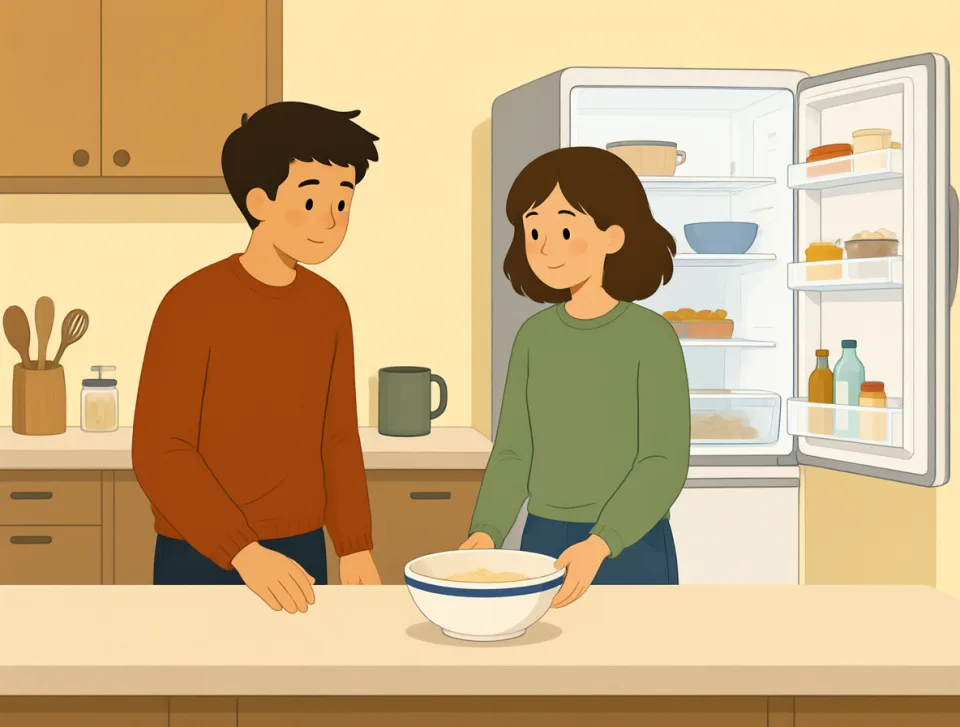
We need some milk for breakfast.
เราต้องซื้อนมมากินเป็นอาหารเช้า

We went to the beach last weekend.
สุดสัปดาห์ที่แล้วเราไปชายหาดกัน

We feel better after taking the medicine.
เรารู้สึกดีขึ้นหลังจากกินยา

on
#17adverb, preposition, adjective
บน; ใน; เปิด
Used to show position, time, connection, or that something is working.
ใช้บอกตำแหน่ง เวลา ความเกี่ยวข้อง หรือบอกว่าสิ่งใดกำลังทำงานอยู่
The keys are on the table.
กุญแจอยู่บนโต๊ะ

We have a meeting on Monday.
เรามีประชุมวันจันทร์
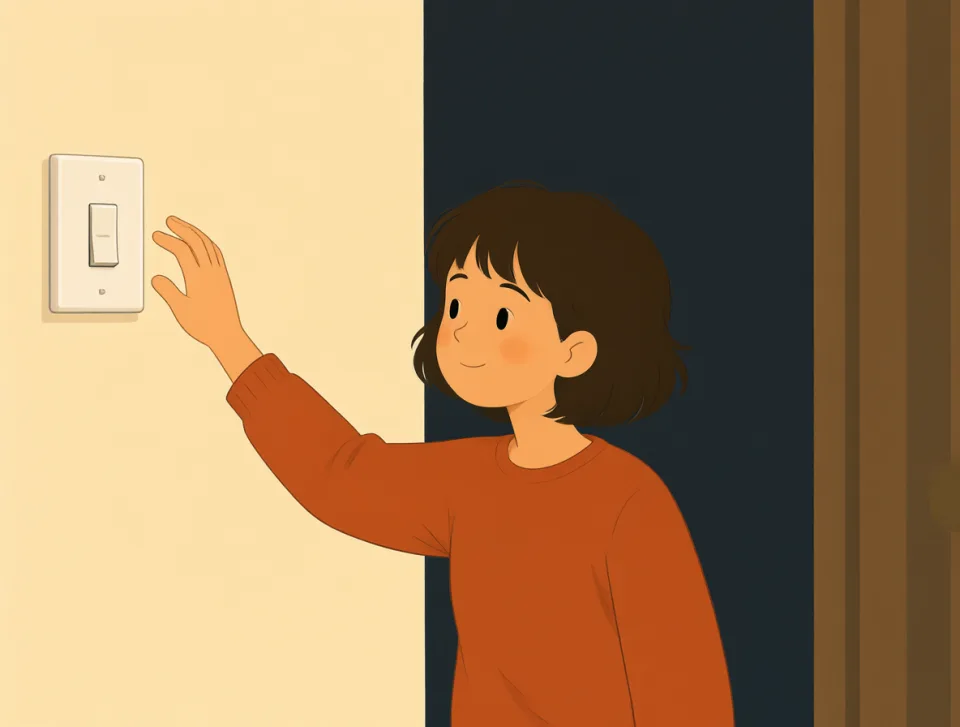
Please turn on the light.
กรุณาเปิดไฟหน่อย

She is on the bus to school.
เธอกำลังนั่งรถบัสไปโรงเรียน

I tried on these shoes at the store.
ฉันลองรองเท้าคู่นี้ที่ร้าน

with
#18preposition
กับ
together with someone or something; having or using someone or something
อยู่ด้วยกันกับใครบางคนหรือสิ่งของบางอย่าง หรือมีหรือใช้ใครบางคนหรือสิ่งของบางอย่าง
I went to the park with my sister.
ฉันไปสวนสาธารณะกับพี่สาว

She opened the box with a knife.
เธอเปิดกล่องด้วยมีด

The man with the blue bag is my teacher.
ผู้ชายที่ถือกระเป๋าสีน้ำเงินคือครูของฉัน

Would you like coffee with your breakfast?
อยากดื่มกาแฟคู่กับอาหารเช้าไหม

He is sick with a bad cold.
เขาป่วยเป็นหวัดหนัก
this
#19determiner, pronoun, adverb
นี่; นี้
Used to talk about one person, thing, or place near you or now.
ใช้กล่าวถึงคน สิ่งของ หรือสถานที่หนึ่งแห่งที่อยู่ใกล้ตัวหรือเกี่ยวข้องกับตอนนี้
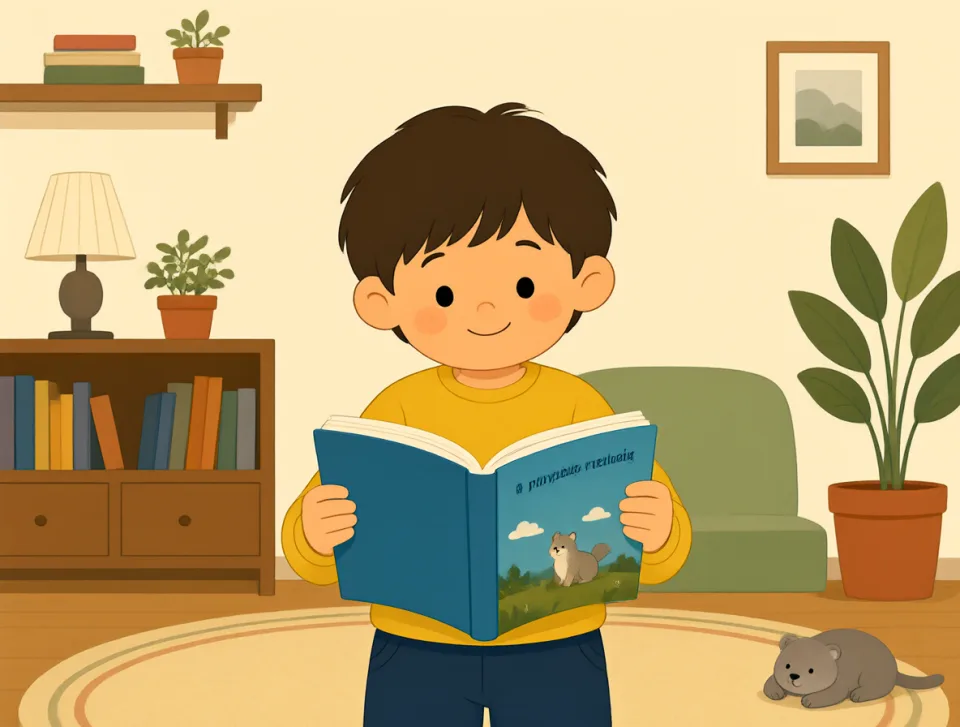
This is my favorite book.
นี่คือหนังสือเล่มโปรดของฉัน

Could you pass me this plate?
ช่วยส่งจานใบนี้ให้ฉันหน่อยได้ไหม

I bought this shirt yesterday.
เมื่อวานฉันซื้อเสื้อตัวนี้
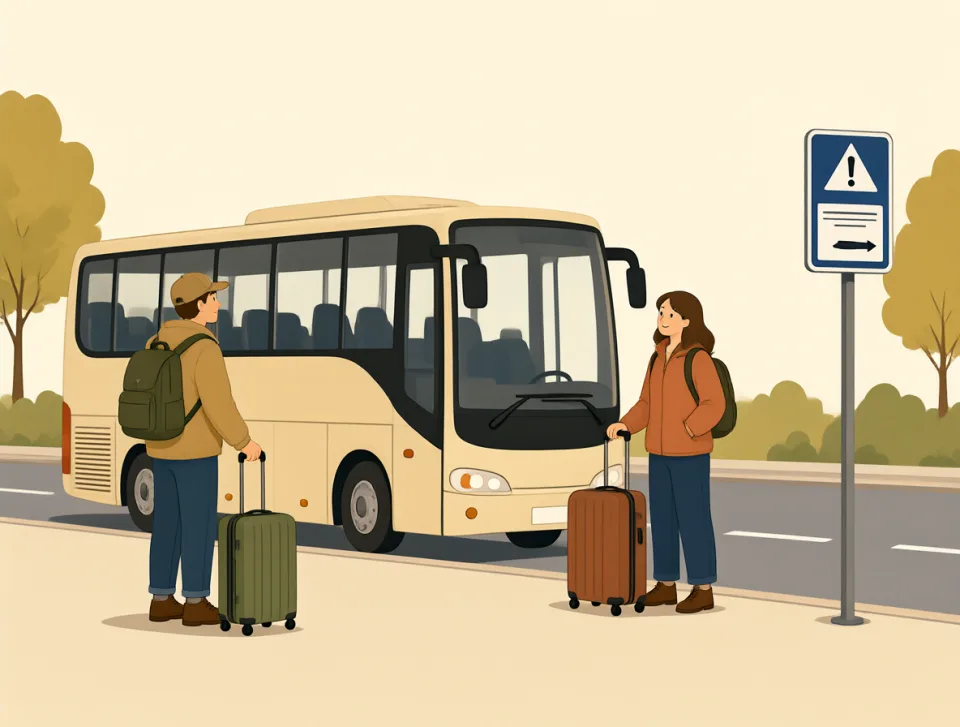
This is where we get off.
เราลงตรงนี้แหละ

This cake tastes really good.
เค้กนี้อร่อยมาก

I
#20pronoun
ฉัน
The pronoun used for the person speaking or writing.
คำสรรพนามที่ใช้แทนผู้พูดหรือผู้เขียน
I am tired after work today.
วันนี้ฉันเหนื่อยหลังเลิกงาน

I have a sister in London.
ฉันมีน้องสาวอยู่ที่ลอนดอน

I like coffee with breakfast.
ฉันชอบดื่มกาแฟเป็นอาหารเช้า
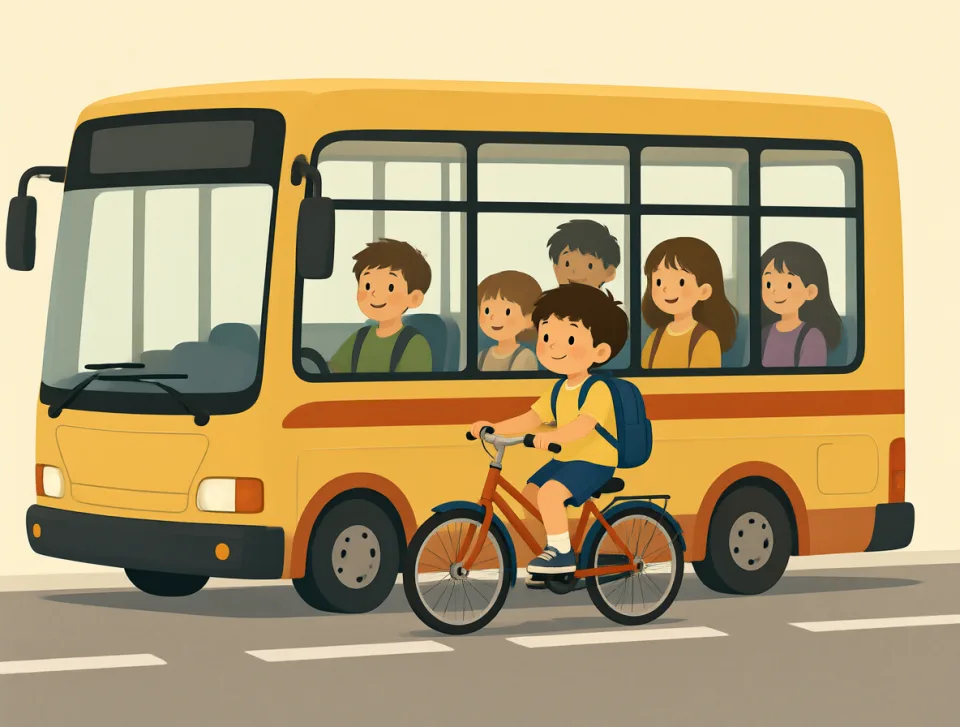
I went to school by bus.
ฉันไปโรงเรียนโดยรถบัส

Can I help you with dinner?
ให้ฉันช่วยทำอาหารเย็นไหม