1. Ünite
1–20 arasındaki kelimeler · the, be, and, of, to, a

the
#1determiner
belirli tanımlık
Used before a noun to show that it is known, specific, or the only one.
Bir ismin bilinen, belirli ya da tek olduğunu belirtmek için önüne gelir.
The keys are on the kitchen table.
Anahtarlar mutfak masasının üstünde.
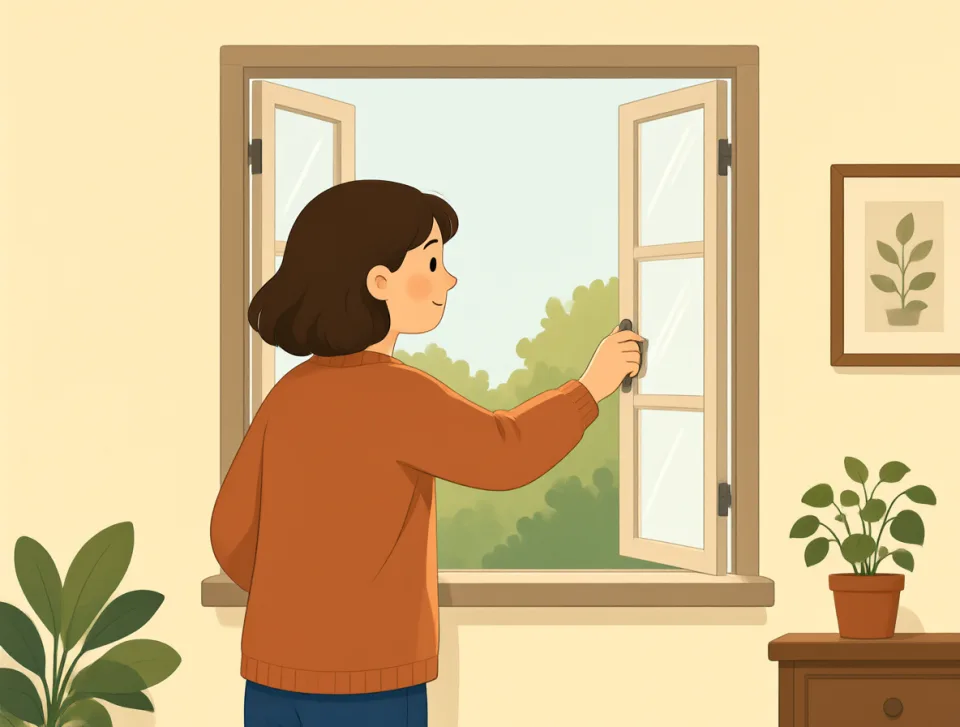
Please close the window before you leave.
Lütfen çıkmadan önce pencereyi kapat.

We took the bus to school this morning.
Bu sabah okula otobüsle gittik.
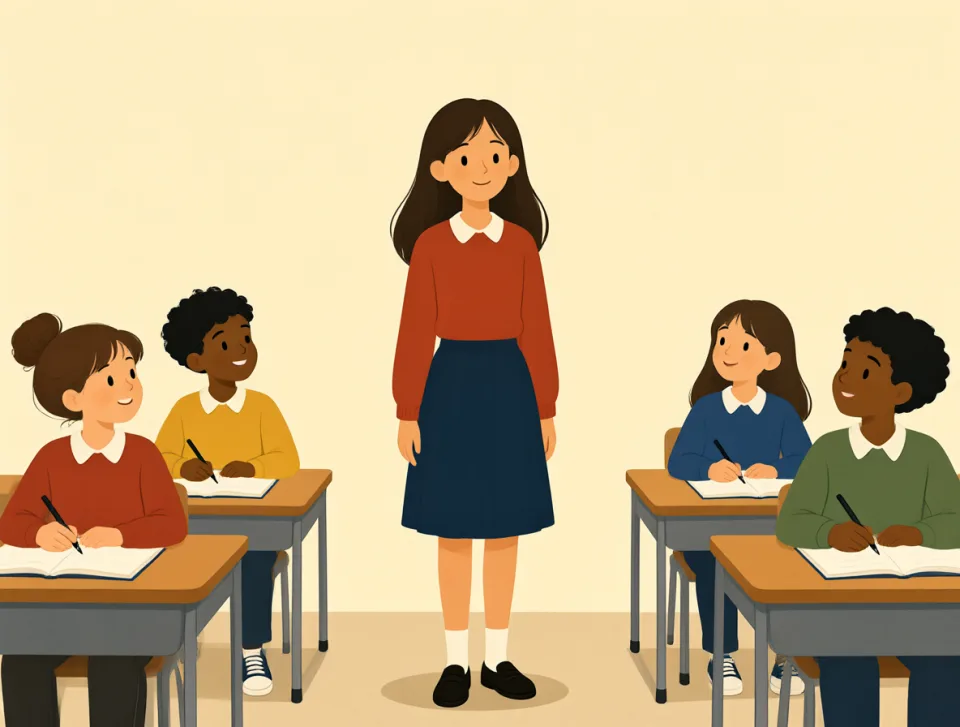
She is the tallest girl in her class.
O, sınıfındaki en uzun kız.

The sun is shining, so let's eat outside.
Güneş parlıyor, hadi dışarıda yemek yiyelim.

be
#2verb
olmak
to exist, happen, or have a particular quality, identity, or location
Var olmak, gerçekleşmek ya da belirli bir niteliğe, kimliğe veya konuma sahip olmak.
I am tired after work today.
Bugün işten sonra yorgunum.

She is a teacher at our school.
O, okulumuzda öğretmen.
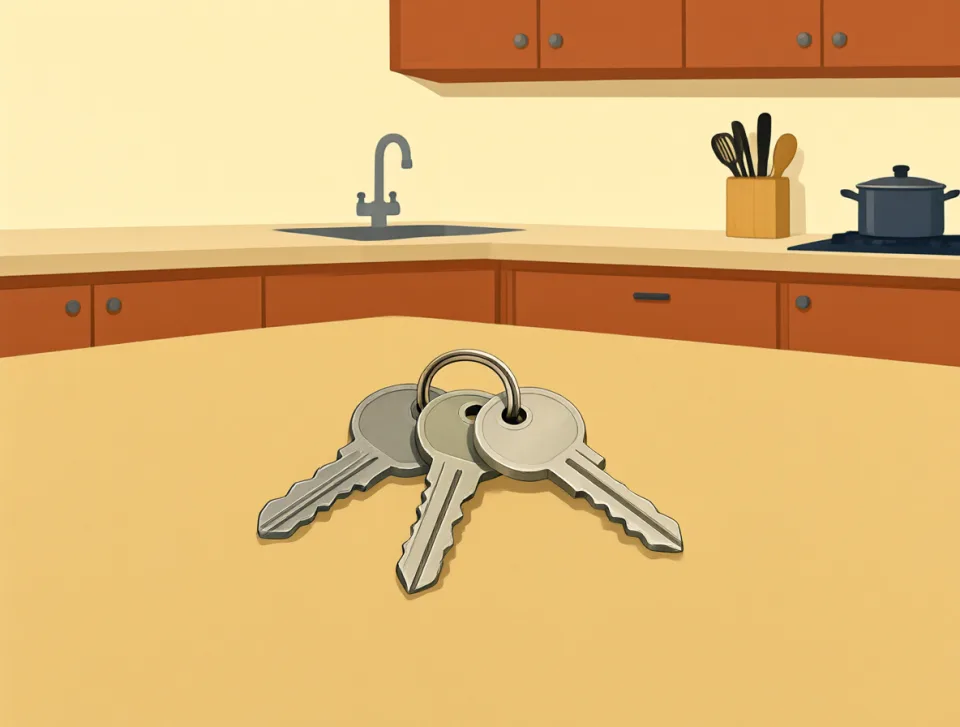
The keys are on the kitchen table.
Anahtarlar mutfak masasının üstünde.

We were late for the train.
Trene geç kaldık.
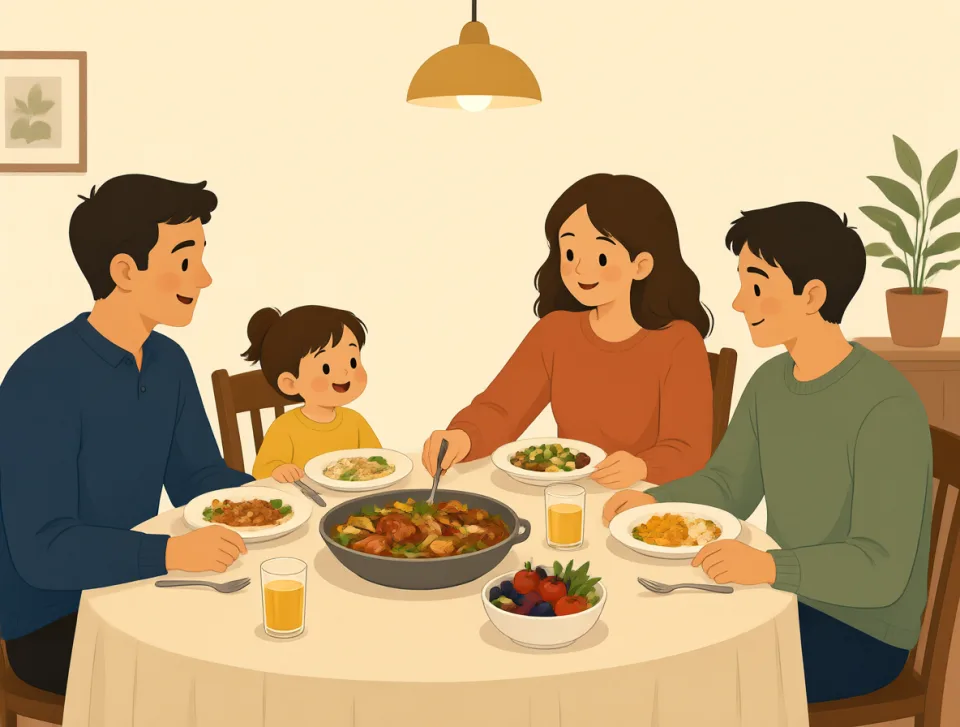
Dinner is ready, so please come in.
Akşam yemeği hazır, lütfen içeri gel.

and
#3conjunction
ve
Used to join words, phrases, or sentences that go together.
Birbiriyle bağlantılı kelimeleri, ifadeleri veya cümleleri birleştirmek için kullanılır.
Tom and Anna work in the same office.
Tom ve Anna aynı ofiste çalışıyor.
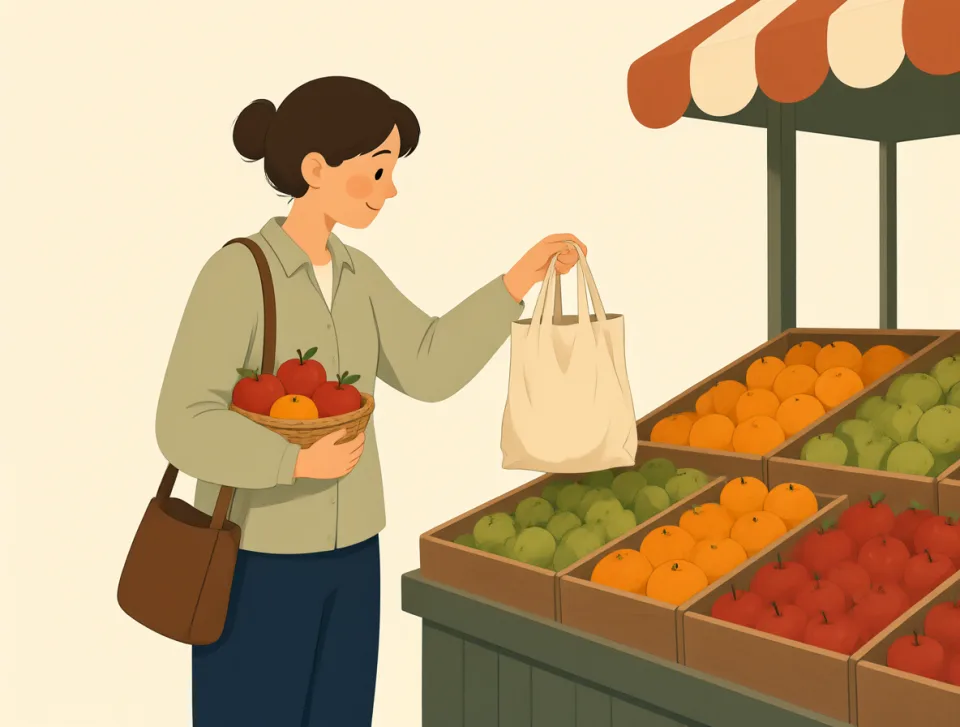
I bought apples and oranges at the market.
Pazardan elma ve portakal aldım.
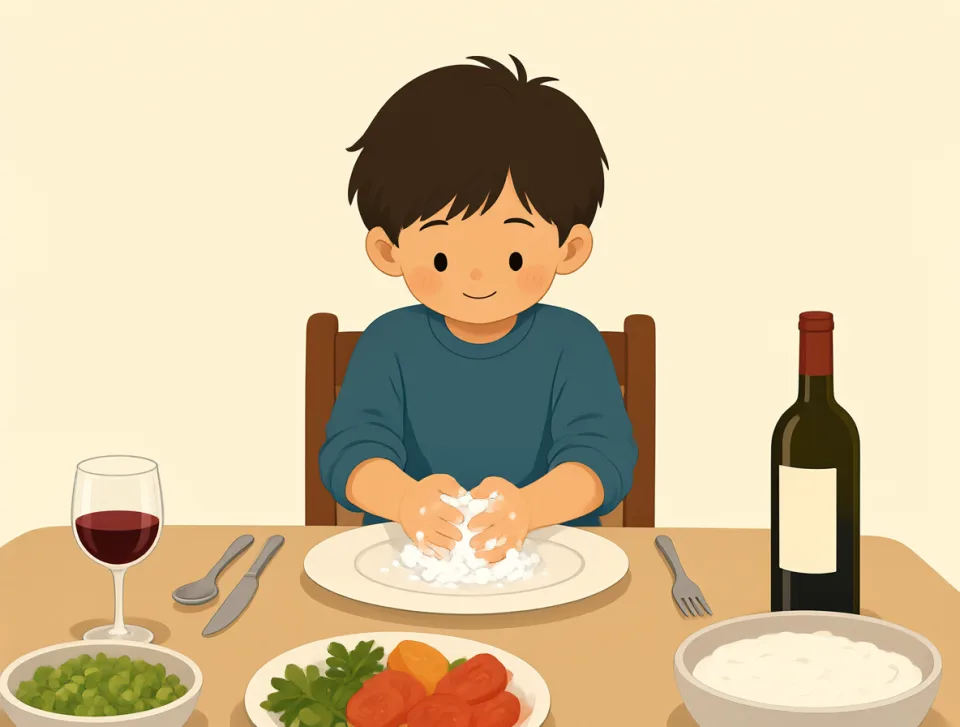
Please wash your hands and eat dinner.
Lütfen ellerini yıka ve akşam yemeğini ye.

We took a bus and visited the museum.
Otobüse bindik ve müzeyi gezdik.

She was tired and went to bed early.
Yorgundu ve erkenden yattı.

of
#4preposition, determiner
-in / -ın
Used to show belonging, connection, amount, or what something contains.
Aitlik, bağlantı, miktar veya bir şeyin neler içerdiğini belirtmek için kullanılır.
She is a friend of my sister.
O, kız kardeşimin bir arkadaşı.

I drank a glass of water.
Bir bardak su içtim.
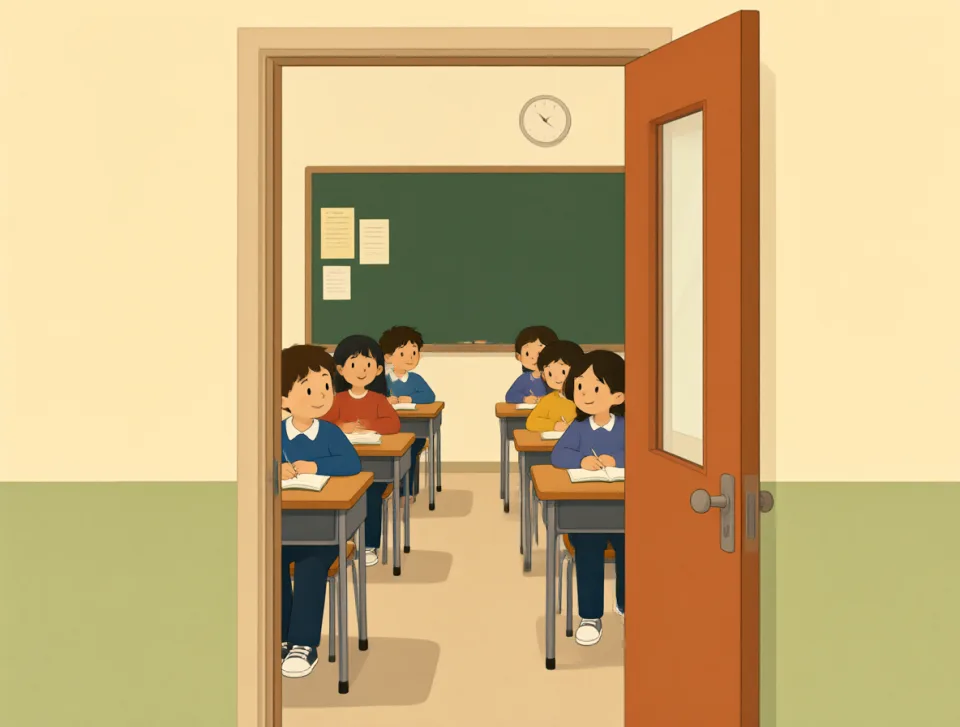
The door of the classroom is open.
Sınıfın kapısı açık.
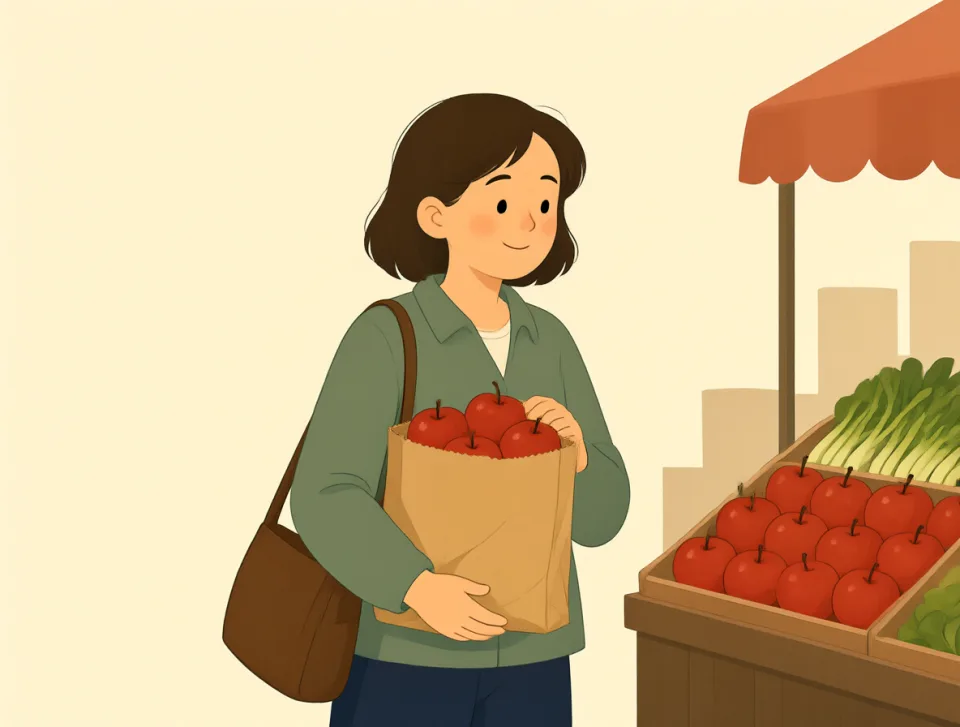
He bought a bag of apples.
Bir torba elma aldı.

We talked about the problems of travel.
Seyahatle ilgili sorunlar hakkında konuştuk.

to
#5preposition, infinitive marker
-e / -a; için
Used before a place, person, or verb to show direction, purpose, or an action.
Yön, amaç veya bir eylem belirtmek için yer, kişi ya da fiilden önce kullanılır.
I walk to school every morning.
Her sabah okula yürüyerek giderim.

Please give this book to Maria.
Lütfen bu kitabı Maria'ya ver.

We went to the market after work.
İşten sonra pazara gittik.

She wants to eat some soup.
Biraz çorba yemek istiyor.
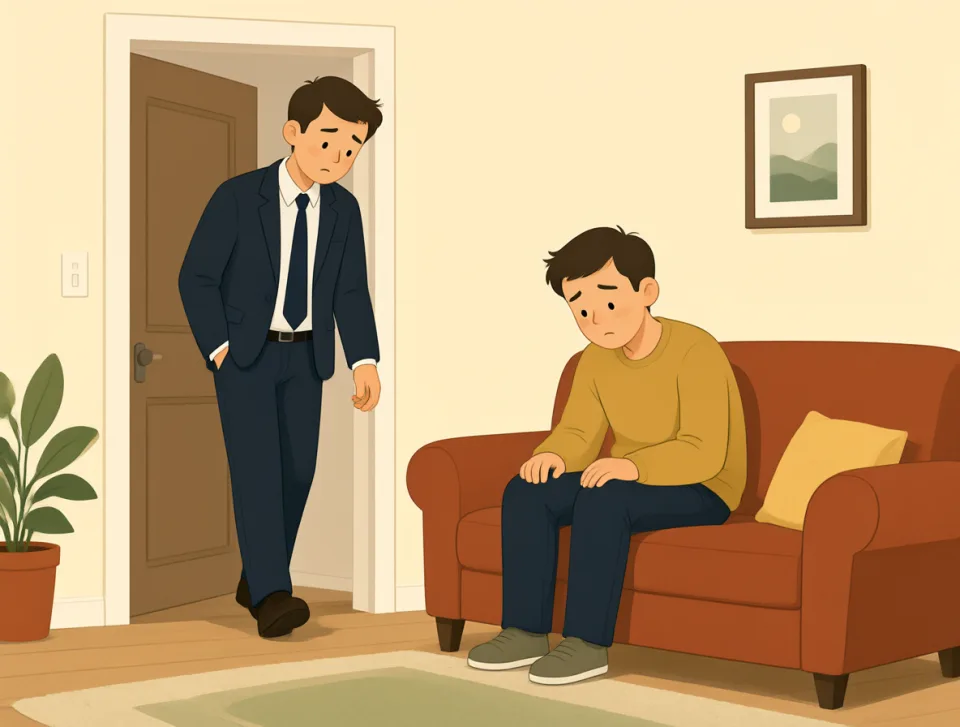
He came home to rest.
Dinlenmek için eve geldi.
a
#6determiner, article
bir
used before one singular countable noun when it is not specific
Belirli olmayan tekil, sayılabilir bir isimden önce kullanılır.
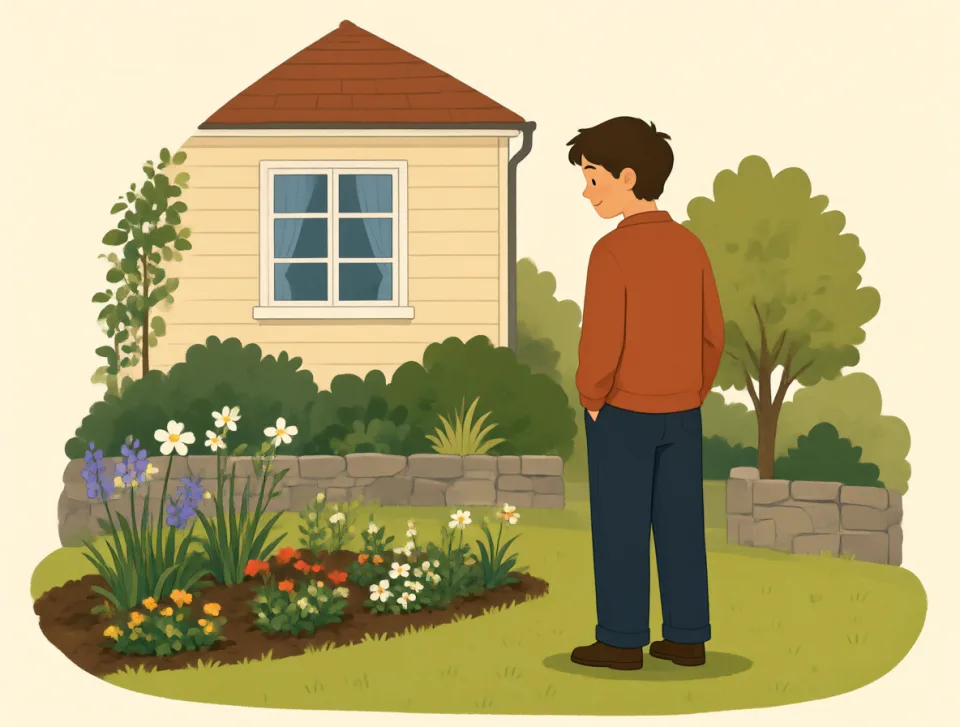
I have a small garden at home.
Evde küçük bir bahçem var.

She is a teacher at our school.
O, okulumuzda öğretmen.

We bought a ticket for the bus.
Otobüs için bir bilet aldık.
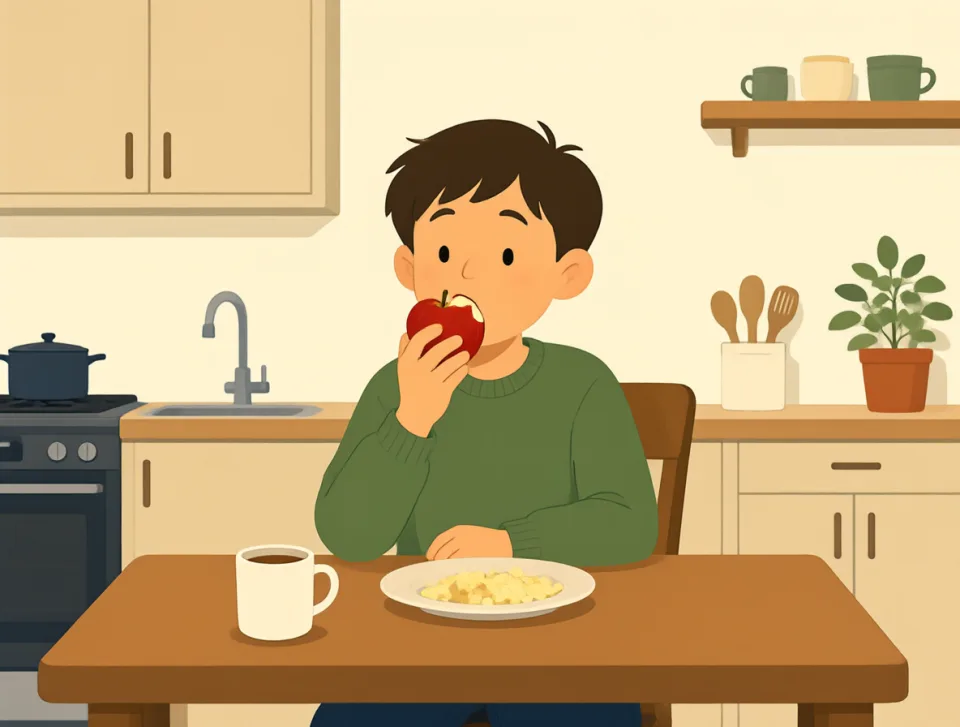
He eats an apple a day.
O, günde bir elma yer.

They stayed in a hotel near the beach.
Sahile yakın bir otelde kaldılar.
in
#7preposition, adverb, adjective
içinde
Inside a place, area, time, situation, or group
Bir yerin, alanın, zamanın, durumun veya grubun içinde.
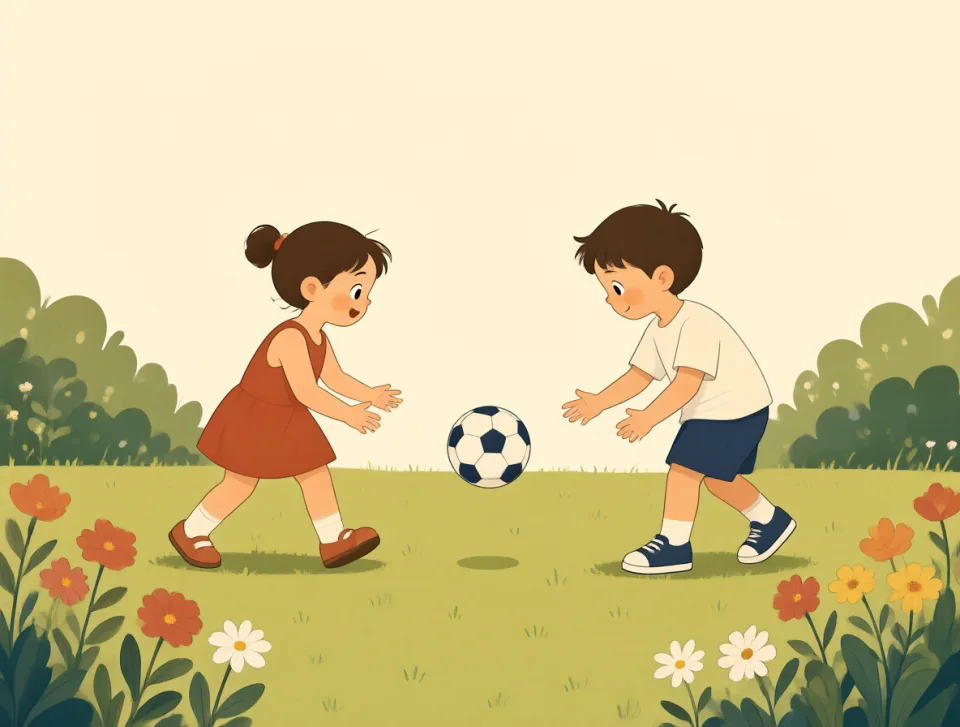
The children are playing in the garden.
Çocuklar bahçede oynuyor.

I keep my keys in my bag.
Anahtarlarımı çantamda tutuyorum.
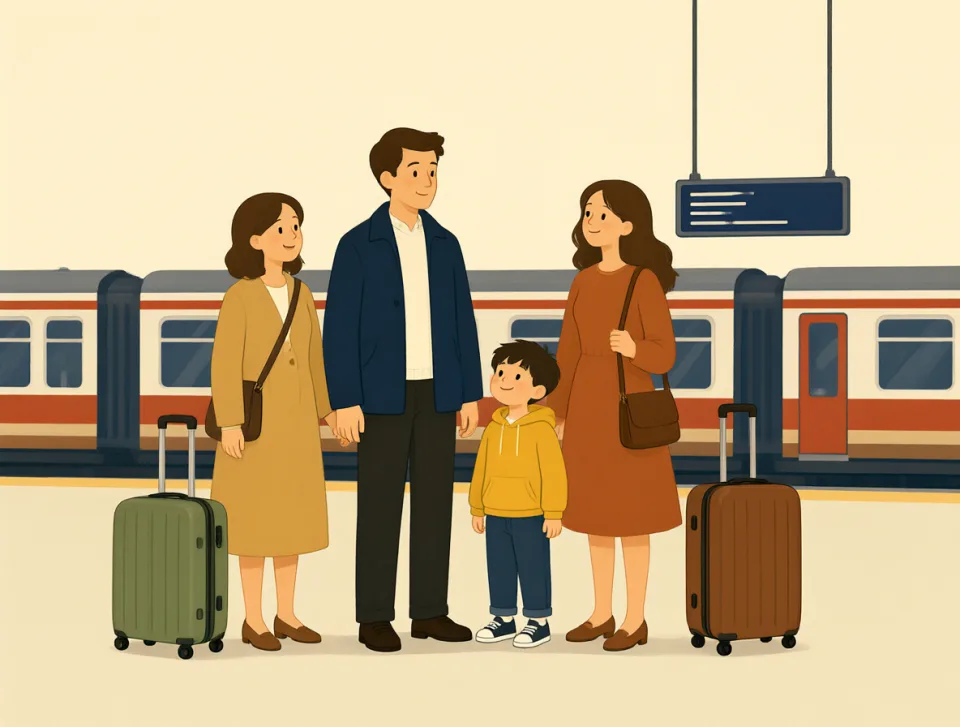
We arrived in London yesterday.
Dün Londra'ya vardık.
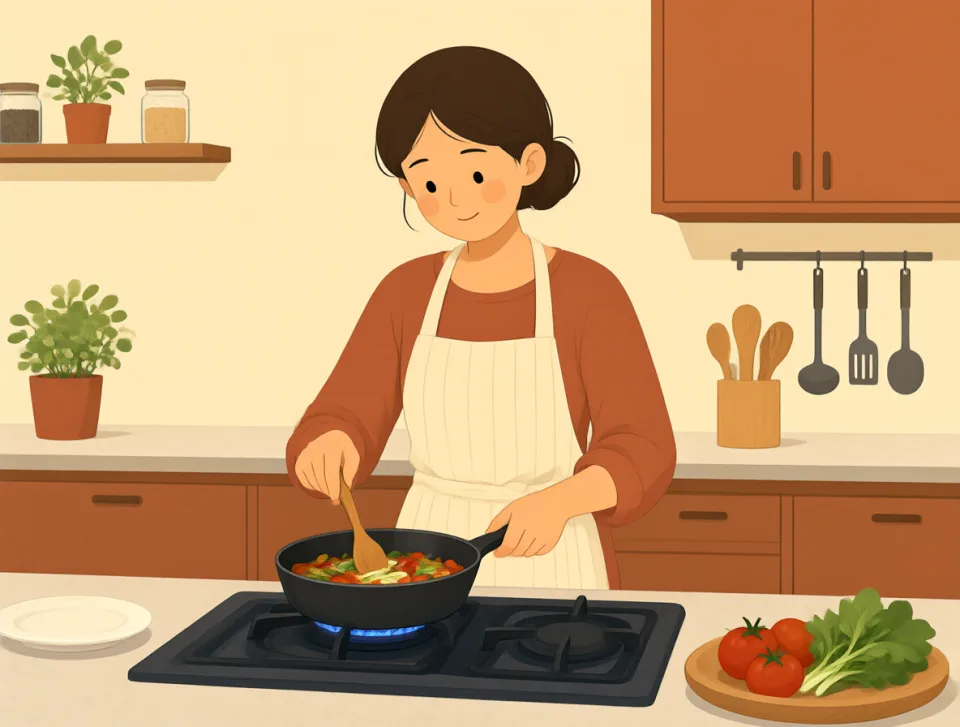
She is in the kitchen cooking dinner.
Akşam yemeği pişirmek için mutfakta.
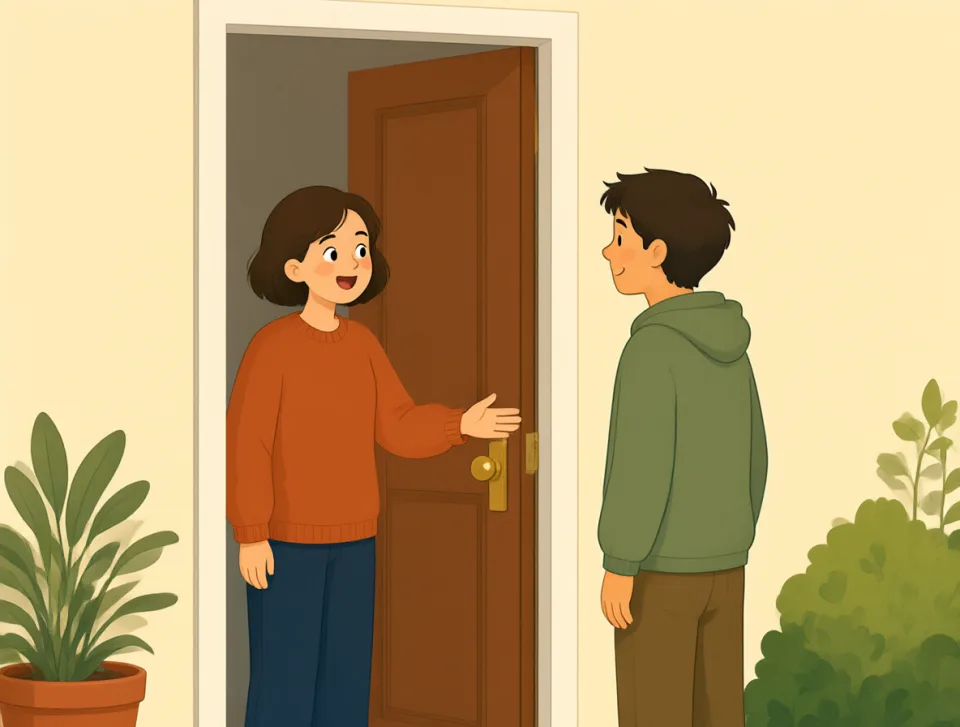
Please come in and sit down.
Lütfen içeri gel ve otur.
have
#8verb
sahip olmak
to own, do, experience, or receive something
Bir şeye sahip olmak, bir şeyi yapmak, deneyimlemek veya almak.
I have two brothers.
İki erkek kardeşim var.

We have lunch at noon.
Öğle yemeğini saat on ikide yeriz.

She has a bad cold.
Ağır bir soğuk algınlığı var.

They had a great time together.
Birlikte harika vakit geçirdiler.

I have to leave now.
Şimdi gitmem gerekiyor.

it
#9pronoun, determiner
o
A word used for a thing, animal, situation, or idea already mentioned.
Daha önce sözü edilen bir şeyi, hayvanı, durumu veya fikri belirtmek için kullanılan sözcük.
It is cold outside today.
Bugün dışarısı soğuk.

I bought a cake, and it was delicious.
Bir kek aldım, çok lezzetliydi.
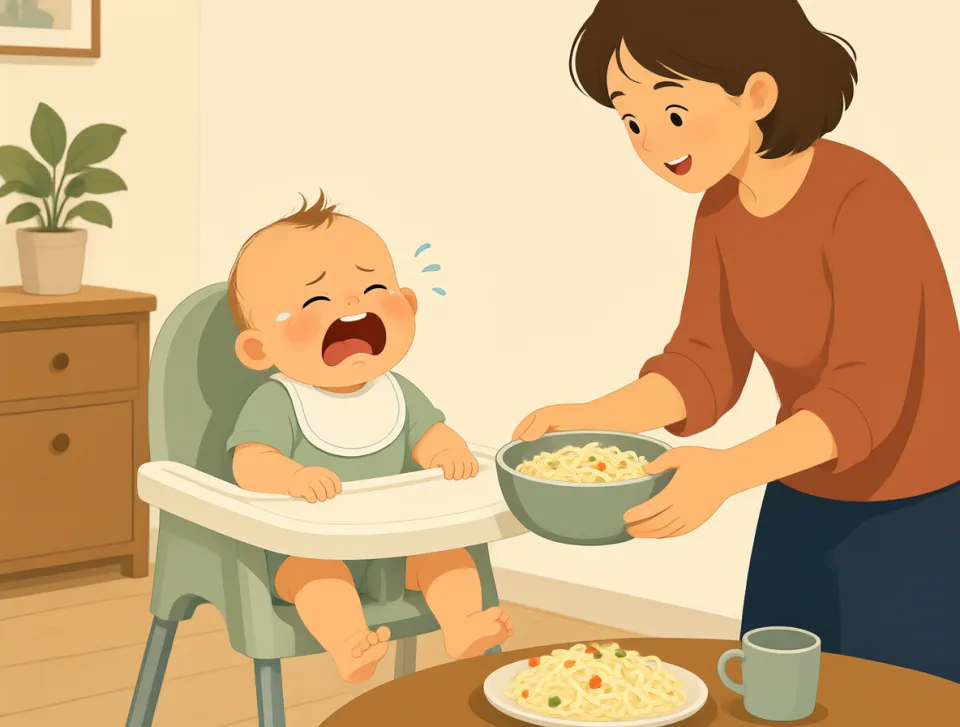
The baby is crying because it is hungry.
Bebek ağlıyor çünkü aç.
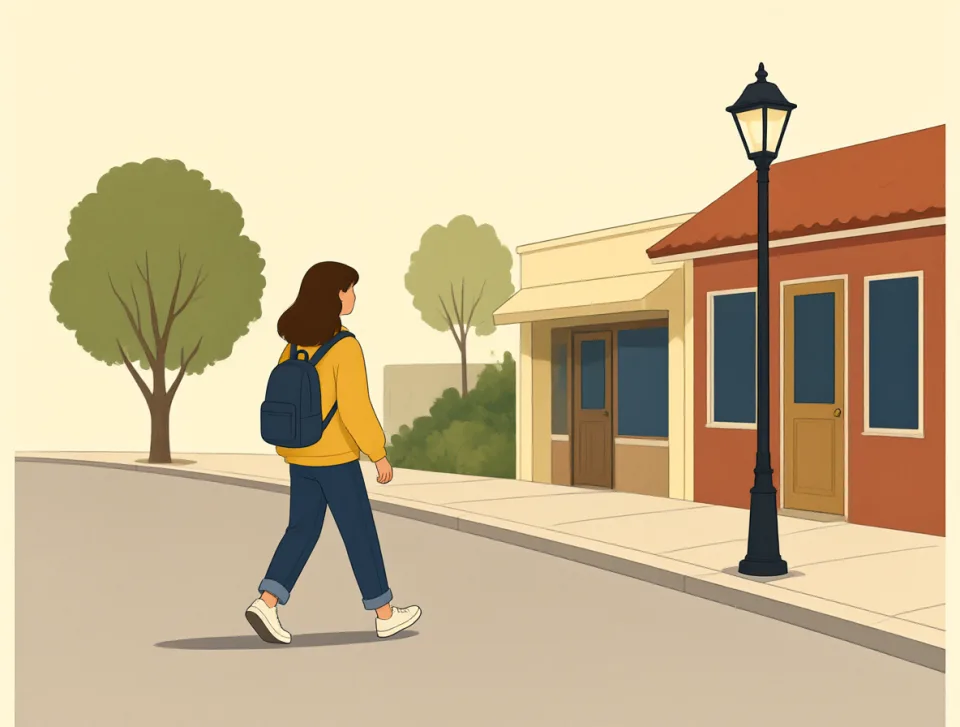
It takes ten minutes to walk there.
Oraya yürümek on dakika sürüyor.
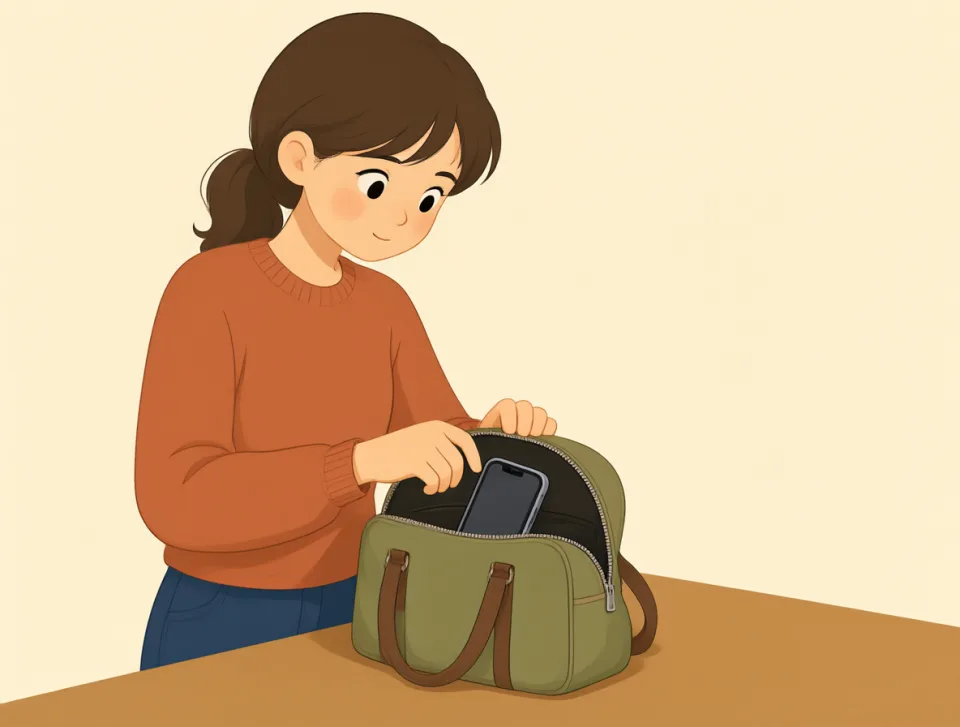
I found my phone and put it in my bag.
Telefonumu buldum ve çantama koydum.
you
#10pronoun
sen; siz
The person or people being spoken to.
Kendisiyle konuşulan kişi veya kişiler.
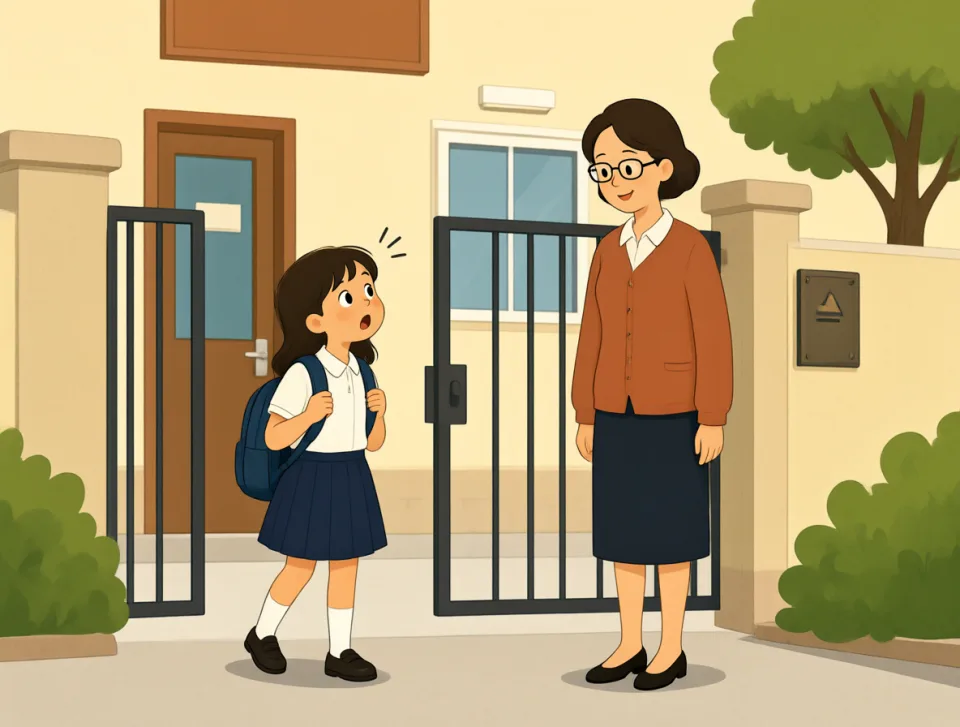
You are late for school today.
Bugün okula geç kaldın.

Can I help you with that bag?
O çantayı taşımana yardım edebilir miyim?

Did you enjoy dinner with your friends?
Arkadaşlarınla akşam yemeğinden keyif aldın mı?

We will call you after work.
İşten sonra seni arayacağız.
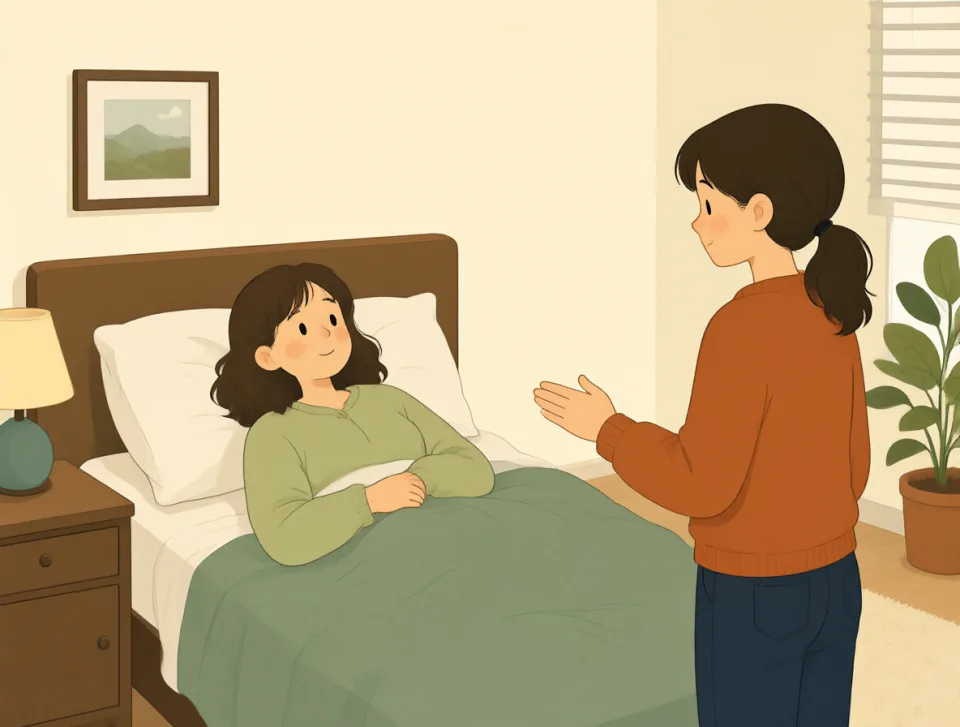
Are you feeling better today?
Bugün kendini daha iyi hissediyor musun?
he
#11pronoun
o
A word used for one male person already mentioned or known.
Daha önce adı geçen veya kim olduğu bilinen bir erkekten söz ederken kullanılan sözcük.
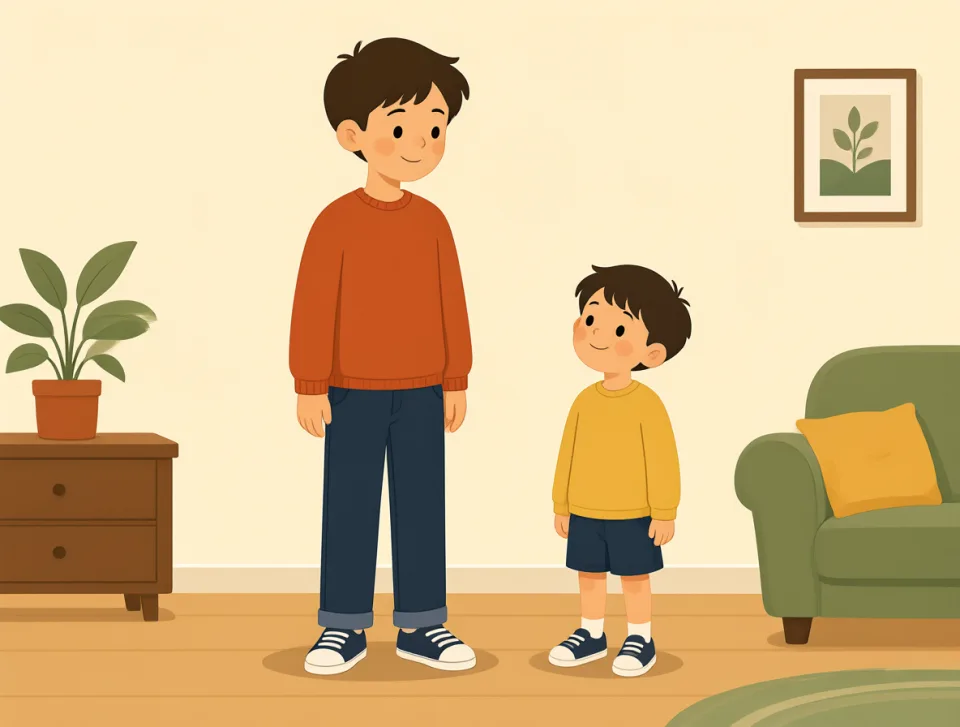
He is my brother.
O benim erkek kardeşim.

He works at a small shop.
Küçük bir dükkânda çalışıyor.
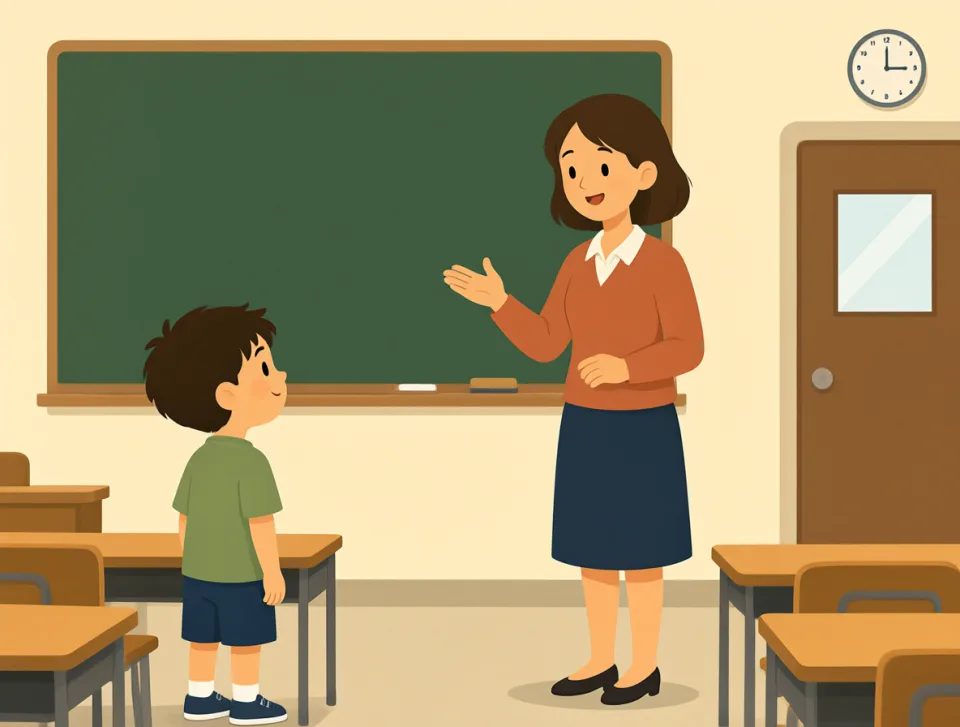
The teacher said he was late.
Öğretmen onun geç kaldığını söyledi.

He bought bread at the market.
Marketten ekmek aldı.
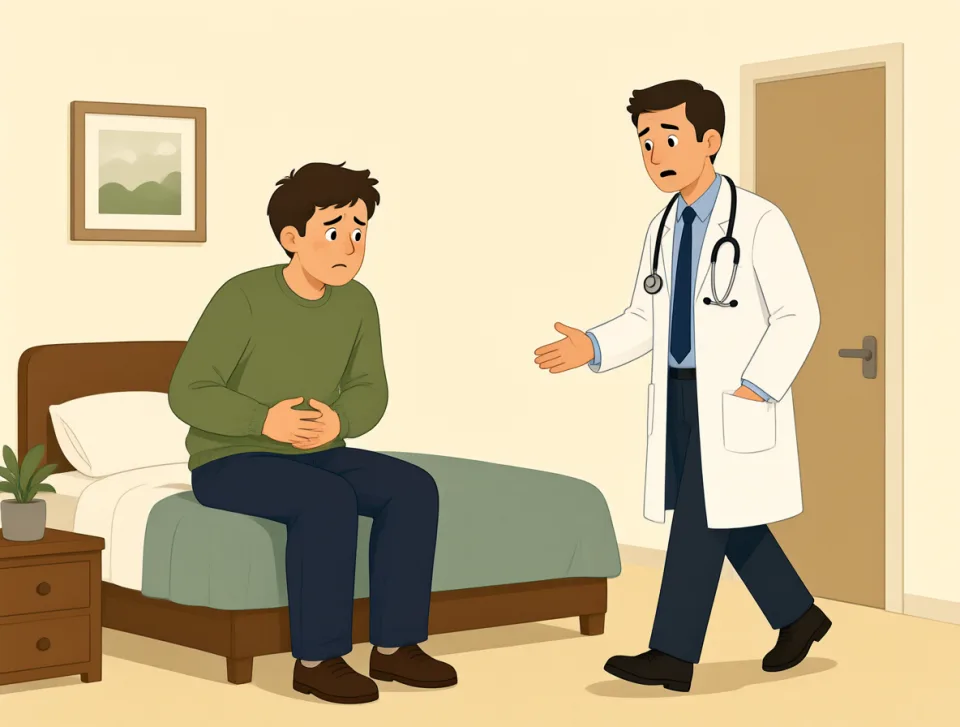
He feels sick and needs a doctor.
Kendini hasta hissediyor ve doktora gitmesi gerekiyor.

for
#12preposition, conjunction
için
Used to show purpose, time, reason, or who receives something.
Amaç, zaman, neden veya bir şeyin kime verildiğini belirtmek için kullanılır.
This gift is for my sister.
Bu hediye kız kardeşim için.
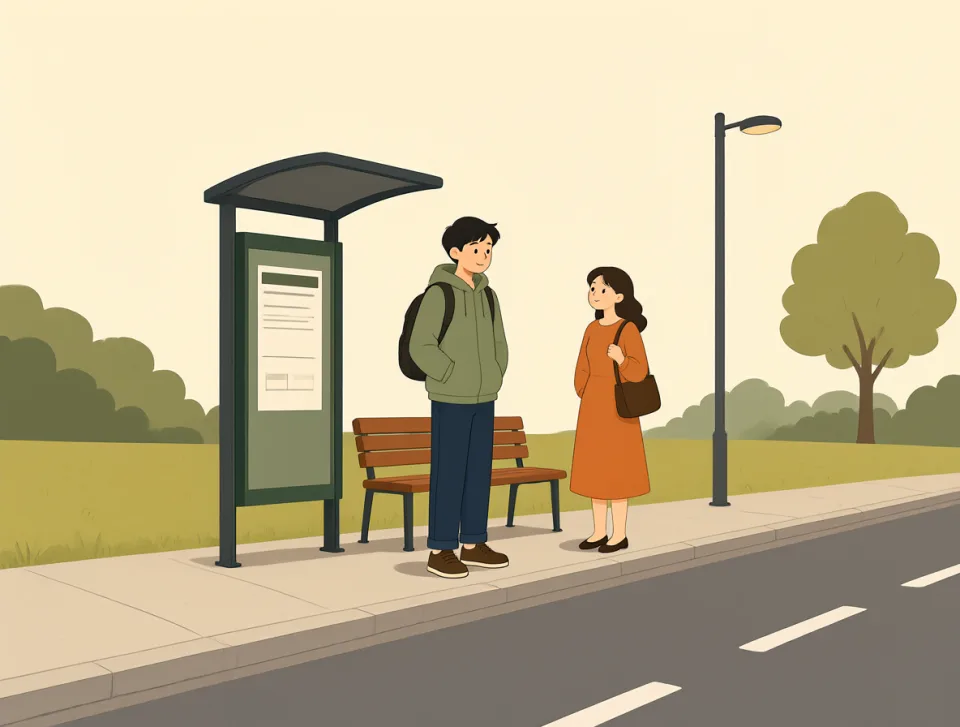
We waited for the bus.
Otobüsü bekledik.

I bought some apples for lunch.
Öğle yemeği için biraz elma aldım.

She studied for two hours.
İki saat ders çalıştı.
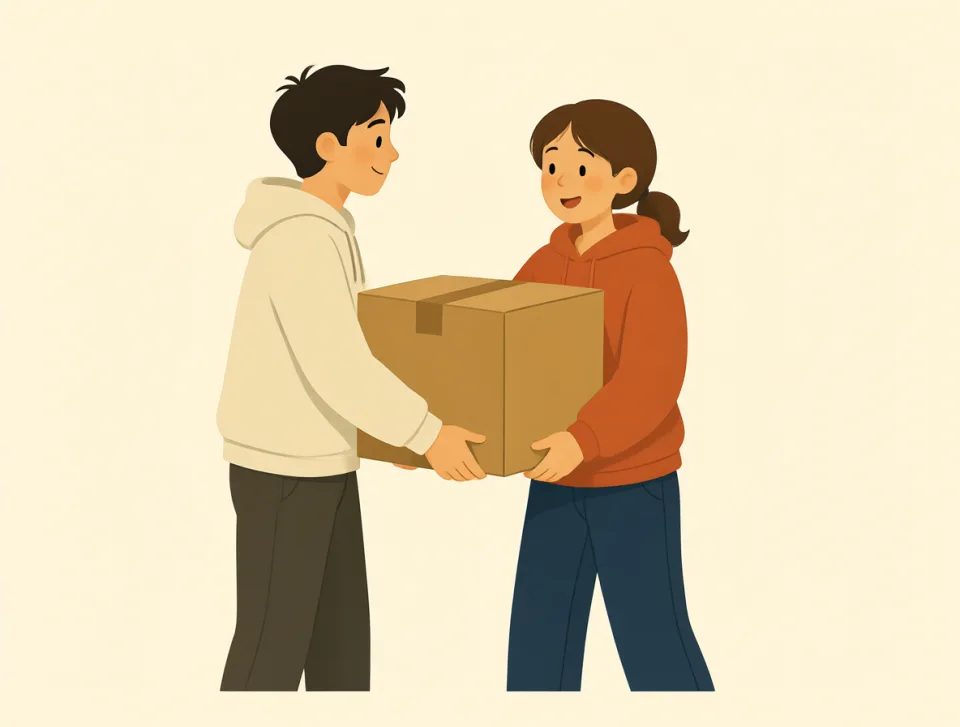
Thank you for helping me.
Bana yardım ettiğin için teşekkür ederim.

they
#13pronoun
onlar
Used to talk about two or more people, animals, or things.
İki veya daha fazla kişi, hayvan ya da şeyden söz ederken kullanılır.
They live in a small house.
Küçük bir evde yaşıyorlar.

They are waiting for the bus.
Otobüsü bekliyorlar.
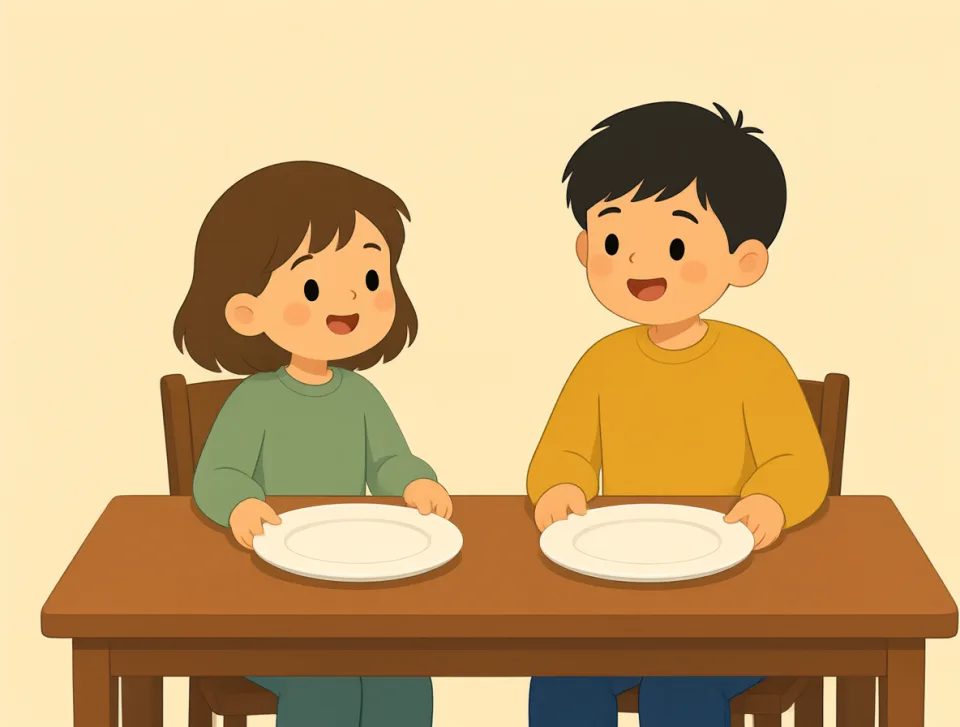
The children said they were hungry.
Çocuklar acıktıklarını söyledi.

I saw them at the store.
Onları mağazada gördüm.

They helped me carry my bags.
Çantalarımı taşımama yardım ettiler.
not
#14adverb
değil
Used to make a verb or adjective negative.
Bir fiili veya sıfatı olumsuz yapmak için kullanılır.
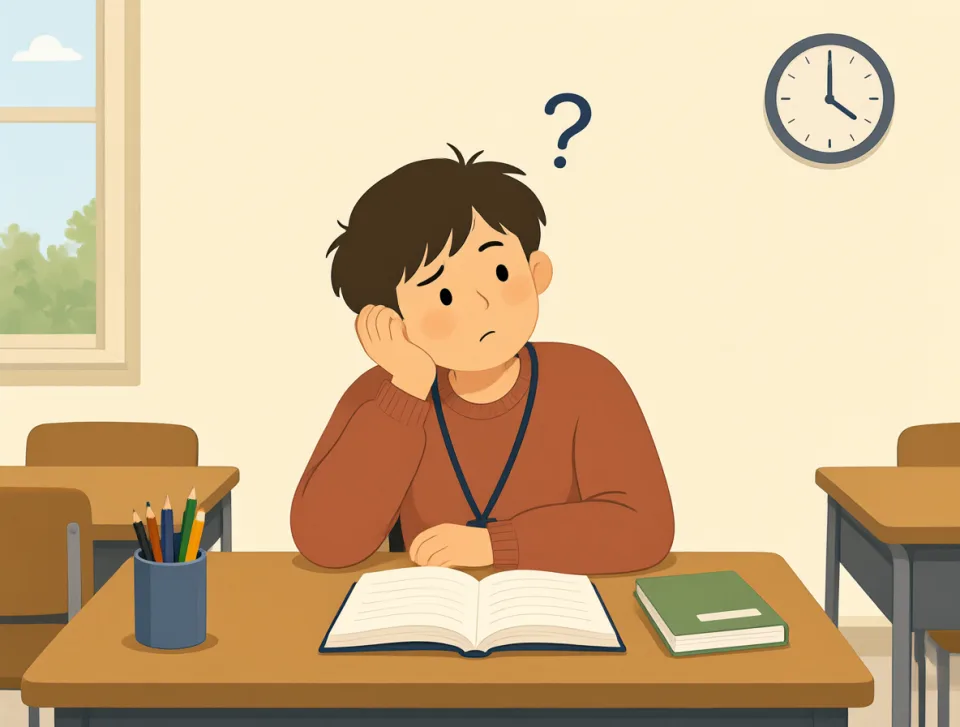
I do not understand this question.
Bu soruyu anlamıyorum.
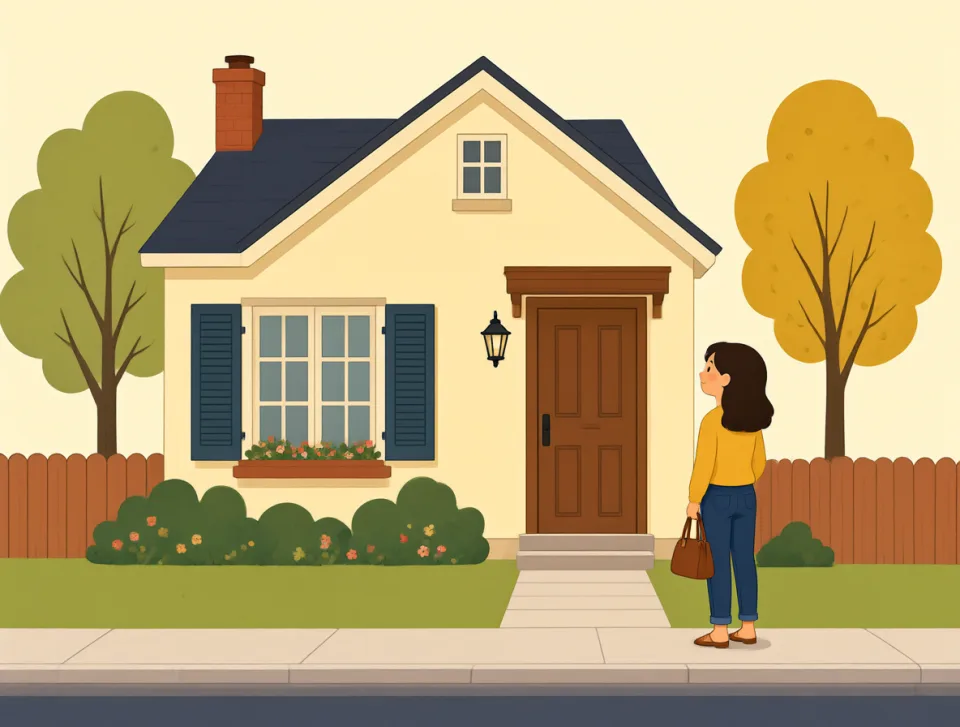
She is not at home today.
Bugün evde değil.

We are not ready to leave yet.
Henüz gitmeye hazır değiliz.

He did not eat breakfast this morning.
Bu sabah kahvaltı yapmadı.
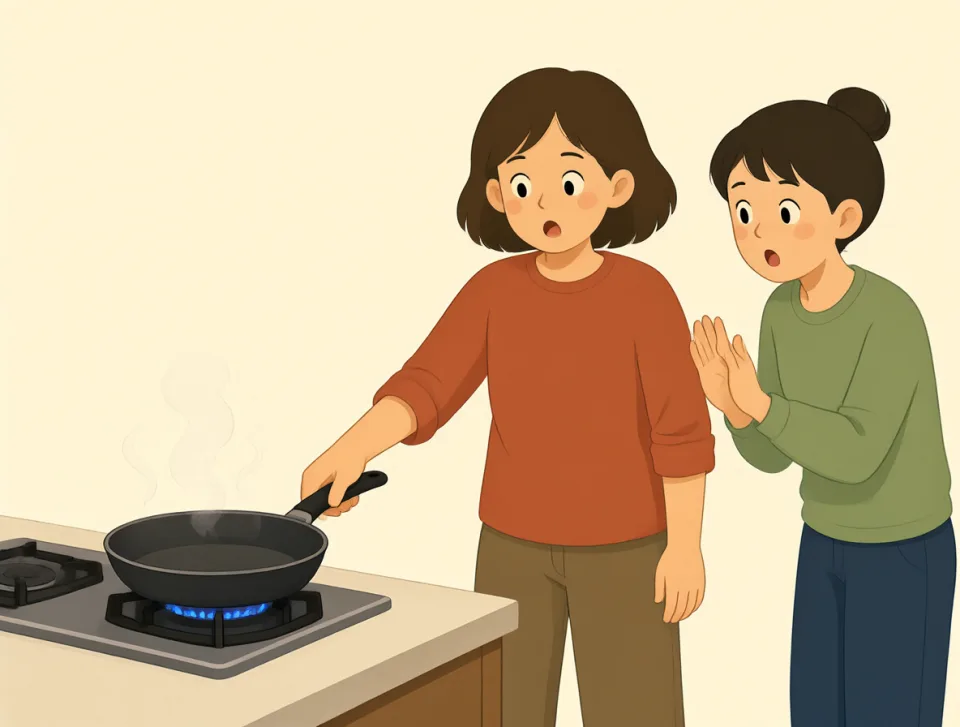
Please do not touch the hot pan.
Lütfen sıcak tavaya dokunmayın.

that
#15determiner, pronoun, conjunction, adverb
şu; o; -diğini
Used to point to something or introduce information after a verb.
Bir şeyi işaret etmek veya fiilden sonra bilgi sunmak için kullanılır.
That book on the table is mine.
Masanın üzerindeki şu kitap benim.
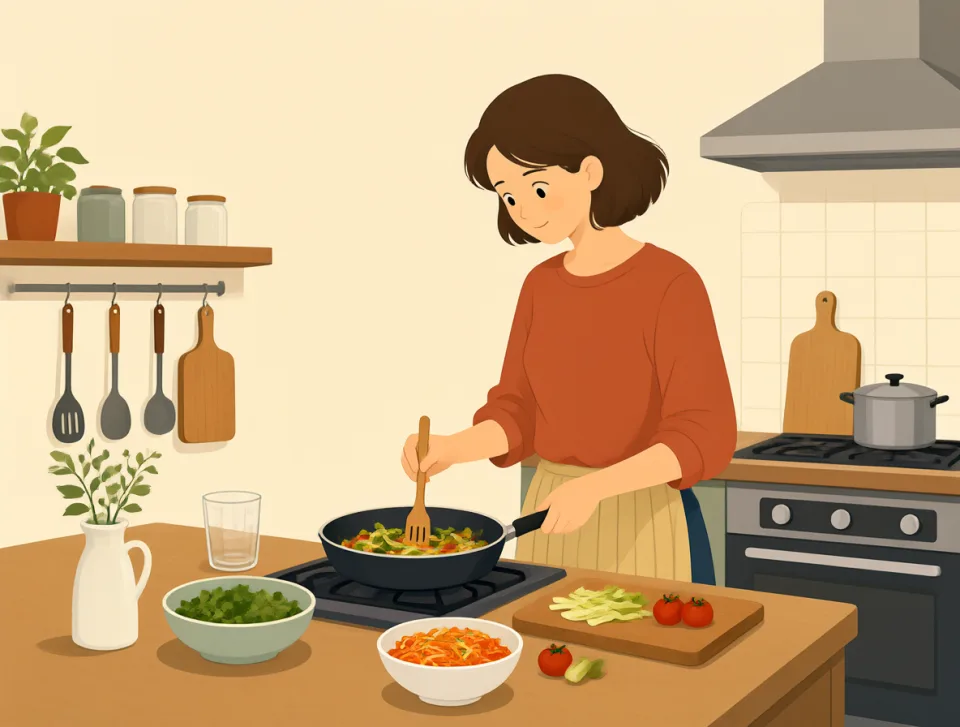
I think that dinner is ready.
Sanırım akşam yemeği hazır.

The shoes that I bought fit well.
Aldığım ayakkabılar ayağıma iyi oldu.
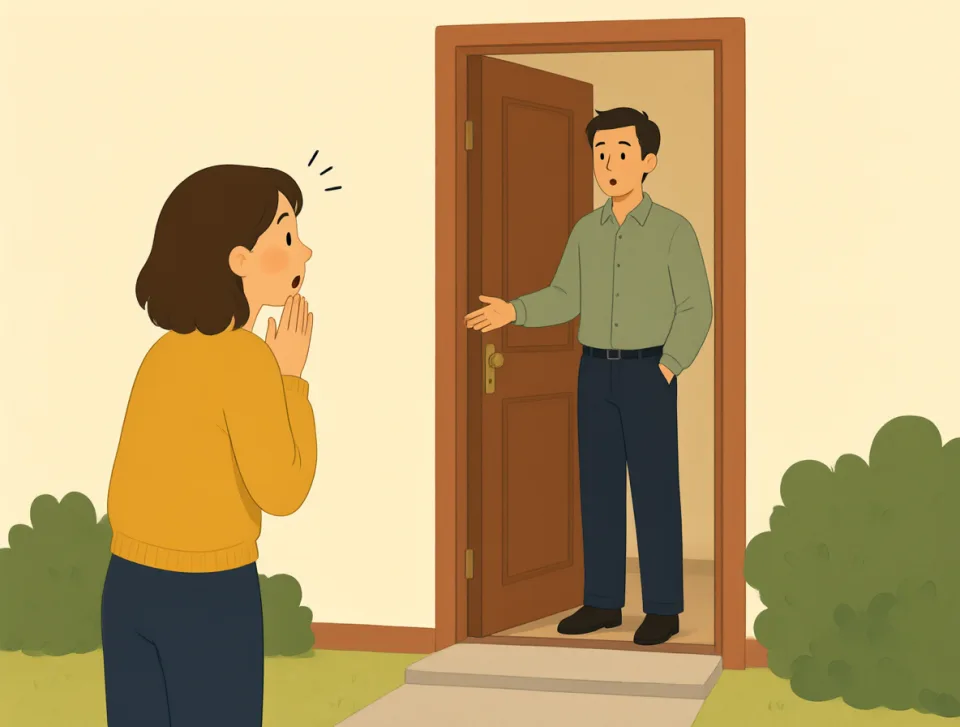
Who is that man at the door?
Kapıdaki adam kim?

It was not that expensive.
O kadar pahalı değildi.

we
#16pronoun
biz
Used by a speaker to mean the speaker and one or more other people.
Konuşan kişinin kendisini ve bir ya da daha fazla kişiyi ifade etmek için kullandığı zamir.
We live in a small apartment.
Küçük bir dairede yaşıyoruz.

We are learning English at school.
Okulda İngilizce öğreniyoruz.
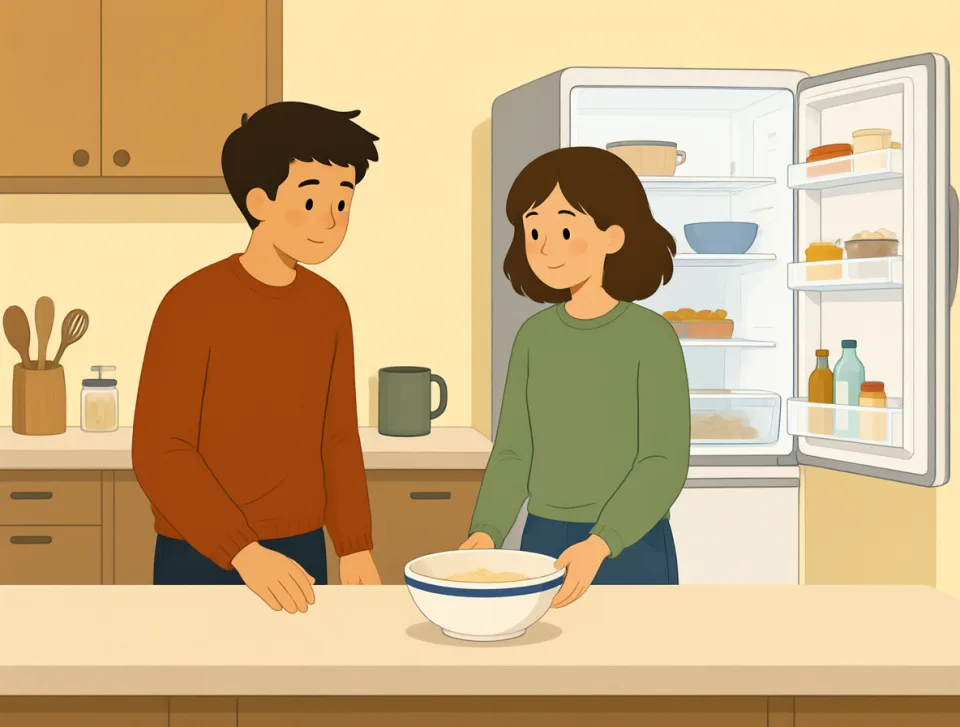
We need some milk for breakfast.
Kahvaltı için biraz süte ihtiyacımız var.

We went to the beach last weekend.
Geçen hafta sonu plaja gittik.

We feel better after taking the medicine.
İlacı aldıktan sonra kendimizi daha iyi hissediyoruz.
on
#17adverb, preposition, adjective
-de/-da; üzerinde; açık
Used to show position, time, connection, or that something is working.
Bir konumu, zamanı ya da bağlantıyı belirtmek veya bir şeyin çalışır durumda olduğunu ifade etmek için kullanılır.
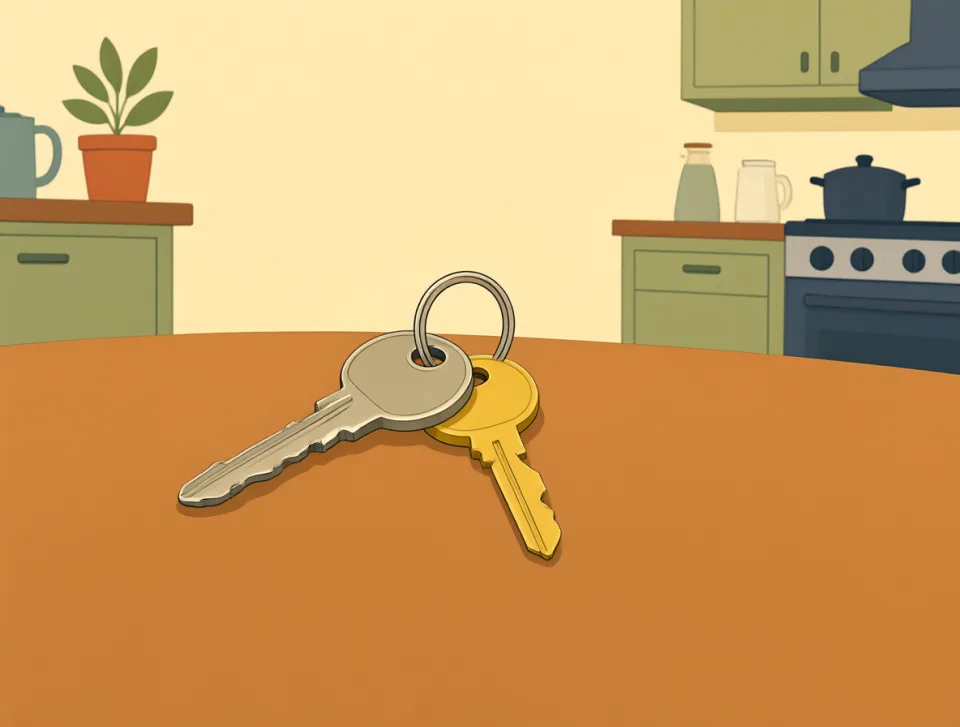
The keys are on the table.
Anahtarlar masanın üzerinde.

We have a meeting on Monday.
Pazartesi günü toplantımız var.
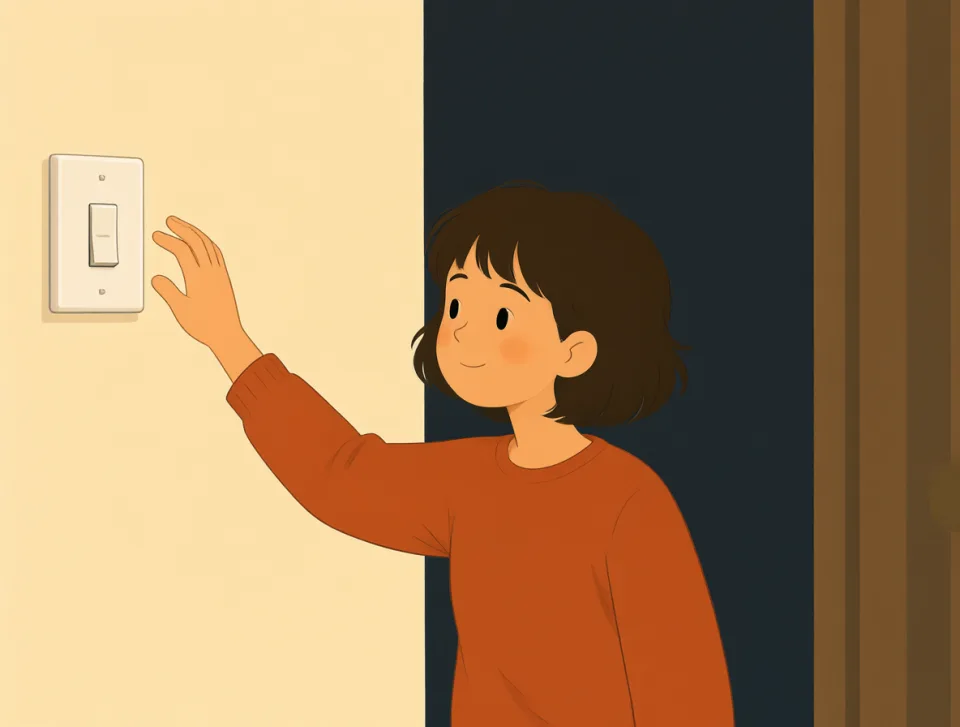
Please turn on the light.
Lütfen ışığı aç.

She is on the bus to school.
Okula giden otobüste.

I tried on these shoes at the store.
Mağazada bu ayakkabıları denedim.

with
#18preposition
ile
together with someone or something; having or using someone or something
Bir kişiyle ya da şeyle birlikte olmayı veya bir kişiye ya da şeye sahip olmayı ya da onu kullanmayı ifade eder.
I went to the park with my sister.
Kız kardeşimle parka gittim.

She opened the box with a knife.
Kutuyu bıçakla açtı.

The man with the blue bag is my teacher.
Mavi çantalı adam benim öğretmenim.

Would you like coffee with your breakfast?
Kahvaltının yanında kahve ister misiniz?

He is sick with a bad cold.
Şiddetli bir soğuk algınlığı nedeniyle hasta.
this
#19determiner, pronoun, adverb
bu
Used to talk about one person, thing, or place near you or now.
Yakındaki ya da şu andaki bir kişiden, şeyden veya yerden söz etmek için kullanılır.
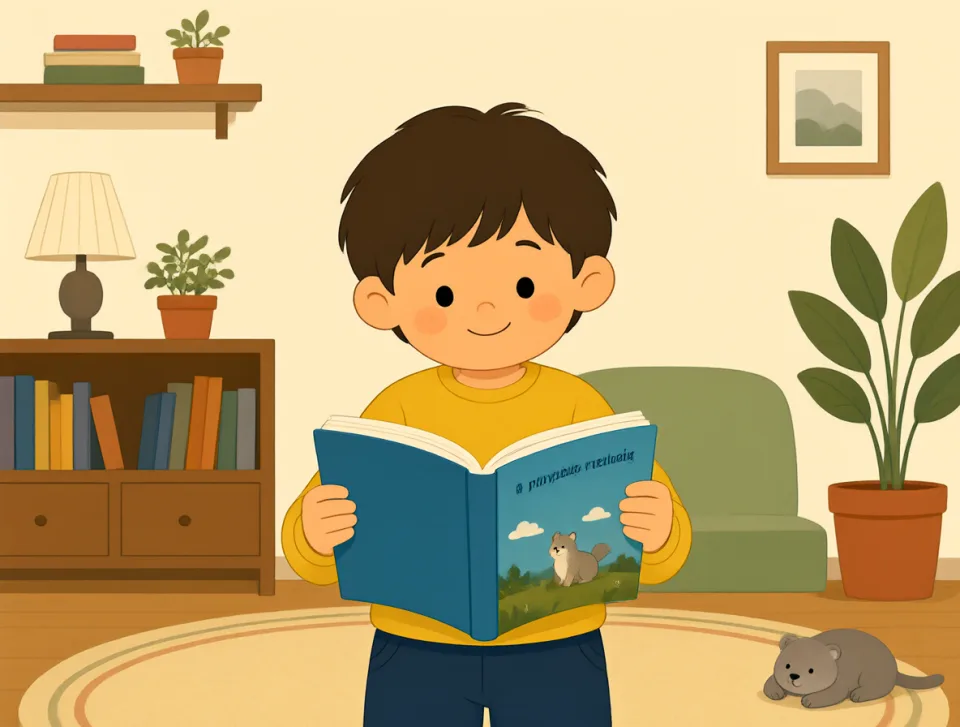
This is my favorite book.
Bu benim en sevdiğim kitap.
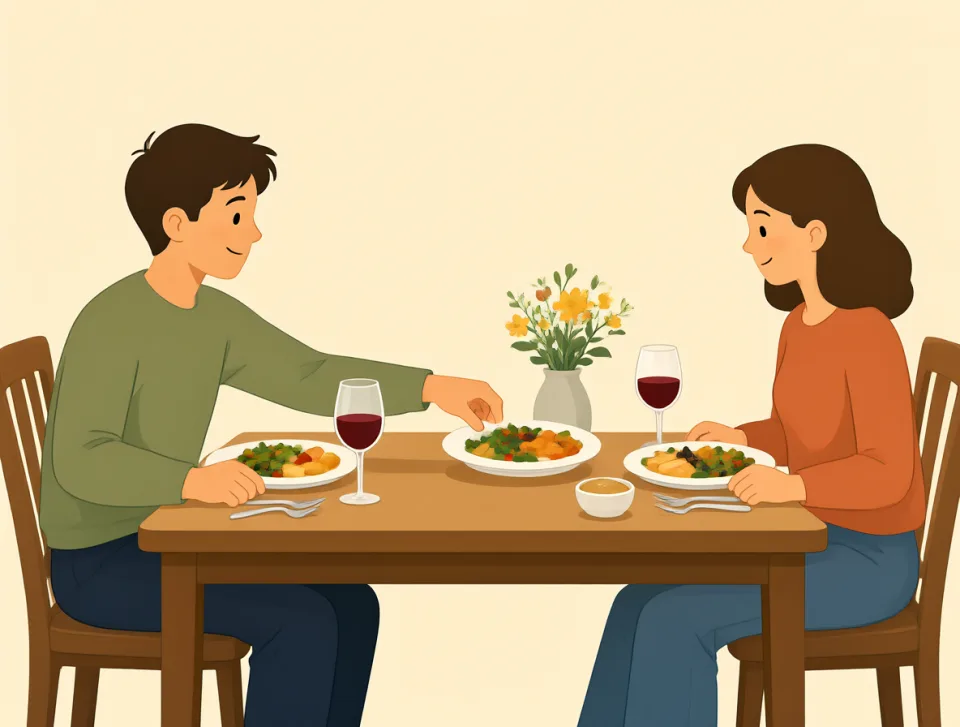
Could you pass me this plate?
Şu tabağı bana uzatır mısın?

I bought this shirt yesterday.
Bu gömleği dün aldım.
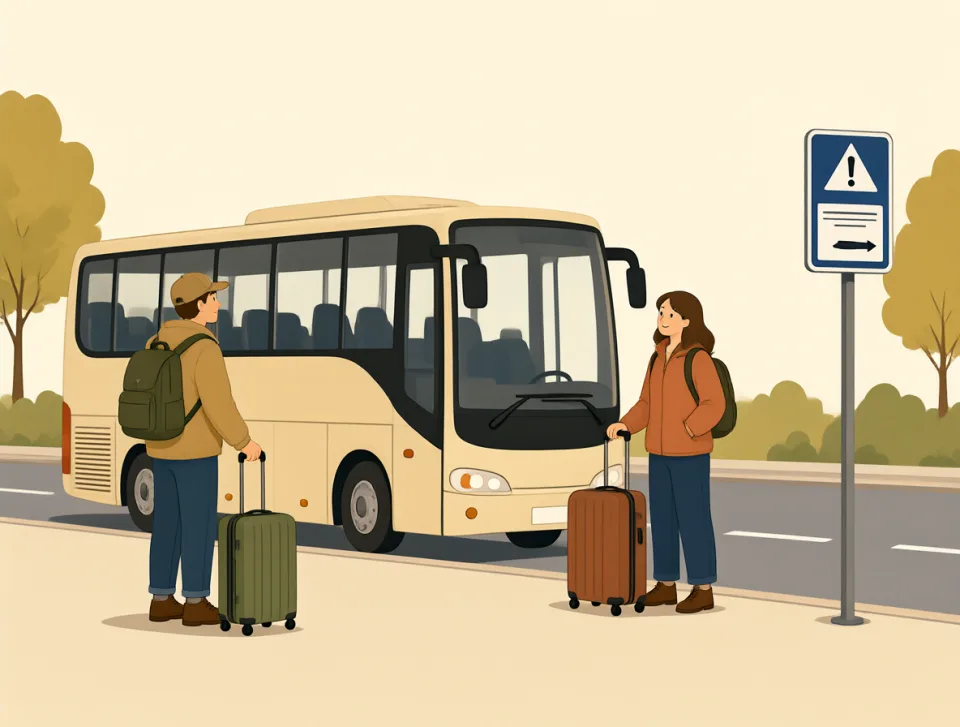
This is where we get off.
İneceğimiz yer burası.

This cake tastes really good.
Bu kekin tadı gerçekten çok güzel.
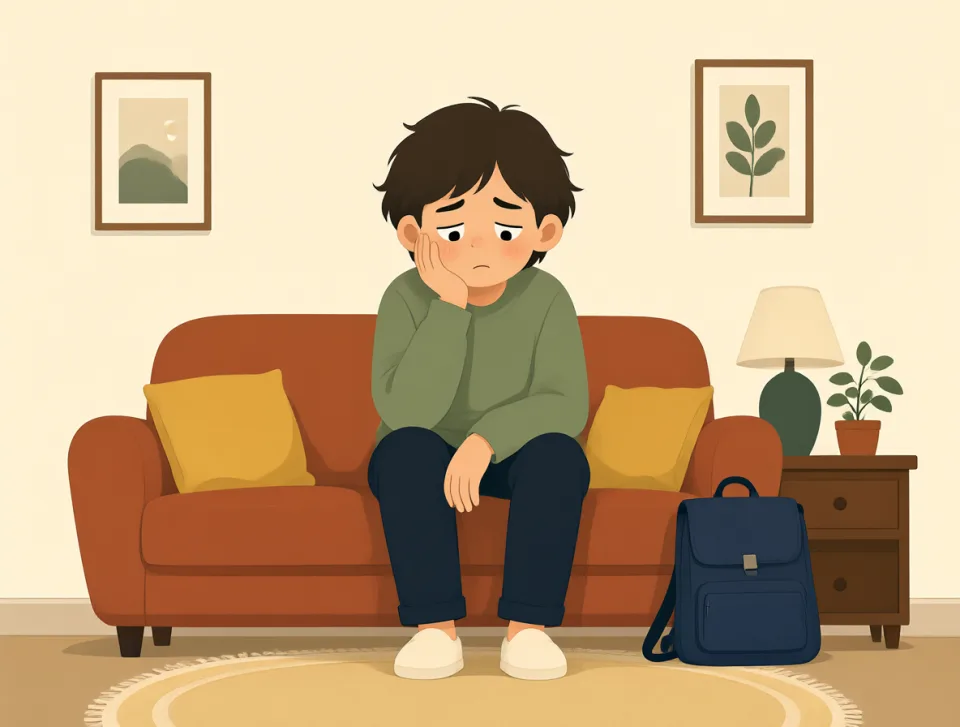
I
#20pronoun
ben
The pronoun used for the person speaking or writing.
Konuşan ya da yazan kişiyi ifade eden zamir.
I am tired after work today.
Bugün işten sonra yorgunum.

I have a sister in London.
Londra'da bir kız kardeşim var.

I like coffee with breakfast.
Kahvaltıda kahve içmeyi severim.
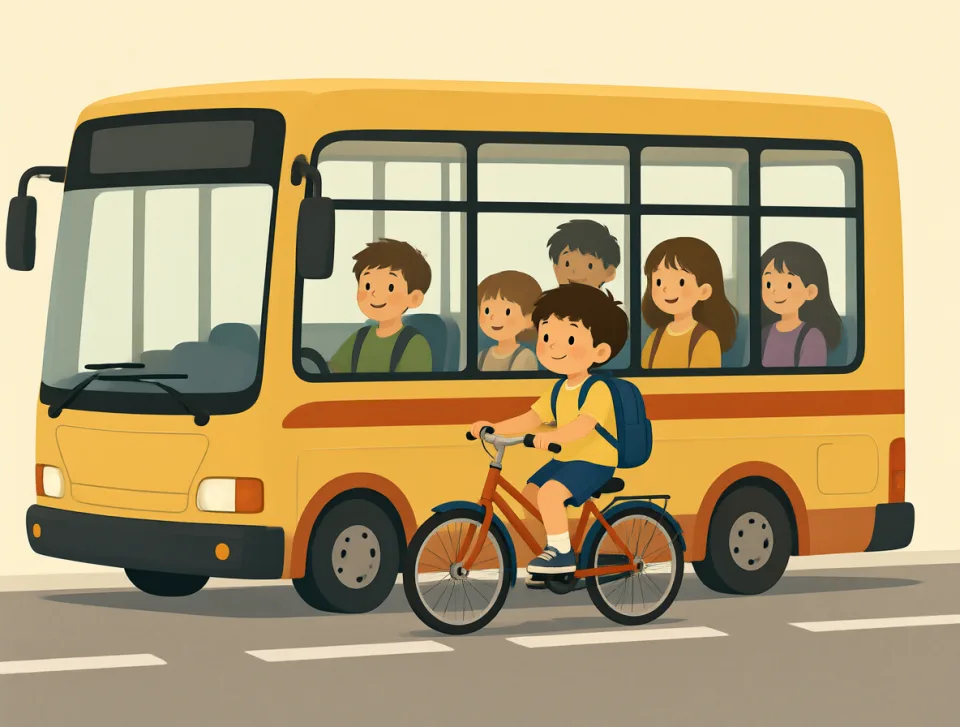
I went to school by bus.
Okula otobüsle gittim.

Can I help you with dinner?
Akşam yemeğini hazırlamana yardım edebilir miyim?