Блок 1
Слова 1–20 · the, be, and, of, to, a

the
#1determiner
определённый артикль
Used before a noun to show that it is known, specific, or the only one.
Ставится перед существительным, чтобы показать, что речь идёт о чём-то известном, конкретном или единственном в своём роде.
The keys are on the kitchen table.
Ключи лежат на кухонном столе.
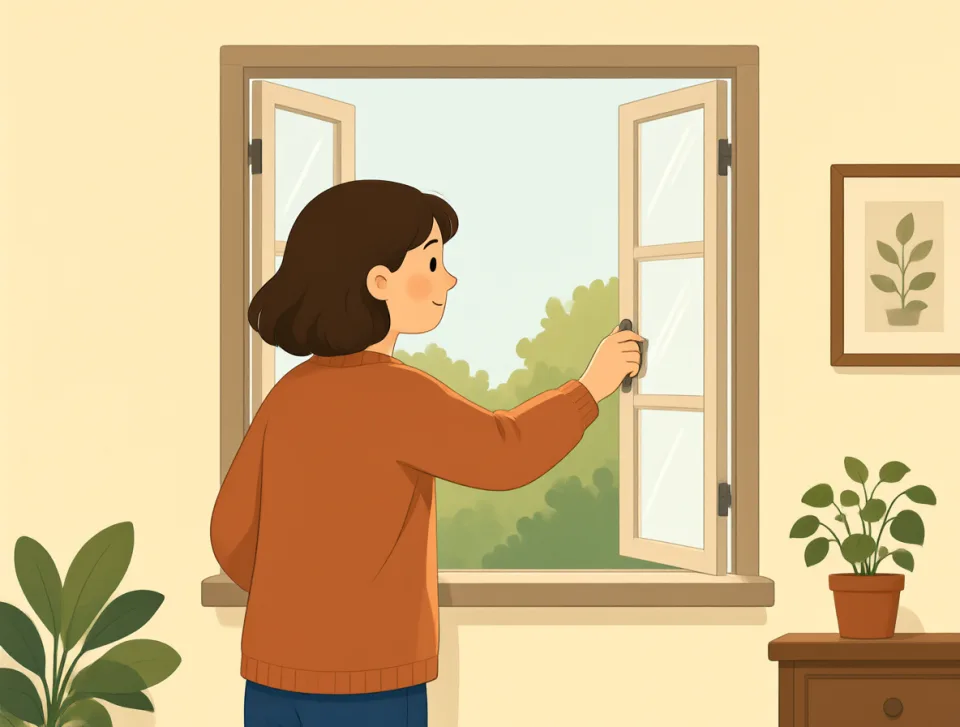
Please close the window before you leave.
Пожалуйста, закрой окно перед уходом.

We took the bus to school this morning.
Сегодня утром мы поехали в школу на автобусе.
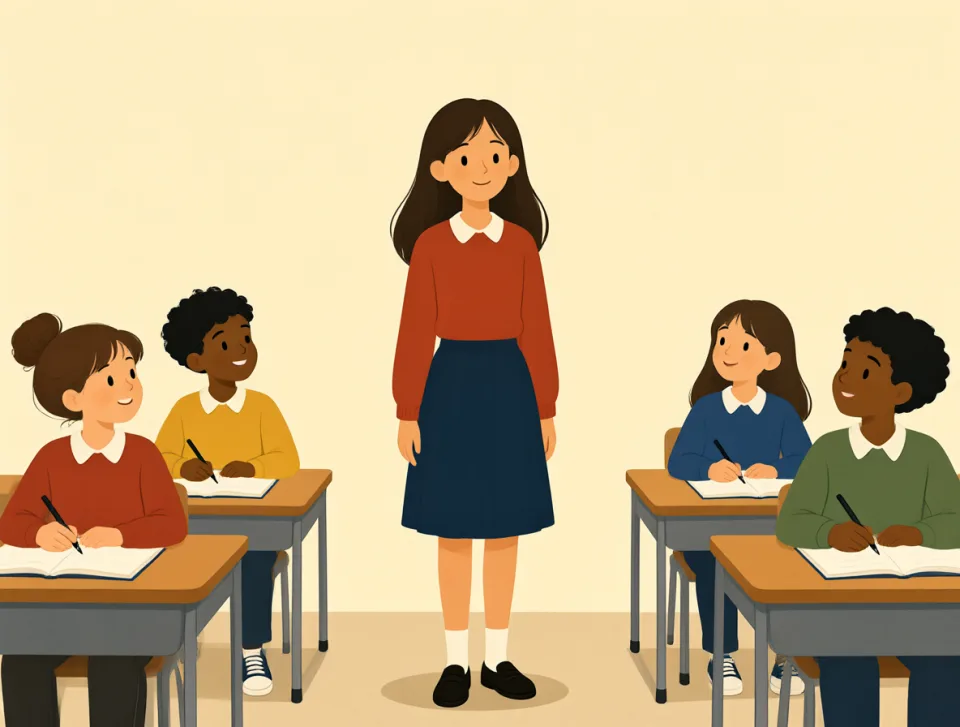
She is the tallest girl in her class.
Она самая высокая девочка в своём классе.

The sun is shining, so let's eat outside.
Светит солнце, так что давай поедим на улице.

be
#2verb
быть
to exist, happen, or have a particular quality, identity, or location
Существовать, происходить или обладать определённым качеством, быть кем-либо или находиться где-либо.
I am tired after work today.
Сегодня я устал после работы.

She is a teacher at our school.
Она учительница в нашей школе.
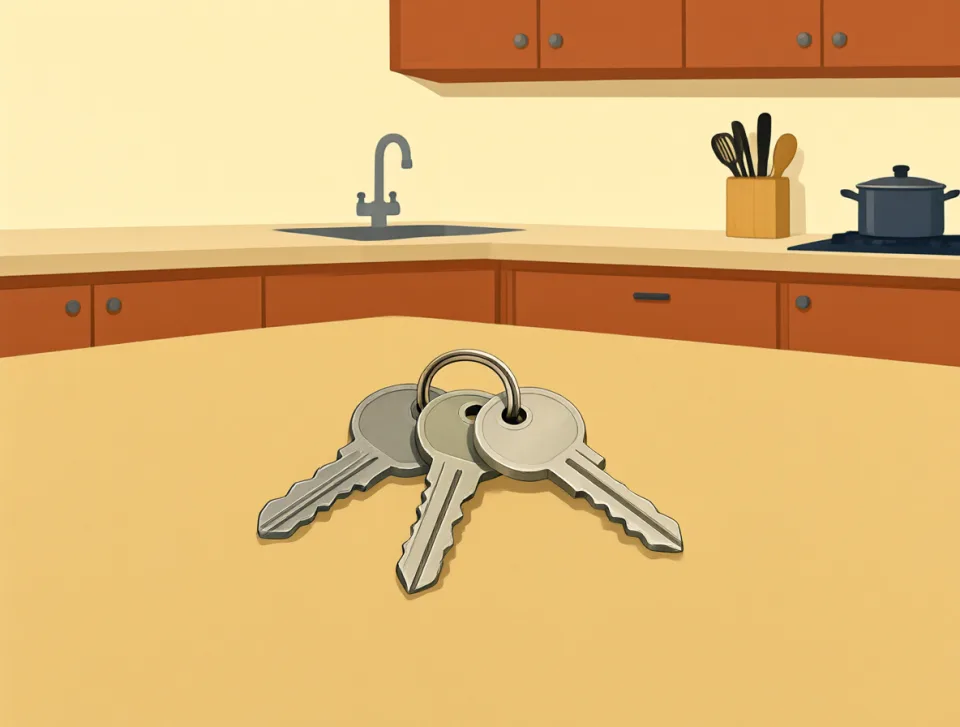
The keys are on the kitchen table.
Ключи лежат на кухонном столе.

We were late for the train.
Мы опоздали на поезд.

Dinner is ready, so please come in.
Ужин готов, заходите, пожалуйста.

and
#3conjunction
и
Used to join words, phrases, or sentences that go together.
Соединяет слова, фразы или предложения, которые связаны между собой.
Tom and Anna work in the same office.
Том и Анна работают в одном офисе.

I bought apples and oranges at the market.
Я купил на рынке яблоки и апельсины.
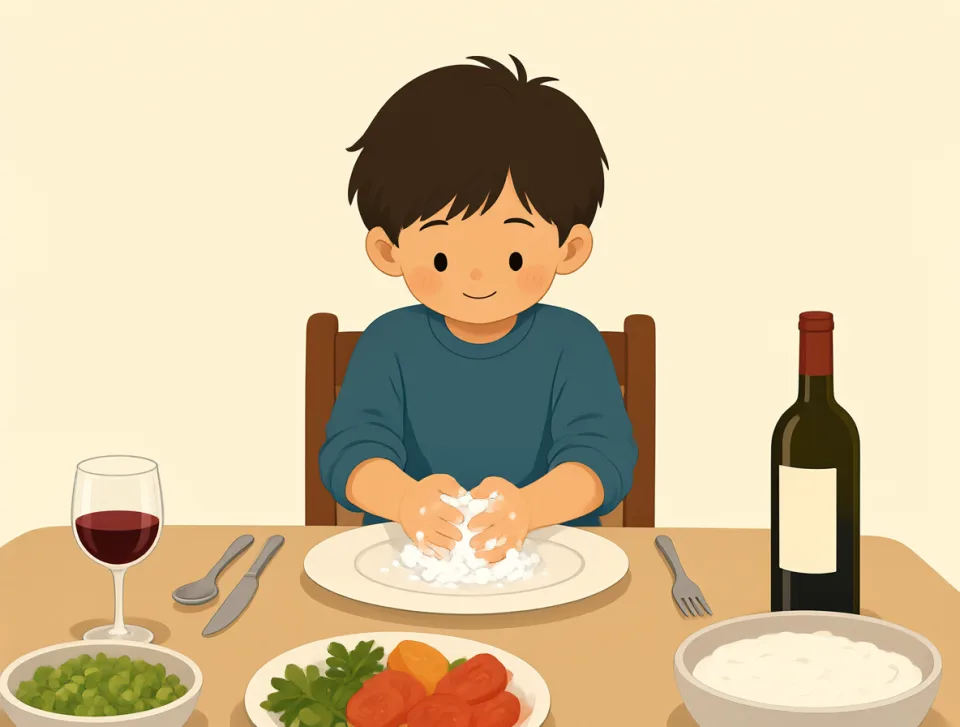
Please wash your hands and eat dinner.
Пожалуйста, вымой руки и садись ужинать.

We took a bus and visited the museum.
Мы поехали на автобусе и посетили музей.
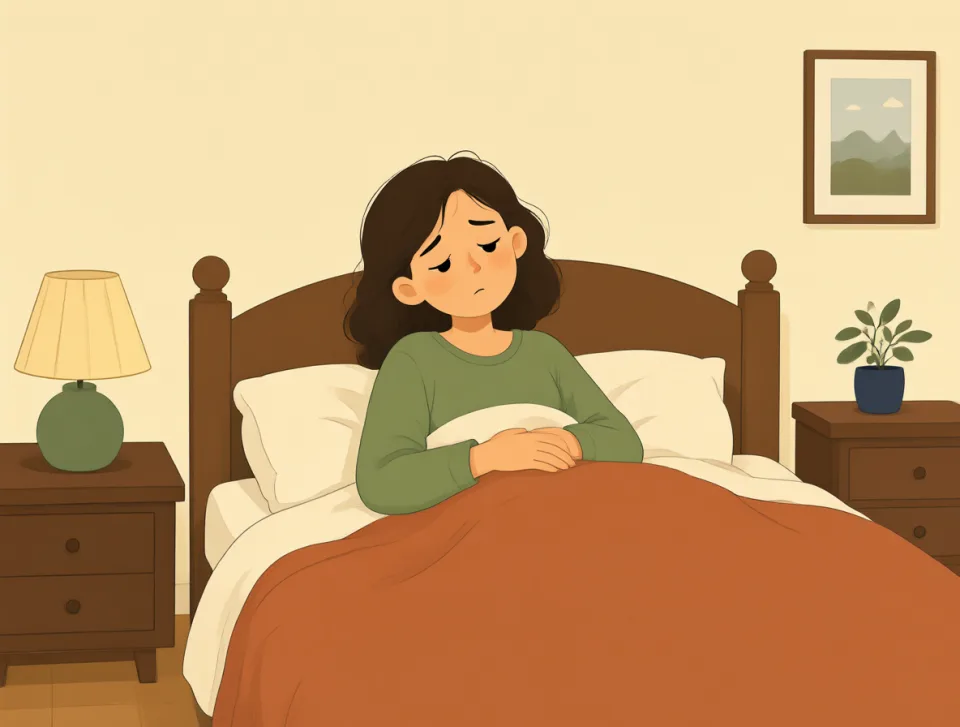
She was tired and went to bed early.
Она устала и рано легла спать.
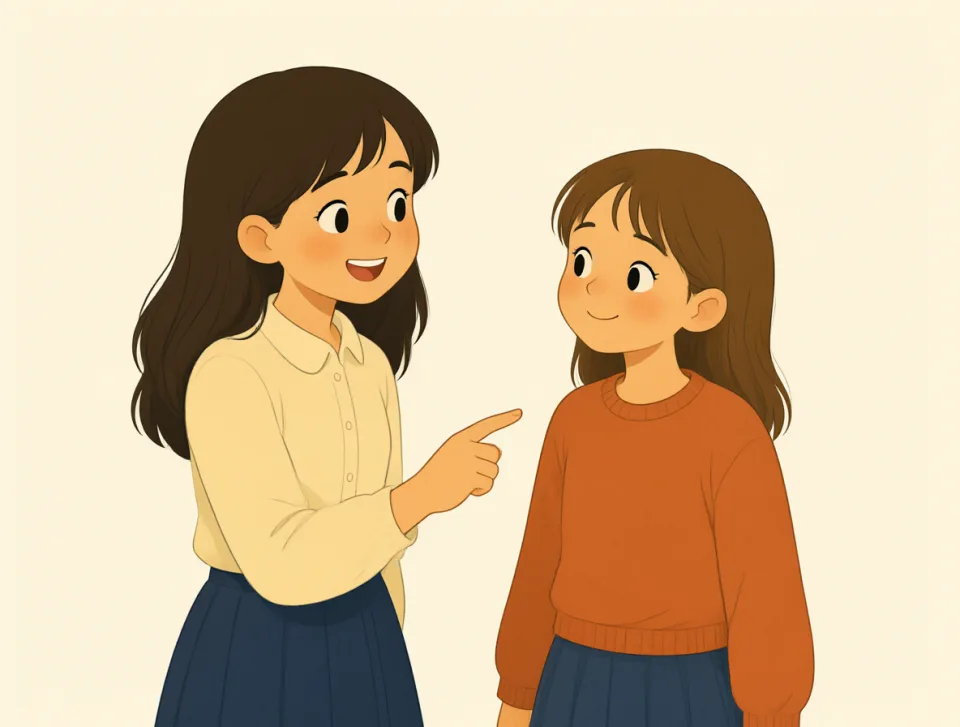
of
#4preposition, determiner
из; о; принадлежность
Used to show belonging, connection, amount, or what something contains.
Показывает принадлежность, связь, количество или то, что входит в состав чего-либо.
She is a friend of my sister.
Она подруга моей сестры.

I drank a glass of water.
Я выпил стакан воды.
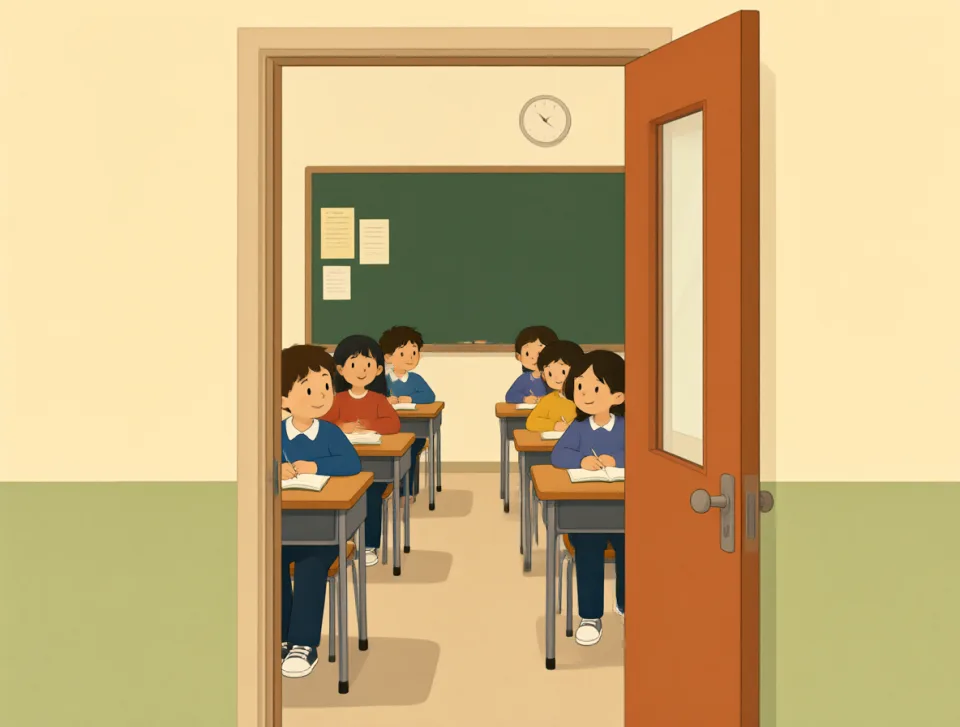
The door of the classroom is open.
Дверь классной комнаты открыта.

He bought a bag of apples.
Он купил пакет яблок.

We talked about the problems of travel.
Мы говорили о проблемах путешествий.

to
#5preposition, infinitive marker
в; к; чтобы
Used before a place, person, or verb to show direction, purpose, or an action.
Ставится перед обозначением места, человека или глаголом, чтобы показать направление, цель или действие.
I walk to school every morning.
Я каждое утро хожу в школу пешком.

Please give this book to Maria.
Пожалуйста, передайте эту книгу Марии.

We went to the market after work.
После работы мы пошли на рынок.

She wants to eat some soup.
Она хочет съесть супа.
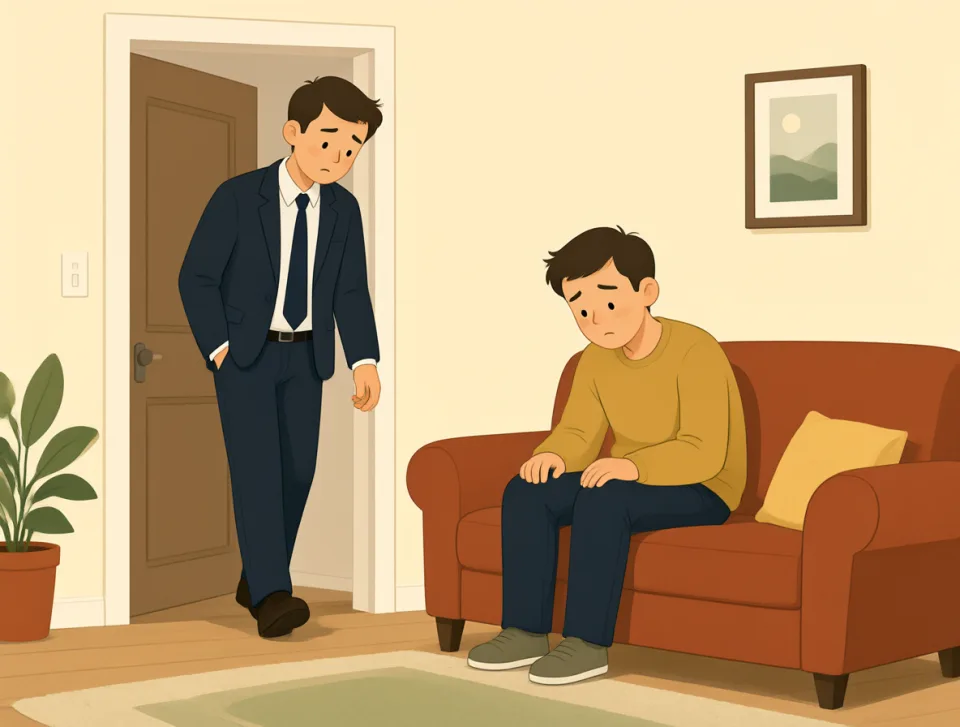
He came home to rest.
Он пришёл домой отдохнуть.
a
#6determiner, article
неопределённый артикль «a»
used before one singular countable noun when it is not specific
Употребляется перед одним исчисляемым существительным в единственном числе, если речь идёт о чём-то неспецифичном.
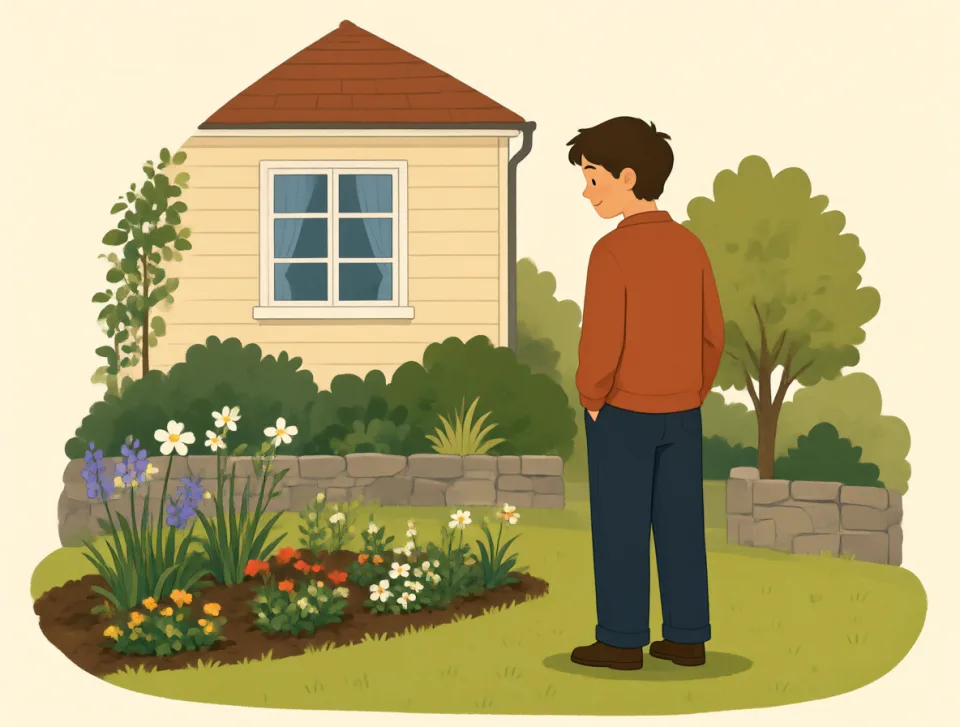
I have a small garden at home.
У меня дома есть небольшой сад.

She is a teacher at our school.
Она учительница в нашей школе.

We bought a ticket for the bus.
Мы купили билет на автобус.
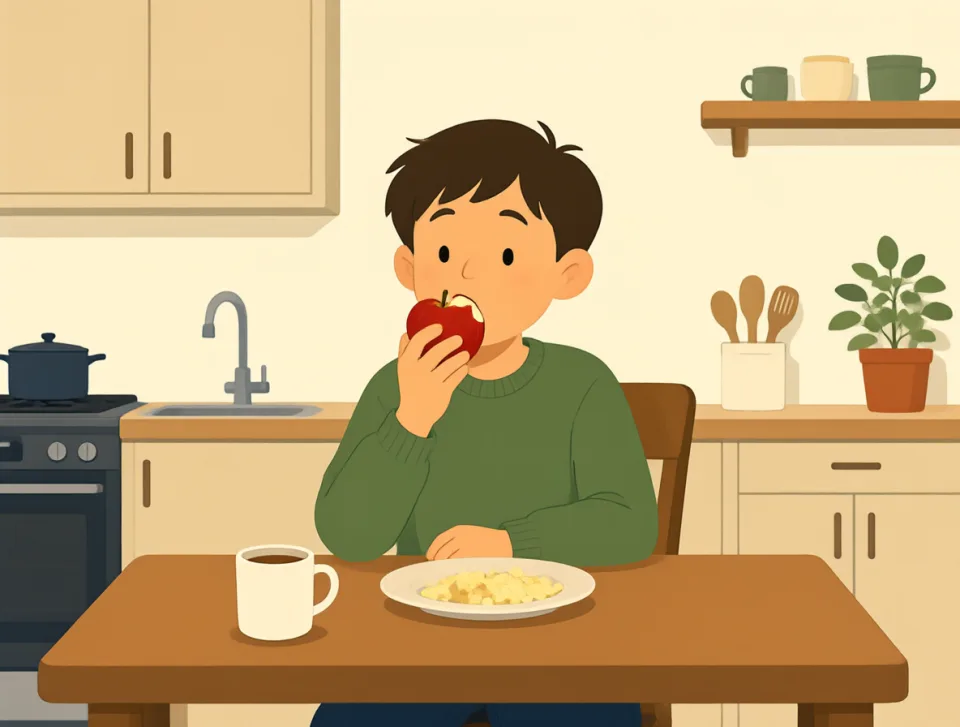
He eats an apple a day.
Он съедает по яблоку в день.

They stayed in a hotel near the beach.
Они остановились в отеле недалеко от пляжа.
in
#7preposition, adverb, adjective
в
Inside a place, area, time, situation, or group
Внутри места, пространства, периода времени, ситуации или группы.
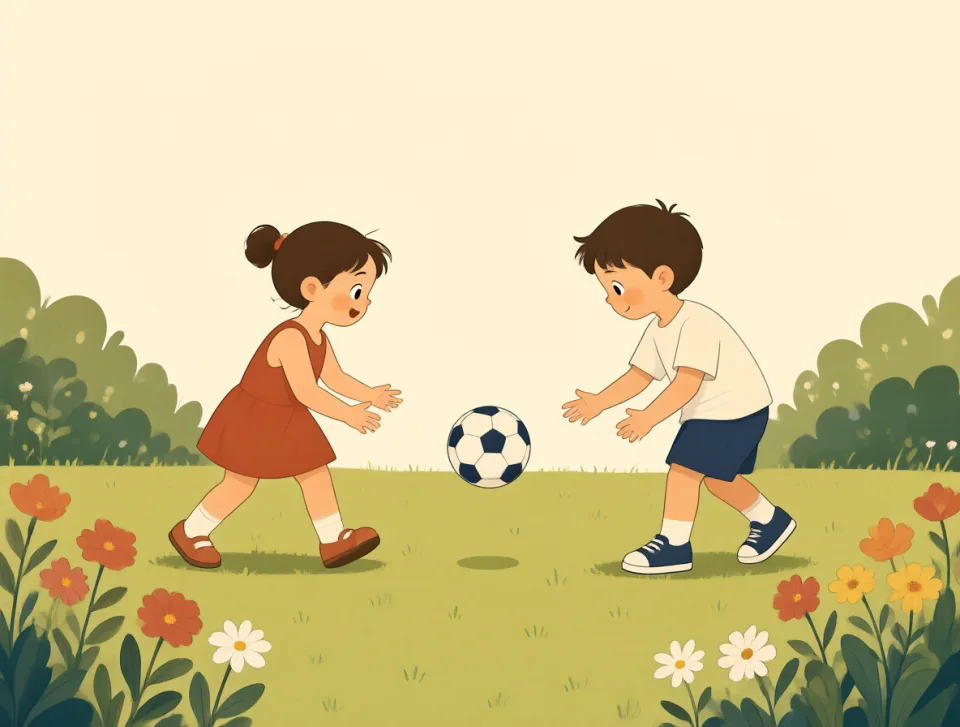
The children are playing in the garden.
Дети играют в саду.

I keep my keys in my bag.
Я храню ключи в сумке.
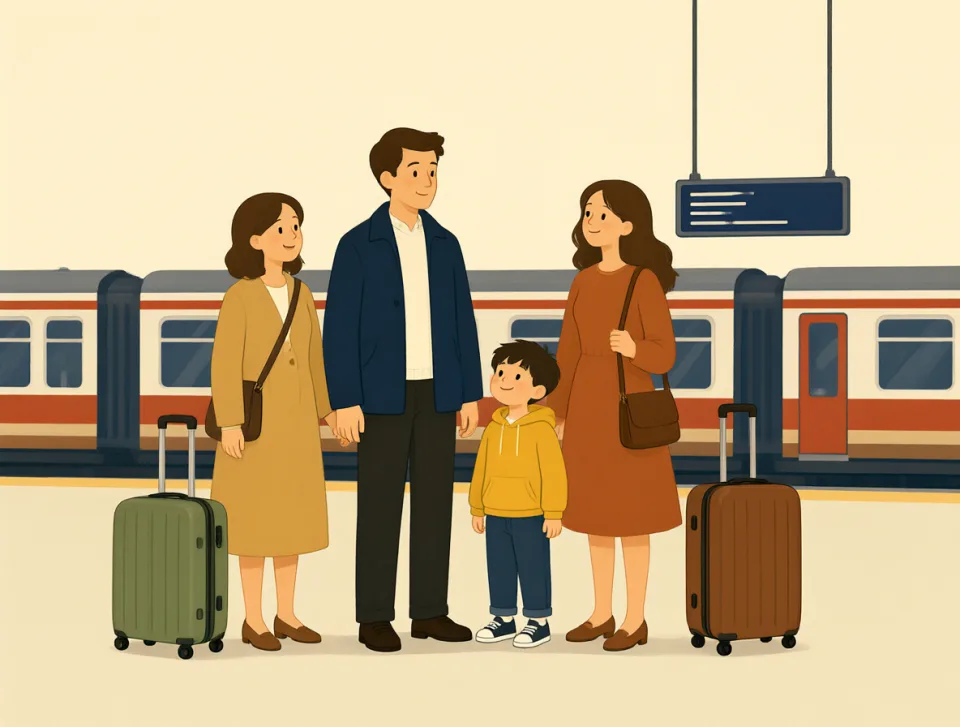
We arrived in London yesterday.
Вчера мы приехали в Лондон.

She is in the kitchen cooking dinner.
Она готовит ужин на кухне.
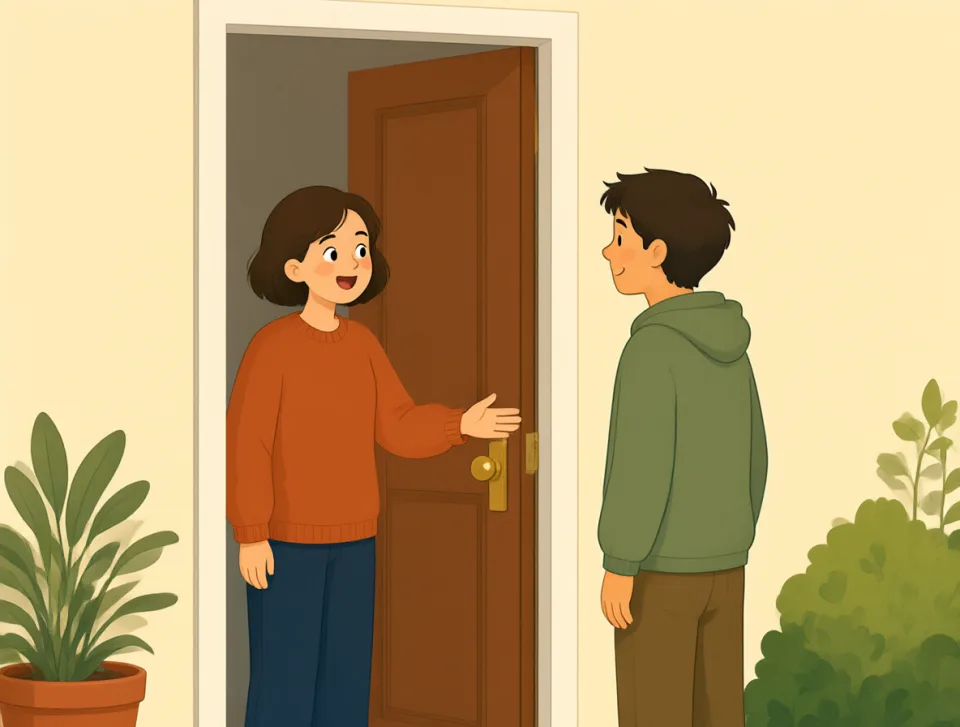
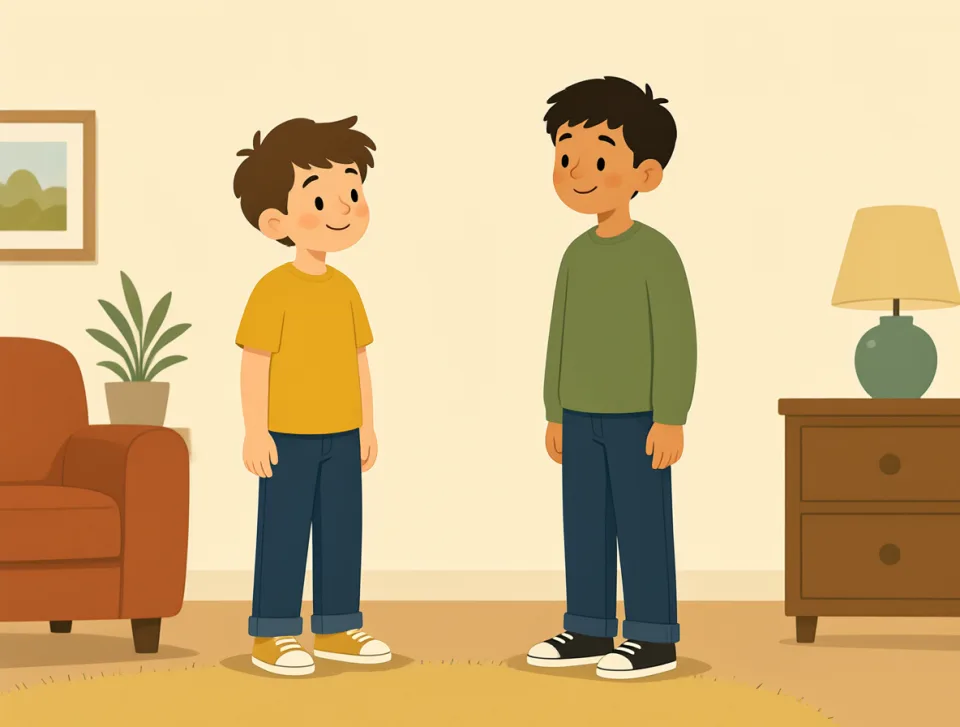
Please come in and sit down.
Пожалуйста, заходите и присаживайтесь.
have
#8verb
иметь
to own, do, experience, or receive something
Владеть чем-либо, делать что-либо, испытывать что-либо или получать что-либо.
I have two brothers.
У меня два брата.

We have lunch at noon.
Мы обедаем в полдень.

She has a bad cold.
Она сильно простудилась.

They had a great time together.
Они отлично провели время вместе.

I have to leave now.
Мне нужно сейчас уходить.

it
#9pronoun, determiner
это; он; она
A word used for a thing, animal, situation, or idea already mentioned.
Слово, которым называют уже упомянутый предмет, животное, ситуацию или идею.
It is cold outside today.
Сегодня на улице холодно.

I bought a cake, and it was delicious.
Я купил торт, и он был очень вкусным.
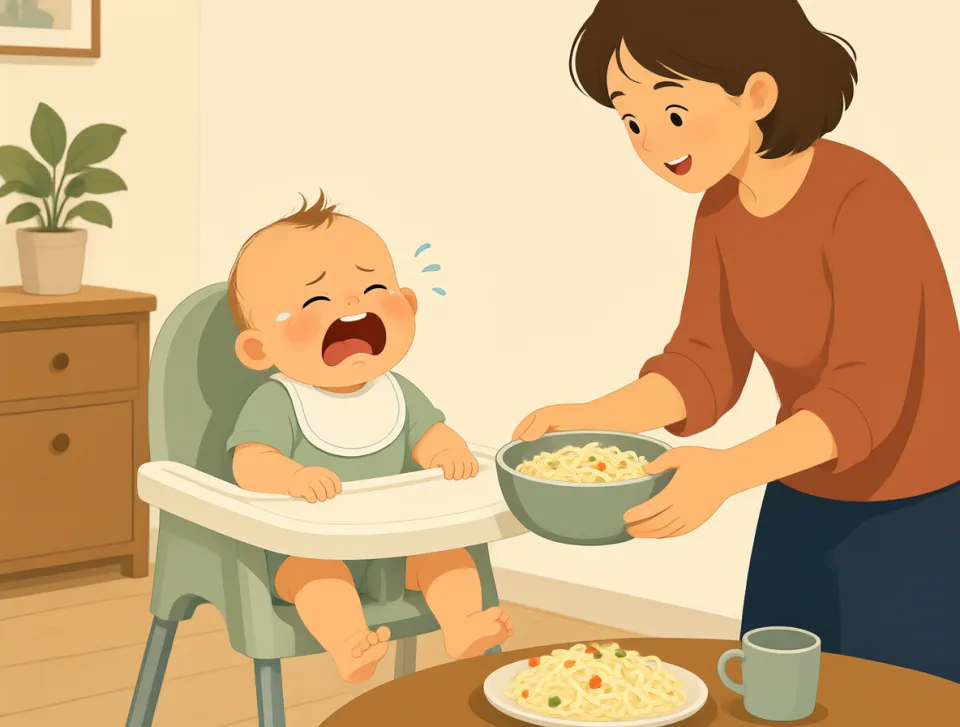
The baby is crying because it is hungry.
Малыш плачет, потому что он голоден.
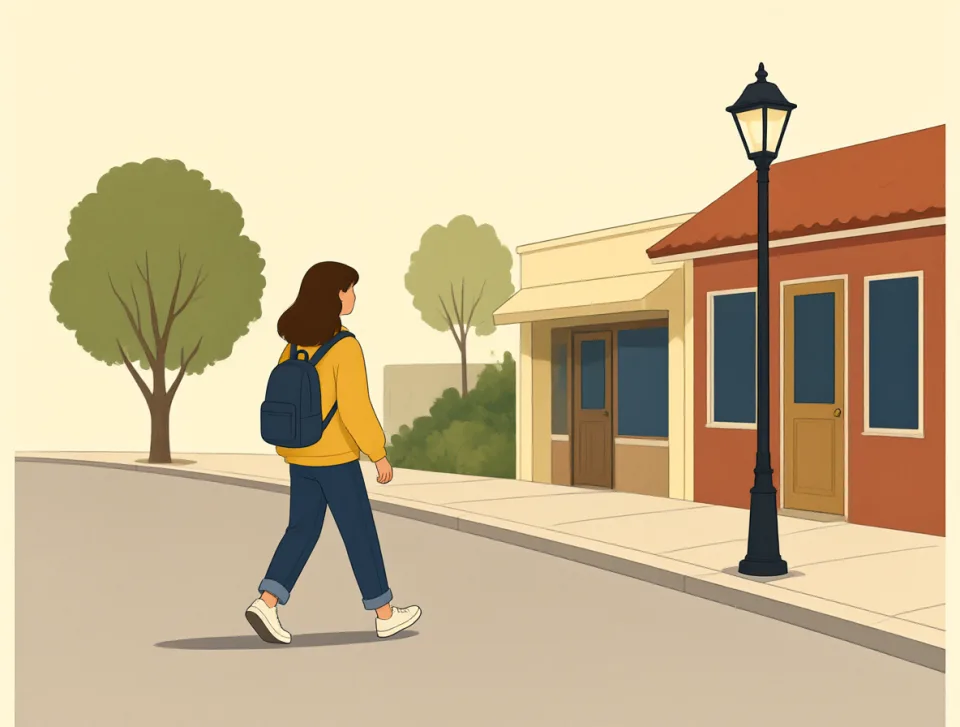
It takes ten minutes to walk there.
Чтобы дойти туда пешком, нужно десять минут.
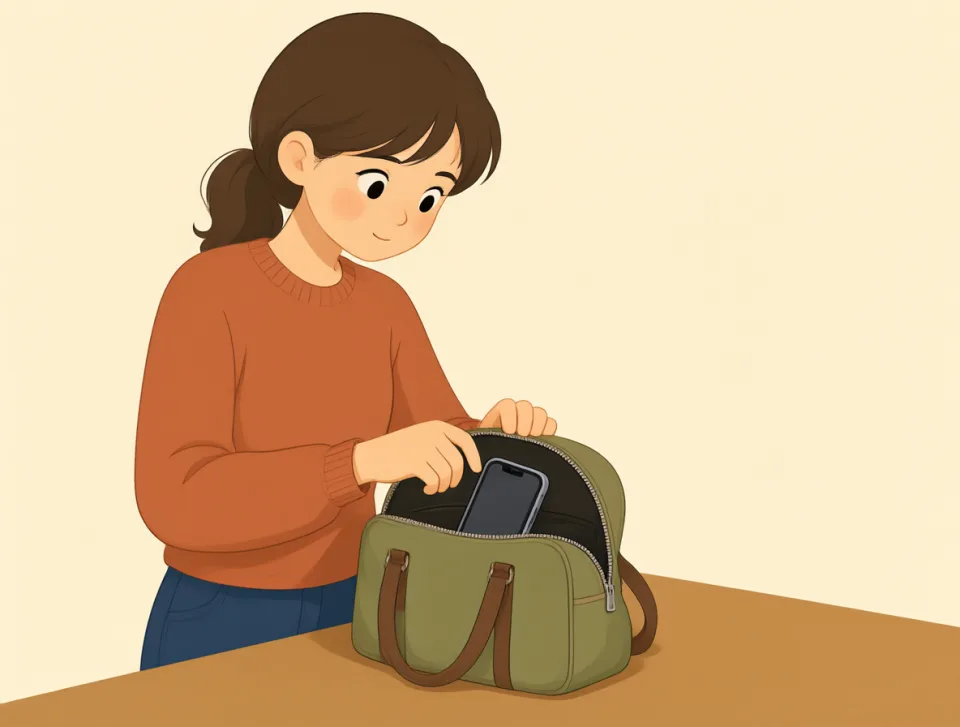
I found my phone and put it in my bag.
Я нашёл телефон и положил его в сумку.
you
#10pronoun
ты; вы
The person or people being spoken to.
Человек или люди, к которым обращаются.
You are late for school today.
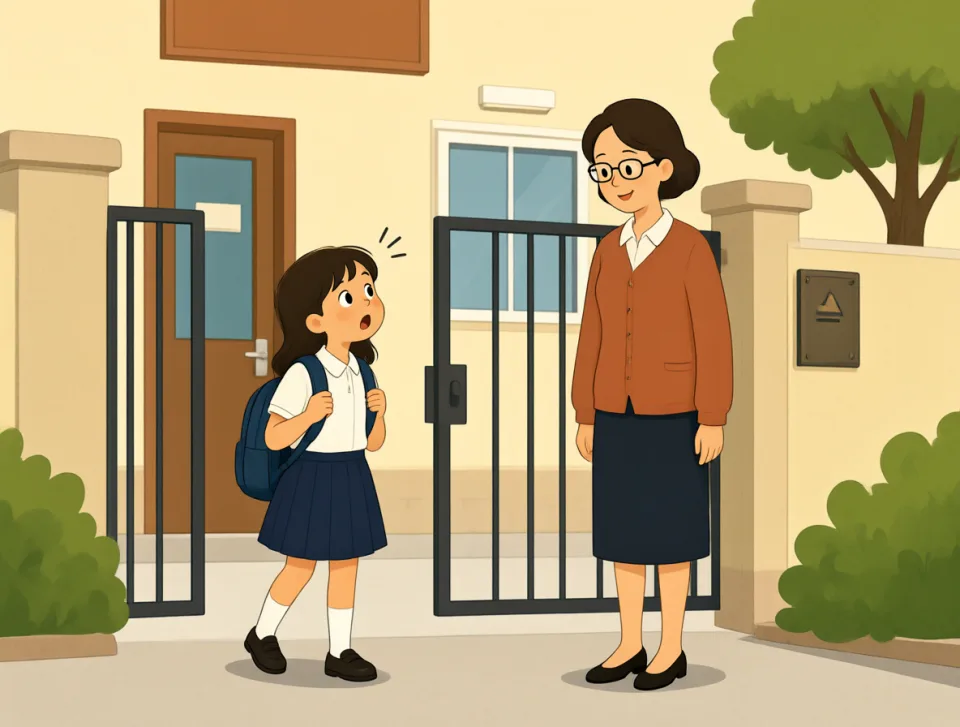
Сегодня ты опоздал в школу.

Can I help you with that bag?
Помочь тебе донести эту сумку?

Did you enjoy dinner with your friends?
Тебе понравился ужин с друзьями?

We will call you after work.
Мы позвоним тебе после работы.
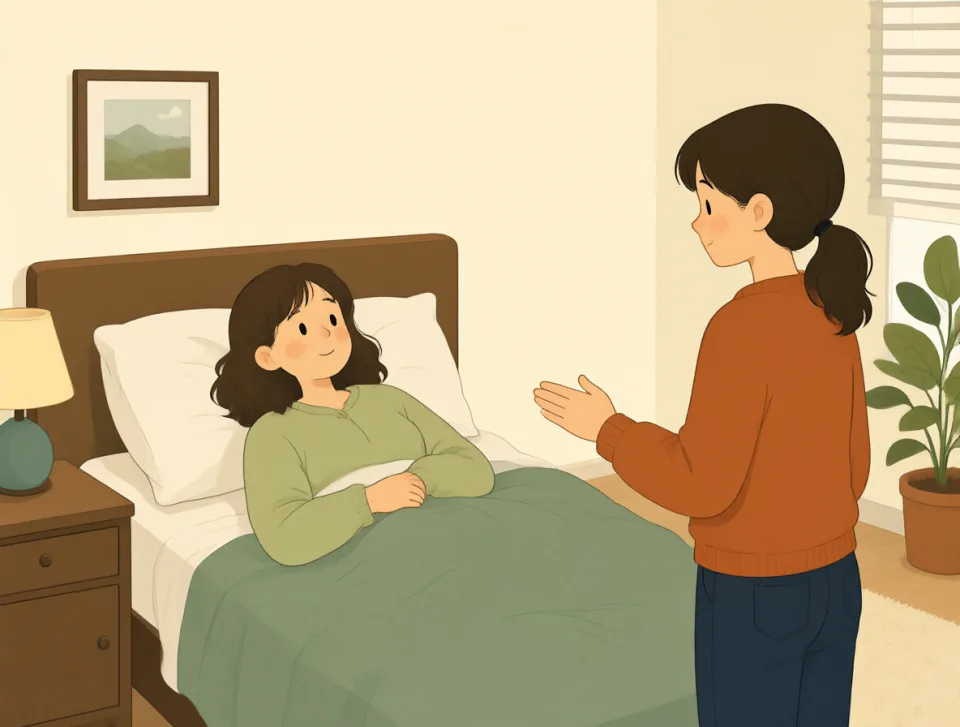
Are you feeling better today?
Сегодня ты чувствуешь себя лучше?
he
#11pronoun
он
A word used for one male person already mentioned or known.
Слово, которое употребляется в отношении одного мужчины или мальчика, о котором уже упоминалось или которого уже знают.
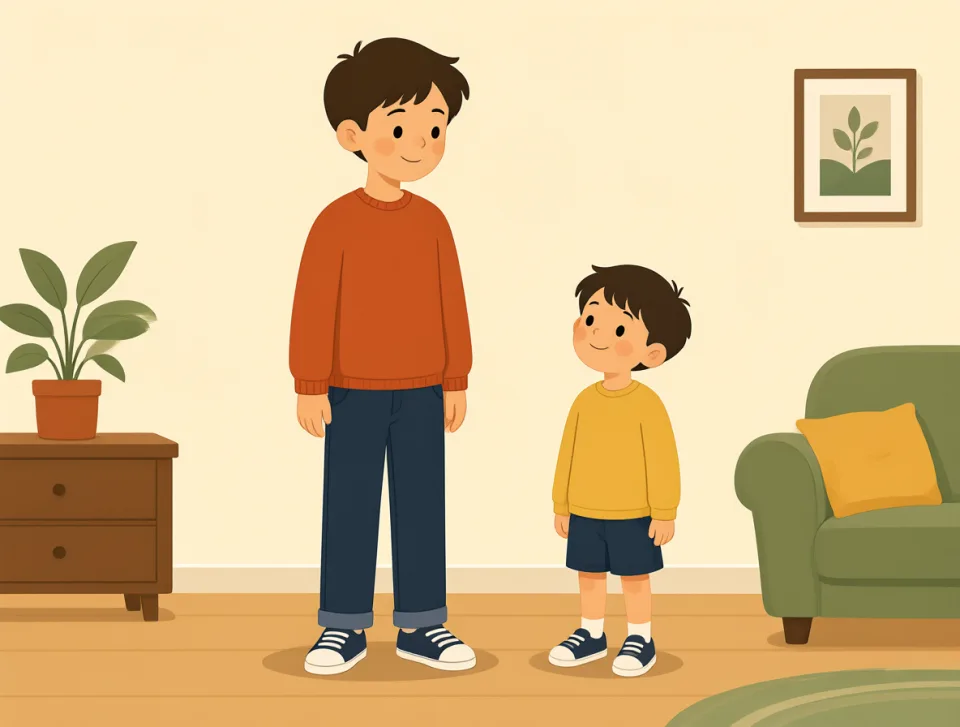
He is my brother.
Он мой брат.

He works at a small shop.
Он работает в небольшом магазине.
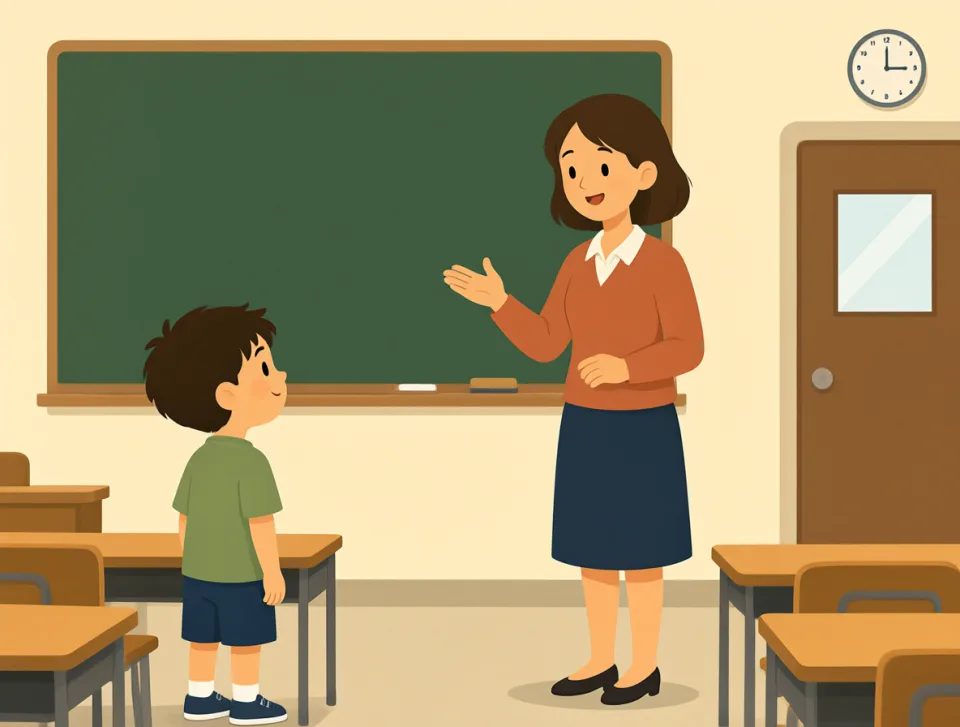
The teacher said he was late.
Учитель сказал, что он опоздал.

He bought bread at the market.
Он купил хлеб на рынке.
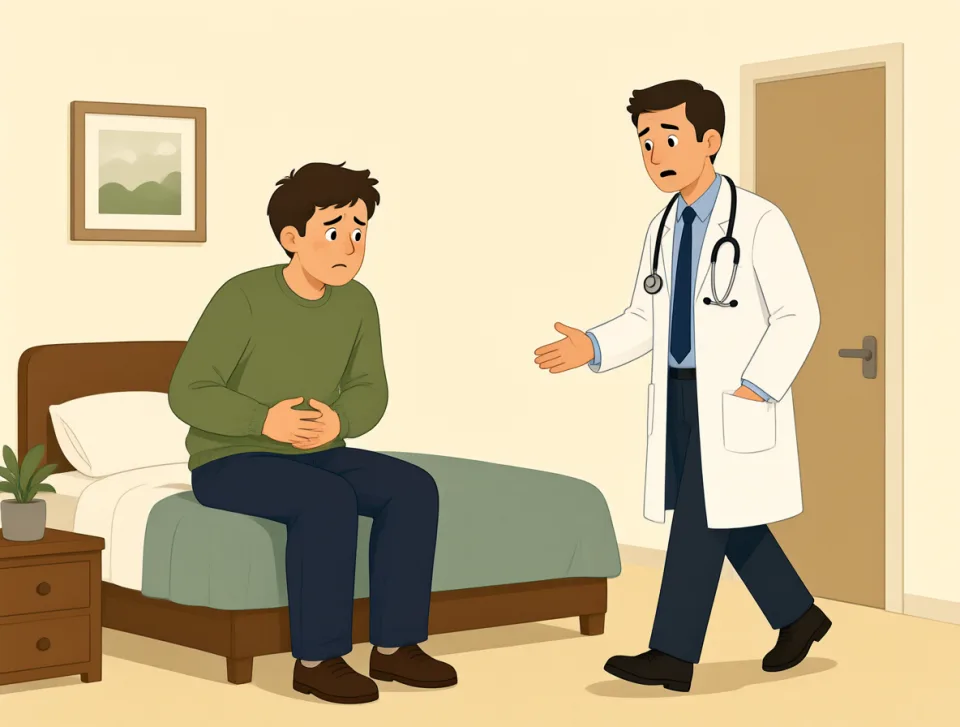
He feels sick and needs a doctor.
Он плохо себя чувствует, ему нужен врач.

for
#12preposition, conjunction
для; в течение; чтобы
Used to show purpose, time, reason, or who receives something.
Употребляется, чтобы указать на цель, время, причину или получателя чего-либо.
This gift is for my sister.
Этот подарок для моей сестры.
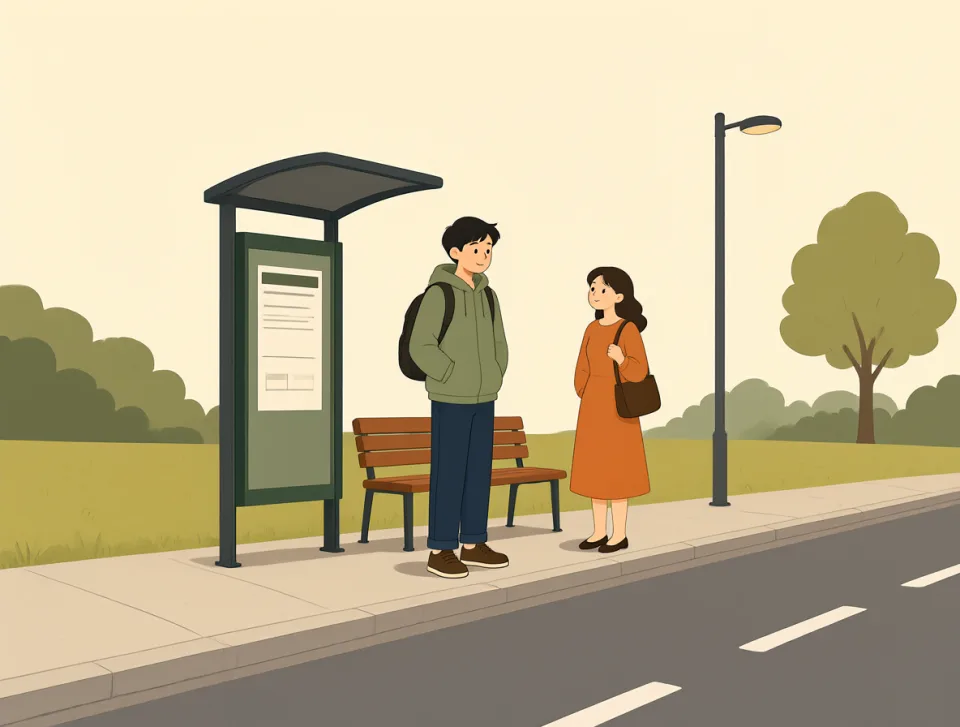
We waited for the bus.
Мы ждали автобус.

I bought some apples for lunch.
Я купил немного яблок на обед.

She studied for two hours.
Она занималась два часа.

Thank you for helping me.
Спасибо, что помогли мне.

they
#13pronoun
они
Used to talk about two or more people, animals, or things.
Употребляется, когда речь идёт о двух или более людях, животных или предметах.
They live in a small house.
Они живут в небольшом доме.

They are waiting for the bus.
Они ждут автобус.
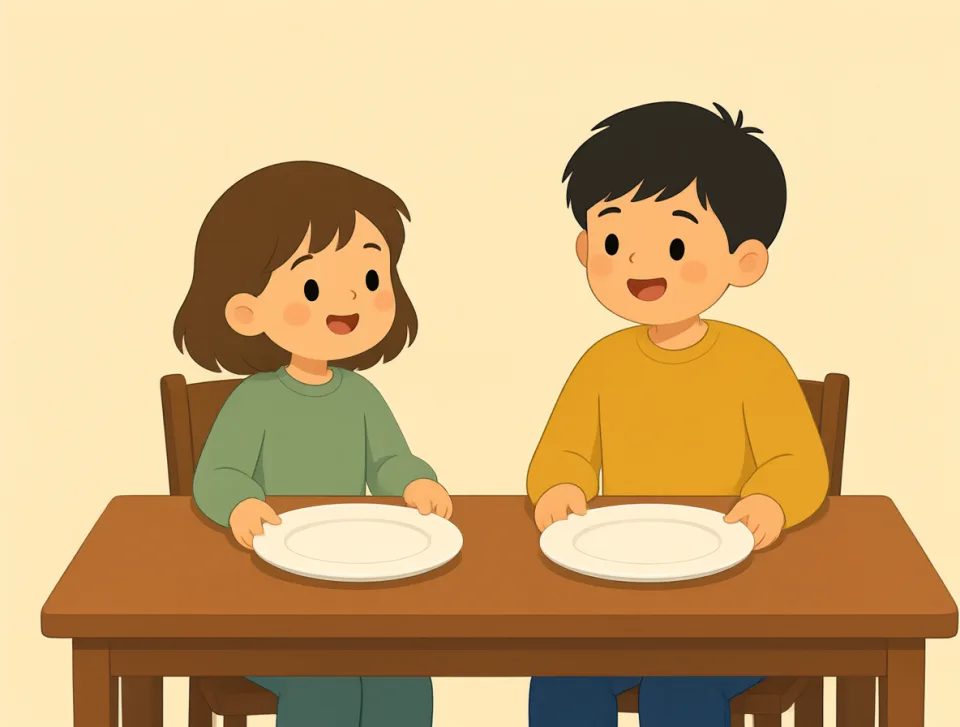
The children said they were hungry.
Дети сказали, что голодны.

I saw them at the store.
Я видел их в магазине.

They helped me carry my bags.
Они помогли мне донести сумки.
not
#14adverb
не
Used to make a verb or adjective negative.
Употребляется для образования отрицательной формы глагола или прилагательного.
I do not understand this question.
Я не понимаю этот вопрос.
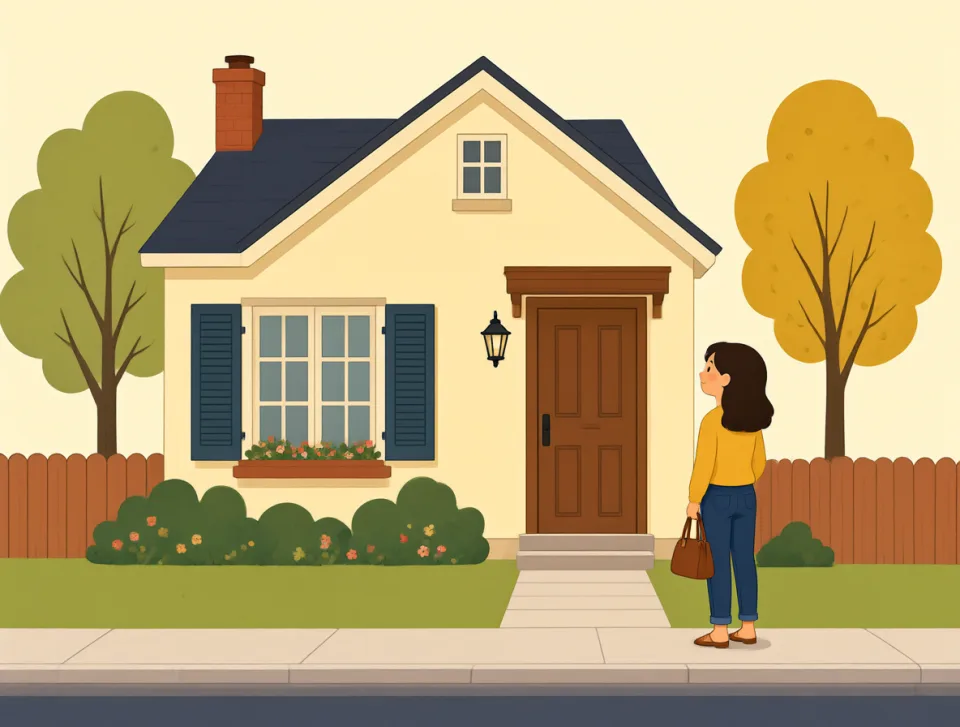
She is not at home today.
Сегодня её нет дома.

We are not ready to leave yet.
Мы ещё не готовы уходить.

He did not eat breakfast this morning.
Сегодня утром он не завтракал.
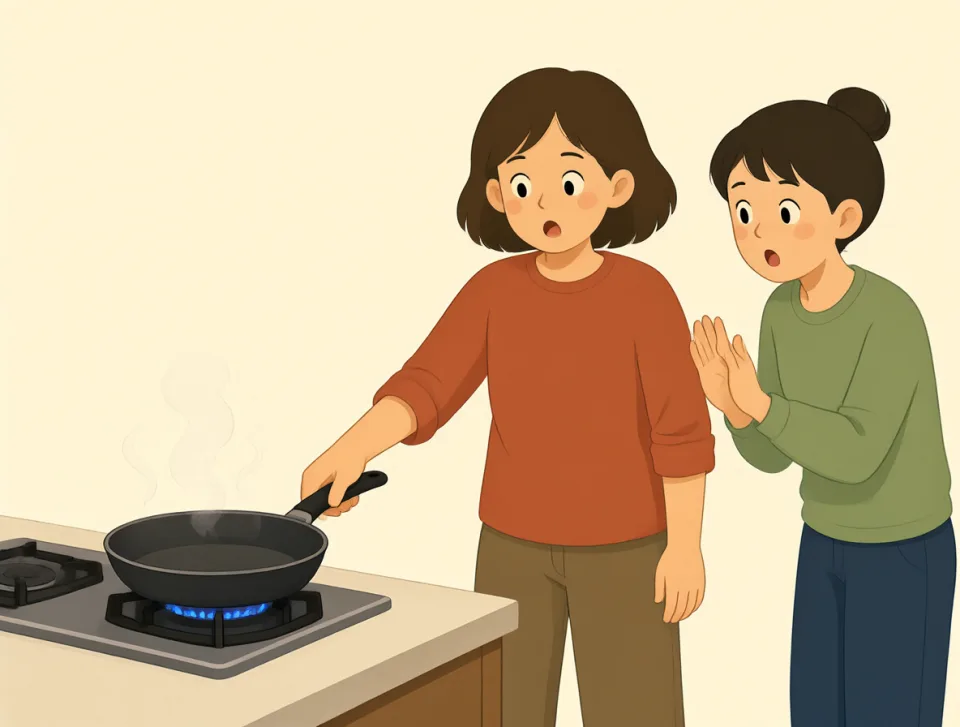
Please do not touch the hot pan.
Пожалуйста, не трогайте горячую сковороду.
that
#15determiner, pronoun, conjunction, adverb
тот; что; который
Used to point to something or introduce information after a verb.
Употребляется, чтобы указать на что-либо или ввести информацию после глагола.
That book on the table is mine.
Та книга на столе — моя.
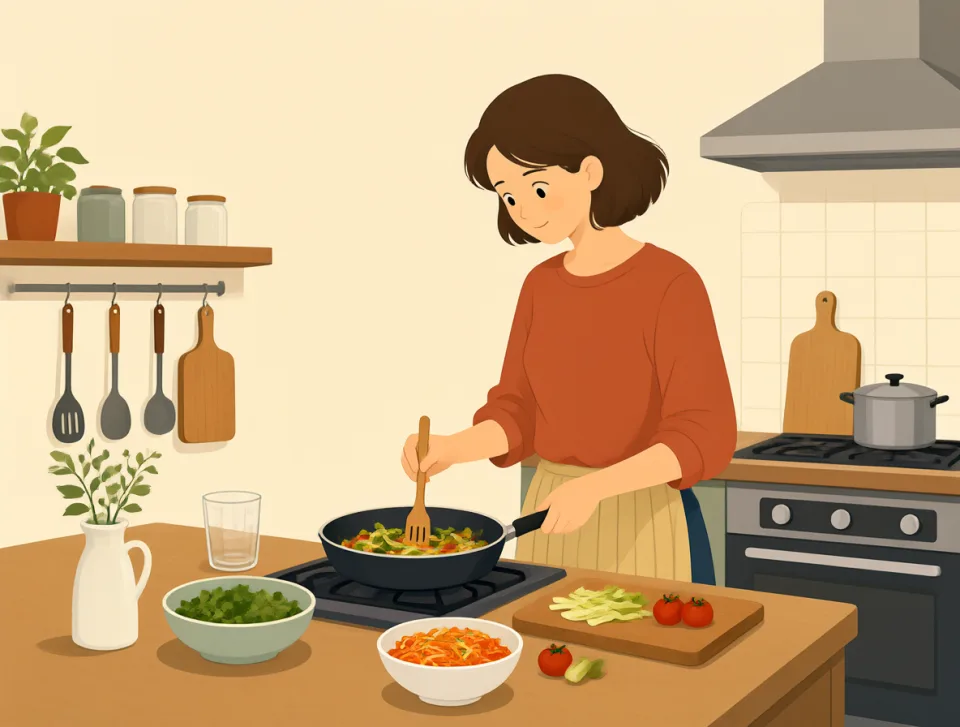
I think that dinner is ready.
Думаю, ужин готов.

The shoes that I bought fit well.
Туфли, которые я купил, хорошо сидят.
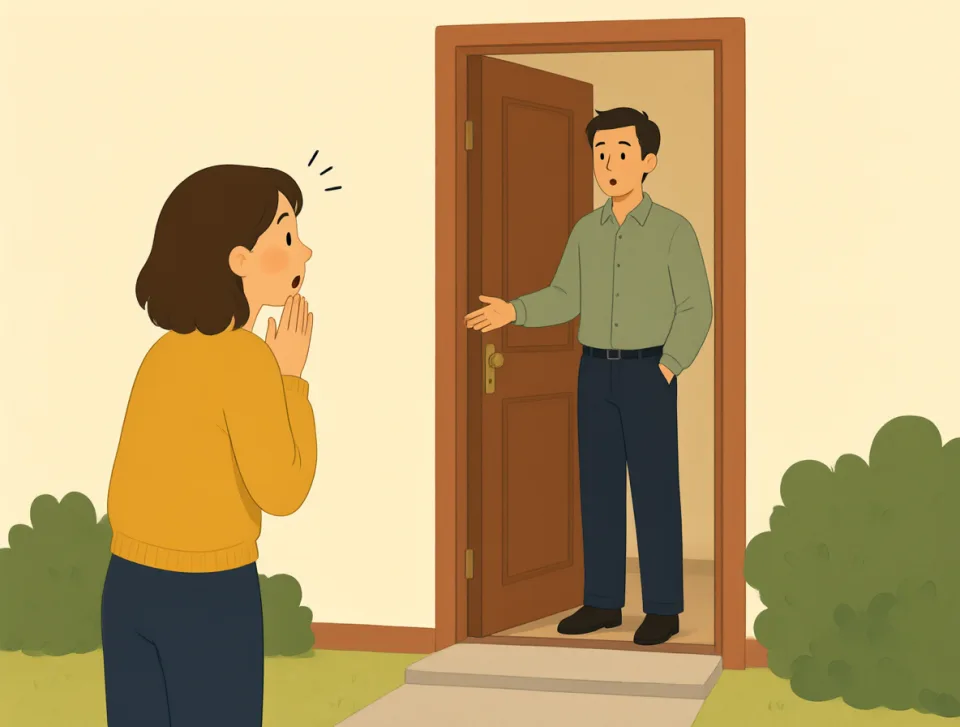
Who is that man at the door?
Кто этот мужчина у двери?

It was not that expensive.
Это было не так дорого.
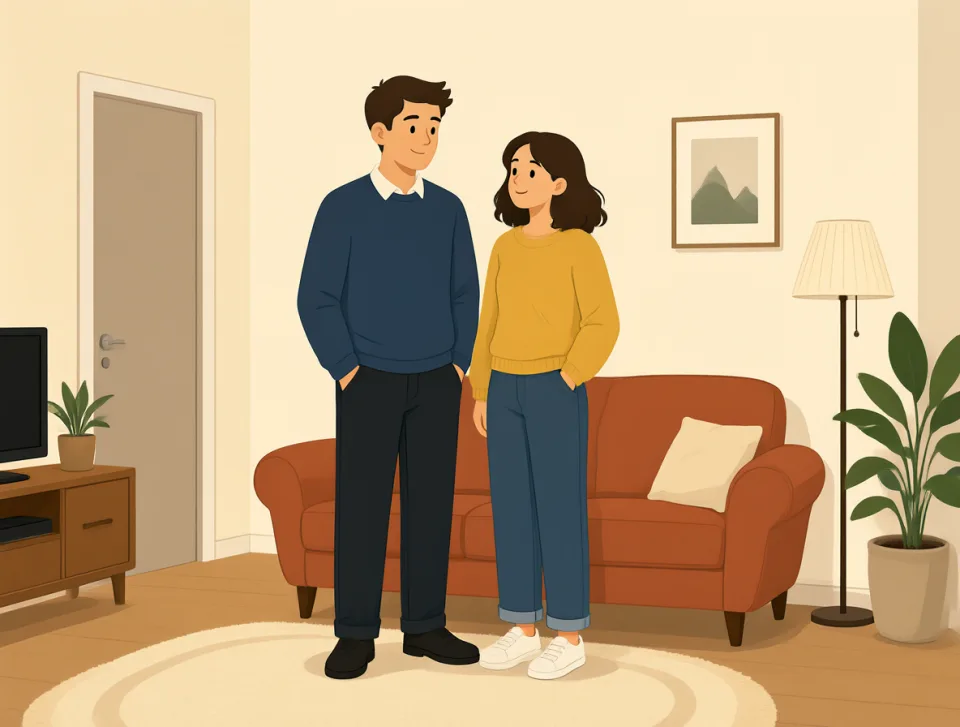
we
#16pronoun
мы
Used by a speaker to mean the speaker and one or more other people.
Так говорят о себе и одном или нескольких других людях.
We live in a small apartment.
Мы живём в небольшой квартире.

We are learning English at school.
Мы учим английский в школе.
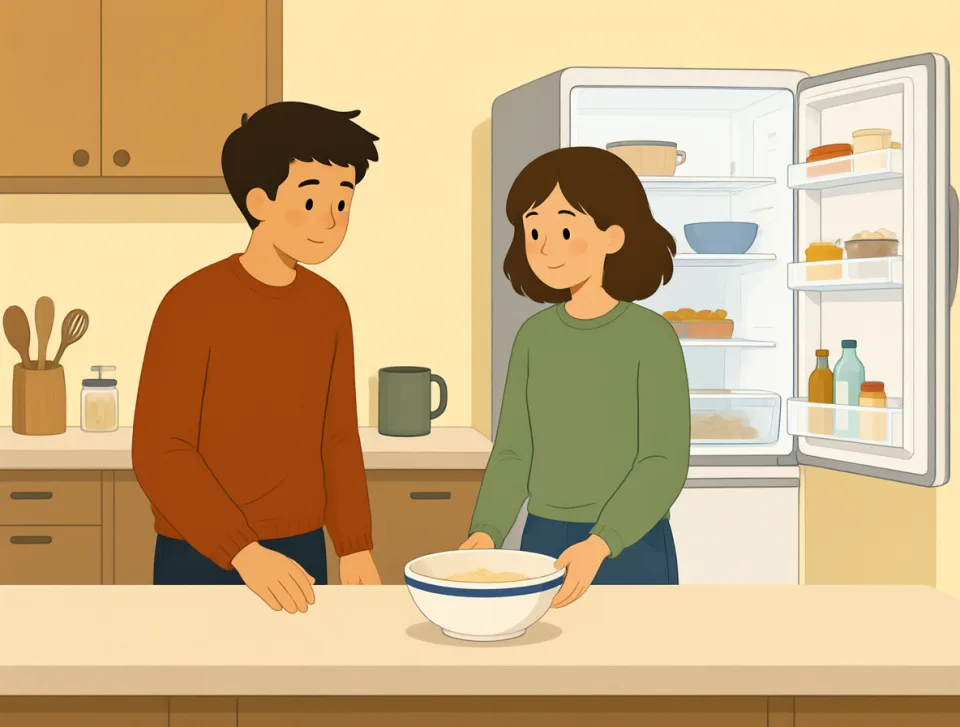
We need some milk for breakfast.
Нам нужно немного молока на завтрак.

We went to the beach last weekend.
В прошлые выходные мы ездили на пляж.

We feel better after taking the medicine.
После приёма лекарства мы чувствуем себя лучше.
on
#17adverb, preposition, adjective
на; в
Used to show position, time, connection, or that something is working.
Употребляется, чтобы указать на местоположение, время, связь или то, что что-то работает.
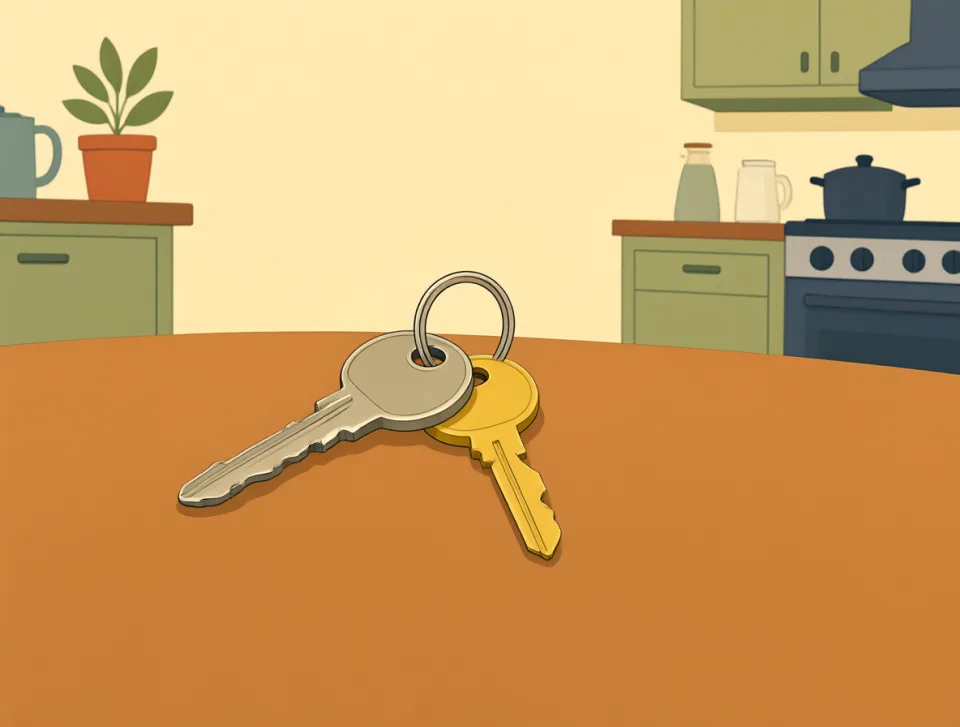
The keys are on the table.
Ключи лежат на столе.

We have a meeting on Monday.
В понедельник у нас встреча.
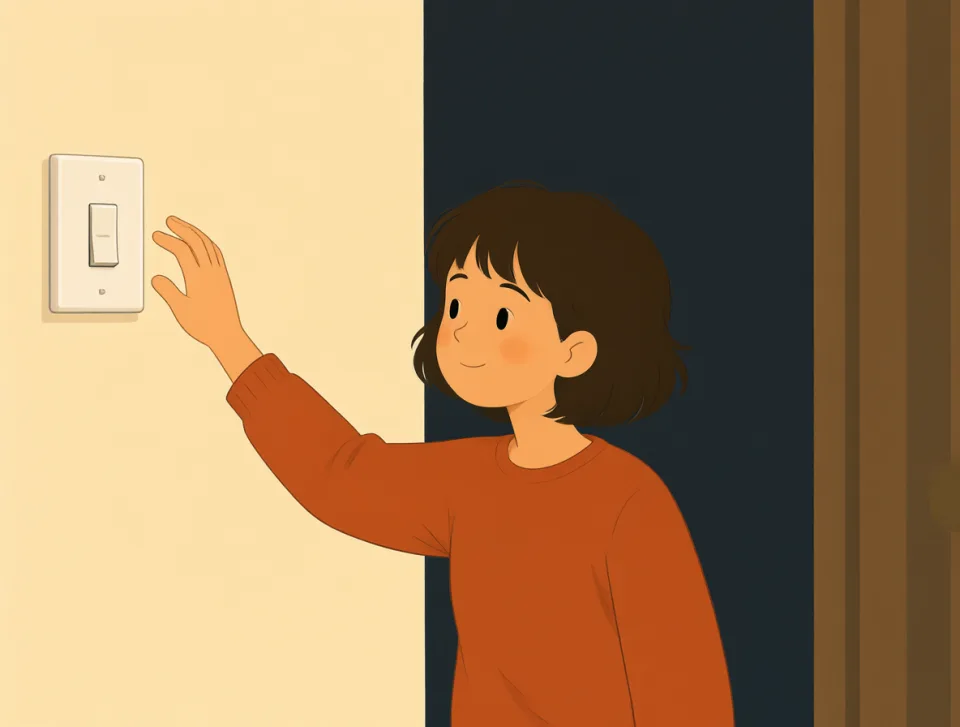
Please turn on the light.
Пожалуйста, включи свет.

She is on the bus to school.
Она едет в школу на автобусе.

I tried on these shoes at the store.
Я примерил эти туфли в магазине.

with
#18preposition
с
together with someone or something; having or using someone or something
Вместе с кем-либо или чем-либо; имея при себе кого-либо или что-либо либо используя что-либо.
I went to the park with my sister.
Я ходил в парк с сестрой.

She opened the box with a knife.
Она открыла коробку ножом.

The man with the blue bag is my teacher.
Мужчина с синей сумкой — мой учитель.

Would you like coffee with your breakfast?
Хотите кофе к завтраку?

He is sick with a bad cold.
Он заболел сильной простудой.
this
#19determiner, pronoun, adverb
этот; эта; это
Used to talk about one person, thing, or place near you or now.
Употребляется, когда говорят о человеке, предмете или месте, которые находятся рядом или актуальны сейчас.
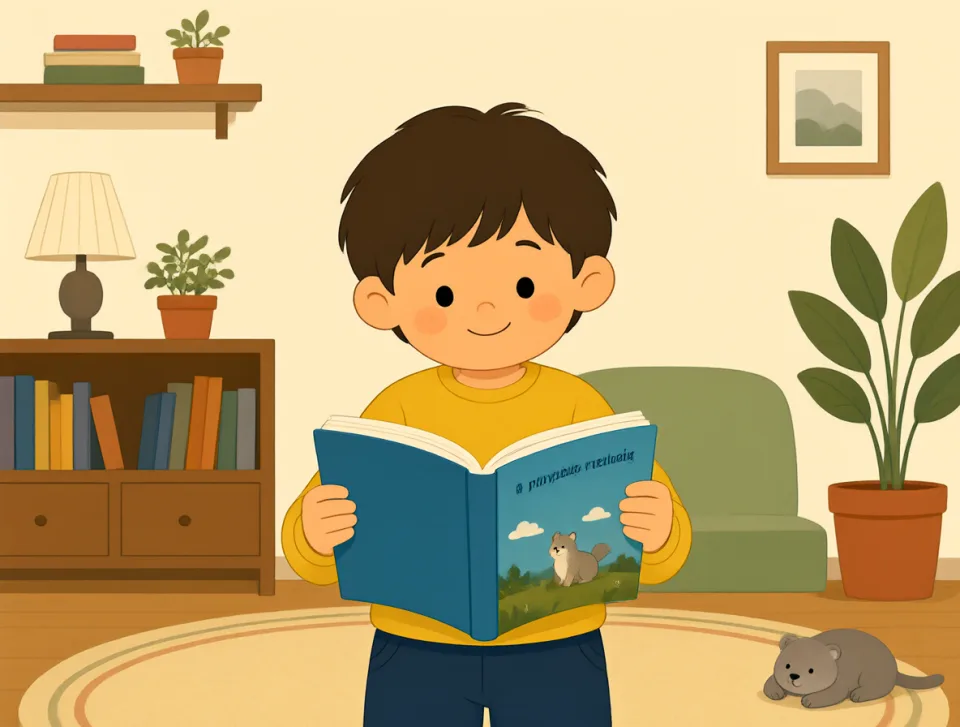
This is my favorite book.
Это моя любимая книга.
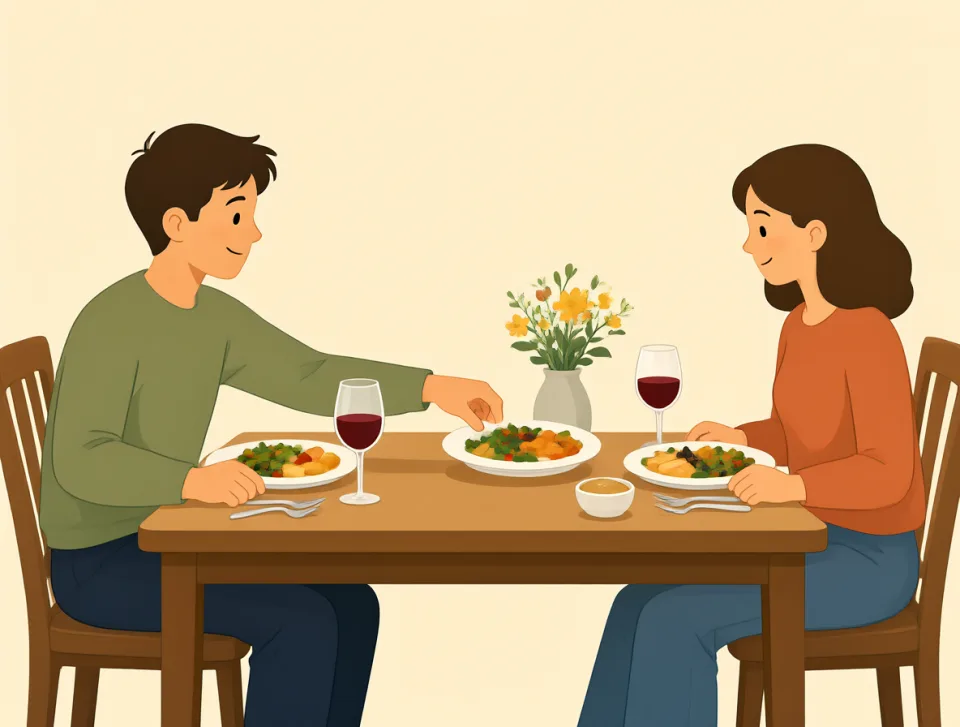
Could you pass me this plate?
Не мог бы ты передать мне эту тарелку?

I bought this shirt yesterday.
Я купил эту рубашку вчера.
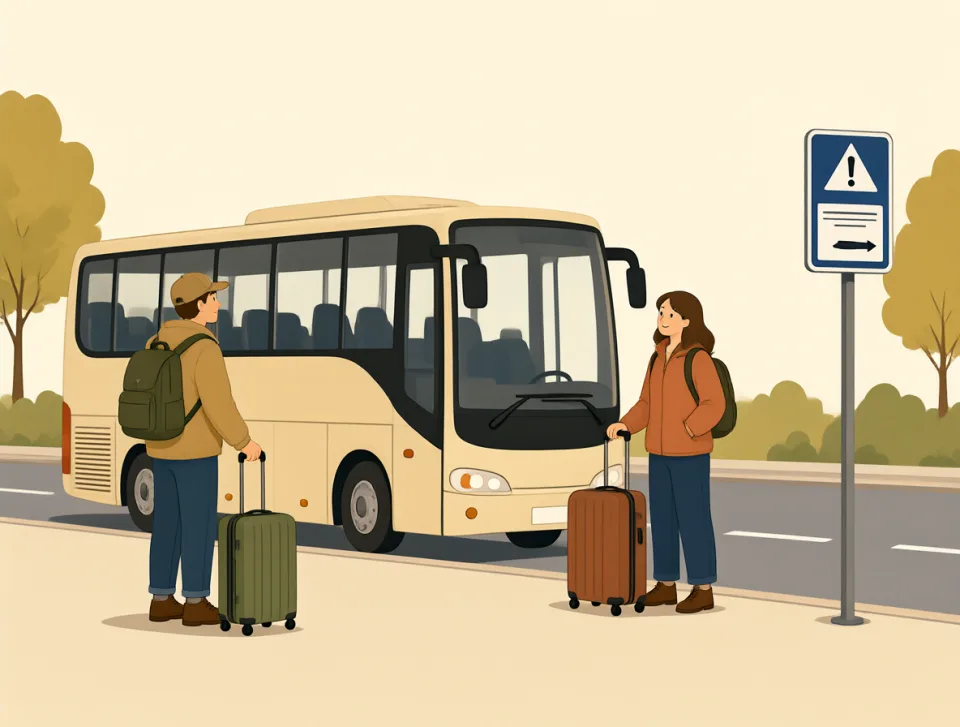
This is where we get off.
Здесь нам выходить.

This cake tastes really good.
Этот торт очень вкусный.
I
#20pronoun
я
The pronoun used for the person speaking or writing.
Местоимение, которым обозначают человека, который говорит или пишет.
I am tired after work today.
Сегодня я устал после работы.

I have a sister in London.
У меня есть сестра в Лондоне.

I like coffee with breakfast.
Я люблю пить кофе за завтраком.
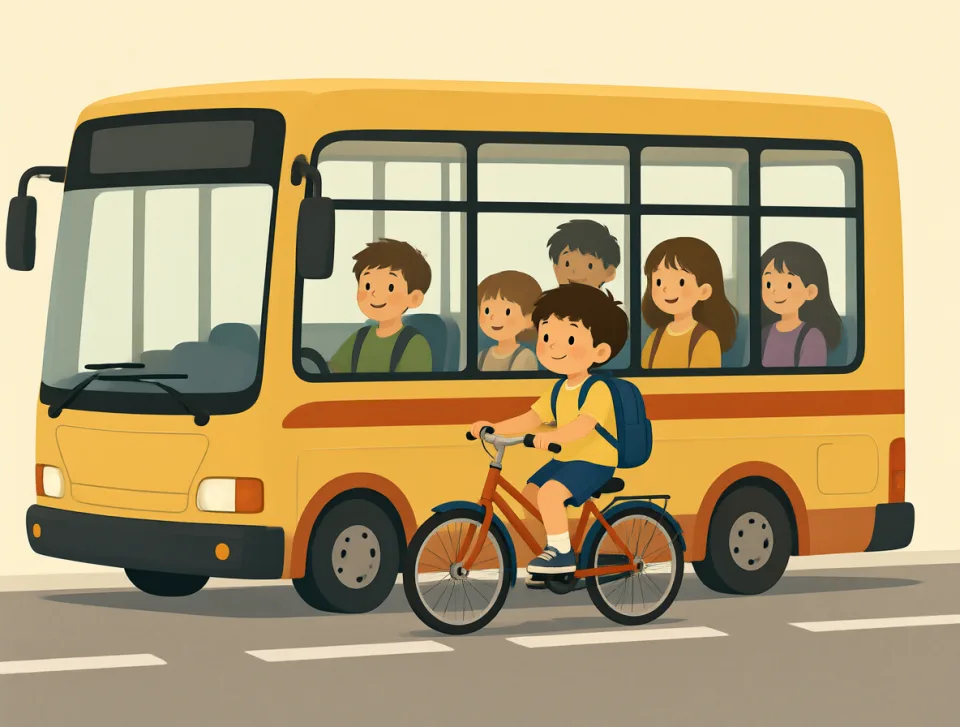
I went to school by bus.
Я ездил в школу на автобусе.

Can I help you with dinner?
Могу я помочь тебе с ужином?