Zestaw 17
Słowa 321–340 · deal, water, send, allow, soon, watch
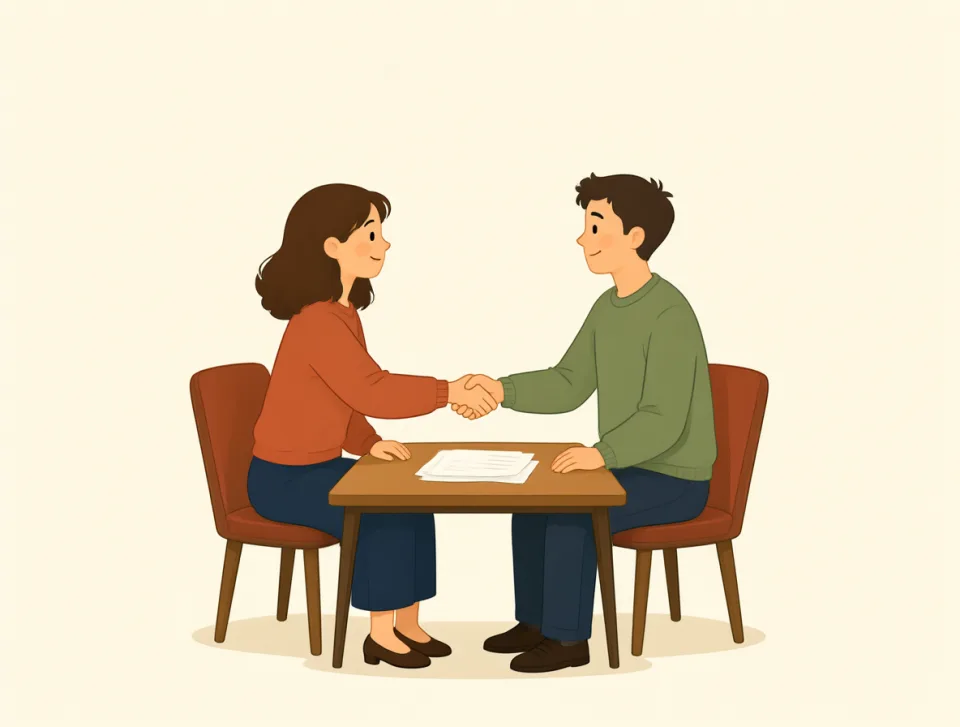
deal
#321noun, verb
umowa; interes
An agreement, arrangement, or way of handling a situation; to do business or manage something.
Umowa, ustalenie lub sposób radzenia sobie z sytuacją; prowadzić interesy lub zarządzać czymś.
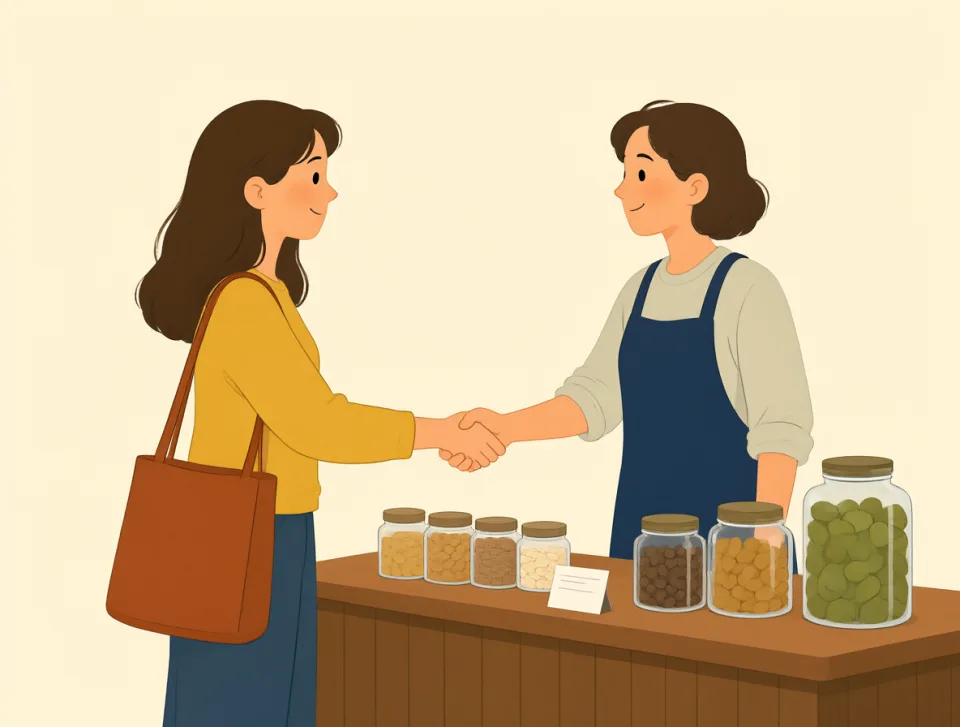
We made a deal about the price.
Uzgodniliśmy cenę.
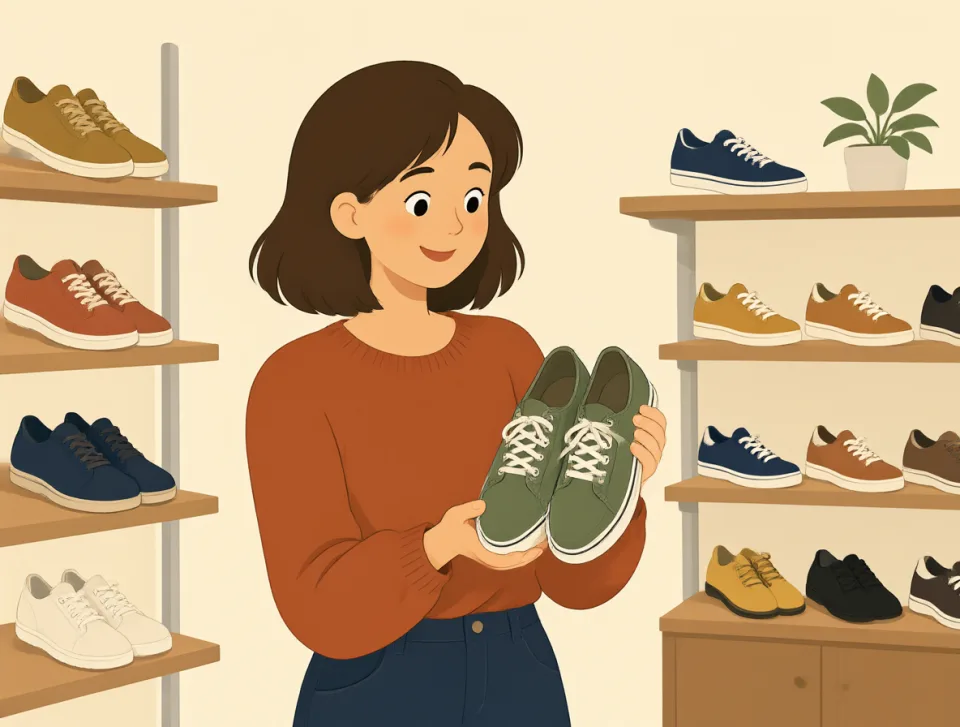
She got a great deal on shoes.
Kupiła buty w świetnej cenie.
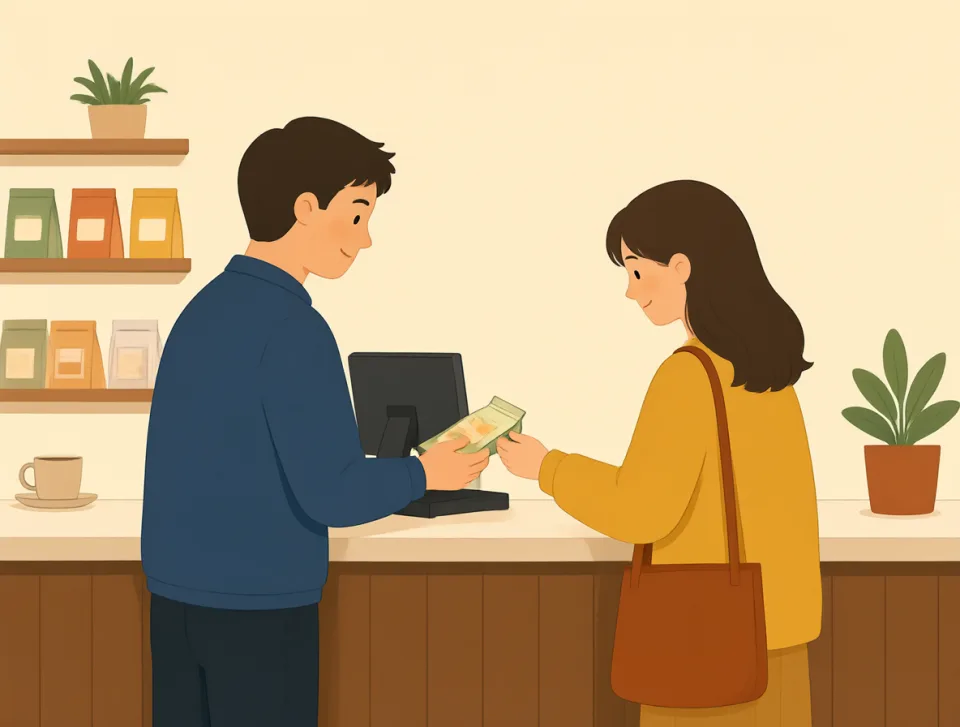
I deal with customers every day.
Codziennie obsługuję klientów.
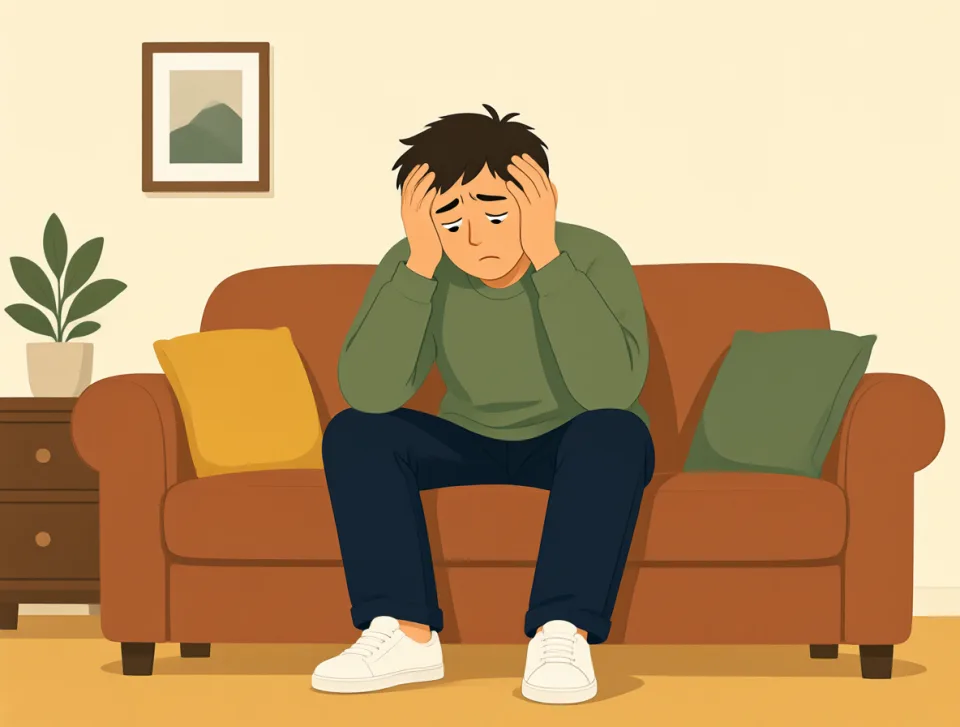
He cannot deal with the stress.
On nie radzi sobie ze stresem.
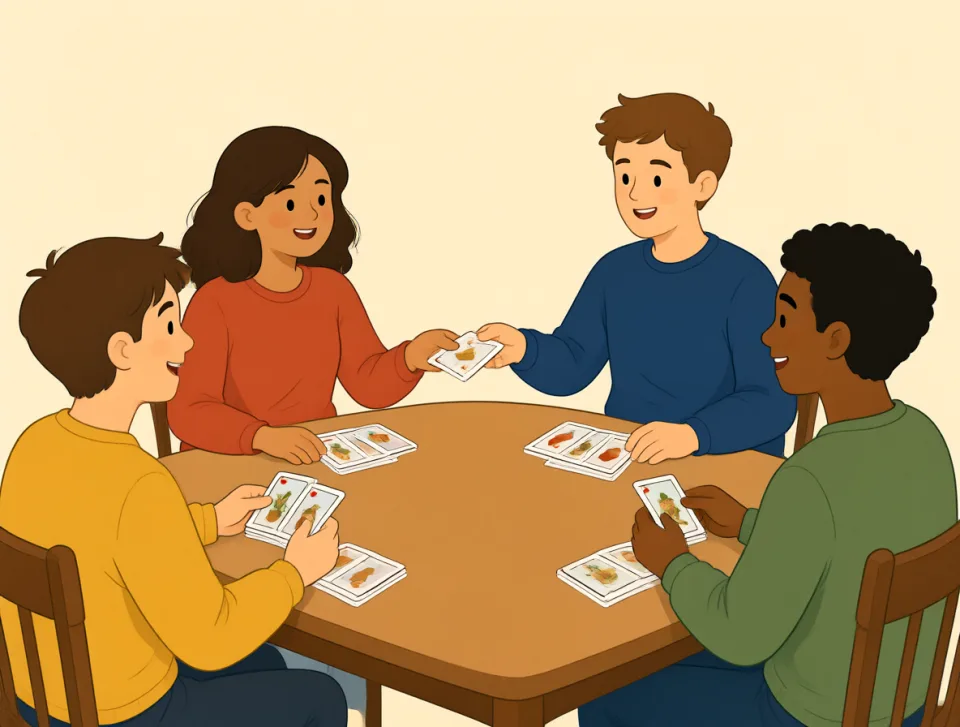
The cards were dealt to everyone.
Karty rozdano wszystkim.
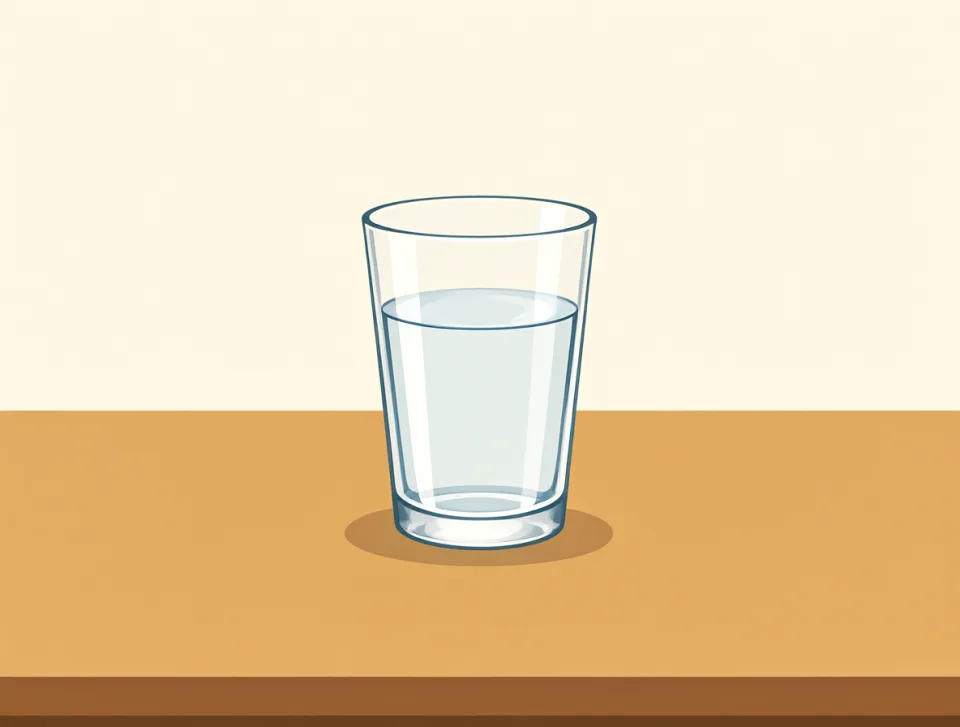
water
#322noun, verb
woda
The clear liquid people drink and use for washing, cooking, and growing plants.
Przezroczysta ciecz, którą ludzie piją i wykorzystują do mycia, gotowania oraz uprawy roślin.
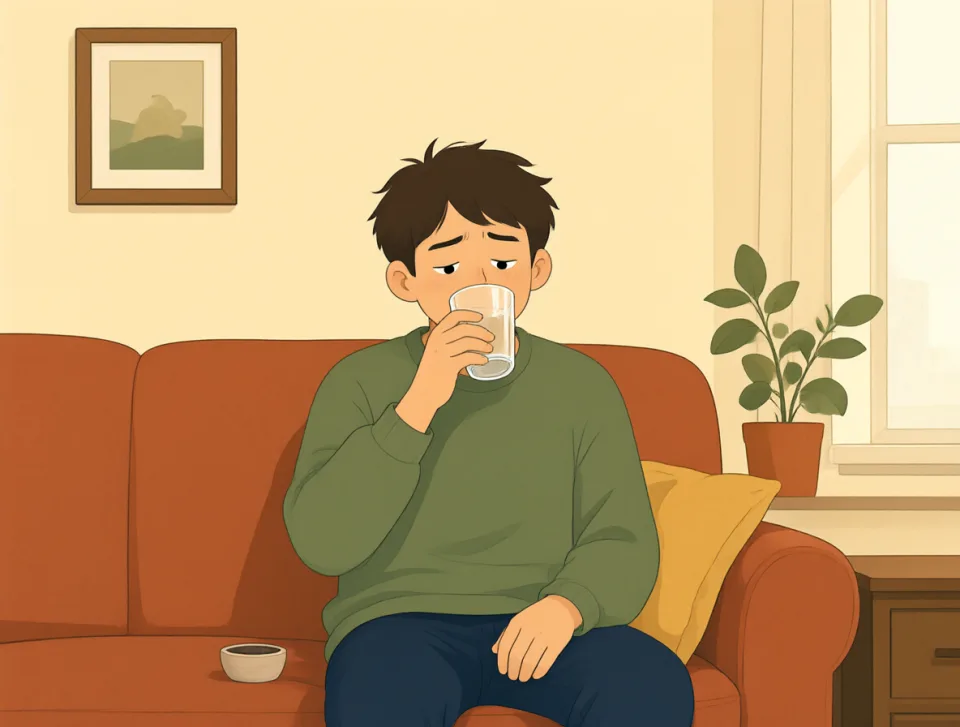
Please drink some water after your walk.
Po spacerze wypij trochę wody.
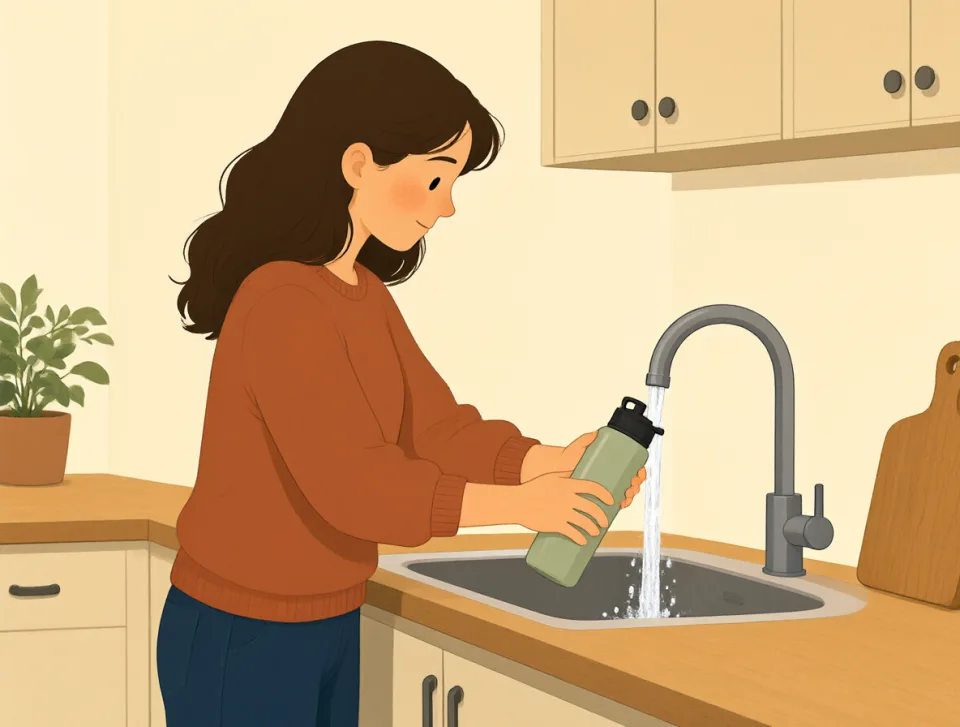
She filled the bottle with cold water.
Napełniła butelkę zimną wodą.
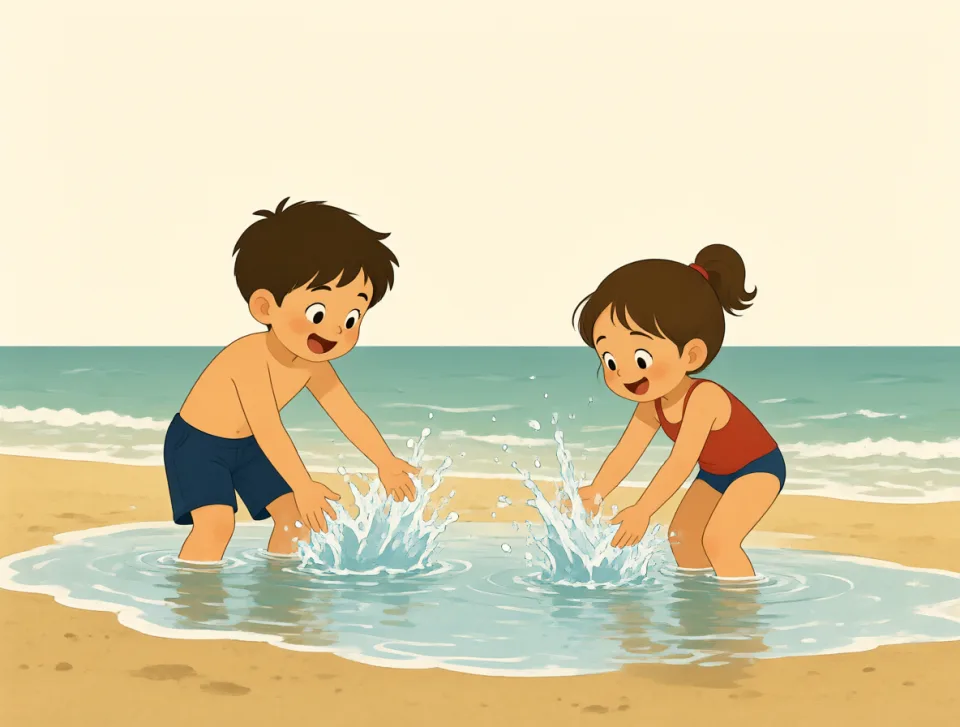
The children played in the water.
Dzieci bawiły się w wodzie.
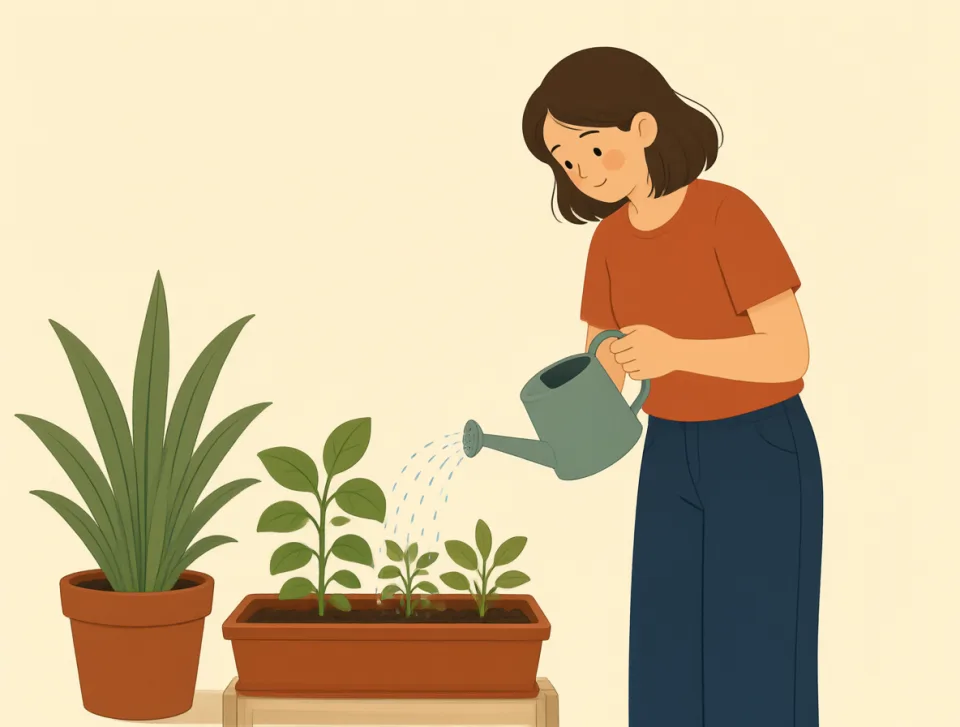
We watered the plants before leaving.
Przed wyjściem podlaliśmy rośliny.
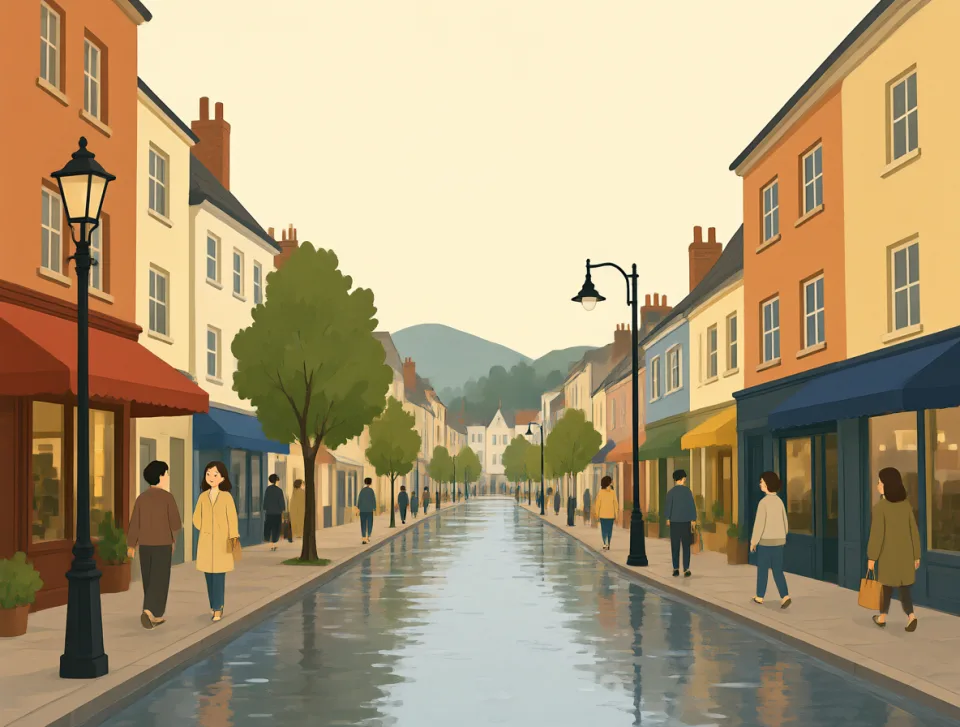
The flood watered the streets overnight.
W nocy powódź zalała ulice.
send
#323verb
wysłać
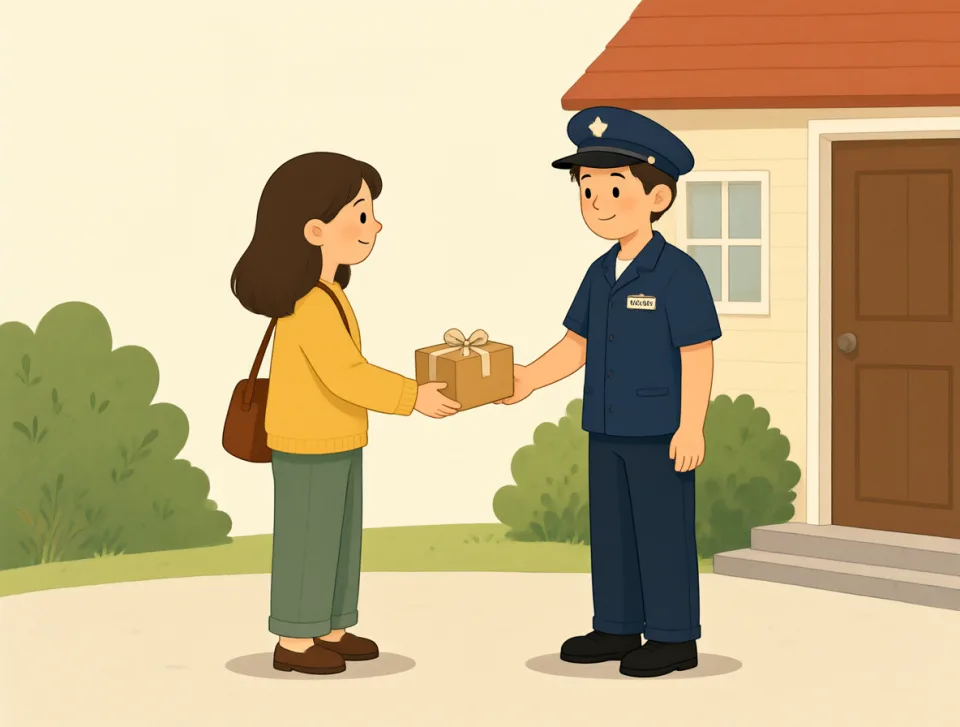
To make someone or something go from one place to another.
Sprawić, by ktoś lub coś przemieściło się z jednego miejsca do drugiego.
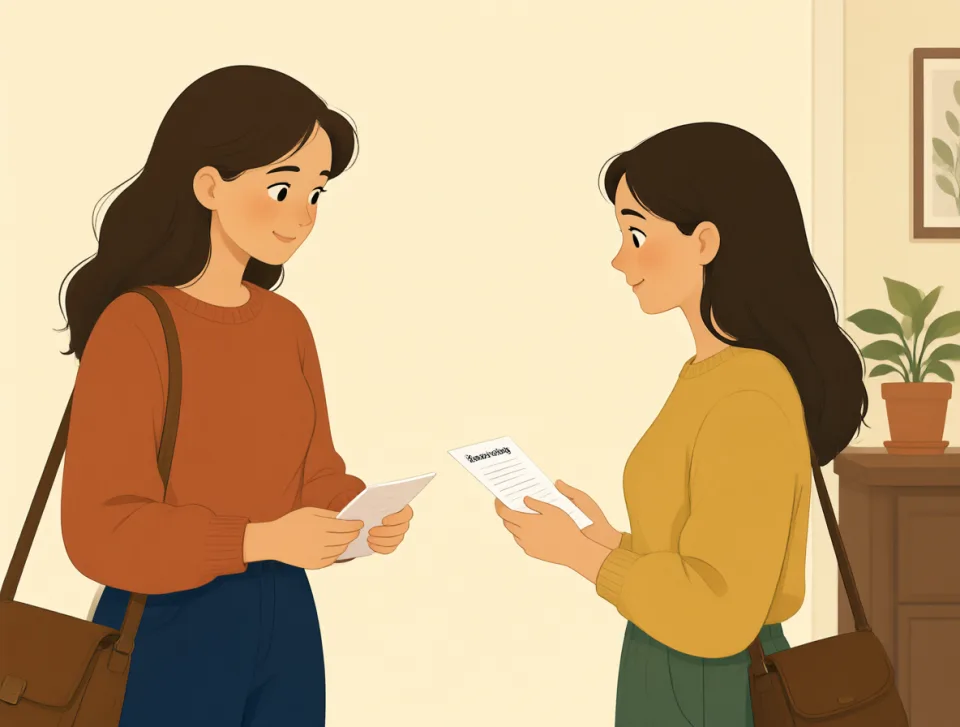
Please send me the address.
Wyślij mi, proszę, adres.
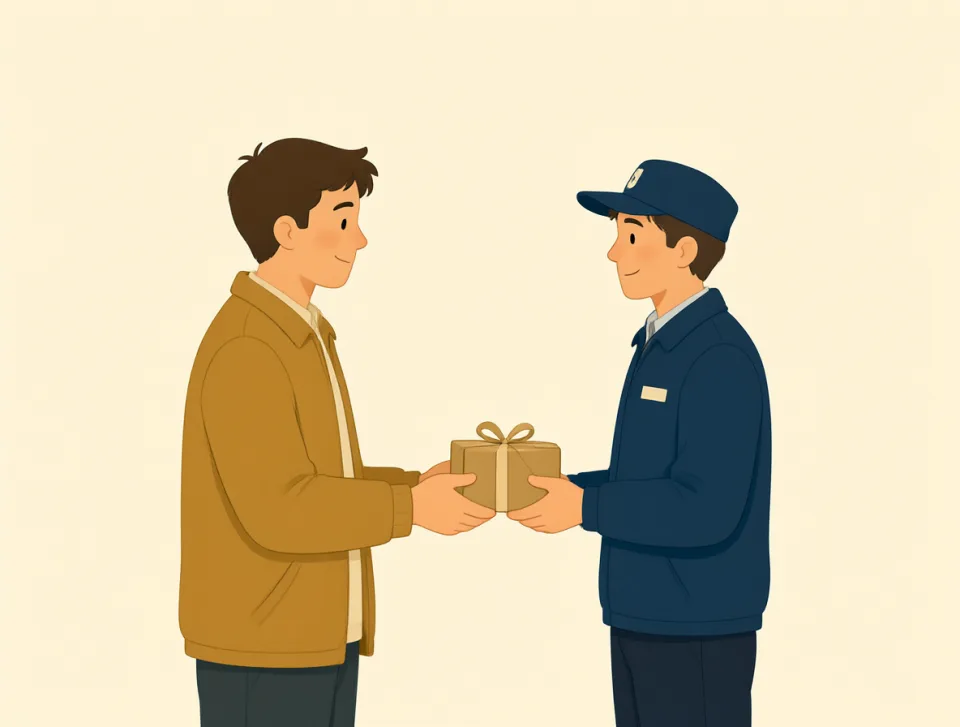
I sent the package yesterday.
Wczoraj wysłałem paczkę.
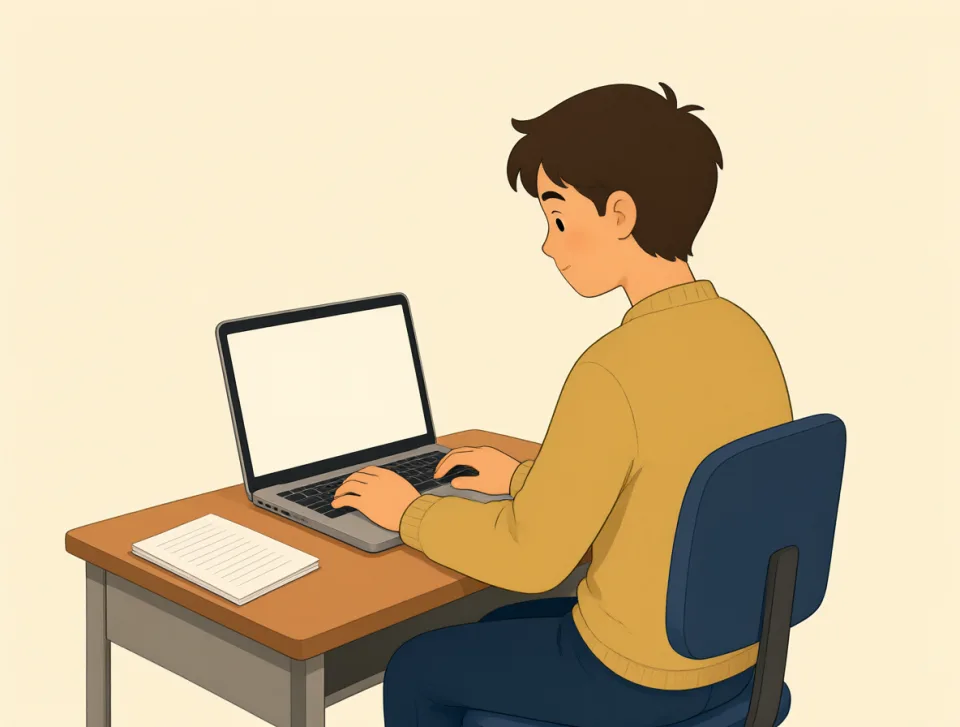
She sends emails to her teacher.
Ona wysyła e-maile do swojej nauczycielki.
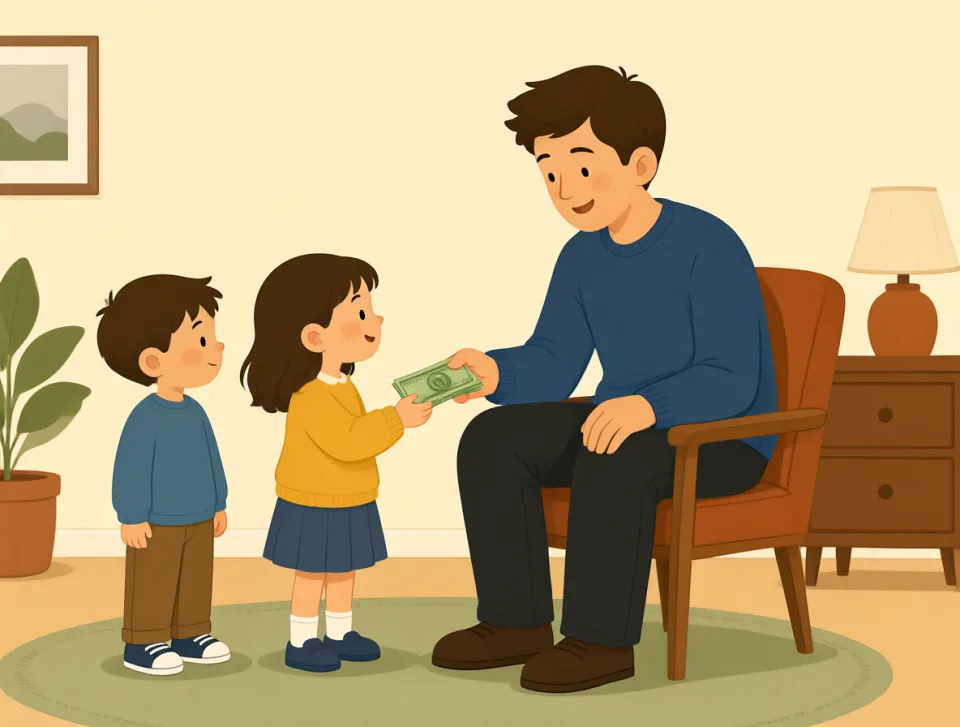
Dad sent us some money.
Tata przysłał nam trochę pieniędzy.
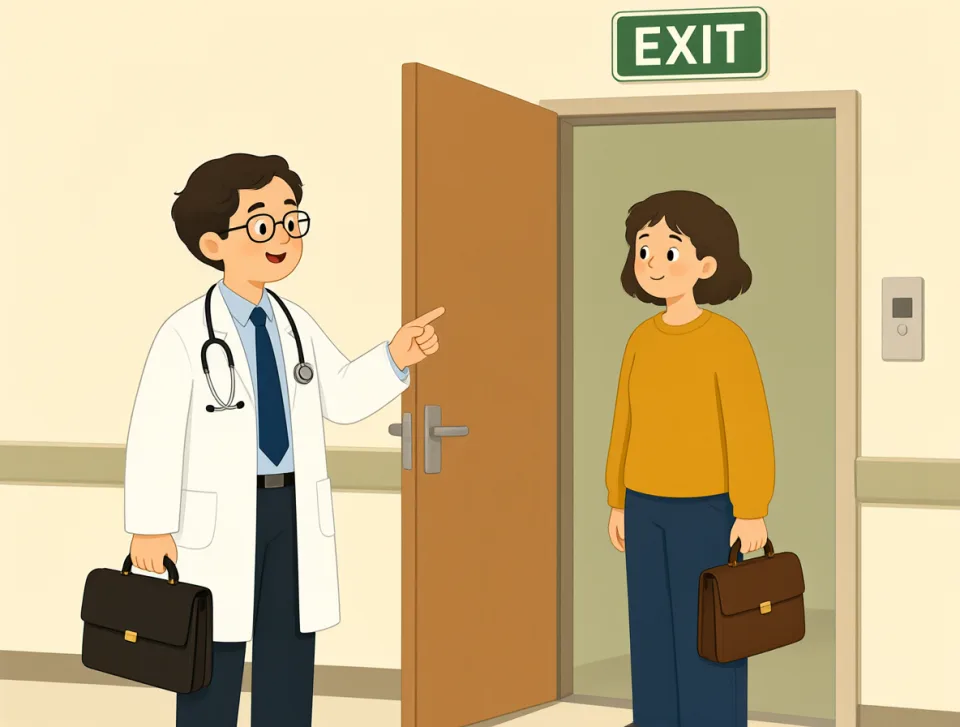
The doctor sent him home.
Lekarz odesłał go do domu.
allow
#324verb
pozwalać
to let someone do something or make something possible
Pozwalać komuś coś zrobić lub umożliwiać coś.
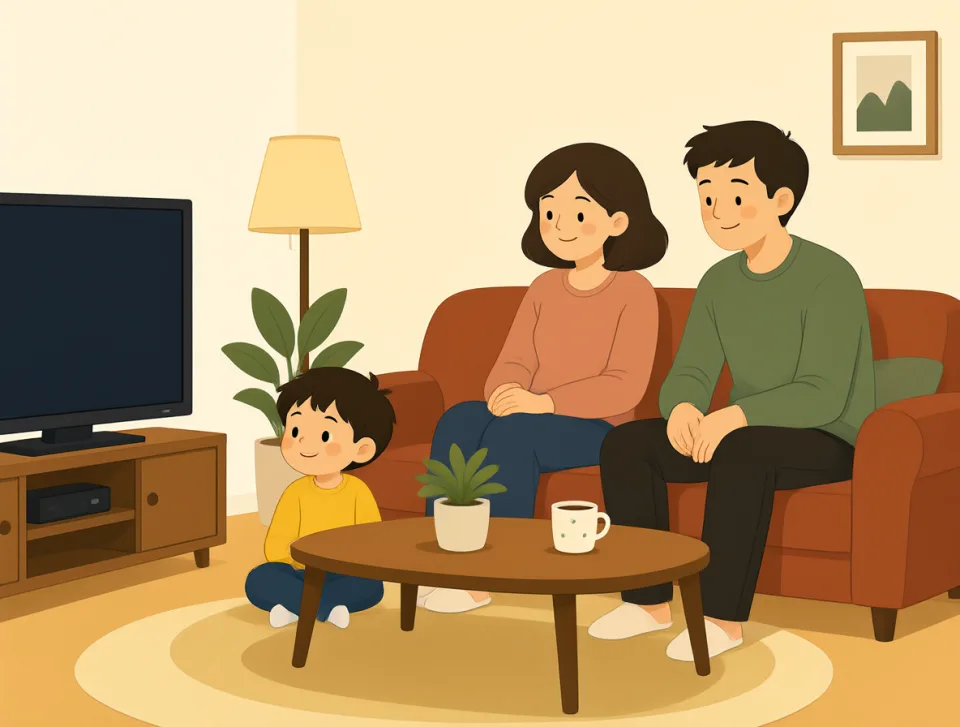
My parents allow me to watch TV.
Moi rodzice pozwalają mi oglądać telewizję.
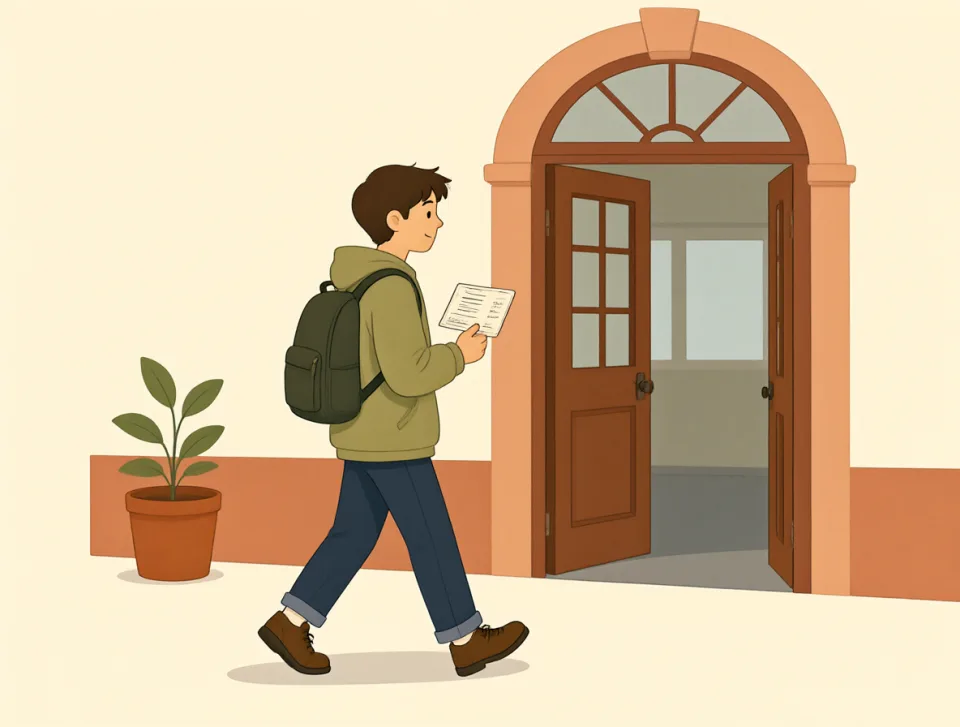
This ticket allows one person to enter.
Ten bilet uprawnia jedną osobę do wejścia.
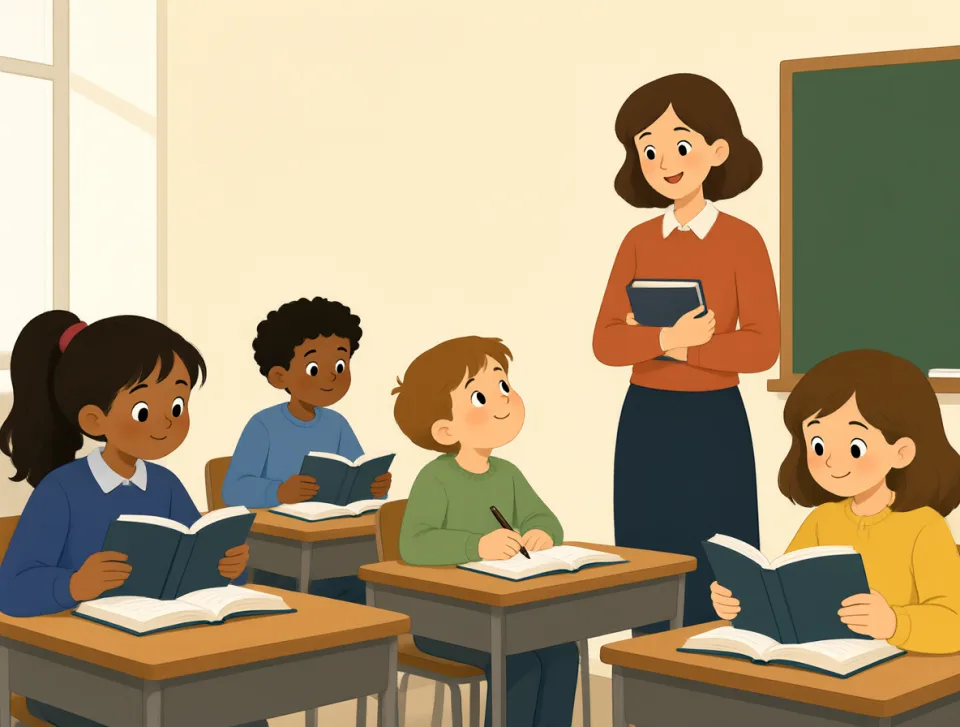
Our teacher allowed us to use dictionaries.
Nasz nauczyciel pozwolił nam korzystać ze słowników.
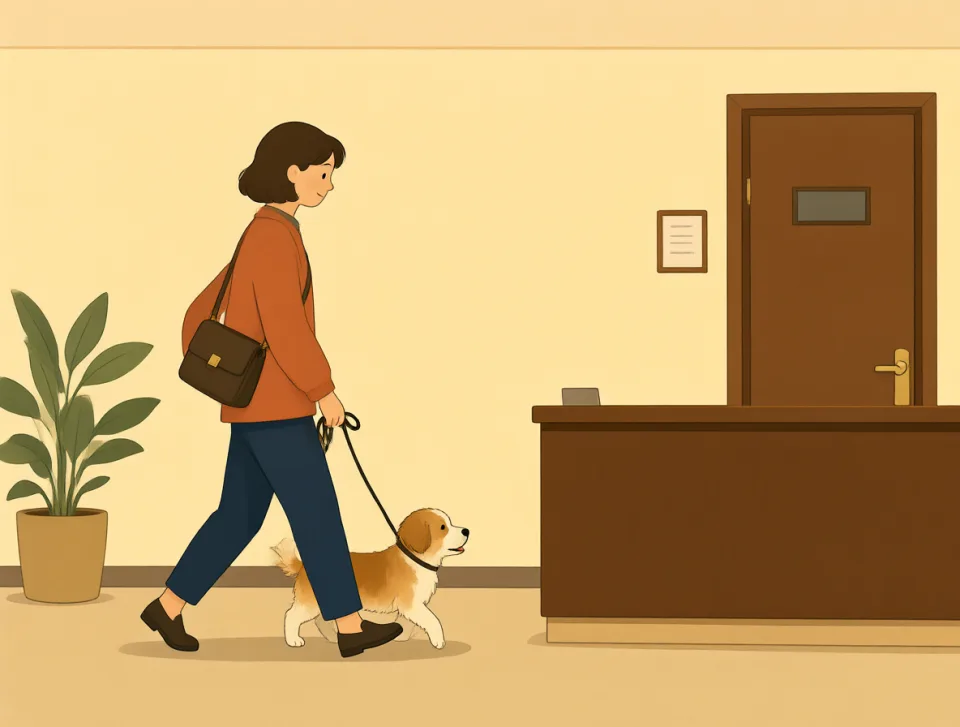
The hotel allows guests to bring pets.
Hotel pozwala gościom przywozić zwierzęta.
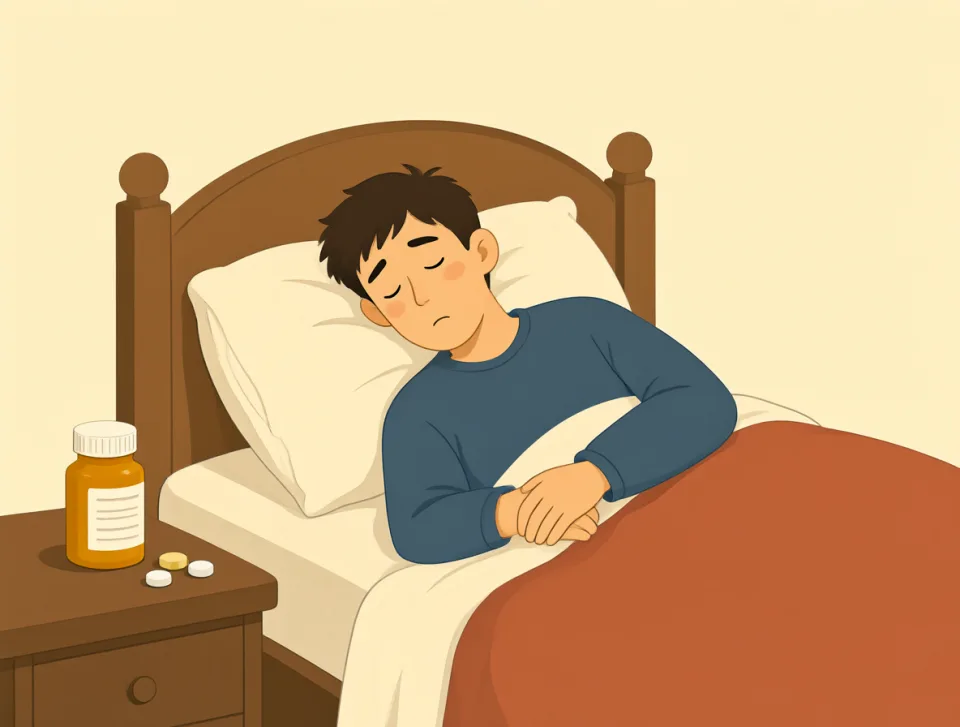
This medicine allows him to sleep better.
Ten lek pozwala mu lepiej spać.
soon
#325adverb
wkrótce
in a short time, or a short time after now
W krótkim czasie albo niedługo od teraz.
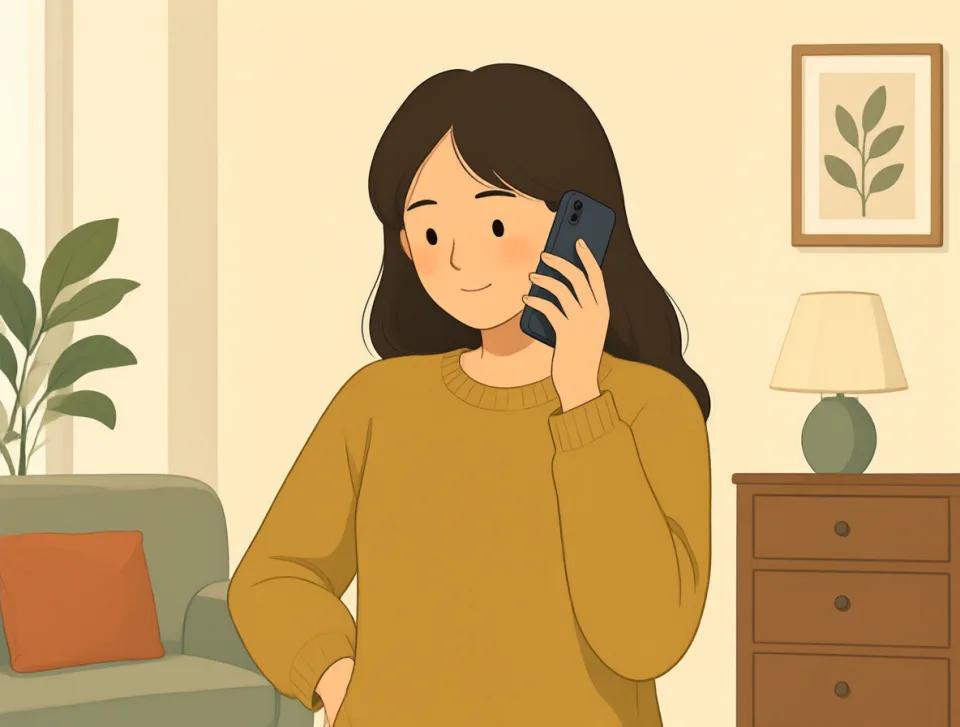
I will call you soon.
Zadzwonię do ciebie wkrótce.
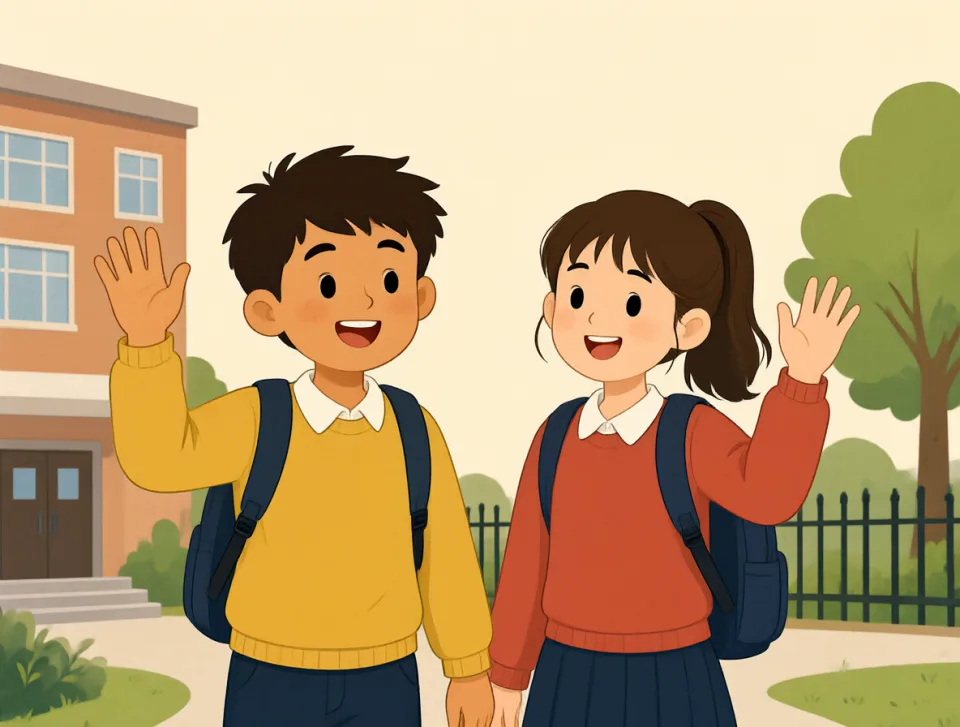
See you soon at school.
Do zobaczenia wkrótce w szkole.
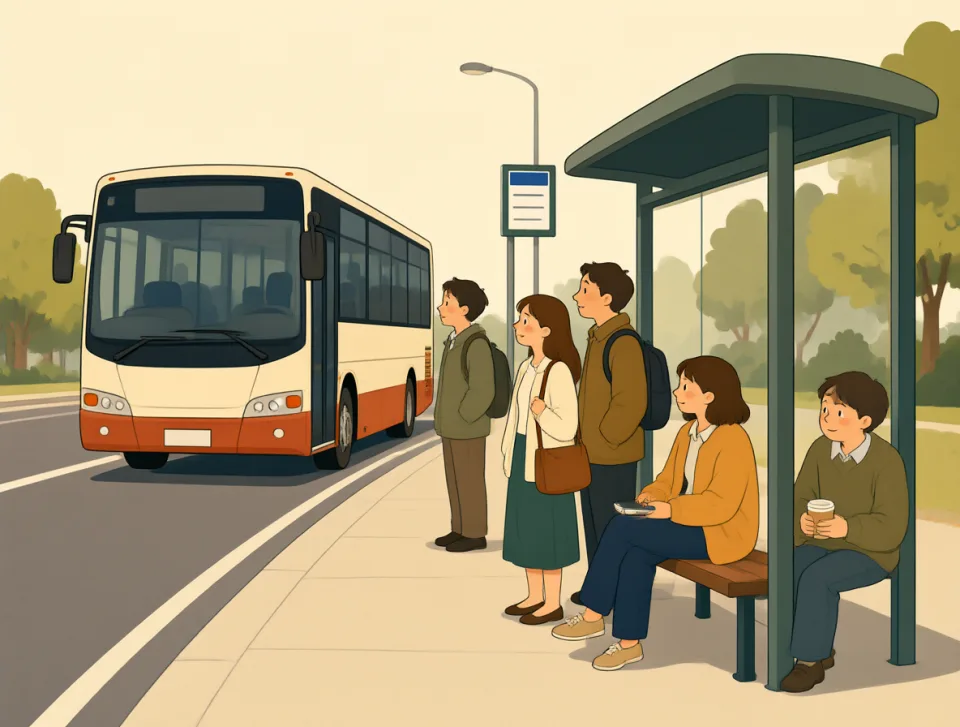
The bus will arrive soon.
Autobus wkrótce przyjedzie.
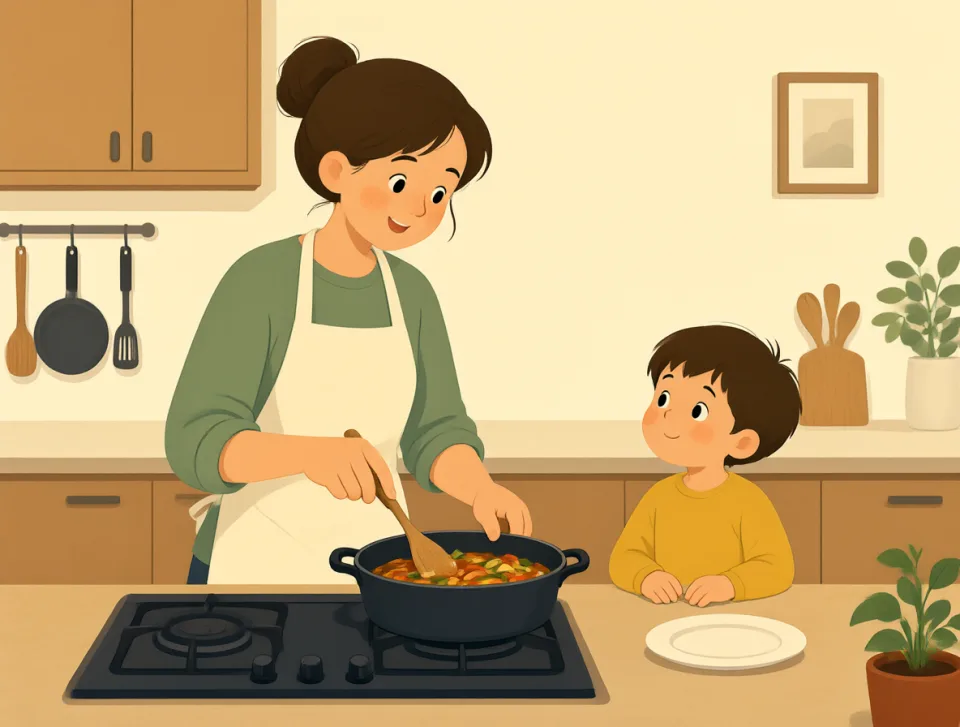
Dinner will be ready soon.
Kolacja będzie wkrótce gotowa.
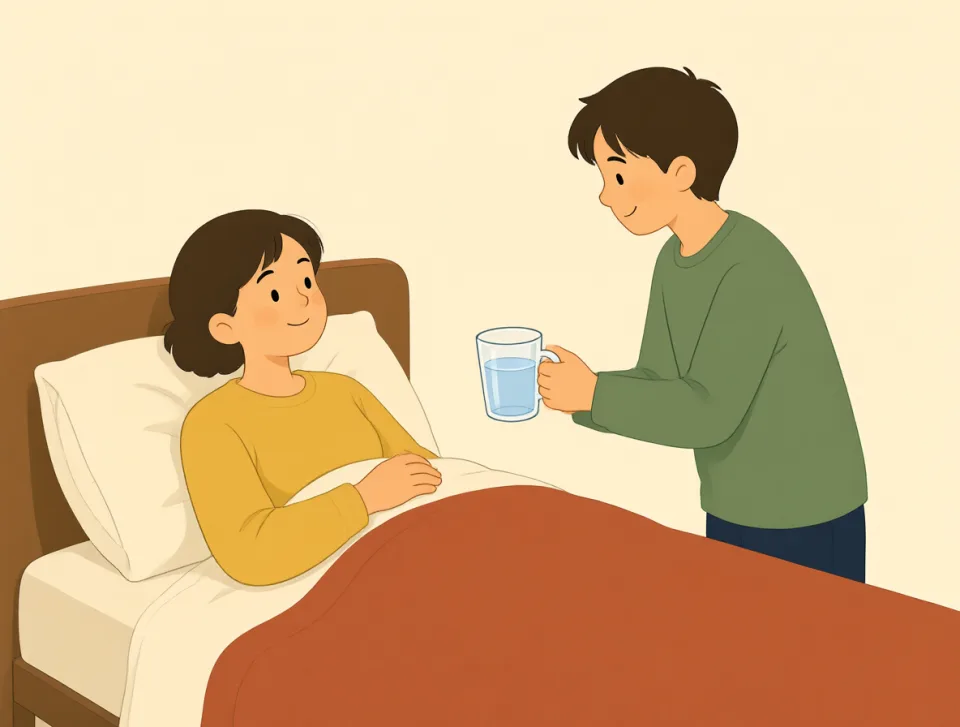
She soon felt better after resting.
Po odpoczynku wkrótce poczuła się lepiej.
watch
#326verb, noun
zegarek; oglądać
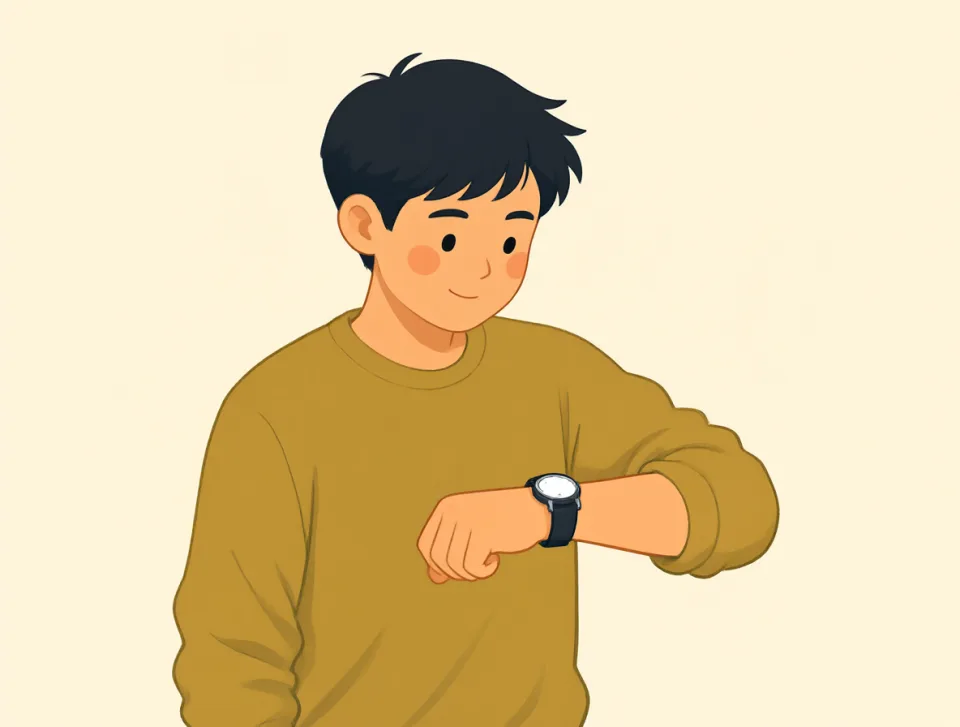
To look at something carefully, or a small clock worn on your wrist.
Przyglądać się czemuś uważnie albo mały zegar noszony na nadgarstku.
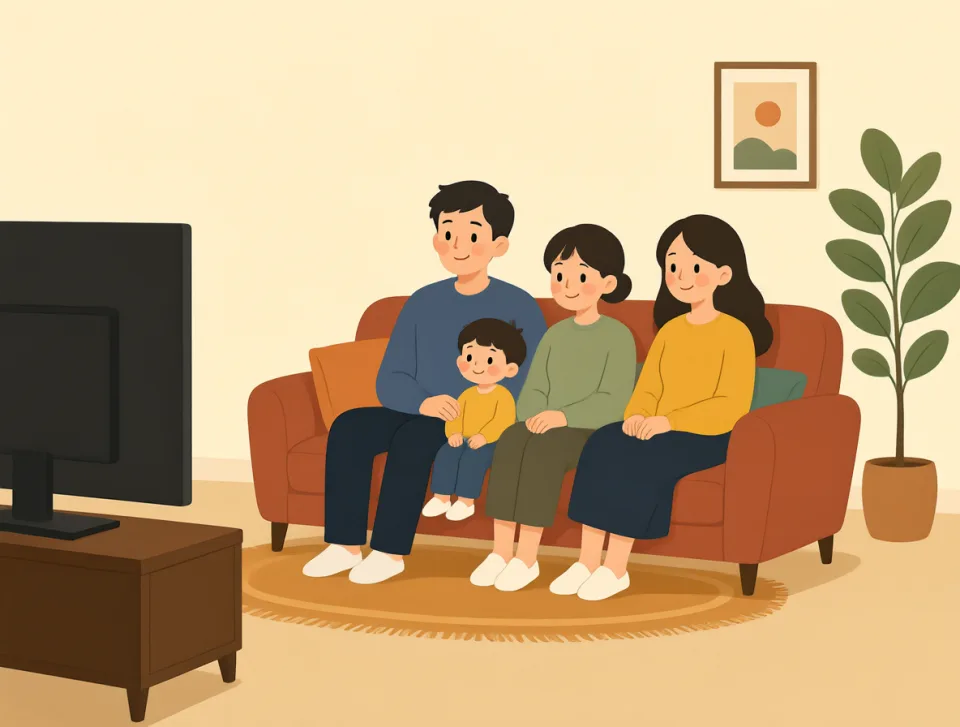
We watch television after dinner.
Po kolacji oglądamy telewizję.
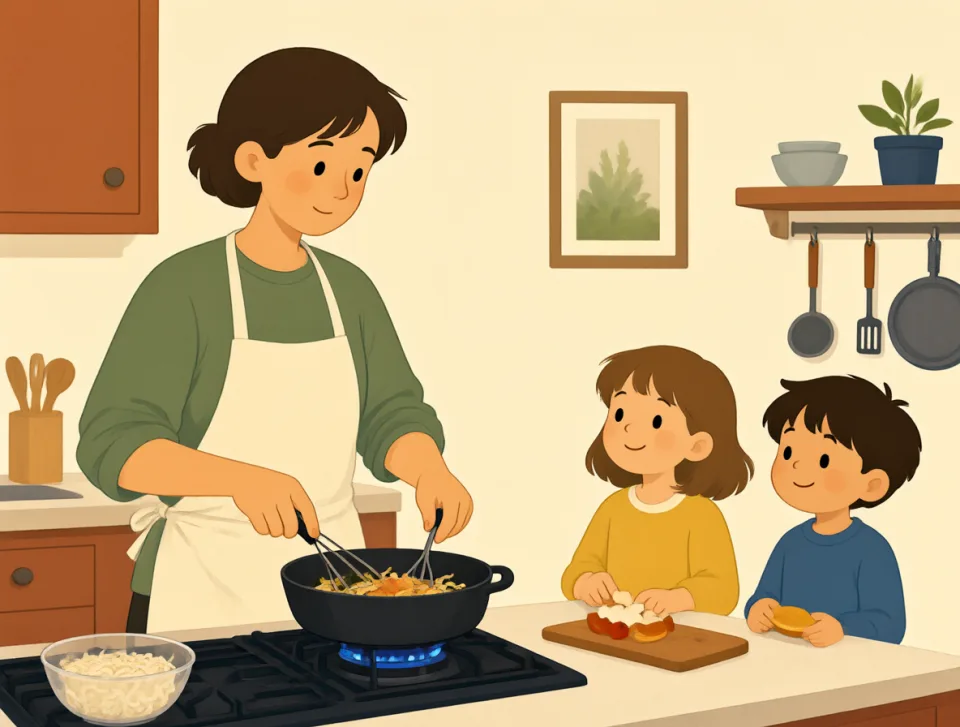
Watch the children while I cook.
Przypilnuj dzieci, kiedy będę gotować.

I watched a movie with my friends.
Obejrzałem film z przyjaciółmi.
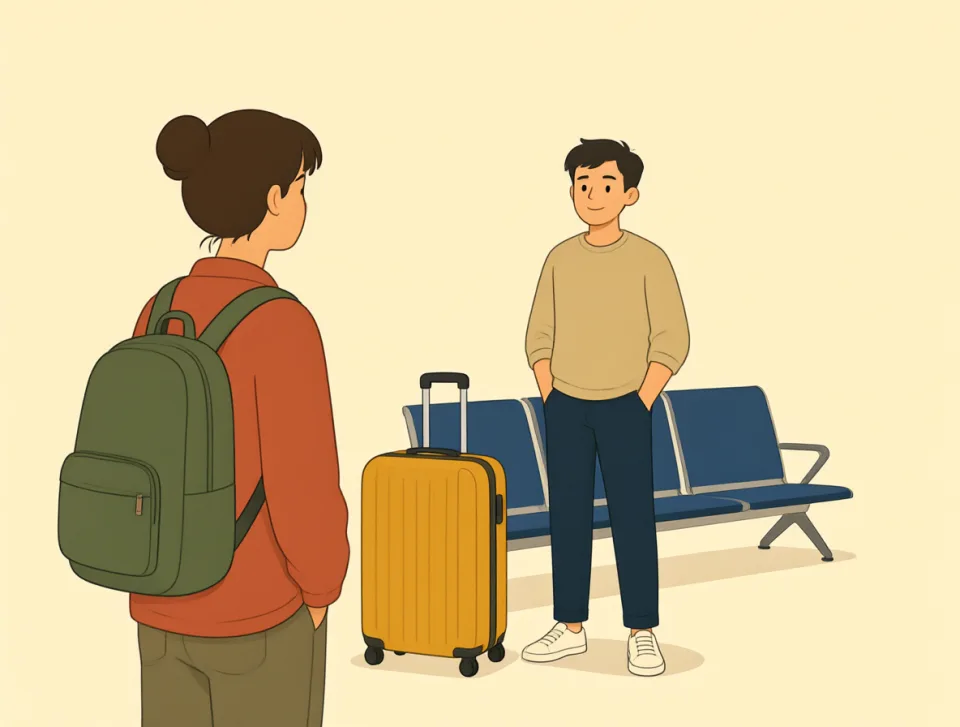
Please watch your bag at the airport.
Proszę pilnować swojej torby na lotnisku.
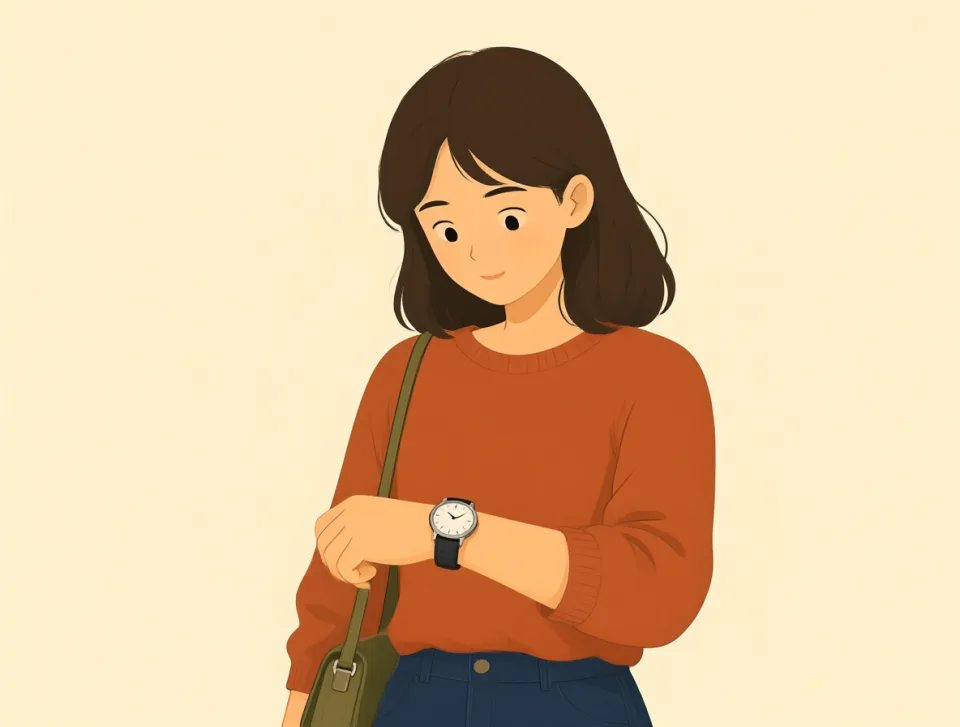
Her watch stopped this morning.
Jej zegarek zatrzymał się dziś rano.
base
#327noun, verb
podstawa
The bottom part supporting something, or the place used for a special purpose.
Dolna część, która coś podtrzymuje, albo miejsce wykorzystywane do określonego celu.
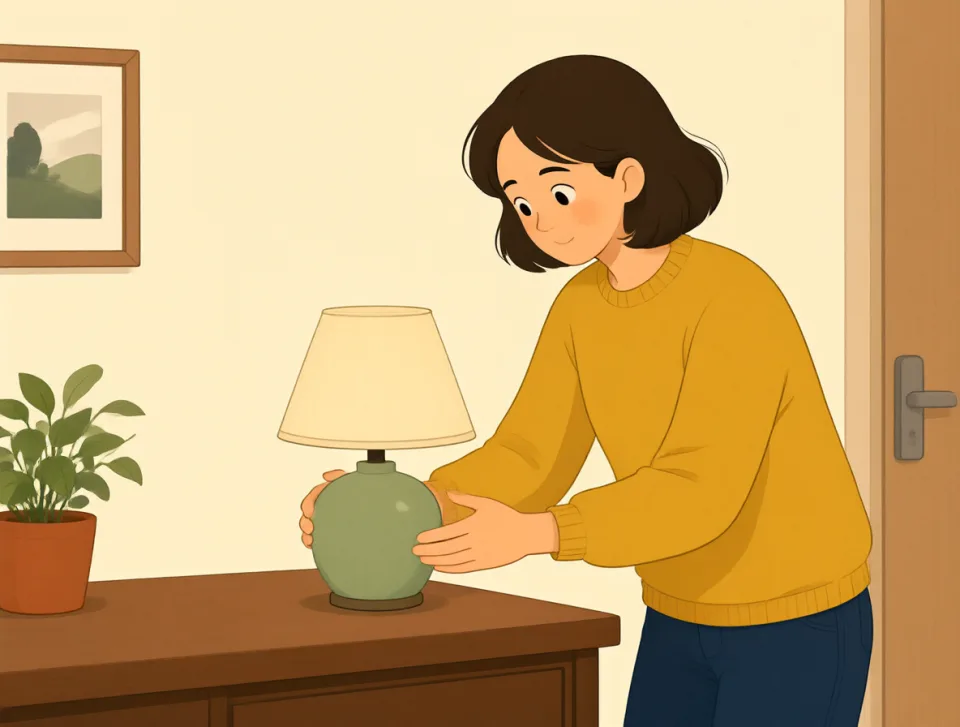
The lamp has a heavy base.
Lampa ma ciężką podstawę.
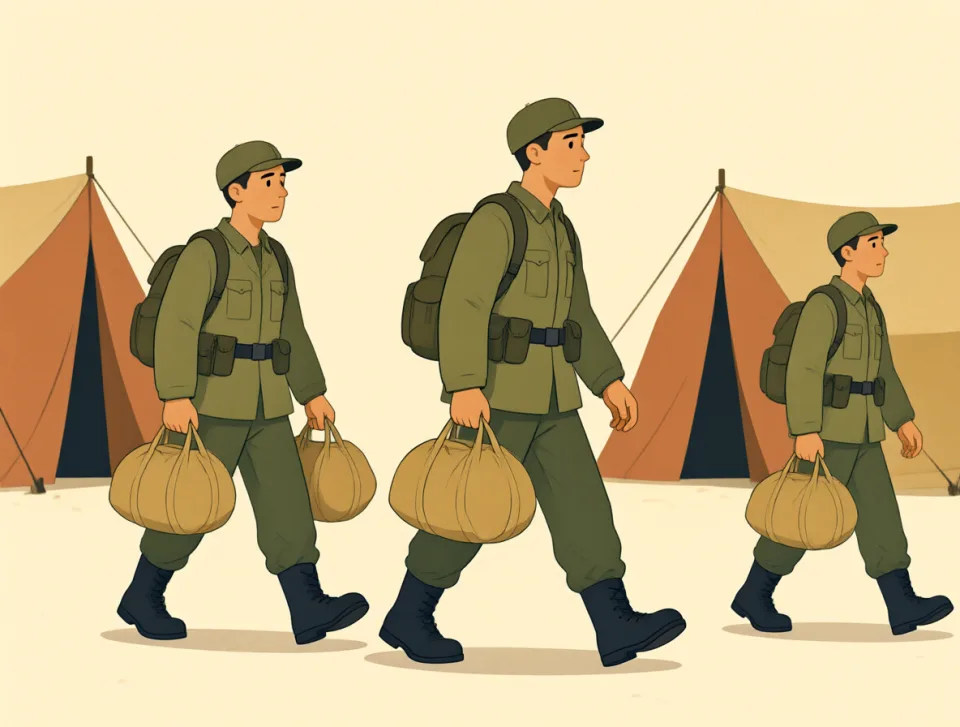
The soldiers returned to their base.
Żołnierze wrócili do swojej bazy.
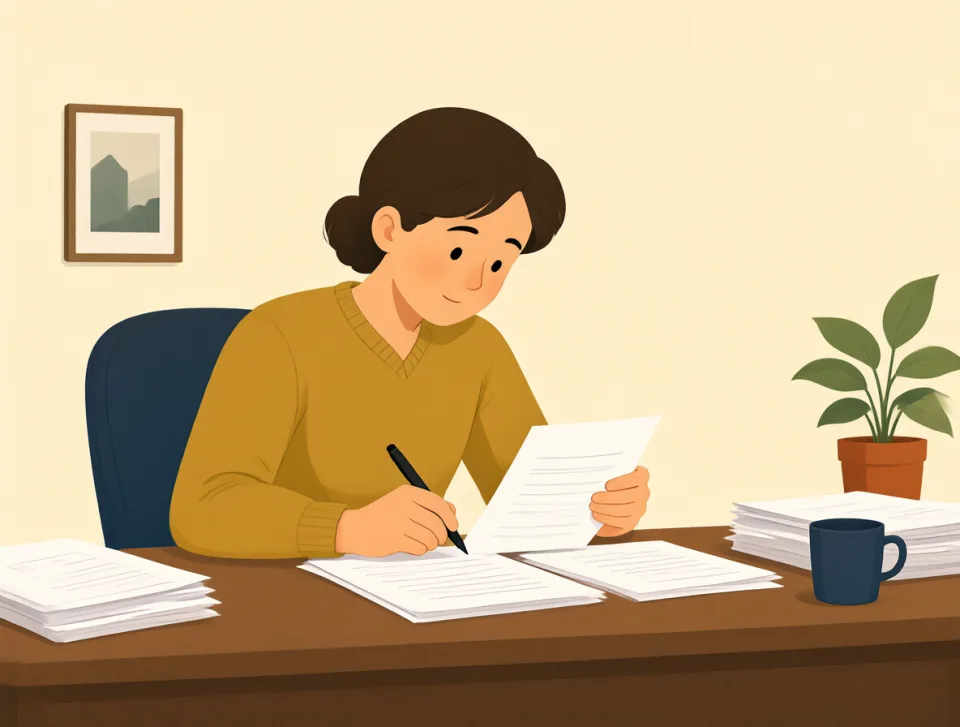
The report is based on recent research.
Raport opiera się na najnowszych badaniach.
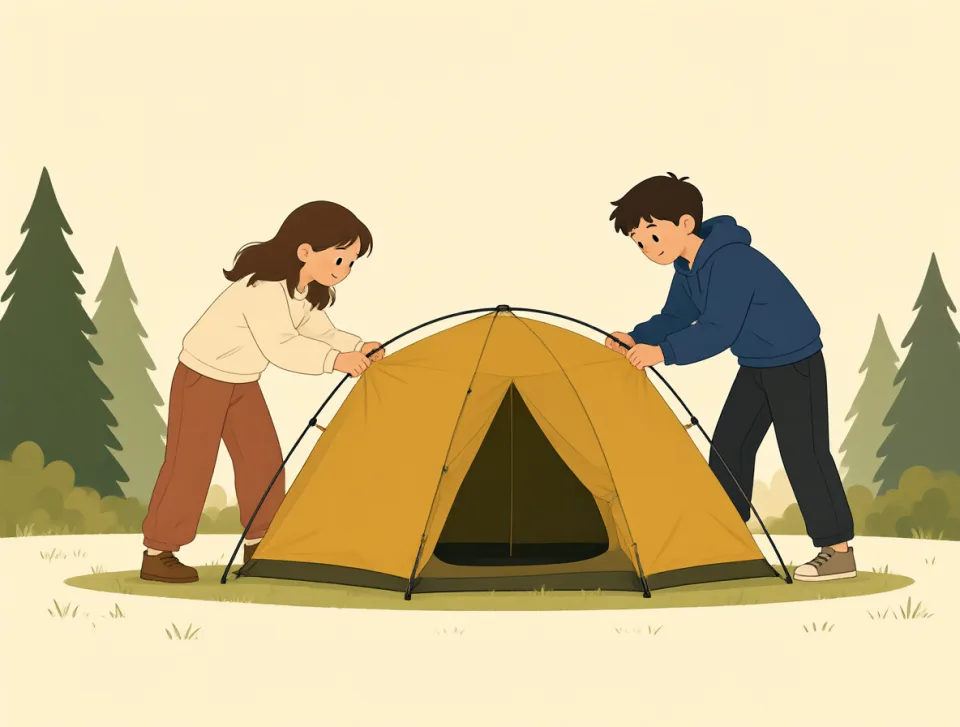
We need a strong base for the tent.
Potrzebujemy solidnej podstawy pod namiot.
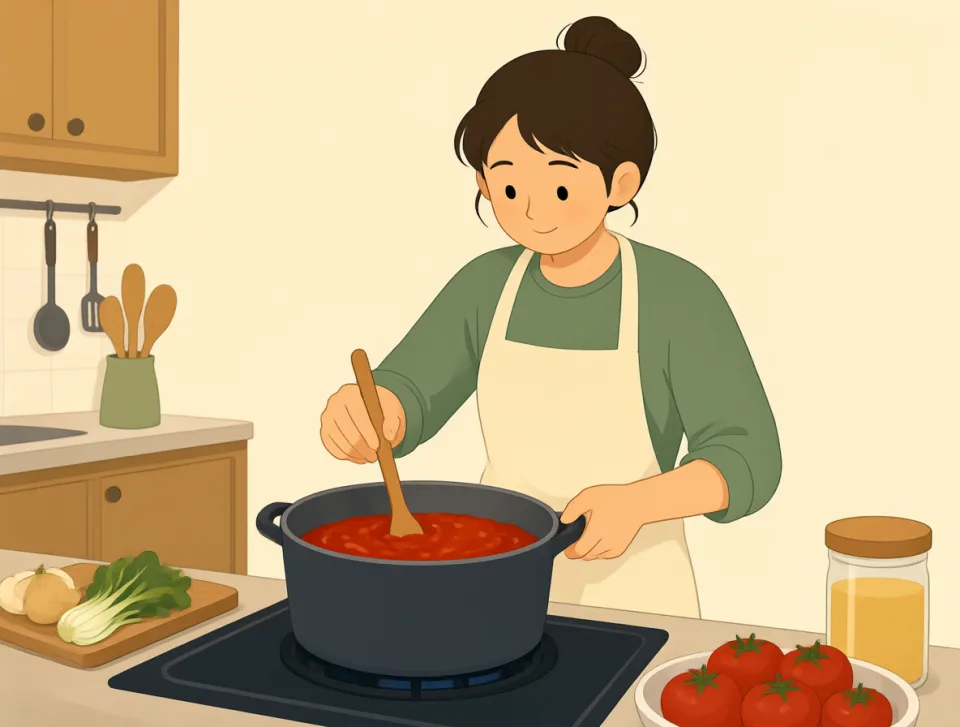
The sauce has a tomato base.
Sos ma bazę pomidorową.
probably
#328adverb
prawdopodobnie
Used to say that something is likely to happen or be true.
Używane, by powiedzieć, że coś najpewniej się wydarzy lub jest prawdą.
She will probably come home late.
Ona prawdopodobnie wróci do domu późno.
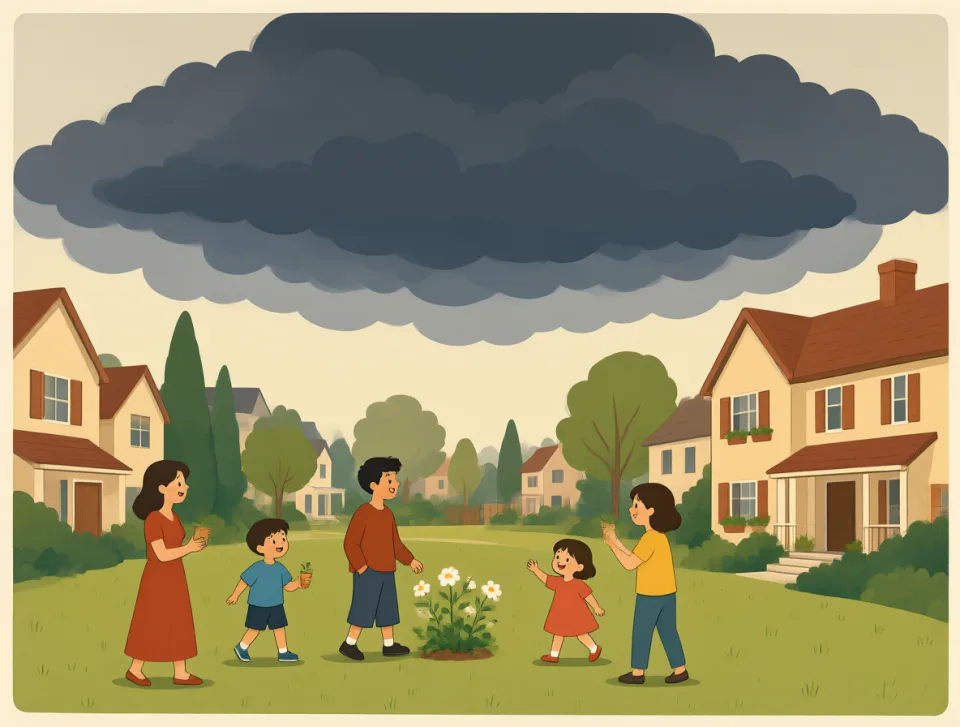
It will probably rain this afternoon.
Dziś po południu prawdopodobnie będzie padać.
He is probably at work now.
On jest teraz prawdopodobnie w pracy.
This is probably the best choice.
To prawdopodobnie najlepszy wybór.
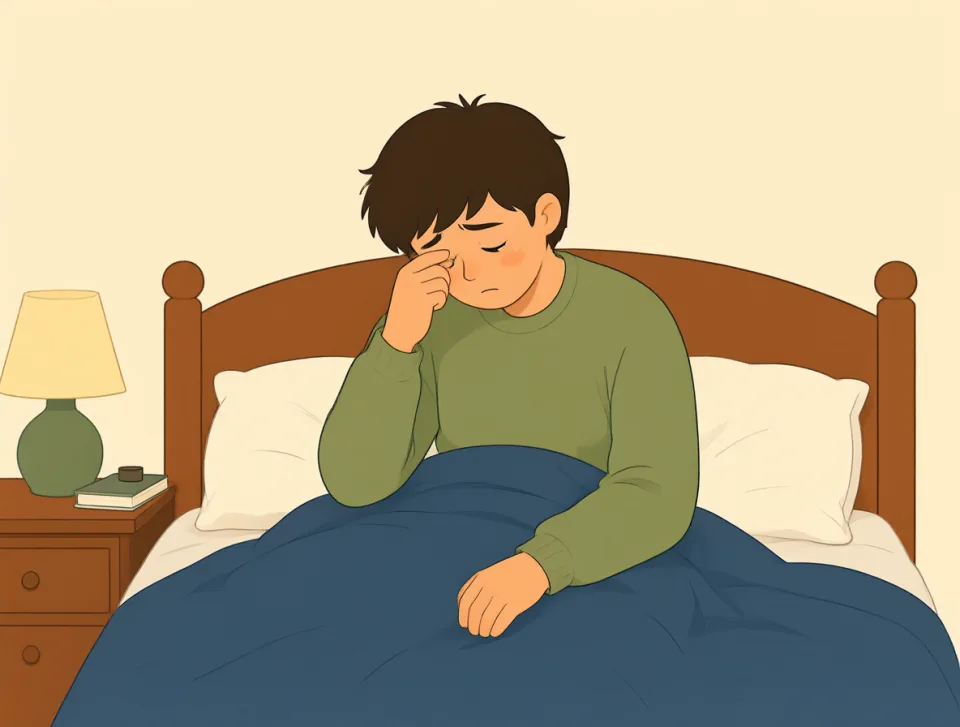
You probably need more sleep.
Prawdopodobnie potrzebujesz więcej snu.
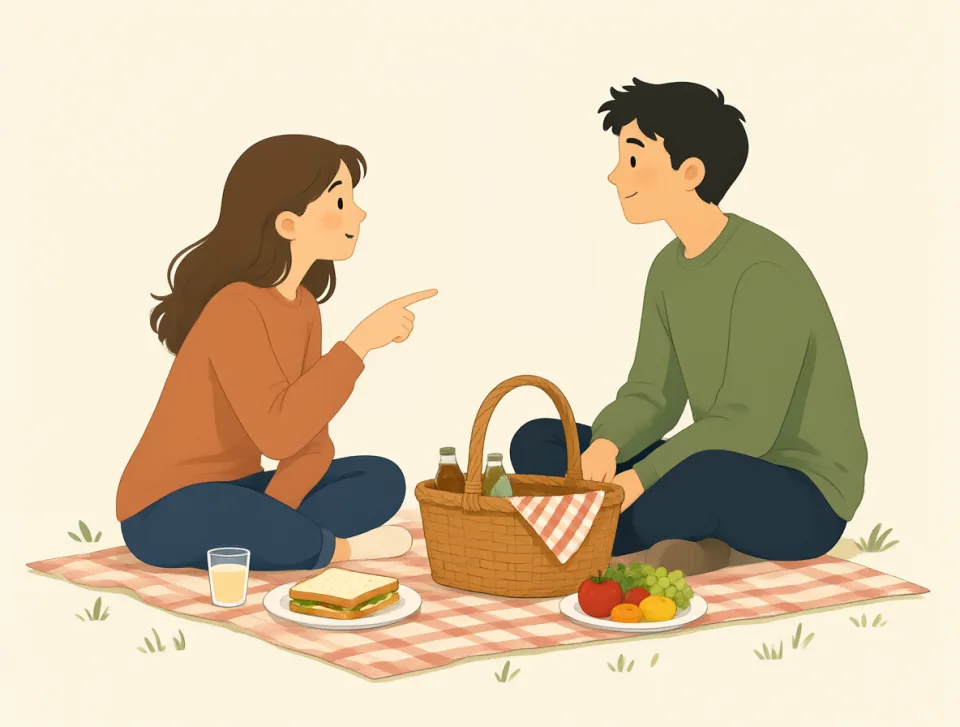
suggest
#329verb
zasugerować
To give an idea or plan for someone to think about or use.
Podsunąć komuś pomysł lub plan do rozważenia albo wykorzystania.
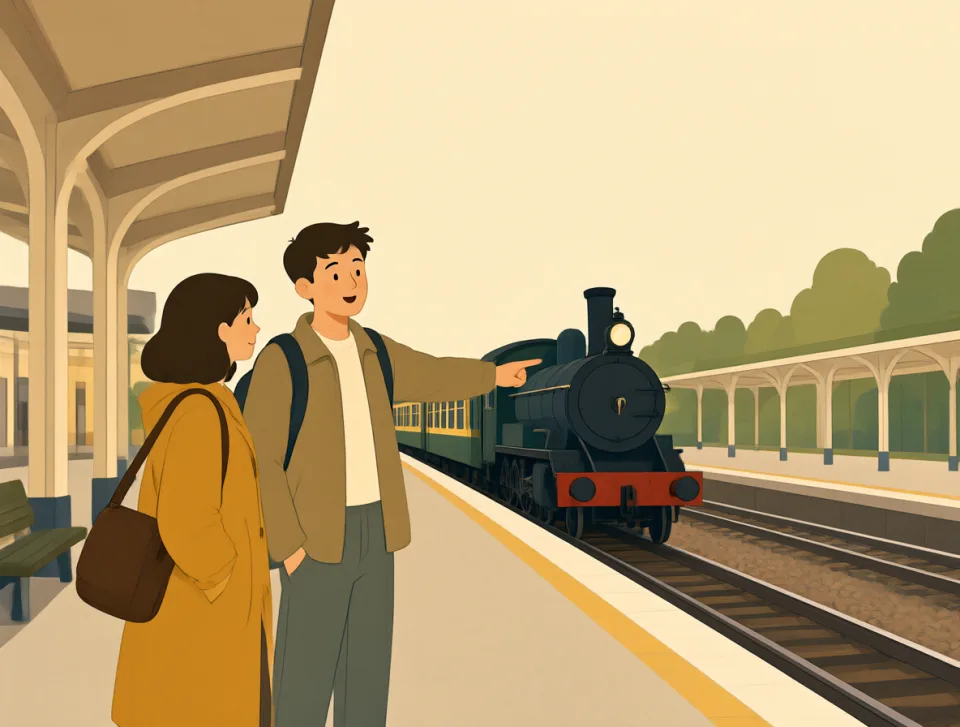
I suggest taking the early train.
Proponuję pojechać wcześniejszym pociągiem.
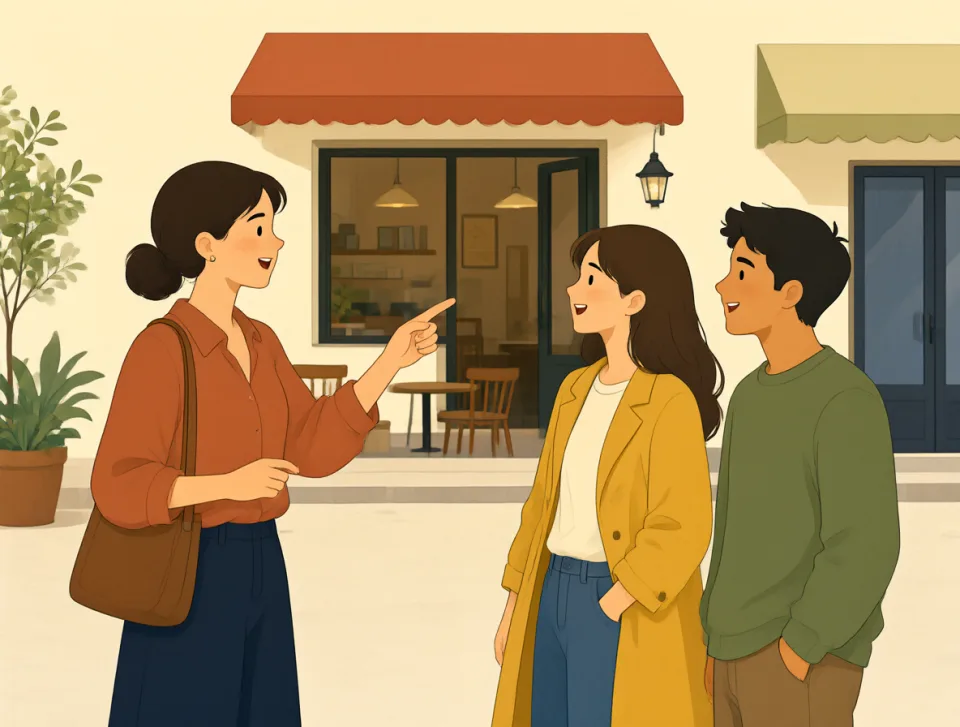
She suggested a new restaurant for dinner.
Zasugerowała nową restaurację na kolację.
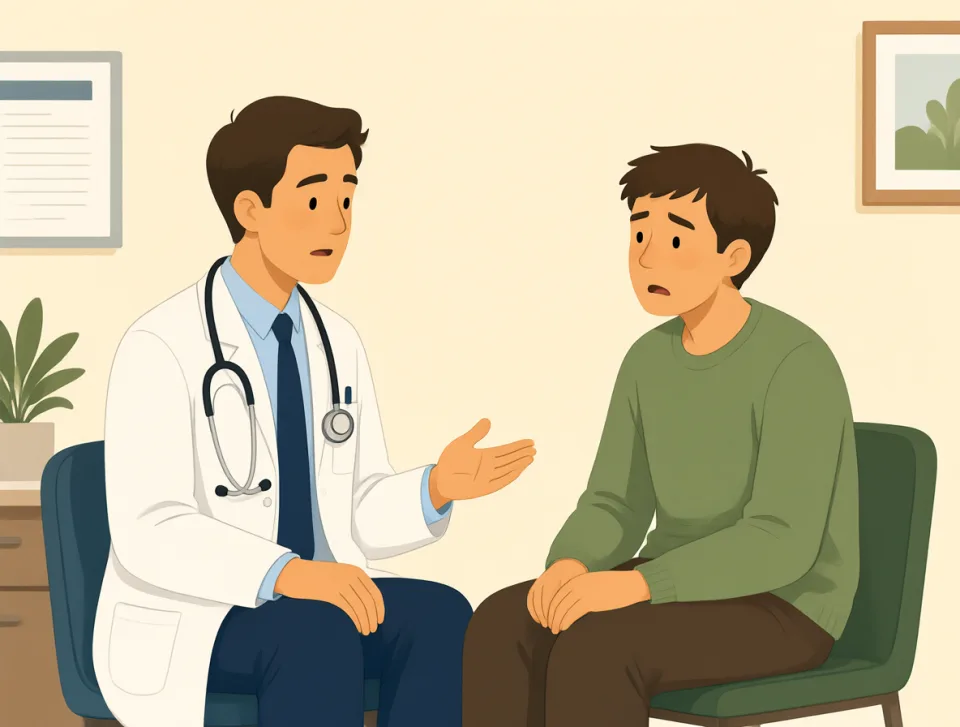
The doctor suggested getting more sleep.
Lekarz zasugerował, żeby więcej spać.
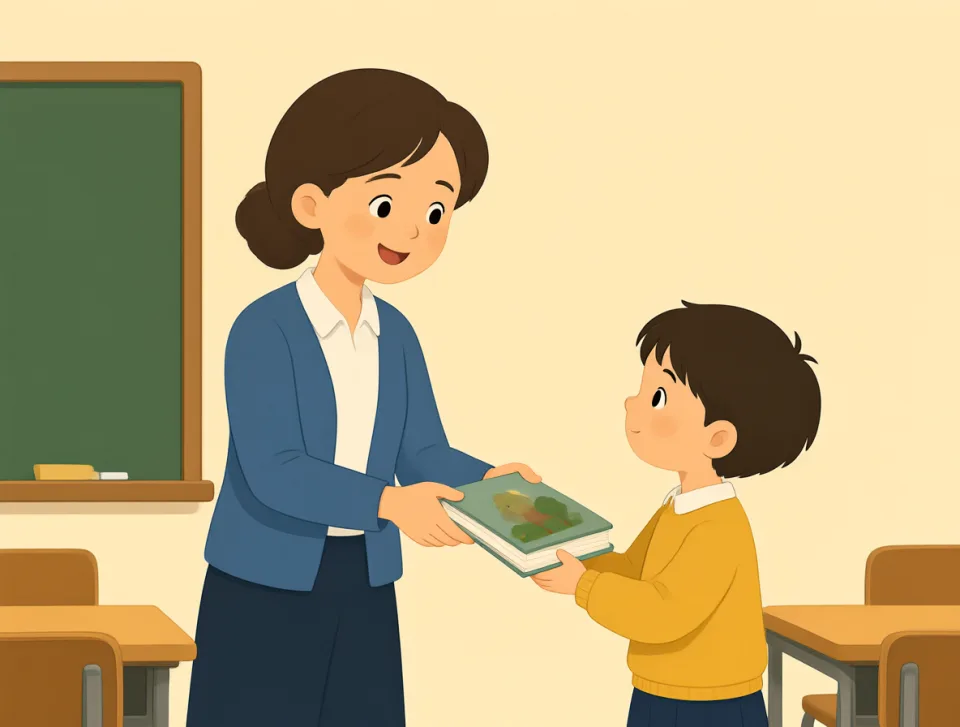
My teacher suggested reading this book.
Nauczyciel zasugerował mi przeczytanie tej książki.
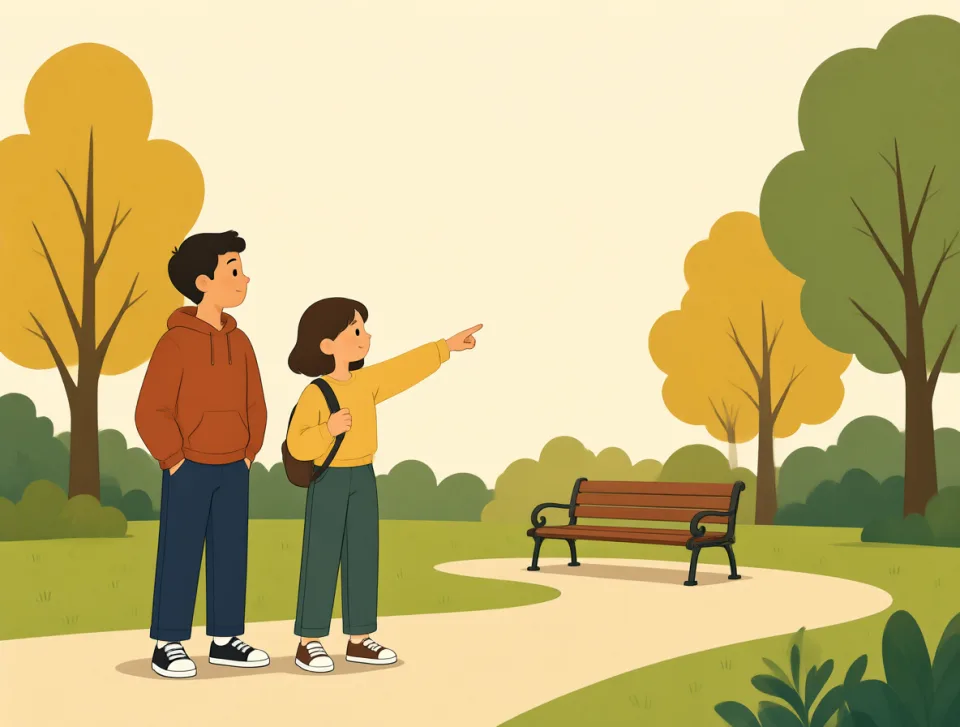
They suggested meeting at the park.
Zasugerowali spotkanie w parku.
past
#330noun, adjective, adverb, preposition
przeszłość; obok
The time before now, or moving from one place to another.
Czas, który minął, albo ruch z jednego miejsca do drugiego, obok czegoś.
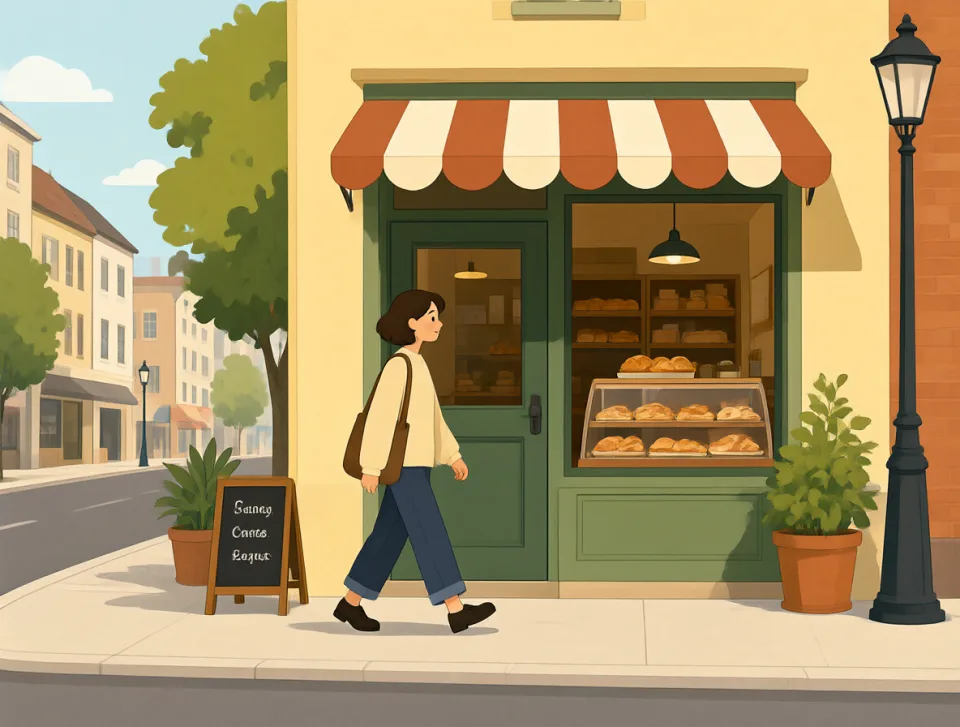
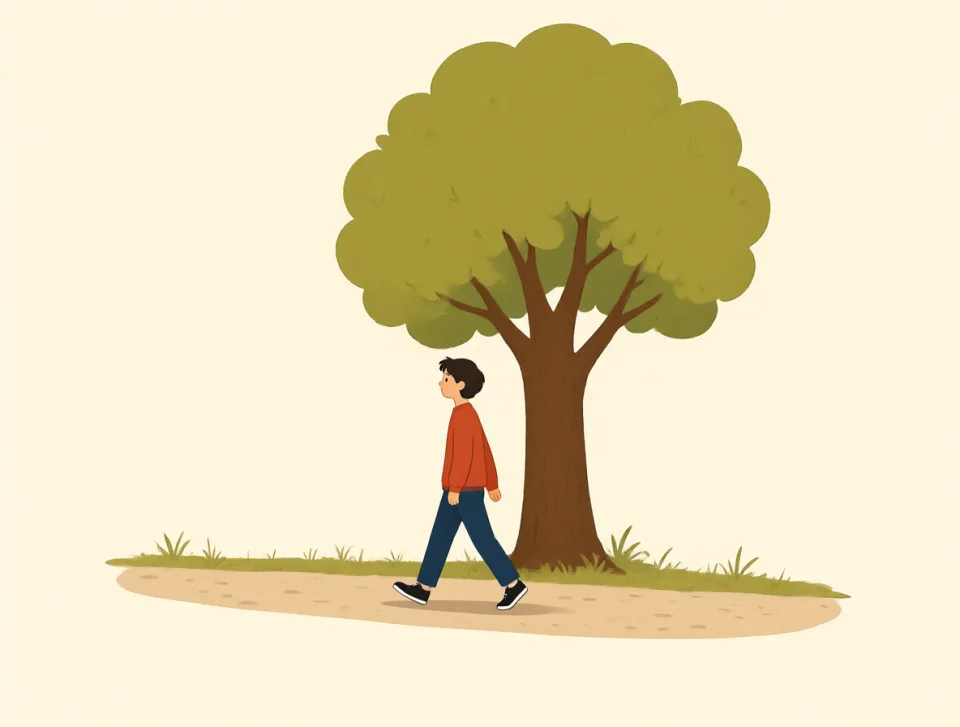
I walked past the bakery this morning.
Dziś rano przechodziłem obok piekarni.
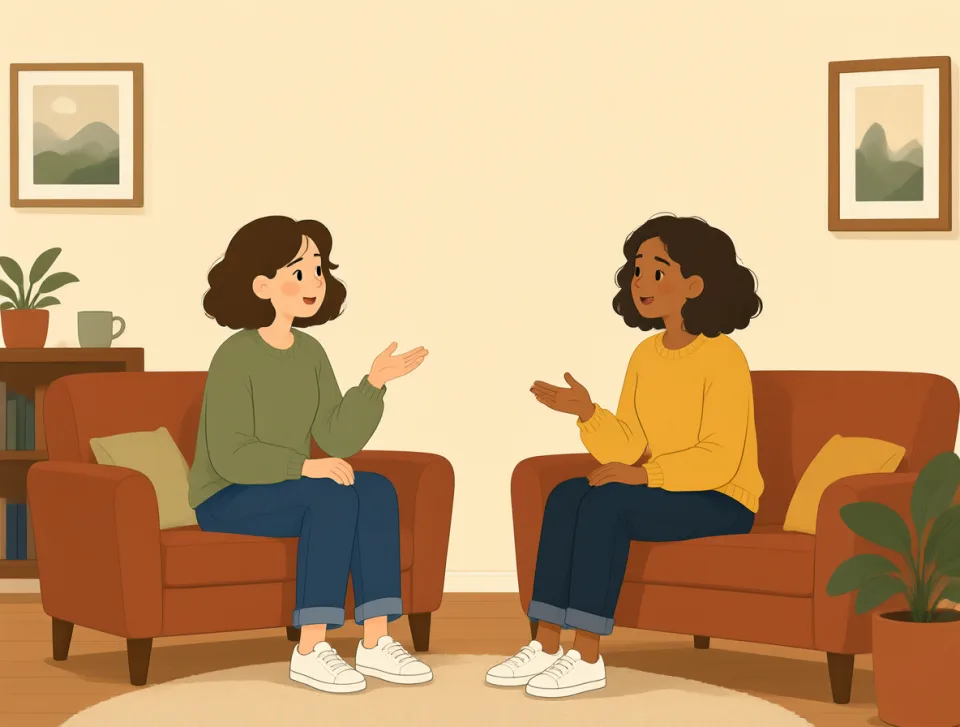
She told us about her past.
Opowiedziała nam o swojej przeszłości.
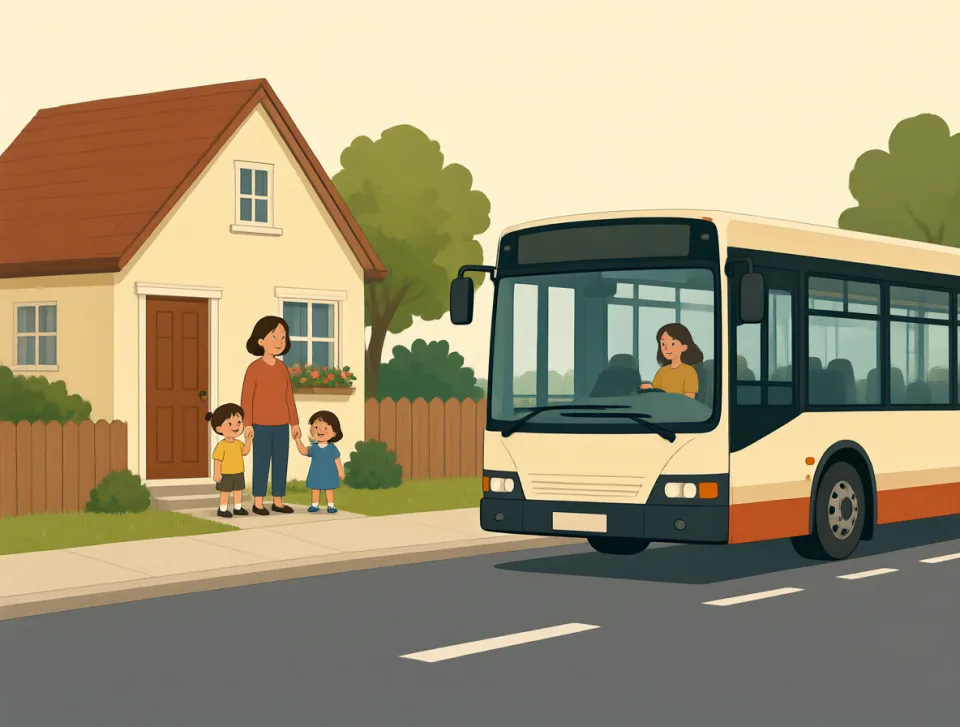
The bus drove past our house.
Autobus przejechał obok naszego domu.
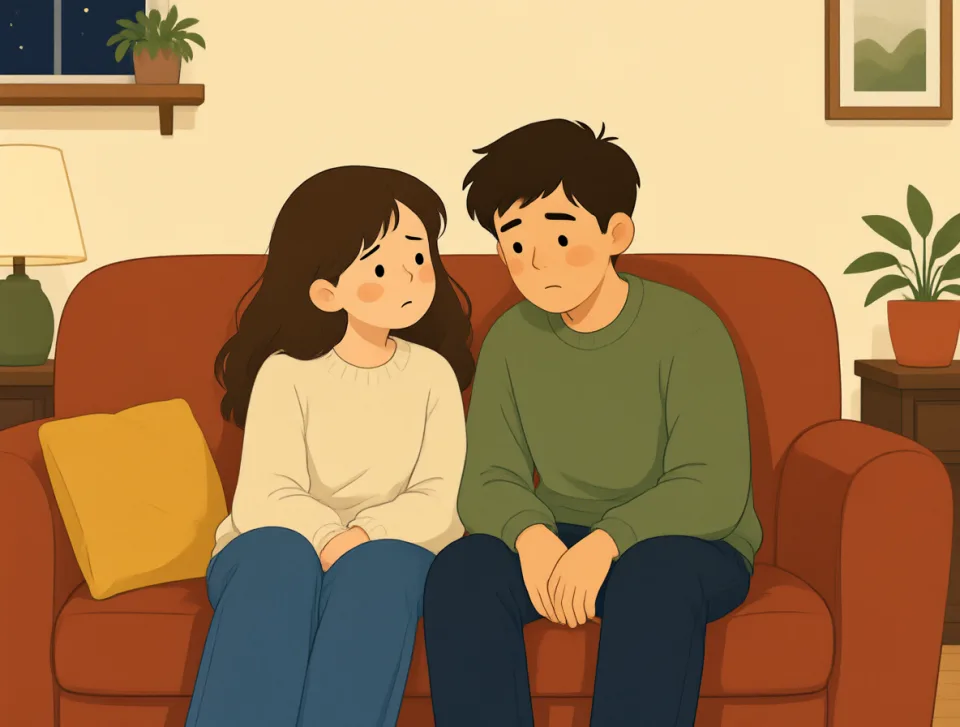
We stayed up past midnight.
Nie spaliśmy do późna, po północy.
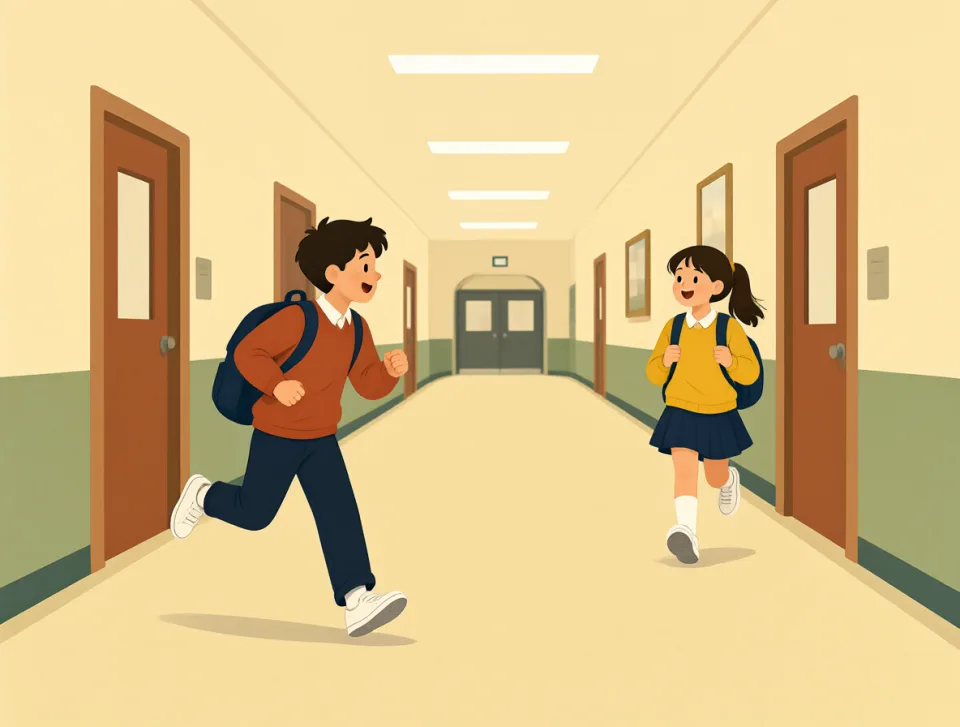
He ran past me at school.
Przebiegł obok mnie w szkole.
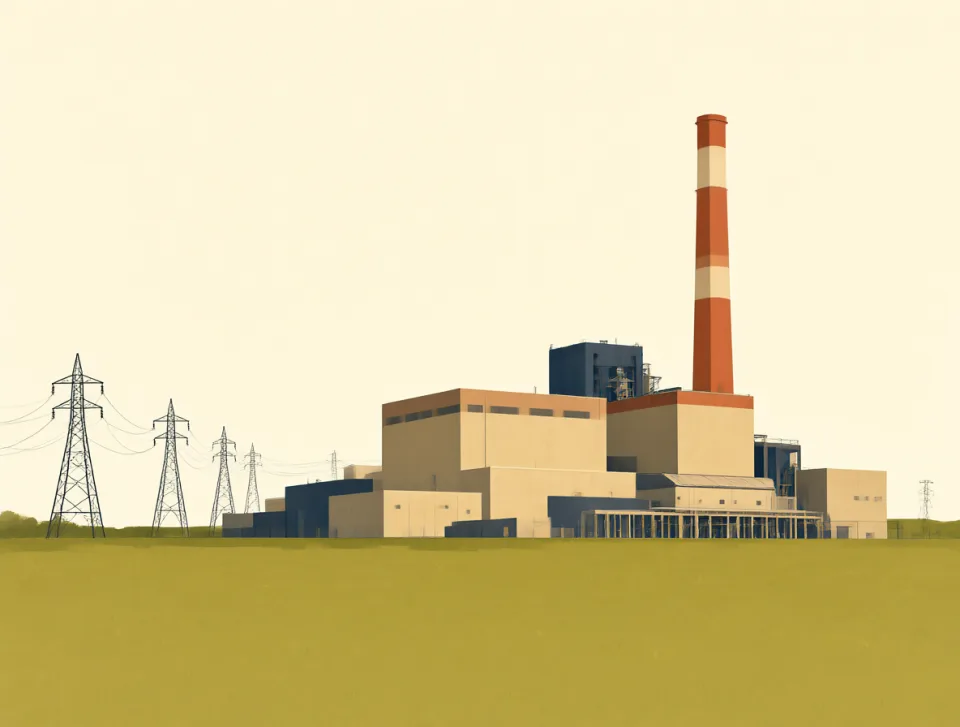
power
#331noun, verb
władza; moc
The ability or energy to control people or make things happen.
Zdolność lub energia pozwalająca kontrolować ludzi albo sprawiać, że coś się dzieje.
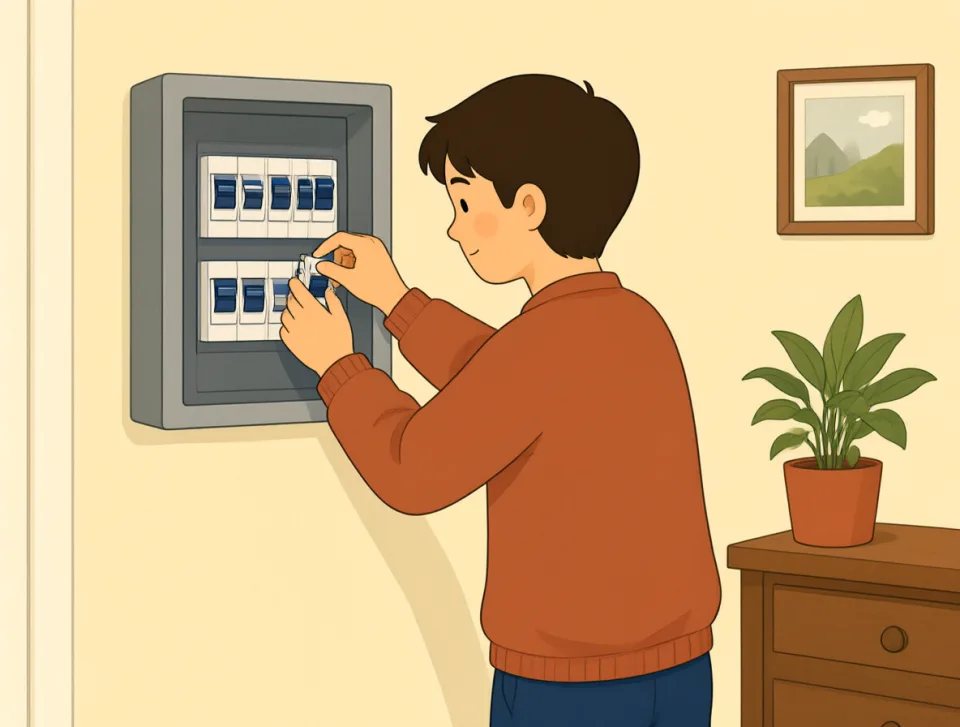
Please turn off the power before repairs.
Przed naprawą wyłącz zasilanie.
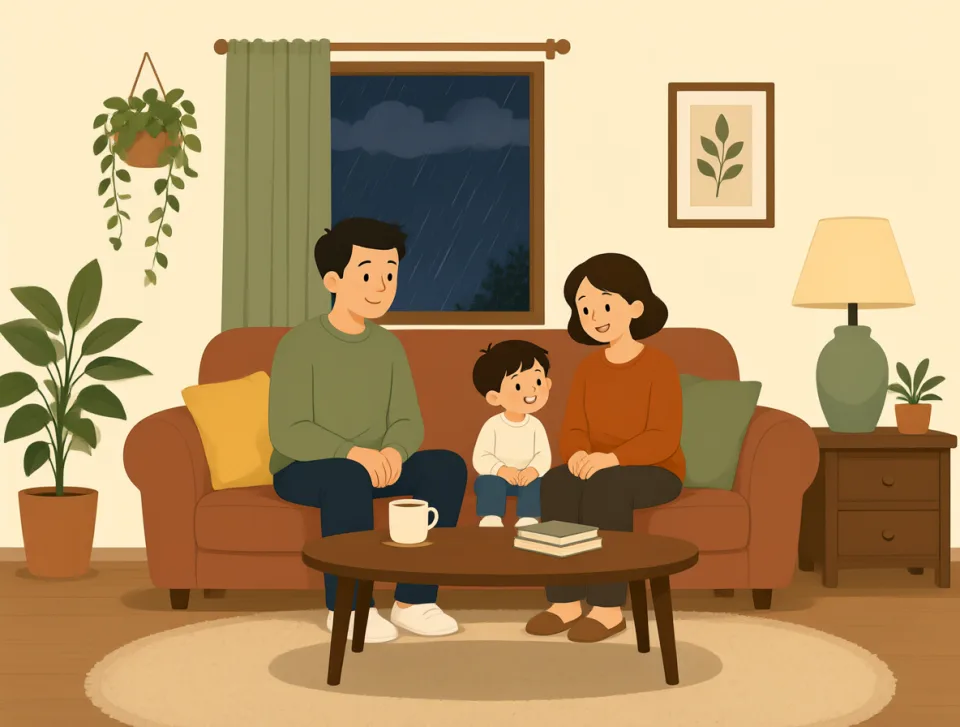
The storm knocked out power yesterday.
Wczoraj burza spowodowała przerwę w dostawie prądu.
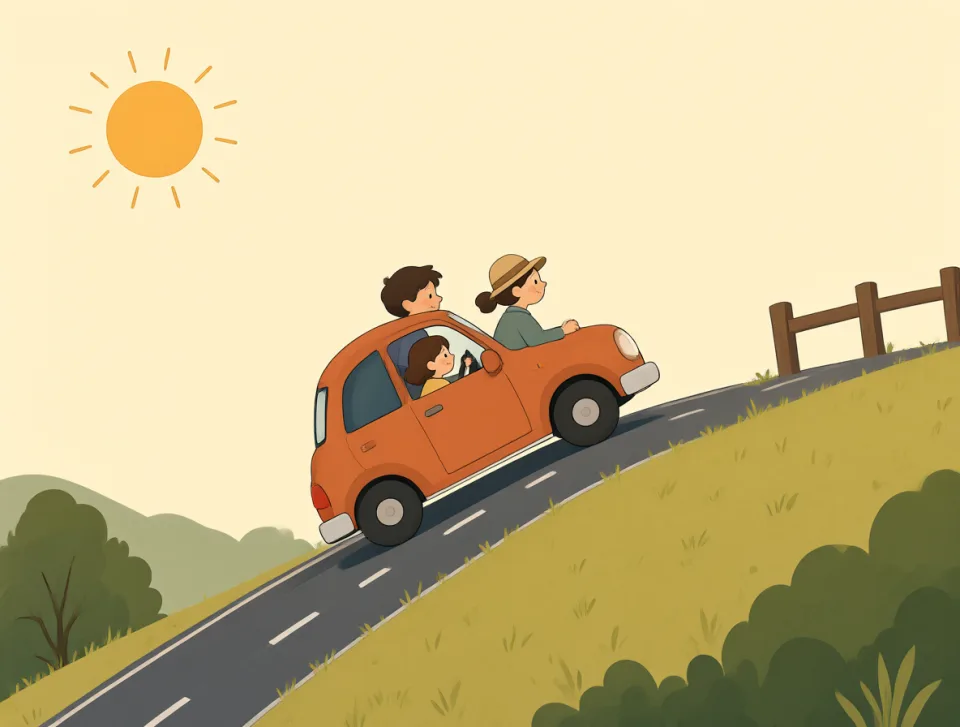
This engine has enough power for hills.
Ten silnik ma wystarczającą moc, by pokonywać wzniesienia.
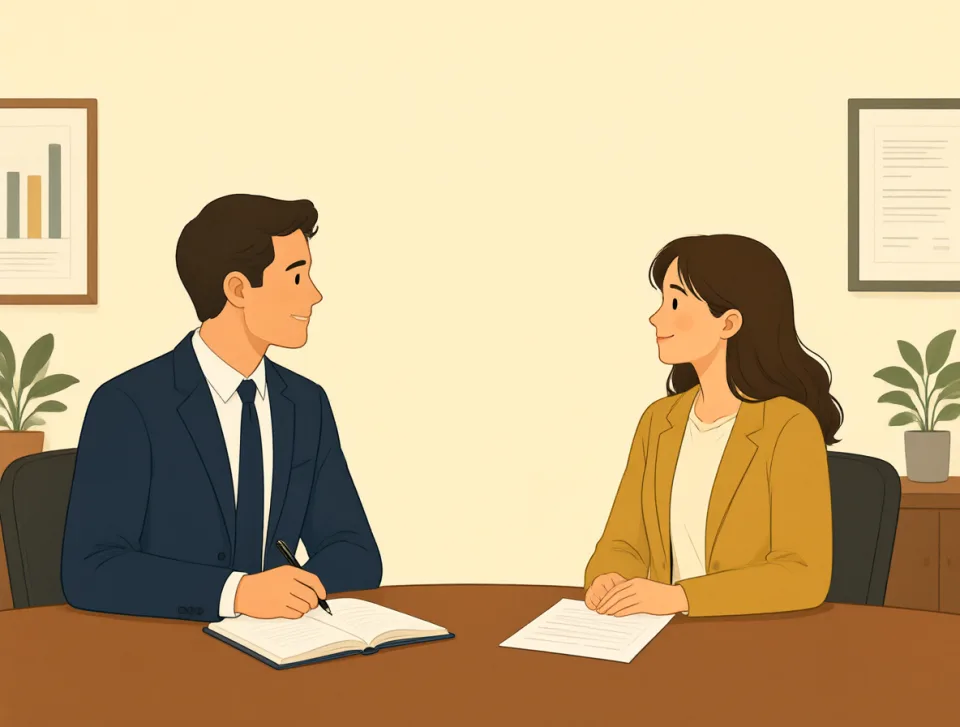
The new manager has power over hiring.
Nowy menedżer ma wpływ na decyzje o zatrudnieniu.
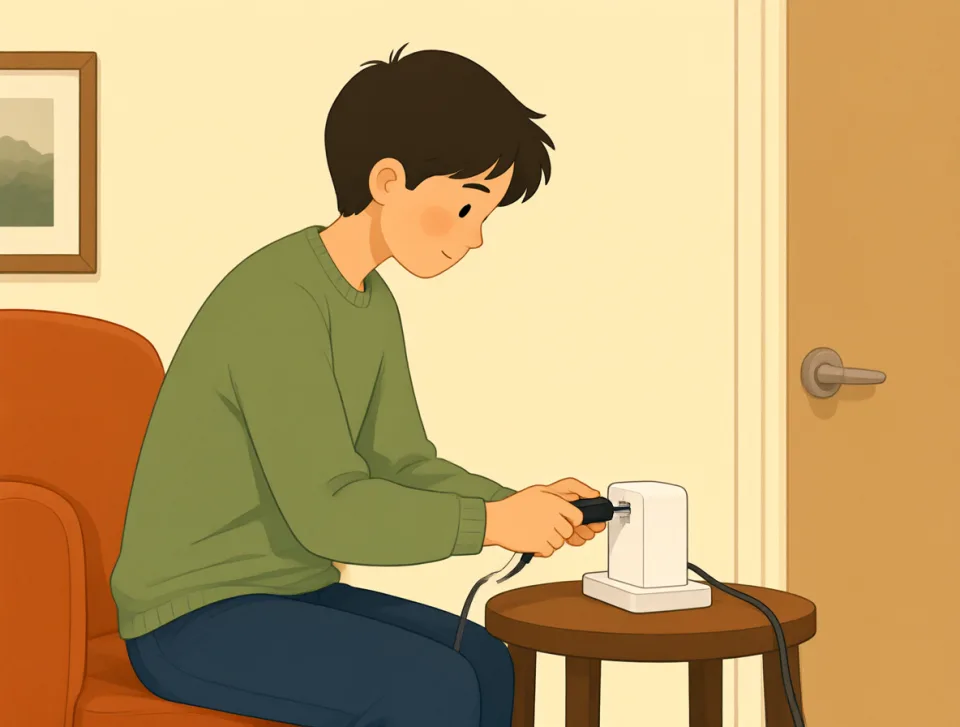
I power my phone with this small charger.
Ładuję telefon za pomocą tej małej ładowarki.
test
#332noun, verb
test; sprawdzian
an examination or trial used to check knowledge, ability, quality, or health
Egzamin lub próba służące sprawdzeniu wiedzy, umiejętności, jakości albo stanu zdrowia.
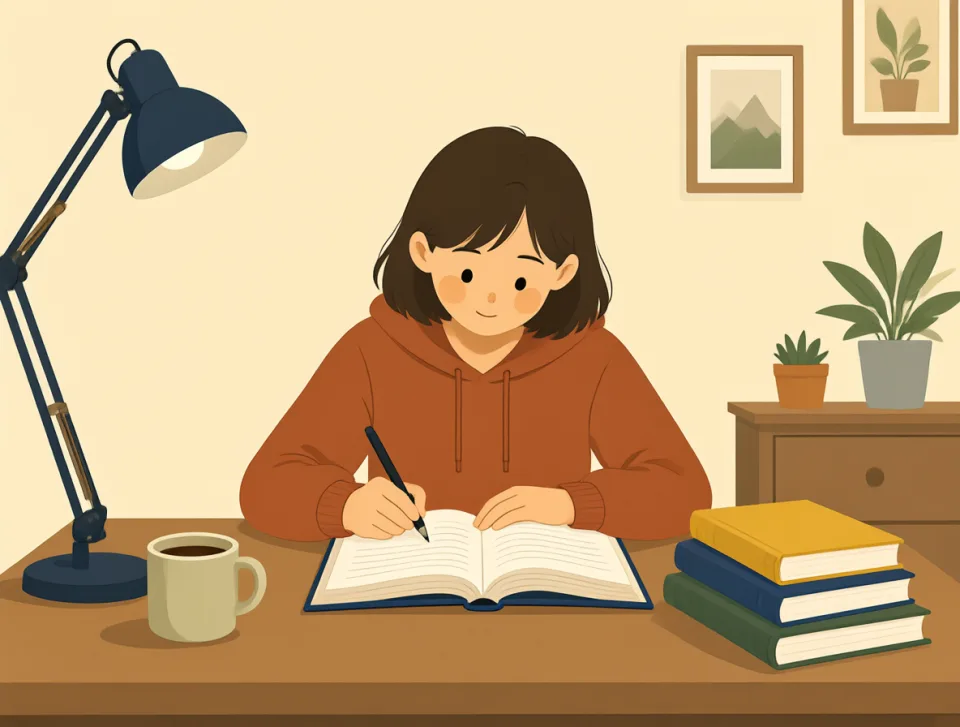
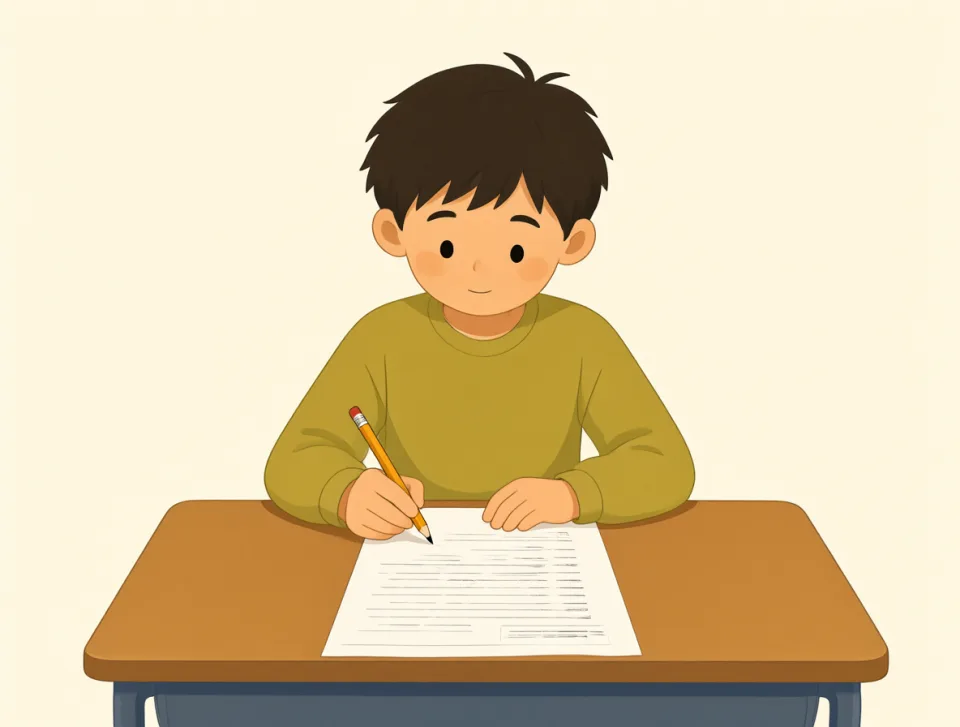
I have a math test tomorrow.
Jutro mam sprawdzian z matematyki.
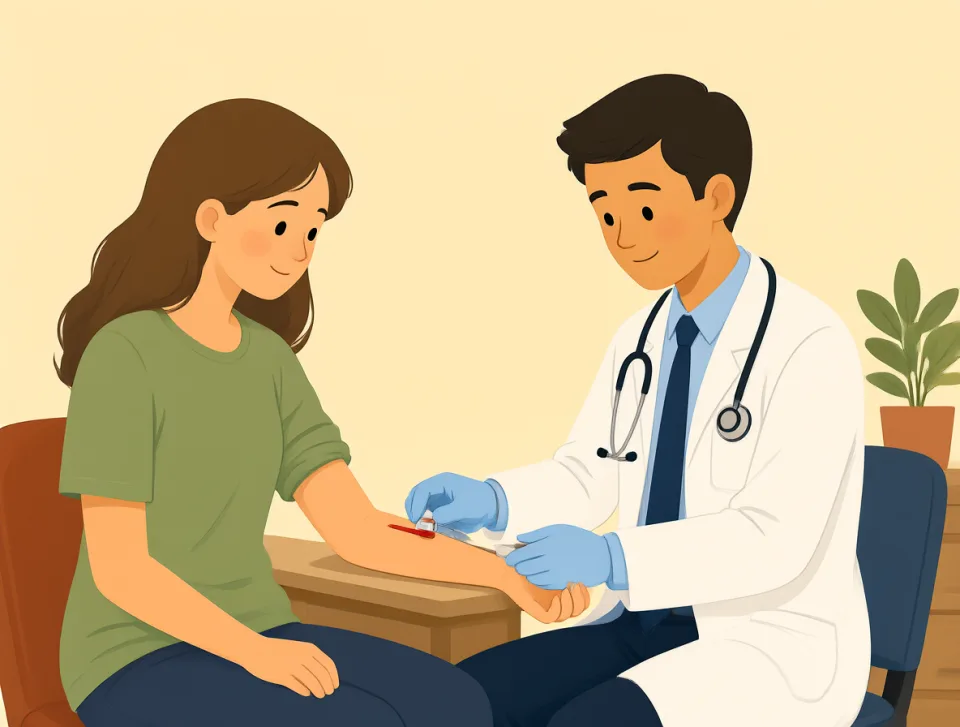
The doctor ordered a blood test.
Lekarz zlecił badanie krwi.
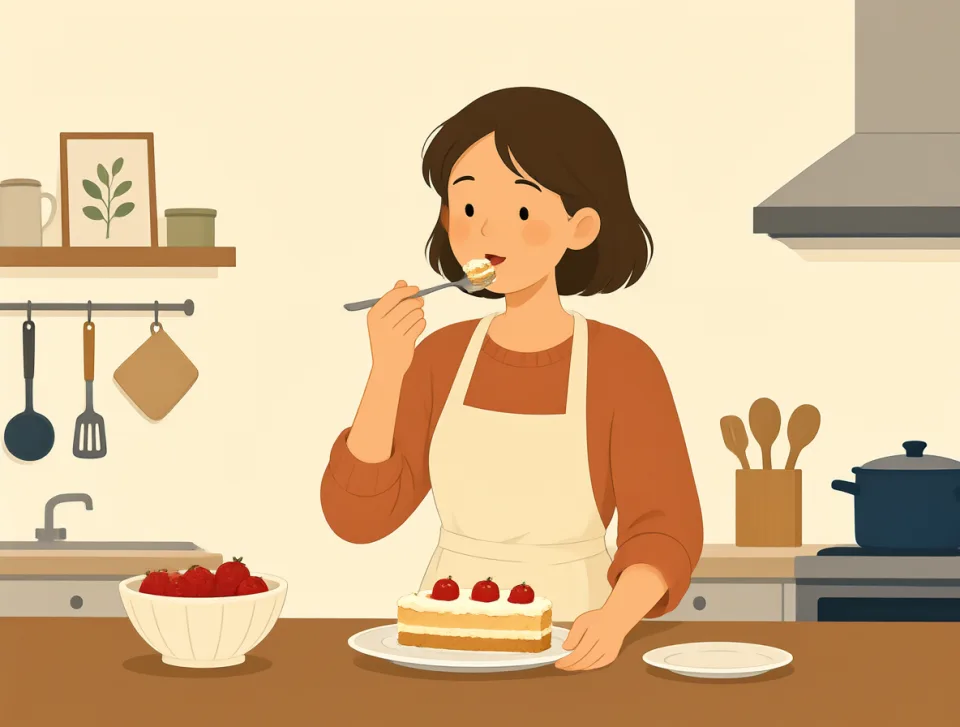
We tested the cake before serving it.
Spróbowaliśmy ciasta, zanim je podaliśmy.
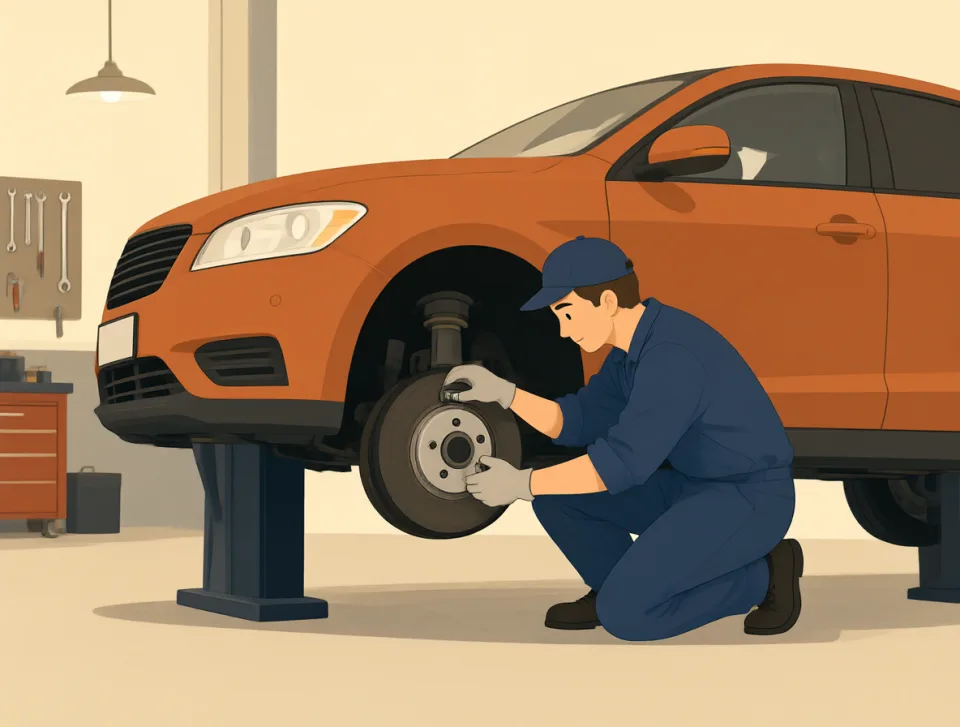
The mechanic tested my car's brakes.
Mechanik sprawdził hamulce w moim samochodzie.
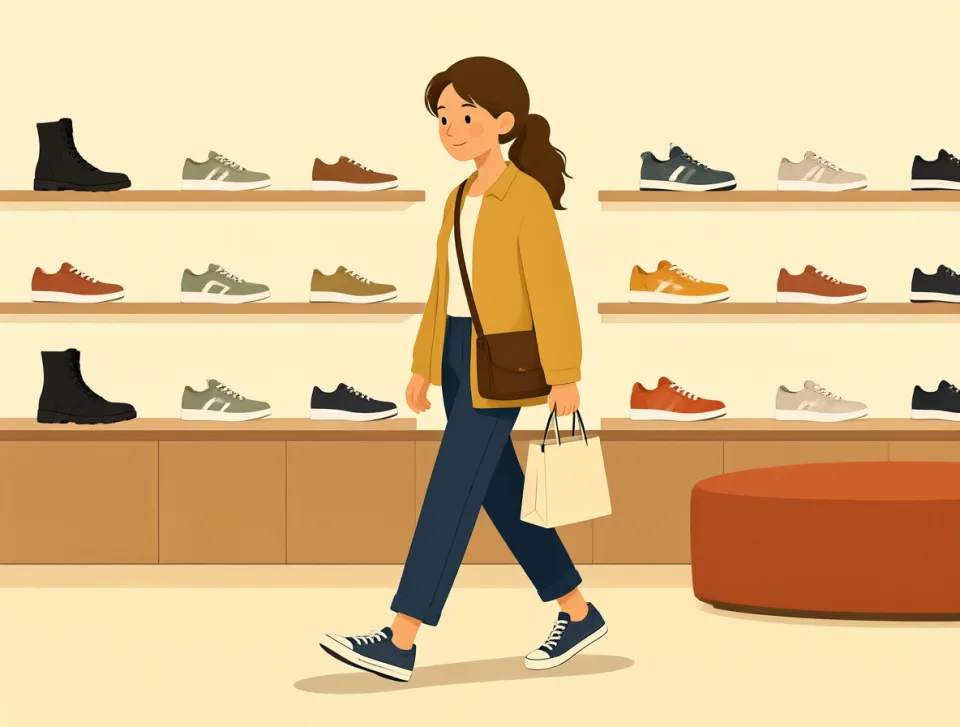
They test the new shoes in the store.
W sklepie testują nowe buty.
visit
#333verb, noun
odwiedzać
to go to a person or place for a short time
Odwiedzić kogoś lub jakieś miejsce na krótki czas.
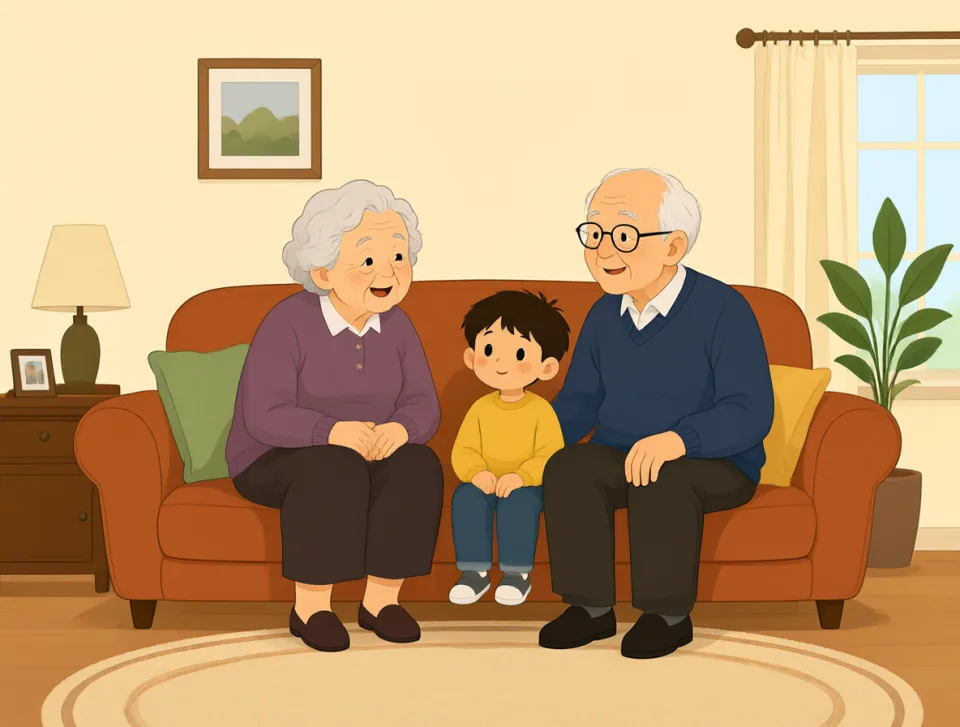
We visit our grandparents every Sunday.
Odwiedzamy dziadków w każdą niedzielę.
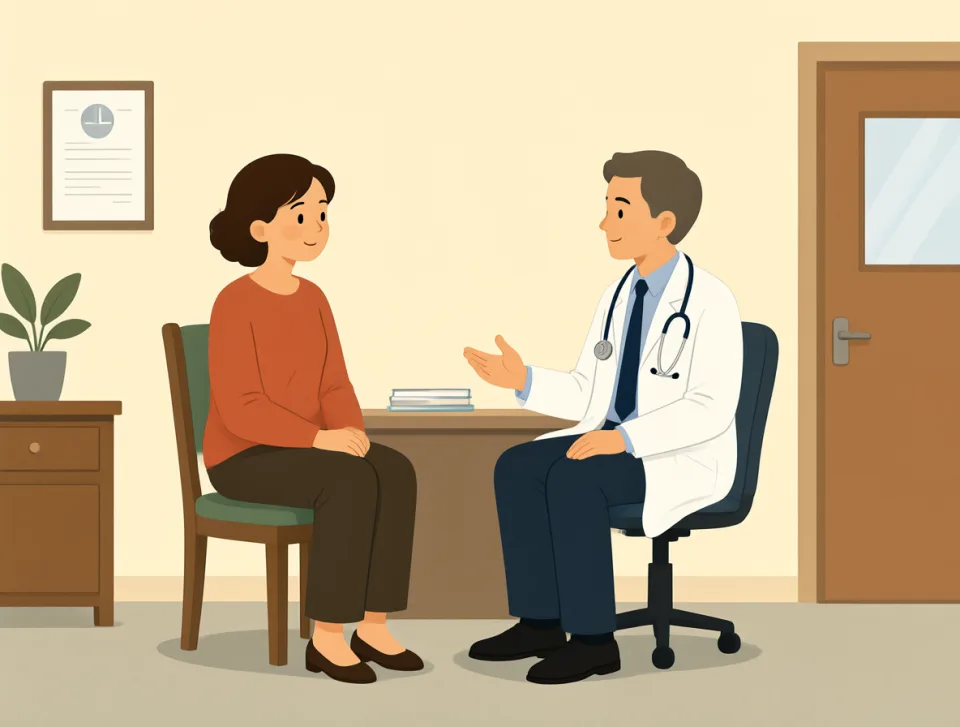
I visited the doctor yesterday.
Wczoraj byłem u lekarza.

Many tourists visit London each year.
Wielu turystów odwiedza Londyn każdego roku.
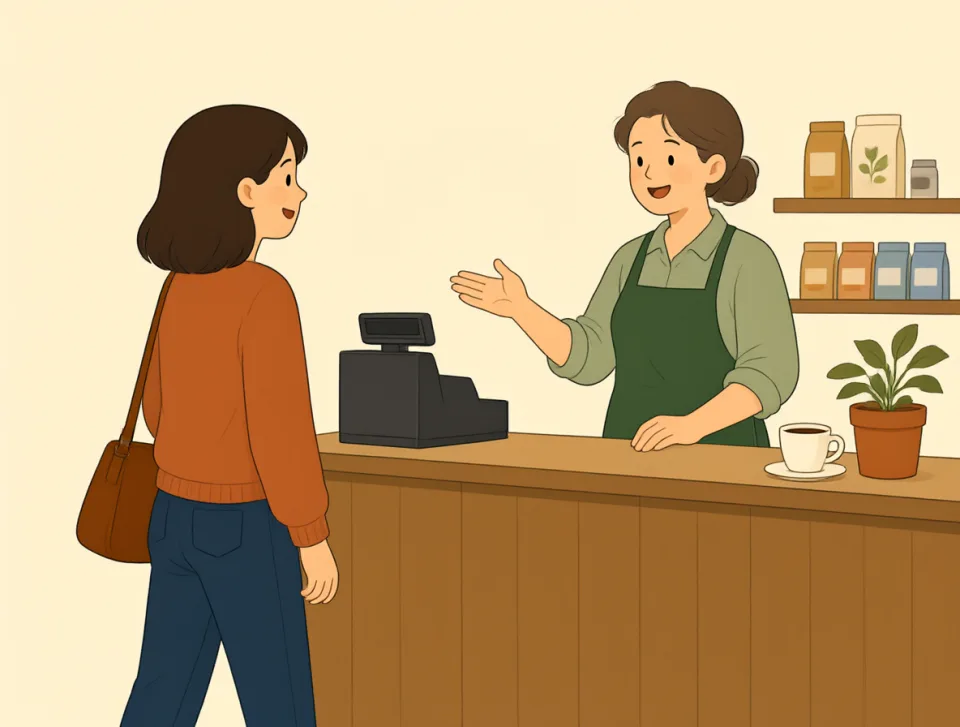
Please visit our shop this weekend.
Zapraszamy do naszego sklepu w ten weekend.
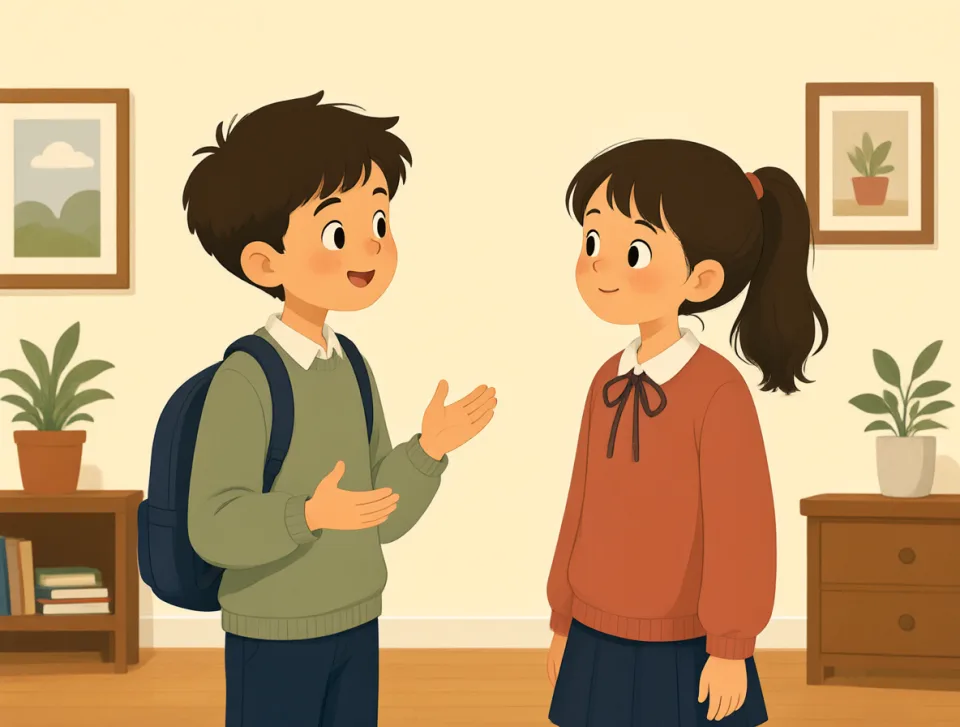
She is visiting her friend after school.
Po szkole odwiedza koleżankę.
center
#334noun, verb
środek; centrum
The middle of a place or the main point of an activity; to put something in the middle.
Środkowa część jakiegoś miejsca lub główny punkt działania; umieścić coś na środku.

Meet me in the center of town.
Spotkajmy się w centrum miasta.
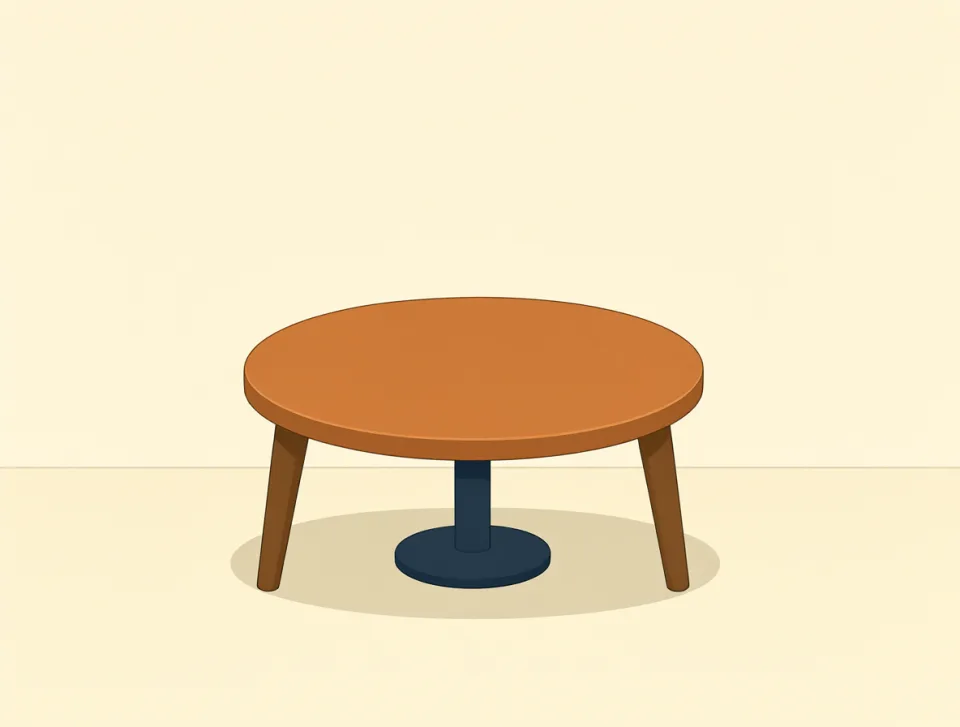
The table is in the center of the room.
Stół stoi na środku pokoju.

She works at a shopping center.
Pracuje w centrum handlowym.
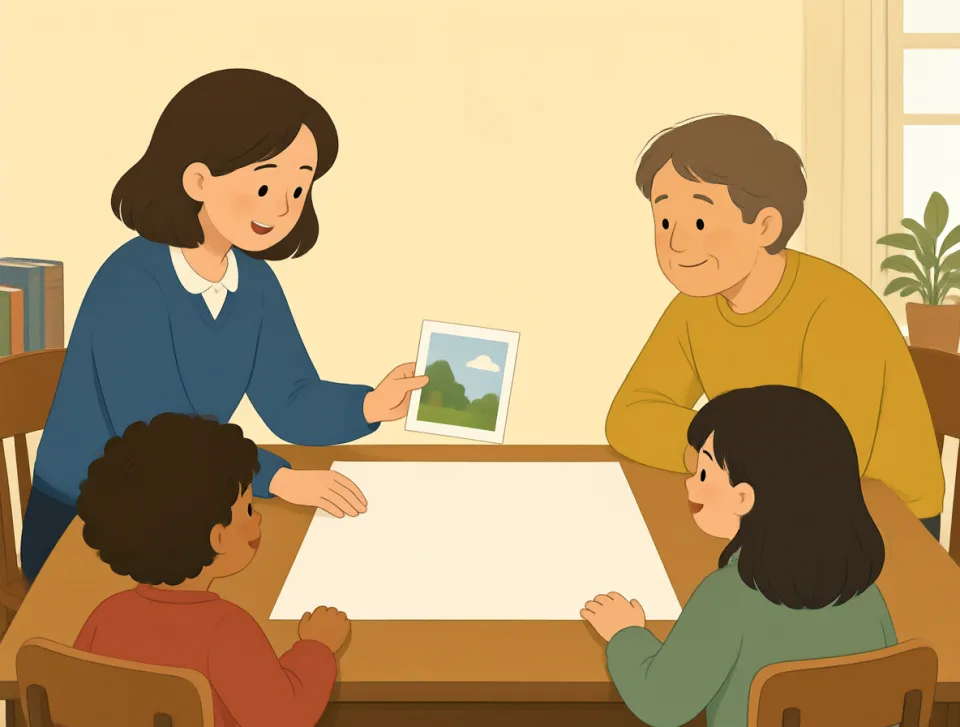
The teacher centered the picture on the page.
Nauczyciel umieścił obrazek na środku strony.
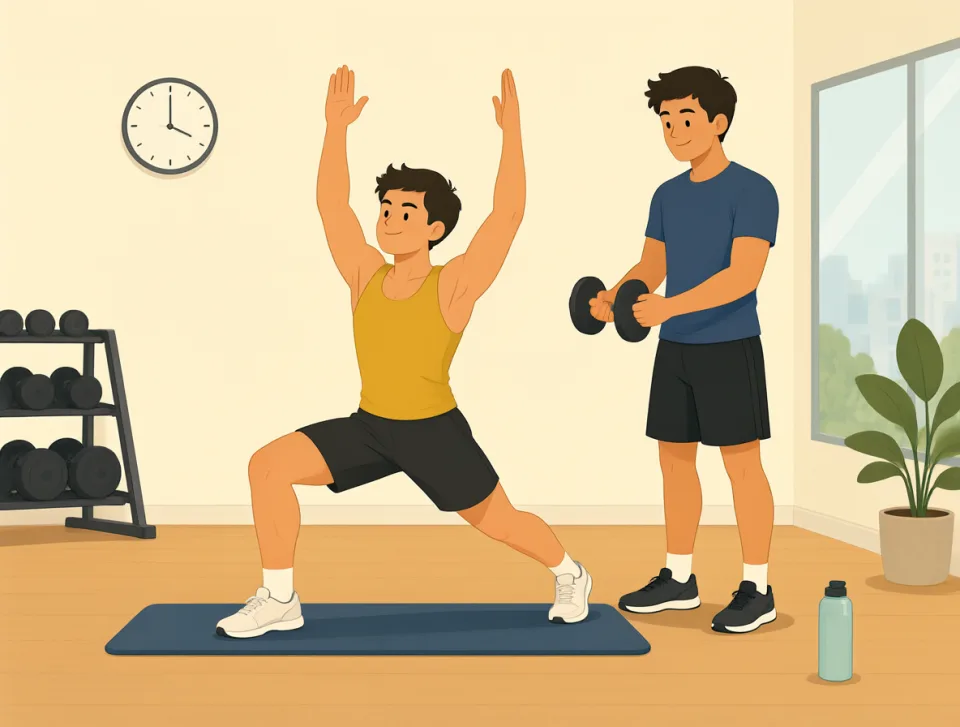
He exercises at the health center.
Ćwiczy w ośrodku zdrowia.
grow
#335verb
rosnąć; rozwijać się
to become bigger, taller, older, or more developed
Stawać się większym, wyższym, starszym lub bardziej rozwiniętym.
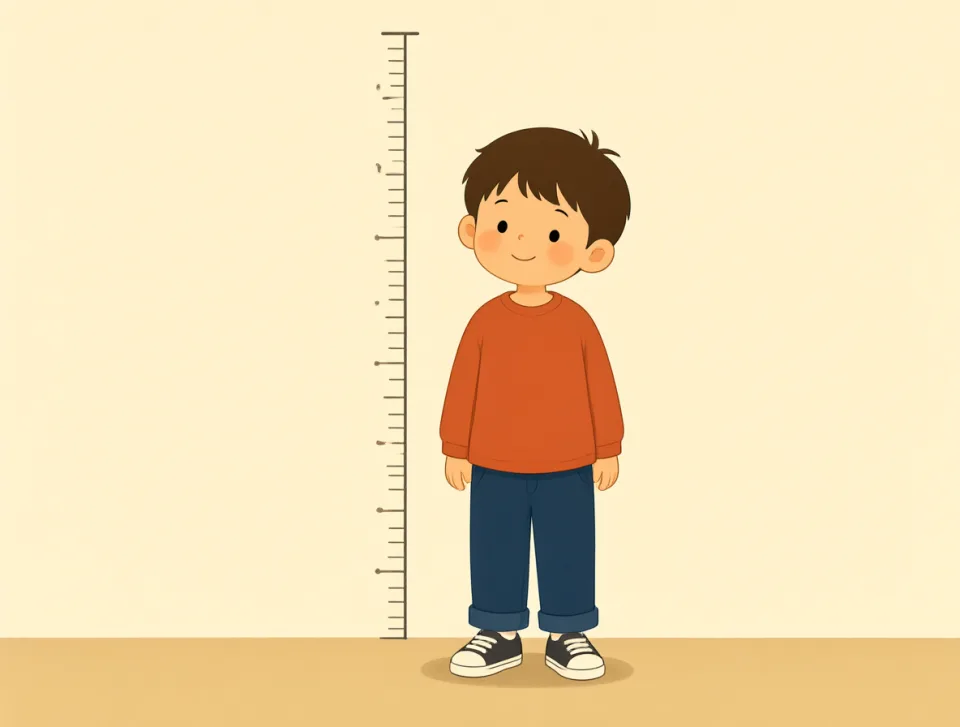
Children grow quickly in their first years.
Dzieci szybko rosną w pierwszych latach życia.
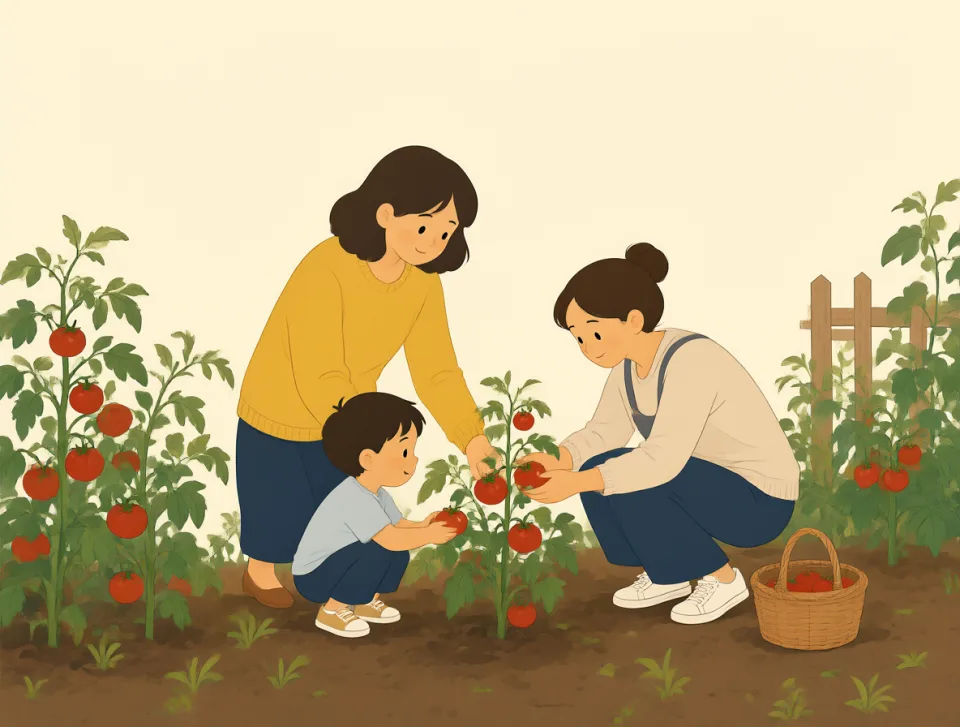
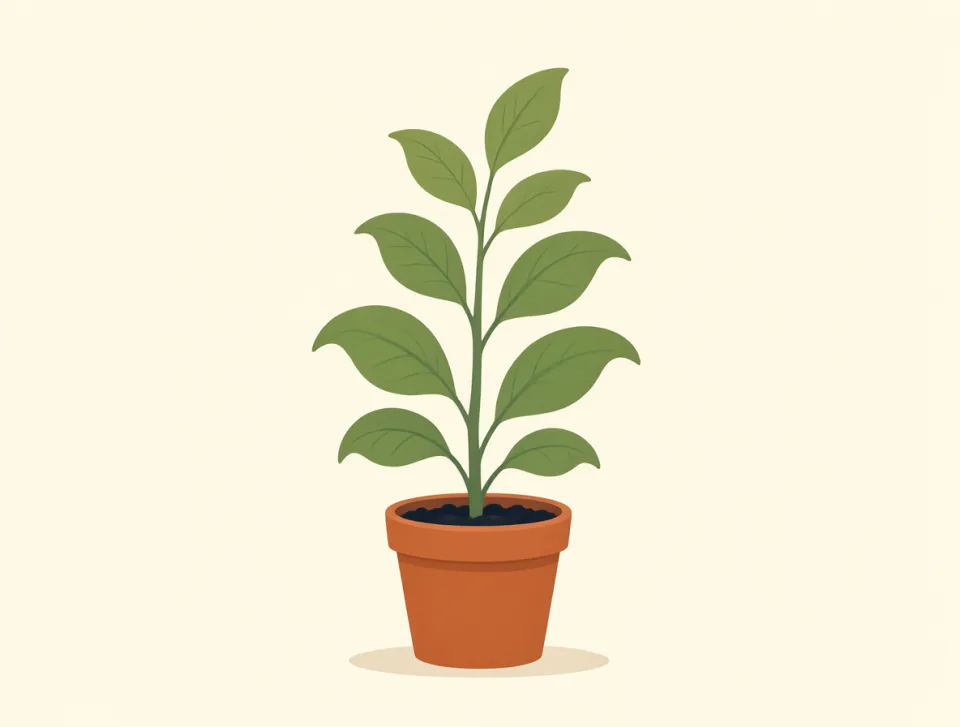
We grow tomatoes in our garden.
Uprawiamy pomidory w naszym ogrodzie.
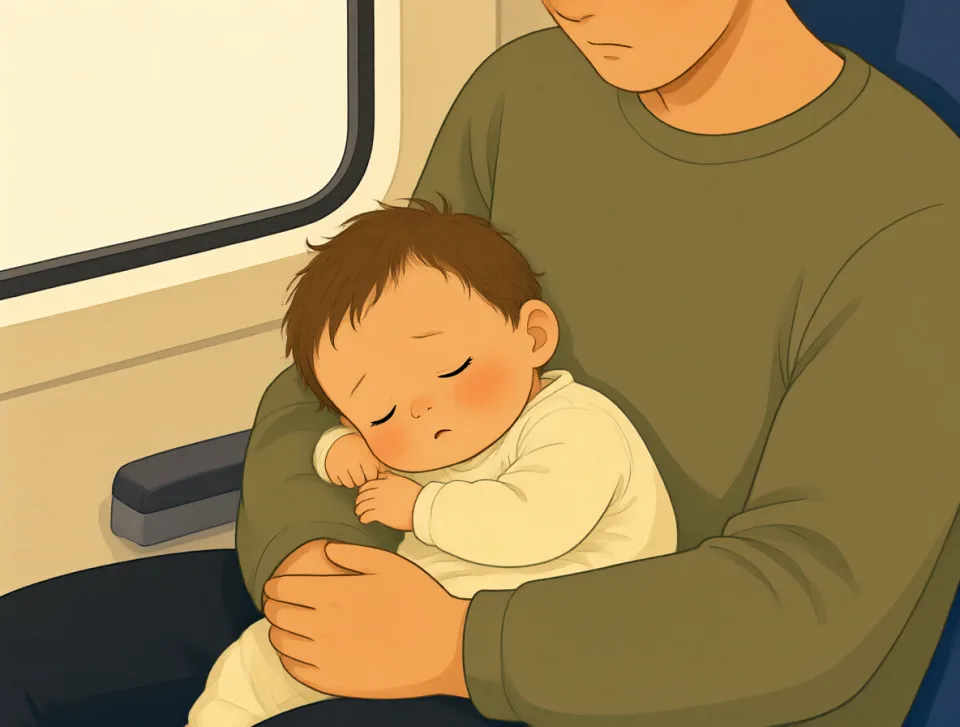
The baby grew tired after the long trip.
Po długiej podróży dziecko się zmęczyło.
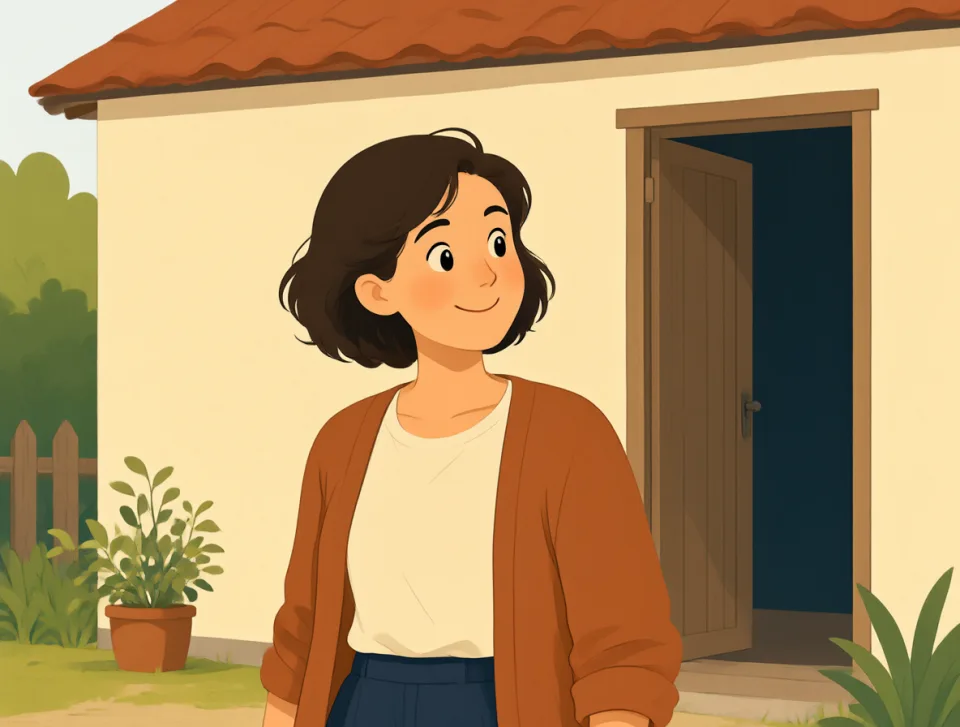
She grew up in a small village.
Dorastała w małej wiosce.
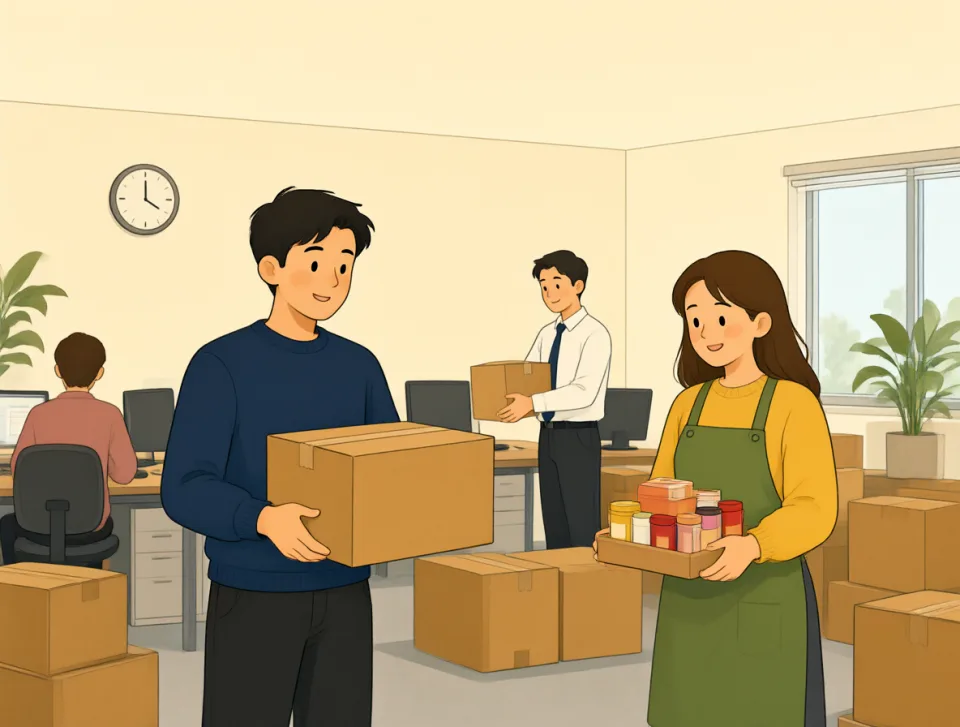
The company is growing every year.
Firma rozwija się każdego roku.
nothing
#336pronoun, determiner
nic
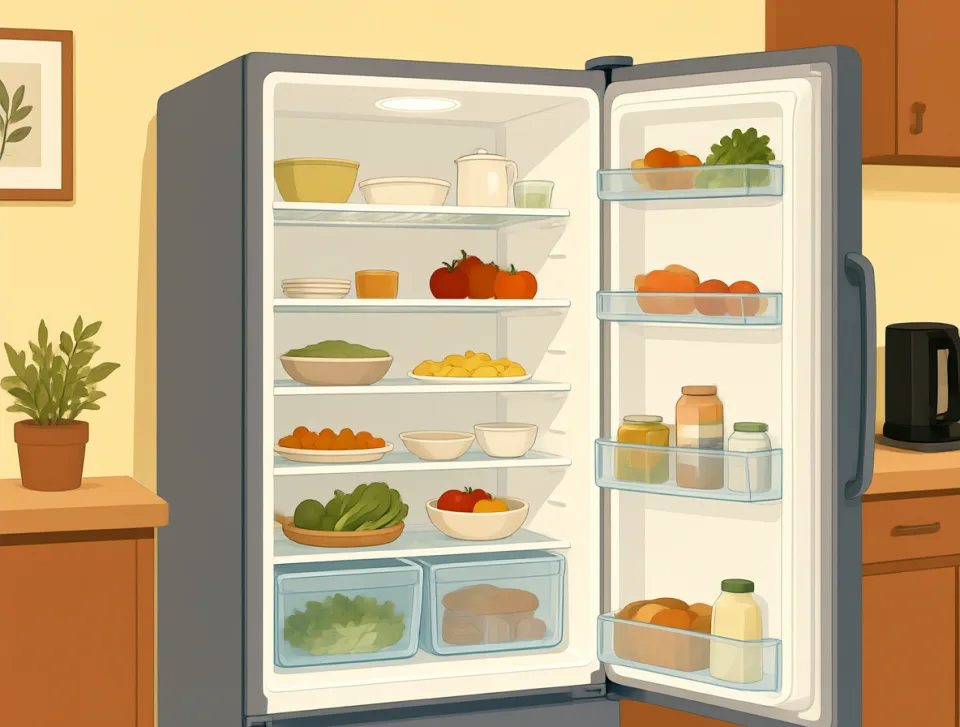
not anything; no thing or things
ani nic; żadna rzecz ani żadne rzeczy
There is nothing in the fridge.
W lodówce nic nie ma.
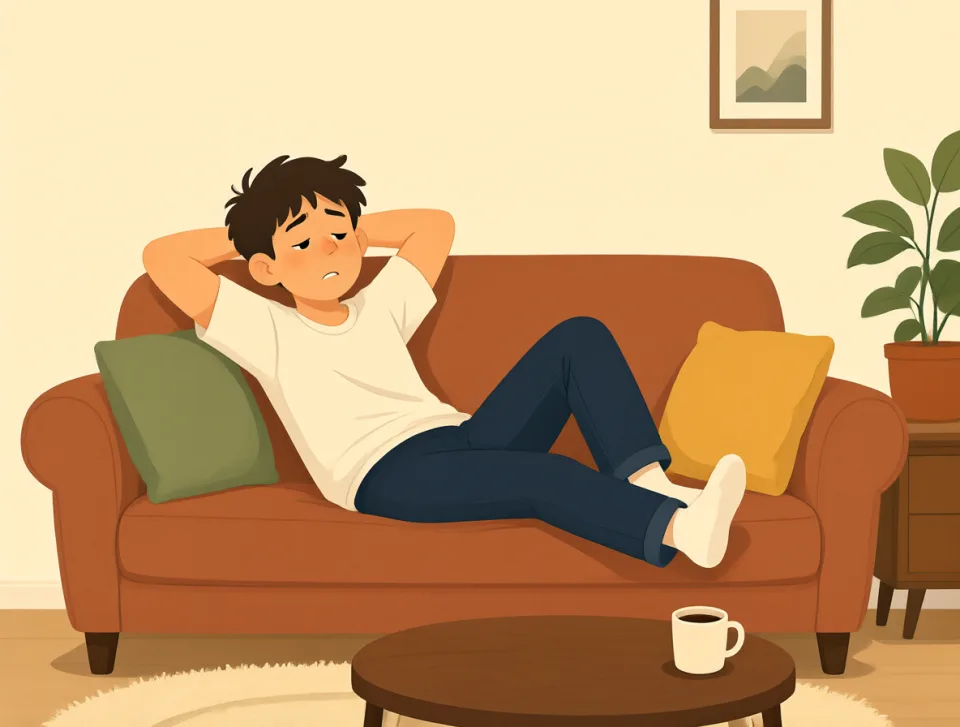
I did nothing after work.
Po pracy nic nie robiłem.
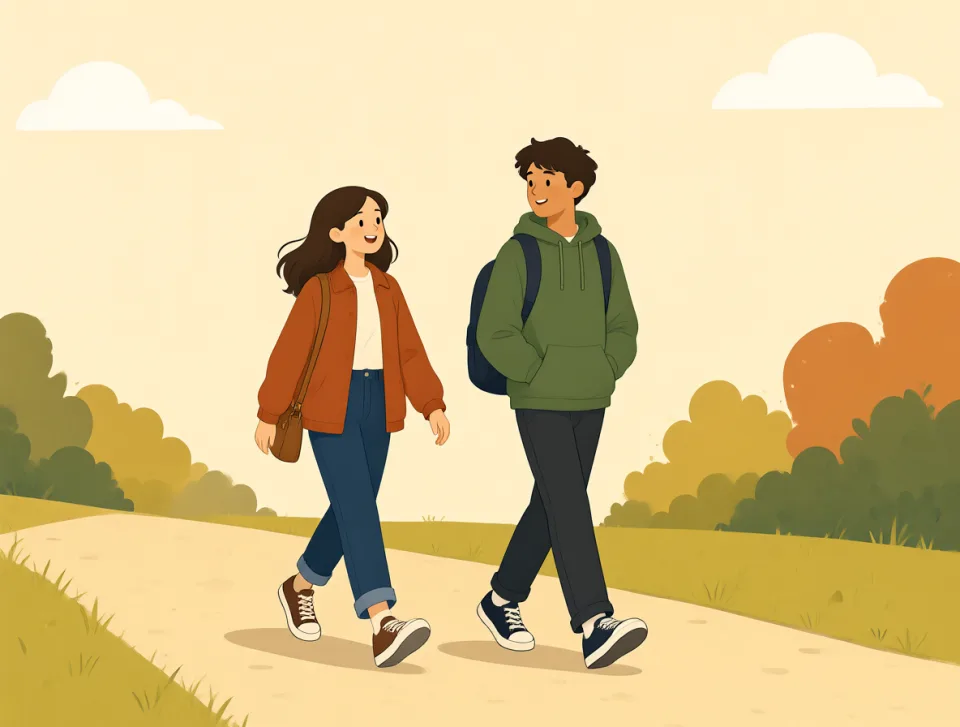
Nothing can stop us now.
Teraz nic nie może nas powstrzymać.
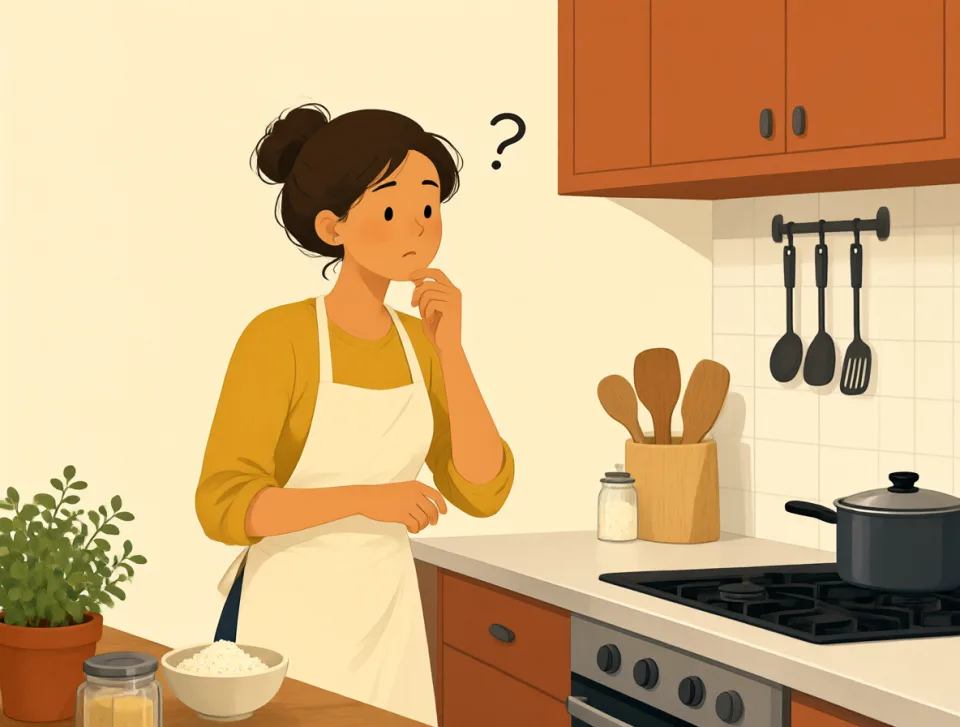
She knows nothing about cooking.
Ona nic nie wie o gotowaniu.
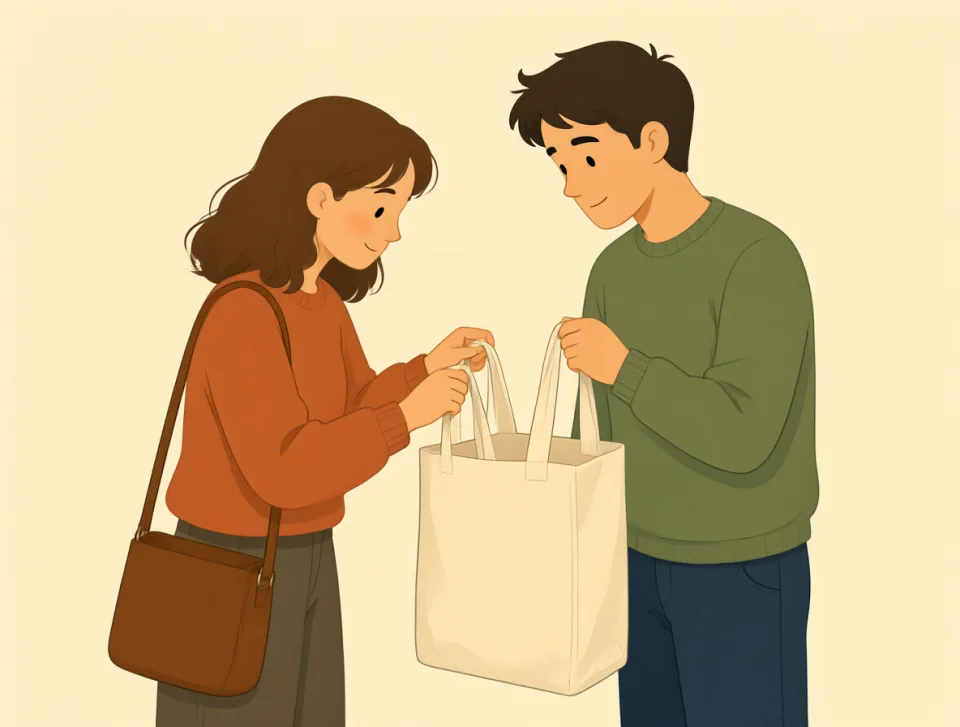
I found nothing in my shopping bag.
Nic nie znalazłem w swojej torbie z zakupami.
return
#337verb, noun
wracać; zwracać
to go back, give something back, or come back to a place
wrócić, oddać coś albo wrócić do jakiegoś miejsca
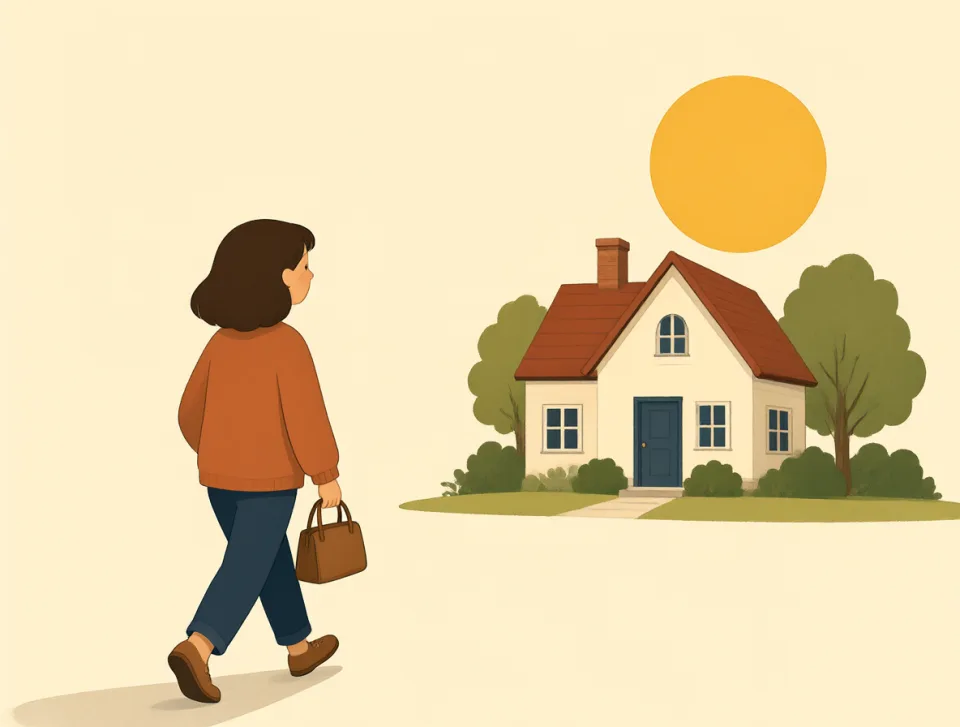
I will return home after dinner.
Wrócę do domu po kolacji.
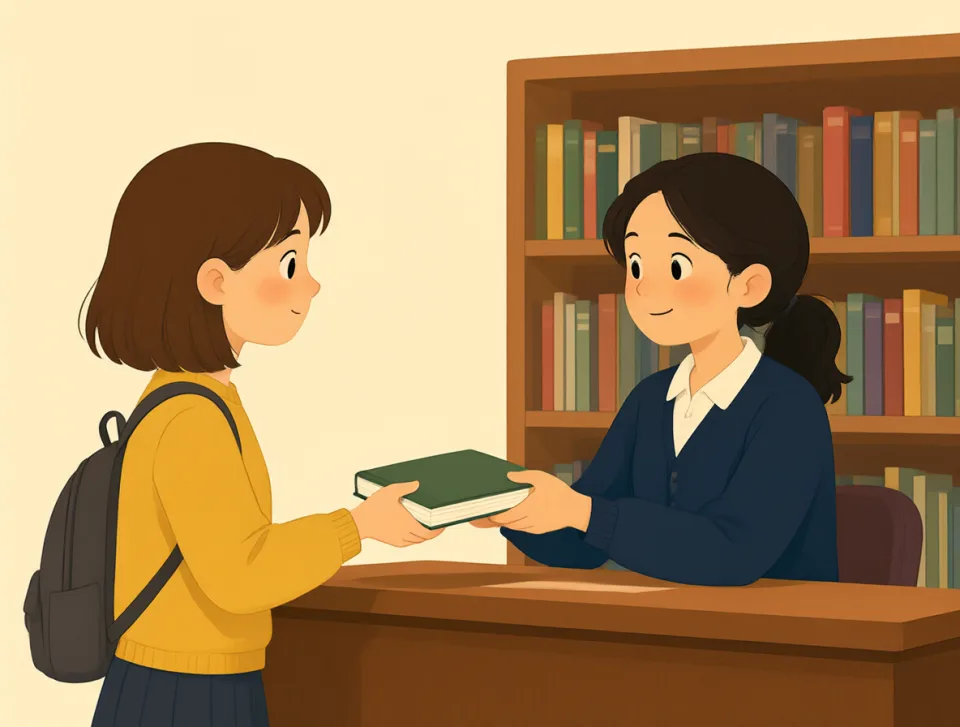
Please return the library book tomorrow.
Proszę jutro oddać książkę z biblioteki.
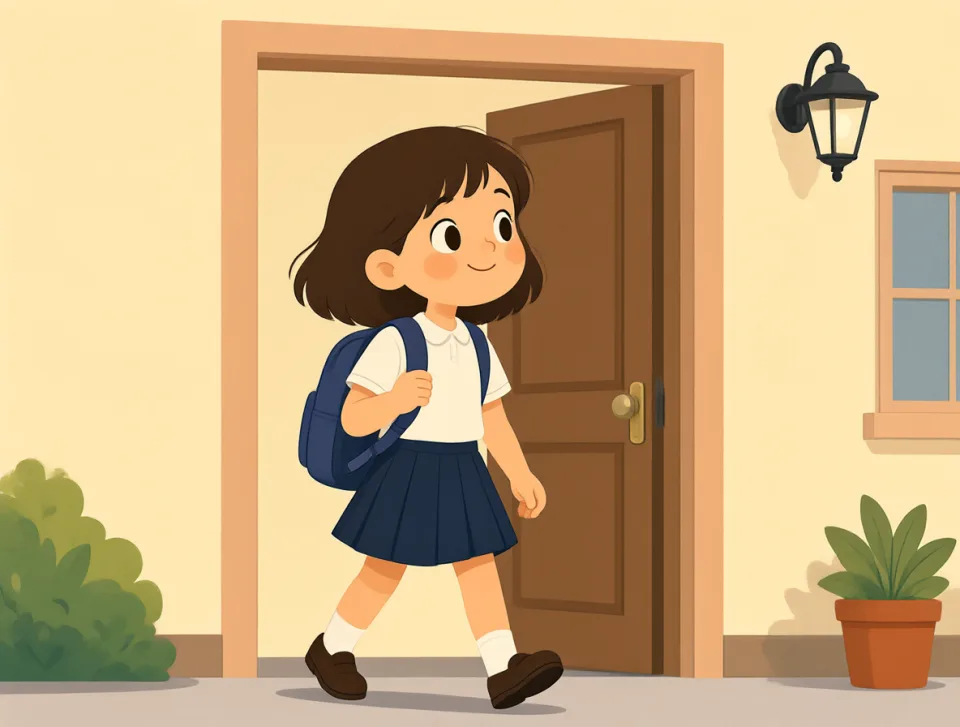
She returned from school at four.
Wróciła ze szkoły o czwartej.
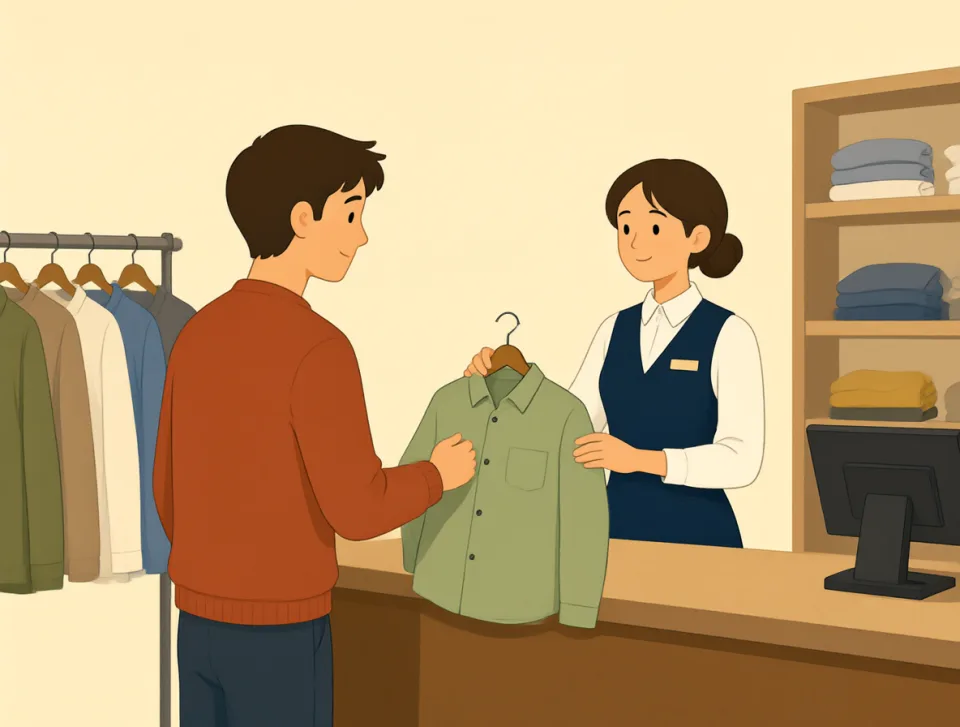
The shop accepted my return.
Sklep przyjął mój zwrot.
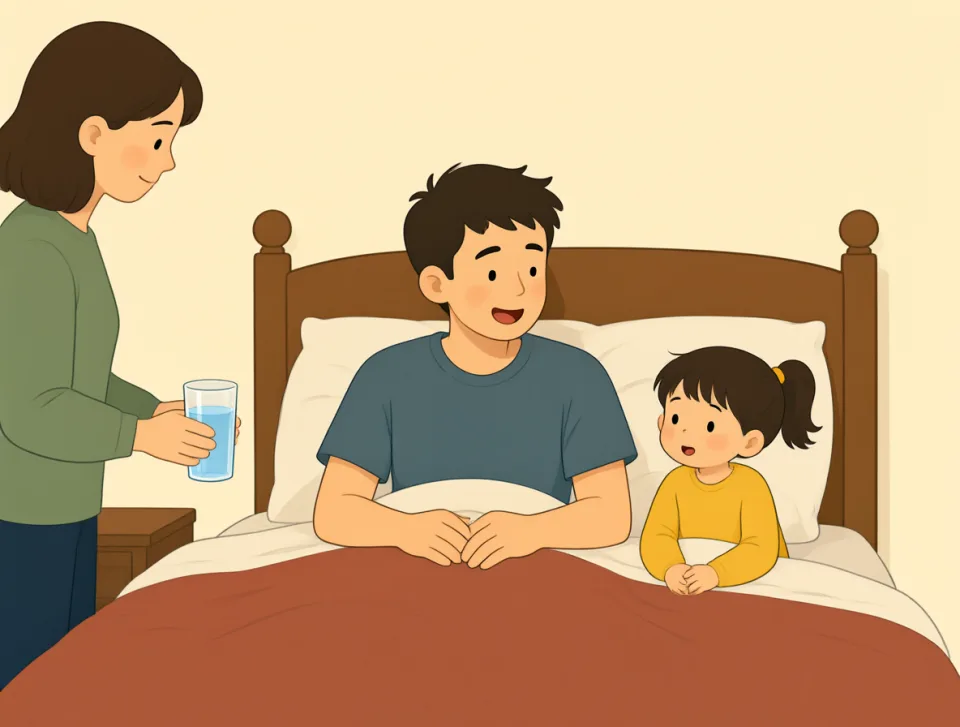
His health is slowly returning.
Jego zdrowie powoli wraca do normy.
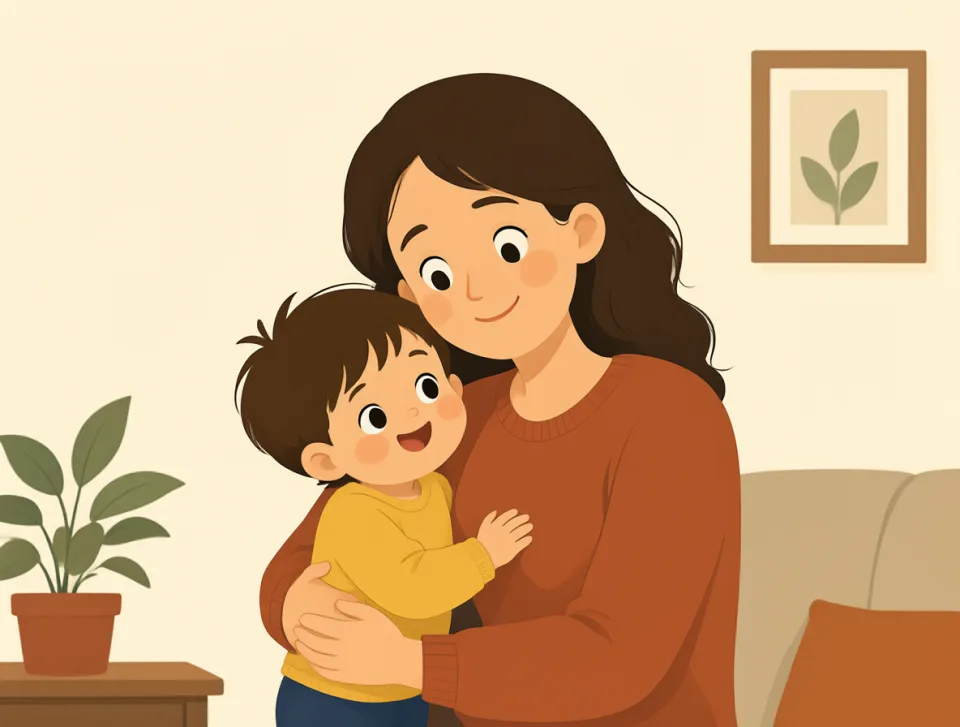
mother
#338noun
matka
a female parent; a woman who has a child
rodzic płci żeńskiej; kobieta, która ma dziecko
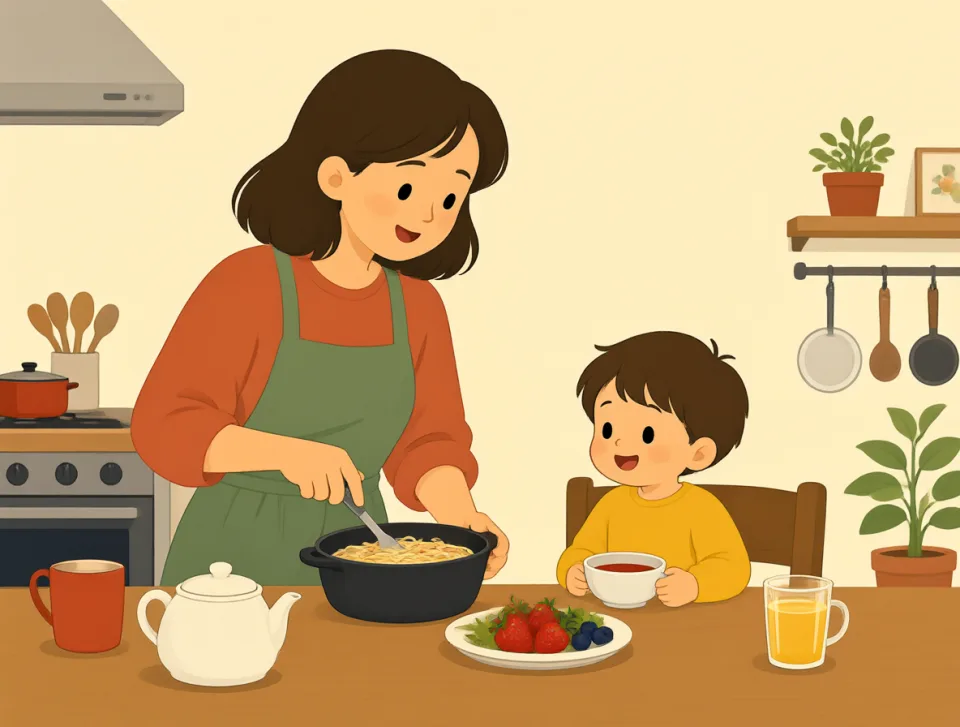
My mother makes breakfast every morning.
Moja mama codziennie rano robi śniadanie.
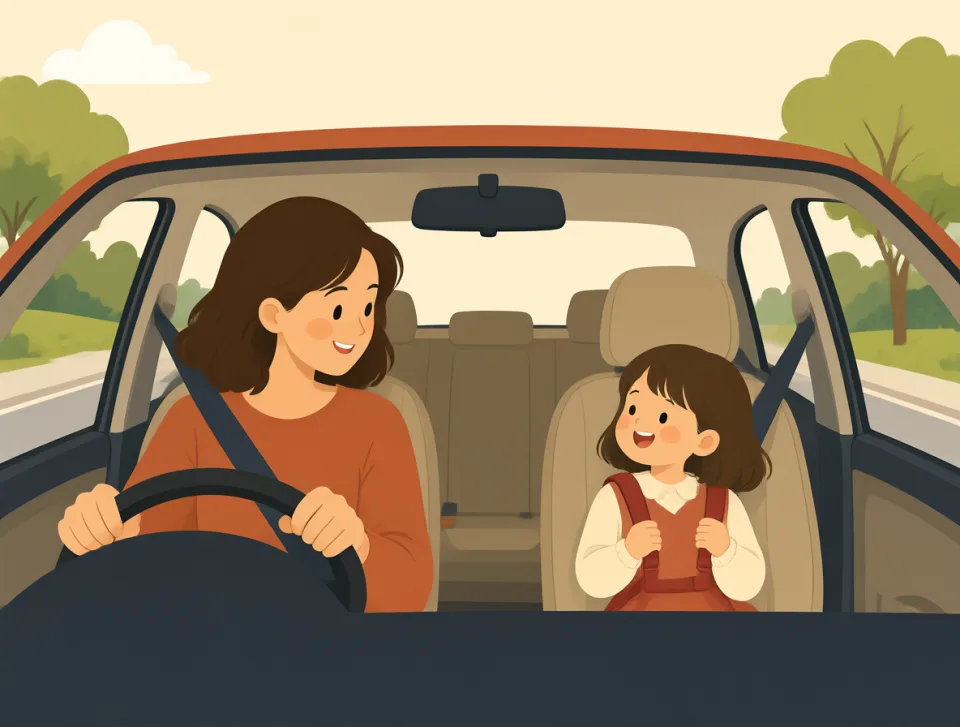
Her mother drove her to school.
Jej mama zawiozła ją do szkoły.

I called my mother after work.
Po pracy zadzwoniłem do mamy.
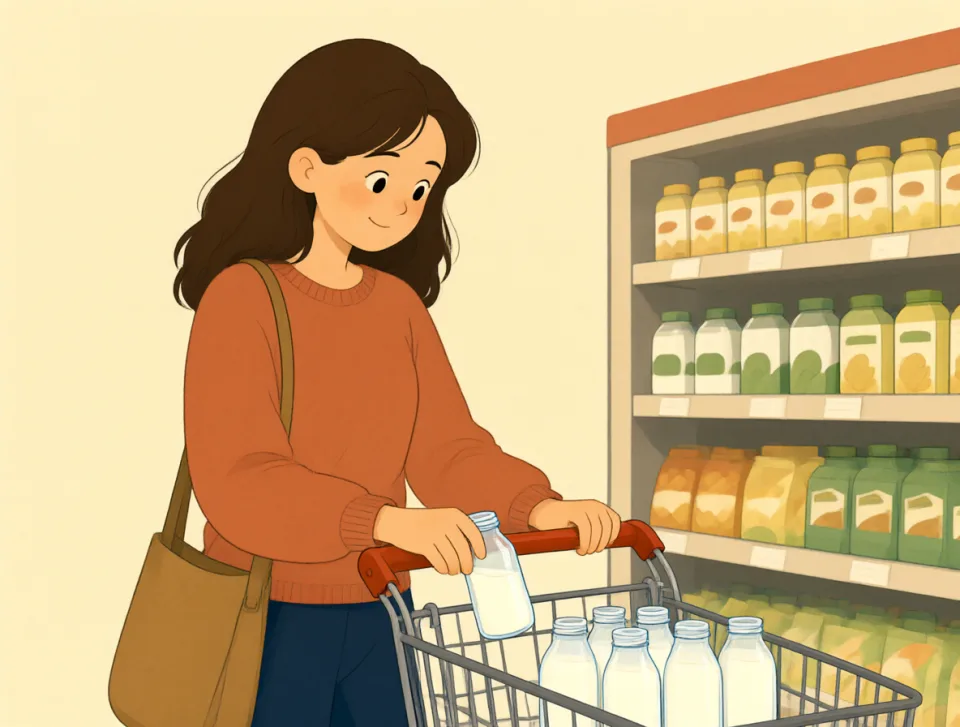
The mother bought milk at the store.
Matka kupiła mleko w sklepie.
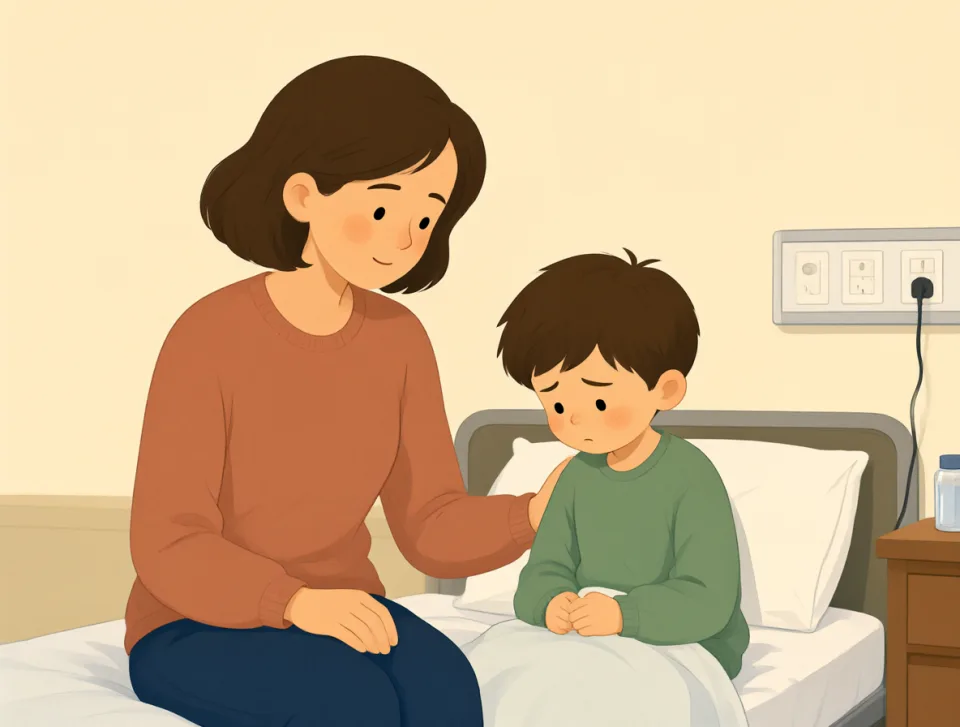
His mother stayed with him in hospital.
Jego matka została z nim w szpitalu.
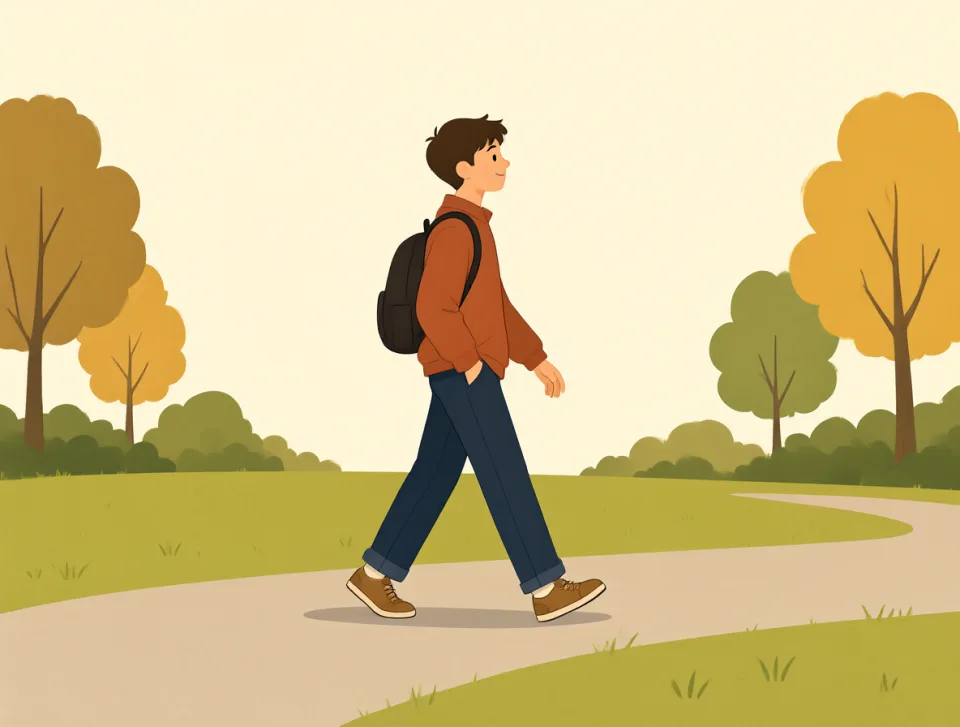
walk
#339verb, noun
chodzić; spacer
to move on foot, or a short journey made by walking
przemieszczać się pieszo albo krótka podróż pieszo
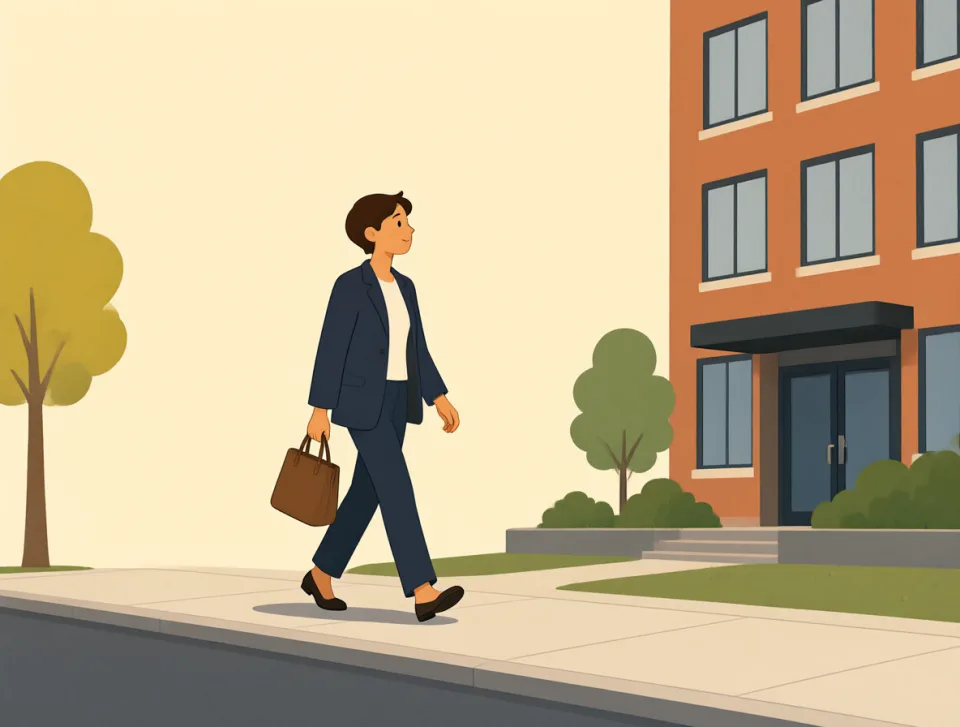
I walk to work every morning.
Każdego ranka chodzę pieszo do pracy.
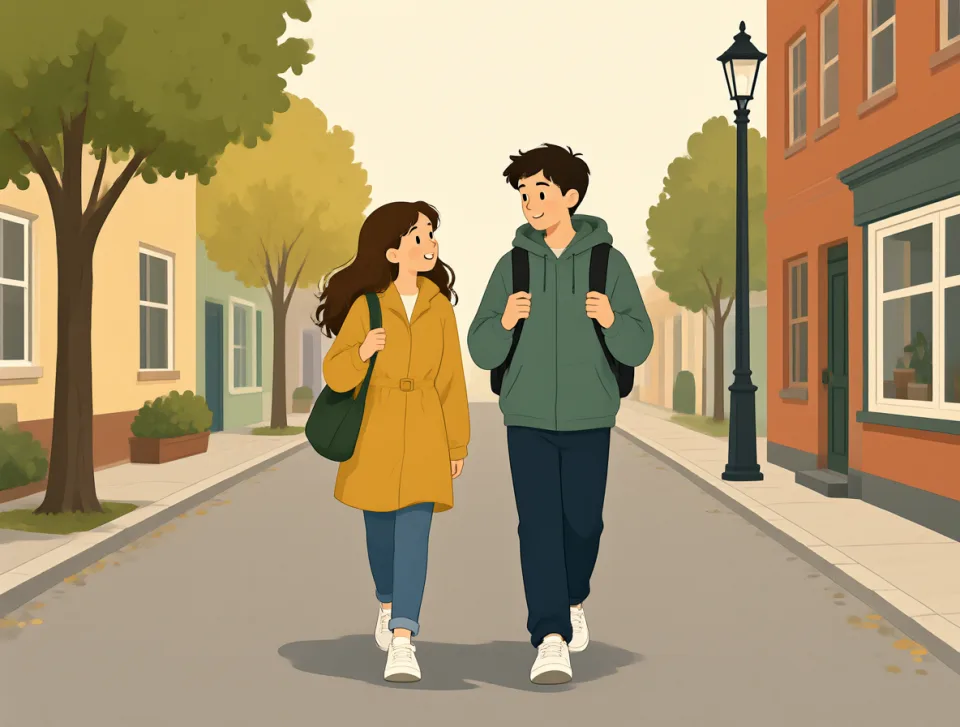
We walked home after dinner.
Po kolacji wróciliśmy pieszo do domu.
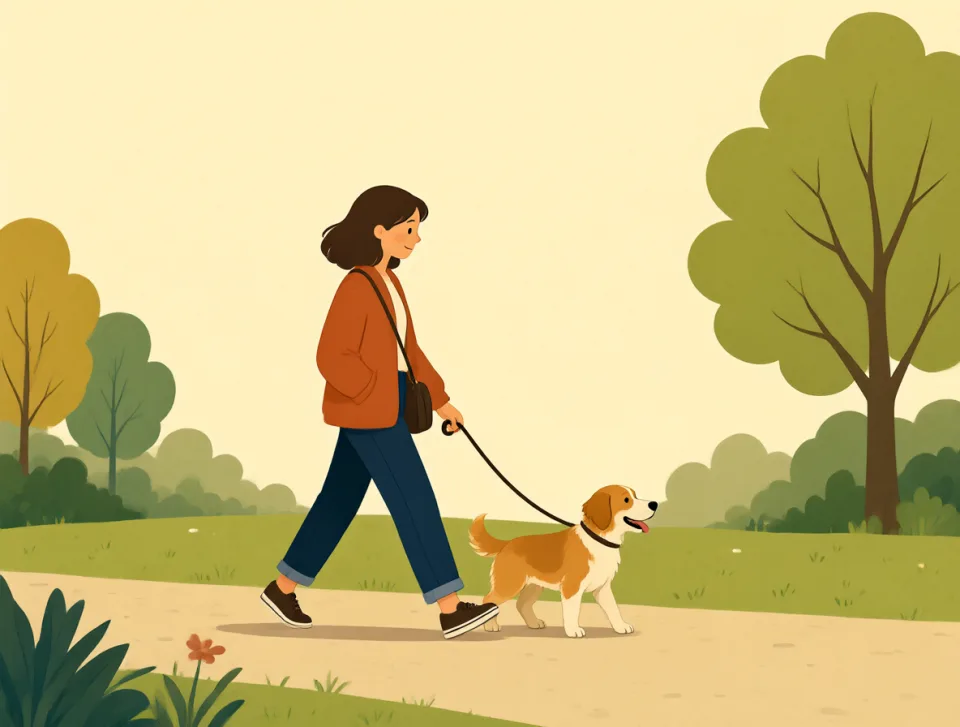
She walks her dog in the park.
Ona wyprowadza psa na spacer do parku.
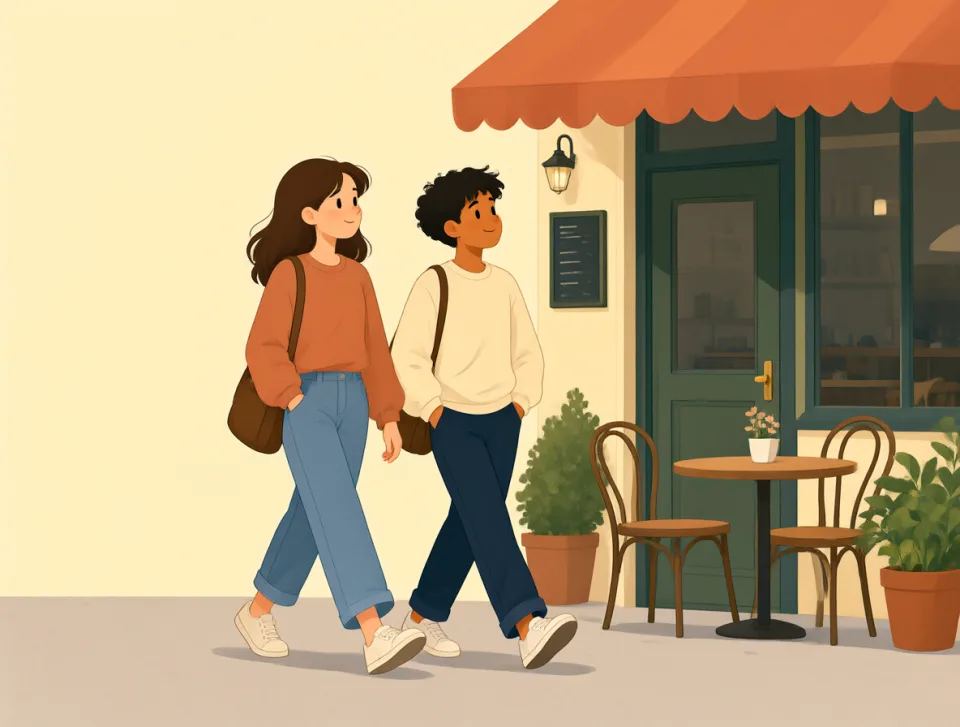
Let's take a walk after lunch.
Przejdźmy się po lunchu.
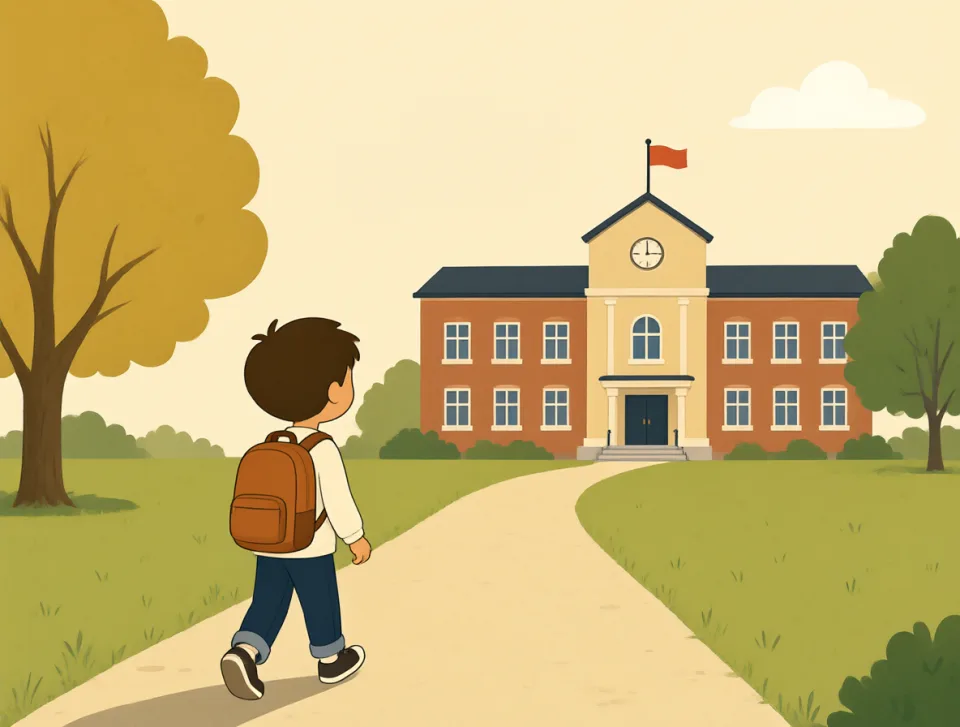
The walk to school takes ten minutes.
Droga pieszo do szkoły zajmuje dziesięć minut.
matter
#340noun, verb
sprawa; mieć znaczenie
A subject or situation that is important, or to be important.
Temat lub sytuacja, które są ważne, albo mieć znaczenie.
It does not matter what time we leave.
Nie ma znaczenia, o której wyjdziemy.
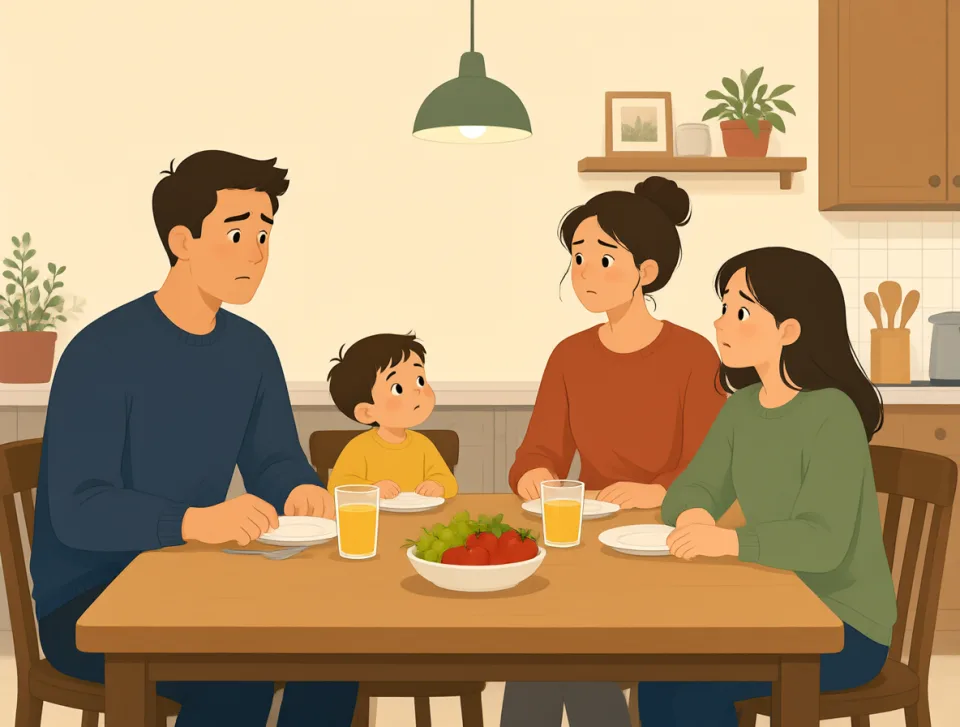
This matter is important to our family.
Ta sprawa jest ważna dla naszej rodziny.
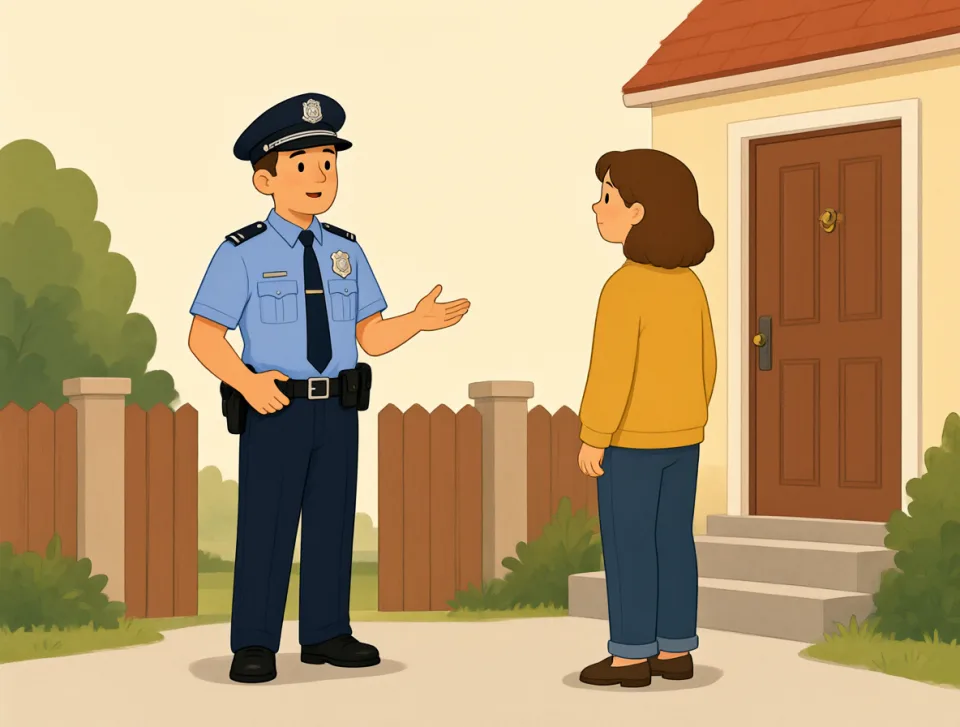
The police are looking into the matter.
Policja bada tę sprawę.
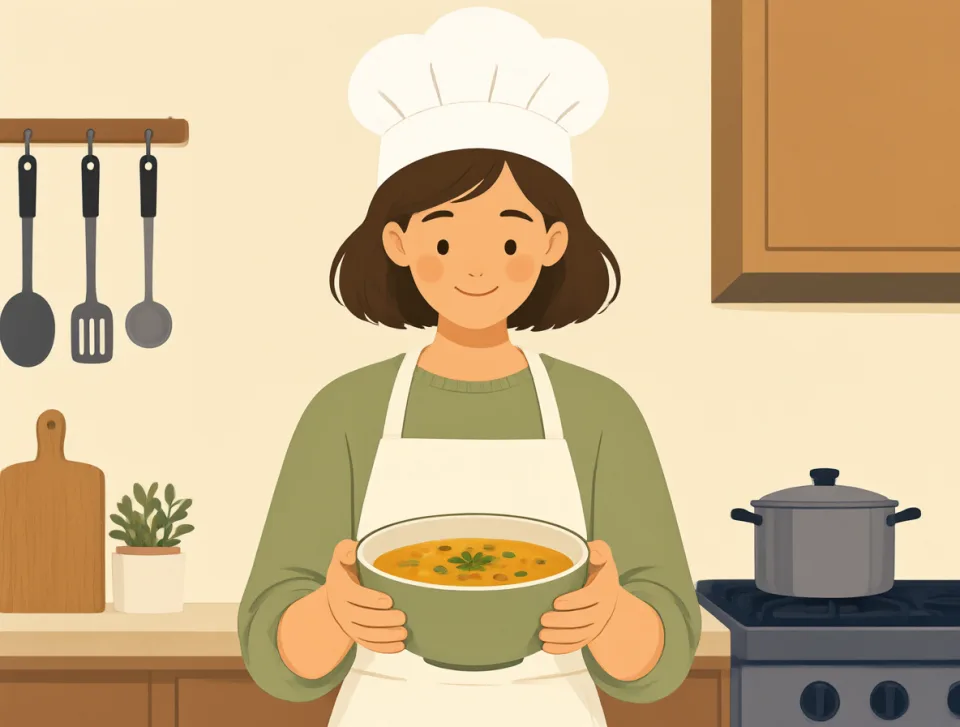
The soup matters more than the bowl.
Zupa jest ważniejsza niż miska.
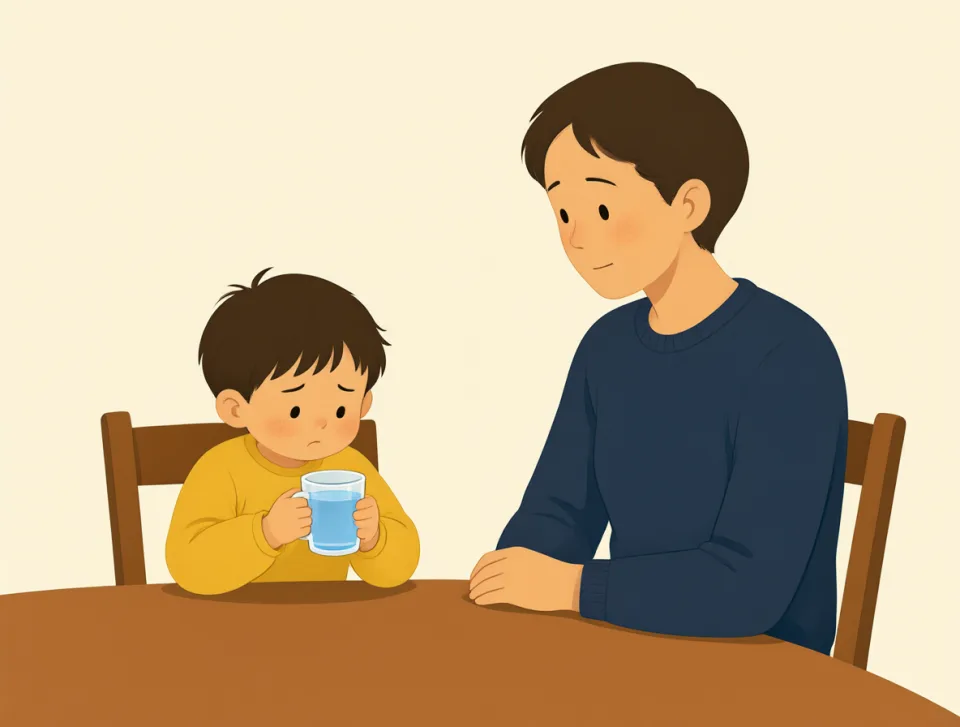
Water matters when you feel sick.
Woda ma znaczenie, kiedy źle się czujesz.