Zestaw 19
Słowa 361–380 · subject, class, development, town, half, minute
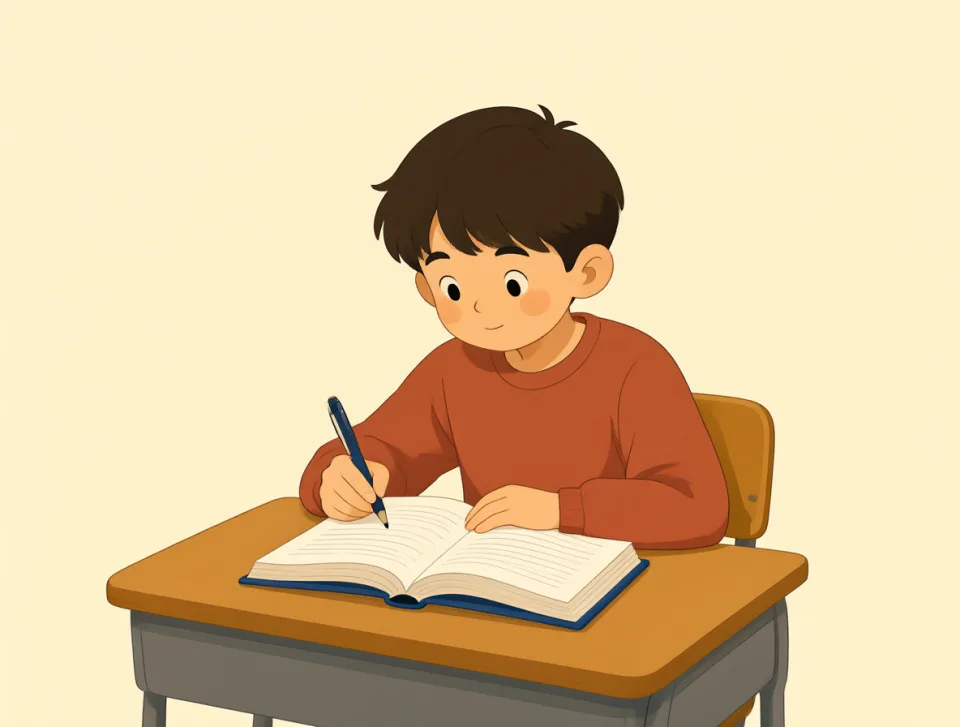
subject
#361noun, verb, adjective
przedmiot; temat
A person or thing being discussed, studied, or affected by something.
Osoba lub rzecz, o której się mówi, którą się bada albo na którą coś oddziałuje.
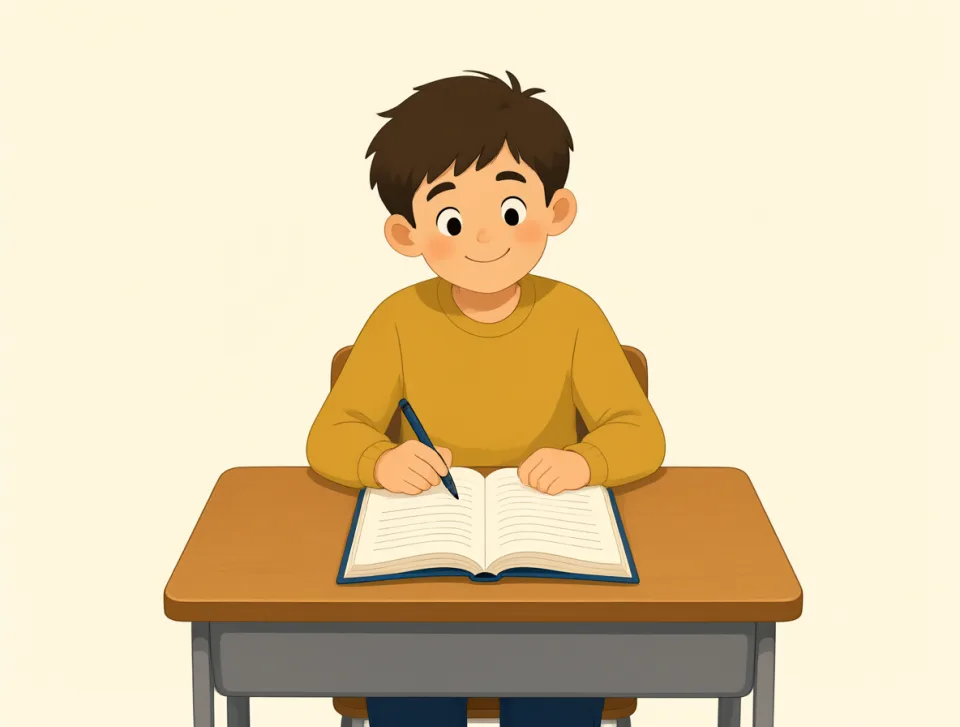
Math was my favorite subject at school.
Matematyka była moim ulubionym przedmiotem w szkole.

The subject of our meeting was money.
Tematem naszego spotkania były pieniądze.
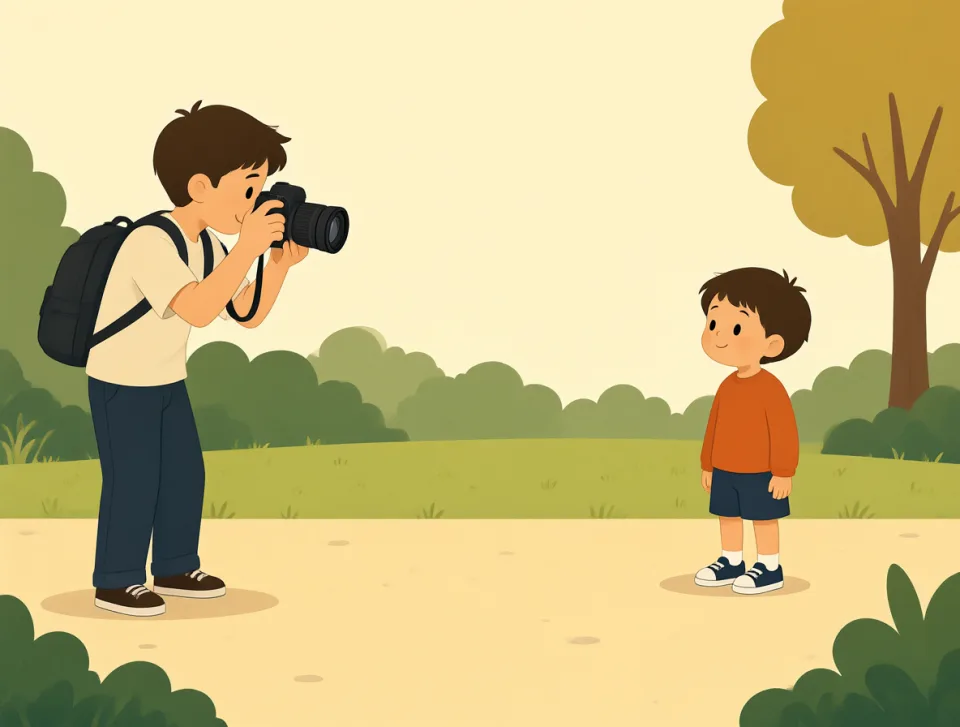
The photographer chose a child as her subject.
Fotografka wybrała dziecko na swoją modelkę.
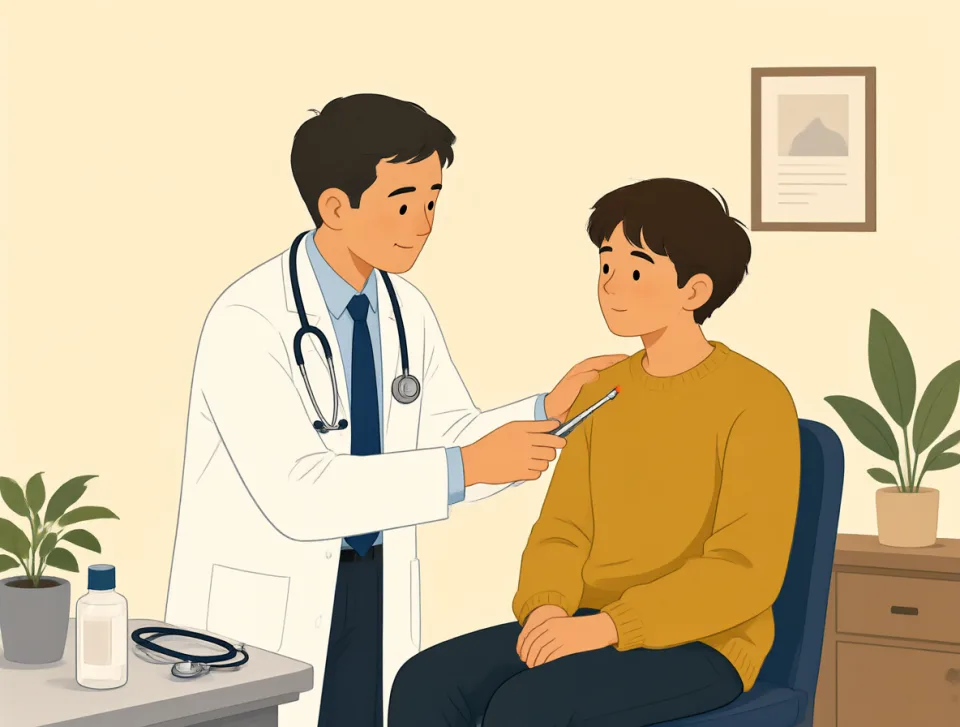
The patient was subject to several tests.
Pacjentowi wykonano kilka badań.
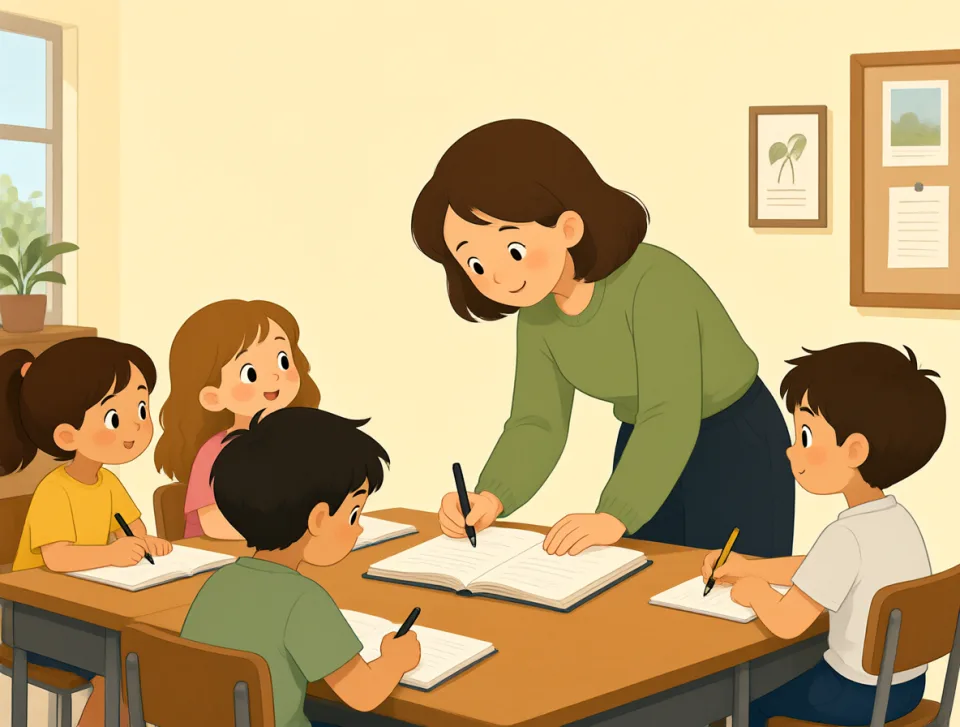
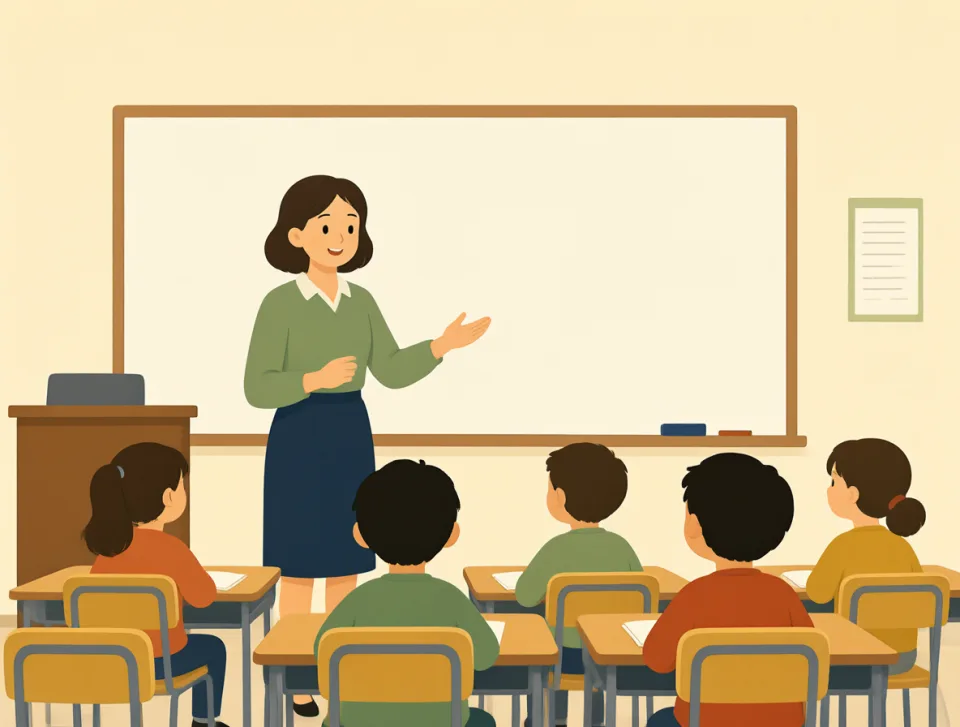
This subject is difficult for many students.
Ten przedmiot jest trudny dla wielu uczniów.
class
#362noun, verb
zajęcia; klasa
A lesson or group of students; to put things into groups by type or quality.
Lekcja lub grupa uczniów; przypisywać rzeczy do grup według rodzaju lub jakości.
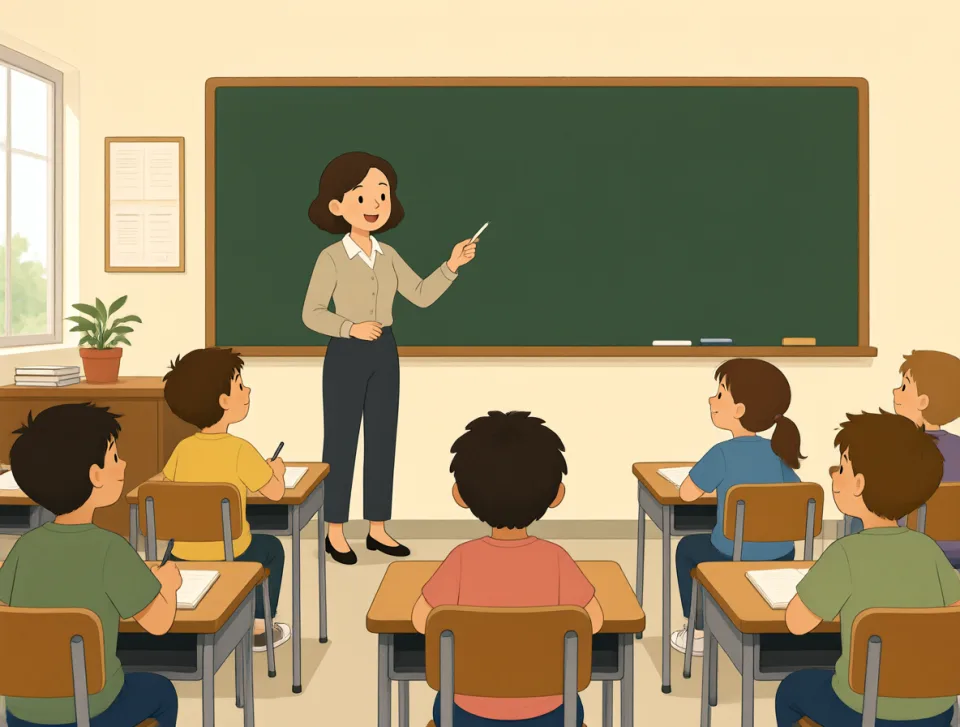
Our English class starts at nine o'clock.
Nasze zajęcia z angielskiego zaczynają się o dziewiątej.
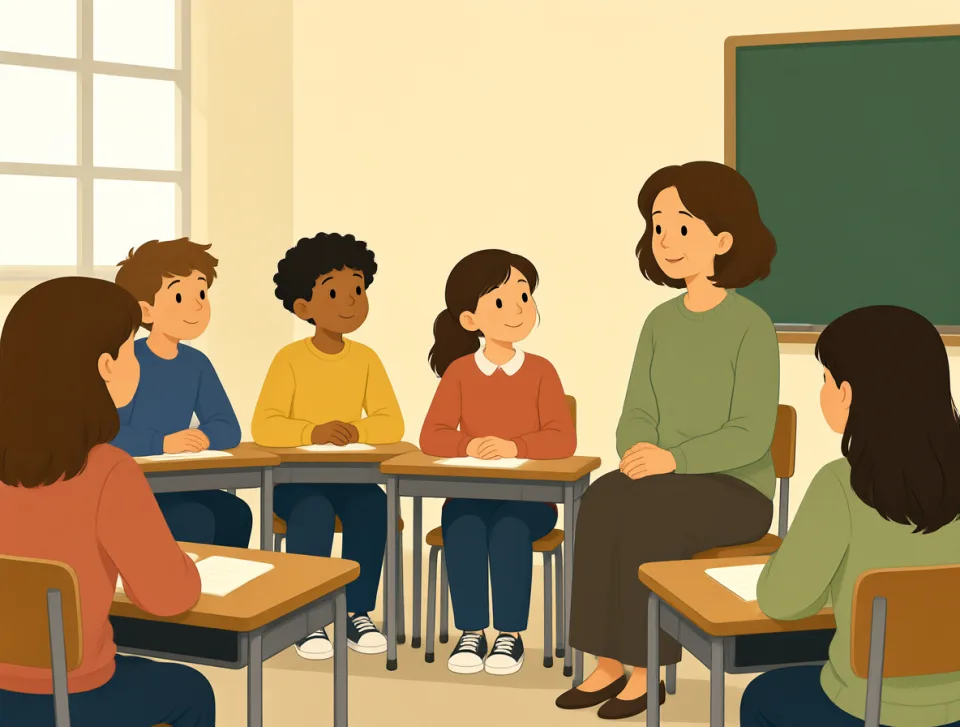
The class listened carefully to the teacher.
Klasa uważnie słuchała nauczyciela.
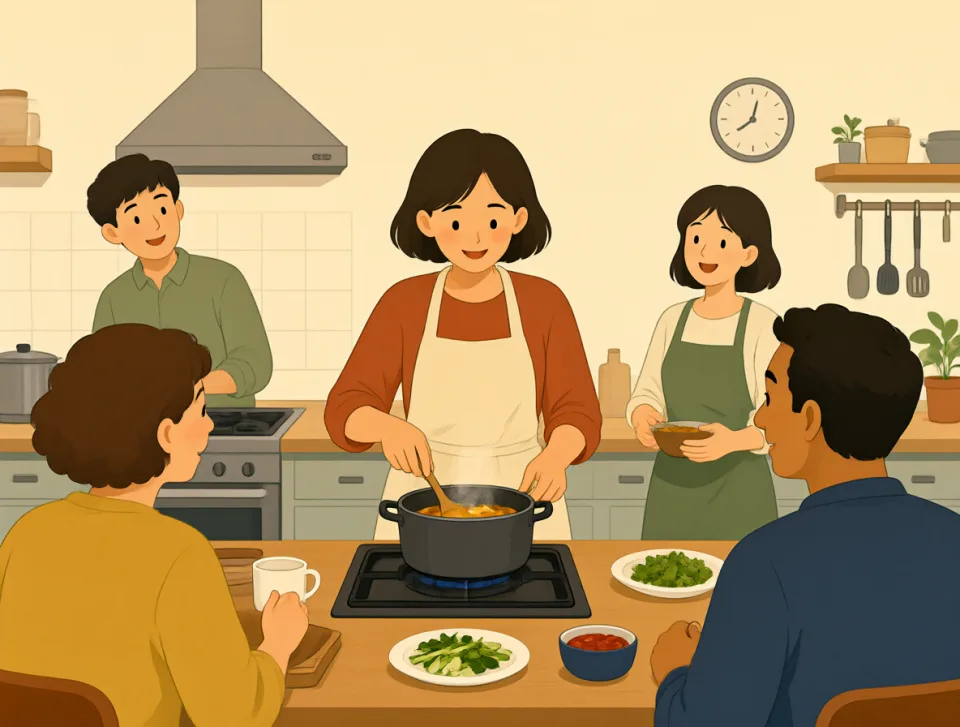
She joined a cooking class after work.
Po pracy zapisała się na kurs gotowania.
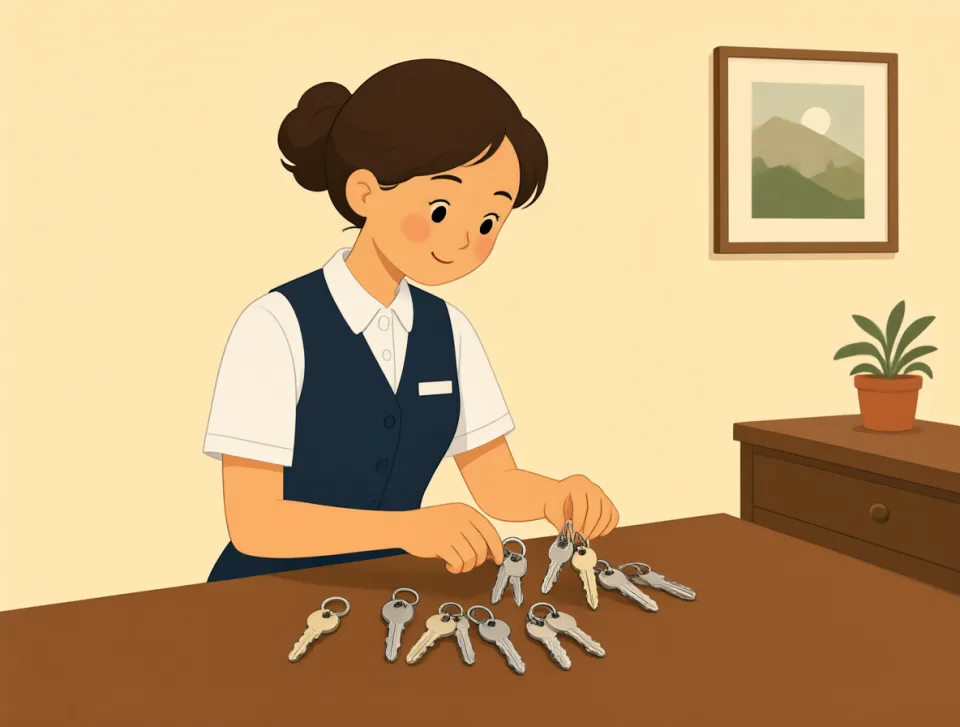
The hotel classed the rooms by size.
Hotel podzielił pokoje na kategorie według wielkości.
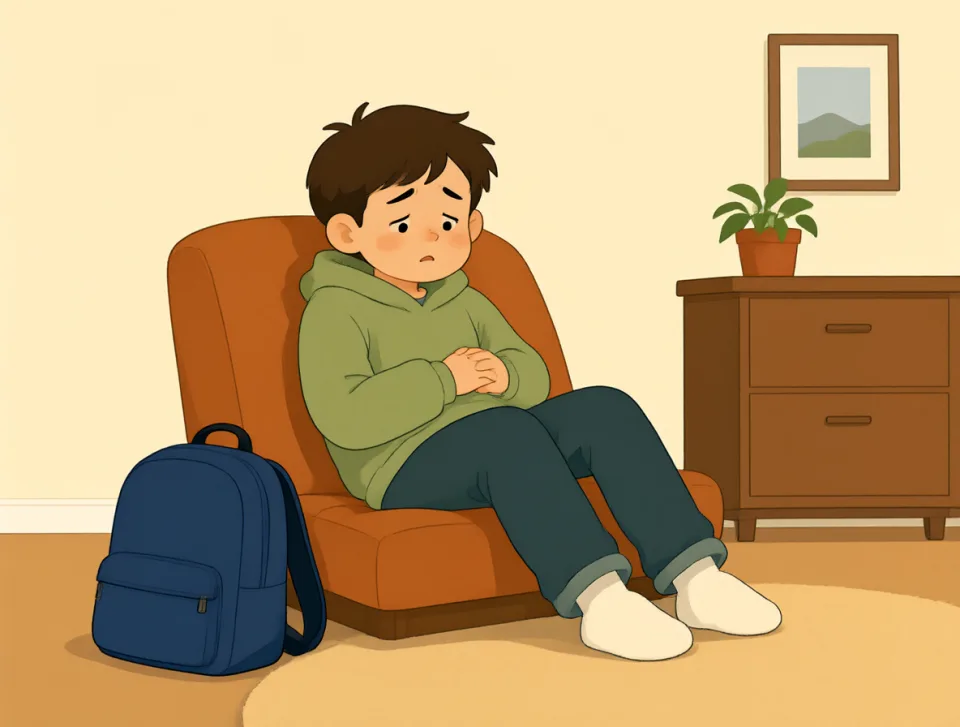
He missed class because he felt sick.
Opuścił zajęcia, bo źle się czuł.
development
#363noun
rozwój
The process of growing, changing, or becoming better.
Proces wzrostu, zmian lub stawania się lepszym.
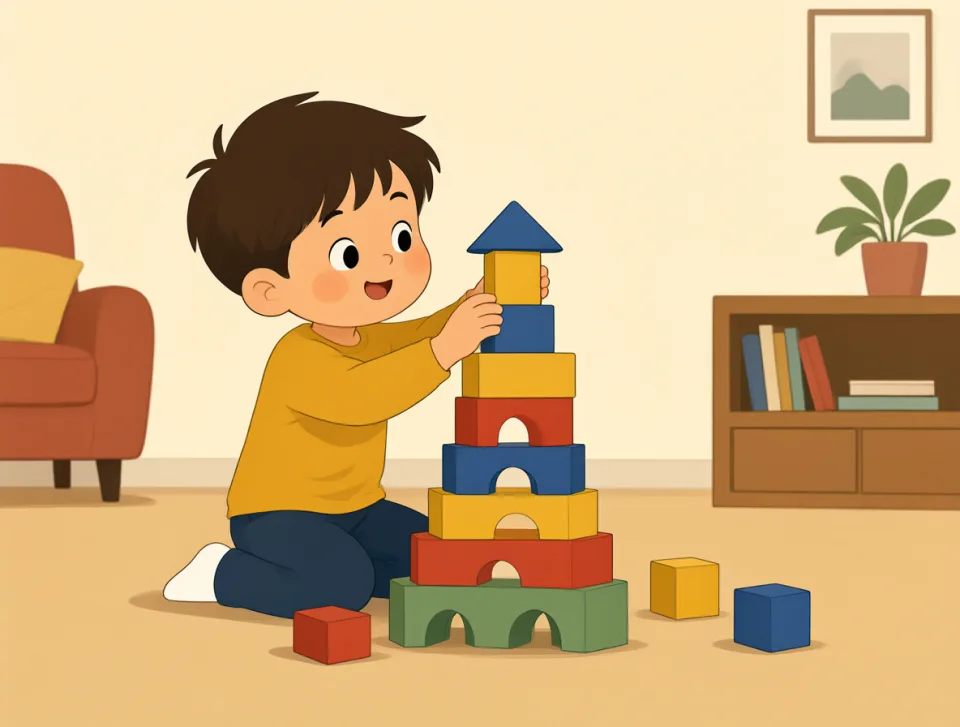
The child’s development is going well.
Rozwój dziecka przebiega prawidłowo.
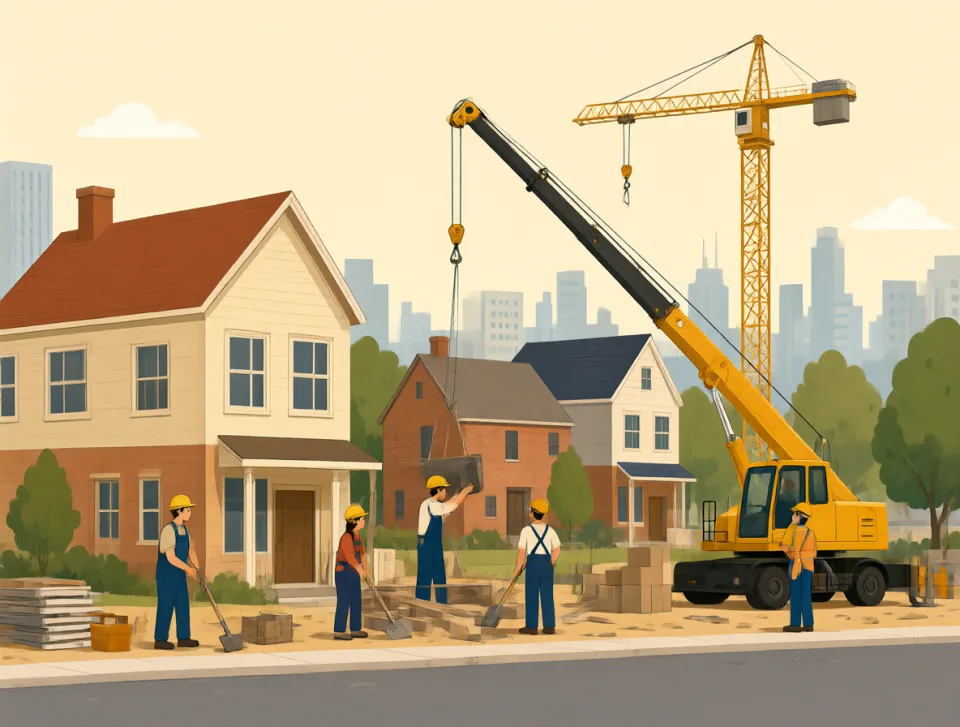
The city plans new housing development.
Miasto planuje budowę nowych osiedli mieszkaniowych.
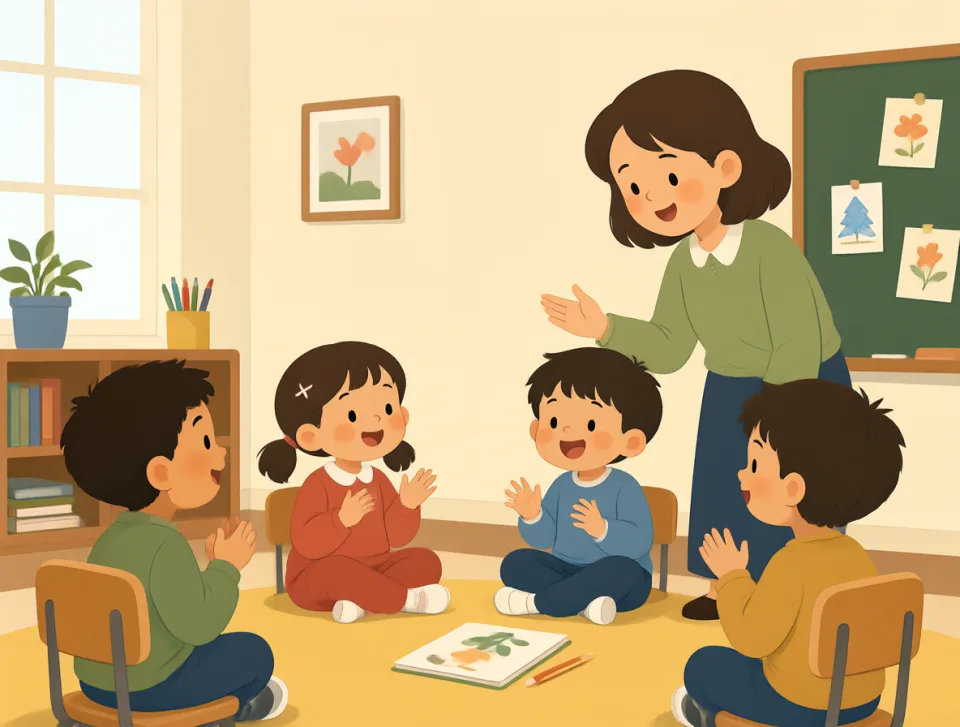
The teacher helps students with language development.
Nauczyciel pomaga uczniom rozwijać umiejętności językowe.
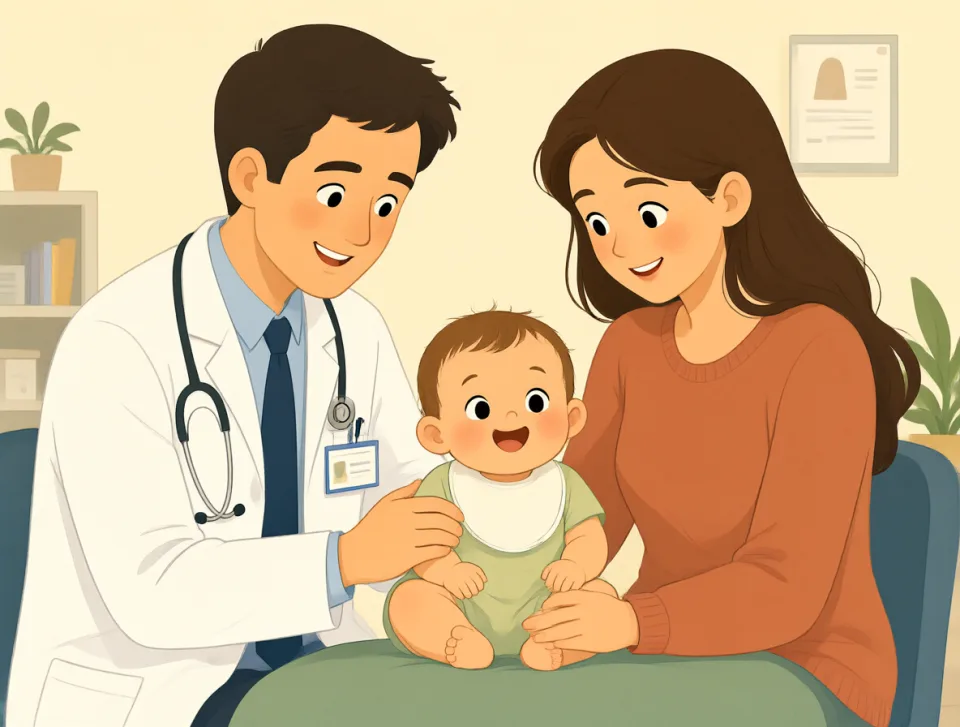
The doctor checked the baby’s development.
Lekarz sprawdził rozwój dziecka.
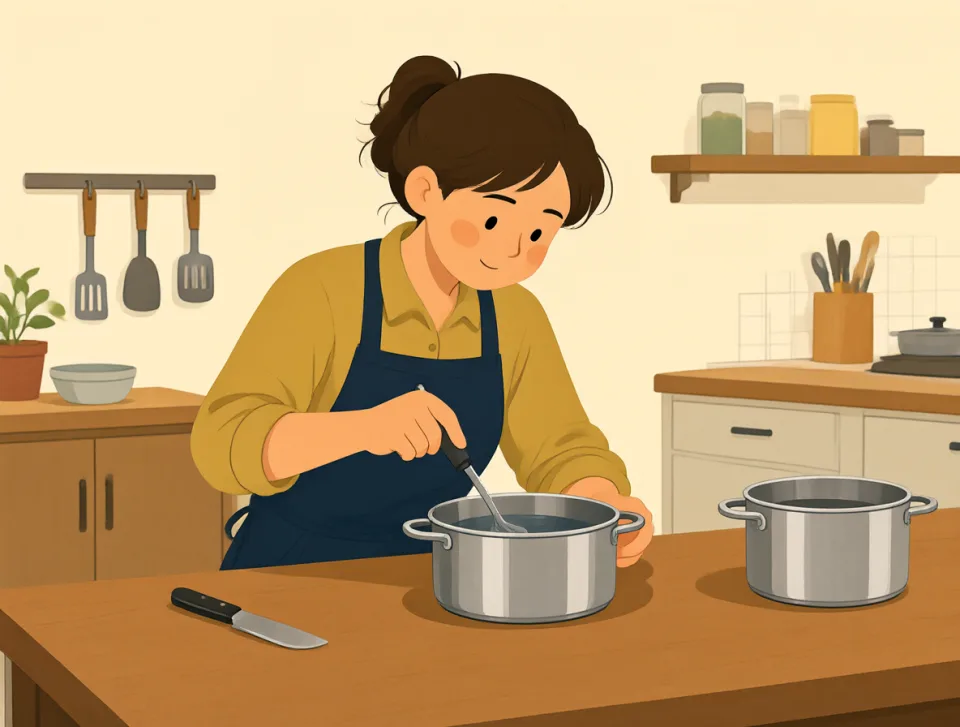
The new product is still in development.
Nowy produkt jest wciąż w fazie rozwoju.
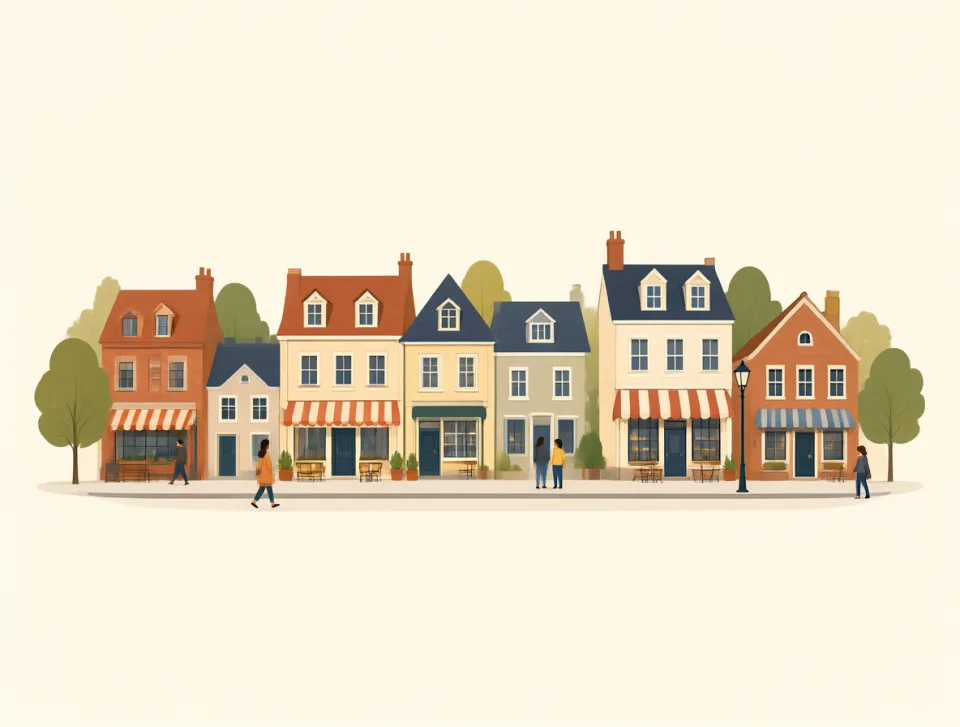
town
#364noun
miasteczko
a place where people live that is smaller than a city
Miejscowość, w której mieszkają ludzie, mniejsza od miasta.
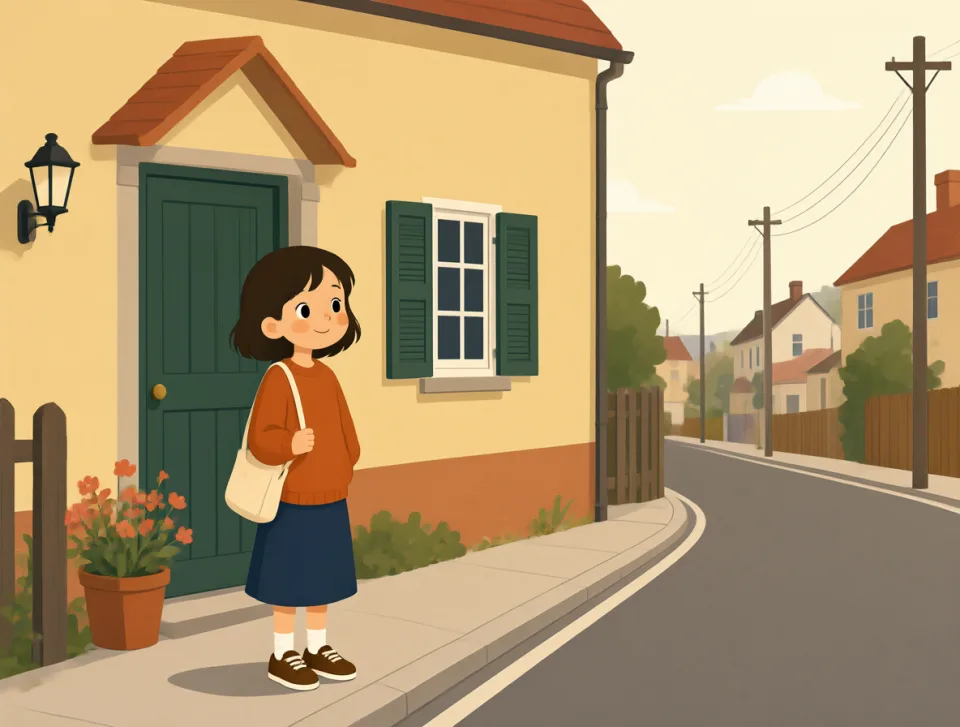
She lives in a small town.
Ona mieszka w małym miasteczku.
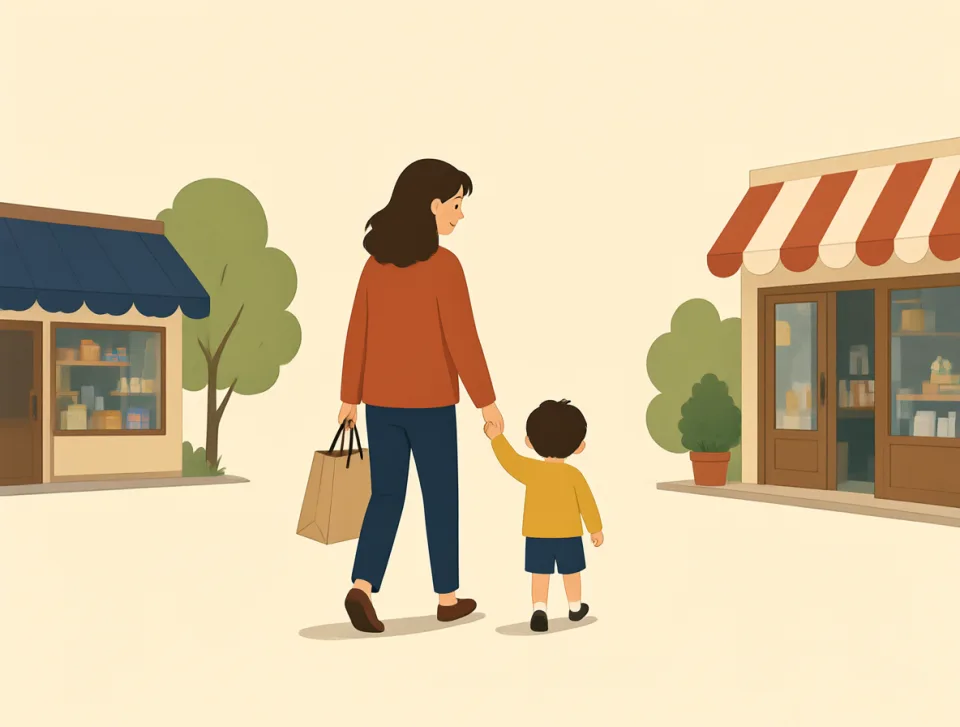
We went into town to buy food.
Pojechaliśmy do centrum, żeby kupić jedzenie.
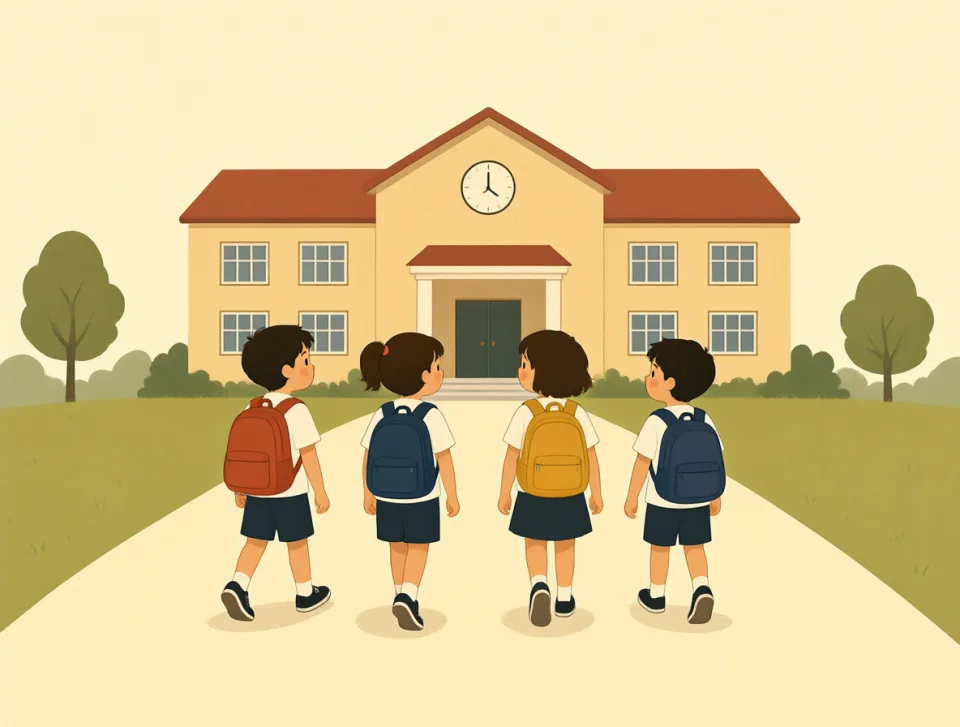
The town has a good school.
W miasteczku jest dobra szkoła.
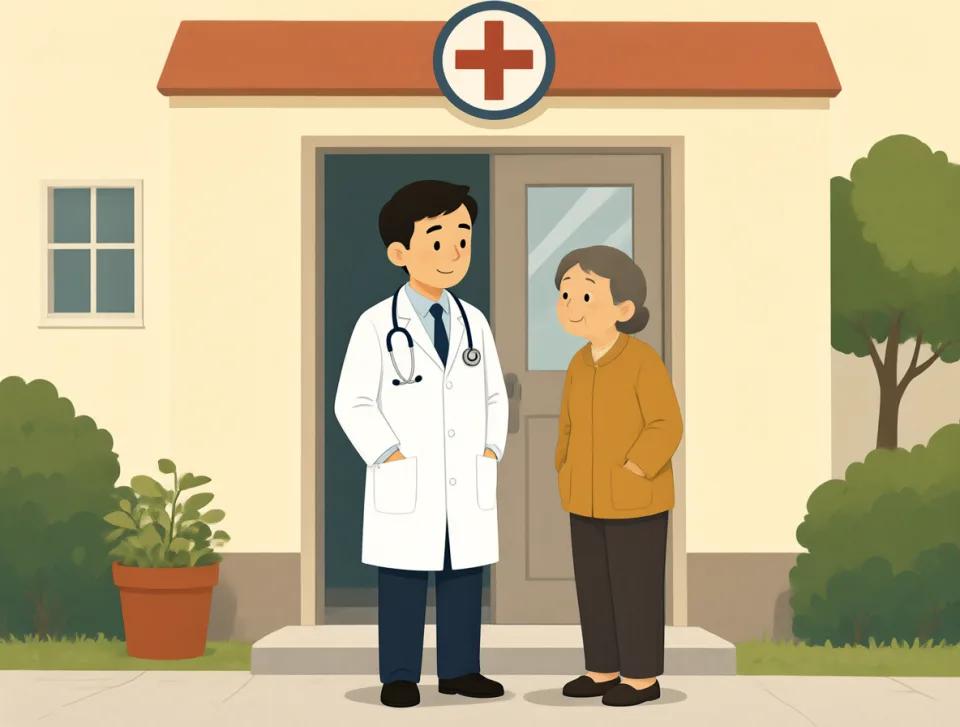
He works at the town hospital.
Pracuje w szpitalu miejskim.
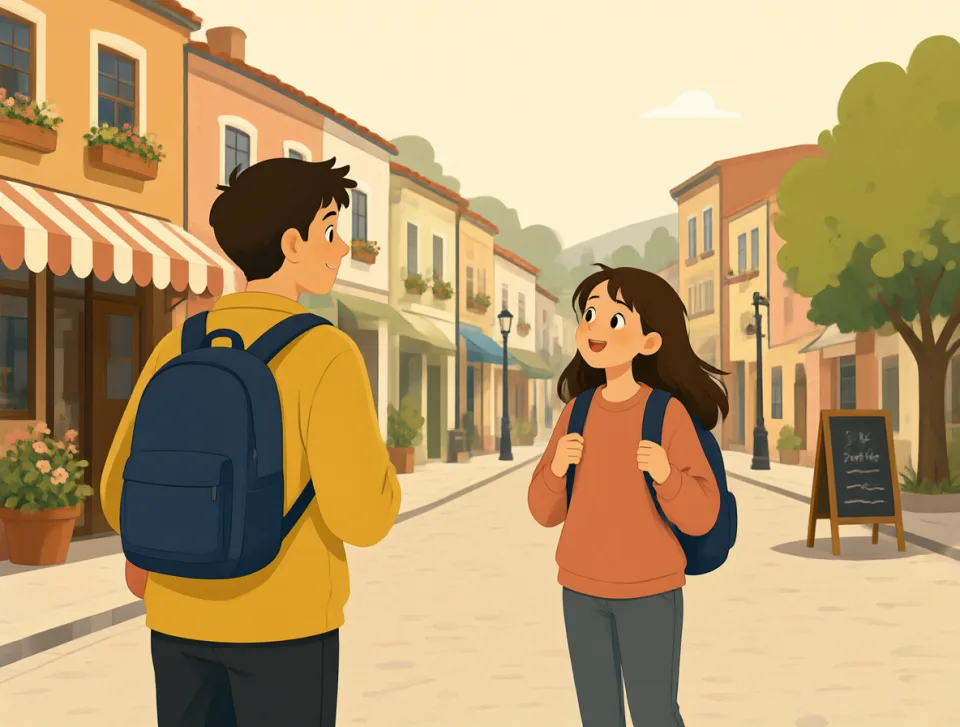
Our friends visited the town last summer.
Nasi przyjaciele odwiedzili to miasteczko zeszłego lata.
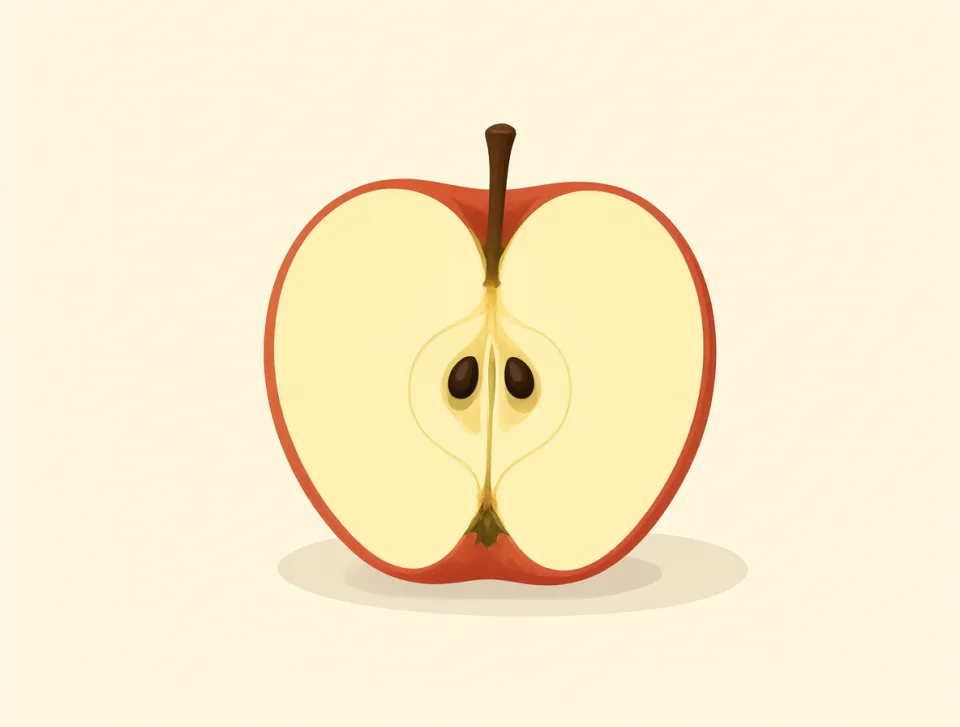
half
#365noun, adjective, adverb, determiner
połowa
One of two equal parts of something; 50 percent of it.
Jedna z dwóch równych części czegoś; 50 procent całości.
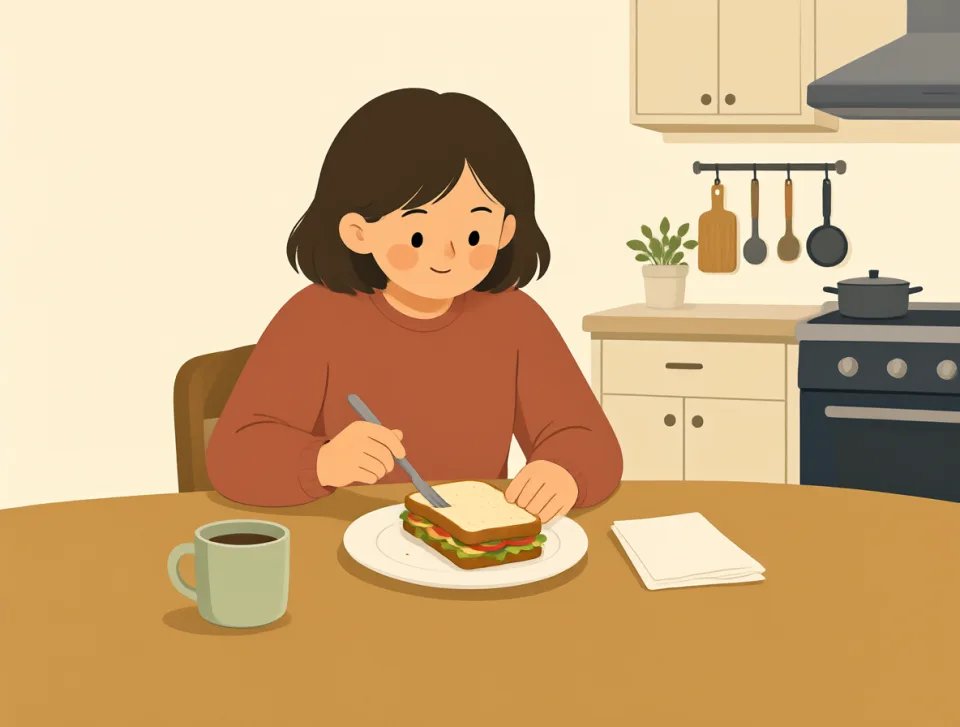
I ate half of the sandwich.
Zjadłem połowę kanapki.
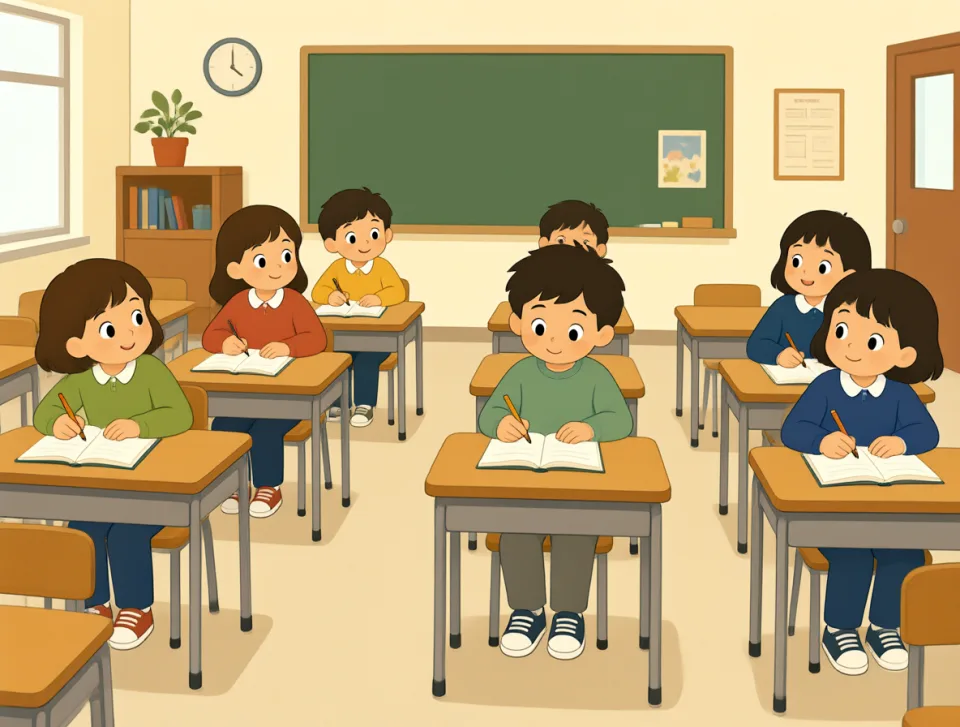
Half the class was absent today.
Dziś połowy klasy nie było.
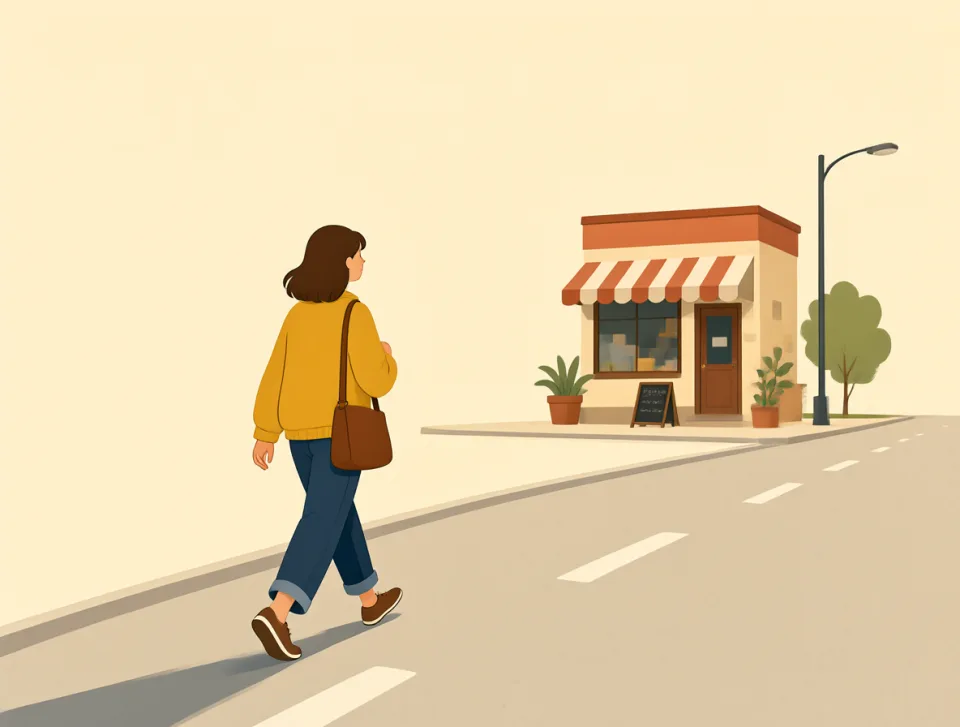
The shop is half a mile away.
Sklep jest oddalony o pół mili.
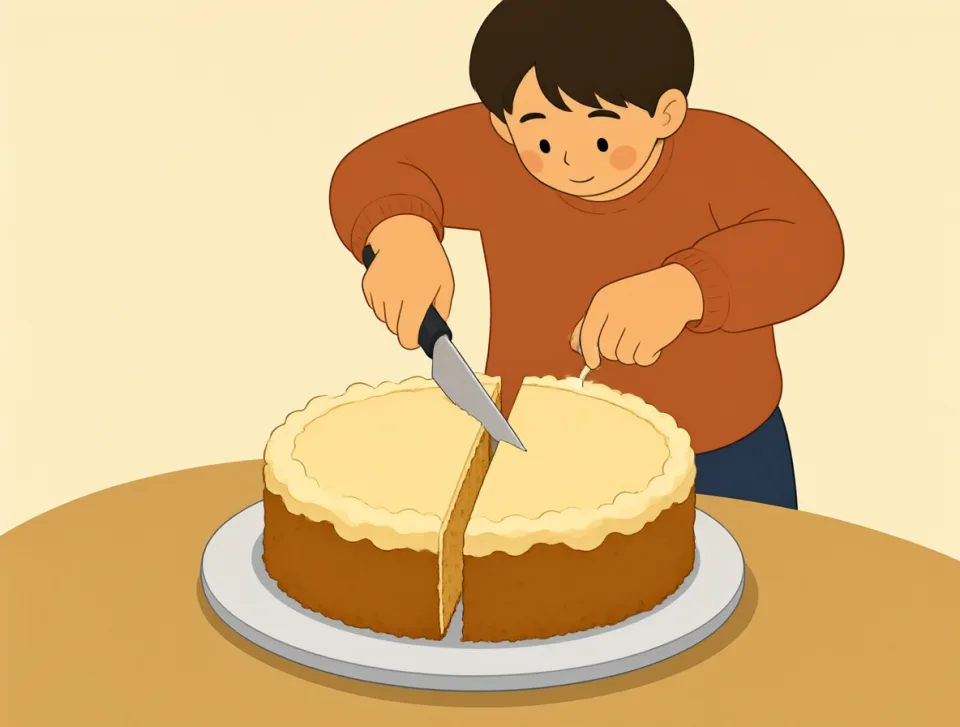
Please cut the cake in half.
Proszę przekroić ciasto na pół.
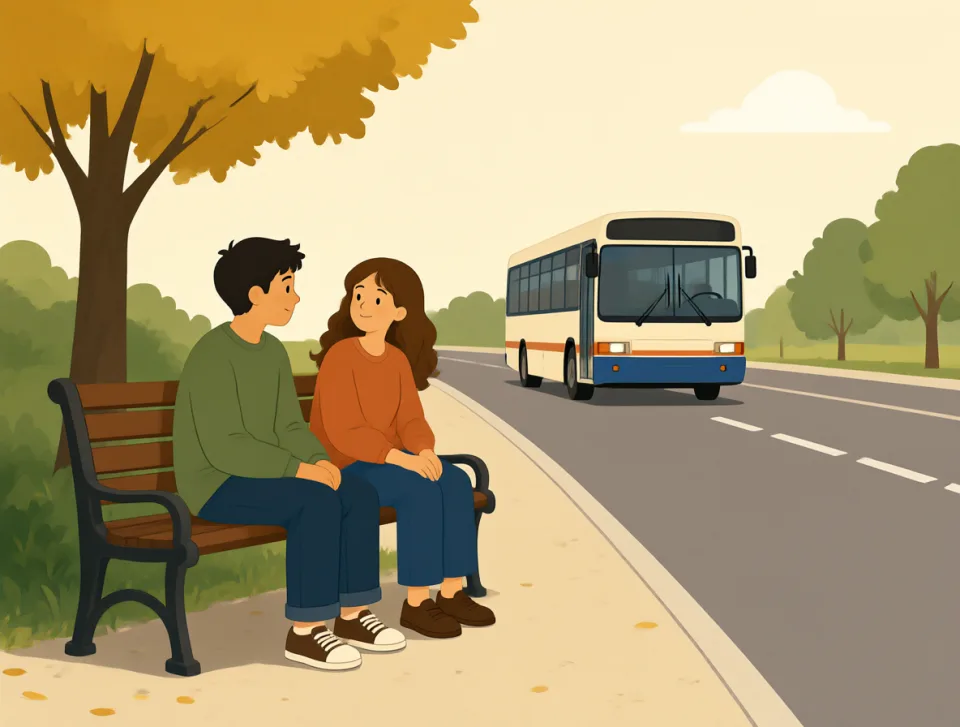
We waited half an hour for the bus.
Czekaliśmy na autobus pół godziny.
minute
#366noun, adjective
minuta
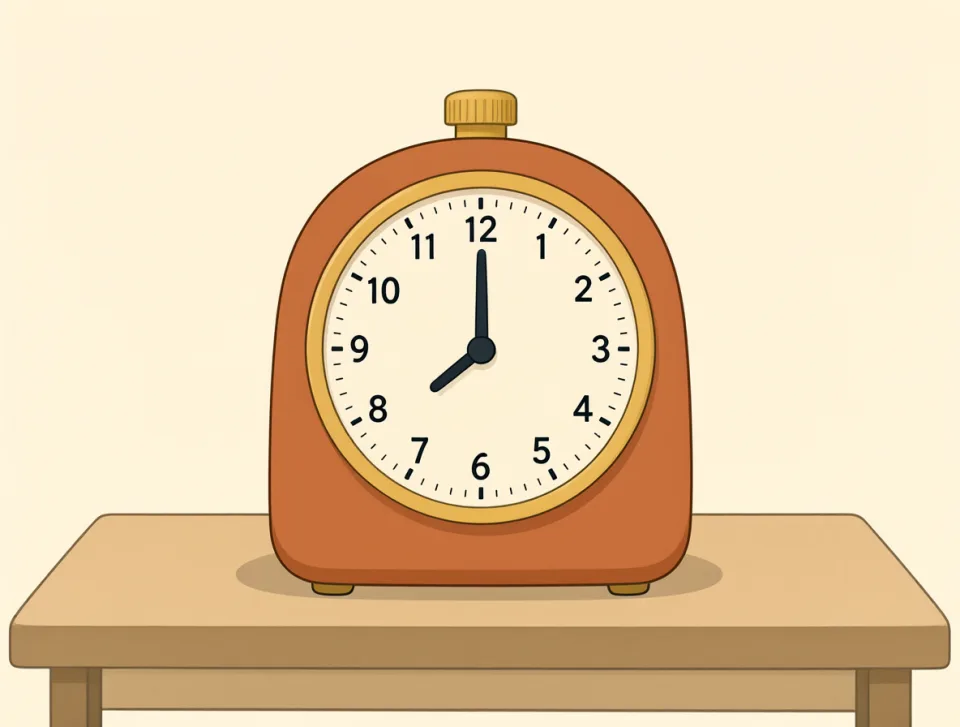
A minute is a period of sixty seconds.
Minuta to okres sześćdziesięciu sekund.
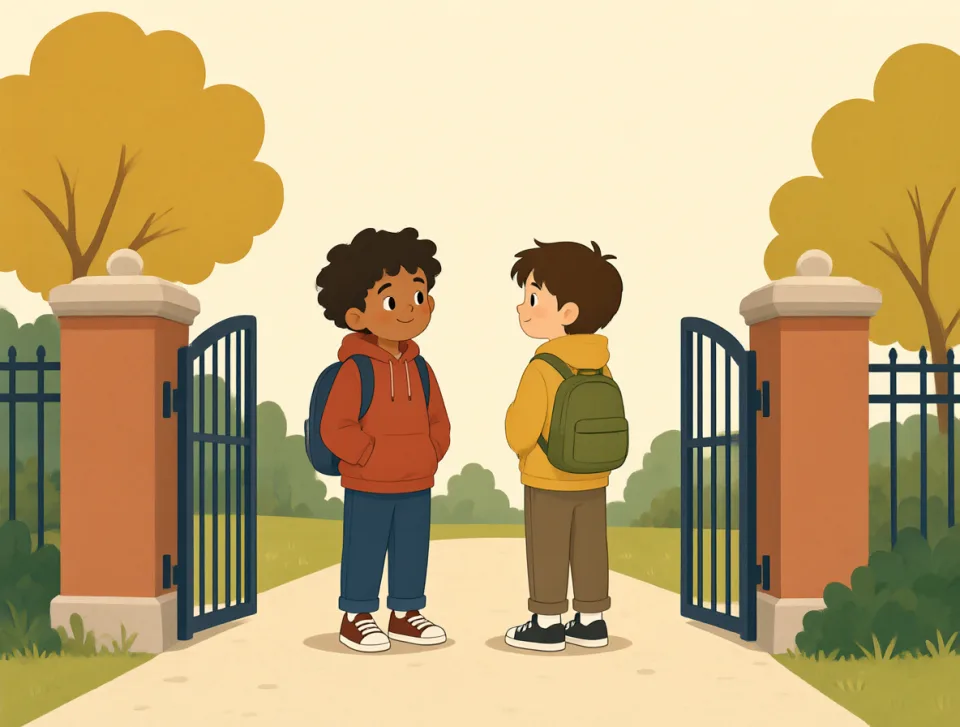
Please wait a minute for me.
Proszę, poczekaj na mnie minutę.
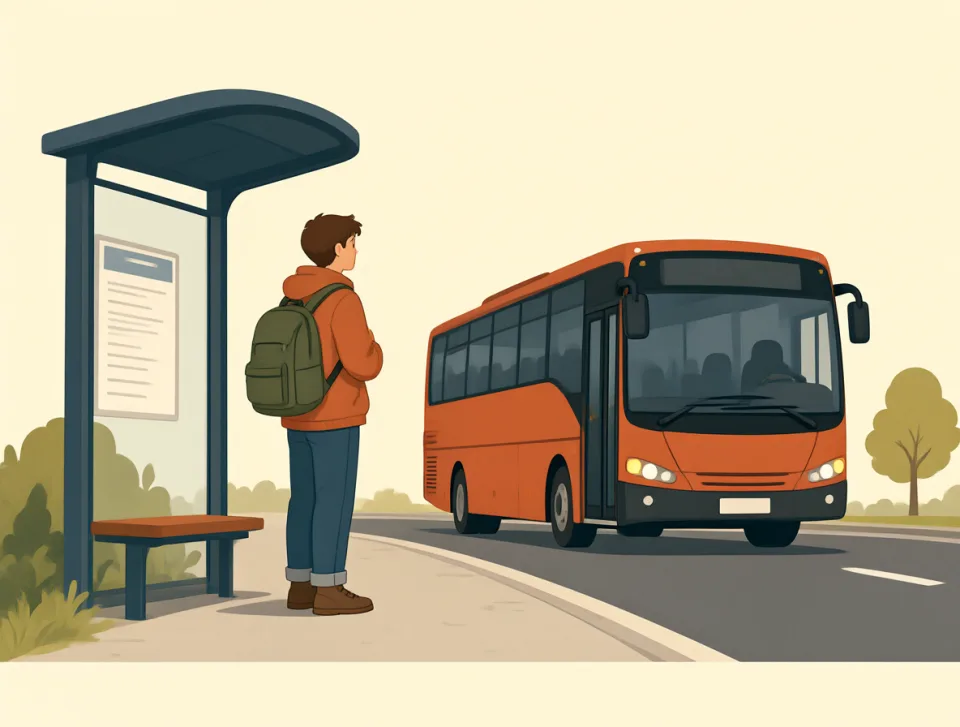
The bus arrived five minutes late.
Autobus przyjechał pięć minut później.

I called Mom a minute ago.
Zadzwoniłem do mamy minutę temu.
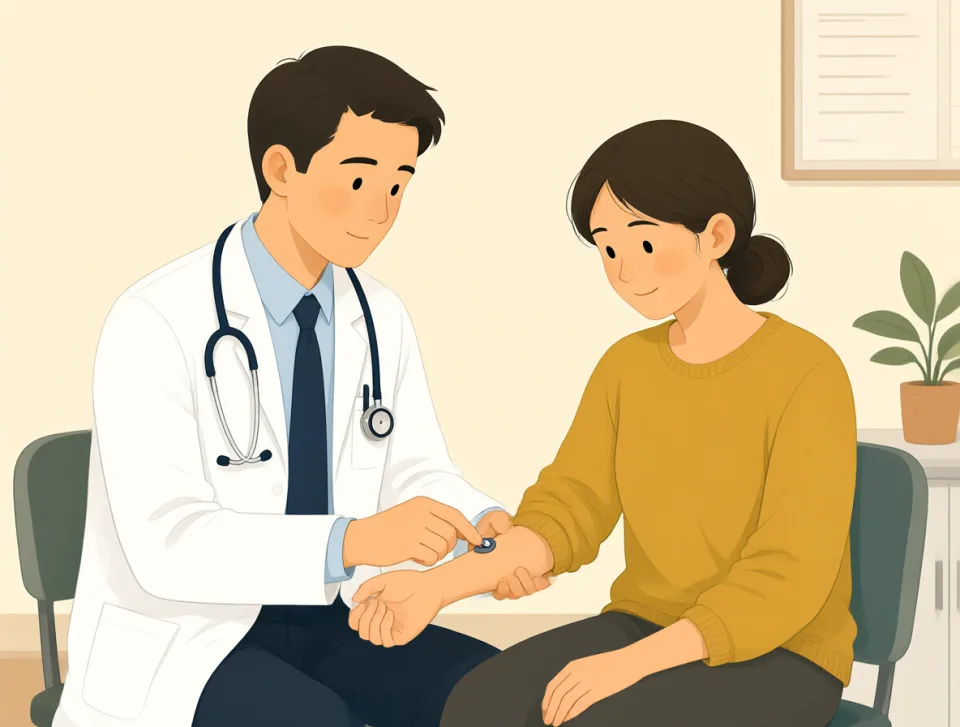
The doctor checked my pulse for one minute.
Lekarz sprawdzał moje tętno przez minutę.
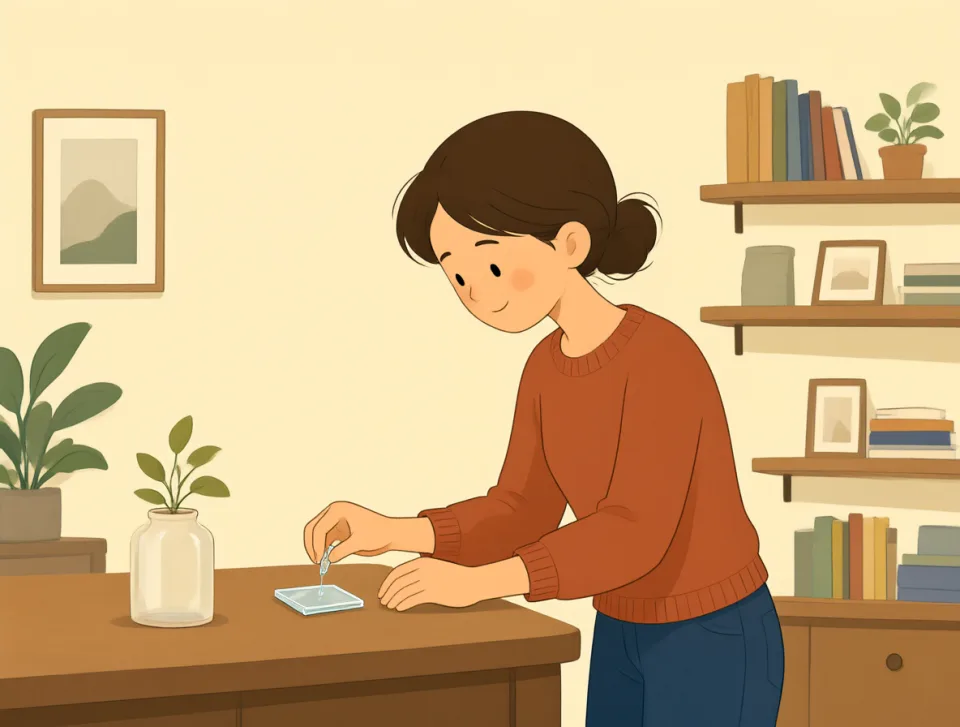
She found a minute piece of glass.
Znalazła maleńki kawałek szkła.
food
#367noun
jedzenie
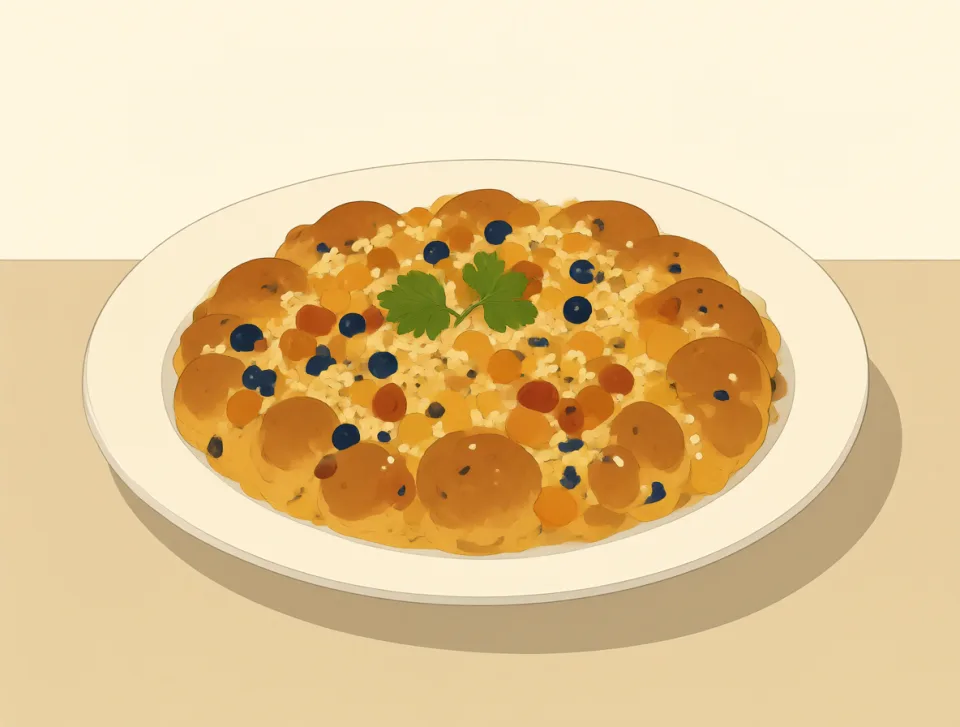
Things that people and animals eat or drink.
Rzeczy, które ludzie i zwierzęta jedzą lub piją.
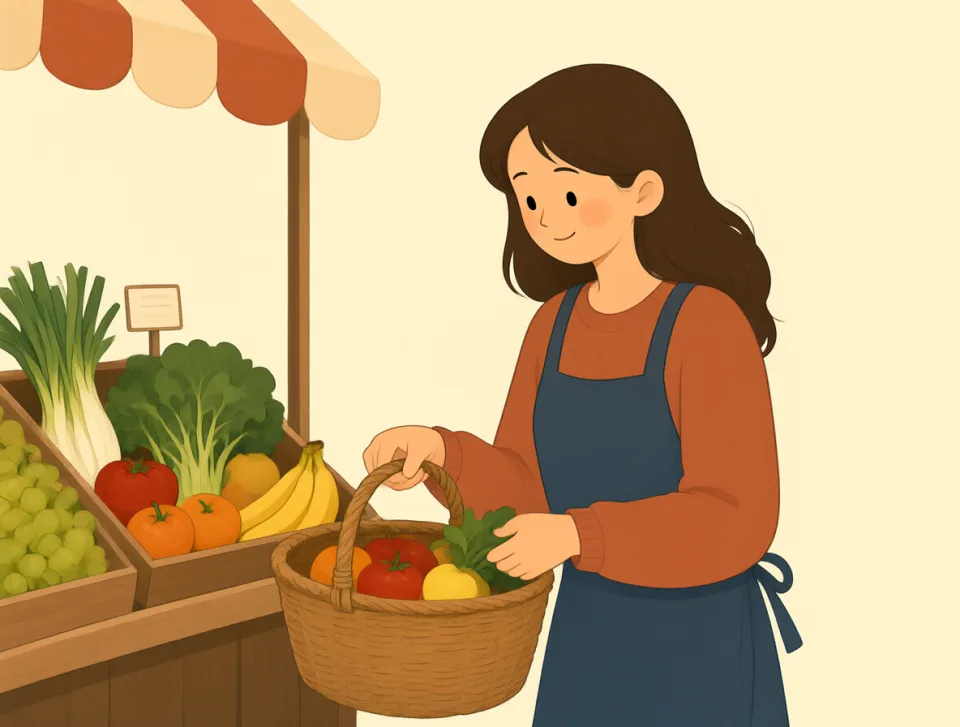
We bought fresh food at the market.
Kupiliśmy na targu świeże jedzenie.
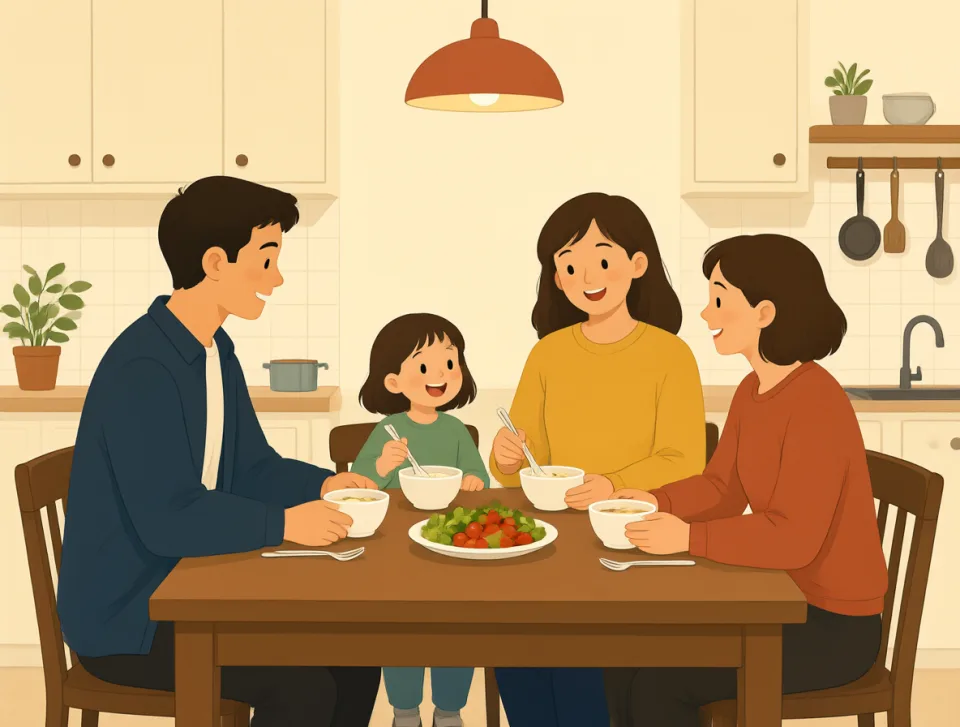
The food is ready on the table.
Jedzenie jest już gotowe na stole.
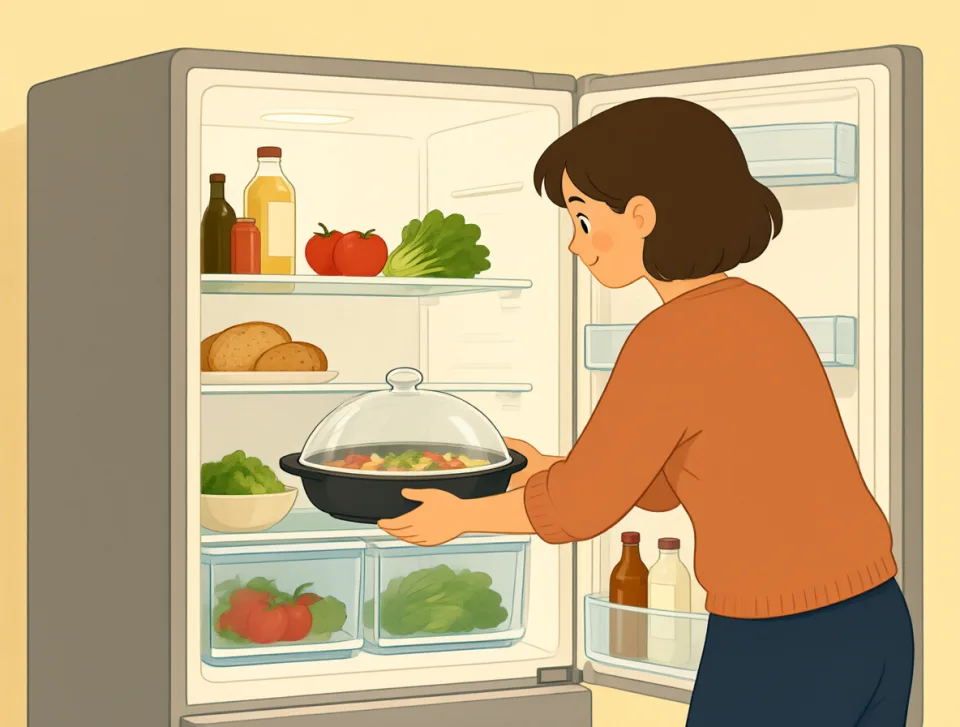
Please put the food in the fridge.
Proszę, włóż jedzenie do lodówki.
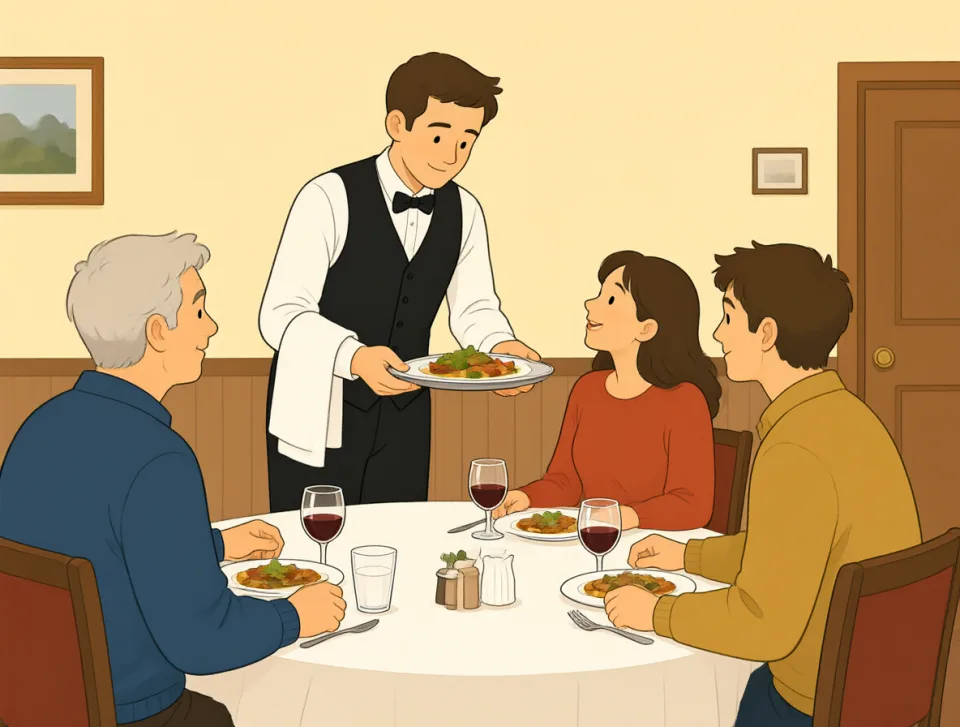
The hotel serves good food.
W hotelu serwują dobre jedzenie.
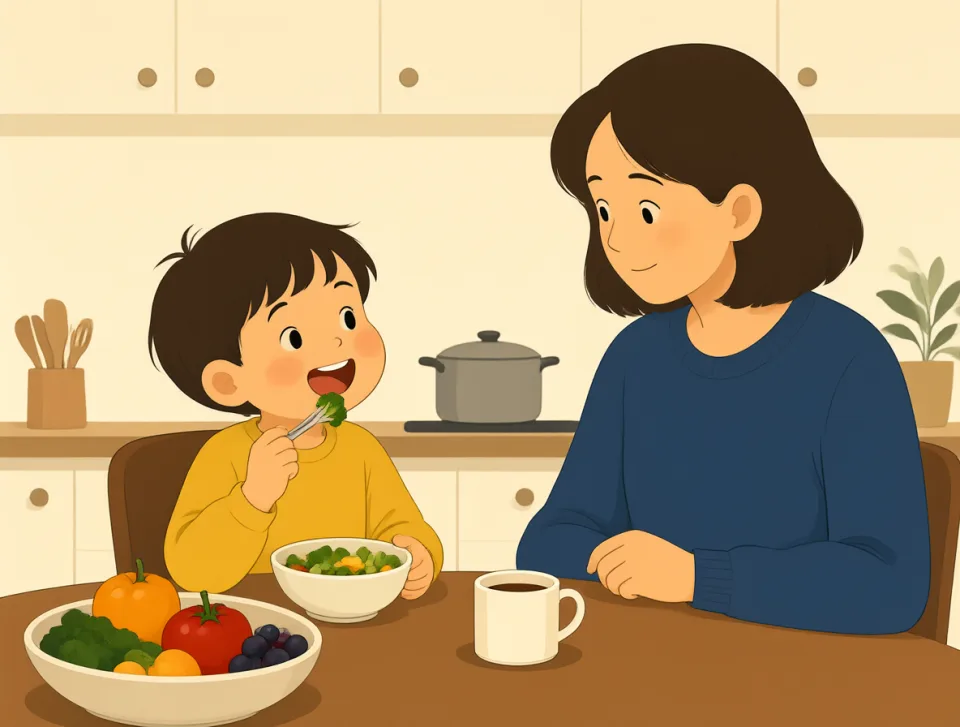
Healthy food helps children grow strong.
Zdrowe jedzenie pomaga dzieciom zdrowo rosnąć.
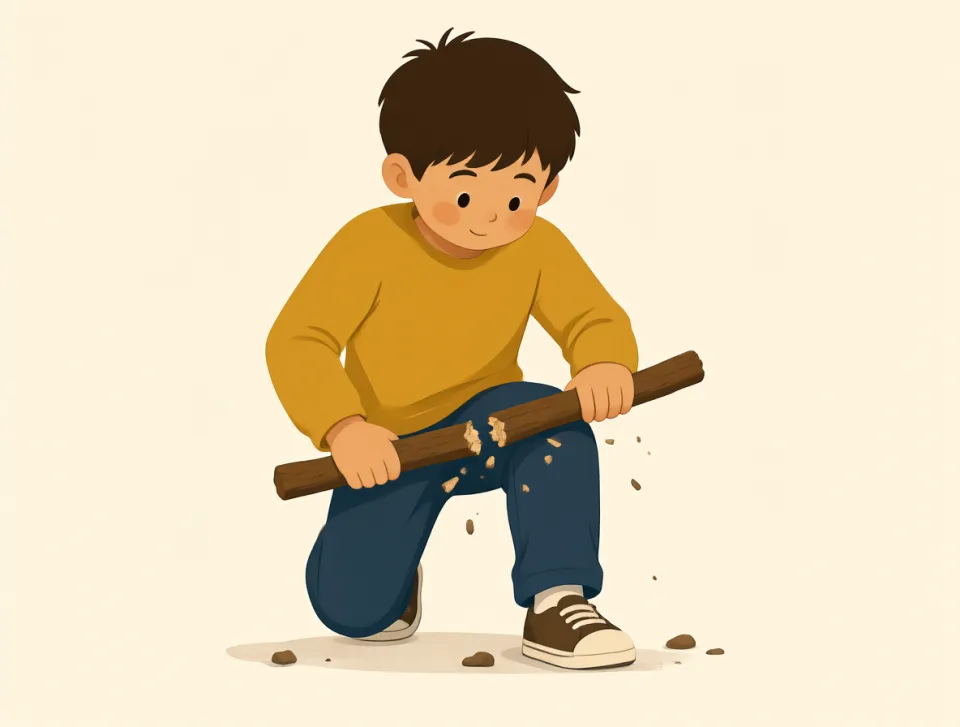
break
#368noun, verb
przerwa; łamać; zepsuć
to stop working, separate into pieces, or rest for a short time
Przestać pracować, rozpaść się na kawałki lub odpocząć przez krótki czas.
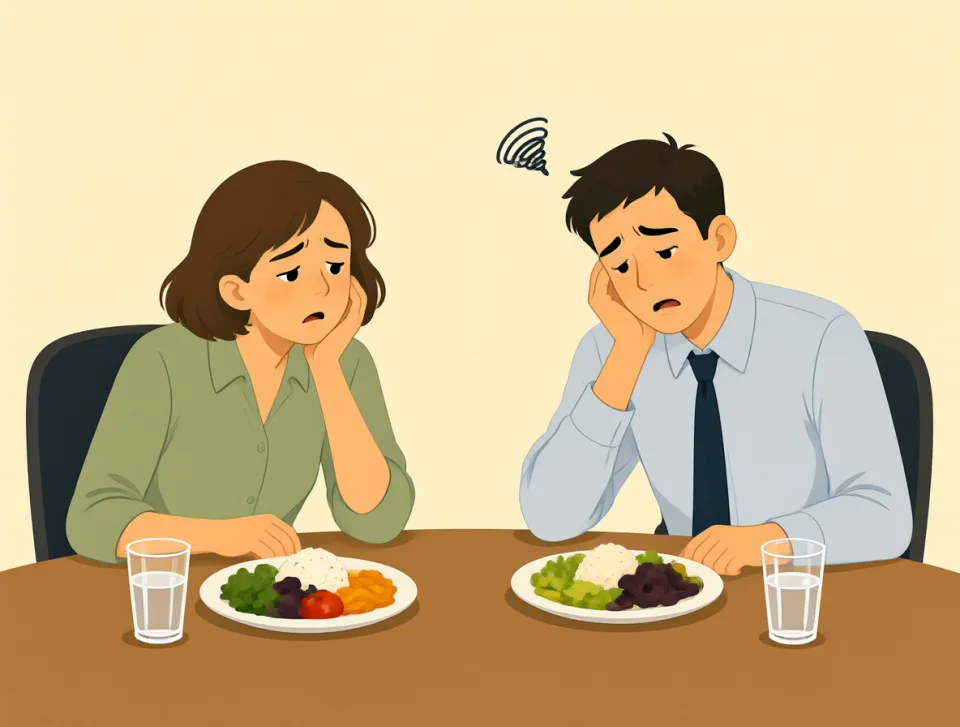
Let’s take a short break after lunch.
Zróbmy sobie krótką przerwę po obiedzie.
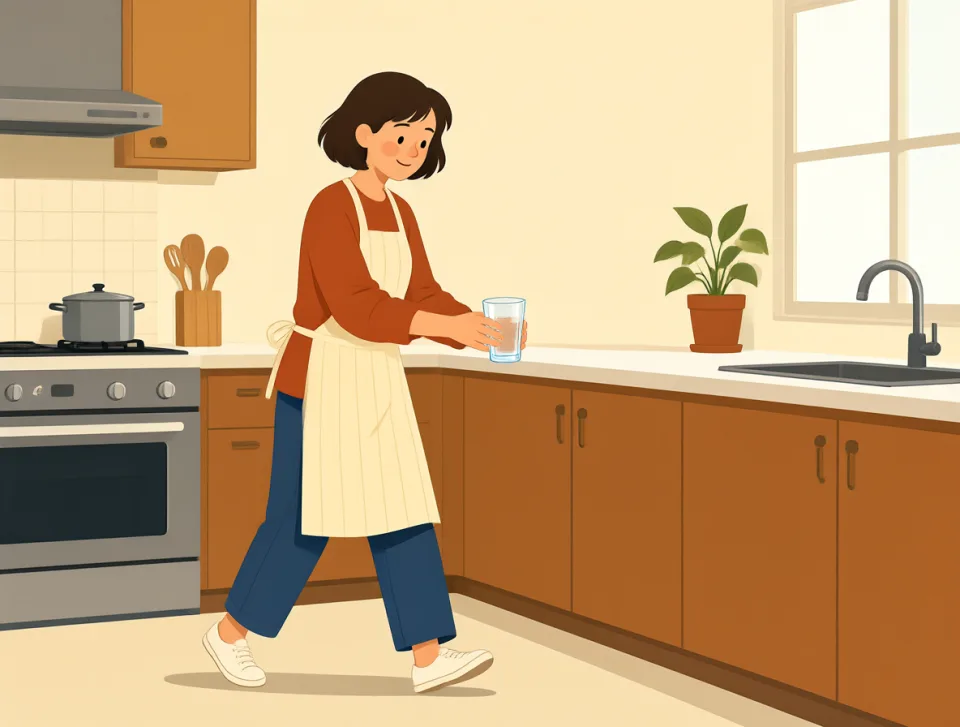
Be careful not to break the glass.
Uważaj, żeby nie stłuc szklanki.
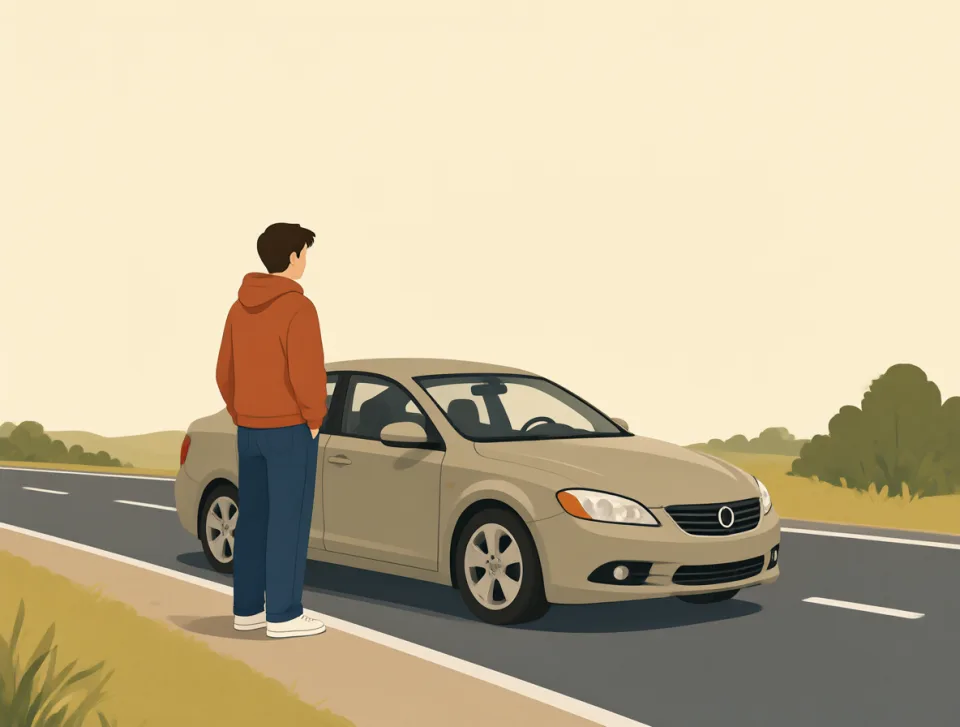
My car broke down on the way home.
Samochód zepsuł mi się w drodze do domu.
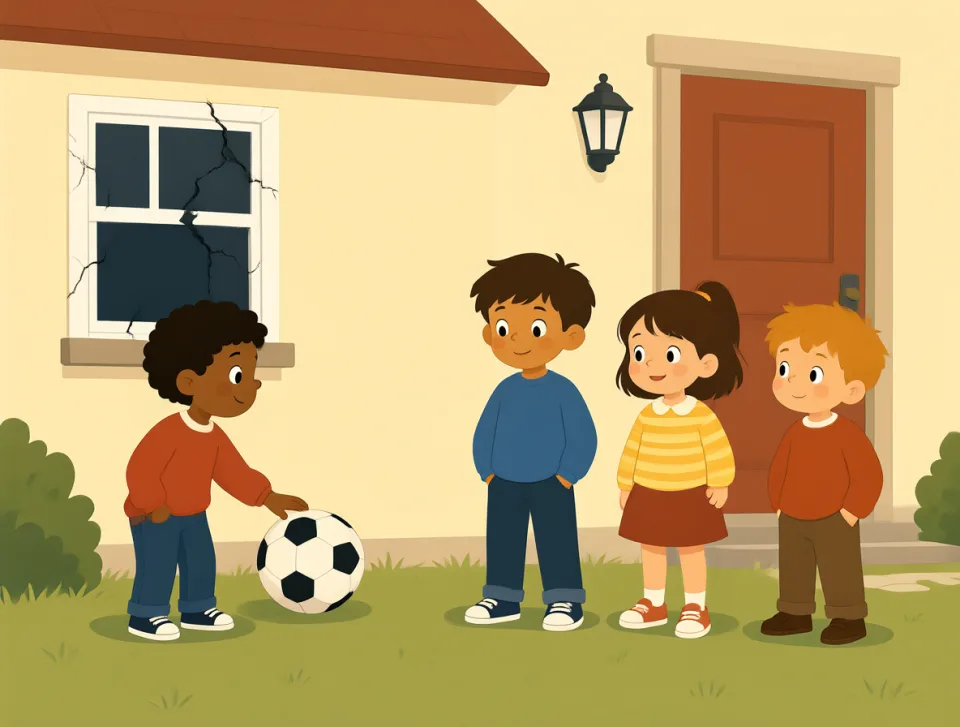
The children broke the window with a ball.
Dzieci wybiły piłką okno.
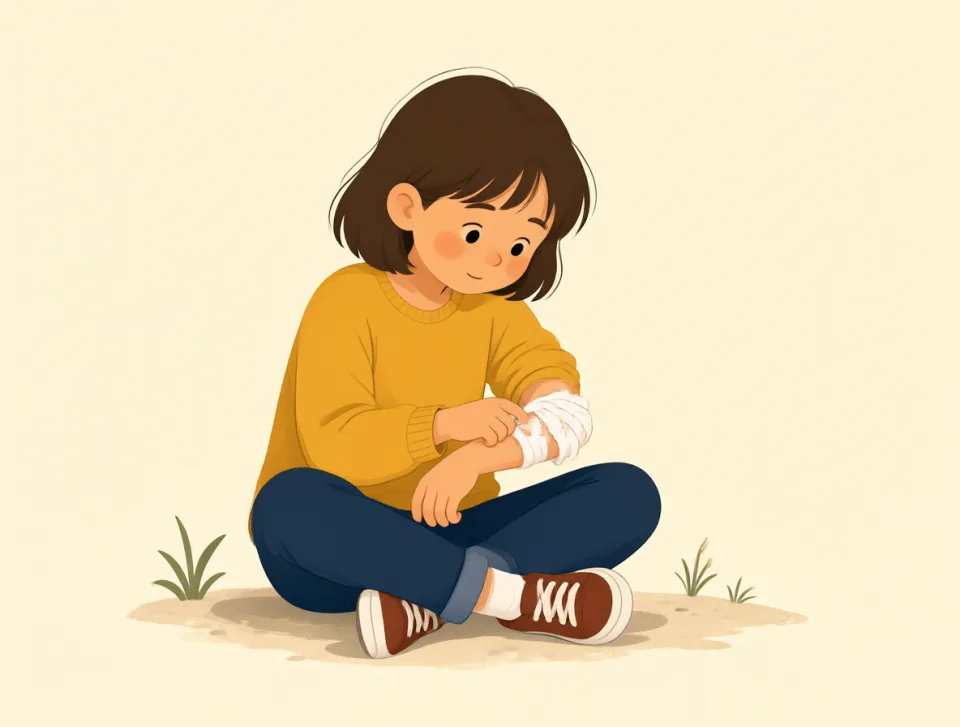
She broke her arm during the game.
Złamała rękę podczas gry.
clear
#369adjective, verb, adverb
jasny; wyraźny; klarowny
Easy to see, hear, understand, or free from anything blocking it.
Łatwy do zobaczenia, usłyszenia lub zrozumienia albo pozbawiony przeszkód.
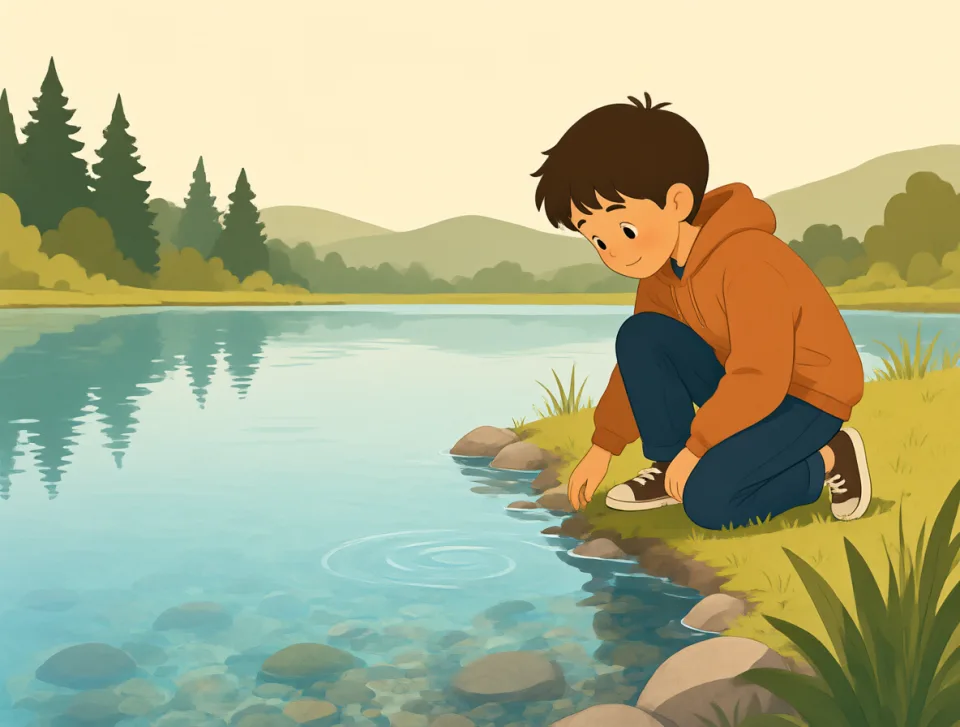
The water in the lake is clear.
Woda w jeziorze jest czysta i przejrzysta.
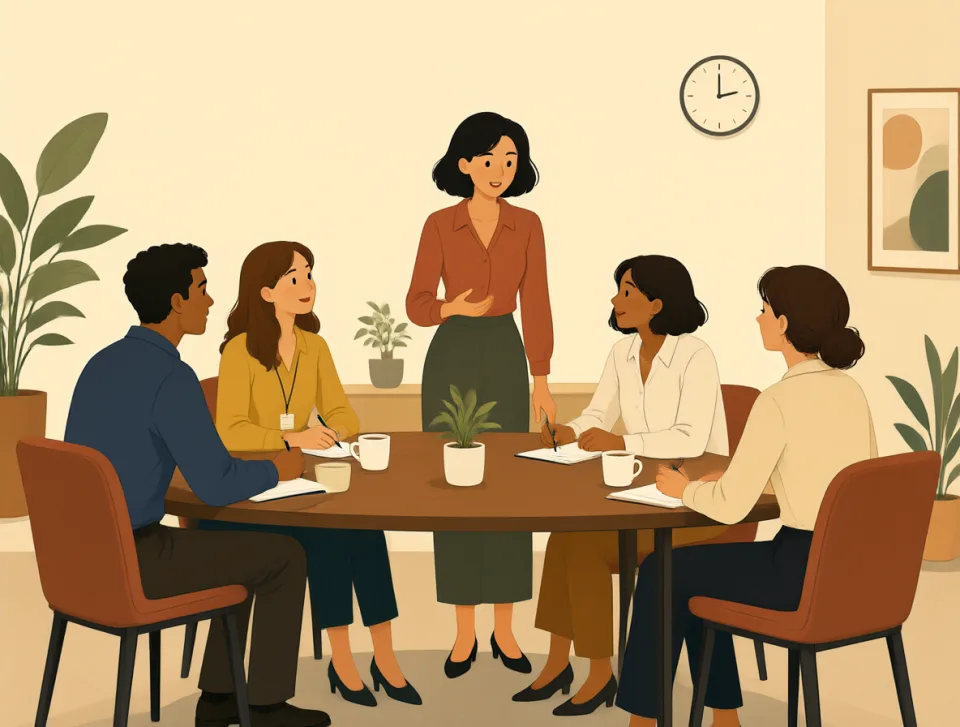
Please speak clearly during the meeting.
Proszę, mów wyraźnie podczas spotkania.

The doctor cleared him to play again.
Lekarz zezwolił mu na ponowną grę.
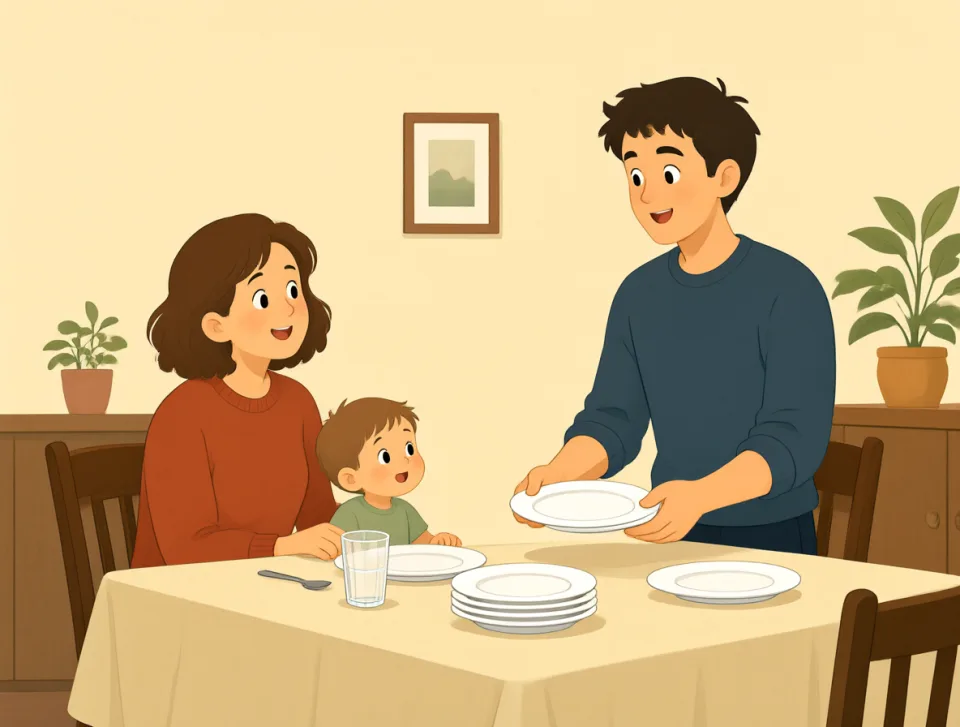
We need to clear the table after dinner.
Po kolacji musimy uprzątnąć ze stołu.
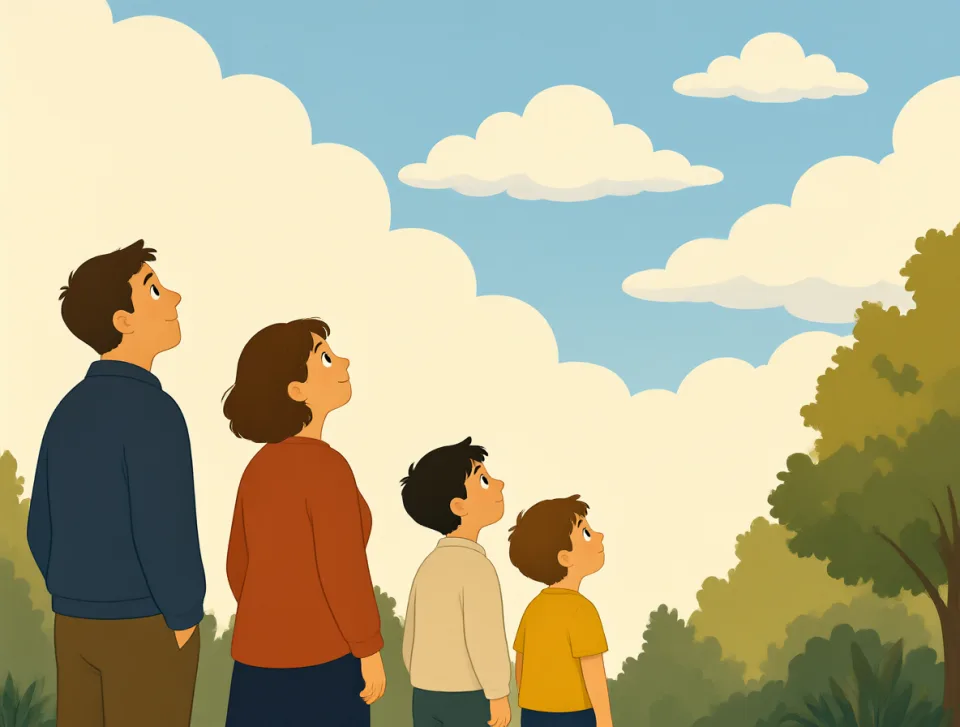
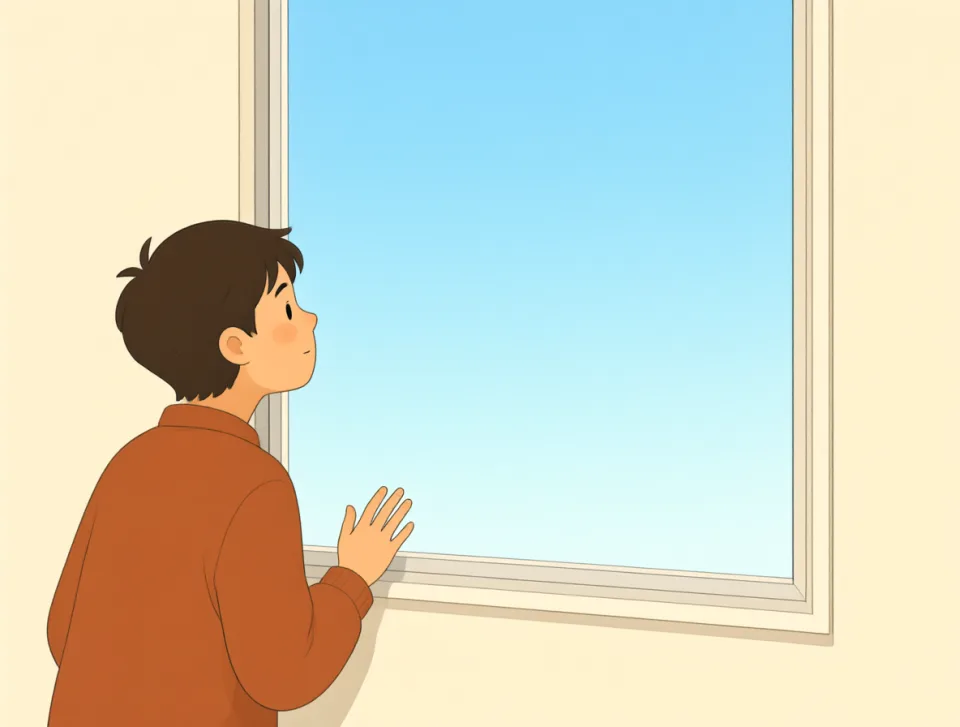
The sky cleared after the storm.
Po burzy niebo się rozpogodziło.
future
#370noun, adjective
przyszłość
The time that will come after now, or relating to that time.
Czas, który nastąpi po teraźniejszości, lub coś z nim związanego.
We are planning for the future.
Planujemy z myślą o przyszłości.
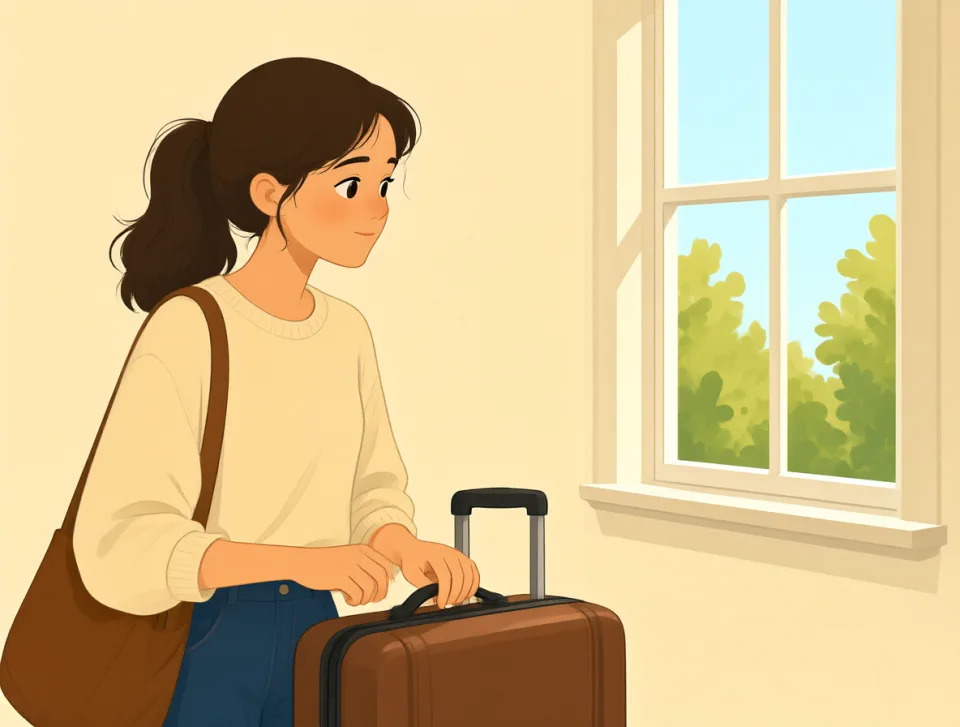
She hopes to travel in the future.
Ma nadzieję, że w przyszłości będzie podróżować.
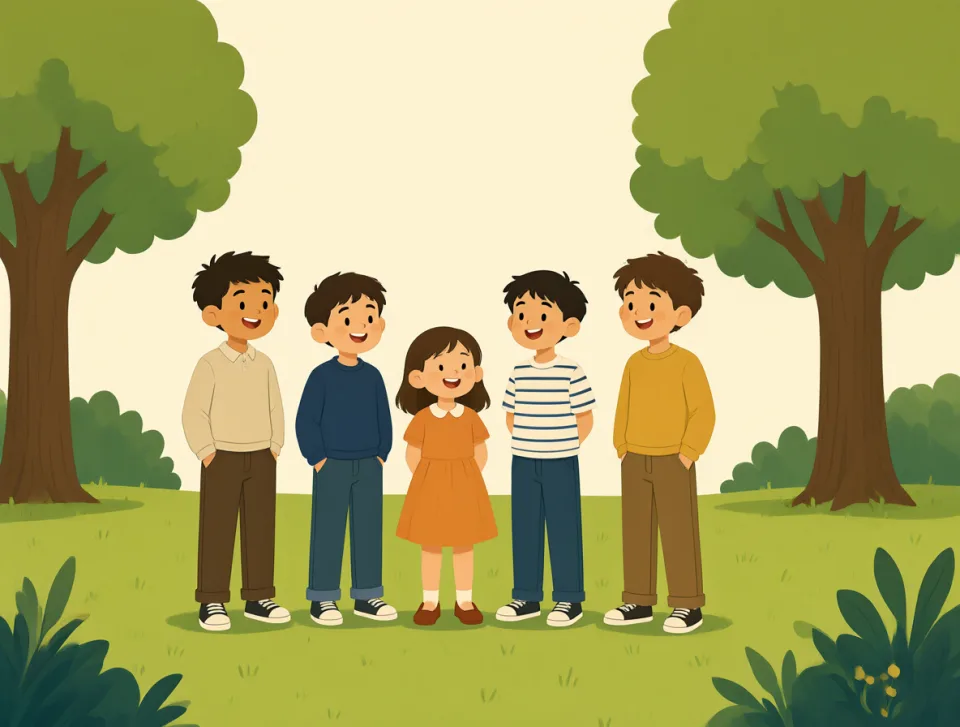
The future of our planet matters.
Przyszłość naszej planety ma znaczenie.
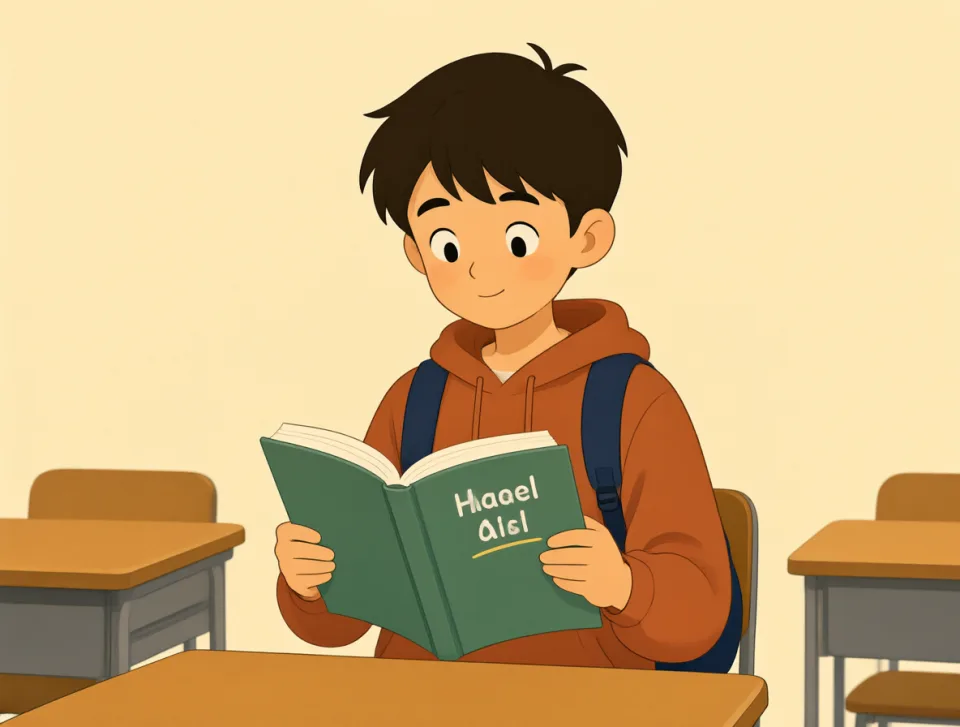
He wants a future job in medicine.
Chce w przyszłości pracować w medycynie.

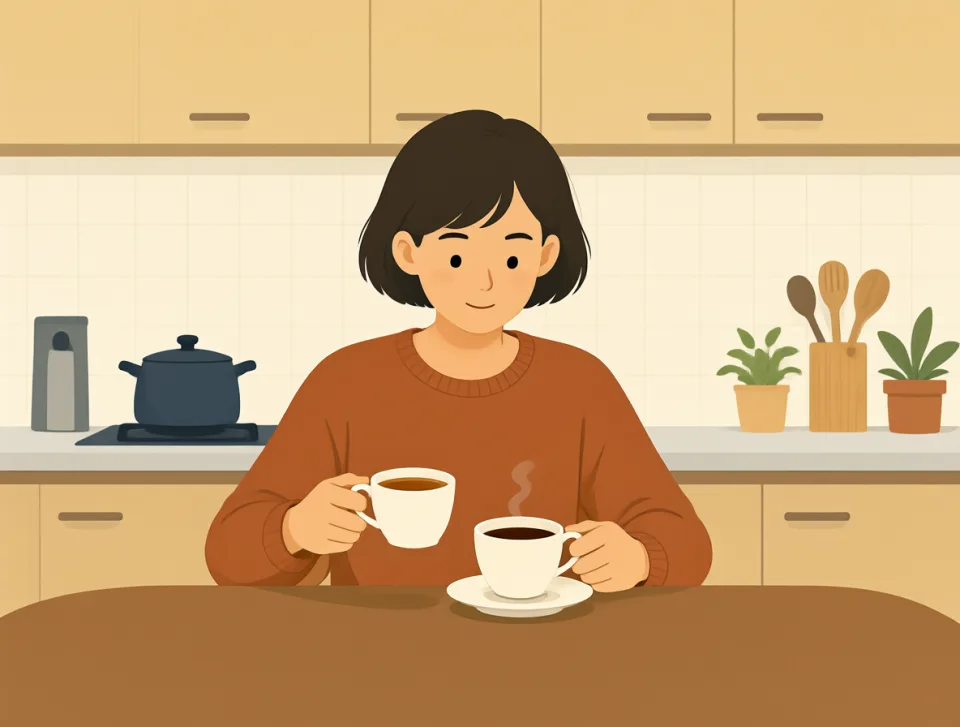
Please think about your future health.
Proszę, pomyśl o swoim zdrowiu w przyszłości.
either
#371adverb, determiner, pronoun, conjunction
którykolwiek z dwóch
Used to talk about one of two choices or possibilities.
Używane, gdy mowa o jednym z dwóch wyborów lub możliwości.
You can choose either tea or coffee.
Możesz wybrać herbatę albo kawę.
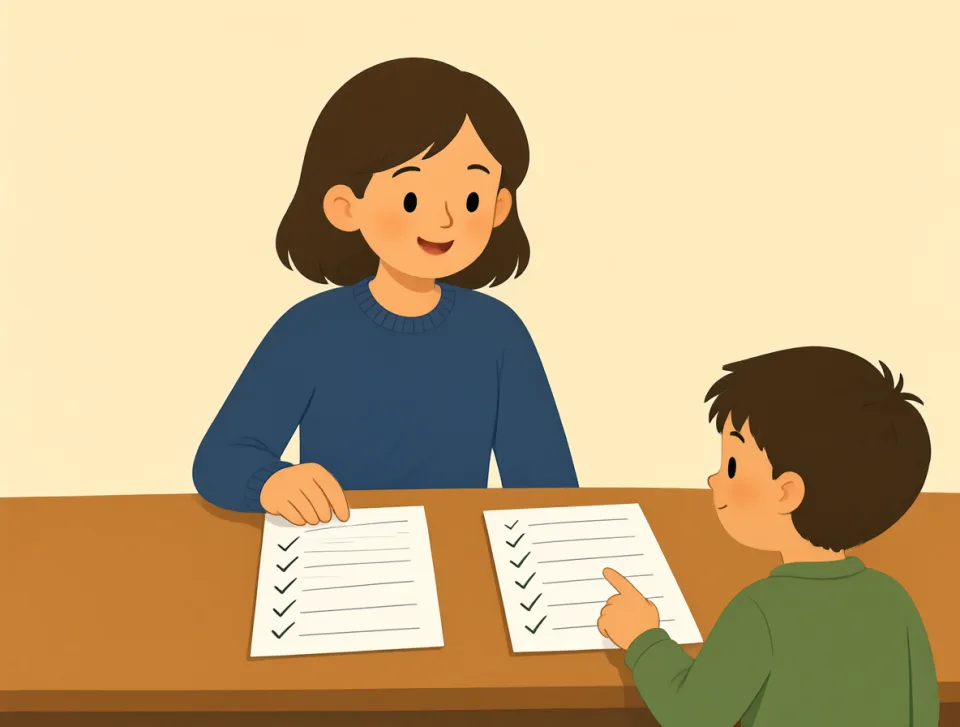
Either answer is correct.
Każda z tych dwóch odpowiedzi jest poprawna.
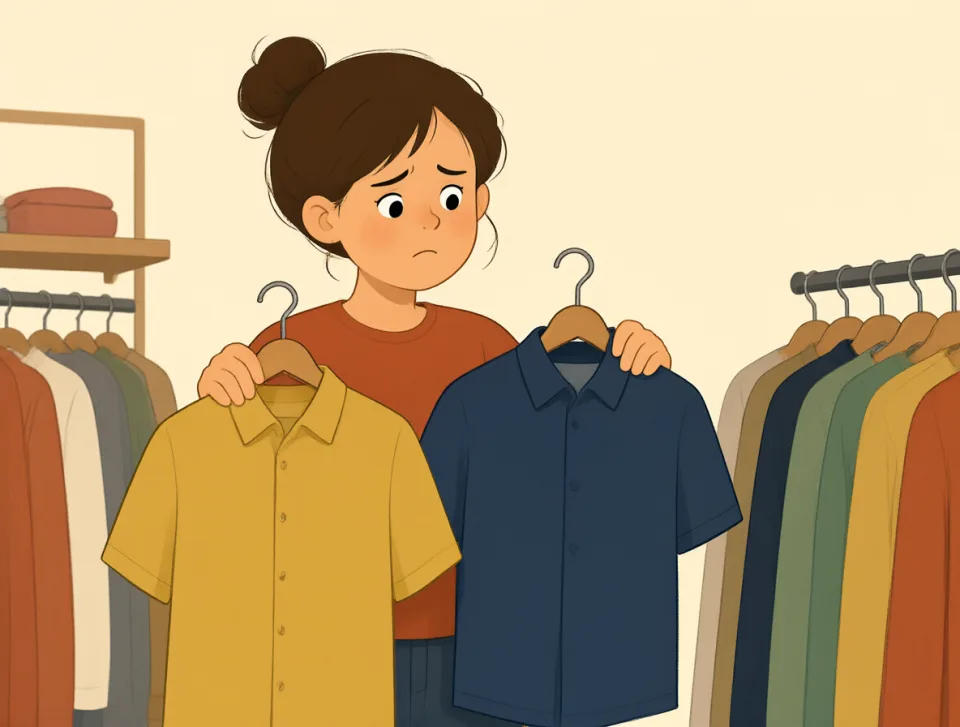
I do not like either color.
Nie podoba mi się żaden z tych dwóch kolorów.
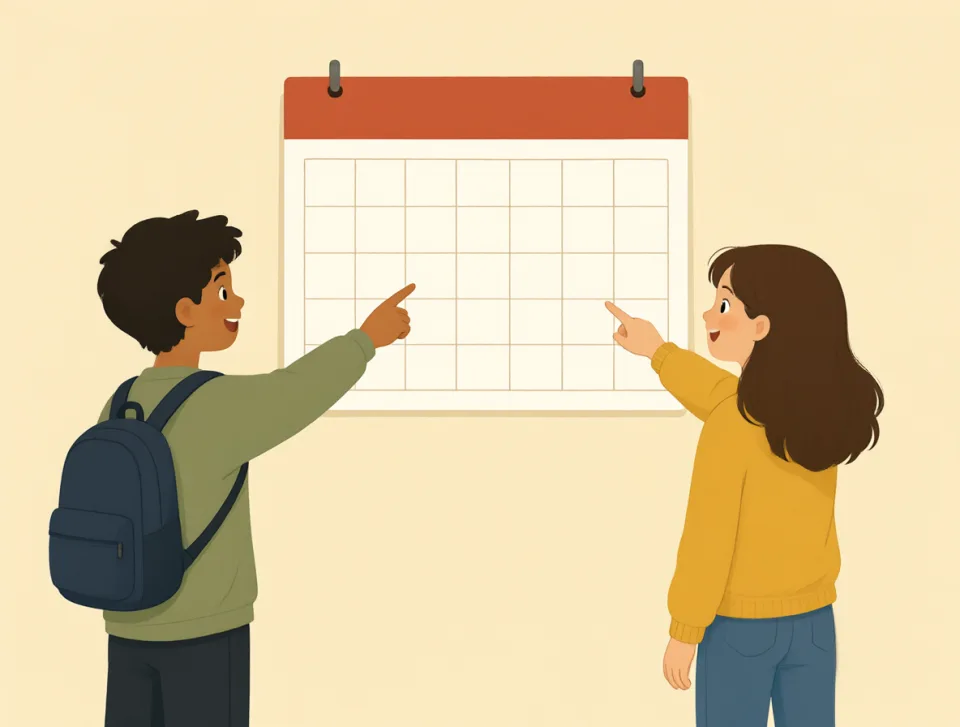
We can meet on either day.
Możemy spotkać się w dowolnym z tych dwóch dni.
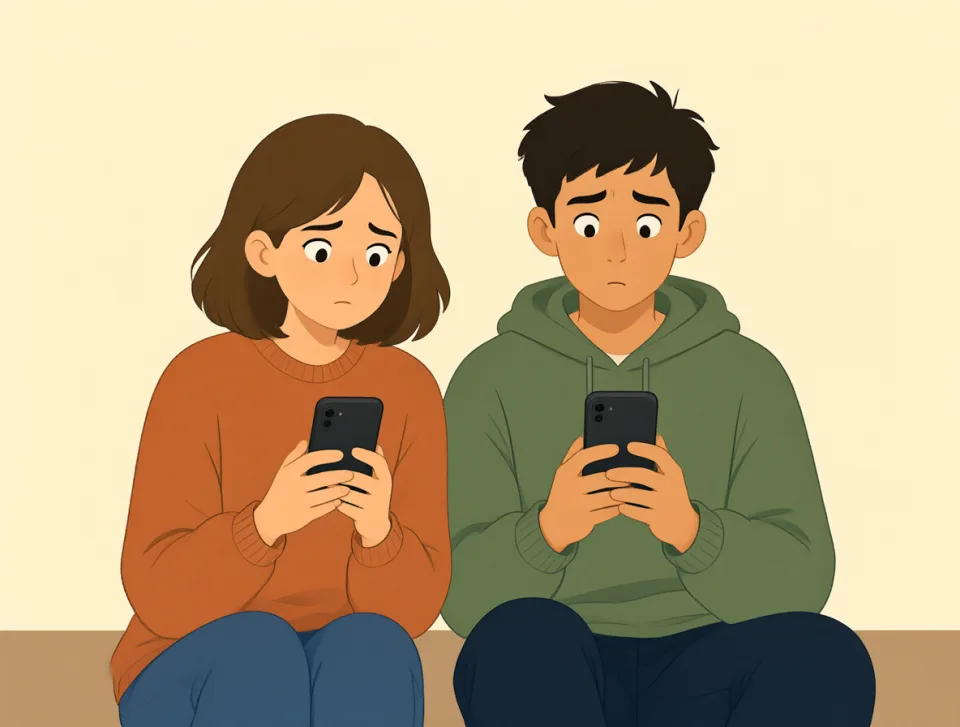
She did not call, and I did not either.
Ona nie zadzwoniła, a ja też nie.
ago
#372adverb
temu
Before now, measured from the present time.
W przeszłości, licząc od chwili obecnej.
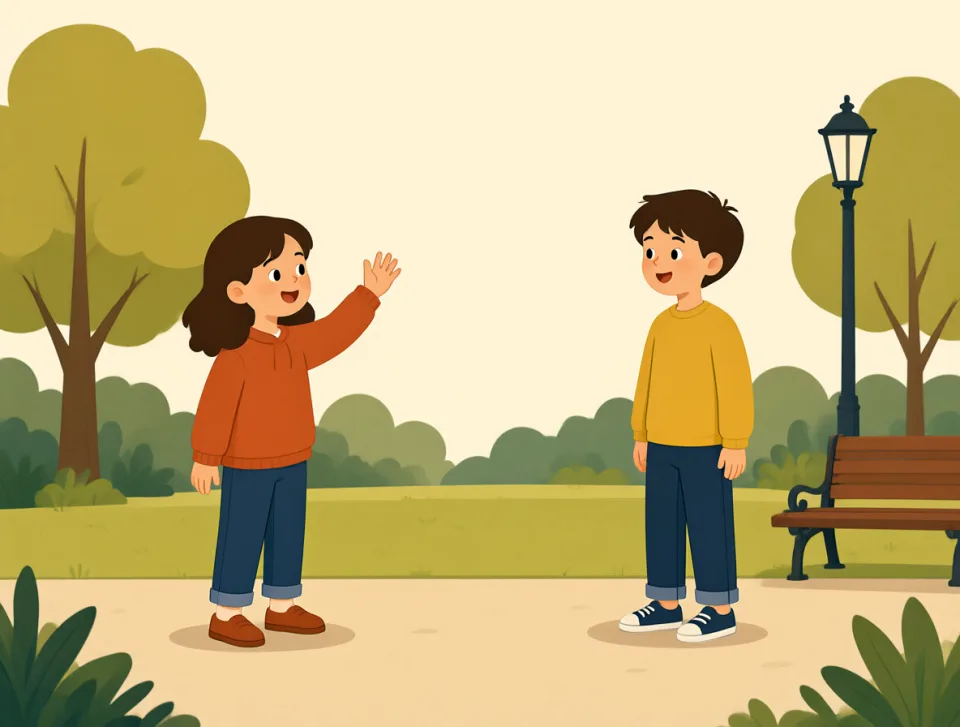
I saw her two days ago.
Widziałem ją dwa dni temu.
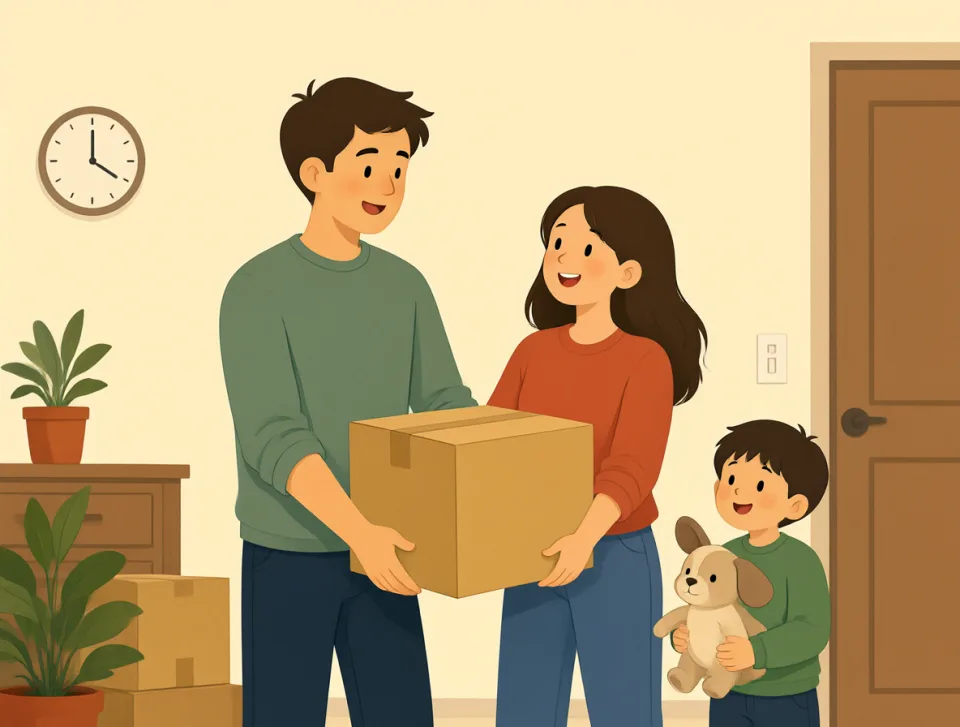
We moved here three years ago.
Przeprowadziliśmy się tutaj trzy lata temu.
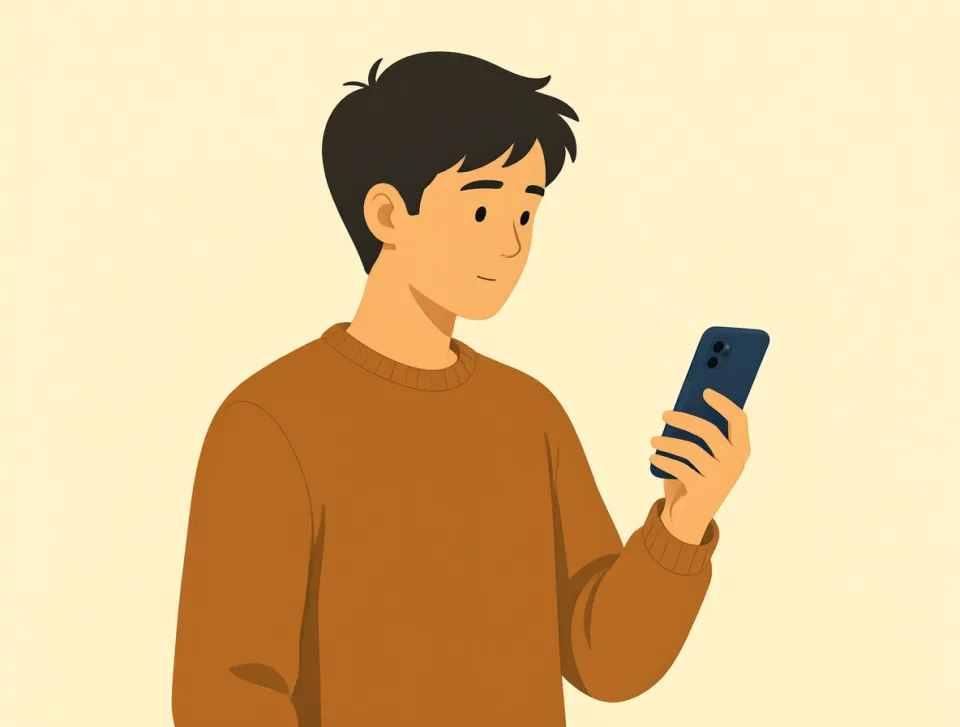
He called me a few minutes ago.
Zadzwonił do mnie kilka minut temu.
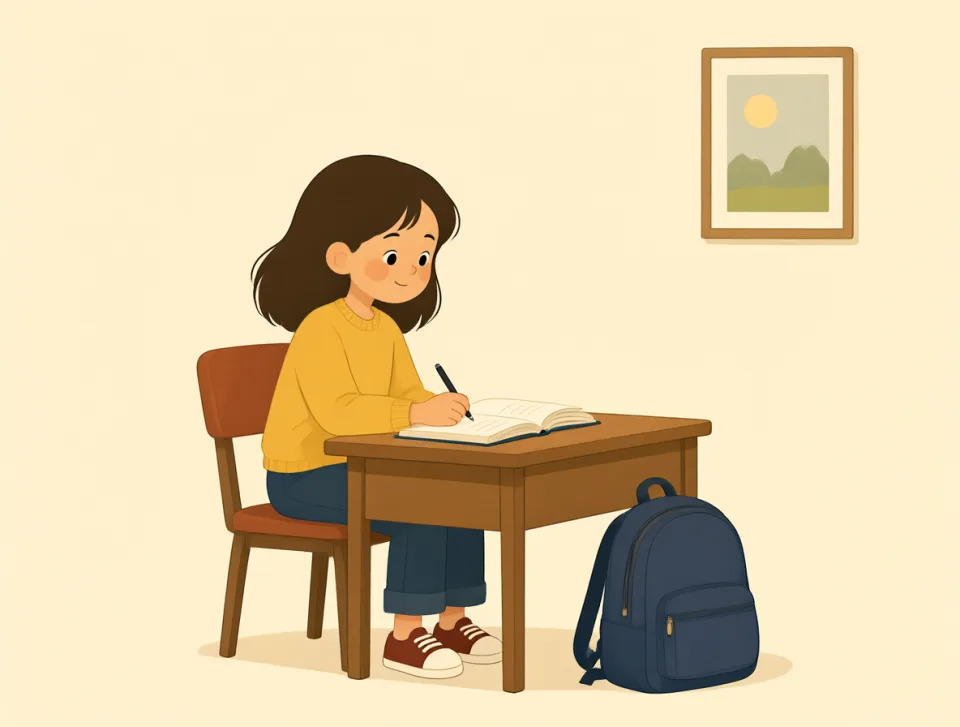
She started school a month ago.
Zaczęła chodzić do szkoły miesiąc temu.
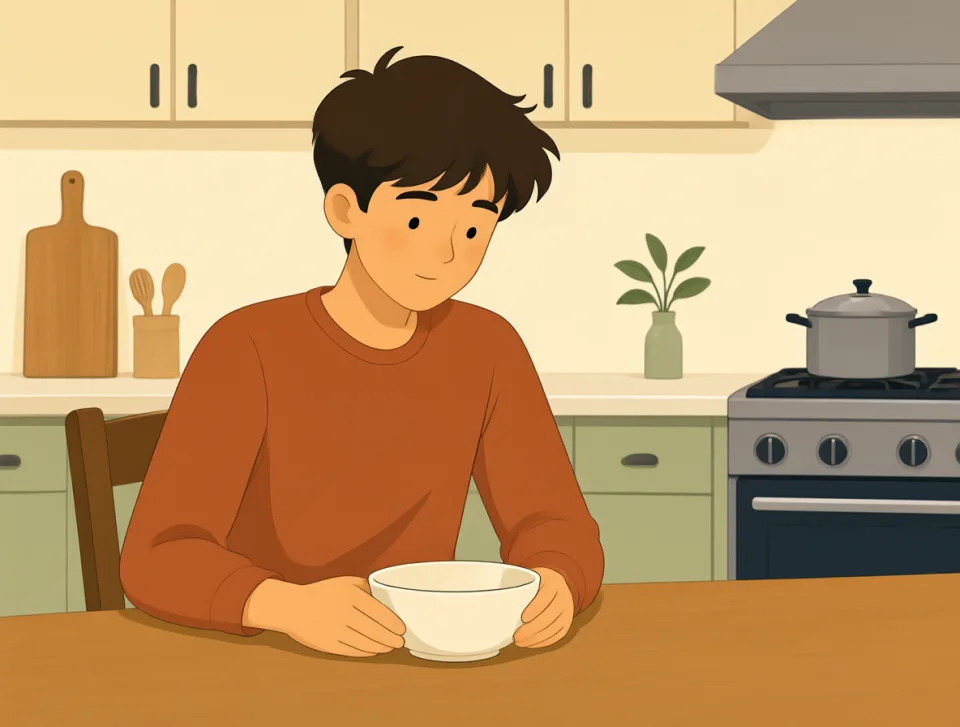
I ate breakfast an hour ago.
Zjadłem śniadanie godzinę temu.
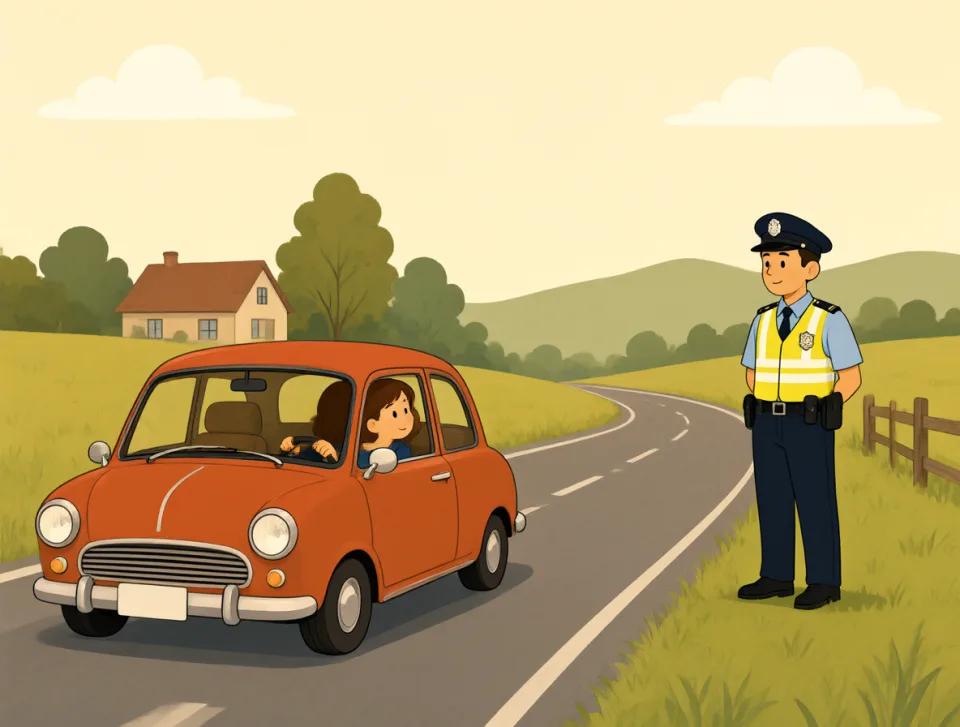
per
#373preposition
na
For each person or unit; used to show a rate, amount, or relationship.
Na każdą osobę lub jednostkę; określa stawkę, ilość albo relację.
The speed limit is fifty miles per hour.
Ograniczenie prędkości wynosi pięćdziesiąt mil na godzinę.
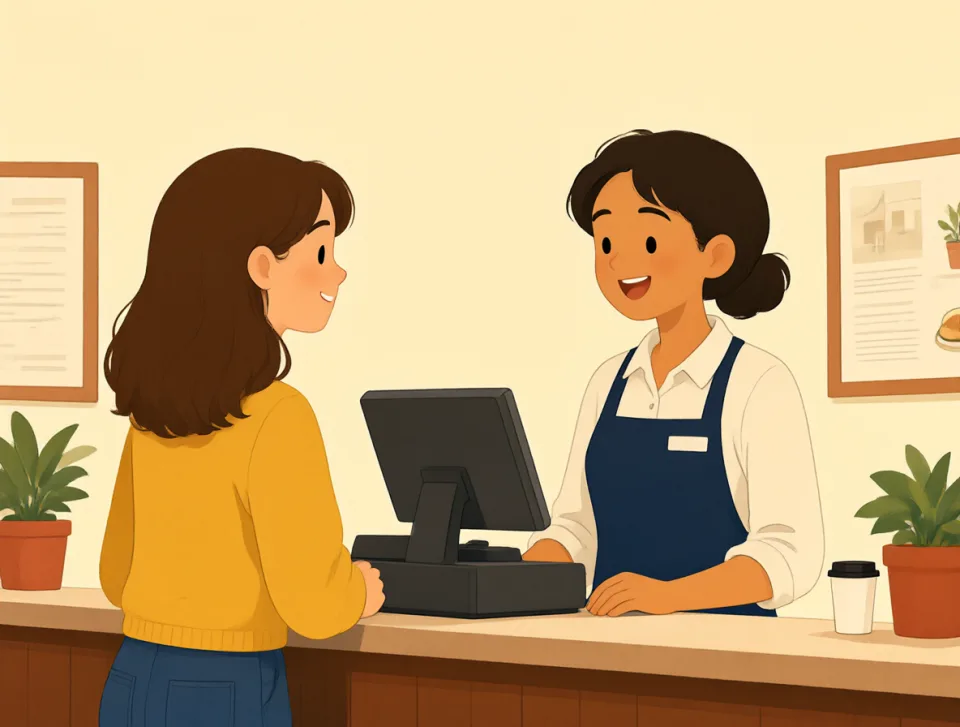
We pay ten dollars per person.
Płacimy dziesięć dolarów od osoby.
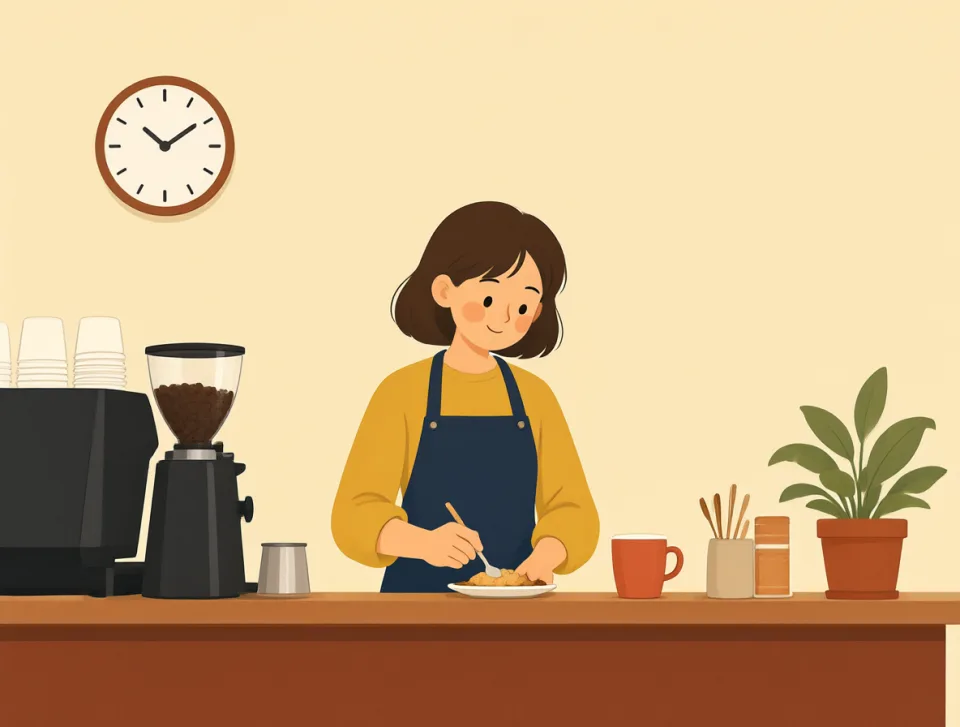
She earns twenty dollars per hour.
Zarabia dwadzieścia dolarów za godzinę.
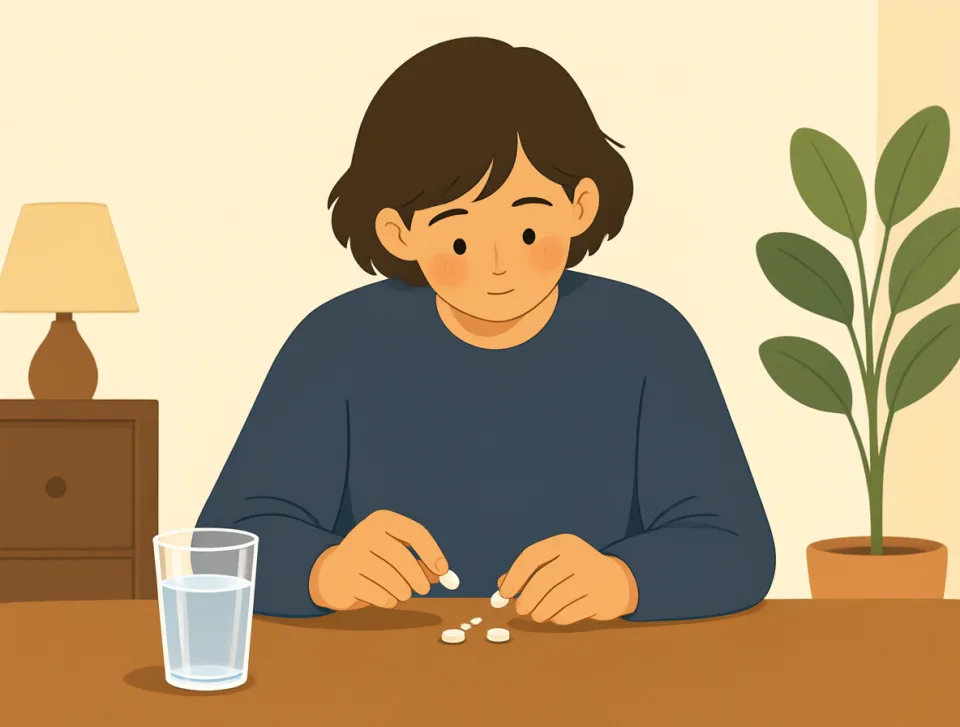
Take two tablets per day with water.
Przyjmuj dwie tabletki dziennie, popijając wodą.
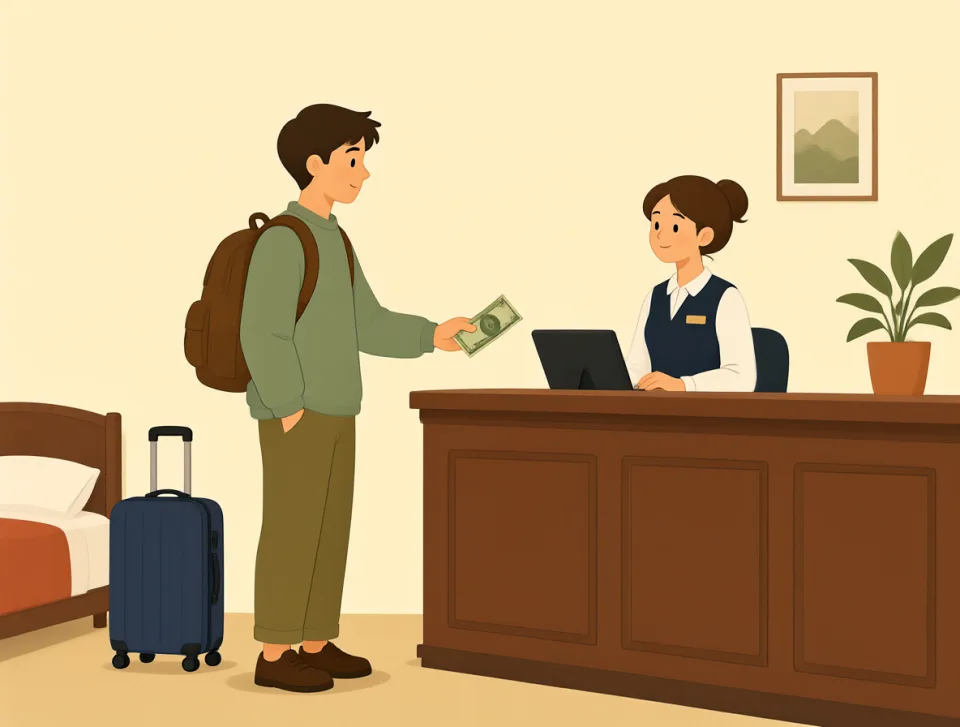
The hotel costs seventy euros per night.
Hotel kosztuje siedemdziesiąt euro za noc.
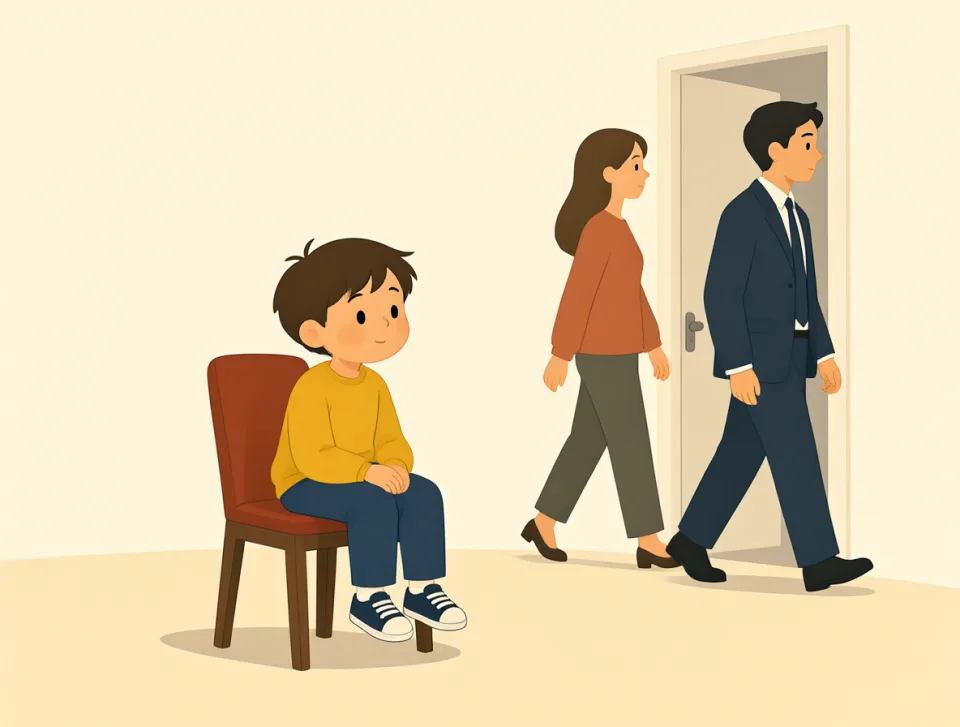
remain
#374verb
pozostać
to stay in the same place or continue to exist
Pozostać w tym samym miejscu albo nadal istnieć.
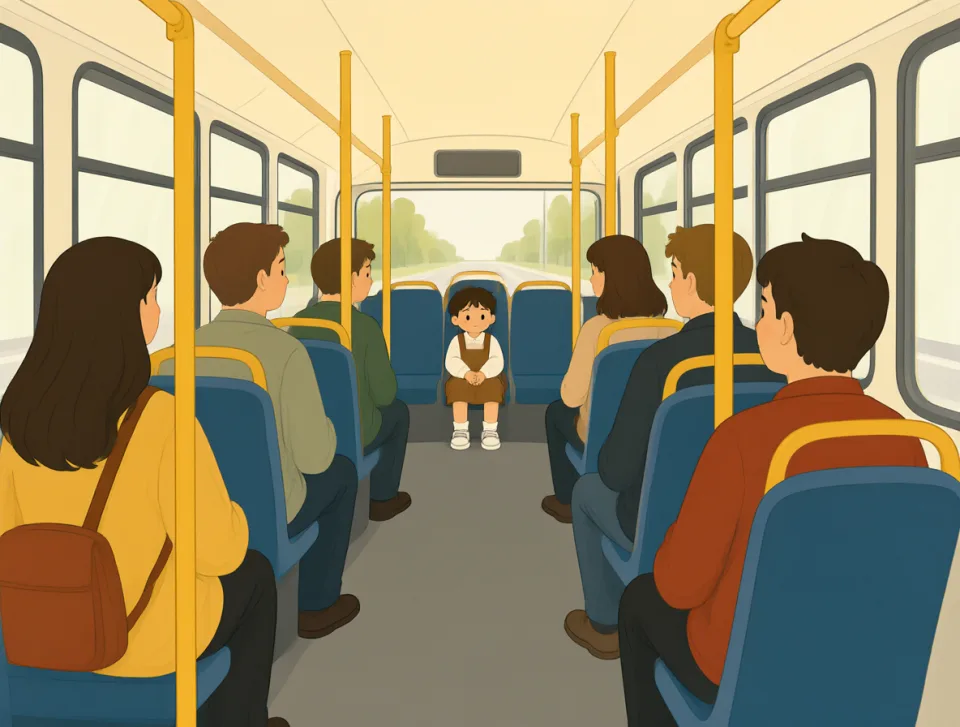
Please remain seated until the bus stops.
Proszę pozostać na miejscach, aż autobus się zatrzyma.
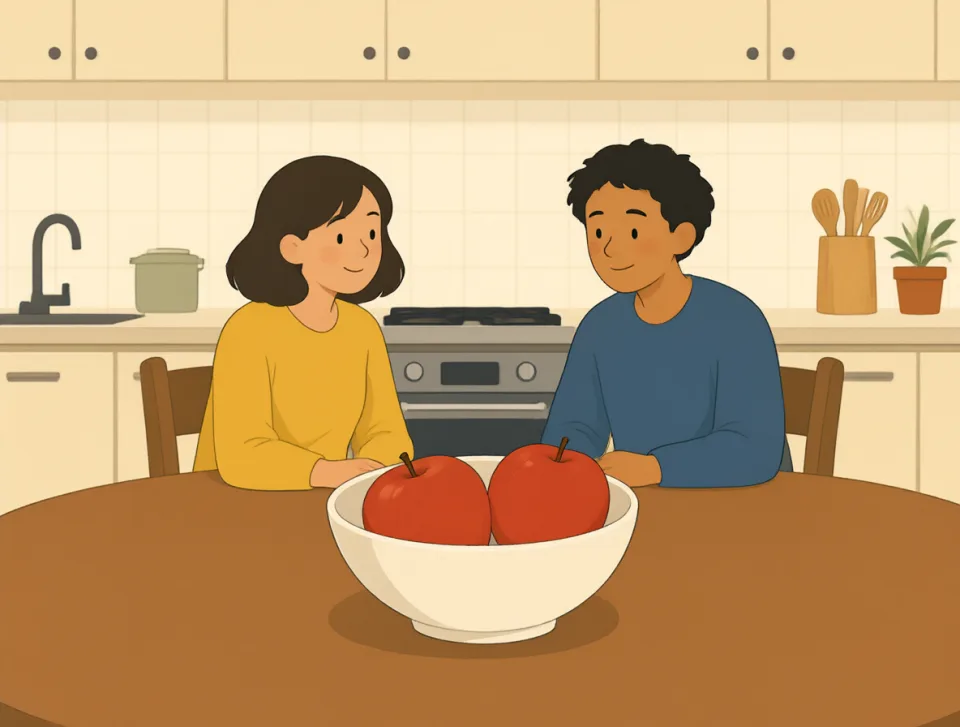
Only two apples remain in the bowl.
W misce zostały tylko dwa jabłka.
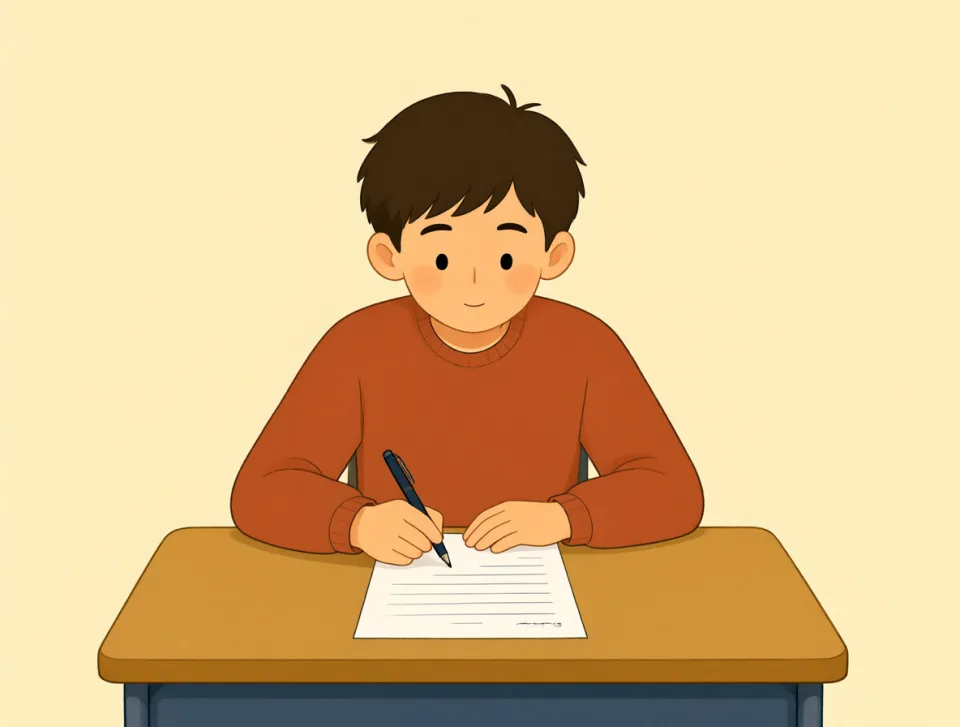
She remained calm during the test.
Podczas testu zachowała spokój.
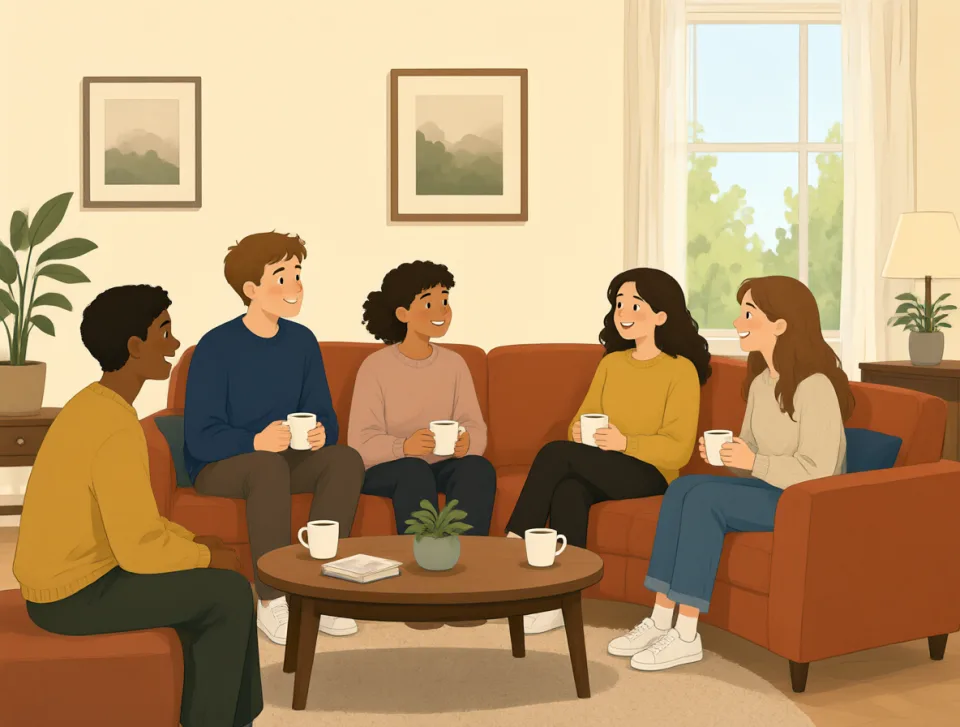
Some guests remained after the party.
Po przyjęciu zostali niektórzy goście.
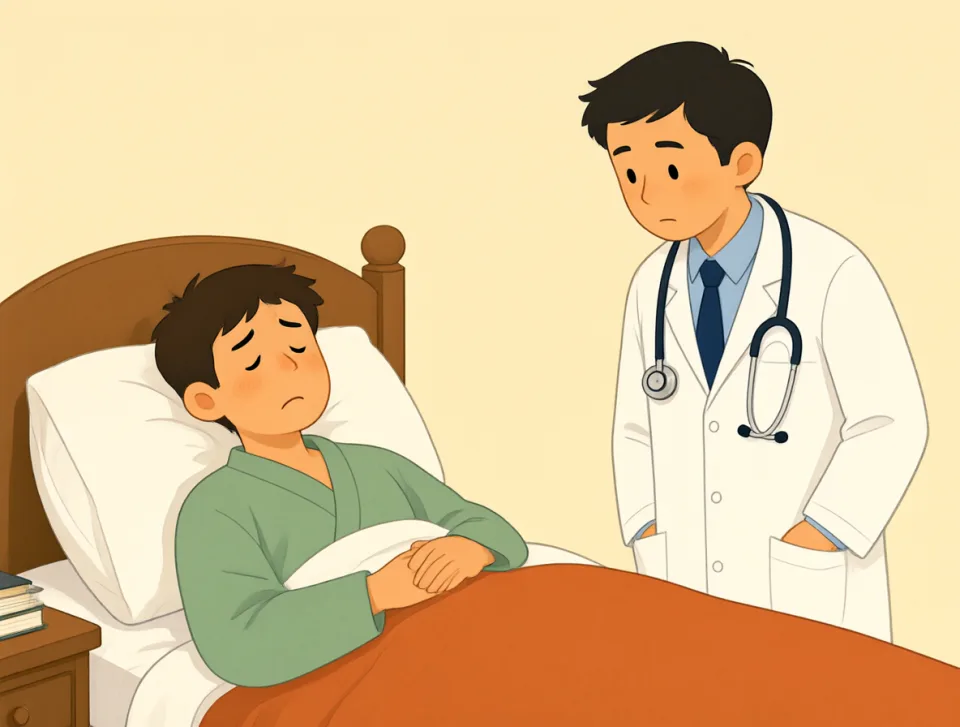
The doctor said he should remain in bed.
Lekarz powiedział, że powinien pozostać w łóżku.

top
#375noun, verb, adjective, adverb, preposition
wierzch
The highest part of something, or the best or most important part.
Najwyższa część czegoś, a także najlepsza lub najważniejsza część.
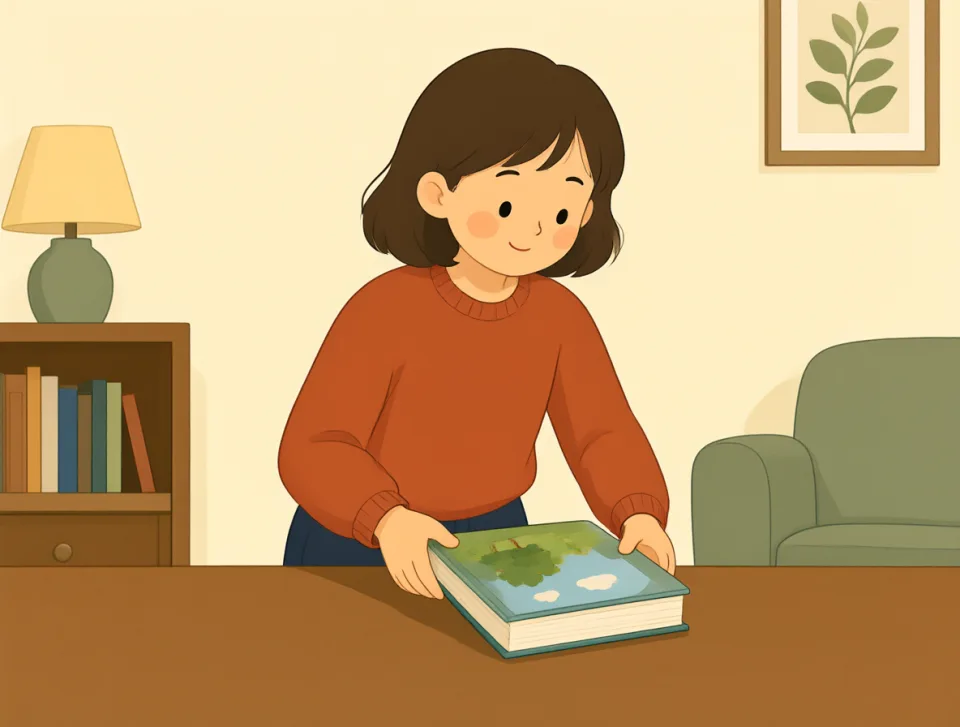
Put the book on top of the table.
Połóż książkę na stole.
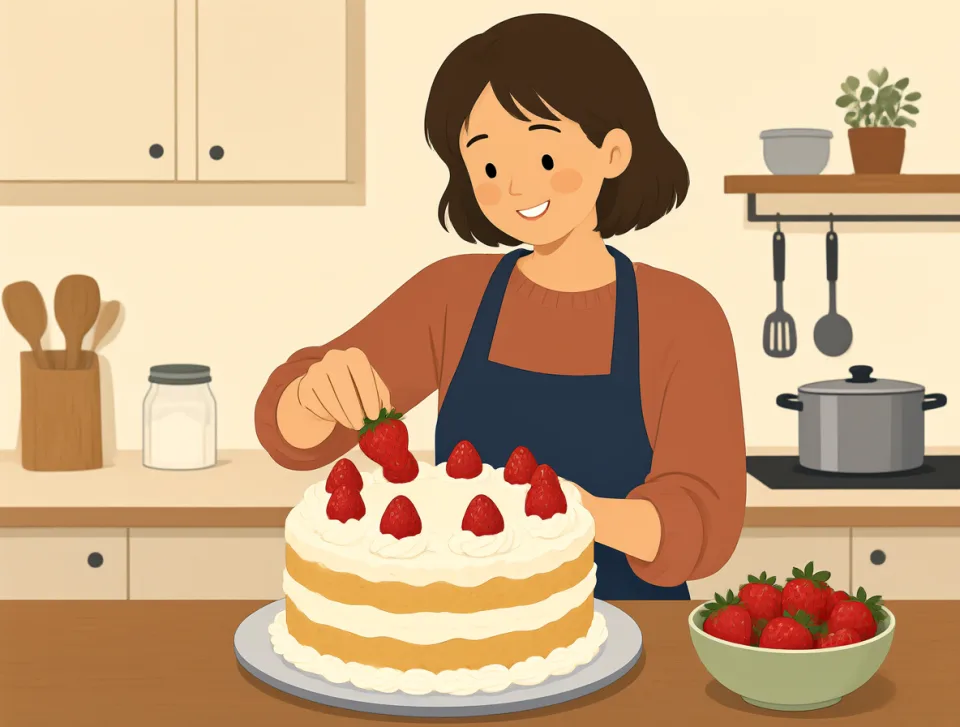
She topped the cake with fresh strawberries.
Udekorowała ciasto świeżymi truskawkami.
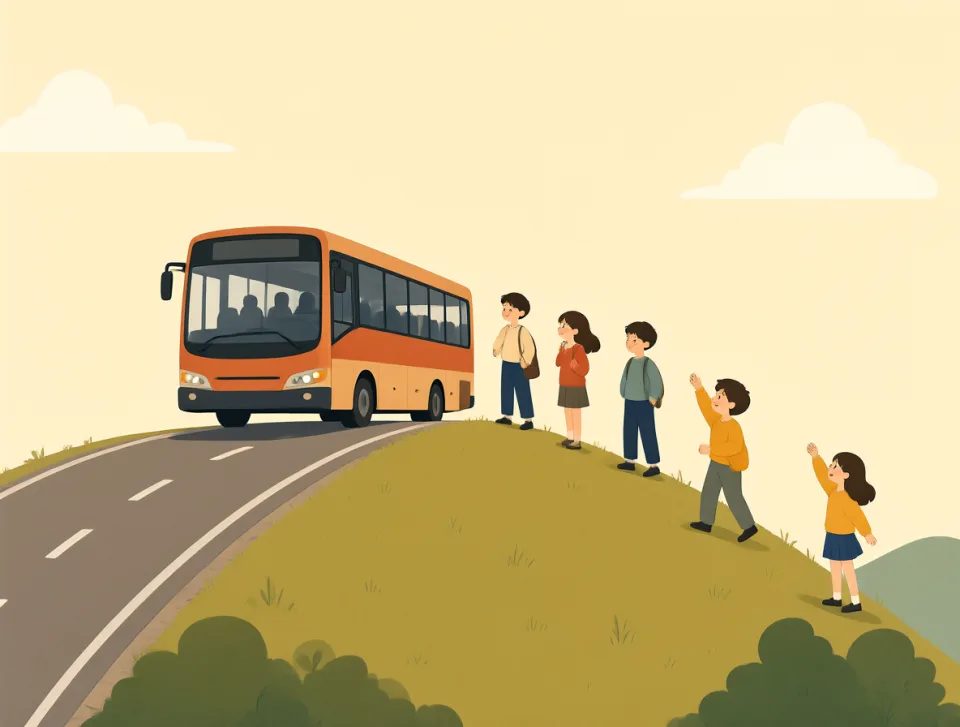
The bus stopped at the top of the hill.
Autobus zatrzymał się na szczycie wzgórza.

He wore a warm hat on top of his head.
Założył ciepłą czapkę na głowę.
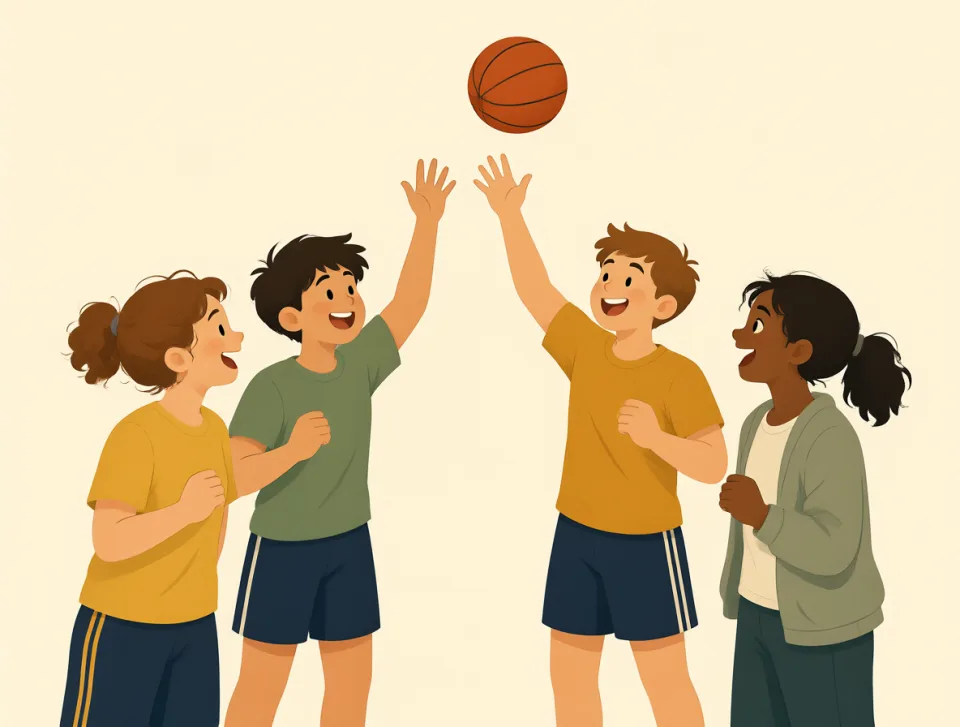
Our team finished at the top of the league.
Nasza drużyna zakończyła rozgrywki na szczycie tabeli ligowej.
among
#376preposition
wśród
in or surrounded by a group of people or things
w grupie ludzi lub rzeczy albo otoczony przez nich
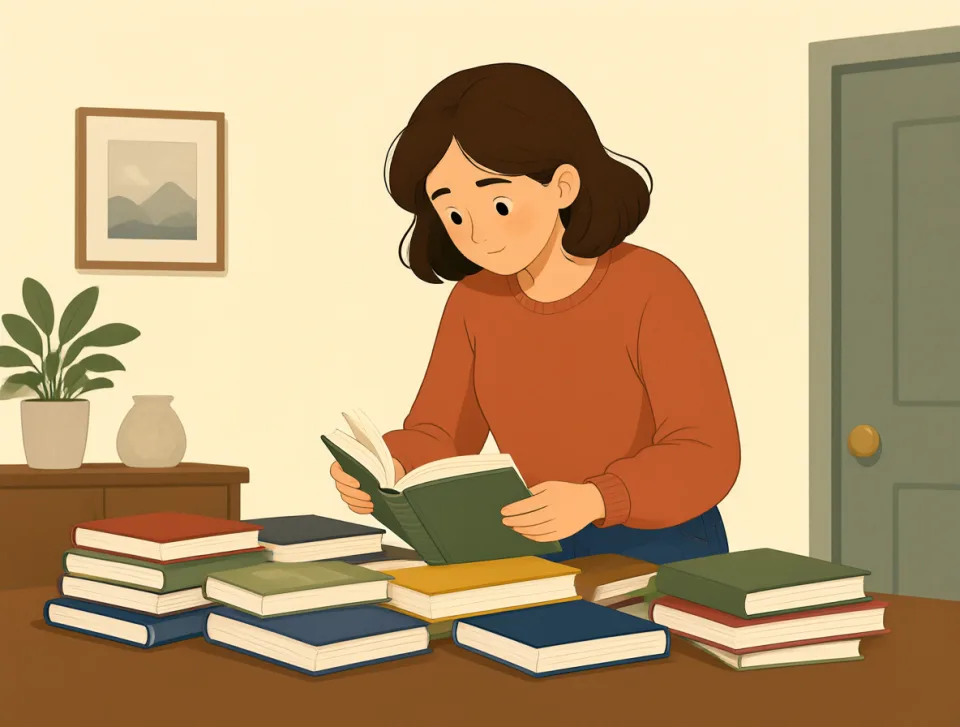
She found her keys among the books.
Znalazła klucze wśród książek.

He was among the first people to arrive.
Był wśród pierwszych osób, które przybyły.
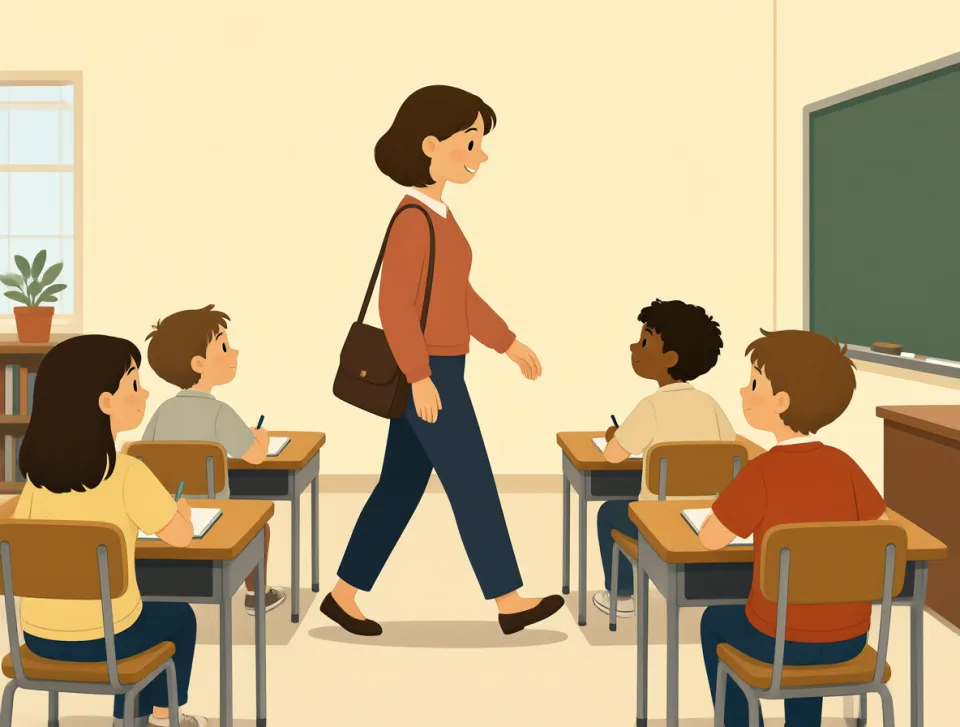
The teacher walked among the students.
Nauczyciel przechadzał się wśród uczniów.
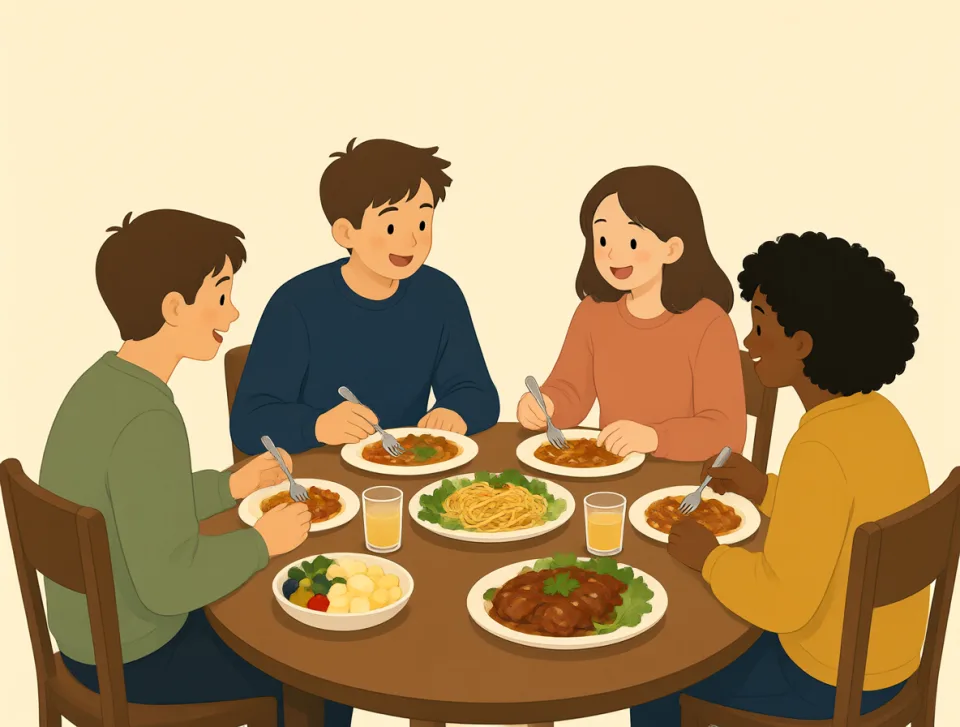
We shared the food among four friends.
Podzieliliśmy się jedzeniem między czworo przyjaciół.
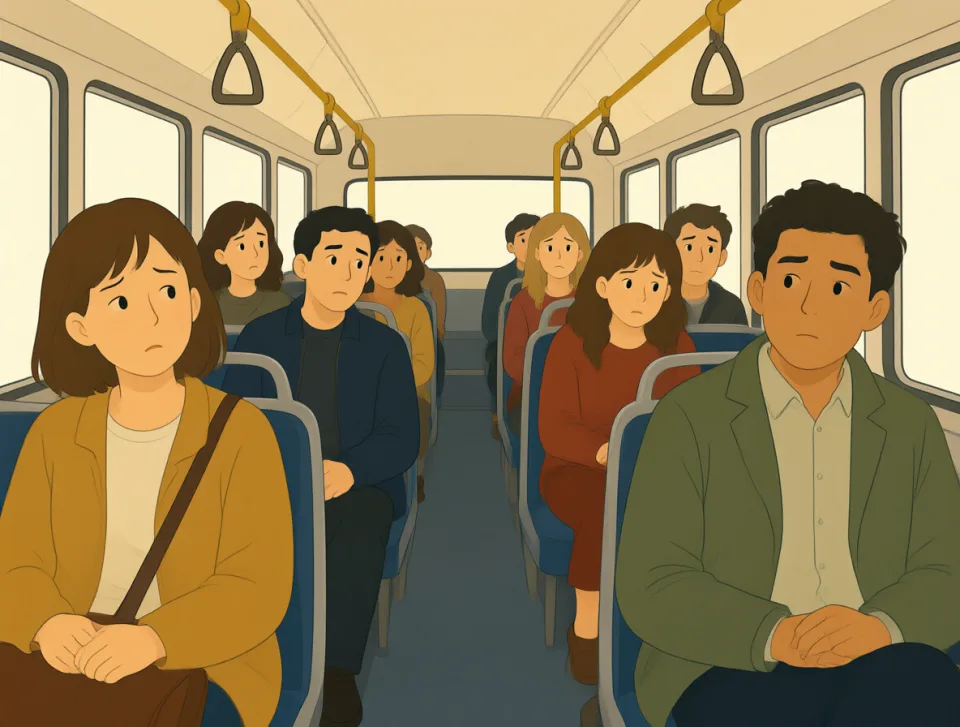
There was worry among the passengers.
Wśród pasażerów panował niepokój.

win
#377verb, noun
wygrać
To succeed in a competition or receive a prize.
Odnieść sukces w zawodach lub zdobyć nagrodę.
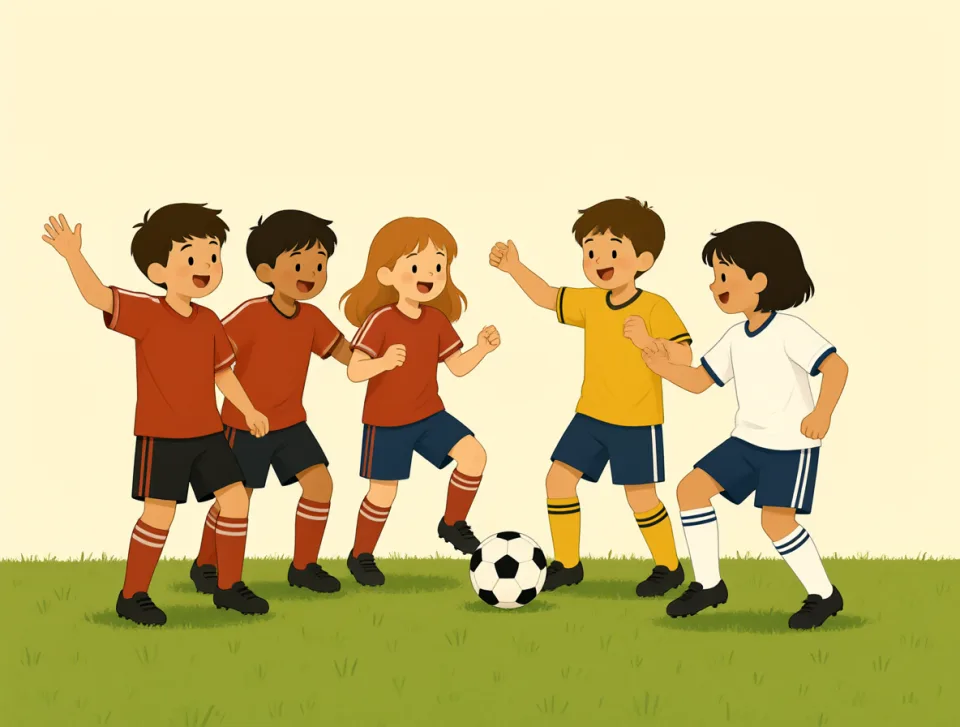
Our team won the game yesterday.
Nasza drużyna wygrała wczoraj mecz.

She won first prize at the school fair.
Wygrała pierwszą nagrodę na szkolnym festynie.
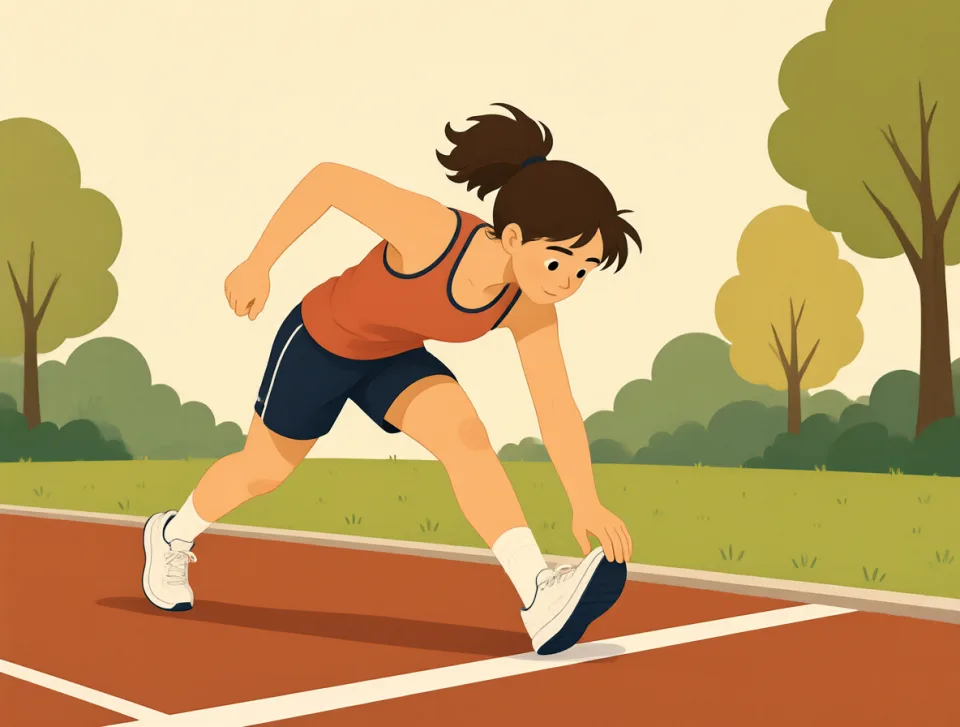
I hope to win the race today.
Mam nadzieję, że dziś wygram wyścig.
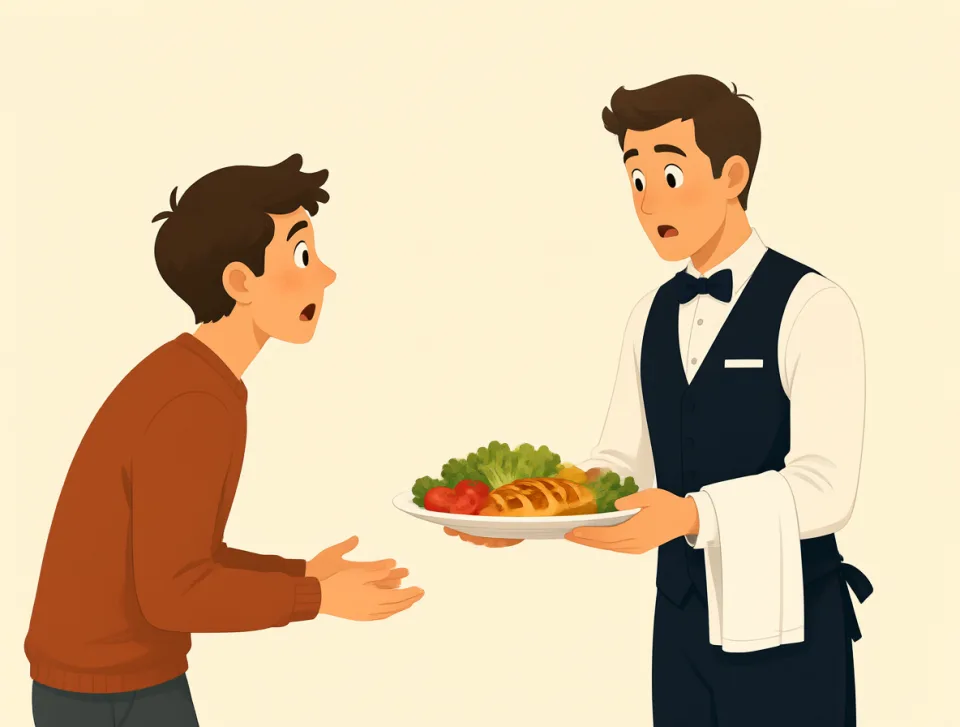
He won a free meal at the restaurant.
Wygrał darmowy posiłek w restauracji.
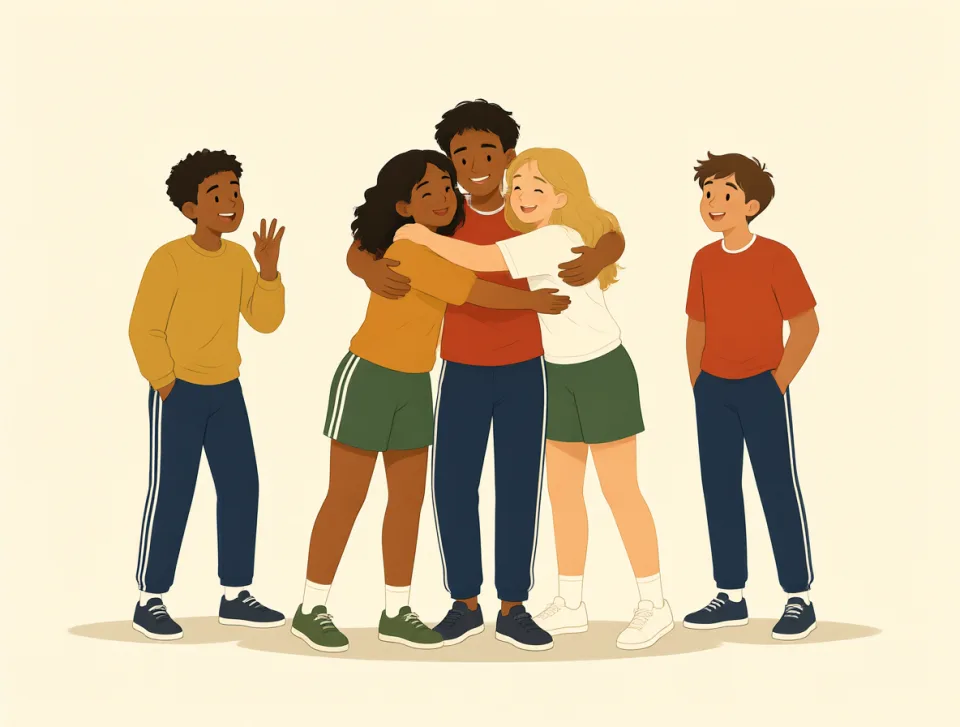
It was a big win for our team.
To było wielkie zwycięstwo naszej drużyny.
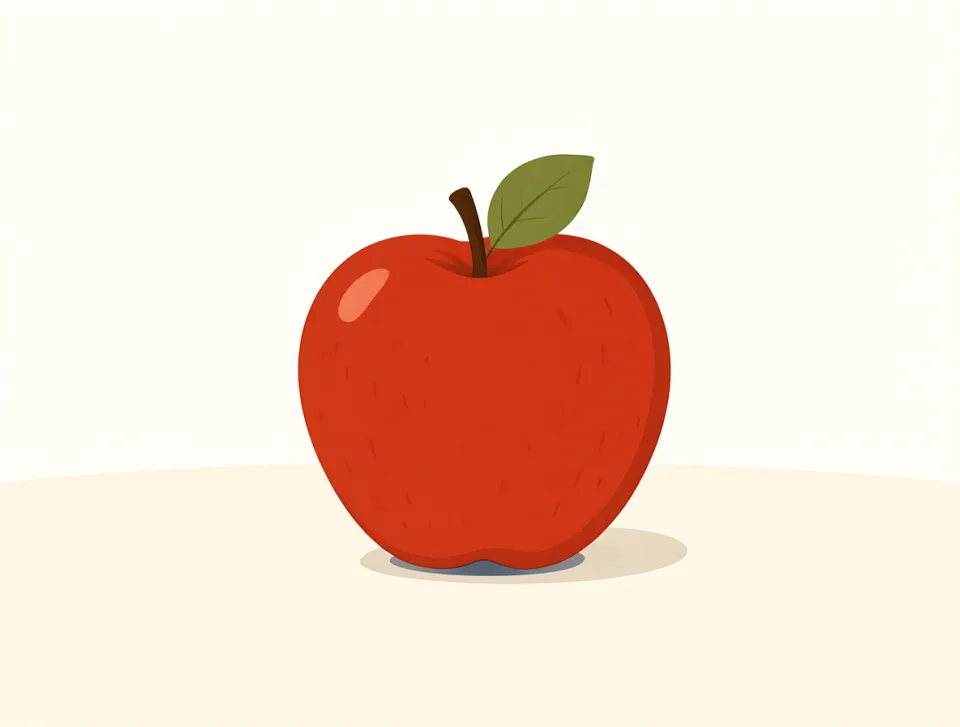
color
#378noun, verb
kolor
The appearance of something caused by the way it reflects light.
Wygląd czegoś wynikający ze sposobu, w jaki odbija światło.
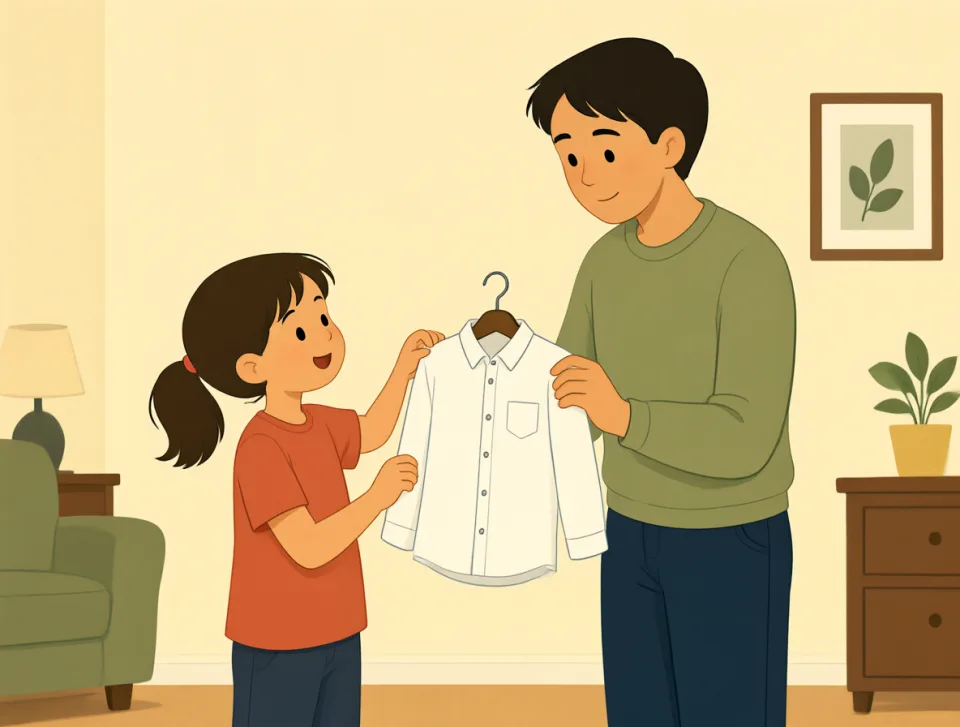
What color is your new shirt?
Jakiego koloru jest twoja nowa koszula?
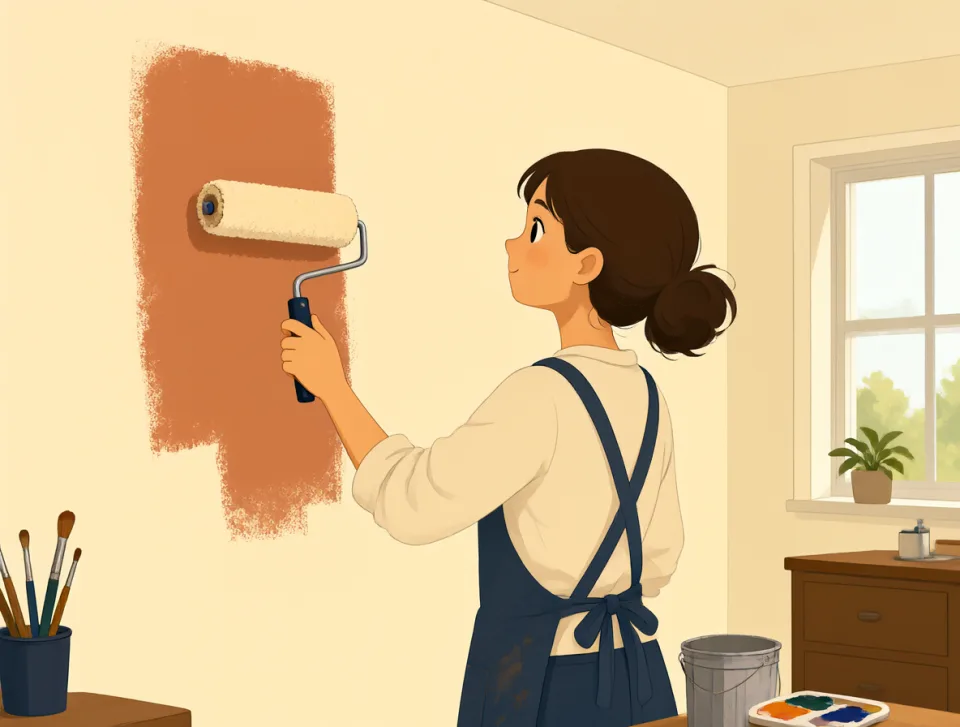
She painted the wall a light color.
Pomalowała ścianę na jasny kolor.
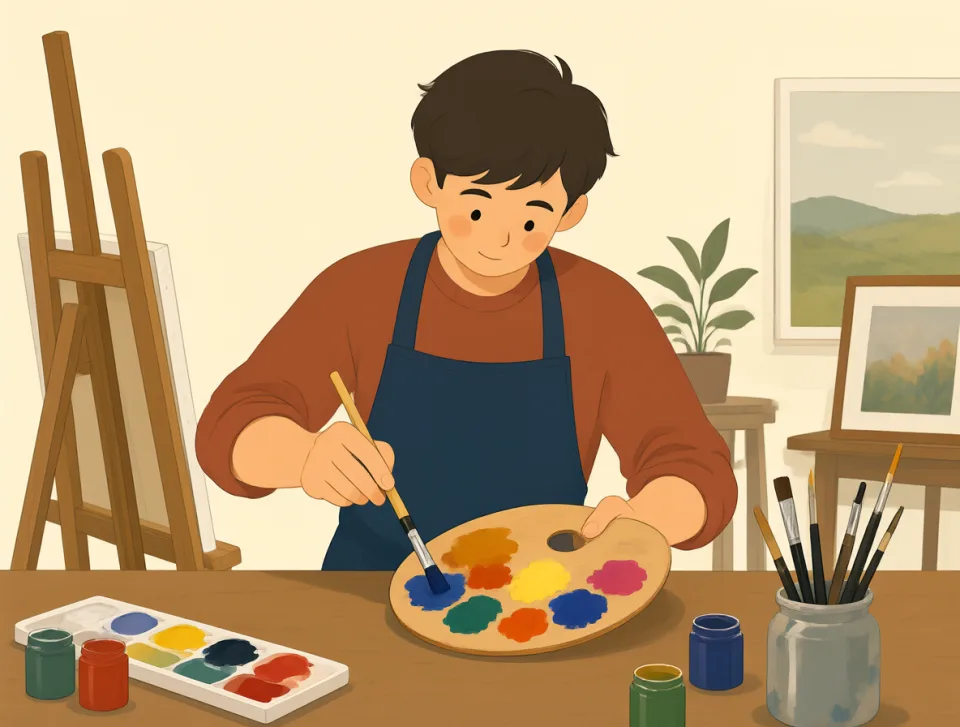
The artist mixed colors on her palette.
Artystka mieszała kolory na swojej palecie.
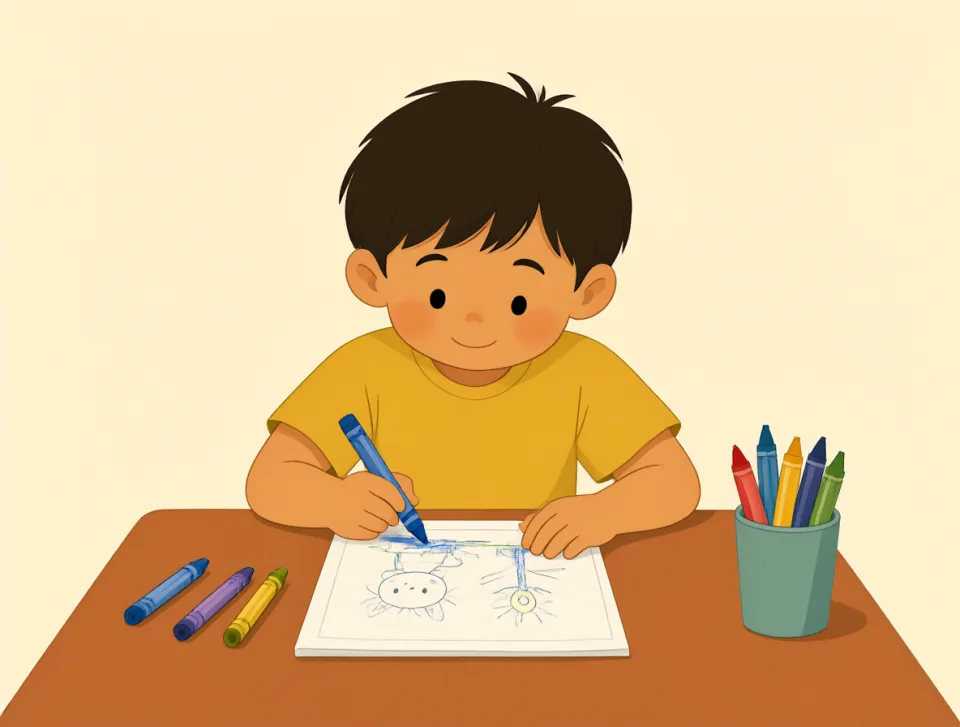
Please color the picture with blue crayons.
Pokoloruj obrazek niebieskimi kredkami.
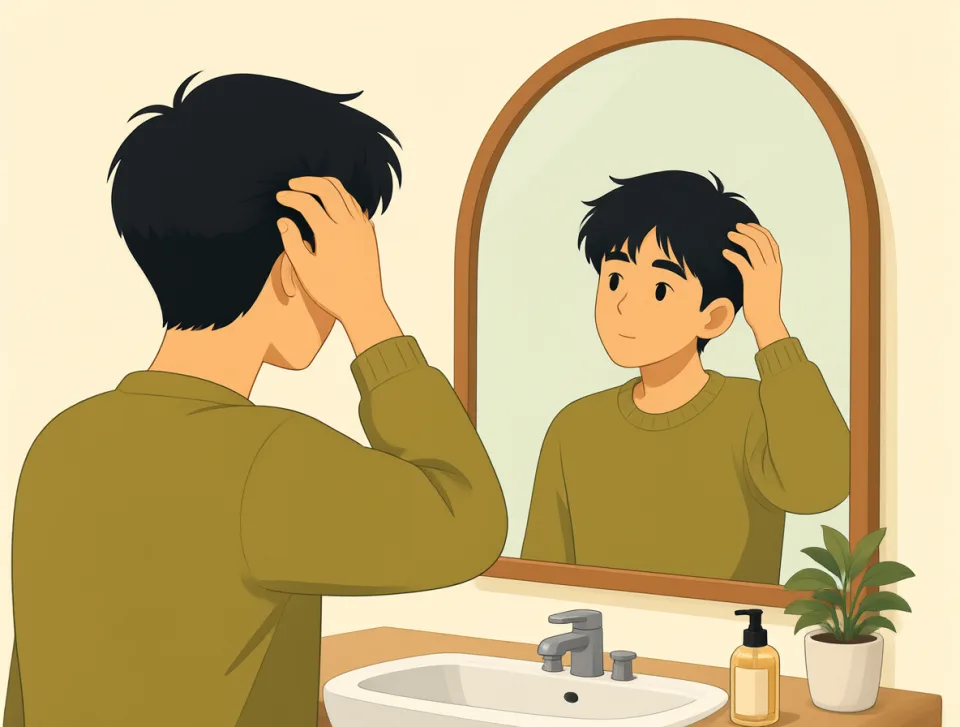
He colored his hair black last week.
W zeszłym tygodniu ufarbował sobie włosy na czarno.
involve
#379verb
obejmować
to include someone or something in an activity or situation
włączać kogoś lub coś w jakąś czynność albo sytuację
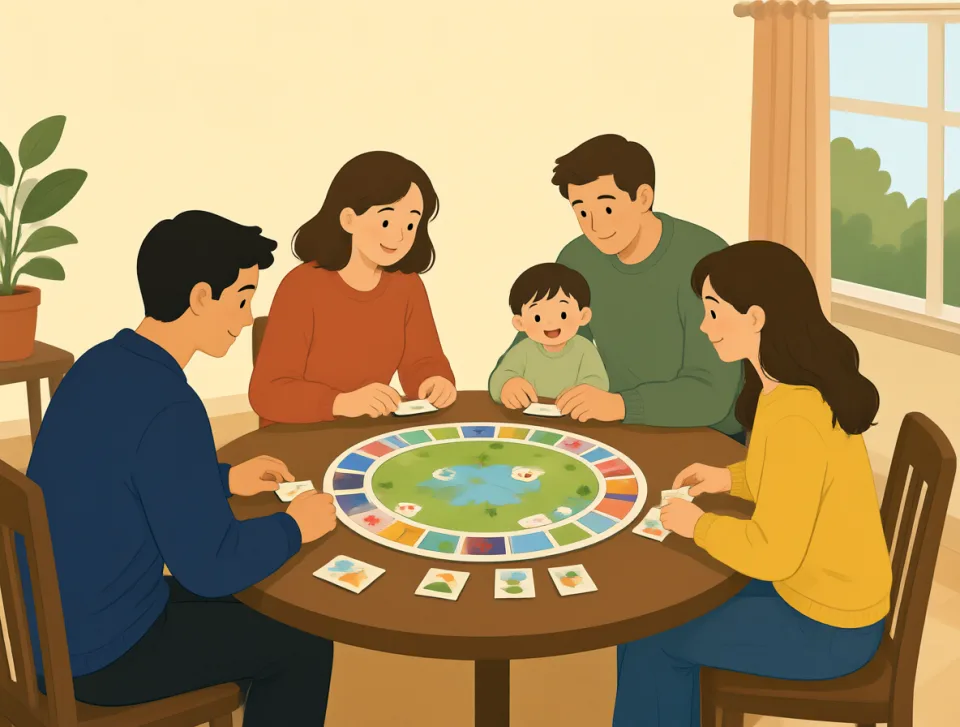
The game involves everyone in the family.
Ta gra angażuje wszystkich członków rodziny.
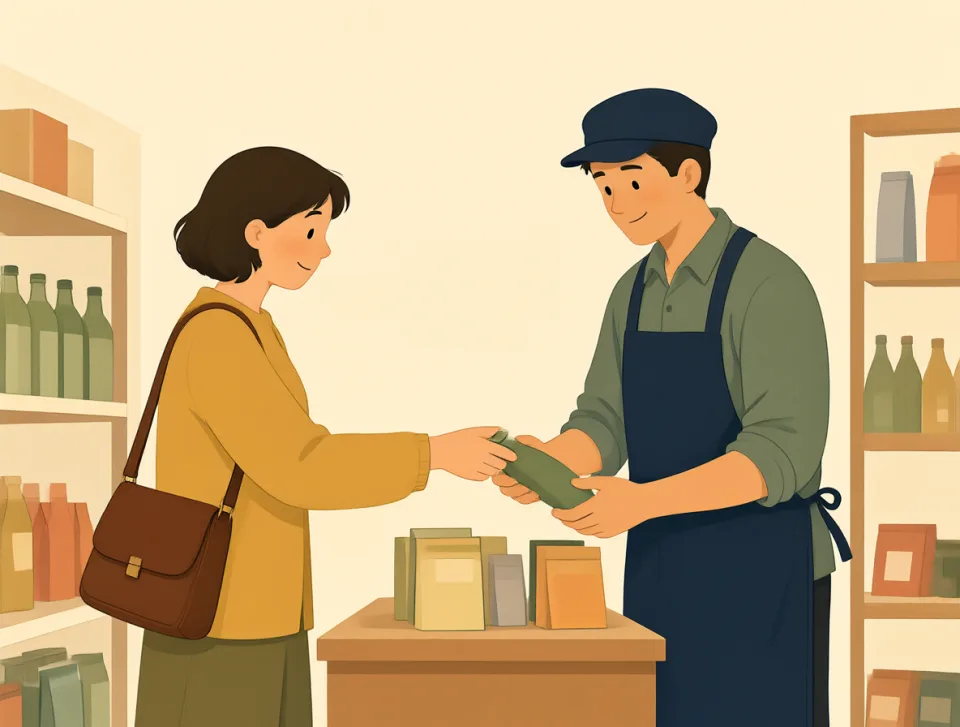
The job involves helping customers every day.
Ta praca obejmuje codzienną pomoc klientom.
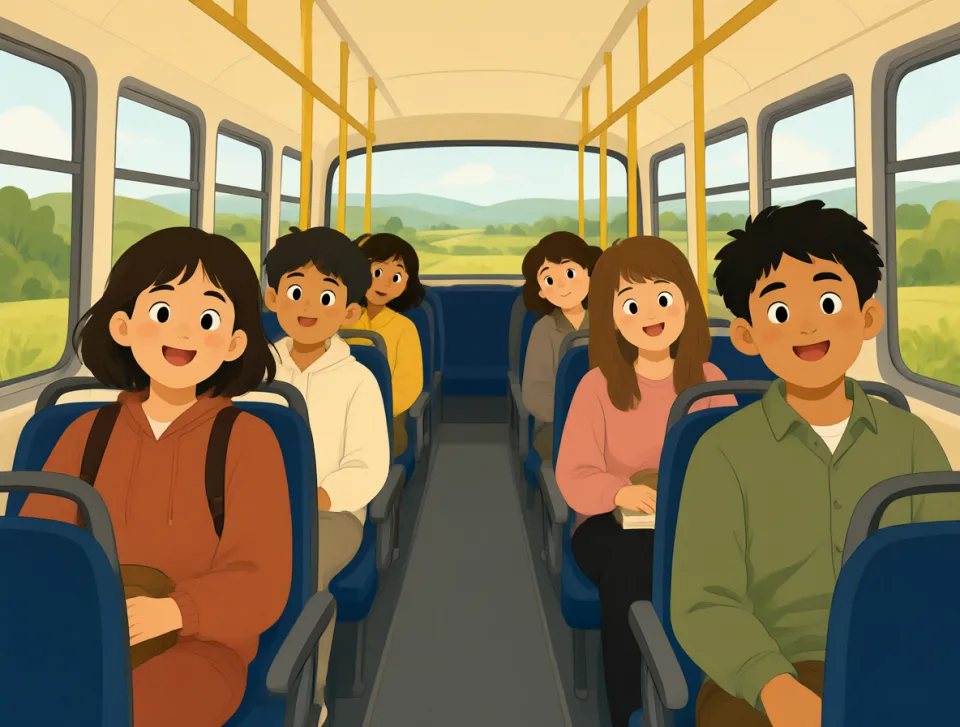
The school trip involved a long bus ride.
Wycieczka szkolna wiązała się z długą podróżą autobusem.
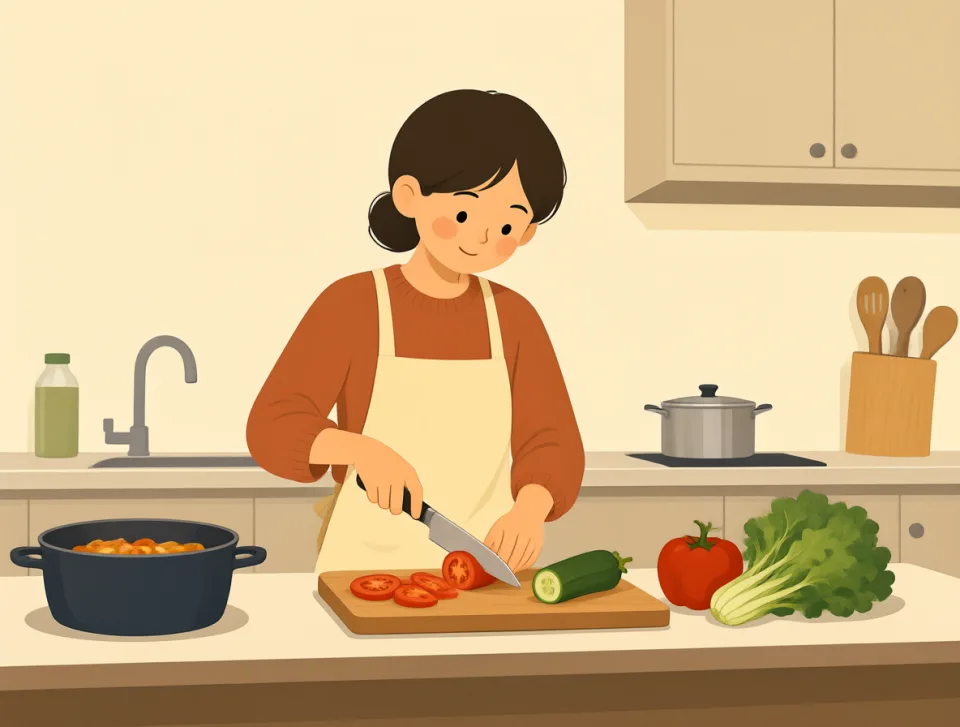
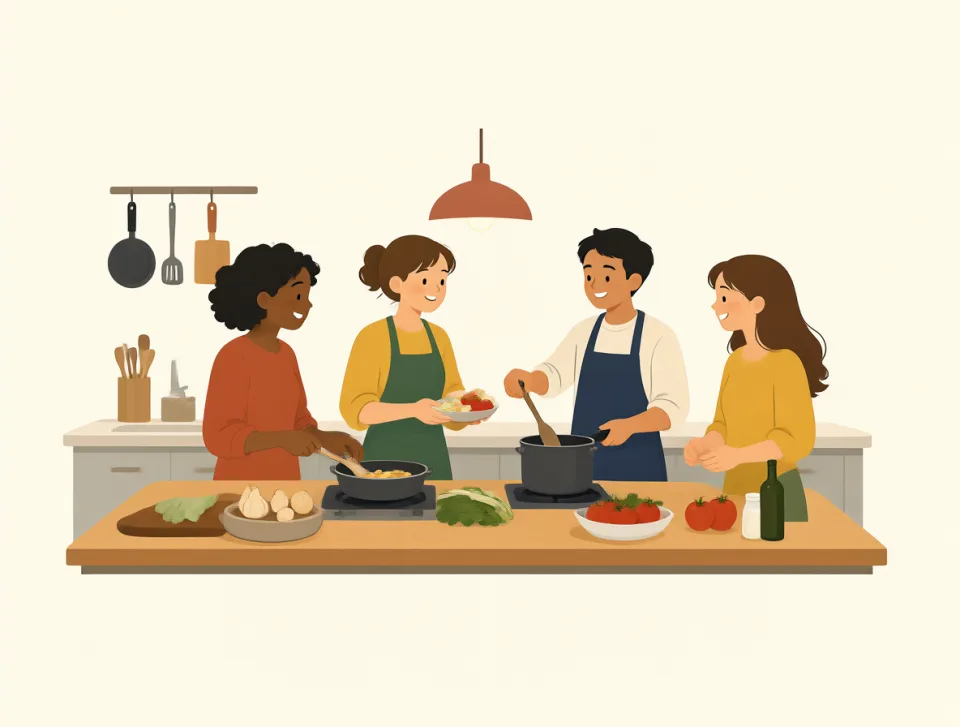
Cooking dinner involves cutting many vegetables.
Przygotowanie kolacji wymaga pokrojenia wielu warzyw.
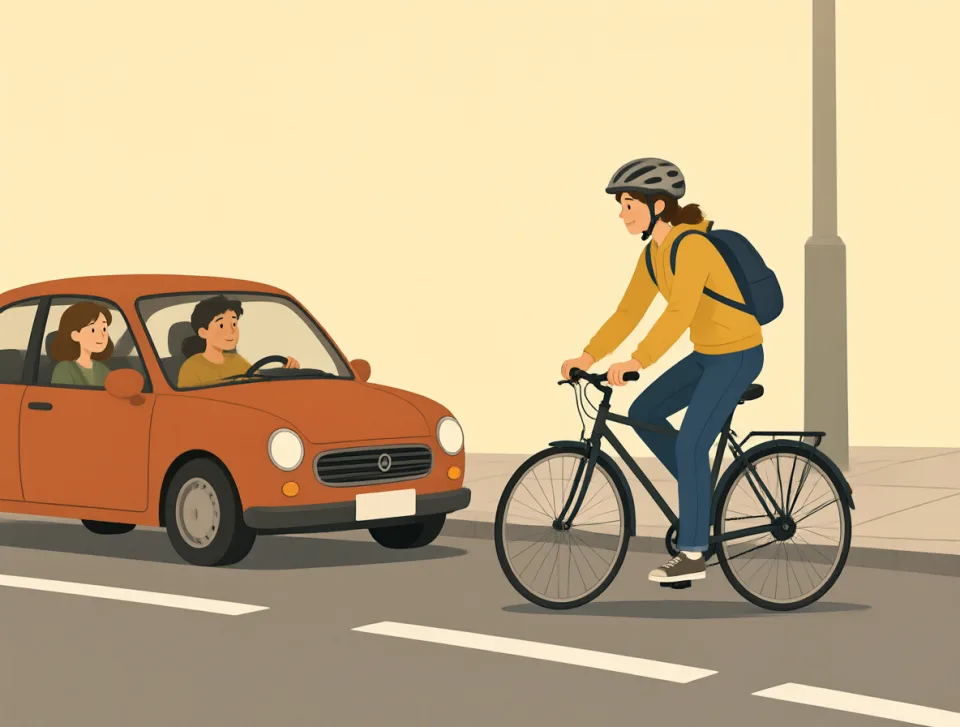
The accident involved two cars and a cyclist.
W wypadku brały udział dwa samochody i rowerzysta.
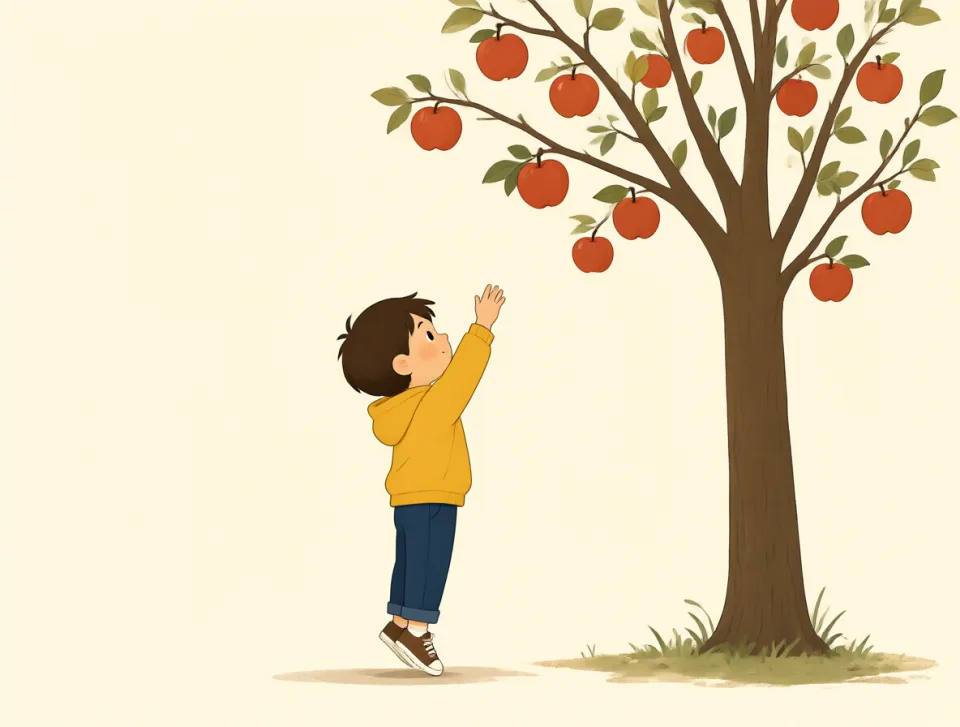
reach
#380verb, noun
dotrzeć
to arrive at a place, touch something, or get as far as a goal
przybyć na miejsce, dotknąć czegoś lub dojść do celu
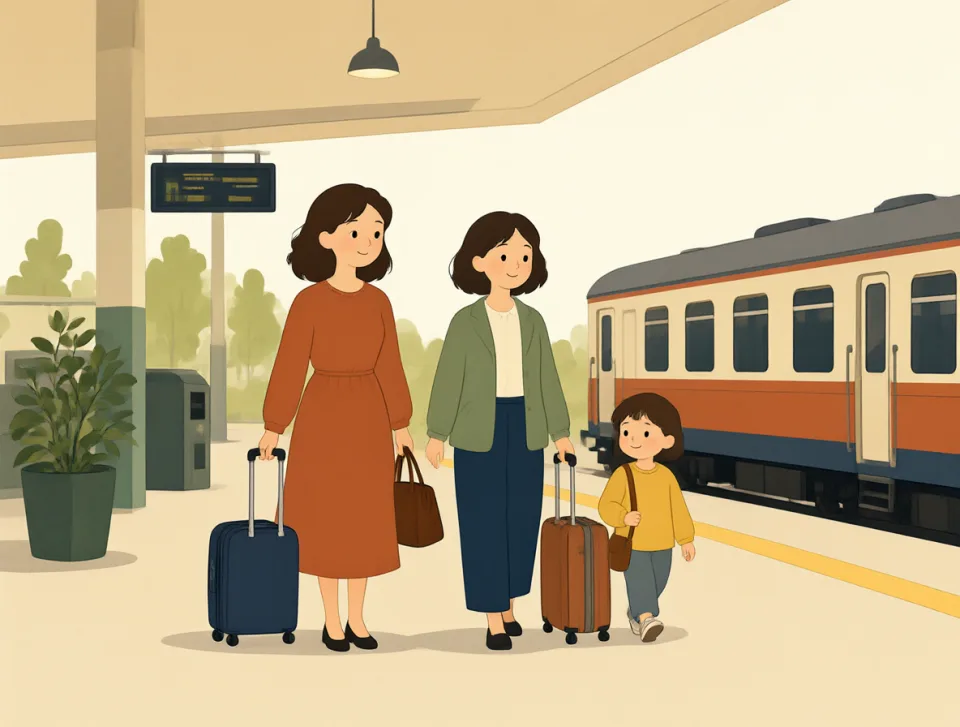
We reached the station just before noon.
Dotarliśmy na stację tuż przed południem.
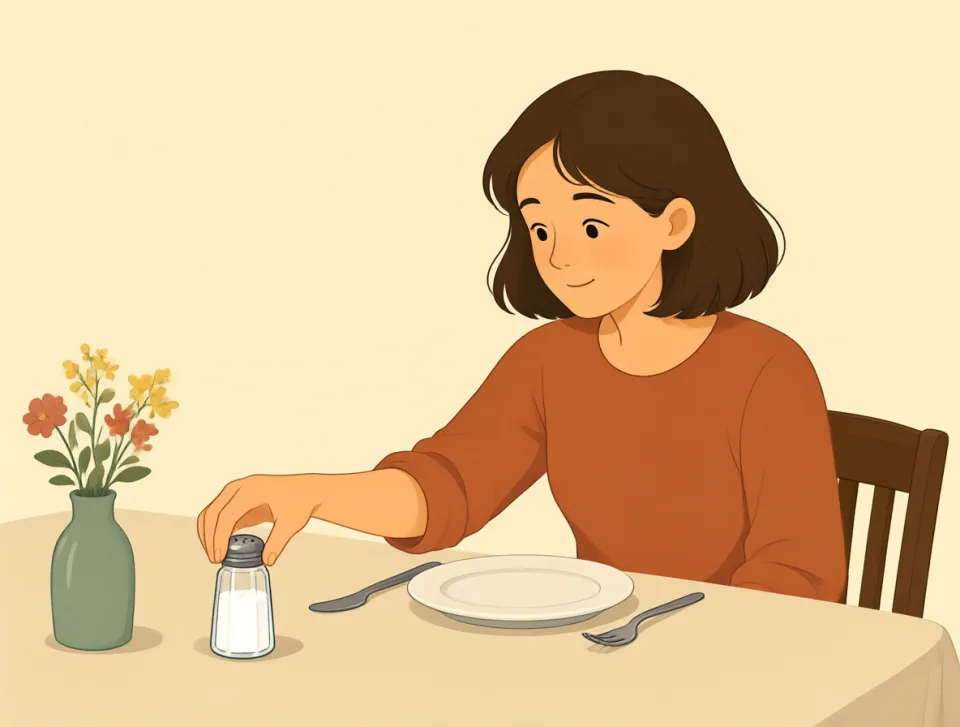
She reached for the salt at dinner.
Podczas kolacji sięgnęła po sól.
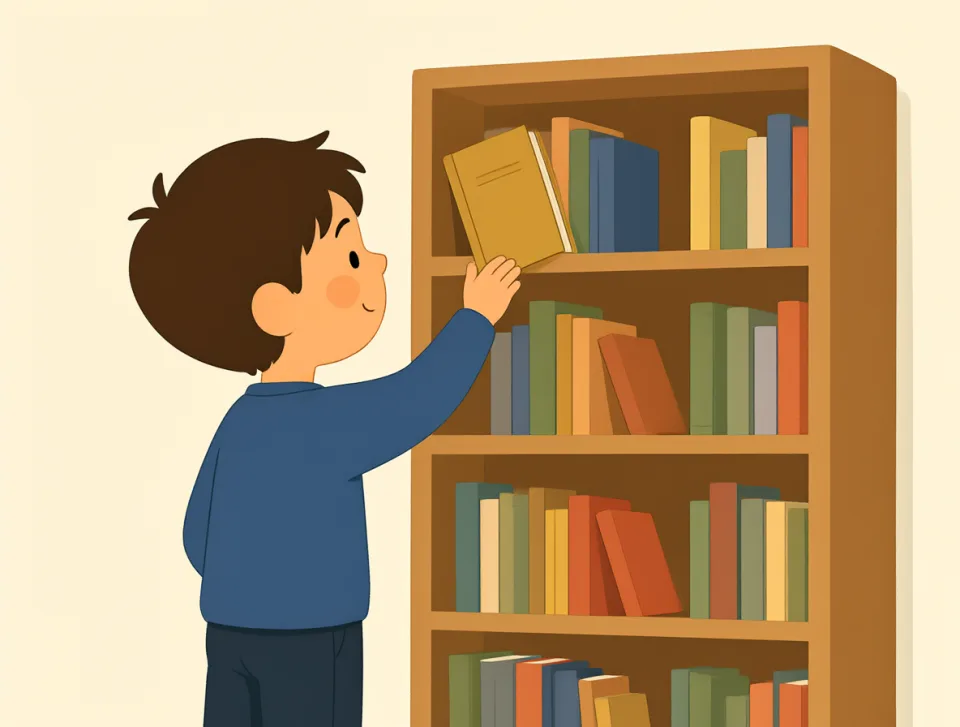
The boy reached the top shelf easily.
Chłopiec bez trudu dosięgnął najwyższej półki.
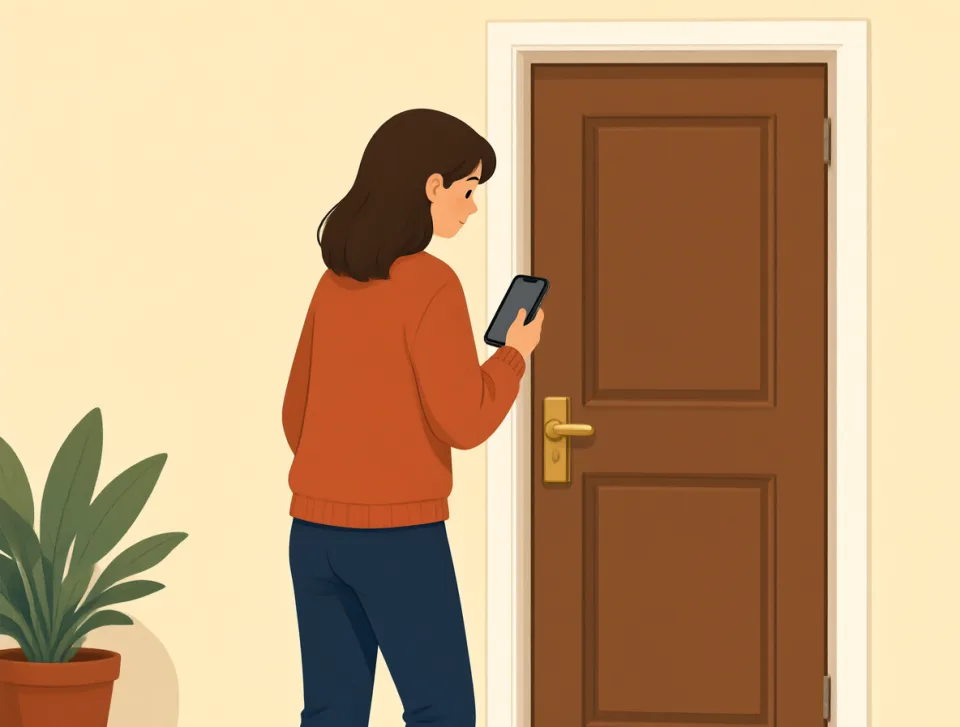
Please call me when you reach home.
Zadzwoń do mnie, proszę, gdy dotrzesz do domu.
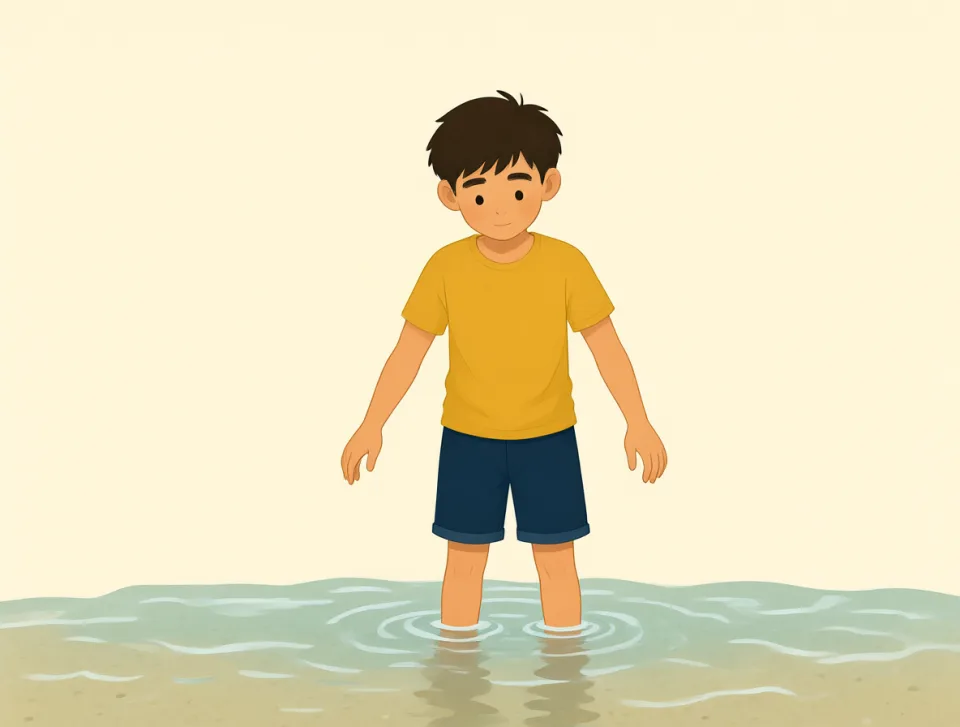
The water reached my knees.
Woda sięgała mi do kolan.