Zestaw 8
Słowa 141–160 · become, interest, country, old, each, school
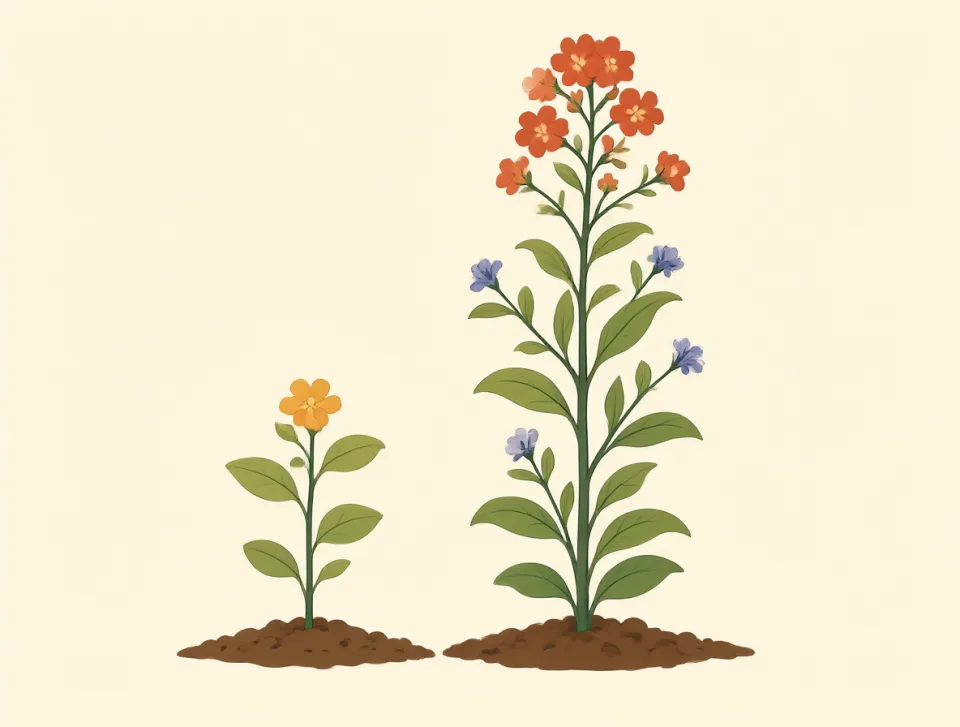
become
#141verb
stawać się
to start to be something or change into a different state
zacząć być kimś lub czymś albo zmienić się w inny stan
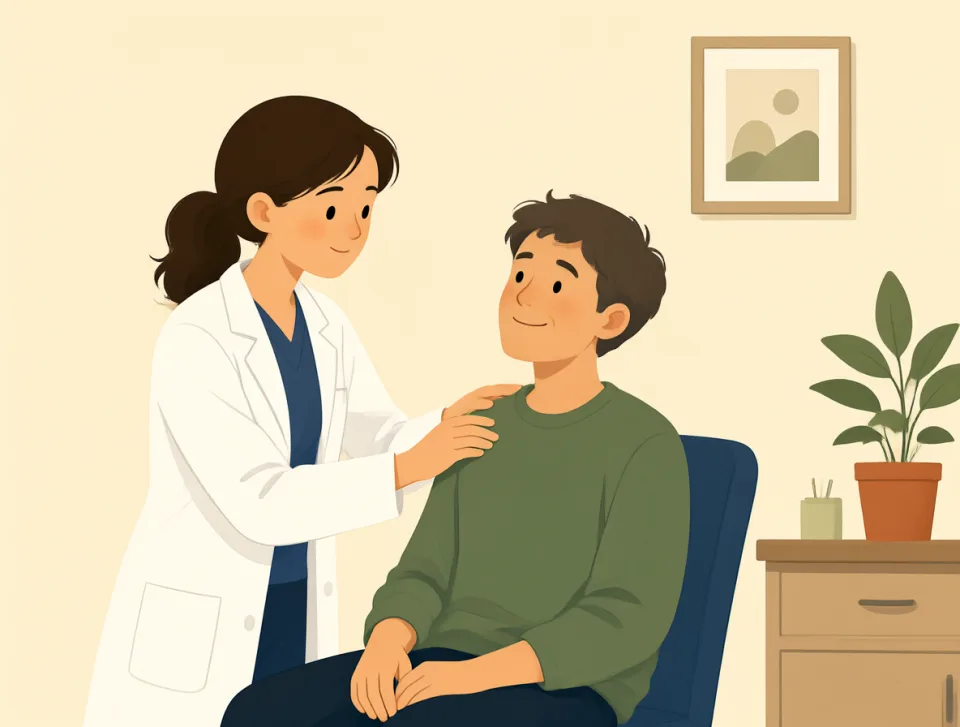
She wants to become a doctor someday.
Ona chce kiedyś zostać lekarką.
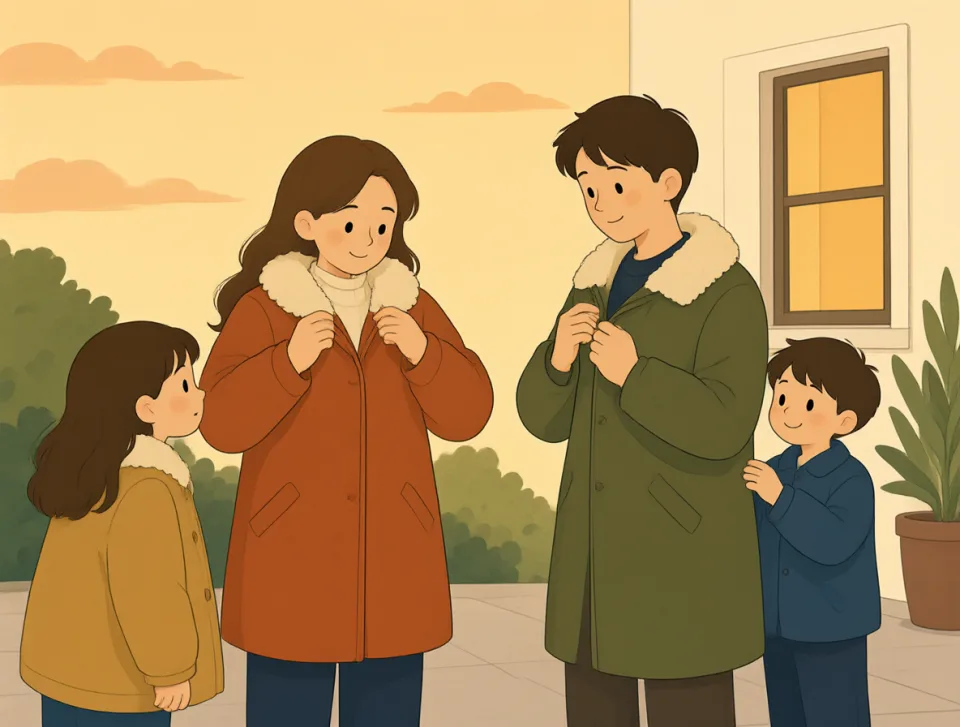
The weather became cold after sunset.
Po zachodzie słońca zrobiło się zimno.
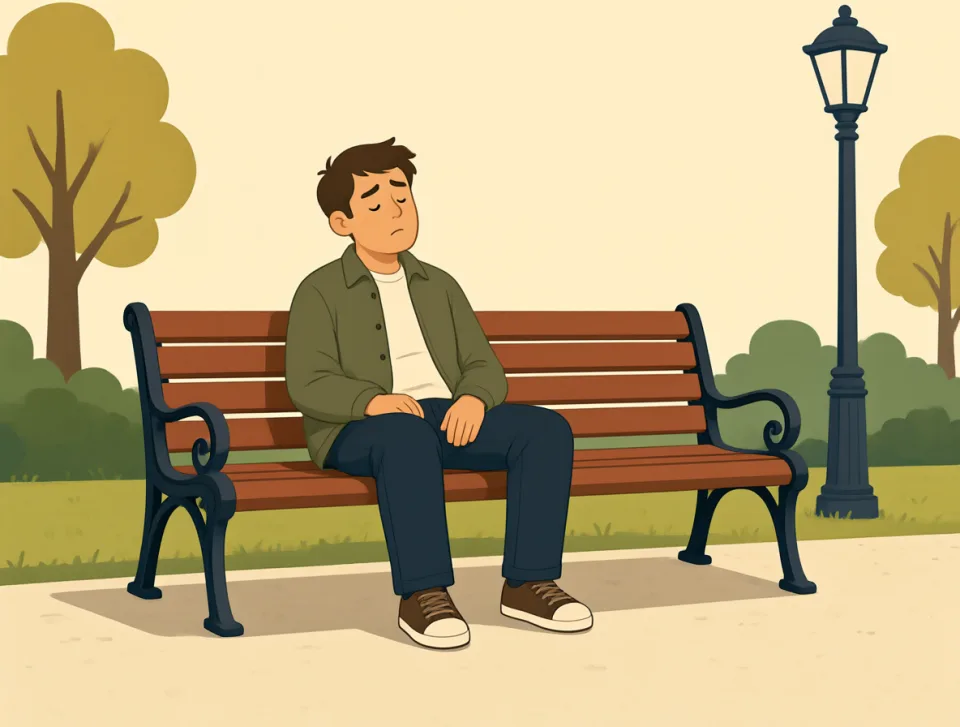
He became tired after the long walk.
Po długim spacerze poczuł zmęczenie.
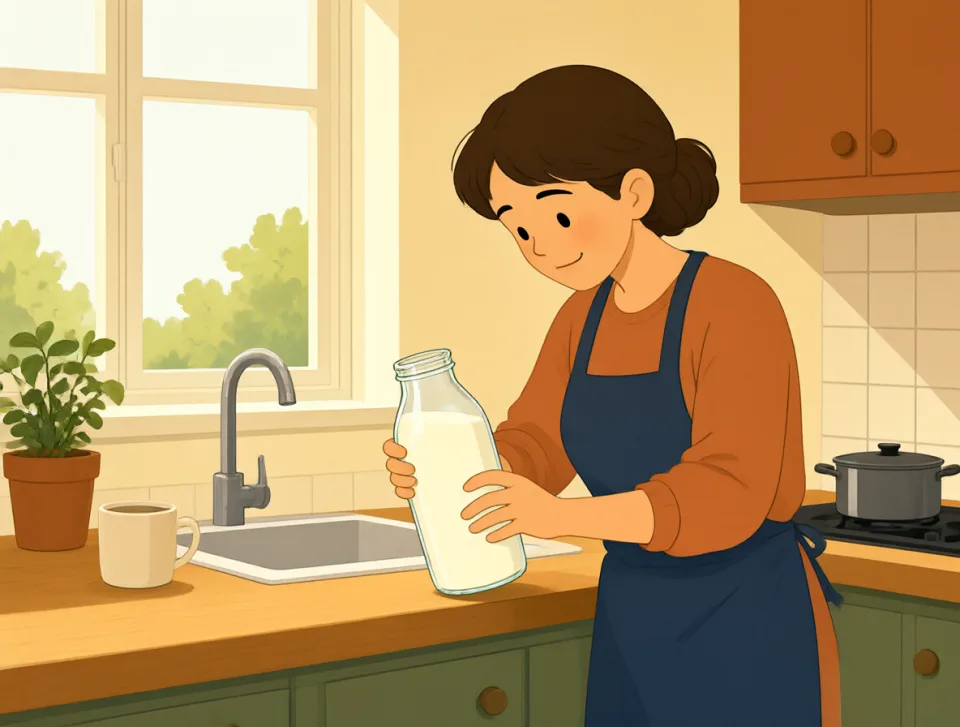
The milk became sour in the heat.
W upale mleko skwaśniało.
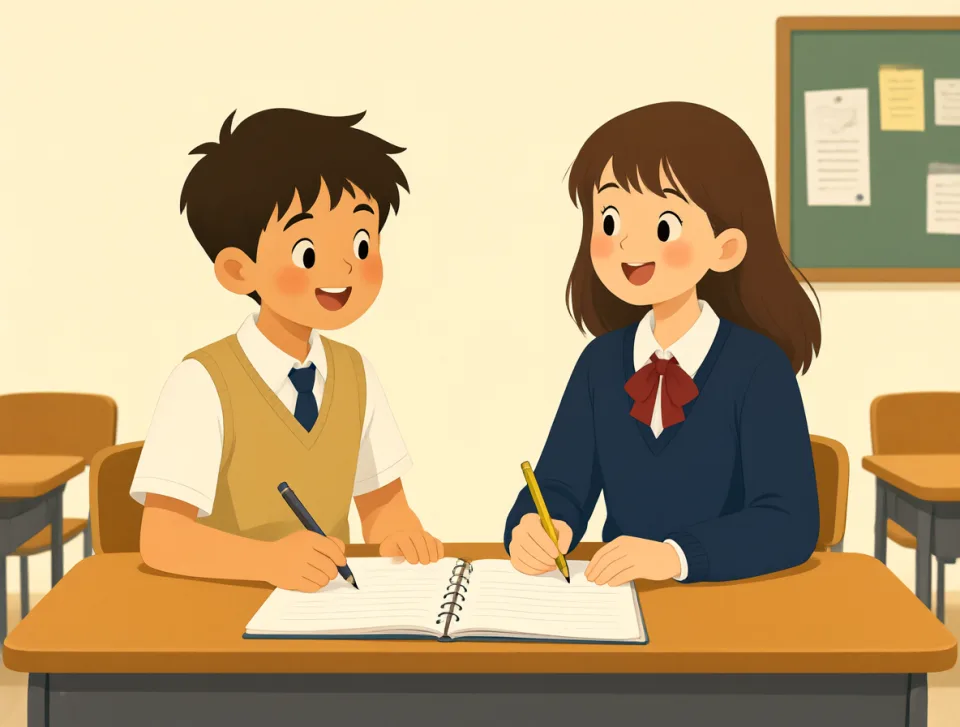
They became good friends at school.
W szkole zostali dobrymi przyjaciółmi.
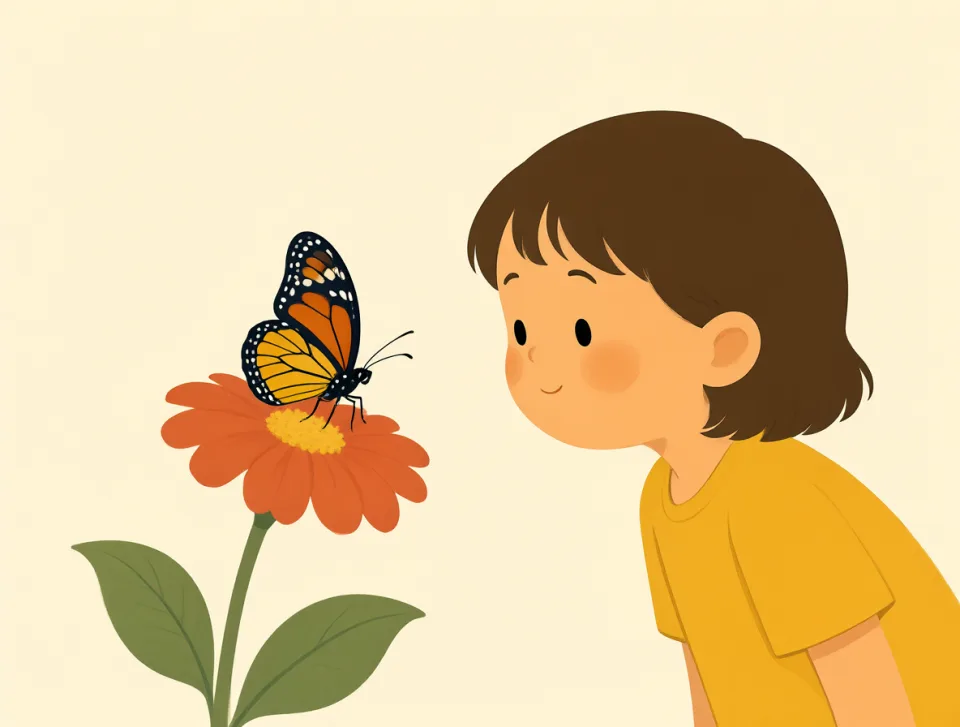
interest
#142noun, verb
zainteresowanie
A feeling of wanting to know or learn about something; to make someone curious.
Chęć dowiedzenia się czegoś lub nauczenia się czegoś; wzbudzać czyjąś ciekawość.
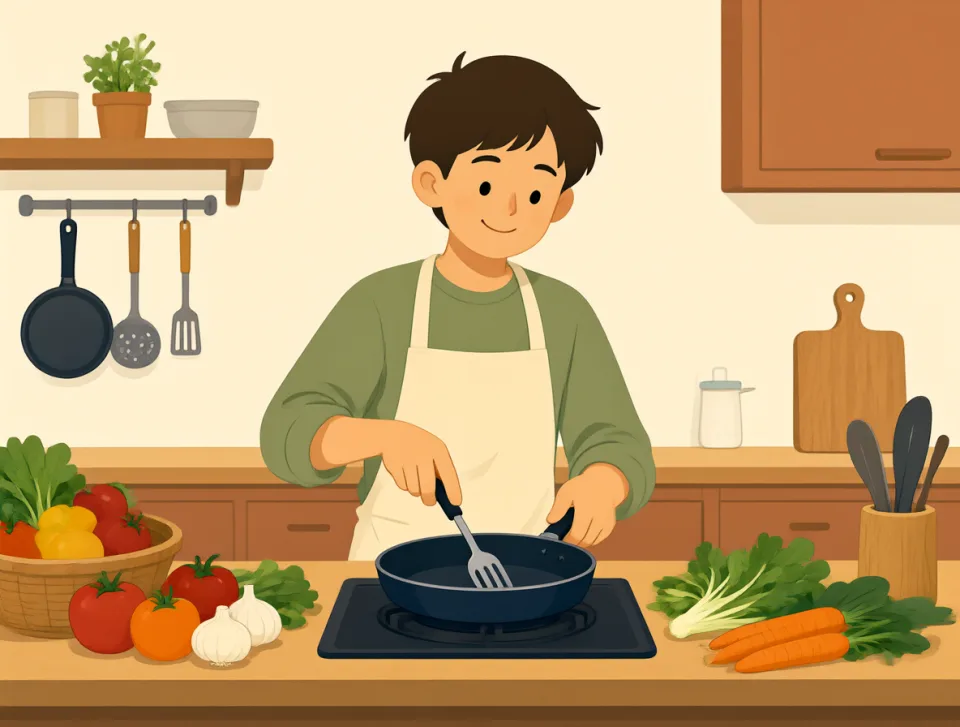
I have a strong interest in cooking.
Bardzo interesuję się gotowaniem.

She showed interest in the new job.
Okazała zainteresowanie nową pracą.
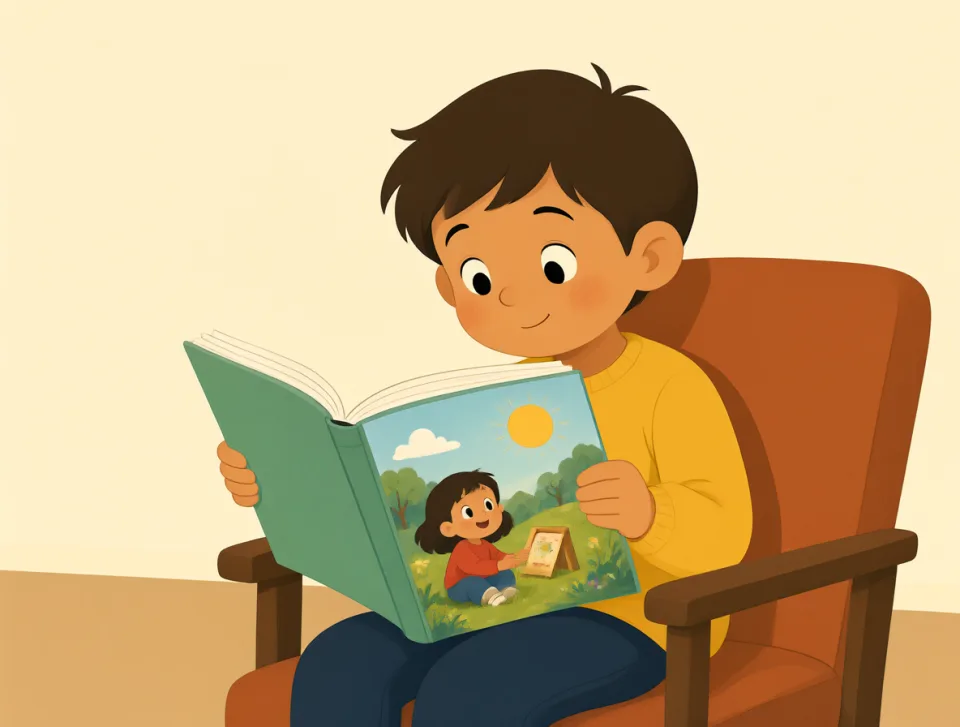
The book caught my interest quickly.
Książka szybko mnie zainteresowała.
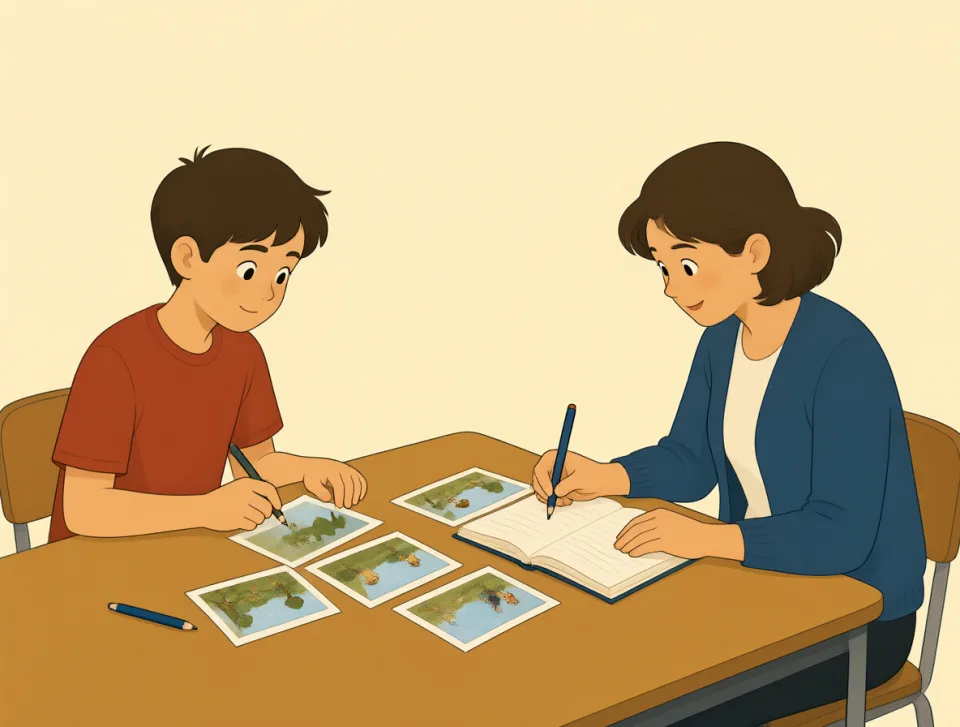
He is interested in learning Spanish.
Interesuje się nauką hiszpańskiego.
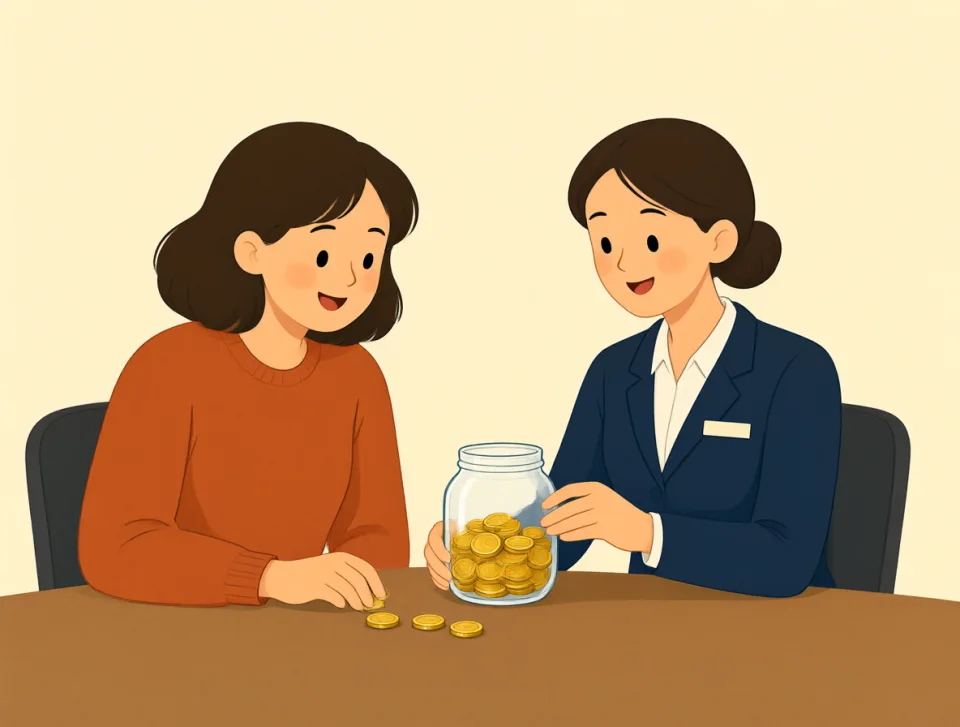
The bank pays interest on savings.
Bank wypłaca odsetki od oszczędności.
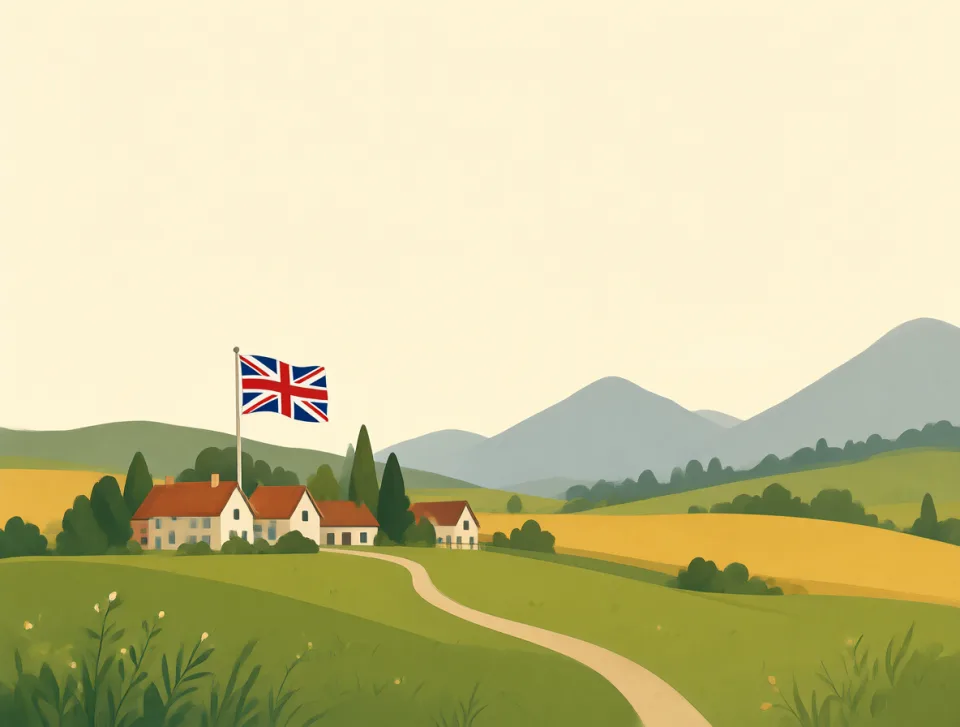
country
#143noun
kraj
A nation with its own government, land, and people.
Państwo mające własny rząd, terytorium i ludność.
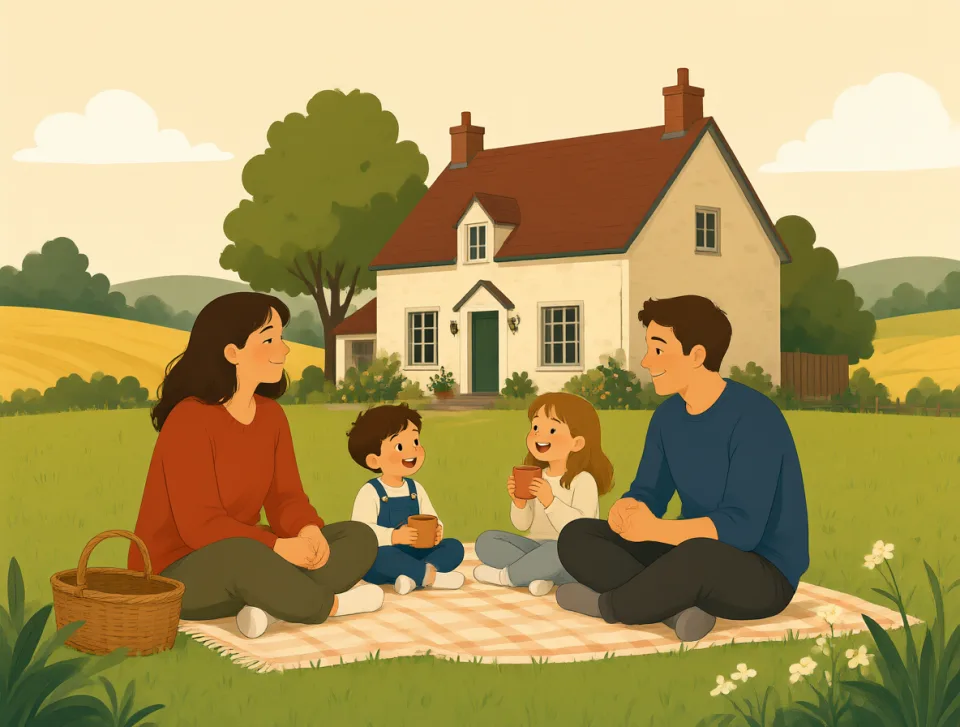
She lives in the country with her family.
Mieszka z rodziną na wsi.
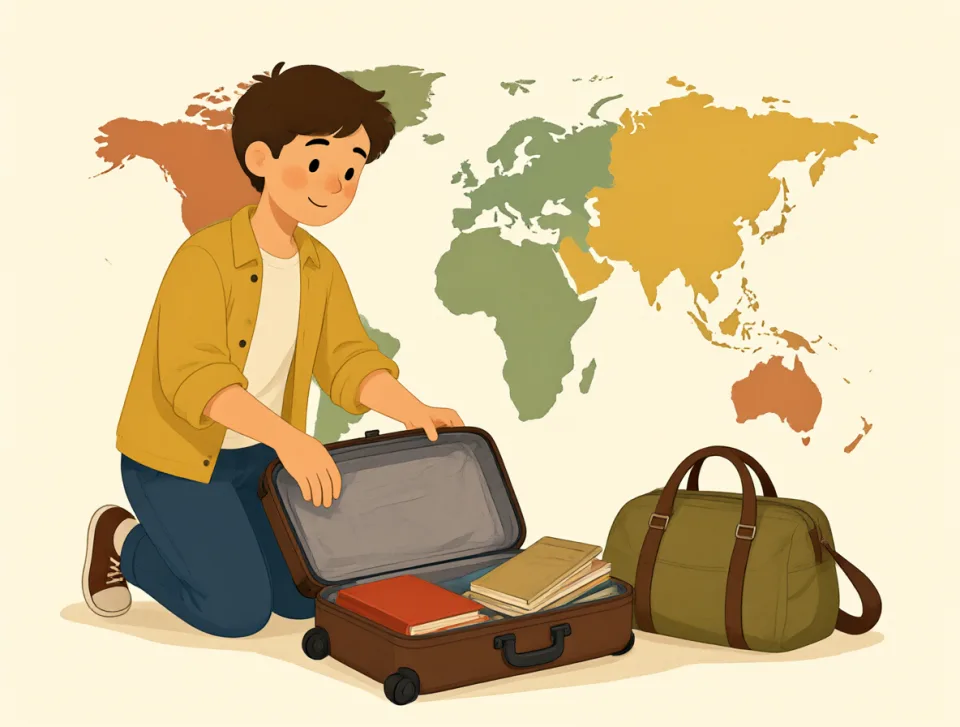
I want to visit another country this summer.
Chcę tego lata odwiedzić inny kraj.
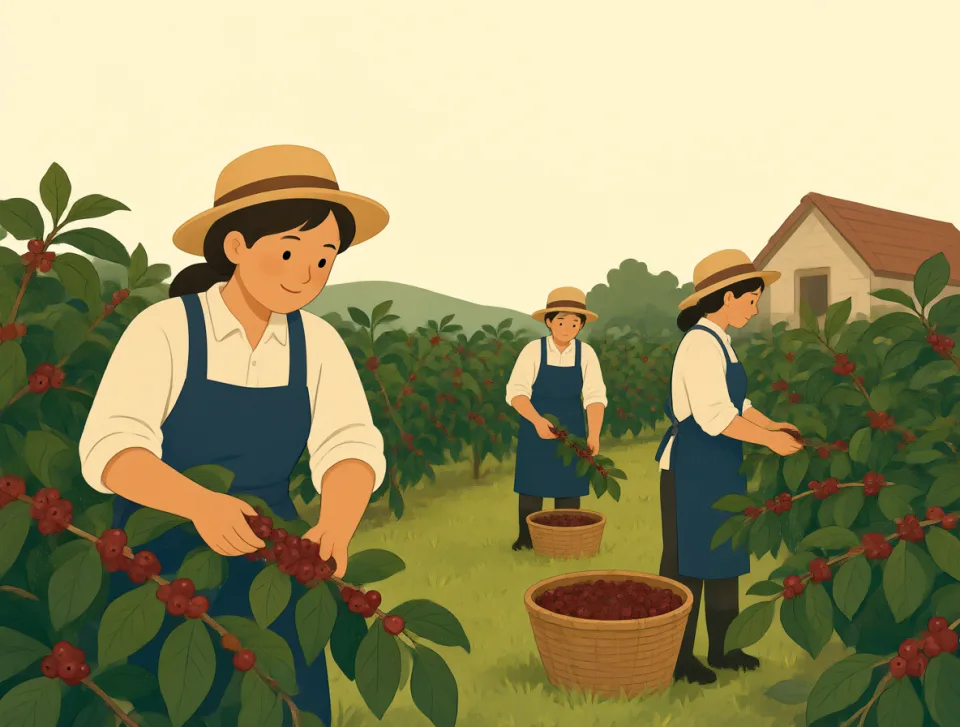
This country produces much of the world's coffee.
Ten kraj produkuje dużą część kawy na świecie.
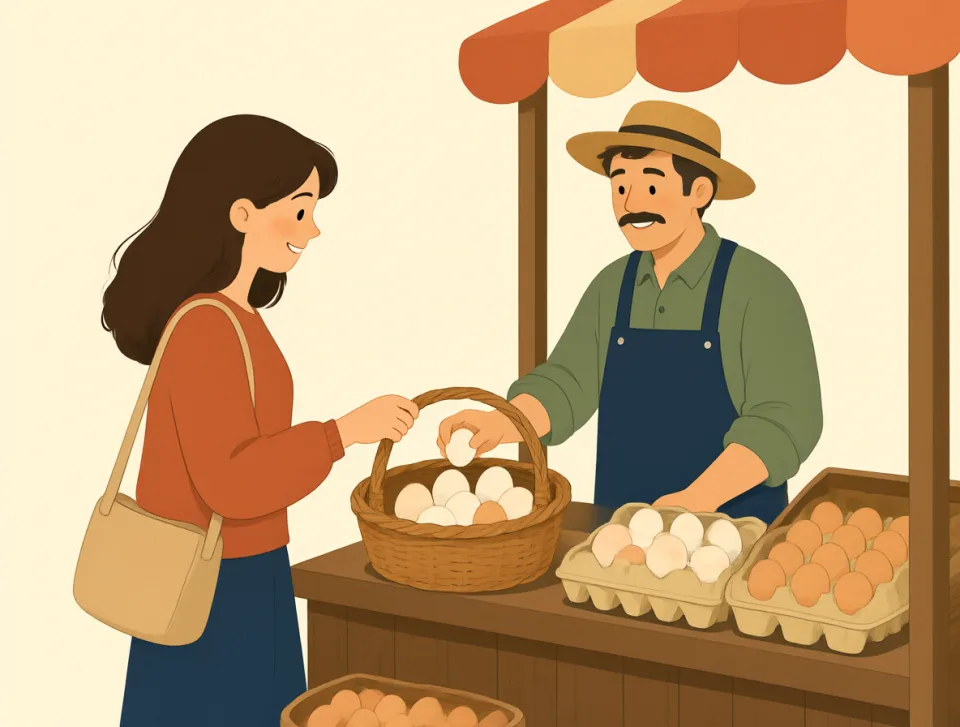
We bought fresh eggs from the country.
Kupiliśmy świeże jajka na wsi.
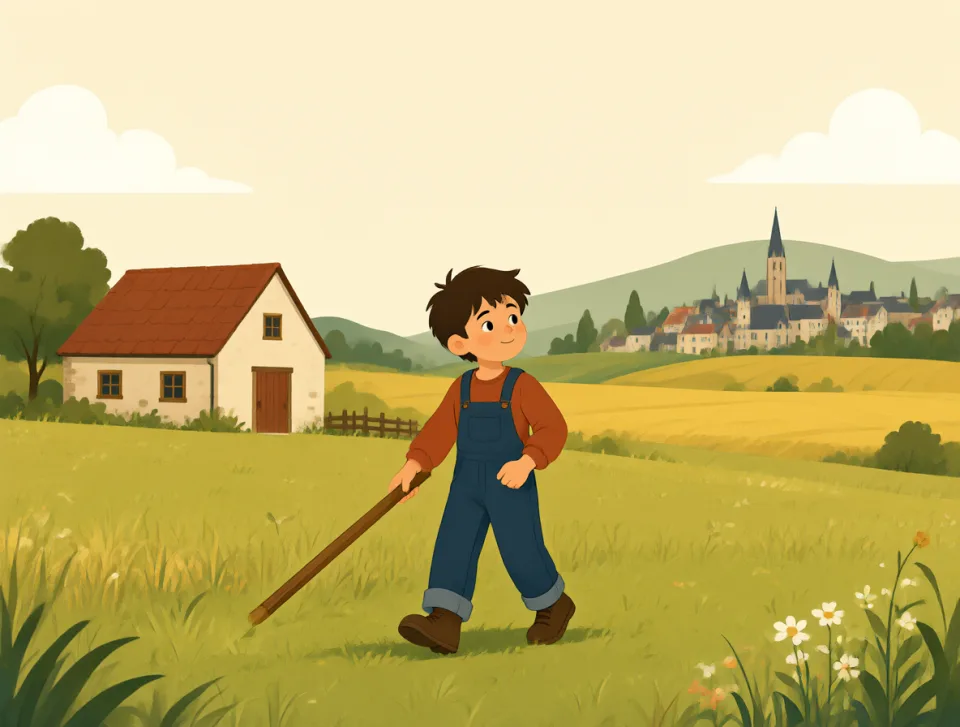
He grew up in the country near a small town.
Dorastał na wsi, niedaleko małego miasteczka.
old
#144adjective, noun
stary
having lived for many years; belonging to a time long ago
mający wiele lat; pochodzący z odległej przeszłości
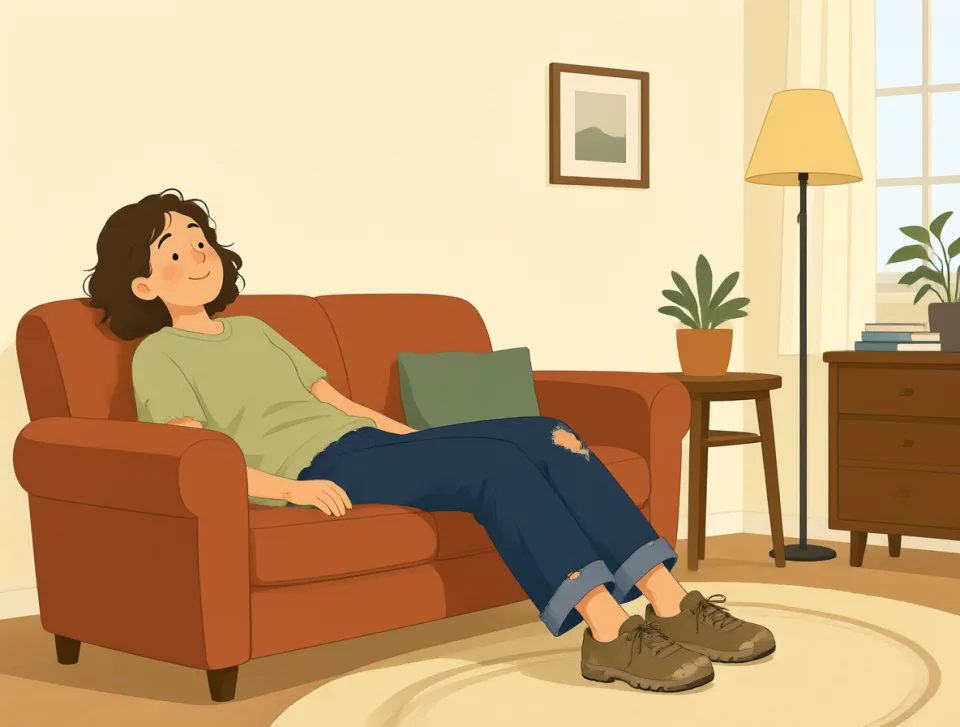
My old shoes are very comfortable.
Moje stare buty są bardzo wygodne.
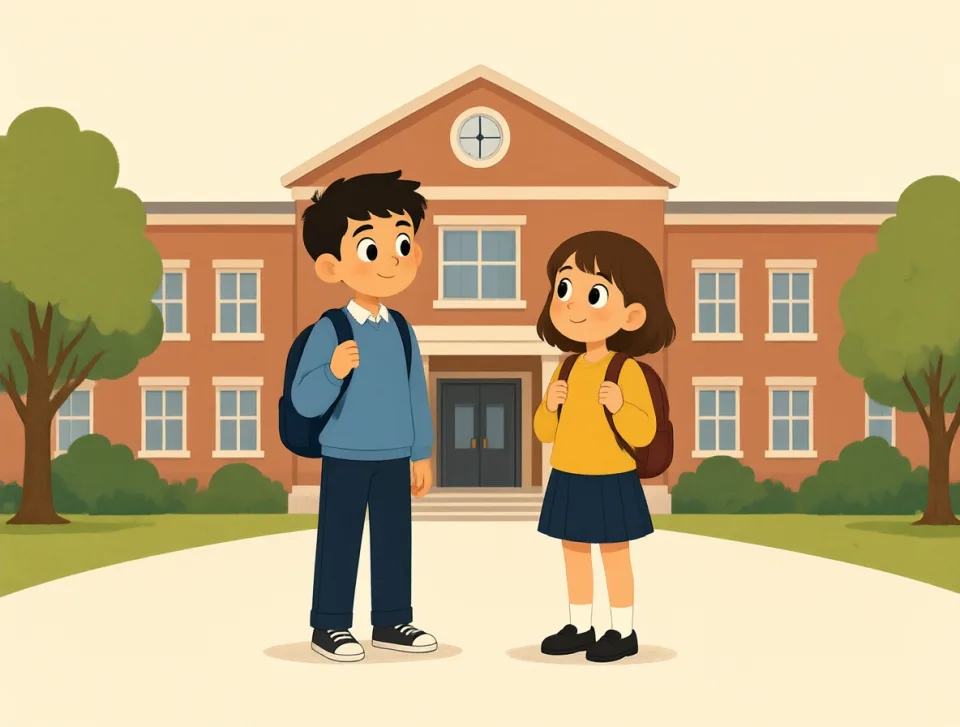
We visited my old school yesterday.
Wczoraj odwiedziliśmy moją dawną szkołę.
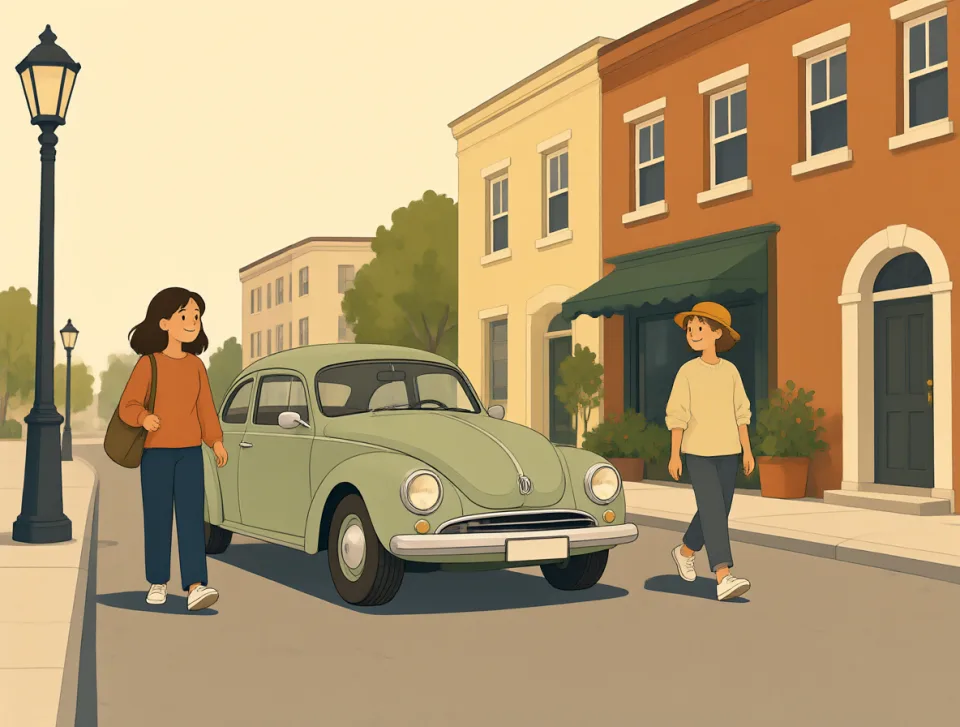
That old car still works well.
Ten stary samochód nadal dobrze działa.
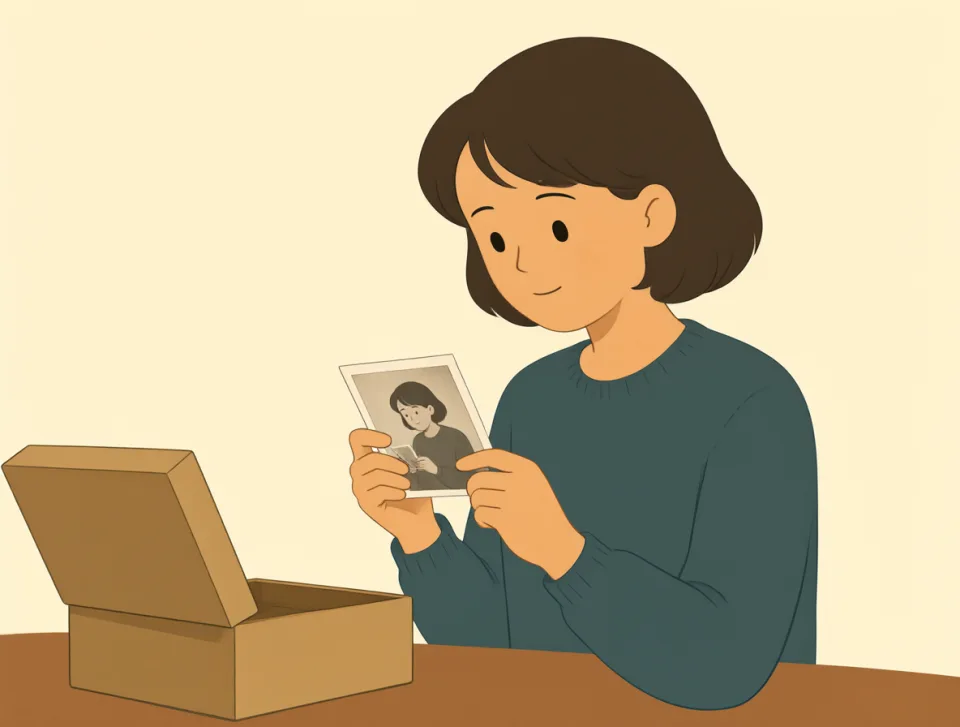
I found an old photo in a box.
Znalazłem stare zdjęcie w pudełku.
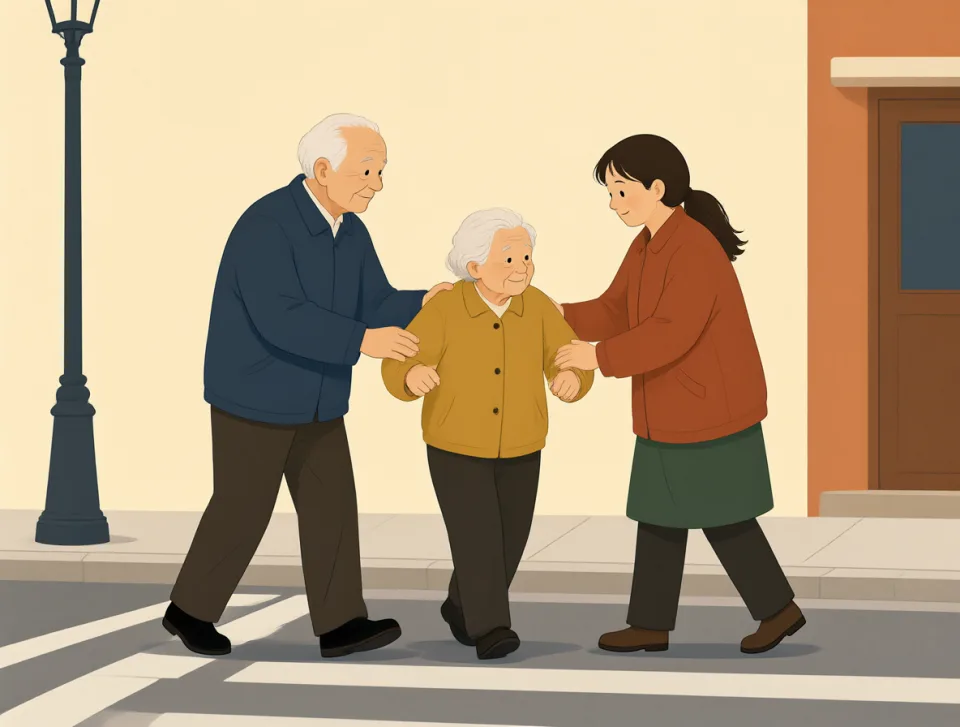
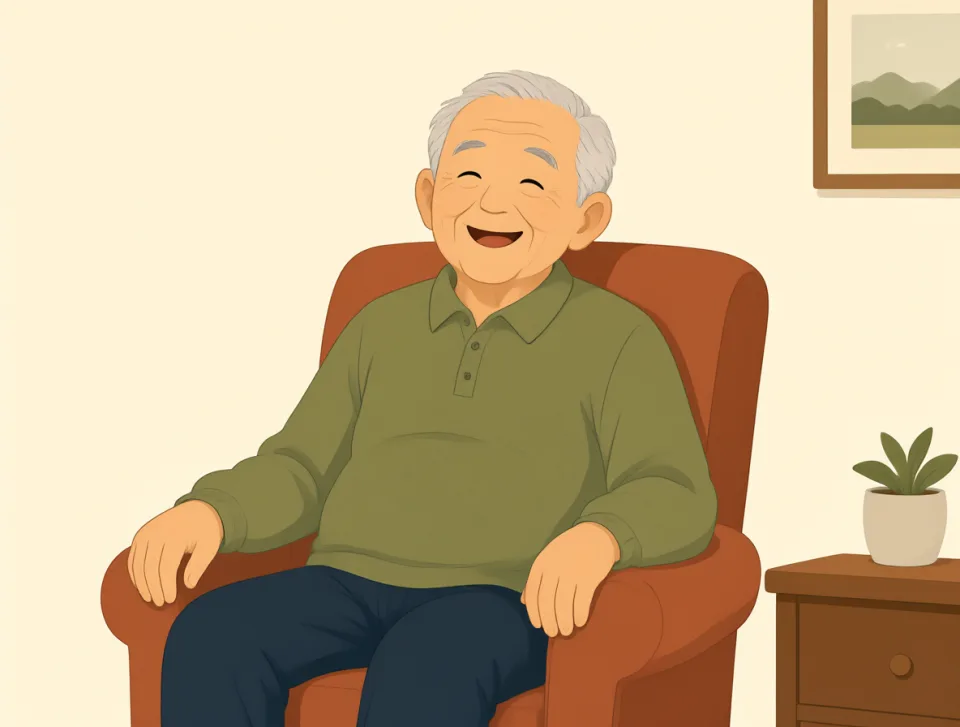
The old man needs help crossing the street.
Starszy mężczyzna potrzebuje pomocy przy przechodzeniu przez ulicę.
each
#145determiner, pronoun
każdy
Every one of two or more people or things, considered separately.
Każda z co najmniej dwóch osób lub rzeczy, rozpatrywana osobno.
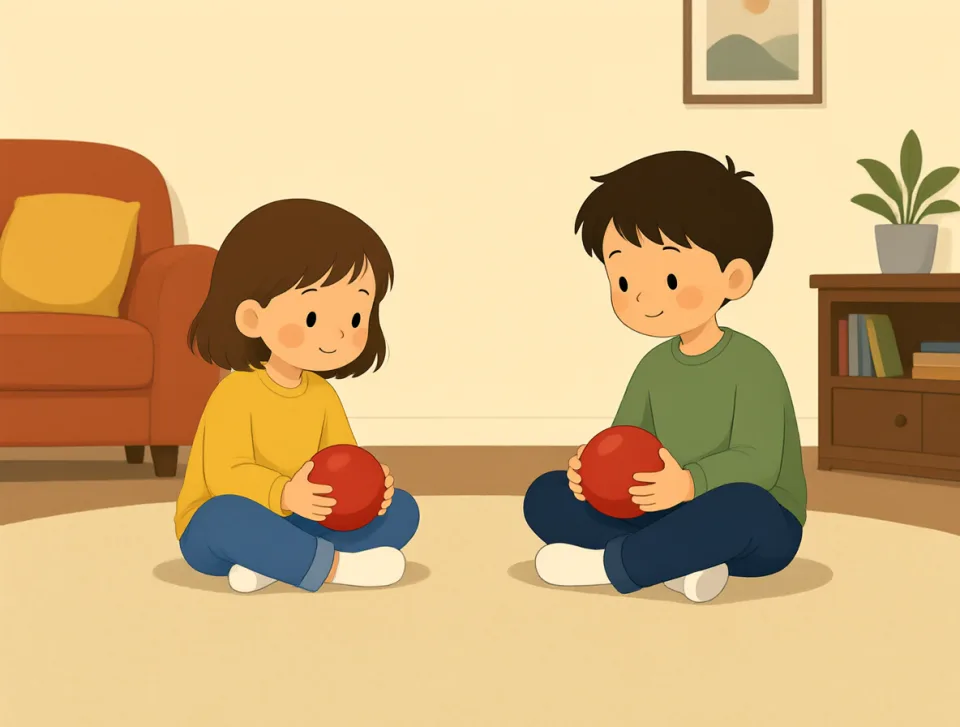
Each child has a small red ball.
Każde dziecko ma małą czerwoną piłkę.
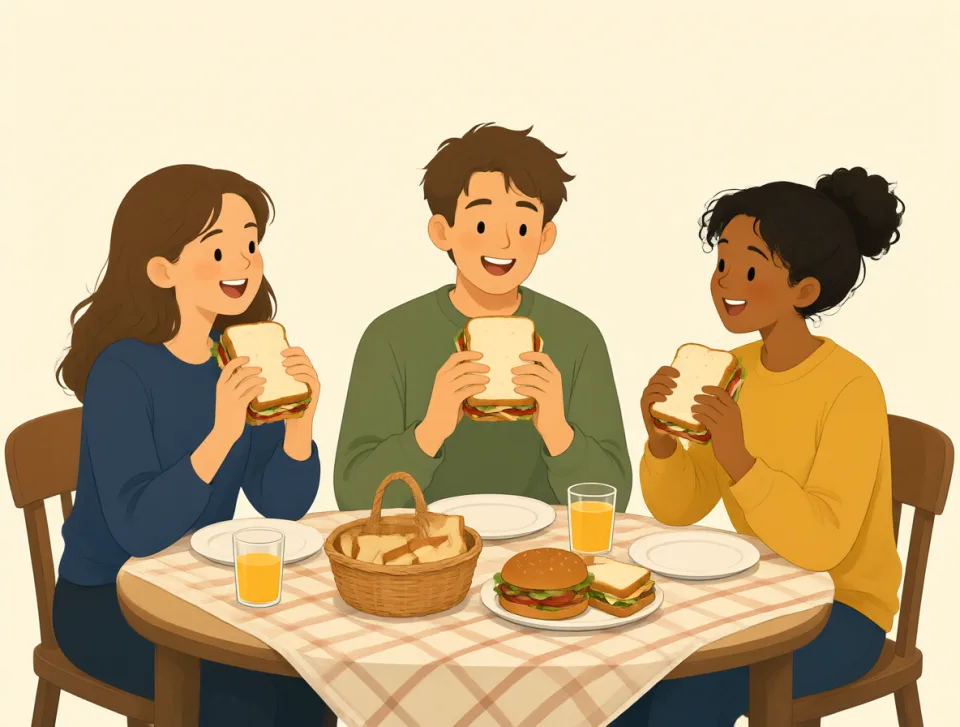
We each brought a sandwich for lunch.
Każde z nas przyniosło kanapkę na lunch.
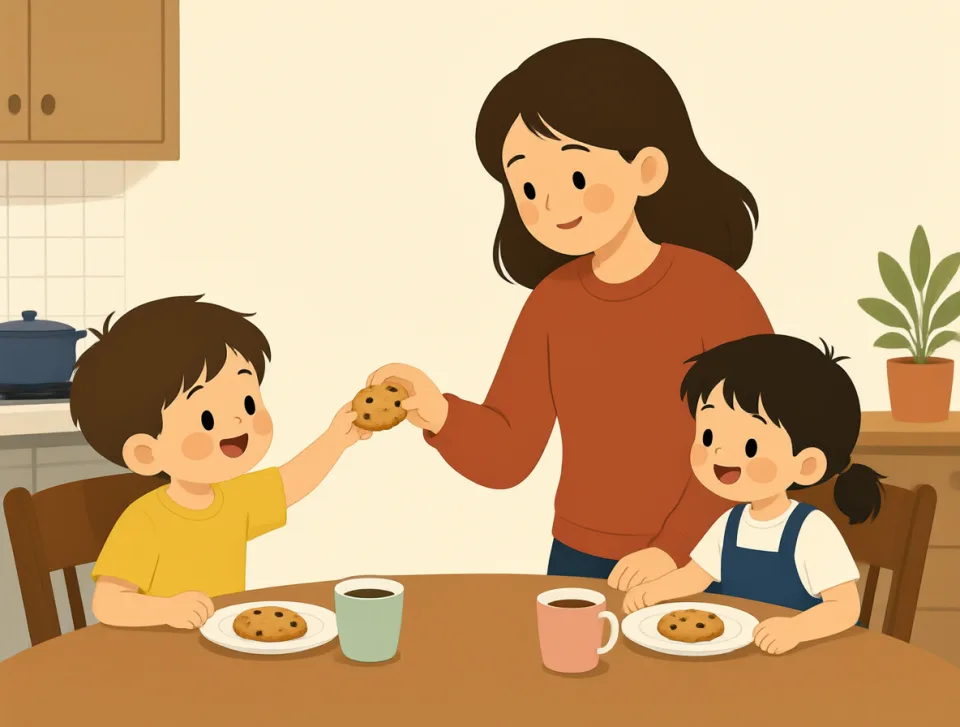
Please take one cookie each.
Proszę, weźcie po jednym ciastku.
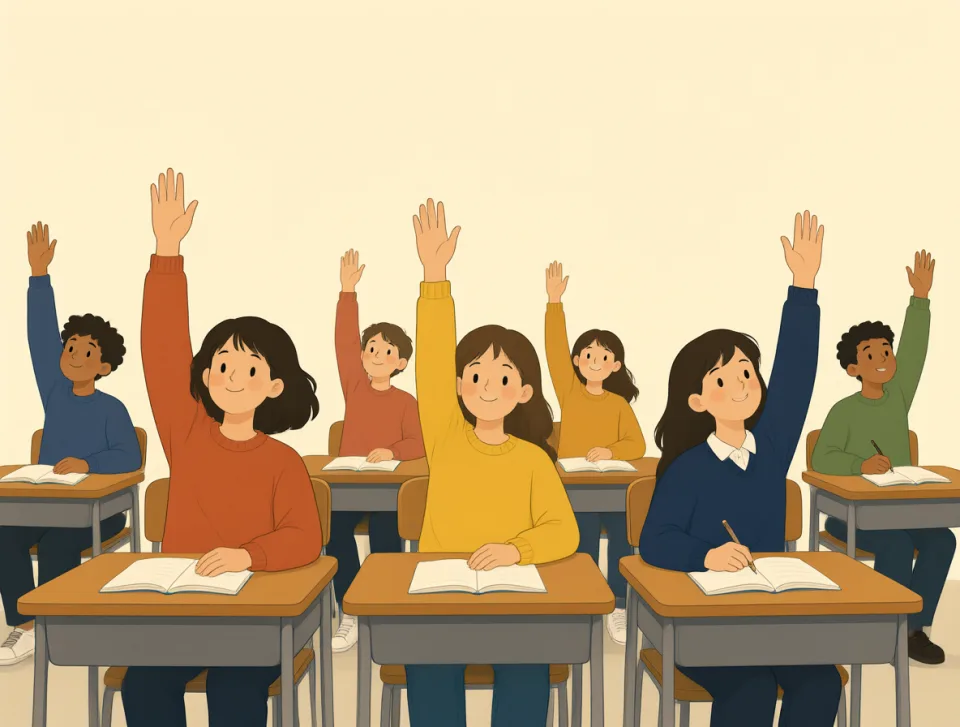
The students each answered one question.
Każdy z uczniów odpowiedział na jedno pytanie.
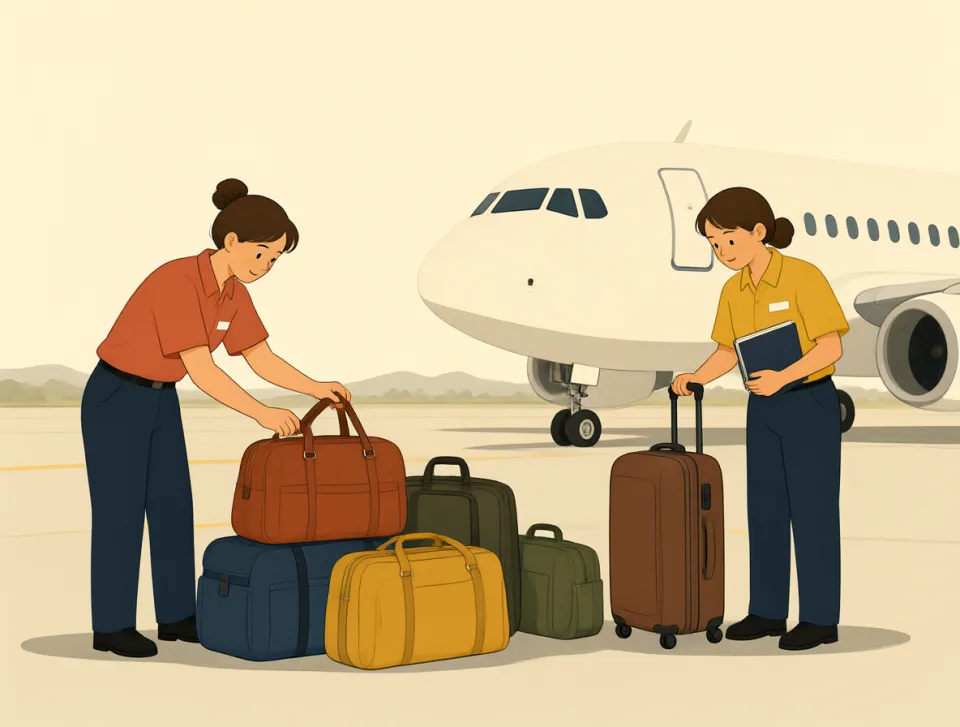
They checked each bag before the flight.
Przed lotem sprawdzili każdą torbę.
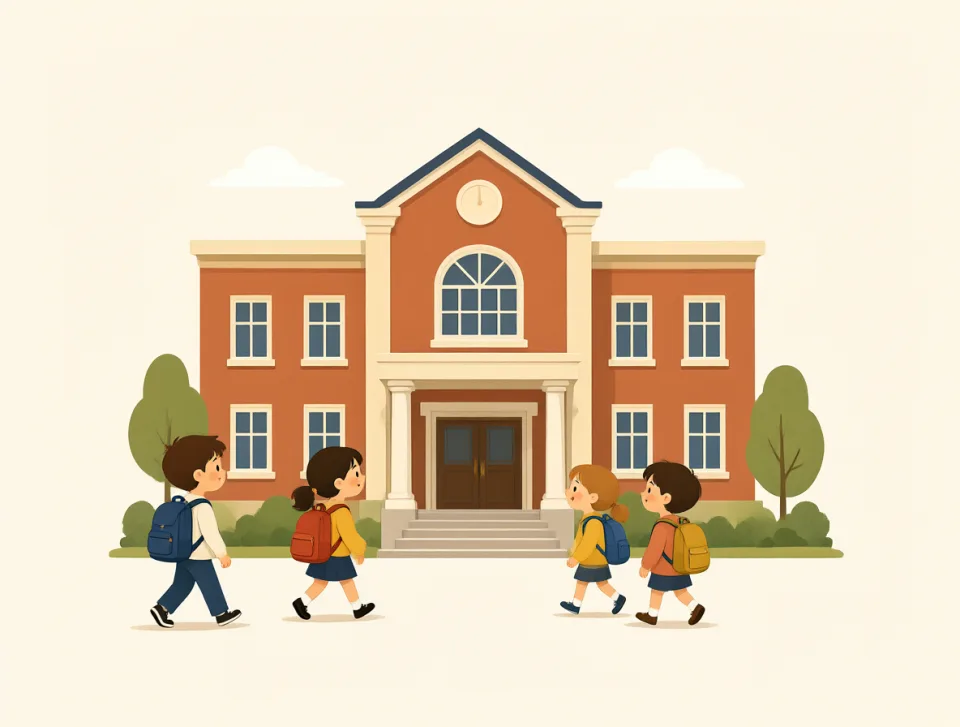
school
#146noun, verb
szkoła
A place where children learn, or the time spent learning there.
Miejsce, w którym uczą się dzieci, lub czas spędzony na nauce.
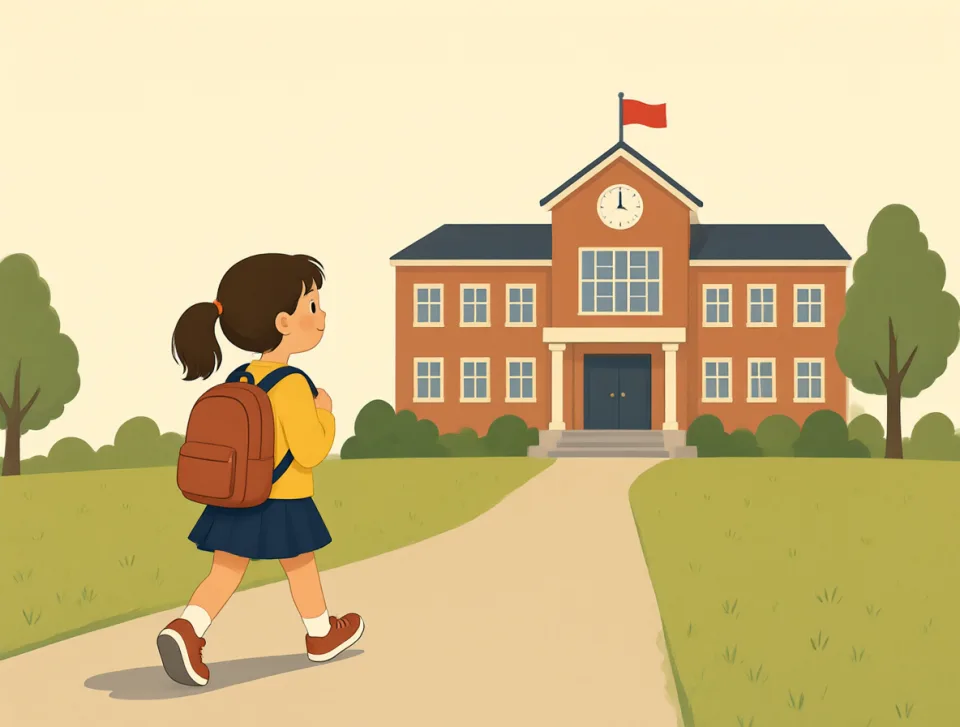
My sister walks to school every morning.
Moja siostra codziennie rano chodzi pieszo do szkoły.
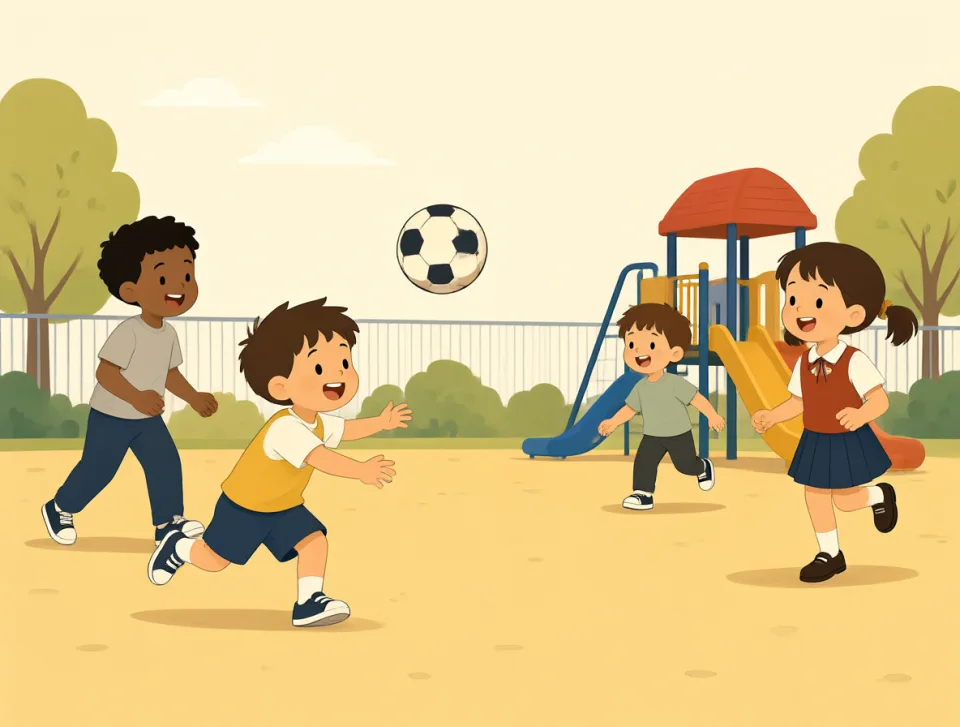
The children are playing outside school.
Dzieci bawią się na zewnątrz, poza szkołą.
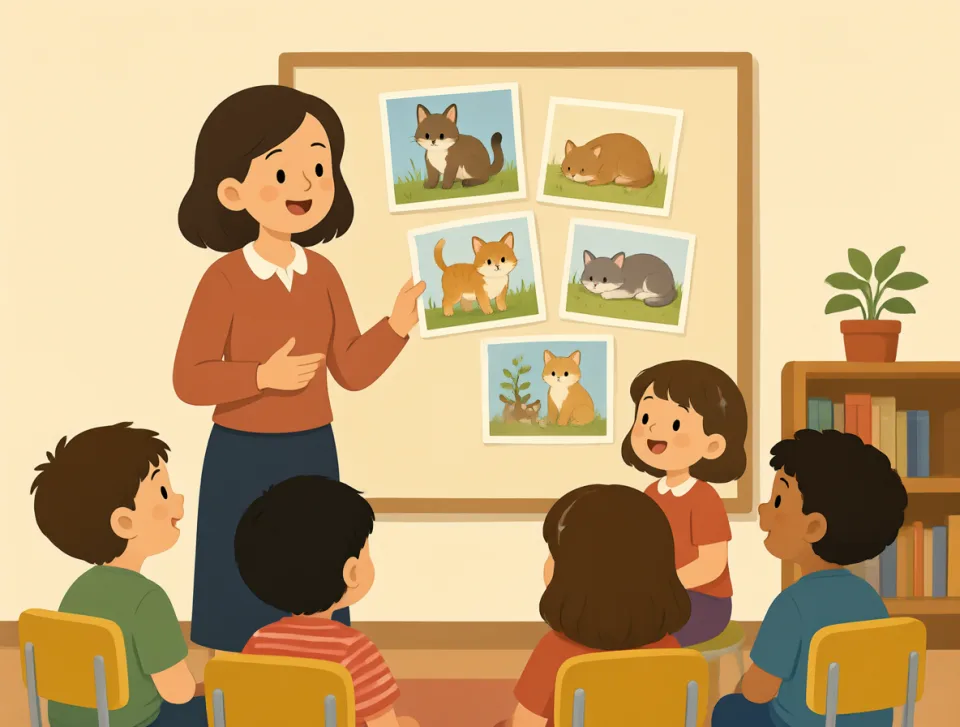
We learned about animals at school.
Uczyliśmy się w szkole o zwierzętach.
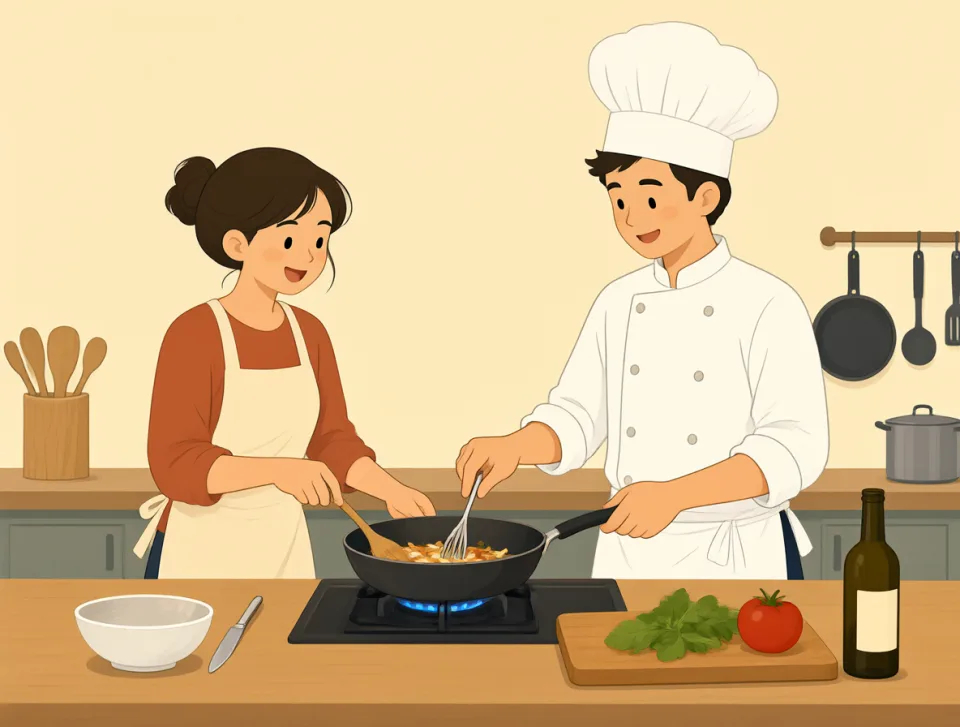
My father went to cooking school.
Mój ojciec poszedł do szkoły gotowania.
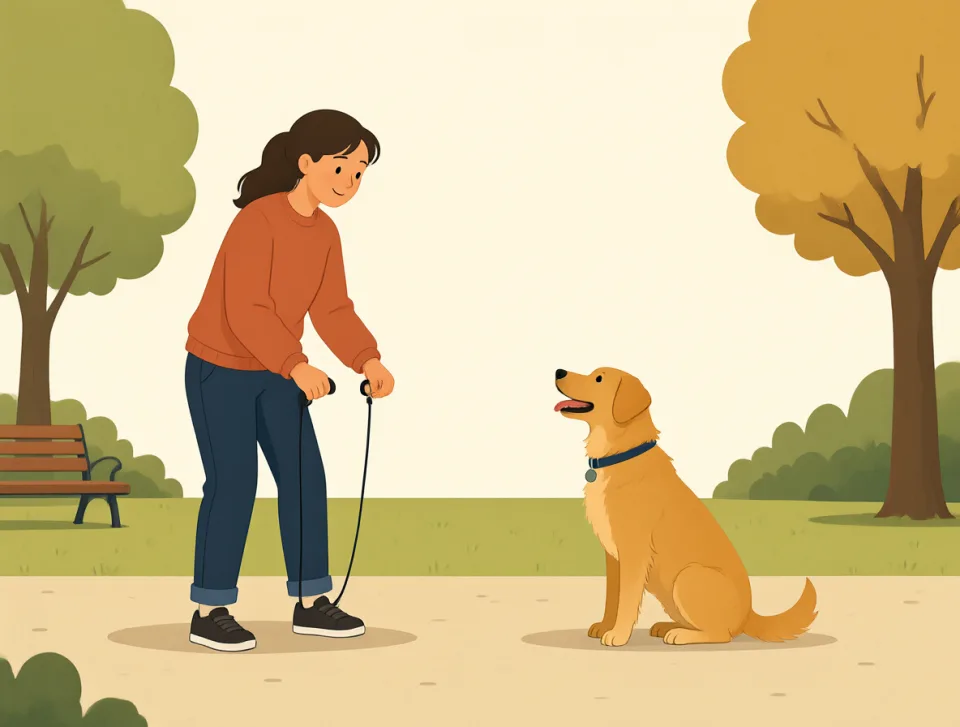
They school their dog every day.
Codziennie szkolą swojego psa.
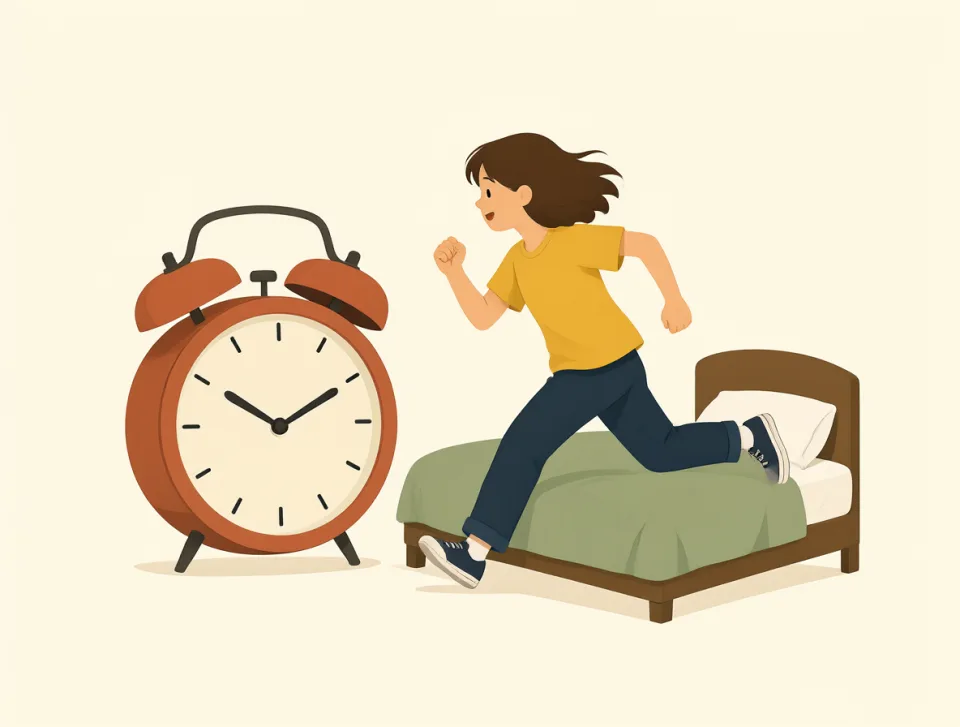
late
#147adjective, adverb, noun
spóźniony; późno
Happening, arriving, or being after the expected or usual time.
Dziejący się, przybywający lub przypadający później, niż oczekiwano lub zwykle.
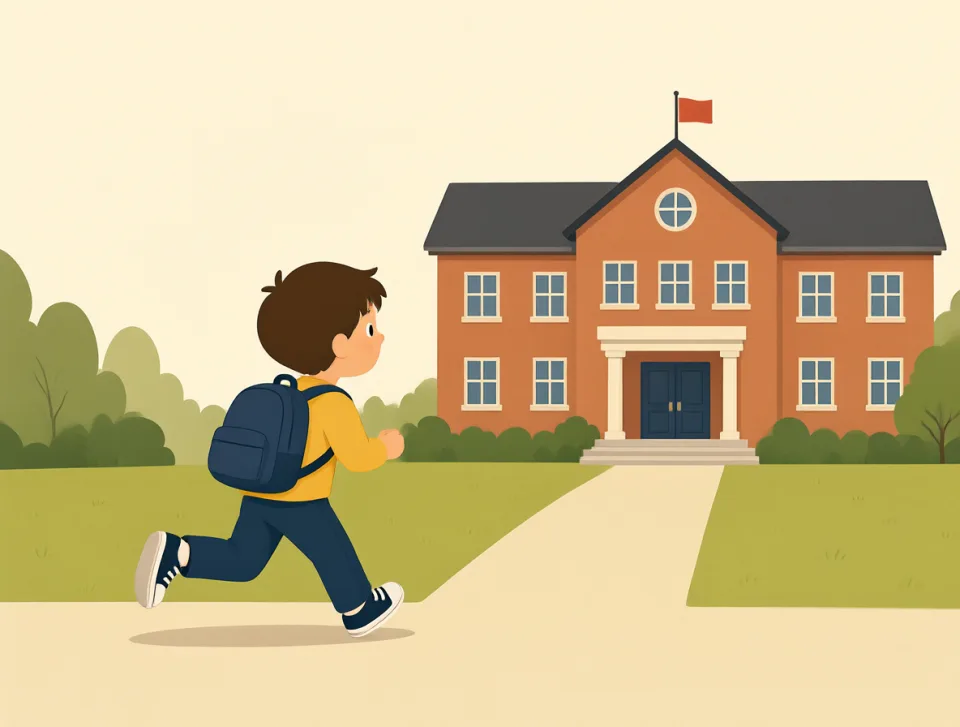
I was late for school this morning.
Dziś rano spóźniłem się do szkoły.
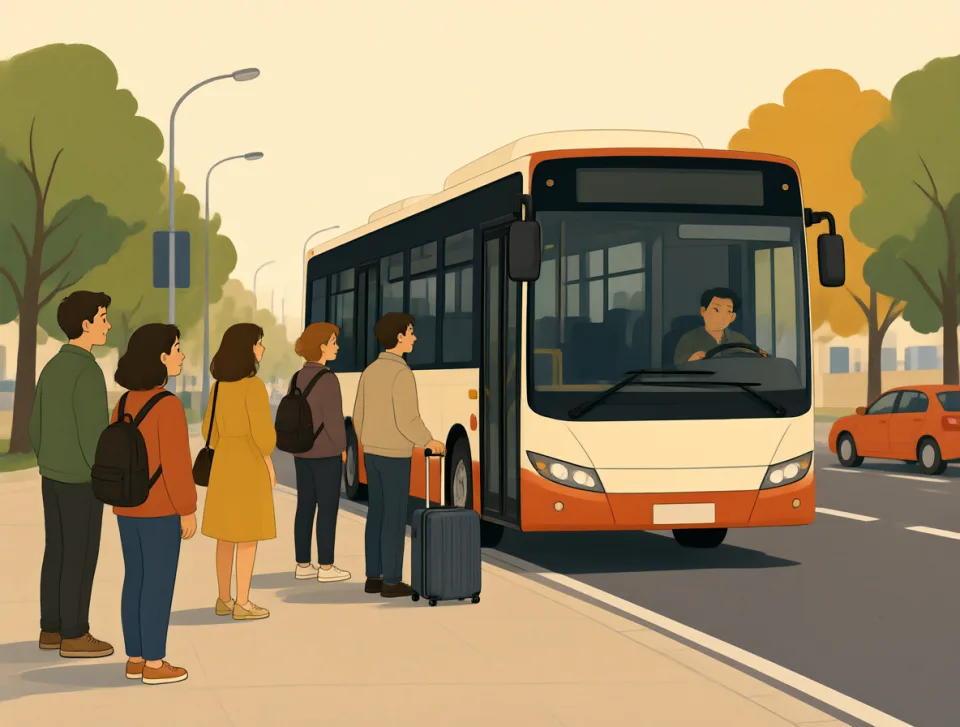
The bus arrived late because of traffic.
Autobus przyjechał z opóźnieniem z powodu korków.
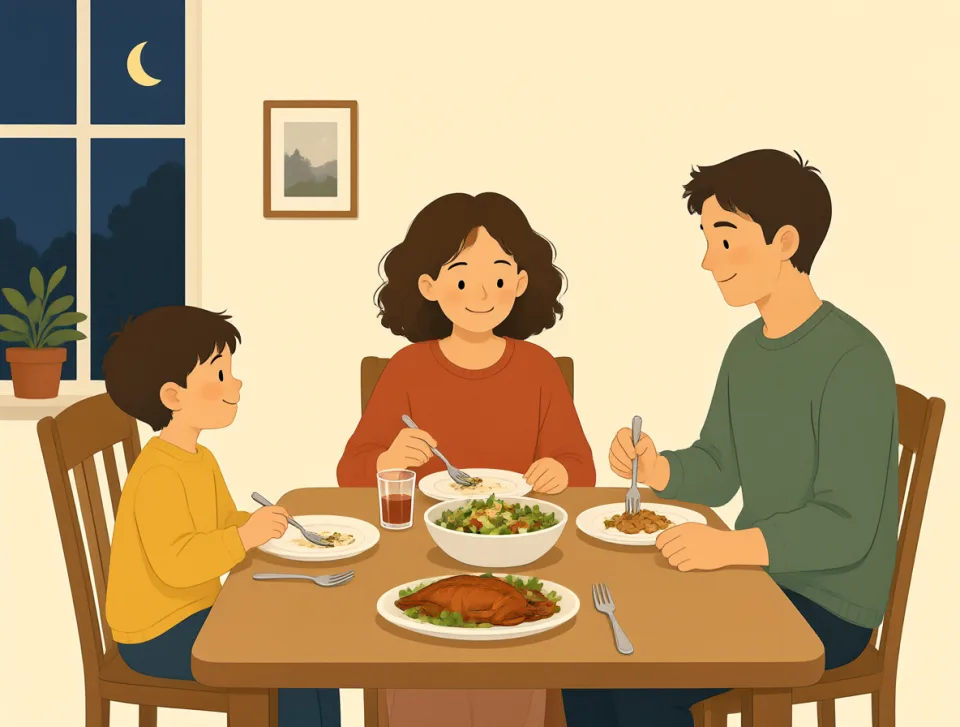
We had dinner late last night.
Wczoraj wieczorem zjedliśmy kolację późno.

She stayed late at work yesterday.
Wczoraj została dłużej w pracy.
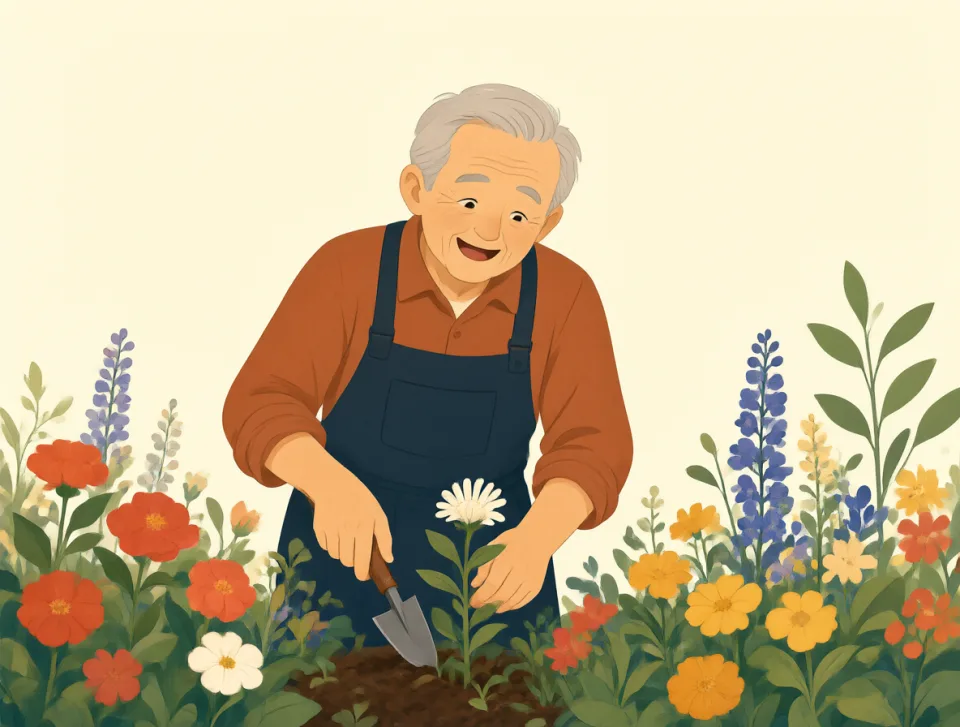
My late grandfather loved gardening.
Mój zmarły dziadek uwielbiał ogrodnictwo.
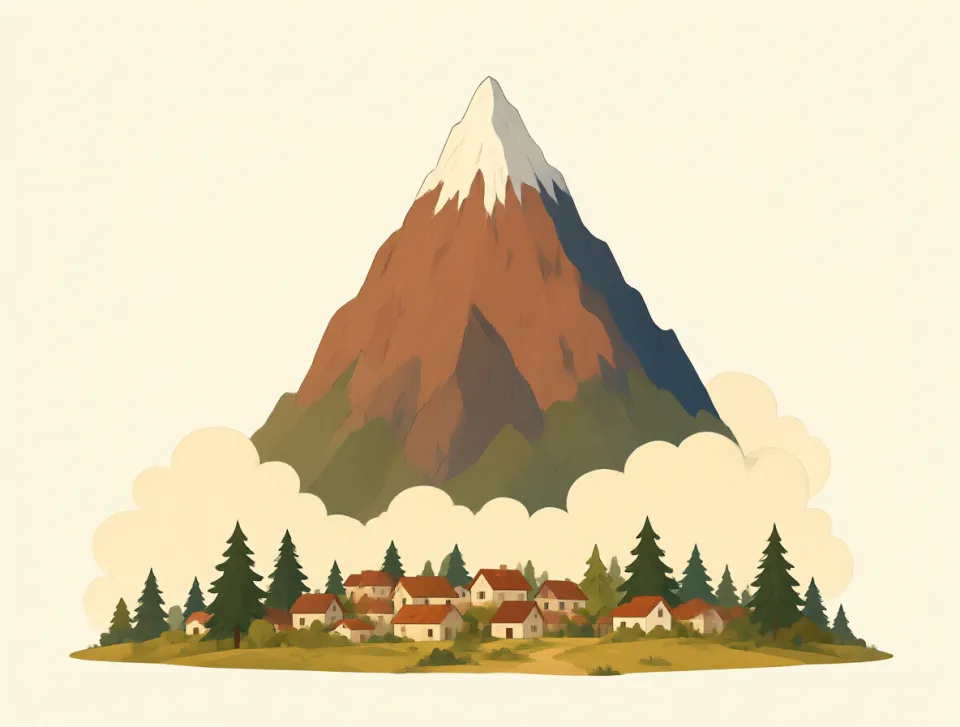
high
#148adjective, adverb, noun
wysoki
Far above the ground, or greater than usual in amount, level, or price.
Znajdujący się wysoko nad ziemią lub większy niż zwykle pod względem ilości, poziomu albo ceny.
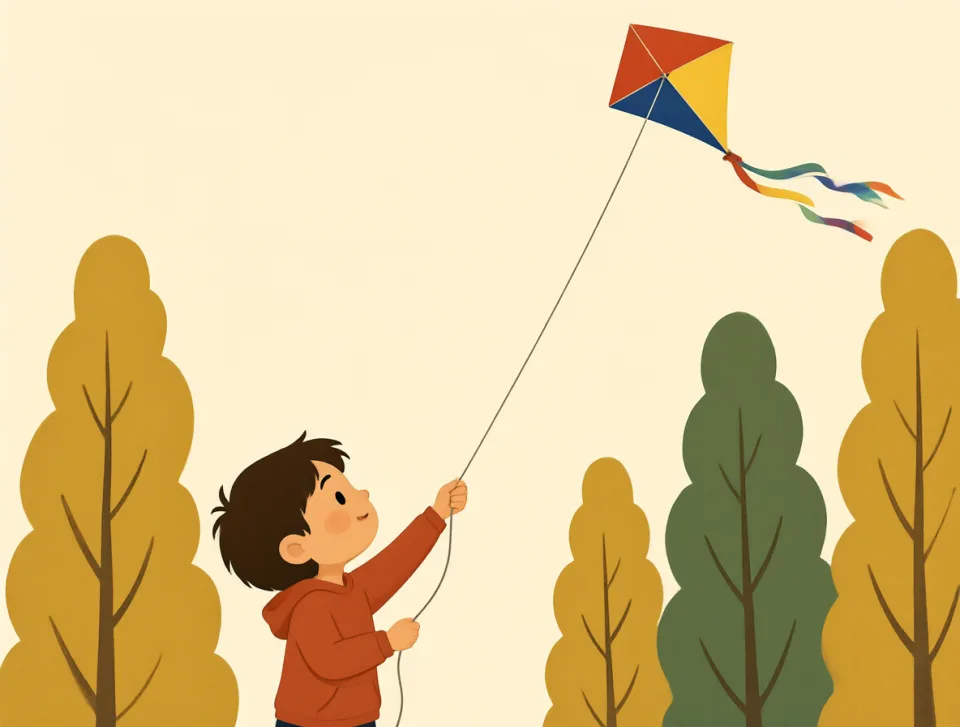
The kite flew high above the trees.
Latawiec wzbił się wysoko ponad drzewa.

Please put the books on the high shelf.
Proszę, połóż książki na wysokiej półce.
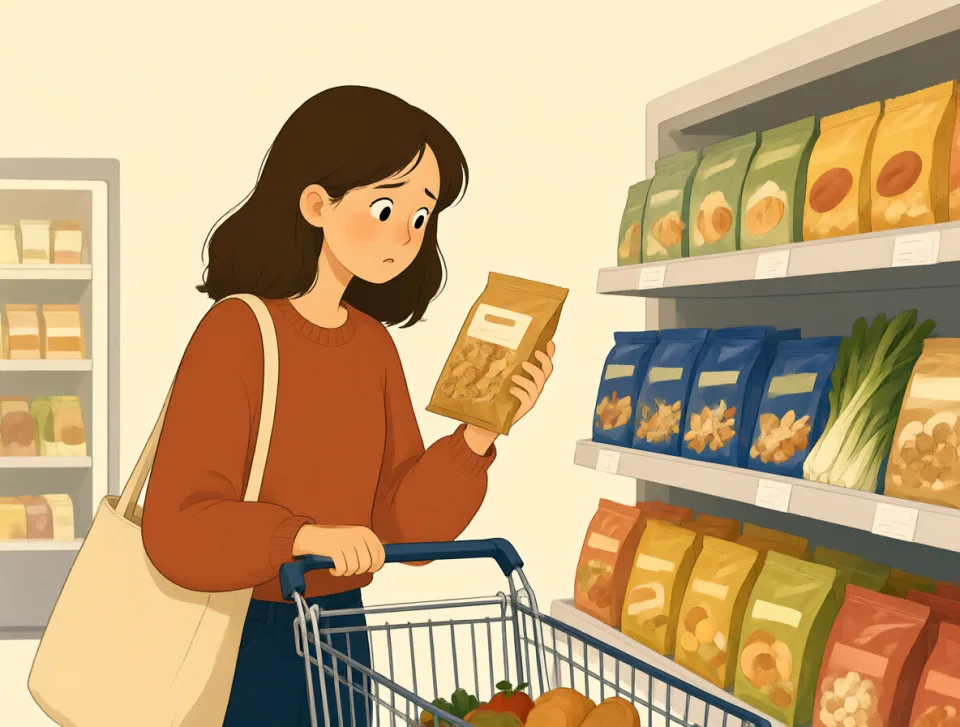
Prices are high at this store.
W tym sklepie ceny są wysokie.
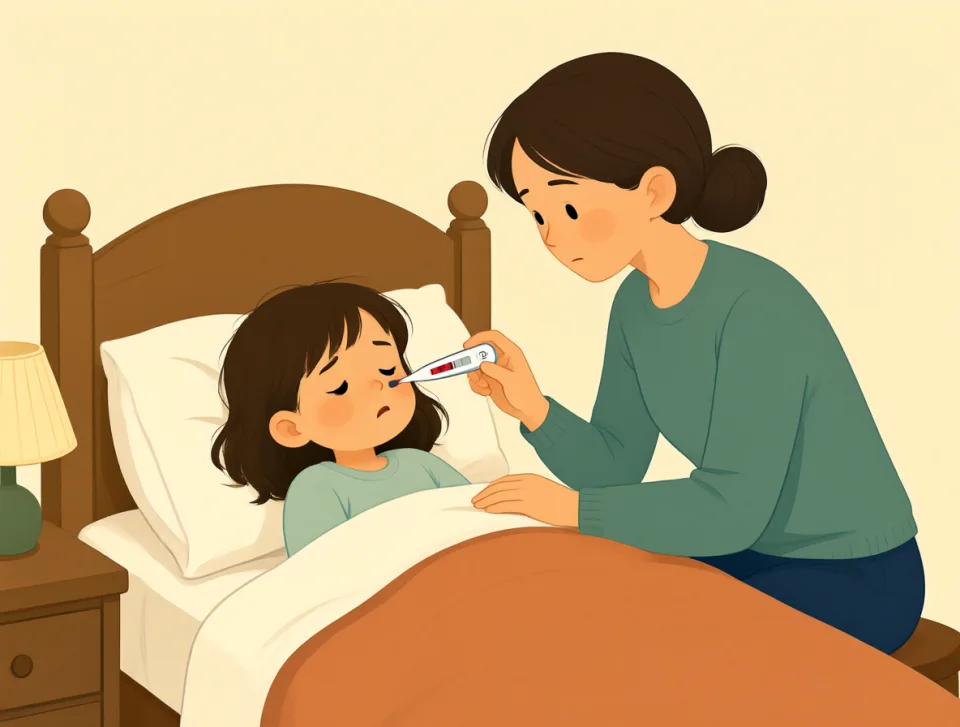
She has a high fever today.
Ma dziś wysoką gorączkę.

The plane climbed high into the sky.
Samolot wzniósł się wysoko w niebo.
different
#149adjective
inny; różny
Not the same as another person or thing.
Nie taki sam jak inna osoba lub rzecz.
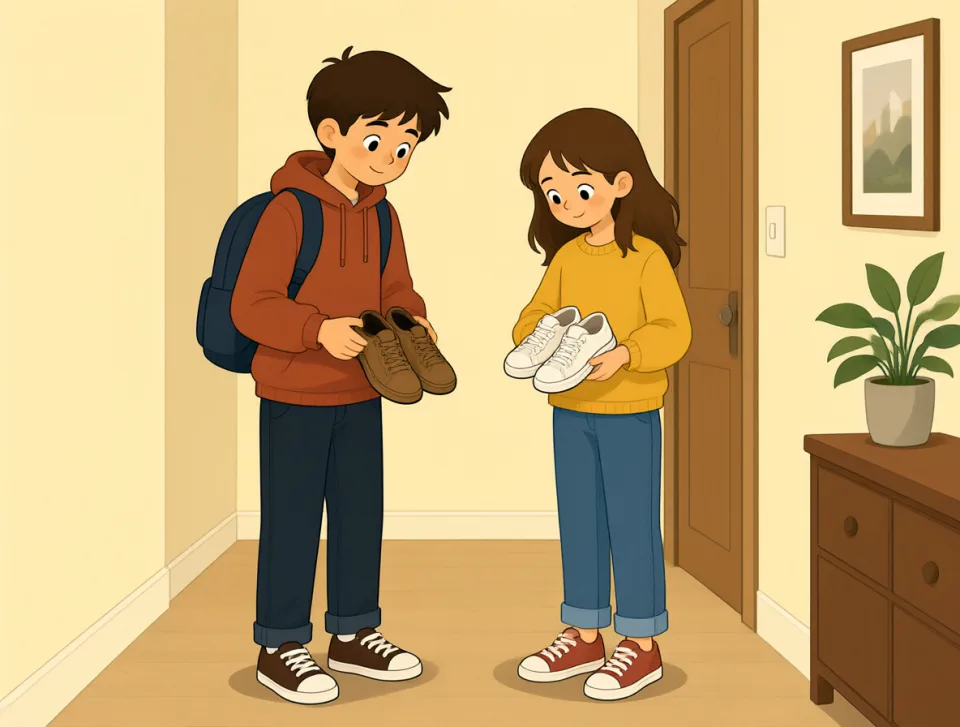
My new shoes are different from yours.
Moje nowe buty różnią się od twoich.

We tried different foods at the market.
Spróbowaliśmy różnych potraw na targu.
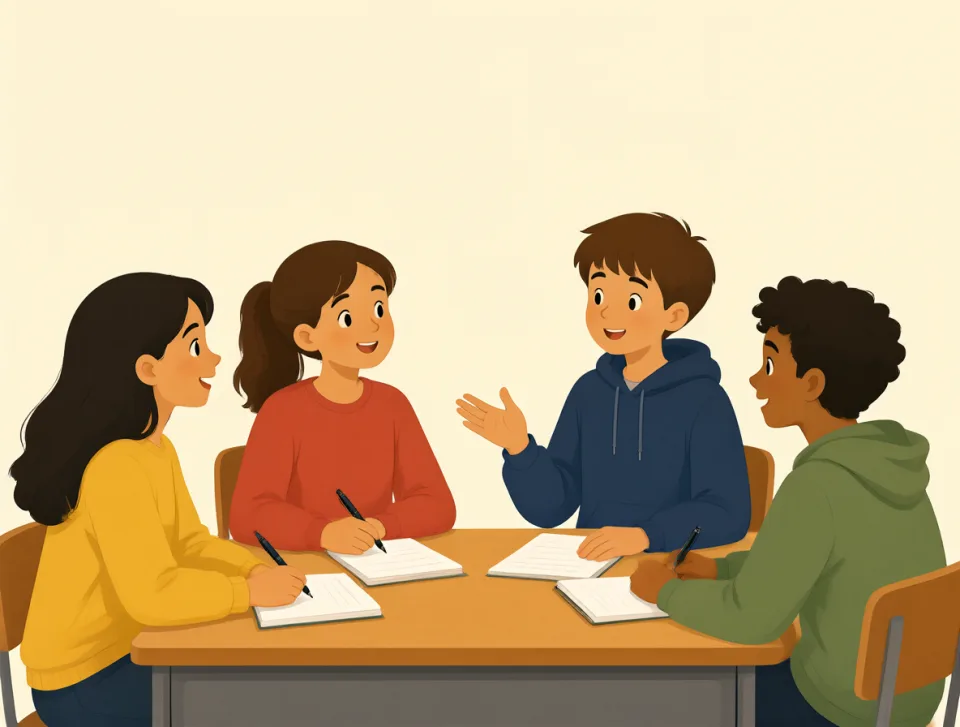
She has a different idea for the project.
Ma inny pomysł na ten projekt.

The weather is different in the mountains.
W górach pogoda jest inna.
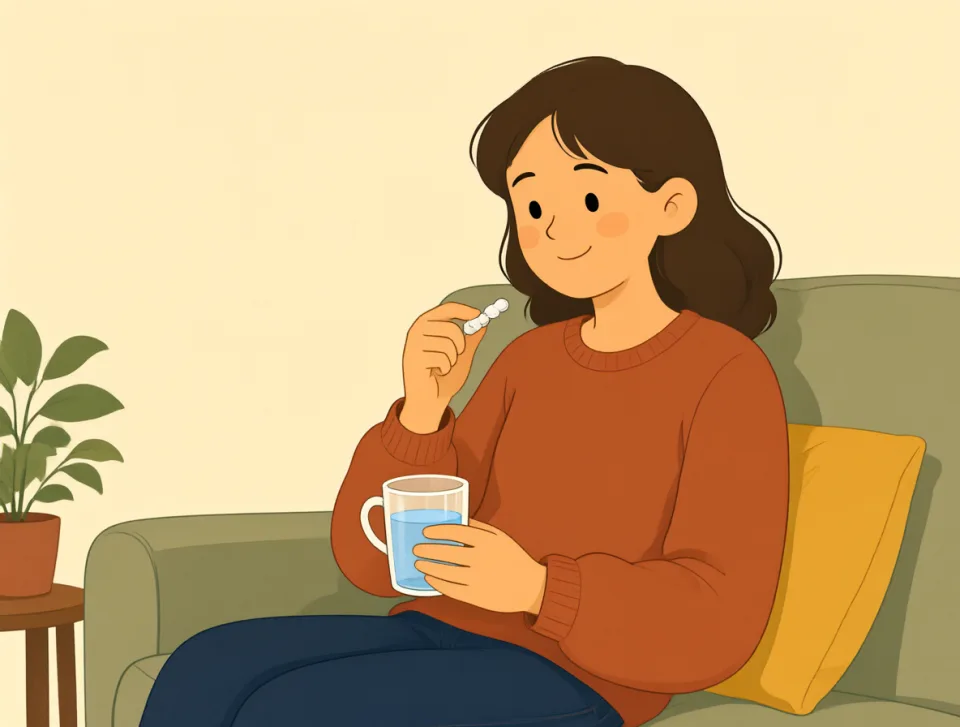
He feels different after taking the medicine.
Po zażyciu leku czuje się inaczej.

off
#150adverb, adjective, preposition, noun
wyłączony; z dala od
Away from a place, position, or working state; not operating or attached.
Znajdujący się poza jakimś miejscem lub położeniem, nie działający albo nieprzymocowany.
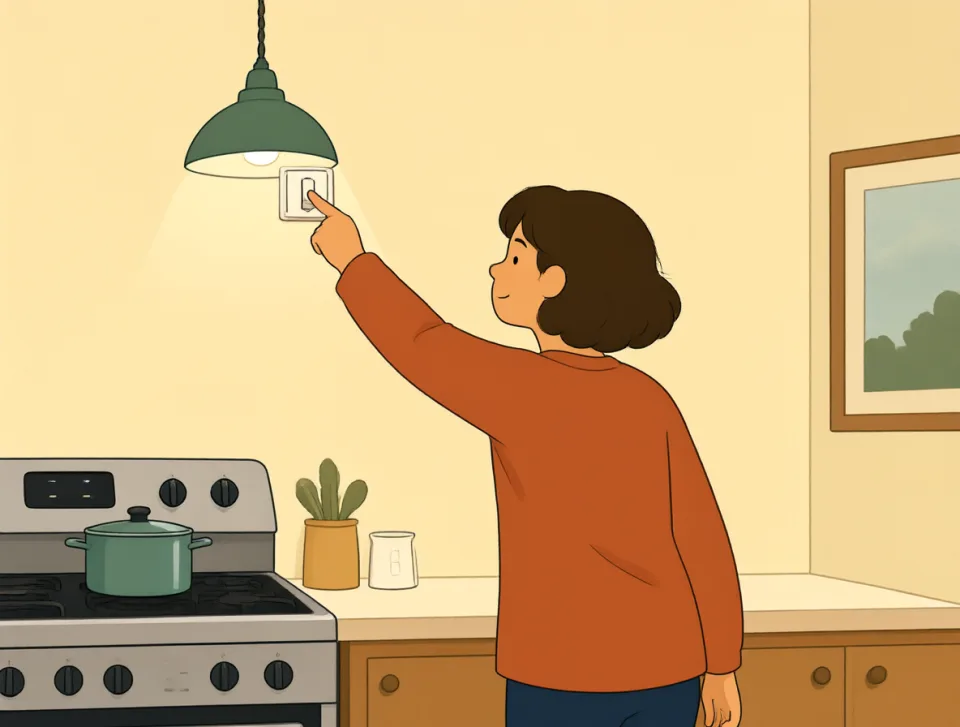
Please turn off the kitchen light.
Proszę, wyłącz światło w kuchni.
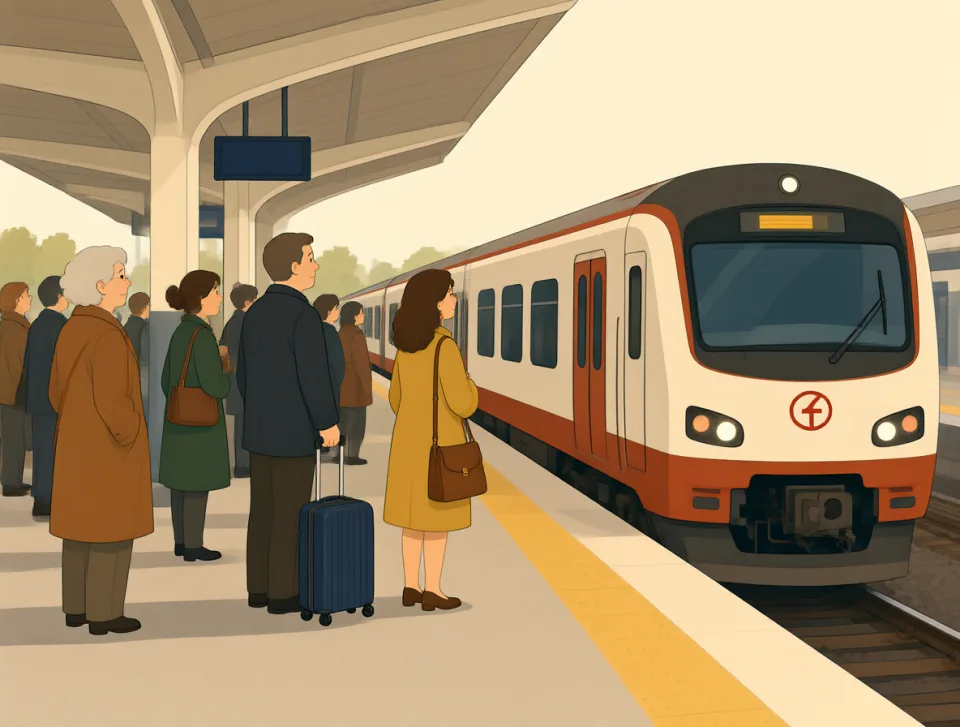
The train left ten minutes off schedule.
Pociąg odjechał z dziesięciominutowym opóźnieniem.
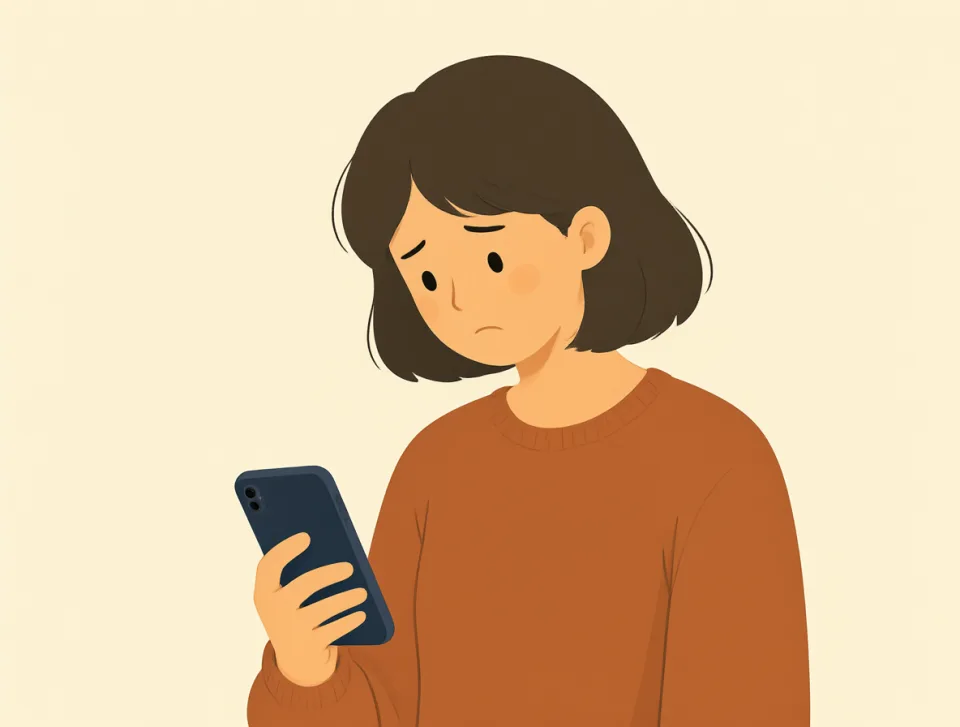
My phone is off because its battery died.
Mój telefon jest wyłączony, bo rozładowała się bateria.
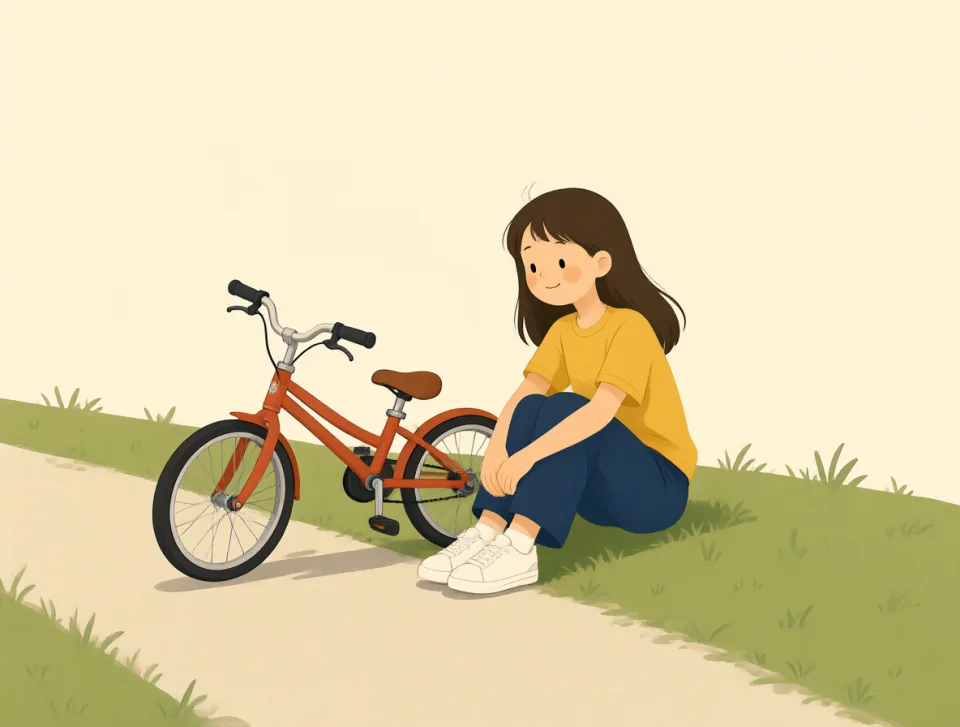
She fell off her bike yesterday.
Wczoraj spadła z roweru.
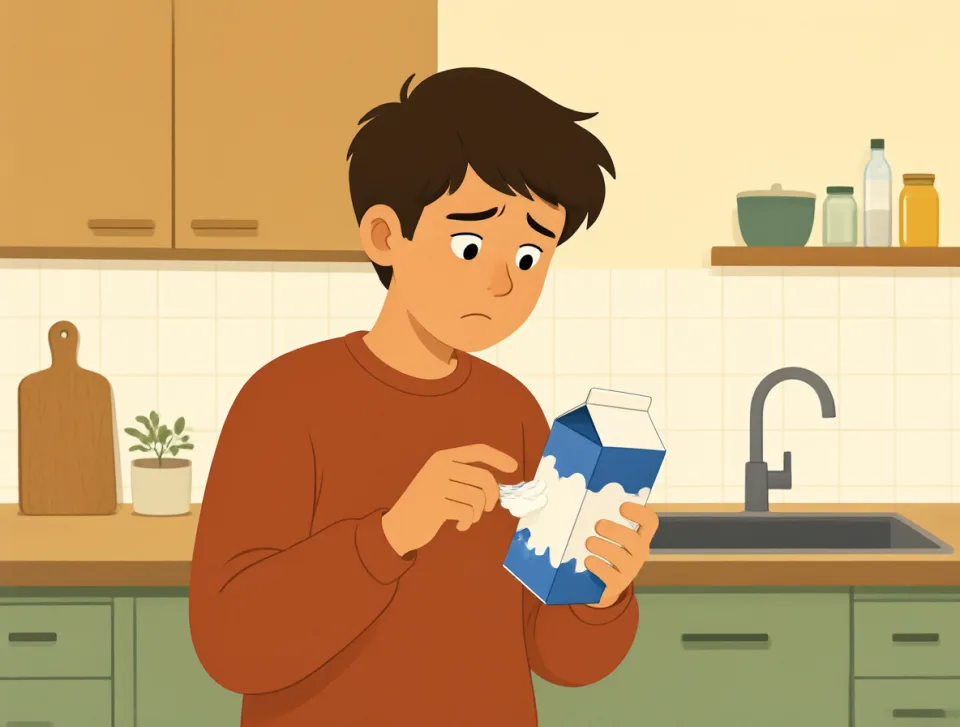
The milk smells off, so throw it away.
Mleko dziwnie pachnie, więc je wyrzuć.
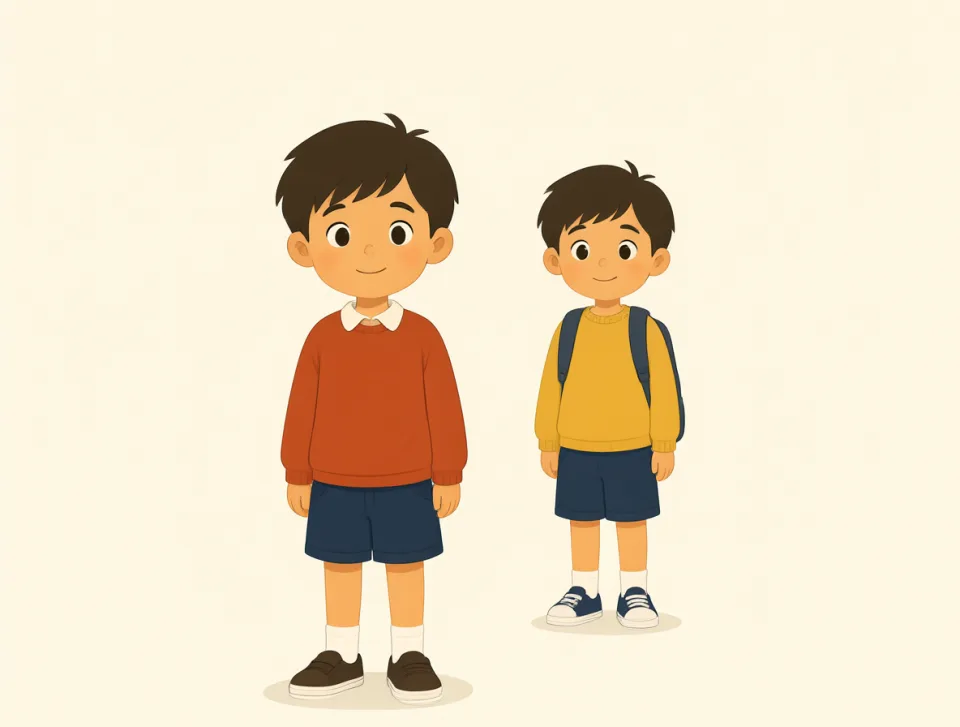
next
#151adjective, adverb, noun, determiner
następny
Coming immediately after this one in time, order, or place.
Występujący bezpośrednio po czymś pod względem czasu, kolejności lub miejsca.
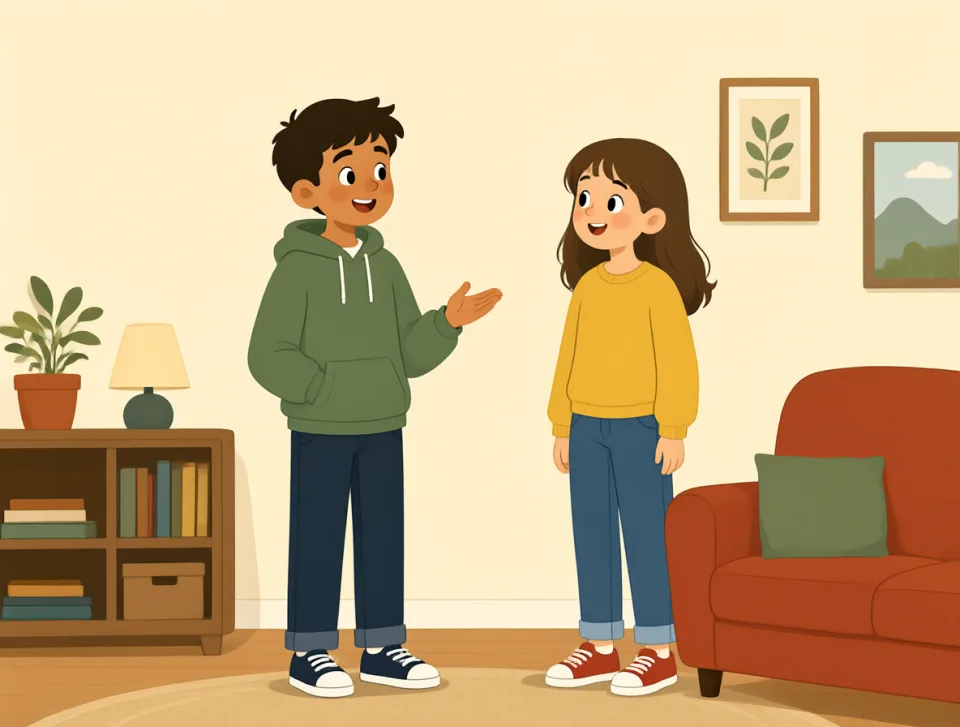
What are you doing next?
Co będziesz robić później?
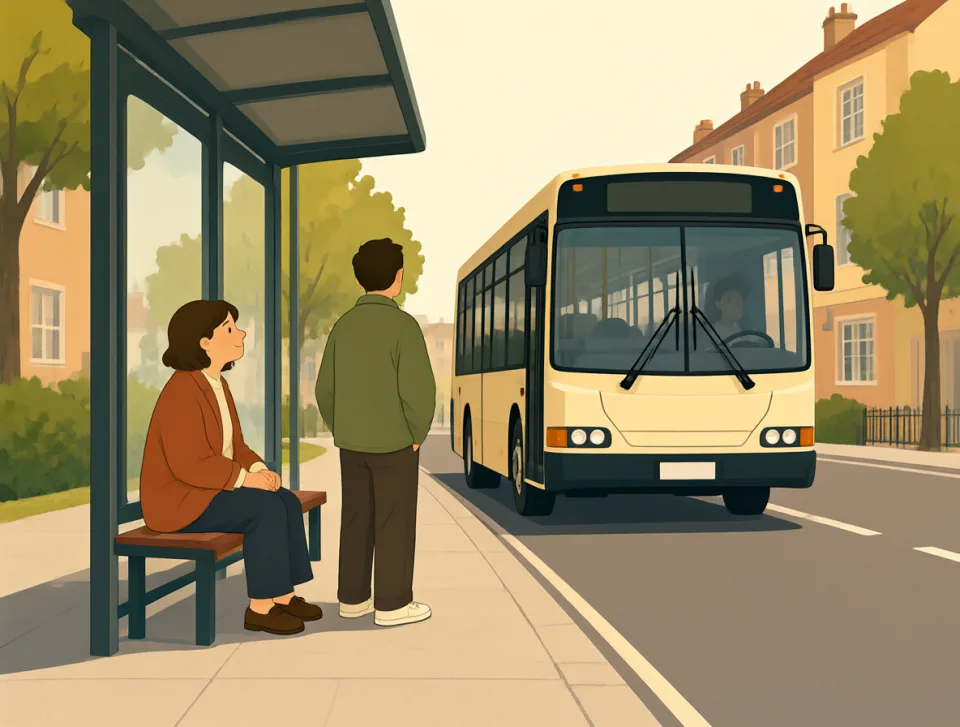
The next bus leaves at noon.
Następny autobus odjeżdża w południe.
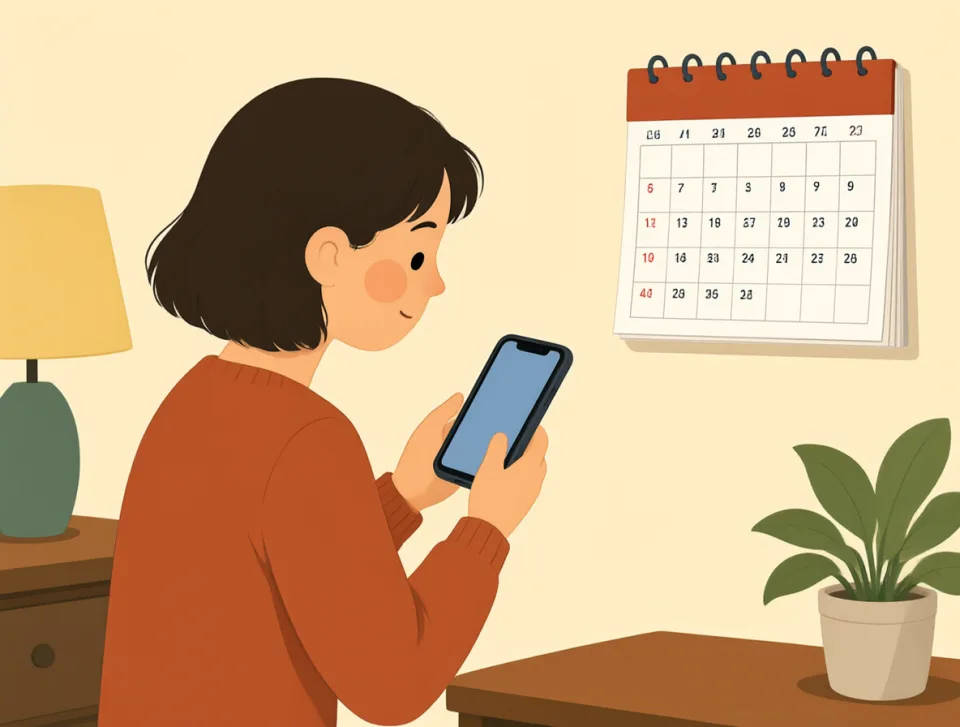
Please call me next week.
Zadzwoń do mnie w przyszłym tygodniu.
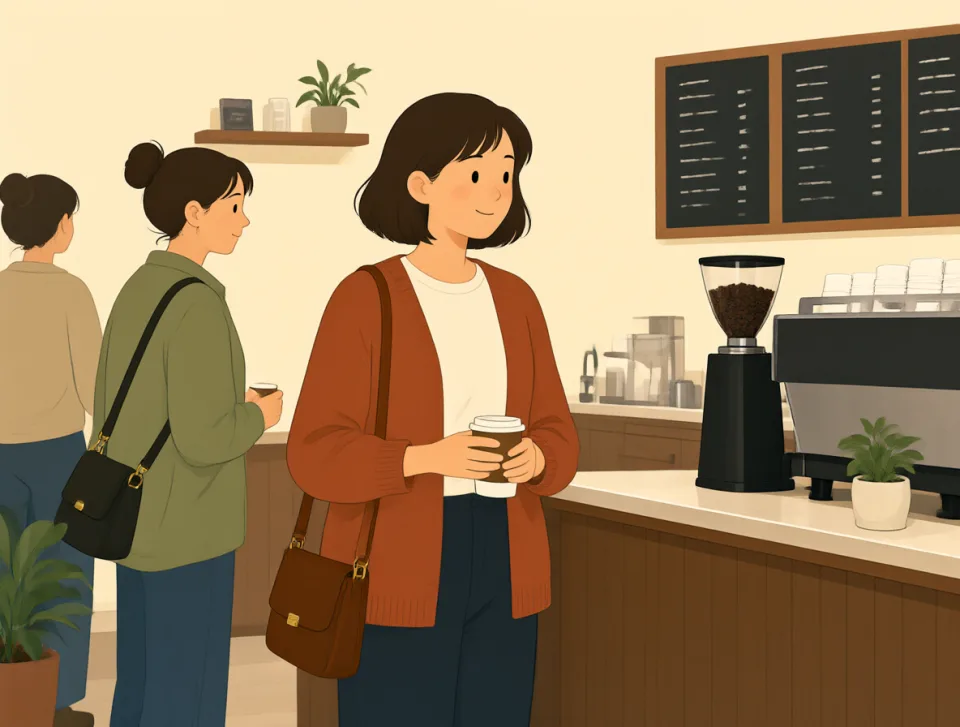
She was next in line for coffee.
Stała następna w kolejce po kawę.
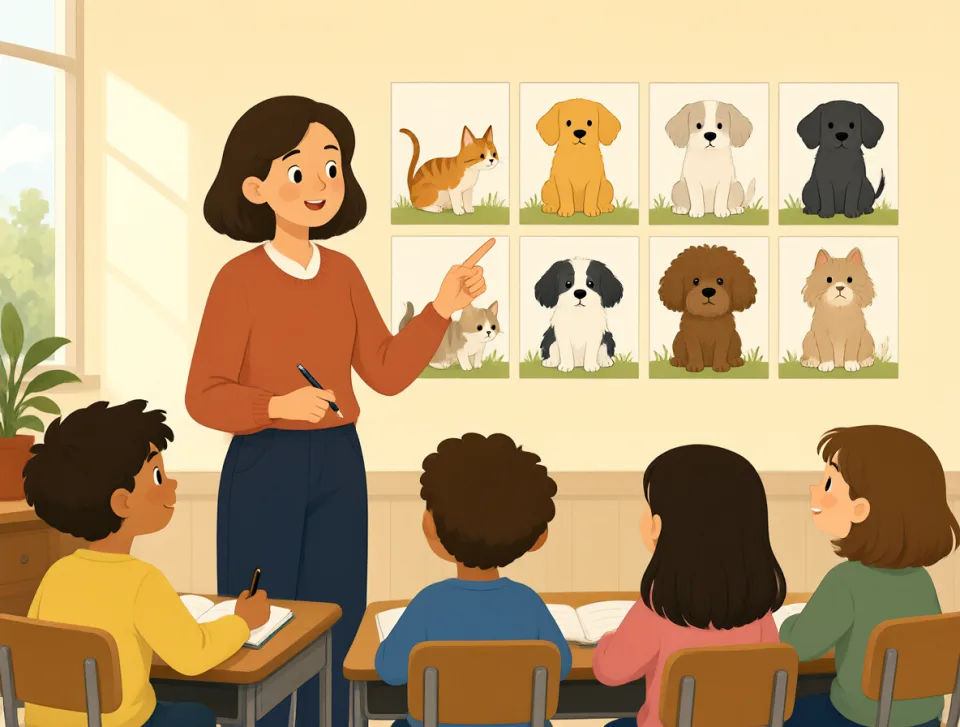
Our next lesson is about animals.
Nasza następna lekcja będzie o zwierzętach.

end
#152noun, verb
koniec; kończyć
the final part of something, or to finish something
Końcowa część czegoś albo doprowadzić coś do końca.
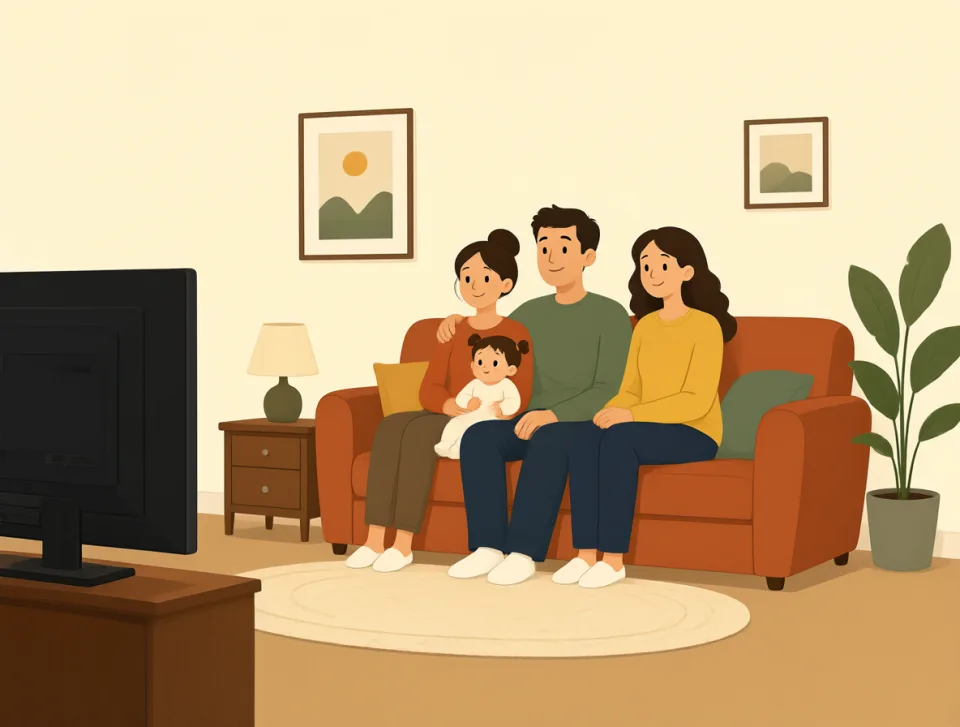
The movie ended late last night.
Film skończył się późno wczoraj wieczorem.
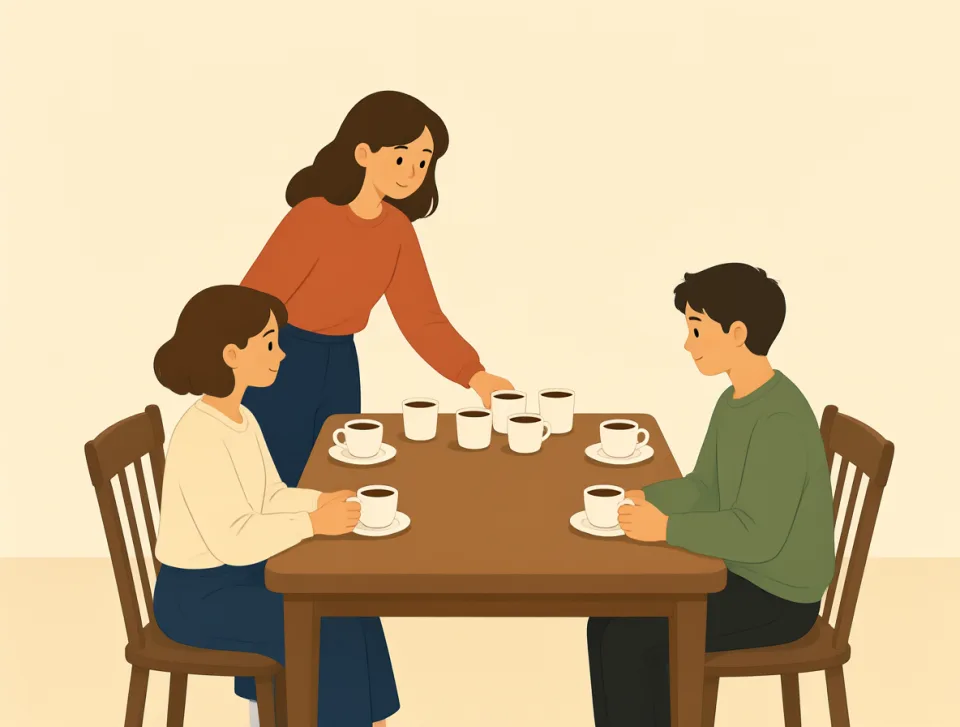
Please put the cups at the end.
Proszę, ustaw kubki na końcu.
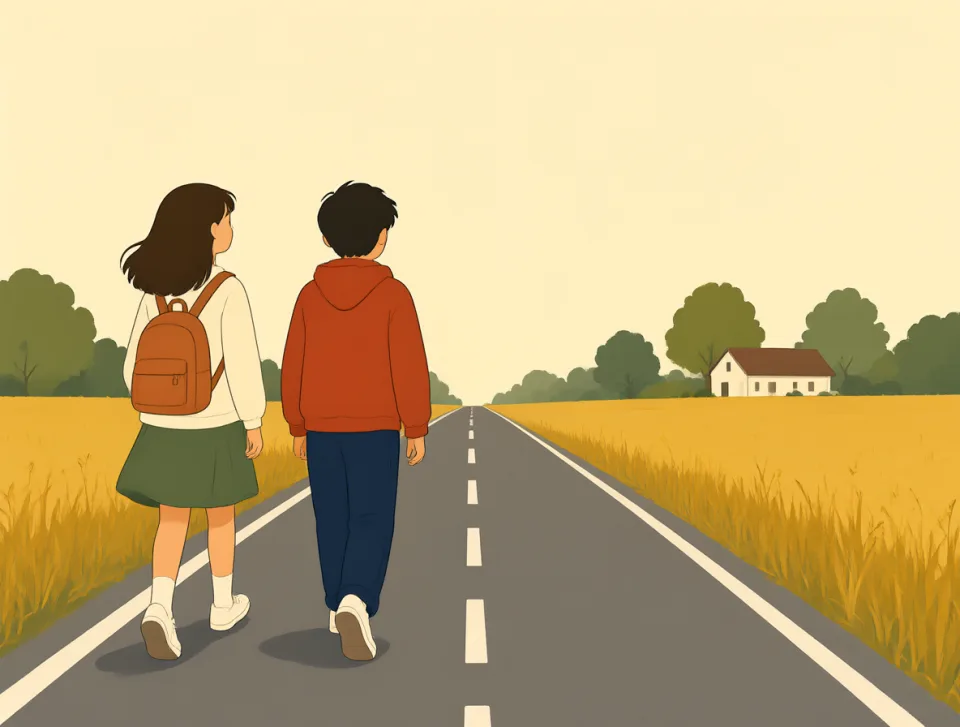
We walked to the end of the road.
Doszliśmy do końca drogi.
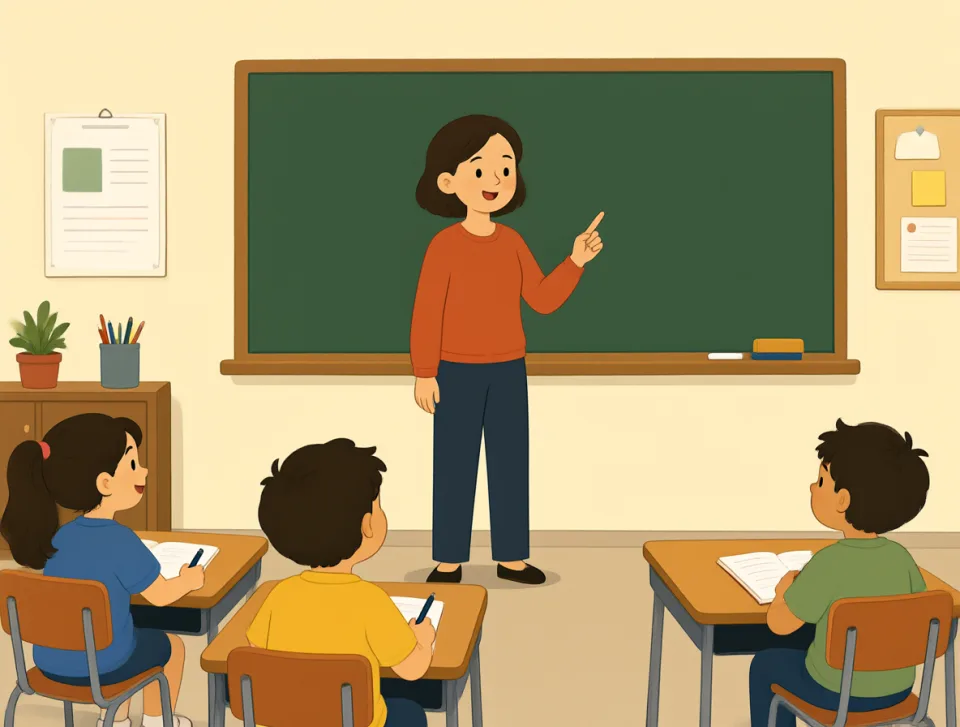
The lesson ends at three o’clock.
Lekcja kończy się o trzeciej.
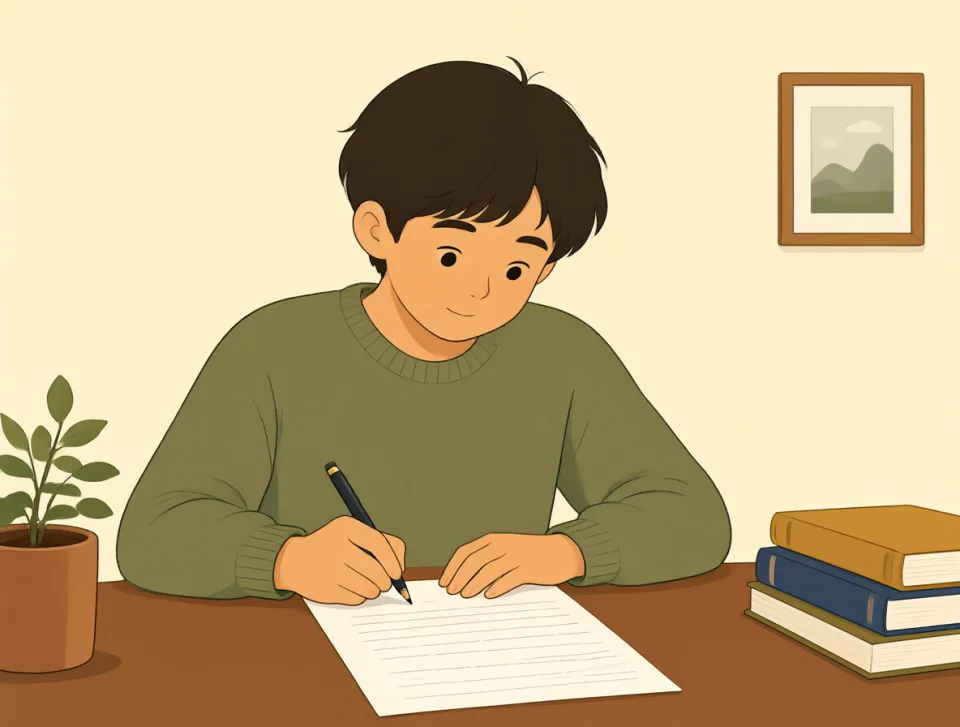
I ended my letter with a kind message.
Zakończyłem list miłą wiadomością.
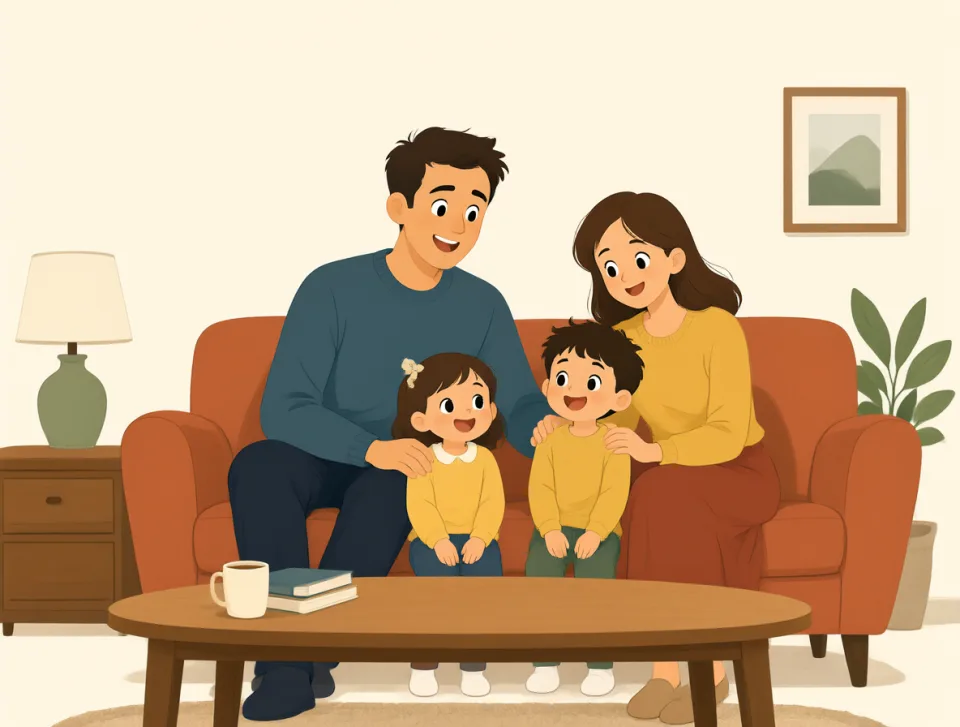
live
#153verb, adjective, adverb
mieszkać; na żywo
To have your home in a place; or happening now, in real time.
Mieć gdzieś swoje miejsce zamieszkania; także: odbywający się teraz, w czasie rzeczywistym.
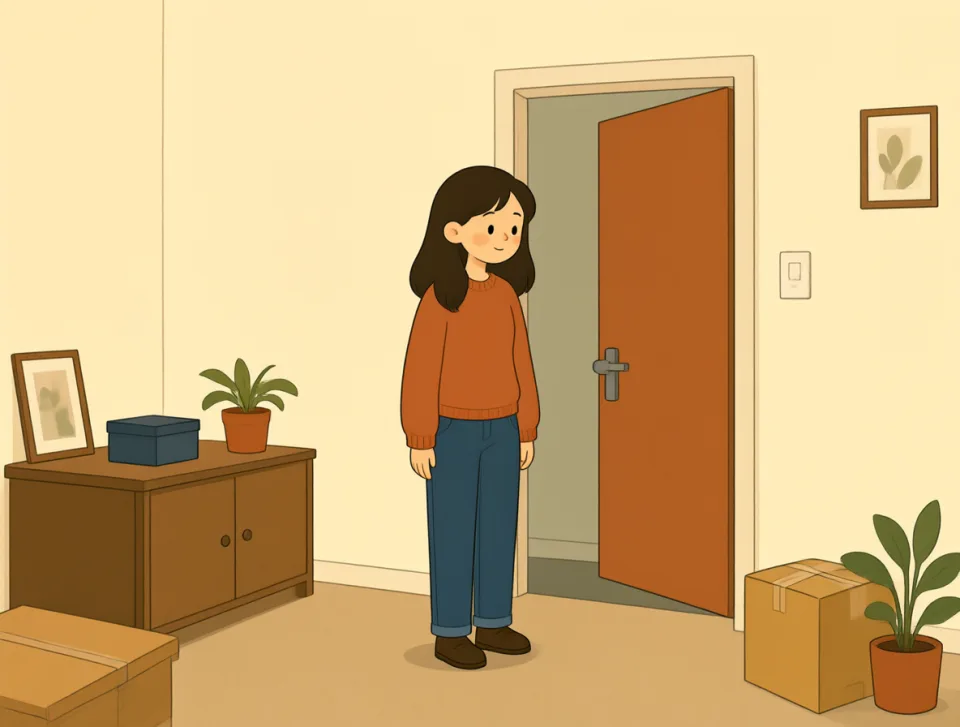
I live in a small apartment.
Mieszkam w małym mieszkaniu.
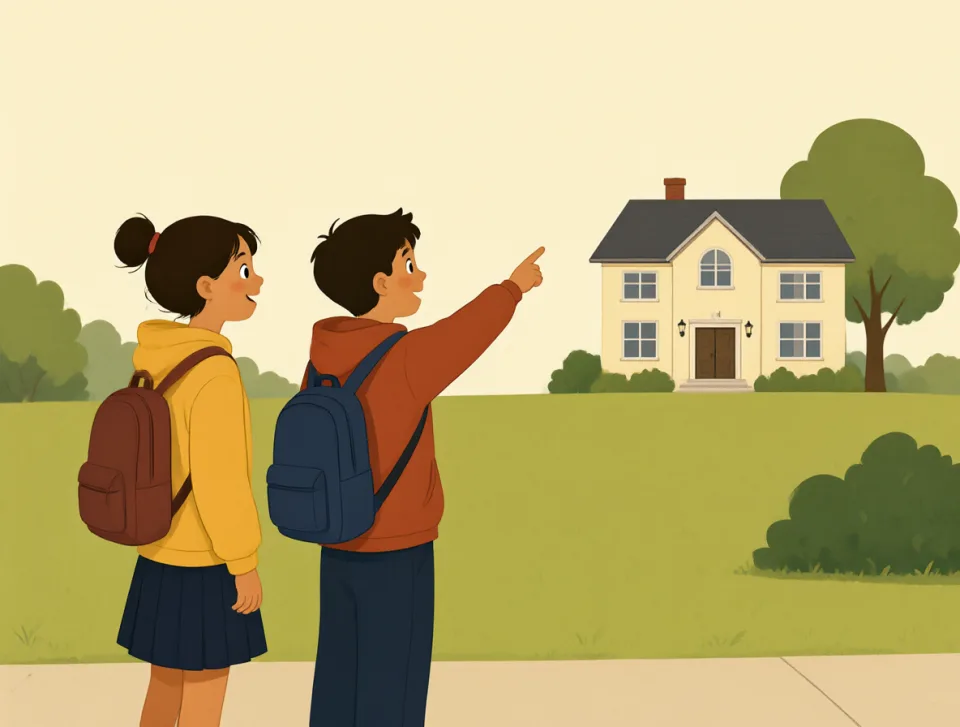
Do you live near the school?
Czy mieszkasz blisko szkoły?
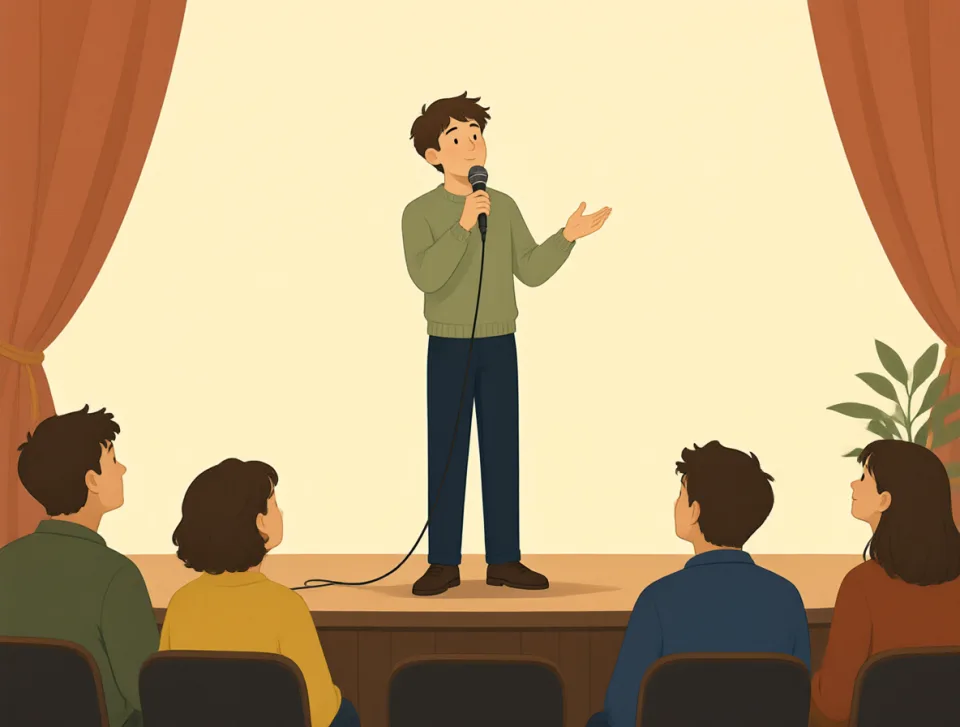
We watched a live music show.
Oglądaliśmy koncert muzyki na żywo.
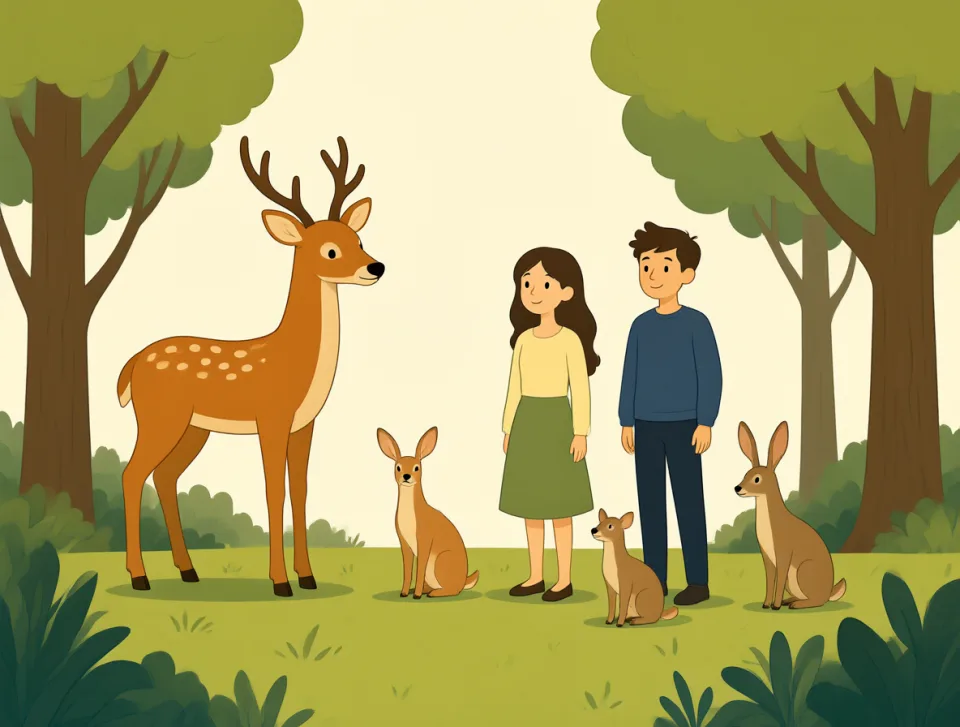
Many animals live in the forest.
Wiele zwierząt żyje w lesie.
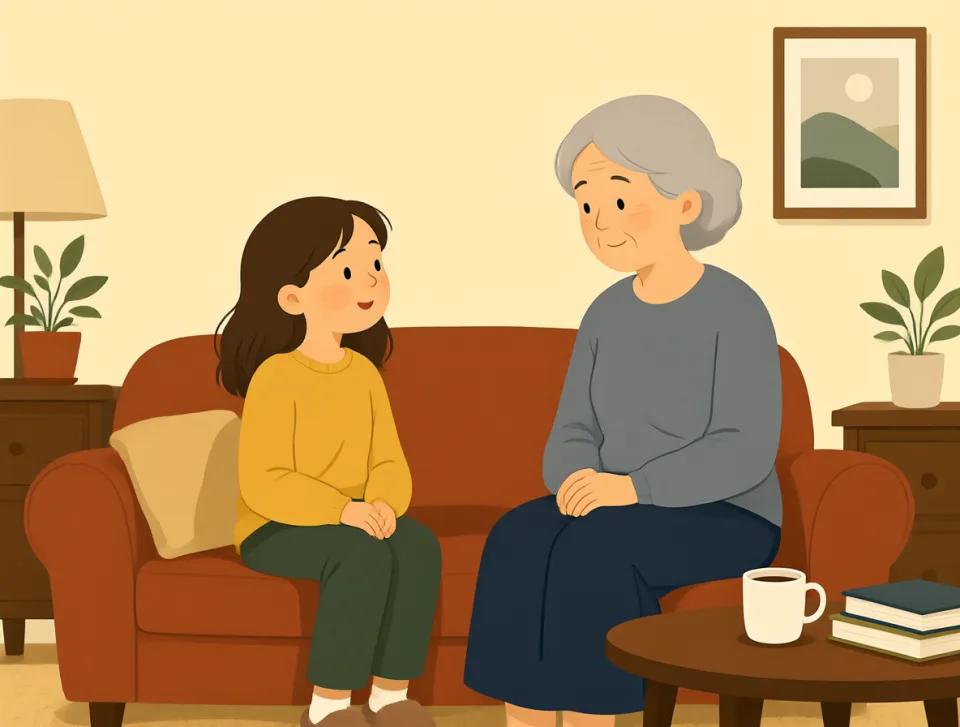
She is living with her aunt.
Ona mieszka teraz u swojej ciotki.
why
#154adverb, noun
dlaczego
Used to ask about or explain the reason for something.
Służy do pytania o powód czegoś lub do jego wyjaśnienia.
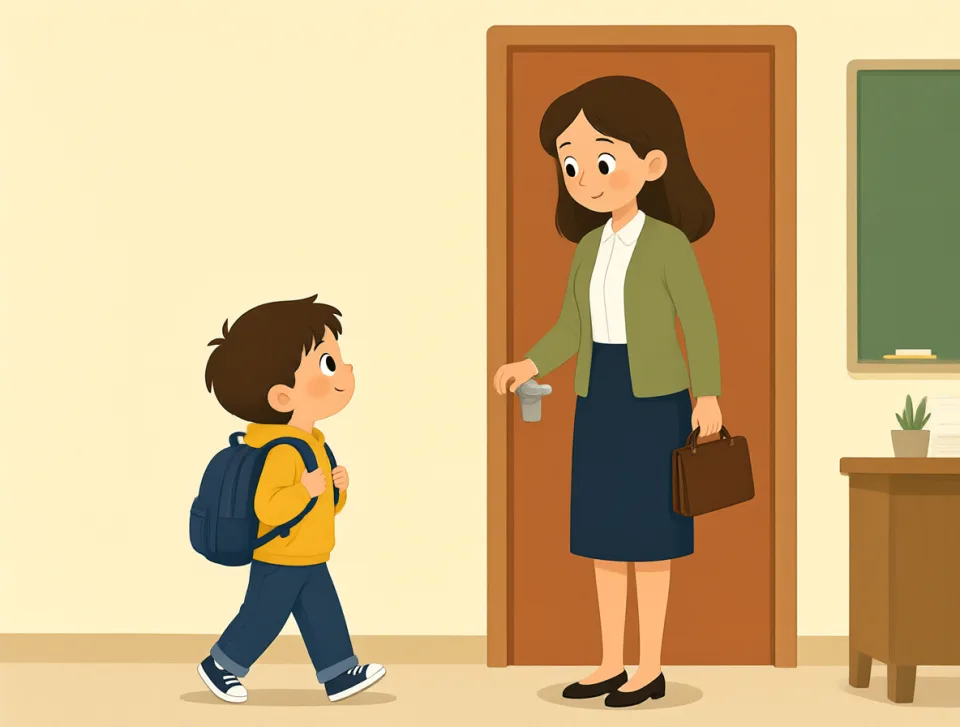
Why are you late for school?
Dlaczego spóźniasz się do szkoły?
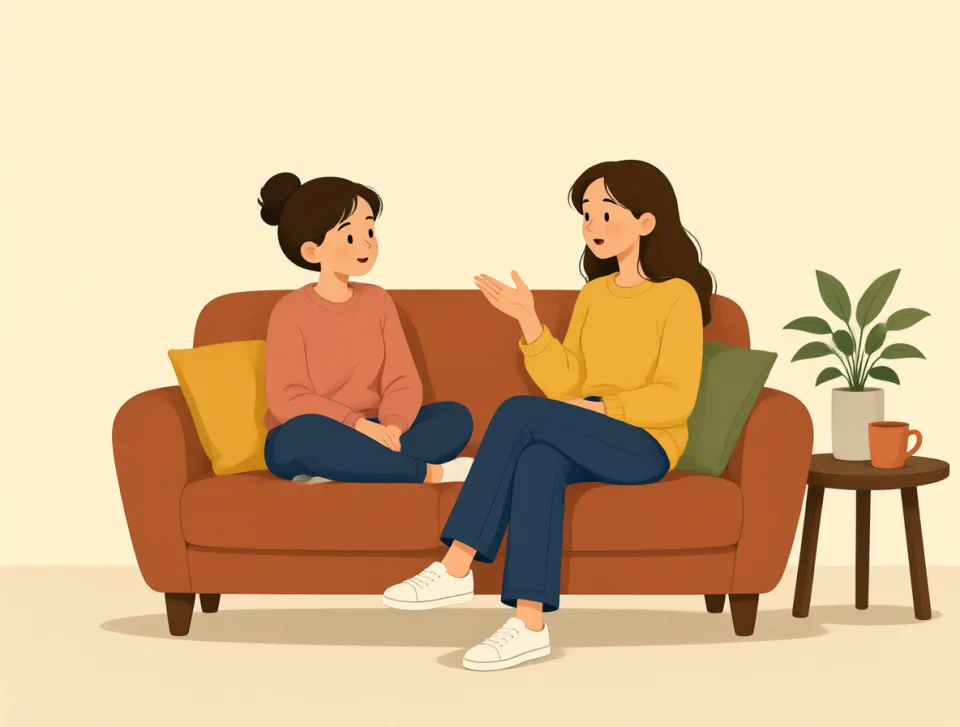
I know why she feels tired.
Wiem, dlaczego ona czuje się zmęczona.

Why did you leave work early?
Dlaczego wyszedłeś wcześniej z pracy?
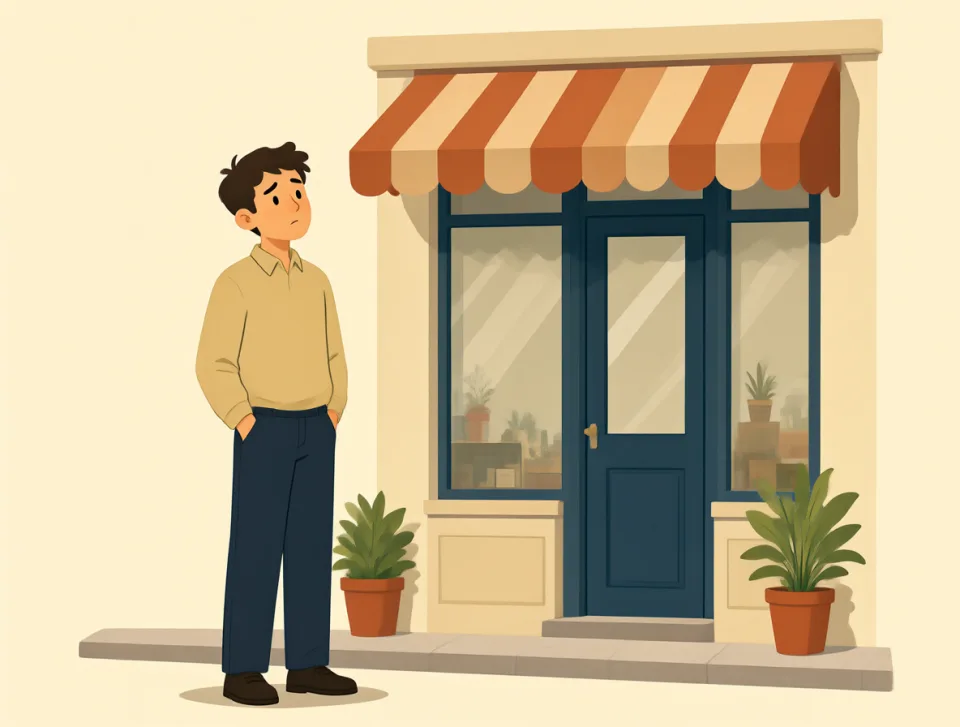
He asked why the shop was closed.
Zapytał, dlaczego sklep był zamknięty.

There is no reason why we cannot go.
Nie ma powodu, dla którego nie moglibyśmy iść.
while
#155noun, conjunction, preposition
chwila; podczas gdy
a period of time; during the time that something happens
Pewien okres czasu; w czasie, gdy coś się dzieje.

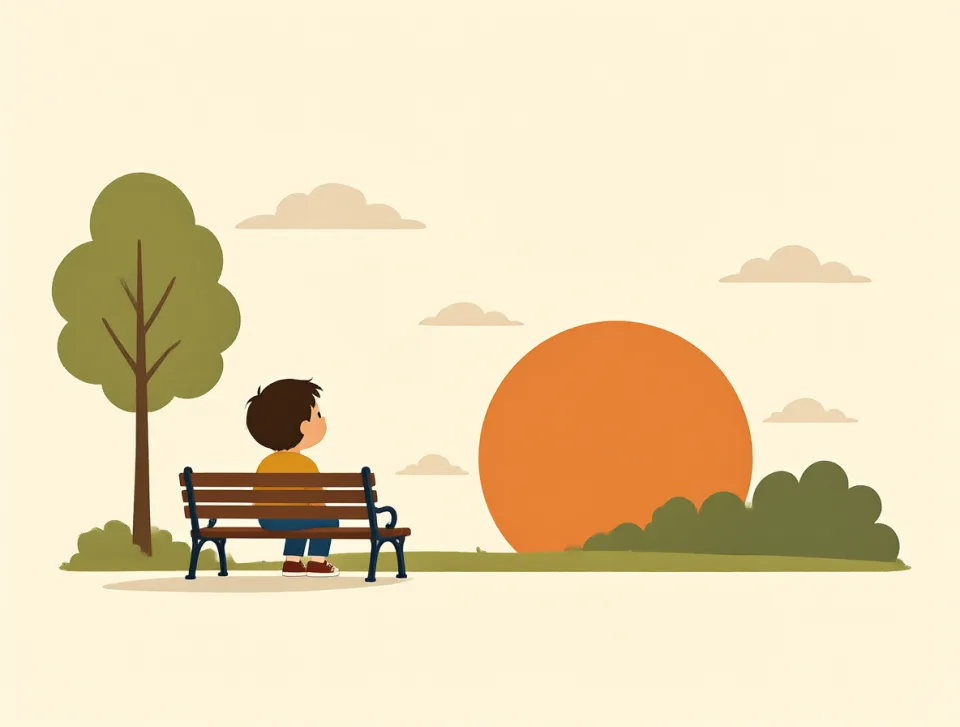
Please wait here while I get your bag.
Proszę, poczekaj tutaj, a ja przyniosę twoją torbę.
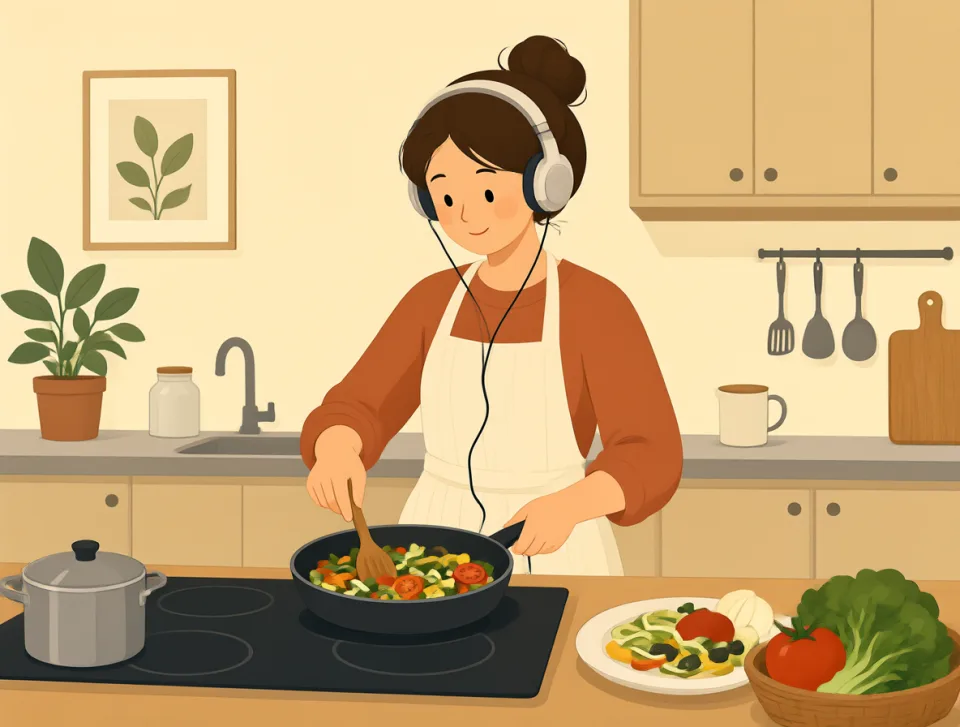
She listened to music while cooking dinner.
Słuchała muzyki, przygotowując kolację.
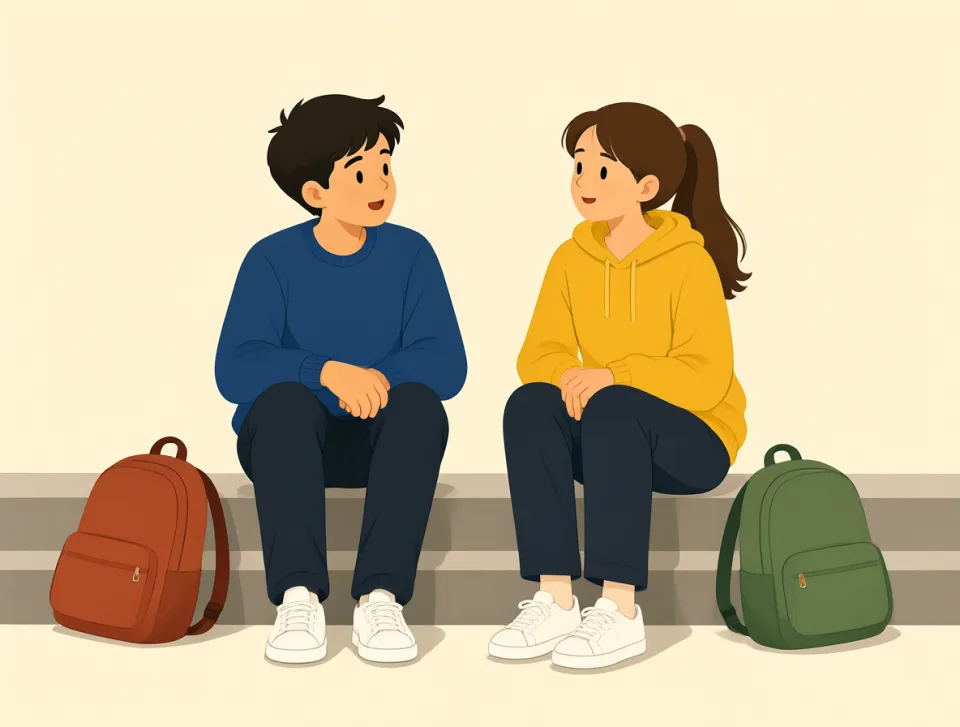
We talked for a while after school.
Rozmawialiśmy przez chwilę po szkole.
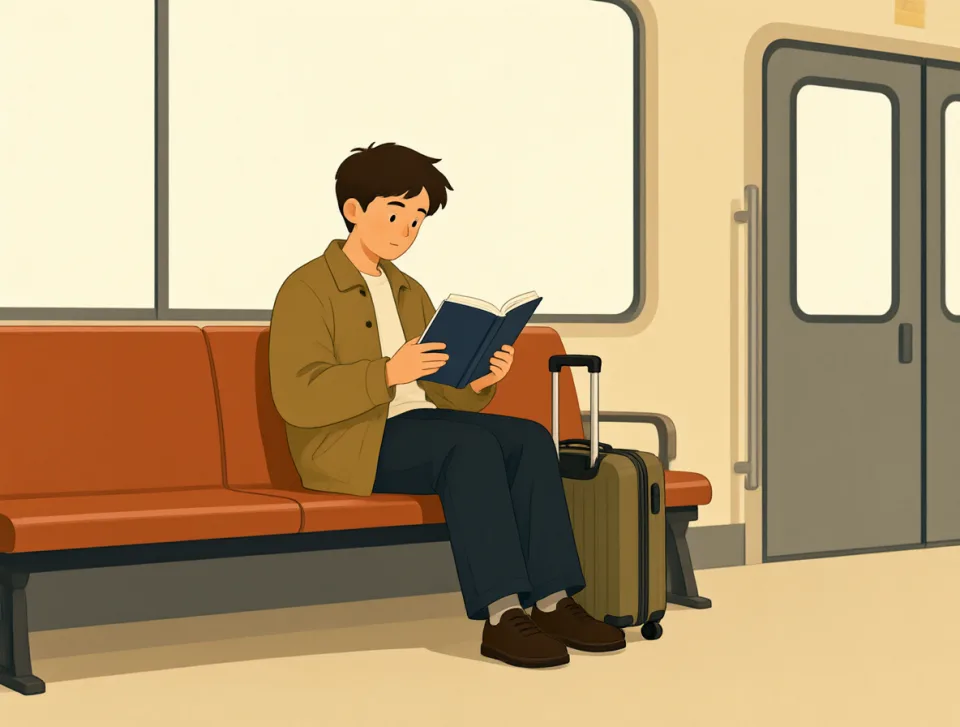
He read a book while waiting for the train.
Czytał książkę, czekając na pociąg.
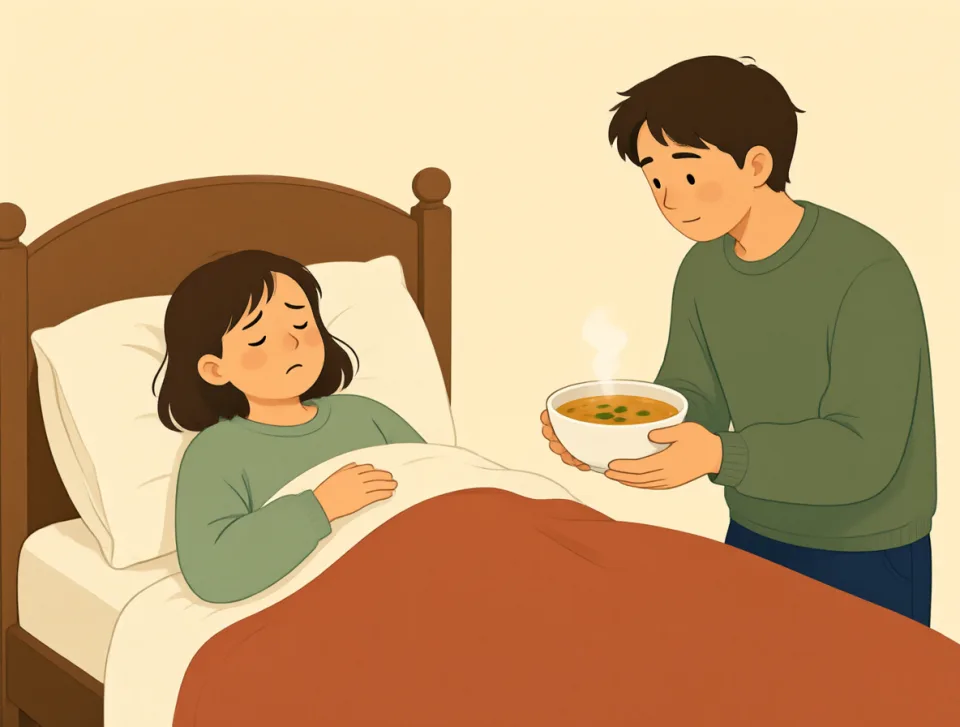
While I was sick, my friend brought soup.
Kiedy byłem chory, mój przyjaciel przyniósł mi zupę.

world
#156noun
świat
the Earth and all its people, countries, and places
Ziemia oraz wszyscy jej mieszkańcy, kraje i miejsca.
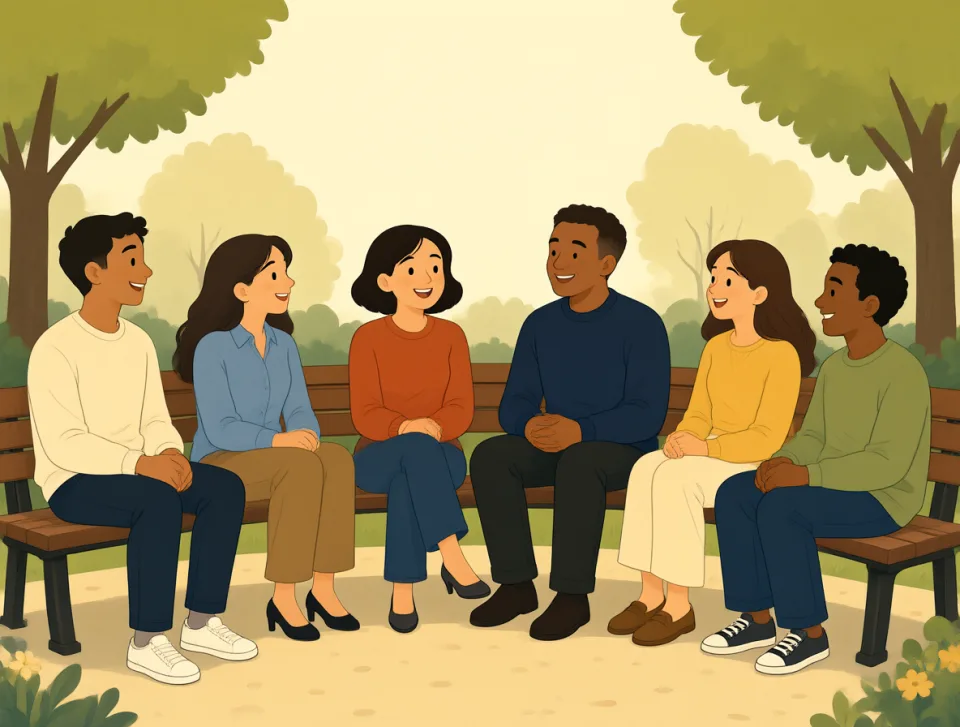
People around the world enjoy music.
Ludzie na całym świecie lubią muzykę.
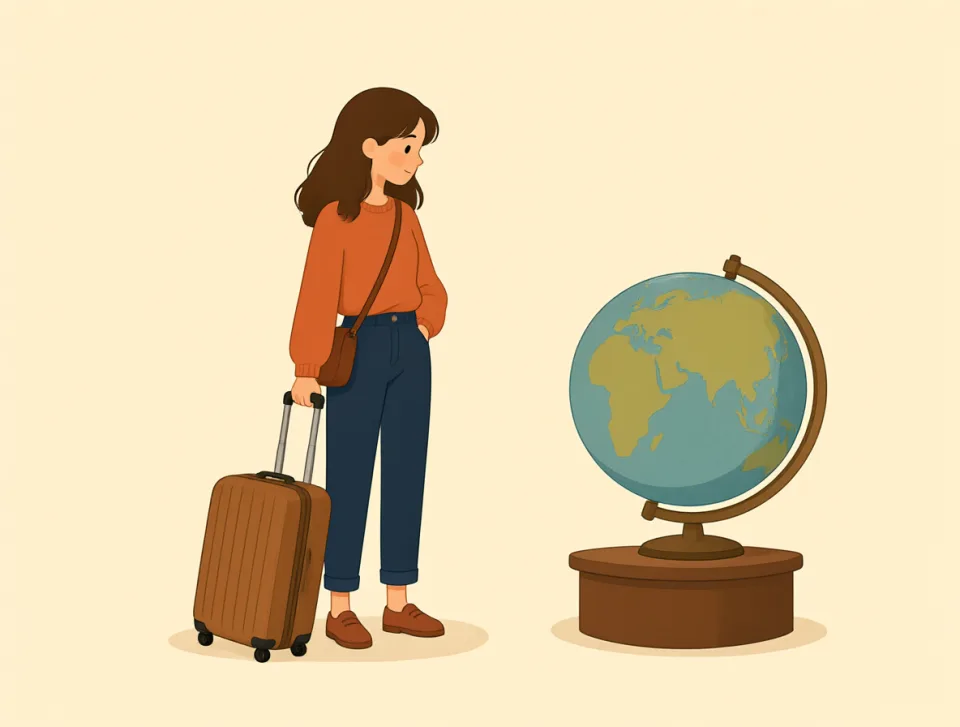
She wants to travel the world.
Ona chce podróżować po świecie.

The whole world watched the game.
Cały świat oglądał ten mecz.
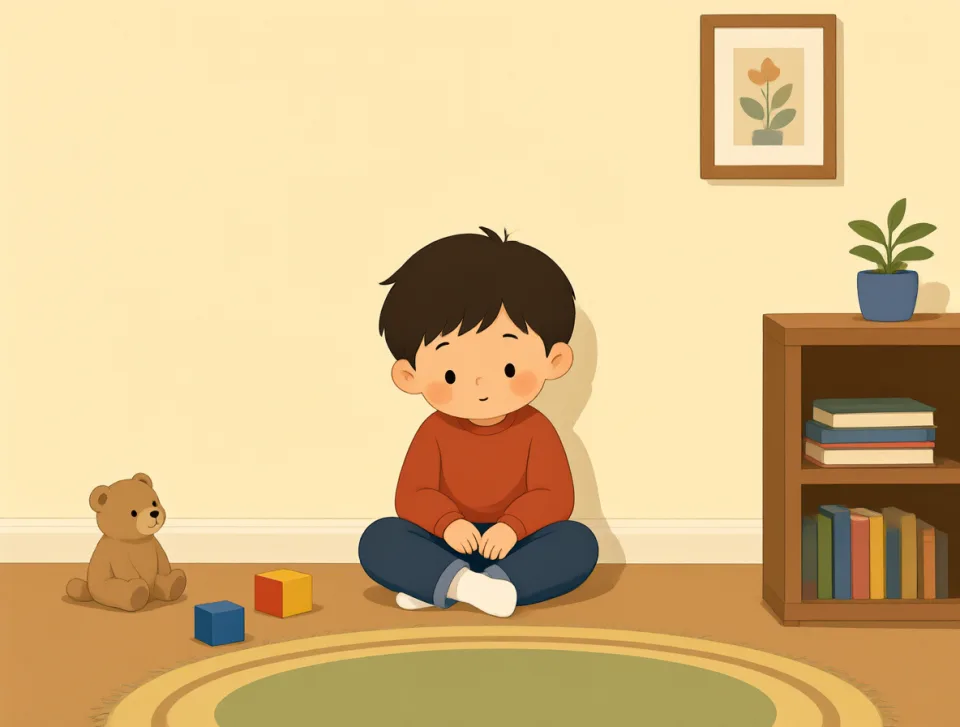
He lives in a small world.
On żyje w małym świecie.
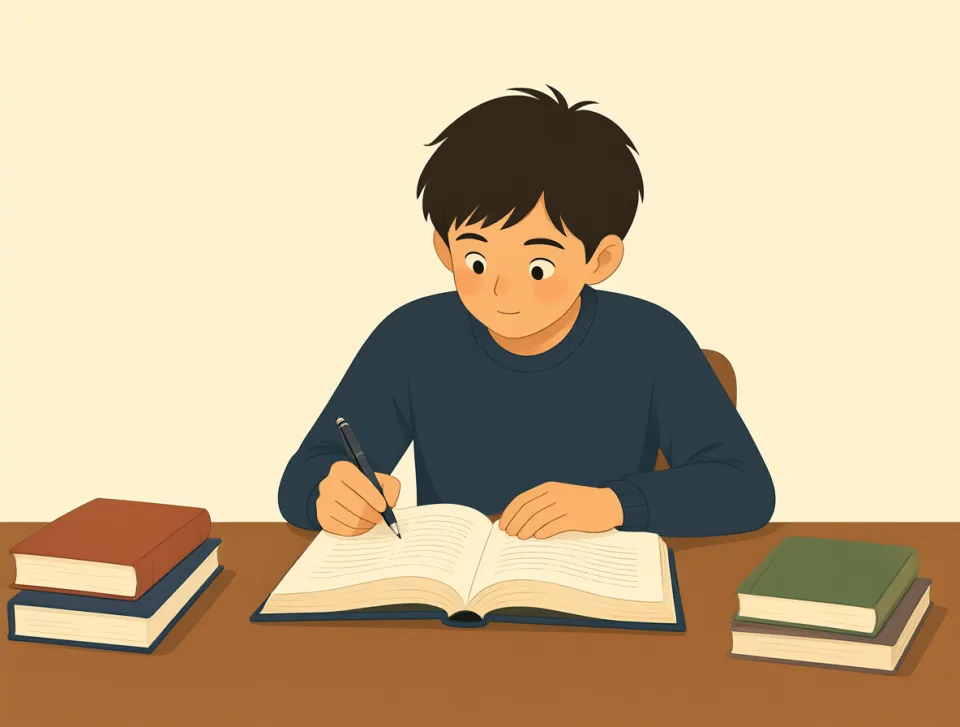
World history is my favorite school subject.
Historia świata to mój ulubiony przedmiot w szkole.
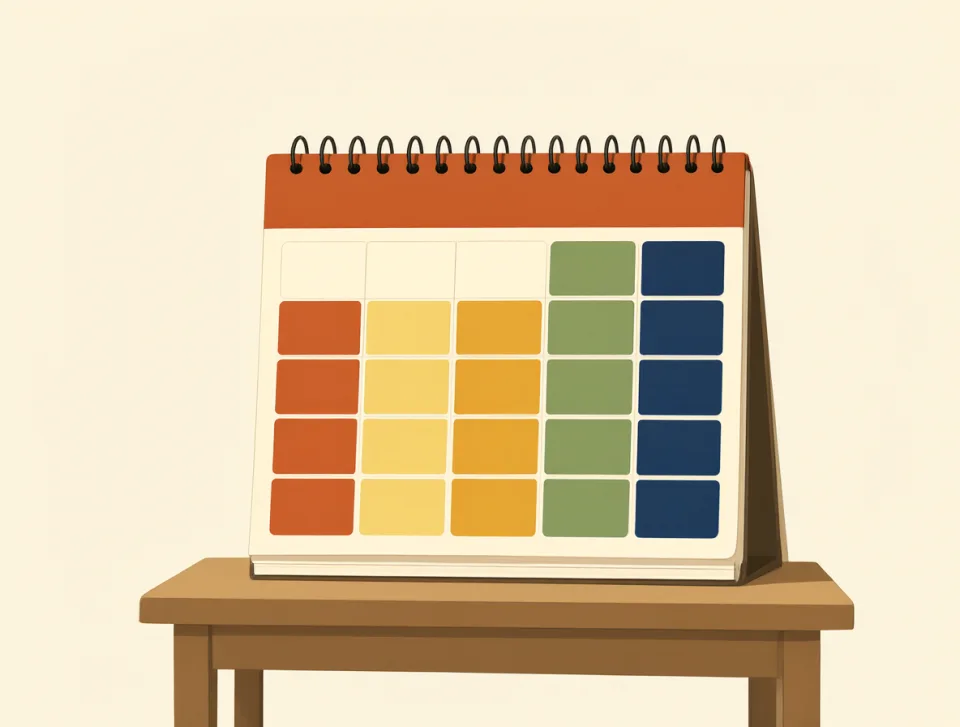
week
#157noun
tydzień
A period of seven days, from one day to the same day the next week.
Okres siedmiu dni, od jednego dnia do tego samego dnia w następnym tygodniu.

I visit my parents every week.
Odwiedzam rodziców co tydzień.
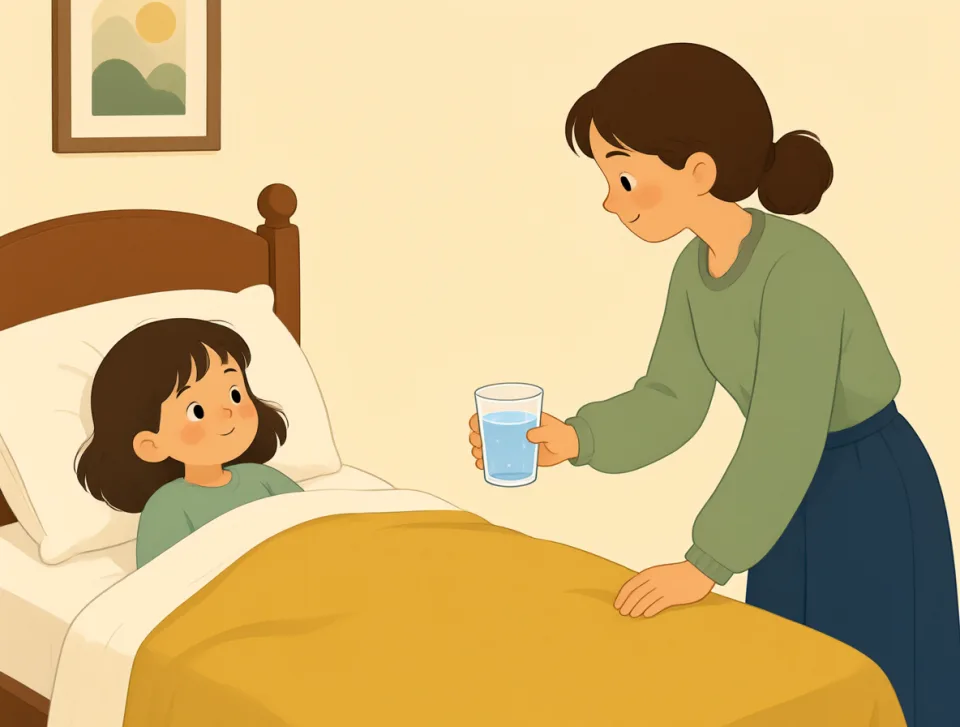
She was sick last week.
W zeszłym tygodniu była chora.

We have a team meeting this week.
W tym tygodniu mamy zebranie zespołu.
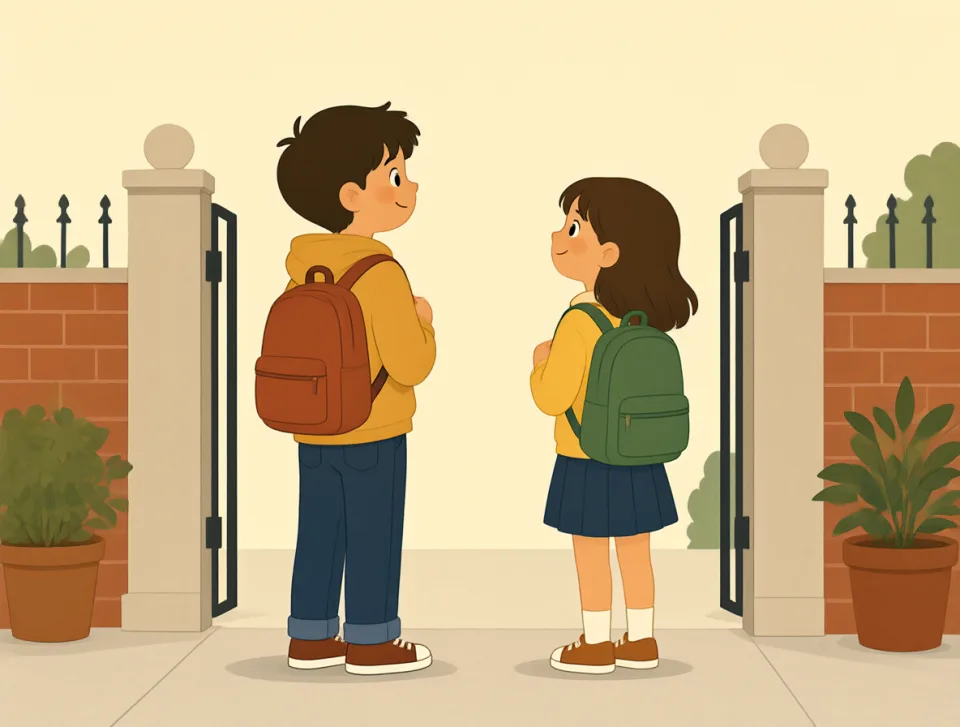
The children start school next week.
Dzieci zaczynają szkołę w przyszłym tygodniu.

We are traveling to Spain in two weeks.
Za dwa tygodnie jedziemy do Hiszpanii.
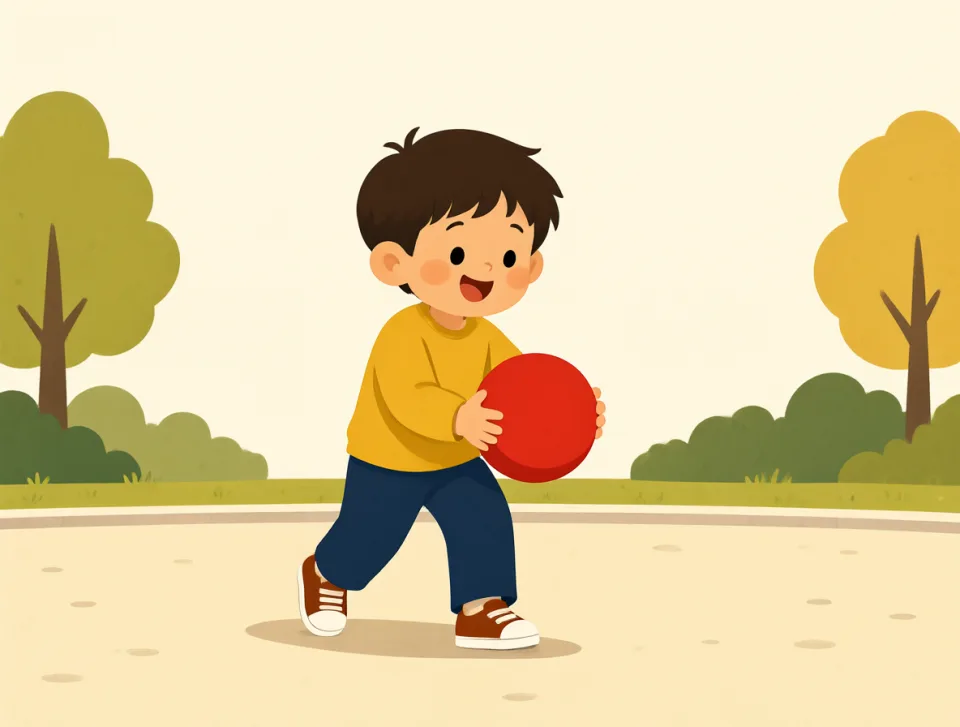
play
#158verb, noun
bawić się; grać; występować
to do something for fun, or to act in a show
Robić coś dla zabawy lub odgrywać rolę w przedstawieniu.
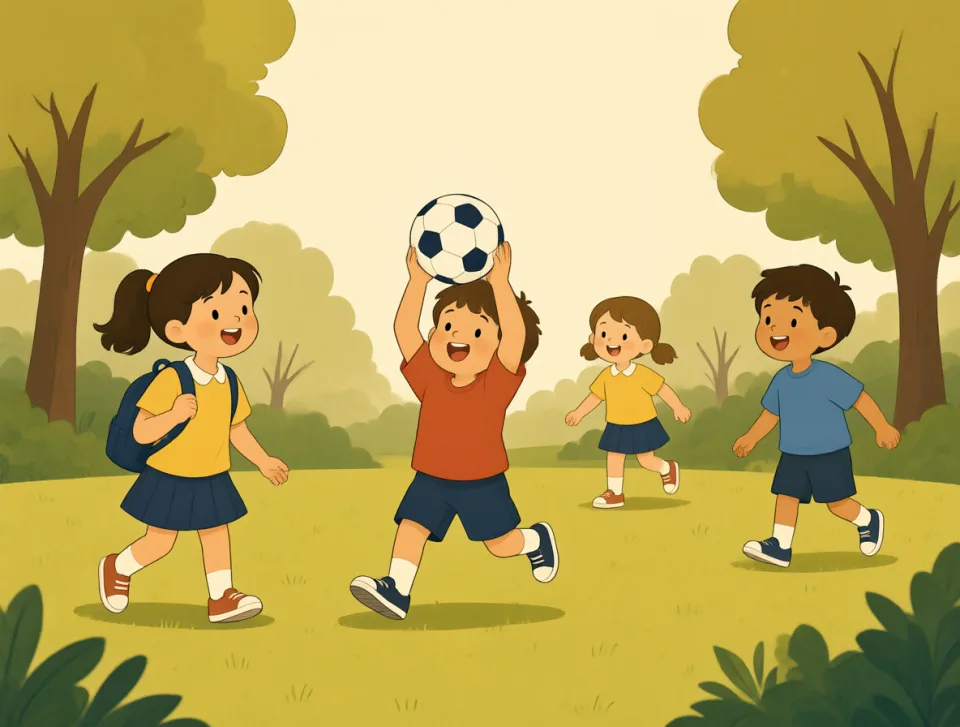
The children play outside after school.
Dzieci bawią się na dworze po szkole.
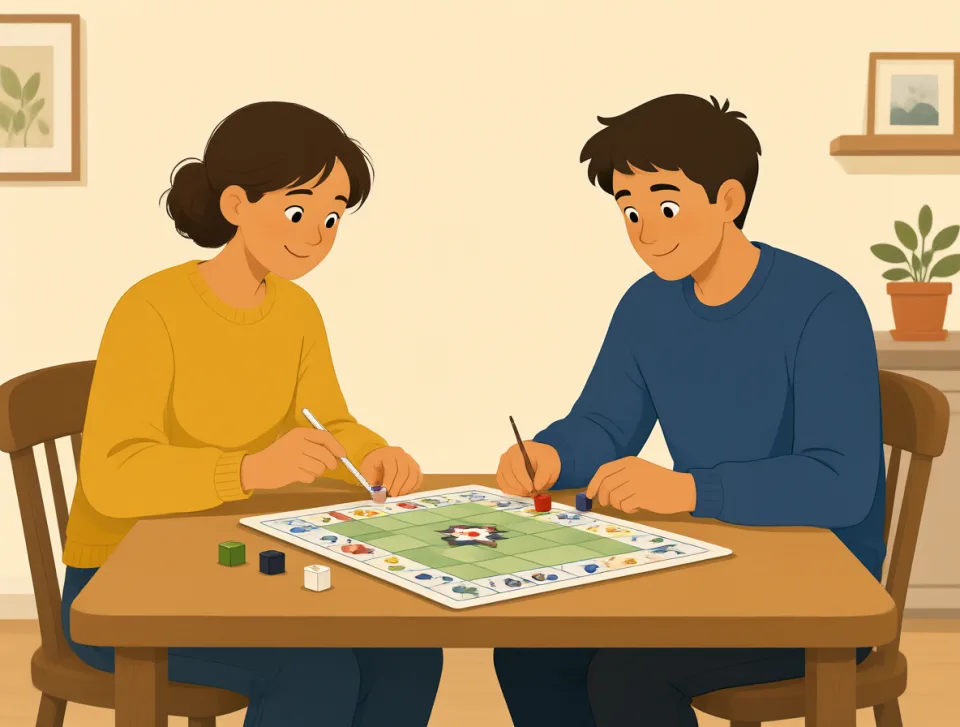
We played a game at home.
Zagraliśmy w grę w domu.
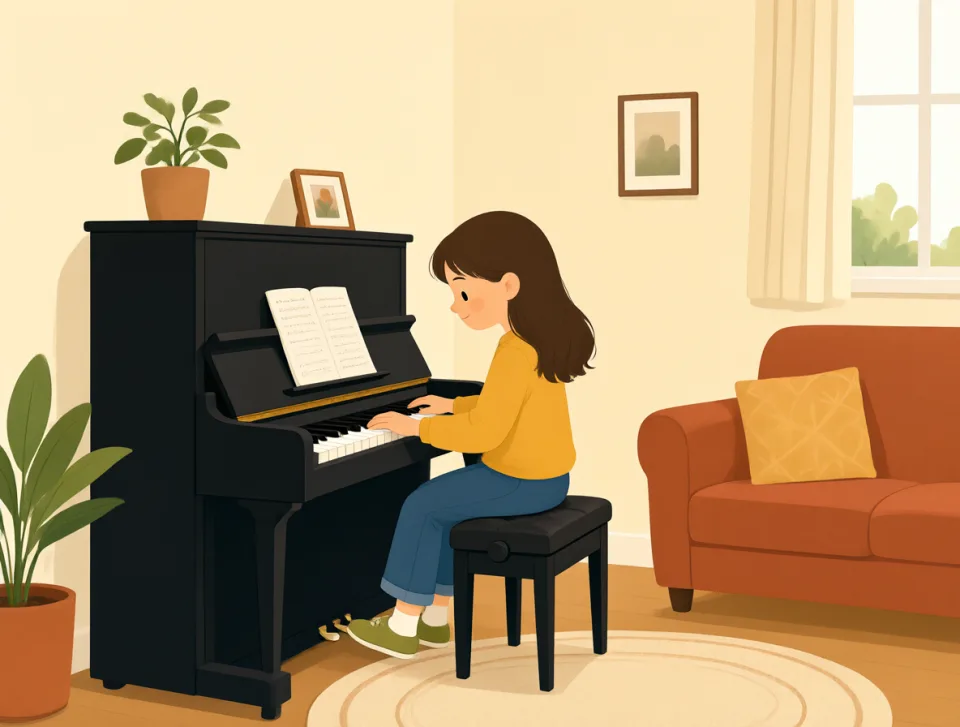
She plays the piano every morning.
Ona gra na pianinie każdego ranka.
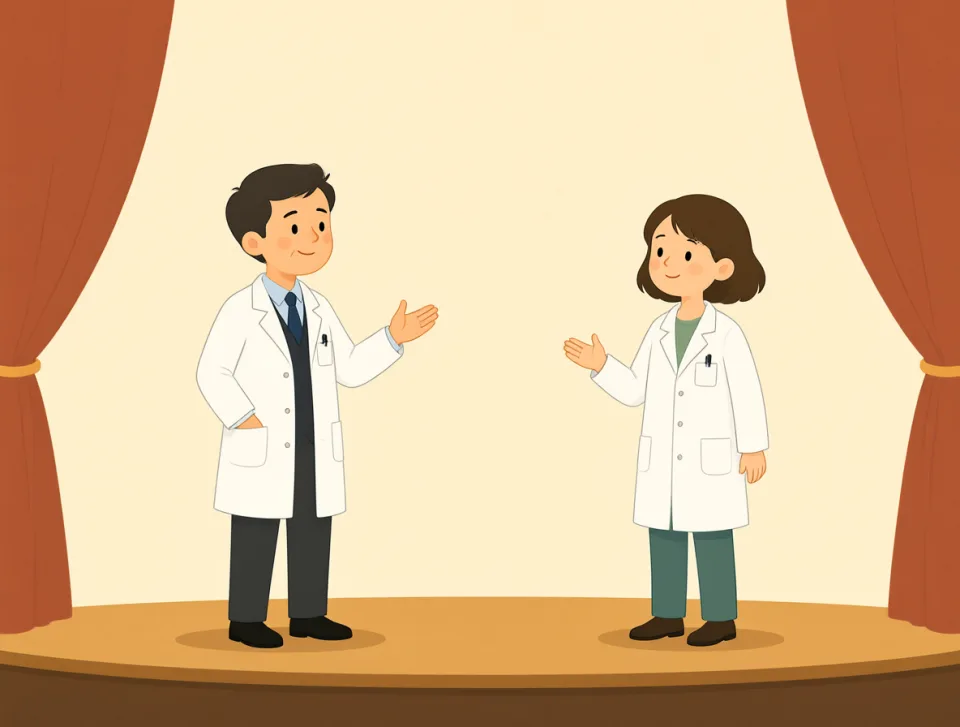
The actors play doctors in the show.
Aktorzy grają lekarzy w przedstawieniu.
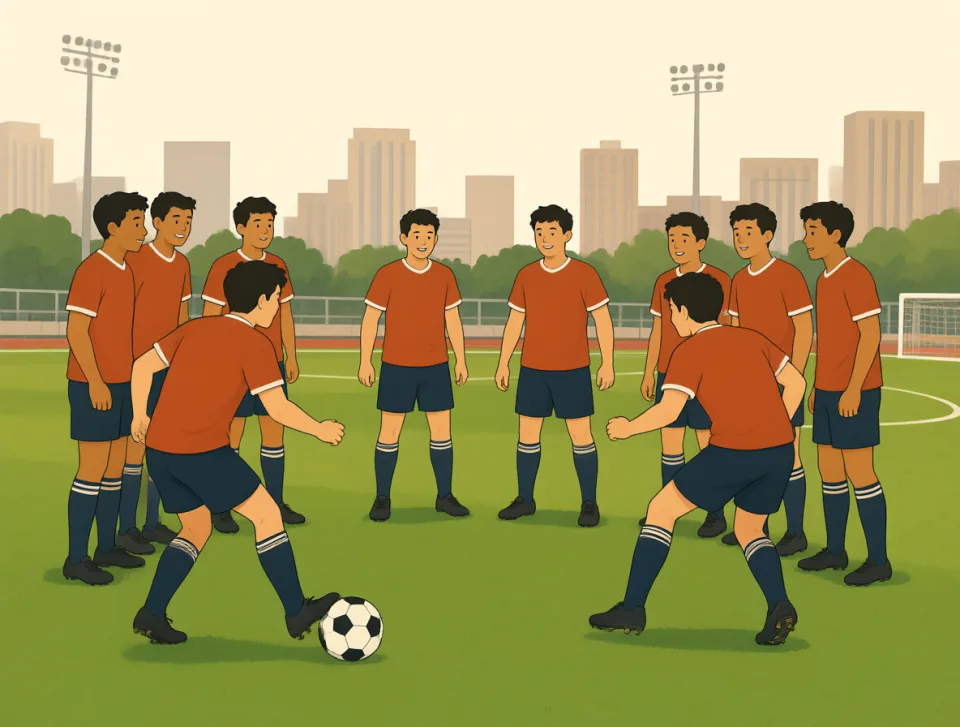
Our team plays in London tomorrow.
Nasz zespół jutro gra w Londynie.
might
#159modal verb, noun
móc; być może
Used to say something is possible or to ask permission politely.
Służy do powiedzenia, że coś jest możliwe, lub do uprzejmego proszenia o pozwolenie.
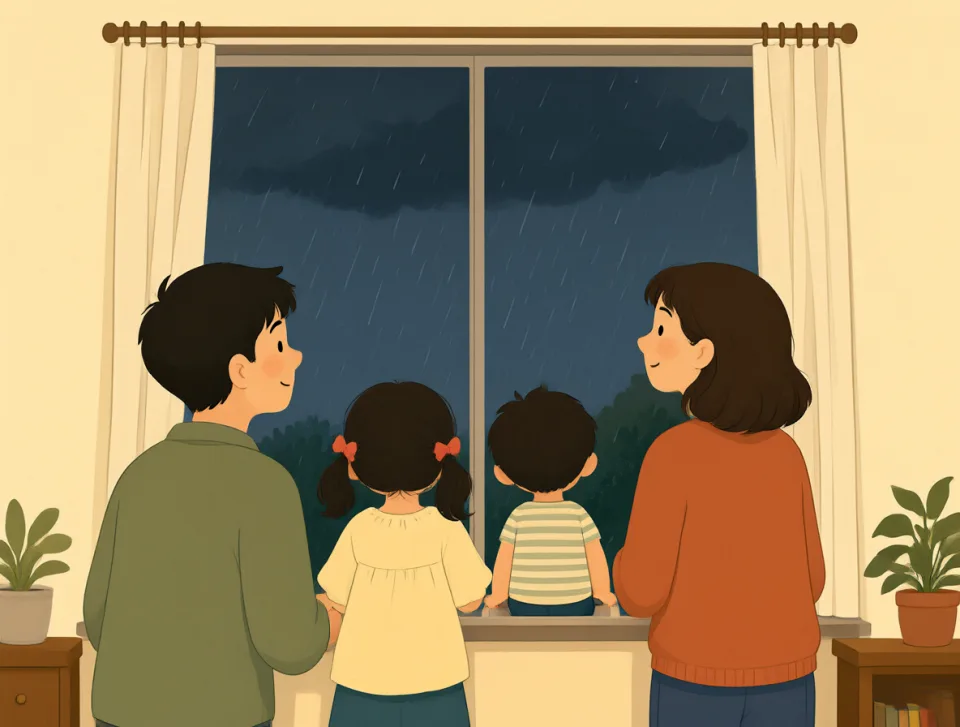
It might rain this afternoon.
Dziś po południu może padać.
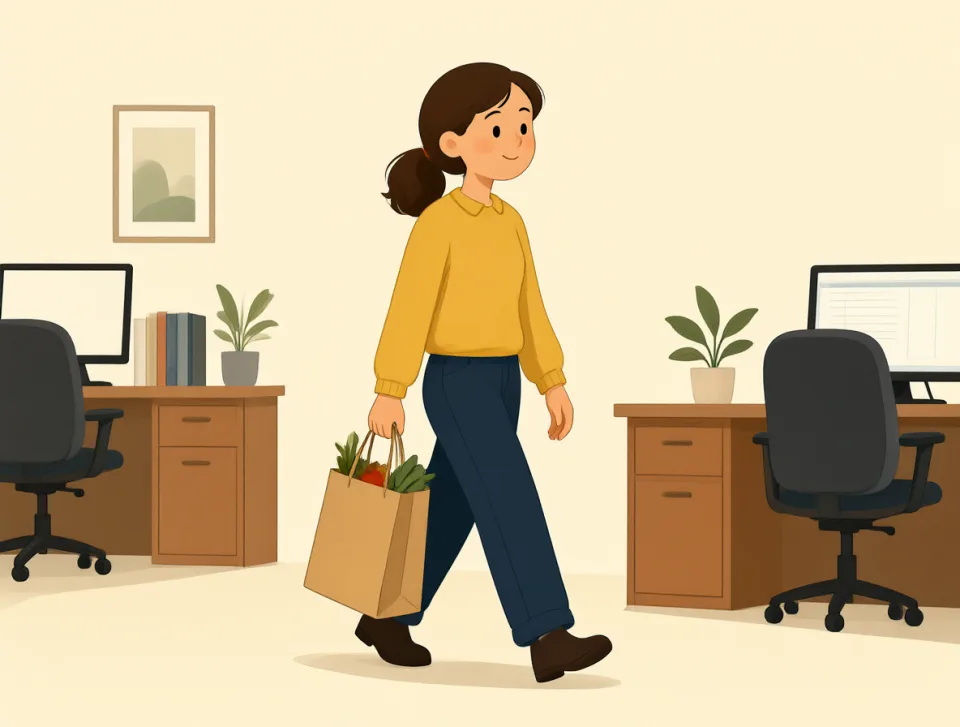
I might go shopping after work.
Może pójdę na zakupy po pracy.
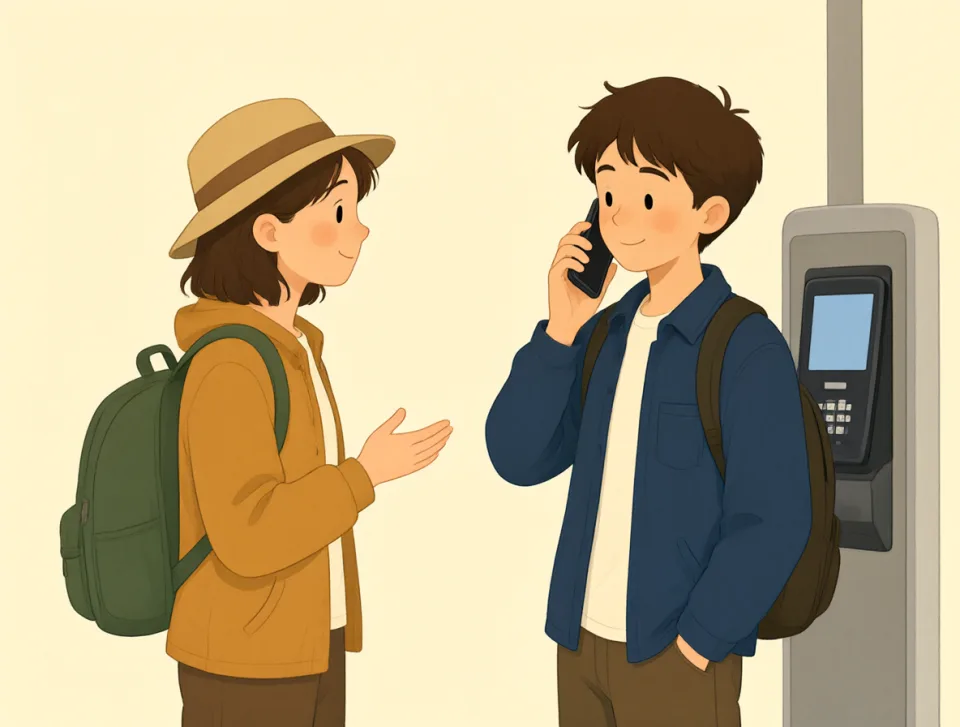
Might I use your phone, please?
Czy mogę skorzystać z pańskiego telefonu?
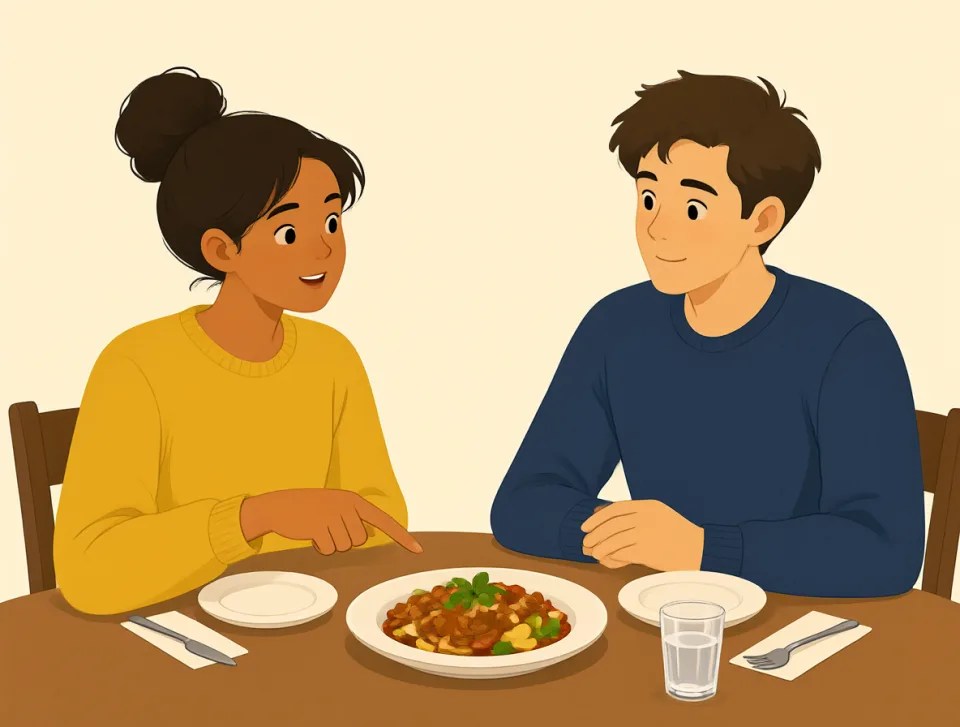
You might like this new restaurant.
Może spodoba ci się ta nowa restauracja.
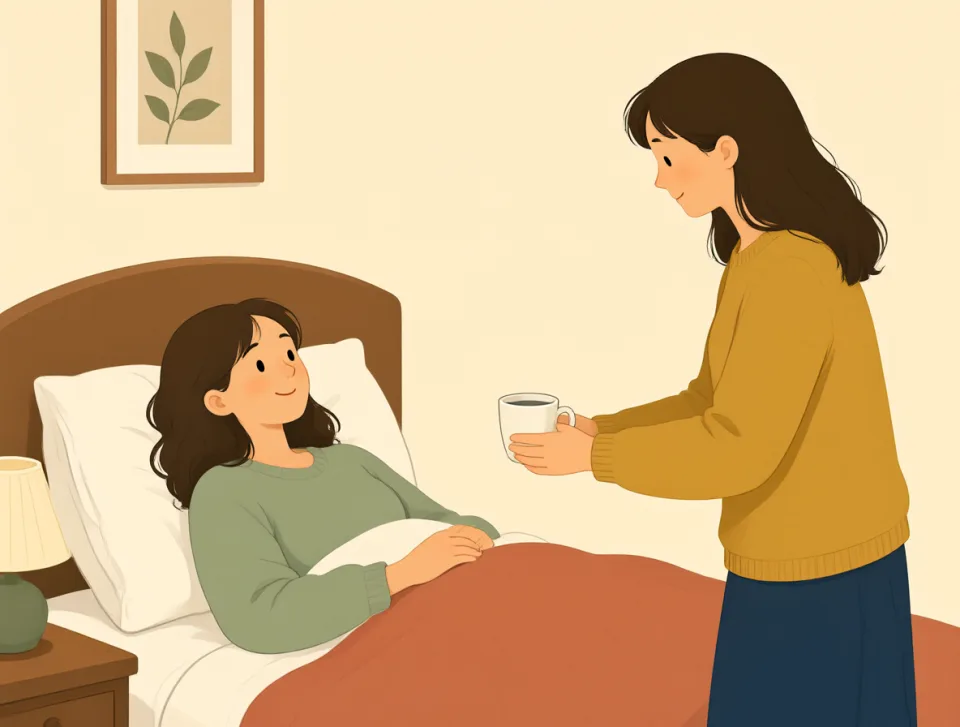
She might be sick today.
Ona może być dziś chora.
must
#160verb, noun
musieć
To be necessary or required; something that you need to do or have.
Być koniecznym lub wymaganym; coś, co trzeba zrobić lub mieć.
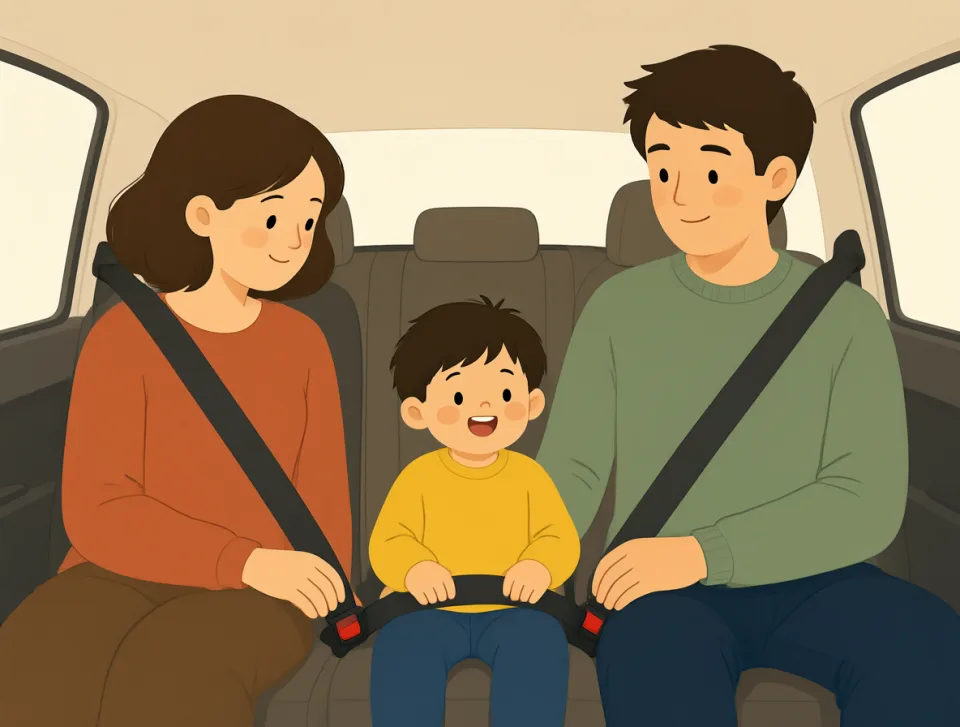
You must wear a seat belt.
Musisz zapiąć pas bezpieczeństwa.
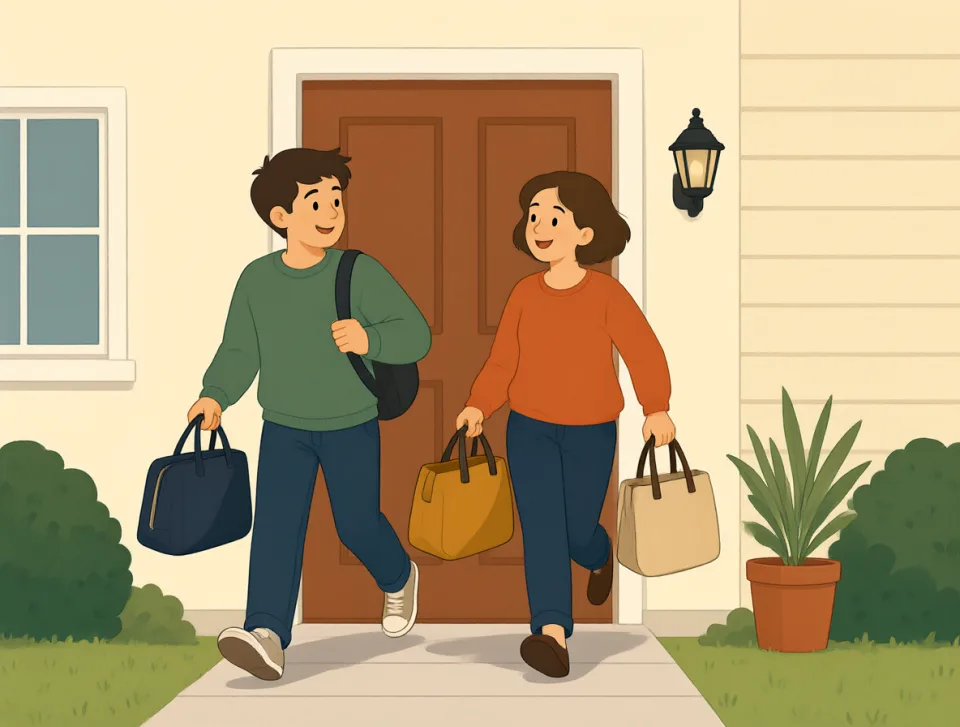
We must leave home at seven.
Musimy wyjść z domu o siódmej.
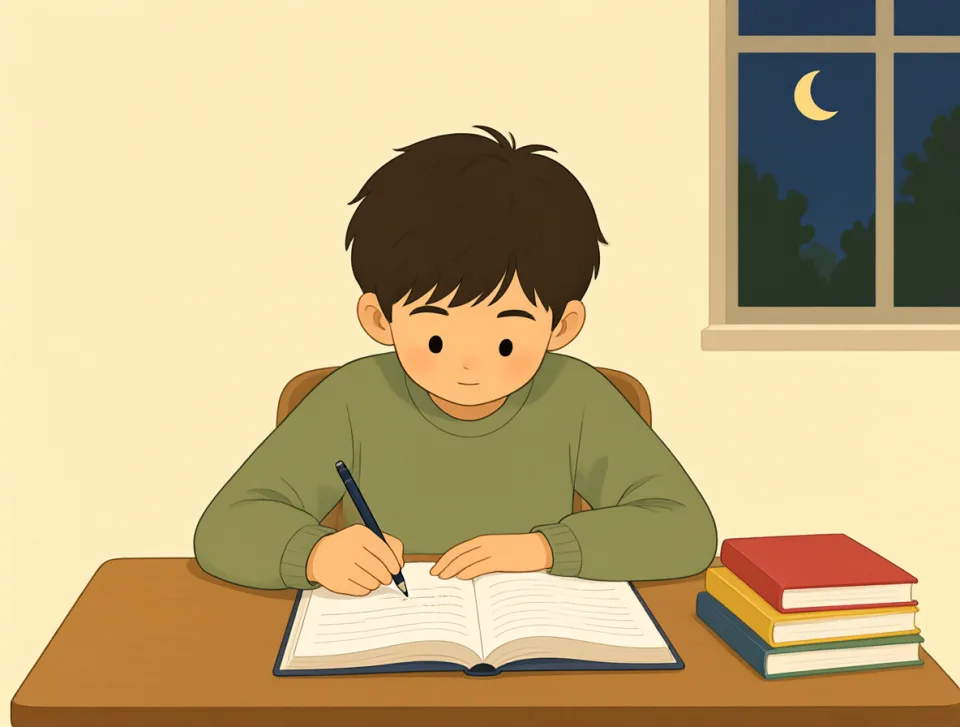
Students must finish their homework tonight.
Uczniowie muszą dziś wieczorem odrobić pracę domową.
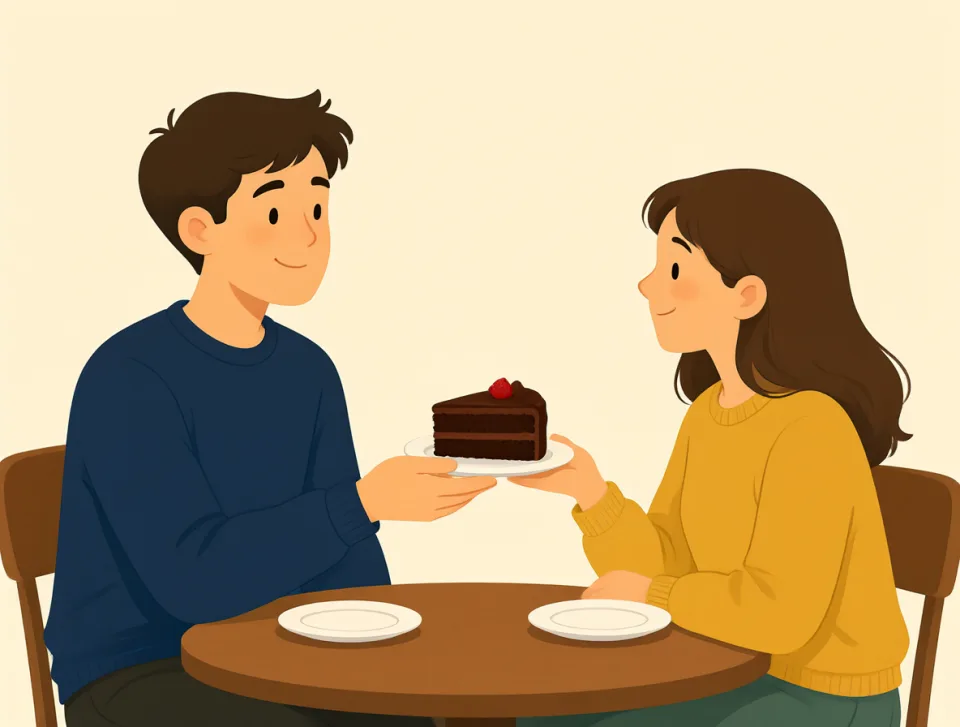
You must try this chocolate cake.
Koniecznie spróbuj tego ciasta czekoladowego.
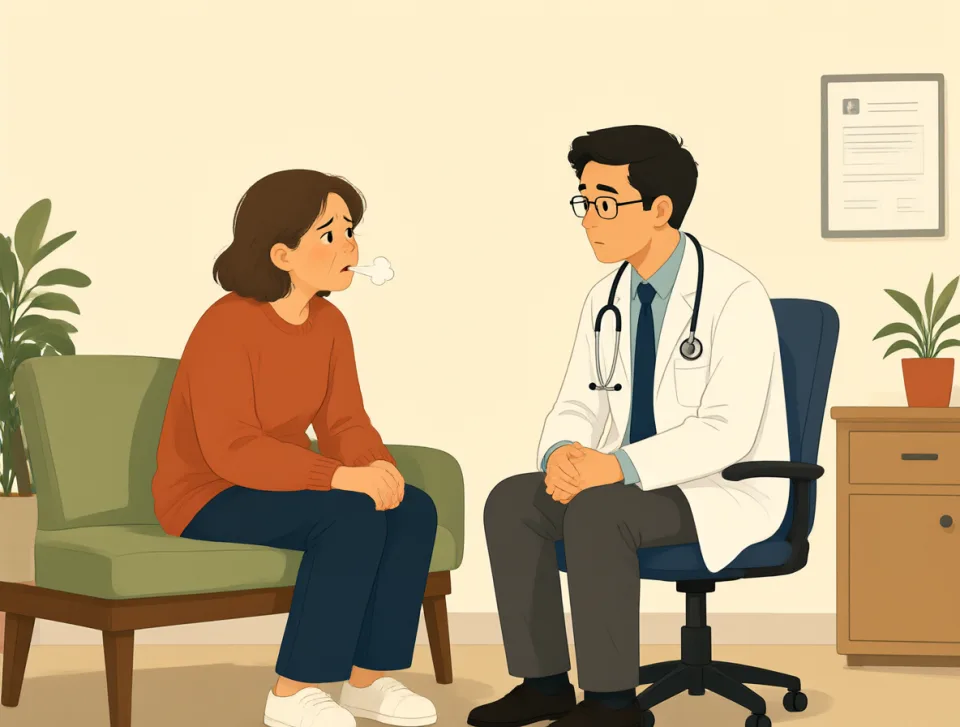
I must see a doctor about my cough.
Muszę iść do lekarza z powodu kaszlu.