Zestaw 5
Słowa 81–100 · find, over, any, after, day, where
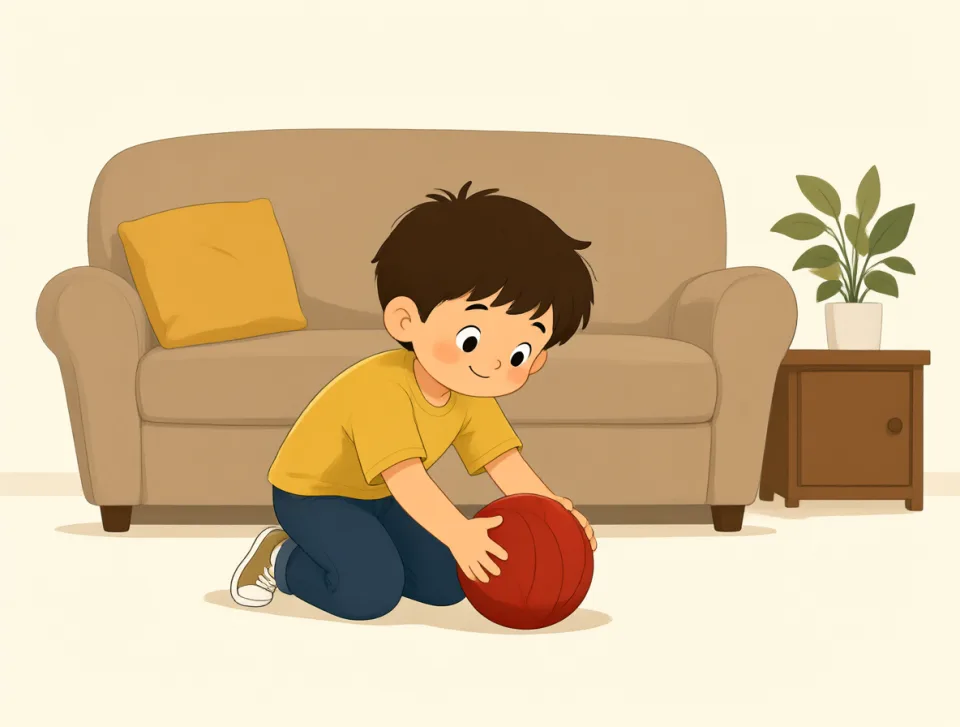
find
#81verb, noun
znaleźć
to discover, get, or notice something, often after looking for it
odkryć, zdobyć lub zauważyć coś, często po wcześniejszych poszukiwaniach
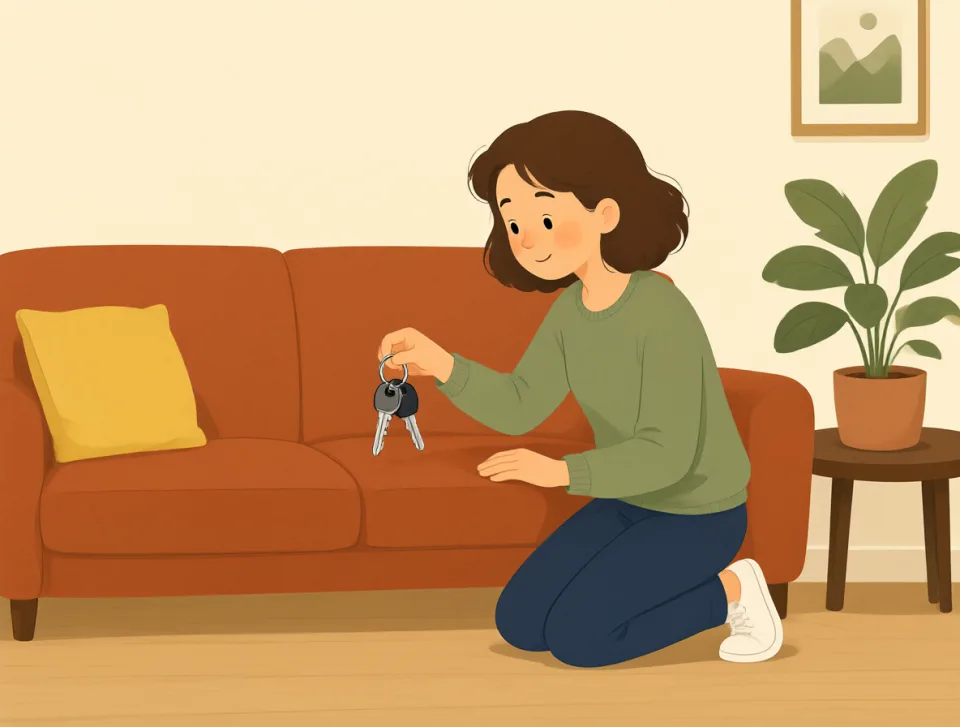
I can't find my keys anywhere.
Nigdzie nie mogę znaleźć kluczy.

We found a nice hotel near the beach.
Znaleźliśmy fajny hotel niedaleko plaży.

She found a job at a local shop.
Znalazła pracę w lokalnym sklepie.
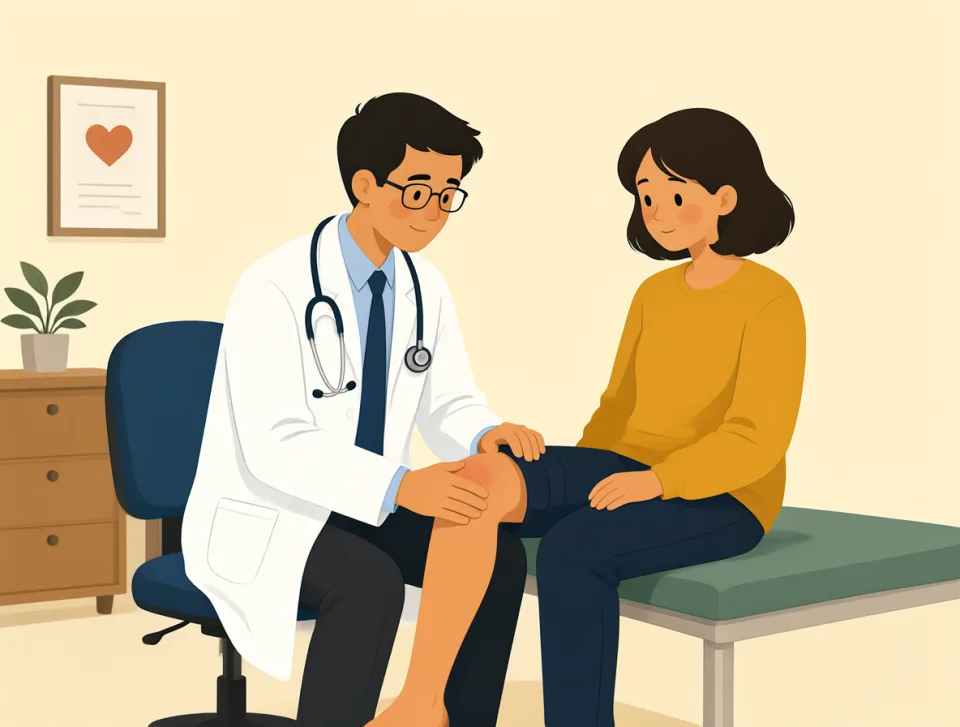
The doctor found a problem with my knee.
Lekarz zauważył problem z moim kolanem.
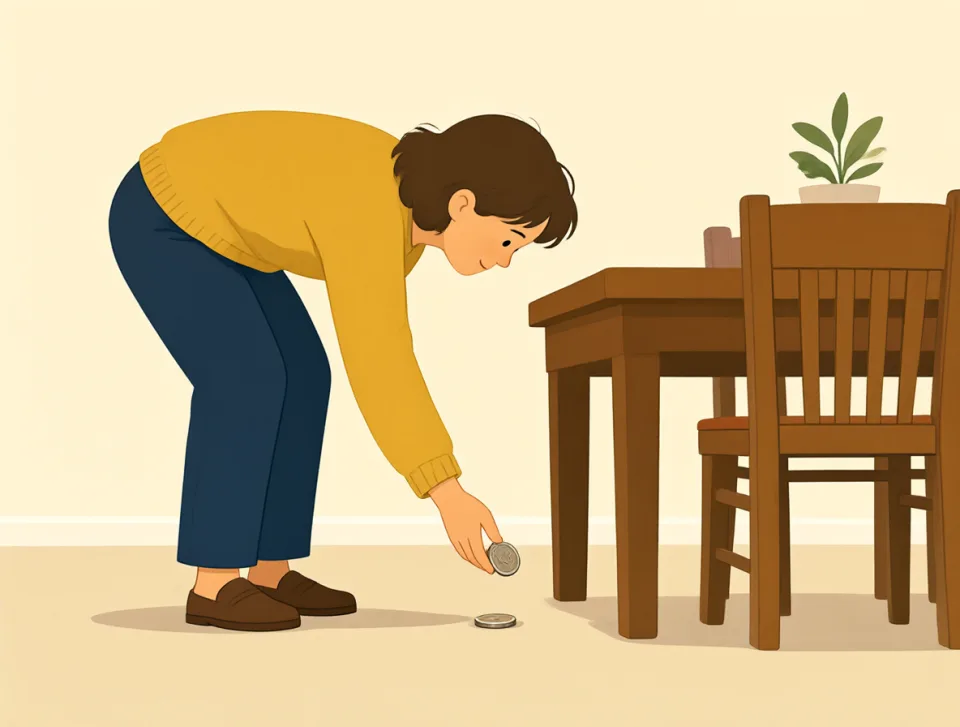
I found a coin under the table.
Znalazłem monetę pod stołem.
over
#82adverb, preposition, adjective, noun
nad; przez; skończony; ponad
above or across something; finished; more than; during a period of time
Powyżej czegoś lub po drugiej stronie czegoś; zakończony; większy niż jakaś liczba; w trakcie jakiegoś okresu.

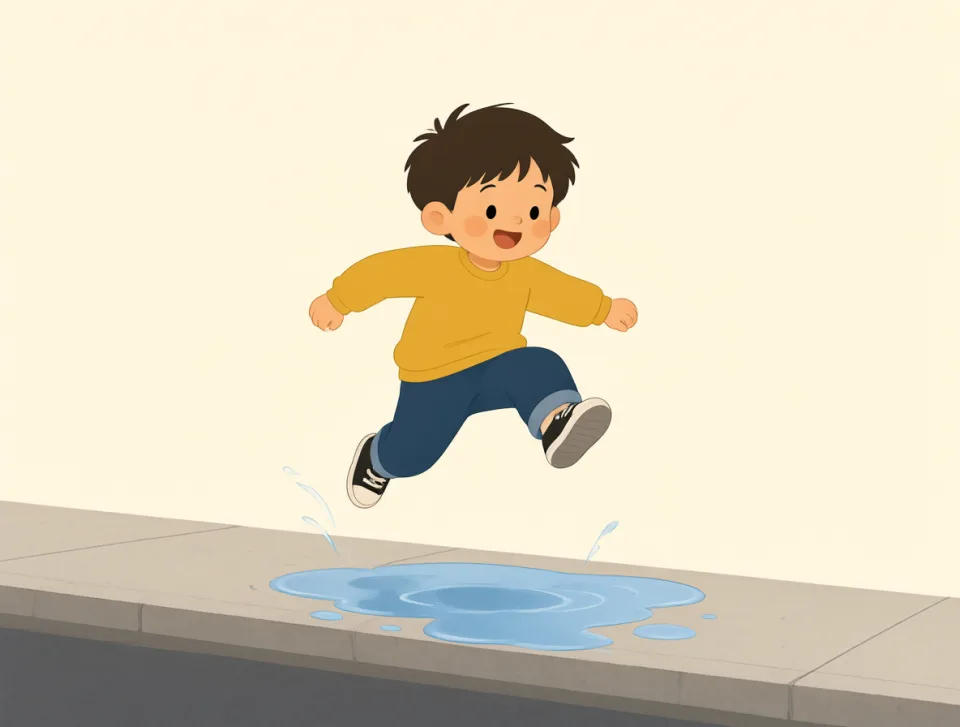
The plane flew over the city.
Samolot przeleciał nad miastem.
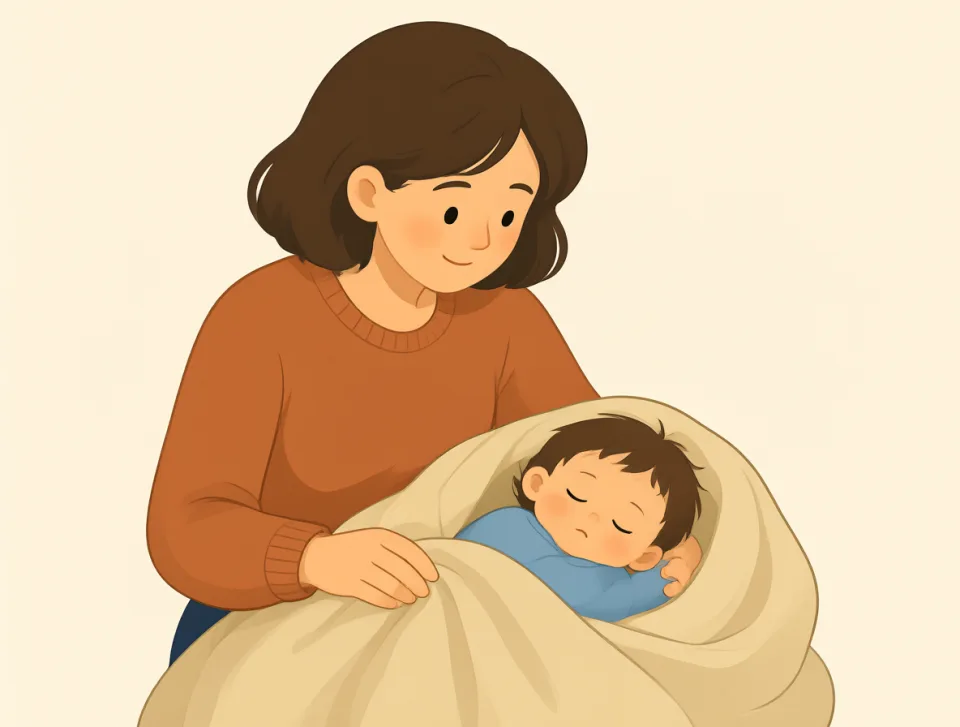
She put a blanket over the baby.
Przykryła dziecko kocem.
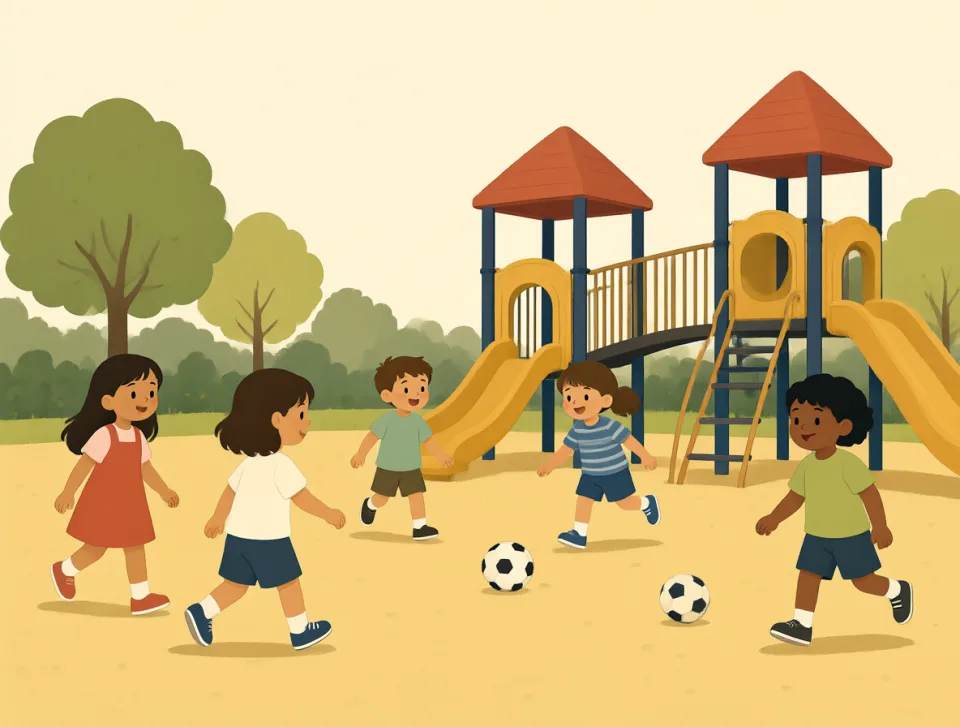
The game is over now.
Gra już się skończyła.

We talked over lunch.
Rozmawialiśmy podczas lunchu.
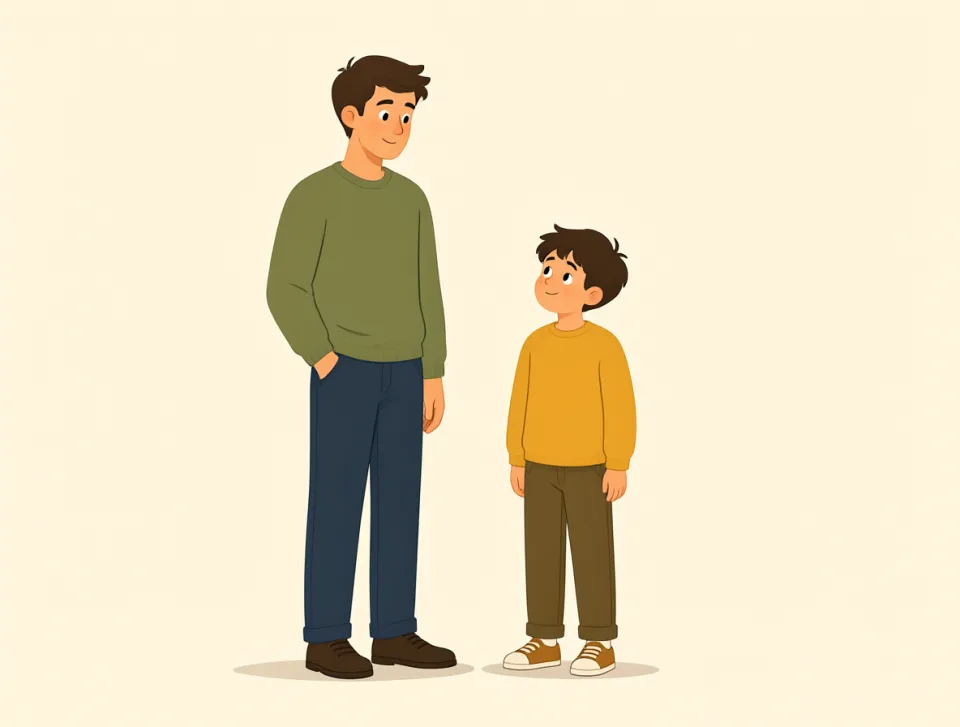
He is over six feet tall.
Ma ponad sześć stóp wzrostu.
any
#83determiner, pronoun, adverb
jakikolwiek; jakiś
One, some, or even one of a group, usually in questions or negative sentences.
Jeden, kilka albo choćby jeden z danej grupy, zwykle w pytaniach lub zdaniach przeczących.
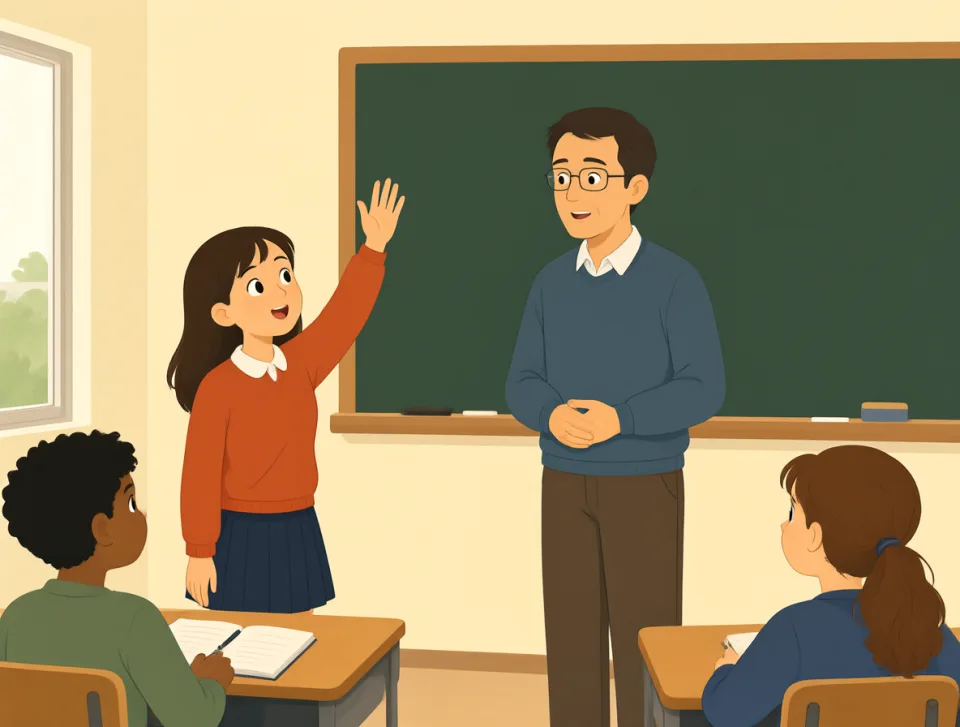
Do you have any questions?
Czy mają Państwo jakieś pytania?
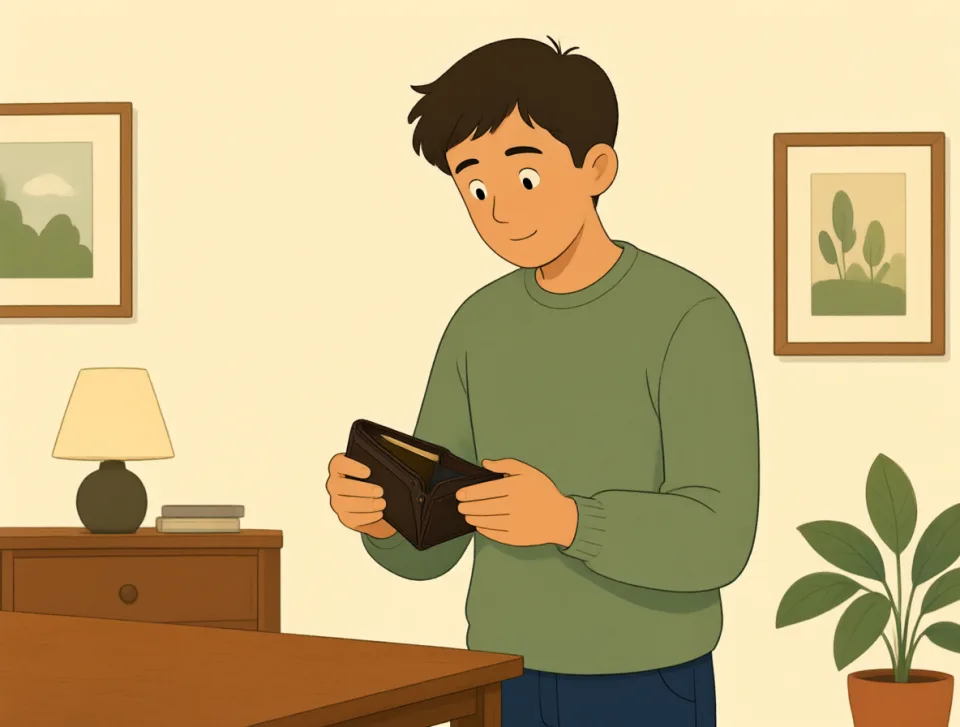
I do not have any money.
Nie mam żadnych pieniędzy.
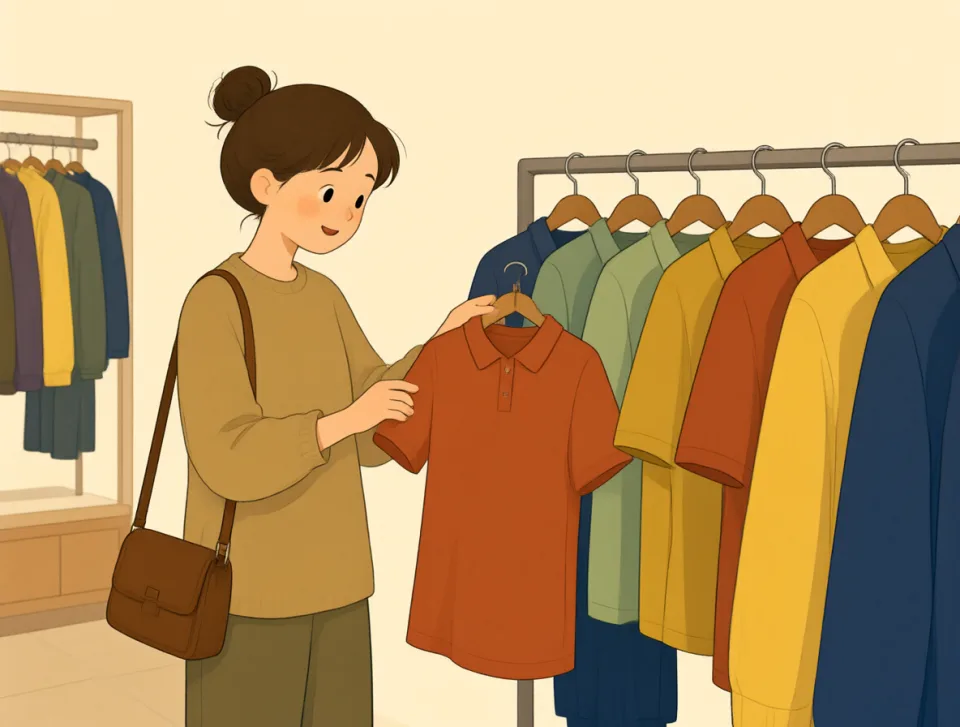
You can choose any color.
Możesz wybrać dowolny kolor.
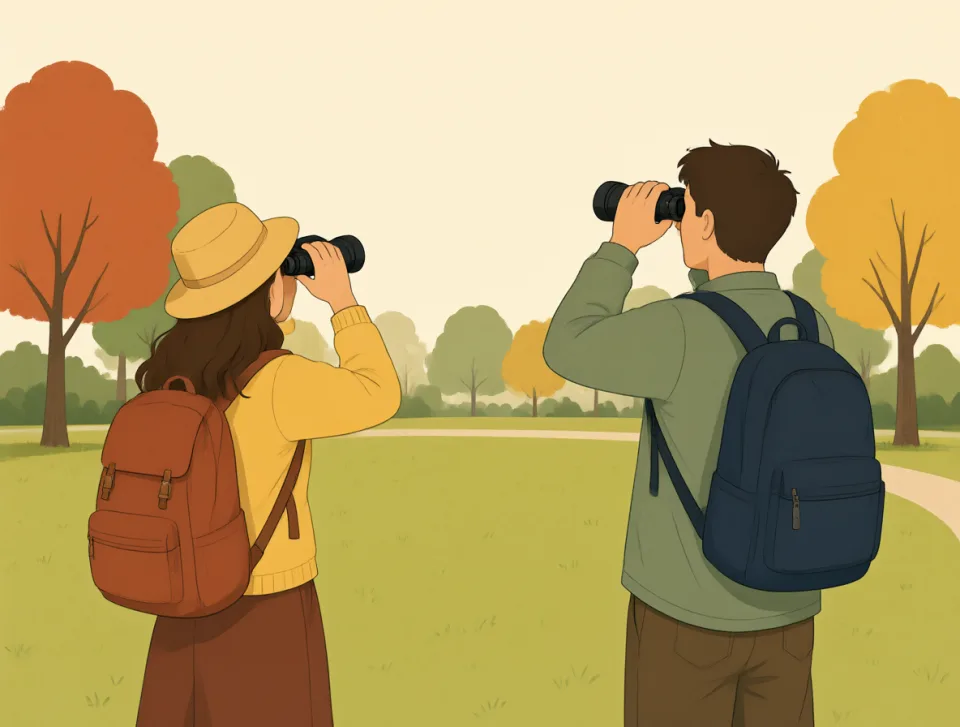
We did not see any birds.
Nie widzieliśmy żadnych ptaków.
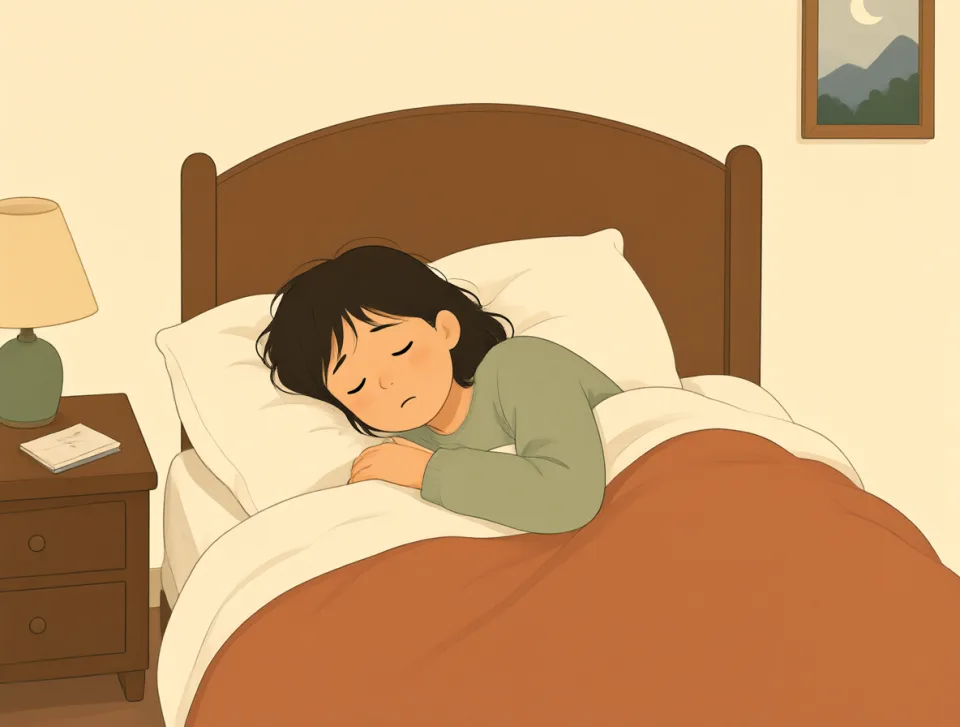
I hardly slept any last night.
Prawie wcale nie spałem ostatniej nocy.
after
#84adverb, preposition, conjunction
po
Later than a time or event; following someone or something.
Później niż o danej porze lub po jakimś wydarzeniu; za kimś lub czymś.
We went home after dinner.
Wróciliśmy do domu po kolacji.
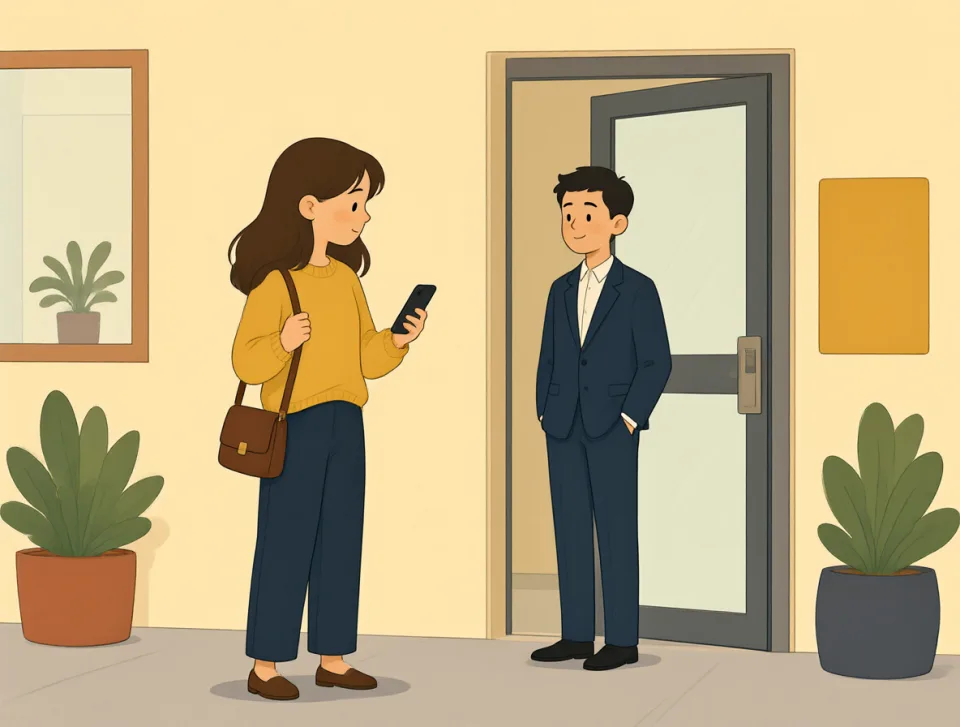
Call me after work.
Zadzwoń do mnie po pracy.
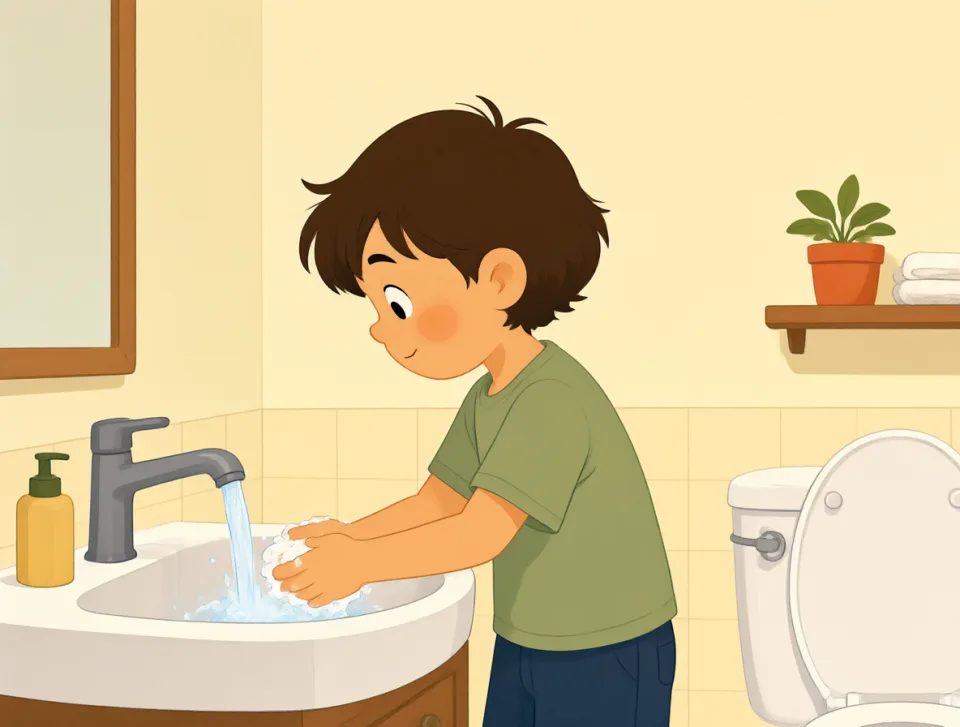
Wash your hands after using the bathroom.
Umyj ręce po skorzystaniu z toalety.
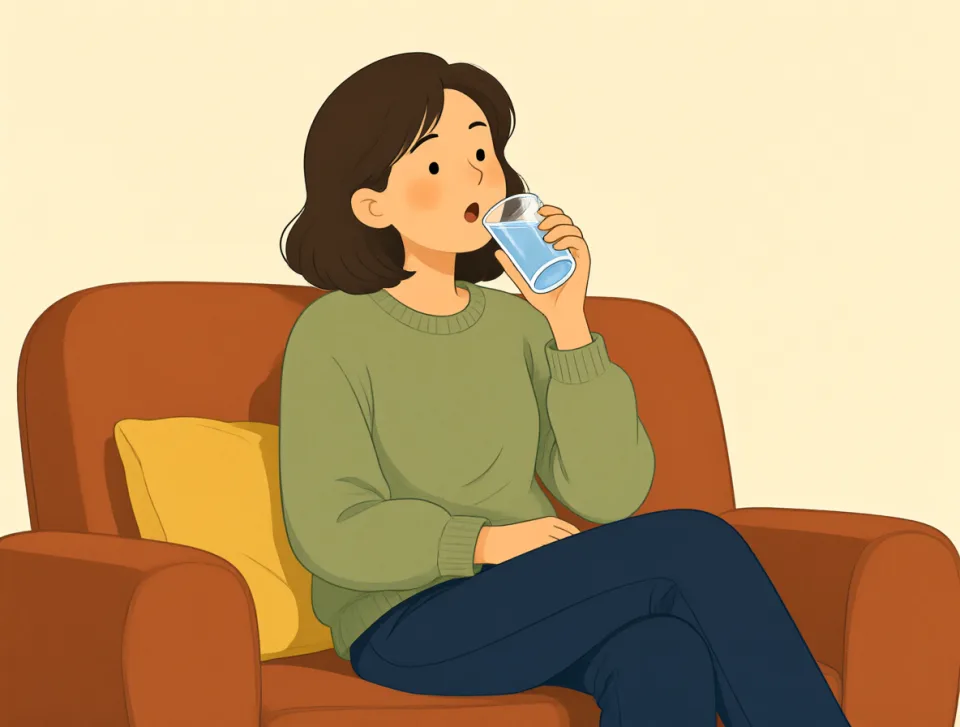
She felt better after taking medicine.
Poczuła się lepiej po zażyciu leku.

After it rained, the streets were wet.
Po deszczu ulice były mokre.

day
#85noun, adjective
dzień
A period of twenty-four hours, from midnight to midnight.
Okres dwudziestu czterech godzin, od północy do północy.
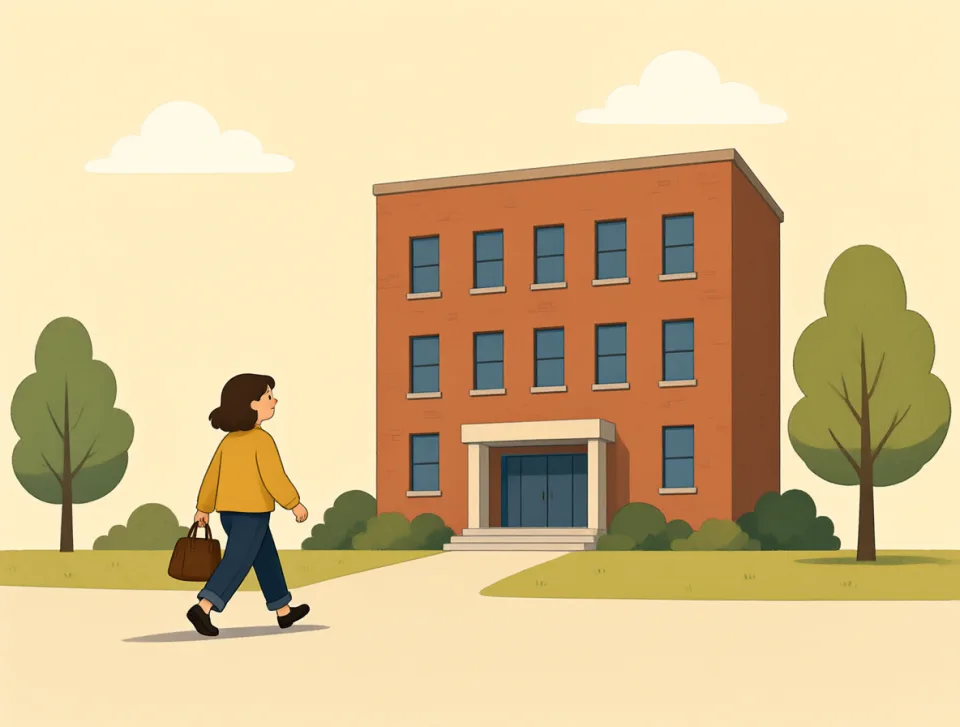
I go to work every day.
Codziennie chodzę do pracy.

We had a great day at the beach.
Spędziliśmy świetny dzień na plaży.

She stayed home all day.
Została cały dzień w domu.
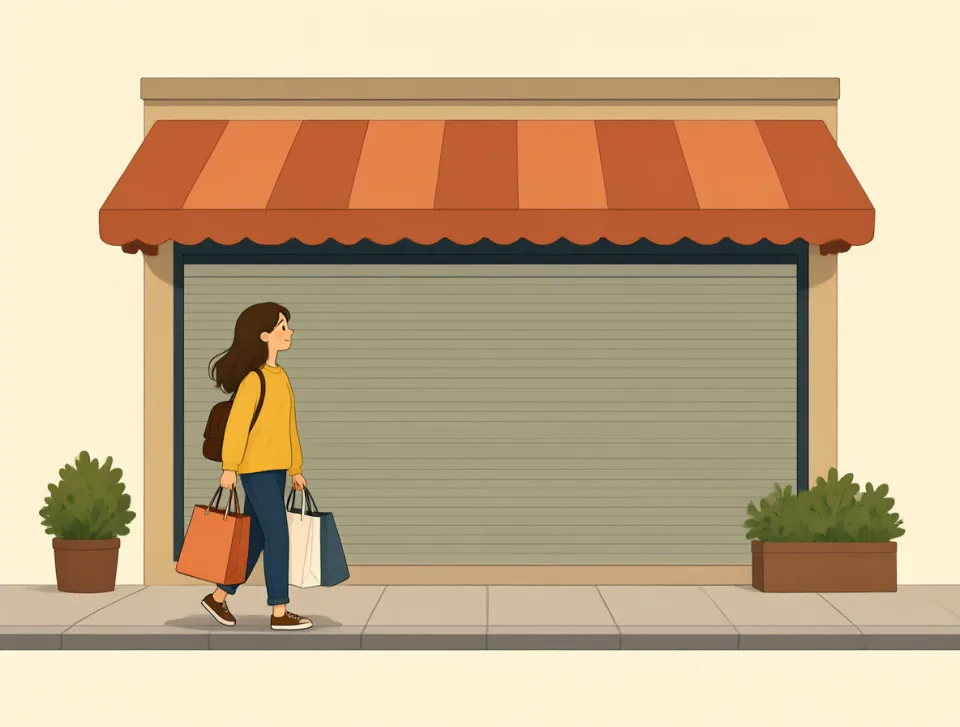
The store is closed on Sundays.
Sklep jest zamknięty w niedziele.
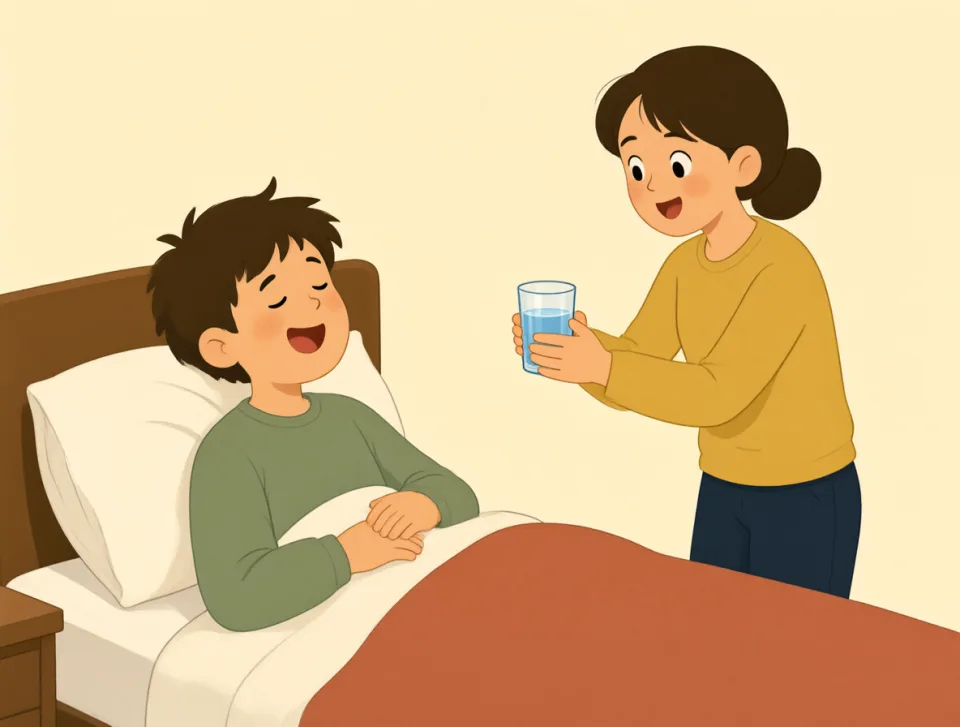
I felt better after a few days.
Po kilku dniach poczułem się lepiej.
where
#86adverb, conjunction, pronoun
gdzie
Used to ask about or describe the place or situation something is in.
Służy do pytania o miejsce lub sytuację, w której coś się znajduje, albo do ich opisywania.
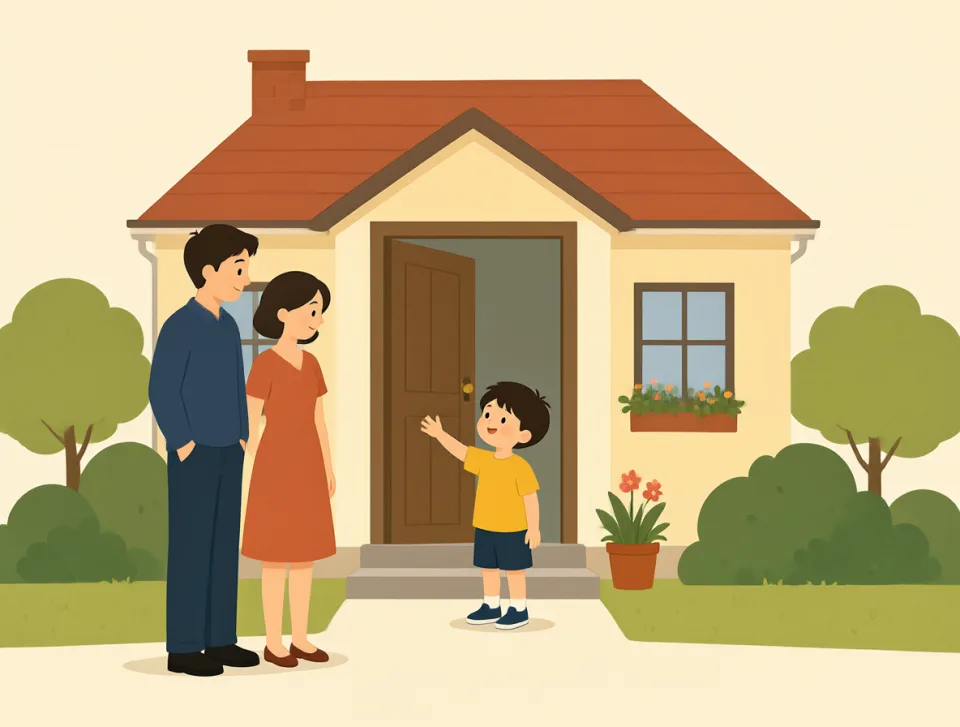
Where do you live?
Gdzie mieszkasz?

This is where we met last year.
To tutaj spotkaliśmy się w zeszłym roku.
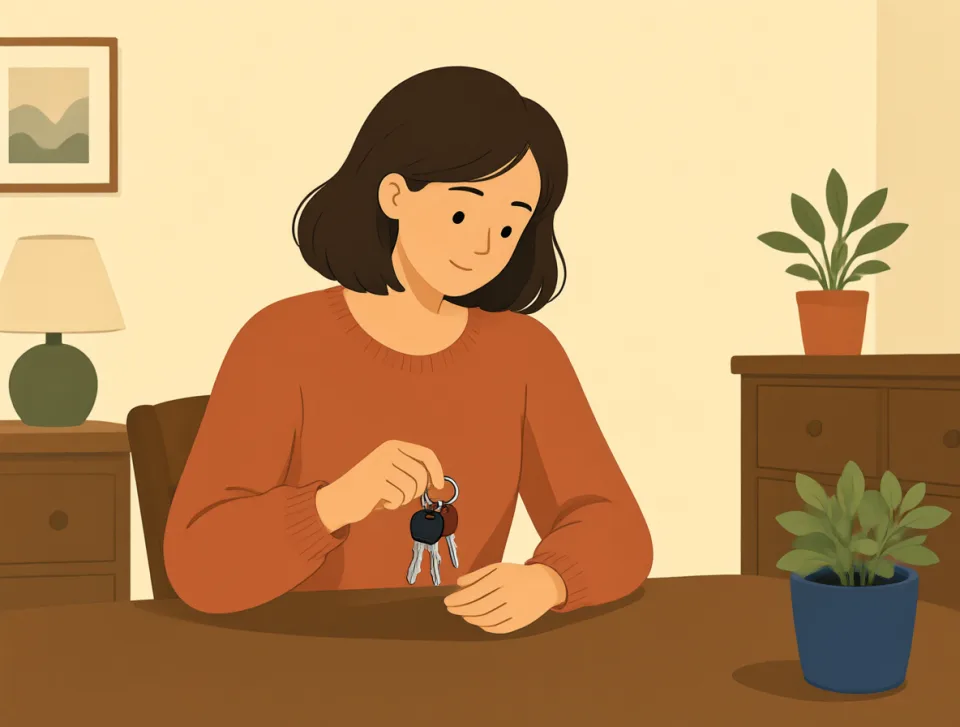
Do you know where my keys are?
Wiesz, gdzie są moje klucze?
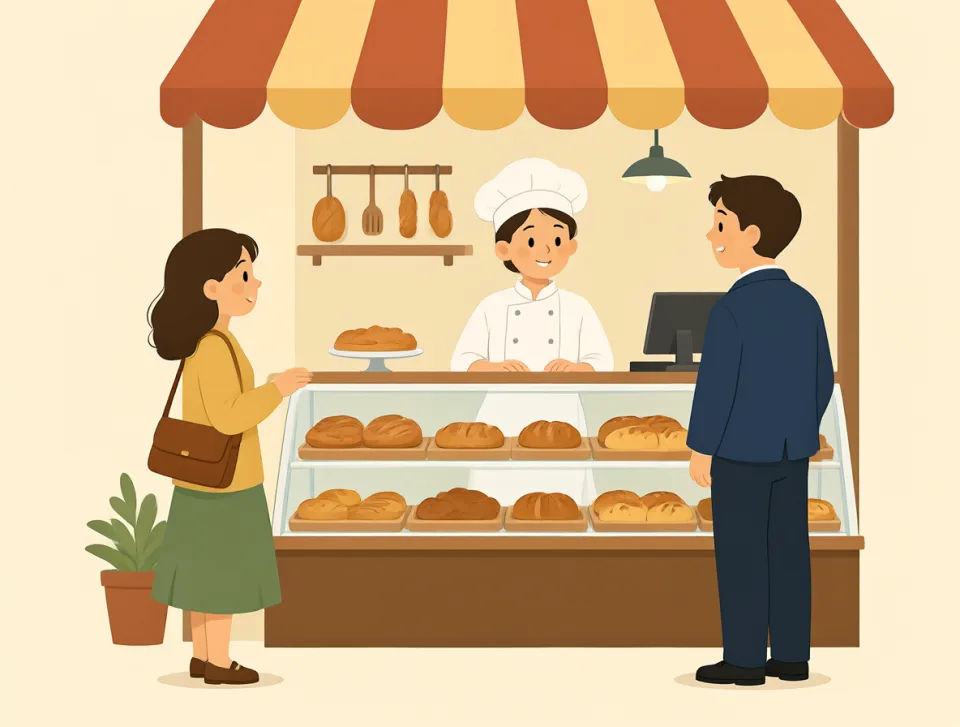
Tell me where to buy fresh bread.
Powiedz mi, gdzie kupić świeży chleb.
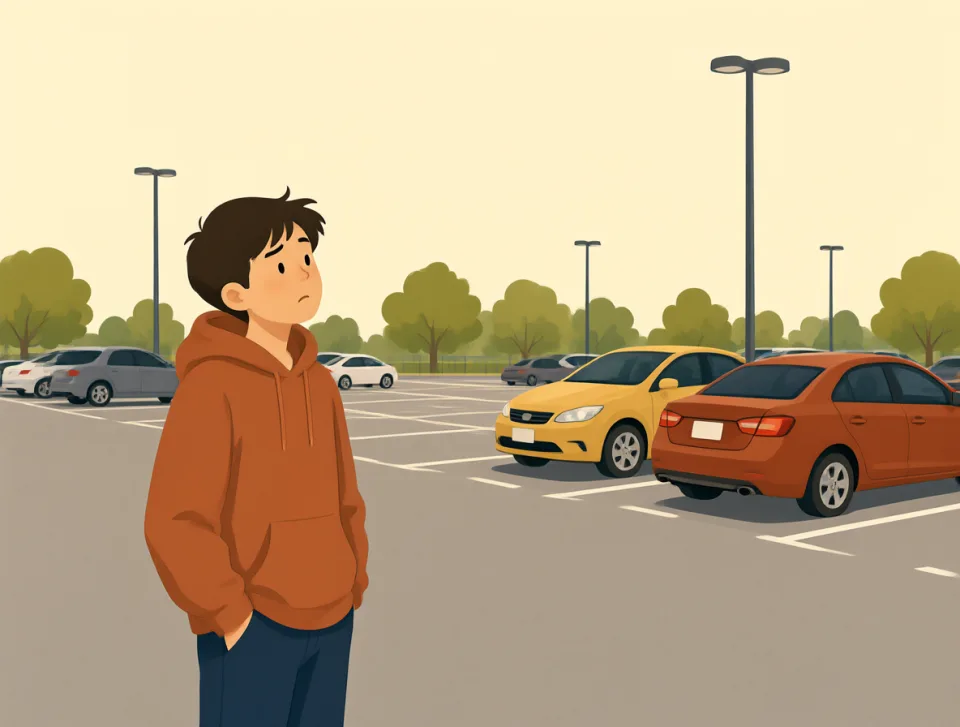
I forgot where I parked the car.
Zapomniałem, gdzie zaparkowałem samochód.
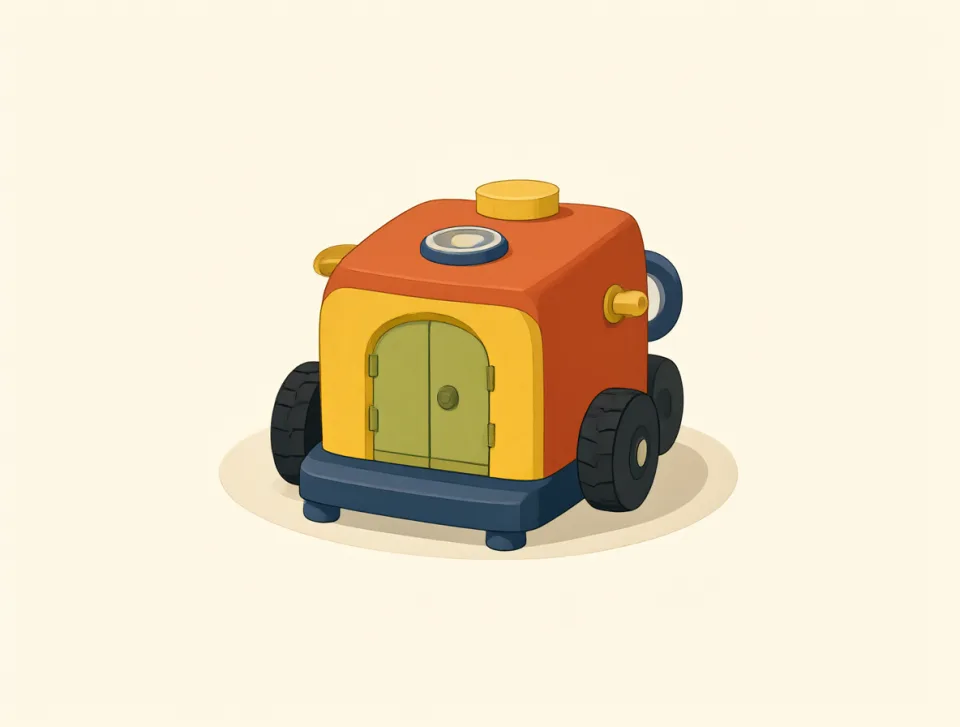
thing
#87noun
rzecz
An object, idea, or event that you do not name or describe exactly.
Przedmiot, pomysł lub wydarzenie, którego nie nazywasz ani nie opisujesz dokładnie.
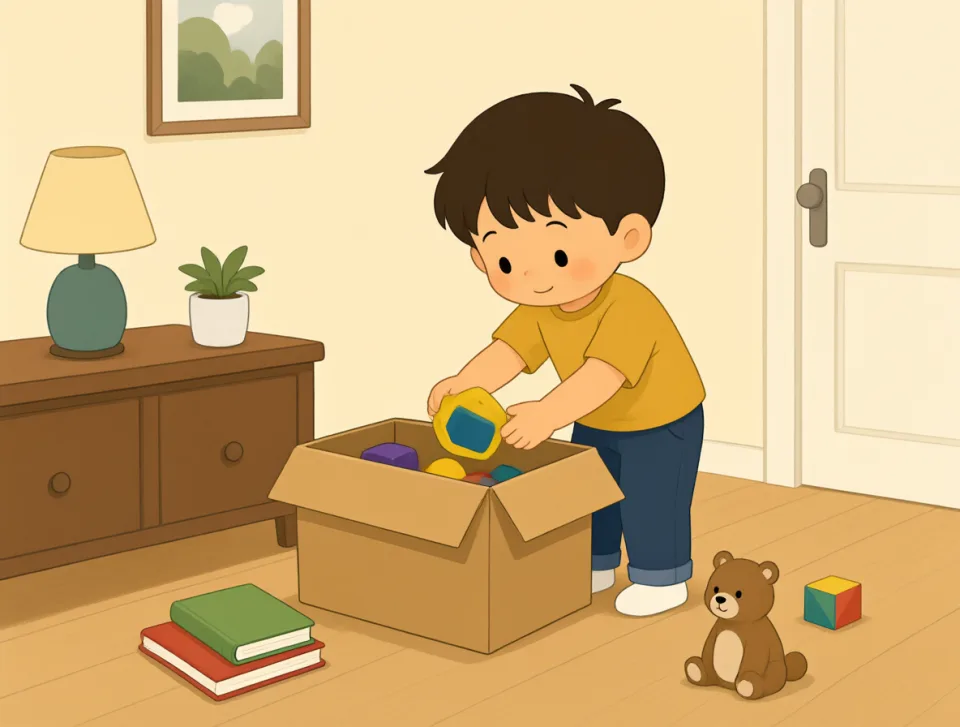
Put your things away before dinner.
Odłóż swoje rzeczy przed kolacją.
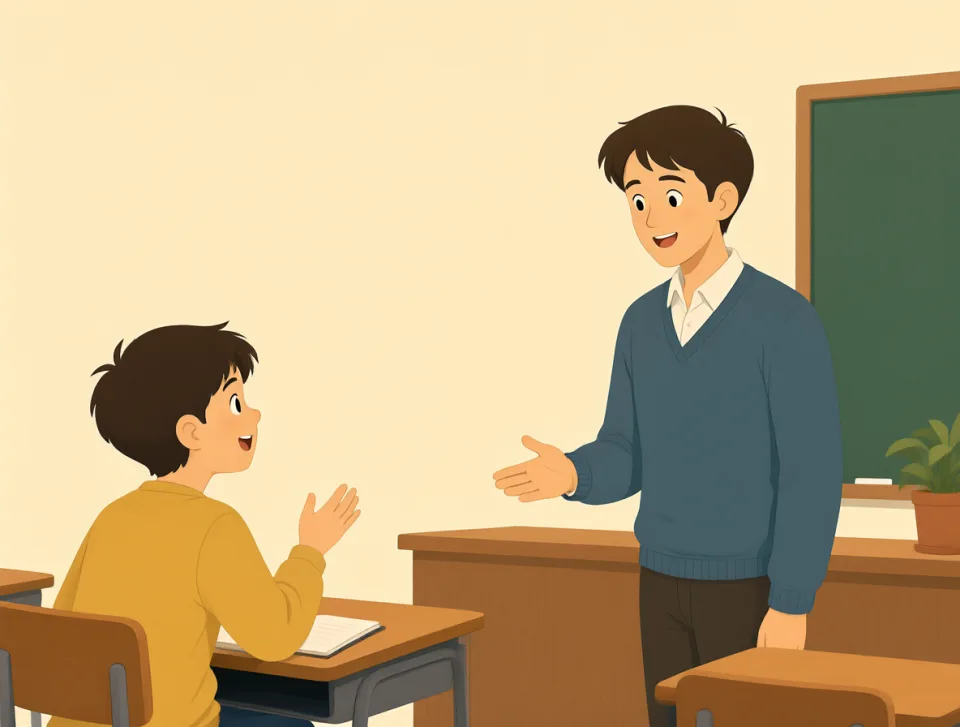
The best thing is to ask for help.
Najlepiej poprosić o pomoc.
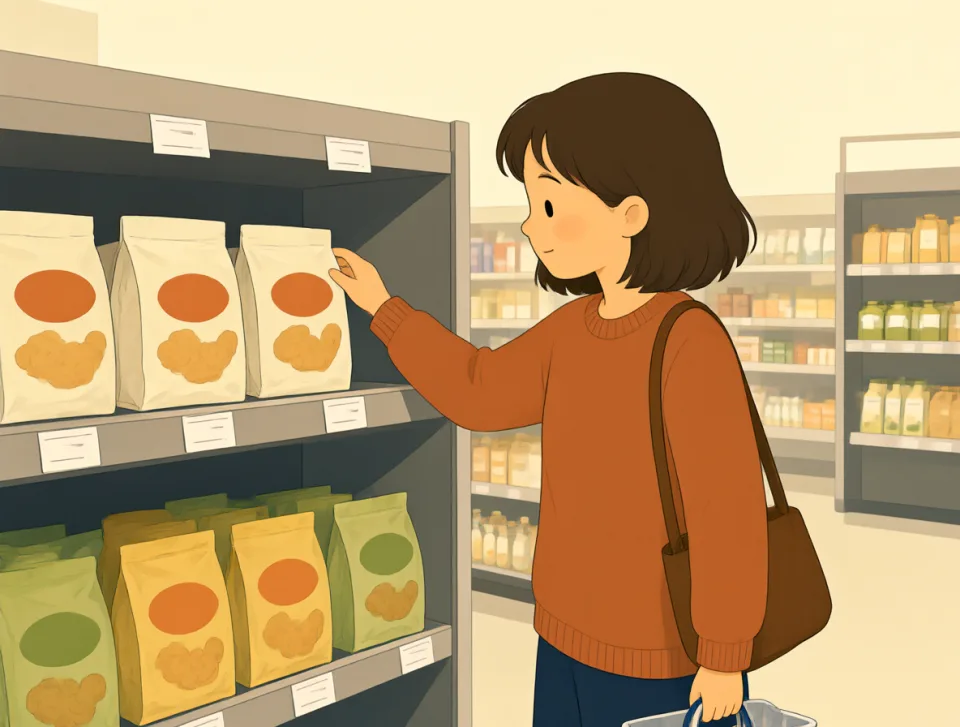
I need a few things from the store.
Potrzebuję kilku rzeczy ze sklepu.
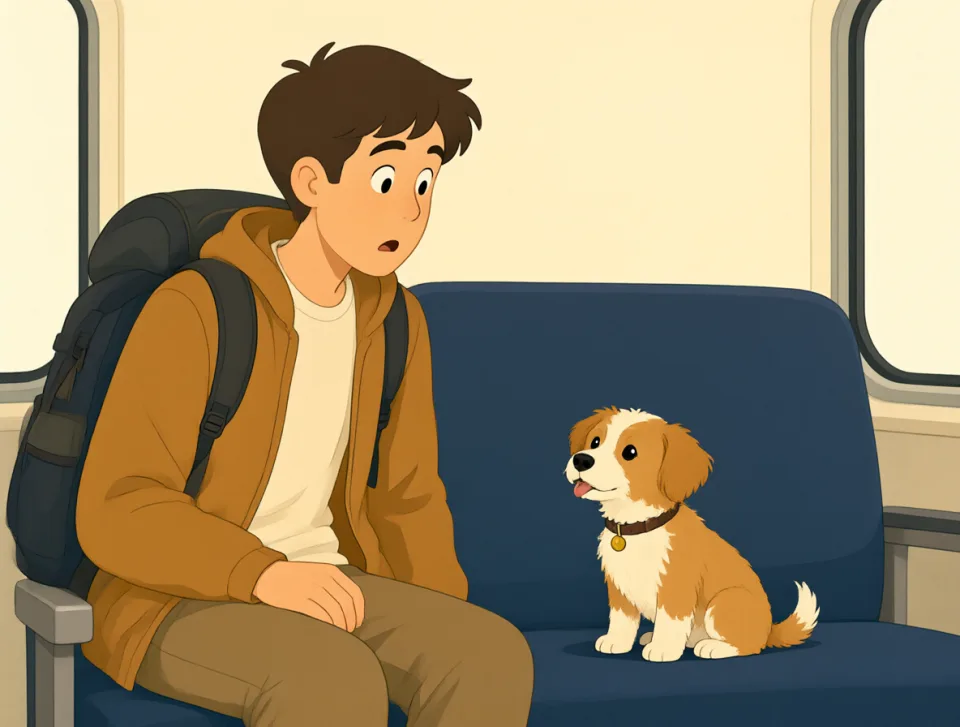
One strange thing happened on the train.
W pociągu wydarzyła się jedna dziwna rzecz.
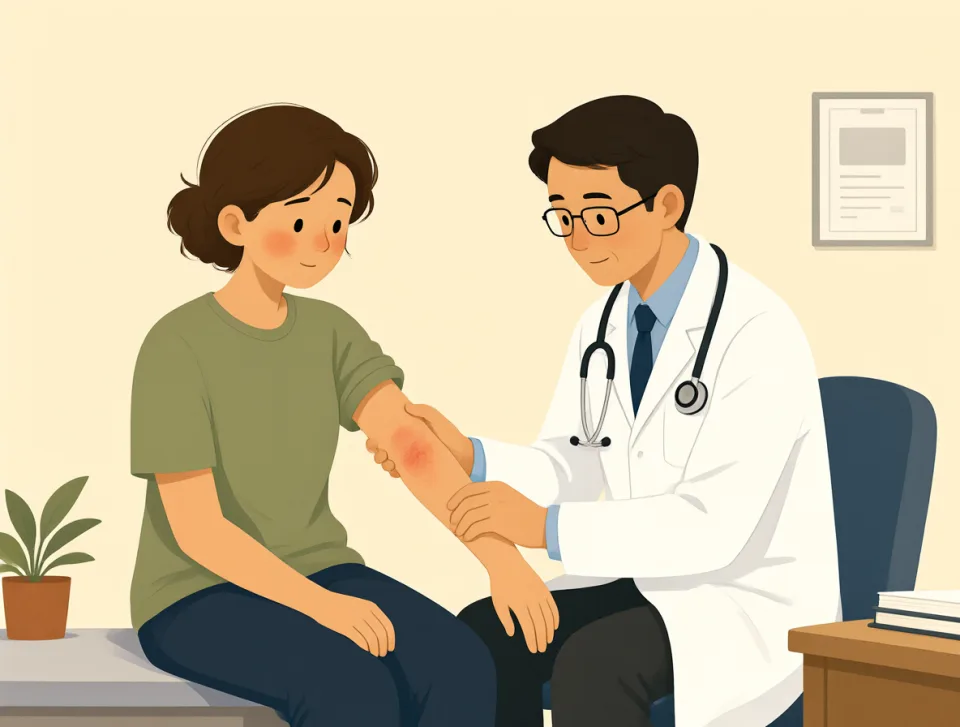
The doctor checked the painful thing on my arm.
Lekarz zbadał bolesne miejsce na moim ramieniu.
most
#88determiner, pronoun, adverb, adjective
większość; większość z
More than half of a group or amount; the greatest number or amount.
Więcej niż połowa jakiejś grupy lub ilości; największa liczba lub ilość.
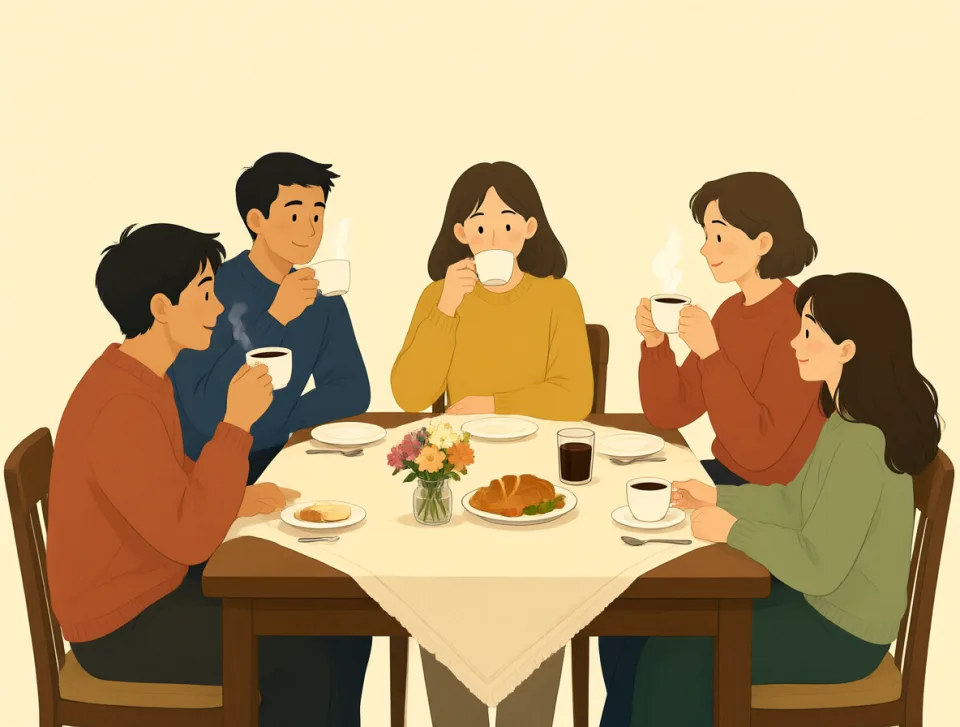
Most people drink coffee in the morning.
Większość ludzi pije rano kawę.
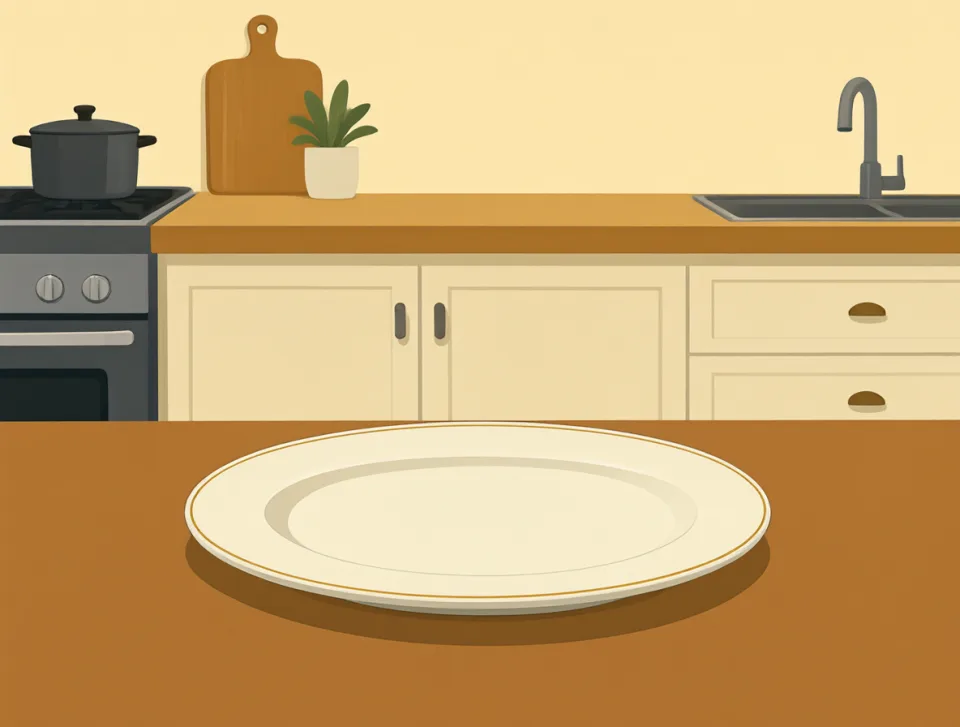
Most of the cake is gone.
Większości ciasta już nie ma.
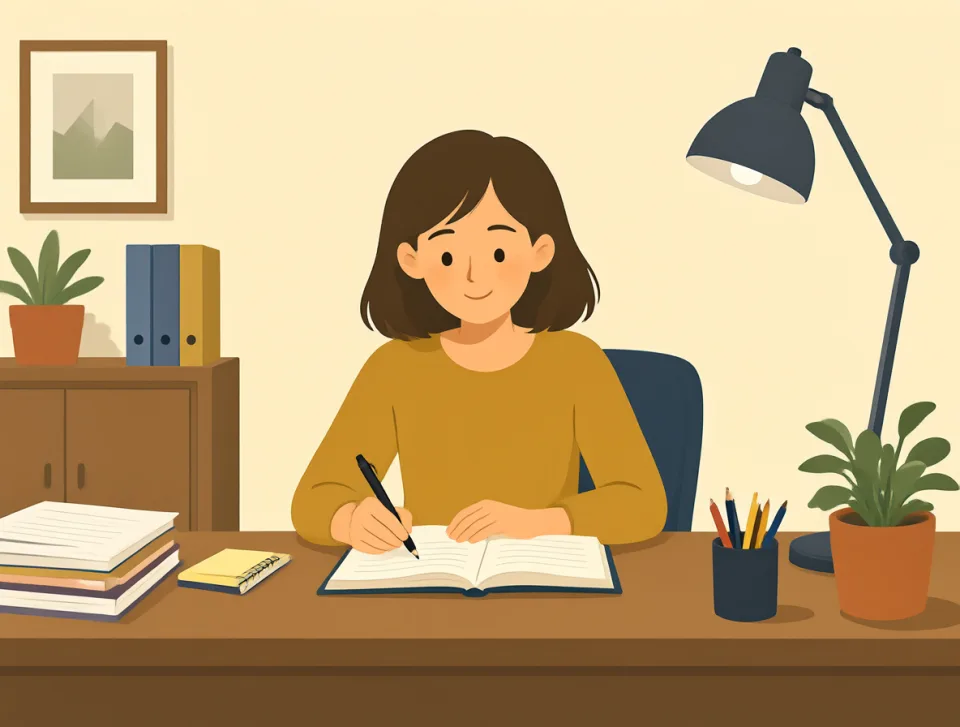
She works most days of the week.
Pracuje przez większość dni w tygodniu.

Which color do you like most?
Który kolor podoba ci się najbardziej?
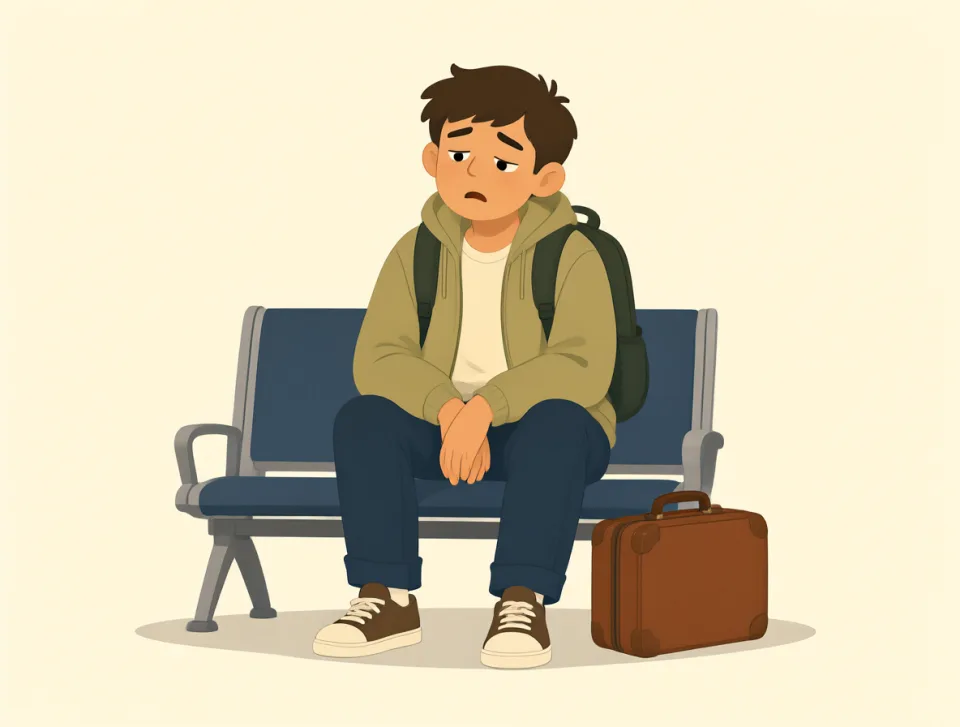
I was most tired after the long flight.
Byłem najbardziej zmęczony po długim locie.
should
#89modal verb
powinien; powinno się
Used to say what is best, expected, or likely to happen.
Służy do powiedzenia, co jest najlepsze, czego się oczekuje lub co prawdopodobnie się wydarzy.
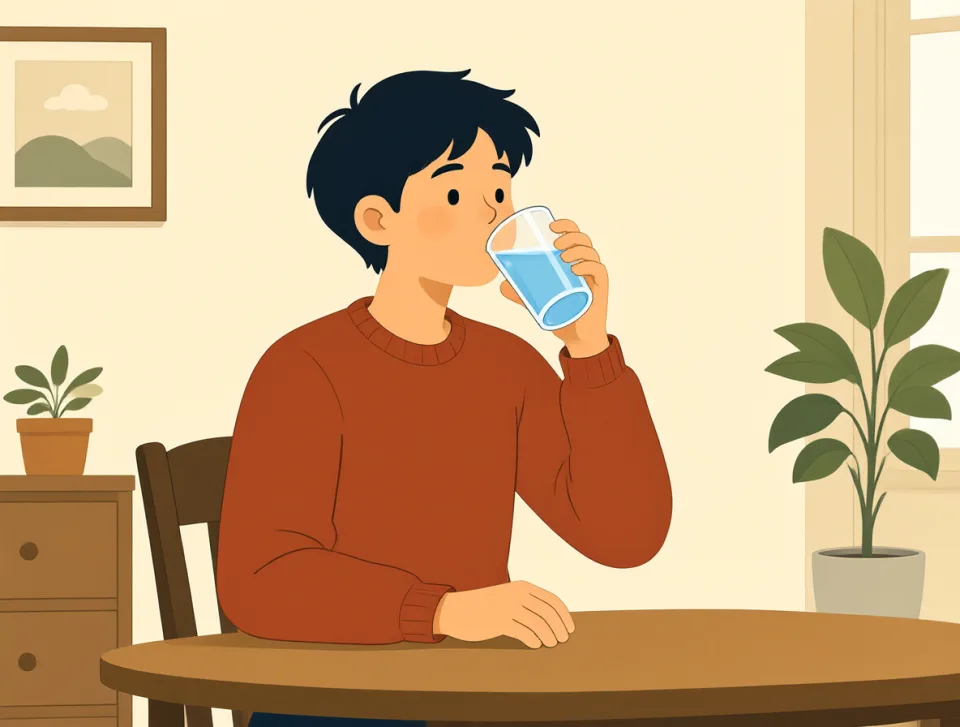
You should drink more water every day.
Powinieneś codziennie pić więcej wody.
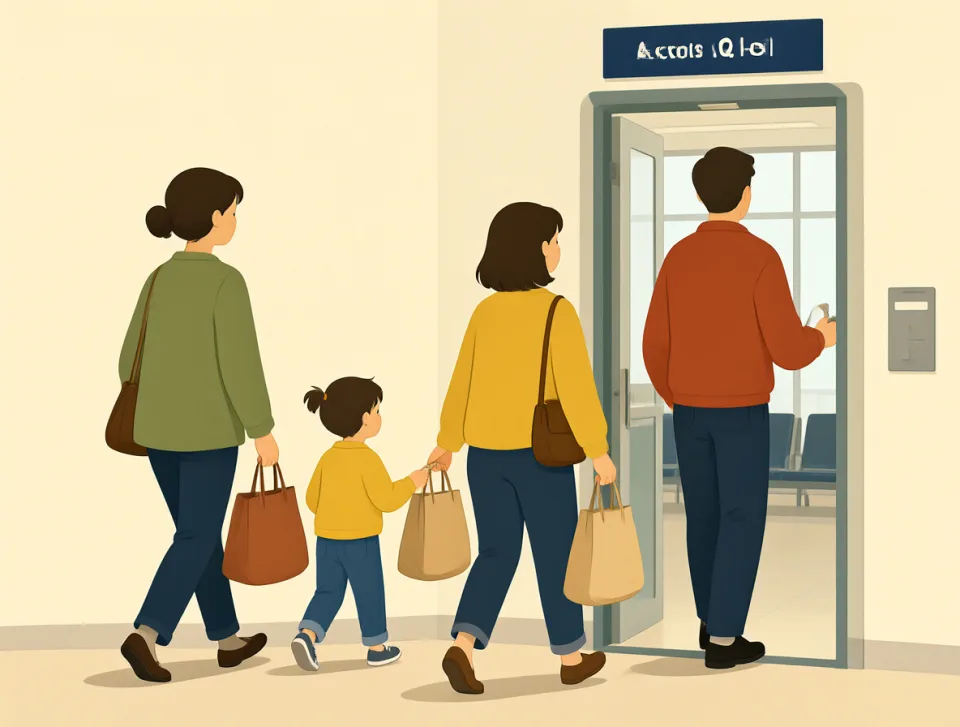
We should leave now for the airport.
Powinniśmy już wyjechać na lotnisko.
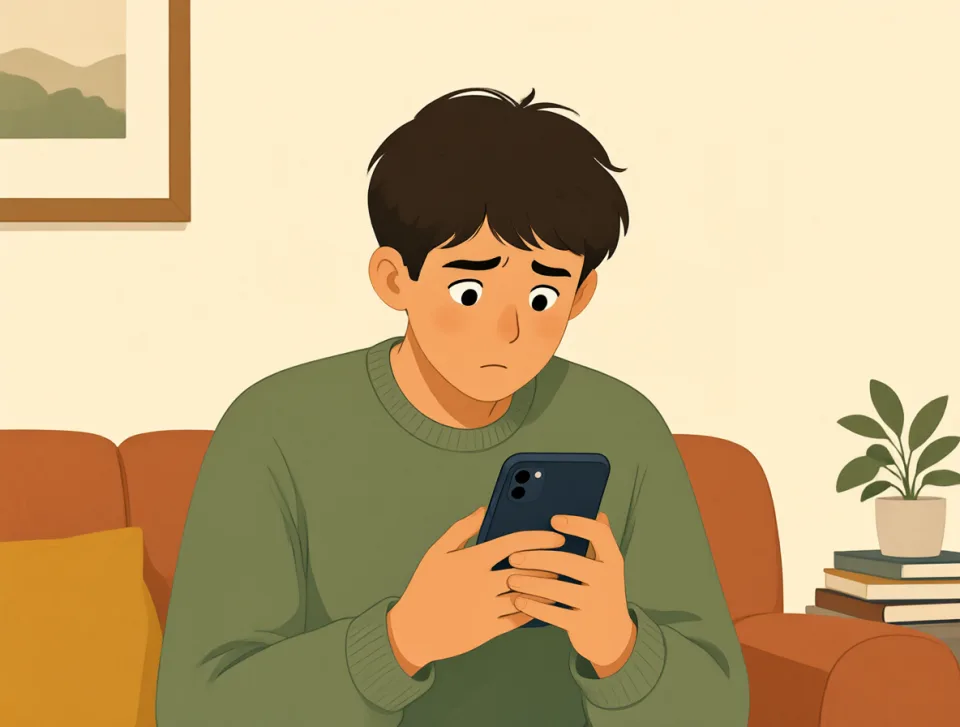
Should I call the doctor today?
Czy powinienem dziś zadzwonić do lekarza?
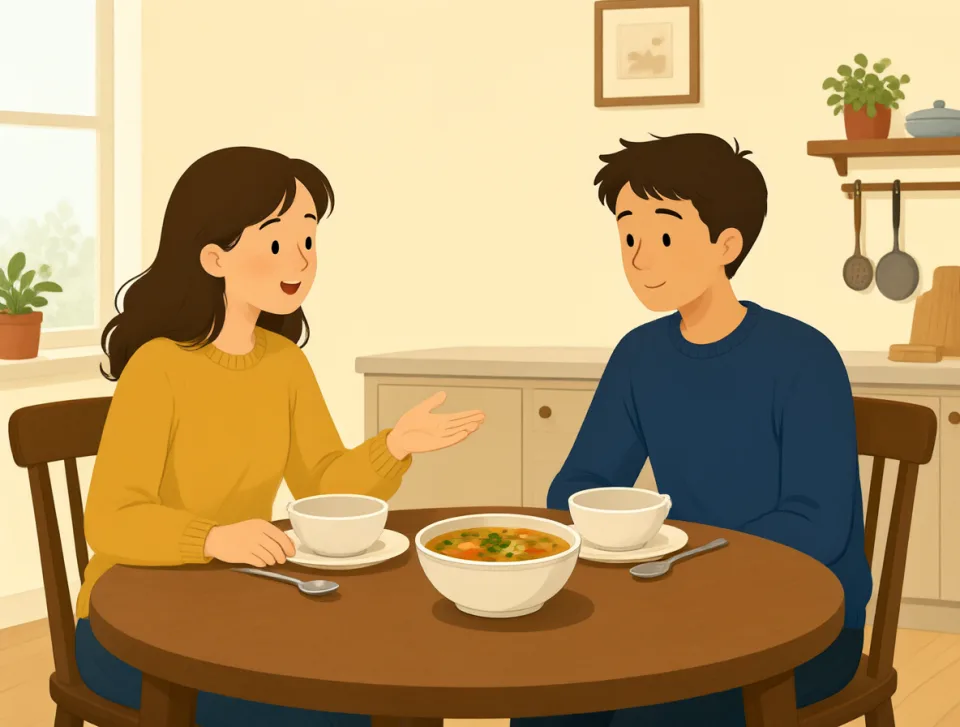
You should try the vegetable soup.
Powinieneś spróbować zupy warzywnej.
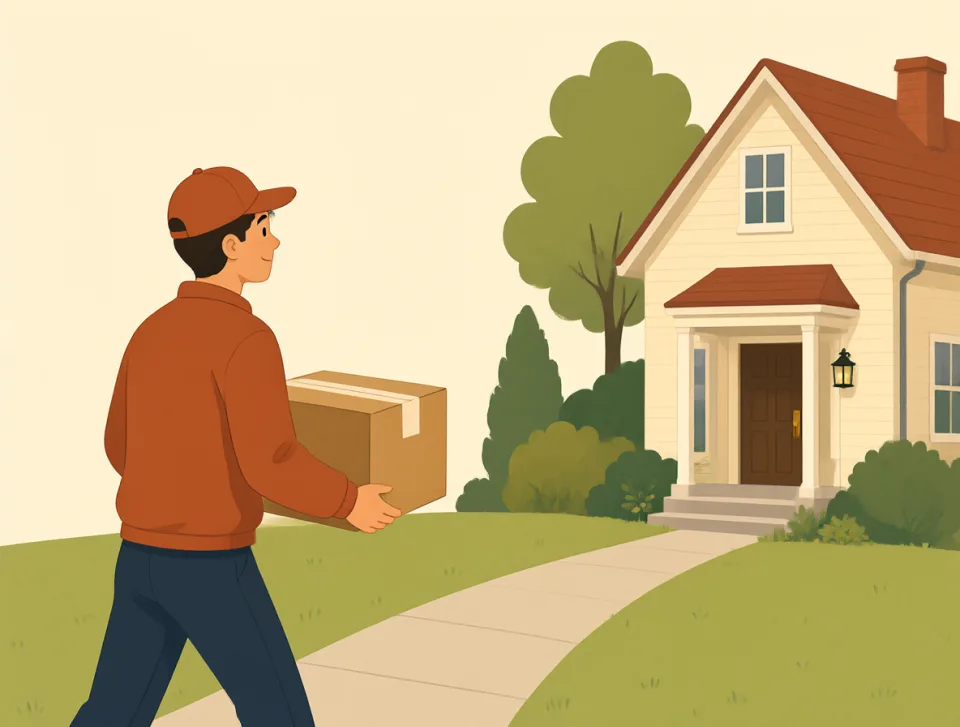
The package should arrive tomorrow.
Przesyłka powinna dotrzeć jutro.
need
#90verb, noun
potrzebować
To require something or feel that something is necessary.
Wymagać czegoś lub czuć, że coś jest konieczne.
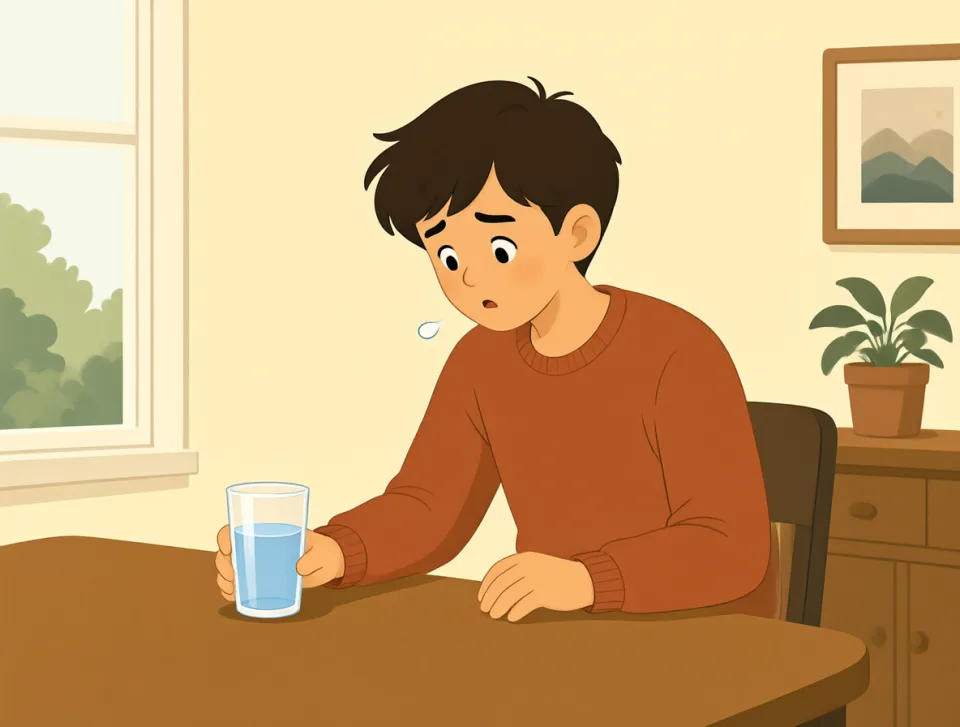
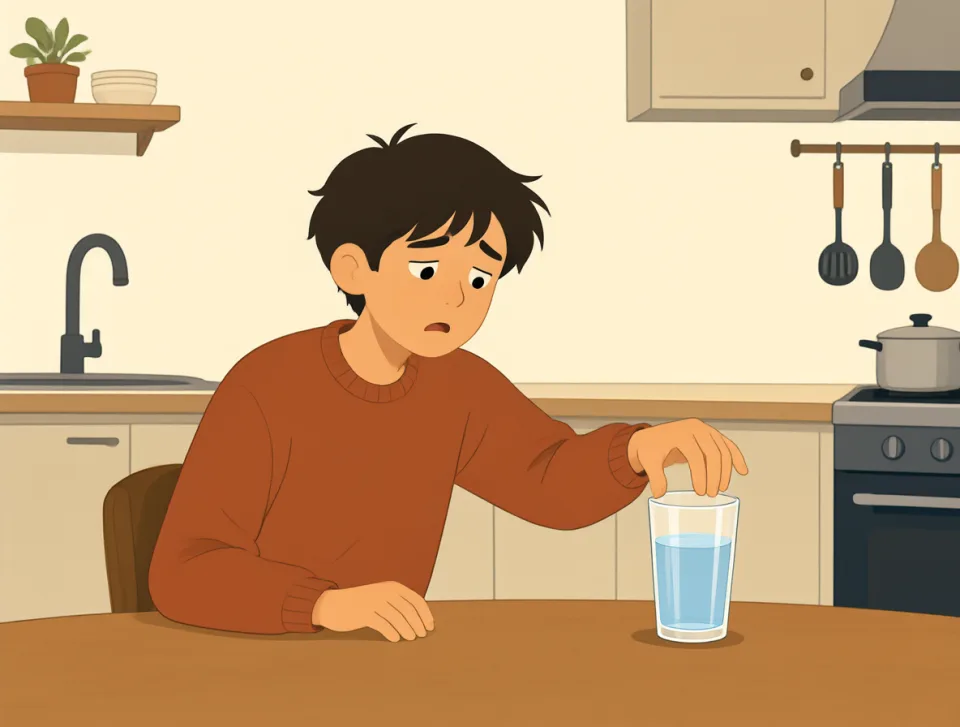
I need some water, please.
Poproszę trochę wody.
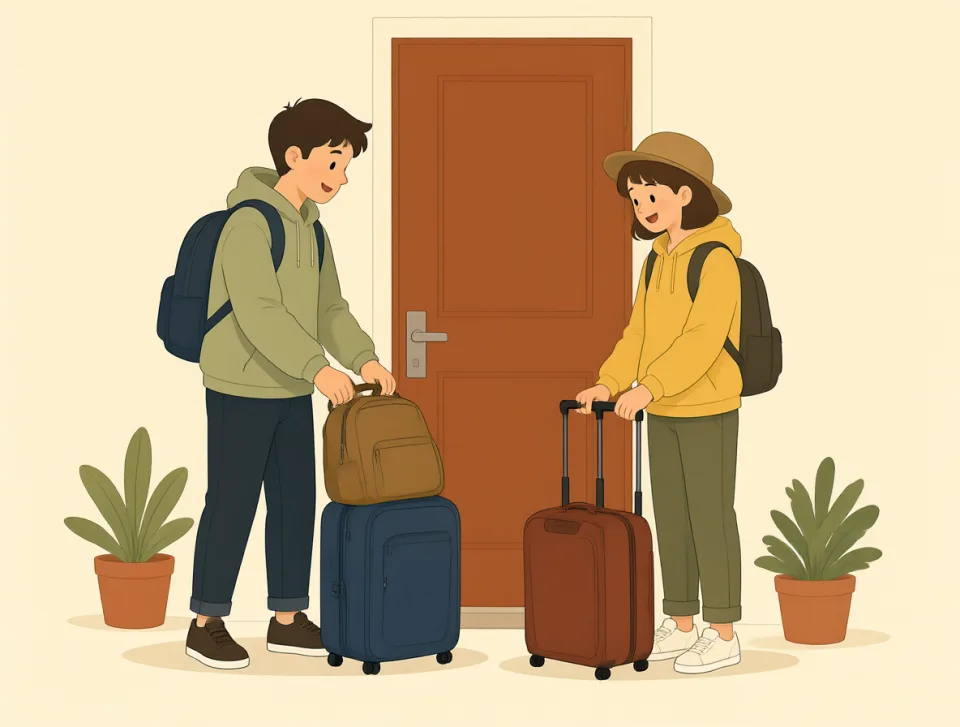
We need to leave early tomorrow.
Musimy jutro wyjechać wcześnie.

She needs help with her homework.
Ona potrzebuje pomocy przy odrabianiu pracy domowej.

Do you need anything from the shop?
Potrzebujesz czegoś ze sklepu?
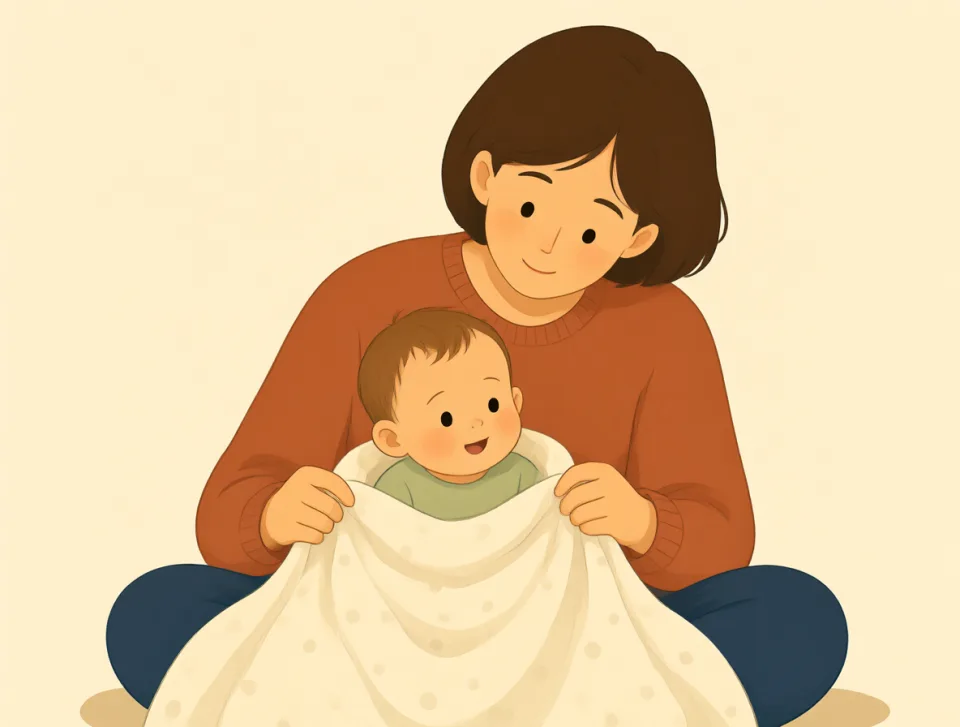
The baby needs a warm blanket.
Dziecko potrzebuje ciepłego koca.
much
#91adverb, determiner, pronoun
dużo
A large amount or a lot; used mostly in questions and negative sentences.
Duża ilość; tego słowa używa się głównie w pytaniach i zdaniach przeczących.
I don't have much time today.
Nie mam dziś dużo czasu.
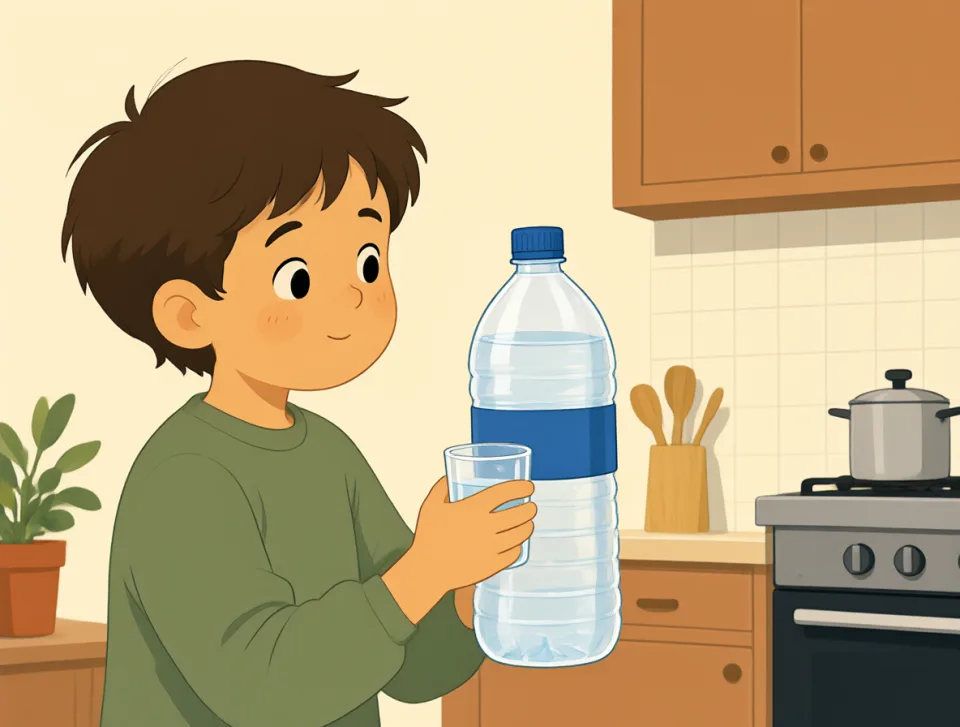
How much water do you drink?
Ile wody pijesz?
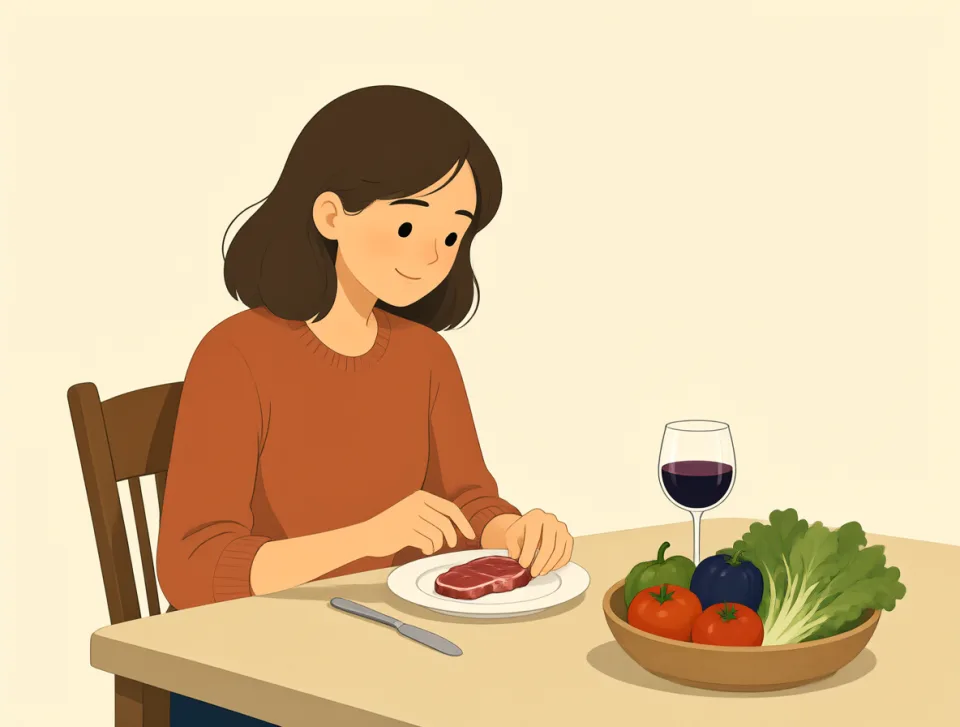
She doesn't eat much meat.
Ona nie je dużo mięsa.
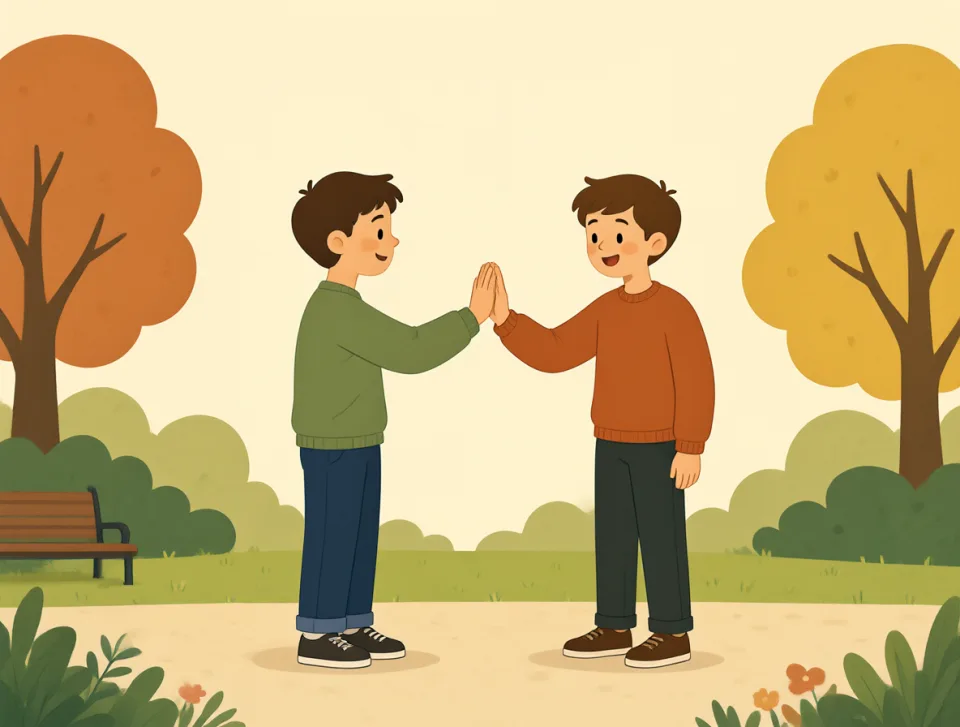
Thank you very much for your help.
Bardzo dziękuję za pomoc.
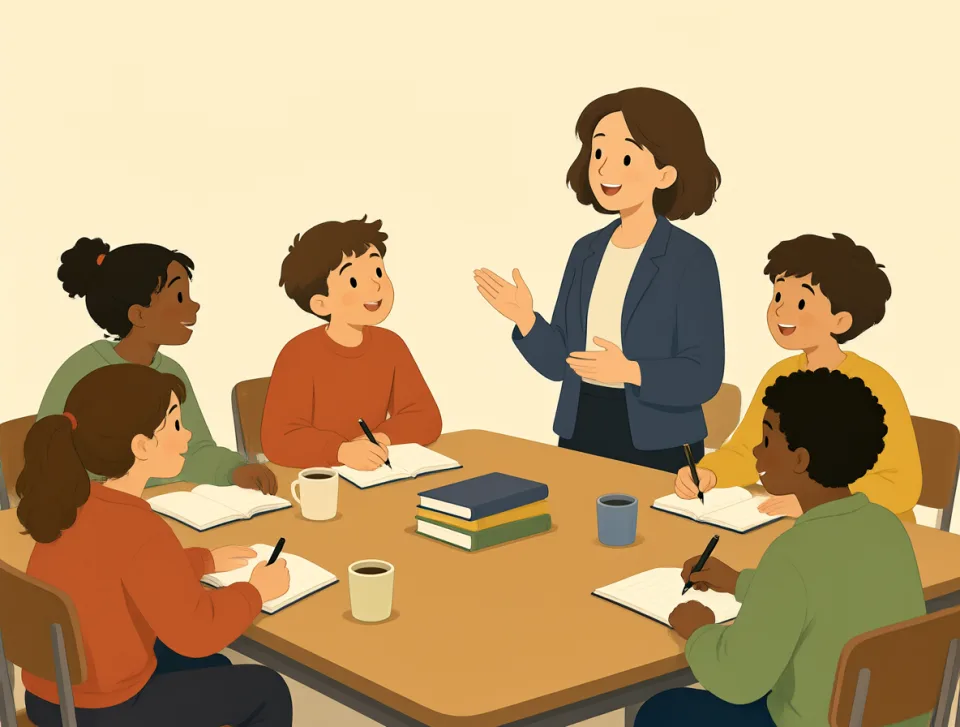
We learned much from our teacher.
Wiele nauczyliśmy się od naszego nauczyciela.
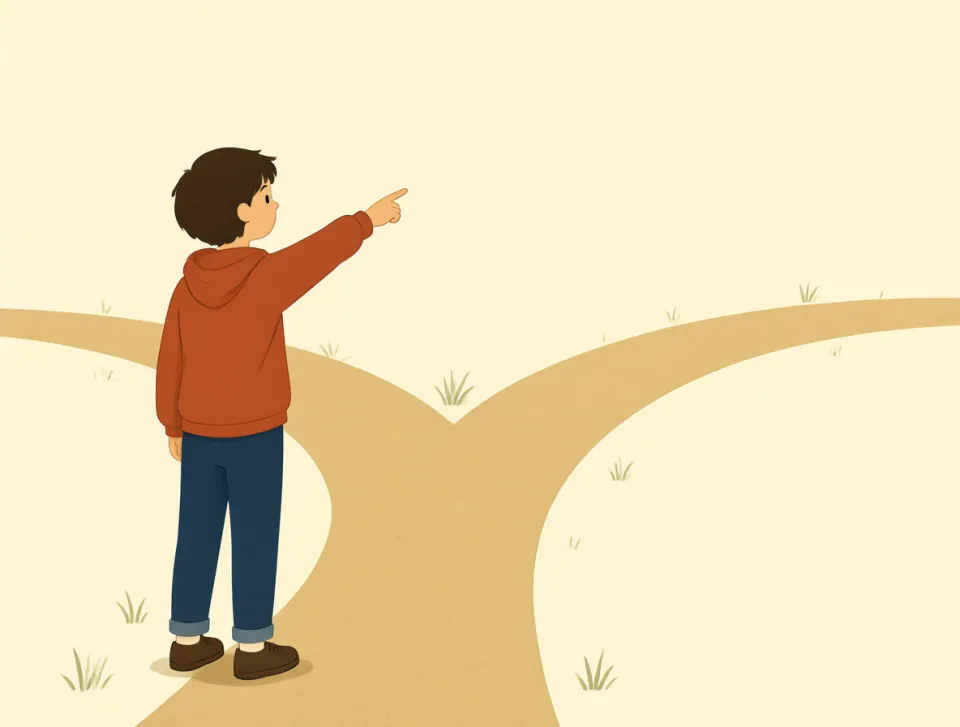
right
#92adjective, adverb, noun
prawidłowy; prawy
Correct, or on the side opposite your left hand.
Prawidłowy albo znajdujący się po stronie przeciwnej do lewej ręki.
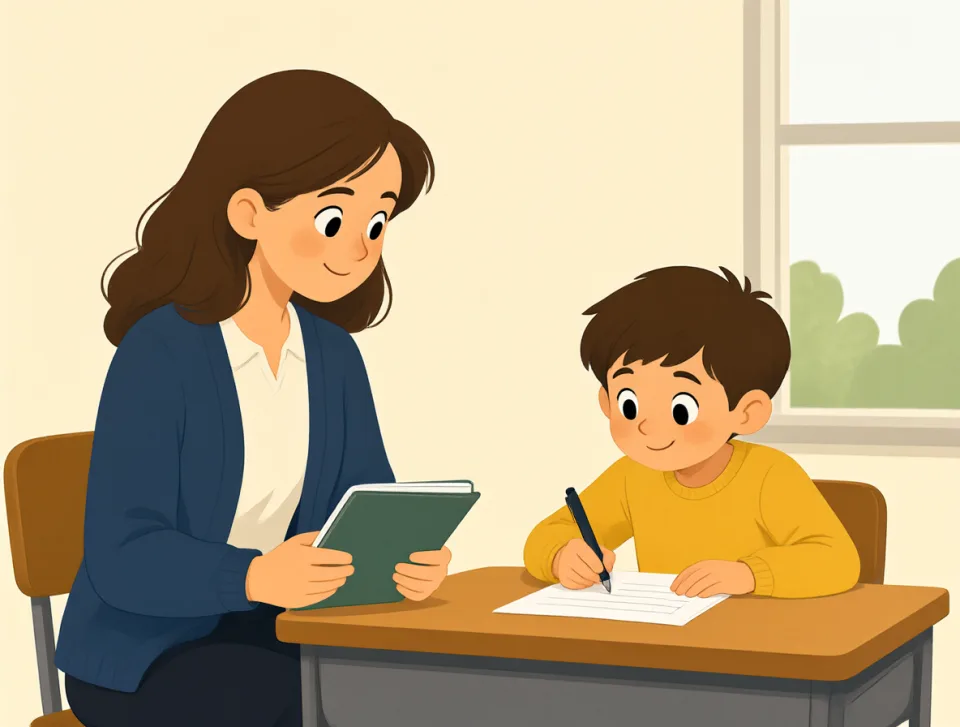
Your answer is right.
Twoja odpowiedź jest prawidłowa.
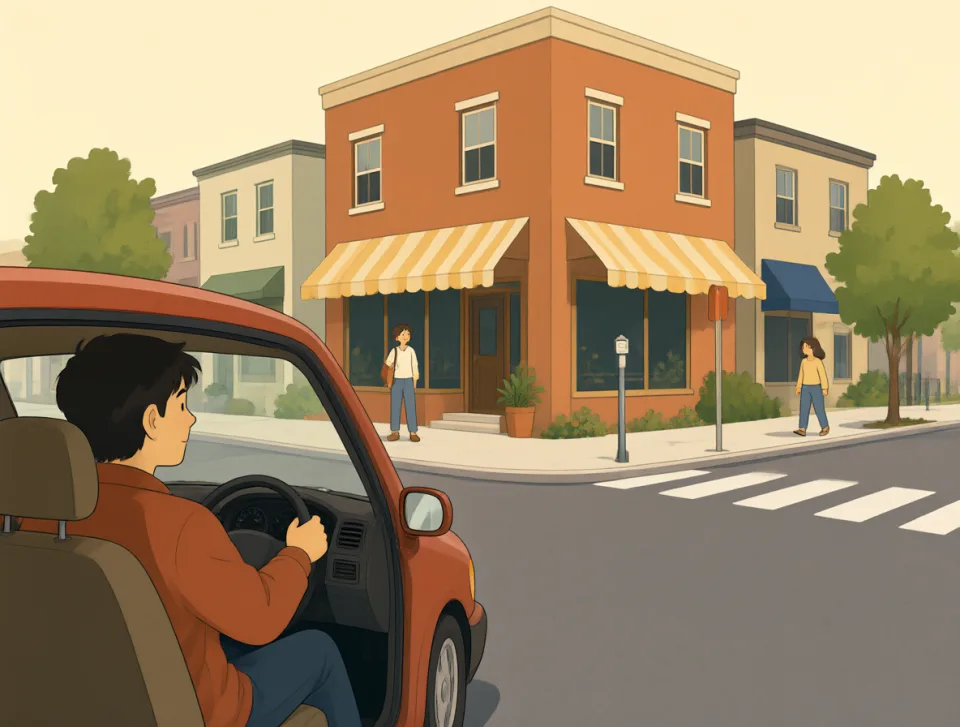
Please turn right at the next street.
Skręć w prawo na następnej ulicy.
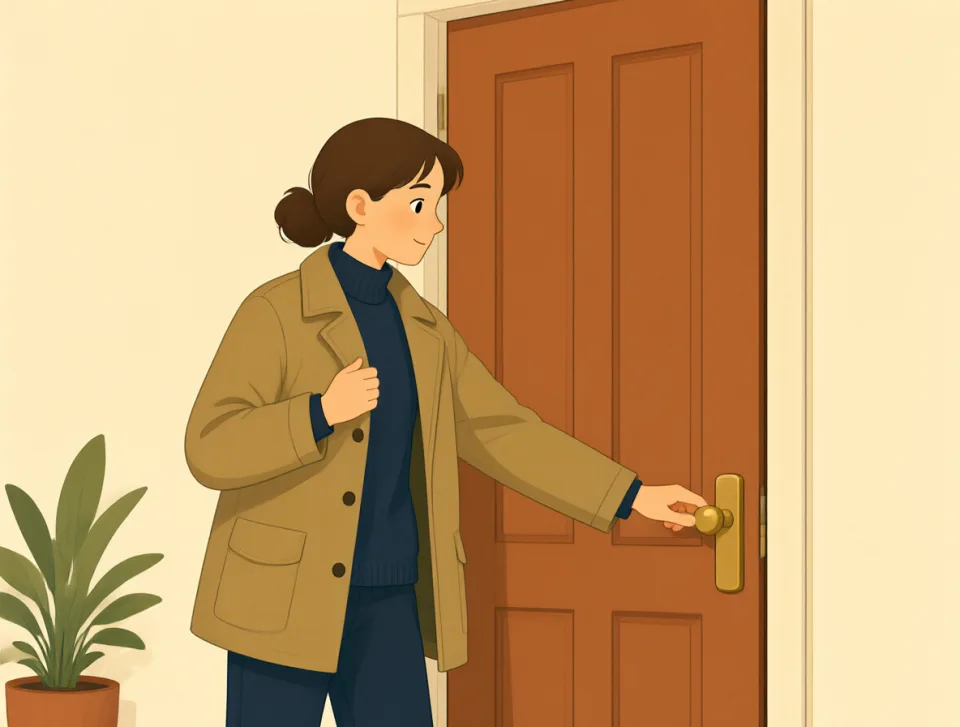
I need to leave right now.
Muszę wyjść natychmiast.
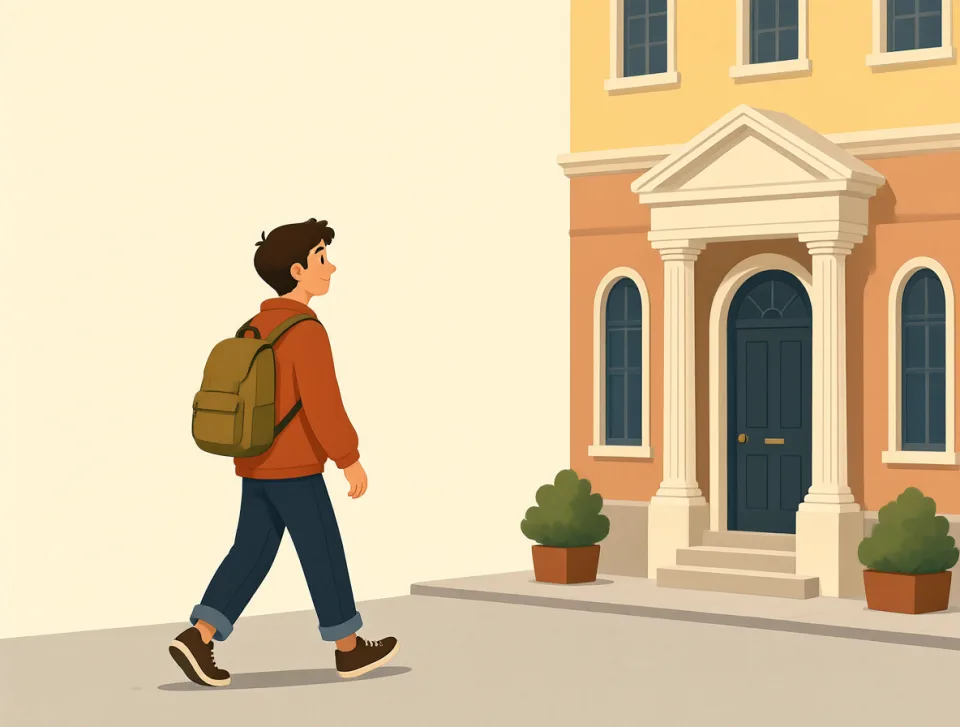
The bank is on the right.
Bank jest po prawej stronie.
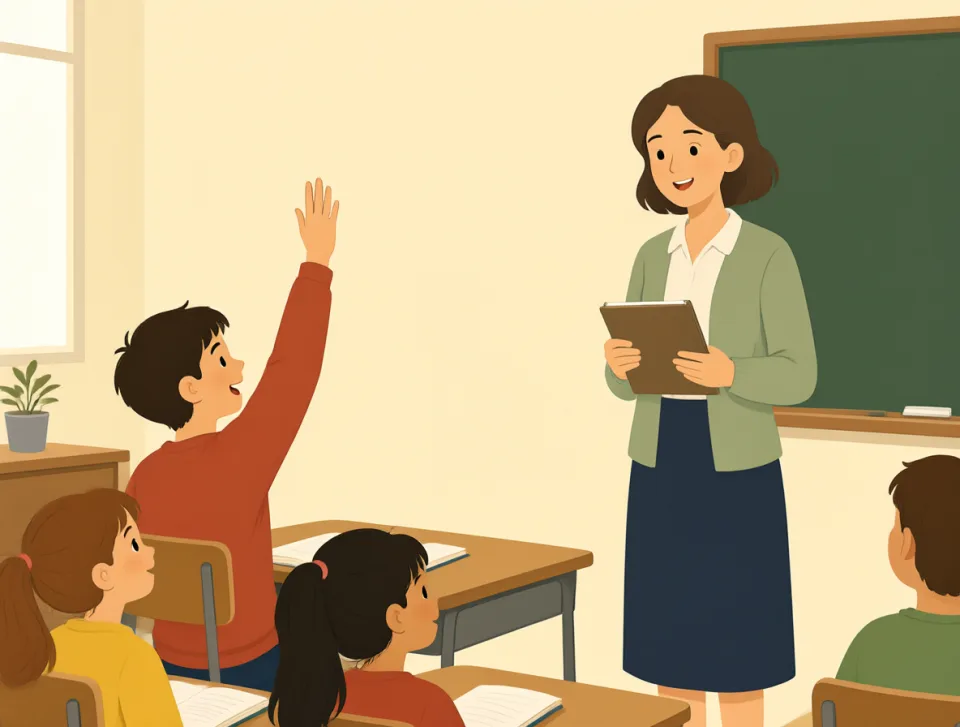
You have the right to ask questions.
Masz prawo zadawać pytania.
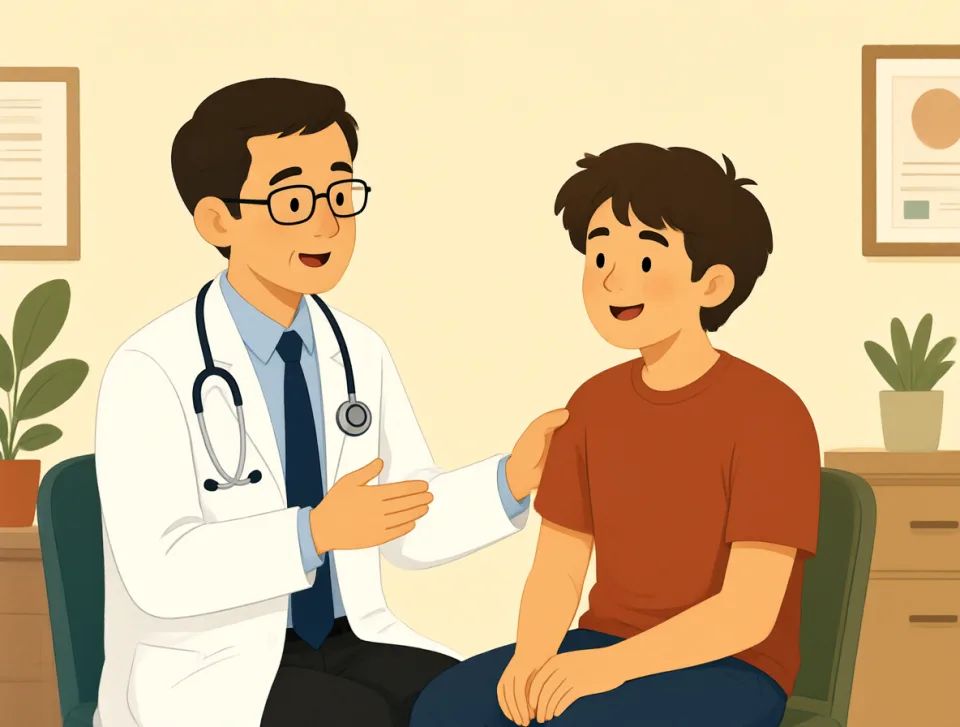
how
#93adverb, conjunction, pronoun
jak
Used to ask or explain the way something happens or is done.
Służy do pytania lub wyjaśniania, w jaki sposób coś się dzieje albo jest wykonywane.
How are you feeling today?
Jak się dziś czujesz?
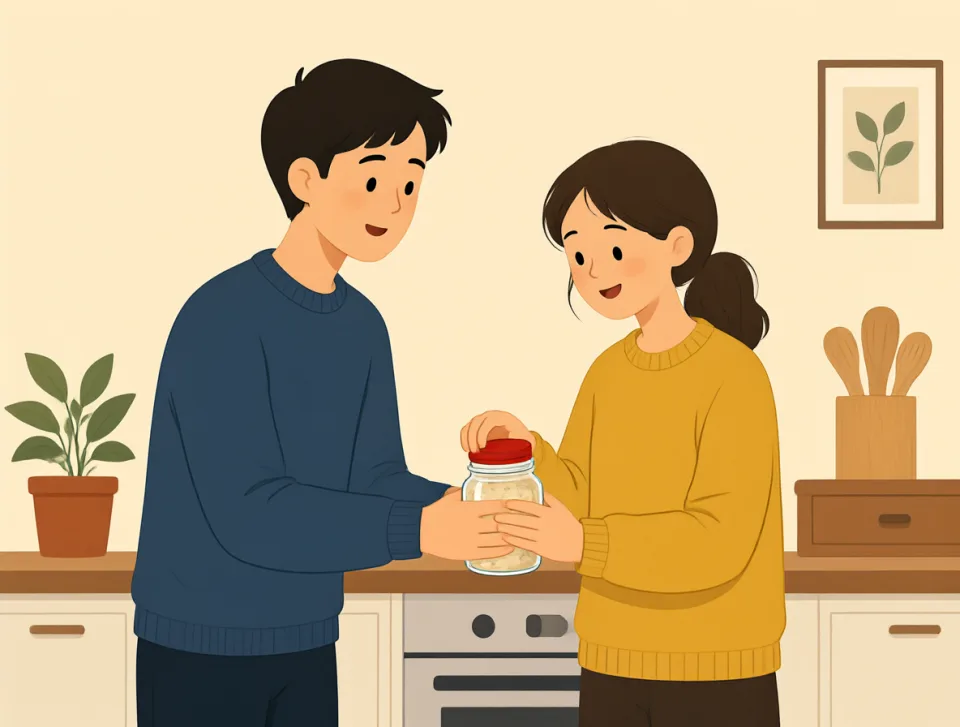
Can you show me how to open it?
Możesz pokazać mi, jak to otworzyć?
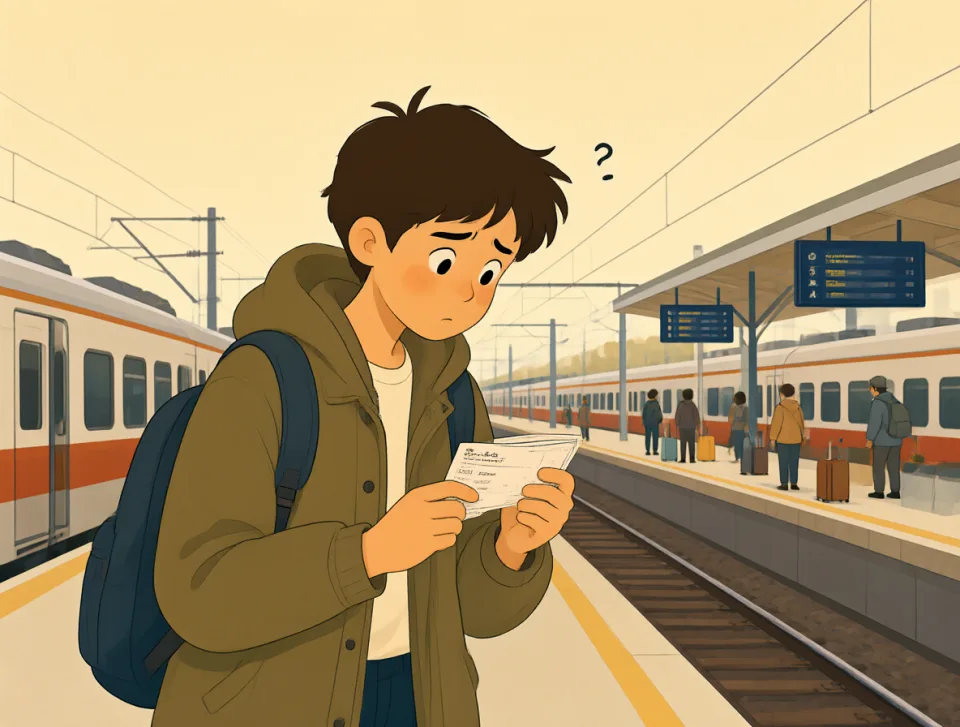
I forgot how much the tickets cost.
Zapomniałem, ile kosztowały bilety.
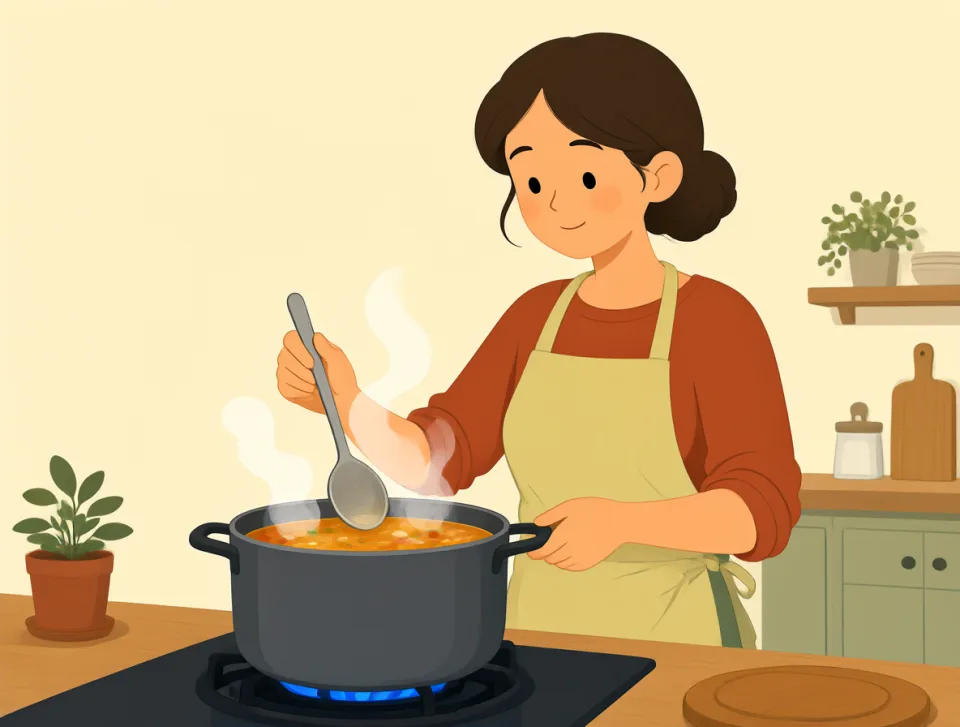
She knows how to make good soup.
Ona wie, jak ugotować dobrą zupę.

How did you get home so late?
Jak wróciłeś do domu tak późno?
back
#94noun, verb, adjective, adverb, preposition
plecy; z powrotem
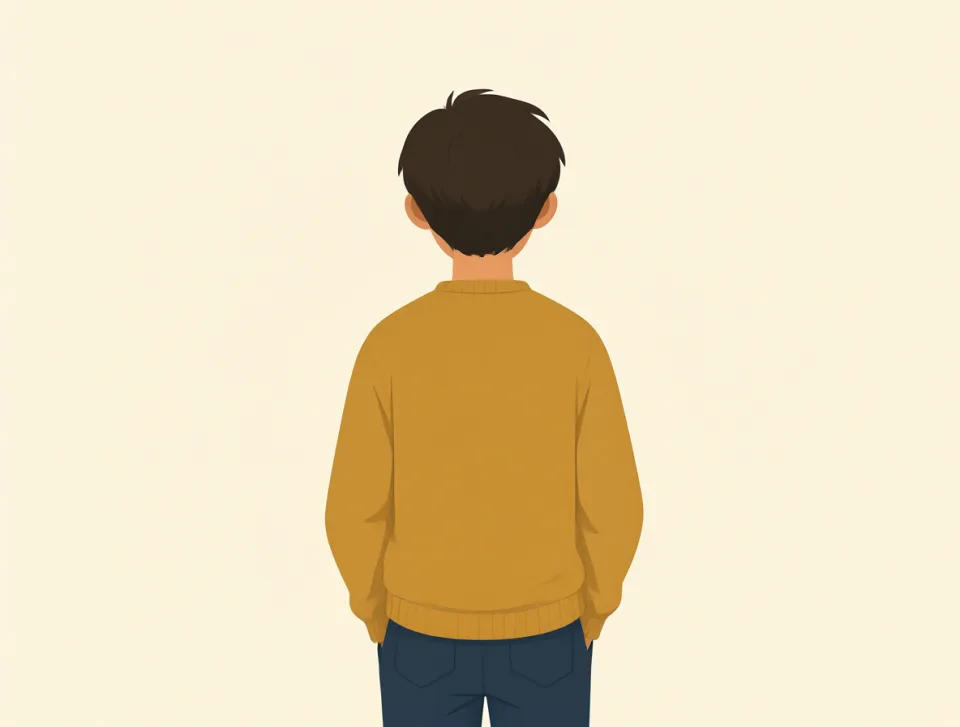
The part of your body opposite your chest, or toward the place you came from.
Część ciała znajdująca się po przeciwnej stronie niż klatka piersiowa albo kierunek do miejsca, z którego się przyszło.
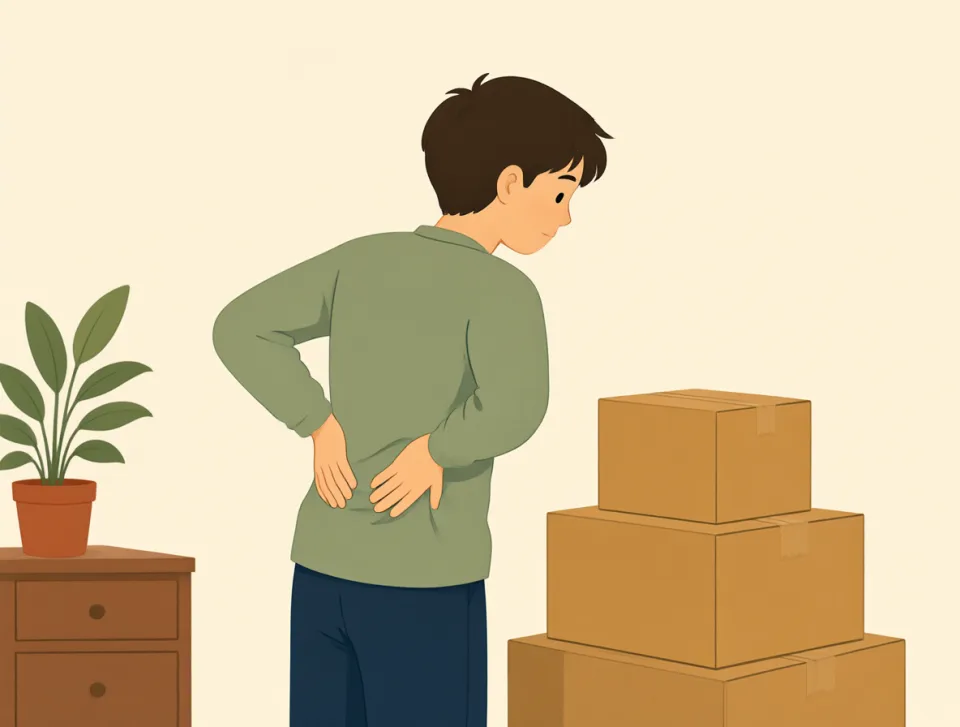
My back hurts after carrying the boxes.
Bolą mnie plecy po noszeniu pudeł.
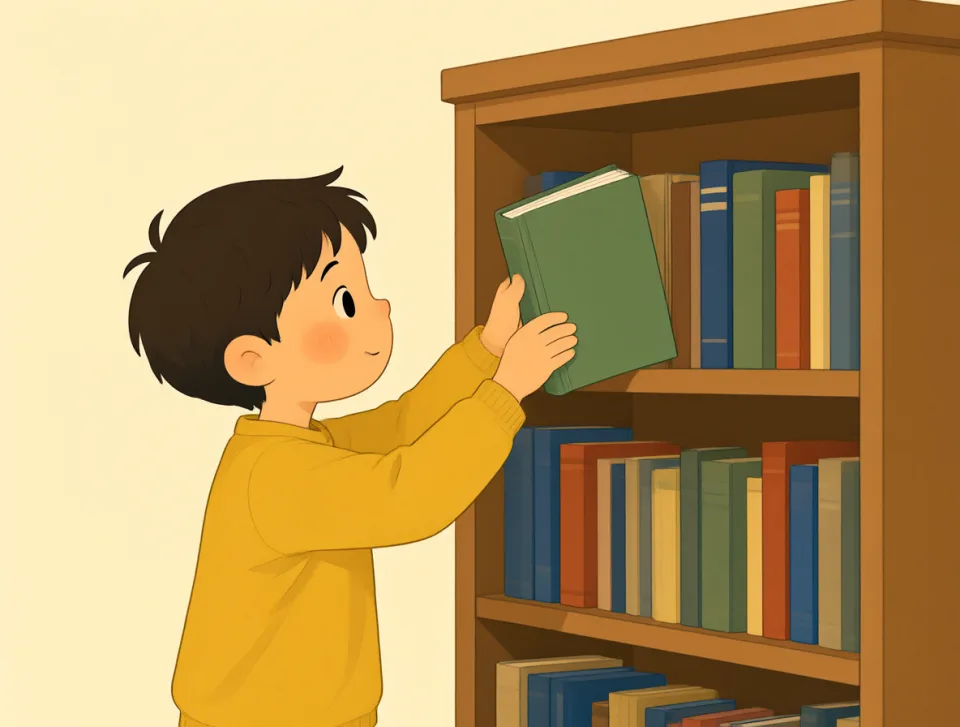
Please put the book back on the shelf.
Odłóż proszę książkę z powrotem na półkę.
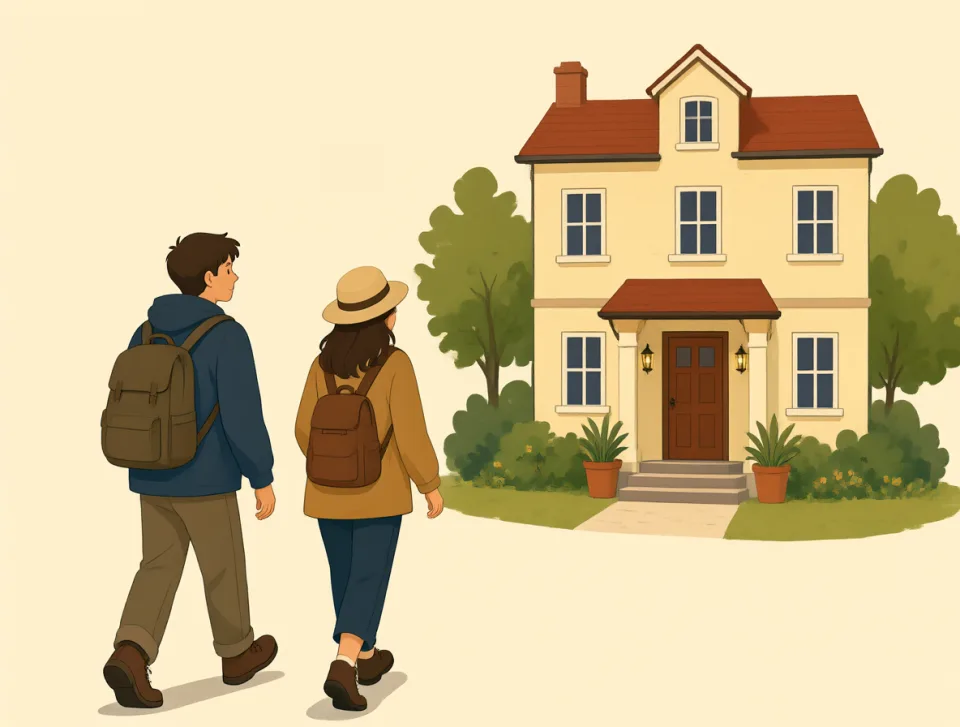
We walked back to the hotel after dinner.
Po kolacji wróciliśmy pieszo do hotelu.
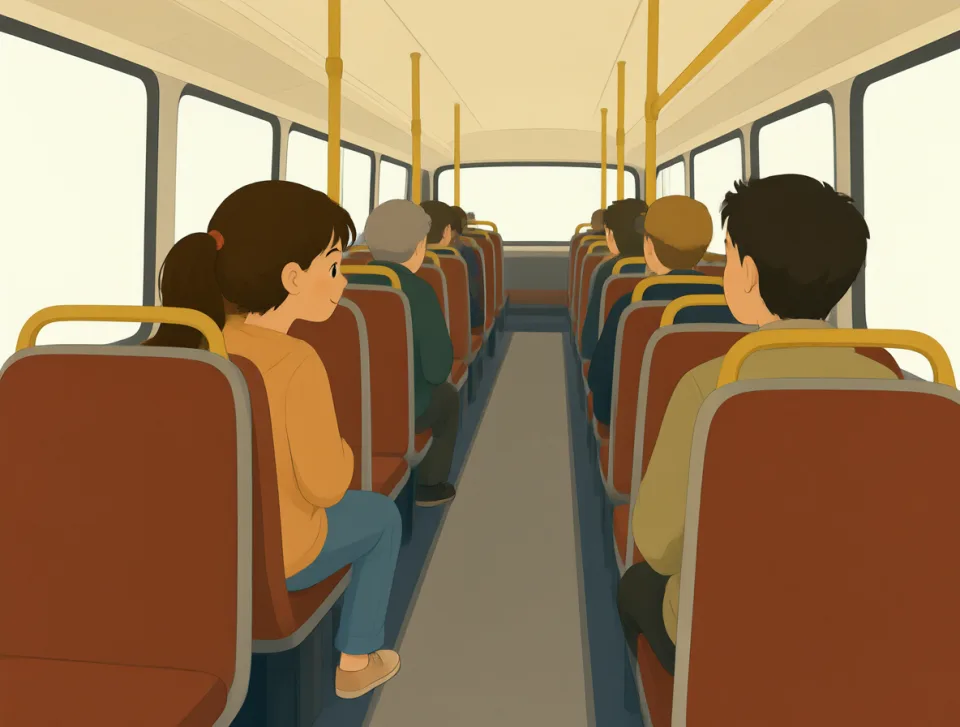
She sat in the back of the bus.
Usiadła z tyłu autobusu.
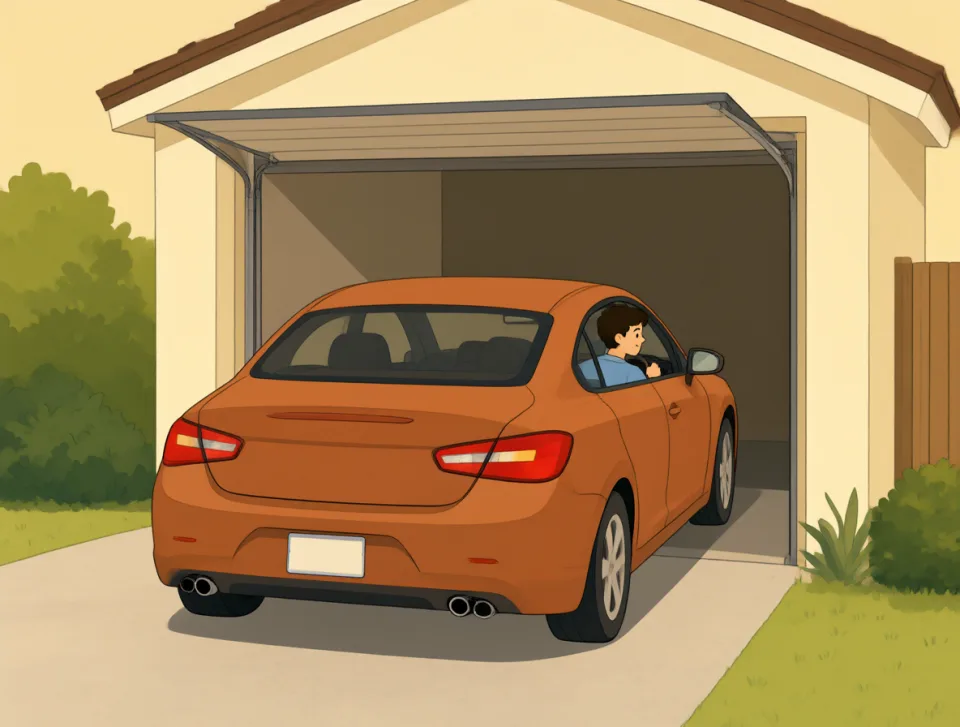
He backed the car into the garage.
Wjechał samochodem tyłem do garażu.
mean
#95verb, adjective, noun
znaczyć
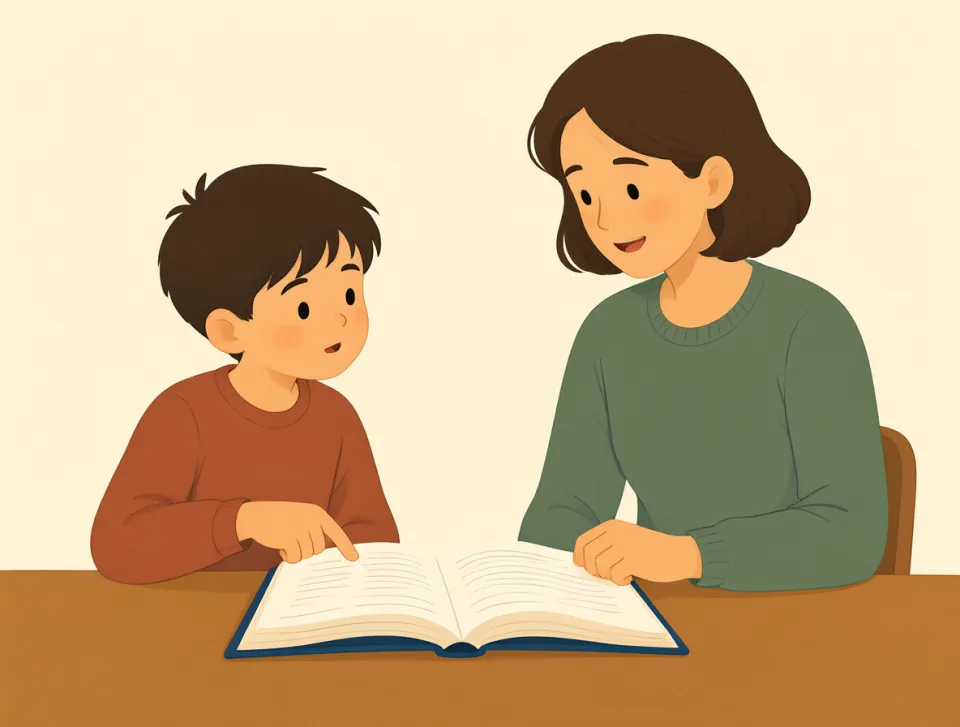
To mean is to have a particular meaning or intend to say something.
„Mean” znaczy mieć określone znaczenie albo zamierzać coś powiedzieć.
What does this word mean?
Co znaczy to słowo?
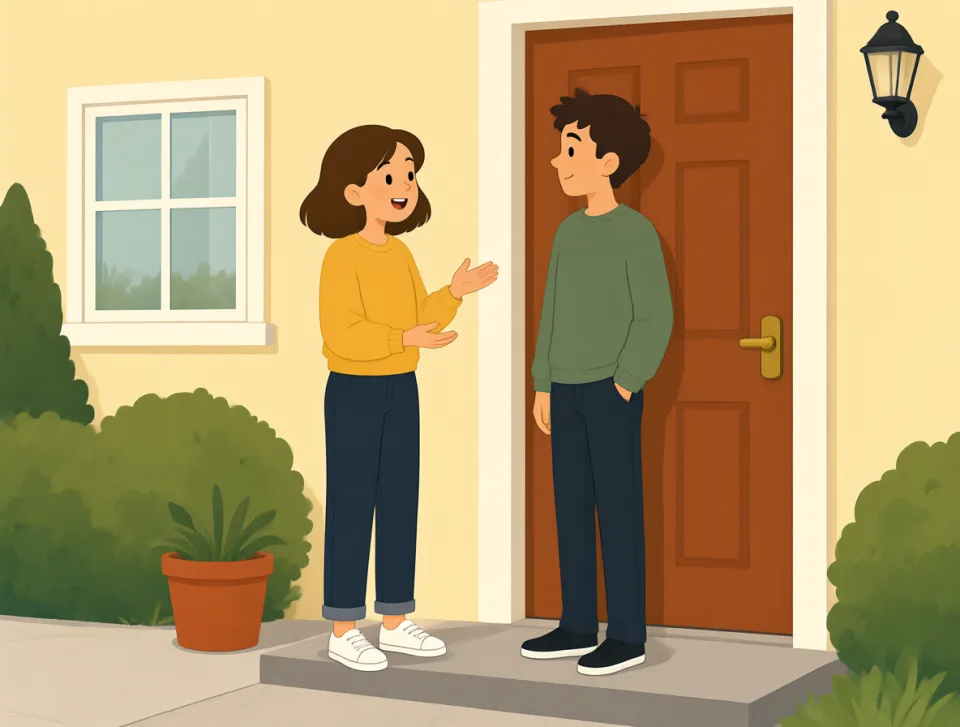
I mean we should leave now.
Mam na myśli to, że powinniśmy już wyjść.
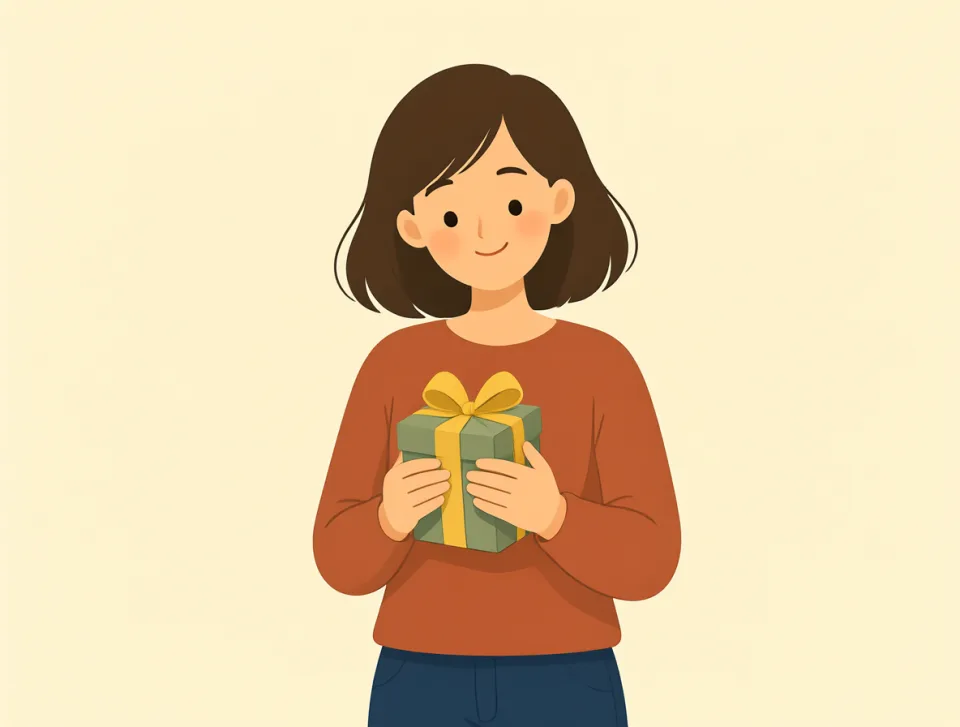
This gift means a lot to me.
Ten prezent wiele dla mnie znaczy.
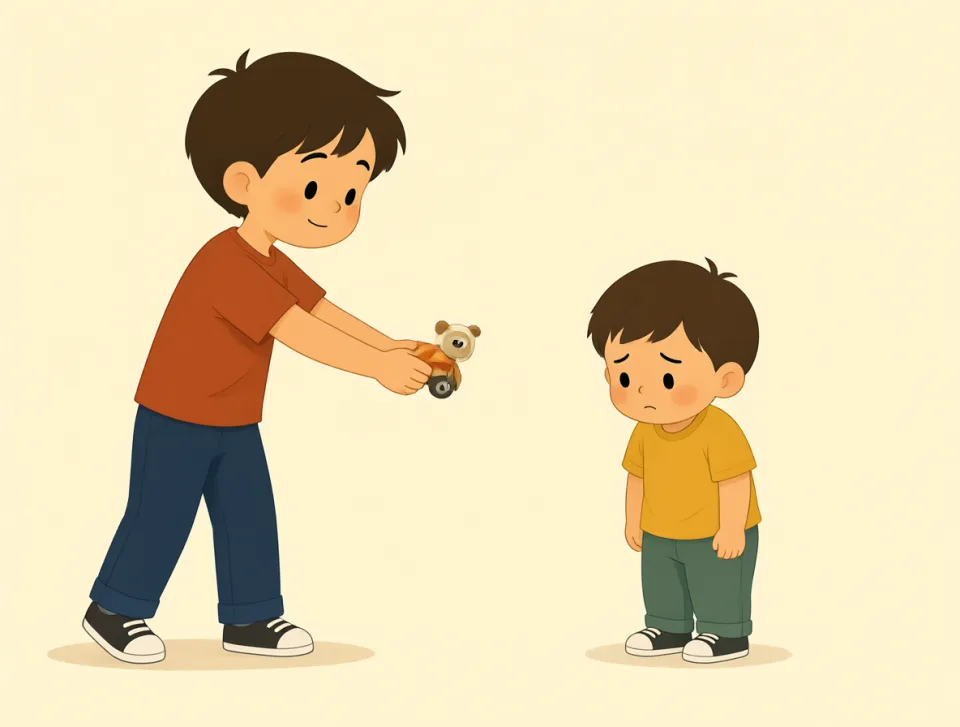
He was mean to his little brother.
Był niemiły dla swojego młodszego brata.
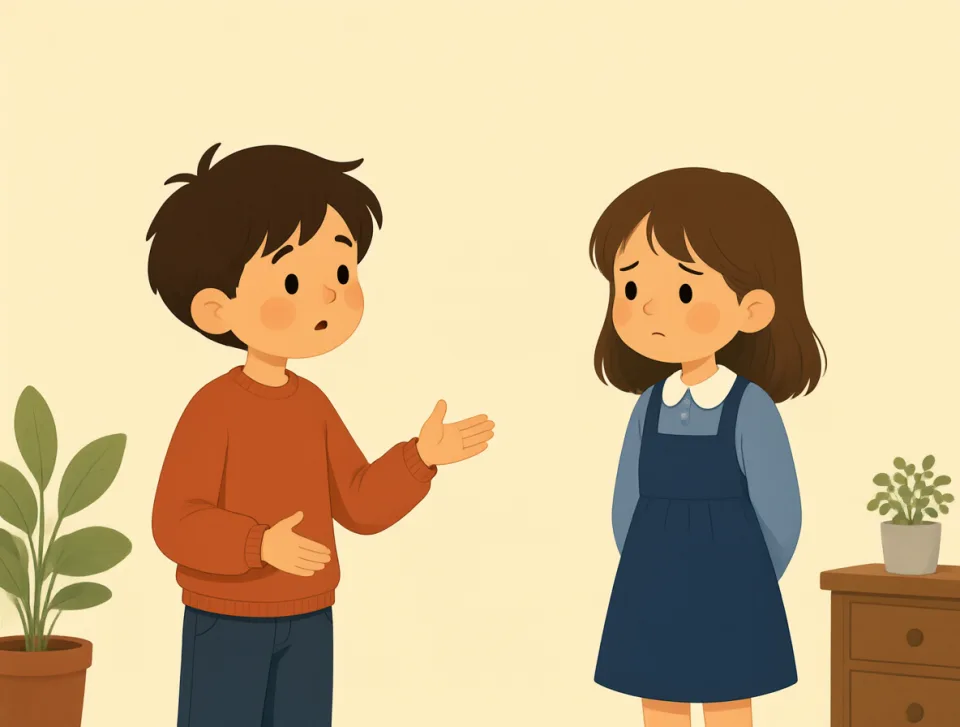
That was a mean joke.
To był złośliwy żart.

even
#96adverb, adjective, verb
nawet; równy
Used to show something surprising, equal, flat, or fair.
Słowo używane, by podkreślić coś zaskakującego albo opisać coś równego, płaskiego lub sprawiedliwego.
Even my brother likes this song.
Nawet mój brat lubi tę piosenkę.
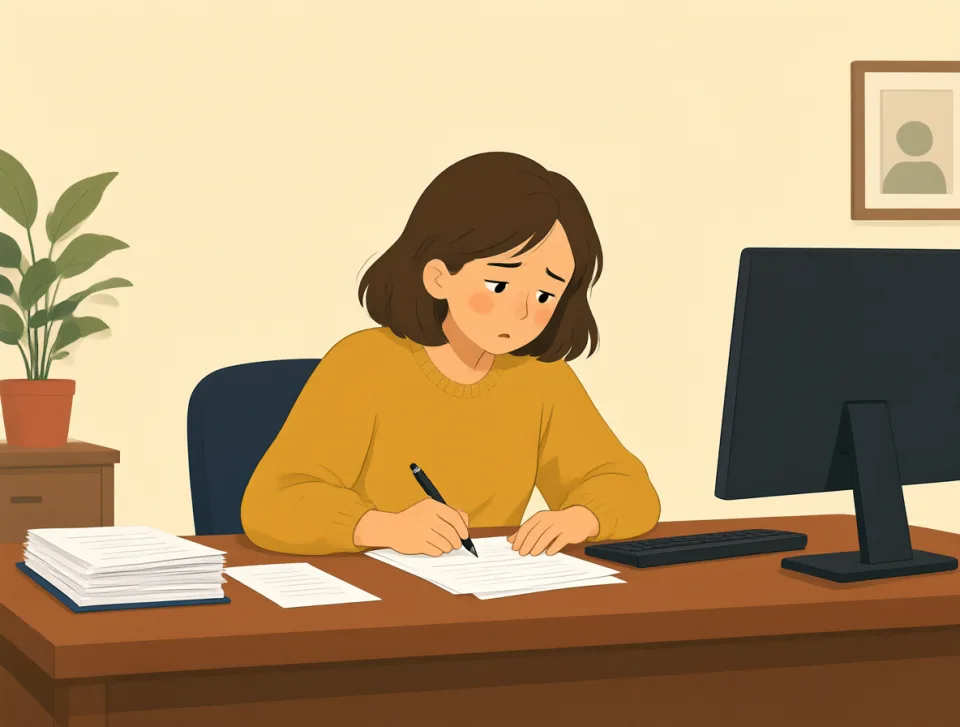
She was tired, but she even finished the work.
Była zmęczona, ale mimo to skończyła pracę.
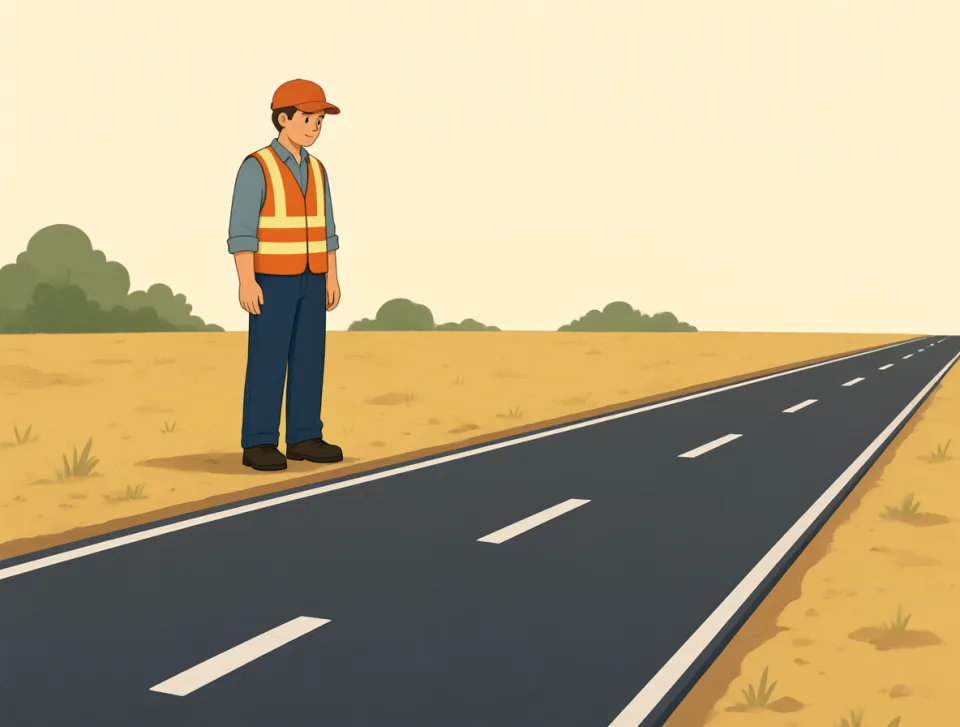
The road is even after the repairs.
Po naprawie droga jest równa.
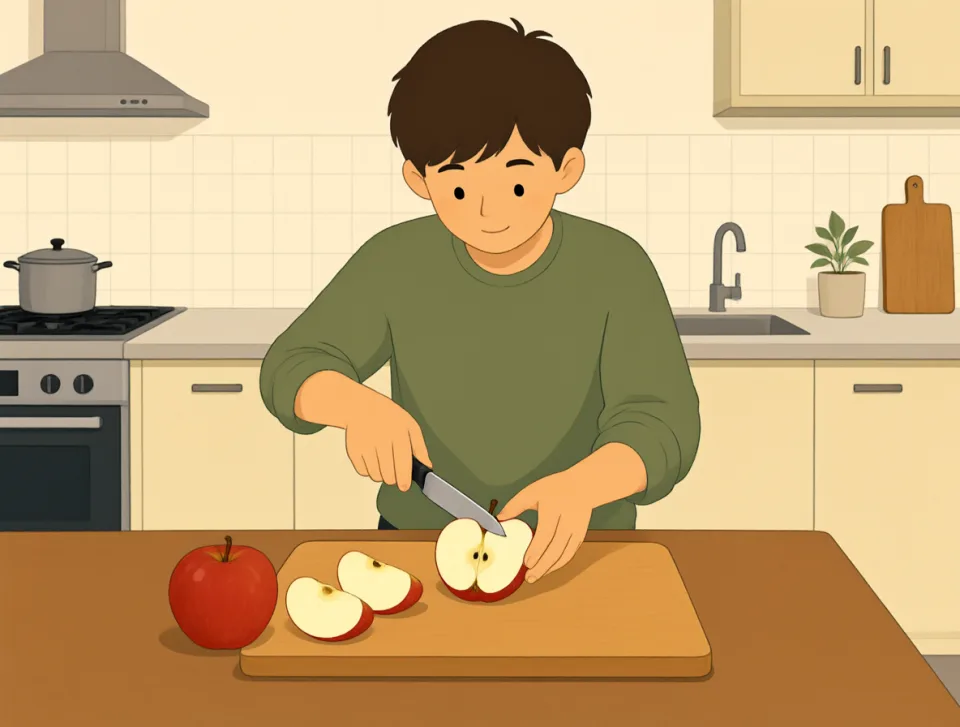
Cut the apple into even pieces.
Pokrój jabłko na równe kawałki.
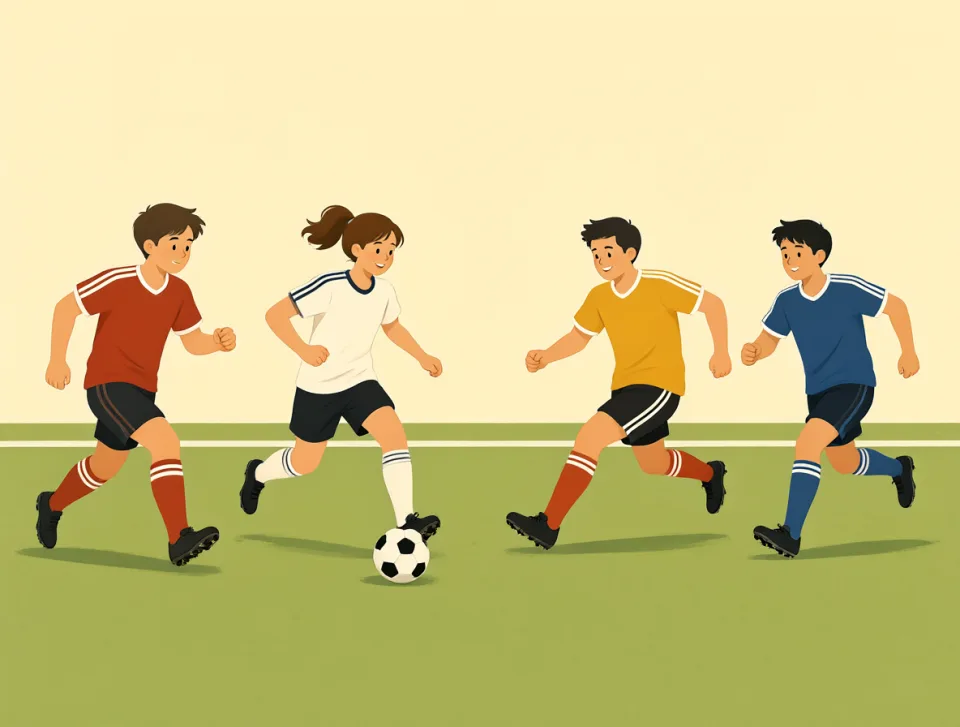
We played on an even team.
Graliśmy w drużynie, w której wszyscy mieli równe szanse.
may
#97modal verb, noun
może; móc
Used to say that something is possible or to ask for permission.
Słowo używane, by powiedzieć, że coś jest możliwe, albo poprosić o pozwolenie.
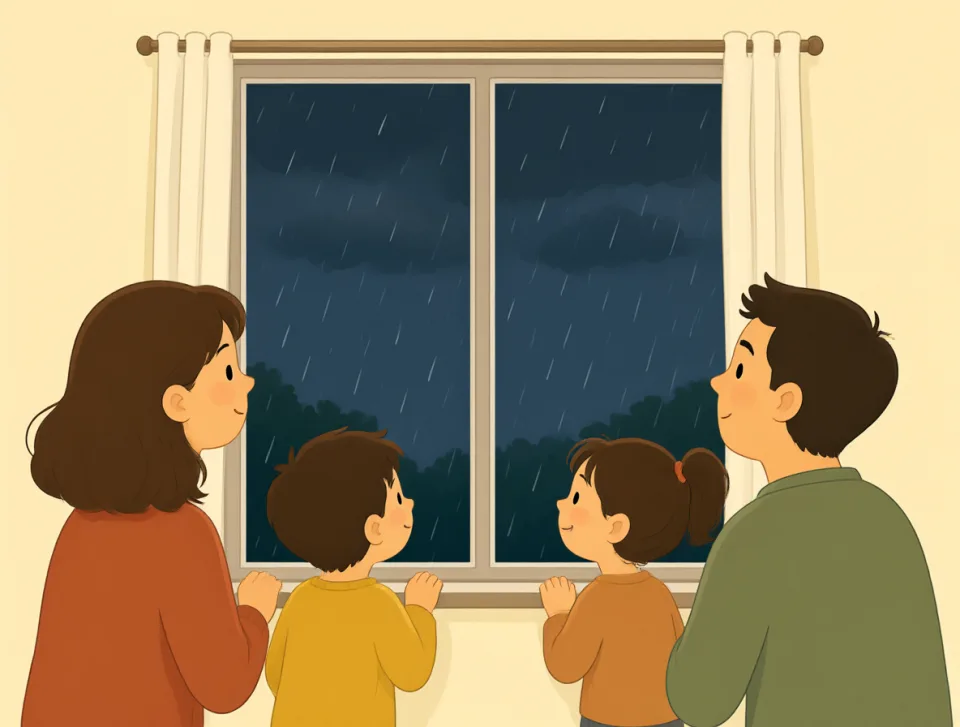
It may rain this afternoon.
Po południu może padać.
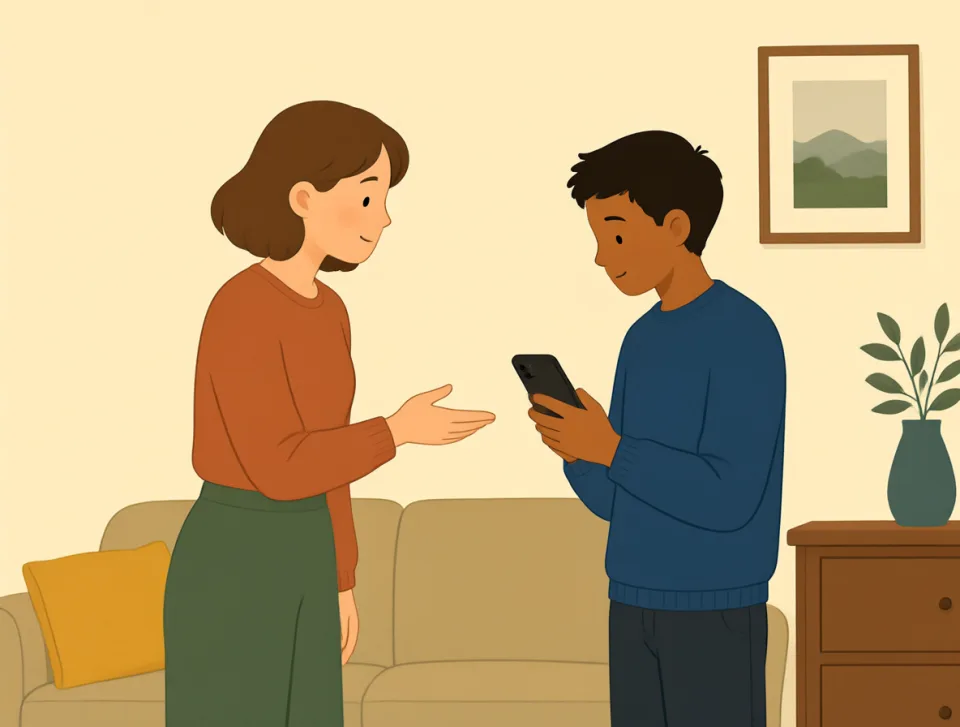
May I use your phone?
Czy mogę skorzystać z twojego telefonu?

You may leave work early today.
Możesz dziś wyjść wcześniej z pracy.
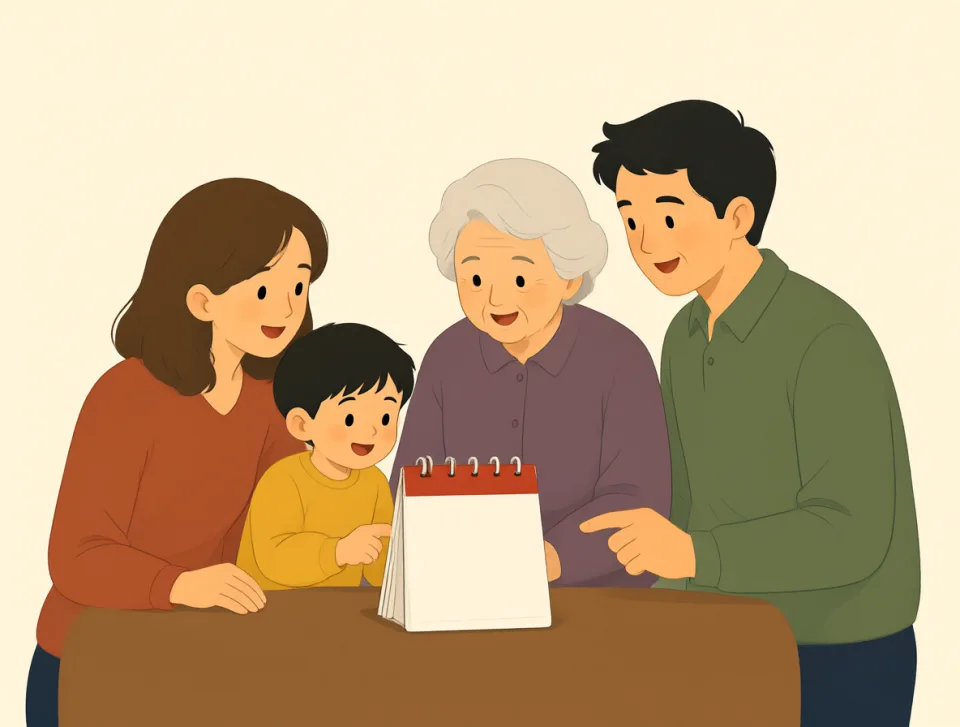
We may visit Grandma this weekend.
Może odwiedzimy babcię w ten weekend.
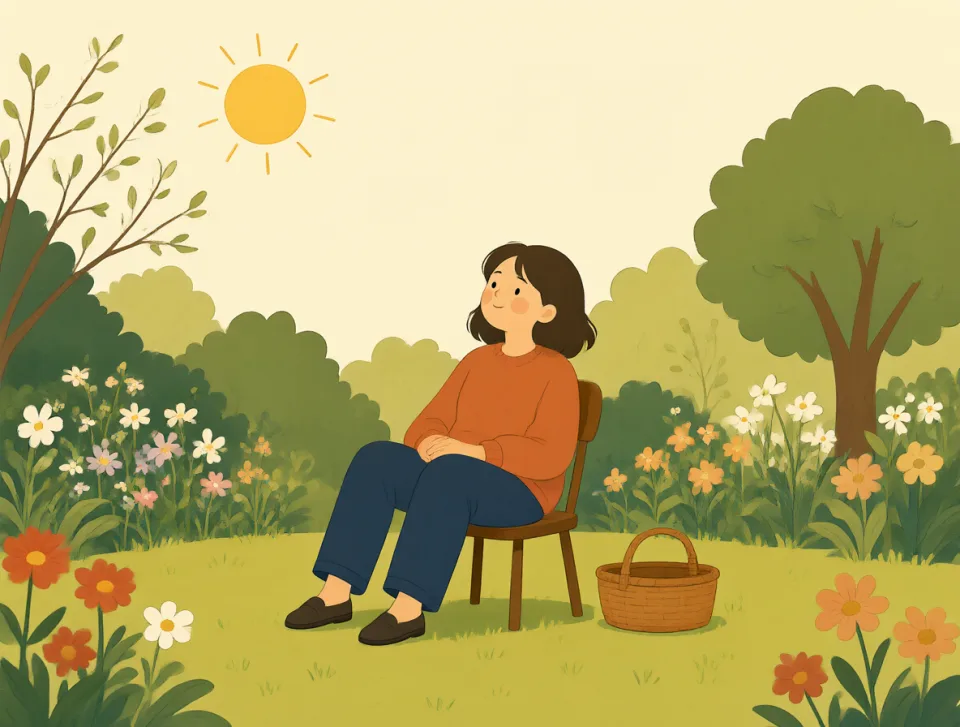
May is my favorite month.
Maj to mój ulubiony miesiąc.
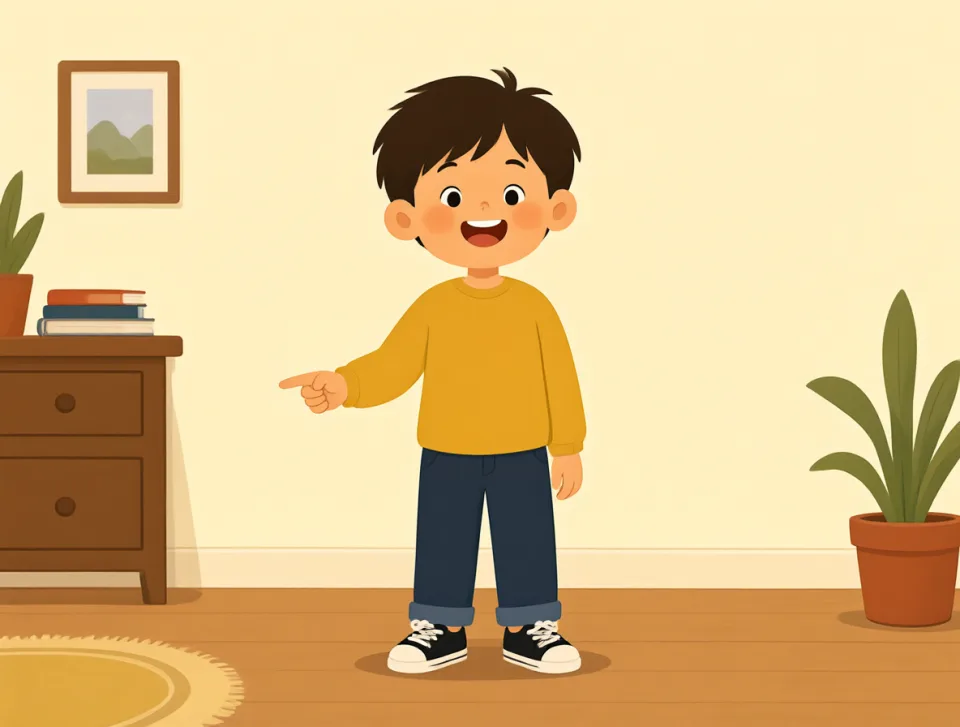
here
#98adverb, pronoun, adjective, noun
tutaj
in, at, or to this place
W tym miejscu, w tym miejscu lub do tego miejsca.

Please sit here beside me.
Usiądź, proszę, tutaj obok mnie.
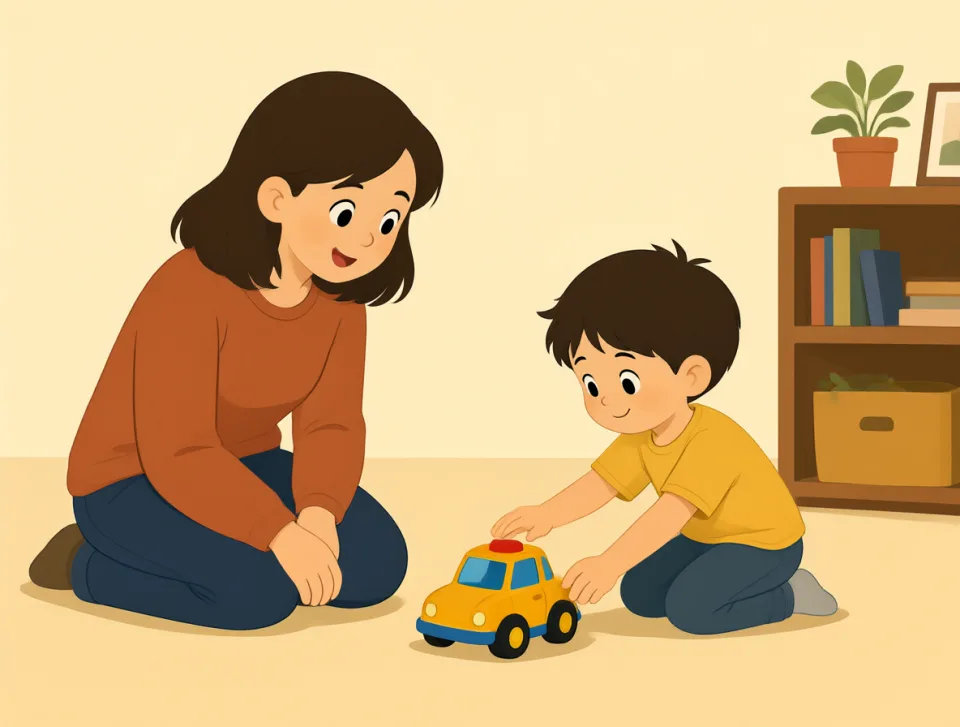
Come here and look at this.
Chodź tutaj i spójrz na to.
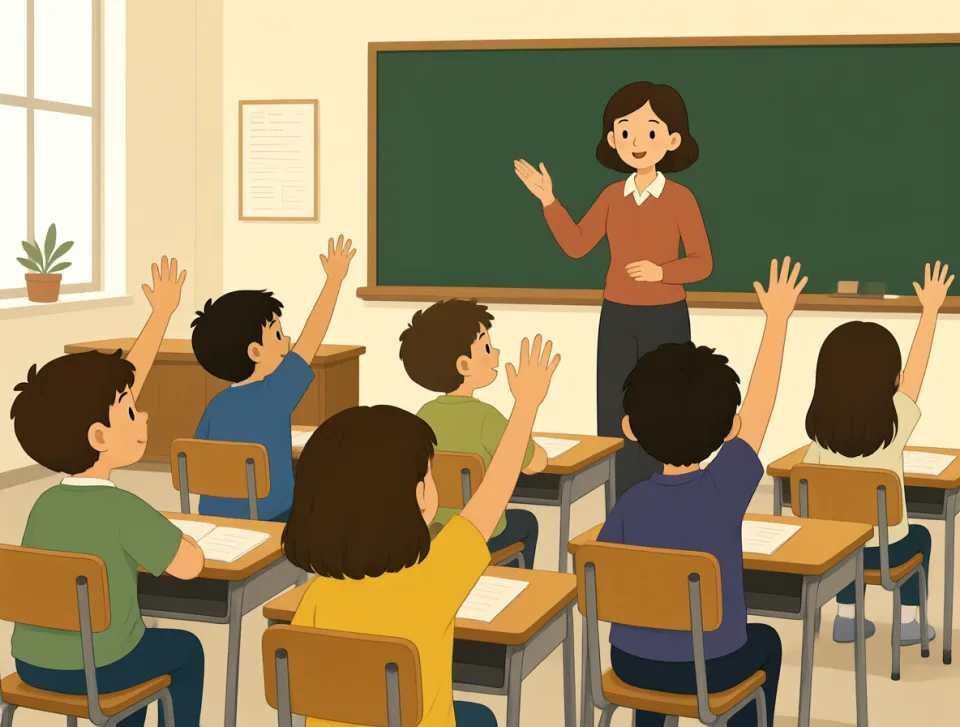
Is anyone here from our class?
Czy jest tu ktoś z naszej klasy?
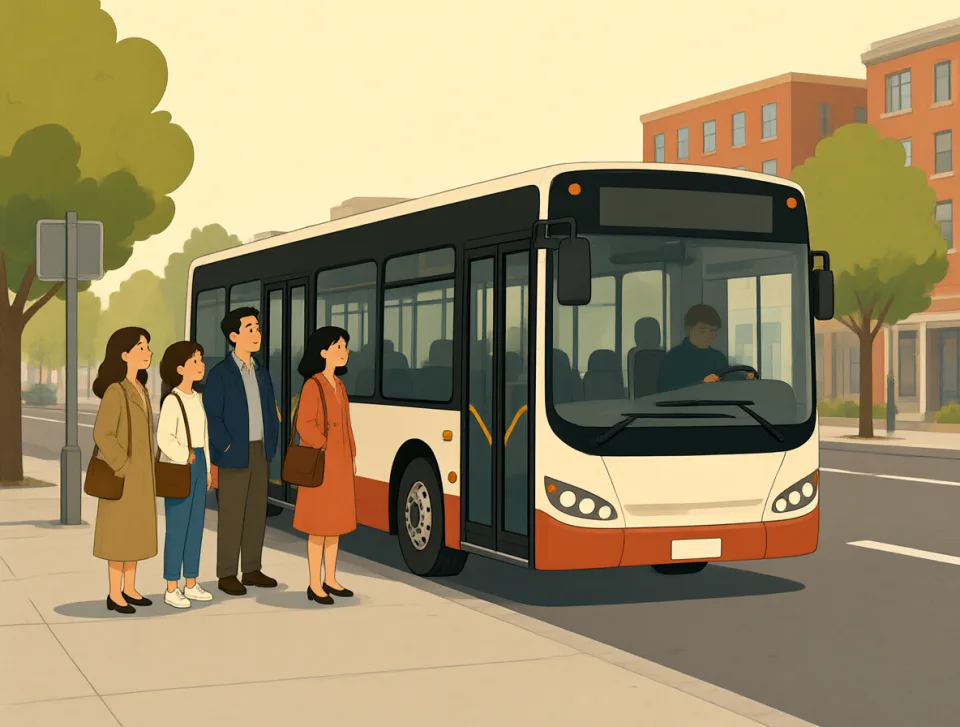
The bus stops here every morning.
Autobus zatrzymuje się tutaj każdego ranka.
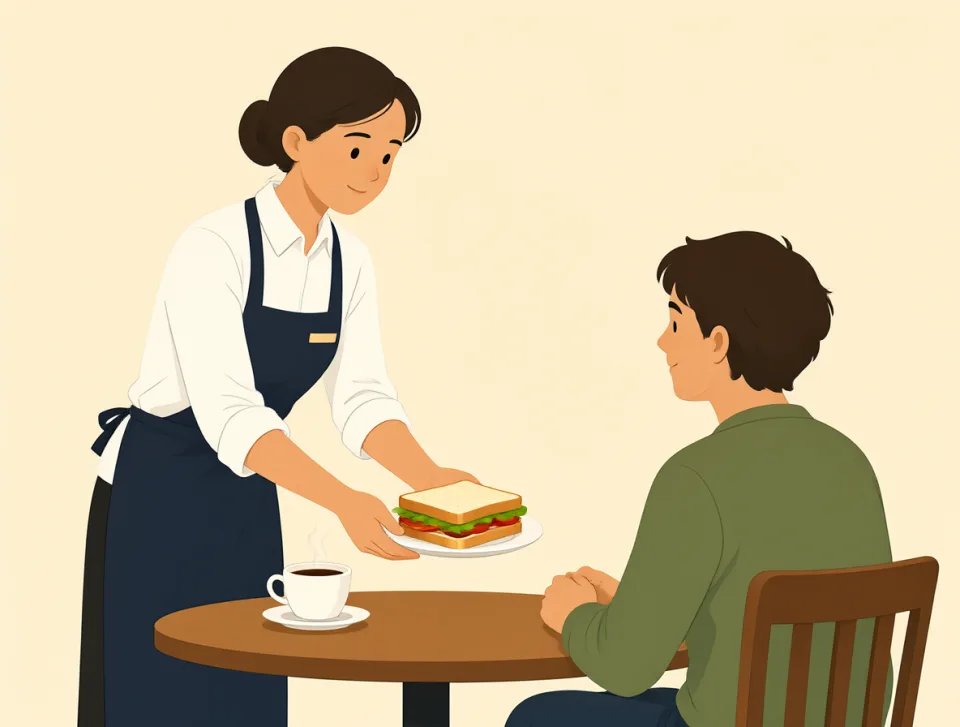
Here is your coffee and sandwich.
Proszę, oto twoja kawa i kanapka.
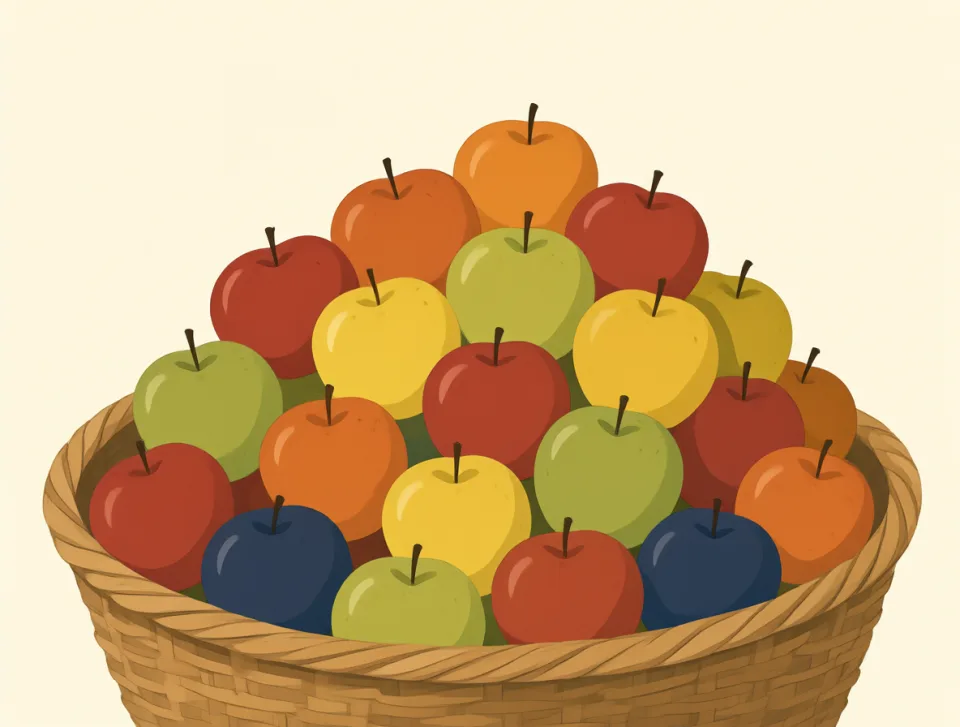
many
#99determiner, pronoun
wiele; dużo
A large number of people or things.
Duża liczba osób lub rzeczy.
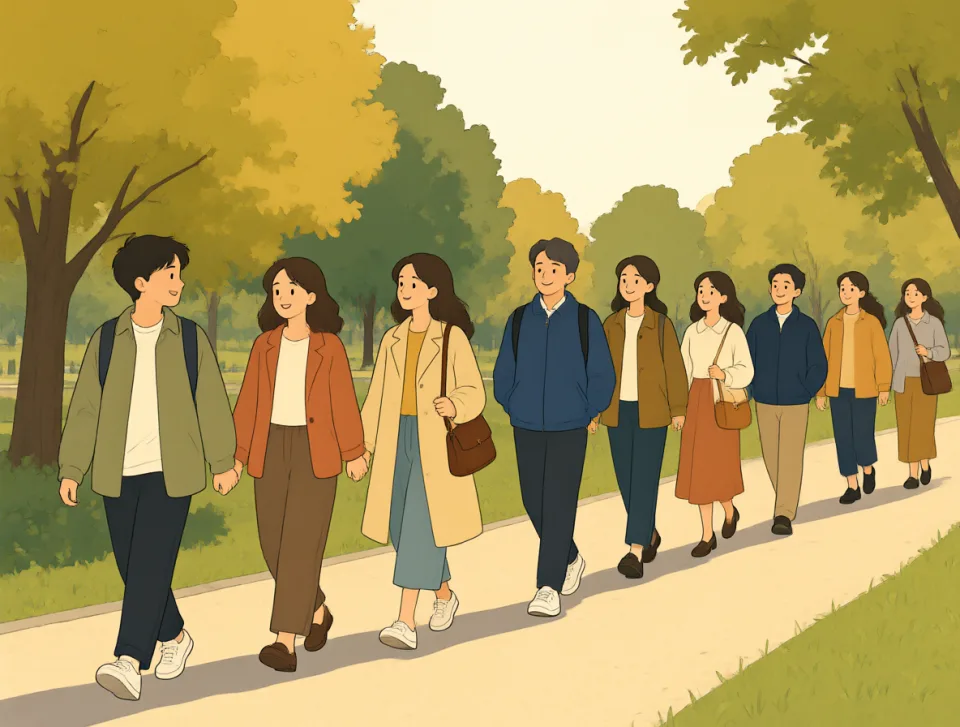
Many people enjoy walking in the park.
Wiele osób lubi spacerować po parku.
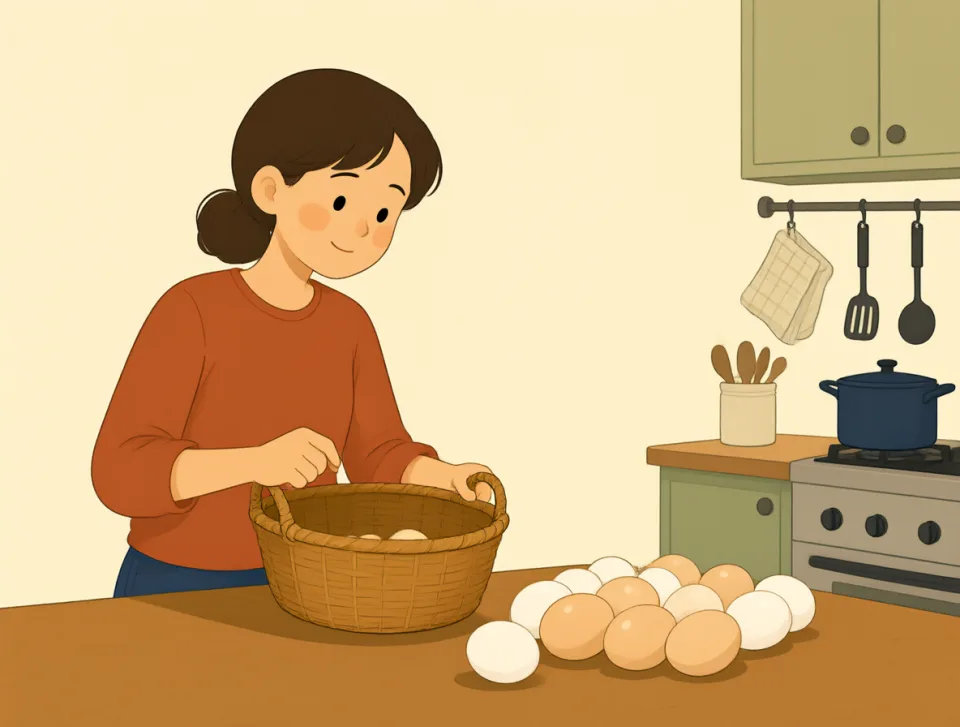
How many eggs do we need?
Ile jajek potrzebujemy?
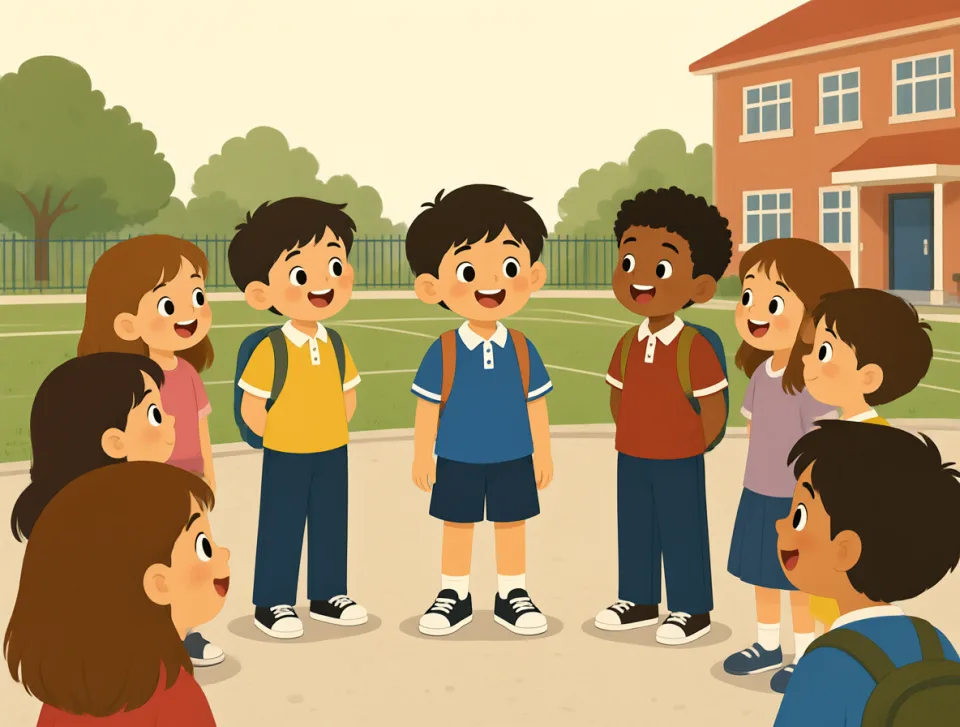
I have many friends at school.
Mam w szkole wielu przyjaciół.
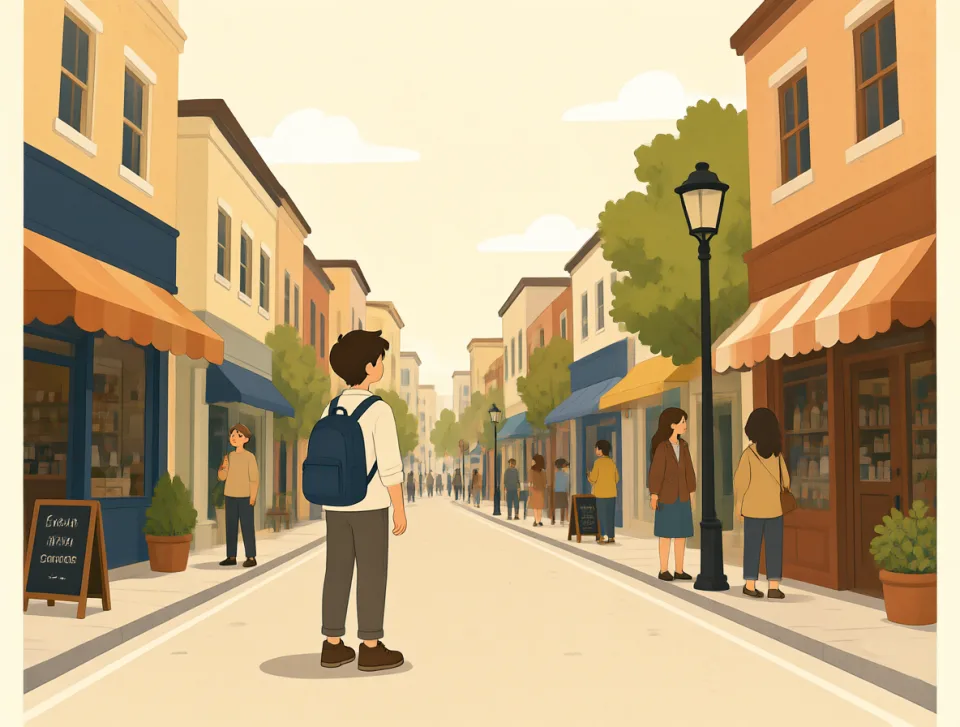
There are many shops near the hotel.
W pobliżu hotelu jest wiele sklepów.
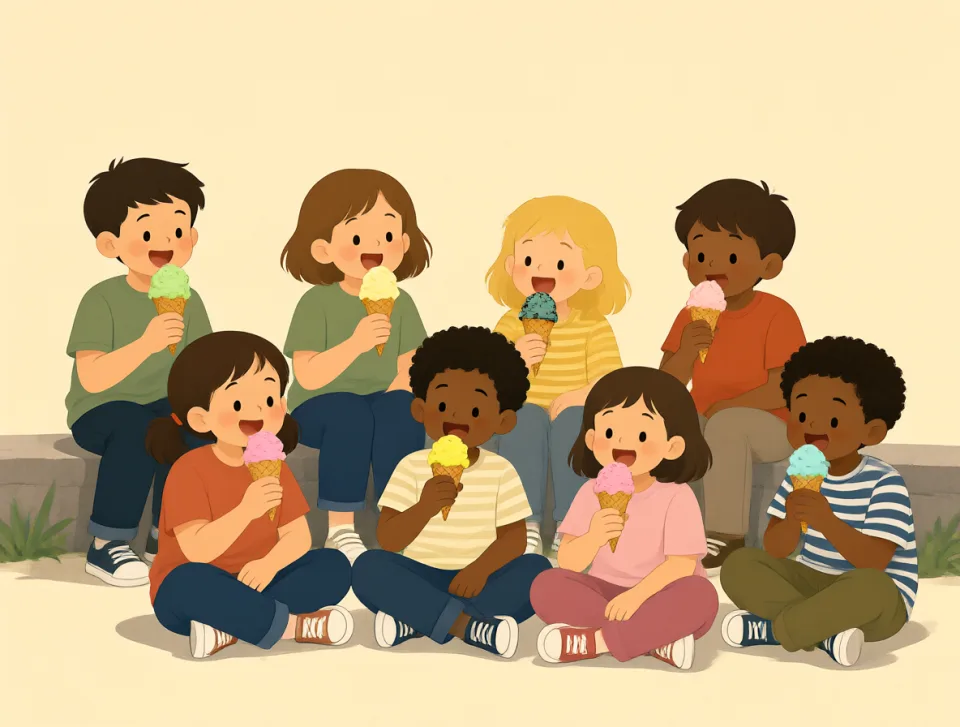
Many children like eating ice cream.
Wiele dzieci lubi jeść lody.

such
#100determiner, pronoun, adverb
taki; tak
Used to show something is like or as great as what was just mentioned.
Słowo używane, by pokazać, że coś jest podobne do czegoś, o czym była mowa, lub równie wspaniałe.
I have never seen such a beautiful place.
Nigdy nie widziałem tak pięknego miejsca.

She is such a good friend.
To taka dobra przyjaciółka.
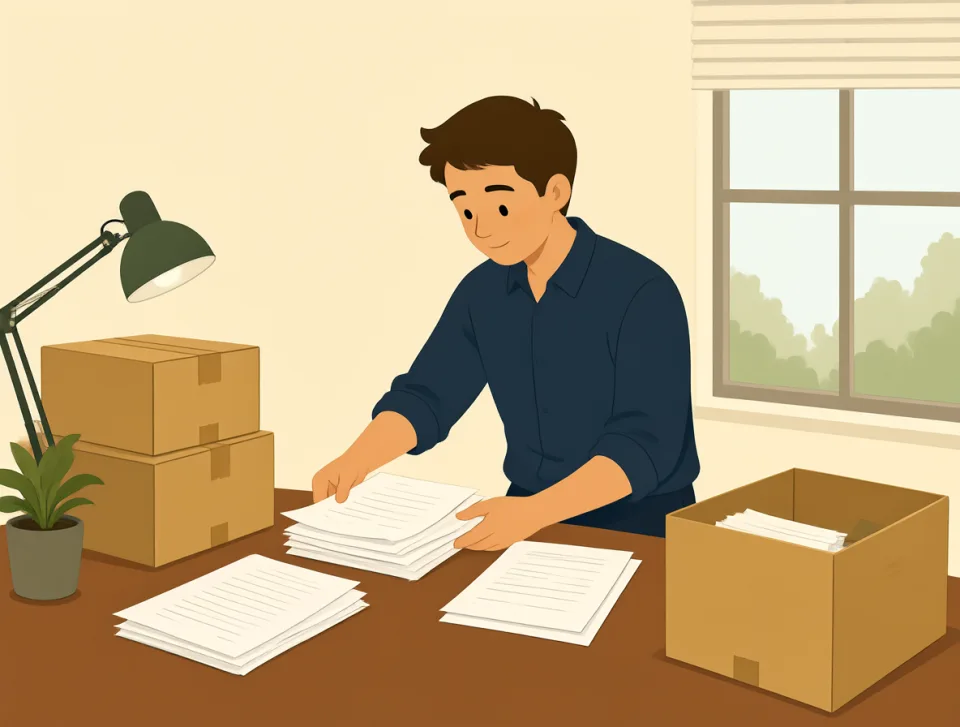
We had such a busy day at work.
Mieliśmy taki pracowity dzień w pracy.
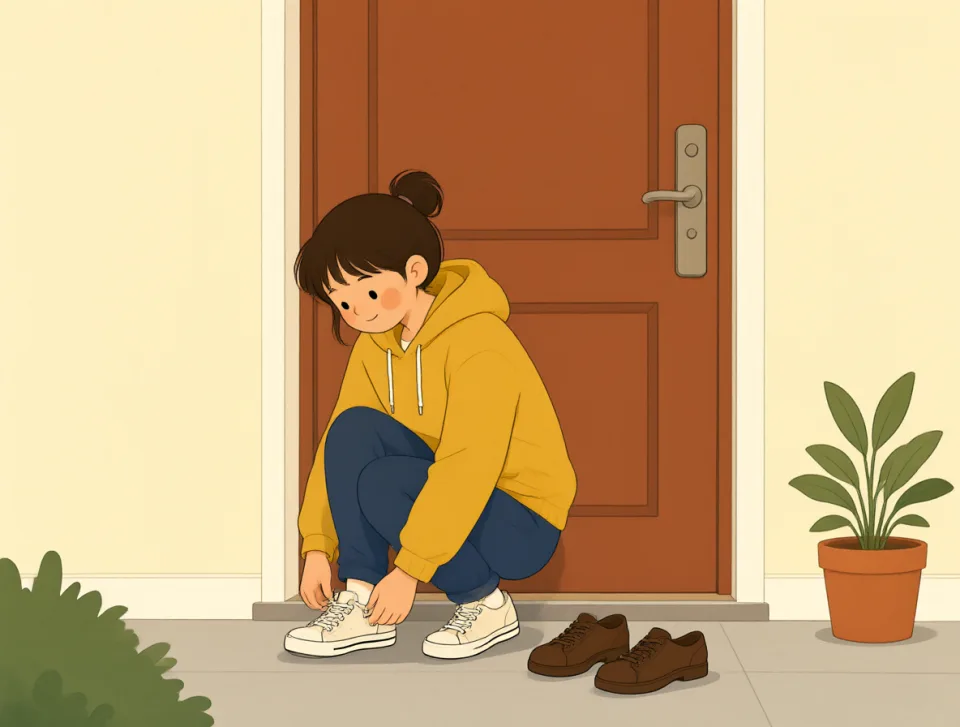
Why are you in such a hurry?
Dlaczego tak się spieszysz?
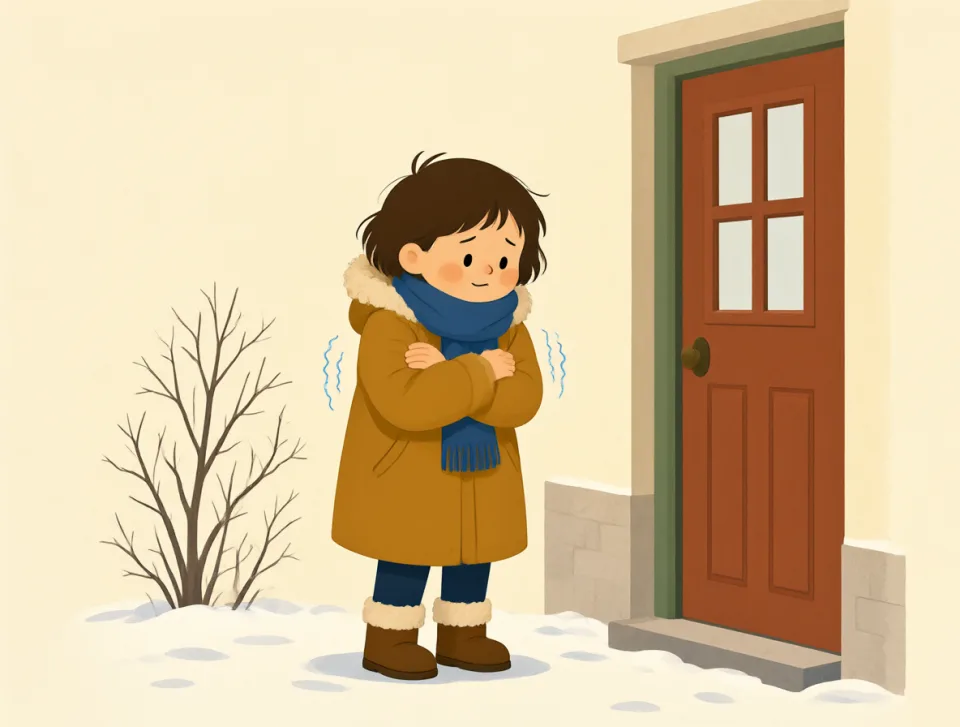
It was such a cold morning.
To był tak zimny poranek.