Zestaw 23
Słowa 441–460 · design, event, special, sometimes, condition, carry
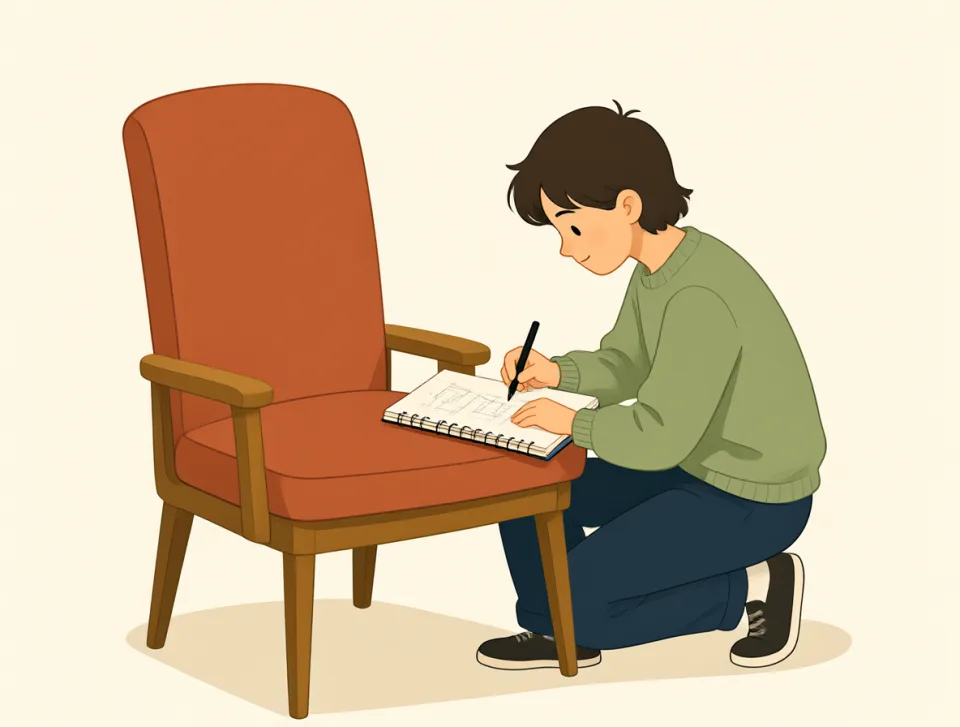
design
#441noun, verb
projekt; projektować
A plan for how something will look or work; to plan how something will look or work.
Plan tego, jak coś będzie wyglądać lub działać; planować, jak coś będzie wyglądać lub działać.
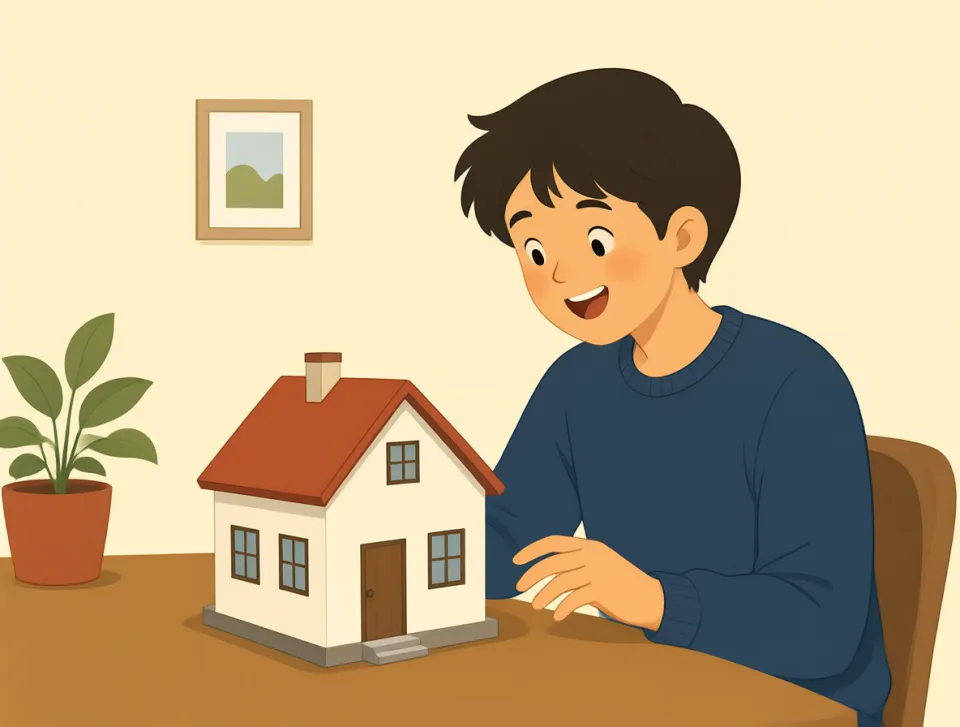
I like the design of this small house.
Podoba mi się projekt tego małego domu.

She designs clothes for a famous shop.
Projektuje ubrania dla znanego sklepu.
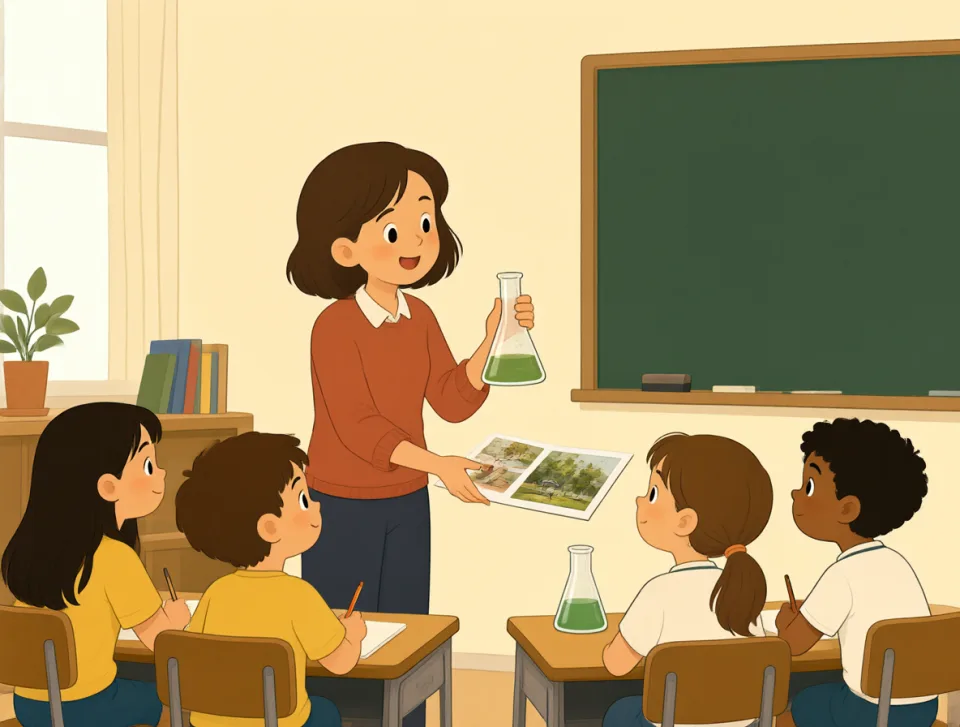
The teacher designed a fun science project.
Nauczyciel zaplanował ciekawy projekt naukowy.

We chose a new design for our kitchen.
Wybraliśmy nowy projekt naszej kuchni.
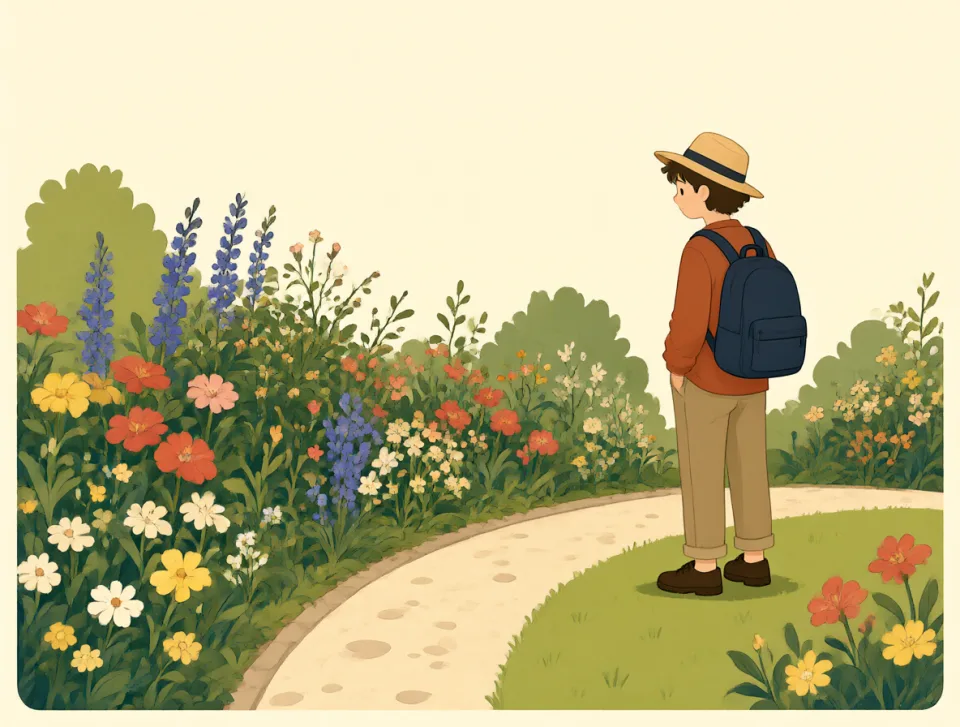
The hotel has a beautiful garden design.
Hotel ma pięknie zaprojektowany ogród.
event
#442noun
wydarzenie
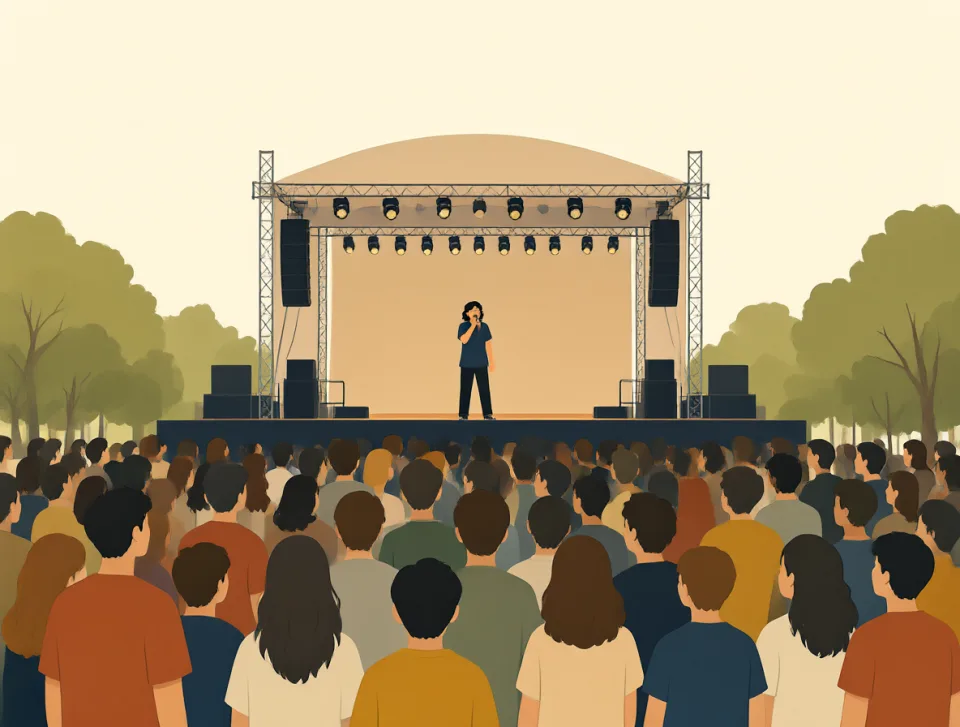
Something important that happens, especially a planned activity or occasion.
Coś ważnego, co się dzieje, zwłaszcza zaplanowana aktywność lub uroczystość.
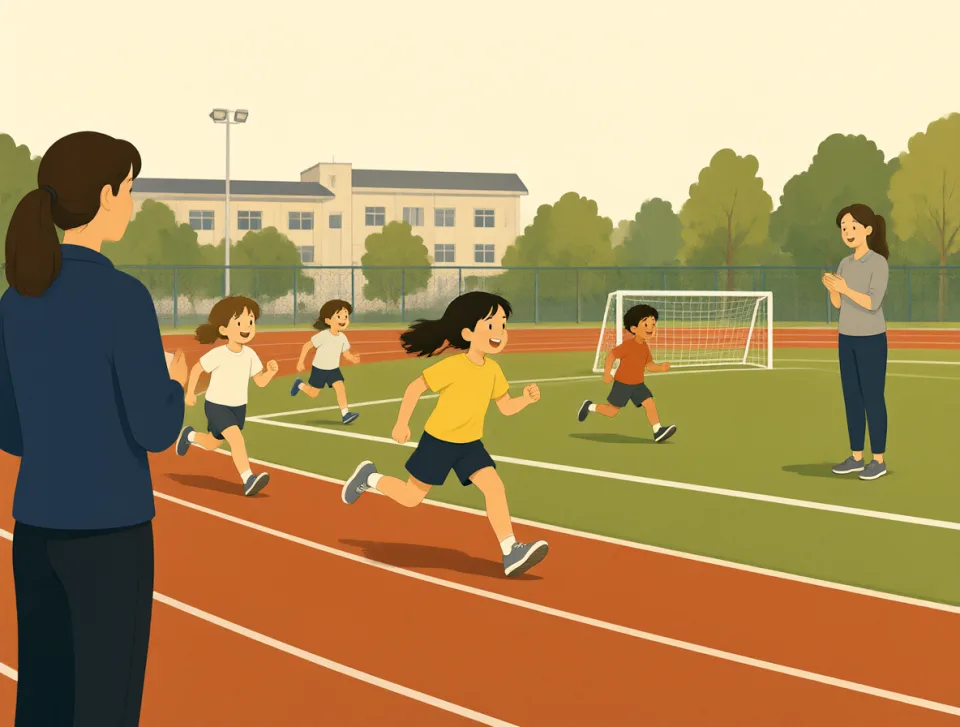
Our school held a sports event yesterday.
Wczoraj w naszej szkole odbyły się zawody sportowe.
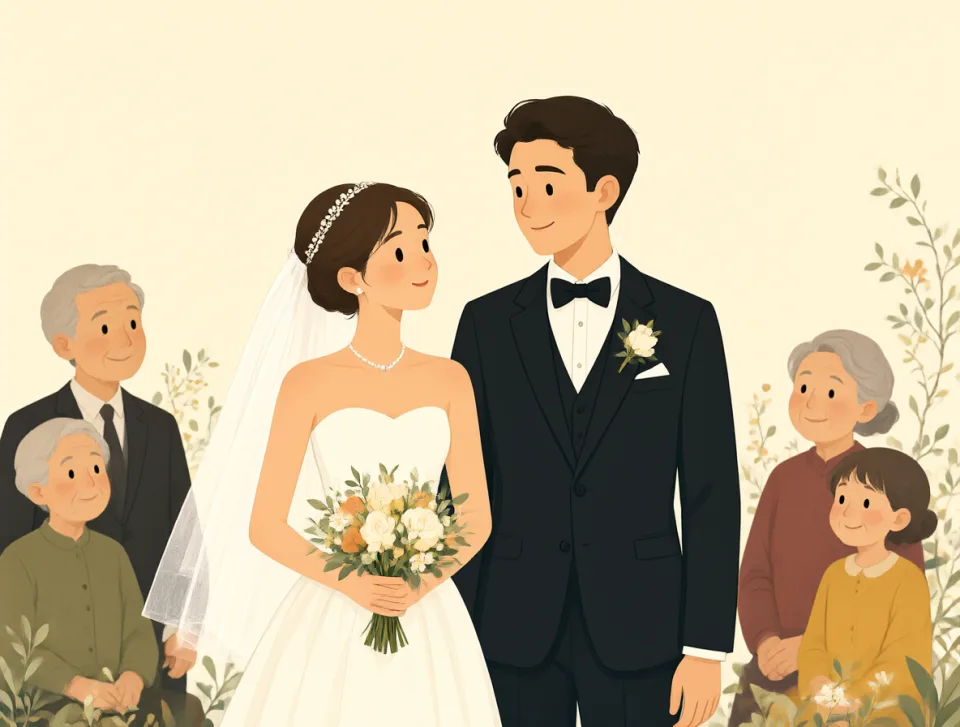
The wedding was a beautiful family event.
Wesele było pięknym rodzinnym wydarzeniem.
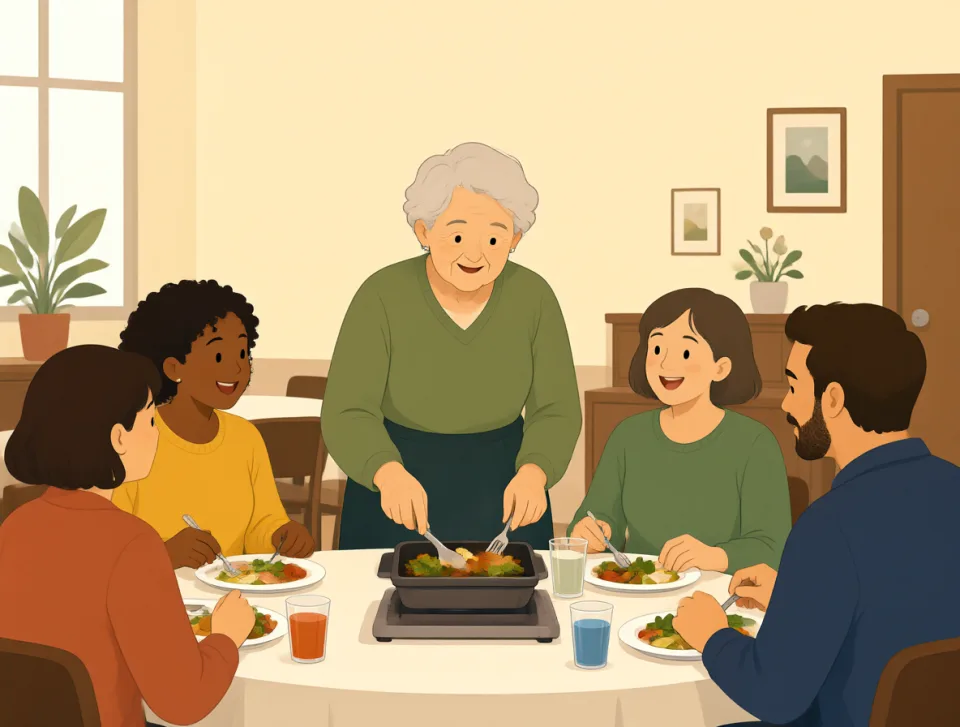
Many people came to the charity event.
Na wydarzenie charytatywne przyszło wiele osób.
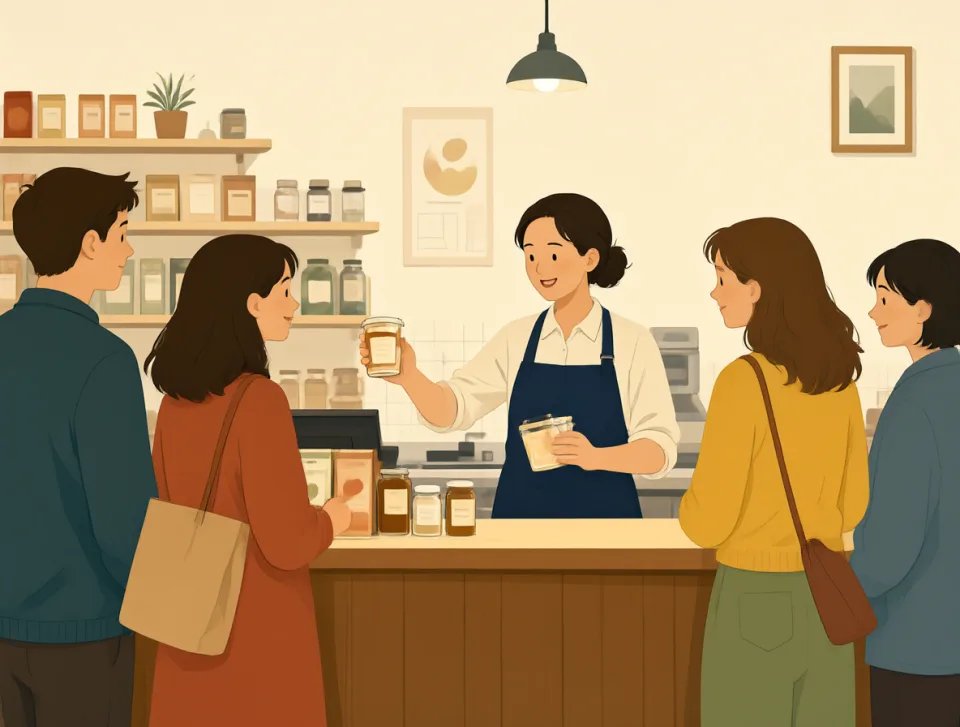
The shop has a special event this weekend.
W ten weekend sklep organizuje specjalne wydarzenie.
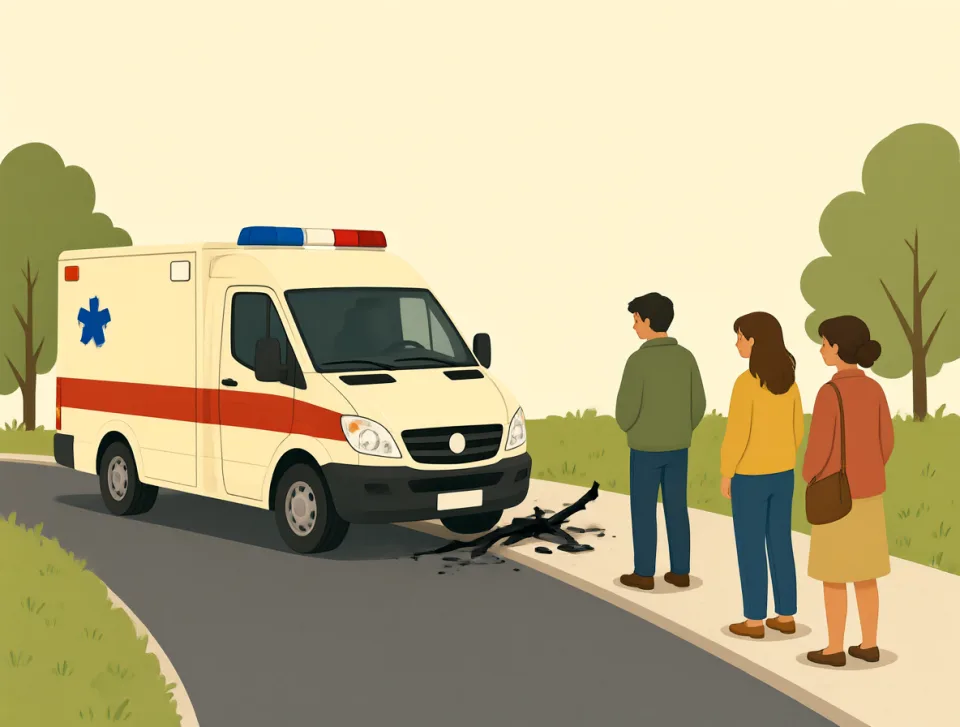
The accident was a frightening event for everyone.
Wypadek był dla wszystkich przerażającym wydarzeniem.
special
#443adjective, noun
wyjątkowy; specjalny
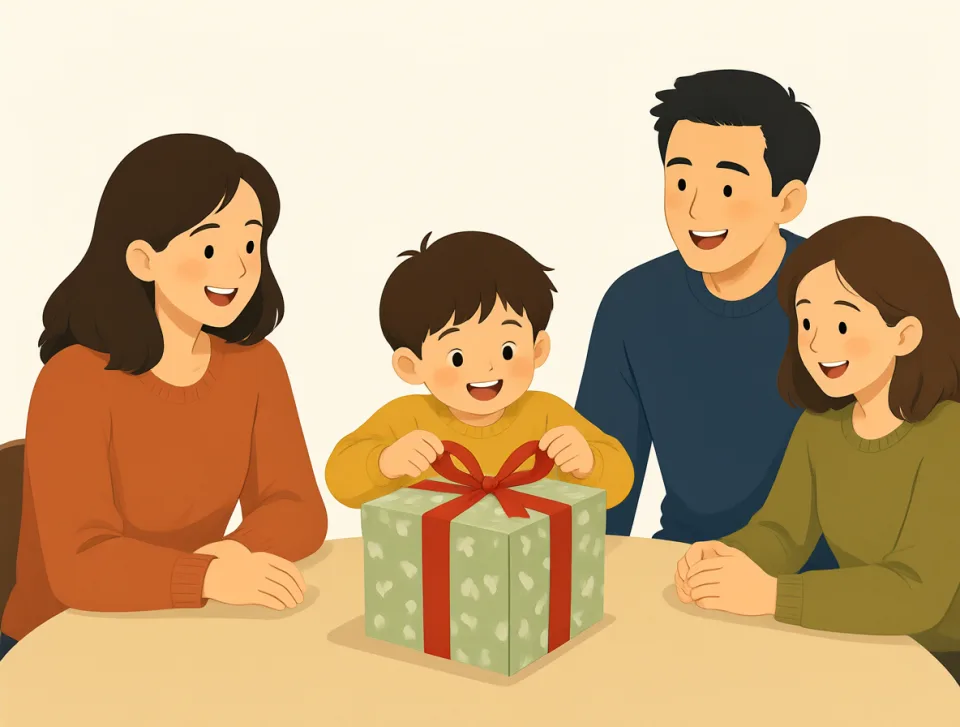
Different from usual, or important and worth attention.
Inny niż zwykle albo ważny i godny uwagi.
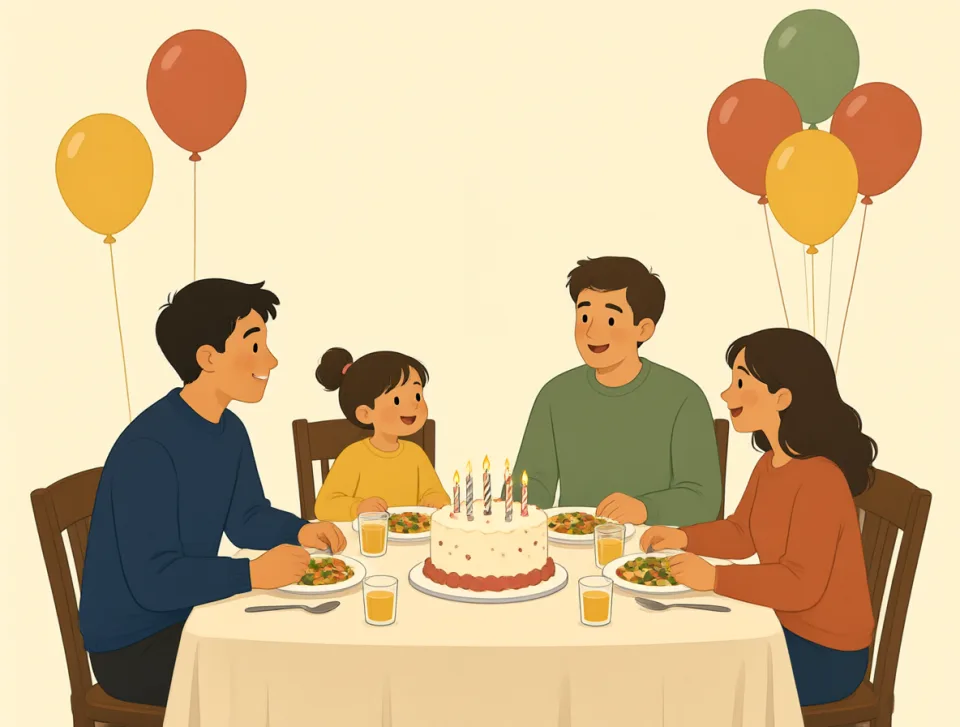
We had a special dinner for my birthday.
Z okazji moich urodzin zjedliśmy wyjątkową kolację.
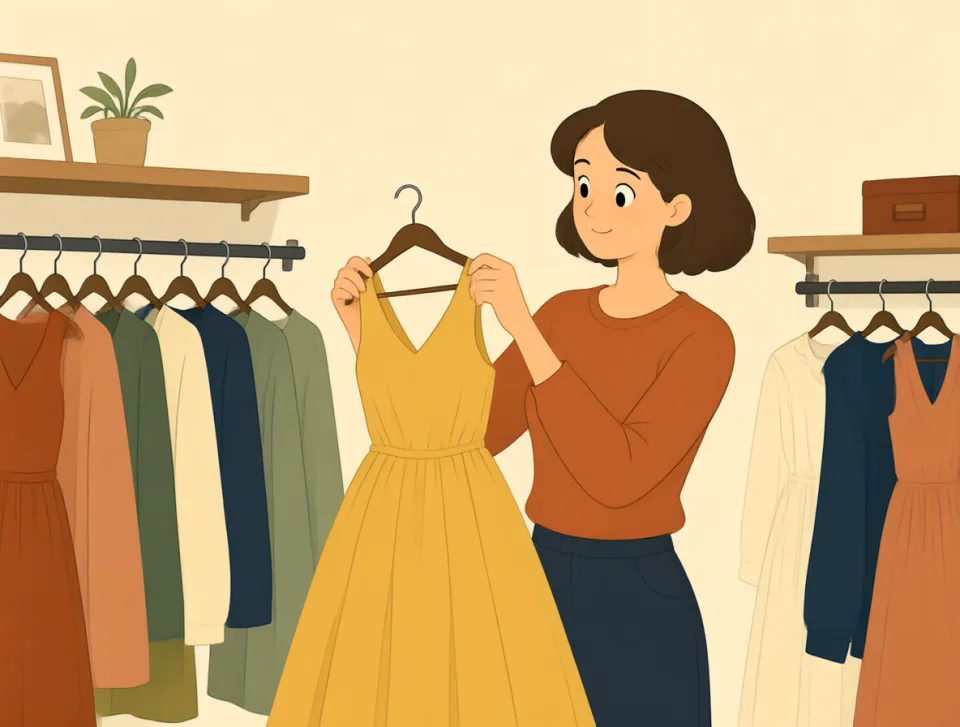
She bought a special dress for the party.
Kupiła wyjątkową sukienkę na imprezę.
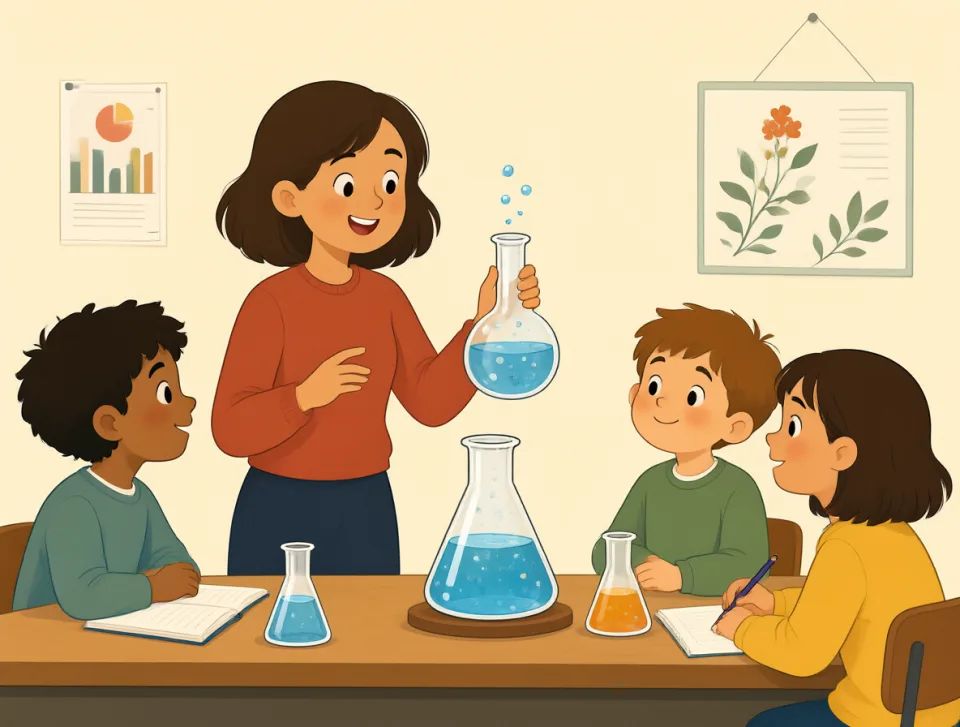
The teacher planned a special lesson today.
Nauczyciel zaplanował dziś specjalną lekcję.
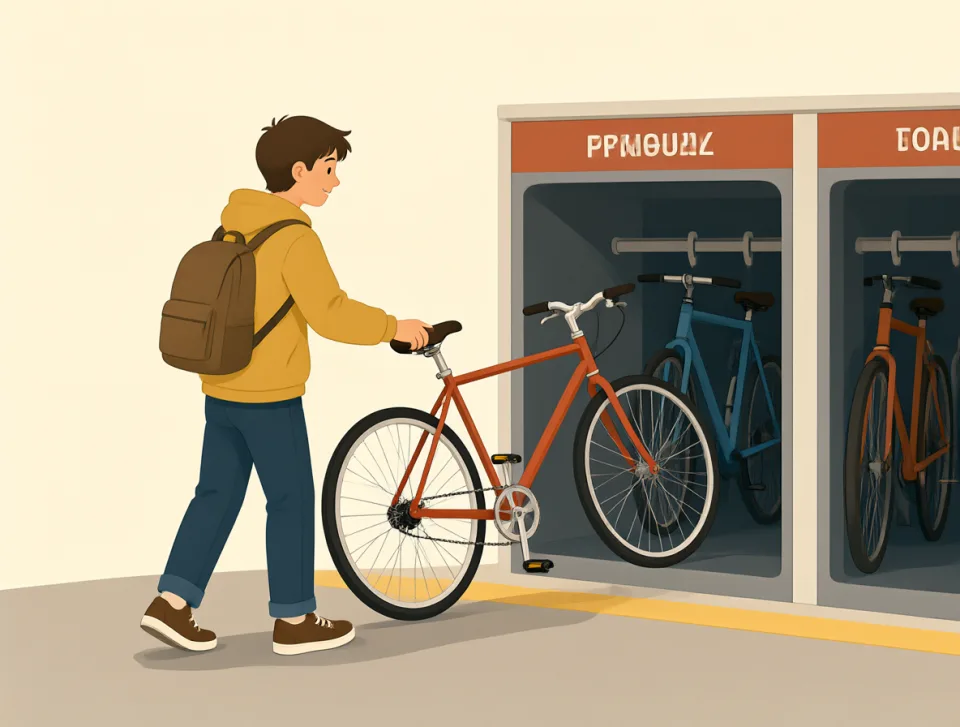
This train has a special place for bicycles.
W tym pociągu jest specjalne miejsce na rowery.
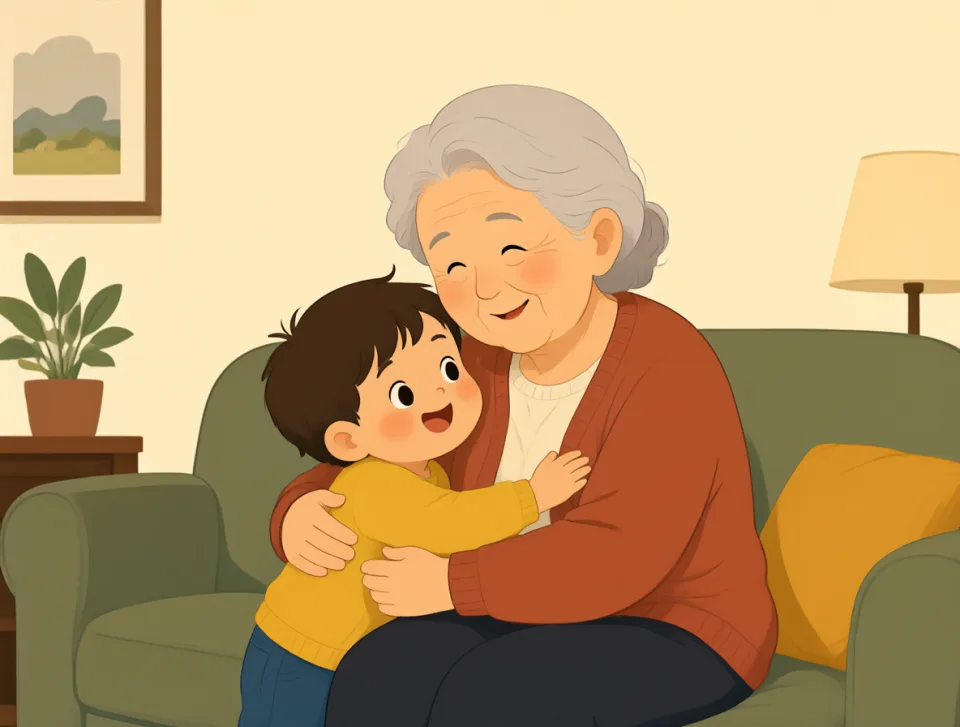
My grandmother is a very special person.
Moja babcia jest naprawdę wyjątkową osobą.

sometimes
#444adverb
czasami
At some times, but not always.
Od czasu do czasu, ale nie zawsze.
I sometimes walk to work.
Czasami chodzę do pracy pieszo.
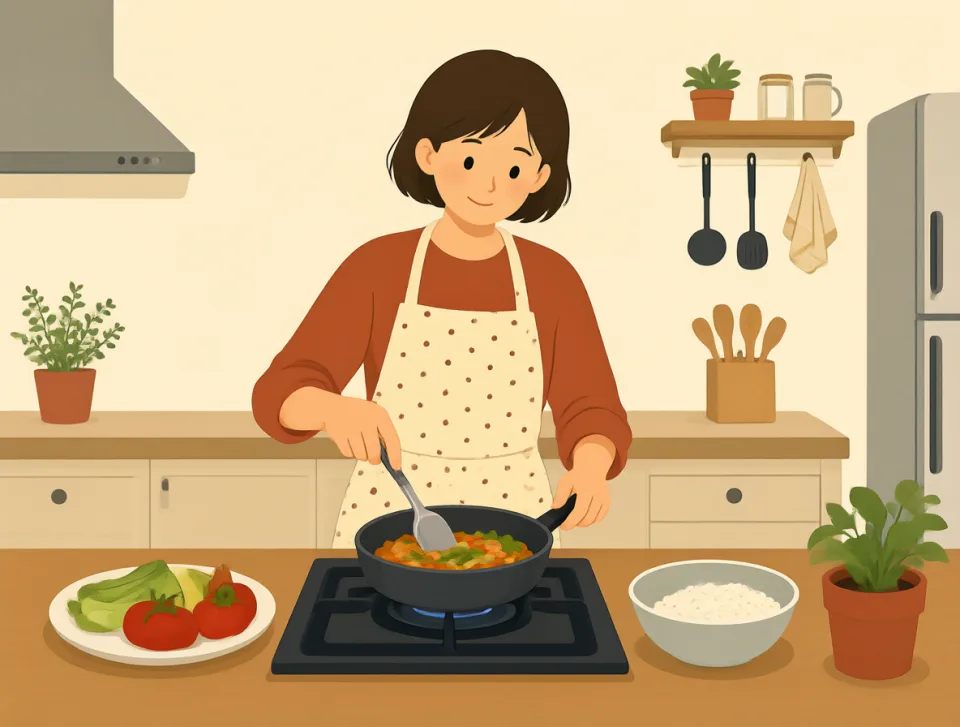
She sometimes cooks dinner for us.
Czasami gotuje dla nas kolację.
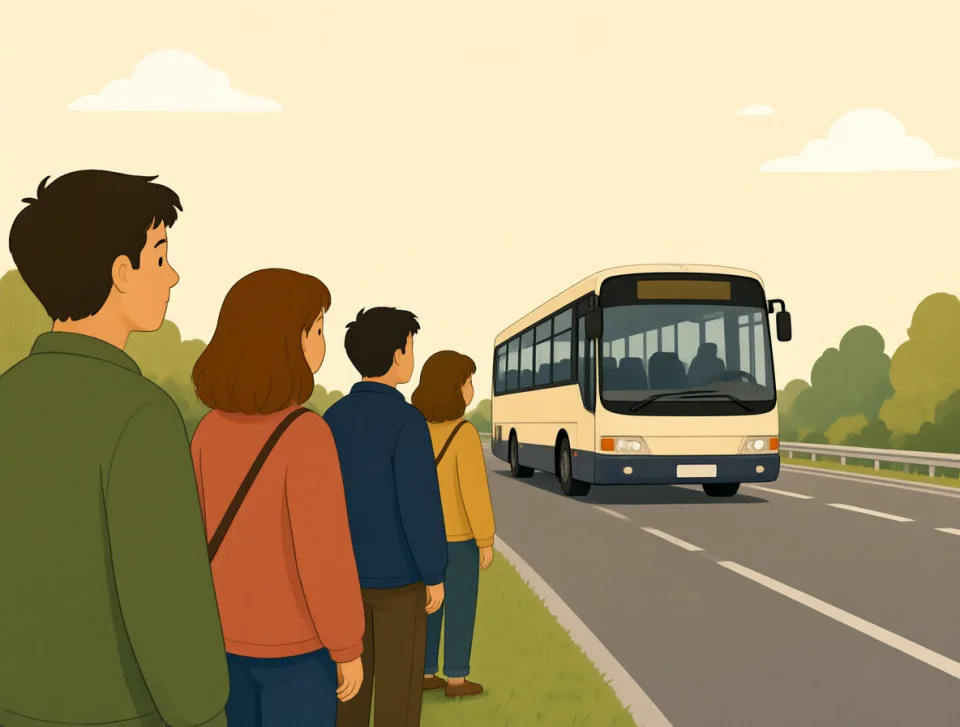
Sometimes, the bus arrives late.
Czasami autobus przyjeżdża spóźniony.
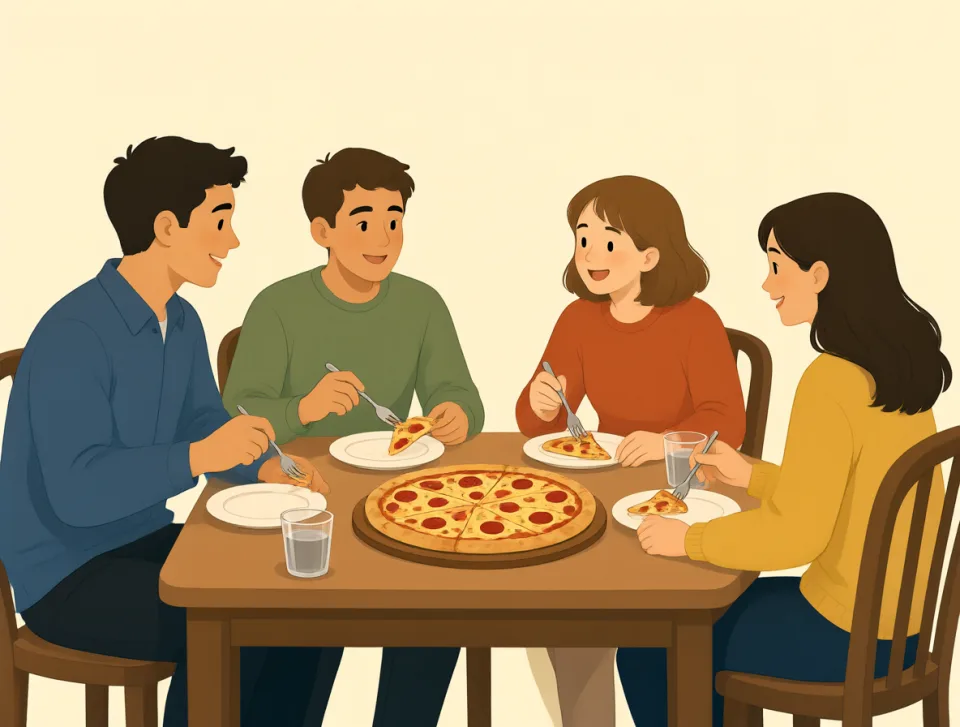
We sometimes eat pizza on Fridays.
Czasami w piątki jemy pizzę.
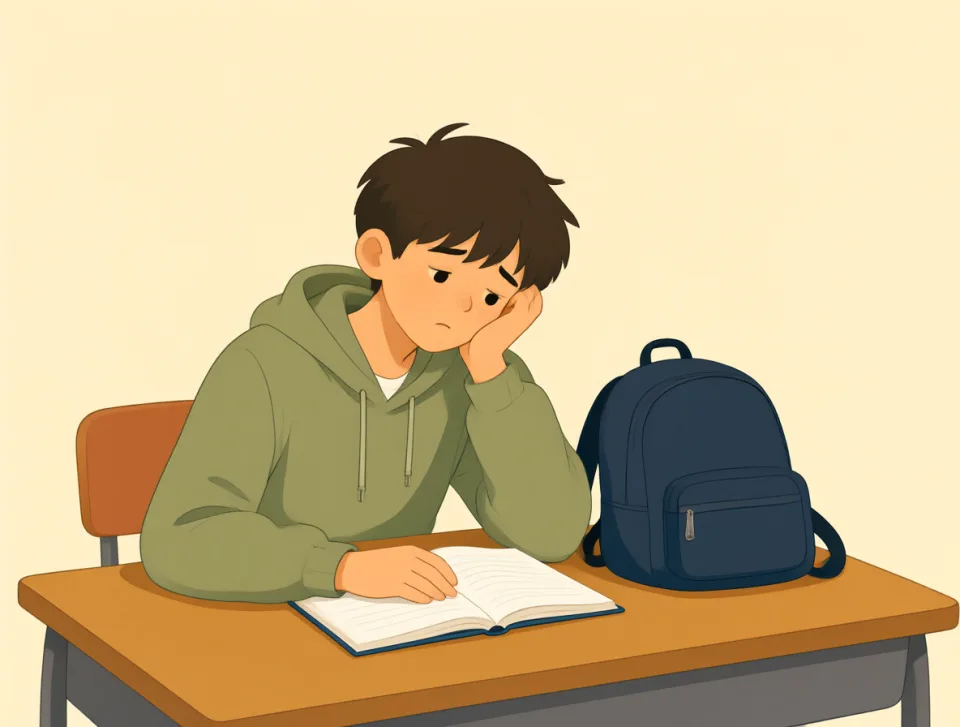
He sometimes feels tired after school.
Czasami po szkole czuje się zmęczony.
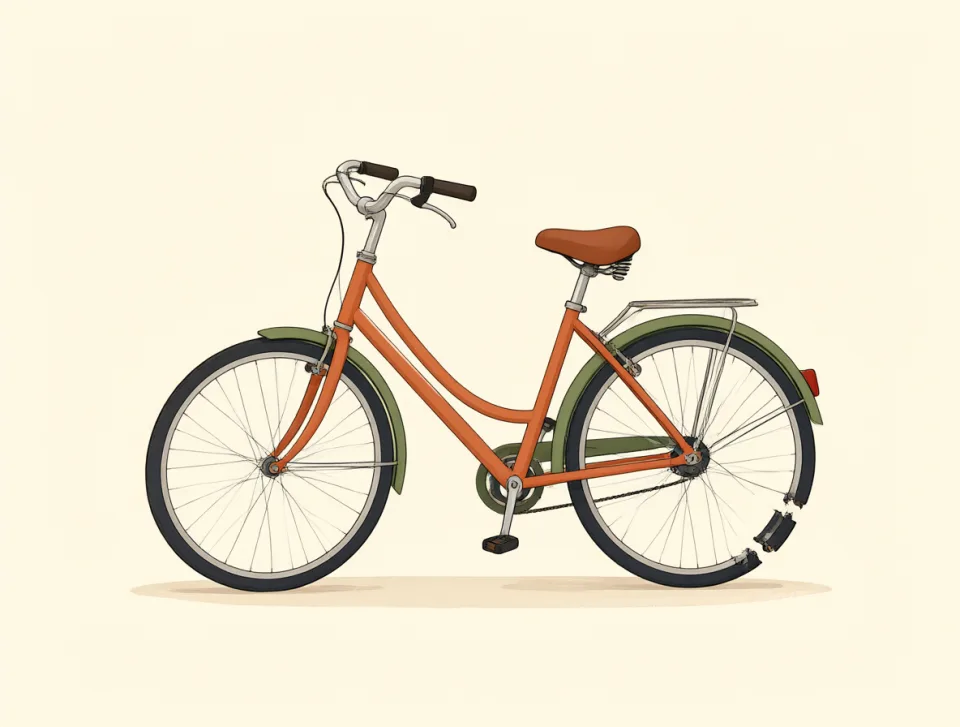
condition
#445noun
stan; warunek
the state that something is in, or a rule that must be accepted
Stan, w jakim coś się znajduje, albo zasada, którą trzeba zaakceptować.
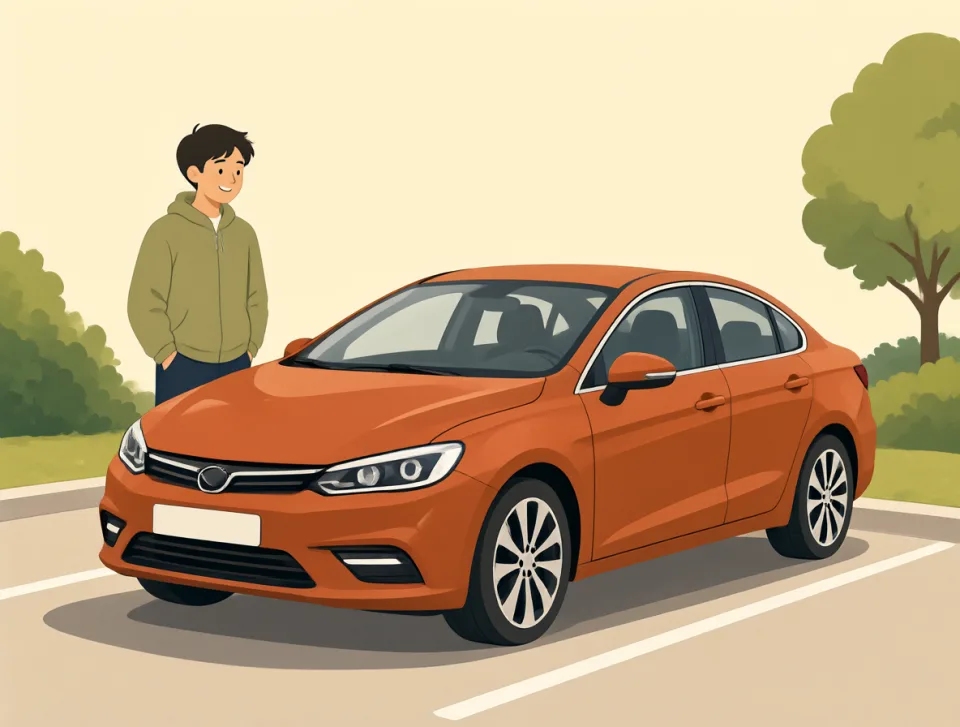
The car is in good condition.
Samochód jest w dobrym stanie.
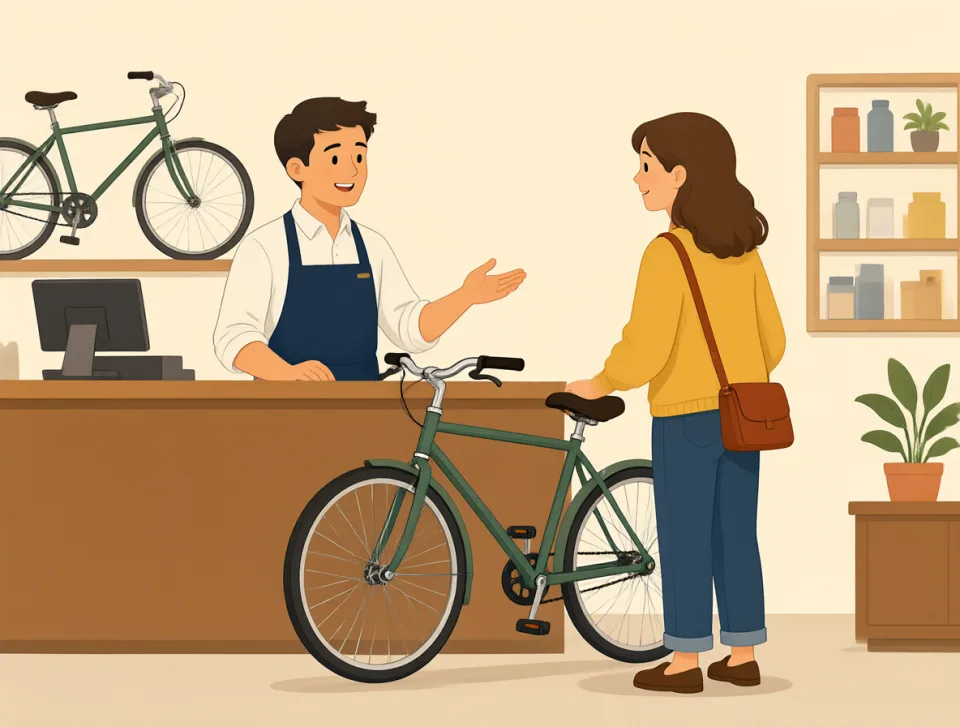
You can buy it on one condition.
Możesz to kupić pod jednym warunkiem.
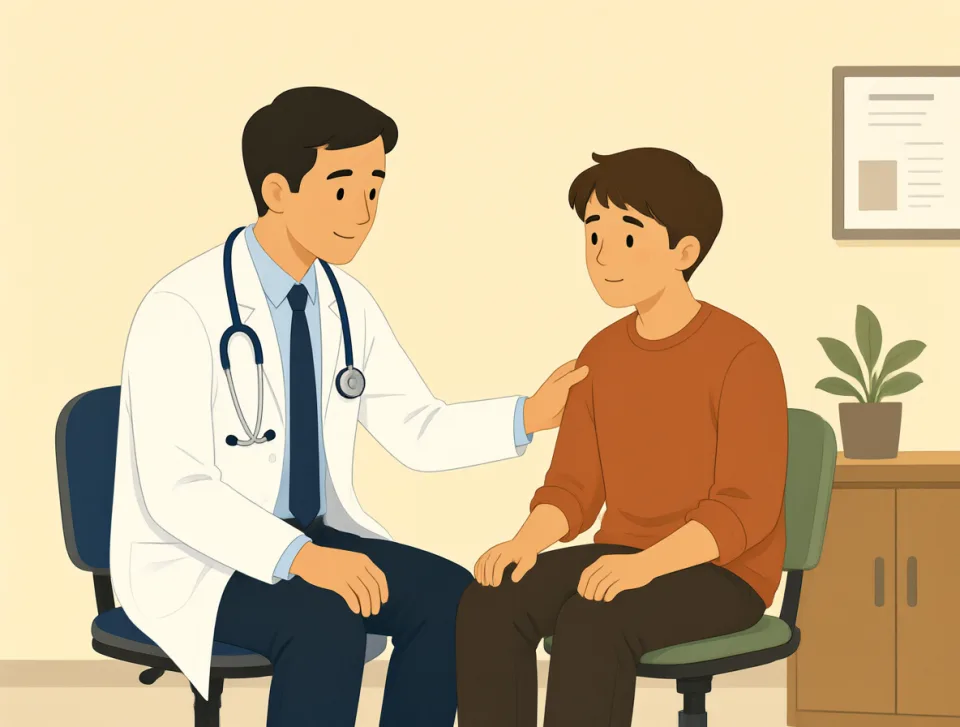
The doctor asked about my condition.
Lekarz zapytał o mój stan zdrowia.
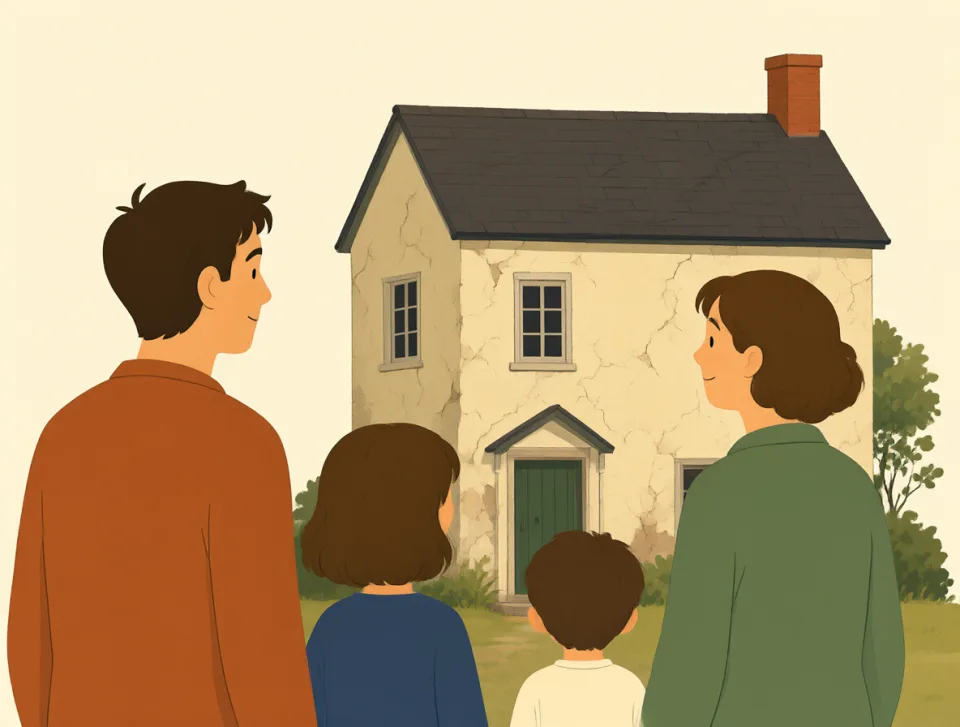
The house was in poor condition.
Dom był w złym stanie.
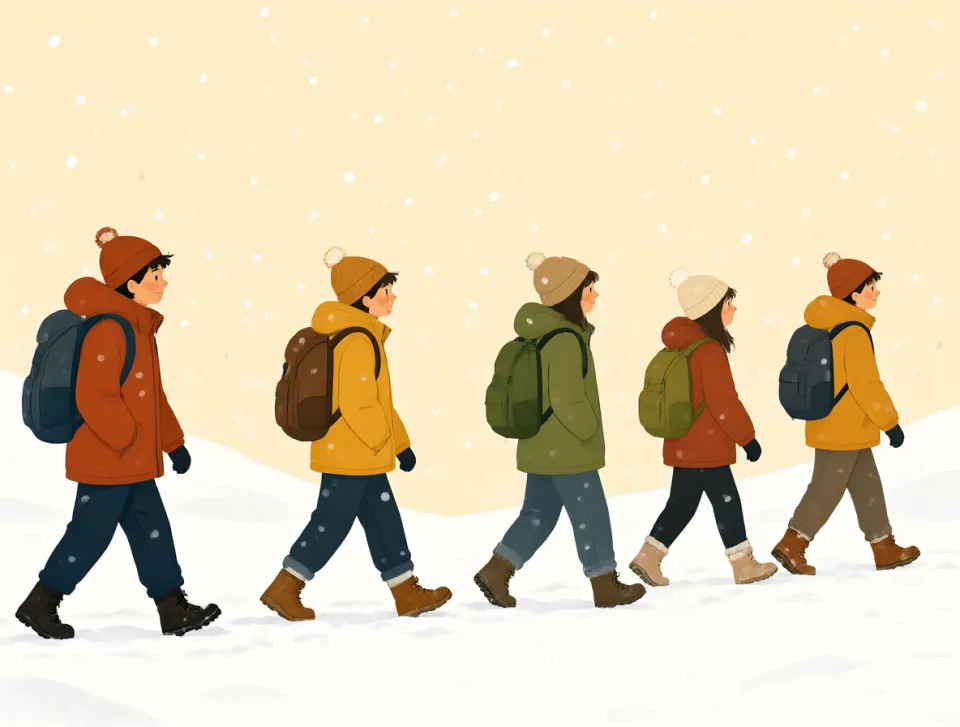
Cold conditions made the trip difficult.
Niskie temperatury utrudniły podróż.
carry
#446verb
nieść; przewozić
to take something or someone from one place to another
przenosić coś lub kogoś z jednego miejsca do drugiego

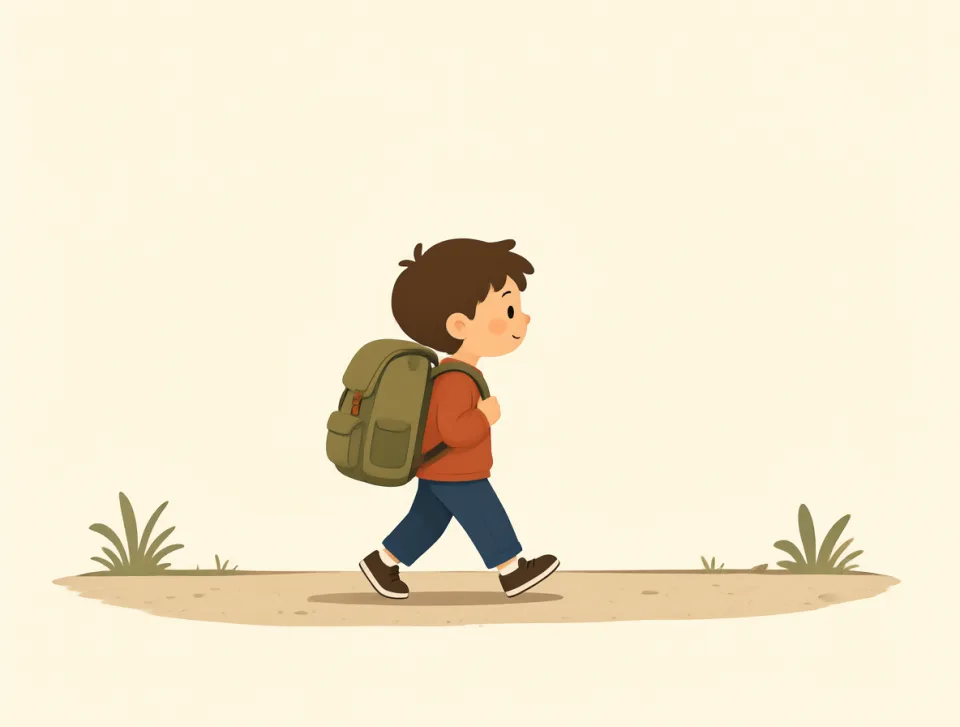
She carries her bag to work every day.
Codziennie niesie swoją torbę do pracy.
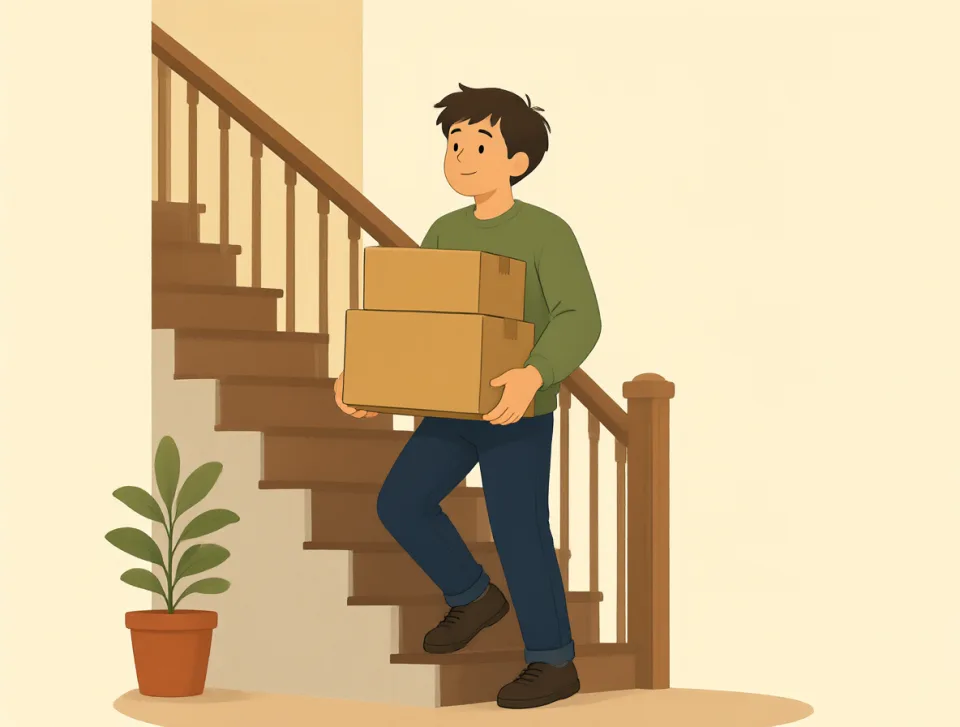
Please carry these boxes upstairs.
Proszę zanieść te pudła na górę.

The waiter carried our food to the table.
Kelner zaniósł nasze jedzenie do stolika.
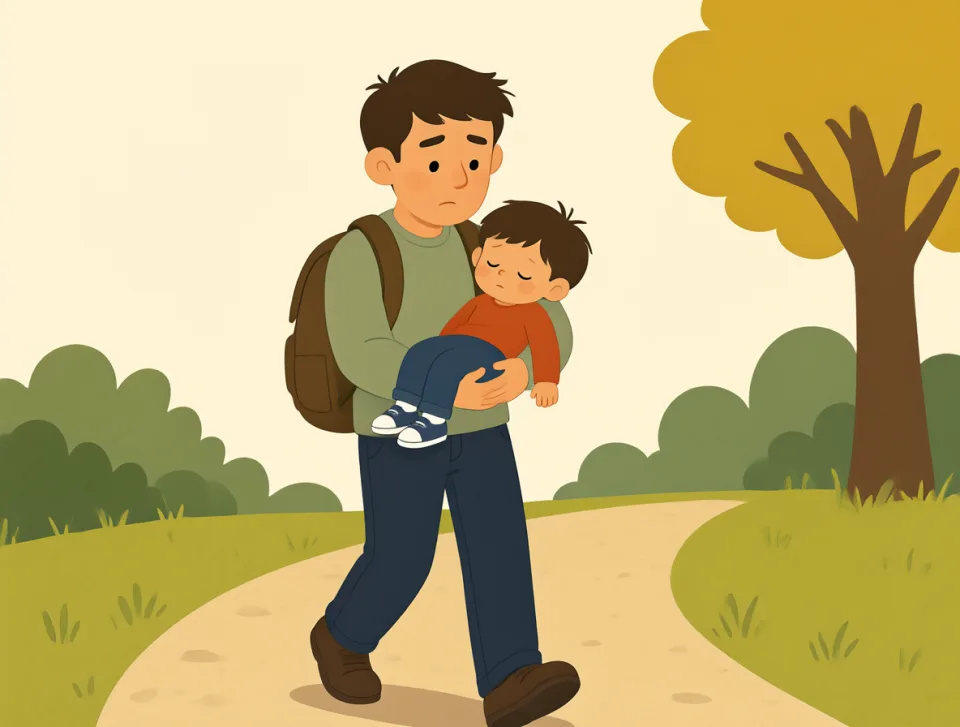
He carried his son home after the trip.
Po wycieczce zaniósł syna do domu.
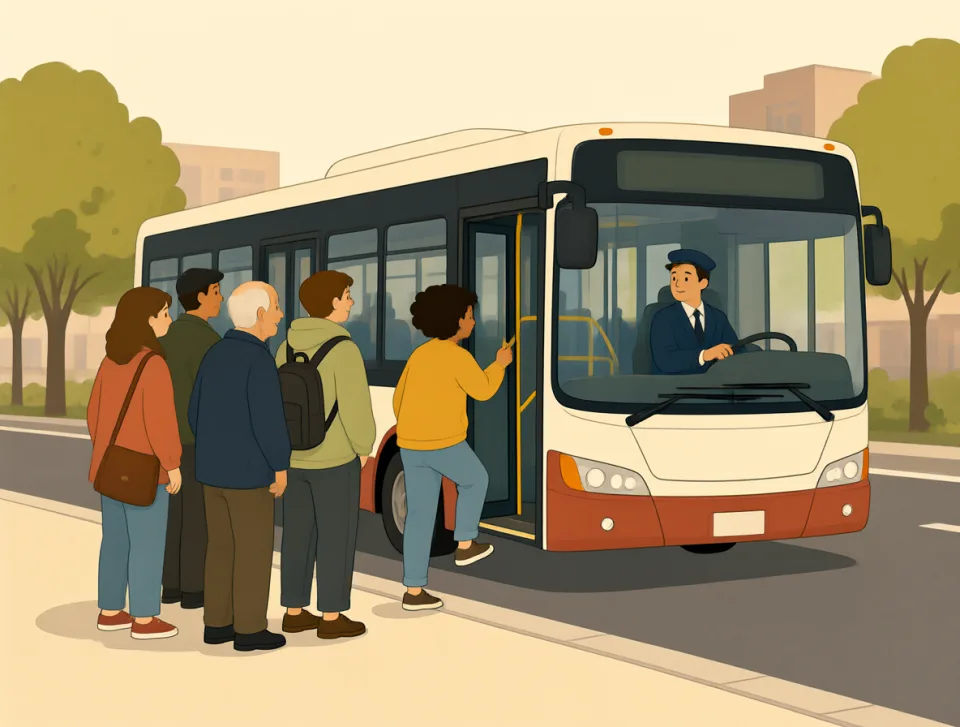
This bus carries many people every morning.
Ten autobus przewozi wiele osób każdego ranka.
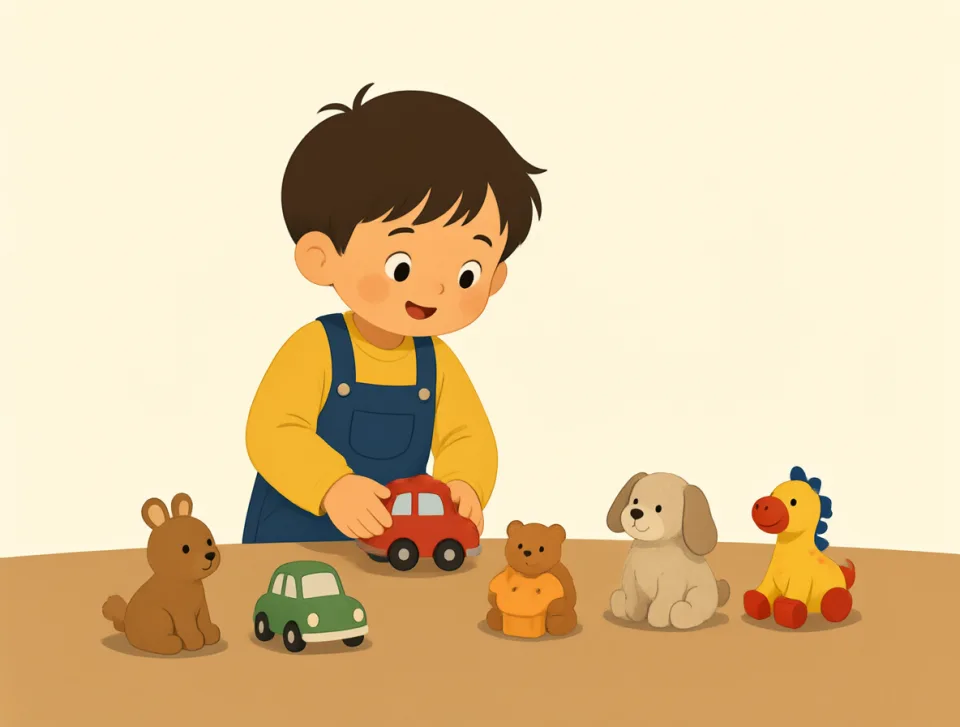
choose
#447verb
wybierać
To decide which person or thing you want from several possibilities.
decydować, którą osobę lub którą rzecz wybrać spośród kilku możliwości

Choose a seat near the window.
Wybierz miejsce przy oknie.

She chose the blue dress for work.
Wybrała niebieską sukienkę do pracy.
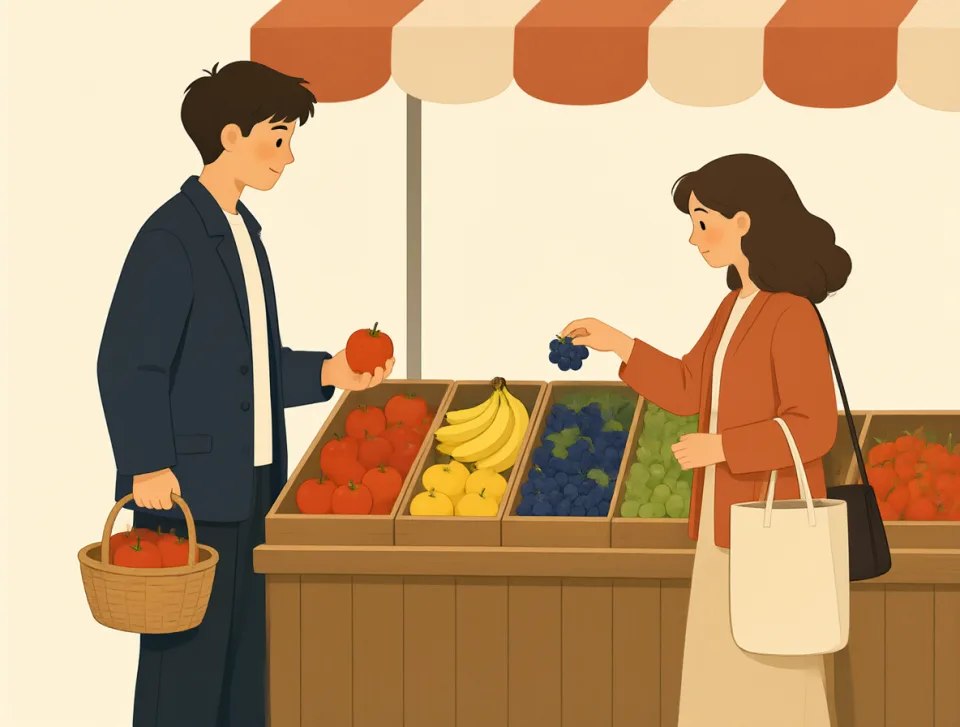
We choose fresh fruit at the market.
Wybieramy świeże owoce na targu.
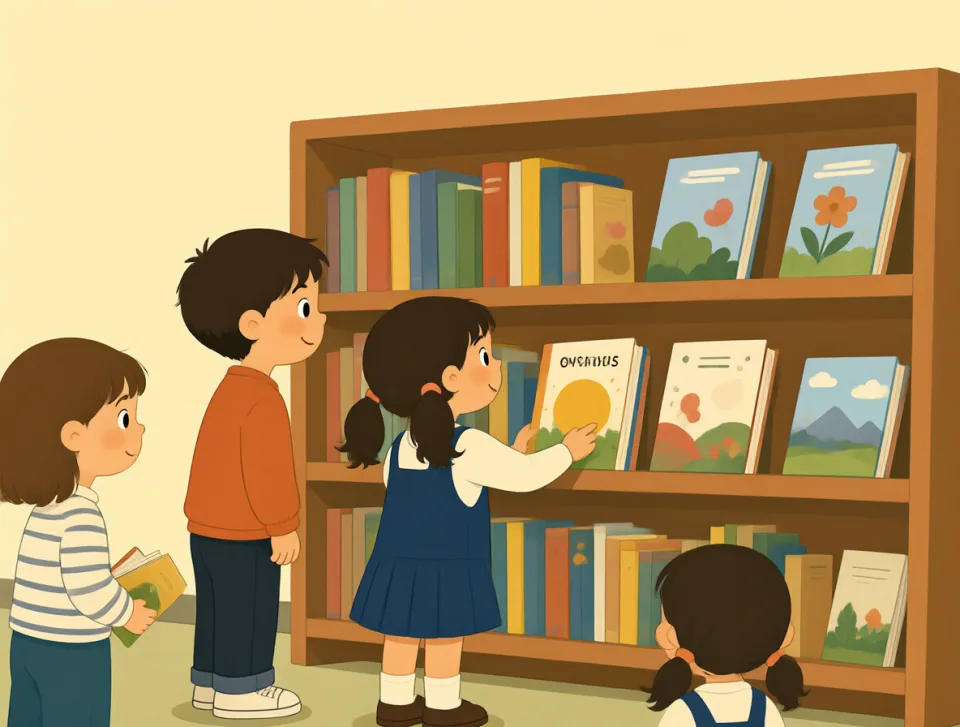
Our teacher let us choose a book.
Nauczyciel pozwolił nam wybrać książkę.
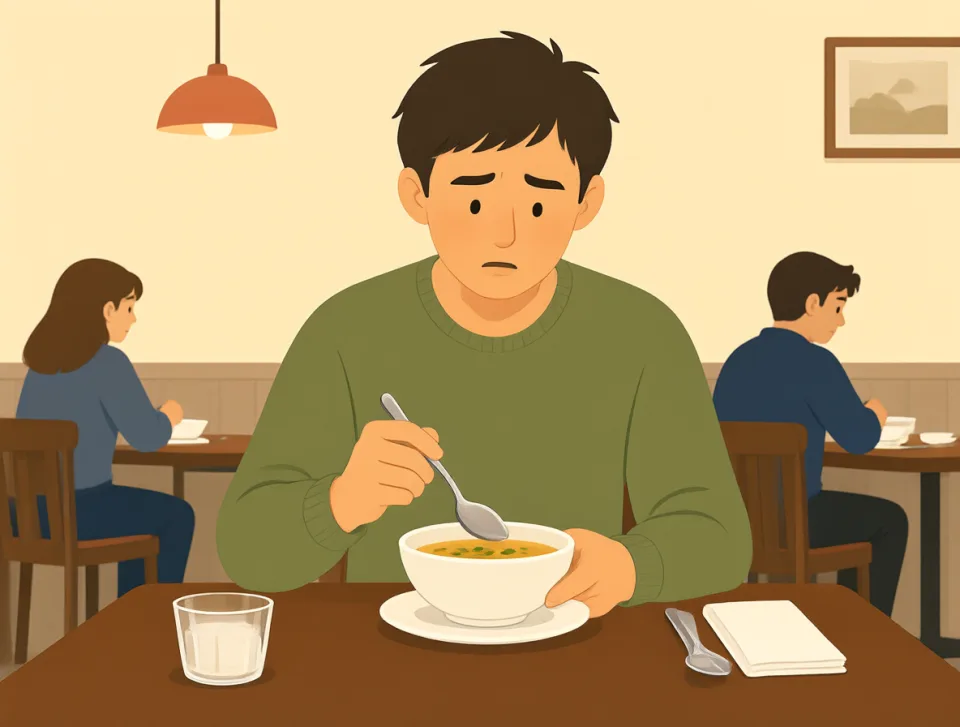
He chose soup because his throat hurt.
Wybrał zupę, bo bolało go gardło.
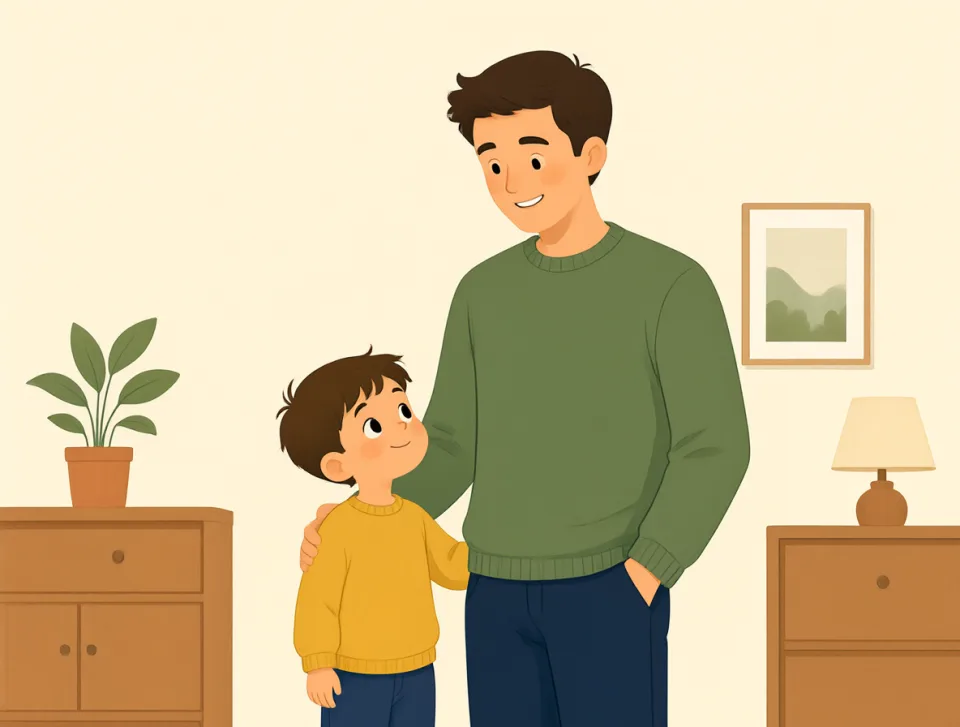
father
#448noun
ojciec
A male parent of a child.
mężczyzna, który jest rodzicem dziecka
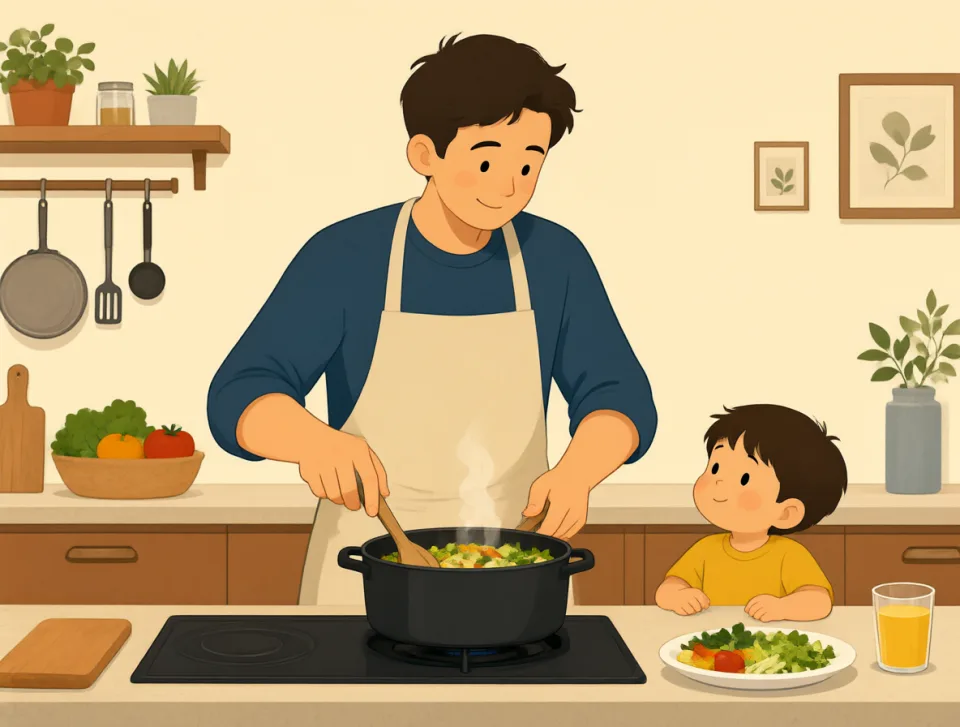
My father makes breakfast every morning.
Mój ojciec codziennie rano przygotowuje śniadanie.
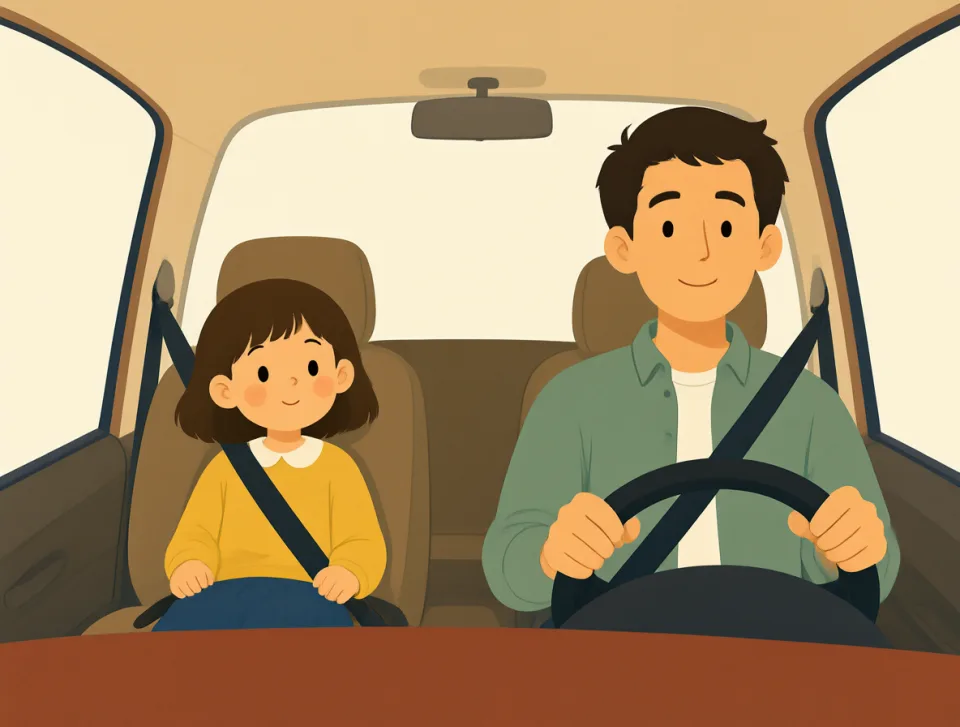
Her father drives her to school.
Jej ojciec odwozi ją do szkoły.
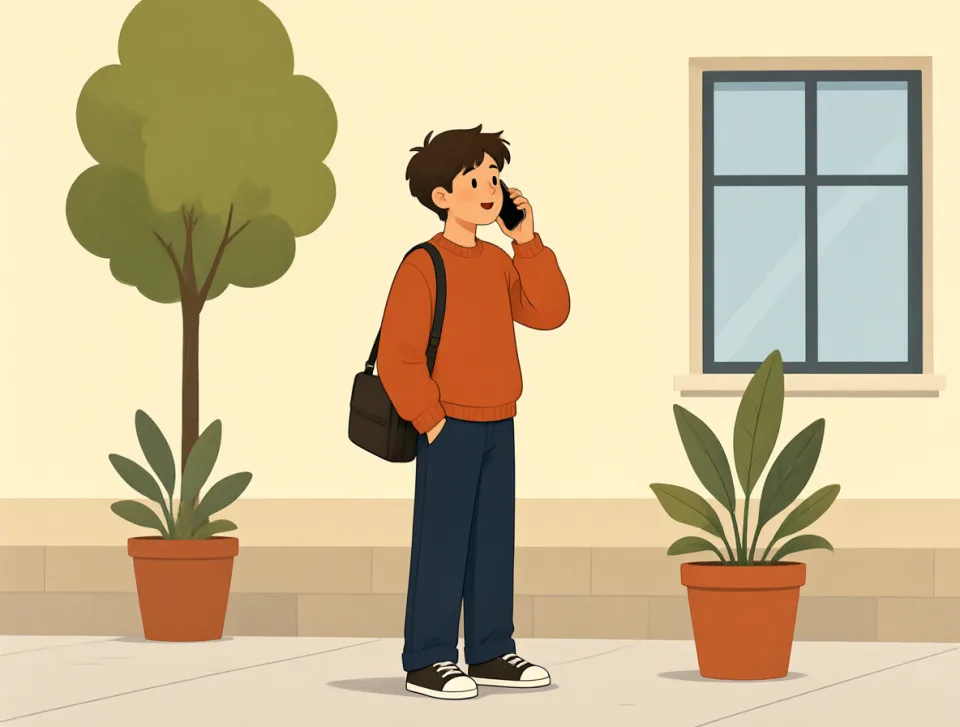
I called my father after work.
Zadzwoniłem do ojca po pracy.
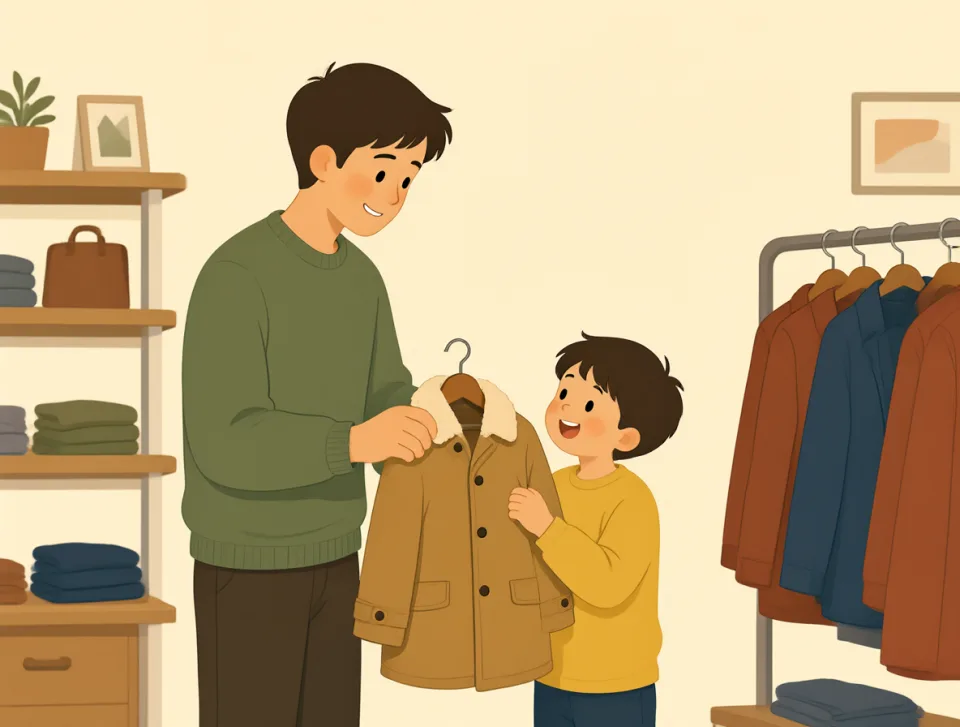
His father bought a new coat.
Jego ojciec kupił nowy płaszcz.
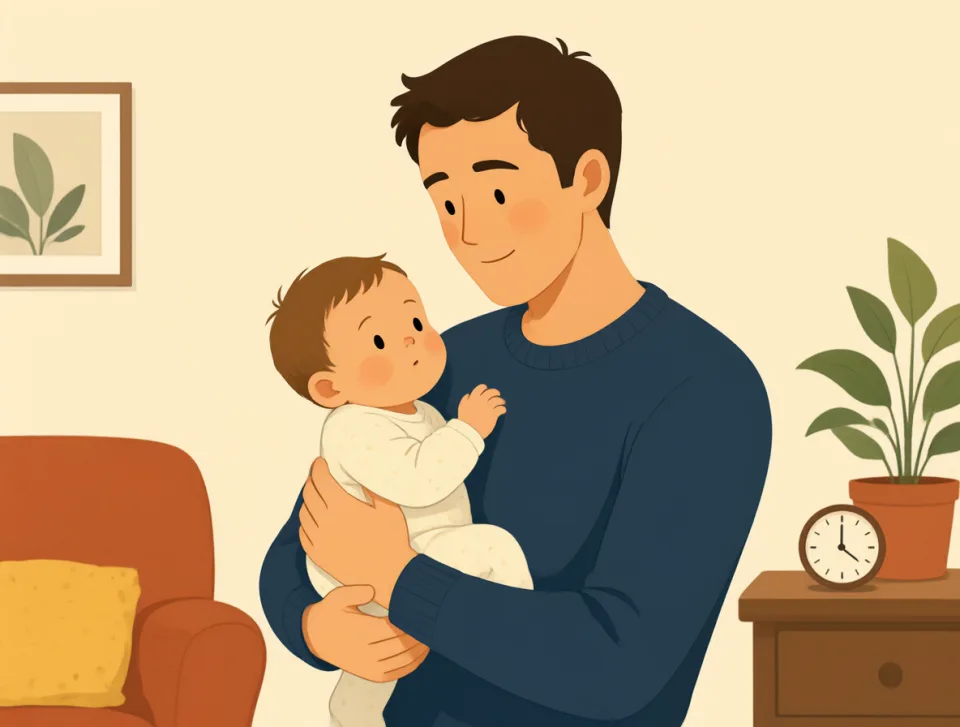
The baby is staying with her father.
Dziecko zostaje pod opieką swojego ojca.
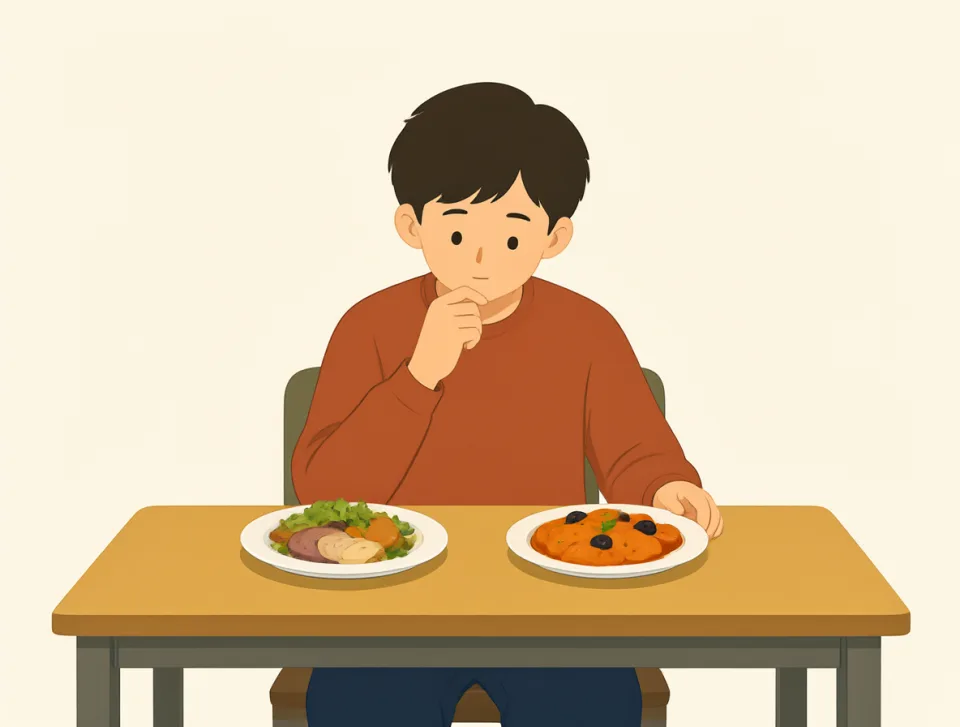
decision
#449noun
decyzja
a choice you make after thinking about what to do
wybór, którego dokonujesz po zastanowieniu się, co zrobić

We need to make a decision today.
Musimy dziś podjąć decyzję.

She made the right decision about the job.
Podjęła właściwą decyzję w sprawie pracy.
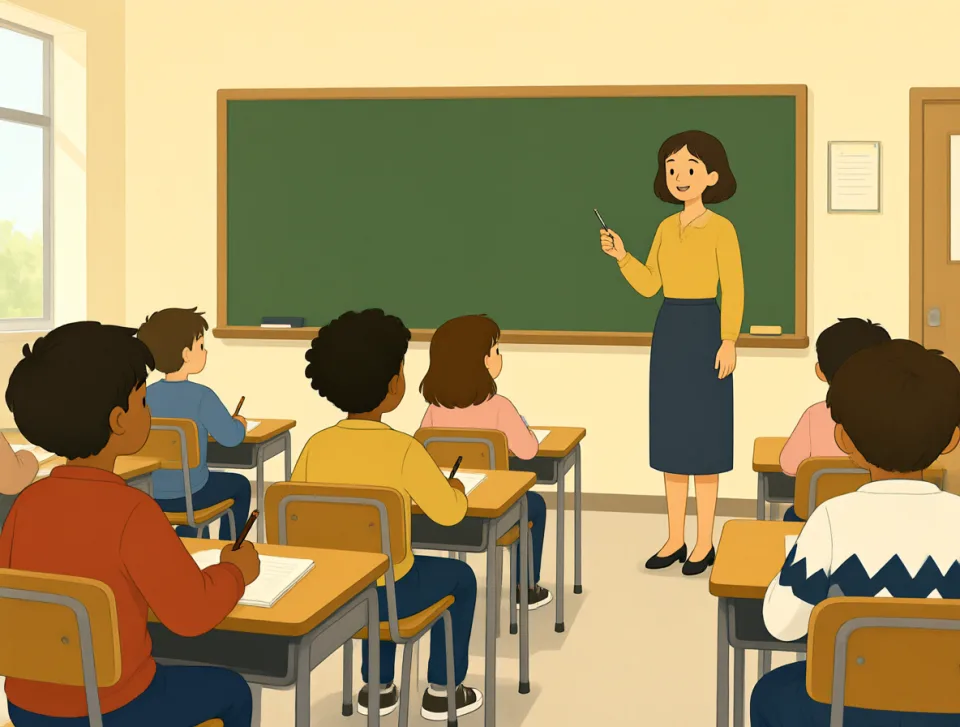
The teacher asked for our decision.
Nauczyciel poprosił nas o podjęcie decyzji.
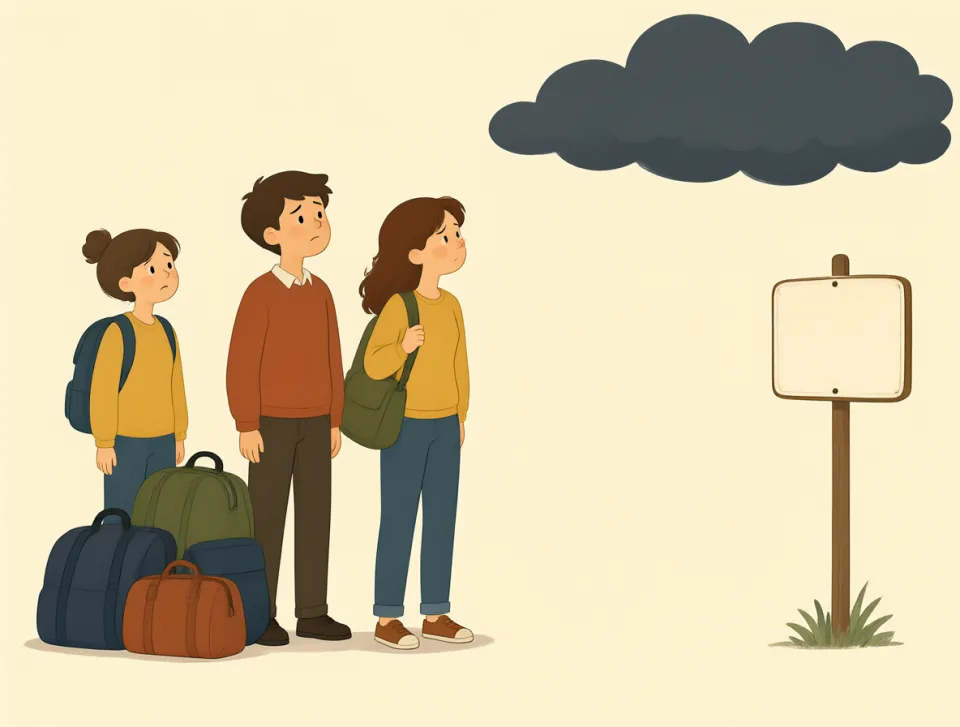
They changed their decision after the storm.
Po burzy zmienili zdanie.
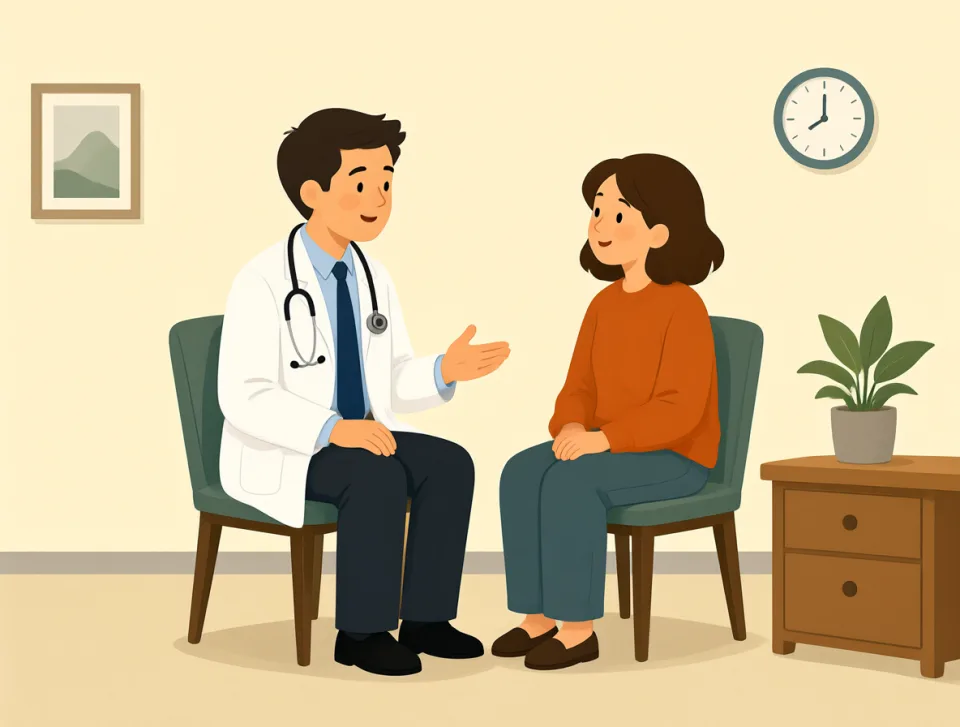
His doctor helped him make a decision.
Jego lekarz pomógł mu podjąć decyzję.
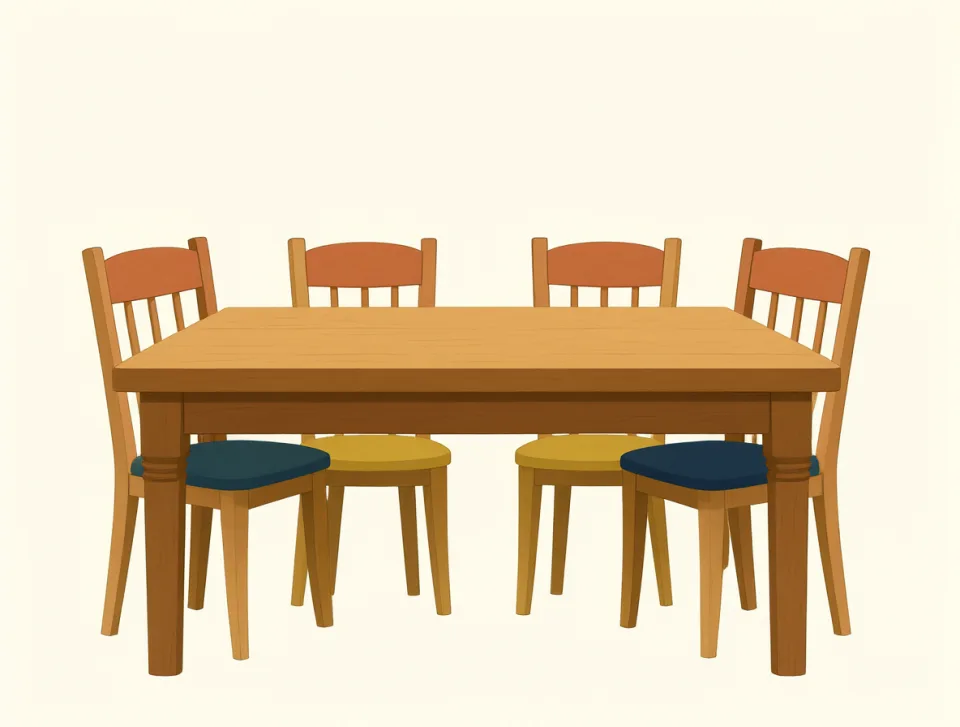
table
#450noun, verb
stół; przedstawiać w formie tabeli
A piece of furniture with a flat top and legs, or to put information in a table.
mebel z płaskim blatem i nogami albo przedstawiać informacje w formie tabeli
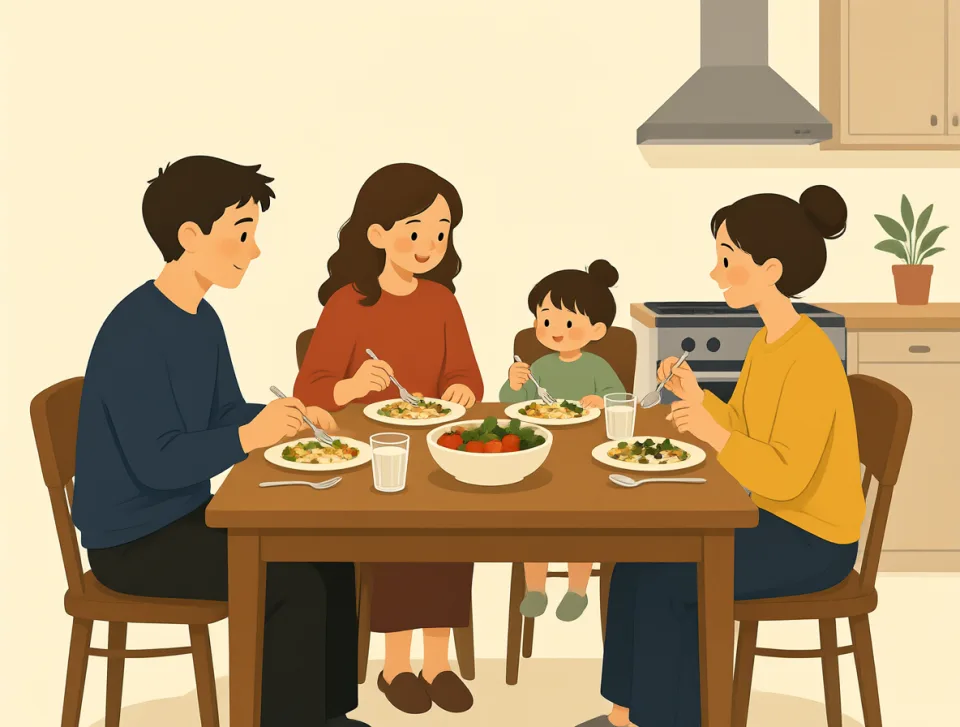
We ate dinner at the kitchen table.
Zjedliśmy kolację przy kuchennym stole.
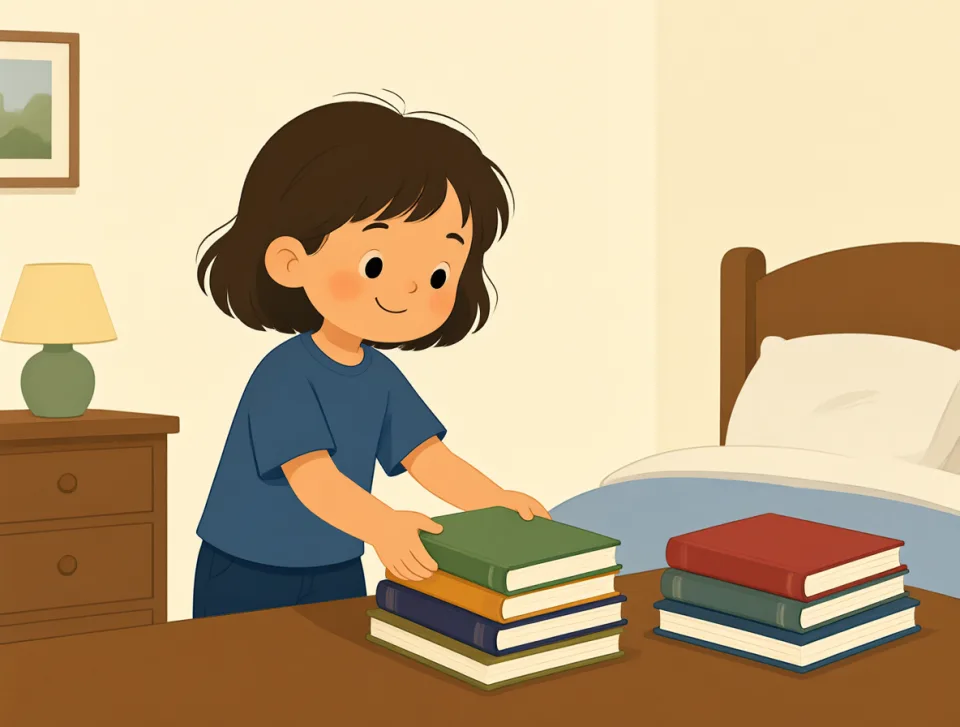
Please put the books on the table.
Proszę położyć książki na stole.
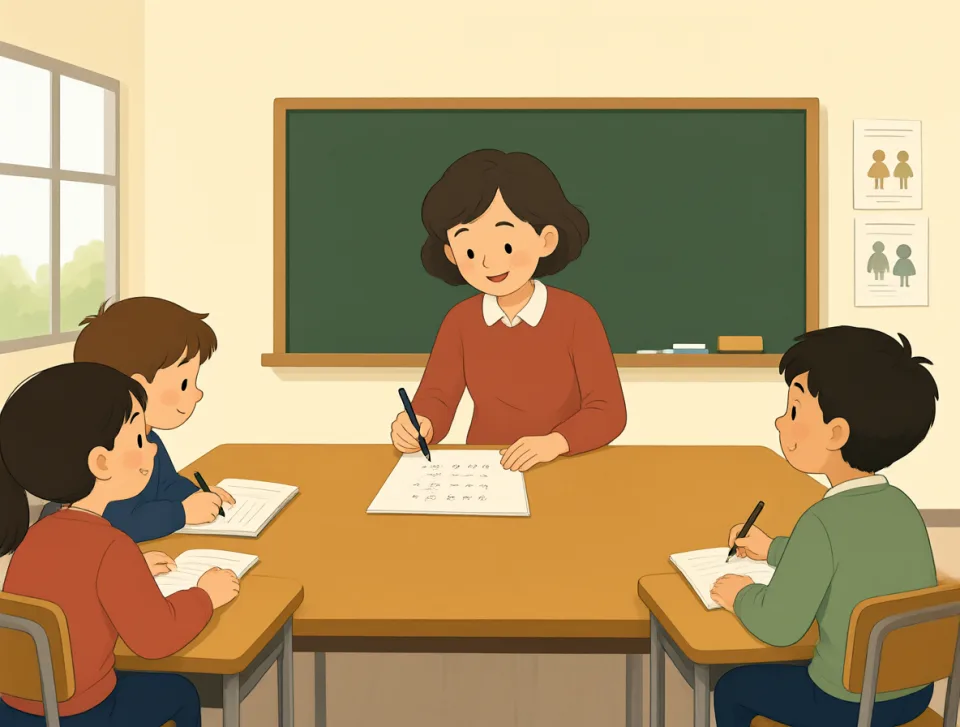
The teacher wrote the answers on the table.
Nauczyciel zapisał odpowiedzi na stole.

They booked a table for two tonight.
Zarezerwowali na dziś wieczór stolik dla dwóch osób.

The report tables the costs clearly.
Raport jasno przedstawia koszty w formie tabeli.
certain
#451adjective, determiner, pronoun
pewny; określony
Sure about something or someone; or a particular person or thing.
Pewny czegoś lub kogoś; albo konkretny człowiek lub rzecz.
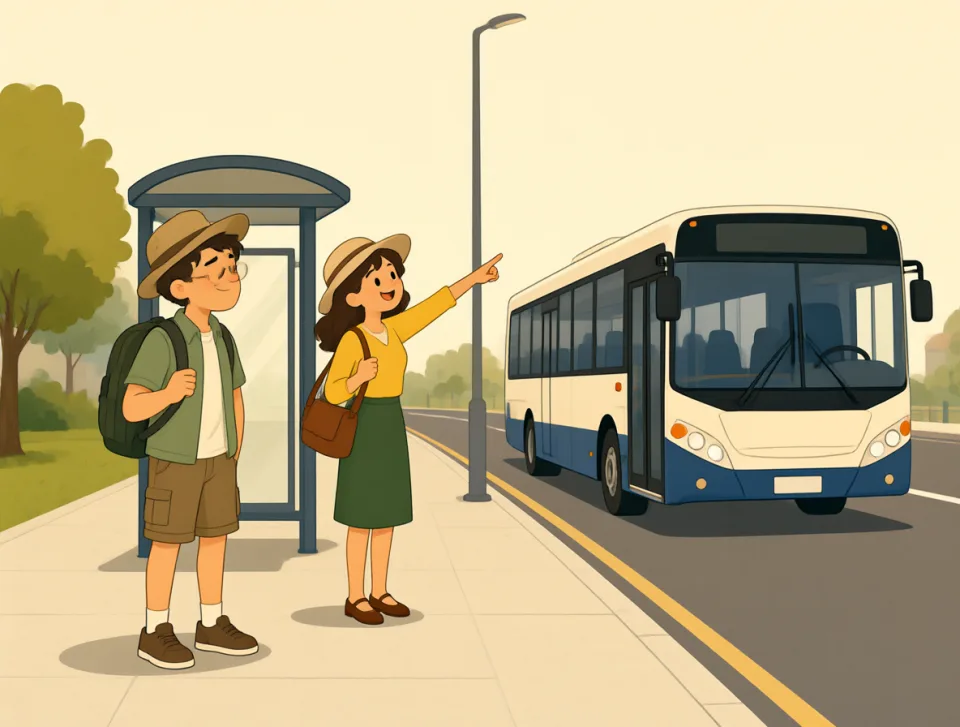
I am certain this is the right bus.
Jestem pewien, że to właściwy autobus.
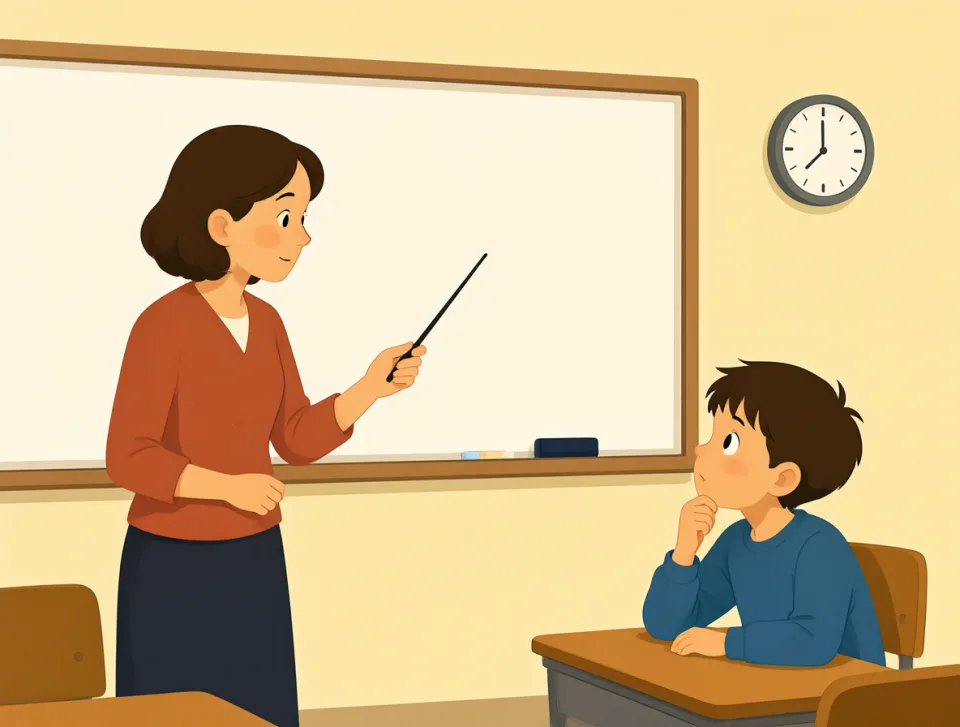
Are you certain about your answer?
Jesteś pewien swojej odpowiedzi?
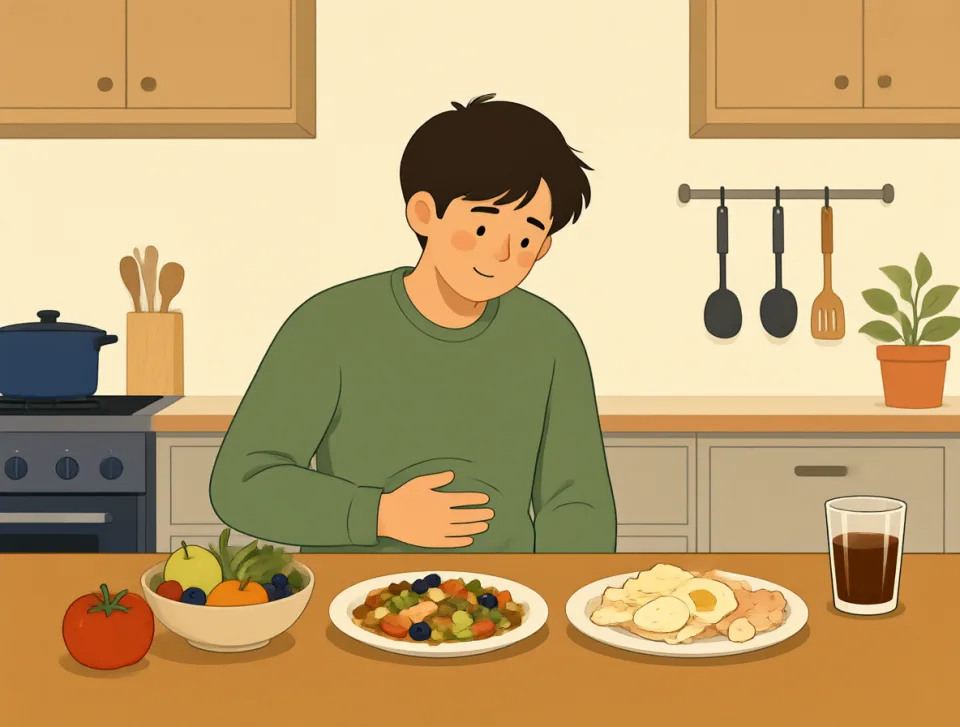
Certain foods make my stomach hurt.
Niektóre potrawy powodują u mnie ból brzucha.

We met certain friends at the airport.
Spotkaliśmy na lotnisku pewnych znajomych.
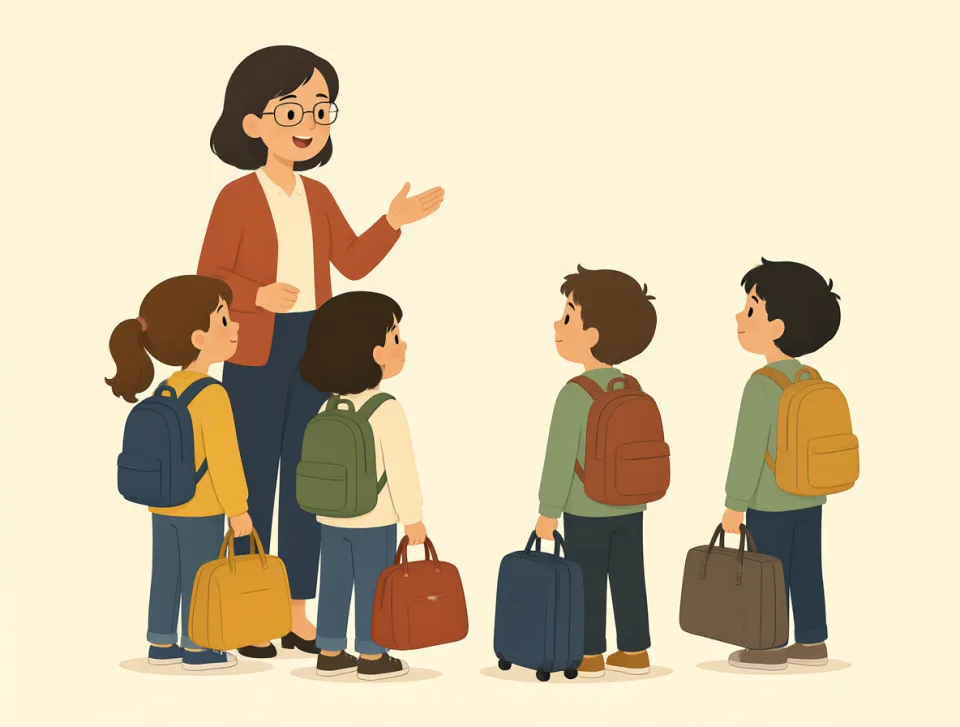
Only certain students can join the trip.
Tylko niektórzy uczniowie mogą pojechać na wycieczkę.
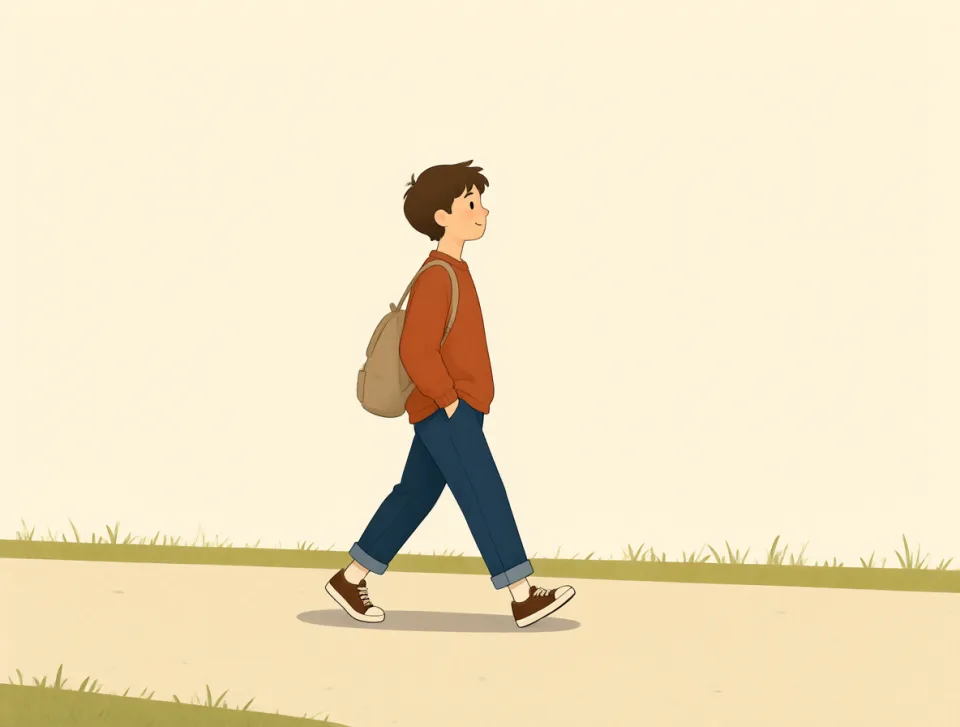
forward
#452adverb, adjective, noun, verb
do przodu; naprzód
Toward the front or a place ahead; helping something continue or improve.
W kierunku przodu lub miejsca znajdującego się dalej; pomagający czemuś się rozwijać lub robić postępy.
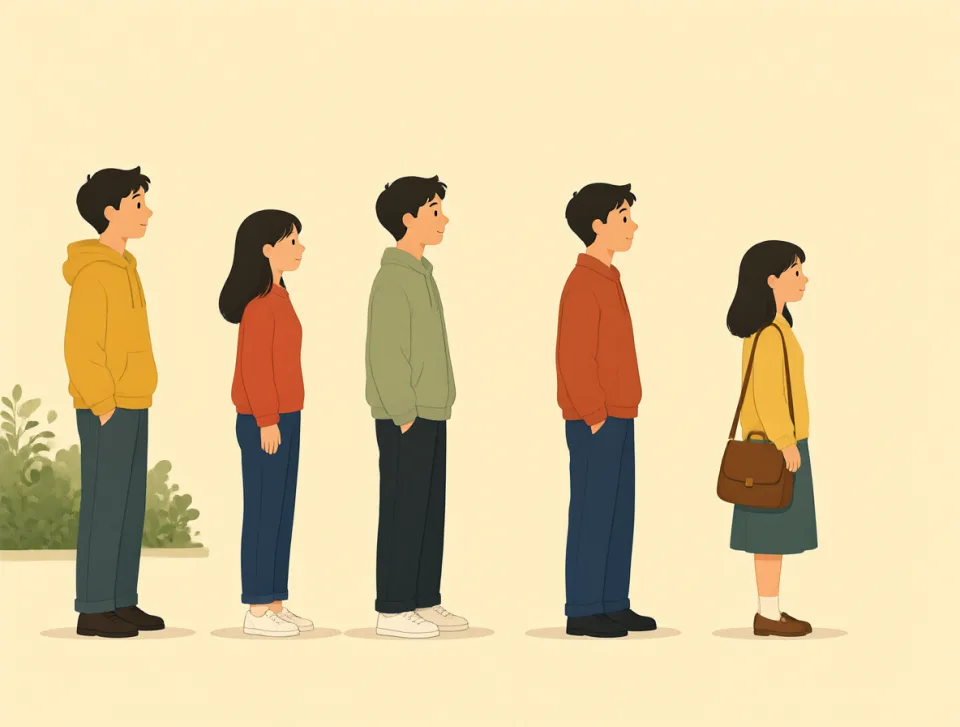
Please move forward in the line.
Proszę przesunąć się do przodu w kolejce.
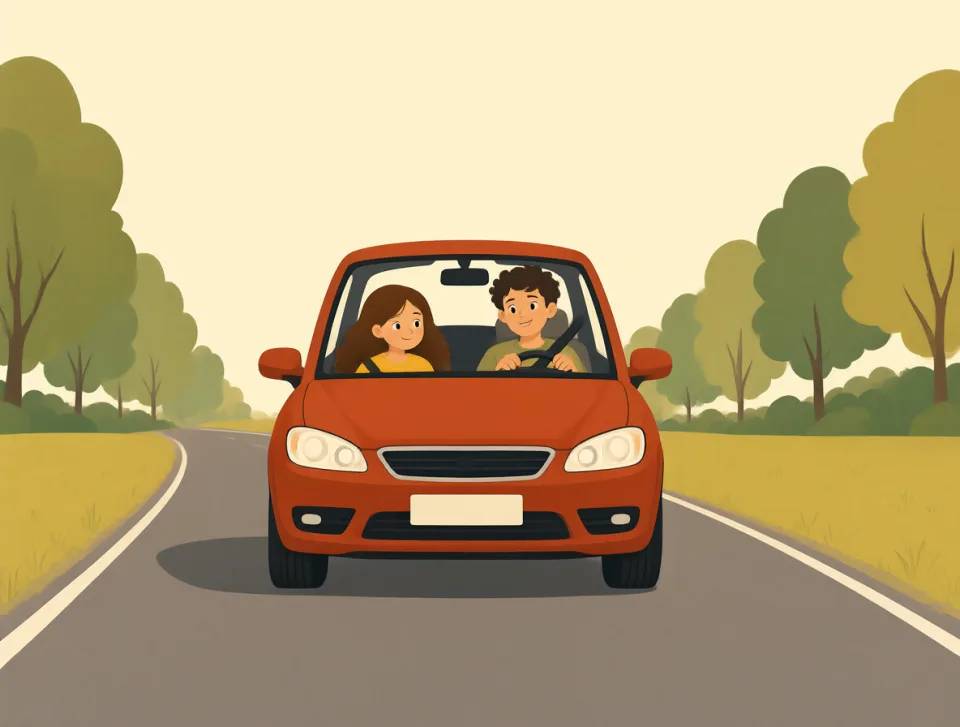
The car moved forward slowly.
Samochód powoli ruszył do przodu.
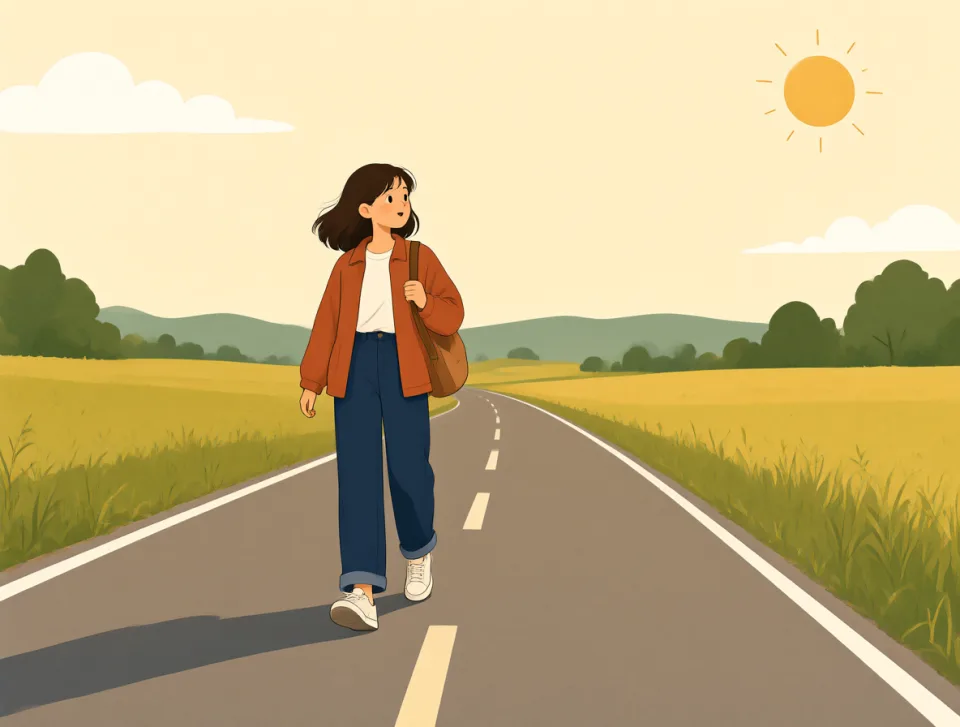
She has a bright future forward.
Czeka ją świetlana przyszłość.
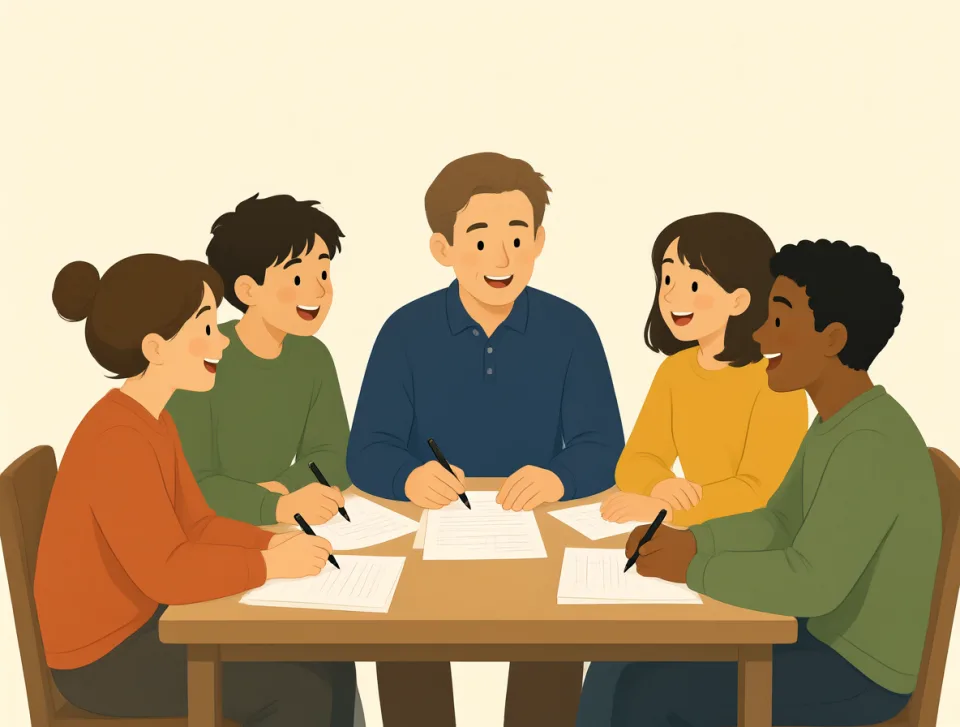
The team made forward progress today.
Zespół zrobił dziś postępy.
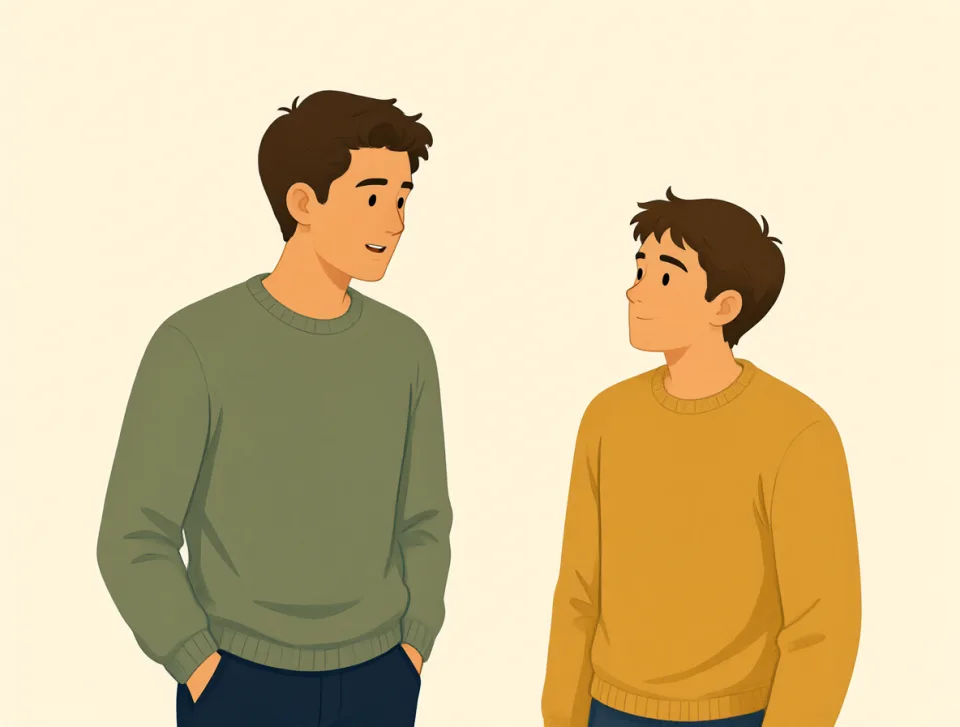
He leaned forward to hear better.
Pochylił się do przodu, żeby lepiej słyszeć.

main
#453adjective, noun
główny; najważniejszy
Most important; the largest or strongest part of something.
Najważniejszy; największa lub najsilniejsza część czegoś.
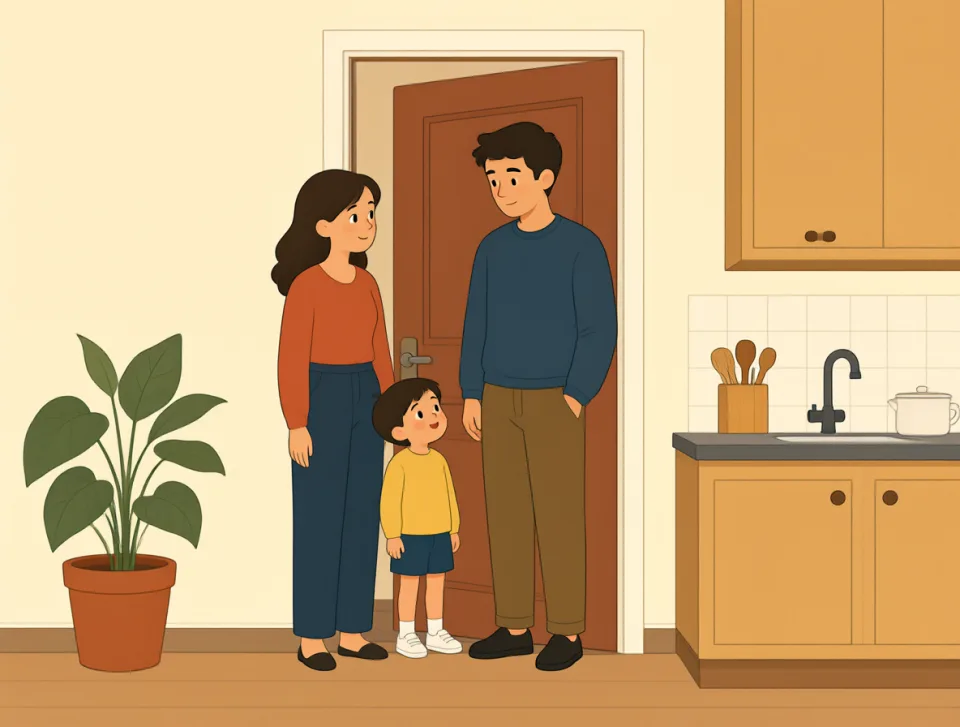
The main door is next to the kitchen.
Główne drzwi są obok kuchni.
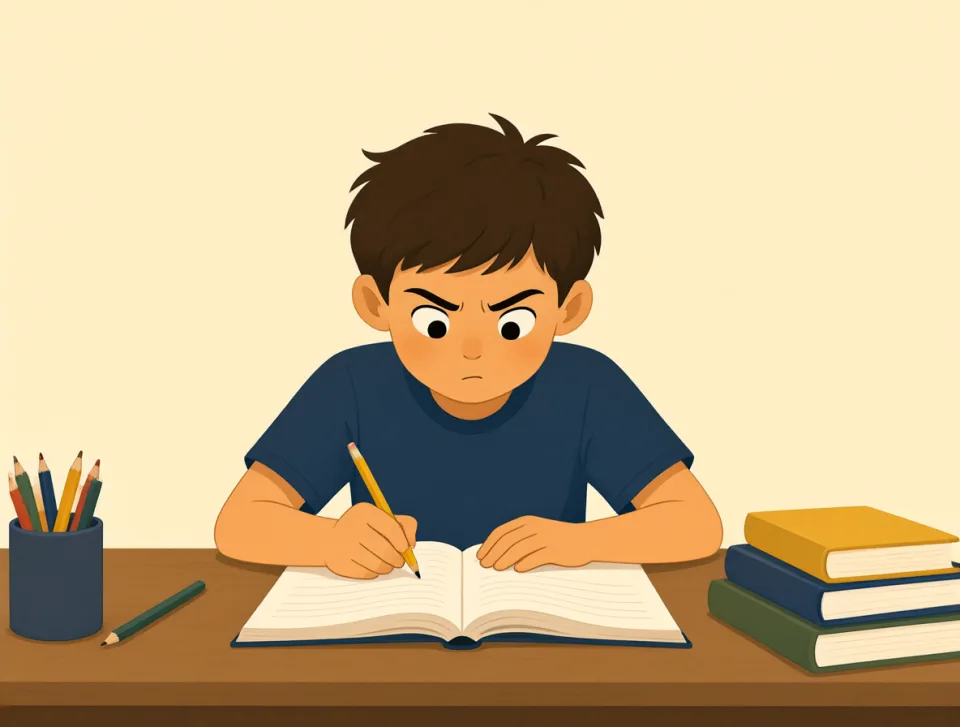
Our main goal is to pass the test.
Naszym głównym celem jest zdać test.
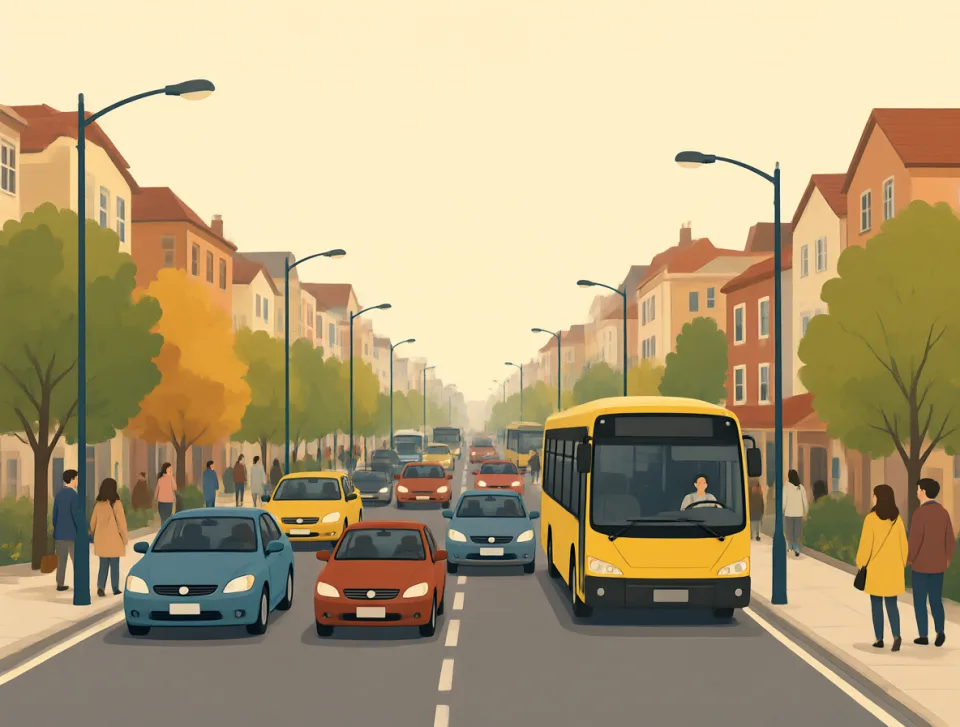
The main road was busy this morning.
Główna droga była dziś rano zatłoczona.
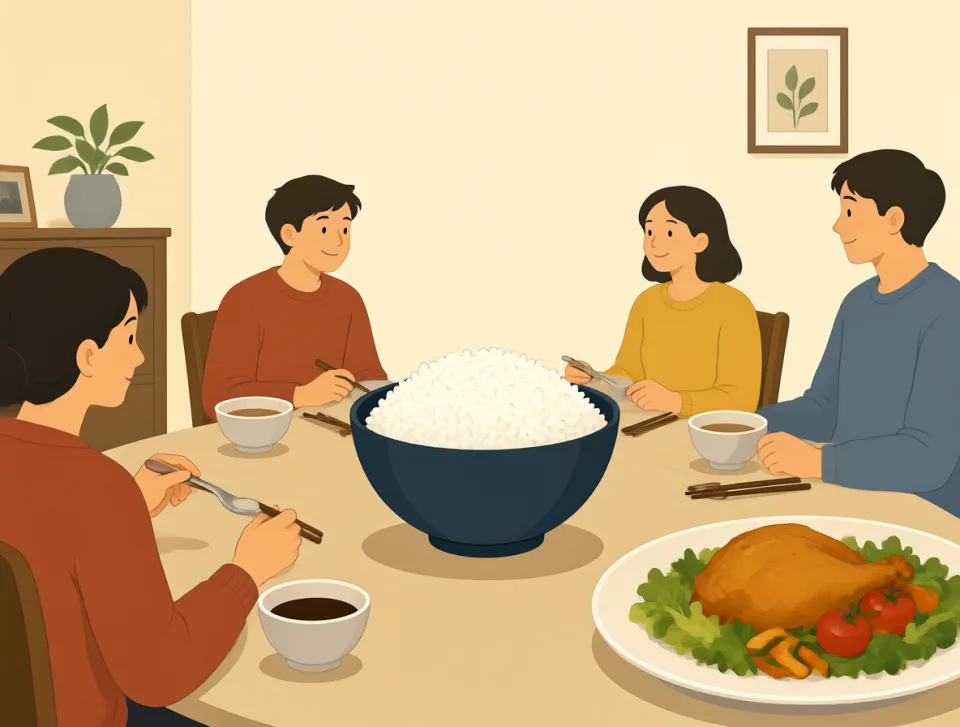
Rice is the main part of this meal.
Ryż jest głównym składnikiem tego posiłku.
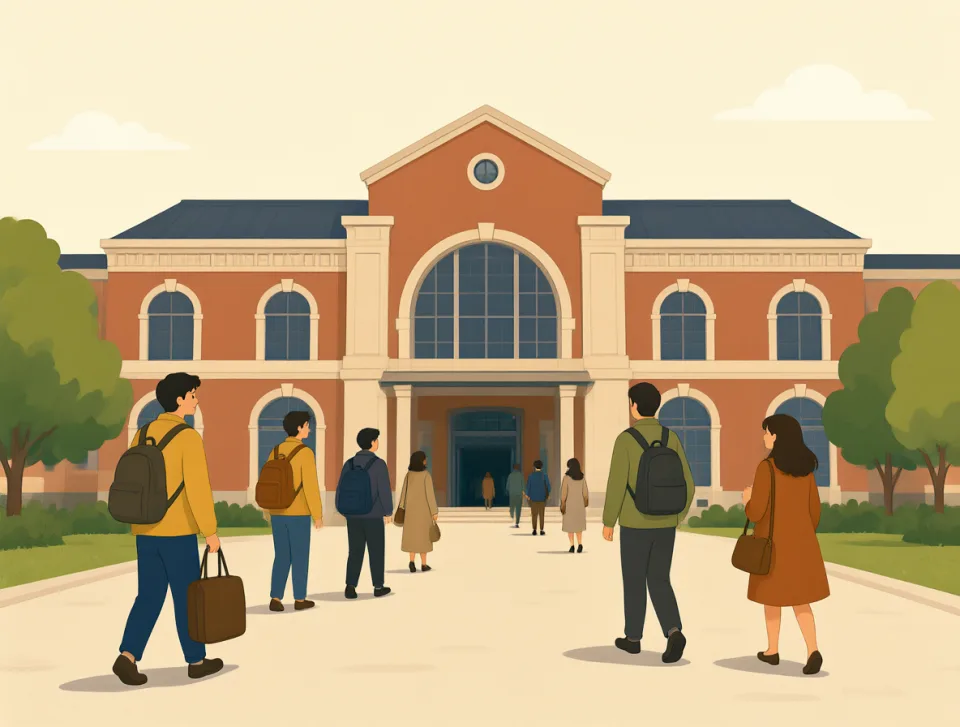
The main station is near the city center.
Główna stacja znajduje się blisko centrum miasta.
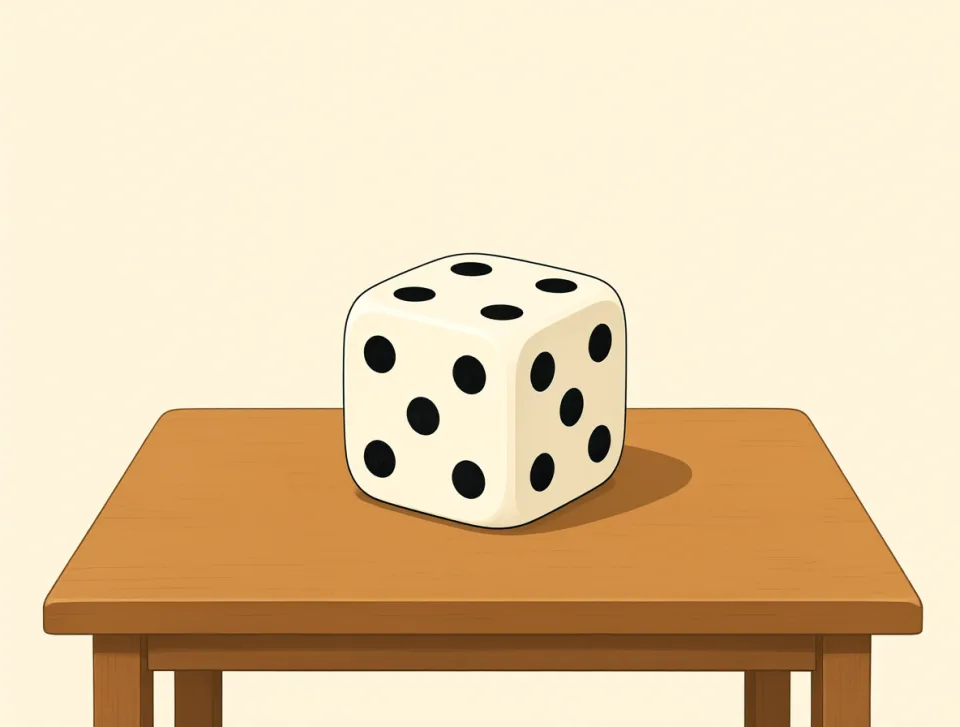
die
#454verb, noun
umierać; kostka do gry
To stop living; a small cube marked with spots used in games.
Przestać żyć; mały sześcian z oczkami używany w grach.
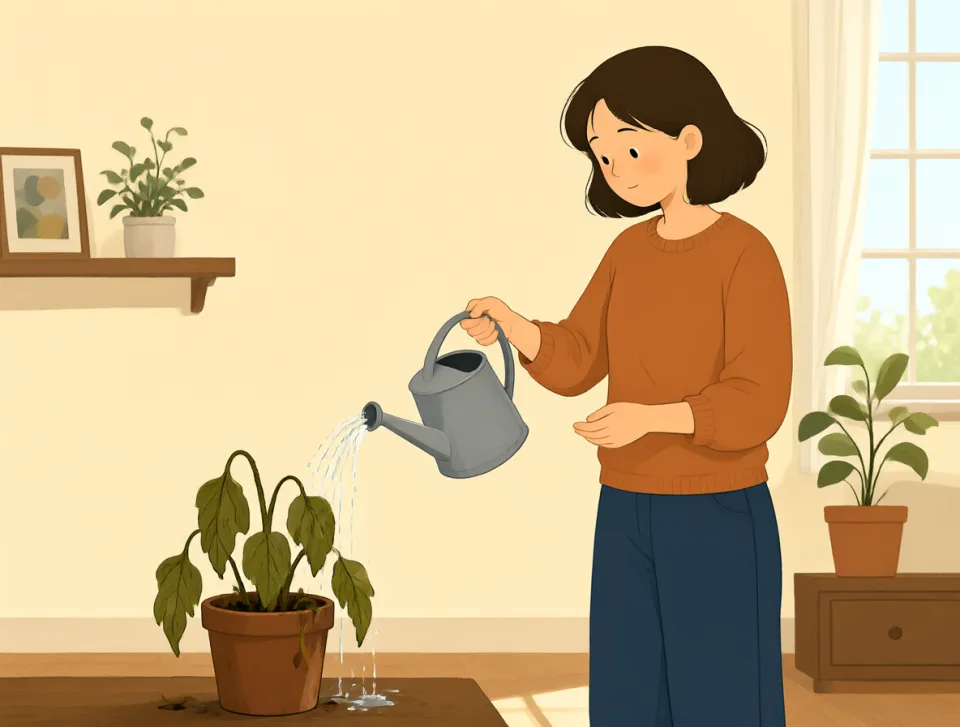
Many plants die without enough water.
Wiele roślin umiera bez wystarczającej ilości wody.
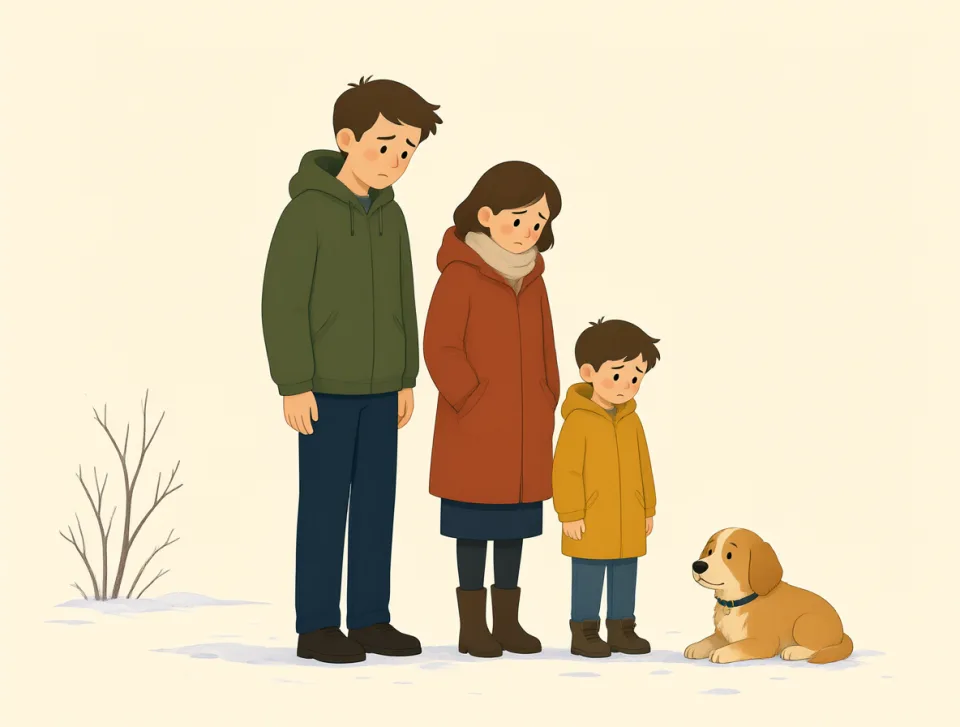
The old dog died last winter.
Stary pies zdechł zeszłej zimy.
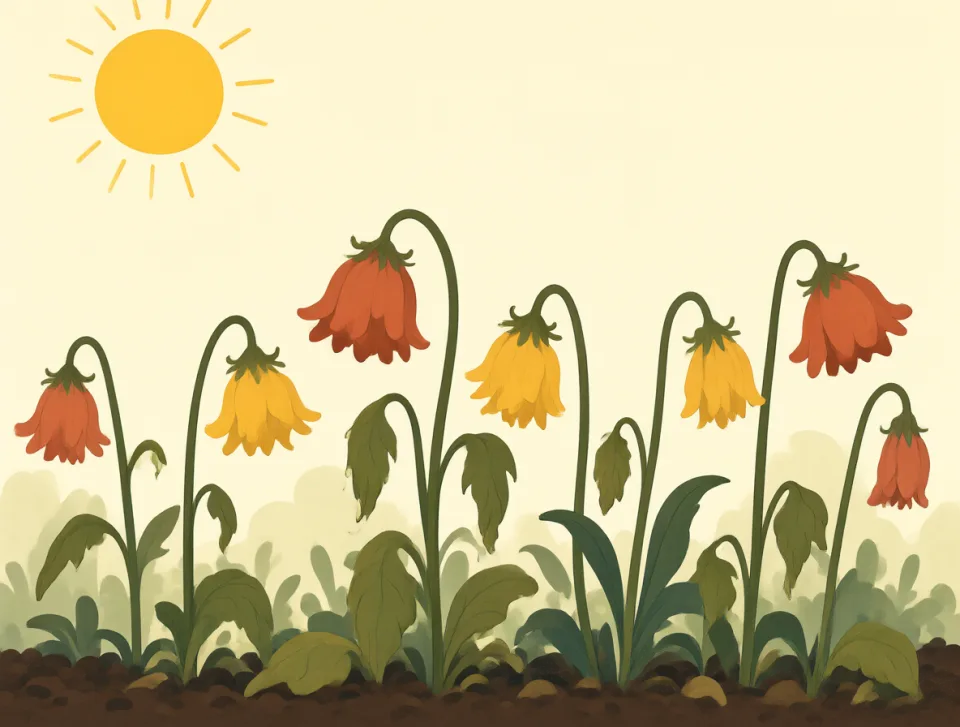
The flowers are dying in the heat.
Kwiaty usychają w tym upale.
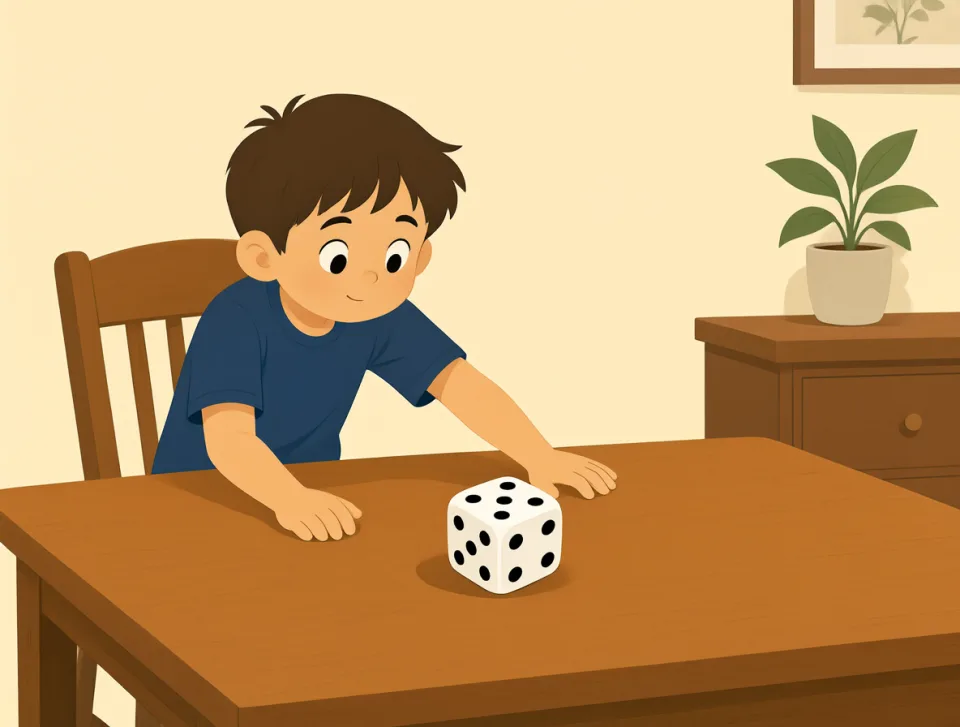
She rolled the die across the table.
Potoczyła kostkę po stole.
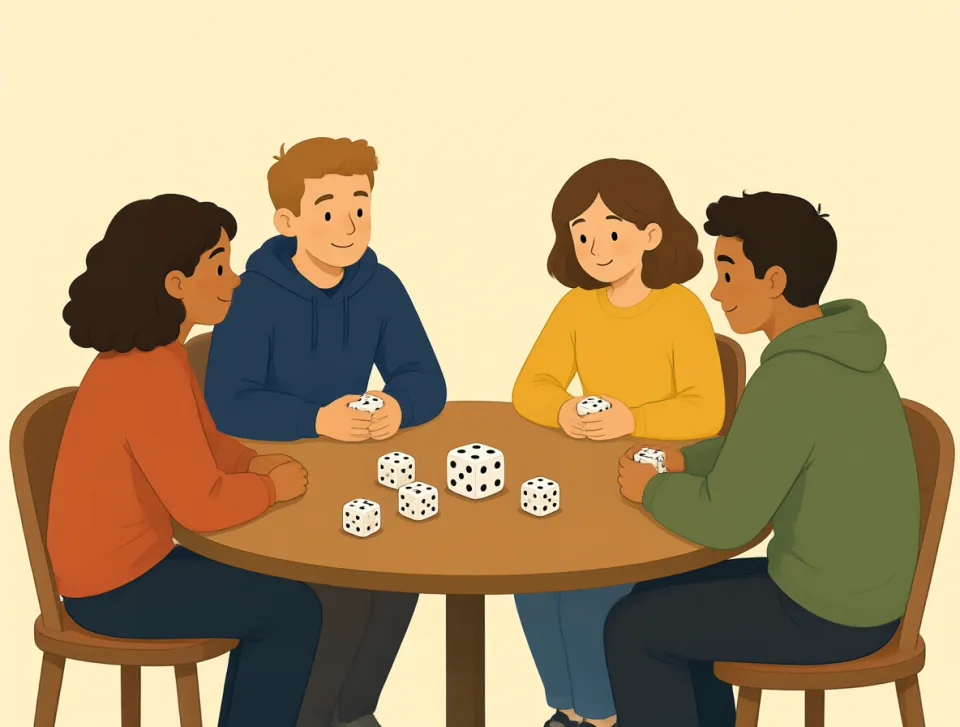
We need one more die for the game.
Potrzebujemy jeszcze jednej kostki do gry.

bear
#455noun, verb
niedźwiedź; znosić
An animal with thick fur; or to accept and deal with something difficult.
Zwierzę o gęstym futrze; albo akceptować coś trudnego i sobie z tym radzić.
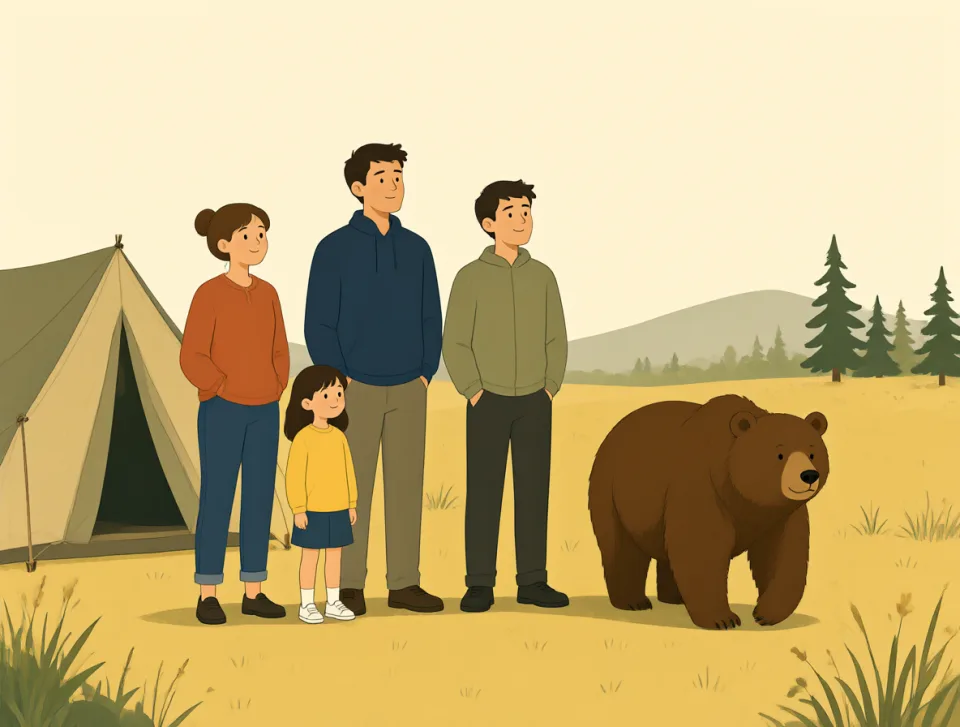
We saw a bear near the campsite.
Zobaczyliśmy niedźwiedzia w pobliżu obozowiska.
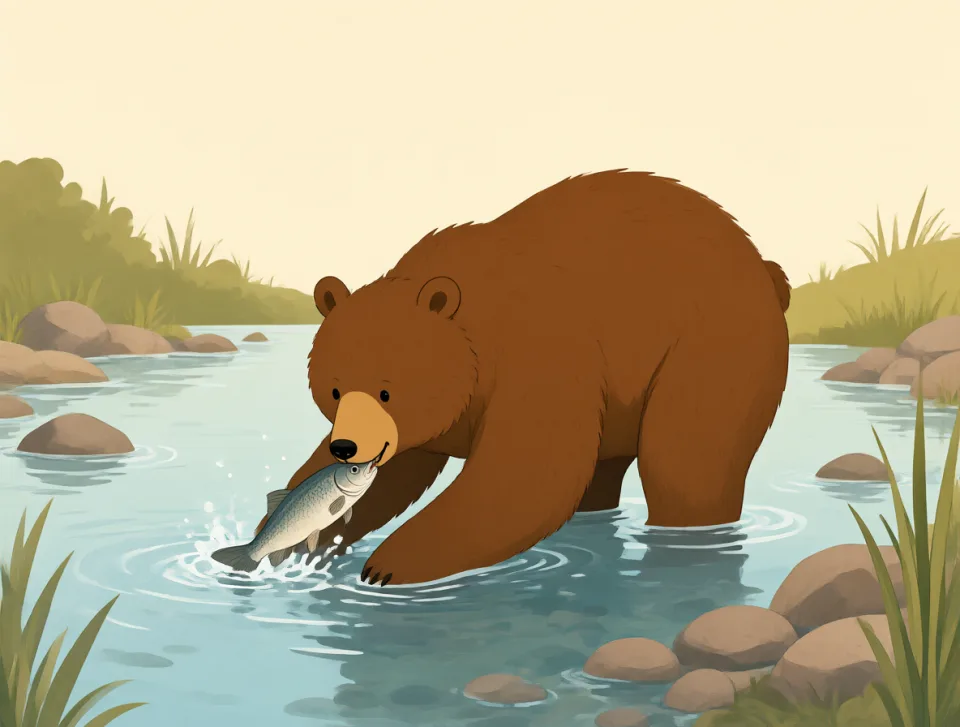
The bear caught a fish in the river.
Niedźwiedź złowił rybę w rzece.
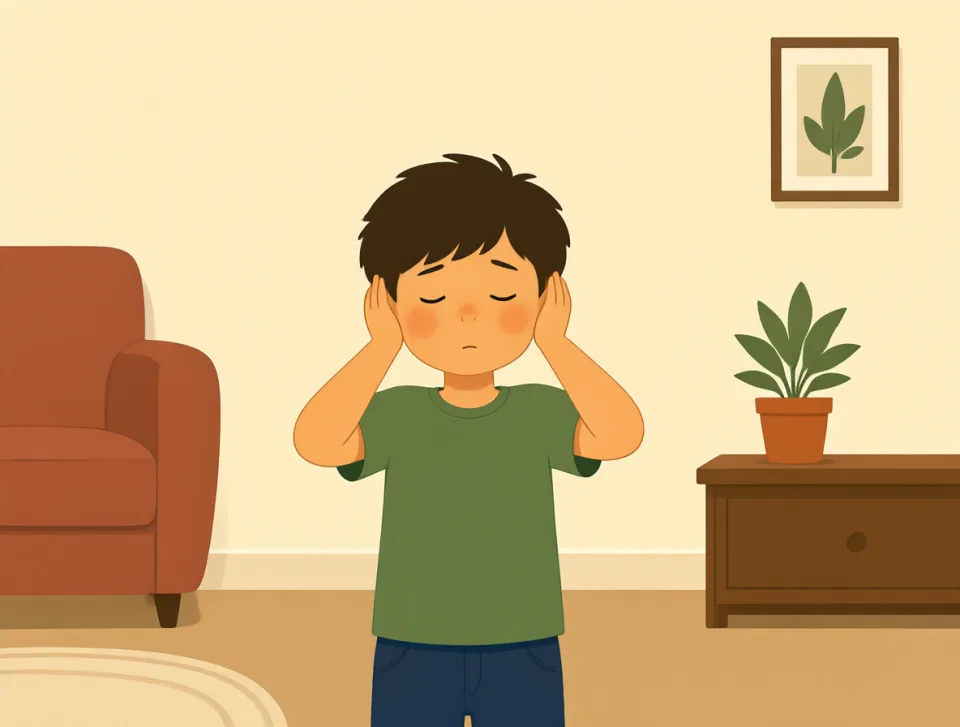
I cannot bear this loud noise.
Nie mogę znieść tego głośnego hałasu.
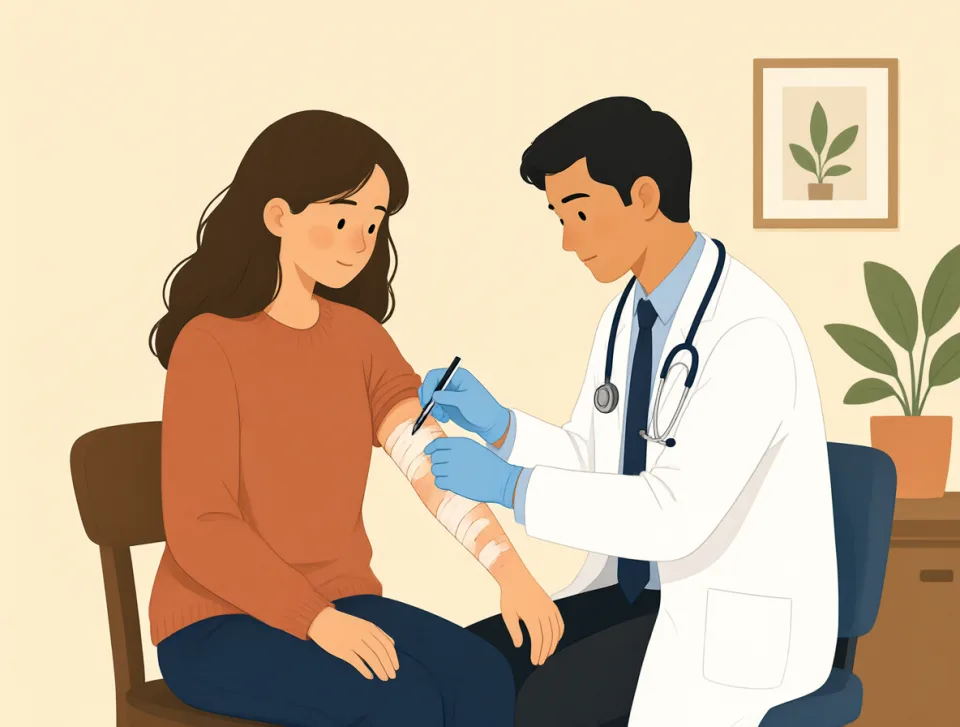
She bears the pain very well.
Bardzo dobrze znosi ból.
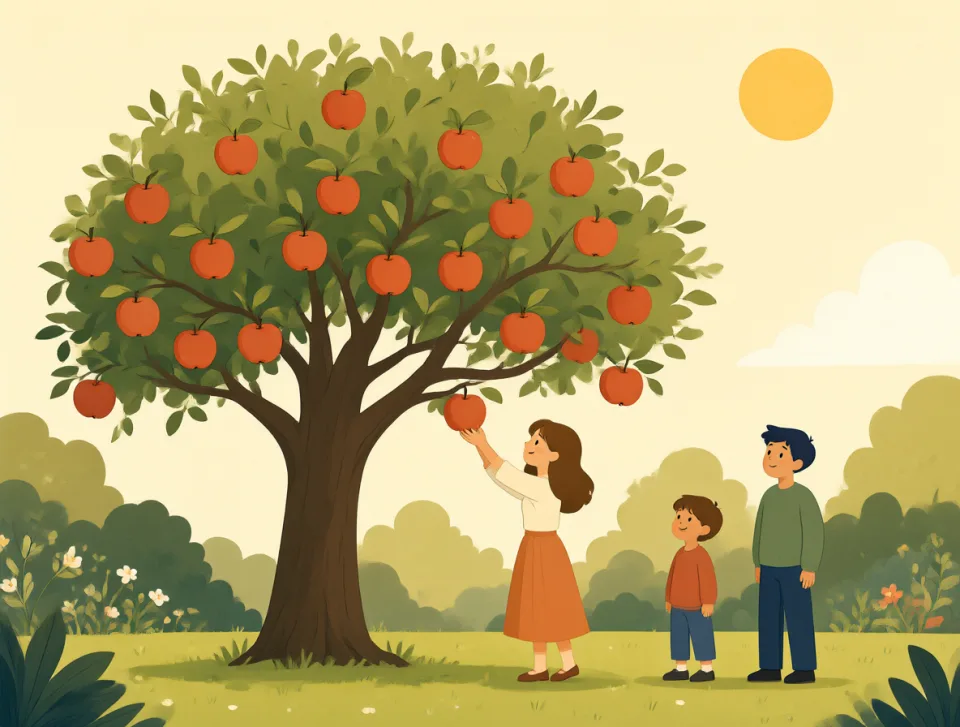
This tree bears fruit every summer.
To drzewo rodzi owoce każdego lata.
cut
#456verb, noun
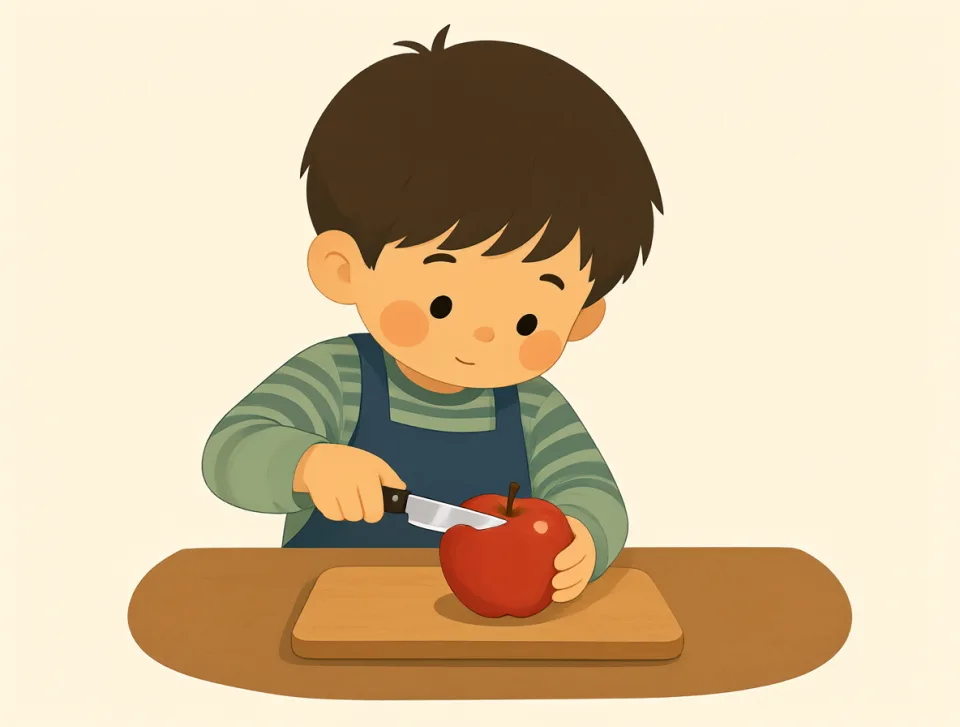
ciąć
To use a sharp tool to divide something or make it shorter.
Używać ostrego narzędzia, aby coś podzielić lub skrócić.
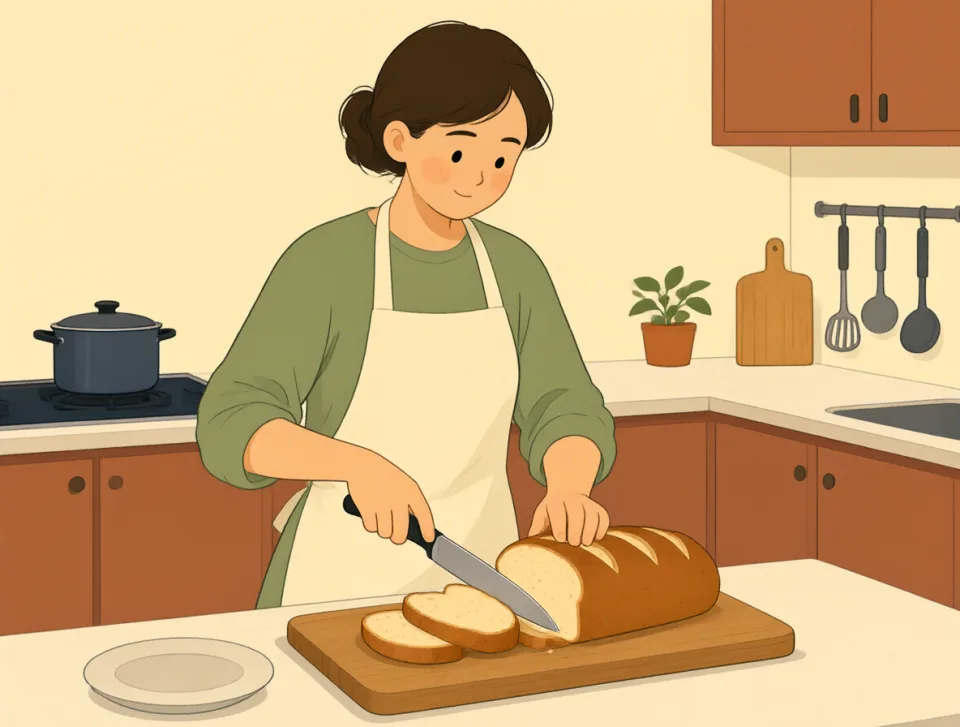
Please cut the bread into small pieces.
Proszę pokroić chleb na małe kawałki.
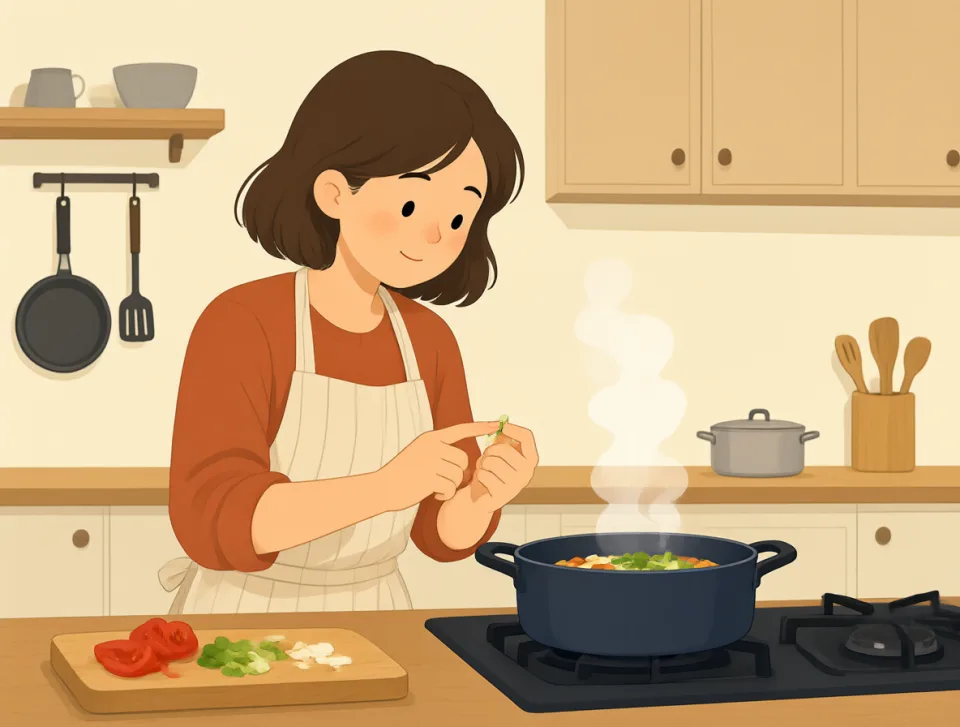
She cut her finger while cooking dinner.
Skaleczyła się w palec podczas przygotowywania kolacji.

We cut across the park to save time.
Przeszliśmy przez park na skróty, żeby zaoszczędzić czas.
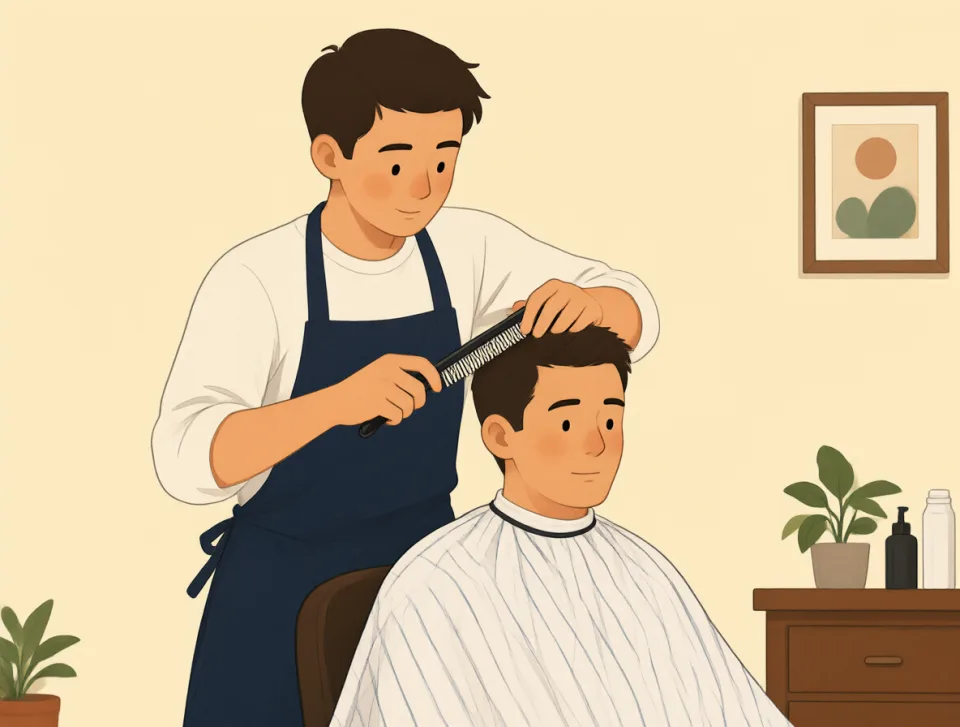
The barber cut my hair very short.
Fryzjer obciął mi włosy bardzo krótko.
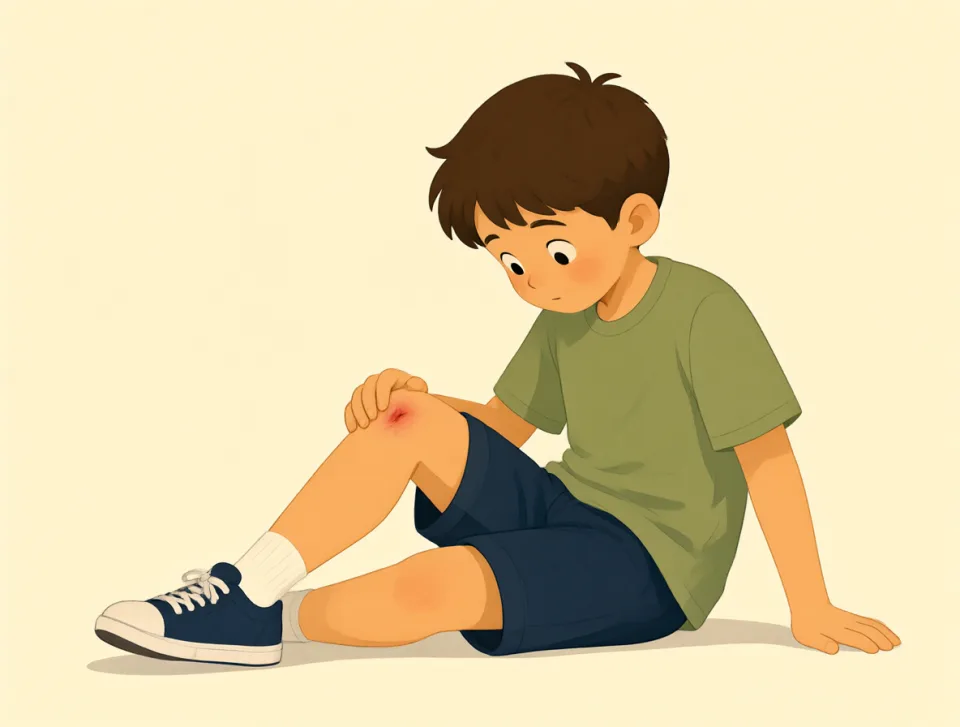
He got a deep cut on his knee.
Ma głęboką ranę na kolanie.
describe
#457verb
opisywać
To say or write what someone or something is like.
Mówić lub pisać, jaki ktoś lub coś jest.
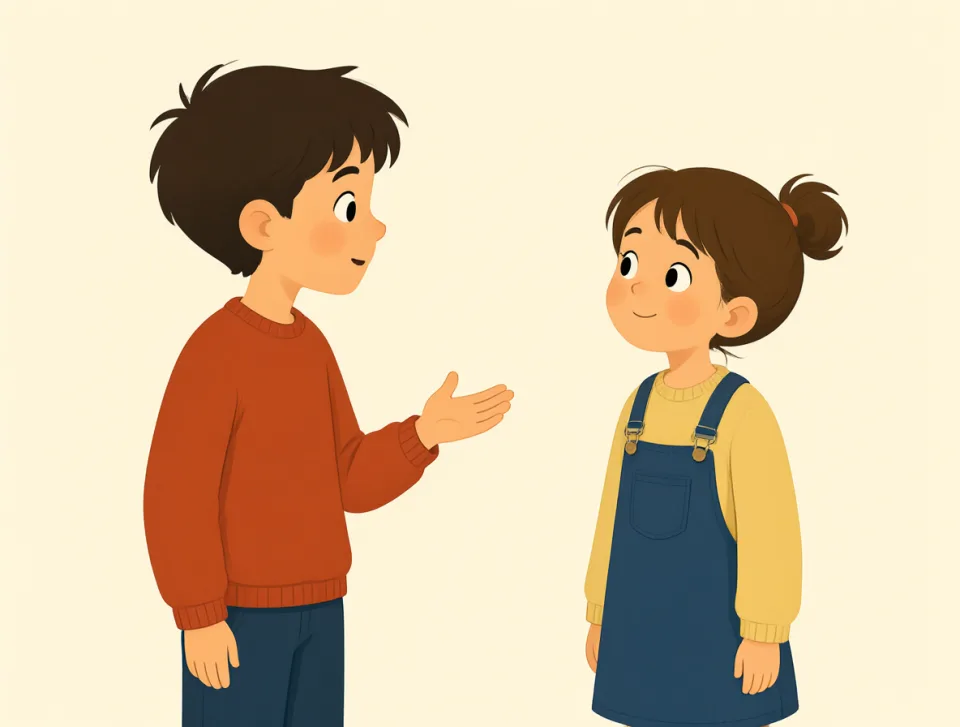
Can you describe your new friend?
Czy możesz opisać swojego nowego znajomego?

She described the man to the police.
Opisała mężczyznę policji.
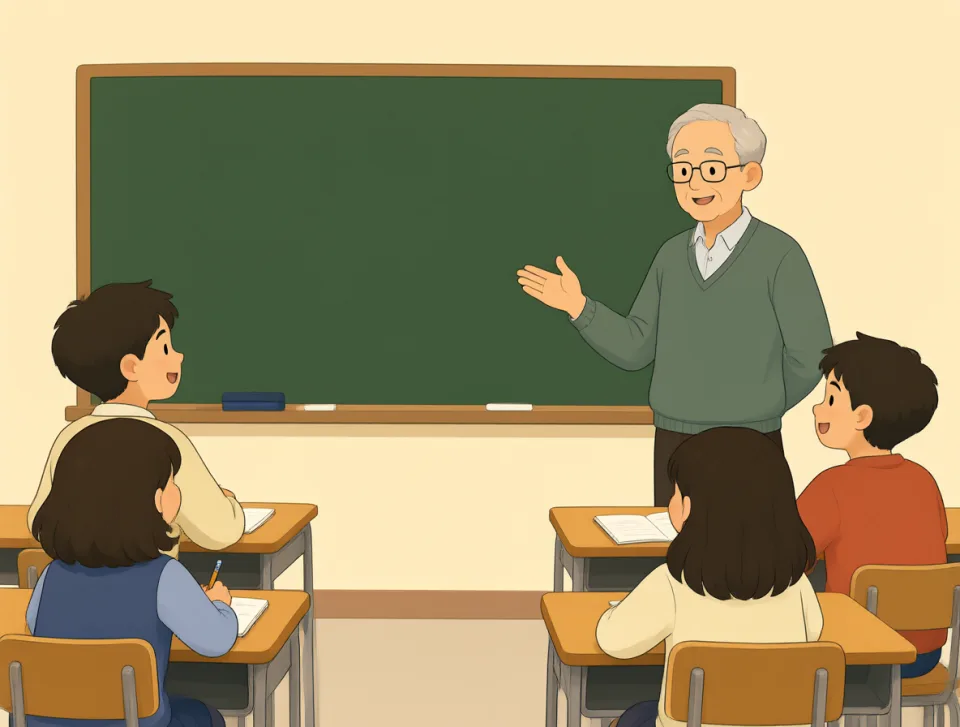
Please describe the problem to your teacher.
Proszę opisać problem swojemu nauczycielowi.

He described the food as very spicy.
Opisał jedzenie jako bardzo pikantne.

The guide described the beautiful city during our tour.
Podczas naszej wycieczki przewodnik opisywał piękne miasto.
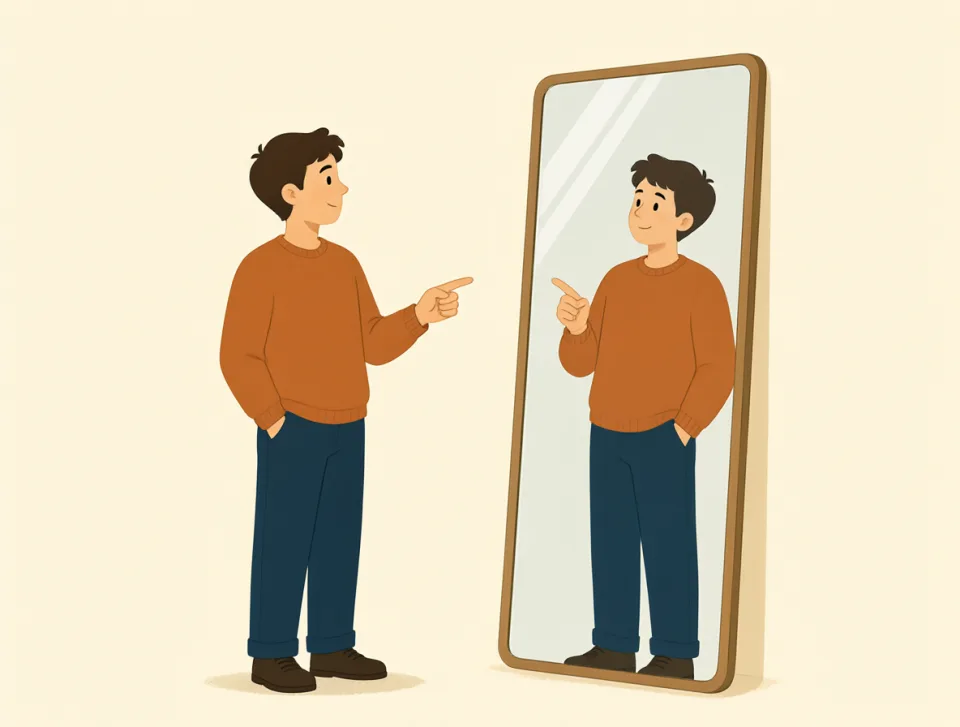
himself
#458pronoun
sam
Used to refer to a male person already mentioned, especially when he does something alone.
Używane w odniesieniu do wspomnianego wcześniej mężczyzny, zwłaszcza gdy coś robi bez niczyjej pomocy.
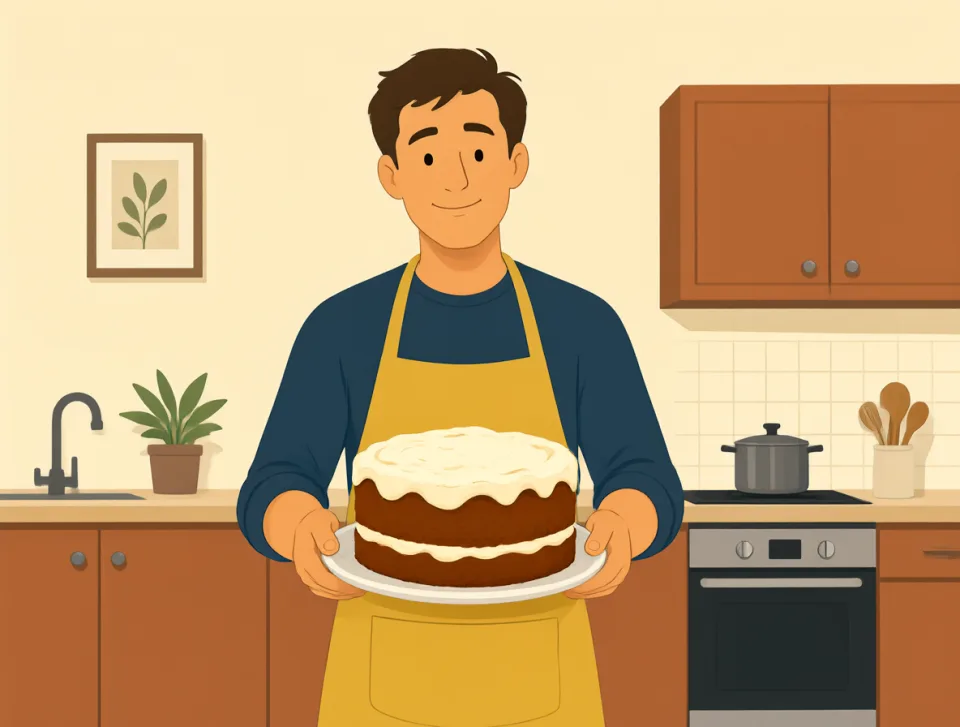
He made the cake himself.
Sam zrobił ciasto.
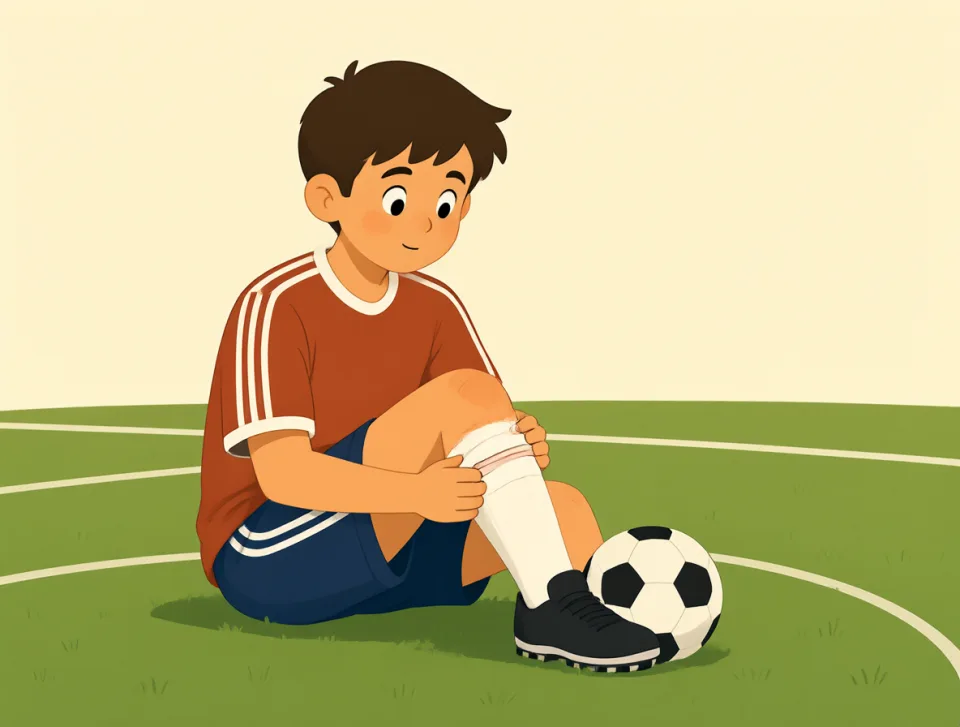
Tom hurt himself while playing soccer.
Tom zranił się podczas gry w piłkę nożną.

He taught himself to play guitar.
Sam nauczył się grać na gitarze.
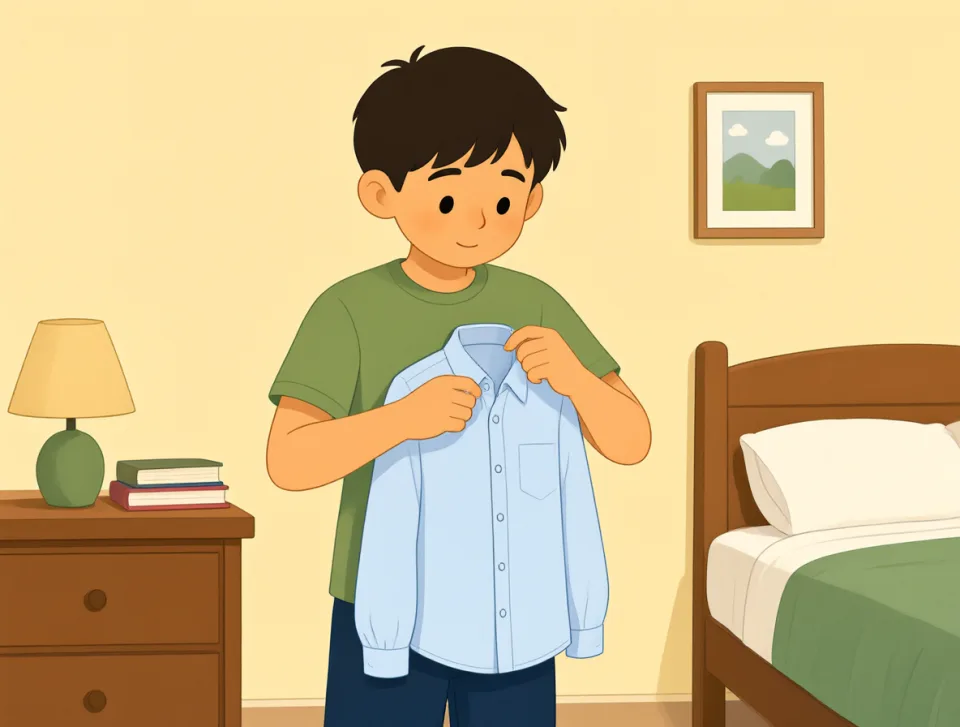
The boy dressed himself for school.
Chłopiec sam się ubrał do szkoły.
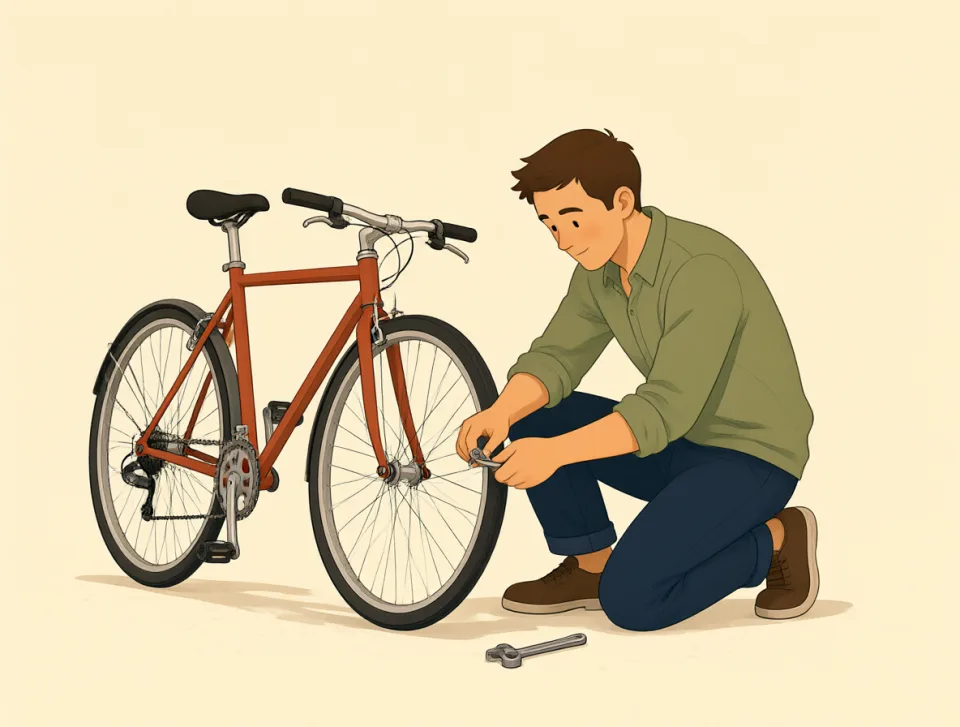
John fixed the bike himself.
John sam naprawił rower.

available
#459adjective
dostępny
Ready to be used, bought, found, or reached.
Gotowy do użycia, kupienia, znalezienia lub osiągnięcia.

The doctor is available this afternoon.
Lekarz jest dostępny dziś po południu.
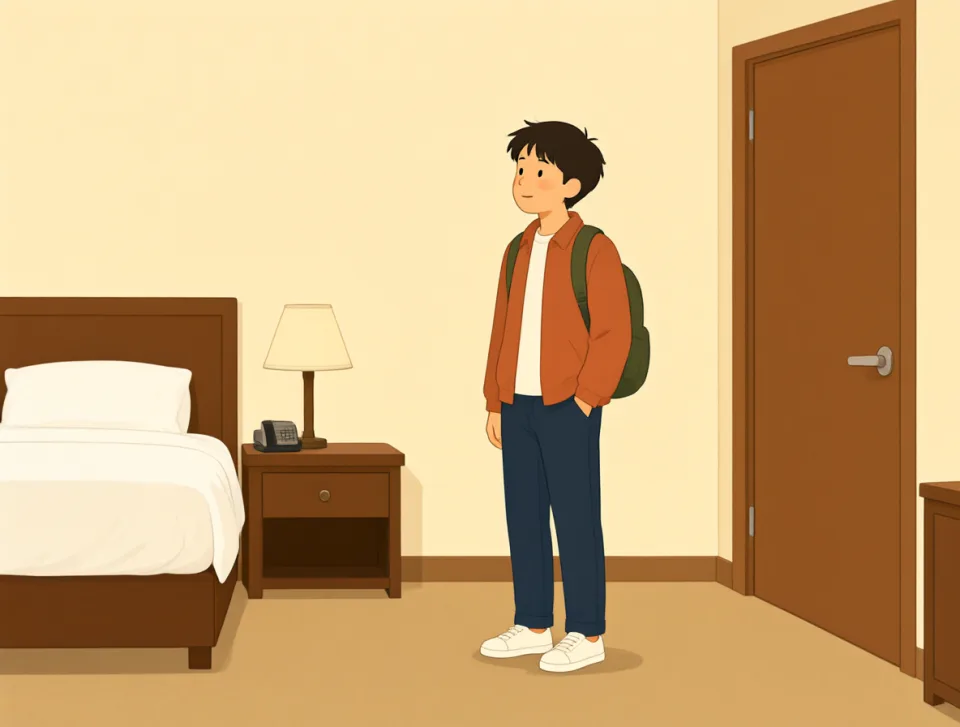
Is this room available tonight?
Czy ten pokój jest dziś wieczorem wolny?
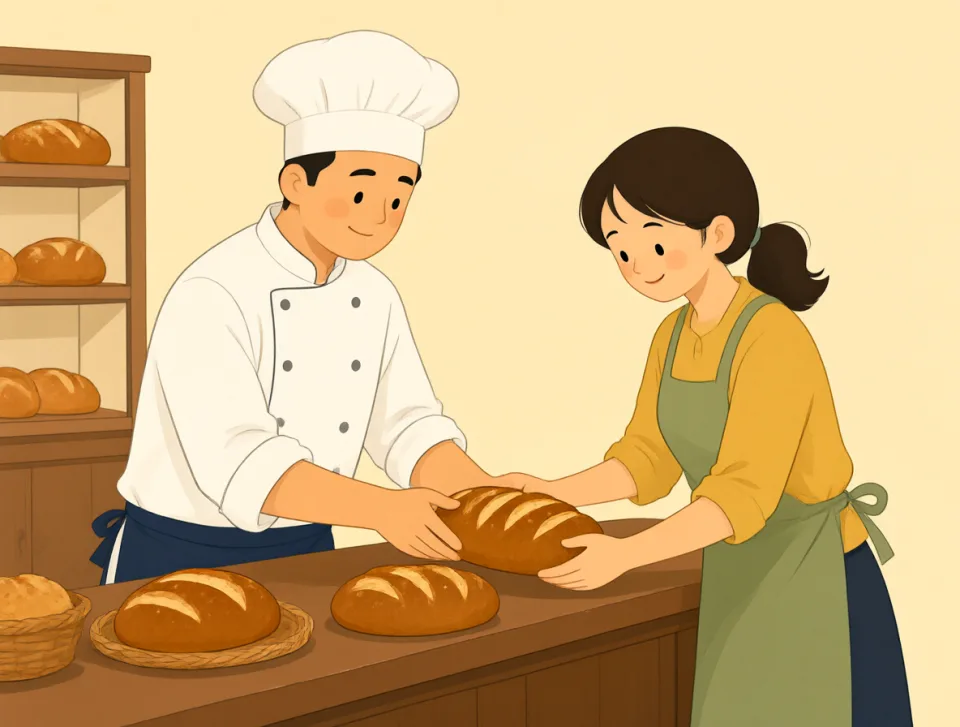
Fresh bread is available at the bakery.
W piekarni można kupić świeży chleb.
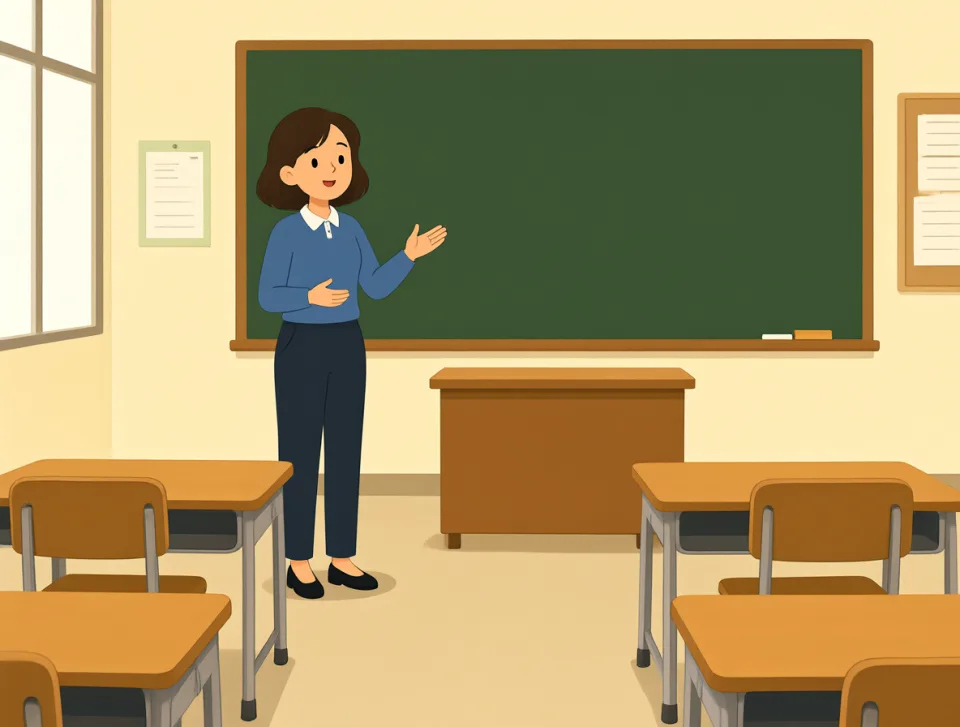
The teacher is available after class.
Nauczyciel jest dostępny po lekcji.
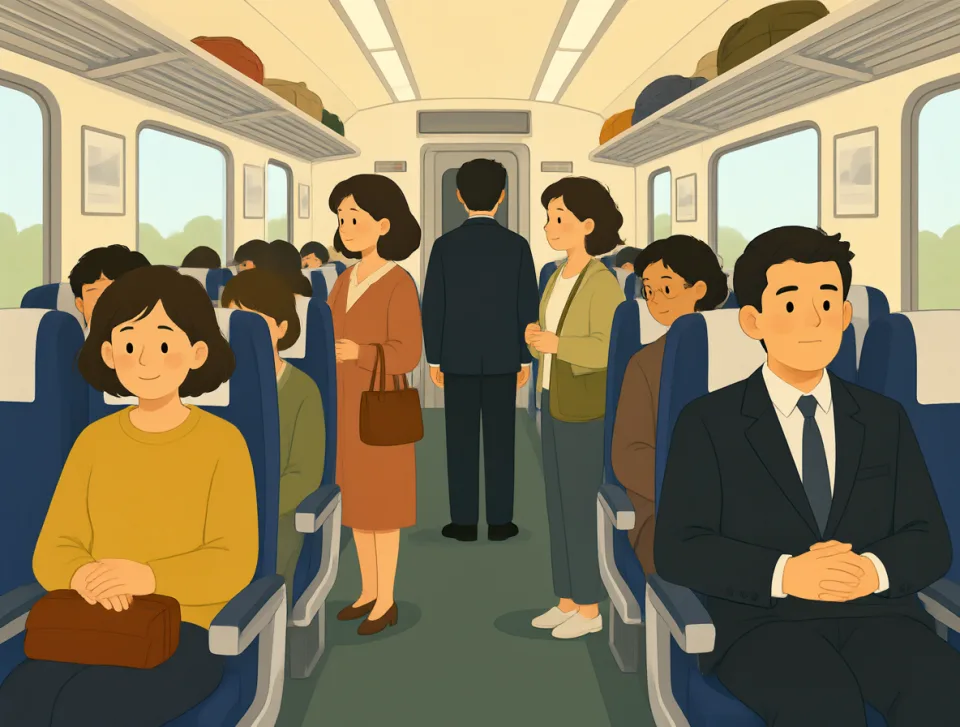
No seats were available on the train.
W pociągu nie było wolnych miejsc.
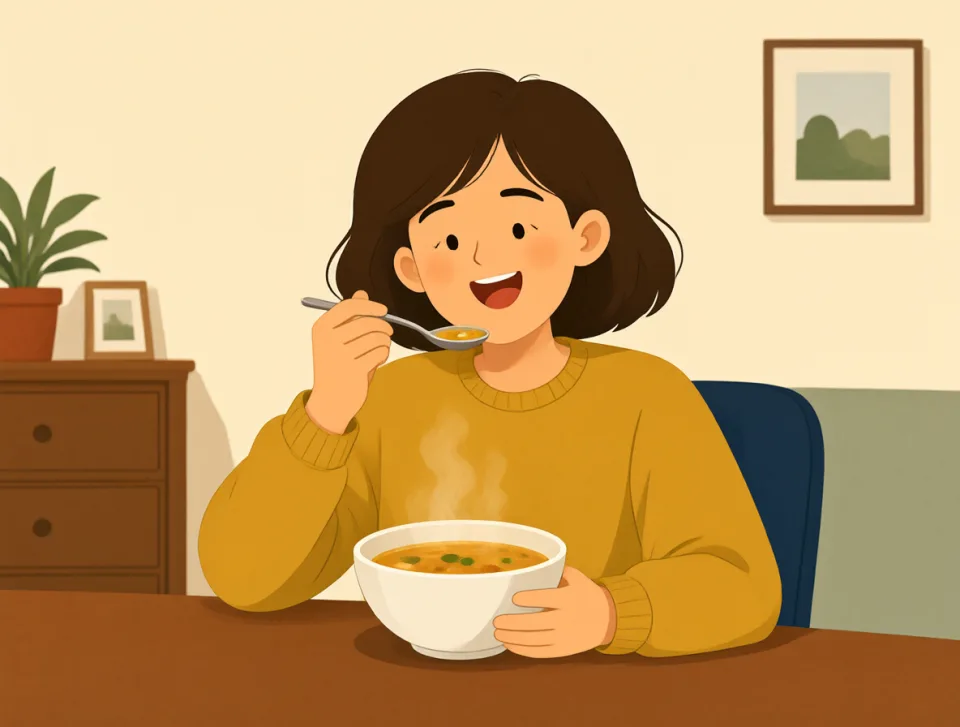
especially
#460adverb
szczególnie
More than usual or more than others
W większym stopniu niż zwykle lub niż inni.
I especially like this warm soup.
Szczególnie lubię tę ciepłą zupę.
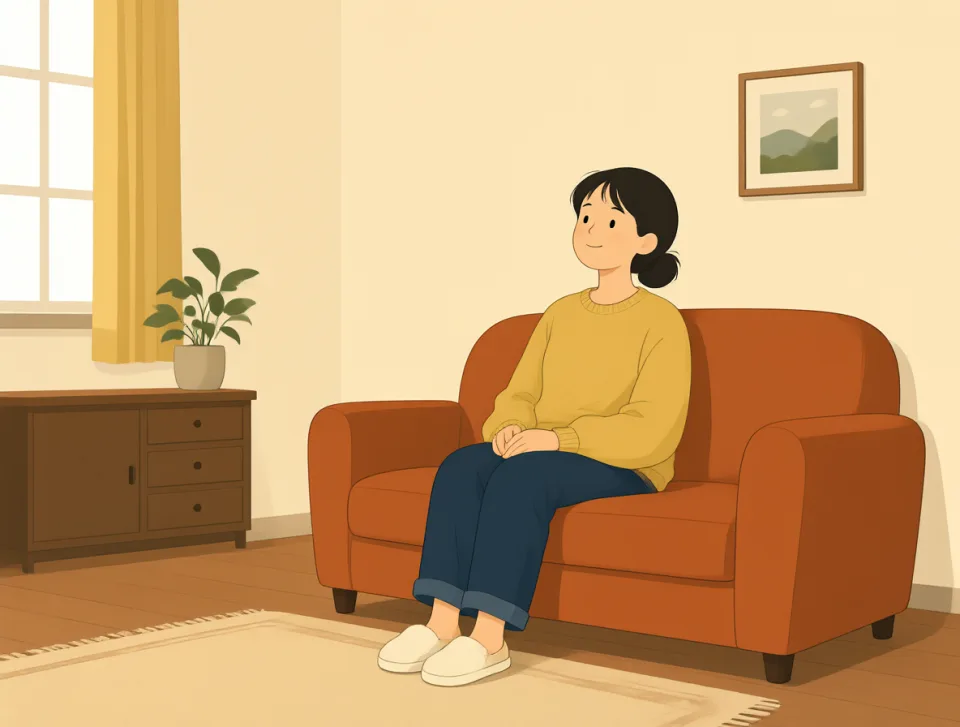
This room is especially quiet today.
W tym pokoju jest dziś wyjątkowo cicho.
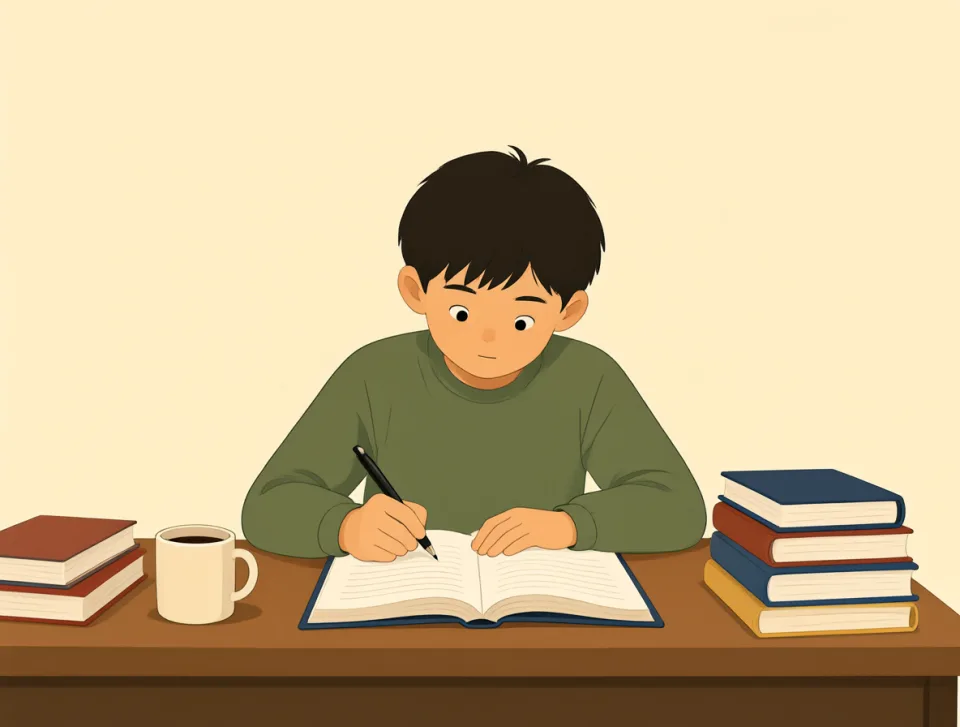
She works especially hard before exams.
Szczególnie ciężko pracuje przed egzaminami.

We visited many places, especially Rome.
Odwiedziliśmy wiele miejsc, a zwłaszcza Rzym.

Wear warm clothes, especially in winter.
Ubieraj się ciepło, zwłaszcza zimą.