ইউনিট 1
শব্দ 1–20 · the, be, and, of, to, a

the
#1determiner
নির্দিষ্ট বস্তু বা ব্যক্তির আগে ব্যবহৃত পদ
Used before a noun to show that it is known, specific, or the only one.
কোনো বিশেষ্য যে পরিচিত, নির্দিষ্ট বা একমাত্র, তা বোঝাতে এর আগে ব্যবহৃত হয়।
The keys are on the kitchen table.
চাবিগুলো রান্নাঘরের টেবিলের ওপর আছে।

Please close the window before you leave.
যাওয়ার আগে দয়া করে জানালাটা বন্ধ করো।

We took the bus to school this morning.
আজ সকালে আমরা বাসে করে স্কুলে গিয়েছিলাম।

She is the tallest girl in her class.
সে তার ক্লাসের সবচেয়ে লম্বা মেয়ে।

The sun is shining, so let's eat outside.
রোদ উঠেছে, তাই চলো বাইরে খাই।

be
#2verb
হওয়া
to exist, happen, or have a particular quality, identity, or location
অস্তিত্ব থাকা, ঘটা, অথবা কোনো নির্দিষ্ট গুণ, পরিচয় বা অবস্থান থাকা।
I am tired after work today.
আজ কাজের পর আমি ক্লান্ত।

She is a teacher at our school.
সে আমাদের স্কুলের একজন শিক্ষক।

The keys are on the kitchen table.
চাবিগুলো রান্নাঘরের টেবিলের ওপর আছে।

We were late for the train.
ট্রেন ধরতে আমাদের দেরি হয়ে গিয়েছিল।

Dinner is ready, so please come in.
রাতের খাবার তৈরি, তাই দয়া করে ভেতরে এসো।

and
#3conjunction
এবং
Used to join words, phrases, or sentences that go together.
পরস্পর সম্পর্কিত শব্দ, বাক্যাংশ বা বাক্য যুক্ত করতে ব্যবহৃত হয়।
Tom and Anna work in the same office.
টম আর আনা একই অফিসে কাজ করে।

I bought apples and oranges at the market.
বাজার থেকে আমি আপেল আর কমলা কিনেছি।

Please wash your hands and eat dinner.
দয়া করে হাত ধুয়ে রাতের খাবার খাও।

We took a bus and visited the museum.
আমরা বাসে করে গিয়েছিলাম এবং জাদুঘর ঘুরে দেখেছিলাম।

She was tired and went to bed early.
সে ক্লান্ত ছিল এবং তাড়াতাড়ি ঘুমাতে গিয়েছিল।

of
#4preposition, determiner
এর
Used to show belonging, connection, amount, or what something contains.
মালিকানা, সম্পর্ক, পরিমাণ বা কোনো কিছুর উপাদান বোঝাতে ব্যবহৃত হয়।
She is a friend of my sister.
সে আমার বোনের একজন বন্ধু।

I drank a glass of water.
আমি এক গ্লাস পানি পান করেছি।
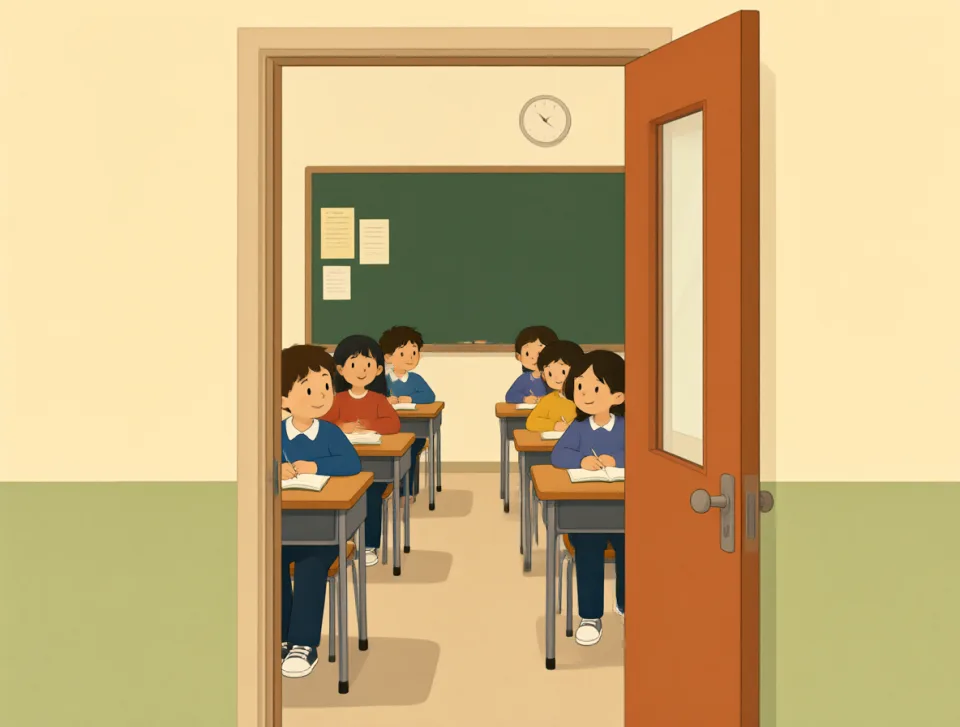
The door of the classroom is open.
শ্রেণিকক্ষের দরজাটা খোলা।

He bought a bag of apples.
সে এক ব্যাগ আপেল কিনেছিল।

We talked about the problems of travel.
আমরা ভ্রমণের সমস্যাগুলো নিয়ে কথা বলেছিলাম।

to
#5preposition, infinitive marker
দিকে; করতে
Used before a place, person, or verb to show direction, purpose, or an action.
দিক, উদ্দেশ্য বা কোনো কাজ বোঝাতে স্থান, ব্যক্তি বা ক্রিয়ার আগে ব্যবহৃত হয়।
I walk to school every morning.
আমি প্রতিদিন সকালে হেঁটে স্কুলে যাই।

Please give this book to Maria.
দয়া করে এই বইটা মারিয়াকে দাও।

We went to the market after work.
কাজের পর আমরা বাজারে গিয়েছিলাম।

She wants to eat some soup.
সে একটু স্যুপ খেতে চায়।

He came home to rest.
সে বিশ্রাম নিতে বাড়ি এসেছিল।

a
#6determiner, article
একটি
used before one singular countable noun when it is not specific
নির্দিষ্ট নয়—এমন একটি একবচন গণনাযোগ্য বিশেষ্যর আগে ব্যবহৃত হয়
I have a small garden at home.
বাড়িতে আমার একটি ছোট বাগান আছে।

She is a teacher at our school.
সে আমাদের স্কুলের একজন শিক্ষক।

We bought a ticket for the bus.
আমরা বাসের জন্য একটি টিকিট কিনেছিলাম।

He eats an apple a day.
সে দিনে একটি আপেল খায়।

They stayed in a hotel near the beach.
তারা সমুদ্রসৈকতের কাছে একটি হোটেলে ছিল।

in
#7preposition, adverb, adjective
ভিতরে
Inside a place, area, time, situation, or group
কোনো স্থান, এলাকা, সময়, পরিস্থিতি বা গোষ্ঠীর ভেতরে
The children are playing in the garden.
বাচ্চারা বাগানে খেলছে।

I keep my keys in my bag.
আমি আমার চাবিগুলো ব্যাগে রাখি।

We arrived in London yesterday.
আমরা গতকাল লন্ডনে পৌঁছেছি।

She is in the kitchen cooking dinner.
সে রান্নাঘরে রাতের খাবার রান্না করছে।

Please come in and sit down.
দয়া করে ভেতরে এসে বসুন।
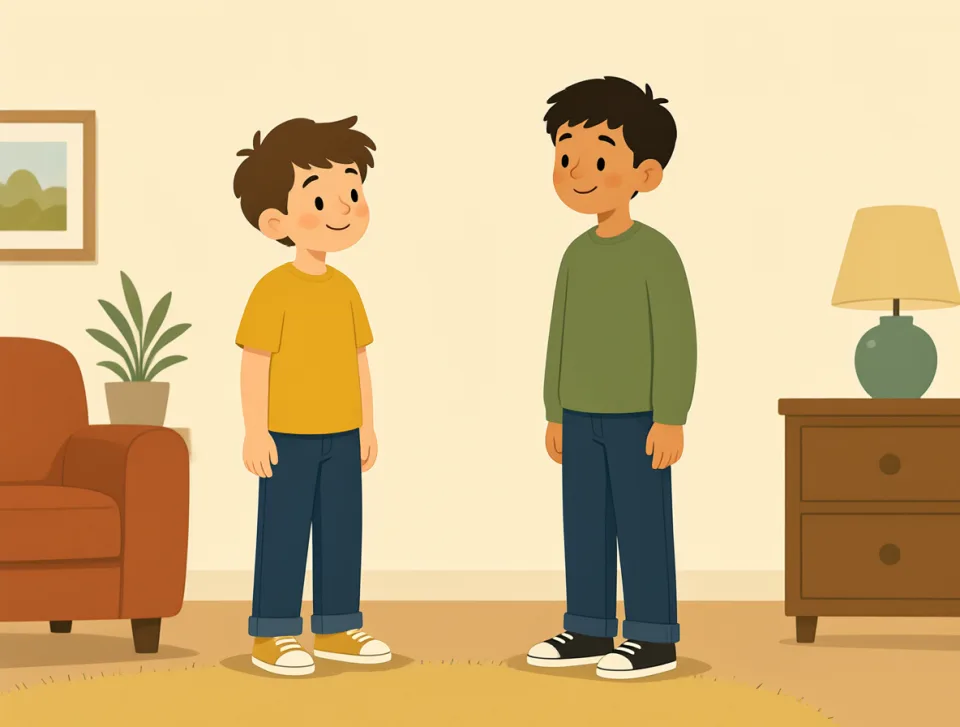
have
#8verb
থাকা
to own, do, experience, or receive something
কোনো কিছুর মালিক হওয়া, কিছু করা, কোনো অভিজ্ঞতা হওয়া বা কিছু পাওয়া
I have two brothers.
আমার দুই ভাই আছে।

We have lunch at noon.
আমরা দুপুরে খাওয়াদাওয়া করি।

She has a bad cold.
তার প্রচণ্ড সর্দি হয়েছে।

They had a great time together.
তারা একসঙ্গে দারুণ সময় কাটিয়েছিল।

I have to leave now.
আমাকে এখন চলে যেতে হবে।

it
#9pronoun, determiner
এটি
A word used for a thing, animal, situation, or idea already mentioned.
আগে উল্লেখ করা কোনো বস্তু, প্রাণী, পরিস্থিতি বা ধারণাকে বোঝাতে ব্যবহৃত শব্দ।
It is cold outside today.
আজ বাইরে ঠান্ডা।

I bought a cake, and it was delicious.
আমি একটি কেক কিনেছিলাম, আর সেটি খুব সুস্বাদু ছিল।

The baby is crying because it is hungry.
বাচ্চাটি কাঁদছে, কারণ তার ক্ষুধা লেগেছে।
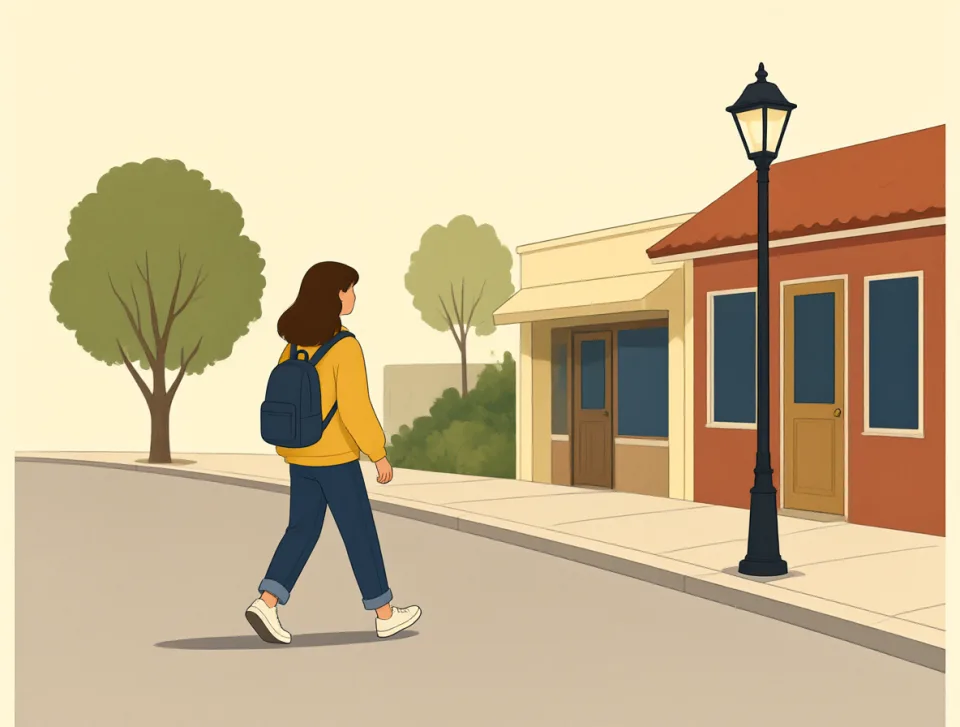
It takes ten minutes to walk there.
হেঁটে সেখানে যেতে দশ মিনিট লাগে।
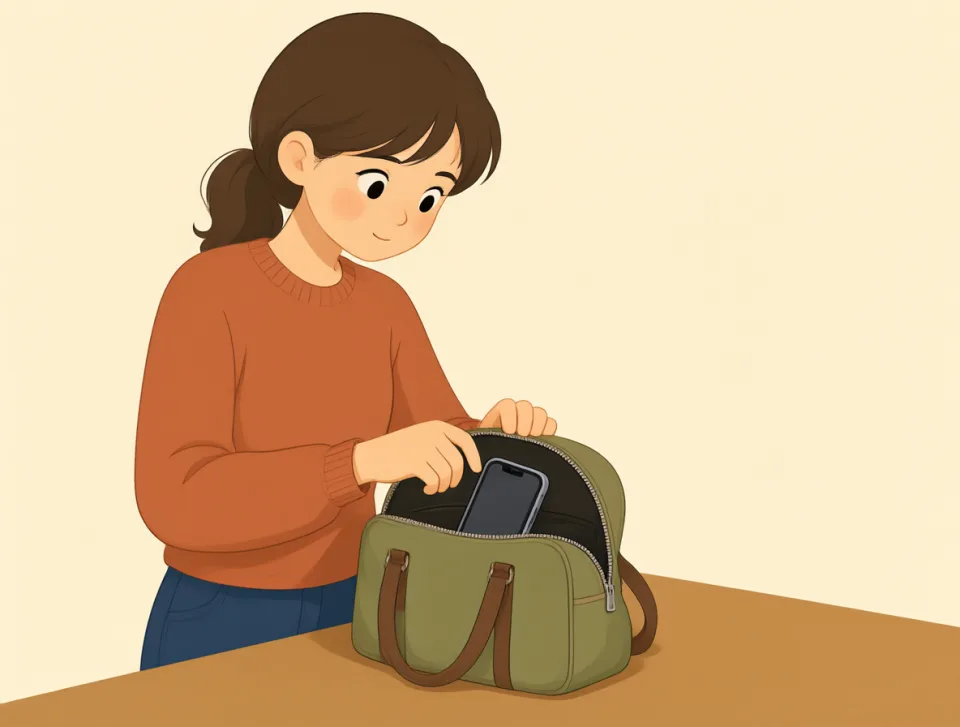
I found my phone and put it in my bag.
আমি আমার ফোনটি খুঁজে পেয়ে ব্যাগে রেখেছি।
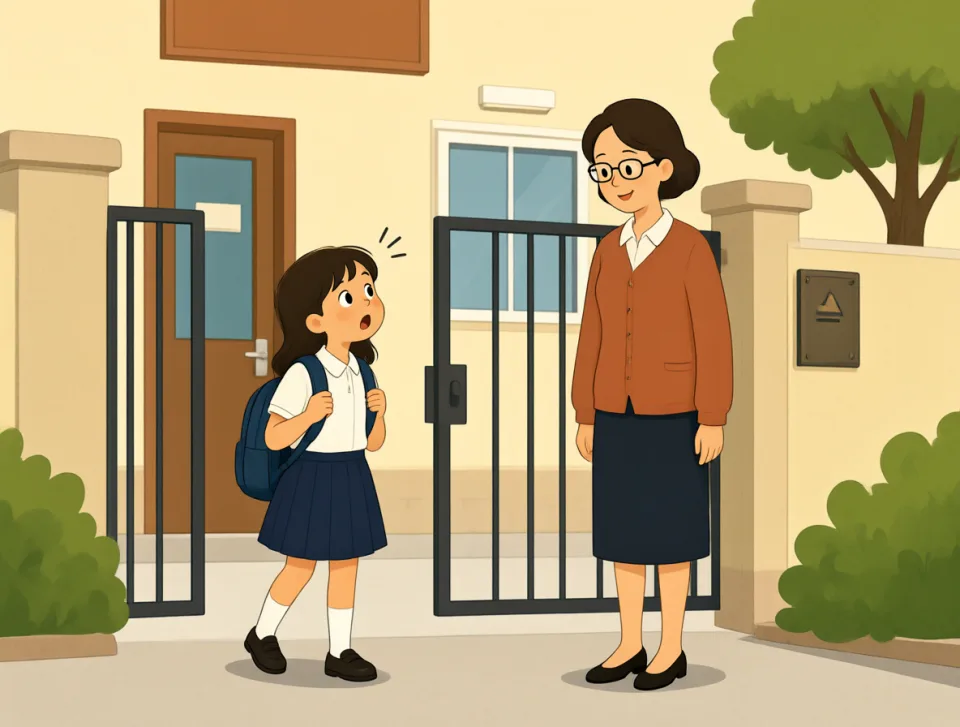
you
#10pronoun
তুমি
The person or people being spoken to.
যে ব্যক্তি বা ব্যক্তিদের সঙ্গে কথা বলা হচ্ছে।
You are late for school today.
আজ তুমি স্কুলে আসতে দেরি করেছ।

Can I help you with that bag?
ওই ব্যাগটা নিয়ে তোমাকে কি সাহায্য করব?

Did you enjoy dinner with your friends?
বন্ধুদের সঙ্গে রাতের খাবার উপভোগ করেছিলে?

We will call you after work.
কাজের পর আমরা তোমাকে ফোন করব।

Are you feeling better today?
আজ কি তোমার শরীর আগের চেয়ে ভালো লাগছে?
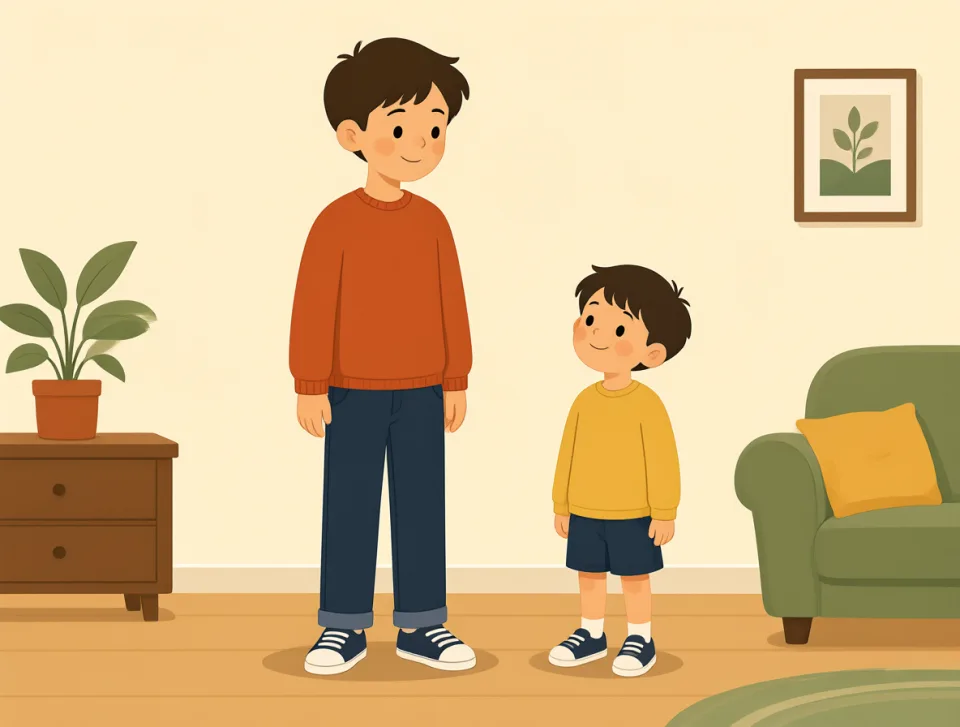
he
#11pronoun
সে (পুরুষ)
A word used for one male person already mentioned or known.
আগে উল্লেখ করা বা পরিচিত একজন পুরুষকে বোঝাতে ব্যবহৃত শব্দ।
He is my brother.
সে আমার ভাই।

He works at a small shop.
সে একটি ছোট দোকানে কাজ করে।

The teacher said he was late.
শিক্ষক বলেছিলেন যে সে দেরি করেছিল।

He bought bread at the market.
সে বাজার থেকে রুটি কিনেছিল।

He feels sick and needs a doctor.
তার অসুস্থ লাগছে এবং একজন ডাক্তার দরকার।

for
#12preposition, conjunction
জন্য
Used to show purpose, time, reason, or who receives something.
উদ্দেশ্য, সময়কাল, কারণ বা কোনো কিছু যে পায় তাকে বোঝাতে ব্যবহৃত হয়।
This gift is for my sister.
এই উপহারটি আমার বোনের জন্য।
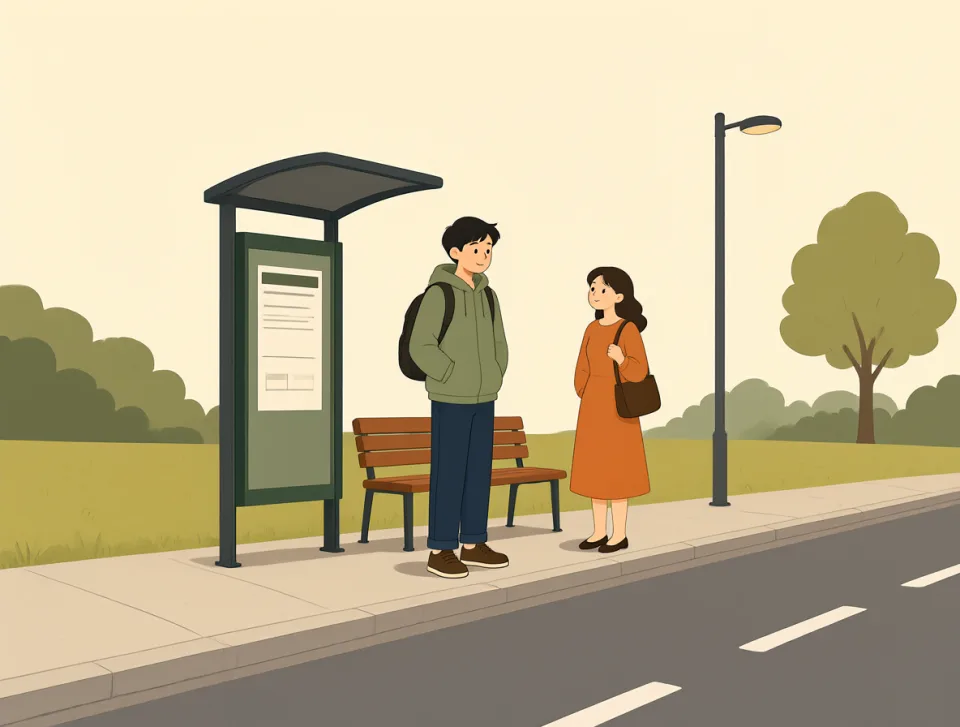
We waited for the bus.
আমরা বাসের জন্য অপেক্ষা করেছিলাম।

I bought some apples for lunch.
দুপুরের খাবারের জন্য আমি কিছু আপেল কিনেছিলাম।

She studied for two hours.
সে দুই ঘণ্টা পড়াশোনা করেছিল।

Thank you for helping me.
আমাকে সাহায্য করার জন্য ধন্যবাদ।

they
#13pronoun
তারা
Used to talk about two or more people, animals, or things.
দুই বা ততোধিক মানুষ, প্রাণী বা জিনিসের কথা বলতে ব্যবহৃত হয়।
They live in a small house.
তারা একটি ছোট বাড়িতে থাকে।

They are waiting for the bus.
তারা বাসের জন্য অপেক্ষা করছে।
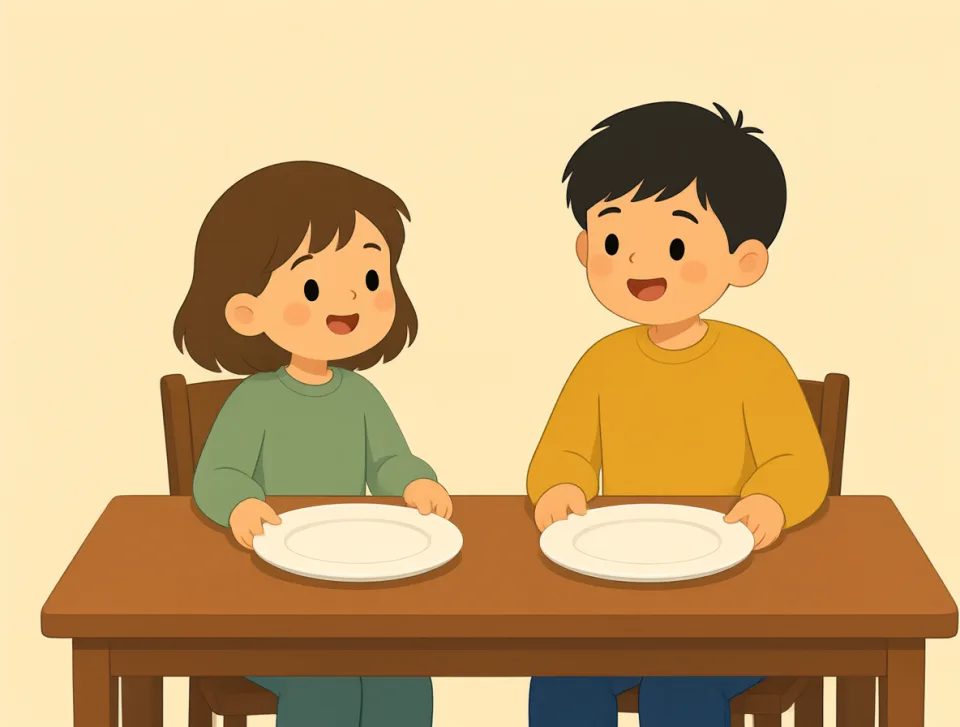
The children said they were hungry.
বাচ্চারা বলল যে তাদের ক্ষুধা লেগেছে।

I saw them at the store.
আমি তাদের দোকানে দেখেছিলাম।

They helped me carry my bags.
তারা আমার ব্যাগগুলো বহন করতে সাহায্য করেছিল।
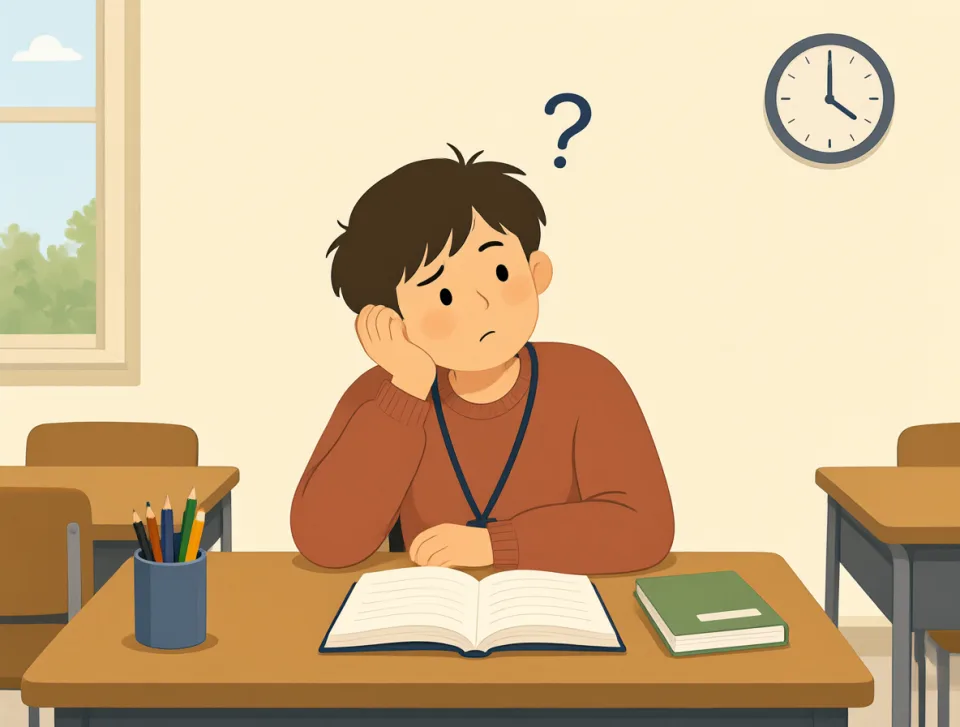
not
#14adverb
না
Used to make a verb or adjective negative.
ক্রিয়া বা বিশেষণকে নেতিবাচক করতে ব্যবহৃত হয়।
I do not understand this question.
আমি এই প্রশ্নটি বুঝতে পারছি না।

She is not at home today.
সে আজ বাড়িতে নেই।

We are not ready to leave yet.
আমরা এখনও বের হওয়ার জন্য প্রস্তুত নই।

He did not eat breakfast this morning.
সে আজ সকালে নাশতা খায়নি।
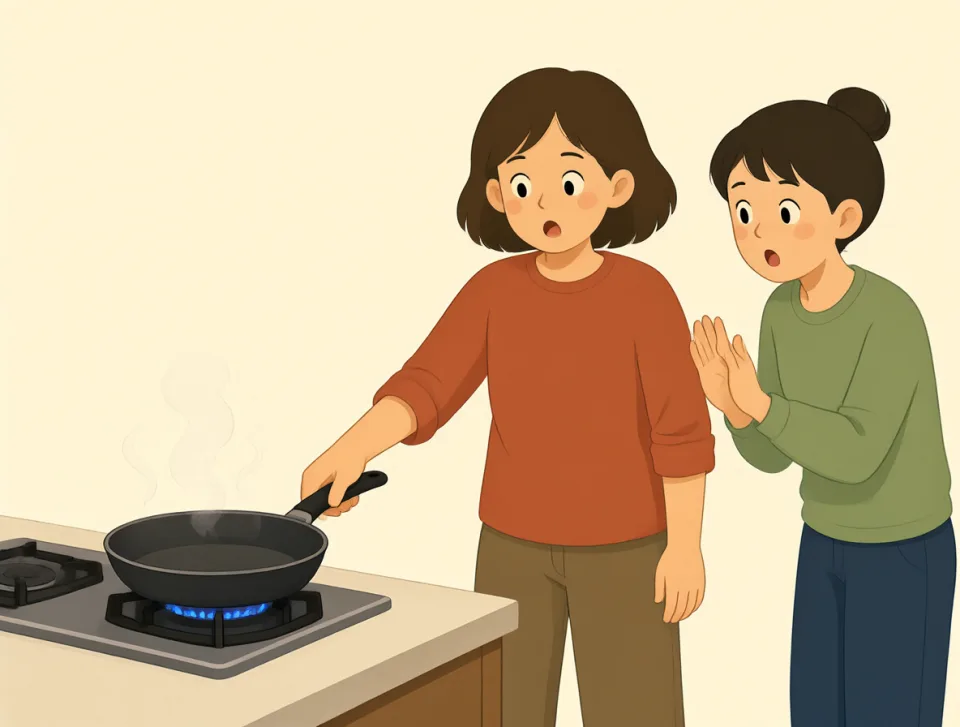
Please do not touch the hot pan.
দয়া করে গরম প্যানটি ছুঁবেন না।

that
#15determiner, pronoun, conjunction, adverb
ওই; যে
Used to point to something or introduce information after a verb.
কোনো কিছুকে নির্দেশ করতে বা ক্রিয়ার পরে তথ্য যোগ করতে ব্যবহৃত হয়।
That book on the table is mine.
টেবিলের ওপর ওই বইটি আমার।
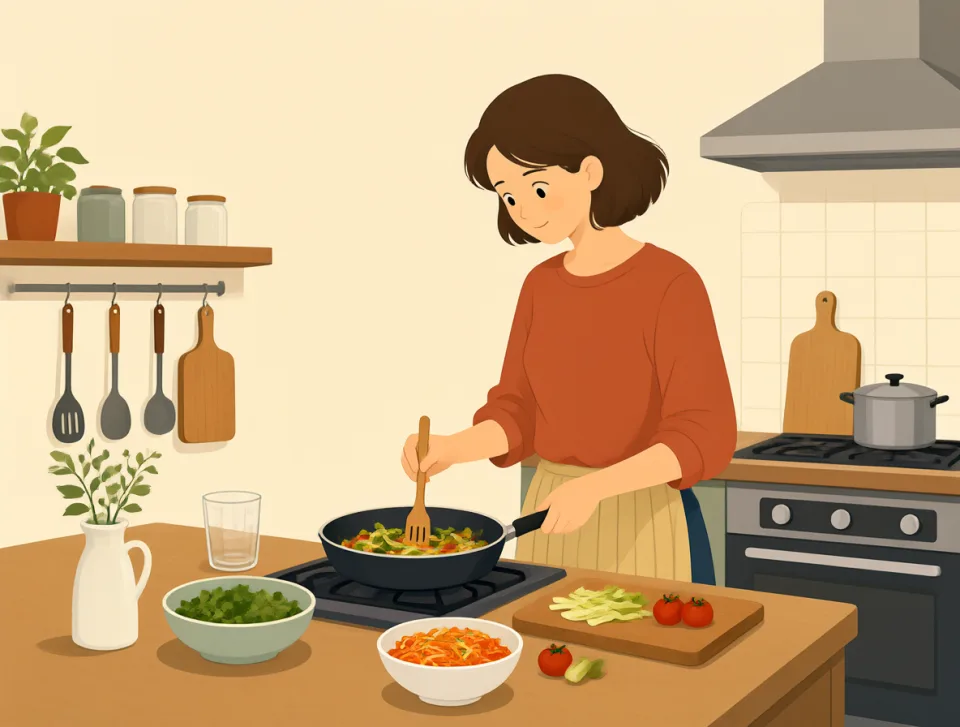
I think that dinner is ready.
আমার মনে হয় রাতের খাবার তৈরি।

The shoes that I bought fit well.
আমি যে জুতাগুলো কিনেছি, সেগুলো পায়ে ভালো মানায়।
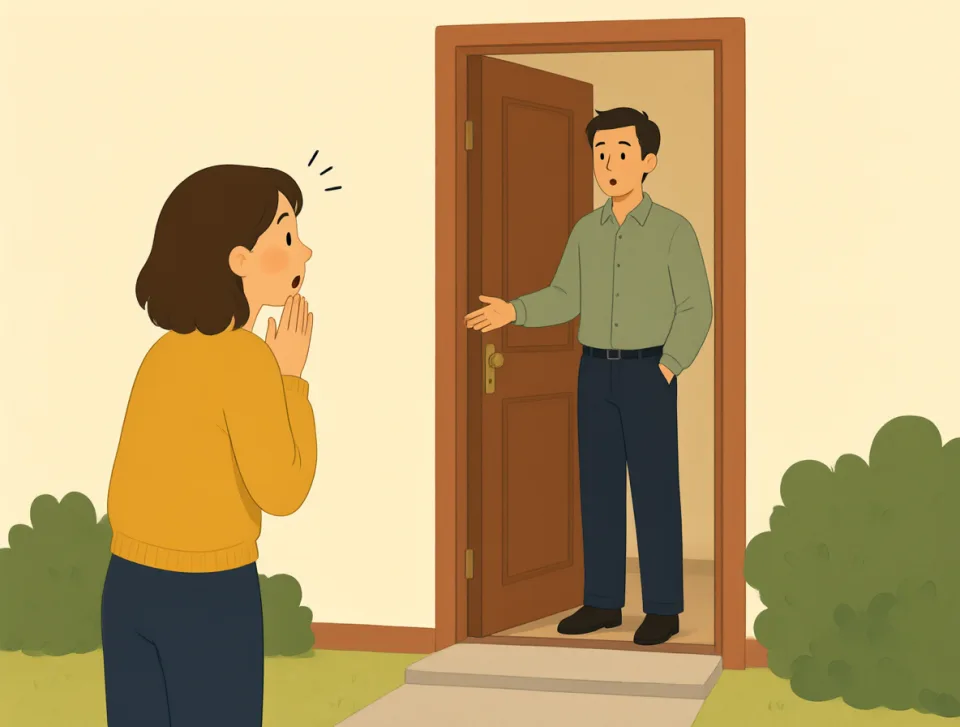
Who is that man at the door?
দরজায় ওই লোকটি কে?

It was not that expensive.
সেটা এত দামি ছিল না।

we
#16pronoun
আমরা
Used by a speaker to mean the speaker and one or more other people.
বক্তা নিজেকে এবং আরও এক বা একাধিক ব্যক্তিকে বোঝাতে এই শব্দটি ব্যবহার করেন।
We live in a small apartment.
আমরা একটি ছোট অ্যাপার্টমেন্টে থাকি।

We are learning English at school.
আমরা স্কুলে ইংরেজি শিখছি।

We need some milk for breakfast.
সকালের নাশতার জন্য আমাদের কিছু দুধ দরকার।

We went to the beach last weekend.
গত সপ্তাহান্তে আমরা সমুদ্রসৈকতে গিয়েছিলাম।

We feel better after taking the medicine.
ওষুধ খাওয়ার পর আমাদের ভালো লাগছে।

on
#17adverb, preposition, adjective
উপর; -এ
Used to show position, time, connection, or that something is working.
অবস্থান, সময় বা সংযোগ বোঝাতে, কিংবা কোনো কিছু চালু আছে বোঝাতে এই শব্দটি ব্যবহার করা হয়।
The keys are on the table.
চাবিগুলো টেবিলের ওপর আছে।

We have a meeting on Monday.
সোমবার আমাদের একটি মিটিং আছে।
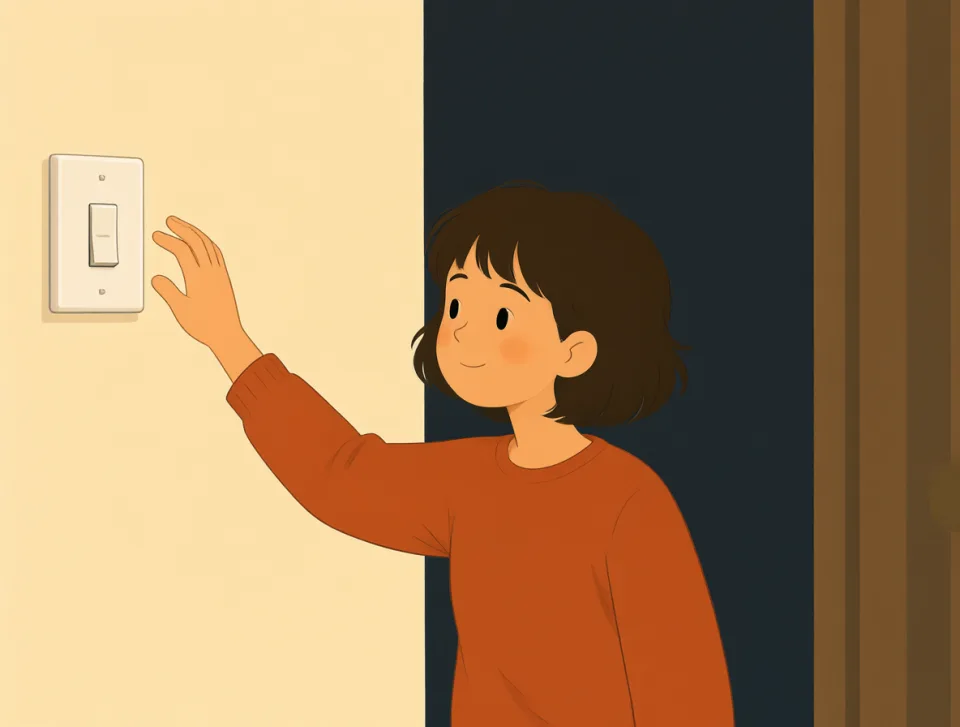
Please turn on the light.
দয়া করে বাতিটা জ্বালিয়ে দিন।

She is on the bus to school.
সে স্কুলে যাওয়ার বাসে আছে।

I tried on these shoes at the store.
আমি দোকানে এই জুতাগুলো পরে দেখেছিলাম।

with
#18preposition
সঙ্গে; দিয়ে
together with someone or something; having or using someone or something
কারও বা কোনো কিছুর সঙ্গে থাকা; কাউকে বা কোনো কিছুকে সঙ্গে রাখা বা ব্যবহার করা।
I went to the park with my sister.
আমি আমার বোনের সঙ্গে পার্কে গিয়েছিলাম।

She opened the box with a knife.
সে ছুরি দিয়ে বাক্সটি খুলল।

The man with the blue bag is my teacher.
নীল ব্যাগওয়ালা লোকটি আমার শিক্ষক।

Would you like coffee with your breakfast?
সকালের নাশতার সঙ্গে কফি নেবেন?

He is sick with a bad cold.
তার খুব সর্দি হয়েছে।

this
#19determiner, pronoun, adverb
এই; এটি
Used to talk about one person, thing, or place near you or now.
আপনার কাছে থাকা বা বর্তমান সময়ের কোনো ব্যক্তি, বস্তু বা স্থানকে বোঝাতে এই শব্দটি ব্যবহার করা হয়।
This is my favorite book.
এটি আমার প্রিয় বই।

Could you pass me this plate?
এই প্লেটটা কি আমাকে এগিয়ে দেবেন?

I bought this shirt yesterday.
আমি গতকাল এই শার্টটি কিনেছি।

This is where we get off.
আমরা এখানেই নামব।

This cake tastes really good.
এই কেকটা সত্যিই খুব সুস্বাদু।

I
#20pronoun
আমি
The pronoun used for the person speaking or writing.
যিনি কথা বলছেন বা লিখছেন, তাঁকে বোঝাতে ব্যবহৃত সর্বনাম।
I am tired after work today.
আজ কাজের পর আমি ক্লান্ত।

I have a sister in London.
লন্ডনে আমার একজন বোন আছে।

I like coffee with breakfast.
সকালের নাশতার সঙ্গে কফি খেতে আমার ভালো লাগে।
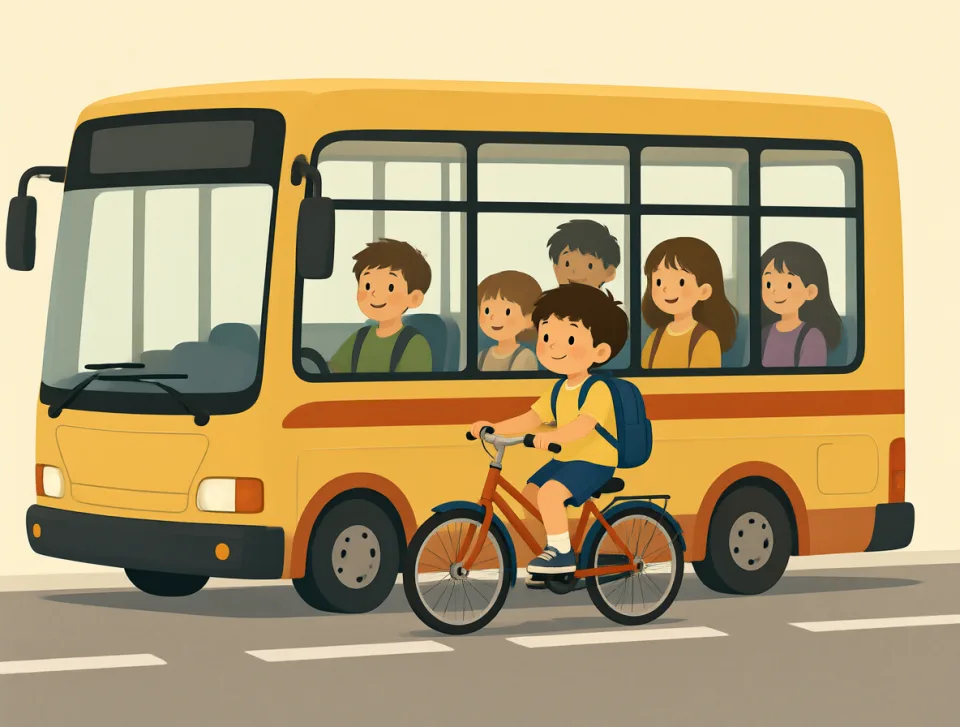
I went to school by bus.
আমি বাসে করে স্কুলে গিয়েছিলাম।

Can I help you with dinner?
রাতের খাবার তৈরিতে আমি কি আপনাকে সাহায্য করতে পারি?