Zestaw 14
Słowa 261–280 · learn, level, person, experience, once, member
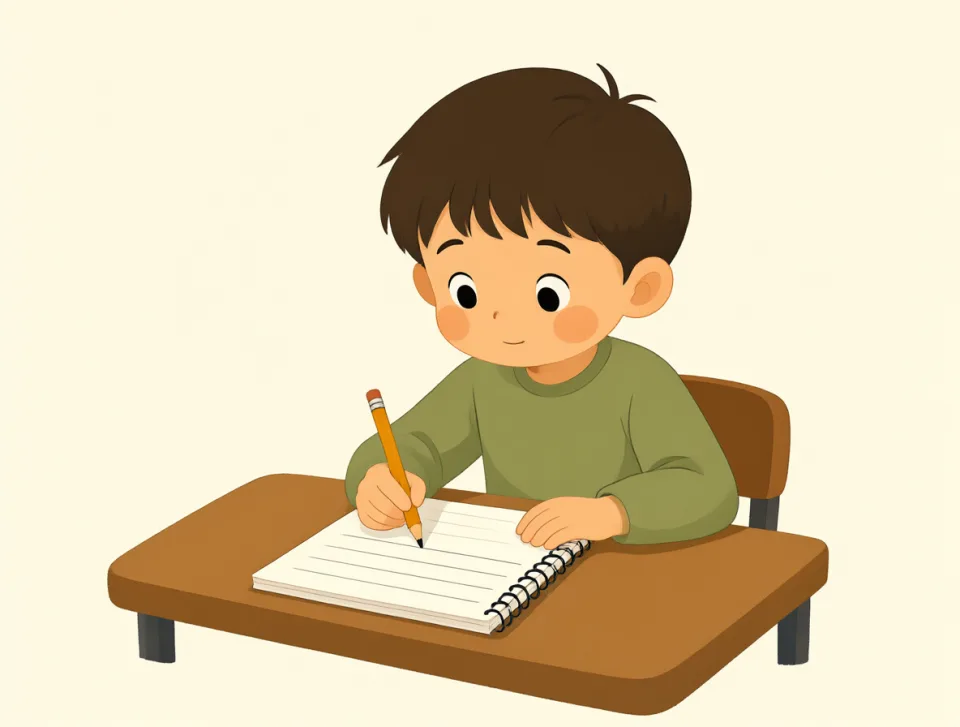
learn
#261verb
uczyć się
to get knowledge or a skill by studying, practicing, or experiencing something
zdobywać wiedzę lub umiejętności poprzez naukę, ćwiczenie albo doświadczenie
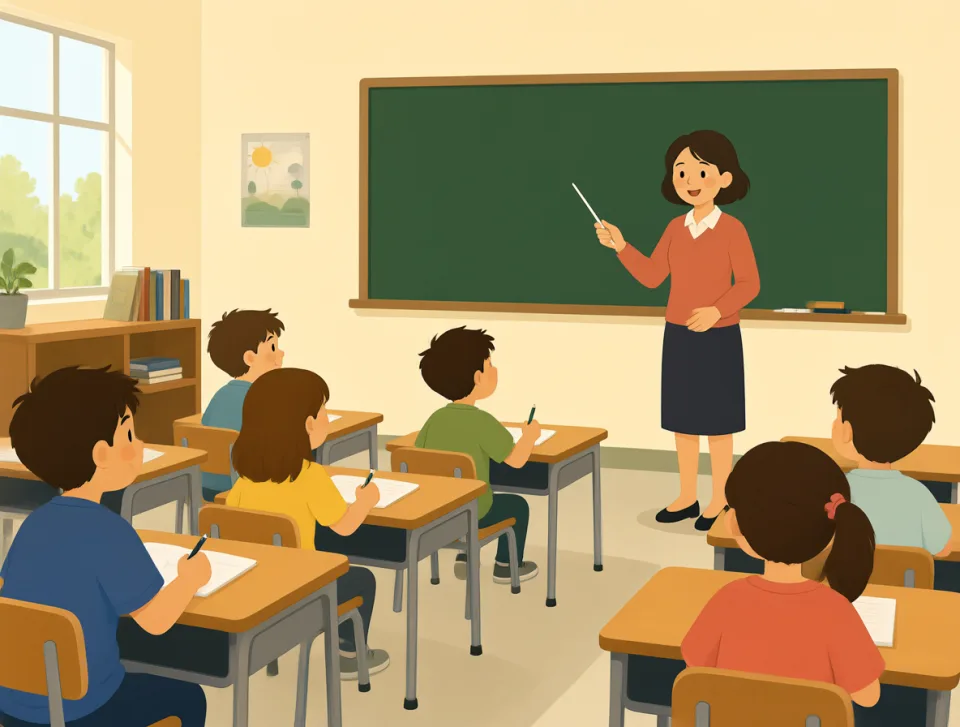
Children learn new things at school.
Dzieci uczą się nowych rzeczy w szkole.
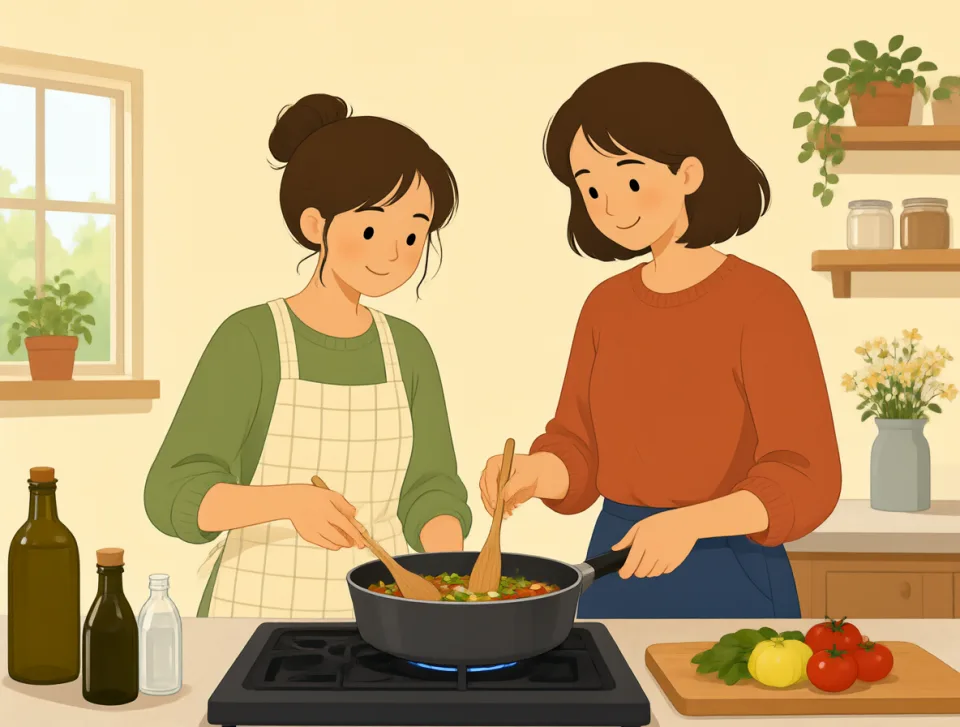
I learned to cook from my mother.
Nauczyłem się gotować od mojej mamy.
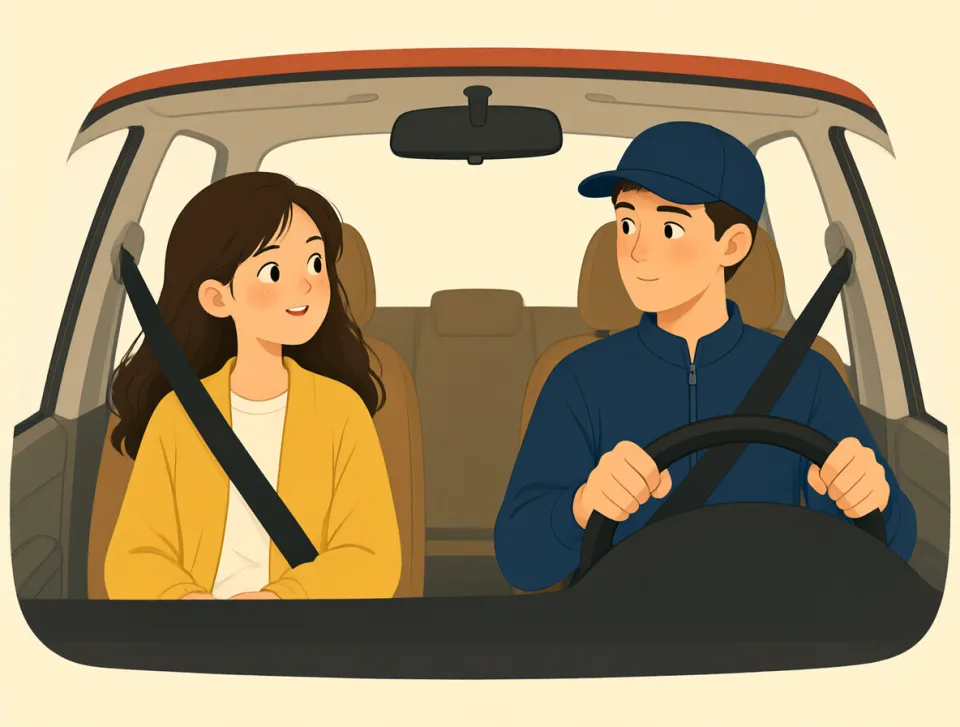
She is learning how to drive.
Ona uczy się prowadzić samochód.
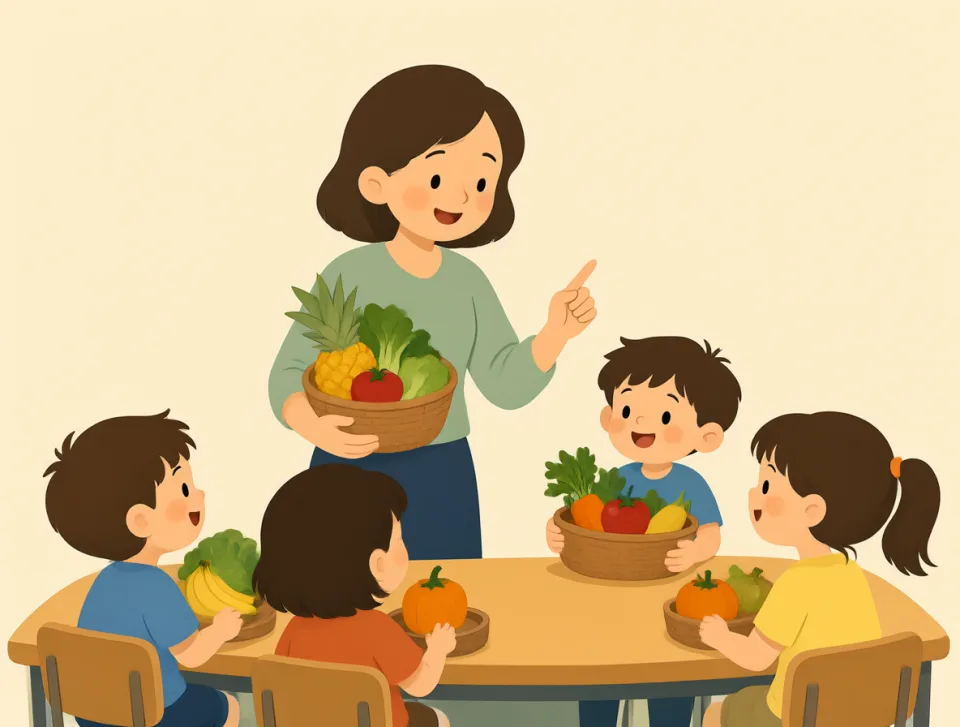
We learned about healthy food today.
Dzisiaj dowiedzieliśmy się o zdrowym jedzeniu.
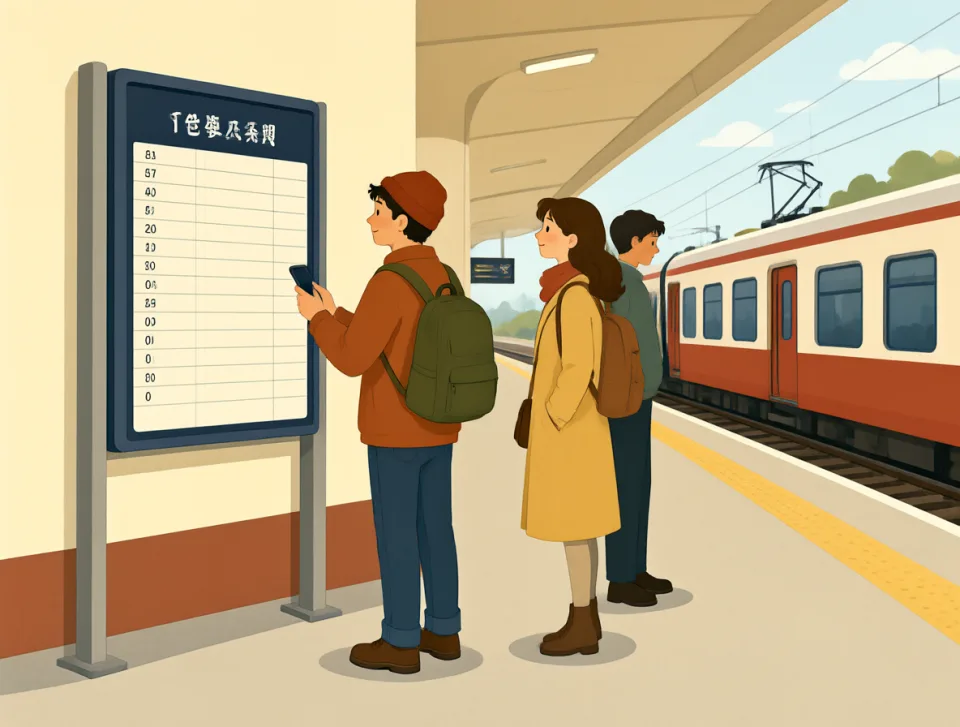
He learned the train was late.
Dowiedział się, że pociąg miał opóźnienie.

level
#262noun, verb, adjective
poziom
A position or amount that is higher, lower, or equal to another.
Pozycja lub wartość, która jest wyższa, niższa albo równa innej.
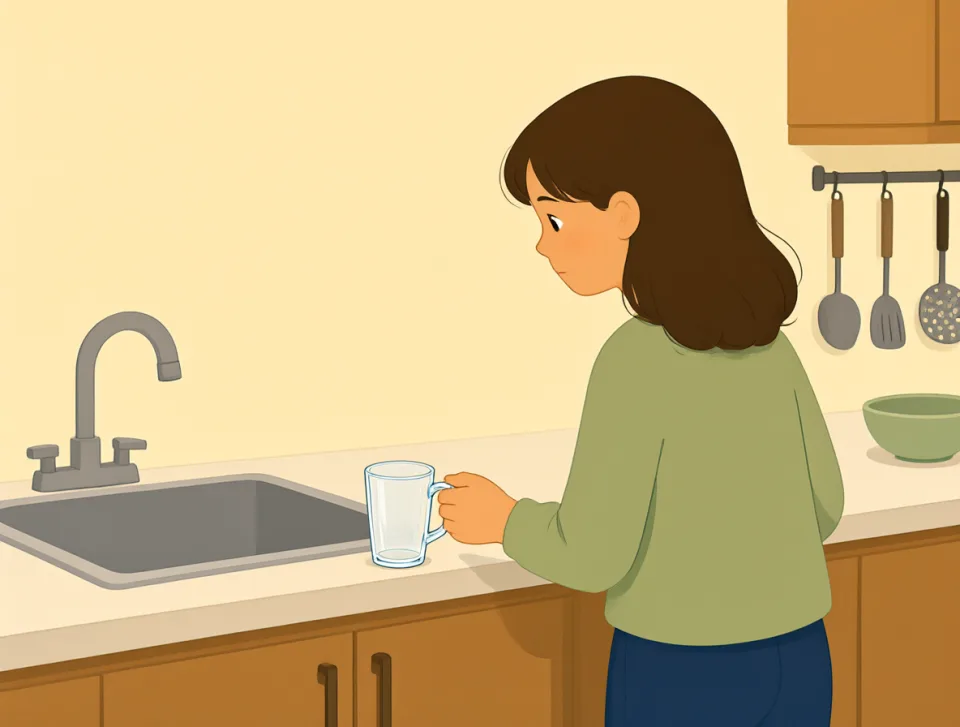
The water level is too low.
Poziom wody jest zbyt niski.
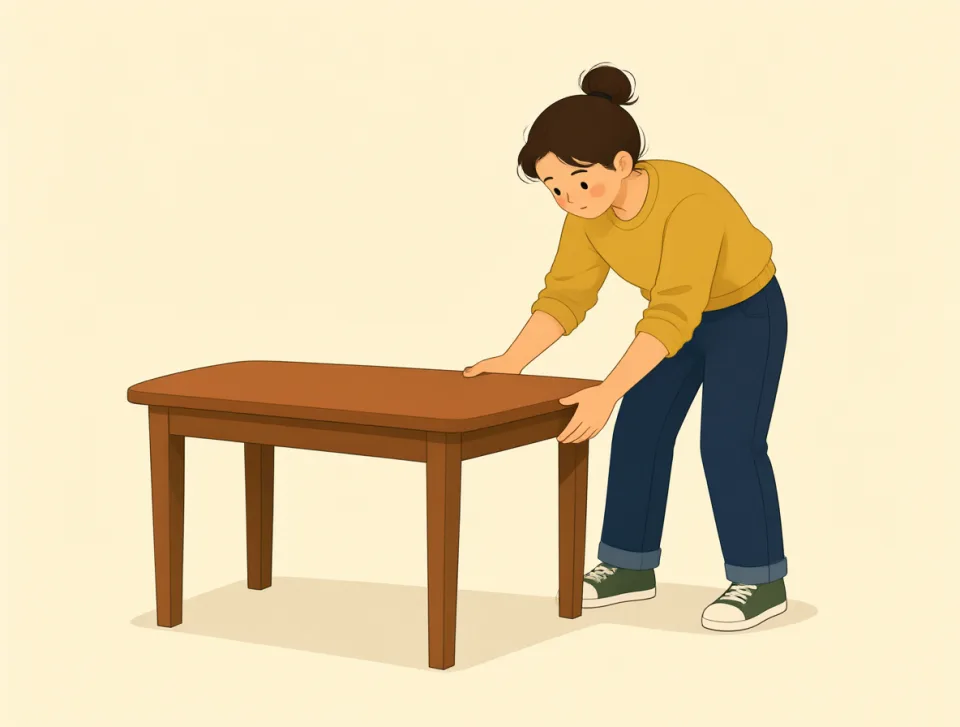
Please level the table before dinner.
Wypoziomuj stół przed kolacją.
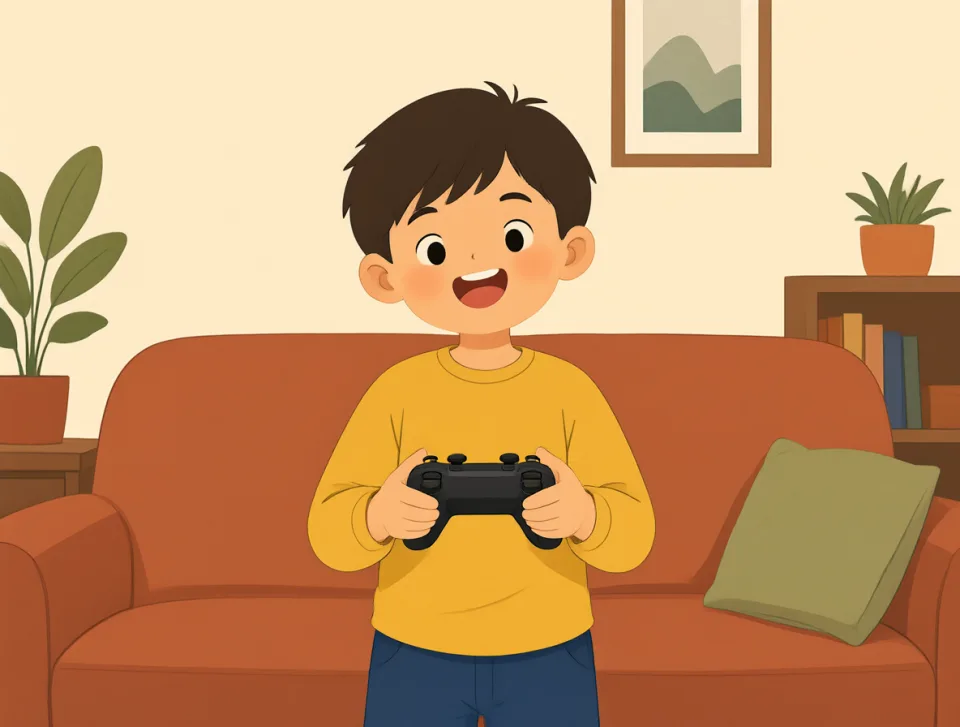
She reached the next level in the game.
Osiągnęła kolejny poziom w grze.

The noise level was high at work.
W pracy poziom hałasu był wysoki.
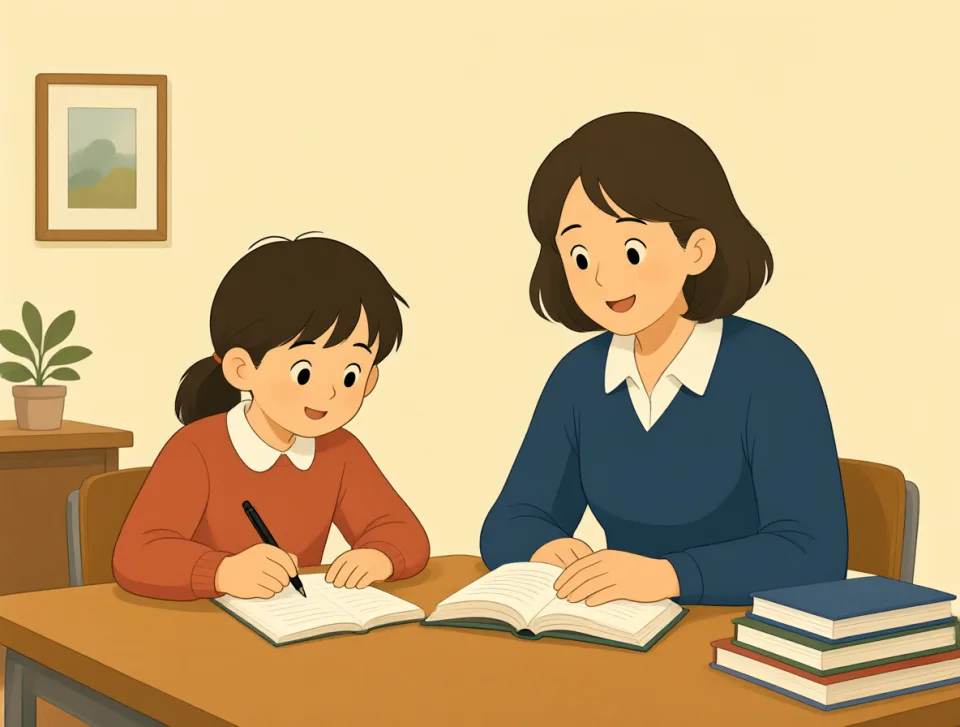
He is at an advanced level in English.
Jego poziom angielskiego jest zaawansowany.
person
#263noun
osoba
A human being, especially one considered as an individual.
Istota ludzka, szczególnie rozpatrywana jako jednostka.
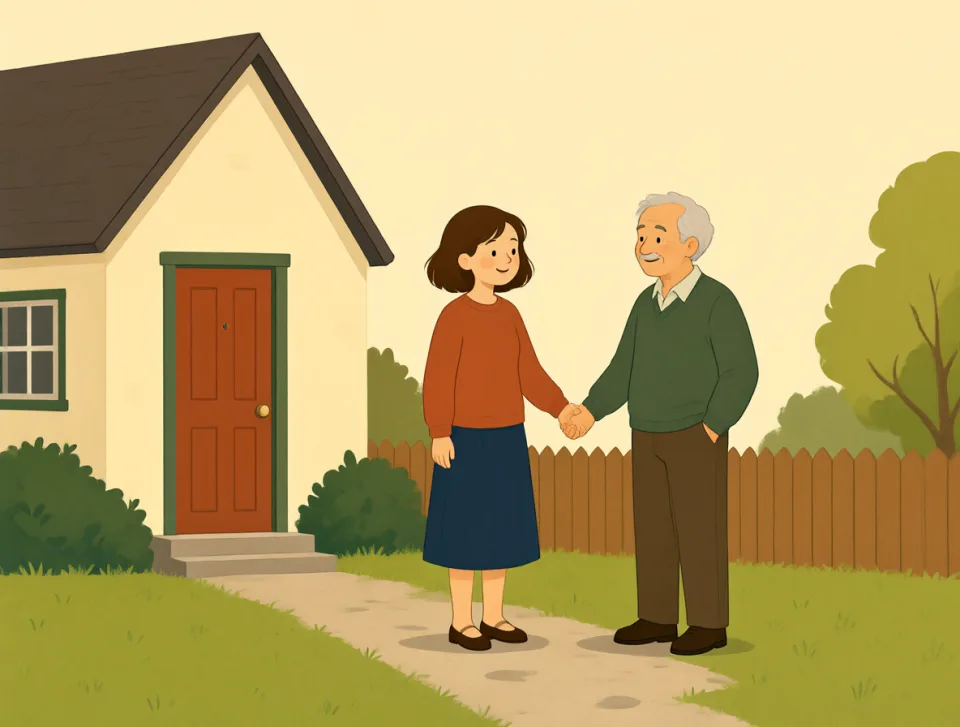
That person is my new neighbor.
Ta osoba jest moim nowym sąsiadem.
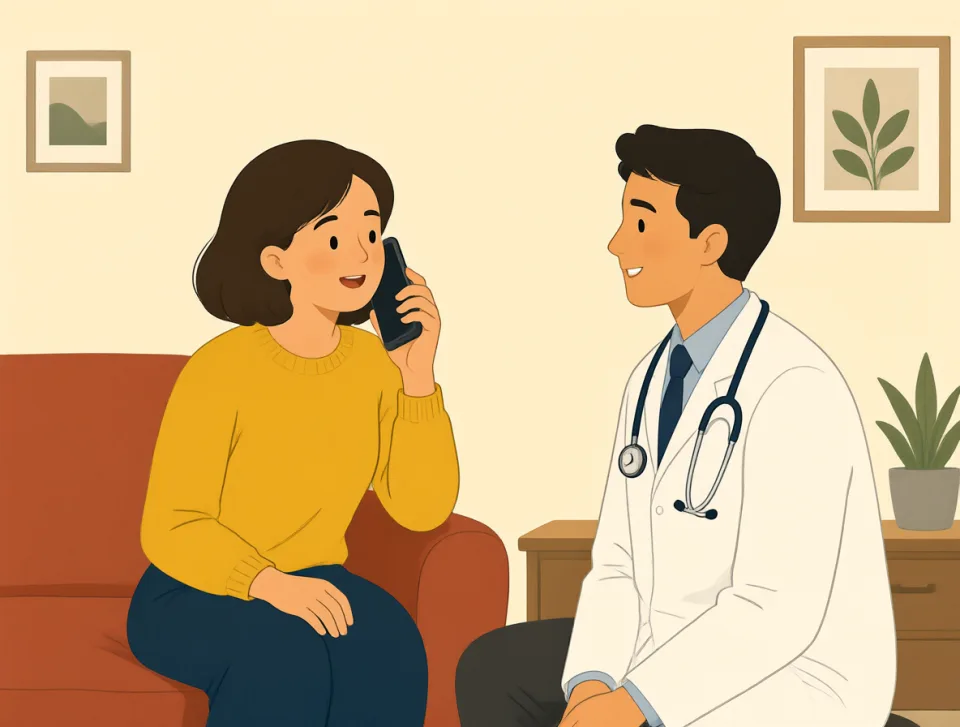
One person called the doctor for help.
Jedna osoba zadzwoniła do lekarza po pomoc.

She is the right person for this job.
Ona jest odpowiednią osobą do tej pracy.

A kind person helped me carry my bags.
Pewna życzliwa osoba pomogła mi zanieść torby.
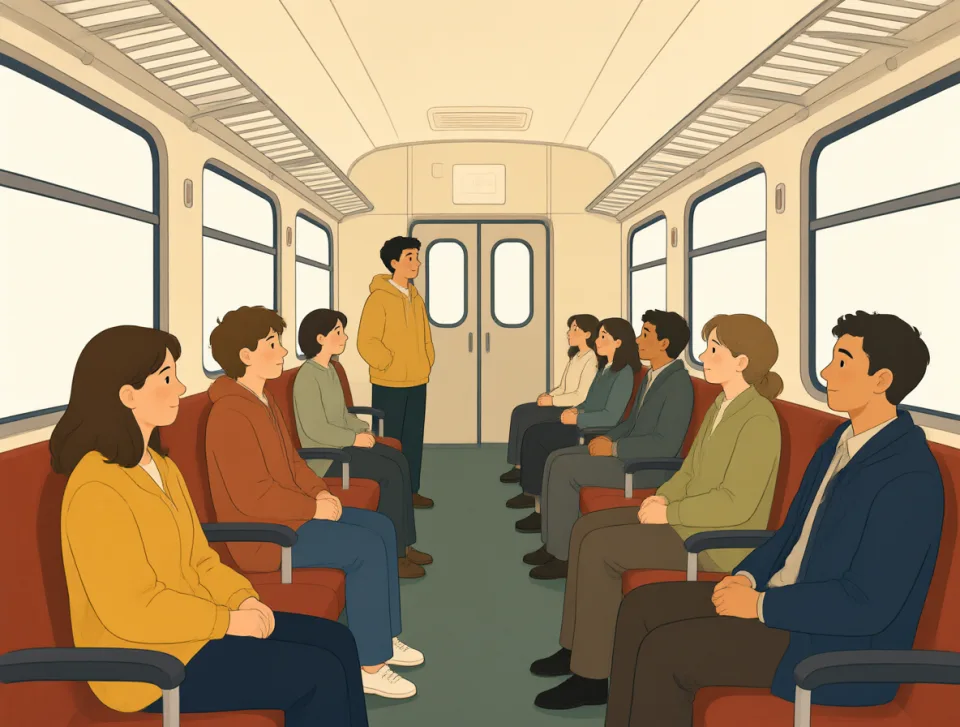
There were many people on the train.
W pociągu było wiele osób.

experience
#264noun, verb
doświadczenie
Knowledge or skill gained by doing something; to have something happen to you.
Wiedza lub umiejętności zdobyte podczas wykonywania czegoś; przeżyć coś lub czegoś doświadczyć.
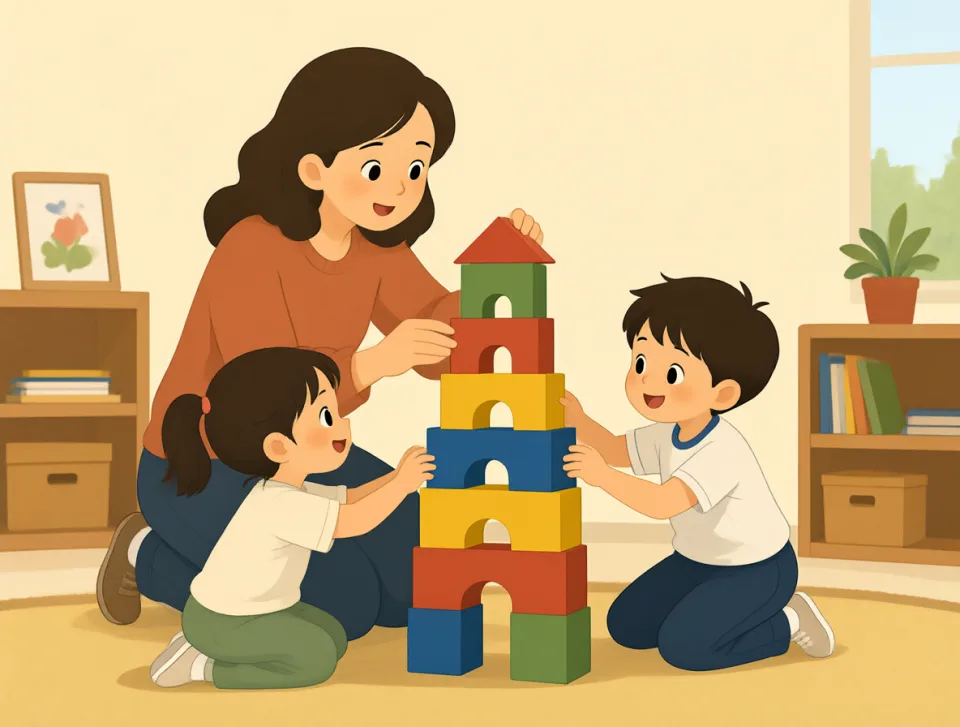
She has experience working with young children.
Ona ma doświadczenie w pracy z małymi dziećmi.

This trip was a wonderful experience for us.
Ta podróż była dla nas wspaniałym doświadczeniem.
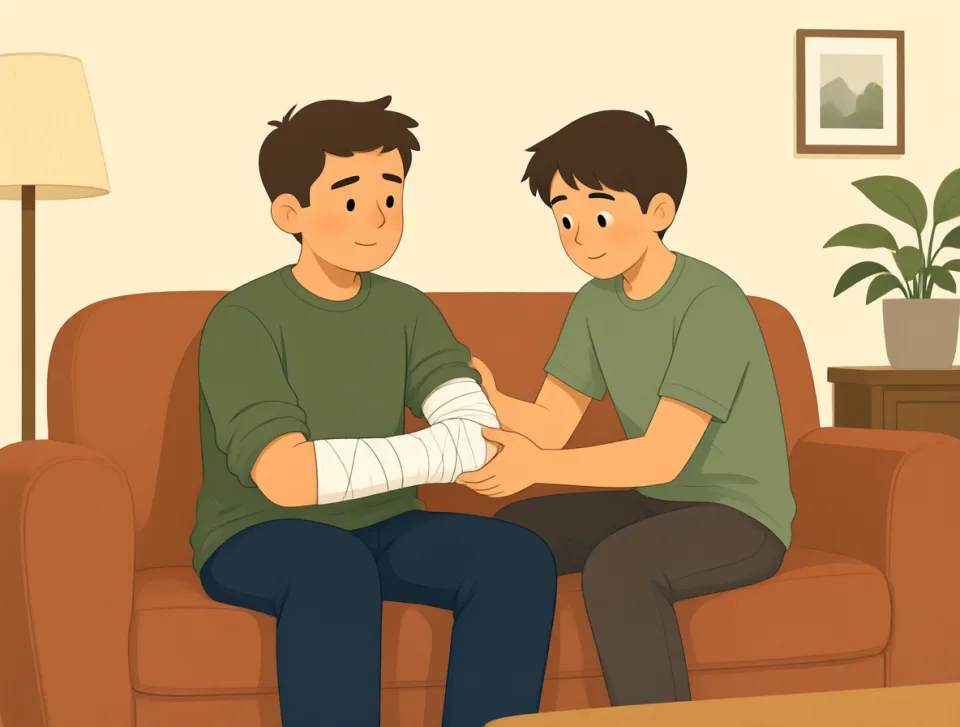
He experienced severe pain after the accident.
Po wypadku odczuwał silny ból.
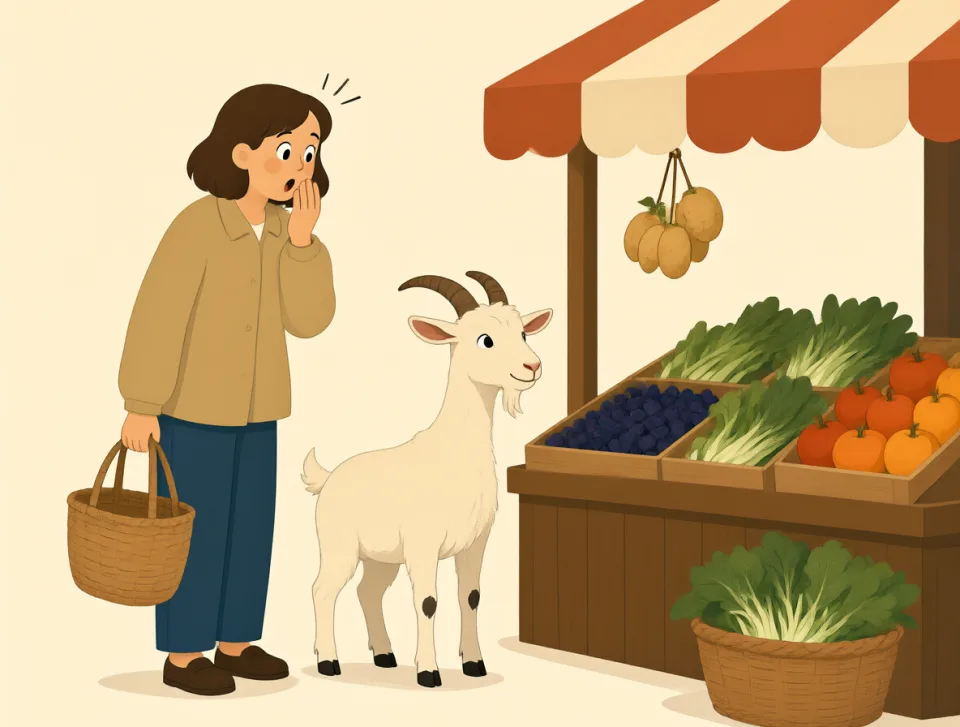
I had a strange experience at the market.
Miałem dziwne doświadczenie na targu.
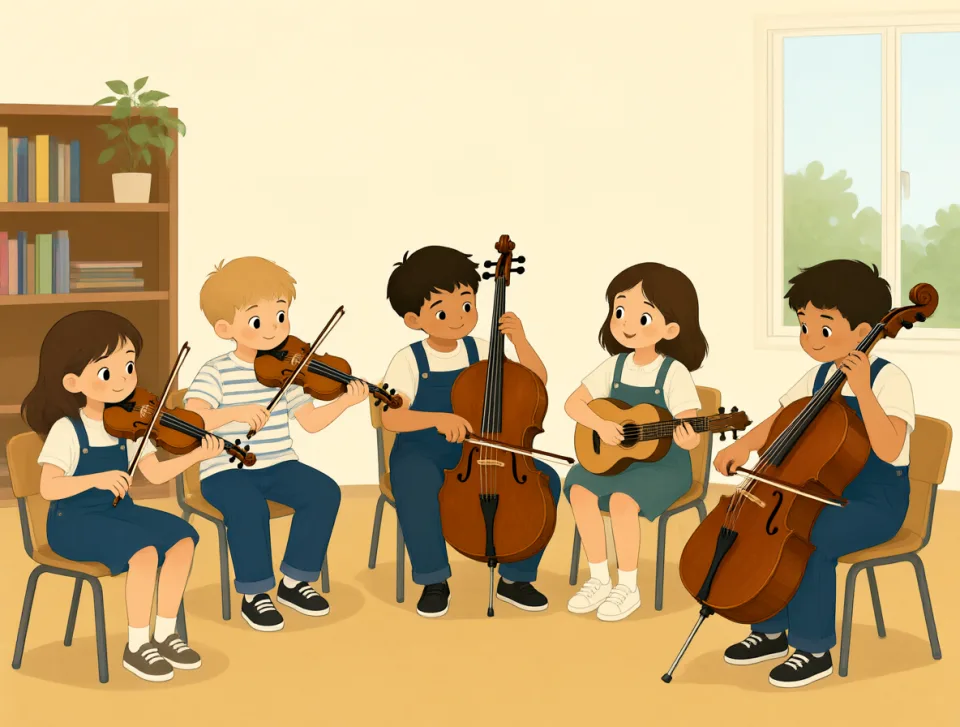
Students gain experience through practice.
Uczniowie zdobywają doświadczenie poprzez ćwiczenia.

once
#265adverb, conjunction, determiner, noun
kiedyś; raz
At one time in the past, or one time only.
W pewnym momencie w przeszłości albo tylko jeden raz.
I once lived in a small town.
Kiedyś mieszkałem w małym miasteczku.
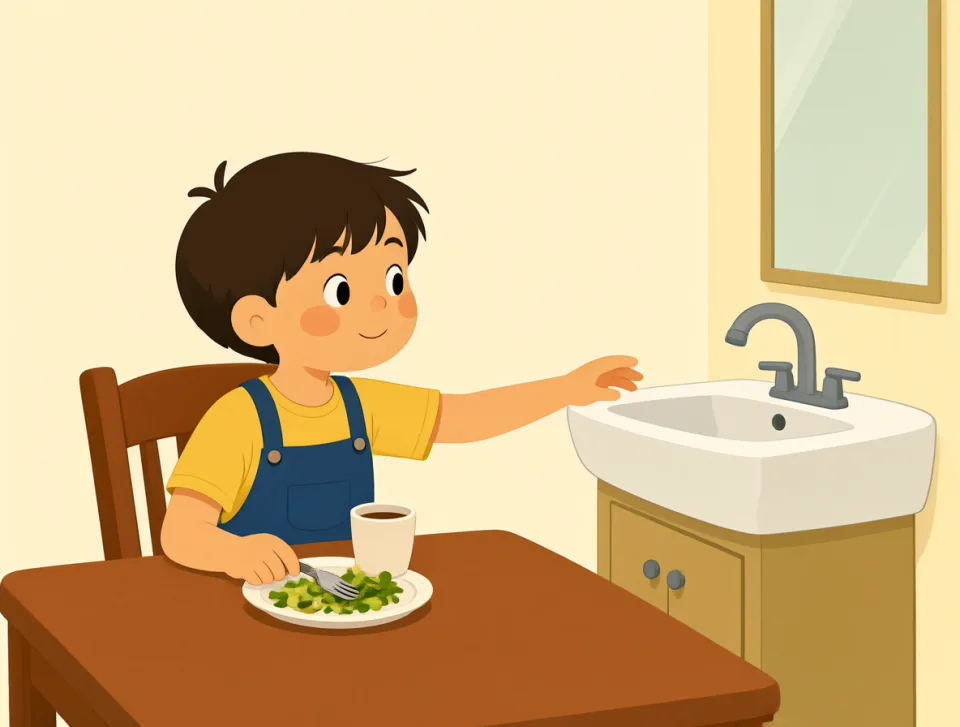
Once you finish, please wash your hands.
Kiedy skończysz, umyj proszę ręce.

I have visited Paris once.
Odwiedziłem Paryż raz.

Once a week, we buy fresh vegetables.
Raz w tygodniu kupujemy świeże warzywa.
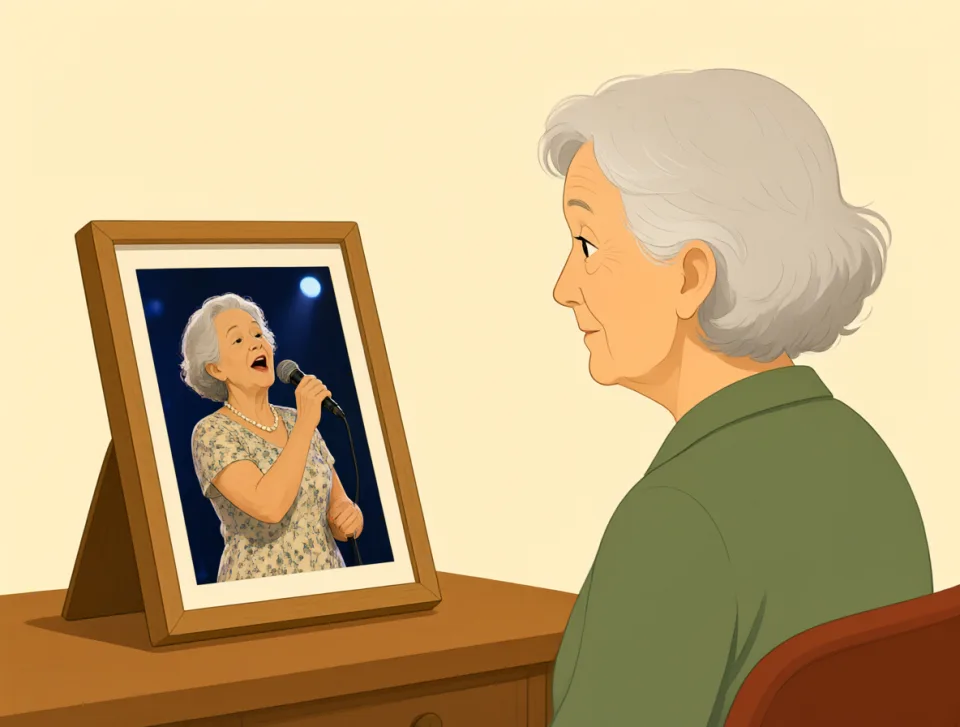
She was a famous singer once.
Kiedyś była sławną piosenkarką.
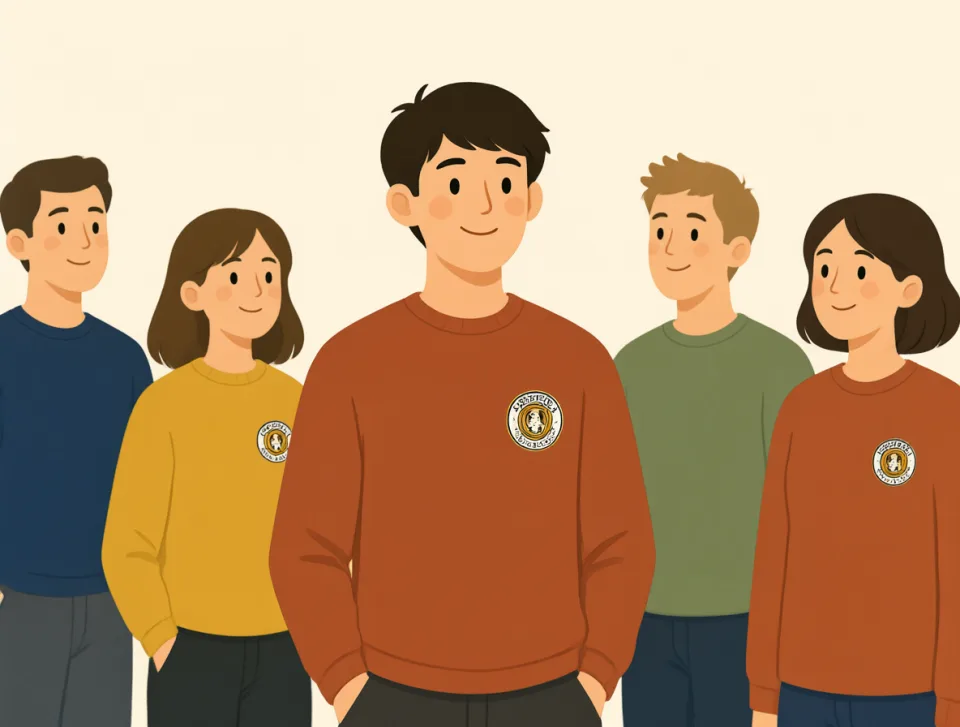
member
#266noun
członek
a person who belongs to a group, club, or organization
osoba należąca do grupy, klubu lub organizacji
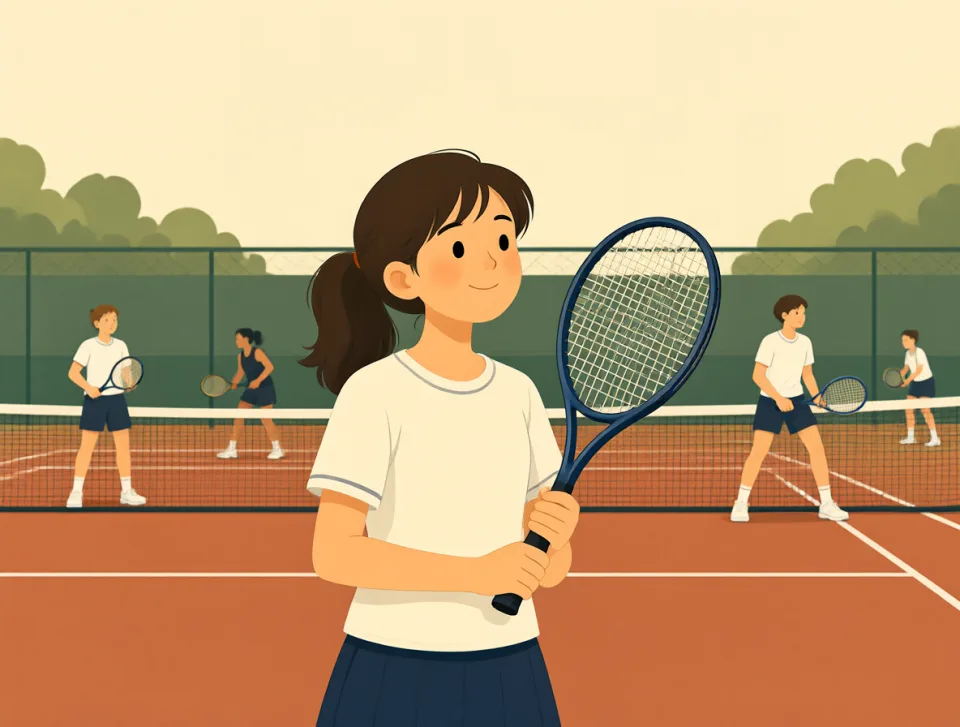
She is a member of our tennis club.
Ona jest członkinią naszego klubu tenisowego.
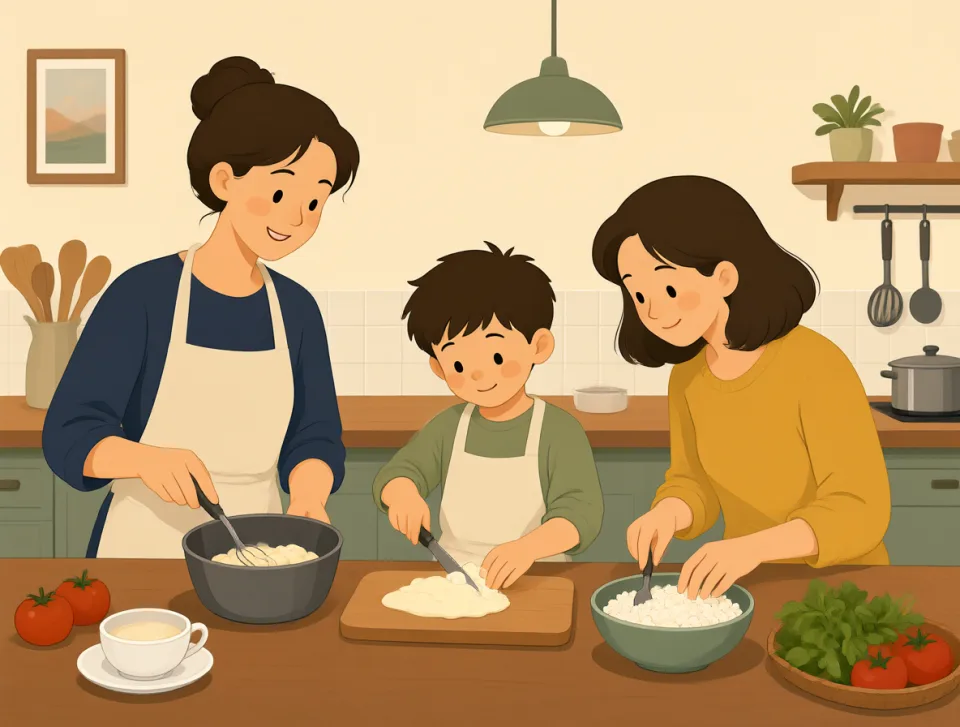
Every family member helped cook dinner.
Każdy członek rodziny pomógł przygotować kolację.

He became a member of the school team.
Został członkiem szkolnej drużyny.
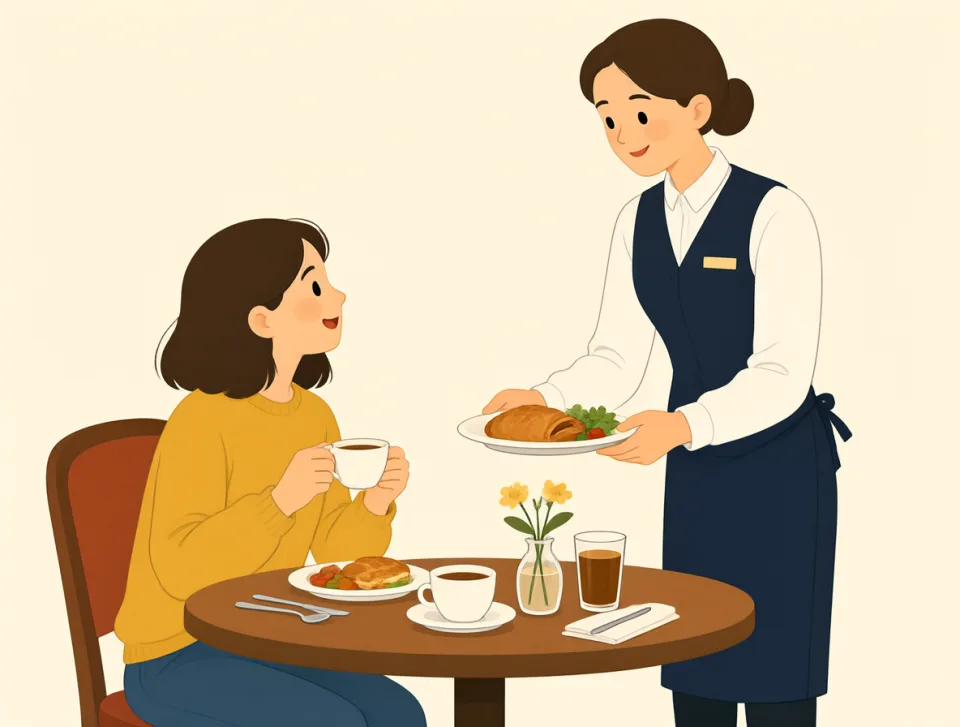
The hotel member received a free breakfast.
Członek hotelowego programu lojalnościowego dostał darmowe śniadanie.
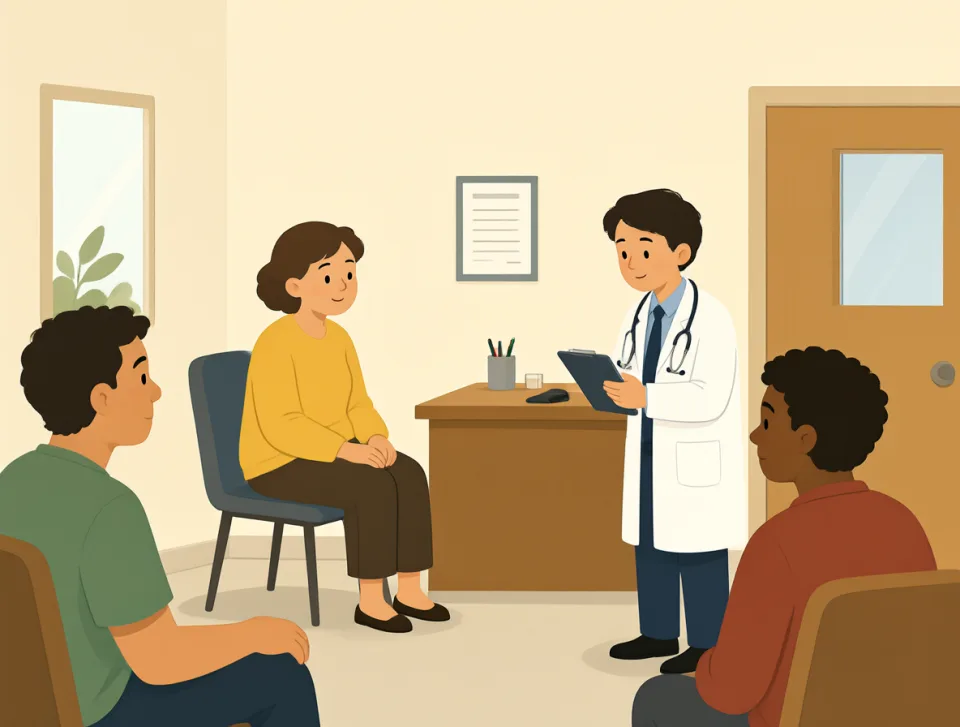
The doctor checked each member of the group.
Lekarz zbadał każdego członka grupy.
enough
#267adjective, adverb, pronoun, determiner
wystarczająco; dość
As much or as many as needed.
Tyle, ile potrzeba.
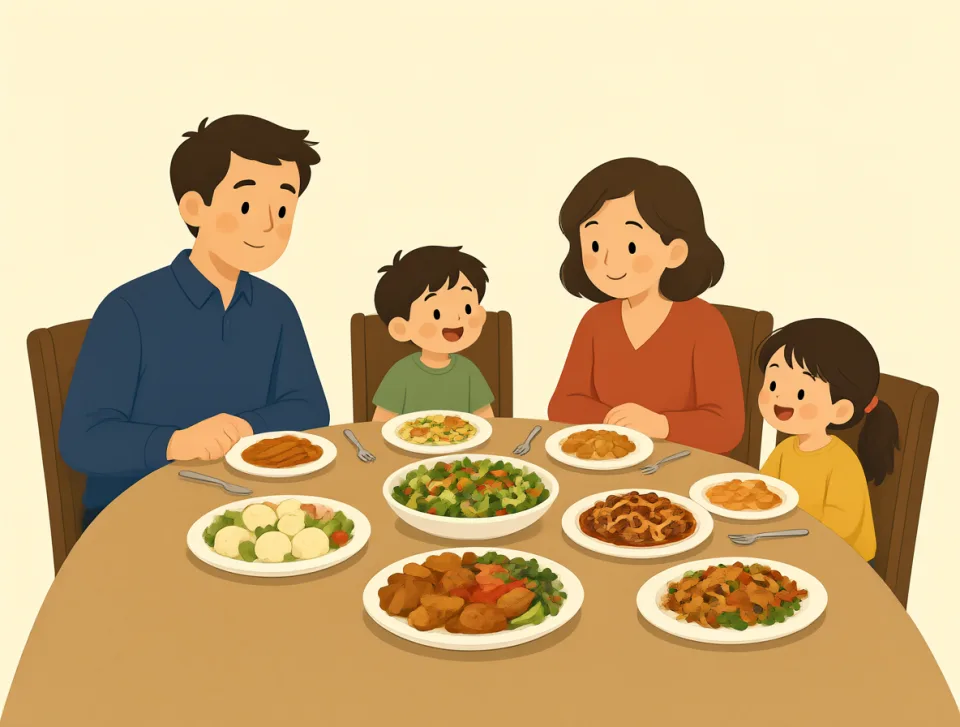
Do we have enough food for everyone?
Czy mamy dość jedzenia dla wszystkich?
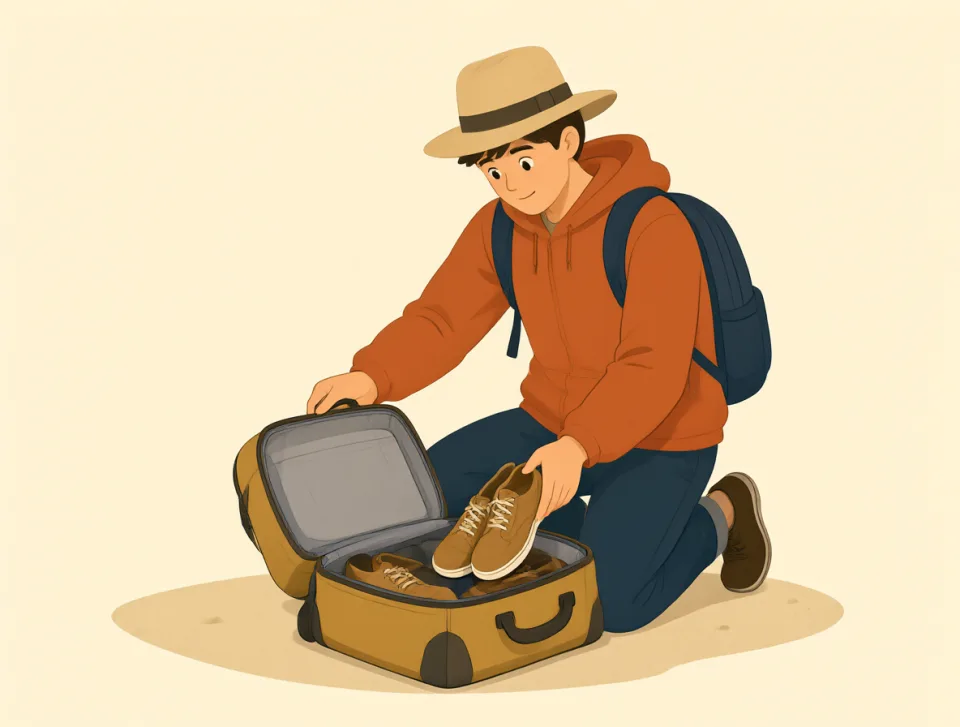
This bag is big enough for my shoes.
Ta torba jest wystarczająco duża na moje buty.
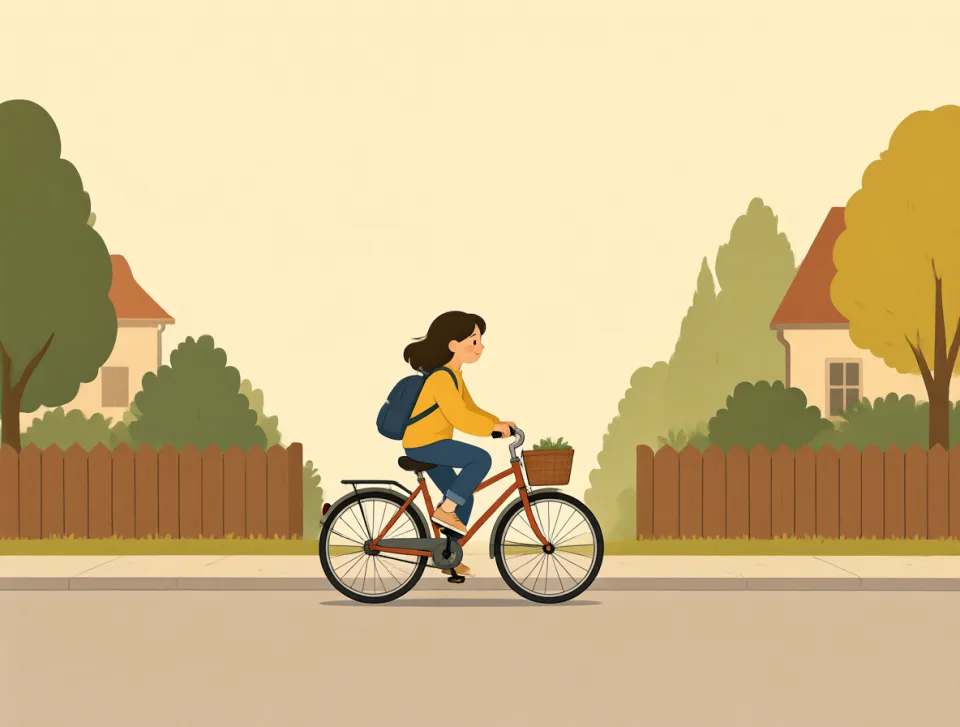
She is old enough to ride alone.
Jest już na tyle dorosła, żeby jeździć sama.
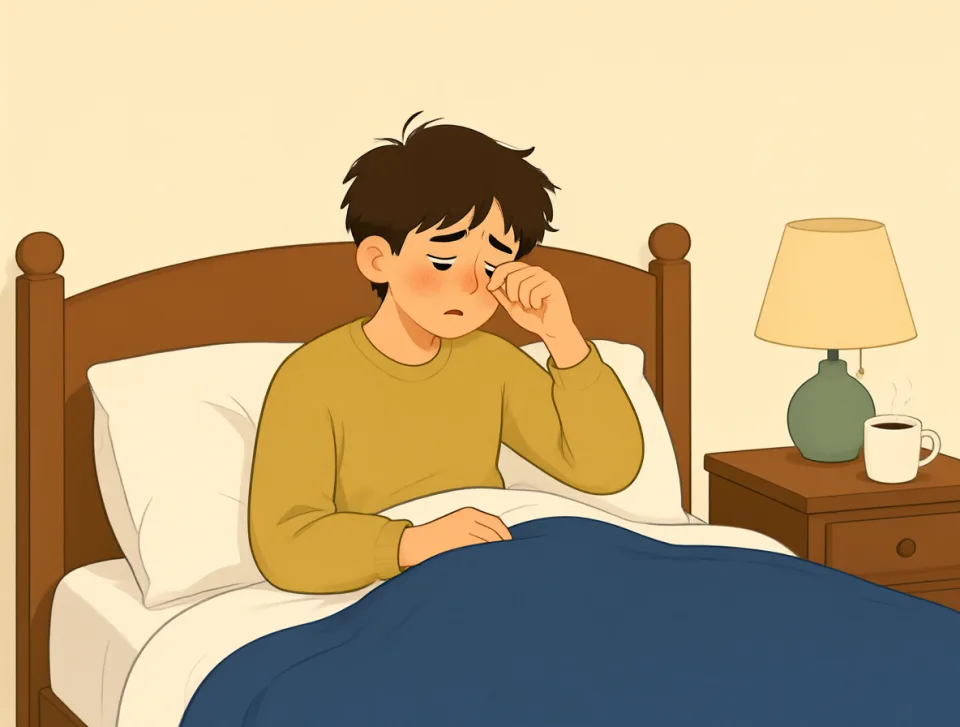
I did not sleep enough last night.
Ostatniej nocy nie spałem wystarczająco długo.
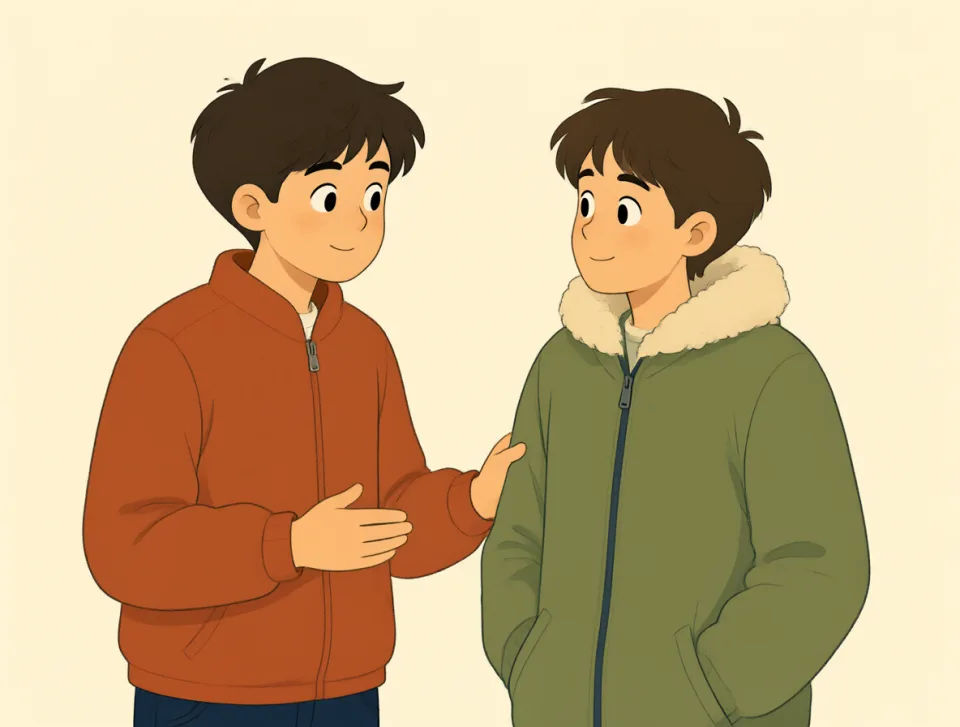
Are you warm enough in that jacket?
Jest ci wystarczająco ciepło w tej kurtce?
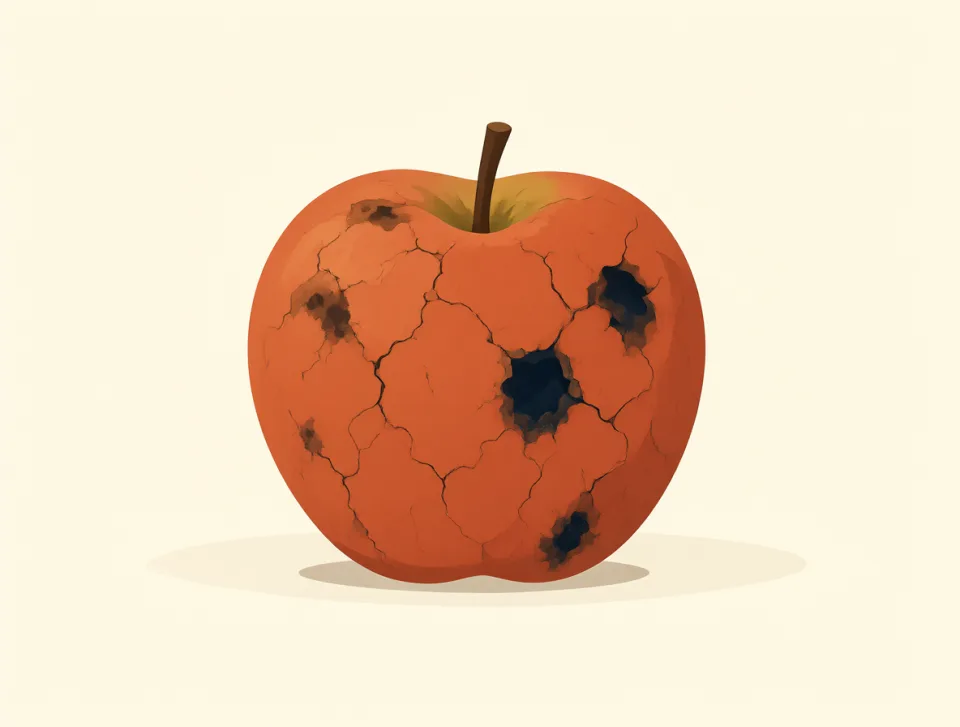
bad
#268adjective, noun
zły
Not good, pleasant, safe, or morally right.
Niedobry, nieprzyjemny, niebezpieczny lub niezgodny z zasadami moralnymi.

I had a bad day at work.
Miałem zły dzień w pracy.
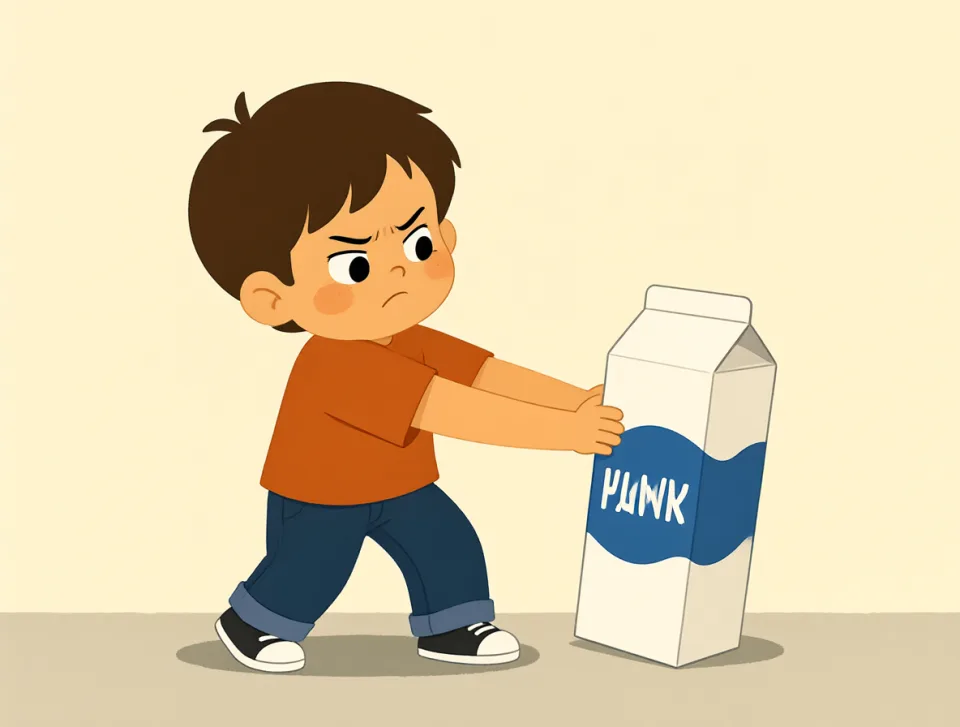
This milk smells bad.
To mleko brzydko pachnie.
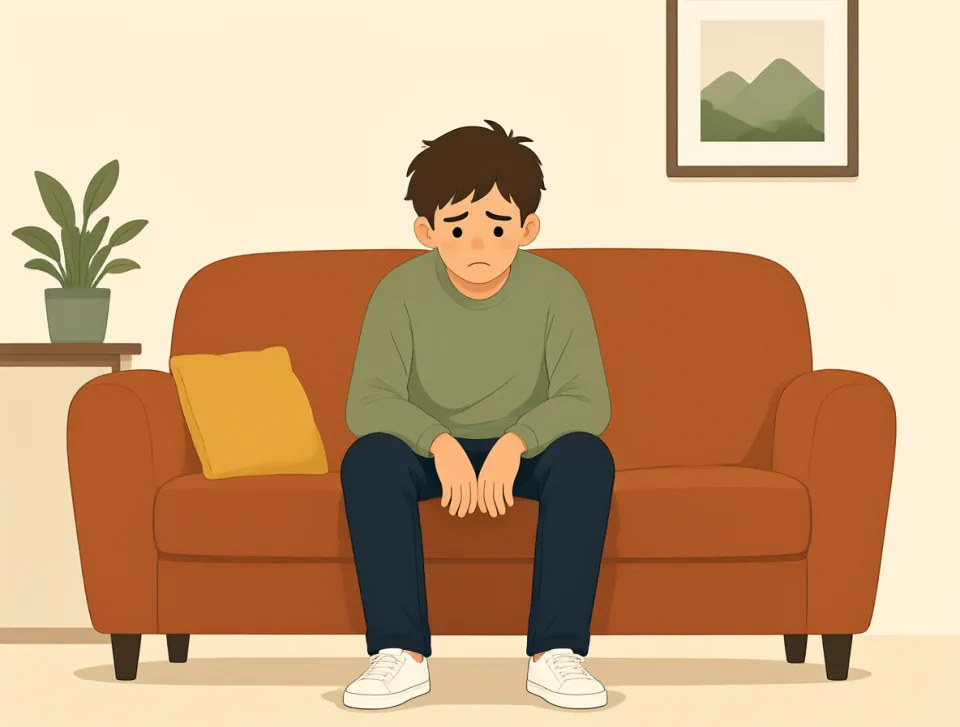
He felt bad after the argument.
Źle się czuł po kłótni.

The weather was bad during our trip.
Podczas naszej podróży pogoda była zła.
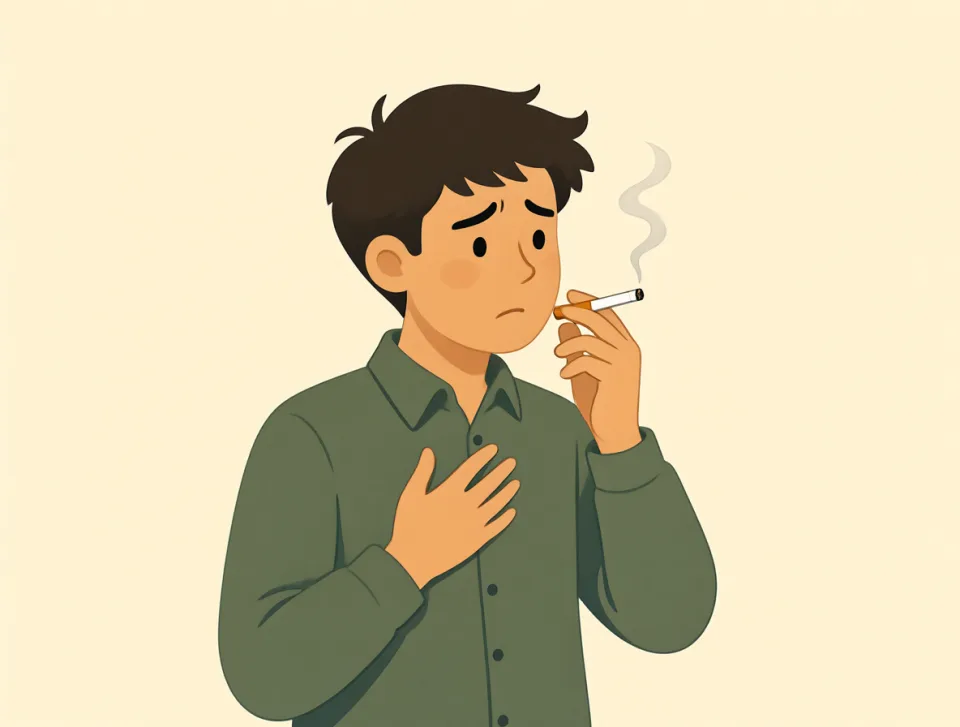
Smoking is bad for your health.
Palenie szkodzi zdrowiu.

city
#269noun
miasto
A large place where many people live, work, and visit.
Duże miejsce, w którym mieszka i pracuje wiele osób i które wiele osób odwiedza.

She lives in a big city.
Ona mieszka w dużym mieście.
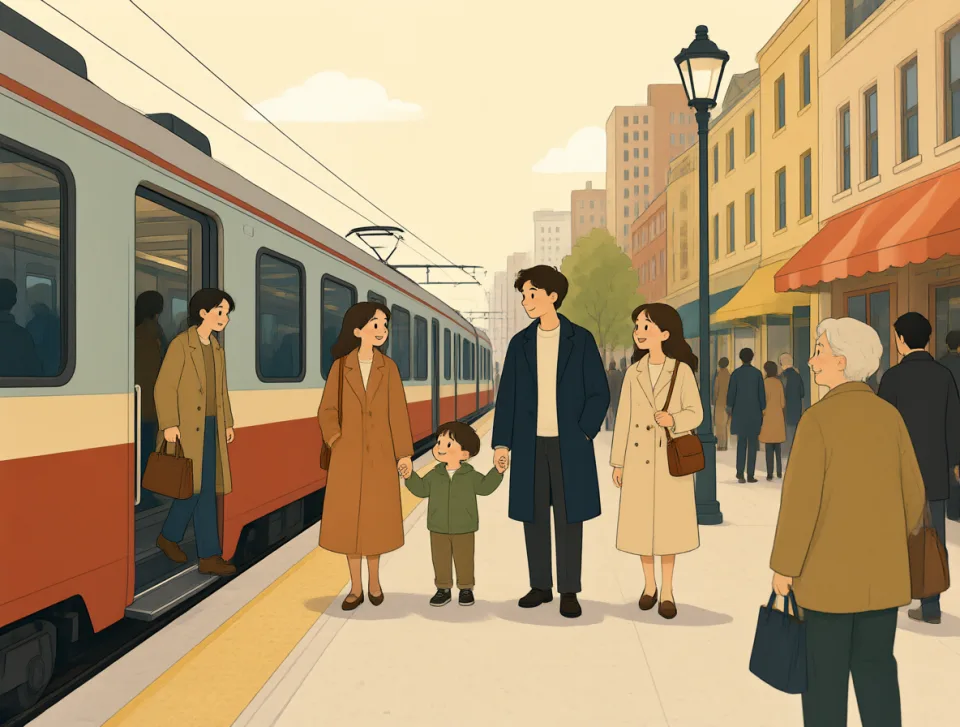
We took a train to the city.
Pojechaliśmy pociągiem do miasta.

The city has many good restaurants.
W mieście jest wiele dobrych restauracji.

He works in the city center.
Pracuje w centrum miasta.
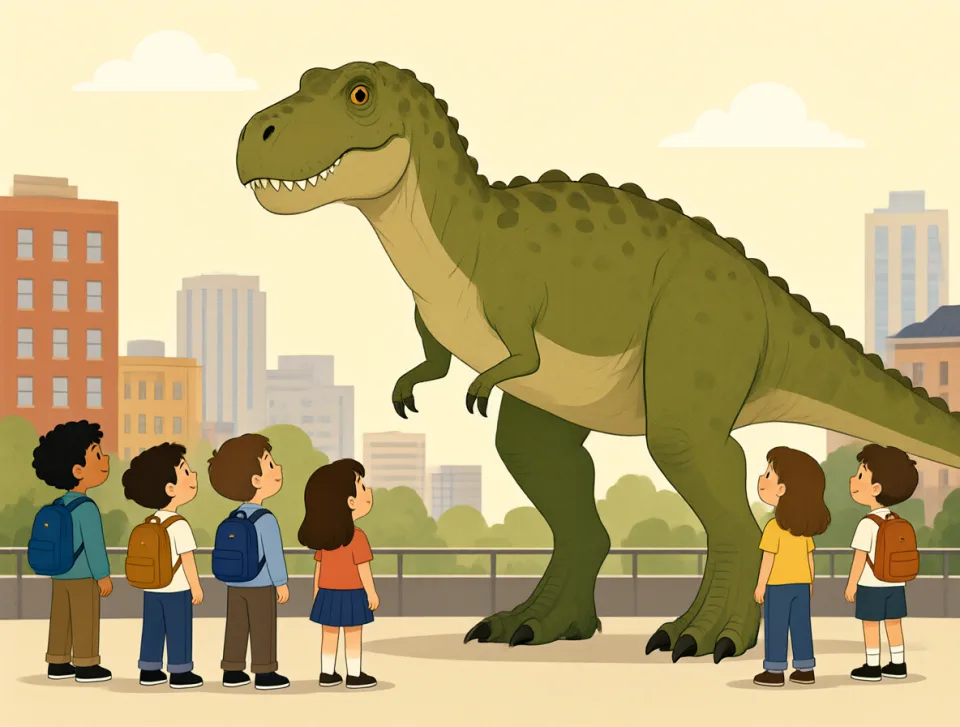
The children visited the city museum.
Dzieci odwiedziły miejskie muzeum.
night
#270noun
noc
The time when it is dark outside, from evening until morning.
Pora, kiedy na zewnątrz jest ciemno — od wieczora do rana.
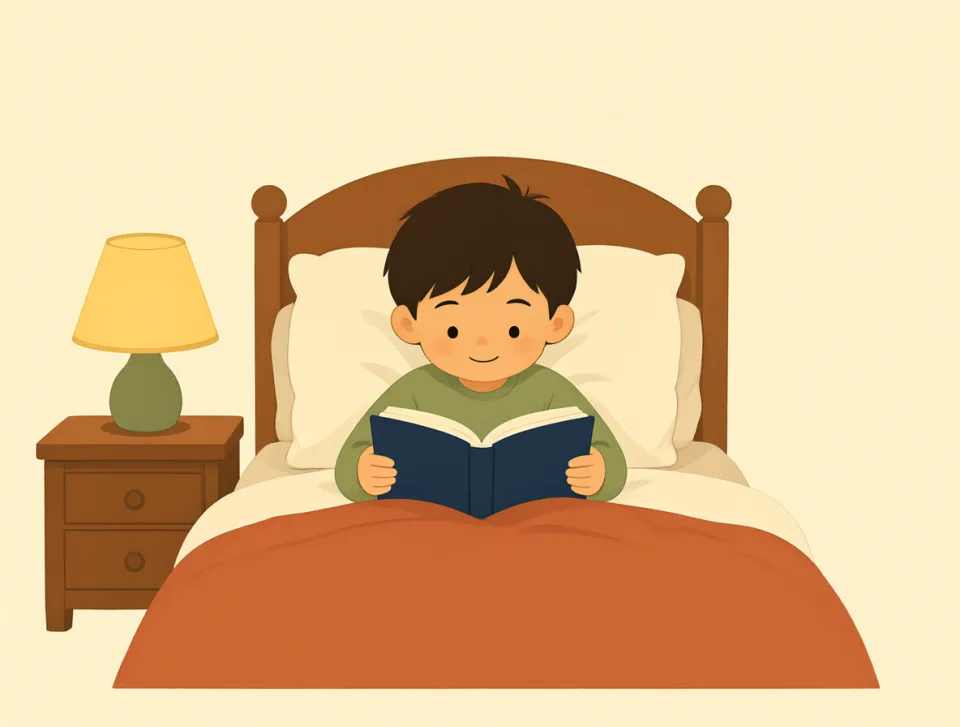
I read a book before bed at night.
Czytałem książkę przed snem, w nocy.
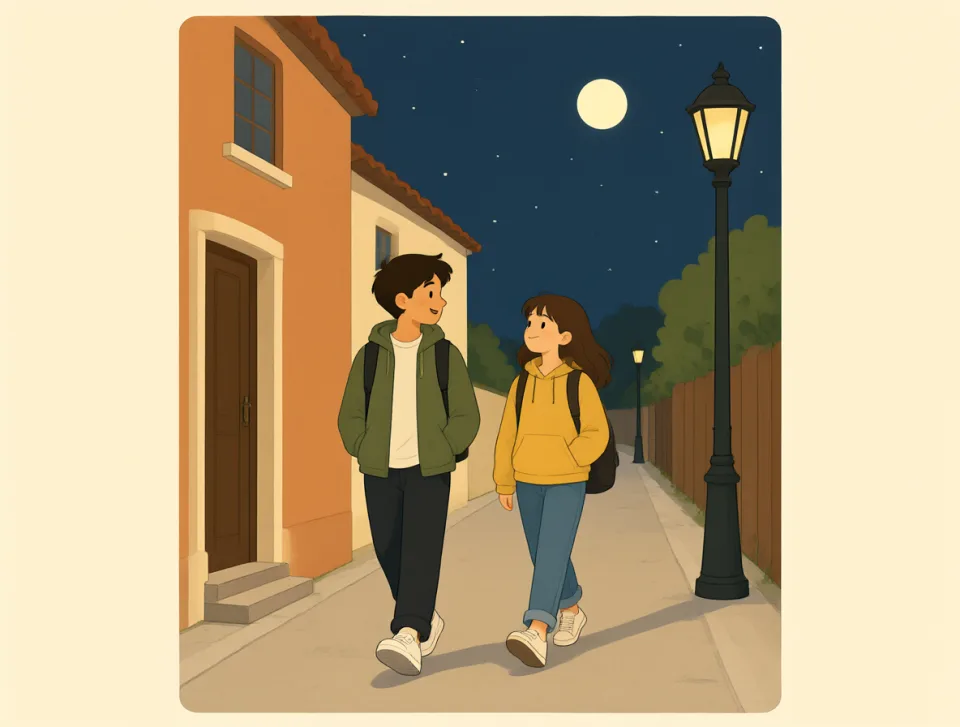
We walked home together late last night.
Późno wczoraj wieczorem wróciliśmy razem do domu pieszo.
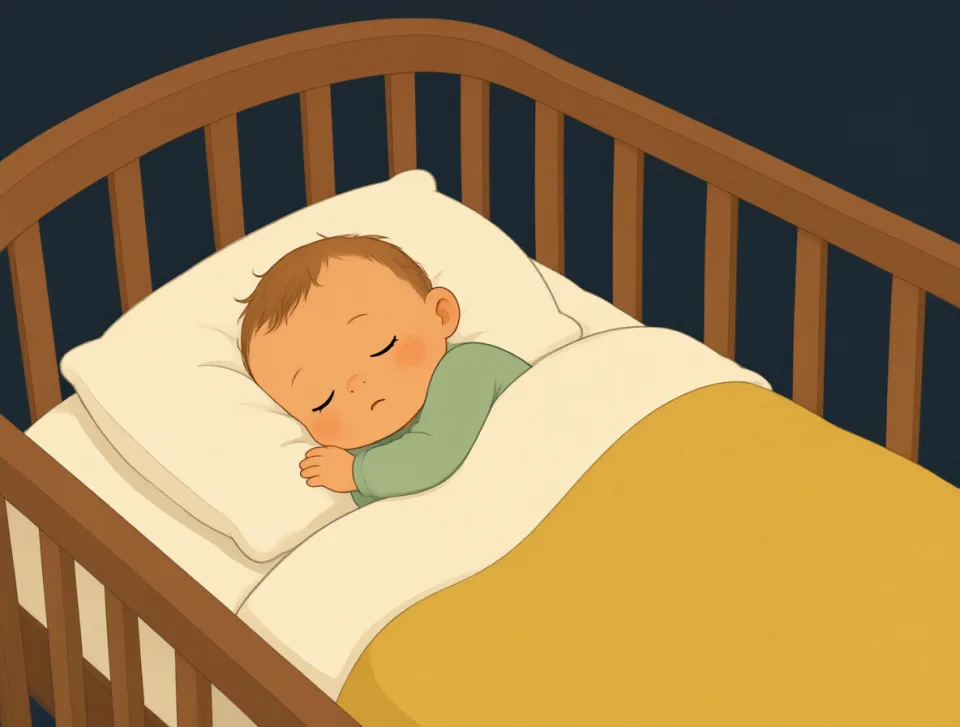
The baby slept well all night.
Dziecko dobrze spało przez całą noc.
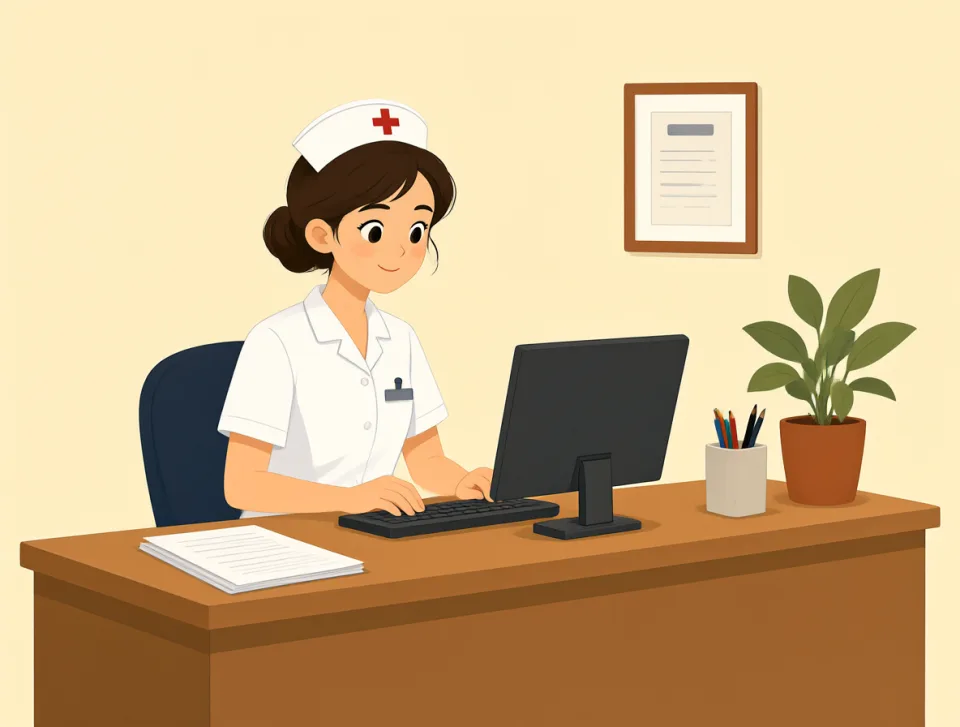
She works at the hospital night shift.
Pracuje na nocnej zmianie w szpitalu.
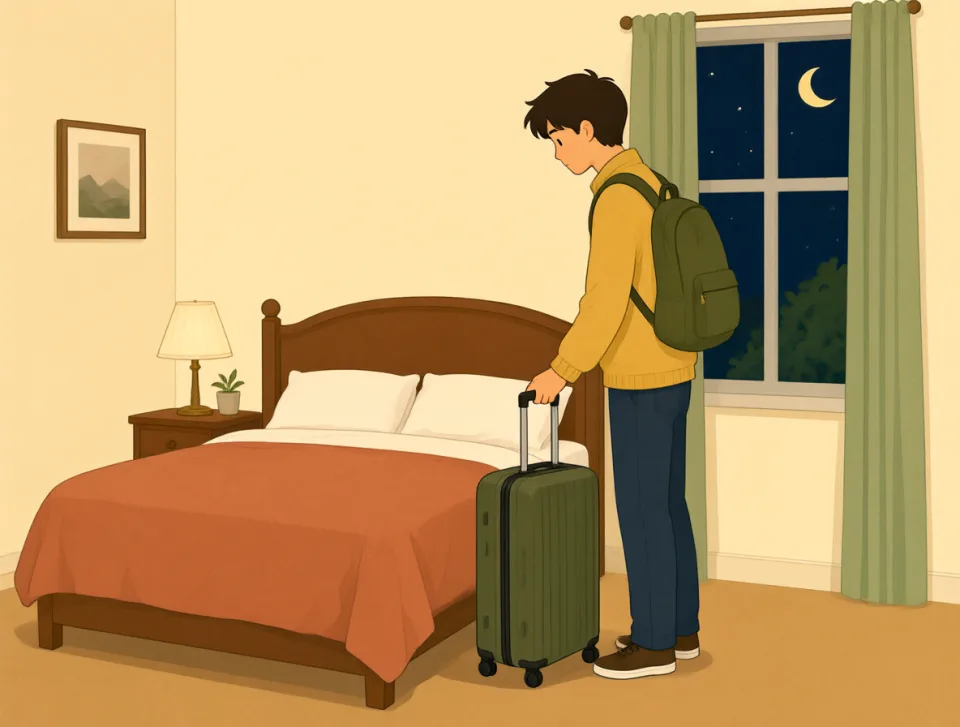
They stayed in a hotel for one night.
Zatrzymali się w hotelu na jedną noc.
able
#271adjective
zdolny
Having the skill, strength, time, or chance to do something.
Mający umiejętności, siłę, czas lub możliwość, by coś zrobić.

She is able to swim very well.
Ona potrafi bardzo dobrze pływać.
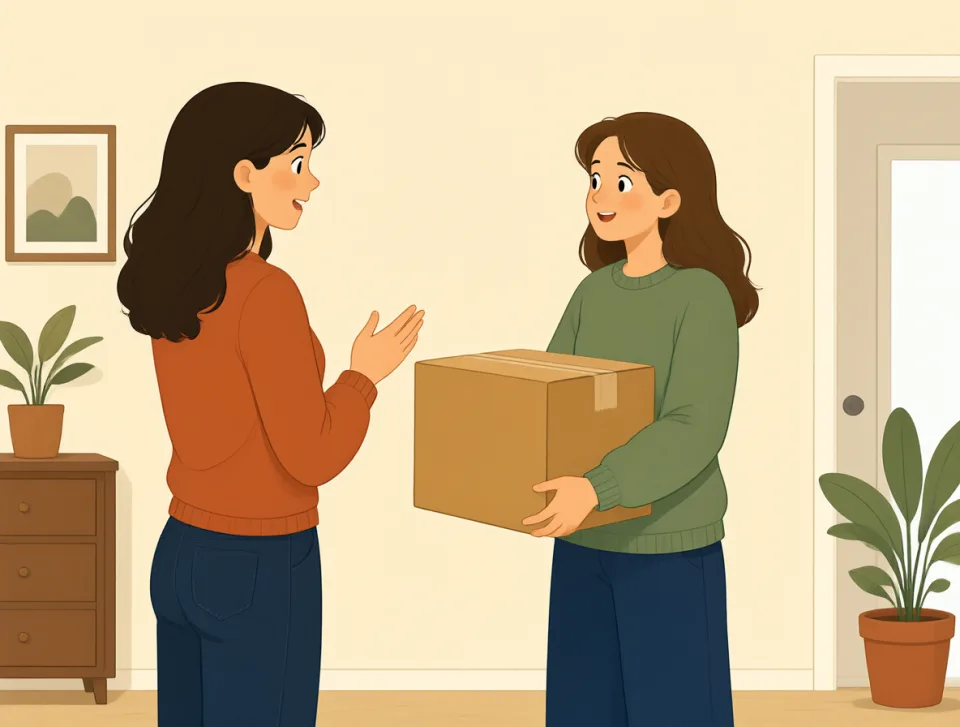
Are you able to help me today?
Czy możesz mi dzisiaj pomóc?
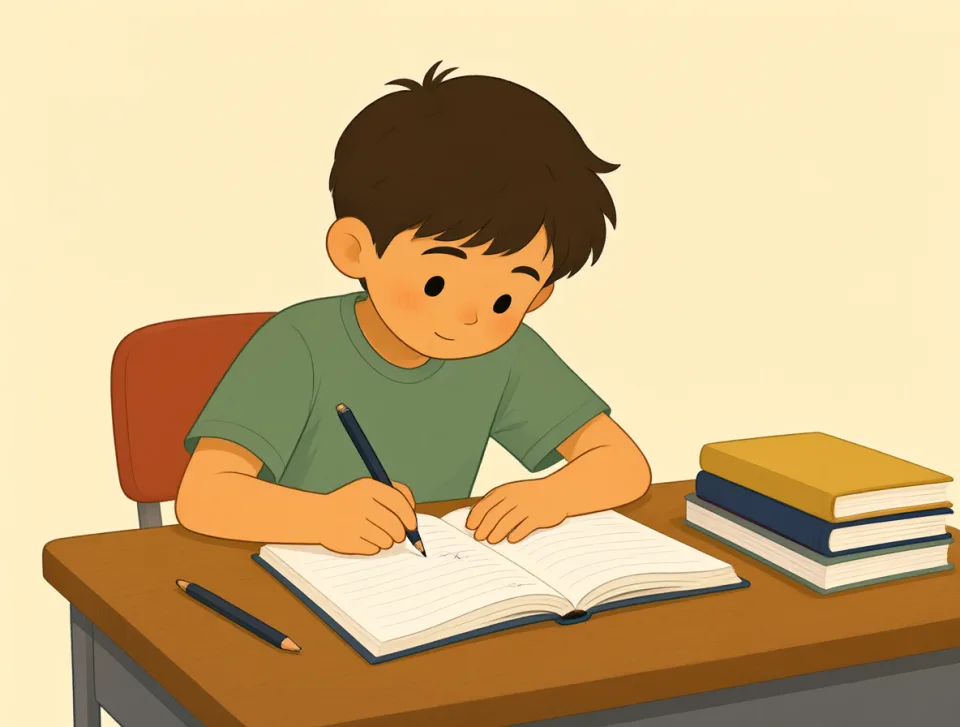
He was able to finish his homework.
Udało mu się odrobić pracę domową.
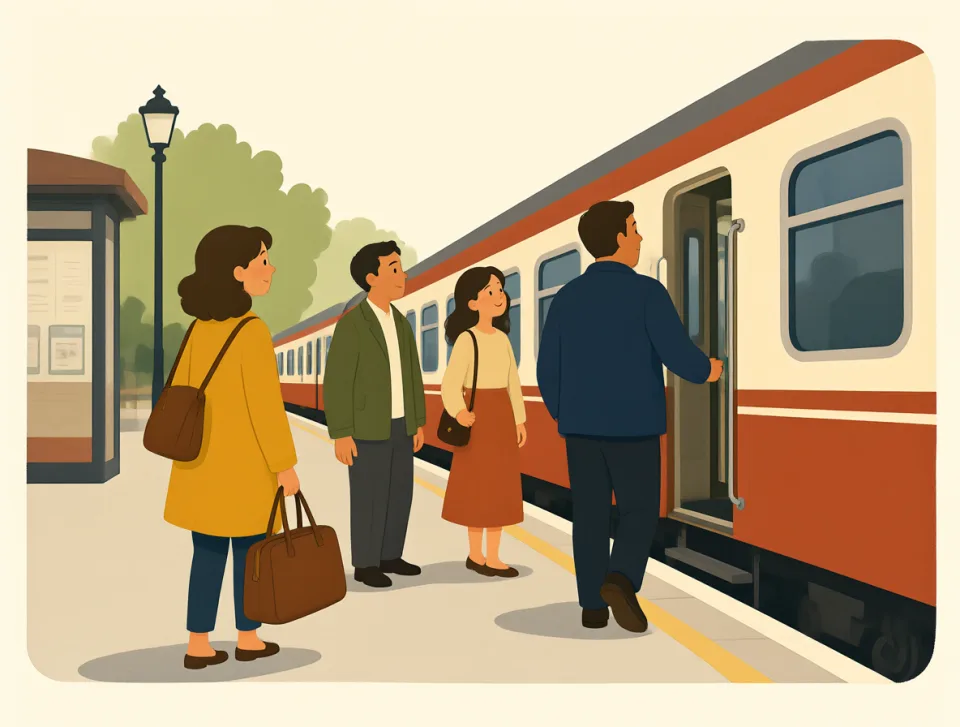
We were able to catch the early train.
Udało nam się zdążyć na wcześniejszy pociąg.
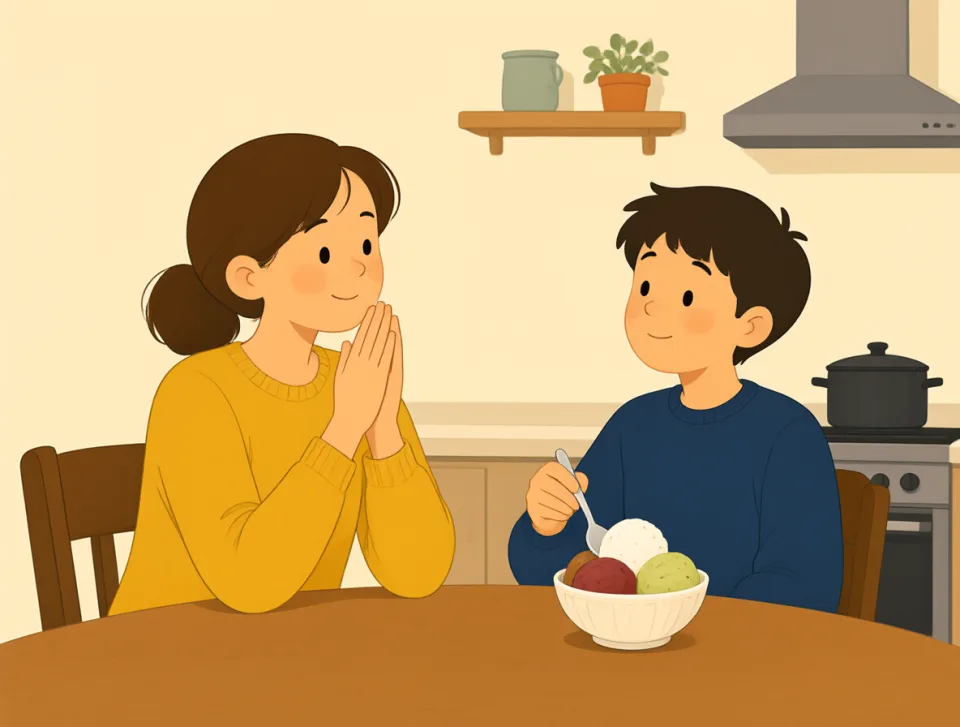
I am not able to eat dairy products.
Nie mogę jeść produktów mlecznych.
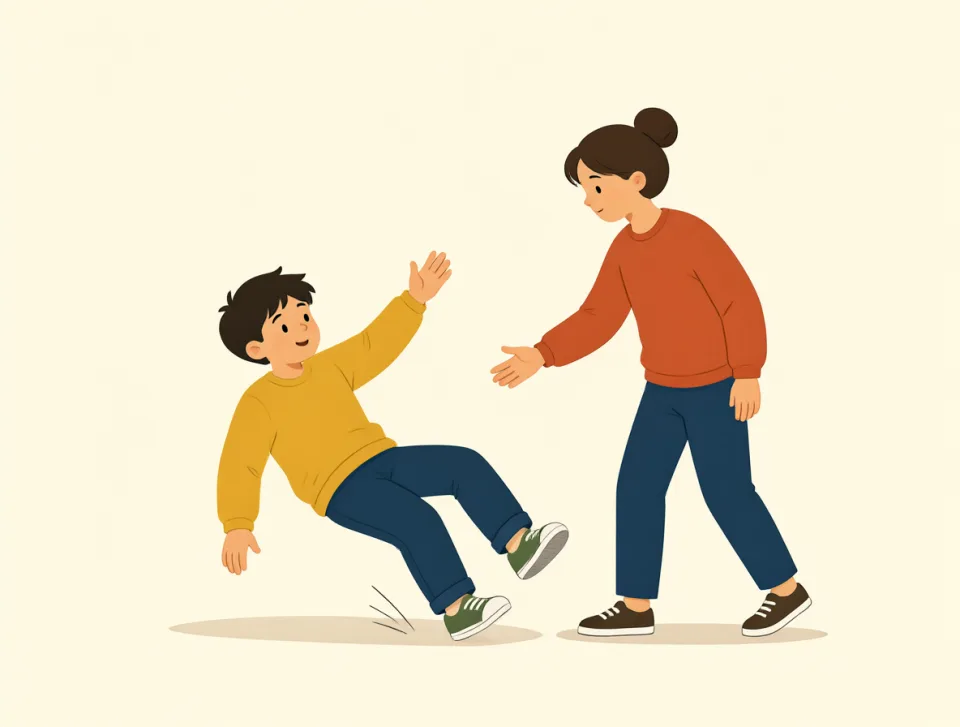
support
#272noun, verb
wsparcie; wspierać
Help or encouragement given to someone or something; to help someone or something succeed.
Pomoc lub zachęta udzielana komuś lub czemuś; pomagać komuś lub czemuś osiągnąć sukces.
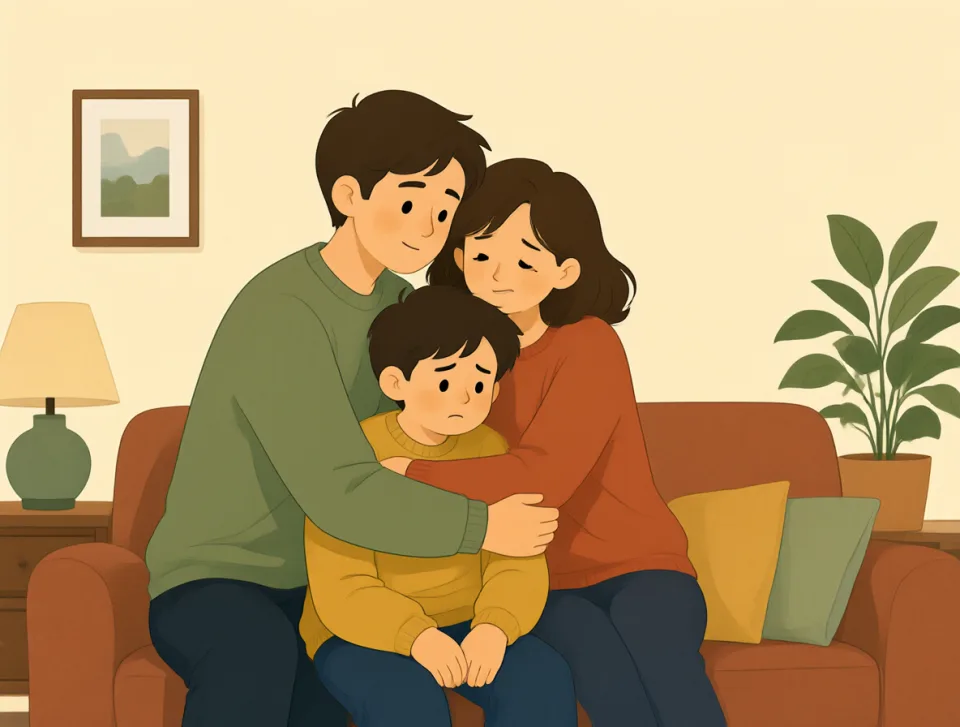
My family supports me when I feel sad.
Moja rodzina wspiera mnie, kiedy jest mi smutno.
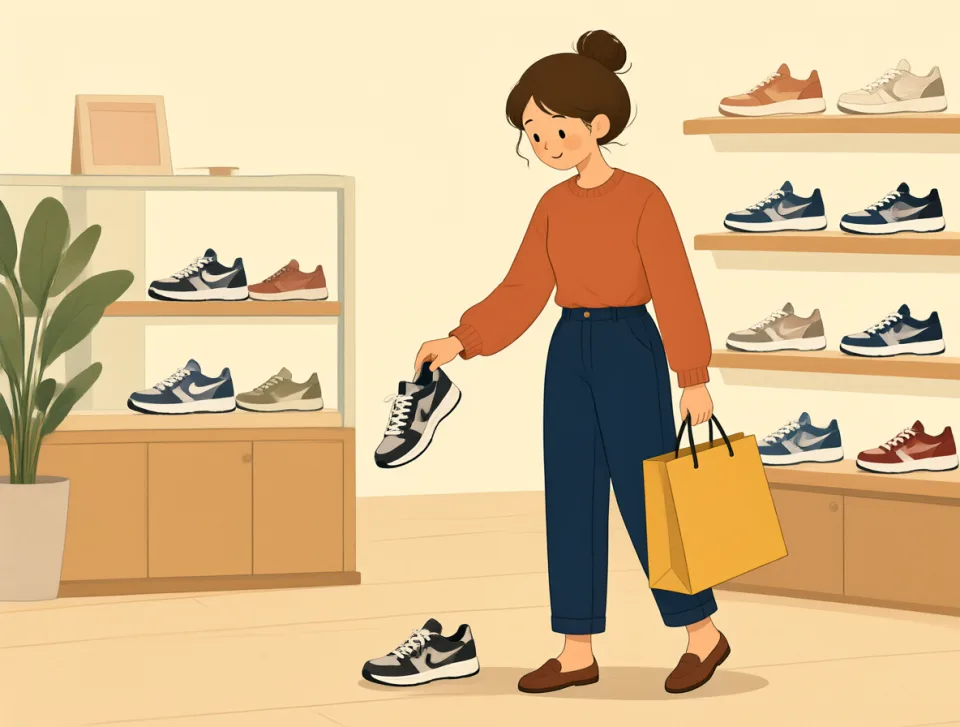
These shoes support your feet while walking.
Te buty podpierają stopy podczas chodzenia.
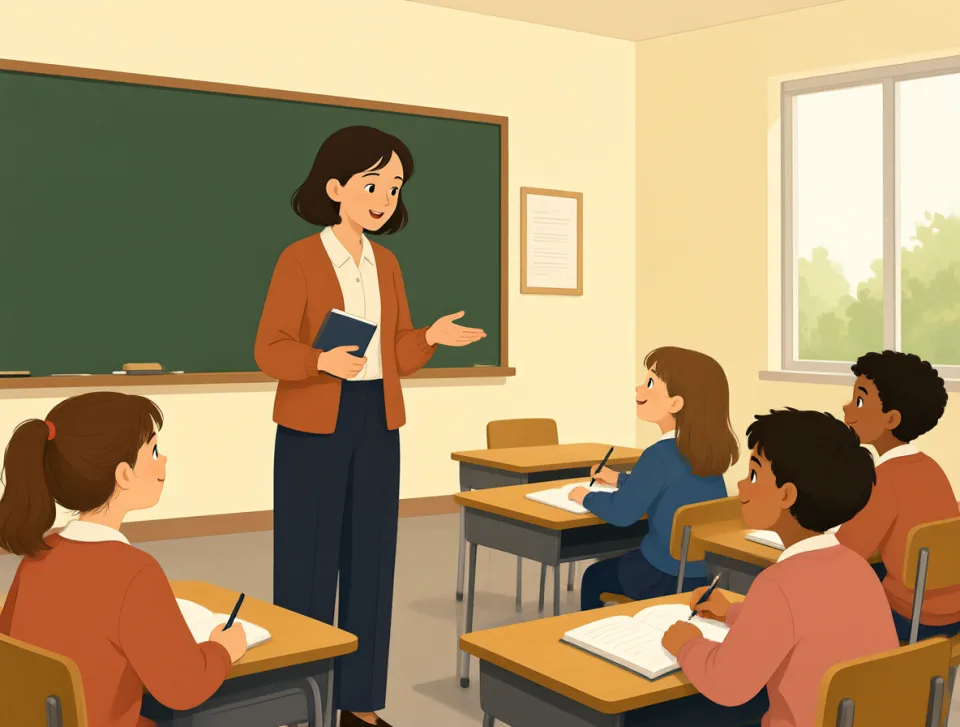
Our teacher supports us during the test.
Nasz nauczyciel wspiera nas podczas testu.
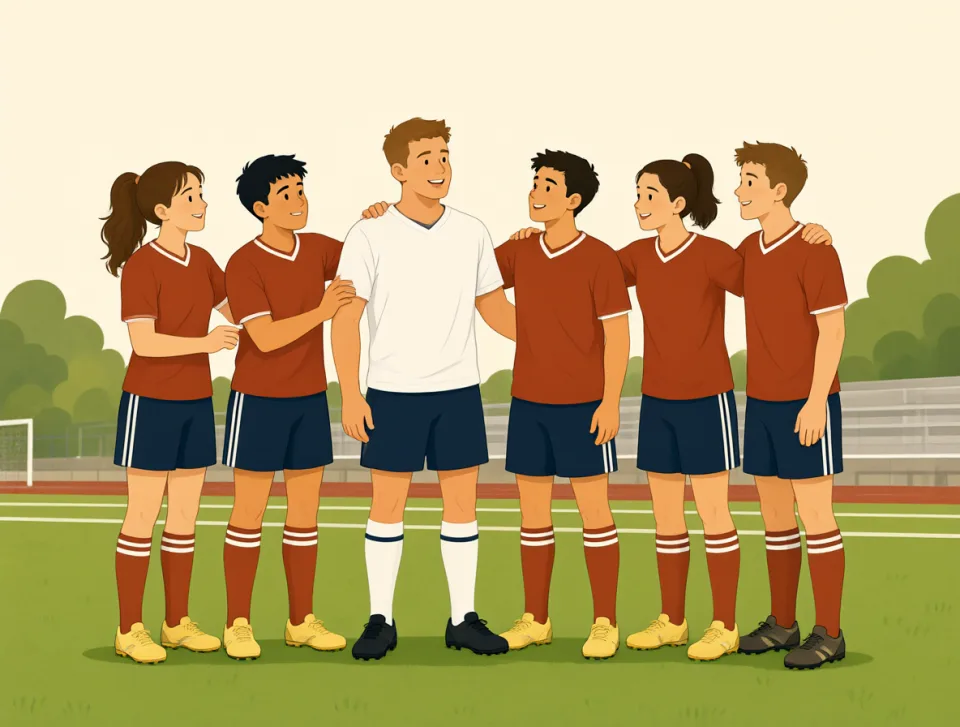
The team supported its captain after the loss.
Drużyna wspierała swojego kapitana po porażce.

This pillow supports your neck at night.
Ta poduszka podpiera szyję w nocy.
whether
#273conjunction
czy
Used to talk about two possible choices or situations.
Służy do mówienia o dwóch możliwych wyborach lub sytuacjach.
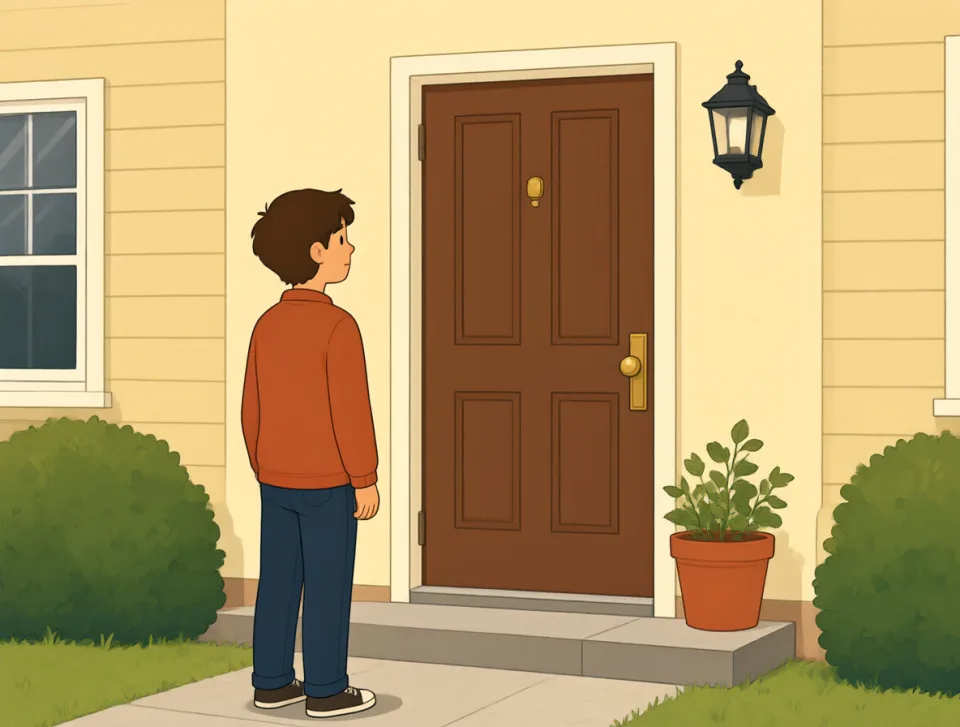
I don't know whether she is home.
Nie wiem, czy ona jest w domu.

Please tell me whether you need help.
Proszę, powiedz mi, czy potrzebujesz pomocy.
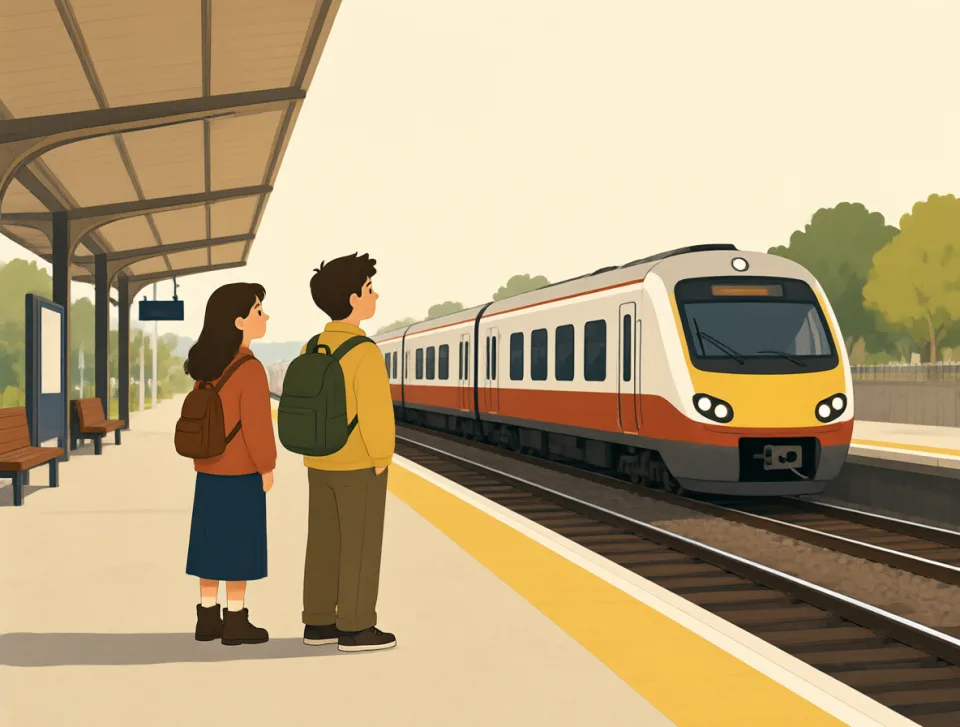
We must decide whether to take the train.
Musimy zdecydować, czy pojechać pociągiem.

He asked whether I liked the food.
Zapytał, czy smakowało mi jedzenie.
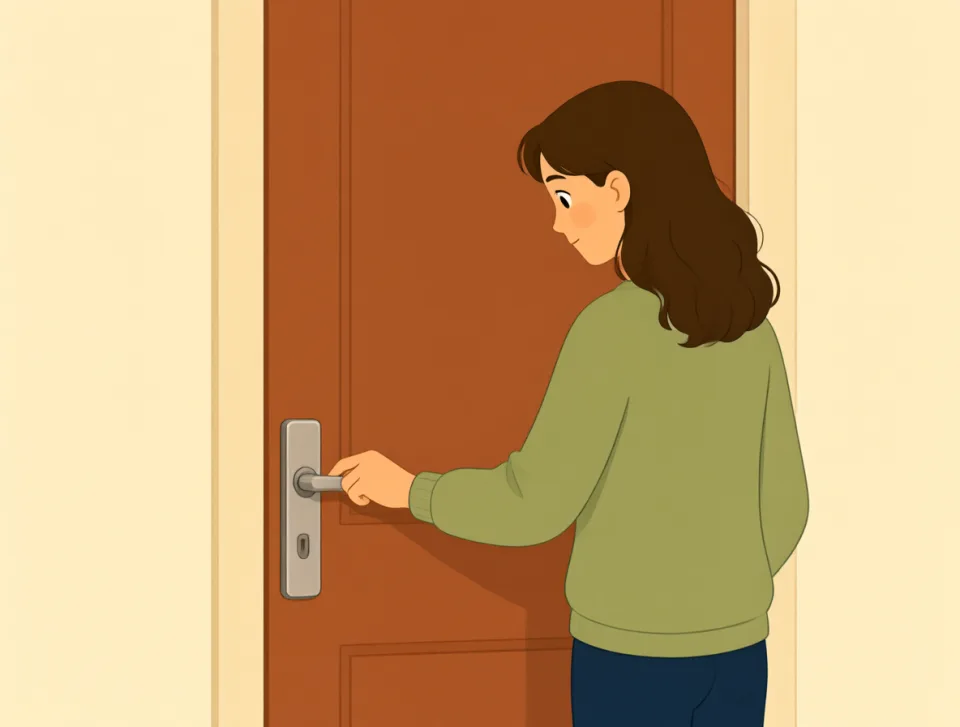
Check whether the door is locked.
Sprawdź, czy drzwi są zamknięte na klucz.

line
#274noun, verb
linia; kolejka
A long, thin mark or a row of people or things; to stand in a row.
Długa, cienka kreska lub rząd ludzi albo rzeczy; stać w rzędzie.
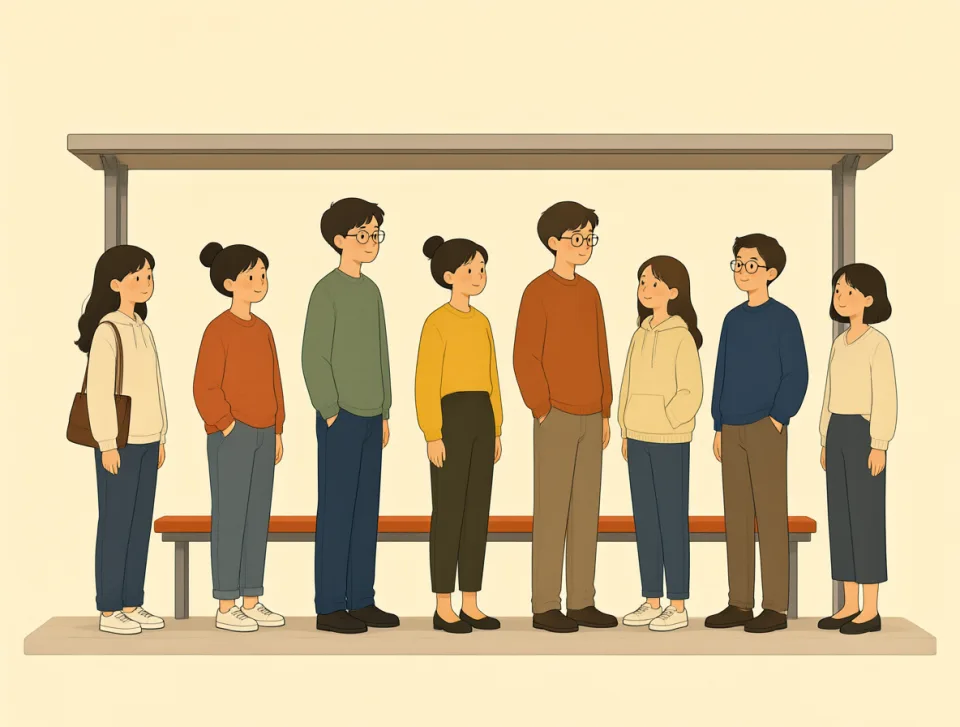
Please wait in line for the bus.
Proszę czekać w kolejce na autobus.
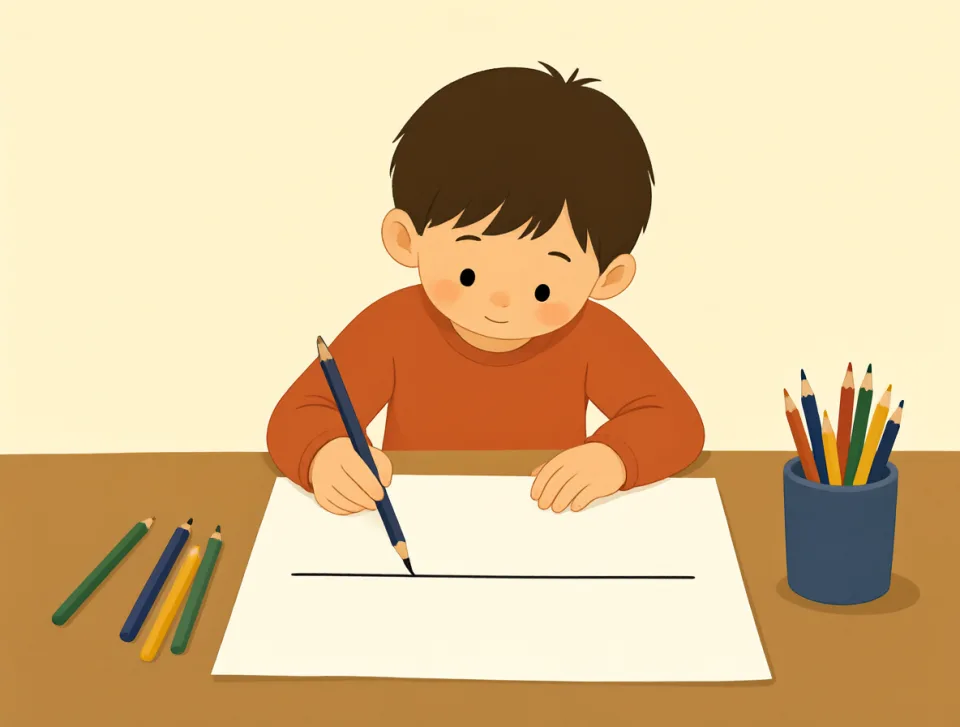
Draw a straight line under the answer.
Narysuj prostą linię pod odpowiedzią.
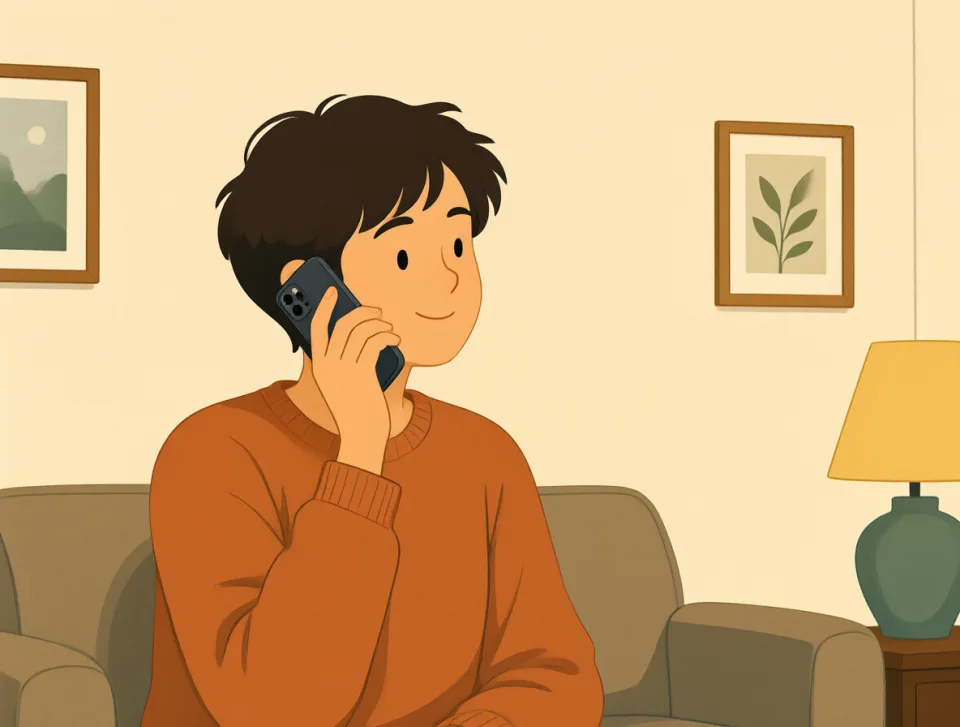
The phone line is busy right now.
Linia telefoniczna jest teraz zajęta.

We crossed the finish line together.
Razem przekroczyliśmy linię mety.
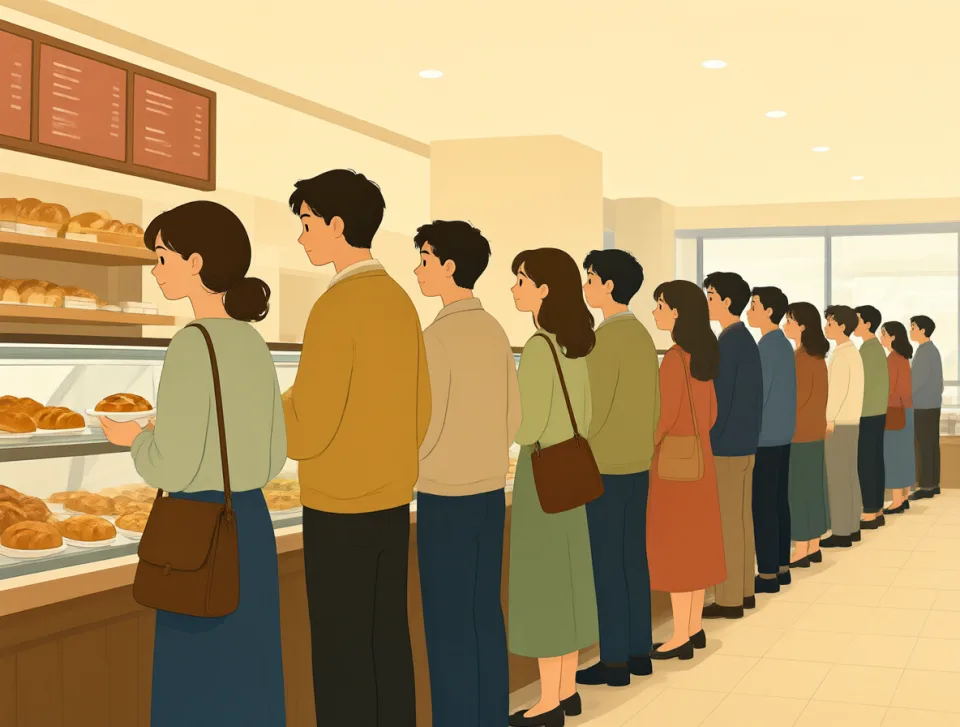
There was a long line at the bakery.
Przed piekarnią stała długa kolejka.
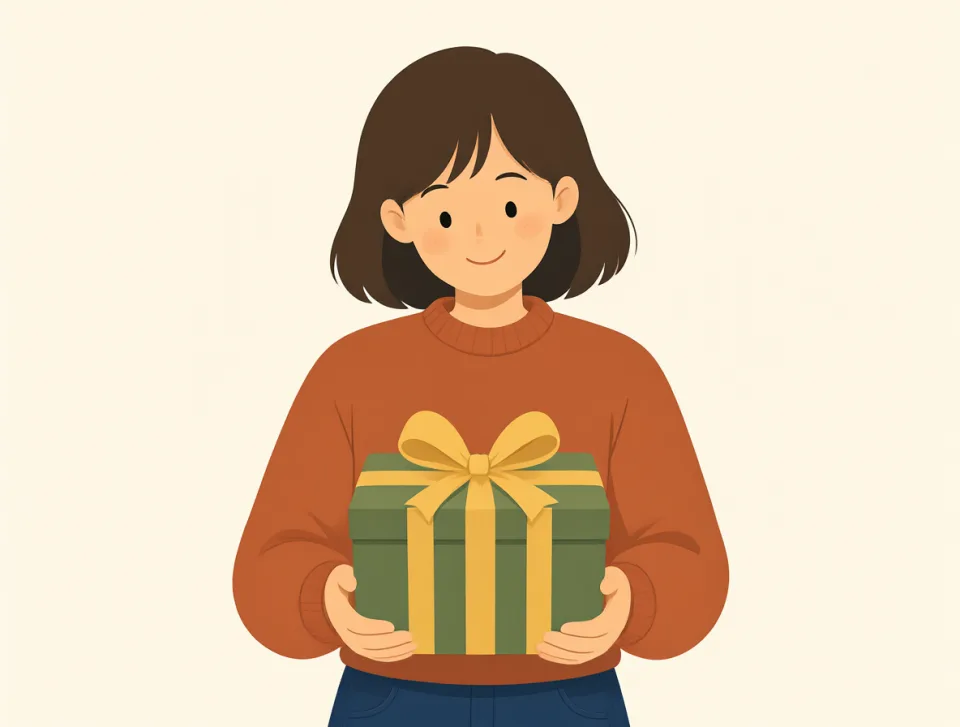
present
#275noun, verb, adjective
prezent; teraźniejszy; przedstawiać
A gift; to give something; existing or happening now.
Podarunek; dawać coś; istniejący lub mający miejsce teraz.
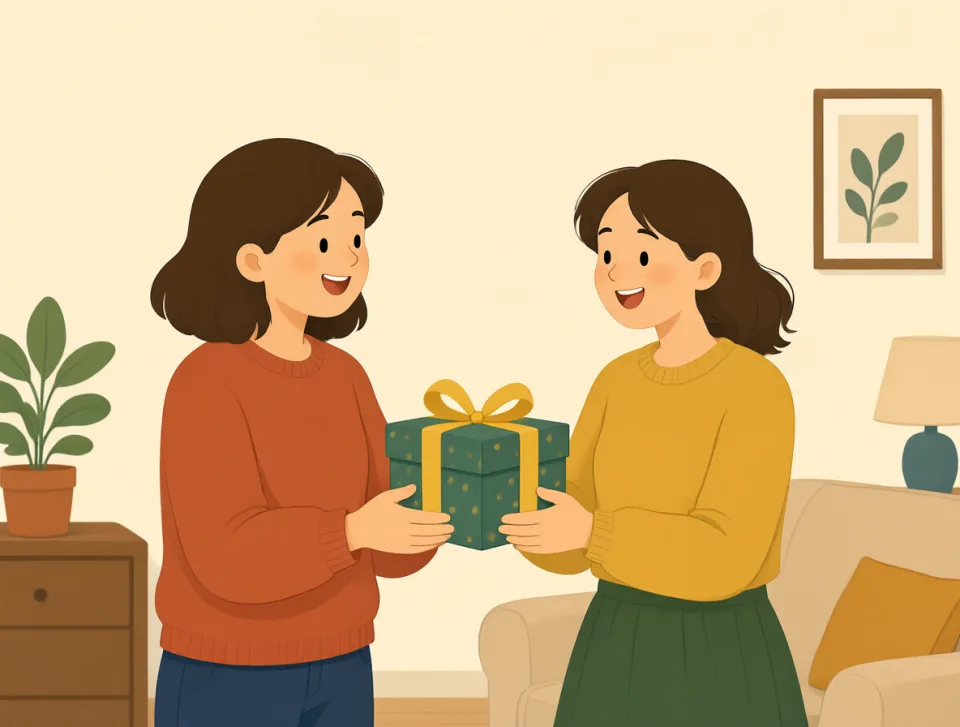
She gave me a birthday present.
Dała mi prezent urodzinowy.

I bought a present for my mother.
Kupiłem prezent dla mamy.
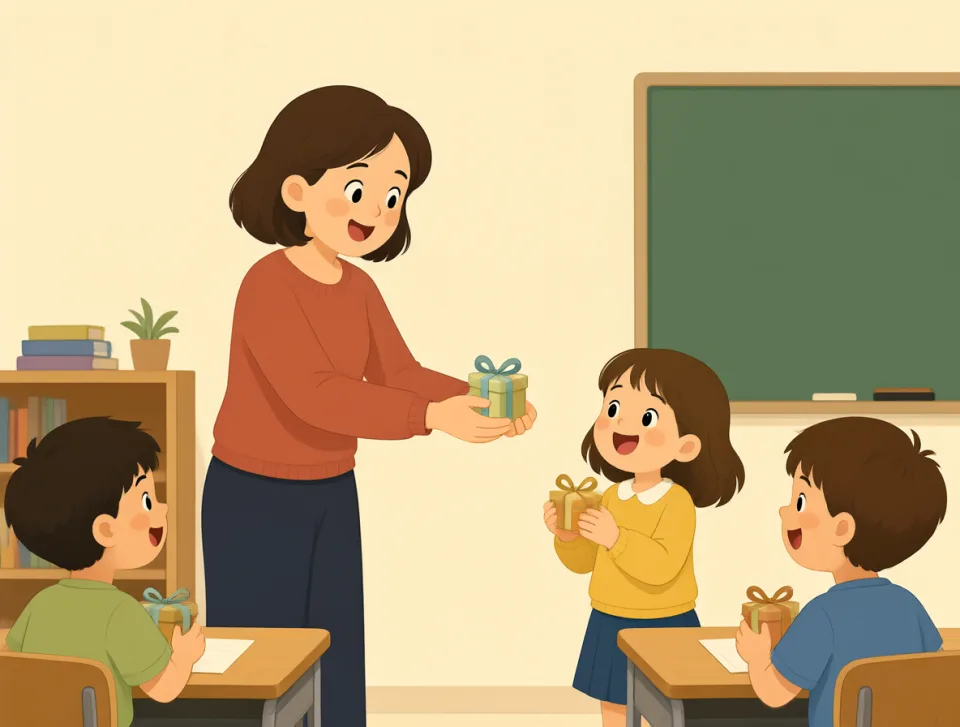
The teacher presented the prizes to students.
Nauczyciel wręczył uczniom nagrody.

Everyone was present at the meeting.
Wszyscy byli obecni na zebraniu.

We need to discuss the present problem.
Musimy omówić obecny problem.
side
#276noun, verb, adjective, preposition
strona
One of two parts, directions, or surfaces of something.
Jedna z dwóch części, kierunków lub powierzchni czegoś.
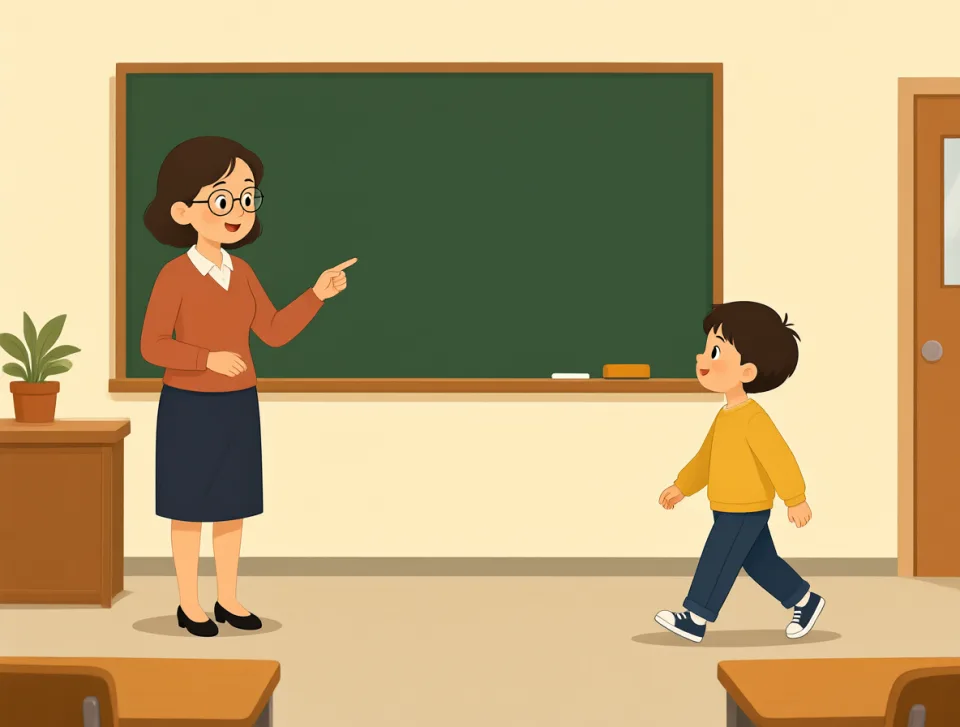
Please stand on this side of the room.
Proszę stanąć po tej stronie sali.

We sat on the side of the road.
Usiedliśmy na poboczu.
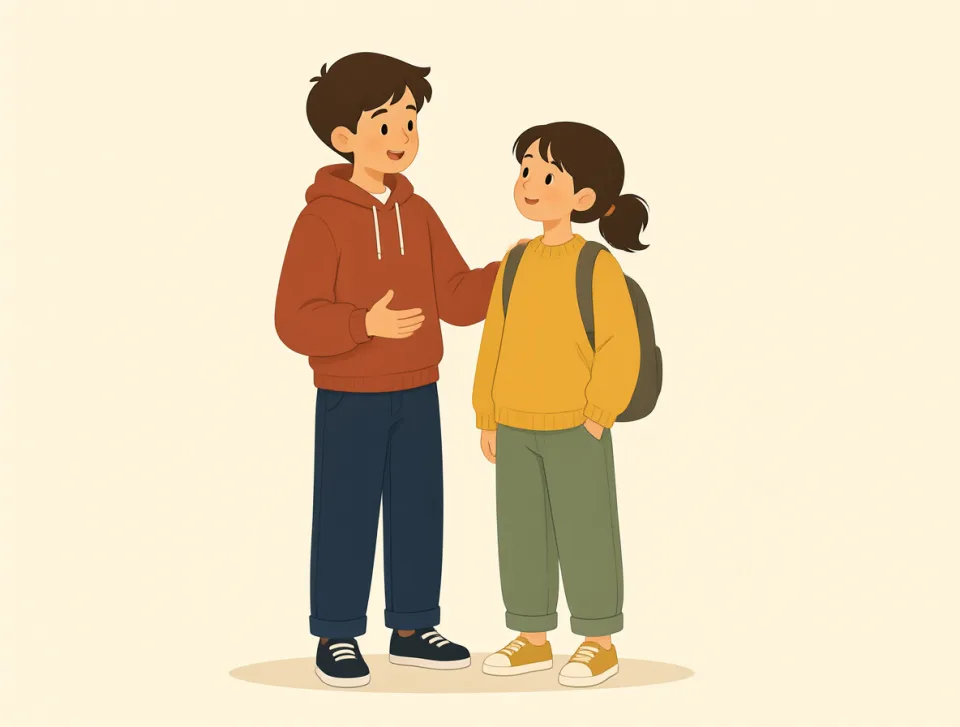
She took my side during the argument.
Podczas kłótni stanęła po mojej stronie.
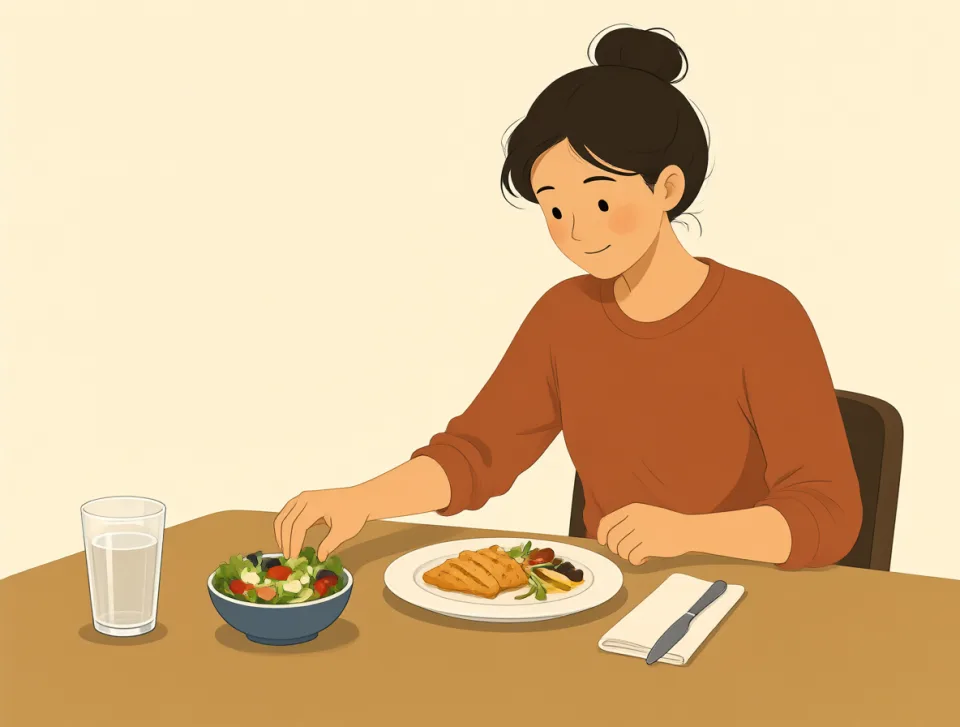
Put the salad on the side of my plate.
Proszę położyć sałatkę z boku mojego talerza.
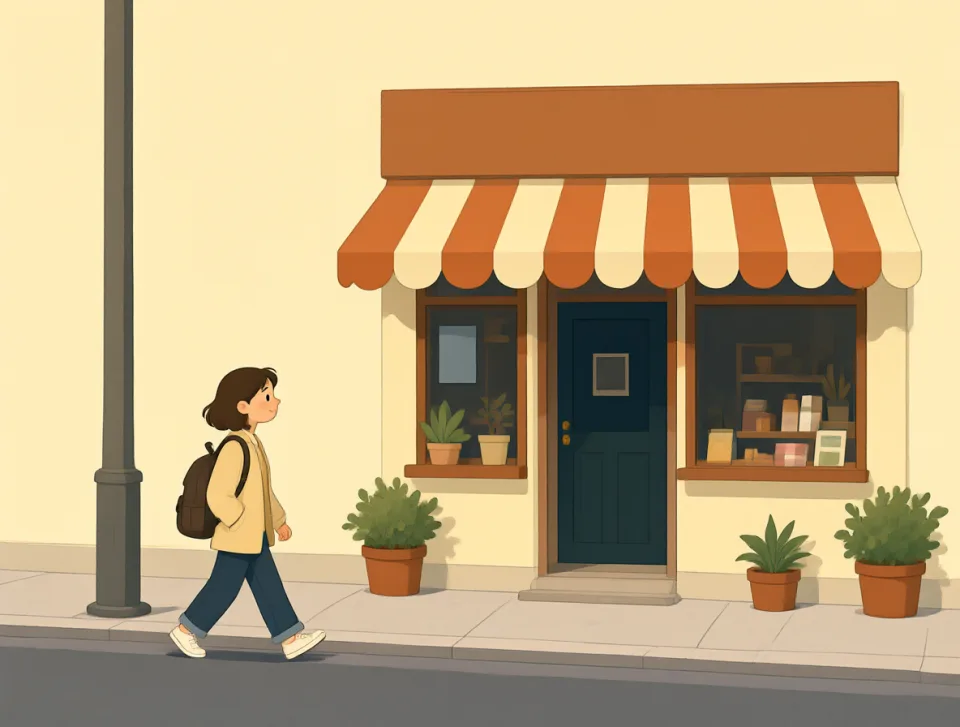
The shop is on the left side of the street.
Sklep znajduje się po lewej stronie ulicy.
quite
#277adverb
dość
To a fairly large degree; very or completely, depending on the context.
W znacznym stopniu; dość lub całkowicie, zależnie od kontekstu.
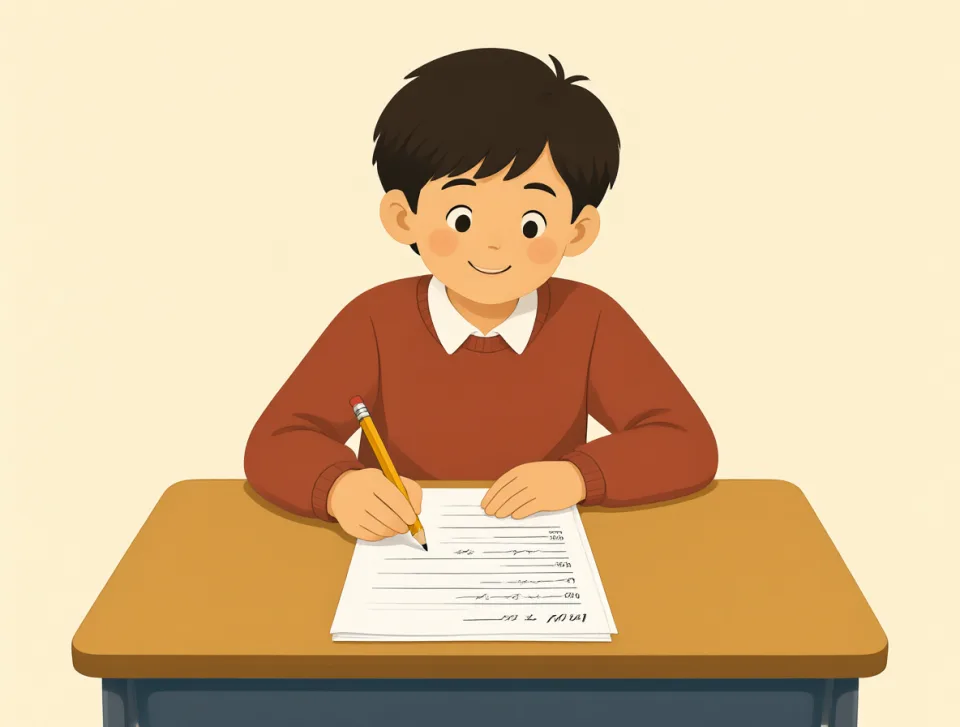
The test was quite easy.
Test był dość łatwy.
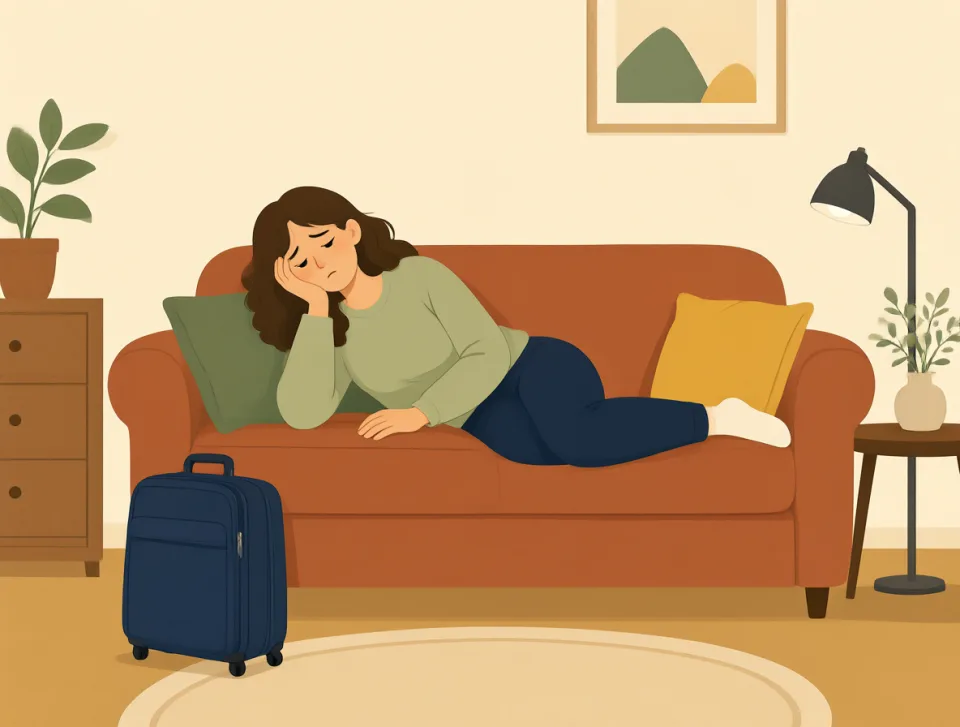
She is quite tired after work.
Po pracy jest dość zmęczona.
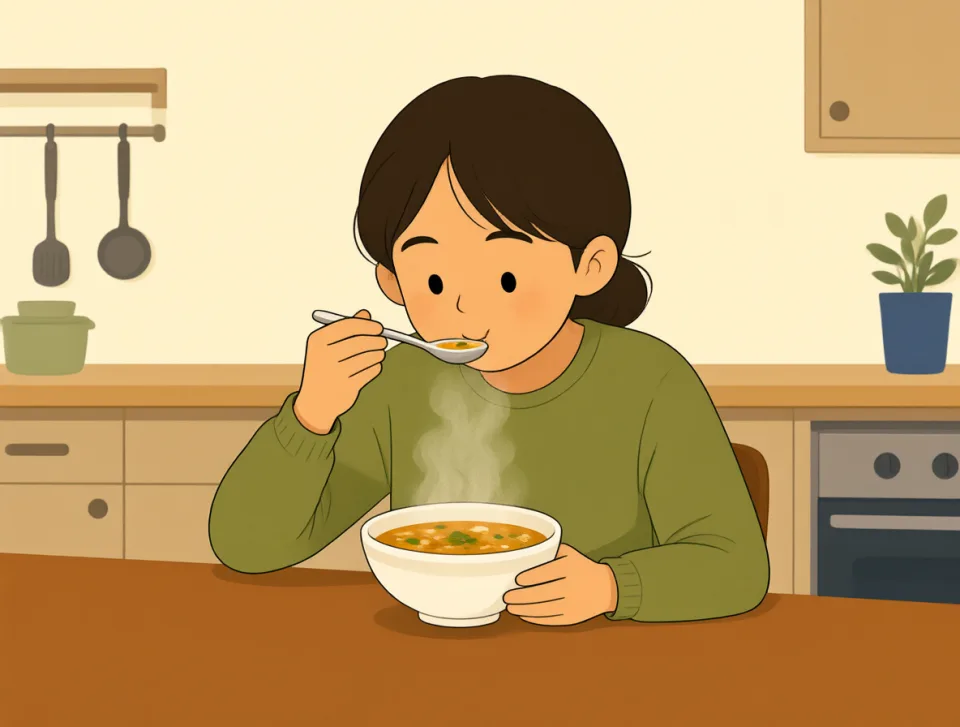
This soup is quite hot.
Ta zupa jest dość gorąca.
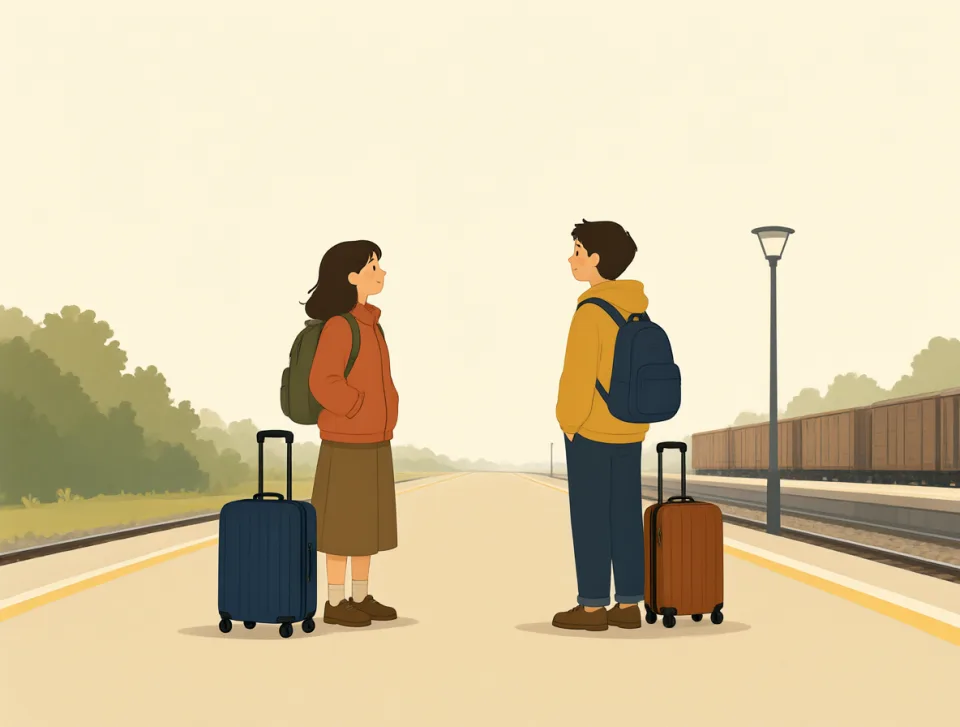
We arrived quite early for the train.
Przyjechaliśmy na pociąg dość wcześnie.

He quite likes his new teacher.
On całkiem lubi swojego nowego nauczyciela.
although
#278conjunction
chociaż
used to introduce a contrast or surprising fact
Służy do wprowadzenia kontrastu lub zaskakującego faktu.
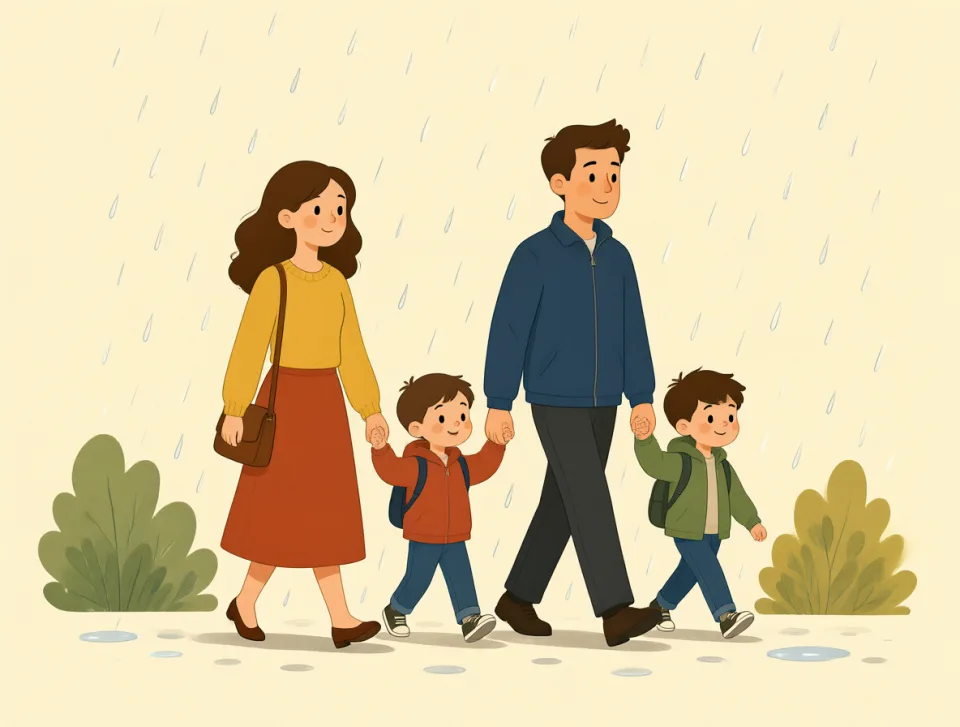
Although it was raining, we went for a walk.
Chociaż padało, poszliśmy na spacer.
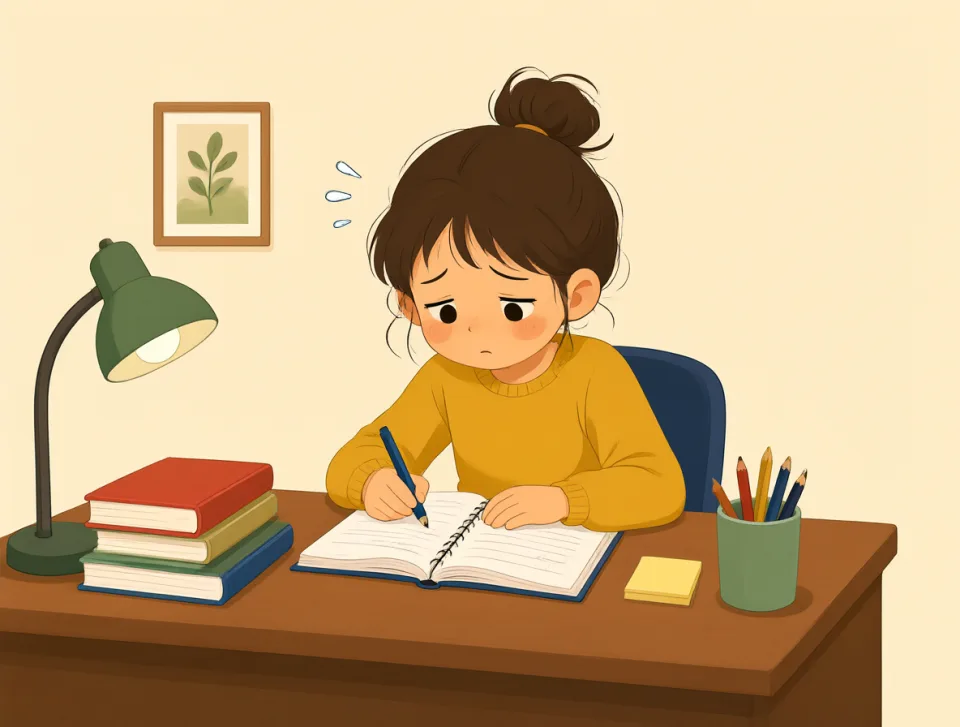
Although she was tired, she finished her homework.
Chociaż była zmęczona, odrobiła pracę domową.

Although the shirt was expensive, I bought it.
Chociaż ta koszula była droga, kupiłem ją.
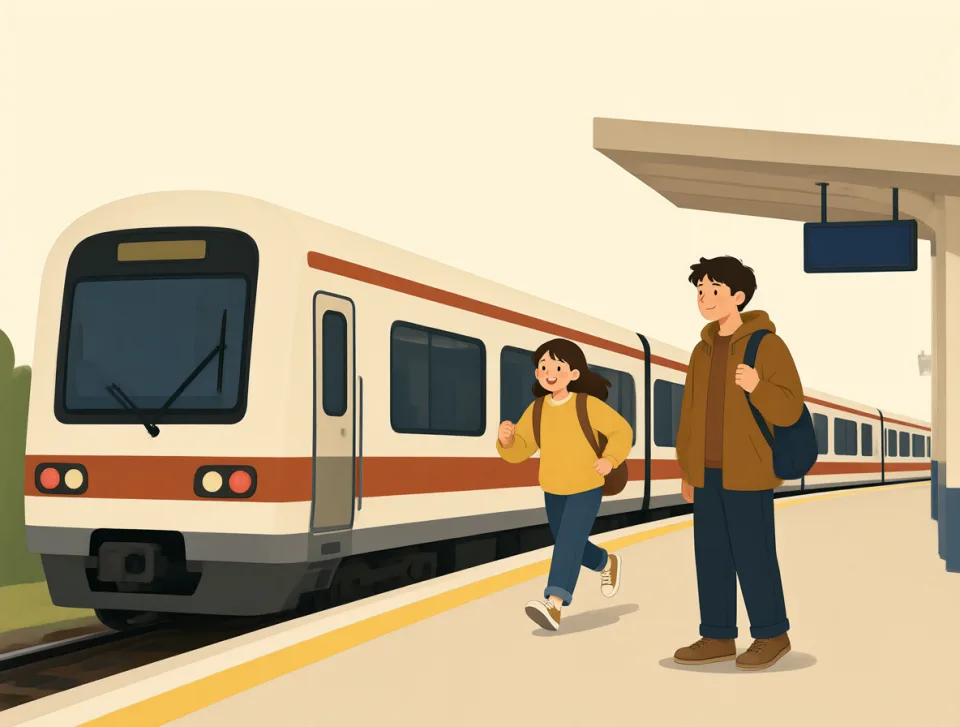
Although he missed the train, he arrived on time.
Chociaż spóźnił się na pociąg, dotarł na czas.
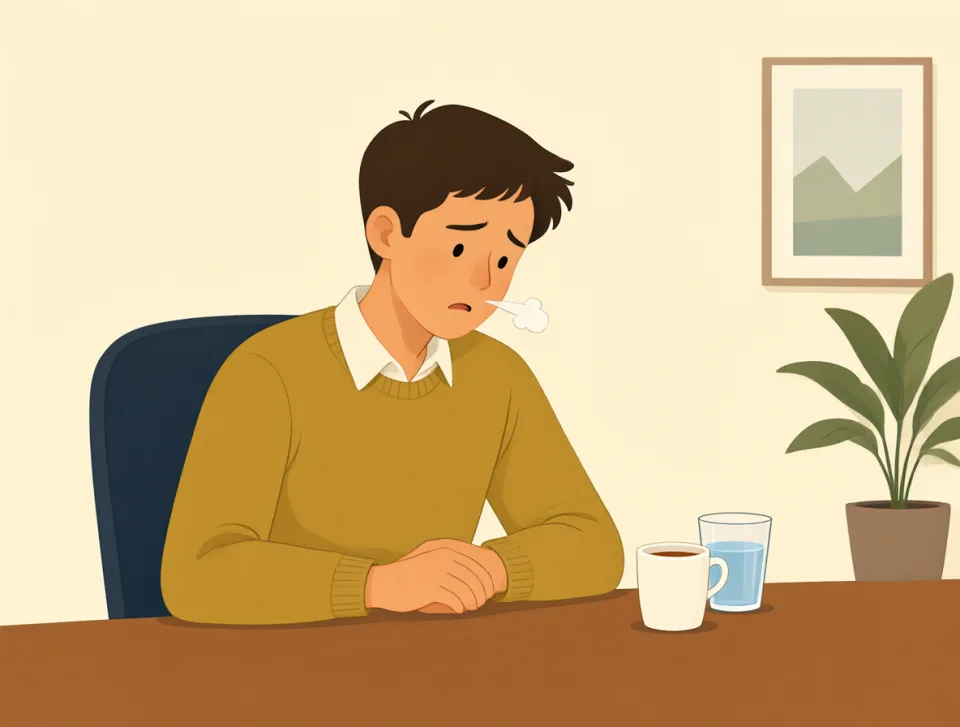
Although I was sick, I went to work.
Chociaż byłem chory, poszedłem do pracy.
sure
#279adjective, adverb
pewny
Certain to be true or likely to happen; used to agree or ask for agreement.
Pewny, że coś jest prawdą lub prawdopodobnie się wydarzy; używane, by się zgodzić lub zapytać o zgodę.
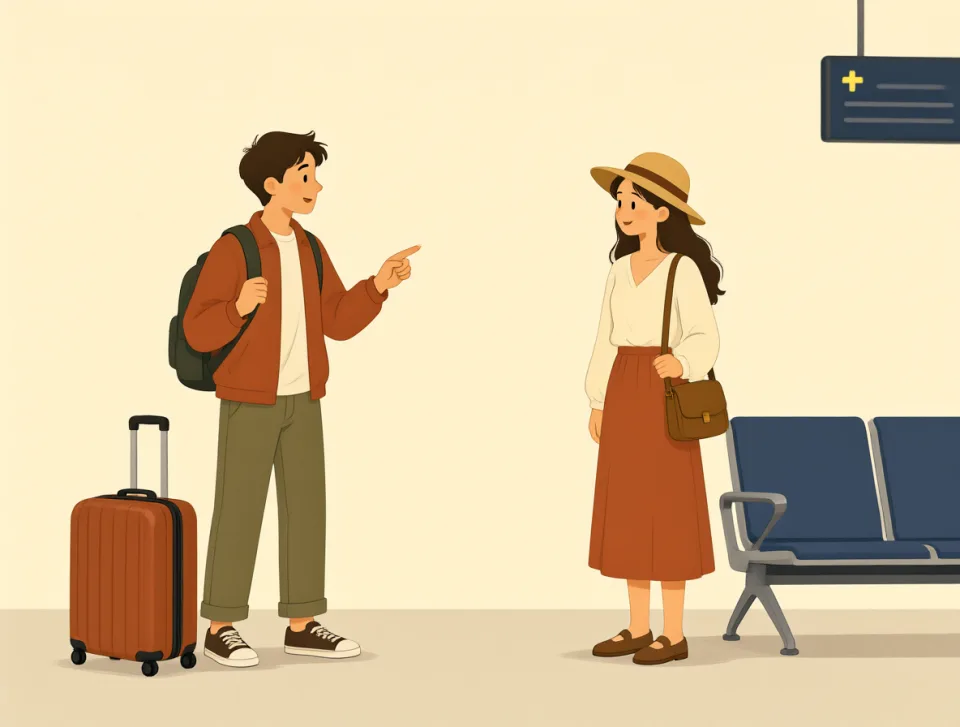
Are you sure this is your bag?
Czy na pewno to twoja torba?
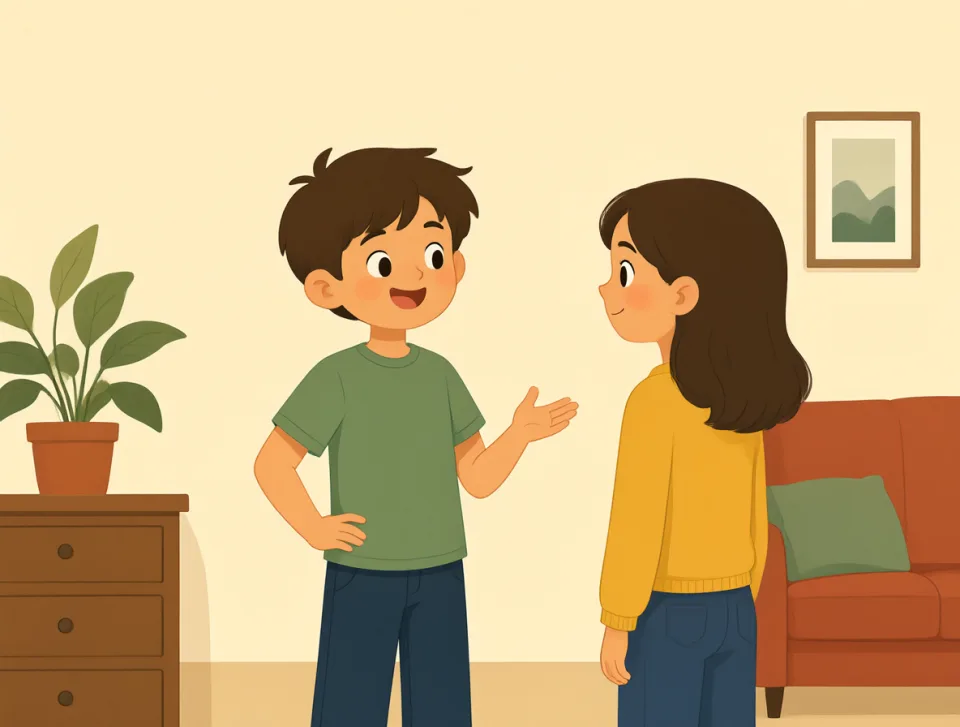
I am sure she will come.
Jestem pewien, że ona przyjdzie.

Sure, I can help you.
Jasne, mogę ci pomóc.
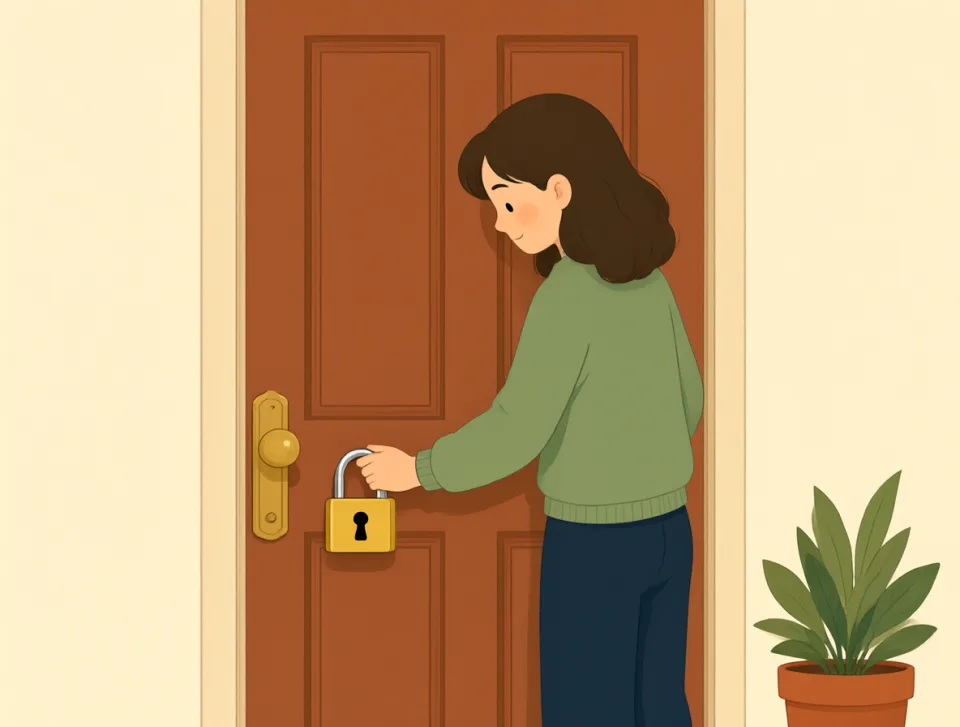
Make sure you lock the door.
Pamiętaj, żeby zamknąć drzwi na klucz.
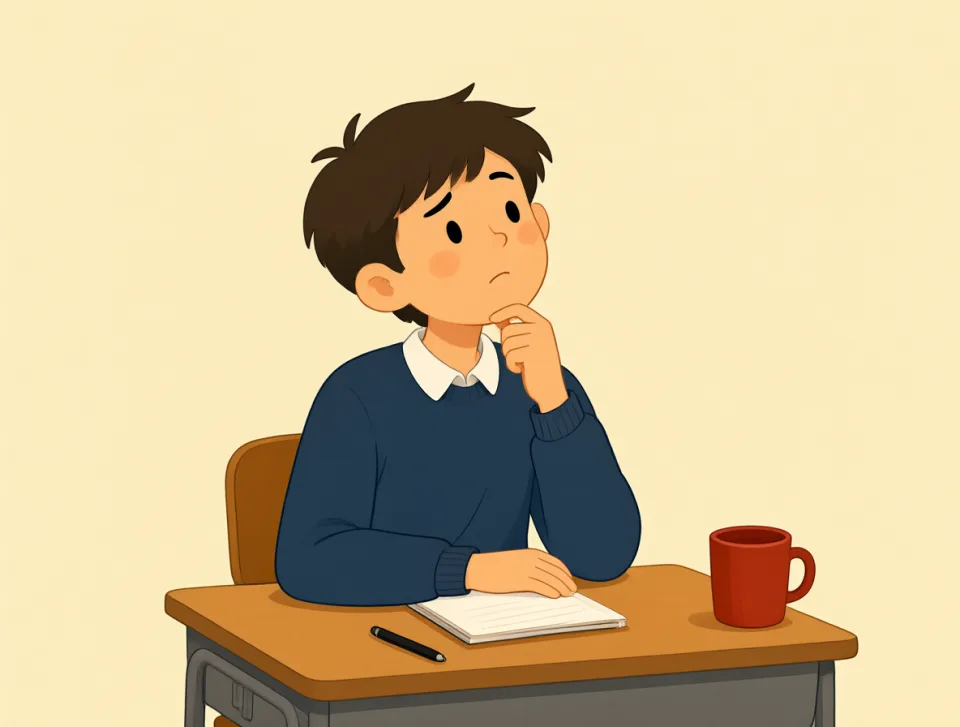
He is not sure about the answer.
Nie jest pewien odpowiedzi.
term
#280noun, verb
termin
A word or phrase, a fixed period, or a condition in an agreement.
Słowo lub wyrażenie, określony czas albo warunek umowy.
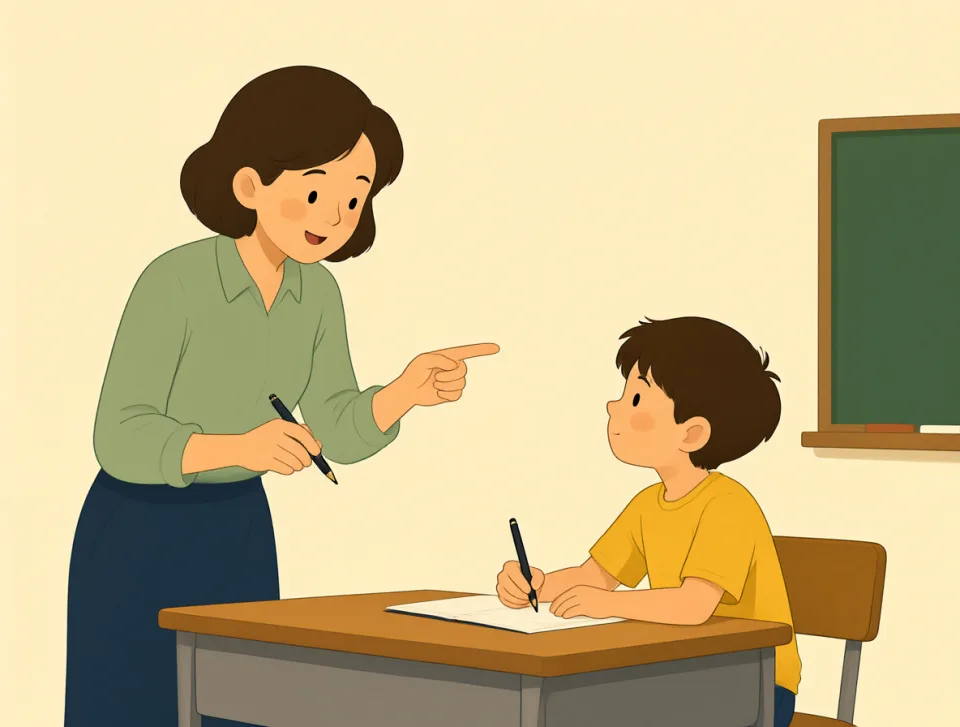
Please explain this term in simple English.
Proszę wyjaśnić ten termin prostym językiem angielskim.
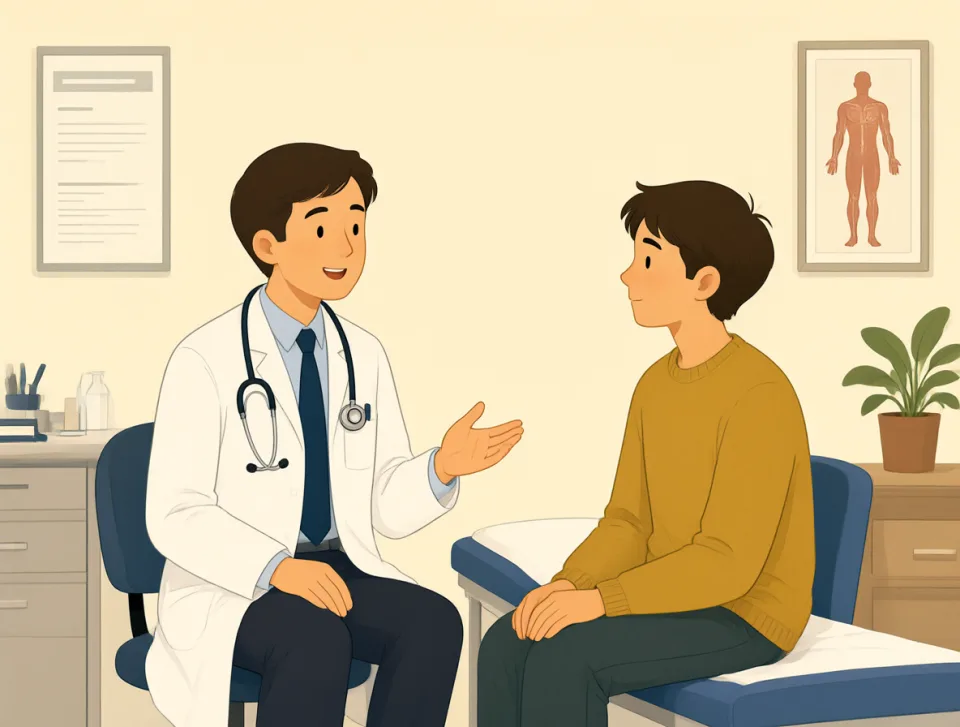
The doctor used a medical term I knew.
Lekarz użył znanego mi terminu medycznego.
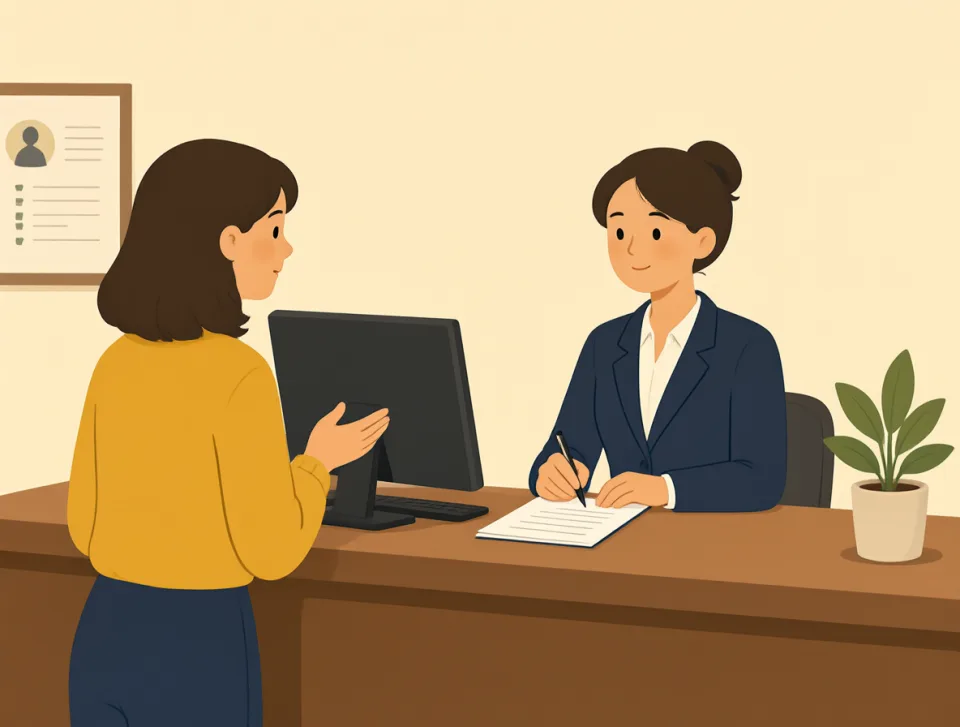
The loan must be paid in monthly terms.
Pożyczkę trzeba spłacać w miesięcznych ratach.
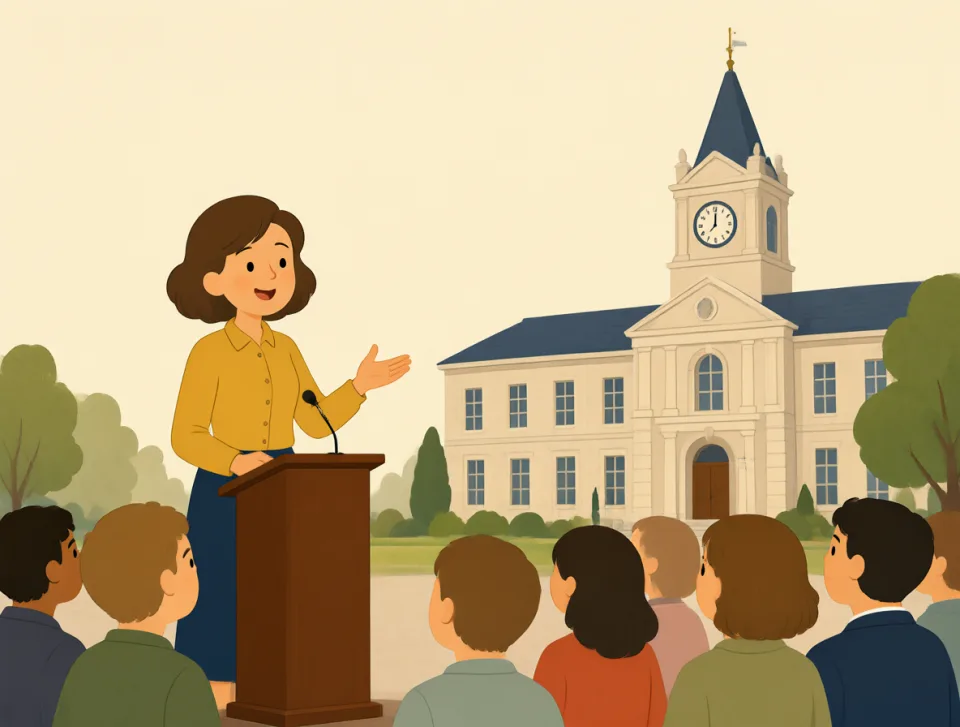
She served a two-year term as mayor.
Przez dwa lata pełniła funkcję burmistrzyni.
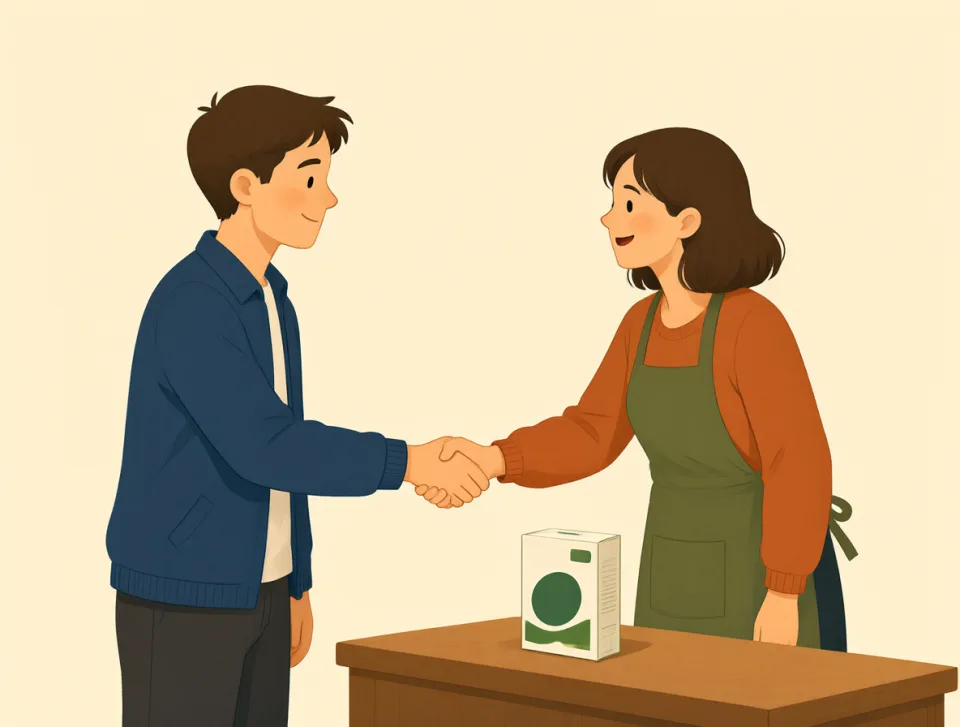
They agreed to the terms of the sale.
Zgodzili się na warunki sprzedaży.