Zestaw 16
Słowa 301–320 · control, already, concern, product, lose, story
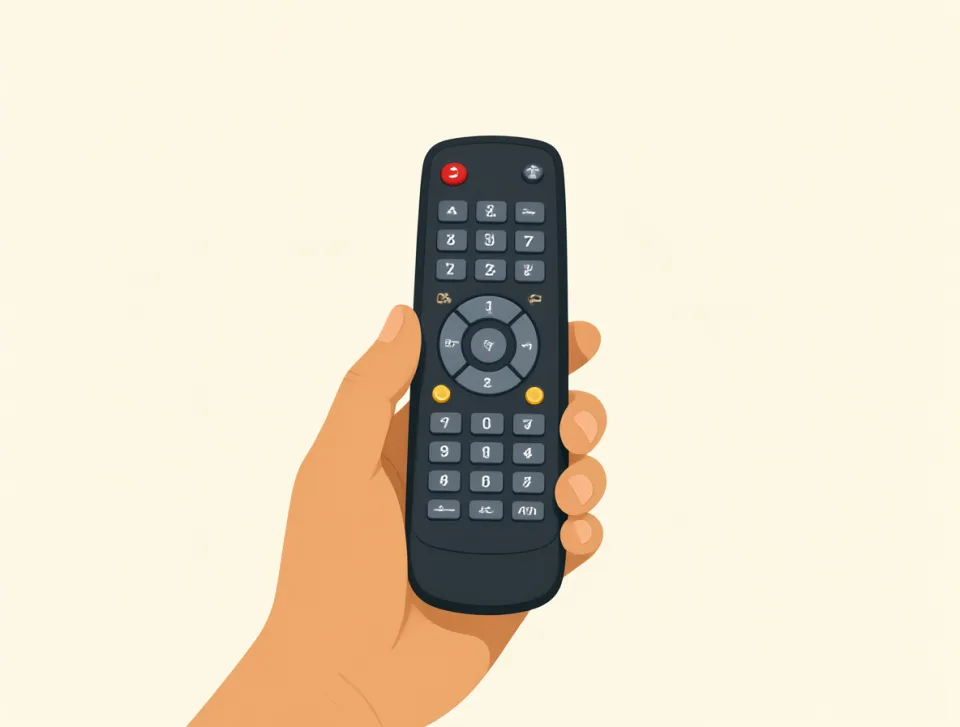
control
#301noun, verb
kontrola
The power to direct people or manage what happens.
Możliwość kierowania ludźmi lub decydowania o tym, co się dzieje.
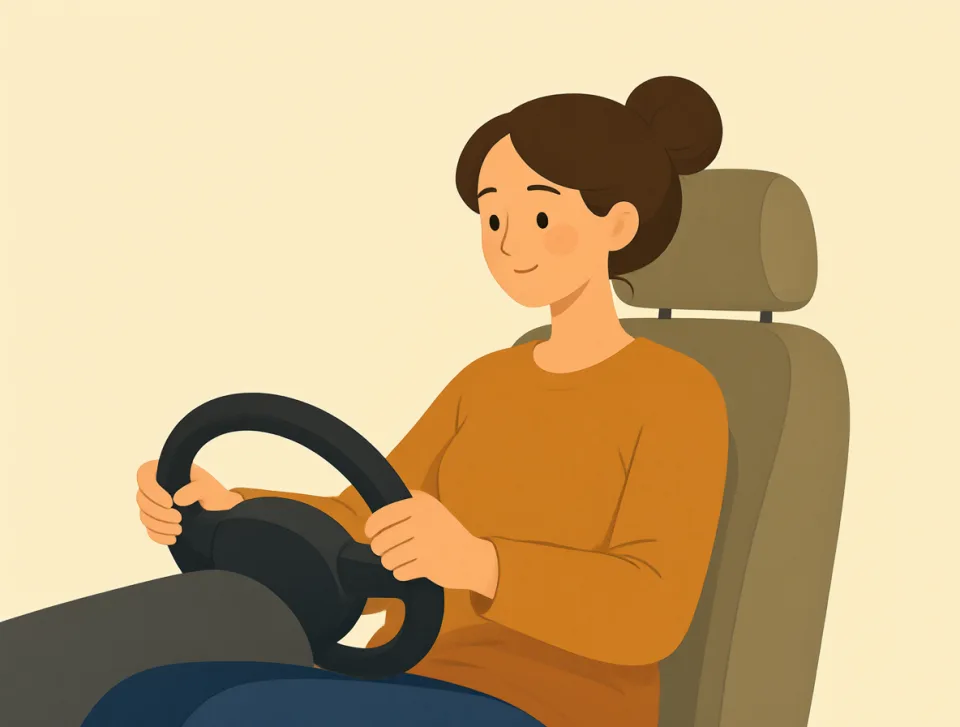
She is in control of the car.
Ona prowadzi samochód.
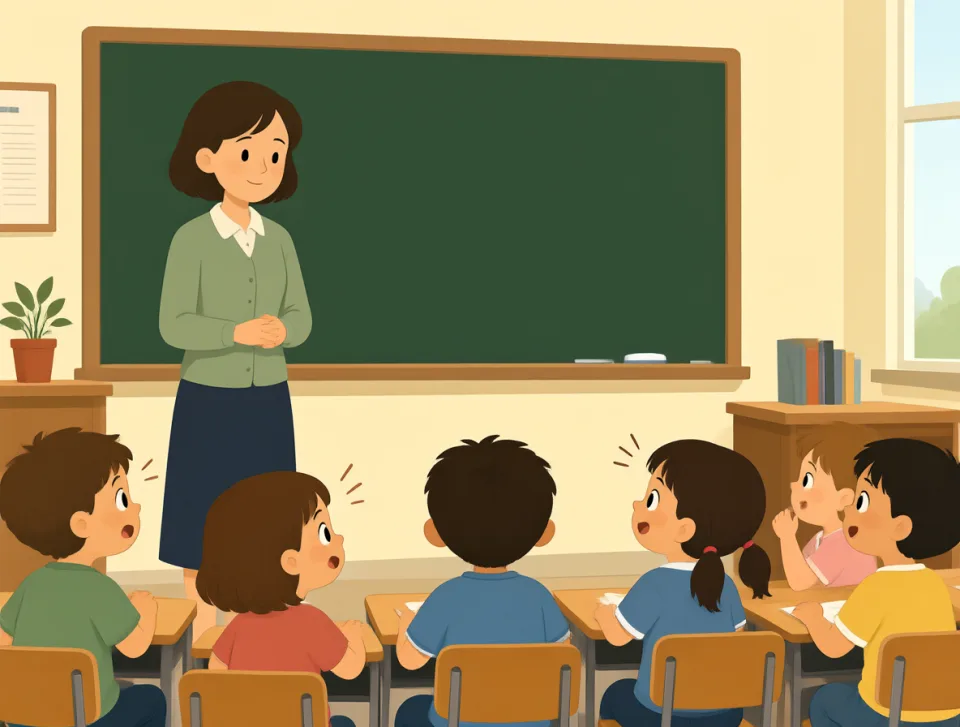
The teacher controls the noisy classroom.
Nauczyciel panuje nad hałaśliwą klasą.
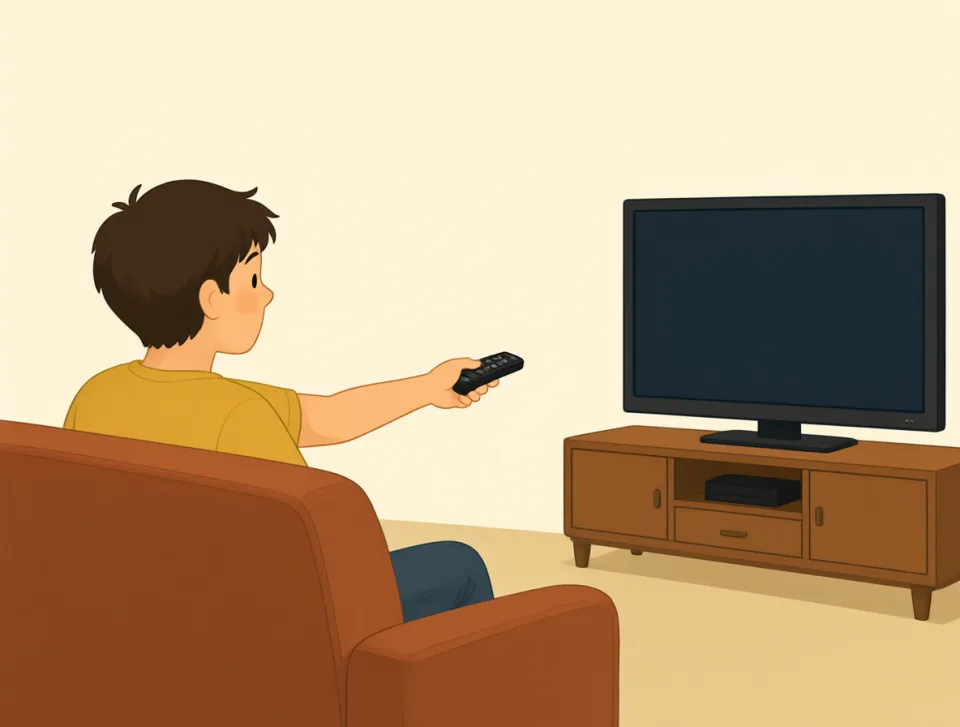
Use the remote control to change channels.
Użyj pilota, żeby zmienić kanał.
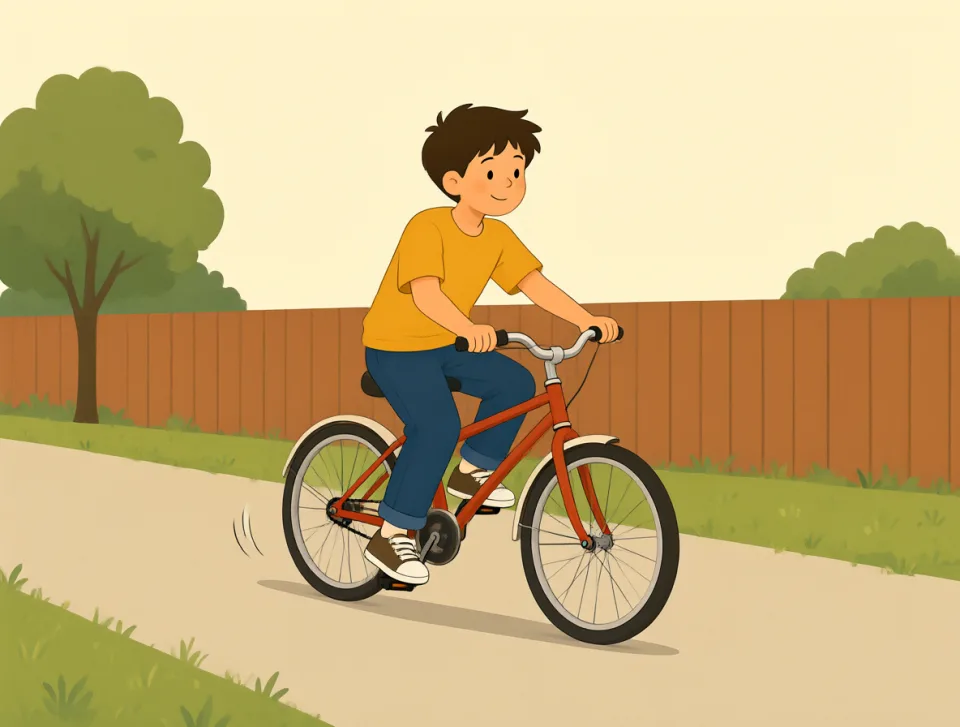
He lost control of his bike.
Stracił panowanie nad rowerem.
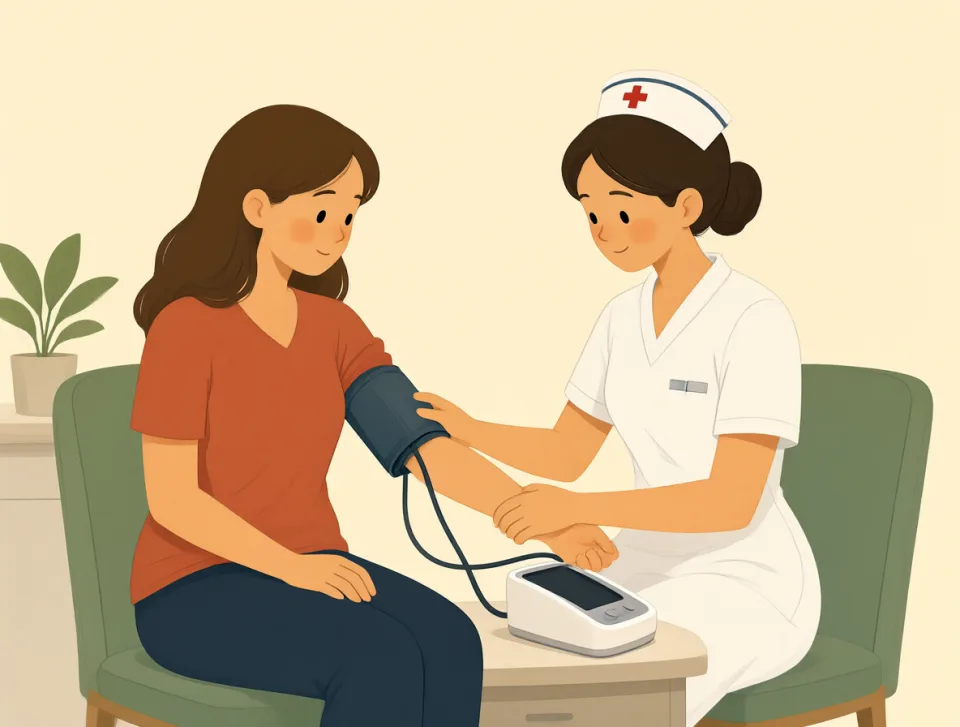
The nurse checked her blood pressure control.
Pielęgniarka sprawdziła, czy jej ciśnienie krwi jest pod kontrolą.
already
#302adverb
już
before now or before a particular time
przed chwilą lub przed określonym momentem
I have already eaten breakfast.
Już zjadłem śniadanie.
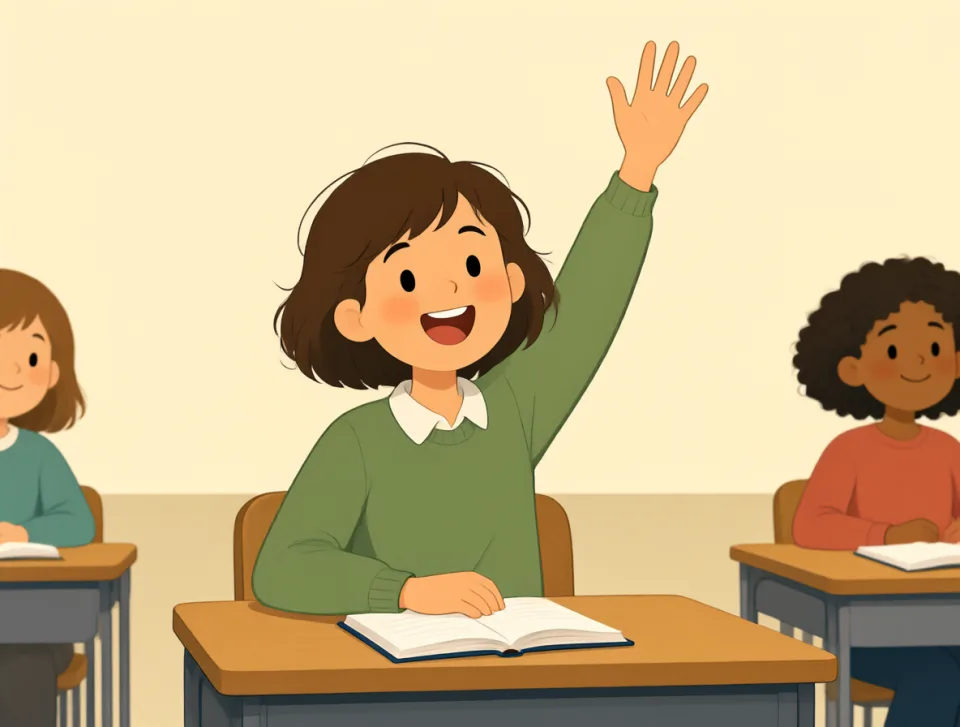
She already knows the answer.
Ona już zna odpowiedź.
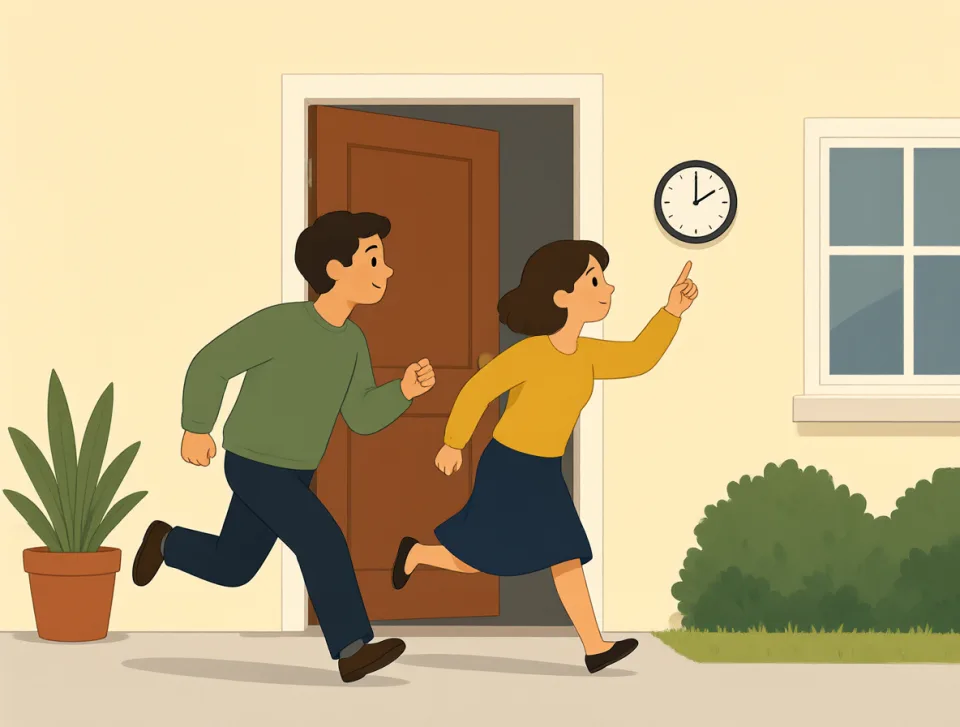
We are already late for work.
Już spóźniamy się do pracy.
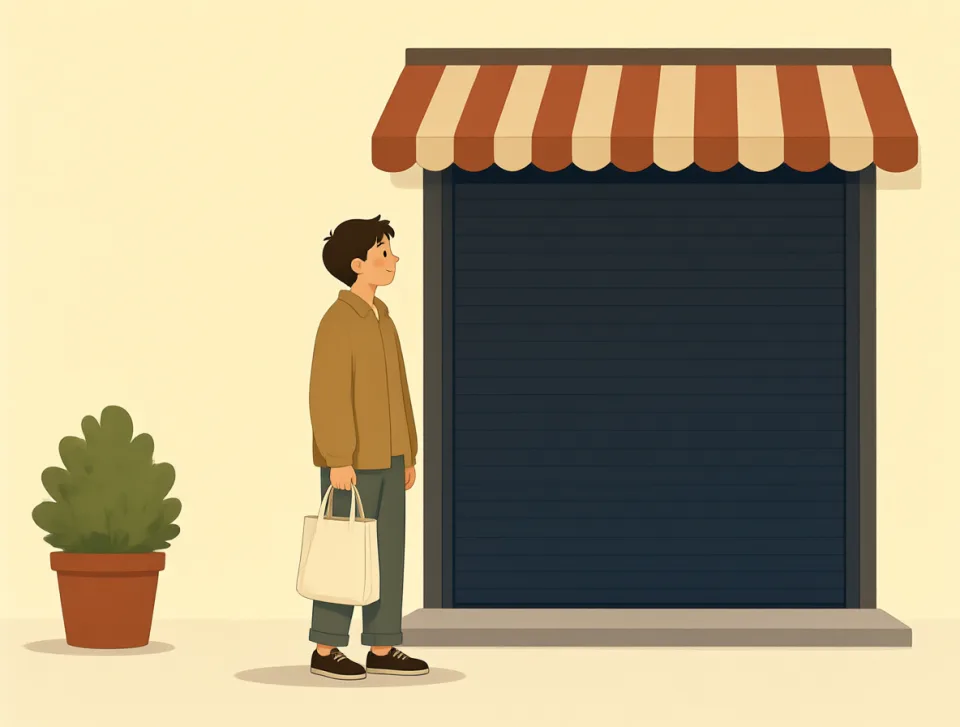
The store has already closed.
Sklep już się zamknął.
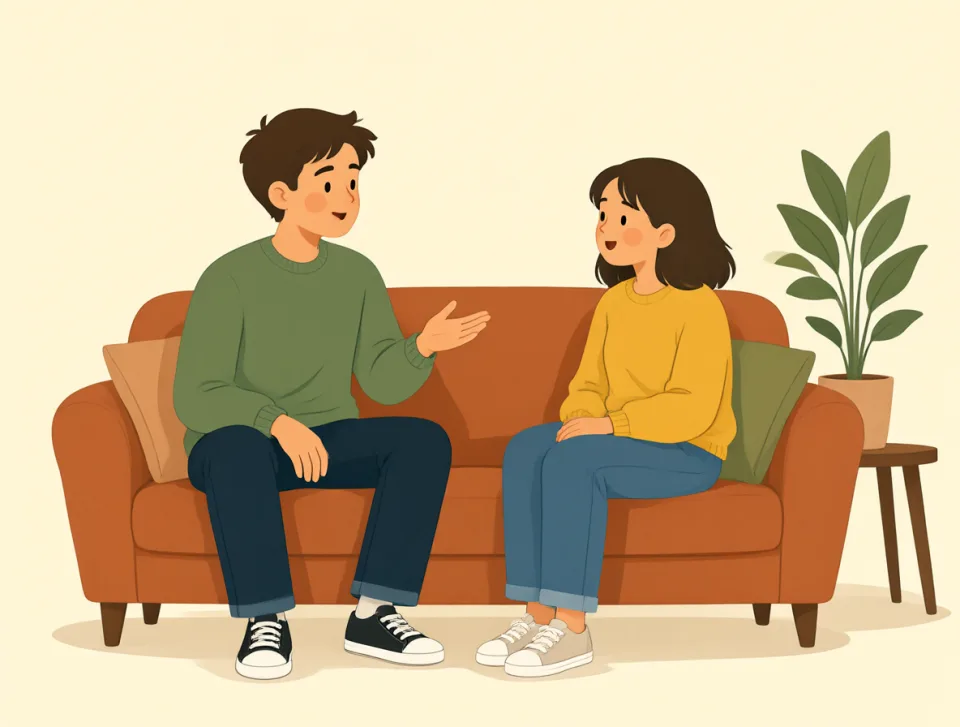
Have you already seen this movie?
Czy już widziałeś ten film?
concern
#303noun, verb
zmartwienie; martwić
a worry or problem, or to make someone feel worried
Zmartwienie lub problem albo sprawienie, że ktoś zaczyna się martwić.
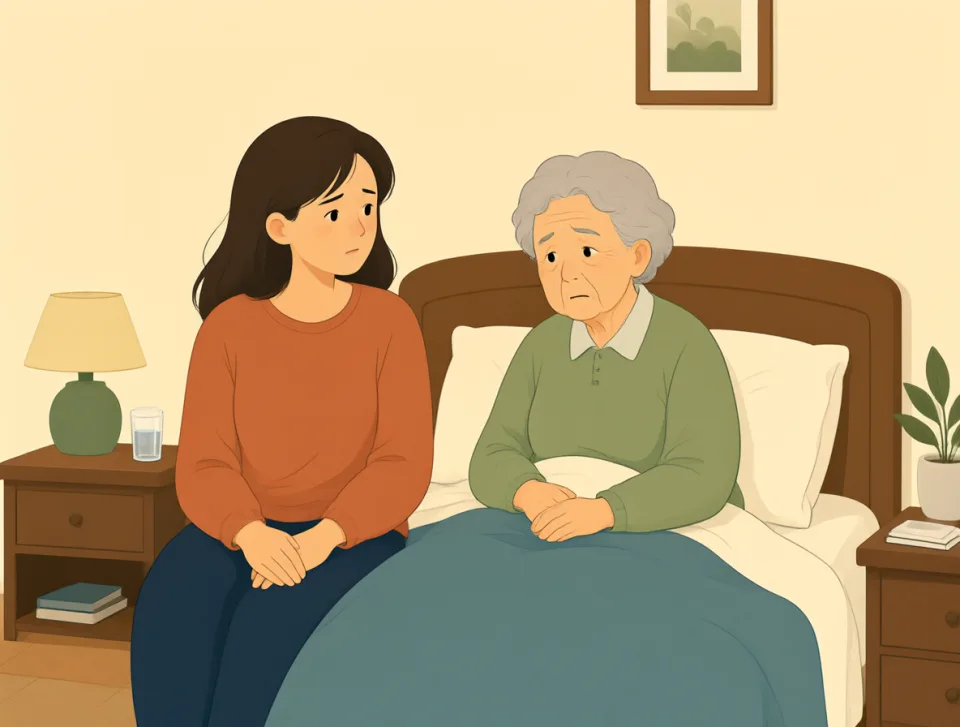
Her main concern is her sick mother.
Najbardziej martwi ją chora matka.
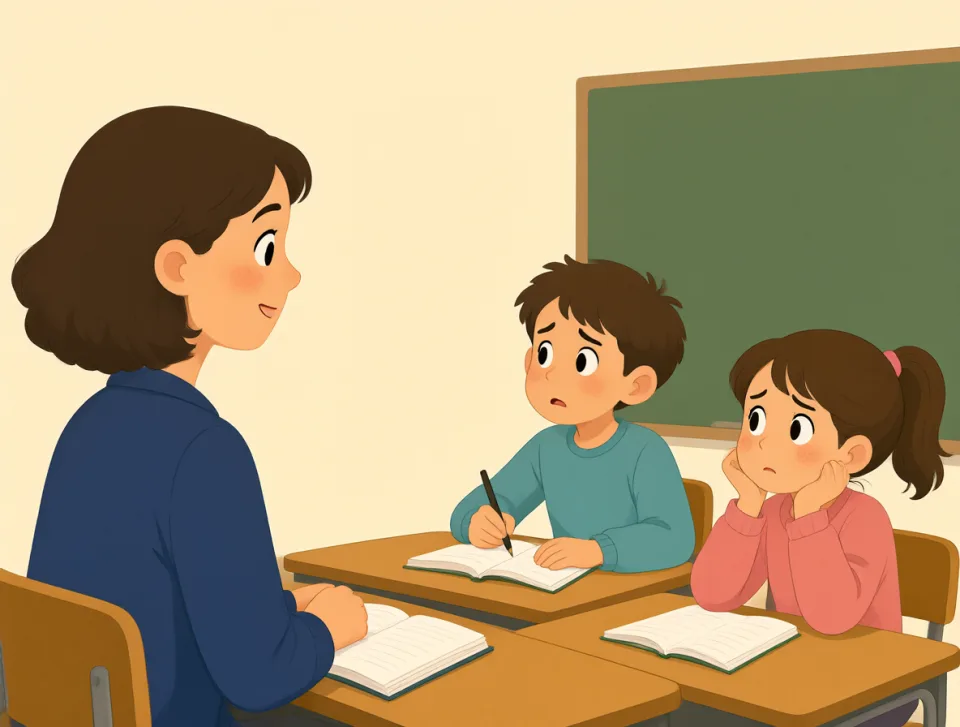
The teacher listened to our concerns.
Nauczyciel wysłuchał naszych obaw.
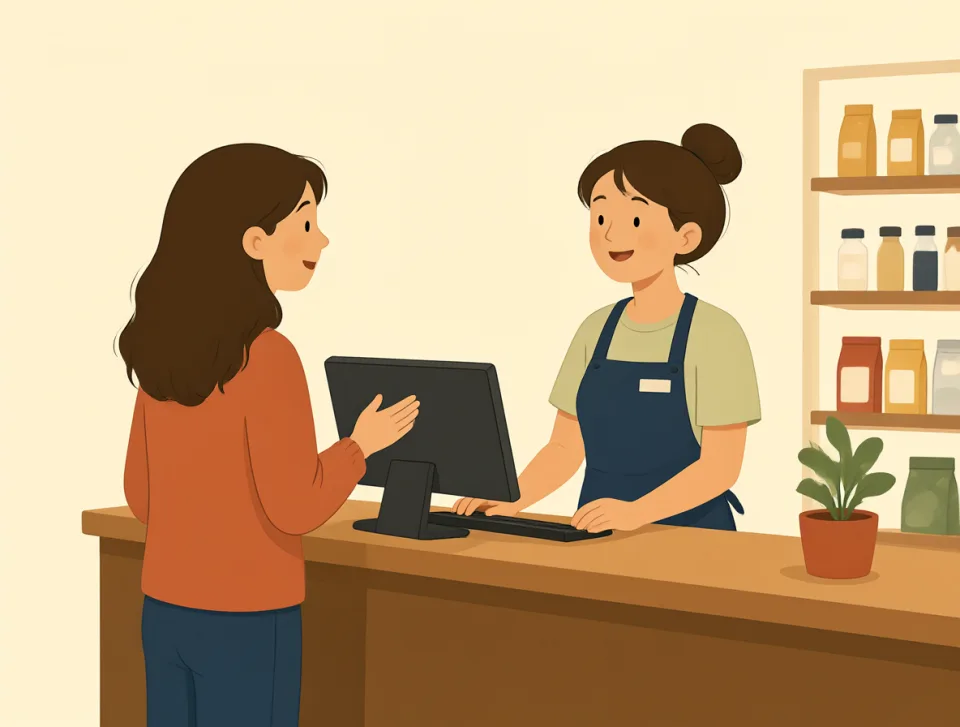
Please contact us if you have any concerns.
Prosimy o kontakt, jeśli mają Państwo jakieś wątpliwości.
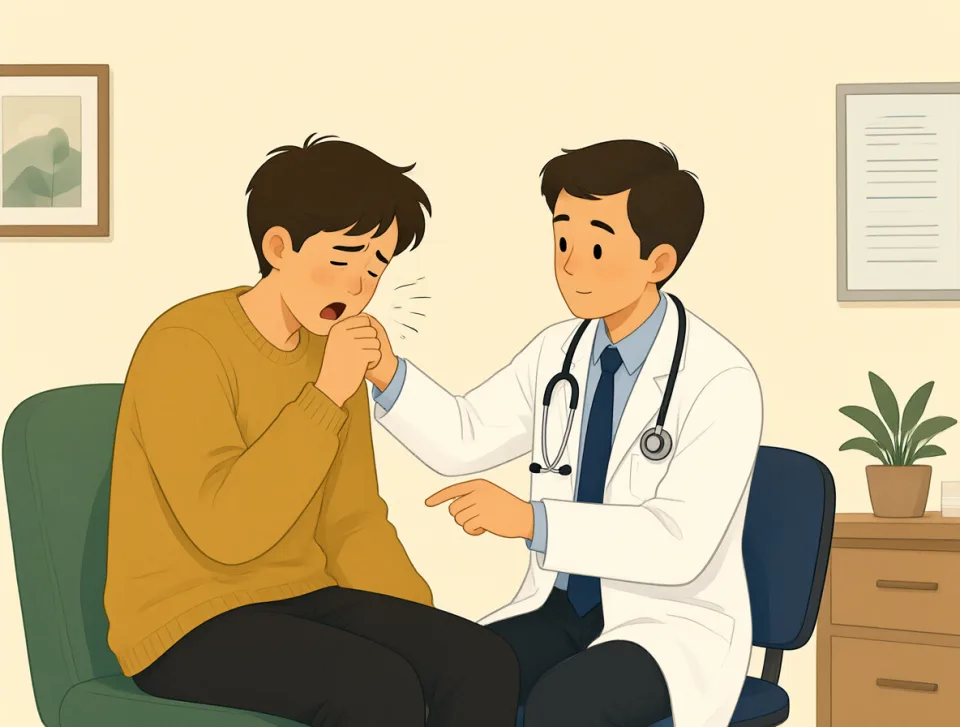
His sudden cough concerned his doctor.
Jego nagły kaszel zaniepokoił lekarza.
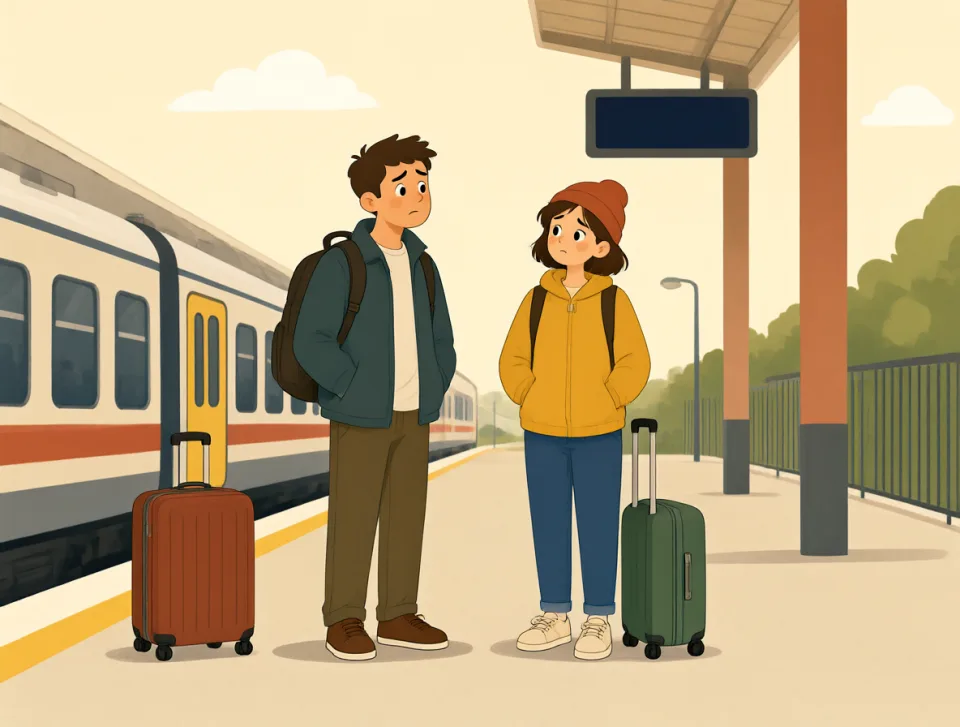
We are concerned about the late train.
Martwimy się opóźnionym pociągiem.
product
#304noun
produkt
Something made or grown to be sold or used.
Coś, co zostało wyprodukowane lub wyhodowane, by to sprzedać albo wykorzystać.
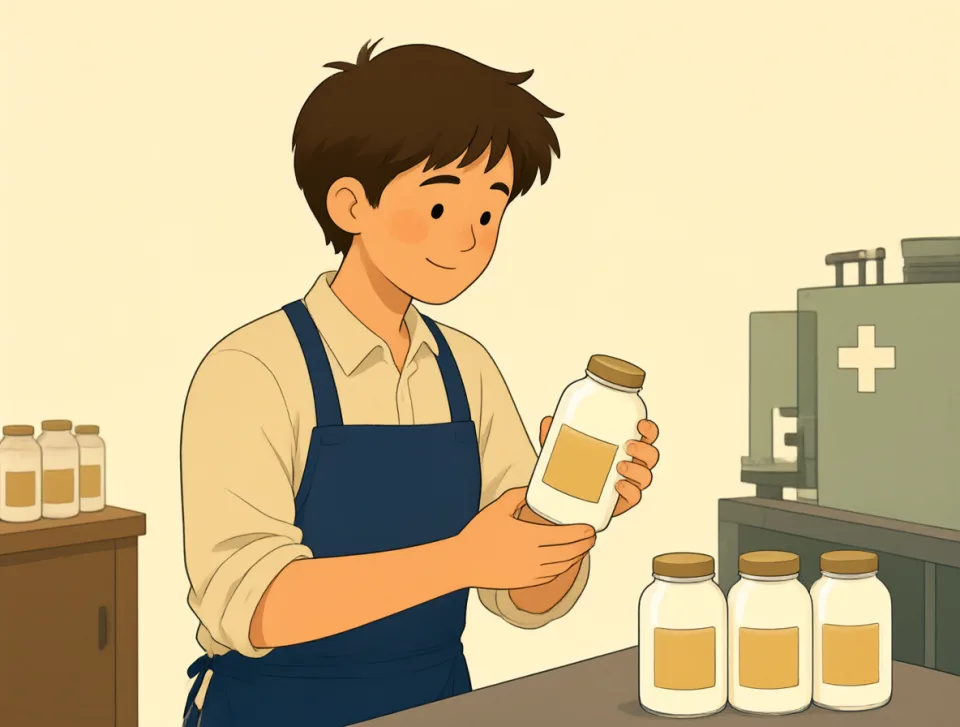
This product is made from natural ingredients.
Ten produkt jest wytwarzany z naturalnych składników.
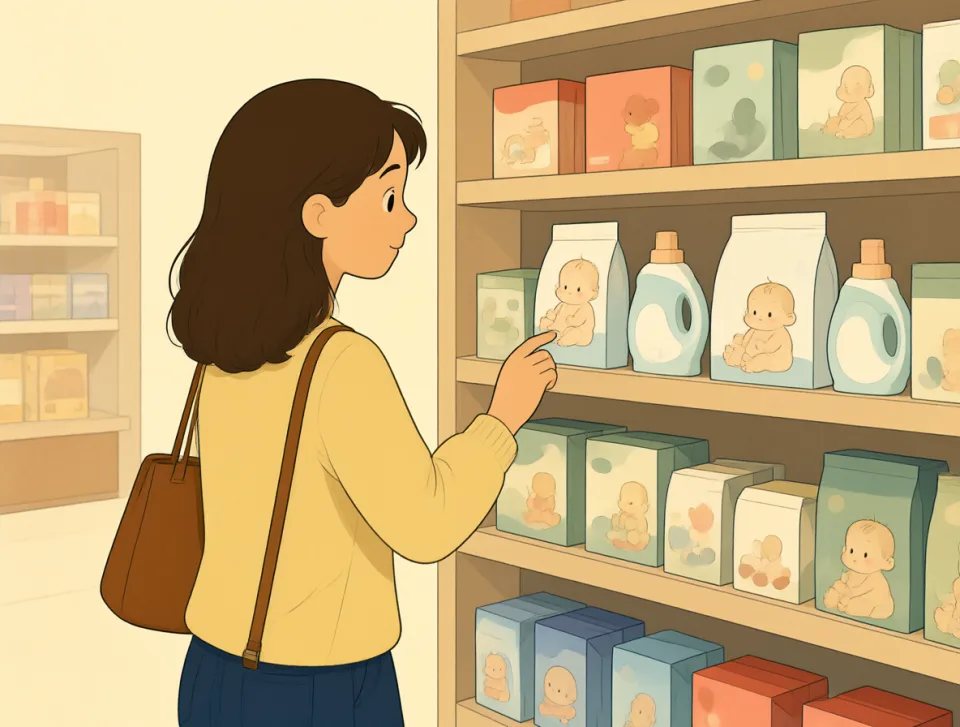
The store sells products for babies.
Sklep sprzedaje produkty dla niemowląt.
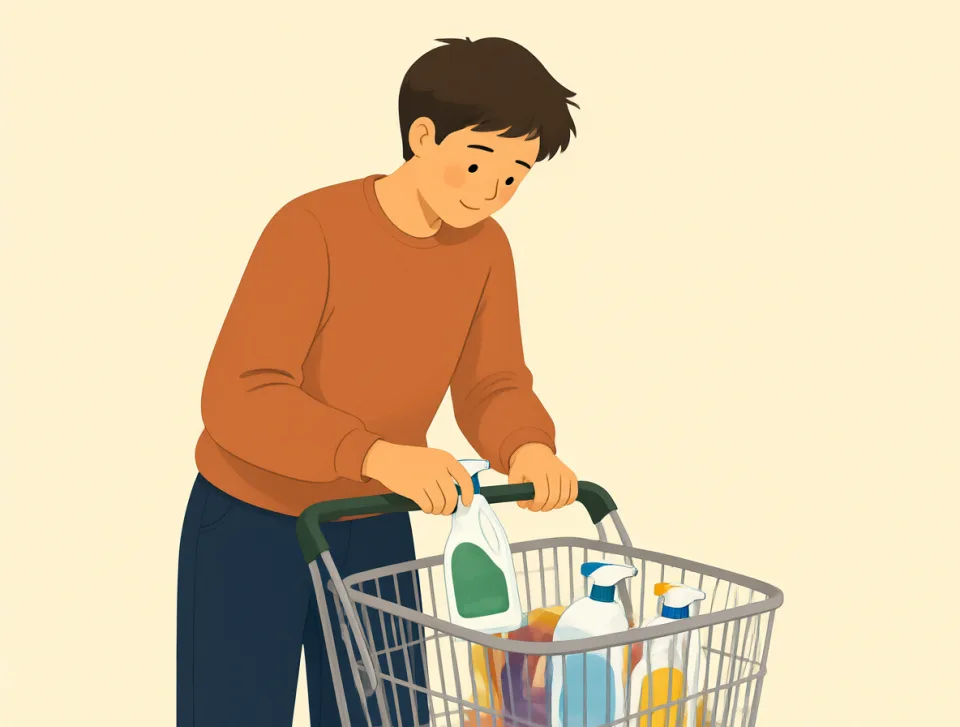
I bought a new cleaning product yesterday.
Wczoraj kupiłem nowy środek czyszczący.
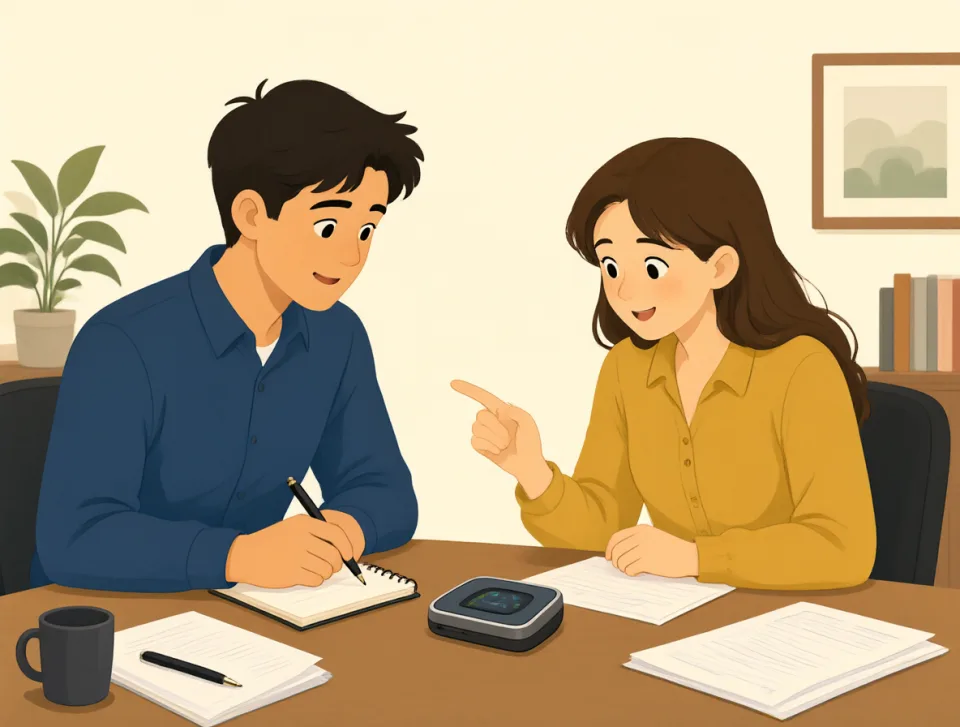
Our team is developing a new product.
Nasz zespół opracowuje nowy produkt.
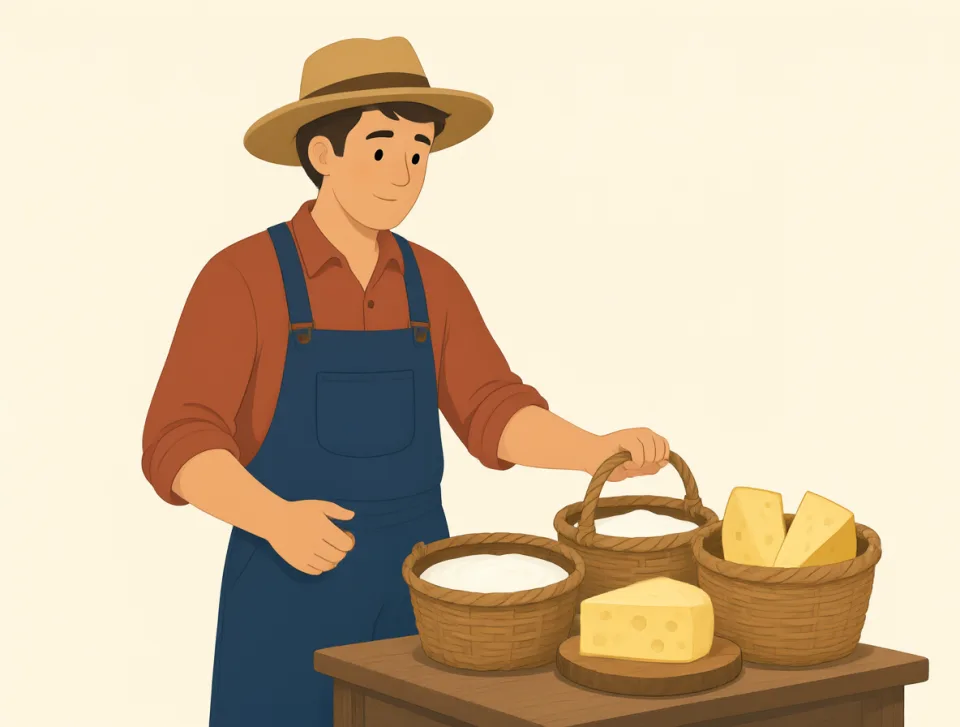
This farm produces fresh dairy products.
To gospodarstwo produkuje świeże wyroby mleczne.
lose
#305verb
zgubić; stracić
to no longer have something because it is gone, taken, or forgotten
Przestać coś mieć, bo to zaginęło, zostało zabrane lub się o tym zapomniało.
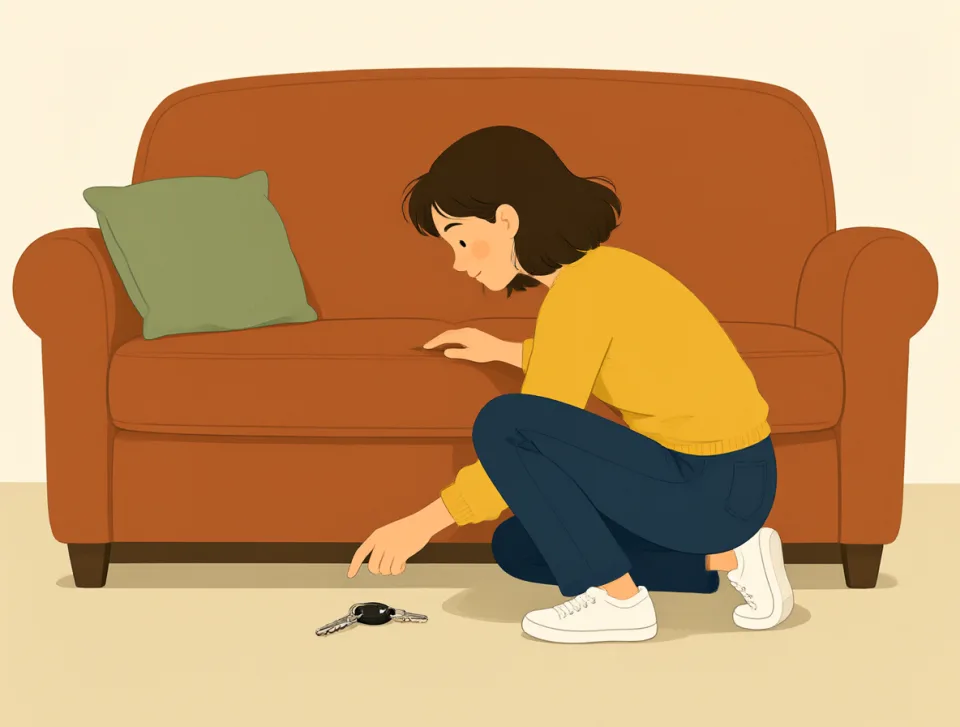
I often lose my keys at home.
Często gubię klucze w domu.
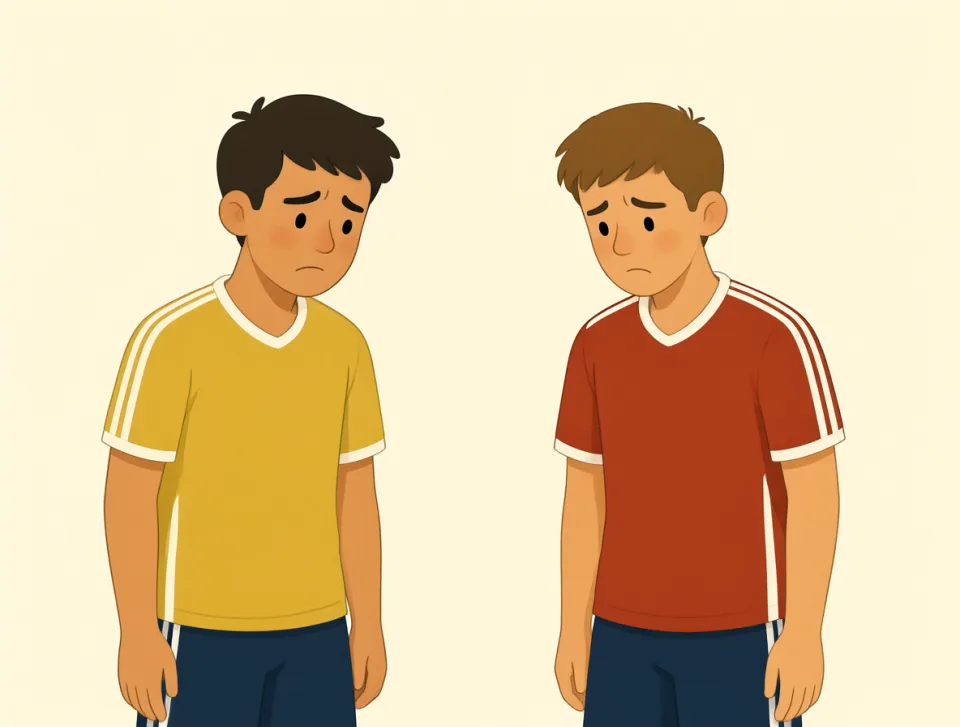
Our team lost the game yesterday.
Wczoraj nasza drużyna przegrała mecz.
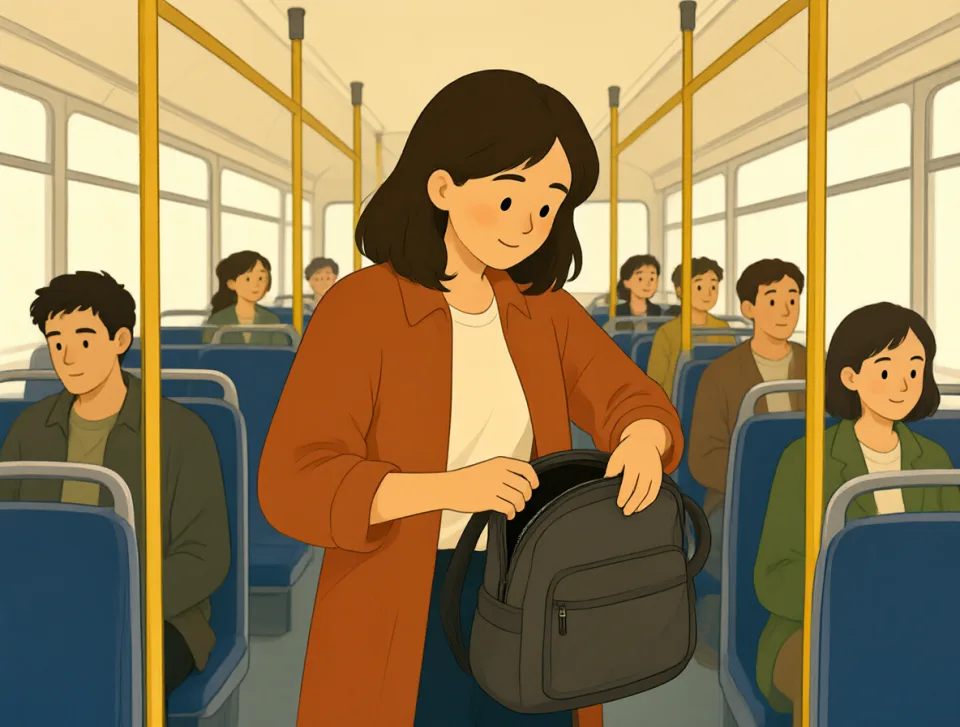
She lost her wallet on the bus.
Zgubiła portfel w autobusie.
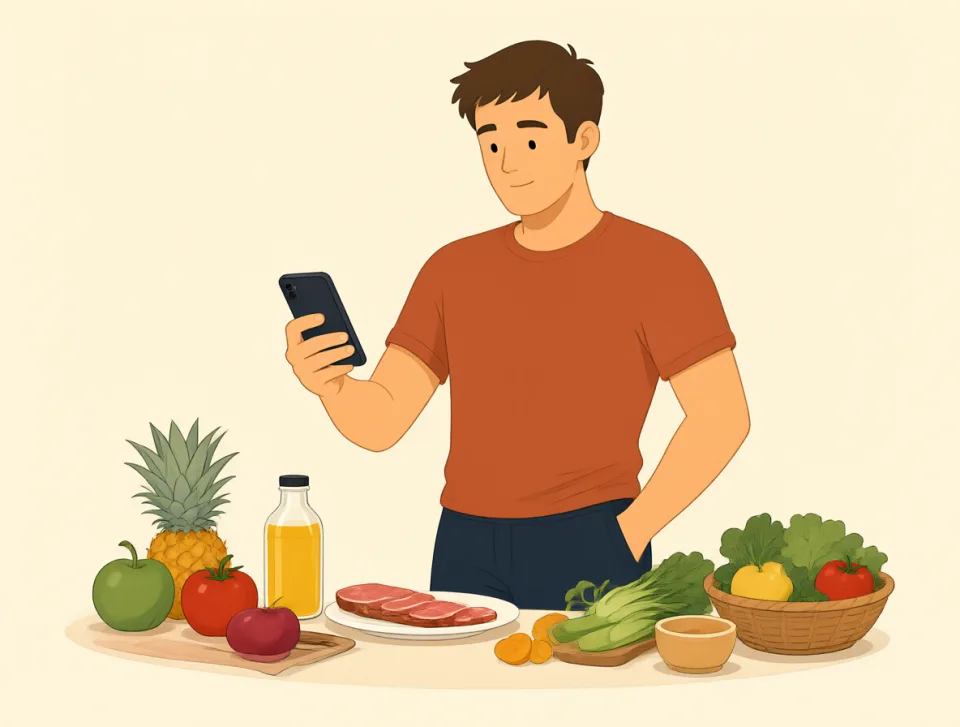
He is losing weight with healthy food.
Chudnie, jedząc zdrowe produkty.
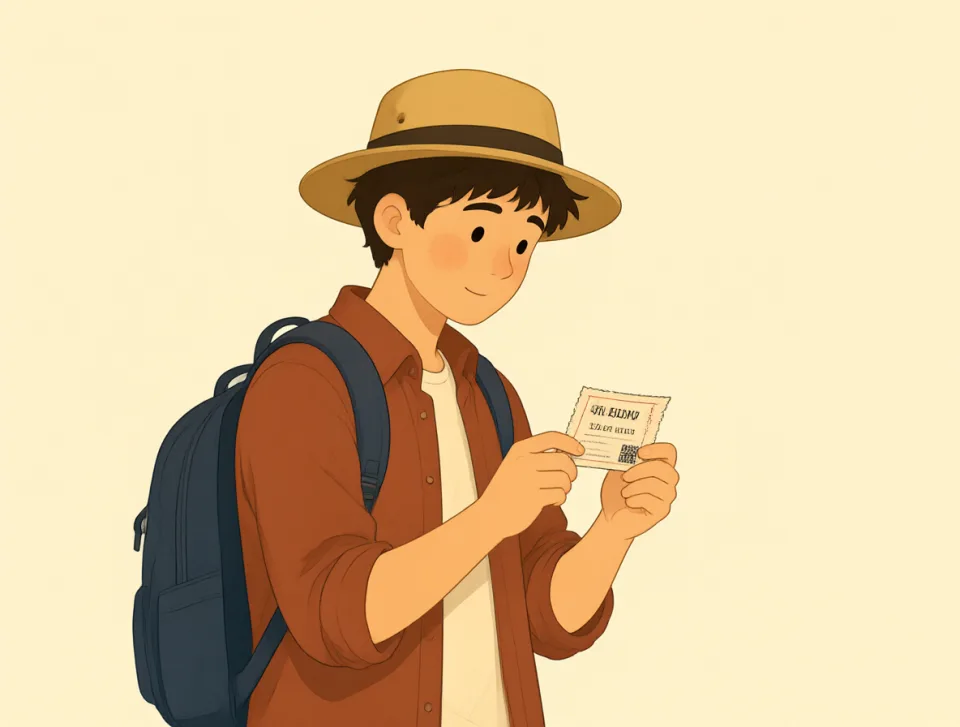
Do not lose your ticket at the airport.
Nie zgub biletu na lotnisku.
story
#306noun
opowieść
A description of events, real or imagined, told to entertain or inform people.
Opis prawdziwych lub wymyślonych wydarzeń, opowiedziany po to, by bawić lub informować.
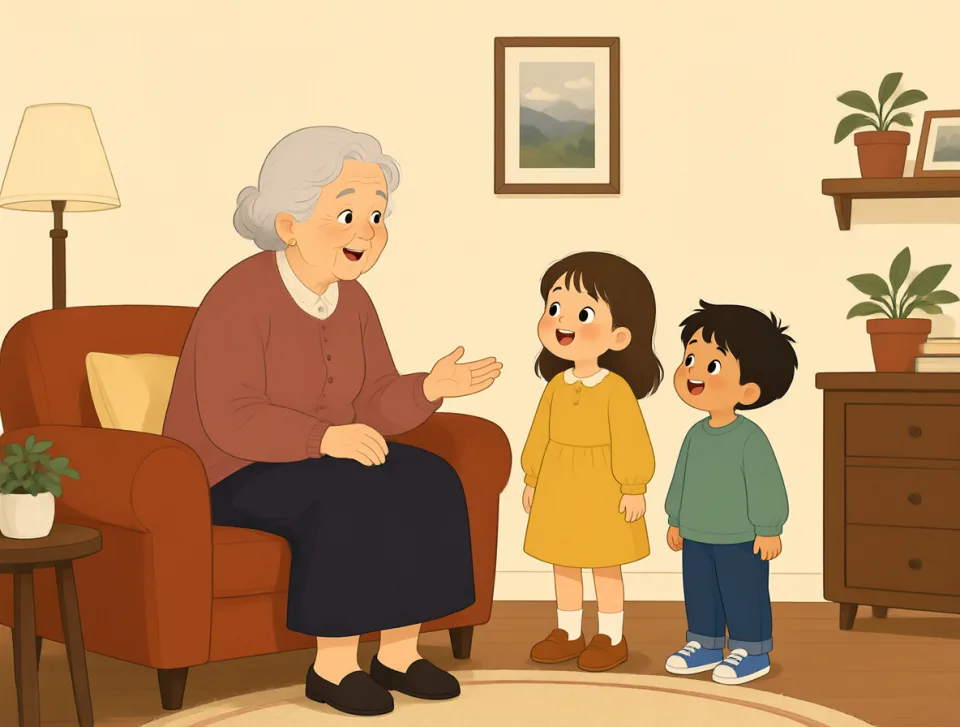
Grandma told us a funny story.
Babcia opowiedziała nam zabawną historię.
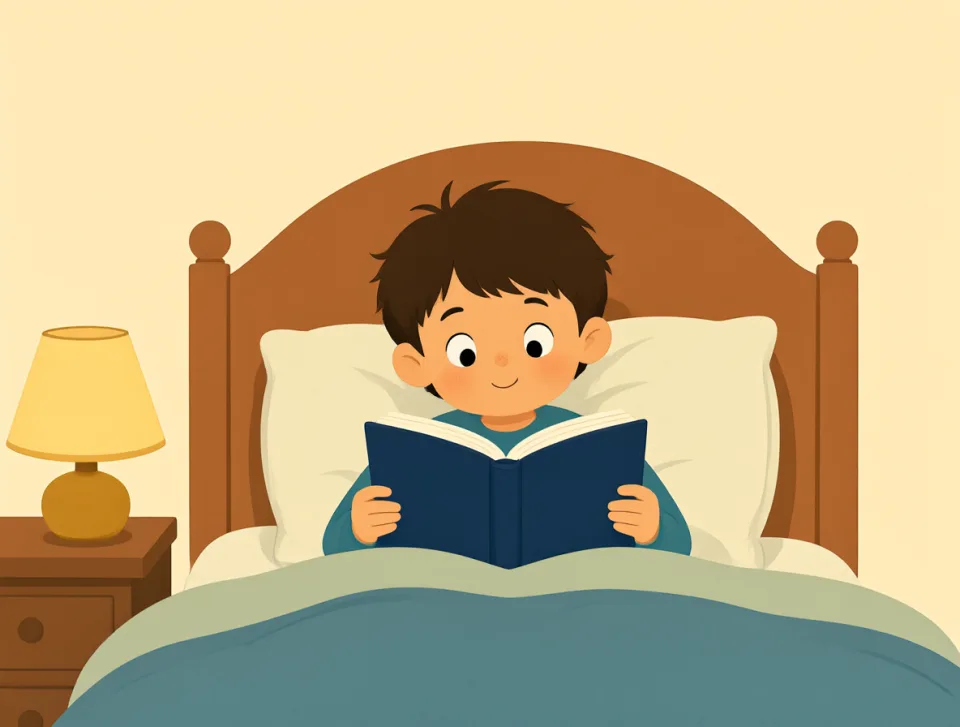
I read a story before bed.
Przed snem czytam opowiadanie.
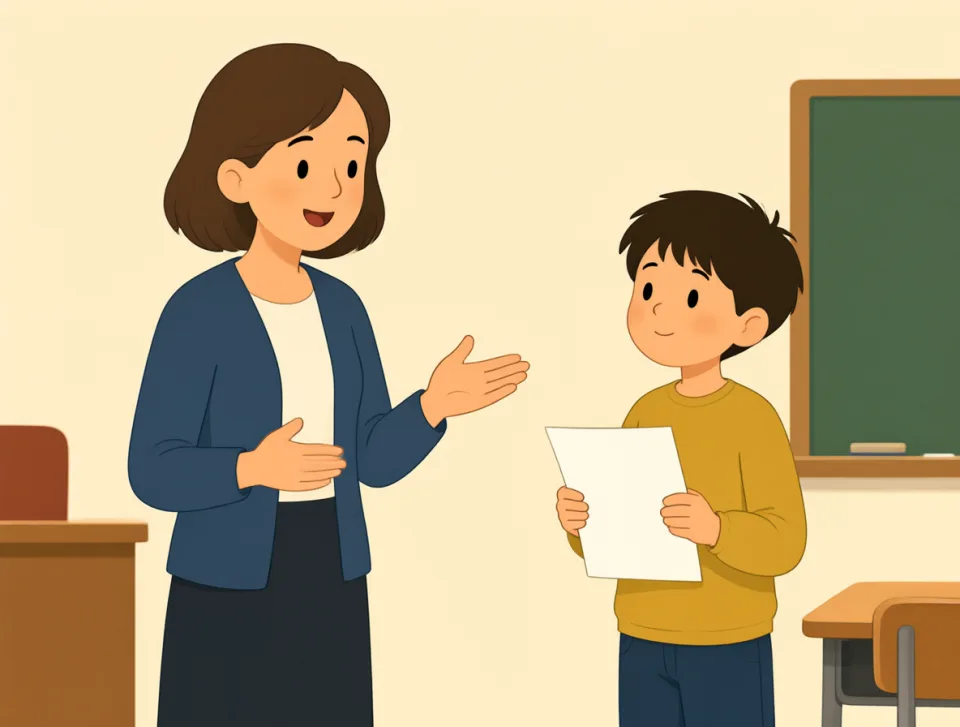
The teacher asked for a short story.
Nauczyciel poprosił o krótkie opowiadanie.

He shared his travel story with friends.
Opowiedział znajomym o swojej podróży.
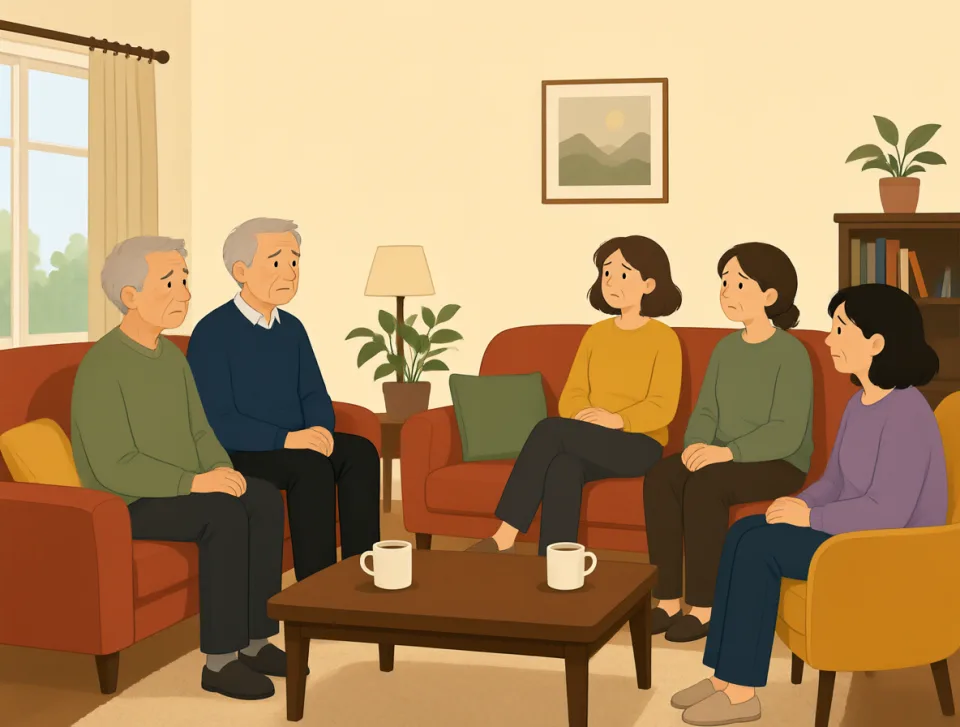
The news story made everyone worried.
Ta wiadomość zaniepokoiła wszystkich.
almost
#307adverb
prawie
Nearly, but not completely or quite.
Niemal, ale nie całkowicie ani w pełni.
I almost missed the bus this morning.
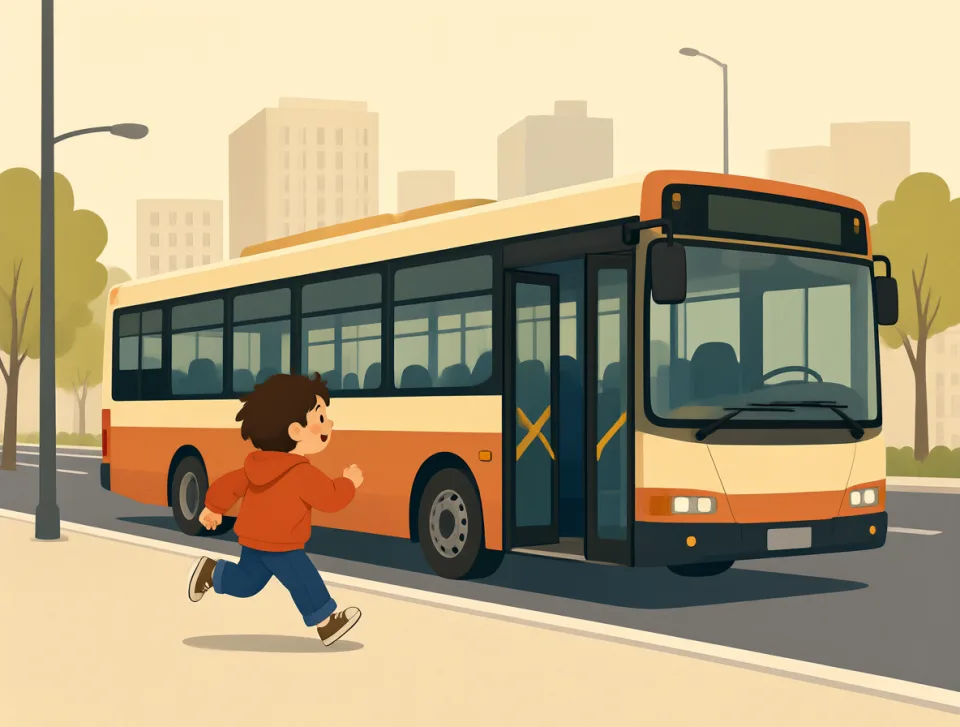
Dziś rano o mało nie spóźniłem się na autobus.
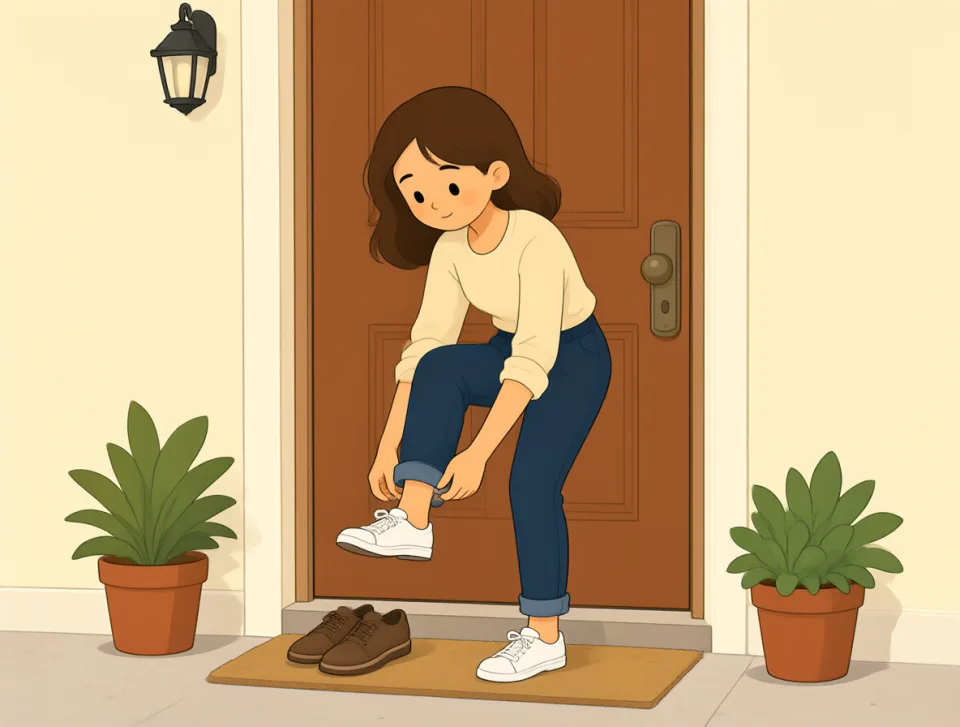
She is almost ready to leave.
Ona jest prawie gotowa do wyjścia.

We almost finished the project at work.
Prawie skończyliśmy projekt w pracy.
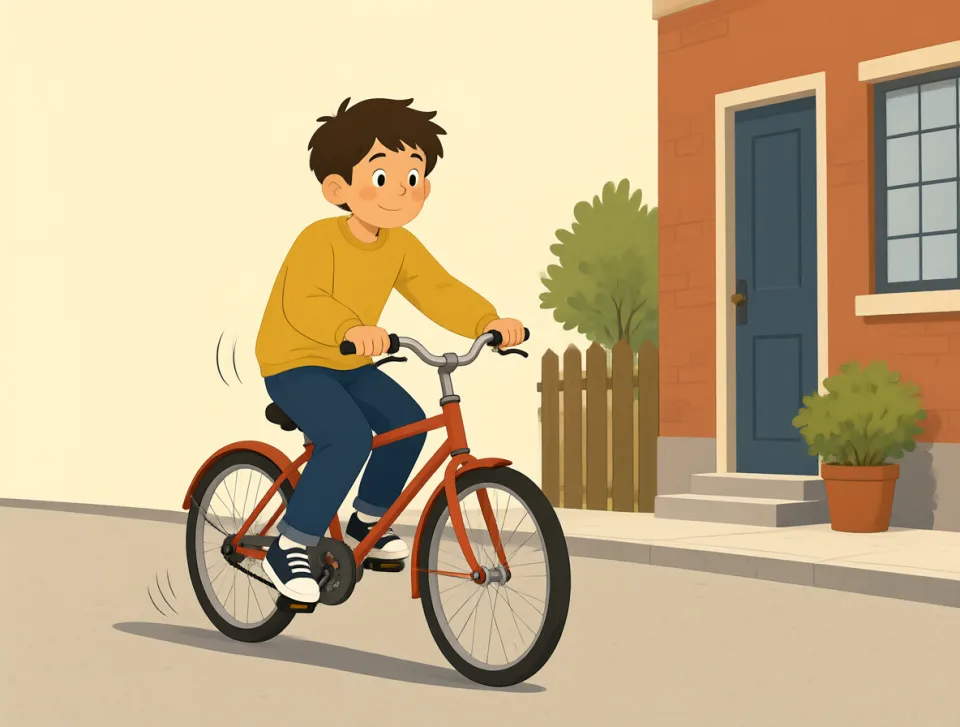
He almost fell while riding his bike.
O mało nie upadł, jadąc na rowerze.
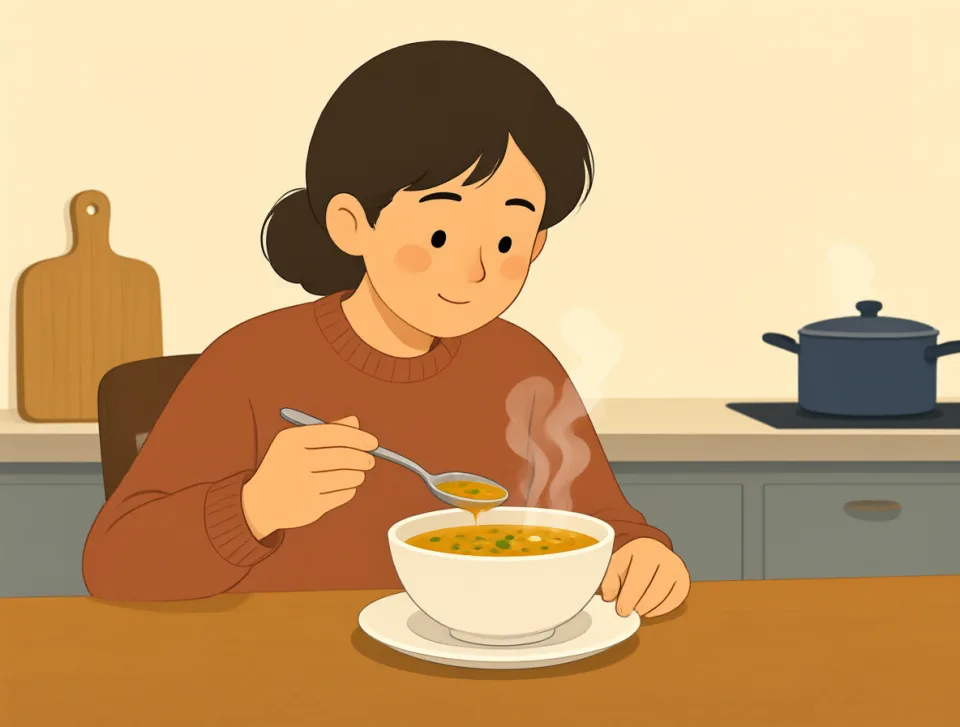
The soup is almost hot enough to eat.
Zupa jest już prawie wystarczająco gorąca, żeby ją zjeść.
continue
#308verb
kontynuować
to keep doing something or keep happening without stopping
Robić coś dalej lub sprawiać, że coś dzieje się bez przerwy.
Please continue your work after lunch.
Proszę, kontynuuj pracę po lunchu.
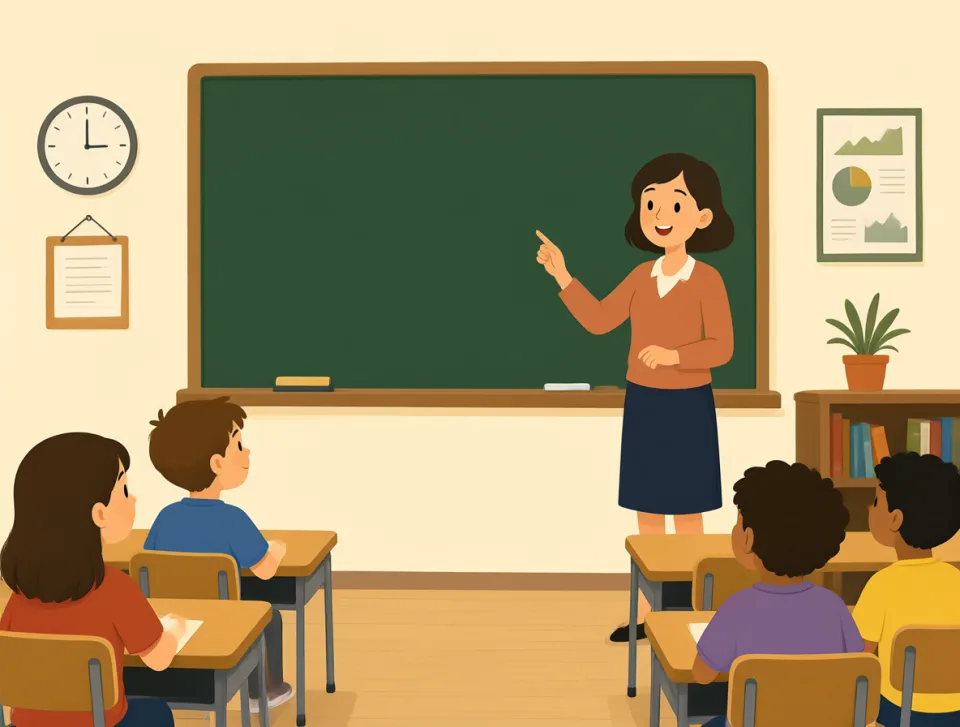
The teacher continued the lesson after the break.
Po przerwie nauczyciel kontynuował lekcję.
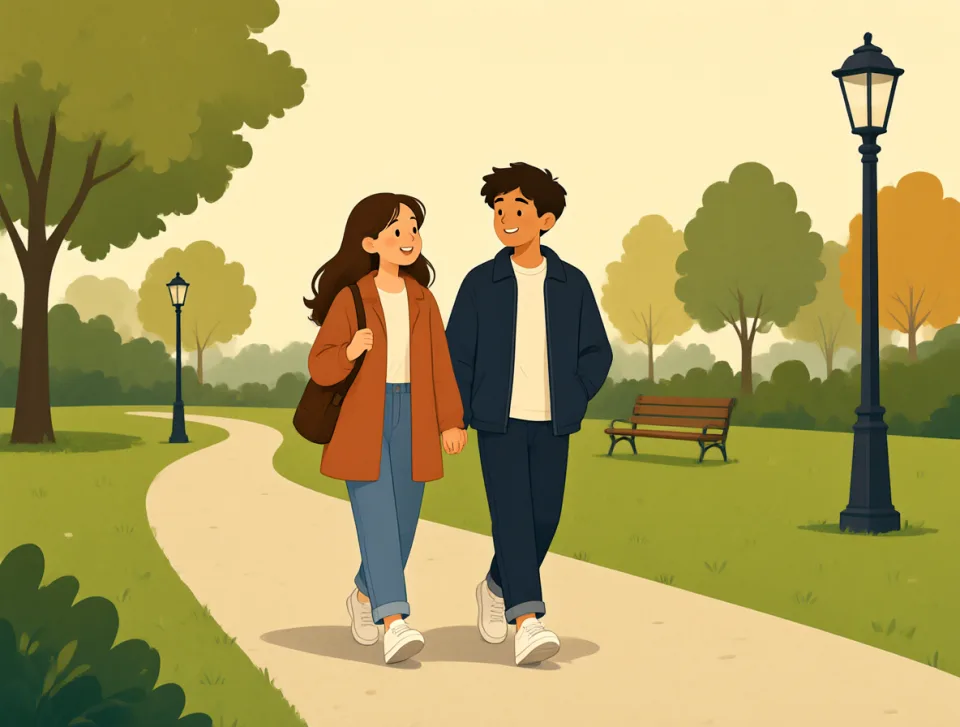
We continued walking through the park.
Szliśmy dalej przez park.
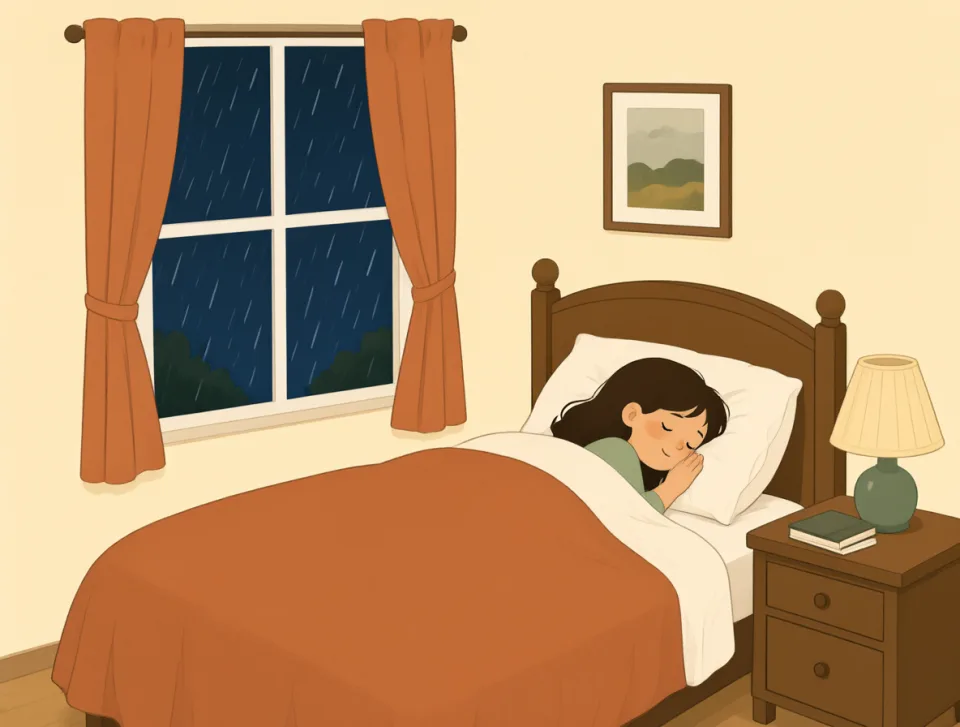
The rain continued all night.
Deszcz padał przez całą noc.
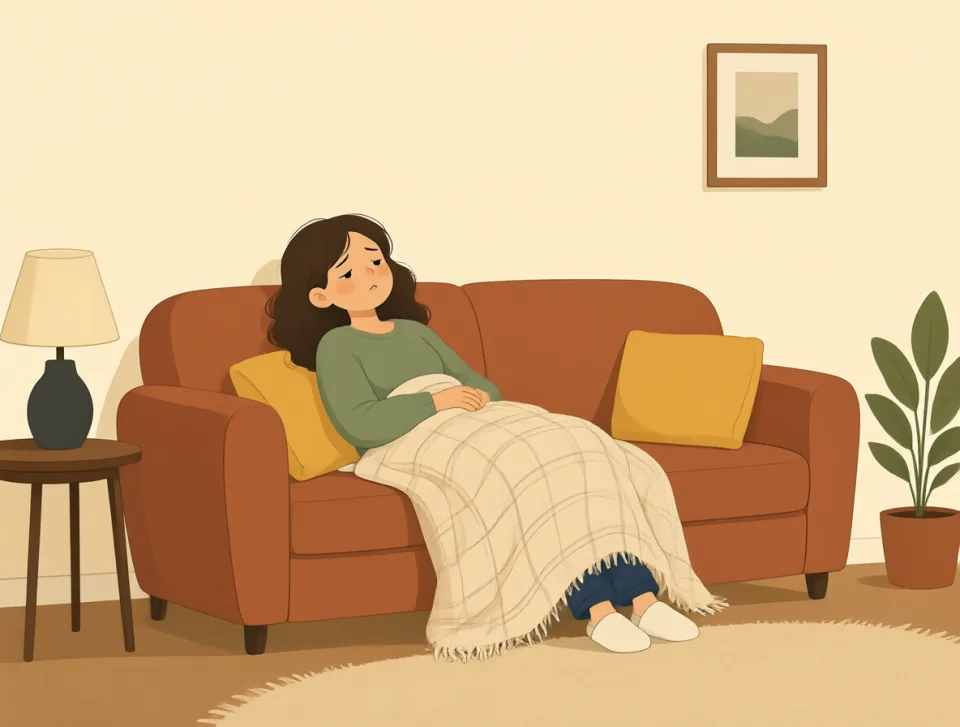
She continued to feel tired after resting.
Po odpoczynku nadal czuła się zmęczona.
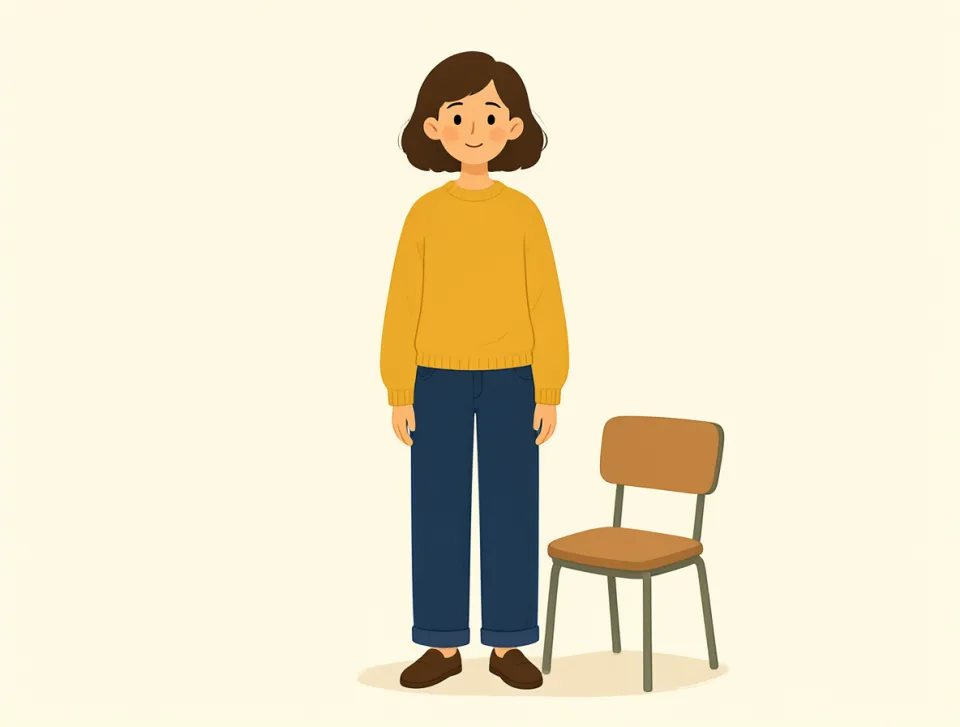
stand
#309verb, noun
stać
to be upright on your feet, or to support someone or something
Utrzymywać wyprostowaną pozycję na nogach albo podtrzymywać kogoś lub coś.
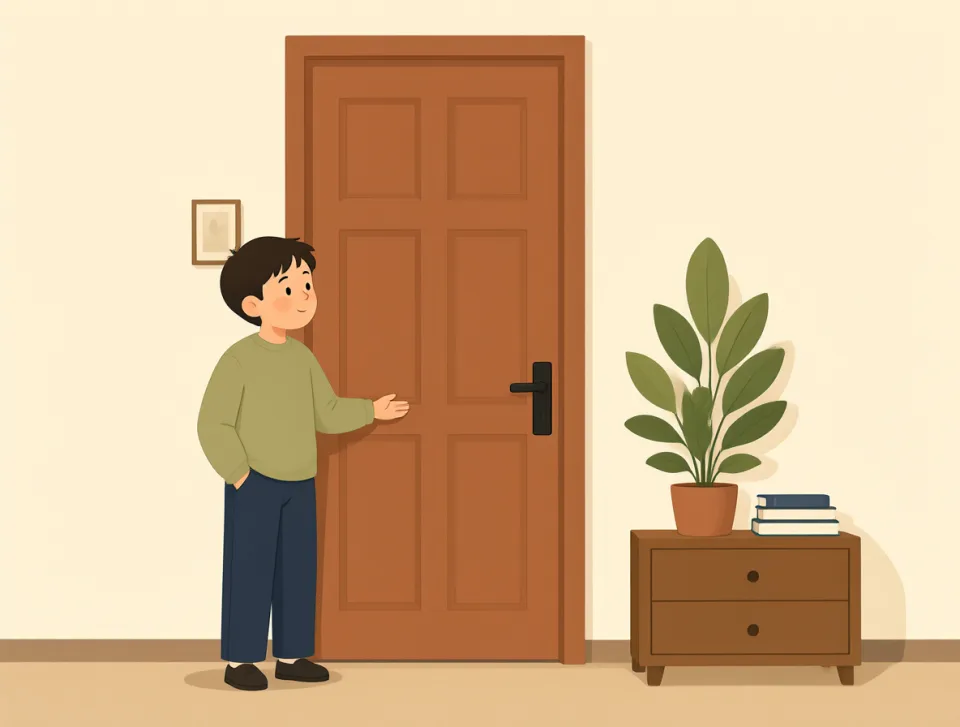
Please stand near the door.
Proszę stanąć blisko drzwi.
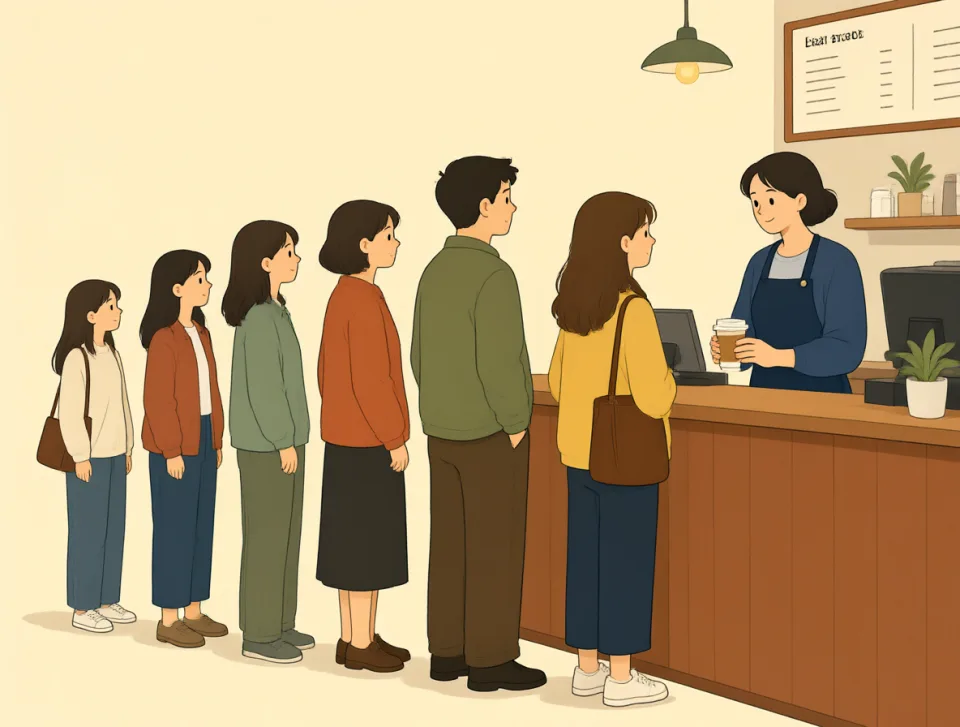
We stood in line for coffee.
Staliśmy w kolejce po kawę.
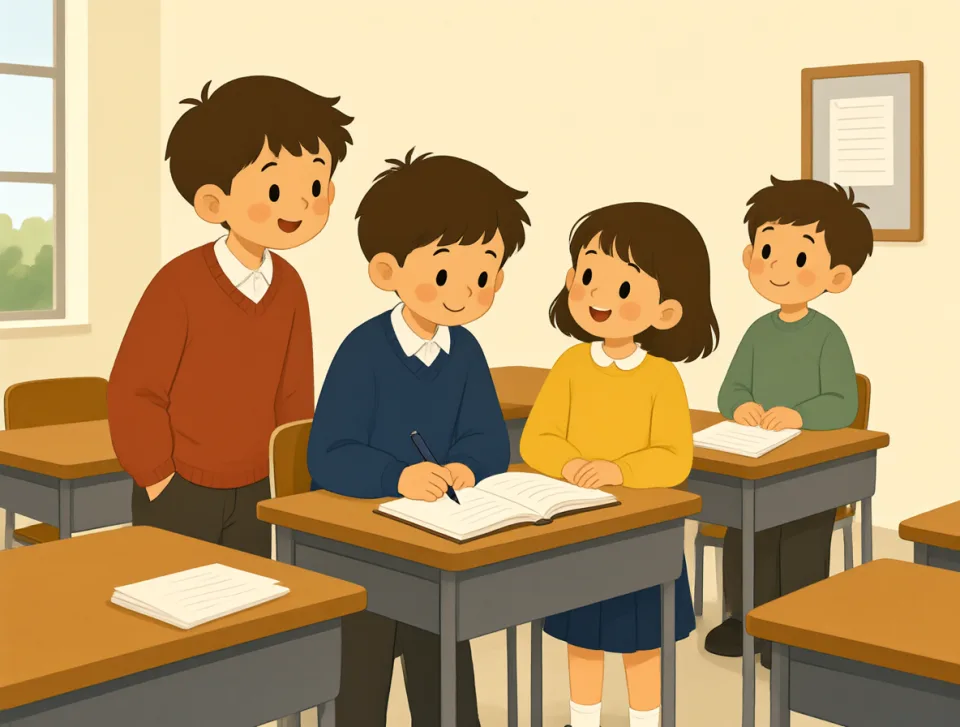
The children stand at their desks.
Dzieci stoją przy swoich ławkach.
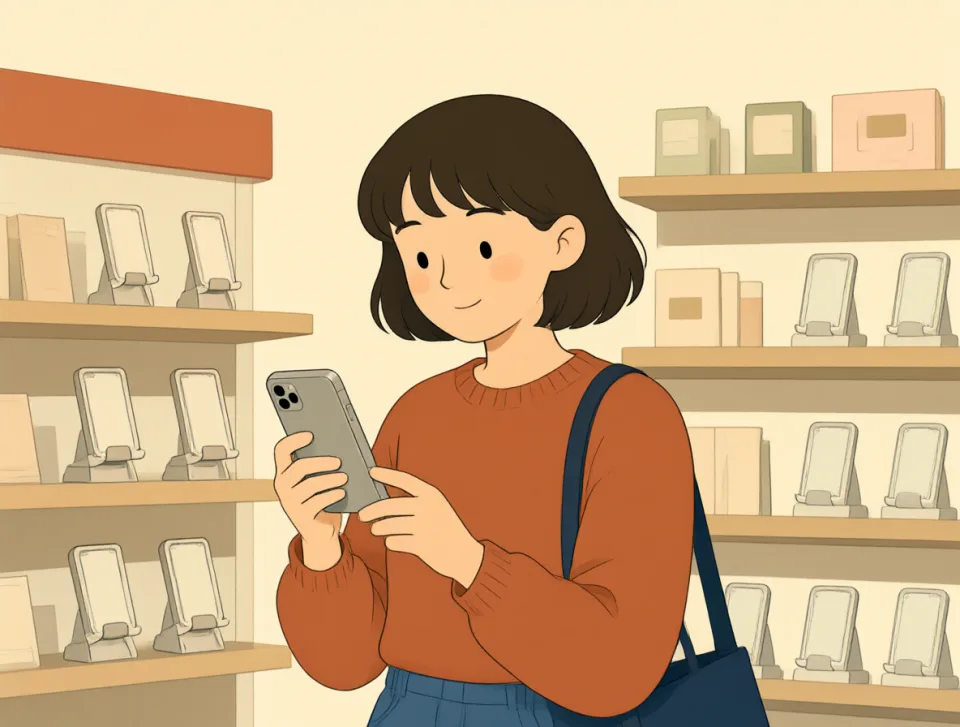
She bought a phone stand.
Kupiła podstawkę pod telefon.
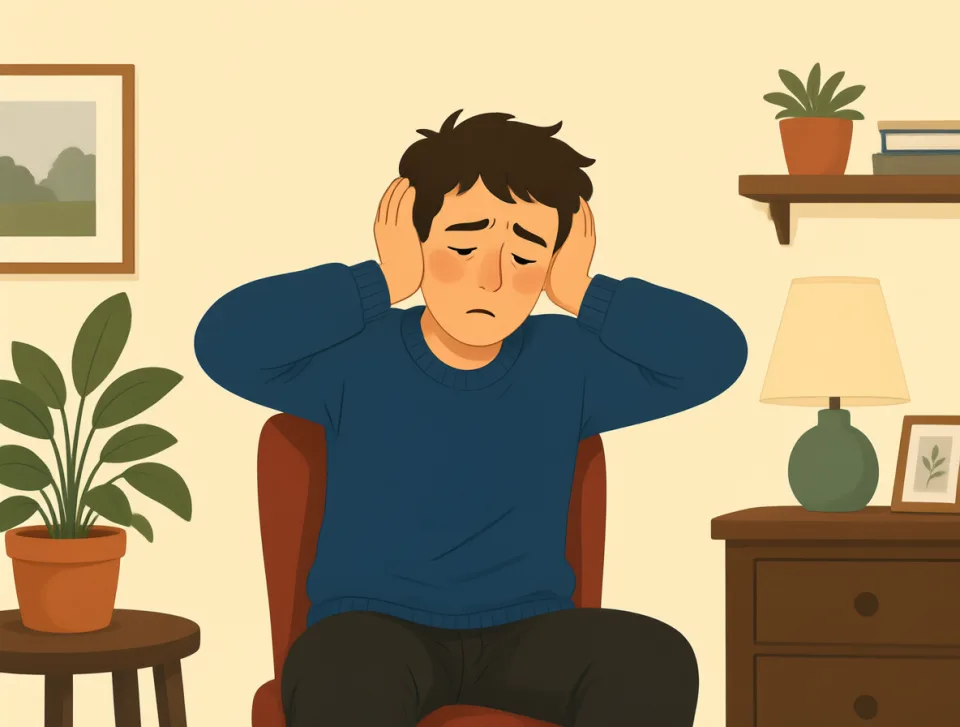
He cannot stand the loud noise.
Nie znosi głośnego hałasu.
whole
#310adjective, noun, determiner, adverb
cały
Complete, with all parts together; or all of something.
Kompletny, złożony ze wszystkich części; także: wszystko, co do czegoś należy.
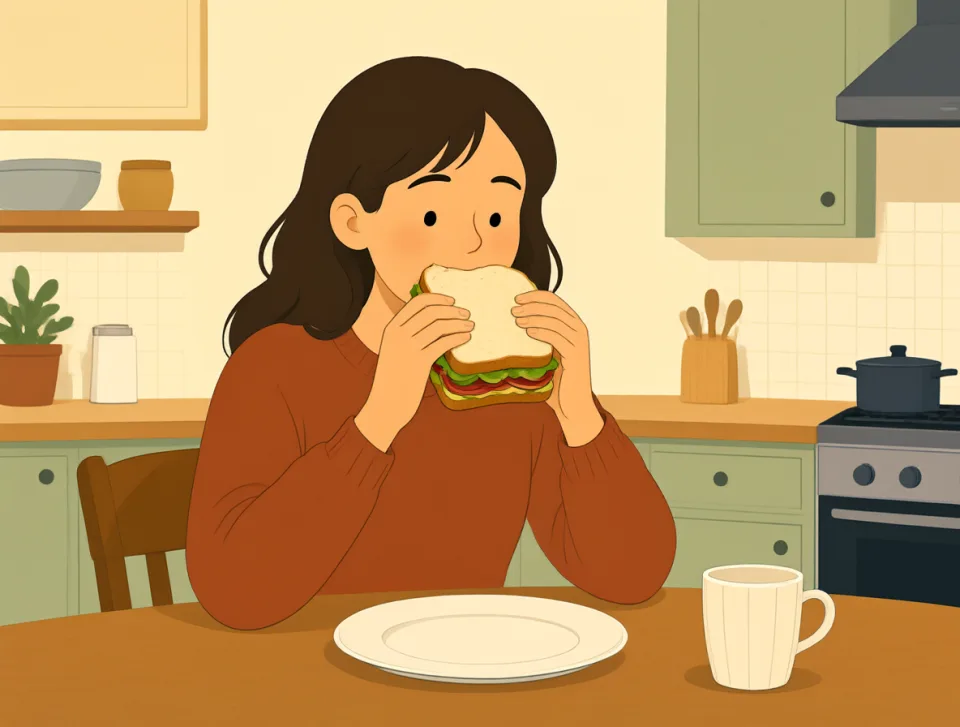
I ate the whole sandwich for lunch.
Zjadłem na lunch całą kanapkę.
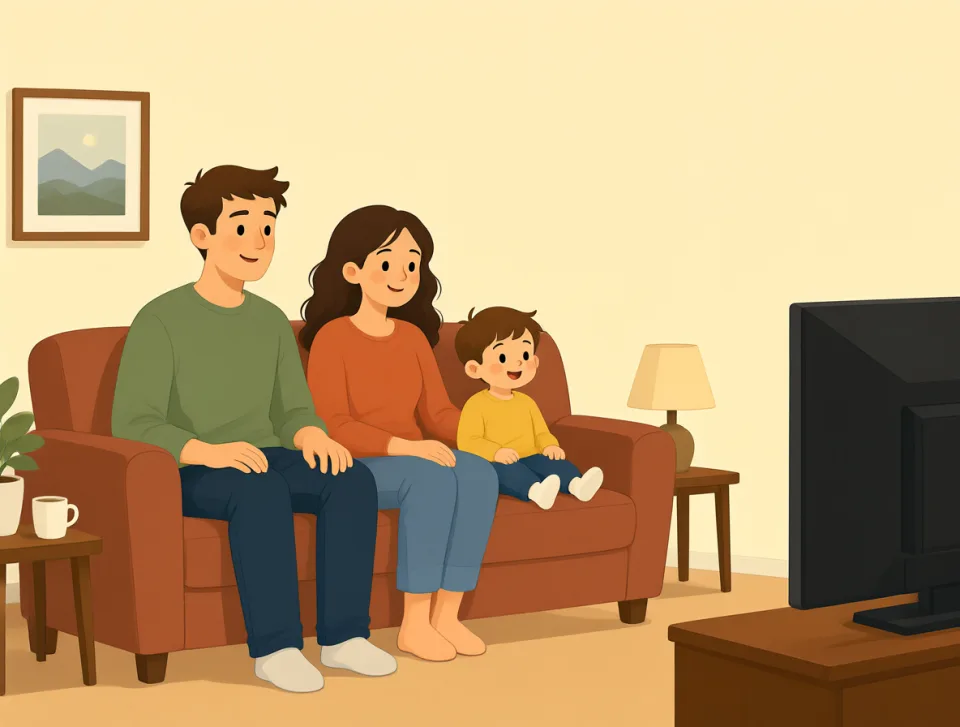
The whole family watched a movie together.
Cała rodzina obejrzała razem film.
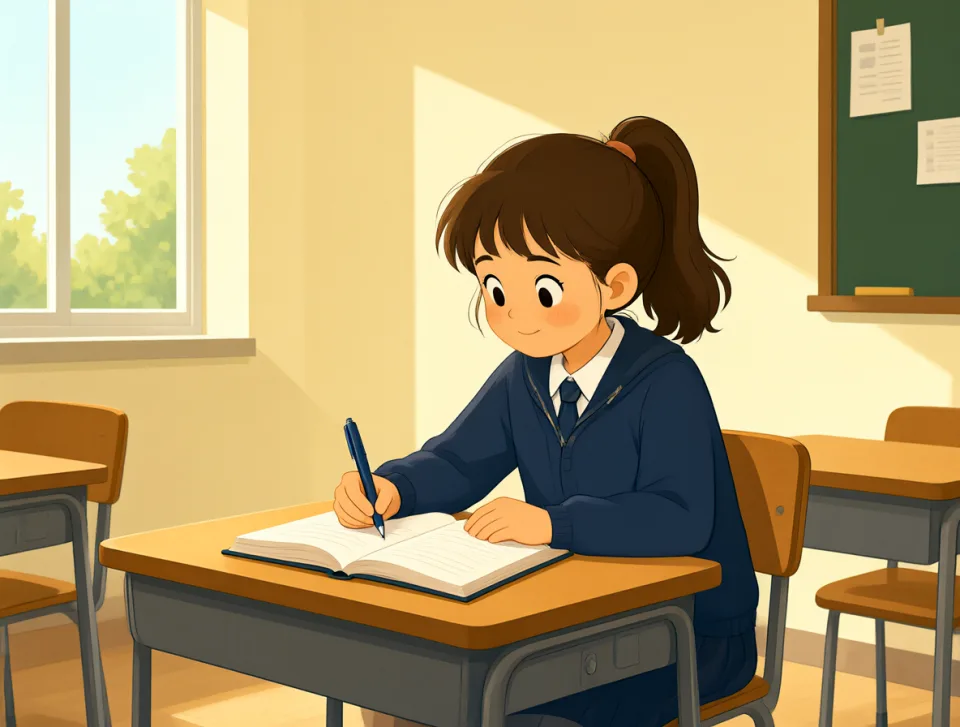
She spent the whole day at school.
Spędziła cały dzień w szkole.
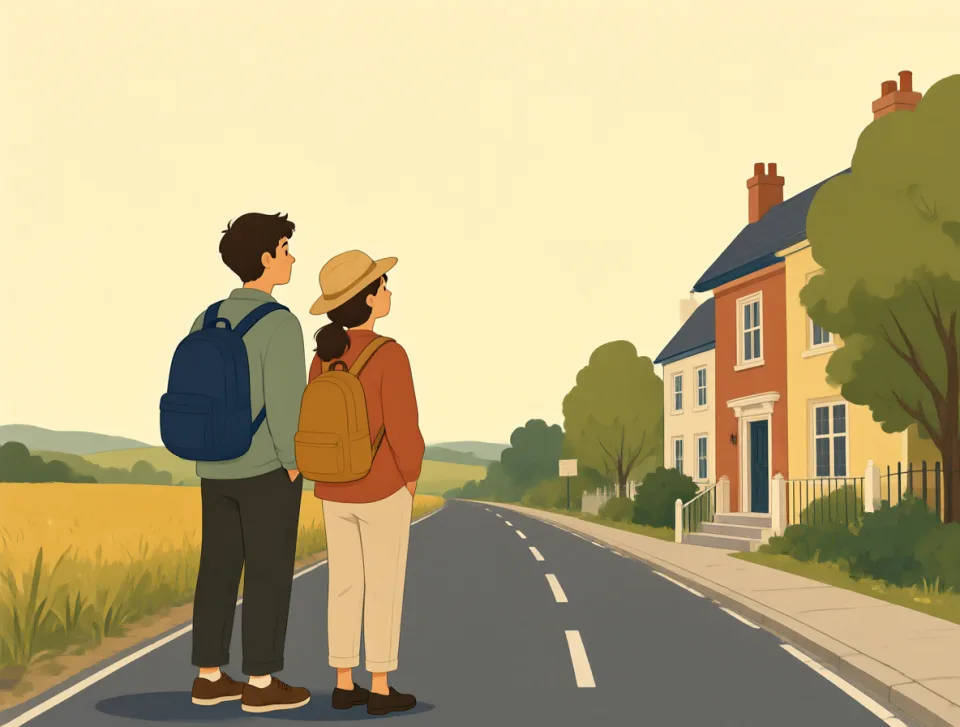
We waited a whole hour for the bus.
Czekaliśmy na autobus całą godzinę.
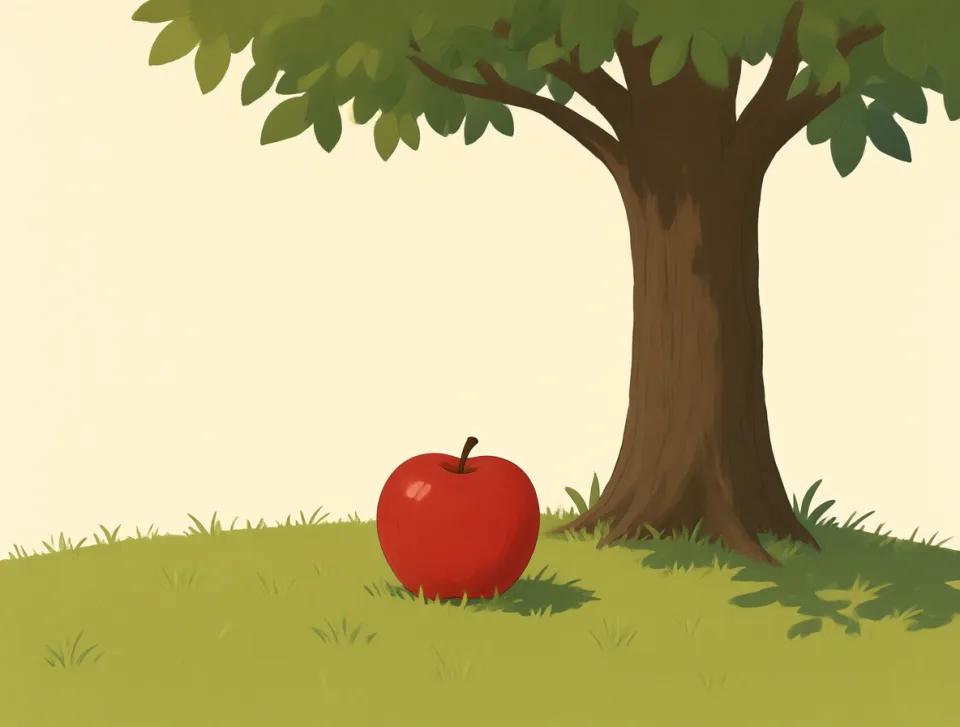
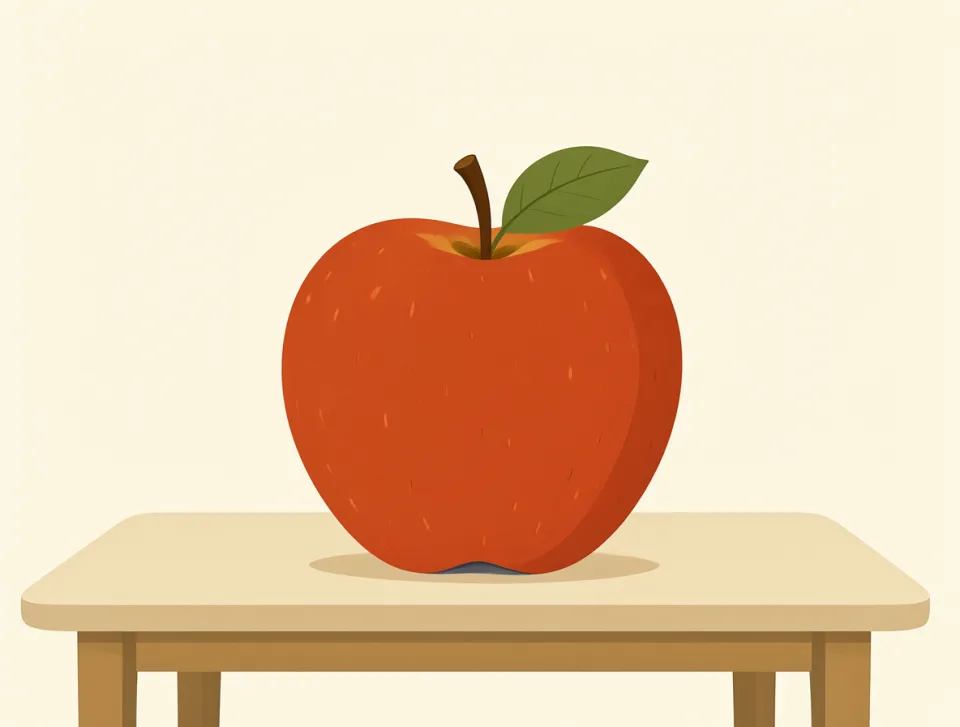
The whole apple fell from the tree.
Całe jabłko spadło z drzewa.
yet
#311adverb, conjunction
jeszcze
Used to say something has not happened until now or to add a surprising contrast.
Używane, by powiedzieć, że coś jeszcze się nie wydarzyło, albo podkreślić zaskakujący kontrast.
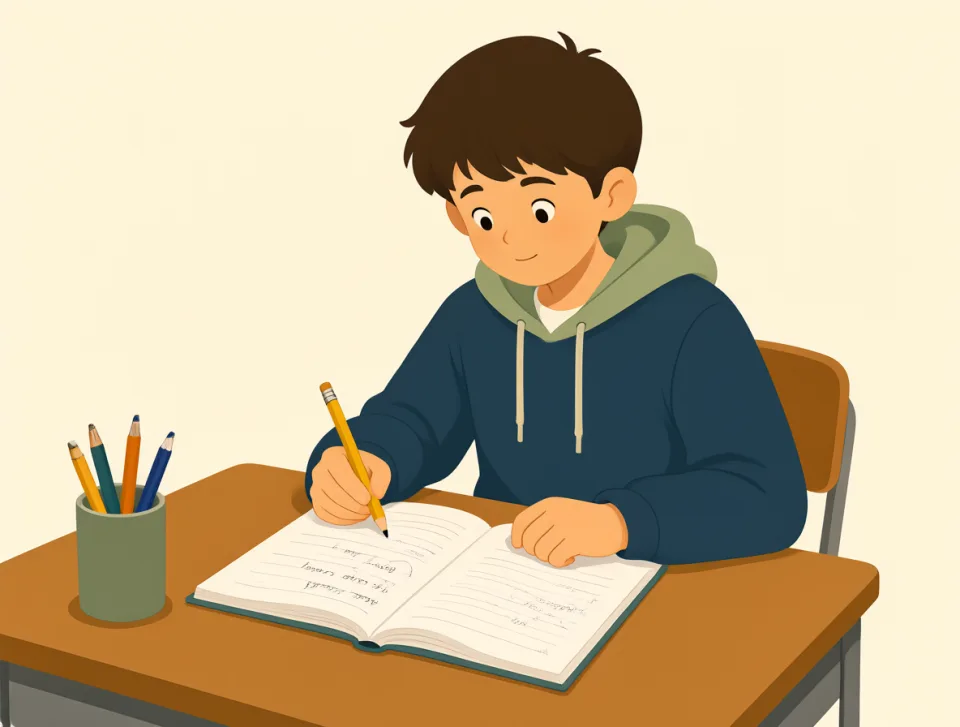
I haven't finished my homework yet.
Jeszcze nie skończyłem pracy domowej.

Have you eaten lunch yet?
Jadłeś już lunch?
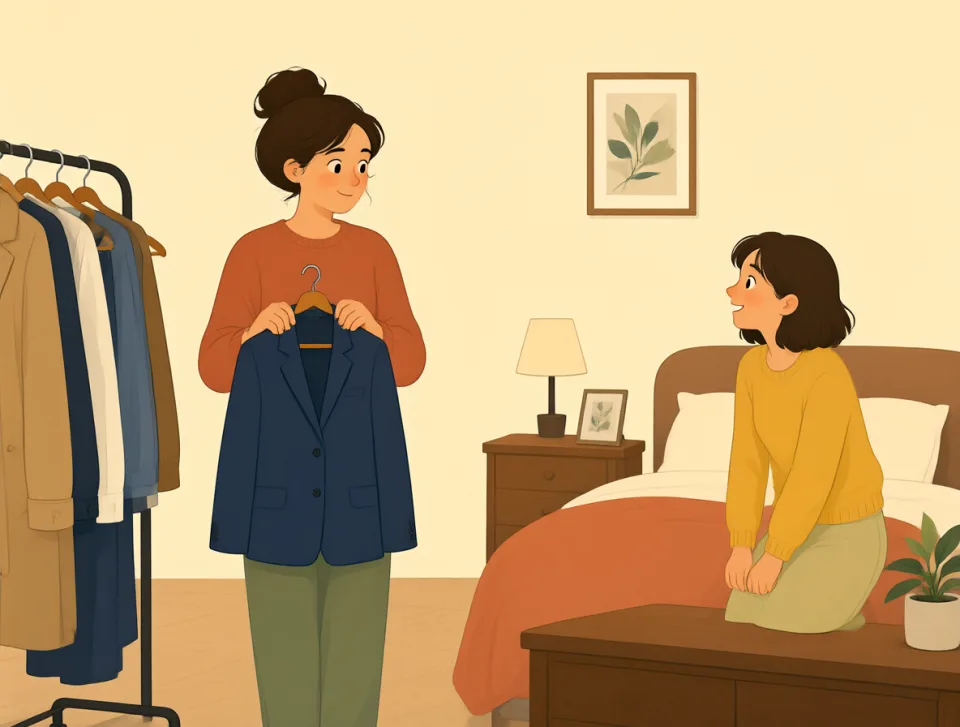
She is not ready yet.
Ona nie jest jeszcze gotowa.
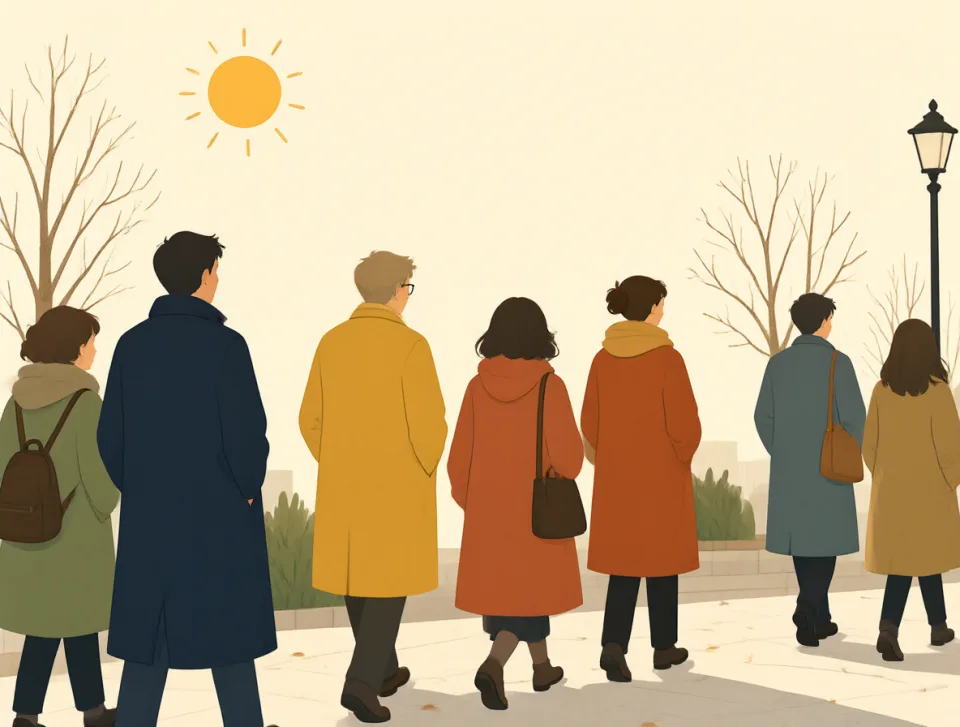
It is cold, yet the sun is shining.
Jest zimno, a jednak świeci słońce.
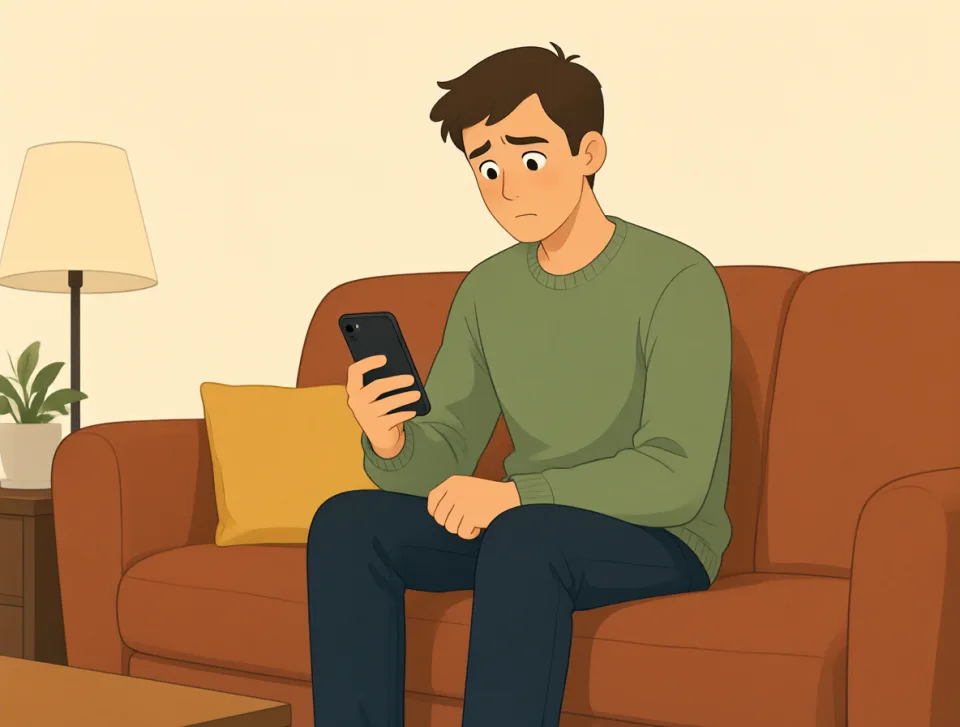
He has not called yet.
On jeszcze nie zadzwonił.
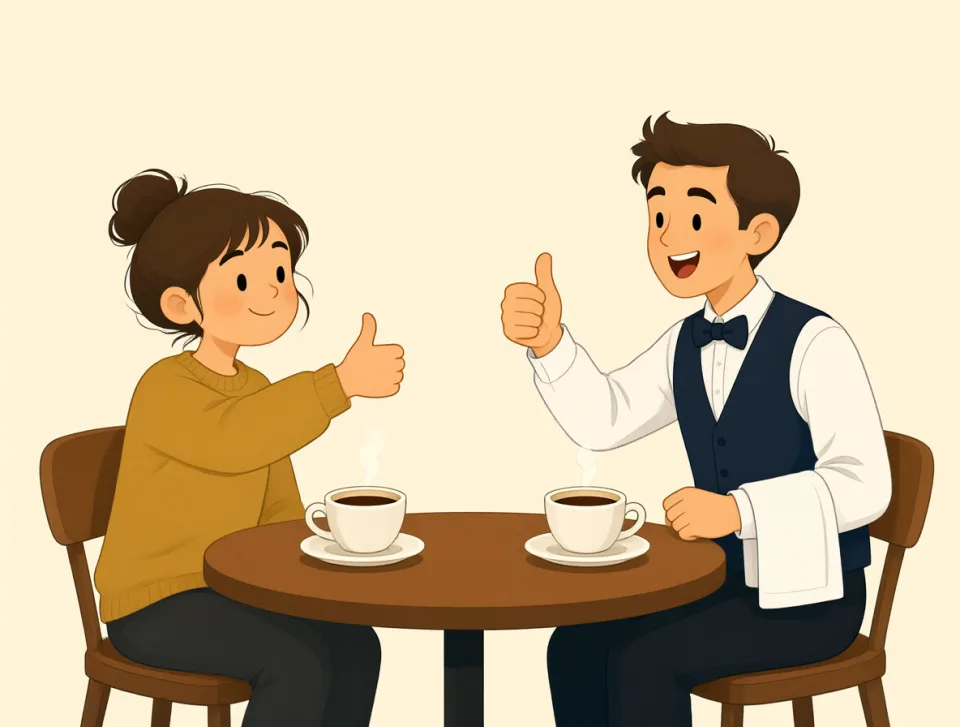
rate
#312noun, verb
stawka; oceniać
A level, price, or amount compared with another; to judge something or give it a score.
Poziom, cena lub ilość porównywana z inną; oceniać coś lub przyznawać temu ocenę.
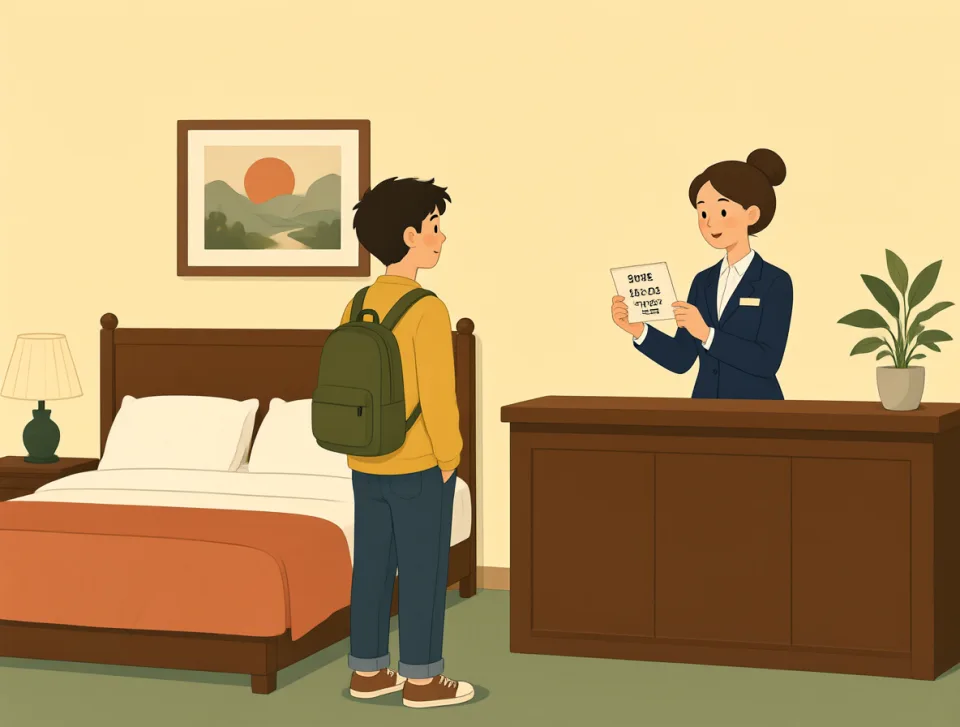
The hotel has a high room rate.
Hotel ma wysoką stawkę za pokój.
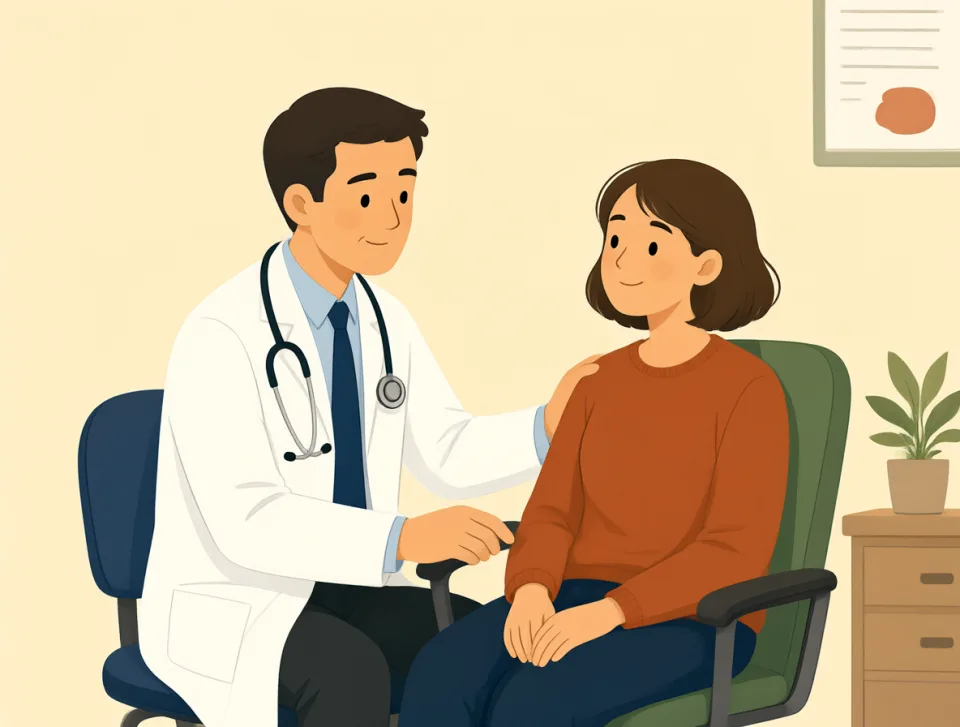
The doctor rated my pain as mild.
Lekarz ocenił mój ból jako łagodny.
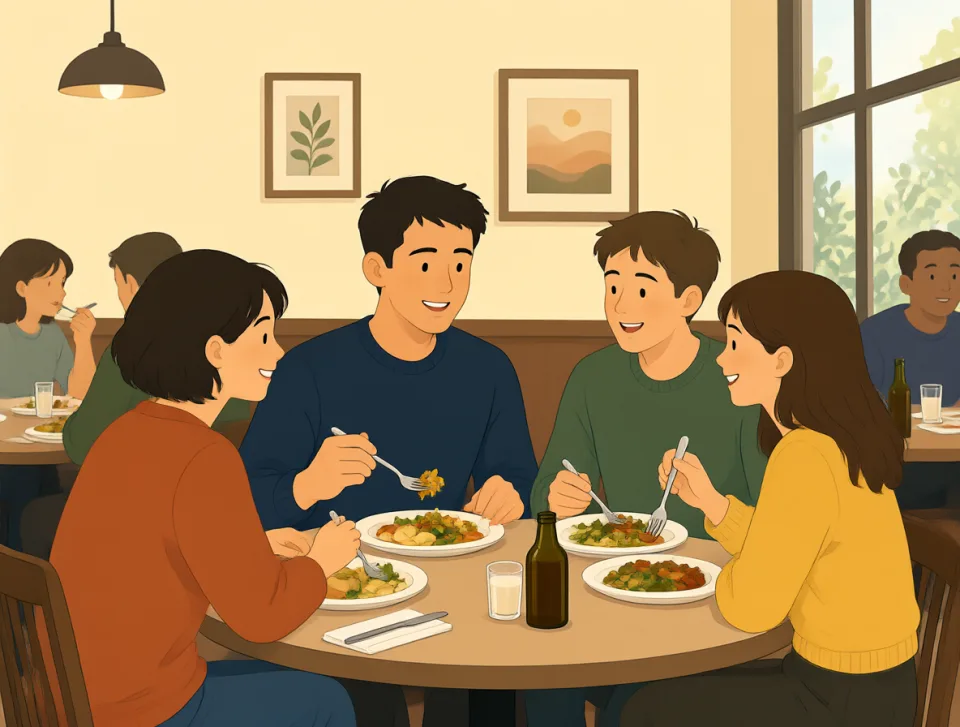
This restaurant rates among the best nearby.
Ta restauracja należy do najlepszych w okolicy.
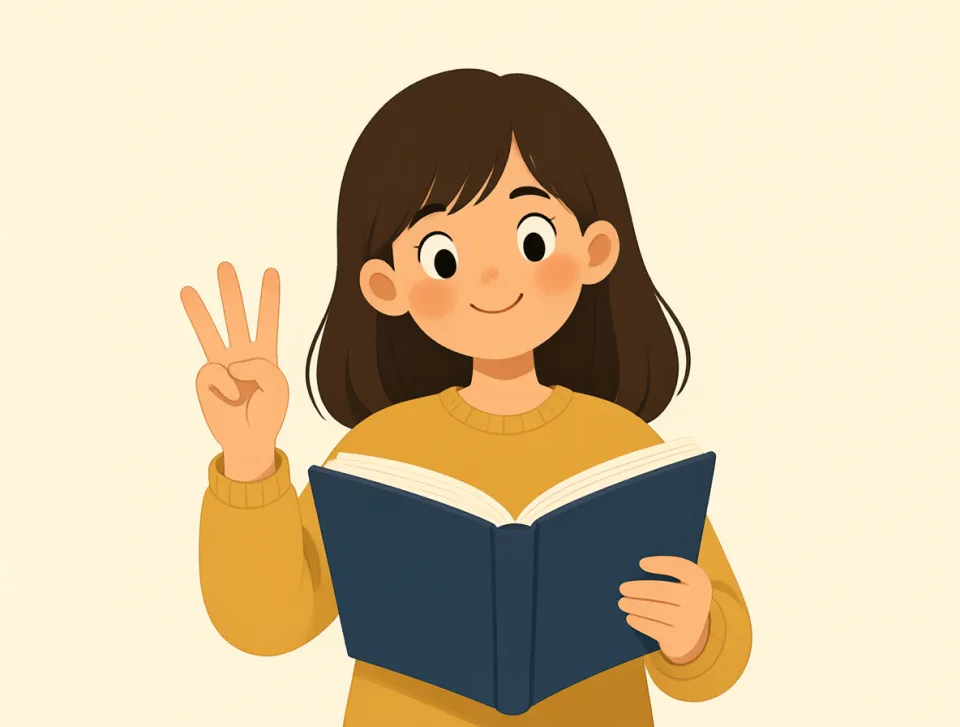
She rated the book five stars.
Dała książce pięć gwiazdek.
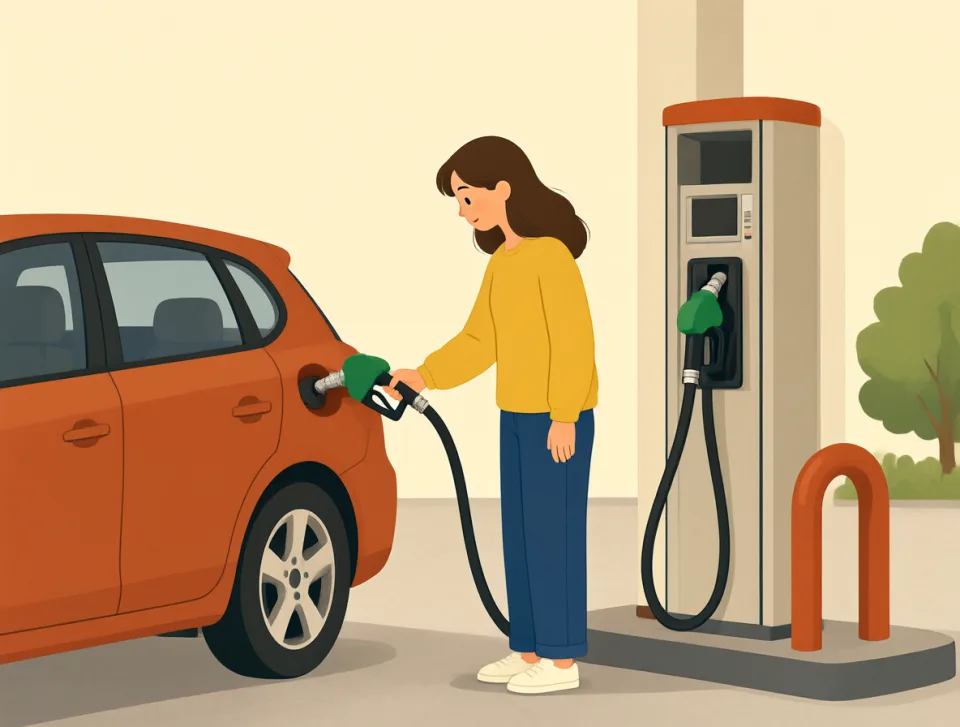
The car gets a good fuel rate.
Samochód ma dobre zużycie paliwa.
care
#313noun, verb
troszczyć się; dbać
To feel concern for someone or something, or to look after them.
Odczuwanie troski o kogoś lub coś albo opiekowanie się nimi.
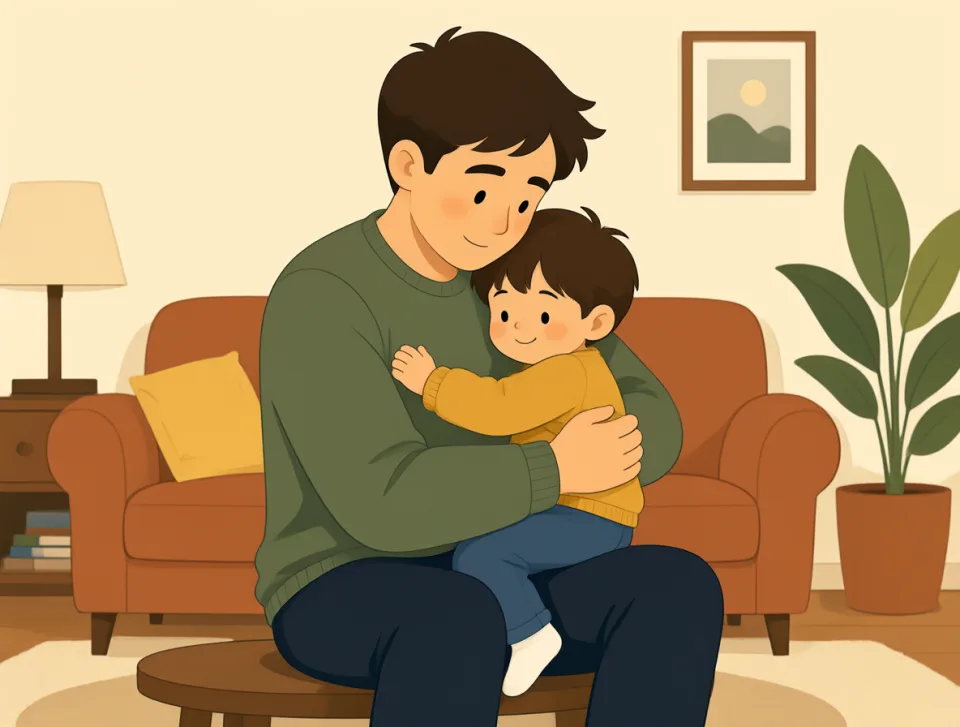
I care about my family very much.
Bardzo troszczę się o swoją rodzinę.
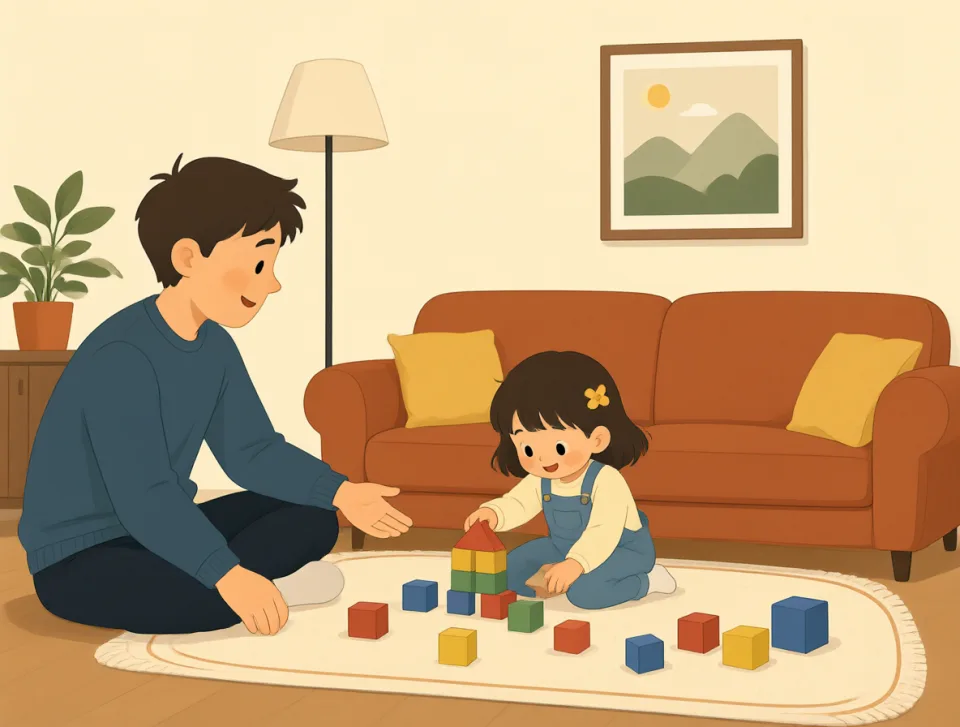
Please take care of your little sister.
Proszę, zaopiekuj się swoją młodszą siostrą.
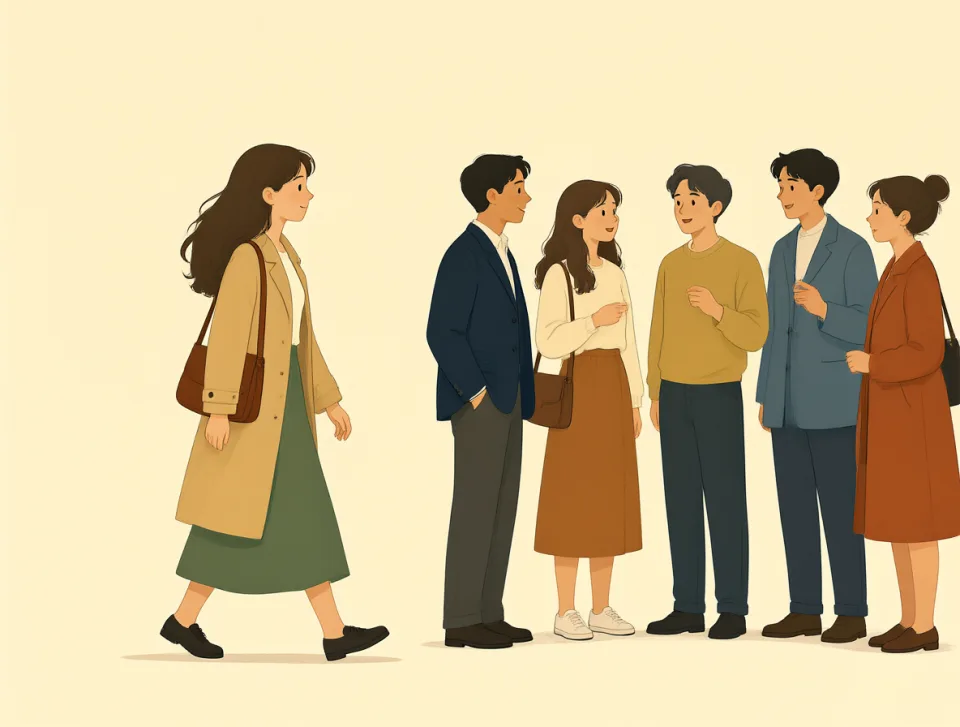
She does not care what people think.
Ona nie przejmuje się tym, co myślą ludzie.
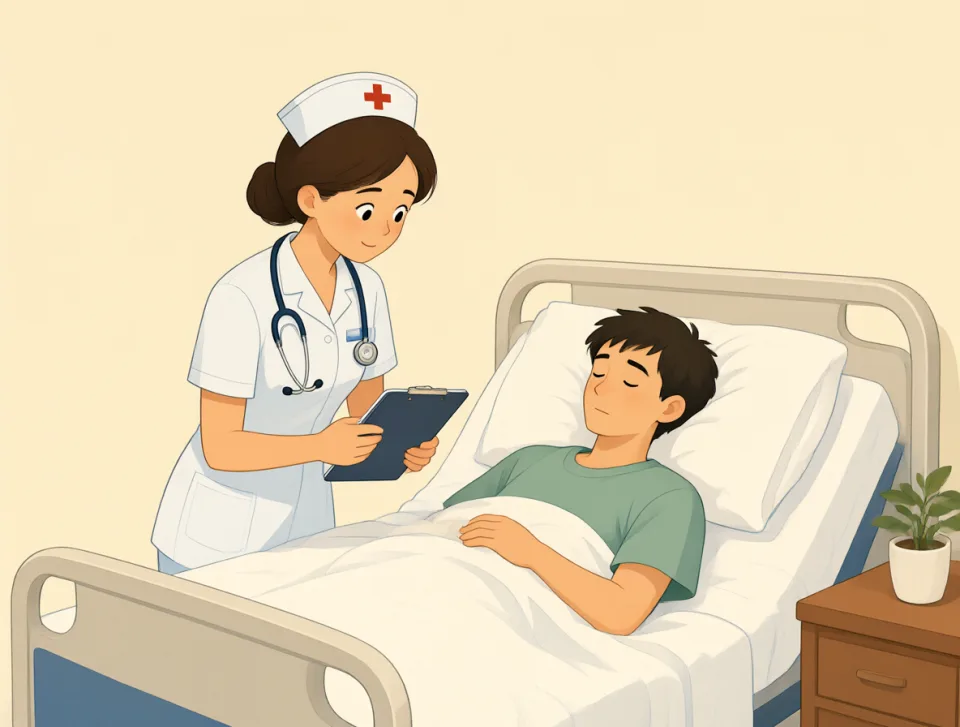
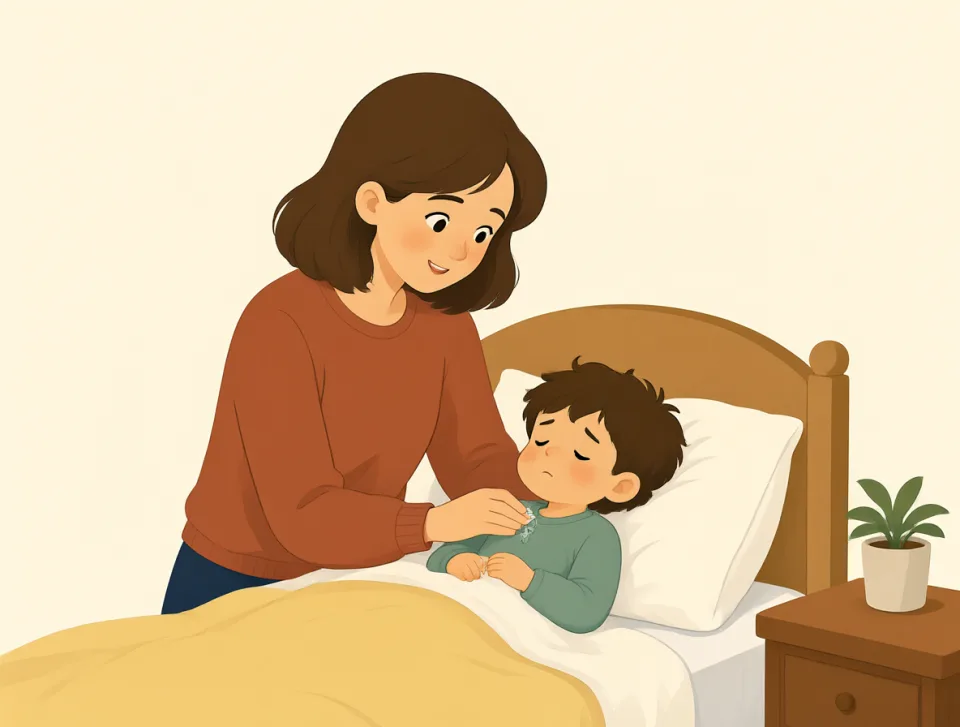
The nurse cared for the patient all night.
Pielęgniarka opiekowała się pacjentem przez całą noc.
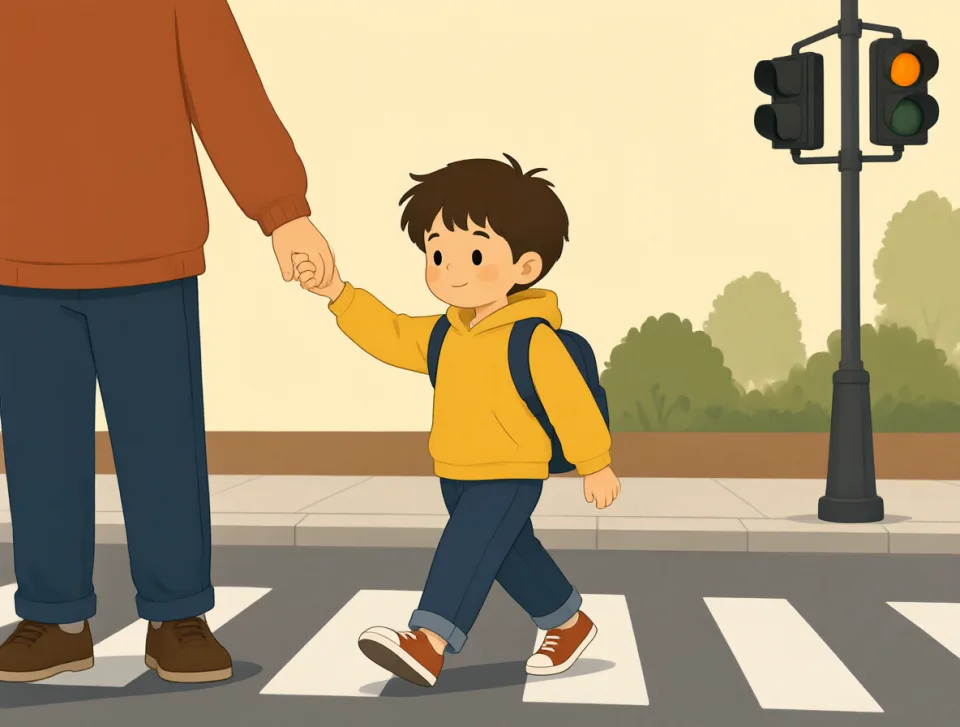
Take care when you cross the busy street.
Zachowaj ostrożność, przechodząc przez ruchliwą ulicę.
expect
#314verb
spodziewać się
To think something will happen or believe someone will do something.
Myśleć, że coś się wydarzy, lub wierzyć, że ktoś coś zrobi.
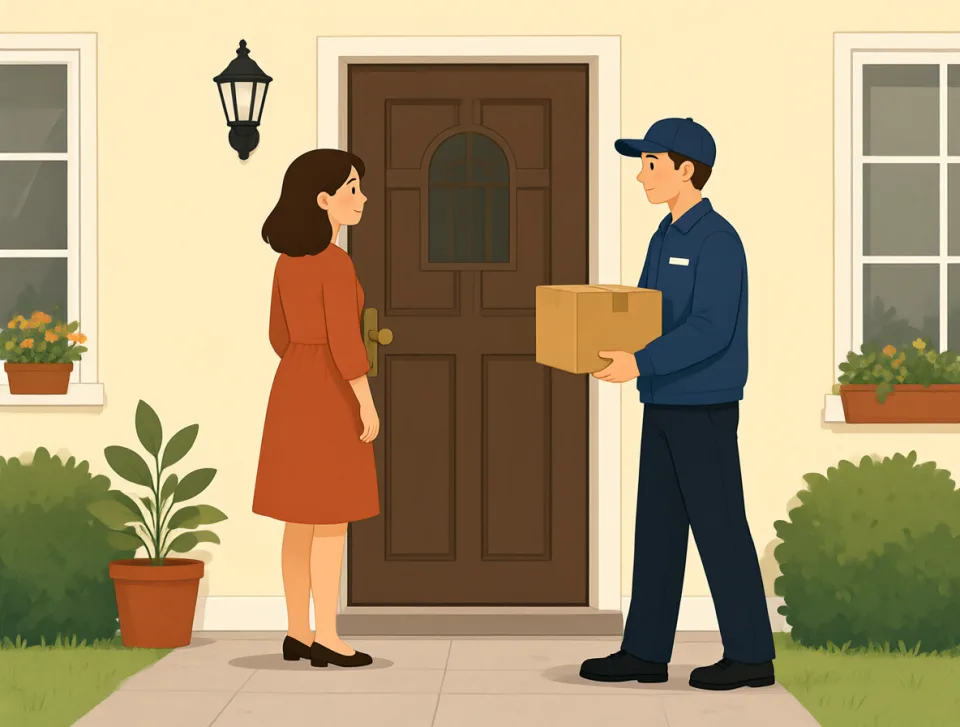
I expect a package tomorrow.
Spodziewam się jutro paczki.
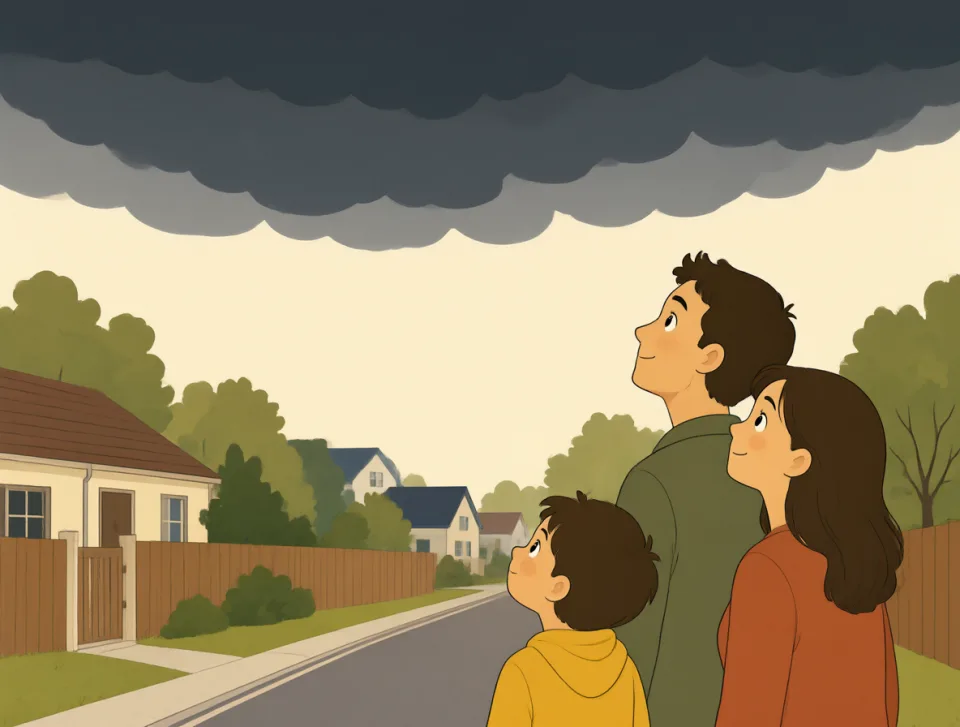
We expect rain this afternoon.
Spodziewamy się dziś po południu deszczu.
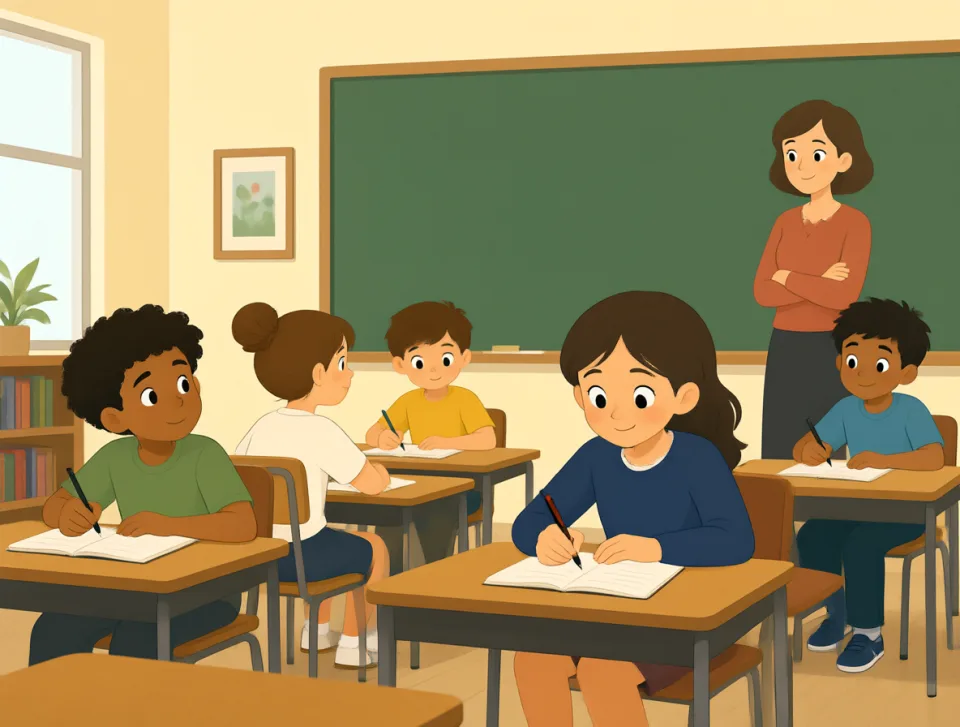
The teacher expects us to finish today.
Nauczyciel oczekuje, że skończymy dzisiaj.
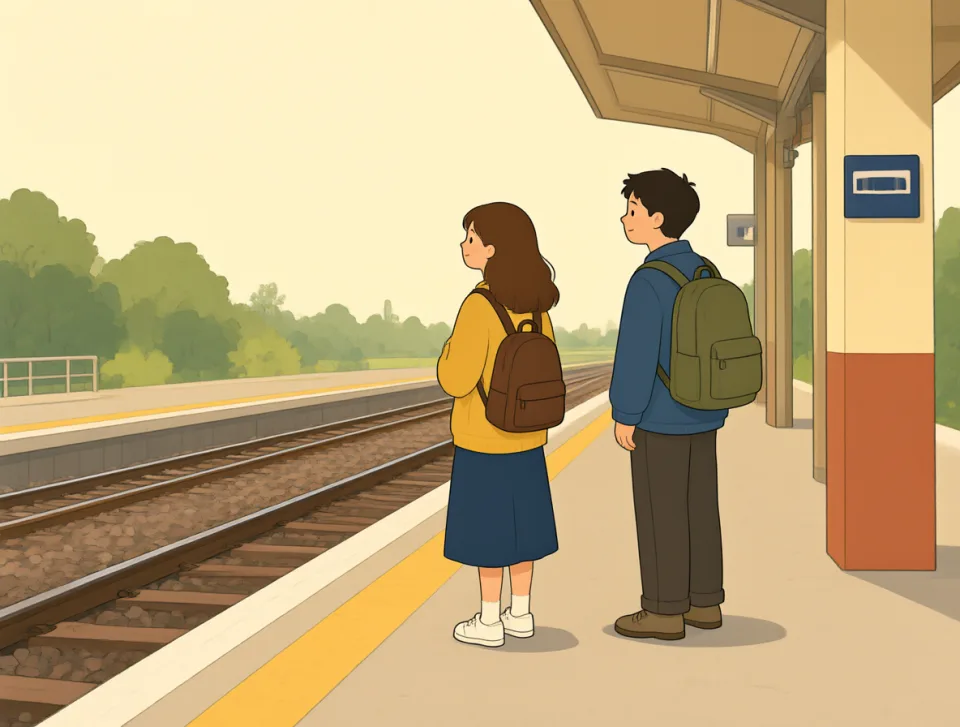
They expect the train to arrive soon.
Spodziewają się, że pociąg wkrótce przyjedzie.
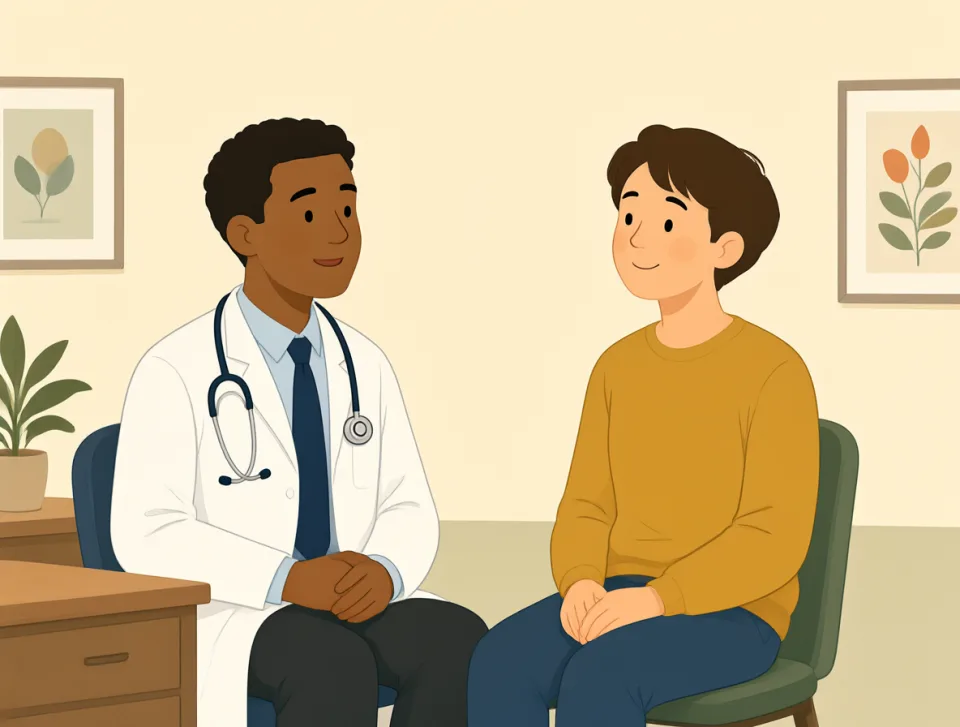
The doctor expects you to feel better soon.
Lekarz spodziewa się, że wkrótce poczuje się pan lepiej.
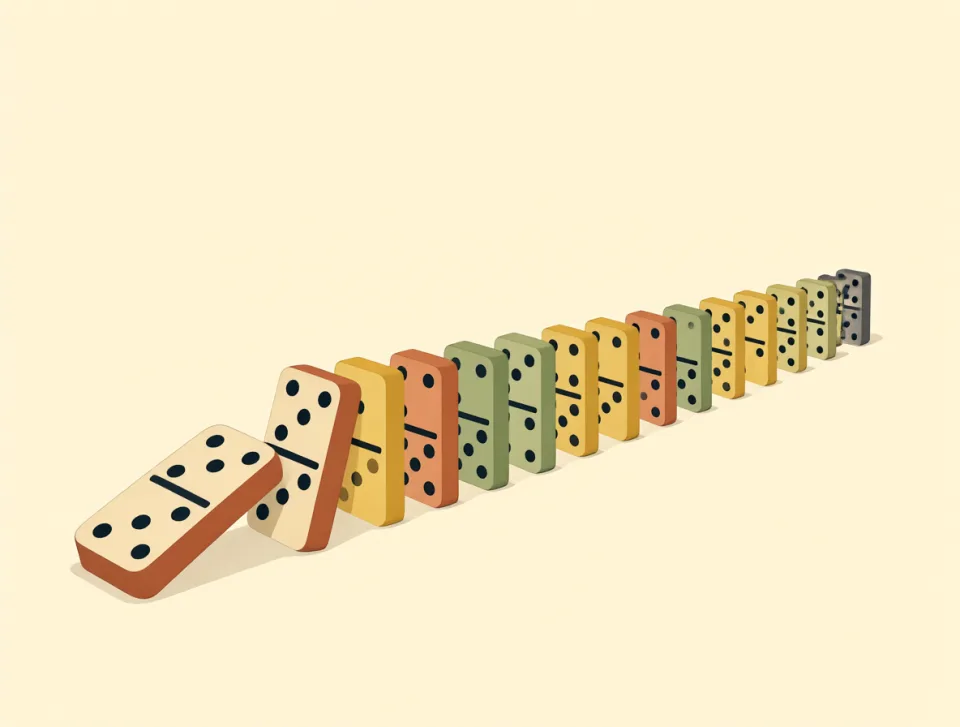
effect
#315noun, verb
skutek; wpływać
A change caused by something, or to make a change happen.
Zmiana spowodowana przez coś albo wywoływanie zmiany.
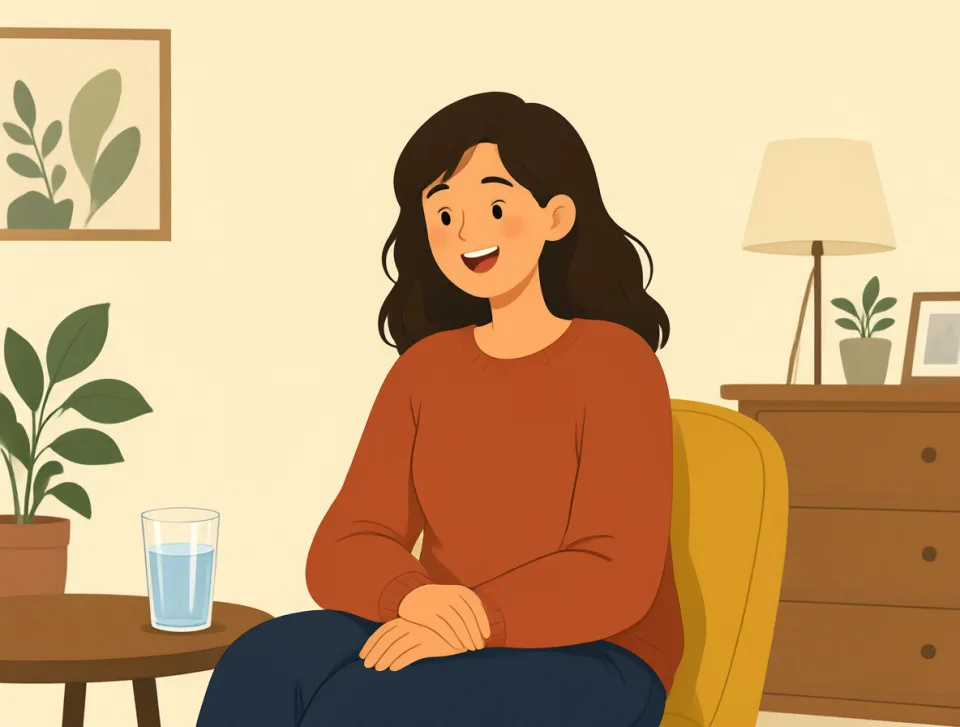
The medicine had a good effect on her.
Lek miał na nią dobry wpływ.
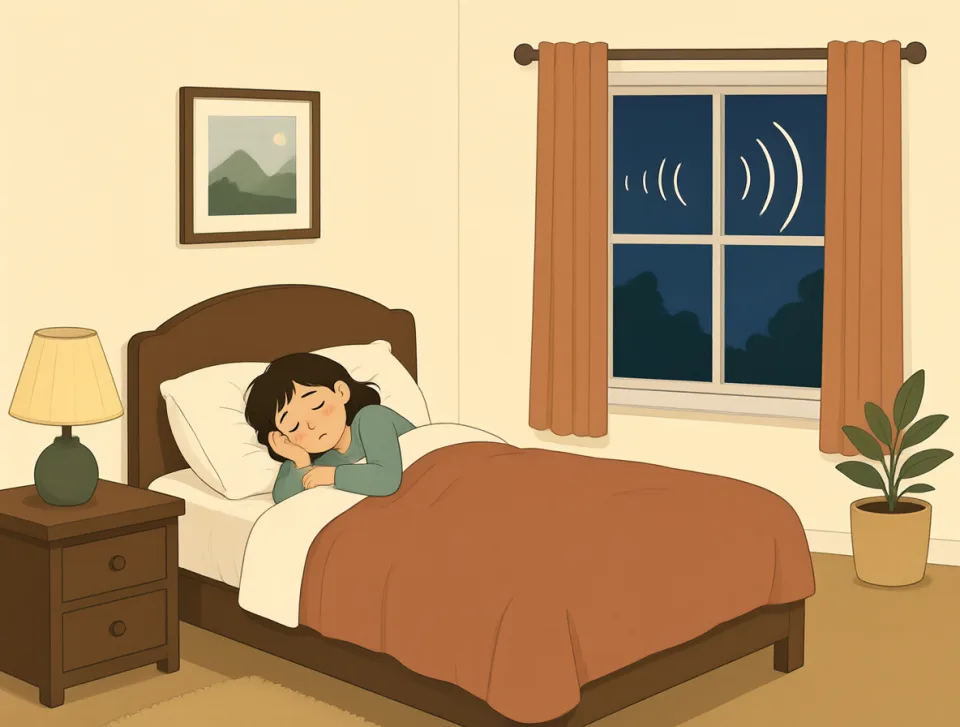
The loud noise affected my sleep.
Głośny hałas zakłócił mój sen.
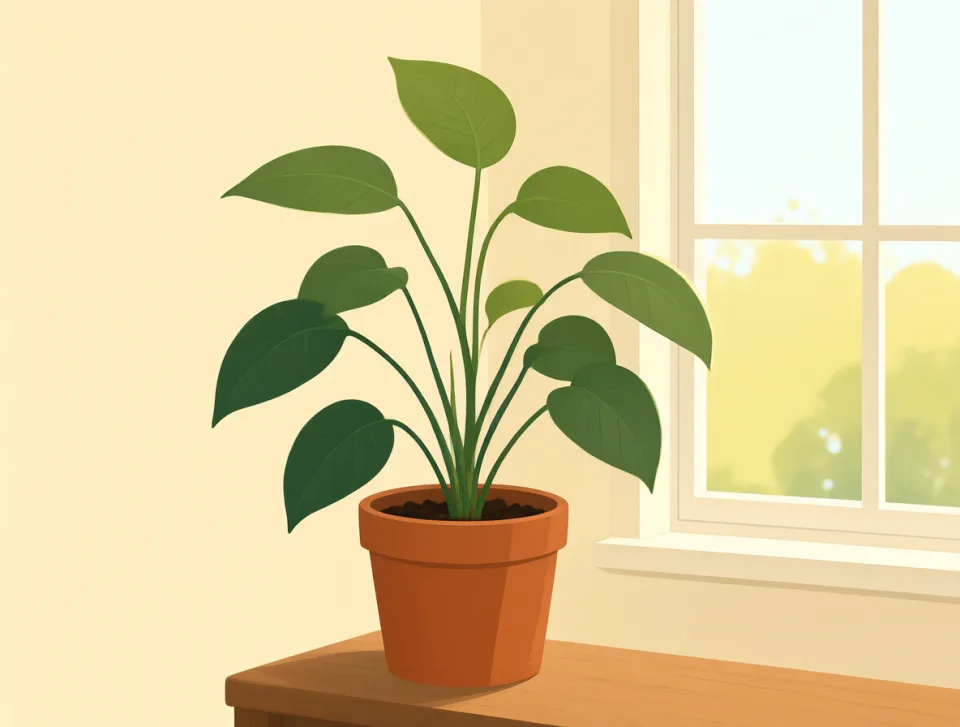
Sunlight has a strong effect on plants.
Światło słoneczne ma silny wpływ na rośliny.
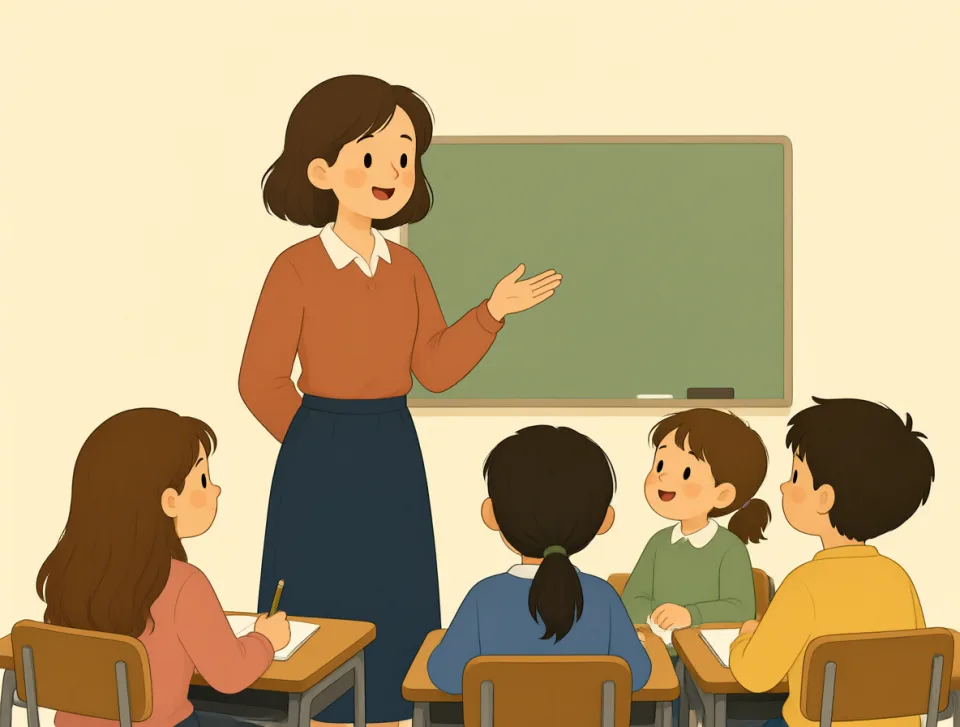
The new rule will affect all students.
Nowa zasada będzie dotyczyć wszystkich uczniów.
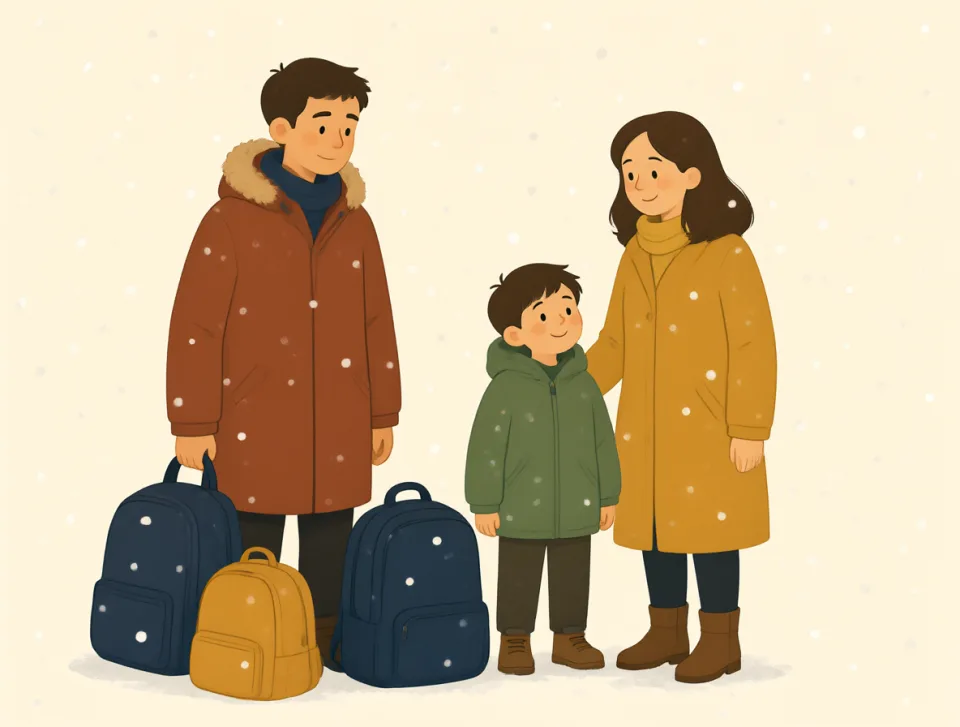
The cold weather affected our travel plans.
Zimna pogoda wpłynęła na nasze plany podróży.
sort
#316noun, verb
rodzaj
A type of something; to put things into groups.
Rodzaj czegoś; grupować rzeczy.
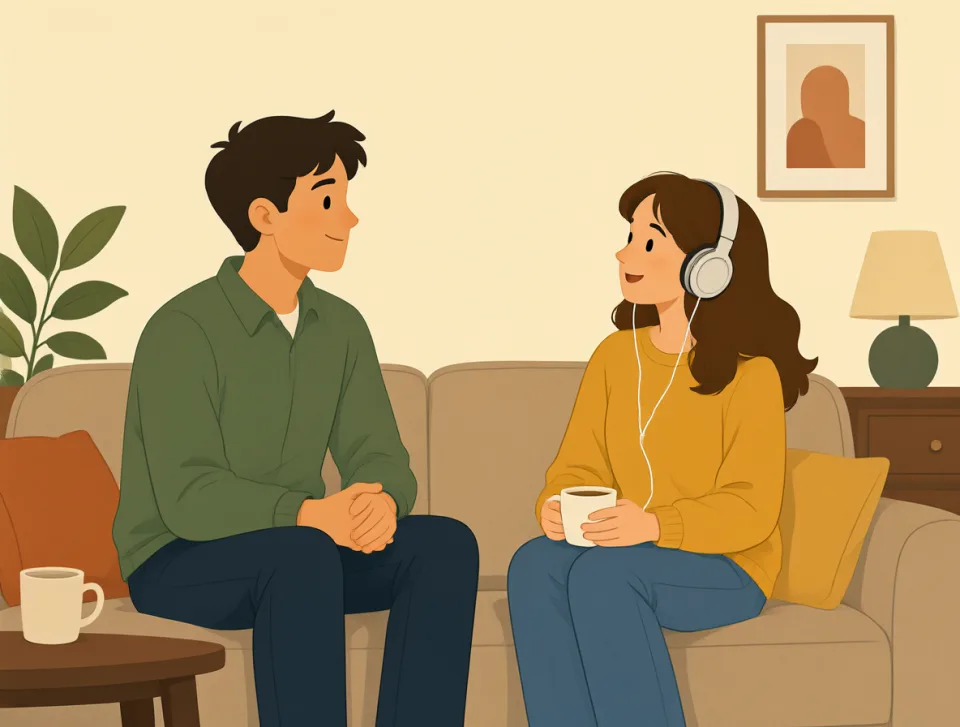
What sort of music do you like?
Jakiego rodzaju muzyki lubisz słuchać?
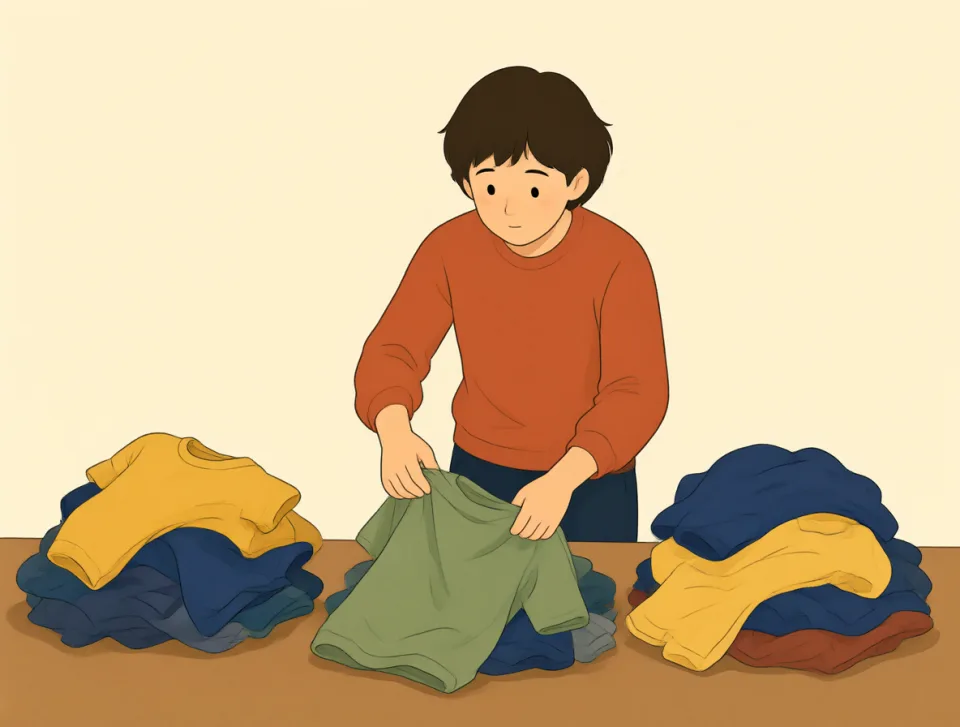
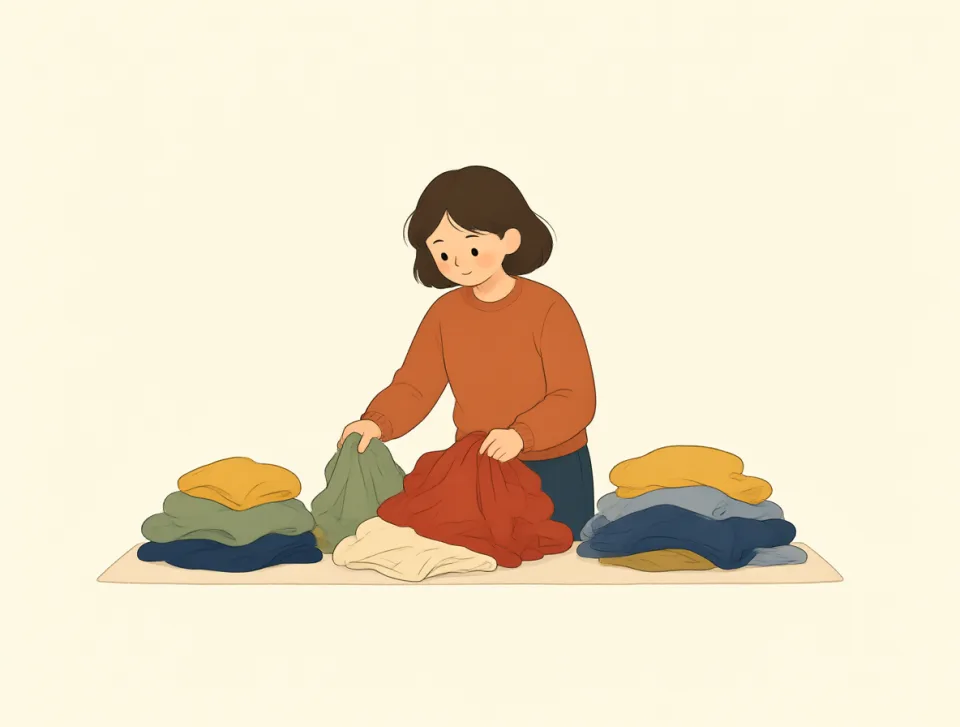
Please sort these clothes by color.
Posegreguj te ubrania według kolorów.
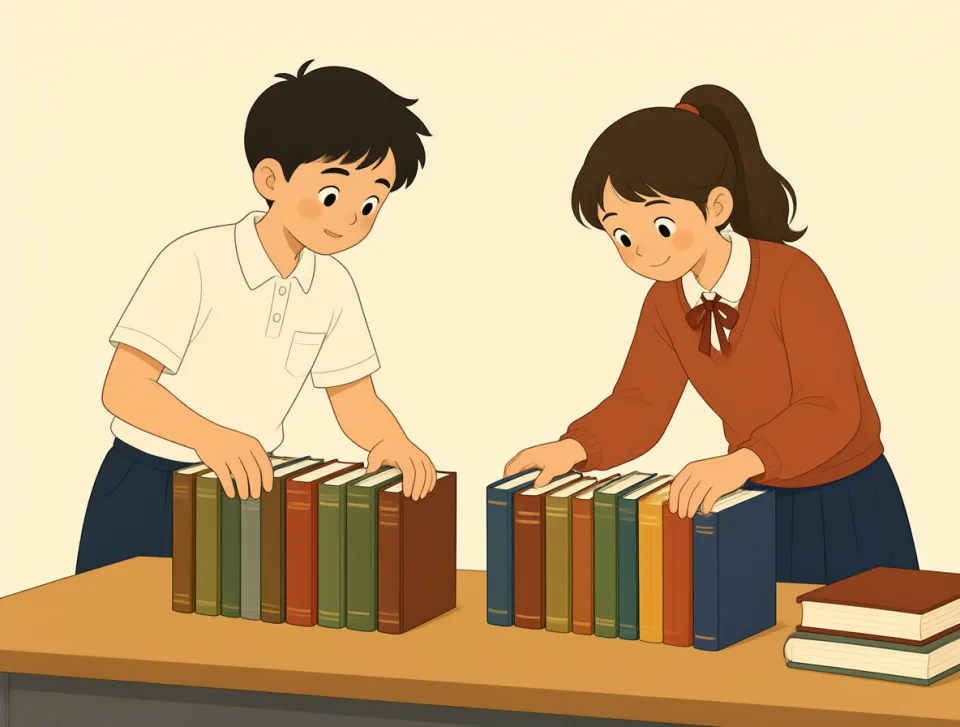
We sorted the books by size.
Posegregowaliśmy książki według rozmiaru.
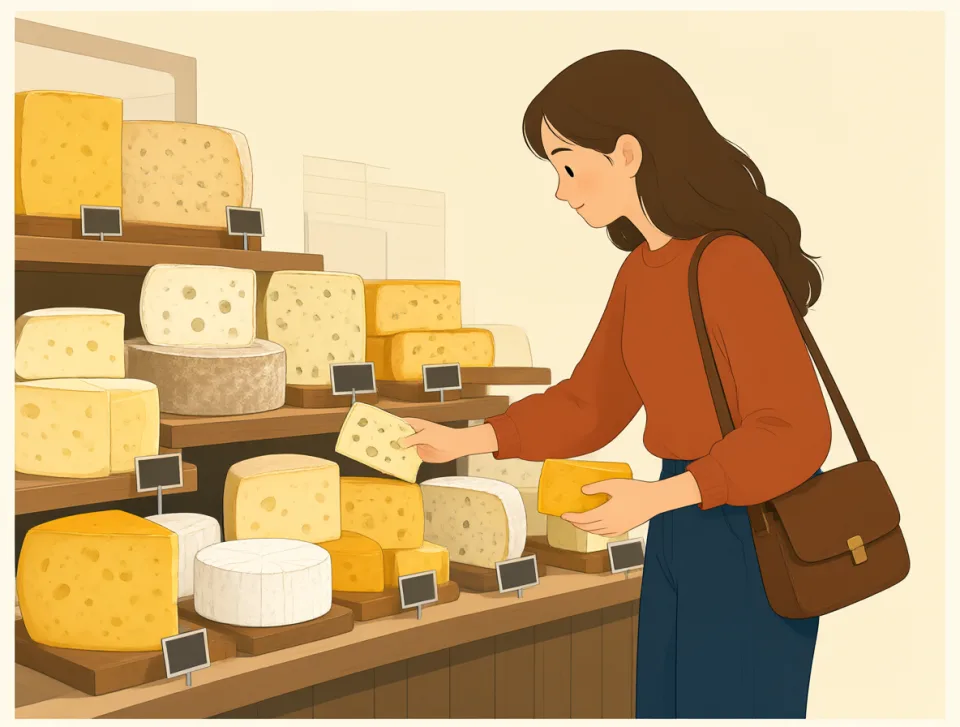
She bought several sorts of cheese.
Kupiła kilka rodzajów sera.
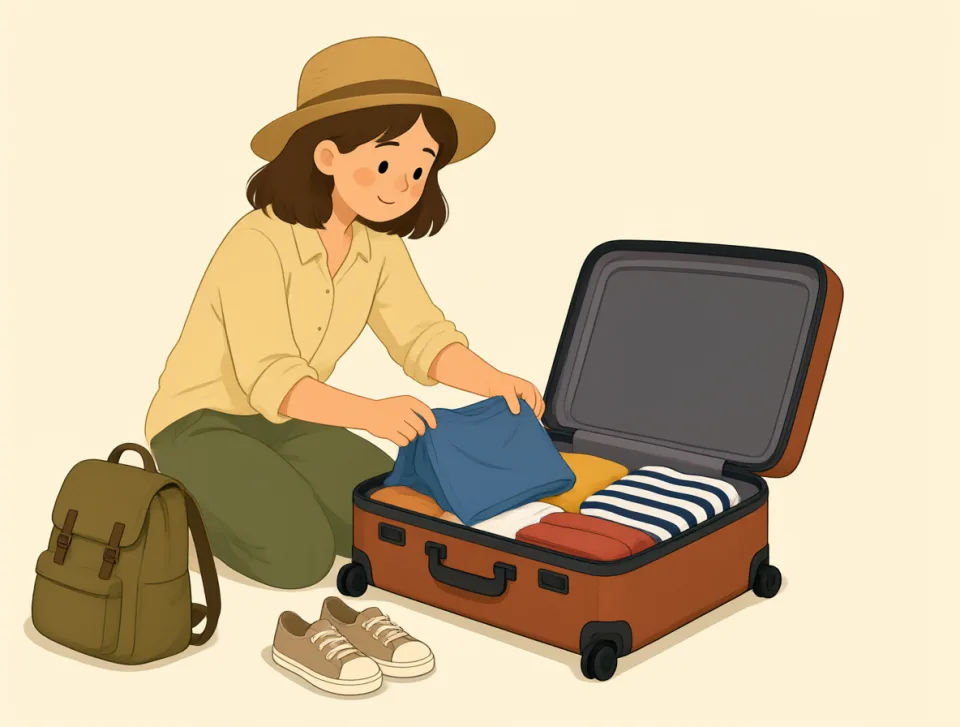
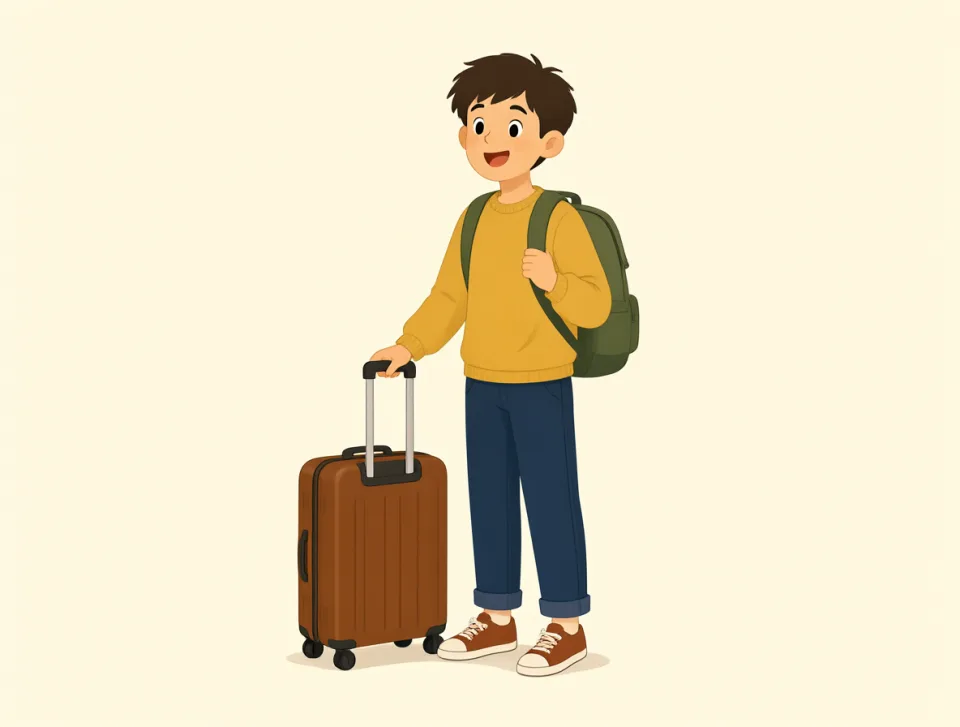
I need to sort out my travel plans.
Muszę uporządkować plany podróży.
ever
#317adverb
kiedykolwiek
At any time, or at any time before now.
W dowolnym czasie lub kiedykolwiek wcześniej.
Have you ever visited another country?
Czy kiedykolwiek odwiedziłeś inny kraj?
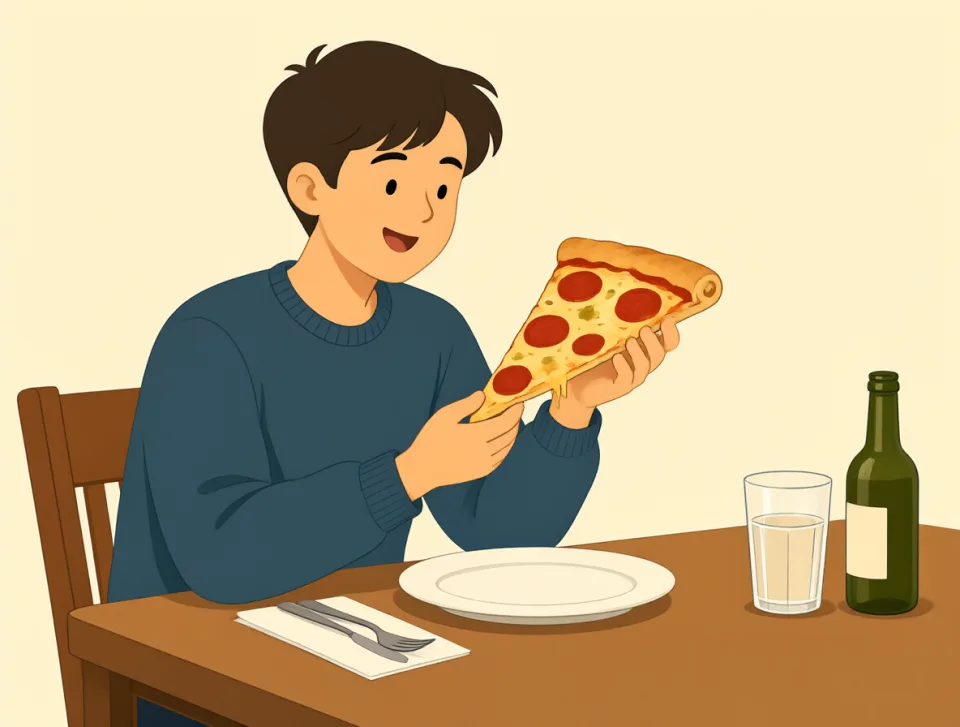
This is the best pizza I have ever eaten.
To najlepsza pizza, jaką kiedykolwiek jadłem.
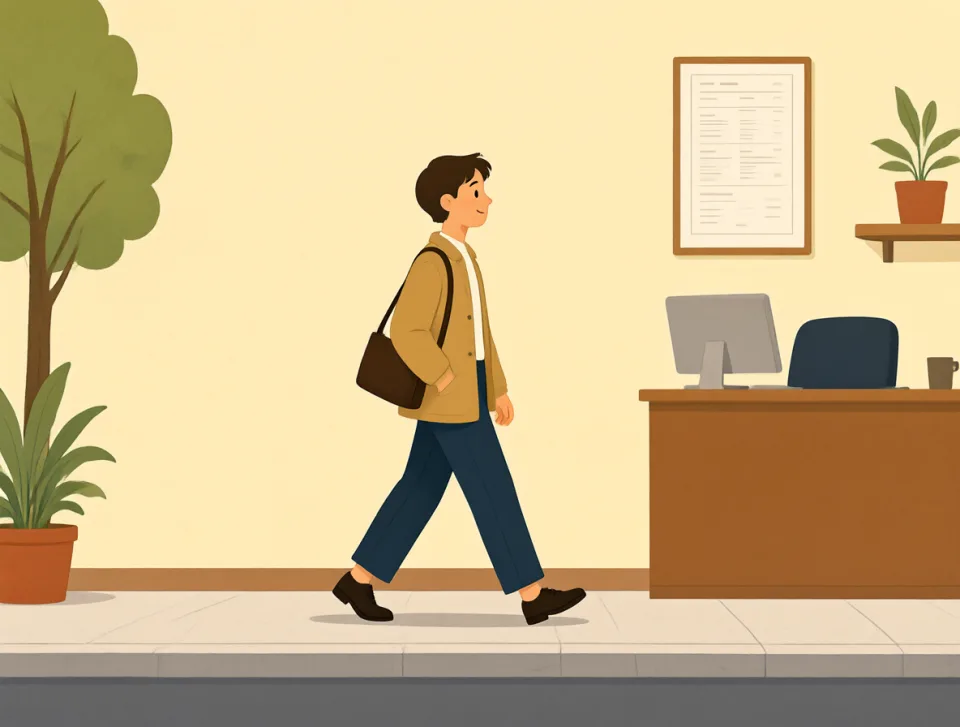
Do you ever walk to work?
Czy zdarza ci się chodzić do pracy pieszo?
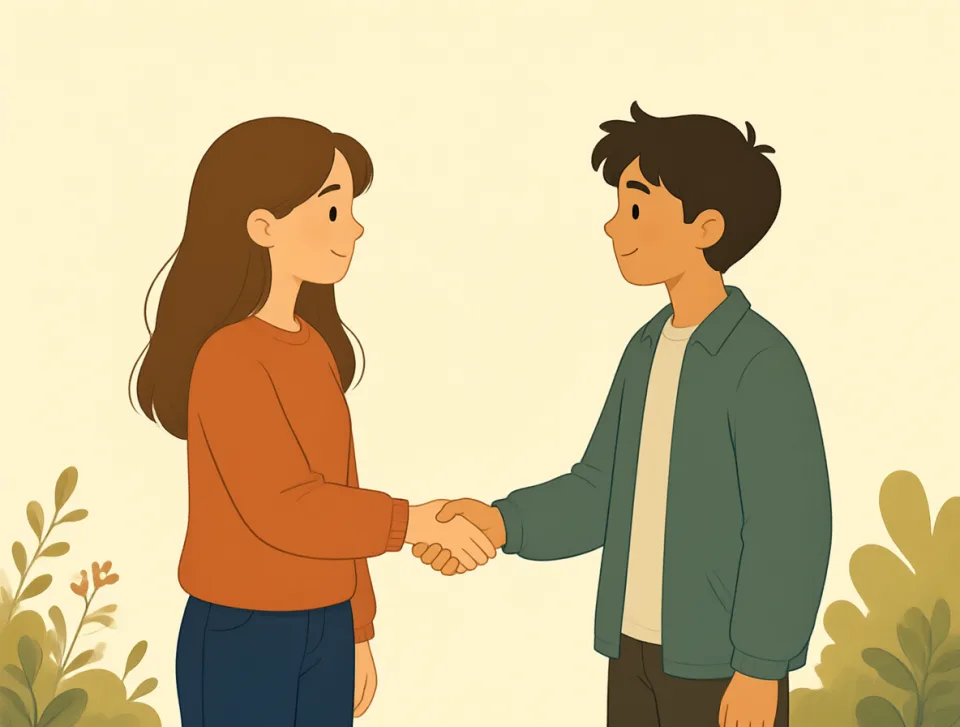
If you ever need help, call me.
Jeśli kiedykolwiek będziesz potrzebować pomocy, zadzwoń do mnie.
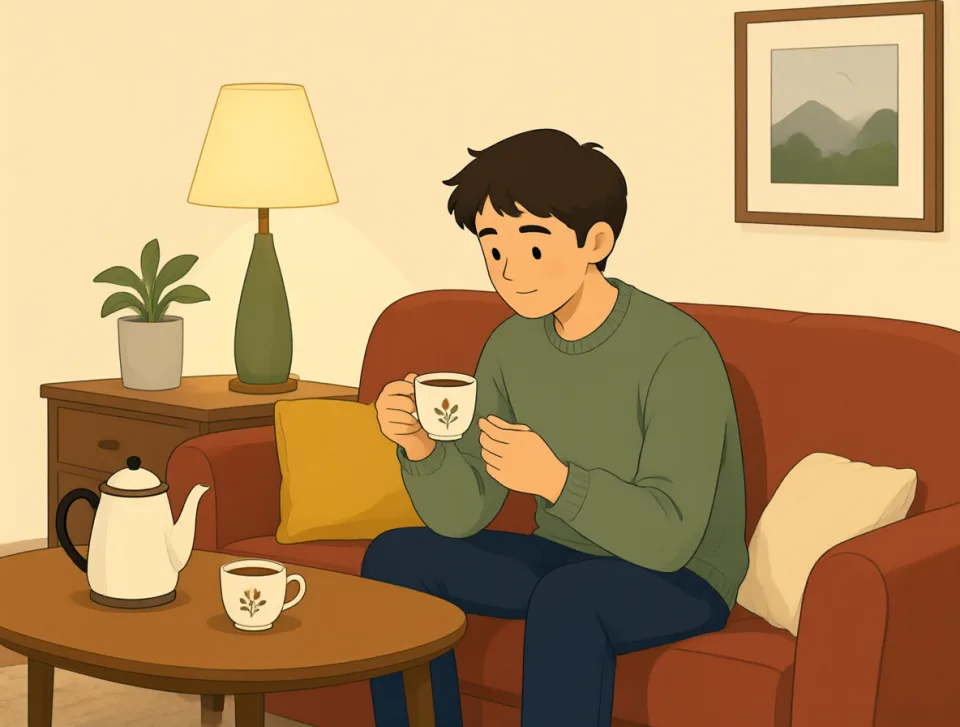
He hardly ever drinks coffee in the evening.
Prawie nigdy nie pije kawy wieczorem.
anything
#318pronoun, determiner
cokolwiek
A thing of any kind, or no particular thing.
Rzecz dowolnego rodzaju albo żadna konkretna rzecz.
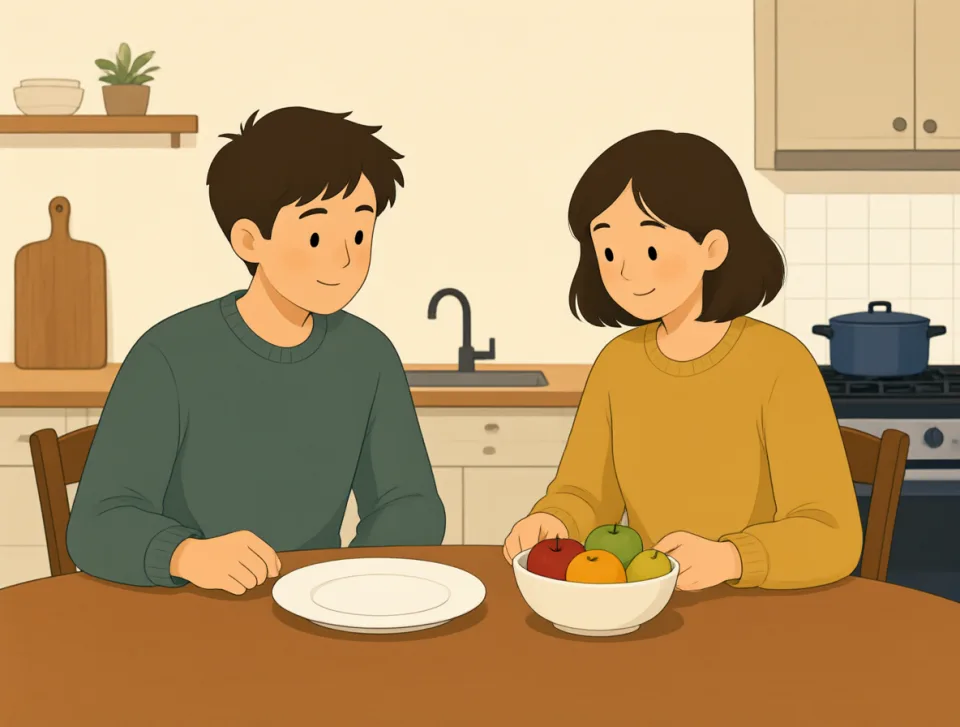
Would you like anything to eat?
Czy masz ochotę coś zjeść?
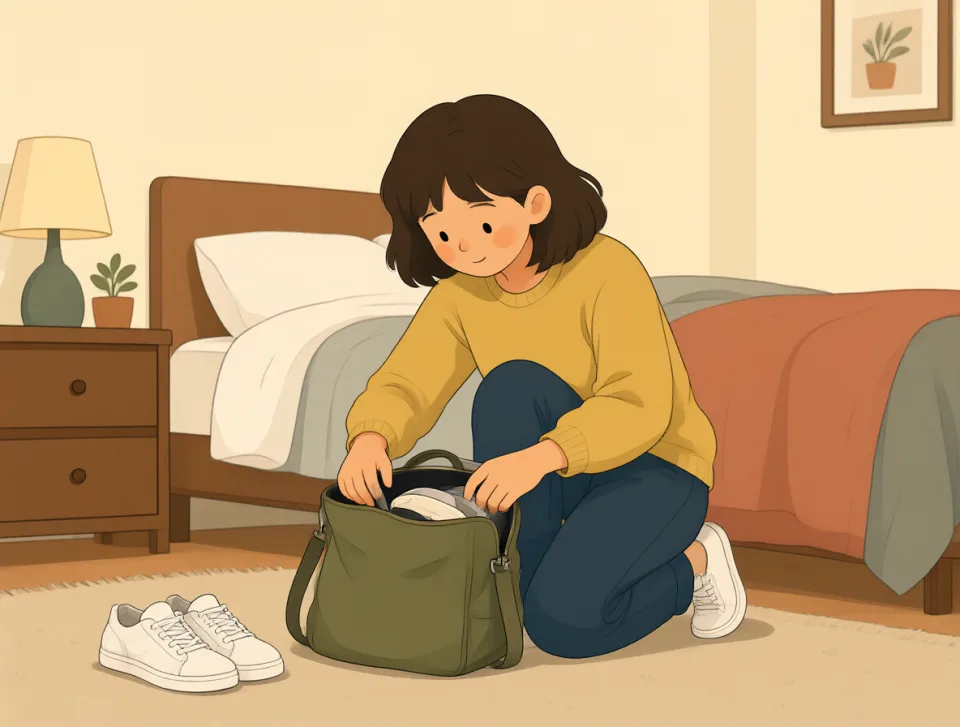
I cannot find anything in this bag.
Nie mogę znaleźć niczego w tej torbie.
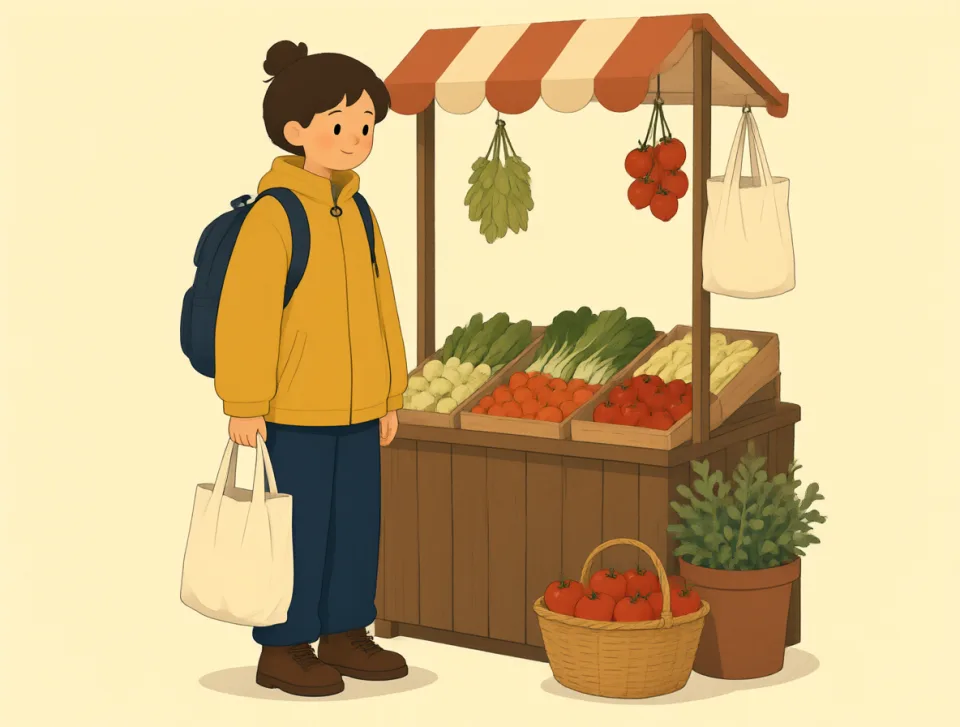
Did you buy anything at the market?
Czy kupiłeś coś na targu?
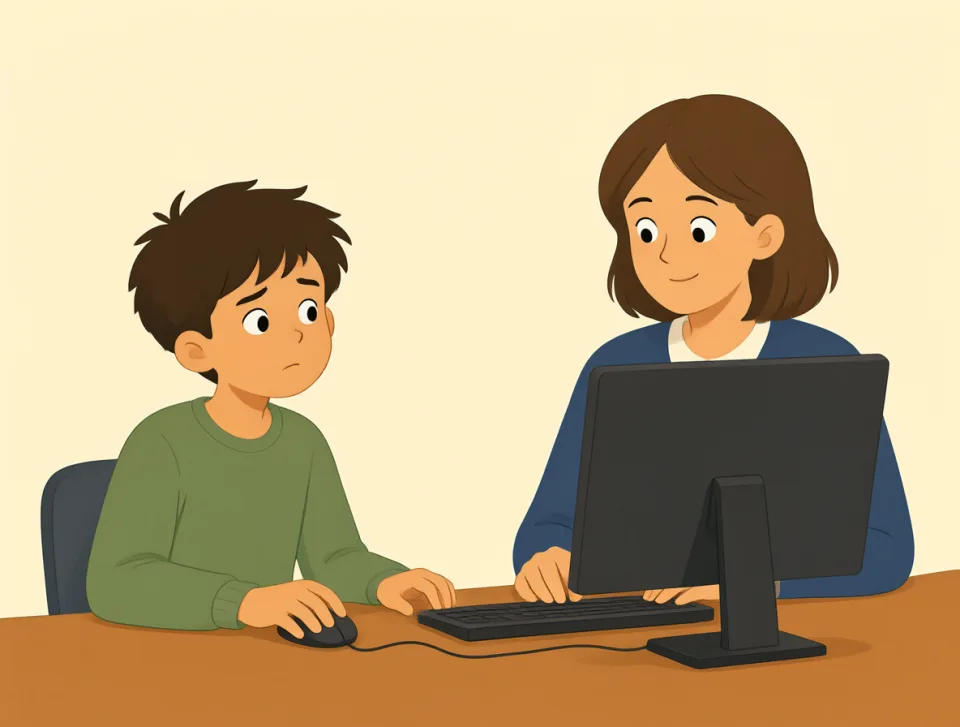
She knows anything about computers.
Ona wie wszystko o komputerach.
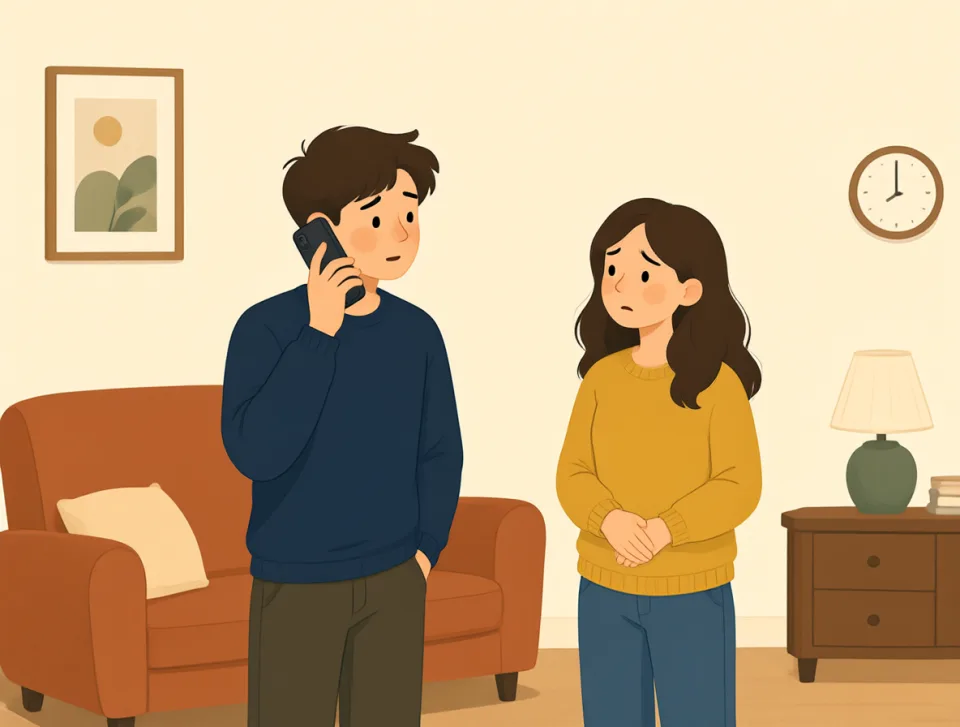
Please call me if anything happens.
Zadzwoń do mnie, jeśli coś się stanie.
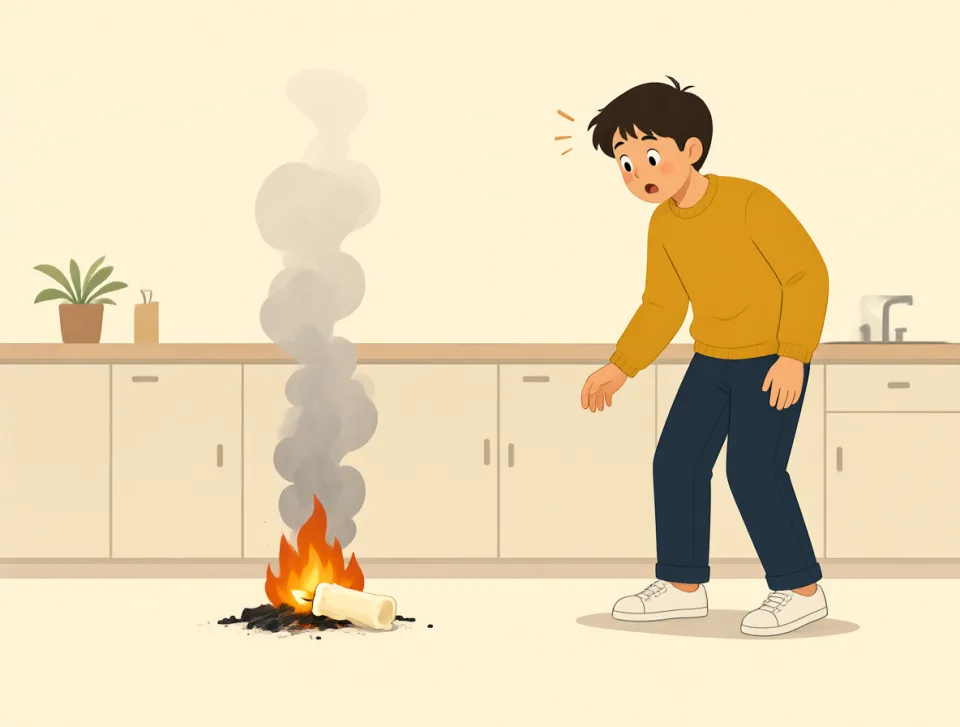
cause
#319noun, verb
przyczyna; powodować
A reason something happens; to make something happen.
Powód, dla którego coś się dzieje; sprawić, że coś się wydarzy.
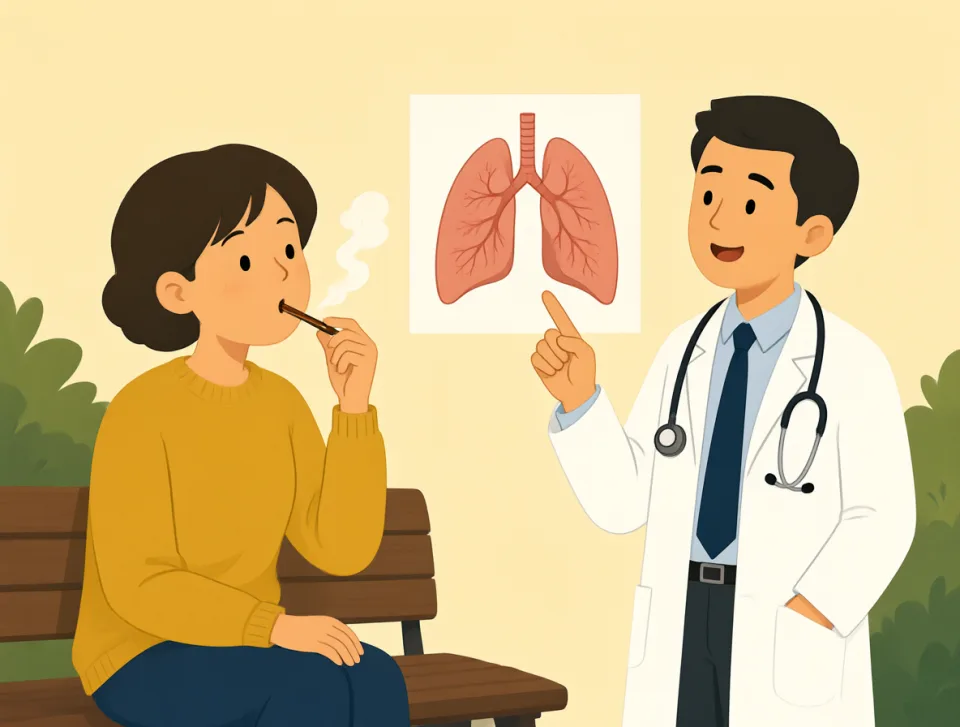
Smoking can cause serious health problems.
Palenie może powodować poważne problemy zdrowotne.
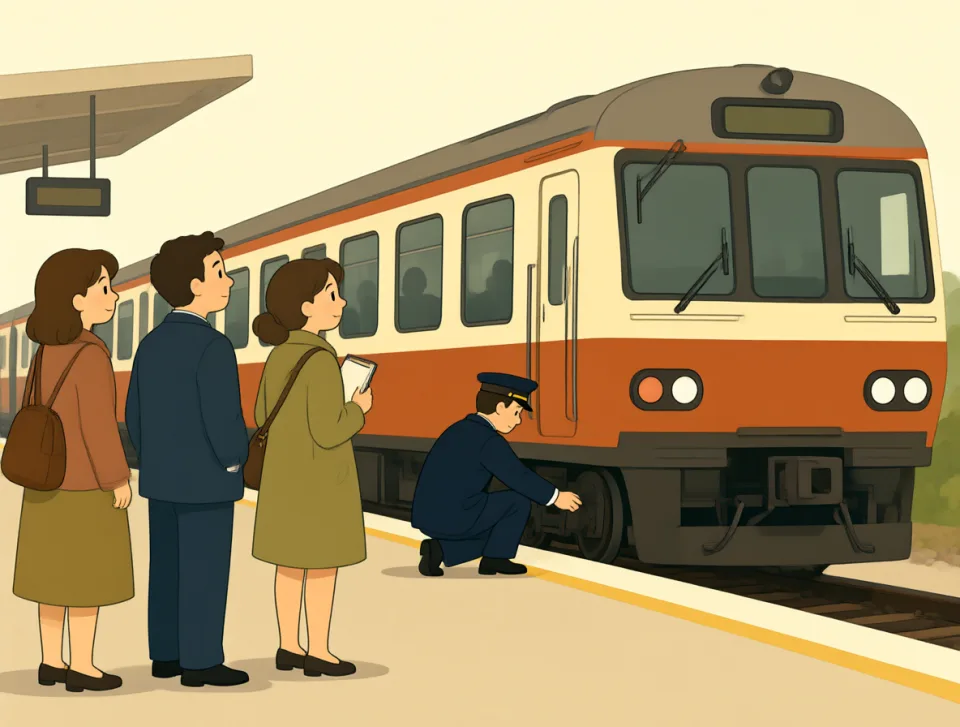
What caused the train delay this morning?
Co spowodowało dzisiejsze poranne opóźnienie pociągu?
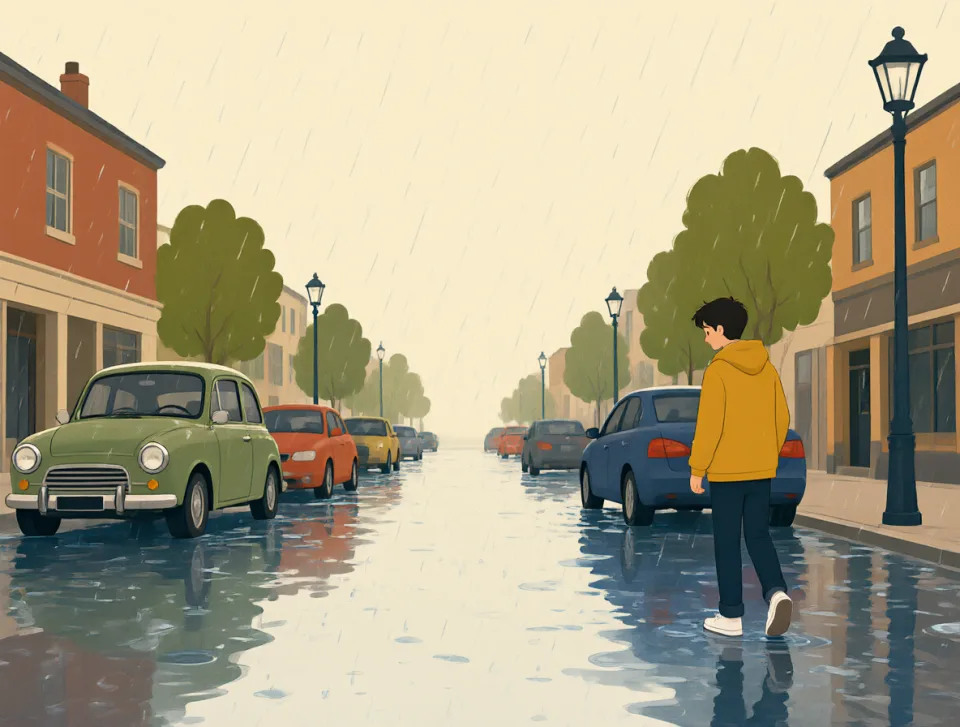
The heavy rain caused a flood.
Ulewny deszcz spowodował powódź.
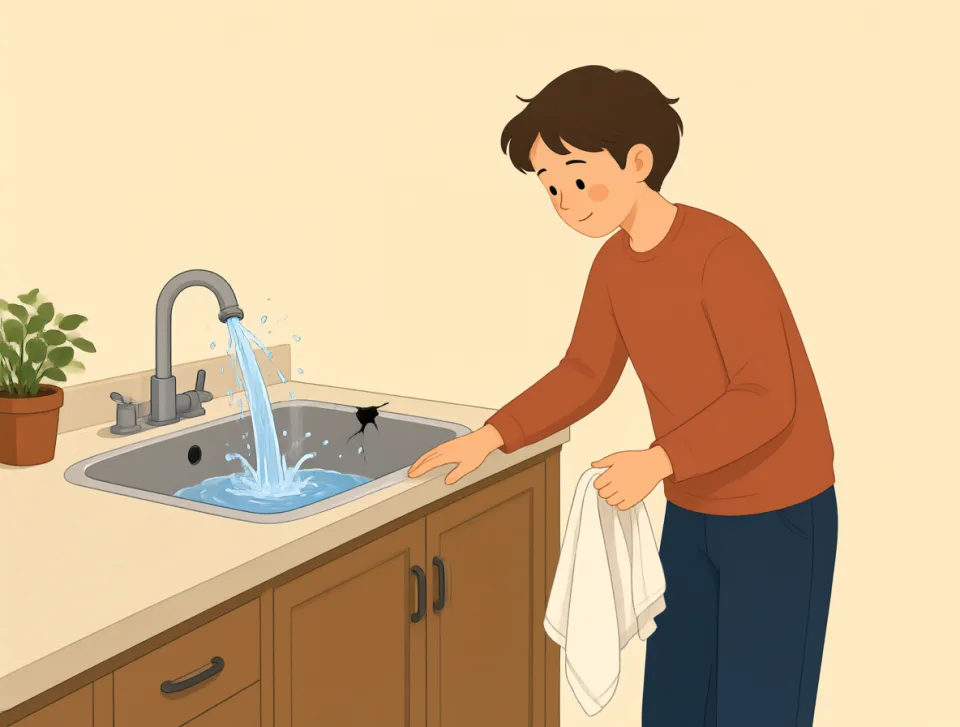
A broken pipe caused water damage at home.
Pęknięta rura spowodowała zalanie domu.
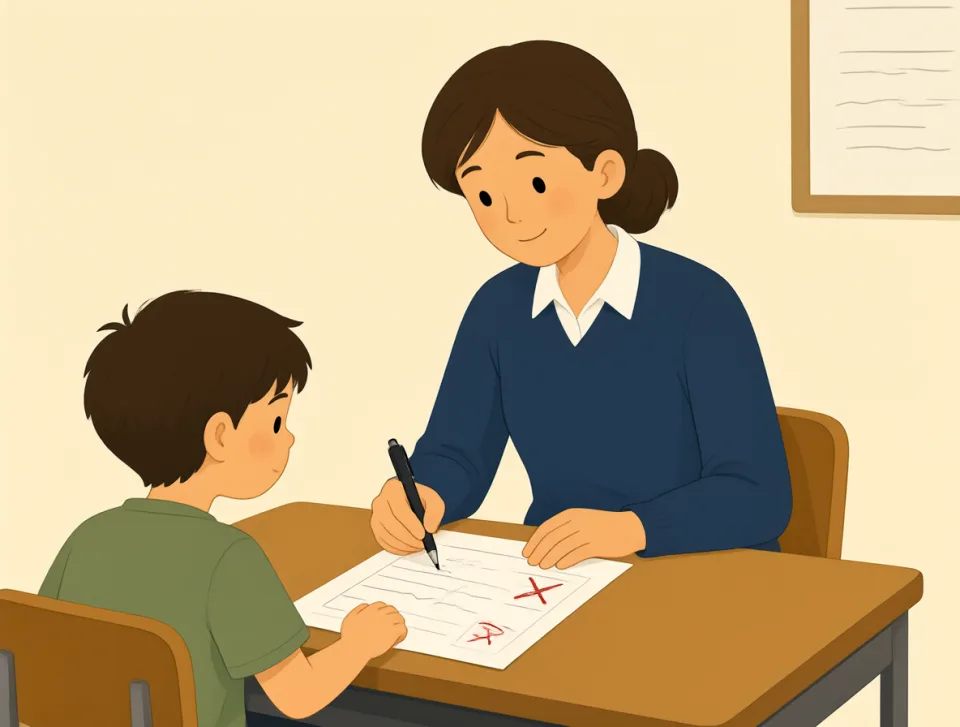
The teacher explained the cause of the mistake.
Nauczyciel wyjaśnił przyczynę błędu.
fall
#320verb, noun
upaść; jesień
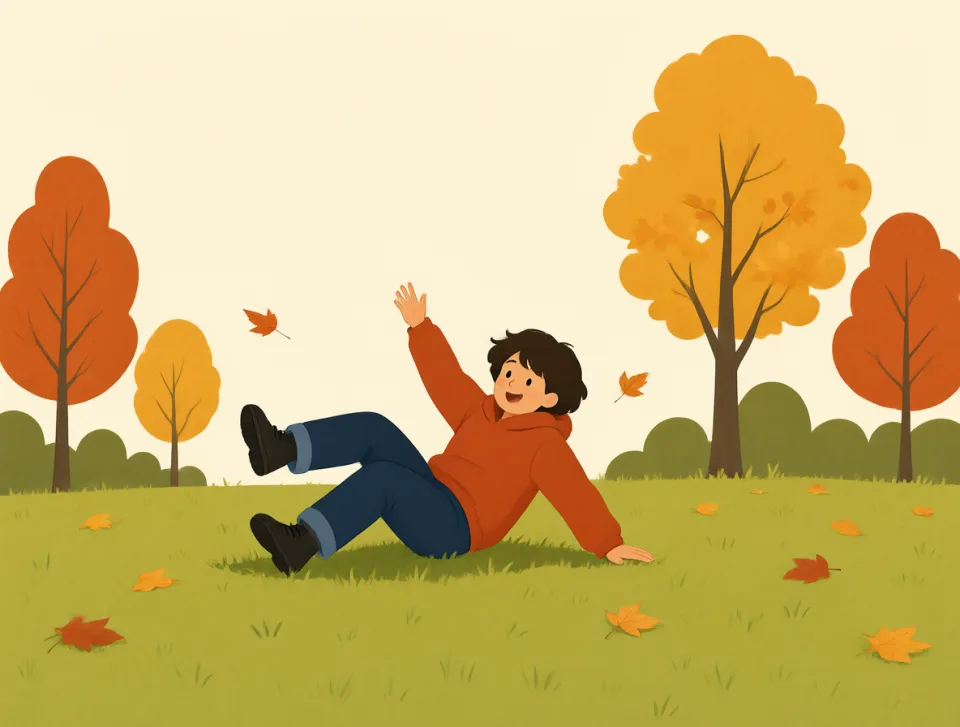
To move down suddenly, or the season between summer and winter.
Nagle przemieścić się w dół albo pora roku między latem a zimą.
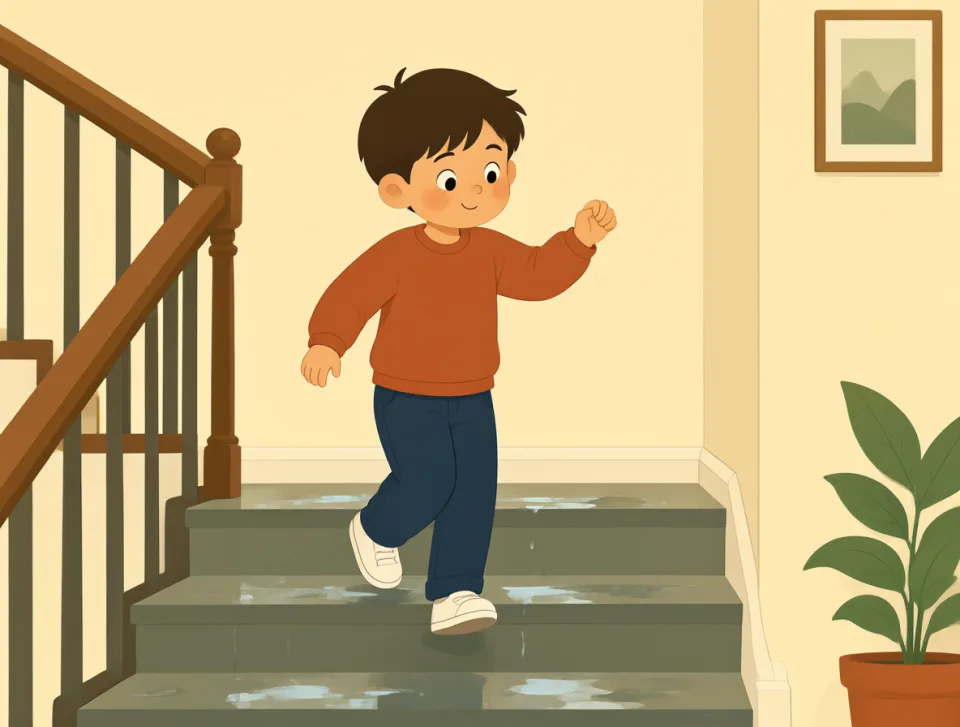
Be careful, or you may fall down.
Uważaj, bo możesz upaść.
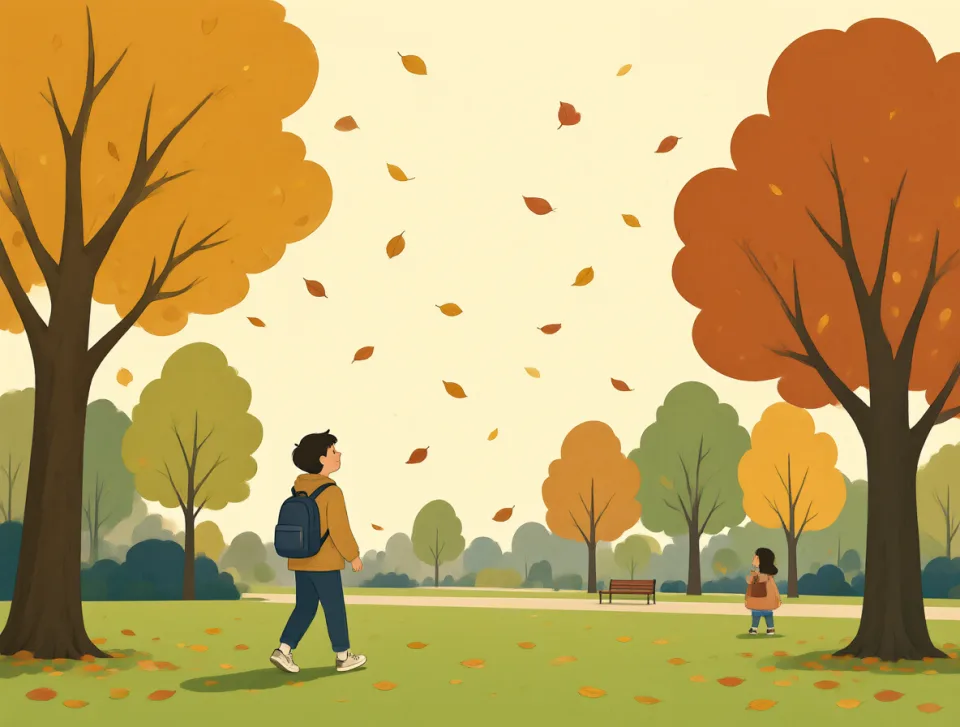
The leaves fall from the trees in autumn.
Jesienią liście spadają z drzew.
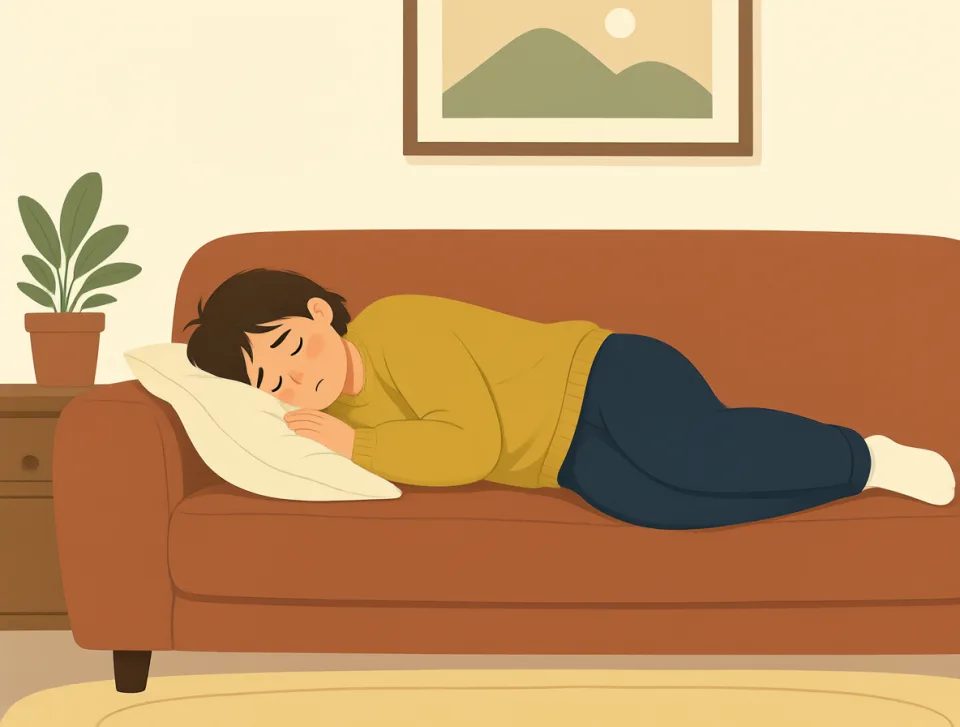
I fell asleep on the sofa.
Zasnąłem na kanapie.
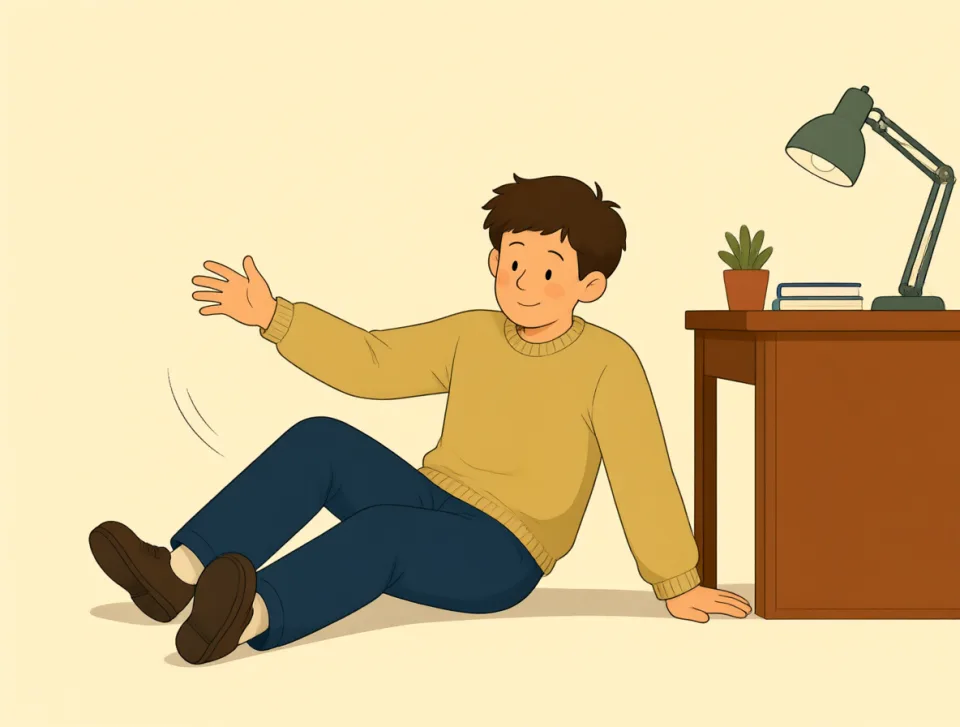
She had a bad fall at work.
Miała poważny upadek w pracy.

We visited Canada last fall.
Odwiedziliśmy Kanadę zeszłej jesieni.