Zestaw 6
Słowa 101–120 · last, child, tell, really, call, before
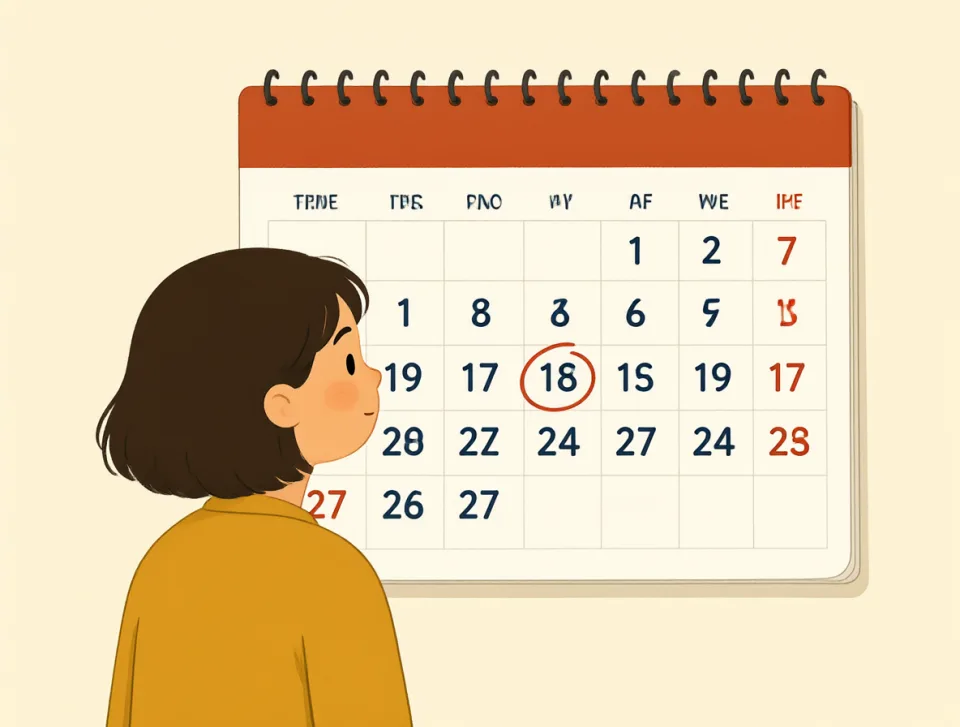
last
#101verb, adjective, adverb, noun
trwać; ostatni
To continue for a period of time, or come after all others in time or order.
Trwać przez pewien czas albo następować po wszystkich innych w czasie lub kolejności.
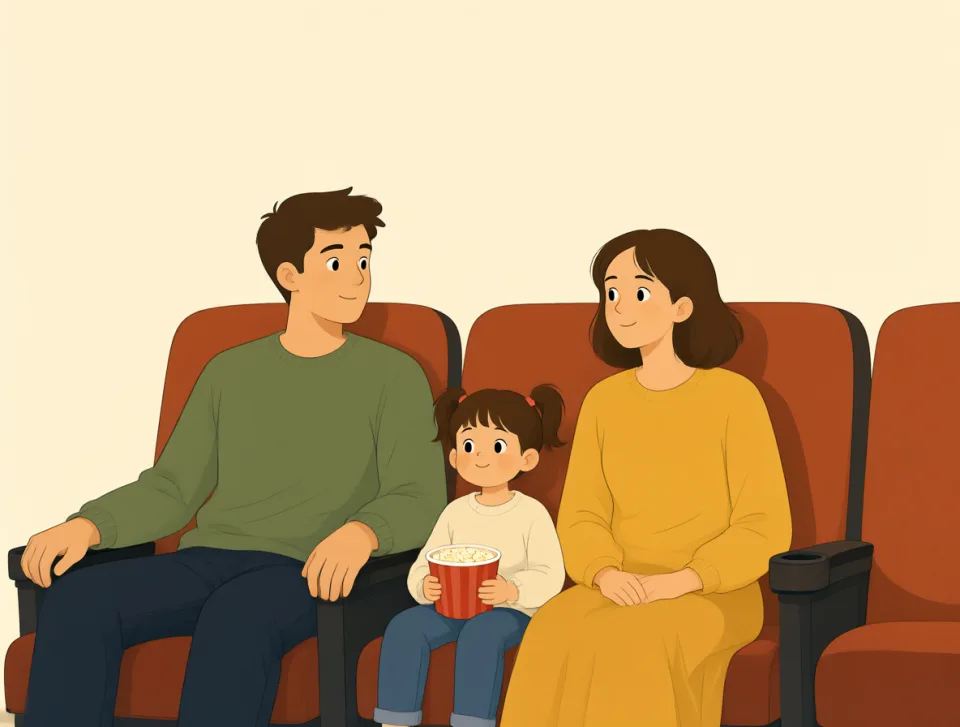
The movie lasted two hours.
Film trwał dwie godziny.
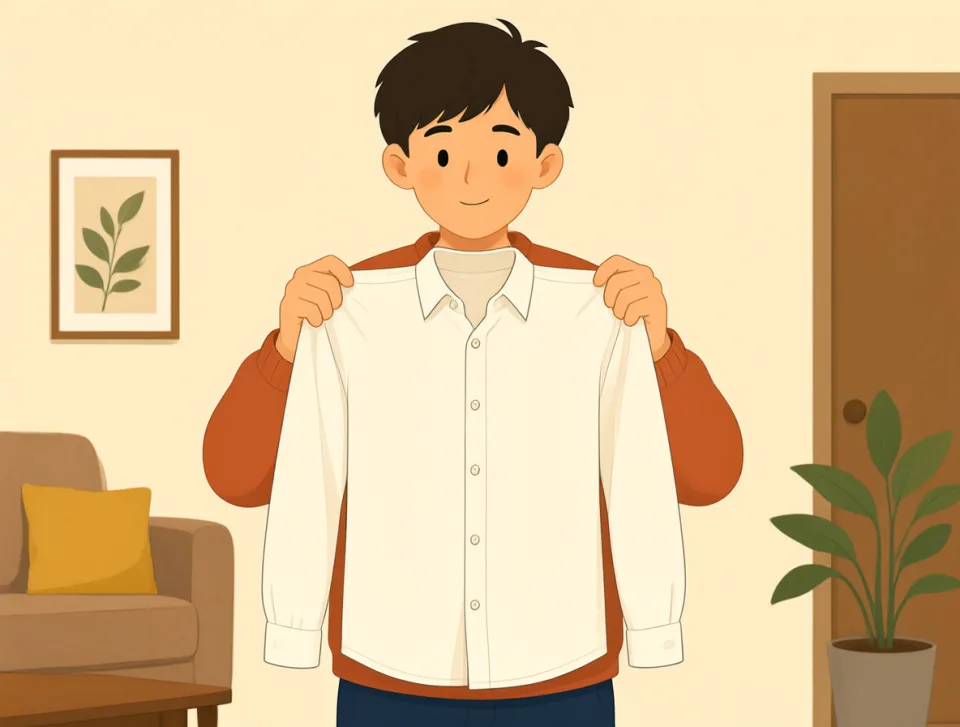
This shirt will last for years.
Ta koszula posłuży przez lata.
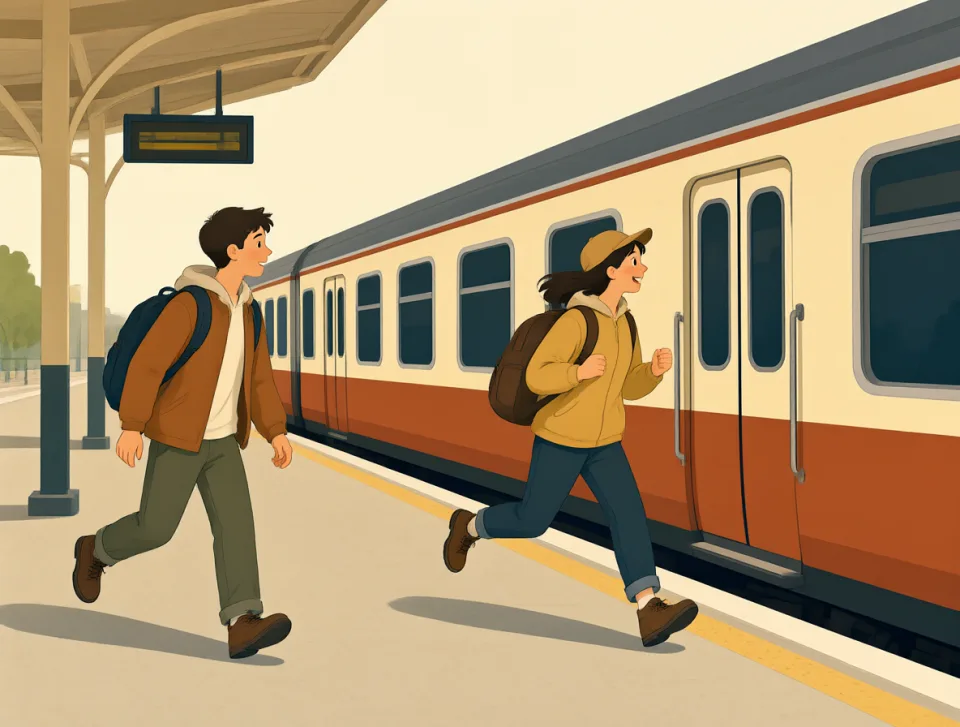
We caught the last train home.
Złapaliśmy ostatni pociąg do domu.
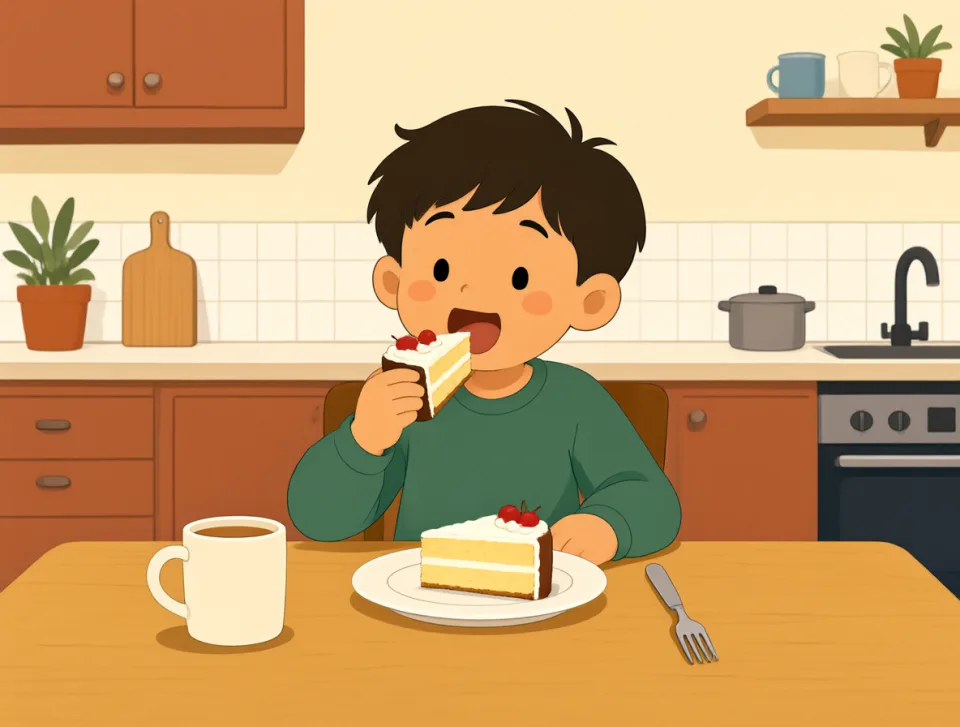
I ate the last piece of cake.
Zjadłem ostatni kawałek ciasta.
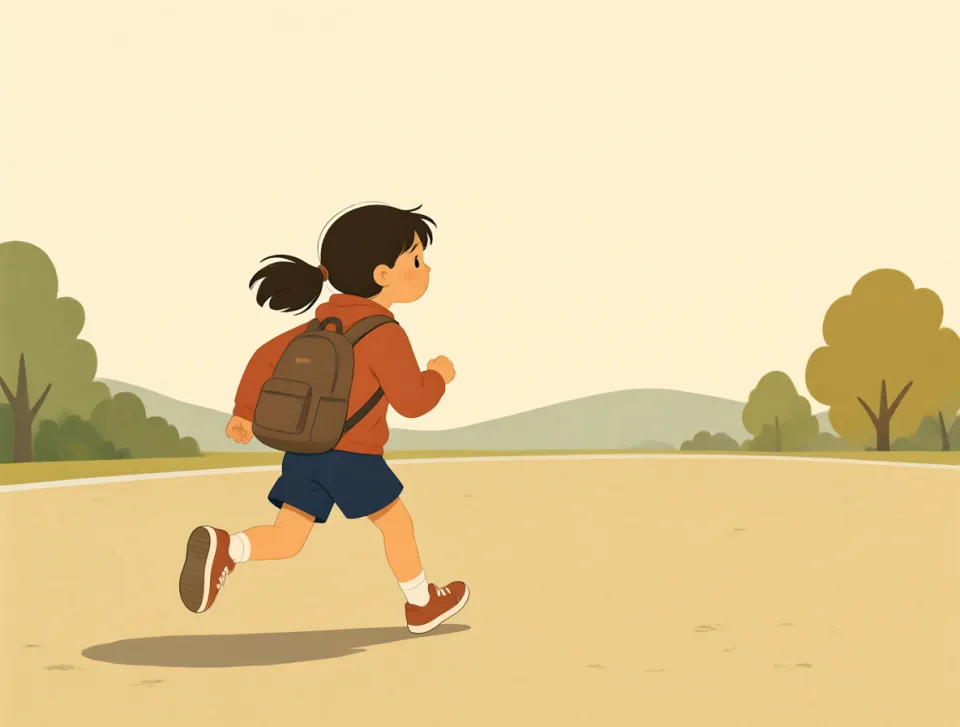
She was last in the race.
Zajęła ostatnie miejsce w wyścigu.
child
#102noun
dziecko
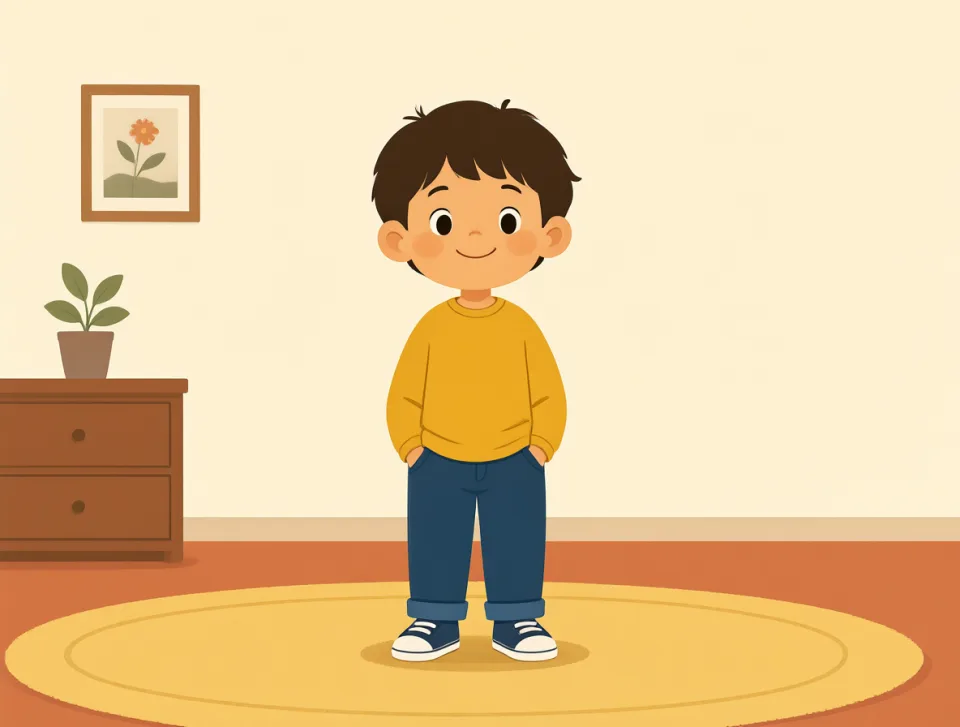
a young person who is not yet an adult
Młoda osoba, która nie jest jeszcze dorosła.
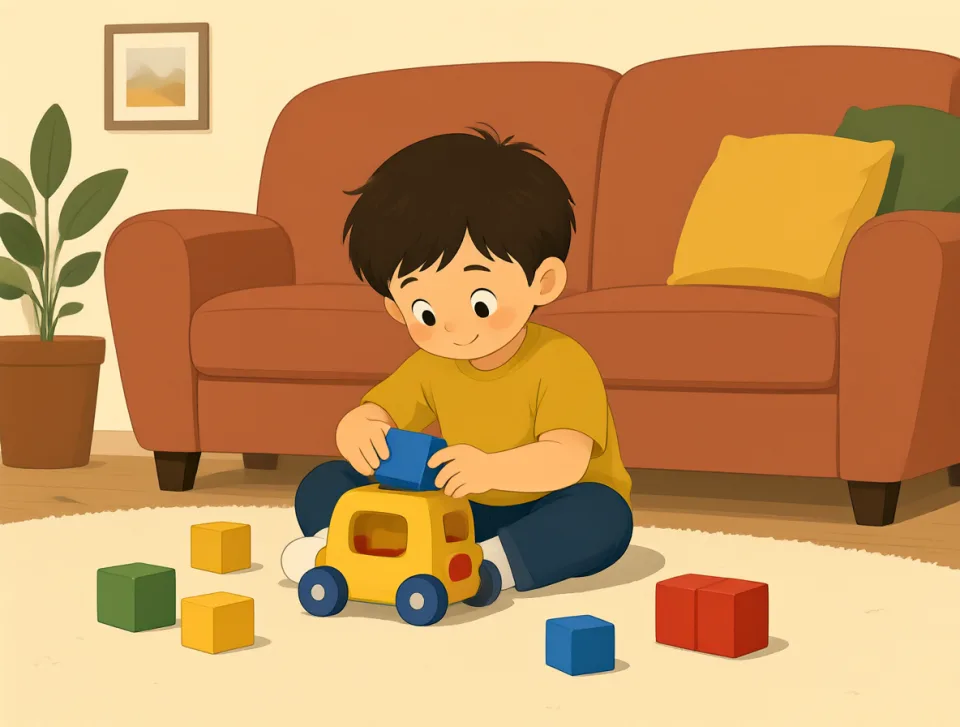
The child is playing with a toy.
Dziecko bawi się zabawką.
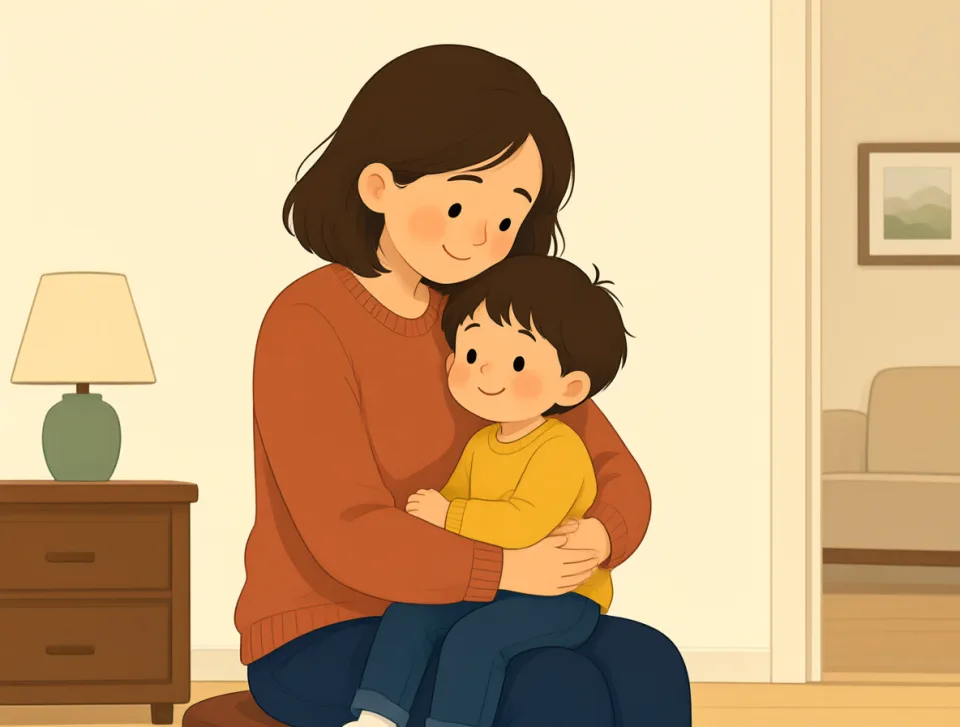
Every child needs love and care.
Każde dziecko potrzebuje miłości i opieki.
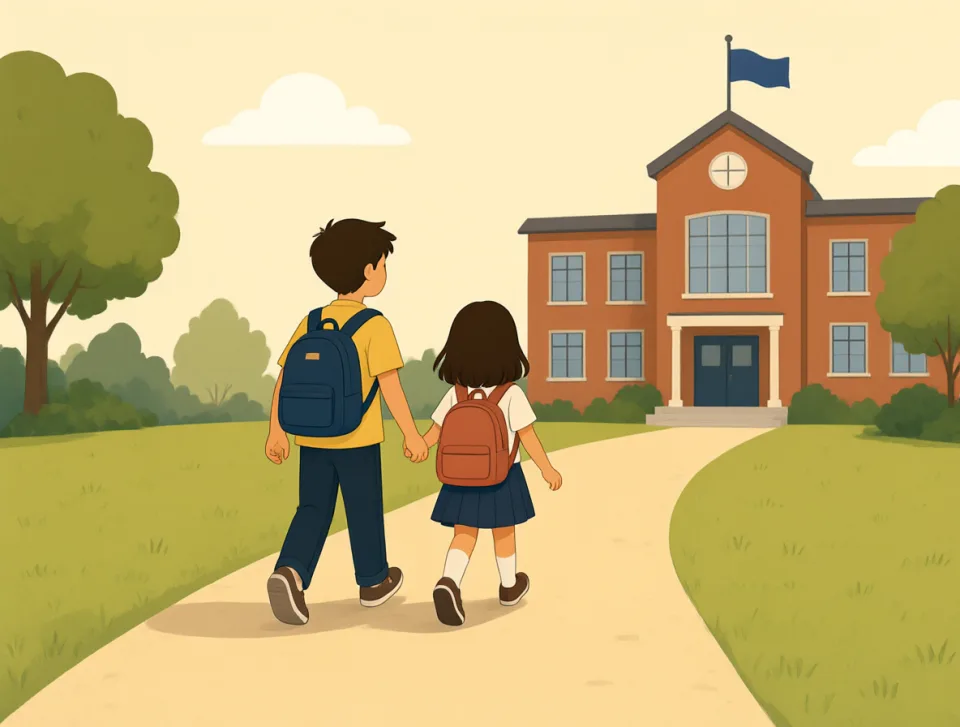
The children walked to school together.
Dzieci poszły razem do szkoły.
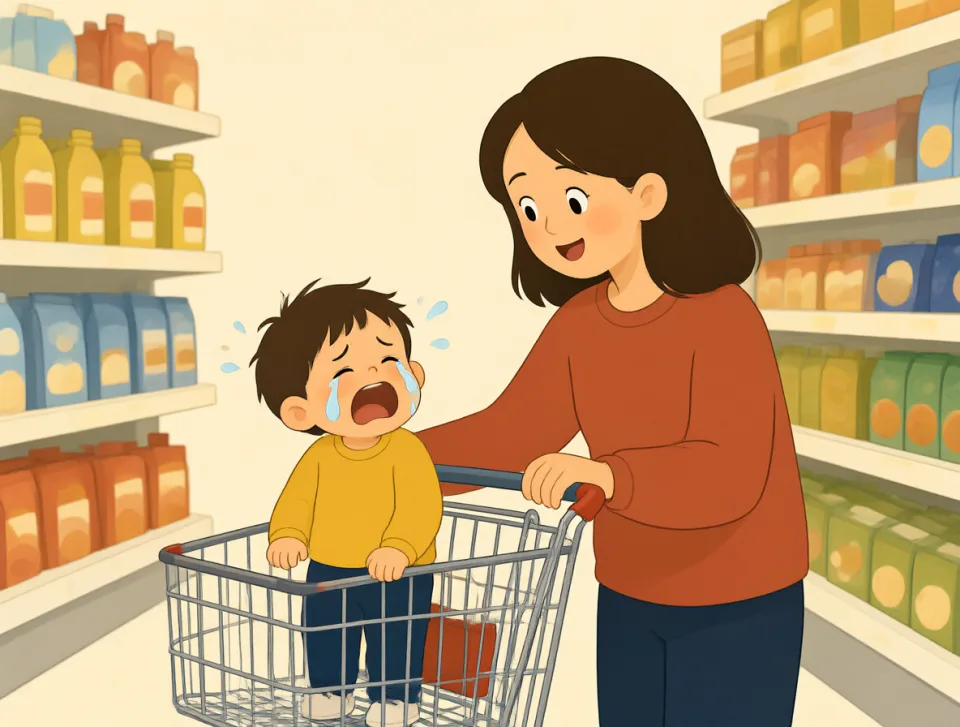
A child was crying in the store.
W sklepie płakało jakieś dziecko.
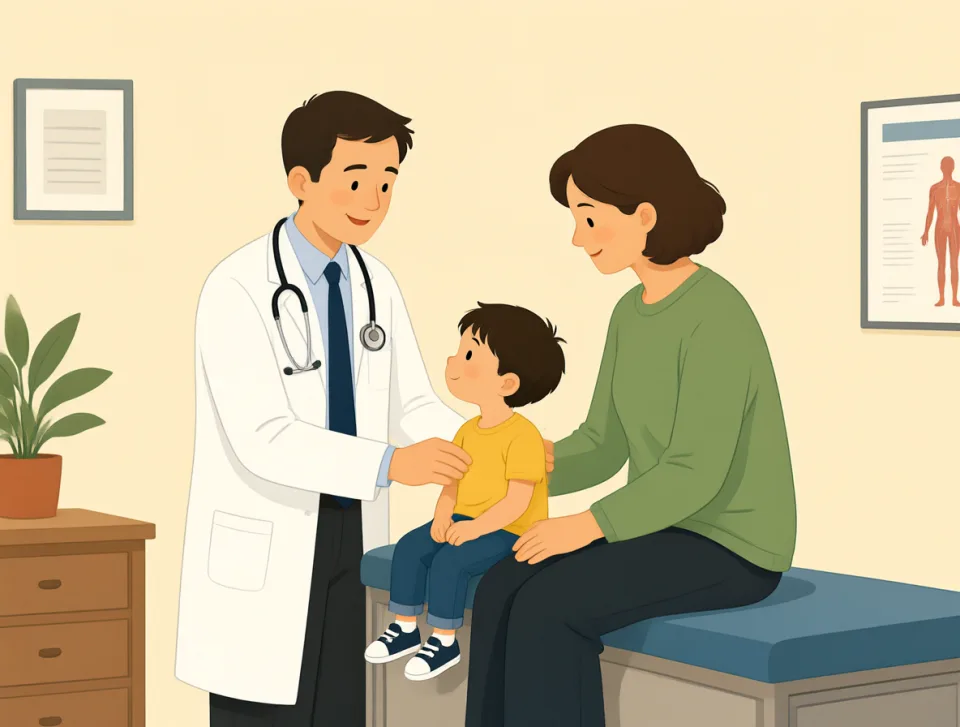
The doctor examined the sick child.
Lekarz zbadał chore dziecko.
tell
#103verb
powiedzieć; informować
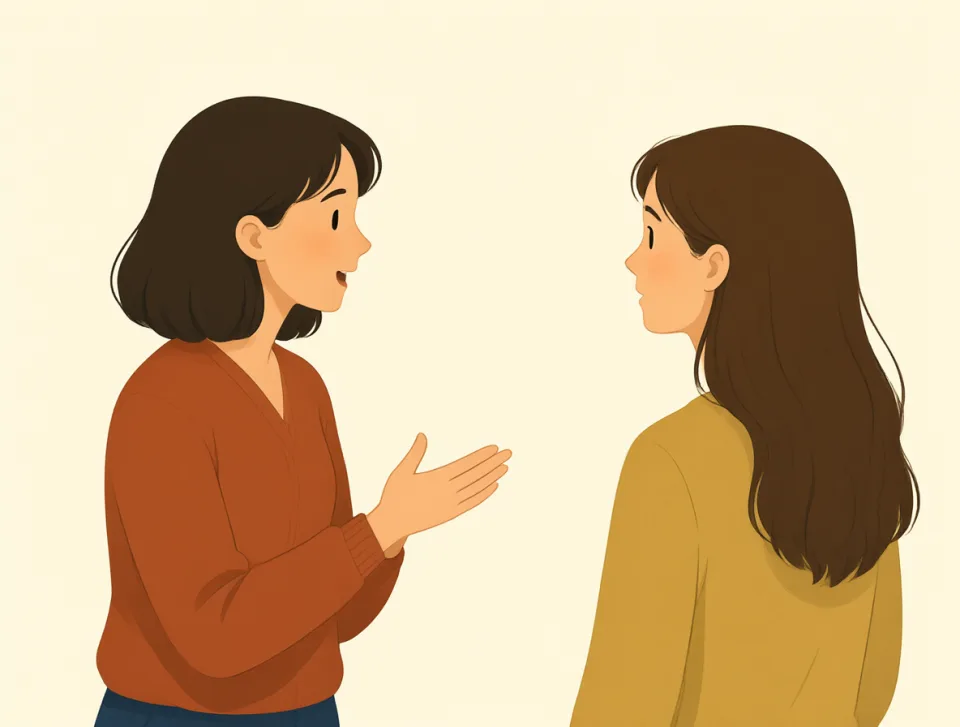
to give someone information or say something to someone
Przekazać komuś informację lub coś komuś powiedzieć.
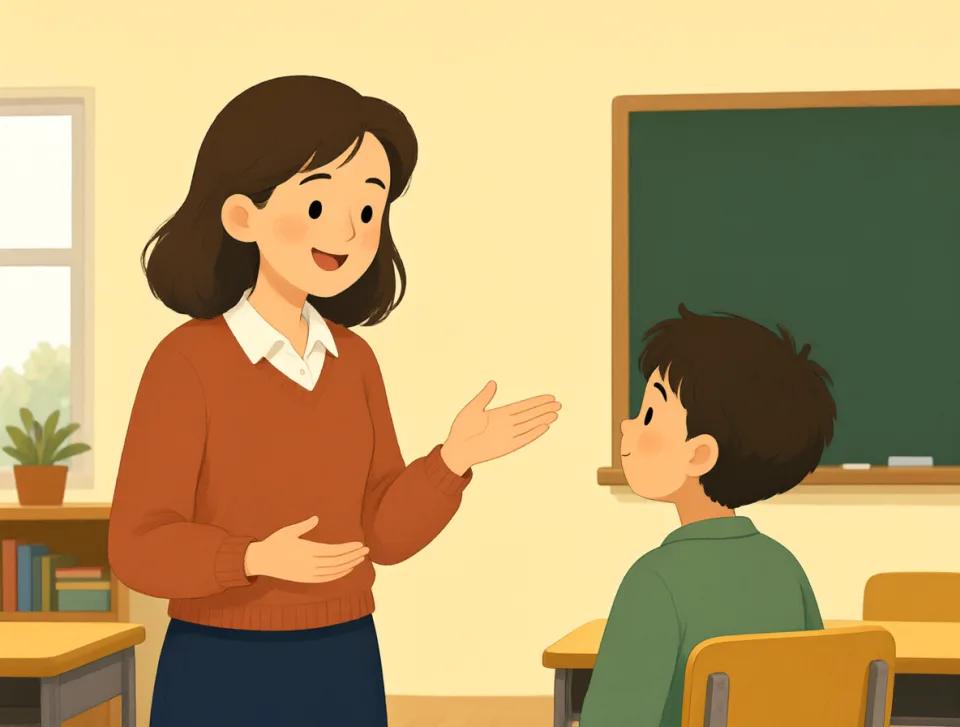
Please tell me your name.
Proszę, powiedz mi, jak masz na imię.
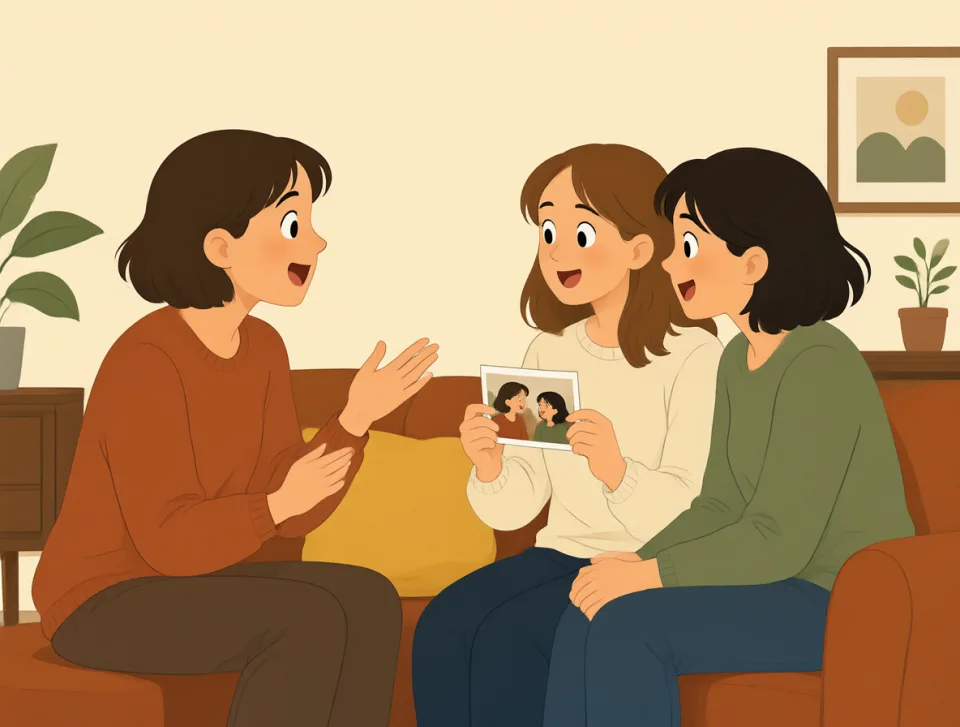
She told us about her trip.
Opowiedziała nam o swojej podróży.
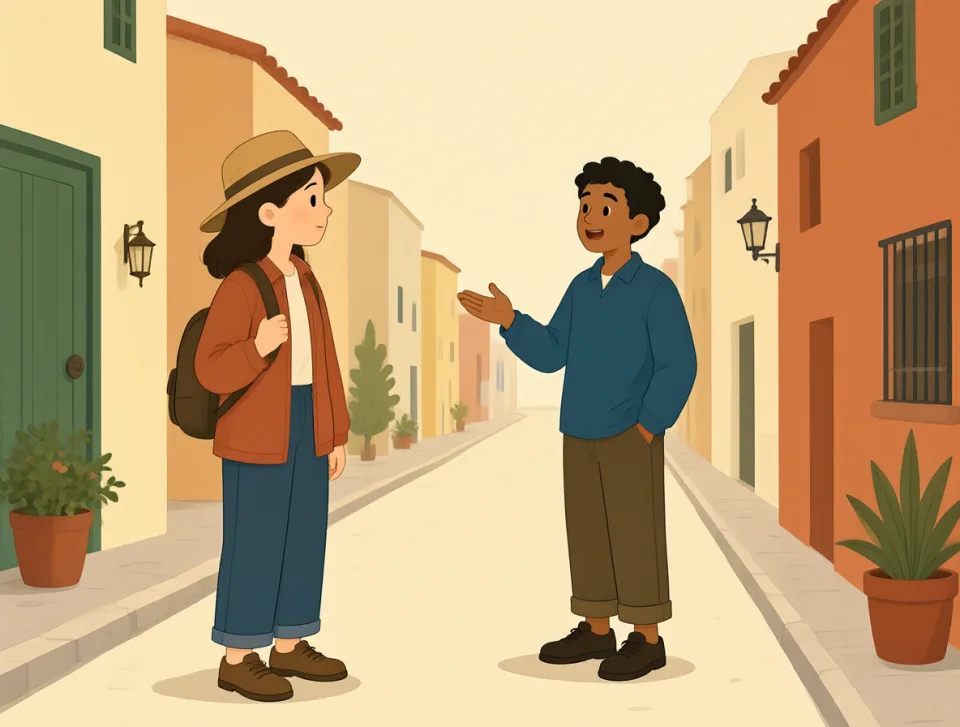
Can you tell me the way?
Czy możesz wskazać mi drogę?

He told his boss he was sick.
Powiedział szefowi, że jest chory.
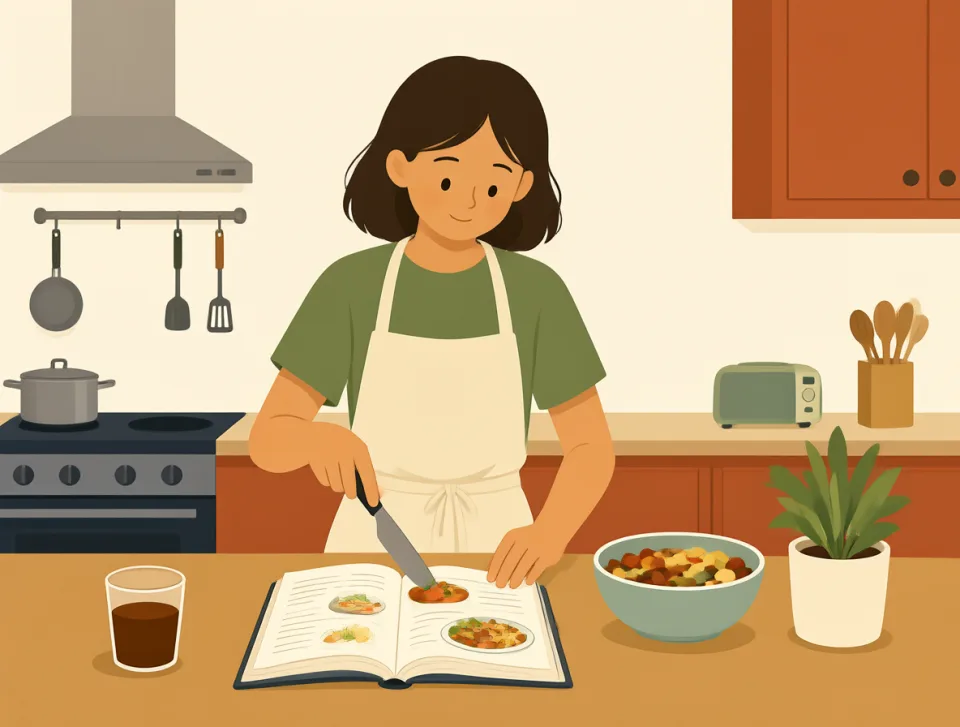
The recipe tells you to add salt.
W przepisie jest napisane, żeby dodać sól.
really
#104adverb
naprawdę
Used to emphasize that something is true, important, or stronger than expected.
Służy do podkreślenia, że coś jest prawdą, jest ważne lub jest bardziej intensywne, niż można się spodziewać.
I really like this song.
Naprawdę lubię tę piosenkę.
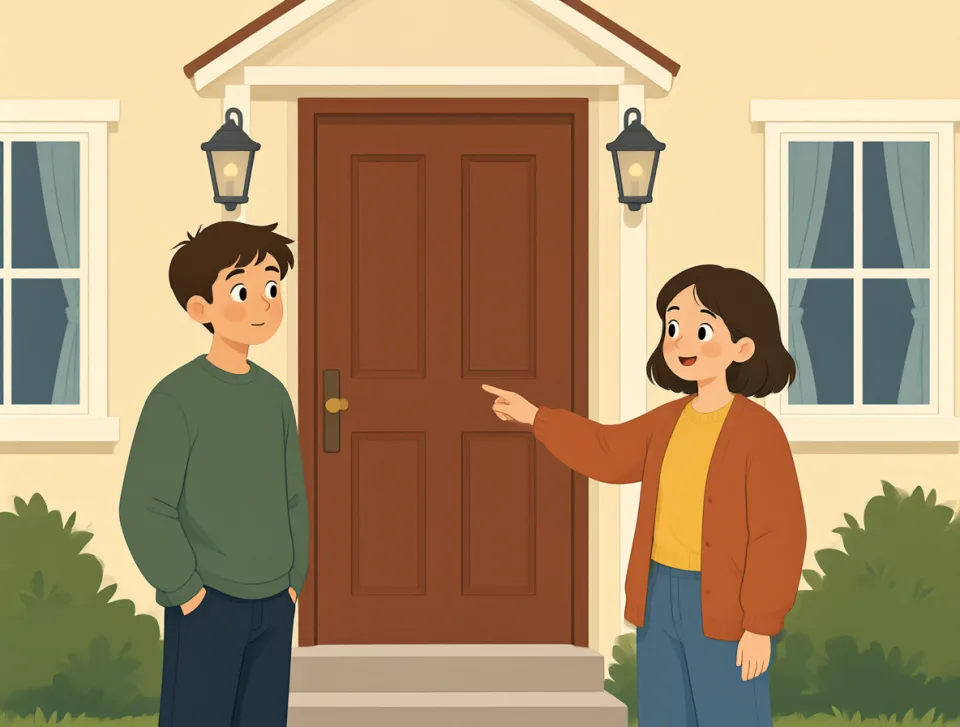
Are you really going home now?
Naprawdę już teraz wracasz do domu?

She is really tired today.
Ona jest dziś naprawdę zmęczona.
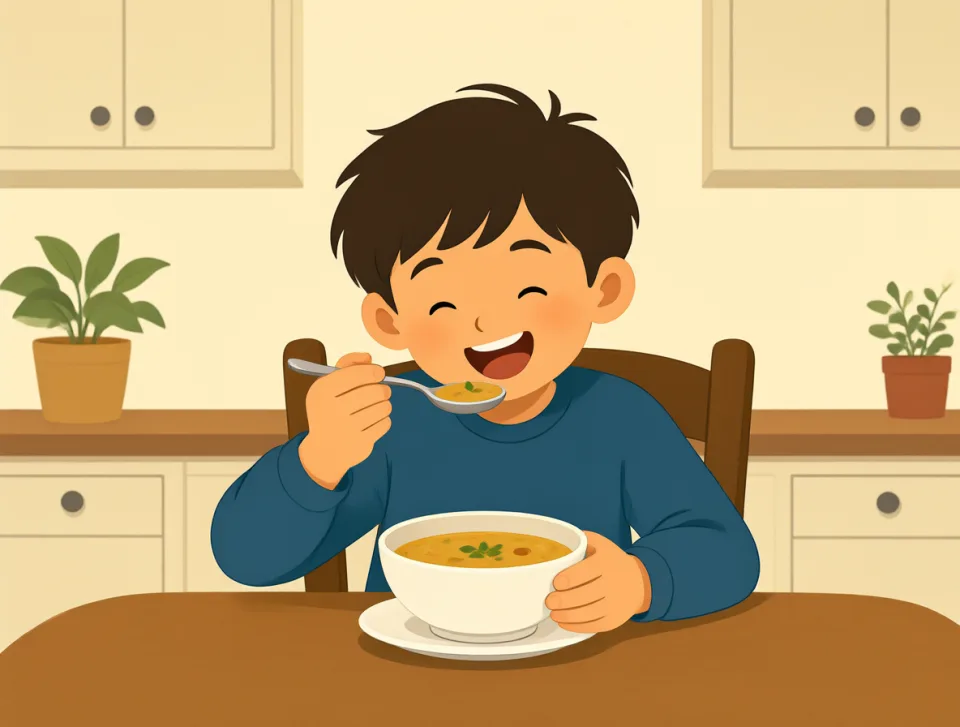
This soup is really good.
Ta zupa jest naprawdę dobra.
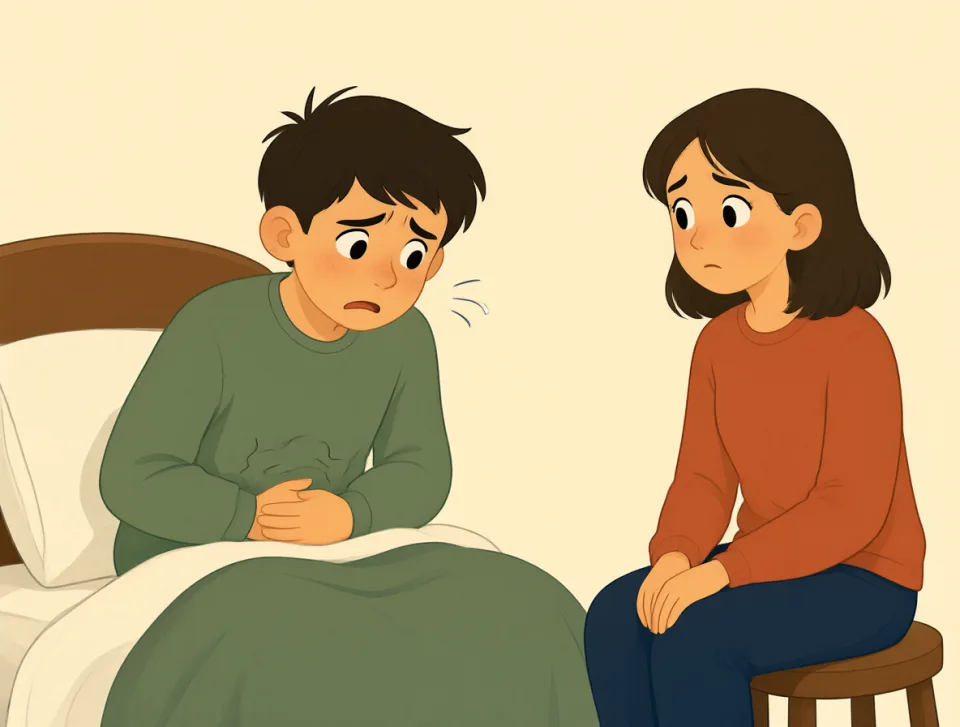
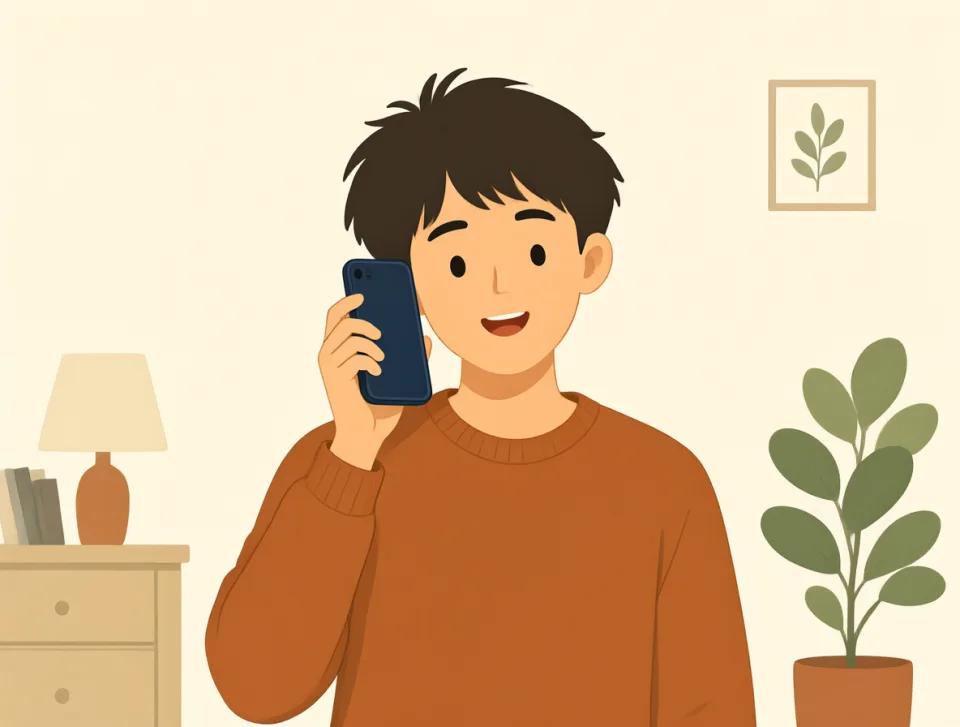
I really need a doctor.
Naprawdę potrzebuję lekarza.
call
#105verb, noun
dzwonić; nazwać
to speak to someone by telephone or give someone a name
Rozmawiać z kimś przez telefon albo nadać komuś imię lub nazwę.
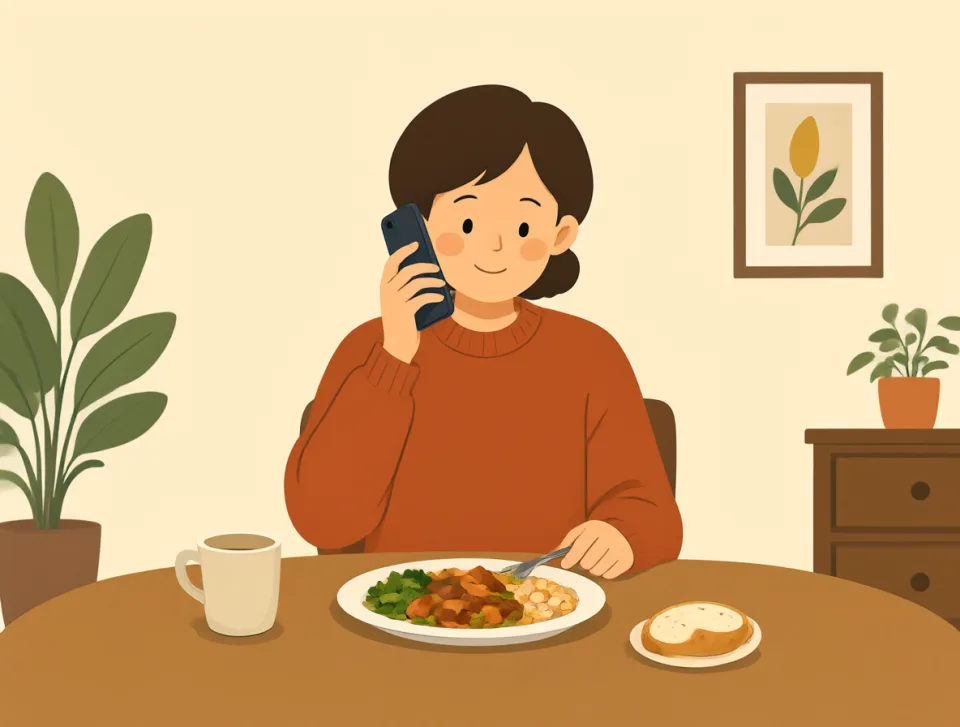
I will call you after dinner.
Zadzwonię do ciebie po kolacji.
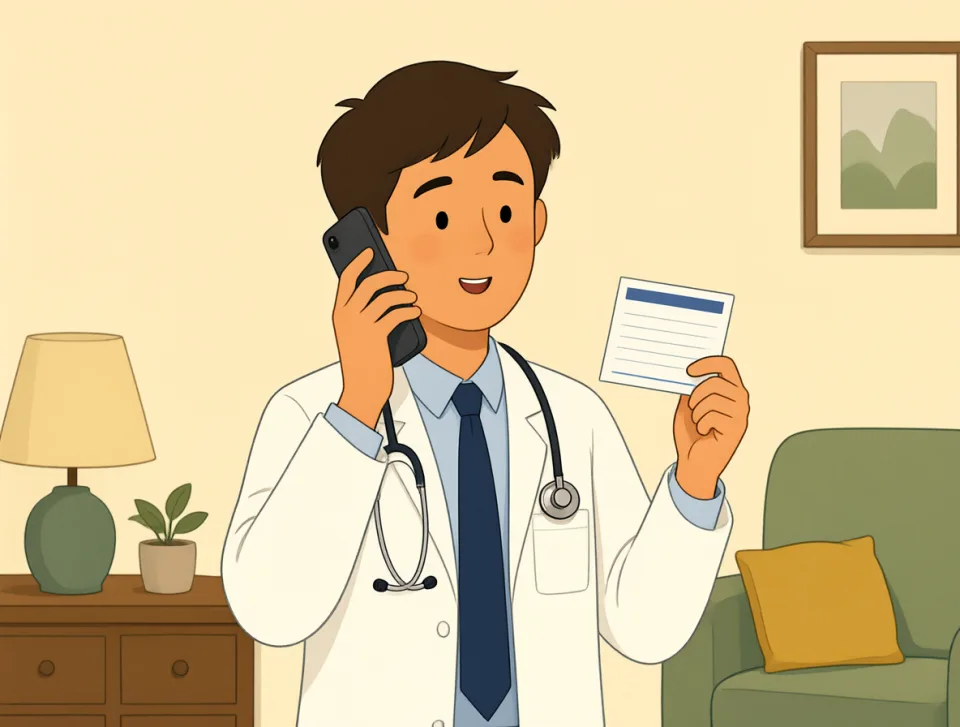
Please call the doctor this morning.
Proszę zadzwonić do lekarza dziś rano.
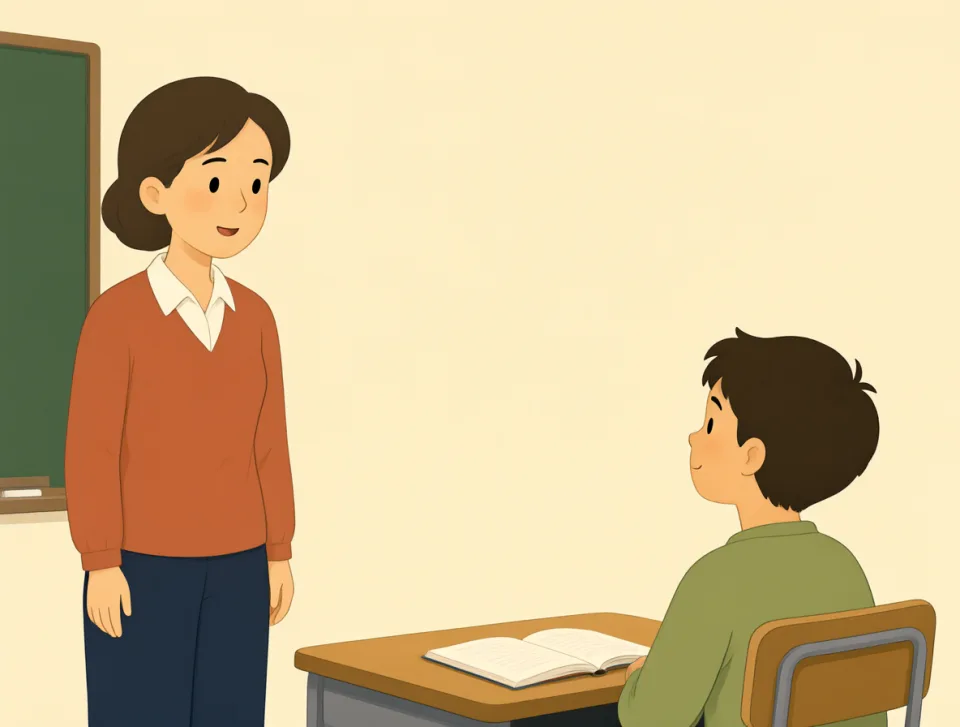
The teacher called my name in class.
Nauczyciel wyczytał moje nazwisko na lekcji.

We called a taxi after the concert.
Po koncercie zamówiliśmy taksówkę.
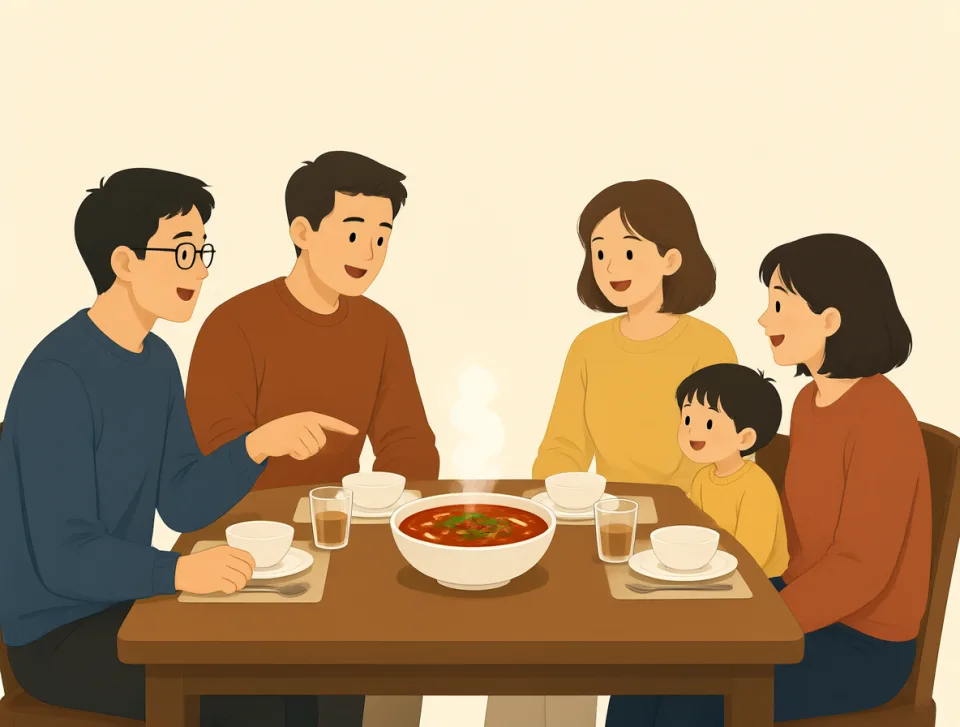
They call this food spicy soup.
Nazywają to danie pikantną zupą.
before
#106adverb, preposition, conjunction
przed
At or during an earlier time, or earlier than someone or something else.
Wcześniej, w jakimś wcześniejszym czasie lub przed kimś albo czymś.
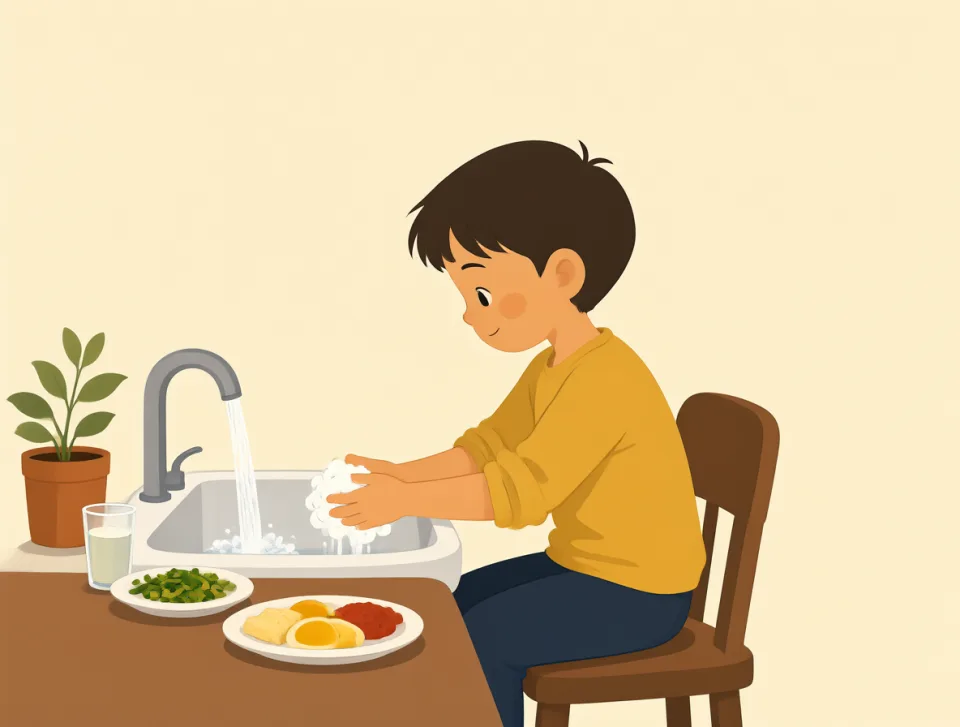
Wash your hands before dinner.
Umyj ręce przed kolacją.
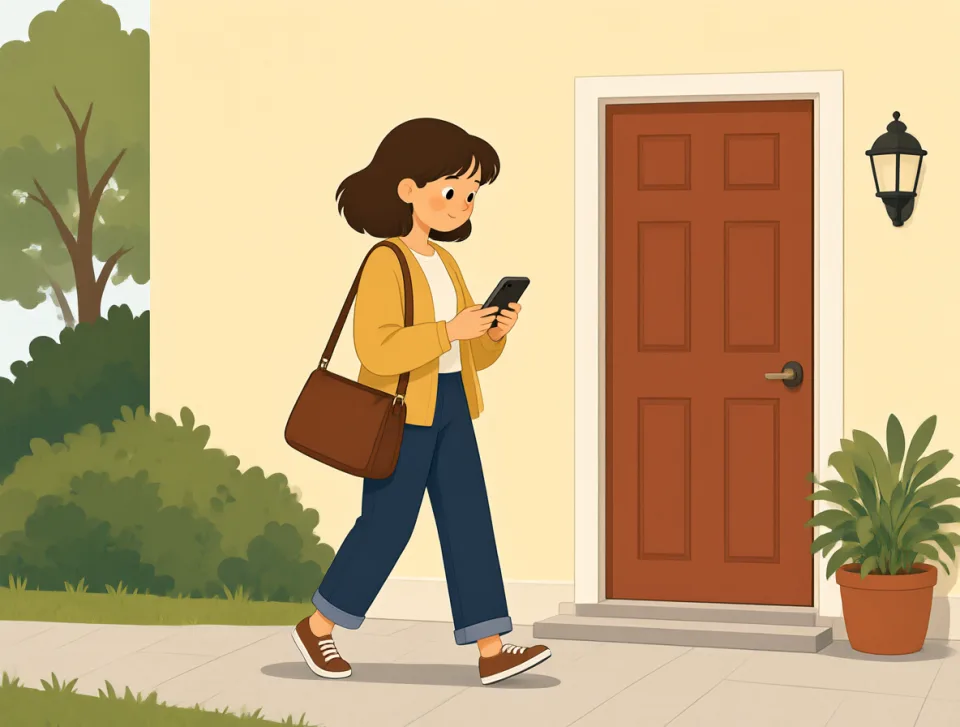
Please call me before you leave.
Zadzwoń do mnie, proszę, zanim wyjdziesz.
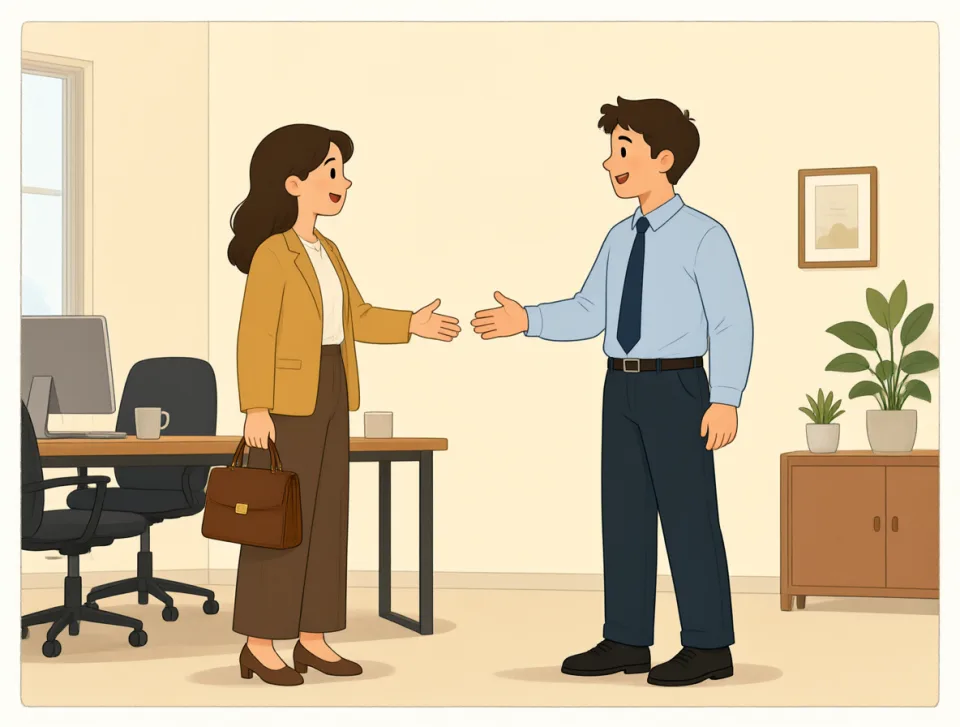
I saw her before the meeting.
Widziałem ją przed spotkaniem.
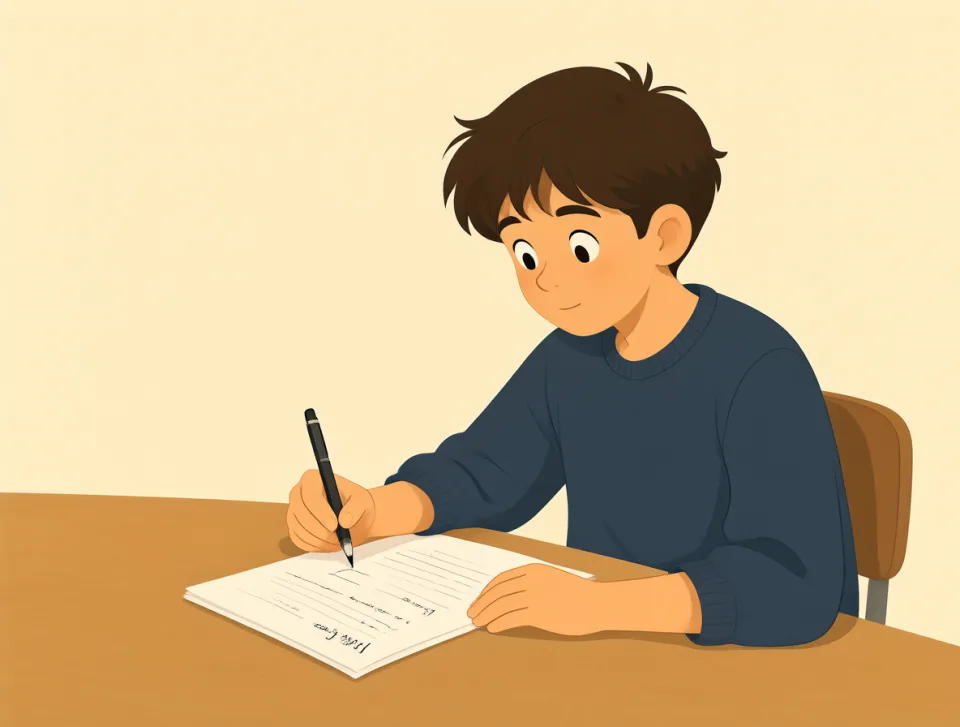
Read the question before you answer.
Przeczytaj pytanie, zanim odpowiesz.
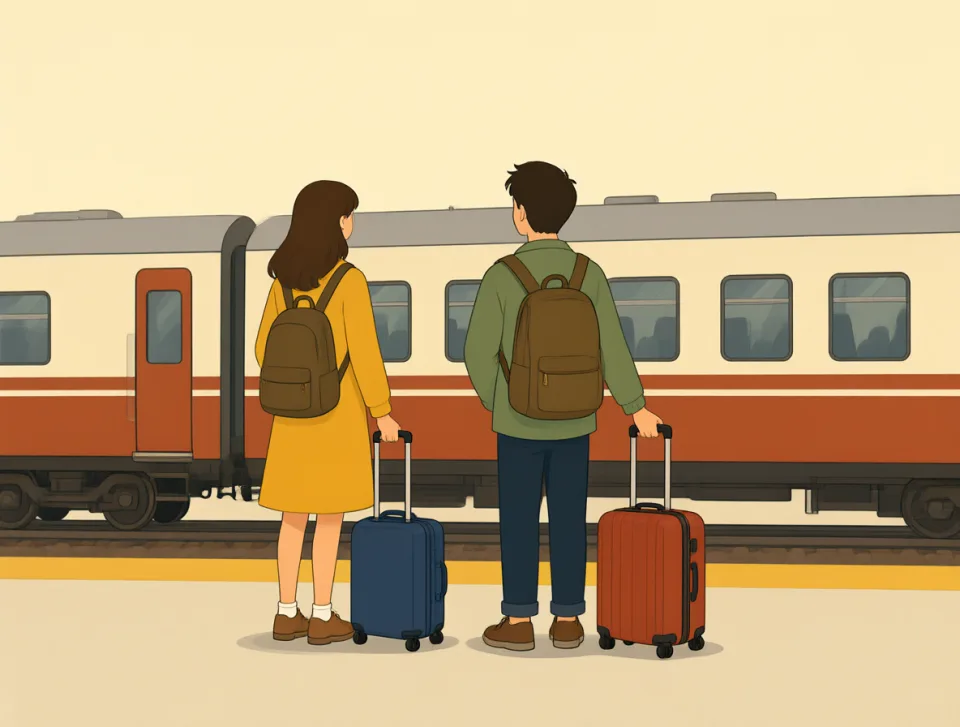
We arrived before the train left.
Dotarliśmy na miejsce, zanim odjechał pociąg.
company
#107noun
firma
An organization that makes or sells goods or services.
Organizacja, która produkuje lub sprzedaje towary albo świadczy usługi.
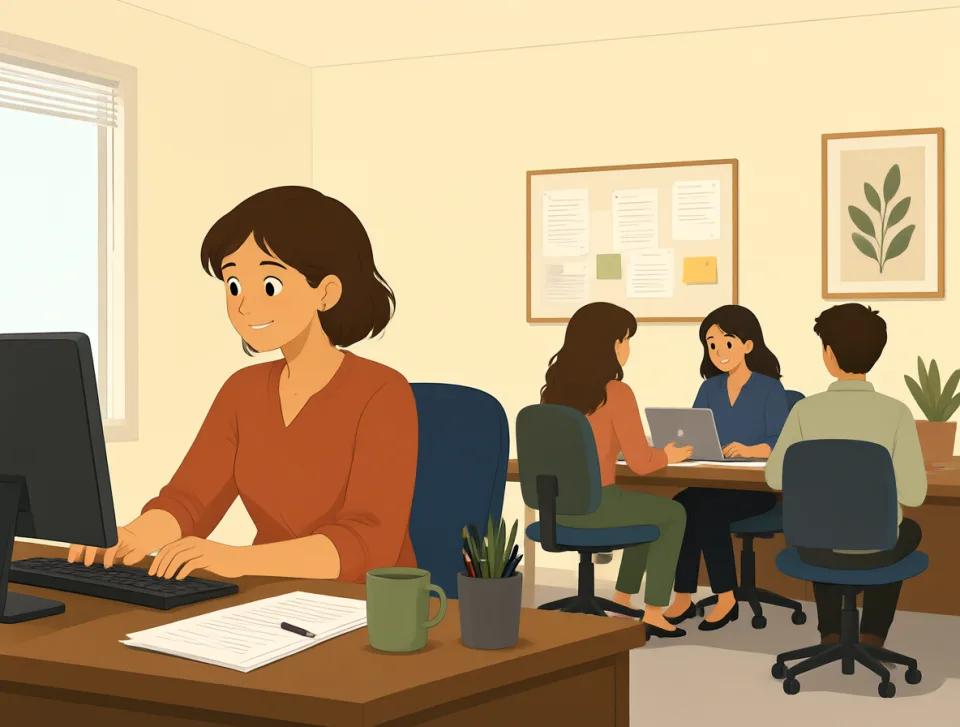
She works for a small company.
Pracuje w małej firmie.

The company makes healthy food.
Firma produkuje zdrową żywność.
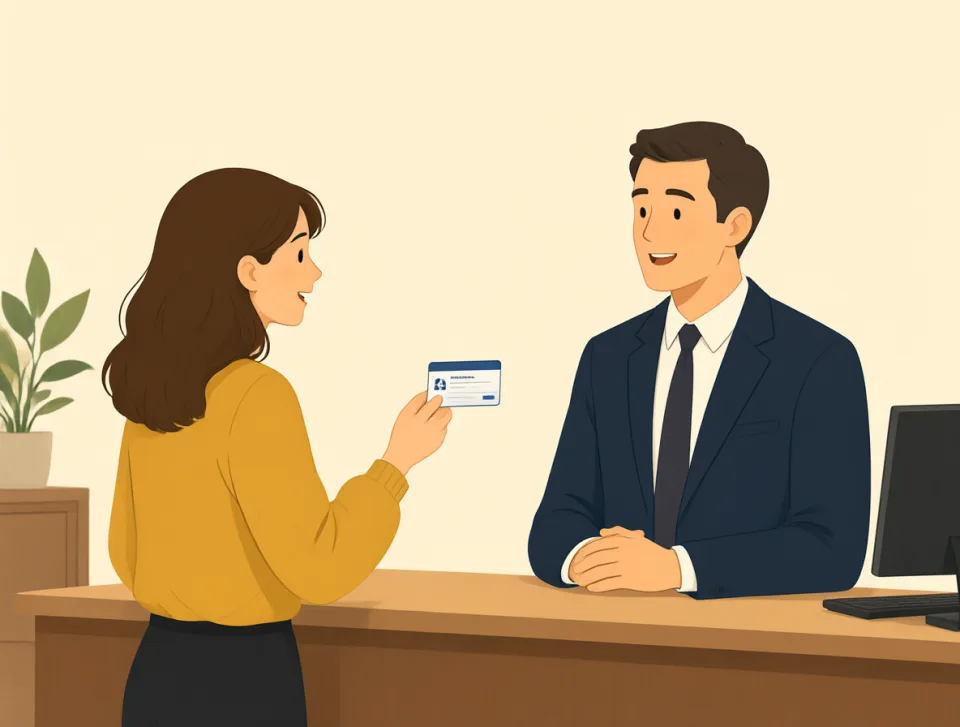
Our company gives us health insurance.
Nasza firma zapewnia nam ubezpieczenie zdrowotne.
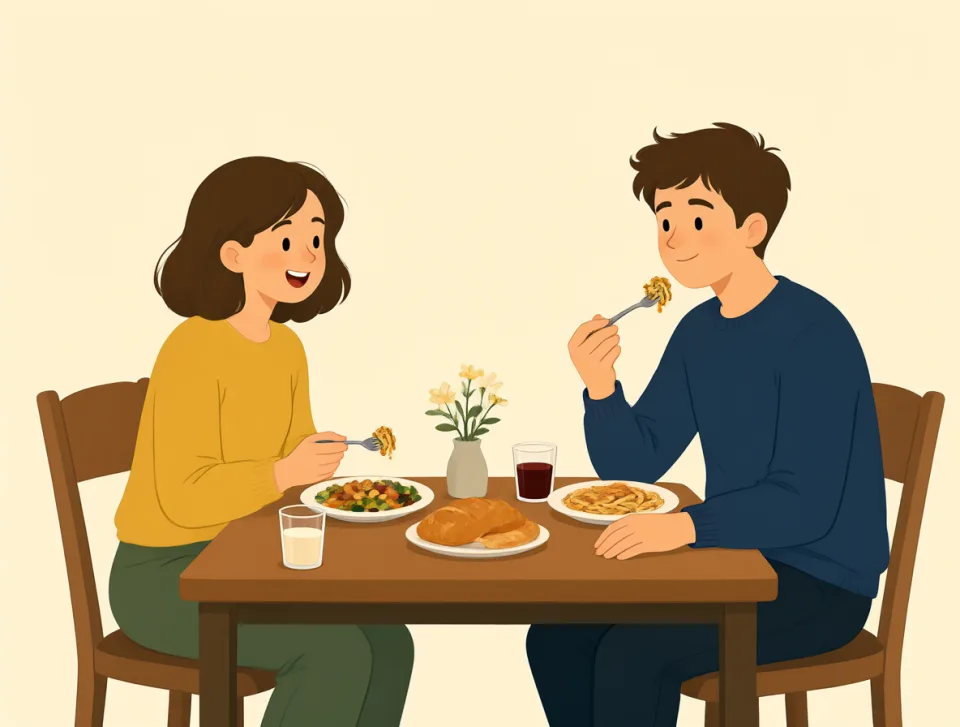
I enjoyed his company at dinner.
Miło spędziłem z nim czas przy kolacji.
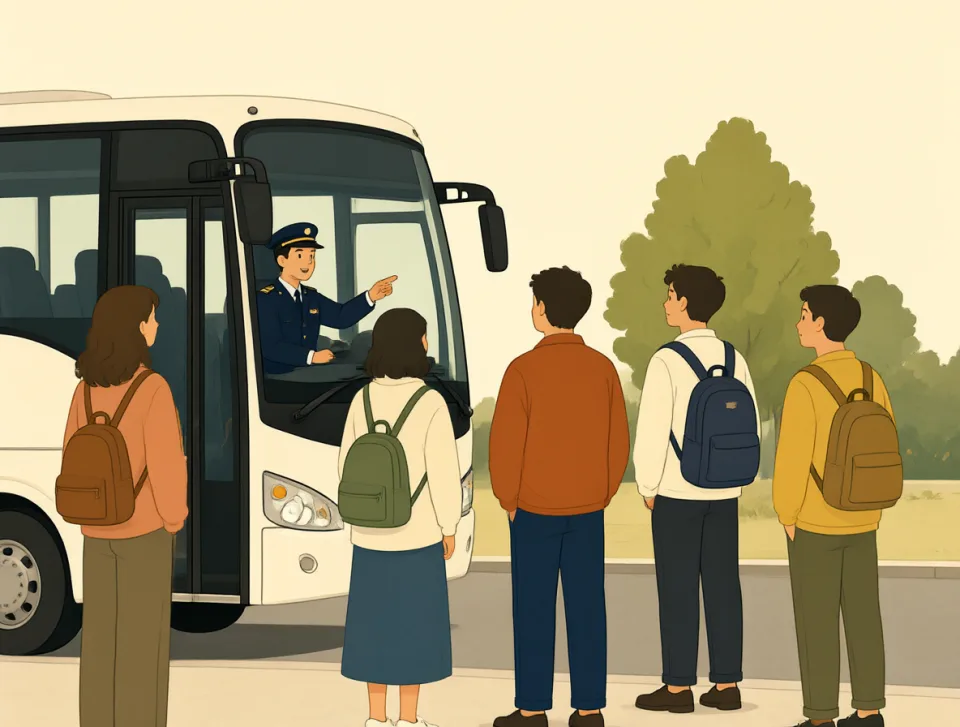
The bus company changed our travel plans.
Firma autobusowa zmieniła nasze plany podróży.
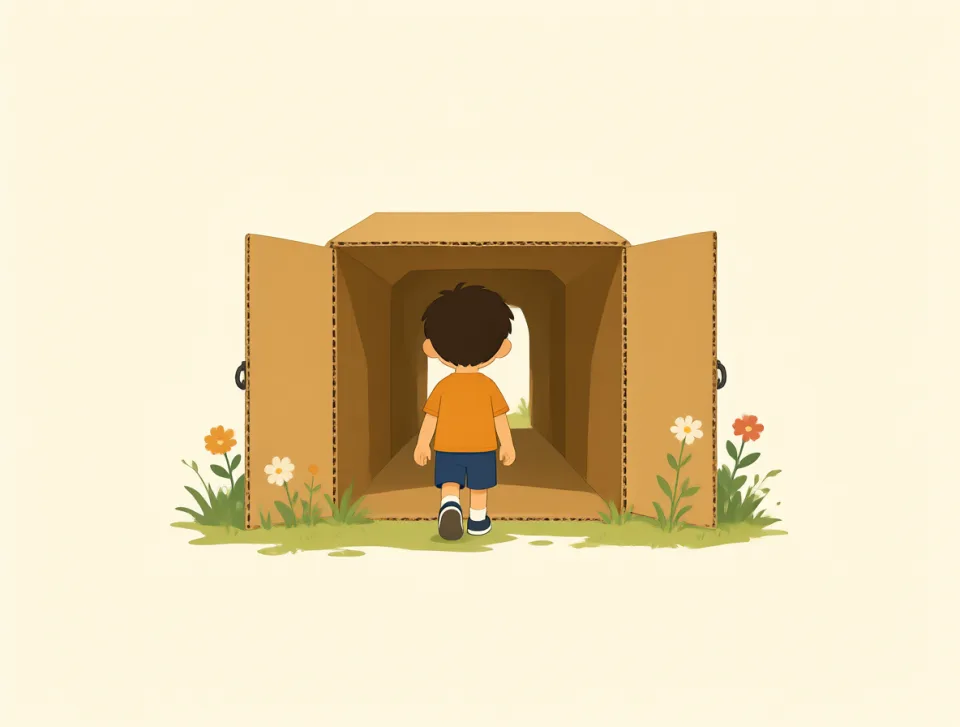
through
#108adverb, preposition, conjunction
przez
from one side or end to the other, or during the whole of something
Z jednej strony lub końca na drugi albo przez cały czas trwania czegoś.
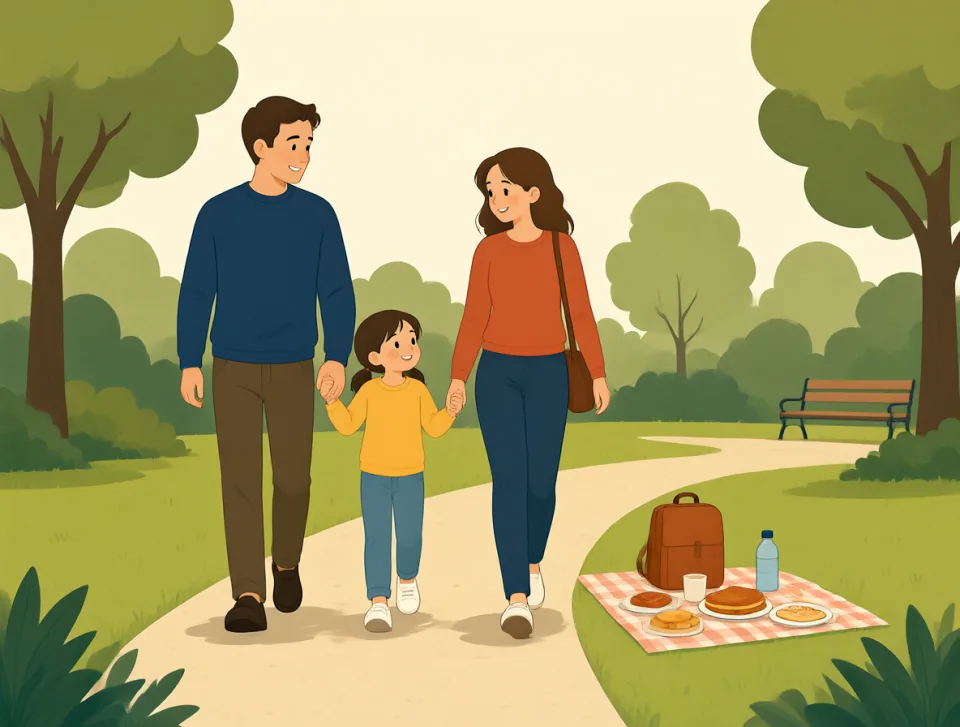
We walked through the park after lunch.
Po lunchu przeszliśmy przez park.
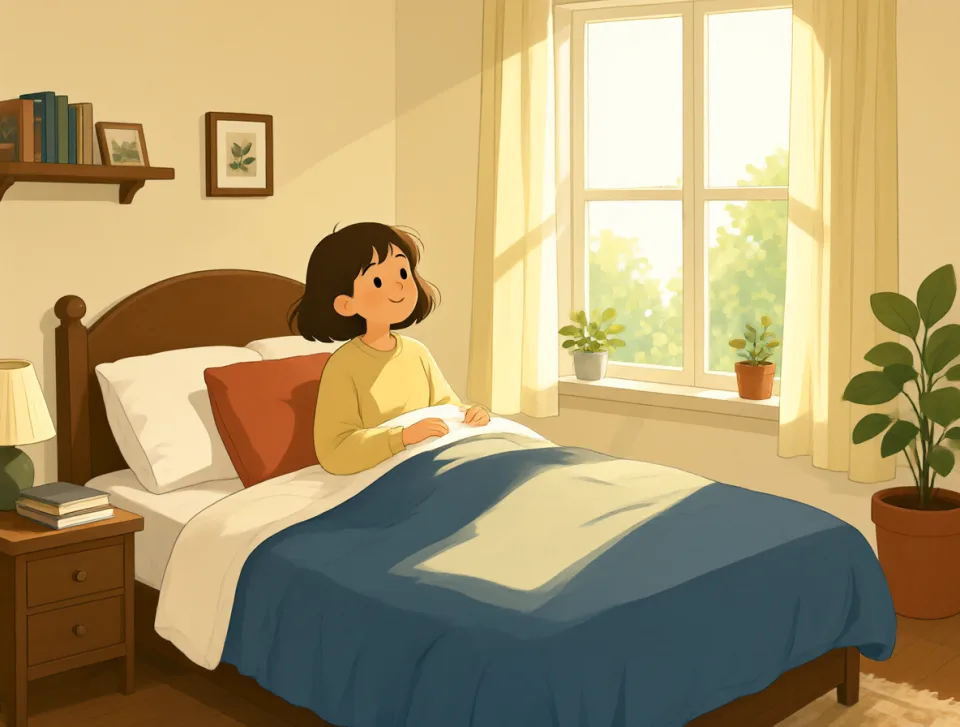
Light came through the bedroom window.
Przez okno sypialni wpadało światło.
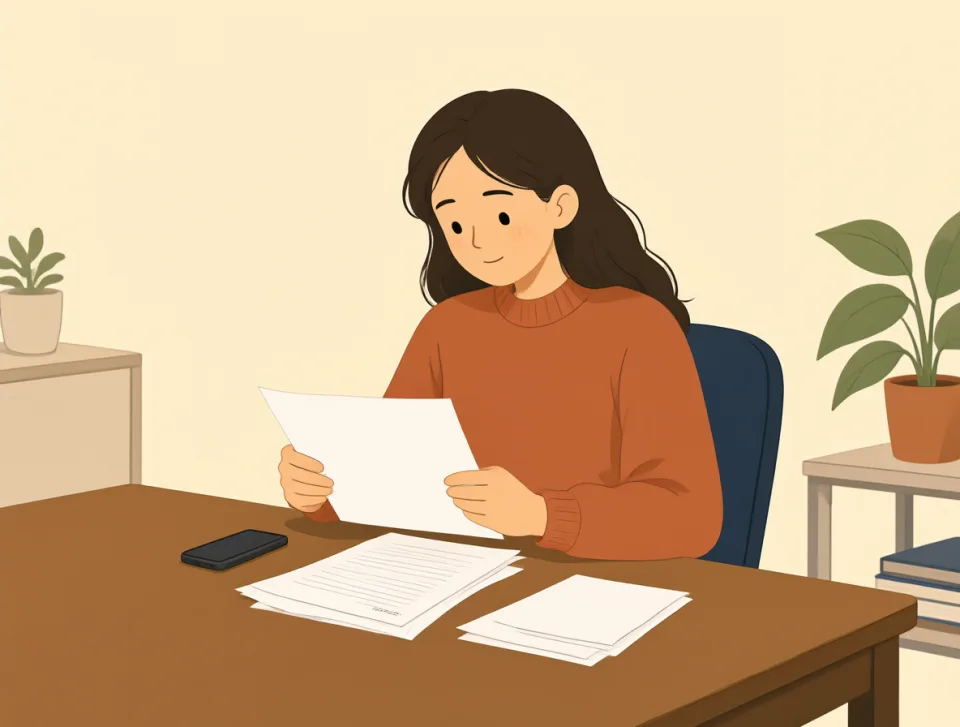
She read through the report before the meeting.
Przeczytała cały raport przed spotkaniem.
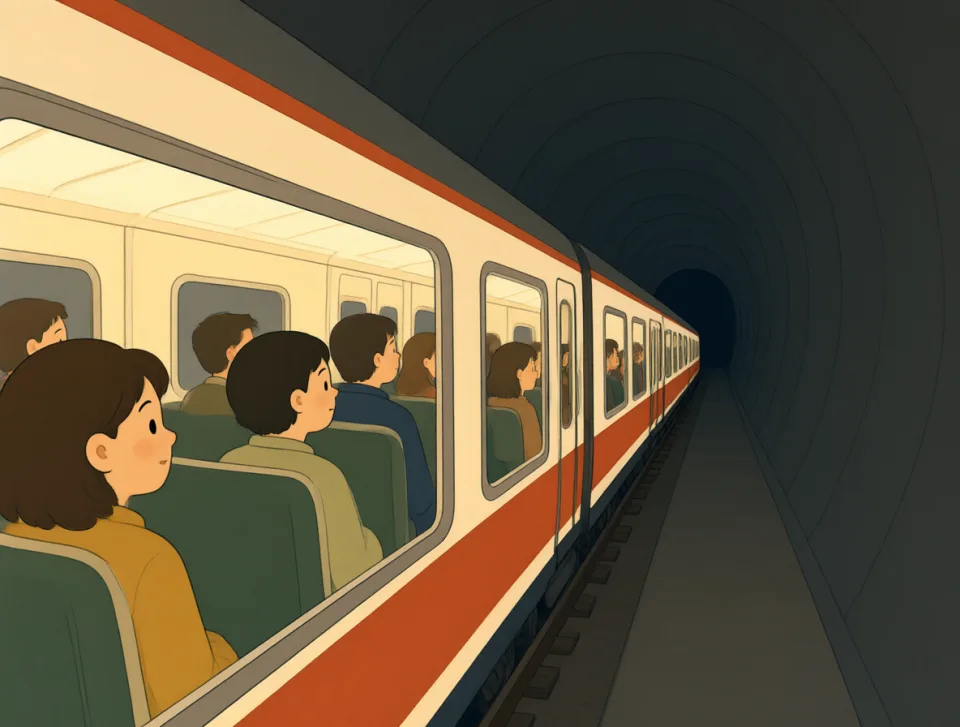
The train went through a long tunnel.
Pociąg przejechał przez długi tunel.
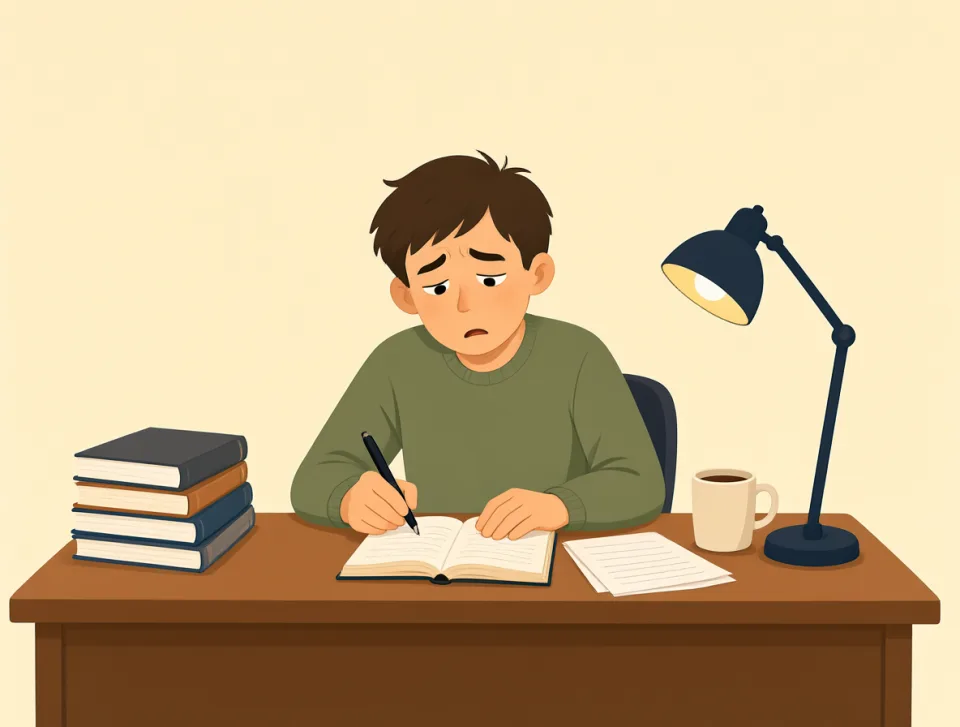
He worked through the night to finish.
Pracował całą noc, żeby skończyć.

down
#109adverb, preposition, adjective, verb, noun
w dół
Toward a lower place or position; to a lower level; or not working.
W kierunku niższego miejsca lub położenia, na niższy poziom albo w stanie niedziałającym.
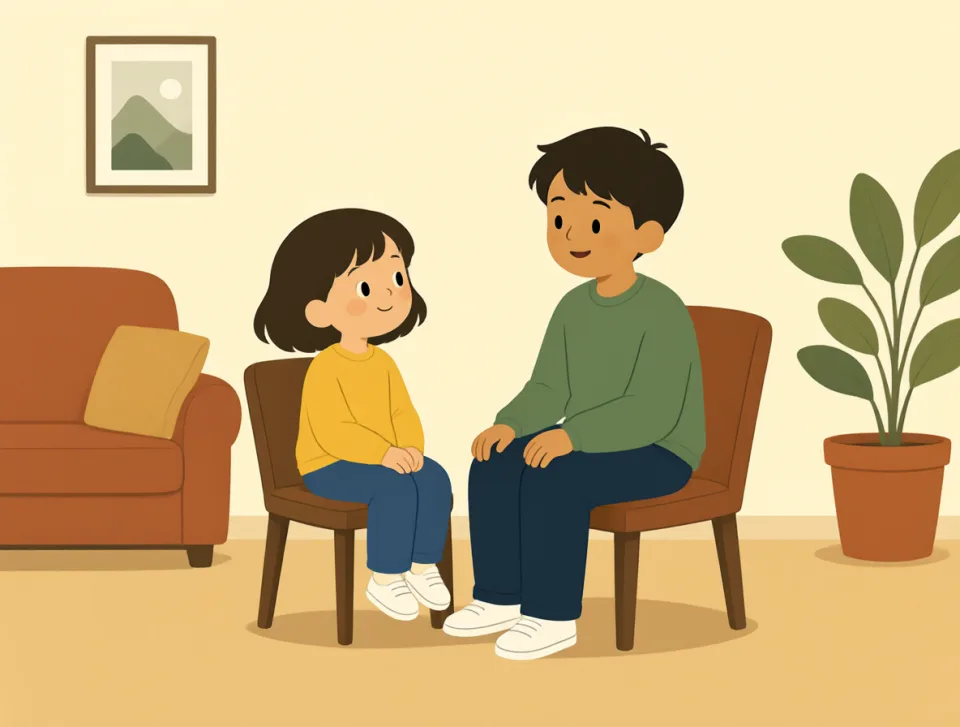
Please sit down beside me.
Usiądź, proszę, obok mnie.
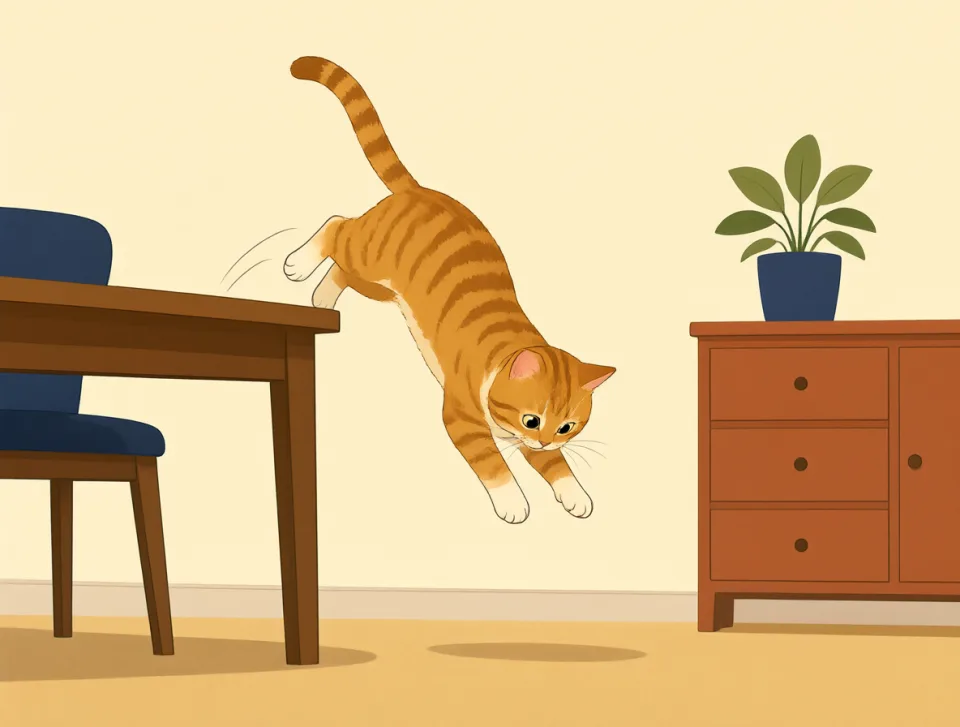
The cat jumped down from the table.
Kot zeskoczył ze stołu.
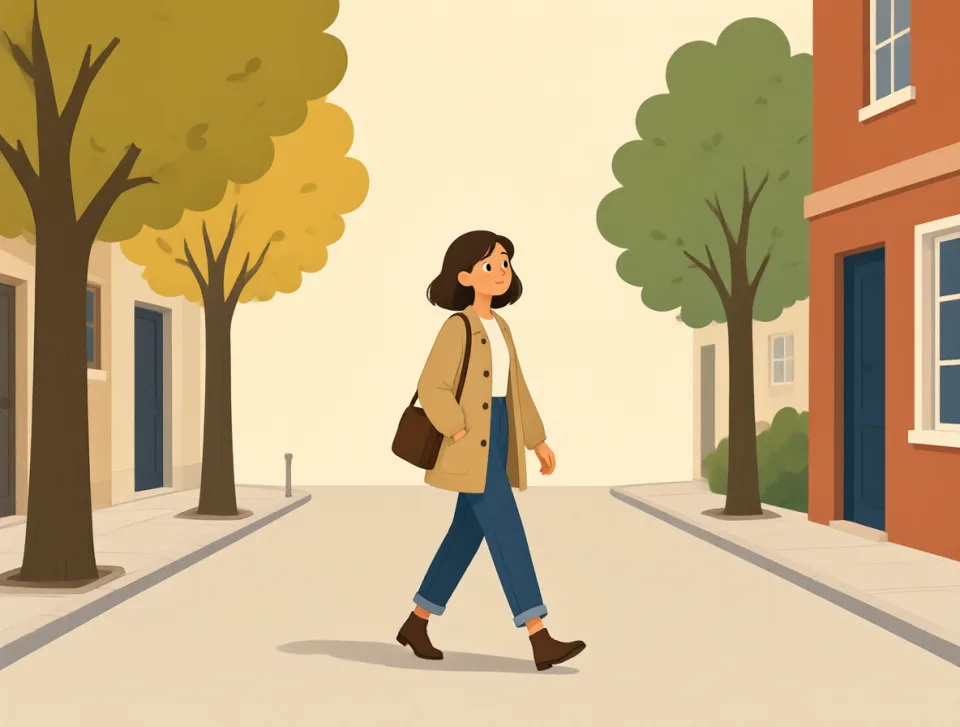
She walked down the street slowly.
Powoli szła ulicą.
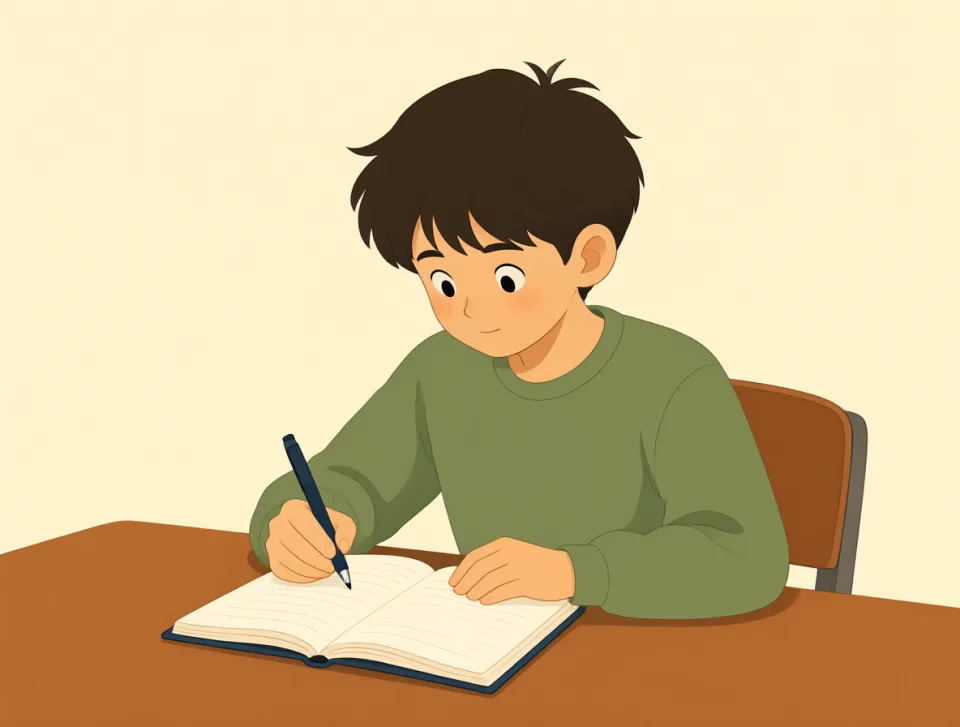
Write down your name and address.
Zapisz swoje imię i nazwisko oraz adres.
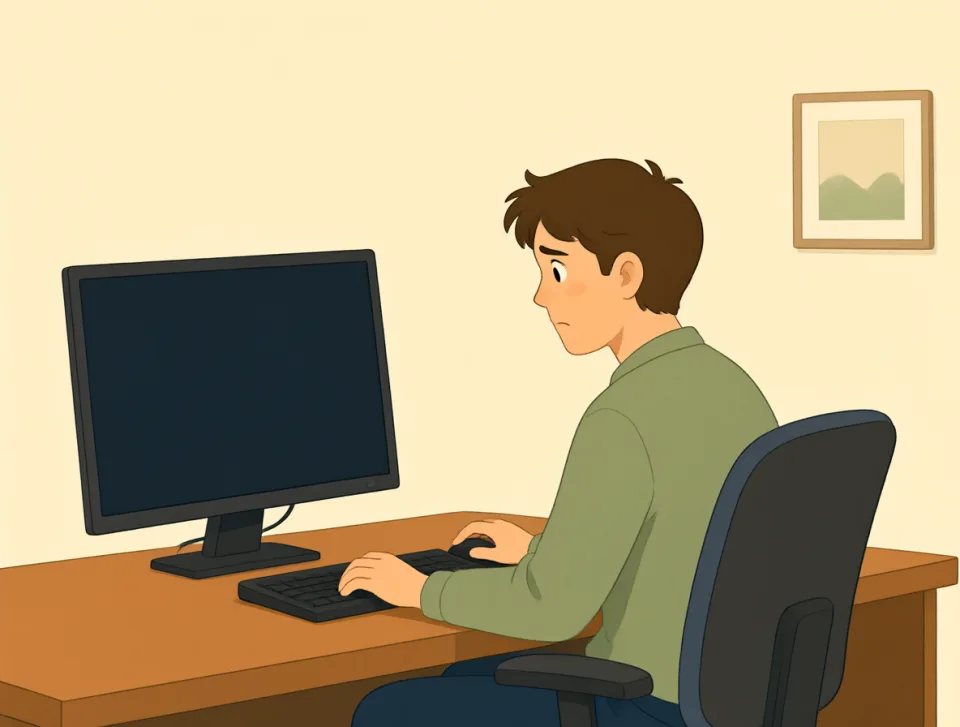
The computer is down this morning.
Komputer dziś rano nie działa.
show
#110verb, noun
pokazywać
to let someone see something or to give a performance for people
Pozwolić komuś coś zobaczyć albo wystąpić przed publicznością.
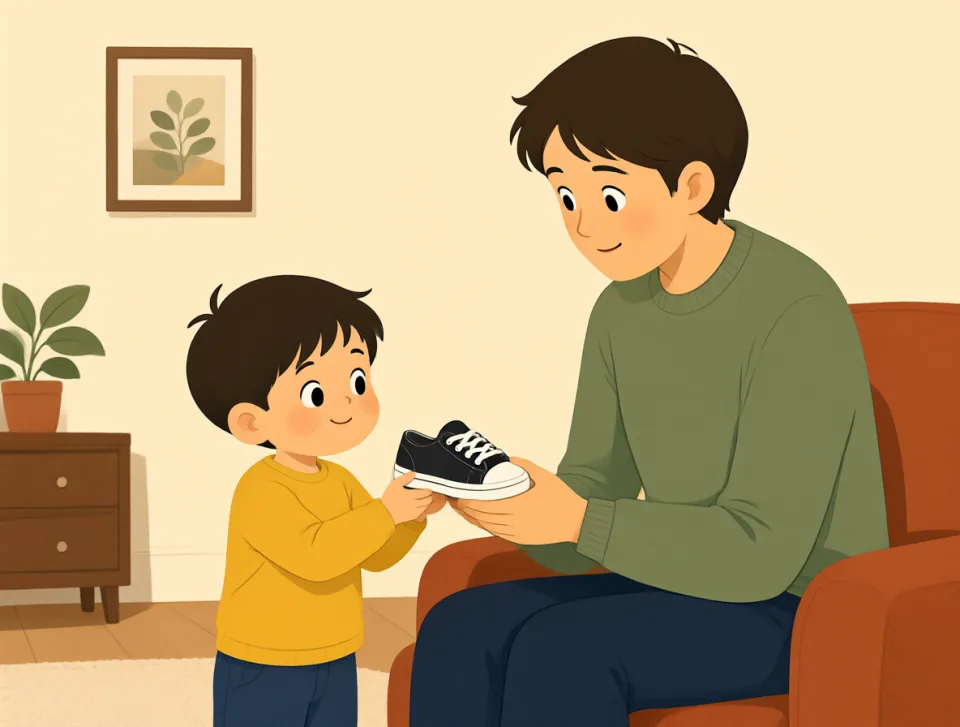
Please show me your new shoes.
Pokaż mi, proszę, swoje nowe buty.
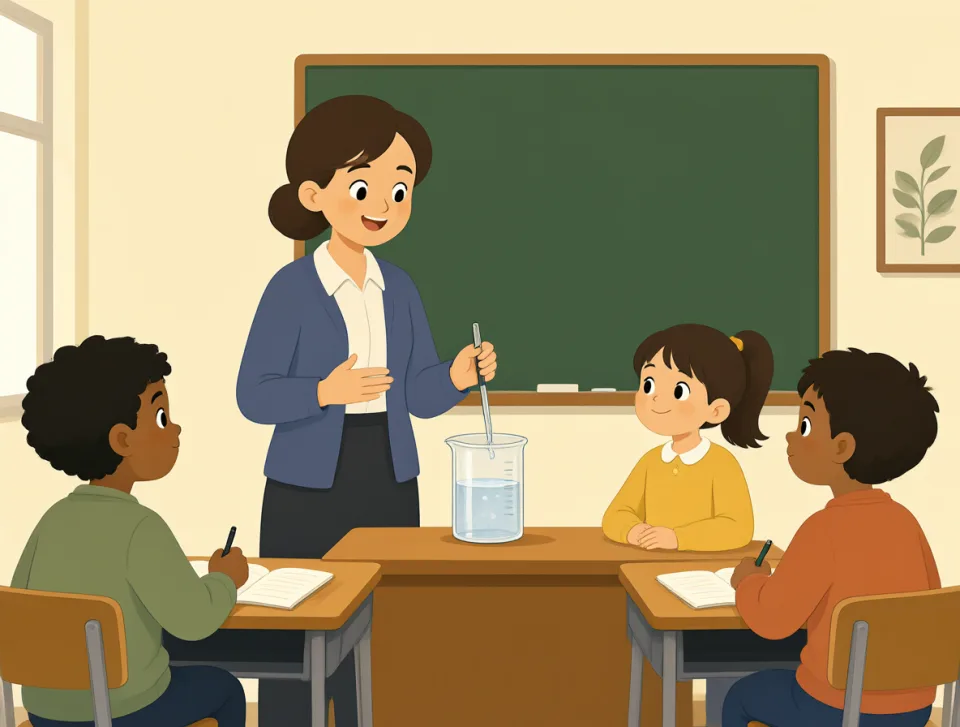
The teacher showed us a science experiment.
Nauczyciel pokazał nam doświadczenie naukowe.
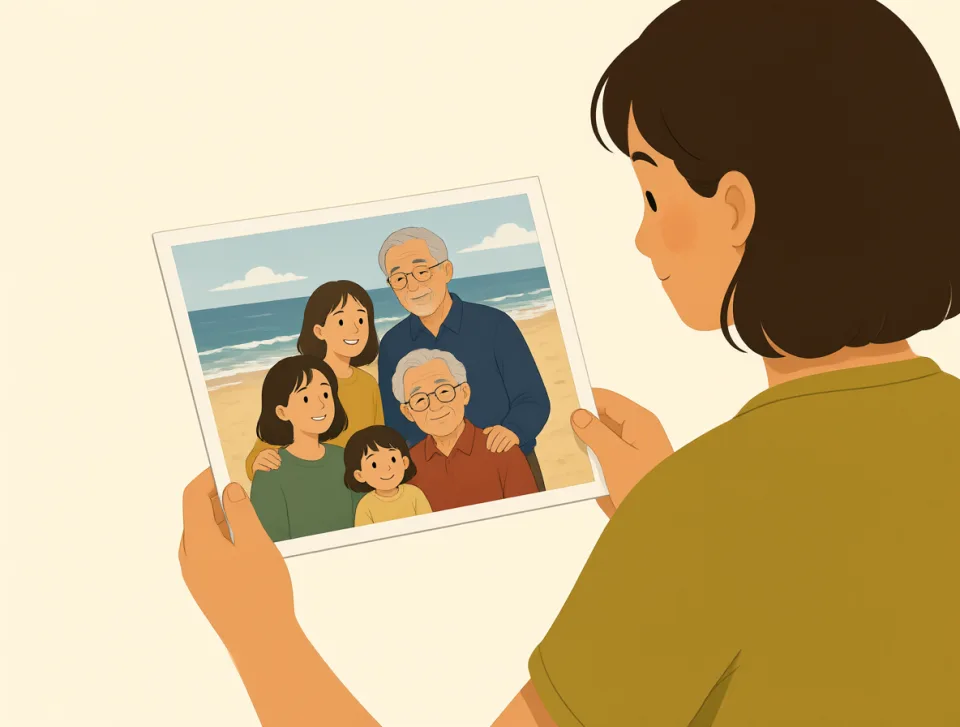
This photo shows my family at the beach.
Na tym zdjęciu widać moją rodzinę na plaży.
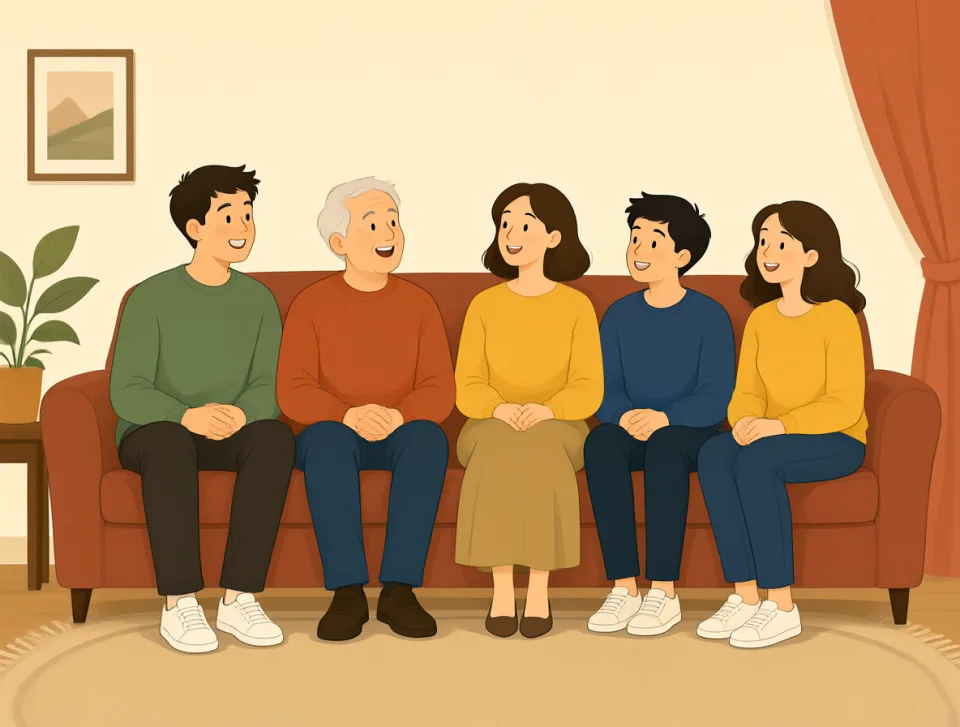
We watched a great show last night.
Wczoraj wieczorem oglądaliśmy świetne przedstawienie.
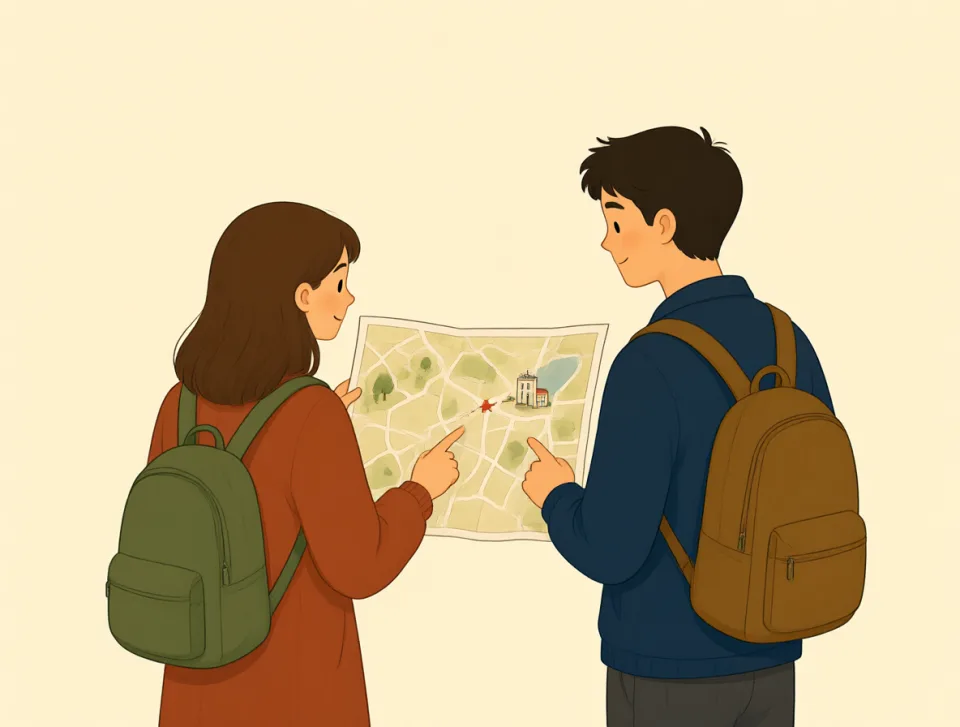
The map showed us the way to the hotel.
Mapa pokazała nam drogę do hotelu.

life
#111noun
życie
The time between being born and dying, or the way someone lives.
Czas między narodzinami a śmiercią albo sposób, w jaki ktoś żyje.
Life is very different in a big city.
Życie w dużym mieście bardzo się różni.
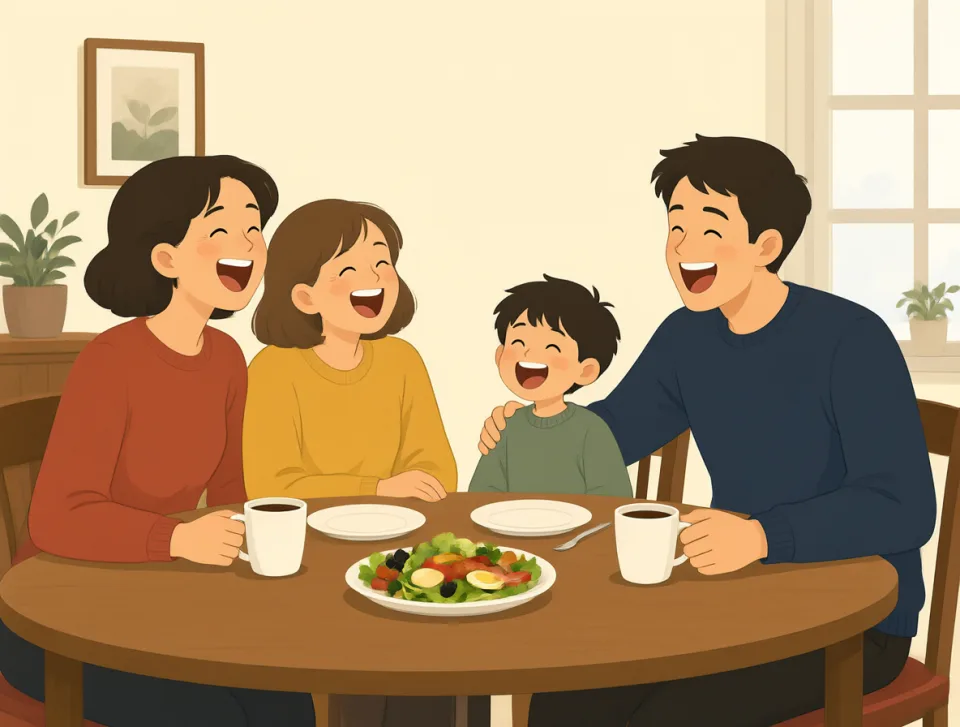
She enjoys life with her family.
Lubi spędzać czas z rodziną.
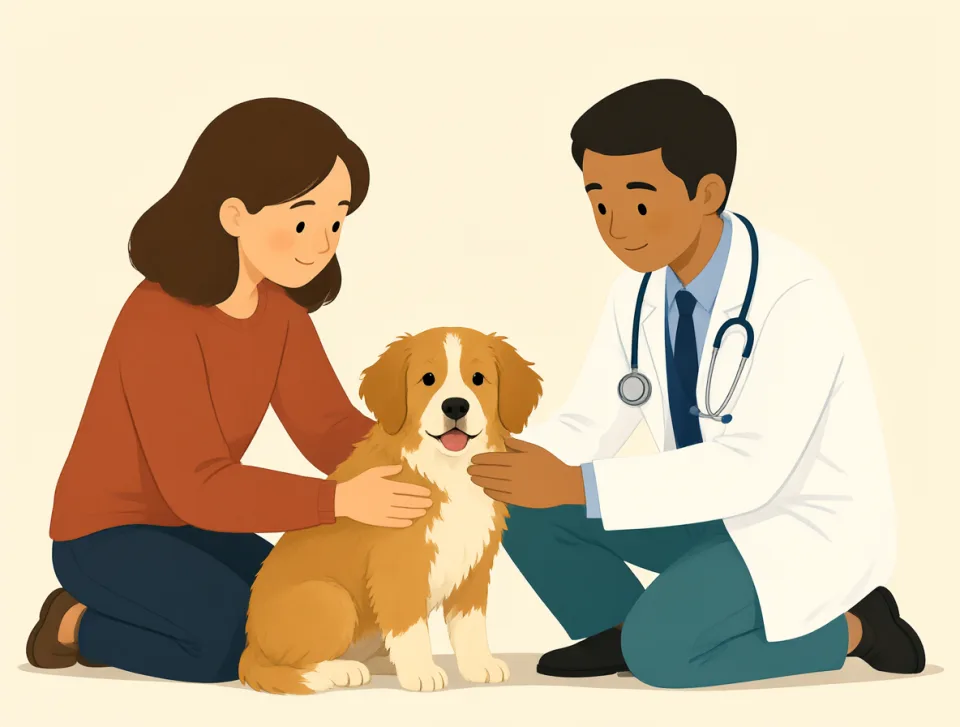
He saved the dog's life.
Uratował życie psa.

Travel changed my life completely.
Podróże całkowicie odmieniły moje życie.
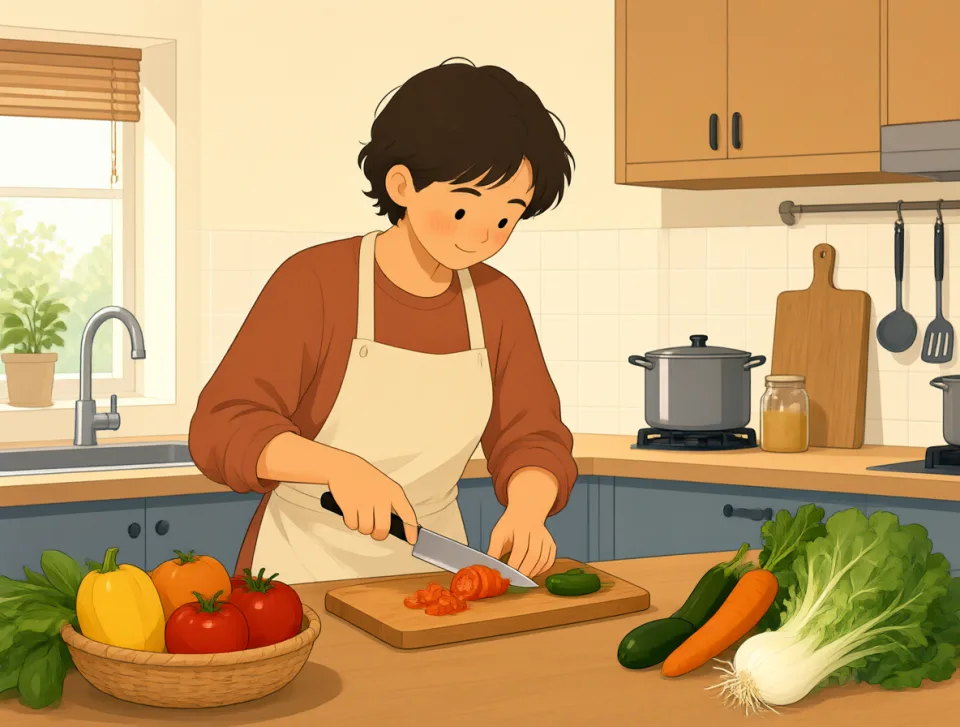
Healthy food is important for a long life.
Zdrowe jedzenie jest ważne, żeby długo żyć.
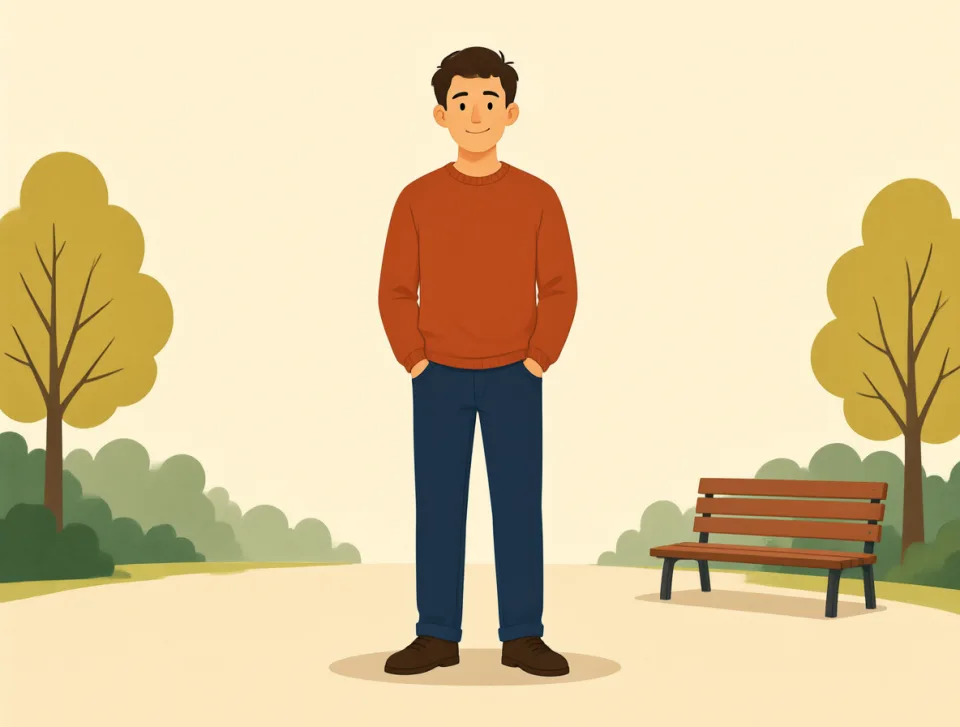
man
#112noun, verb
mężczyzna
An adult male person; to work or operate something by hand.
Dorosła osoba płci męskiej; obsługiwać coś lub pracować przy czymś ręcznie.
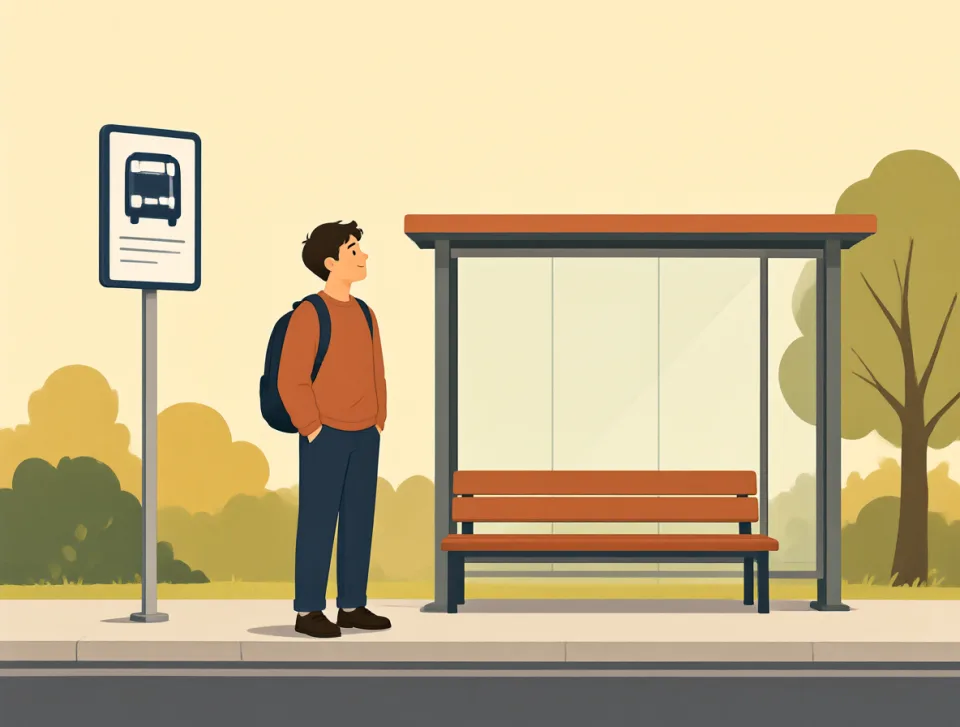
The man is waiting for the bus.
Mężczyzna czeka na autobus.

A young man works in our office.
Młody mężczyzna pracuje w naszym biurze.

The shop man helped me find shoes.
Sprzedawca pomógł mi znaleźć buty.
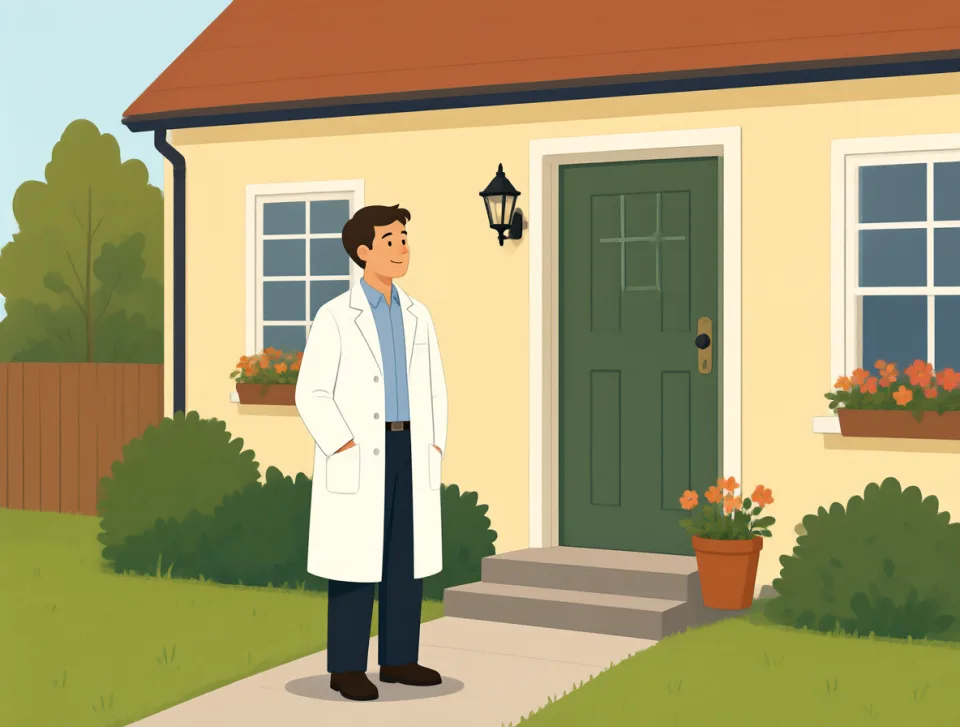
The man next door is a doctor.
Mężczyzna z sąsiedztwa jest lekarzem.
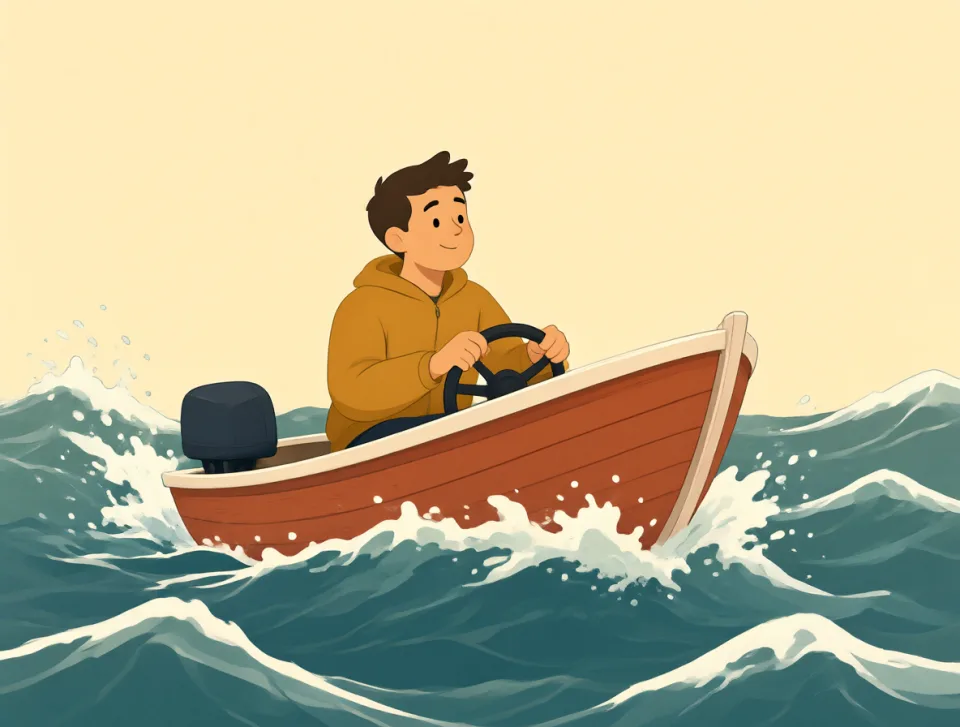
He manned the boat during the storm.
Podczas burzy obsługiwał łódź.
change
#113noun, verb
zmiana; zmieniać
to make something different, or the act of making something different
Sprawić, że coś stanie się inne, albo samo działanie polegające na zmienianiu czegoś.
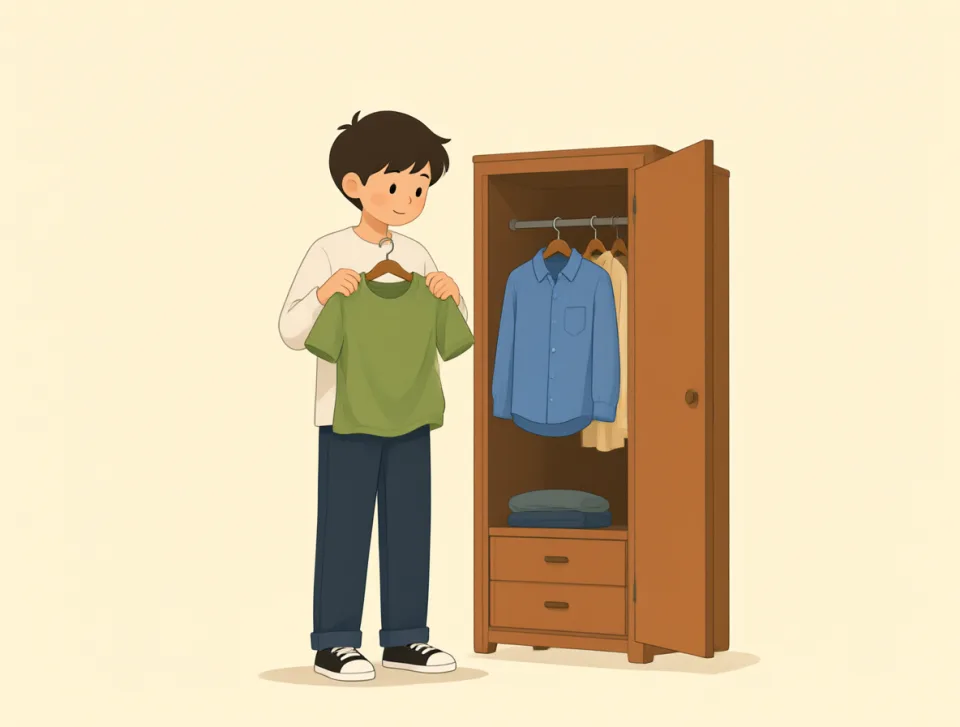
I need to change my clothes after work.
Po pracy muszę się przebrać.
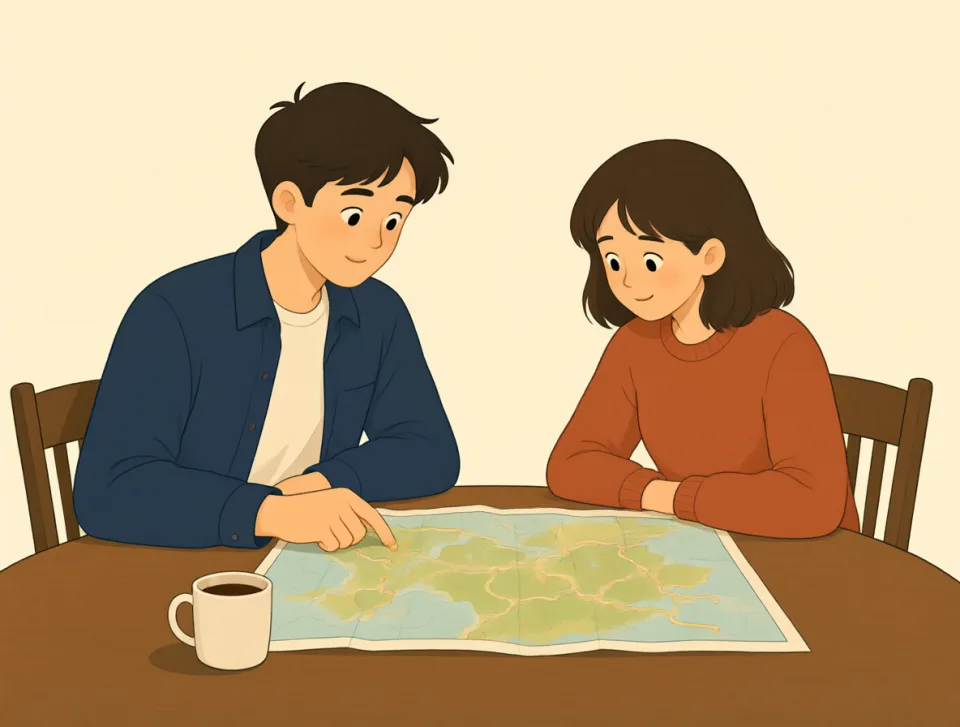
Can you change your travel plans today?
Możesz dzisiaj zmienić plany podróży?
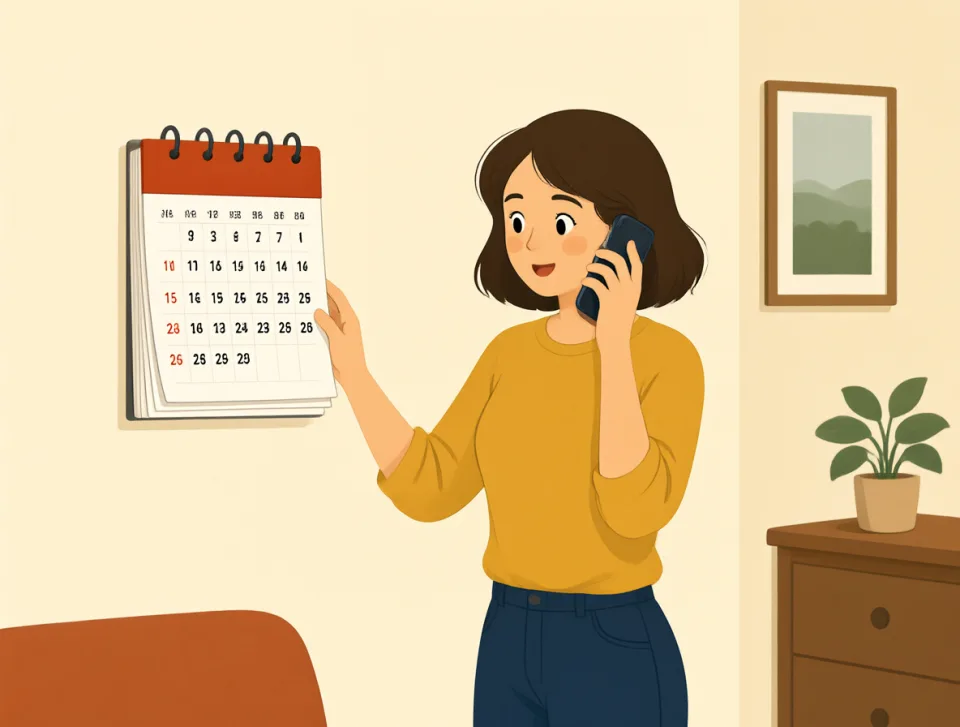
She changed her appointment to Friday.
Przełożyła wizytę na piątek.
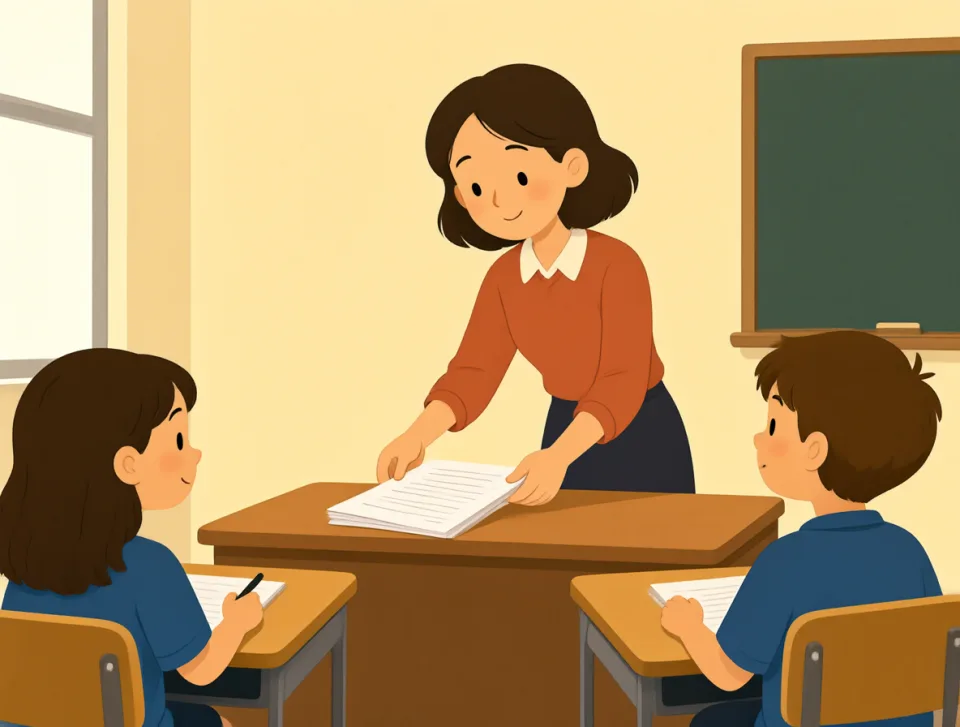
The teacher changed the lesson for us.
Nauczyciel zmienił dla nas lekcję.
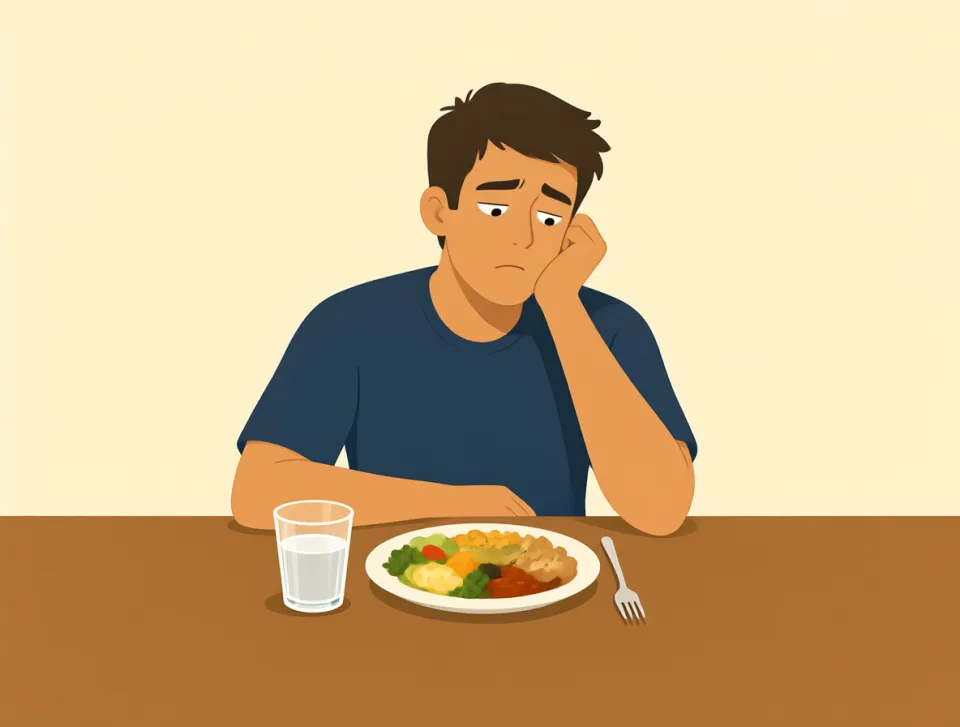
He needs a change after eating the same meal.
Po jedzeniu wciąż tego samego potrzebuje odmiany.
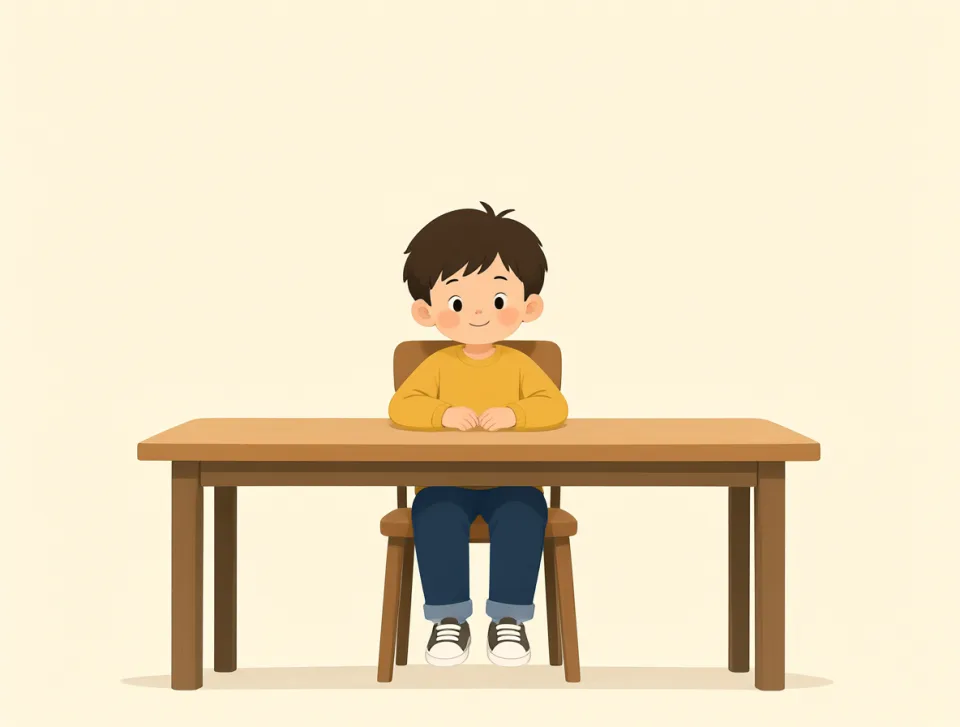
place
#114noun, verb
miejsce
A particular area, position, or position for someone or something.
Określony obszar lub położenie, a także miejsce przeznaczone dla kogoś lub czegoś.
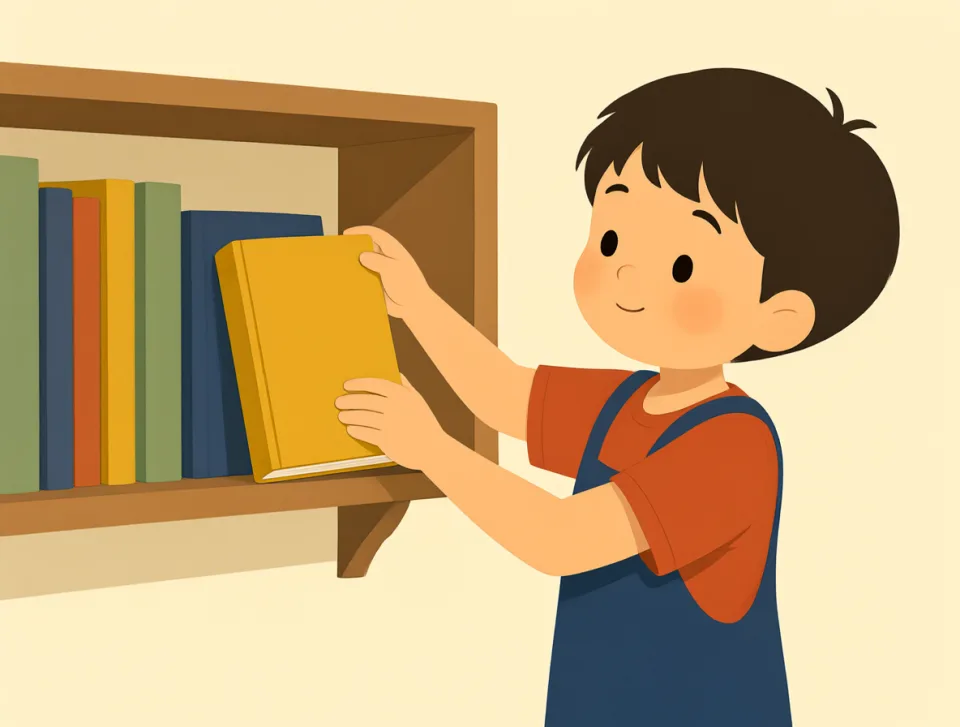
Please put the books in their place.
Proszę odłożyć książki na miejsce.

We found a quiet place to eat.
Znaleźliśmy spokojne miejsce, żeby coś zjeść.
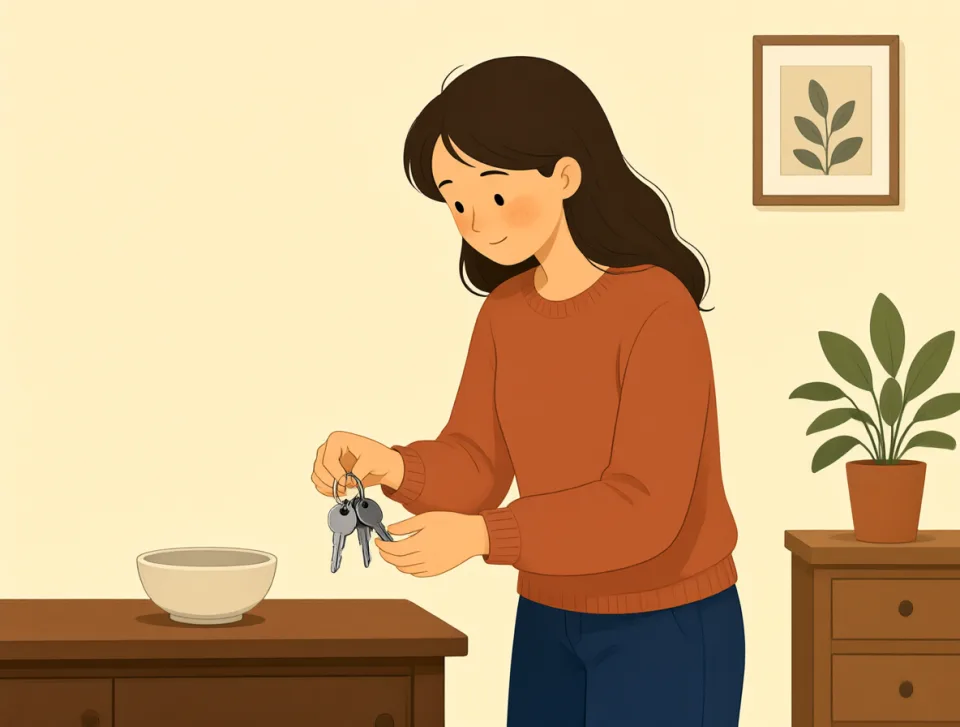
She placed the keys on the table.
Położyła klucze na stole.
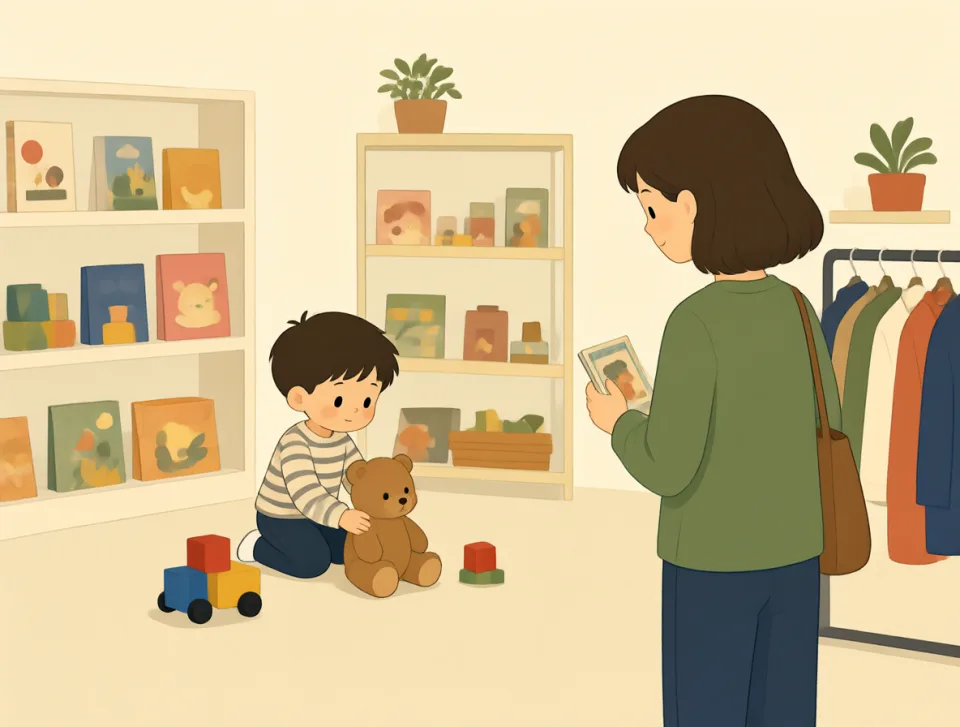
This store has a place for children.
W tym sklepie jest miejsce dla dzieci.
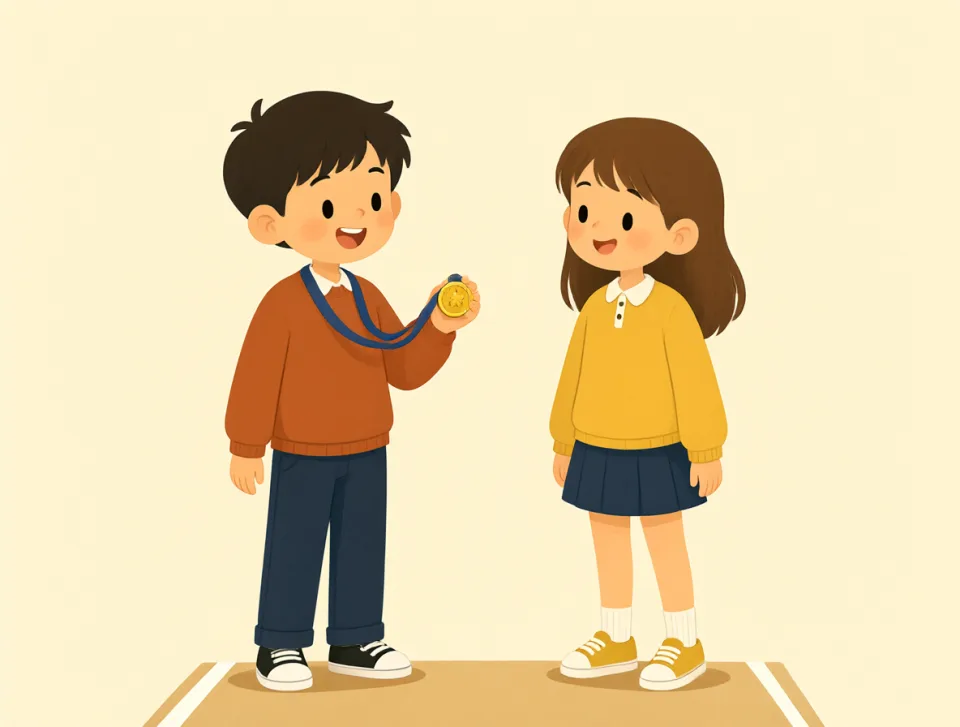
They placed first in the school race.
Zajęli pierwsze miejsce w szkolnym biegu.
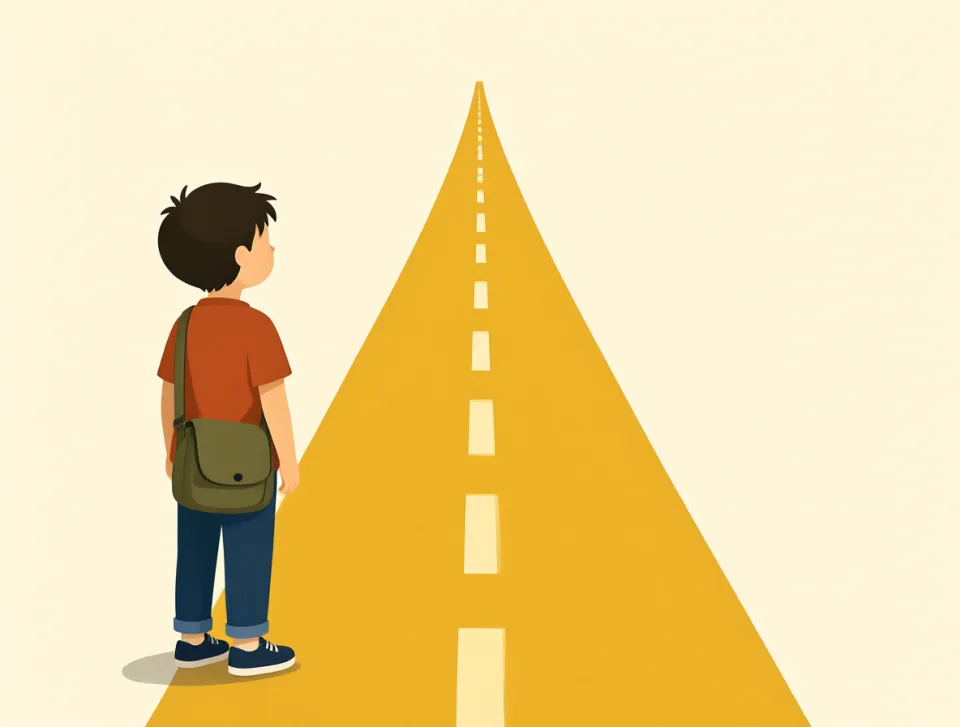
long
#115adjective, adverb, verb, noun
długi; tęsknić za
Continuing for a great distance or time; or wanting something very much.
Rozciągający się na dużą odległość lub trwający długo; także: bardzo czegoś pragnąć.
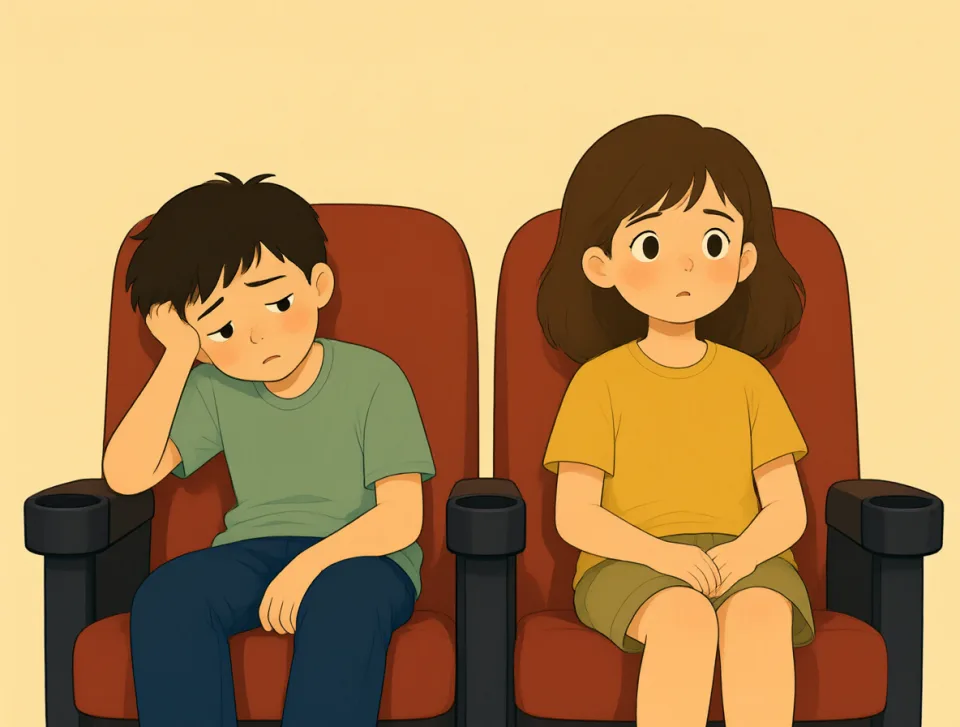
The movie was too long for the children.
Film był za długi dla dzieci.
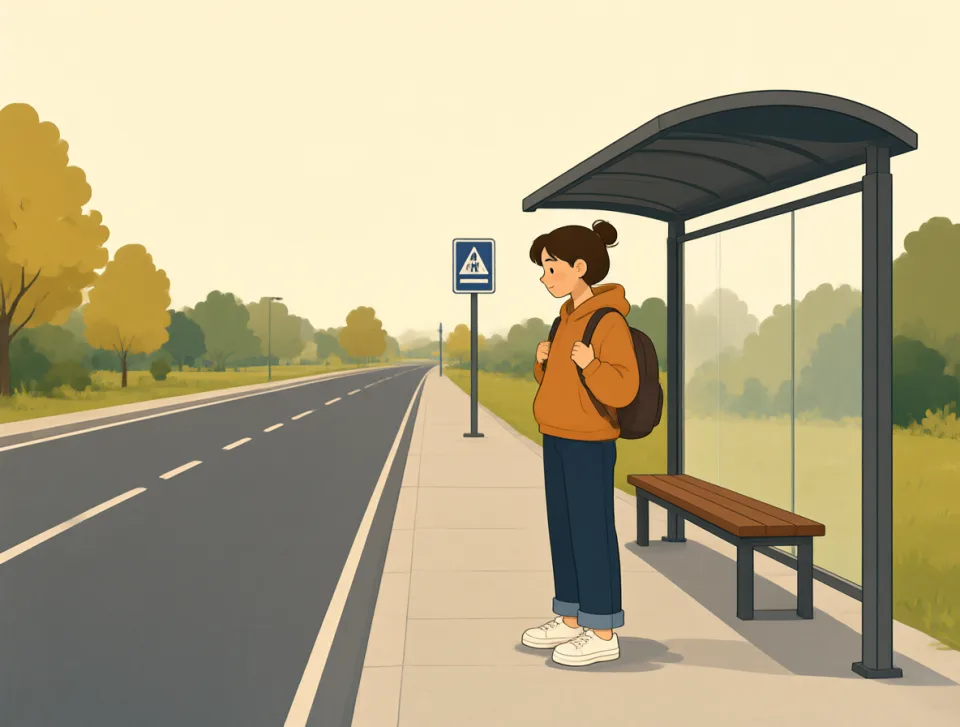
Please wait a long time for the bus.
Proszę długo poczekać na autobus.
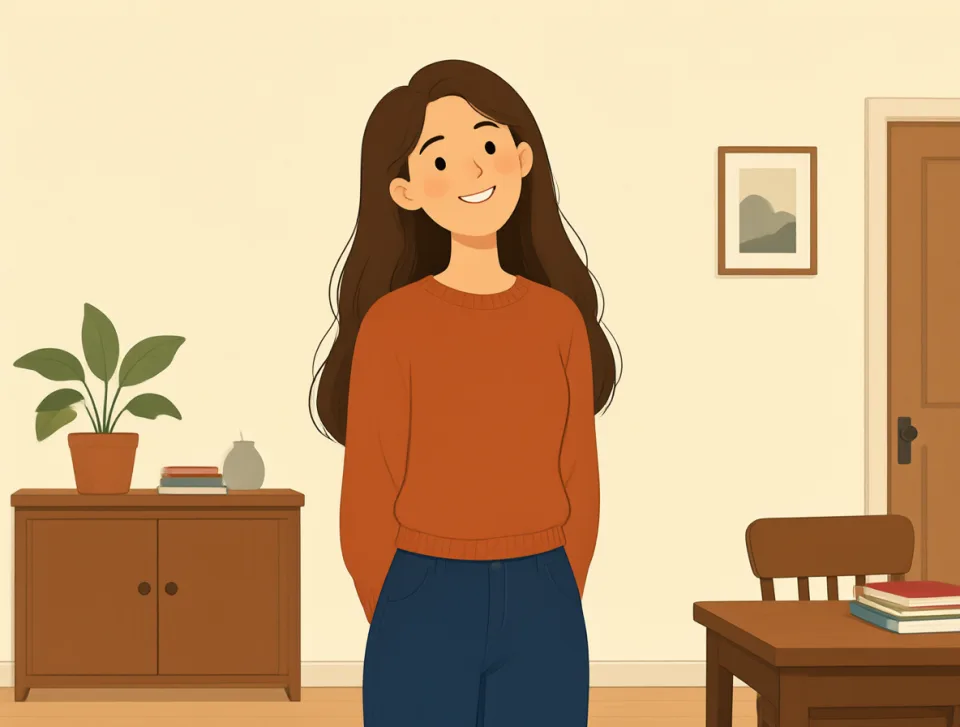
She has long hair and wears a blue dress.
Ma długie włosy i nosi niebieską sukienkę.
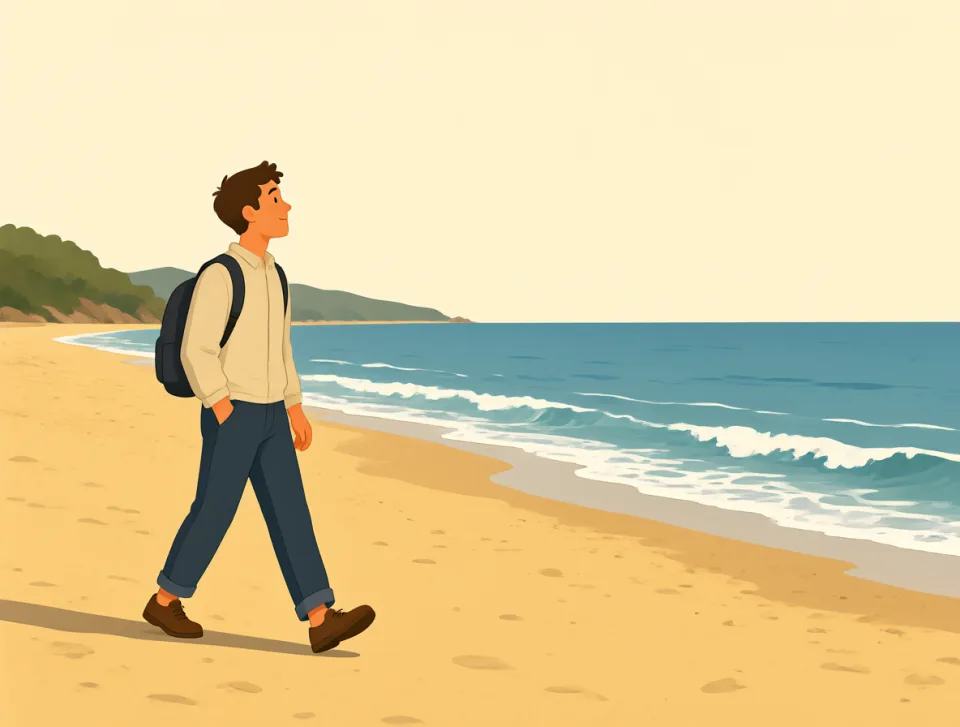
He walked along the beach for a long time.
Przez długi czas spacerował wzdłuż plaży.

I long for a quiet holiday by the sea.
Tęsknię za spokojnym urlopem nad morzem.
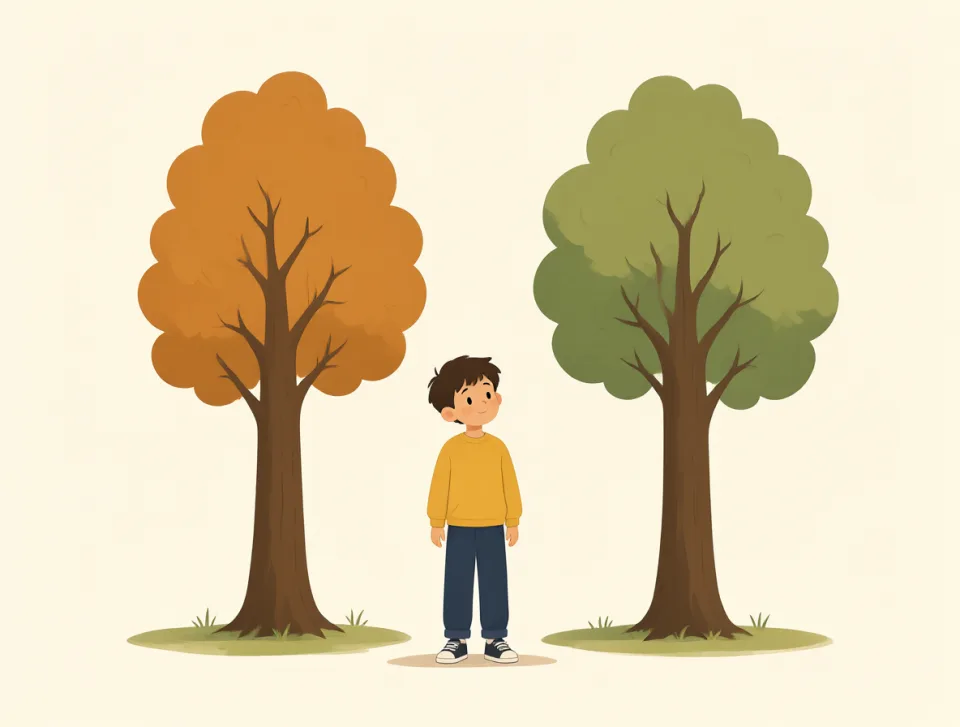
between
#116preposition, adverb
między
in or into the space separating two people, things, or places
w przestrzeni oddzielającej dwie osoby, rzeczy lub miejsca albo do tej przestrzeni
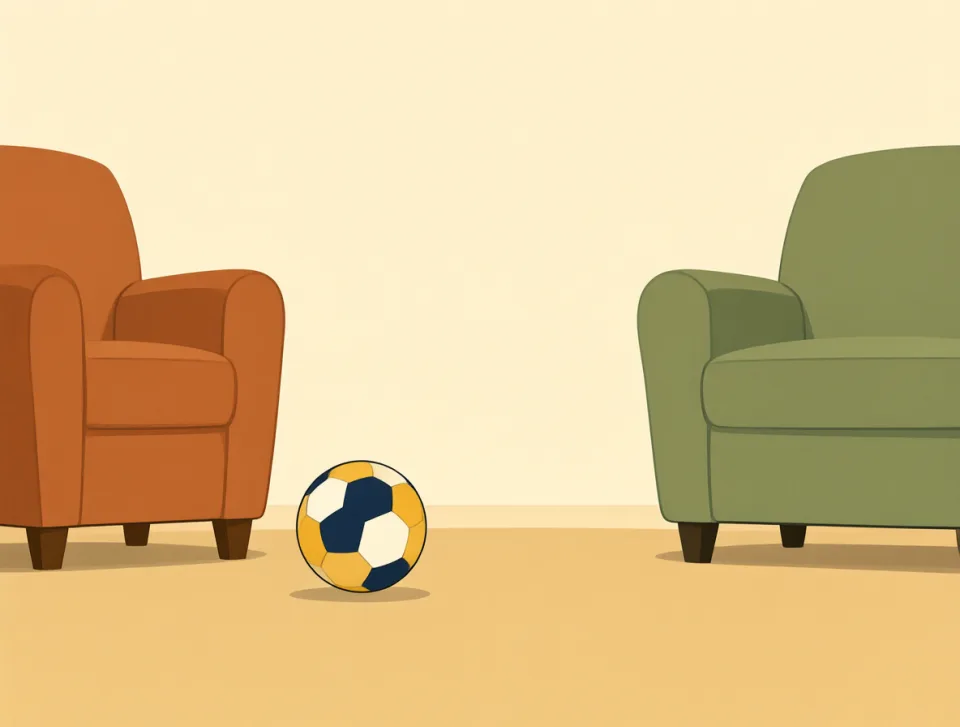
The ball rolled between the two chairs.
Piłka potoczyła się między dwa krzesła.
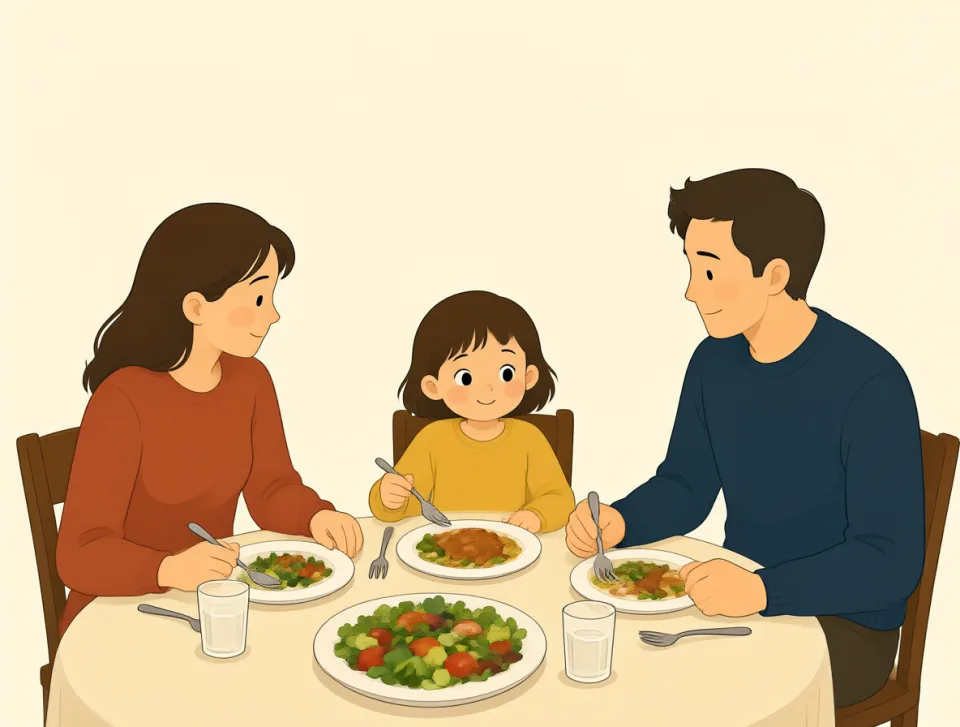
She sat between her parents at dinner.
Podczas kolacji usiadła między rodzicami.
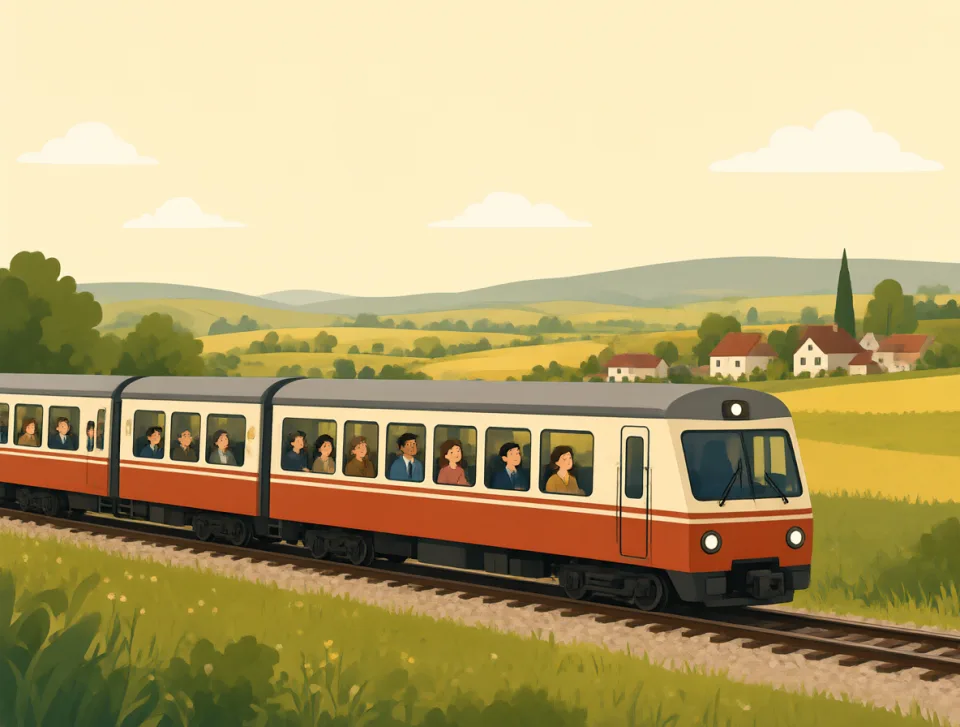
The train runs between London and Paris.
Pociąg kursuje między Londynem a Paryżem.
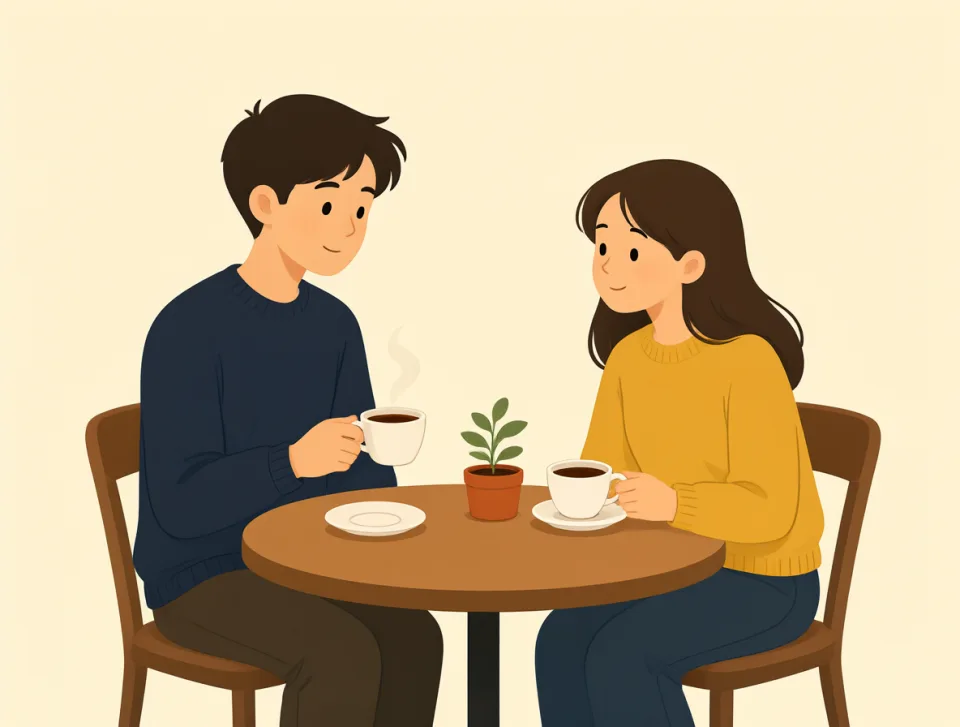
We must choose between tea and coffee.
Musimy wybrać między herbatą a kawą.
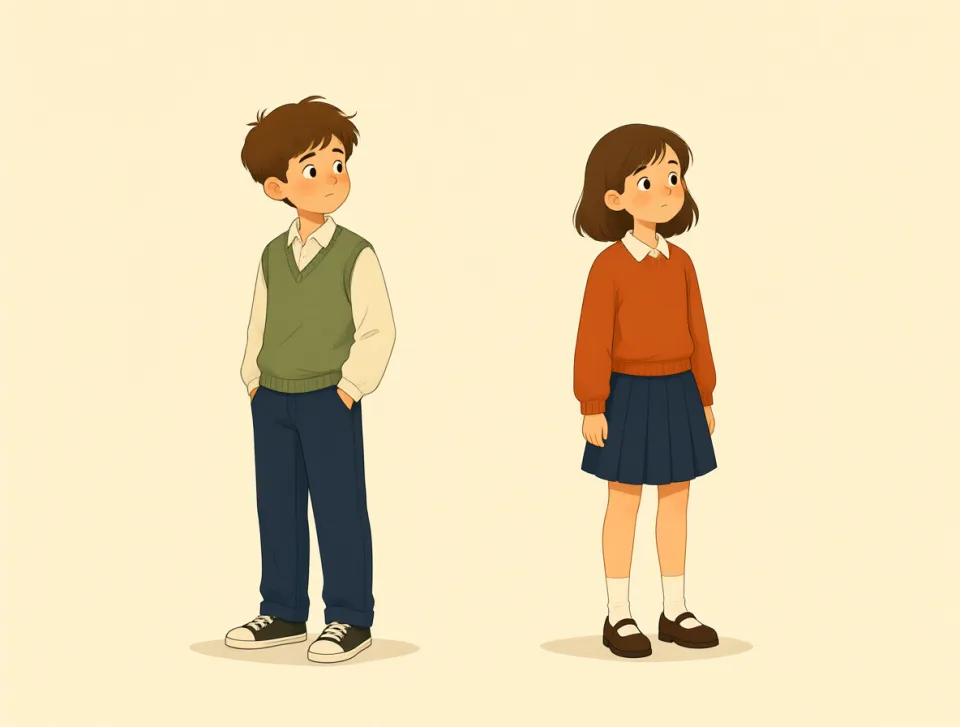
There is a big difference between them.
Jest między nimi duża różnica.

feel
#117verb, noun
czuć
To experience something through your body, emotions, or thoughts.
Doświadczać czegoś za pomocą ciała, emocji lub myśli.
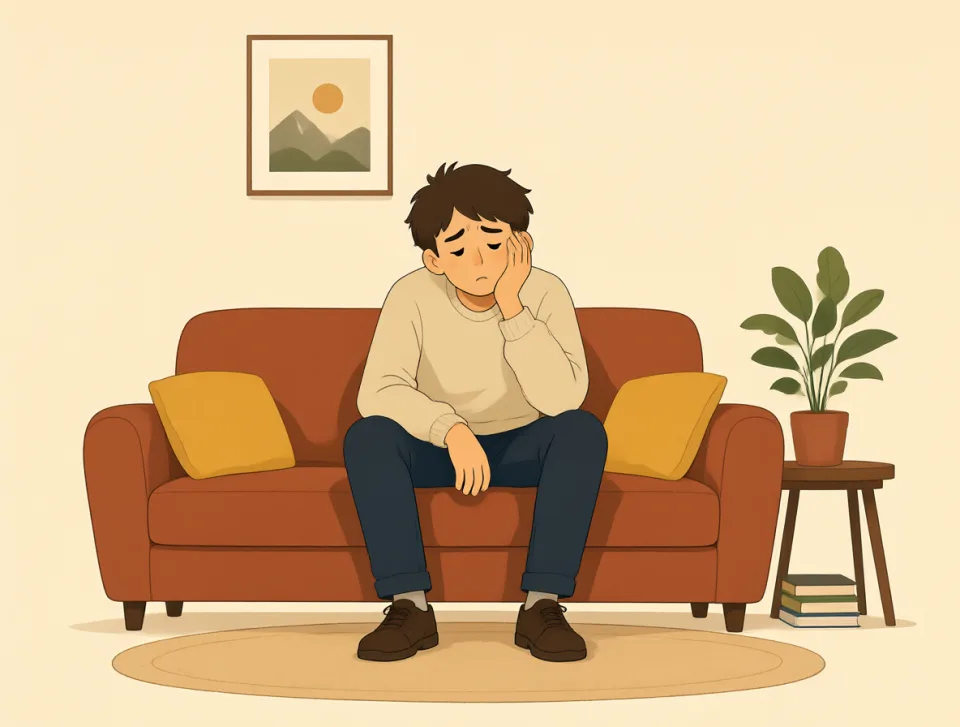
I feel tired after work.
Po pracy czuję się zmęczony.
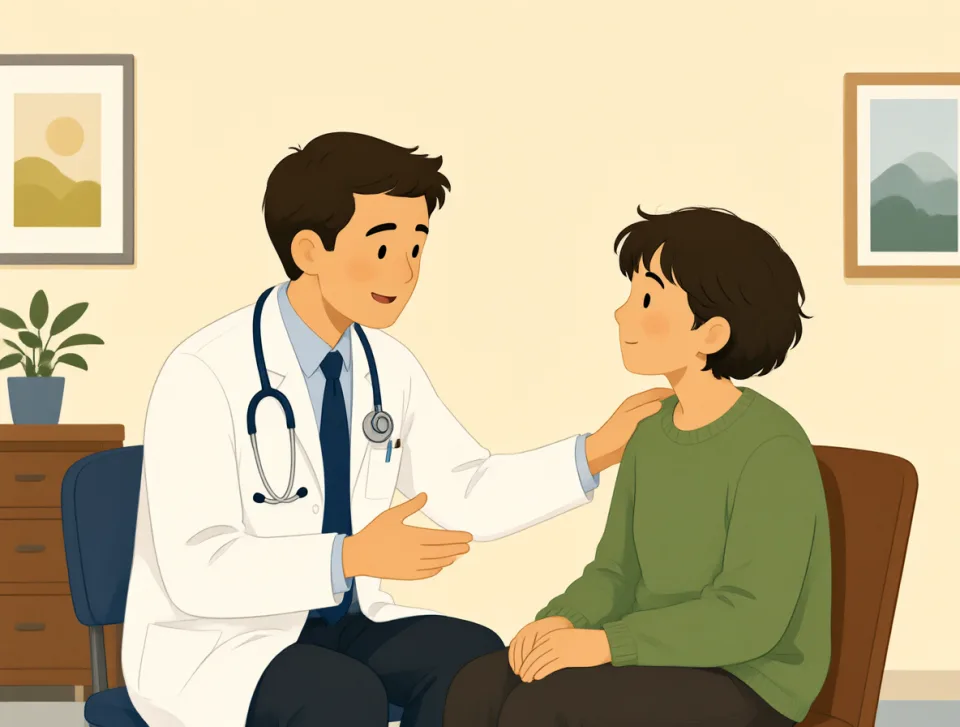
How do you feel today?
Jak się dziś czujesz?
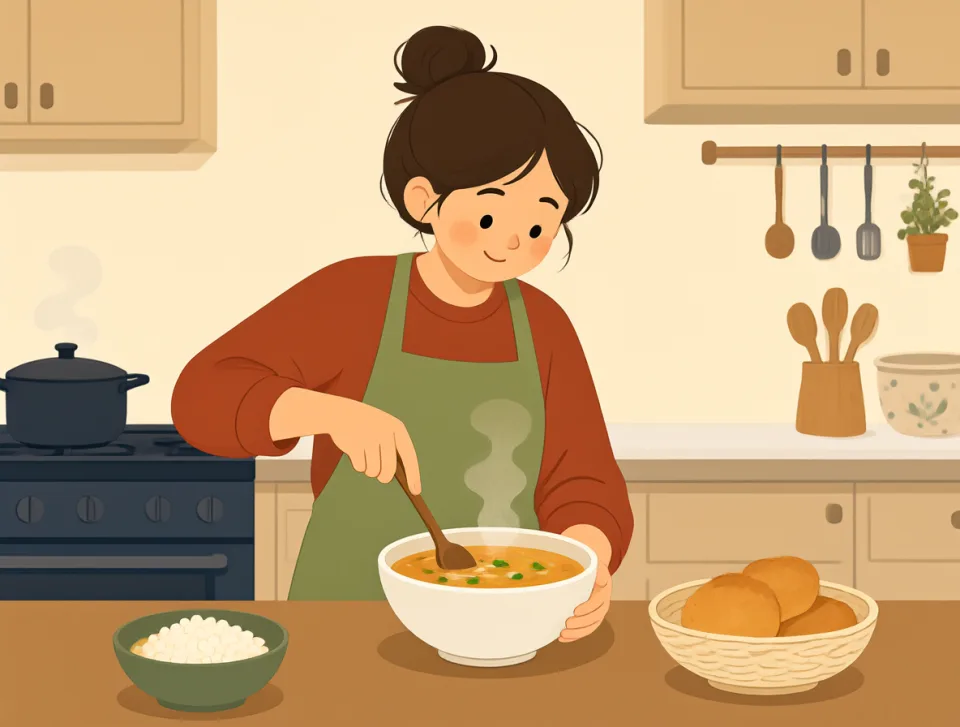
This soup feels too hot.
Ta zupa wydaje się zbyt gorąca.
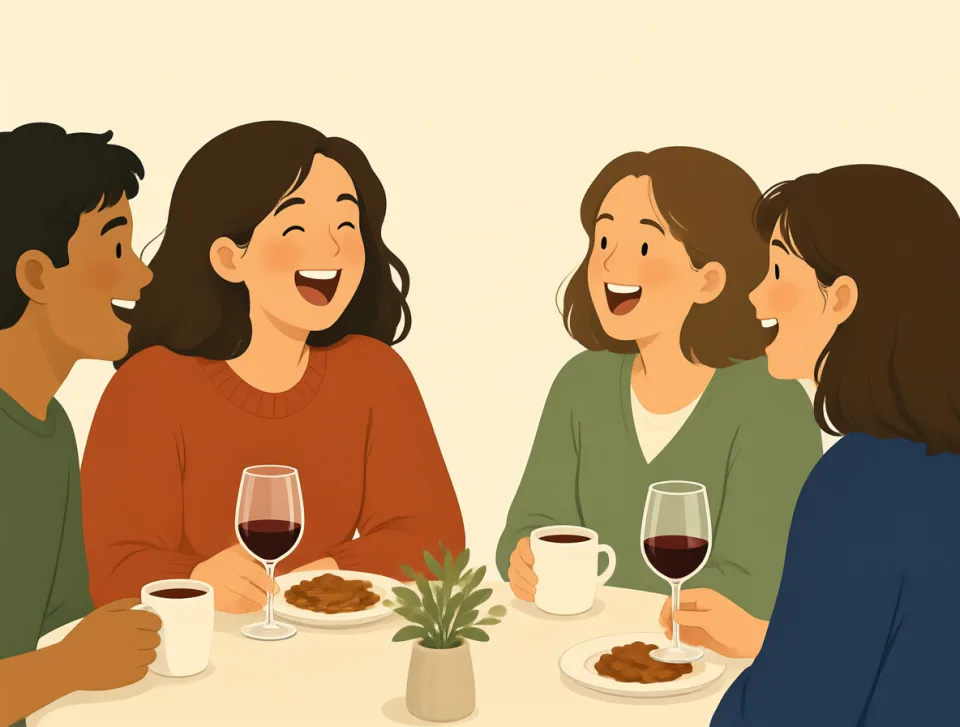
She felt happy at the party.
Na przyjęciu czuła się szczęśliwa.
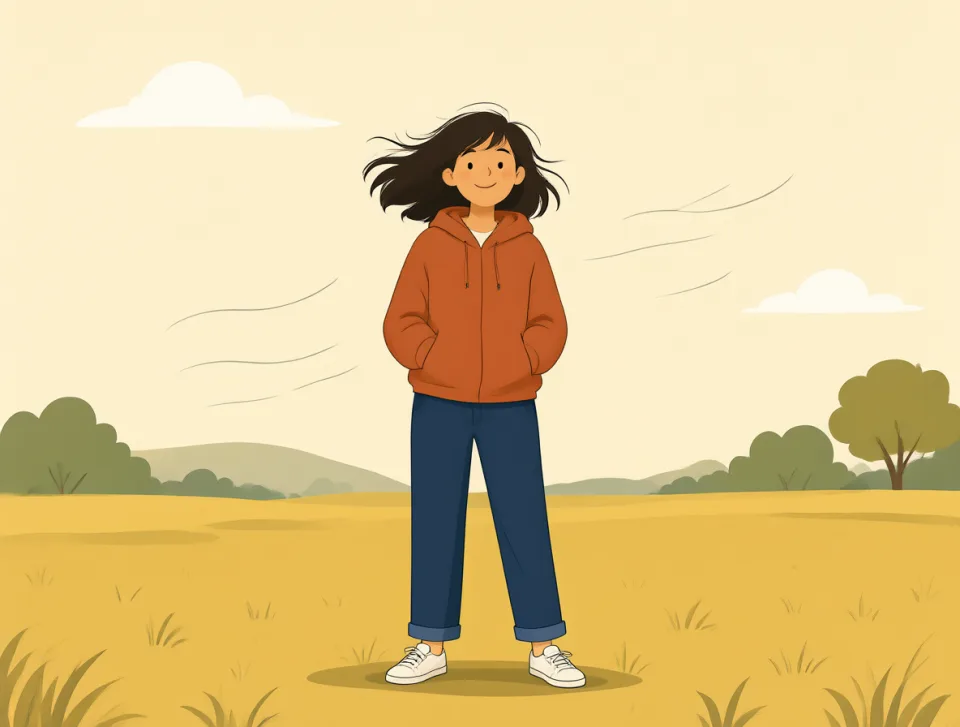
I felt a cold breeze outside.
Na zewnątrz poczułem chłodny powiew.
too
#118adverb
zbyt; też
More than is wanted or needed; also, as well.
W większym stopniu, niż jest to pożądane lub potrzebne; także, również.
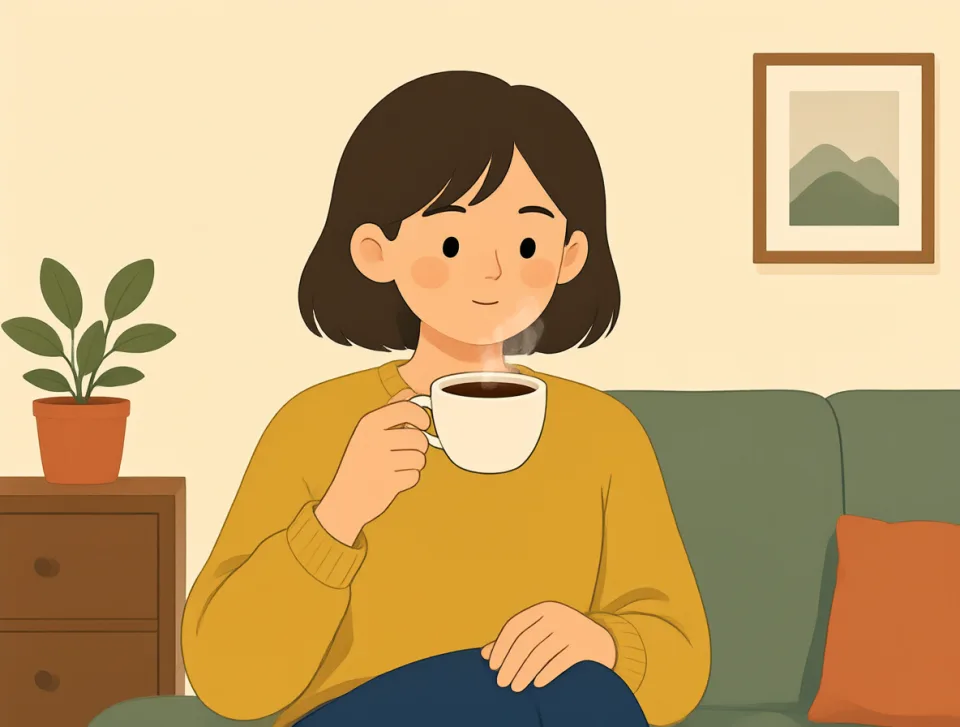
This coffee is too hot to drink.
Ta kawa jest zbyt gorąca, żeby ją pić.
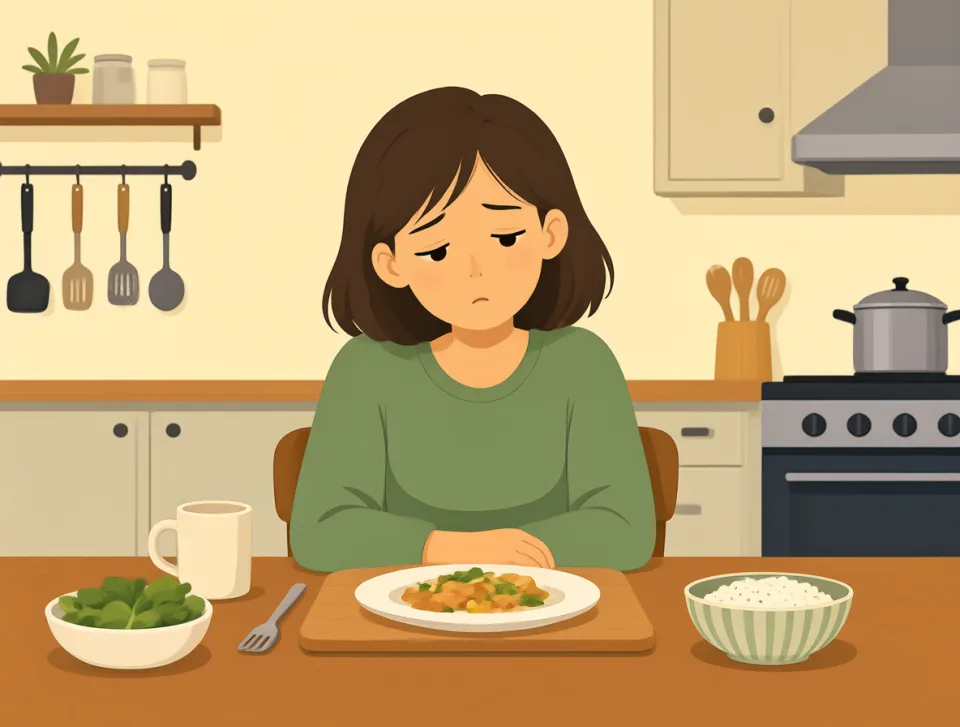
She is too tired to cook dinner.
Jest zbyt zmęczona, żeby ugotować kolację.

The bag is too heavy for me.
Ta torba jest dla mnie zbyt ciężka.
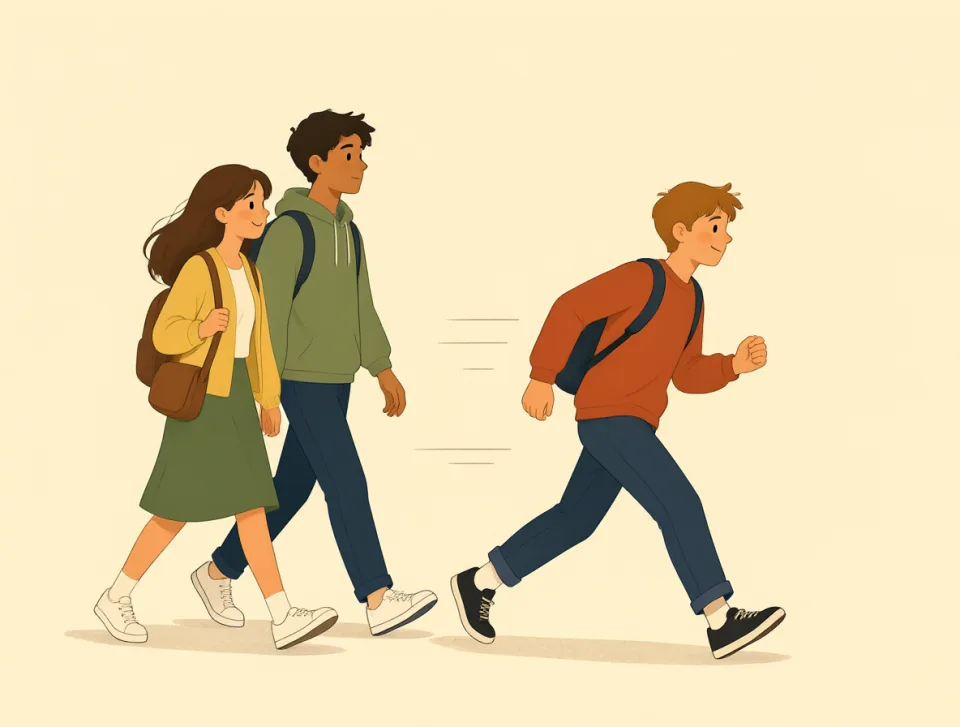
I want to come too.
Ja też chcę przyjść.
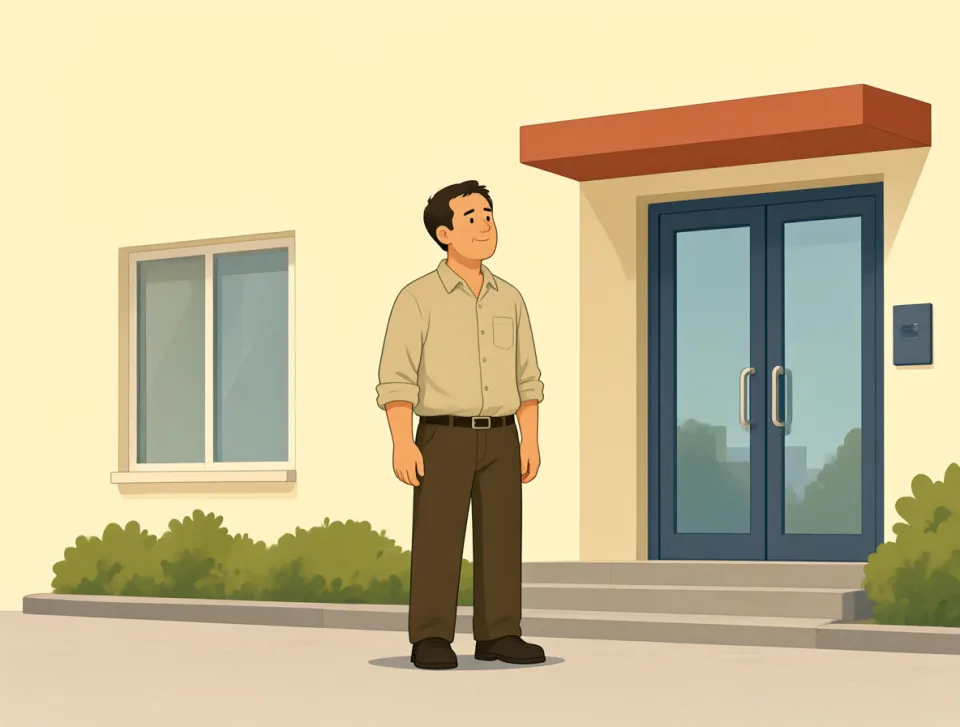
He works at the hospital too.
On też pracuje w szpitalu.

still
#119adverb, adjective, noun, verb
nadal; nieruchomy; kadr
continuing until now; not moving; or a device used to make pictures from film
Trwający do tej chwili; nieruchomy; albo obraz uzyskany z filmu.
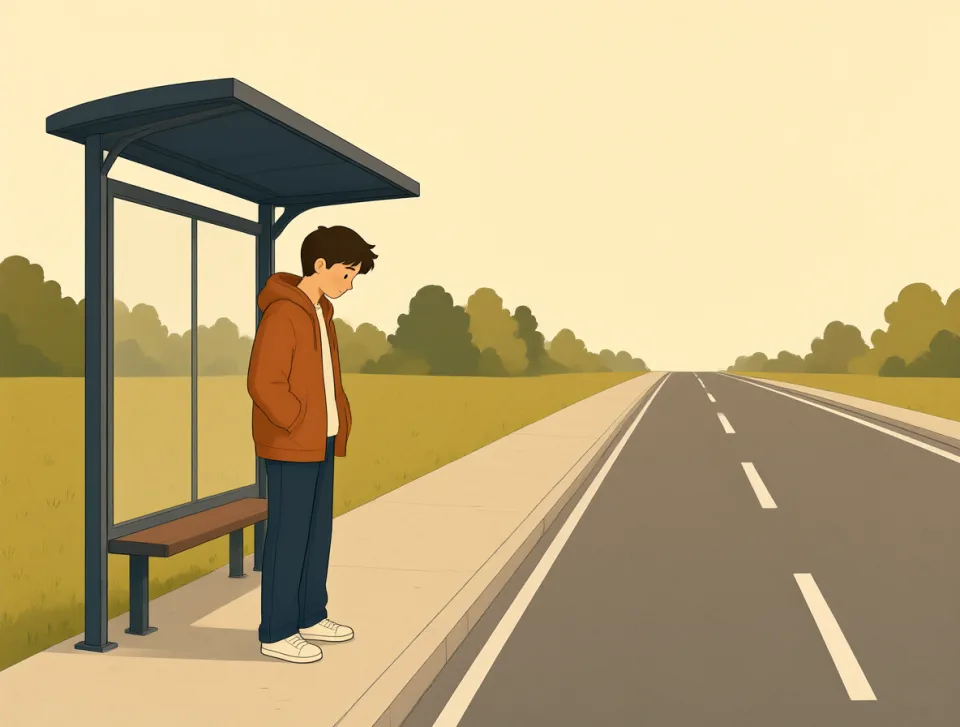
Are you still waiting for the bus?
Czy nadal czekasz na autobus?
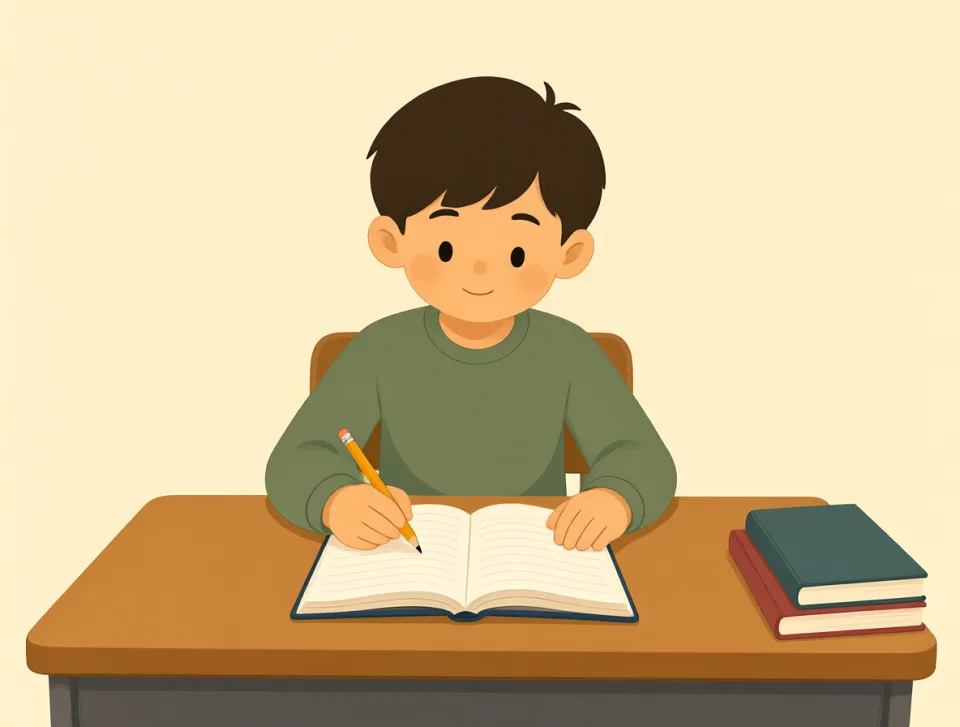
I still need to finish my homework.
Nadal muszę odrobić pracę domową.
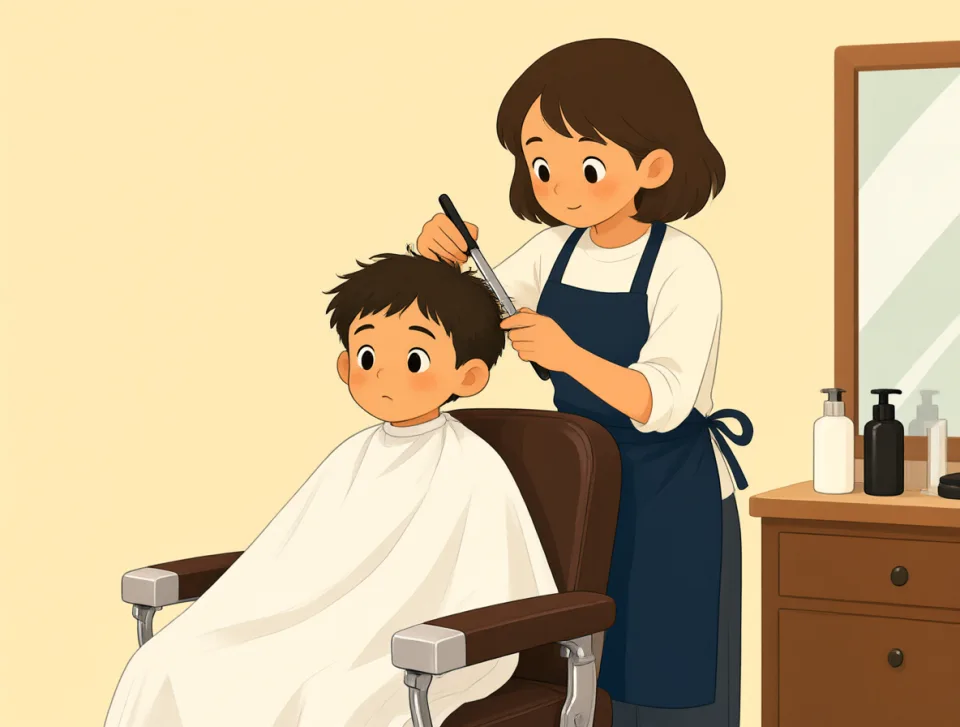
Please keep still while I cut your hair.
Proszę się nie ruszać, kiedy będę obcinać panu włosy.
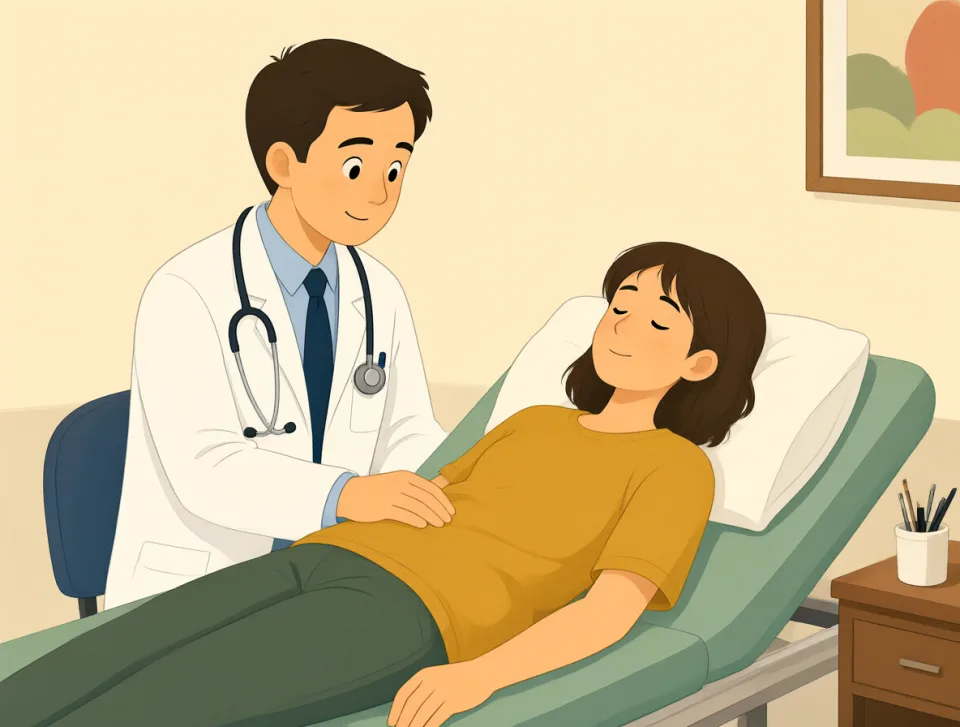
The doctor told me to stay still.
Lekarz kazał mi się nie ruszać.

She took a still of the beautiful sunset.
Zrobiła zdjęcie pięknego zachodu słońca.
problem
#120noun
problem
Something that is difficult or causes trouble.
Coś, co jest trudne lub sprawia kłopoty.
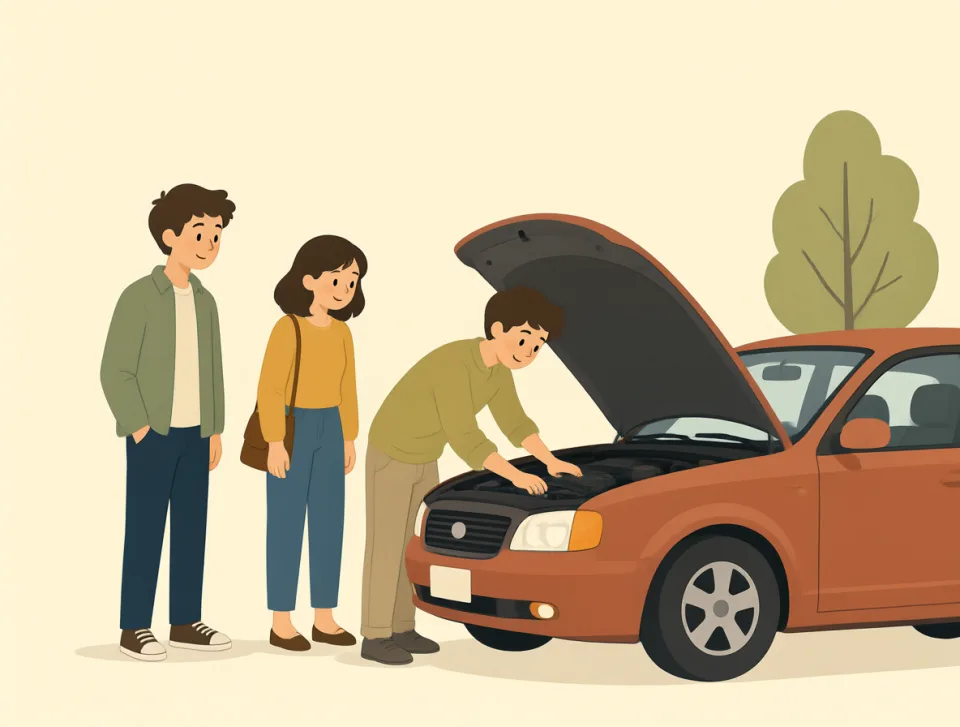
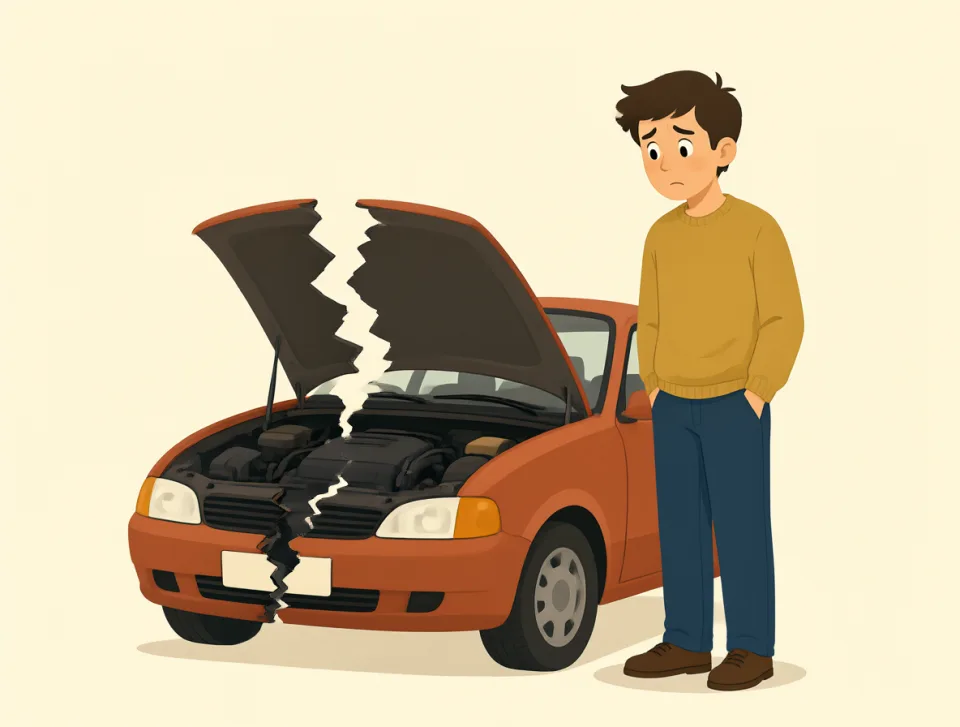
We have a problem with the car.
Mamy problem z samochodem.
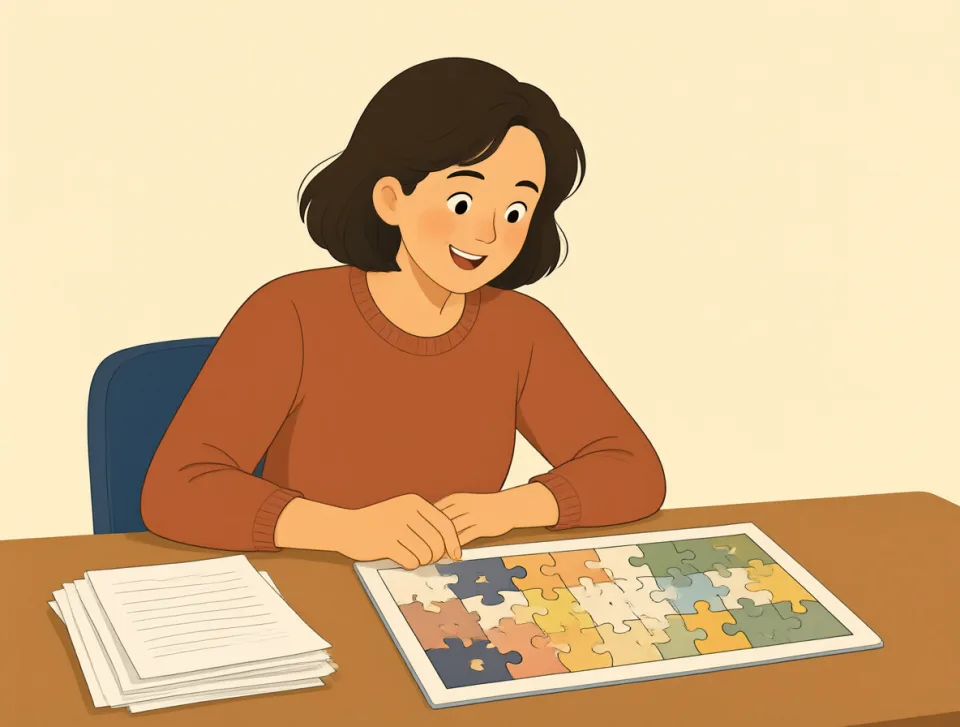
She solved the problem at work.
Rozwiązała problem w pracy.
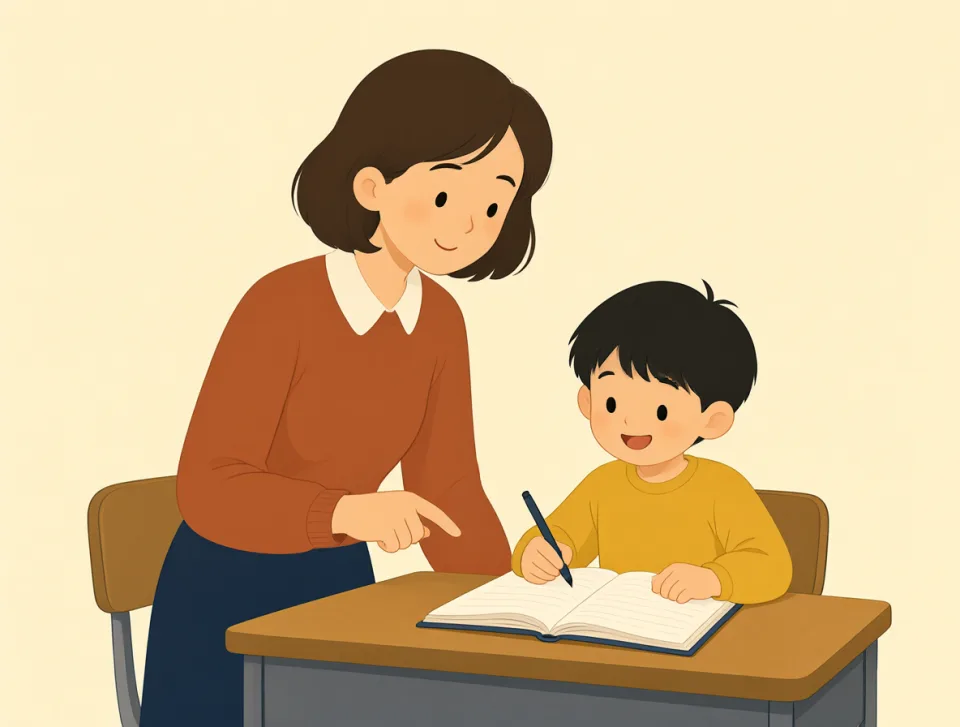
The teacher helped me with my math problem.
Nauczyciel pomógł mi rozwiązać zadanie z matematyki.
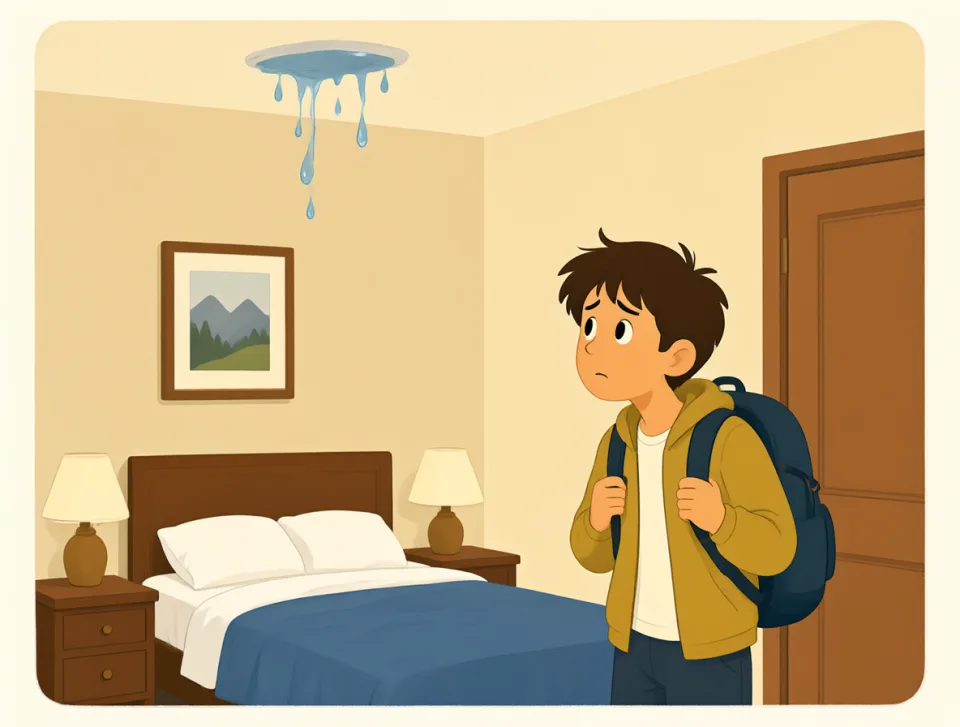
There was a problem with our hotel room.
Był problem z naszym pokojem hotelowym.
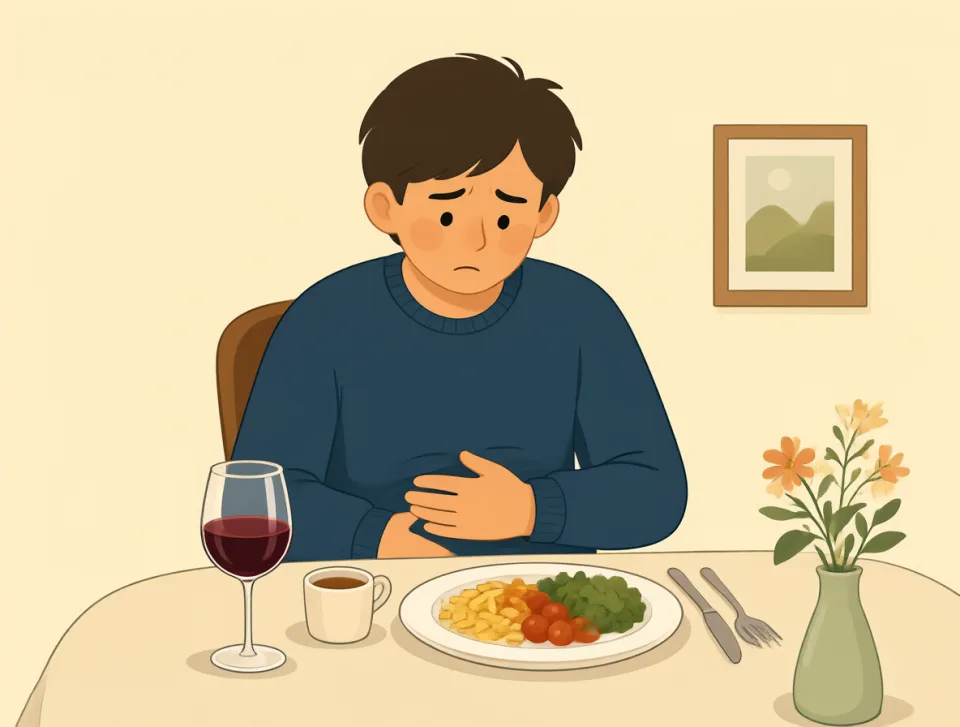
My stomach problem started after dinner.
Problemy z żołądkiem zaczęły się po kolacji.