Zestaw 18
Słowa 341–360 · mind, value, office, record, stay, force
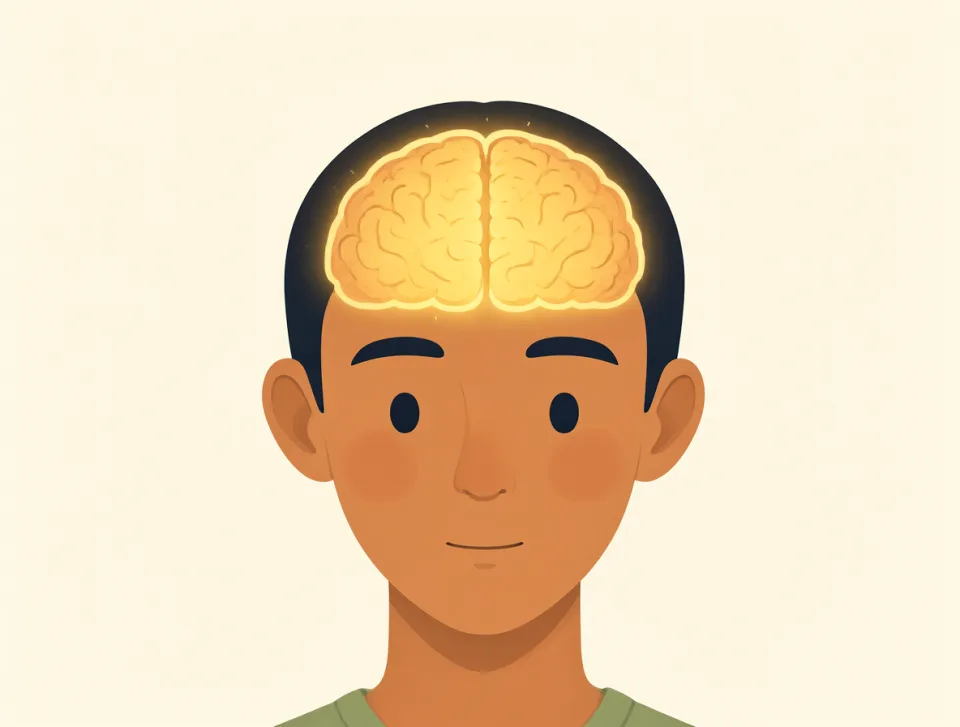
mind
#341noun, verb
umysł; pamiętać, mieć na uwadze
The part of you that thinks, remembers, and has feelings; to remember or care about something.
Część ciebie, która myśli, pamięta i odczuwa; pamiętać o czymś lub się czymś przejmować.
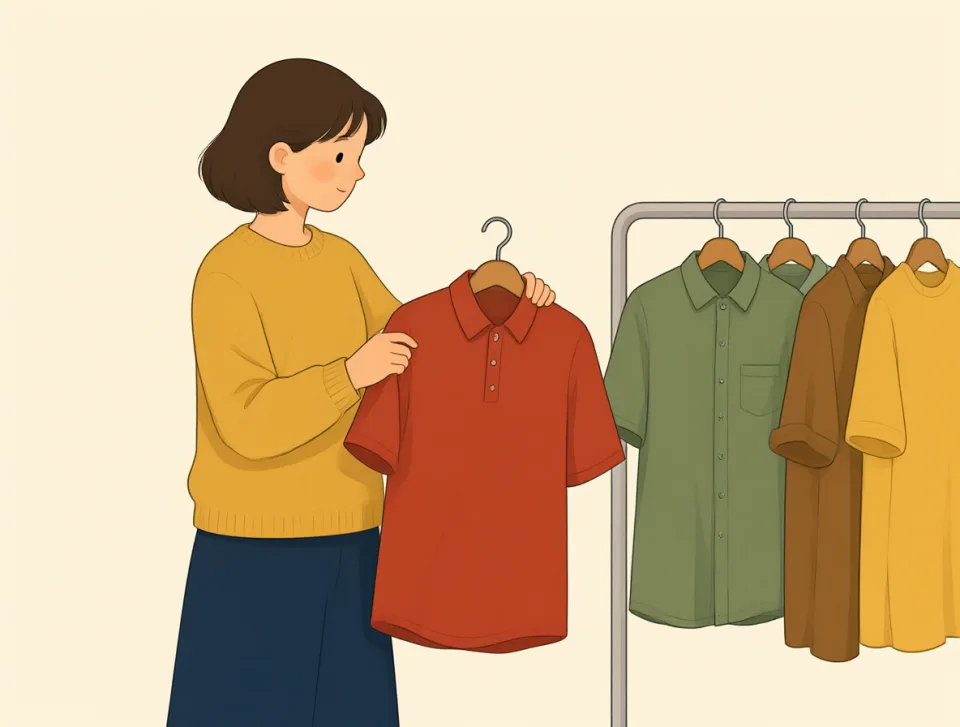
I changed my mind about the red shirt.
Zmieniłem zdanie na temat czerwonej koszuli.
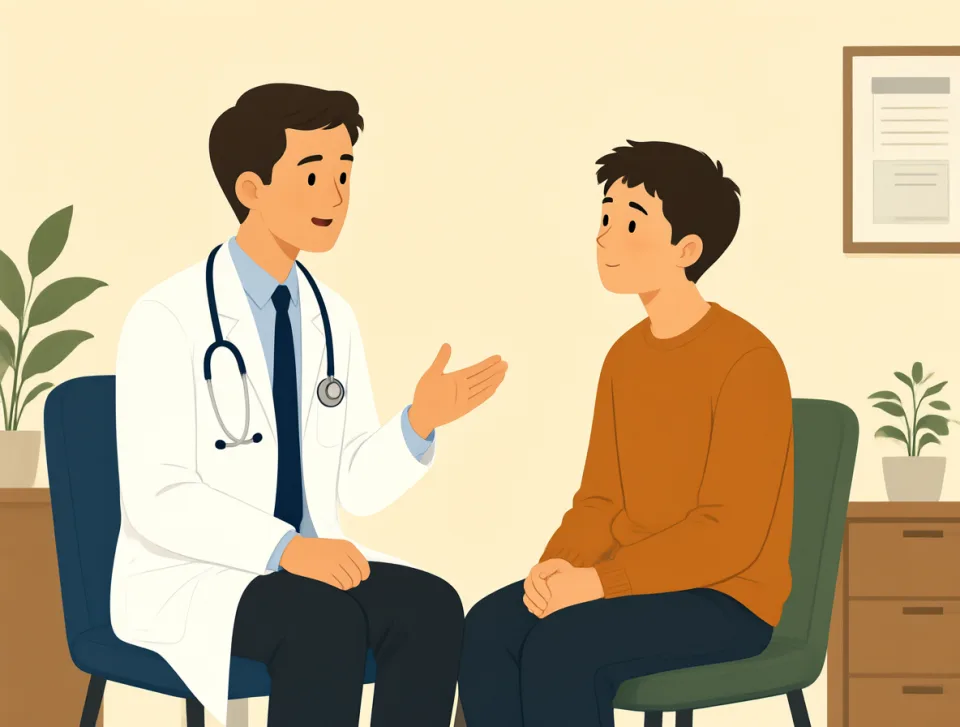
Please keep in mind the doctor's advice.
Proszę pamiętać o zaleceniach lekarza.
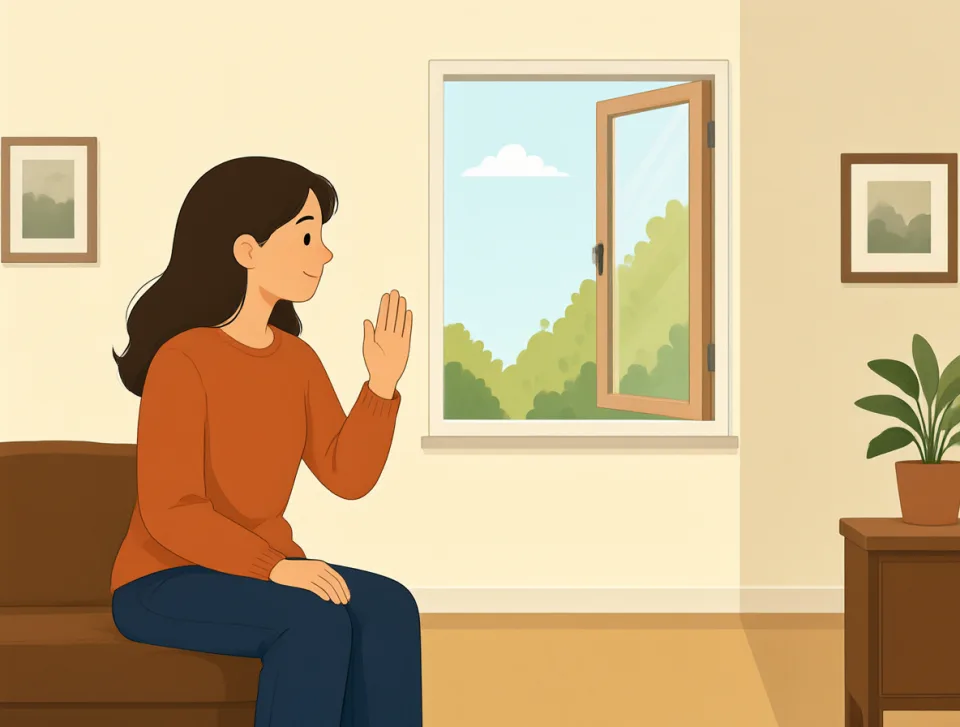
Would you mind opening the window?
Czy mógłbyś otworzyć okno?
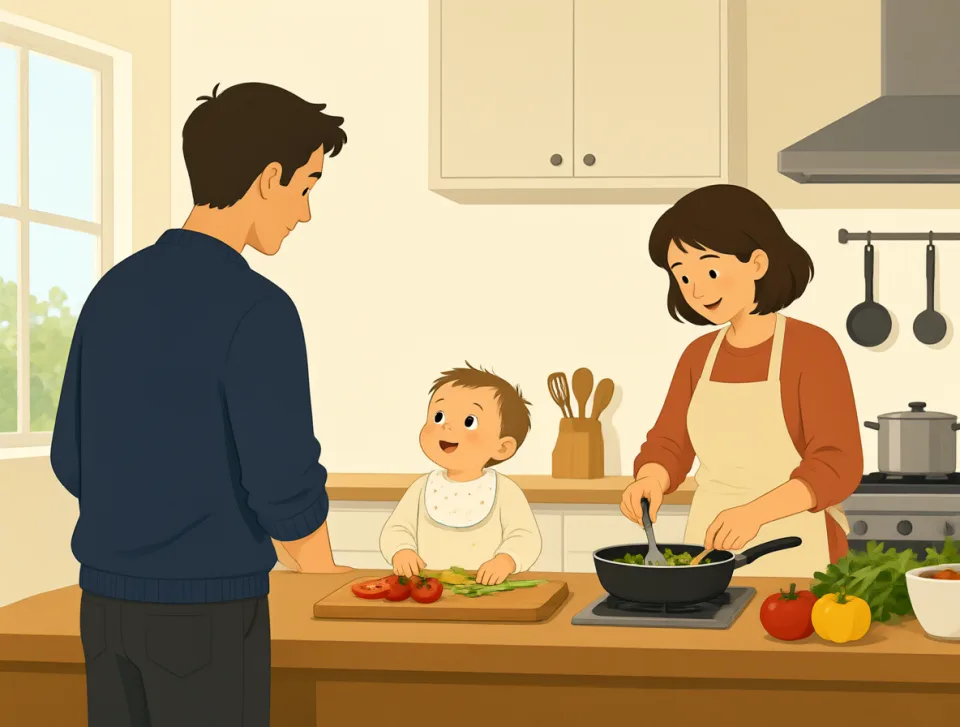
I can't mind the baby while you cook.
Nie mogę zająć się dzieckiem, kiedy gotujesz.
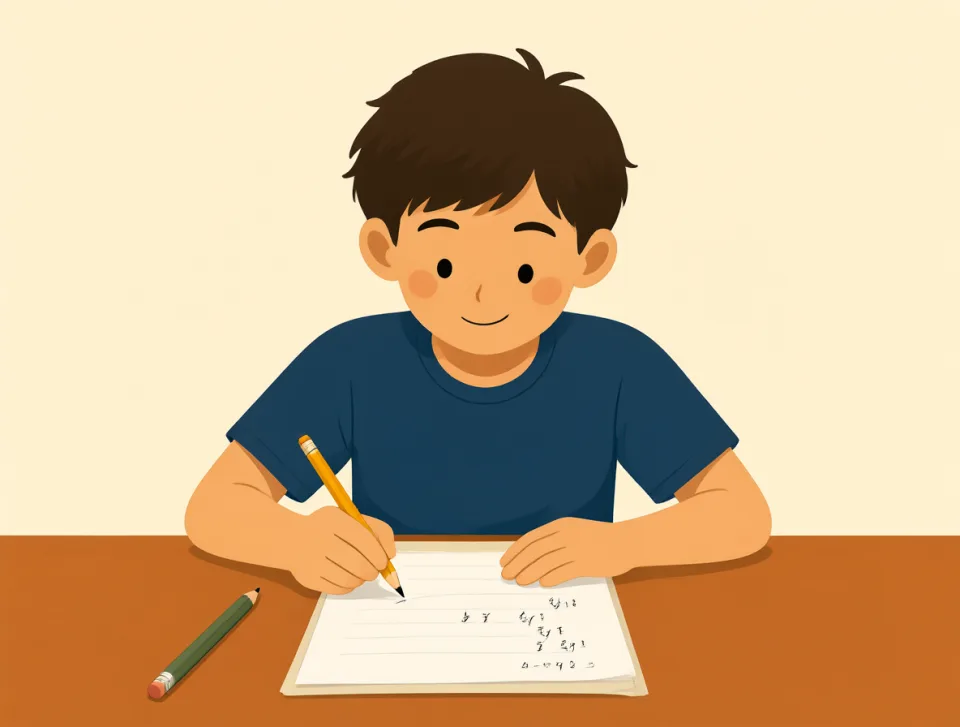
She has a sharp mind for numbers.
Ma świetny umysł do liczb.
value
#342noun, verb
wartość; cenić
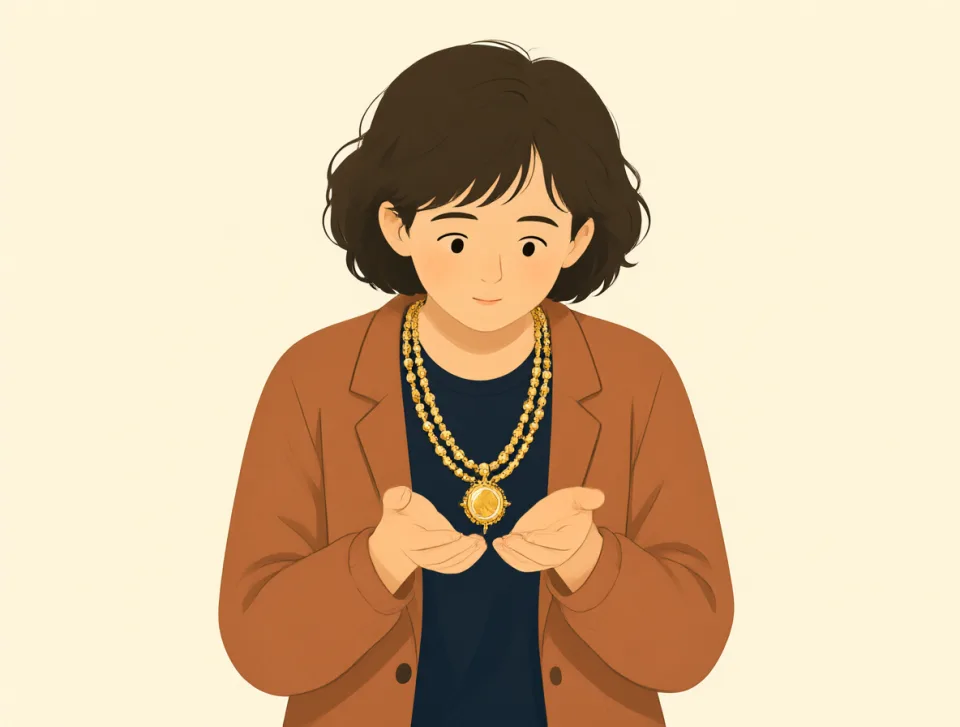
The importance or worth of something, or to think something is important.
Znaczenie lub wartość czegoś albo uważać coś za ważne.
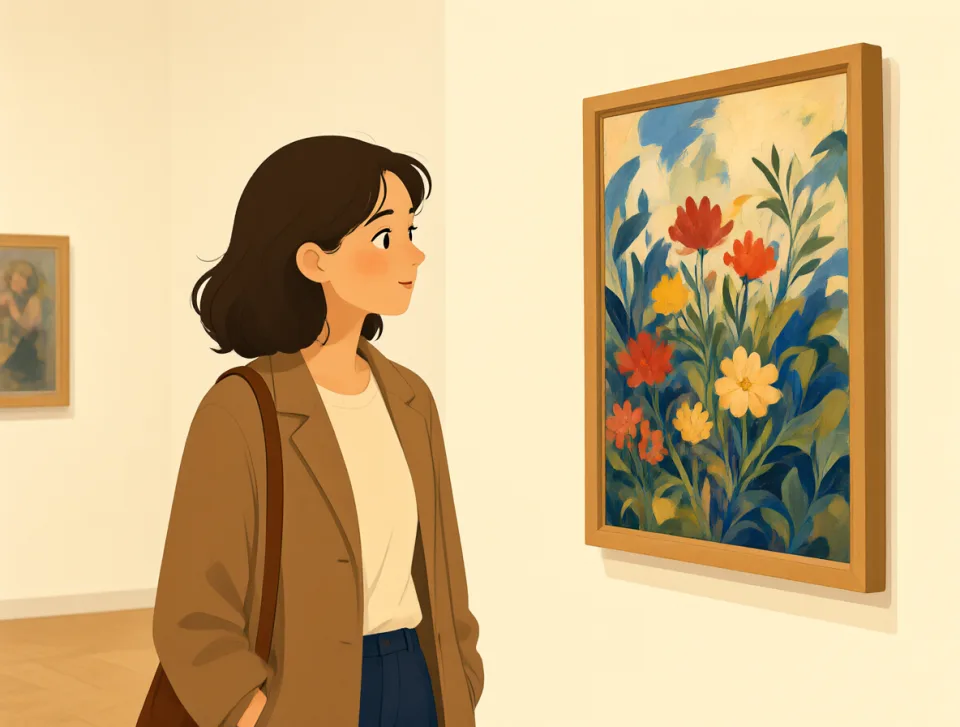
This painting has great value.
Ten obraz ma wielką wartość.
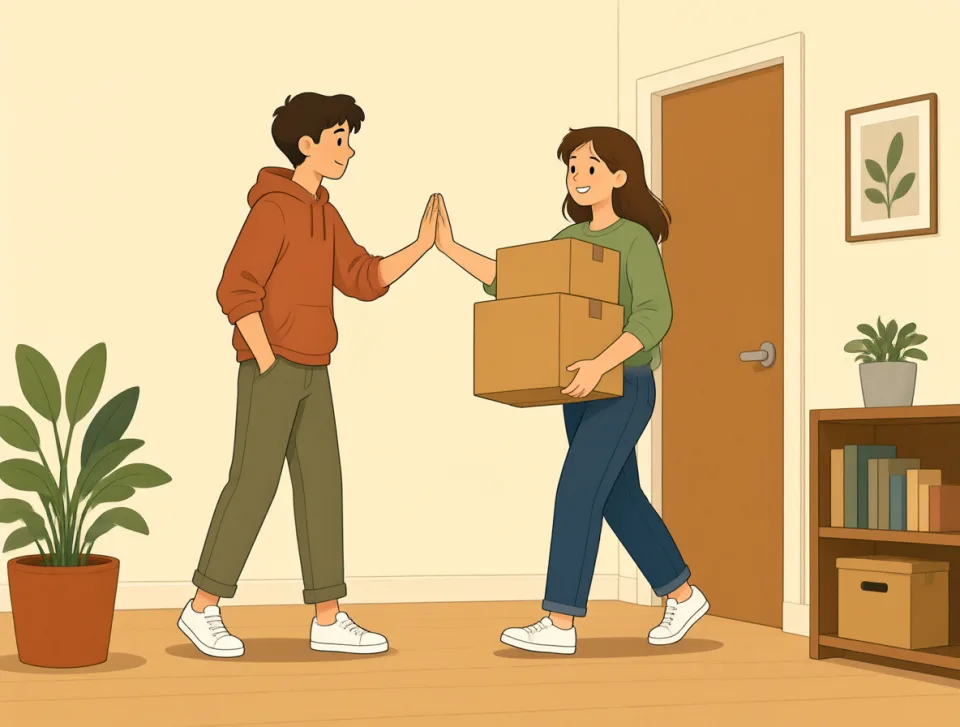
I value your help very much.
Bardzo cenię twoją pomoc.
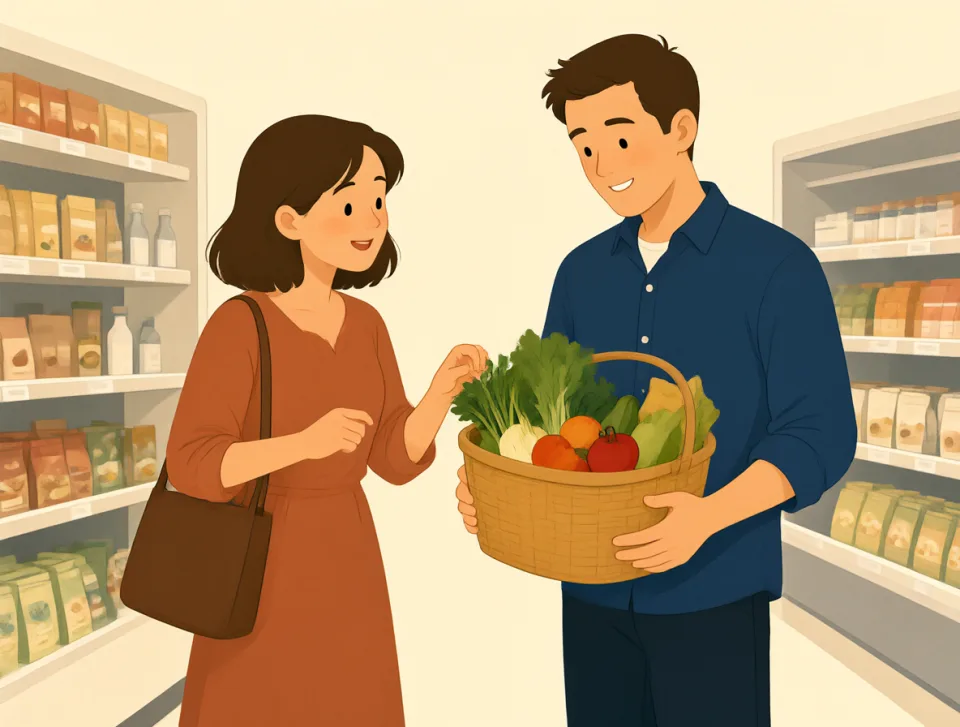
The shop offers good value for money.
Ten sklep oferuje dobry stosunek jakości do ceny.
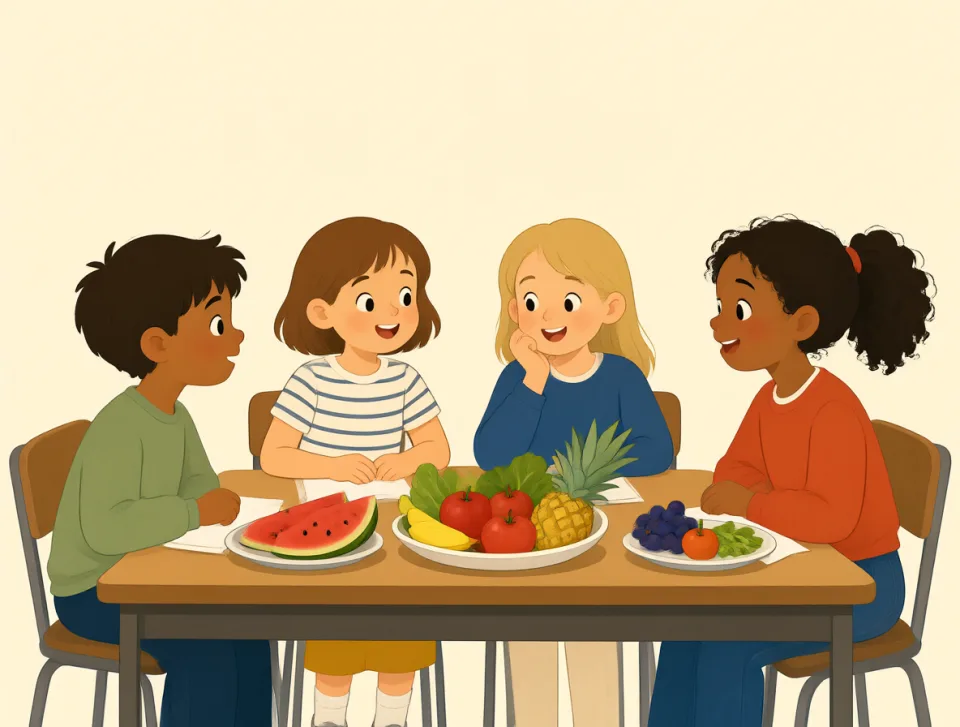
We learned the value of healthy food.
Nauczyliśmy się, jak ważne jest zdrowe jedzenie.
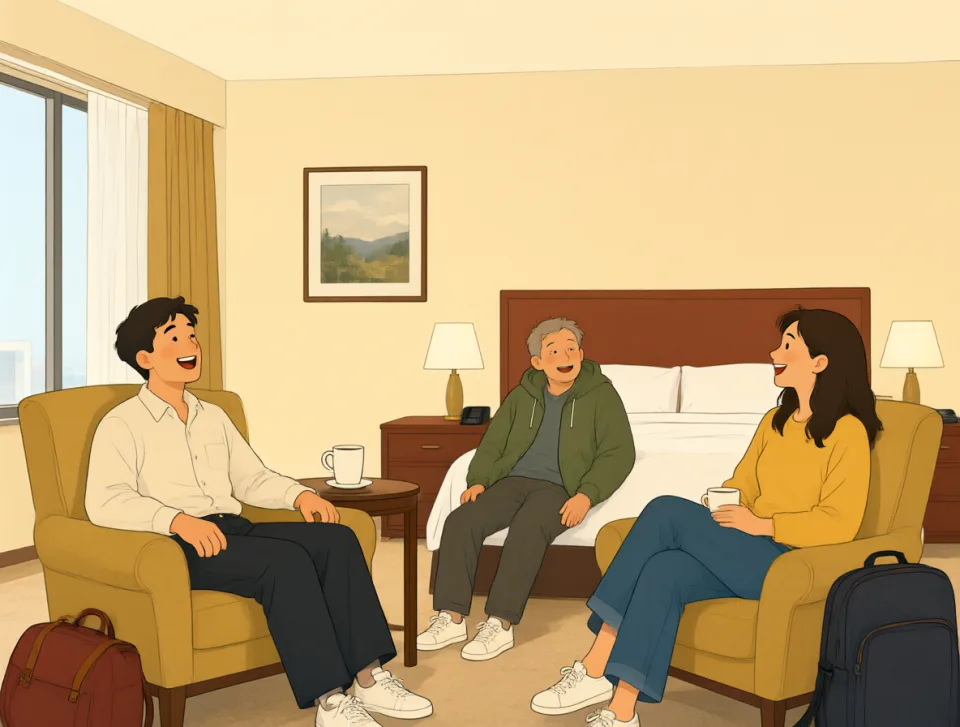
The hotel gave us good value.
Hotel oferował dobry stosunek jakości do ceny.
office
#343noun
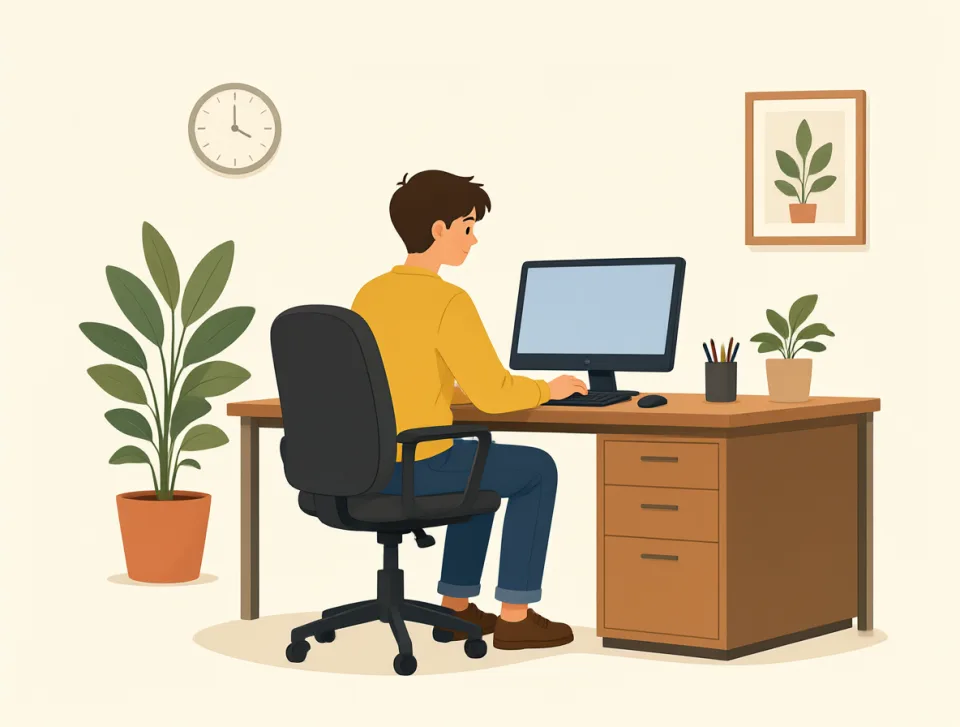
biuro
A room or building where people work, especially for a business or organization.
Pomieszczenie lub budynek, w którym pracują ludzie, zwłaszcza w firmie lub organizacji.
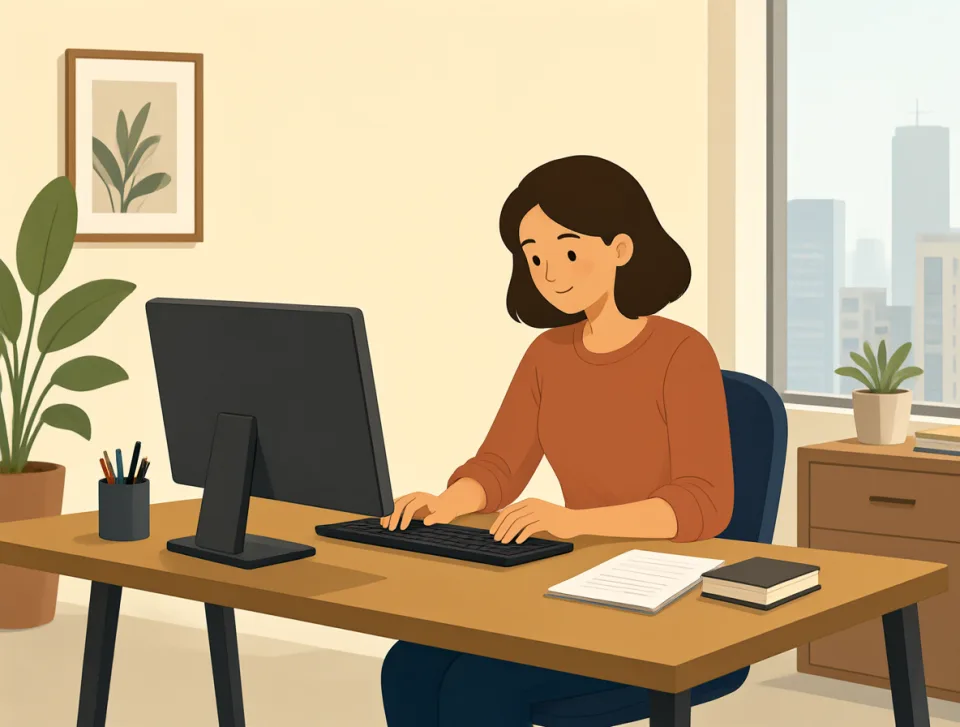
She works in an office downtown.
Ona pracuje w biurze w centrum miasta.
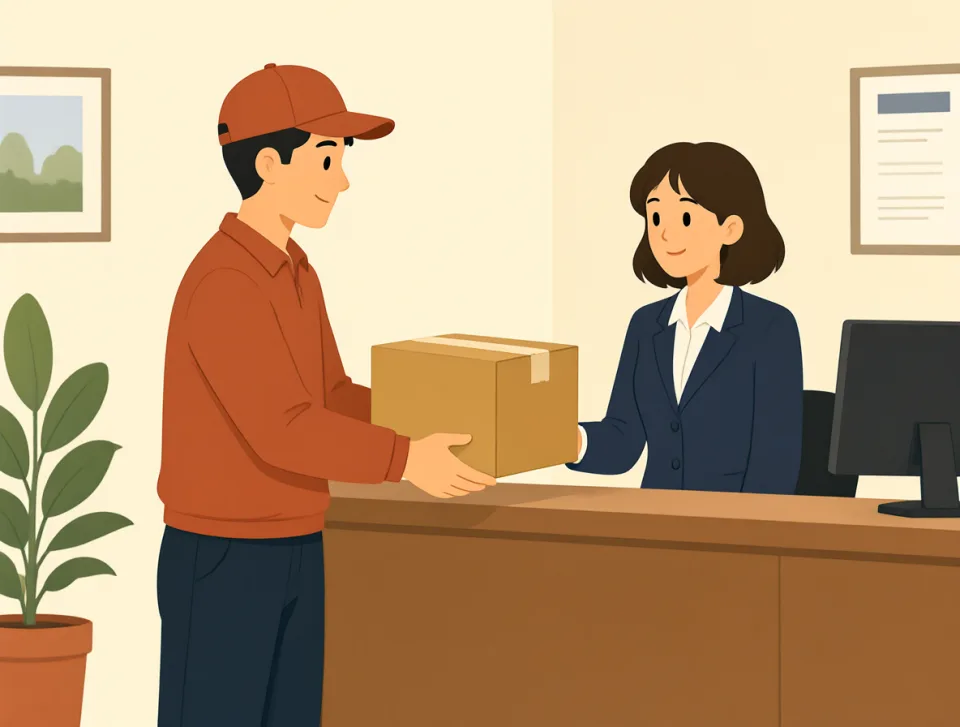
Please leave the package at the office.
Proszę zostawić paczkę w biurze.
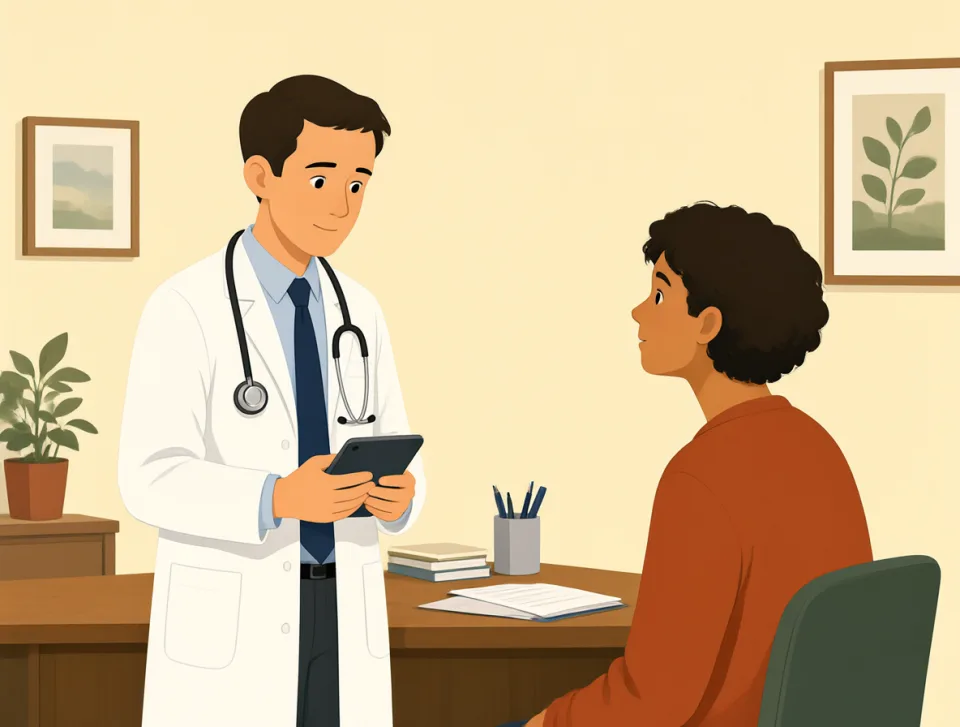
The doctor has an office near my home.
Lekarz ma gabinet niedaleko mojego domu.
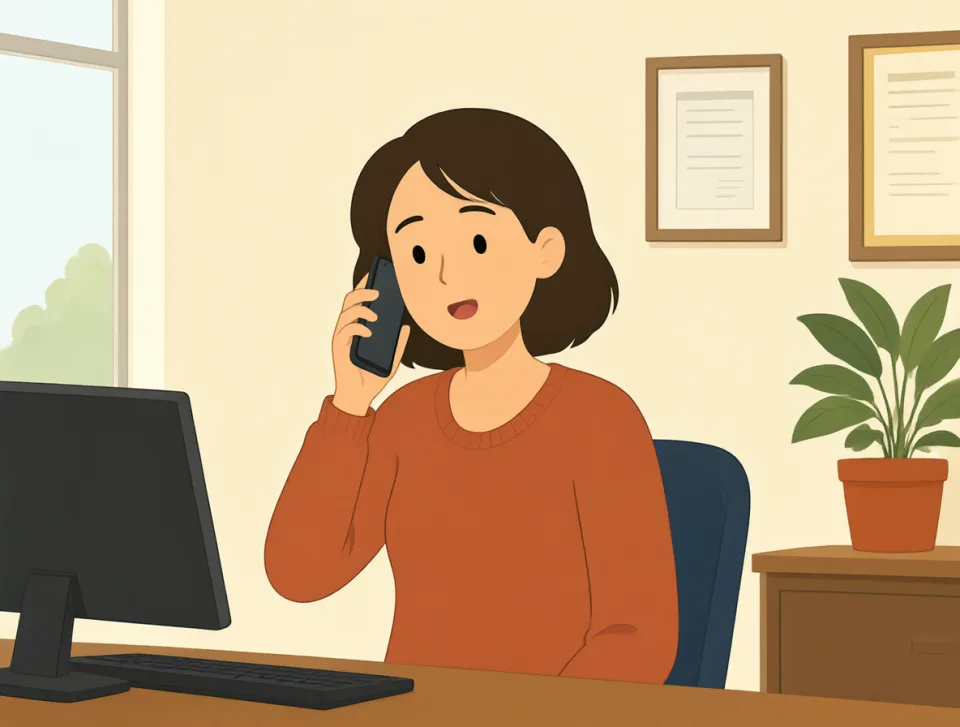
I called the school office yesterday.
Wczoraj zadzwoniłem do sekretariatu szkoły.

Our office closes at five today.
Nasze biuro jest dziś otwarte do piątej.
record
#344noun, verb
zapis; nagrywać, rejestrować
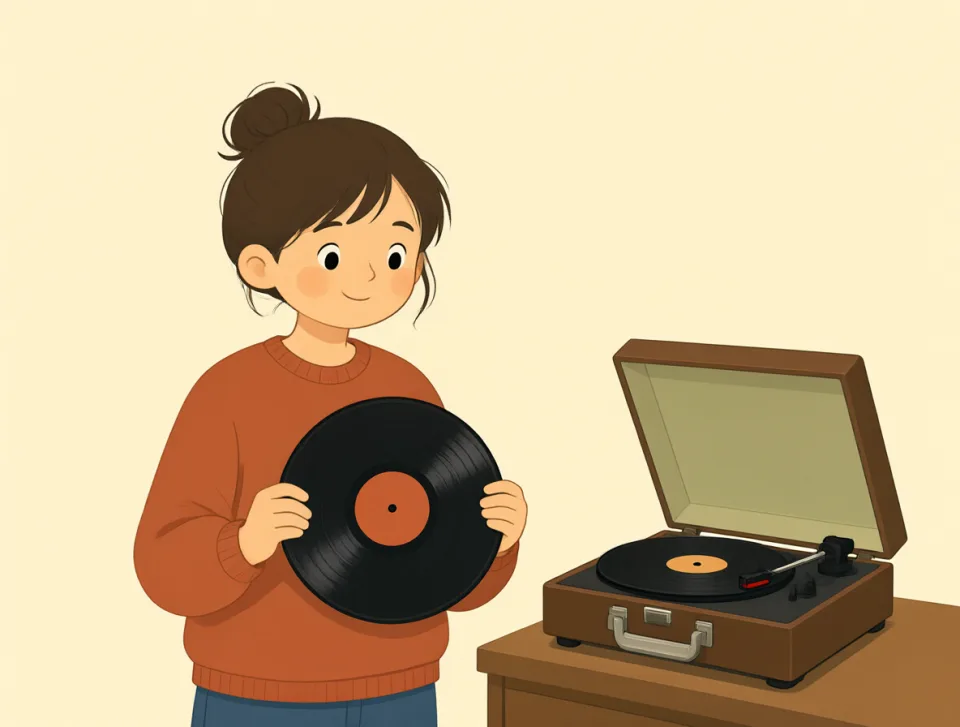
A record is stored information, or to save sound, video, or information.
Record to zapisane informacje albo czynność zapisywania dźwięku, obrazu lub informacji.
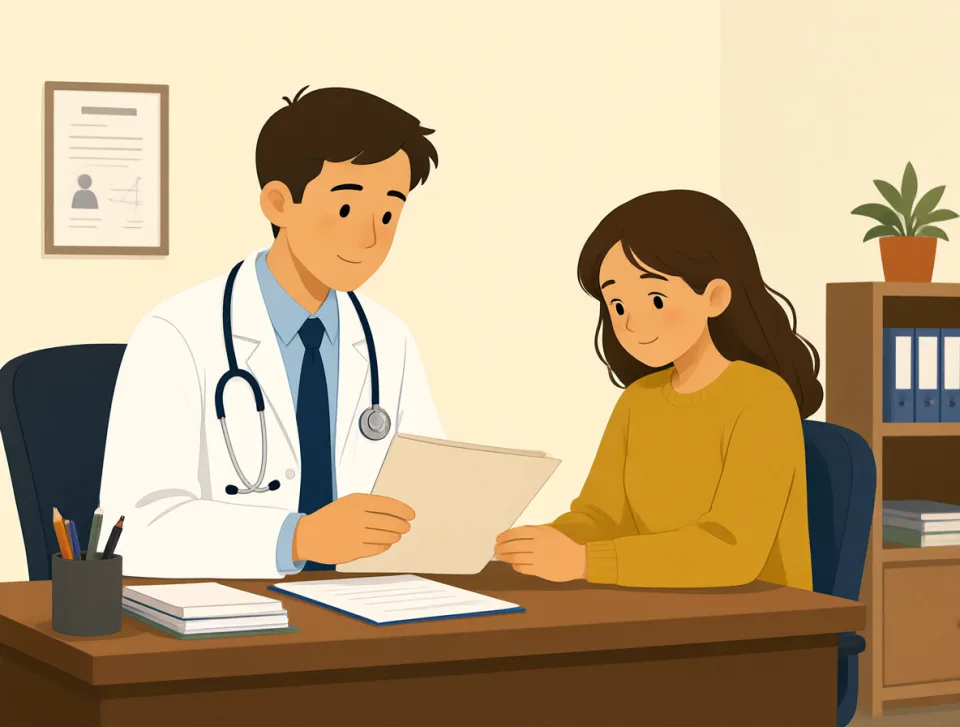
The doctor checked my medical record.
Lekarz sprawdził moją dokumentację medyczną.
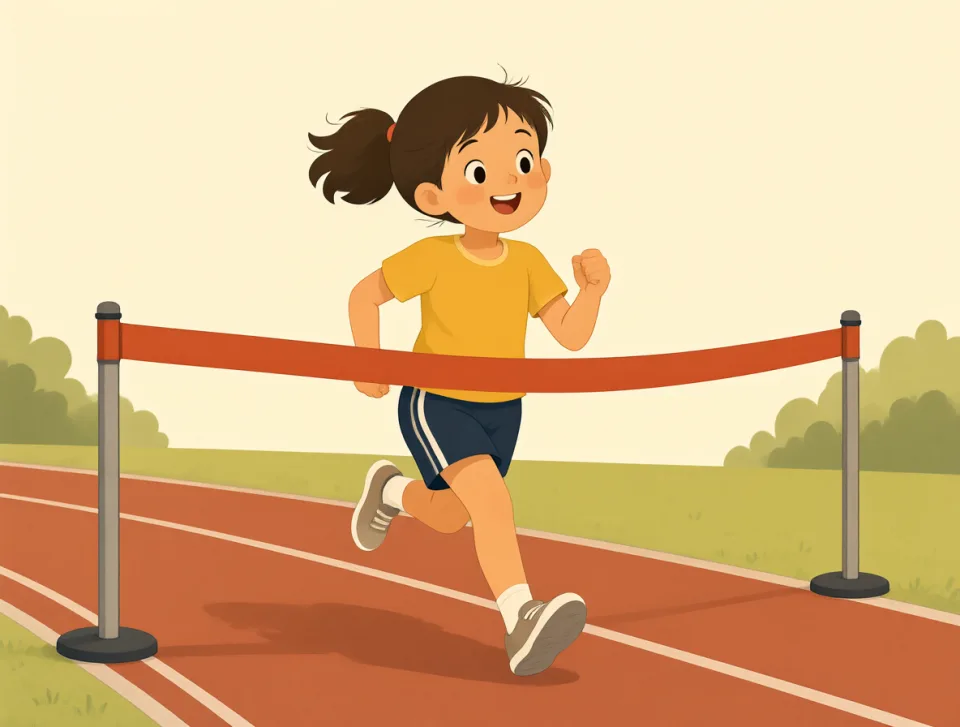
She broke the school running record.
Pobiła szkolny rekord w biegu.
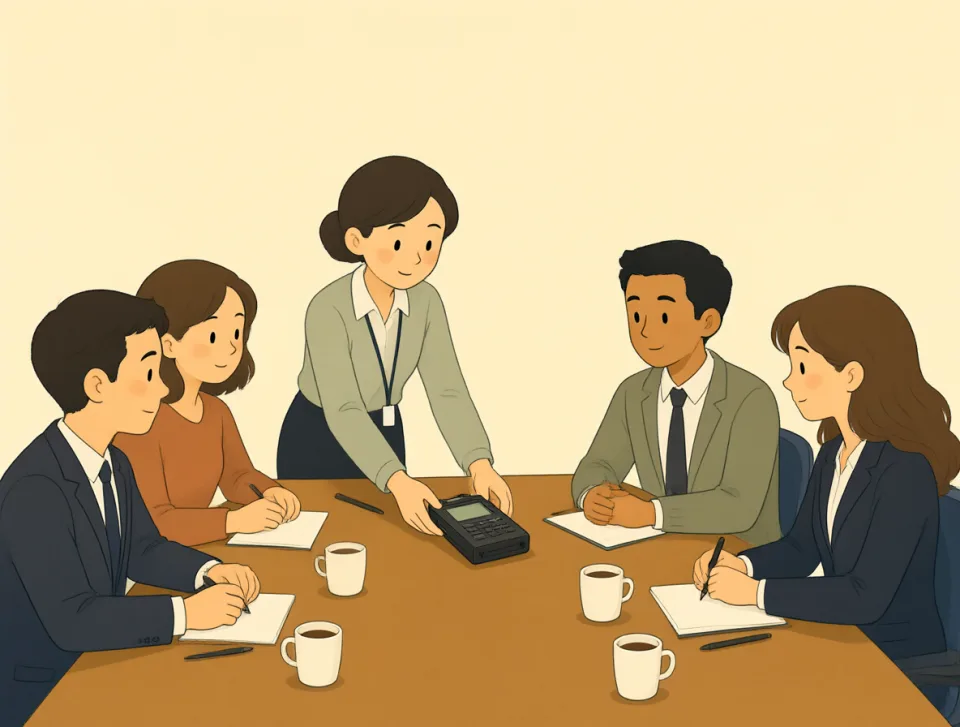
Please record the meeting for me.
Proszę nagrać dla mnie spotkanie.
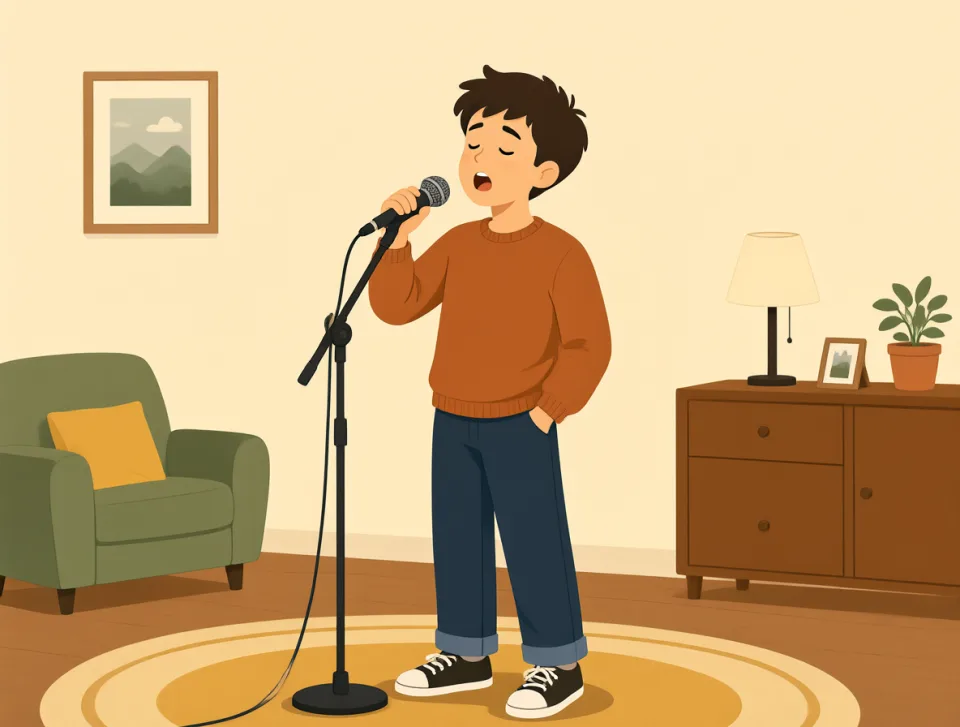
He recorded a song at home.
Nagrał piosenkę w domu.
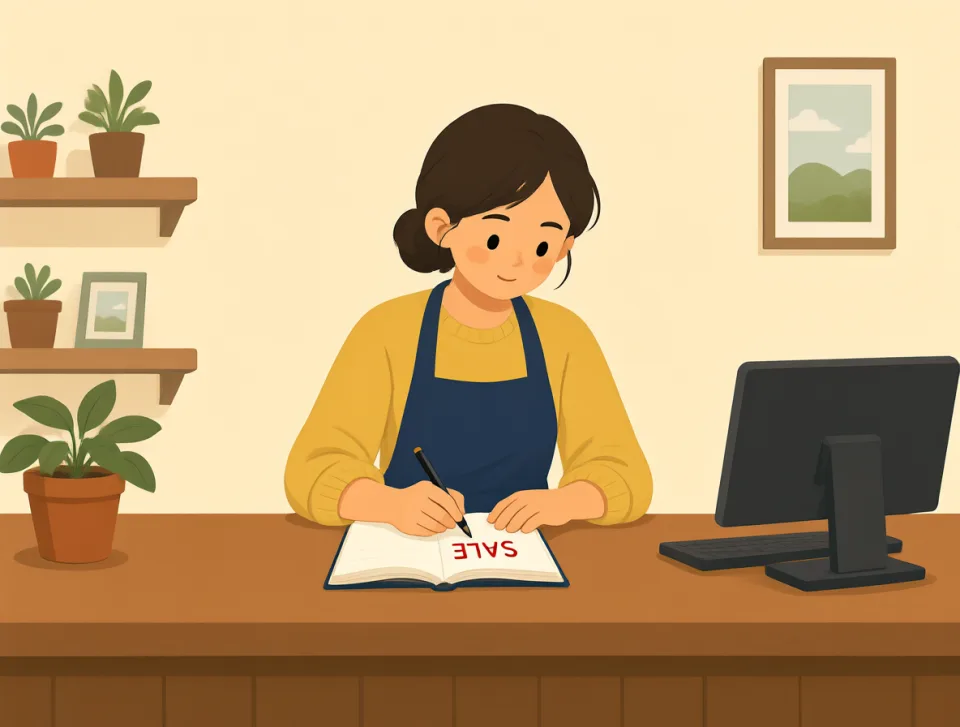
The shop recorded every sale today.
Sklep zarejestrował dziś każdą sprzedaż.
stay
#345verb, noun
zostać, pozostawać; pobyt
to remain in a place or continue in a condition; a period spent somewhere
Pozostawać w jakimś miejscu lub trwać w określonym stanie; okres spędzony gdzieś.
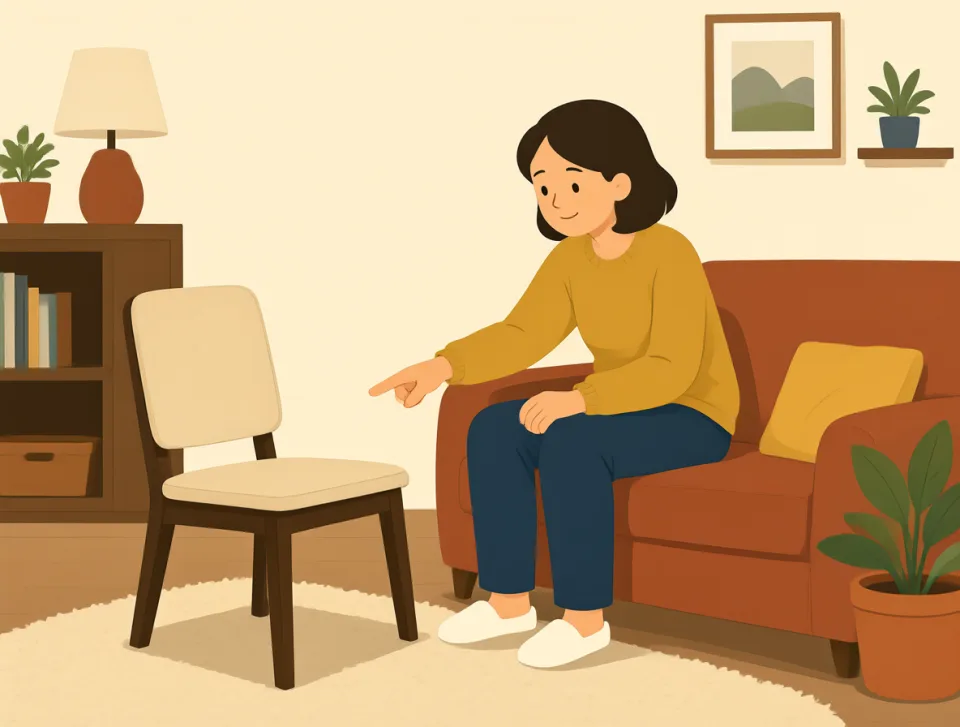
Please stay here until I come back.
Proszę tu zostać, aż wrócę.
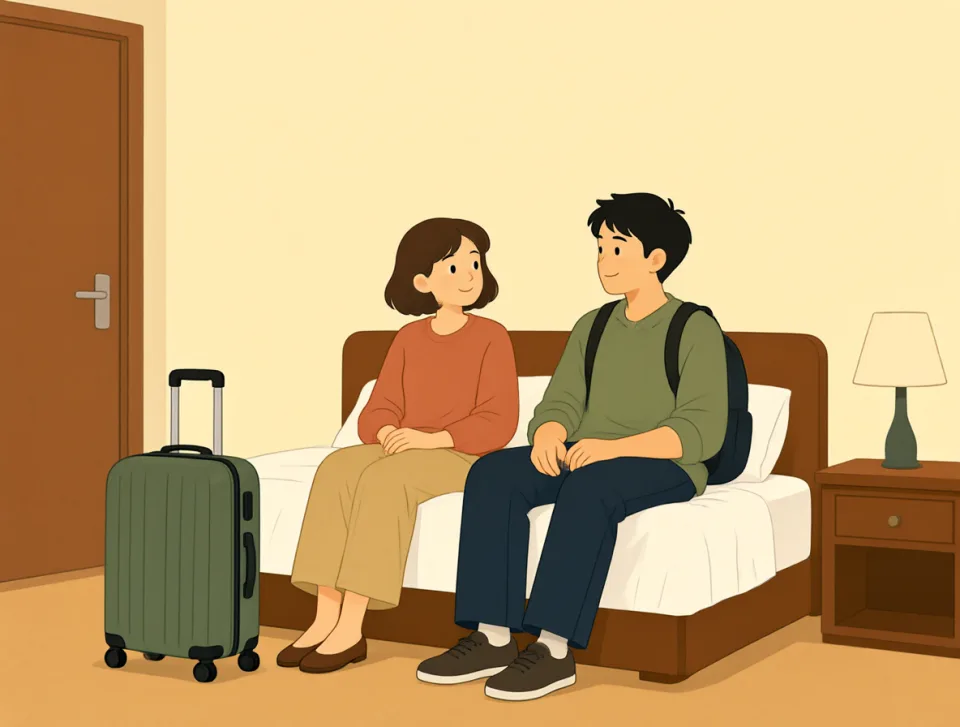
We stayed at a small hotel last night.
Ostatniej nocy zatrzymaliśmy się w małym hotelu.
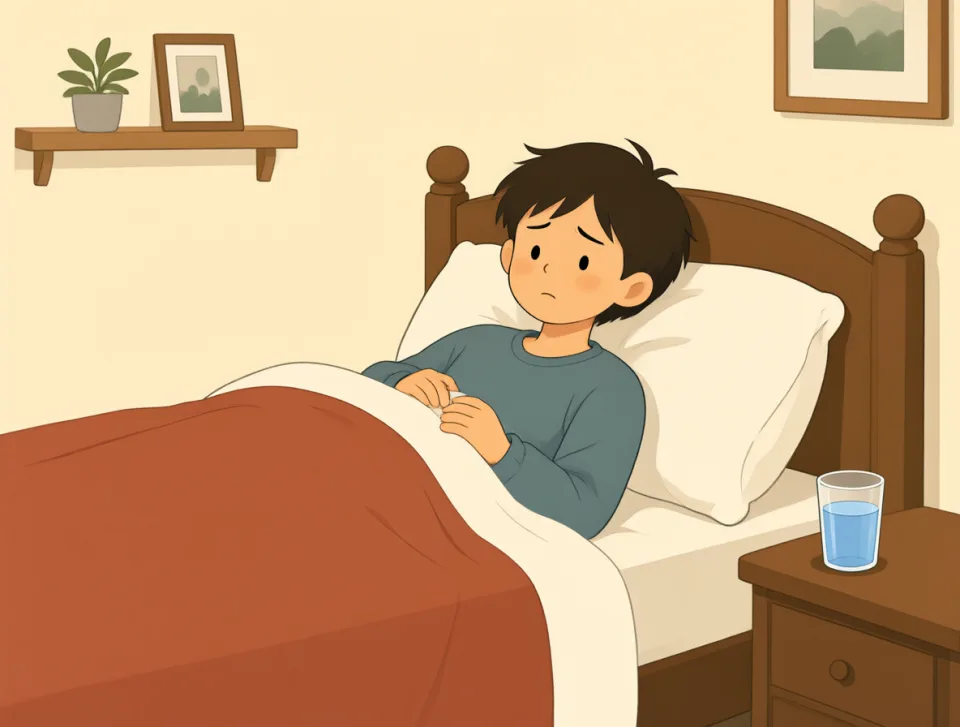
Stay home if you feel sick.
Zostań w domu, jeśli źle się czujesz.
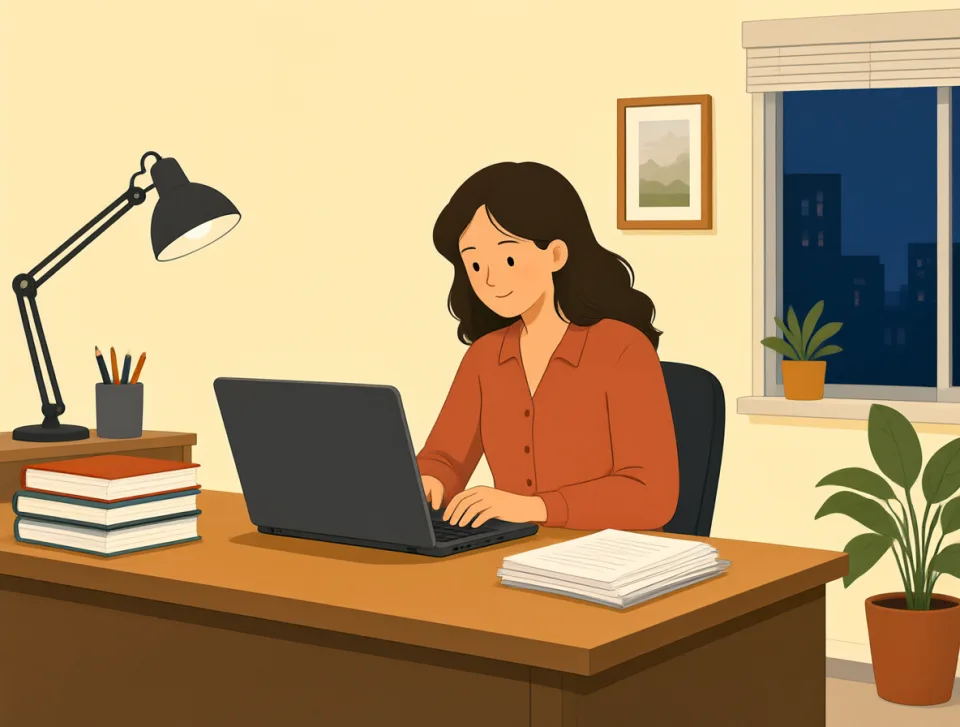
She stayed late to finish her work.
Została po godzinach, żeby dokończyć pracę.

Our stay in Paris was wonderful.
Nasz pobyt w Paryżu był wspaniały.
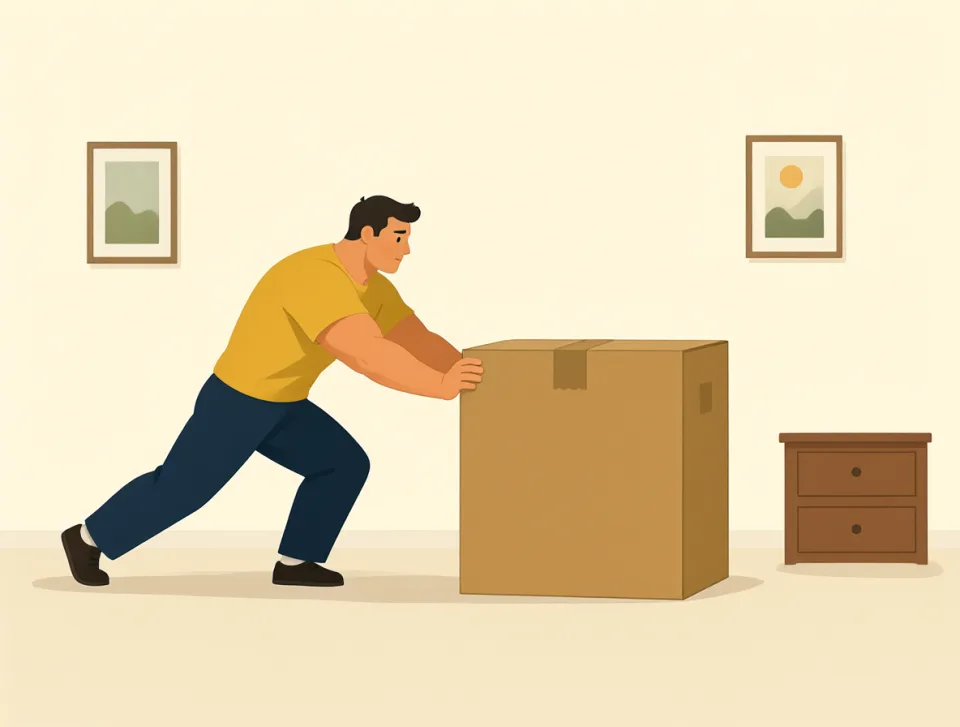
force
#346noun, verb
zmuszać; siła
To make someone do something, or the strength used to move or change something.
Zmuszać kogoś do zrobienia czegoś lub siła używana do przesuwania albo zmieniania czegoś.
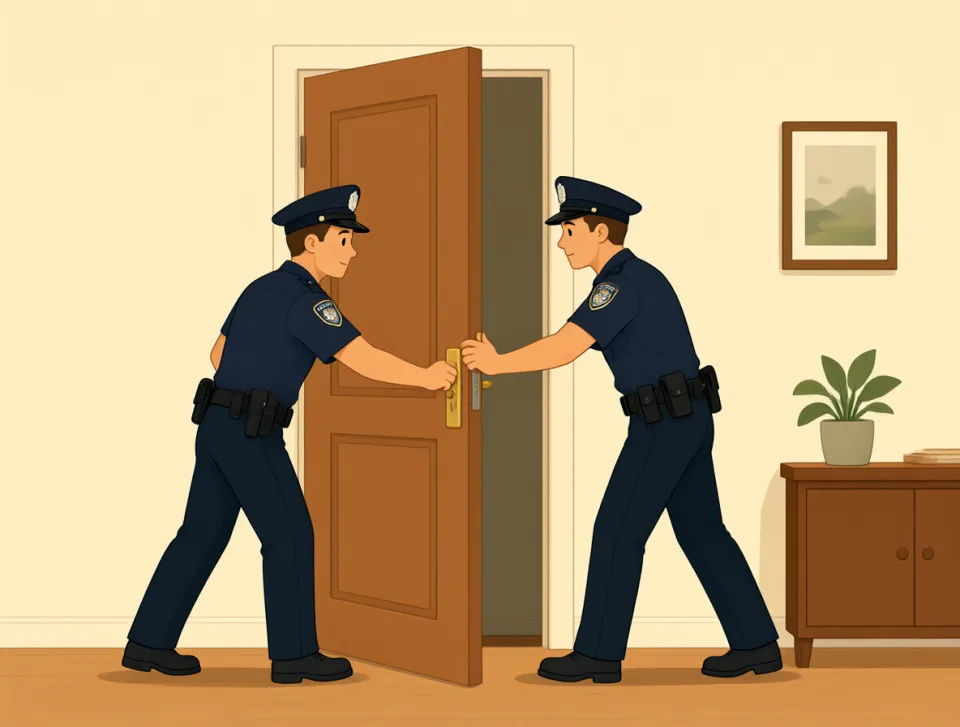
The police forced the door open.
Policja wyważyła drzwi.
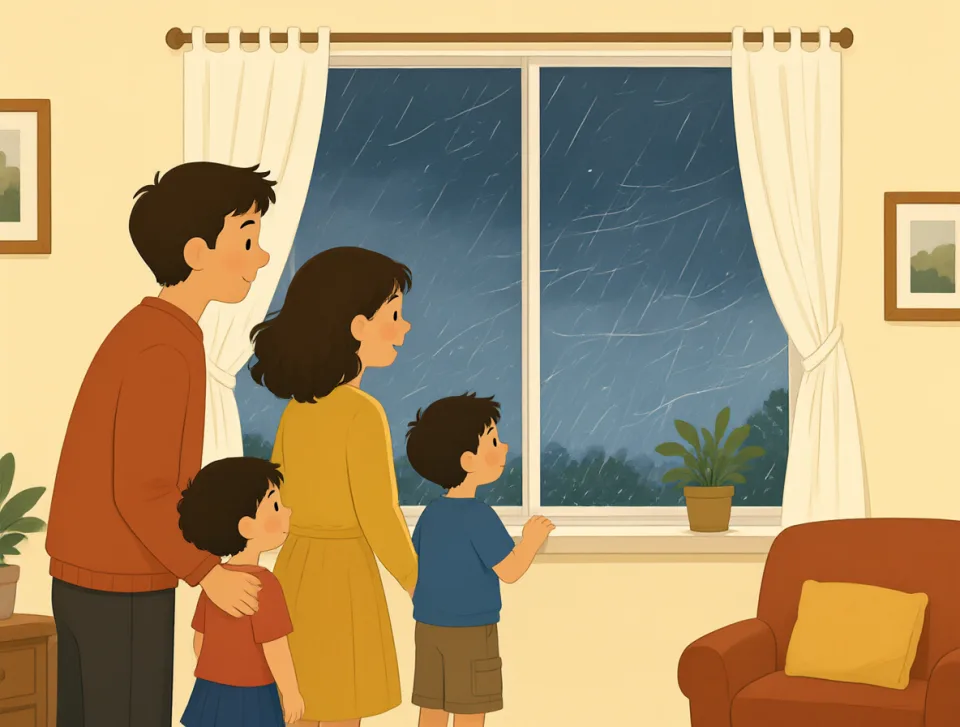
Strong winds forced us to stay home.
Silne wiatry zmusiły nas do pozostania w domu.
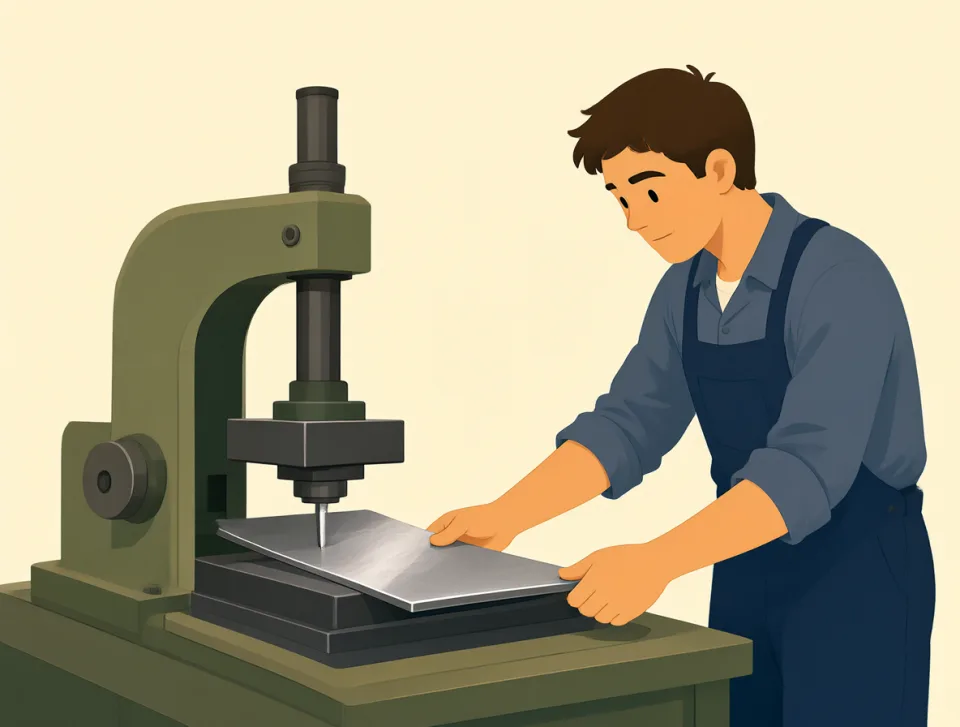
The machine uses force to cut metal.
Maszyna używa siły, żeby ciąć metal.
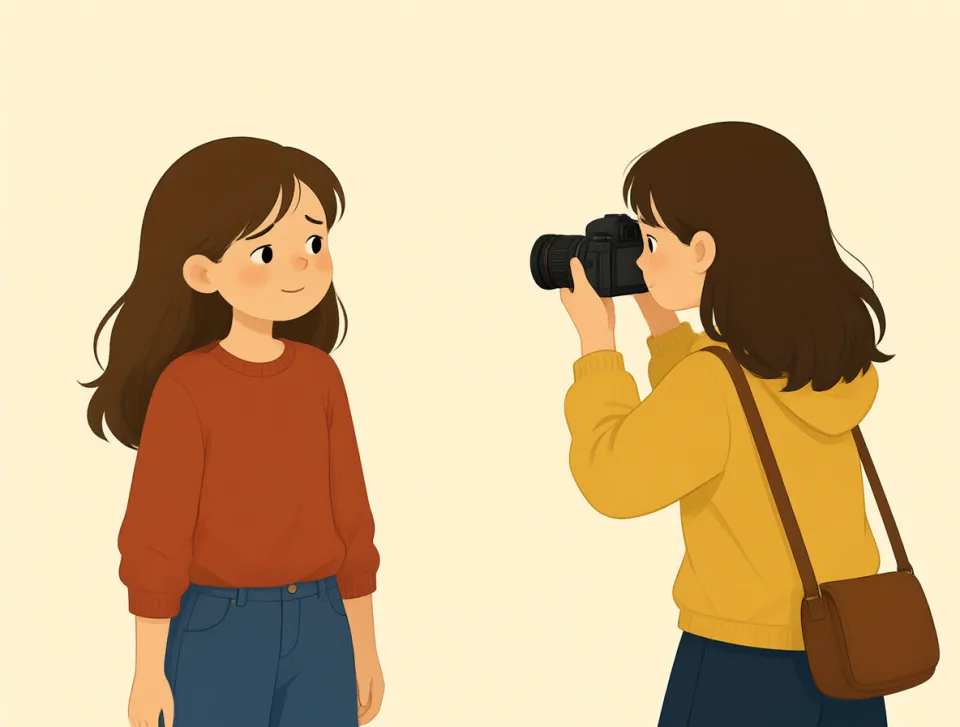
She forced a smile for the photo.
Wymusiła uśmiech do zdjęcia.
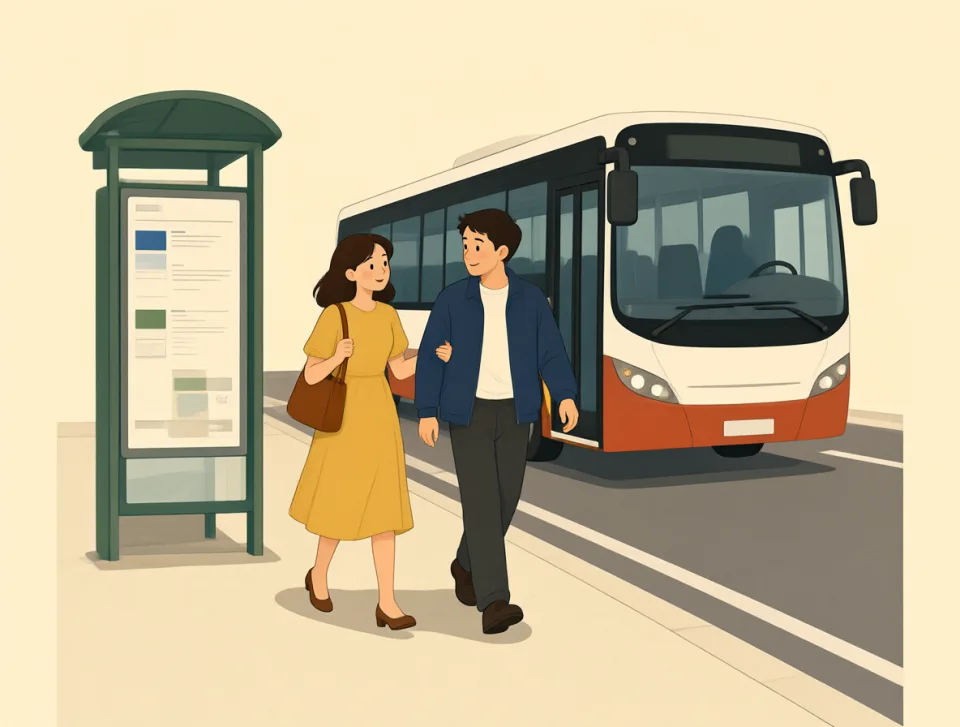
They forced him to leave the bus.
Zmusili go do opuszczenia autobusu.
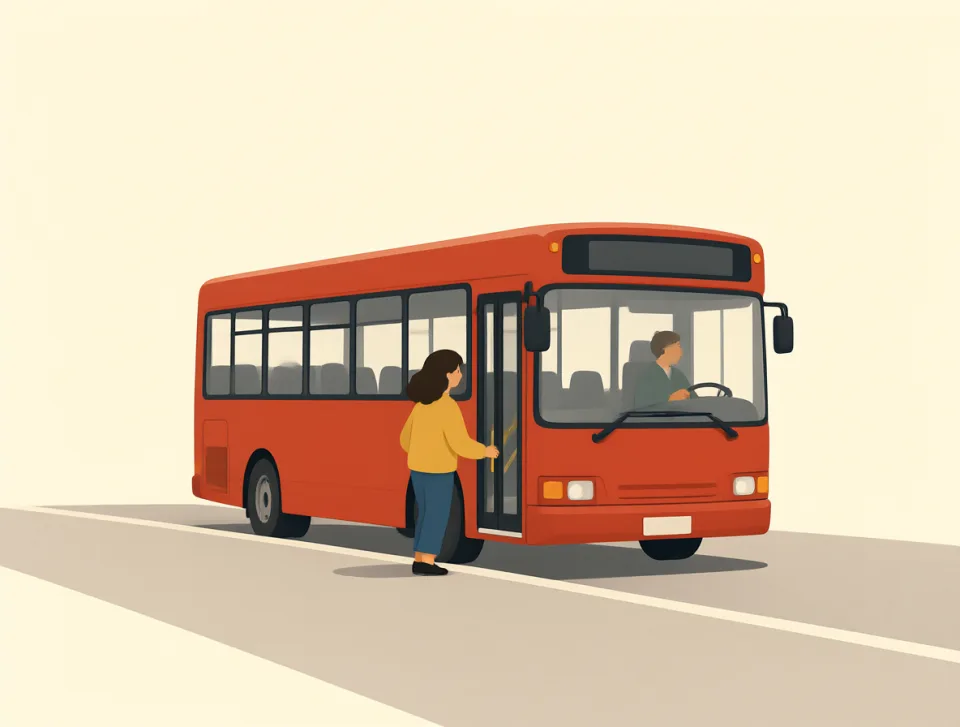
stop
#347verb, noun
zatrzymać; przystanek
to end an action or movement, or a place where a bus or train ends its journey
Zakończyć jakąś czynność lub ruch albo miejsce, w którym autobus lub pociąg kończy trasę.
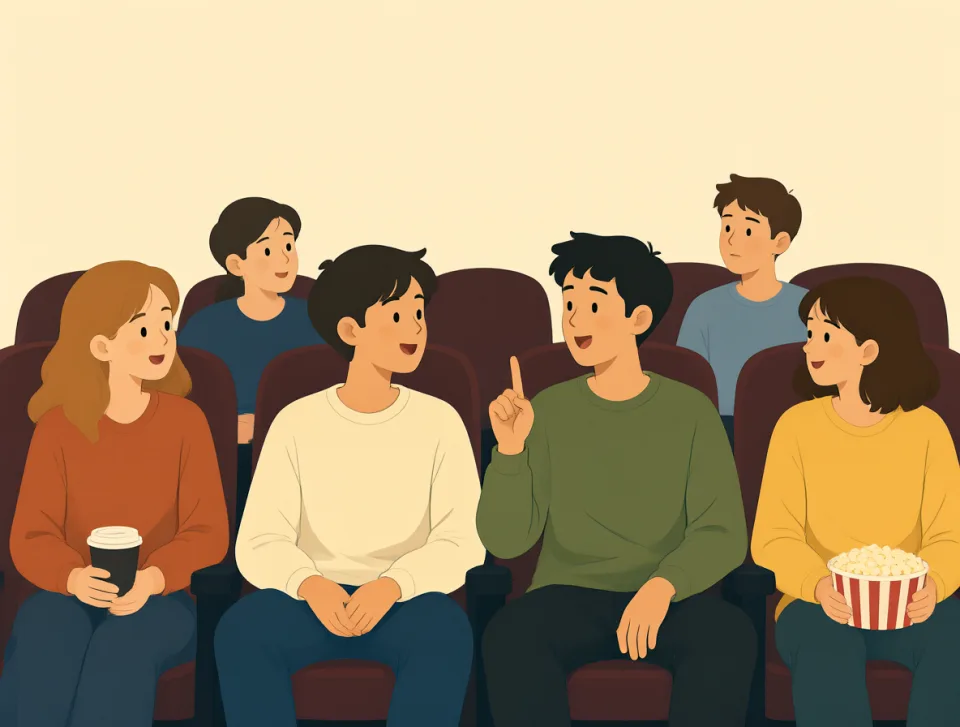
Please stop talking during the movie.
Proszę, przestań rozmawiać podczas filmu.
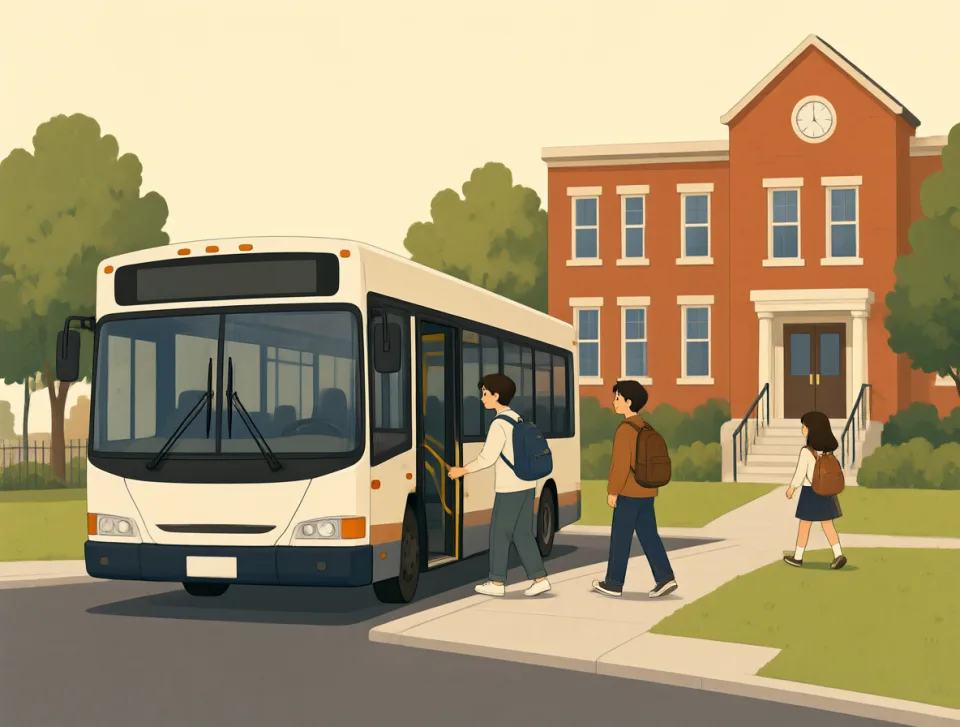
The bus stopped near my school.
Autobus zatrzymał się niedaleko mojej szkoły.
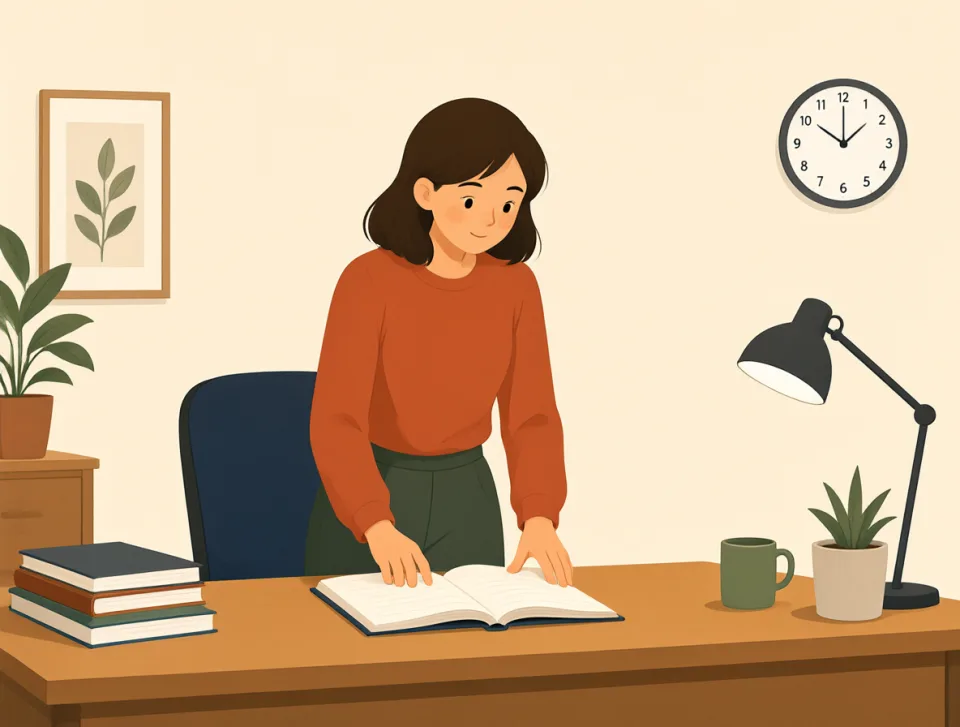
She stopped work at five o’clock.
Skończyła pracę o piątej.
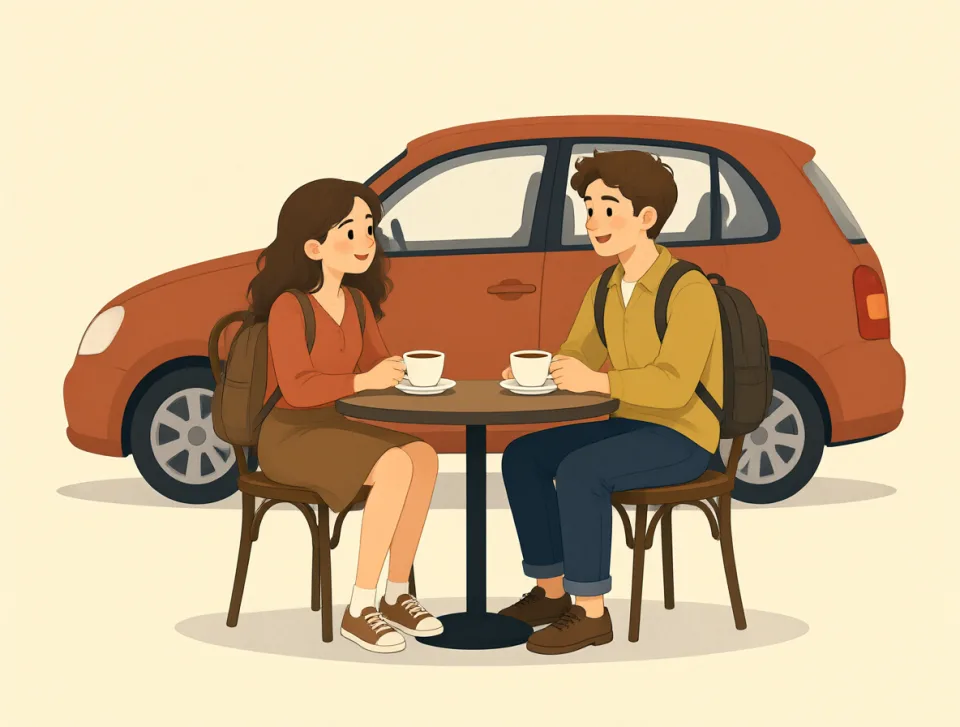
We stopped for coffee on the way.
Zatrzymaliśmy się po drodze na kawę.
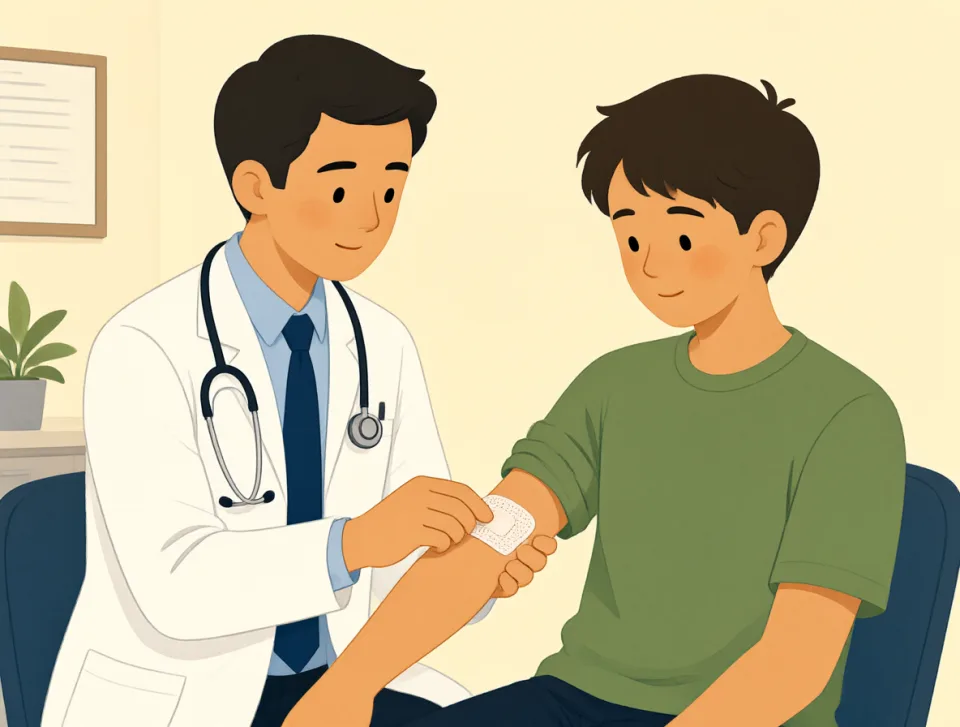
The doctor stopped the bleeding quickly.
Lekarz szybko zatamował krwawienie.
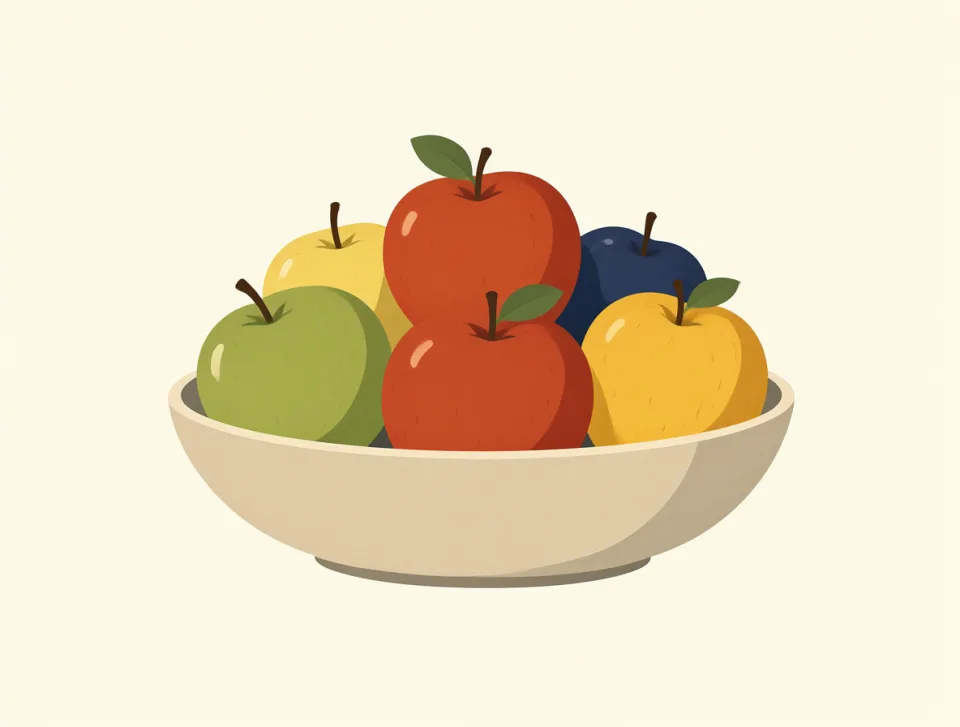
several
#348determiner, pronoun
kilka; kilkoro
more than two but not many
Więcej niż dwa, ale niezbyt wiele.
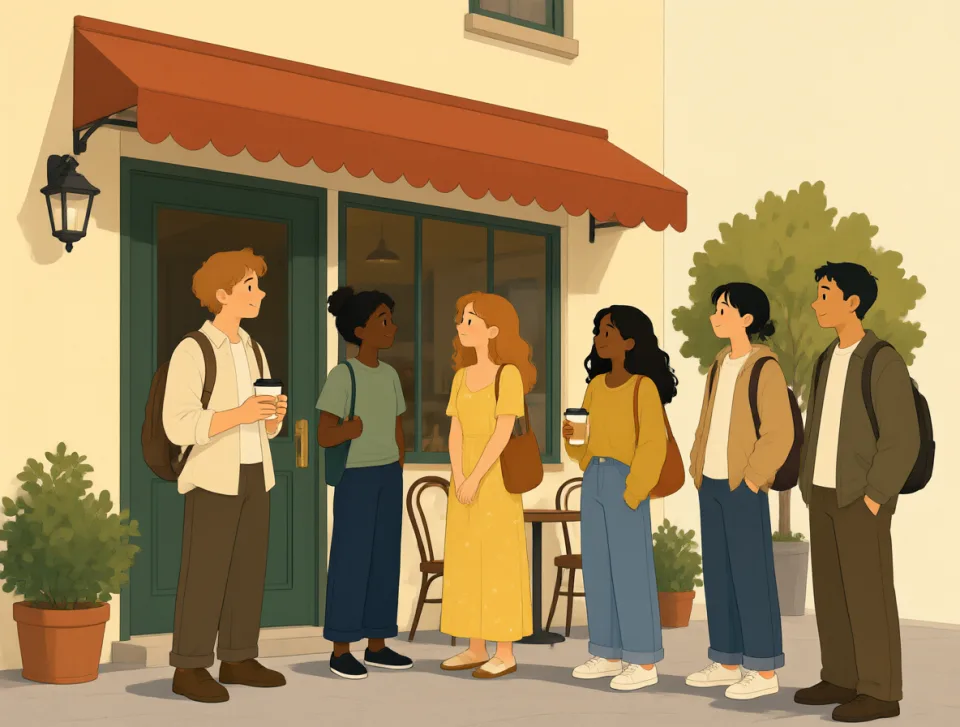
Several friends are waiting outside the café.
Kilku znajomych czeka przed kawiarnią.
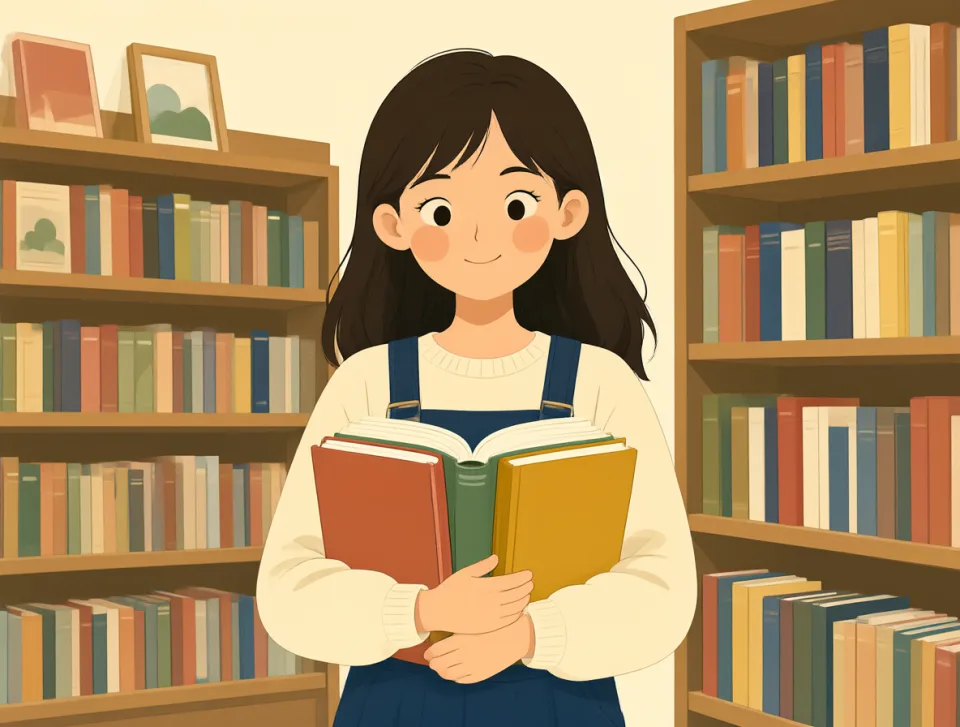
I bought several books for my English class.
Kupiłem kilka książek na zajęcia z angielskiego.

We visited several small towns during our trip.
Podczas podróży odwiedziliśmy kilka małych miasteczek.

She asked several questions in the meeting.
Zadała kilka pytań na spotkaniu.
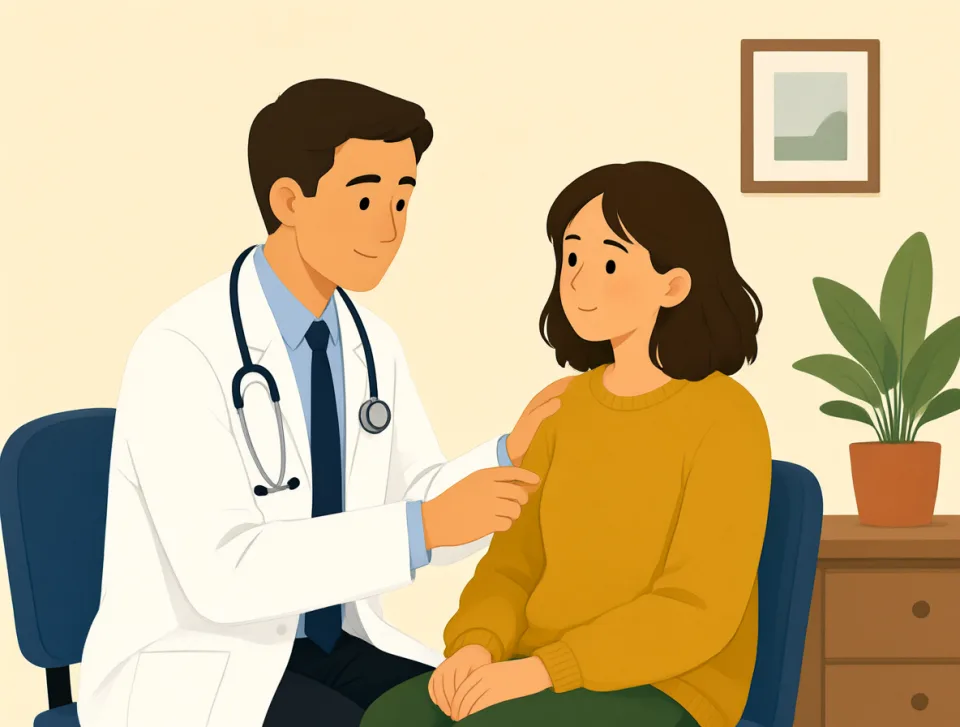
The doctor gave him several tests yesterday.
Wczoraj lekarz zlecił mu kilka badań.
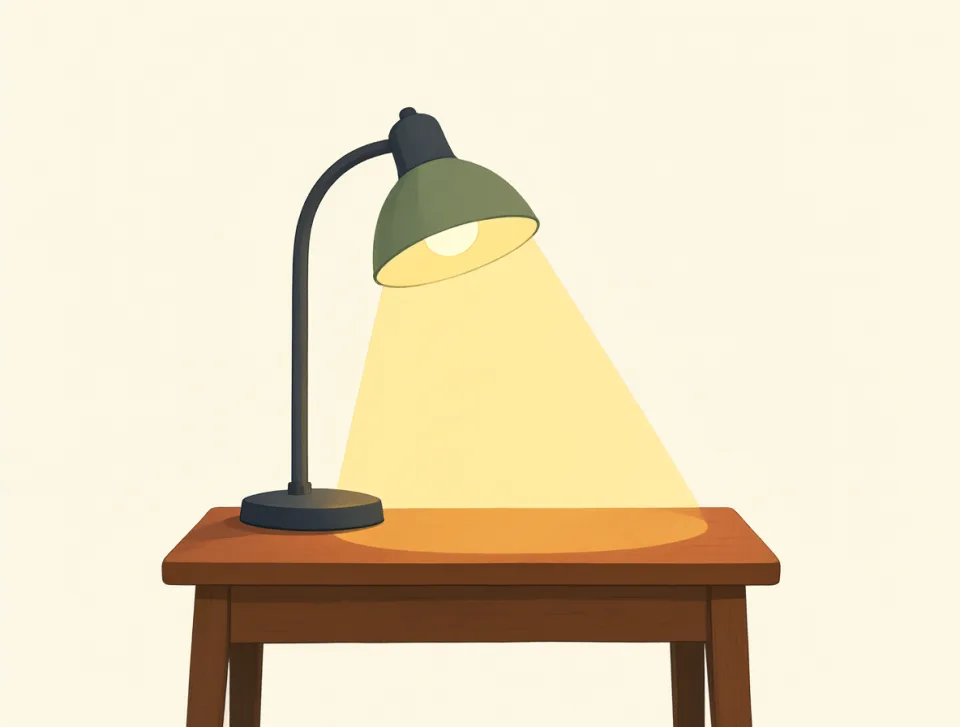
light
#349noun, verb, adjective, adverb
światło; lekki; oświetlać
Something that makes it possible to see, or not heavy; to make bright.
Coś, dzięki czemu można widzieć; coś, co nie jest ciężkie; sprawiać, że coś staje się jasne.
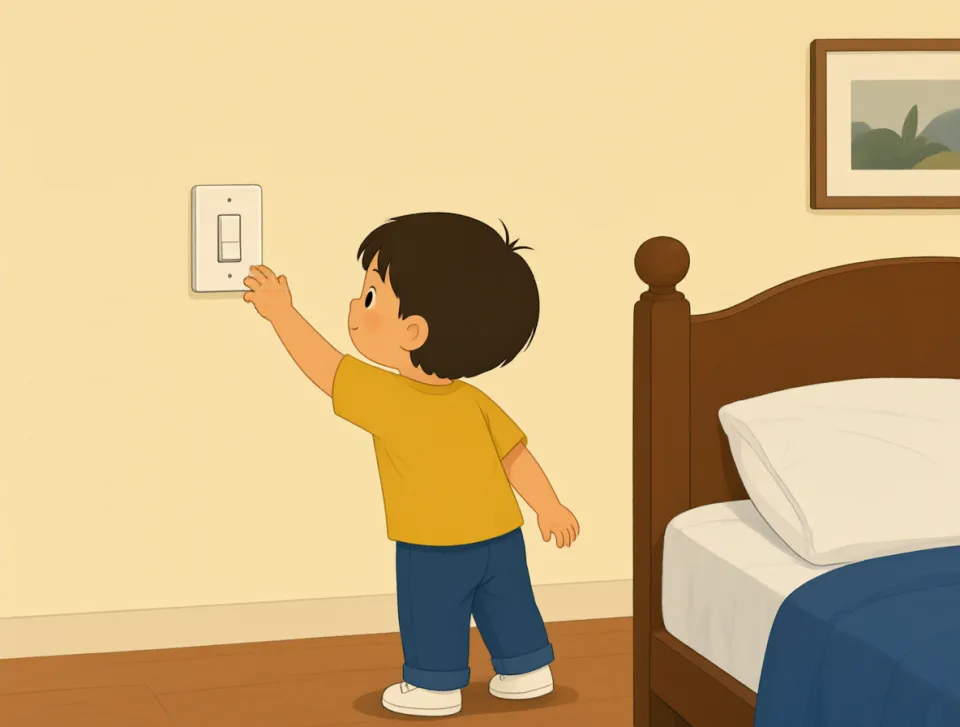
Please turn on the light.
Proszę, włącz światło.
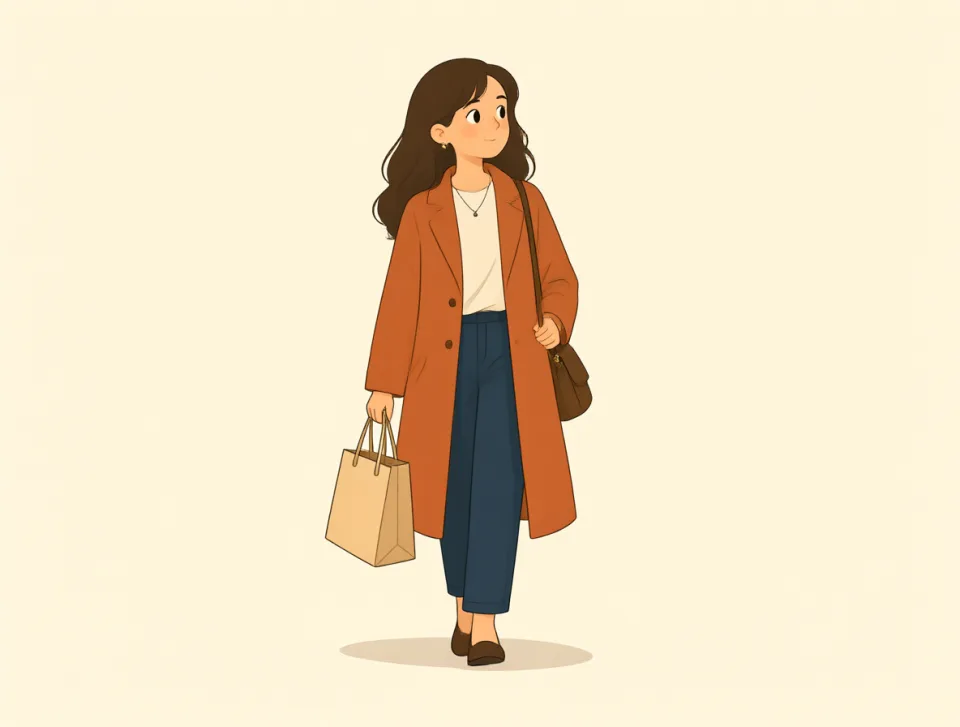
This bag is light and easy to carry.
Ta torba jest lekka i łatwo ją nosić.
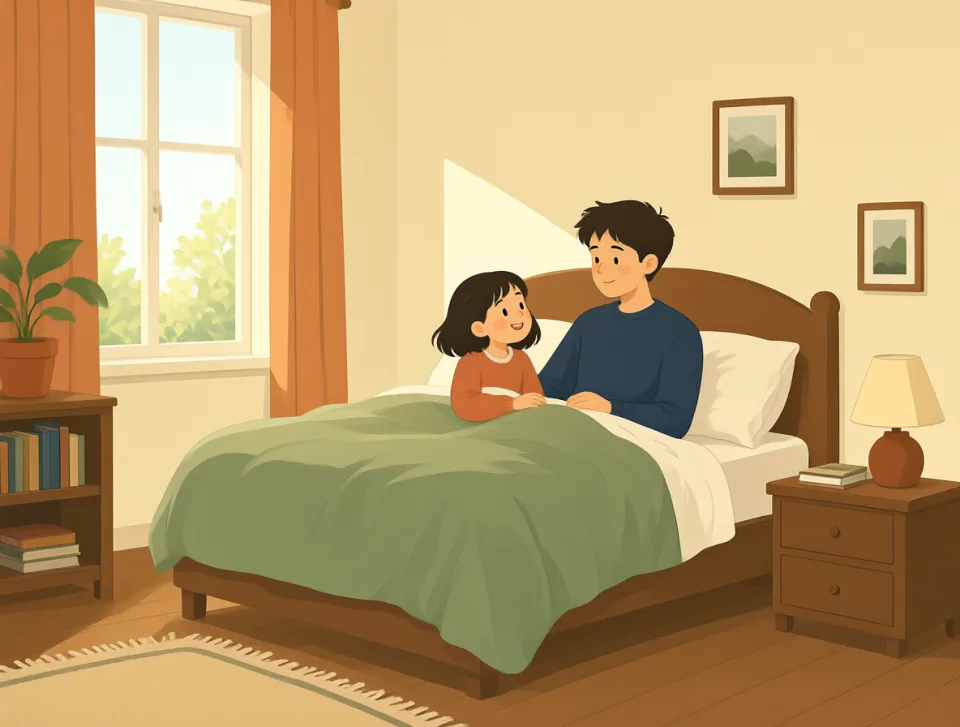
The sun lights the room every morning.
Słońce oświetla pokój każdego ranka.
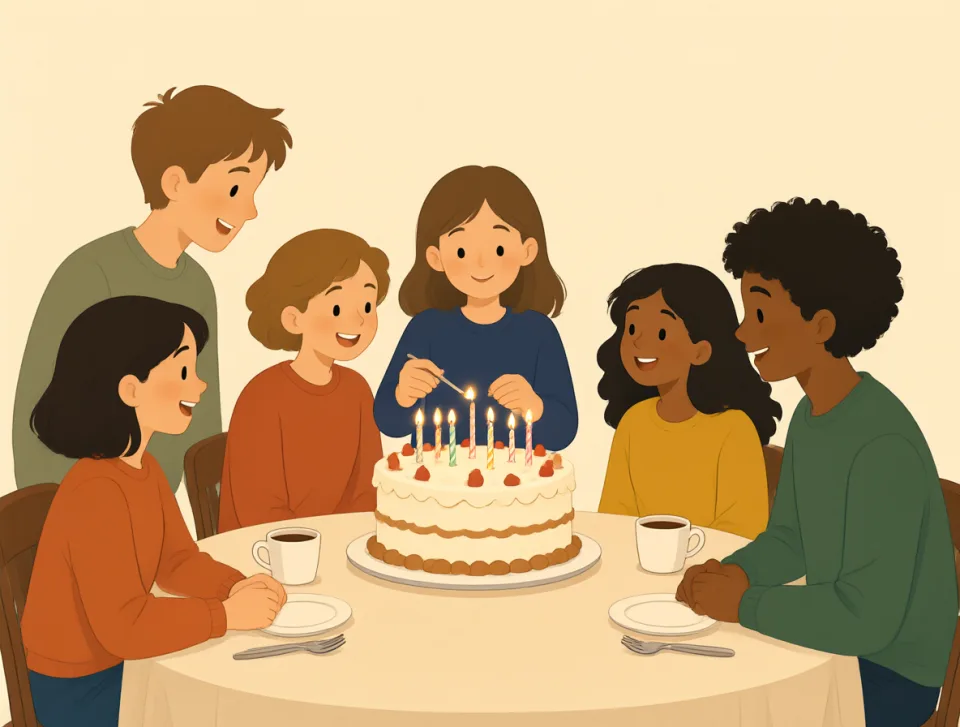
We light candles on the birthday cake.
Zapaliliśmy świeczki na torcie urodzinowym.
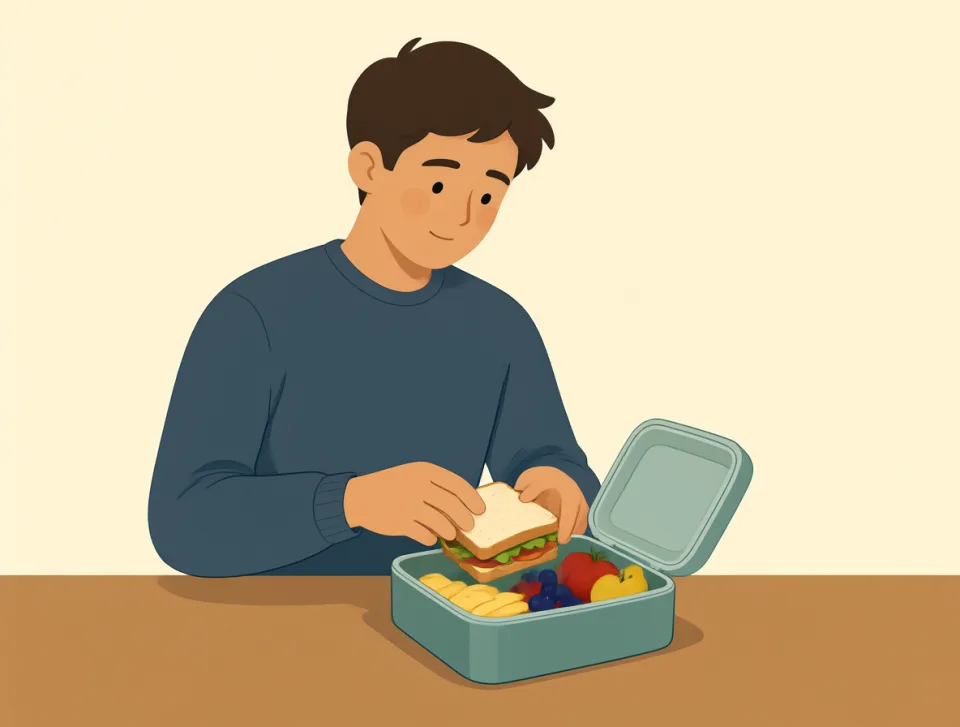
He packed a light lunch for work.
Spakował sobie lekki lunch do pracy.
develop
#350verb
rozwijać; rozwinąć
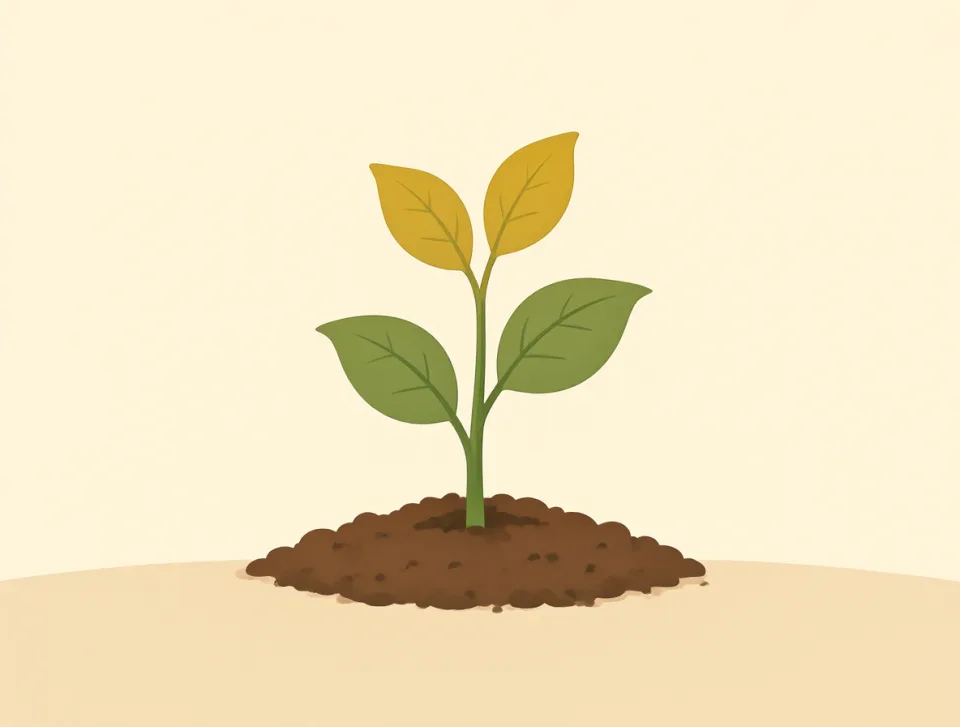
to grow, change, or create something over time
Rośnąć, zmieniać się lub tworzyć coś z upływem czasu.
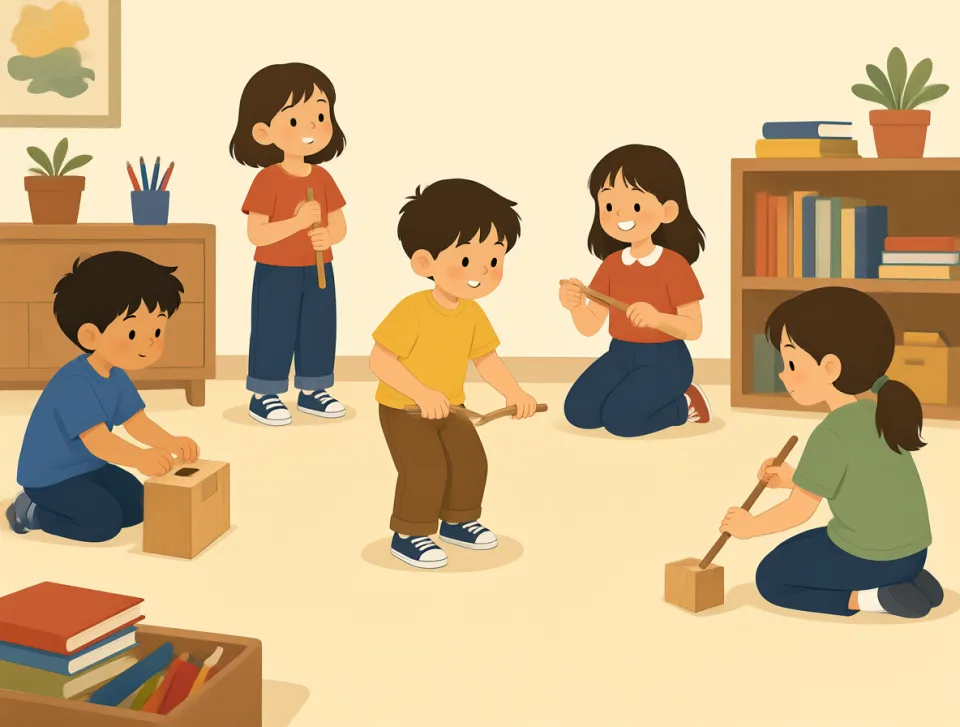
Children develop new skills as they grow.
Dzieci rozwijają nowe umiejętności w miarę dorastania.
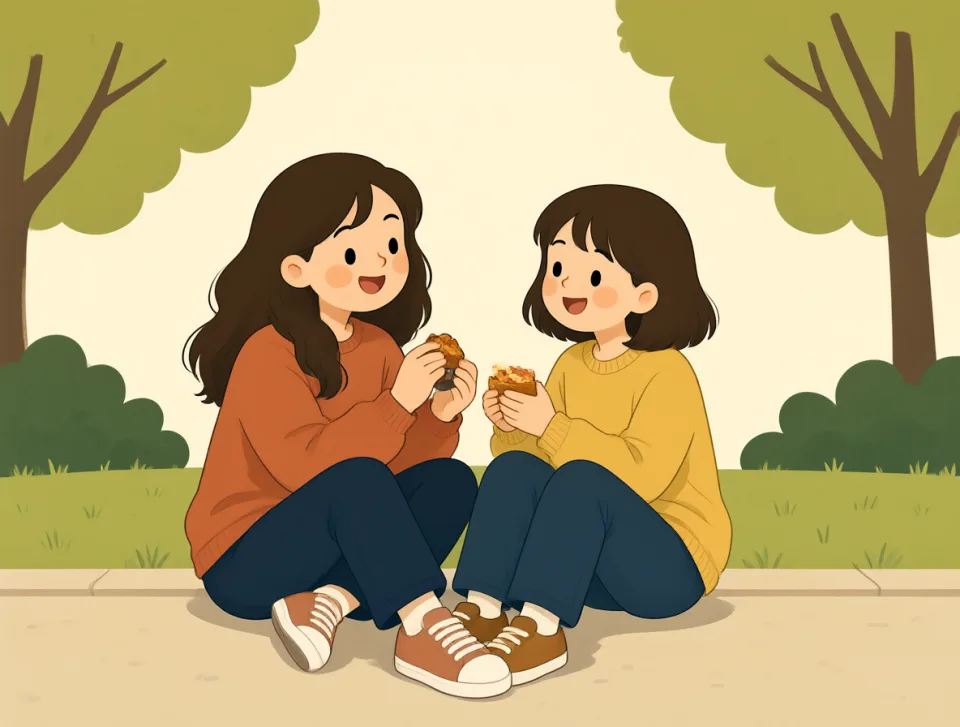
She developed a close friendship with Anna.
Nawiązała bliską przyjaźń z Anną.
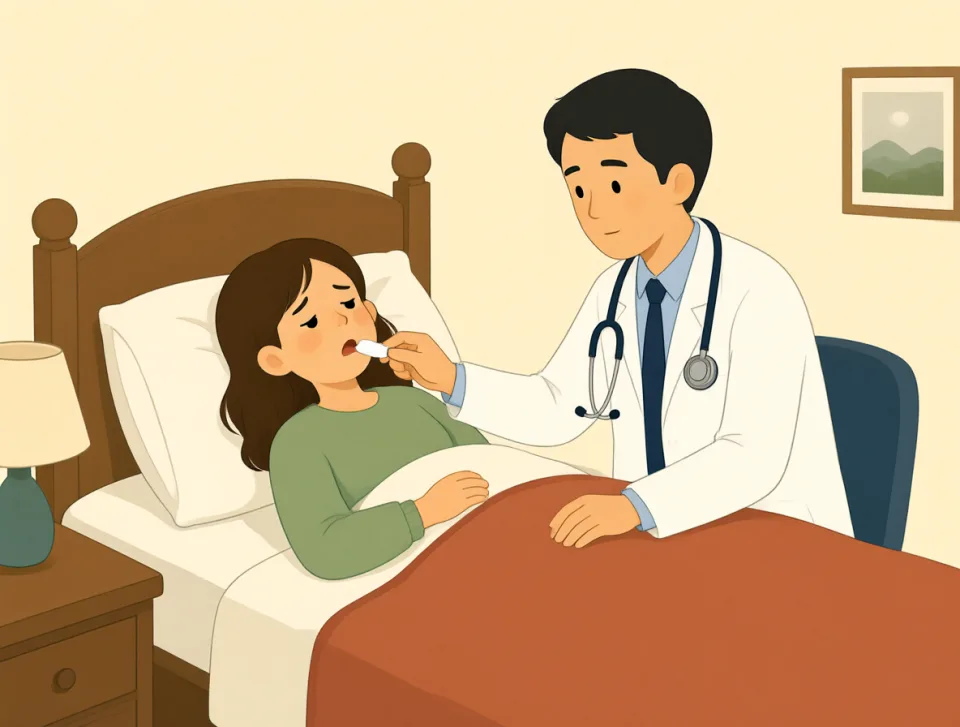
The doctor said I developed a cold.
Lekarz powiedział, że się przeziębiłem.
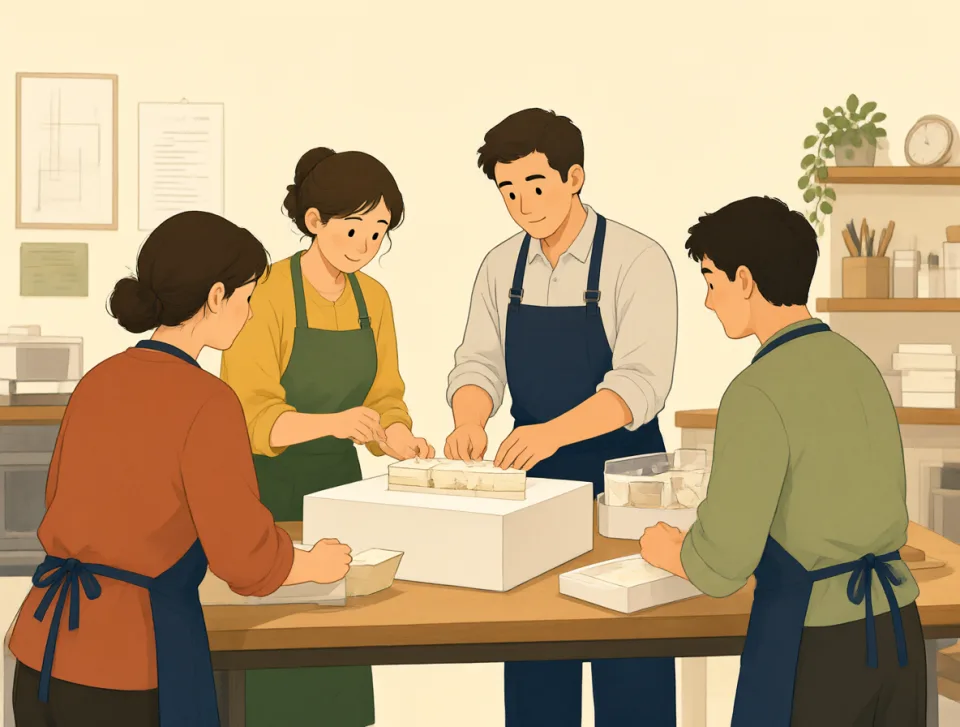
The company is developing a new product.
Firma opracowuje nowy produkt.
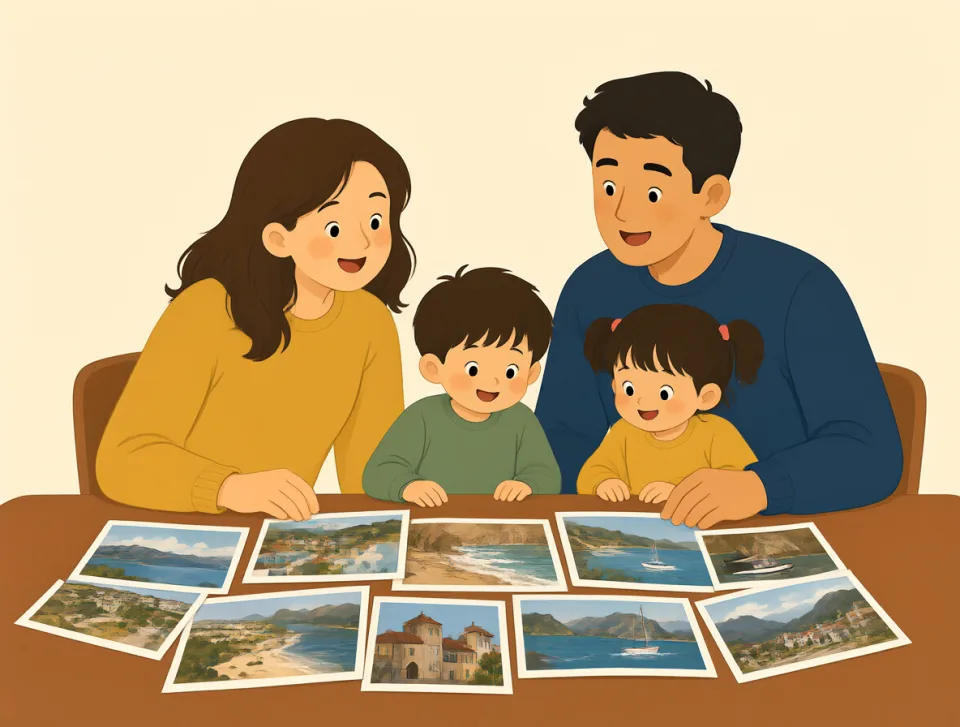
We developed the photos after our trip.
Wywołaliśmy zdjęcia po naszej podróży.
remember
#351verb
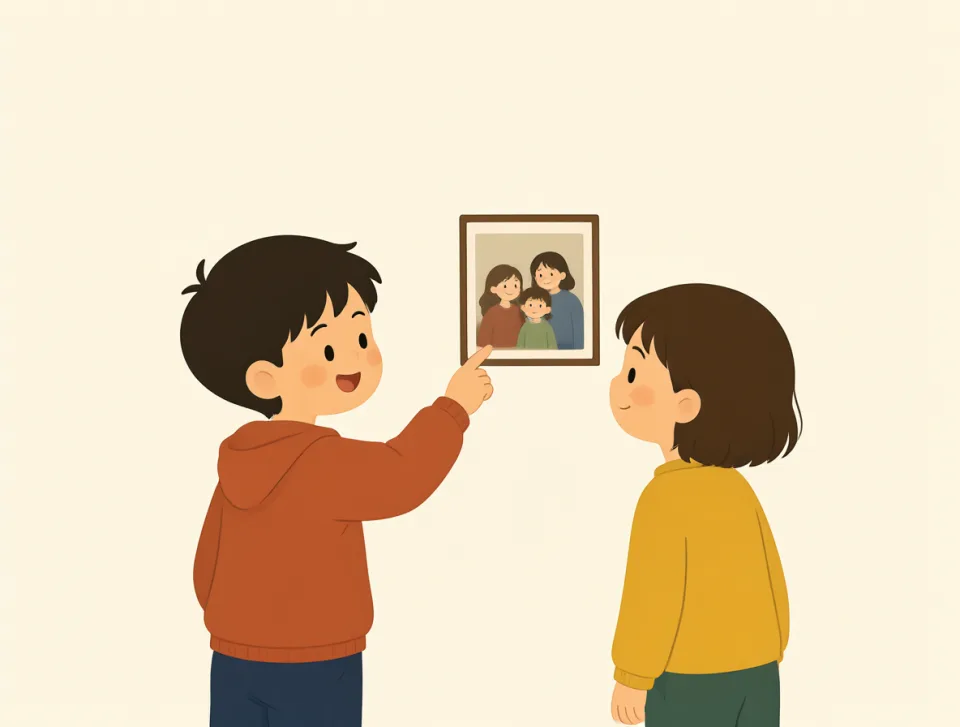
pamiętać
to keep information in your mind or bring it back to your mind
zachować informacje w pamięci lub przypomnieć je sobie
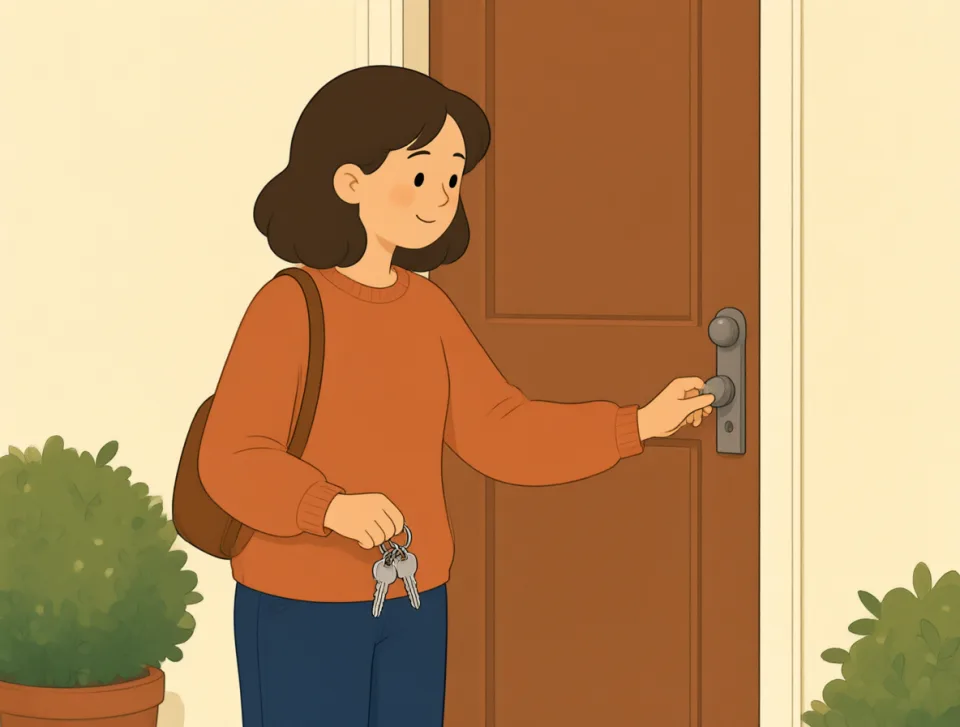
Please remember to lock the door.
Pamiętaj, proszę, żeby zamknąć drzwi na klucz.
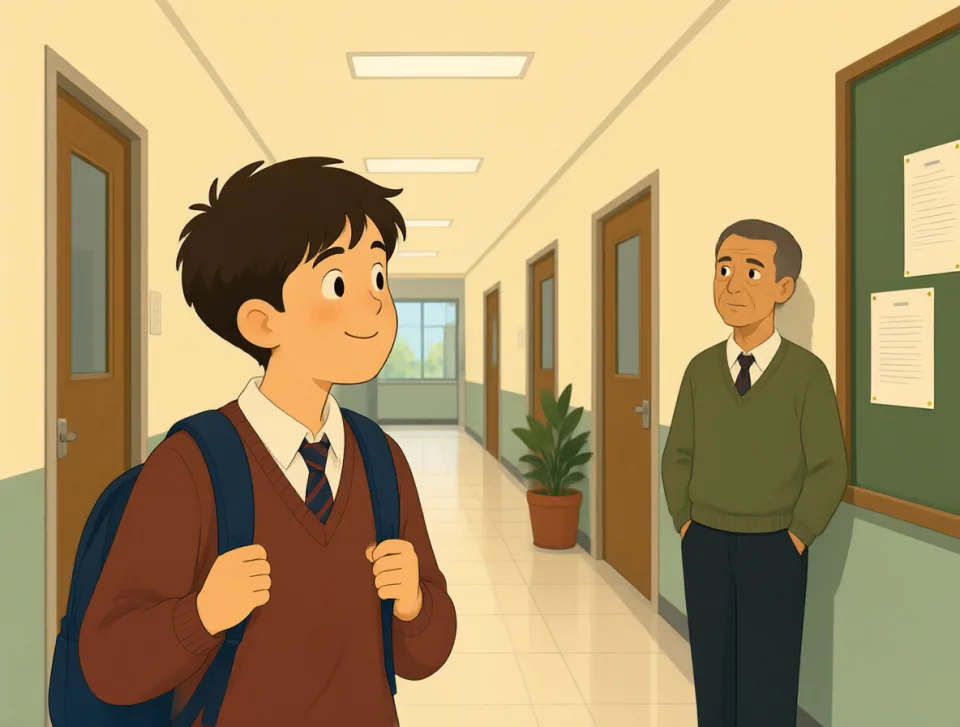
I remember her name from school.
Pamiętam jej imię ze szkoły.

Do you remember where we parked?
Pamiętasz, gdzie zaparkowaliśmy?
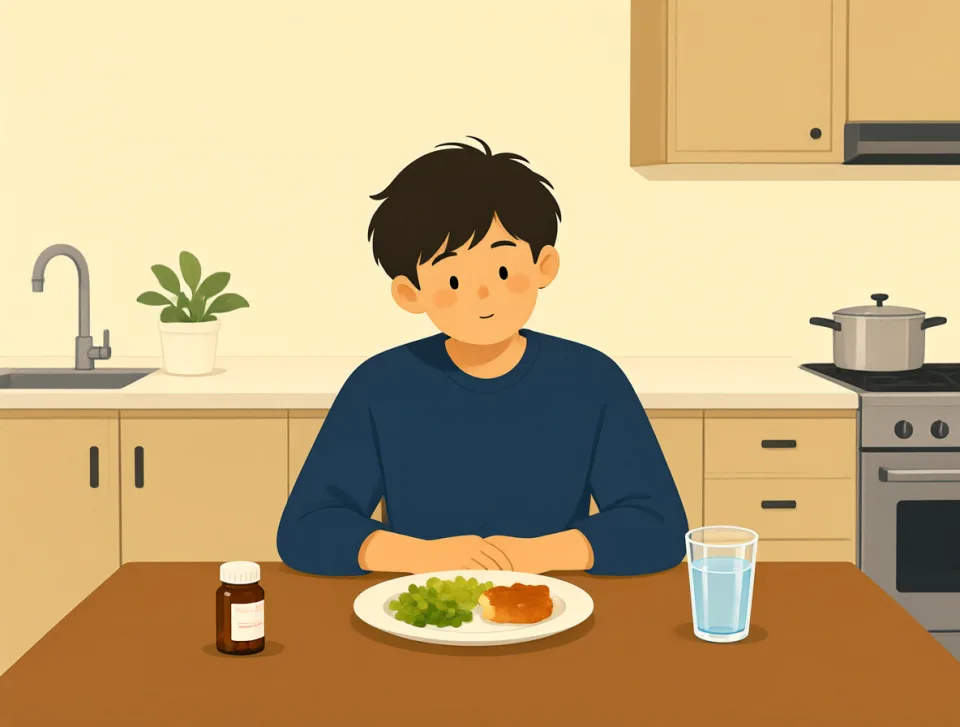
Remember to take your medicine after breakfast.
Pamiętaj, żeby wziąć lekarstwo po śniadaniu.
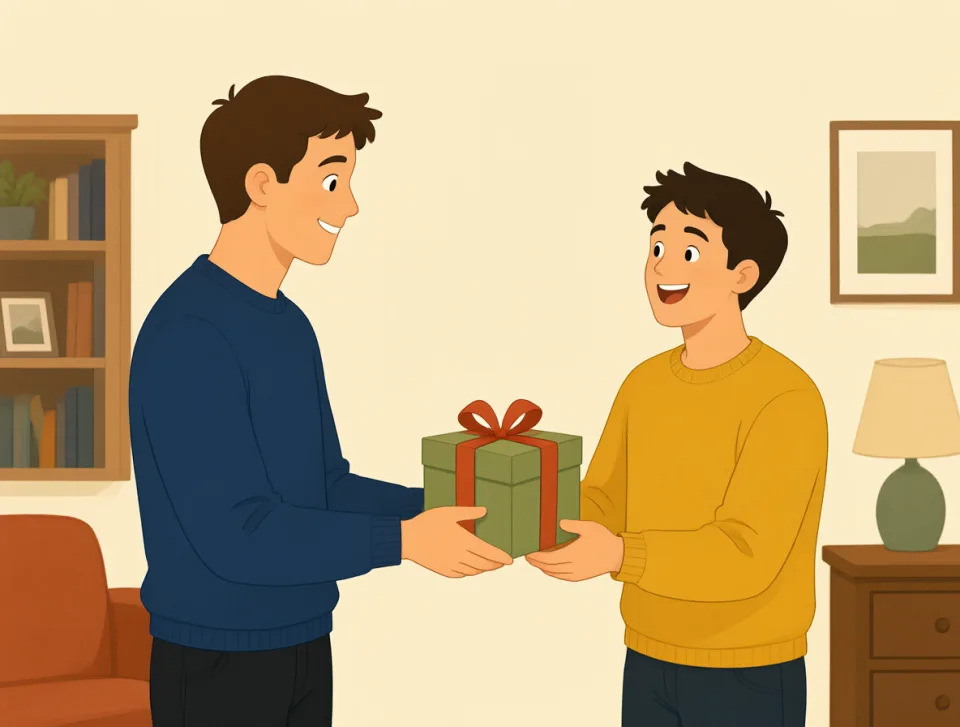
He remembered his friend’s birthday.
Pamiętał o urodzinach swojego przyjaciela.
bit
#352noun, verb
kawałek; trochę; ugryźć
a small amount of something, or to cut or damage with teeth
niewielka ilość czegoś; także: ciąć lub uszkadzać zębami
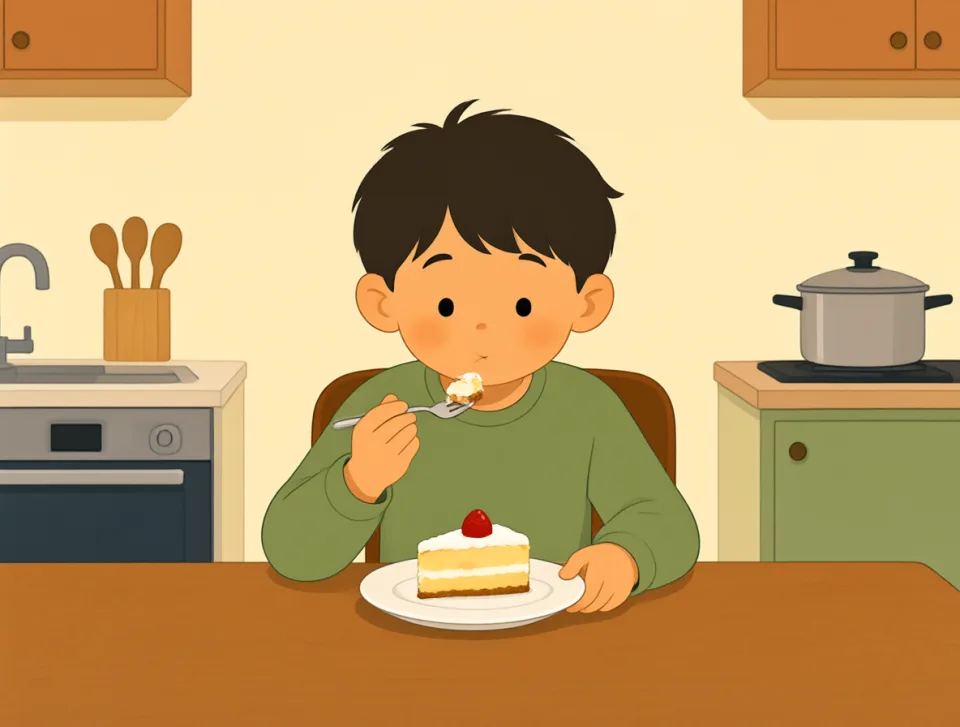
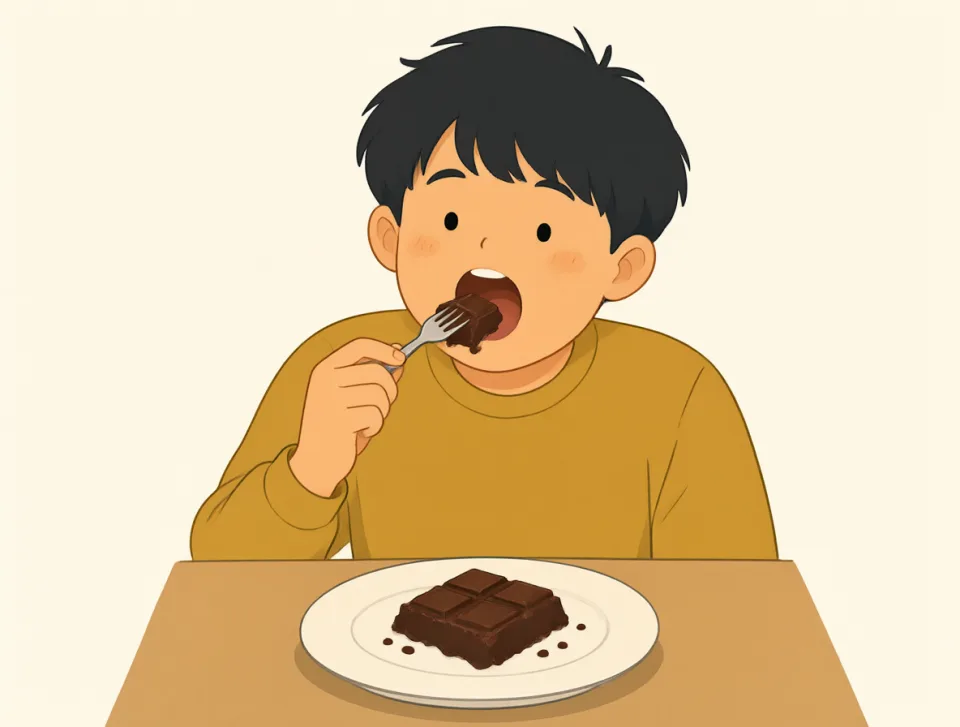
I only ate a bit of cake.
Zjadłem tylko kawałek ciasta.
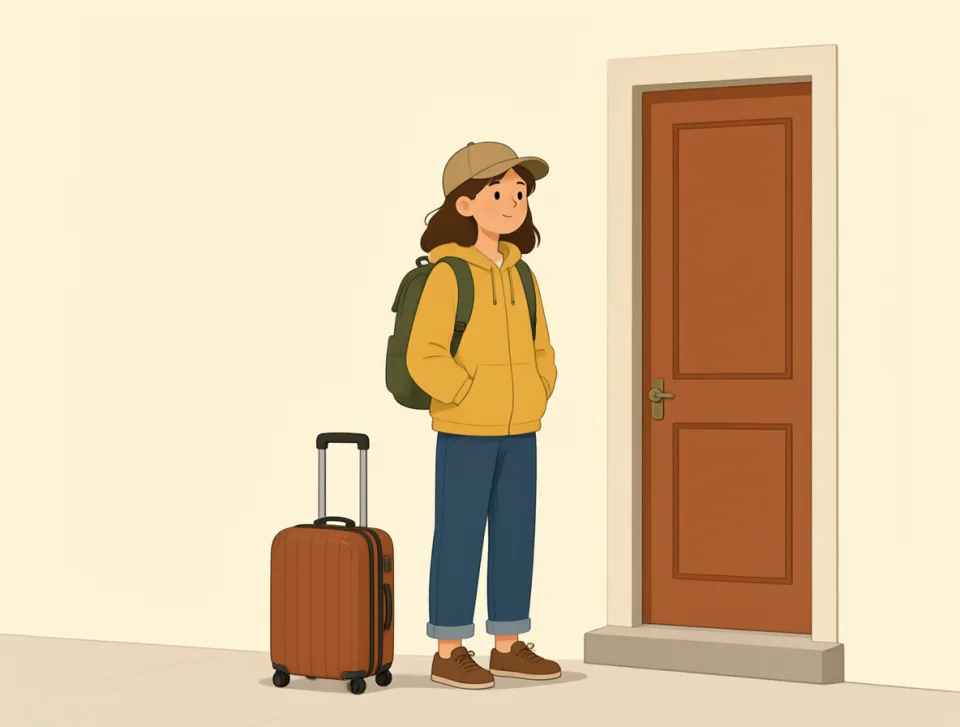
Wait a bit before you leave.
Poczekaj chwilę, zanim wyjdziesz.
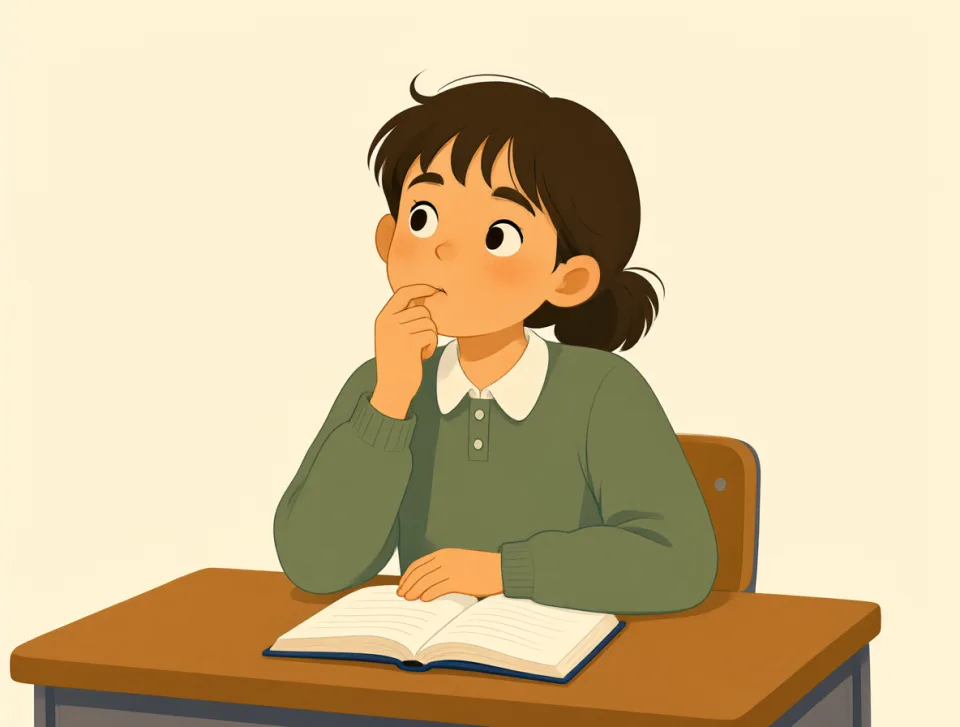
She bit her lip during the test.
Podczas testu przygryzła wargę.
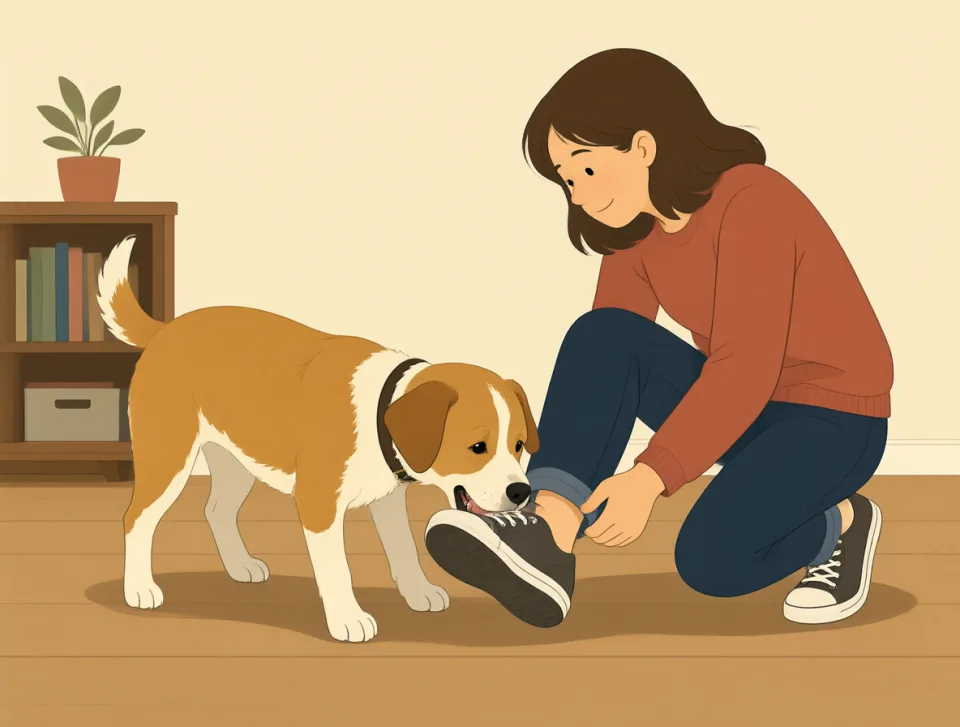
The dog bit my shoe yesterday.
Wczoraj pies ugryzł mój but.
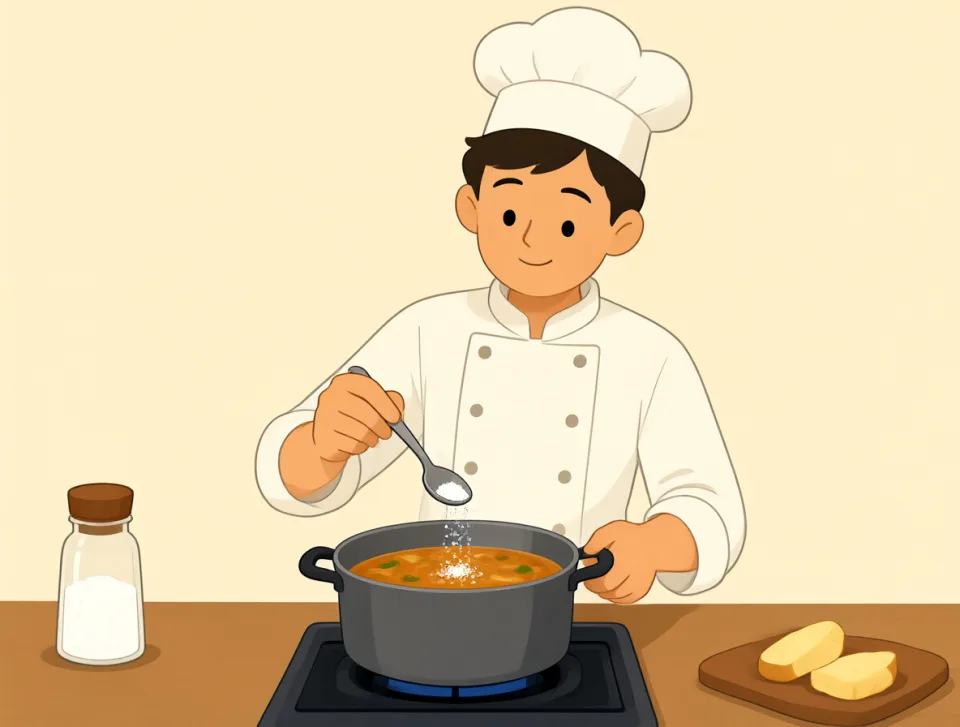
Add a bit of salt to the soup.
Dodaj do zupy trochę soli.
share
#353verb, noun
dzielić się; udział
to give something to someone else or use something together; a part of something
dać coś komuś lub korzystać z czegoś wspólnie; część czegoś
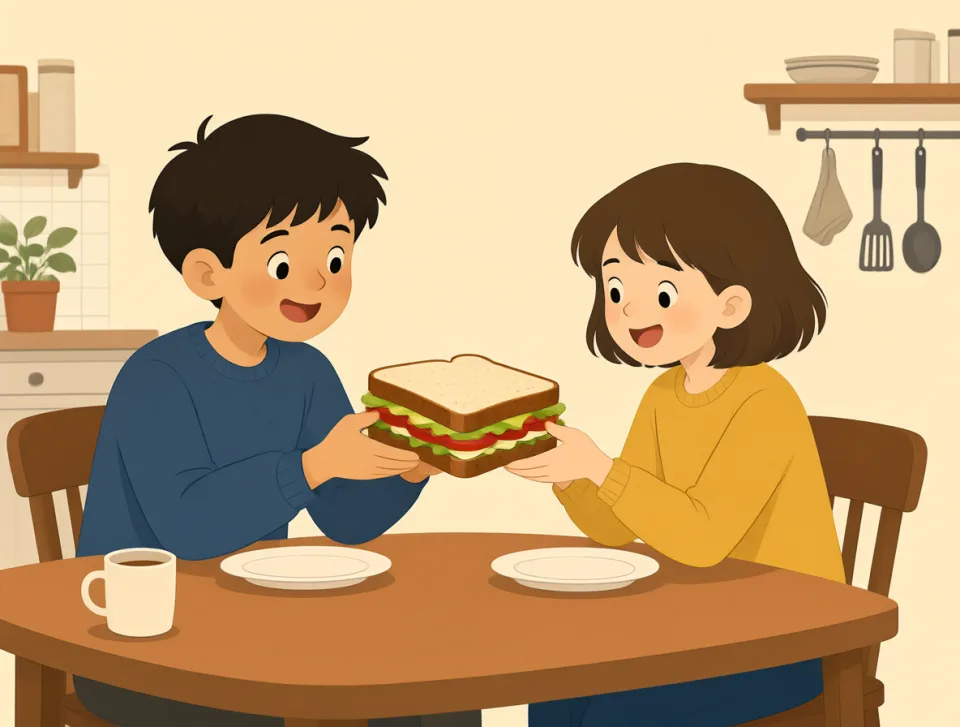
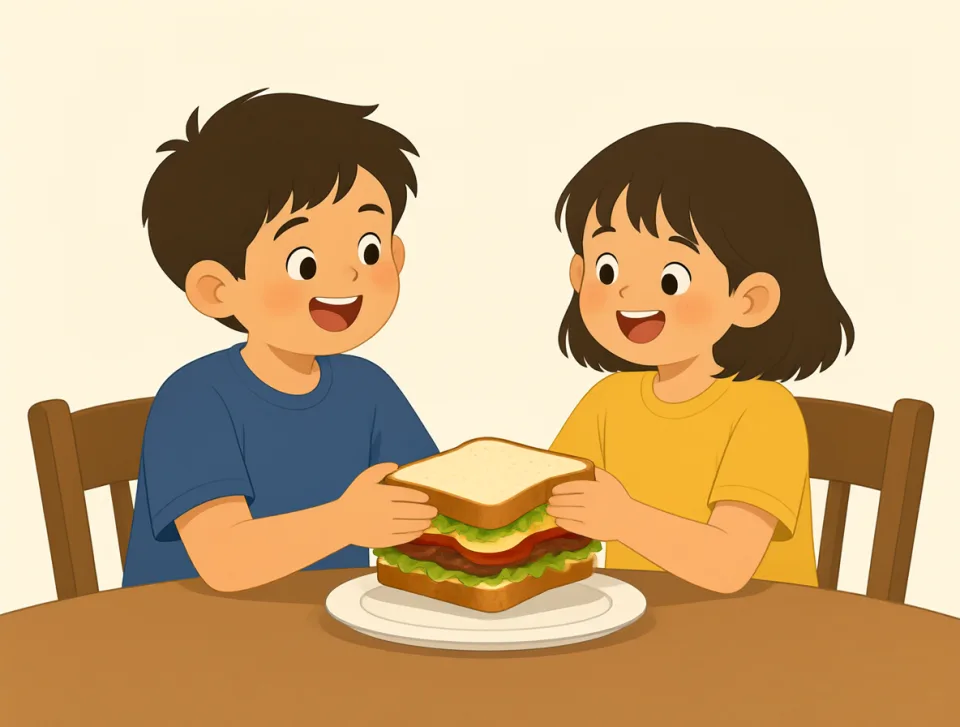
Please share your sandwich with me.
Podziel się ze mną kanapką, proszę.
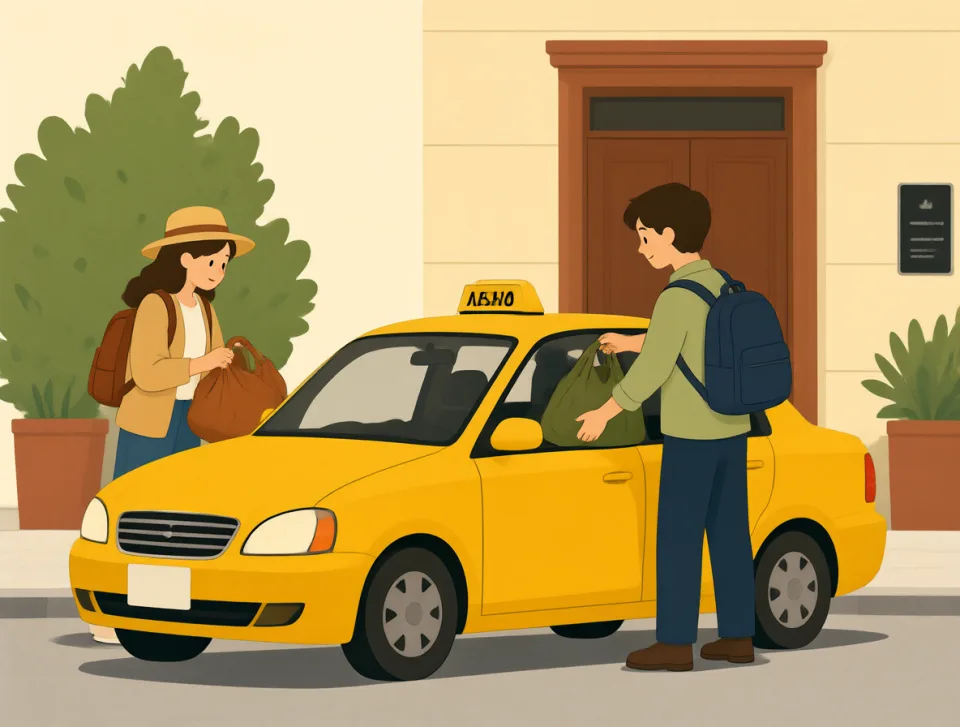
We shared a taxi to the airport.
Pojechaliśmy razem taksówką na lotnisko.

She shared her idea with the team.
Podzieliła się swoim pomysłem z zespołem.
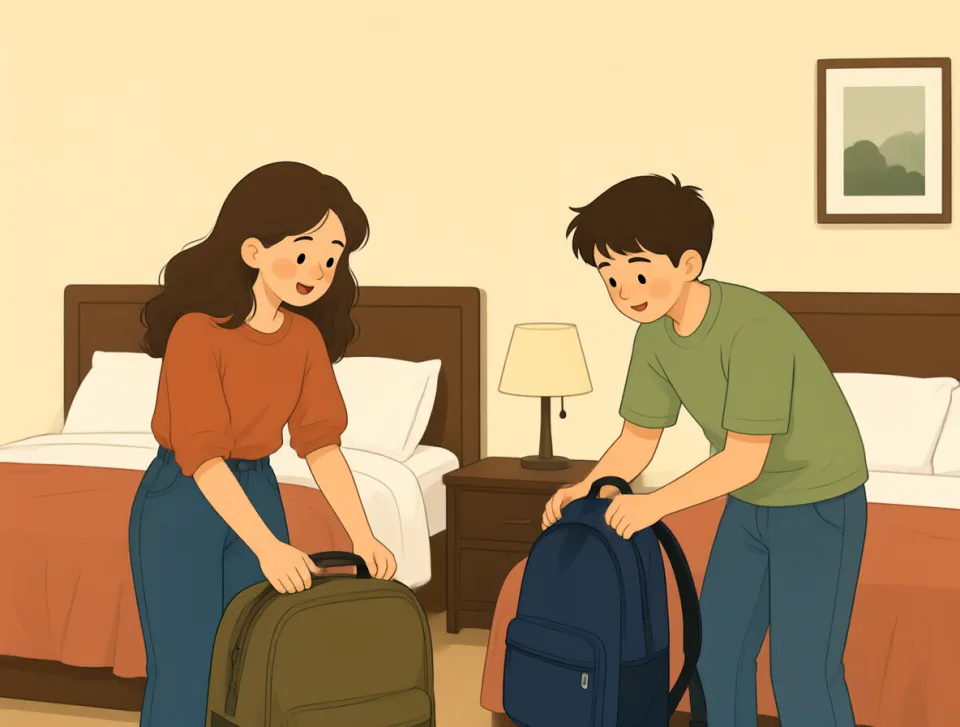
They shared a room during the trip.
Podczas podróży dzielili pokój.
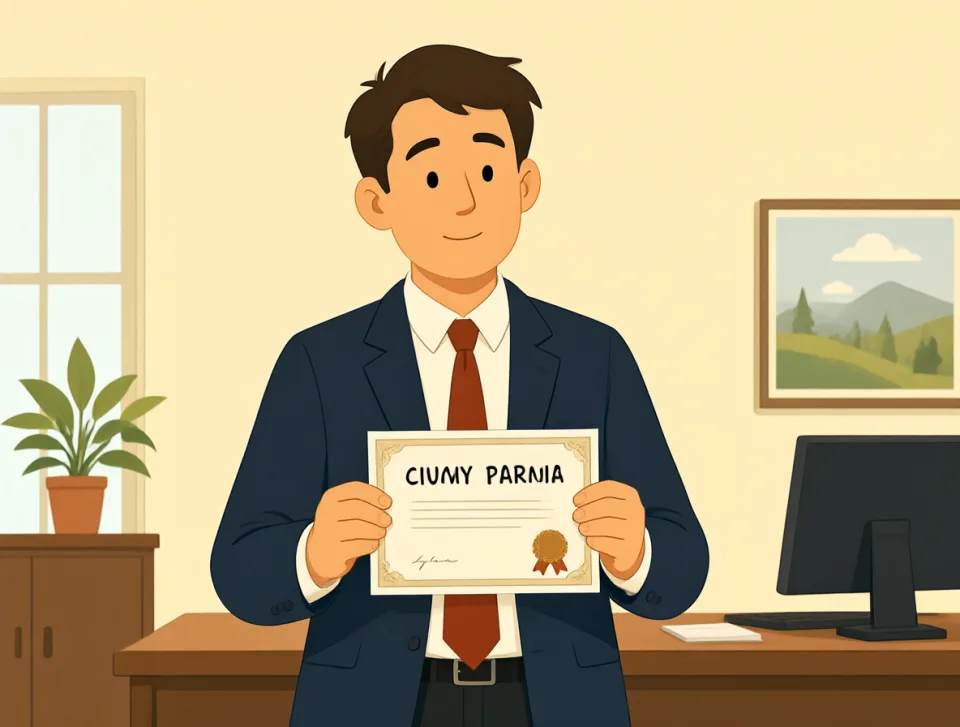
He owns a share of the company.
Jest właścicielem udziału w firmie.
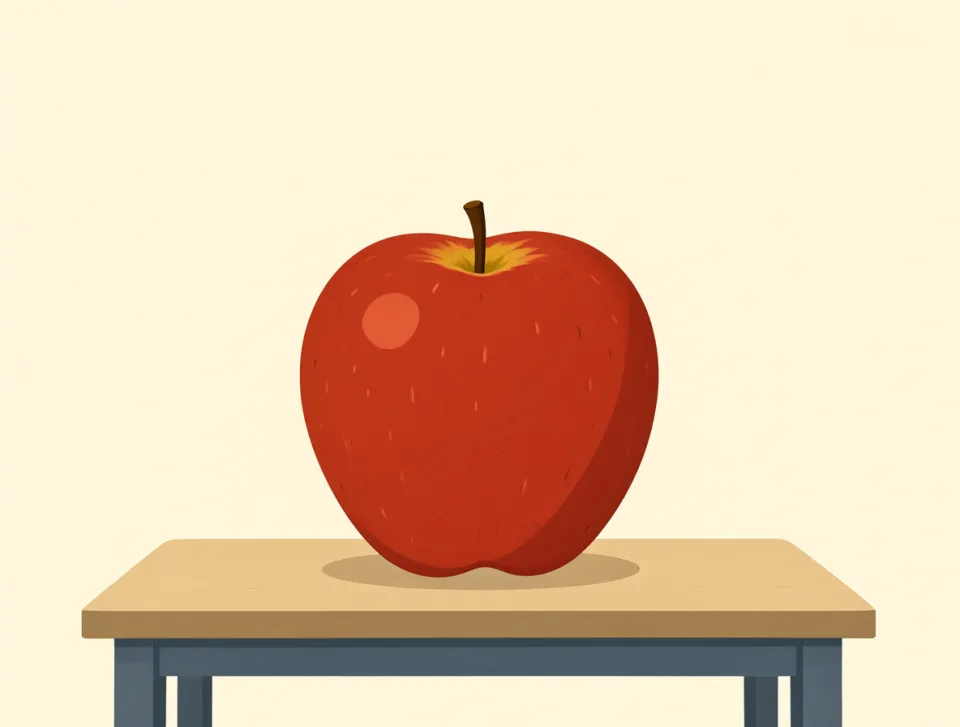
real
#354adjective, adverb, noun
prawdziwy
Existing in fact, true, or important and serious rather than imagined or pretend.
Istniejący naprawdę, zgodny z prawdą albo ważny i poważny, a nie wyobrażony czy udawany.
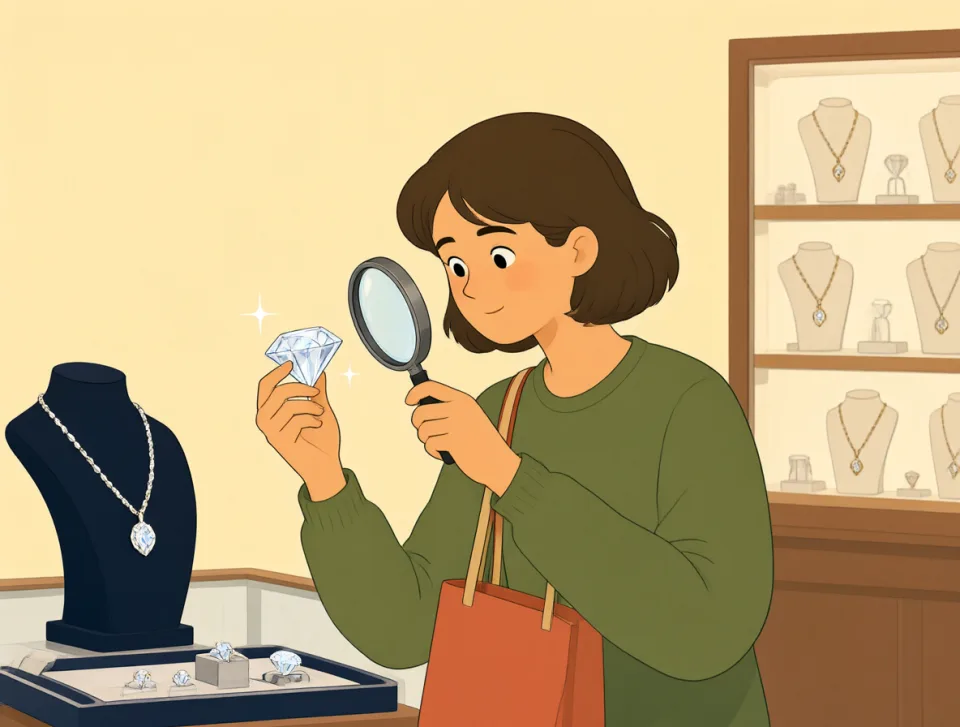
Is this a real diamond or glass?
Czy to prawdziwy diament, czy szkło?
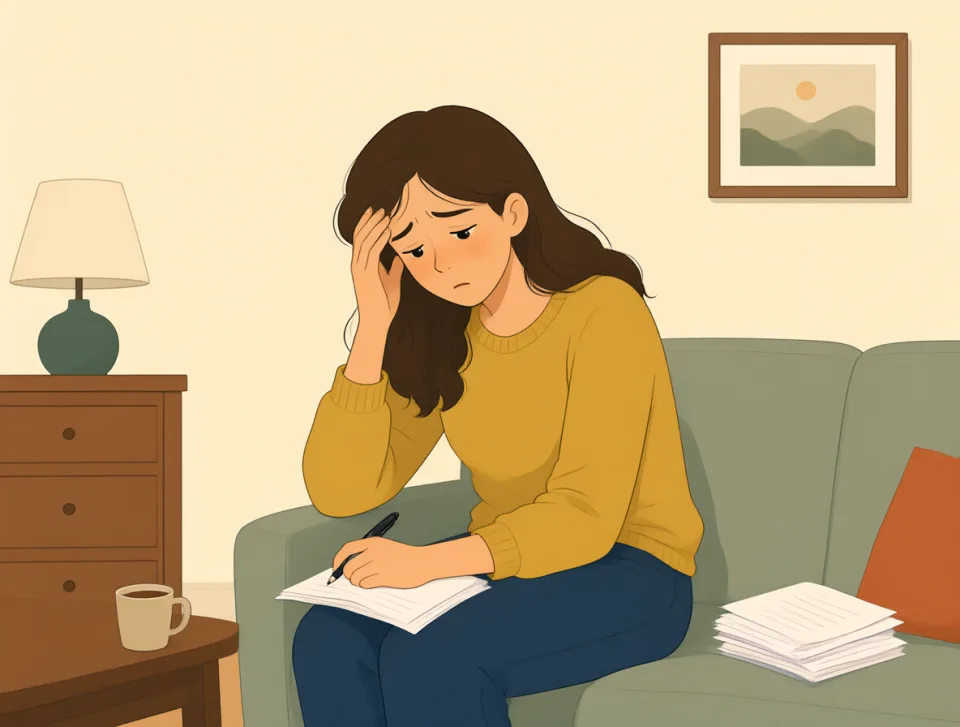
She had a real headache after work.
Po pracy bardzo bolała ją głowa.

We made real friends during our trip.
Podczas podróży nawiązaliśmy prawdziwe przyjaźnie.
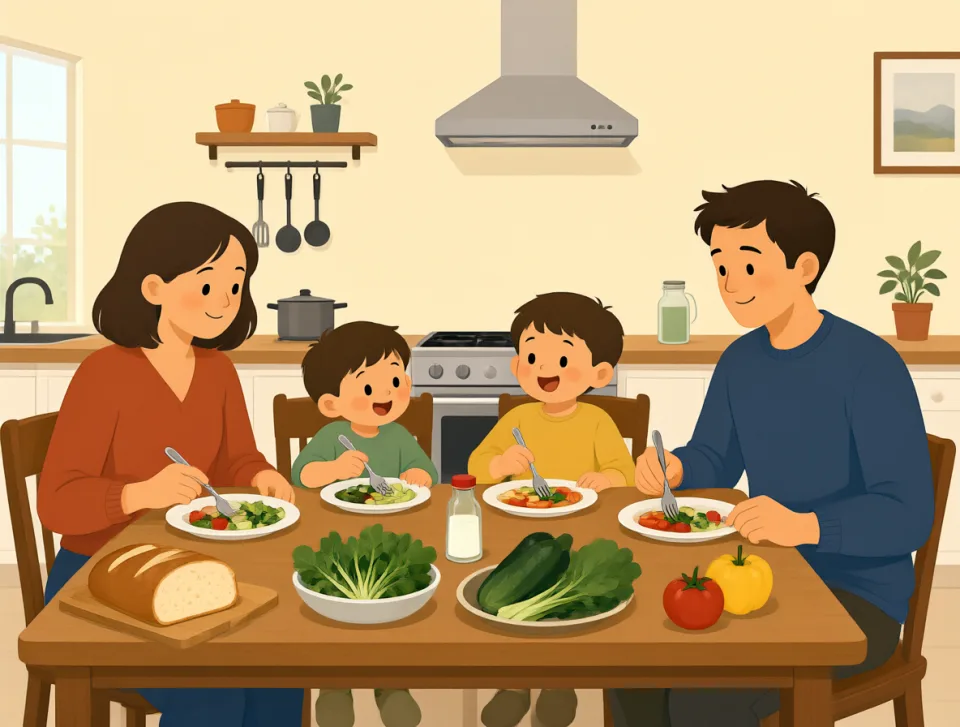
The food tasted real and fresh.
Jedzenie smakowało naturalnie i było świeże.
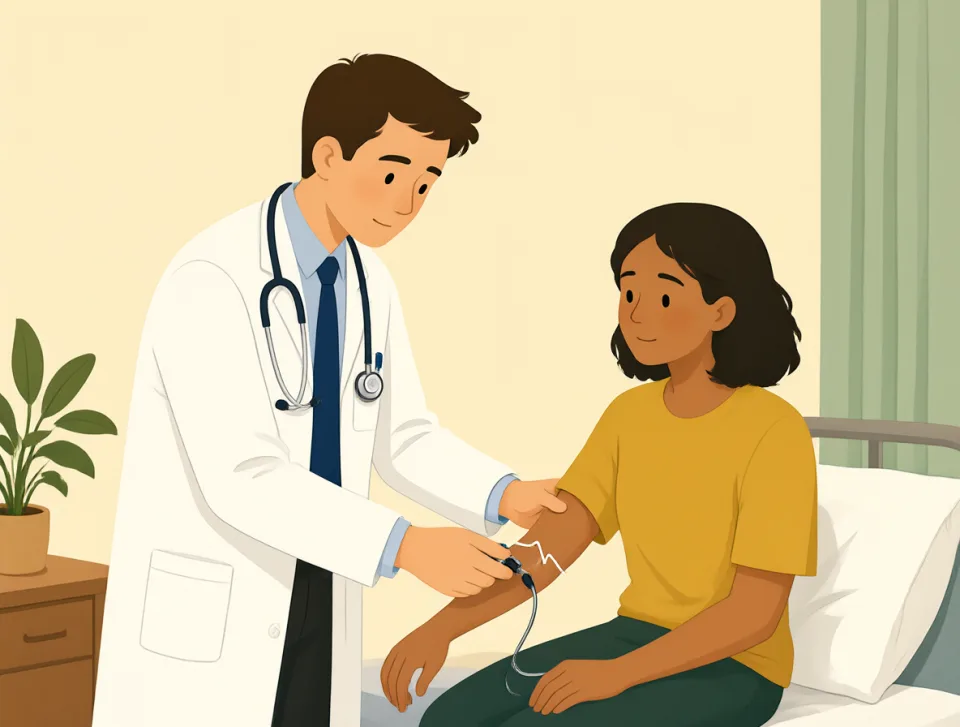
He is a real doctor at the hospital.
On naprawdę jest lekarzem w szpitalu.
answer
#355noun, verb
odpowiedź; odpowiadać
A reply to a question, or to say something in reply to a question.
Odpowiedź na pytanie albo powiedzieć coś w odpowiedzi na pytanie.
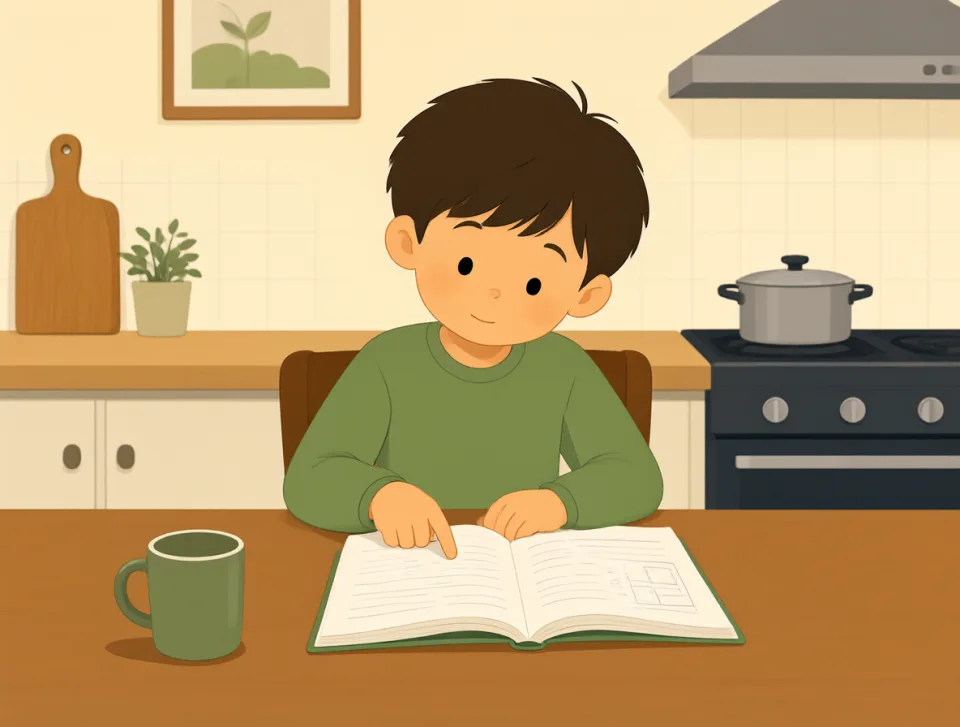
I know the answer to this question.
Znam odpowiedź na to pytanie.

Please answer my question carefully.
Proszę, odpowiedz uważnie na moje pytanie.
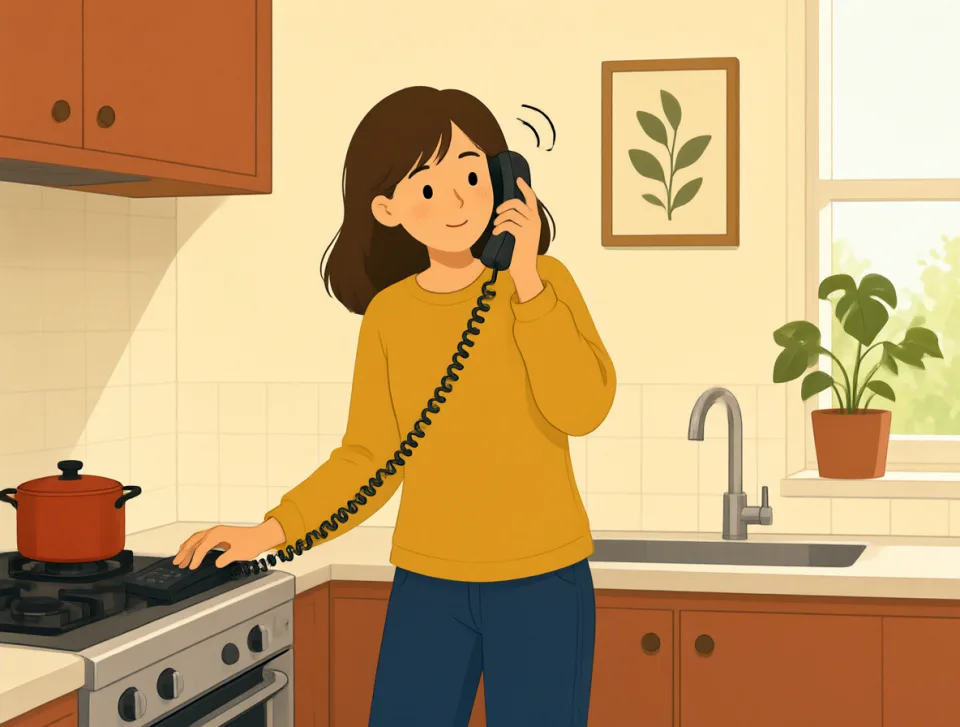
She answered the phone after dinner.
Po kolacji odebrała telefon.
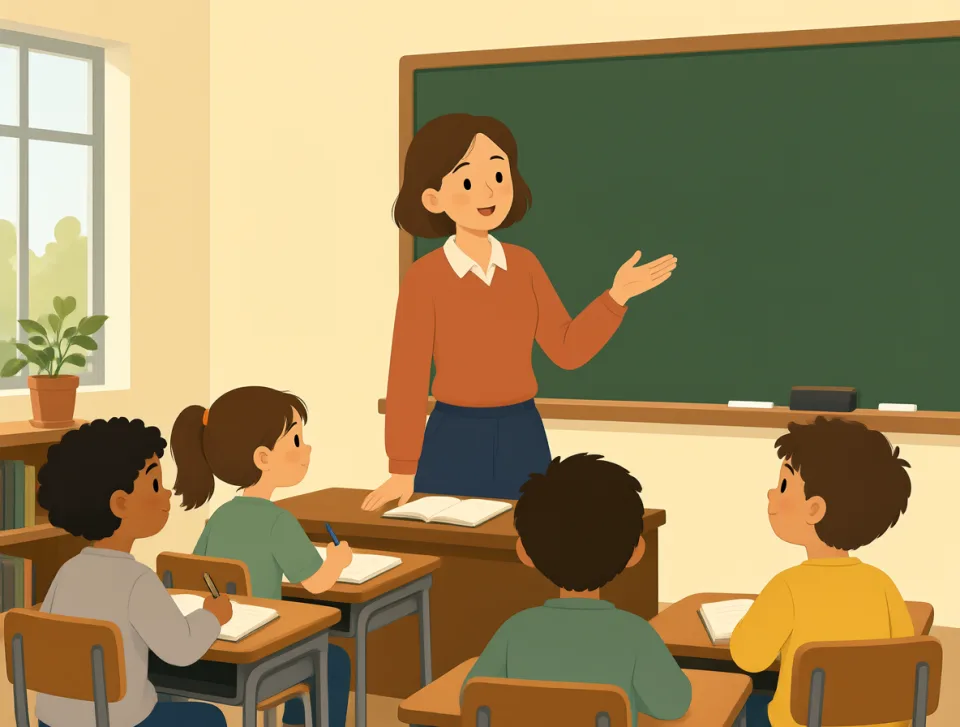
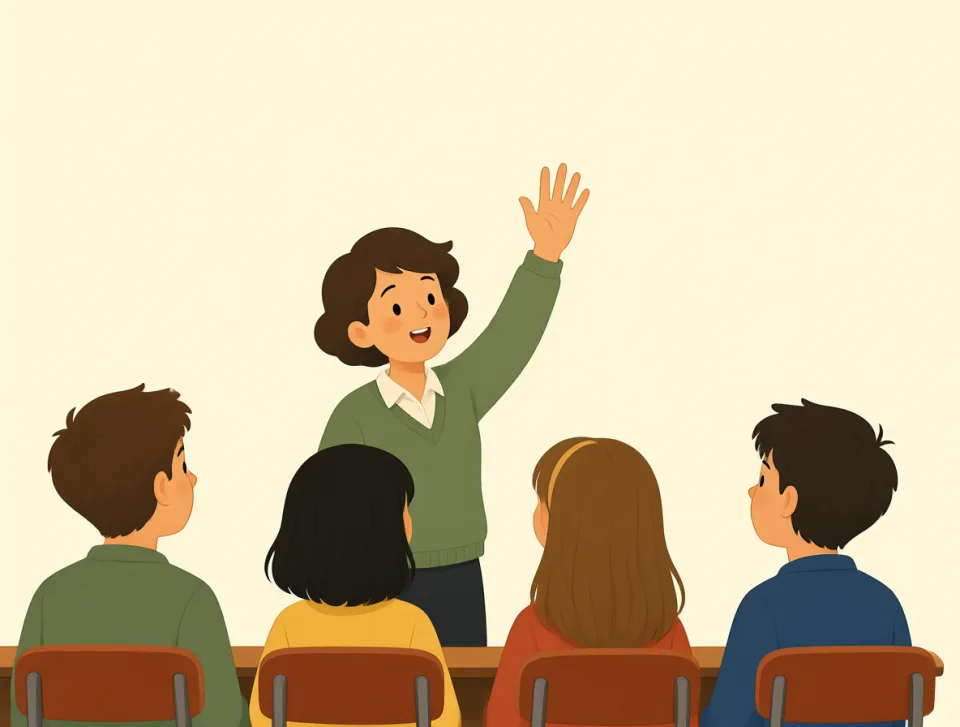
The teacher answered our questions at school.
Nauczyciel odpowiedział na nasze pytania w szkole.
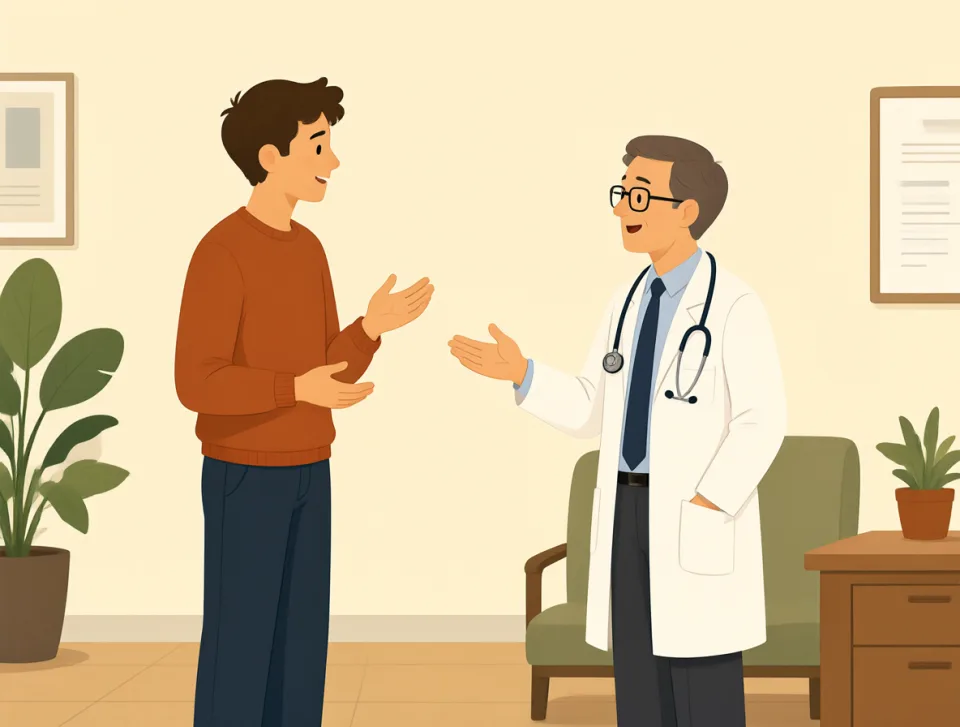
He found the answer to his health problem.
Znalazł rozwiązanie swojego problemu zdrowotnego.
sit
#356verb
siedzieć
To rest your body on a chair, seat, or other surface.
Odpoczywać, opierając ciało na krześle, siedzeniu lub innej powierzchni.

Please sit here beside me.
Usiądź, proszę, tutaj obok mnie.
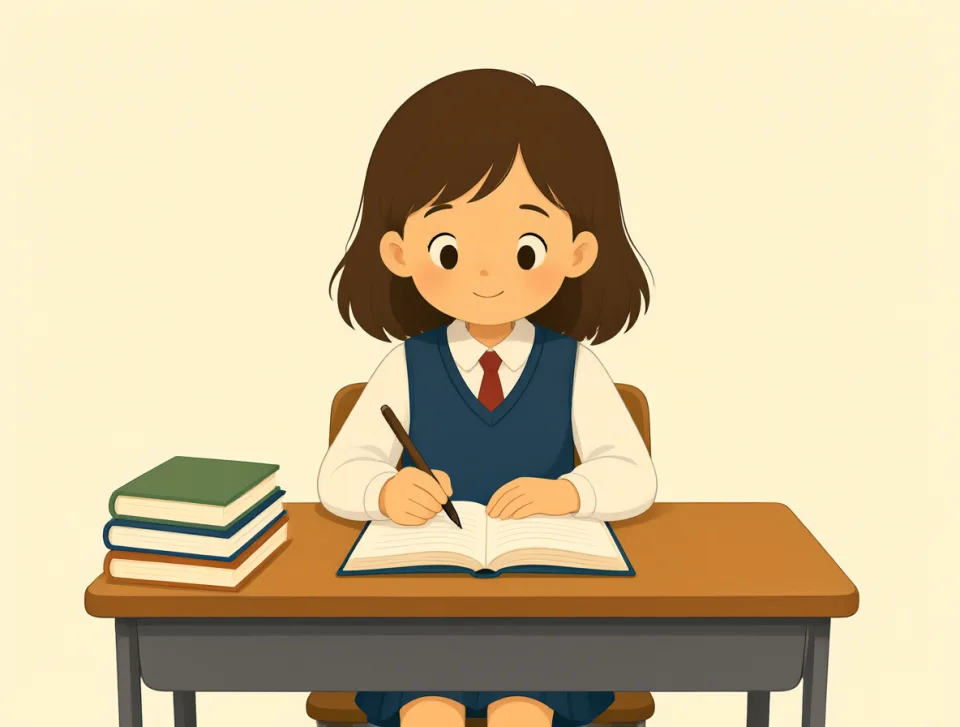
She sat at her desk.
Siedziała przy swoim biurku.

We sat on the bus.
Siedzieliśmy w autobusie.
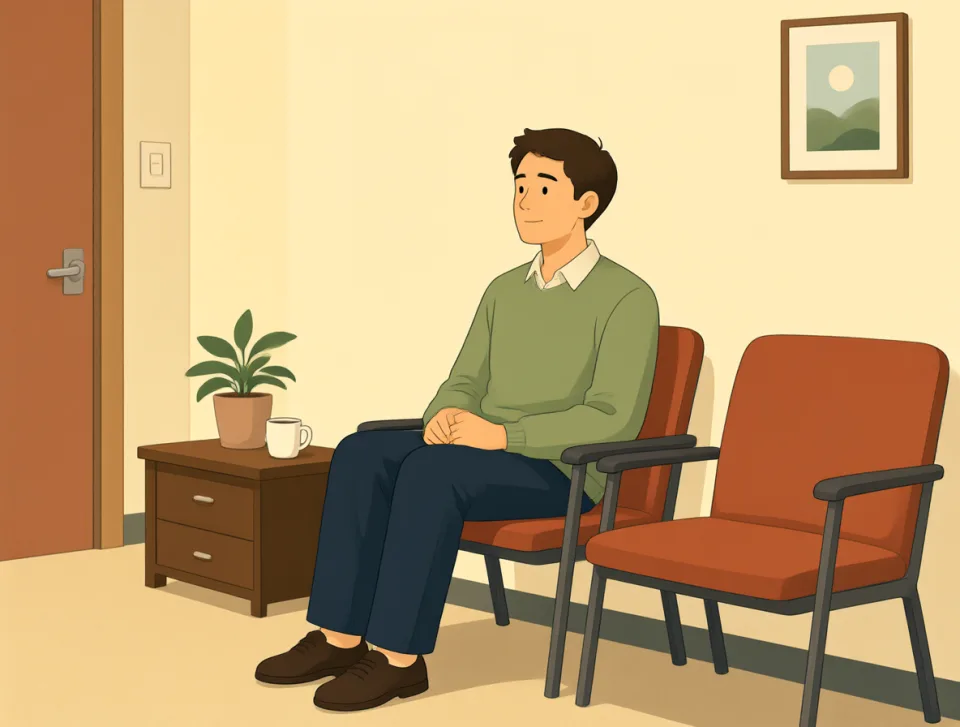
He is sitting in the waiting room.
On siedzi w poczekalni.
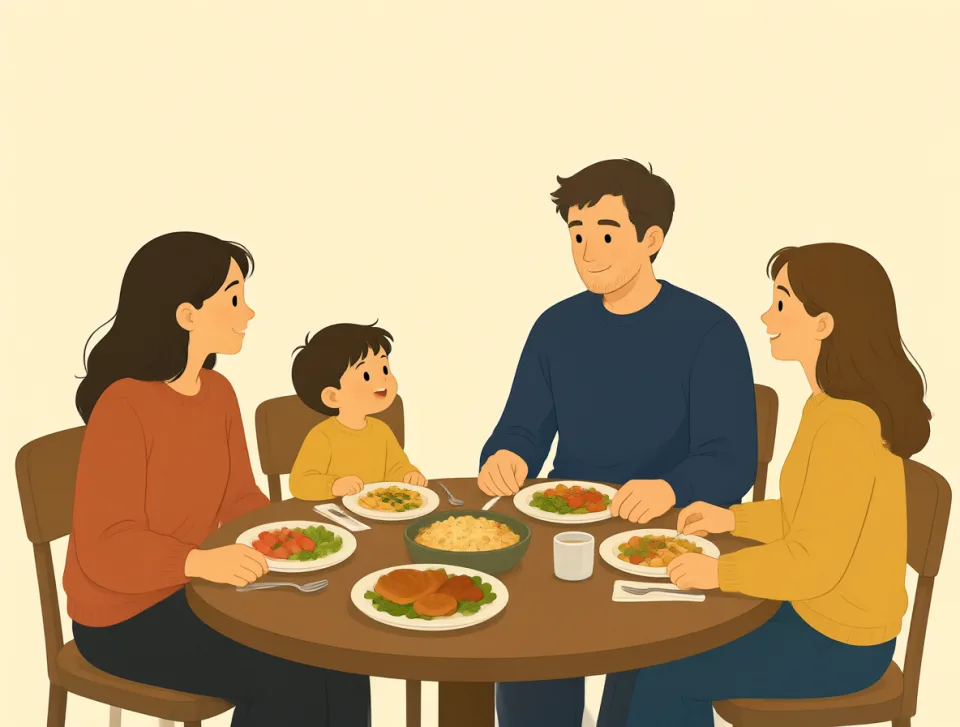
They sat down for dinner.
Usiedli do kolacji.
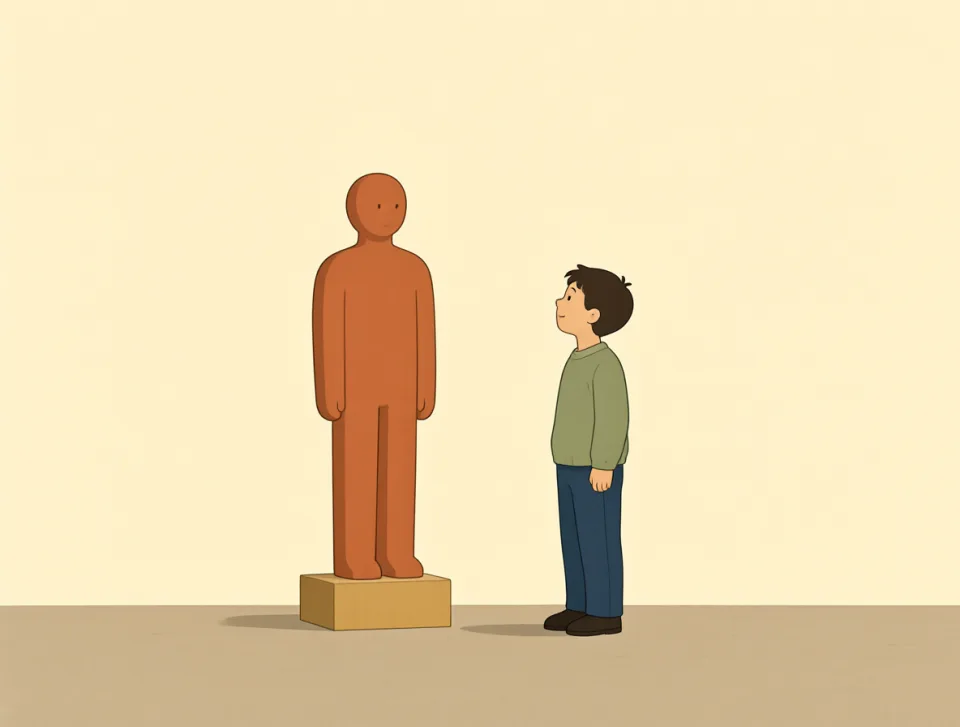
figure
#357noun, verb
liczba; figura; postać; kwota; obliczyć; domyślić się
A number, shape, person, or amount; to think or calculate something.
Liczba, kształt, osoba lub ilość; także: pomyśleć albo coś obliczyć.
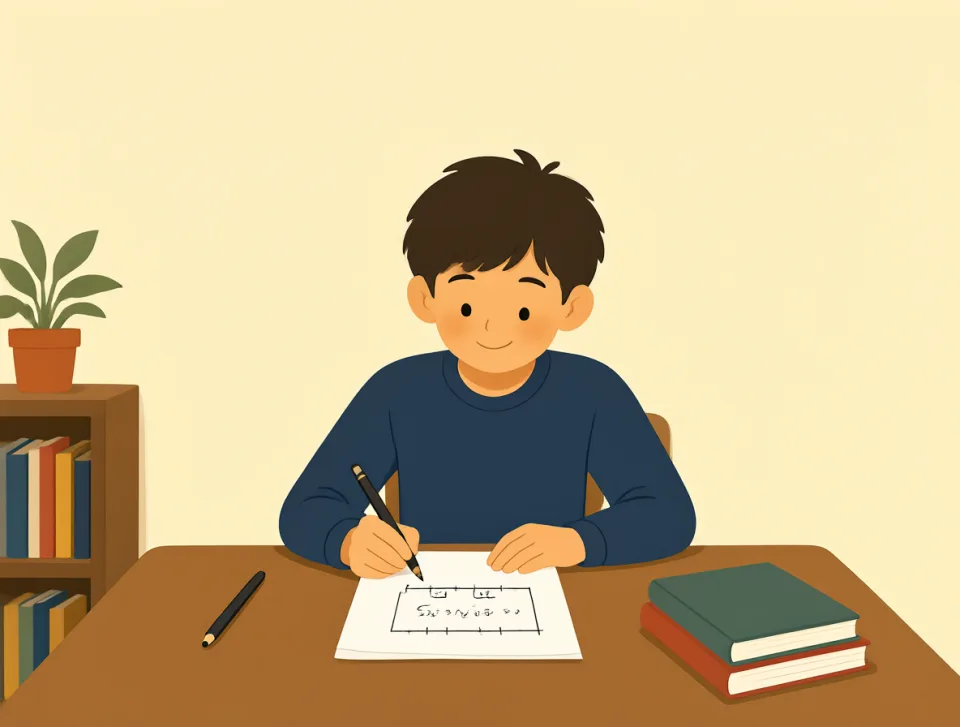
I figured out the answer quickly.
Szybko znalazłem odpowiedź.
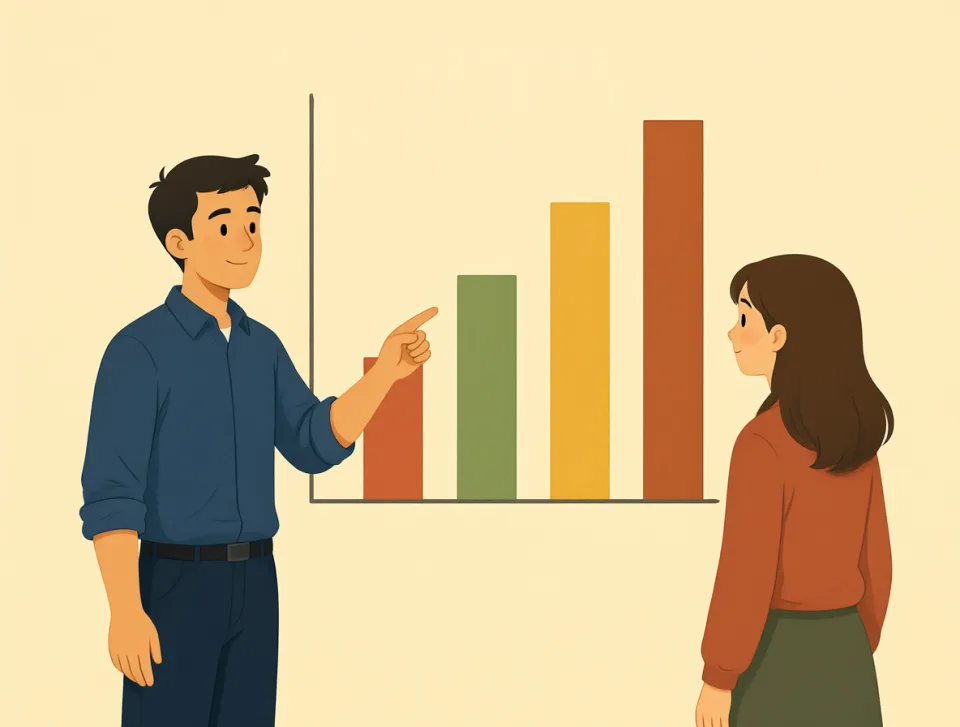
The figure shows our total sales.
Wykres przedstawia naszą łączną sprzedaż.
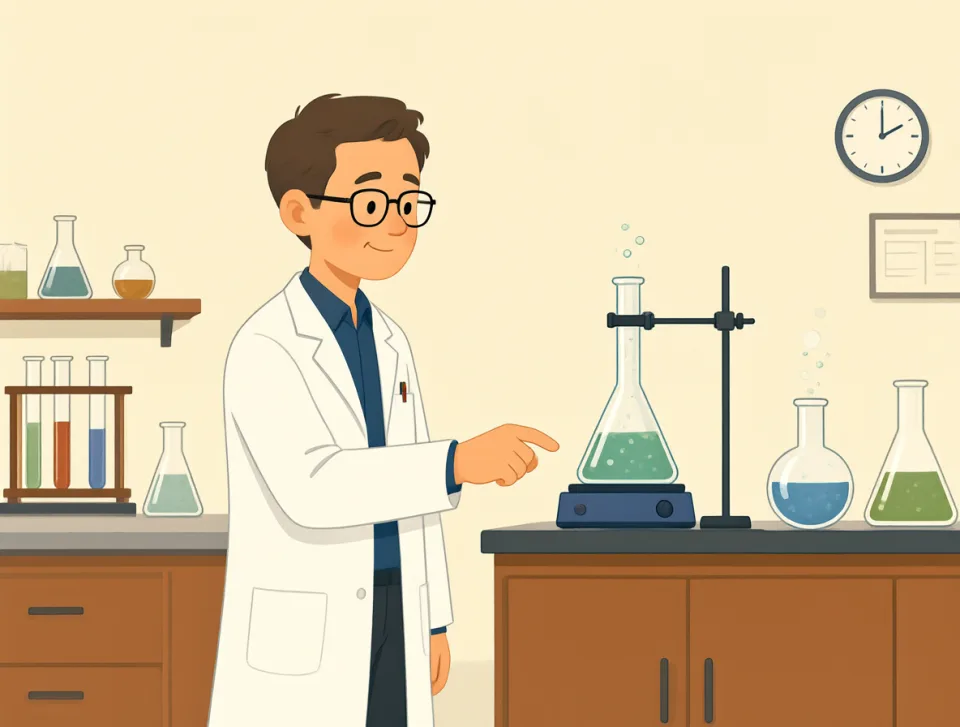
She is a famous figure in science.
Jest znaną postacią w świecie nauki.
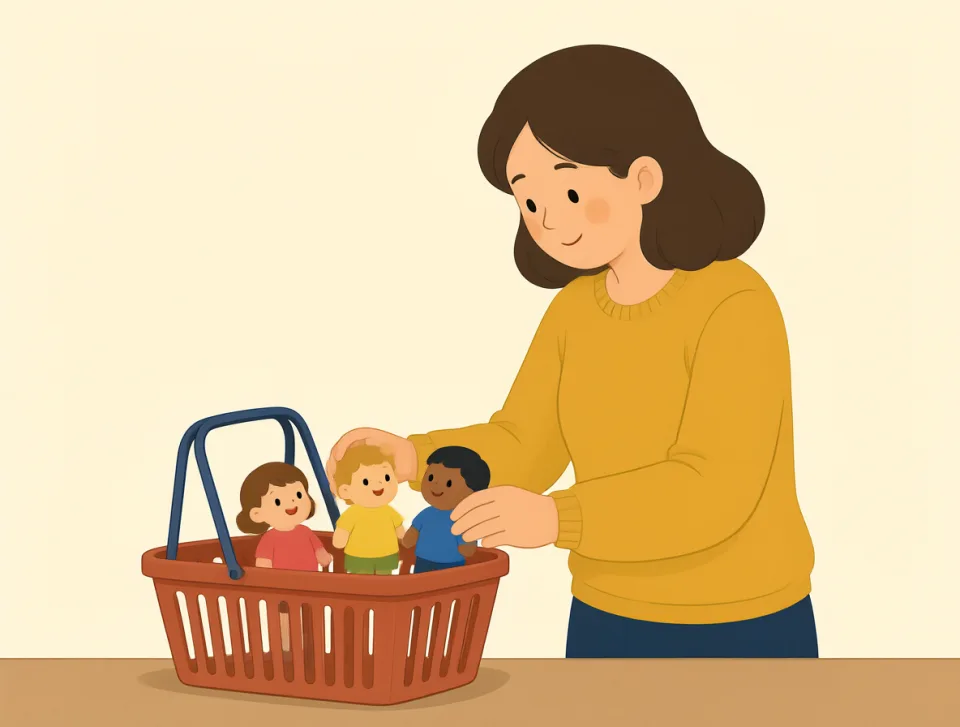
We bought three figures for the children.
Kupiliśmy dzieciom trzy figurki.
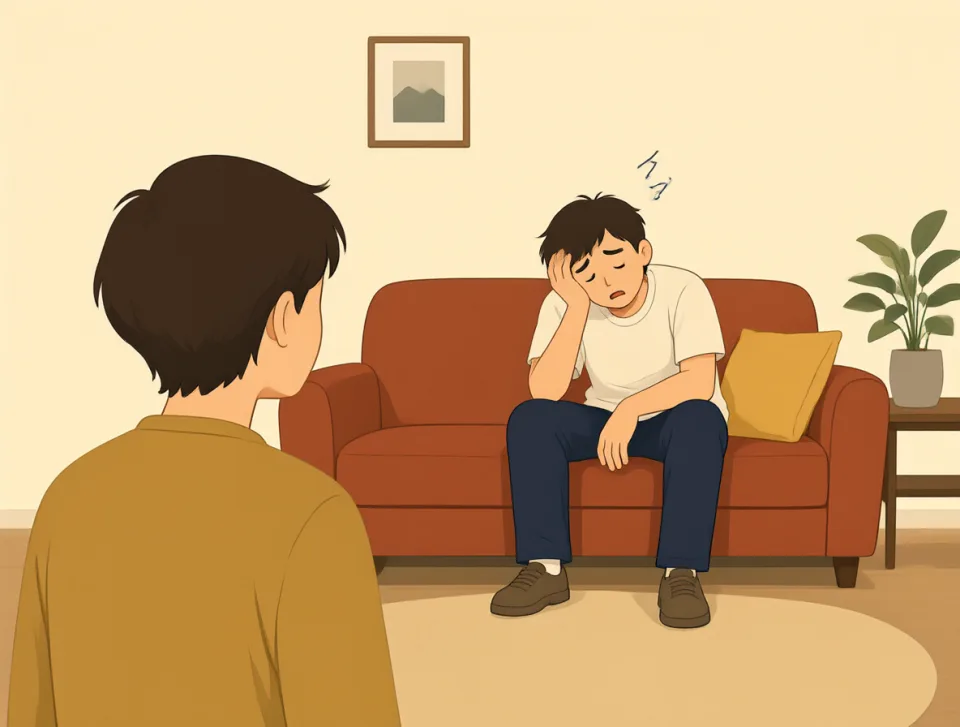
I figured he was tired after work.
Pomyślałem, że po pracy jest zmęczony.
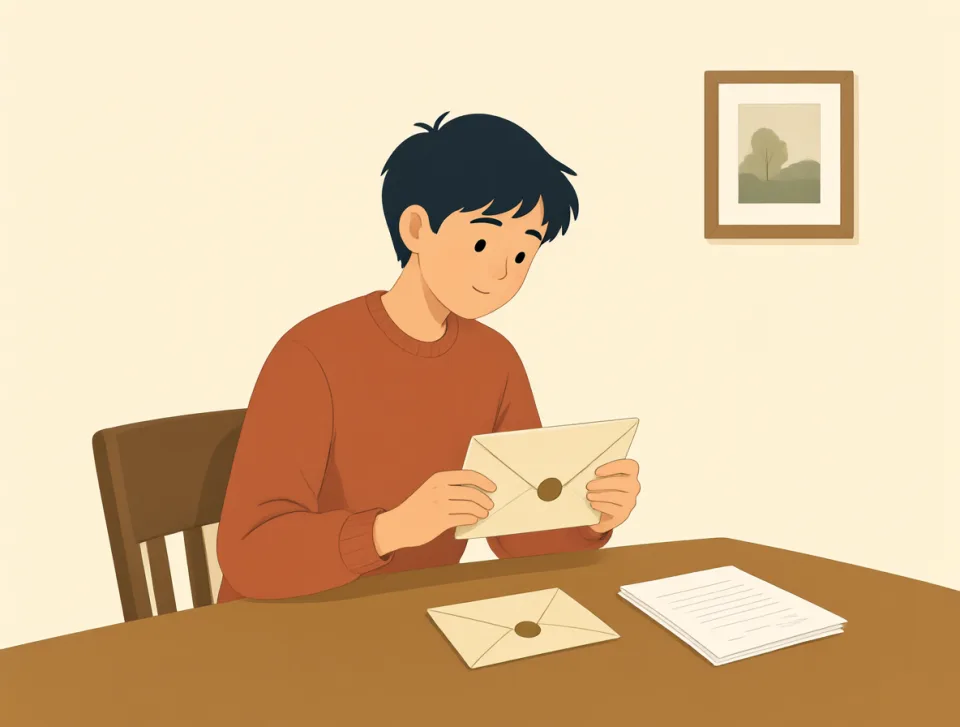
letter
#358noun, verb
list; litera
A written message, or one of the symbols used to write words.
Wiadomość napisana na papierze albo jeden ze znaków używanych do zapisywania wyrazów.
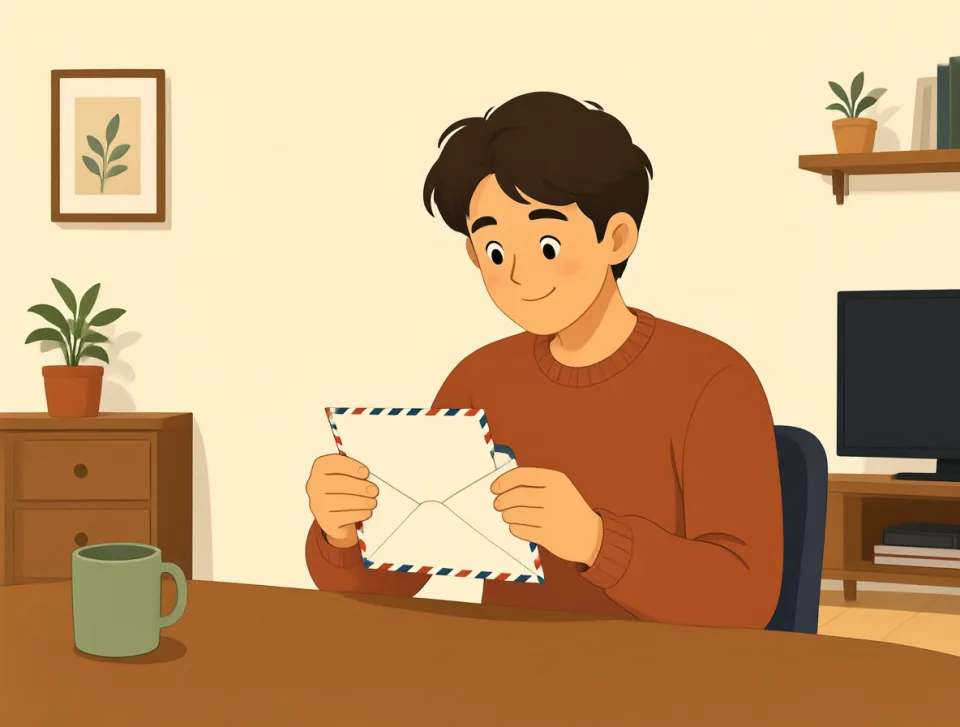
I got a letter from my sister yesterday.
Wczoraj dostałem list od siostry.
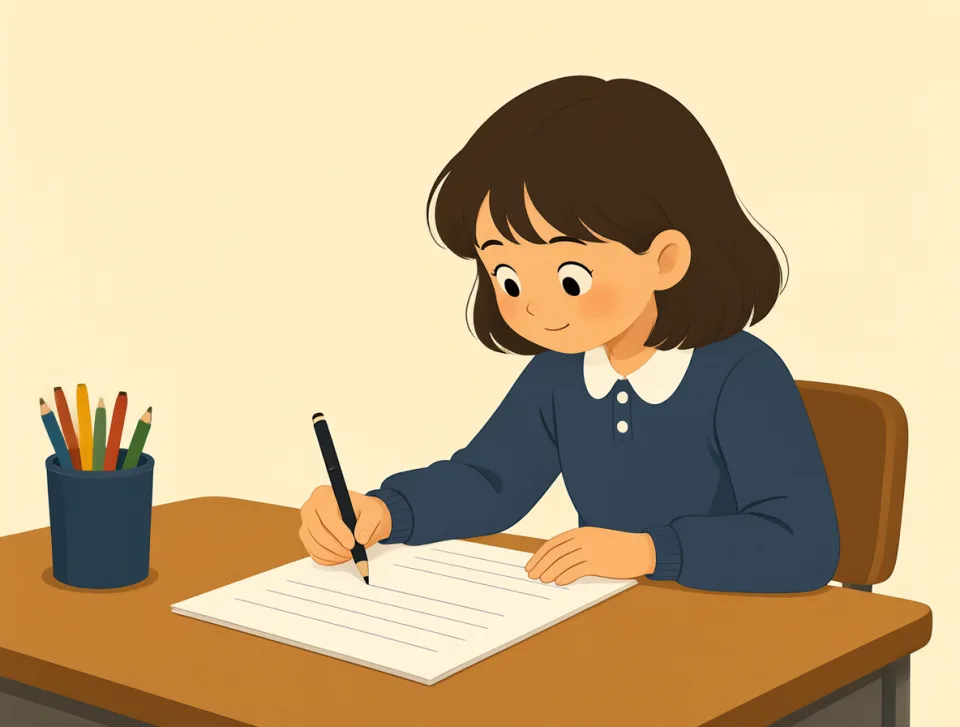
Please write your name in capital letters.
Napisz, proszę, swoje imię wielkimi literami.
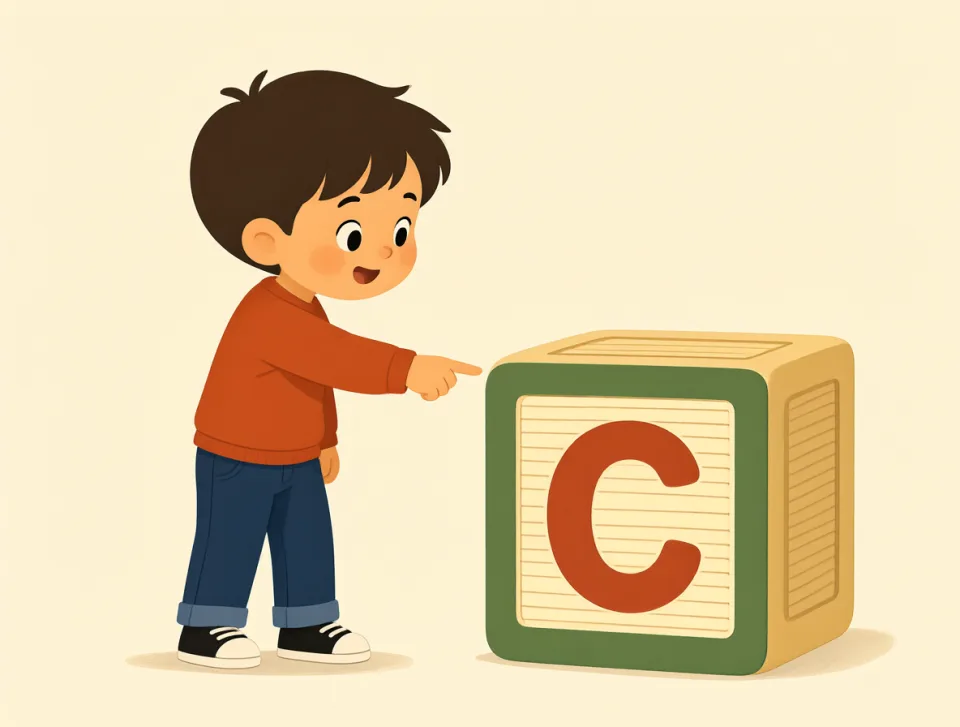
The first letter of my name is M.
Pierwszą literą mojego imienia jest M.
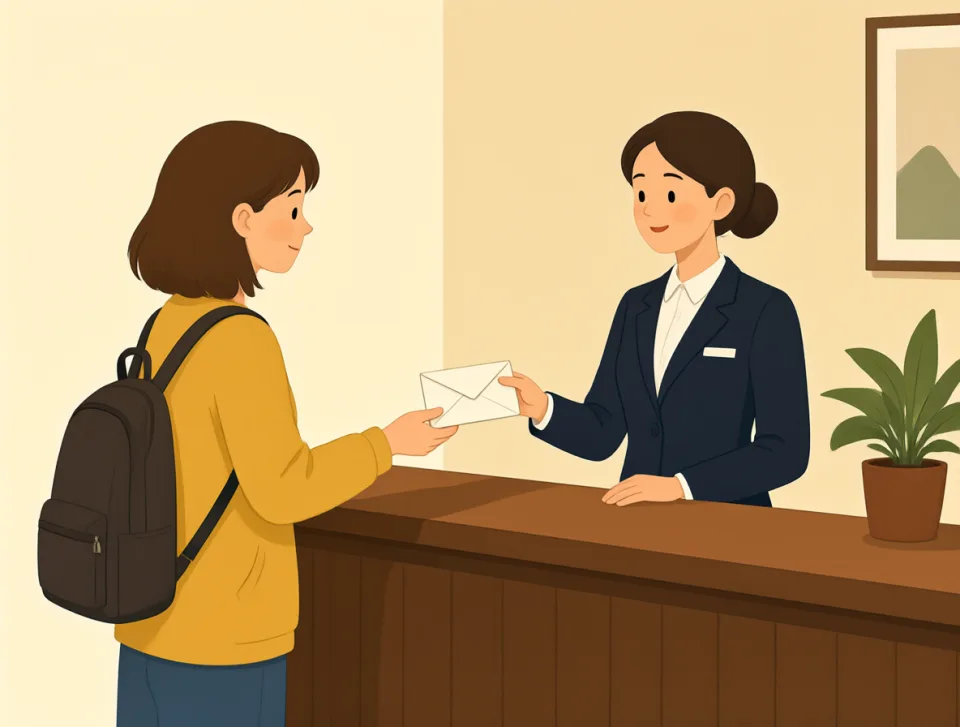
She sent a letter to the hotel.
Wysłała list do hotelu.
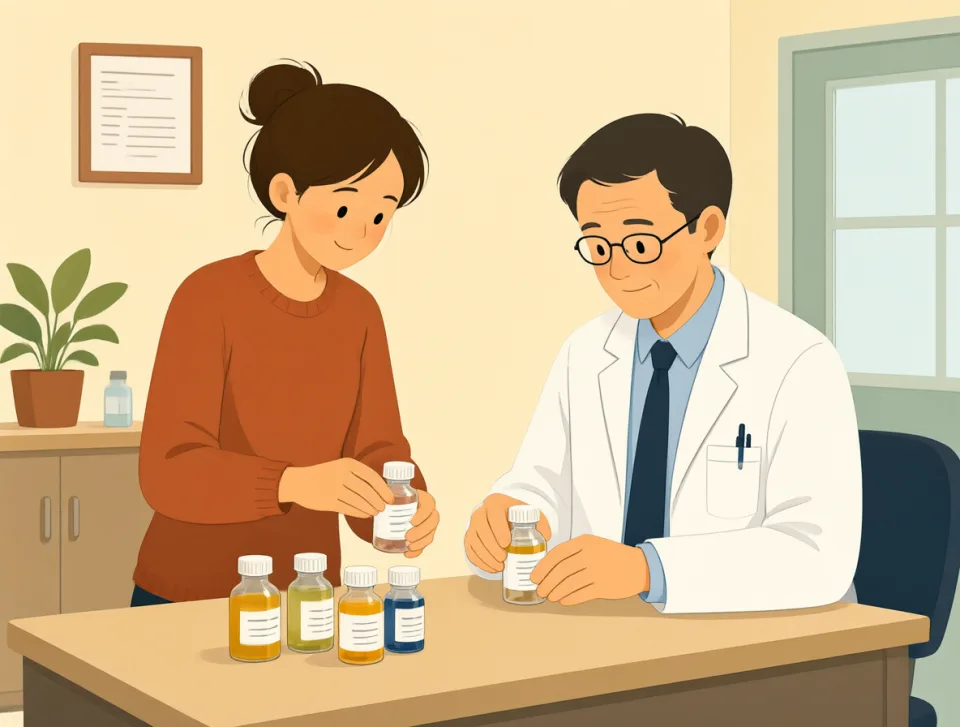
The doctor is lettering the medicine bottles.
Lekarz opisuje etykiety na butelkach z lekami.
decide
#359verb
decydować; postanawiać
to choose what you will do after thinking about it
Wybrać, co się zrobi, po wcześniejszym zastanowieniu.
We decided to stay home tonight.
Postanowiliśmy zostać dziś wieczorem w domu.
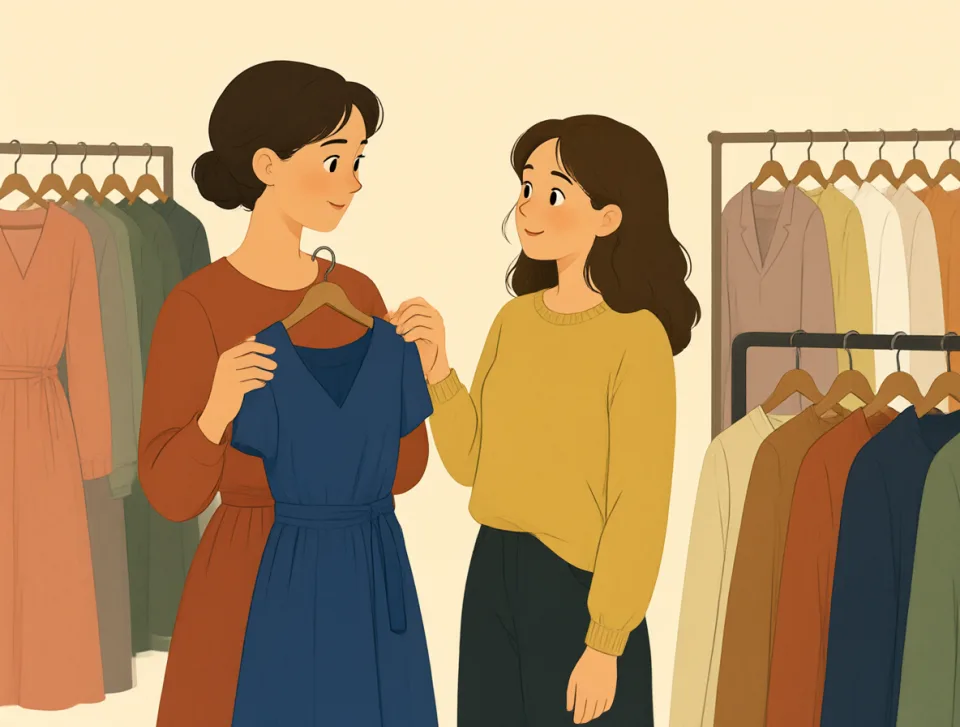
She decided to buy the blue dress.
Postanowiła kupić niebieską sukienkę.
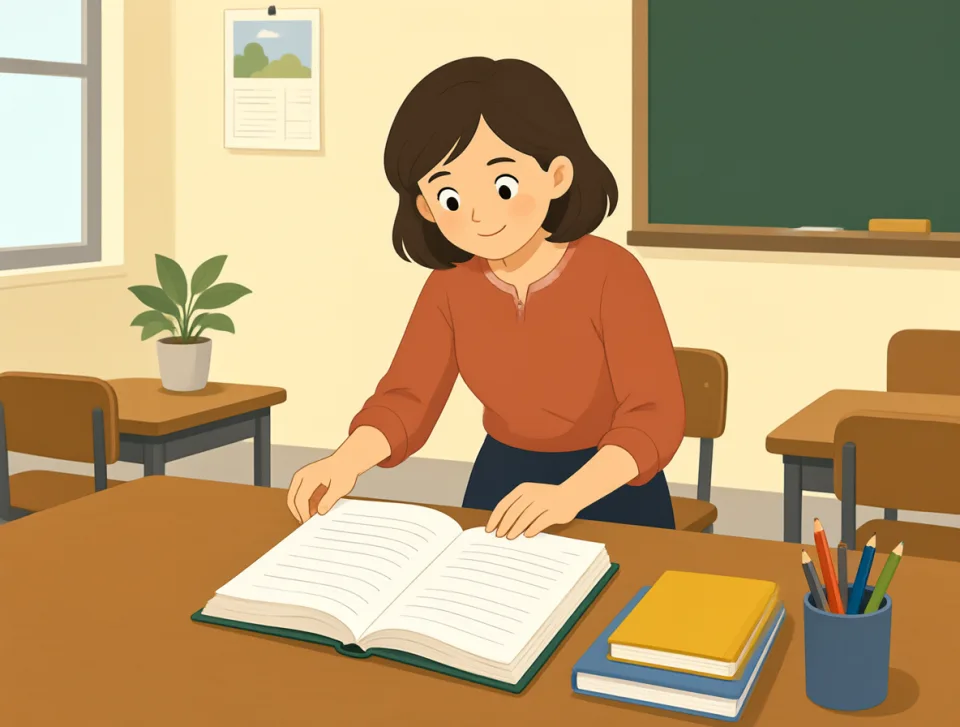
The teacher decided to change the lesson.
Nauczyciel postanowił zmienić lekcję.

They decided where to eat after work.
Po pracy zdecydowali, gdzie pójdą coś zjeść.
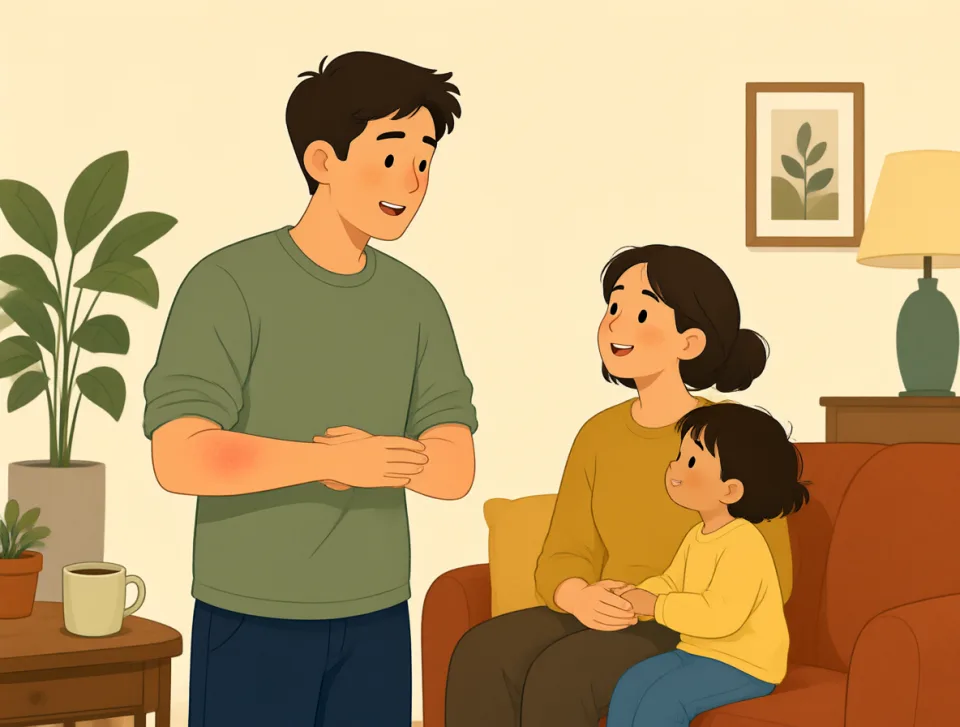
He decided to see a doctor tomorrow.
Postanowił jutro pójść do lekarza.
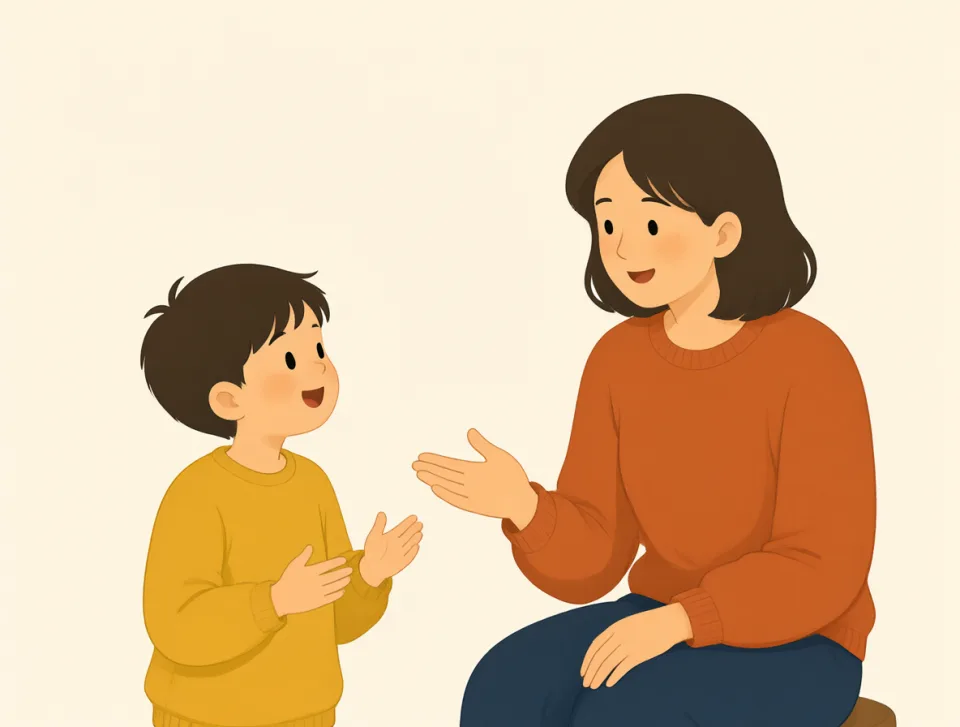
language
#360noun
język
A system of words people use to speak or communicate.
System słów, których ludzie używają do mówienia lub porozumiewania się.
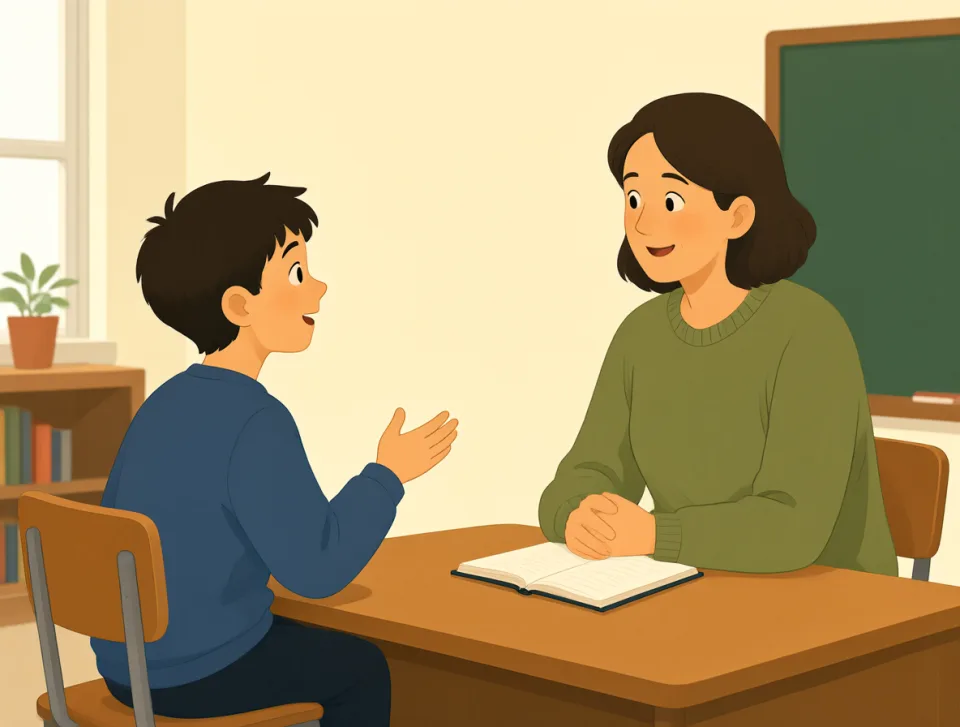
English is my second language.
Angielski jest moim drugim językiem.
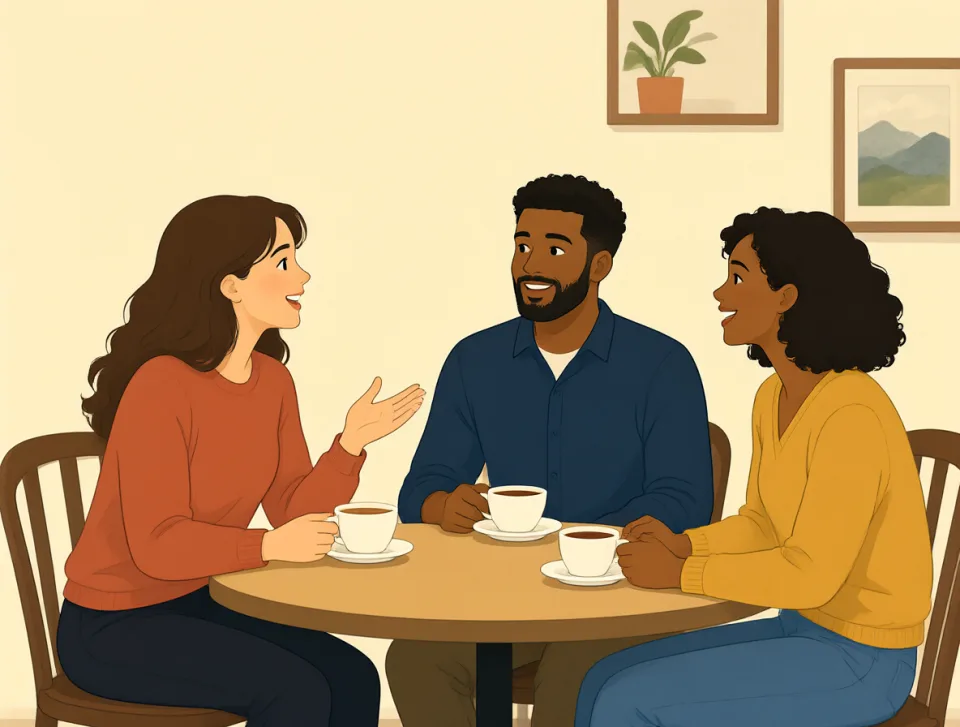
She speaks three languages fluently.
Ona płynnie mówi w trzech językach.
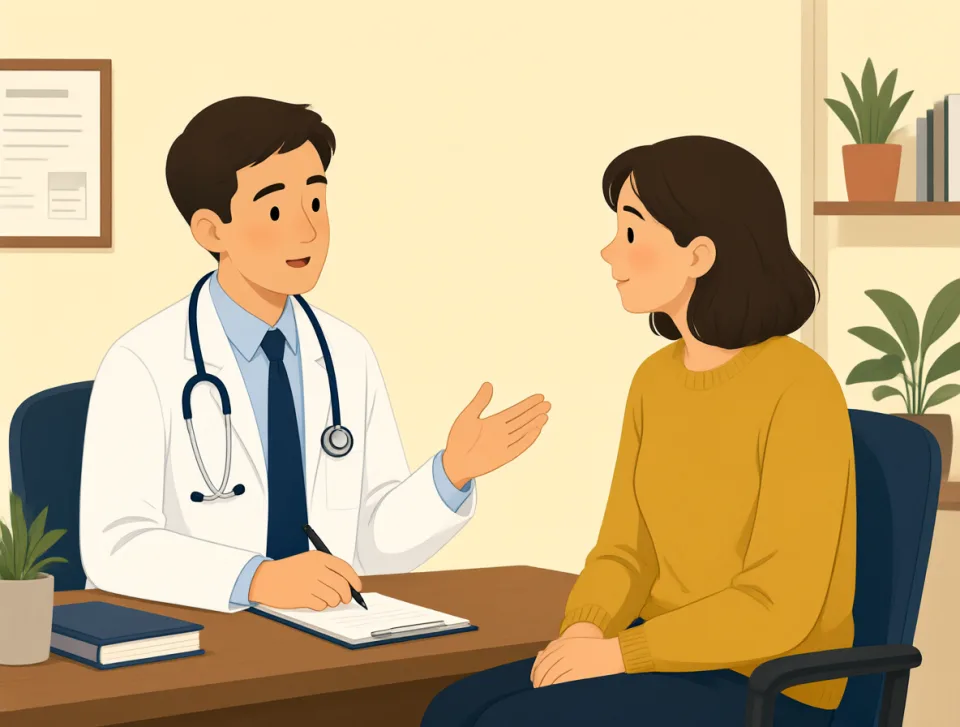
The doctor used simple language.
Lekarz używał prostego języka.
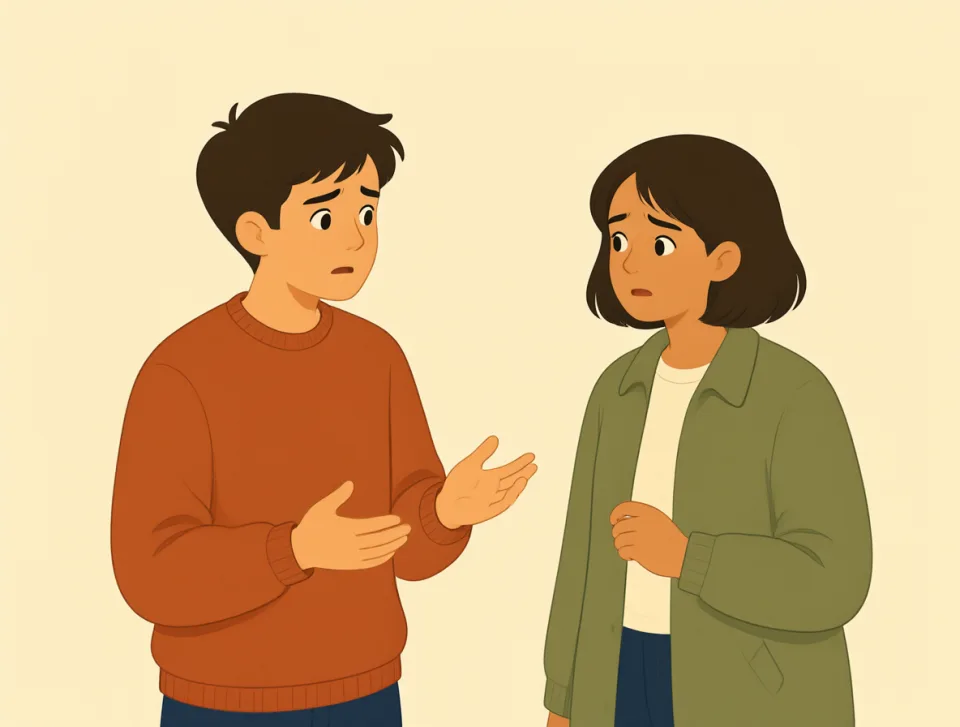
Body language can show how you feel.
Mowa ciała może pokazać, co czujesz.
This book uses easy language for children.
Ta książka używa prostego języka, zrozumiałego dla dzieci.