بخش 1
واژههای 1 تا 20 · the, be, and, of, to, a
the
#1determiner
حرف تعریف معین
Used before a noun to show that it is known, specific, or the only one.
پیش از اسم میآید تا نشان دهد آن اسم شناختهشده، مشخص یا یگانه است.
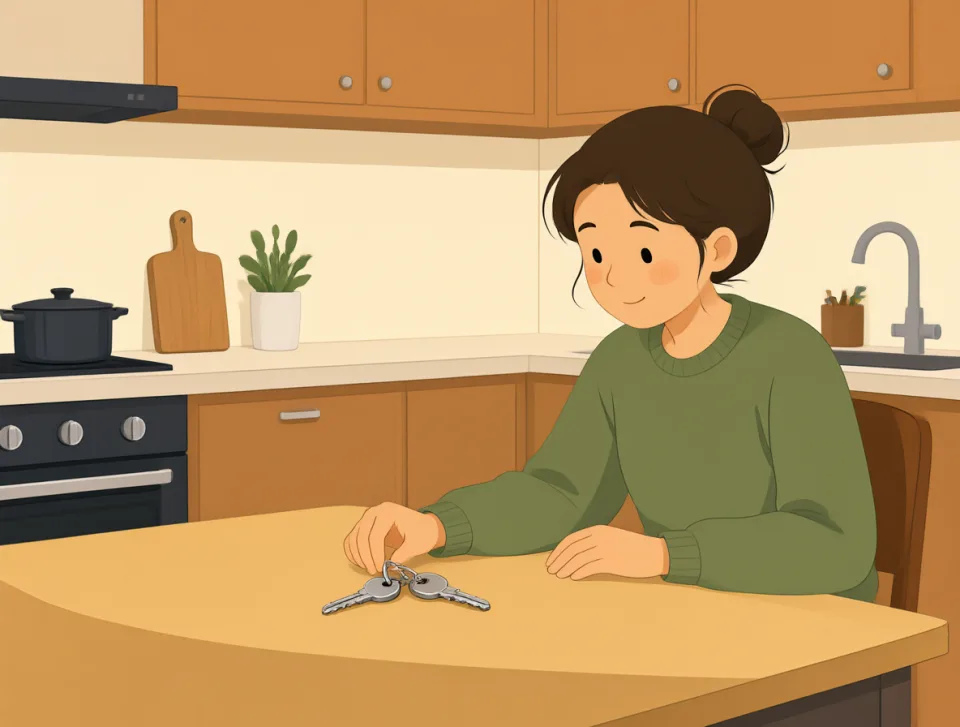
The keys are on the kitchen table.
کلیدها روی میز آشپزخانه هستند.
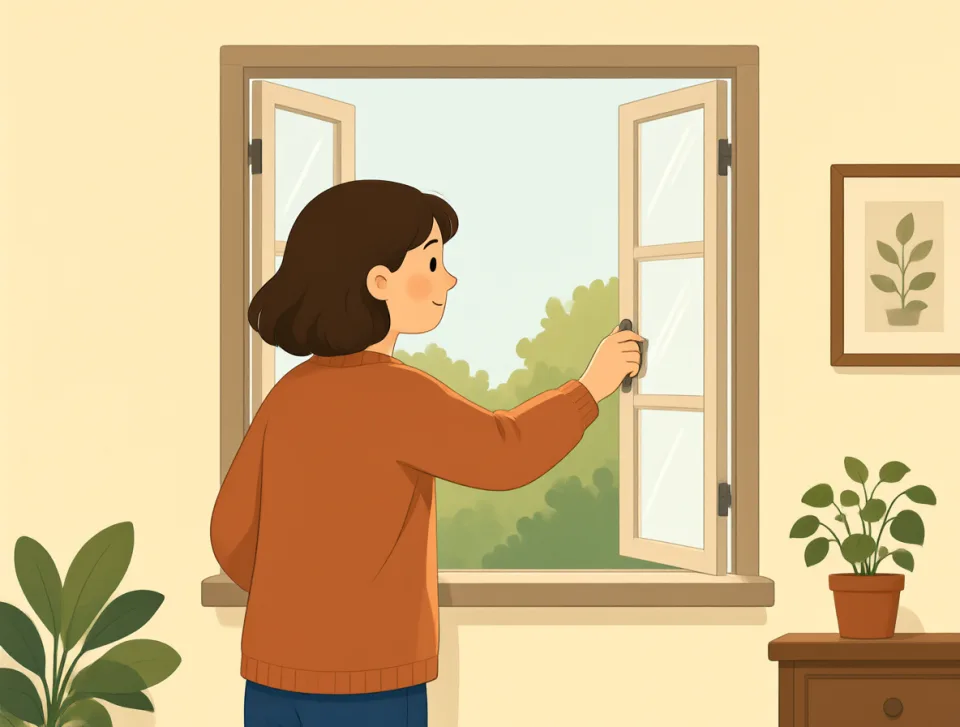
Please close the window before you leave.
لطفاً پیش از رفتن پنجره را ببند.
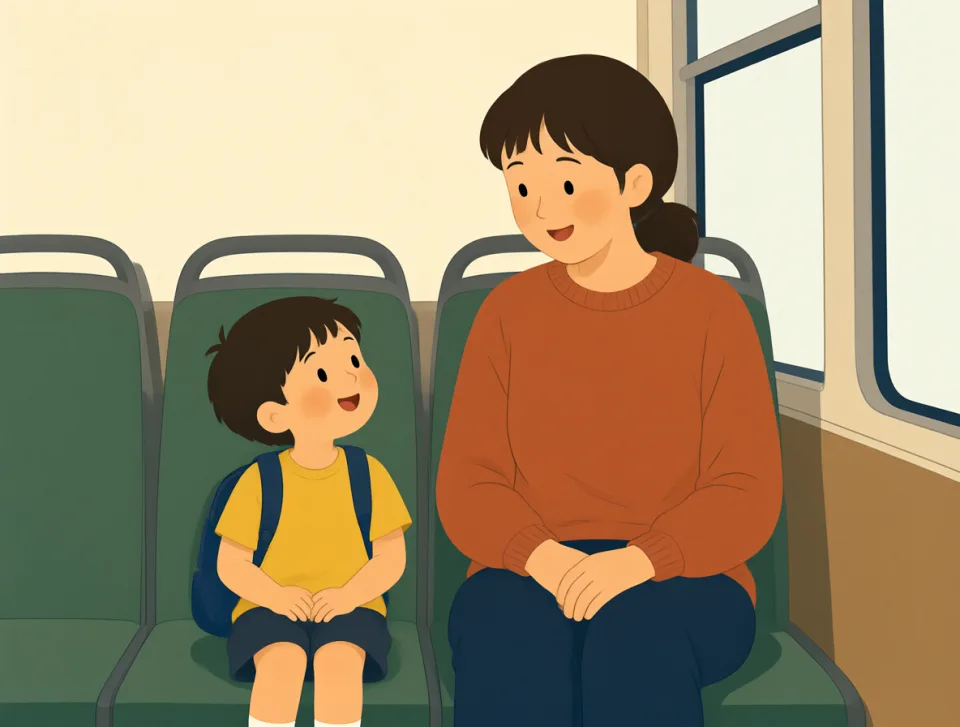
We took the bus to school this morning.
امروز صبح با اتوبوس به مدرسه رفتیم.
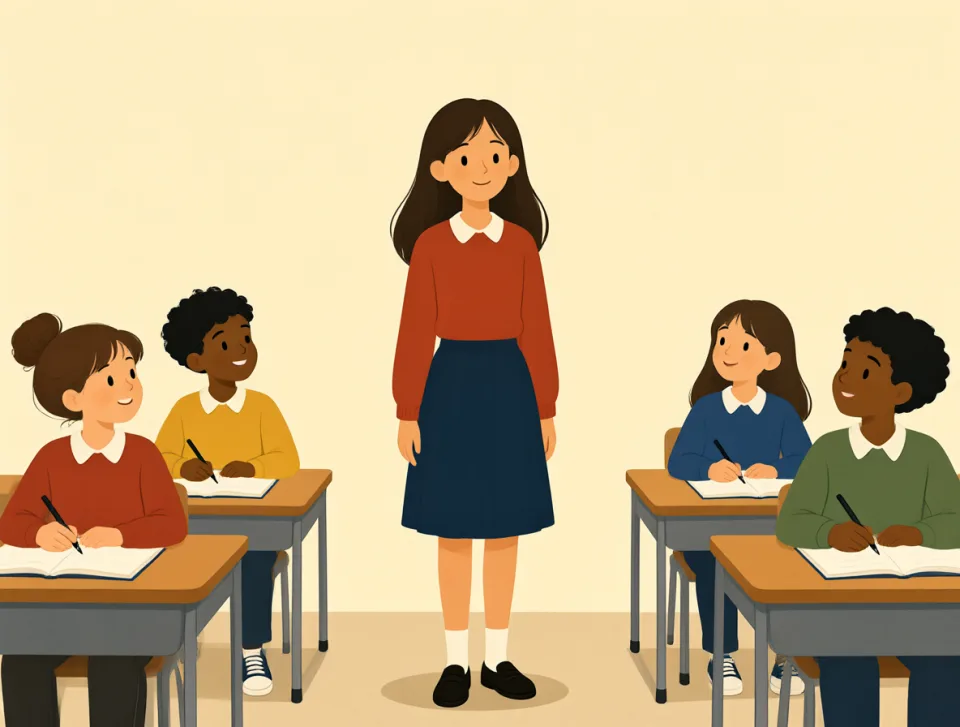
She is the tallest girl in her class.
او قدبلندترین دختر کلاسش است.

The sun is shining, so let's eat outside.
خورشید میتابد، پس بیایید بیرون غذا بخوریم.

be
#2verb
بودن
to exist, happen, or have a particular quality, identity, or location
وجود داشتن، رخ دادن یا ویژگی، هویت یا مکان خاصی داشتن.
I am tired after work today.
امروز بعد از کار خستهام.

She is a teacher at our school.
او در مدرسهٔ ما معلم است.
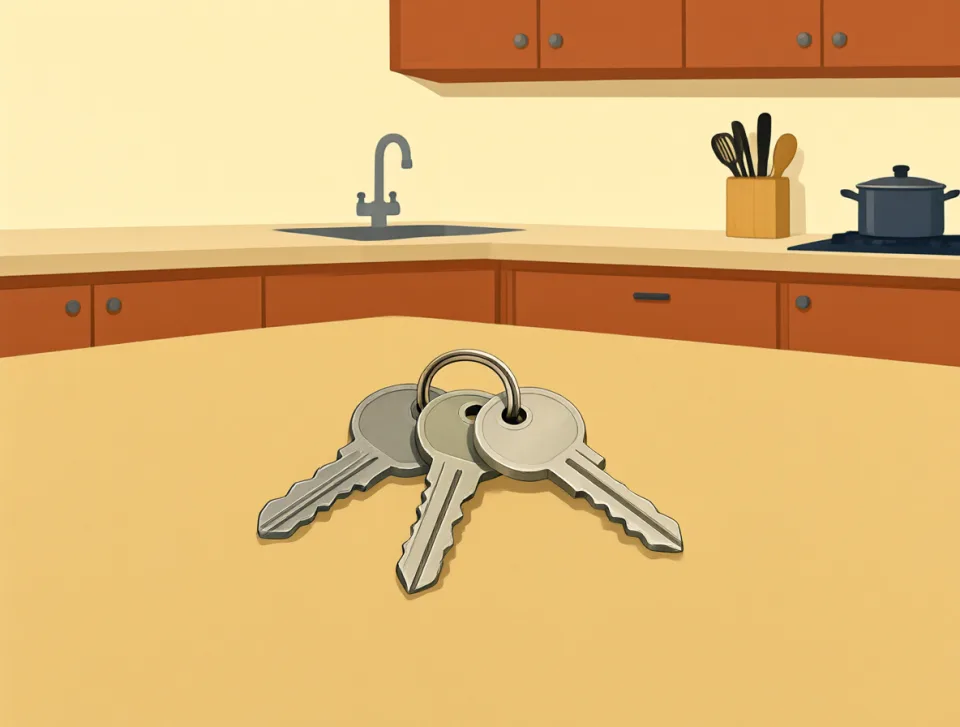
The keys are on the kitchen table.
کلیدها روی میز آشپزخانه هستند.
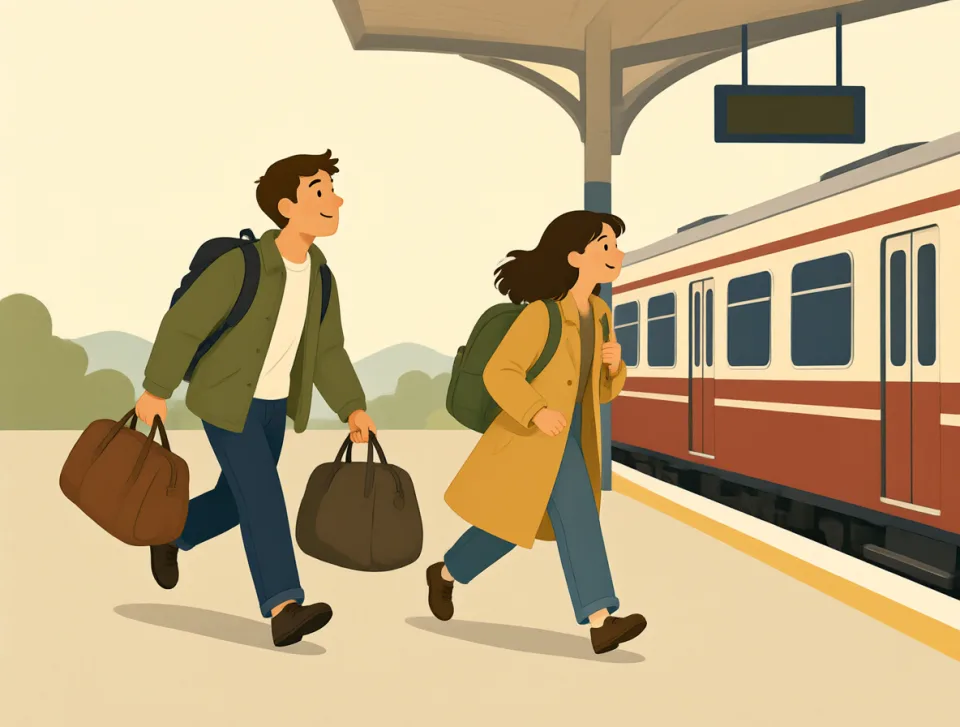
We were late for the train.
برای قطار دیرمان شد.
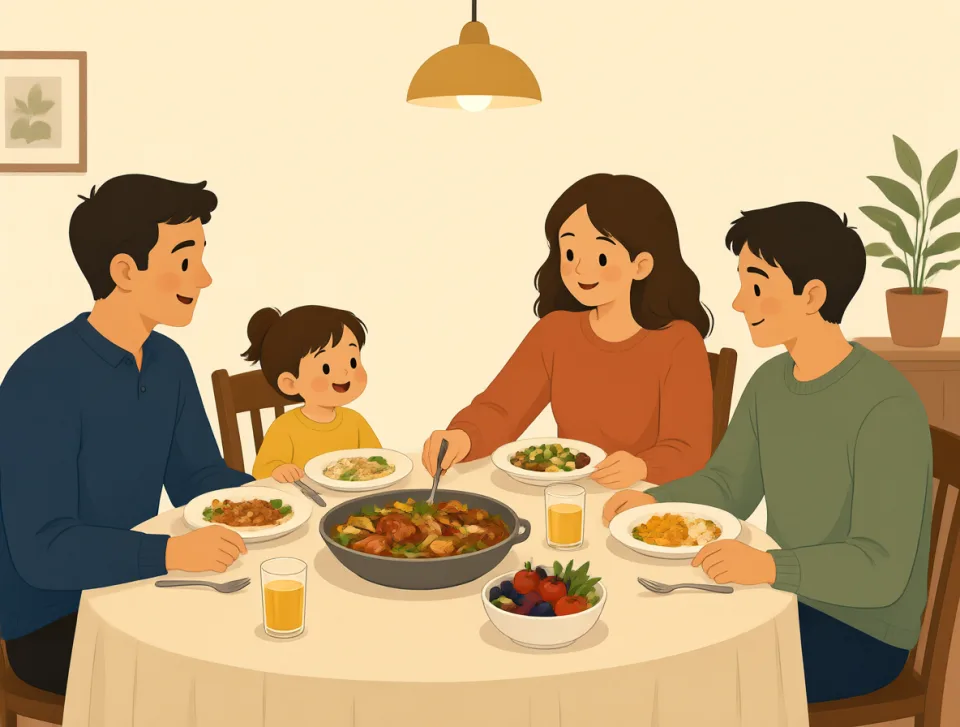
Dinner is ready, so please come in.
شام آماده است، لطفاً بیا تو.

and
#3conjunction
و
Used to join words, phrases, or sentences that go together.
برای پیوند دادن واژهها، عبارتها یا جملههای مرتبط به کار میرود.
Tom and Anna work in the same office.
تام و آنا در یک دفتر کار میکنند.
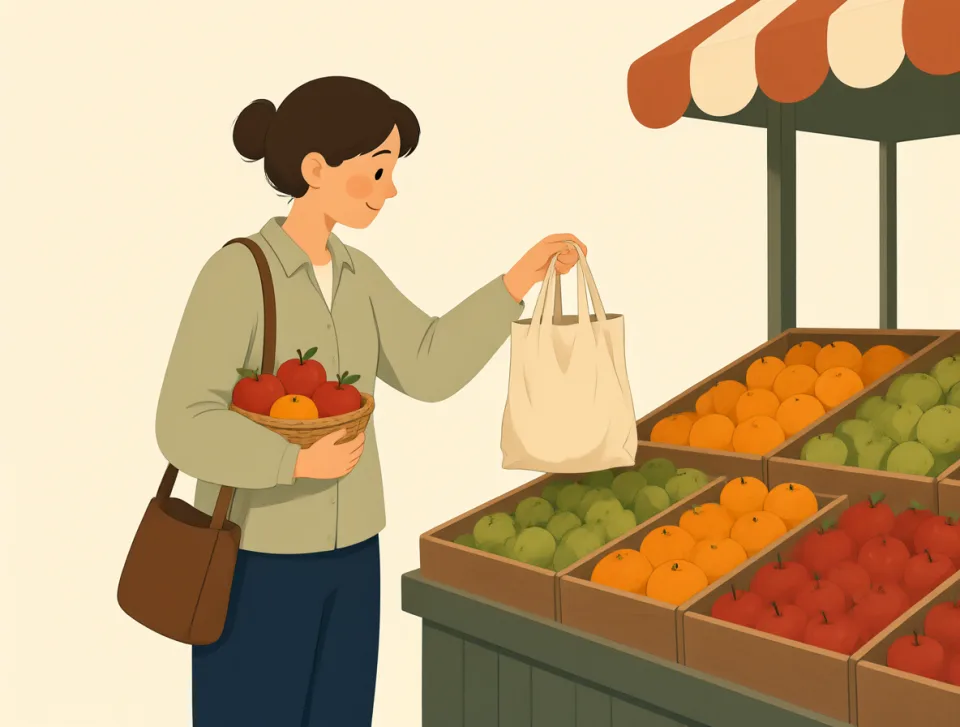
I bought apples and oranges at the market.
در بازار سیب و پرتقال خریدم.
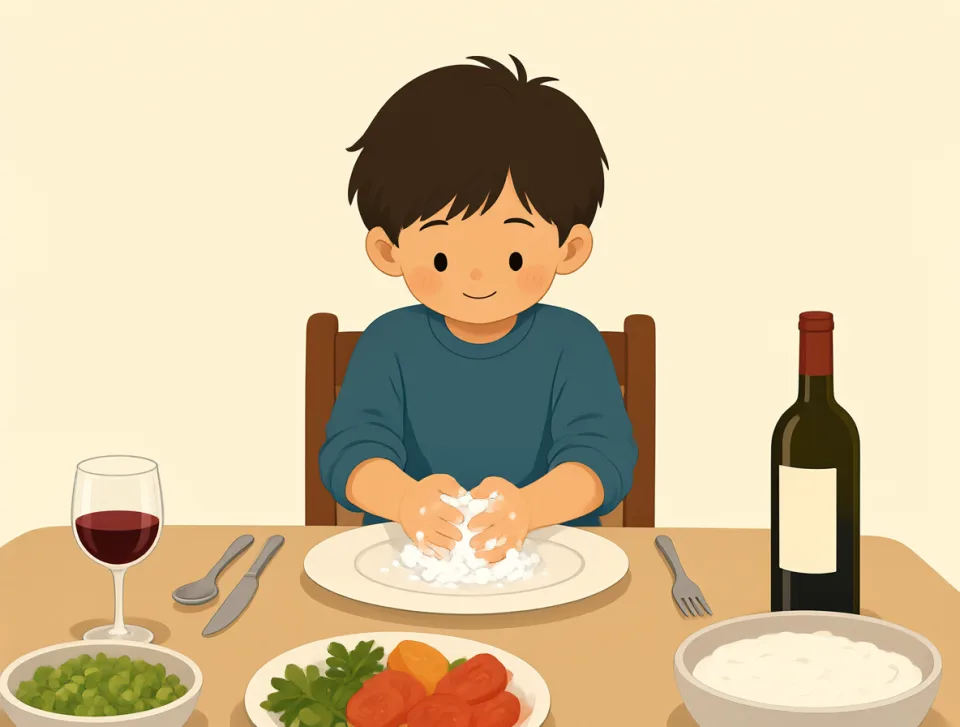
Please wash your hands and eat dinner.
لطفاً دستهایت را بشوی و شام بخور.
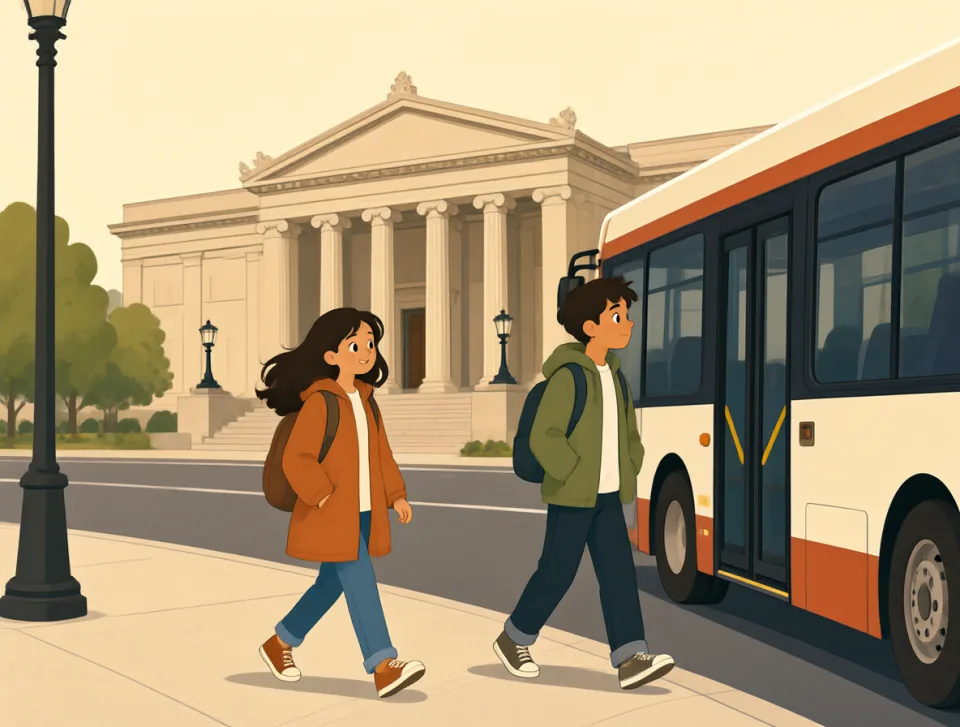
We took a bus and visited the museum.
با اتوبوس رفتیم و از موزه دیدن کردیم.
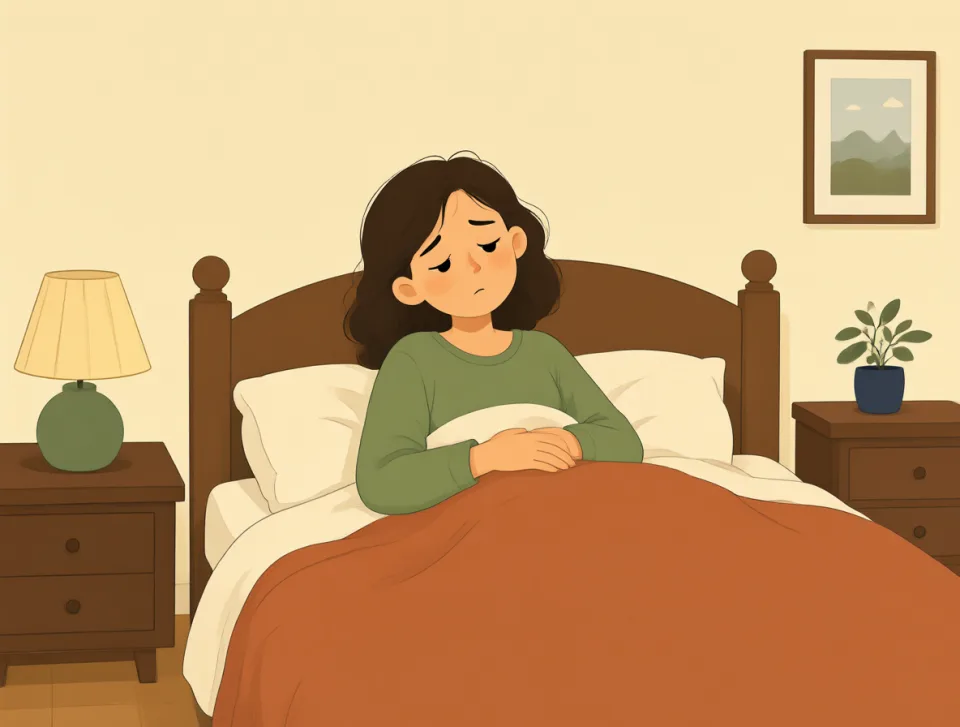
She was tired and went to bed early.
او خسته بود و زود به رختخواب رفت.
of
#4preposition, determiner
از
Used to show belonging, connection, amount, or what something contains.
برای نشان دادن مالکیت، ارتباط، مقدار یا محتوای چیزی به کار میرود.
She is a friend of my sister.
او دوستِ خواهرم است.
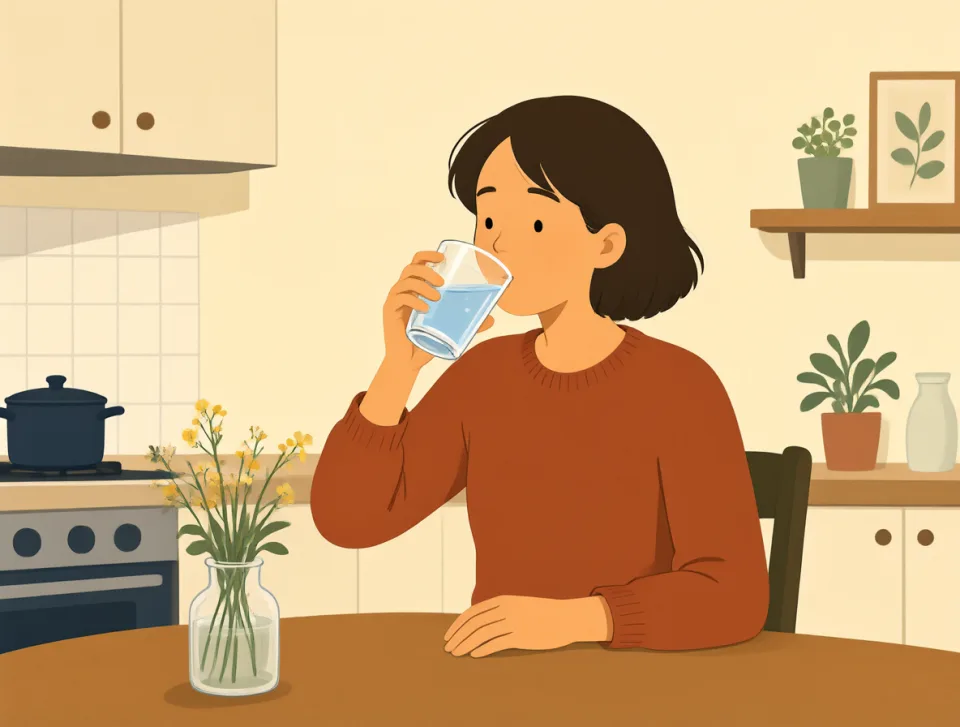
I drank a glass of water.
یک لیوان آب نوشیدم.
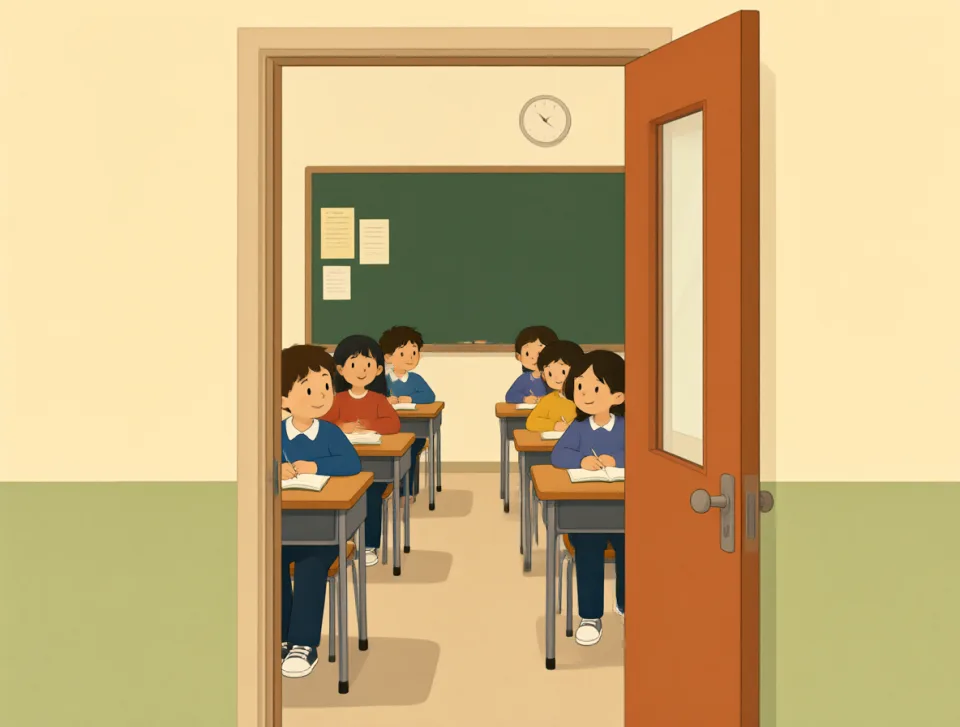
The door of the classroom is open.
درِ کلاس باز است.
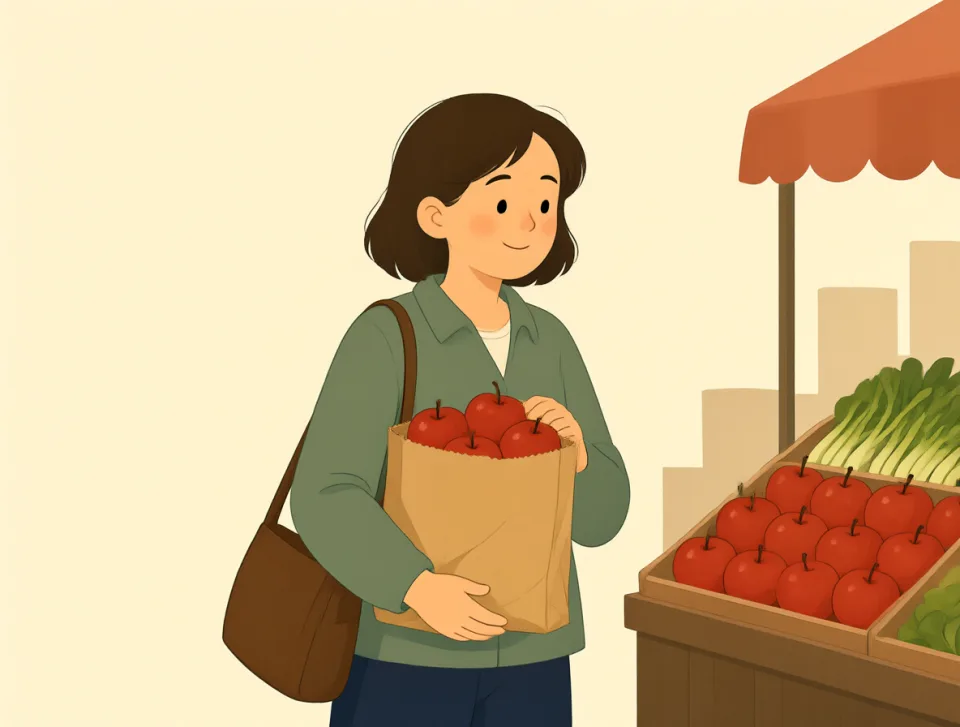
He bought a bag of apples.
او یک کیسه سیب خرید.
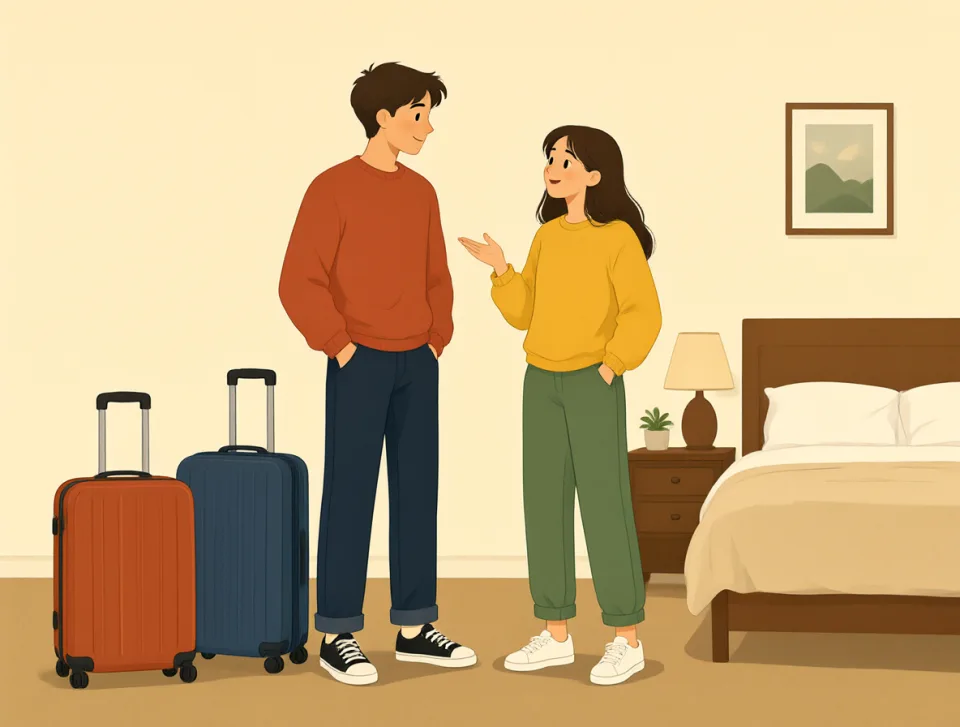
We talked about the problems of travel.
دربارهٔ مشکلات سفر صحبت کردیم.
to
#5preposition, infinitive marker
به
Used before a place, person, or verb to show direction, purpose, or an action.
پیش از نام مکان، شخص یا فعل میآید تا جهت، هدف یا انجام کاری را نشان دهد.
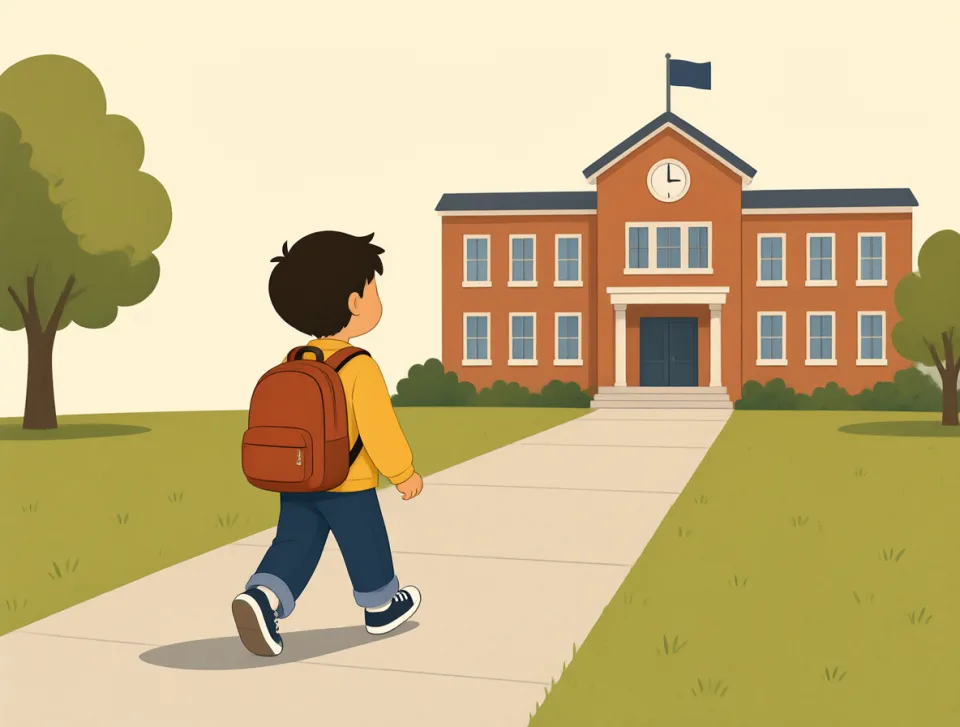
I walk to school every morning.
هر روز صبح پیاده به مدرسه میروم.
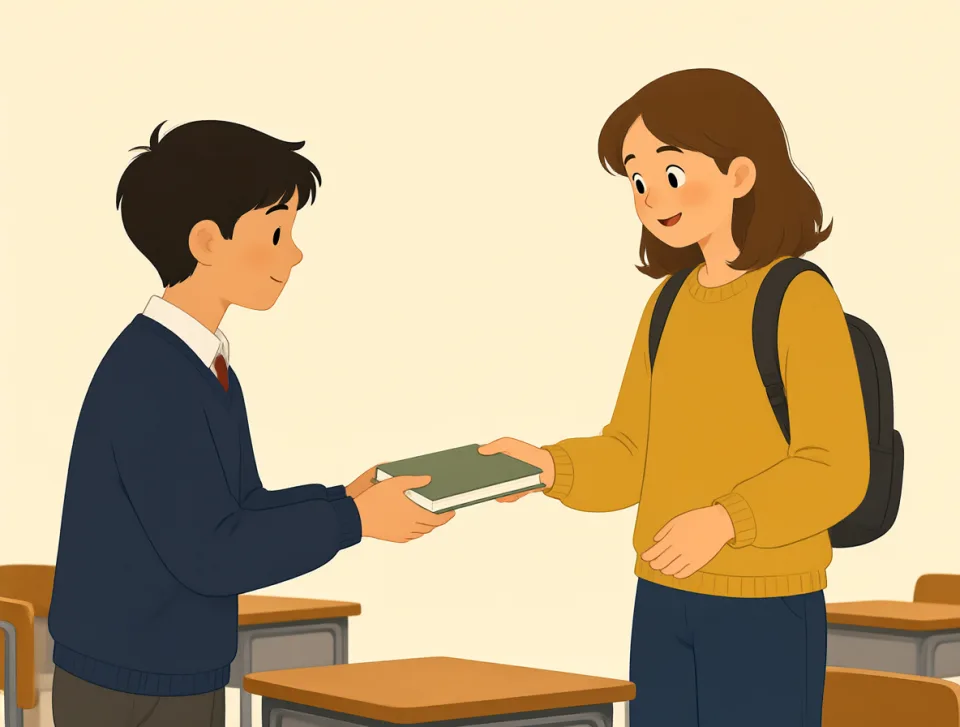
Please give this book to Maria.
لطفاً این کتاب را به ماریا بده.

We went to the market after work.
بعد از کار به بازار رفتیم.
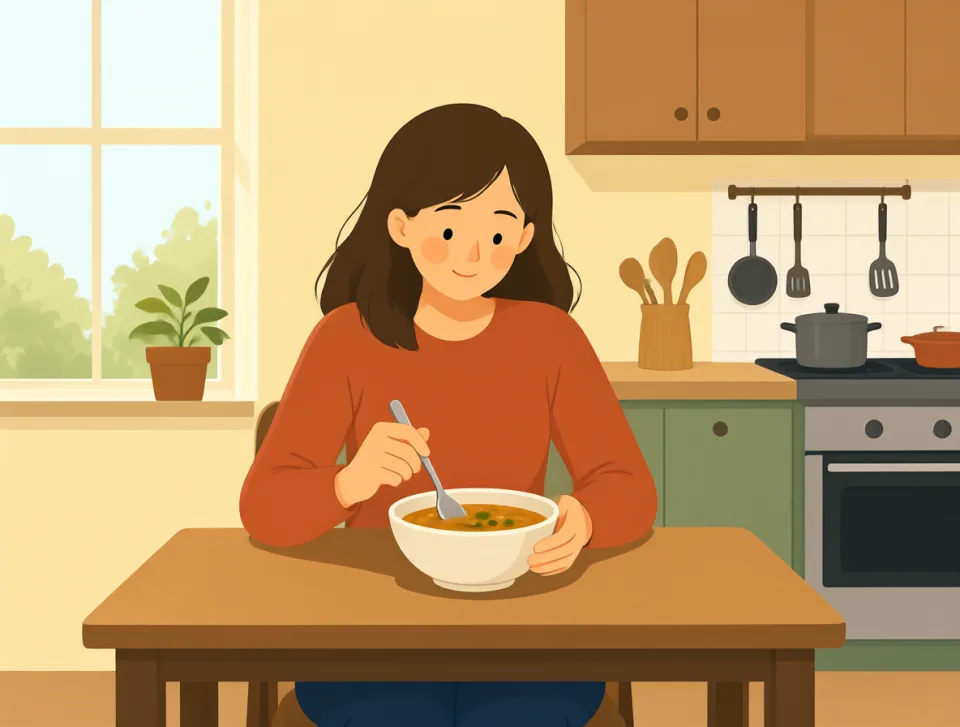
She wants to eat some soup.
او میخواهد کمی سوپ بخورد.
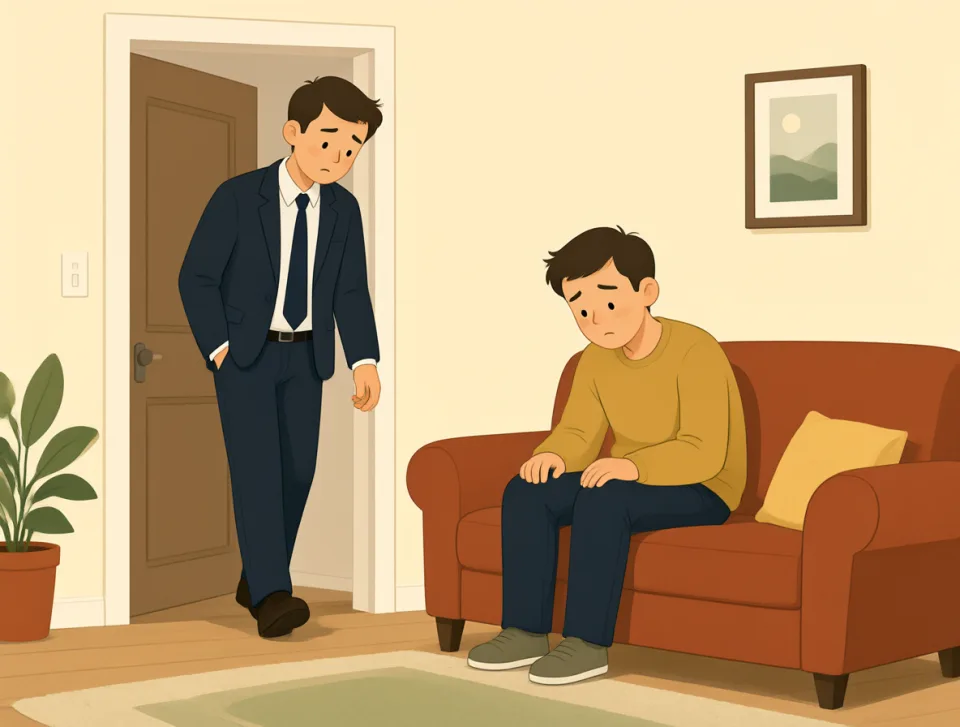
He came home to rest.
او برای استراحت به خانه آمد.
a
#6determiner, article
یک
used before one singular countable noun when it is not specific
پیش از یک اسم شمارشپذیر مفرد میآید، وقتی آن اسم چیز مشخصی را بیان نمیکند.
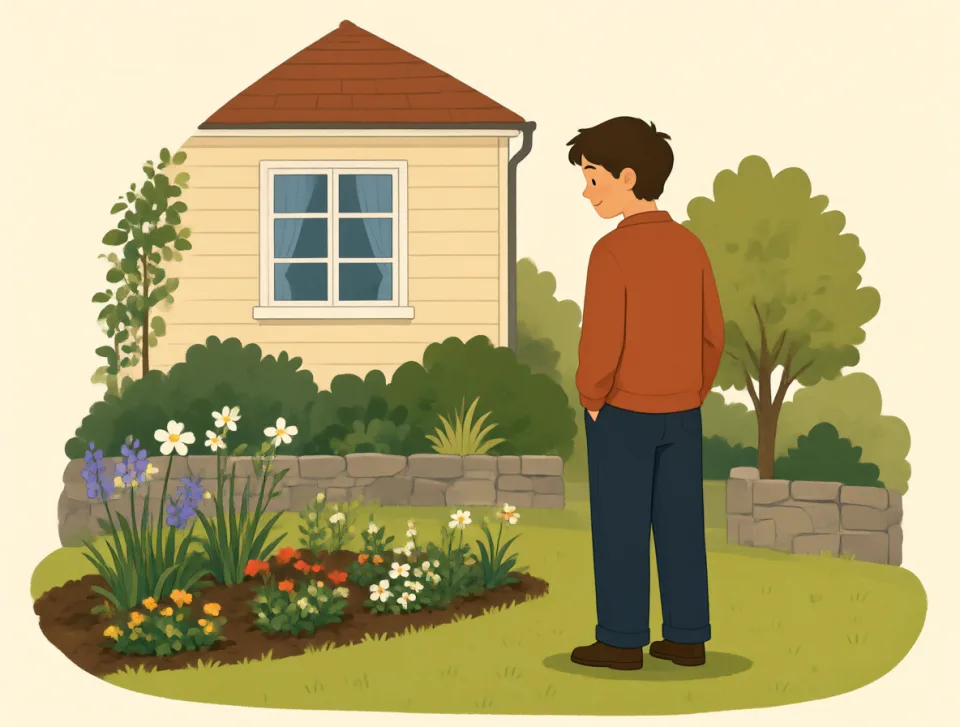
I have a small garden at home.
من در خانه یک باغچهٔ کوچک دارم.

She is a teacher at our school.
او در مدرسهٔ ما معلم است.

We bought a ticket for the bus.
برای اتوبوس یک بلیت خریدیم.
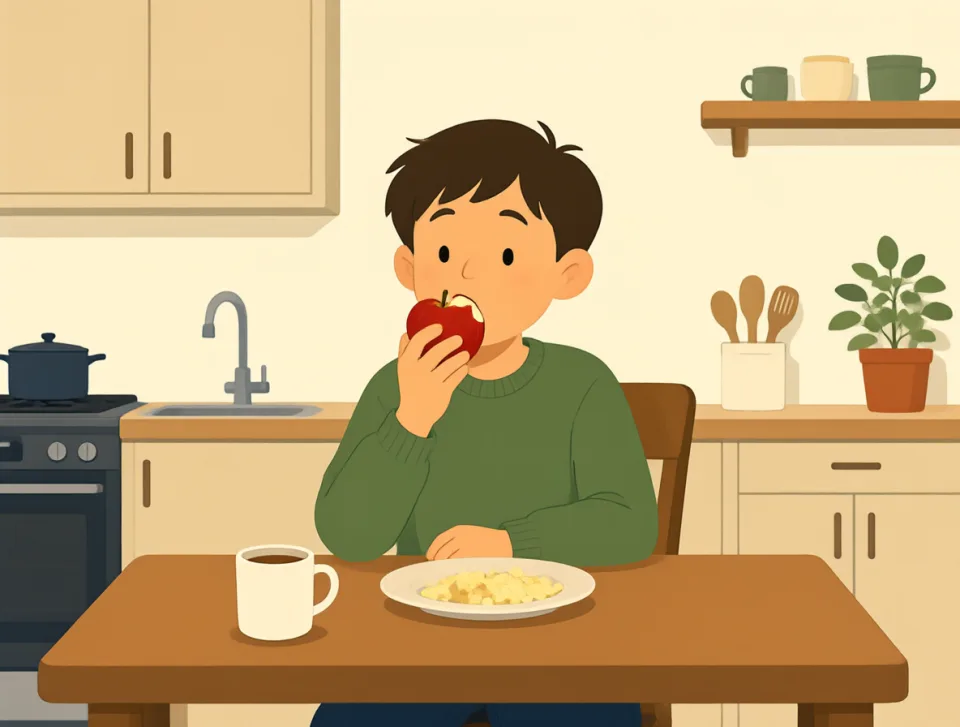
He eats an apple a day.
او روزی یک سیب میخورد.

They stayed in a hotel near the beach.
آنها در هتلی نزدیک ساحل اقامت کردند.
in
#7preposition, adverb, adjective
در
Inside a place, area, time, situation, or group
داخل یک مکان، محدوده، بازهٔ زمانی، موقعیت یا گروه.
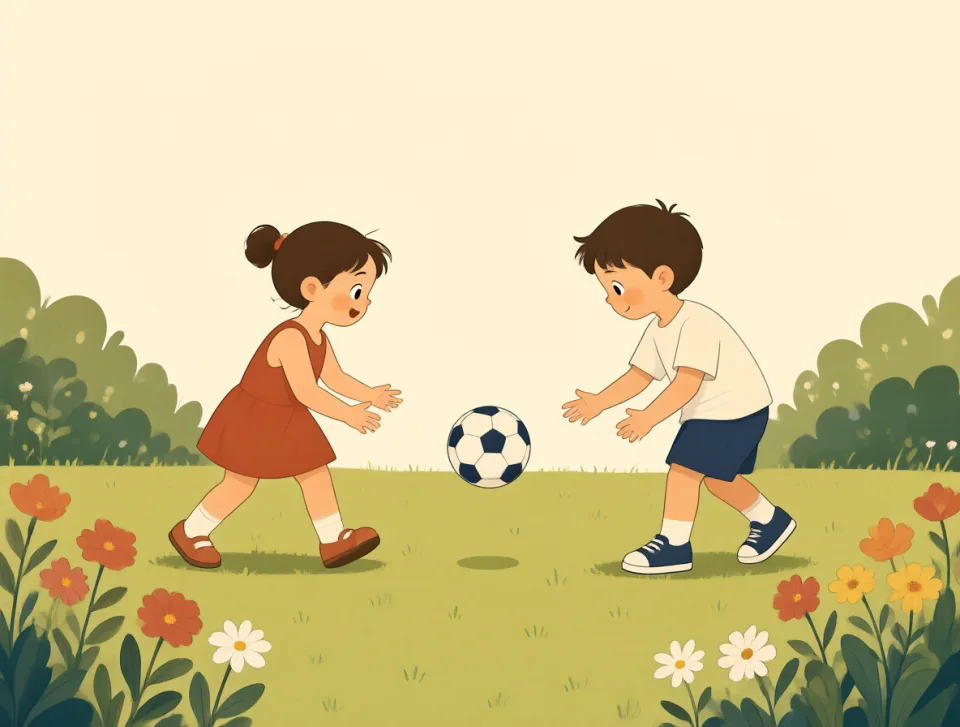
The children are playing in the garden.
بچهها در باغ مشغول بازیاند.
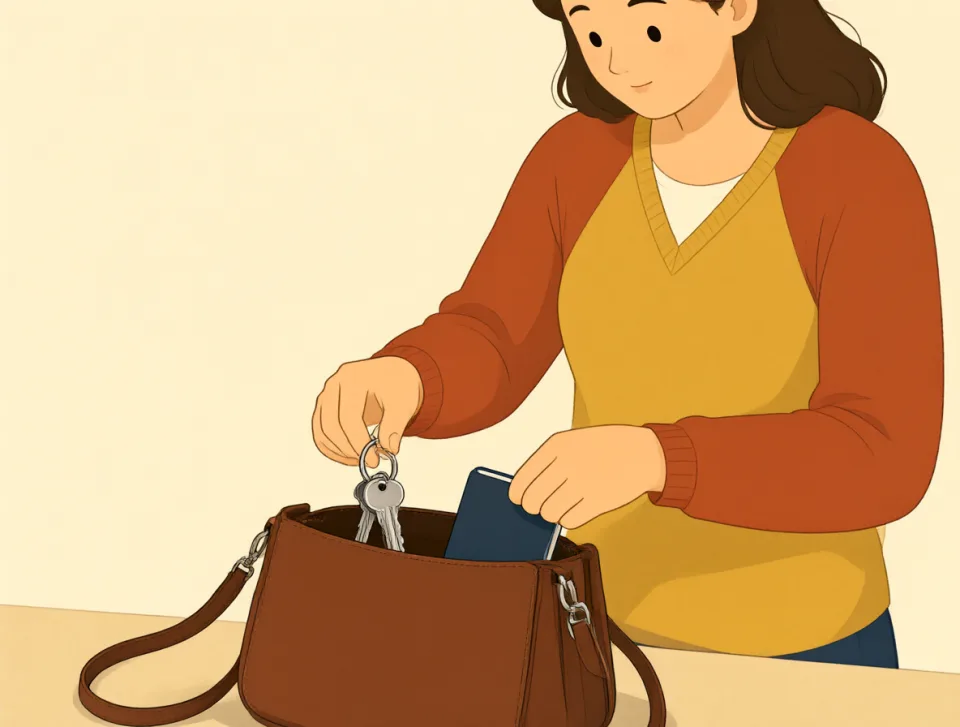
I keep my keys in my bag.
کلیدهایم را در کیفم میگذارم.
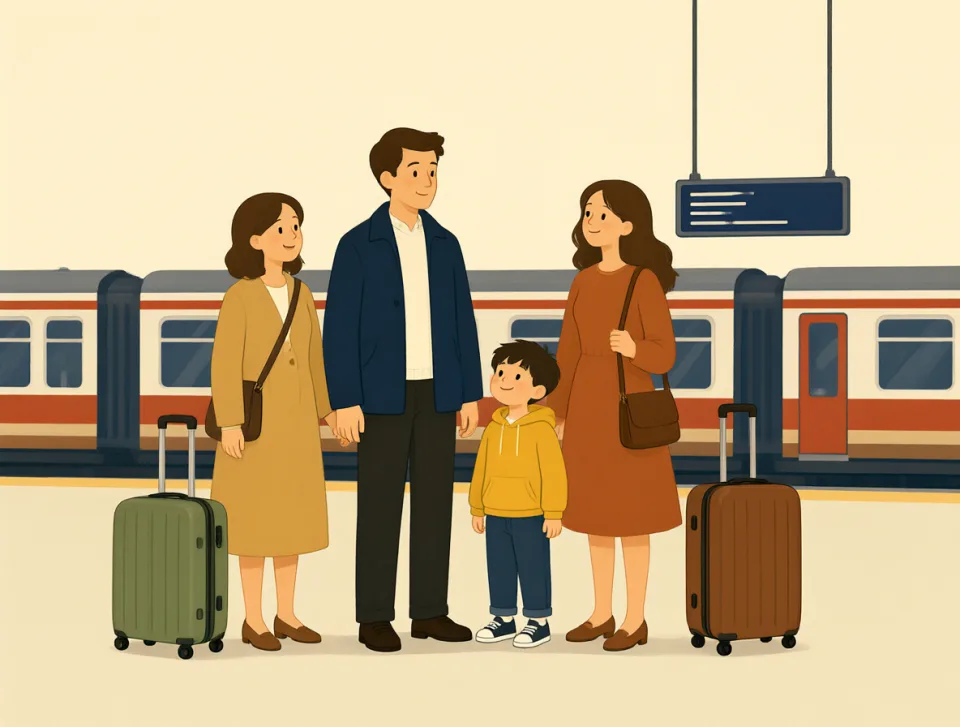
We arrived in London yesterday.
دیروز به لندن رسیدیم.
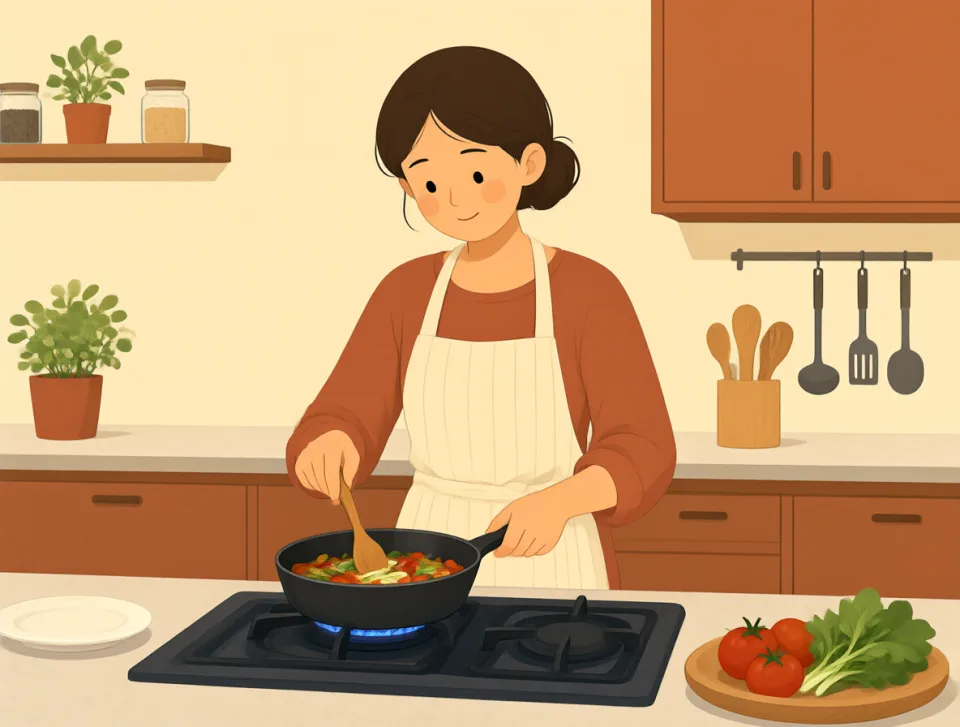
She is in the kitchen cooking dinner.
او در آشپزخانه است و شام درست میکند.
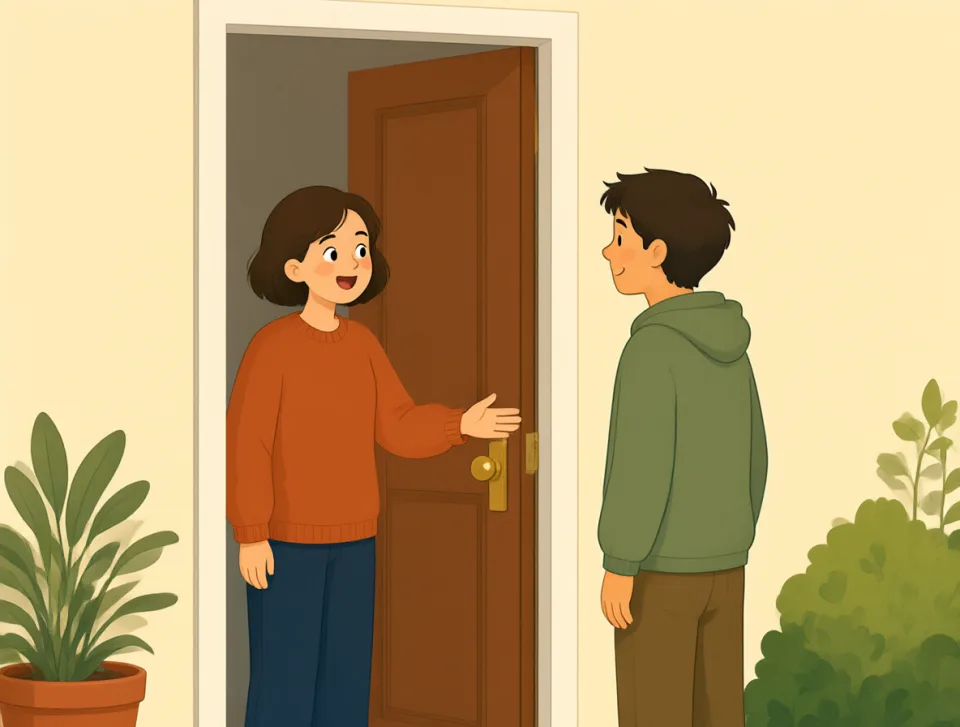
Please come in and sit down.
لطفاً بیایید داخل و بنشینید.
have
#8verb
داشتن
to own, do, experience, or receive something
مالک بودن، انجام دادن، تجربه کردن یا دریافت کردن چیزی.
I have two brothers.
من دو برادر دارم.
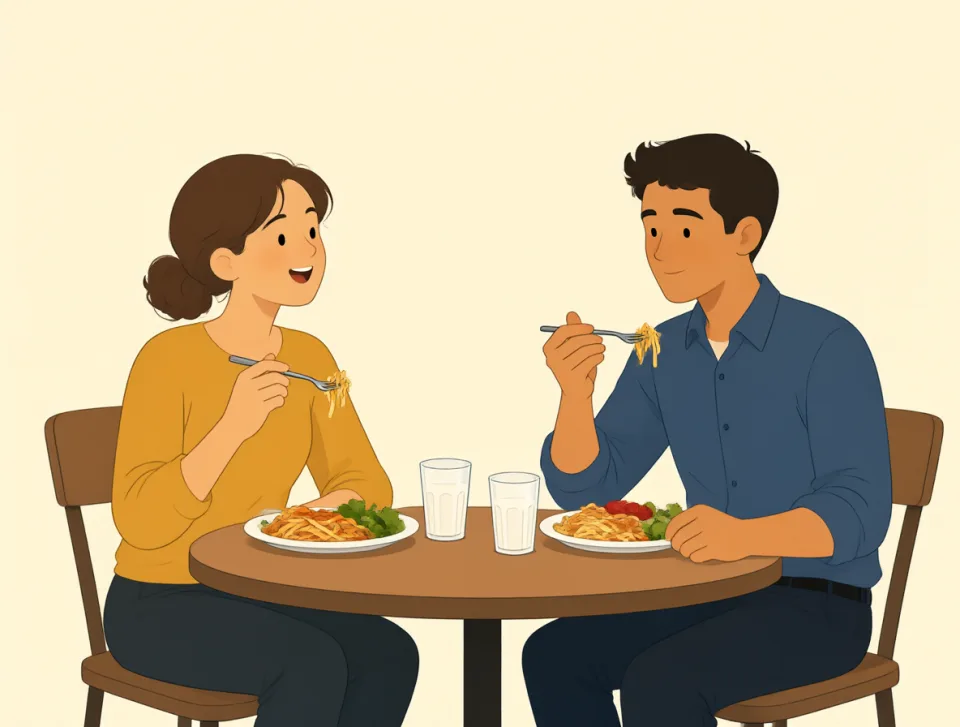
We have lunch at noon.
ما ظهر ناهار میخوریم.

She has a bad cold.
او سرماخوردگی بدی دارد.

They had a great time together.
آنها با هم خیلی خوش گذراندند.
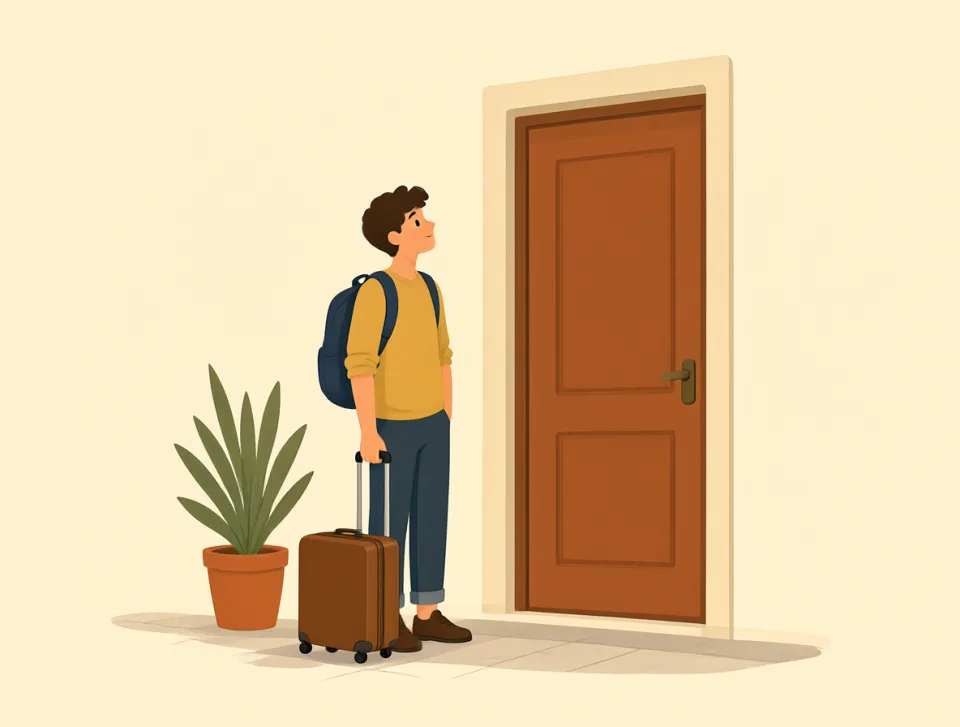
I have to leave now.
باید الان بروم.
it
#9pronoun, determiner
آن
A word used for a thing, animal, situation, or idea already mentioned.
واژهای که برای اشاره به یک چیز، حیوان، موقعیت یا ایدهای به کار میرود که قبلاً از آن صحبت شده است.
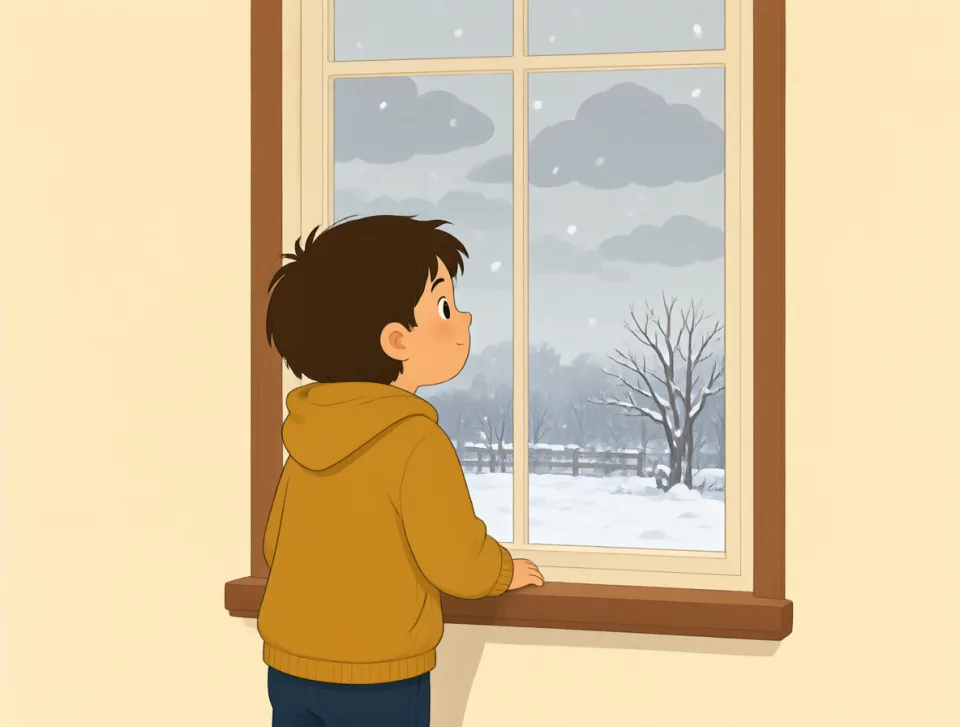
It is cold outside today.
امروز بیرون هوا سرد است.
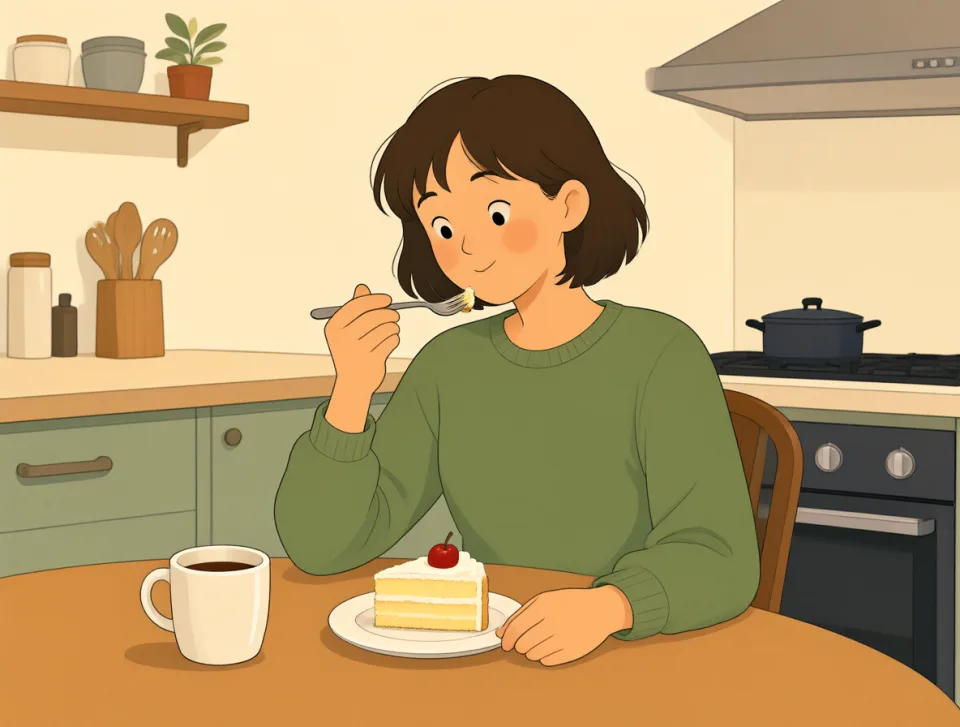
I bought a cake, and it was delicious.
یک کیک خریدم و خیلی خوشمزه بود.
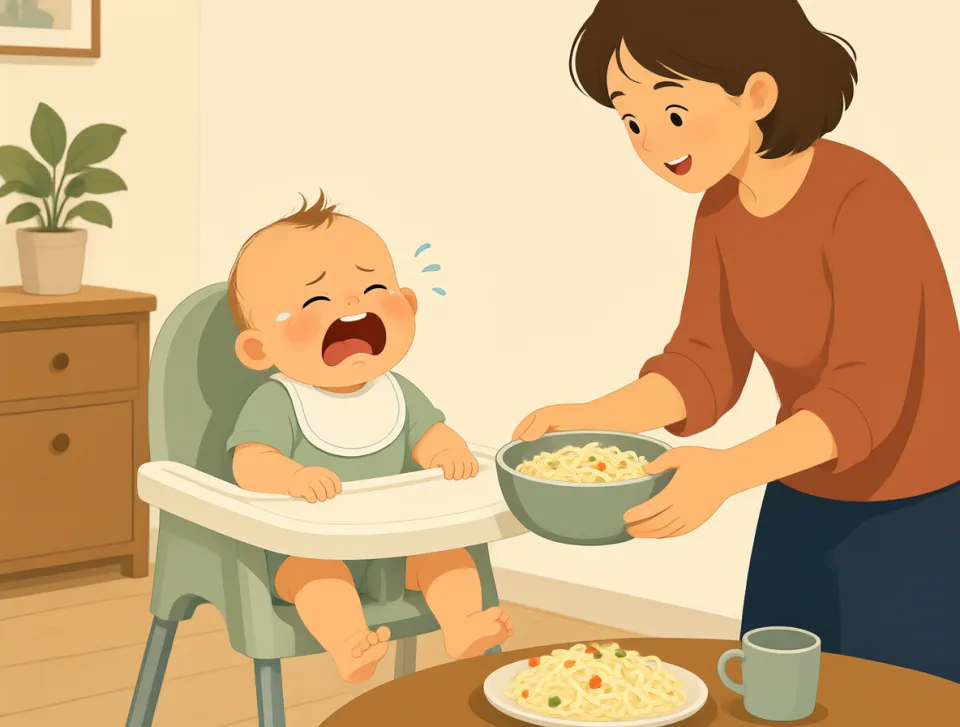
The baby is crying because it is hungry.
بچه گریه میکند چون گرسنه است.
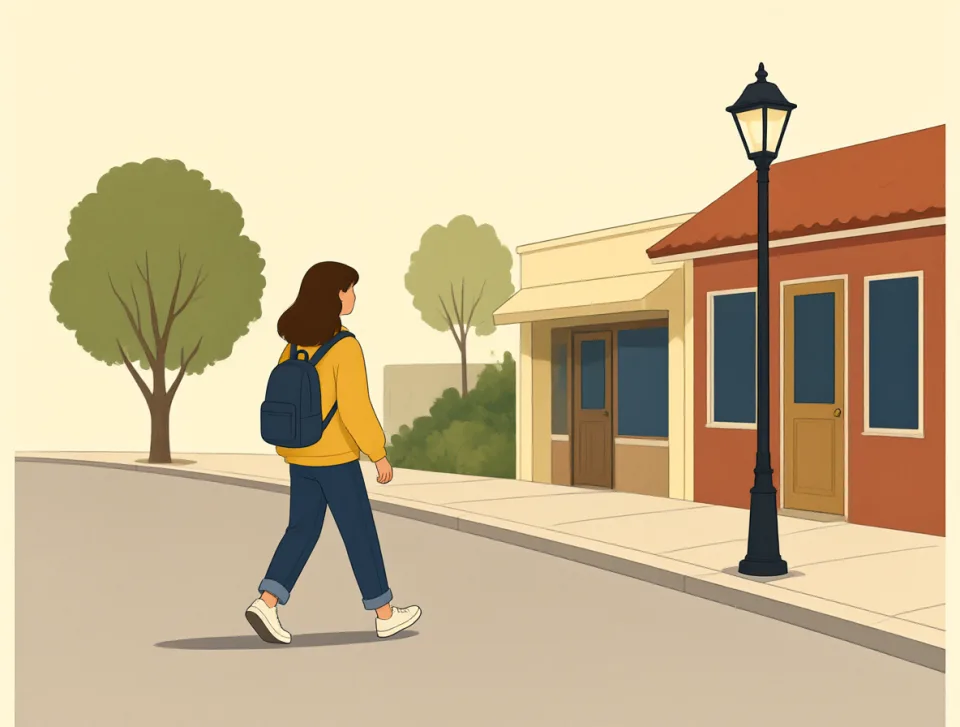
It takes ten minutes to walk there.
پیادهرفتن تا آنجا ده دقیقه طول میکشد.
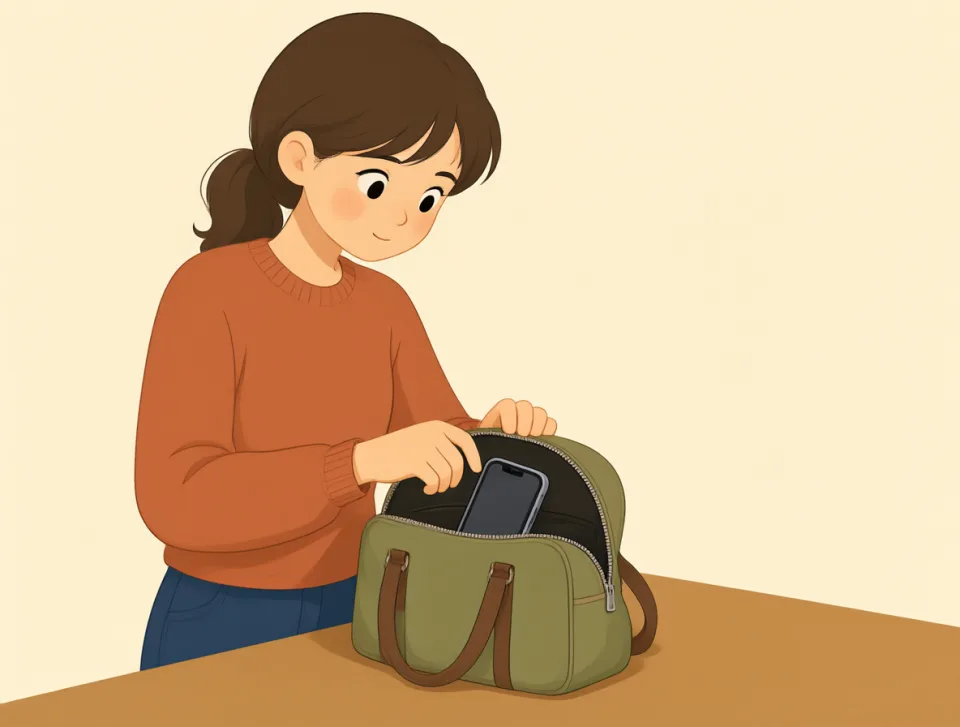
I found my phone and put it in my bag.
گوشیام را پیدا کردم و آن را در کیفم گذاشتم.
you
#10pronoun
تو؛ شما
The person or people being spoken to.
شخص یا اشخاصی که با آنها صحبت میشود.
You are late for school today.
امروز برای مدرسه دیر کردهای.

Can I help you with that bag?
میتوانم در حمل آن کیف کمکتان کنم؟

Did you enjoy dinner with your friends?
از شام خوردن با دوستانت لذت بردی؟
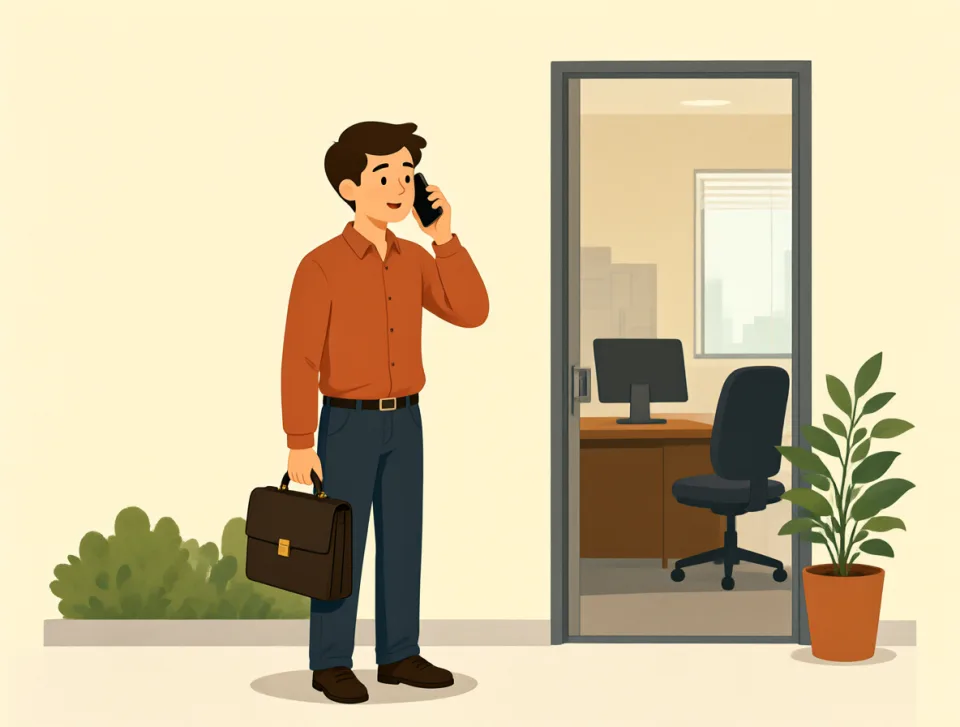
We will call you after work.
بعد از کار با شما تماس میگیریم.
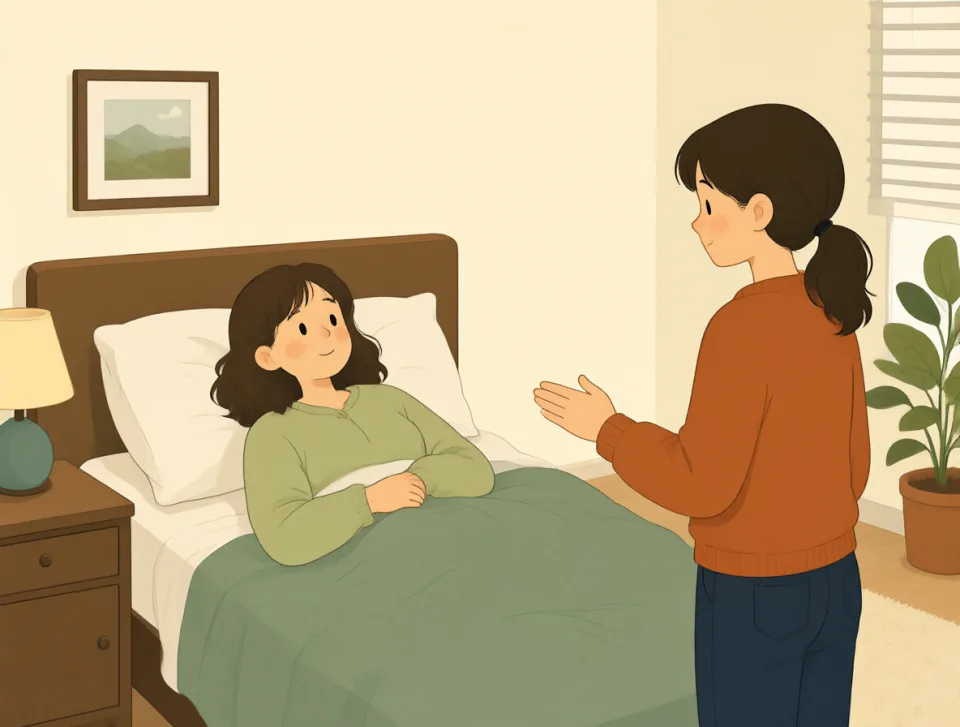
Are you feeling better today?
امروز حالت بهتر است؟
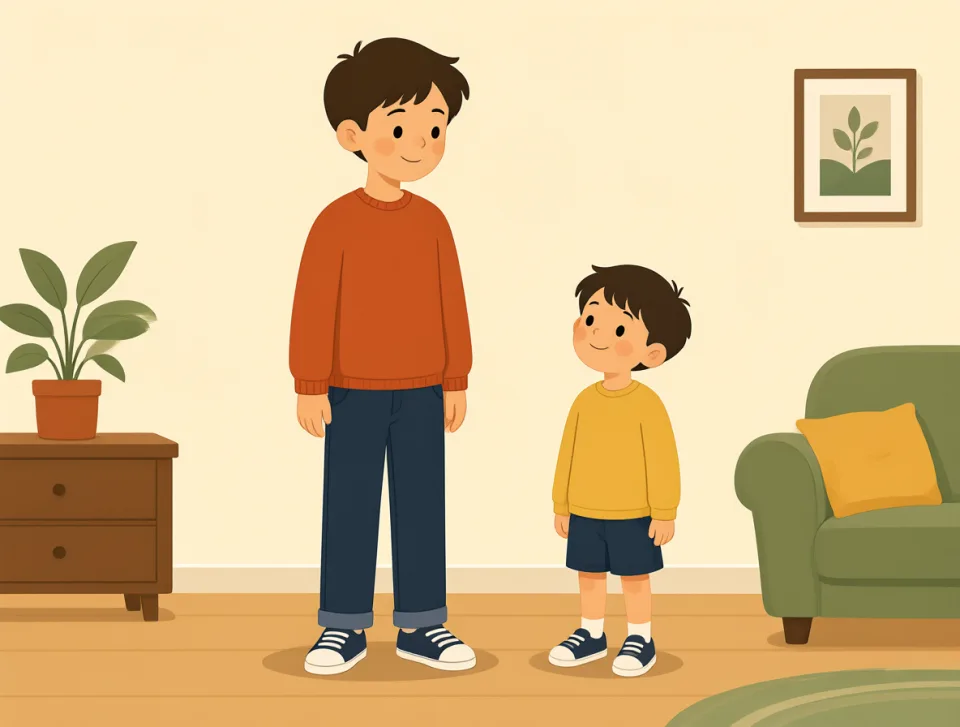
he
#11pronoun
او (مذکر)
A word used for one male person already mentioned or known.
واژهای برای اشاره به یک مرد یا پسر که قبلاً از او صحبت شده یا شناختهشده است.
He is my brother.
او برادر من است.
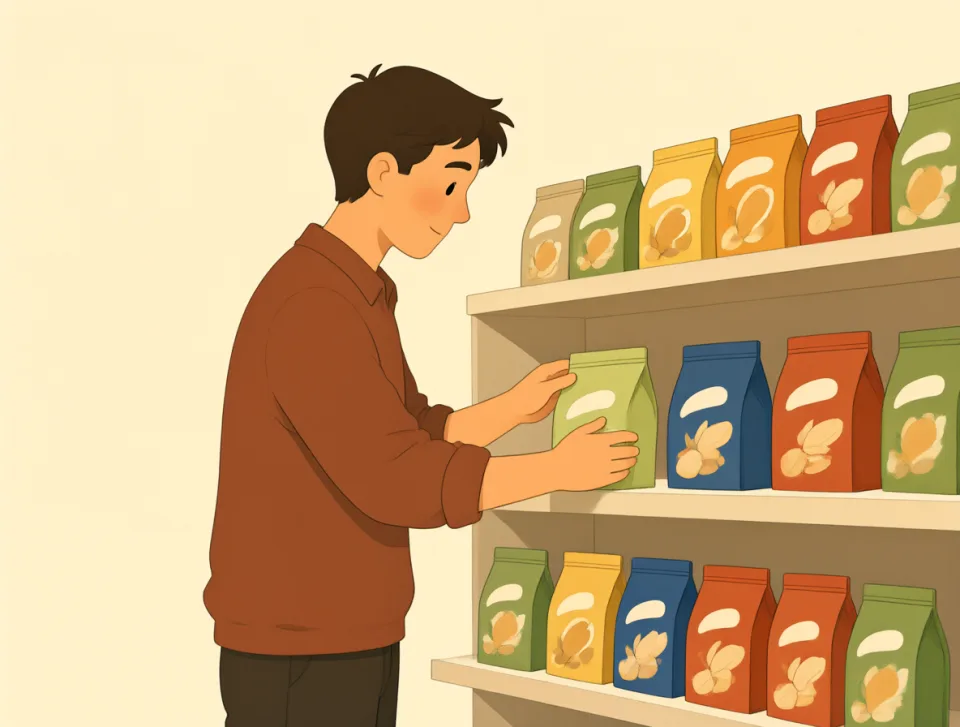
He works at a small shop.
او در یک مغازهٔ کوچک کار میکند.
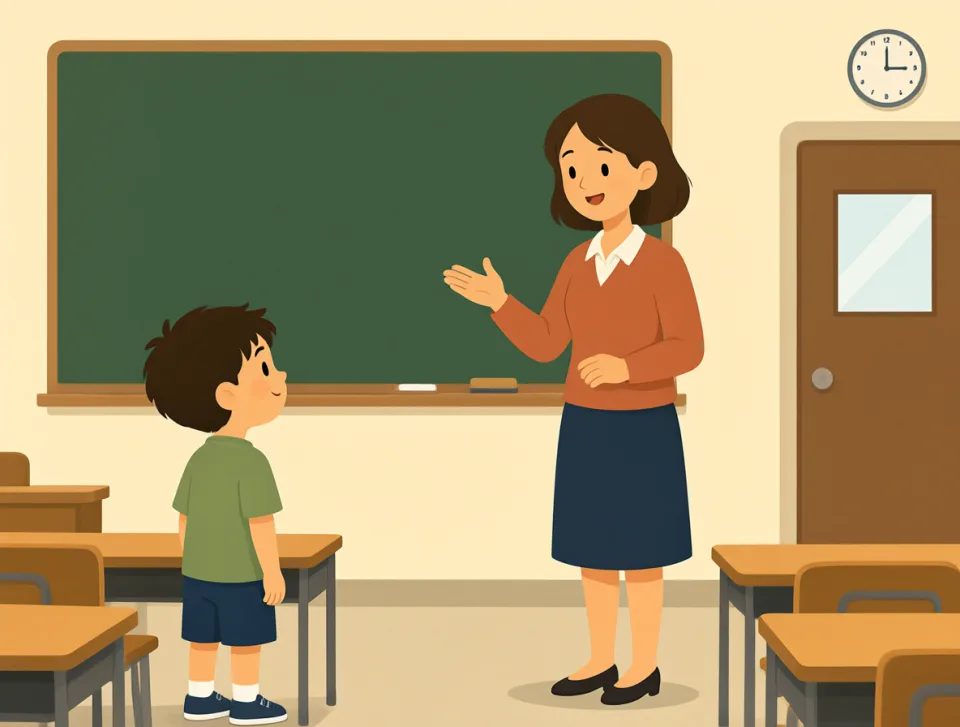
The teacher said he was late.
معلم گفت که او دیر کرده بود.
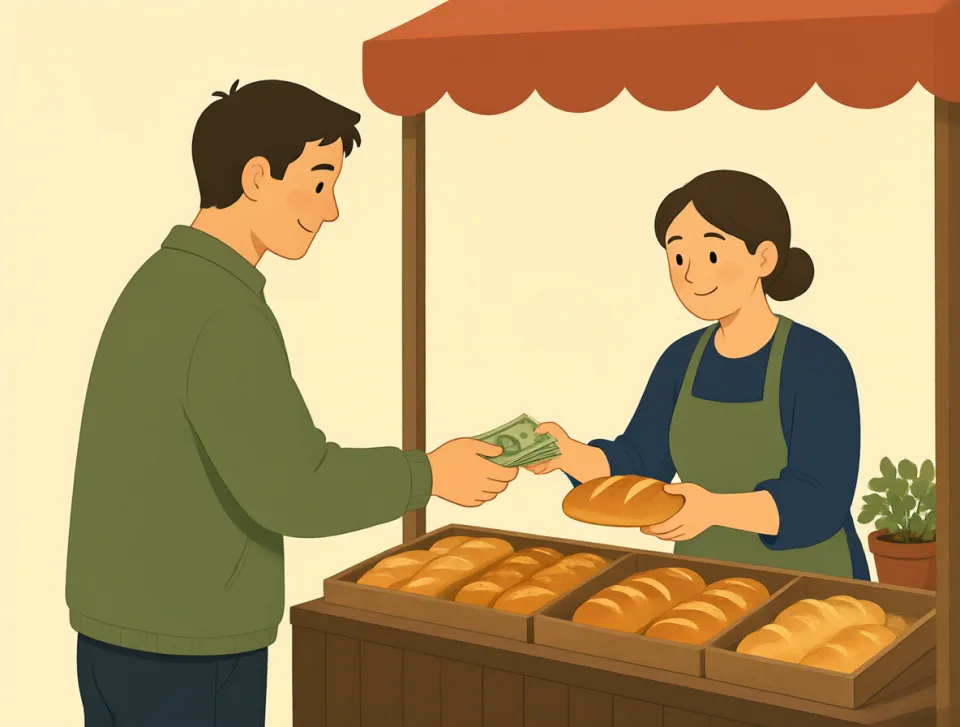
He bought bread at the market.
او در بازار نان خرید.
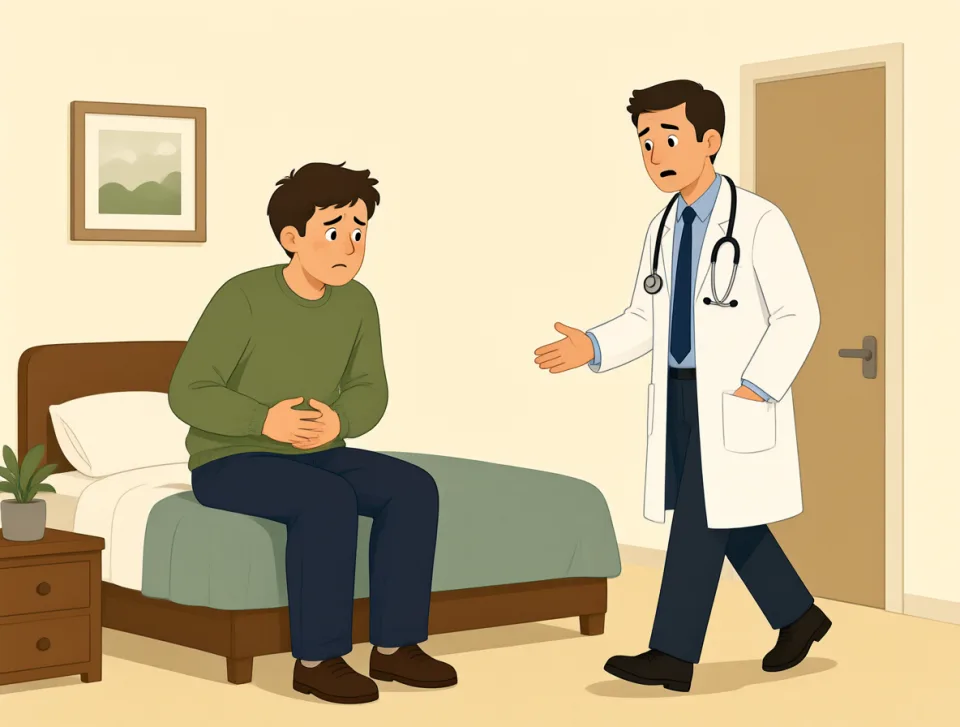
He feels sick and needs a doctor.
او احساس بیماری میکند و به پزشک نیاز دارد.

for
#12preposition, conjunction
برای
Used to show purpose, time, reason, or who receives something.
برای نشان دادن هدف، زمان، دلیل یا دریافتکنندهٔ چیزی به کار میرود.
This gift is for my sister.
این هدیه برای خواهرم است.
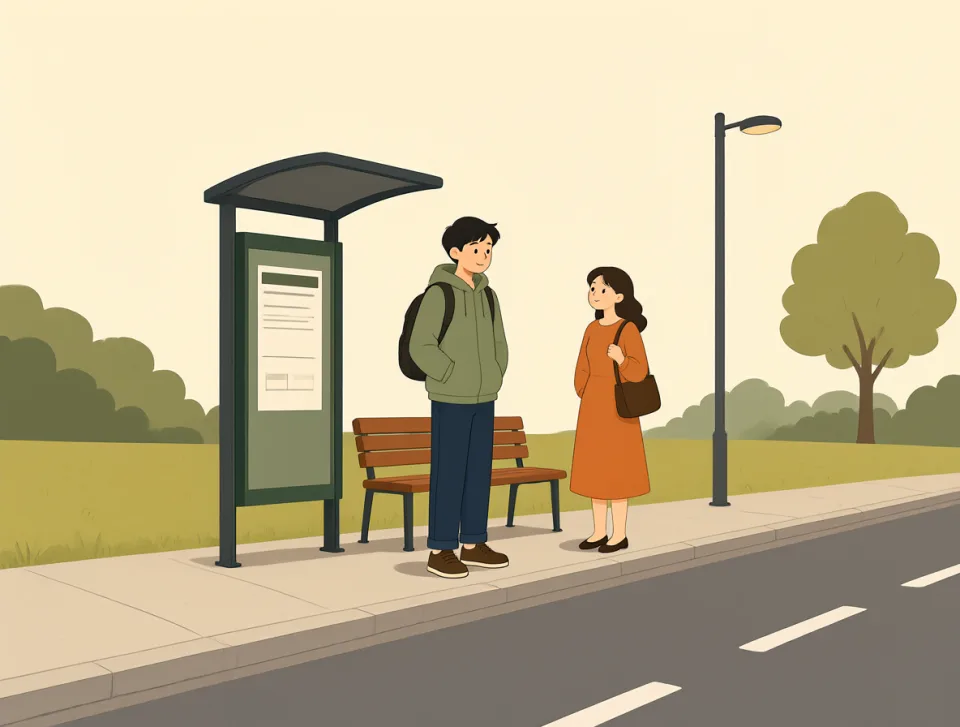
We waited for the bus.
ما برای اتوبوس منتظر ماندیم.
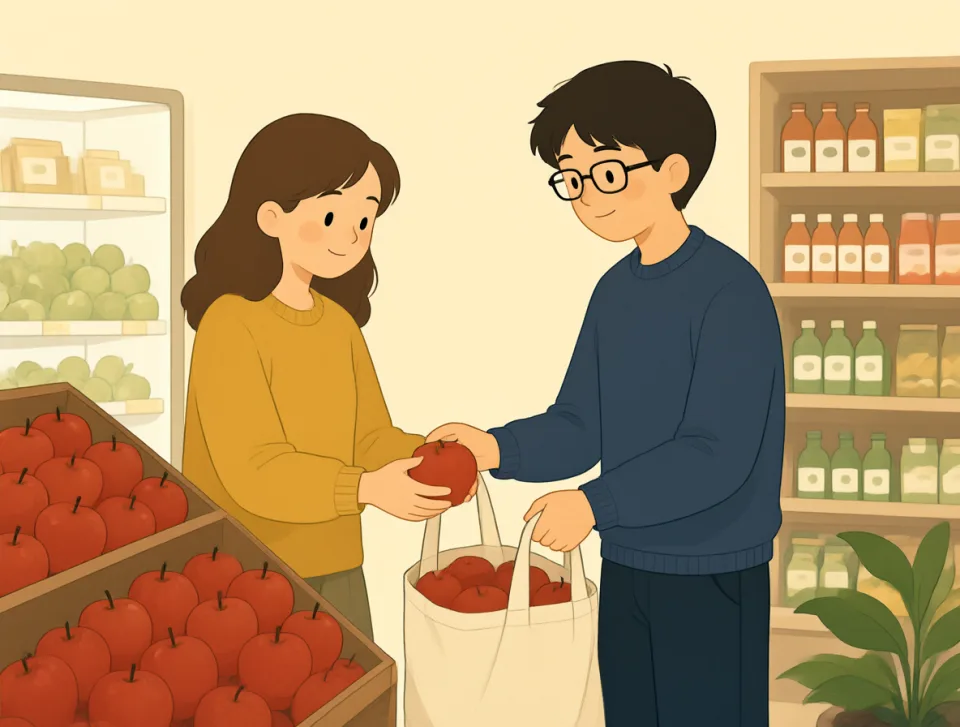
I bought some apples for lunch.
برای ناهار چند سیب خریدم.
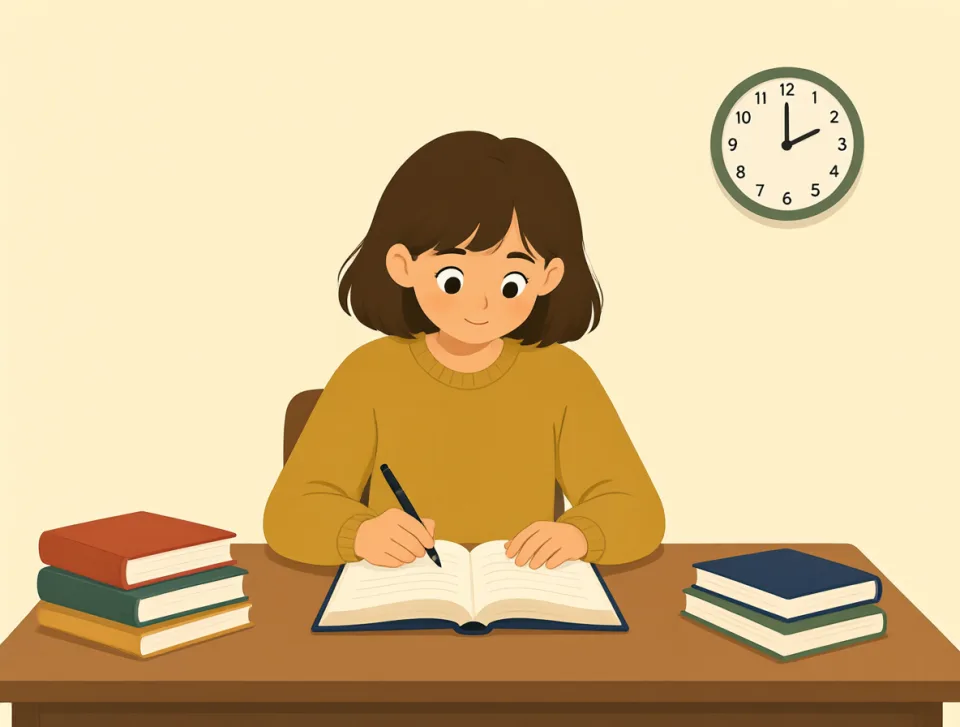
She studied for two hours.
او دو ساعت درس خواند.
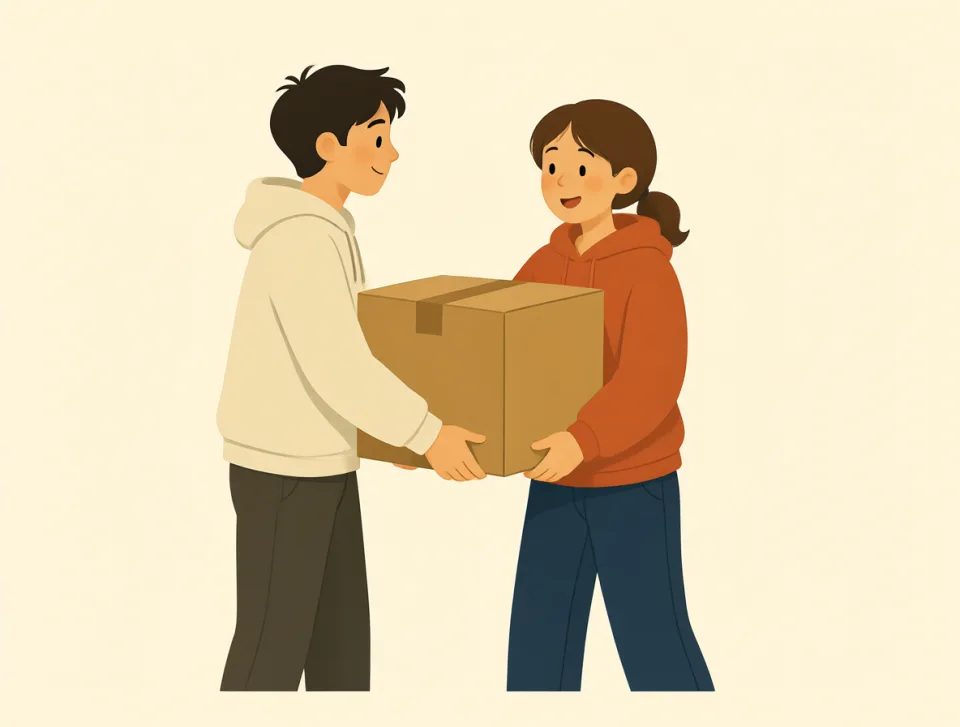
Thank you for helping me.
از اینکه به من کمک کردی متشکرم.
they
#13pronoun
آنها
Used to talk about two or more people, animals, or things.
برای صحبت دربارهٔ دو یا چند نفر، حیوان یا چیز به کار میرود.
They live in a small house.
آنها در یک خانهٔ کوچک زندگی میکنند.
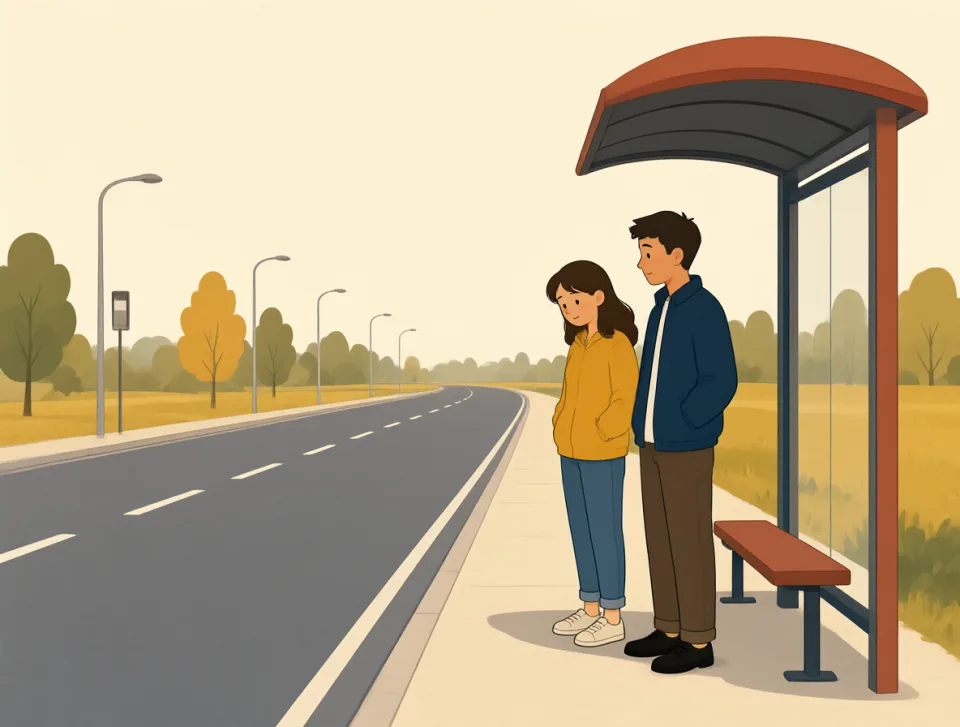
They are waiting for the bus.
آنها منتظر اتوبوس هستند.
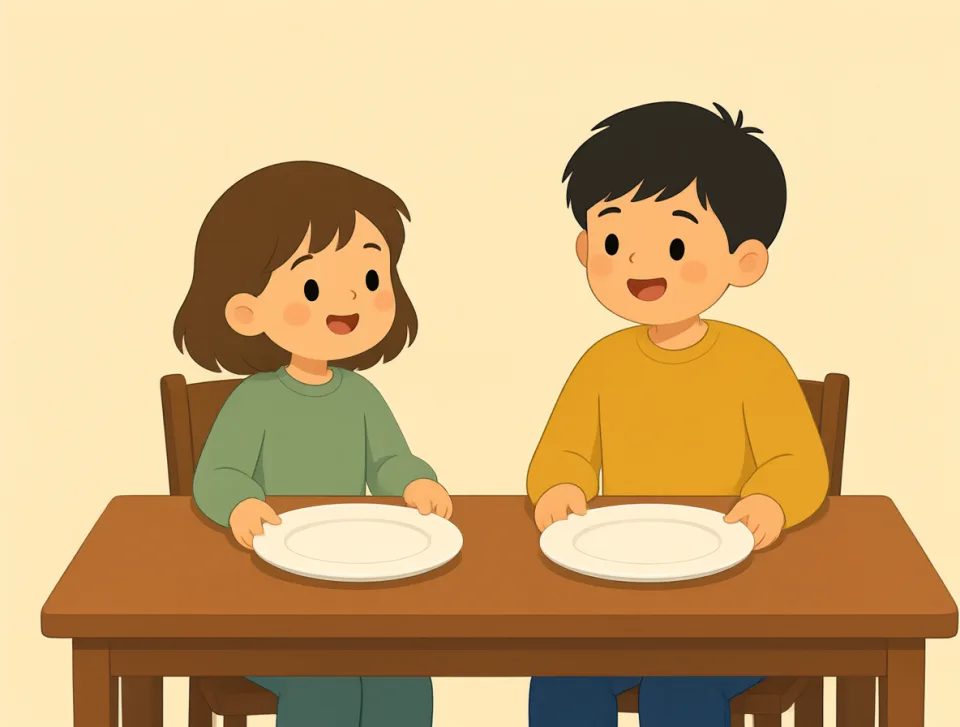
The children said they were hungry.
بچهها گفتند که گرسنه بودند.

I saw them at the store.
آنها را در فروشگاه دیدم.

They helped me carry my bags.
آنها کمکم کردند کیفهایم را حمل کنم.
not
#14adverb
نـه / نیست
Used to make a verb or adjective negative.
برای منفی کردن فعل یا صفت به کار میرود.
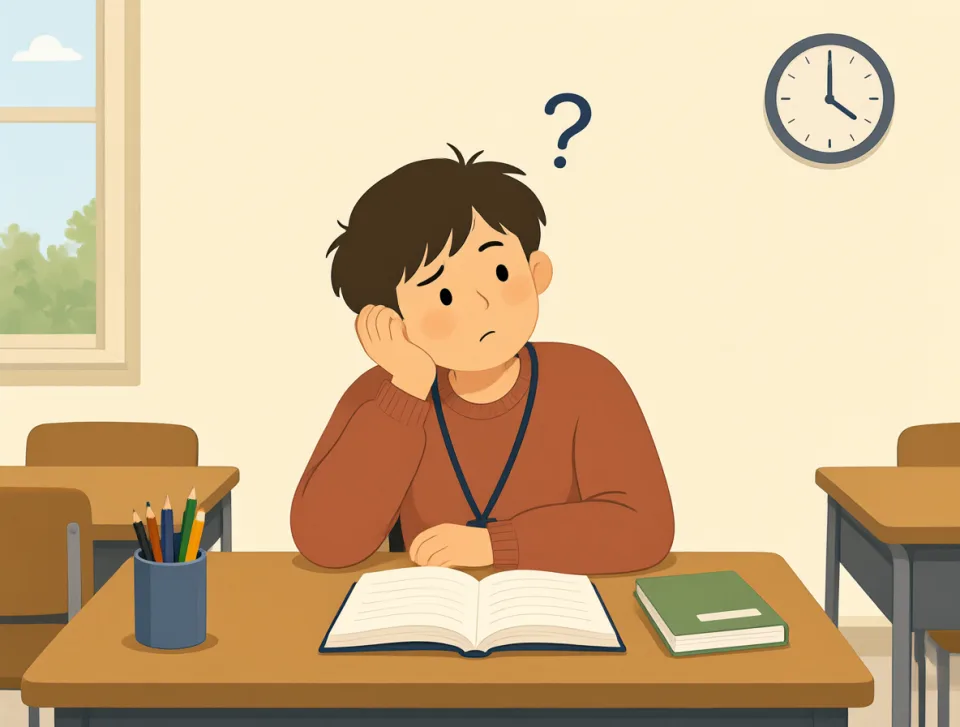
I do not understand this question.
این سؤال را نمیفهمم.
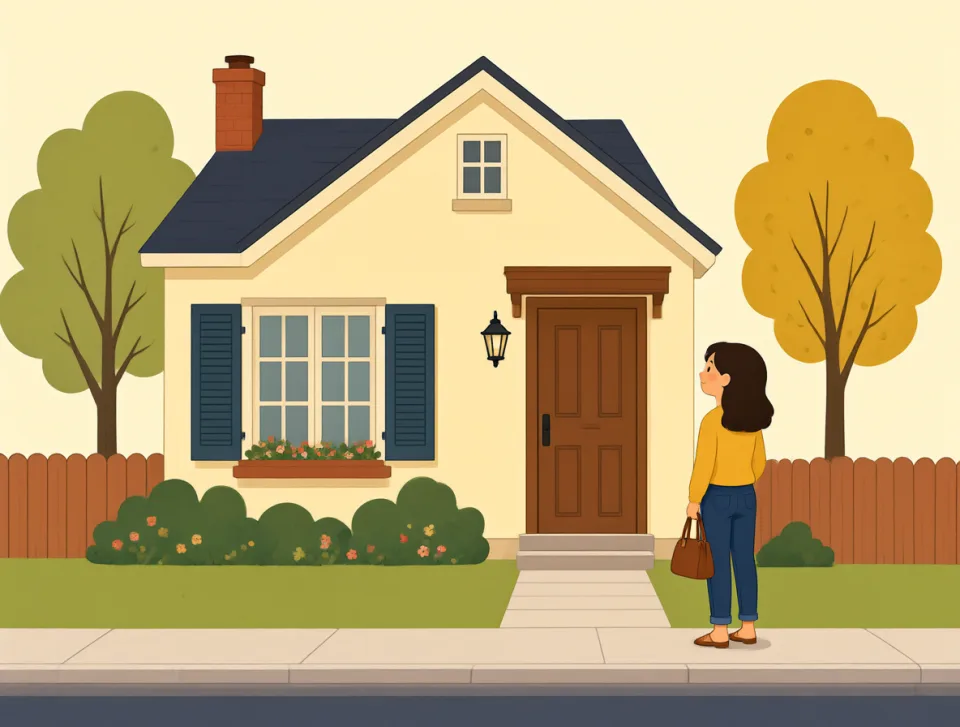
She is not at home today.
او امروز در خانه نیست.

We are not ready to leave yet.
ما هنوز آمادهٔ رفتن نیستیم.

He did not eat breakfast this morning.
او امروز صبح صبحانه نخورد.
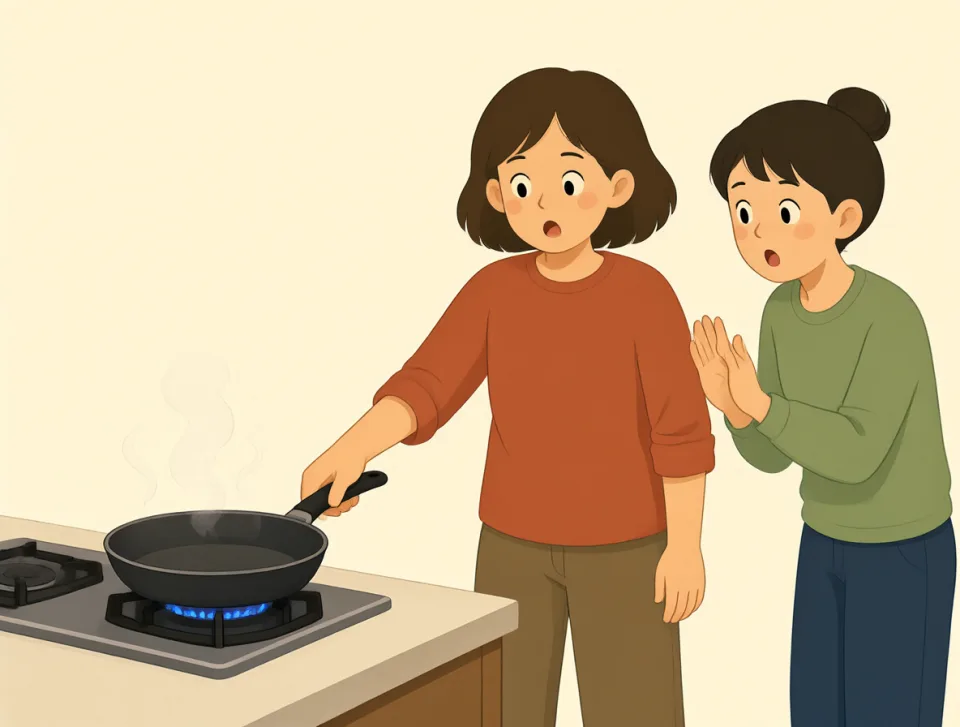
Please do not touch the hot pan.
لطفاً به ماهیتابهٔ داغ دست نزنید.
that
#15determiner, pronoun, conjunction, adverb
آن / که
Used to point to something or introduce information after a verb.
برای اشاره به چیزی یا معرفی اطلاعاتی پس از یک فعل به کار میرود.
That book on the table is mine.
آن کتابی که روی میز است مال من است.
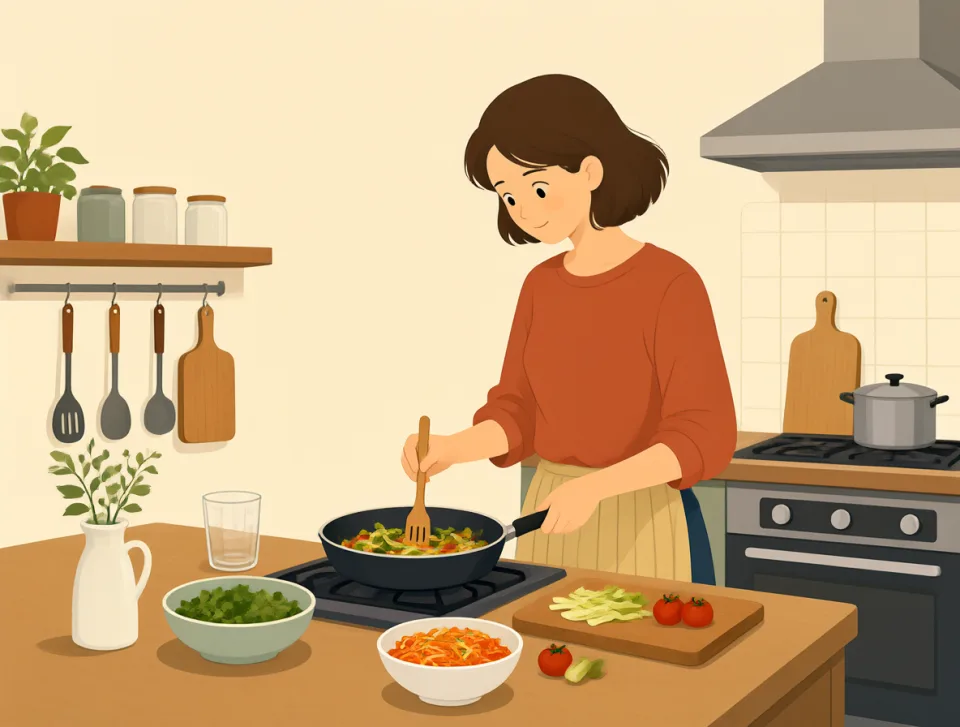
I think that dinner is ready.
فکر میکنم شام آماده است.

The shoes that I bought fit well.
کفشهایی که خریدم اندازهام هستند.
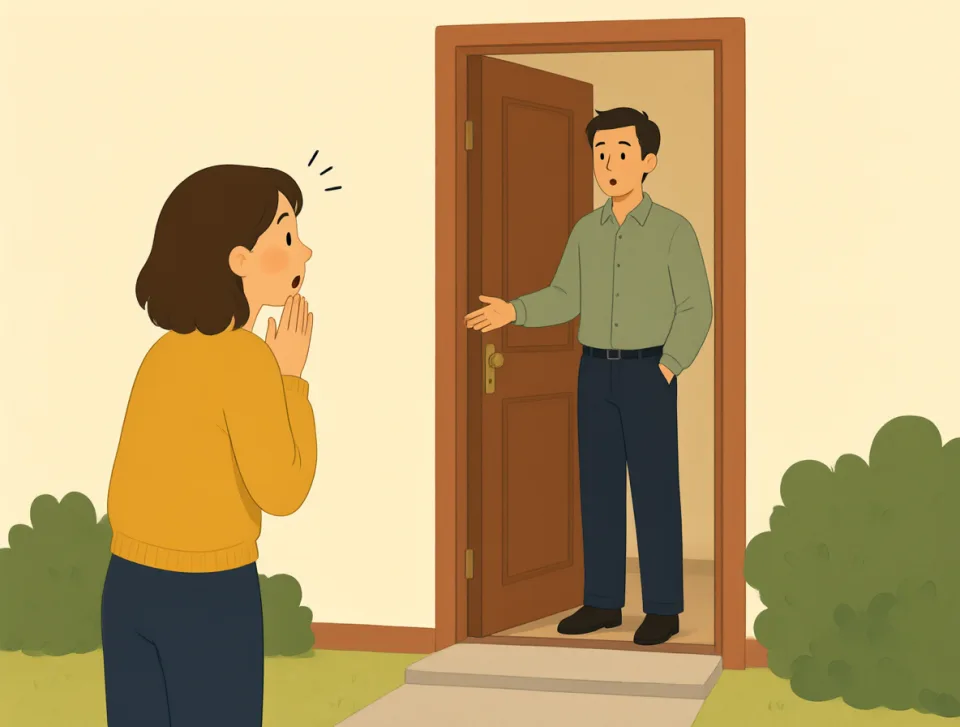
Who is that man at the door?
آن مرد جلوی در کیست؟

It was not that expensive.
آنقدرها هم گران نبود.
we
#16pronoun
ما
Used by a speaker to mean the speaker and one or more other people.
برای اشاره به گوینده و یک یا چند نفر دیگر به کار میرود.
We live in a small apartment.
ما در یک آپارتمان کوچک زندگی میکنیم.

We are learning English at school.
ما در مدرسه انگلیسی یاد میگیریم.
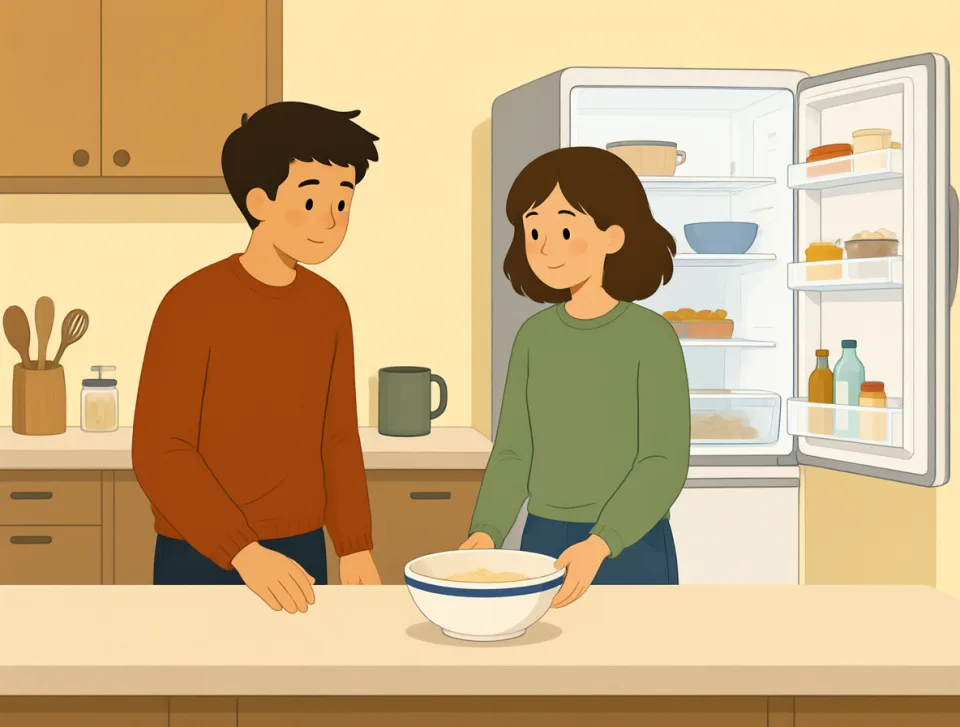
We need some milk for breakfast.
برای صبحانه به کمی شیر نیاز داریم.
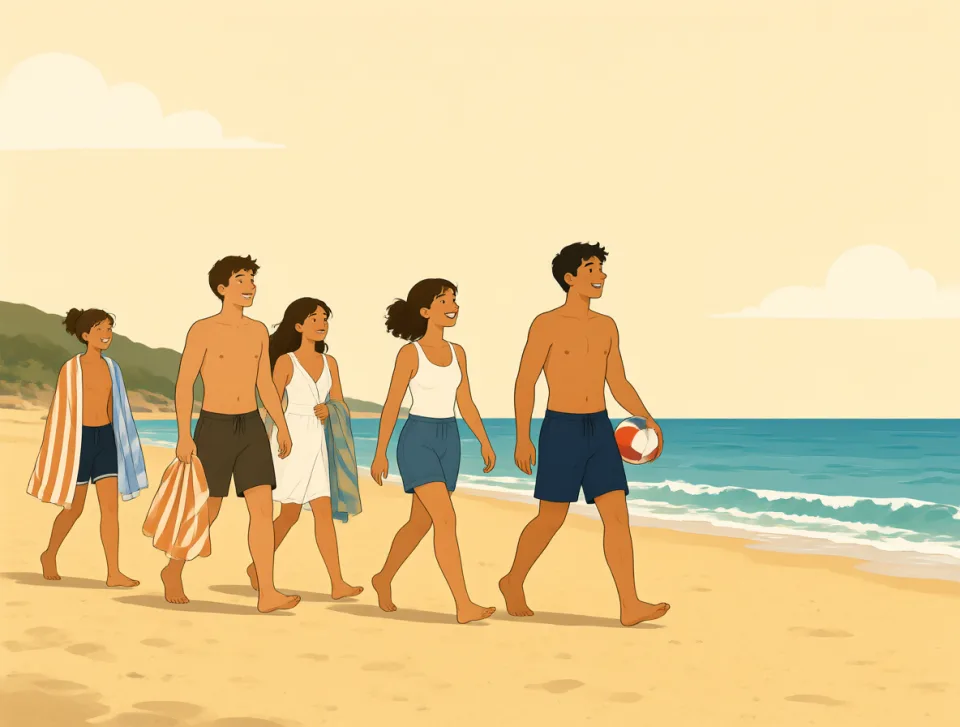
We went to the beach last weekend.
آخر هفتهٔ گذشته به ساحل رفتیم.

We feel better after taking the medicine.
بعد از خوردن دارو حالمان بهتر میشود.
on
#17adverb, preposition, adjective
روی؛ در؛ روشن
Used to show position, time, connection, or that something is working.
برای نشاندادن مکان، زمان، ارتباط یا روشنبودن چیزی به کار میرود.
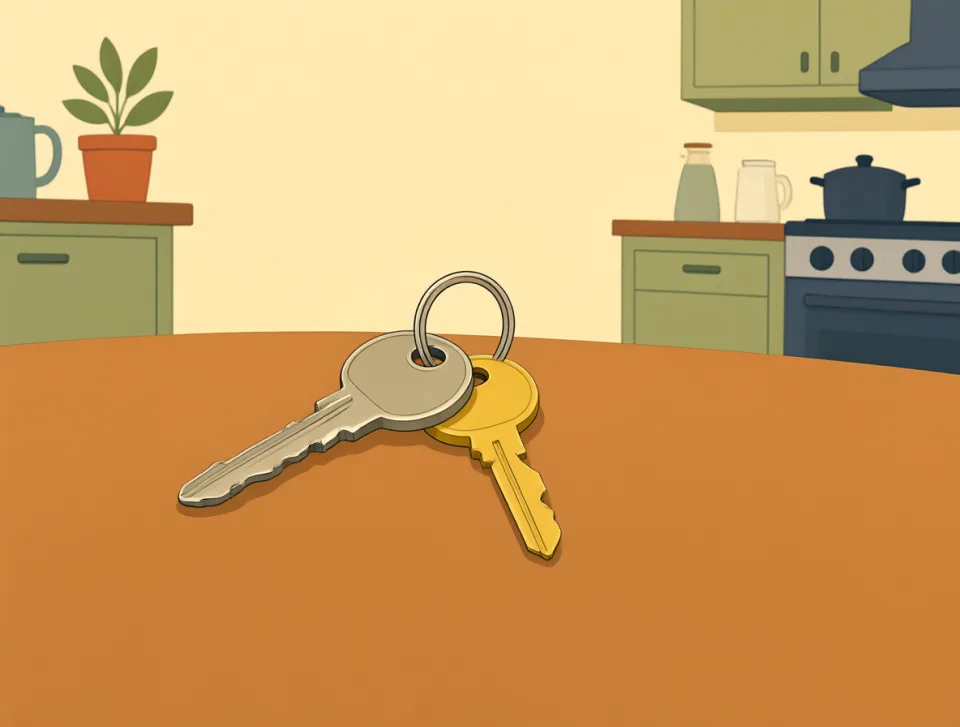
The keys are on the table.
کلیدها روی میز هستند.

We have a meeting on Monday.
دوشنبه جلسه داریم.
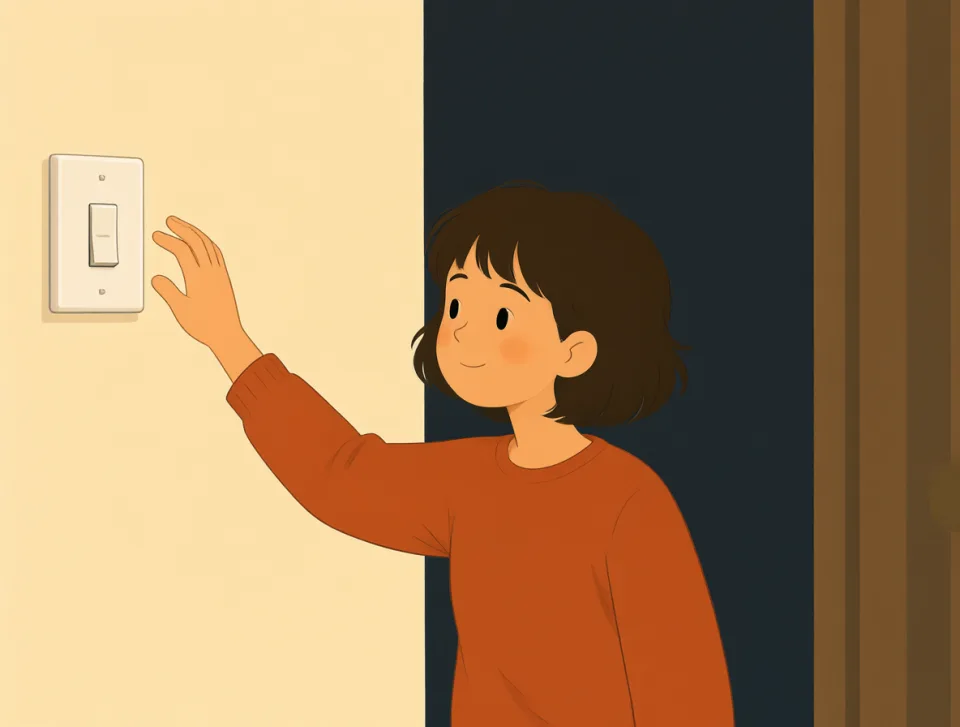
Please turn on the light.
لطفاً چراغ را روشن کنید.
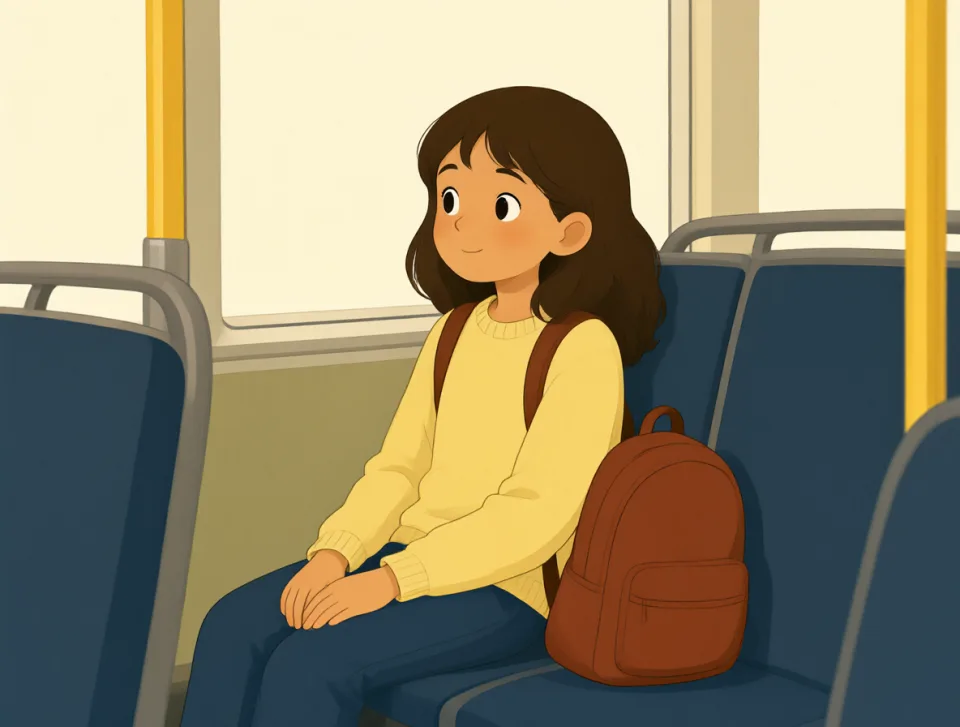
She is on the bus to school.
او سوار اتوبوس مدرسه است.
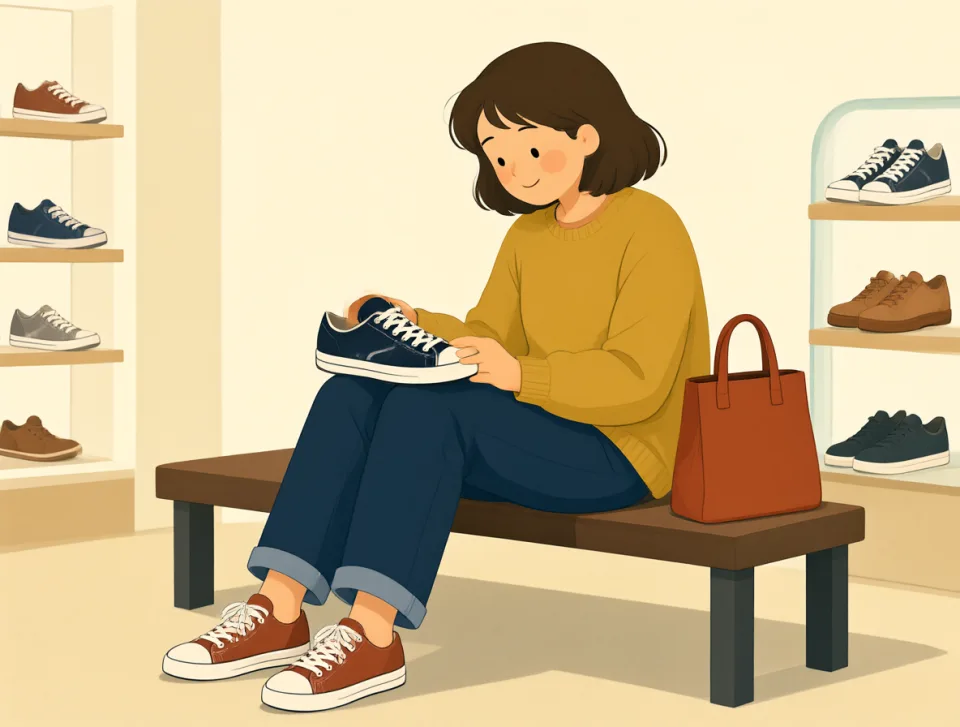
I tried on these shoes at the store.
این کفشها را در فروشگاه پرو کردم.
with
#18preposition
با؛ همراهِ
together with someone or something; having or using someone or something
بههمراهِ کسی یا چیزی؛ داشتن یا استفادهکردن از کسی یا چیزی
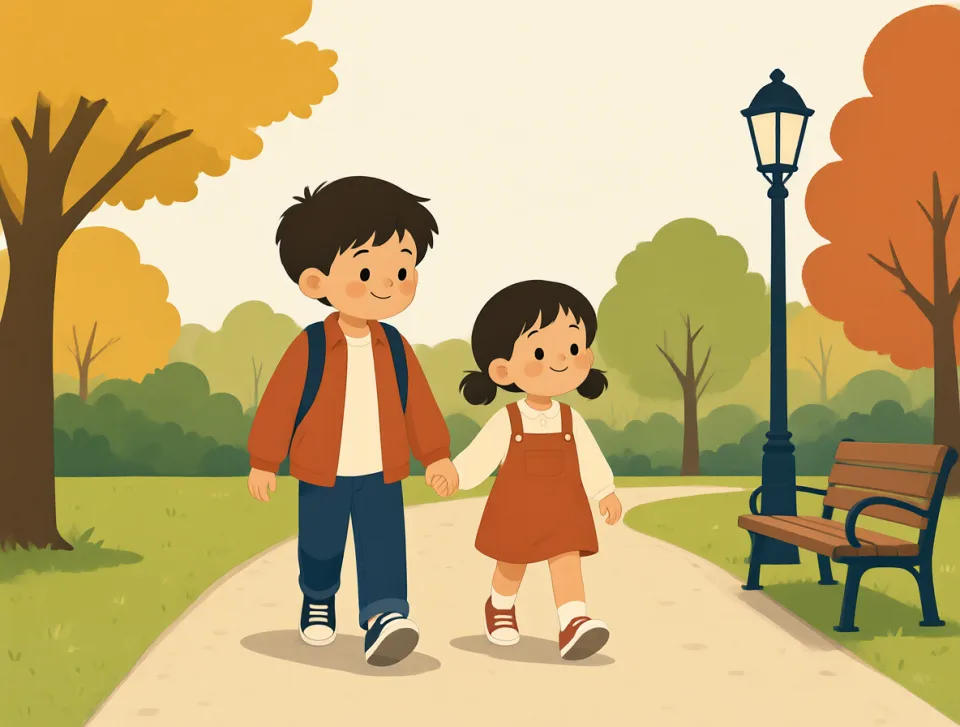
I went to the park with my sister.
با خواهرم به پارک رفتم.
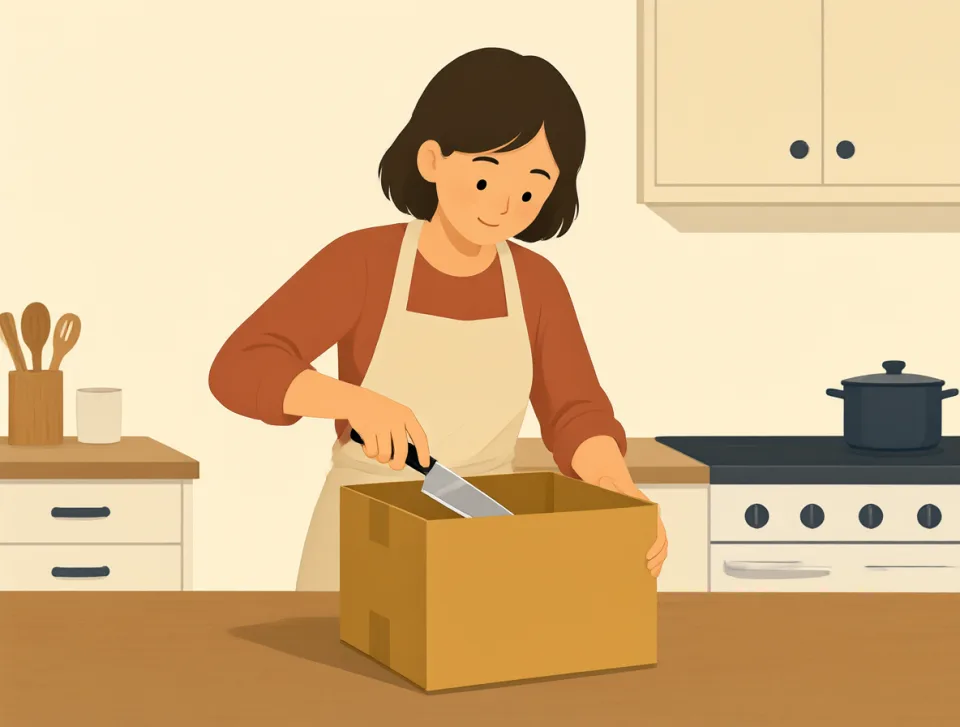
She opened the box with a knife.
او جعبه را با چاقو باز کرد.
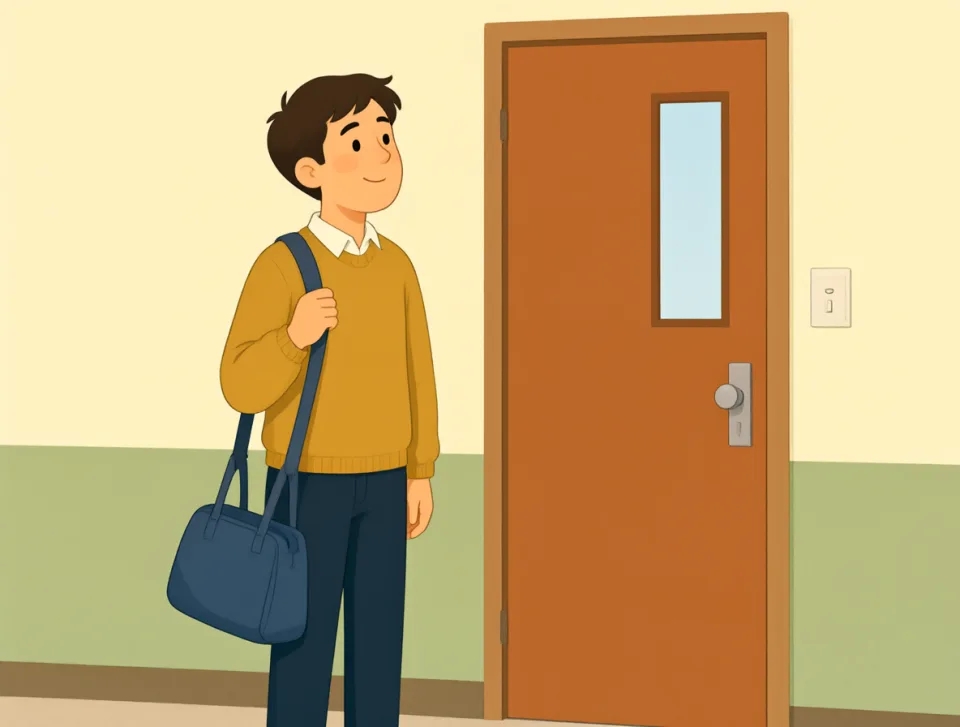
The man with the blue bag is my teacher.
مردی که کیف آبی دارد معلم من است.
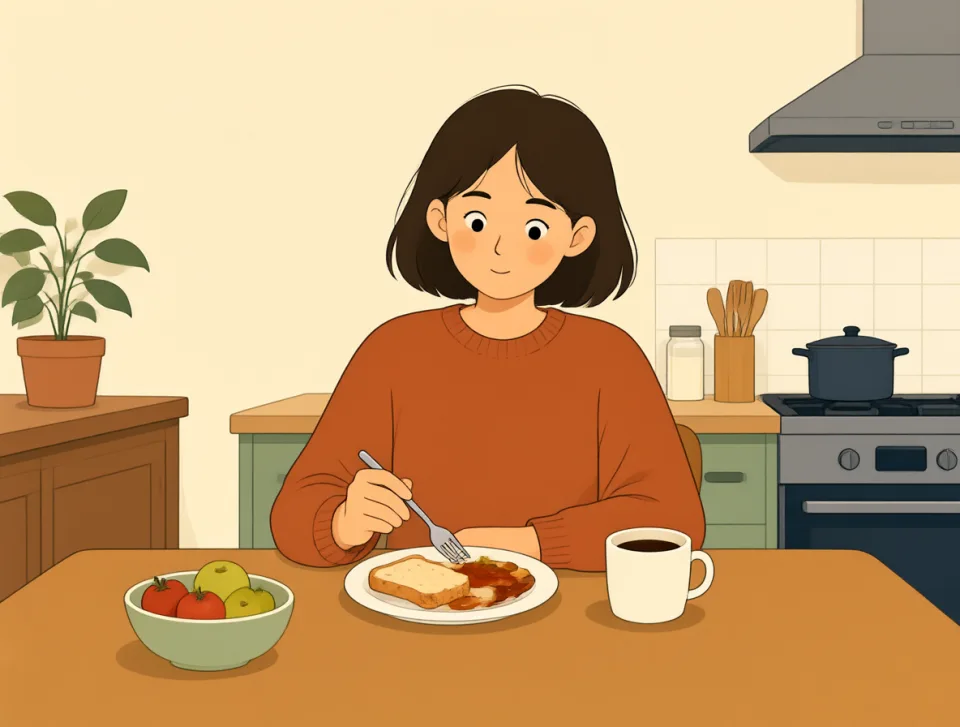
Would you like coffee with your breakfast?
برای صبحانه قهوه میل دارید؟

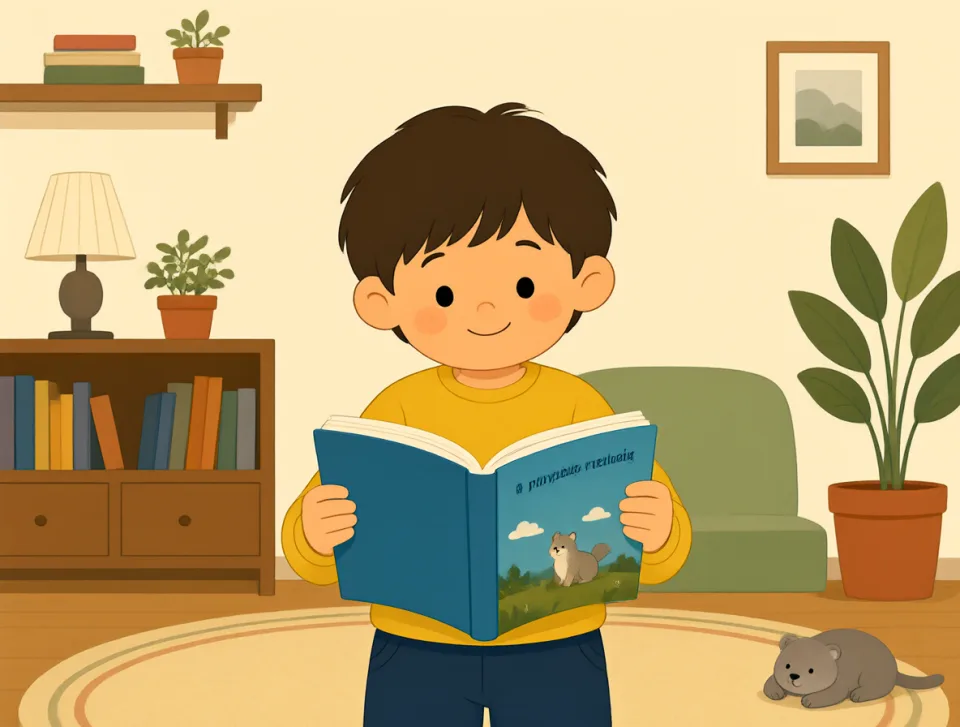
He is sick with a bad cold.
او بهخاطر سرماخوردگی شدیدی بیمار است.
this
#19determiner, pronoun, adverb
این
Used to talk about one person, thing, or place near you or now.
برای اشاره به یک شخص، چیز یا مکان نزدیک به شما یا در زمان حال به کار میرود.
This is my favorite book.
این کتاب موردعلاقهٔ من است.
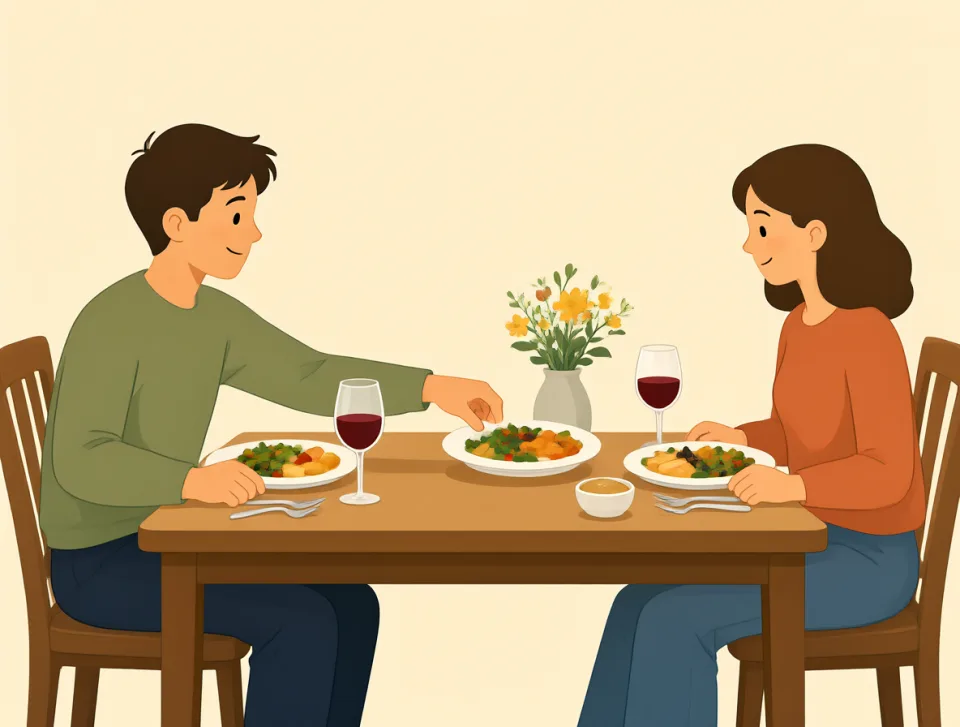
Could you pass me this plate?
ممکن است آن بشقاب را به من بدهید؟

I bought this shirt yesterday.
دیروز این پیراهن را خریدم.
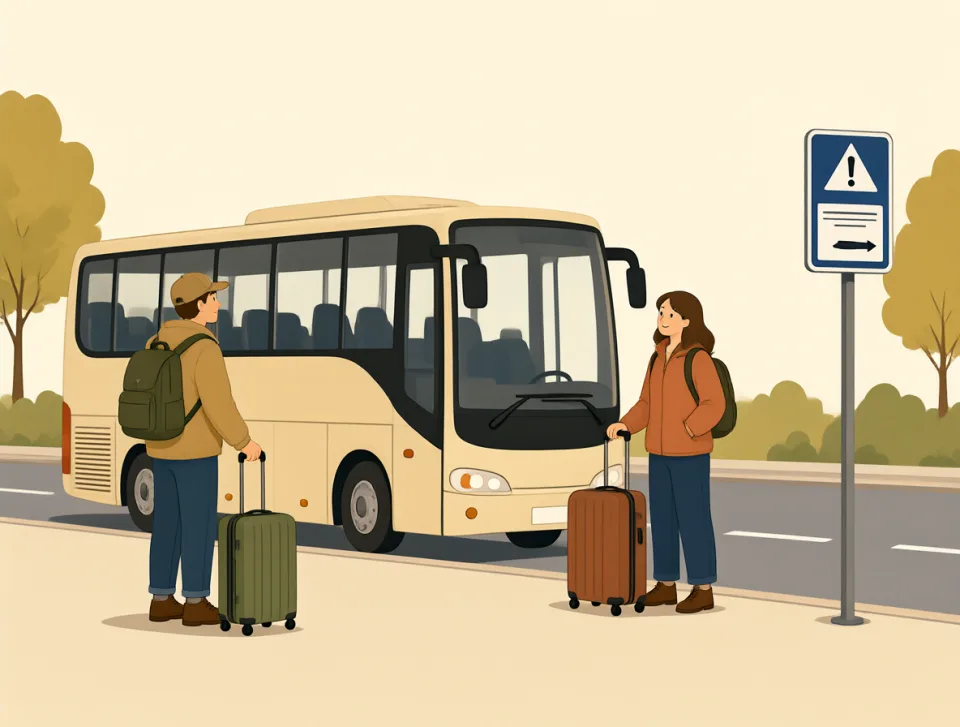
This is where we get off.
اینجا جایی است که پیاده میشویم.
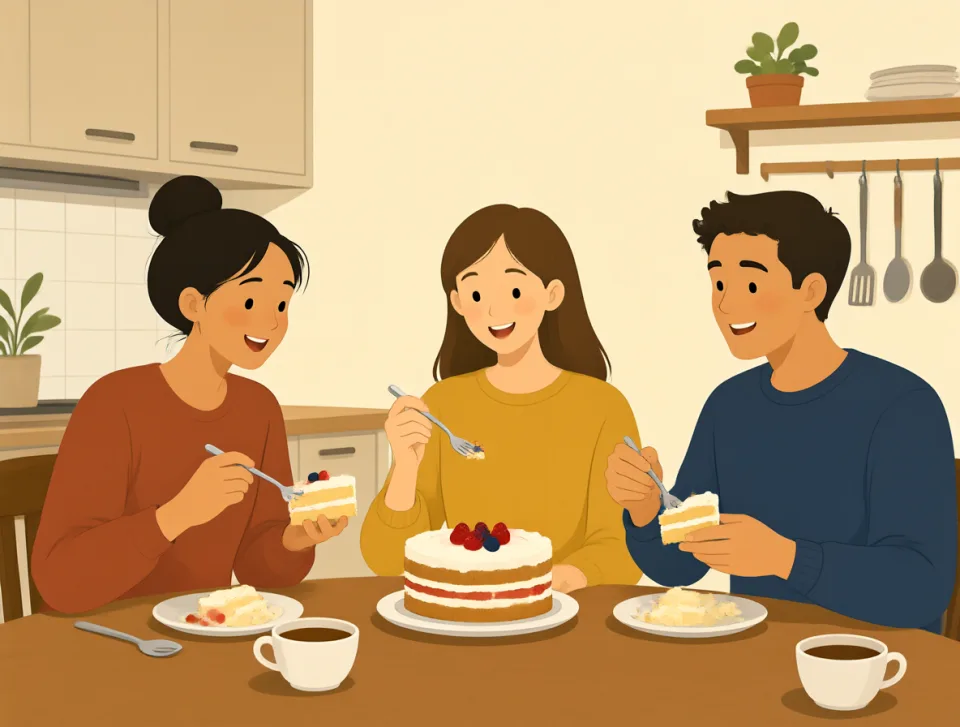
This cake tastes really good.
مزهٔ این کیک واقعاً خوب است.
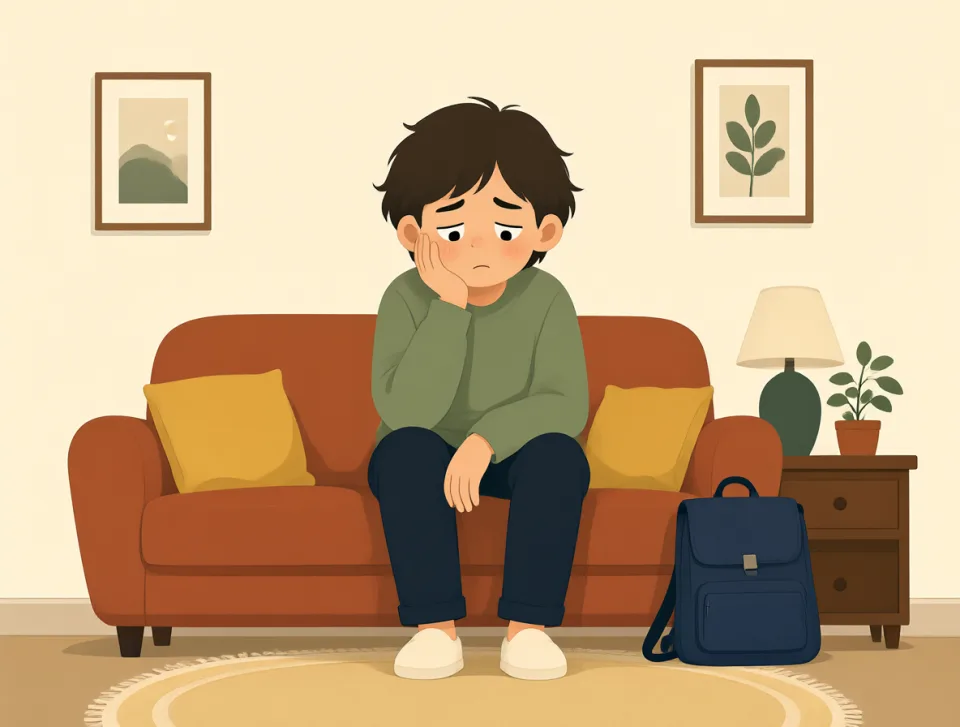
I
#20pronoun
من
The pronoun used for the person speaking or writing.
ضمیرِ شخصی که صحبت میکند یا مینویسد.
I am tired after work today.
امروز بعد از کار خستهام.

I have a sister in London.
یک خواهر در لندن دارم.
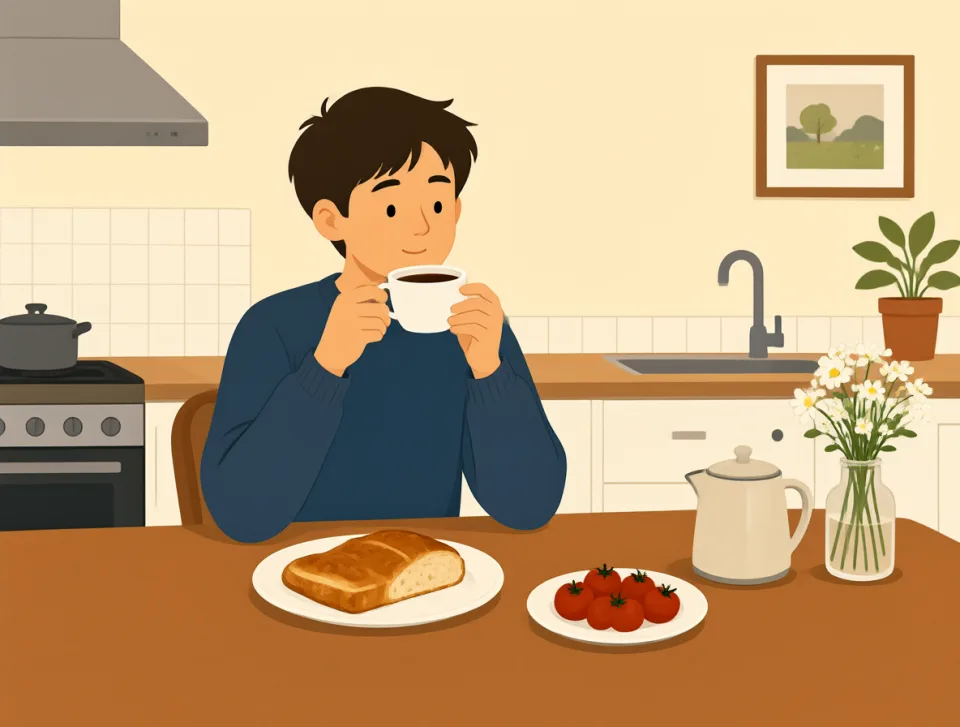
I like coffee with breakfast.
قهوه را با صبحانه دوست دارم.
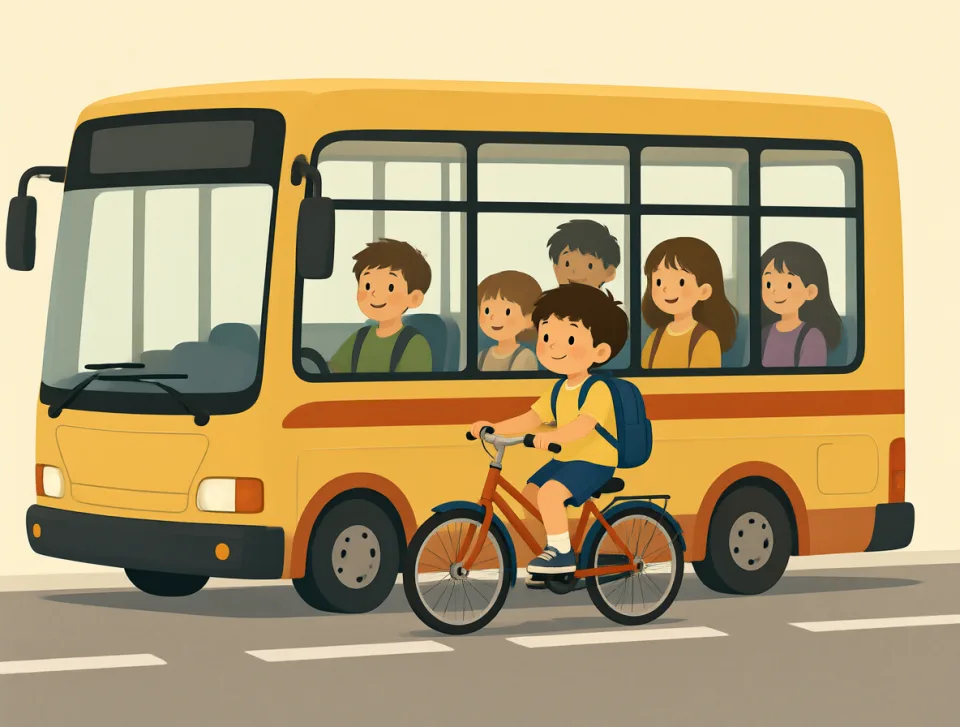
I went to school by bus.
با اتوبوس به مدرسه رفتم.

Can I help you with dinner?
میتوانم برای آمادهکردن شام کمکتان کنم؟