Unidad 1
Palabras 1–20 · the, be, and, of, to, a
the
#1determiner
el; la; los; las
Used before a noun to show that it is known, specific, or the only one.
Se usa delante de un sustantivo para indicar que es conocido, específico o único.
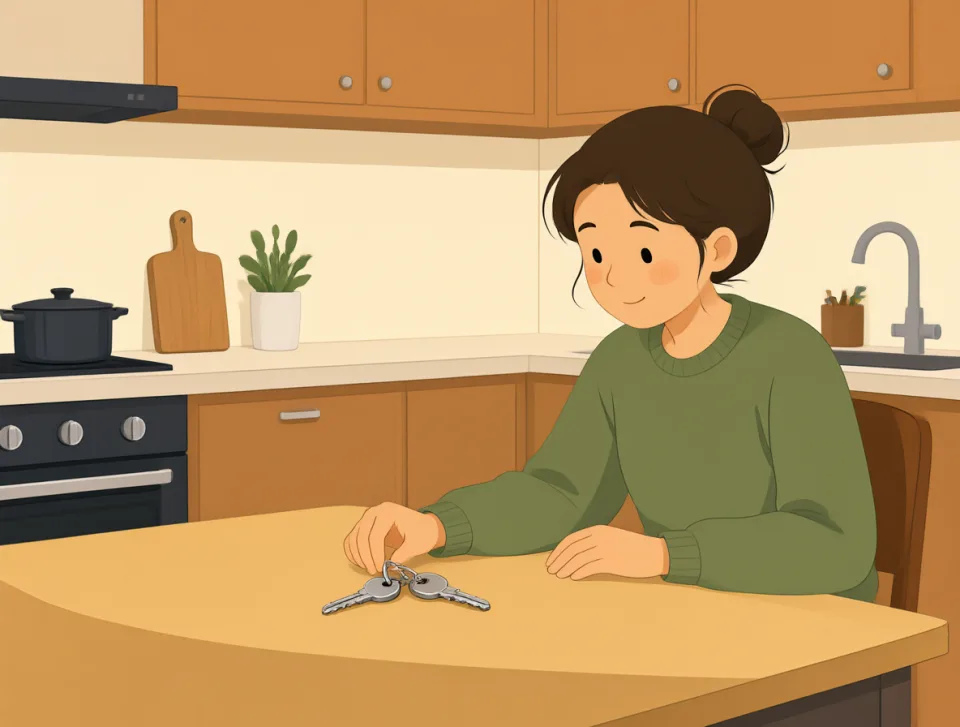
The keys are on the kitchen table.
Las llaves están sobre la mesa de la cocina.
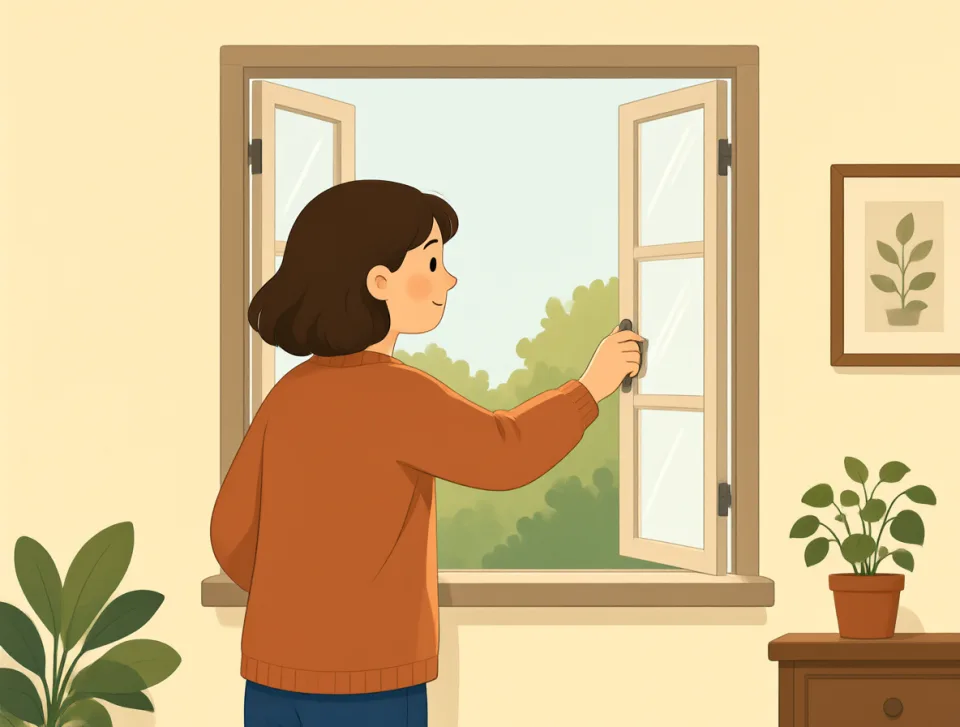
Please close the window before you leave.
Por favor, cierra la ventana antes de irte.

We took the bus to school this morning.
Esta mañana fuimos en autobús a la escuela.
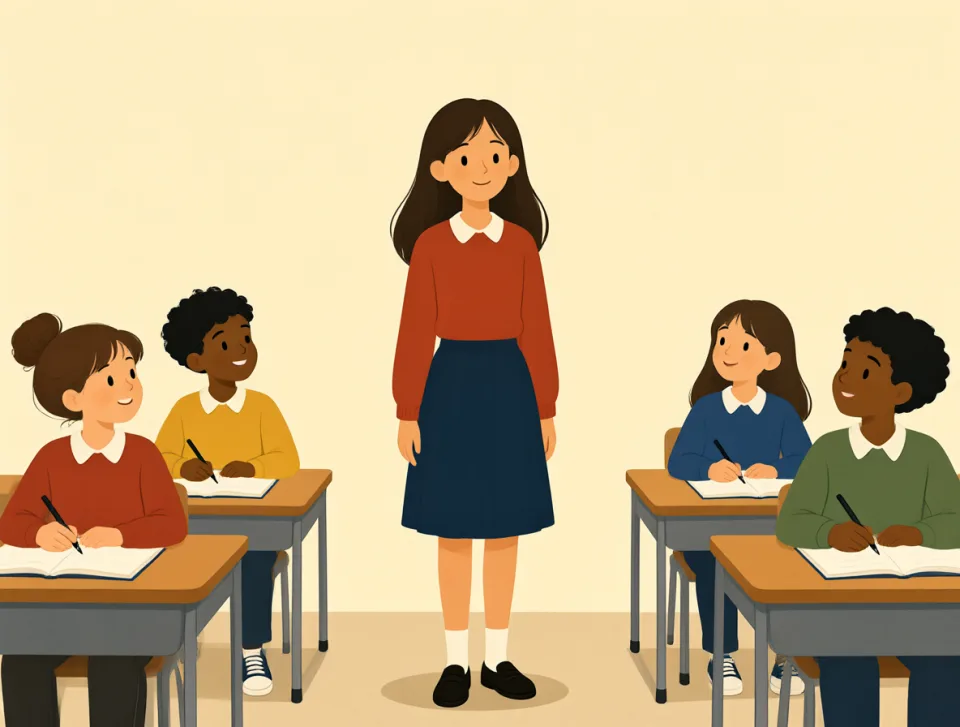
She is the tallest girl in her class.
Ella es la chica más alta de su clase.

The sun is shining, so let's eat outside.
Hace sol, así que comamos afuera.

be
#2verb
ser; estar; haber
to exist, happen, or have a particular quality, identity, or location
existir, suceder o tener una cualidad, identidad o ubicación determinada
I am tired after work today.
Hoy estoy cansado después del trabajo.

She is a teacher at our school.
Ella es profesora en nuestra escuela.
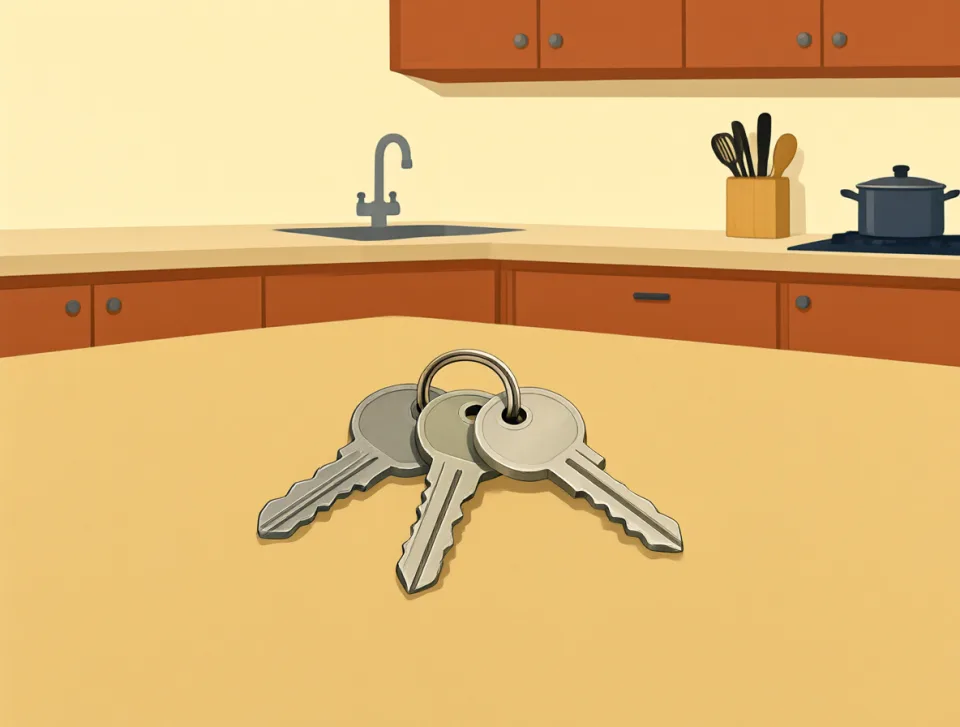
The keys are on the kitchen table.
Las llaves están sobre la mesa de la cocina.

We were late for the train.
Llegamos tarde al tren.
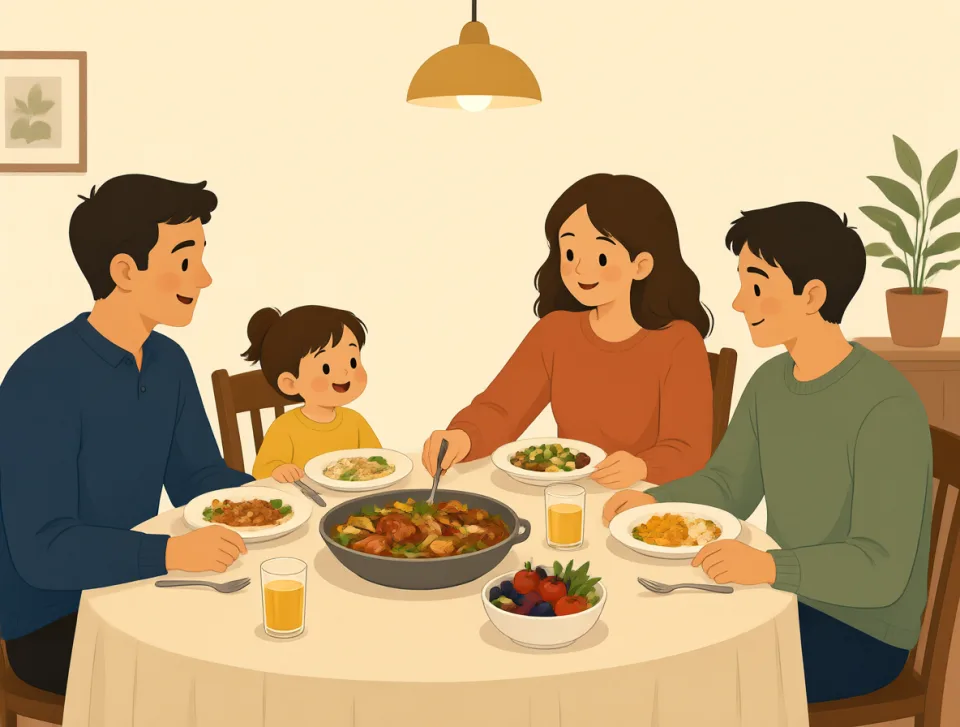
Dinner is ready, so please come in.
La cena está lista, así que entren, por favor.

and
#3conjunction
y; e
Used to join words, phrases, or sentences that go together.
Se usa para unir palabras, frases u oraciones que están relacionadas.
Tom and Anna work in the same office.
Tom y Anna trabajan en la misma oficina.
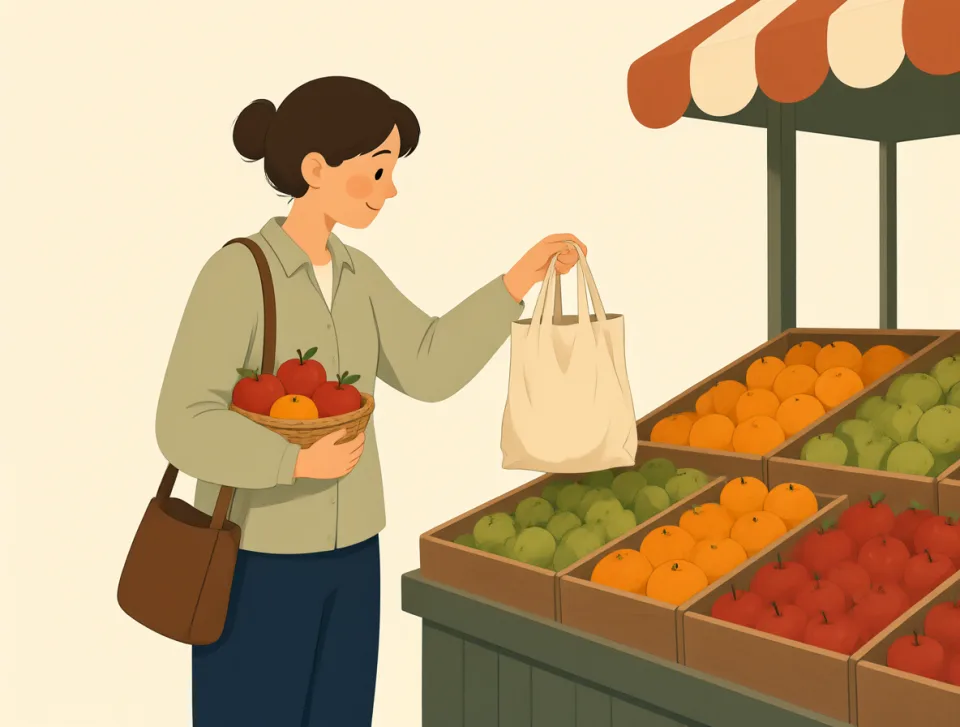
I bought apples and oranges at the market.
Compré manzanas y naranjas en el mercado.
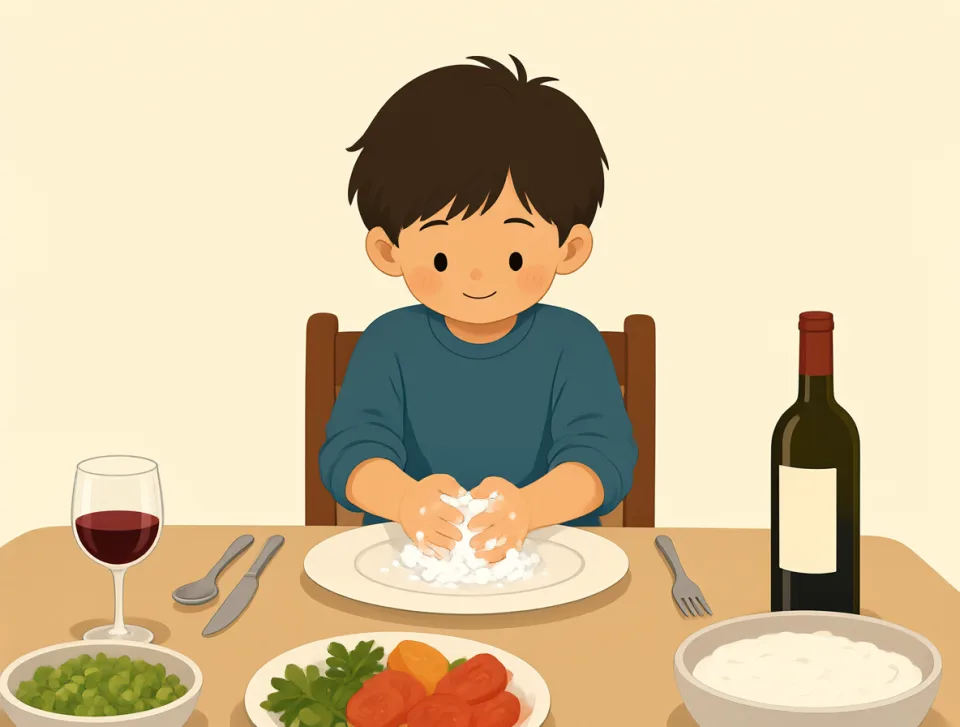
Please wash your hands and eat dinner.
Por favor, lávate las manos y cena.

We took a bus and visited the museum.
Tomamos un autobús y visitamos el museo.
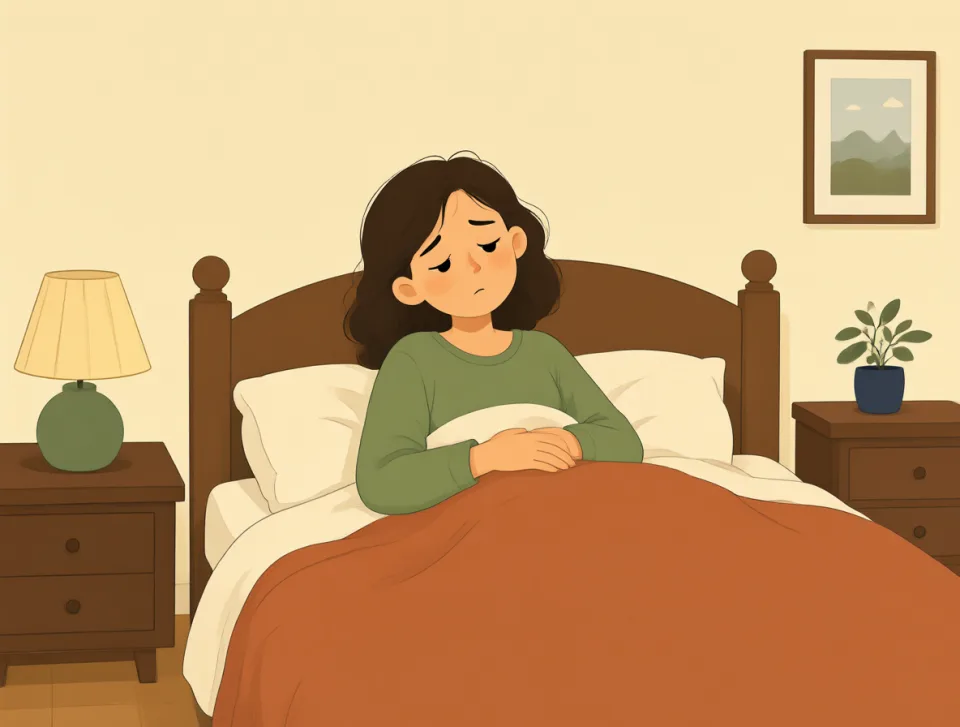
She was tired and went to bed early.
Estaba cansada y se acostó temprano.
of
#4preposition, determiner
de
Used to show belonging, connection, amount, or what something contains.
Se usa para indicar pertenencia, conexión, cantidad o lo que contiene algo.
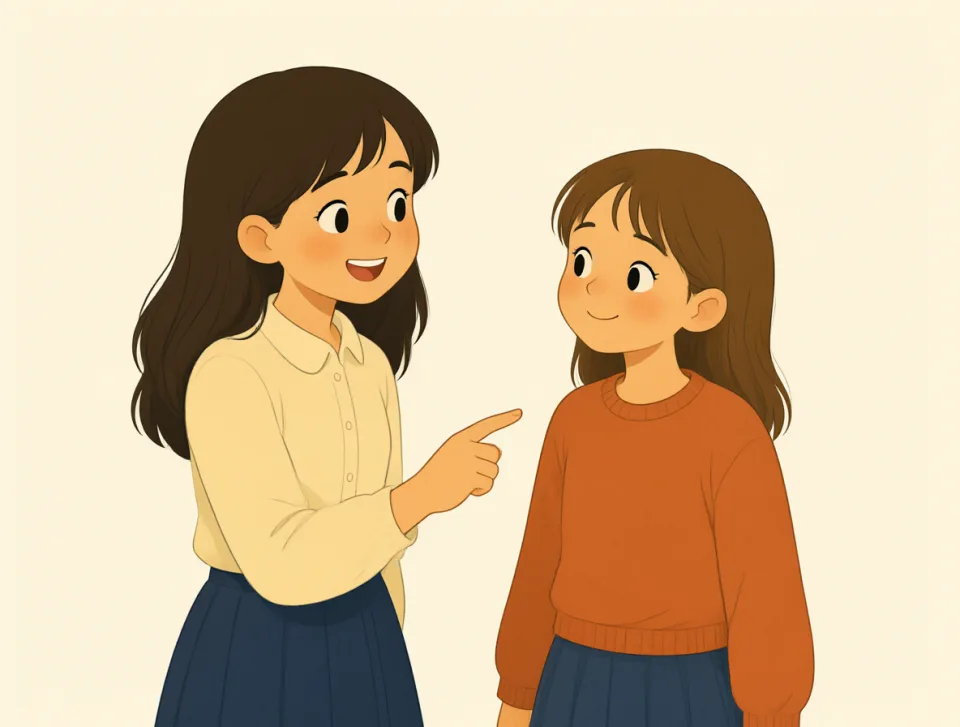
She is a friend of my sister.
Ella es amiga de mi hermana.
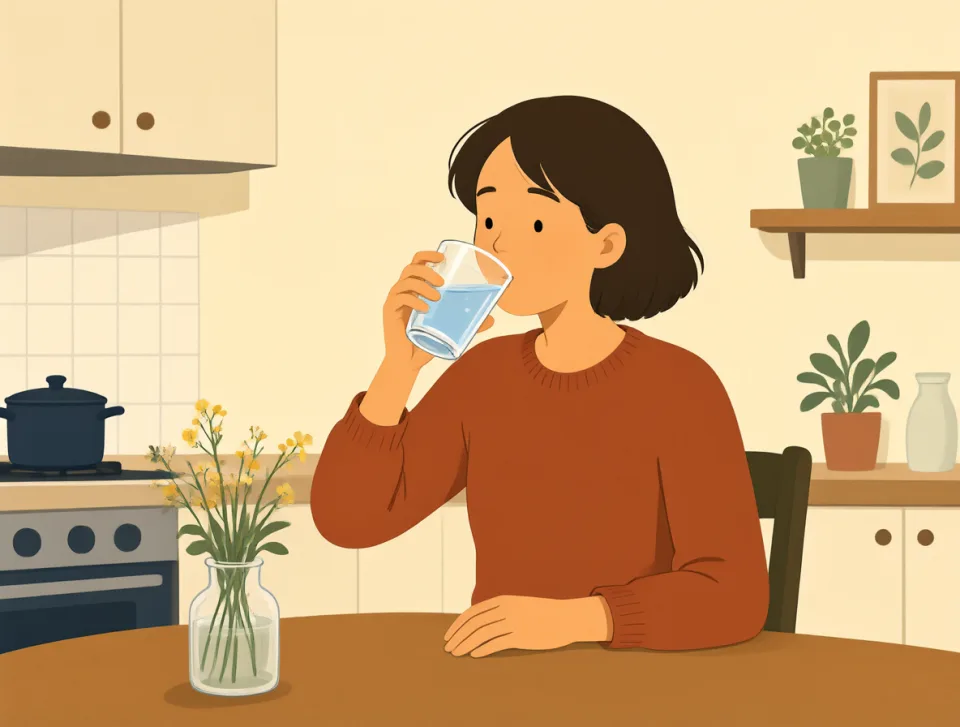
I drank a glass of water.
Bebí un vaso de agua.
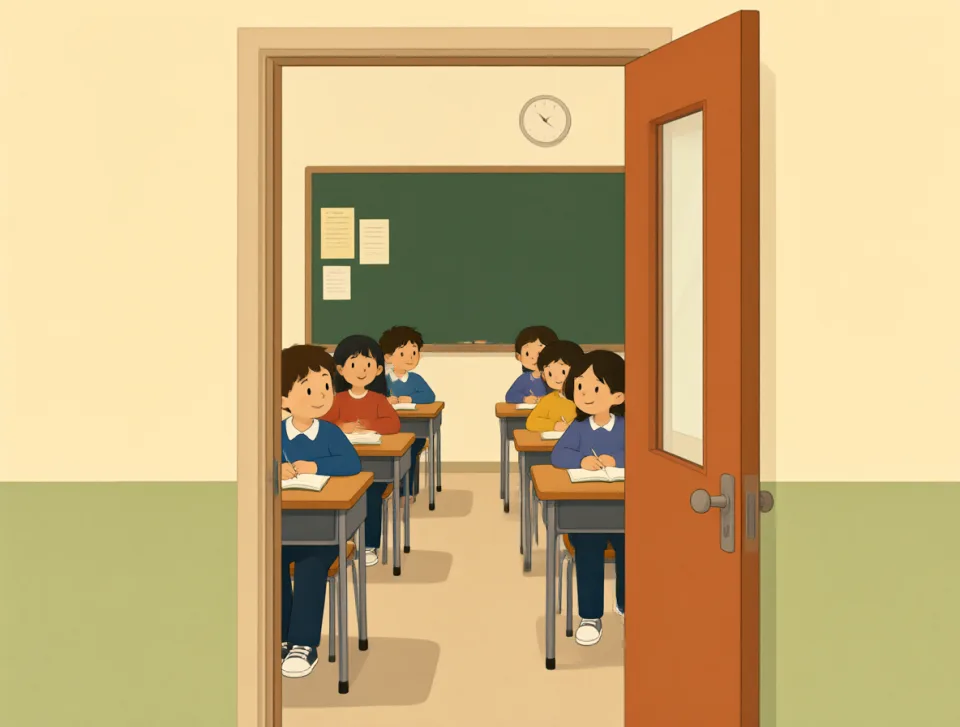
The door of the classroom is open.
La puerta del aula está abierta.

He bought a bag of apples.
Compró una bolsa de manzanas.
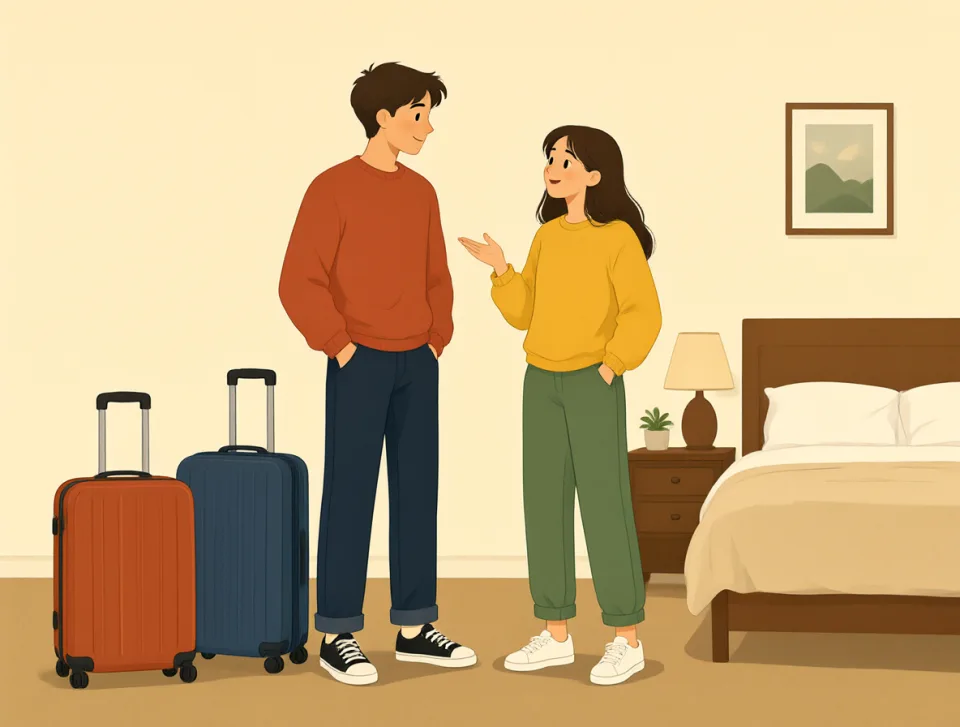
We talked about the problems of travel.
Hablamos sobre los problemas de viajar.
to
#5preposition, infinitive marker
a; para
Used before a place, person, or verb to show direction, purpose, or an action.
Se usa delante de un lugar, una persona o un verbo para indicar dirección, propósito o una acción.
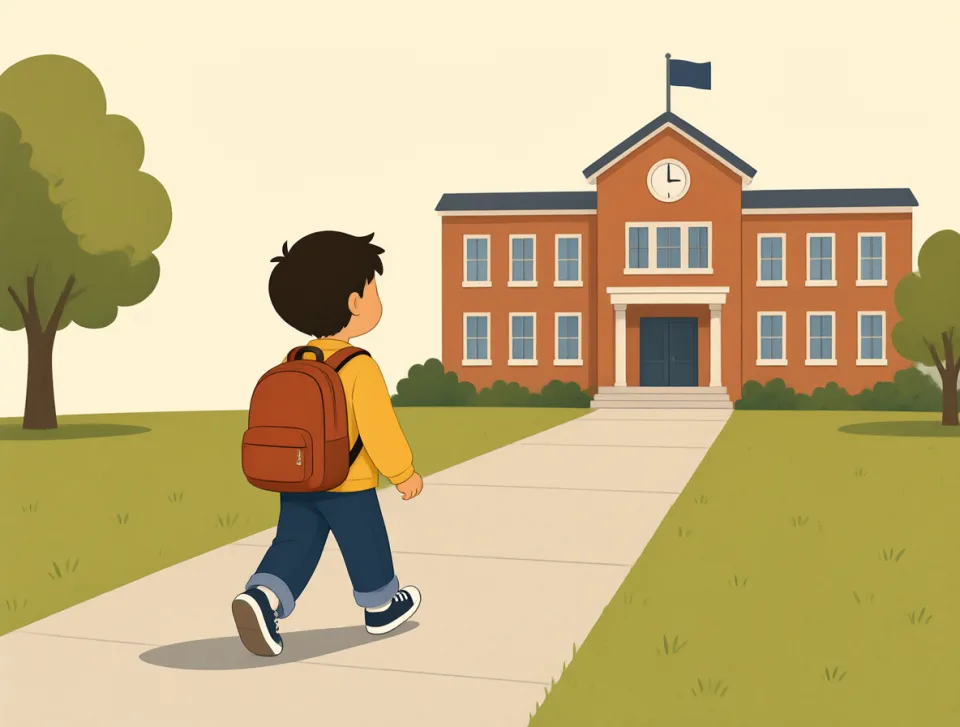
I walk to school every morning.
Camino a la escuela todas las mañanas.

Please give this book to Maria.
Por favor, dale este libro a Maria.

We went to the market after work.
Fuimos al mercado después del trabajo.
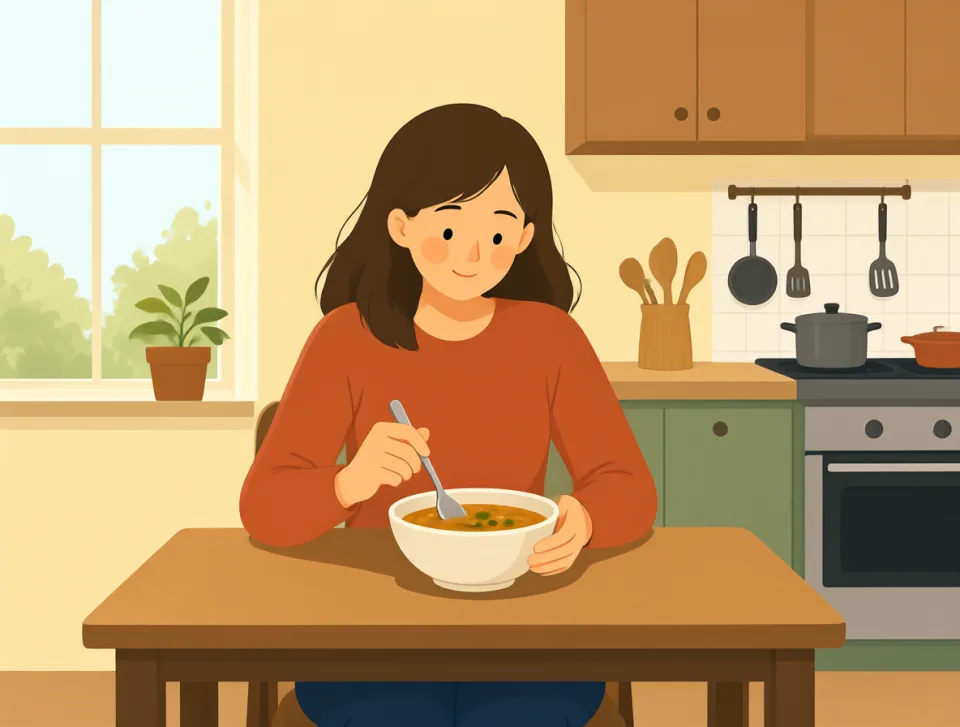
She wants to eat some soup.
Ella quiere comer sopa.
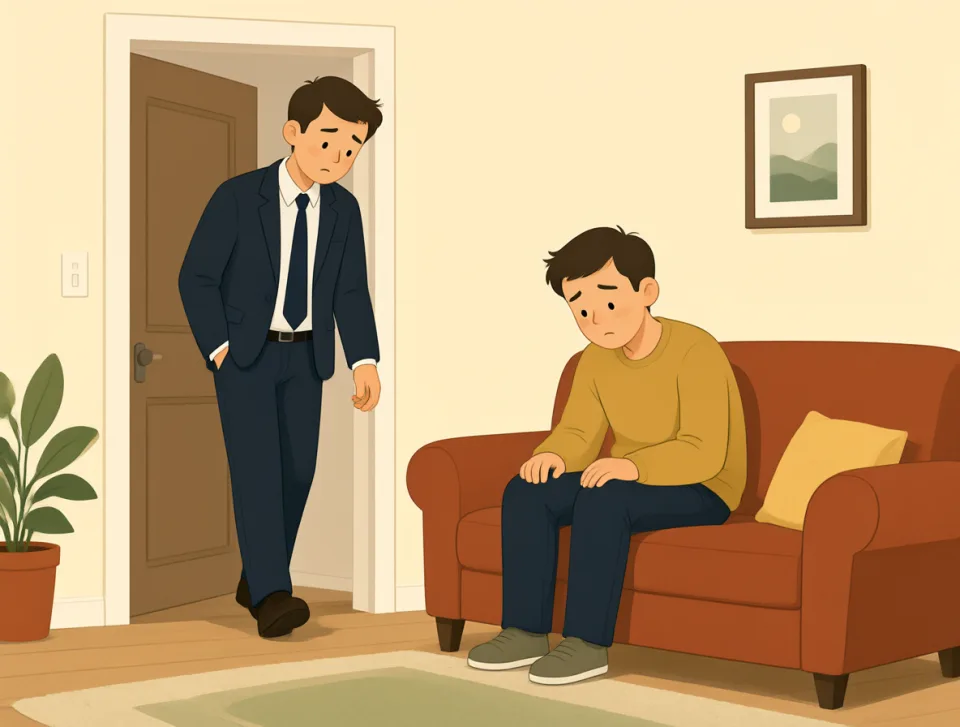
He came home to rest.
Él vino a casa para descansar.
a
#6determiner, article
un; una
used before one singular countable noun when it is not specific
se usa delante de un sustantivo contable singular cuando no es específico
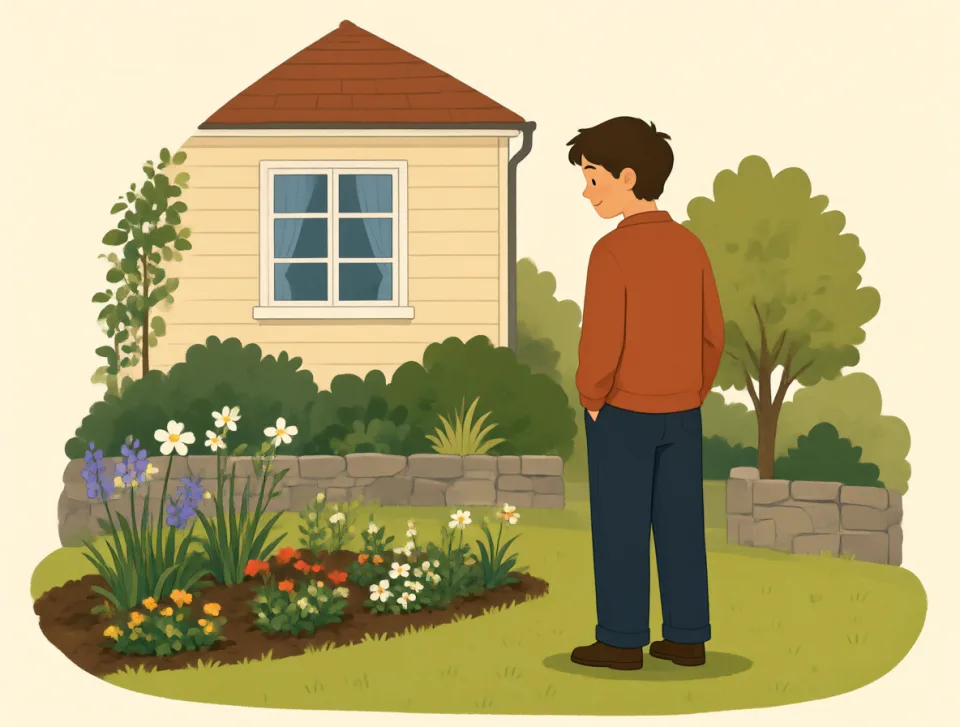
I have a small garden at home.
Tengo un pequeño jardín en casa.

She is a teacher at our school.
Ella es profesora en nuestra escuela.

We bought a ticket for the bus.
Compramos un billete para el autobús.
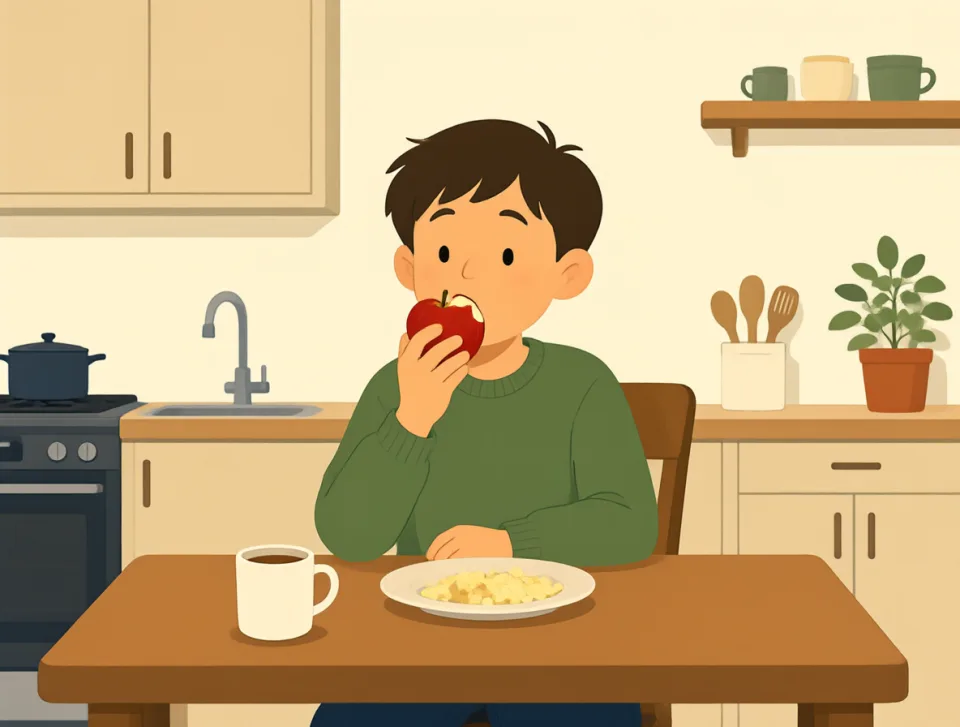
He eats an apple a day.
Él come una manzana al día.

They stayed in a hotel near the beach.
Se alojaron en un hotel cerca de la playa.
in
#7preposition, adverb, adjective
en; dentro de
Inside a place, area, time, situation, or group
Dentro de un lugar, área, período de tiempo, situación o grupo
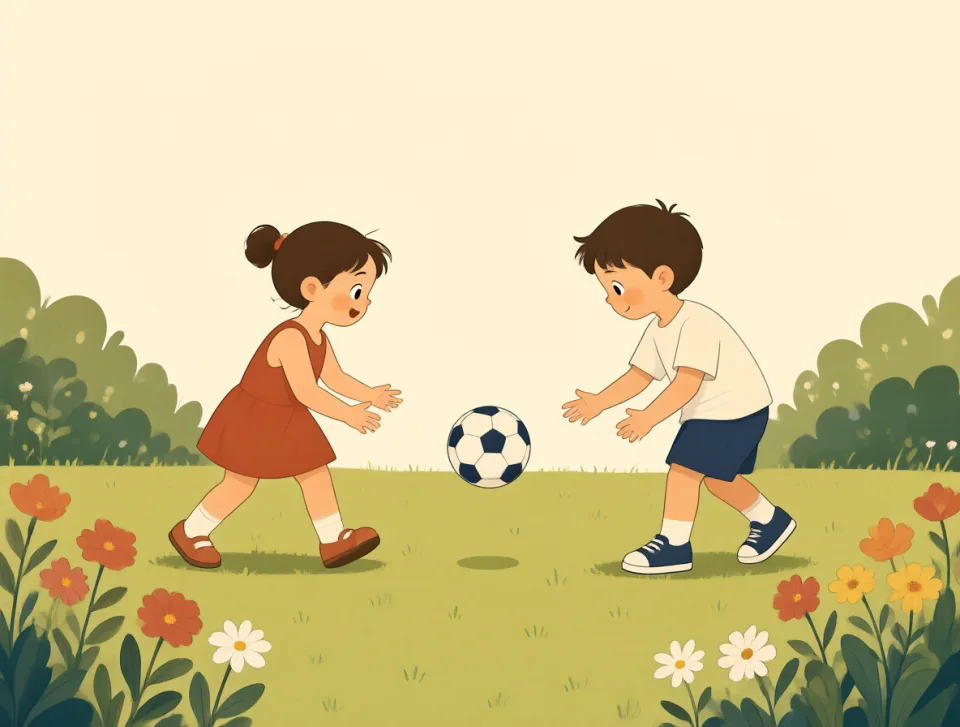
The children are playing in the garden.
Los niños están jugando en el jardín.
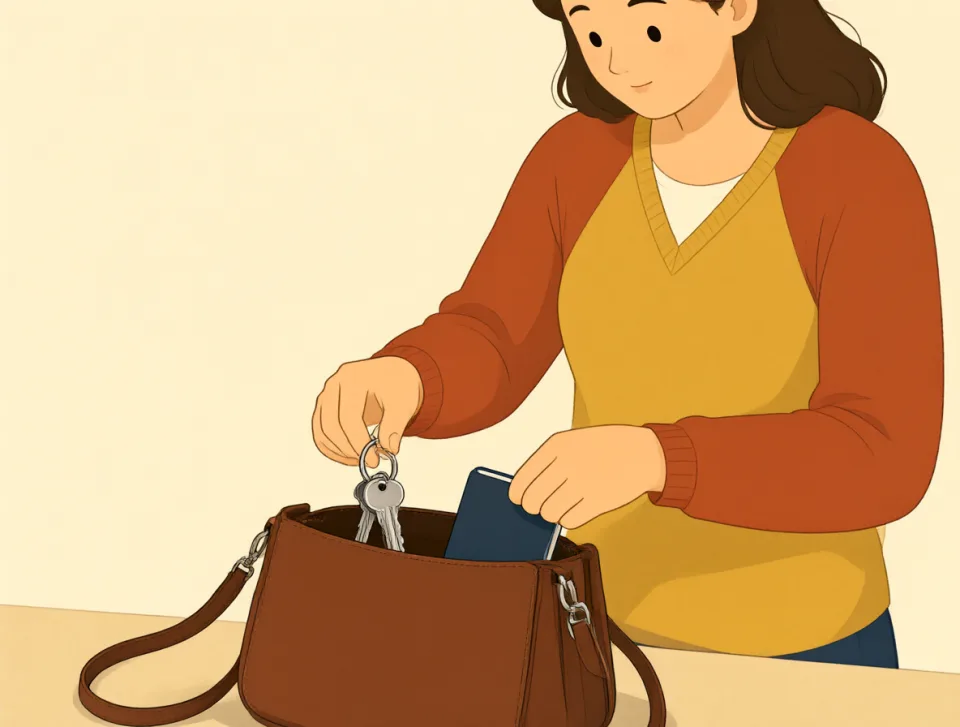
I keep my keys in my bag.
Guardo mis llaves en mi bolso.
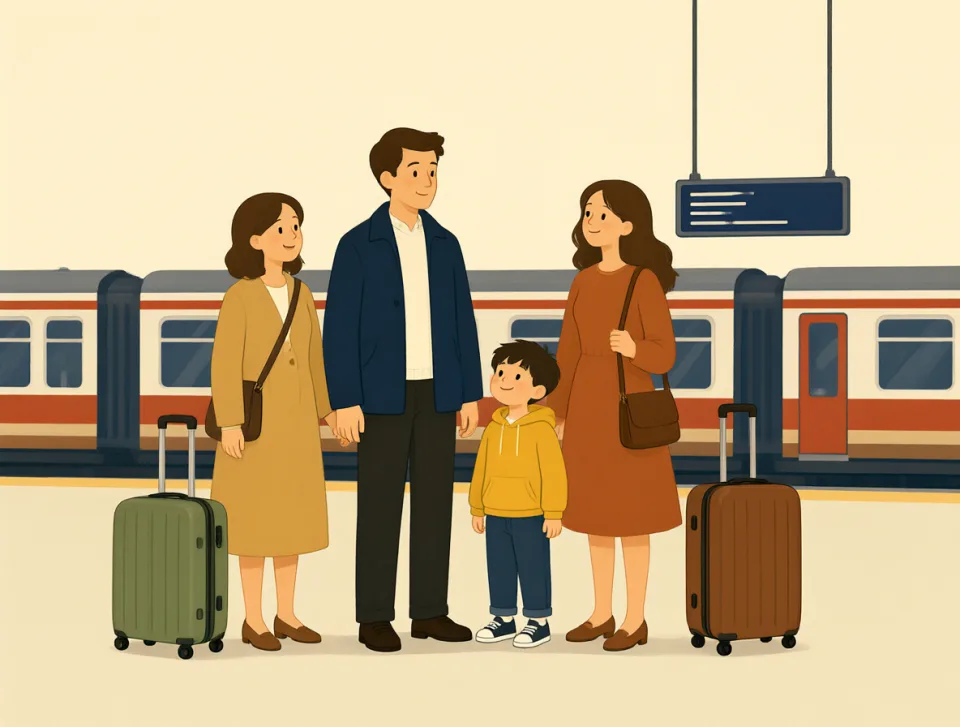
We arrived in London yesterday.
Llegamos a Londres ayer.
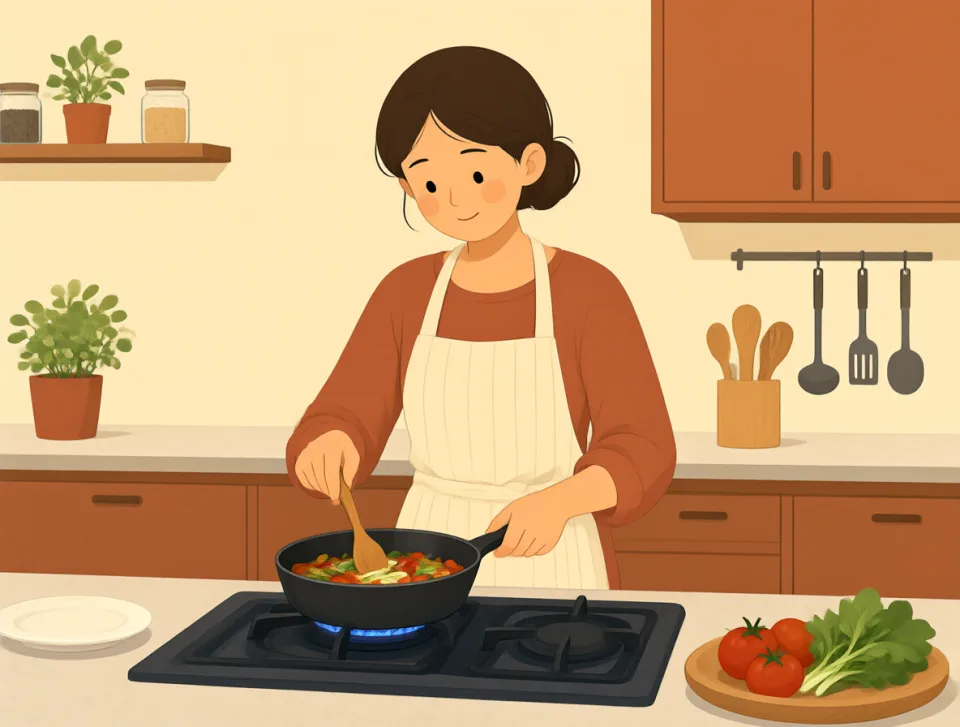
She is in the kitchen cooking dinner.
Ella está en la cocina preparando la cena.
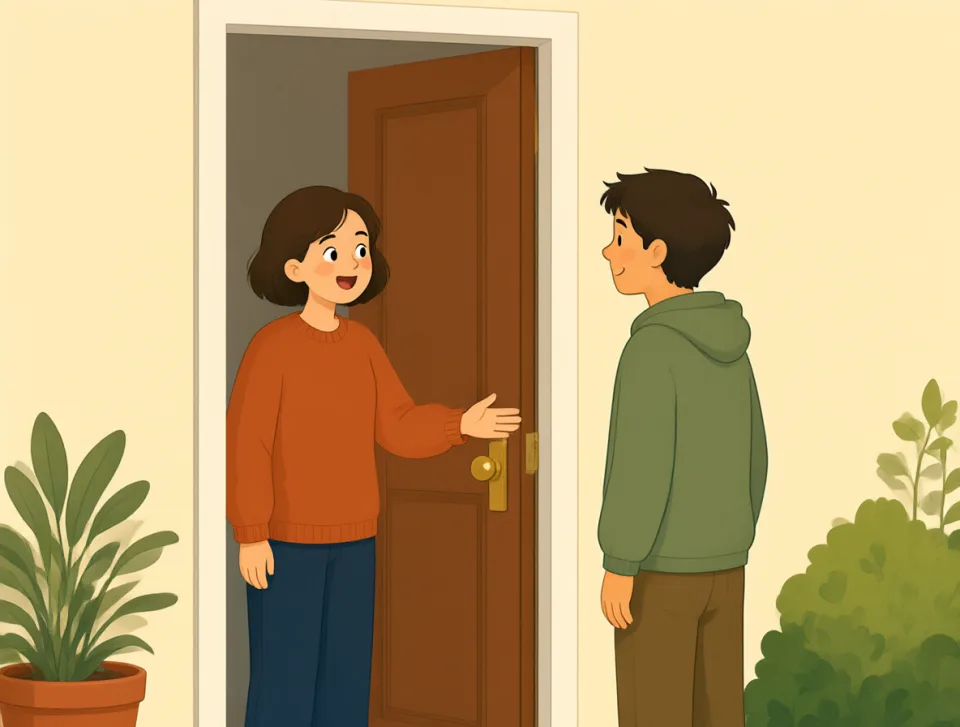
Please come in and sit down.
Pasa y siéntate, por favor.
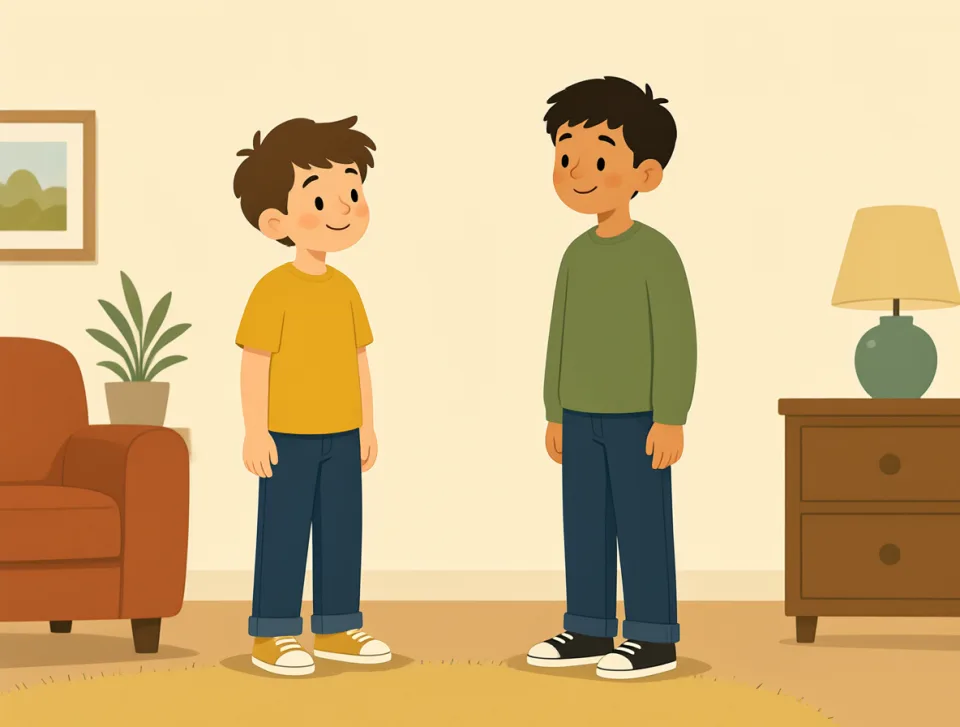
have
#8verb
tener; poseer; experimentar; recibir
to own, do, experience, or receive something
poseer, hacer, experimentar o recibir algo
I have two brothers.
Tengo dos hermanos.
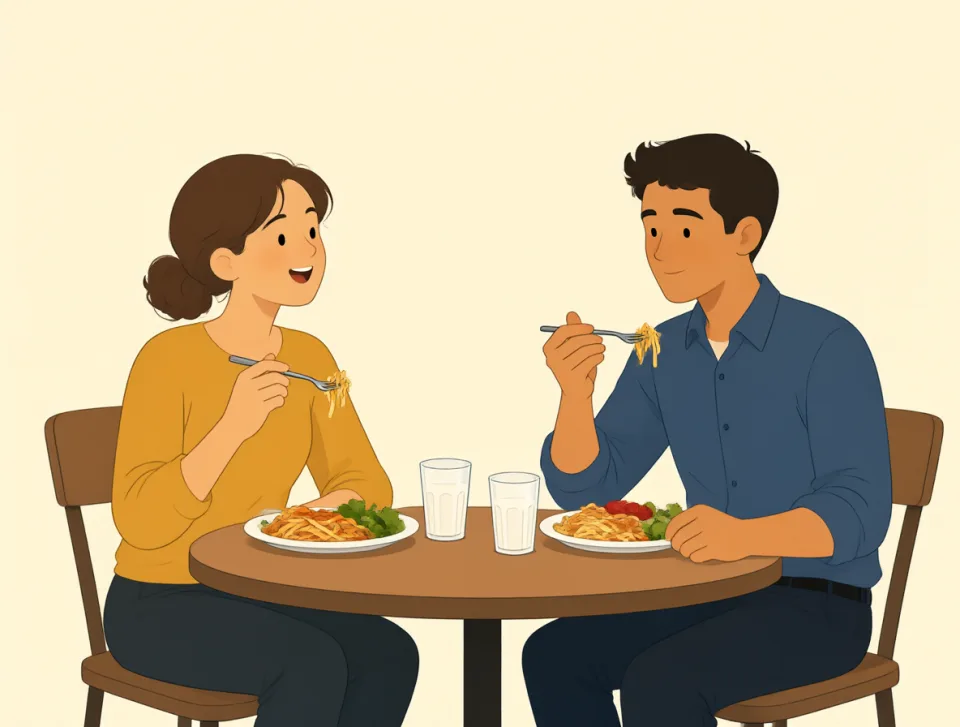
We have lunch at noon.
Almorzamos al mediodía.

She has a bad cold.
Ella tiene un fuerte resfriado.

They had a great time together.
Lo pasaron muy bien juntos.
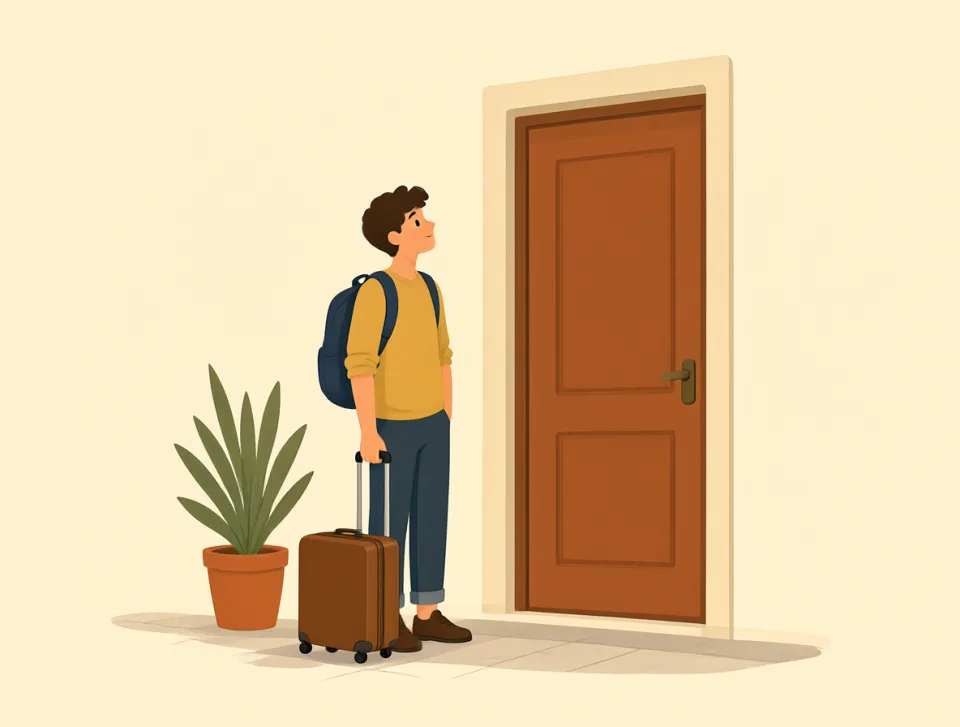
I have to leave now.
Tengo que irme ahora.

it
#9pronoun, determiner
ello; lo; la; le
A word used for a thing, animal, situation, or idea already mentioned.
Palabra que se usa para referirse a una cosa, un animal, una situación o una idea mencionados anteriormente.
It is cold outside today.
Hoy hace frío afuera.

I bought a cake, and it was delicious.
Compré un pastel y estaba delicioso.
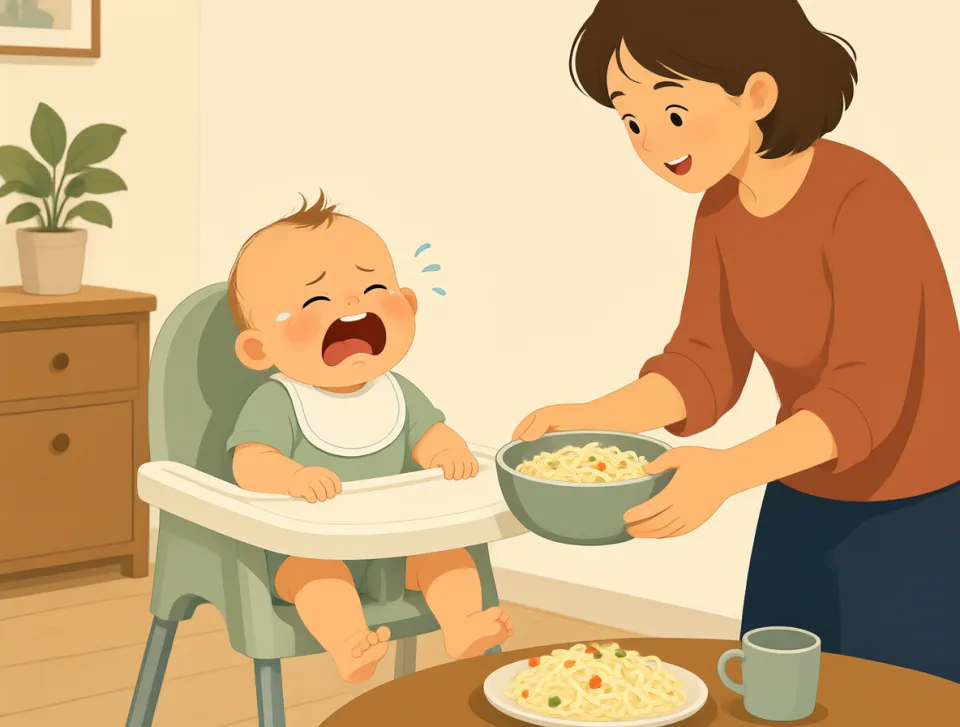
The baby is crying because it is hungry.
El bebé está llorando porque tiene hambre.
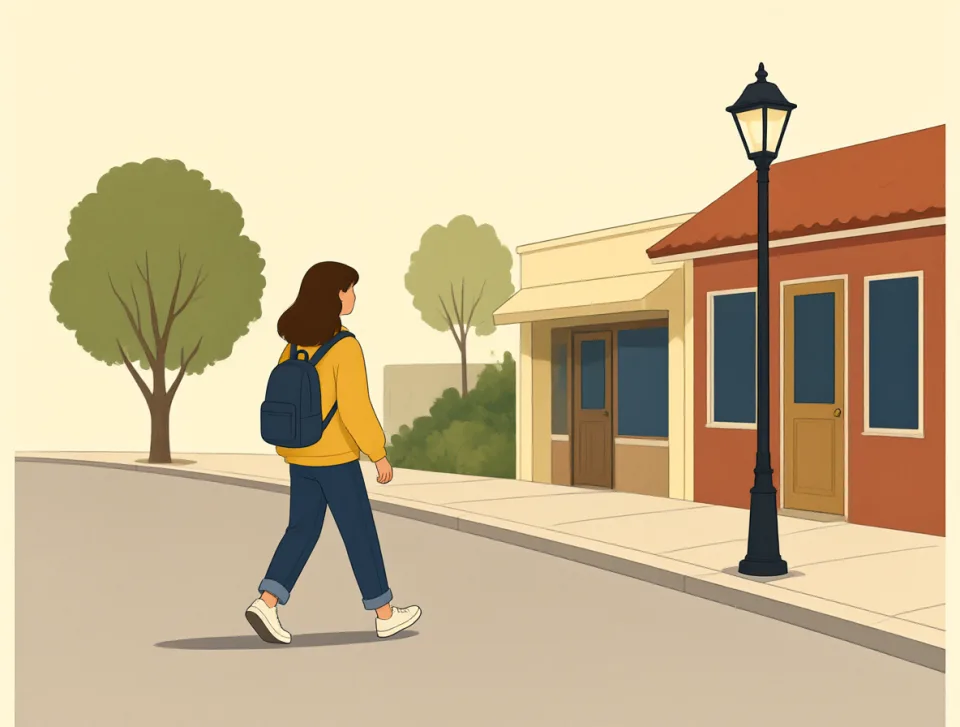
It takes ten minutes to walk there.
Se tarda diez minutos en llegar caminando.
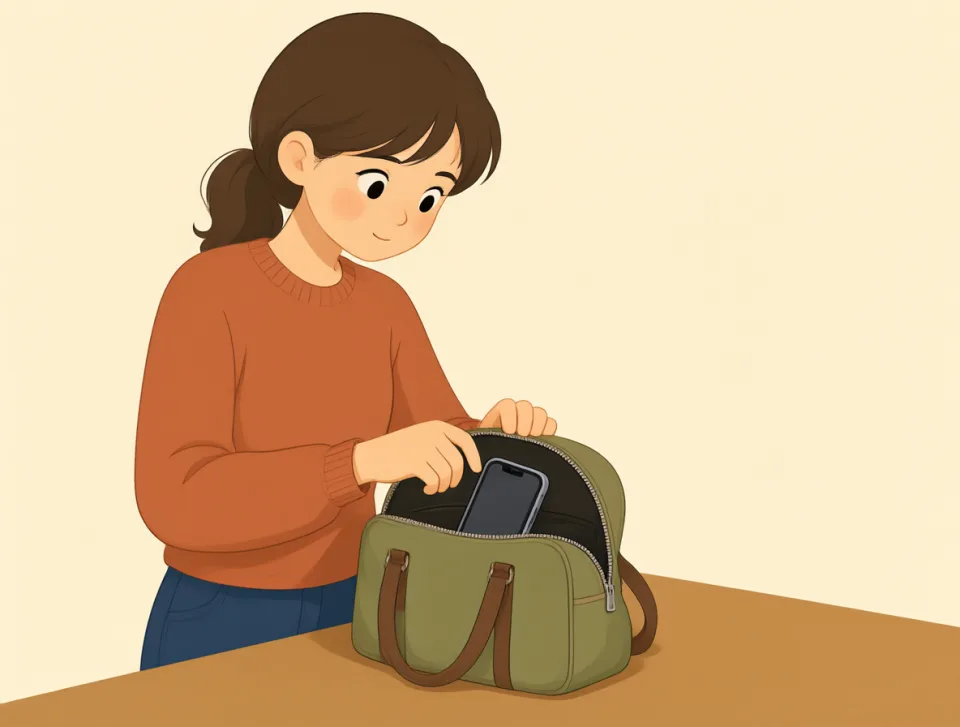
I found my phone and put it in my bag.
Encontré mi teléfono y lo guardé en mi bolso.
you
#10pronoun
tú; usted; ustedes
The person or people being spoken to.
La persona o las personas a las que se les está hablando.
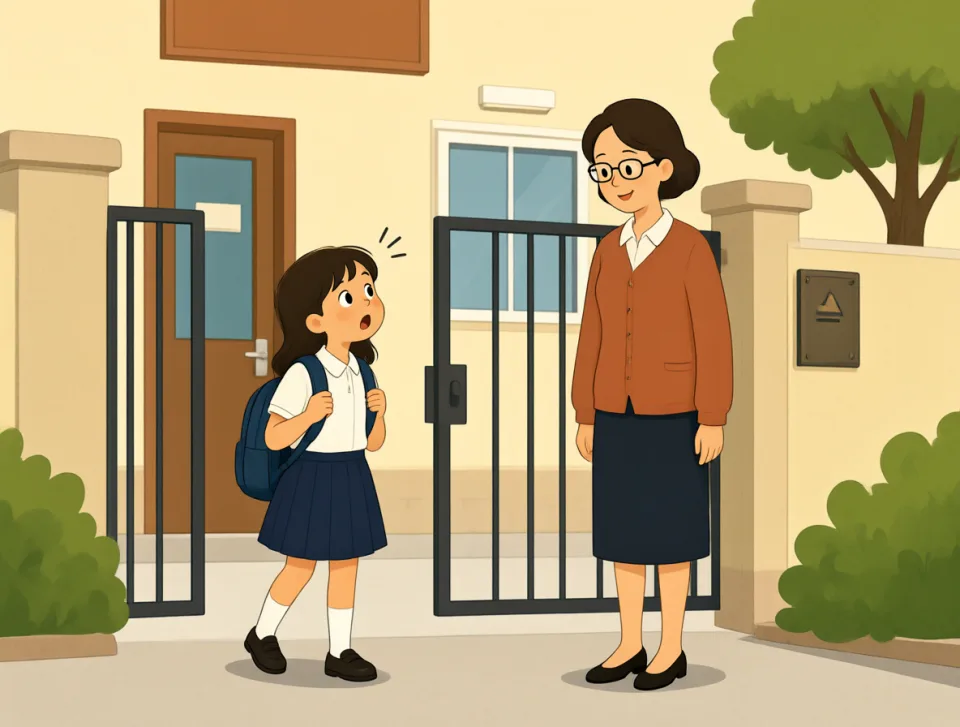
You are late for school today.
Hoy llegas tarde a la escuela.

Can I help you with that bag?
¿Puedo ayudarte con esa bolsa?

Did you enjoy dinner with your friends?
¿Disfrutaste la cena con tus amigos?

We will call you after work.
Te llamaremos después del trabajo.
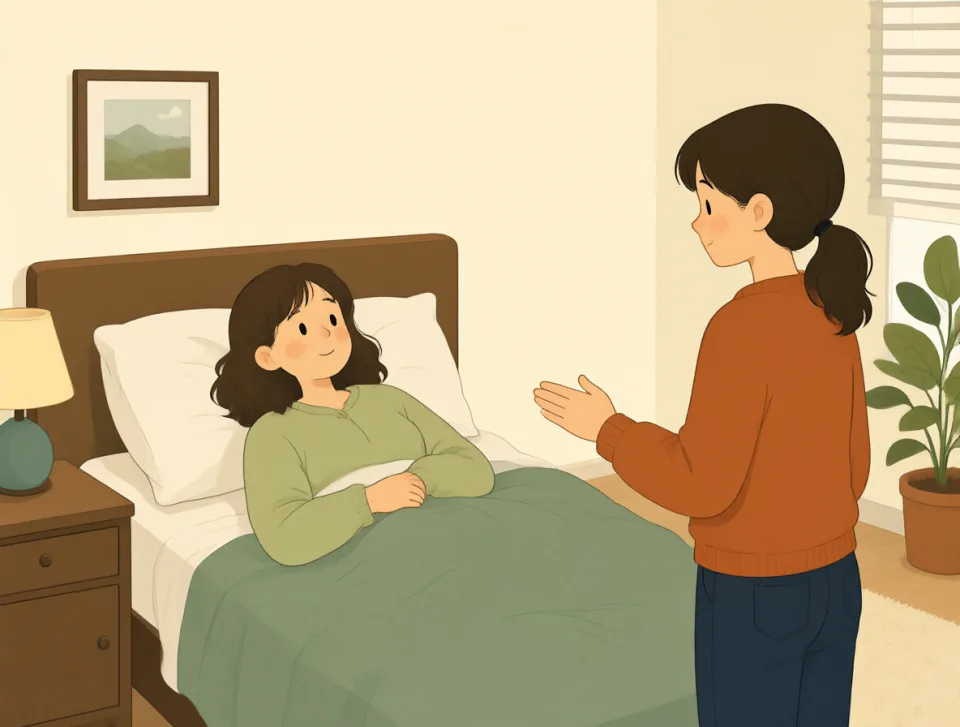
Are you feeling better today?
¿Te sientes mejor hoy?
he
#11pronoun
él
A word used for one male person already mentioned or known.
Palabra que se usa para referirse a un hombre que ya se mencionó o que se conoce.
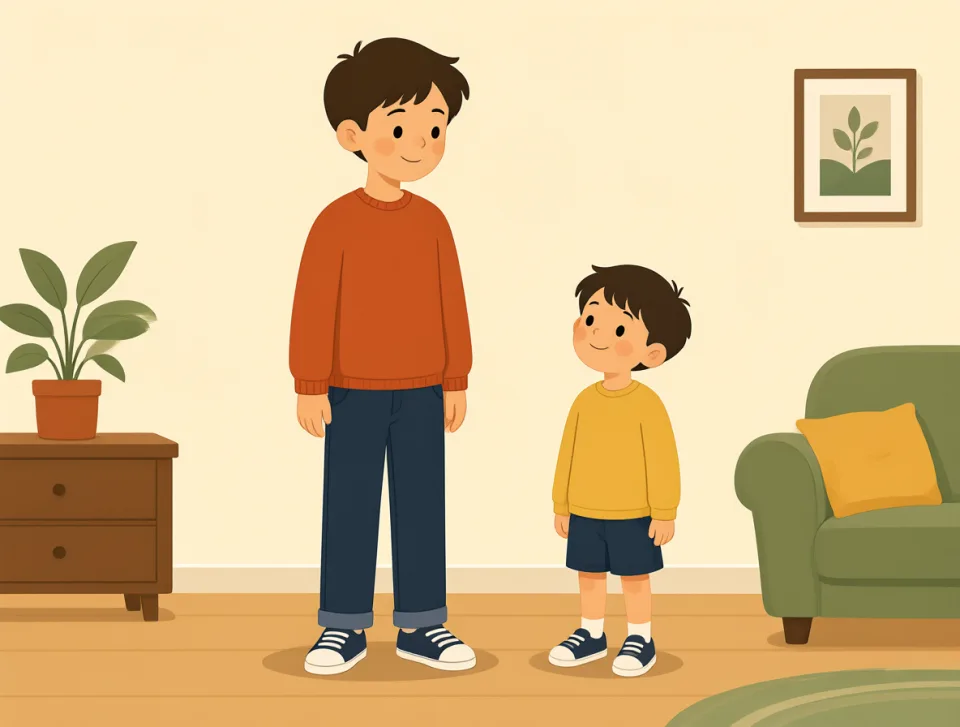
He is my brother.
Él es mi hermano.

He works at a small shop.
Él trabaja en una tienda pequeña.
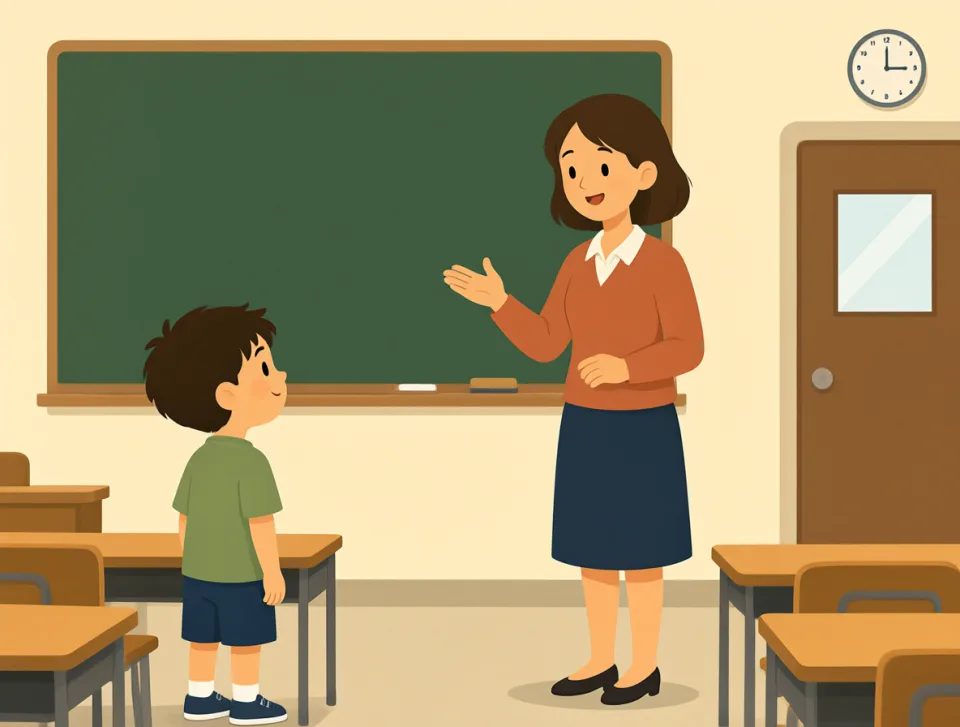
The teacher said he was late.
El profesor dijo que él había llegado tarde.

He bought bread at the market.
Él compró pan en el mercado.
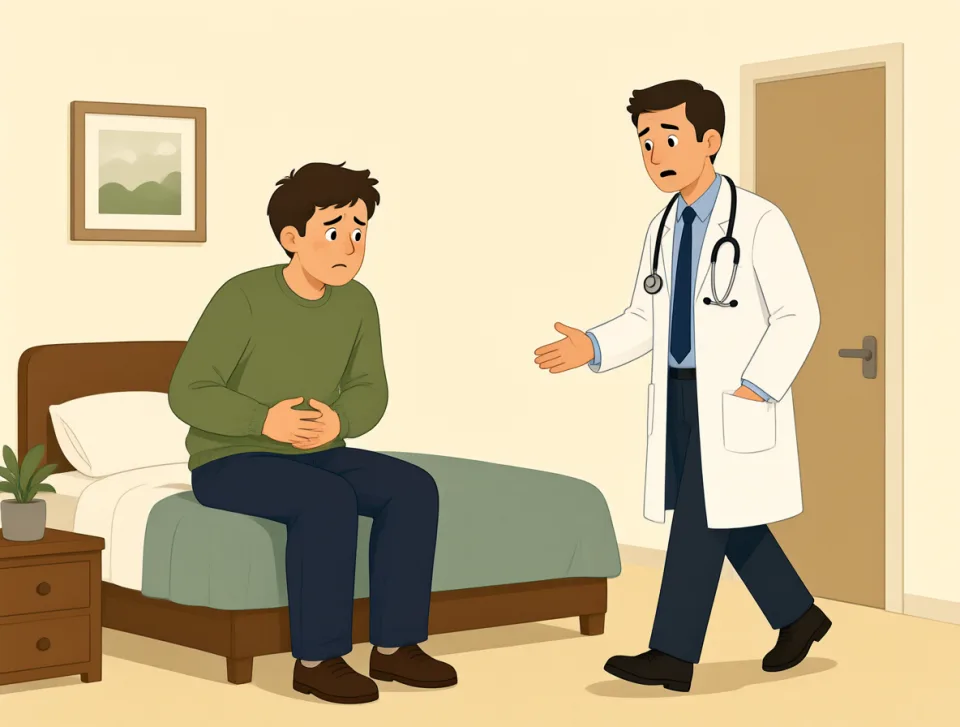
He feels sick and needs a doctor.
Él se siente enfermo y necesita un médico.

for
#12preposition, conjunction
para; por; durante
Used to show purpose, time, reason, or who receives something.
Se usa para indicar propósito, tiempo, motivo o quién recibe algo.
This gift is for my sister.
Este regalo es para mi hermana.
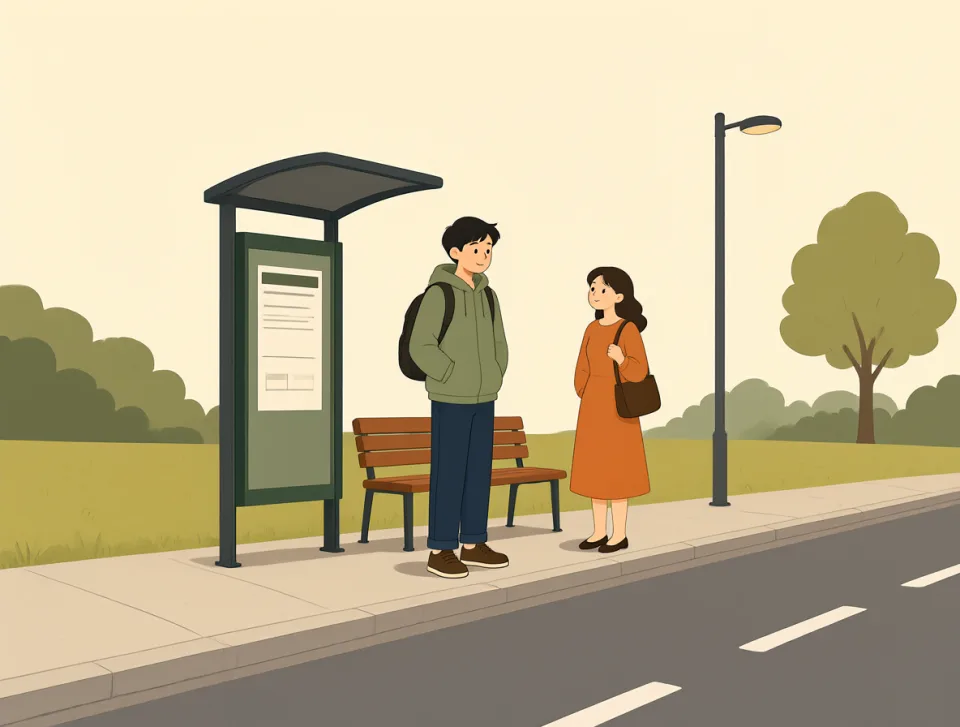
We waited for the bus.
Esperamos el autobús.
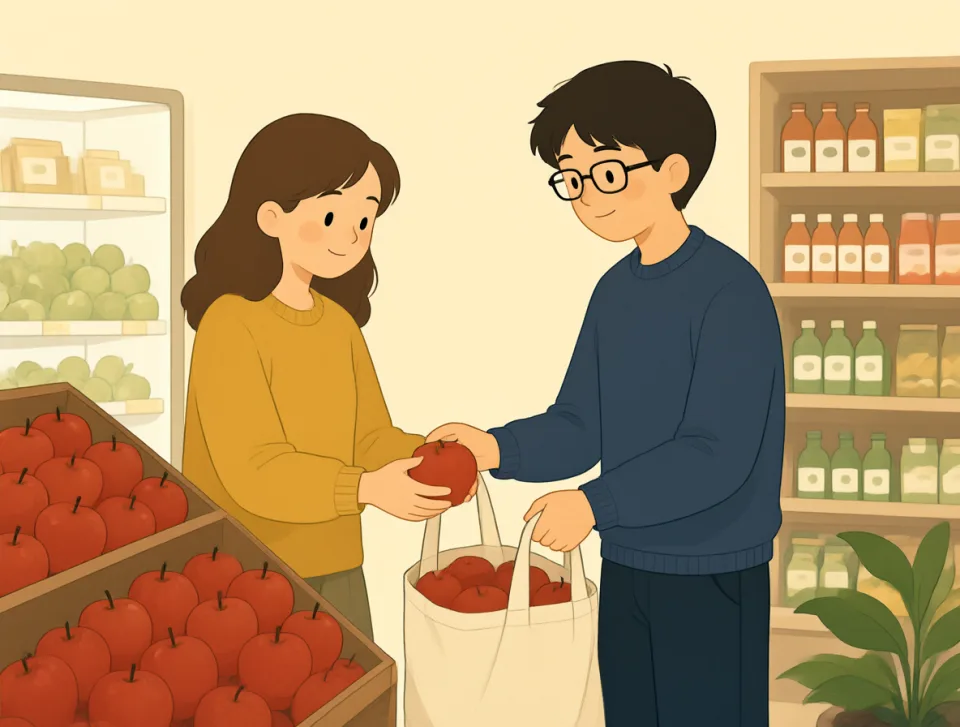
I bought some apples for lunch.
Compré unas manzanas para el almuerzo.

She studied for two hours.
Estudió durante dos horas.
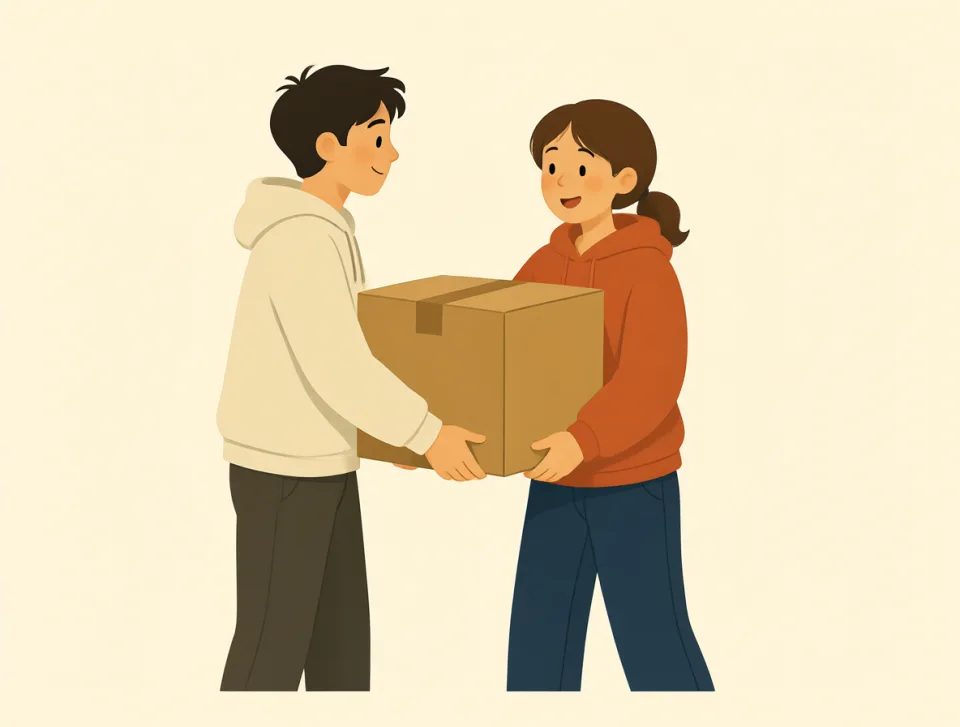
Thank you for helping me.
Gracias por ayudarme.
they
#13pronoun
ellos; ellas
Used to talk about two or more people, animals, or things.
Se usa para hablar de dos o más personas, animales o cosas.
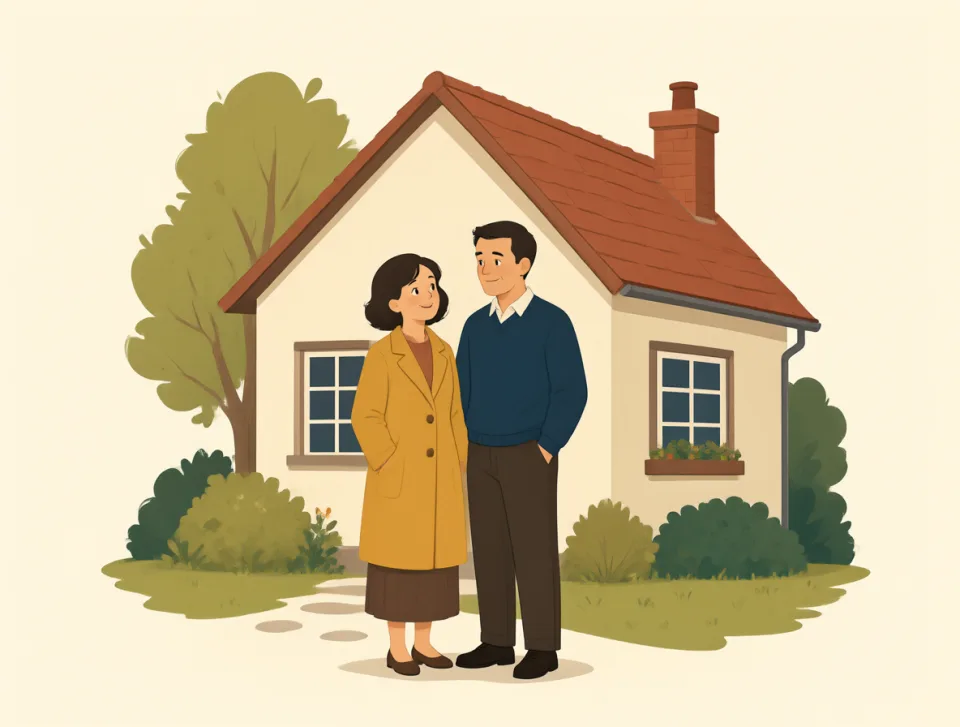
They live in a small house.
Ellos viven en una casa pequeña.

They are waiting for the bus.
Están esperando el autobús.
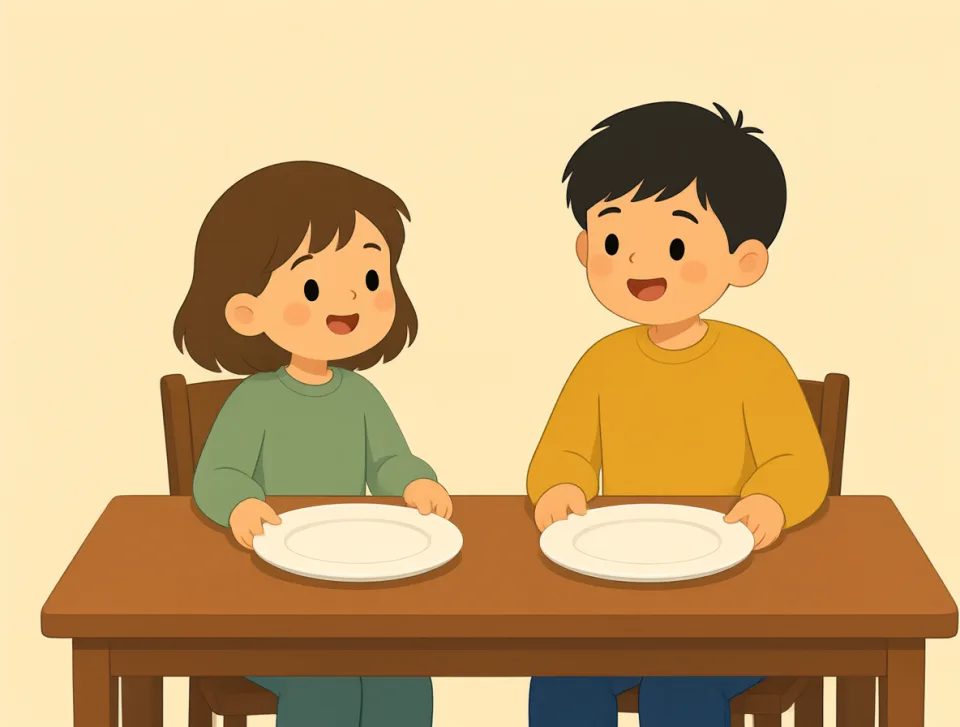
The children said they were hungry.
Los niños dijeron que tenían hambre.

I saw them at the store.
Los vi en la tienda.

They helped me carry my bags.
Me ayudaron a llevar mis bolsas.
not
#14adverb
no
Used to make a verb or adjective negative.
Se usa para hacer negativo un verbo o adjetivo.
I do not understand this question.
No entiendo esta pregunta.
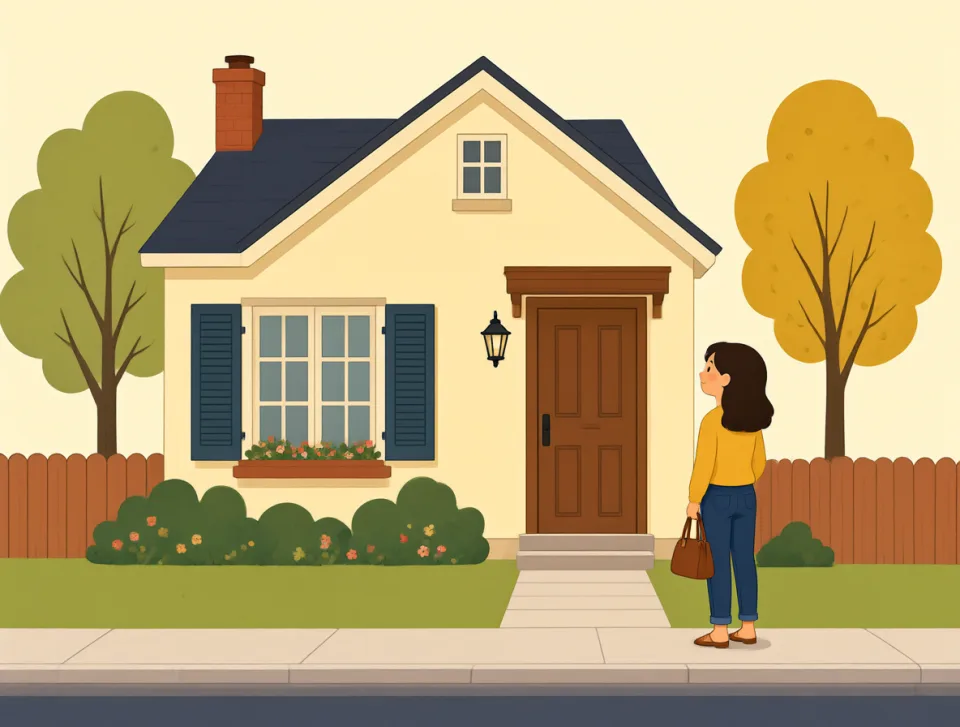
She is not at home today.
Ella no está en casa hoy.

We are not ready to leave yet.
Todavía no estamos listos para irnos.

He did not eat breakfast this morning.
Él no desayunó esta mañana.
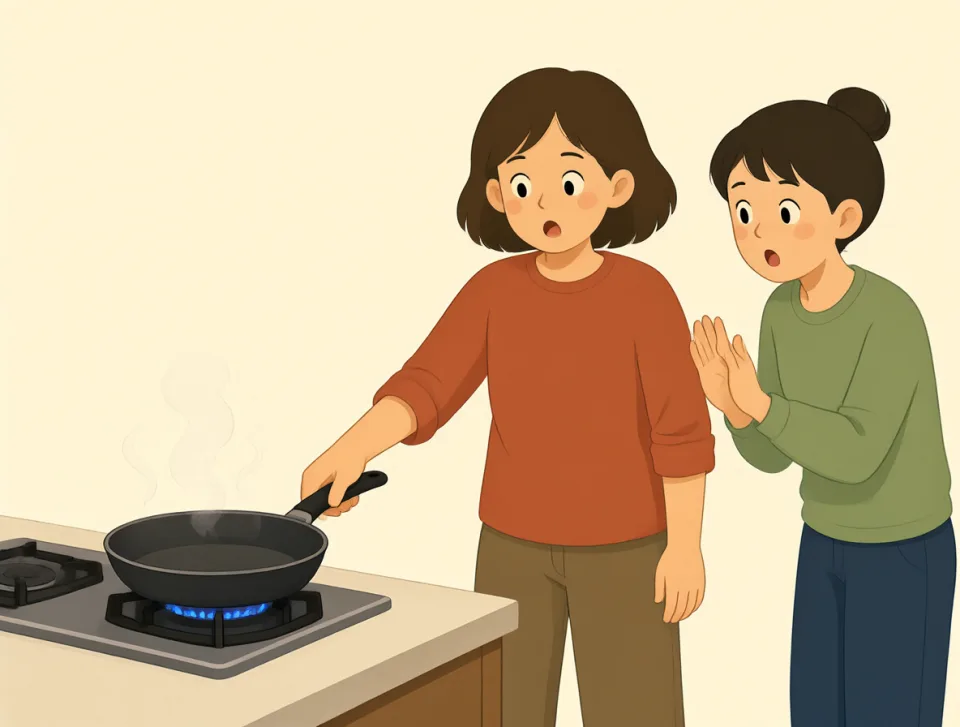
Please do not touch the hot pan.
Por favor, no toques la sartén caliente.
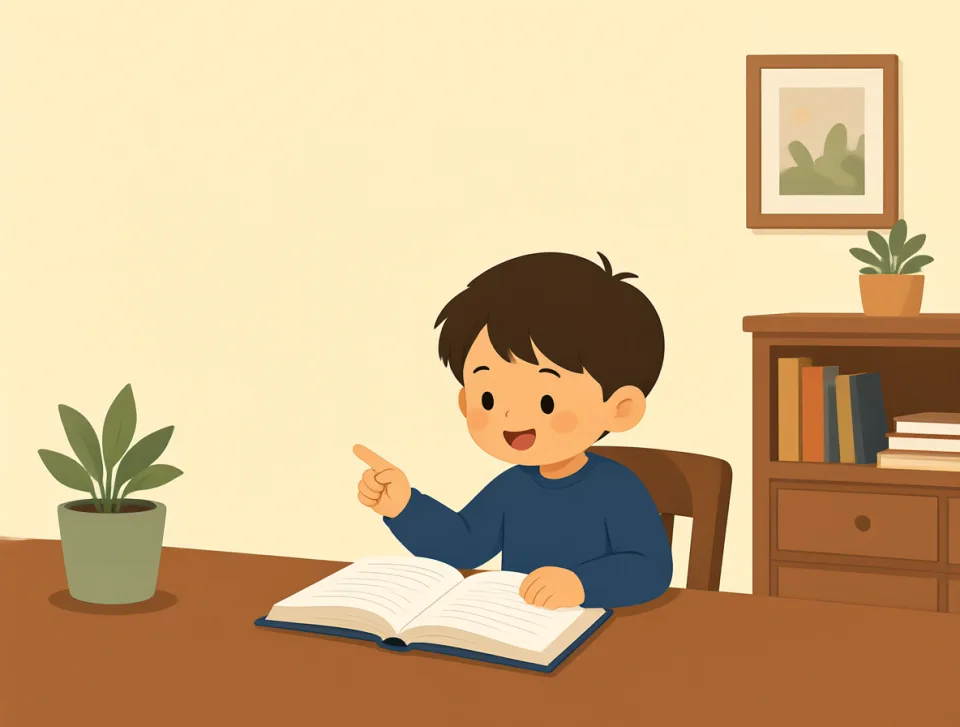
that
#15determiner, pronoun, conjunction, adverb
ese; esa; que; tan
Used to point to something or introduce information after a verb.
Se usa para señalar algo o para introducir información después de un verbo.
That book on the table is mine.
Ese libro que está sobre la mesa es mío.
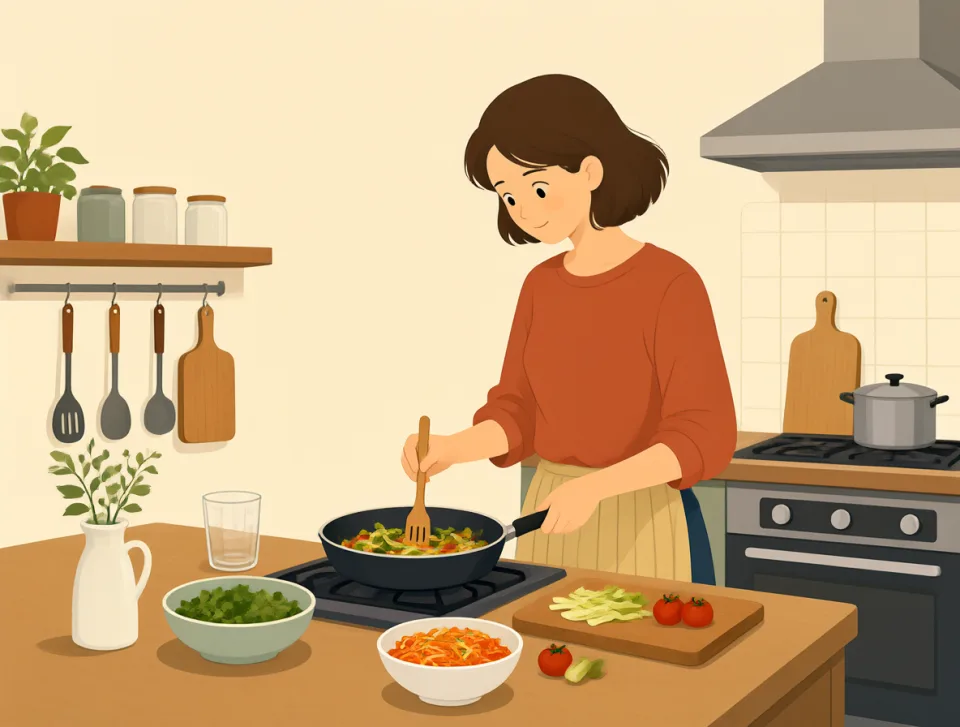
I think that dinner is ready.
Creo que la cena está lista.

The shoes that I bought fit well.
Los zapatos que compré me quedan bien.
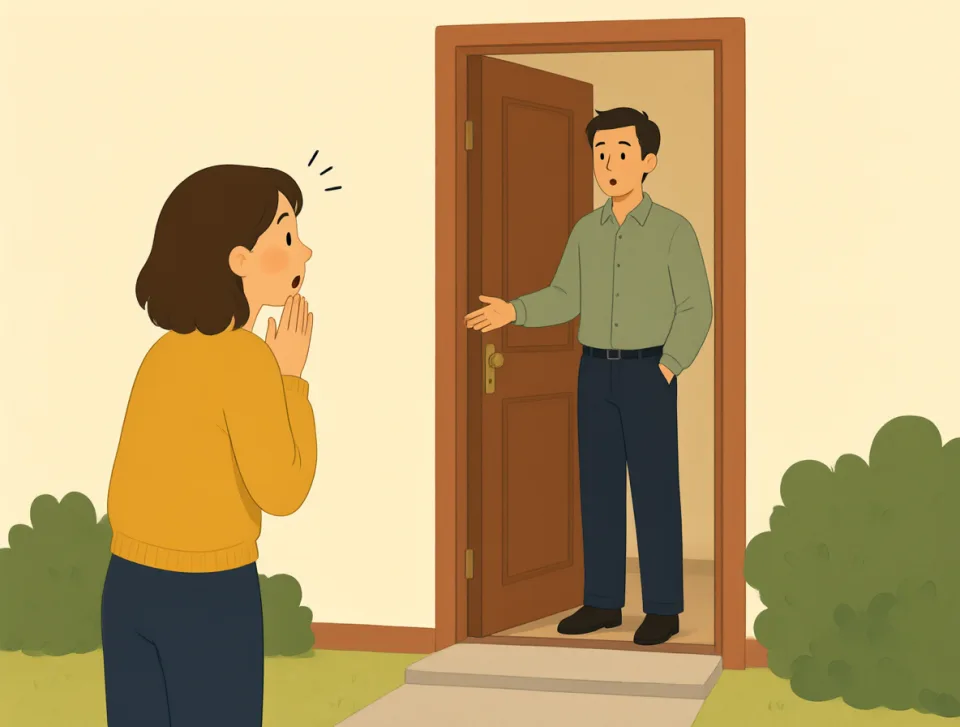
Who is that man at the door?
¿Quién es ese hombre que está en la puerta?

It was not that expensive.
No era tan caro.
we
#16pronoun
nosotros; nosotras
Used by a speaker to mean the speaker and one or more other people.
Se usa para referirse al hablante y a una o más personas.
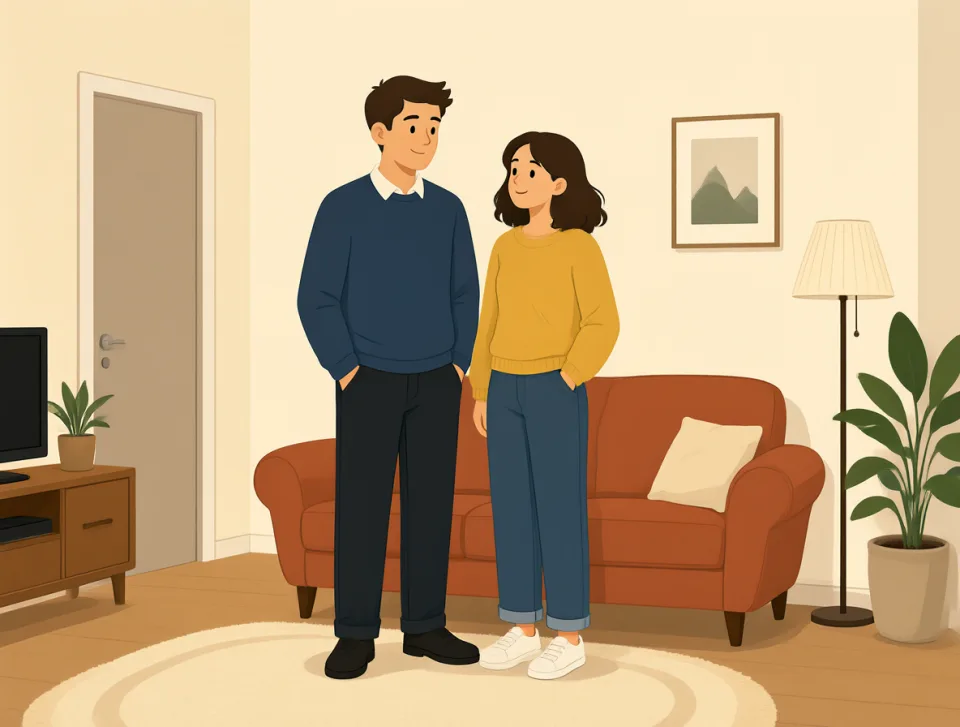
We live in a small apartment.
Vivimos en un departamento pequeño.

We are learning English at school.
Estamos aprendiendo inglés en la escuela.
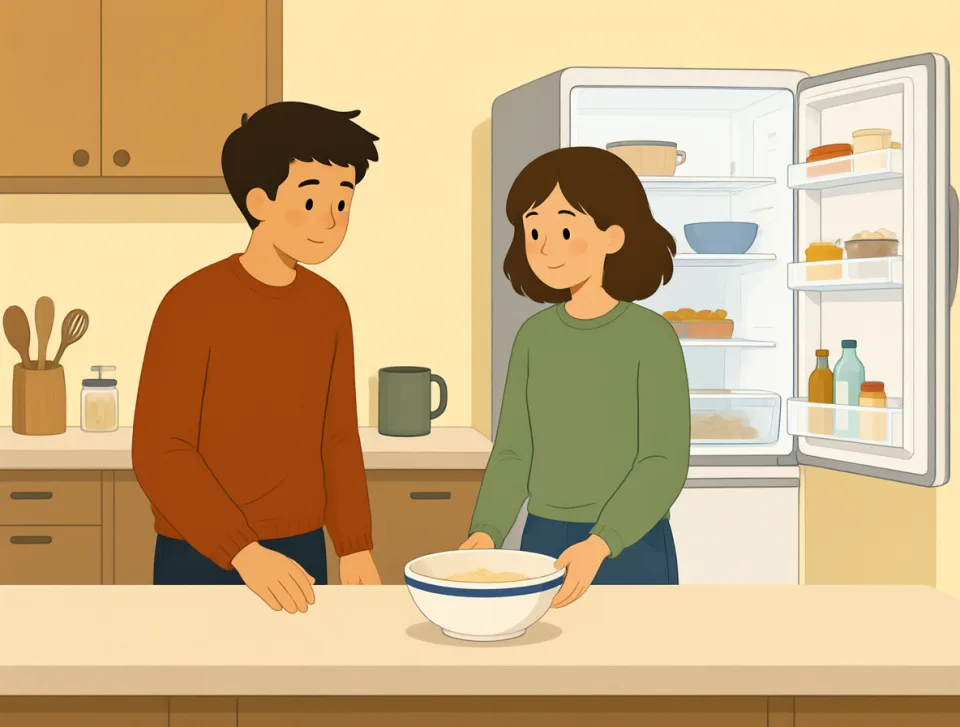
We need some milk for breakfast.
Necesitamos leche para el desayuno.

We went to the beach last weekend.
Fuimos a la playa el fin de semana pasado.

We feel better after taking the medicine.
Nos sentimos mejor después de tomar el medicamento.
on
#17adverb, preposition, adjective
en; puesto; encendido
Used to show position, time, connection, or that something is working.
Se usa para indicar posición, tiempo, conexión o que algo está funcionando.
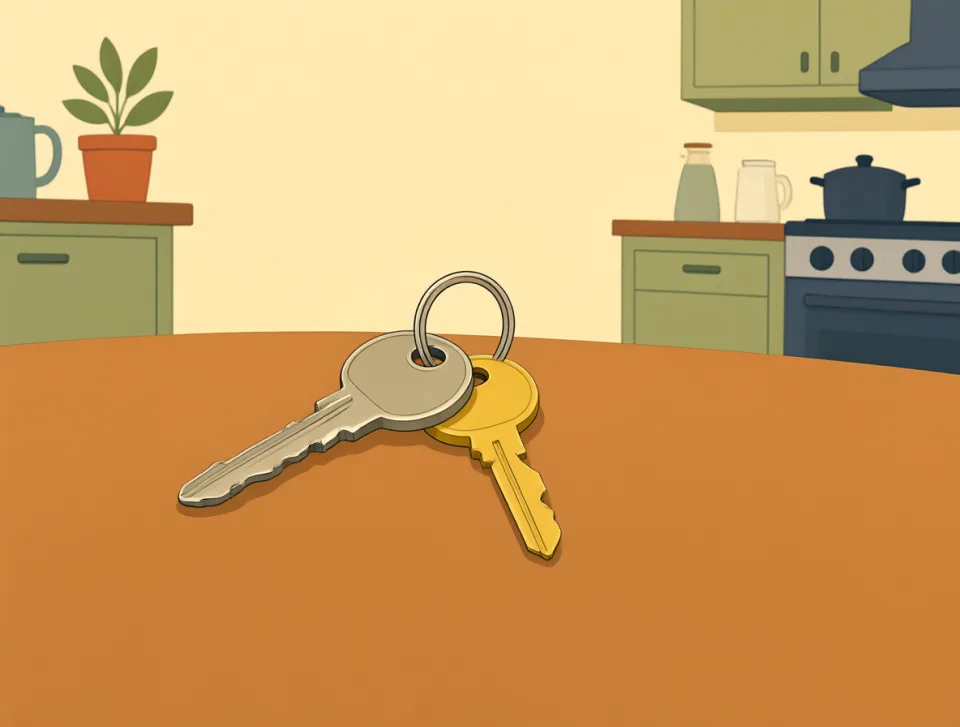
The keys are on the table.
Las llaves están sobre la mesa.

We have a meeting on Monday.
Tenemos una reunión el lunes.
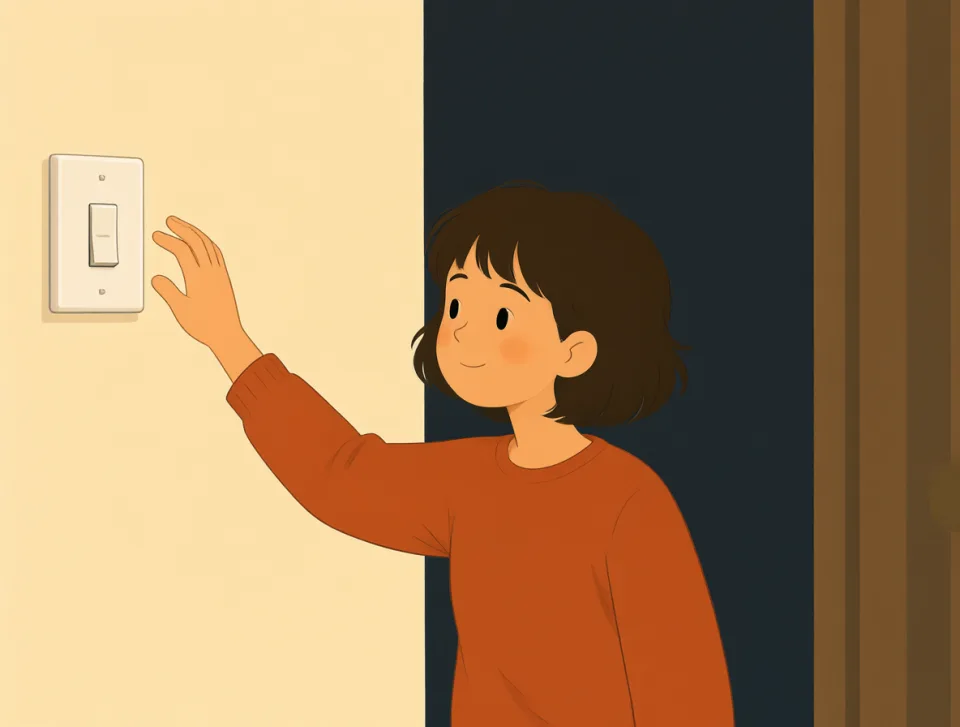
Please turn on the light.
Por favor, enciende la luz.

She is on the bus to school.
Ella va en el autobús a la escuela.
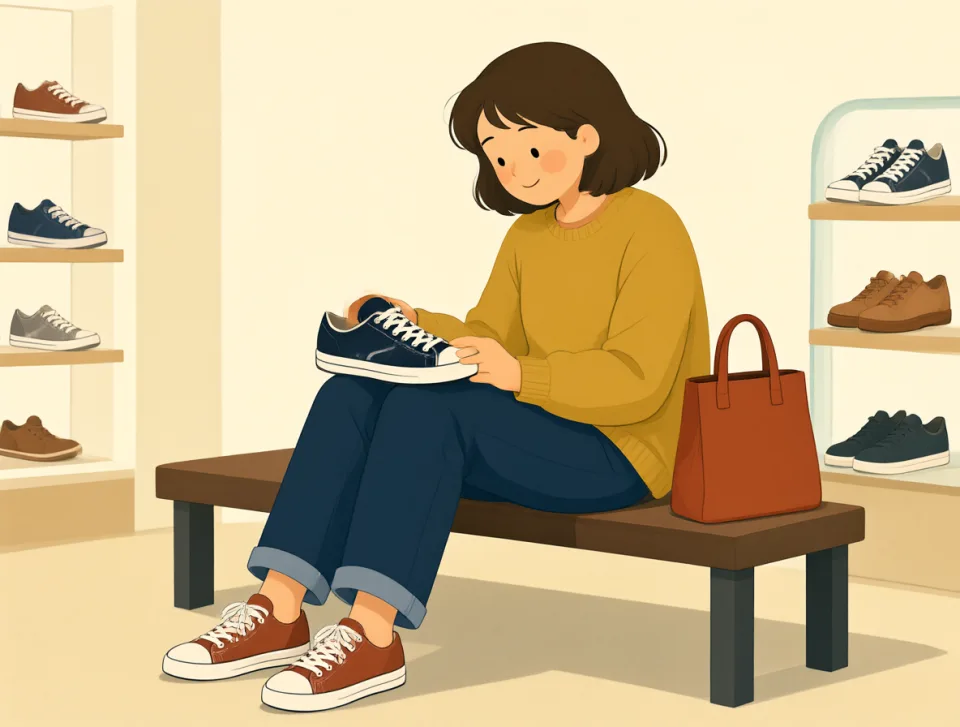
I tried on these shoes at the store.
Me probé estos zapatos en la tienda.

with
#18preposition
con
together with someone or something; having or using someone or something
junto con alguien o algo; que tiene o utiliza a alguien o algo
I went to the park with my sister.
Fui al parque con mi hermana.
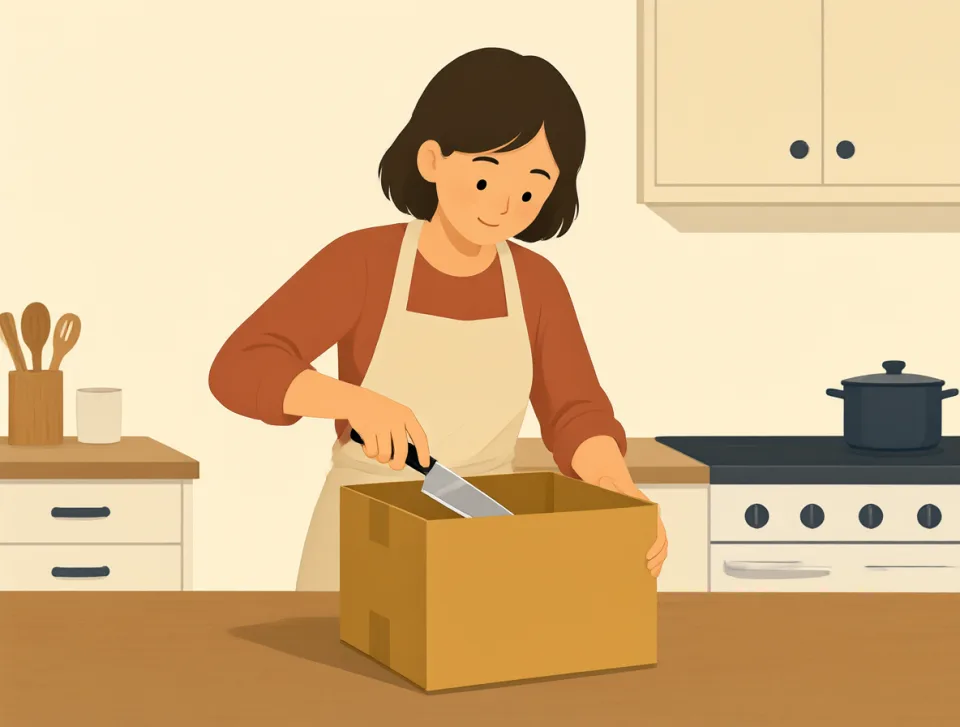
She opened the box with a knife.
Abrió la caja con un cuchillo.

The man with the blue bag is my teacher.
El hombre de la bolsa azul es mi profesor.
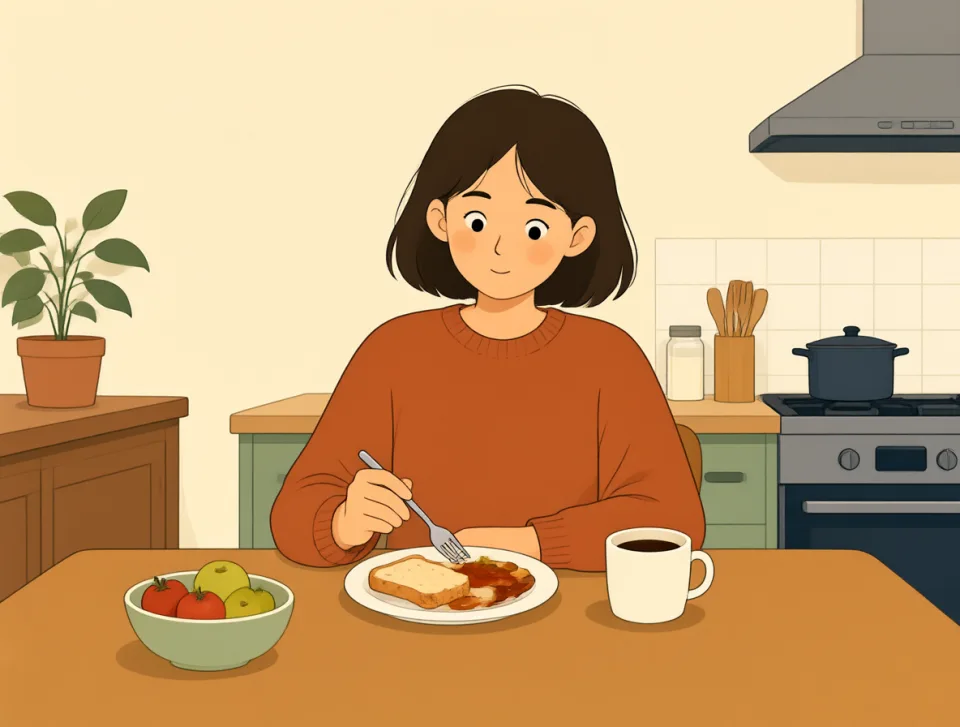
Would you like coffee with your breakfast?
¿Te gustaría tomar café con el desayuno?

He is sick with a bad cold.
Está enfermo de un fuerte resfriado.
this
#19determiner, pronoun, adverb
este; esta; esto
Used to talk about one person, thing, or place near you or now.
Se usa para hablar de una persona, cosa o lugar que está cerca de ti o del momento presente.
This is my favorite book.
Este es mi libro favorito.
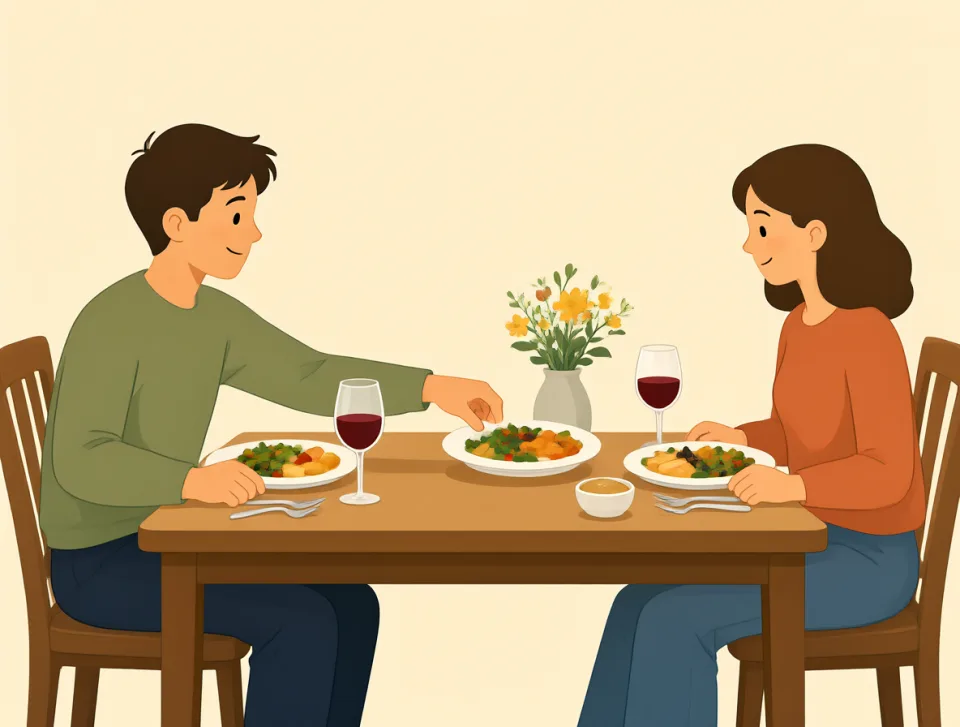
Could you pass me this plate?
¿Me puedes pasar este plato?

I bought this shirt yesterday.
Ayer me compré esta camisa.
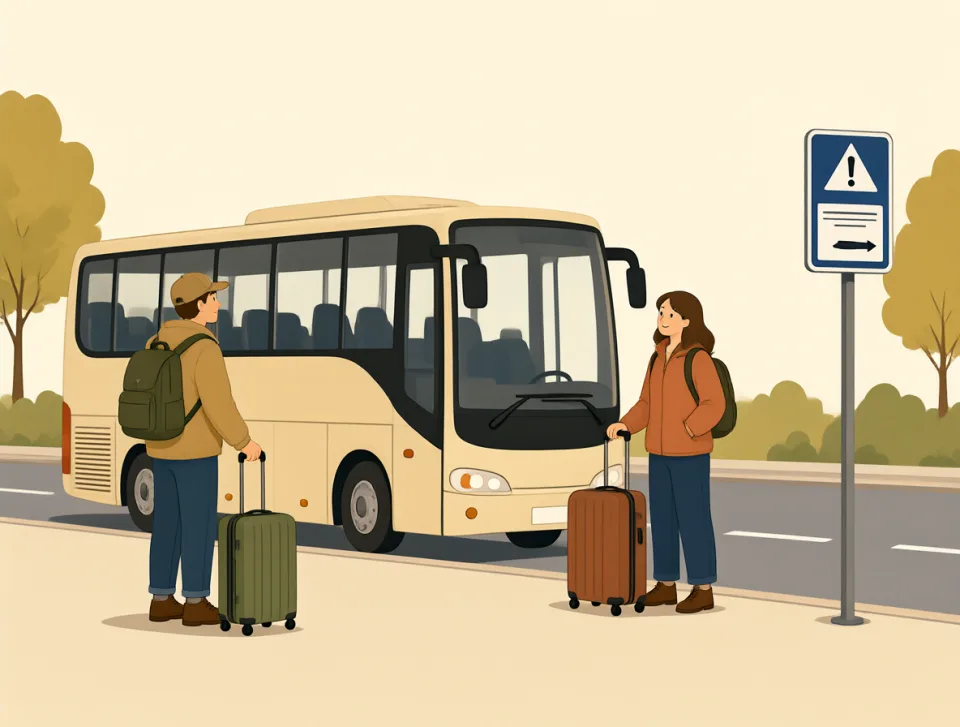
This is where we get off.
Aquí es donde nos bajamos.
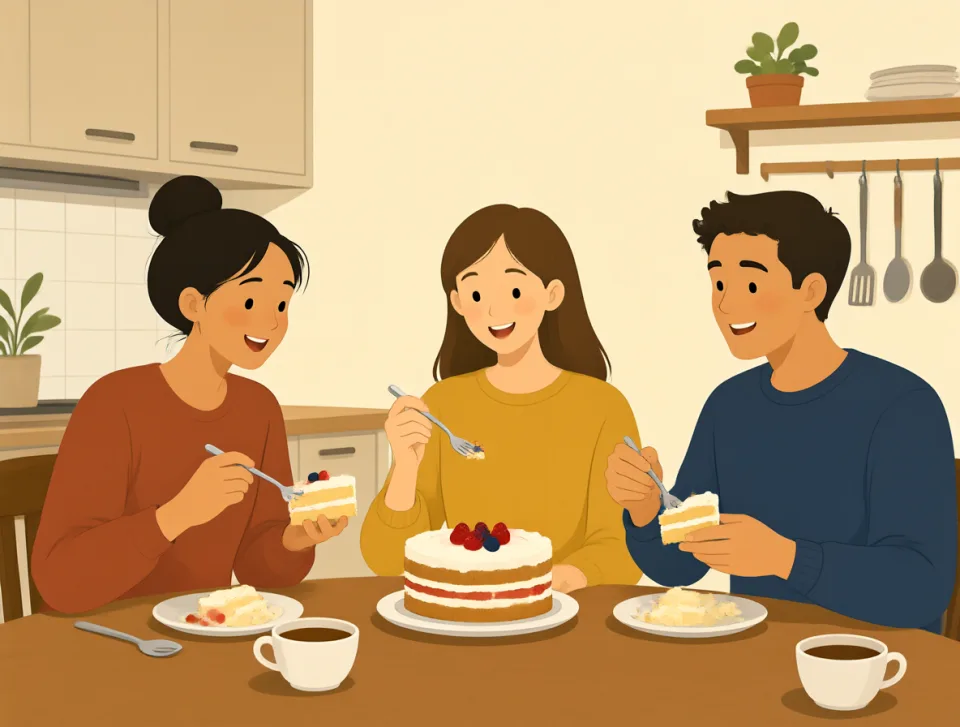
This cake tastes really good.
Este pastel está muy rico.
I
#20pronoun
yo
The pronoun used for the person speaking or writing.
Pronombre que se usa para referirse a la persona que habla o escribe.
I am tired after work today.
Hoy estoy cansado después del trabajo.

I have a sister in London.
Tengo una hermana en Londres.
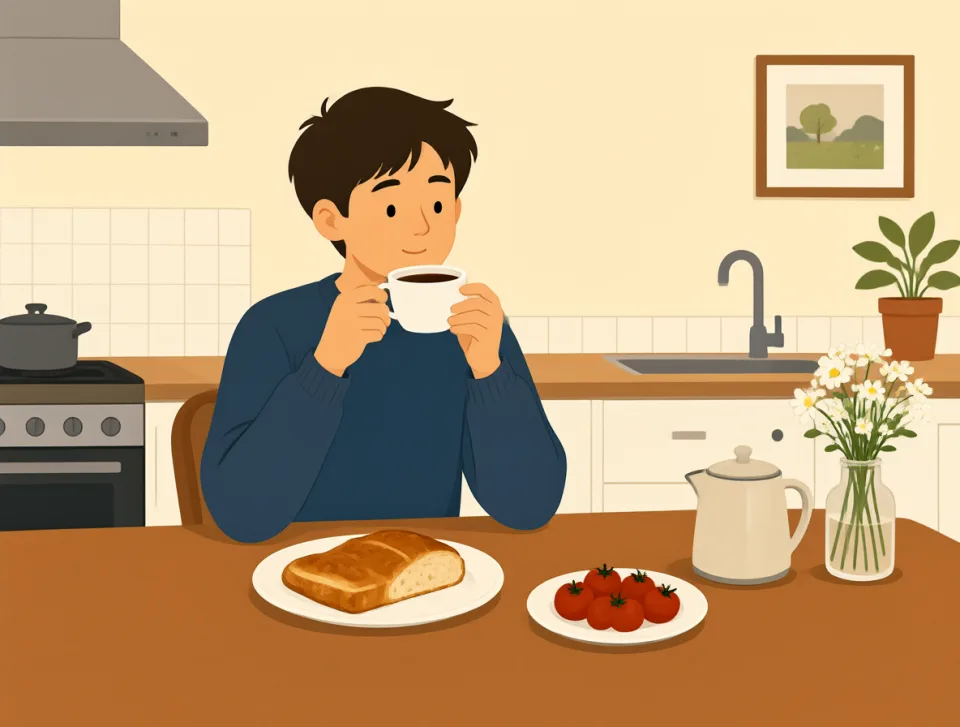
I like coffee with breakfast.
Me gusta tomar café en el desayuno.
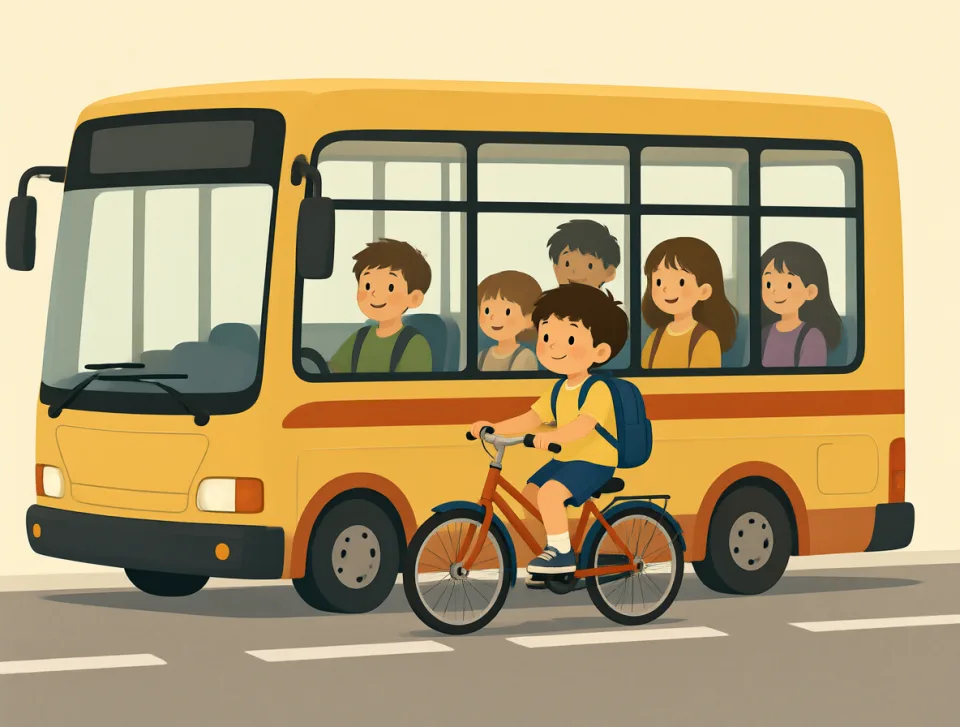
I went to school by bus.
Fui a la escuela en autobús.

Can I help you with dinner?
¿Puedo ayudarte con la cena?