Zestaw 2
Słowa 21–40 · do, as, at, she, but, from
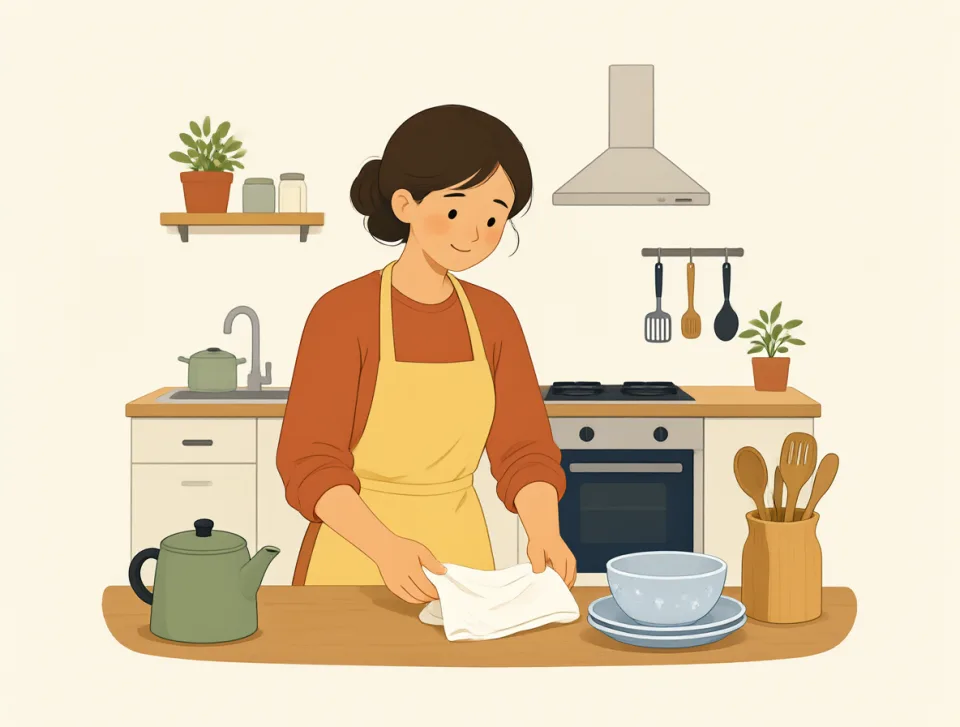
do
#21verb, auxiliary verb, noun
robić
To perform an action, task, or activity.
Wykonywać jakąś czynność, zadanie lub aktywność.
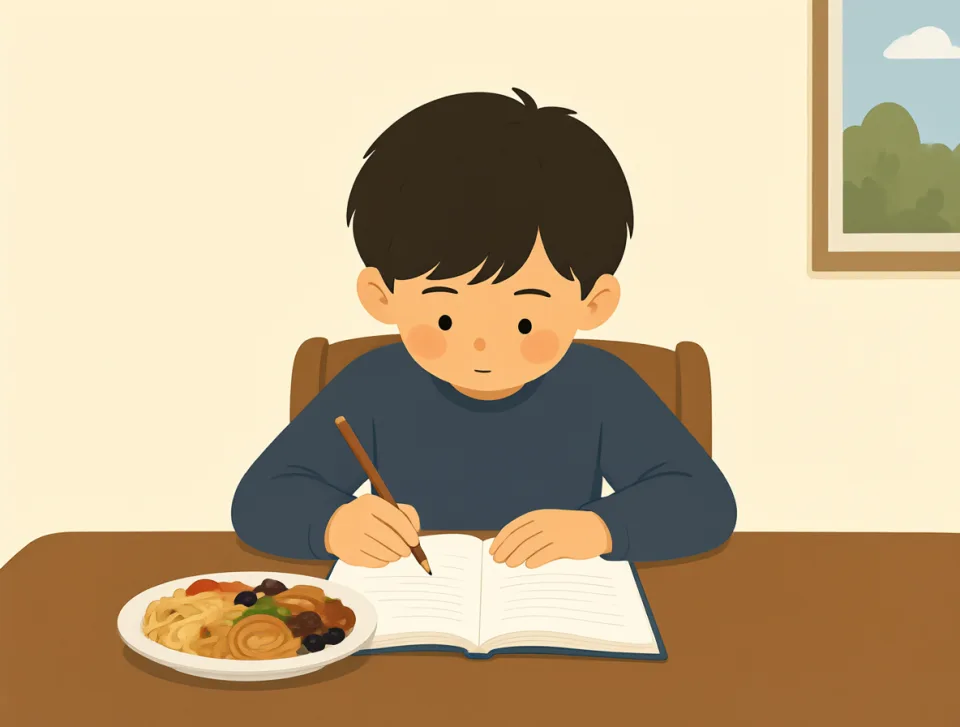
I do my homework after dinner.
Odrabiam pracę domową po kolacji.
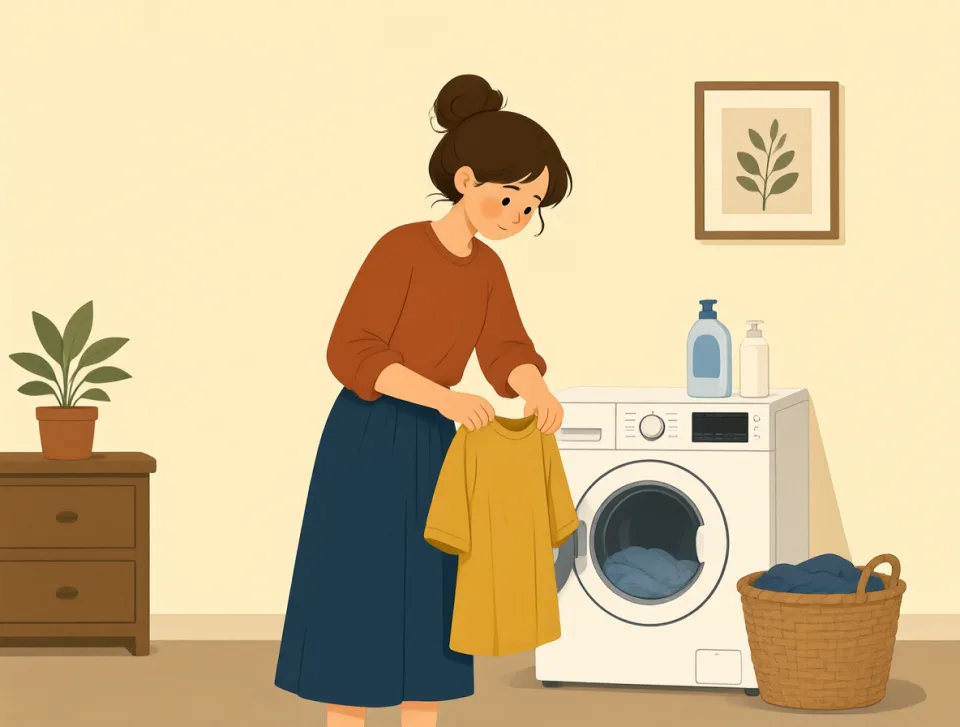
She does the washing every Saturday.
Ona robi pranie w każdą sobotę.

Do you like this restaurant?
Lubisz tę restaurację?

We did some shopping after work.
Zrobiliśmy zakupy po pracy.
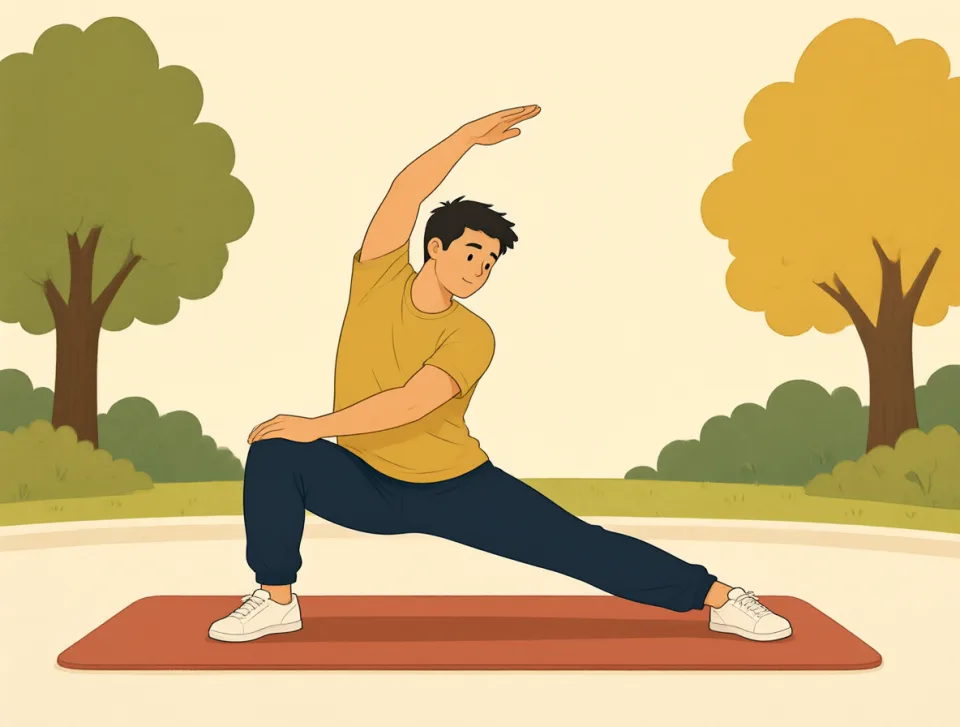
He does exercise every morning.
On ćwiczy każdego ranka.
as
#22adverb, conjunction, preposition, pronoun, determiner
jak; gdy; ponieważ
Used to compare, show time or reason, or describe someone or something.
Służy do porównywania, wskazywania czasu lub przyczyny albo opisywania kogoś lub czegoś.
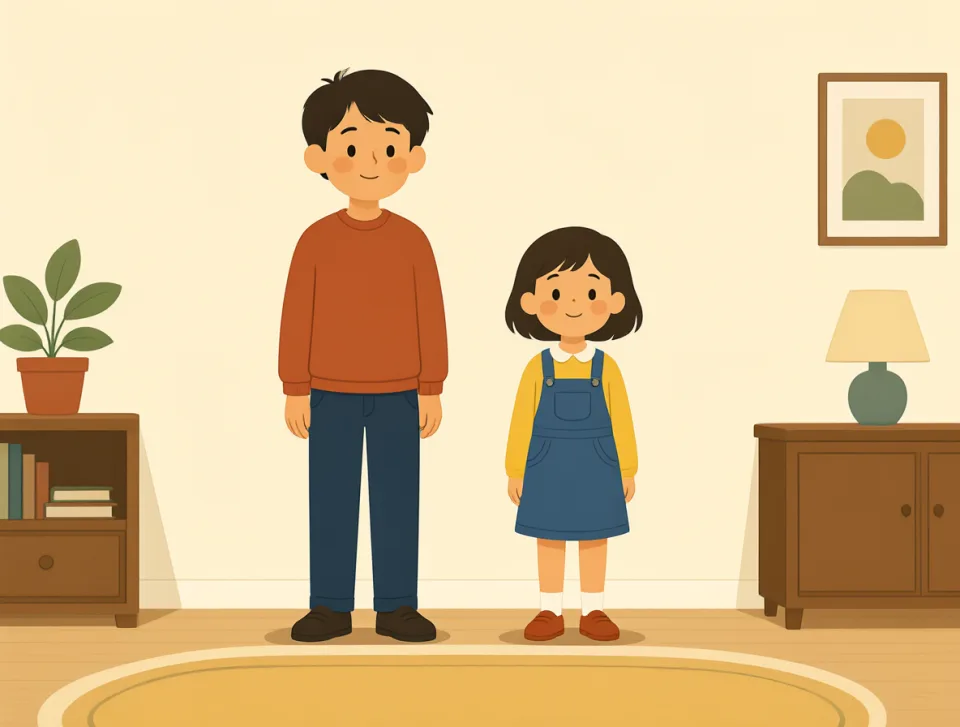
She is as tall as her brother.
Ona jest tak wysoka jak jej brat.

As I walked home, it started raining.
Kiedy szedłem do domu, zaczęło padać.

Please do as your teacher says.
Proszę robić to, co mówi nauczyciel.

He works as a waiter at night.
W nocy pracuje jako kelner.

As usual, we had dinner at seven.
Jak zwykle zjedliśmy kolację o siódmej.
at
#23preposition
o; w; na
Used to show a specific time, place, or situation.
Służy do wskazywania konkretnej godziny, miejsca lub sytuacji.
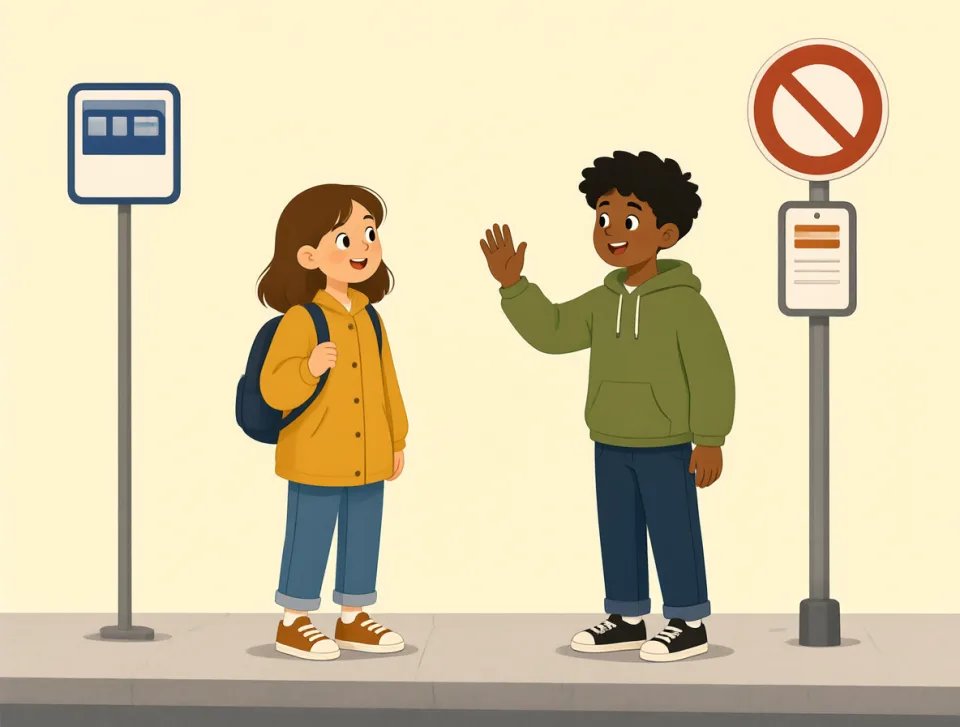
Meet me at the bus stop.
Spotkajmy się na przystanku autobusowym.

The class starts at nine.
Zajęcia zaczynają się o dziewiątej.
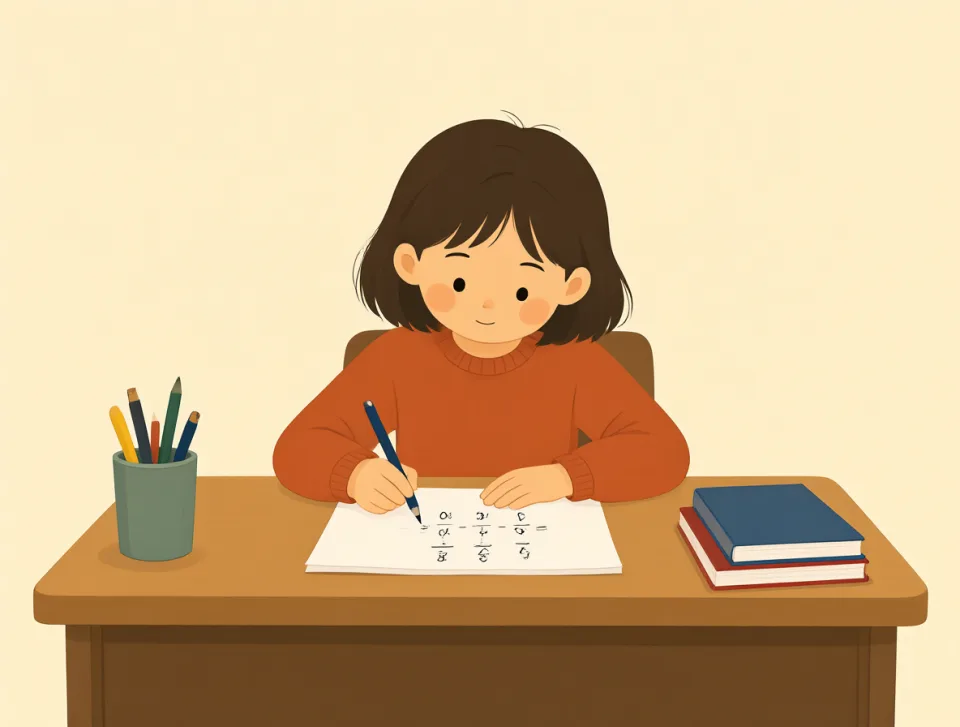
She is good at math.
Ona dobrze radzi sobie z matematyką.
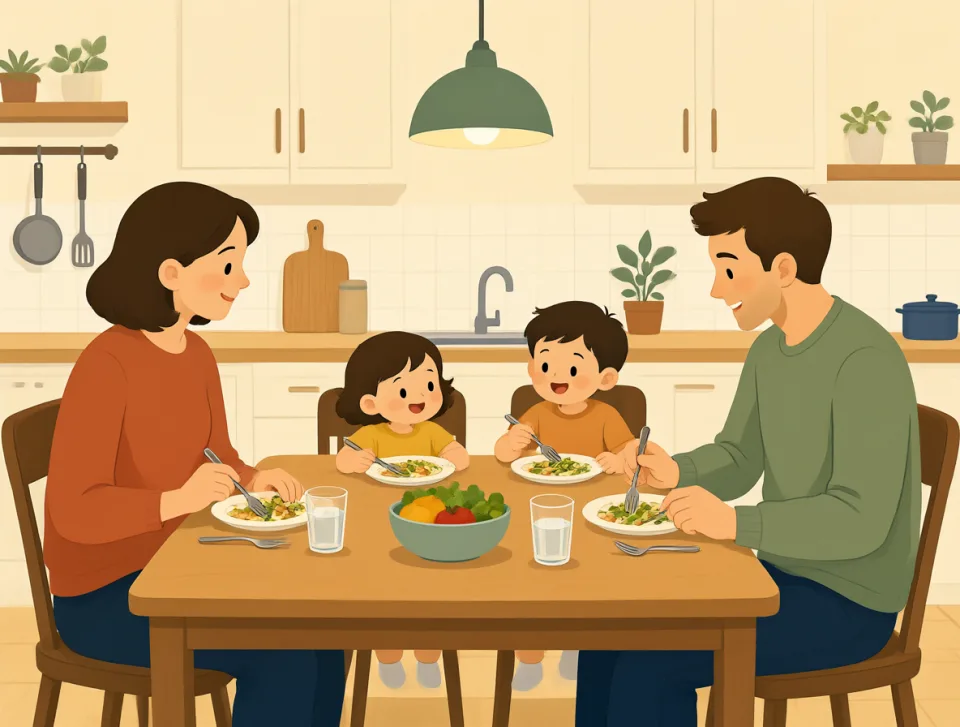
We ate lunch at home.
Zjedliśmy lunch w domu.

He arrived at the airport early.
On przyjechał na lotnisko wcześniej.

she
#24pronoun
ona
A female person or girl already mentioned or known.
Kobieta lub dziewczyna, o której już wspomniano albo którą się zna.
She lives with her parents.
Ona mieszka z rodzicami.

She works at the hospital.
Ona pracuje w szpitalu.

She is my best friend.
Ona jest moją najlepszą przyjaciółką.
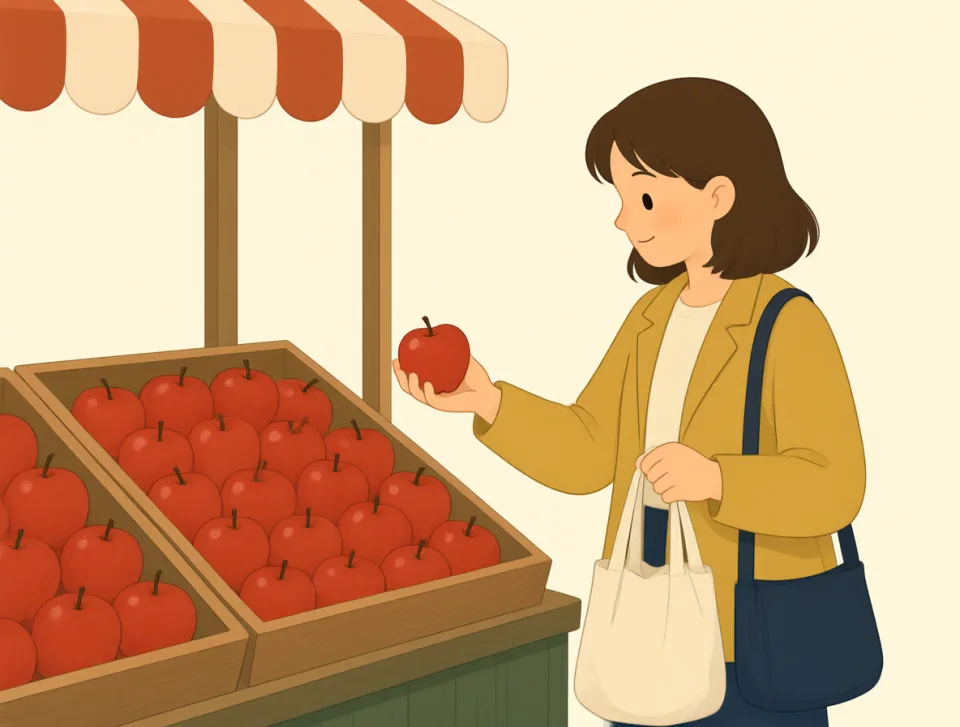
She bought some apples at the market.
Ona kupiła kilka jabłek na targu.
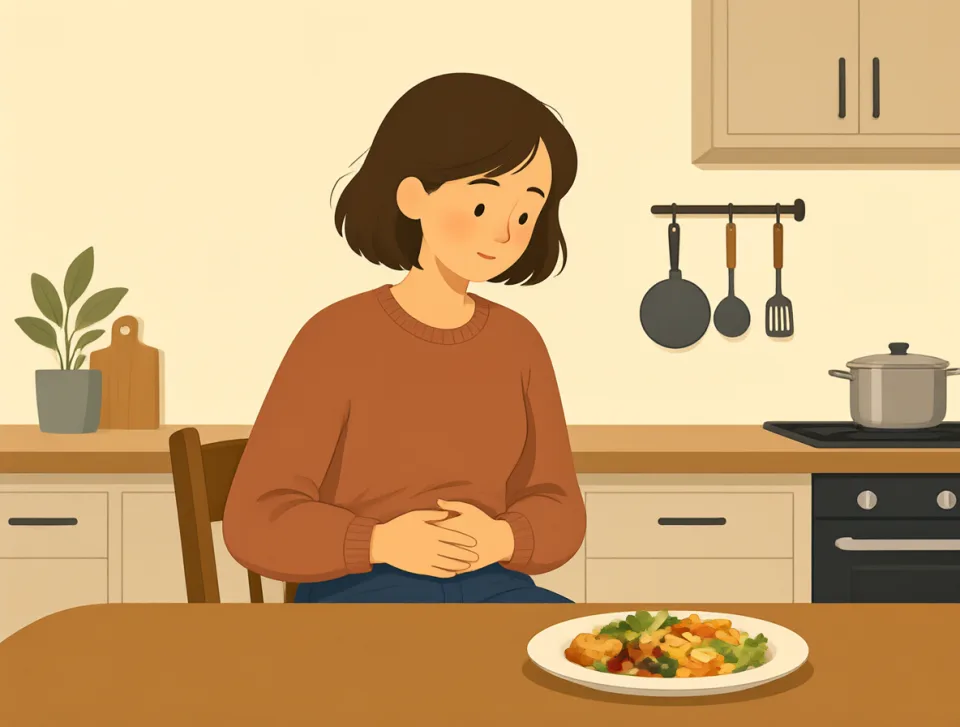
She felt sick after dinner.
Po kolacji źle się poczuła.
but
#25conjunction, preposition, adverb, noun
ale
Used to show a contrast, an exception, or a different choice.
Służy do wskazywania kontrastu, wyjątku lub innego wyboru.
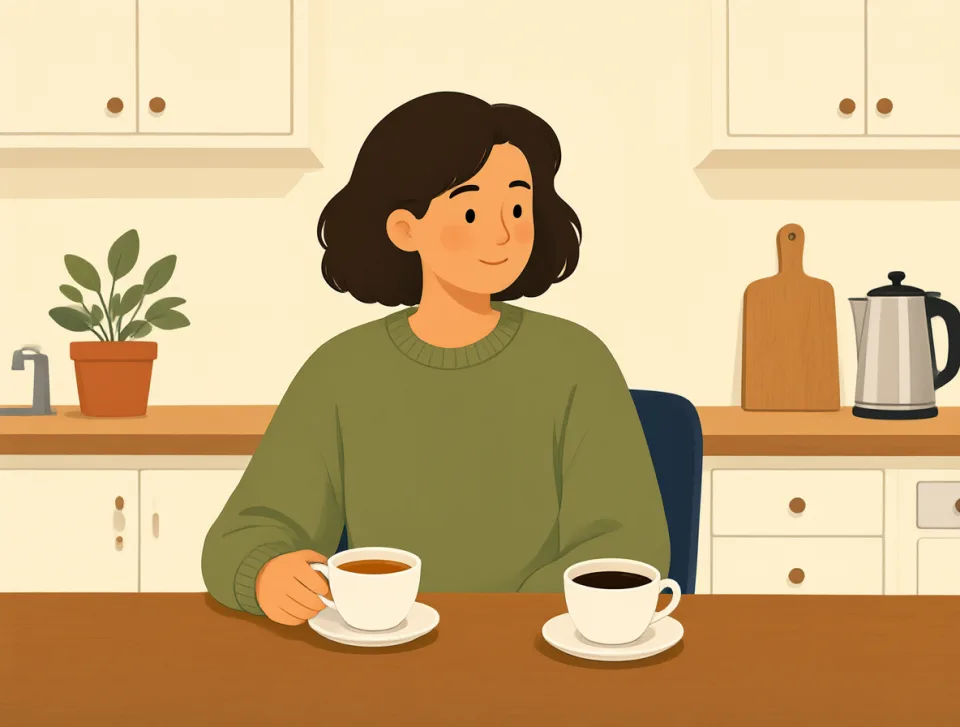
I like tea, but I prefer coffee.
Lubię herbatę, ale wolę kawę.

She is tired, but she keeps working.
Ona jest zmęczona, ale nadal pracuje.
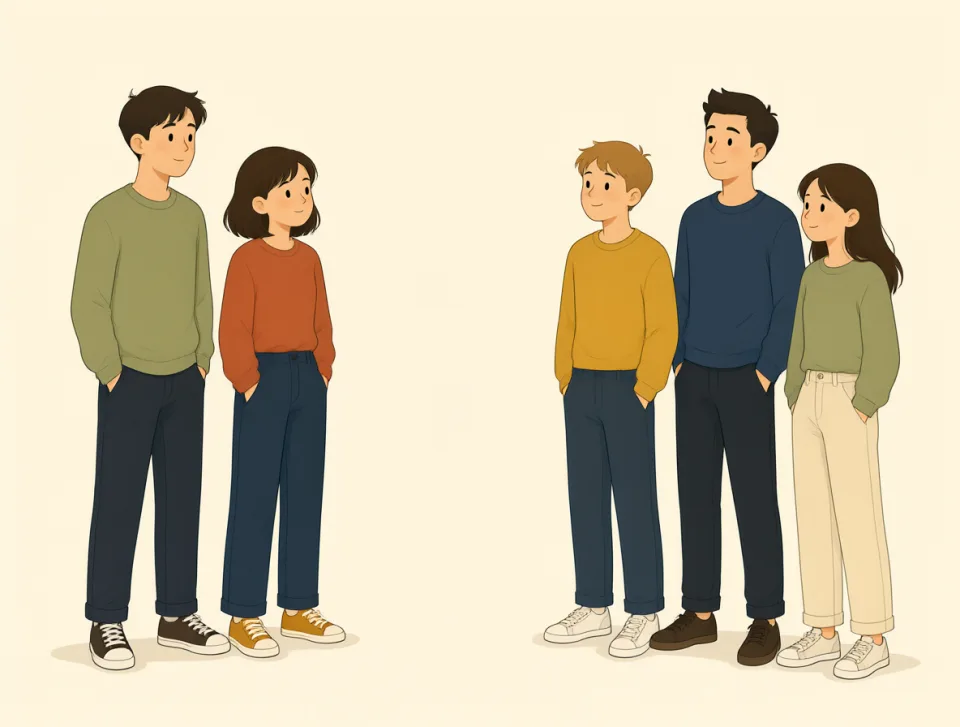
Everyone came but Tom.
Wszyscy przyszli oprócz Toma.

We wanted to walk, but it started raining.
Chcieliśmy iść na spacer, ale zaczęło padać.

The shop was small, but it had everything.
Sklep był mały, ale miał wszystko.

from
#26preposition
z
Shows where something starts, where it comes from, or when it begins.
Wskazuje, skąd coś pochodzi, gdzie coś się zaczyna lub kiedy coś się rozpoczyna.
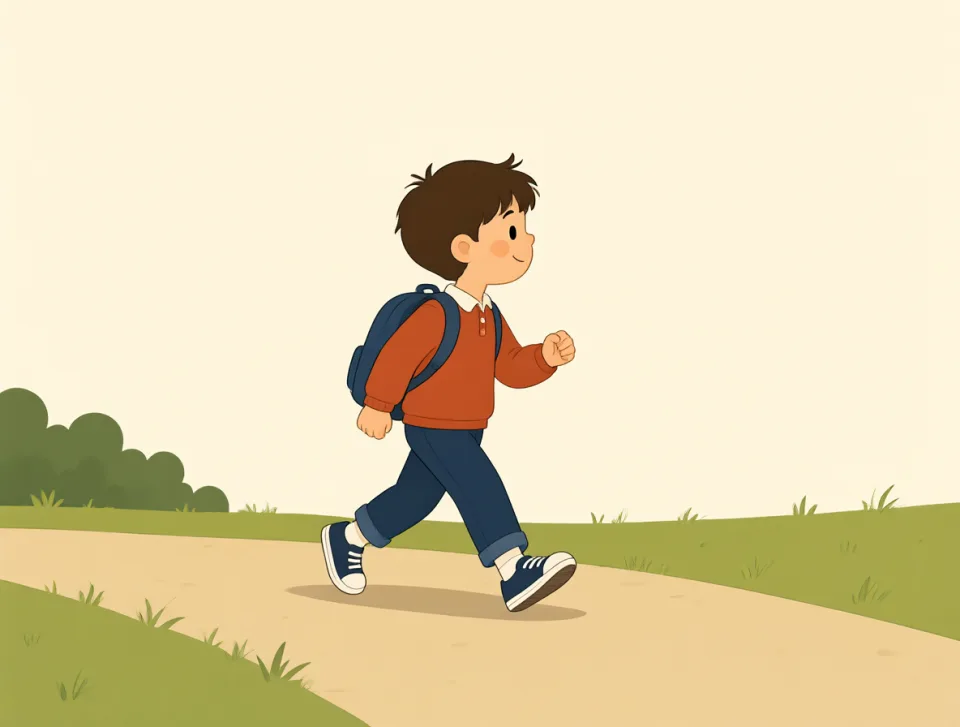
I walk home from school every day.
Codziennie wracam ze szkoły pieszo.

This letter is from my best friend.
Ten list jest od mojego najlepszego przyjaciela.
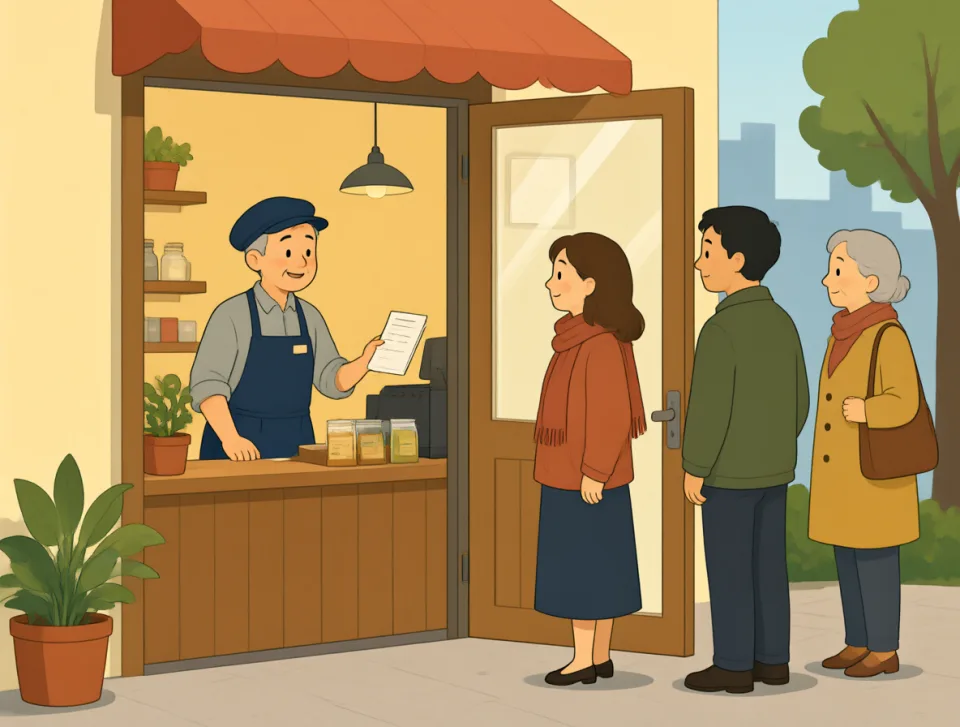
The shop is open from nine to five.
Sklep jest otwarty od dziewiątej do piątej.

She comes from a small town.
Ona pochodzi z małego miasteczka.
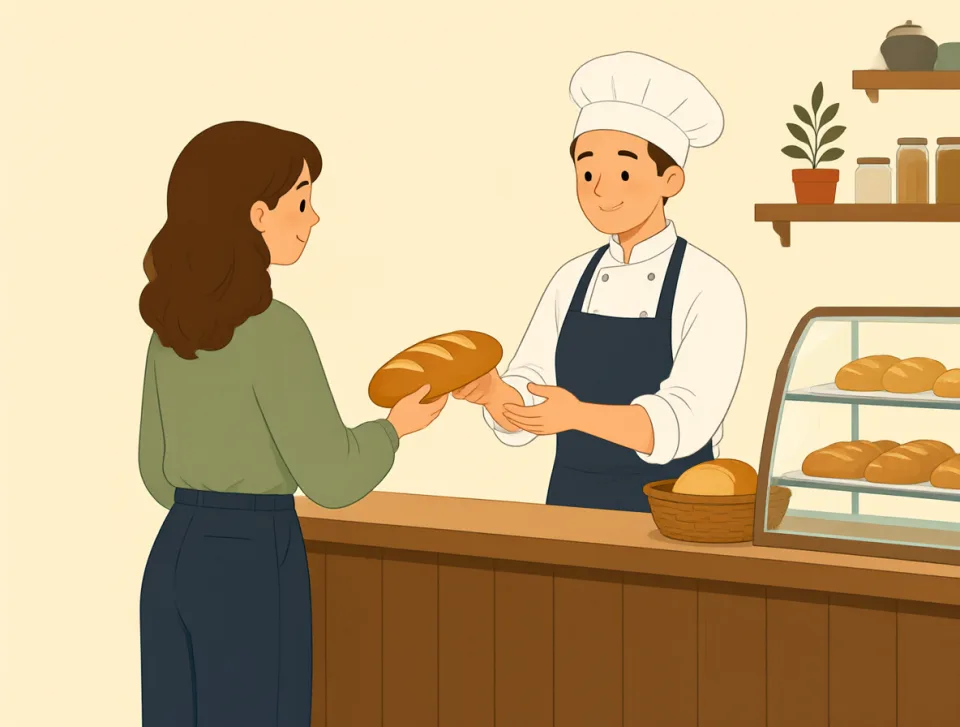
We bought fresh bread from the bakery.
Kupiliśmy świeży chleb w piekarni.
by
#27preposition, adverb
przy; do; przez
near, before a time, using something, or done by someone
Oznacza bliskość, termin, sposób wykonania czegoś lub wskazuje, kto coś zrobił.
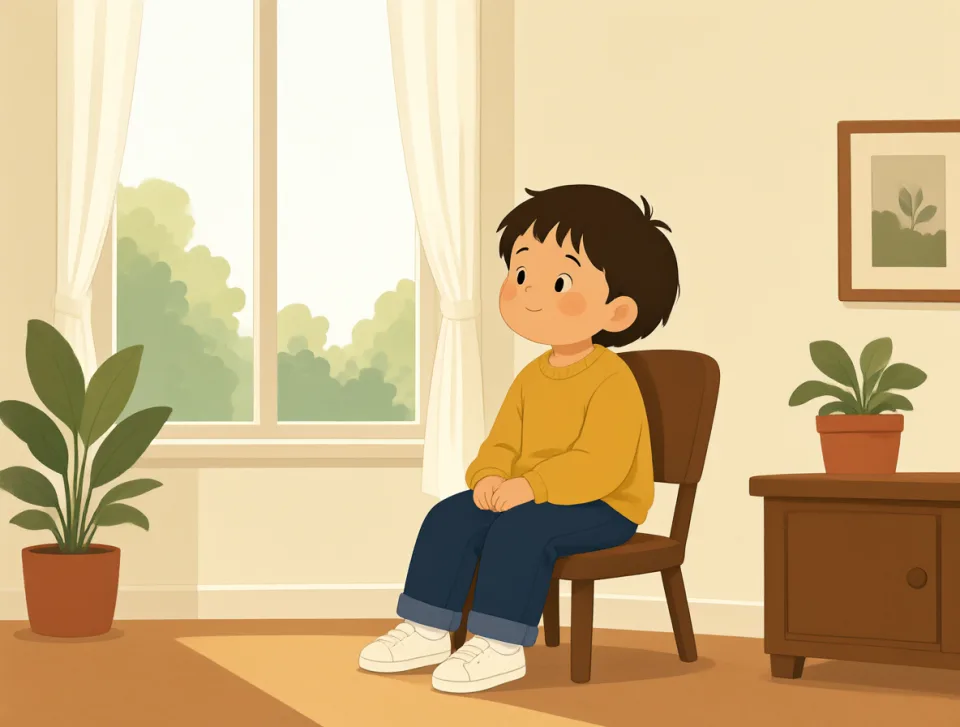
Please sit by the window.
Proszę usiąść przy oknie.
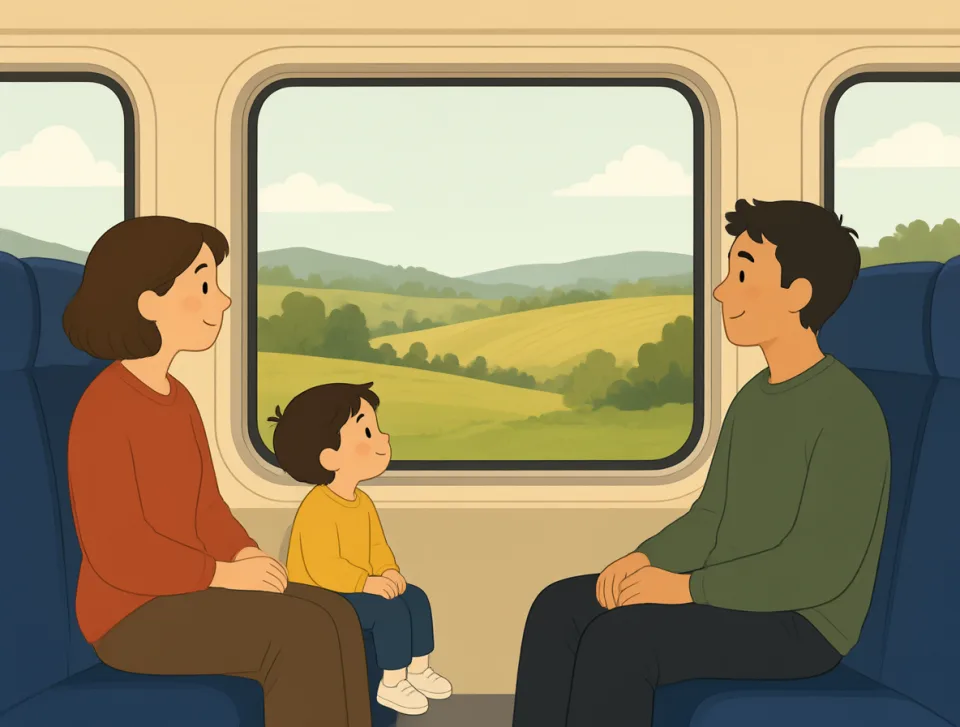
We travel by train every summer.
Każdego lata podróżujemy pociągiem.

Finish your homework by Friday.
Skończ pracę domową do piątku.

She walked by without saying hello.
Przeszła obok, nie mówiąc „cześć”.
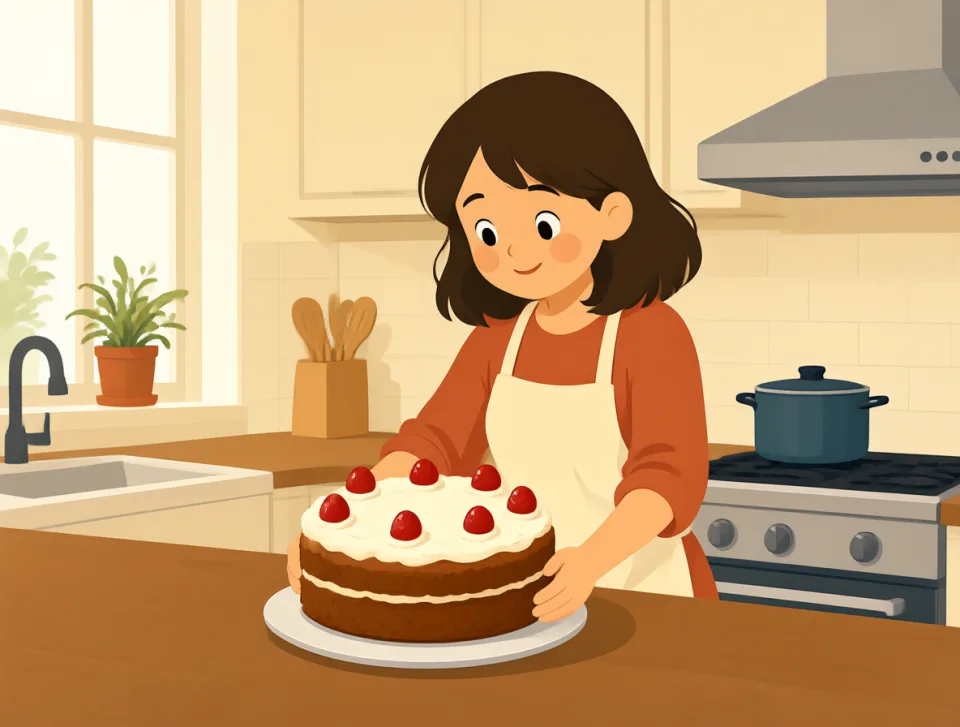
This cake was made by my sister.
To ciasto zostało upieczone przez moją siostrę.
will
#28verb, noun
będzie; wola
Used to talk about the future, or a person’s strong wish or legal instructions.
Używane do mówienia o przyszłości, a także o czyimś silnym życzeniu lub dyspozycjach prawnych.
I will call you after dinner.
Zadzwonię do ciebie po kolacji.
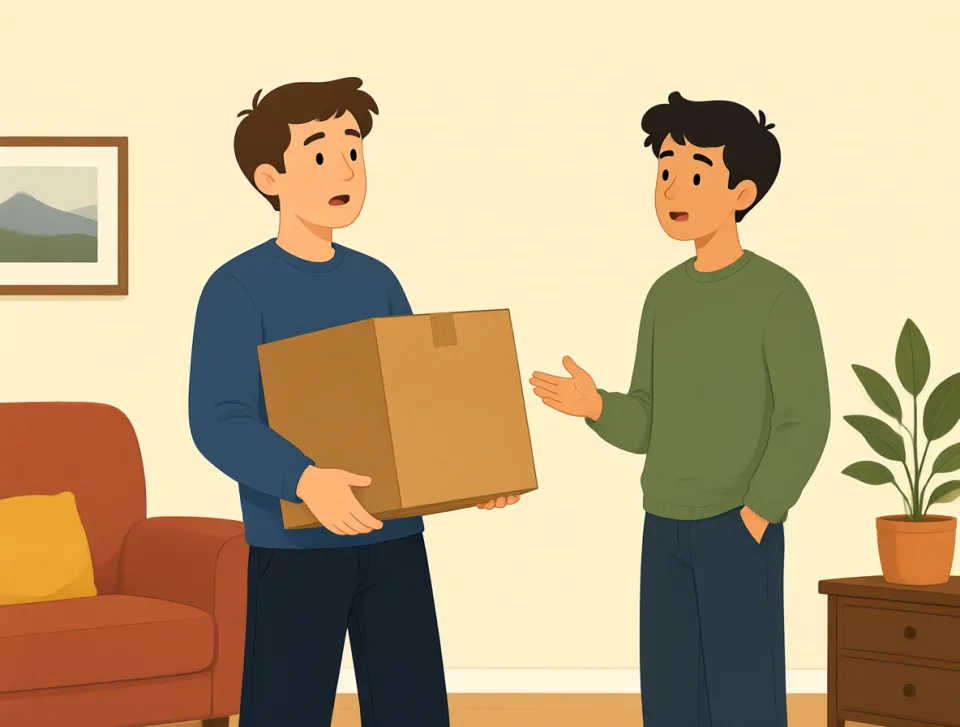
Will you help me with this box?
Pomożesz mi z tym pudłem?

The doctor says you will feel better soon.
Lekarz mówi, że wkrótce poczujesz się lepiej.
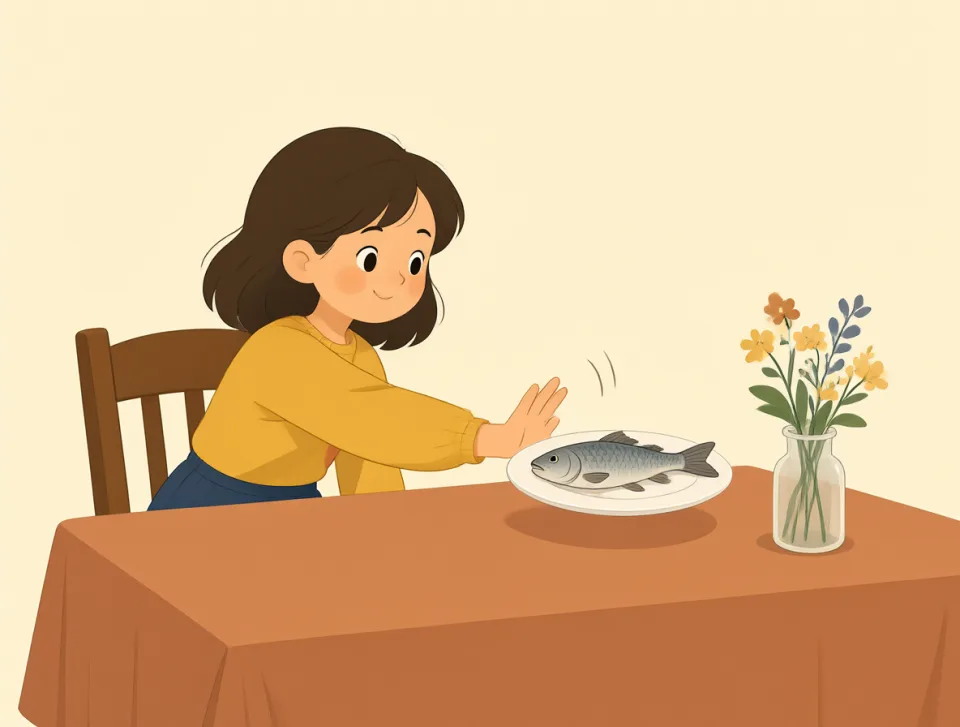
She will not eat the fish today.
Ona nie zje dziś ryby.
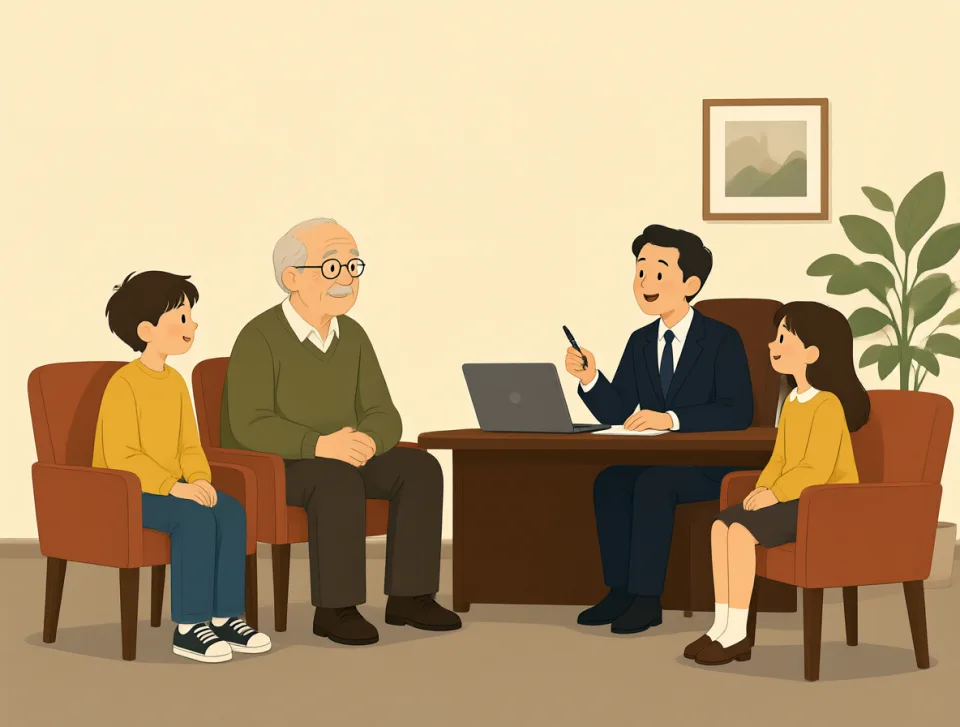
His will left money to his children.
W testamencie zapisał pieniądze swoim dzieciom.

or
#29conjunction
lub; albo
Used to show a choice between two or more possibilities.
Służy do wskazania wyboru między dwiema lub większą liczbą możliwości.
Would you like tea or coffee?
Napijesz się herbaty czy kawy?

You can walk or take the bus.
Możesz iść pieszo albo pojechać autobusem.

Is your sister at home or work?
Czy twoja siostra jest w domu czy w pracy?
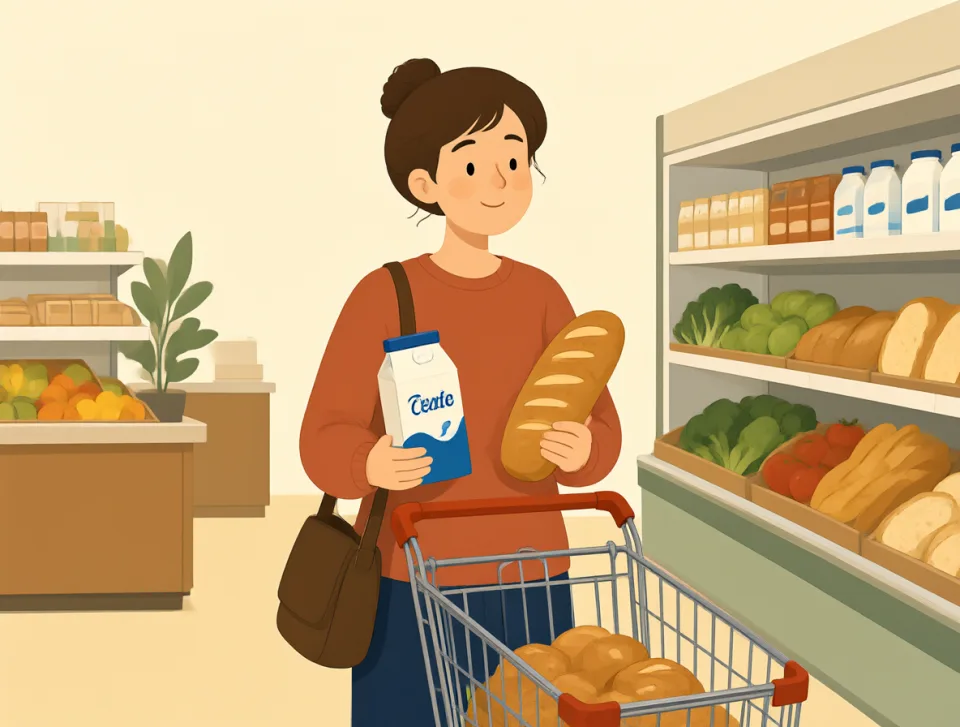
We need to buy milk or bread.
Musimy kupić mleko albo chleb.
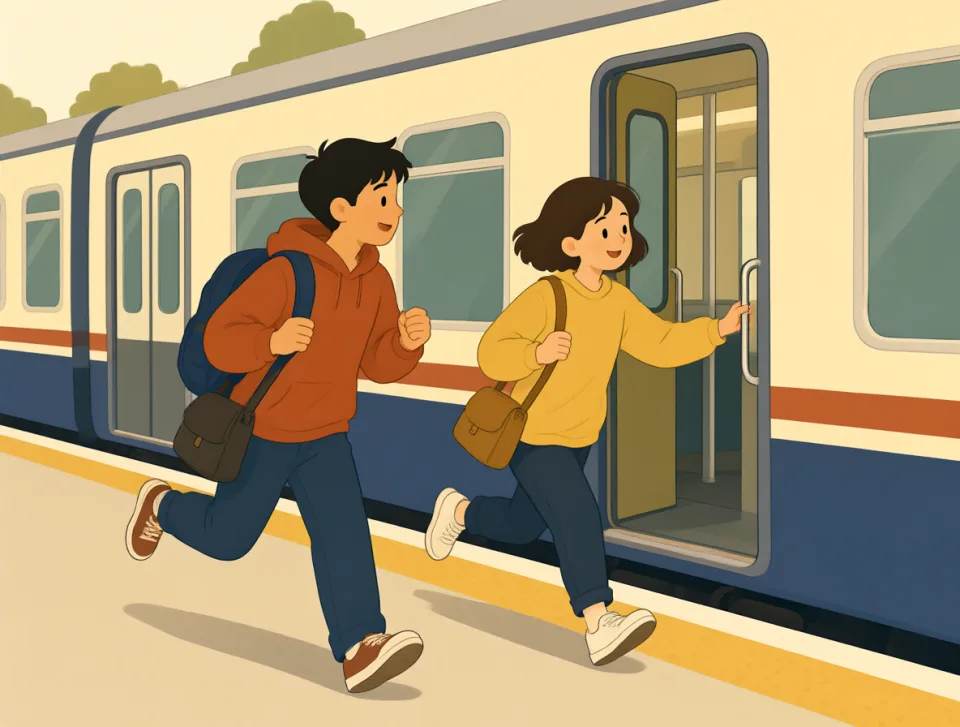
Hurry, or we will miss the train.
Pospiesz się, bo spóźnimy się na pociąg.
say
#30verb
powiedzieć; mówić
to speak words or tell someone something
Wypowiadać słowa lub przekazywać komuś jakąś informację.

What did you say?
Co powiedziałeś?

She said hello to her teacher.
Przywitała się ze swoim nauczycielem.

Please say your name slowly.
Proszę powoli powiedzieć swoje imię.

They say the soup is delicious.
Mówią, że zupa jest pyszna.
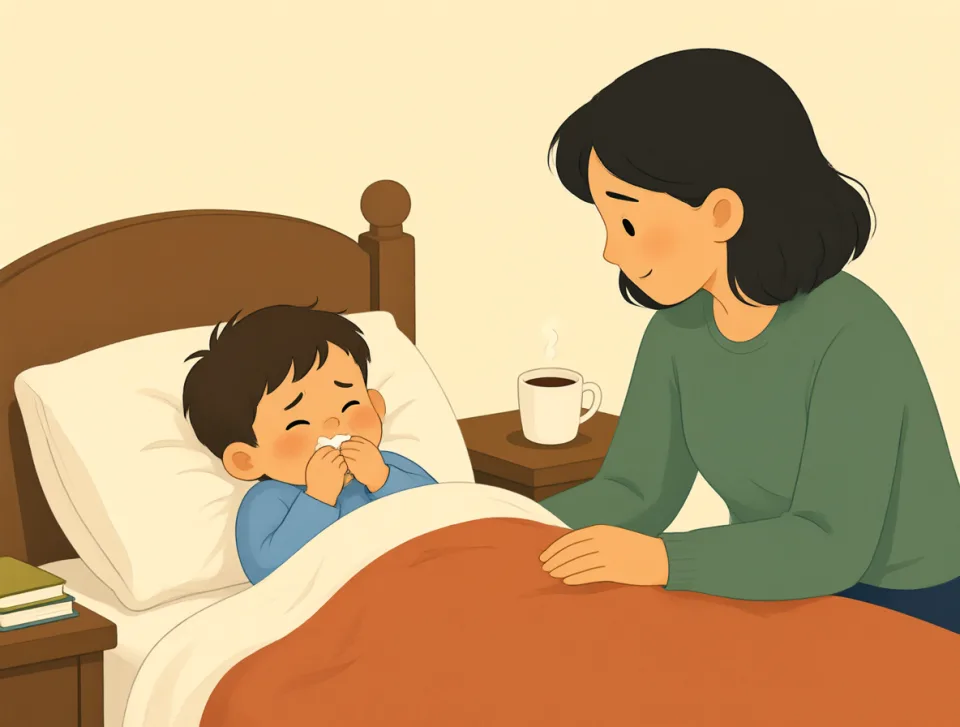
He said he felt sick yesterday.
Powiedział, że wczoraj źle się czuł.
go
#31verb, noun
iść
to move or travel somewhere, or to happen or work in a particular way
przemieszczać się lub podróżować dokądś albo przebiegać czy działać w określony sposób
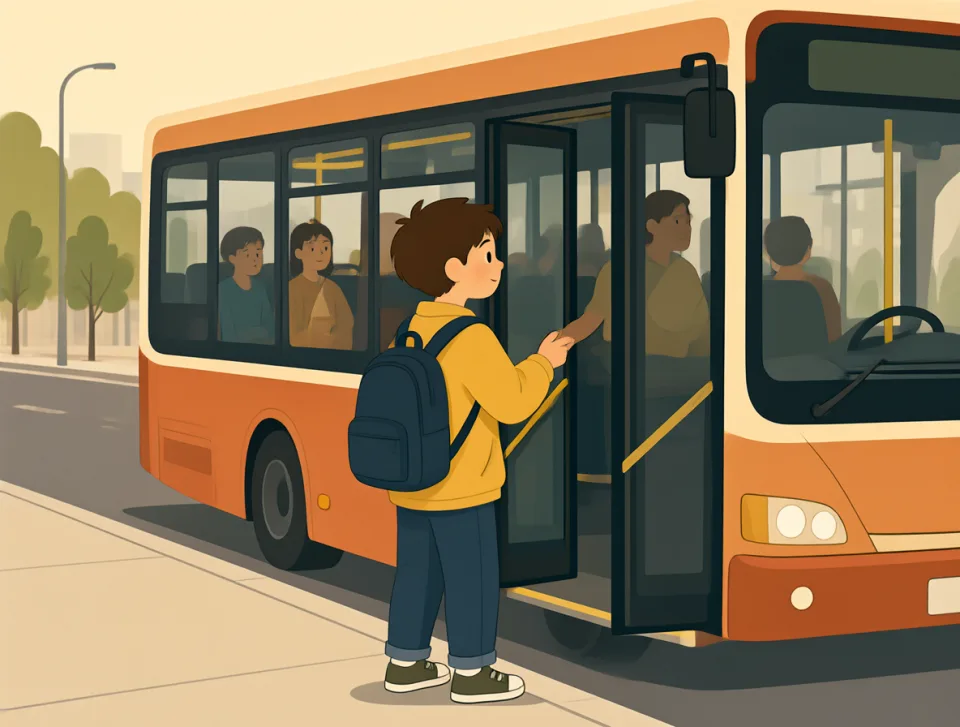
I go to school by bus every day.
Codziennie jeżdżę do szkoły autobusem.

We went home after dinner.
Po kolacji wróciliśmy do domu.
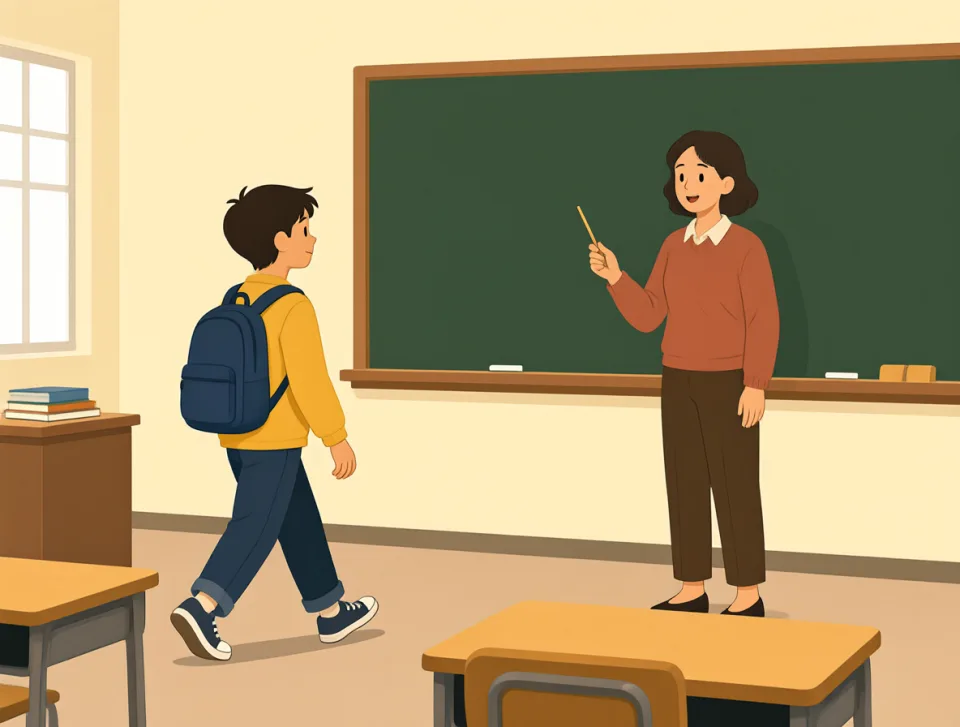
Please go and ask your teacher.
Proszę, idź i zapytaj swojego nauczyciela.

These shoes go well with your jeans.
Te buty dobrze pasują do twoich dżinsów.
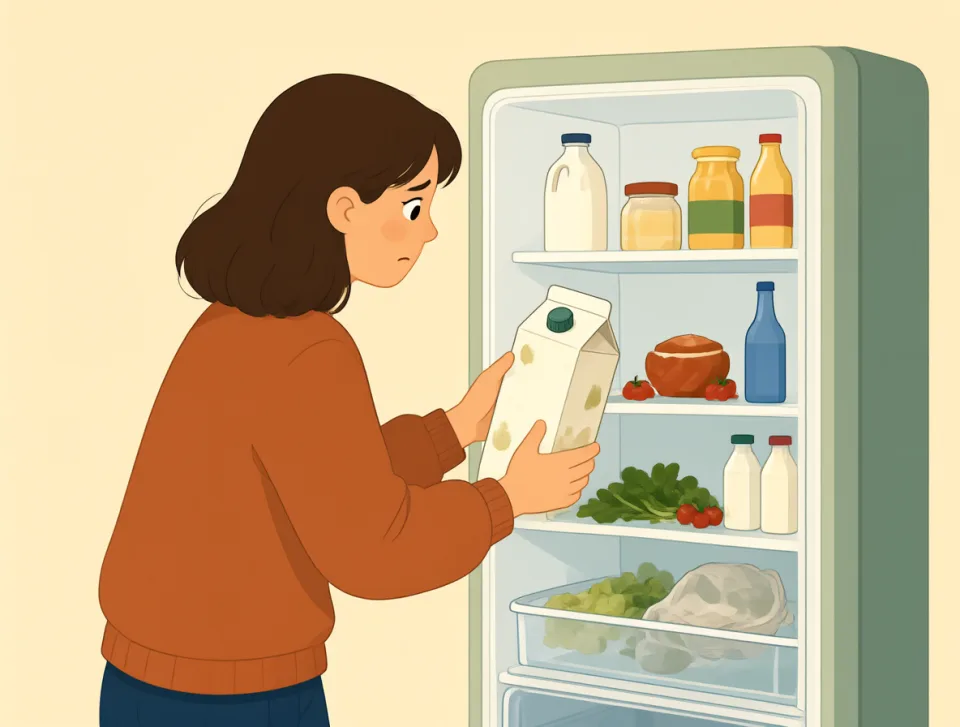
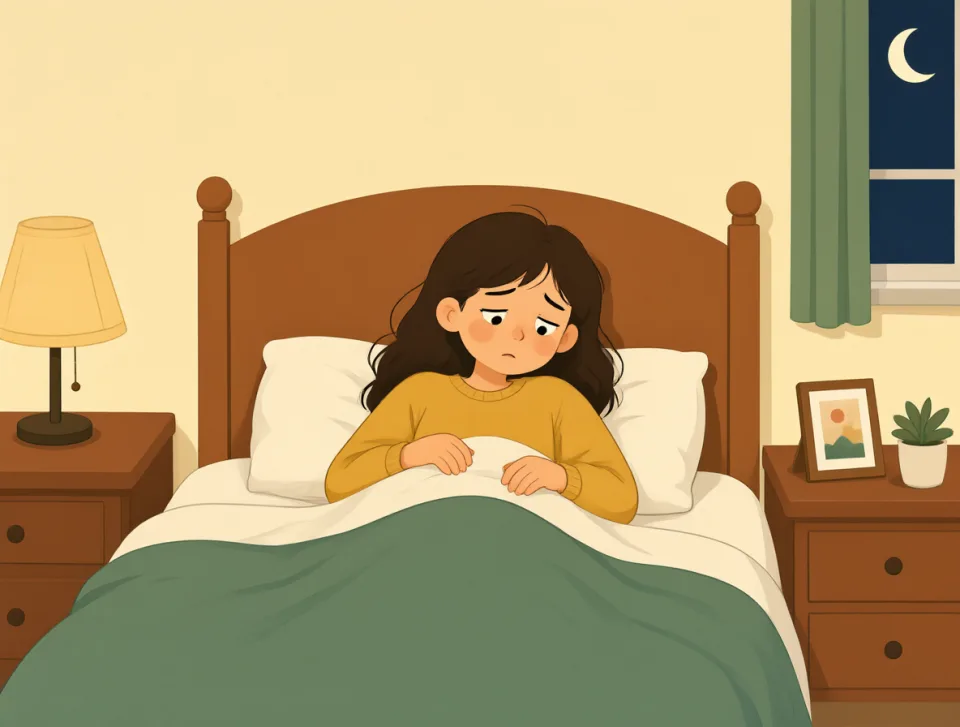
The milk went bad in the fridge.
Mleko zepsuło się w lodówce.
so
#32adverb, conjunction
więc
Used to show a result, a high degree, or agreement.
Służy do wskazywania wyniku, dużego stopnia czegoś lub zgody.
I was tired, so I went to bed.
Byłem zmęczony, więc poszedłem spać.

The soup is so hot I cannot eat it.
Zupa jest tak gorąca, że nie mogę jej jeść.
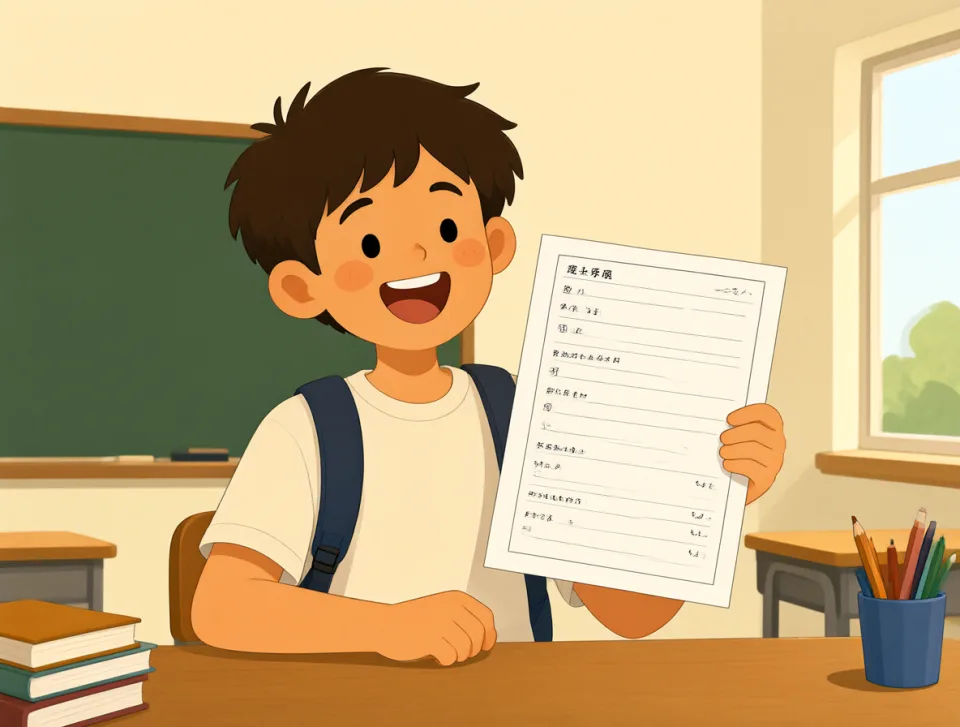
She studied hard, so she passed the test.
Dużo się uczyła, więc zdała test.

The bus was late, so we walked home.
Autobus się spóźnił, więc wróciliśmy do domu pieszo.

“I like this.” “So do I.”
„Podoba mi się to”. „Mnie też”.

all
#33determiner, pronoun, adverb
wszystko; wszyscy
The whole amount or every person or thing in a group
Cała ilość czegoś albo każda osoba lub rzecz w danej grupie.
All the students finished their homework.
Wszyscy uczniowie odrobili pracę domową.
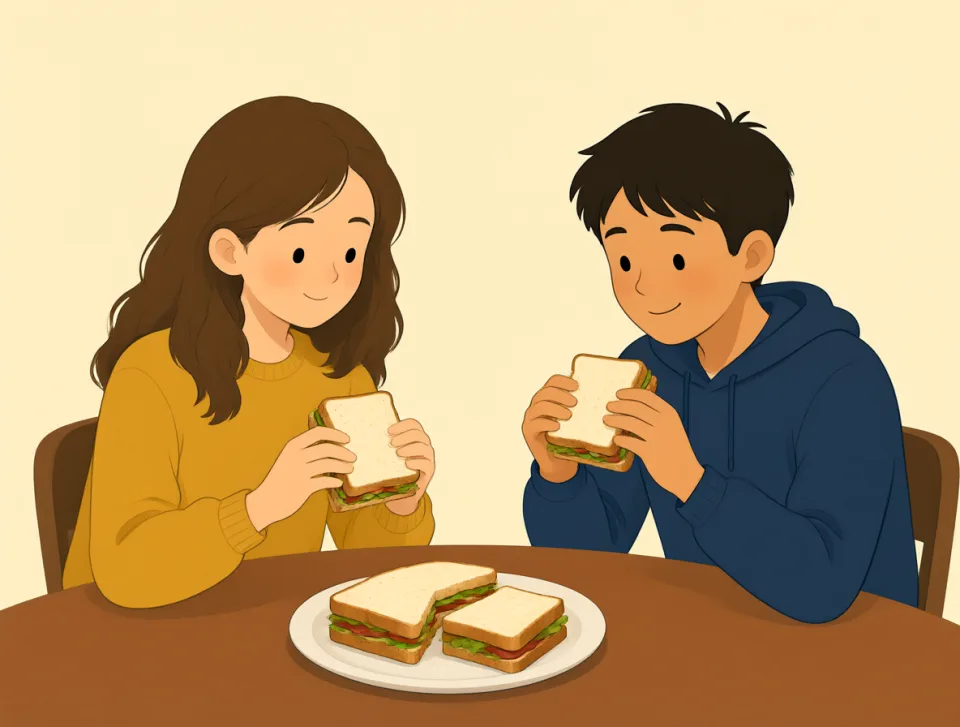
We ate all the sandwiches at lunch.
Zjedliśmy wszystkie kanapki na lunch.
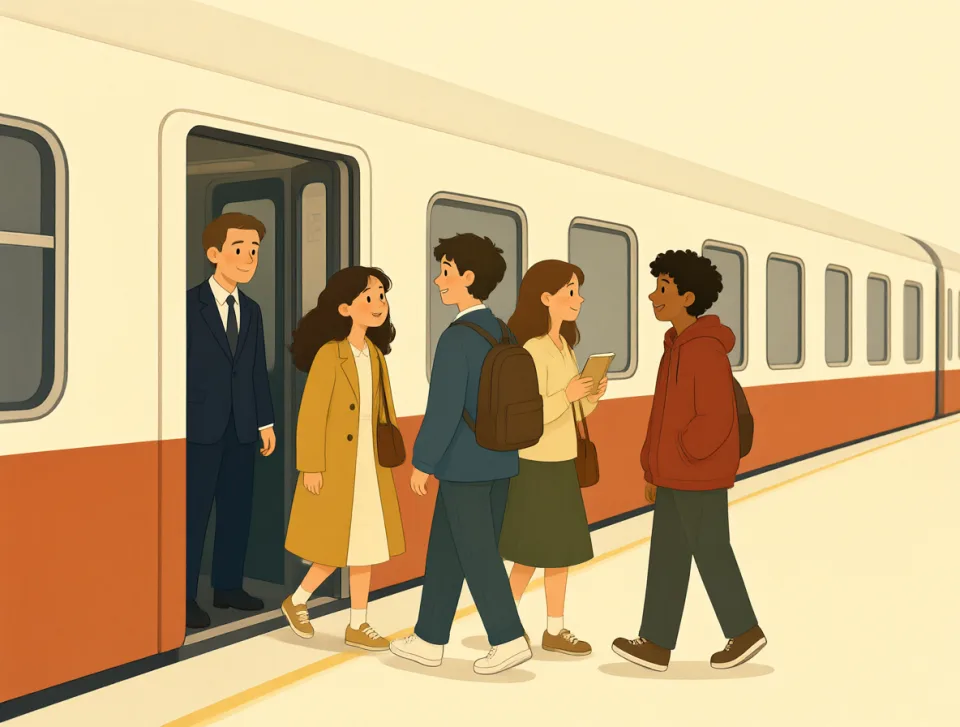
All of us took the train home.
Wszyscy wróciliśmy do domu pociągiem.

She worked all day at the shop.
Pracowała cały dzień w sklepie.
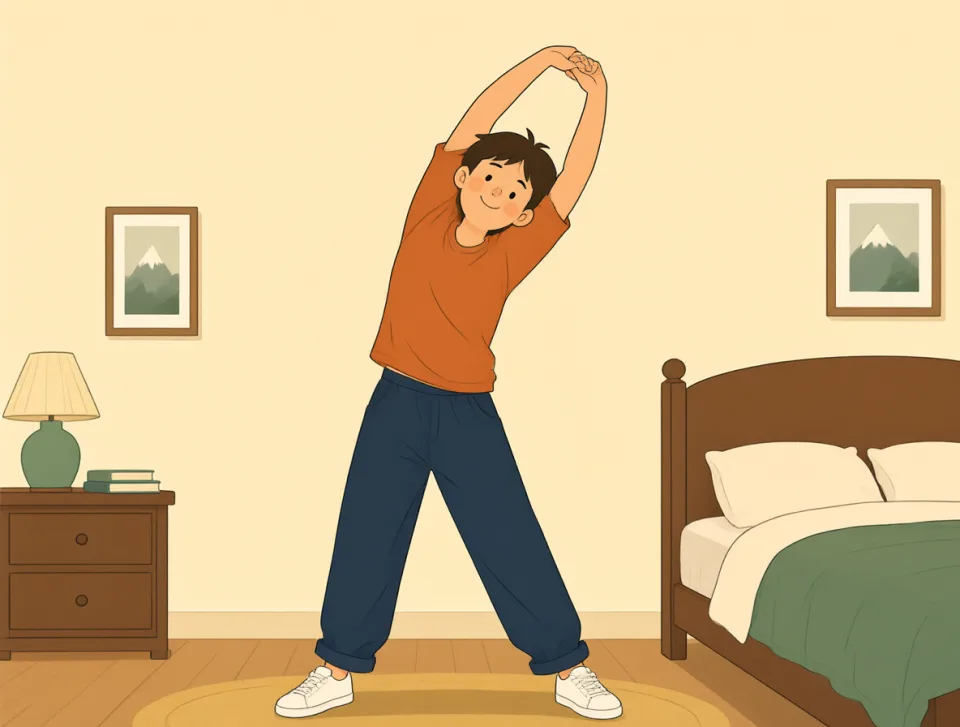
I am not at all tired today.
Dzisiaj wcale nie jestem zmęczony.

if
#34conjunction
jeśli
Used to talk about a condition or a possible situation.
Służy do mówienia o warunku lub możliwej sytuacji.
Call me if you need help.
Zadzwoń do mnie, jeśli będziesz potrzebować pomocy.

If it rains, we will stay home.
Jeśli będzie padać, zostaniemy w domu.

Ask the teacher if you have questions.
Zapytaj nauczyciela, jeśli masz jakieś pytania.

I will buy it if it is cheaper.
Kupię to, jeśli będzie tańsze.
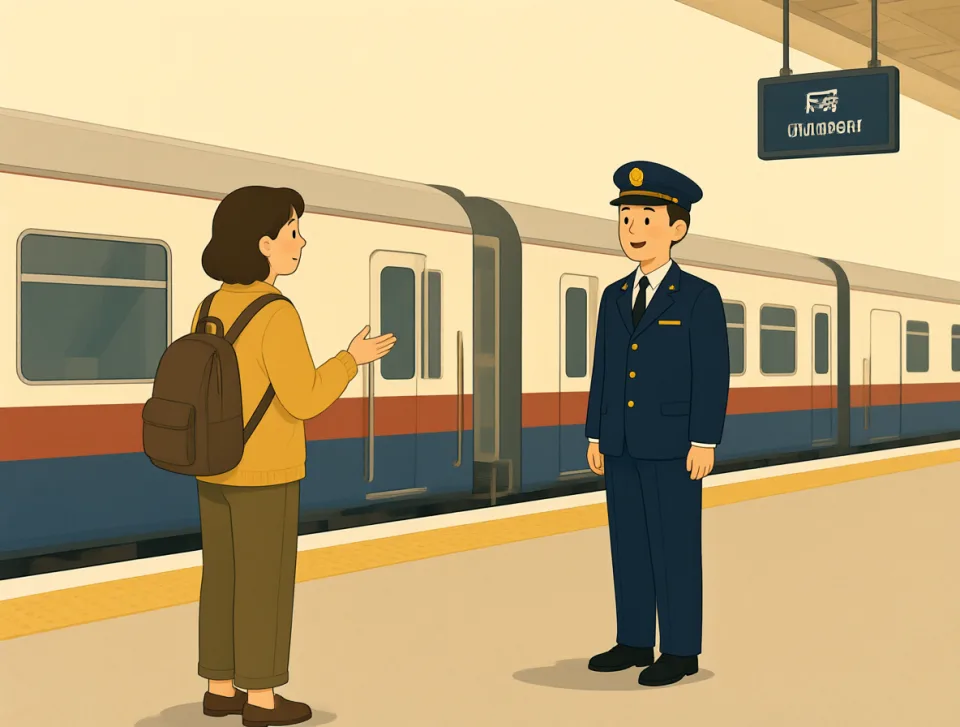
She asked if the train was late.
Zapytała, czy pociąg się spóźniał.

one
#35number, noun, pronoun, determiner
jeden
The number 1, or a single person or thing.
Liczba 1 albo pojedyncza osoba lub rzecz.
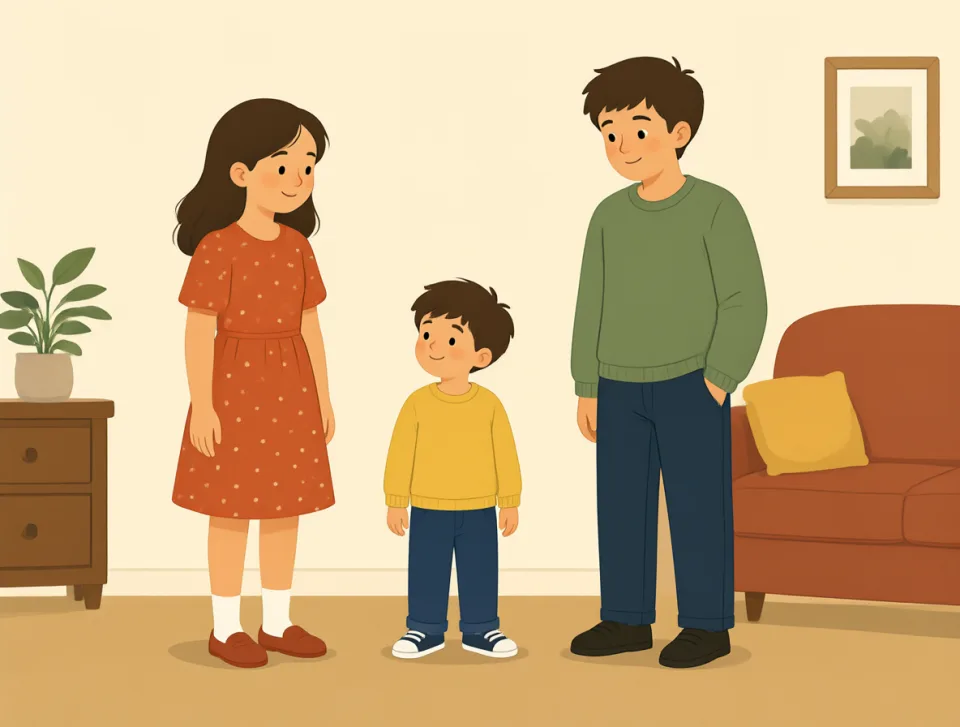
I have one sister and two brothers.
Mam jedną siostrę i dwóch braci.

Please give me one coffee.
Proszę, poproszę jedną kawę.

One student answered the teacher's question.
Jeden z uczniów odpowiedział na pytanie nauczyciela.
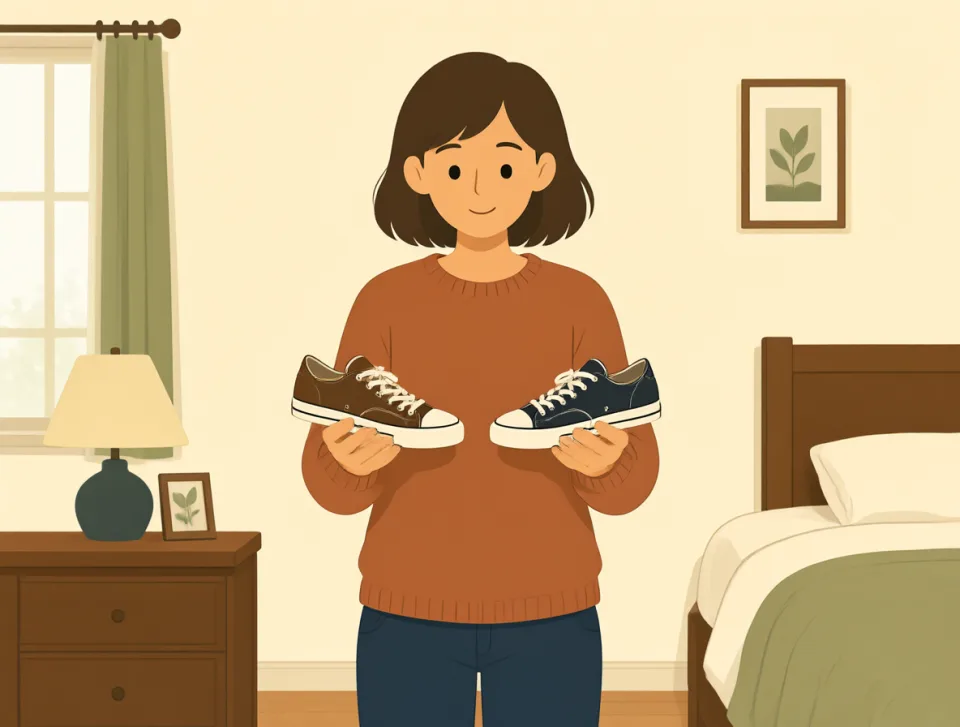
This shoe is smaller than the other one.
Ten but jest mniejszy od tamtego.

One day, we will travel around the world.
Pewnego dnia będziemy podróżować po całym świecie.

would
#36verb, modal verb
would; chciałby/chciałaby
Used to talk about wishes, imagined situations, polite requests, or repeated past actions.
Używane do mówienia o życzeniach, wyobrażonych sytuacjach, uprzejmych prośbach lub powtarzających się czynnościach w przeszłości.
Would you like some coffee?
Czy napije się pan/pani kawy?

I would like to book a room.
Chciałbym/chciałabym zarezerwować pokój.

She would help if she had time.
Pomogłaby, gdyby miała czas.
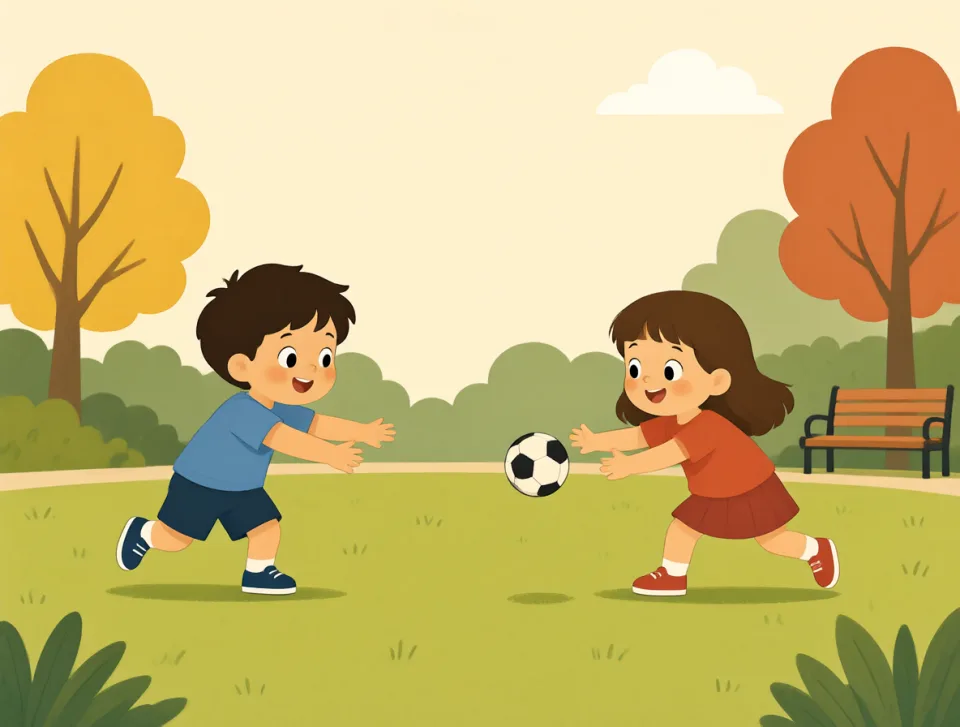
When we were children, we would play outside.
Kiedy byliśmy dziećmi, często bawiliśmy się na dworze.

Would you please close the window?
Czy mógłby/mogłaby pan/pani zamknąć okno?

about
#37adverb, preposition
about; o, około
Used to say what someone or something concerns, or roughly where, when, or how much.
Używane, by wskazać, czego dotyczy ktoś lub coś, albo podać przybliżone miejsce, czas lub ilość.
We talked about our plans after dinner.
Po kolacji rozmawialiśmy o naszych planach.
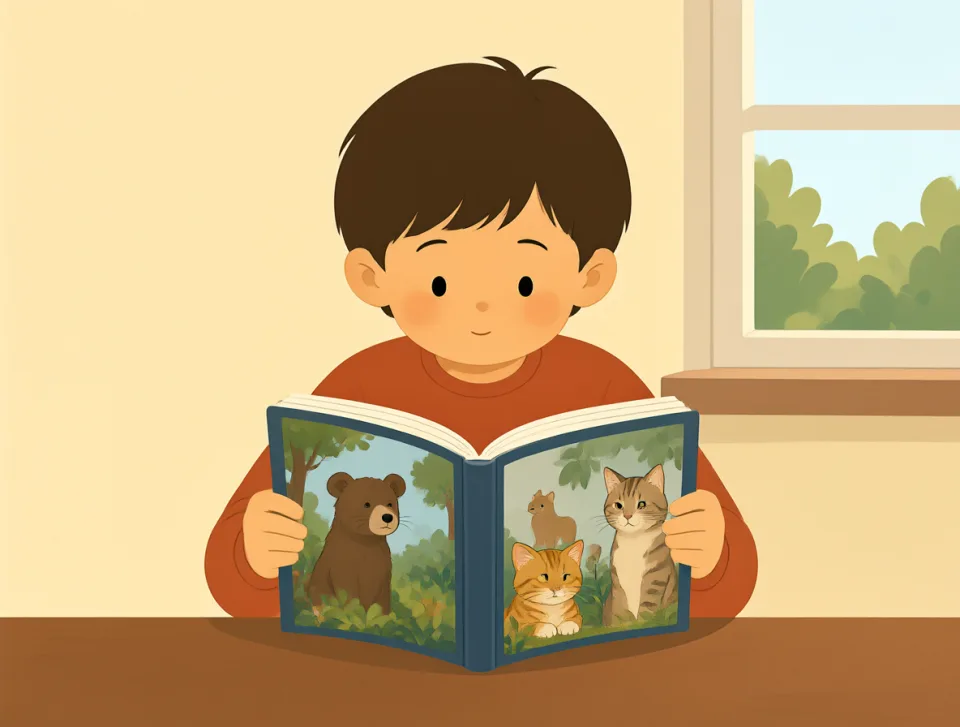
This book is about animals and nature.
Ta książka jest o zwierzętach i przyrodzie.

There were about twenty people at the party.
Na przyjęciu było około dwudziestu osób.
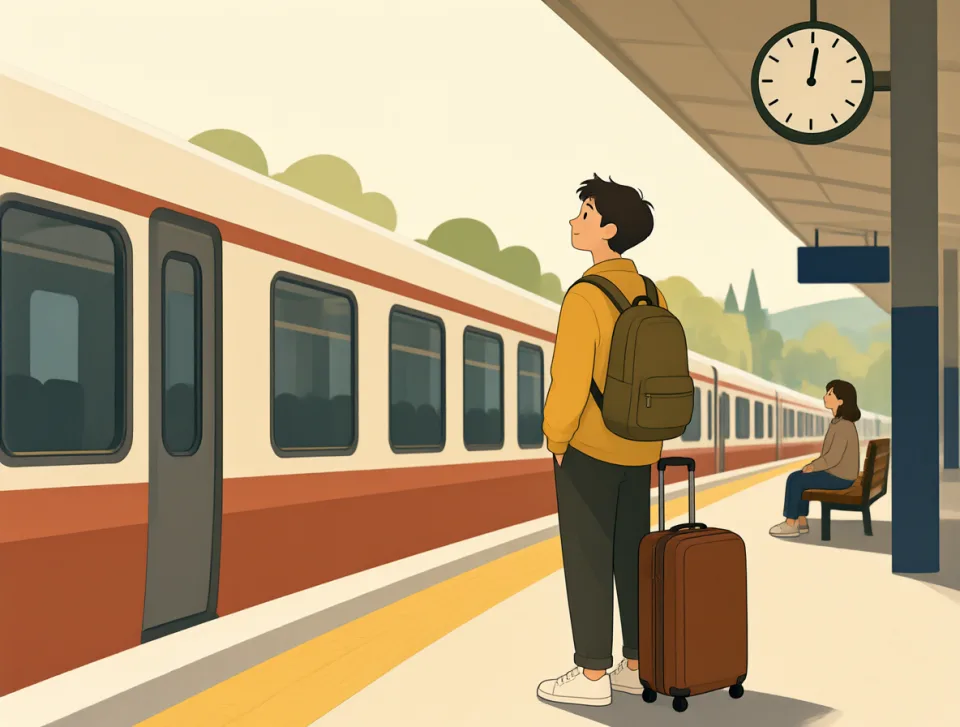
The train leaves at about eight o'clock.
Pociąg odjeżdża około ósmej.

I am worried about my sick dog.
Martwię się o mojego chorego psa.
can
#38noun, verb, modal verb
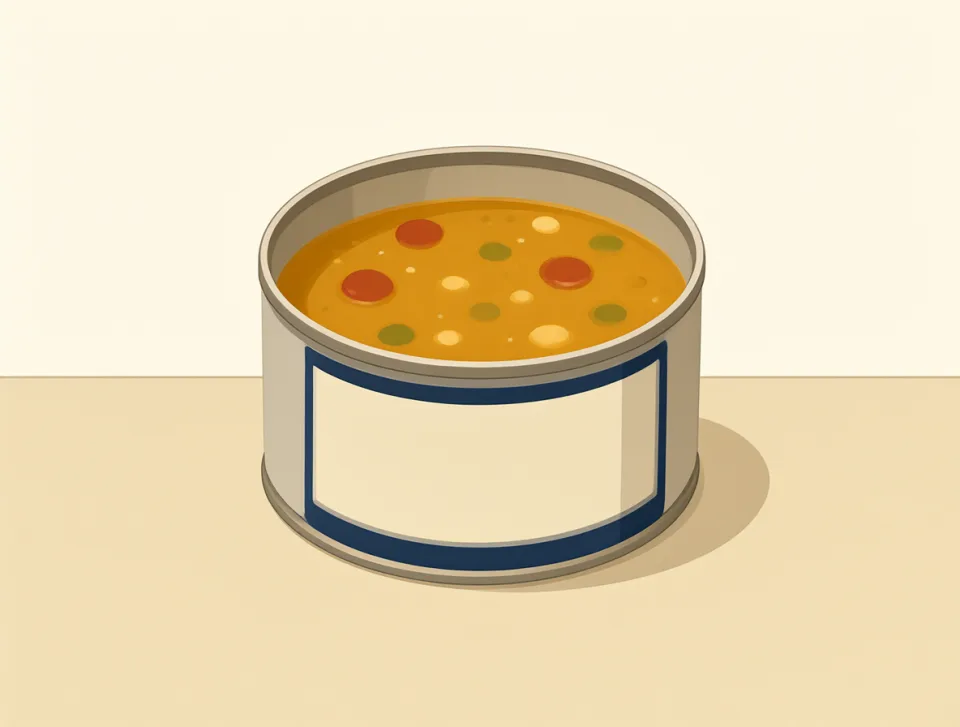
can; puszka, konserwować w puszce
A metal container; or to put food or drink into a metal container.
Metalowy pojemnik; albo umieszczać jedzenie lub napój w metalowym pojemniku.

I can help you with your homework.
Mogę pomóc ci z pracą domową.
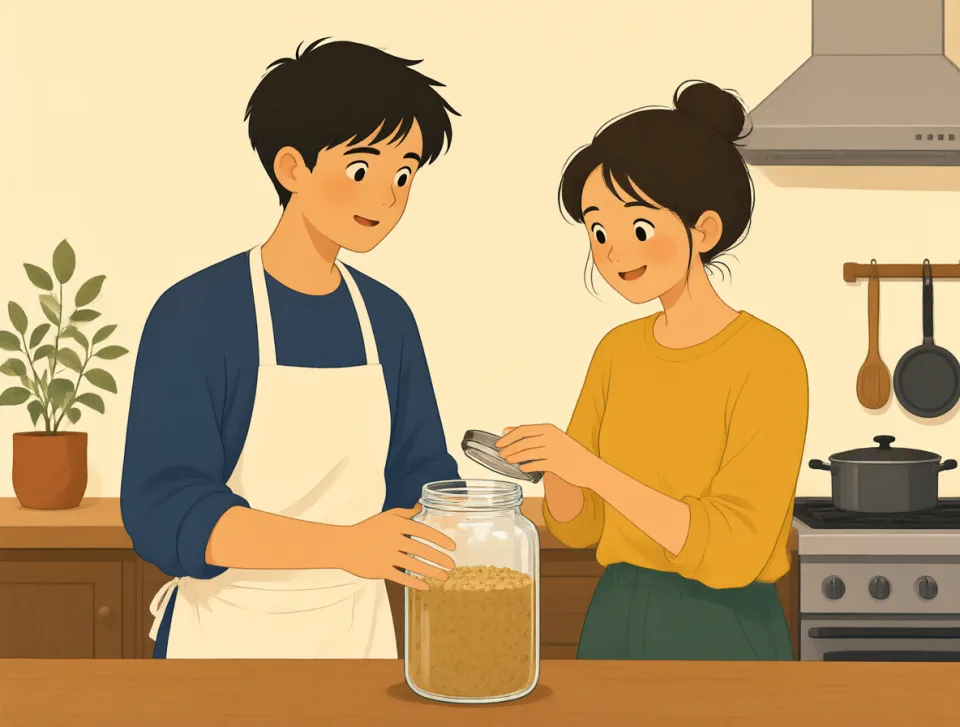
Can you open this jar for me?
Czy możesz mi otworzyć ten słoik?
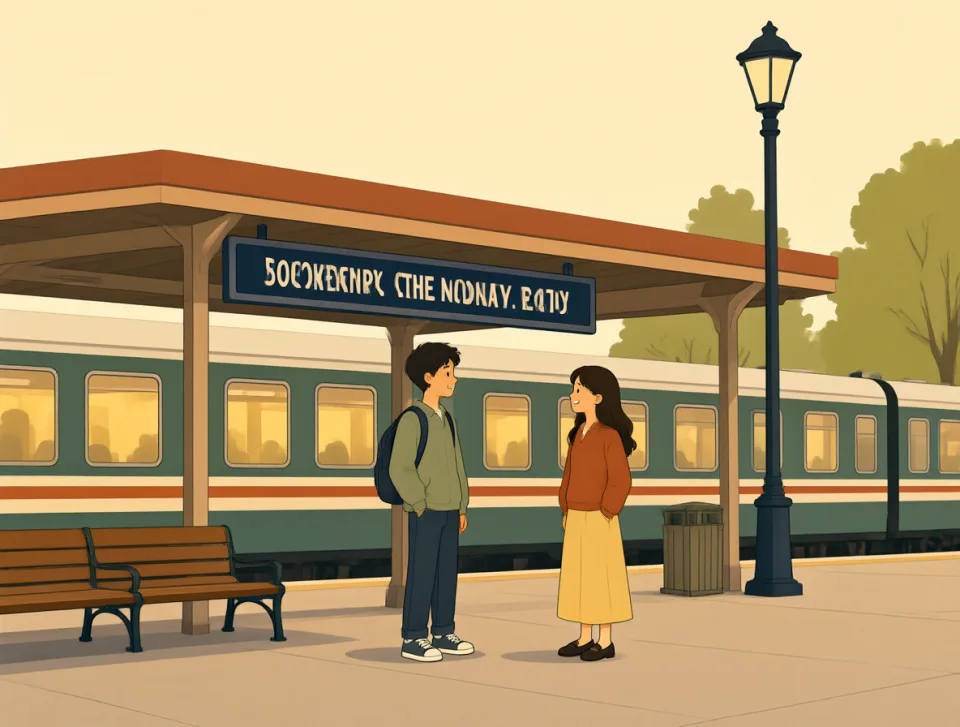
We can meet at the station at six.
Możemy spotkać się na stacji o szóstej.
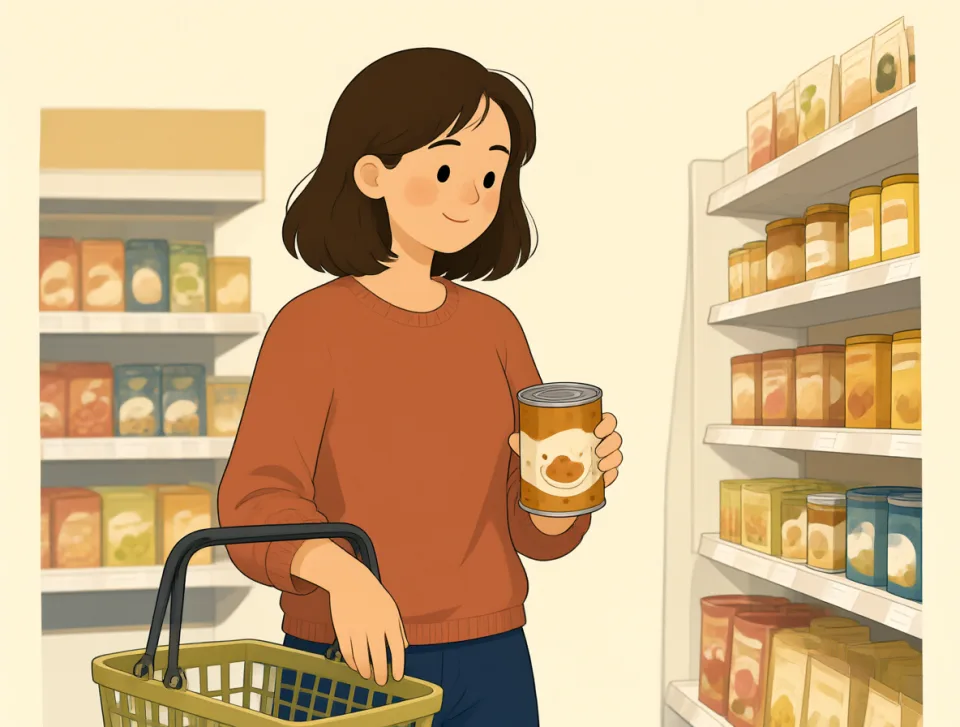
She bought a can of soup for lunch.
Kupiła puszkę zupy na lunch.
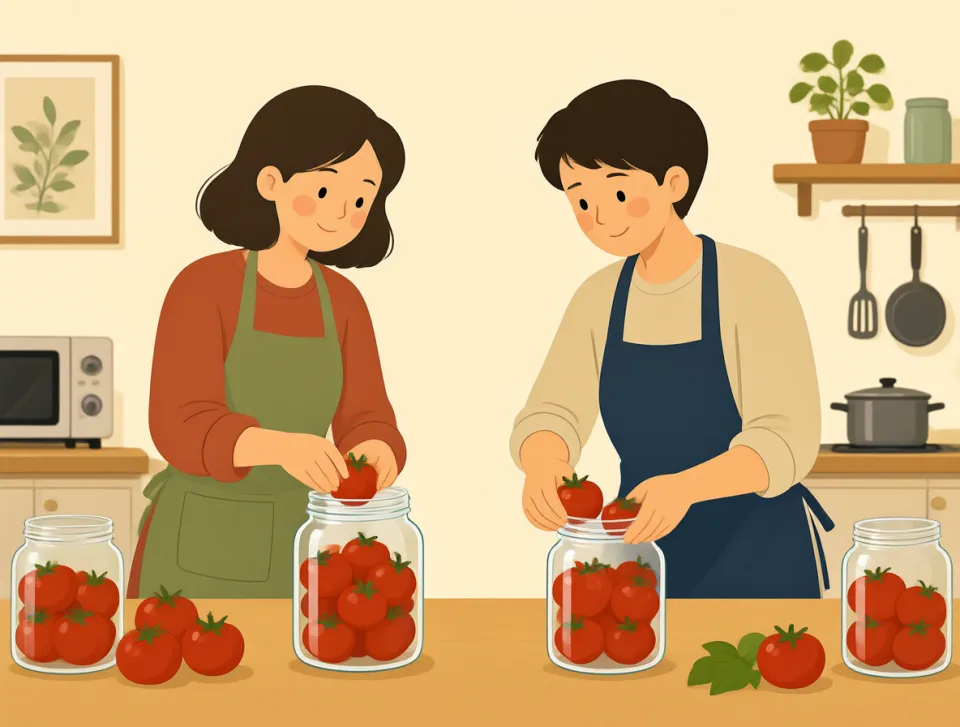
They canned the fresh tomatoes last summer.
Zeszłego lata zapuszkowali świeże pomidory.

which
#39pronoun, determiner
which; który, która, które
Used to ask or show which person or thing you mean.
Używane, by zapytać, o którą osobę lub rzecz chodzi, albo ją wskazać.
Which shirt do you like best?
Która koszula podoba ci się najbardziej?
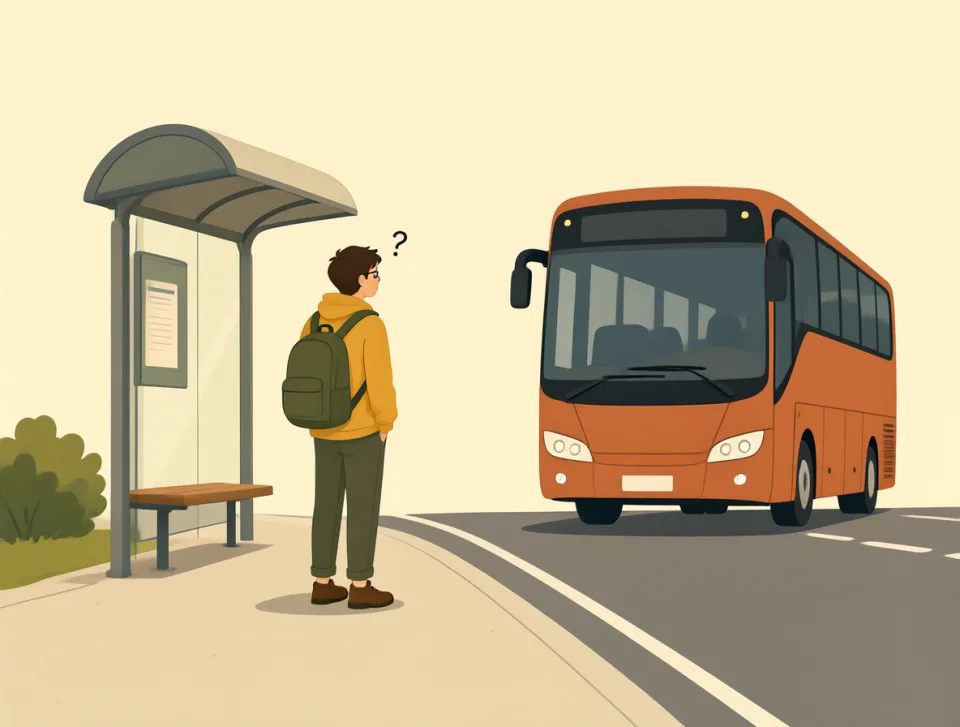
I forgot which bus goes downtown.
Zapomniałem/zapomniałam, który autobus jedzie do centrum.
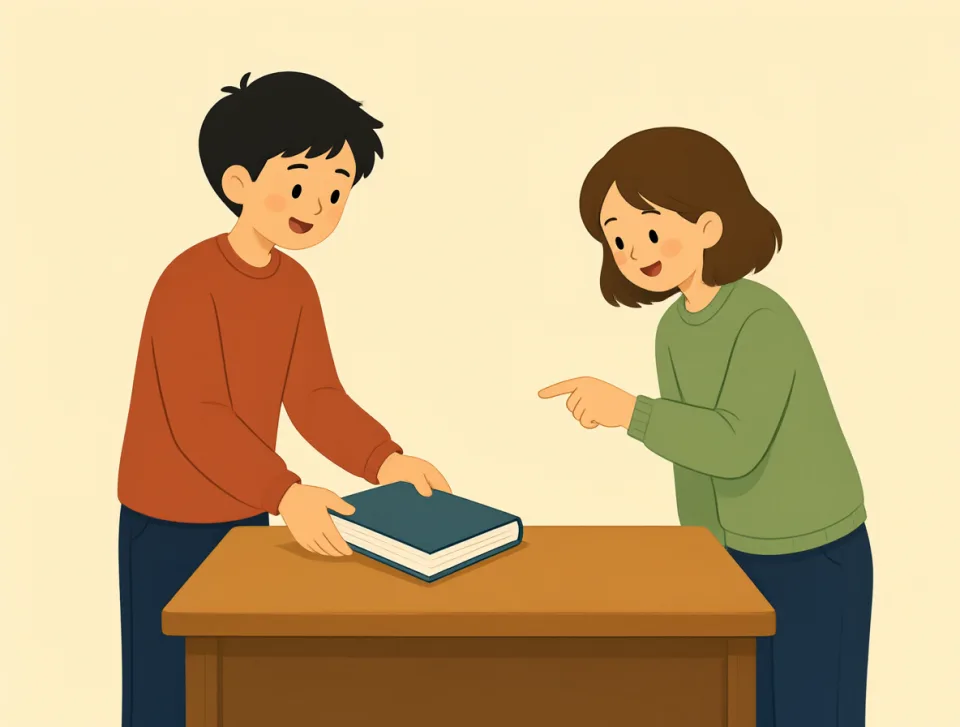
She chose the book which I recommended.
Wybrała książkę, którą jej poleciłem/poleciłam.
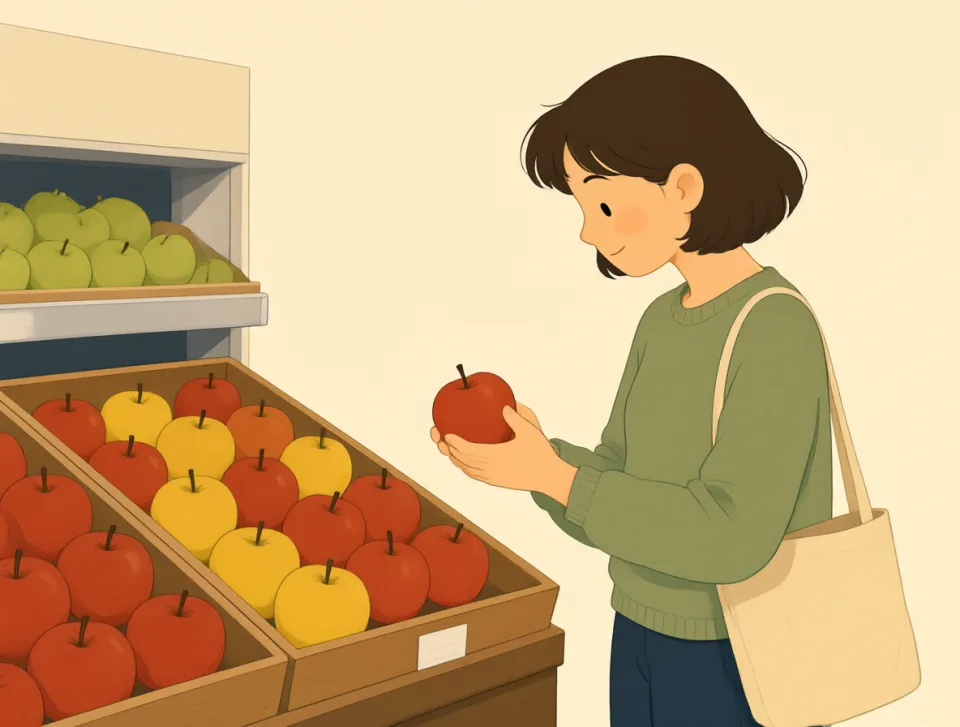
Which of these apples are fresh?
Które z tych jabłek są świeże?
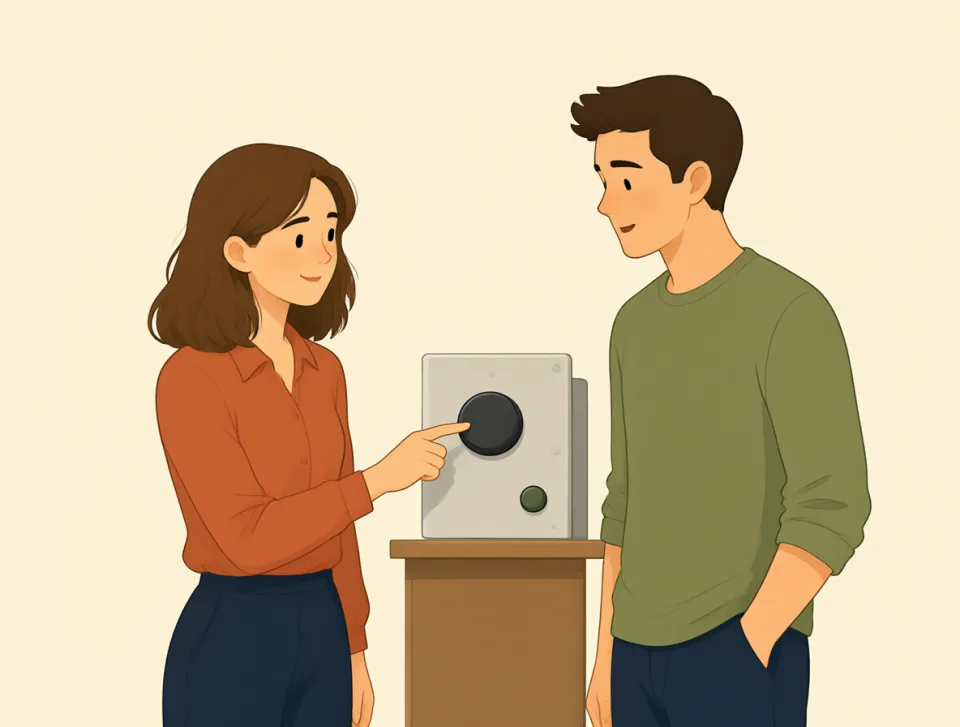
He explained which button to press.
Wyjaśnił, który przycisk nacisnąć.

there
#40adverb, pronoun, determiner
there; tam, jest/są
In, at, or to that place; used to show that something exists.
W tym miejscu, w tamtym miejscu lub do tamtego miejsca; używane także do wskazywania, że coś istnieje.
Please put the bags over there.
Proszę położyć torby tam.
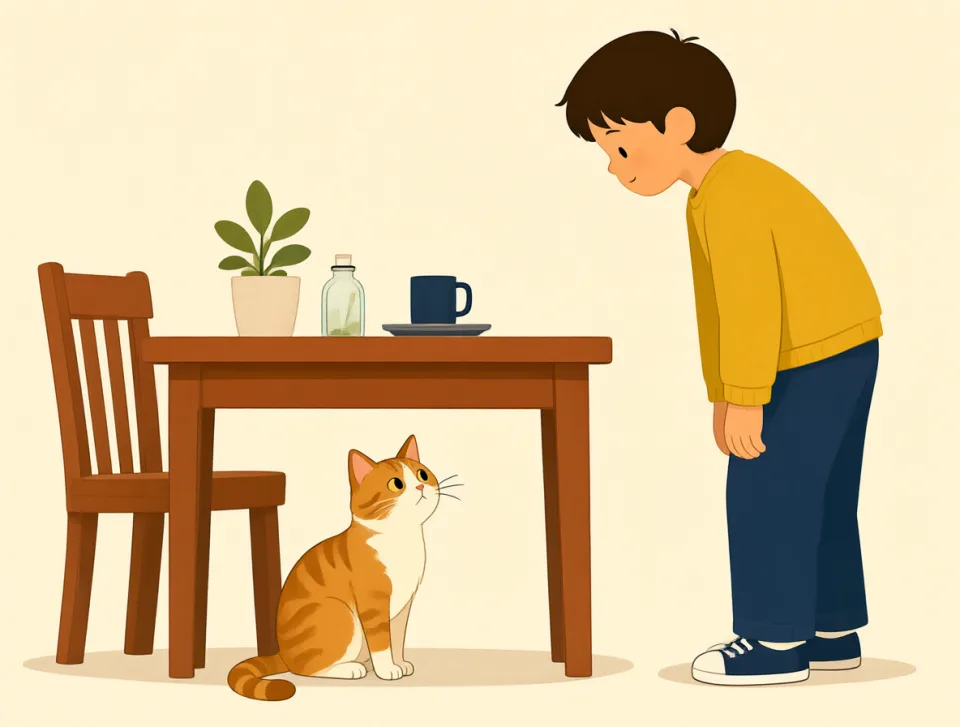
There is a cat under the table.
Pod stołem jest kot.
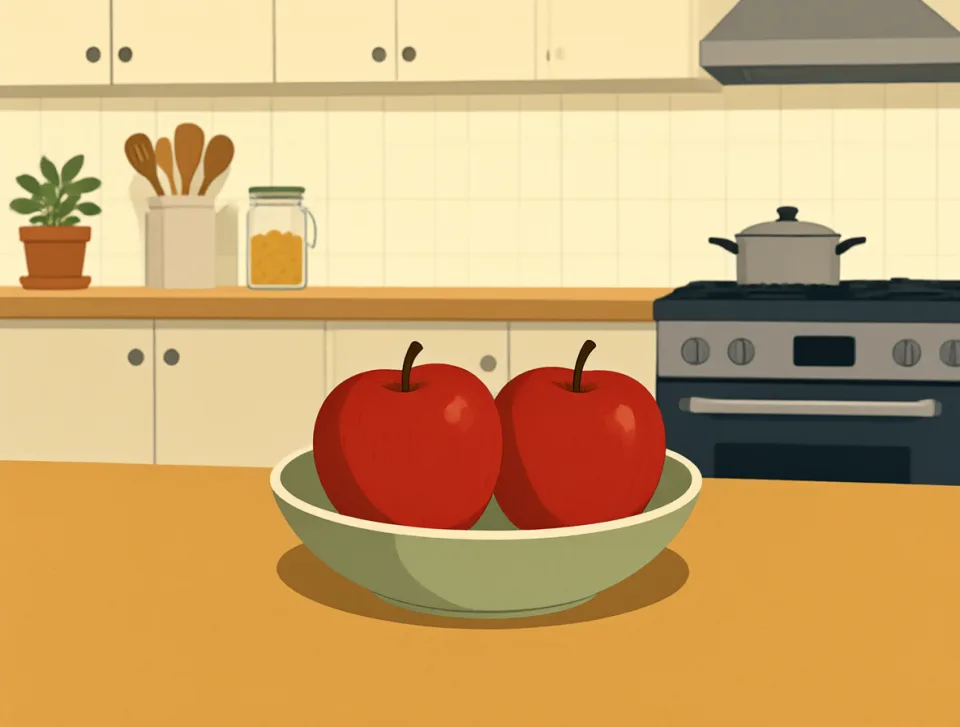
There are two apples in the bowl.
W misce są dwa jabłka.

We waited there for the bus.
Czekaliśmy tam na autobus.
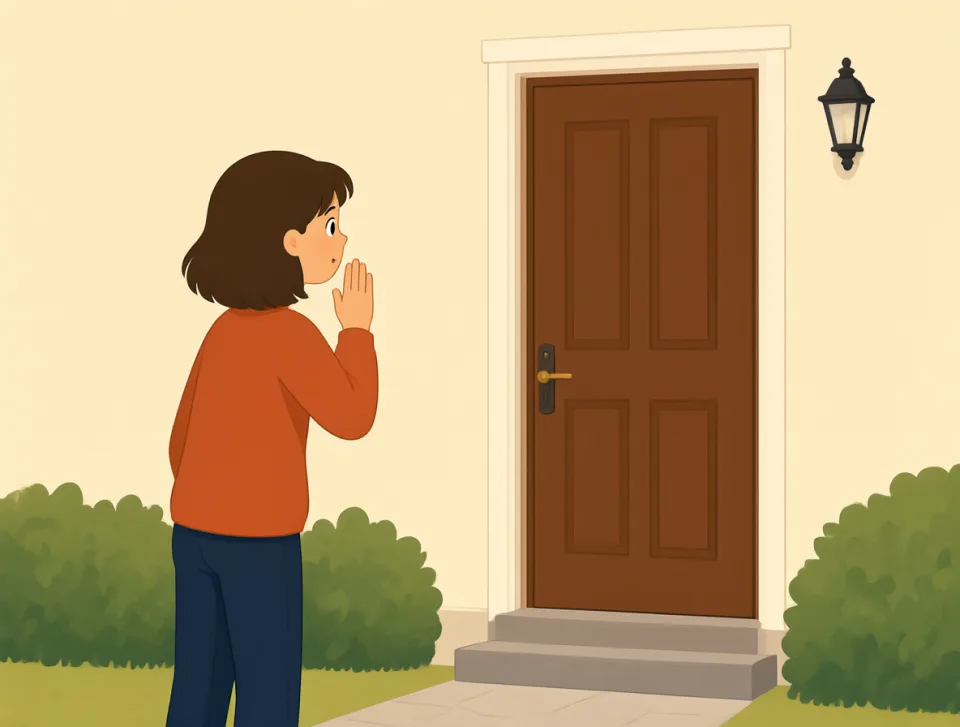
Is anyone there?
Czy ktoś tam jest?