Zestaw 4
Słowa 61–80 · well, because, very, just, come, could
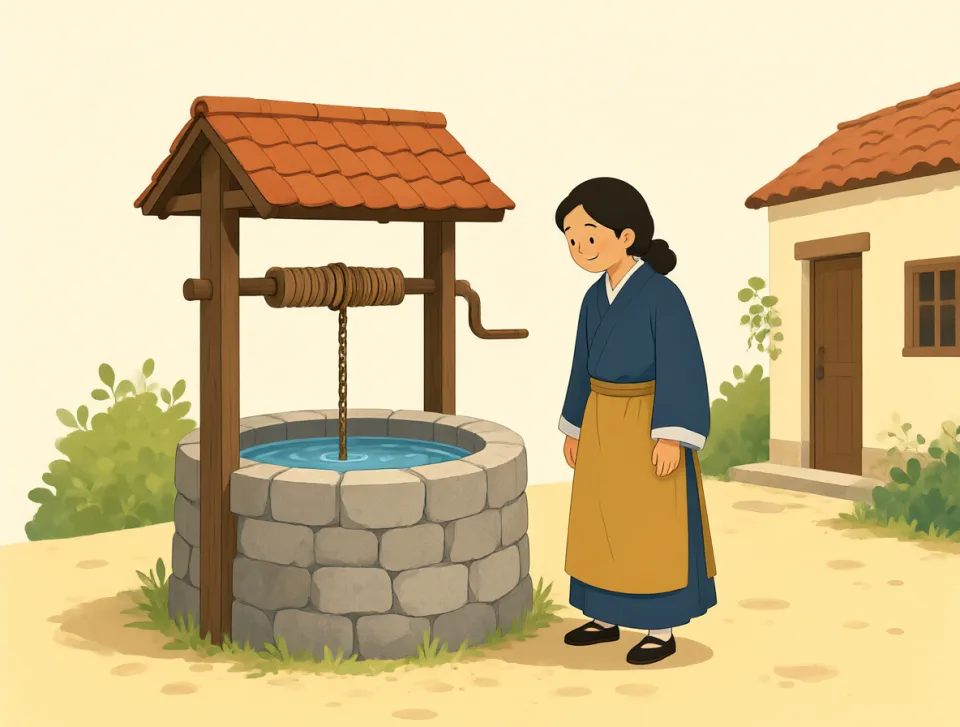
well
#61adverb, adjective, noun, verb
dobrze; studnia
In a good, healthy, or successful way; a deep hole for water.
W dobry, zdrowy lub pomyślny sposób; głęboki otwór, z którego czerpie się wodę.
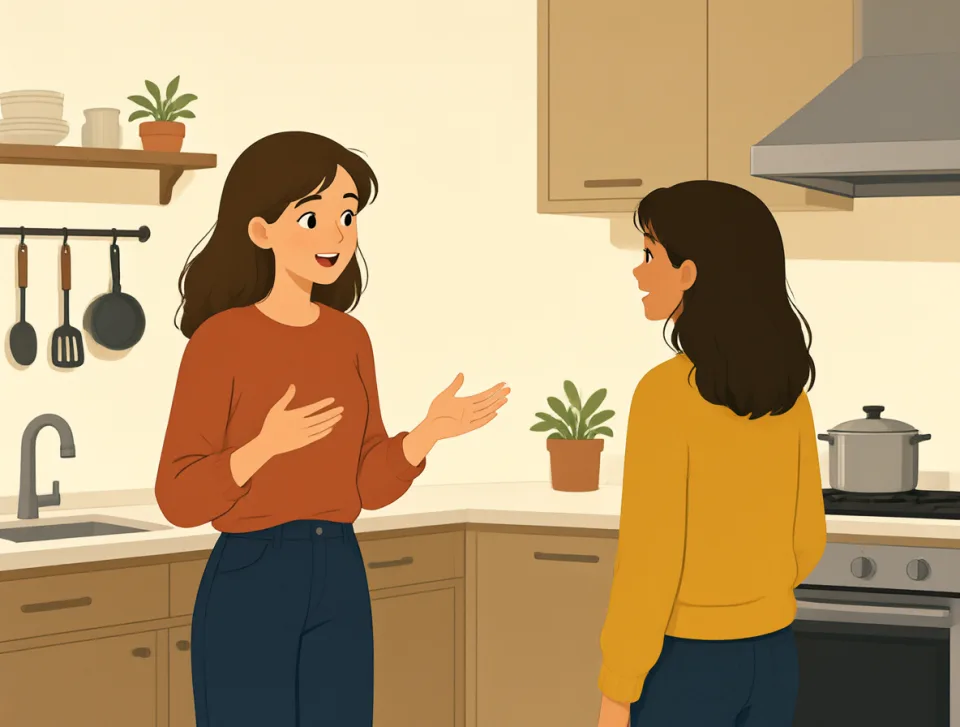
She speaks English very well.
Ona bardzo dobrze mówi po angielsku.
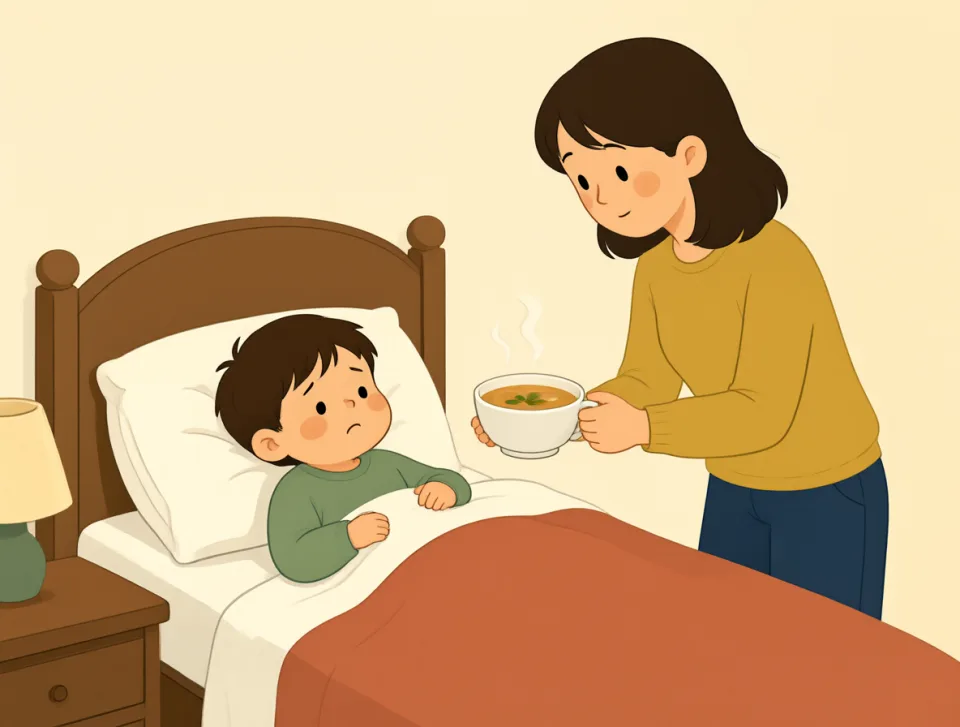
I hope you get well soon.
Mam nadzieję, że szybko wrócisz do zdrowia.
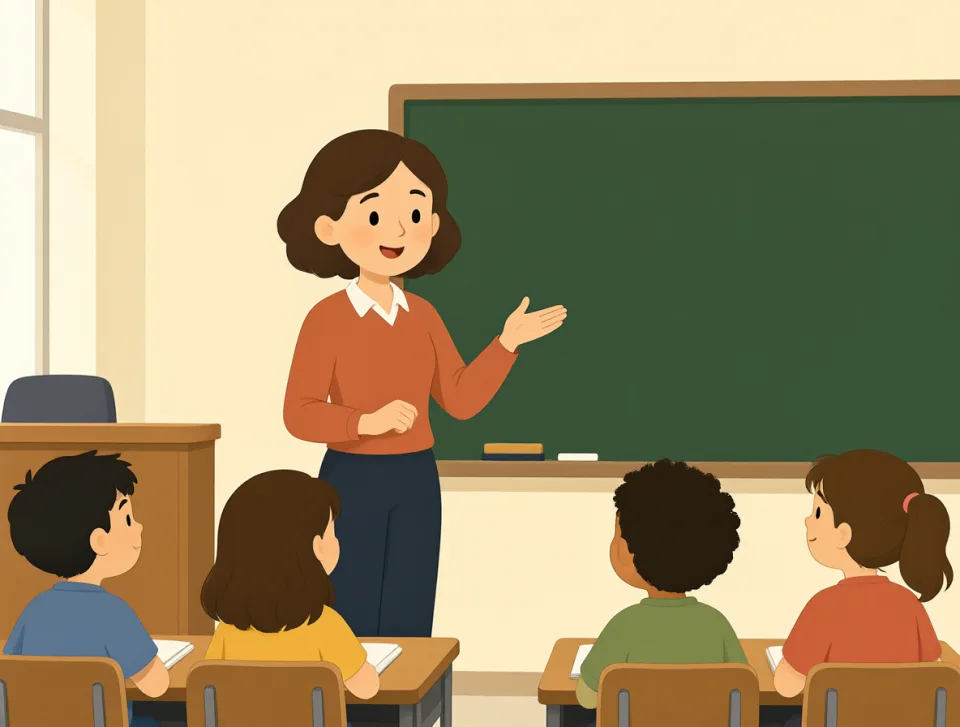
Well, let's start the lesson.
No dobrze, zaczynajmy lekcję.
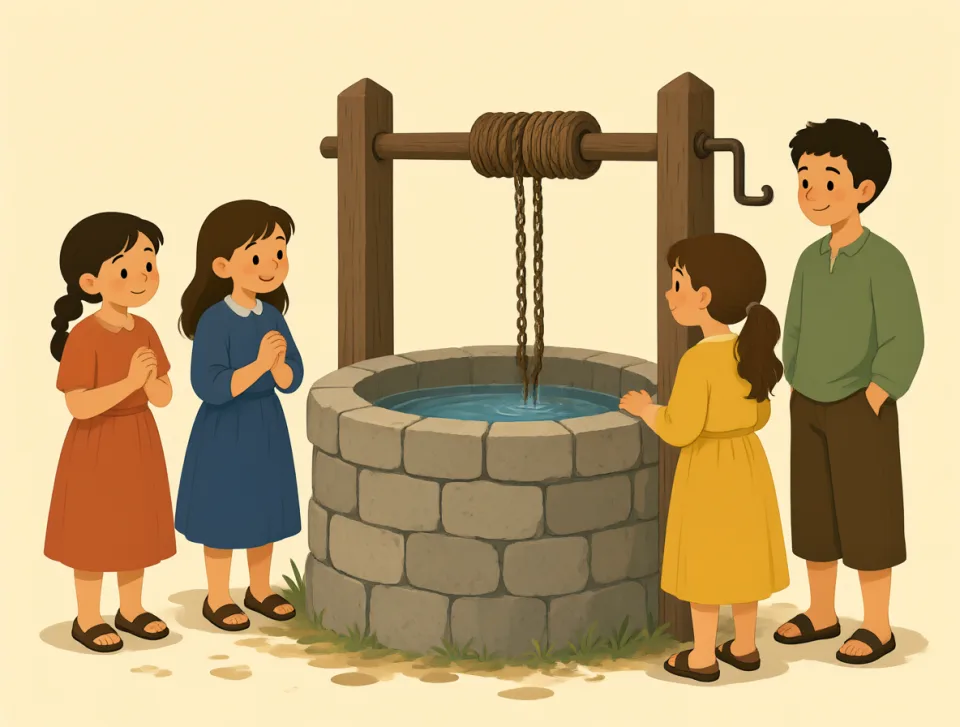
The village has an old stone well.
We wsi jest stara kamienna studnia.

They well up with tears.
Napływają im łzy do oczu.
because
#62conjunction
ponieważ
for the reason that something happens
z powodu tego, że coś się dzieje
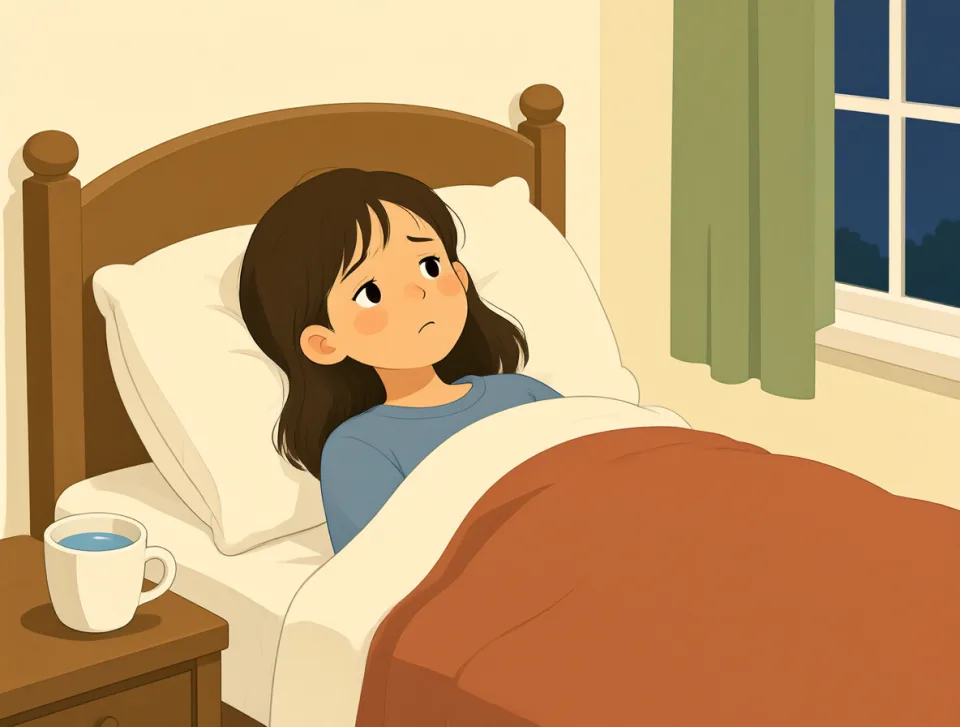
I stayed home because I felt sick.
Zostałem w domu, bo źle się czułem.
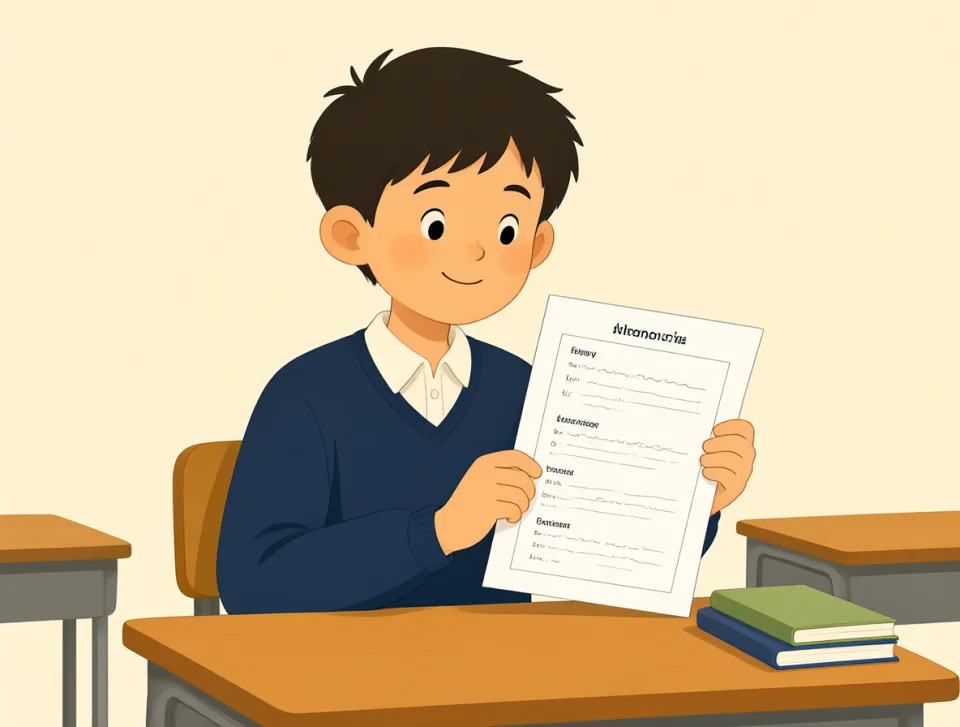
She is happy because she passed her test.
Ona jest szczęśliwa, bo zdała test.
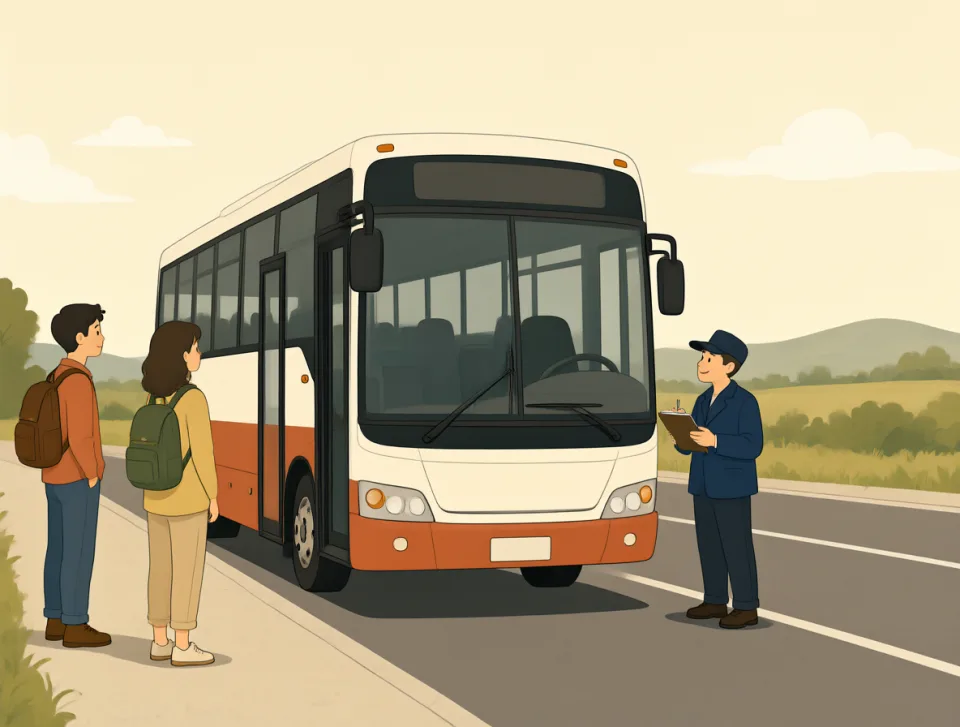
We were late because the bus broke down.
Spóźniliśmy się, bo autobus się zepsuł.
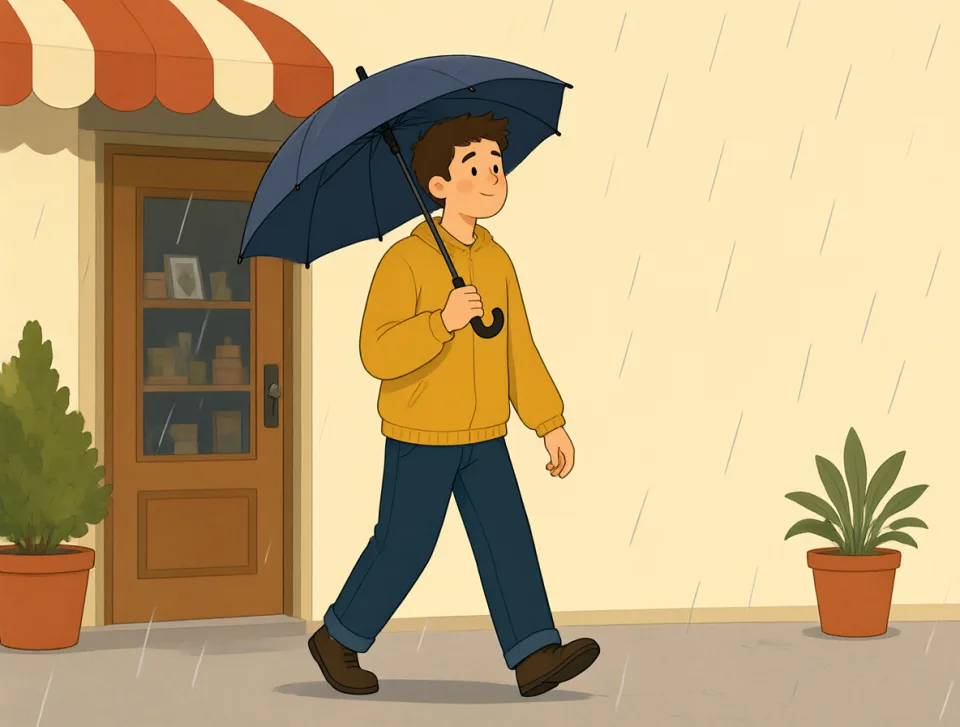
He bought an umbrella because it was raining.
Kupił parasol, bo padał deszcz.
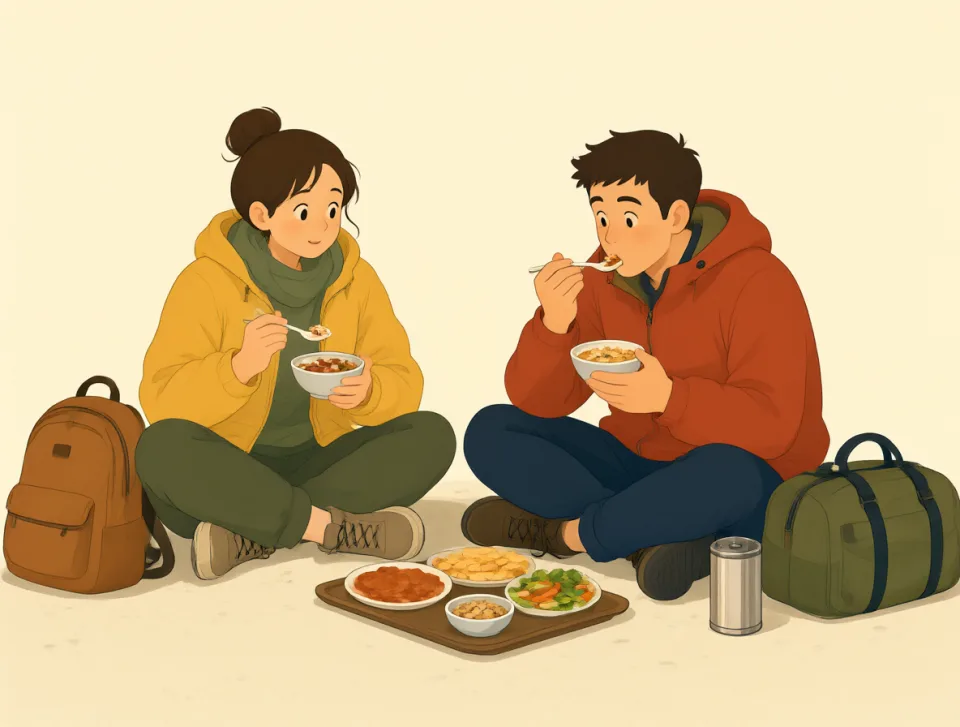
They eat early because they have a flight.
Jedzą wcześnie, bo mają lot.
very
#63adverb
bardzo
Used before an adjective or adverb to mean to a high degree.
Używane przed przymiotnikiem lub przysłówkiem, by podkreślić wysoki stopień danej cechy.
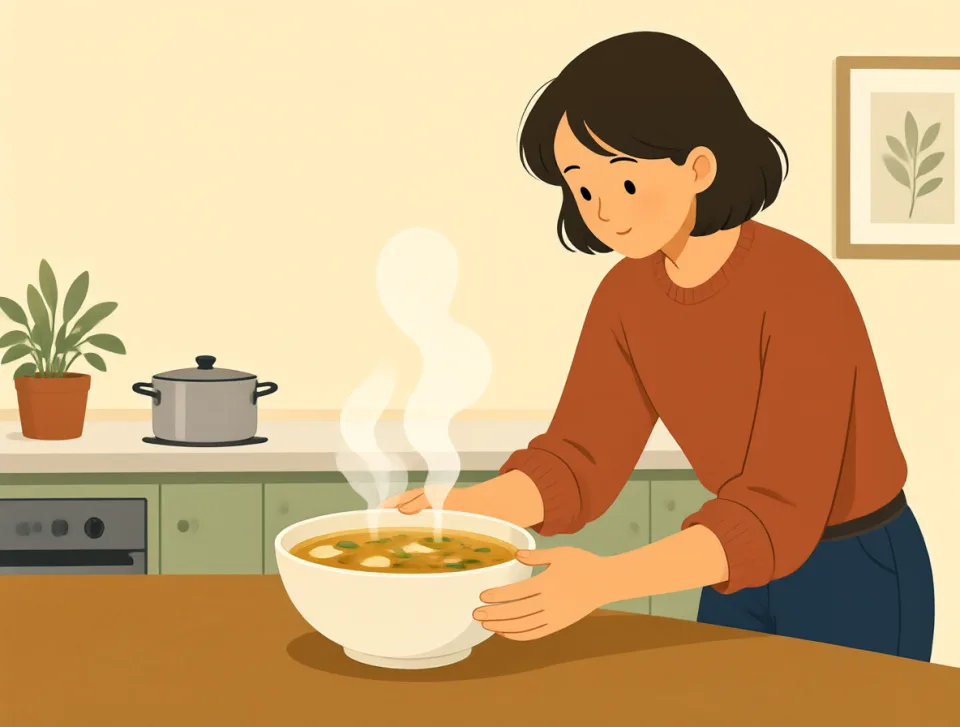
The soup is very hot.
Zupa jest bardzo gorąca.
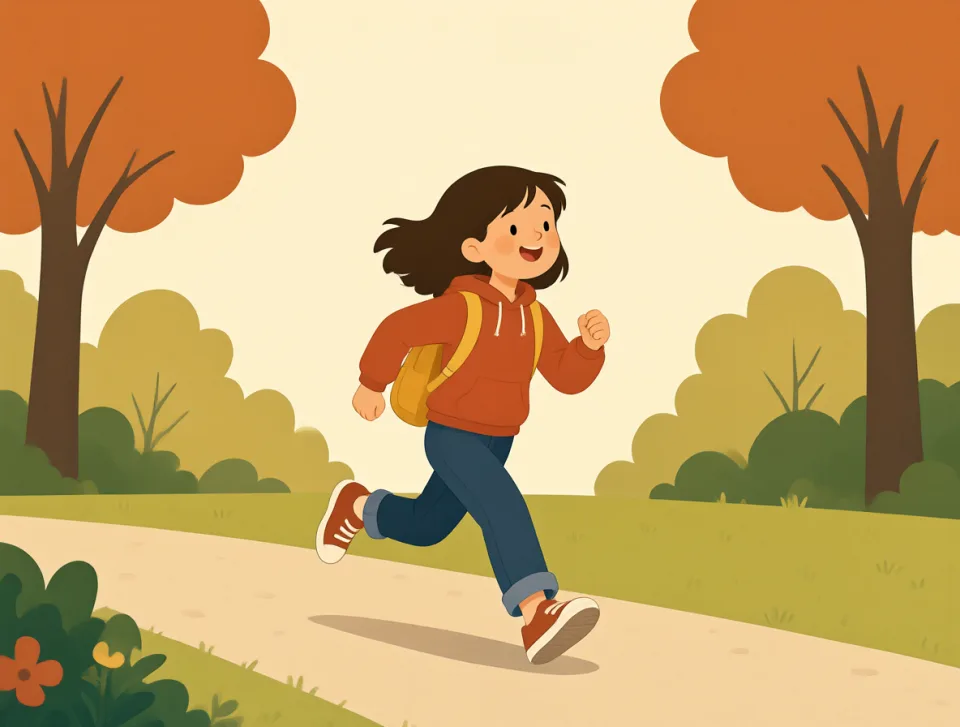
She runs very fast.
Ona biega bardzo szybko.
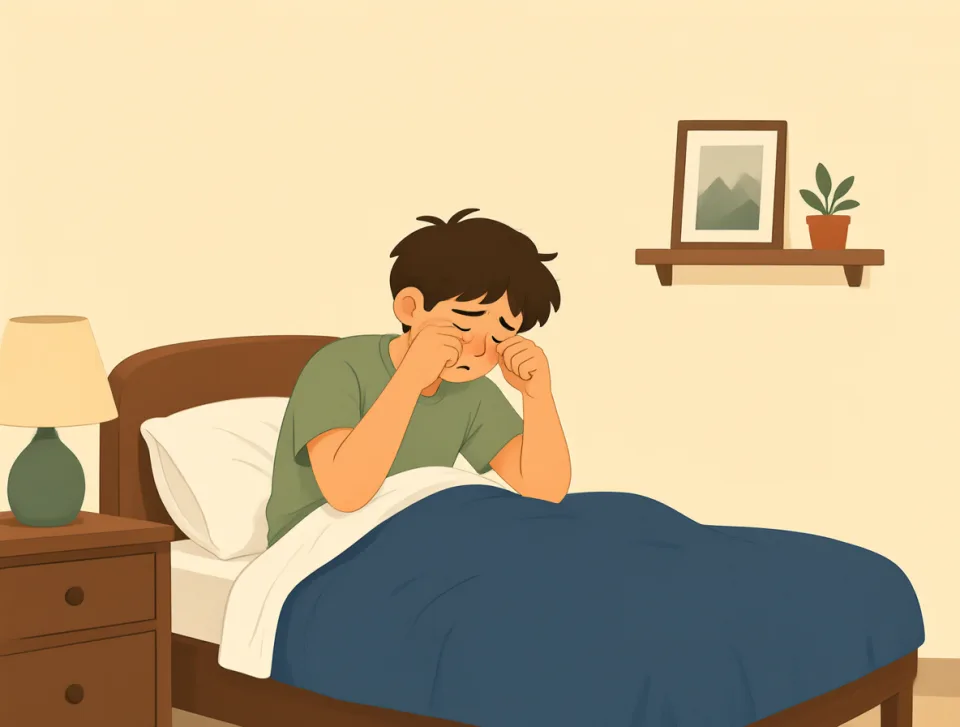
I am very tired today.
Jestem dziś bardzo zmęczony.

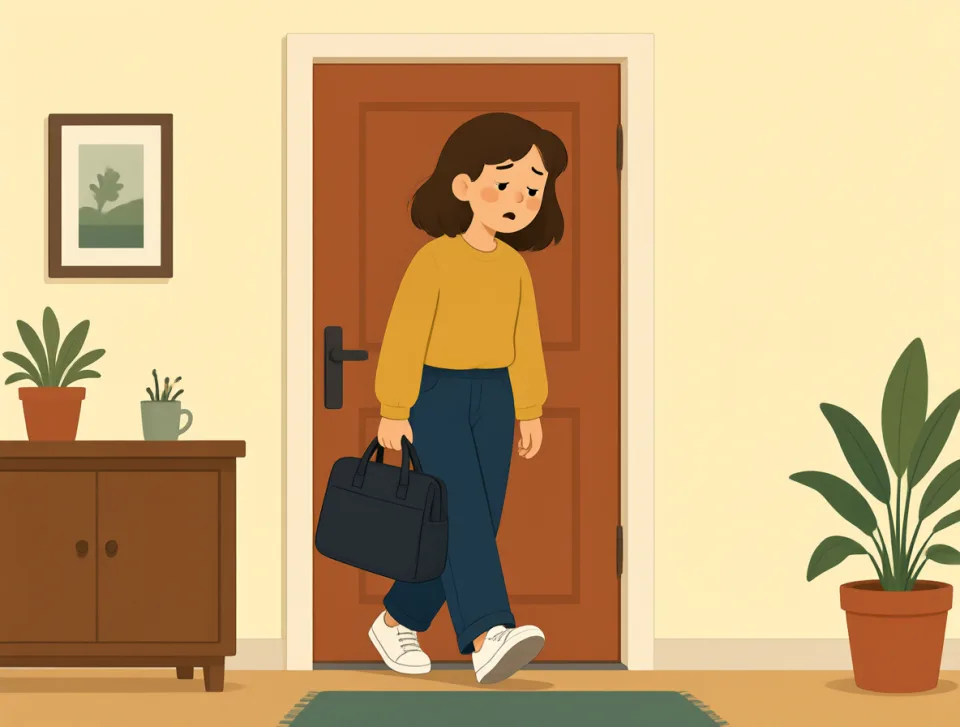
This bag is very expensive.
Ta torba jest bardzo droga.

We had a very good time.
Bardzo dobrze się bawiliśmy.
just
#64adverb, adjective
właśnie; tylko; po prostu
Only recently, exactly, or fairly; used to make something seem less important.
Niedawno, dokładnie lub zaledwie; używane, by umniejszyć znaczenie czegoś.
I just got home from work.
Właśnie wróciłem z pracy do domu.
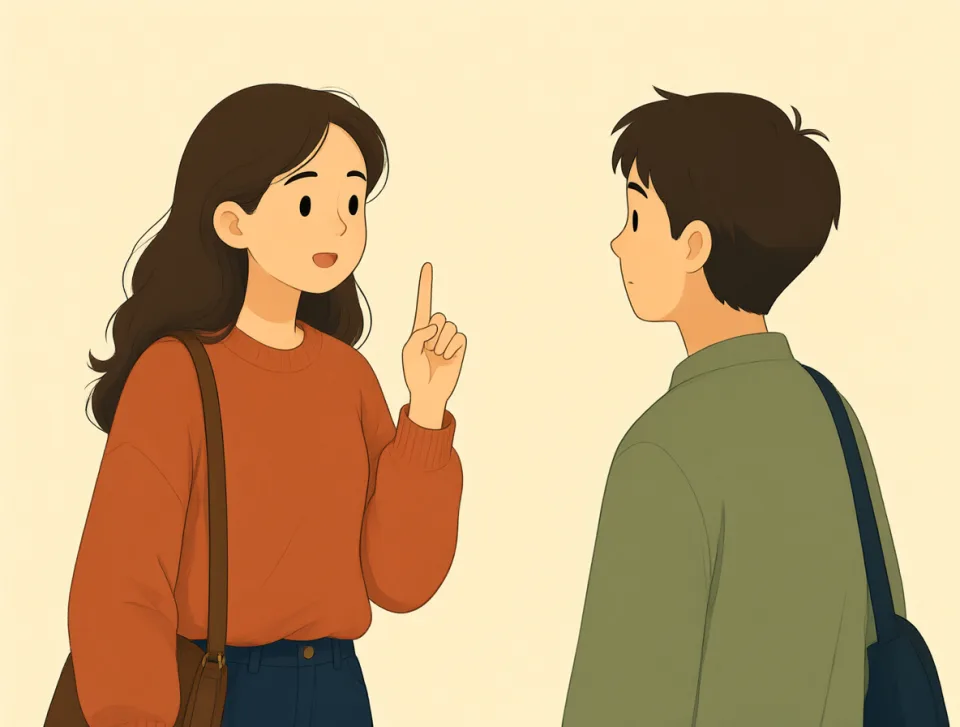
Just wait here for a minute.
Po prostu poczekaj tu minutę.

This shirt is just five dollars.
Ta koszula kosztuje tylko pięć dolarów.
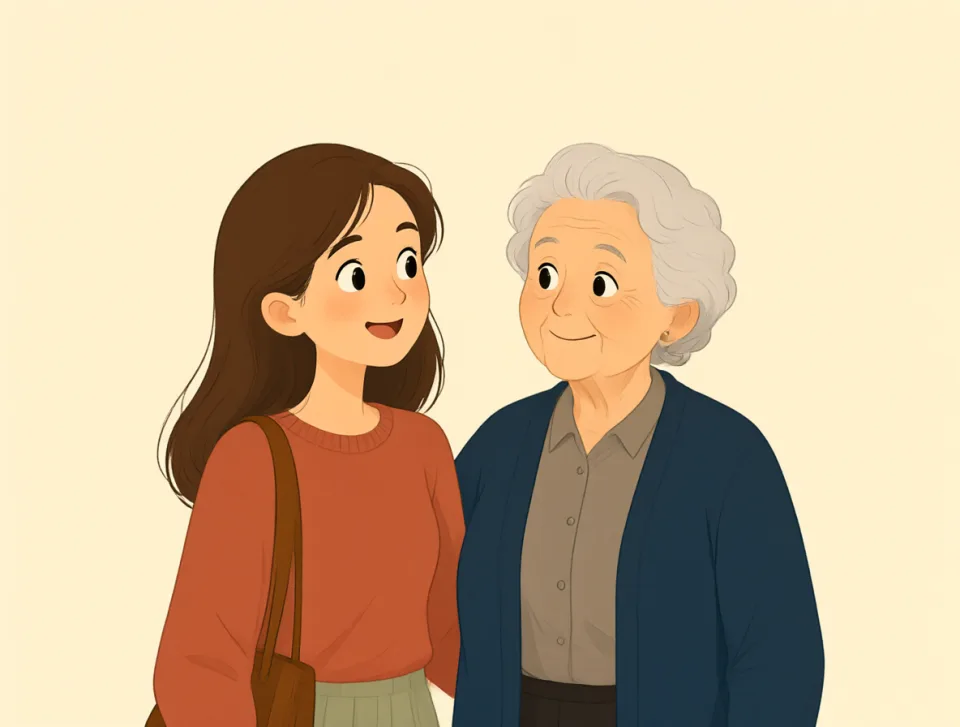
She is just like her mother.
Ona jest zupełnie jak jej matka.
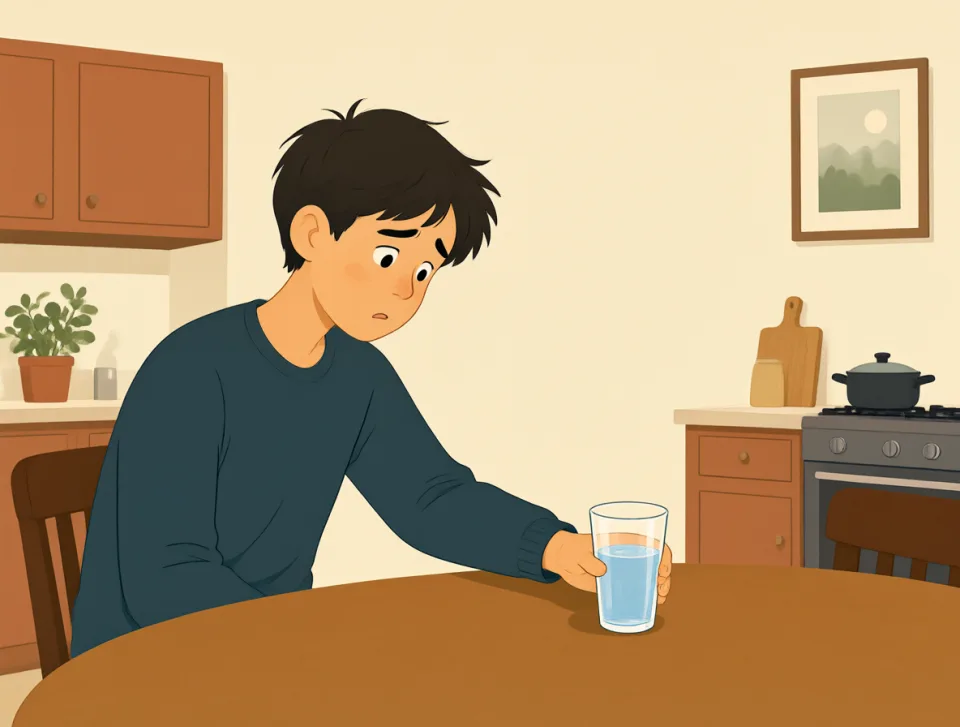
I just want some water.
Chcę tylko trochę wody.
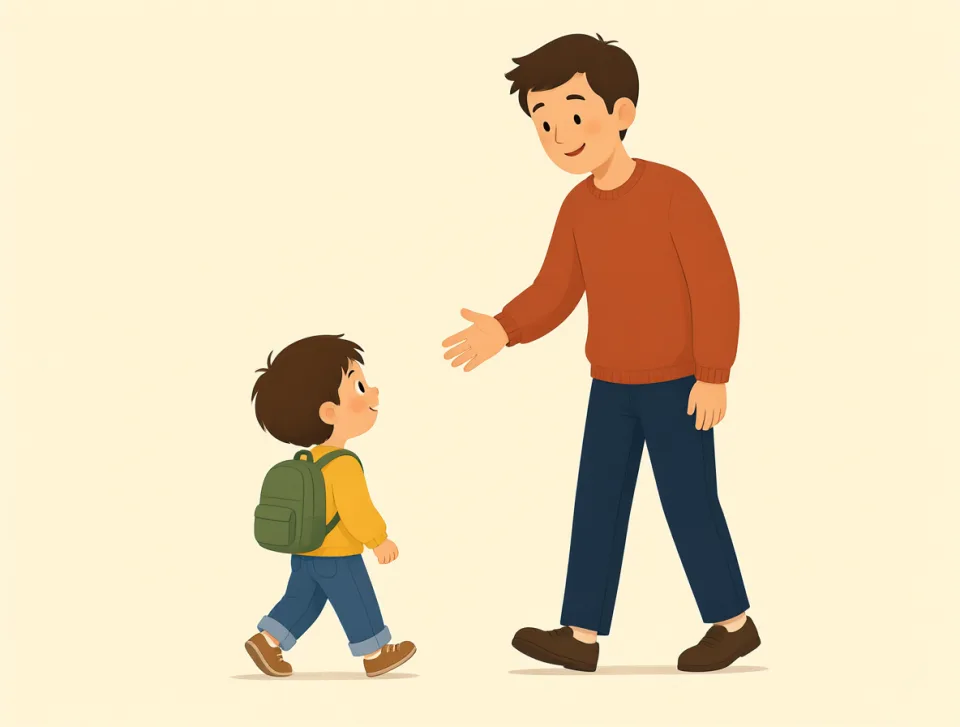
come
#65verb
przyjść; przyjechać
to move toward or arrive at a person or place
przemieszczać się w czyimś kierunku lub docierać do osoby albo miejsca
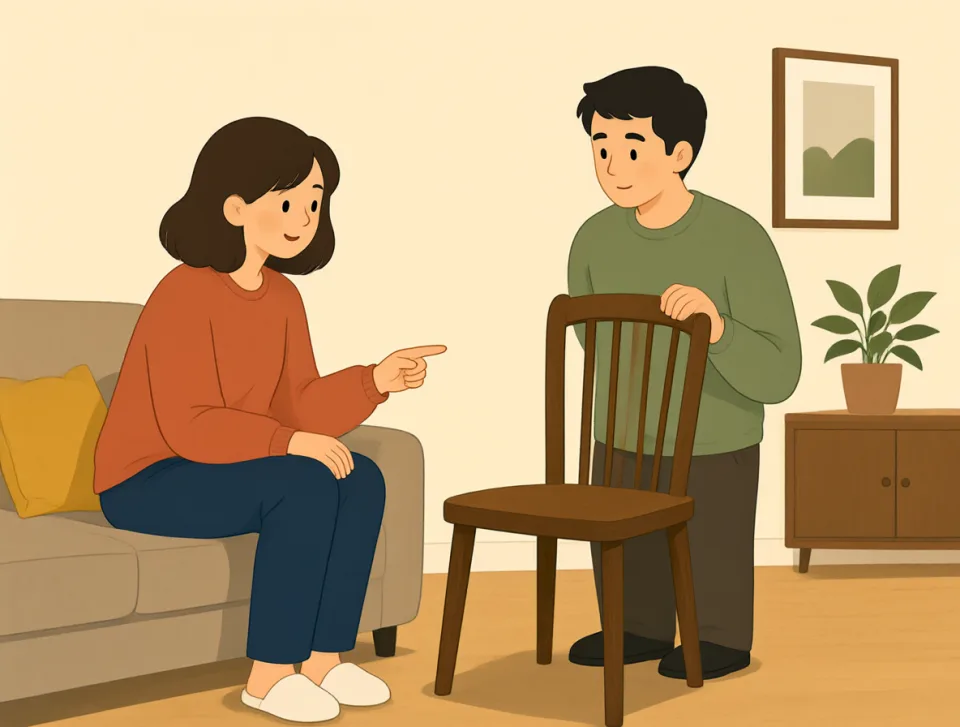
Come here and sit beside me.
Chodź tutaj i usiądź obok mnie.
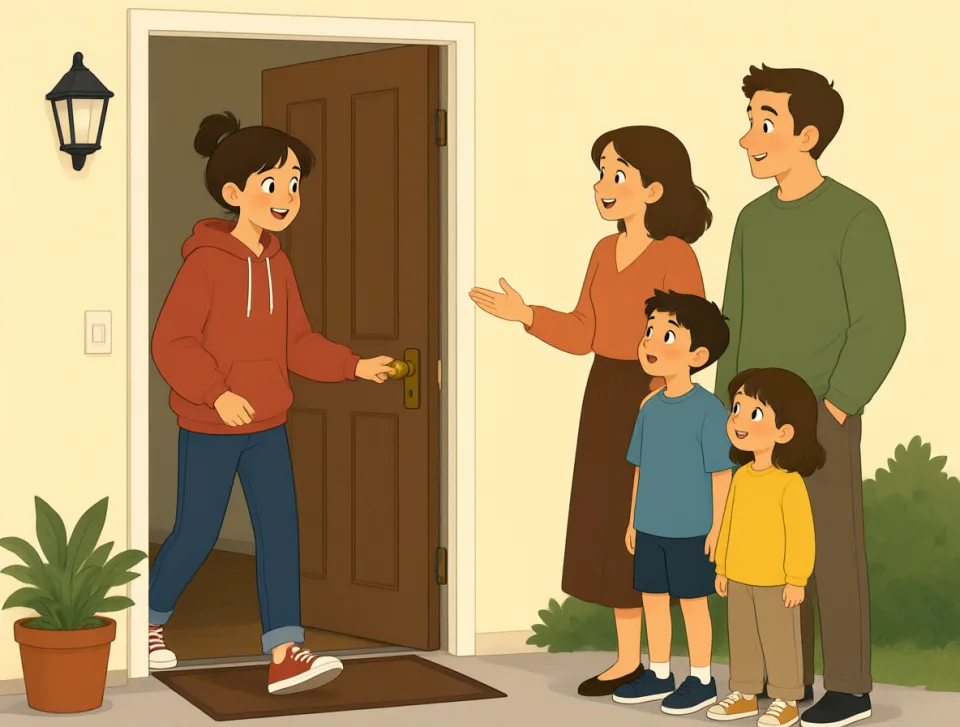
What time did you come home?
O której wróciłeś do domu?
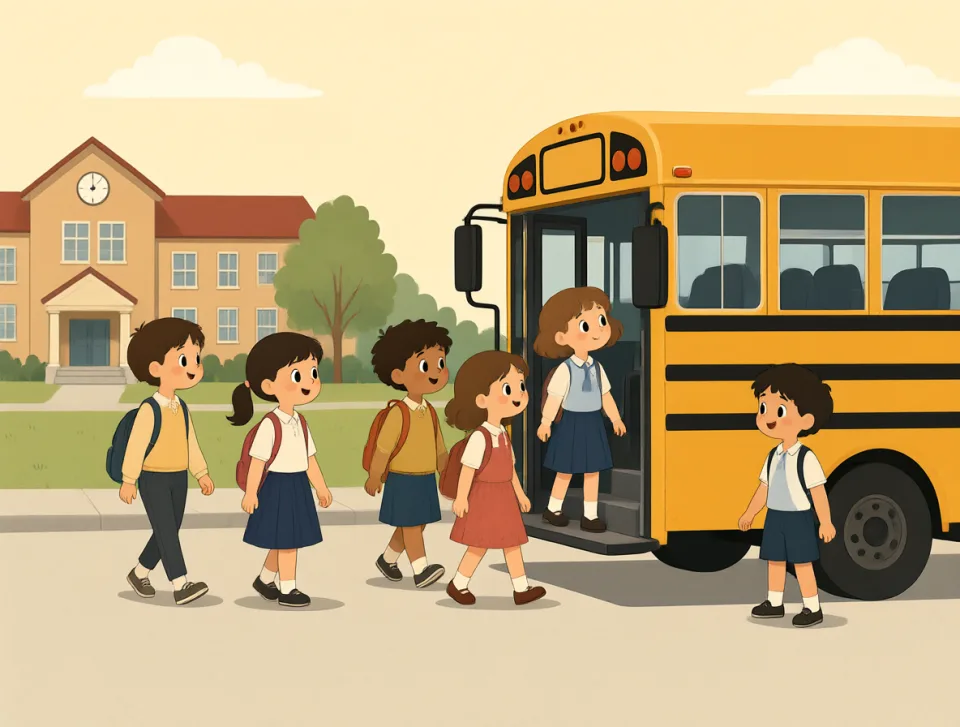
Many students come to school by bus.
Wielu uczniów dojeżdża do szkoły autobusem.

Please come to my birthday party.
Proszę, przyjdź na moje przyjęcie urodzinowe.
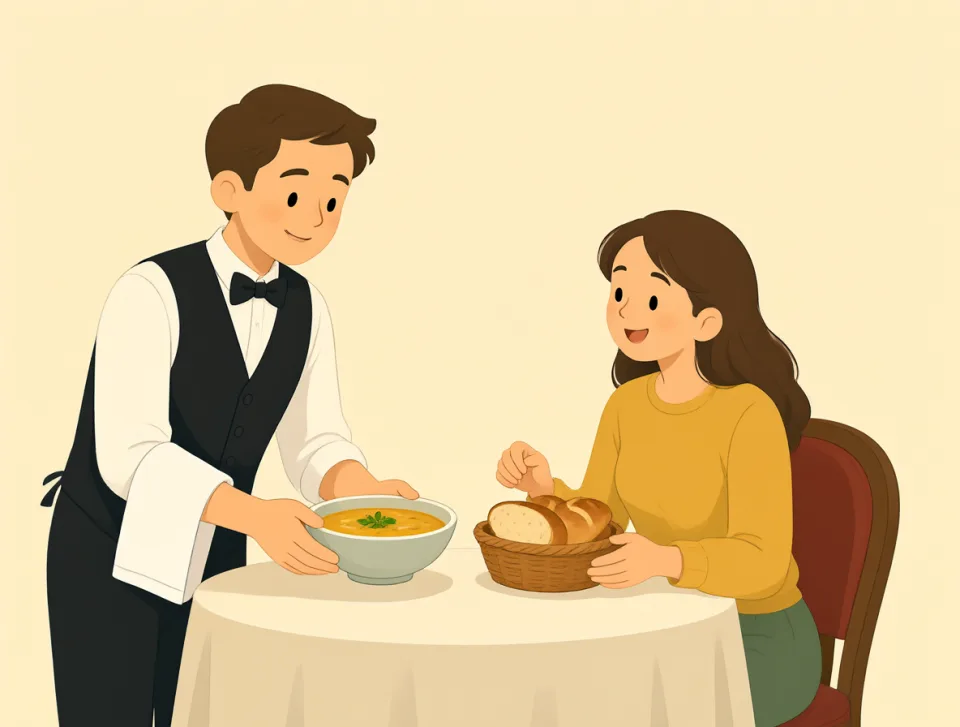
This soup comes with fresh bread.
Do tej zupy podawane jest świeże pieczywo.

could
#66modal verb
mógłby / móc
Used to ask politely, talk about possibility, or describe ability in the past.
Używane do uprzejmego zadawania pytań, mówienia o możliwościach lub opisywania umiejętności w przeszłości.
Could you help me with this bag?
Czy mógłbyś mi pomóc z tą torbą?

We could meet at the station tomorrow.
Moglibyśmy spotkać się jutro na stacji.
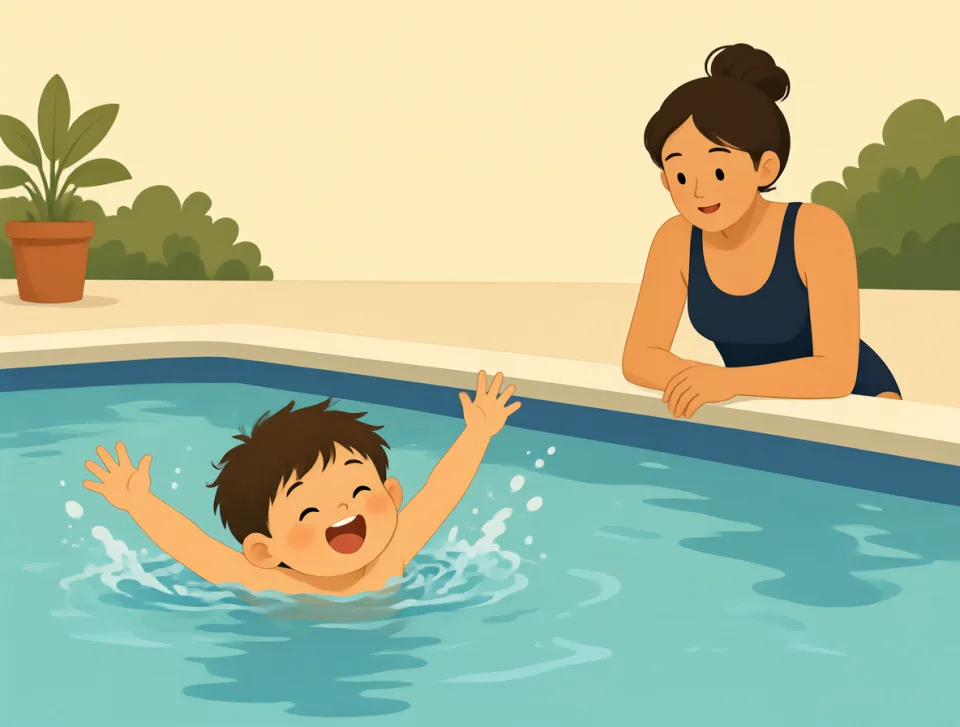
I could swim when I was five.
Umiałem pływać, kiedy miałem pięć lat.
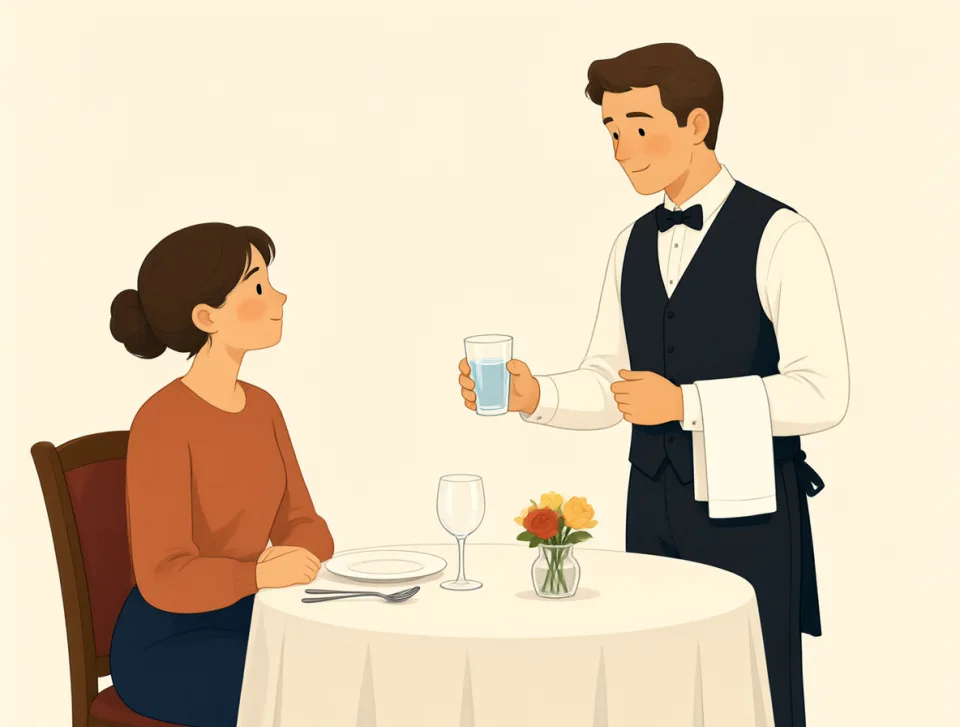
Could I have some water, please?
Czy mogę prosić o trochę wody?

It could rain this afternoon.
Po południu może padać.

work
#67noun, verb
pracować; praca
To do a job or activity, or the job or activity you do.
Wykonywać pracę lub jakąś czynność albo praca lub czynność, którą się wykonuje.

I work in a small office.
Pracuję w małym biurze.

She works hard every day.
Ona ciężko pracuje każdego dnia.

This computer does not work.
Ten komputer nie działa.
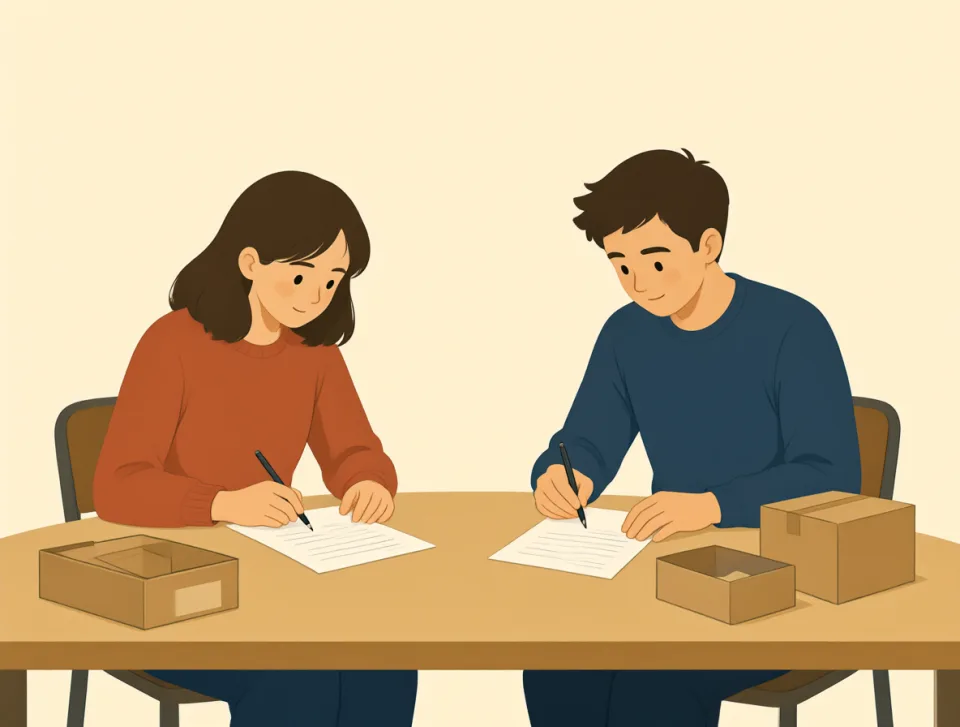
We have a lot of work today.
Mamy dziś dużo pracy.
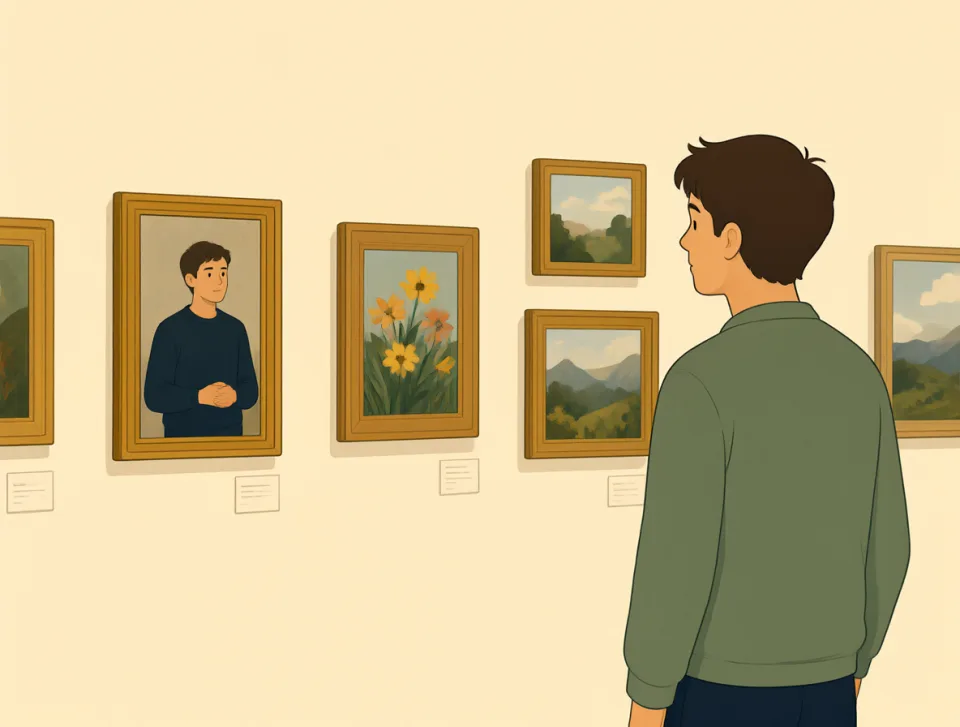
His works hang in the museum.
Jego dzieła wiszą w muzeum.
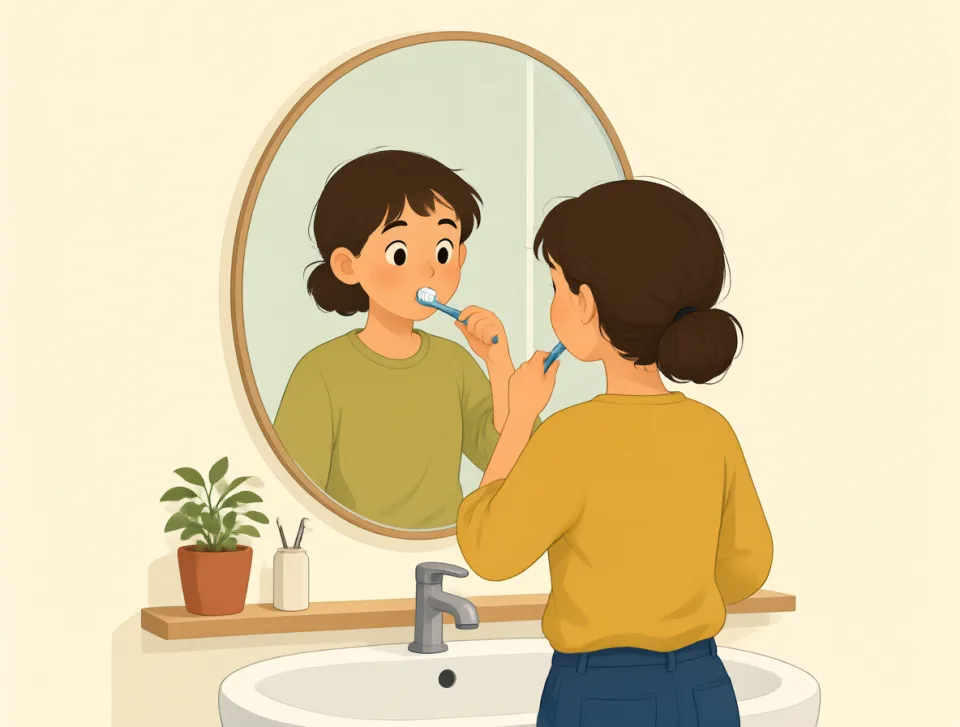
use
#68verb, noun
używać; zastosowanie
To do something with a thing for a purpose; the way something is used.
Robić coś za pomocą jakiegoś przedmiotu w określonym celu; sposób, w jaki coś jest używane.
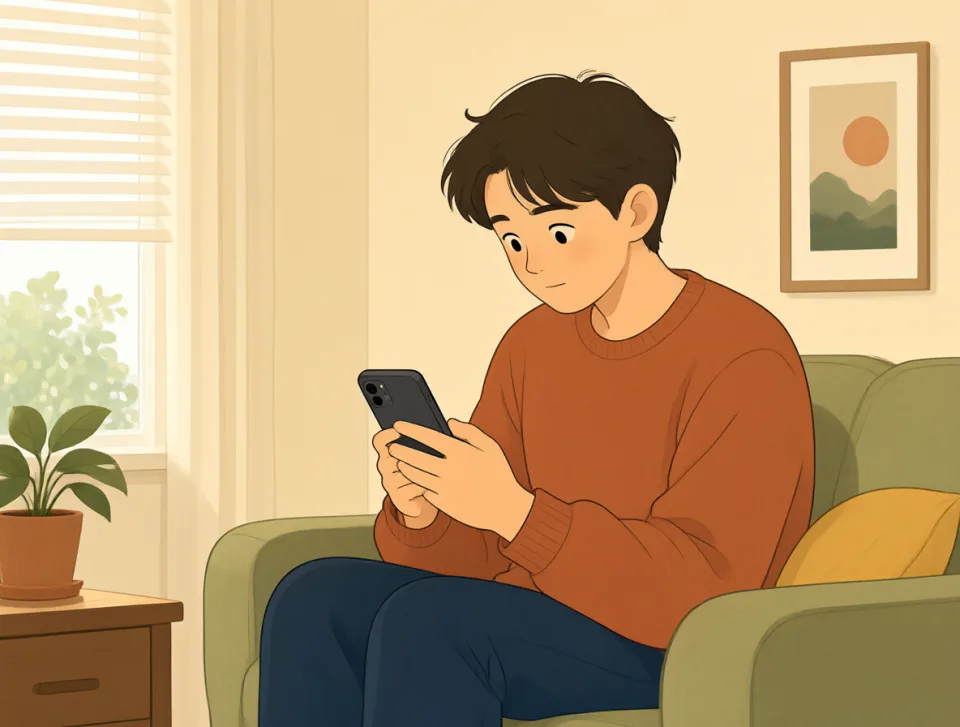
I use my phone every day.
Codziennie używam telefonu.
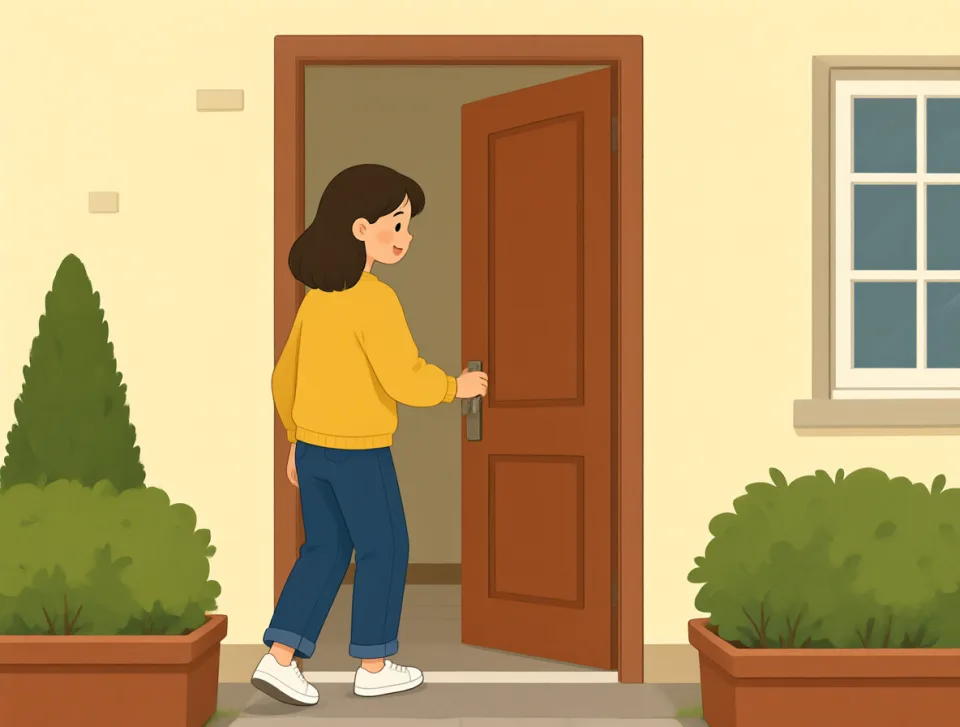
Please use this door.
Proszę skorzystać z tych drzwi.
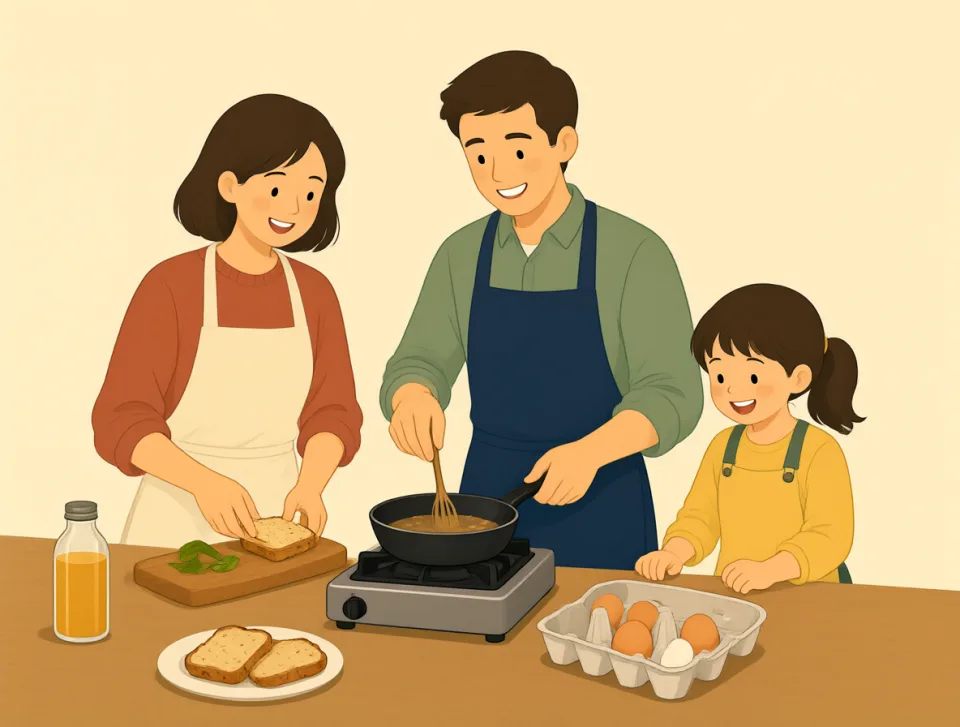
We used all the eggs for breakfast.
Zużyliśmy wszystkie jajka na śniadanie.
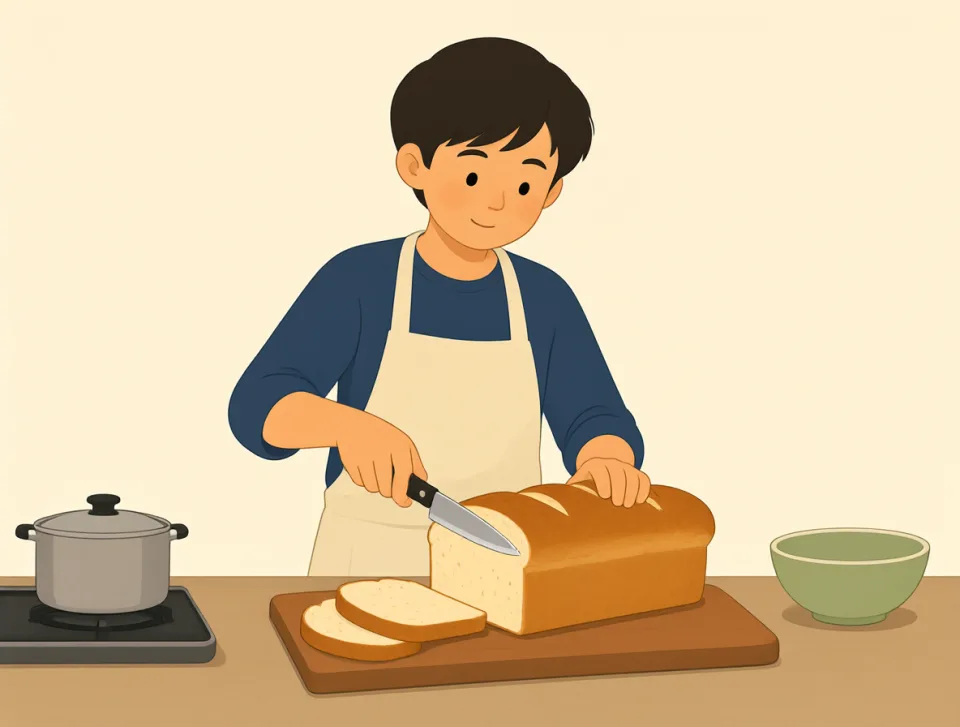
She uses a knife to cut bread.
Ona używa noża do krojenia chleba.
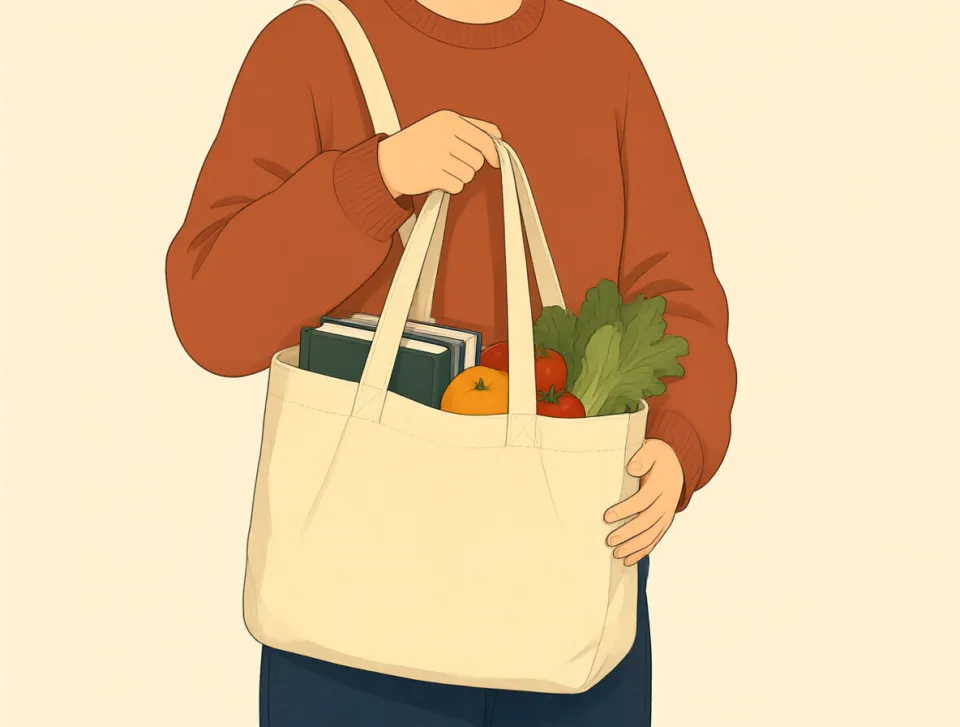
This bag has many uses.
Ta torba ma wiele zastosowań.
than
#69conjunction, preposition
niż
Used to compare two people, things, or actions.
Używane do porównywania dwóch osób, rzeczy lub czynności.
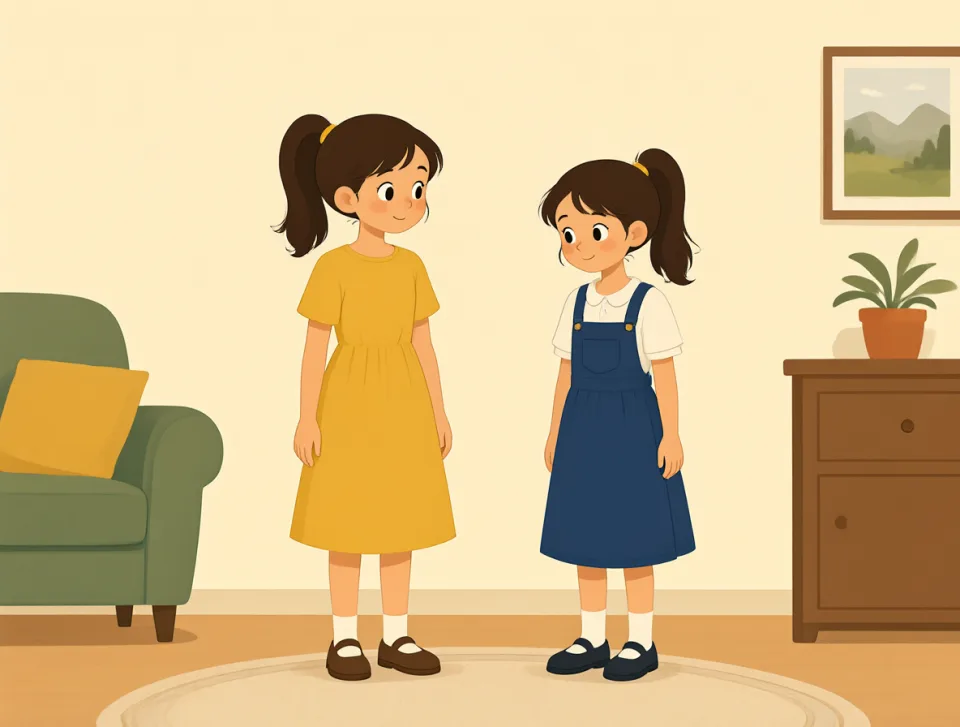
My sister is taller than me.
Moja siostra jest wyższa ode mnie.

This bag is cheaper than that one.
Ta torba jest tańsza niż tamta.
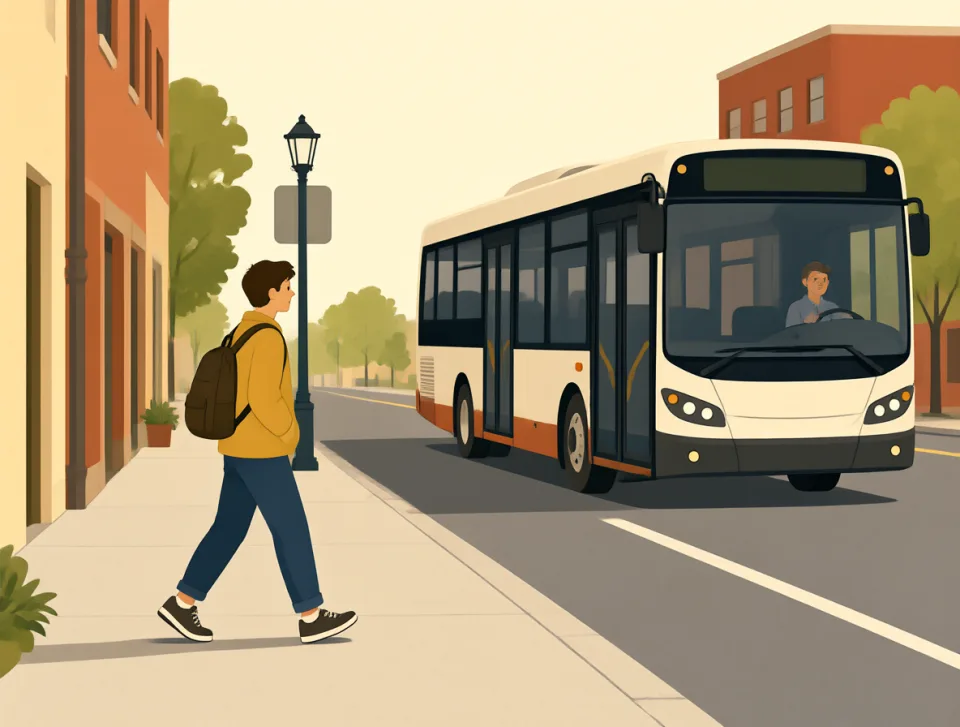
I would rather walk than take the bus.
Wolałbym iść pieszo, niż jechać autobusem.
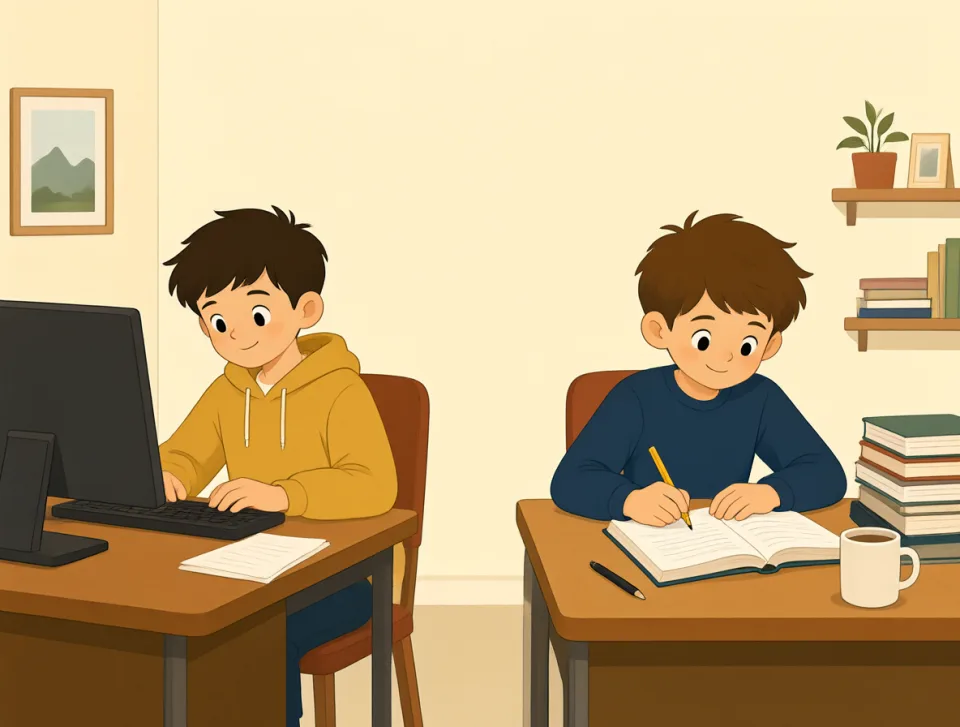
He works harder than his brother.
On pracuje ciężej niż jego brat.
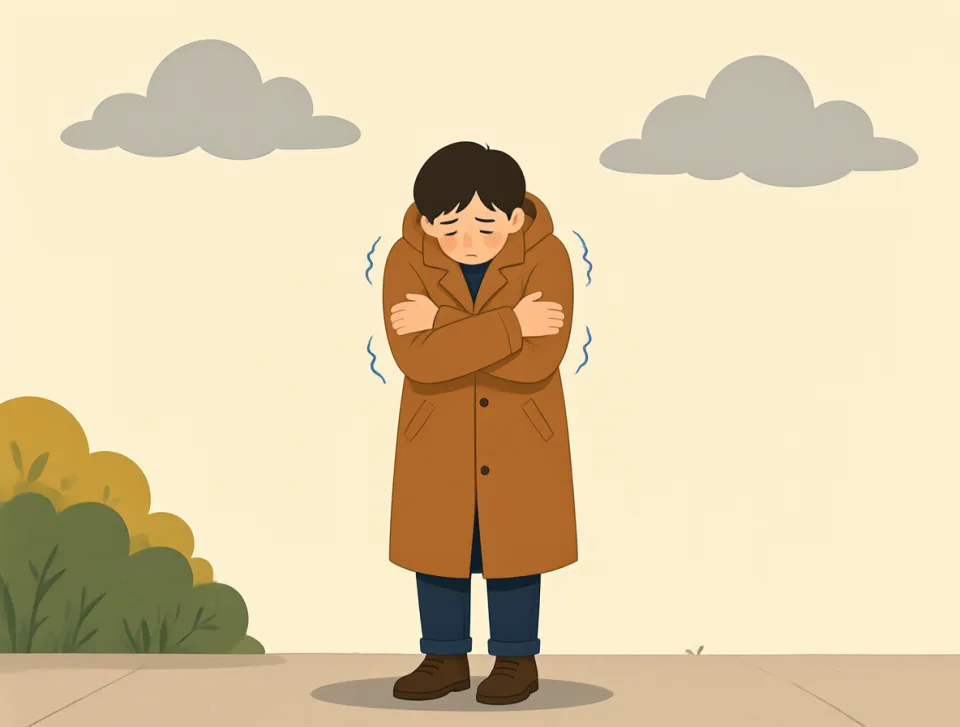
It was colder than yesterday.
Było zimniej niż wczoraj.

now
#70adverb, noun, adjective
teraz
at the present time or moment
w obecnej chwili lub w tym momencie
I am busy now.
Jestem teraz zajęty.
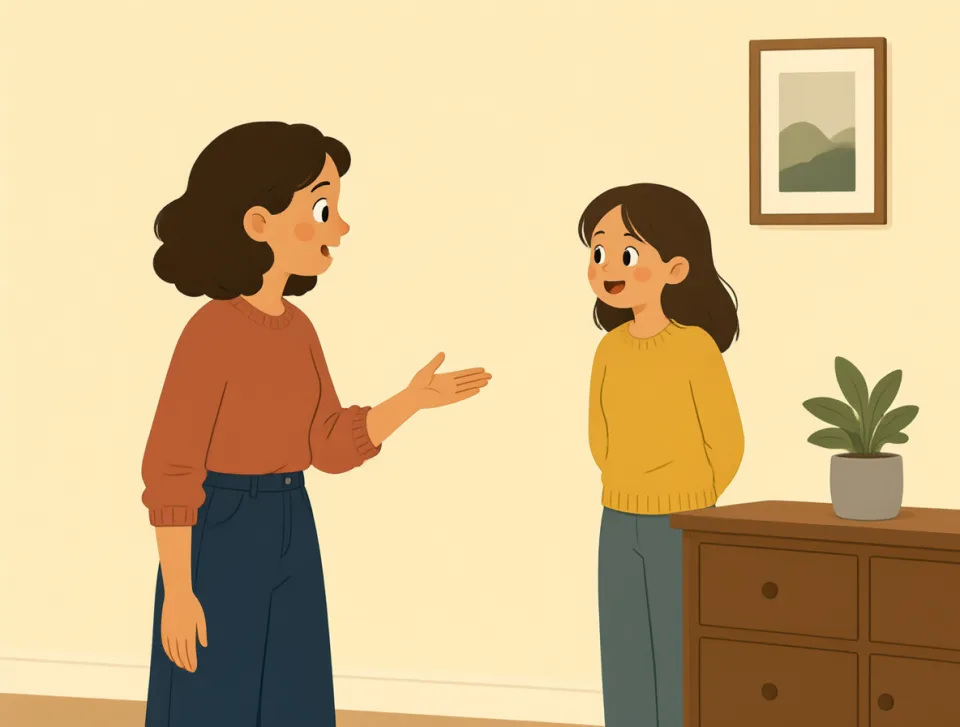
Please come here now.
Proszę, przyjdź tutaj teraz.
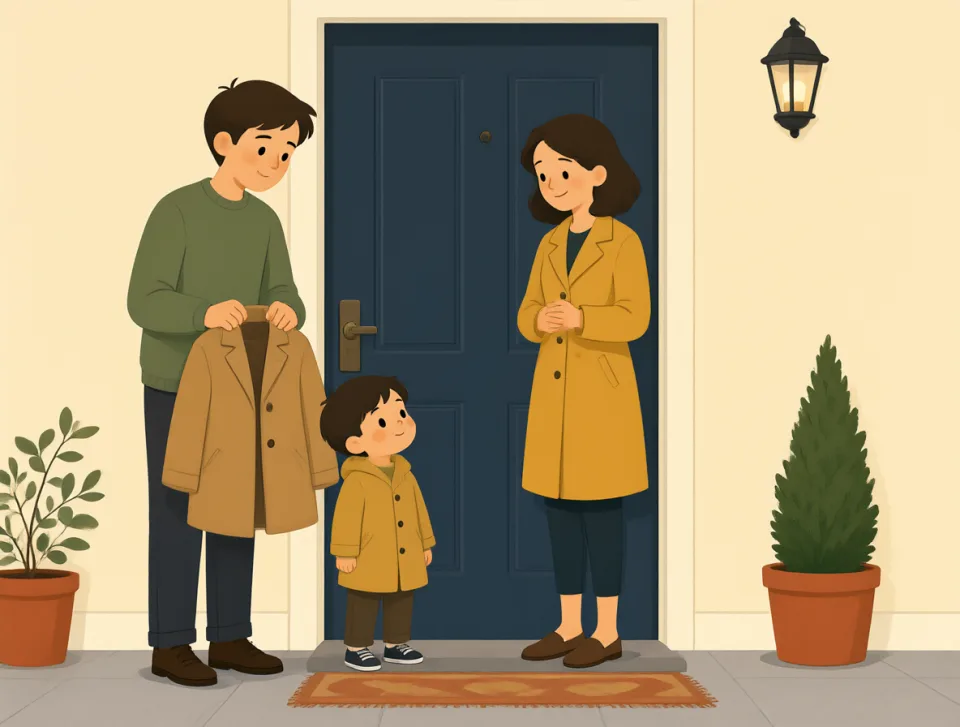
We have to leave now.
Musimy już iść.
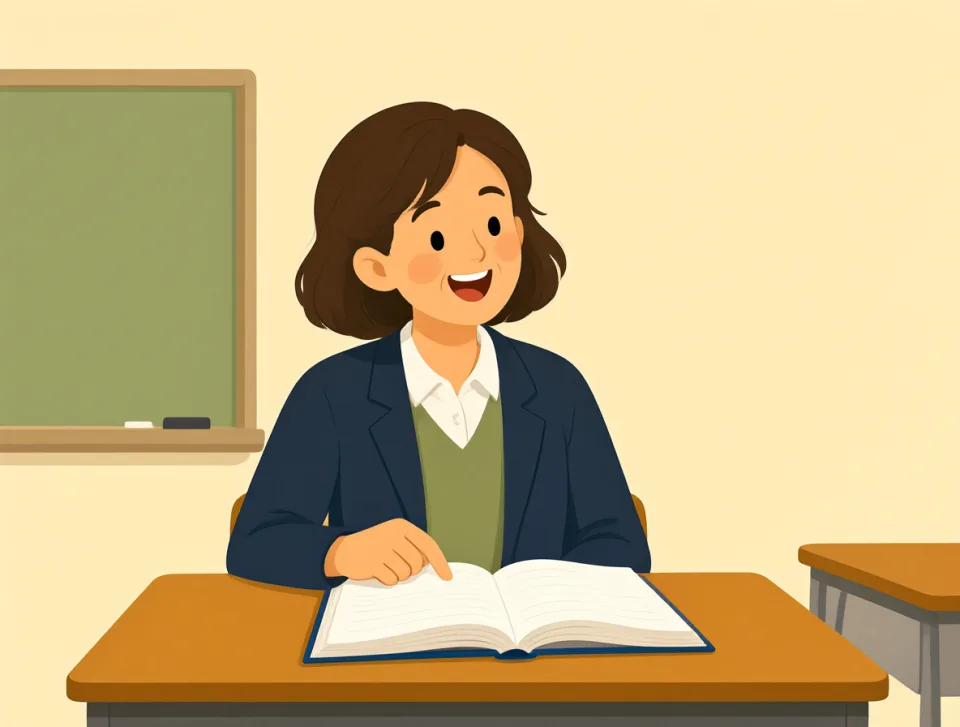
Now is a good time to start.
Teraz jest dobry moment, żeby zacząć.
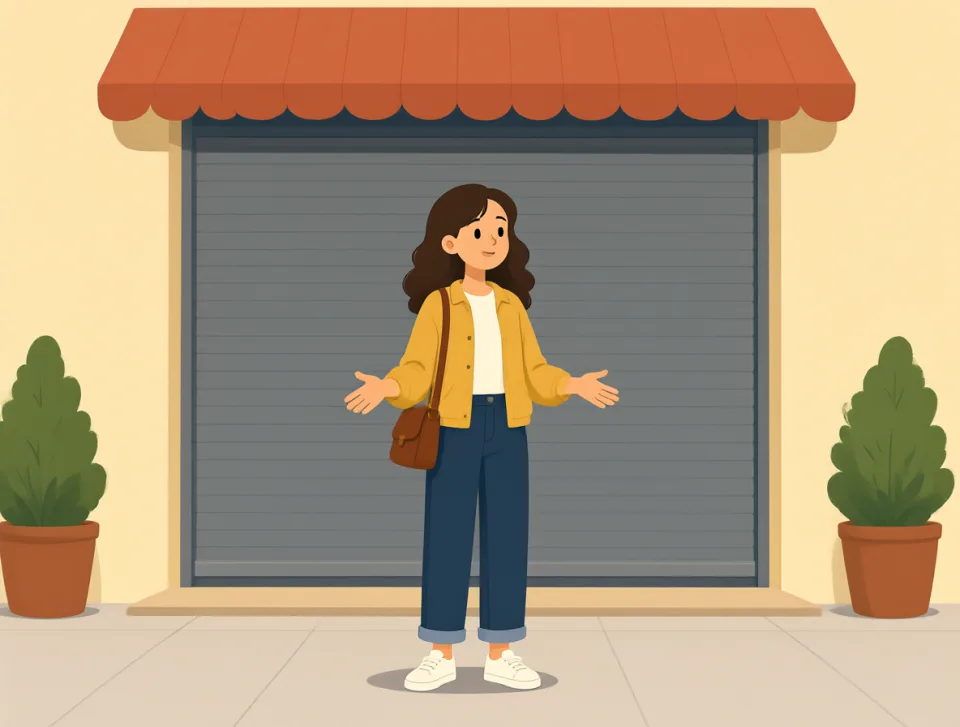
The store is closed now.
Sklep jest teraz zamknięty.
then
#71adverb, adjective
wtedy; następnie
At that time, or next after something else happens.
W tamtym czasie albo później, po tym, jak wydarzy się coś innego.
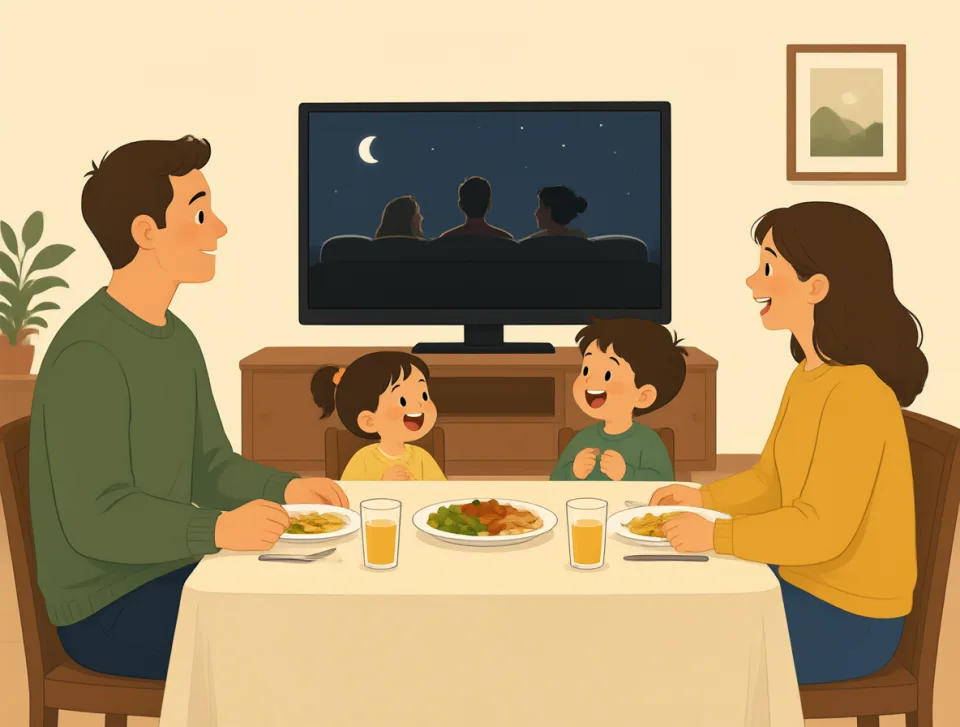
We ate dinner, then watched a movie.
Zjedliśmy kolację, a potem obejrzeliśmy film.
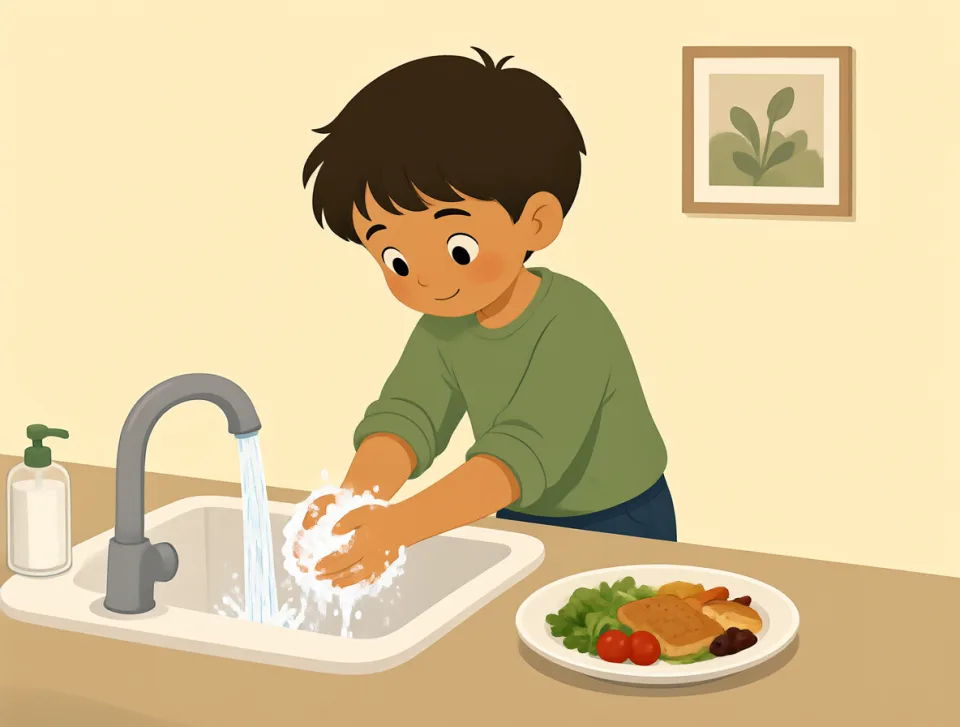
First wash your hands, then eat.
Najpierw umyj ręce, a potem jedz.
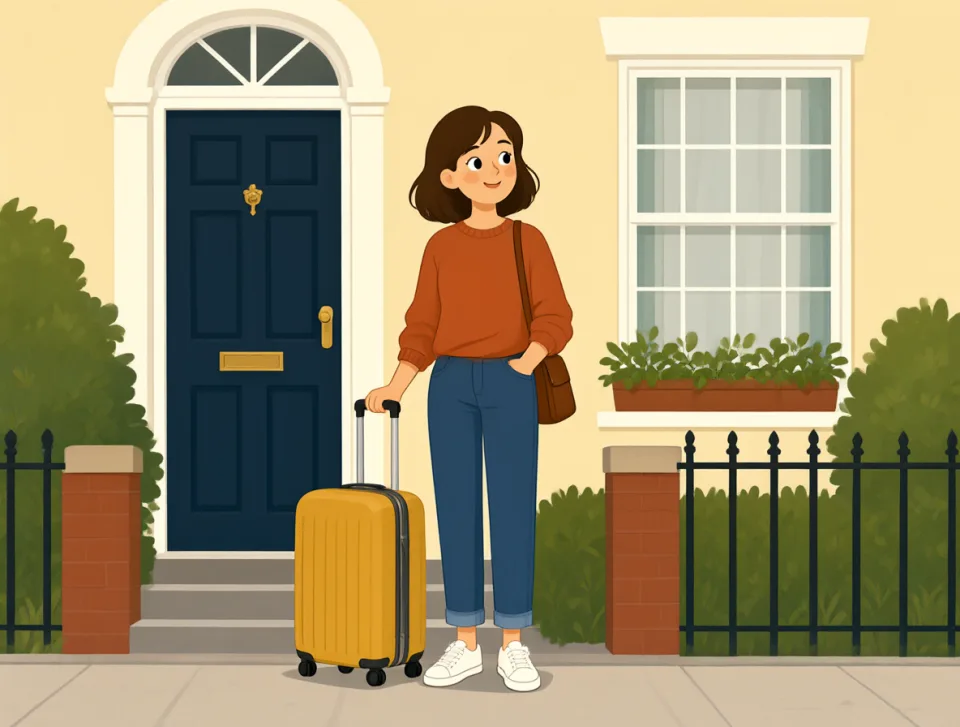
I was living in London then.
Wtedy mieszkałem w Londynie.
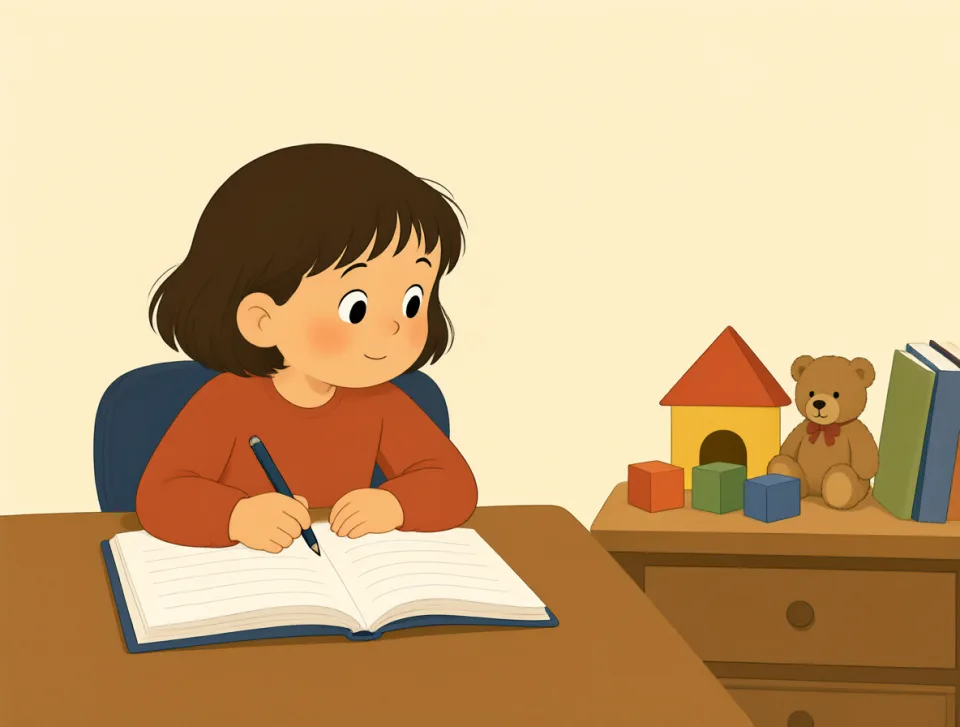
If you finish, then you can play.
Jeśli skończysz, będziesz mógł się bawić.
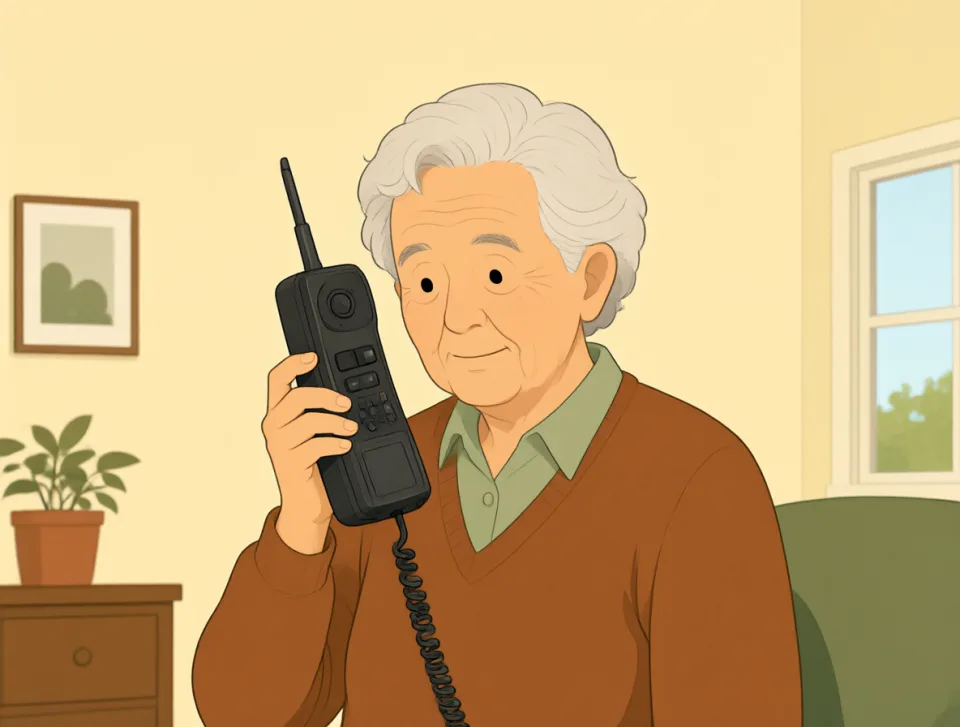
Back then, phones were much bigger.
W tamtych czasach telefony były o wiele większe.
also
#72adverb
również; także
In addition to someone or something already mentioned.
Oprócz osoby lub rzeczy wspomnianej wcześniej.
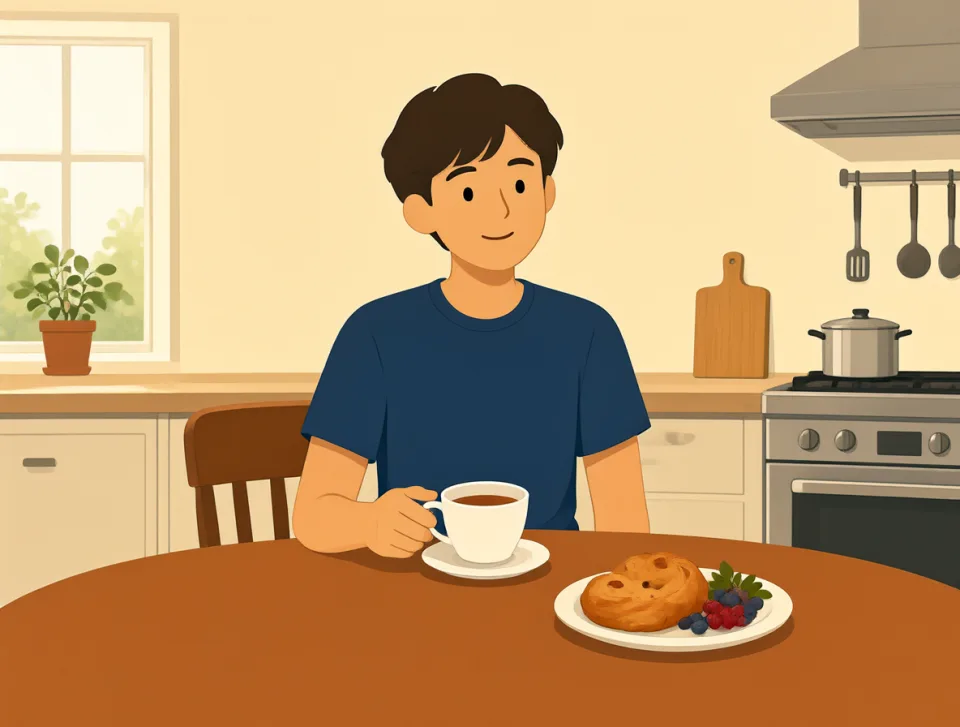
I also like tea in the morning.
Rano też lubię herbatę.
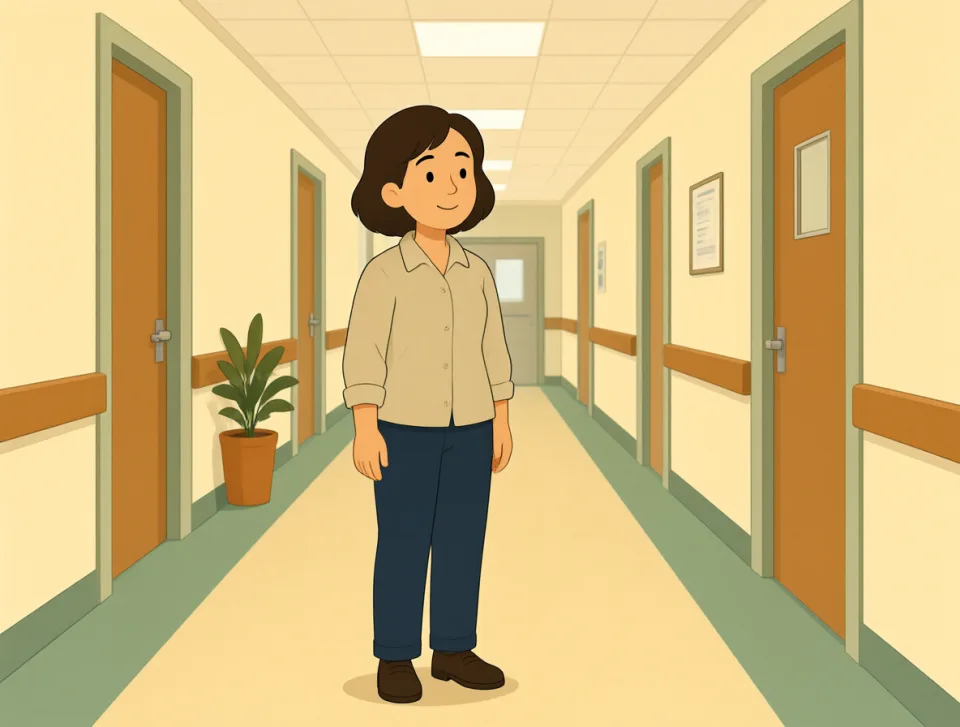
She also works at the hospital.
Ona również pracuje w szpitalu.
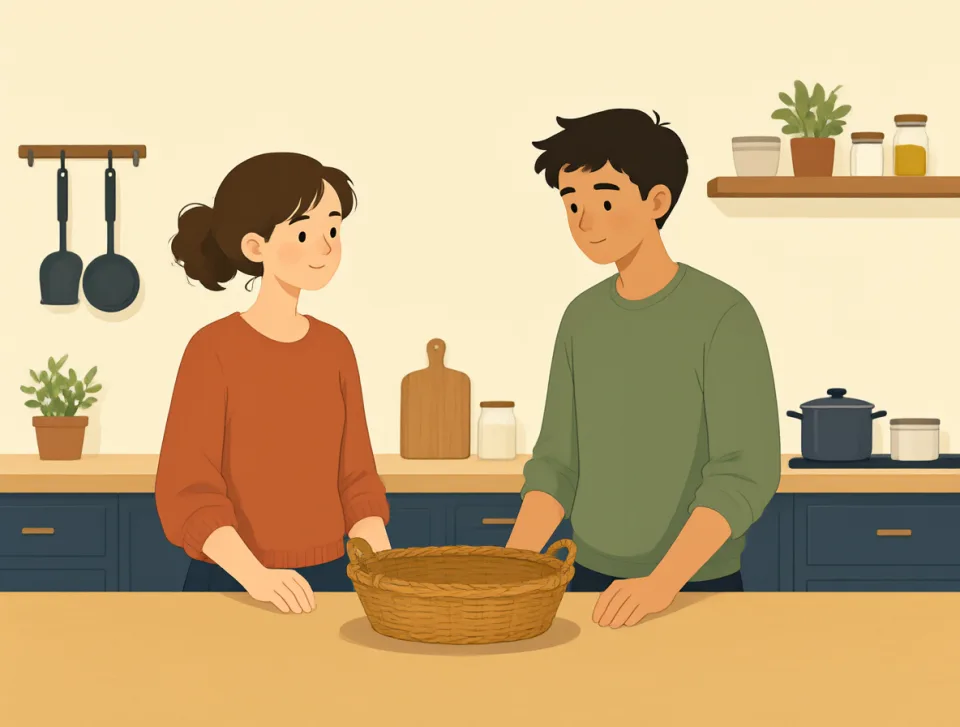
We also need some bread for dinner.
Potrzebujemy też chleba na kolację.
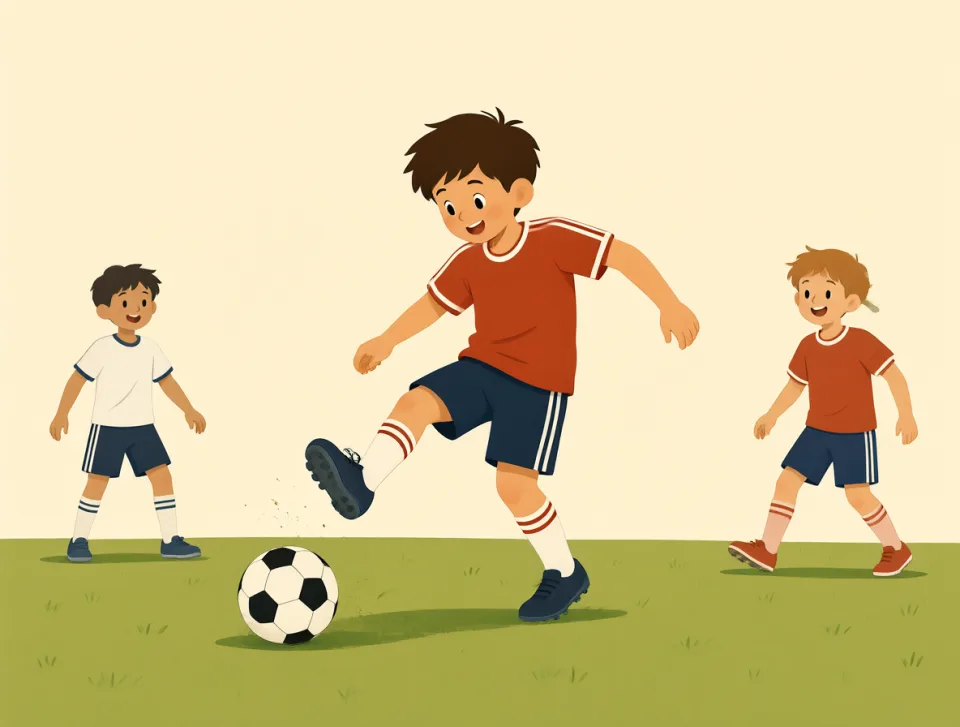
He also plays soccer with his friends.
On także gra w piłkę nożną ze swoimi przyjaciółmi.

The hotel also has a small swimming pool.
W hotelu jest również mały basen.
into
#73preposition
do środka; w
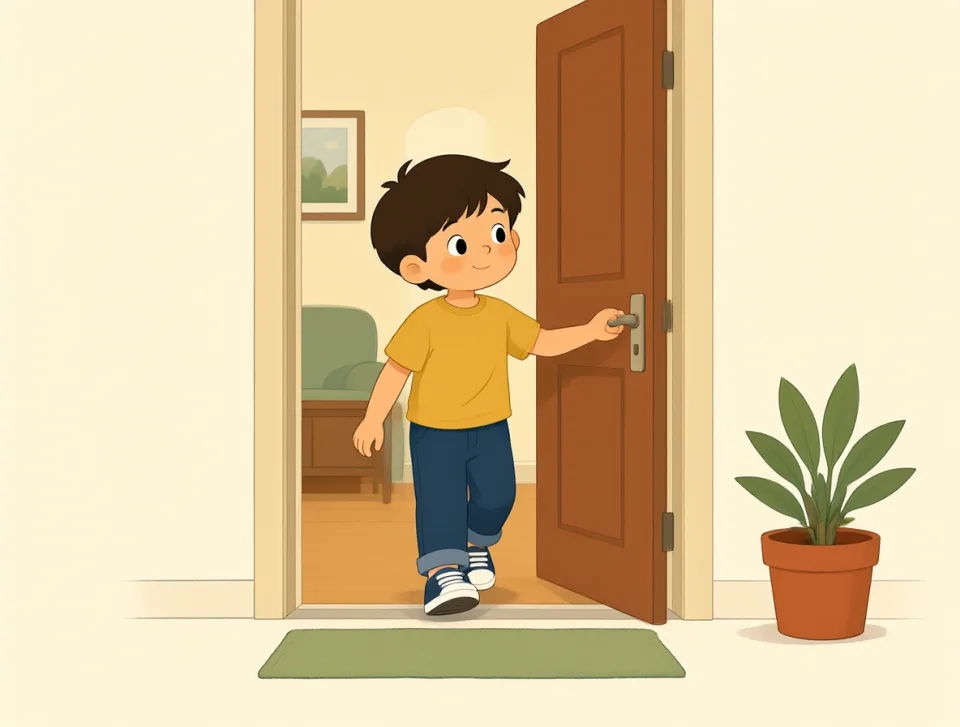
to a position inside something or toward a particular place, situation, or activity
Do wnętrza czegoś albo w kierunku określonego miejsca, sytuacji lub aktywności.
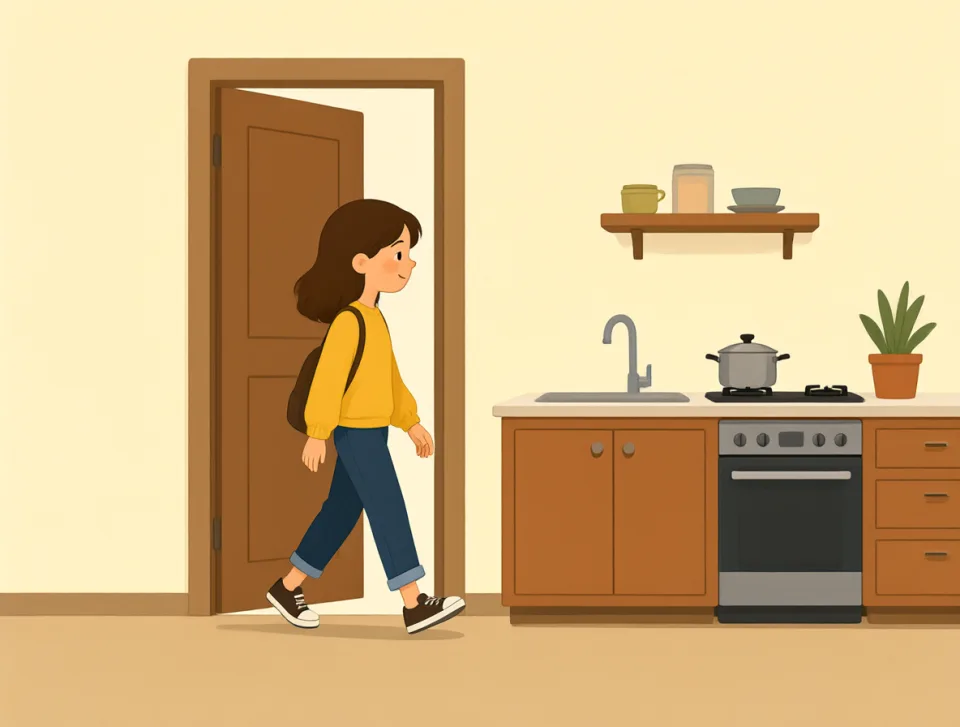
She walked into the kitchen.
Weszła do kuchni.
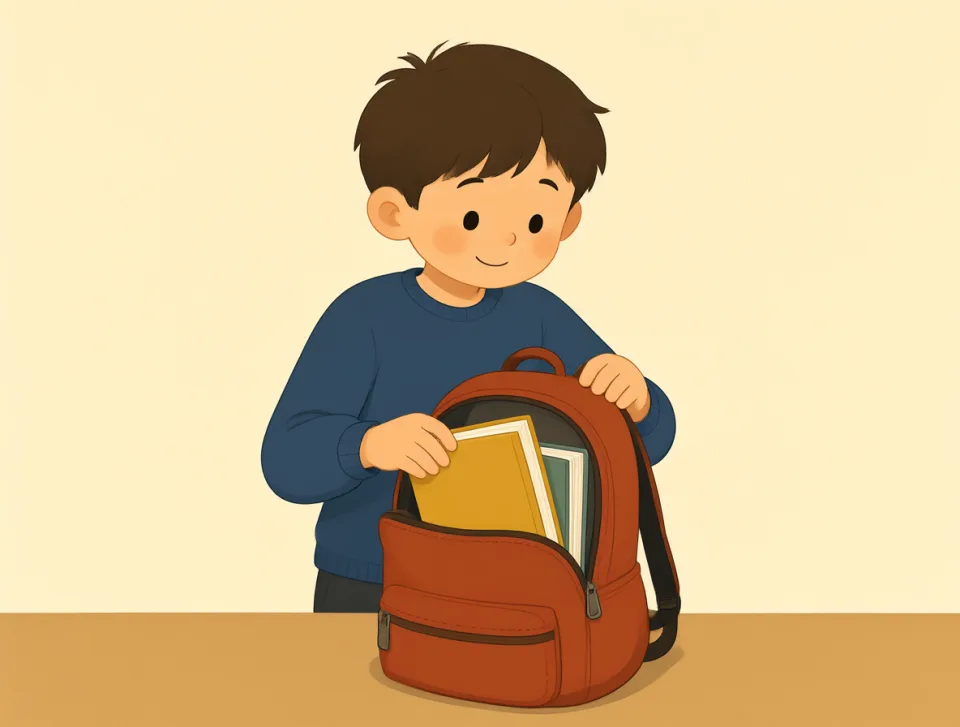
He put the books into his bag.
Włożył książki do swojej torby.
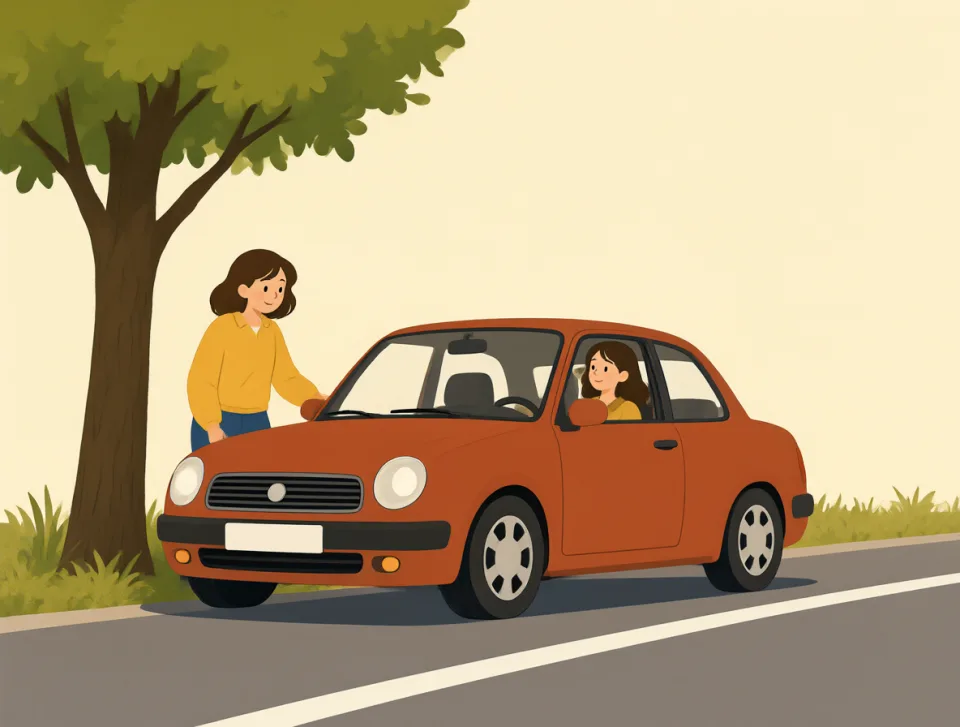
The car crashed into a tree.
Samochód uderzył w drzewo.
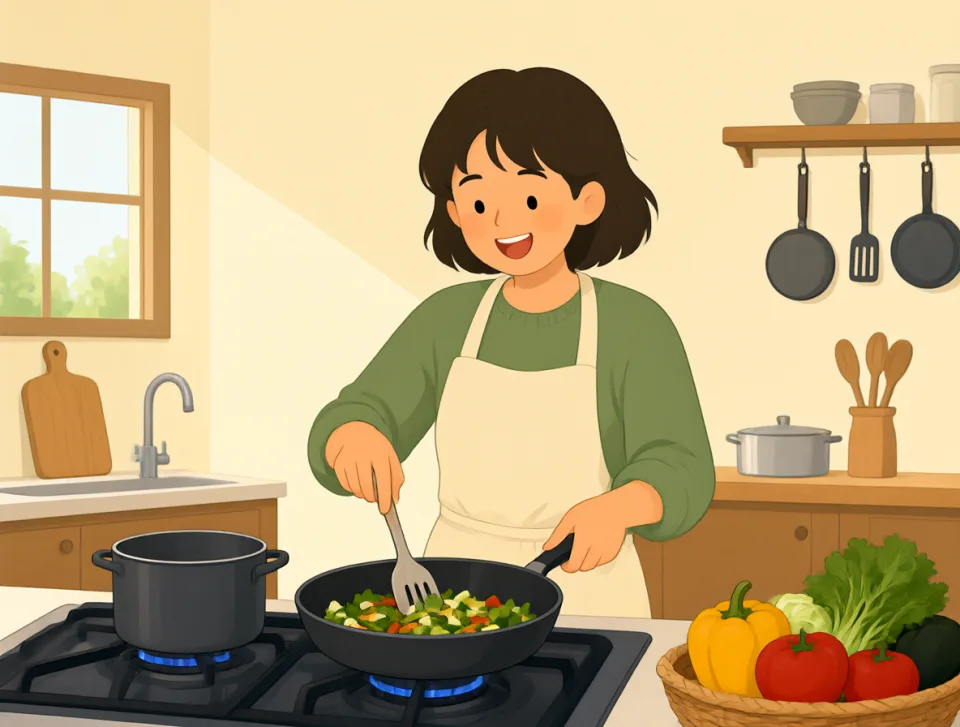
I am really into cooking now.
Ostatnio naprawdę interesuję się gotowaniem.
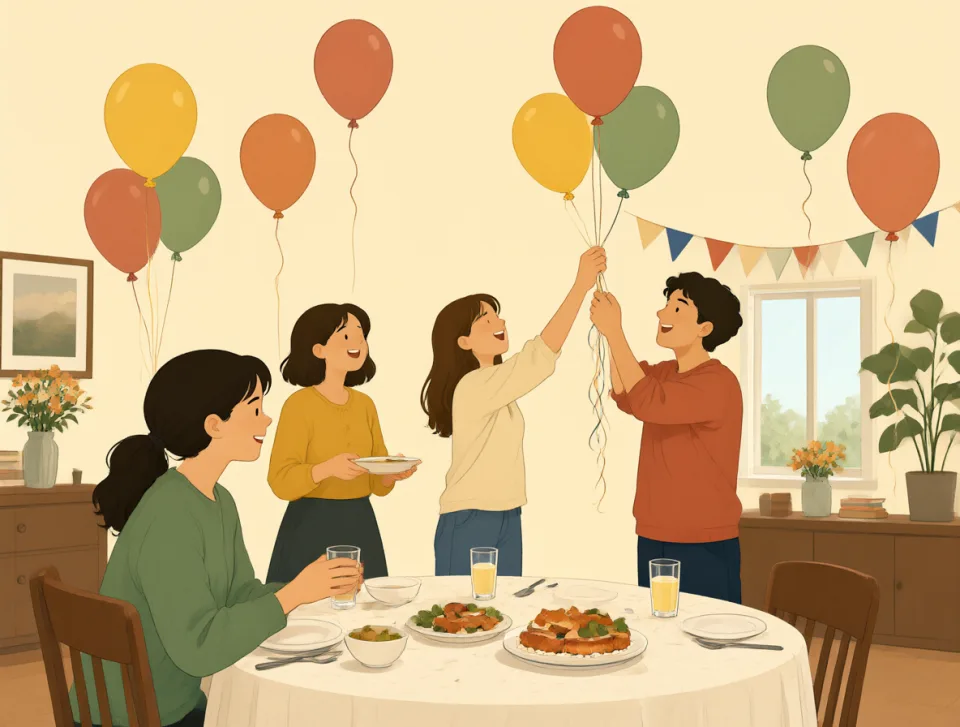
They changed the plan into a party.
Zmienili plan w przyjęcie.
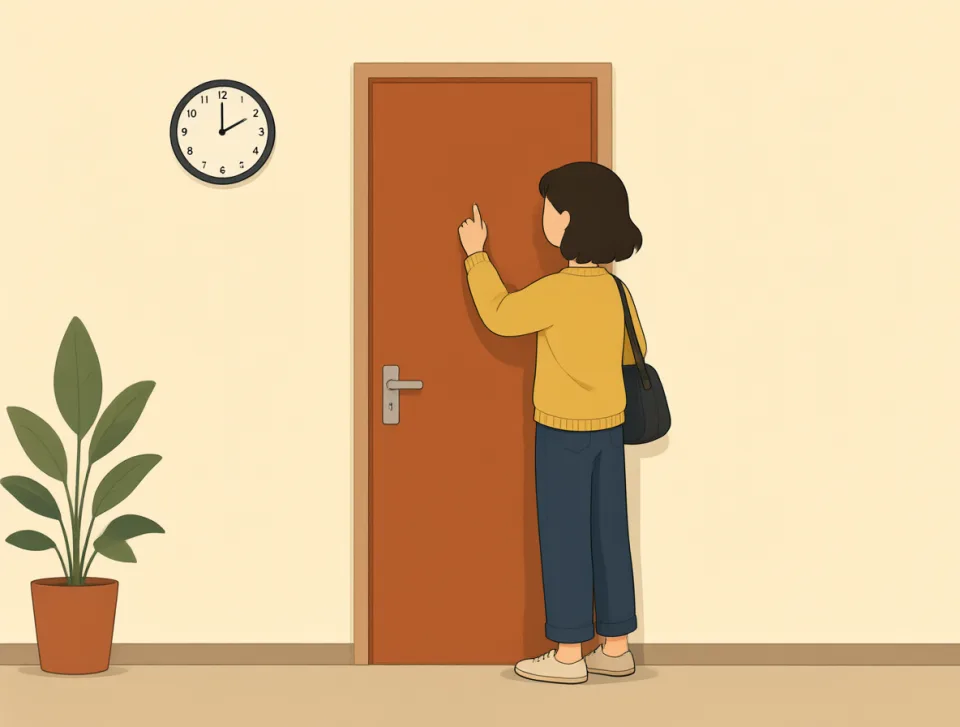
only
#74adverb, adjective, determiner, conjunction
tylko; jedynie
No more than one person or thing, or nothing else.
Nie więcej niż jedna osoba lub jedna rzecz, albo nic więcej.
I only have ten minutes before work.
Mam tylko dziesięć minut do rozpoczęcia pracy.
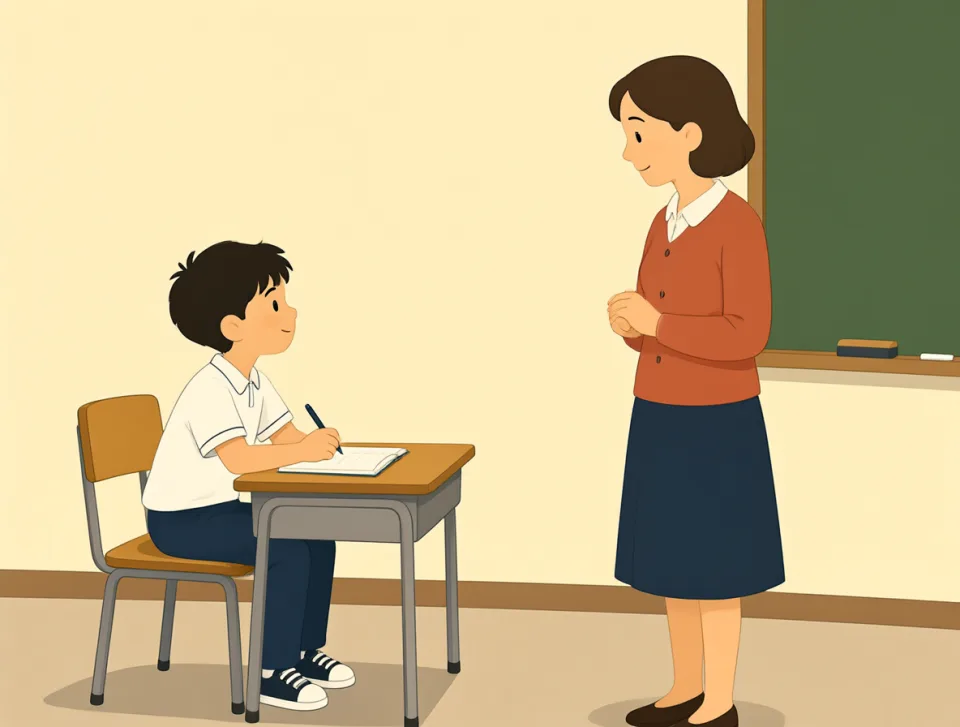
She is the only student in class.
Ona jest jedyną uczennicą w klasie.

We only need two tickets for the train.
Potrzebujemy tylko dwóch biletów na pociąg.
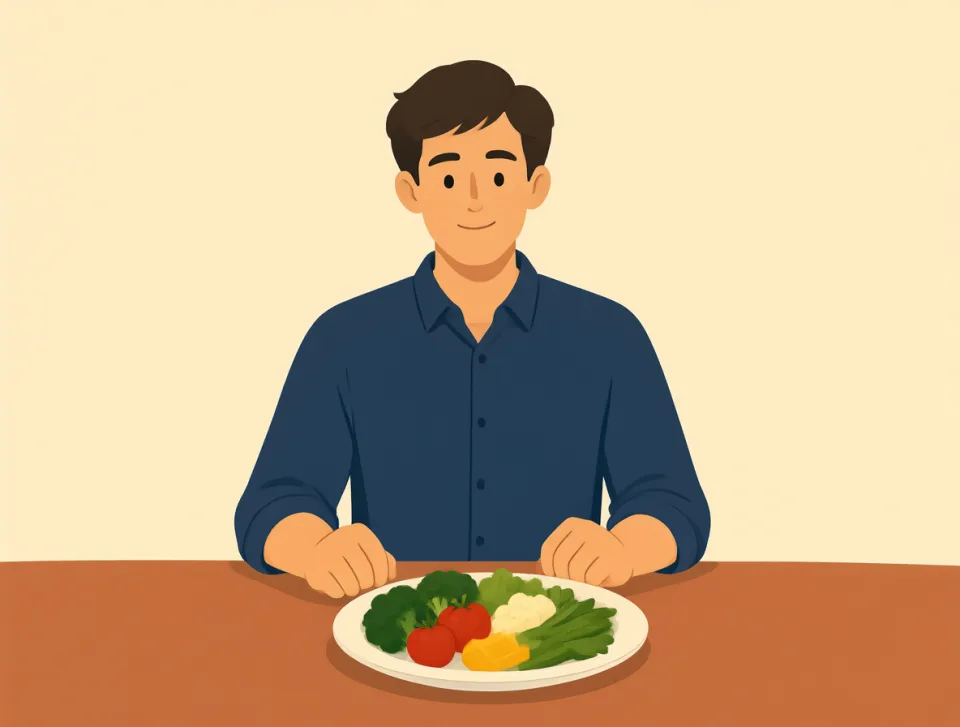
He eats only vegetables for lunch.
Na lunch je tylko warzywa.
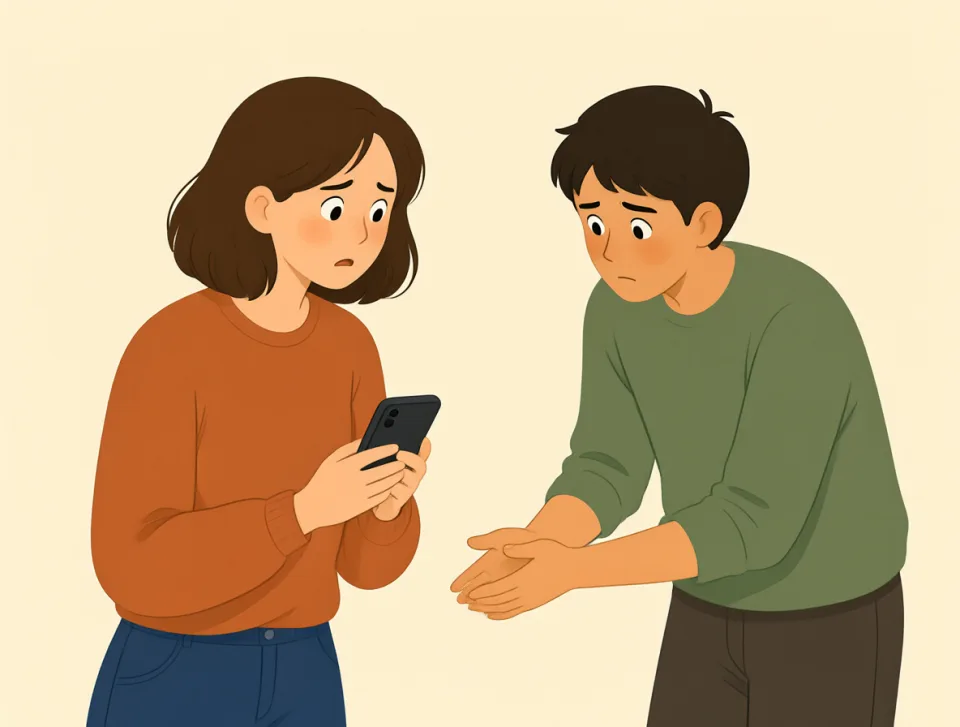
Call me only if you need help.
Zadzwoń do mnie tylko wtedy, gdy będziesz potrzebować pomocy.
look
#75verb, noun
patrzeć; wyglądać
to use your eyes to see something or to have a particular appearance
Używać oczu, żeby coś zobaczyć, albo mieć określony wygląd.
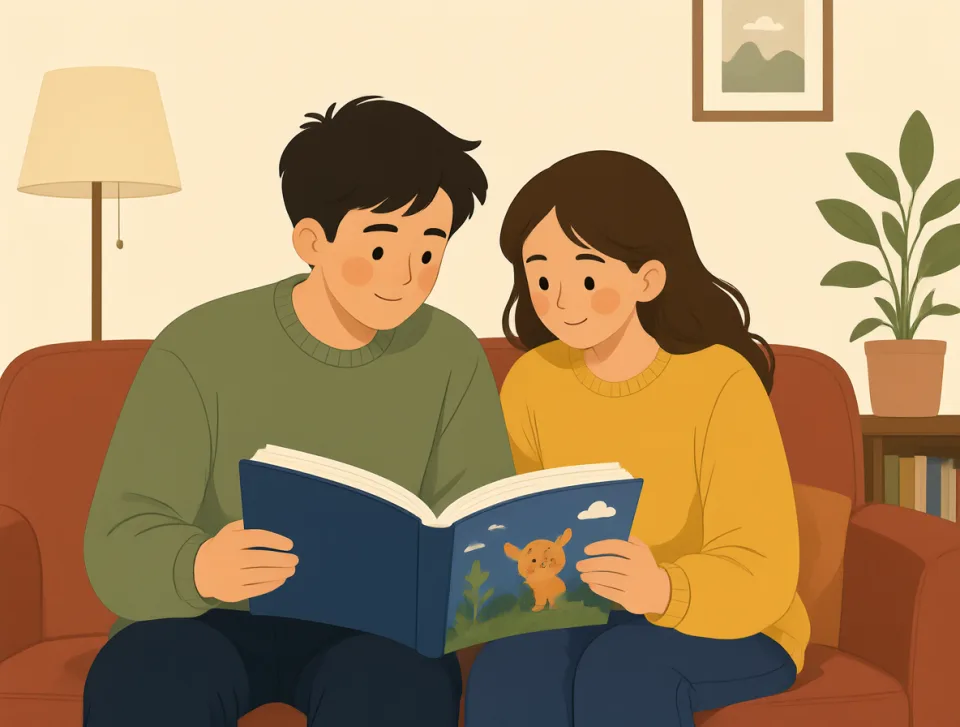
Look at this picture with me.
Popatrz na to zdjęcie razem ze mną.
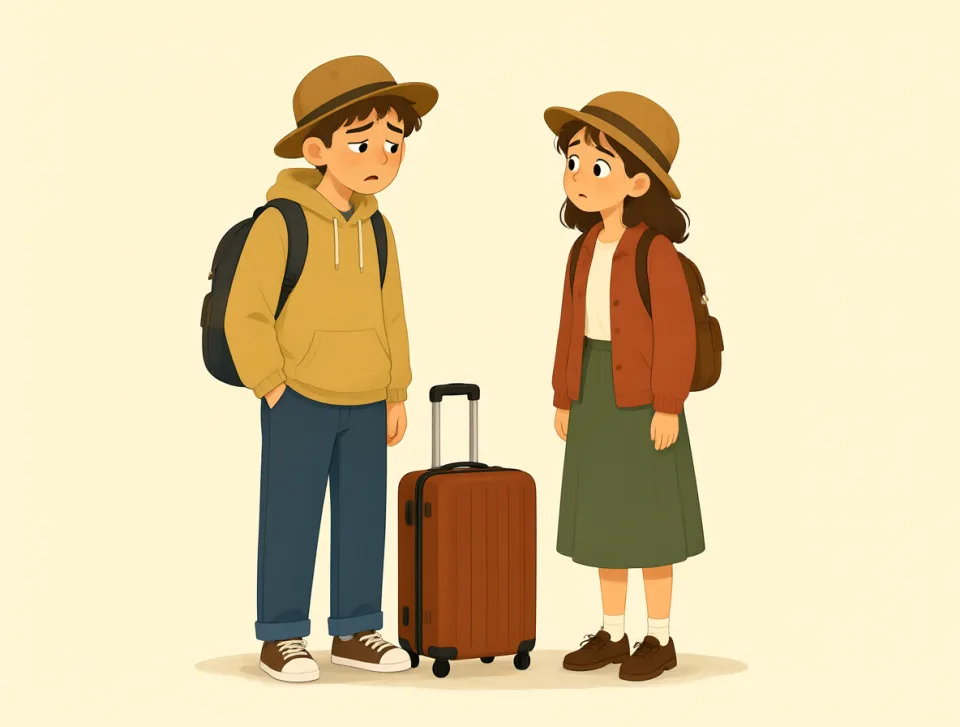
You look tired after your long trip.
Wyglądasz na zmęczonego po tej długiej podróży.
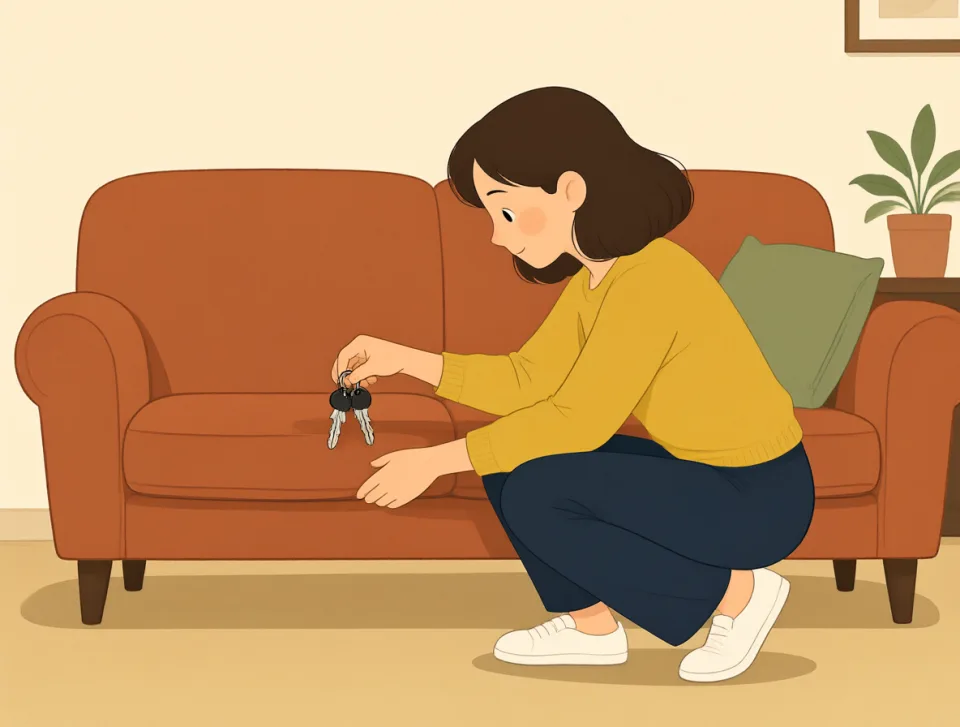
She looked for her keys everywhere.
Wszędzie szukała swoich kluczy.
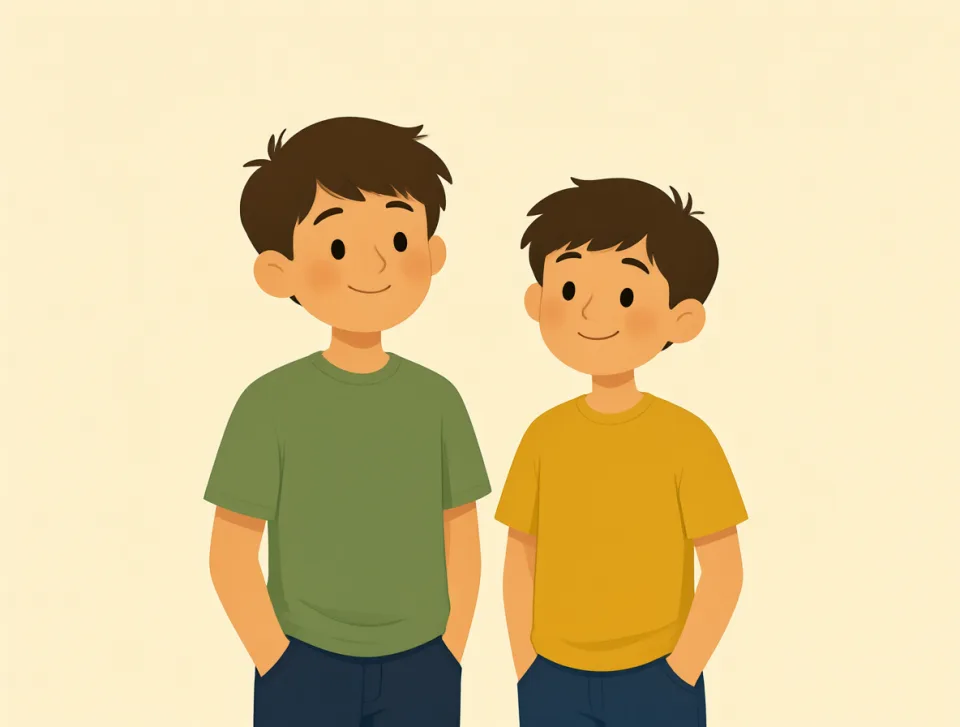
He looks like his older brother.
On wygląda jak jego starszy brat.
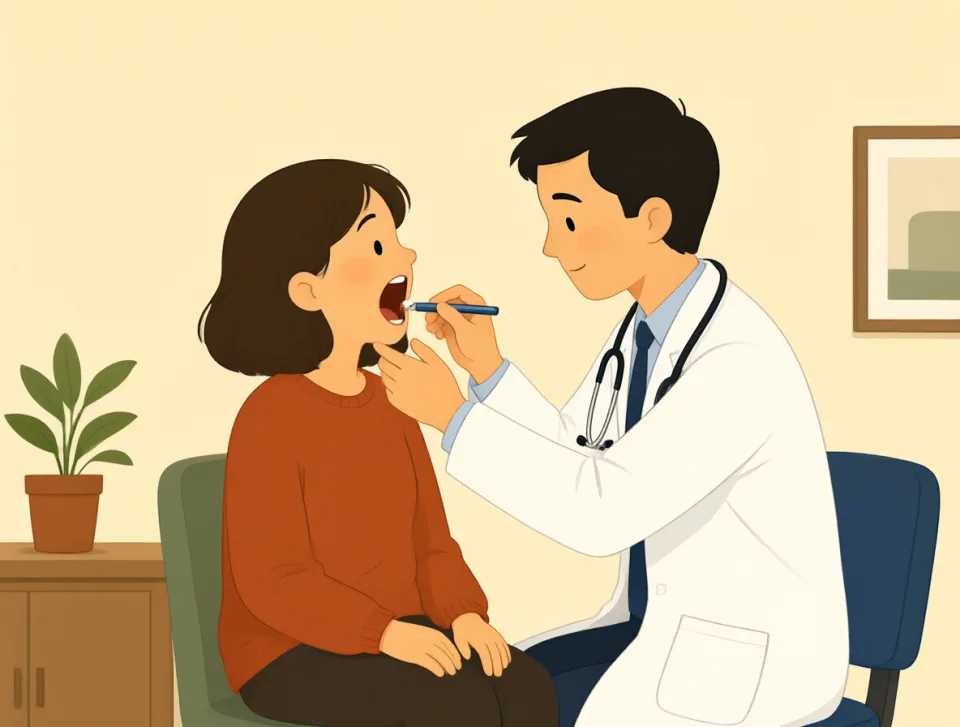
The doctor looked at my sore throat.
Lekarz obejrzał moje obolałe gardło.
want
#76verb, noun
chcieć
To wish to have or do something; a need for something important.
Pragnąć coś mieć lub zrobić; potrzebować czegoś ważnego.
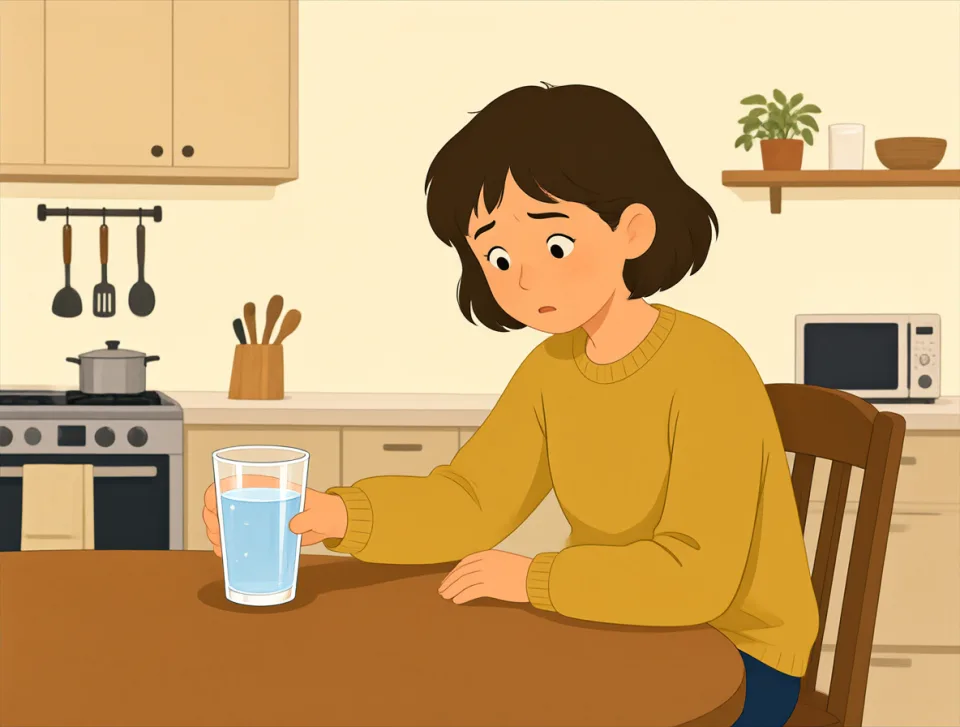
I want a glass of water, please.
Poproszę szklankę wody.
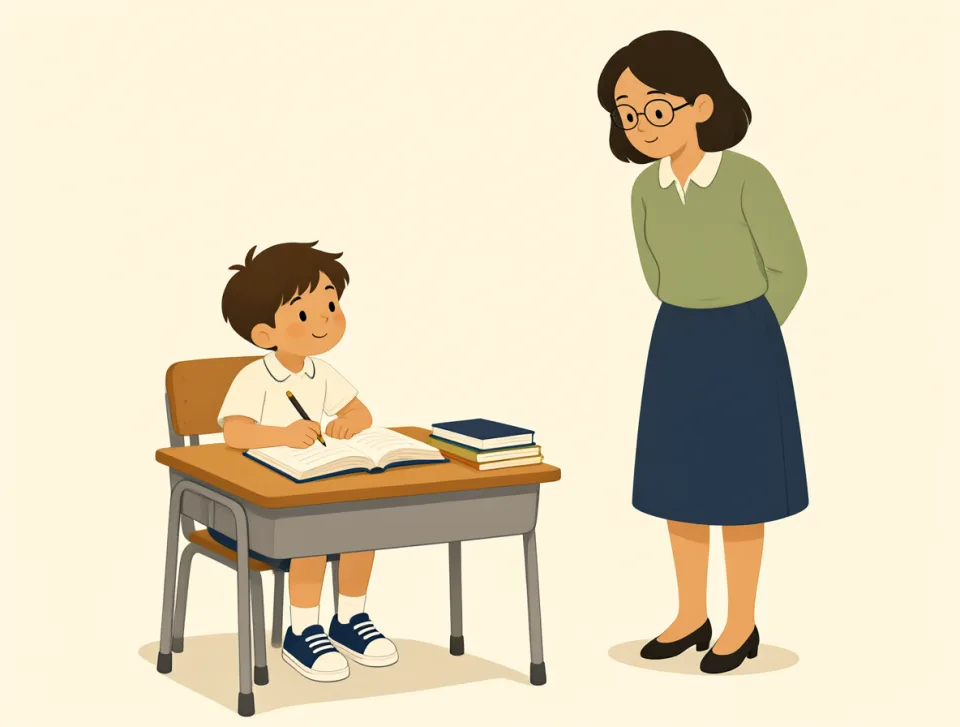
She wants to learn English at school.
Ona chce uczyć się angielskiego w szkole.
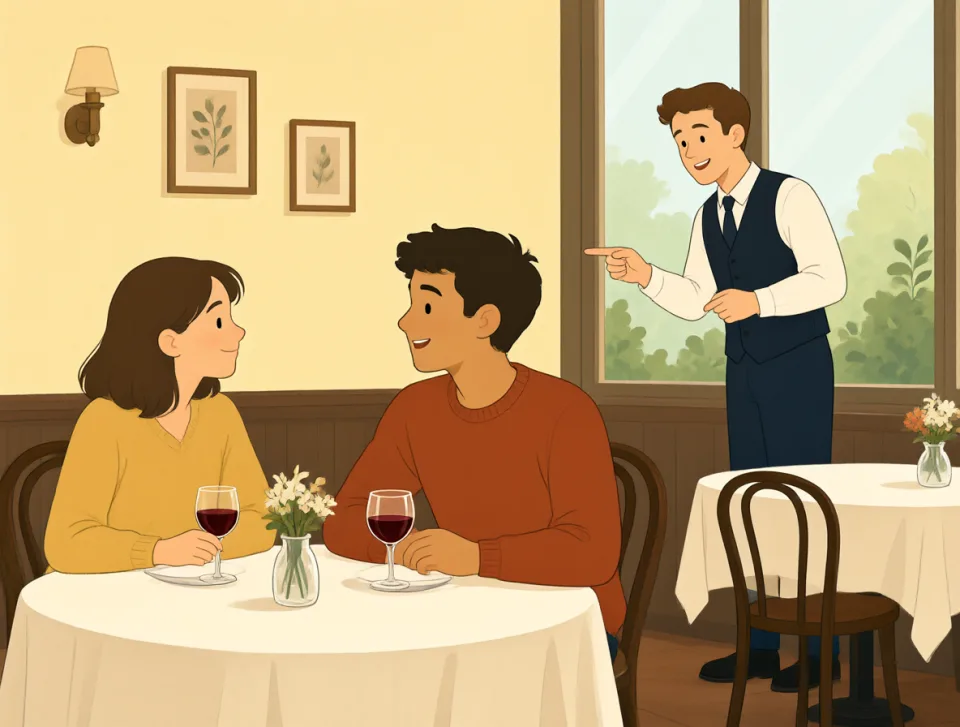
We wanted a table near the window.
Chcieliśmy stolik przy oknie.

They want to buy new shoes.
Chcą kupić nowe buty.
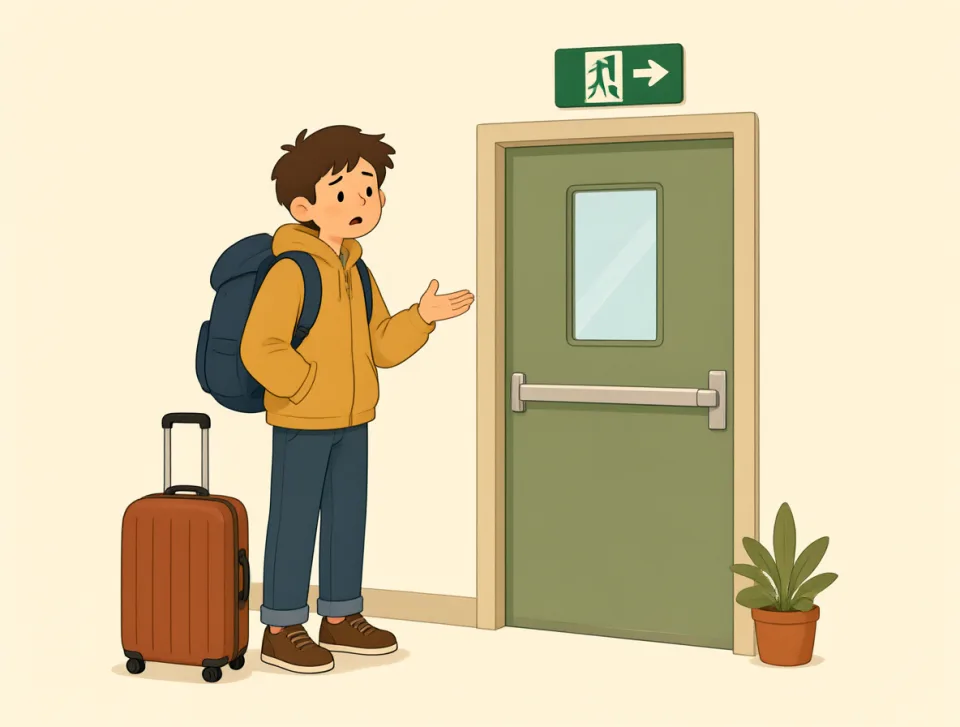
He wants to go home now.
On chce teraz iść do domu.
give
#77verb, noun
dać
to hand something to someone or provide something for them
Wręczyć komuś coś lub coś mu zapewnić.
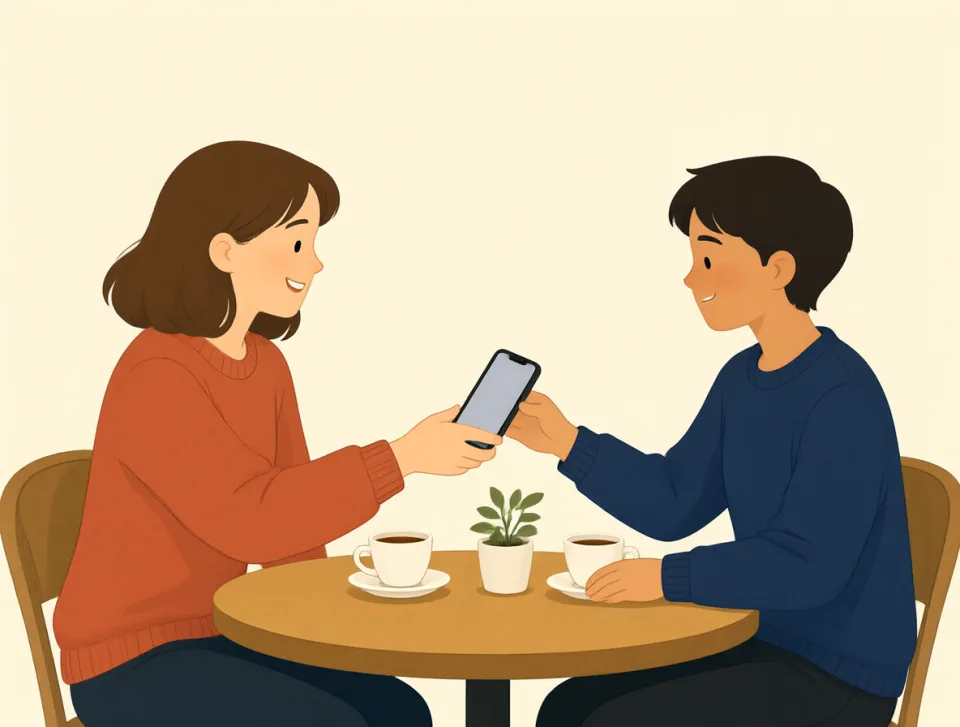
Please give me your phone number.
Proszę podać mi swój numer telefonu.
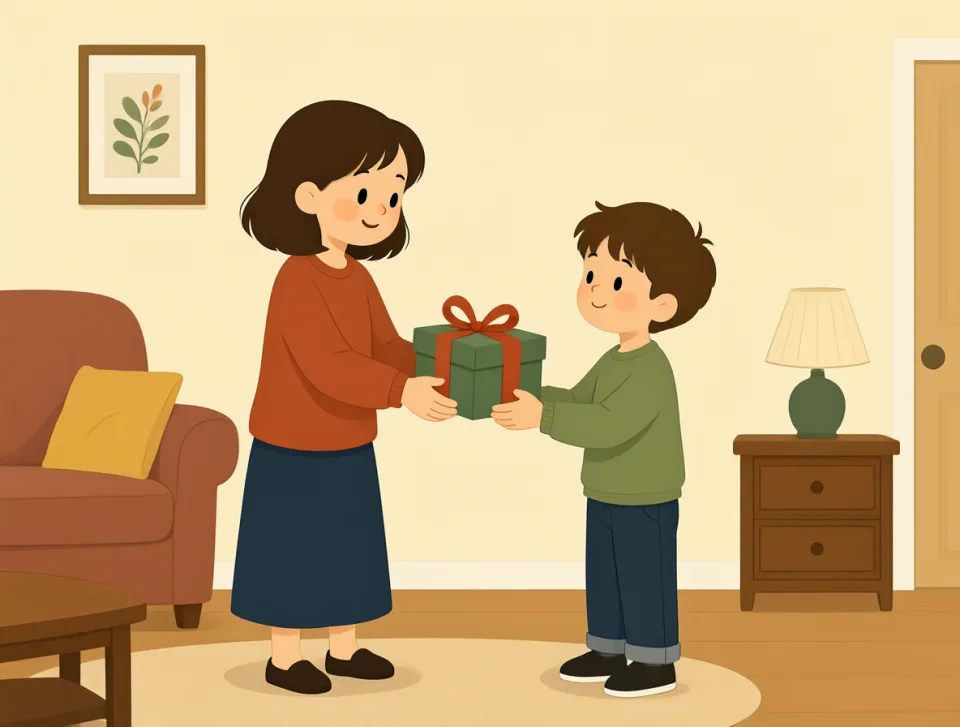
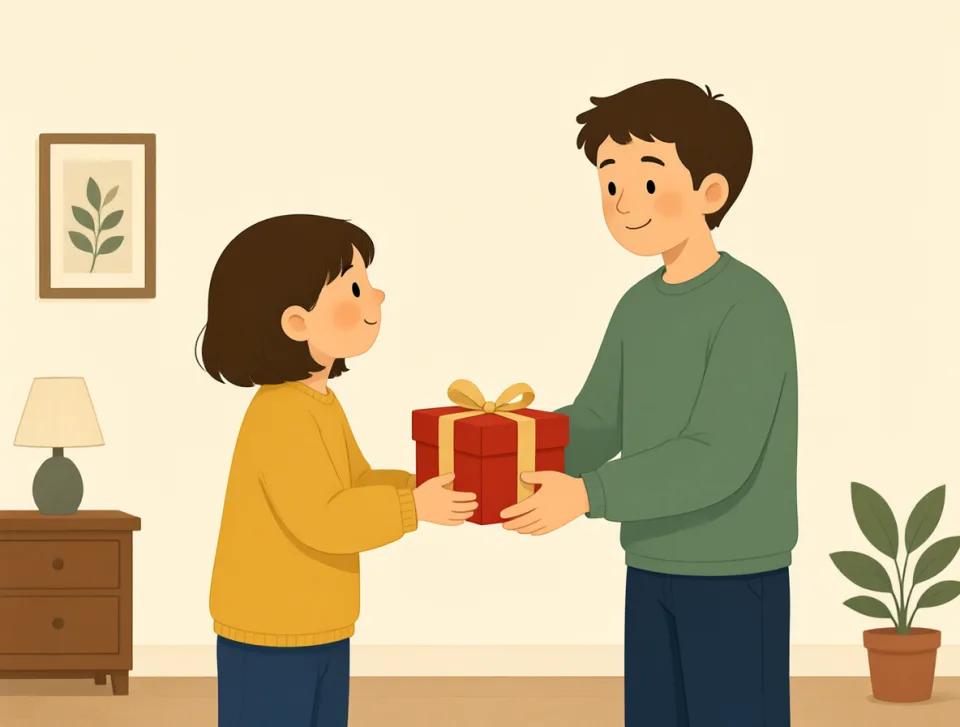
She gave her brother a birthday present.
Dała bratu prezent urodzinowy.
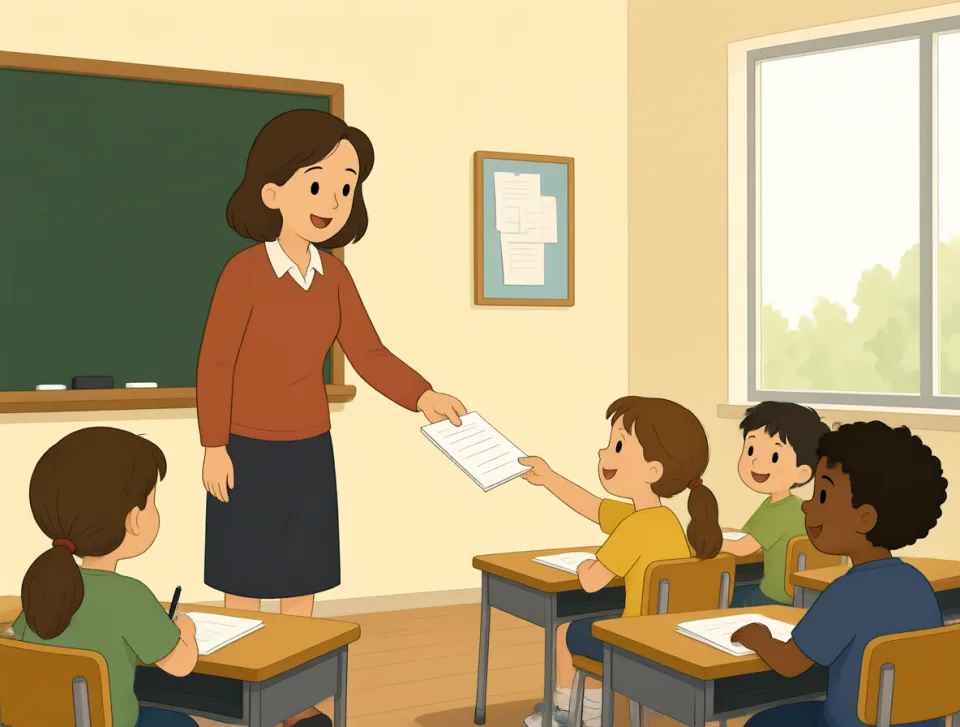
The teacher gave us homework yesterday.
Wczoraj nauczyciel zadał nam pracę domową.
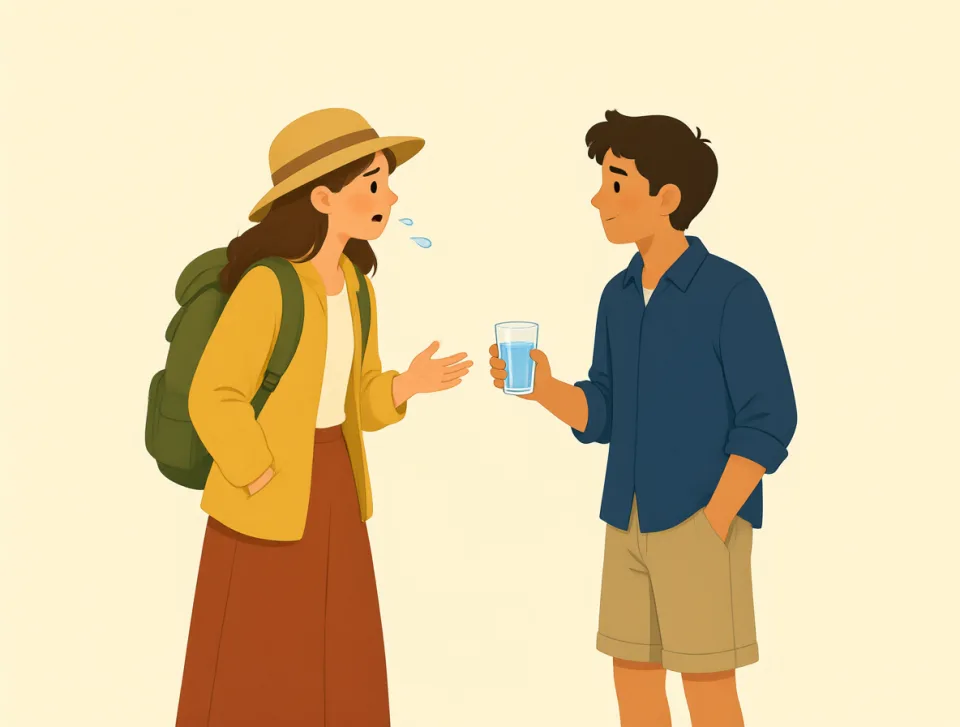
Can you give me some water?
Czy możesz dać mi trochę wody?
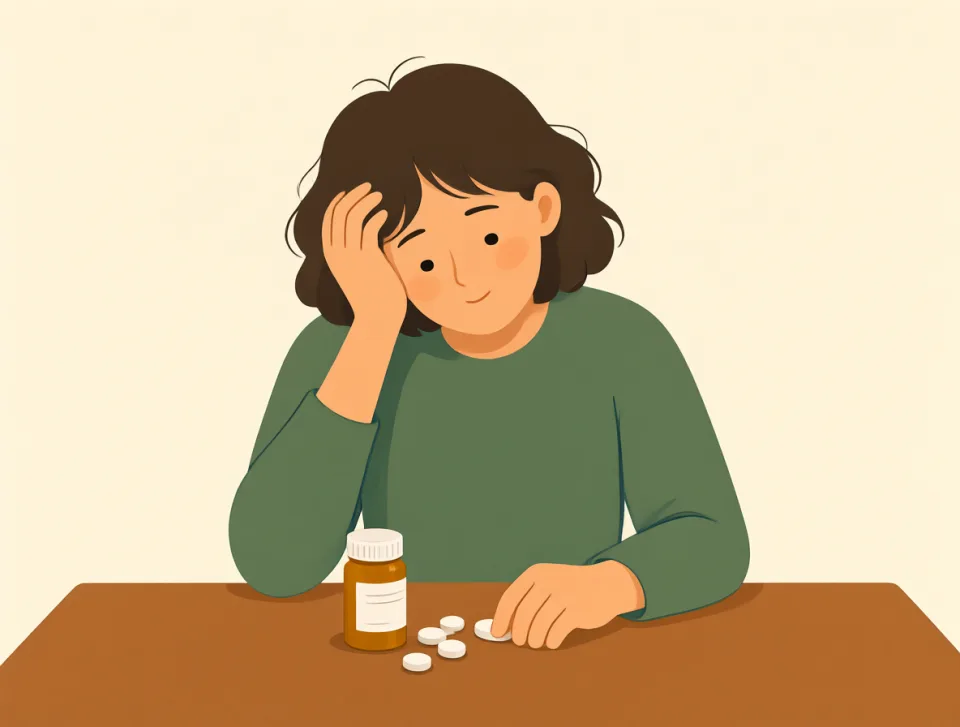
This medicine gives me a headache.
Ten lek przyprawia mnie o ból głowy.
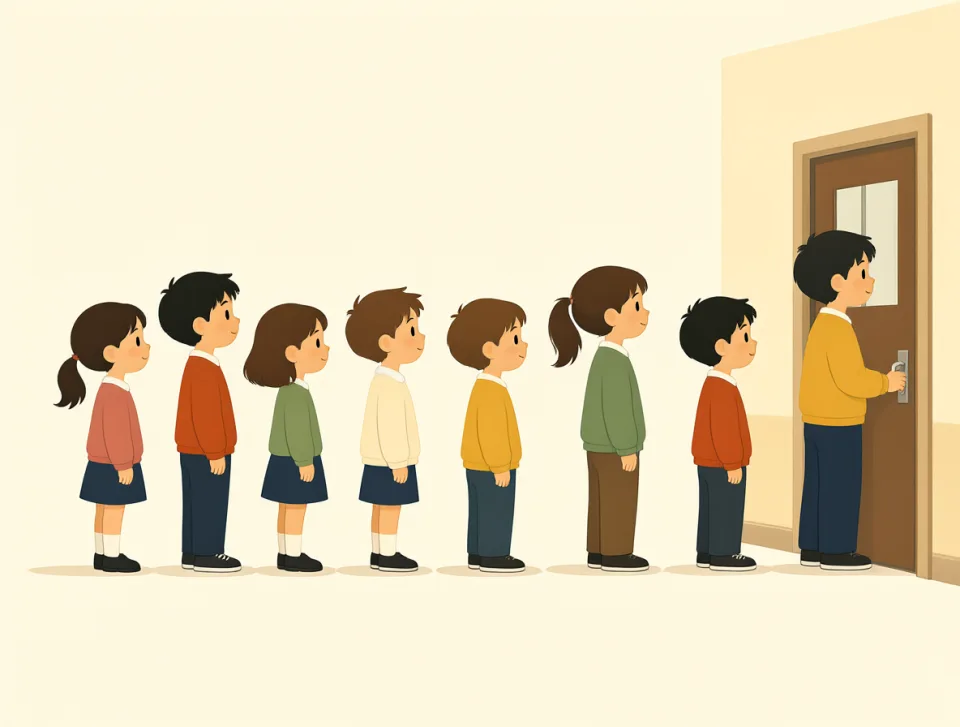
first
#78adjective, adverb, noun, determiner
pierwszy
Coming before all others in time, order, or importance.
Poprzedzający wszystkich innych pod względem czasu, kolejności lub ważności.
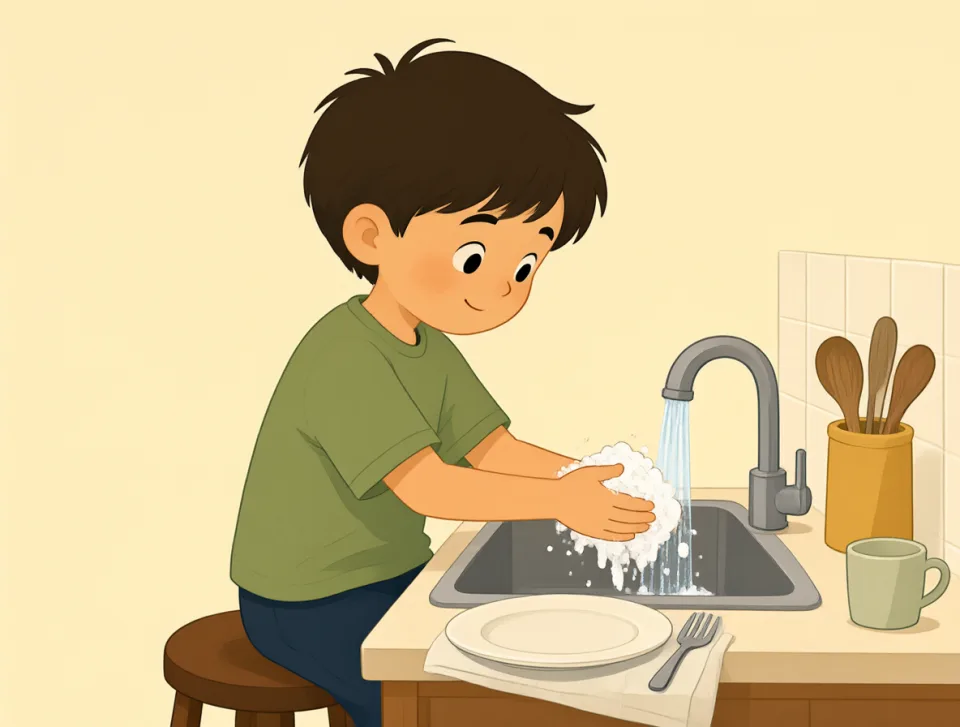
Wash your hands first before eating dinner.
Umyj ręce, zanim zjesz kolację.
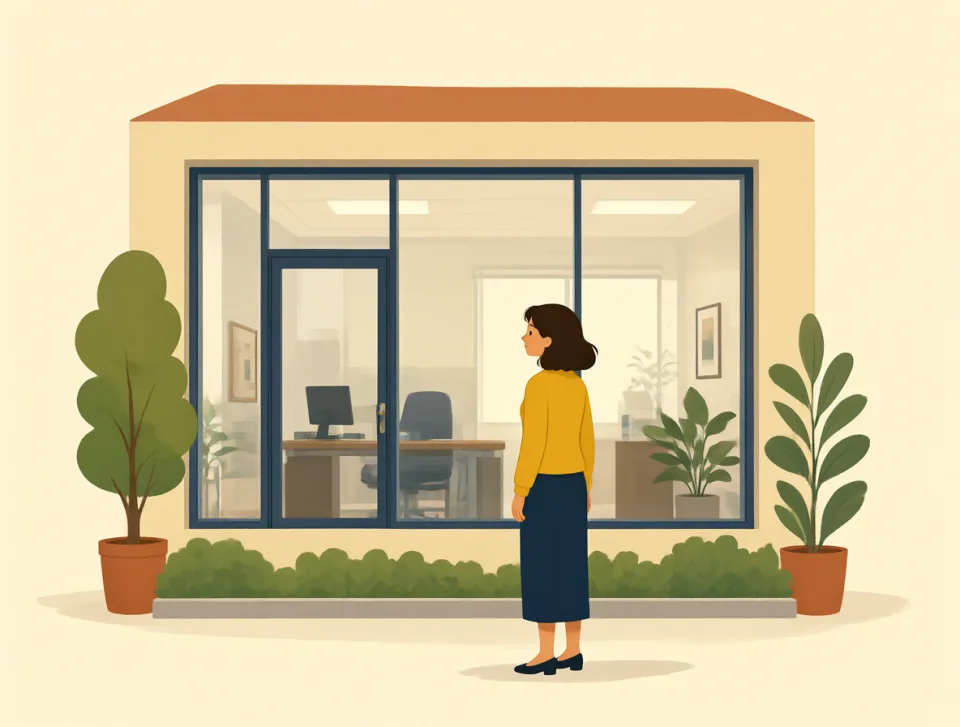
She was the first person to arrive.
Była pierwszą osobą, która przybyła.
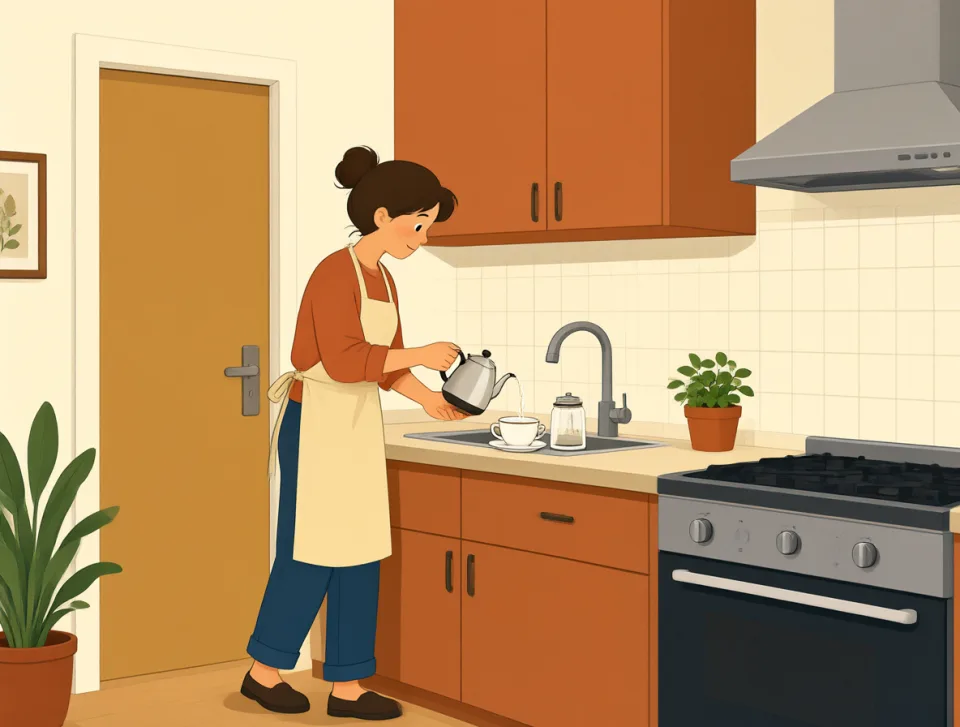
I got home first and made tea.
Wróciłem do domu jako pierwszy i zrobiłem herbatę.
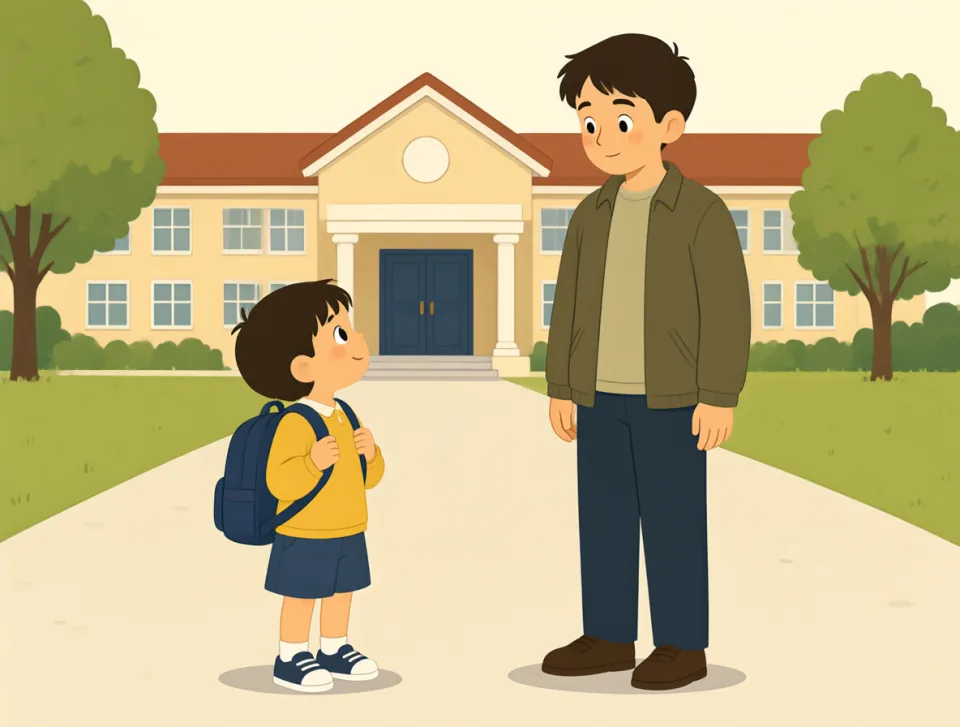
This is my first day at school.
To mój pierwszy dzień w szkole.
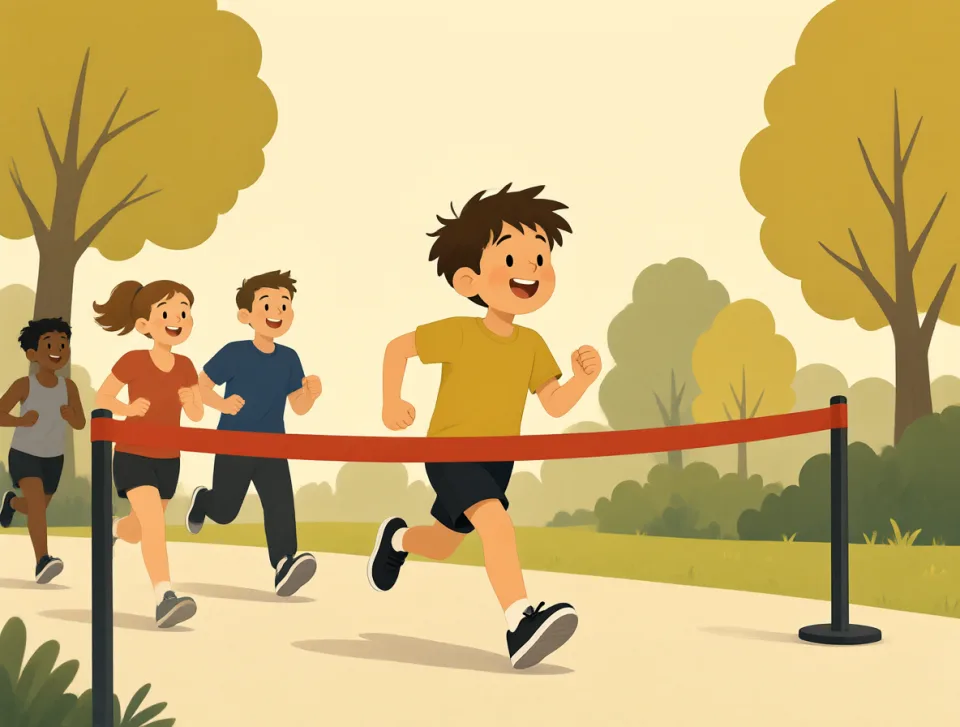
He finished first in the race.
Zajął pierwsze miejsce w wyścigu.
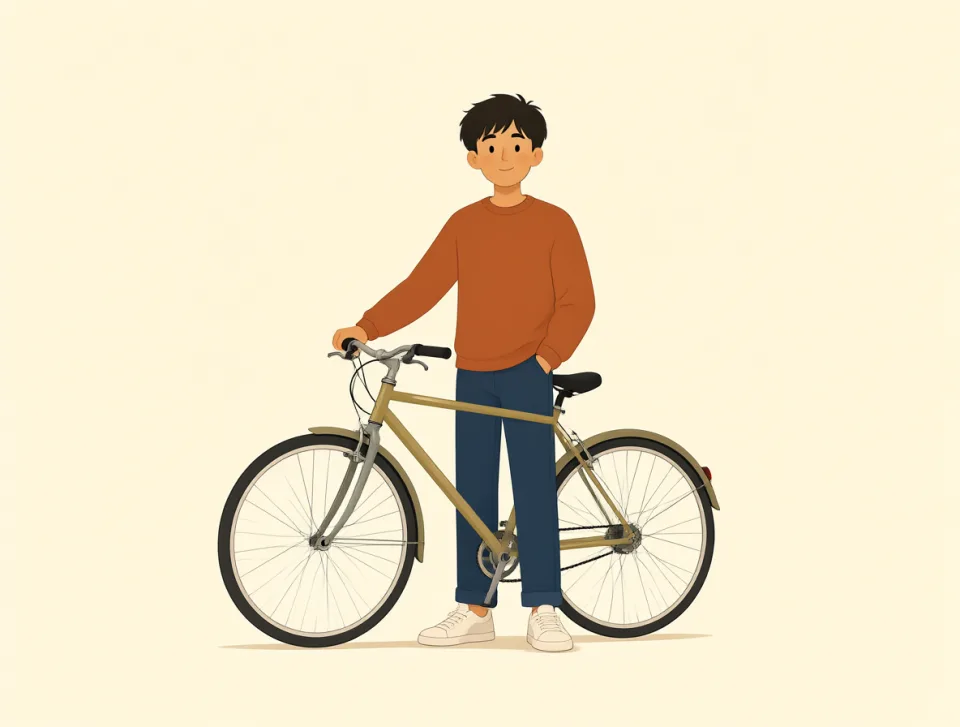
new
#79adjective, adverb, noun
nowy
Made, discovered, or seen for the first time; not old or used.
Zrobiony, odkryty lub widziany po raz pierwszy; nie stary ani używany.
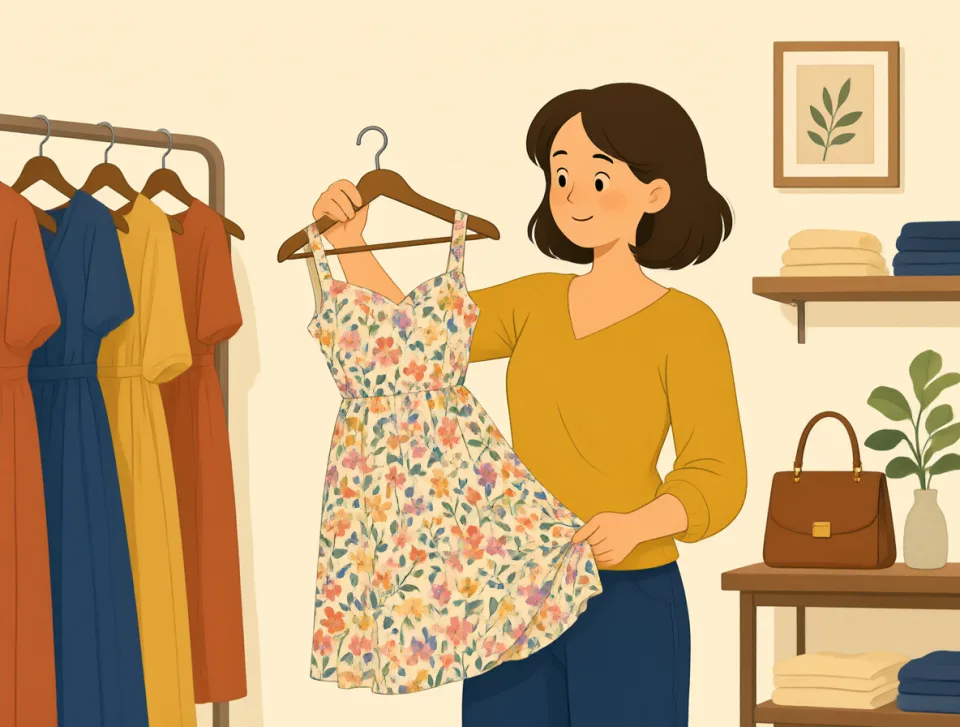
She bought a new dress for the party.
Kupiła nową sukienkę na przyjęcie.

We moved into our new house last week.
W zeszłym tygodniu wprowadziliśmy się do naszego nowego domu.

I started a new job on Monday.
W poniedziałek zacząłem nową pracę.
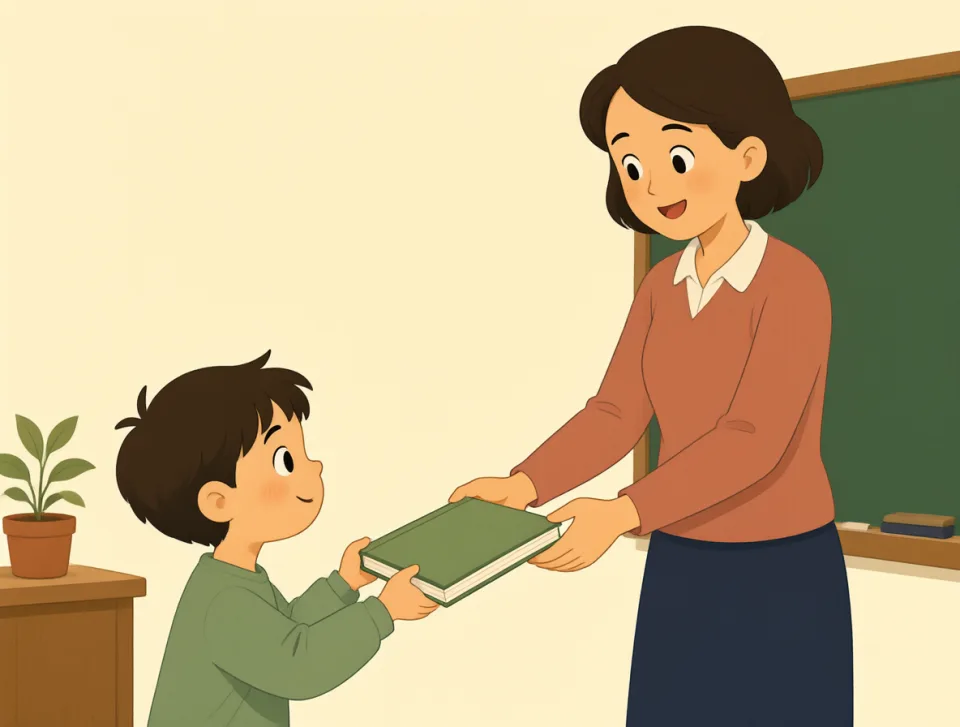
The teacher gave us a new book.
Nauczyciel dał nam nową książkę.
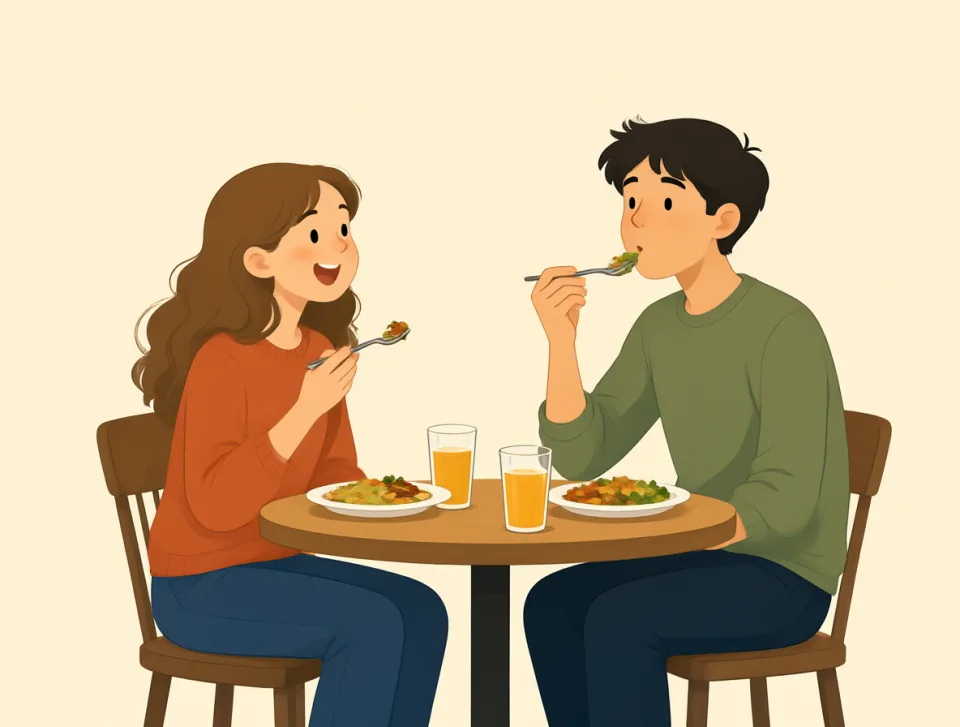
They tried a new restaurant downtown.
Wypróbowali nową restaurację w centrum.
way
#80noun, adverb, adjective
sposób
A method, direction, or distance from one place to another.
Metoda, kierunek lub odległość między jednym miejscem a drugim.
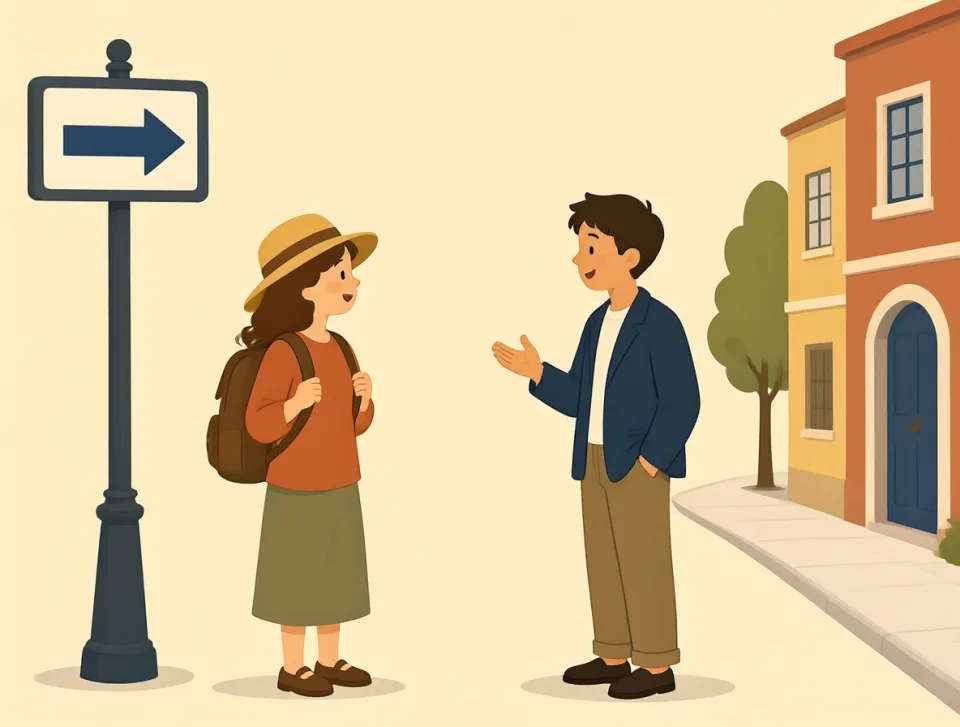
Can you show me the way home?
Czy możesz pokazać mi drogę do domu?
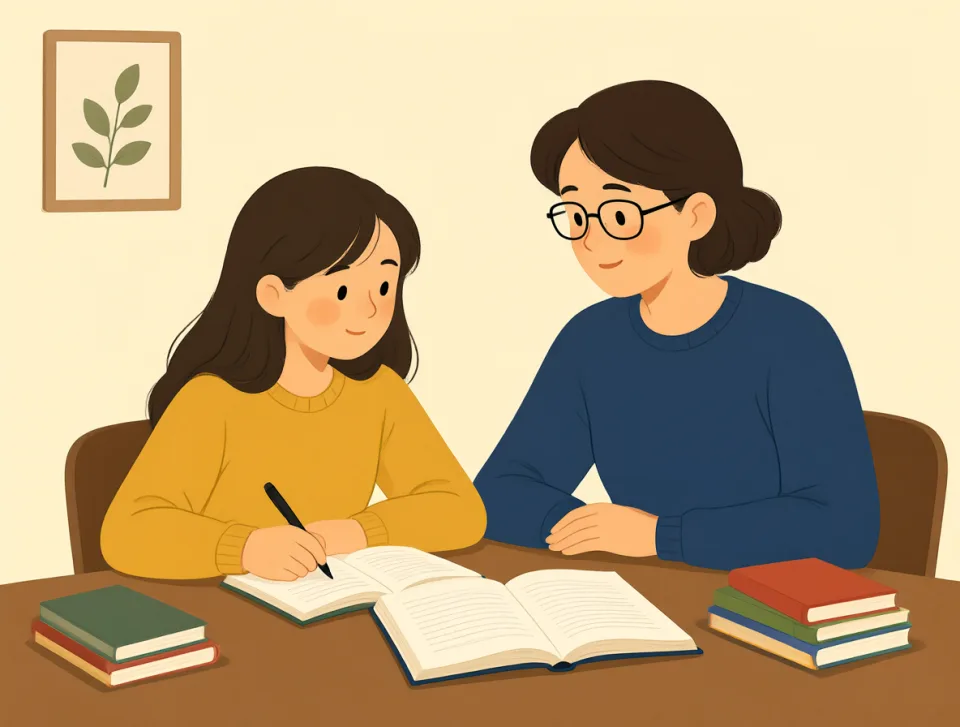
This is the best way to learn English.
To najlepszy sposób na naukę angielskiego.
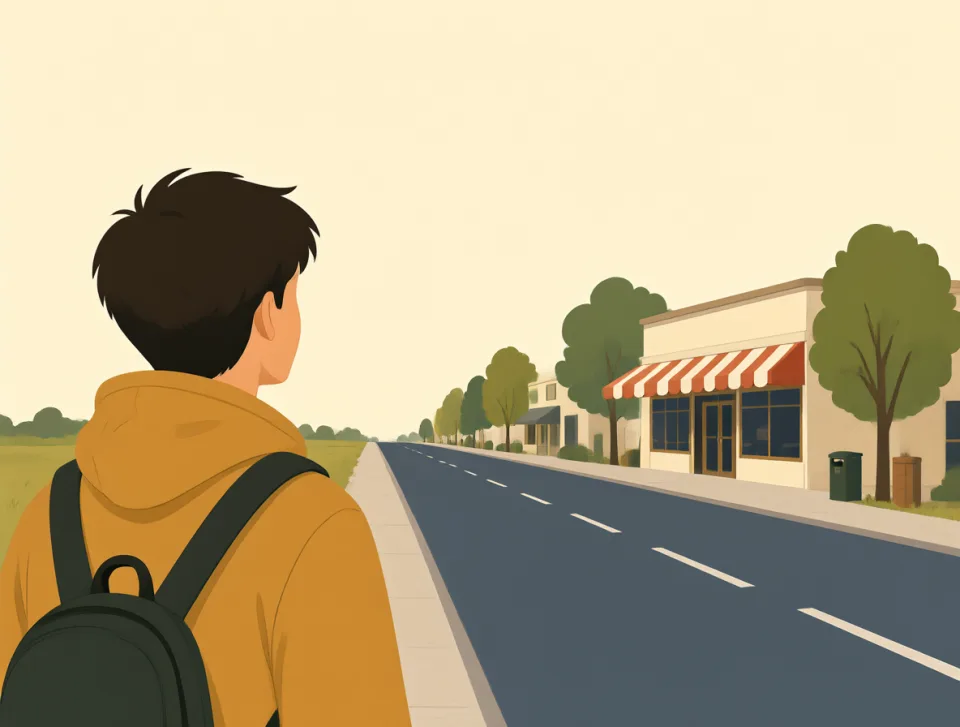
The shop is a long way from here.
Sklep jest stąd daleko.
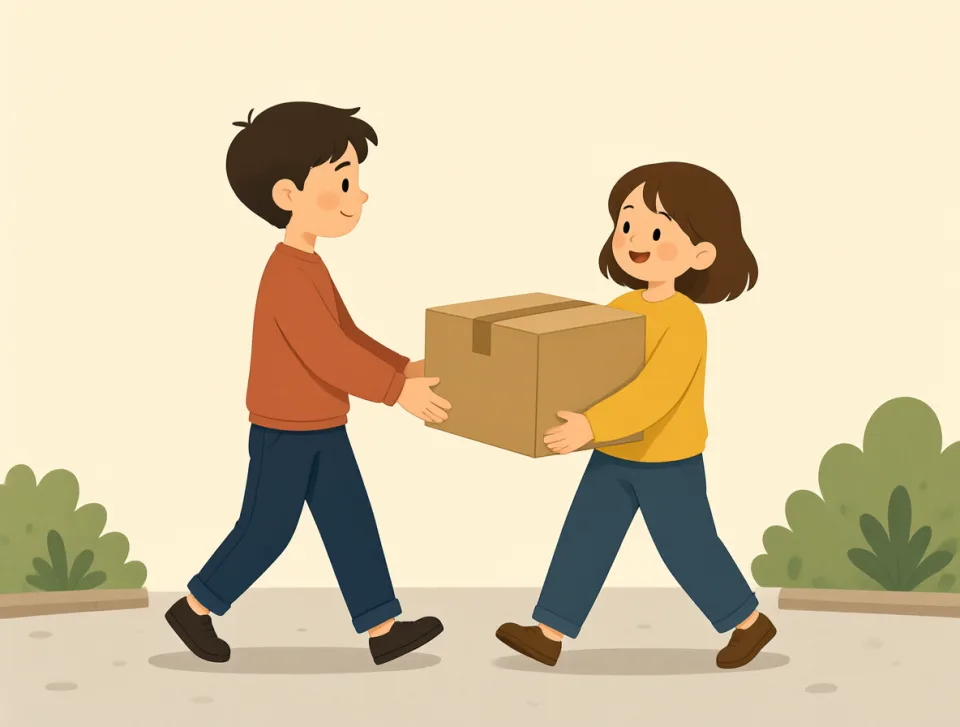
Please move out of the way.
Proszę zejść z drogi.
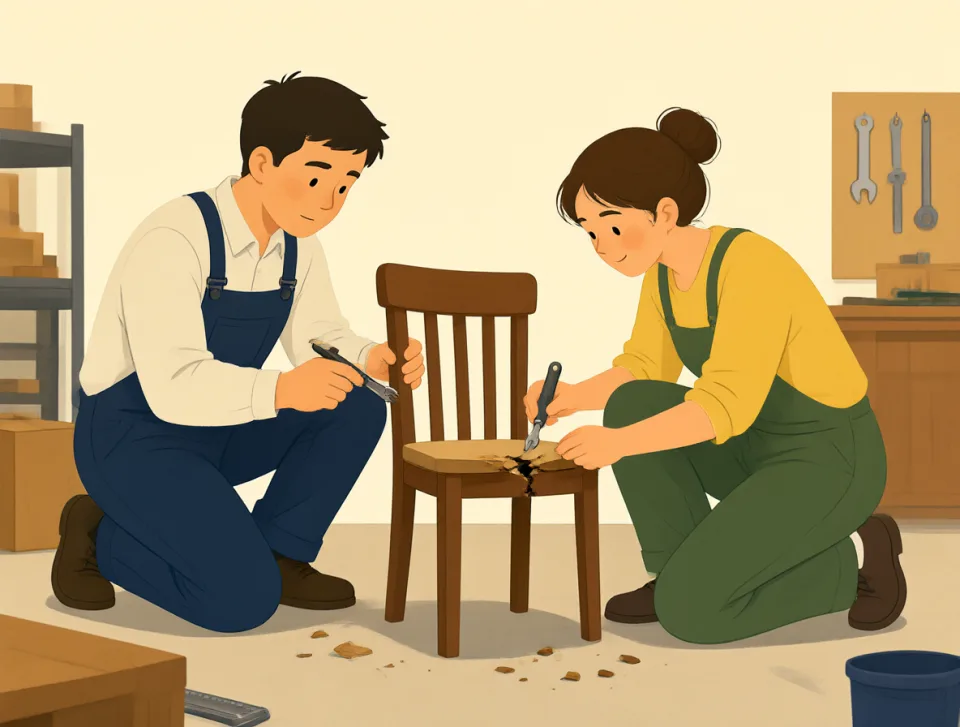
We found a way to fix the problem.
Znaleźliśmy sposób na rozwiązanie problemu.