इकाई 1
शब्द 1–20 · the, be, and, of, to, a
the
#1determiner
निश्चित वस्तु या व्यक्ति के लिए प्रयुक्त निर्धारक
Used before a noun to show that it is known, specific, or the only one.
किसी संज्ञा से पहले यह बताने के लिए इस्तेमाल होता है कि वह परिचित, निश्चित या एकमात्र है।
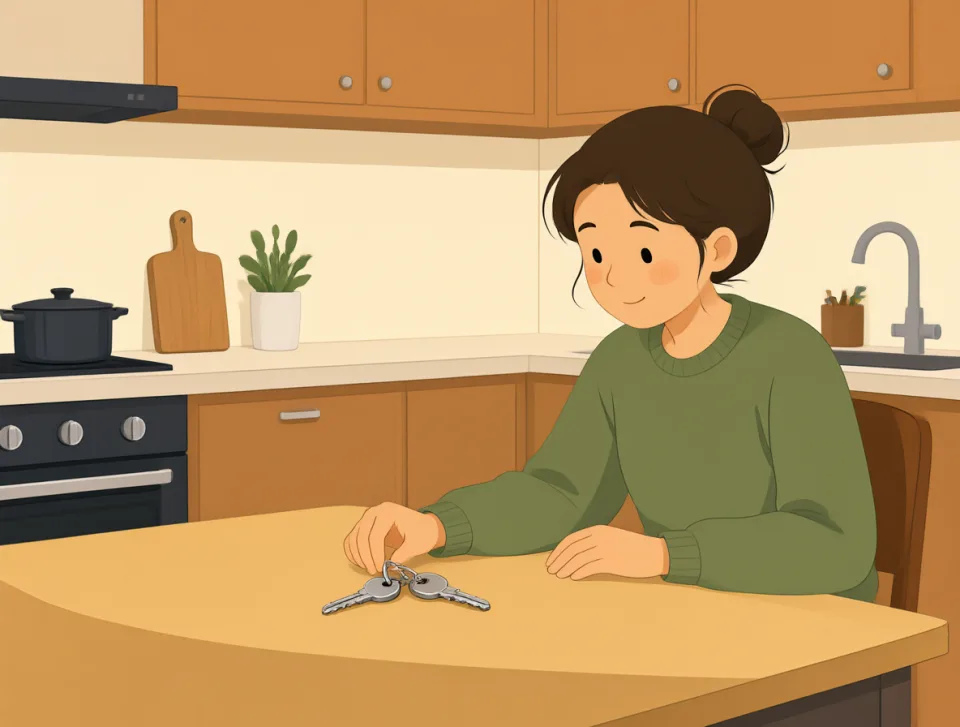
The keys are on the kitchen table.
चाबियाँ रसोई की मेज़ पर हैं।
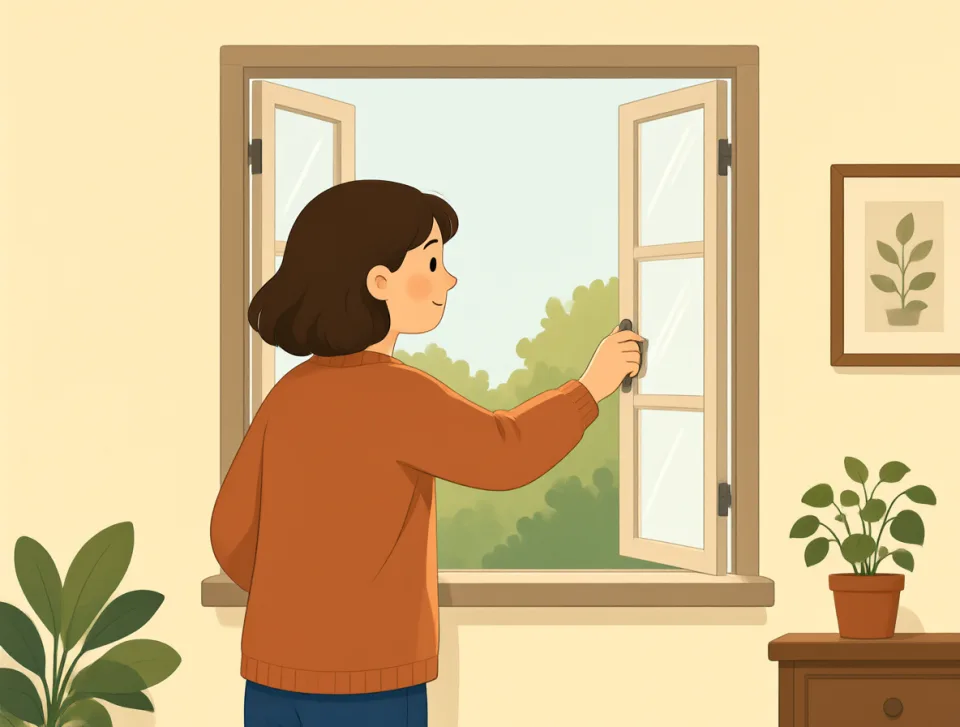
Please close the window before you leave.
जाने से पहले कृपया खिड़की बंद कर दीजिए।
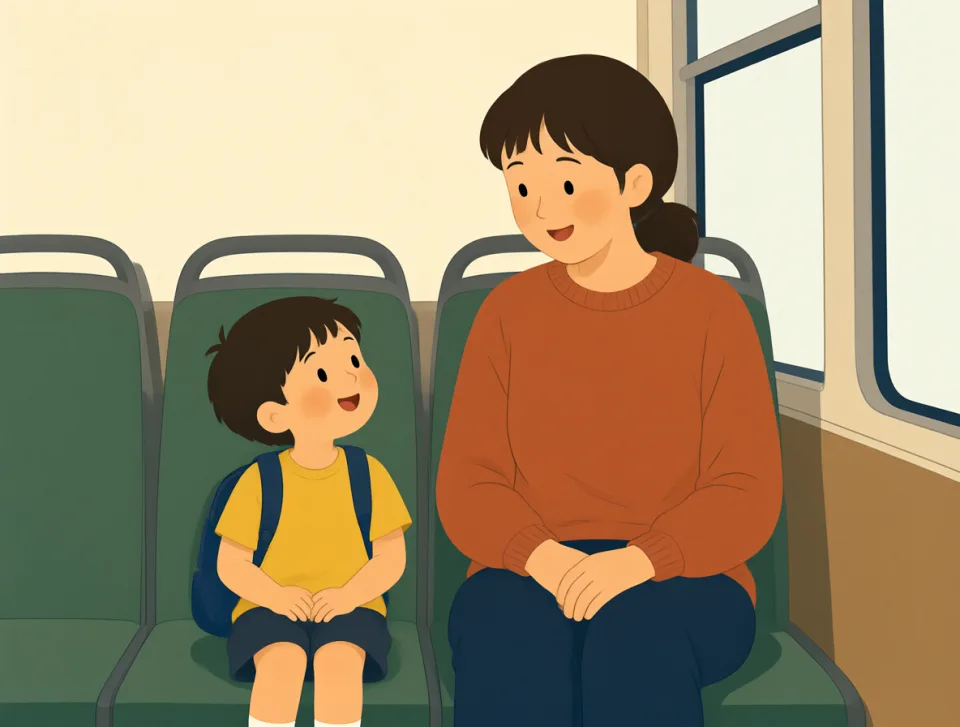
We took the bus to school this morning.
आज सुबह हम बस से स्कूल गए।
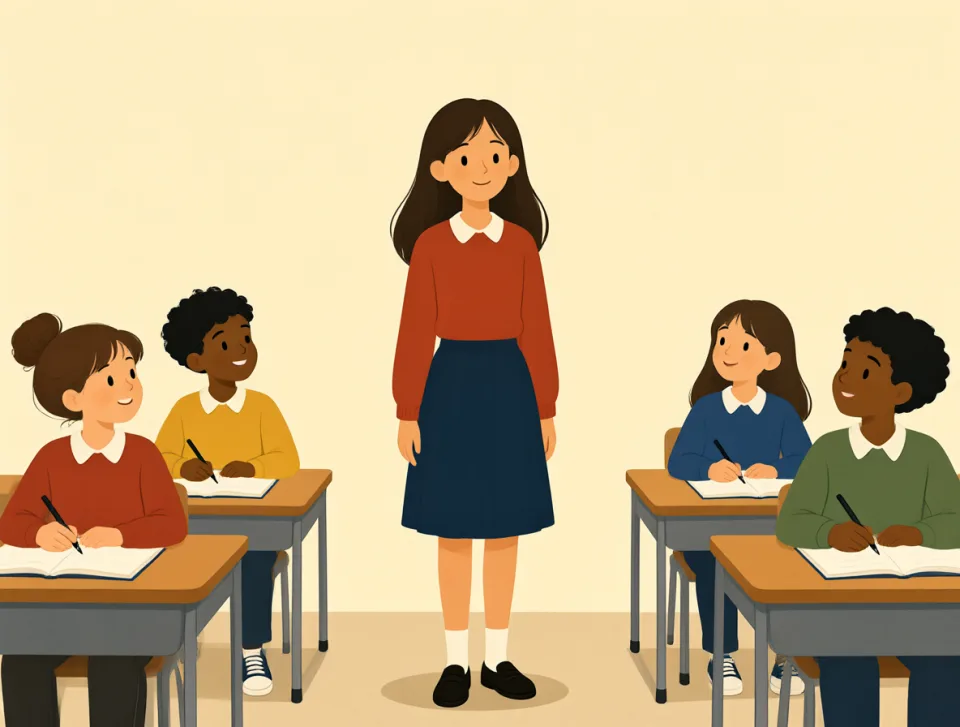
She is the tallest girl in her class.
वह अपनी कक्षा की सबसे लंबी लड़की है।

The sun is shining, so let's eat outside.
धूप खिली है, तो चलो बाहर खाना खाते हैं।

be
#2verb
होना
to exist, happen, or have a particular quality, identity, or location
मौजूद होना, घटित होना या कोई खास गुण, पहचान या स्थान होना।
I am tired after work today.
आज काम के बाद मैं थका हुआ हूँ।
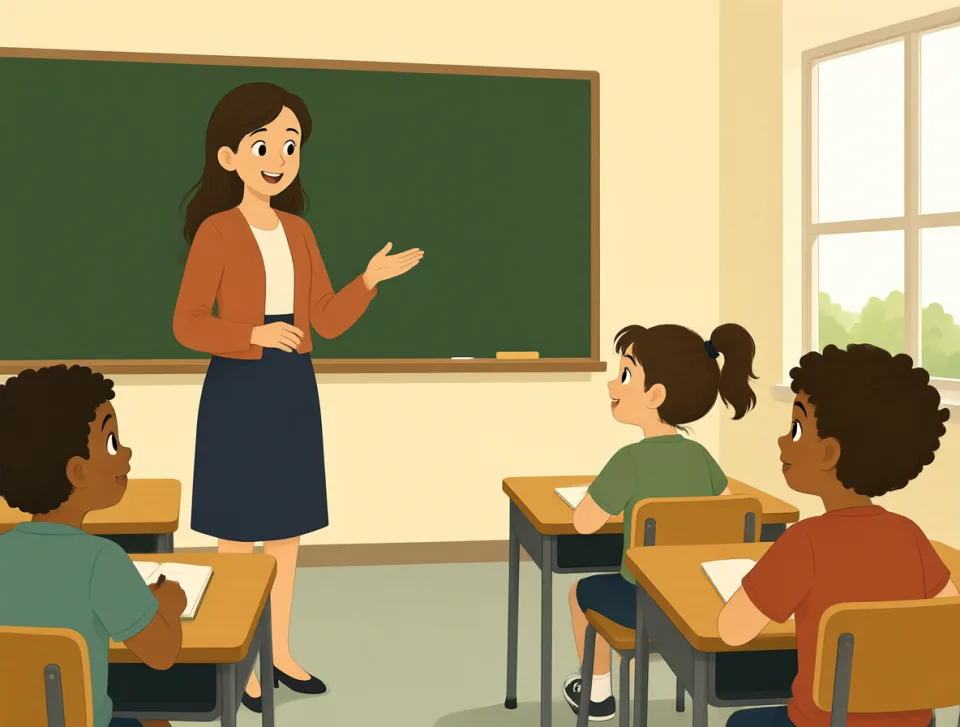
She is a teacher at our school.
वह हमारे स्कूल में शिक्षिका है।
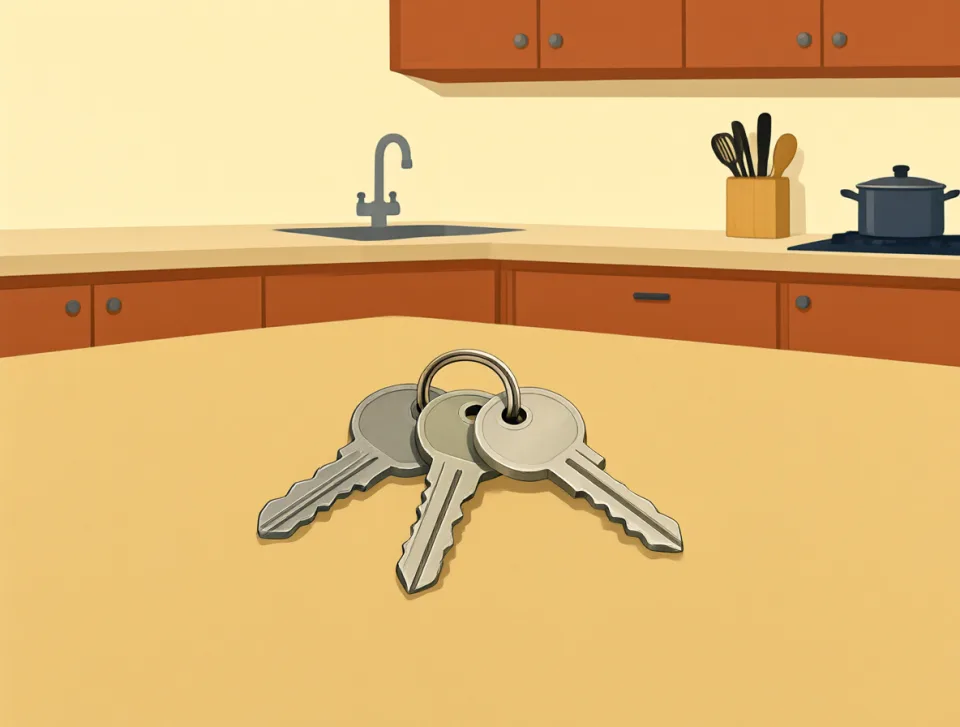
The keys are on the kitchen table.
चाबियाँ रसोई की मेज़ पर हैं।
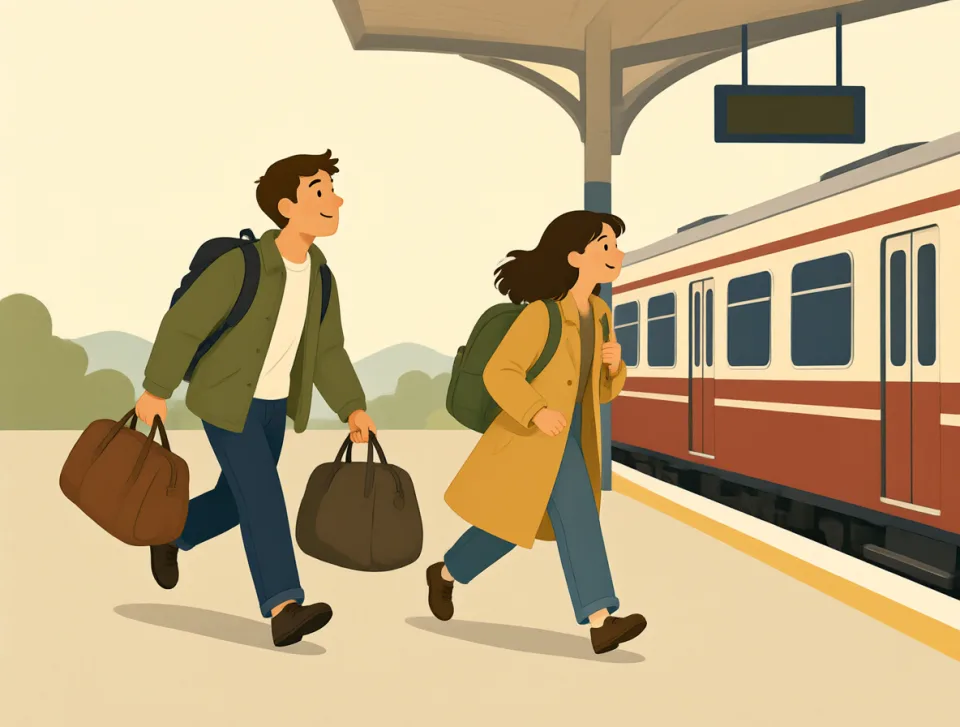
We were late for the train.
हमें ट्रेन पकड़ने में देर हो गई।
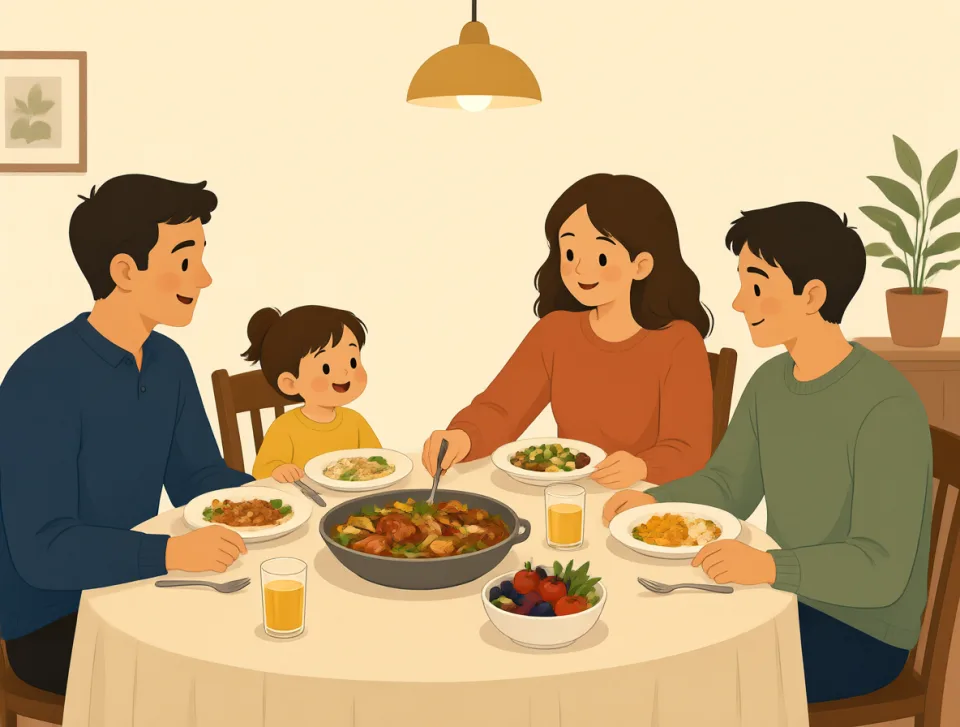
Dinner is ready, so please come in.
खाना तैयार है, तो कृपया अंदर आ जाइए।

and
#3conjunction
और
Used to join words, phrases, or sentences that go together.
आपस में जुड़ने वाले शब्दों, वाक्यांशों या वाक्यों को जोड़ने के लिए इस्तेमाल होता है।
Tom and Anna work in the same office.
टॉम और अन्ना एक ही दफ़्तर में काम करते हैं।
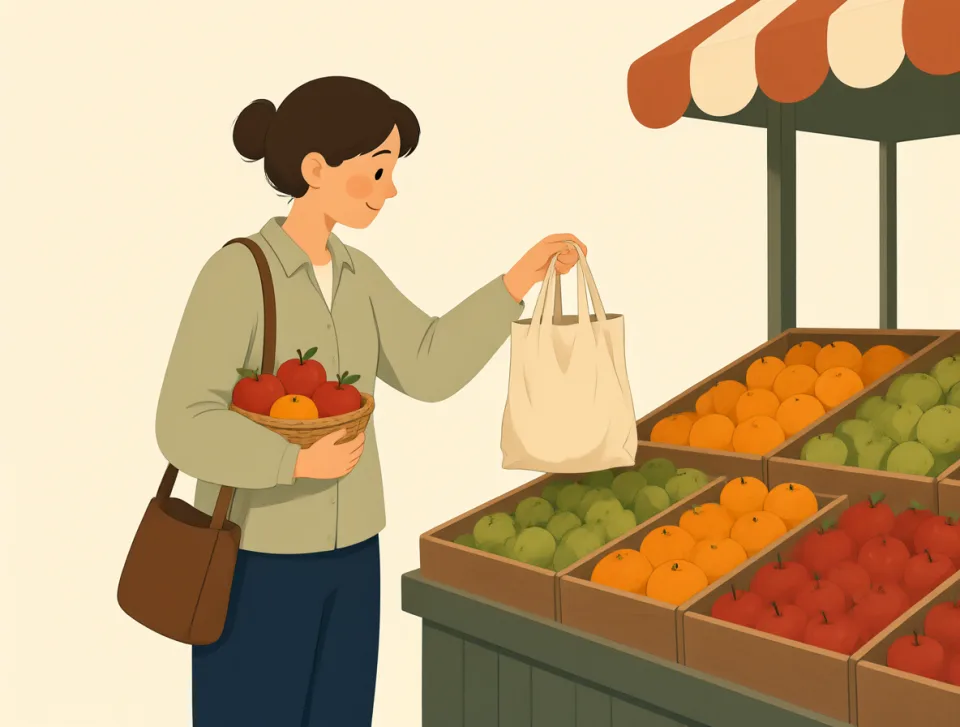
I bought apples and oranges at the market.
मैंने बाज़ार से सेब और संतरे खरीदे।
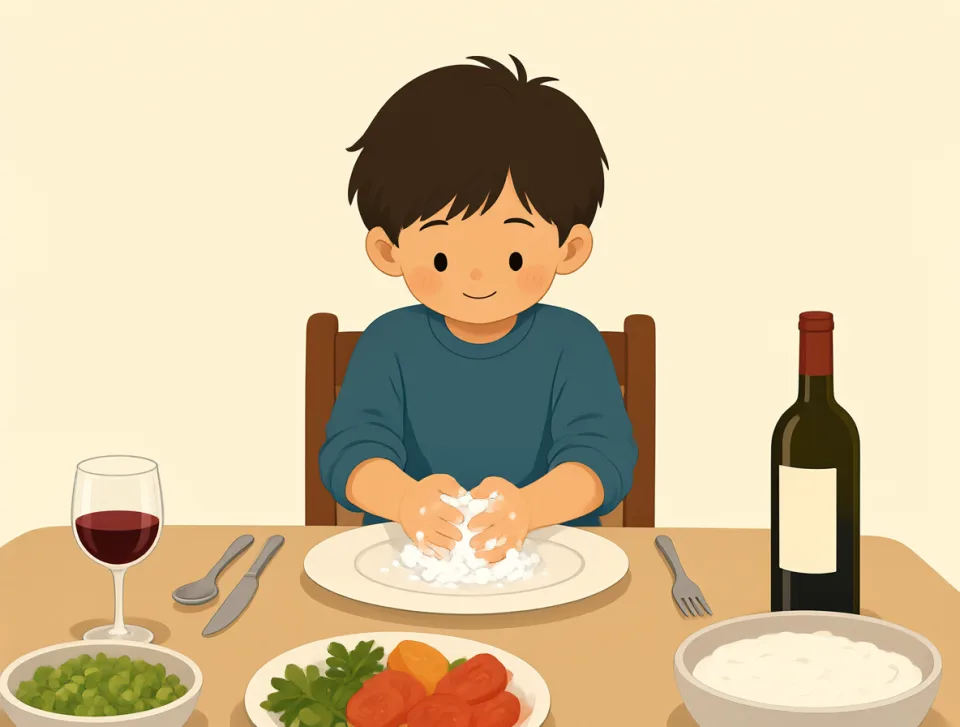
Please wash your hands and eat dinner.
कृपया हाथ धोकर खाना खाइए।

We took a bus and visited the museum.
हमने बस ली और संग्रहालय देखने गए।
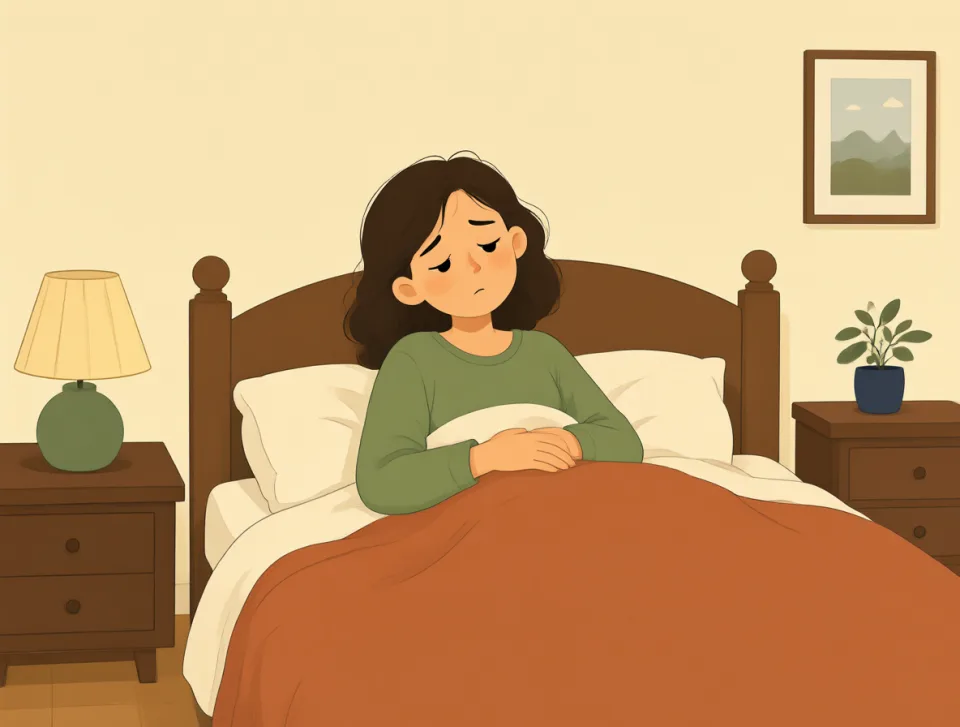
She was tired and went to bed early.
वह थकी हुई थी और जल्दी सोने चली गई।
of
#4preposition, determiner
का/की/के
Used to show belonging, connection, amount, or what something contains.
संबंध, जुड़ाव, मात्रा या किसी चीज़ में क्या शामिल है, यह बताने के लिए इस्तेमाल होता है।
She is a friend of my sister.
वह मेरी बहन की दोस्त है।
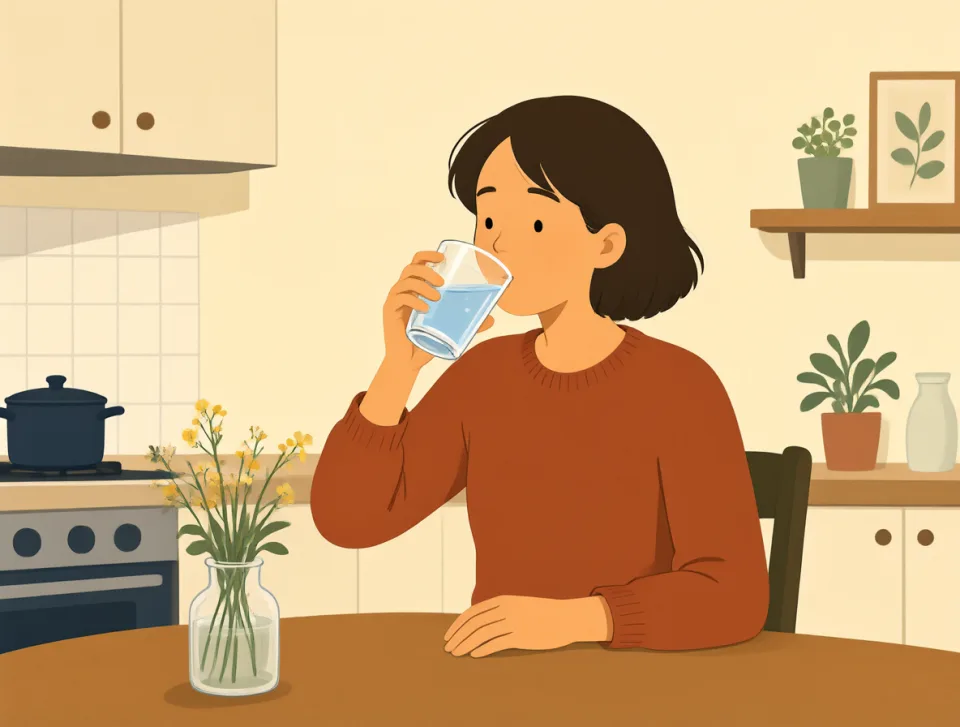
I drank a glass of water.
मैंने एक गिलास पानी पिया।
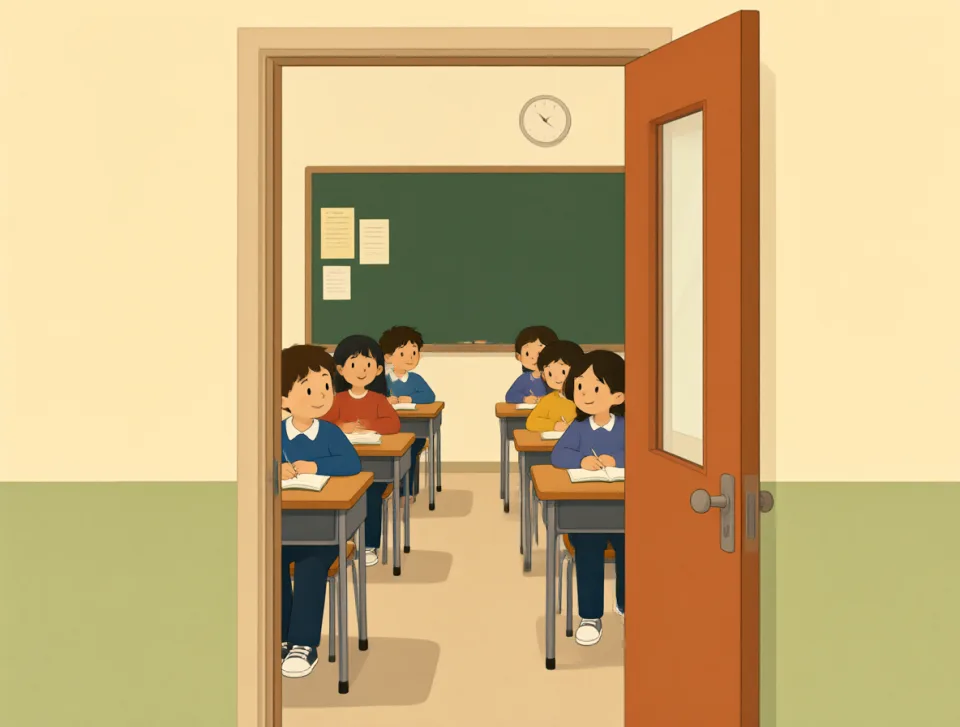
The door of the classroom is open.
कक्षा का दरवाज़ा खुला है।
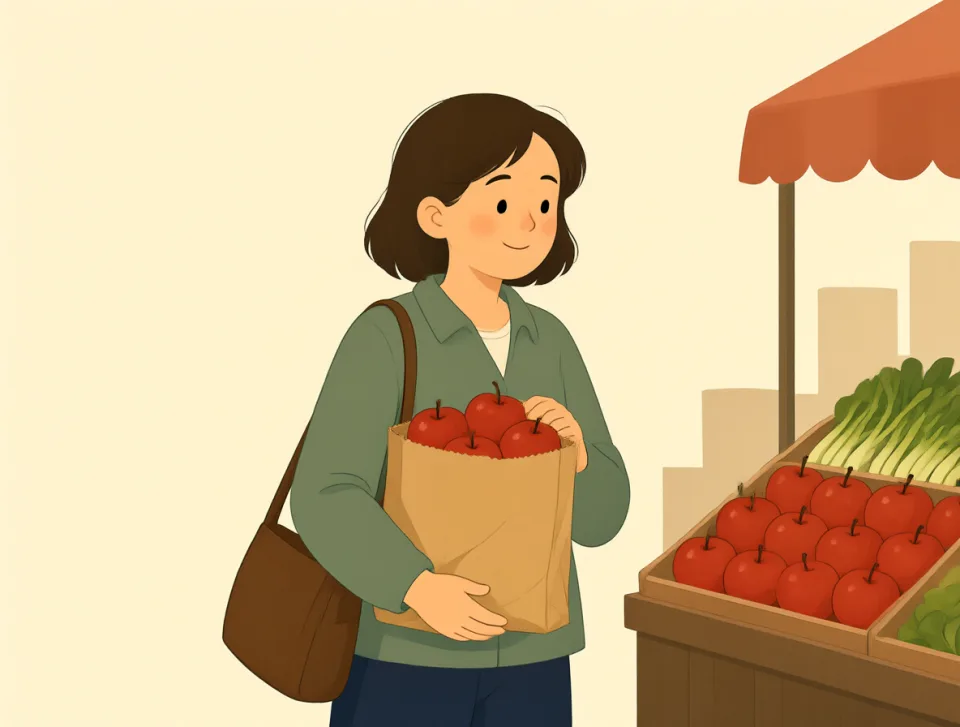
He bought a bag of apples.
उसने सेबों का एक थैला खरीदा।

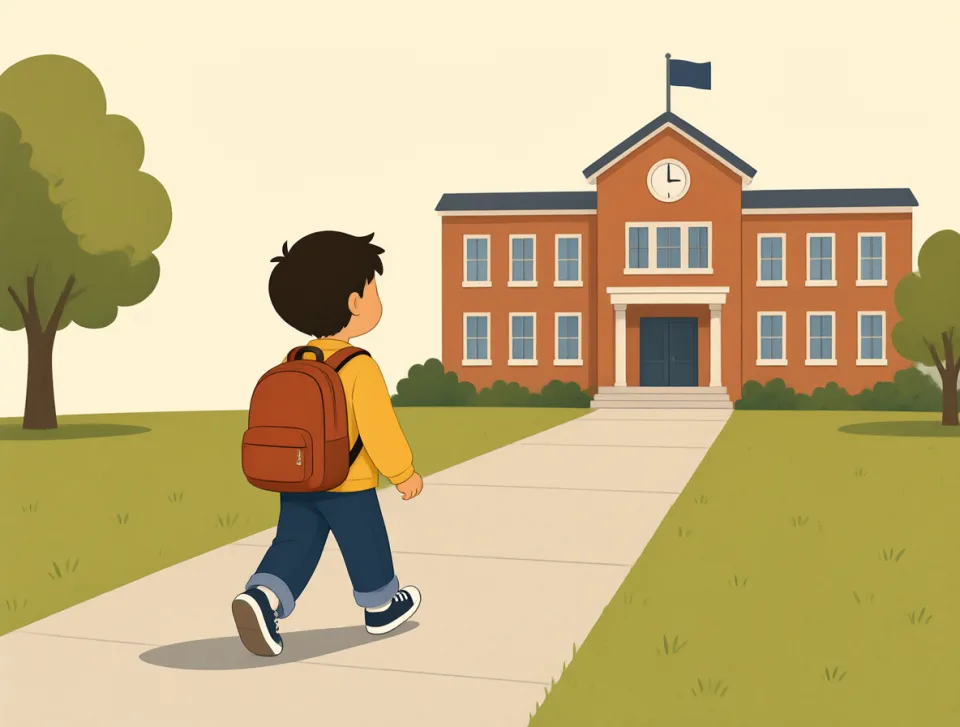
We talked about the problems of travel.
हमने यात्रा की समस्याओं के बारे में बात की।
to
#5preposition, infinitive marker
को; तक; के लिए
Used before a place, person, or verb to show direction, purpose, or an action.
दिशा, उद्देश्य या किसी काम को दिखाने के लिए किसी जगह, व्यक्ति या क्रिया से पहले इस्तेमाल होता है।
I walk to school every morning.
मैं हर सुबह पैदल स्कूल जाता हूँ।
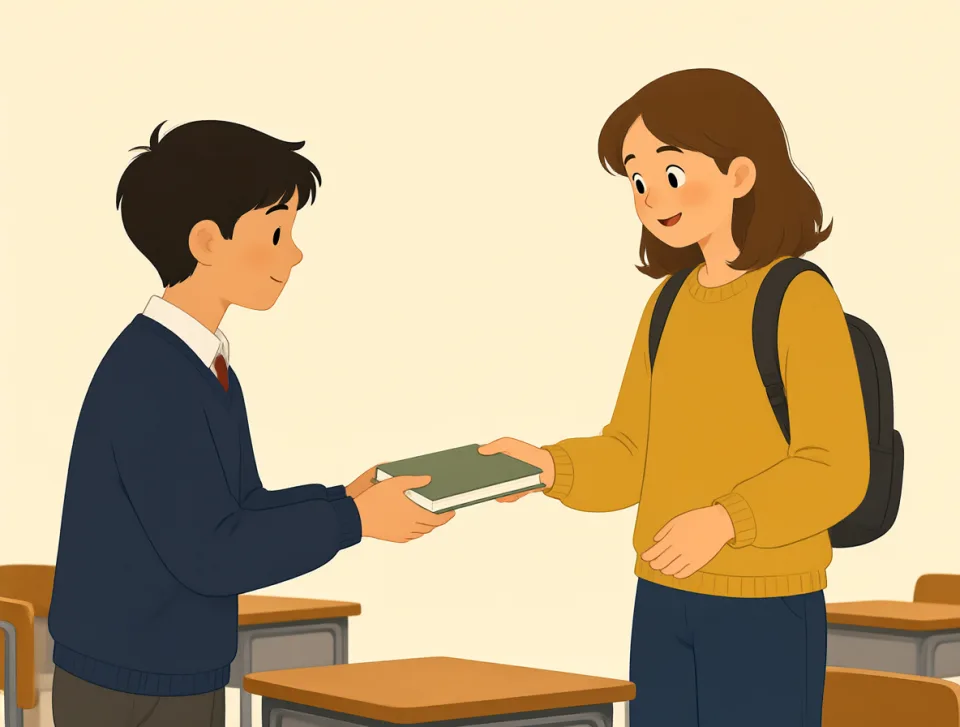
Please give this book to Maria.
कृपया यह किताब मारिया को दे दीजिए।

We went to the market after work.
काम के बाद हम बाज़ार गए।
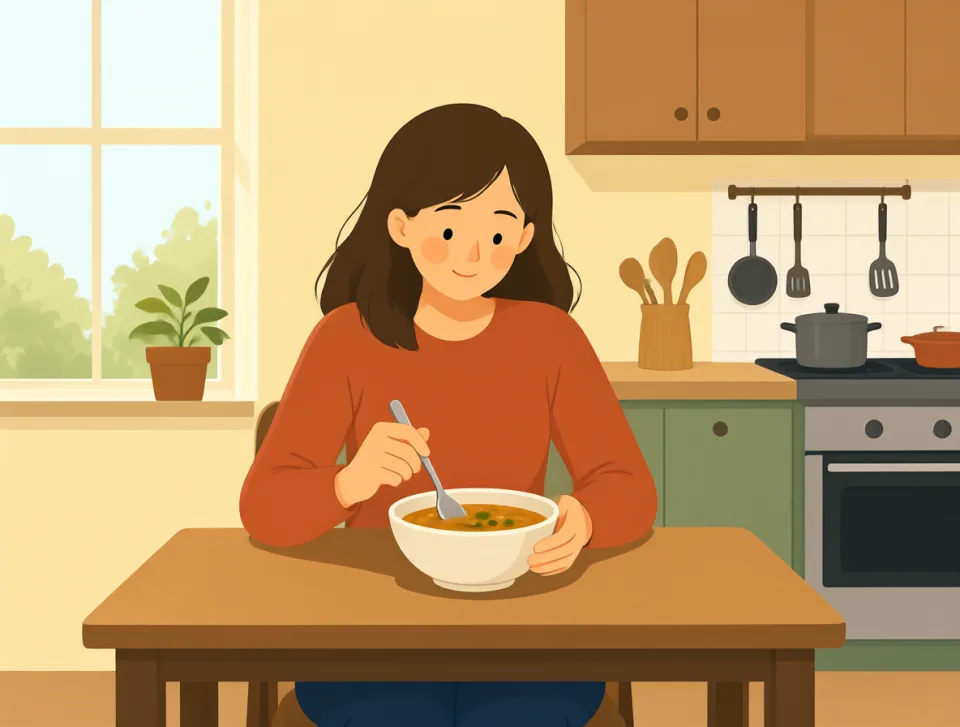
She wants to eat some soup.
वह थोड़ा सूप खाना चाहती है।
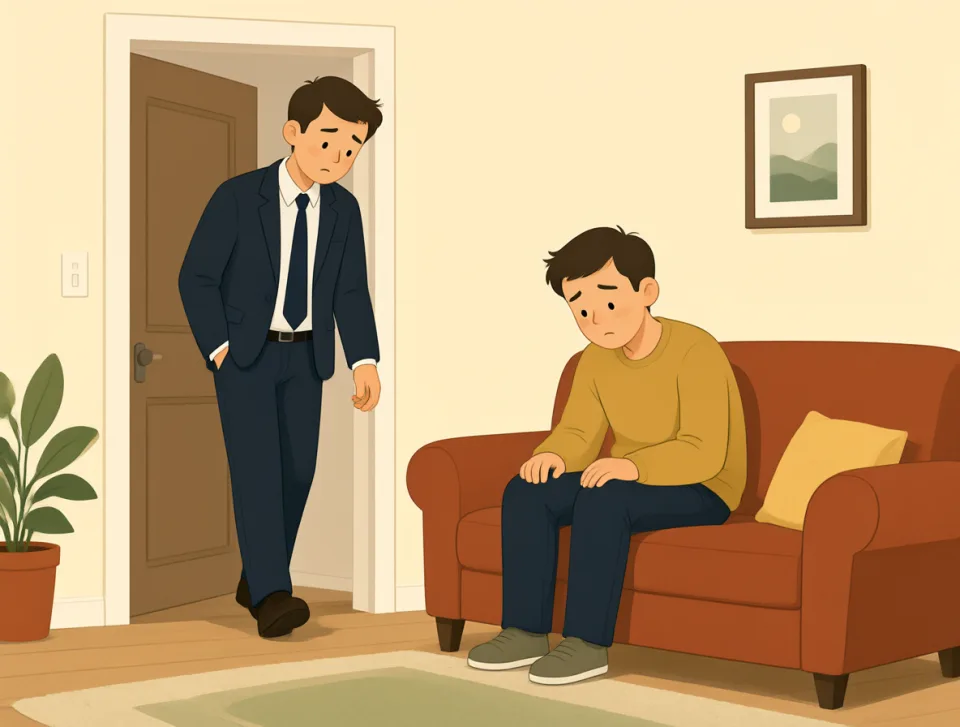
He came home to rest.
वह आराम करने के लिए घर आया।
a
#6determiner, article
एक
used before one singular countable noun when it is not specific
"a" का इस्तेमाल किसी एकवचन गिनने योग्य संज्ञा से पहले तब किया जाता है, जब वह कोई निश्चित या विशेष चीज़ न हो।
I have a small garden at home.
मेरे घर पर एक छोटा-सा बगीचा है।
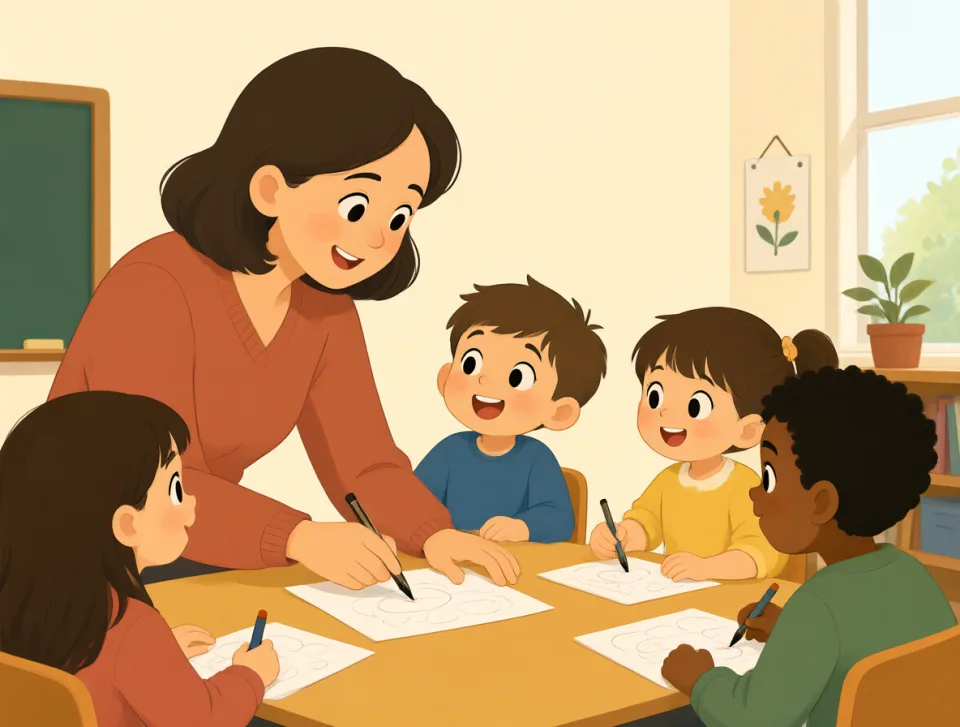
She is a teacher at our school.
वह हमारे स्कूल में एक अध्यापिका है।

We bought a ticket for the bus.
हमने बस के लिए एक टिकट खरीदा।
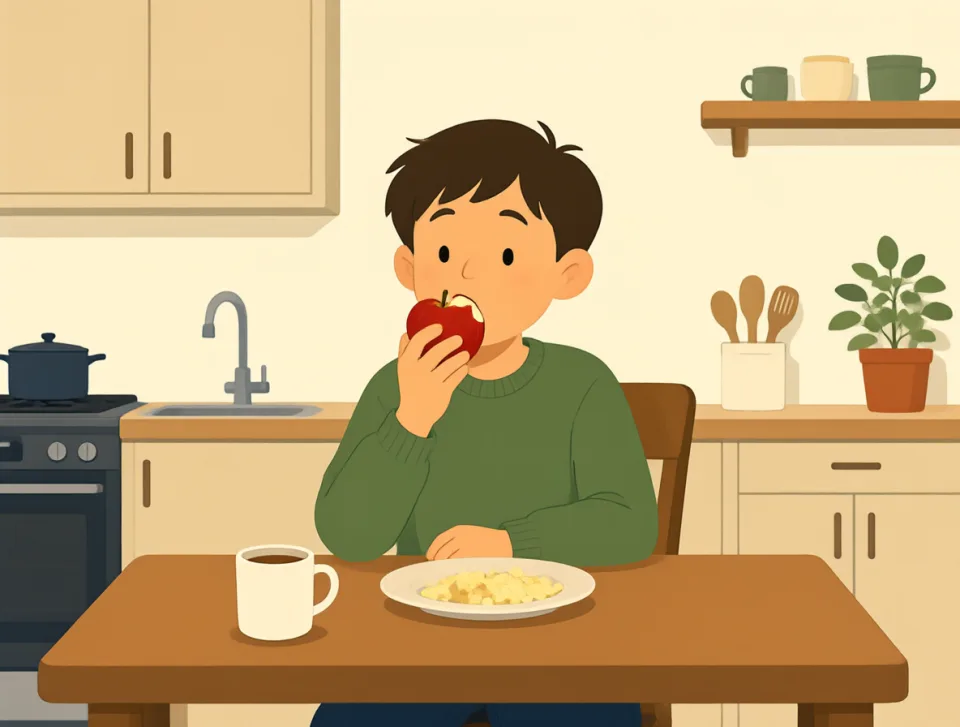
He eats an apple a day.
वह रोज़ एक सेब खाता है।

They stayed in a hotel near the beach.
वे समुद्र तट के पास एक होटल में ठहरे।
in
#7preposition, adverb, adjective
में
Inside a place, area, time, situation, or group
"in" का अर्थ किसी स्थान, क्षेत्र, समय, स्थिति या समूह के अंदर होना है।
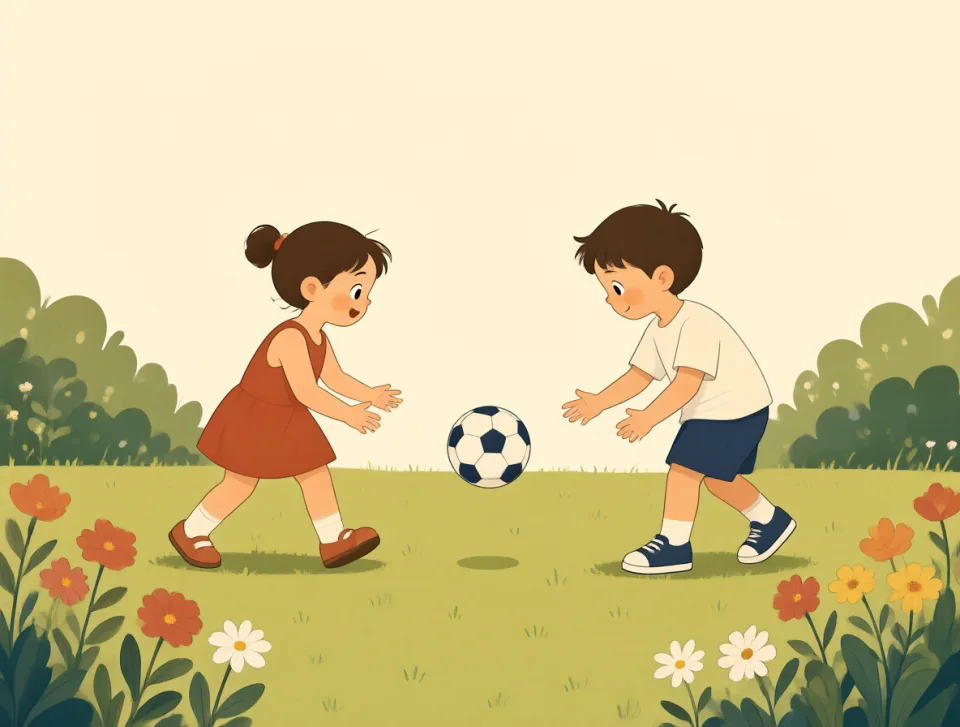
The children are playing in the garden.
बच्चे बगीचे में खेल रहे हैं।
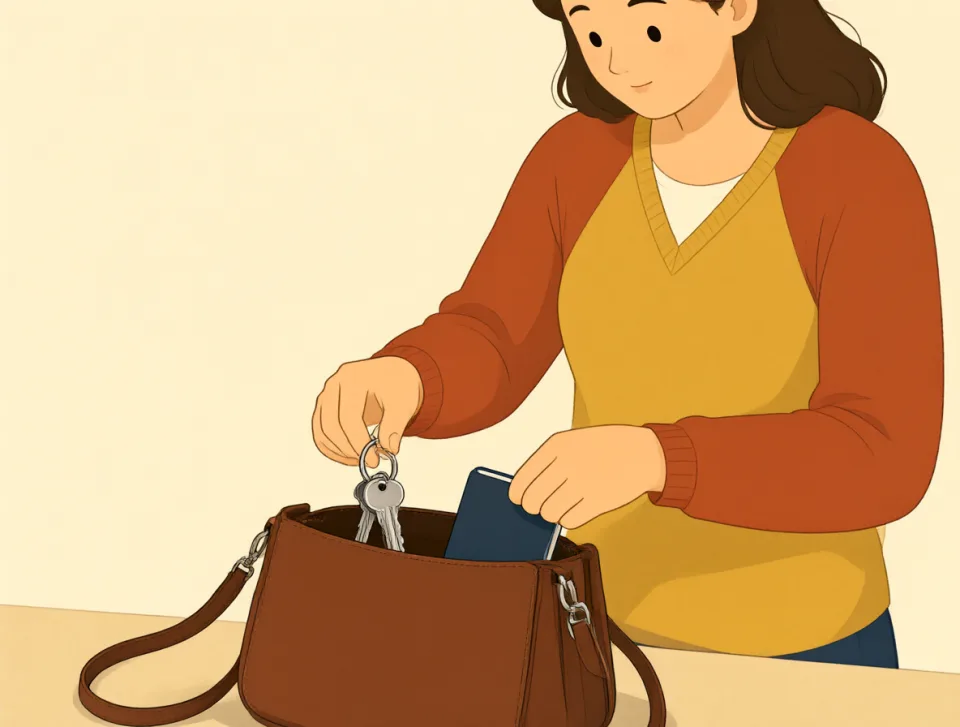
I keep my keys in my bag.
मैं अपनी चाबियाँ अपने बैग में रखता हूँ।
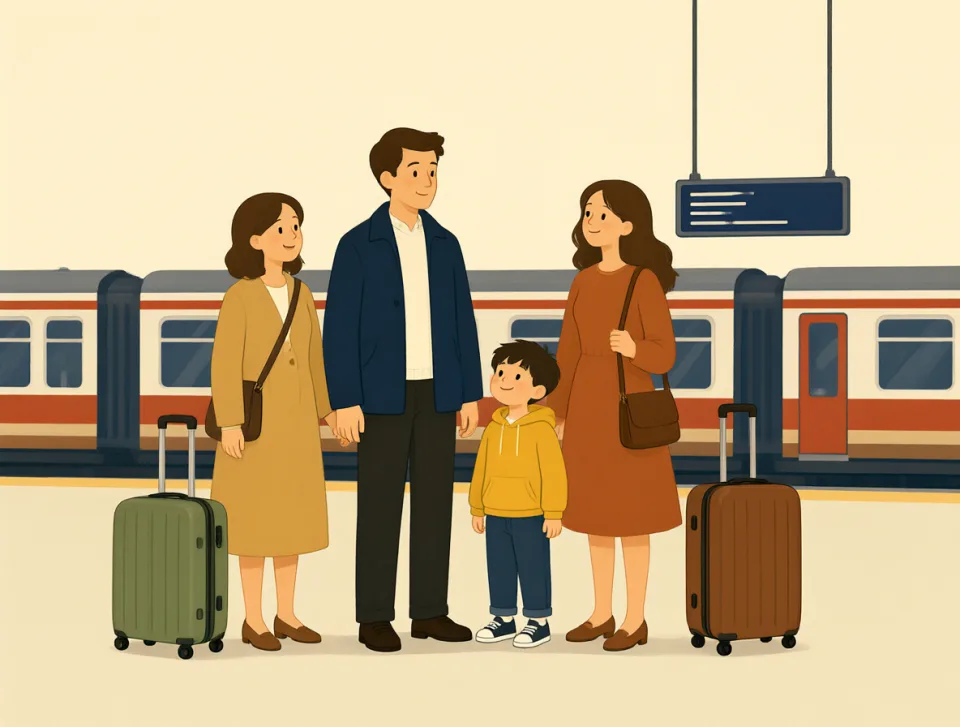
We arrived in London yesterday.
हम कल लंदन पहुँचे।
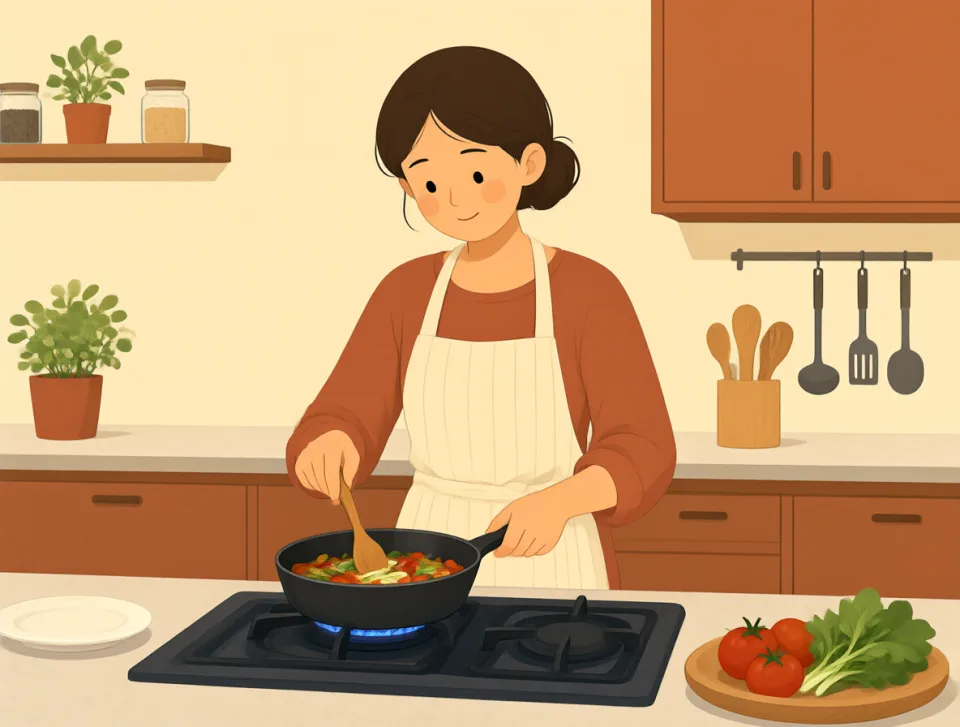
She is in the kitchen cooking dinner.
वह रसोई में रात का खाना बना रही है।
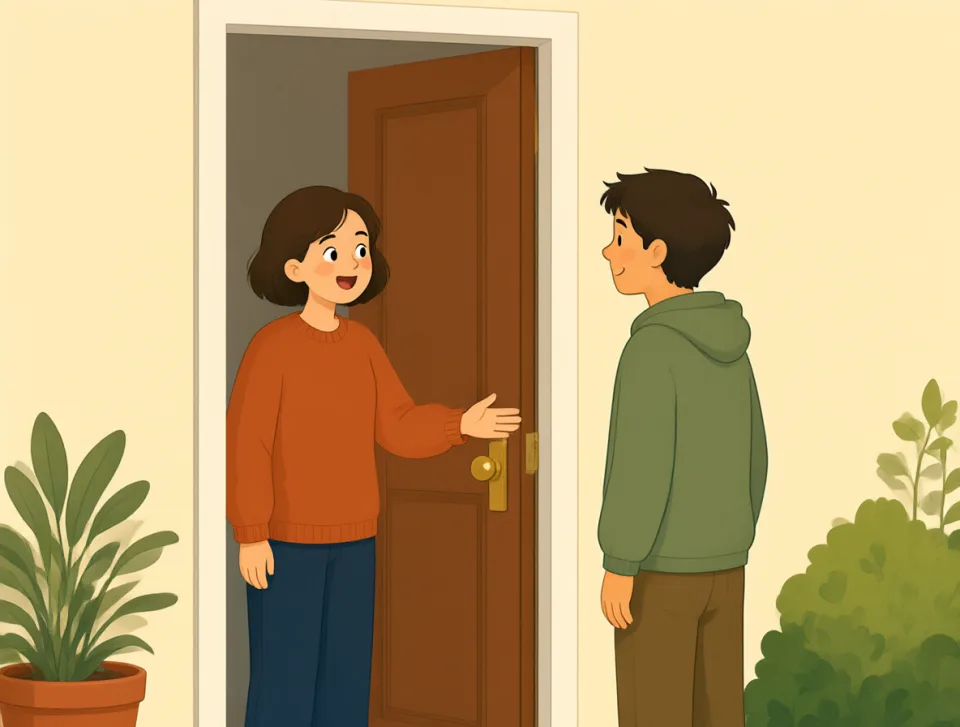
Please come in and sit down.
कृपया अंदर आइए और बैठ जाइए।
have
#8verb
होना; रखना; करना
to own, do, experience, or receive something
"have" का इस्तेमाल किसी चीज़ के स्वामित्व, किसी काम को करने, किसी अनुभव से गुज़रने या कुछ प्राप्त करने के लिए किया जाता है।
I have two brothers.
मेरे दो भाई हैं।

We have lunch at noon.
हम दोपहर में खाना खाते हैं।
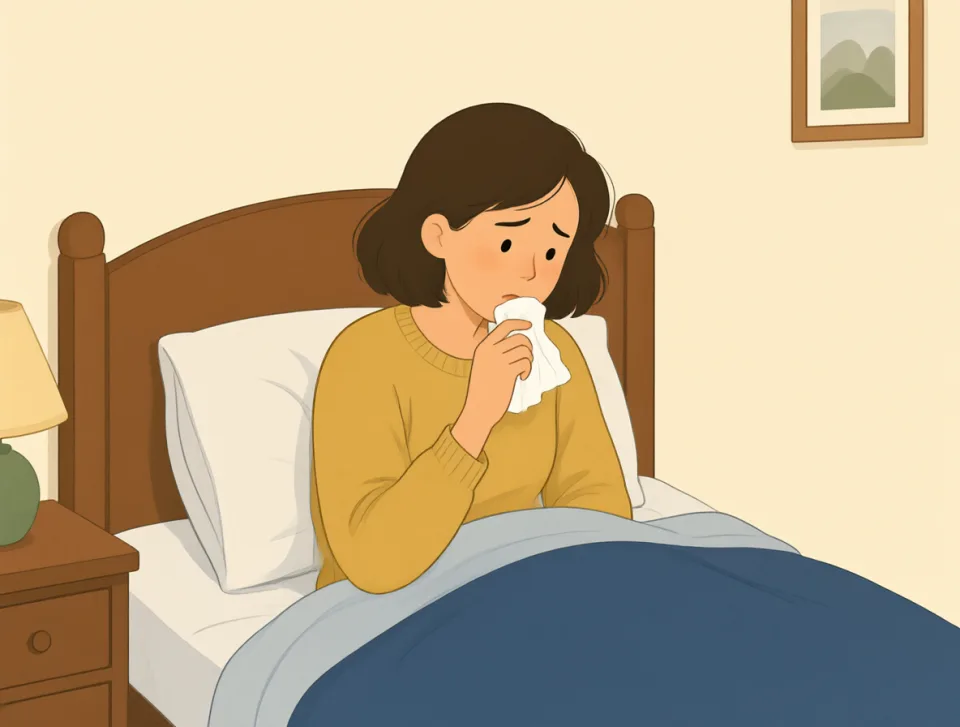
She has a bad cold.
उसे बहुत ज़ुकाम है।

They had a great time together.
उन्होंने साथ में बहुत अच्छा समय बिताया।
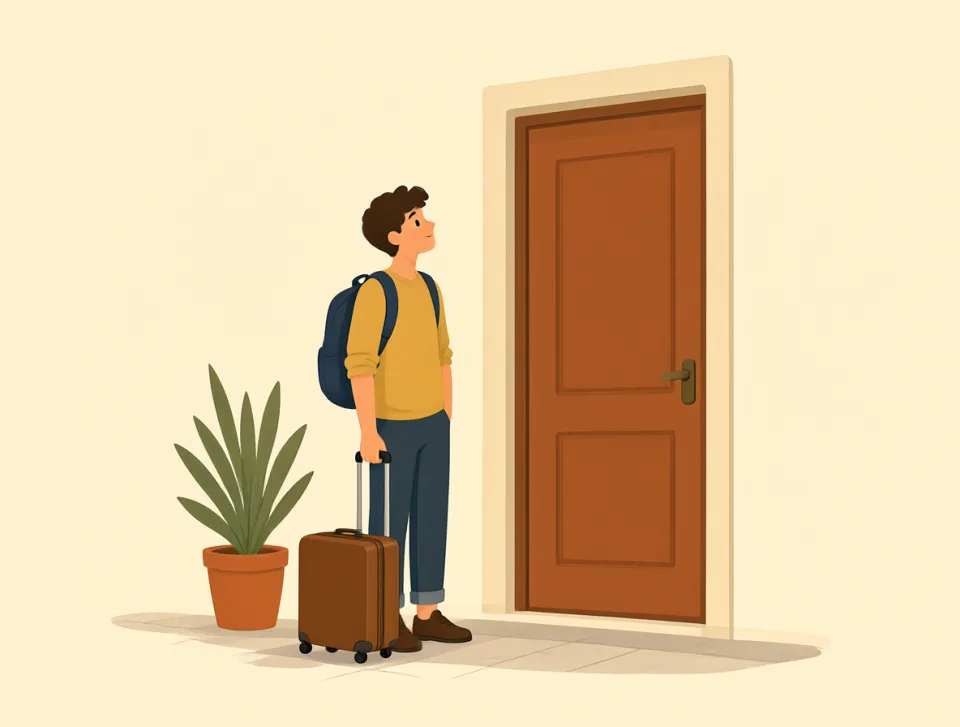
I have to leave now.
मुझे अब जाना है।

it
#9pronoun, determiner
यह; उसे; इसे
A word used for a thing, animal, situation, or idea already mentioned.
"it" उस चीज़, जानवर, स्थिति या विचार के लिए इस्तेमाल होने वाला शब्द है जिसका पहले ज़िक्र किया जा चुका हो।
It is cold outside today.
आज बाहर ठंड है।
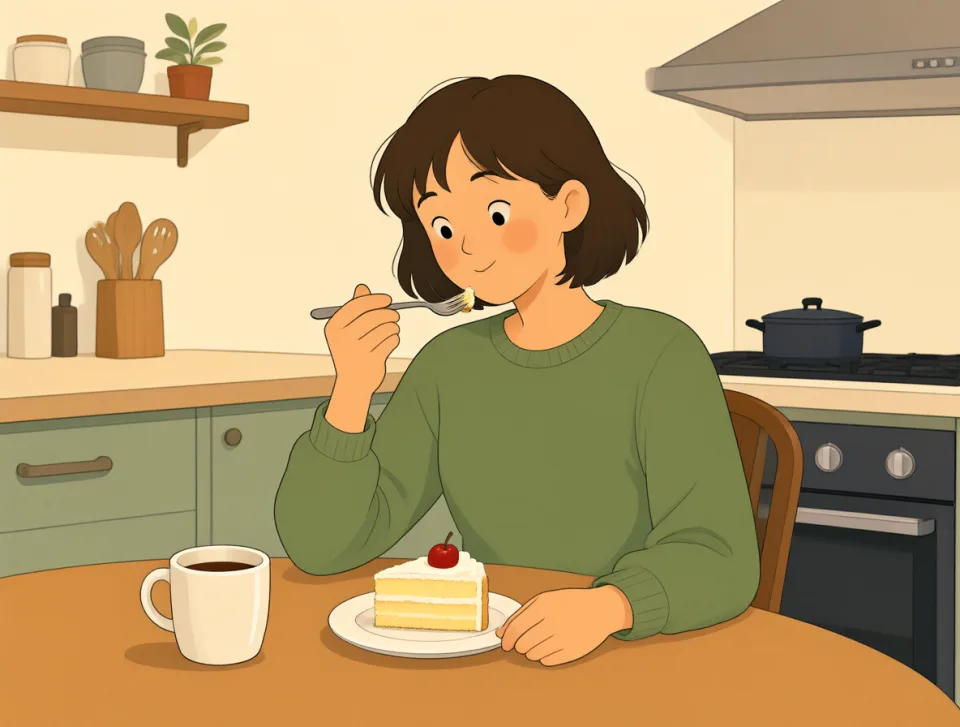
I bought a cake, and it was delicious.
मैंने एक केक खरीदा और वह बहुत स्वादिष्ट था।
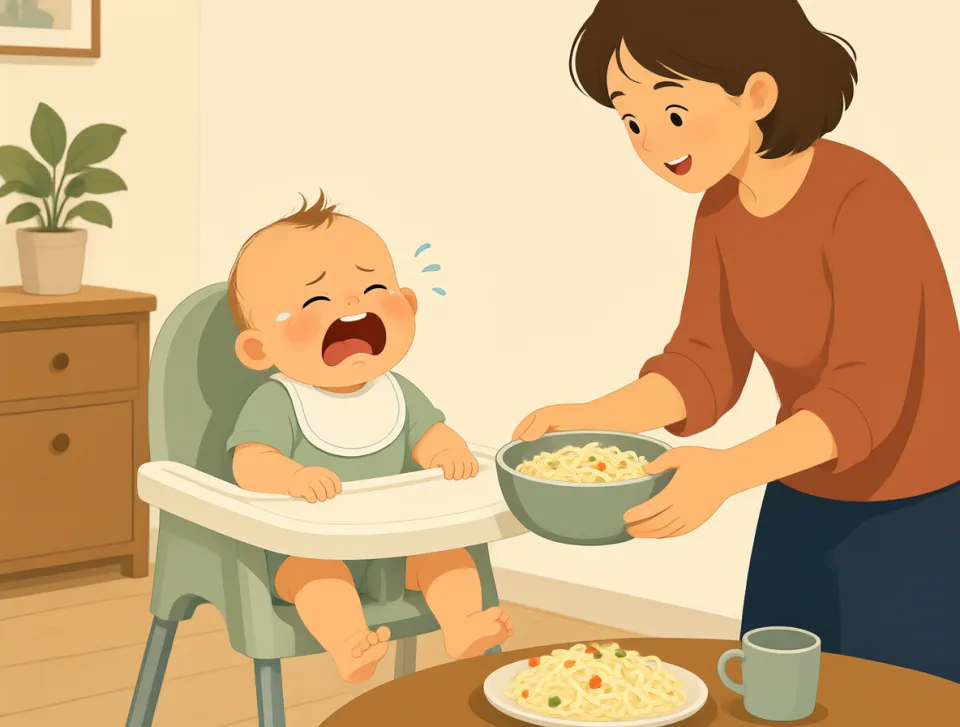
The baby is crying because it is hungry.
बच्चा रो रहा है क्योंकि उसे भूख लगी है।
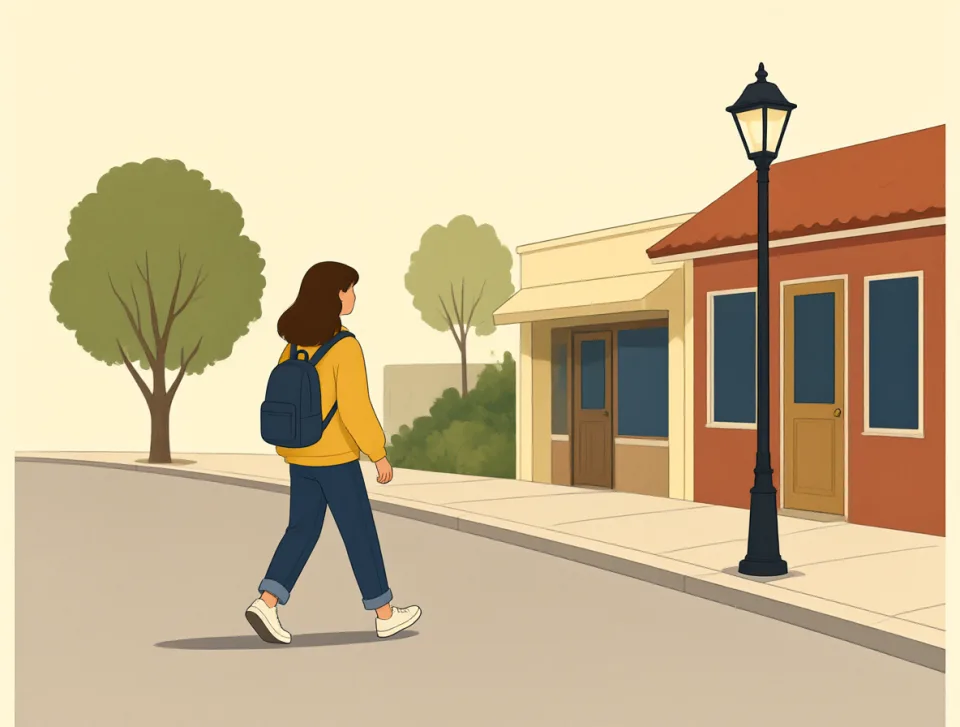
It takes ten minutes to walk there.
वहाँ पैदल जाने में दस मिनट लगते हैं।
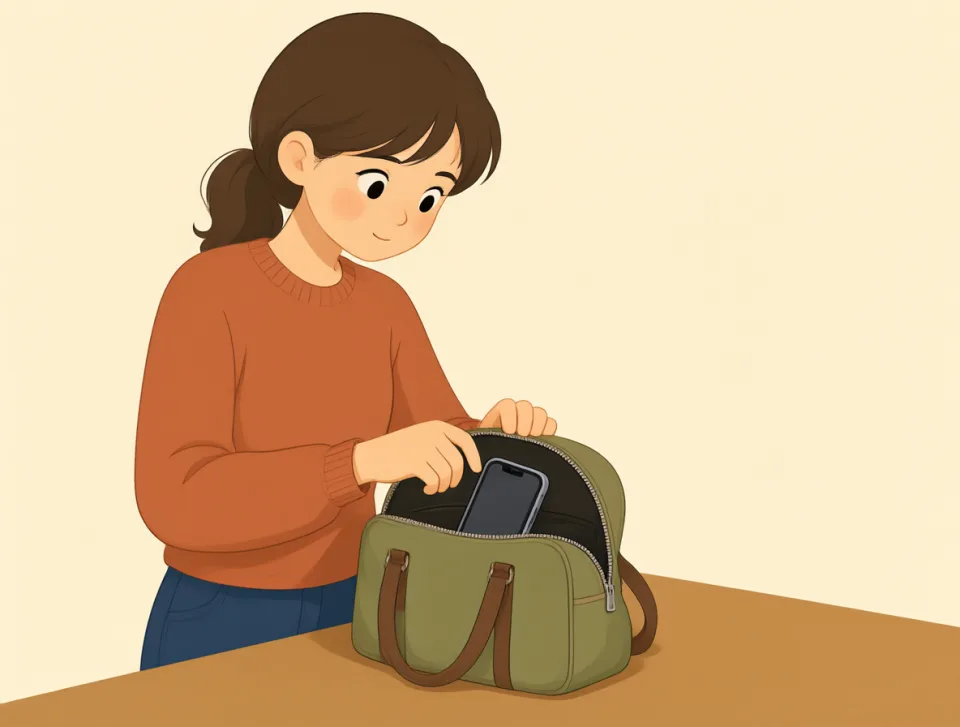
I found my phone and put it in my bag.
मुझे अपना फ़ोन मिला और मैंने उसे अपने बैग में रख दिया।
you
#10pronoun
तुम; आप
The person or people being spoken to.
"you" उस व्यक्ति या उन लोगों के लिए इस्तेमाल होता है जिनसे बात की जा रही हो।
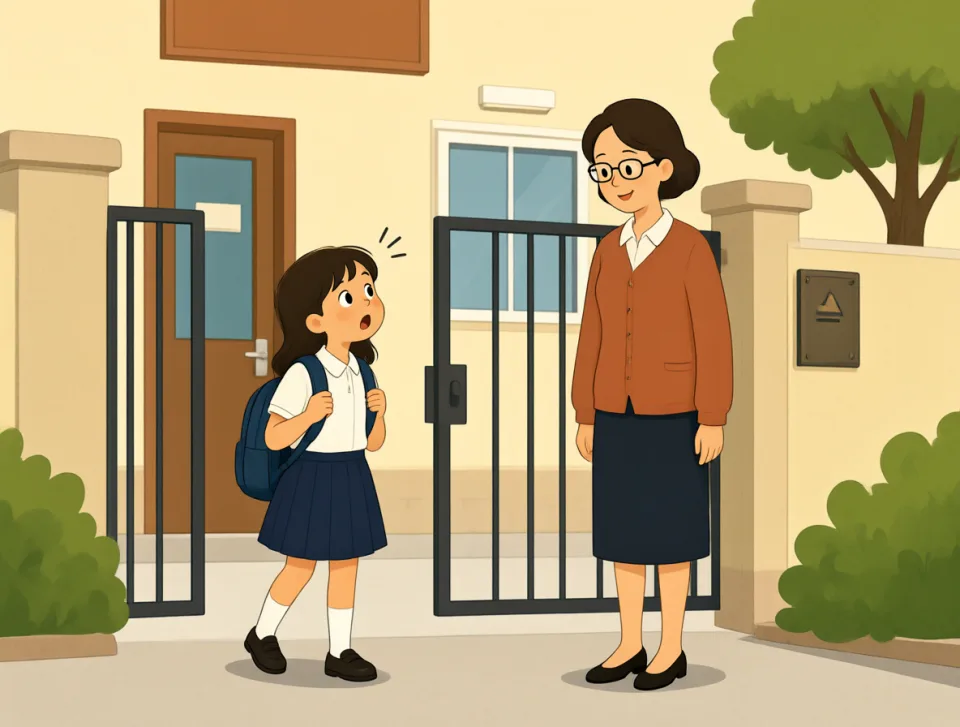
You are late for school today.
आज तुम स्कूल के लिए देर से आए हो।
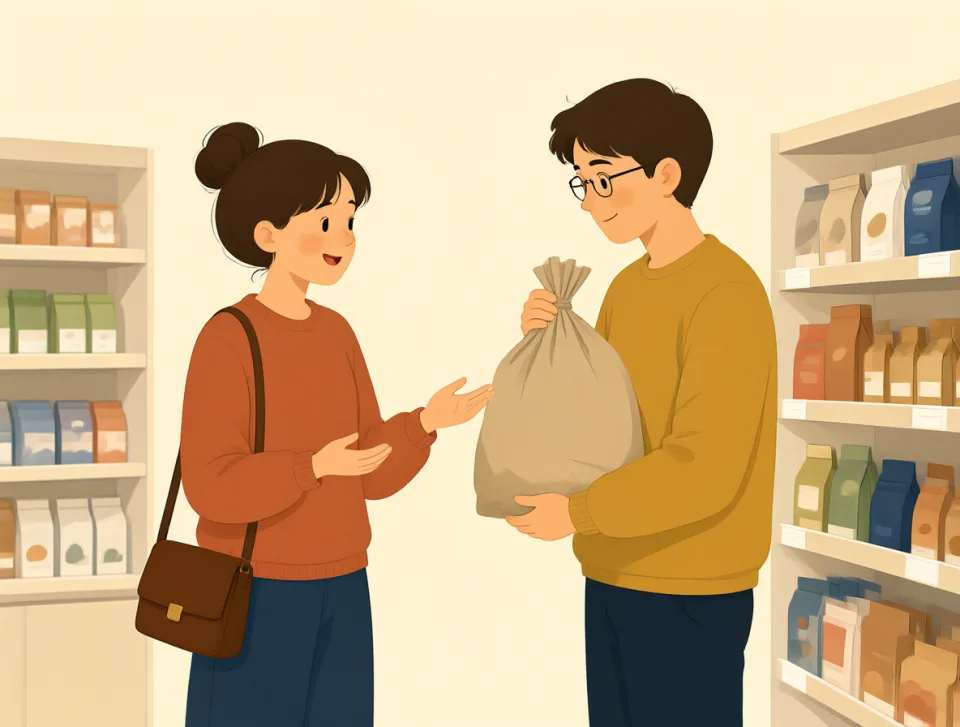
Can I help you with that bag?
क्या मैं उस बैग के साथ आपकी मदद कर सकता हूँ?

Did you enjoy dinner with your friends?
क्या तुम्हें अपने दोस्तों के साथ रात का खाना अच्छा लगा?

We will call you after work.
हम काम के बाद आपको फ़ोन करेंगे।
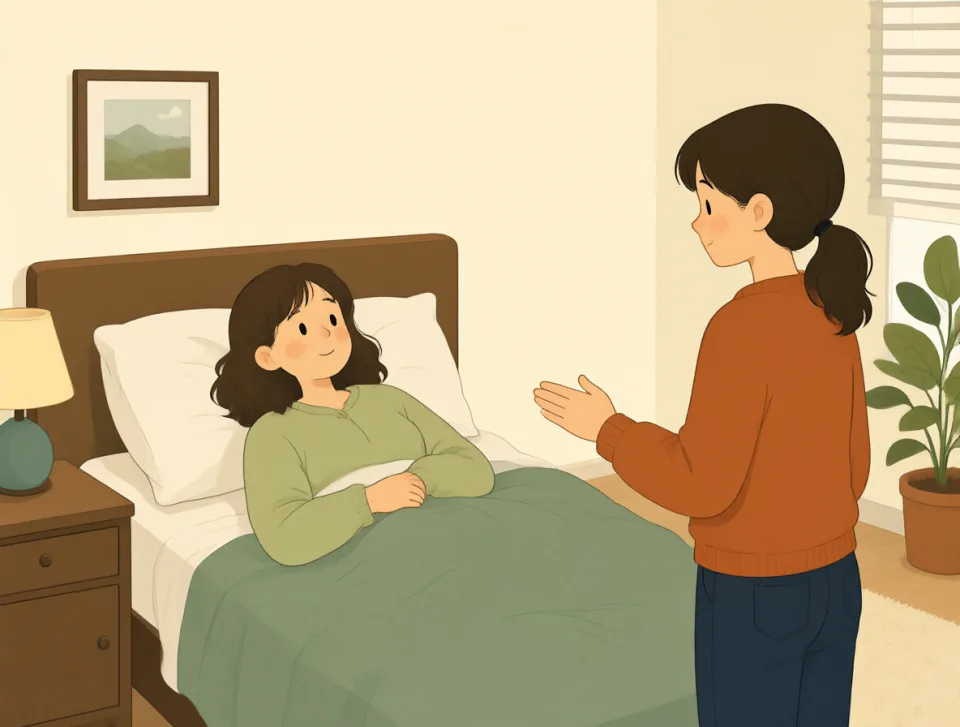
Are you feeling better today?
क्या आज आप बेहतर महसूस कर रहे हैं?
he
#11pronoun
वह
A word used for one male person already mentioned or known.
किसी ऐसे पुरुष के लिए इस्तेमाल होने वाला शब्द जिसका पहले ज़िक्र हो चुका हो या जिसे पहले से जाना जाता हो।
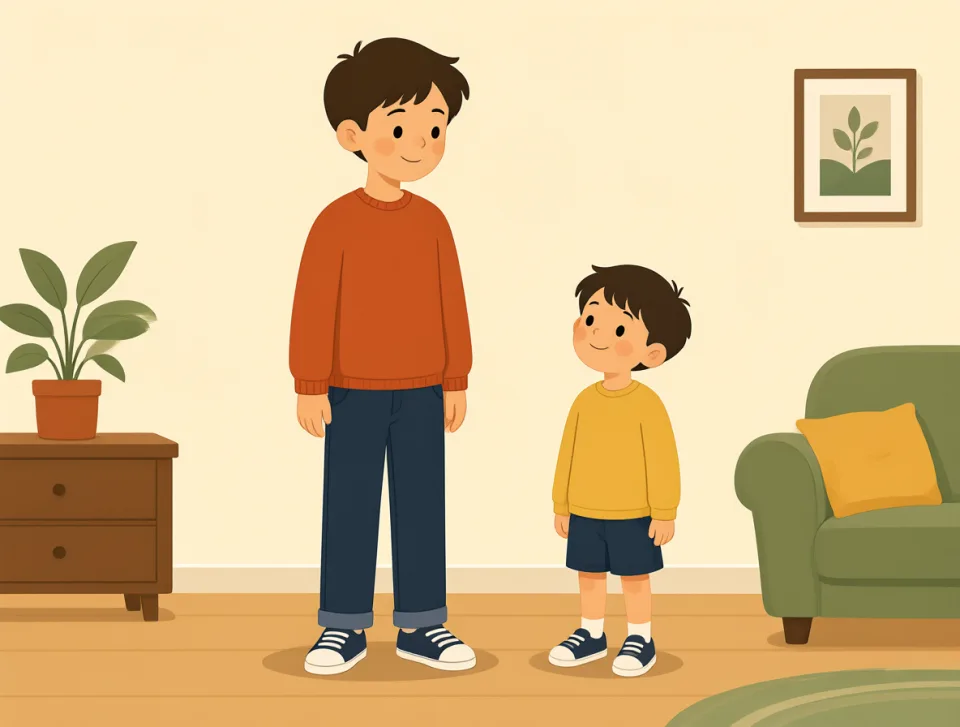
He is my brother.
वह मेरा भाई है।

He works at a small shop.
वह एक छोटी-सी दुकान में काम करता है।
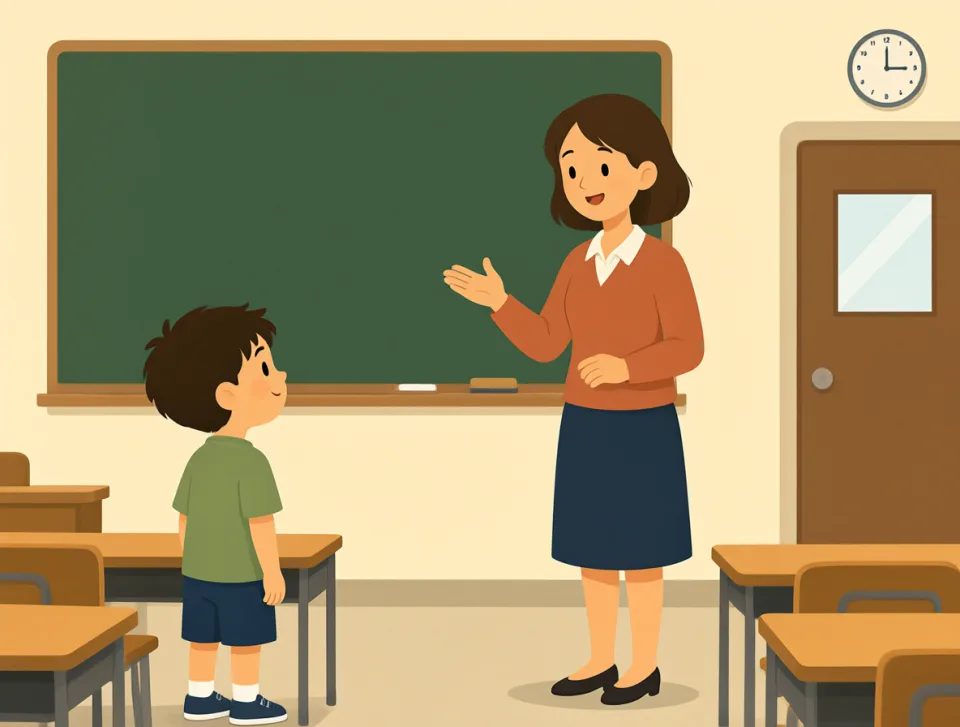
The teacher said he was late.
शिक्षक ने कहा कि उसे देर हो गई थी।
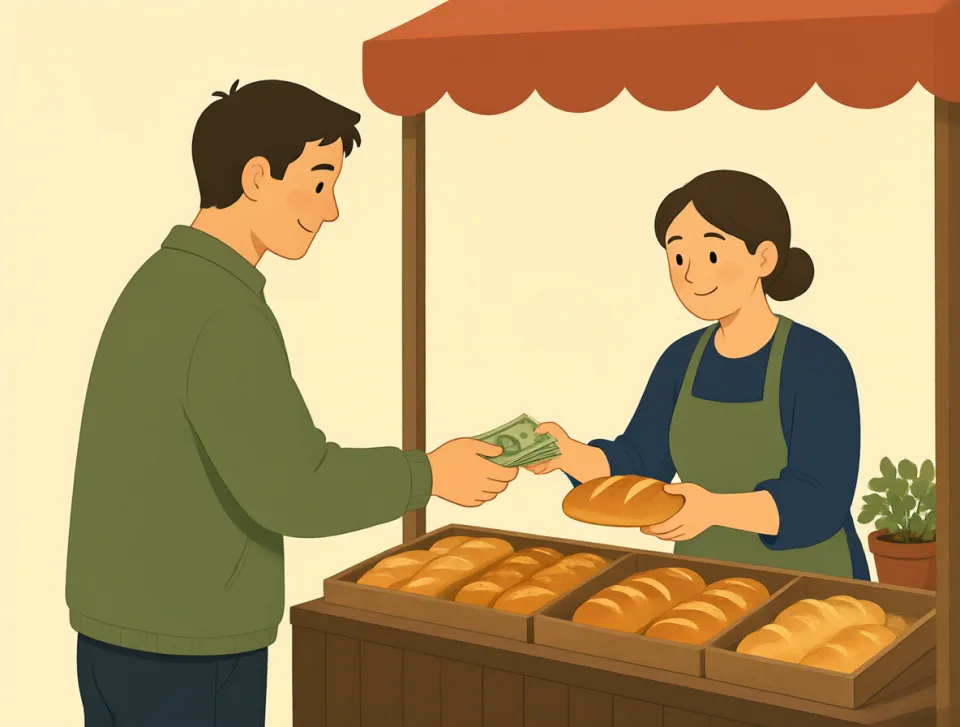
He bought bread at the market.
उसने बाज़ार से रोटी खरीदी।
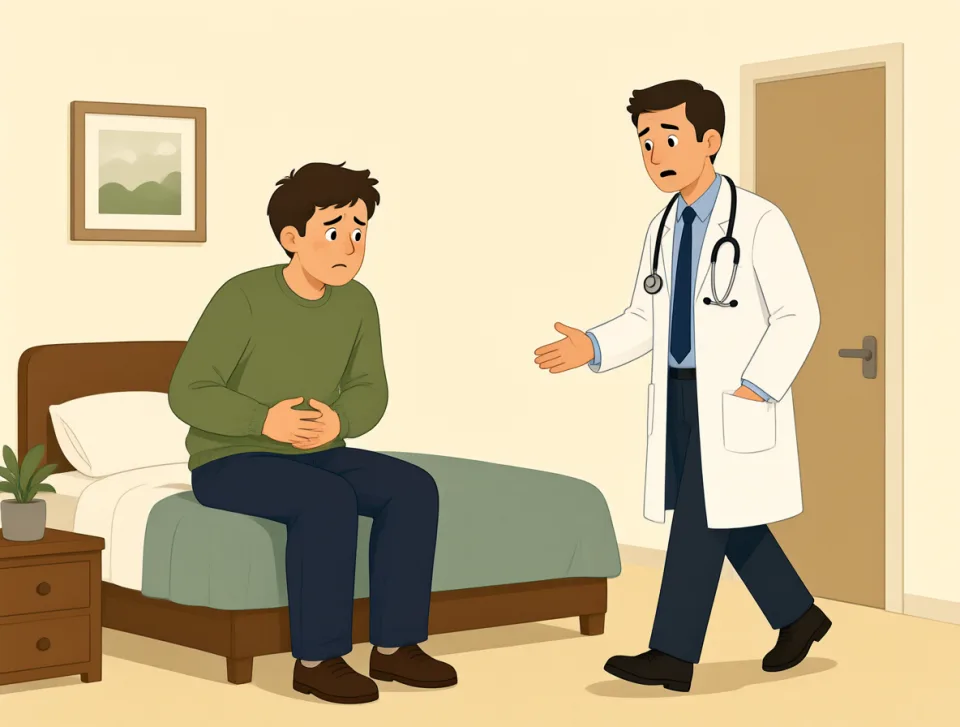
He feels sick and needs a doctor.
उसे अच्छा महसूस नहीं हो रहा है और उसे डॉक्टर की ज़रूरत है।

for
#12preposition, conjunction
के लिए
Used to show purpose, time, reason, or who receives something.
उद्देश्य, समय, कारण या यह बताने के लिए इस्तेमाल होता है कि कोई चीज़ किसे मिलती है।
This gift is for my sister.
यह तोहफ़ा मेरी बहन के लिए है।
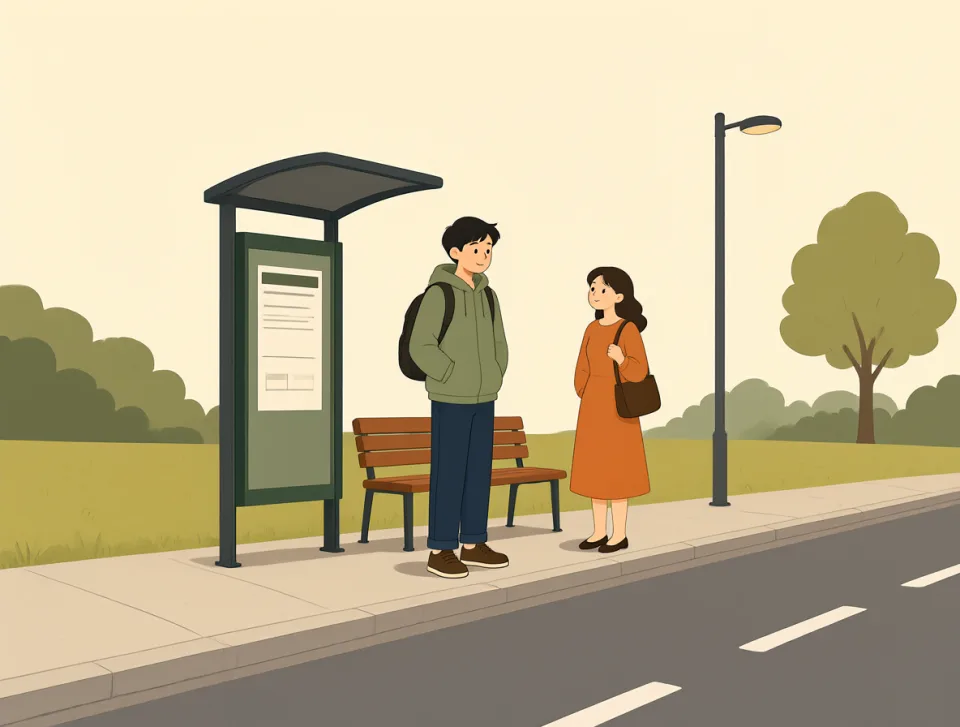
We waited for the bus.
हमने बस का इंतज़ार किया।
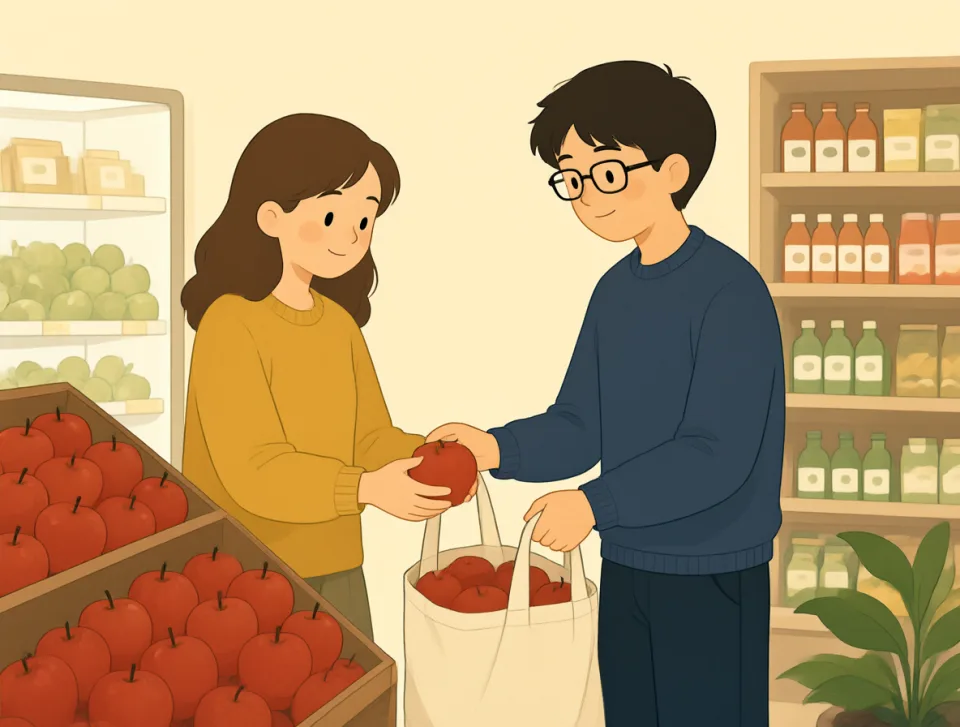
I bought some apples for lunch.
मैंने दोपहर के खाने के लिए कुछ सेब खरीदे।
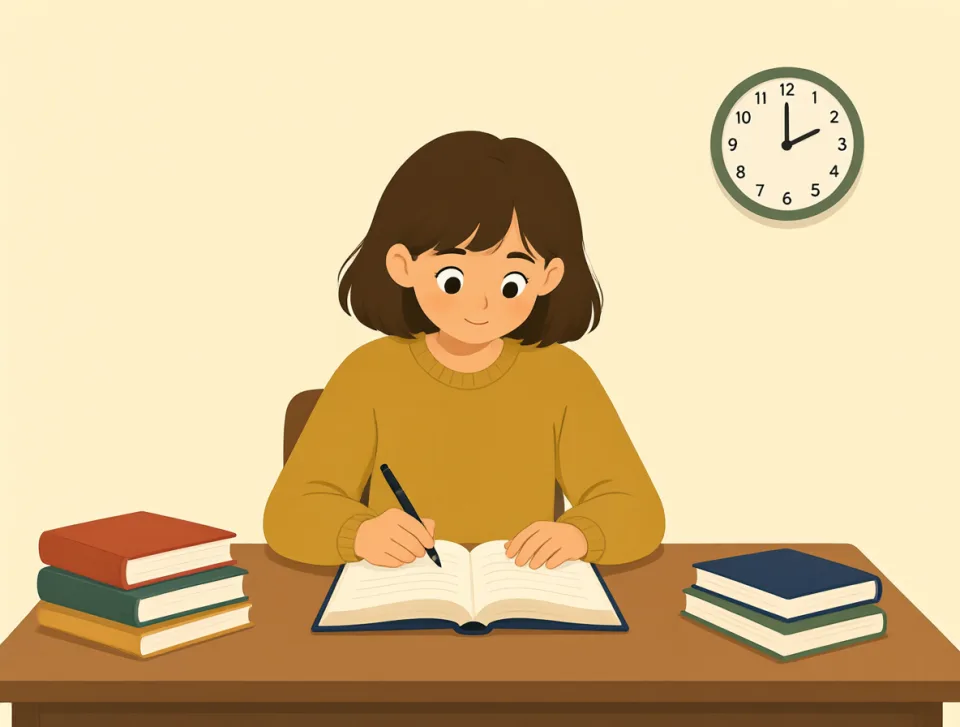
She studied for two hours.
उसने दो घंटे तक पढ़ाई की।
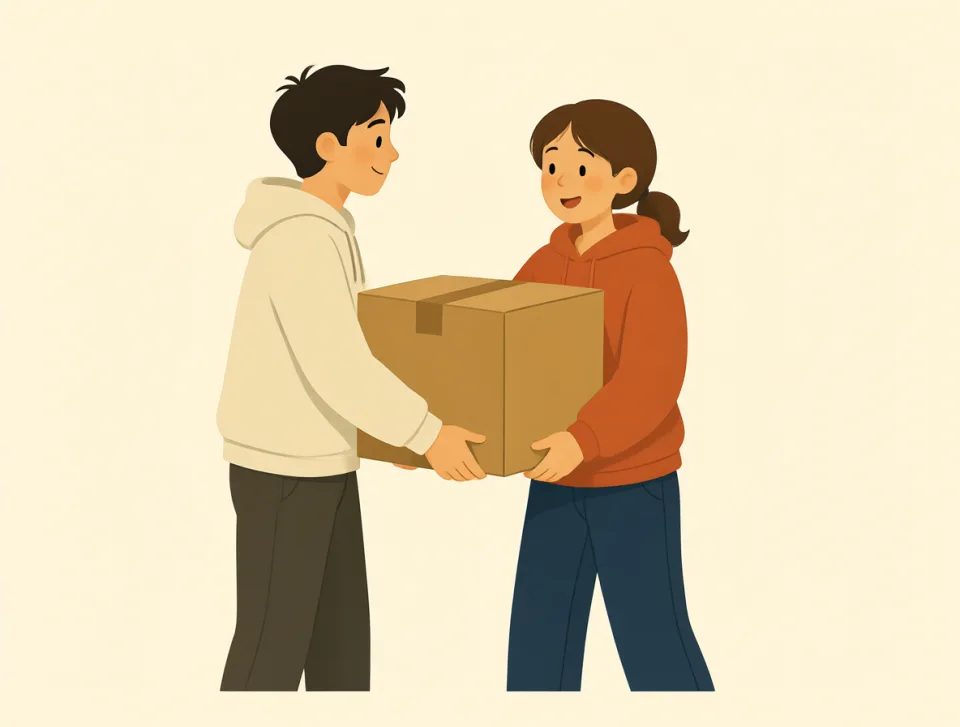
Thank you for helping me.
मेरी मदद करने के लिए धन्यवाद।
they
#13pronoun
वे
Used to talk about two or more people, animals, or things.
दो या दो से ज़्यादा लोगों, जानवरों या चीज़ों के बारे में बात करने के लिए इस्तेमाल होता है।
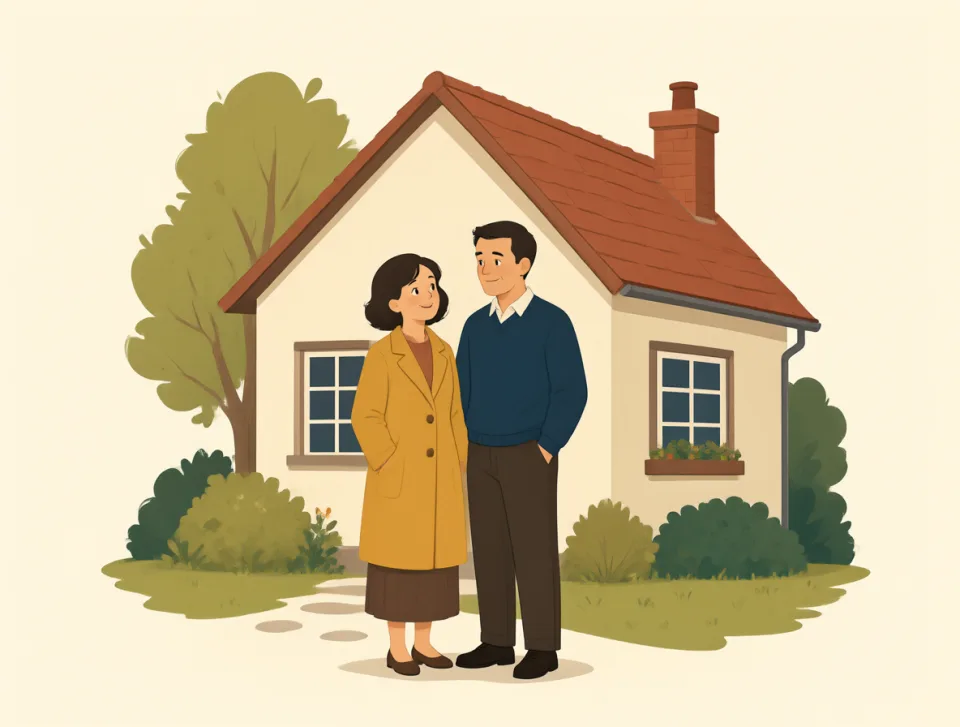
They live in a small house.
वे एक छोटे-से घर में रहते हैं।

They are waiting for the bus.
वे बस का इंतज़ार कर रहे हैं।
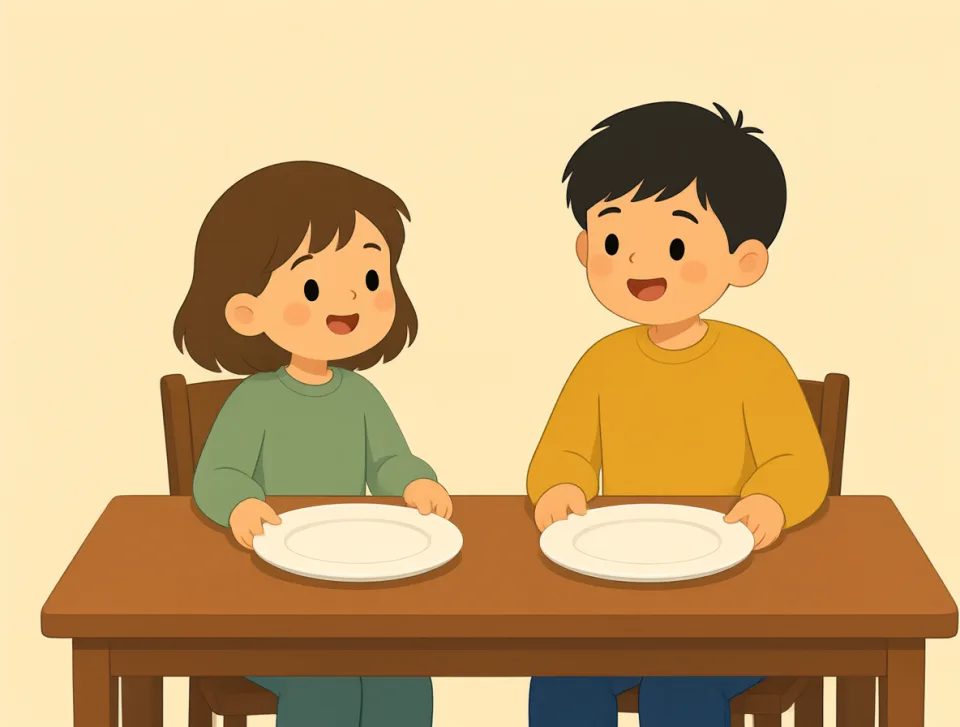
The children said they were hungry.
बच्चों ने कहा कि उन्हें भूख लगी थी।

I saw them at the store.
मैंने उन्हें दुकान पर देखा।

They helped me carry my bags.
उन्होंने मेरे बैग उठाने में मेरी मदद की।
not
#14adverb
नहीं
Used to make a verb or adjective negative.
किसी क्रिया या विशेषण को नकारात्मक बनाने के लिए इस्तेमाल होता है।
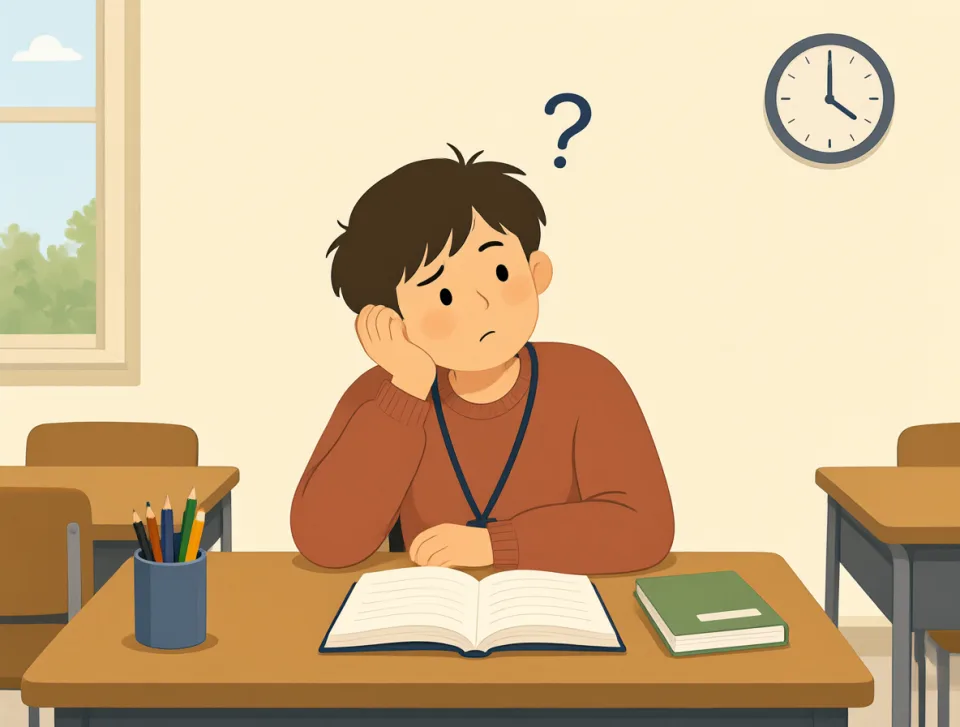
I do not understand this question.
मुझे यह सवाल समझ नहीं आता।
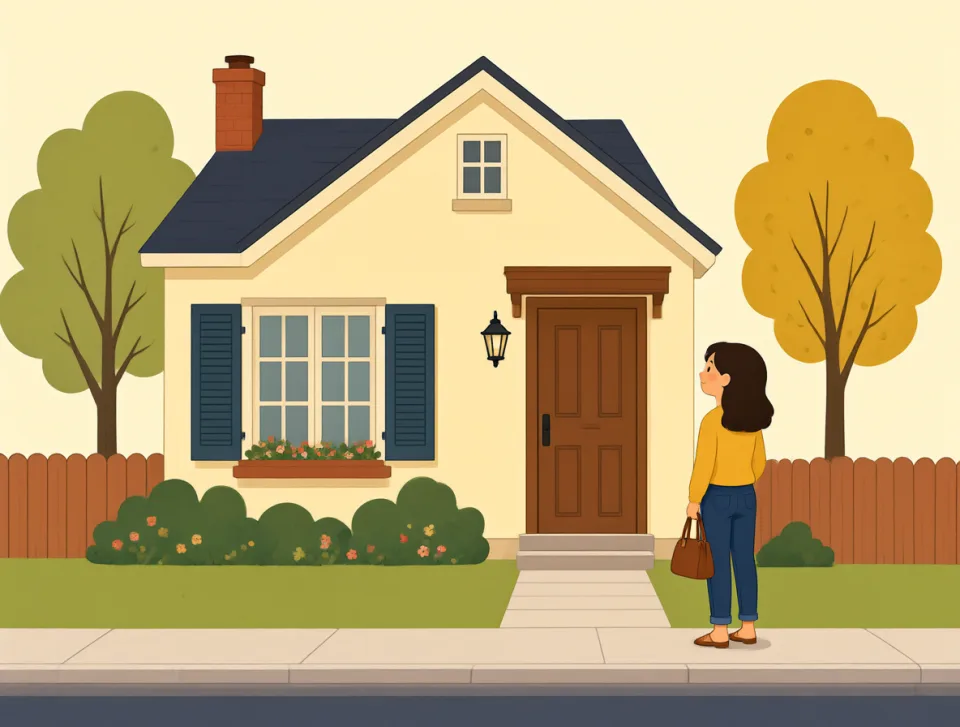
She is not at home today.
वह आज घर पर नहीं है।

We are not ready to leave yet.
हम अभी जाने के लिए तैयार नहीं हैं।
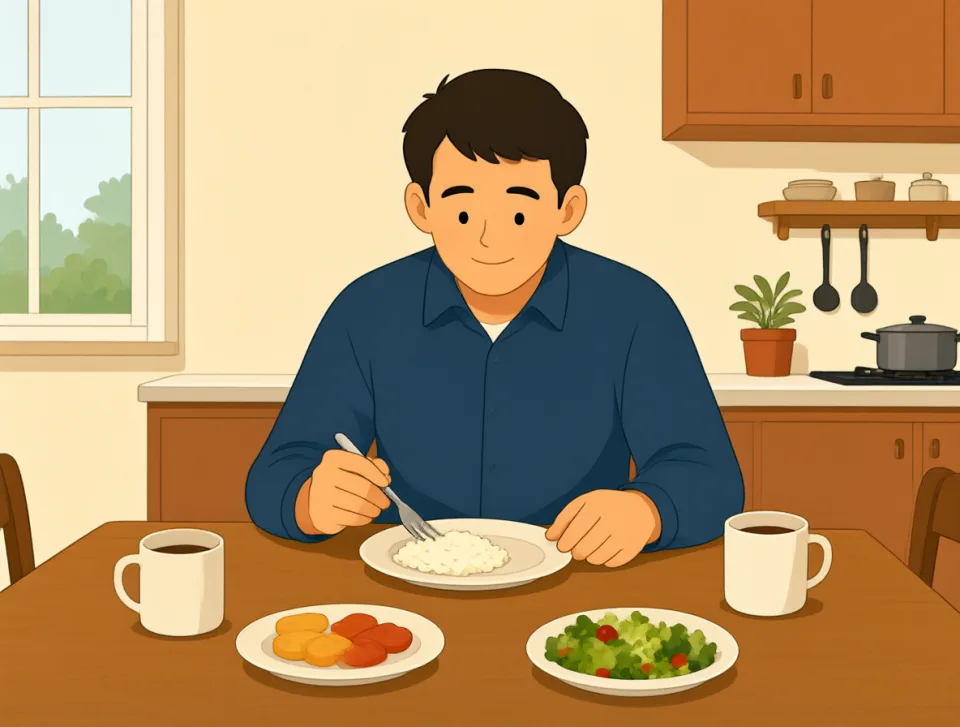
He did not eat breakfast this morning.
उसने आज सुबह नाश्ता नहीं किया।
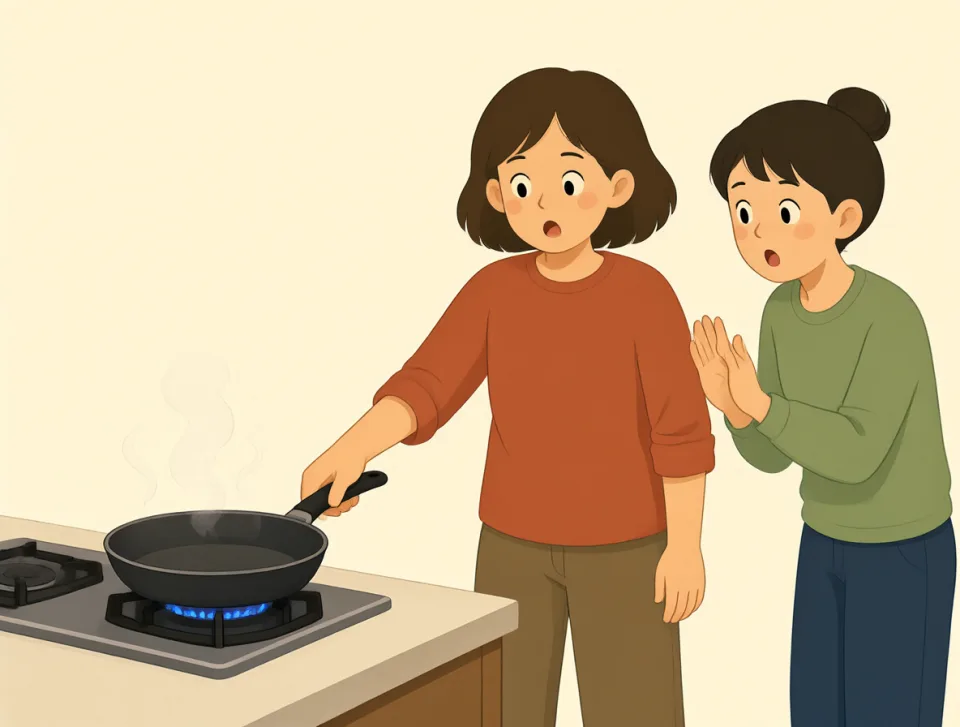
Please do not touch the hot pan.
कृपया गर्म कड़ाही को मत छूना।
that
#15determiner, pronoun, conjunction, adverb
वह; कि
Used to point to something or introduce information after a verb.
किसी चीज़ की ओर इशारा करने या किसी क्रिया के बाद जानकारी जोड़ने के लिए इस्तेमाल होता है।
That book on the table is mine.
मेज़ पर रखी वह किताब मेरी है।
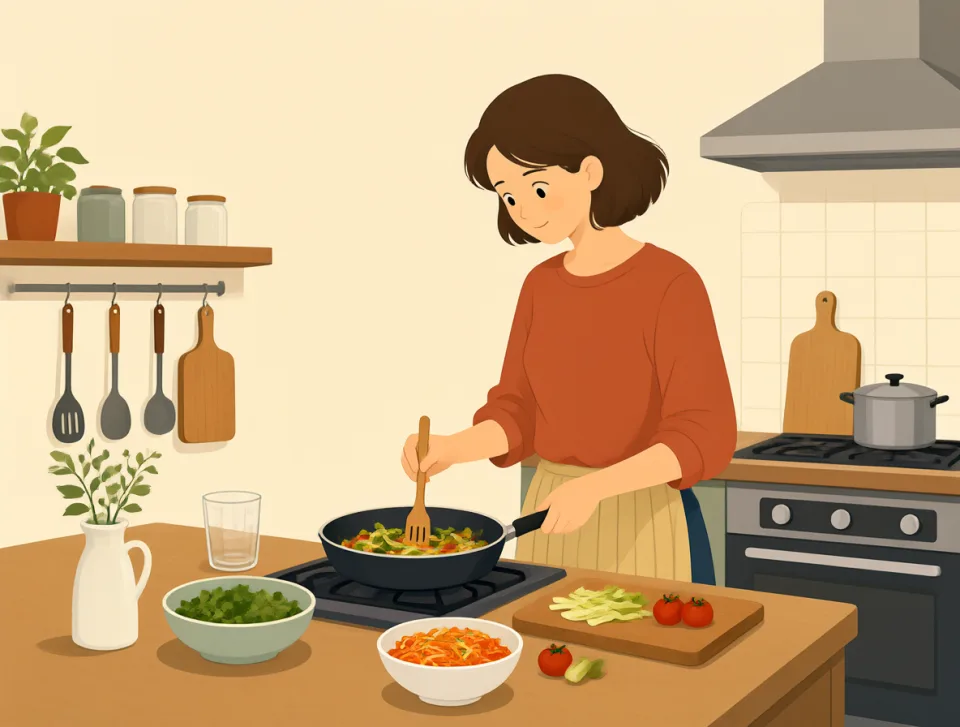
I think that dinner is ready.
मुझे लगता है कि रात का खाना तैयार है।

The shoes that I bought fit well.
जो जूते मैंने खरीदे थे, वे अच्छी तरह फिट आते हैं।
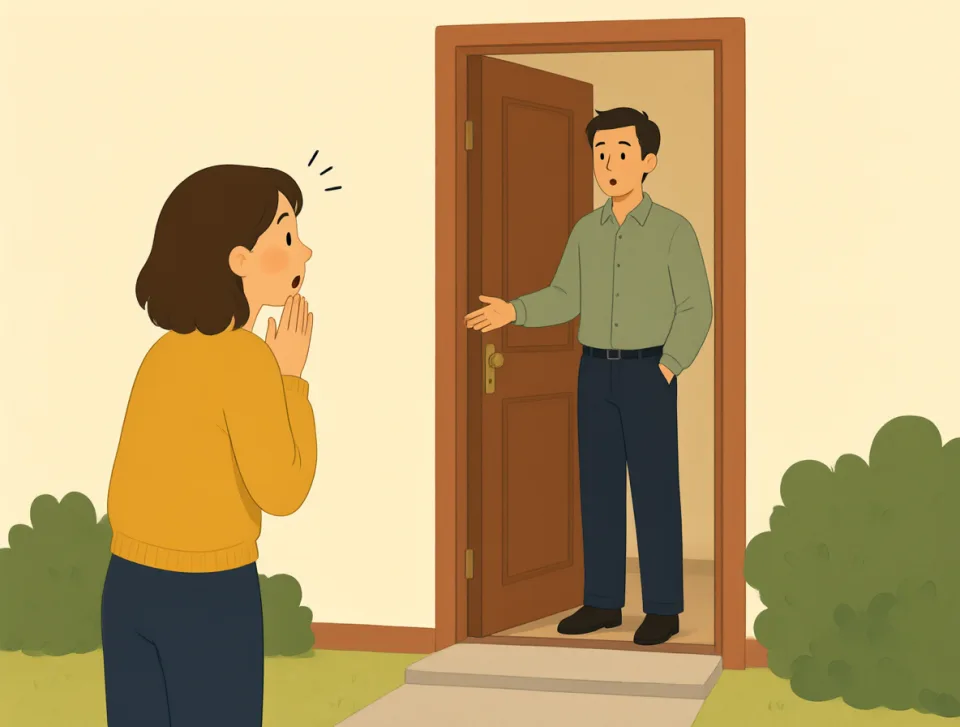
Who is that man at the door?
दरवाज़े पर वह आदमी कौन है?

It was not that expensive.
वह इतना महँगा नहीं था।
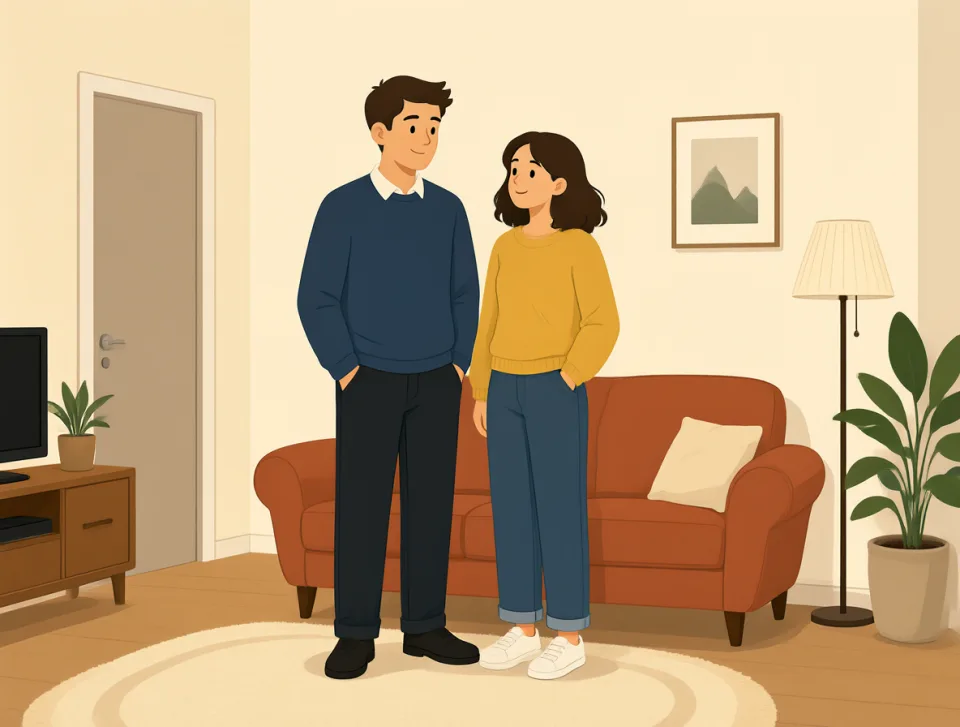
we
#16pronoun
हम
Used by a speaker to mean the speaker and one or more other people.
बोलने वाला व्यक्ति अपने और एक या उससे ज़्यादा अन्य लोगों के लिए इसका इस्तेमाल करता है।
We live in a small apartment.
हम एक छोटे से अपार्टमेंट में रहते हैं।
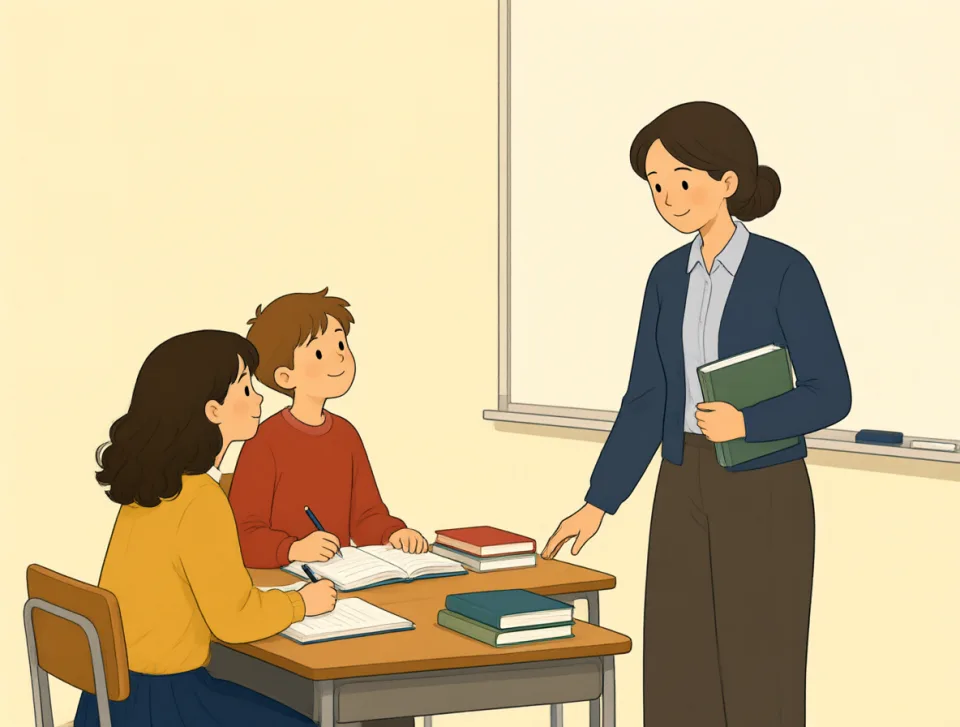
We are learning English at school.
हम स्कूल में अंग्रेज़ी सीख रहे हैं।
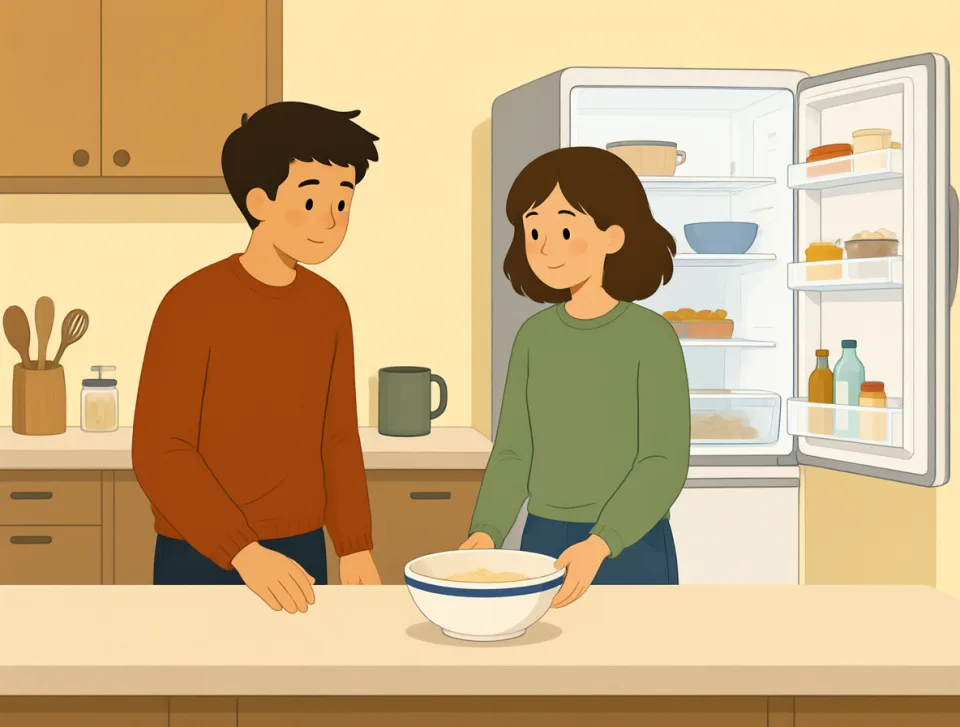
We need some milk for breakfast.
हमें नाश्ते के लिए थोड़ा दूध चाहिए।

We went to the beach last weekend.
हम पिछले सप्ताहांत समुद्र तट पर गए थे।

We feel better after taking the medicine.
दवा लेने के बाद हम बेहतर महसूस करते हैं।
on
#17adverb, preposition, adjective
पर
Used to show position, time, connection, or that something is working.
इसका इस्तेमाल किसी जगह या समय, जुड़ाव, या किसी चीज़ के चालू होने को बताने के लिए किया जाता है।
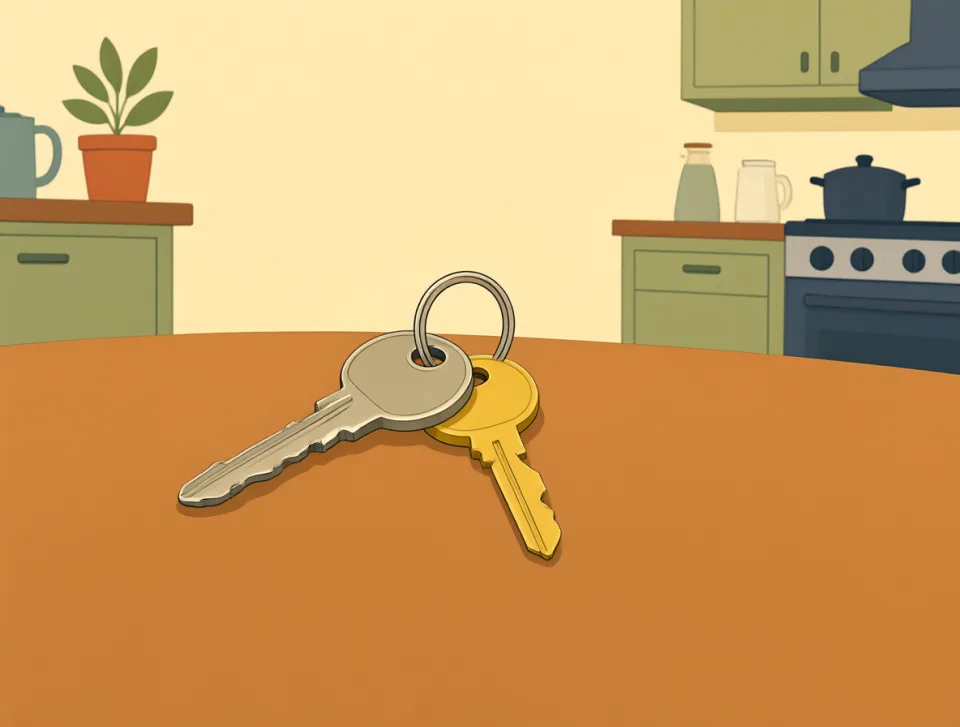
The keys are on the table.
चाबियाँ मेज़ पर हैं।

We have a meeting on Monday.
सोमवार को हमारी एक बैठक है।
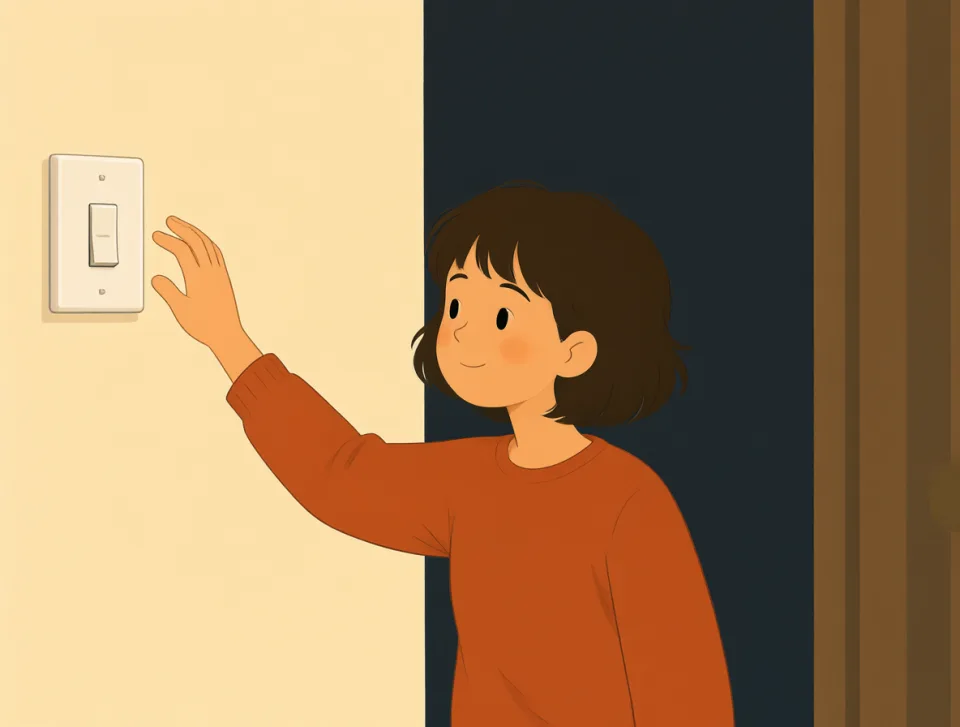
Please turn on the light.
कृपया बत्ती जला दीजिए।

She is on the bus to school.
वह स्कूल जाने वाली बस में है।
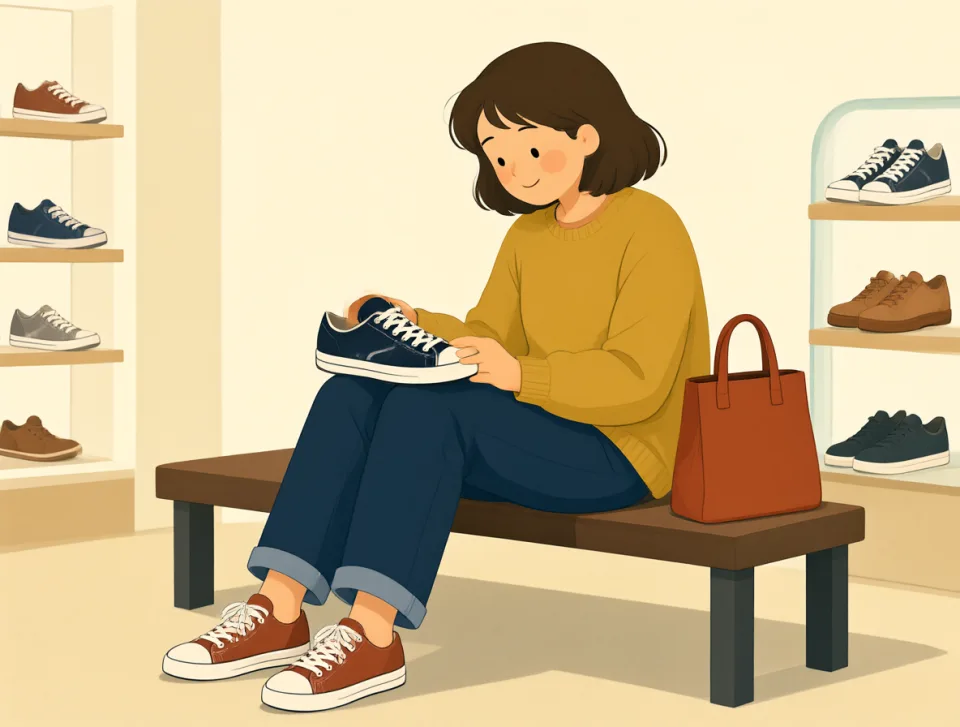
I tried on these shoes at the store.
मैंने दुकान पर ये जूते पहनकर देखे।
with
#18preposition
के साथ
together with someone or something; having or using someone or something
किसी व्यक्ति या चीज़ के साथ; किसी व्यक्ति या चीज़ को साथ लेकर या उसका इस्तेमाल करते हुए।
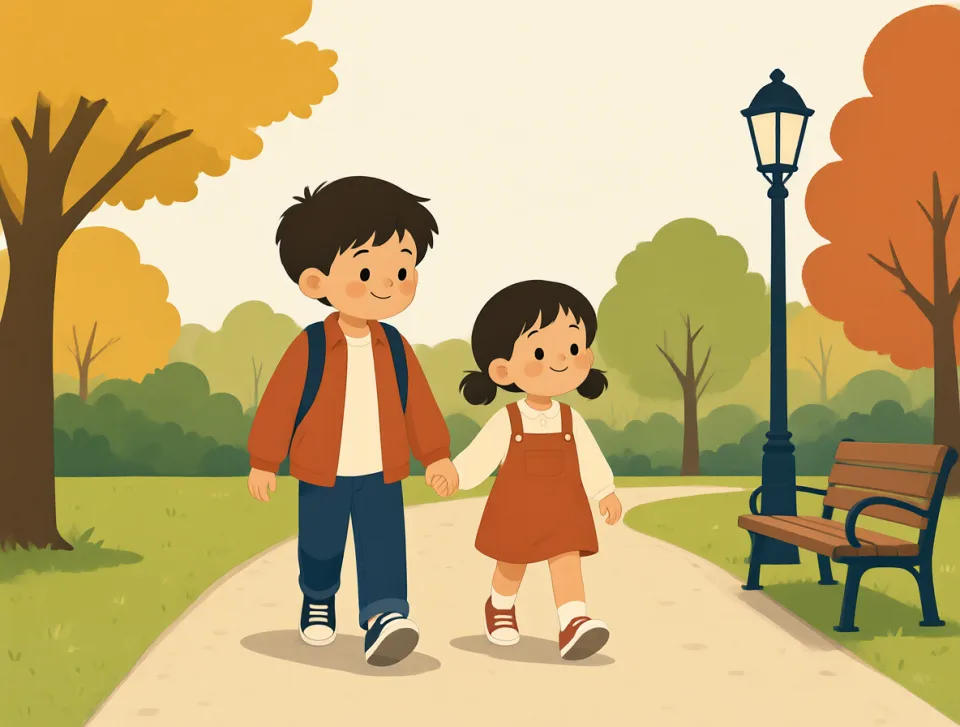
I went to the park with my sister.
मैं अपनी बहन के साथ पार्क गया।
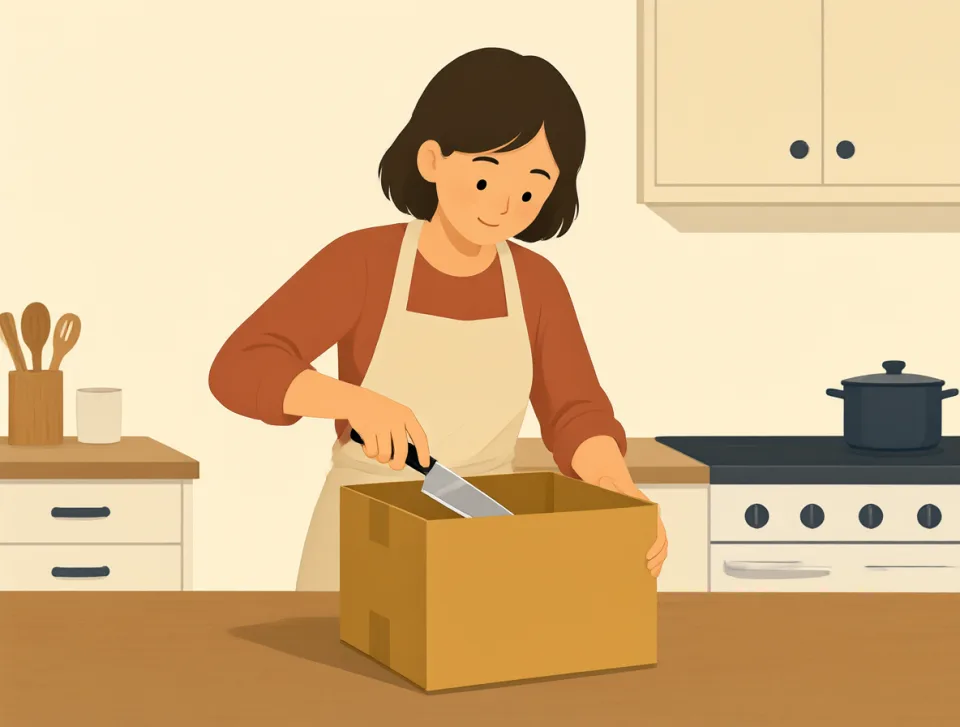
She opened the box with a knife.
उसने चाकू से डिब्बा खोला।
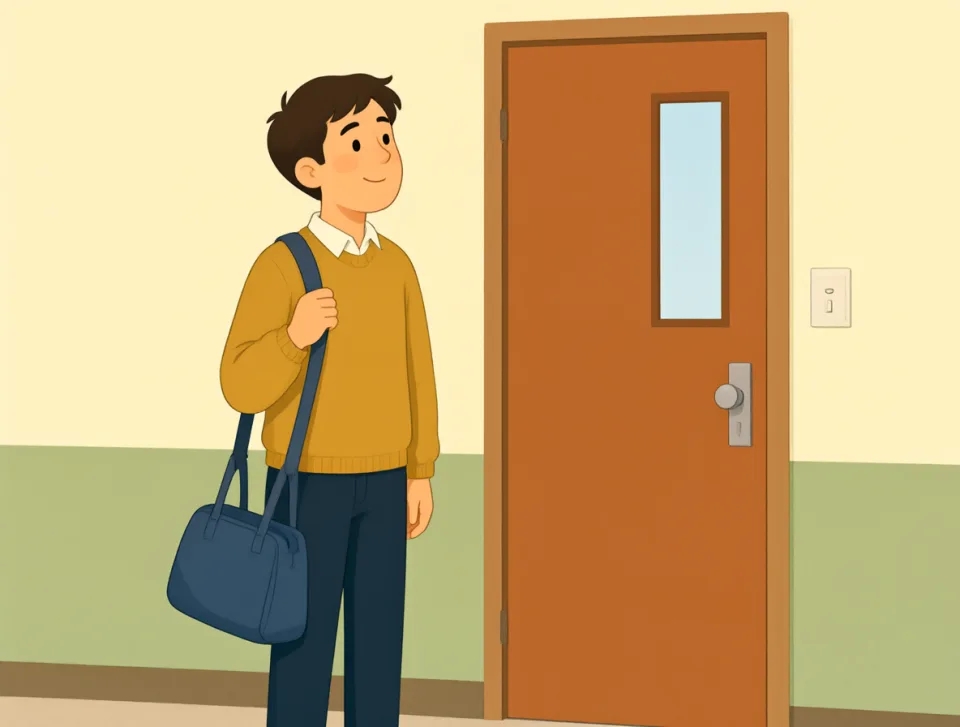
The man with the blue bag is my teacher.
नीले बैग वाला आदमी मेरे शिक्षक हैं।
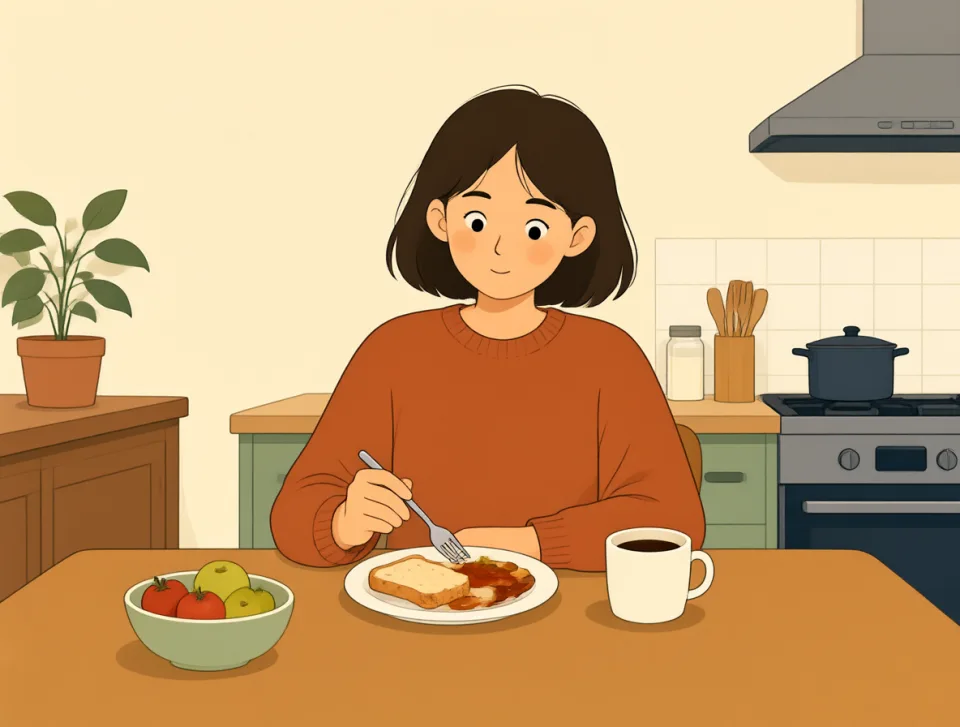
Would you like coffee with your breakfast?
क्या आप नाश्ते के साथ कॉफ़ी लेना चाहेंगे?

He is sick with a bad cold.
उसे तेज़ सर्दी लगी है।
this
#19determiner, pronoun, adverb
यह
Used to talk about one person, thing, or place near you or now.
इसका इस्तेमाल अपने पास मौजूद या अभी की किसी एक व्यक्ति, चीज़ या जगह के बारे में बात करने के लिए किया जाता है।
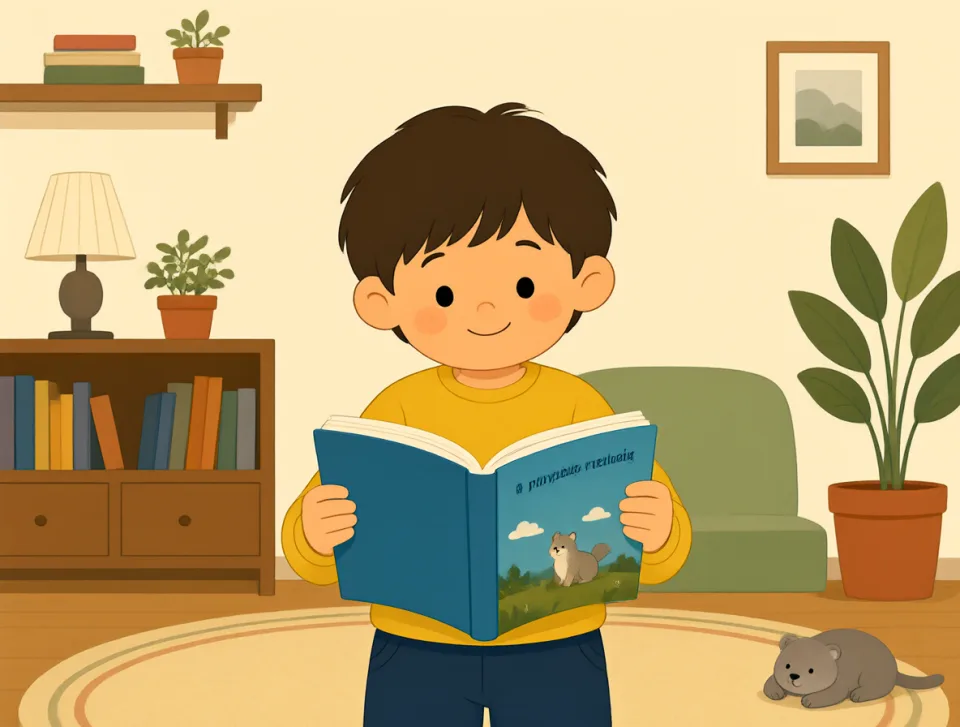
This is my favorite book.
यह मेरी पसंदीदा किताब है।
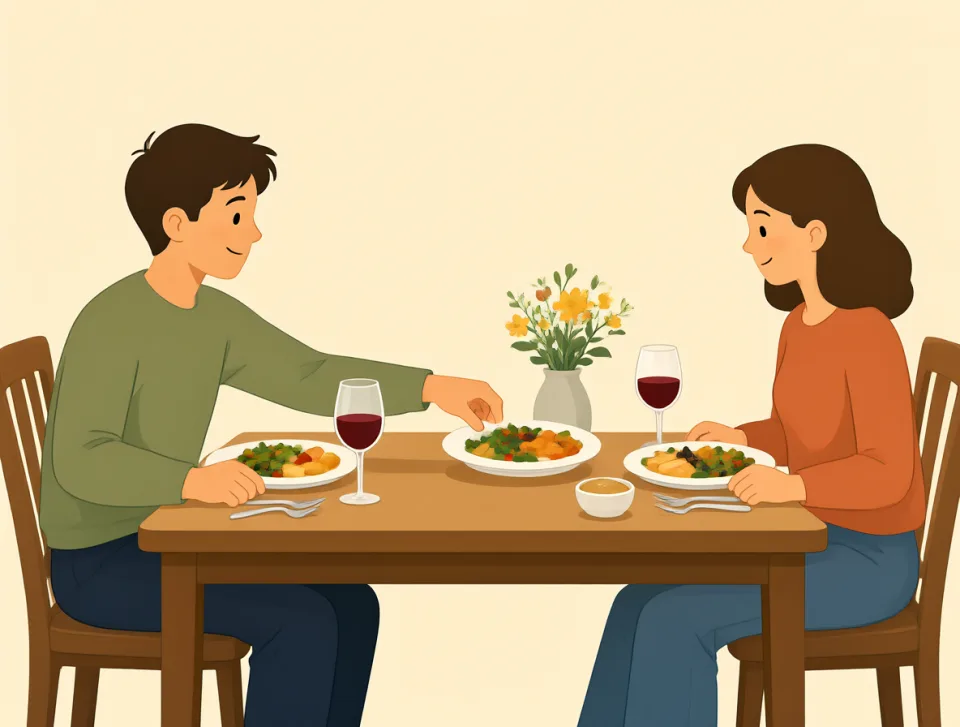
Could you pass me this plate?
क्या आप मुझे यह प्लेट पकड़ा सकते हैं?

I bought this shirt yesterday.
मैंने कल यह कमीज़ खरीदी।
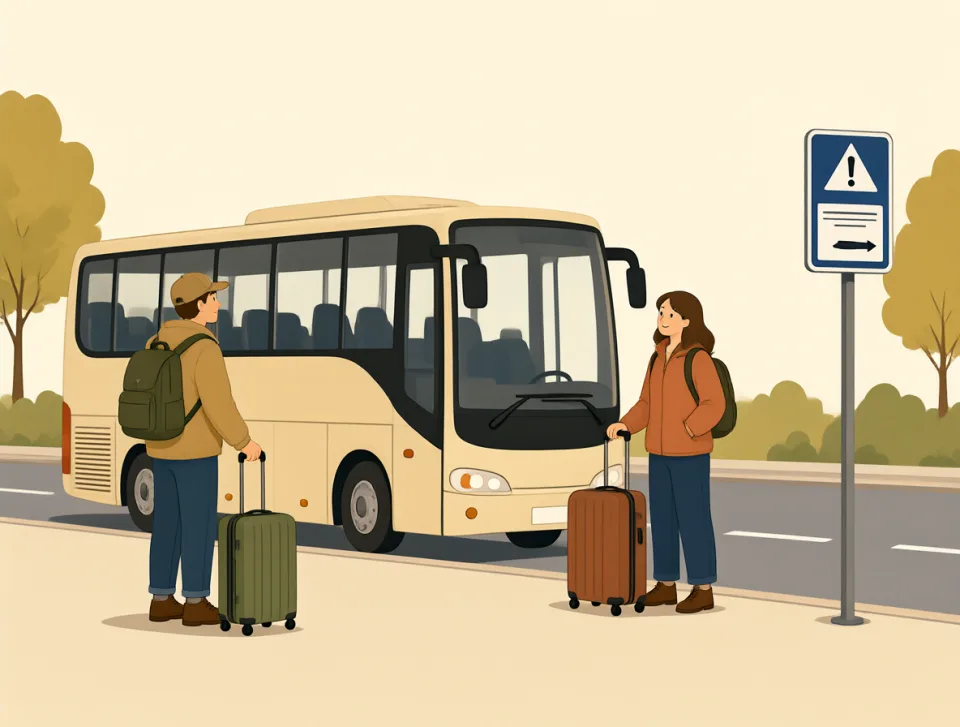
This is where we get off.
हमें यहीं उतरना है।
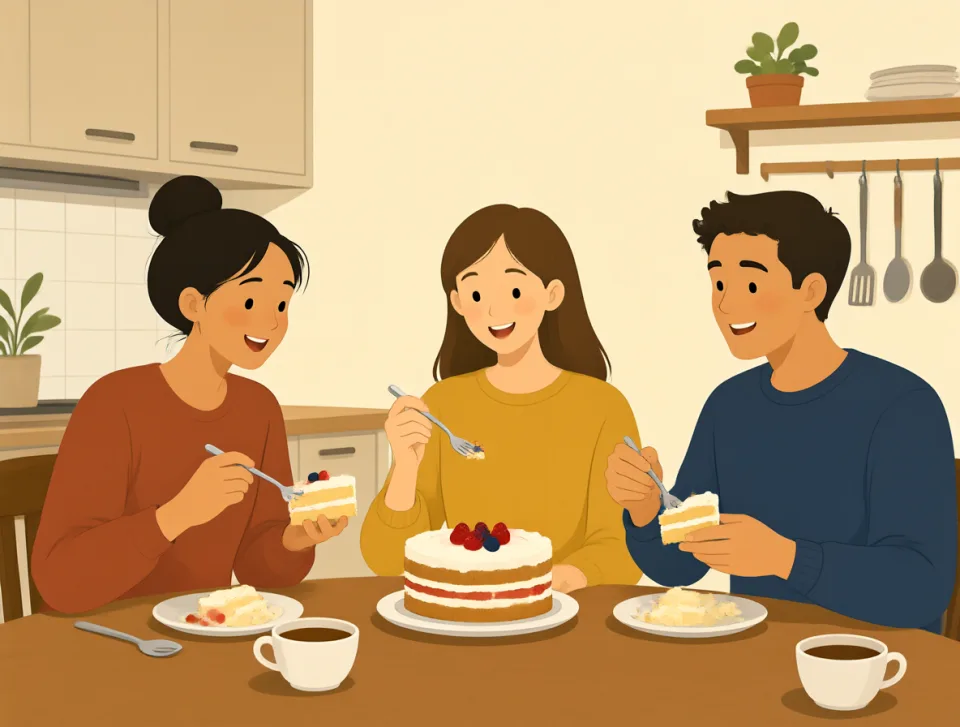
This cake tastes really good.
इस केक का स्वाद बहुत अच्छा है।
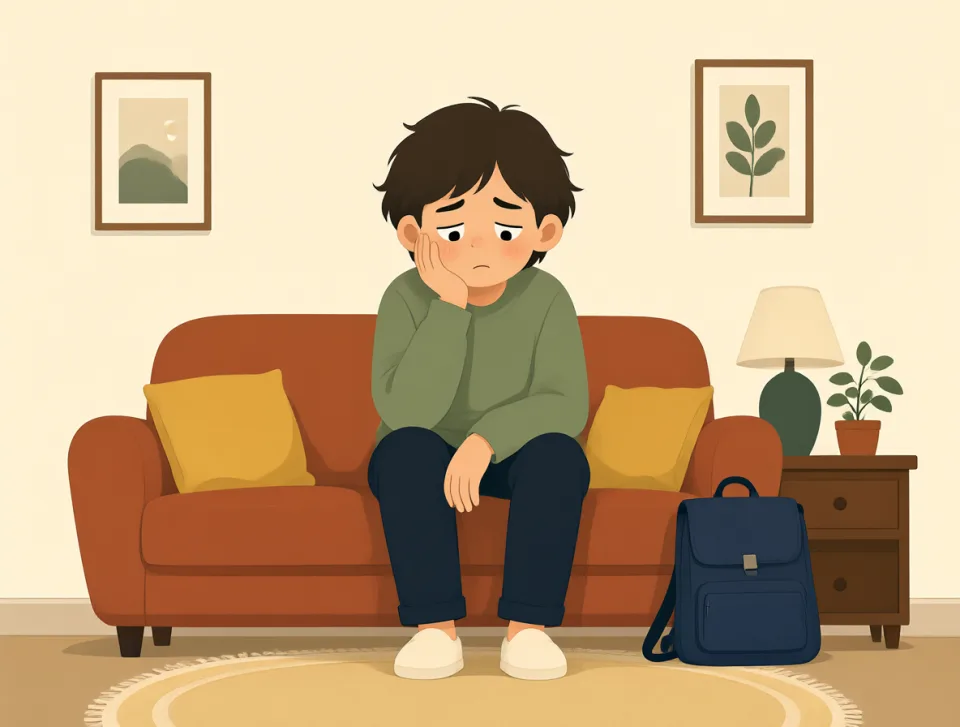
I
#20pronoun
मैं
The pronoun used for the person speaking or writing.
बोलने या लिखने वाले व्यक्ति के लिए इस्तेमाल होने वाला सर्वनाम।
I am tired after work today.
आज काम के बाद मैं थका हुआ हूँ।

I have a sister in London.
लंदन में मेरी एक बहन है।
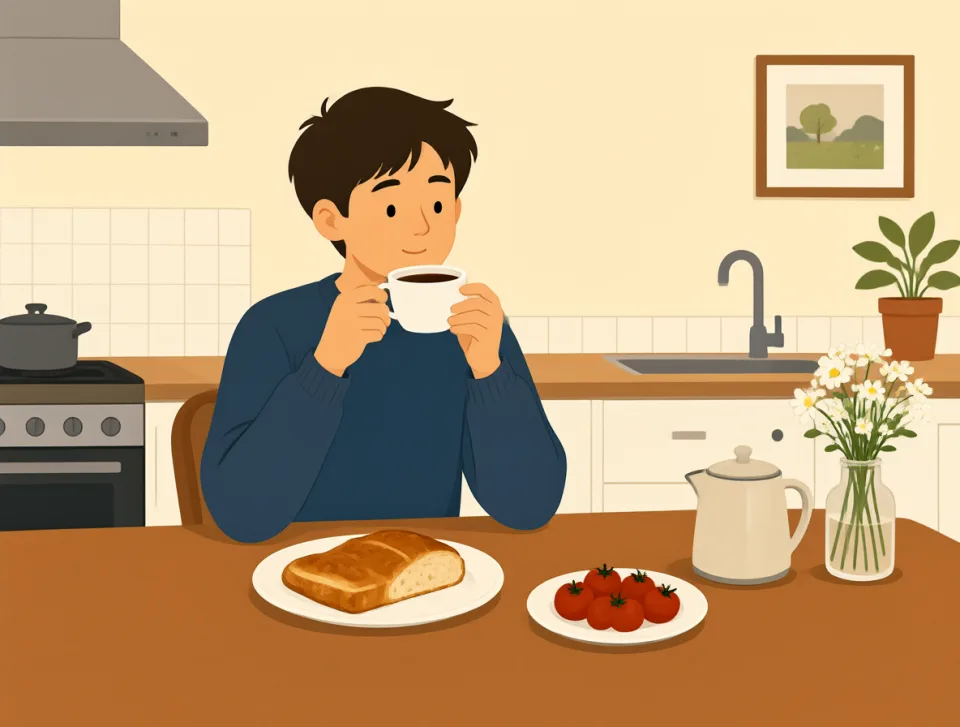
I like coffee with breakfast.
मुझे नाश्ते के साथ कॉफ़ी पसंद है।
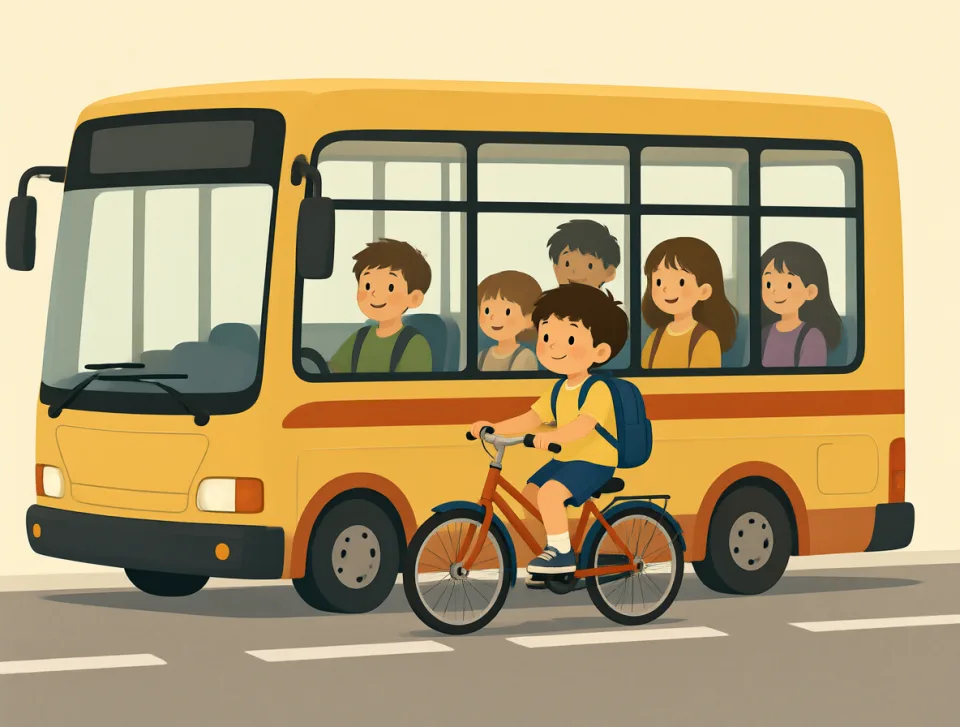
I went to school by bus.
मैं बस से स्कूल गया।

Can I help you with dinner?
क्या मैं रात के खाने में आपकी मदद कर सकता हूँ?