Đơn vị 1
Từ 1–20 · the, be, and, of, to, a

the
#1determiner
mạo từ xác định “the”
Used before a noun to show that it is known, specific, or the only one.
Dùng trước danh từ để chỉ điều đã được biết đến, cụ thể hoặc là duy nhất.
The keys are on the kitchen table.
Chìa khóa ở trên bàn bếp.

Please close the window before you leave.
Vui lòng đóng cửa sổ trước khi bạn rời đi.

We took the bus to school this morning.
Sáng nay chúng tôi đi xe buýt đến trường.

She is the tallest girl in her class.
Cô ấy là bạn nữ cao nhất lớp.

The sun is shining, so let's eat outside.
Trời đang nắng, vậy mình ăn ngoài trời nhé.

be
#2verb
là; ở; tồn tại
to exist, happen, or have a particular quality, identity, or location
Tồn tại, xảy ra hoặc có một đặc điểm, danh tính hay vị trí cụ thể.
I am tired after work today.
Hôm nay tôi mệt sau giờ làm.

She is a teacher at our school.
Cô ấy là giáo viên ở trường chúng tôi.

The keys are on the kitchen table.
Chìa khóa ở trên bàn bếp.

We were late for the train.
Chúng tôi bị muộn chuyến tàu.

Dinner is ready, so please come in.
Bữa tối sẵn sàng rồi, mời vào nhé.

and
#3conjunction
và
Used to join words, phrases, or sentences that go together.
Dùng để nối các từ, cụm từ hoặc câu có liên quan với nhau.
Tom and Anna work in the same office.
Tom và Anna làm việc cùng một văn phòng.

I bought apples and oranges at the market.
Tôi mua táo và cam ở chợ.

Please wash your hands and eat dinner.
Vui lòng rửa tay rồi ăn tối nhé.

We took a bus and visited the museum.
Chúng tôi đi xe buýt và tham quan bảo tàng.

She was tired and went to bed early.
Cô ấy mệt nên đi ngủ sớm.

of
#4preposition, determiner
của
Used to show belonging, connection, amount, or what something contains.
Dùng để chỉ sự sở hữu, mối liên hệ, số lượng hoặc thành phần của một vật.
She is a friend of my sister.
Cô ấy là bạn của chị/em gái tôi.

I drank a glass of water.
Tôi đã uống một cốc nước.
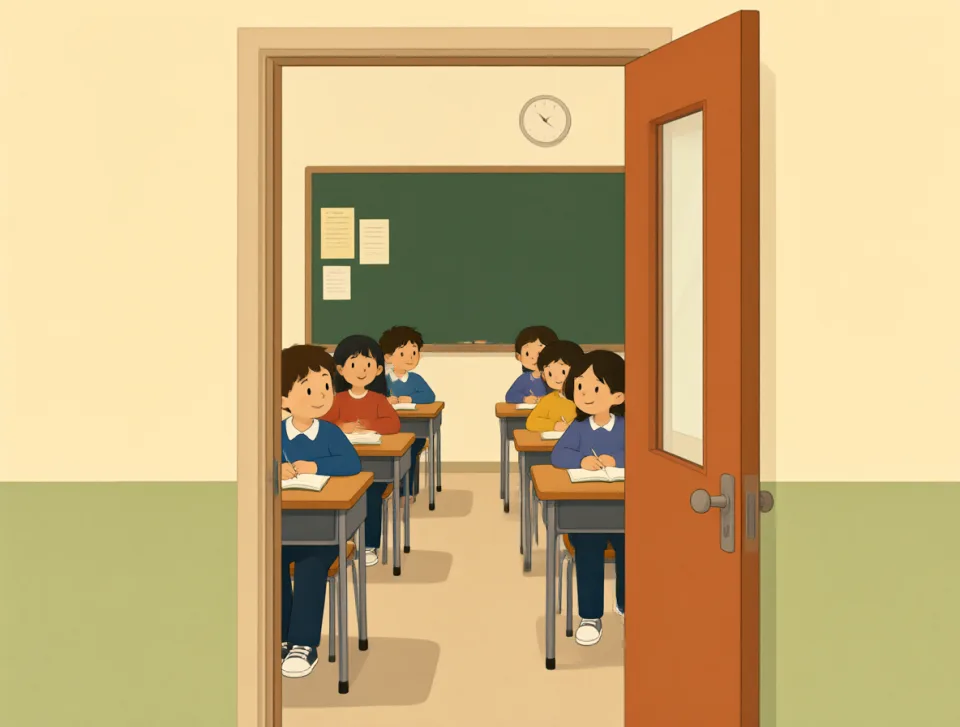
The door of the classroom is open.
Cửa lớp học đang mở.

He bought a bag of apples.
Anh ấy mua một túi táo.

We talked about the problems of travel.
Chúng tôi đã nói về những vấn đề khi đi du lịch.

to
#5preposition, infinitive marker
đến; tới; để
Used before a place, person, or verb to show direction, purpose, or an action.
Dùng trước địa điểm, người hoặc động từ để chỉ hướng đi, mục đích hoặc hành động.
I walk to school every morning.
Sáng nào tôi cũng đi bộ đến trường.

Please give this book to Maria.
Vui lòng đưa cuốn sách này cho Maria.

We went to the market after work.
Chúng tôi đã đi chợ sau giờ làm.

She wants to eat some soup.
Cô ấy muốn ăn một ít súp.

He came home to rest.
Anh ấy về nhà để nghỉ ngơi.

a
#6determiner, article
một
used before one singular countable noun when it is not specific
Dùng trước một danh từ đếm được số ít khi danh từ đó chưa xác định cụ thể.
I have a small garden at home.
Tôi có một khu vườn nhỏ ở nhà.

She is a teacher at our school.
Cô ấy là giáo viên ở trường chúng tôi.

We bought a ticket for the bus.
Chúng tôi đã mua một vé xe buýt.

He eats an apple a day.
Anh ấy ăn một quả táo mỗi ngày.

They stayed in a hotel near the beach.
Họ ở trong một khách sạn gần bãi biển.

in
#7preposition, adverb, adjective
trong
Inside a place, area, time, situation, or group
Ở bên trong một địa điểm, khu vực, khoảng thời gian, tình huống hoặc nhóm.
The children are playing in the garden.
Bọn trẻ đang chơi trong vườn.

I keep my keys in my bag.
Tôi để chìa khóa trong túi.

We arrived in London yesterday.
Hôm qua chúng tôi đã đến London.

She is in the kitchen cooking dinner.
Cô ấy đang ở trong bếp nấu bữa tối.

Please come in and sit down.
Mời vào và ngồi xuống.
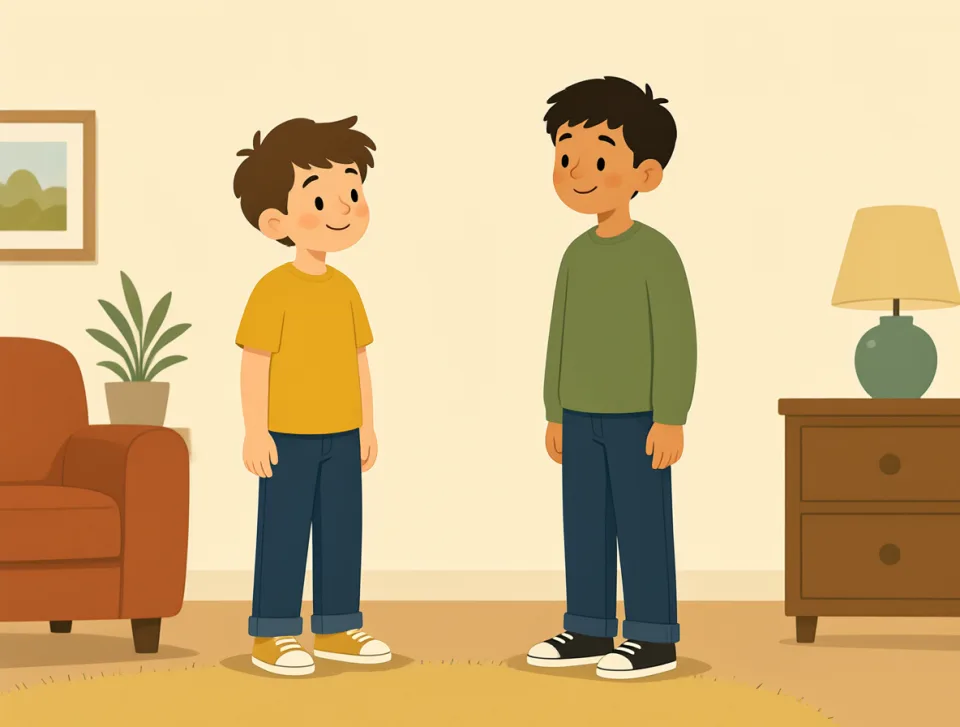
have
#8verb
có
to own, do, experience, or receive something
Sở hữu, làm, trải qua hoặc nhận được điều gì đó.
I have two brothers.
Tôi có hai anh em trai.

We have lunch at noon.
Chúng tôi ăn trưa vào buổi trưa.

She has a bad cold.
Cô ấy bị cảm nặng.

They had a great time together.
Họ đã có khoảng thời gian tuyệt vời bên nhau.

I have to leave now.
Bây giờ tôi phải đi.

it
#9pronoun, determiner
nó
A word used for a thing, animal, situation, or idea already mentioned.
Từ dùng để chỉ một vật, con vật, tình huống hoặc ý tưởng đã được nhắc đến.
It is cold outside today.
Hôm nay ngoài trời lạnh.

I bought a cake, and it was delicious.
Tôi mua một chiếc bánh, và nó rất ngon.

The baby is crying because it is hungry.
Em bé đang khóc vì đói.
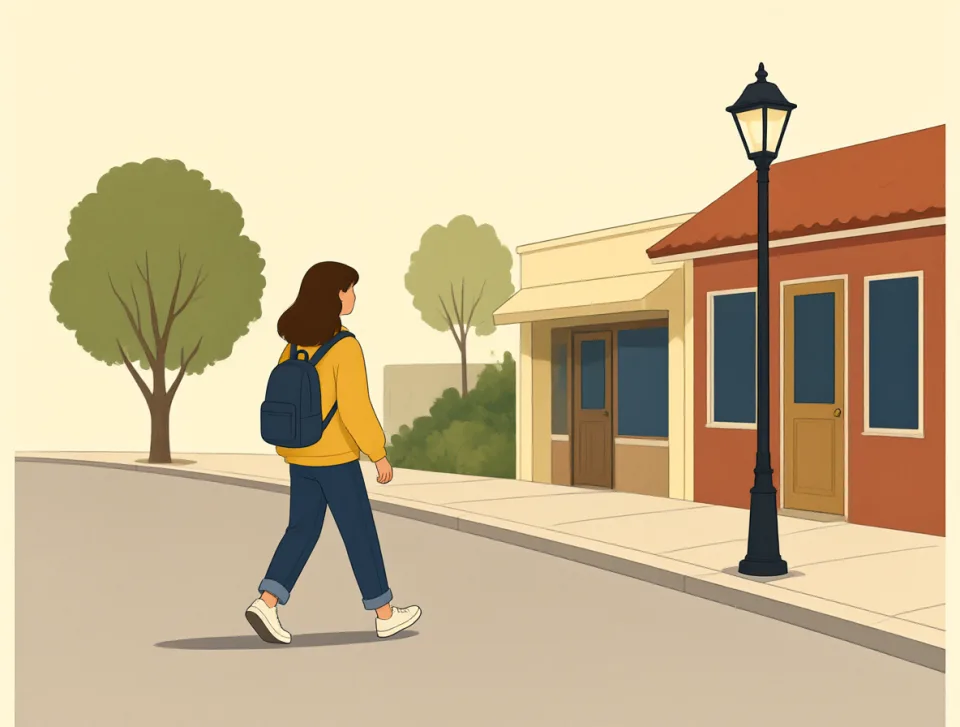
It takes ten minutes to walk there.
Đi bộ đến đó mất mười phút.
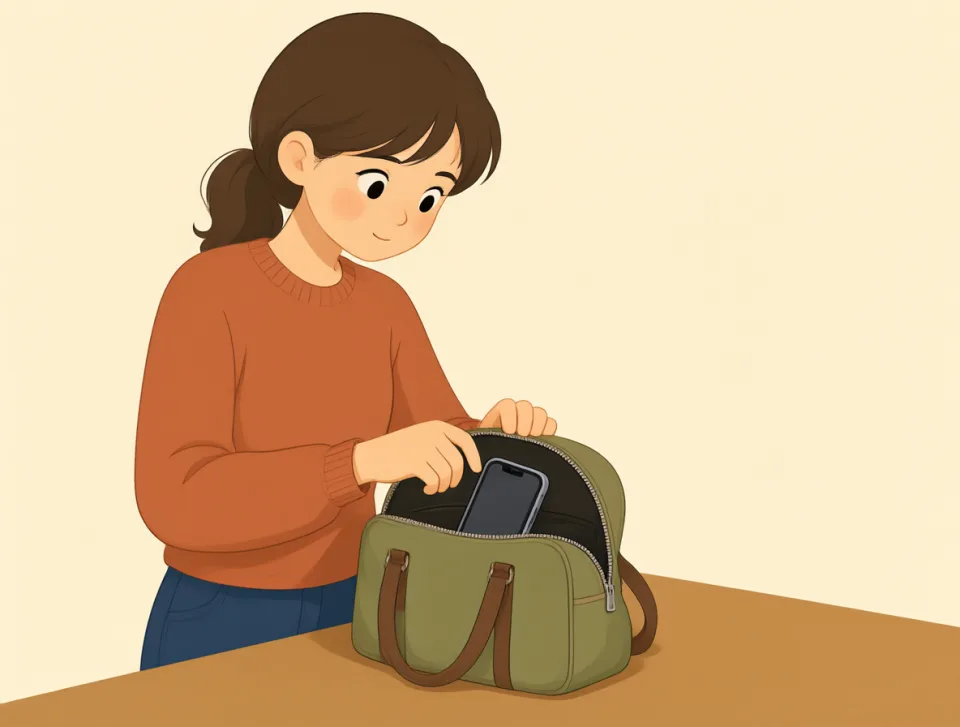
I found my phone and put it in my bag.
Tôi tìm thấy điện thoại rồi bỏ nó vào túi.
you
#10pronoun
bạn
The person or people being spoken to.
Người hoặc những người đang được nói chuyện cùng.
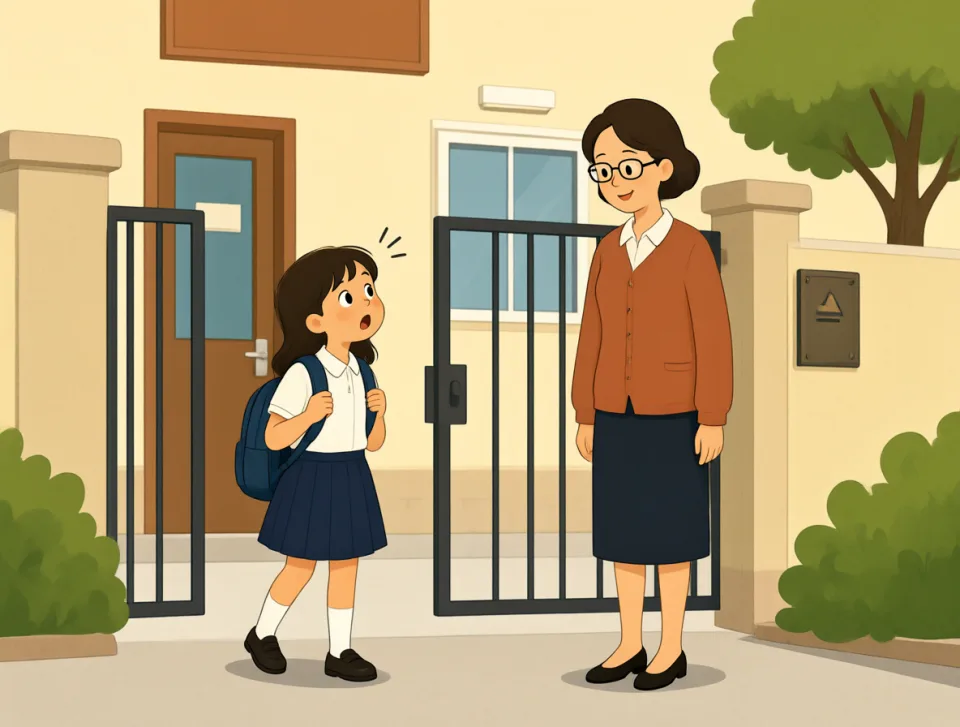
You are late for school today.
Hôm nay bạn đi học muộn.

Can I help you with that bag?
Tôi giúp bạn mang chiếc túi đó nhé?

Did you enjoy dinner with your friends?
Bạn có thích bữa tối với bạn bè không?

We will call you after work.
Chúng tôi sẽ gọi cho bạn sau giờ làm.

Are you feeling better today?
Hôm nay bạn thấy khỏe hơn chưa?
he
#11pronoun
anh ấy
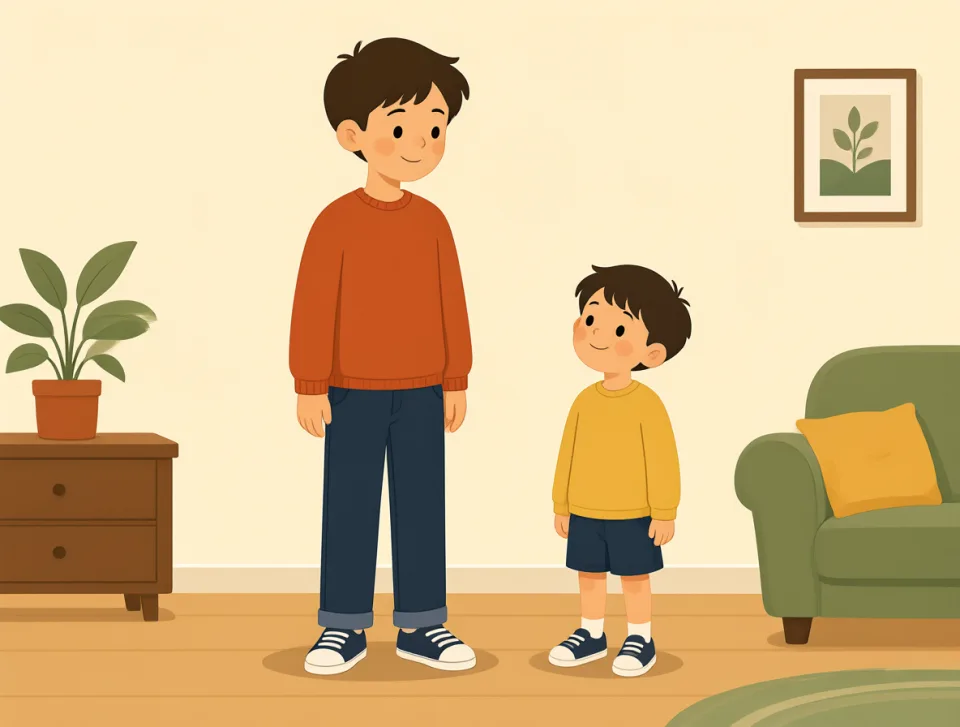
A word used for one male person already mentioned or known.
Từ dùng để chỉ một người nam đã được nhắc đến hoặc người nghe đã biết.
He is my brother.
Anh ấy là anh trai tôi.

He works at a small shop.
Anh ấy làm việc ở một cửa hàng nhỏ.

The teacher said he was late.
Giáo viên nói anh ấy đến muộn.

He bought bread at the market.
Anh ấy mua bánh mì ở chợ.

He feels sick and needs a doctor.
Anh ấy thấy không khỏe và cần gặp bác sĩ.

for
#12preposition, conjunction
cho; để; vì
Used to show purpose, time, reason, or who receives something.
Dùng để chỉ mục đích, thời gian, lý do hoặc người nhận thứ gì đó.
This gift is for my sister.
Món quà này dành cho em gái tôi.
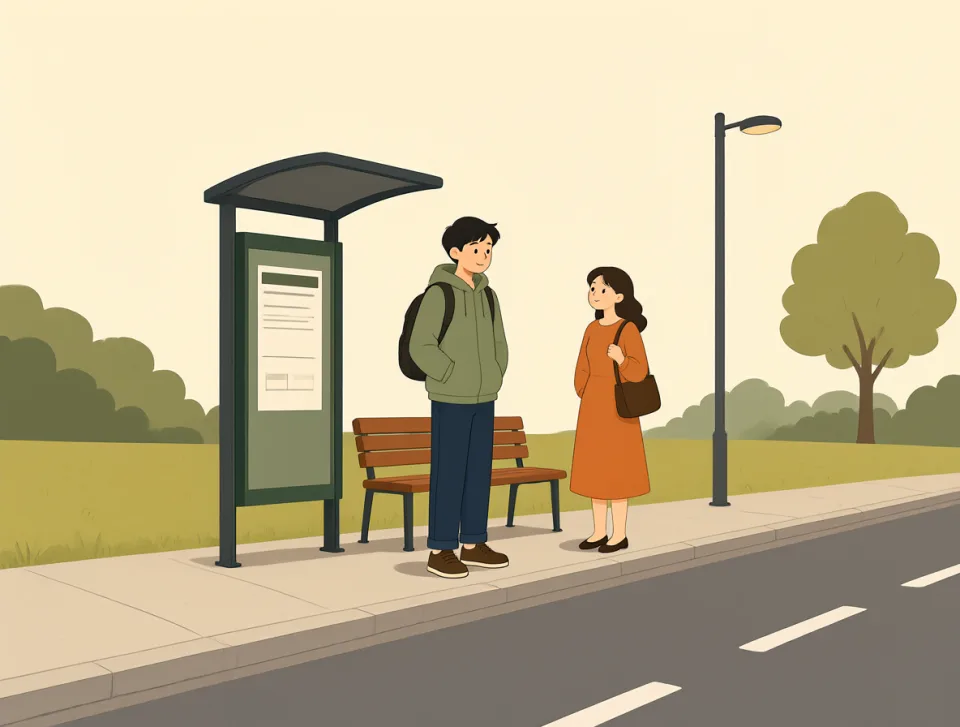
We waited for the bus.
Chúng tôi đã đợi xe buýt.

I bought some apples for lunch.
Tôi mua vài quả táo để ăn trưa.

She studied for two hours.
Cô ấy học trong hai tiếng.

Thank you for helping me.
Cảm ơn bạn đã giúp tôi.

they
#13pronoun
họ
Used to talk about two or more people, animals, or things.
Dùng để nói về từ hai người, con vật hoặc sự vật trở lên.
They live in a small house.
Họ sống trong một ngôi nhà nhỏ.

They are waiting for the bus.
Họ đang đợi xe buýt.
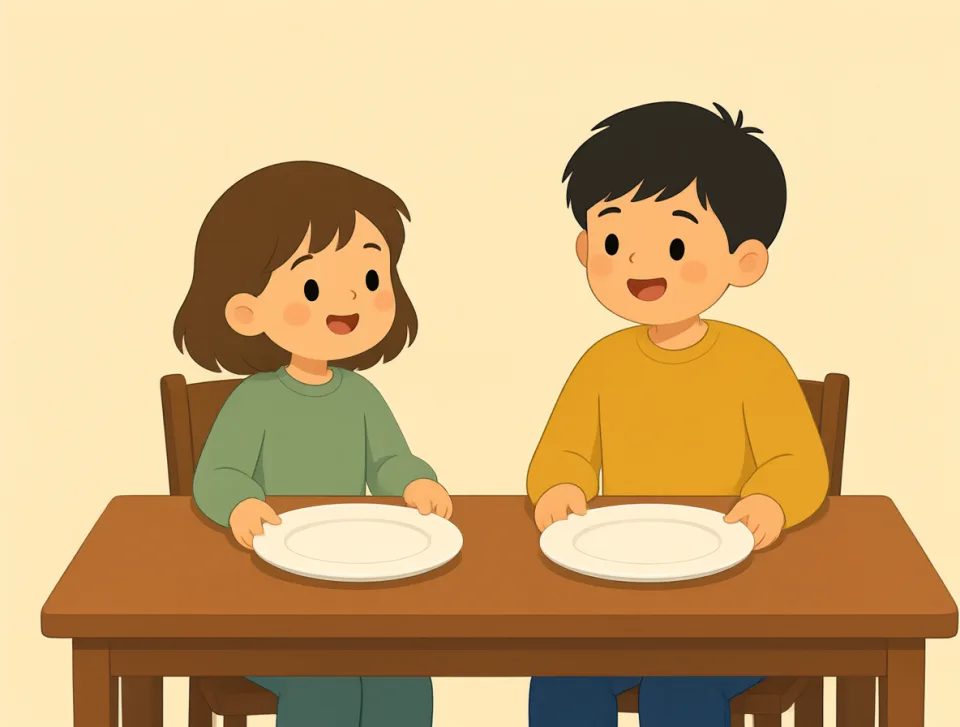
The children said they were hungry.
Bọn trẻ nói rằng chúng đói.

I saw them at the store.
Tôi thấy họ ở cửa hàng.

They helped me carry my bags.
Họ đã giúp tôi mang túi.

not
#14adverb
không
Used to make a verb or adjective negative.
Dùng để phủ định động từ hoặc tính từ.
I do not understand this question.
Tôi không hiểu câu hỏi này.

She is not at home today.
Hôm nay cô ấy không ở nhà.

We are not ready to leave yet.
Chúng tôi vẫn chưa sẵn sàng rời đi.

He did not eat breakfast this morning.
Sáng nay anh ấy đã không ăn sáng.
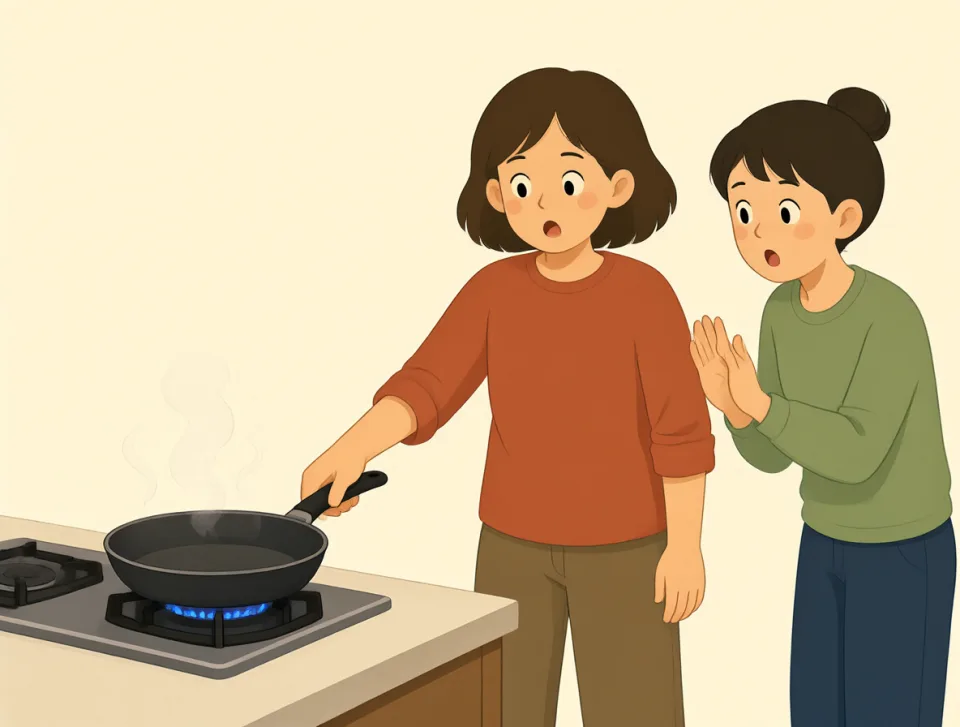
Please do not touch the hot pan.
Xin đừng chạm vào cái chảo nóng.

that
#15determiner, pronoun, conjunction, adverb
đó; rằng
Used to point to something or introduce information after a verb.
Dùng để chỉ một sự vật hoặc để dẫn vào thông tin đứng sau động từ.
That book on the table is mine.
Cuốn sách đó trên bàn là của tôi.
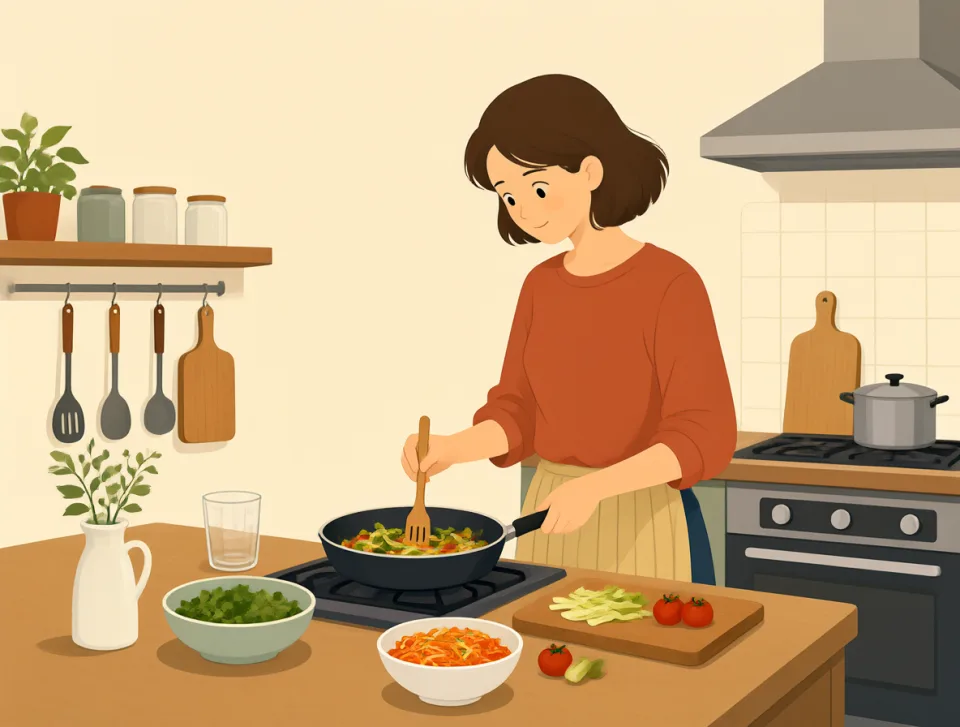
I think that dinner is ready.
Tôi nghĩ bữa tối đã sẵn sàng.

The shoes that I bought fit well.
Đôi giày tôi mua vừa chân.
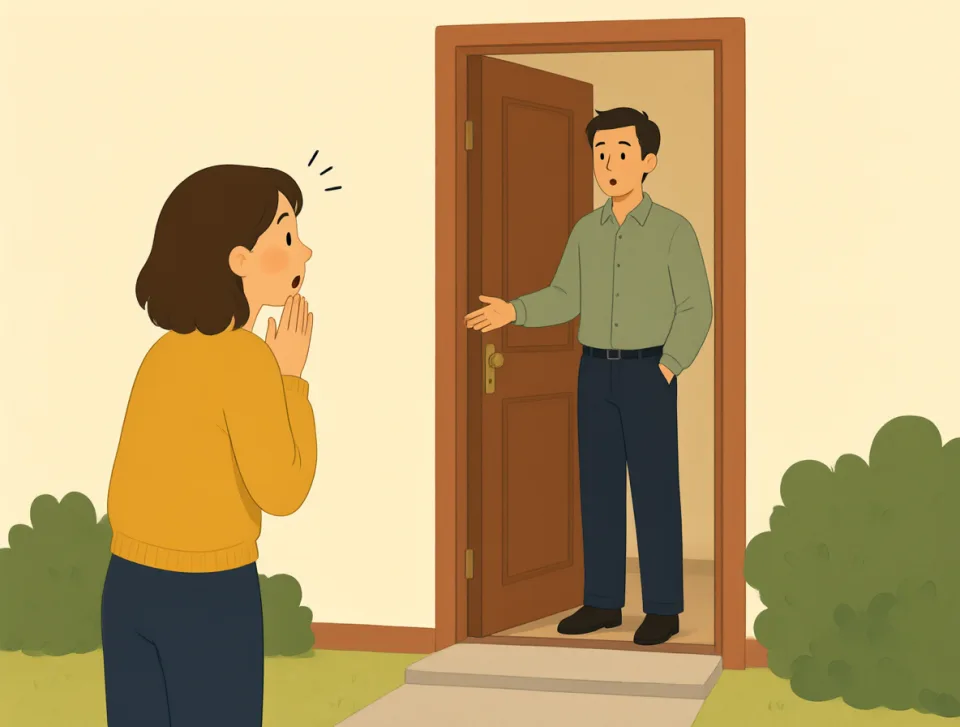
Who is that man at the door?
Người đàn ông đứng ở cửa kia là ai?

It was not that expensive.
Nó không đắt đến thế.

we
#16pronoun
chúng tôi; chúng ta
Used by a speaker to mean the speaker and one or more other people.
Dùng để chỉ người nói cùng với một hoặc nhiều người khác.
We live in a small apartment.
Chúng tôi sống trong một căn hộ nhỏ.

We are learning English at school.
Chúng tôi học tiếng Anh ở trường.

We need some milk for breakfast.
Chúng ta cần một ít sữa cho bữa sáng.

We went to the beach last weekend.
Cuối tuần trước, chúng tôi đã đi biển.

We feel better after taking the medicine.
Chúng tôi cảm thấy khỏe hơn sau khi uống thuốc.

on
#17adverb, preposition, adjective
trên; vào; đang bật
Used to show position, time, connection, or that something is working.
Dùng để chỉ vị trí, thời gian, mối liên hệ hoặc trạng thái một thứ đang hoạt động.
The keys are on the table.
Chìa khóa ở trên bàn.

We have a meeting on Monday.
Chúng ta có cuộc họp vào thứ Hai.

Please turn on the light.
Làm ơn bật đèn lên.

She is on the bus to school.
Cô ấy đang trên xe buýt đến trường.

I tried on these shoes at the store.
Tôi đã thử đôi giày này ở cửa hàng.

with
#18preposition
với; cùng với
together with someone or something; having or using someone or something
Cùng với ai hoặc thứ gì; có hoặc sử dụng ai hoặc thứ gì.
I went to the park with my sister.
Tôi đã đi công viên với chị gái mình.

She opened the box with a knife.
Cô ấy dùng dao mở chiếc hộp.

The man with the blue bag is my teacher.
Người đàn ông đeo chiếc túi màu xanh là giáo viên của tôi.

Would you like coffee with your breakfast?
Bạn có muốn uống cà phê cùng bữa sáng không?

He is sick with a bad cold.
Anh ấy bị ốm vì cảm nặng.

this
#19determiner, pronoun, adverb
này; đây
Used to talk about one person, thing, or place near you or now.
Dùng để nói về một người, vật hoặc địa điểm ở gần bạn hoặc ở thời điểm hiện tại.
This is my favorite book.
Đây là cuốn sách tôi thích nhất.

Could you pass me this plate?
Bạn đưa giúp tôi chiếc đĩa này được không?

I bought this shirt yesterday.
Hôm qua tôi đã mua chiếc áo này.
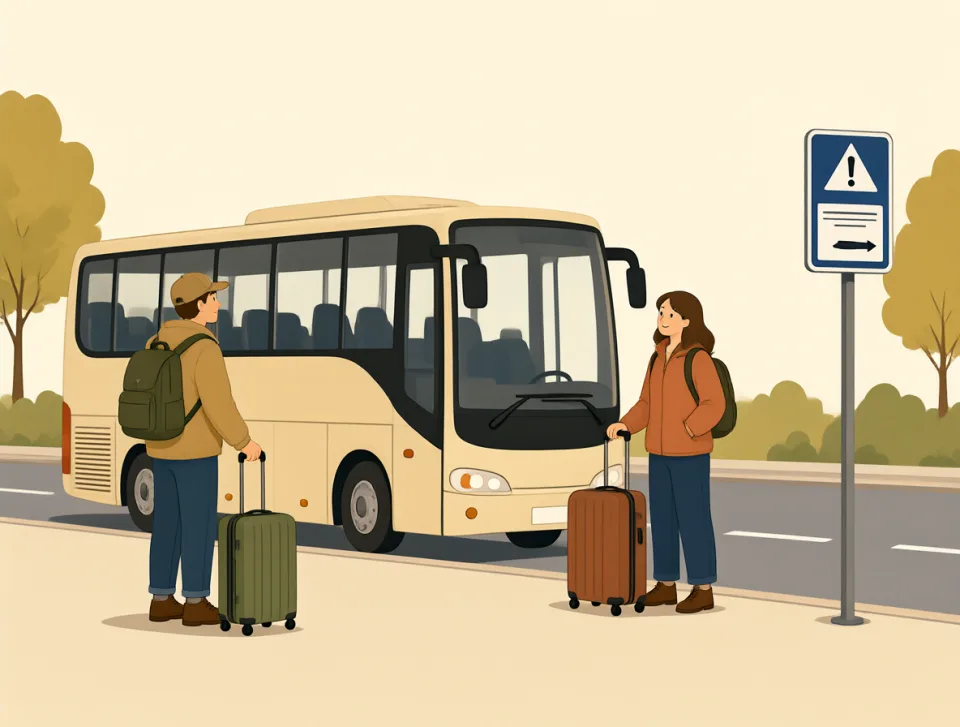
This is where we get off.
Chúng ta xuống ở đây.

This cake tastes really good.
Chiếc bánh này ngon thật đấy.

I
#20pronoun
tôi; mình
The pronoun used for the person speaking or writing.
Đại từ dùng để chỉ người đang nói hoặc viết.
I am tired after work today.
Hôm nay tôi mệt sau giờ làm.

I have a sister in London.
Tôi có một chị gái ở London.

I like coffee with breakfast.
Tôi thích uống cà phê vào bữa sáng.

I went to school by bus.
Tôi đã đi học bằng xe buýt.

Can I help you with dinner?
Tôi giúp bạn chuẩn bị bữa tối nhé?