Zestaw 25
Słowa 481–500 · draw, white, date, practice, model, raise
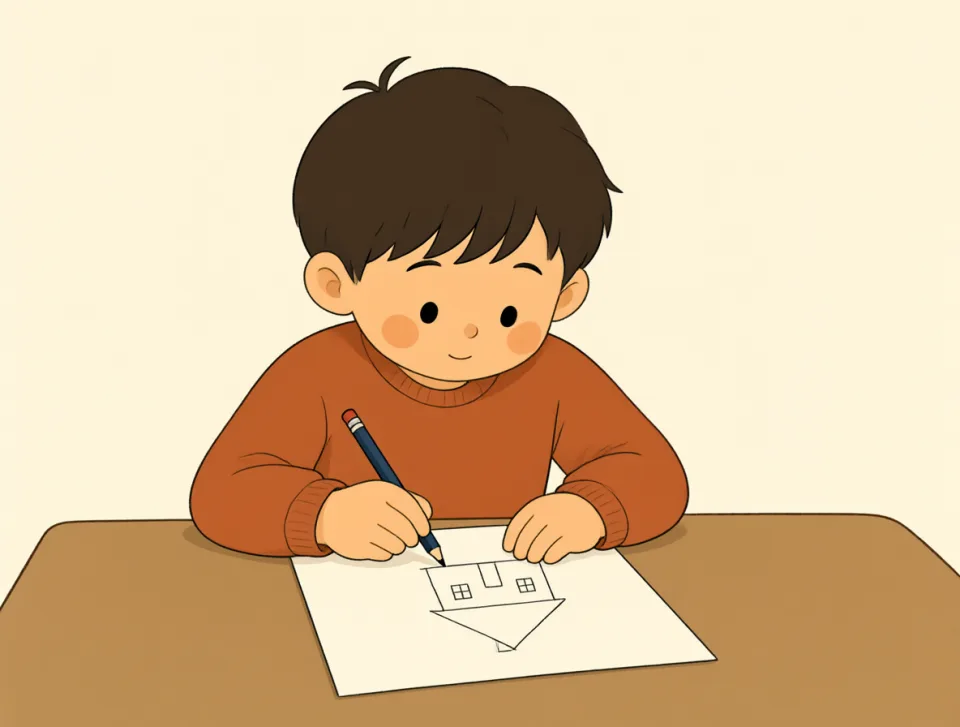
draw
#481verb, noun
rysować; ciągnąć; losować
to make a picture, pull something, or choose a name by chance
robić rysunek, pociągnąć coś albo wylosować jakieś imię
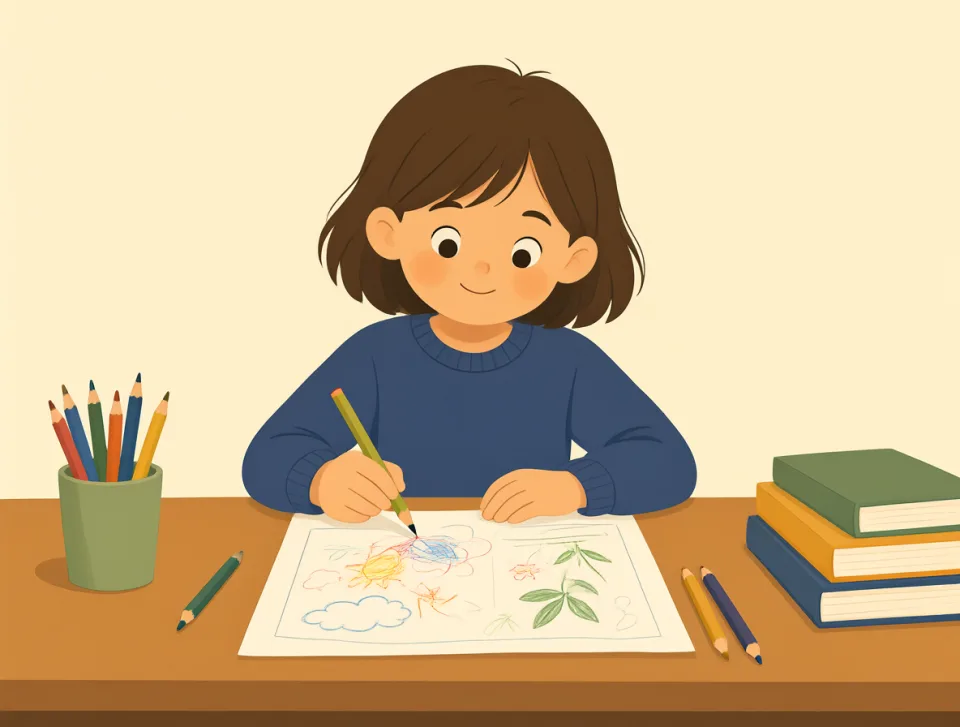
She likes to draw pictures after school.
Lubi rysować po szkole.
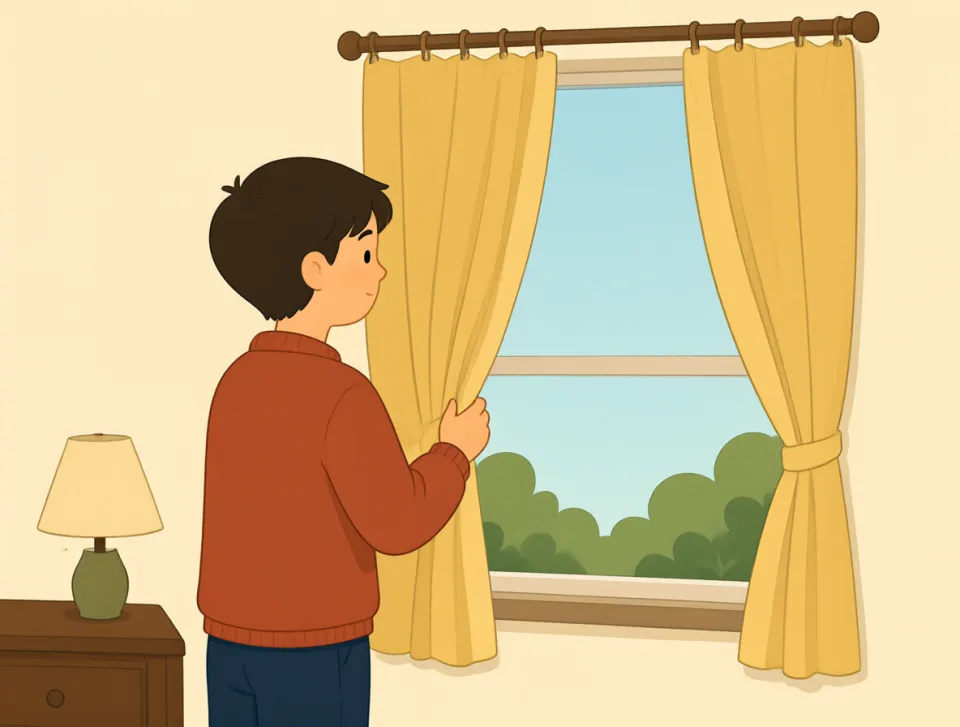
Please draw the curtains before you leave.
Proszę zasunąć zasłony przed wyjściem.
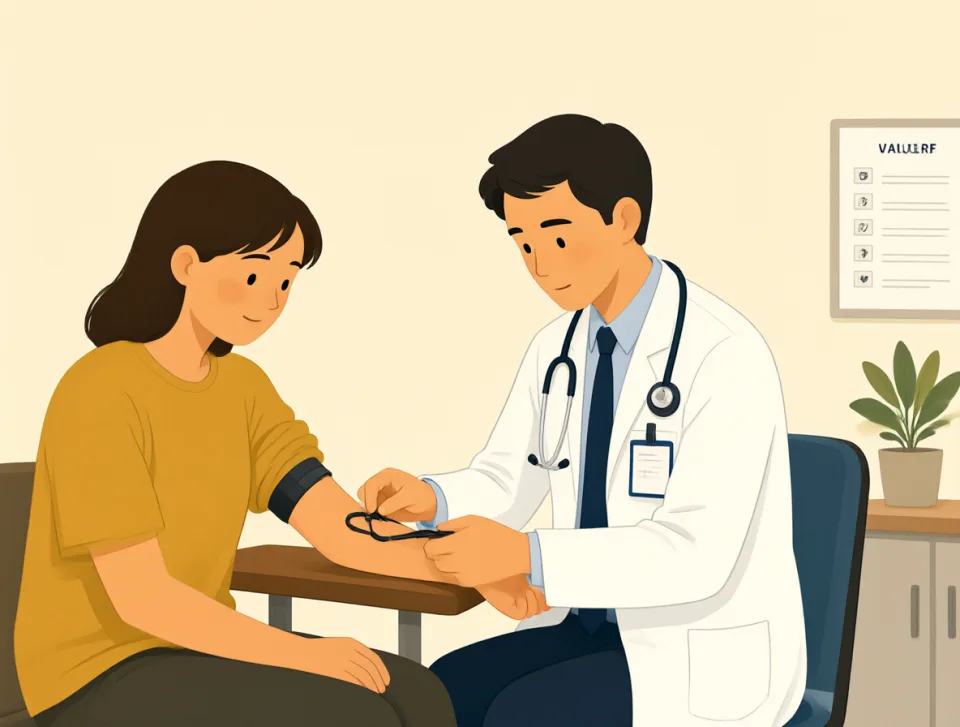
The doctor drew blood from my arm.
Lekarz pobrał mi krew z ramienia.
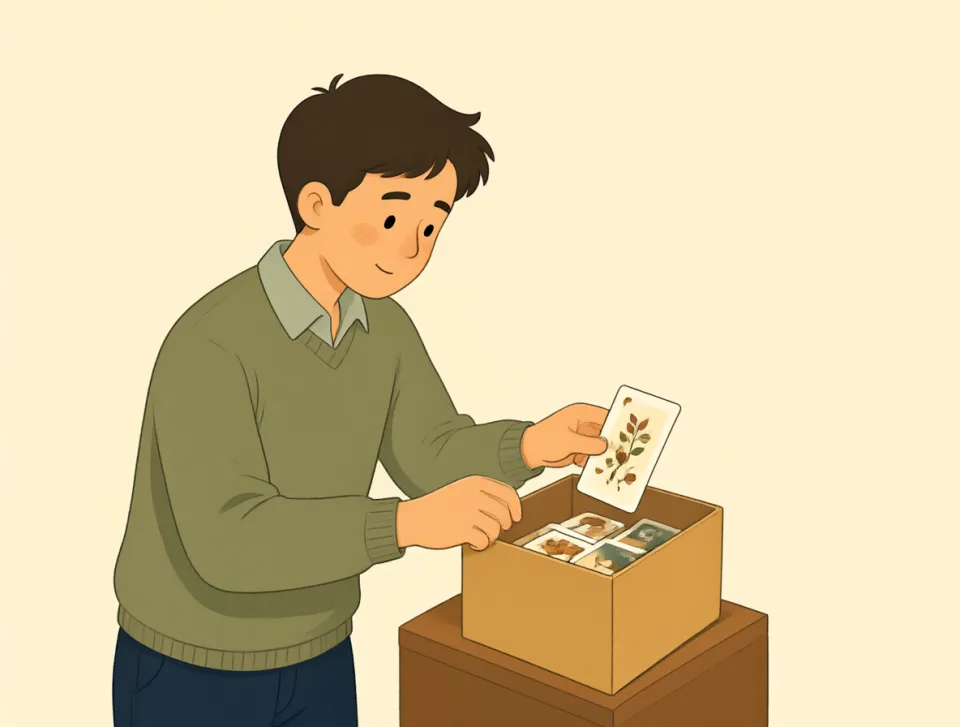
He drew a card from the box.
Wyciągnął kartę z pudełka.
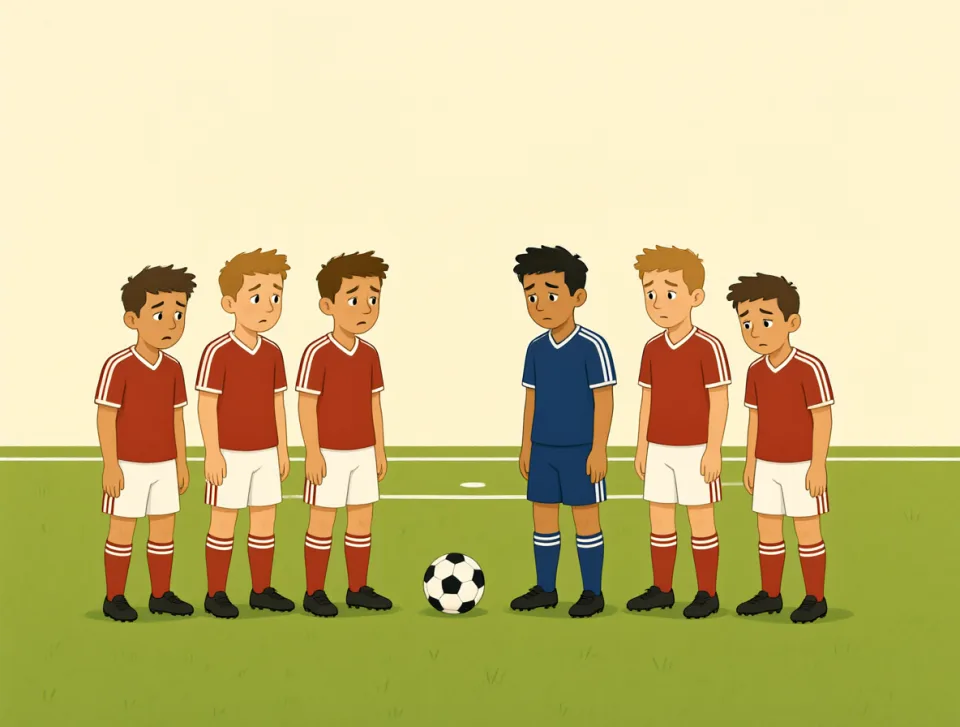
They drew the game yesterday.
Wczoraj zremisowali.

white
#482adjective, noun
biały
Having the color of fresh snow or milk; the lightest color.
Mający kolor świeżego śniegu lub mleka; najjaśniejszy kolor.

She wore a white shirt to work.
Założyła do pracy białą koszulę.

The white snow covered the garden.
Biały śnieg pokrył ogród.
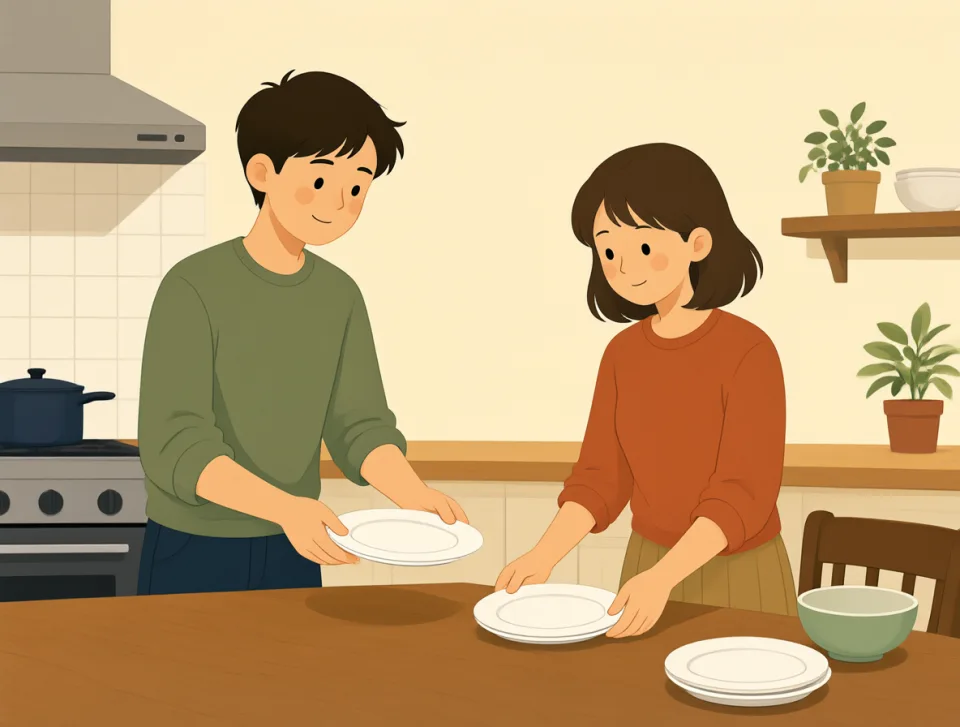
Please put the white plates here.
Proszę postawić tutaj białe talerze.
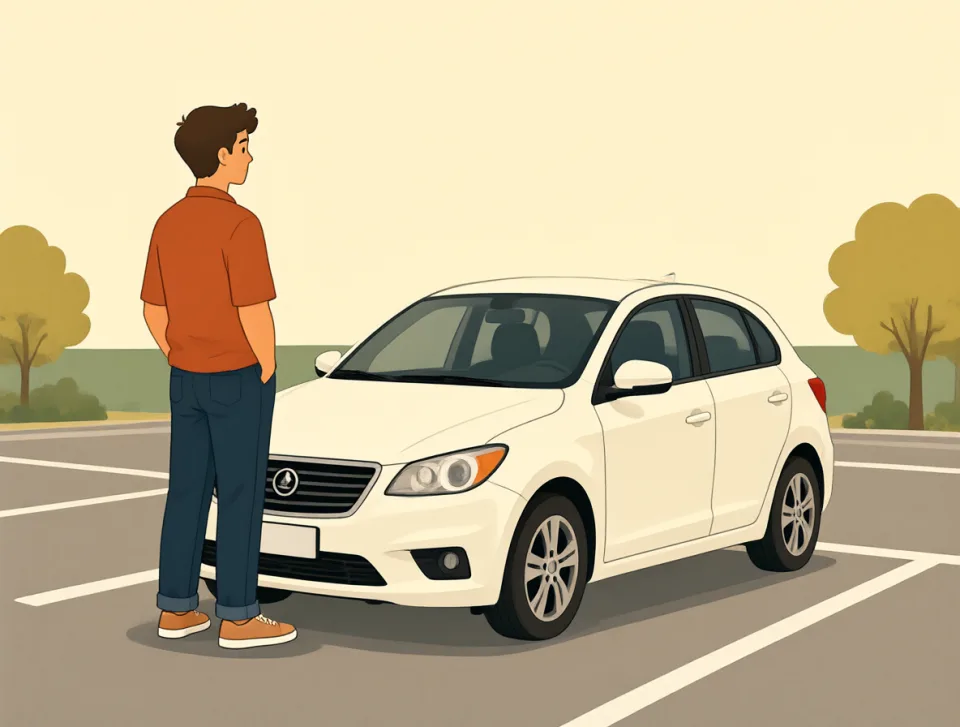
He bought a white car yesterday.
Wczoraj kupił biały samochód.
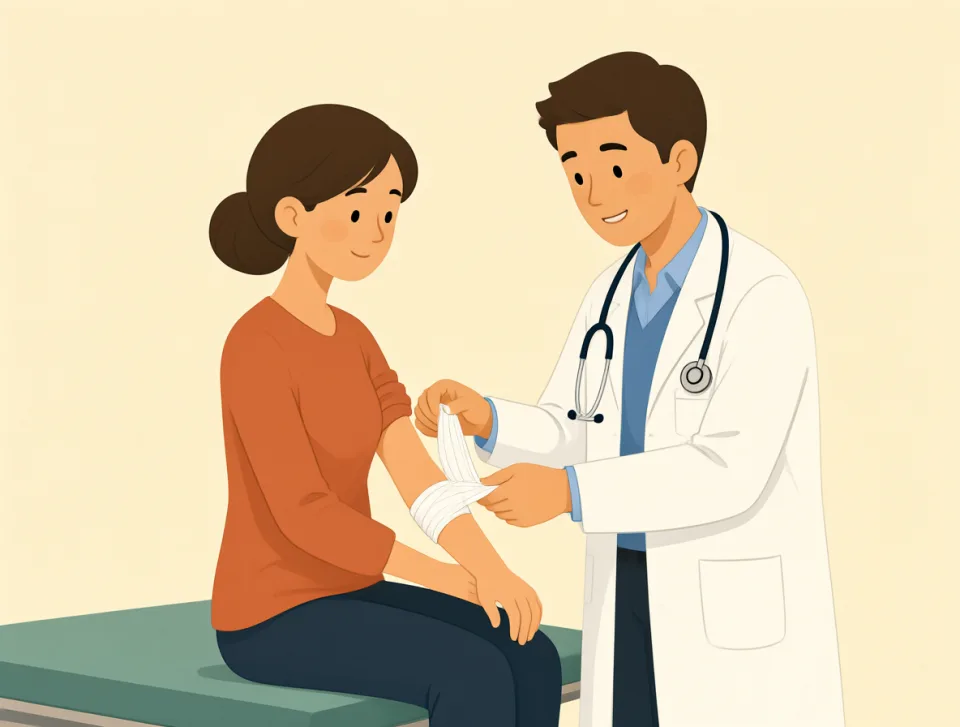
The doctor gave her a white bandage.
Lekarz dał jej biały bandaż.

date
#483noun, verb
data; randka
A day shown on a calendar, or a meeting with someone you like romantically.
Dzień zaznaczony w kalendarzu albo spotkanie z kimś, kto podoba ci się romantycznie.
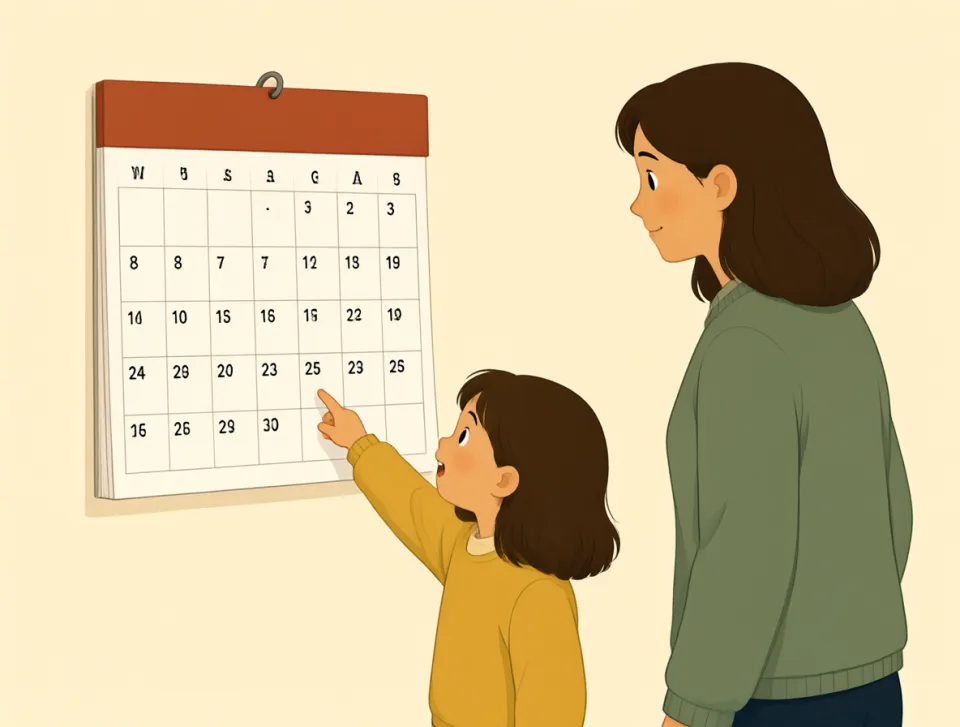
What is the date today?
Jaka jest dzisiaj data?
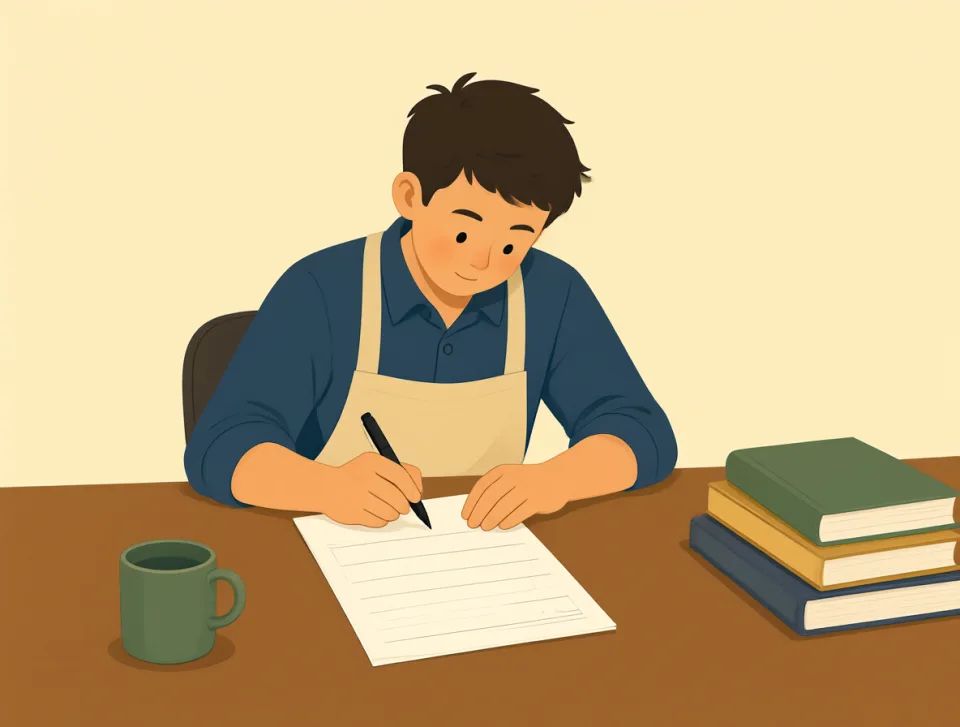
Please write the date on this form.
Proszę wpisać datę na tym formularzu.

Our wedding date is in June.
Nasza data ślubu przypada w czerwcu.

I have a date with Anna tonight.
Mam dziś wieczorem randkę z Anną.

We are dating and feel very happy.
Spotykamy się i jesteśmy bardzo szczęśliwi.
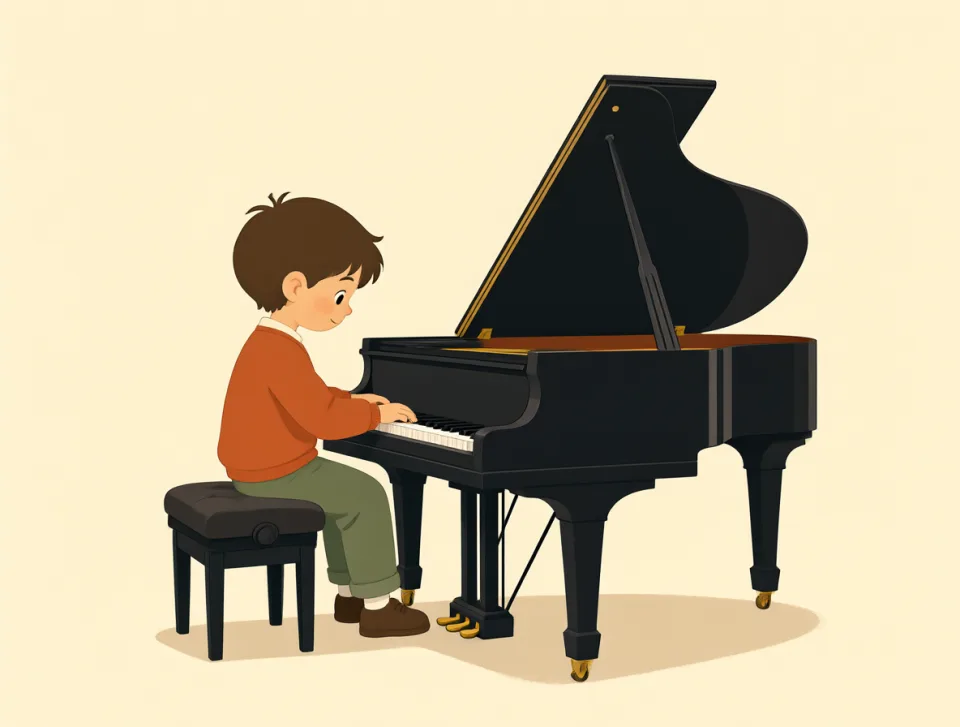
practice
#484noun, verb
ćwiczenie; praktyka
Training or repeated activity that helps you improve a skill or become better at something.
Trening lub powtarzane czynności, które pomagają rozwinąć umiejętność albo stać się w czymś lepszym.

I practice English every day.
Codziennie ćwiczę angielski.
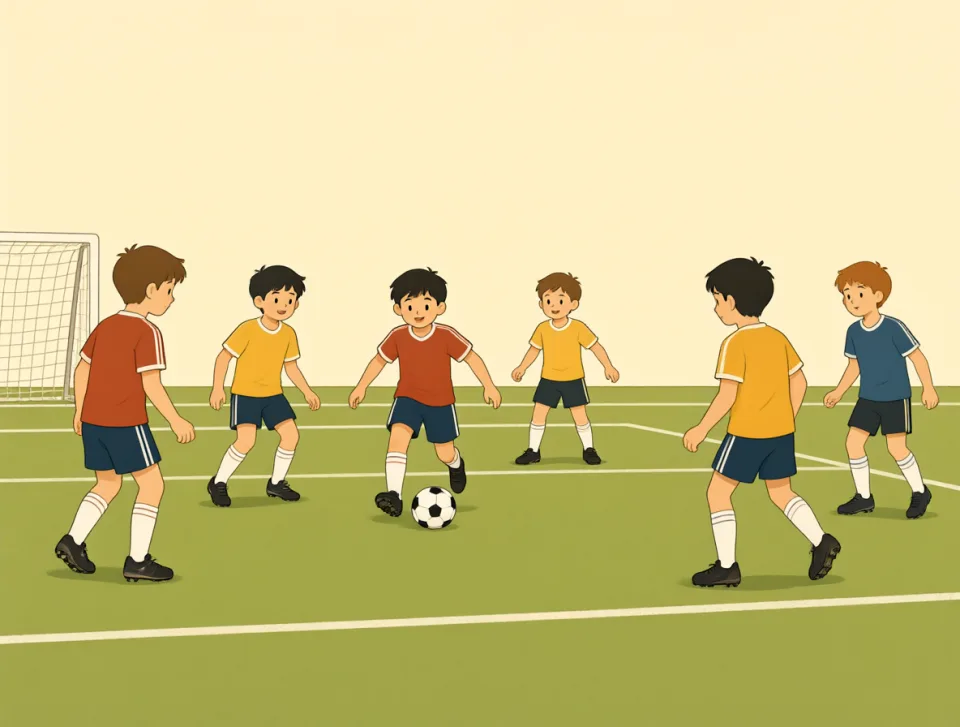
The team practiced before the game.
Drużyna trenowała przed meczem.
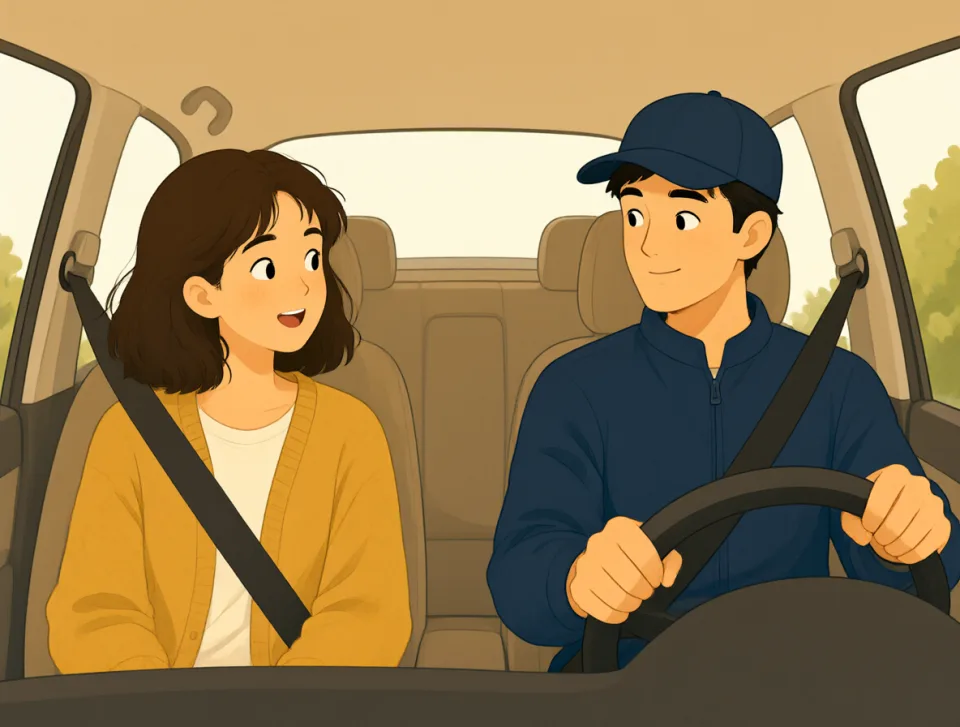
She needs more practice driving.
Ona musi więcej poćwiczyć jazdę samochodem.
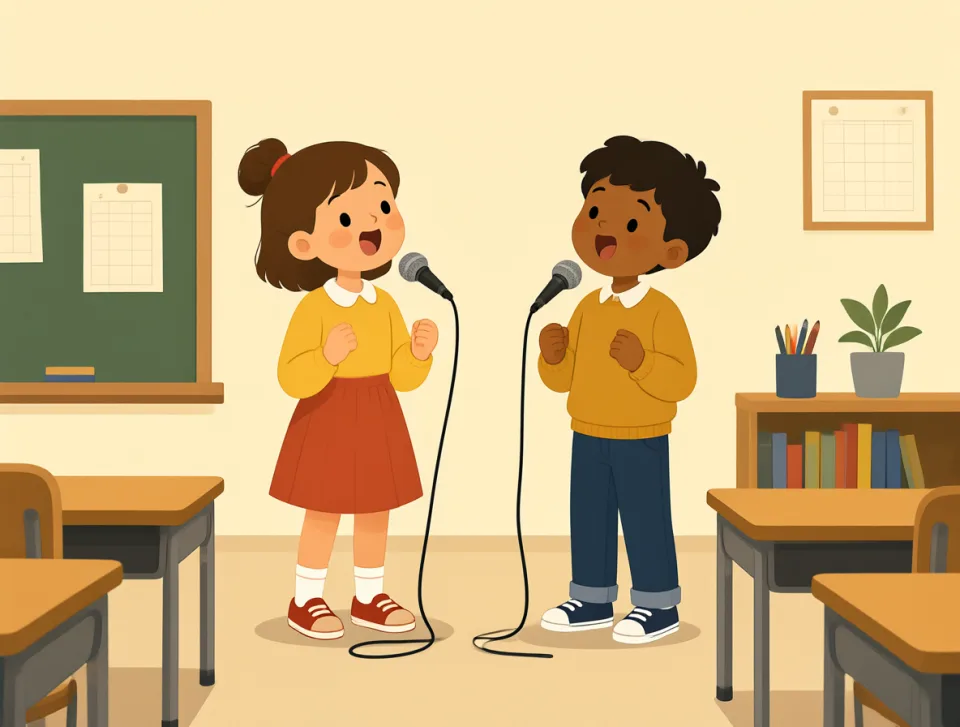
We practiced the song for school.
Ćwiczyliśmy piosenkę do szkoły.
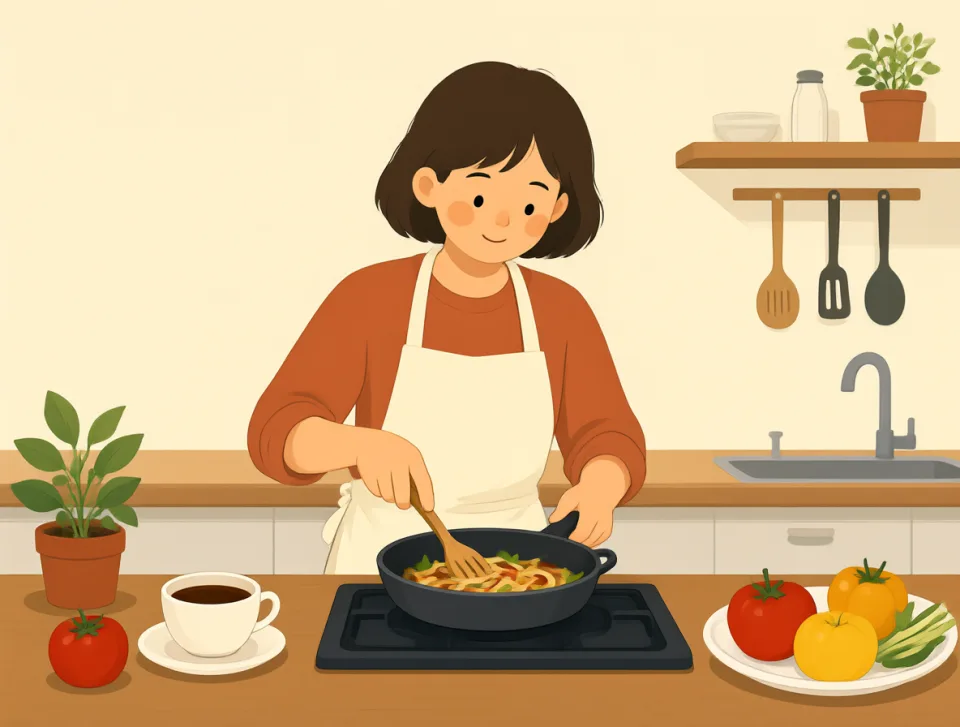
Practice makes you better at cooking.
Praktyka sprawia, że lepiej gotujesz.

model
#485noun, verb
model; wzór
a person or thing used as an example, or a smaller copy of something
Osoba lub rzecz służąca za przykład albo pomniejszona kopia czegoś.
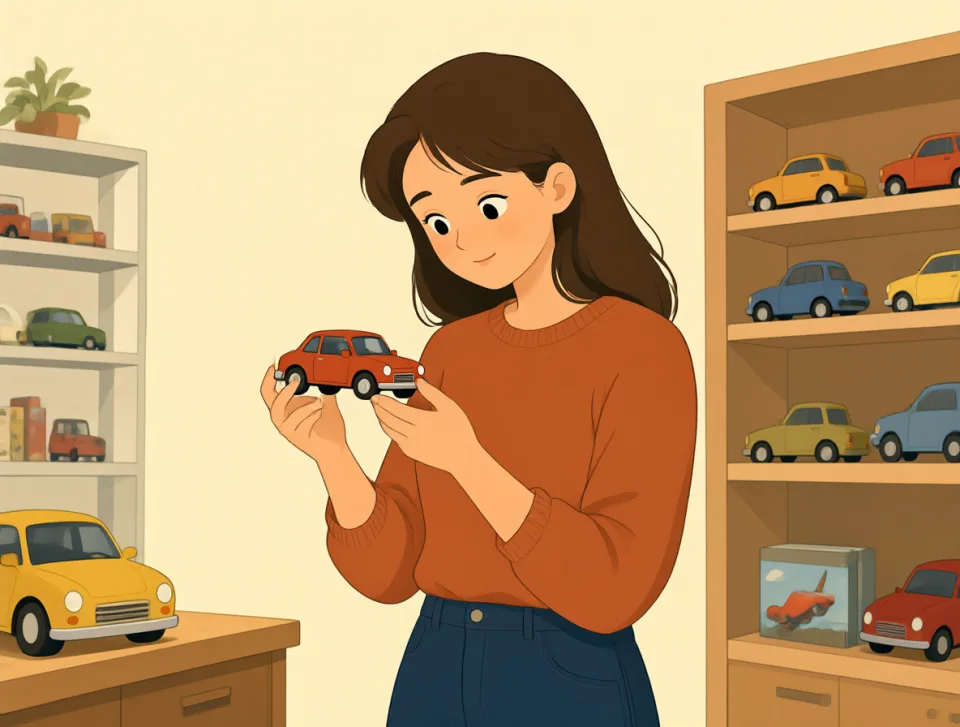
She bought a new car model yesterday.
Wczoraj kupiła nowy model samochodu.

This model of phone has a good camera.
Ten model telefonu ma dobry aparat.
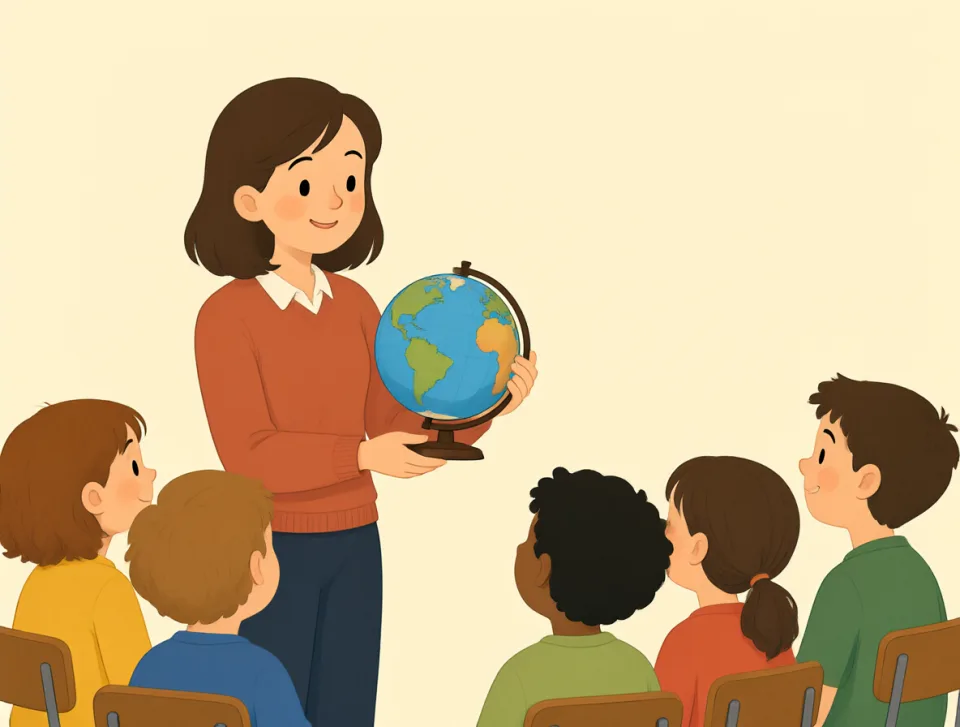
The teacher showed us a model of Earth.
Nauczyciel pokazał nam model Ziemi.
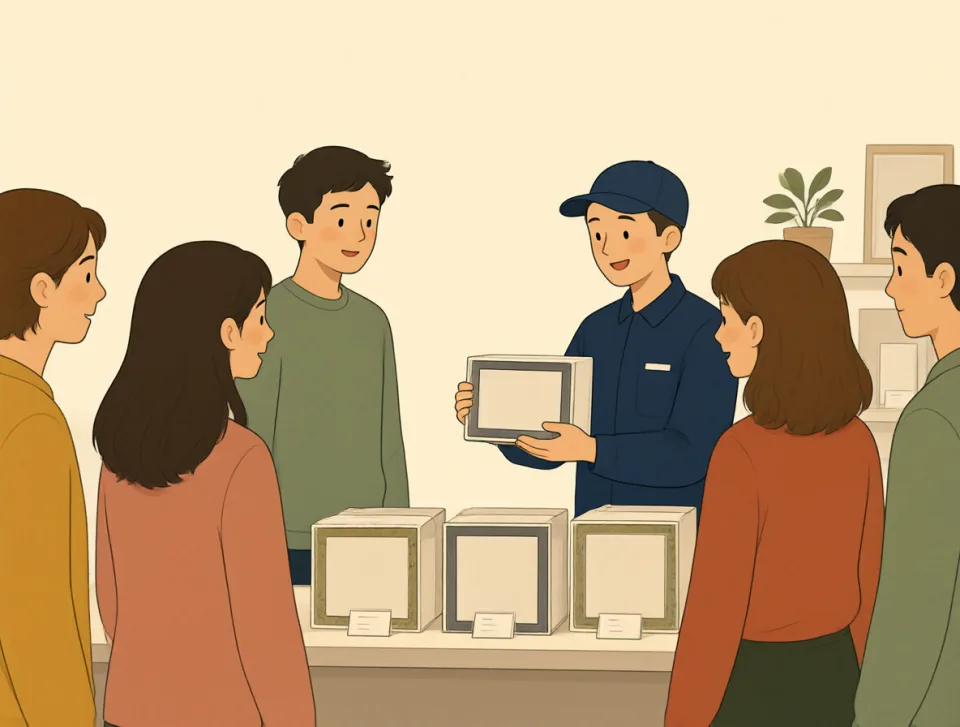
The company models its products for customers.
Firma prezentuje klientom swoje produkty.

She is a model for a clothing company.
Pracuje jako modelka dla firmy odzieżowej.
raise
#486verb, noun
podnosić
to lift something, increase something, or collect money for a purpose
podnosić coś, zwiększać coś lub zbierać pieniądze na jakiś cel
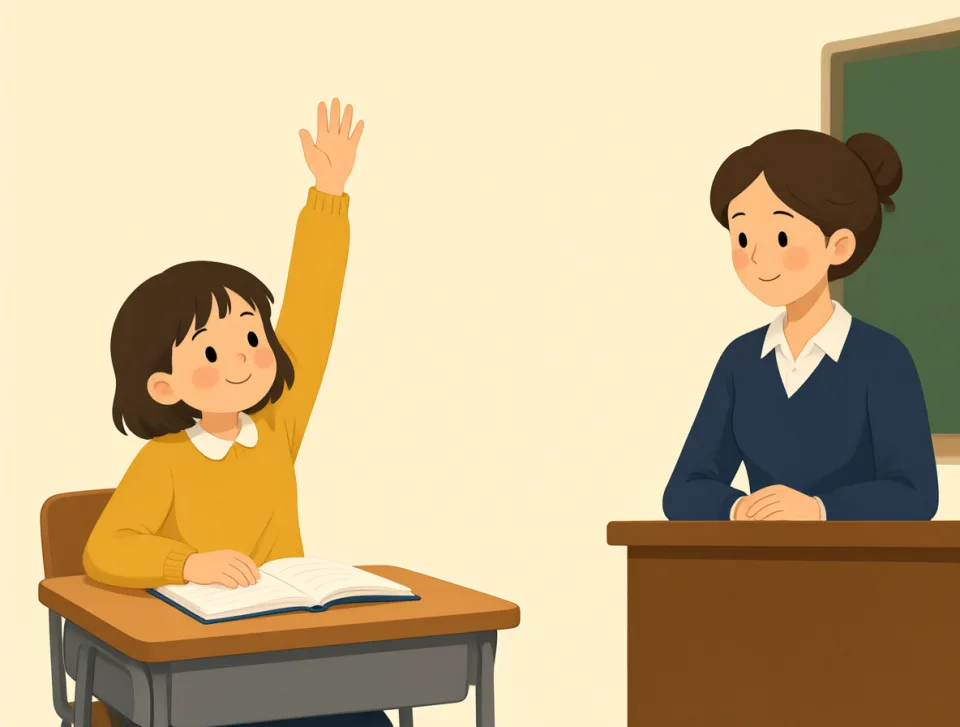
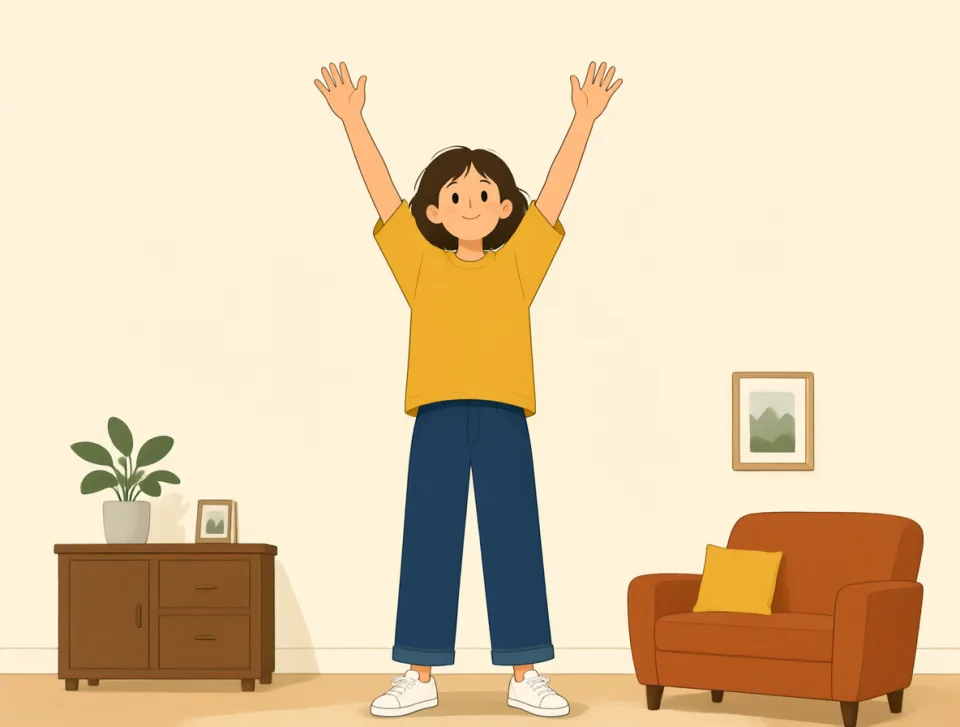
Please raise your hand before you speak.
Proszę podnieść rękę, zanim się odezwiesz.
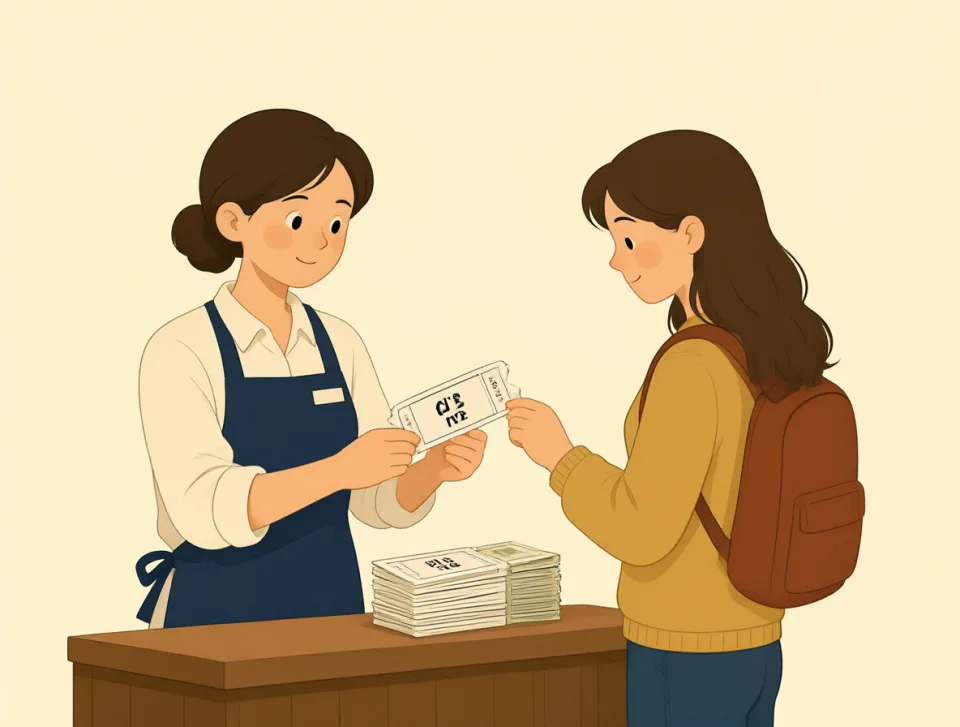
They raised the price of the tickets.
Podnieśli cenę biletów.
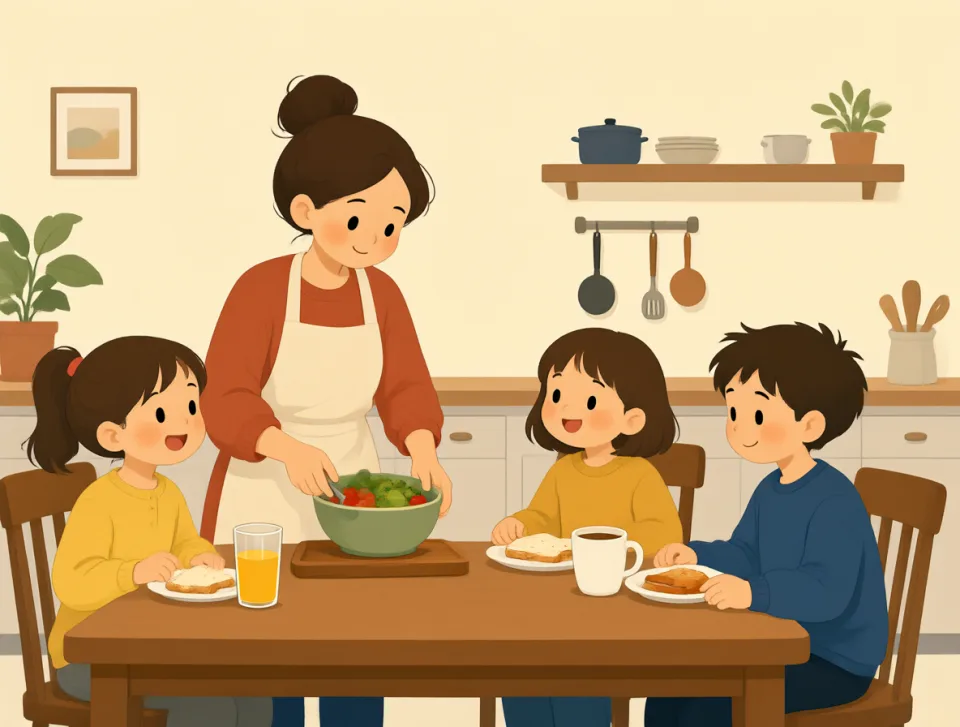
She raised three children alone.
Sama wychowała troje dzieci.
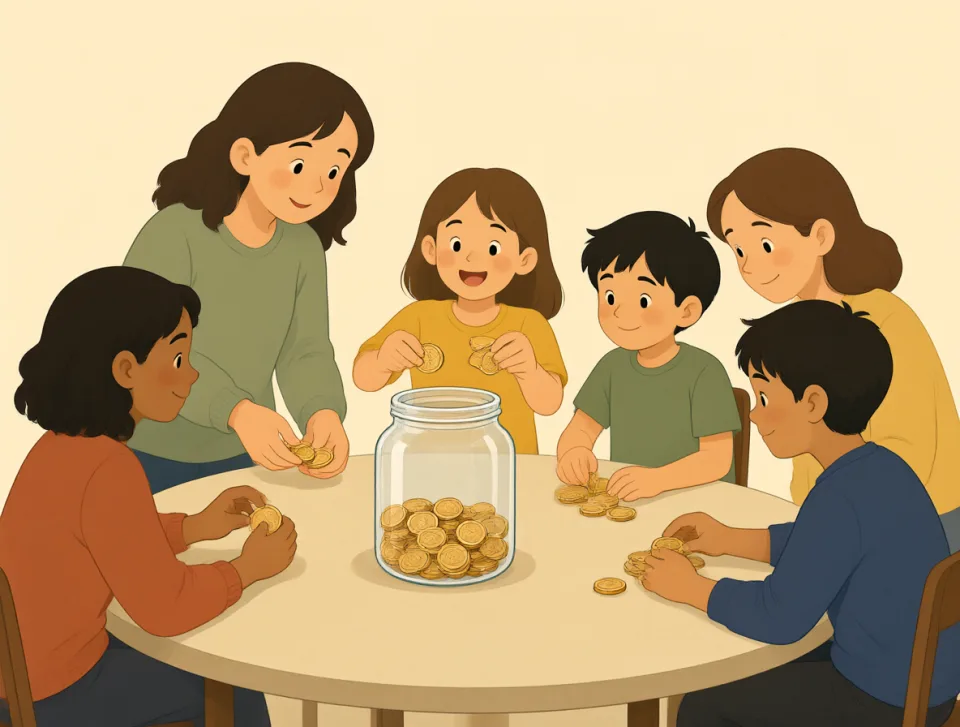
We are raising money for the hospital.
Zbieramy pieniądze dla szpitala.

He got a pay raise at work.
W pracy dostał podwyżkę.
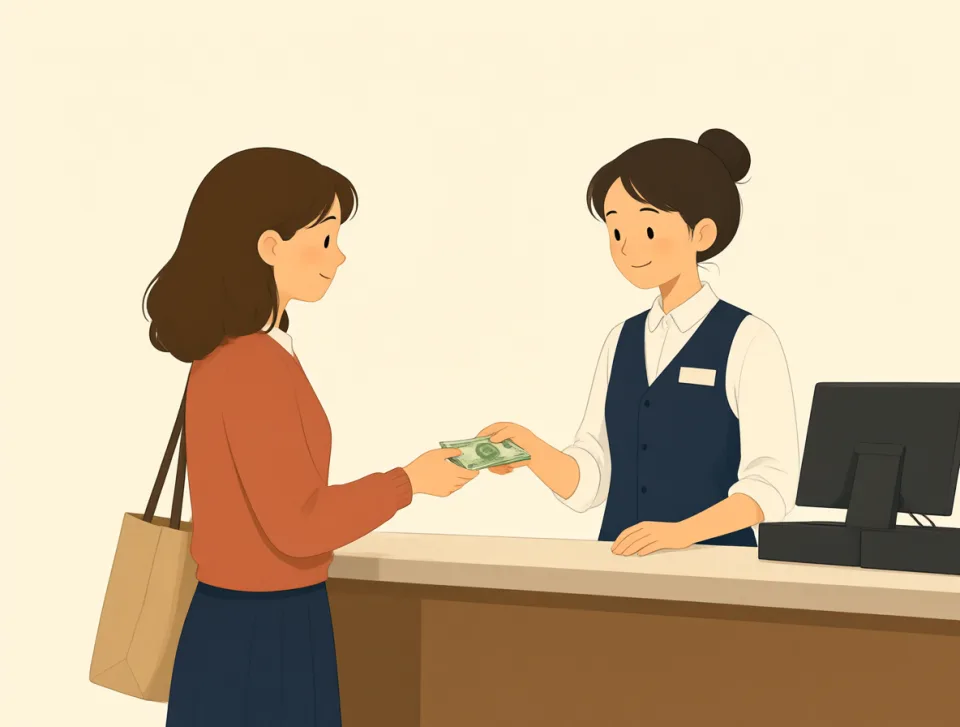
customer
#487noun
klient
A person who buys goods or services from a business.
Osoba, która kupuje towary lub usługi od firmy.

The customer paid for her groceries.
Klientka zapłaciła za swoje zakupy spożywcze.
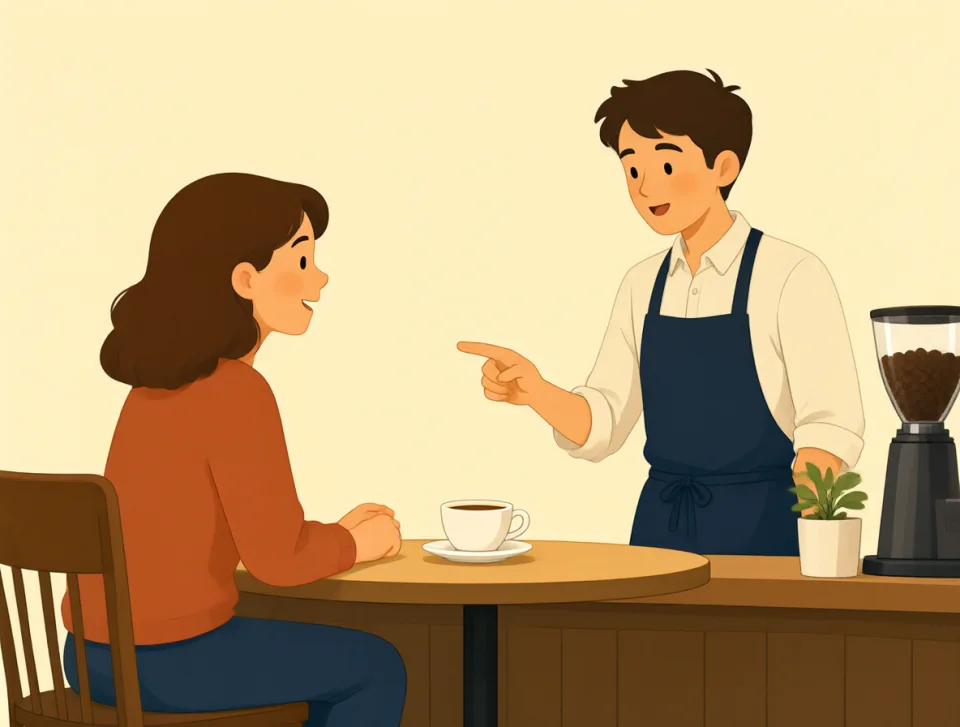
A customer asked for a larger coffee.
Klient poprosił o większą kawę.
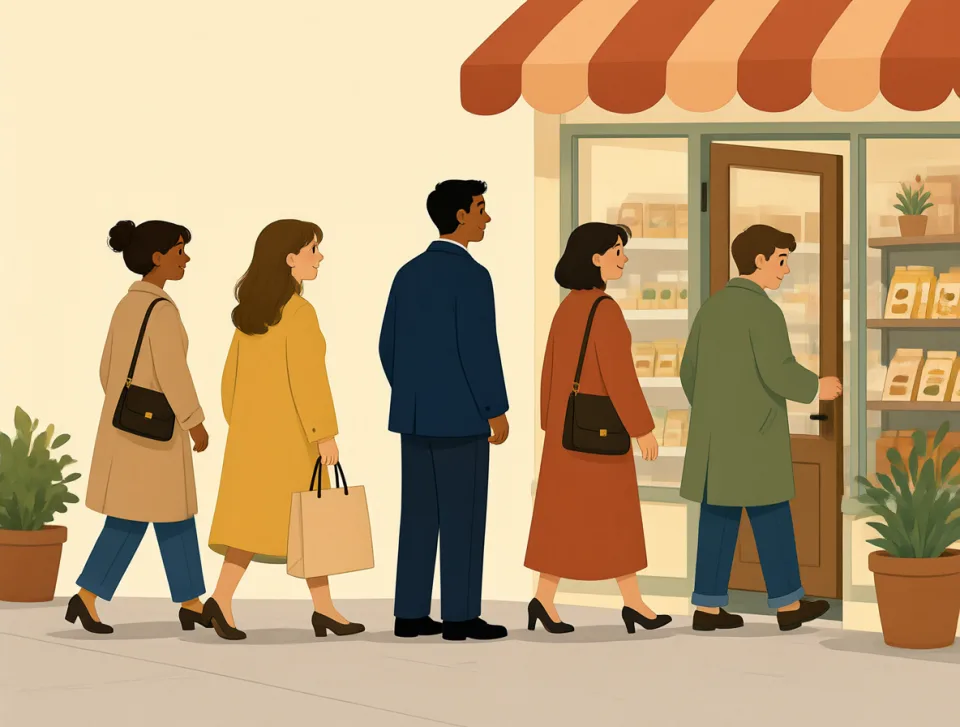
The shop has many regular customers.
Sklep ma wielu stałych klientów.
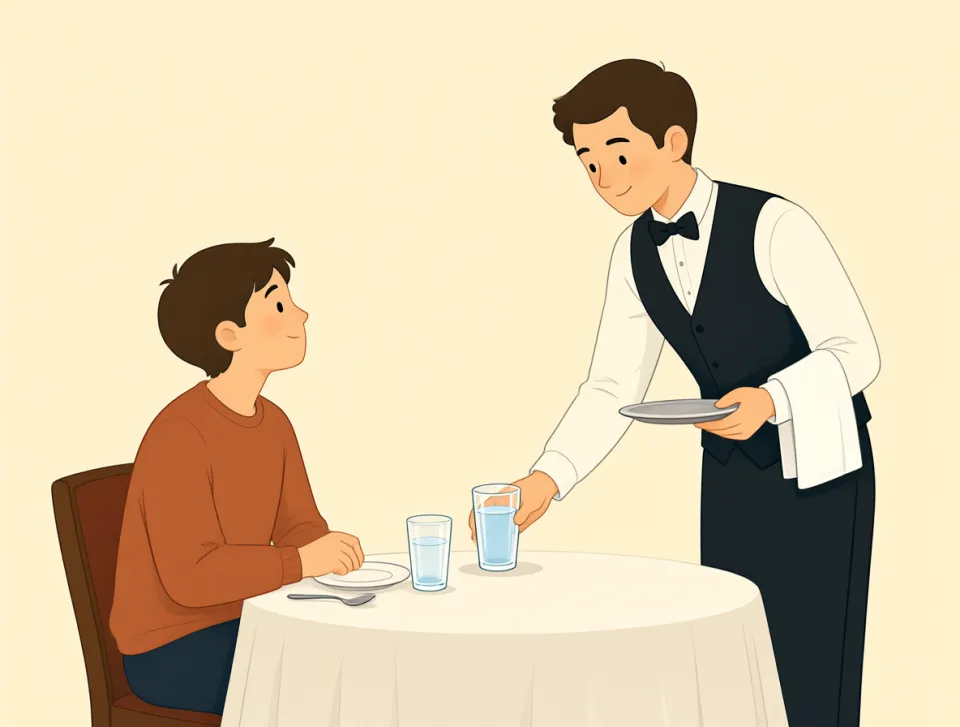
The waiter brought the customer some water.
Kelner przyniósł klientowi trochę wody.

The hotel customer needed a taxi.
Gość hotelowy potrzebował taksówki.
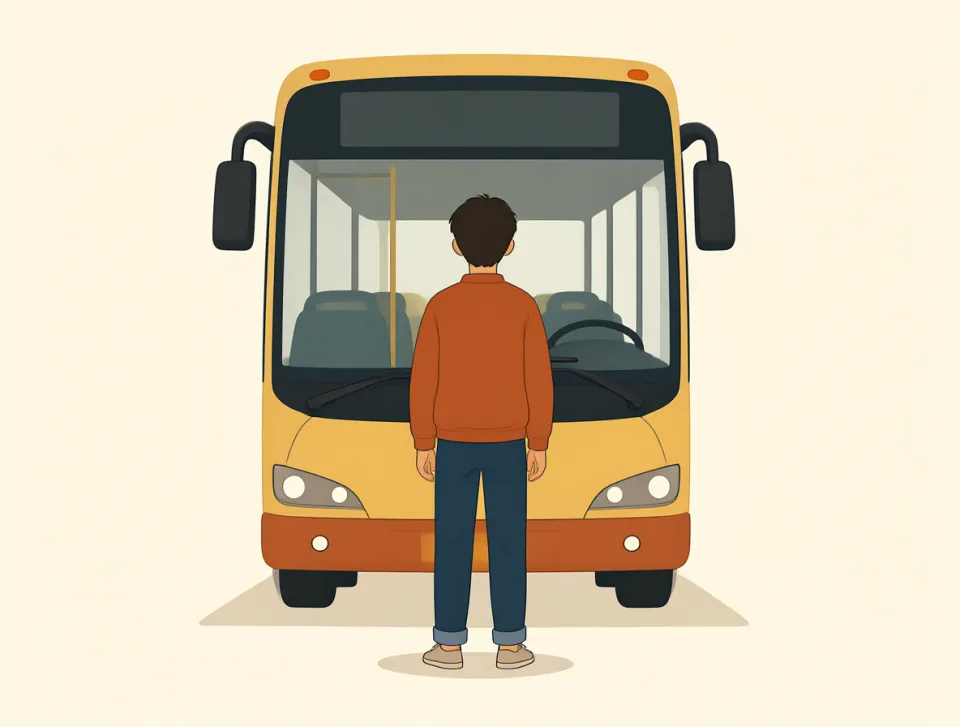
front
#488noun, adjective, verb, preposition
przód
The part or side that is first, nearest, or facing forward.
Część lub strona znajdująca się z przodu, najbliżej czegoś albo zwrócona do przodu.
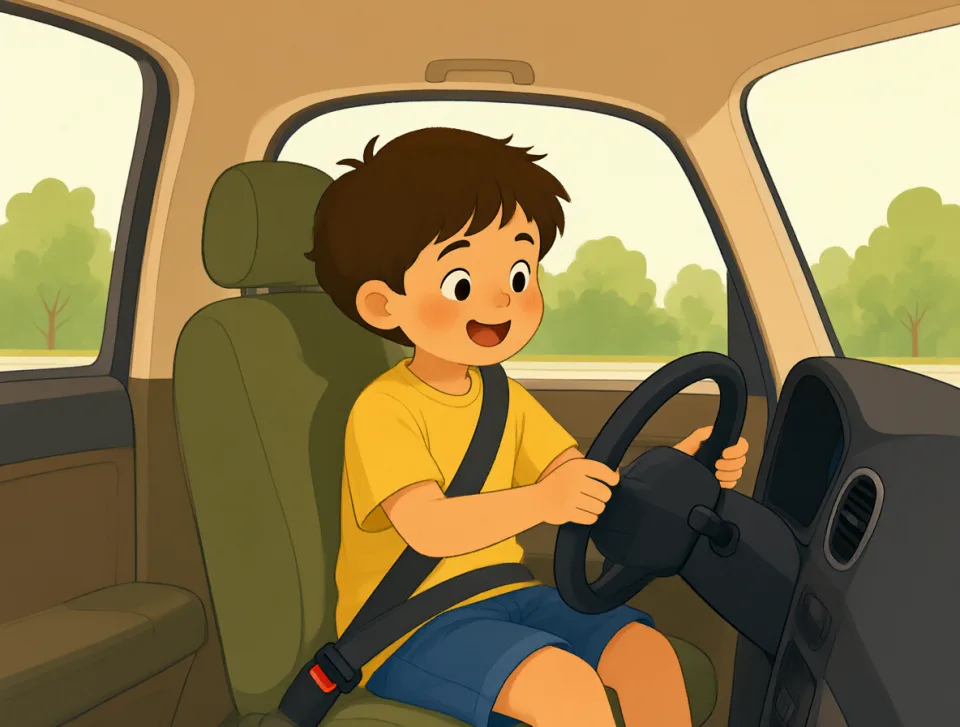
Please sit in the front of the car.
Proszę usiąść z przodu samochodu.
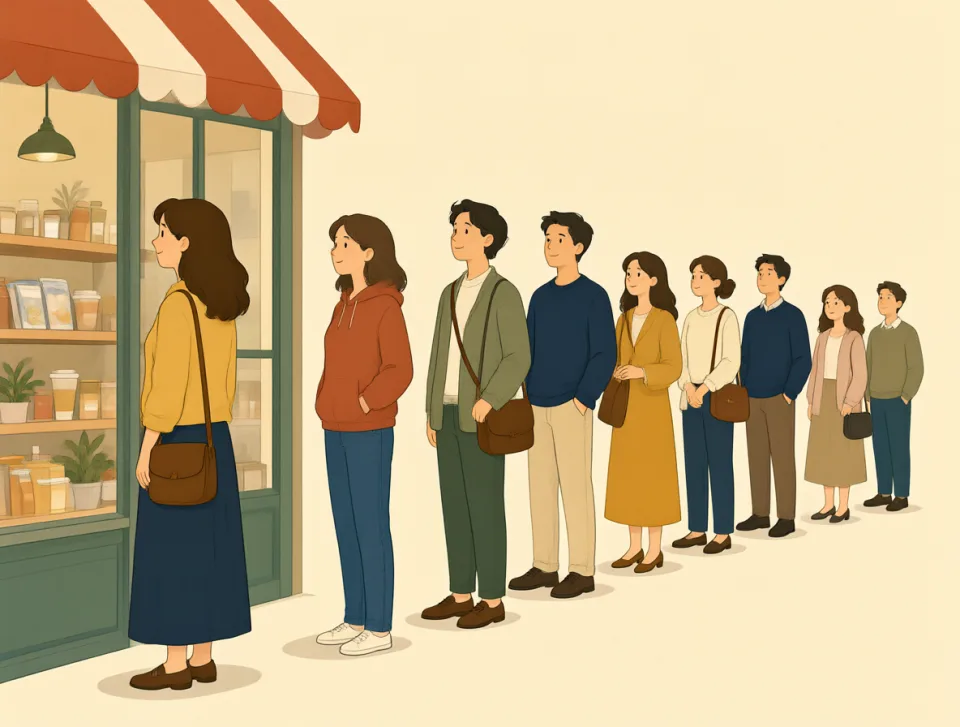
She stood at the front of the line.
Stała na początku kolejki.
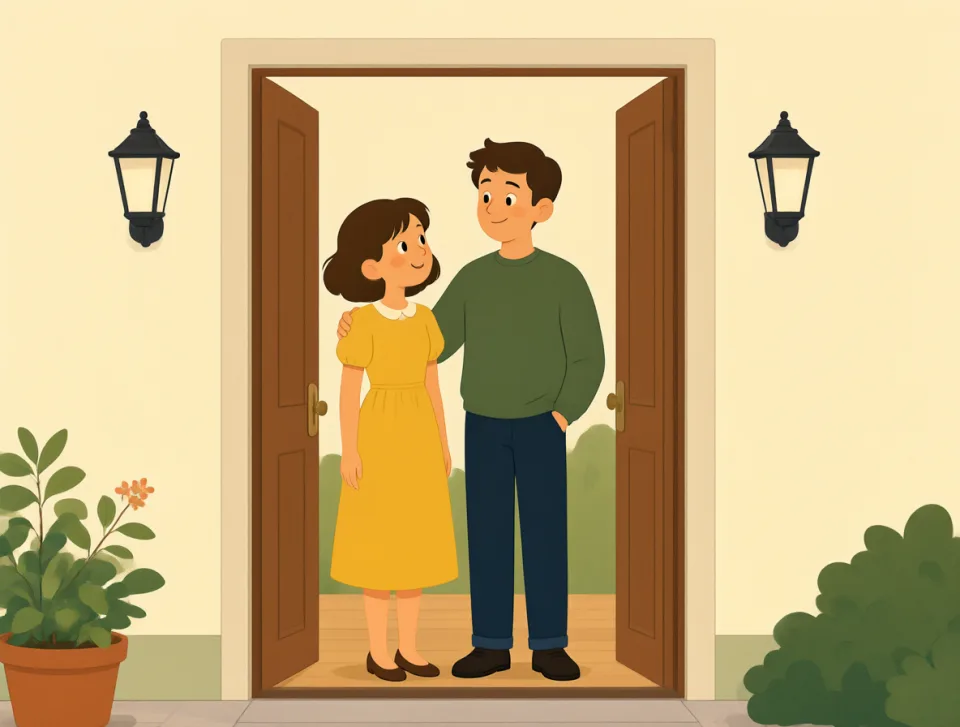
The front door is open.
Drzwi wejściowe są otwarte.
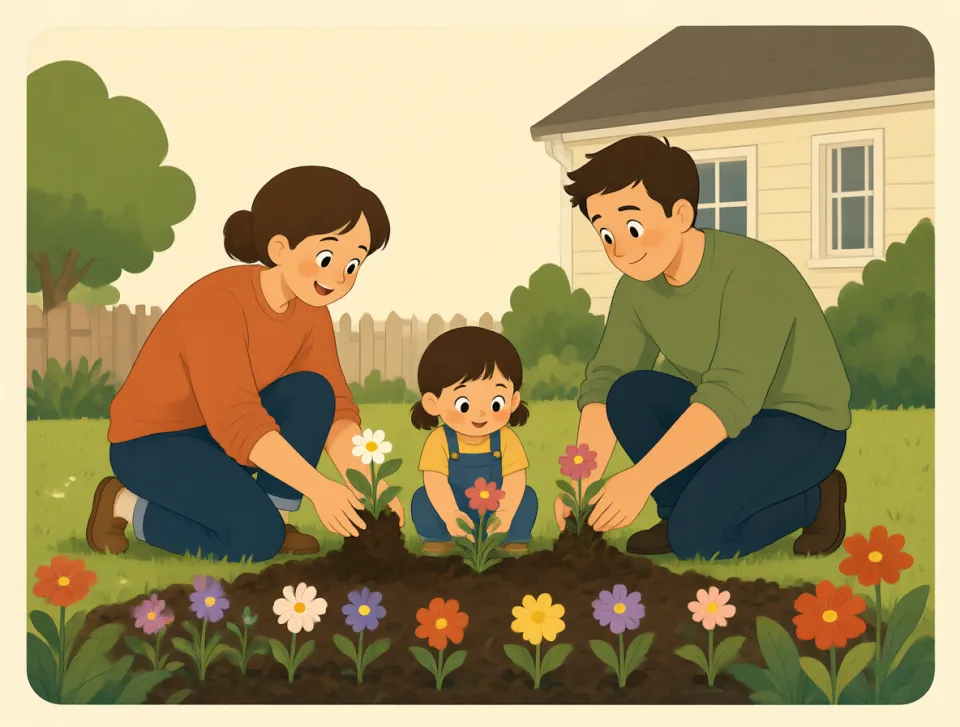
We planted flowers in front of the house.
Posadziliśmy kwiaty przed domem.
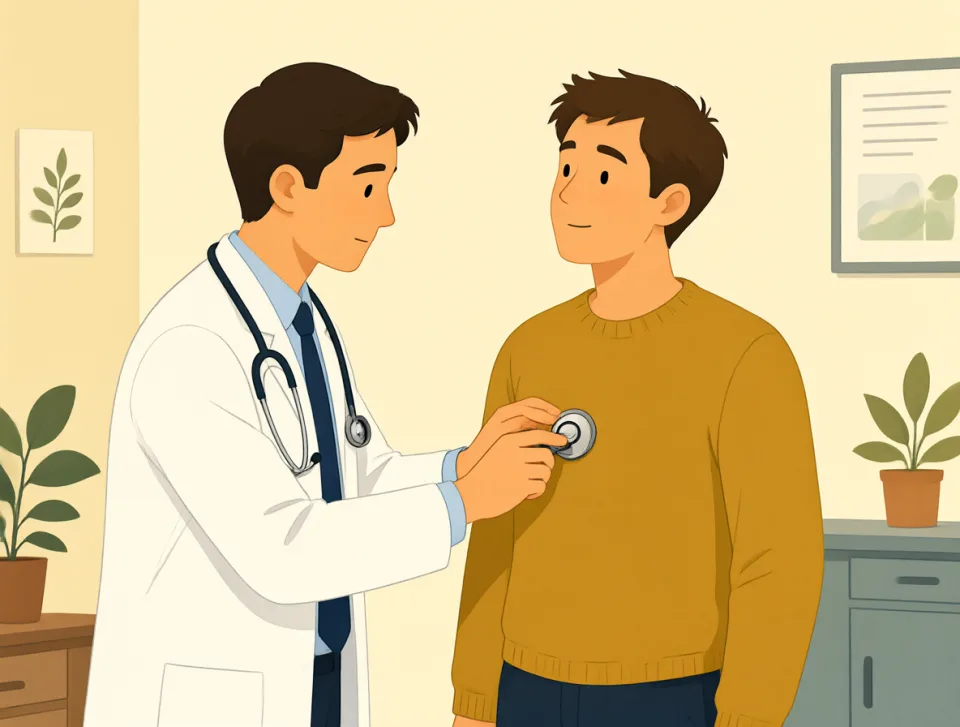
The doctor checked the front of his chest.
Lekarz zbadał przednią część jego klatki piersiowej.
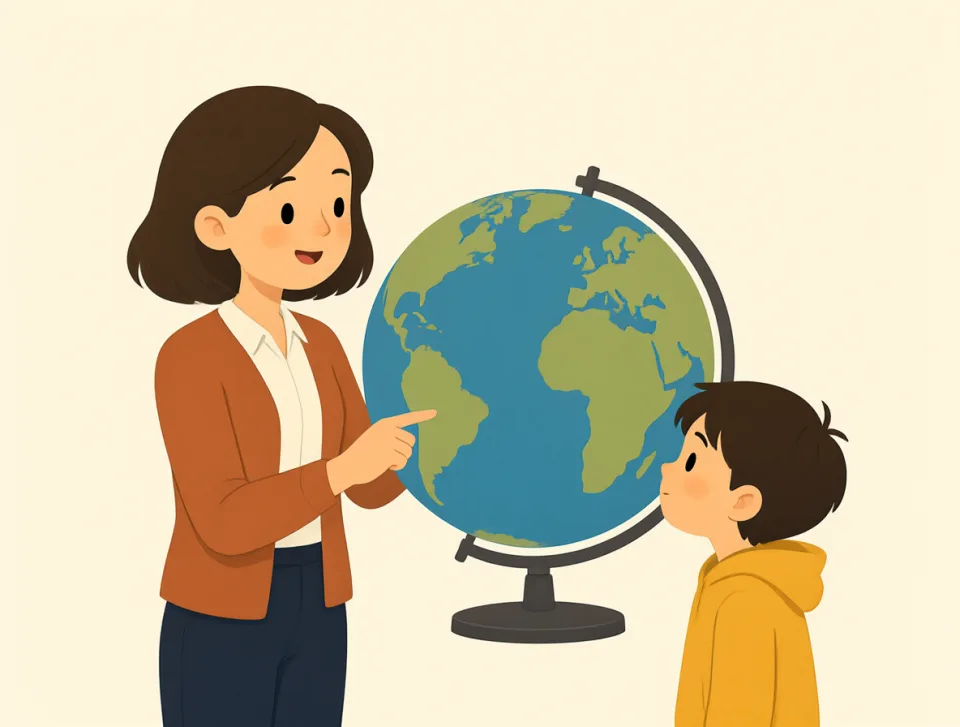
explain
#489verb
wyjaśniać
to make something clear by describing it or giving reasons
sprawiać, że coś staje się jasne, opisując to lub podając powody
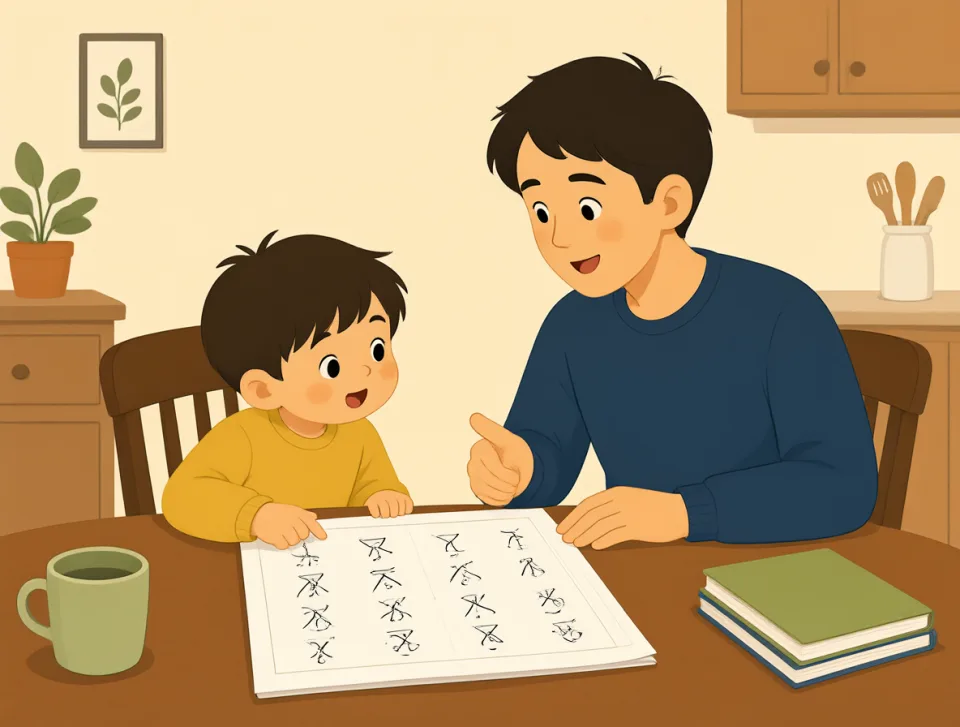
Can you explain this problem to me?
Czy możesz mi wyjaśnić ten problem?
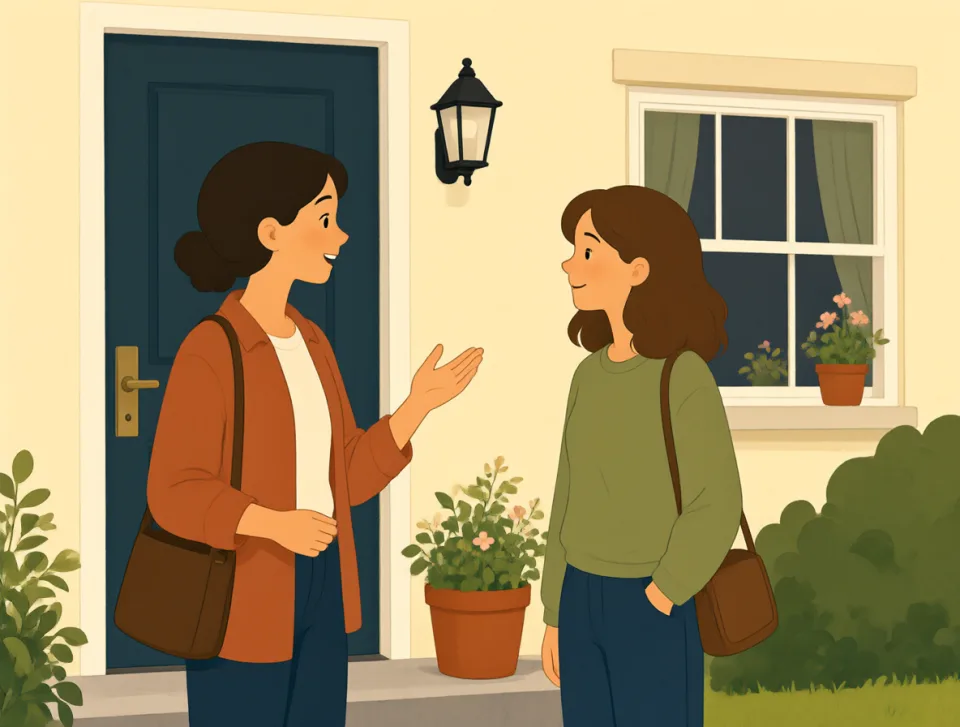
She explained why she was late.
Wyjaśniła, dlaczego się spóźniła.

The doctor explained my treatment clearly.
Lekarz dokładnie wyjaśnił mi sposób leczenia.

Please explain how to get there.
Proszę wyjaśnić, jak tam dotrzeć.

The chef is explaining the recipe.
Szef kuchni wyjaśnia przepis.
door
#490noun
drzwi
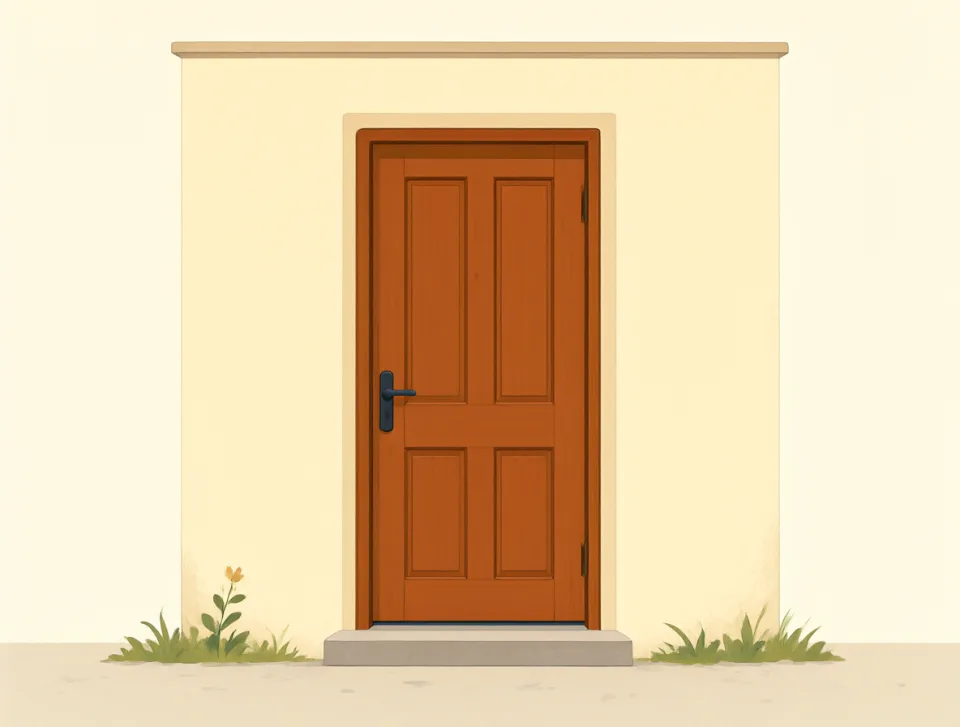
A movable barrier that opens and closes an entrance.
Ruchoma przegroda, która otwiera się i zamyka, umożliwiając wejście.
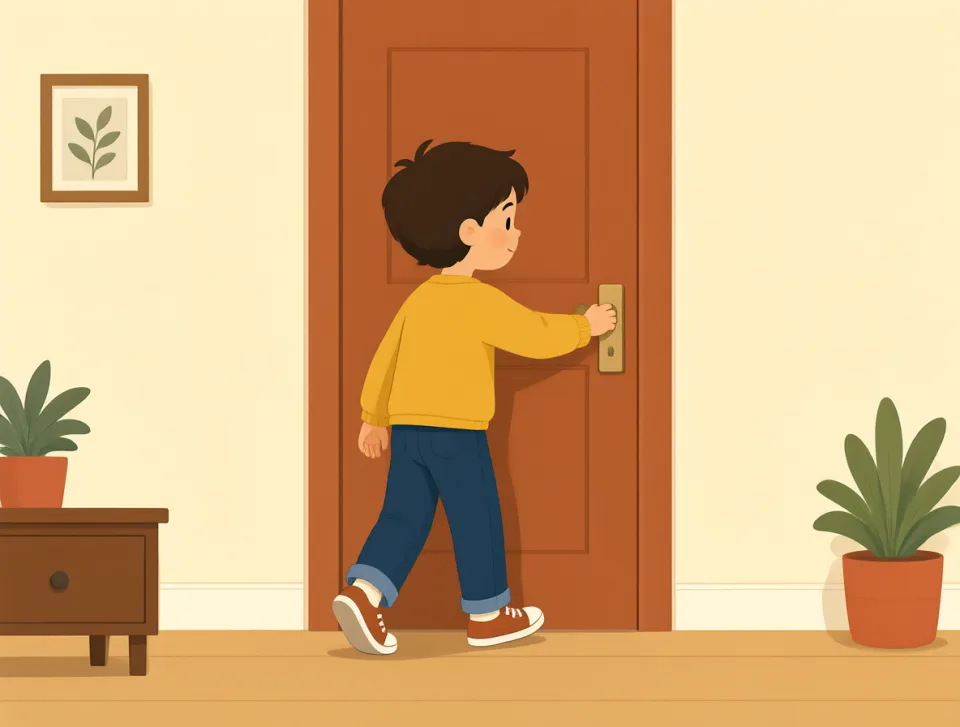
Please close the door behind you.
Proszę zamknąć za sobą drzwi.
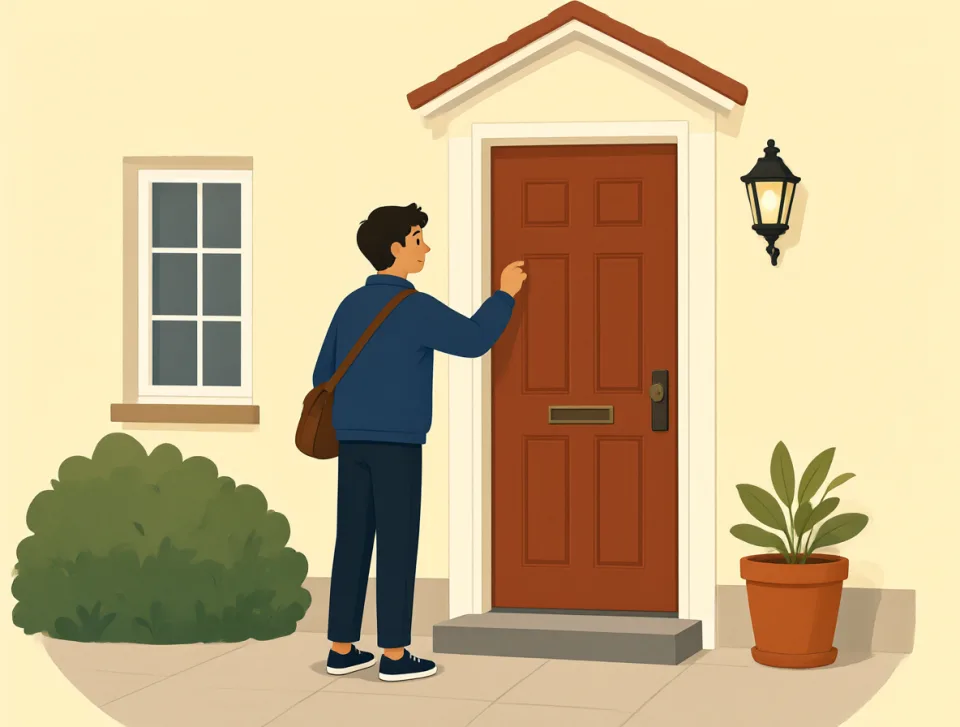
Someone is knocking at the front door.
Ktoś puka do drzwi wejściowych.

The bedroom door is open.
Drzwi do sypialni są otwarte.

We waited outside the store door.
Czekaliśmy przed drzwiami sklepu.
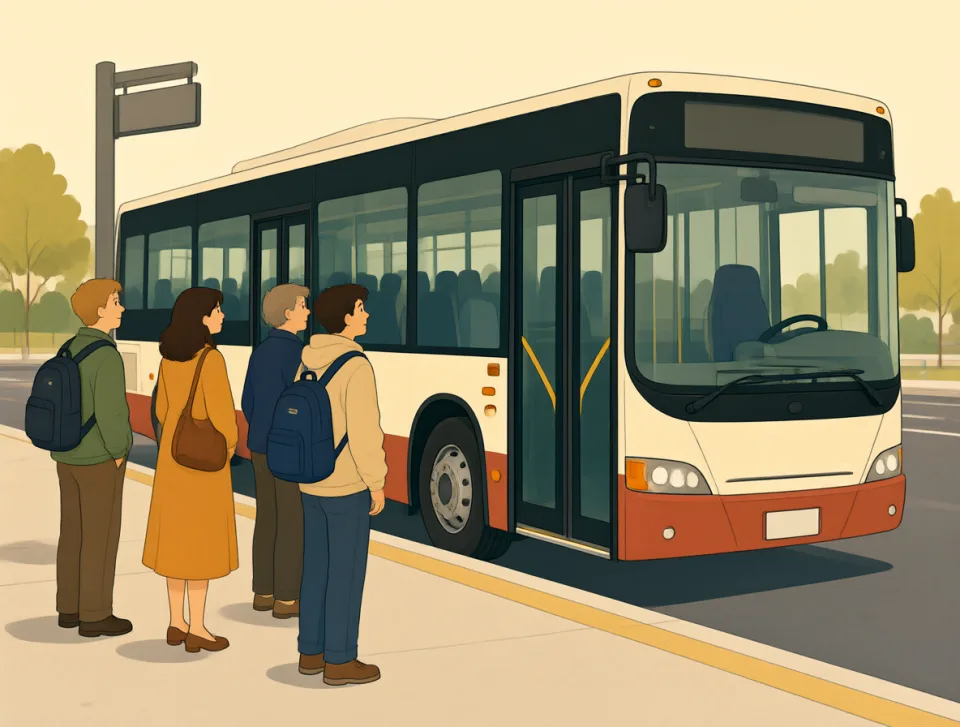
The bus doors opened at the station.
Drzwi autobusu otworzyły się na stacji.
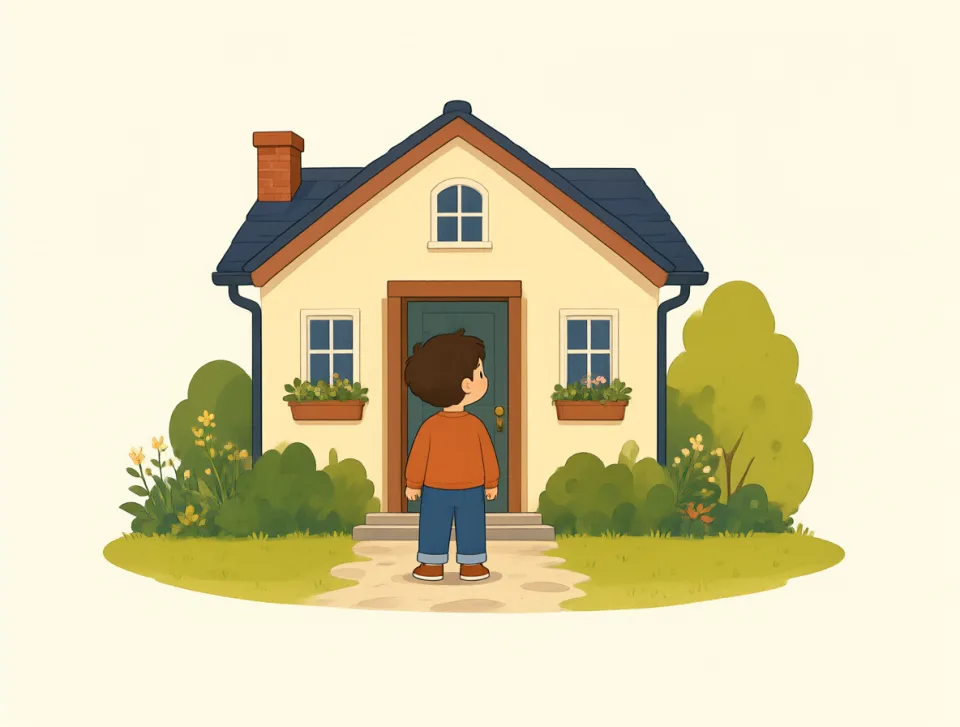
outside
#491adverb, preposition, noun
na zewnątrz
in or to a place that is not inside a building or area
w miejscu, które nie znajduje się wewnątrz budynku ani danego obszaru, lub do takiego miejsca
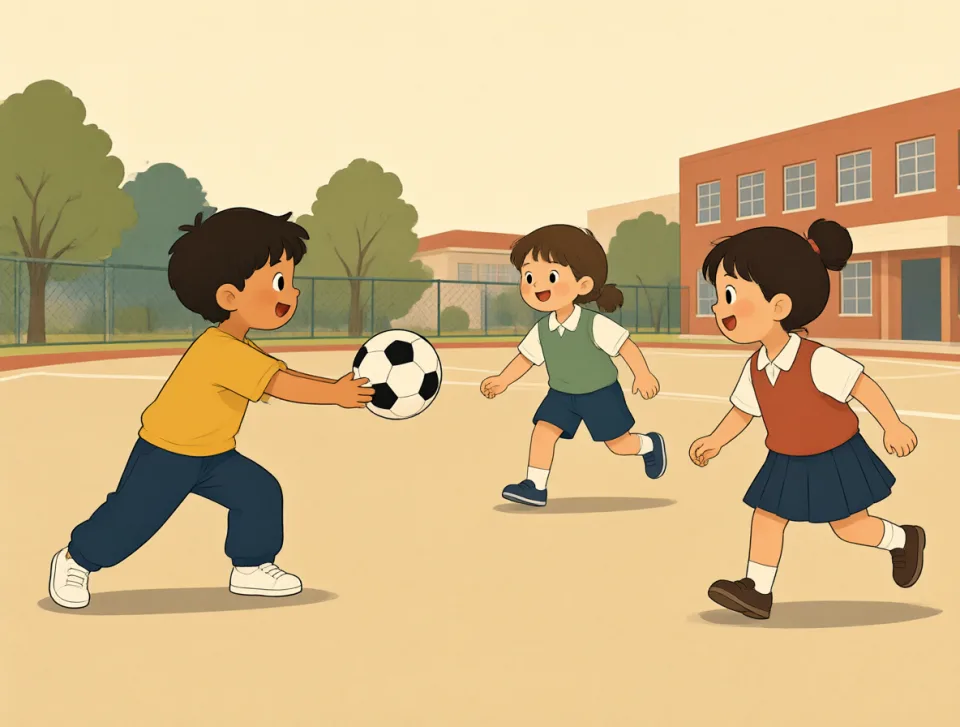
The children are playing outside after school.
Dzieci bawią się na zewnątrz po szkole.
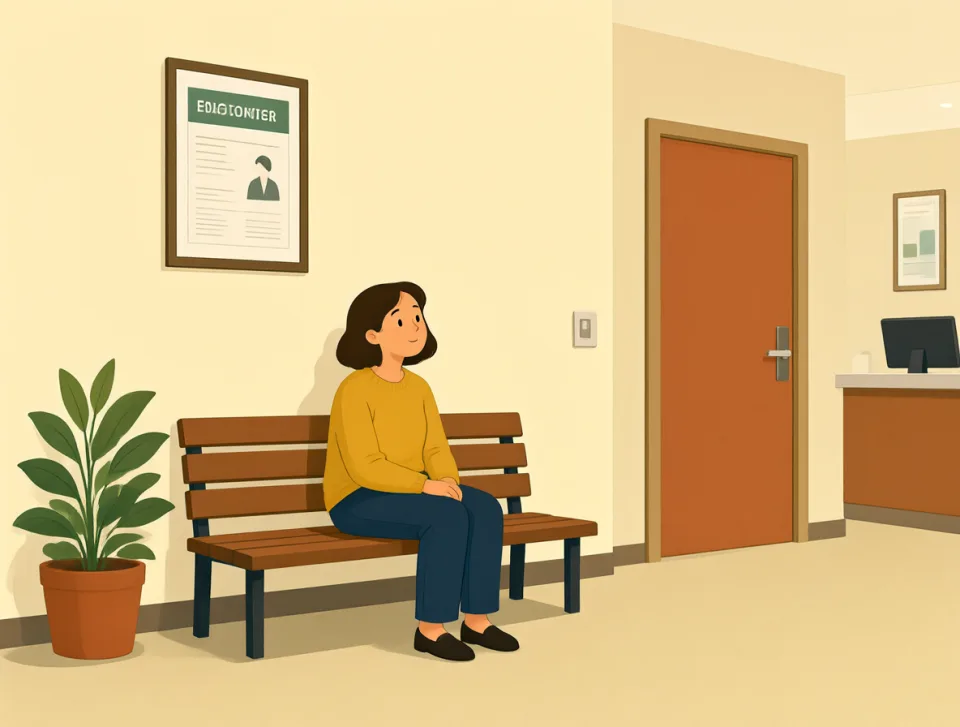
Please wait outside the doctor's office.
Proszę poczekać na zewnątrz gabinetu lekarskiego.

We ate lunch outside at work.
Zjedliśmy lunch na zewnątrz w pracy.
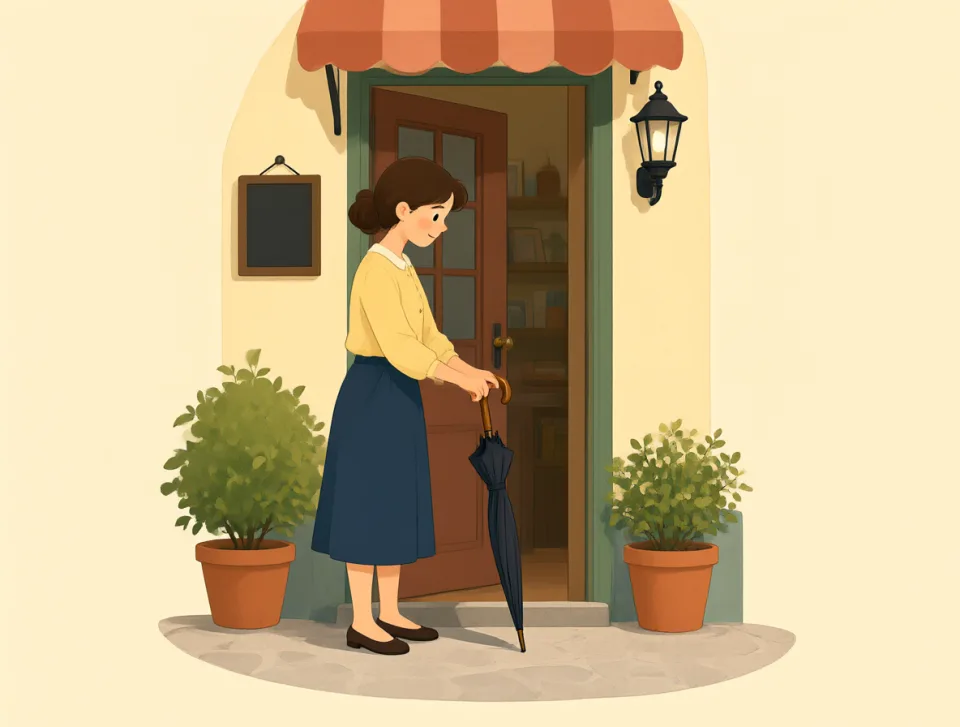
She left her umbrella outside the shop.
Zostawiła parasol na zewnątrz sklepu.
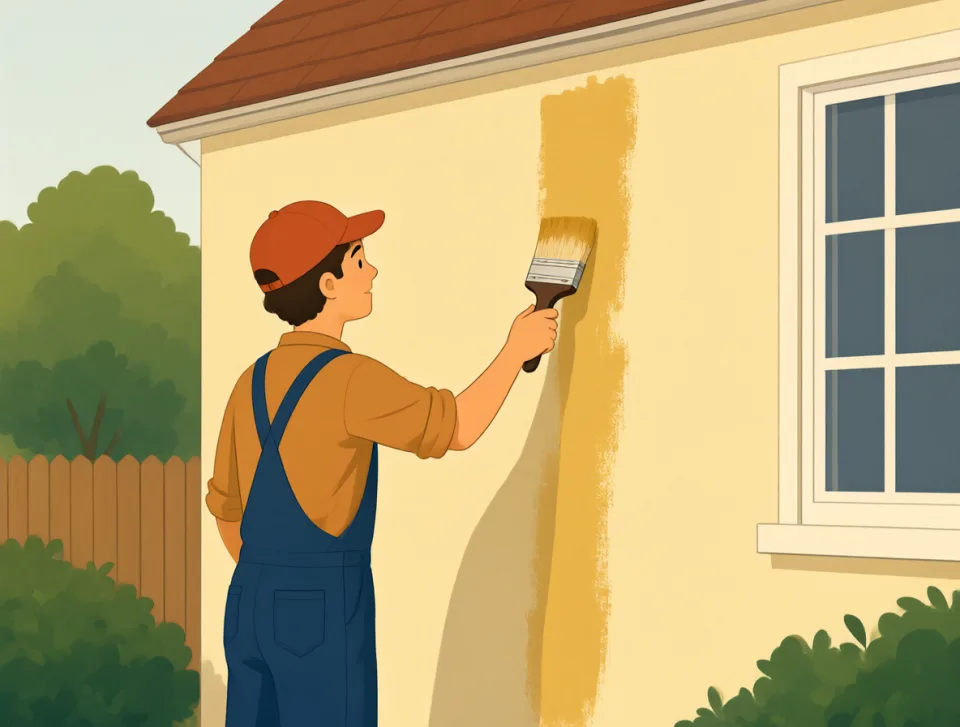
The outside of the house needs paint.
Zewnętrzna część domu wymaga pomalowania.
behind
#492adverb, preposition
za; z tyłu
At or toward the back of someone or something.
w miejscu znajdującym się z tyłu kogoś lub czegoś albo w kierunku tego miejsca
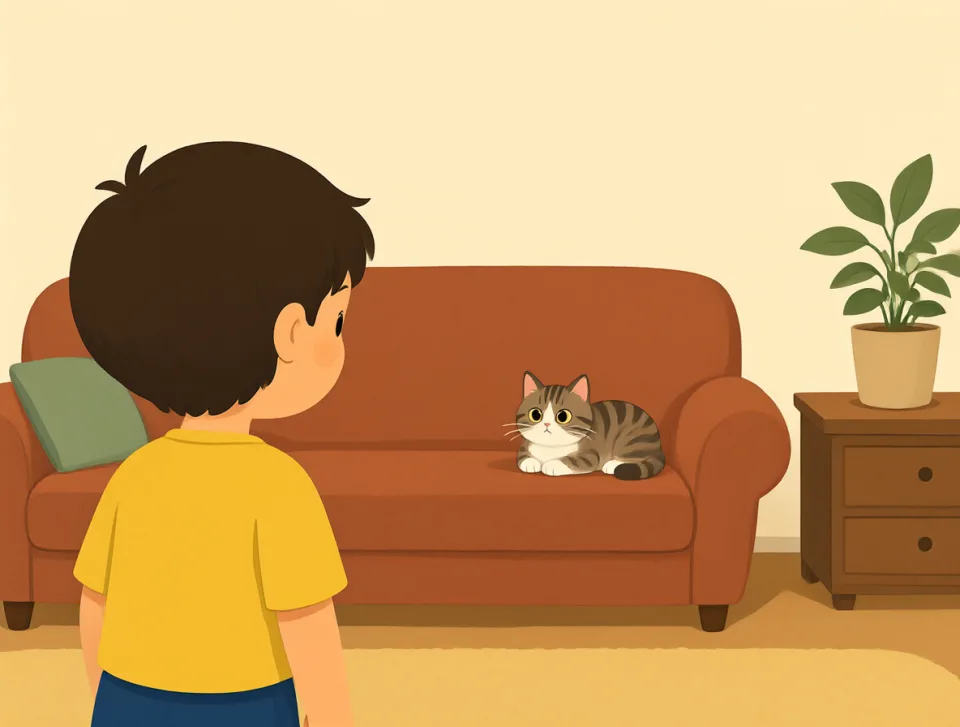
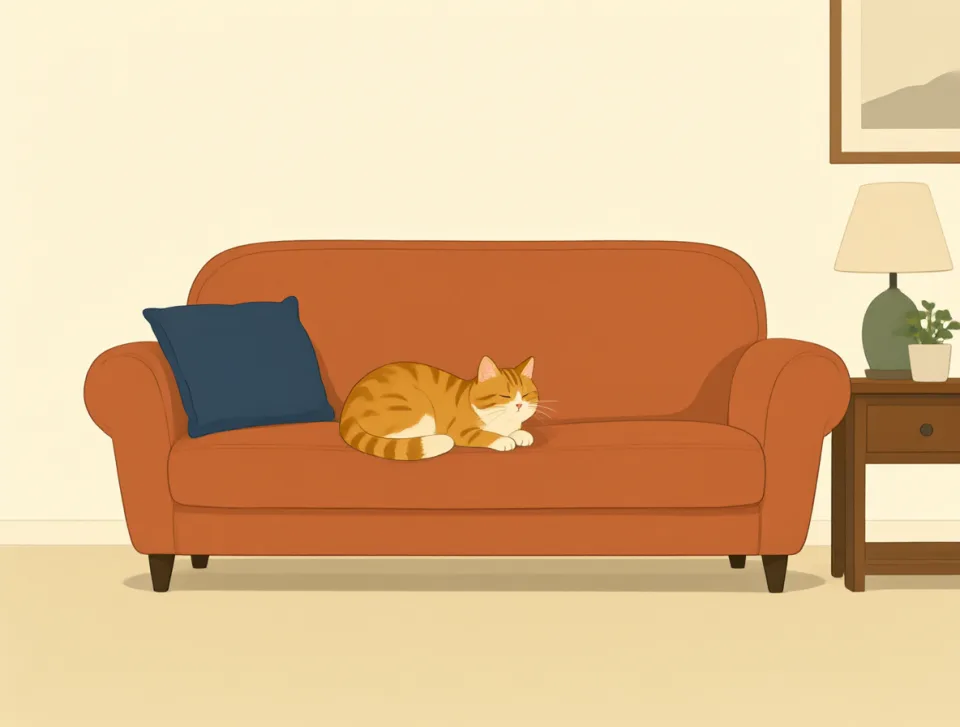
The cat is hiding behind the sofa.
Kot chowa się za kanapą.

She stood behind me in the long line.
Stała za mną w długiej kolejce.
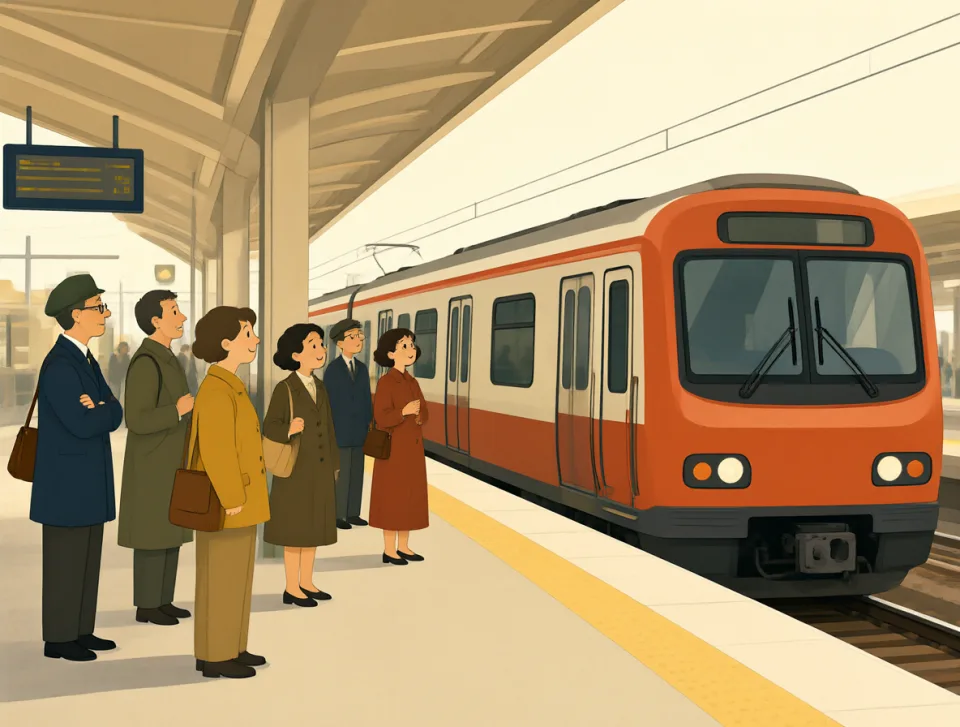
Our train is behind schedule this morning.
Nasz pociąg ma dziś rano opóźnienie.
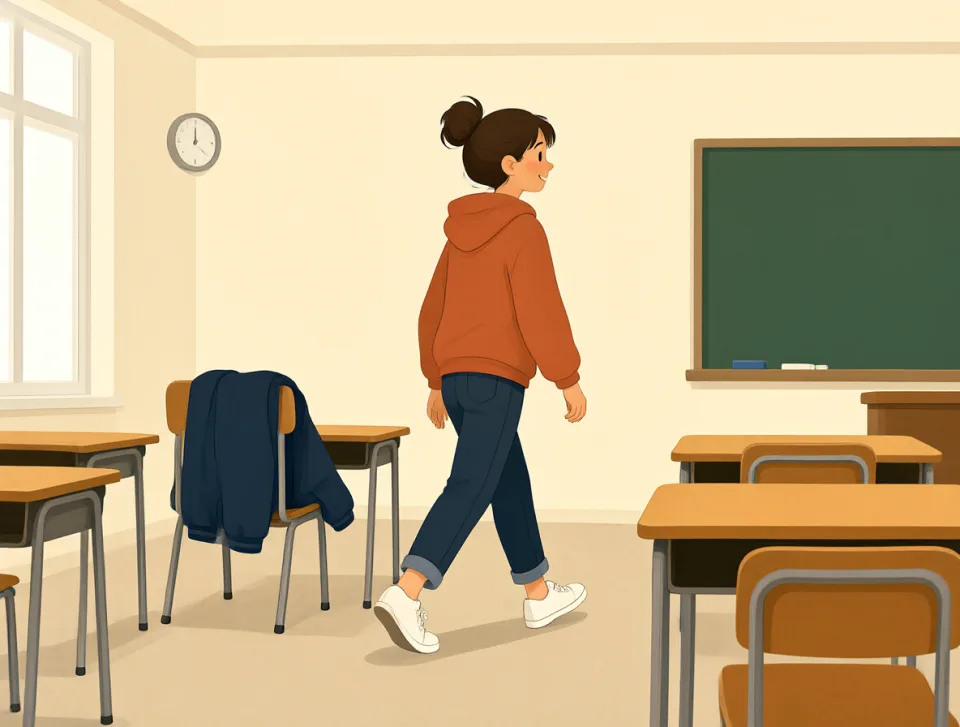
He left his jacket behind at school.
Zostawił kurtkę w szkole.
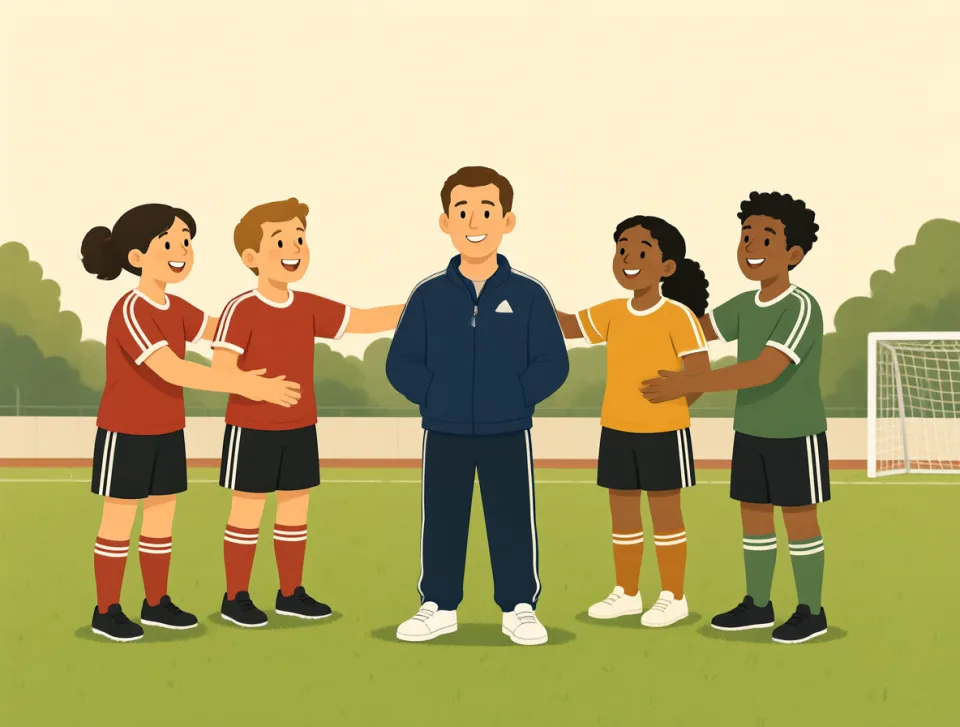
The team is behind our new coach.
Zespół popiera naszego nowego trenera.
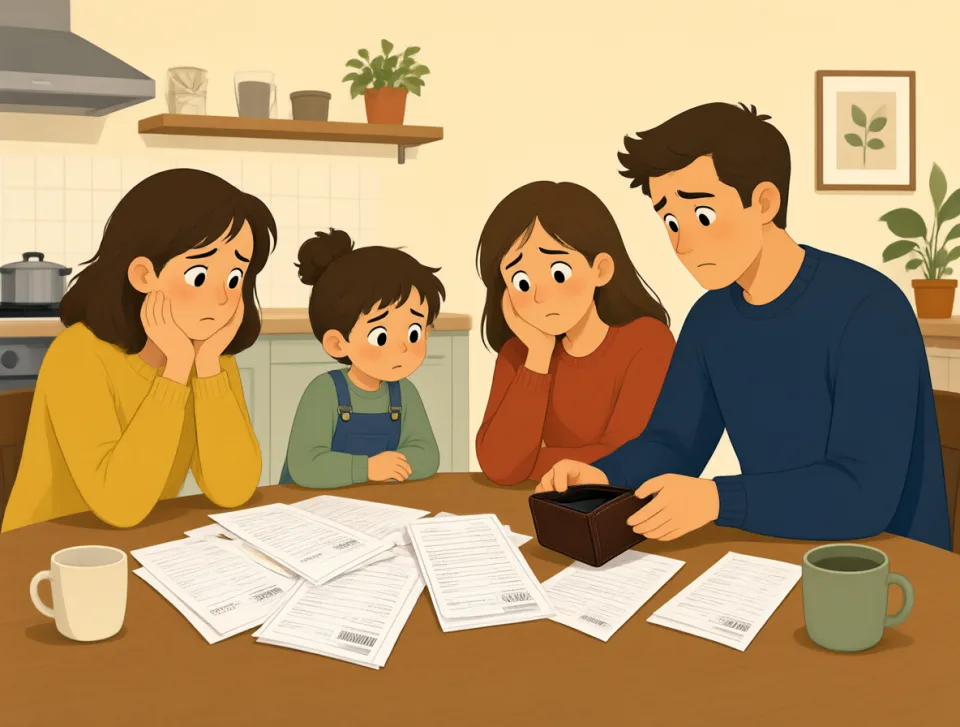
economic
#493adjective
gospodarczy; ekonomiczny
Related to money, business, trade, or the use of resources.
związany z pieniędzmi, biznesem, handlem lub wykorzystywaniem zasobów
The country faces serious economic problems.
Kraj zmaga się z poważnymi problemami gospodarczymi.
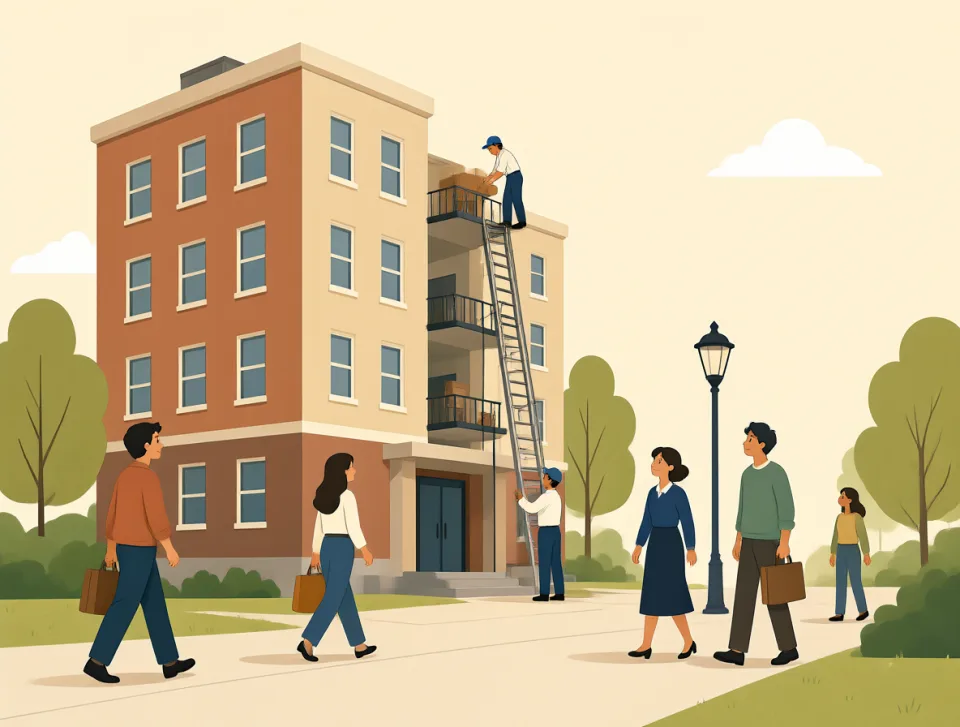
Economic growth created more jobs.
Wzrost gospodarczy stworzył więcej miejsc pracy.
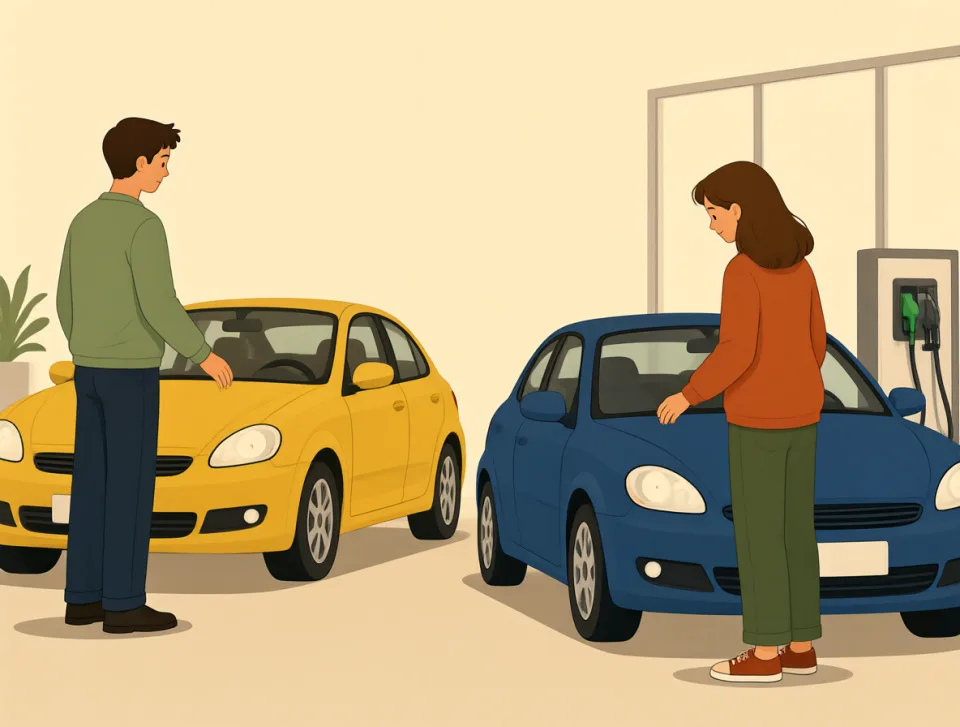
We need a more economic car.
Potrzebujemy oszczędniejszego samochodu.
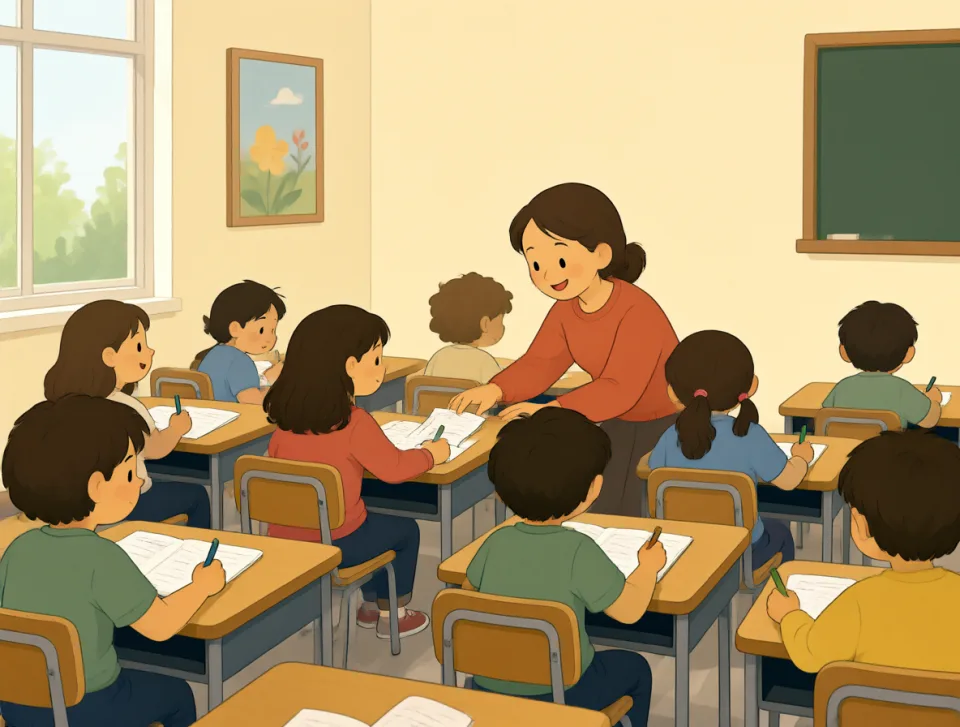
The school made economic use of space.
Szkoła efektywnie wykorzystała dostępną przestrzeń.

Economic changes raised food prices.
Zmiany gospodarcze podniosły ceny żywności.
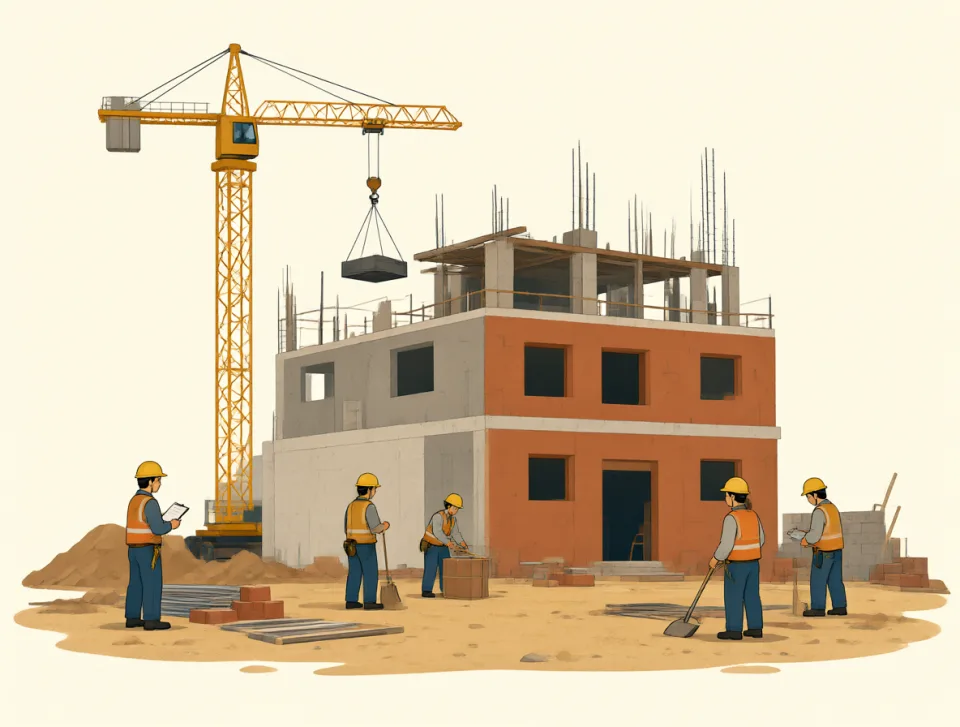
site
#494noun
miejsce; lokalizacja; teren
A place where something happens or where something is built.
miejsce, w którym coś się dzieje lub coś jest budowane
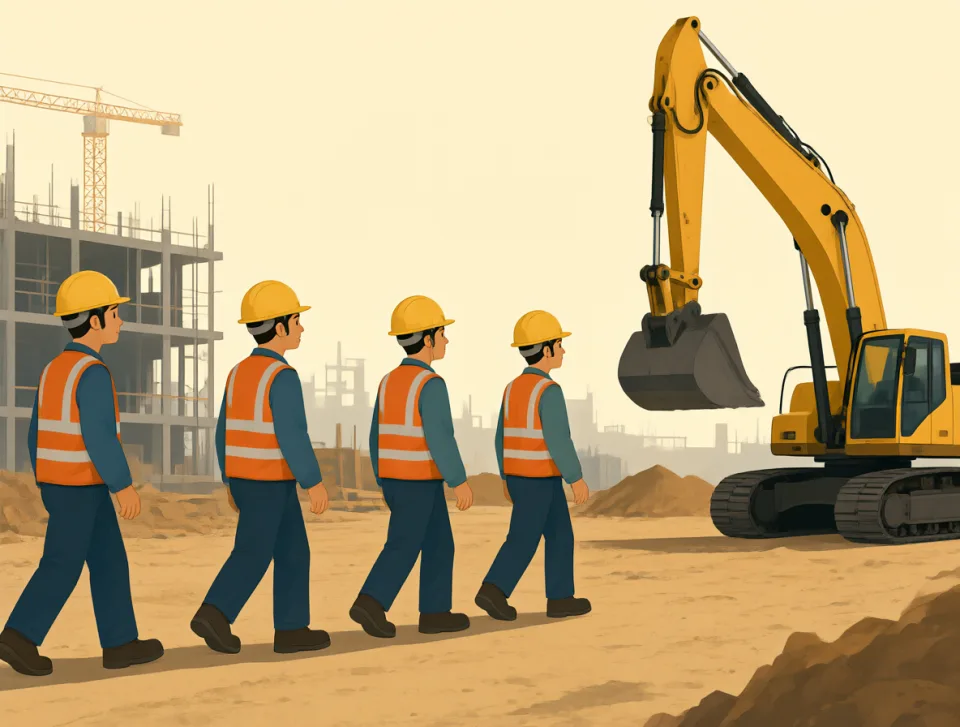
Workers arrived early at the building site.
Robotnicy przybyli wcześnie na plac budowy.
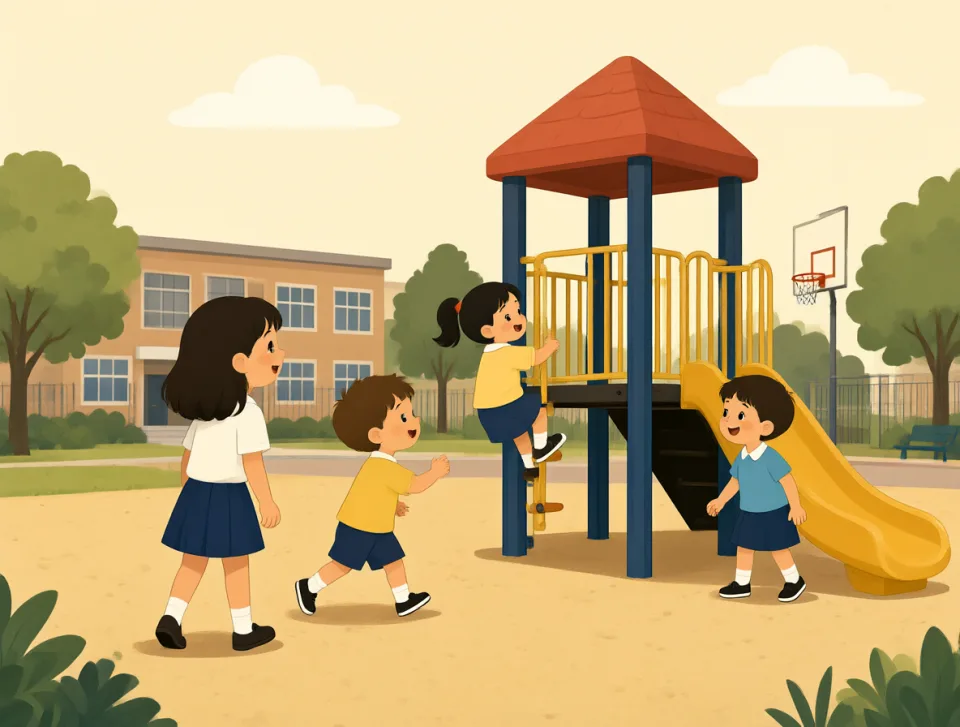
The school site has a new playground.
Teren szkoły ma nowy plac zabaw.
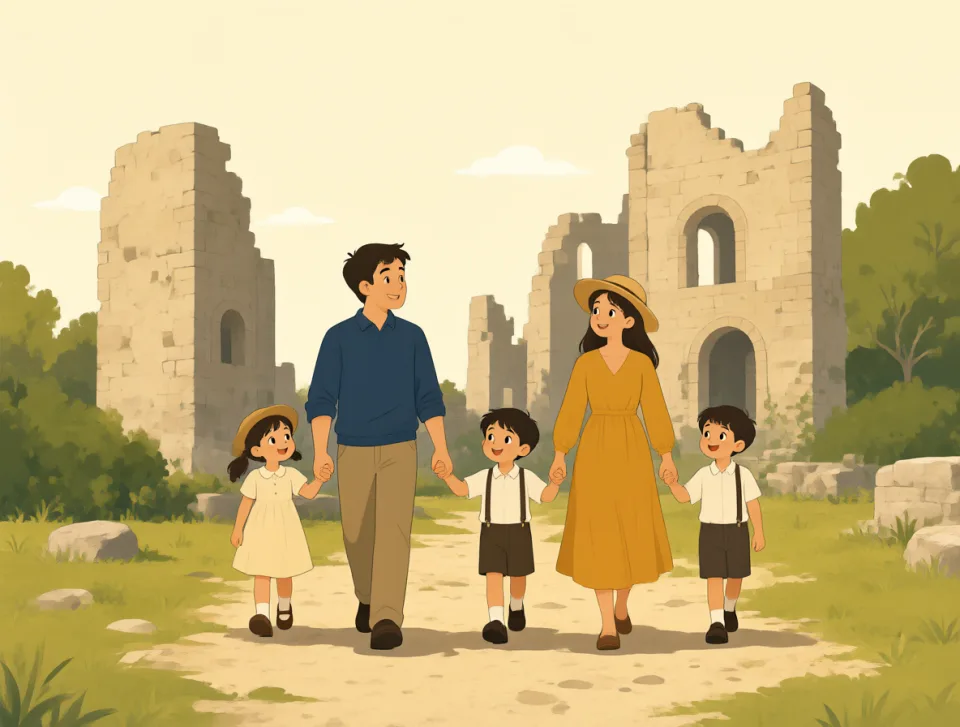
We visited the historic site yesterday.
Wczoraj odwiedziliśmy zabytkowe miejsce.

The campsite is near a quiet lake.
Kemping znajduje się niedaleko spokojnego jeziora.
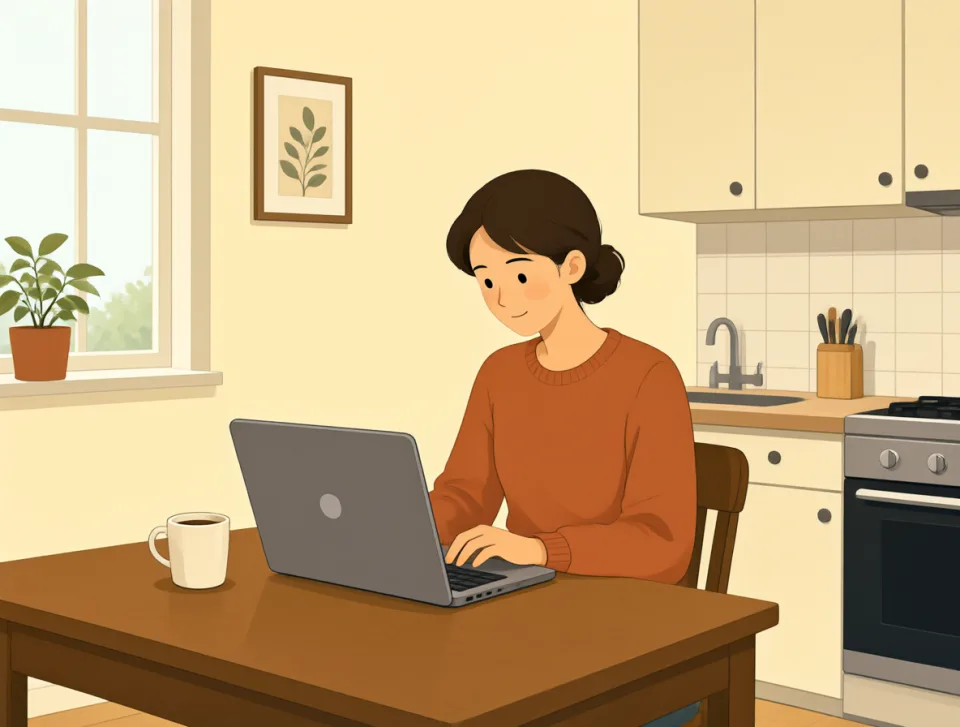
Please check the website for more information.
Więcej informacji znajdziesz na stronie internetowej.
approach
#495noun, verb
podejście; zbliżać się
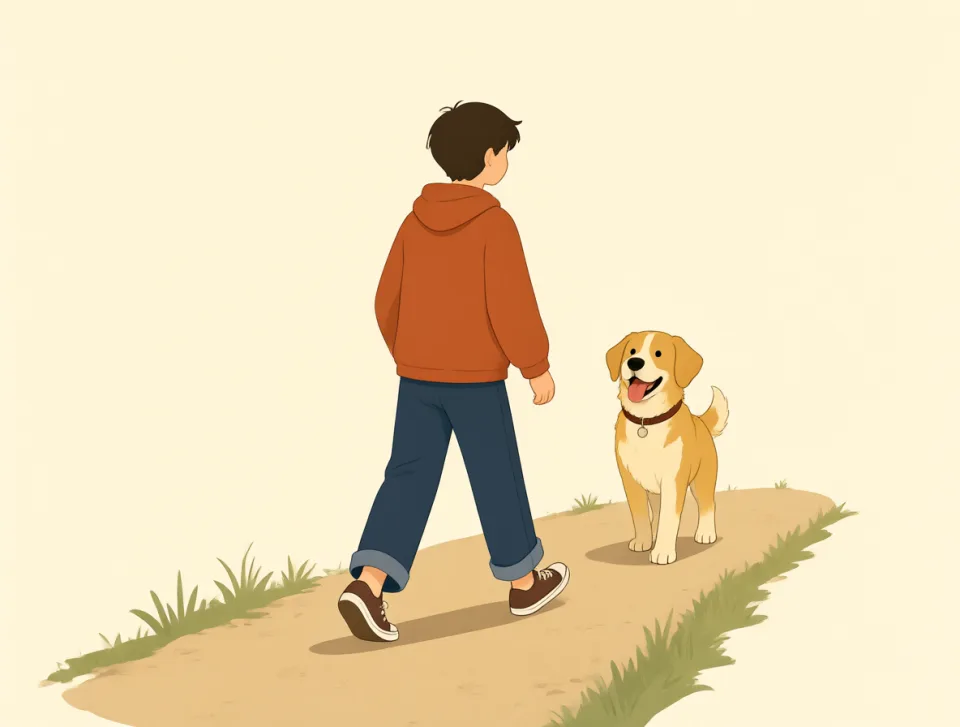
A way of dealing with something; to move closer to someone or something.
sposób radzenia sobie z czymś; poruszać się bliżej kogoś lub czegoś

We need a new approach to this problem.
Potrzebujemy nowego podejścia do tego problemu.
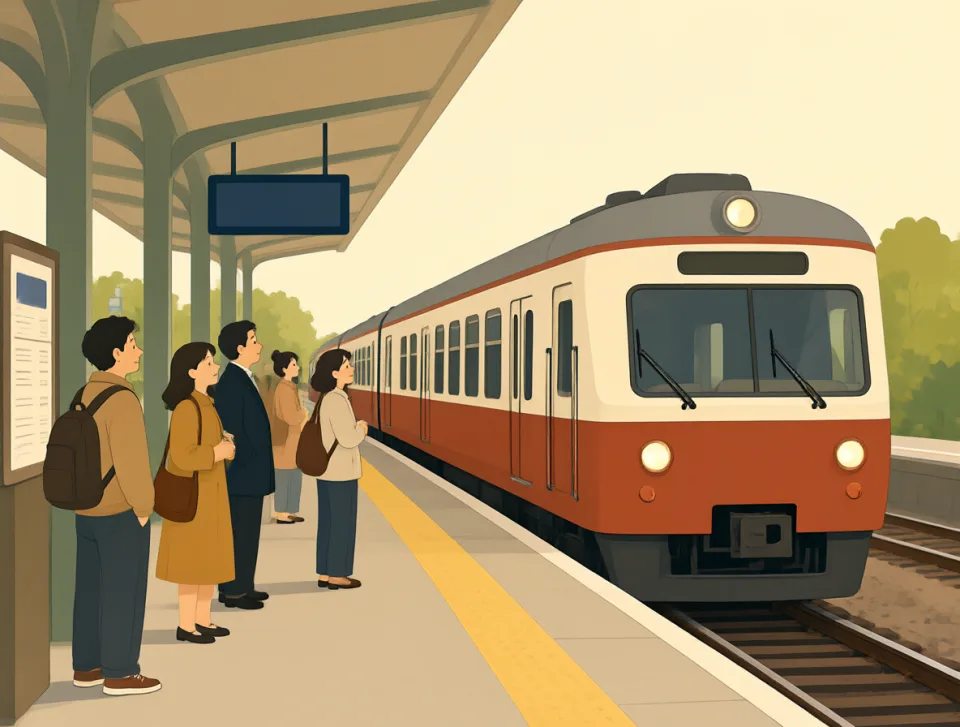
The train is approaching the station.
Pociąg zbliża się do stacji.
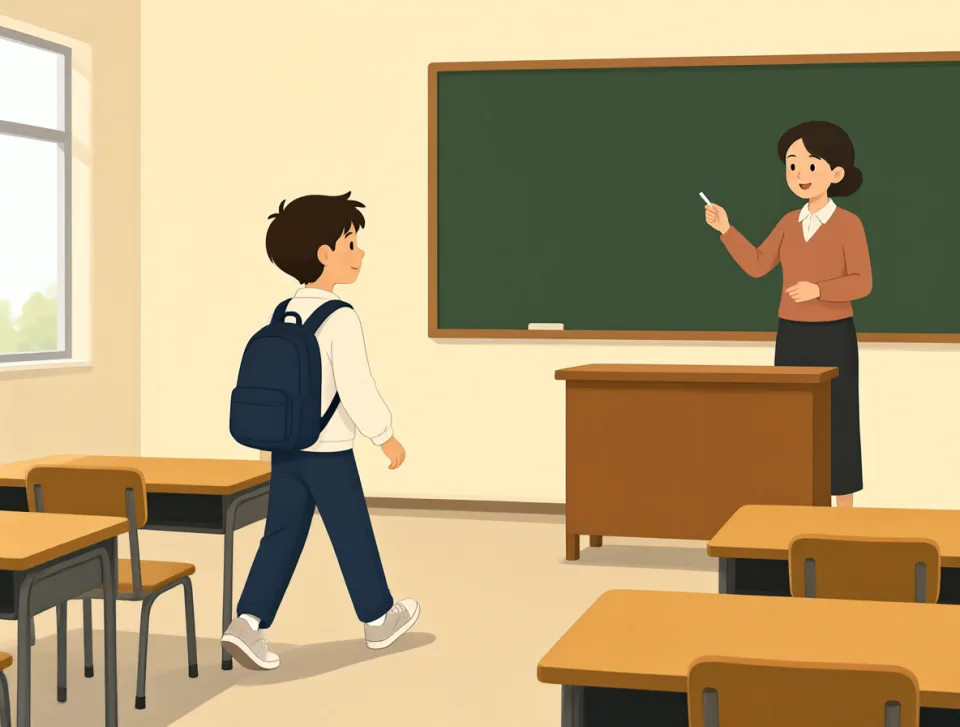
She approached the teacher after class.
Po lekcji podeszła do nauczyciela.
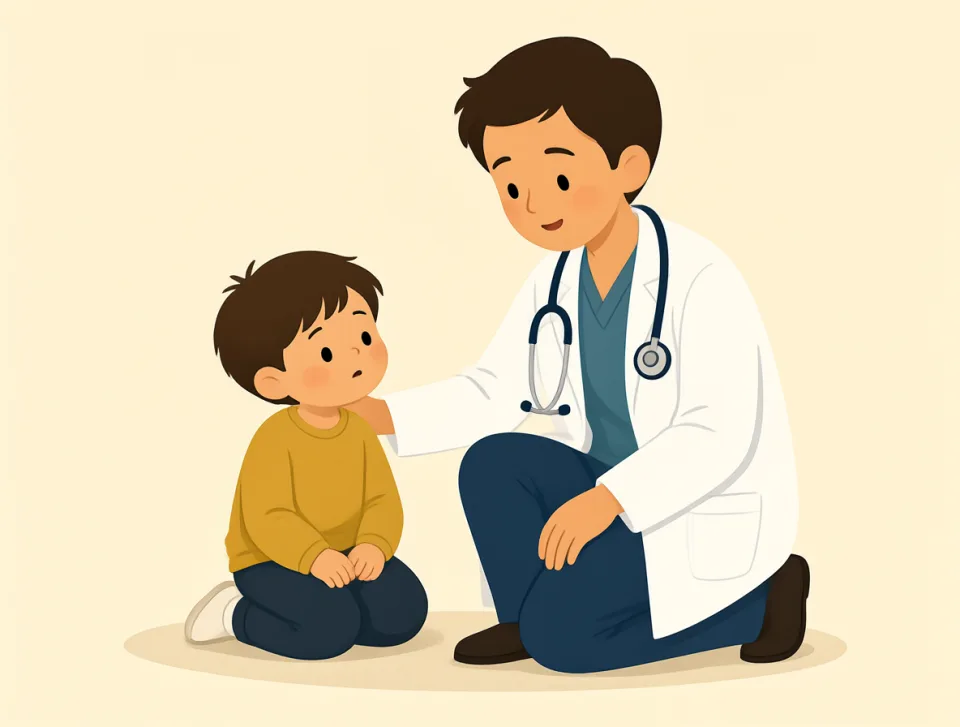
He used a gentle approach with the sick child.
Wobec chorego dziecka zastosował łagodne podejście.

The waiter approached our table with menus.
Kelner podszedł do naszego stolika z menu.
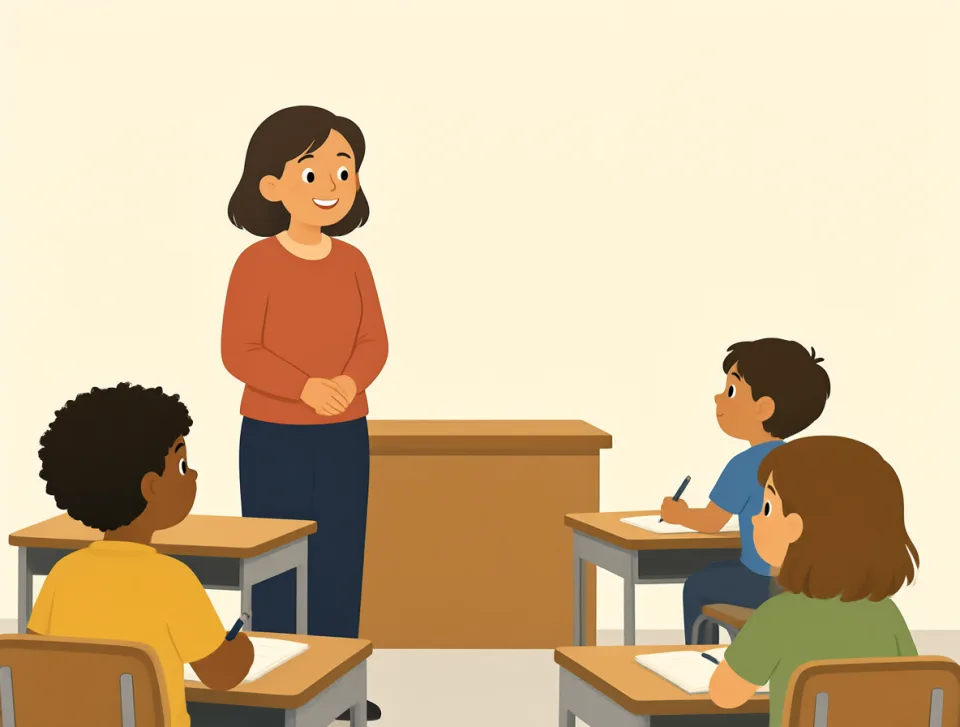
teacher
#496noun
nauczyciel
A person who helps students learn, usually at a school.
Osoba, która pomaga uczniom się uczyć, zwykle w szkole.
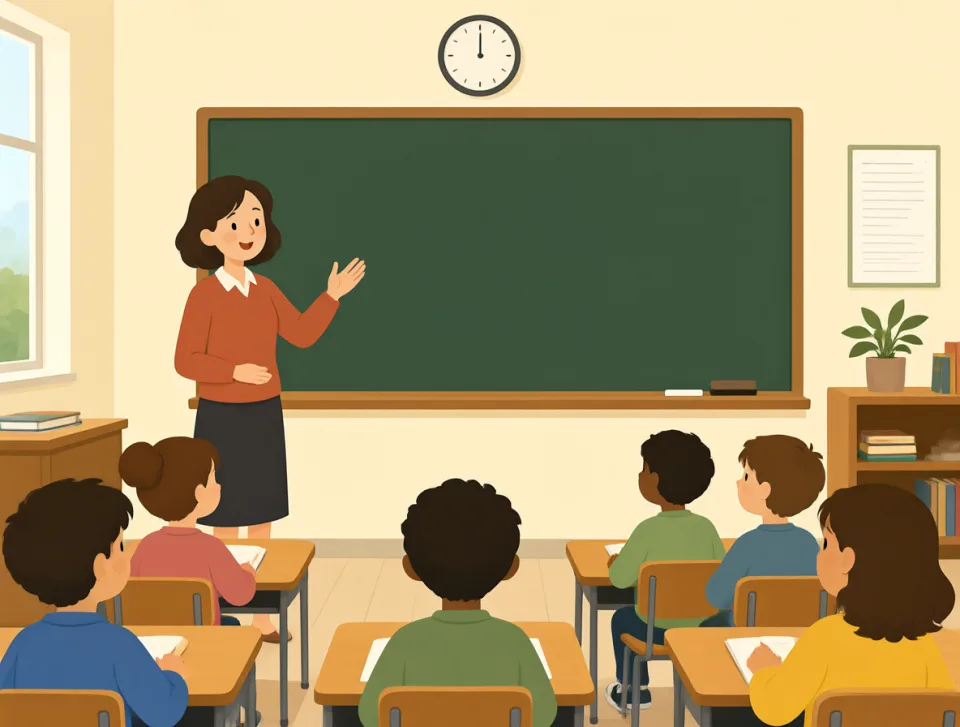
Our teacher explains the lesson clearly.
Nasz nauczyciel jasno wyjaśnia lekcję.
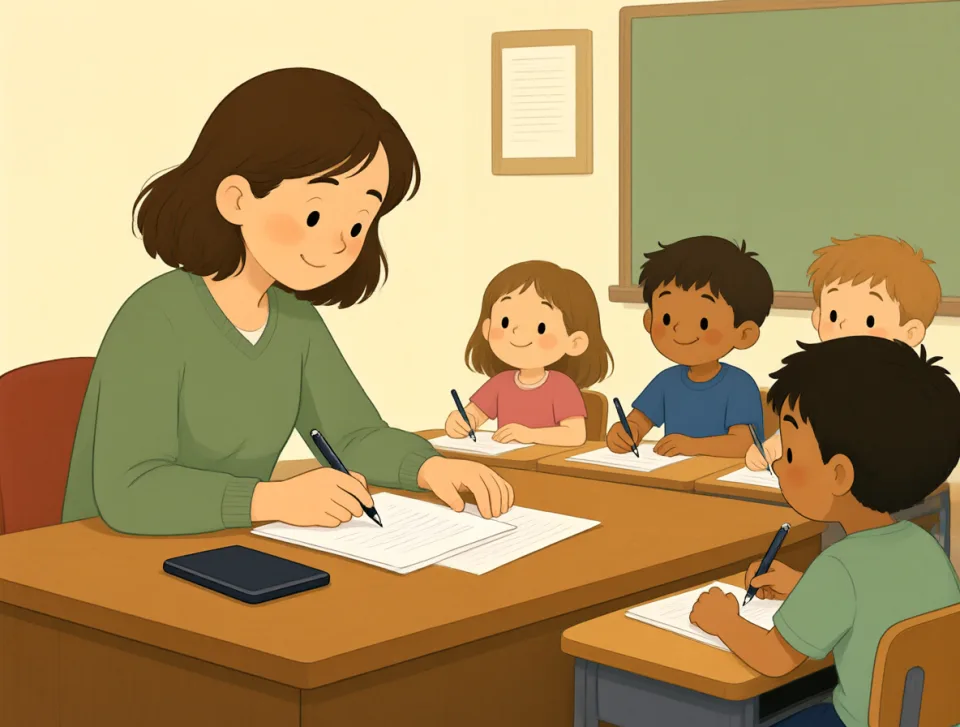
The teacher checked our homework yesterday.
Wczoraj nauczyciel sprawdził nasze zadanie domowe.
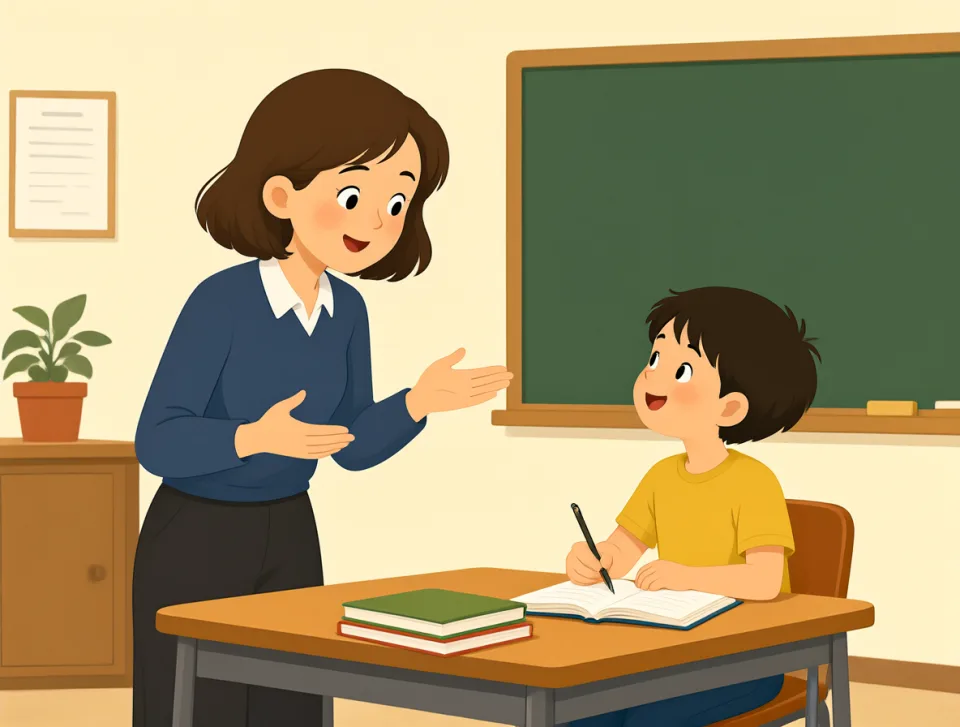
My English teacher gives us useful advice.
Mój nauczyciel angielskiego daje nam przydatne wskazówki.

The teacher called my parents after school.
Nauczyciel zadzwonił do moich rodziców po lekcjach.
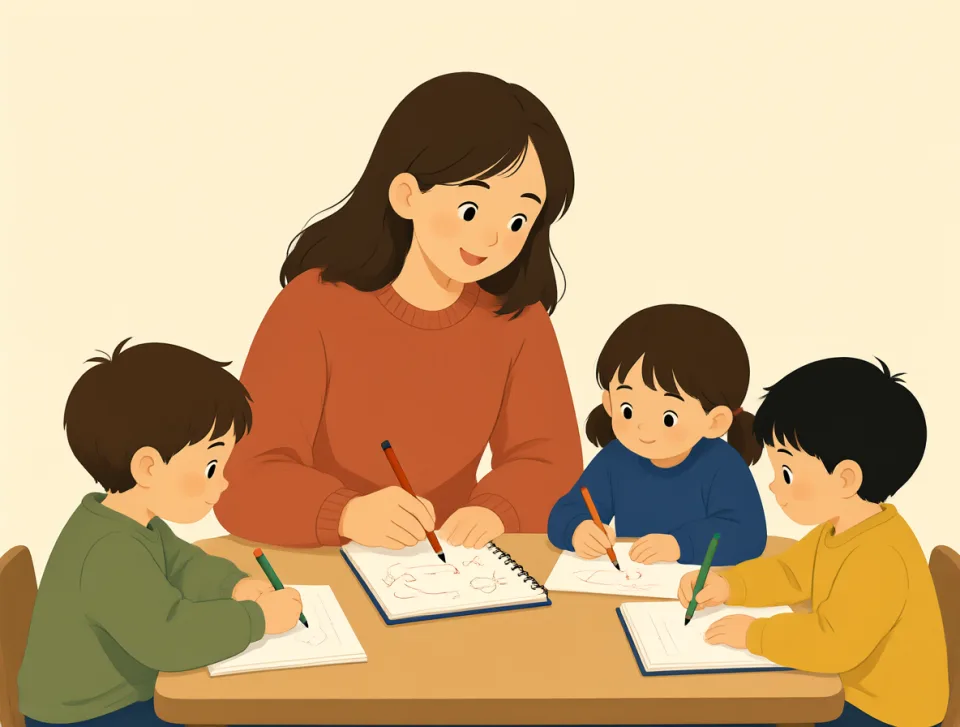
She wants to become a teacher someday.
Ona chce kiedyś zostać nauczycielką.

land
#497noun, verb
ląd; lądować
The solid ground of the Earth, or to arrive somewhere after traveling.
Stały grunt na Ziemi albo dotrzeć gdzieś po podróży.
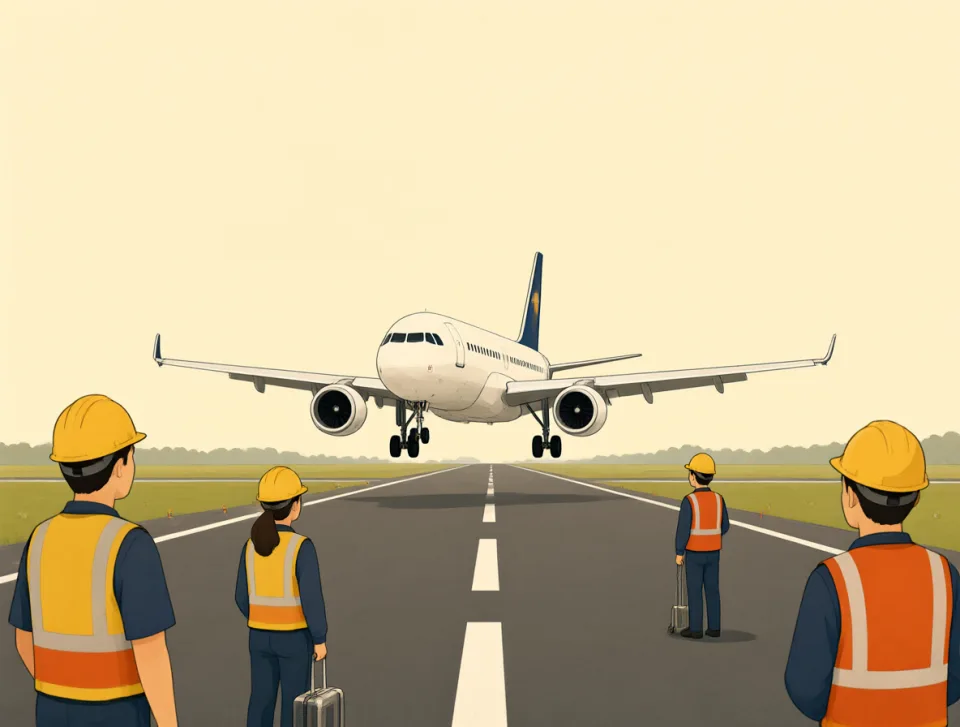
The plane landed safely at the airport.
Samolot bezpiecznie wylądował na lotnisku.
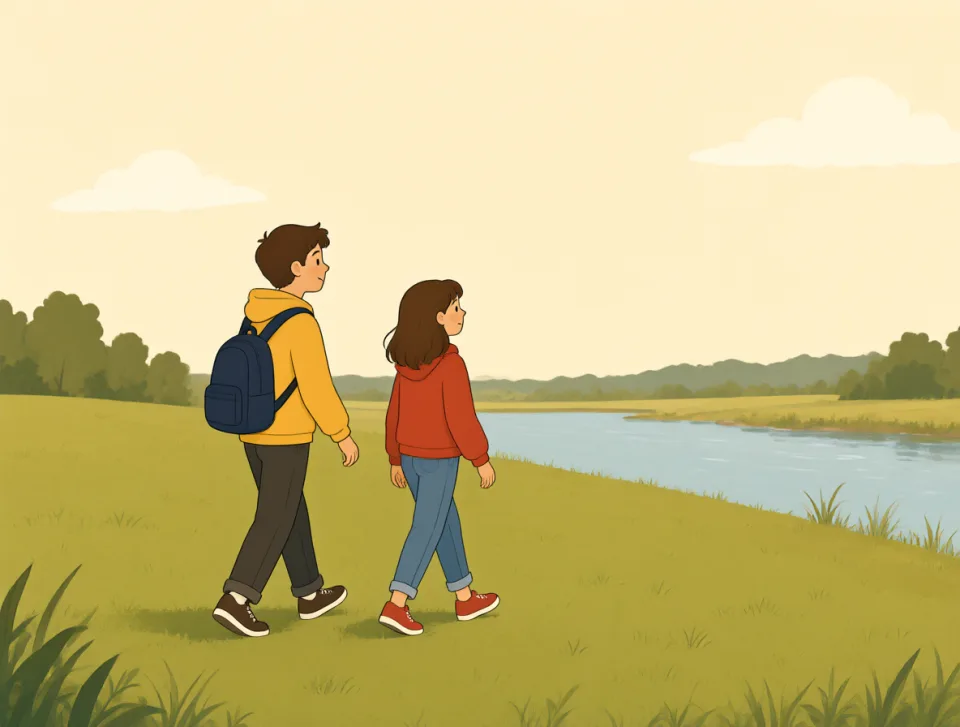
We walked across the land to the river.
Przeszliśmy przez ląd aż do rzeki.
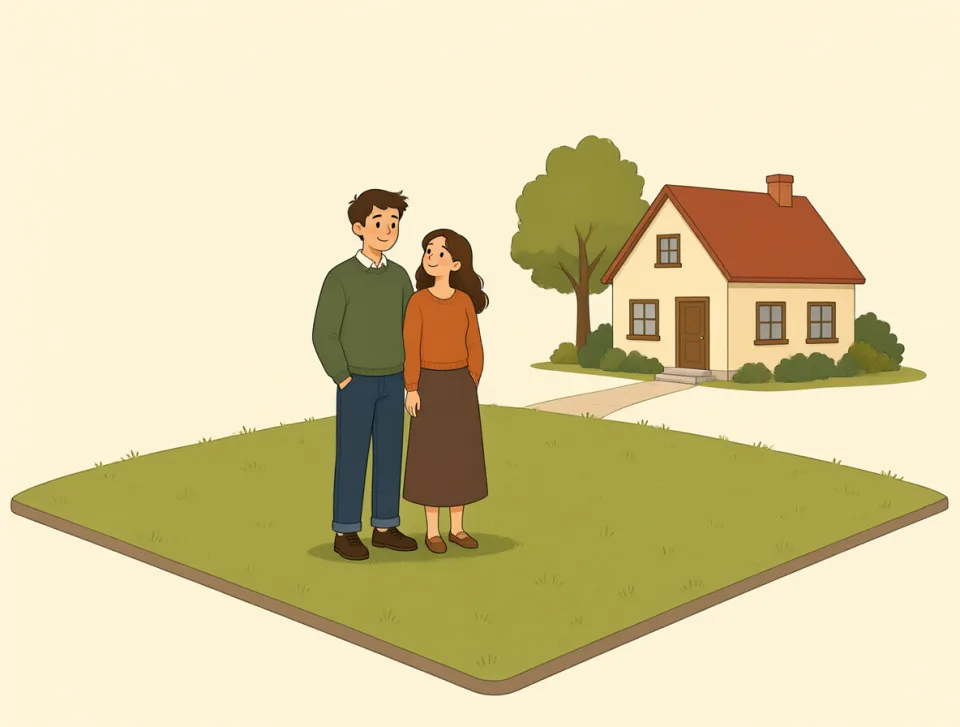
They bought land to build a house.
Kupili ziemię, żeby zbudować dom.
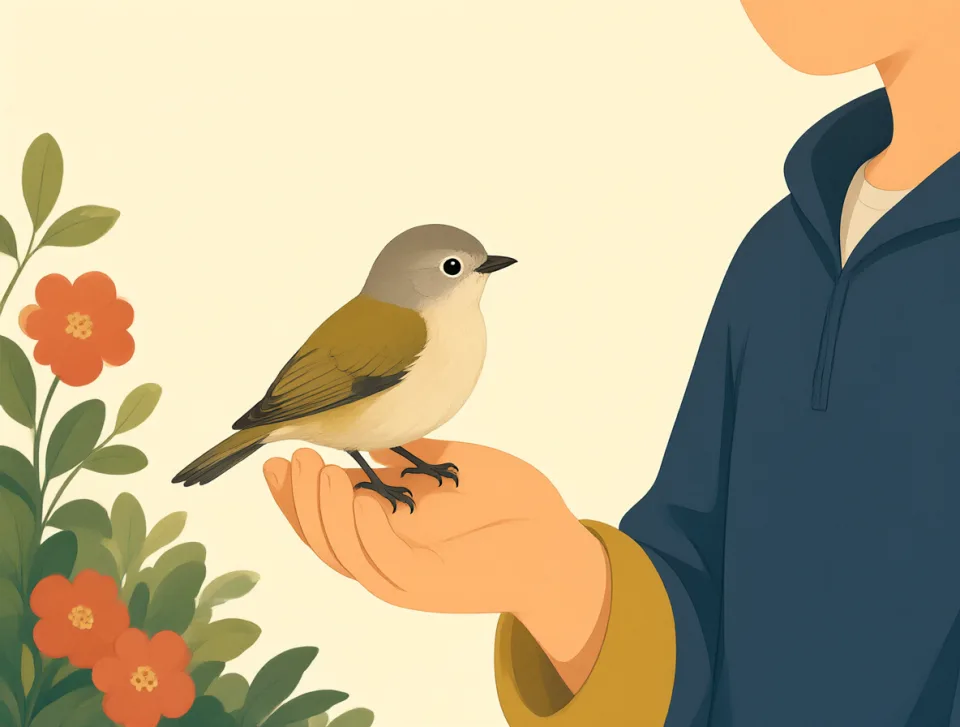
The bird landed on my hand.
Ptak wylądował na mojej dłoni.

A fly landed in my soup.
Mucha wylądowała w mojej zupie.
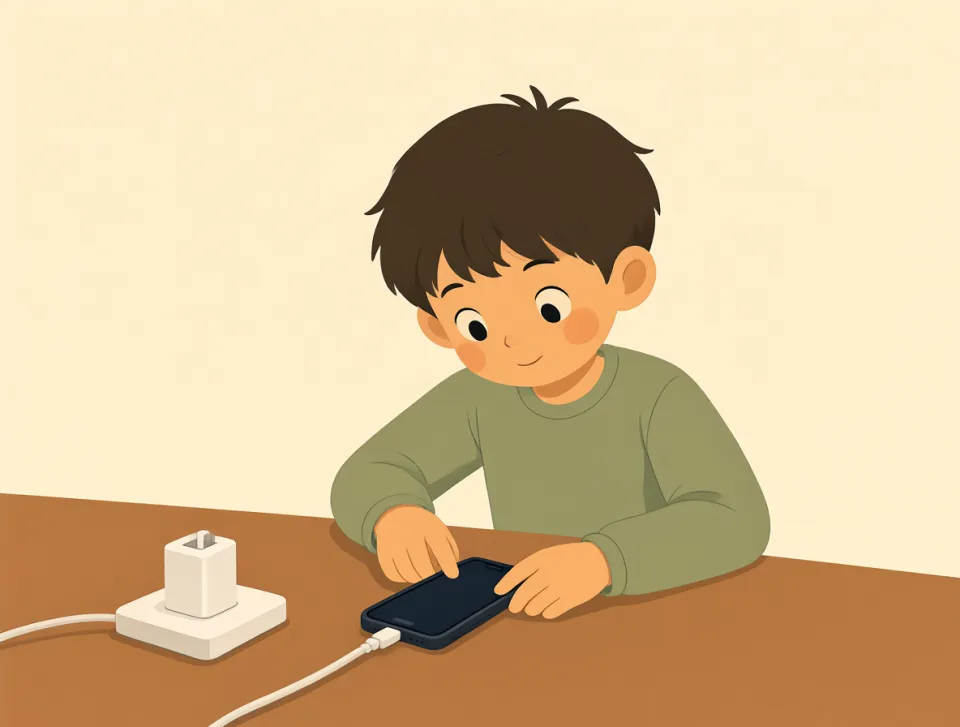
charge
#498noun, verb
pobierać opłatę; ładować; oskarżać
To ask for money, fill a battery, or officially accuse someone of a crime.
Zażądać zapłaty, naładować baterię lub formalnie oskarżyć kogoś o przestępstwo.
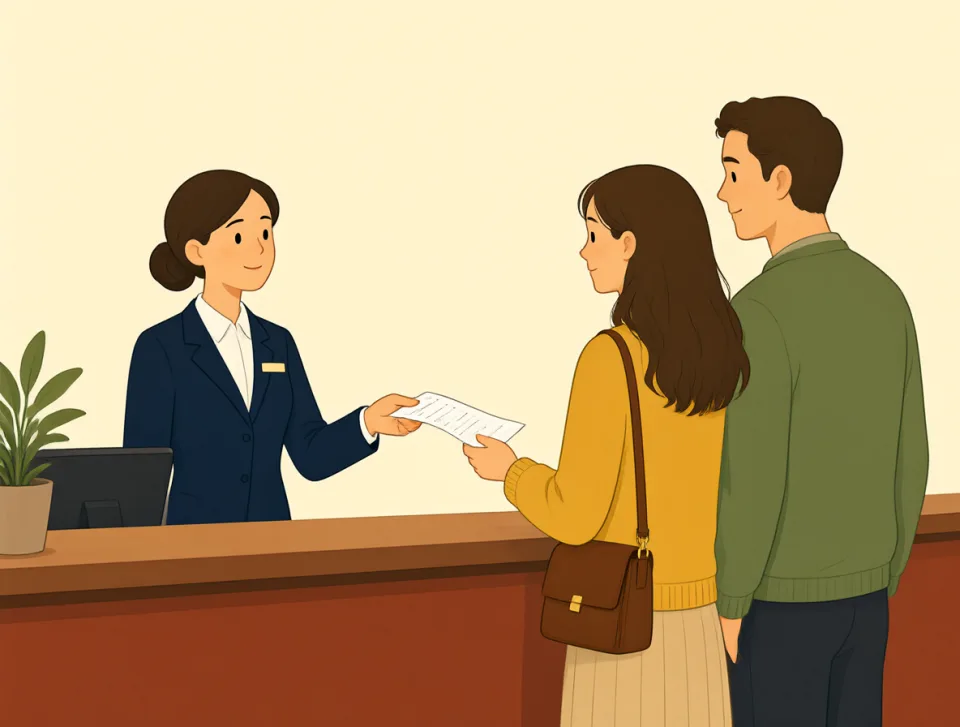
The hotel charged us for breakfast.
Hotel pobrał od nas opłatę za śniadanie.
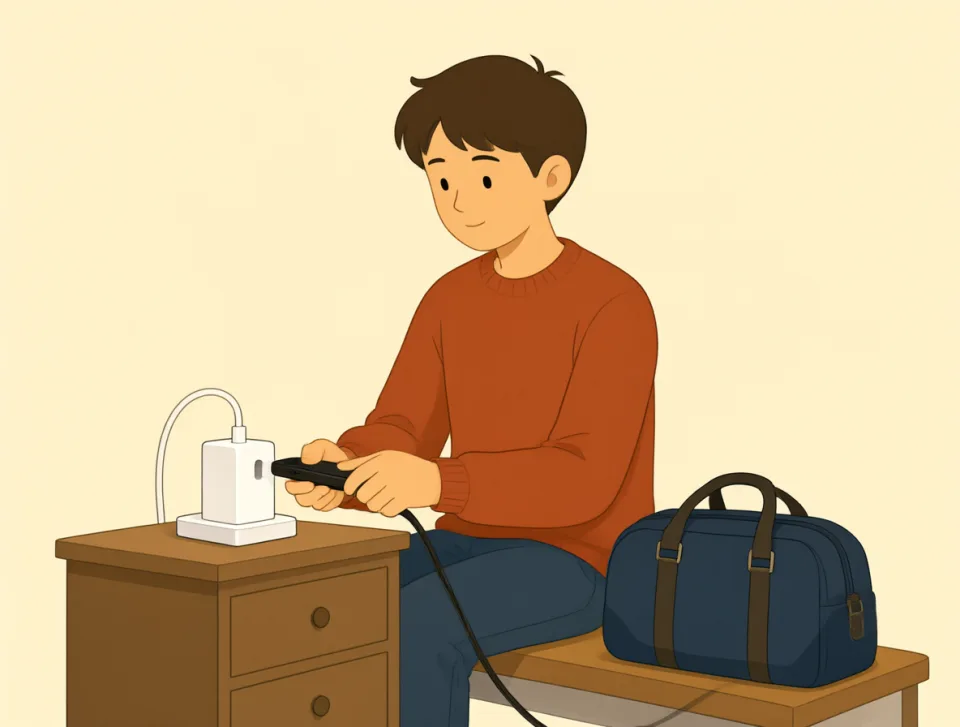
Please charge my phone before the trip.
Proszę, naładuj mój telefon przed wyjazdem.
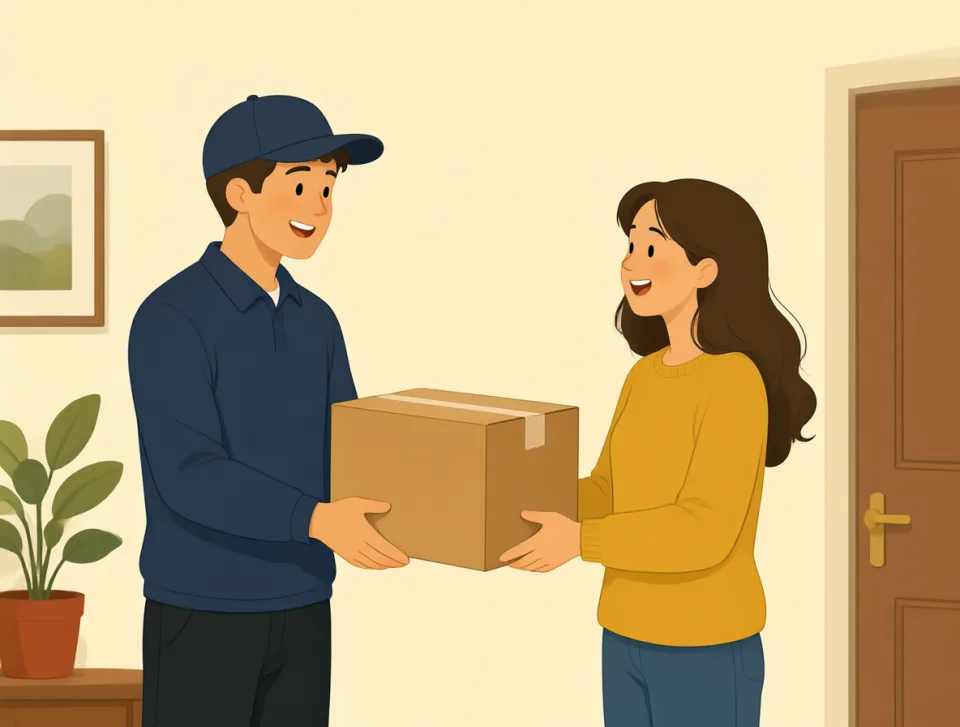
There is no extra charge for delivery.
Dostawa jest bezpłatna.

The police charged him with stealing money.
Policja oskarżyła go o kradzież pieniędzy.
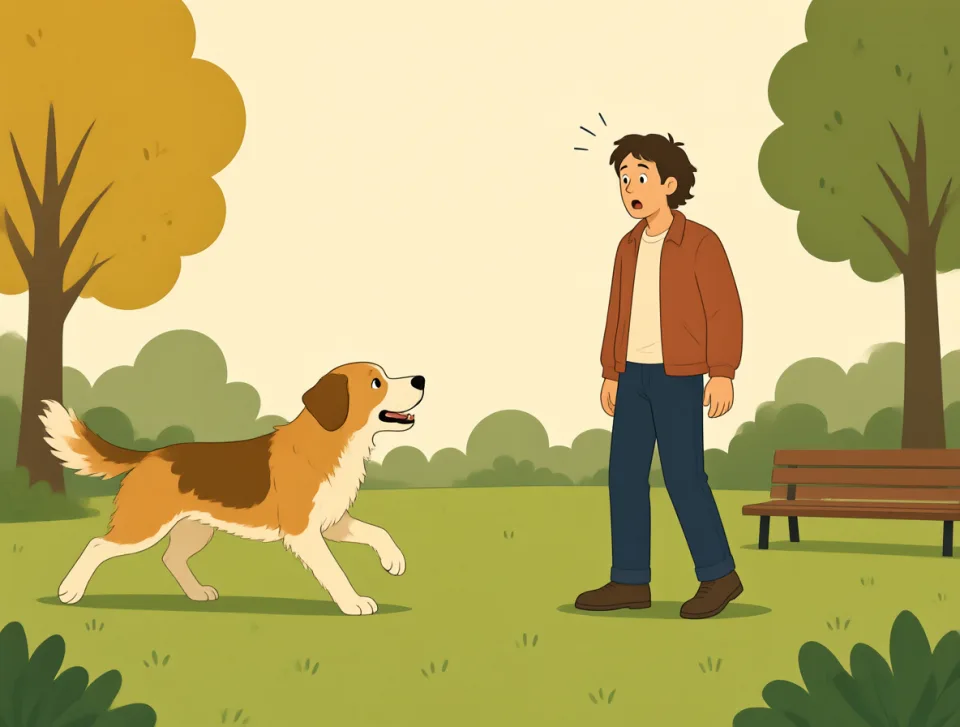
The dog charged at the stranger.
Pies rzucił się na nieznajomego.
finally
#499adverb
w końcu
at the end of a long wait or after everything else has happened
Po długim oczekiwaniu albo gdy wszystko inne już się wydarzyło.
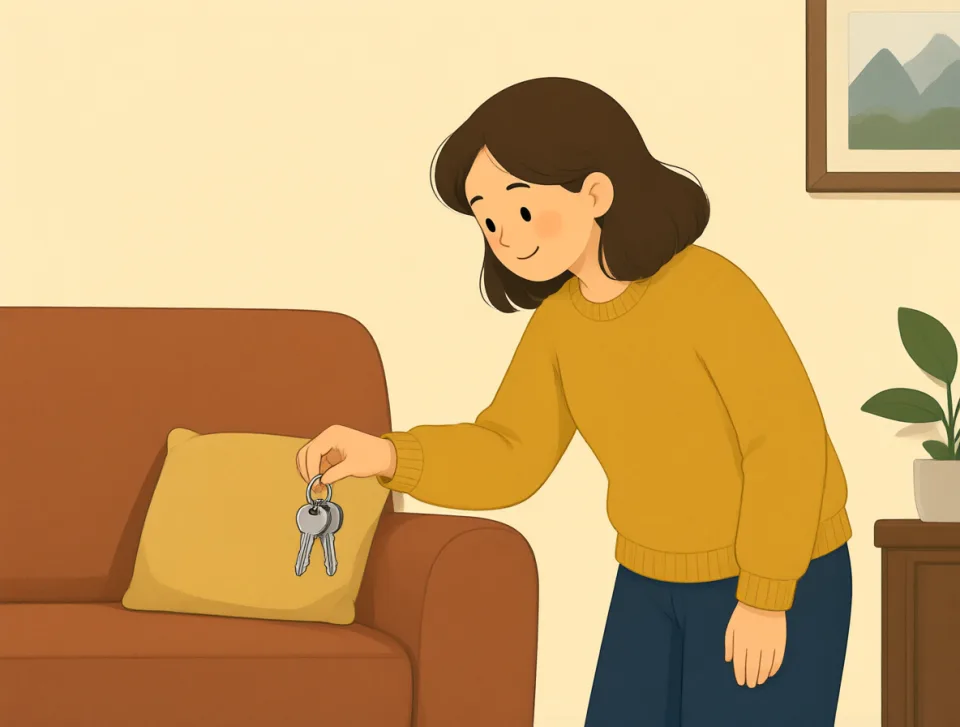
She finally found her lost keys.
W końcu znalazła zgubione klucze.
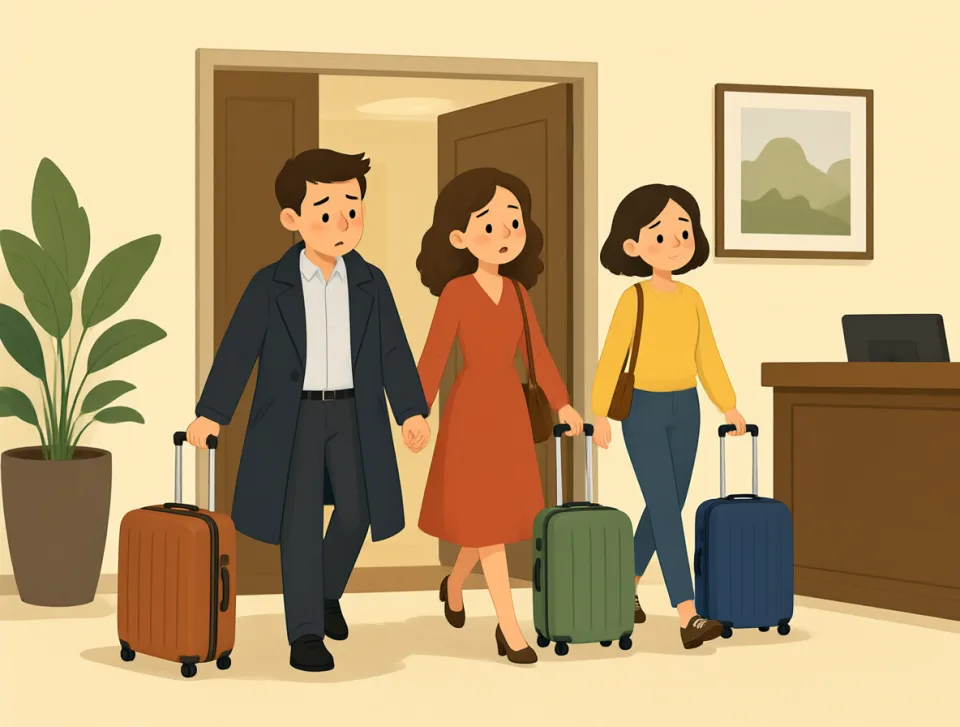
We finally arrived at the hotel.
W końcu dotarliśmy do hotelu.
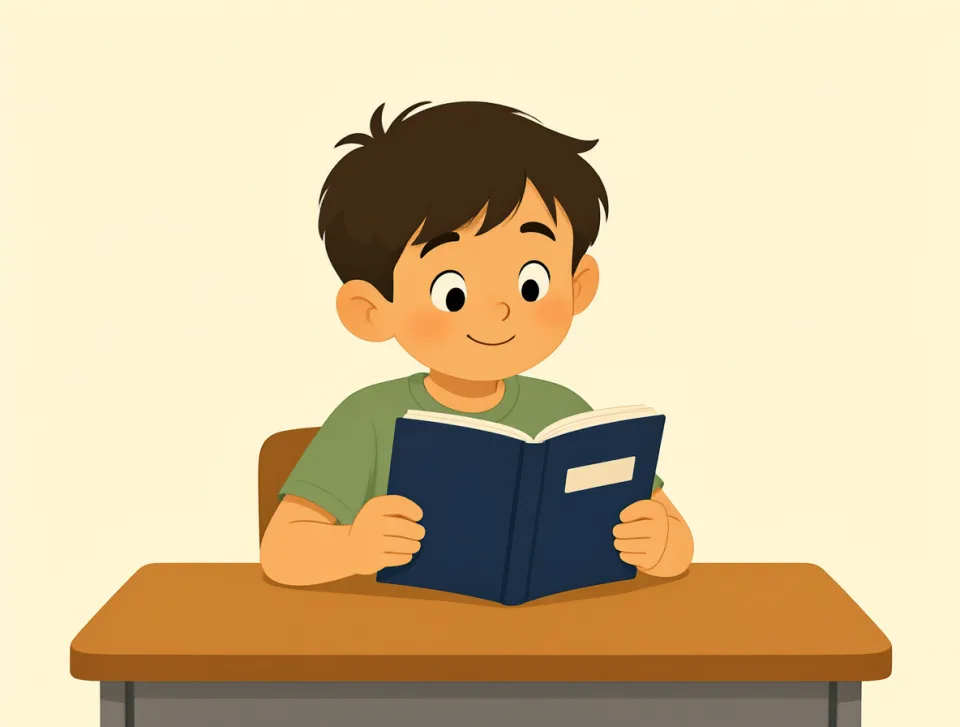
He finally finished his homework.
W końcu odrobił pracę domową.
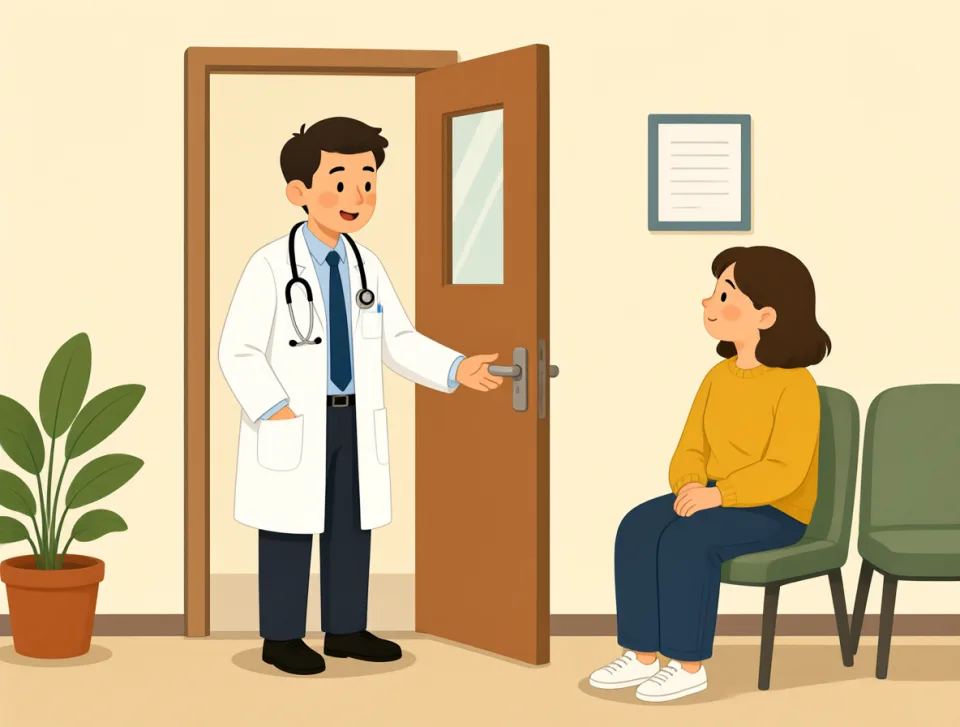
The doctor finally called my name.
Lekarz w końcu wyczytał moje nazwisko.

They finally agreed to meet tomorrow.
W końcu zgodzili się spotkać jutro.
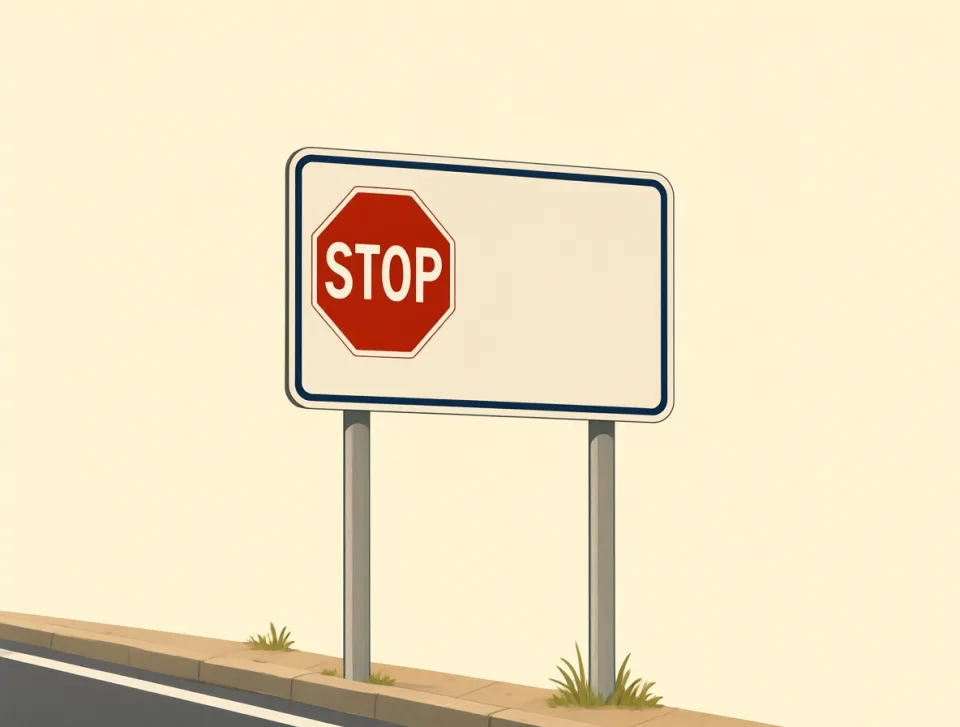
sign
#500noun, verb
znak; podpisywać
A mark or action that gives information, or to write your name on something.
Znak lub działanie przekazujące informację albo złożyć swój podpis na czymś.
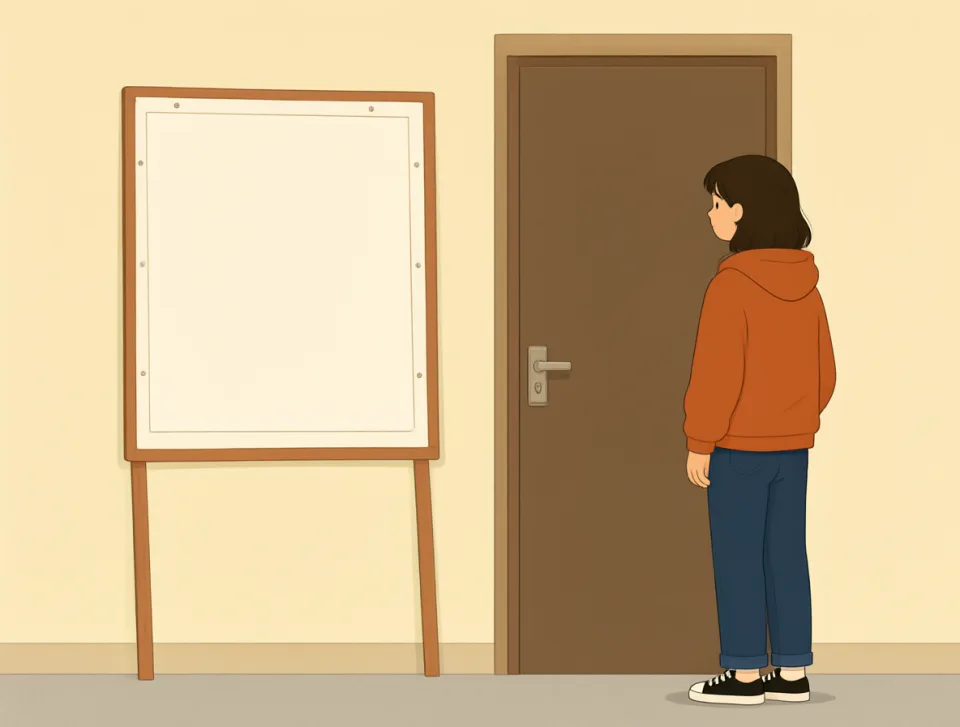
The sign says, “Keep the door closed.”
Na znaku jest napisane: „Prosimy zamykać drzwi”.
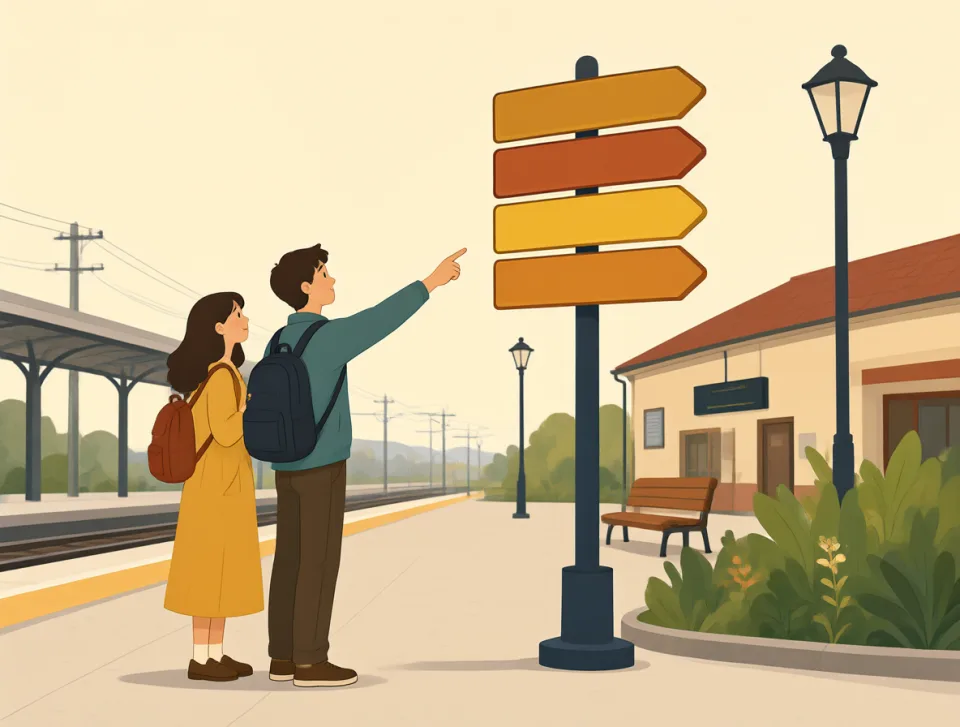
We saw a sign for the train station.
Zobaczyliśmy znak wskazujący drogę na dworzec kolejowy.
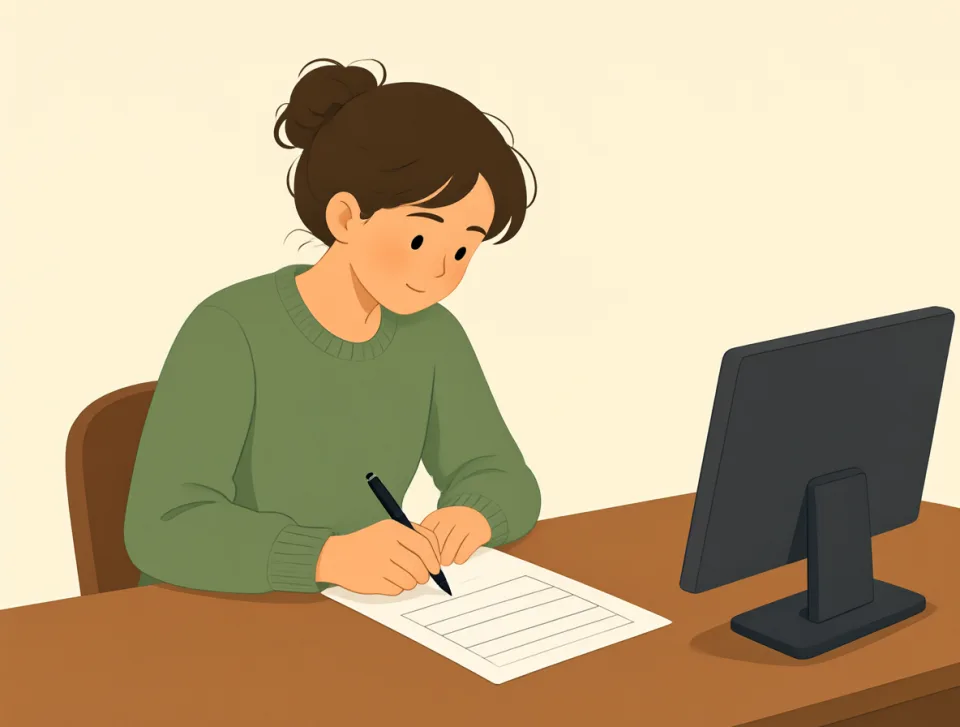
Please sign your name at the bottom.
Proszę podpisać się na dole.

She signed a contract at work.
Podpisała umowę w pracy.

His smile was a sign of happiness.
Jego uśmiech był oznaką szczęścia.