Zestaw 3
Słowa 41–60 · know, more, get, who, like, when

know
#41verb
wiedzieć
to have information about someone or something in your mind
mieć w pamięci informacje o kimś lub o czymś
I know the answer to this question.
Znam odpowiedź na to pytanie.
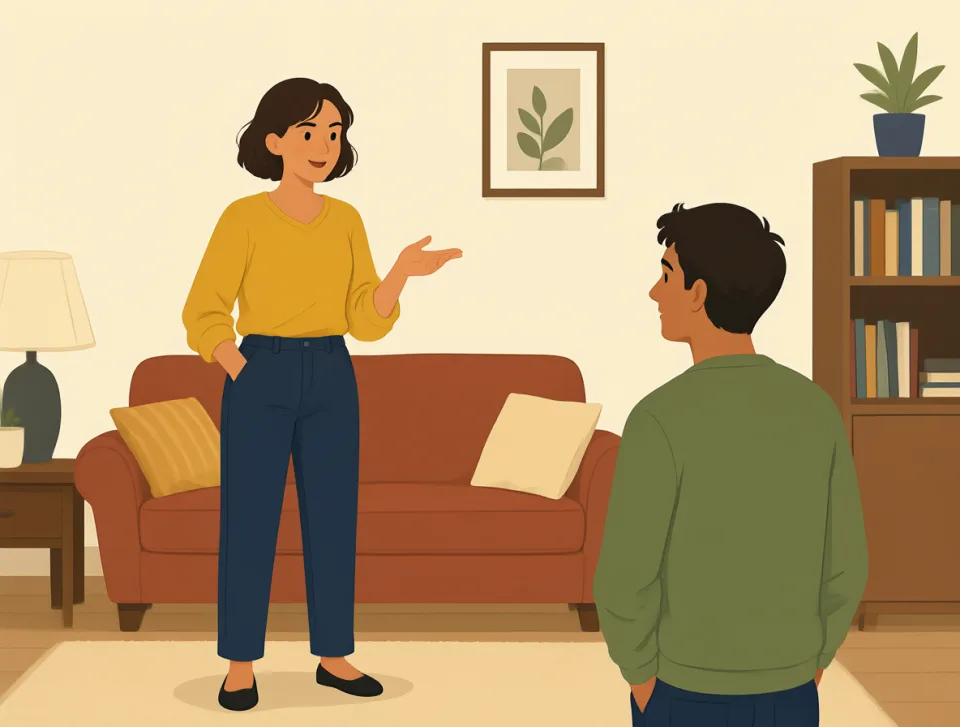
Do you know where my keys are?
Wiesz, gdzie są moje klucze?
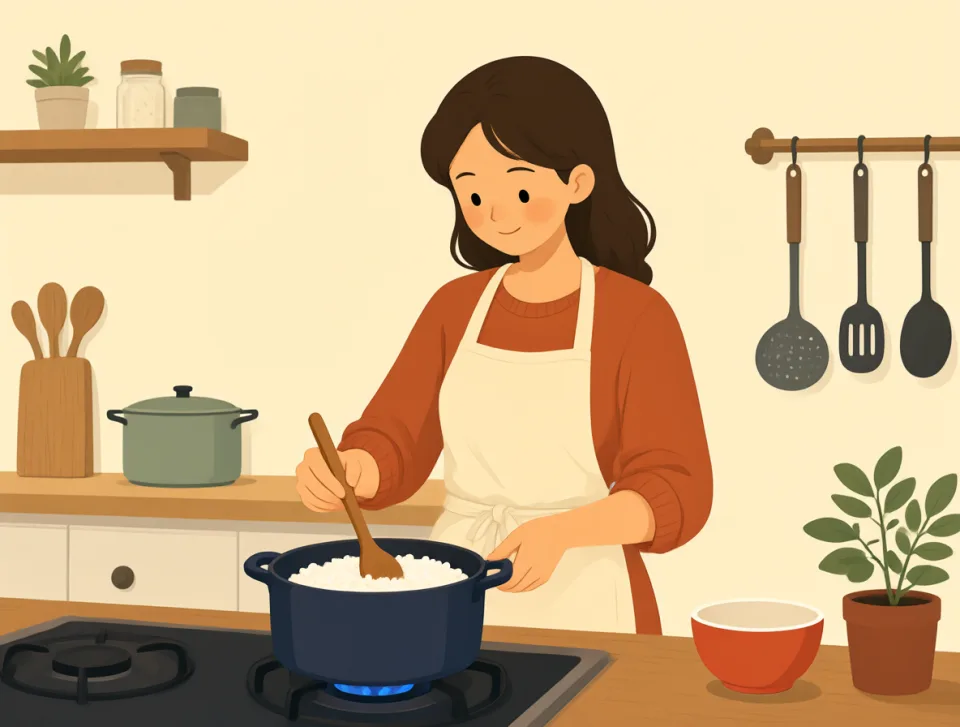
She knows how to cook rice.
Ona umie gotować ryż.
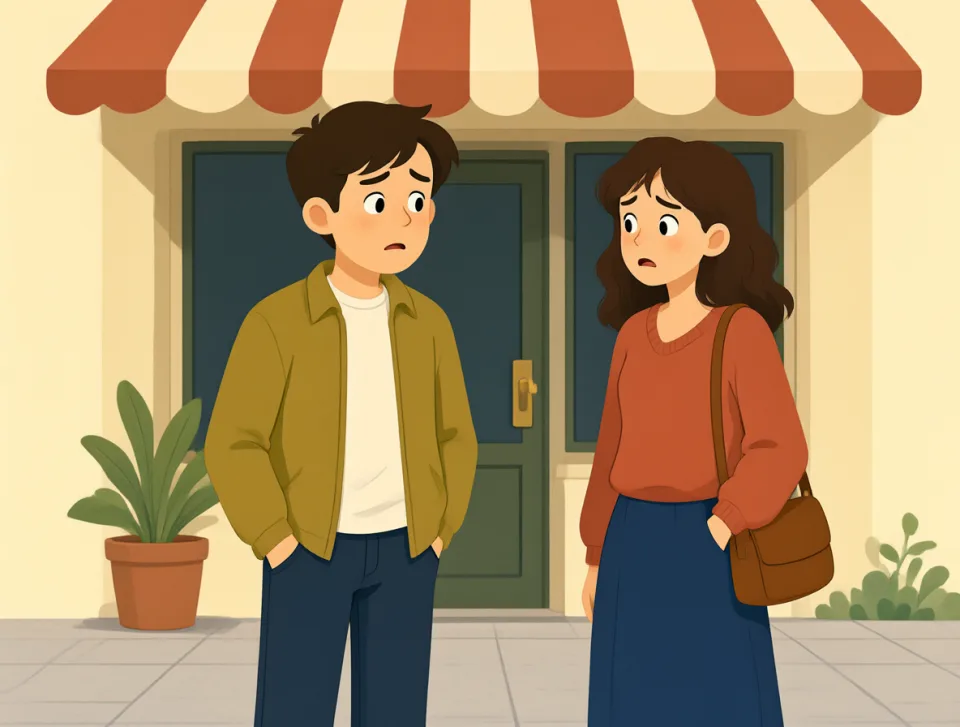
We knew the shop was closed.
Wiedzieliśmy, że sklep był zamknięty.

He knows many people at work.
Zna wielu ludzi w pracy.
more
#42determiner, pronoun, adverb, adjective, noun
więcej
A greater amount, number, or degree than before or than someone else has.
Większa ilość, liczba lub stopień niż wcześniej albo niż ma ktoś inny.
I need more time to finish this.
Potrzebuję więcej czasu, żeby to skończyć.
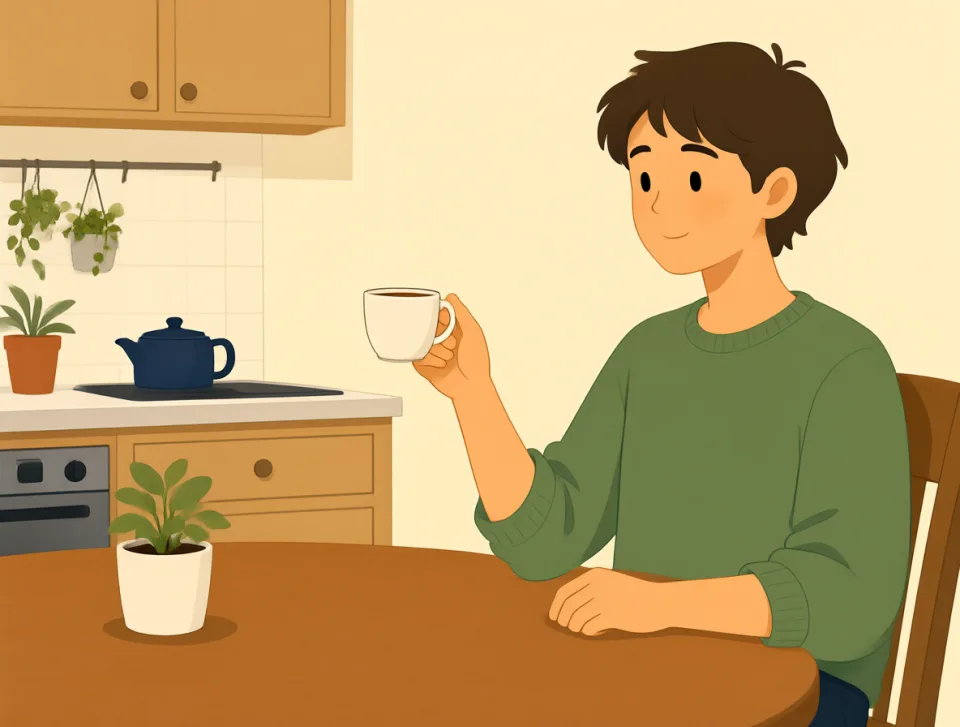
Would you like more coffee?
Napijesz się jeszcze kawy?
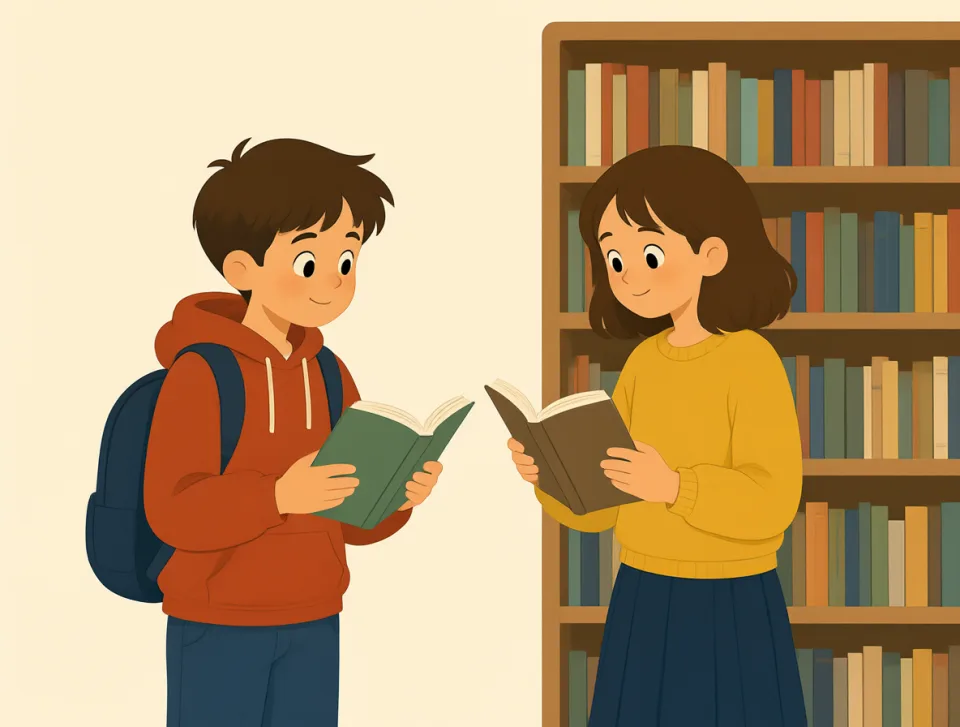
She has more books than I do.
Ona ma więcej książek niż ja.
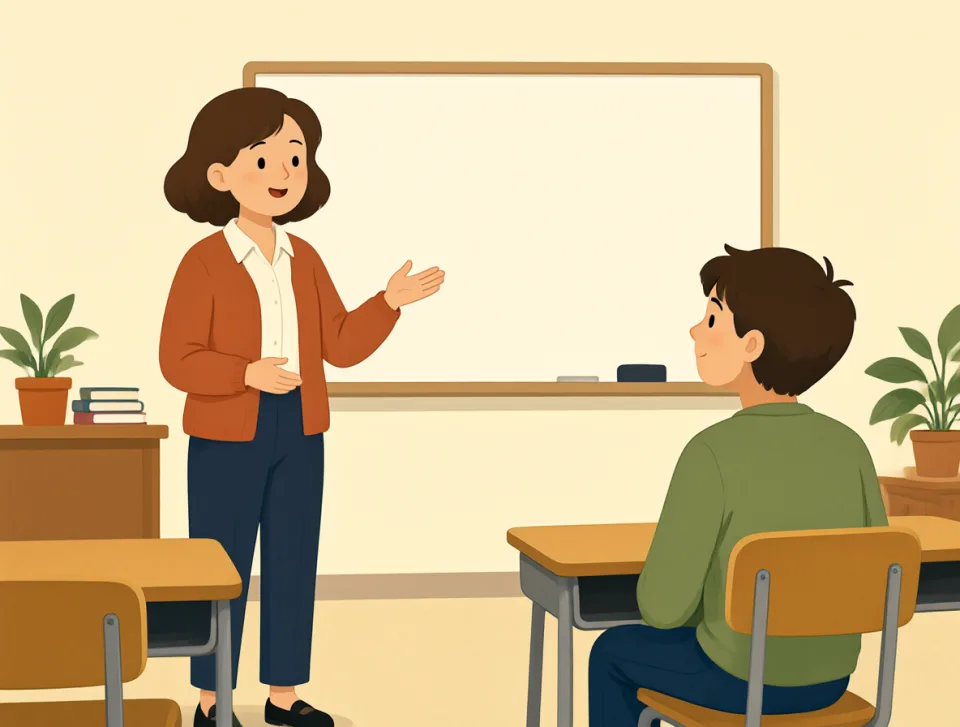
Please speak more slowly.
Mów proszę wolniej.
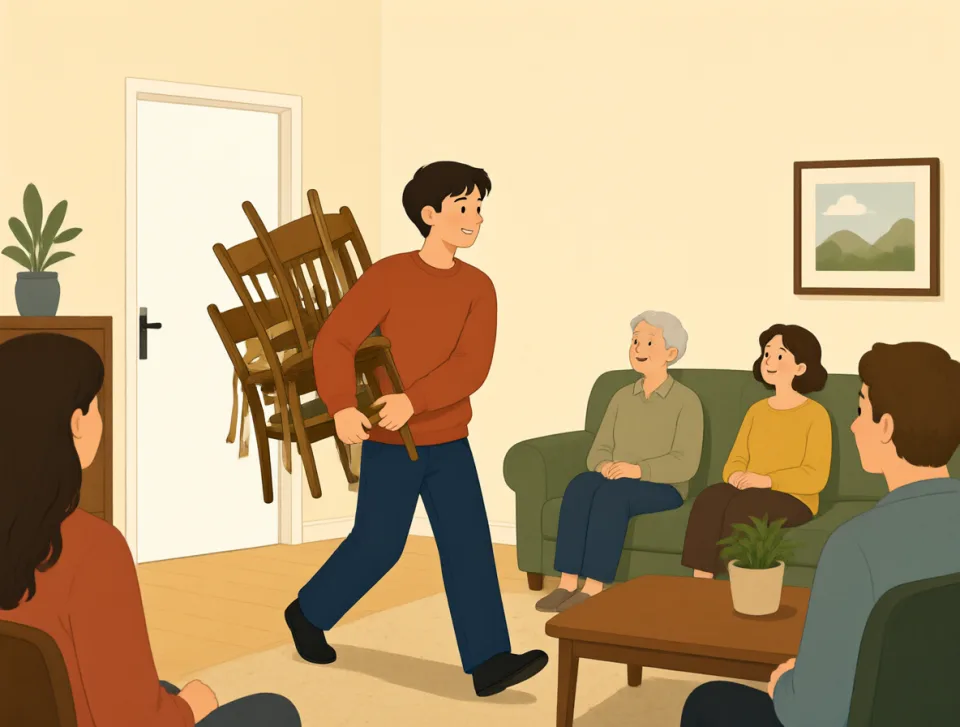
We need more chairs for our guests.
Potrzebujemy więcej krzeseł dla naszych gości.
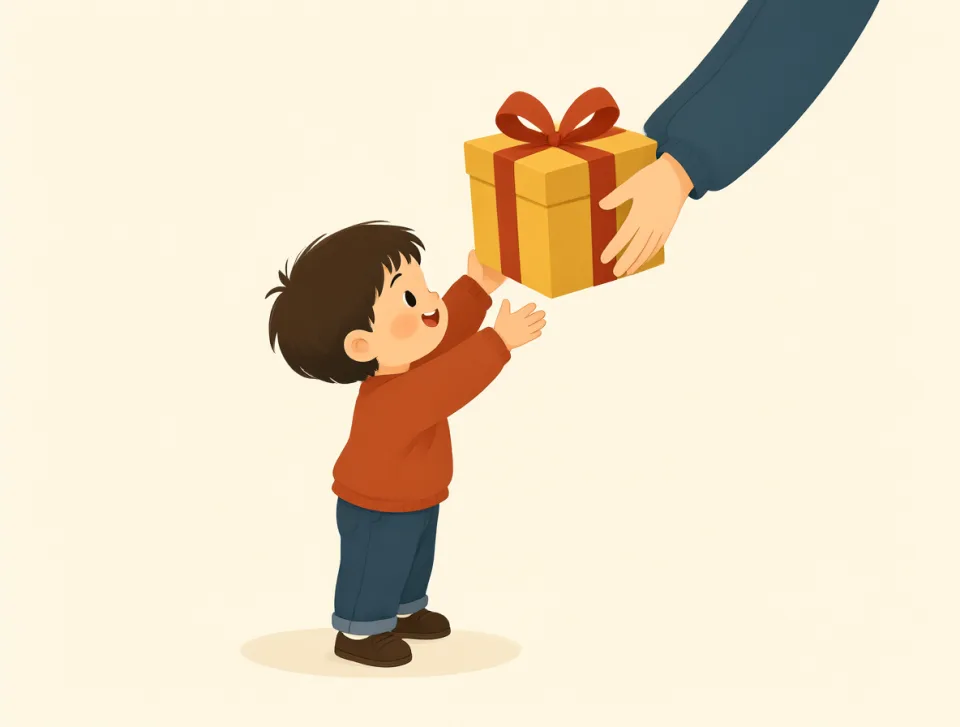
get
#43verb, noun
dostać
to receive, obtain, become, or move to a place
otrzymać, zdobyć, stać się kimś lub czymś albo dotrzeć do jakiegoś miejsca
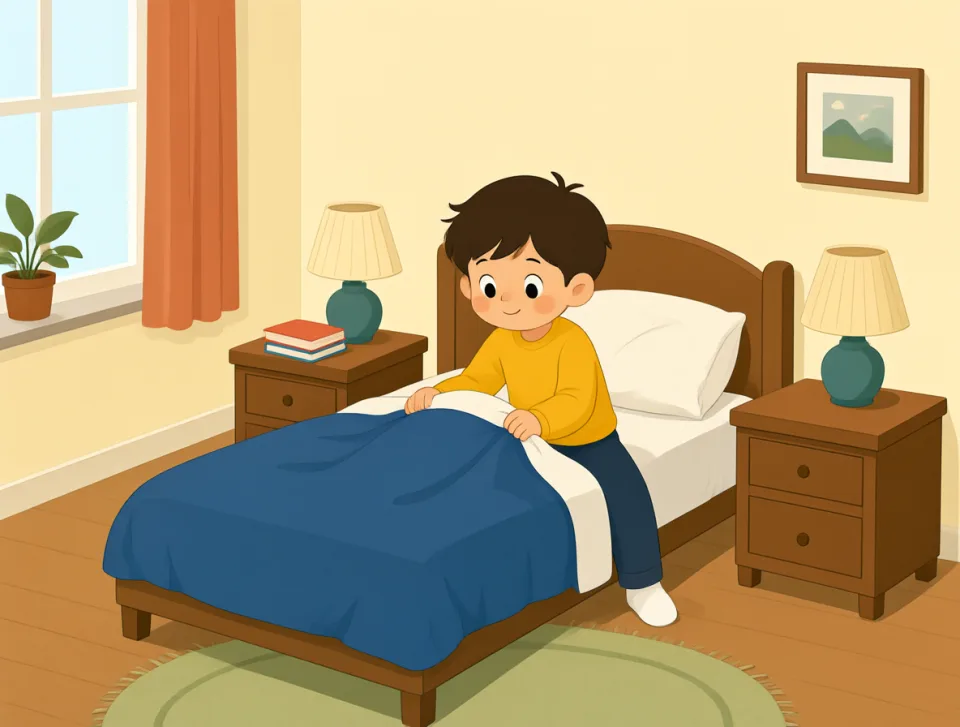
I get up at seven every morning.
Codziennie rano wstaję o siódmej.

She got a new job last week.
W zeszłym tygodniu dostała nową pracę.
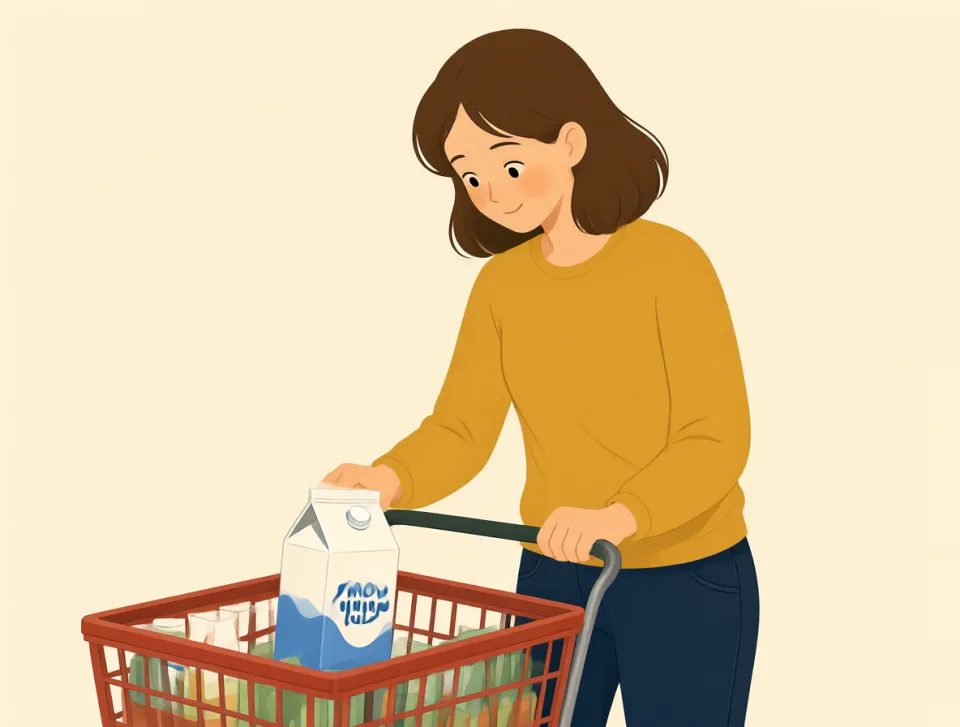
Please get some milk from the store.
Kup proszę mleko w sklepie.
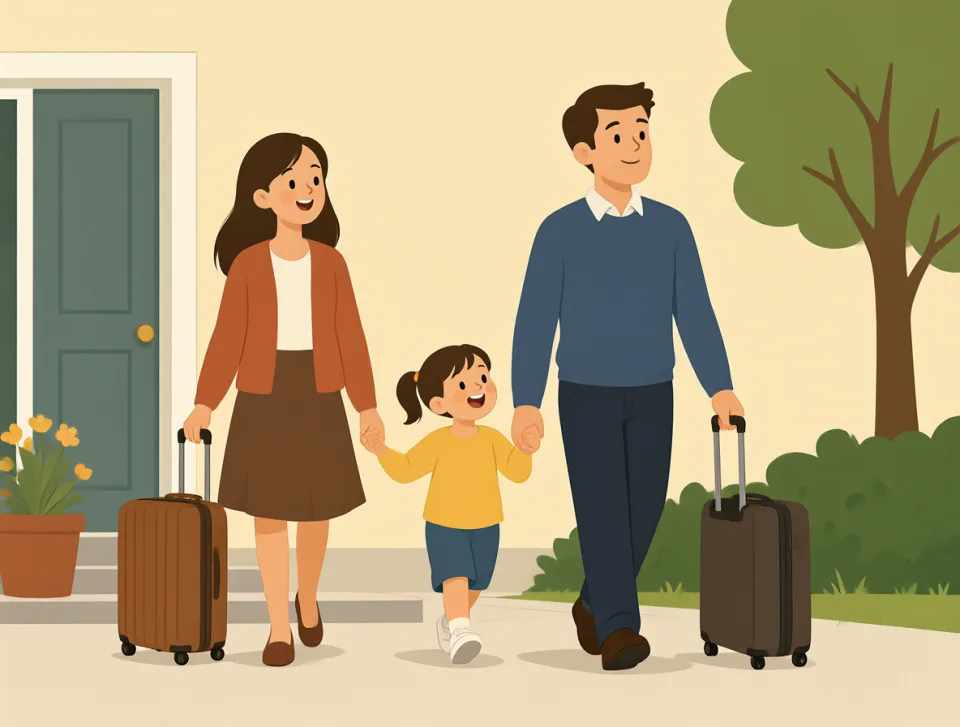
We got home late after the trip.
Po wycieczce wróciliśmy do domu późno.
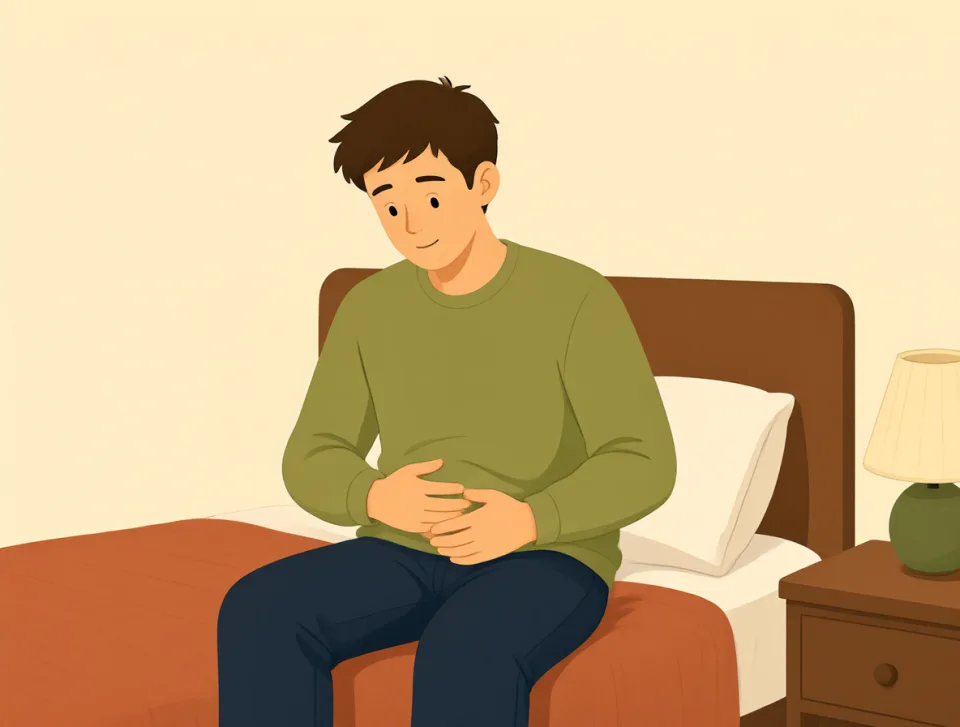
He got sick after eating bad food.
Rozchorował się po zjedzeniu nieświeżego jedzenia.
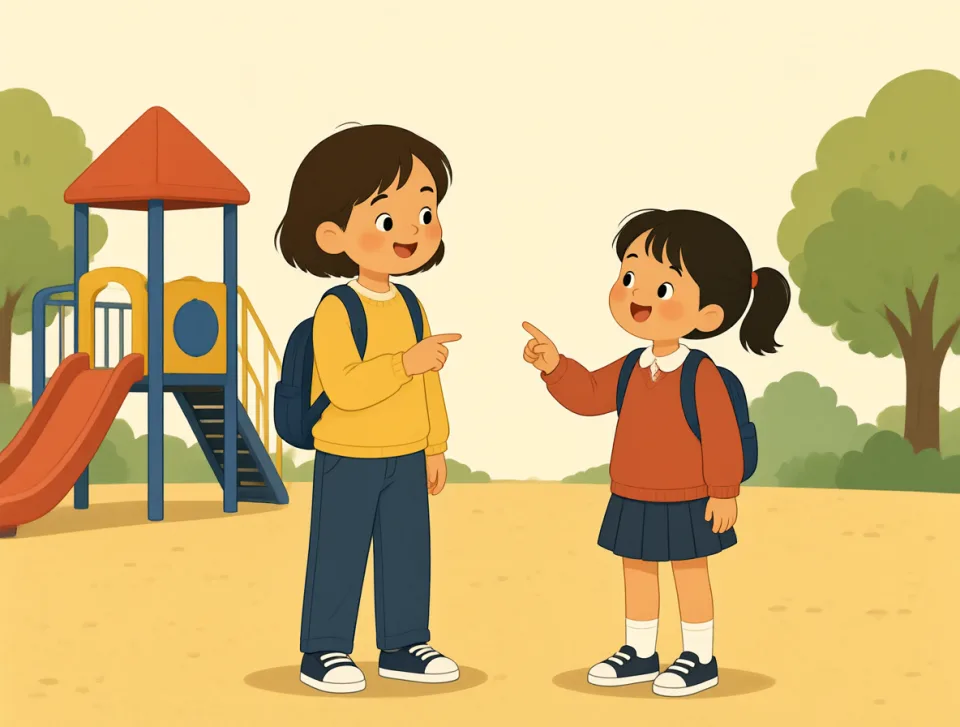
who
#44pronoun
kto
Used to ask or say which person or people you mean.
Służy do pytania o osobę lub osoby albo do wskazania, o kogo chodzi.
Who is your best friend?
Kto jest twoim najlepszym przyjacielem?
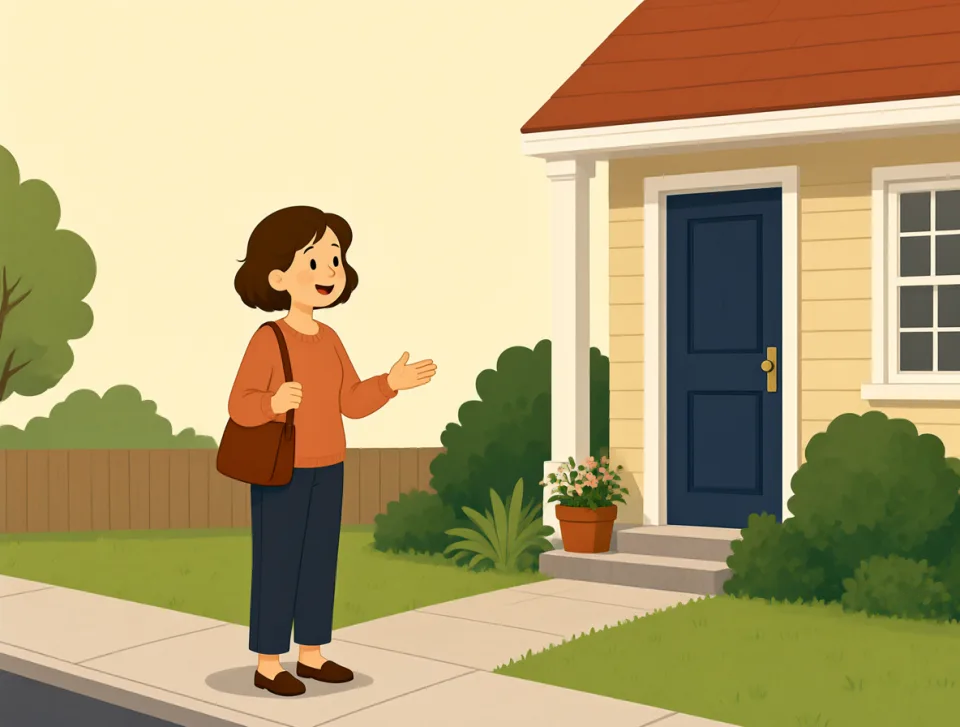
The woman who lives next door is kind.
Kobieta, która mieszka obok, jest miła.
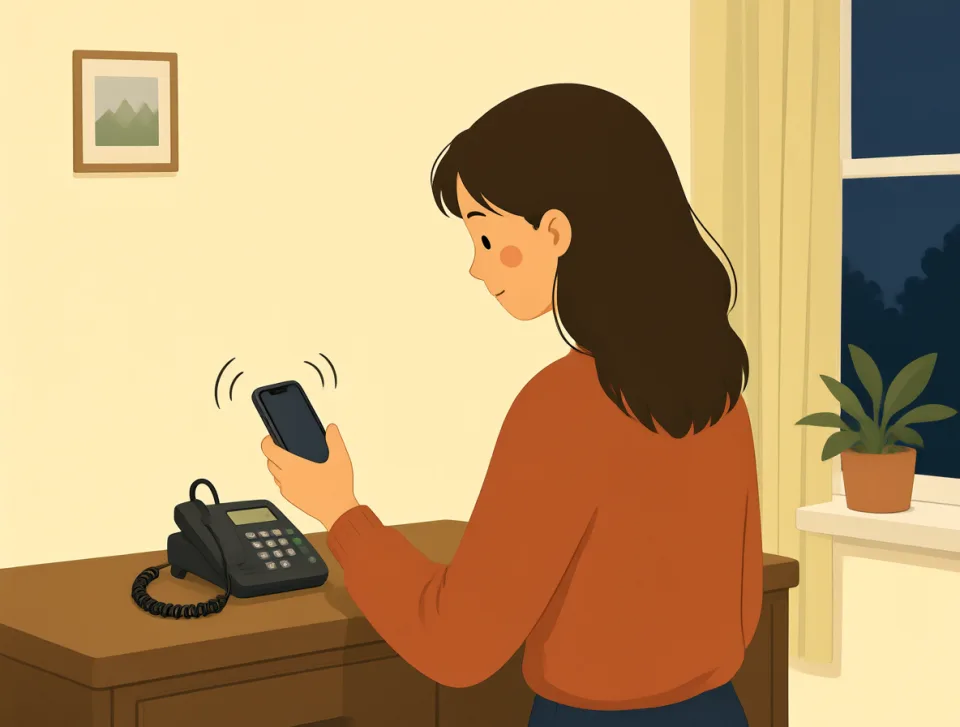
Who called you last night?
Kto dzwonił do ciebie wczoraj wieczorem?

I know who can help us.
Wiem, kto może nam pomóc.
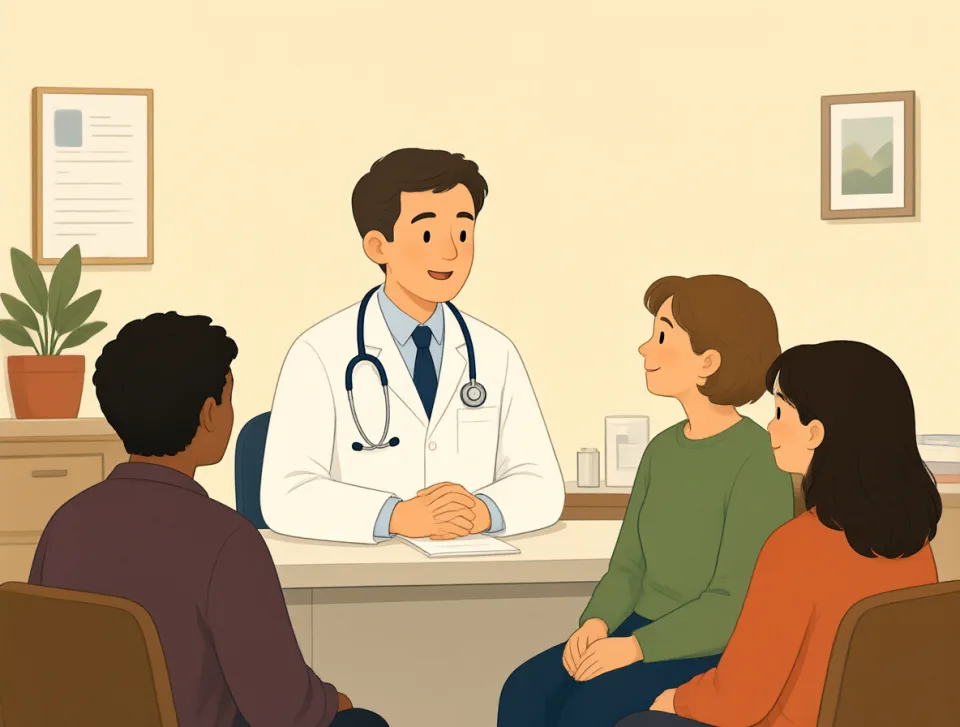
The doctor asked who felt sick.
Lekarz zapytał, kto źle się czuje.
like
#45verb, preposition
lubić
To enjoy, want politely, or show that two things are similar.
Lubić coś, grzecznie o coś prosić lub wskazywać, że dwie rzeczy są podobne.
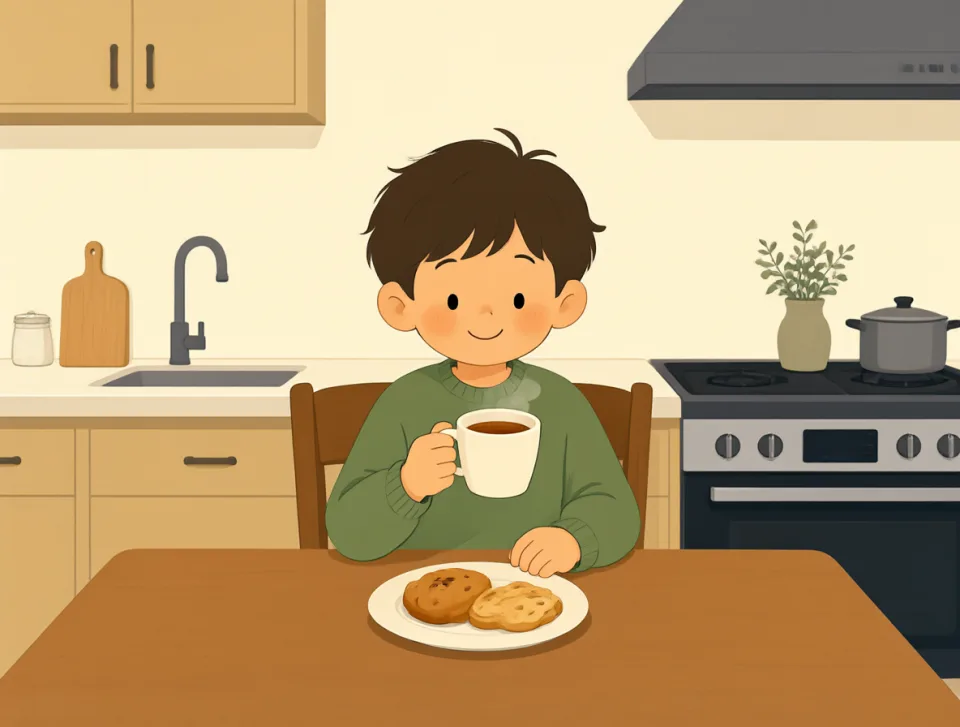
I like tea with breakfast.
Lubię pić herbatę do śniadania.
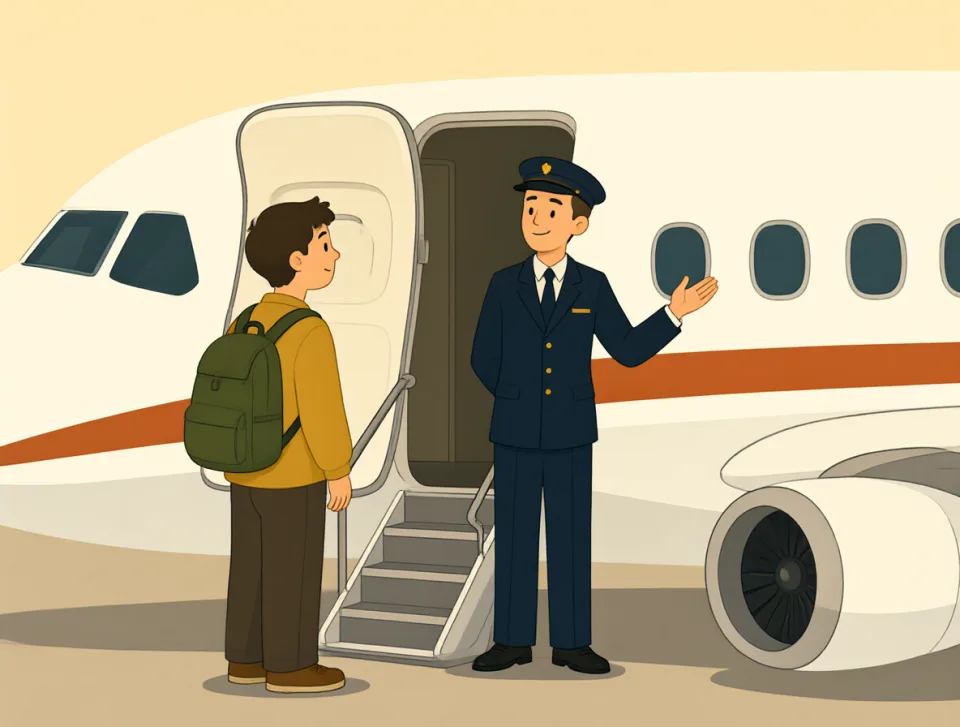
Would you like a window seat?
Czy życzy sobie pan/pani miejsca przy oknie?

She looks like her mother.
Ona jest podobna do swojej matki.
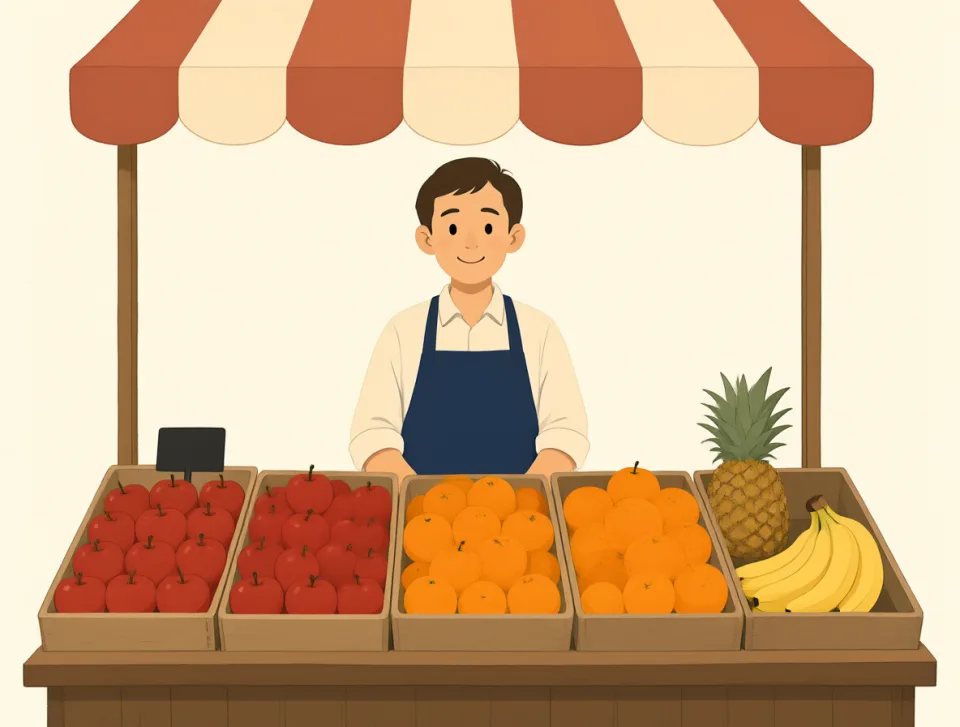
We sell fruit like apples and oranges.
Sprzedajemy owoce, takie jak jabłka i pomarańcze.

He swims like a fish.
Pływa jak ryba.
when
#46adverb, conjunction, pronoun, determiner
kiedy
At or during the time that something happens
W czasie, gdy coś się dzieje.
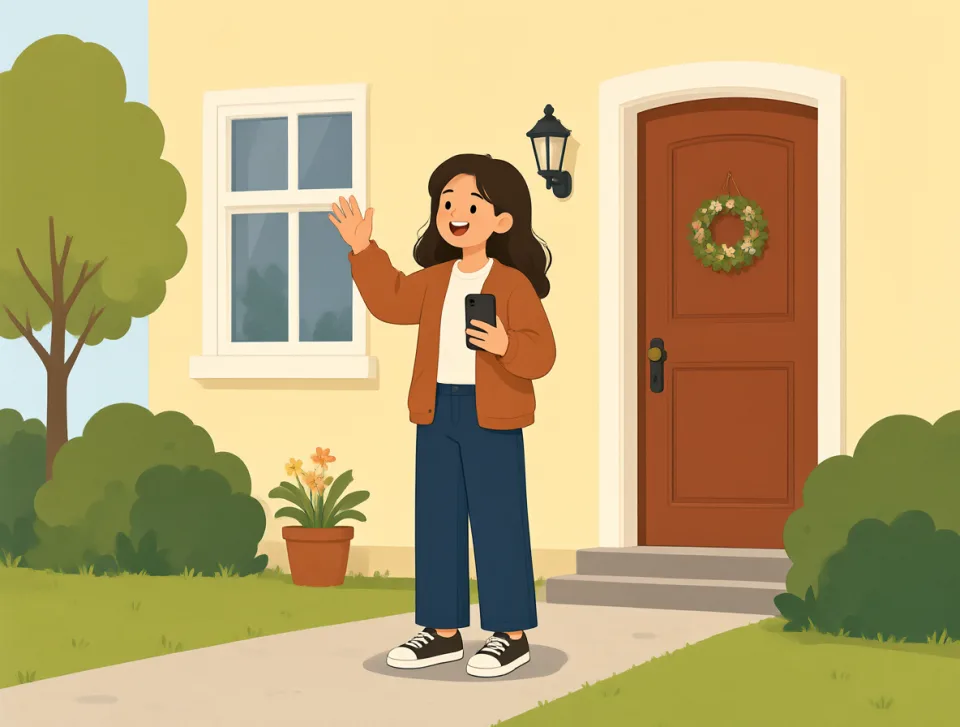
Call me when you get home.
Zadzwoń do mnie, kiedy wrócisz do domu.
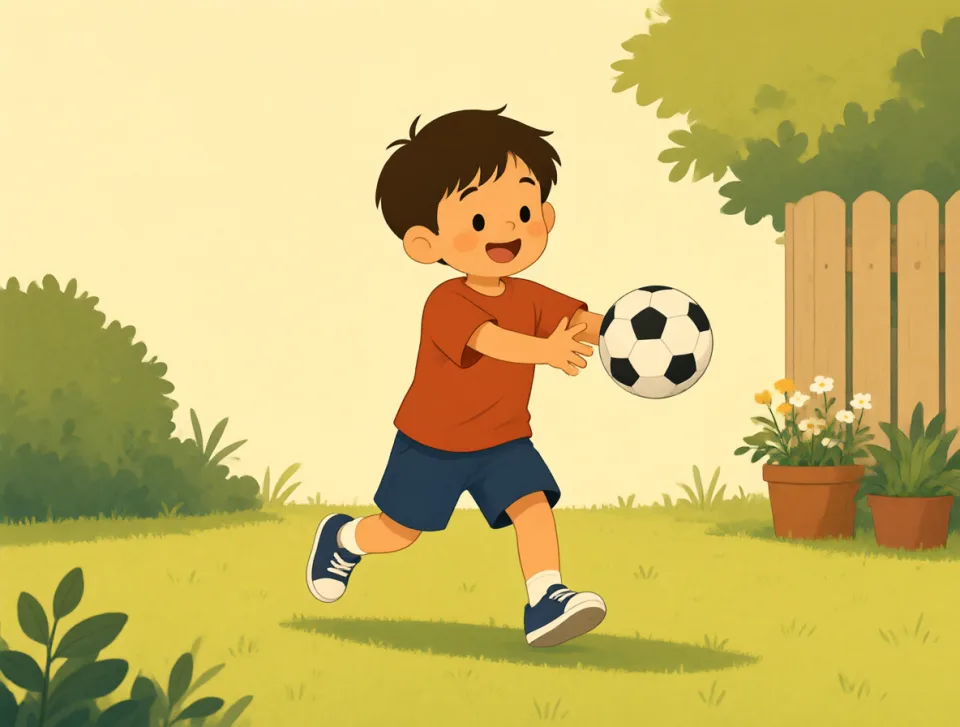
When I was young, I played outside.
Kiedy byłem/byłam młody/młoda, bawiłem/bawiłam się na dworze.

Tell me when the meeting starts.
Powiedz mi, kiedy zaczyna się spotkanie.

I smile when I see my friends.
Uśmiecham się, kiedy widzę swoich przyjaciół.
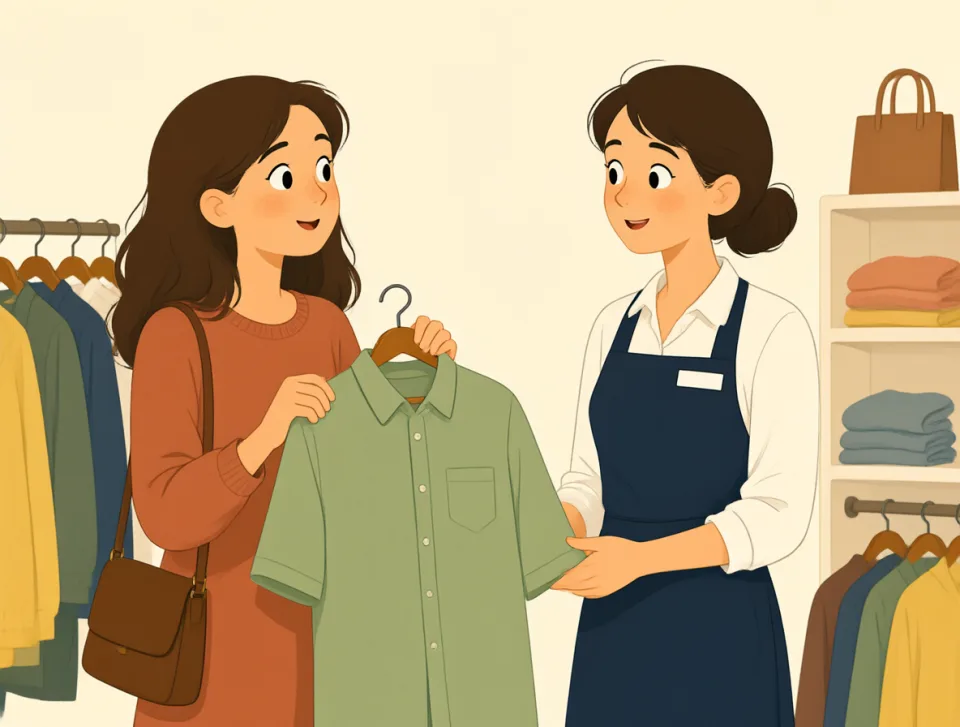
When did you buy this shirt?
Kiedy kupiłeś/kupiłaś tę koszulę?
think
#47verb, noun
myśleć
to use your mind to consider something or form an opinion
Używać umysłu, by coś rozważyć lub wyrobić sobie opinię.
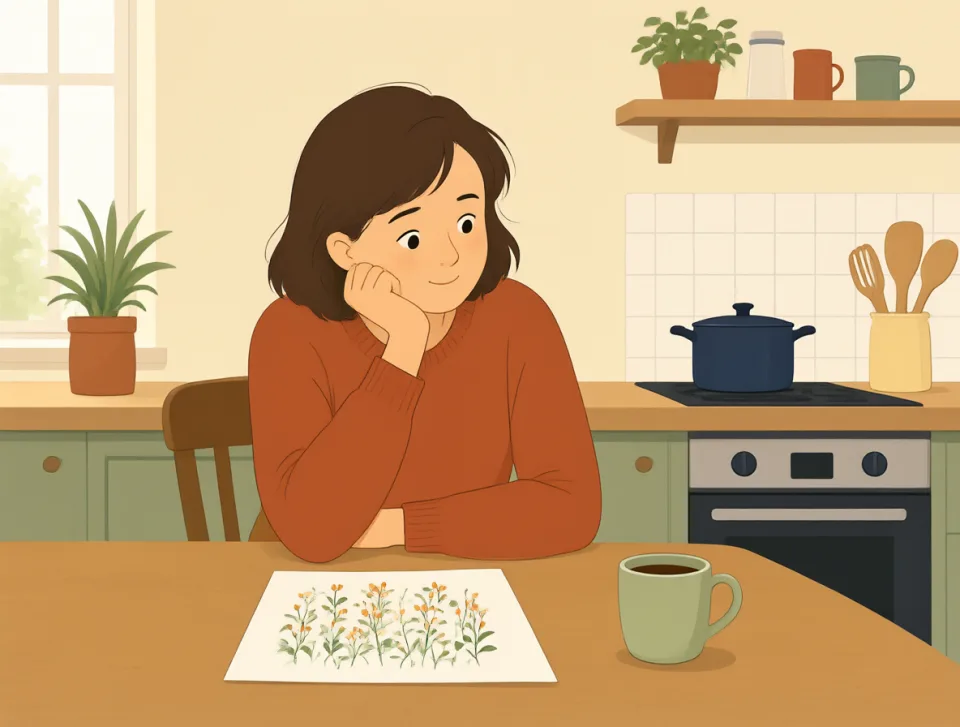
I think this is a good idea.
Myślę, że to dobry pomysł.

What do you think about this dress?
Co sądzisz o tej sukience?
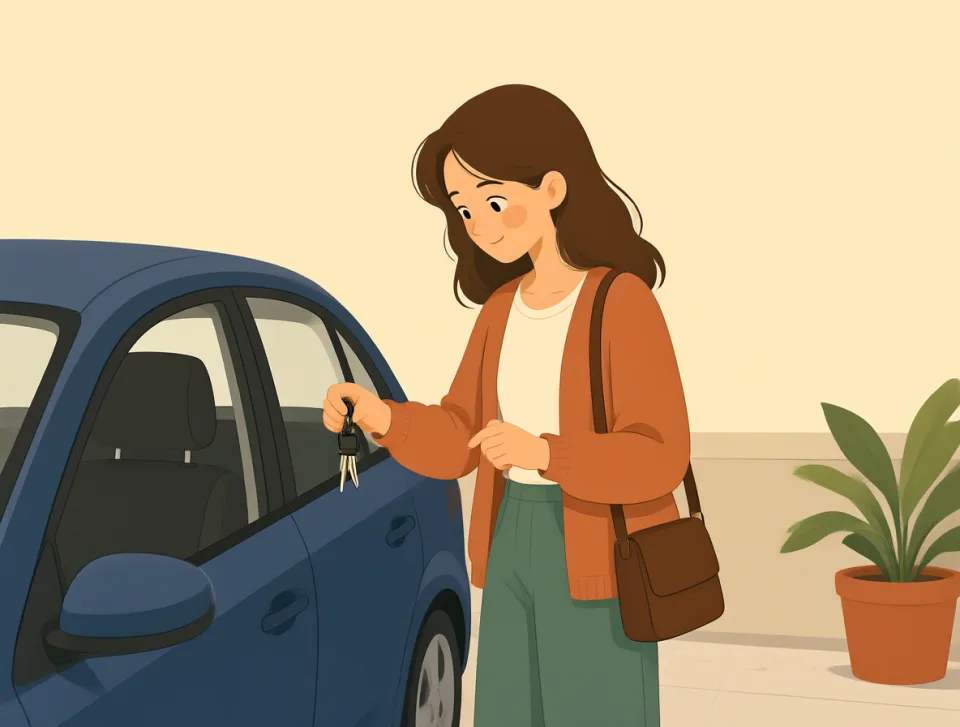
She thinks her keys are in the car.
Ona myśli, że jej klucze są w samochodzie.

I was thinking about our holiday.
Myślałem/myślałam o naszych wakacjach.
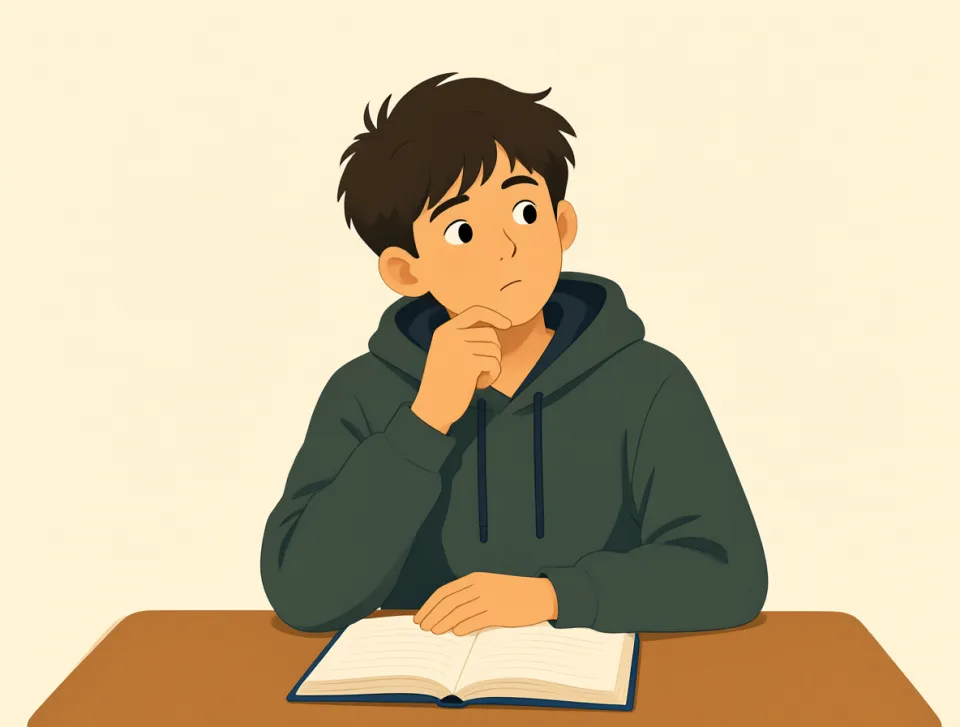
Let me think before I answer.
Pozwól, że się zastanowię, zanim odpowiem.
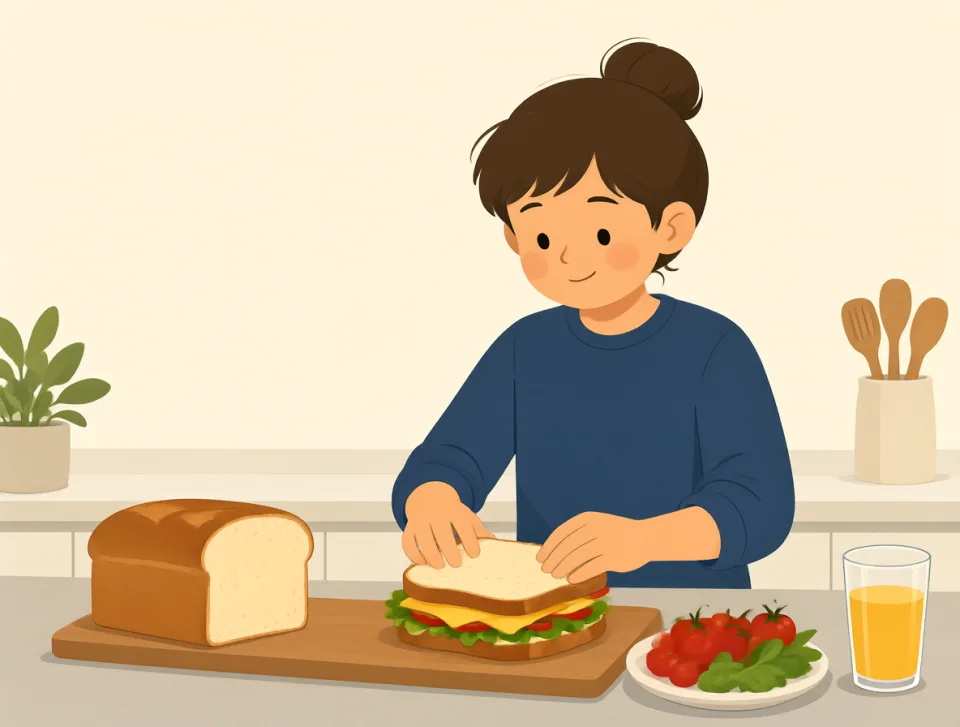
make
#48verb, noun
robić
to create, prepare, cause, or choose something
Tworzyć, przygotowywać, powodować lub wybierać coś.
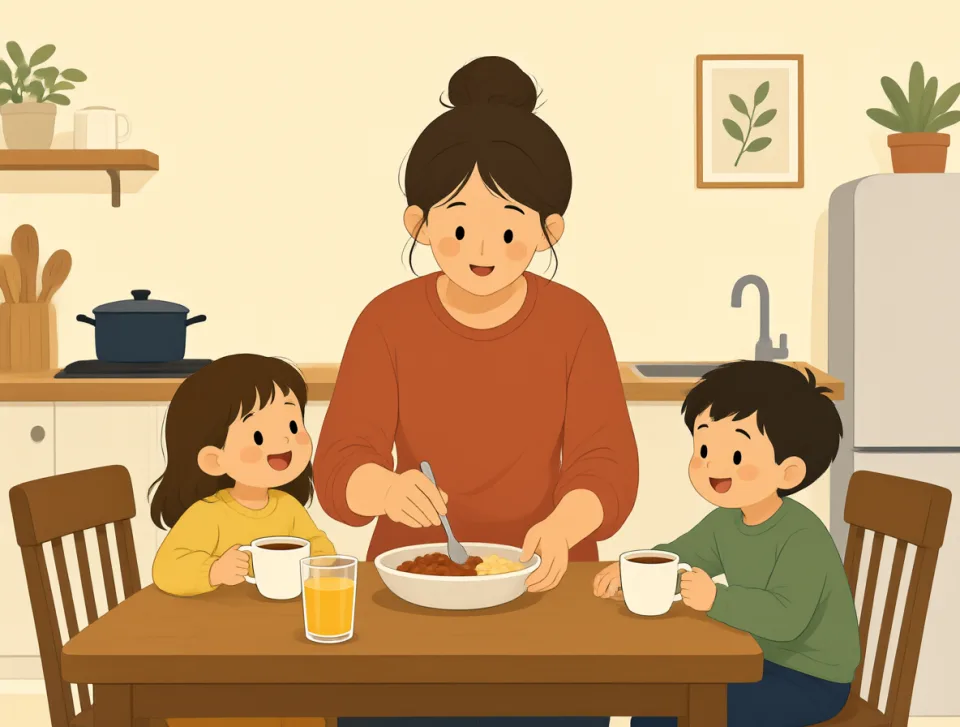
I make breakfast for my family every morning.
Każdego ranka przygotowuję śniadanie dla swojej rodziny.
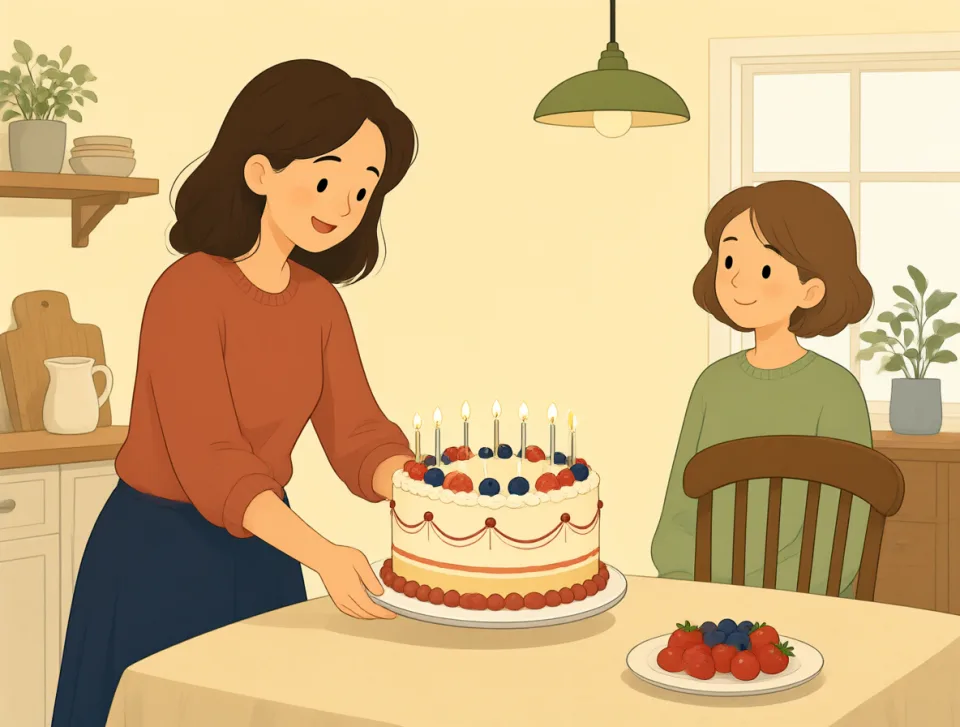
She made a cake for her friend.
Upiekła ciasto dla swojej przyjaciółki.
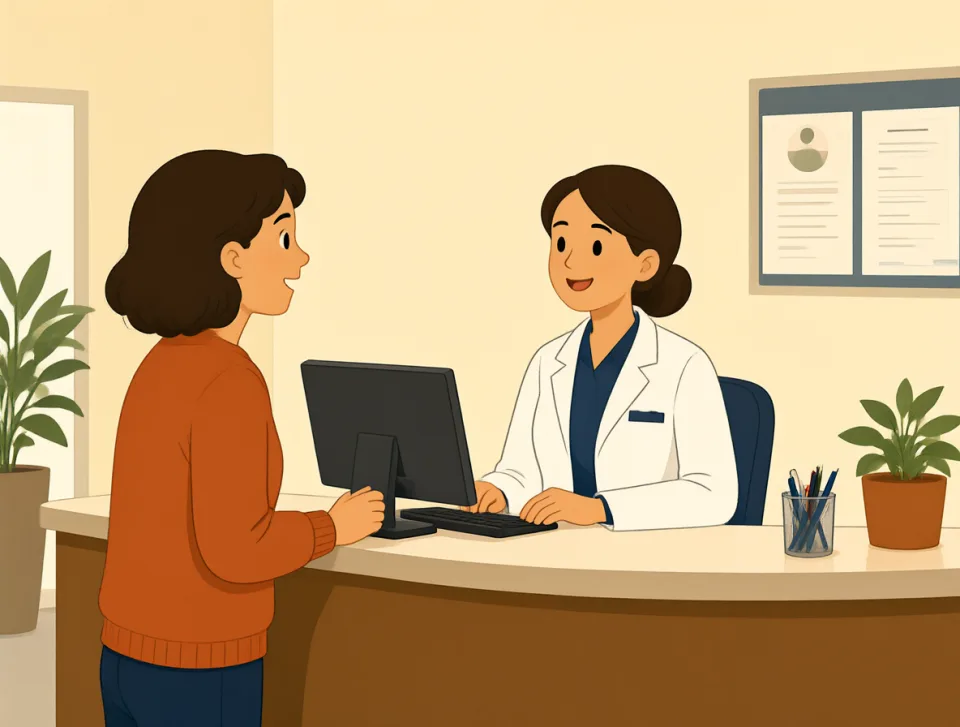
Please make an appointment with the doctor.
Proszę umówić się na wizytę u lekarza.

This shirt makes me feel comfortable.
Ta koszula sprawia, że czuję się swobodnie.
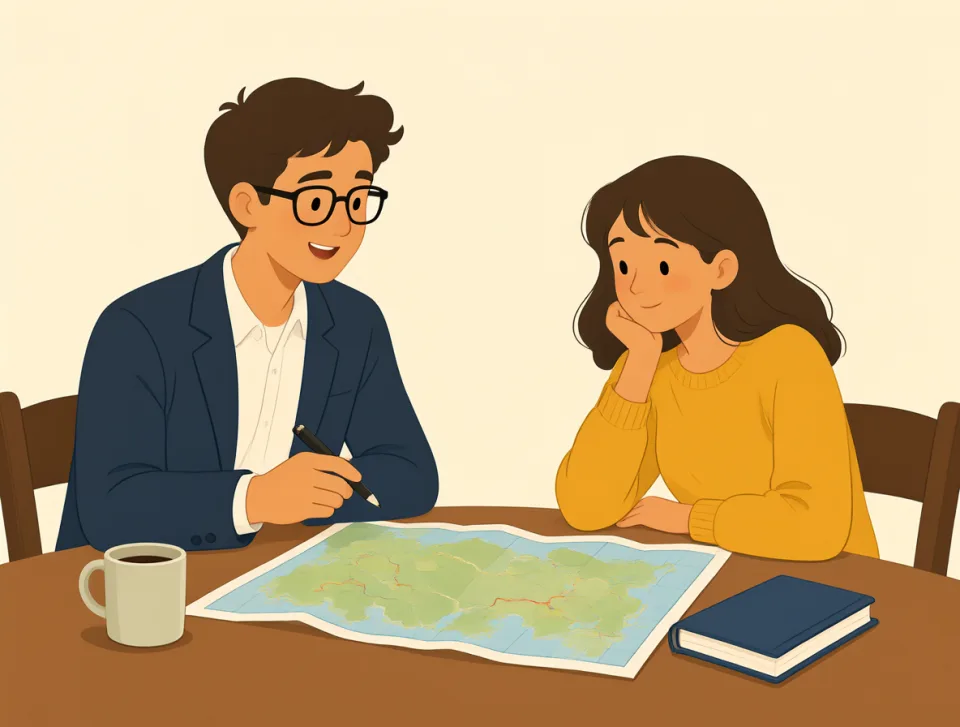
We made a plan for our trip.
Ułożyliśmy plan naszej podróży.
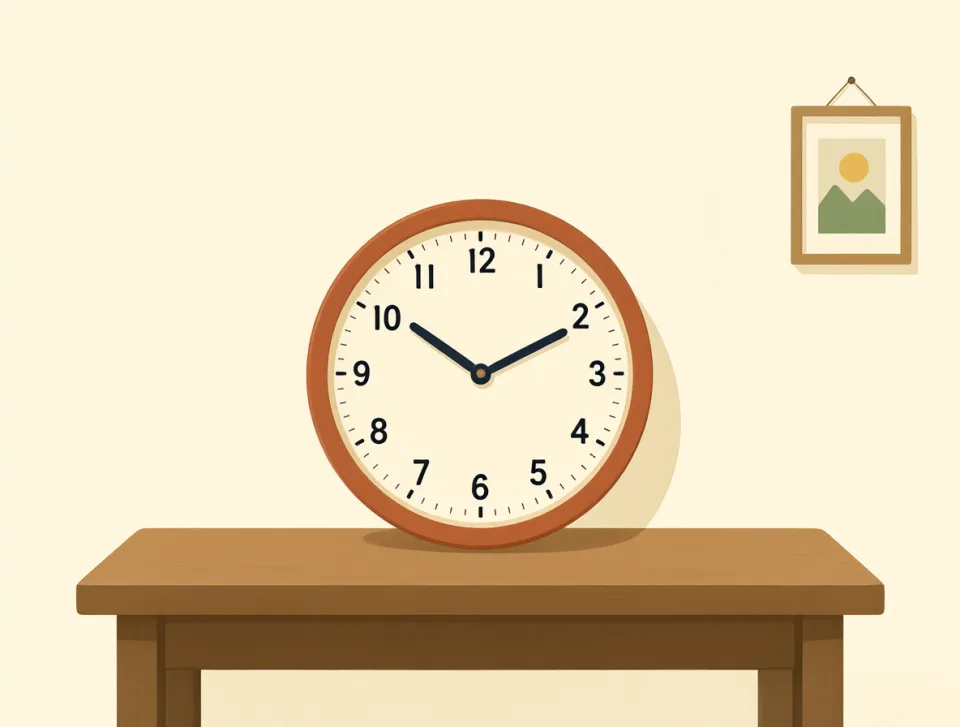
time
#49noun, verb
czas
A particular moment or period, or the number of occasions something happens.
Określona chwila lub okres albo liczba razy, kiedy coś się dzieje.
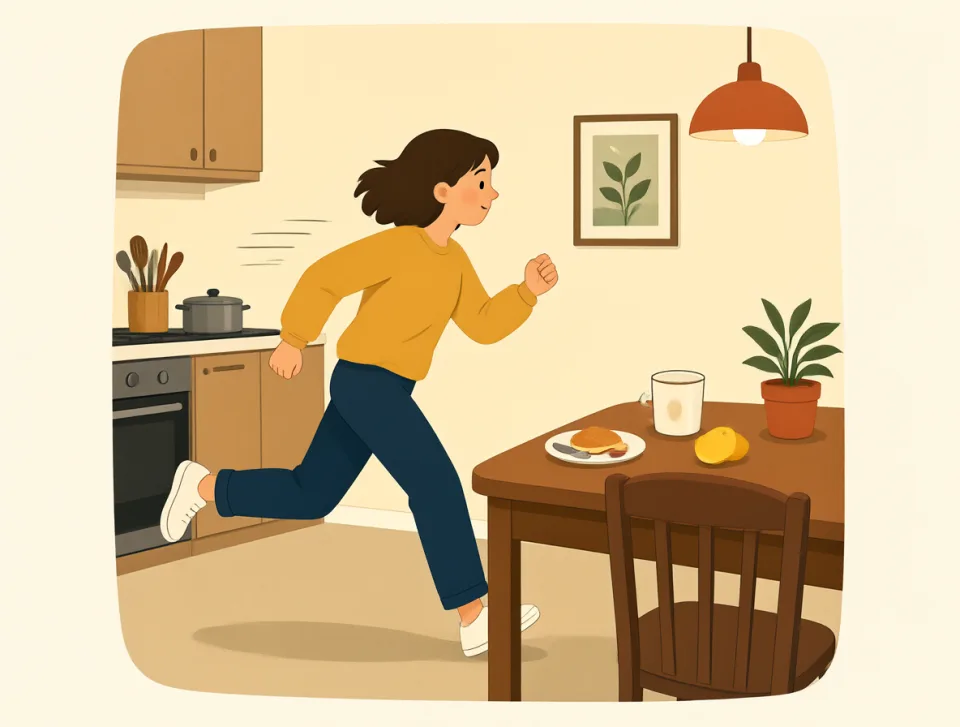
I do not have time for breakfast.
Nie mam czasu na śniadanie.
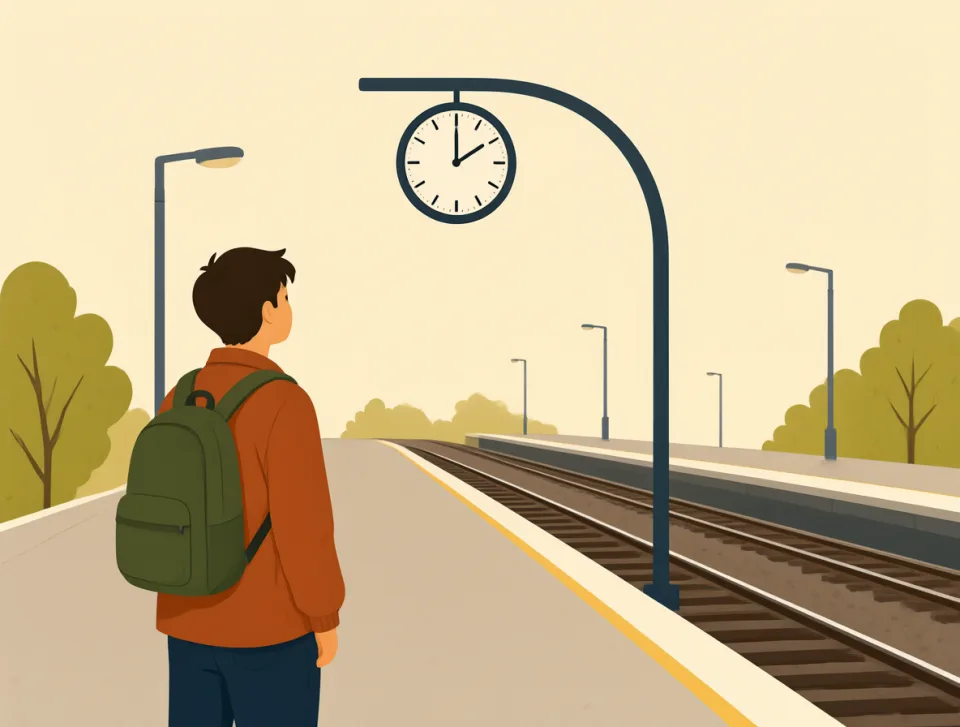
What time does the train leave?
O której odjeżdża pociąg?
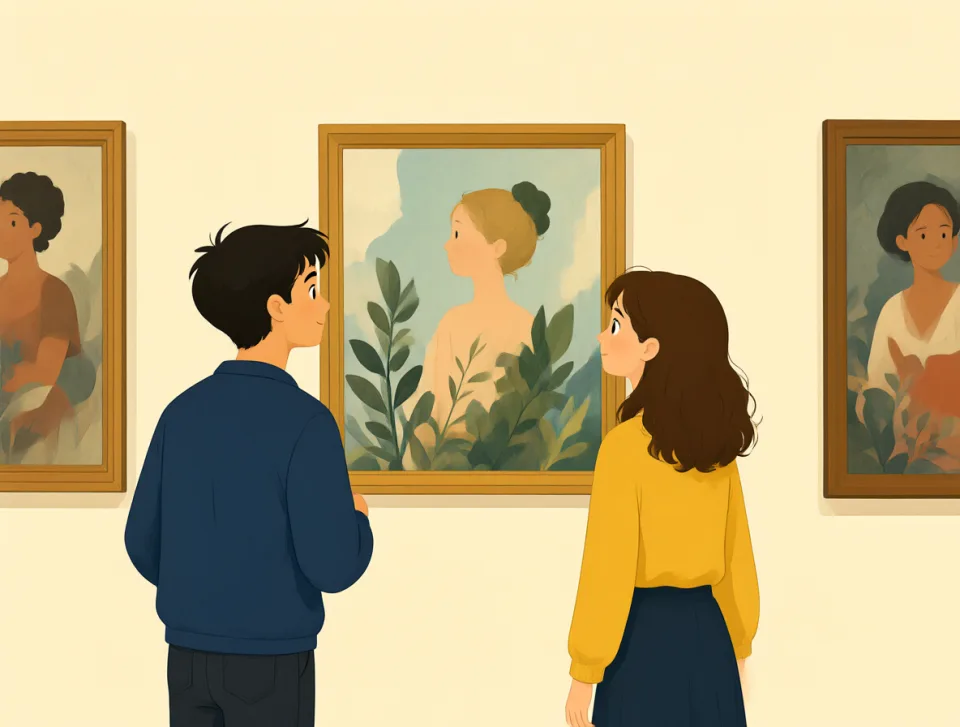
We visited that museum three times.
Odwiedziliśmy to muzeum trzy razy.
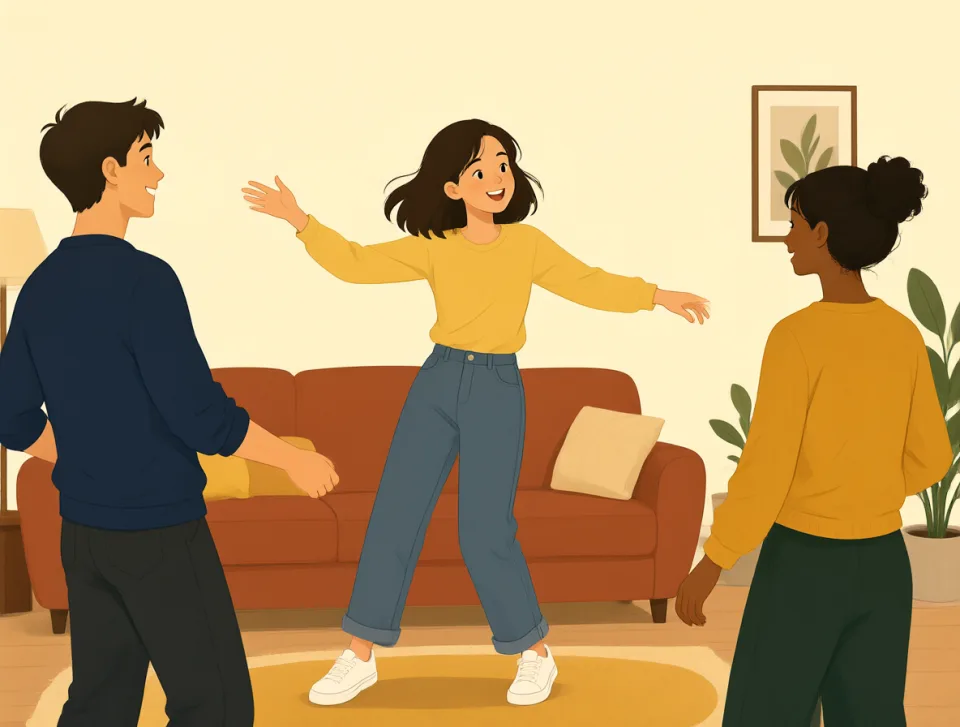
She had a good time at the party.
Dobrze się bawiła na przyjęciu.
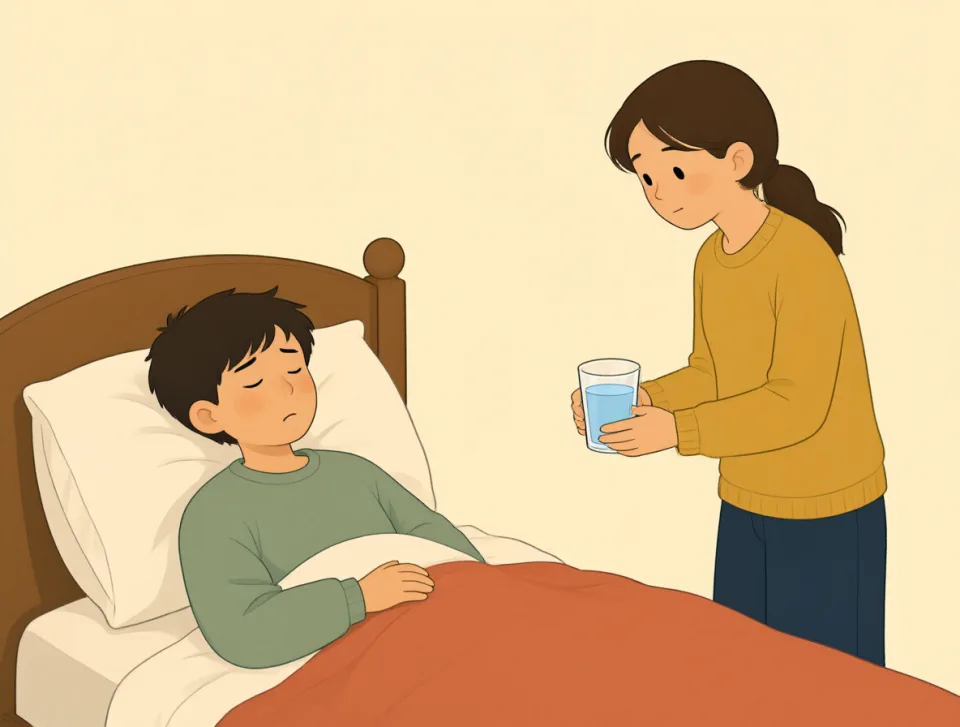
It takes time to feel better.
Żeby poczuć się lepiej, potrzeba czasu.
see
#50verb
widzieć
to notice someone or something with your eyes
Zauważyć kogoś lub coś wzrokiem.
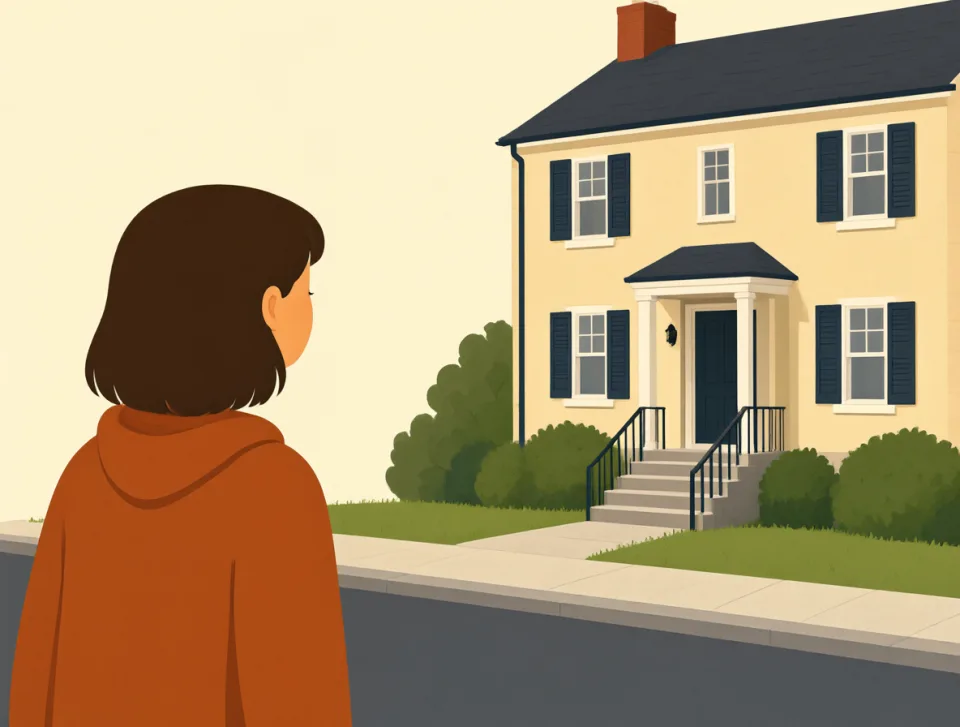
I can see your house from here.
Stąd widzę twój dom.

Did you see Tom at school today?
Widziałeś/widziałaś dziś Toma w szkole?

We saw a movie after dinner.
Po kolacji obejrzeliśmy film.
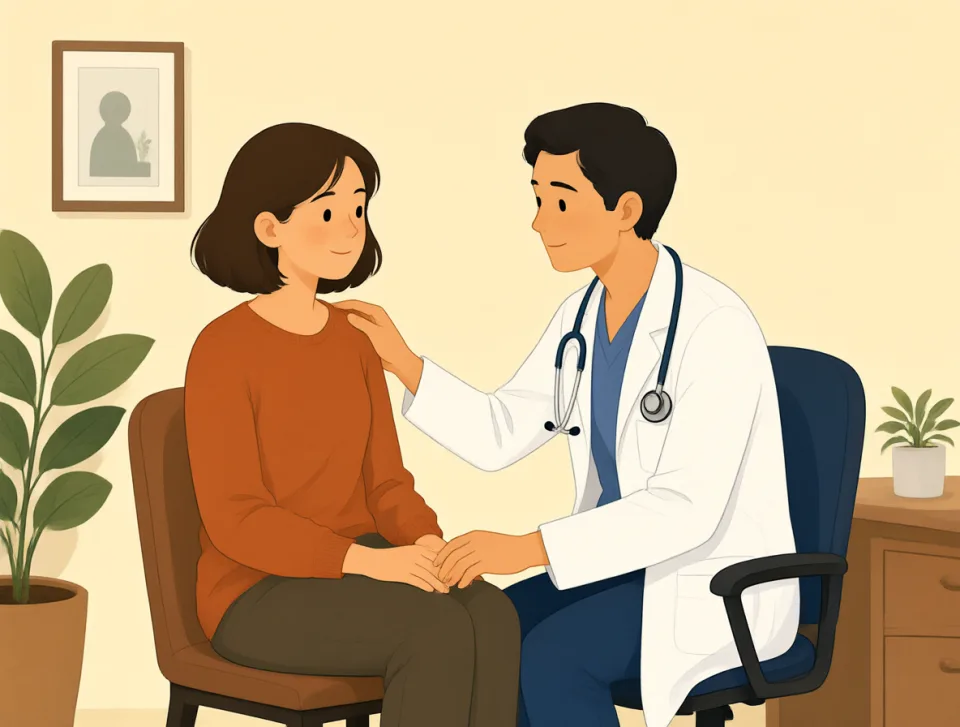
She sees the doctor every Monday.
Ona chodzi do lekarza w każdy poniedziałek.
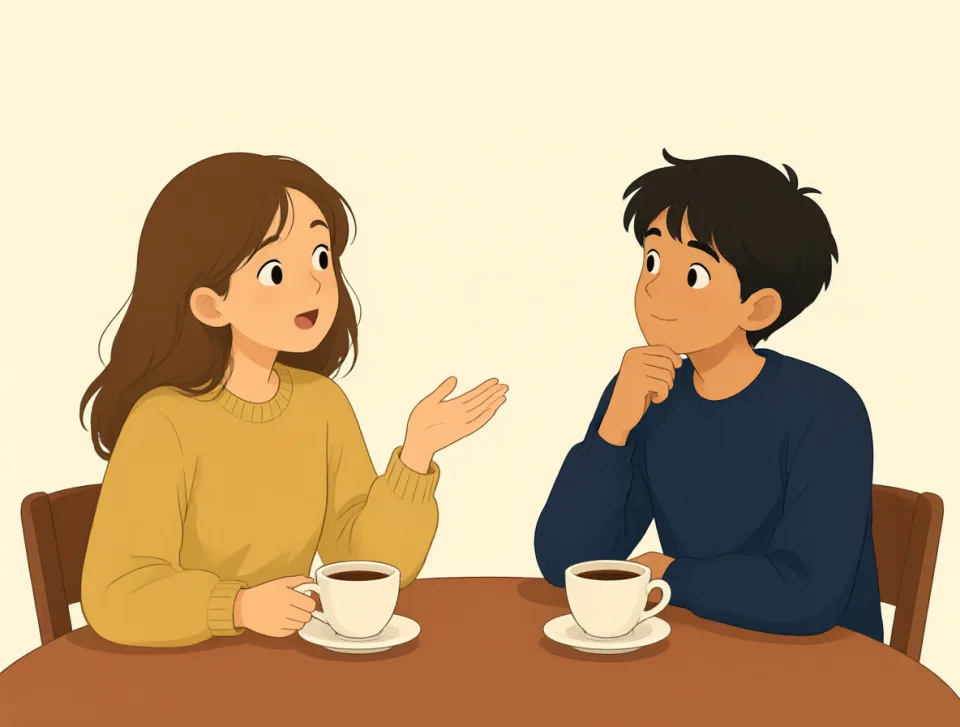
I see what you mean now.
Teraz rozumiem, co masz na myśli.
what
#51pronoun, determiner
co
Used to ask about a thing, choice, or information.
Służy do pytania o rzecz, wybór lub informację.
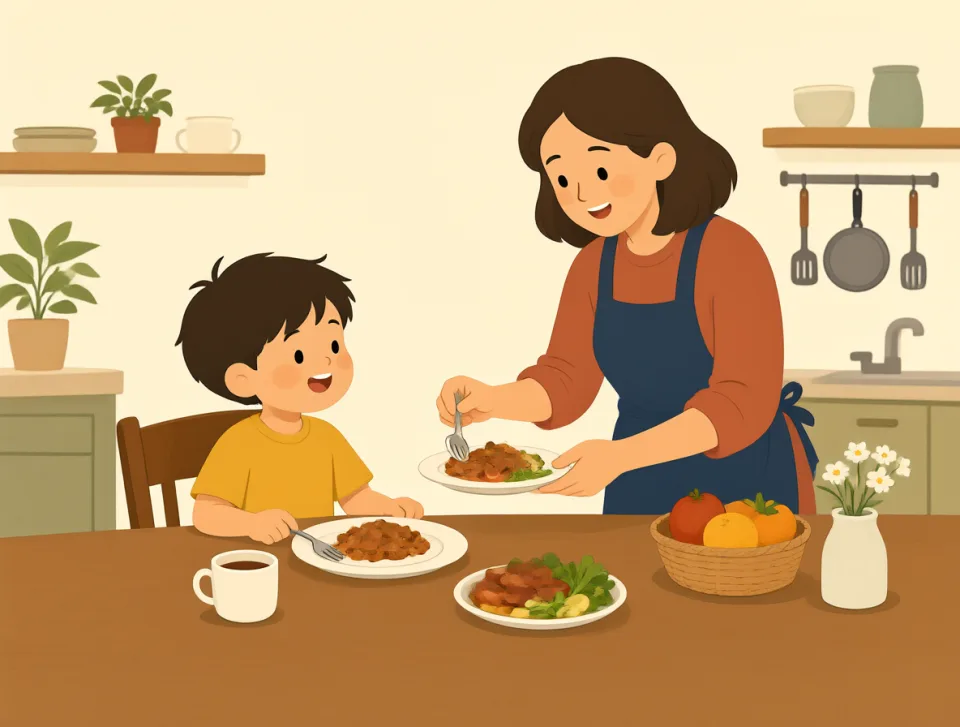
What do you want for dinner?
Co chcesz na kolację?
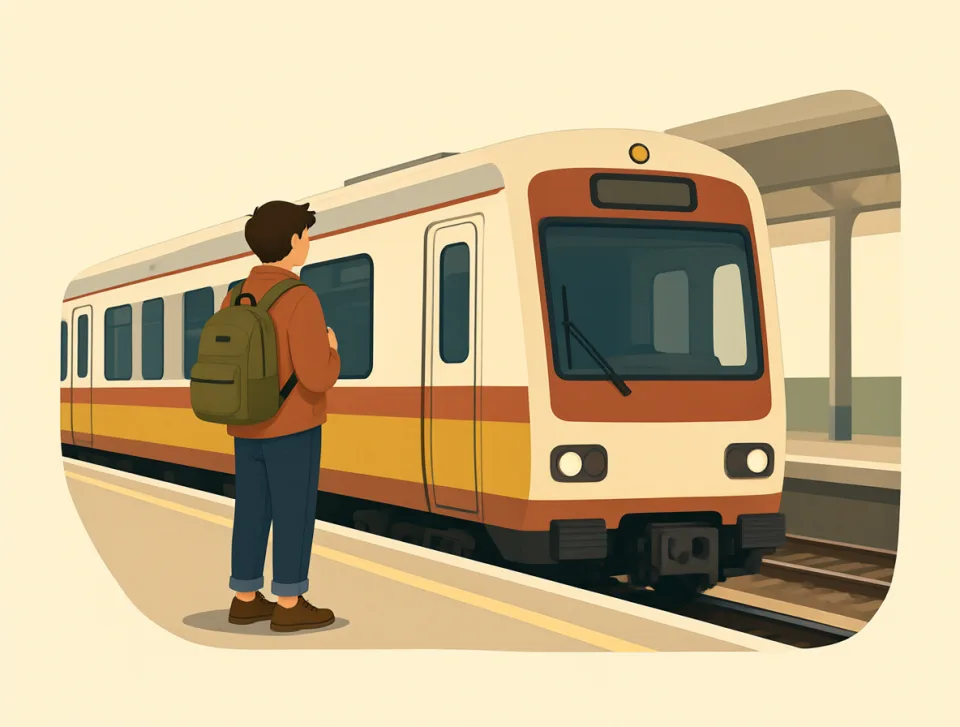
What time does the train leave?
O której odjeżdża pociąg?
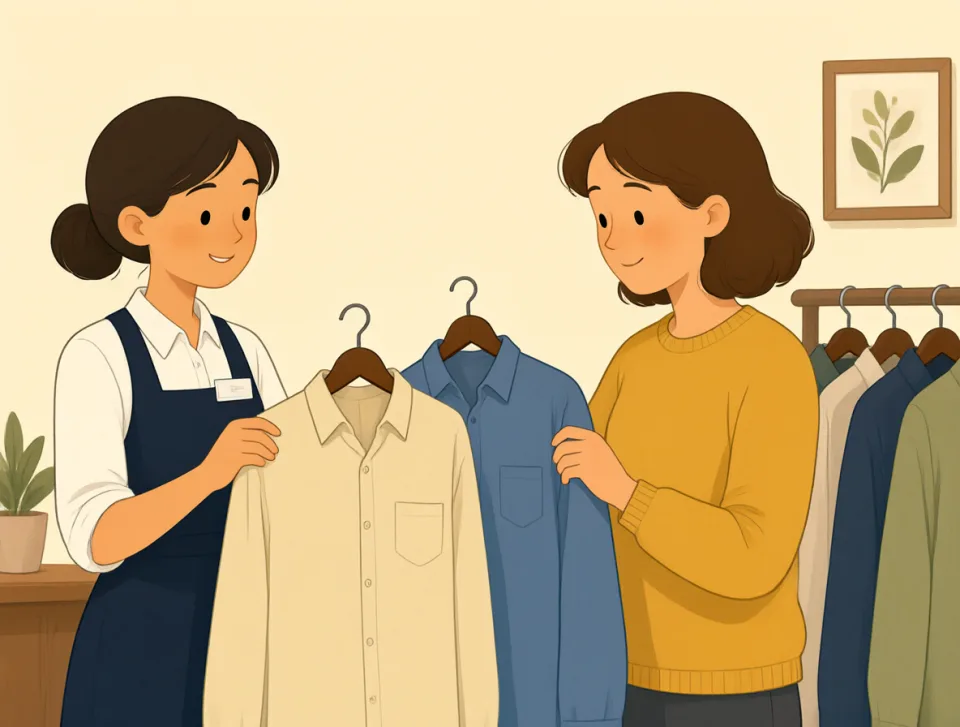
What size do you need?
Jakiego rozmiaru potrzebujesz?
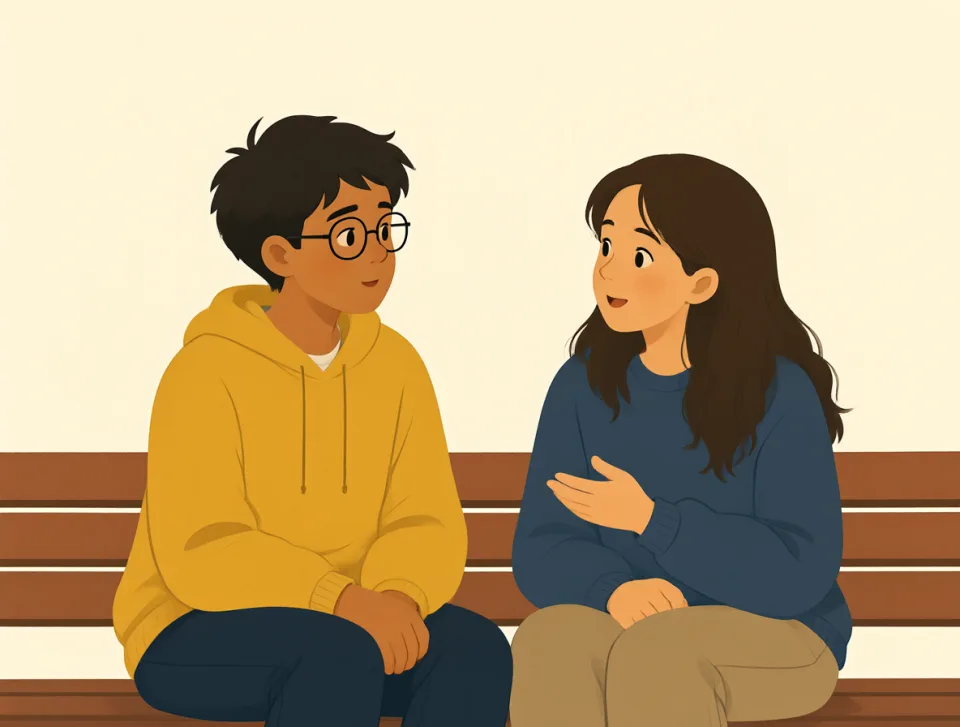
I know what you mean.
Wiem, co masz na myśli.
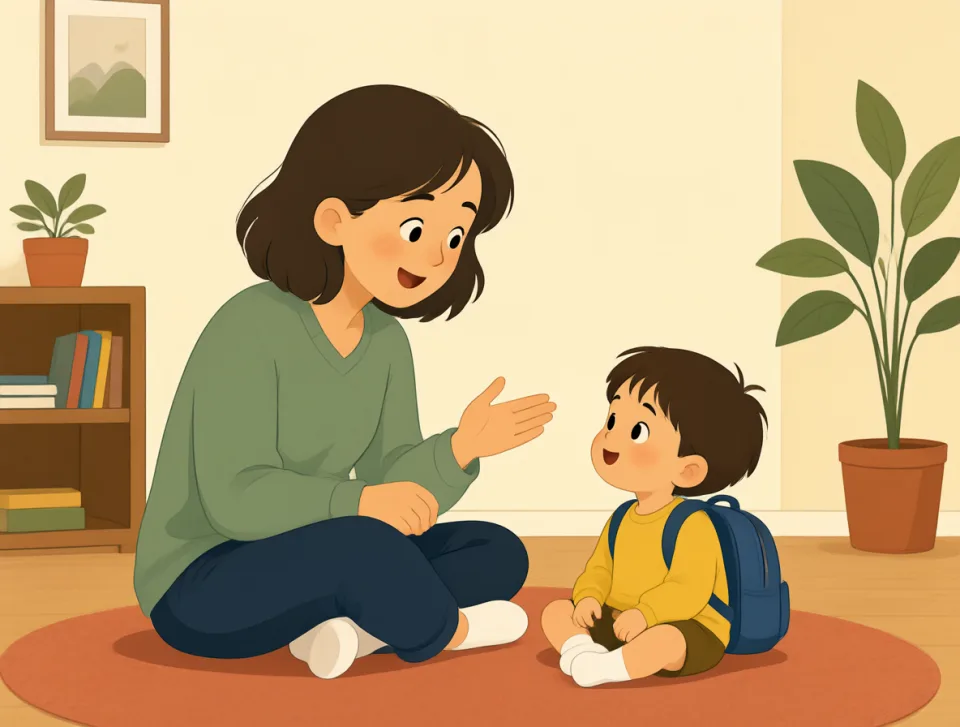
What happened at school today?
Co się dziś wydarzyło w szkole?
up
#52adverb, preposition, adjective, noun
w górę
Toward a higher place or position; or in a higher position.
W kierunku wyższego miejsca lub położenia albo w wyższej pozycji.
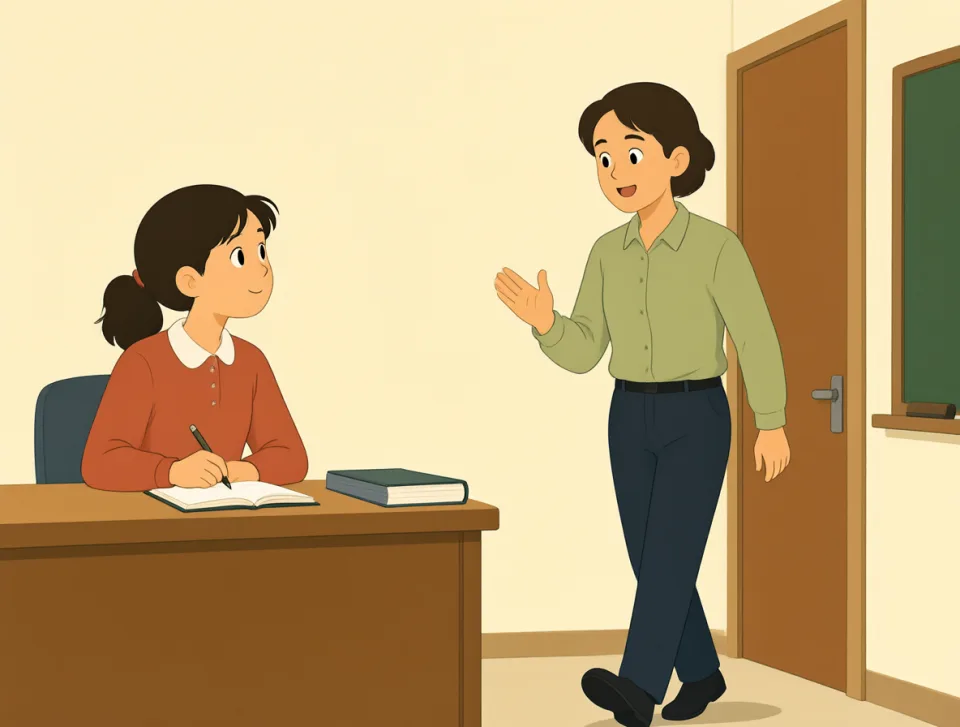
Please stand up when the teacher enters.
Proszę wstać, gdy nauczyciel wejdzie.
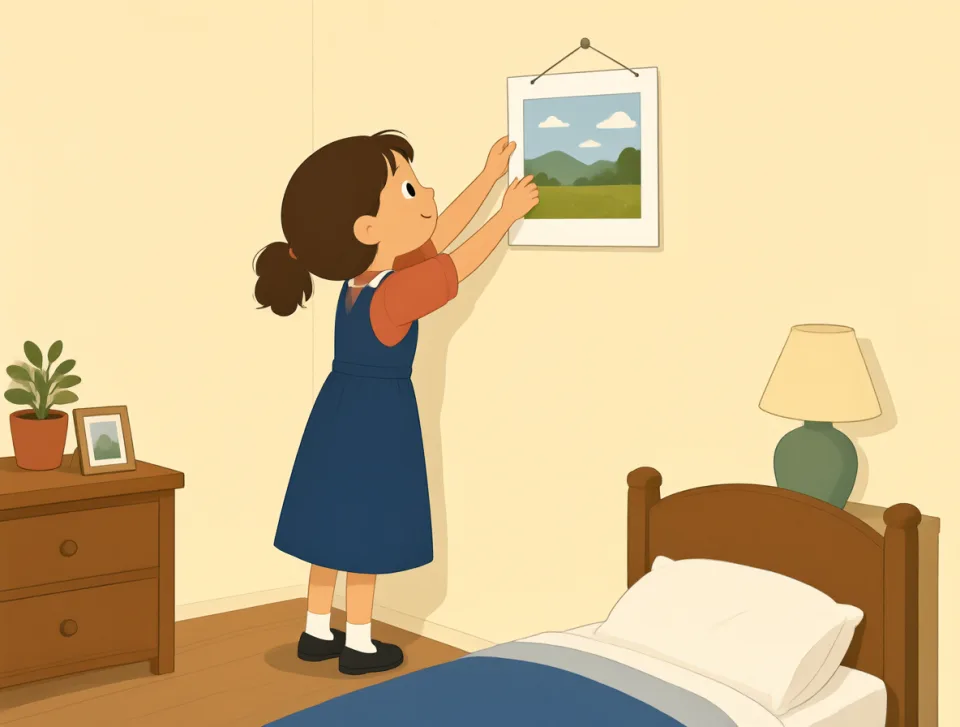
She put up the picture in her room.
Powiesiła obraz w swoim pokoju.
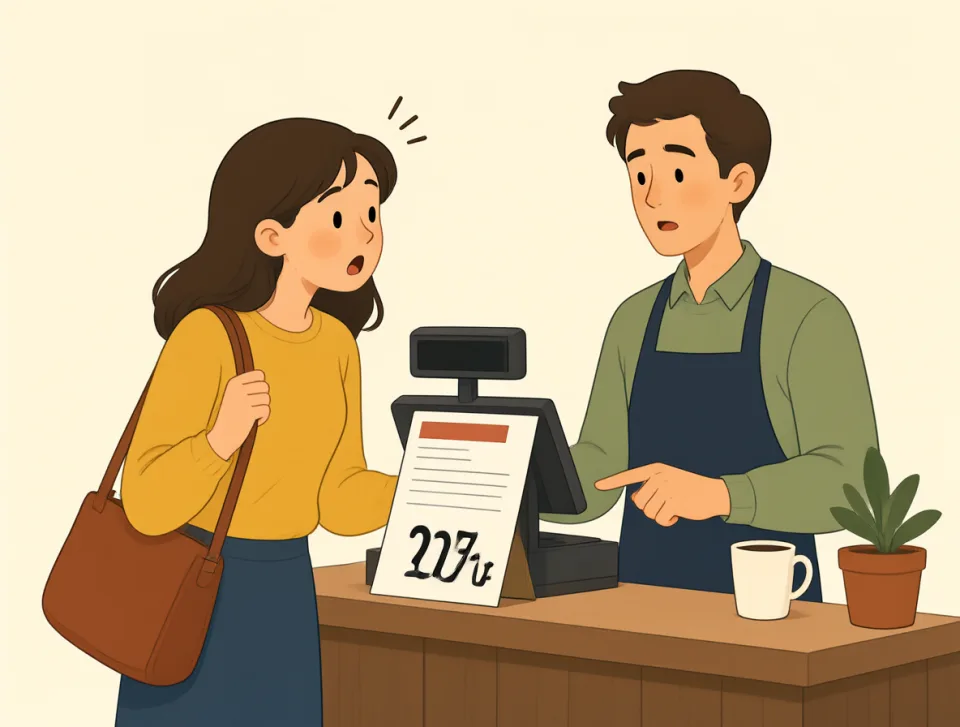
The price went up last month.
W zeszłym miesiącu cena wzrosła.
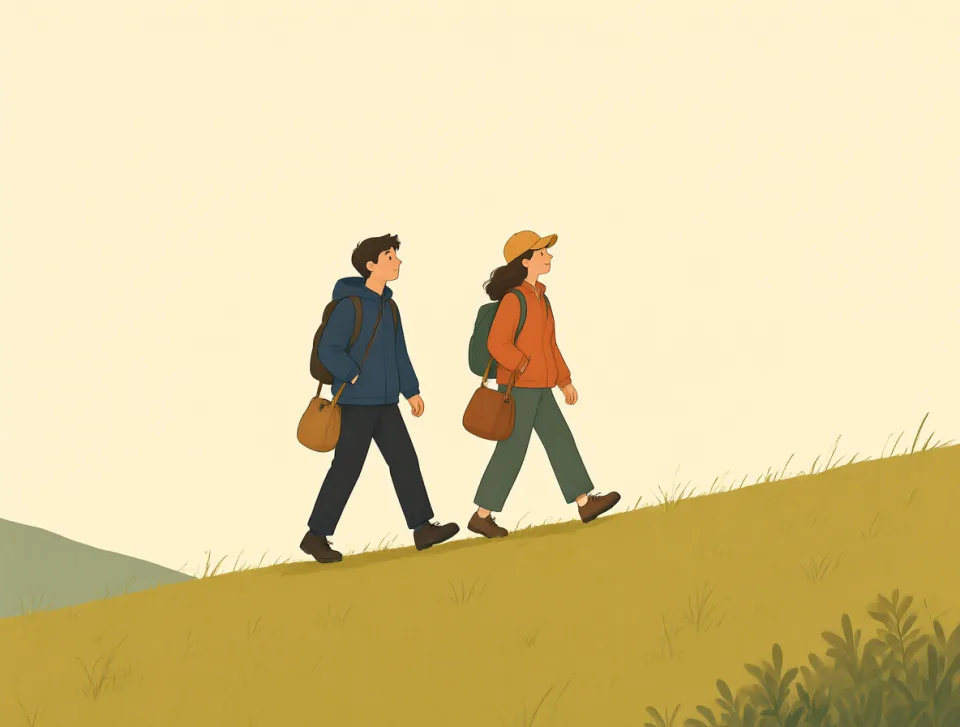
We walked up the hill to the station.
Poszliśmy pod górę do stacji.
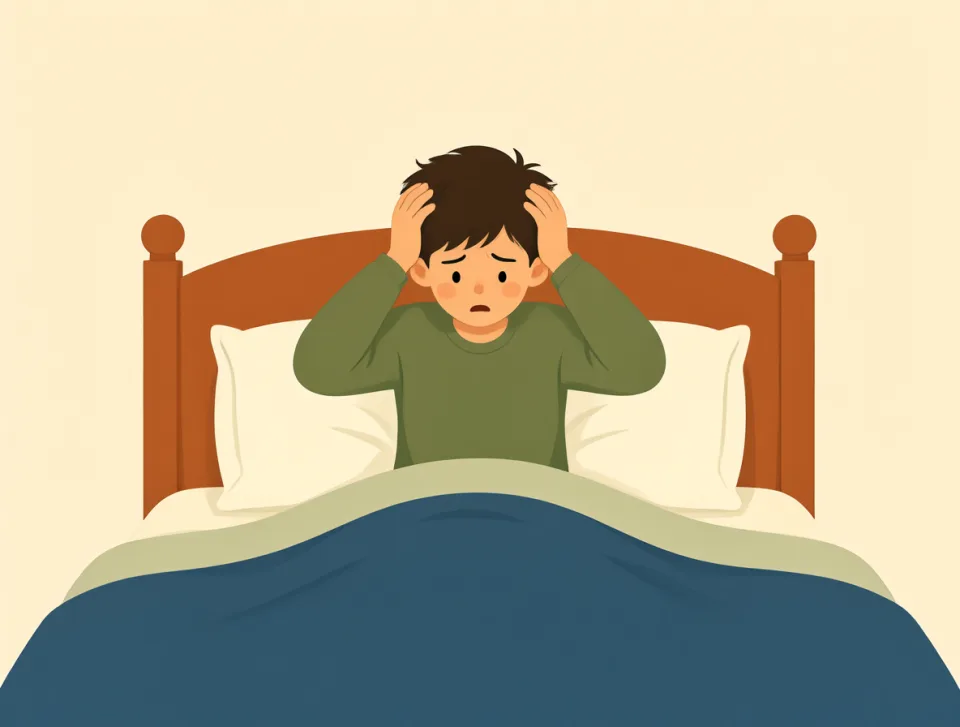
I woke up with a bad headache.
Obudziłem się z silnym bólem głowy.
some
#53determiner, pronoun, adverb
trochę; kilka
An amount or number that is not exact or not stated.
Nieokreślona lub niewskazana dokładnie ilość albo liczba.
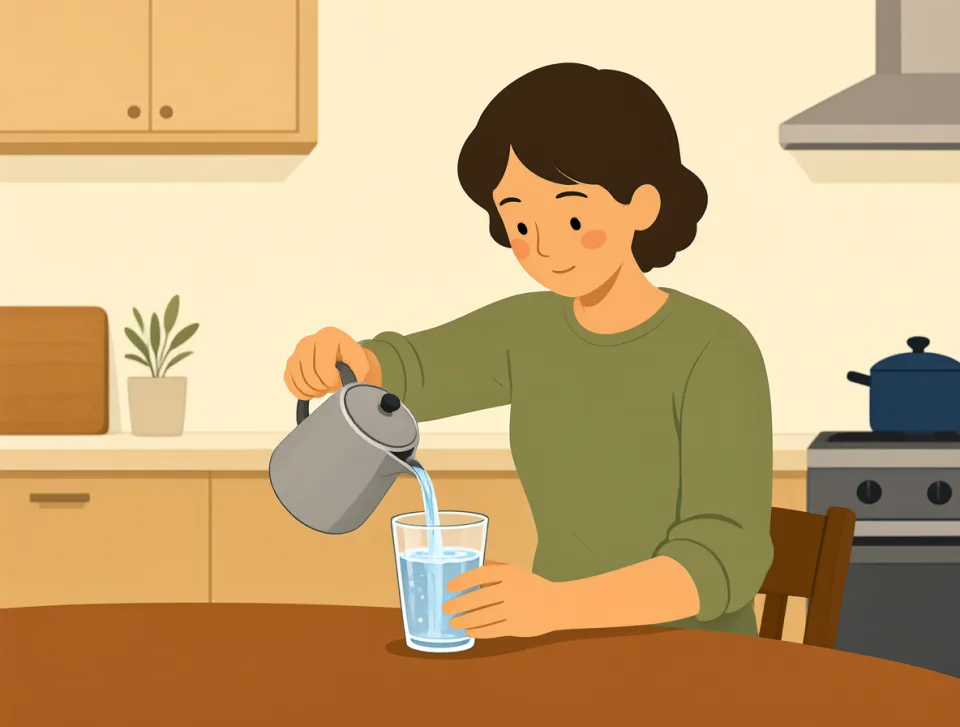
I need some water, please.
Poproszę trochę wody.
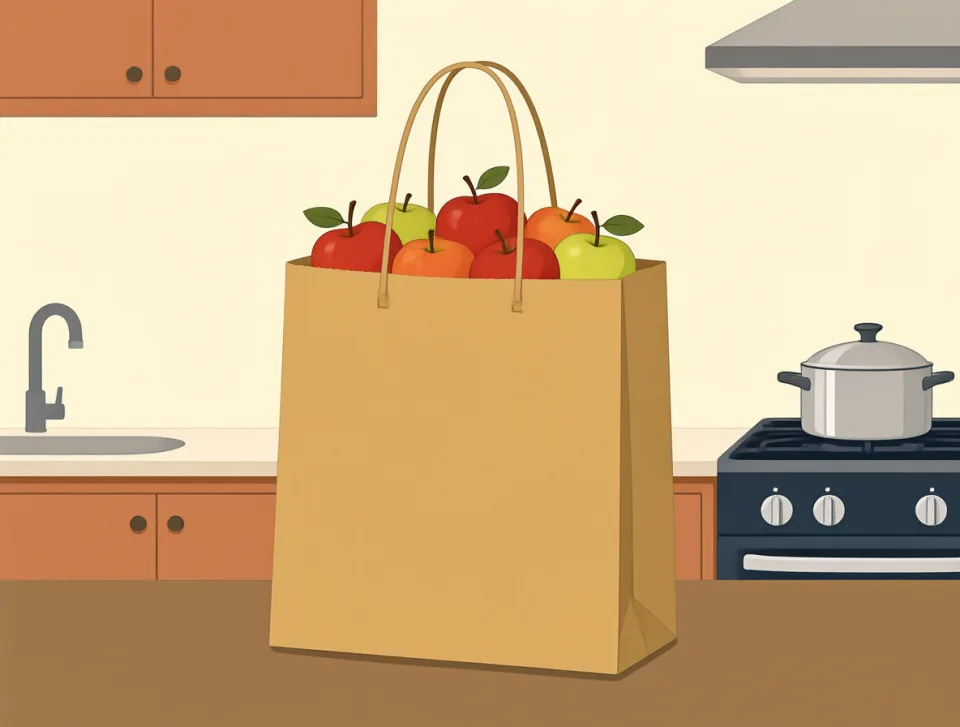
There are some apples in the bag.
W torbie są jakieś jabłka.
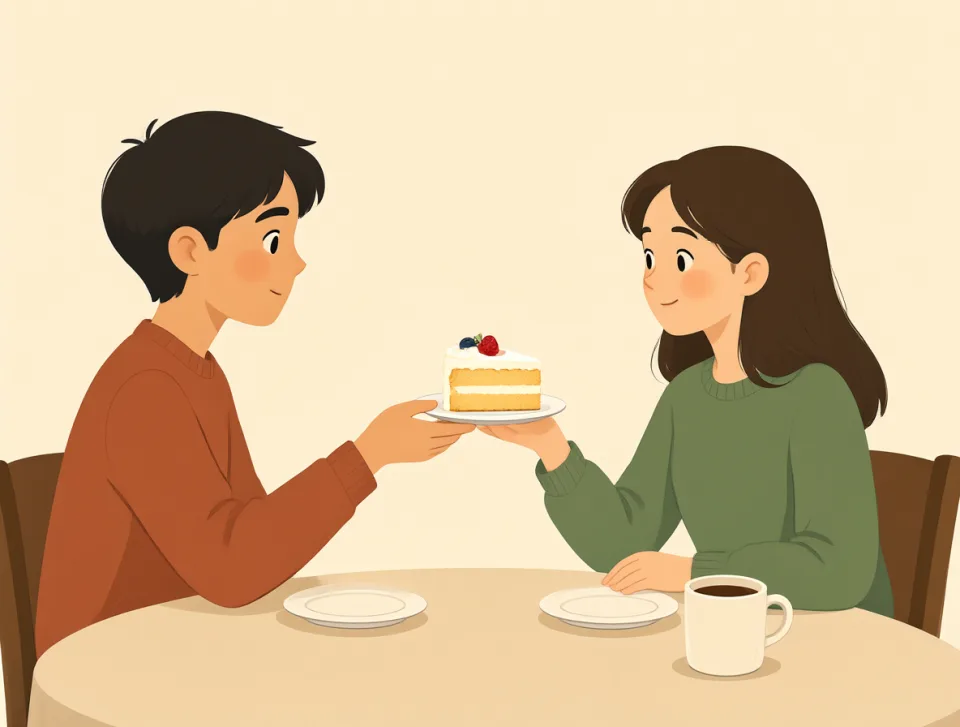
Would you like some cake?
Masz ochotę na kawałek ciasta?
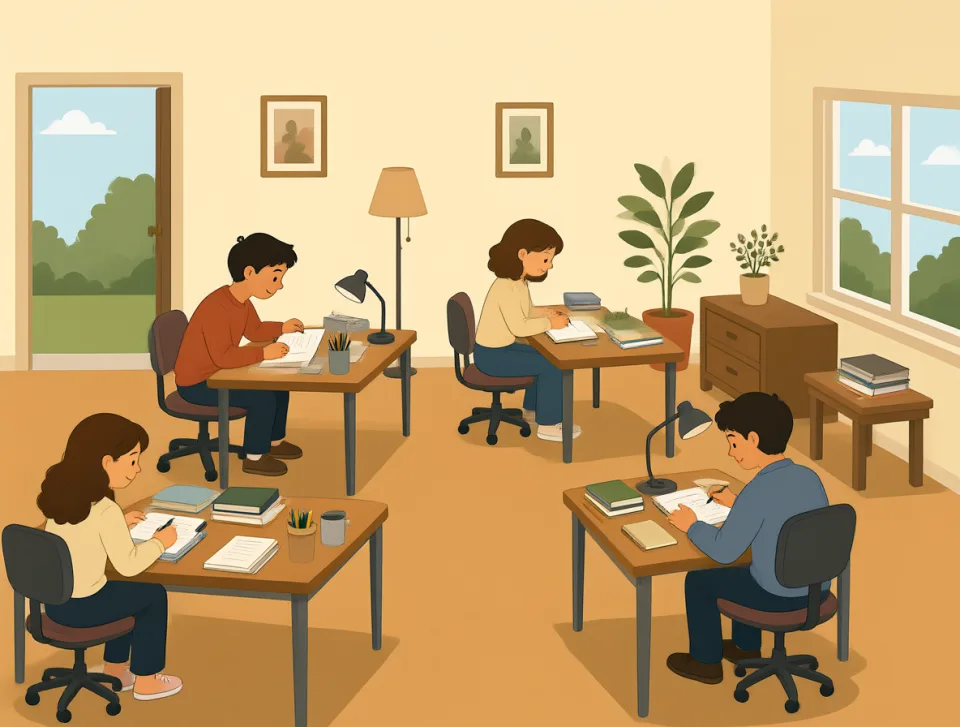
Some people work from home.
Niektórzy pracują z domu.
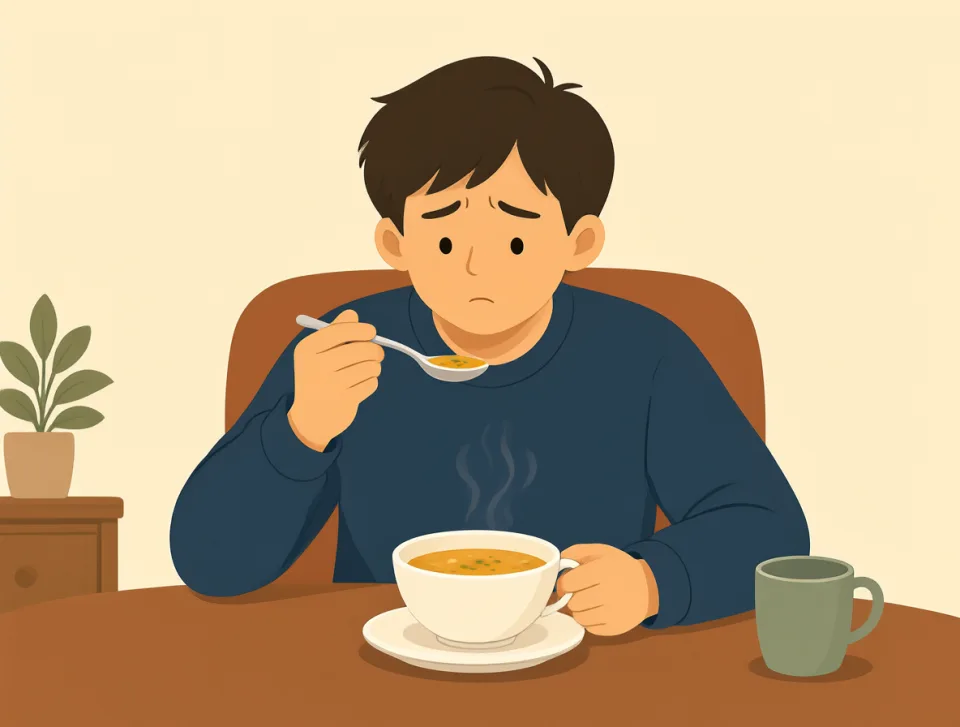
The soup is some better today.
Dziś zupa jest trochę lepsza.
other
#54adjective, pronoun, determiner
inny
Different from the one or ones already mentioned or known.
Różny od tego, który został już wspomniany lub jest znany.
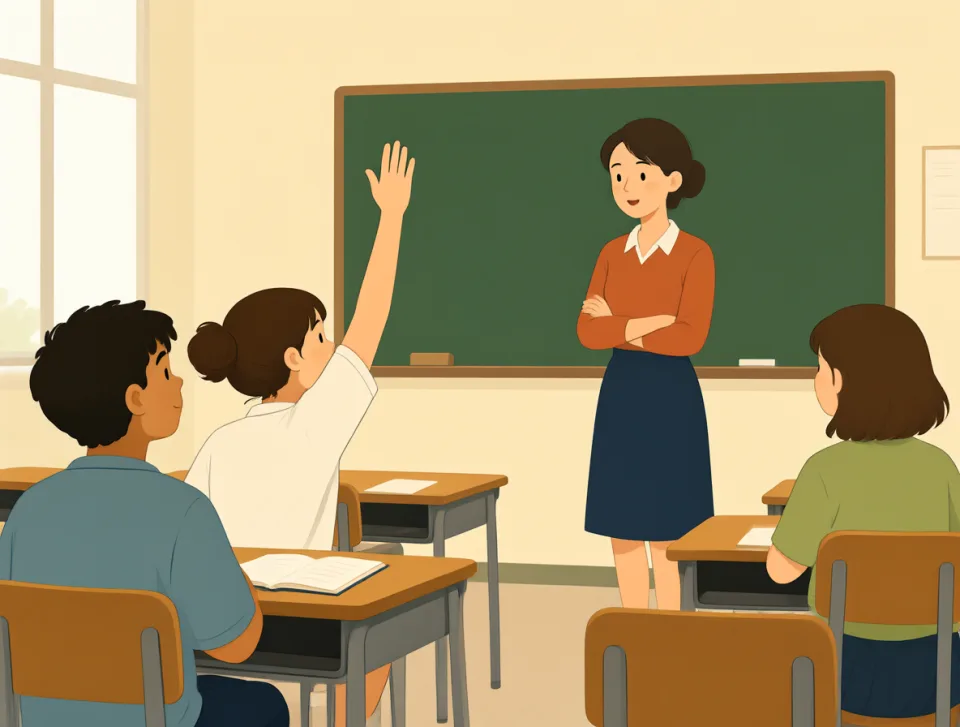
Do you have any other questions?
Czy ma pan jeszcze jakieś pytania?
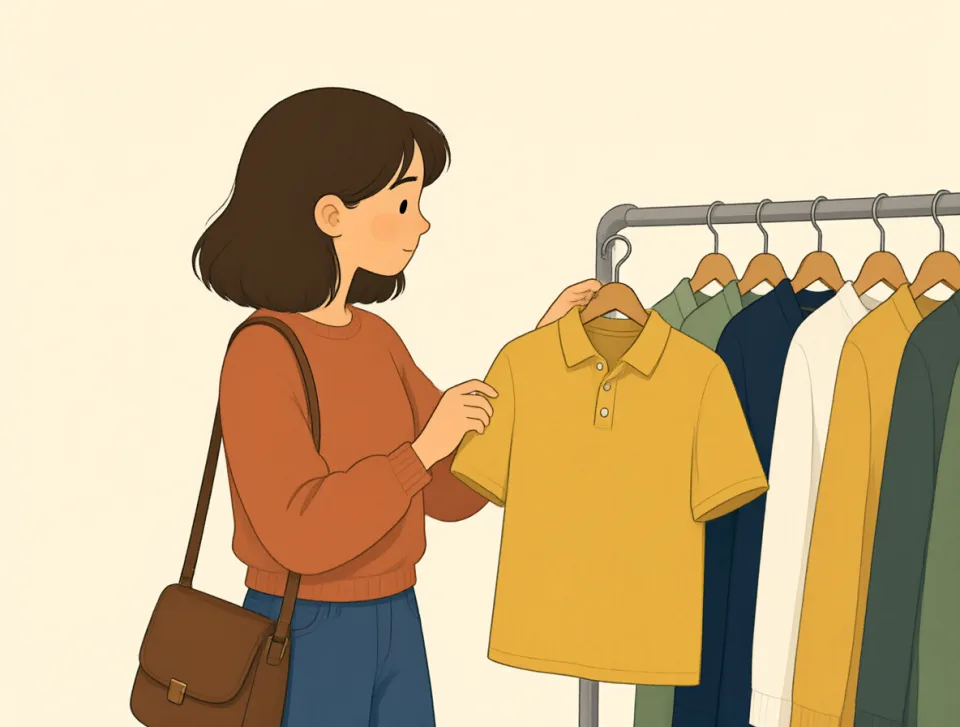
I chose the other shirt.
Wybrałem inną koszulę.
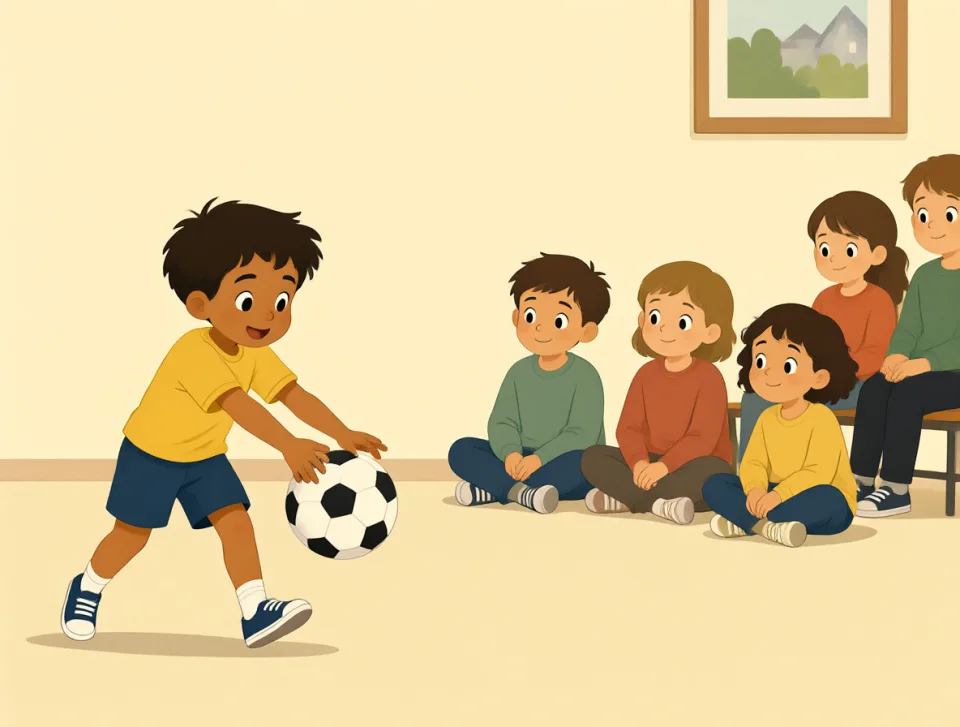
Some children played; the others watched.
Niektóre dzieci się bawiły, a pozostałe patrzyły.
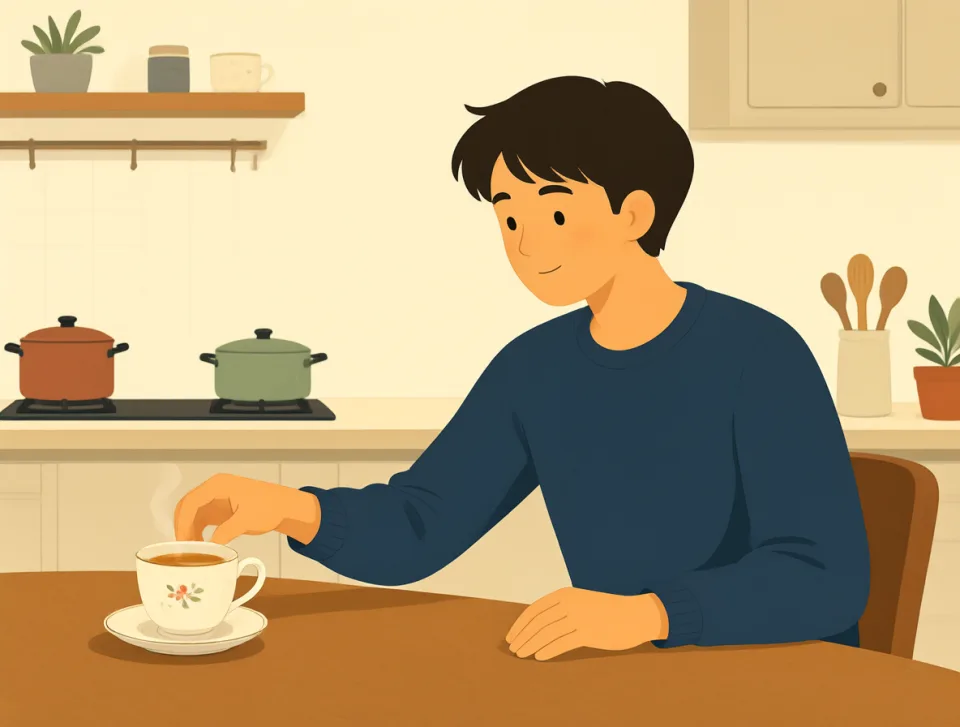
Can I have another cup of tea?
Czy mogę prosić o jeszcze jedną filiżankę herbaty?
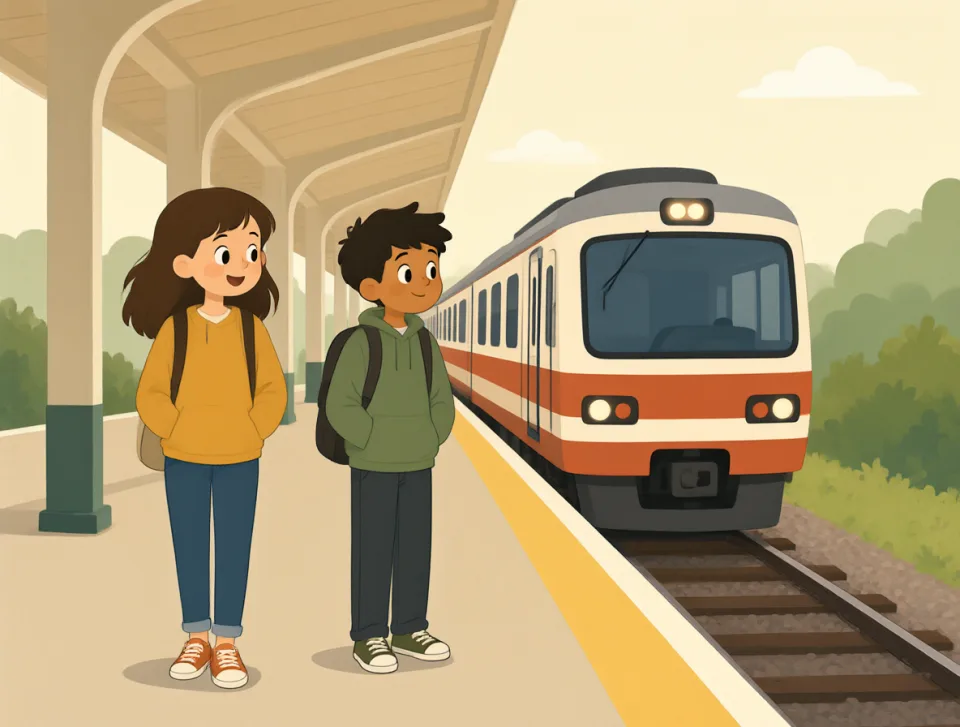
We took the other train home.
Wróciliśmy do domu innym pociągiem.
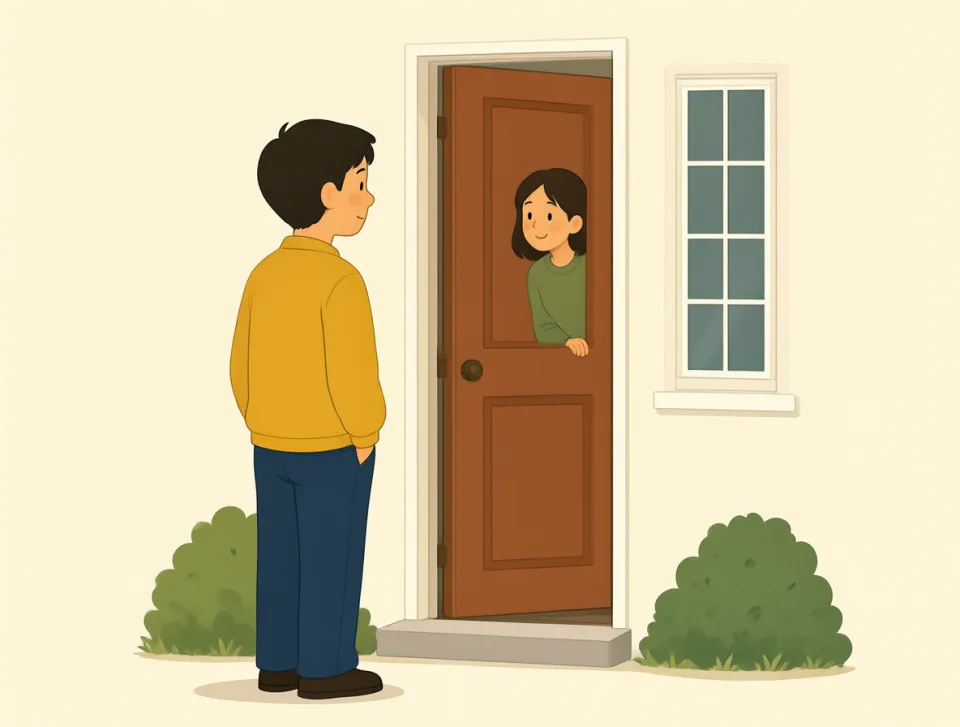
out
#55adverb, preposition, adjective, noun
na zewnątrz
Away from a place, inside, or usual state; or not working or available.
Z dala od jakiegoś miejsca, wnętrza lub zwykłego stanu; także: niedziałający lub niedostępny.
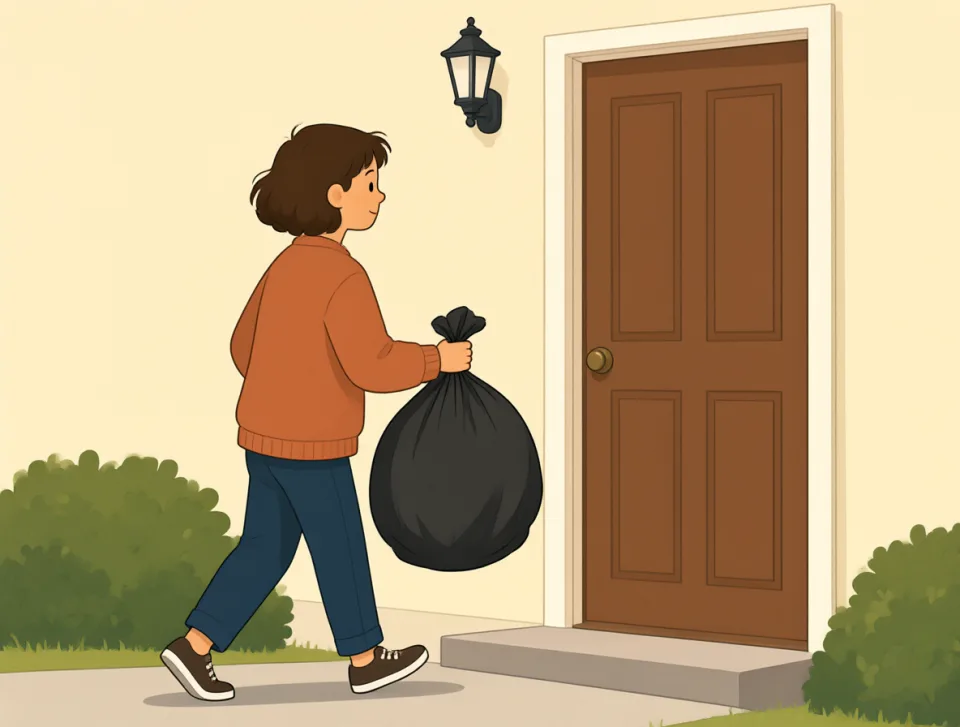
Please take the trash out tonight.
Wyrzuć dziś wieczorem śmieci.
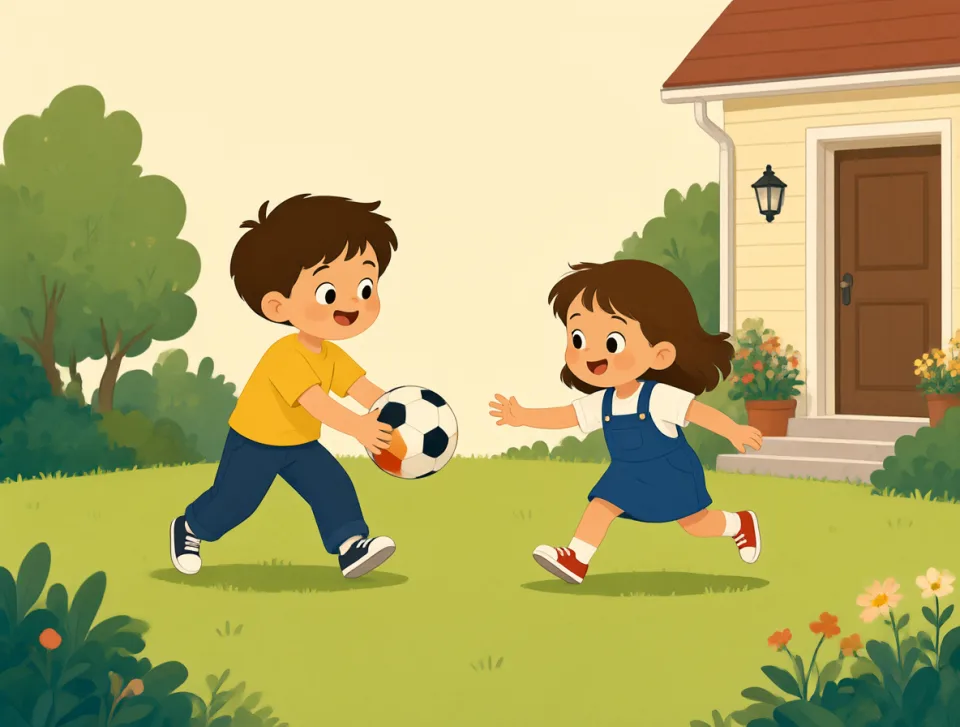
The children are playing out in the garden.
Dzieci bawią się na dworze, w ogrodzie.
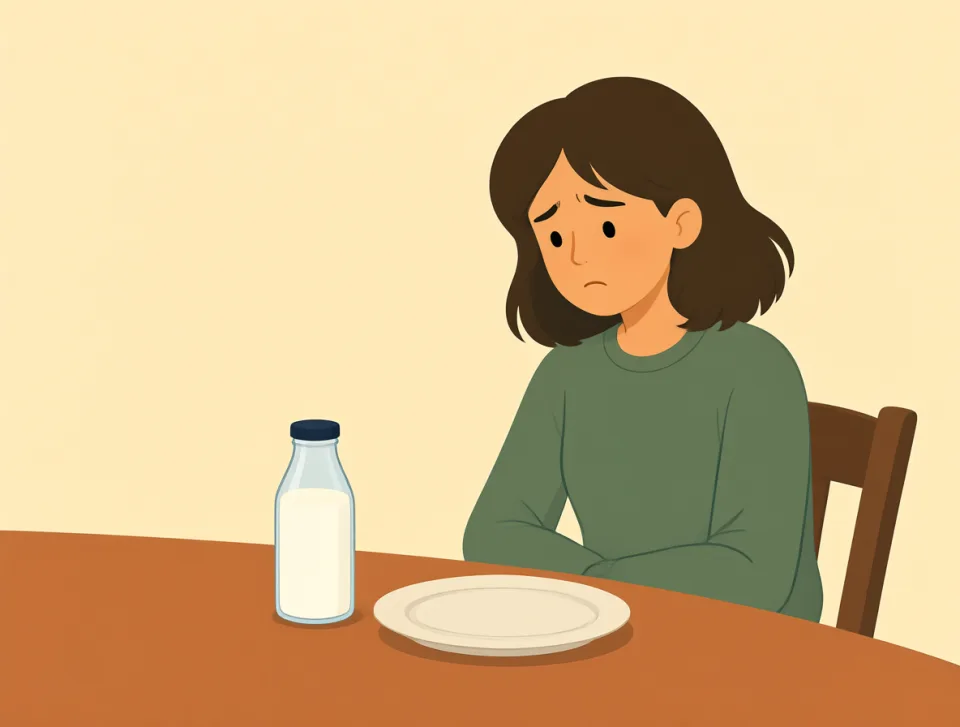
We ran out of milk this morning.
Dziś rano skończyło nam się mleko.
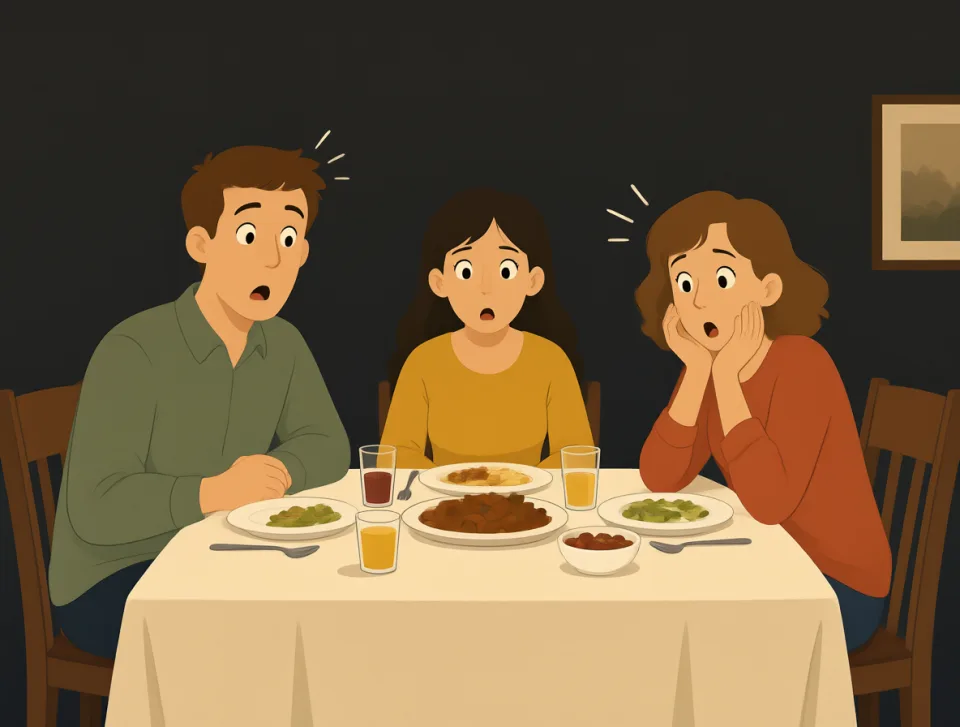
The lights went out during dinner.
Podczas kolacji zgasło światło.

She is out with friends tonight.
Dziś wieczorem wyszła ze znajomymi.
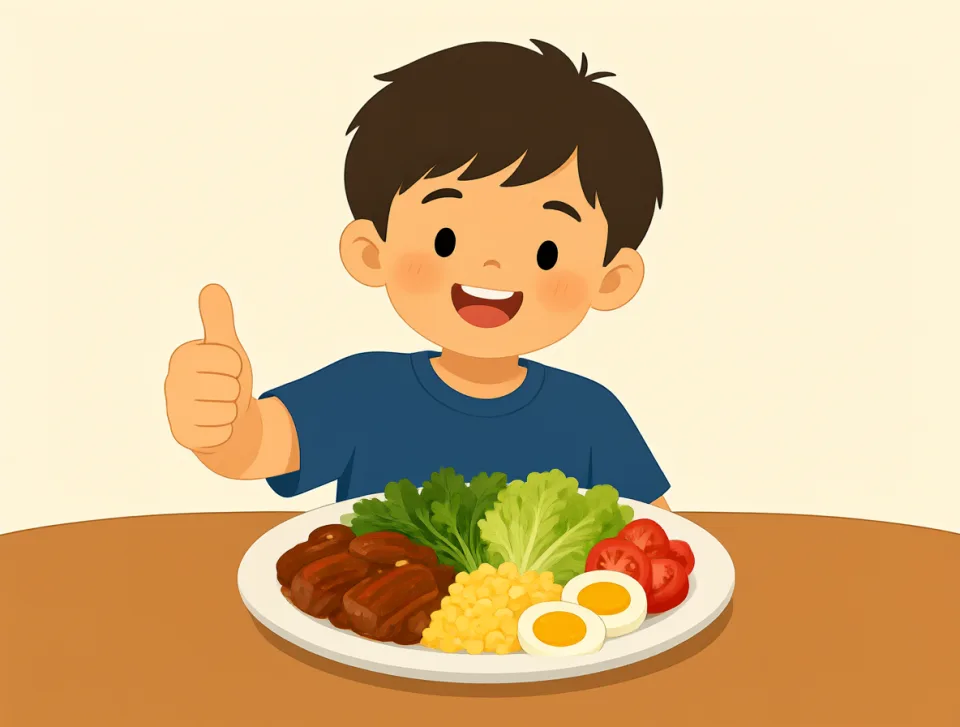
good
#56adjective, noun, adverb
dobry
Pleasant, useful, or of a high quality; used to show approval.
Przyjemny, przydatny lub wysokiej jakości; używany, by wyrazić aprobatę.
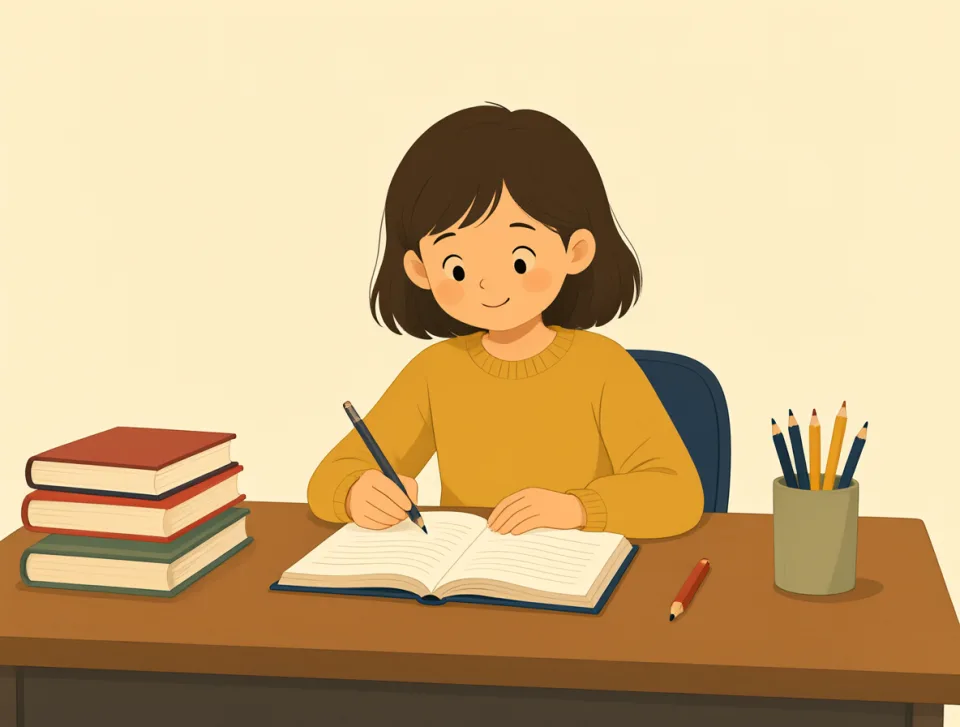
She is a good student.
Ona jest dobrą uczennicą.
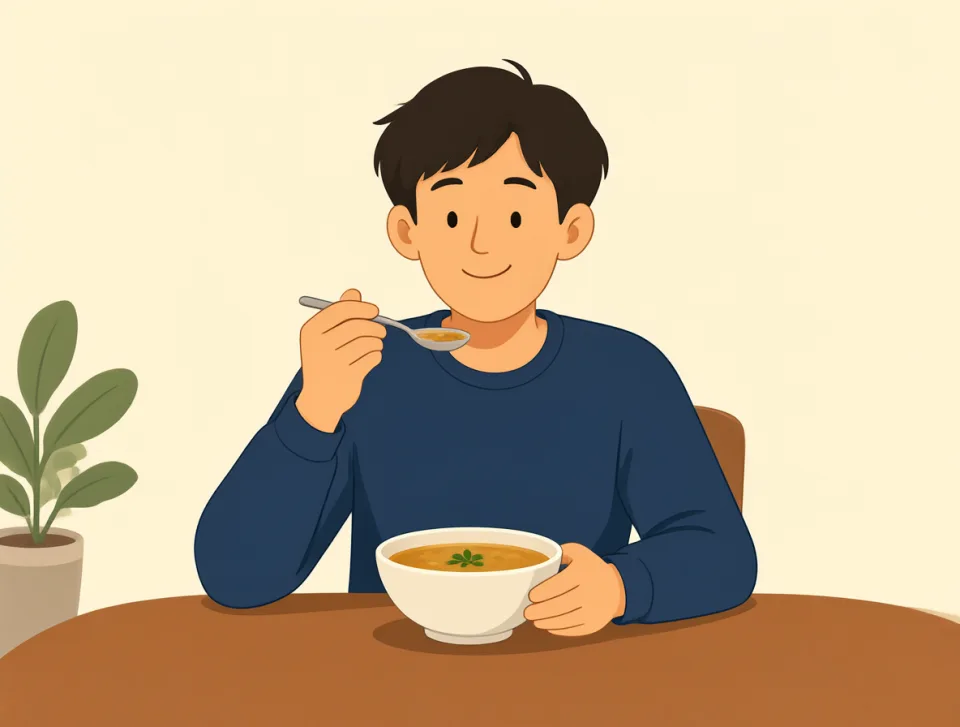
This soup tastes really good.
Ta zupa naprawdę dobrze smakuje.
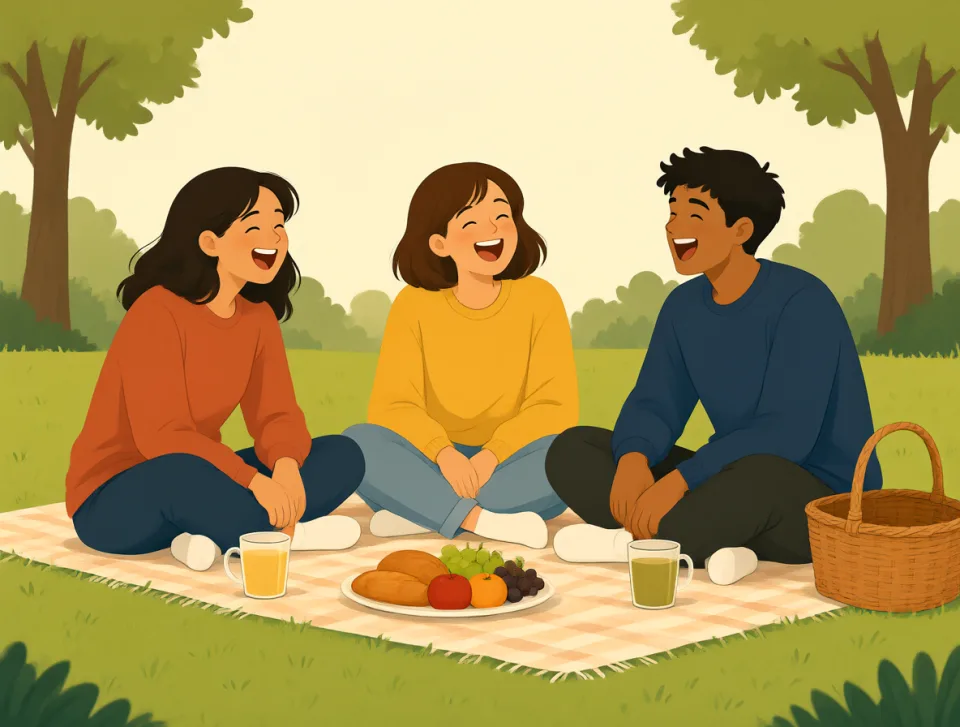
We had a good time together.
Dobrze się razem bawiliśmy.
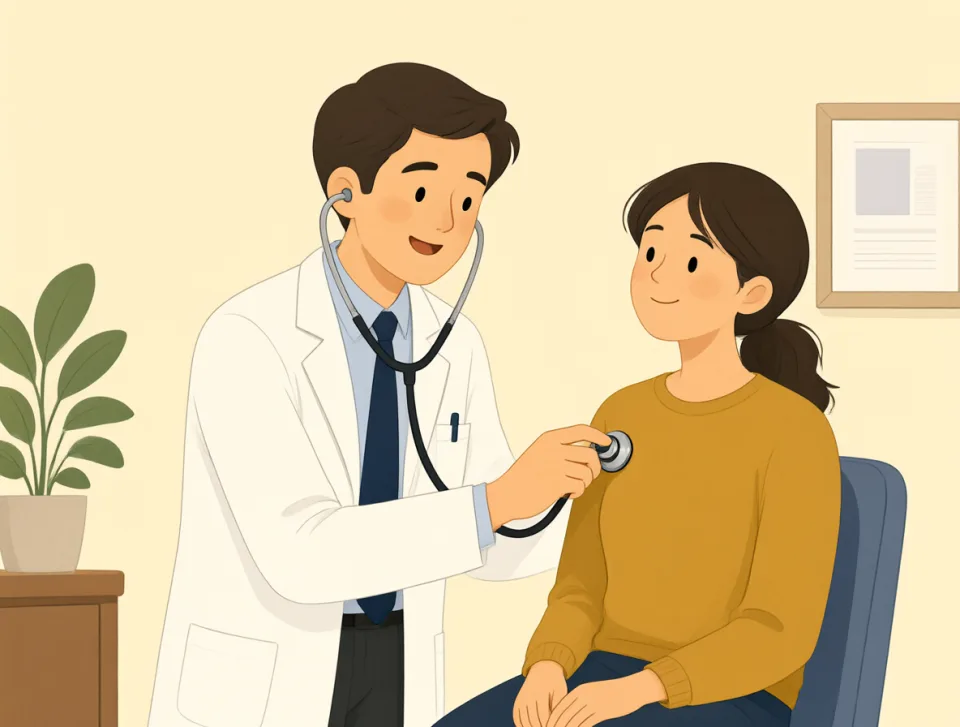
The doctor said my heart is good.
Lekarz powiedział, że moje serce jest zdrowe.
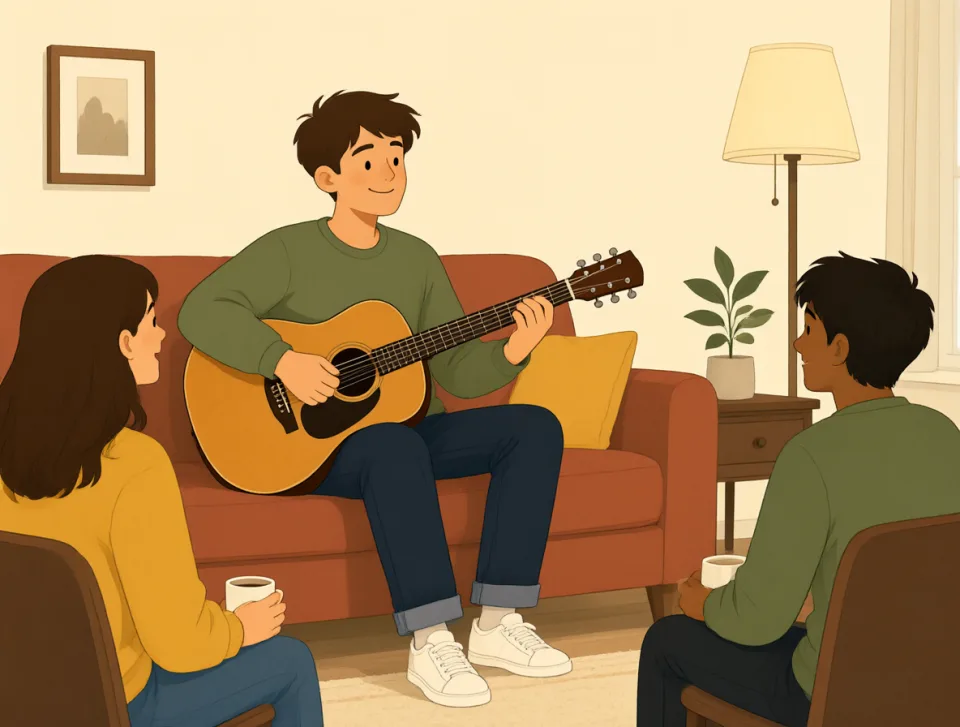
He plays the guitar very well.
On bardzo dobrze gra na gitarze.
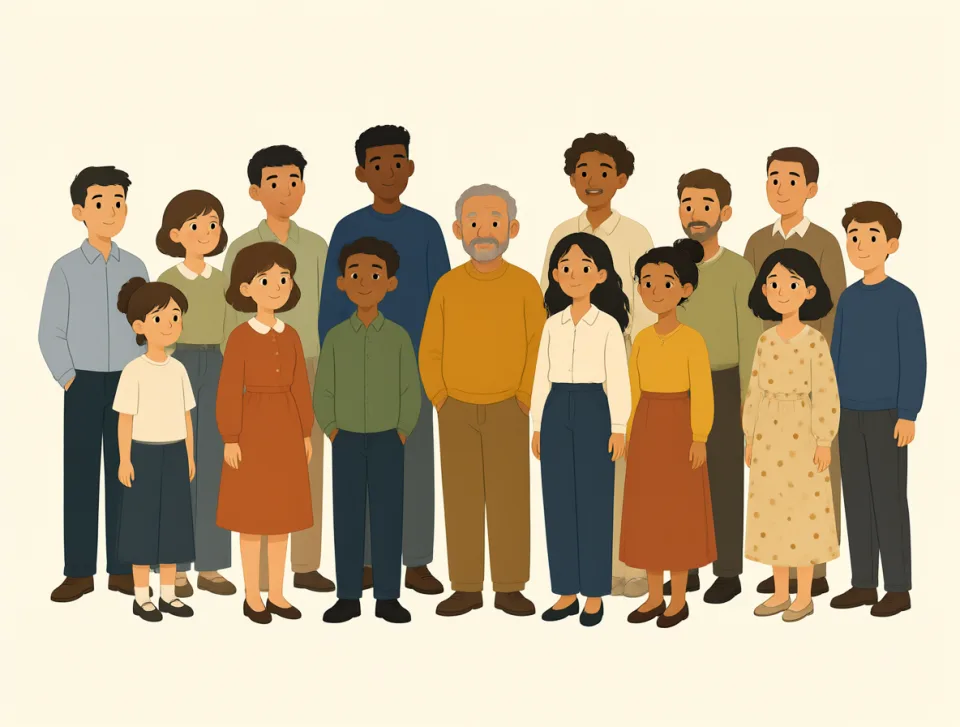
people
#57noun
ludzie
Human beings in general, or a group of human beings.
Istoty ludzkie ogólnie lub grupa istot ludzkich.
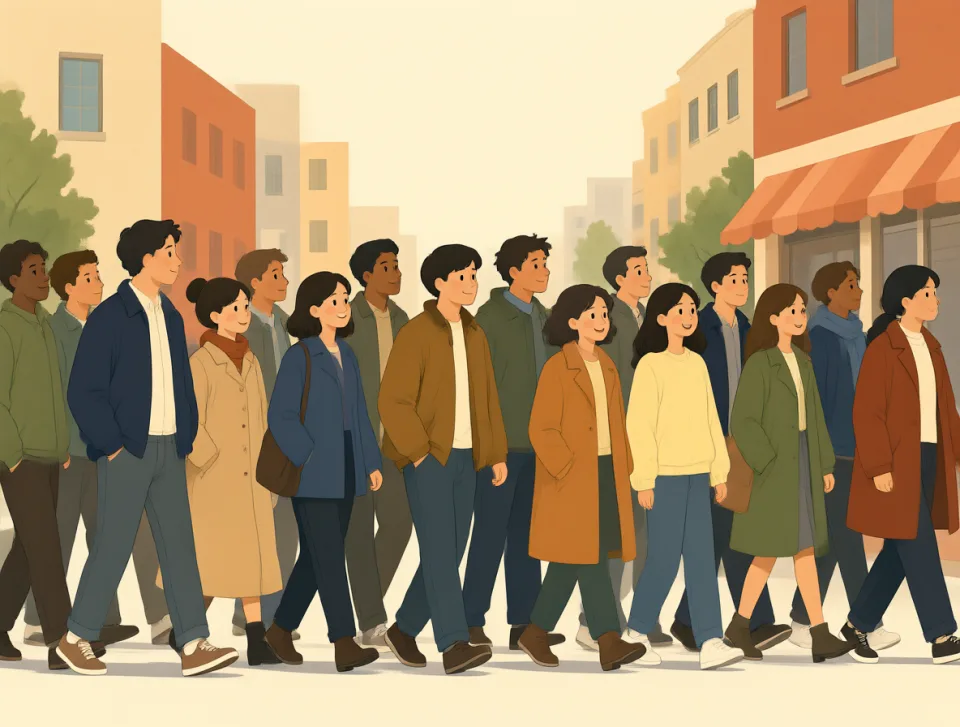
Many people live in this city.
Wielu ludzi mieszka w tym mieście.
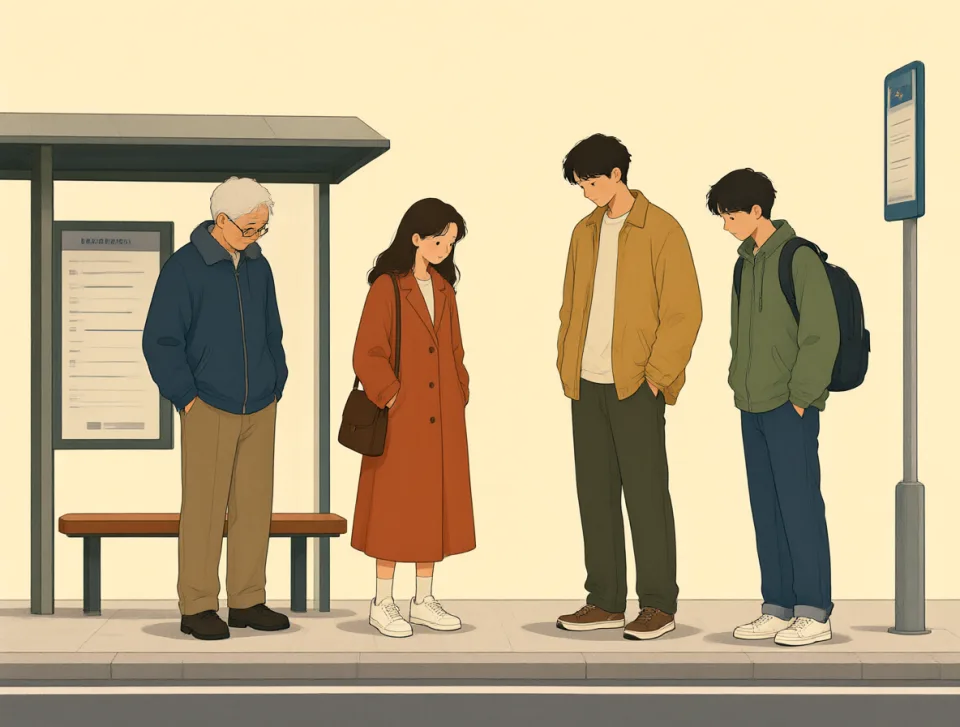
People are waiting for the bus.
Ludzie czekają na autobus.
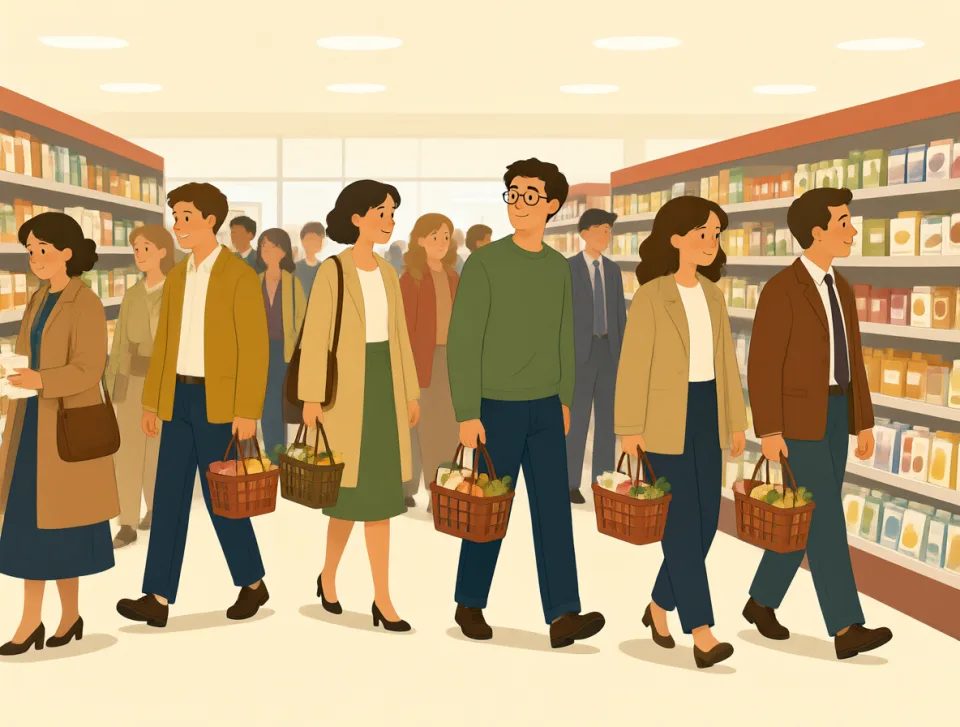
The shop was full of people.
Sklep był pełen ludzi.
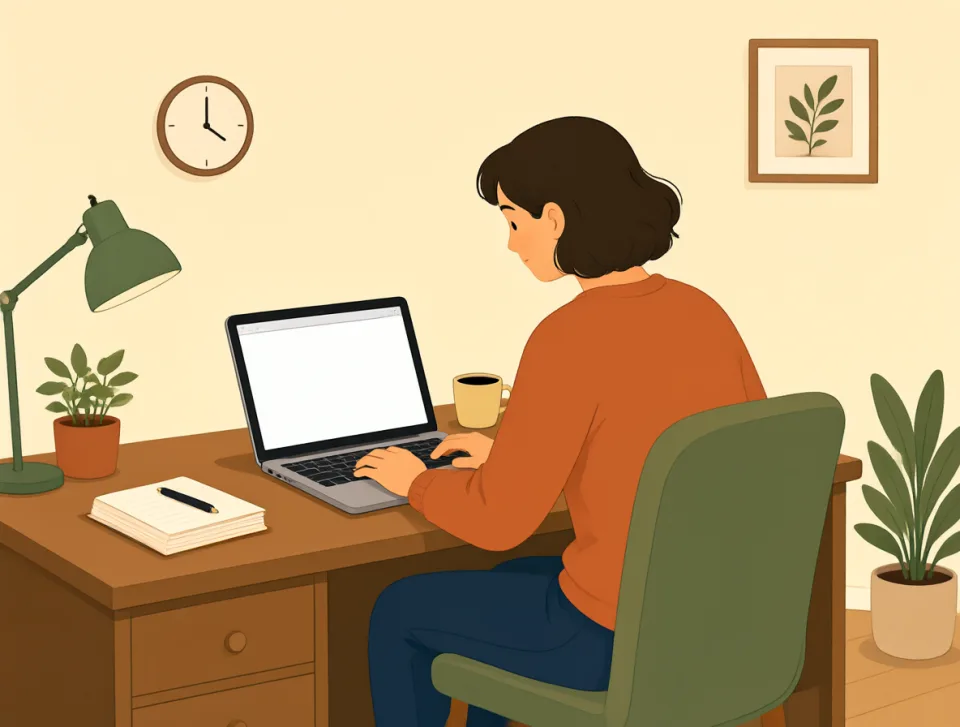
Some people work from home.
Niektórzy ludzie pracują w domu.
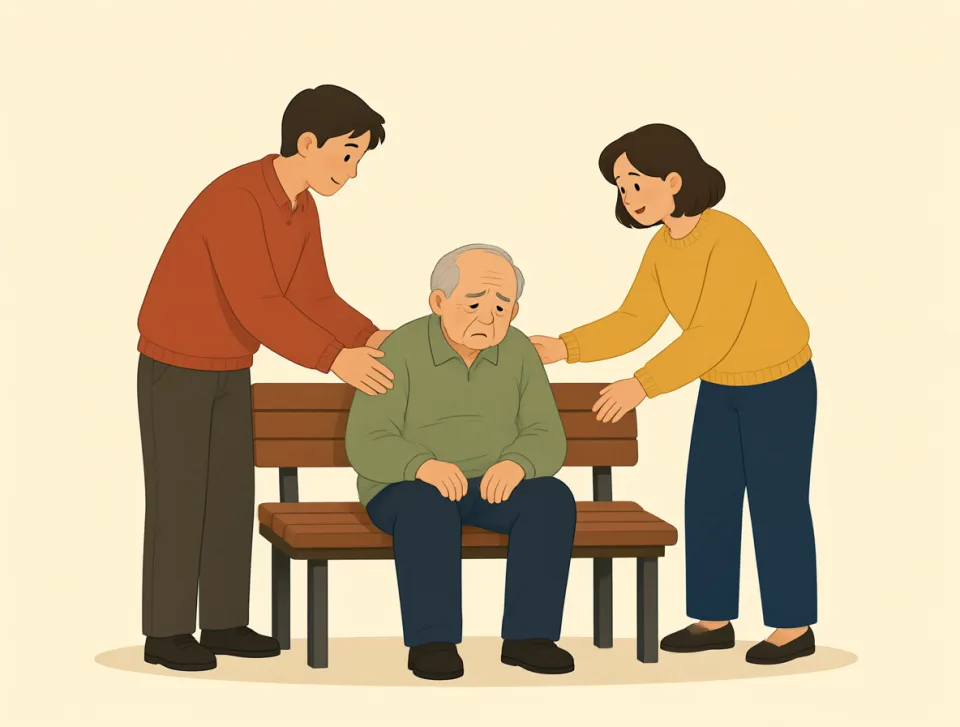
People helped the sick man.
Ludzie pomogli choremu mężczyźnie.
year
#58noun
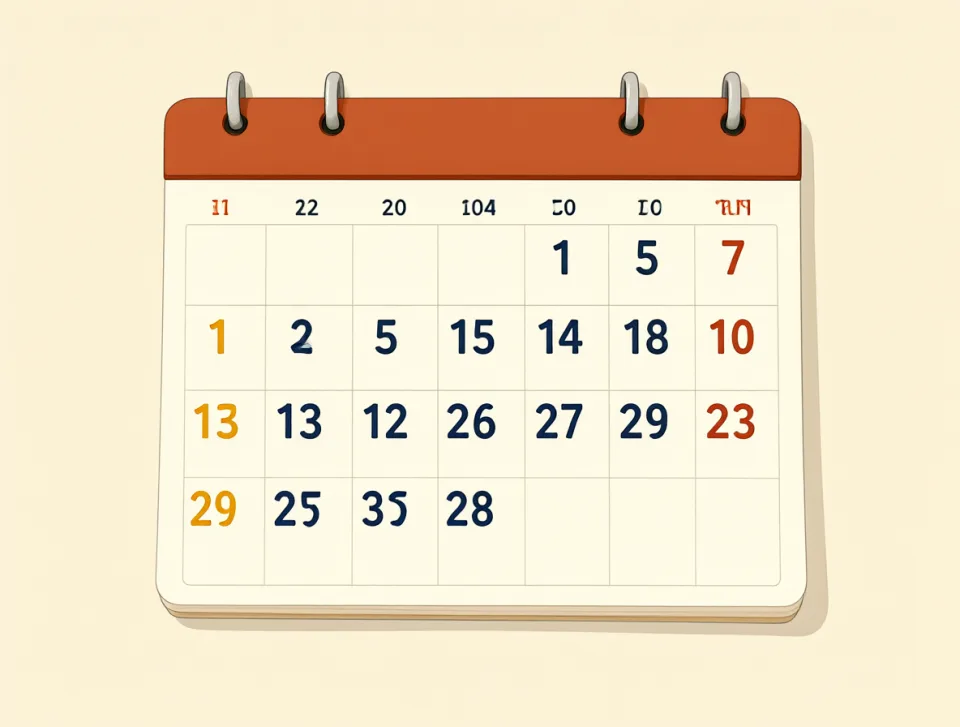
rok
A period of twelve months, usually from January to December.
Okres dwunastu miesięcy, zwykle od stycznia do grudnia.
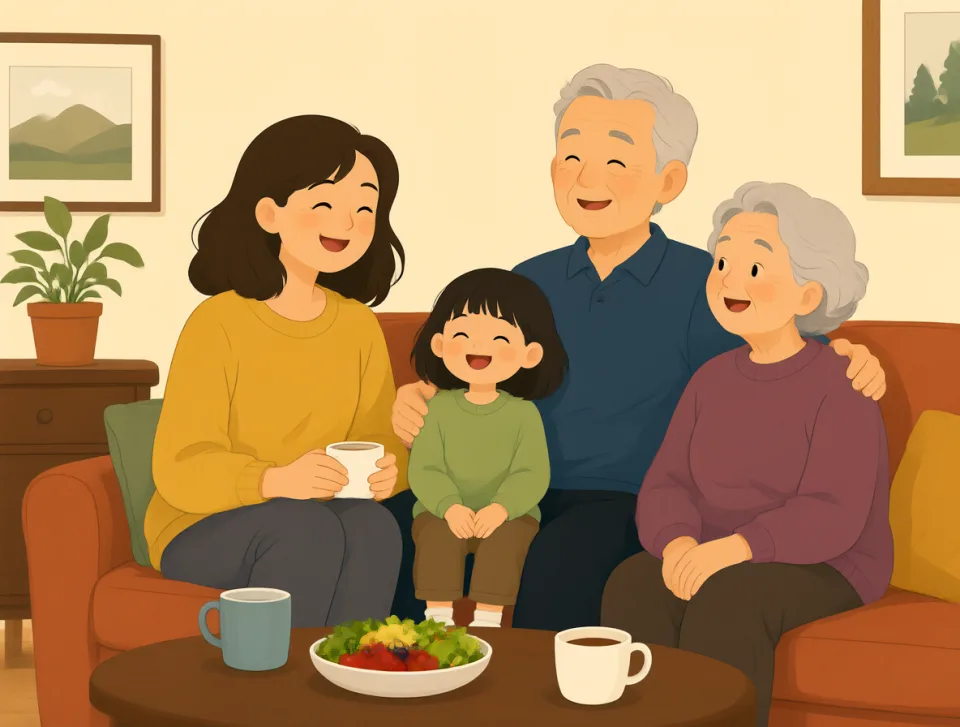
I visit my family twice a year.
Odwiedzam rodzinę dwa razy w roku.
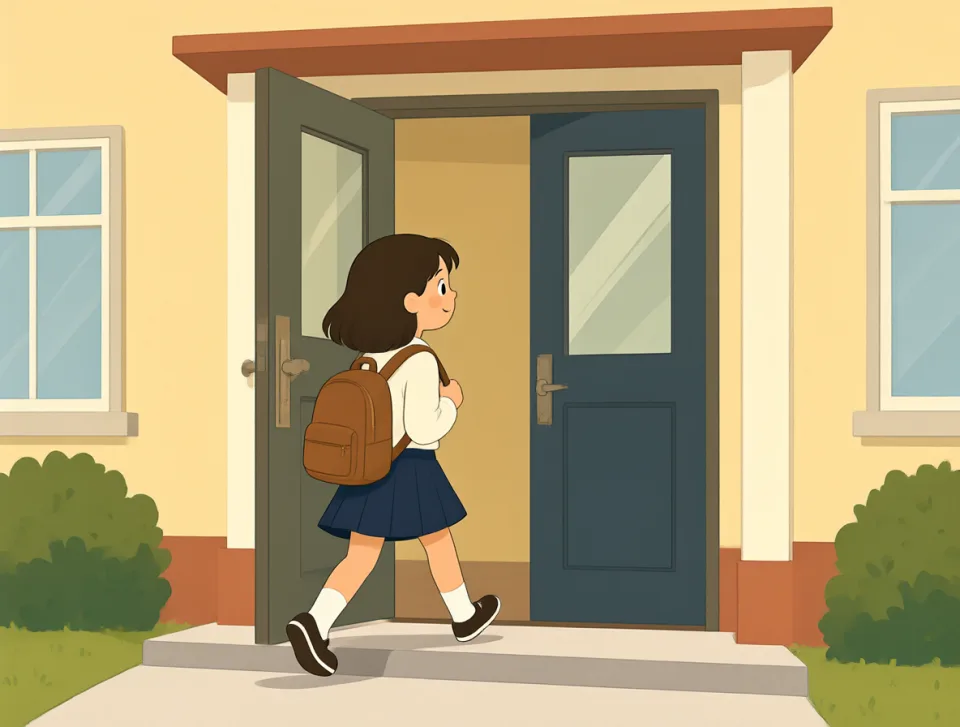
She started school last year.
Ona zaczęła szkołę w zeszłym roku.
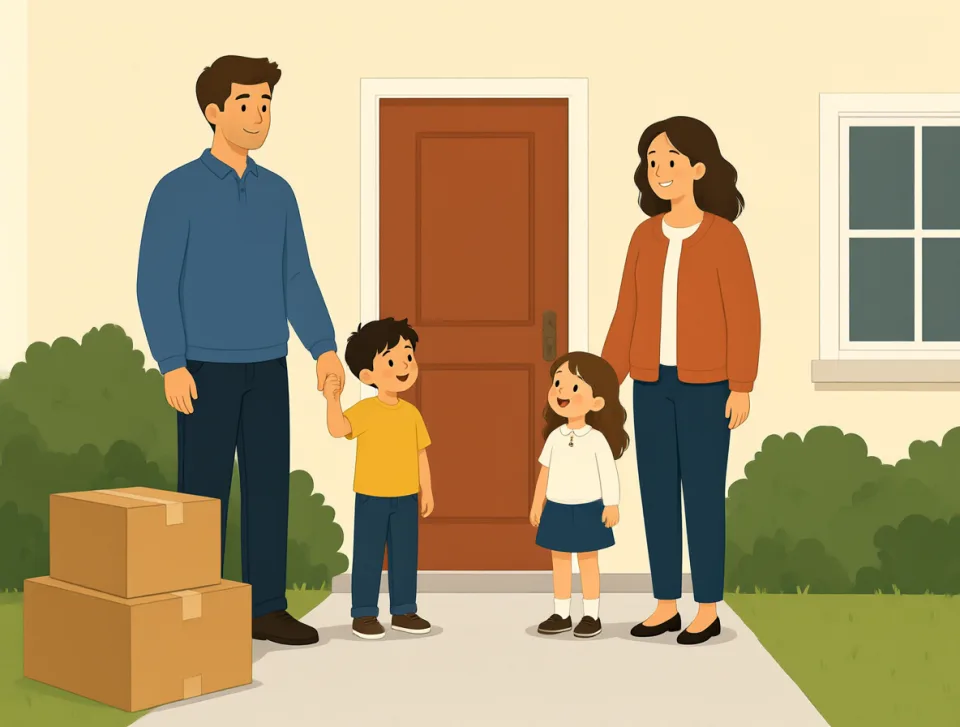
We lived there for three years.
Mieszkaliśmy tam przez trzy lata.
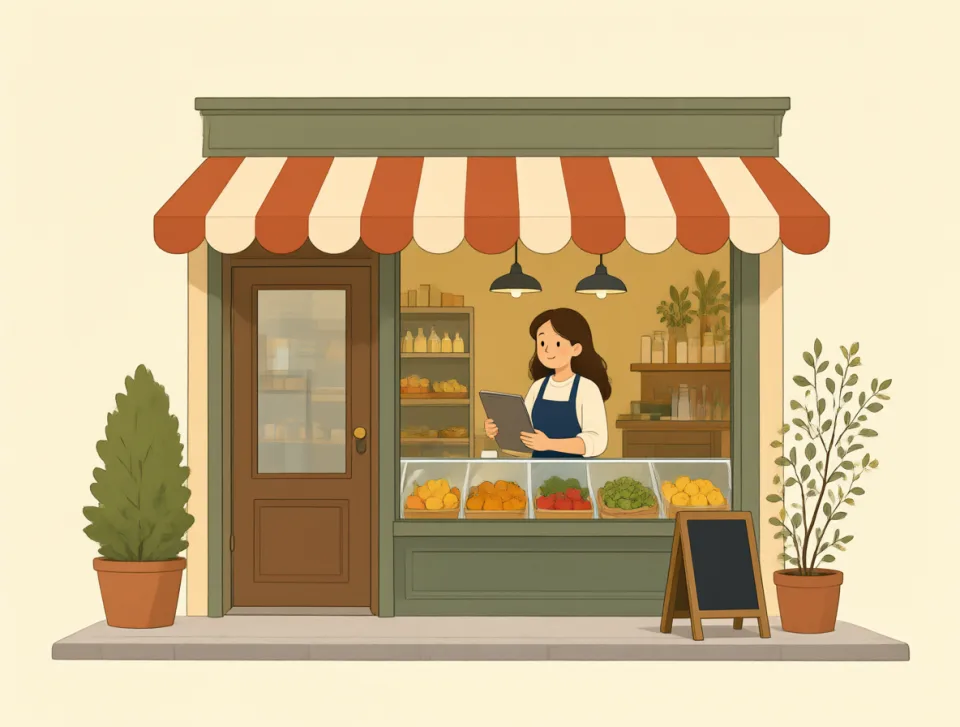
The shop opens every year in May.
Sklep otwiera się co roku w maju.
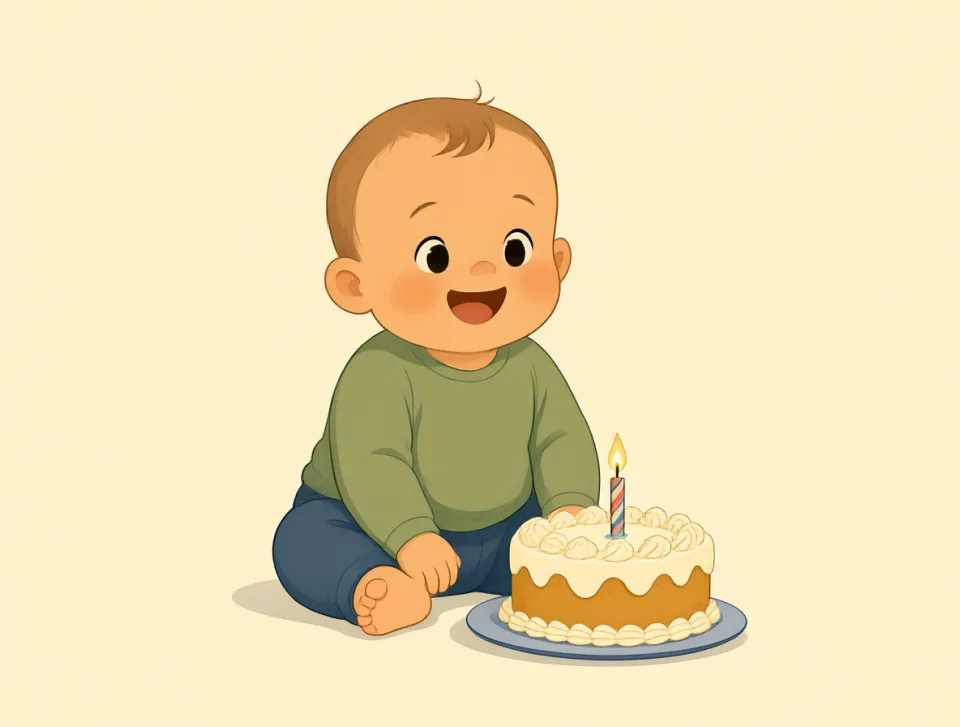
He is one year old today.
Dziś kończy rok.

take
#59verb, noun
brać
To move something with you, use something, or do an action.
Przenosić coś ze sobą, używać czegoś lub wykonywać jakąś czynność.
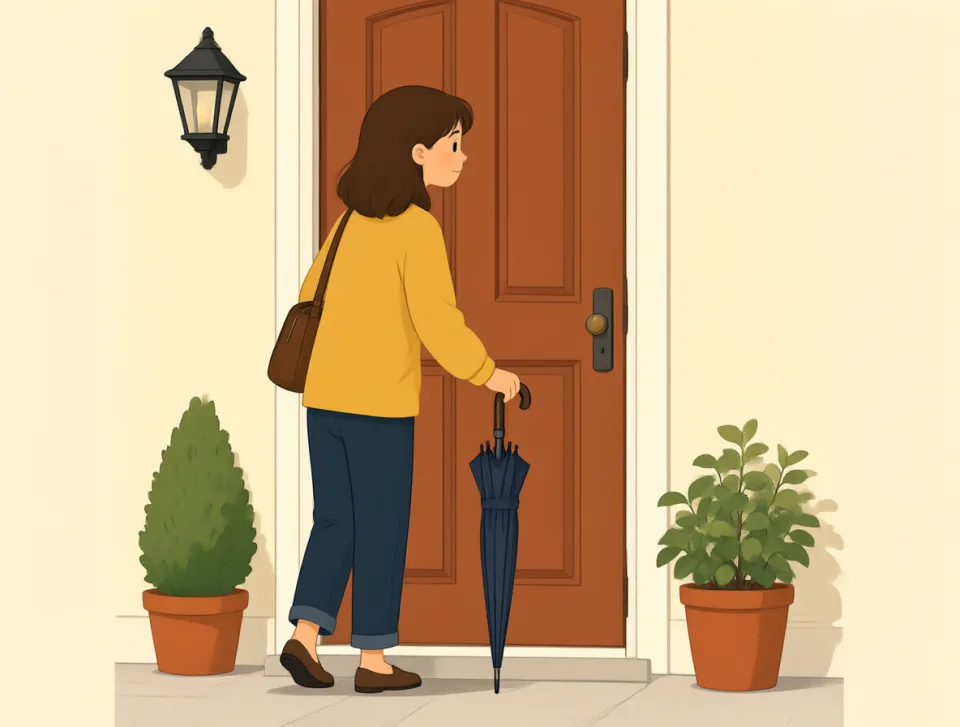
Please take an umbrella when you leave.
Proszę, weź parasol, kiedy będziesz wychodzić.
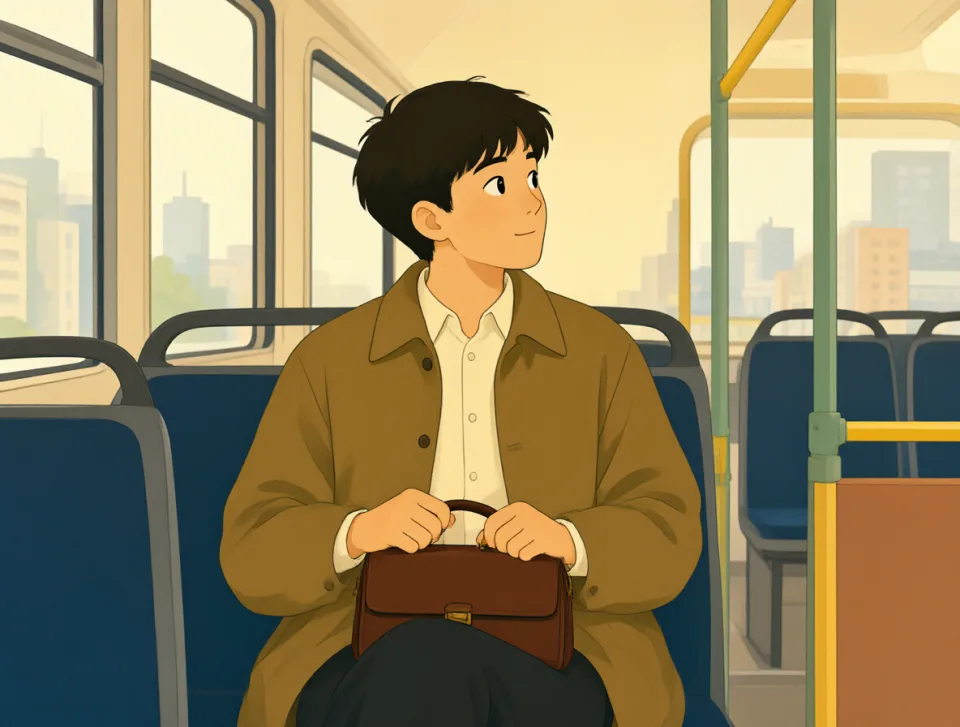
I take the bus to work every day.
Codziennie jeżdżę do pracy autobusem.

She took a photo of the mountains.
Zrobiła zdjęcie górom.
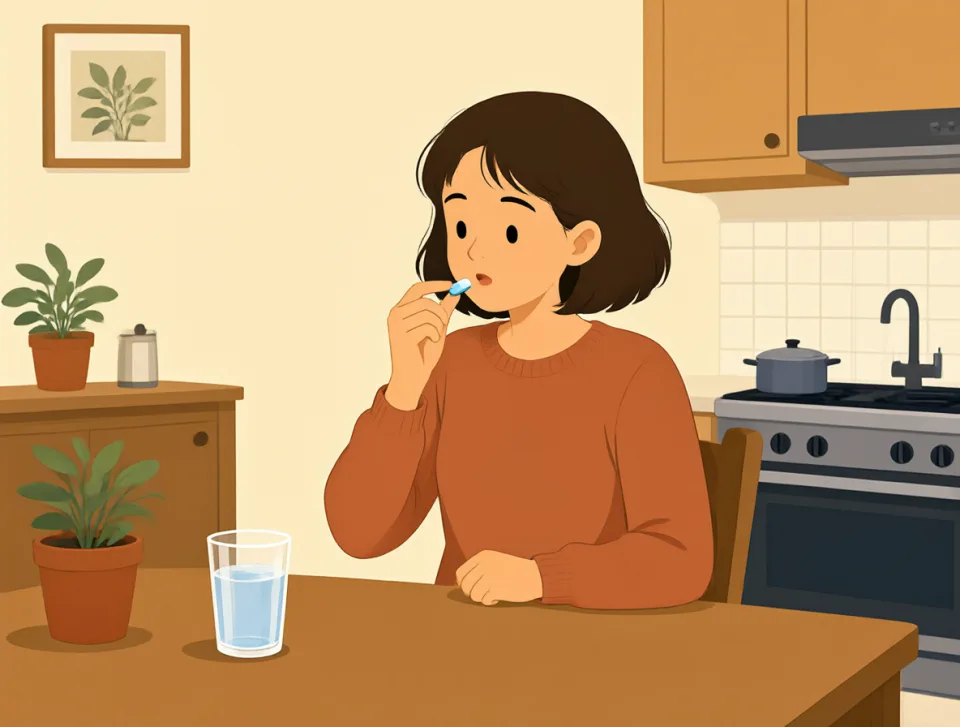
Take this medicine after breakfast.
Weź ten lek po śniadaniu.
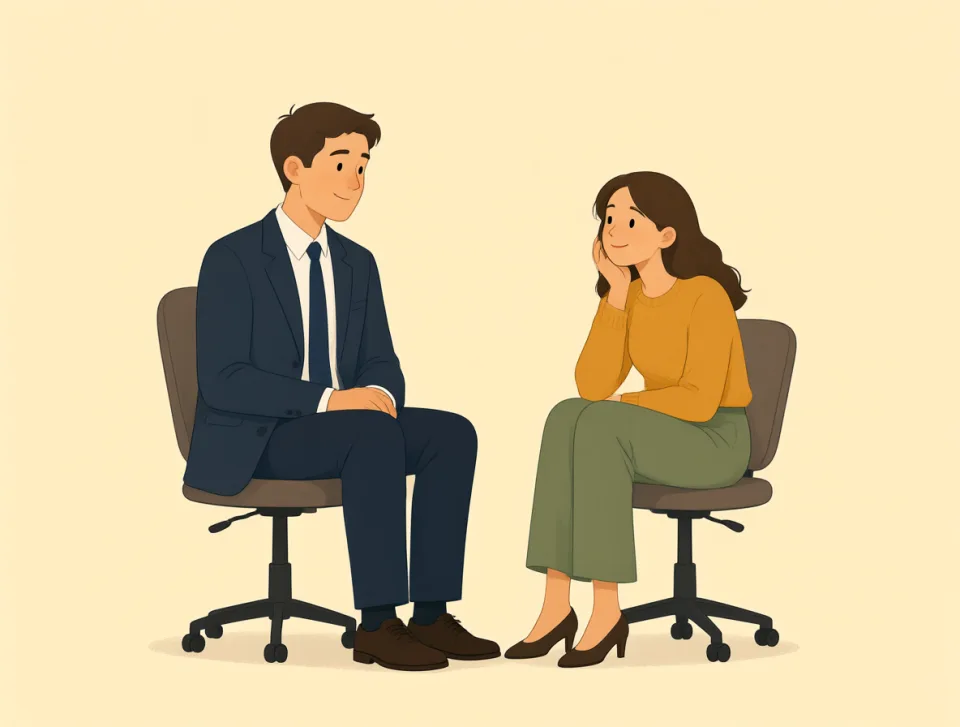
We took a short break after lunch.
Po lunchu zrobiliśmy sobie krótką przerwę.
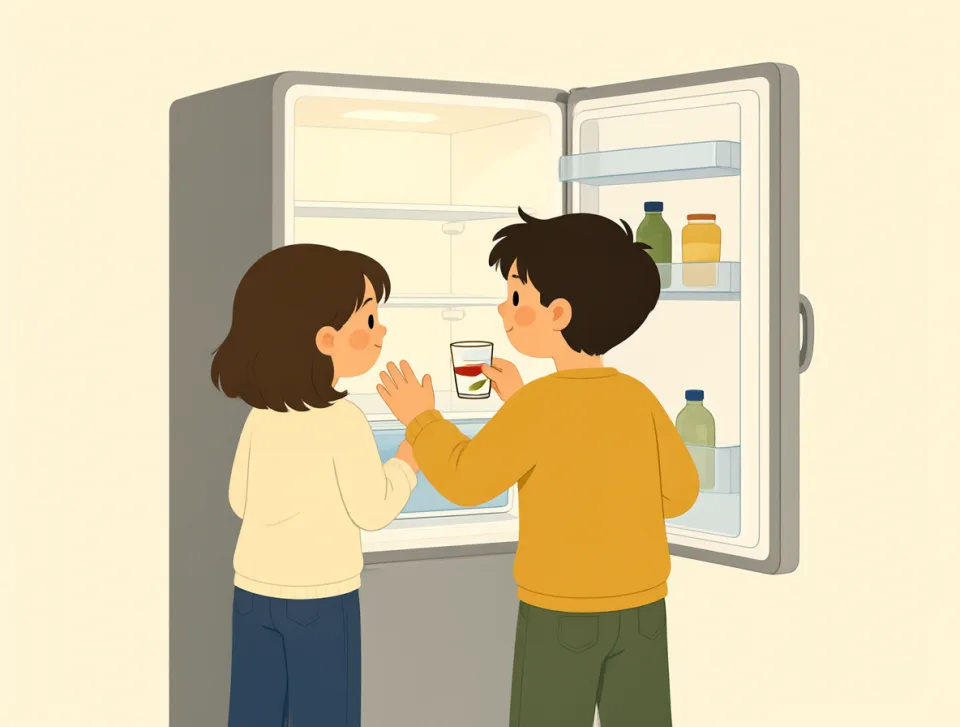
no
#60determiner, adverb, noun
nie
Used to say that something is not available, allowed, or true.
Słowo używane, by powiedzieć, że coś jest niedostępne, niedozwolone lub nieprawdziwe.
There is no milk in the fridge.
W lodówce nie ma mleka.
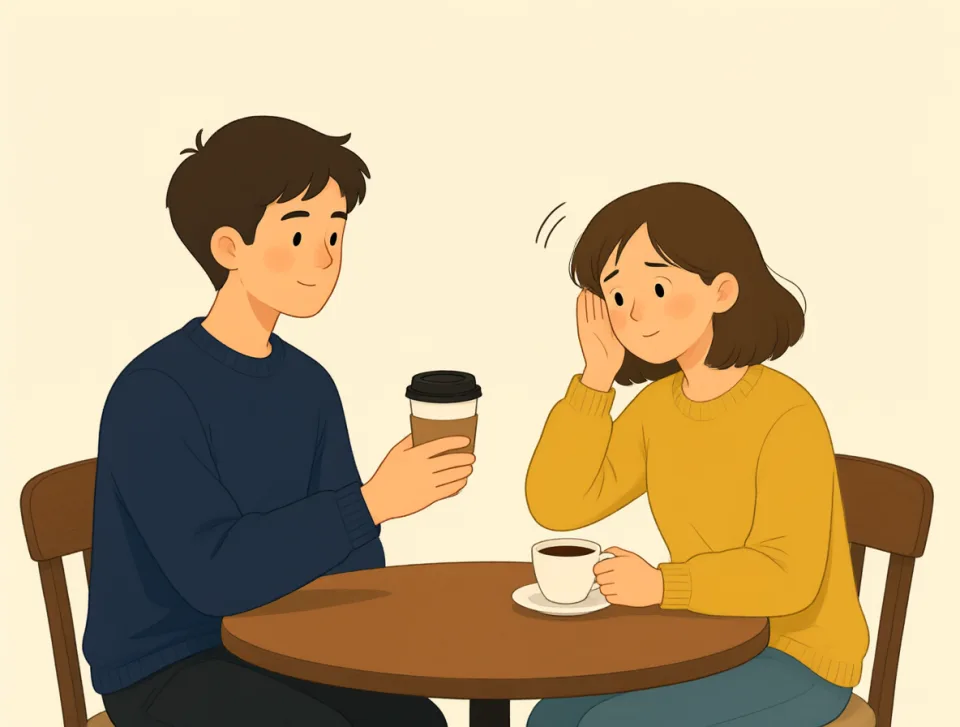
No, I don't want any coffee.
Nie, nie chcę kawy.

We have no homework tonight.
Dziś wieczorem nie mamy żadnej pracy domowej.
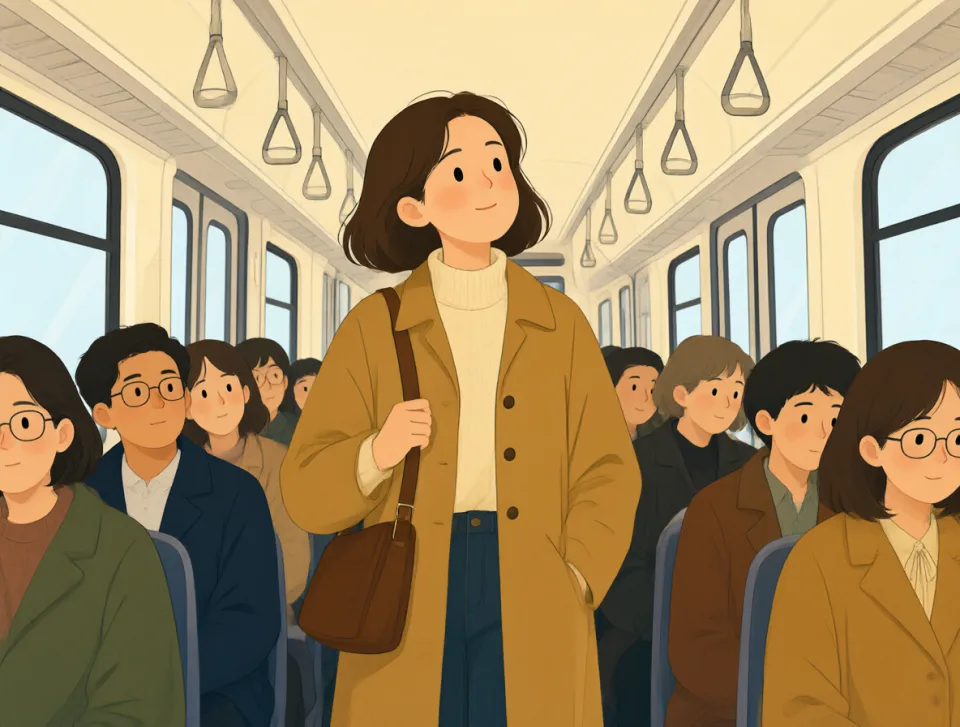
There were no seats on the train.
W pociągu nie było wolnych miejsc.
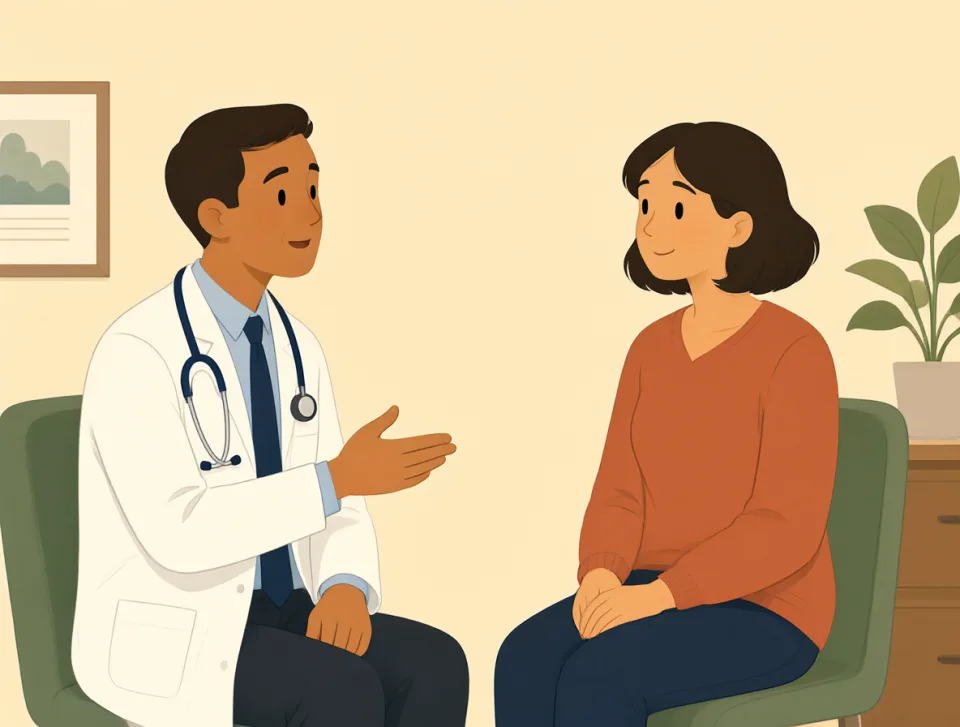
The doctor said no exercise for a week.
Lekarz powiedział, że przez tydzień nie wolno ćwiczyć.