Zestaw 10
Słowa 181–200 · question, during, always, big, set, small
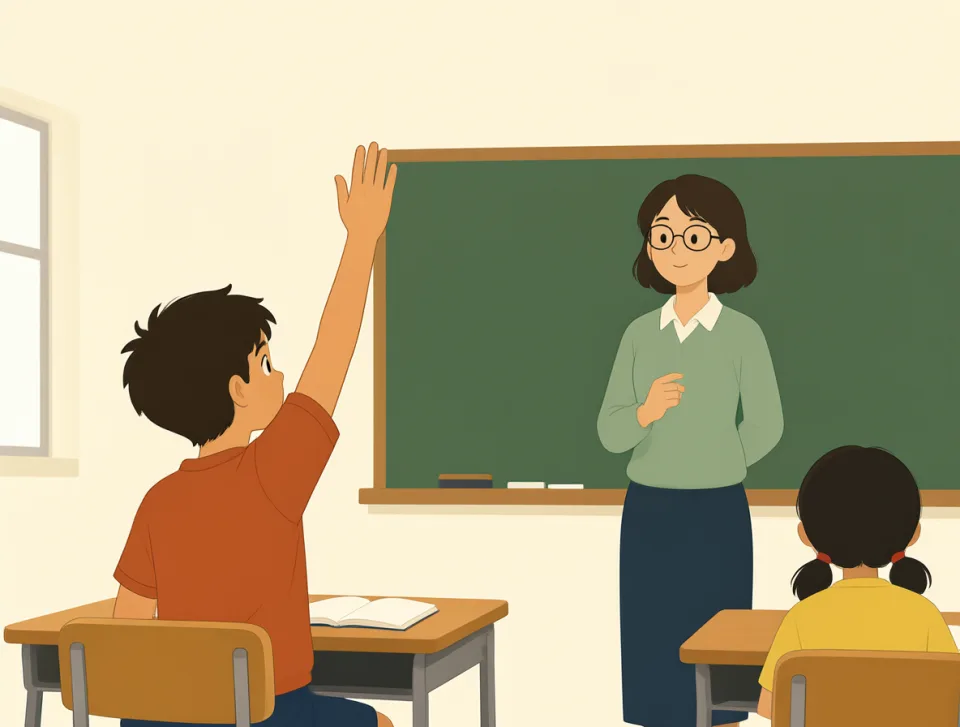
question
#181noun, verb
pytanie
A sentence used to ask for information or express doubt about something.
Zdanie, za pomocą którego prosi się o informacje lub wyraża wątpliwość.
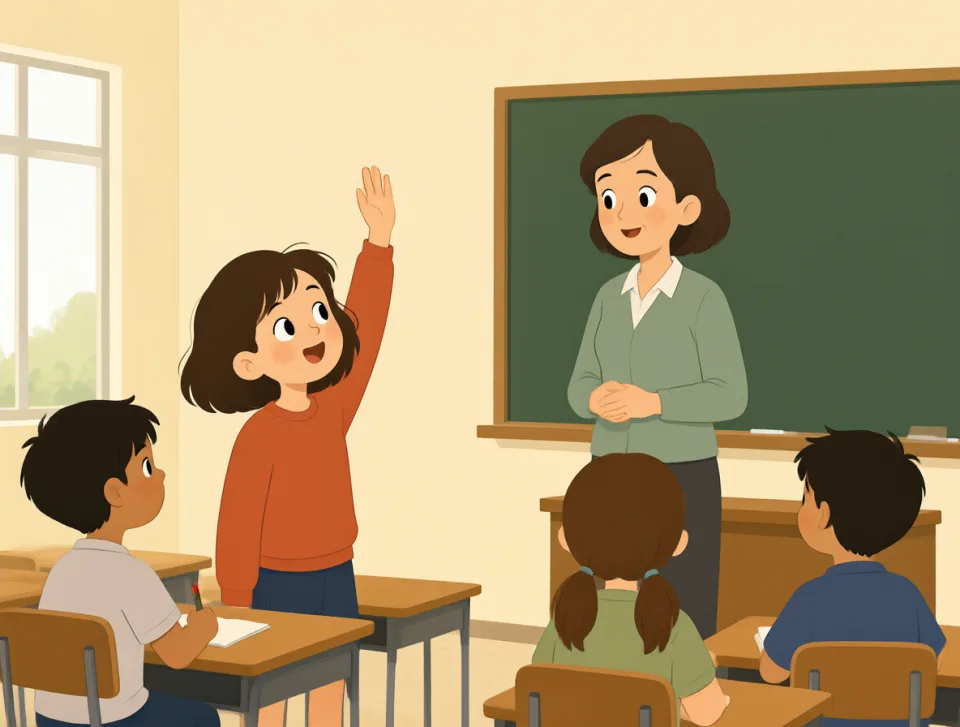
Please ask the teacher a question.
Proszę zadać nauczycielowi pytanie.
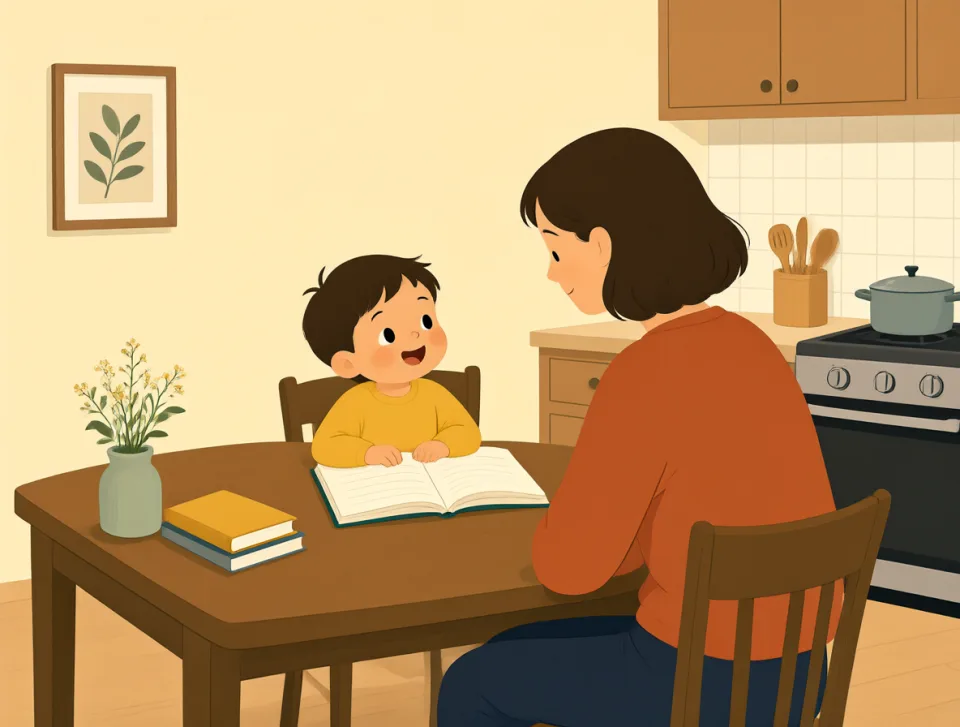
I have a question about my homework.
Mam pytanie dotyczące pracy domowej.
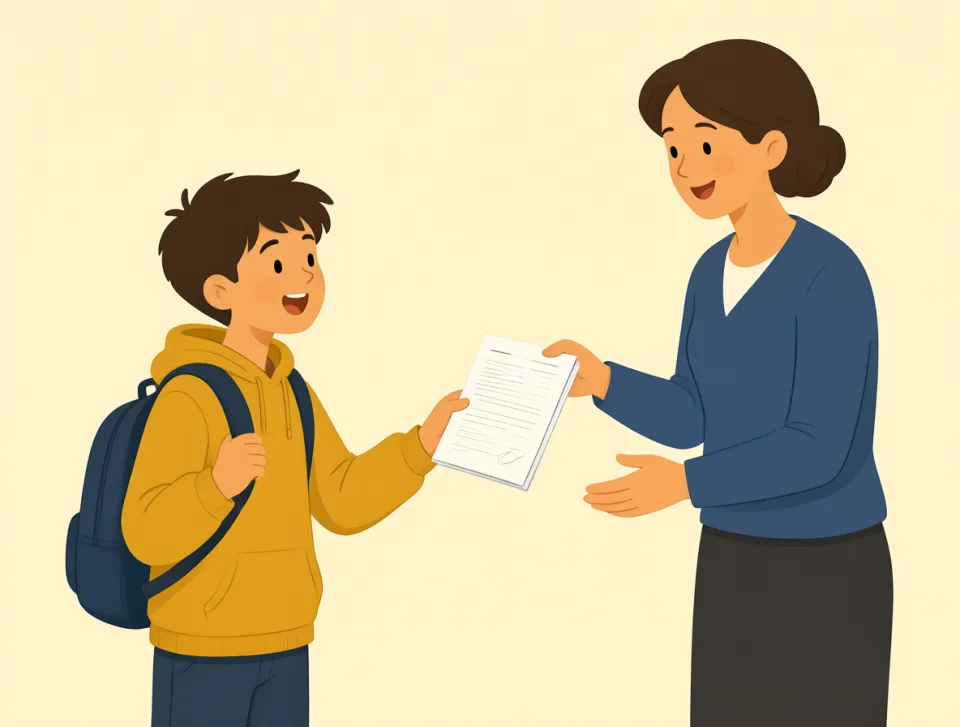
She answered all the questions correctly.
Odpowiedziała poprawnie na wszystkie pytania.

The customer questioned the price of the jacket.
Klient zakwestionował cenę kurtki.
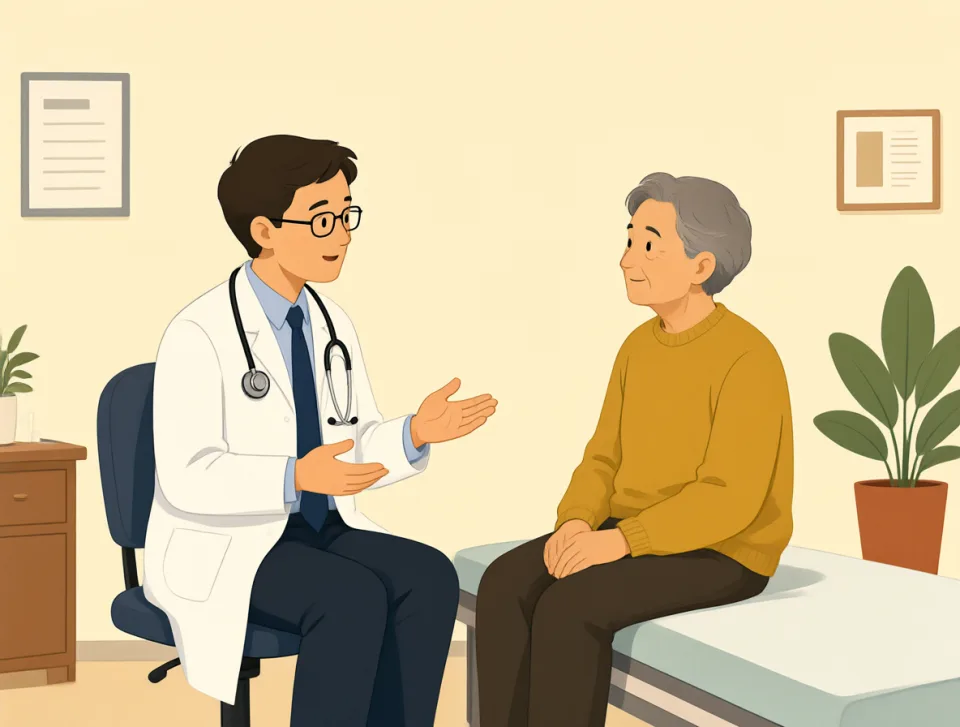
The doctor asked me questions about my pain.
Lekarz zadawał mi pytania dotyczące bólu.
during
#182preposition
podczas
at some time between the beginning and end of an event or period
w pewnym momencie między początkiem a końcem wydarzenia lub jakiegoś okresu
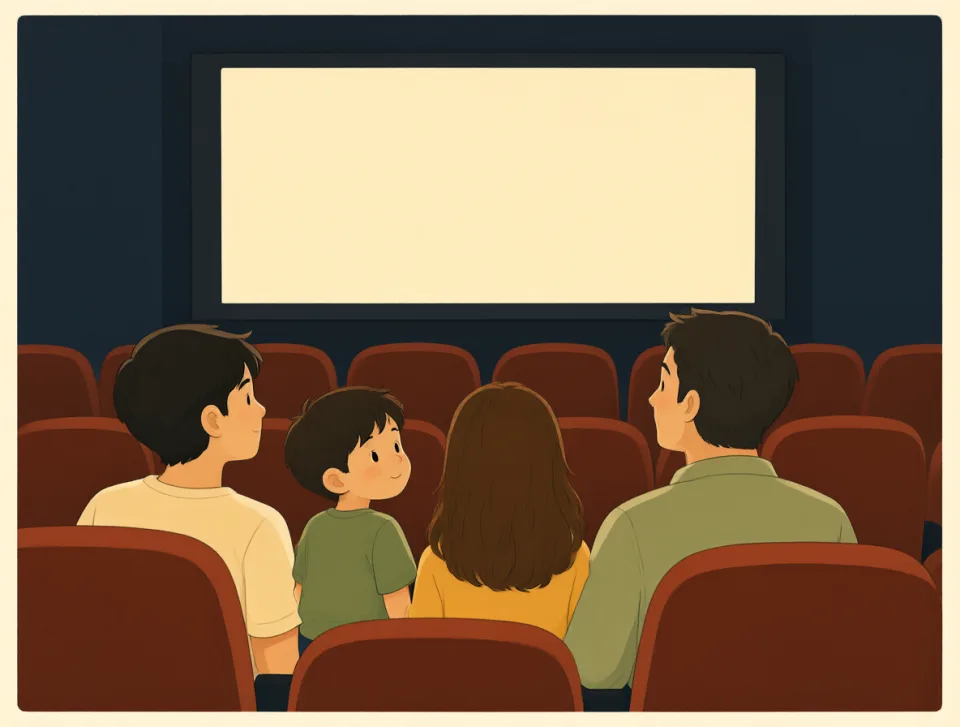
Please stay quiet during the movie.
Proszę zachować ciszę podczas filmu.
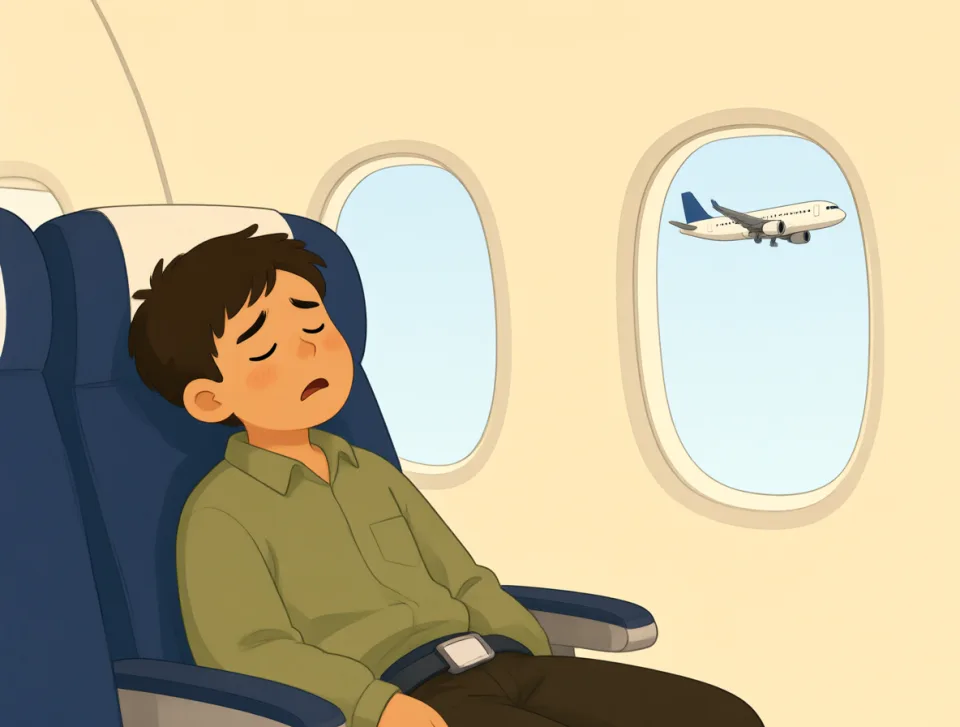
I fell asleep during the flight.
Zasnąłem podczas lotu.
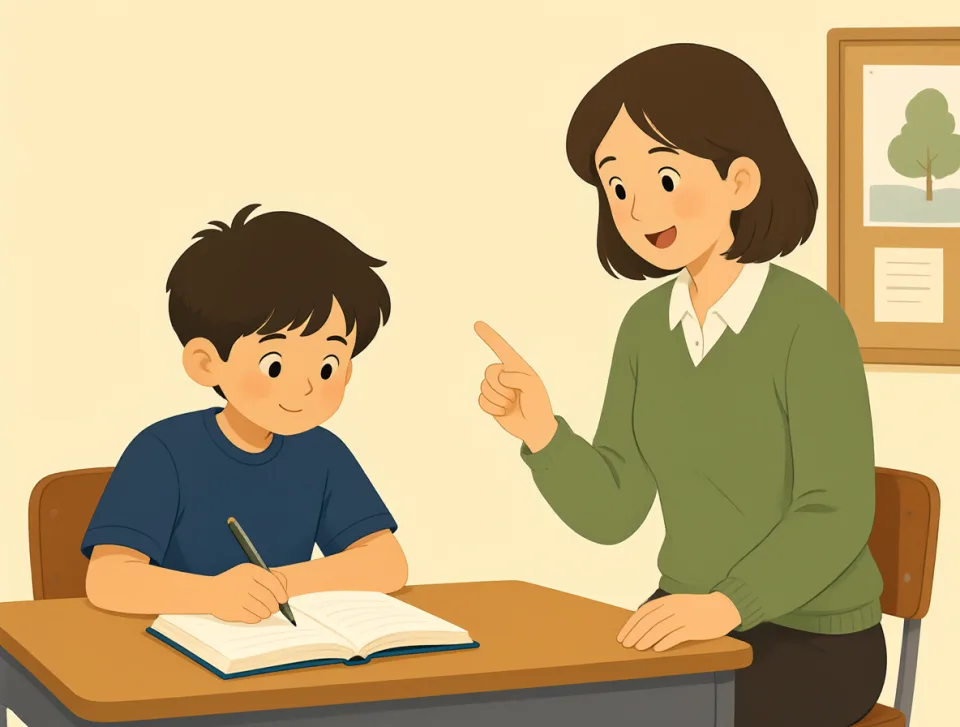
She took notes during the lesson.
Robiła notatki podczas lekcji.
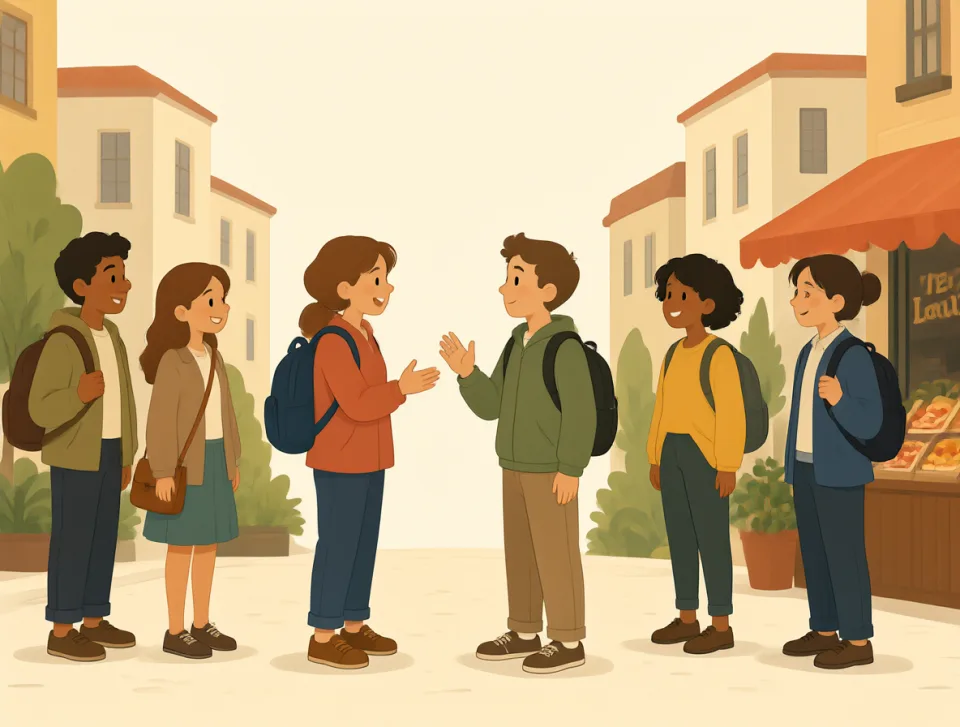
We met many people during our trip.
Podczas naszej podróży poznaliśmy wiele osób.
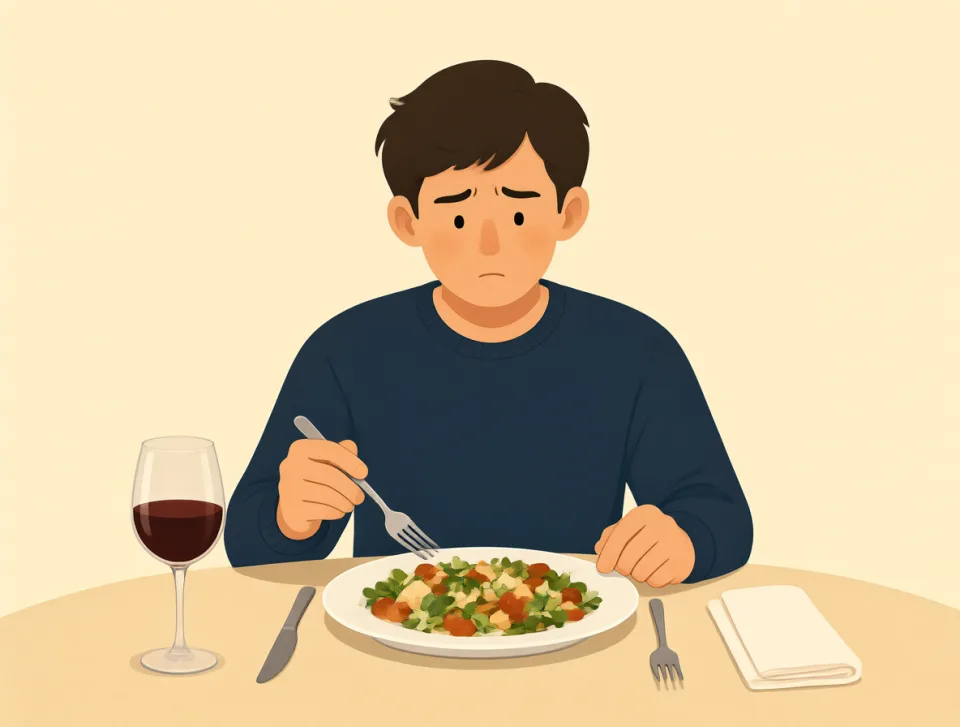
He felt sick during dinner.
Źle się czuł podczas kolacji.
always
#183adverb
zawsze
Every time, or at all times.
Za każdym razem lub przez cały czas.
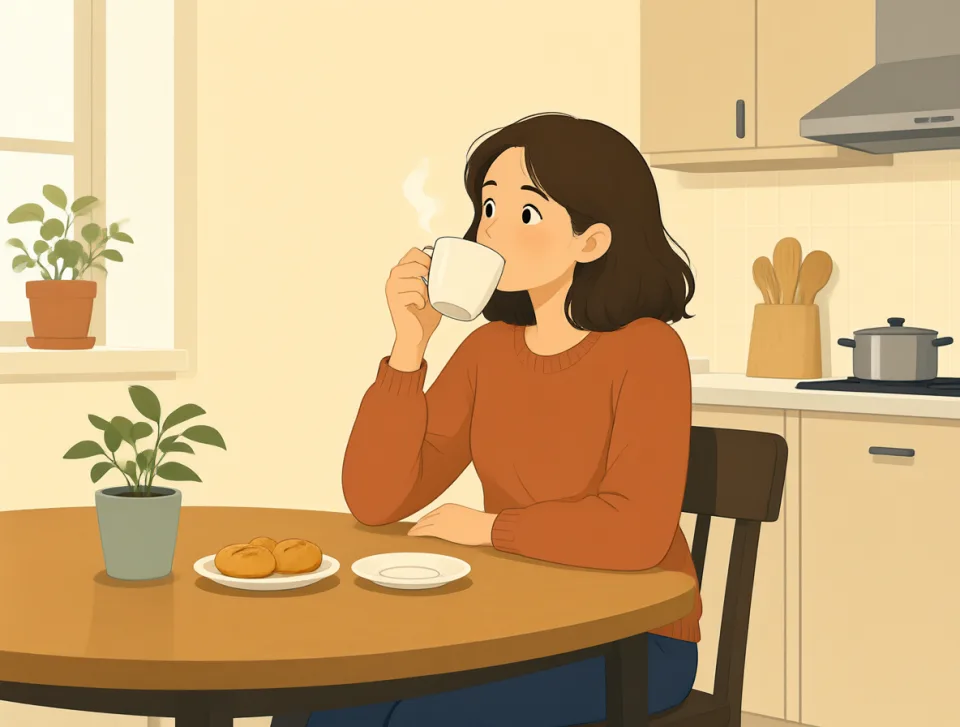
She always drinks coffee in the morning.
Ona zawsze pije kawę rano.
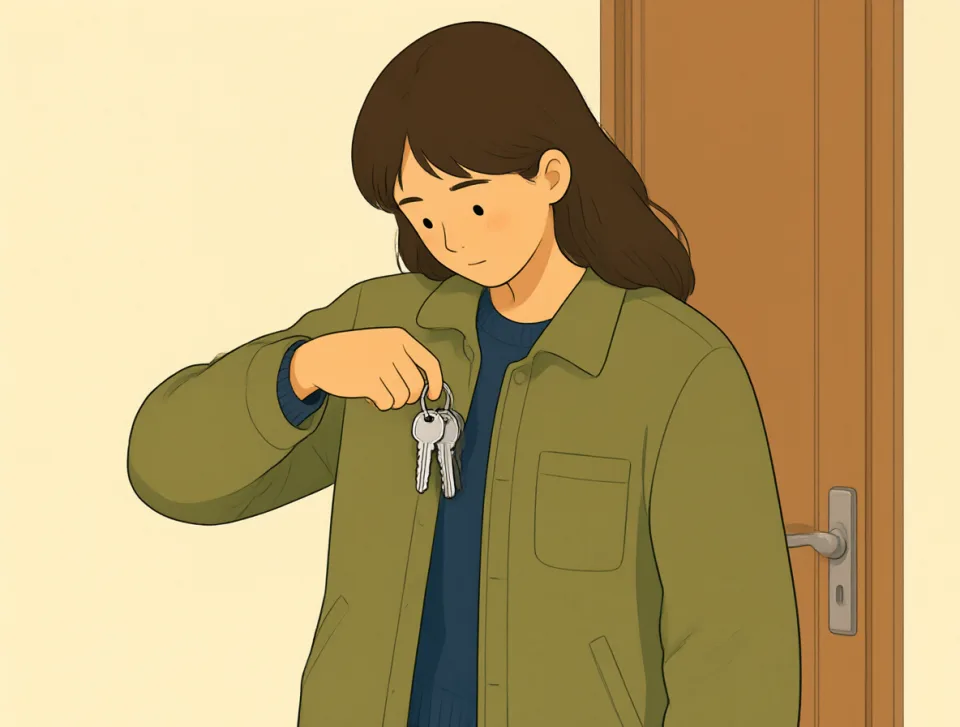
I always take my keys with me.
Zawsze zabieram ze sobą klucze.
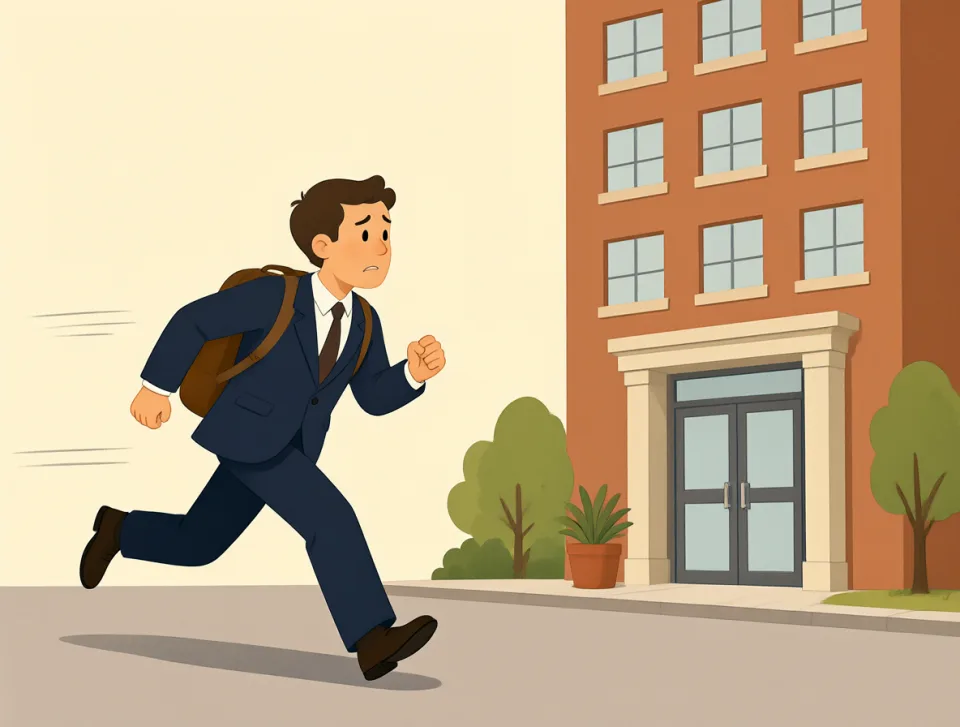
He is always late for work.
On zawsze spóźnia się do pracy.
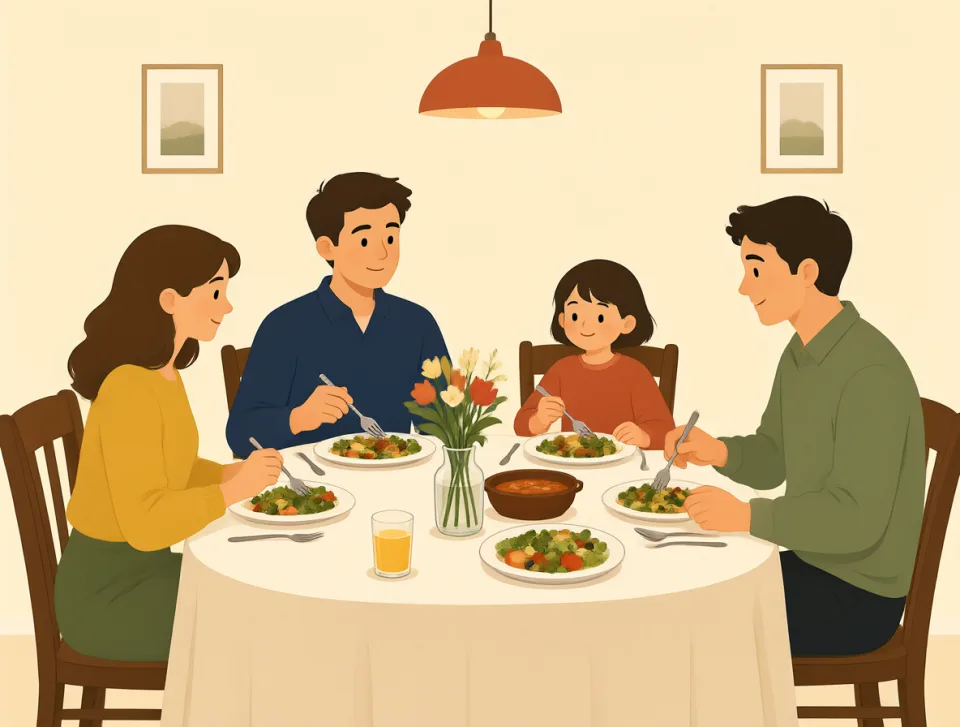
We always eat dinner together.
Zawsze jemy razem kolację.
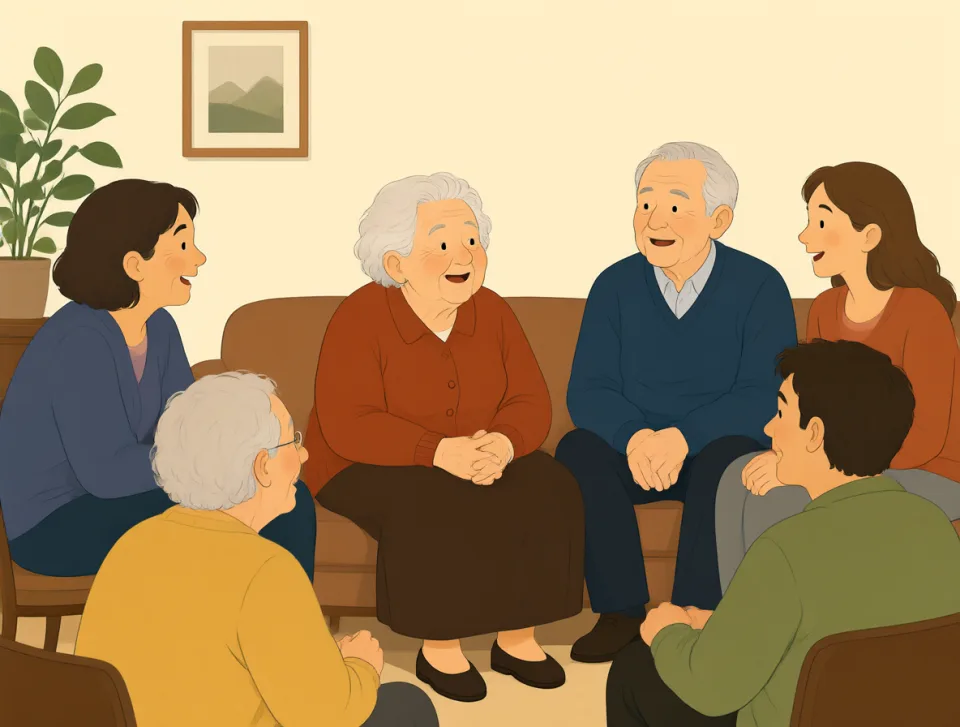
My grandmother always tells funny stories.
Moja babcia zawsze opowiada zabawne historie.
big
#184adjective, adverb, noun
duży
Large in size, amount, importance, or popularity.
Duży pod względem rozmiaru, ilości, znaczenia lub popularności.
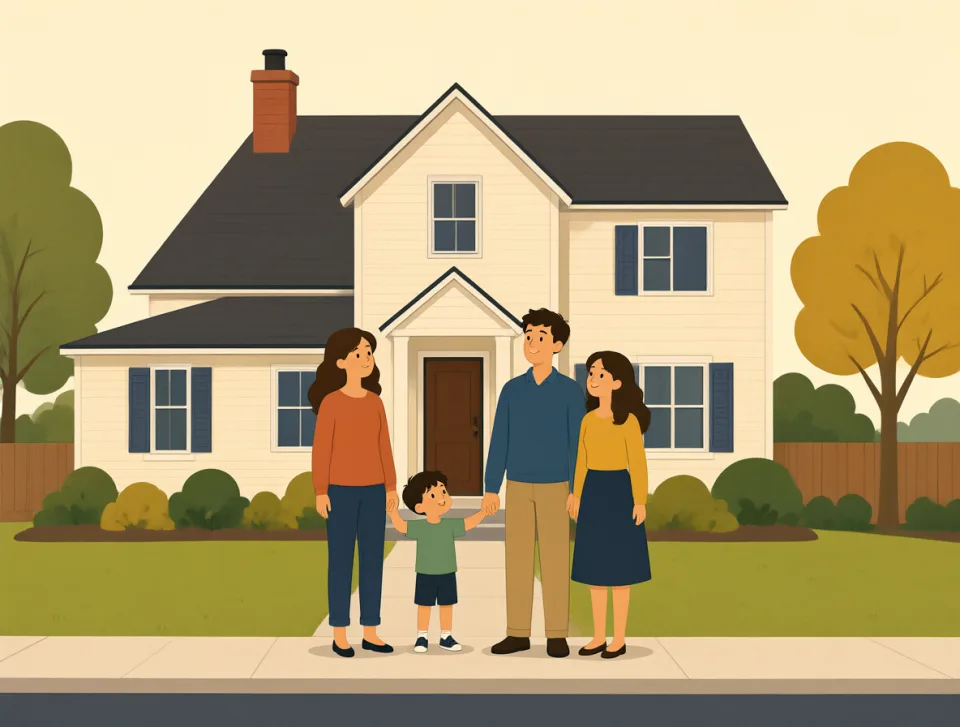
They live in a big house.
Mieszkają w dużym domu.
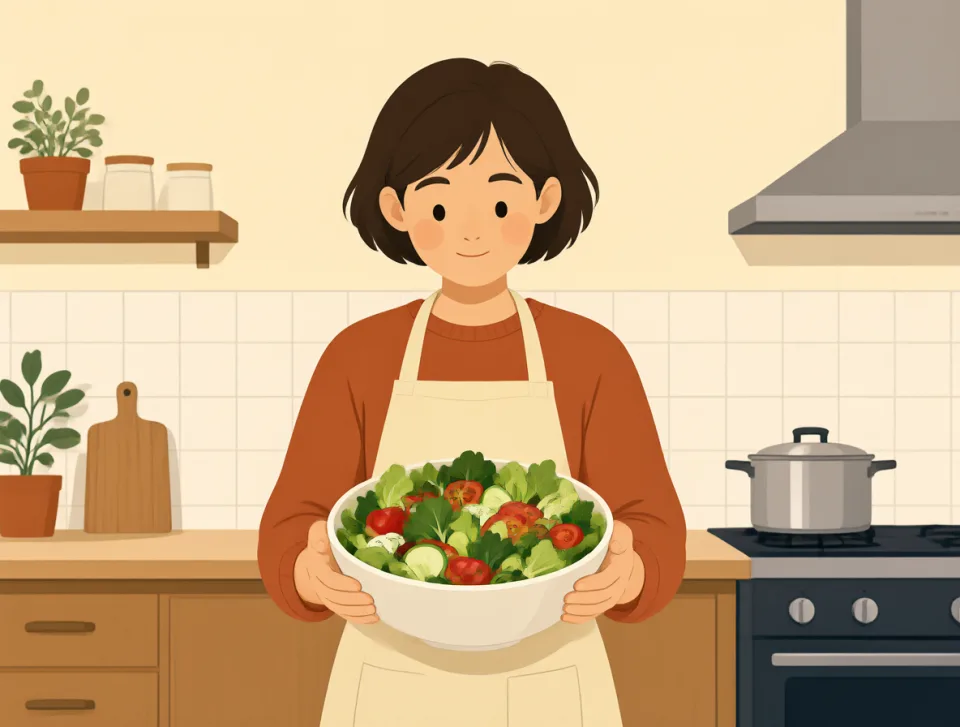
I need a big bowl for salad.
Potrzebuję dużej miski na sałatkę.

She got a big job at the company.
Dostała ważne stanowisko w firmie.
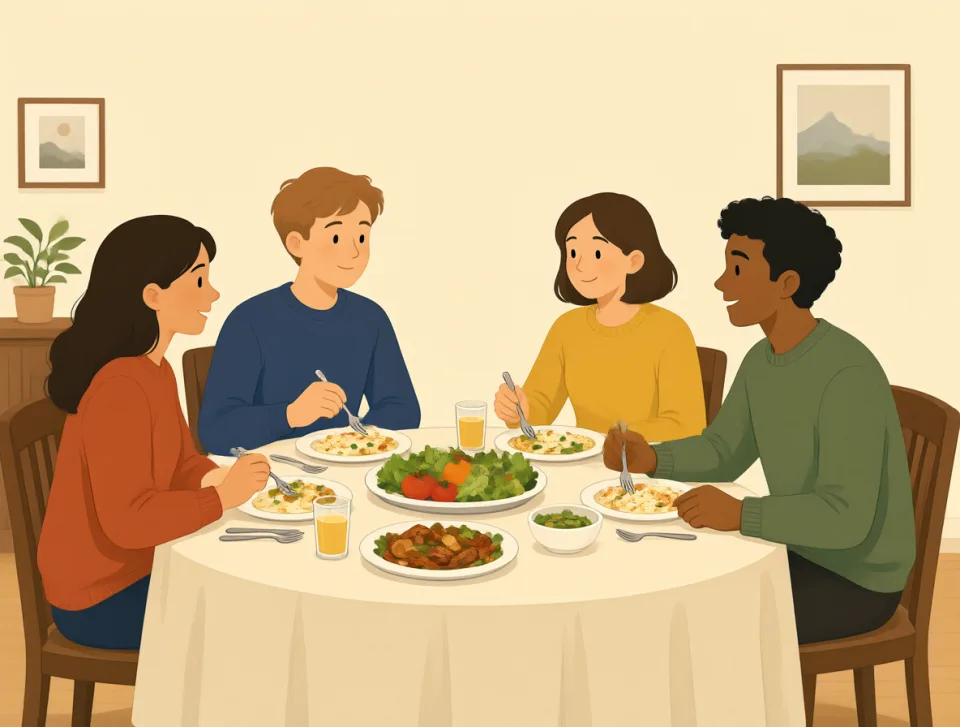
We had a big lunch after the trip.
Po podróży zjedliśmy obfity lunch.
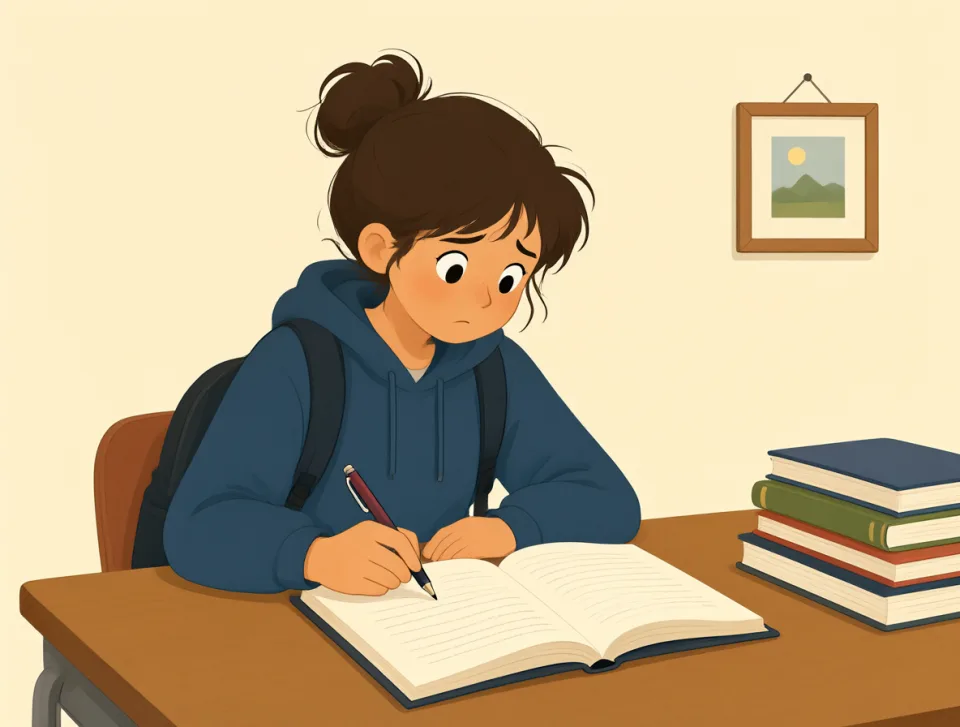
That was a big mistake in my homework.
To był poważny błąd w mojej pracy domowej.
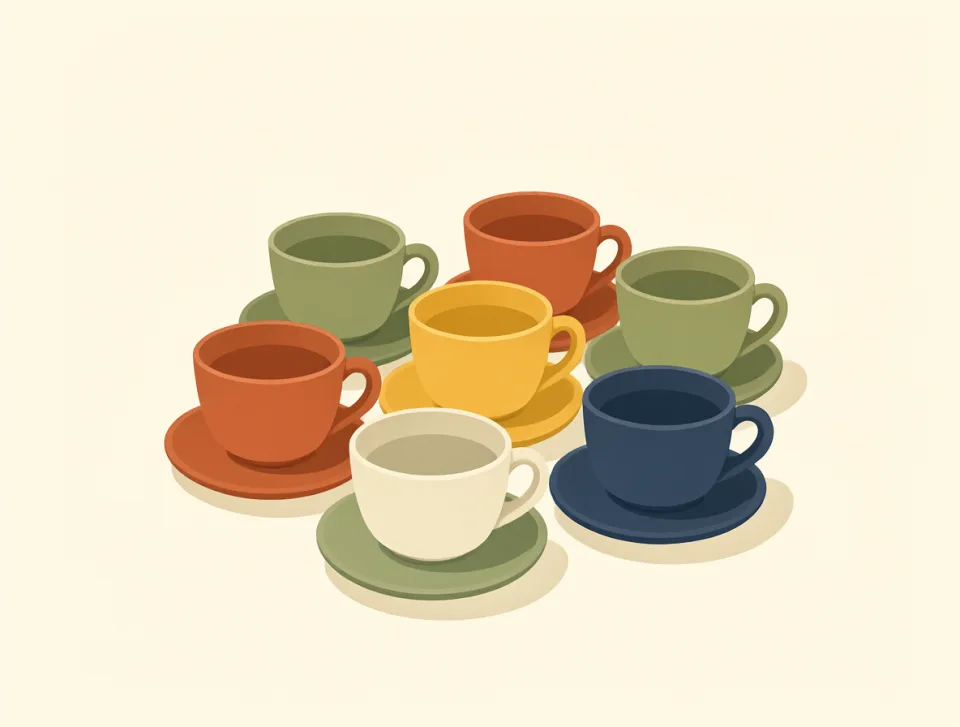
set
#185noun, verb, adjective
zestaw; ustawiać, kłaść
A group of things, or to put something in a particular place or position.
Grupa przedmiotów albo umieścić coś w określonym miejscu lub położeniu.
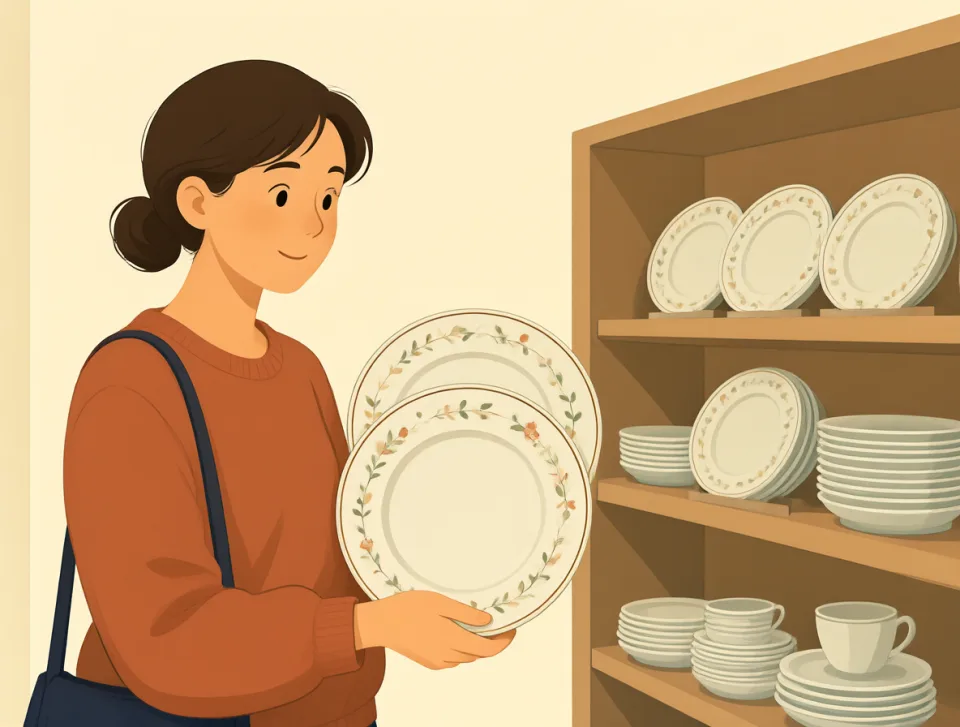
I bought a new set of plates.
Kupiłem nowy zestaw talerzy.
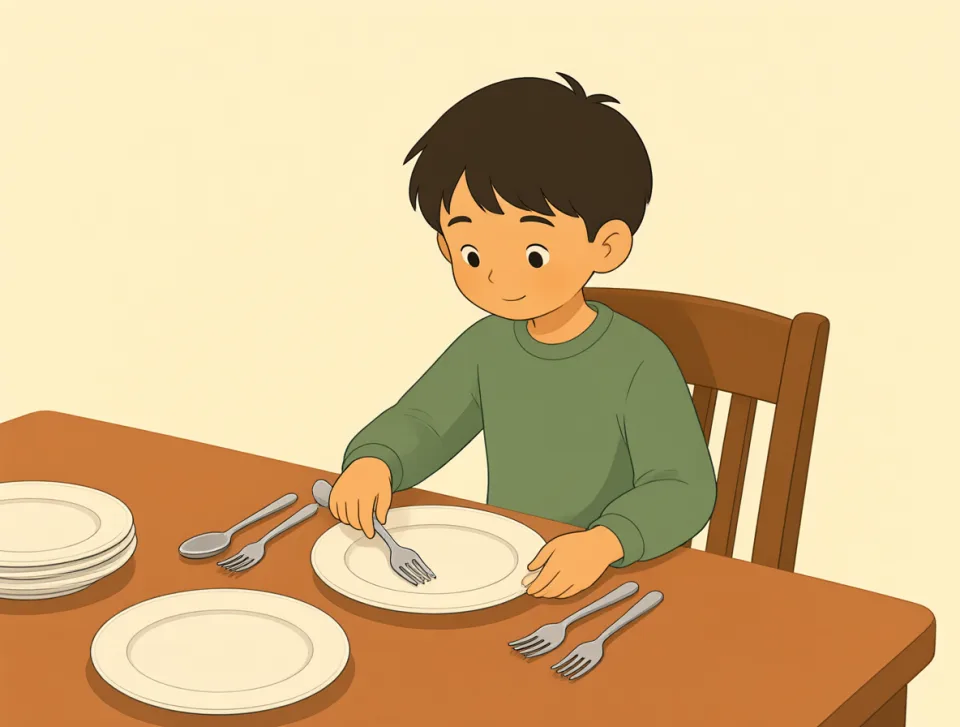
Please set the table for dinner.
Proszę nakryć do stołu na kolację.
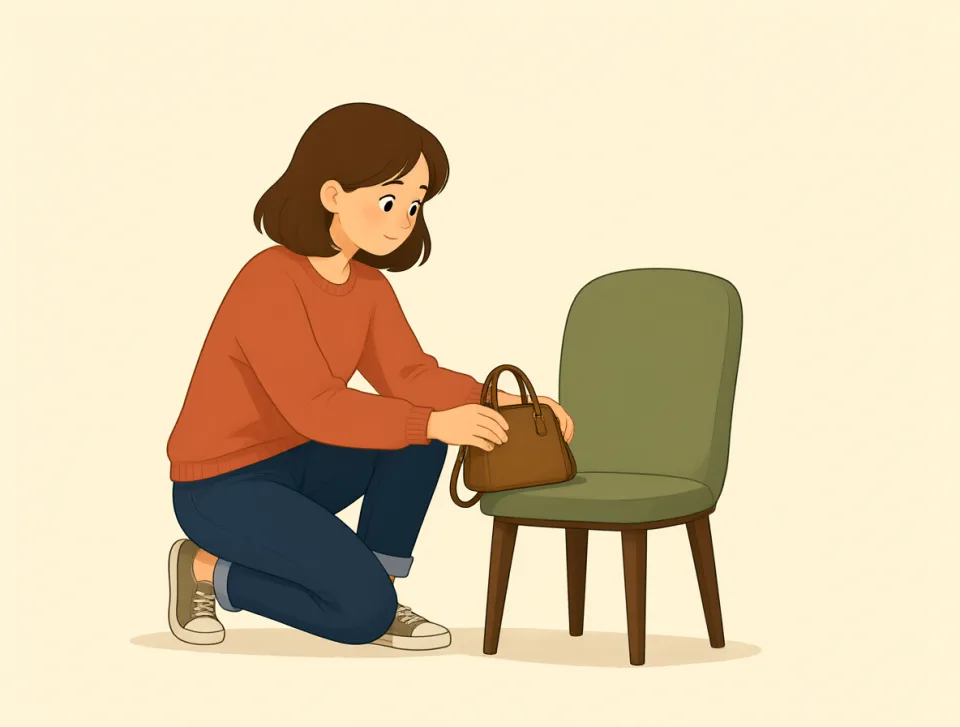
She set her bag beside the chair.
Położyła torbę obok krzesła.
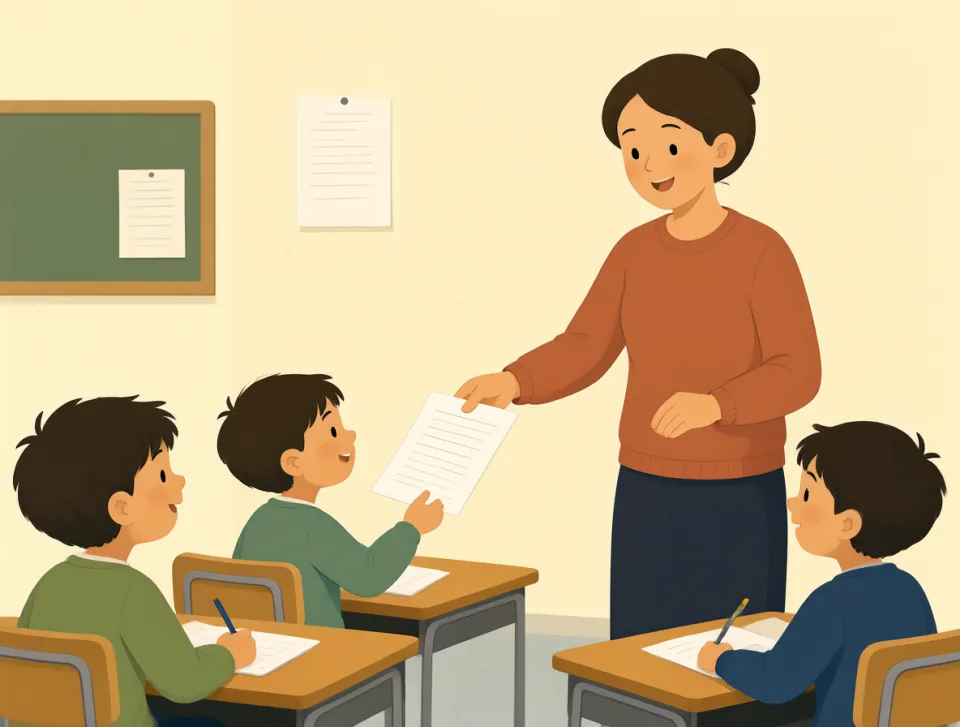
The teacher set a test for Friday.
Nauczyciel wyznaczył sprawdzian na piątek.

The sun sets over the sea.
Słońce zachodzi nad morzem.
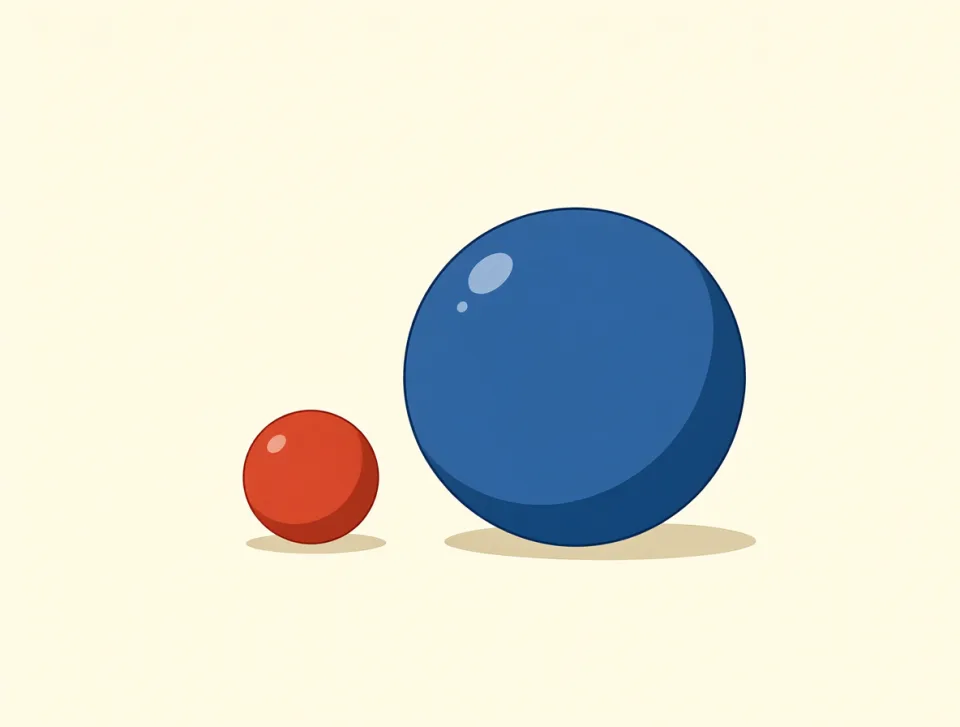
small
#186adjective, noun
mały
Not large in size, amount, or number.
Niewielki pod względem rozmiaru, ilości lub liczby.
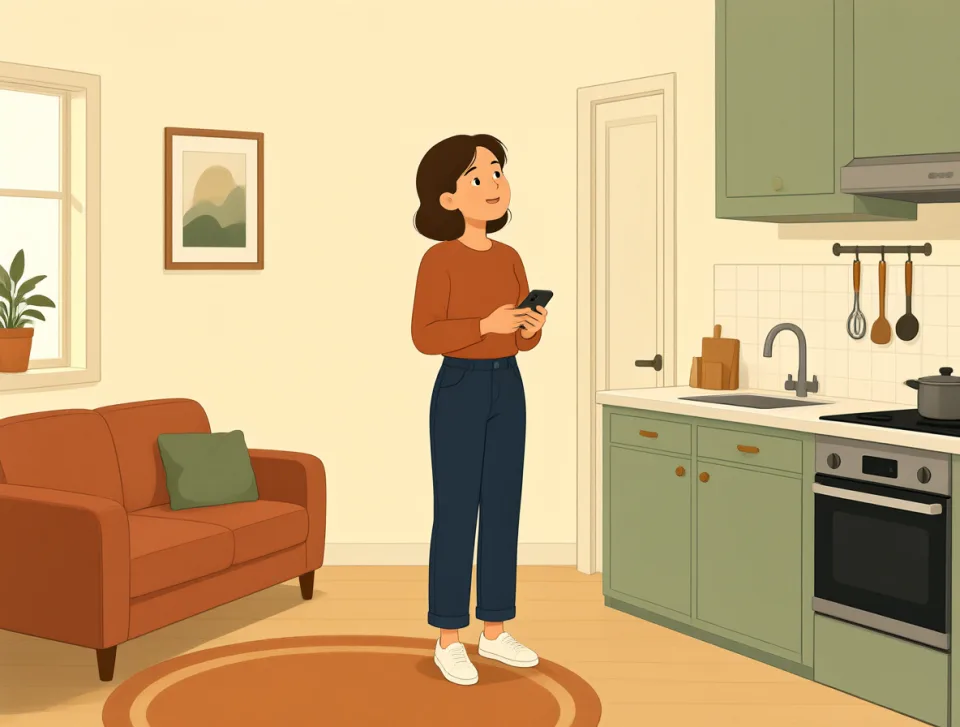
She lives in a small apartment downtown.
Mieszka w małym mieszkaniu w centrum miasta.

He bought a small coffee at the shop.
Kupił małą kawę w sklepie.
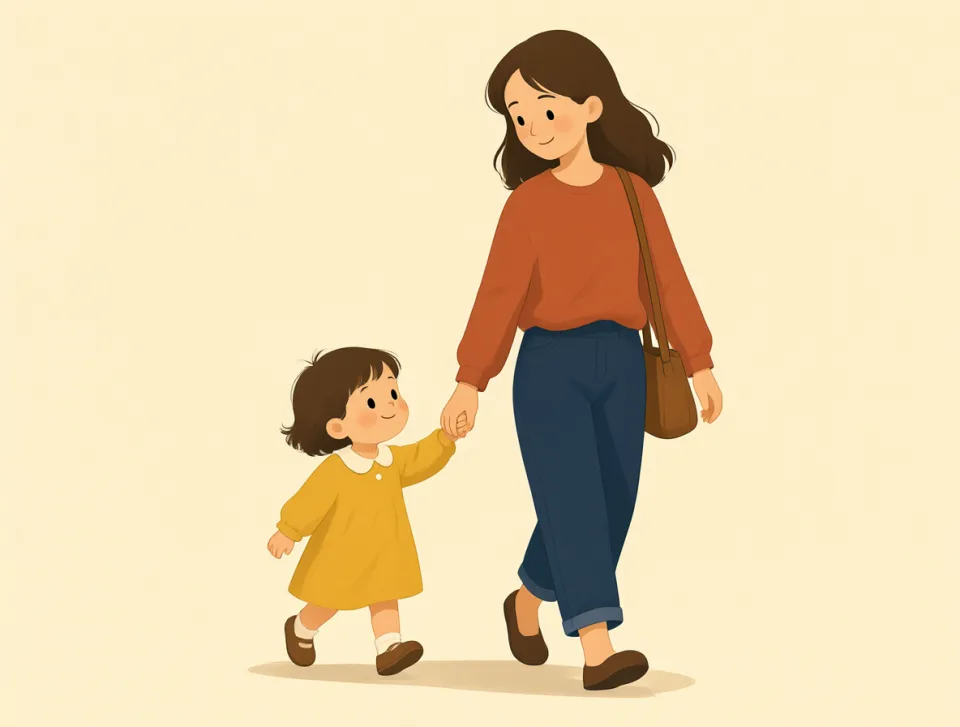
The small child held her mother’s hand.
Małe dziecko trzymało mamę za rękę.

We sat at a small table by the window.
Usiedliśmy przy małym stole obok okna.
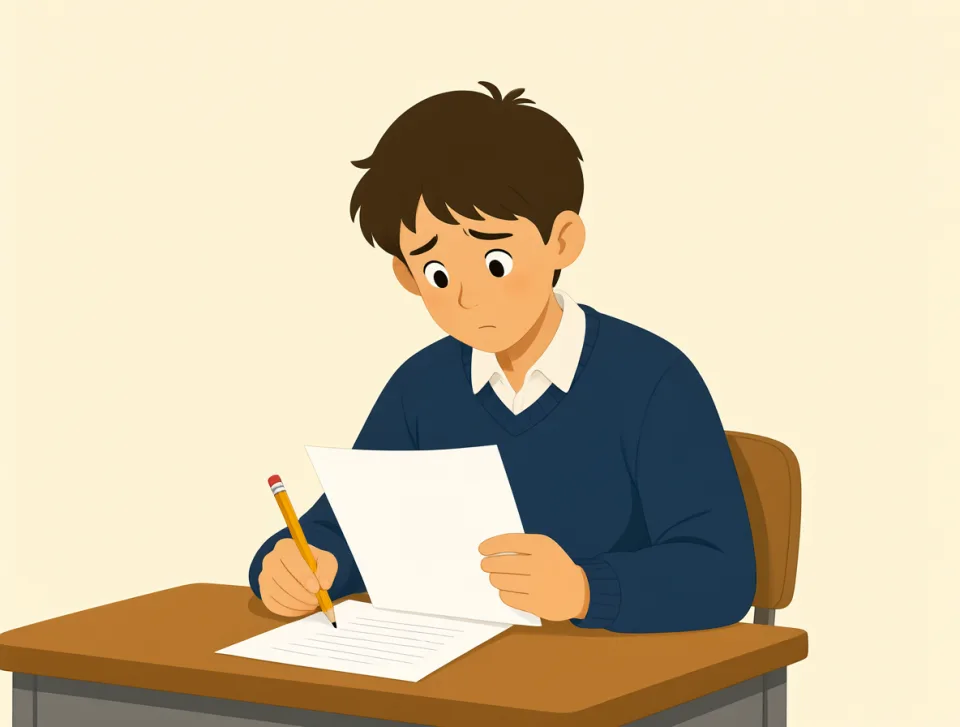
I made a small mistake on the test.
Popełniłem mały błąd na teście.
study
#187noun, verb
uczyć się
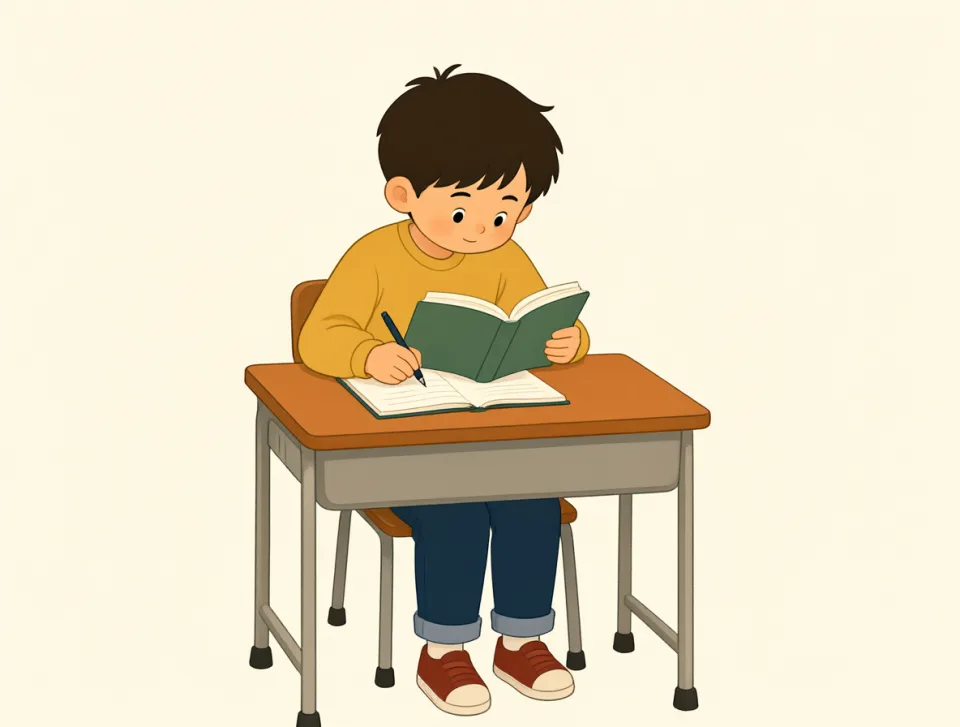
To learn about a subject by reading, practicing, or going to classes.
Zdobywać wiedzę na dany temat poprzez czytanie, ćwiczenia lub udział w zajęciach.
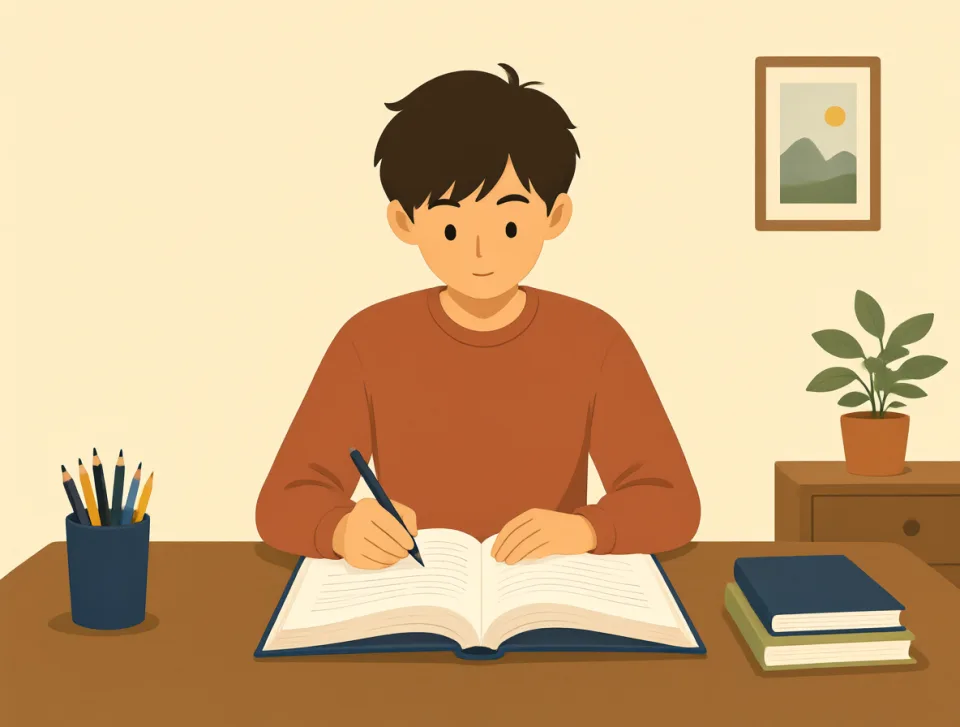
I study English every evening at home.
Uczę się angielskiego każdego wieczoru w domu.
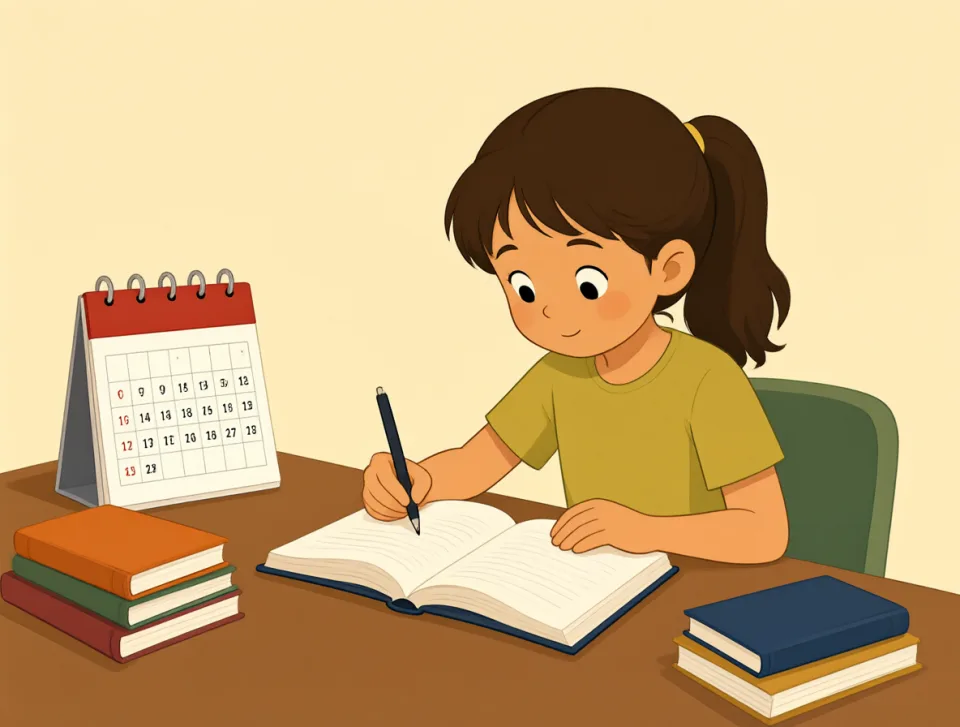
She studied hard for her math test.
Pilnie uczyła się do sprawdzianu z matematyki.
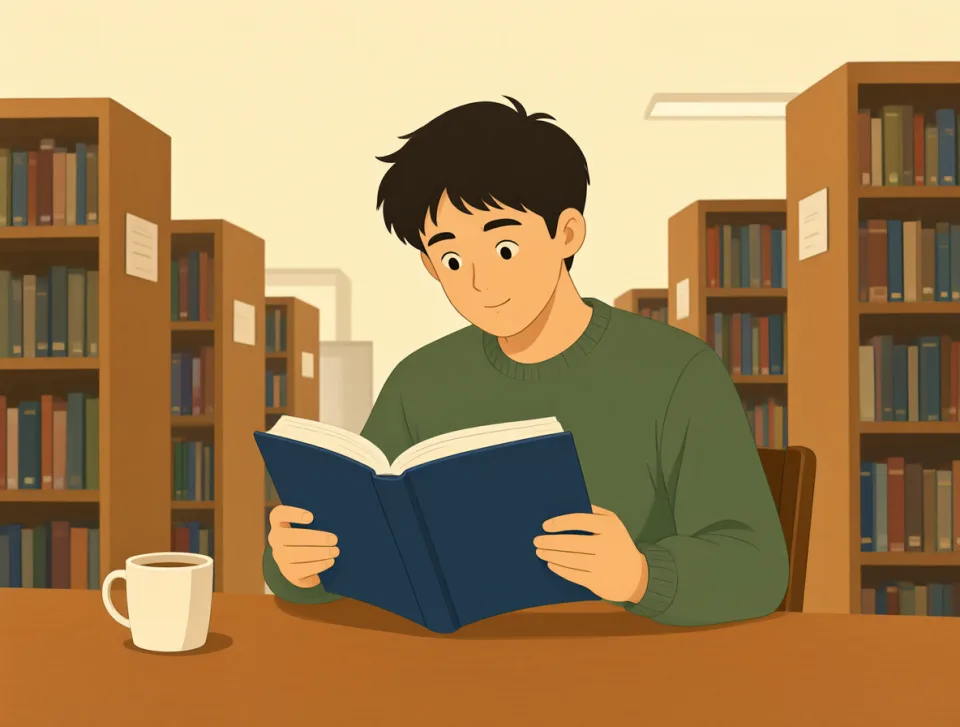
He is studying medicine at university.
Studiuje medycynę na uniwersytecie.
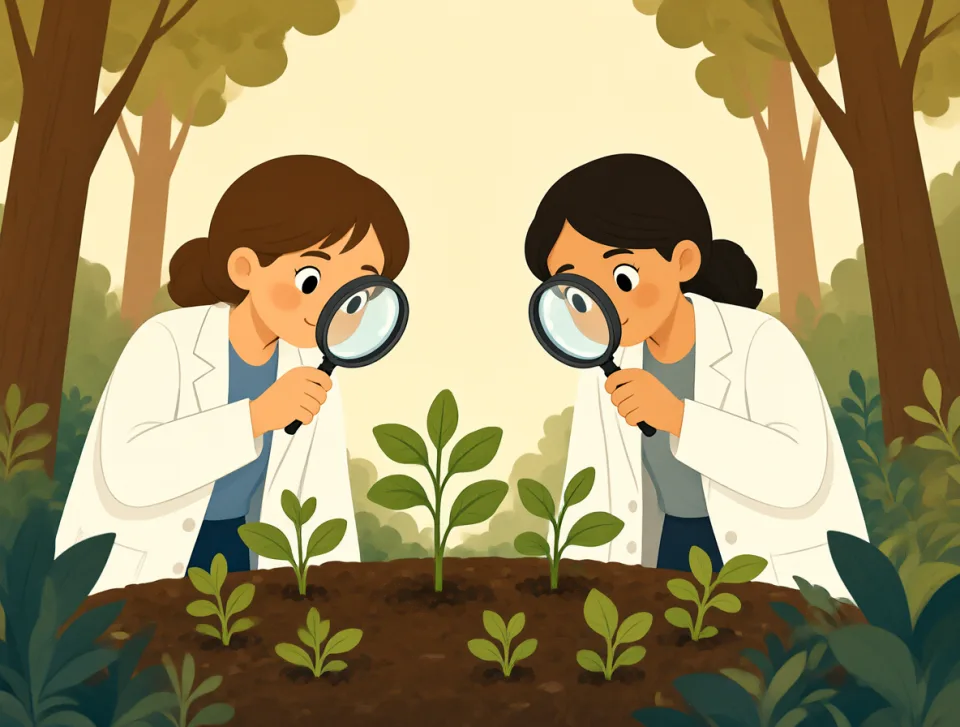
The scientists study plants in the forest.
Naukowcy badają rośliny w lesie.
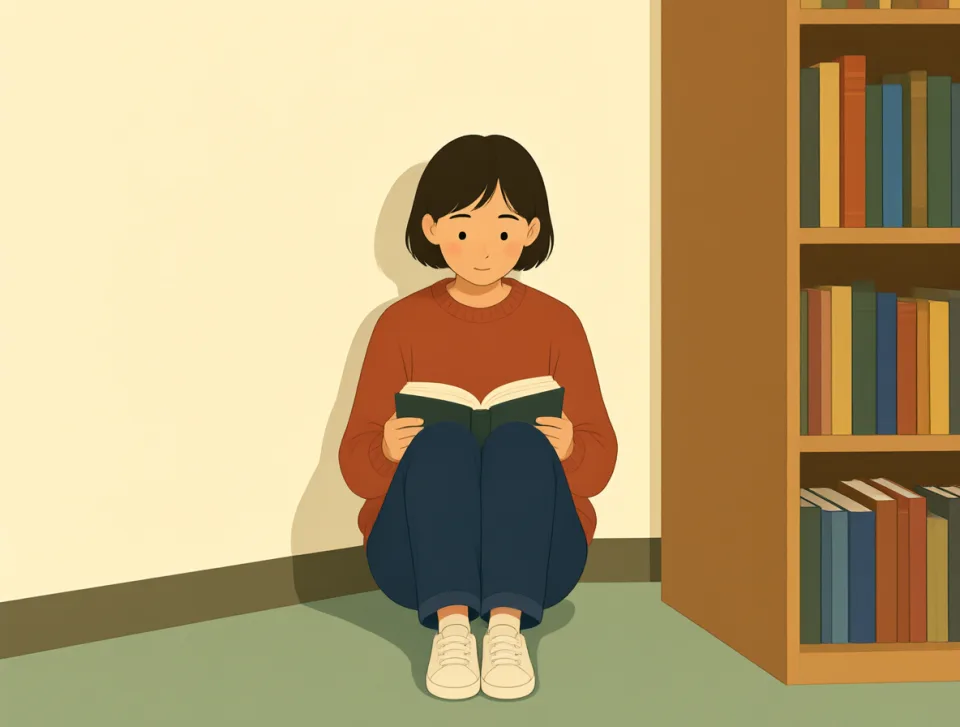
I need a quiet place to study.
Potrzebuję spokojnego miejsca do nauki.
follow
#188verb, noun
podążać za
to go after someone or something, or do what comes next
Iść za kimś lub czymś albo robić to, co następuje później.
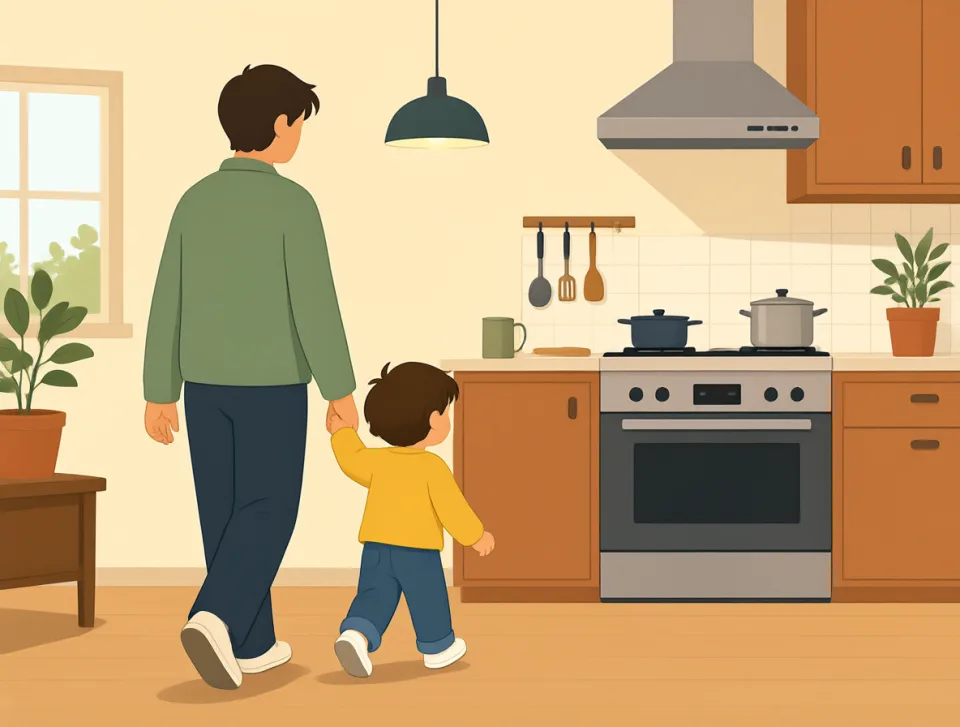
Please follow me to the kitchen.
Proszę pójść za mną do kuchni.
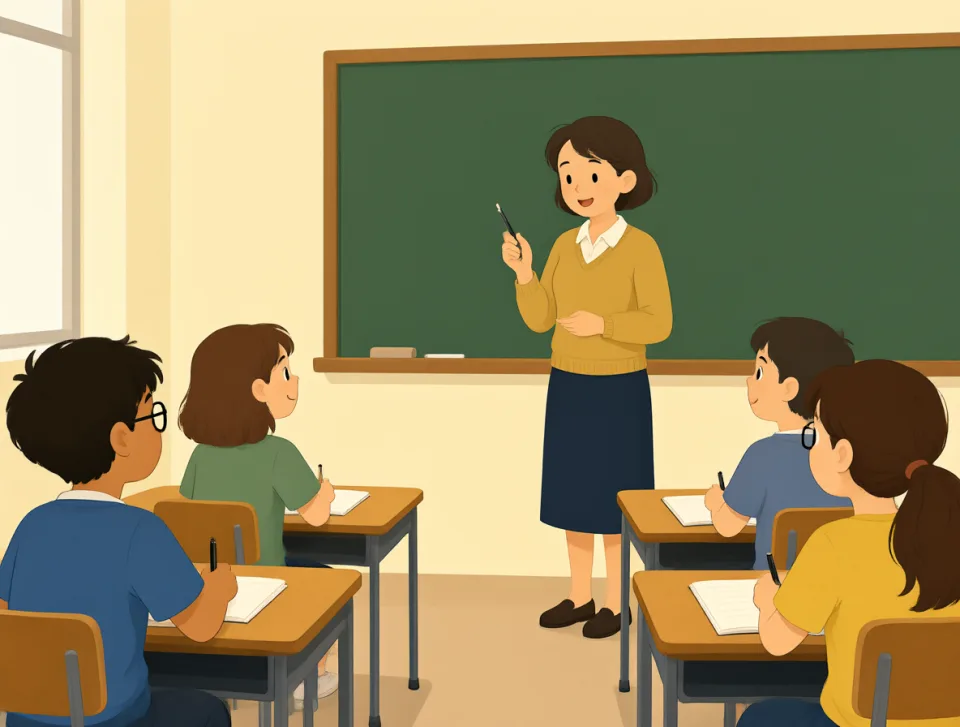
Follow the teacher’s instructions carefully.
Uważnie wykonuj polecenia nauczyciela.
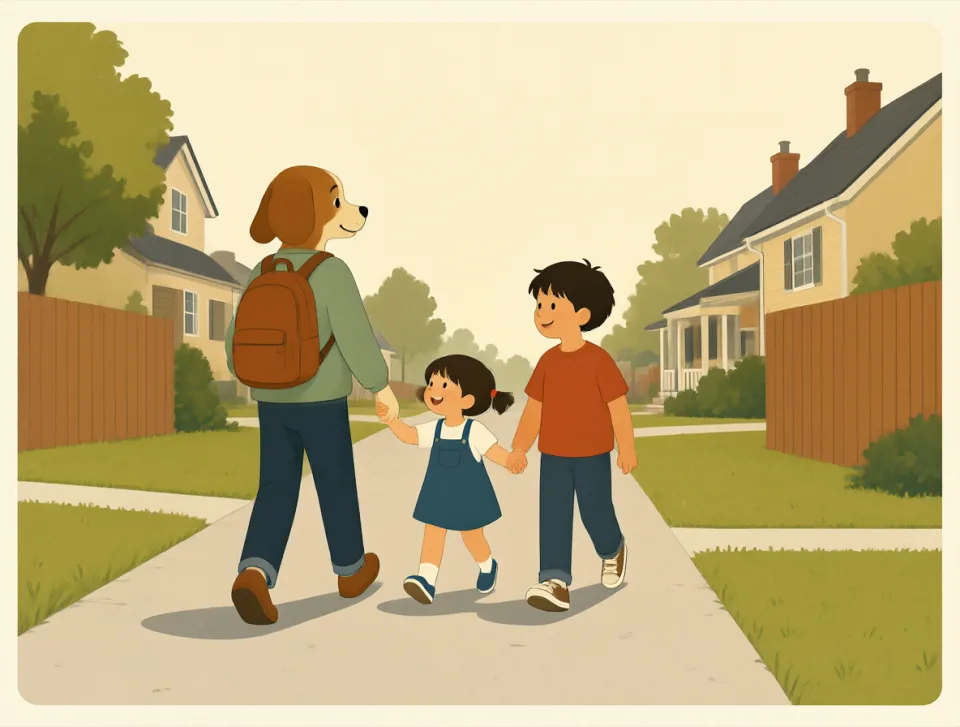
The dog followed us home from school.
Pies poszedł za nami do domu ze szkoły.
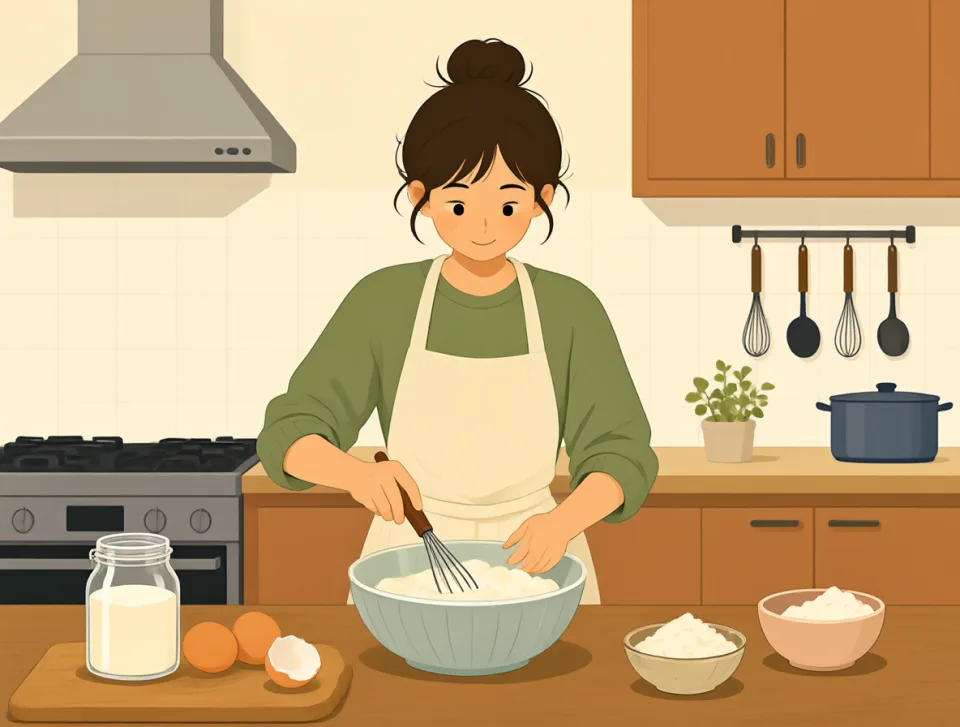
Follow this recipe for a delicious cake.
Postępuj zgodnie z tym przepisem, a powstanie pyszne ciasto.
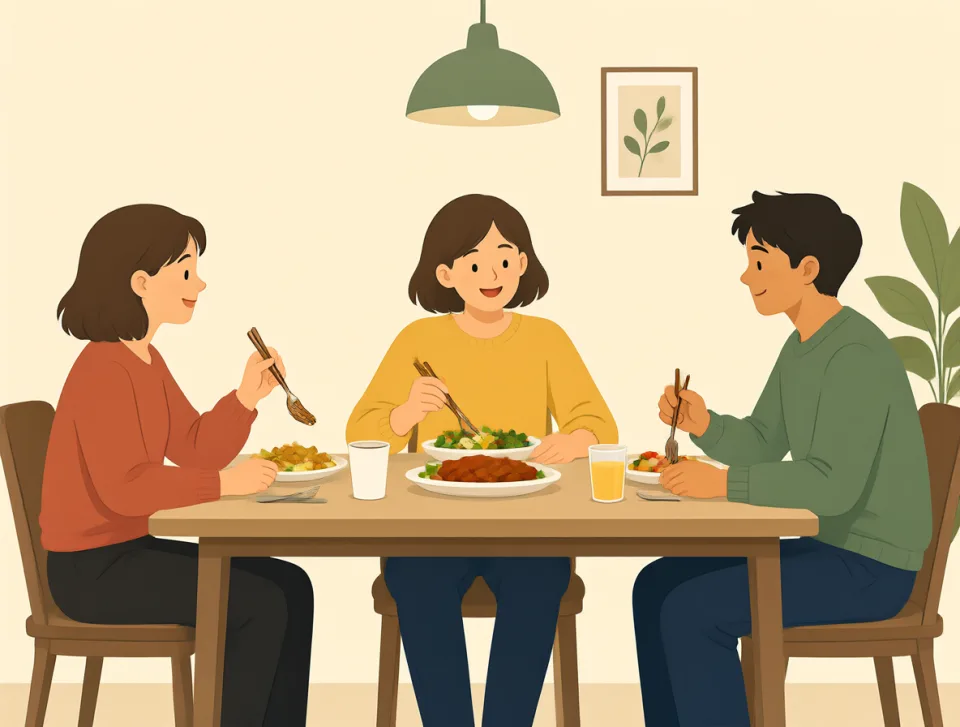
A short meeting followed lunch.
Po lunchu odbyło się krótkie spotkanie.
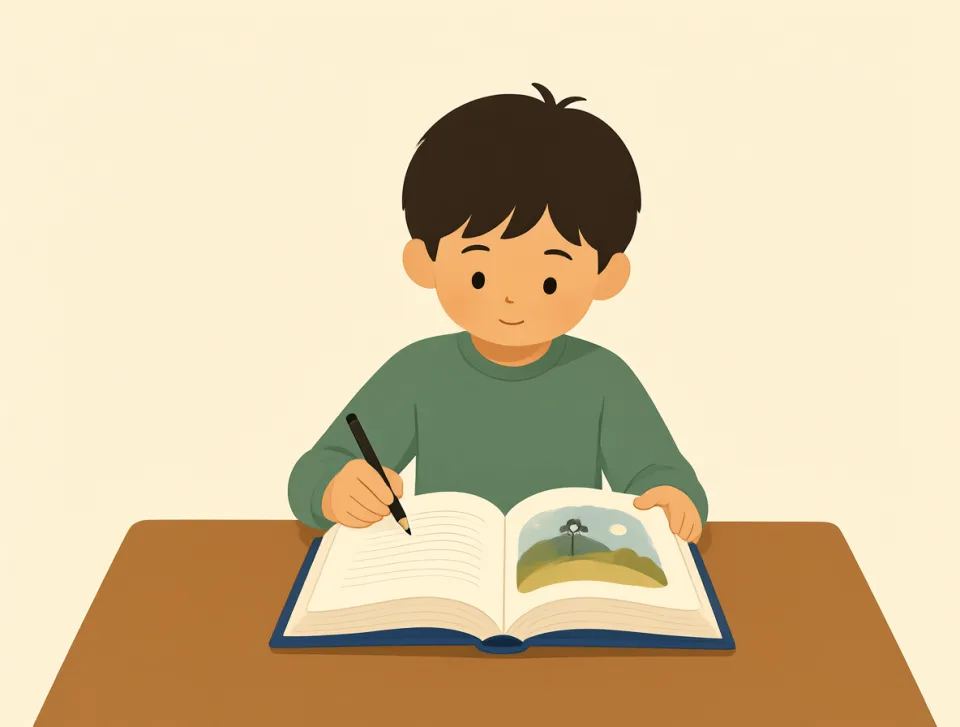
begin
#189verb
zaczynać
to start doing something or to happen for the first time
Rozpoczynać robienie czegoś lub sprawiać, że coś dzieje się po raz pierwszy.
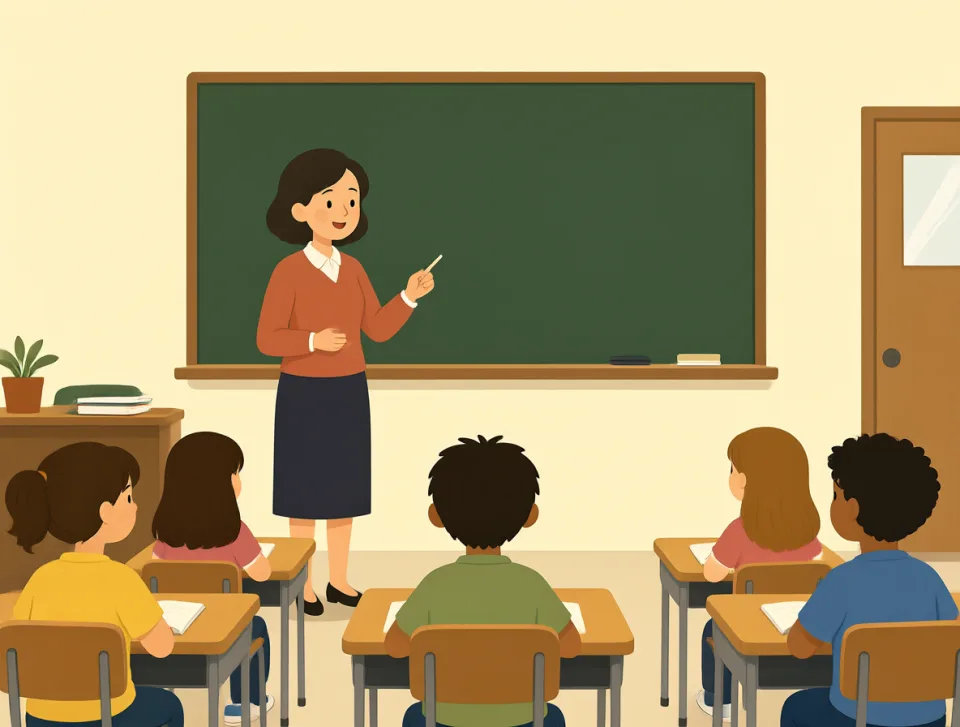
The class begins at nine o'clock.
Zajęcia zaczynają się o dziewiątej.
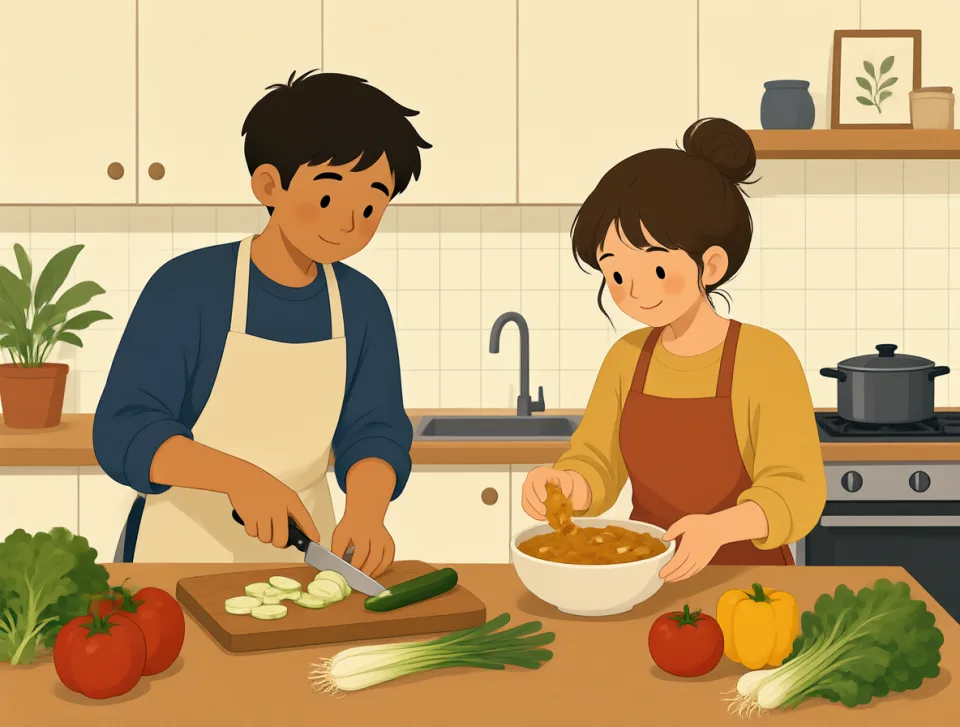
We began cooking dinner after work.
Po pracy zaczęliśmy gotować kolację.
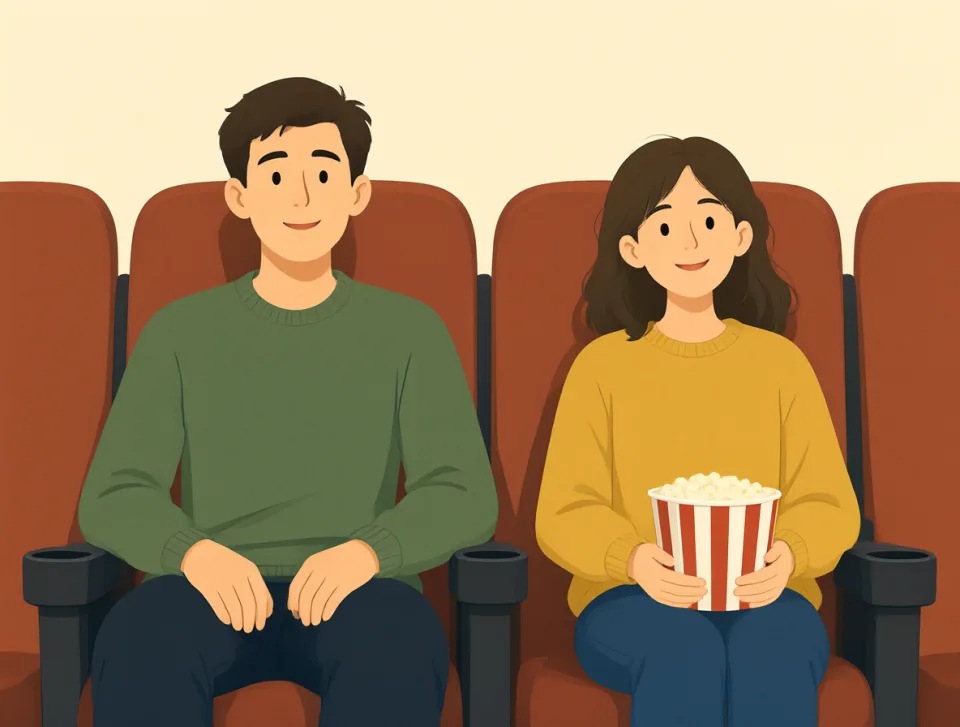
The movie began when we found our seats.
Film zaczął się, gdy znaleźliśmy swoje miejsca.

She began to feel better yesterday.
Wczoraj zaczęła czuć się lepiej.
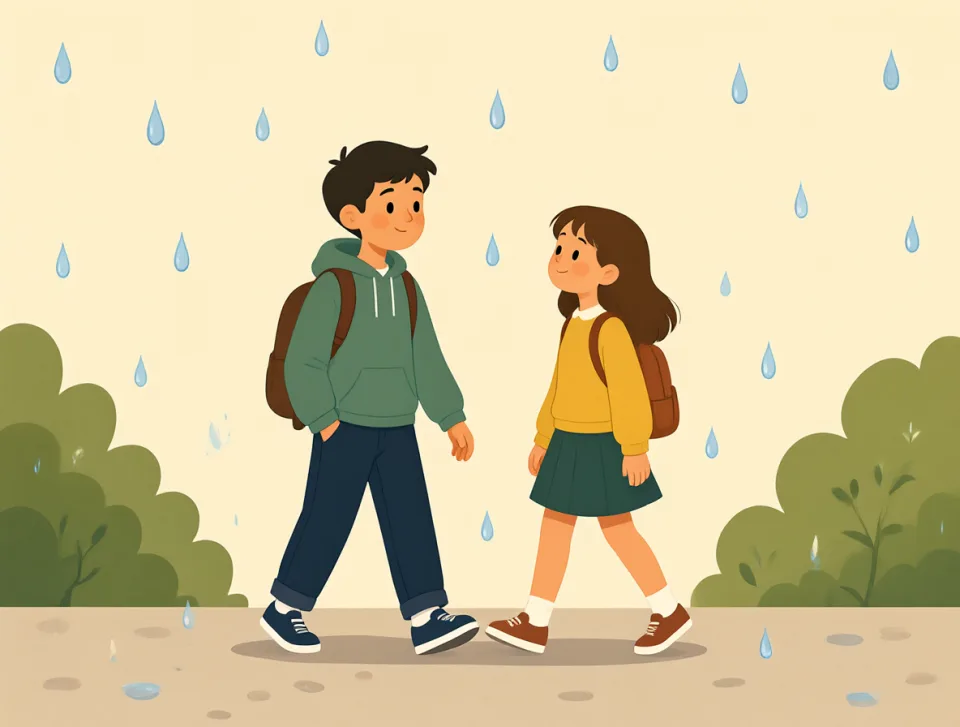
The rain began during our walk.
Podczas naszego spaceru zaczął padać deszcz.
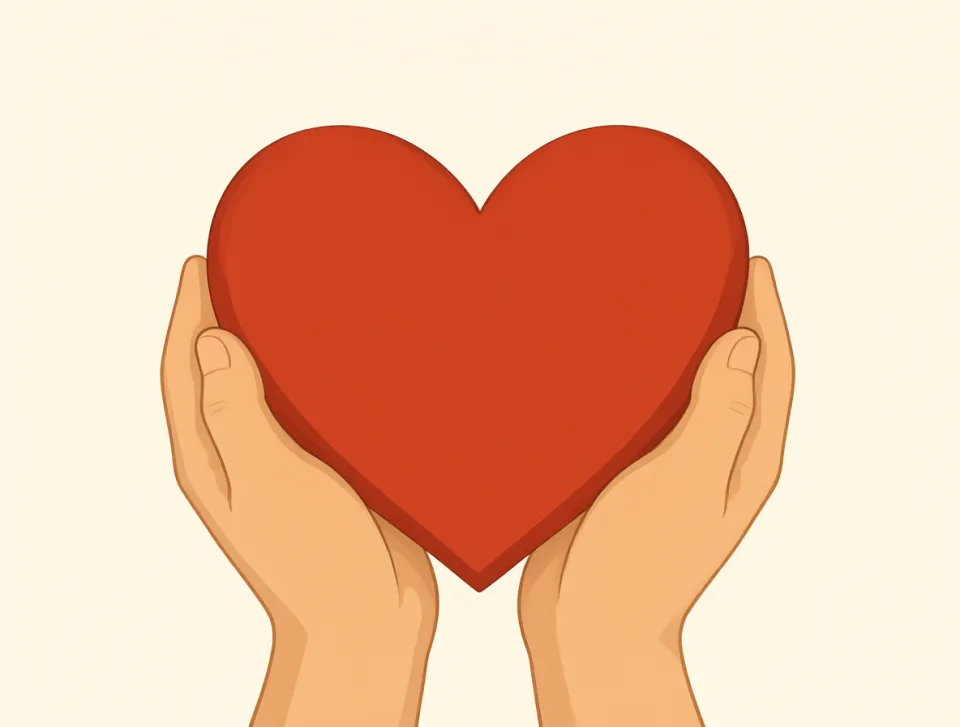
important
#190adjective
ważny
Having great value, meaning, or effect; needing attention.
Mający dużą wartość, znaczenie lub wpływ; wymagający uwagi.
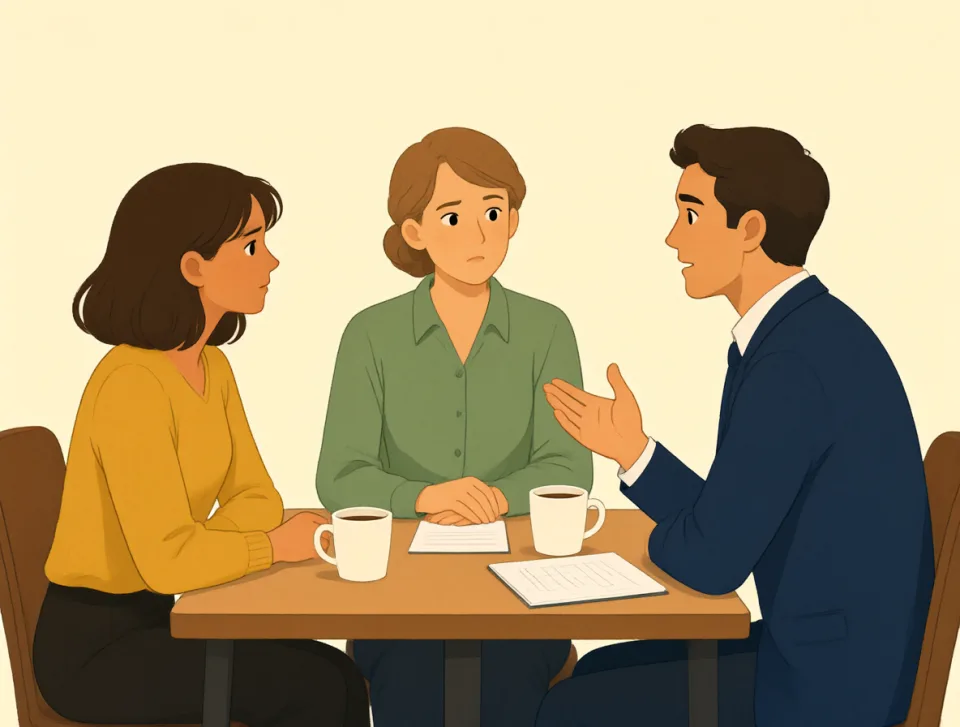
This meeting is very important to our team.
To spotkanie jest bardzo ważne dla naszego zespołu.

It is important to drink water every day.
Ważne jest, żeby codziennie pić wodę.
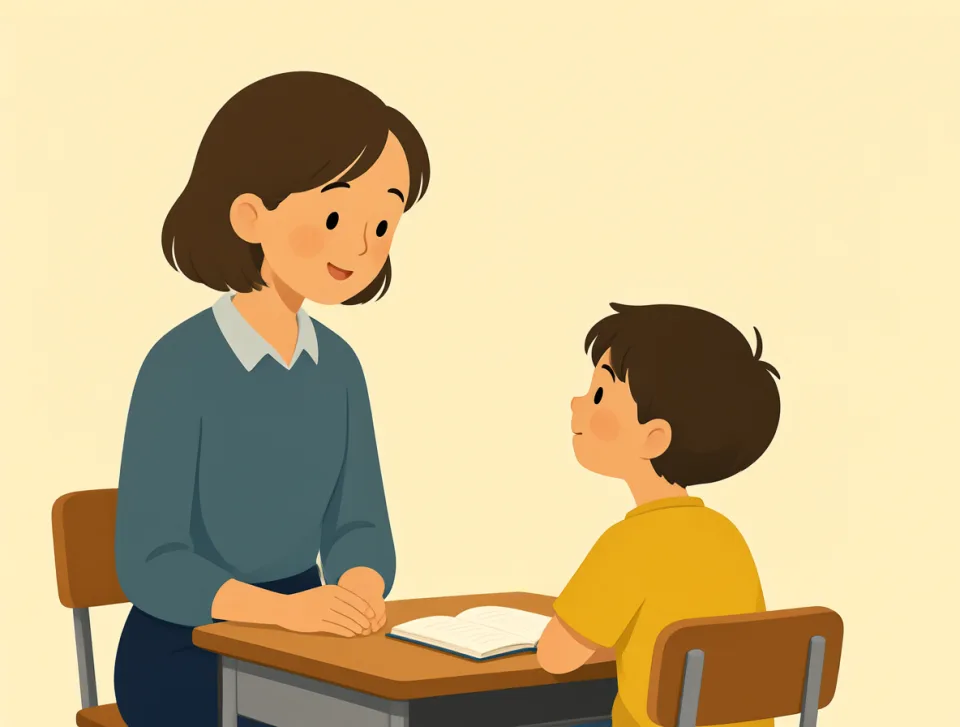
My teacher said sleep is important for learning.
Mój nauczyciel powiedział, że sen jest ważny dla nauki.
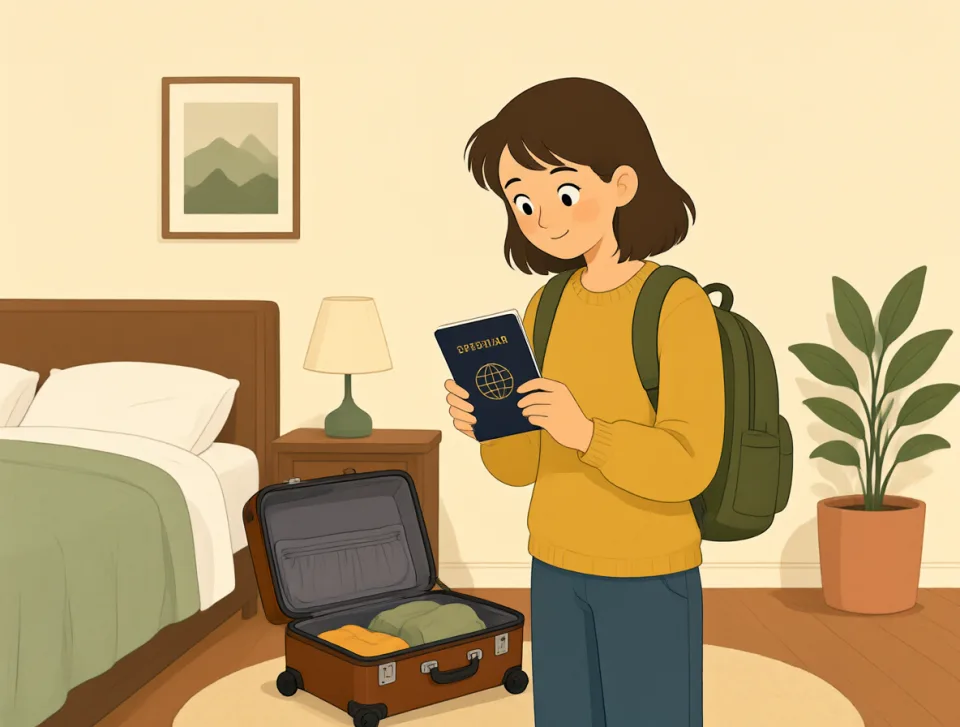
Please bring your passport; it is important.
Proszę przynieść paszport — to ważne.

She bought an important gift for her mother.
Kupiła ważny prezent dla swojej mamy.
since
#191preposition, conjunction, adverb
od
from a time in the past until now, or because something happened
od jakiegoś momentu w przeszłości aż do teraz albo ponieważ coś się wydarzyło
I have lived here since 2020.
Mieszkam tu od 2020 roku.
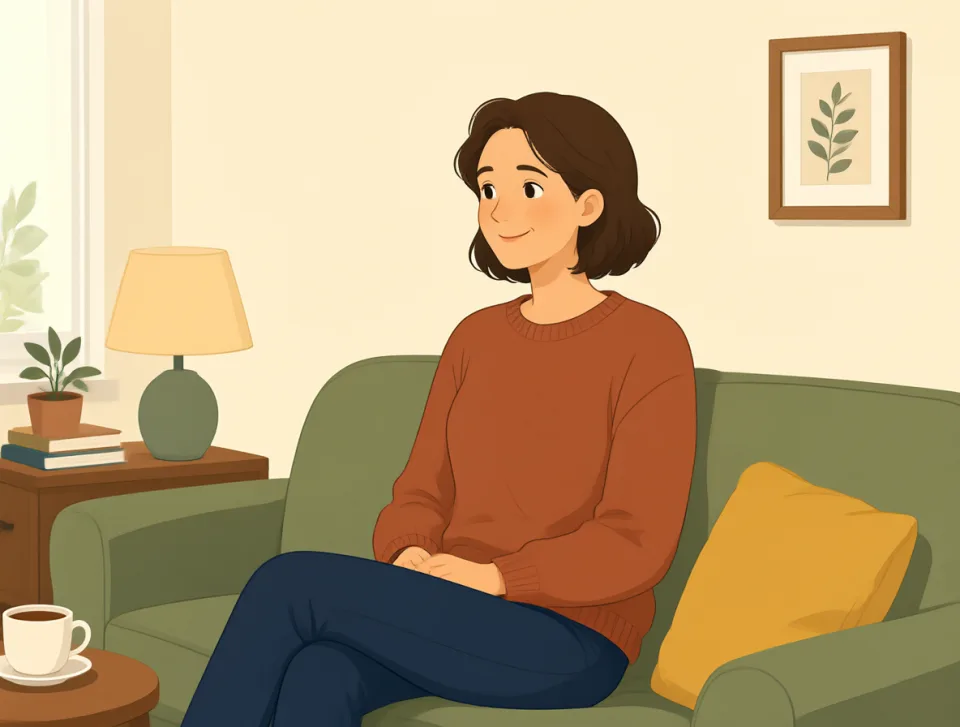
She has felt better since yesterday.
Od wczoraj czuje się lepiej.
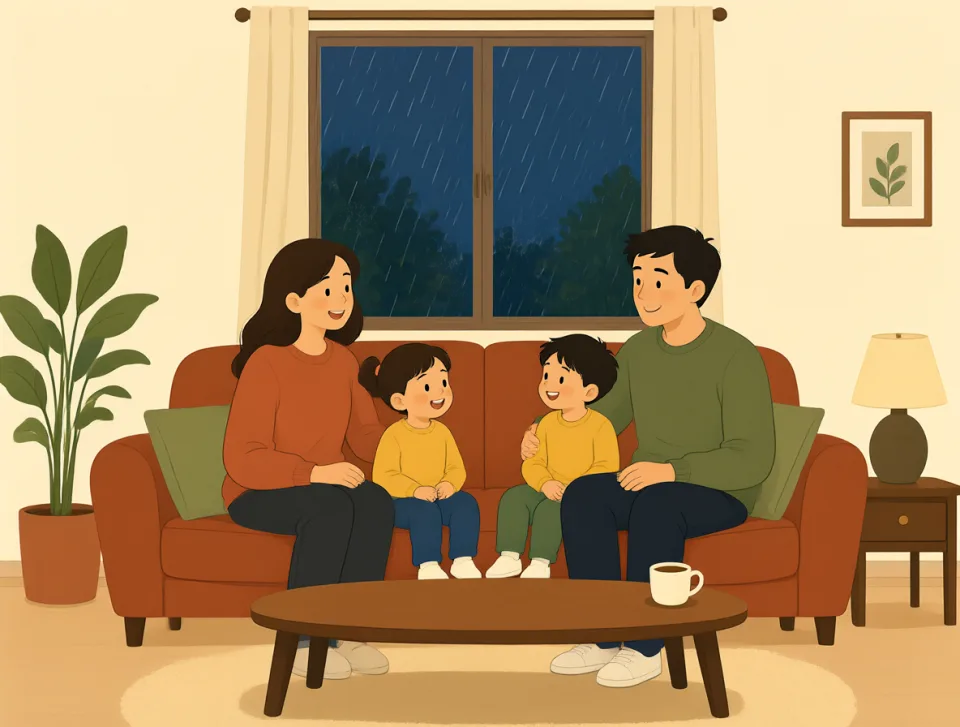
Since it was raining, we stayed home.
Ponieważ padał deszcz, zostaliśmy w domu.
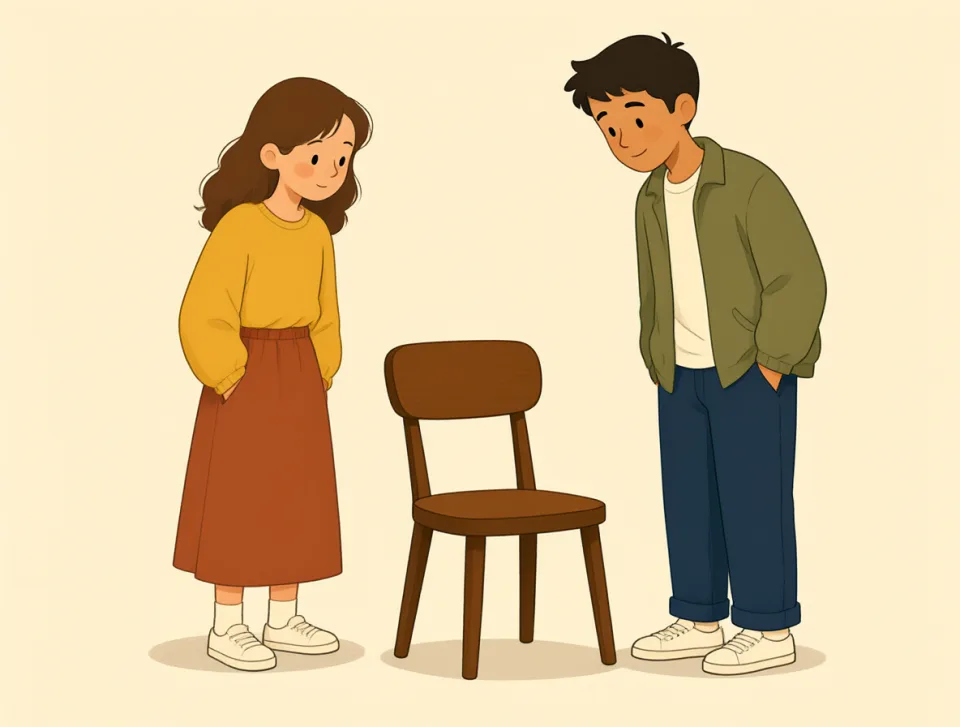
We have not seen Tom since Monday.
Nie widzieliśmy Toma od poniedziałku.
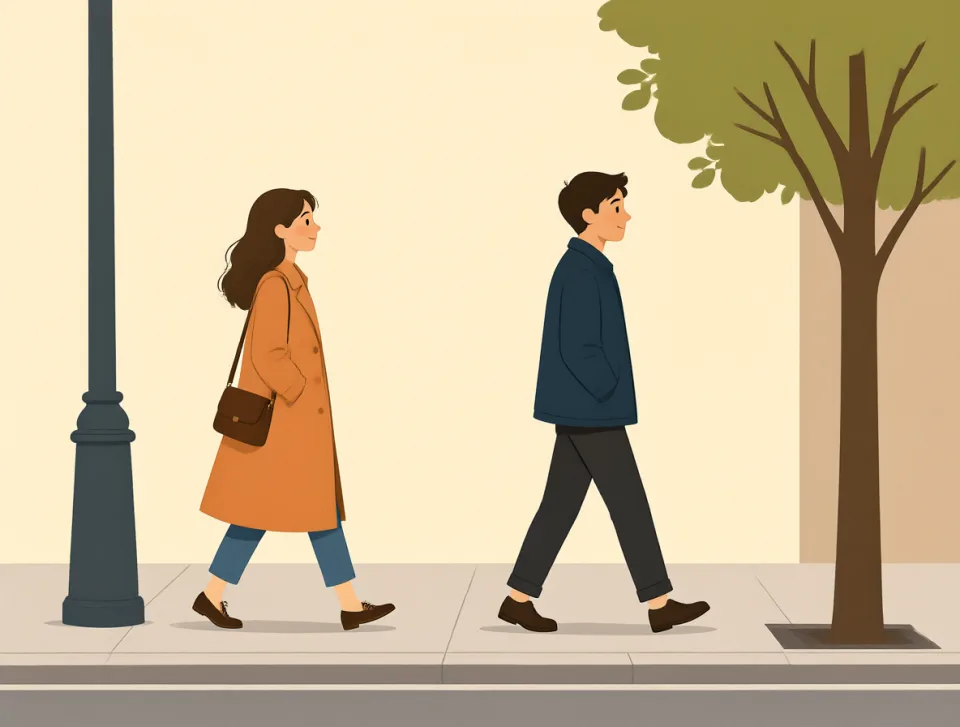
I met her once, but have not spoken since.
Spotkałem ją raz, ale od tamtej pory z nią nie rozmawiałem.
run
#192verb, noun
biegać; prowadzić
to move quickly on foot, or to manage and operate something
szybko poruszać się na piechotę albo zarządzać czymś i prowadzić coś
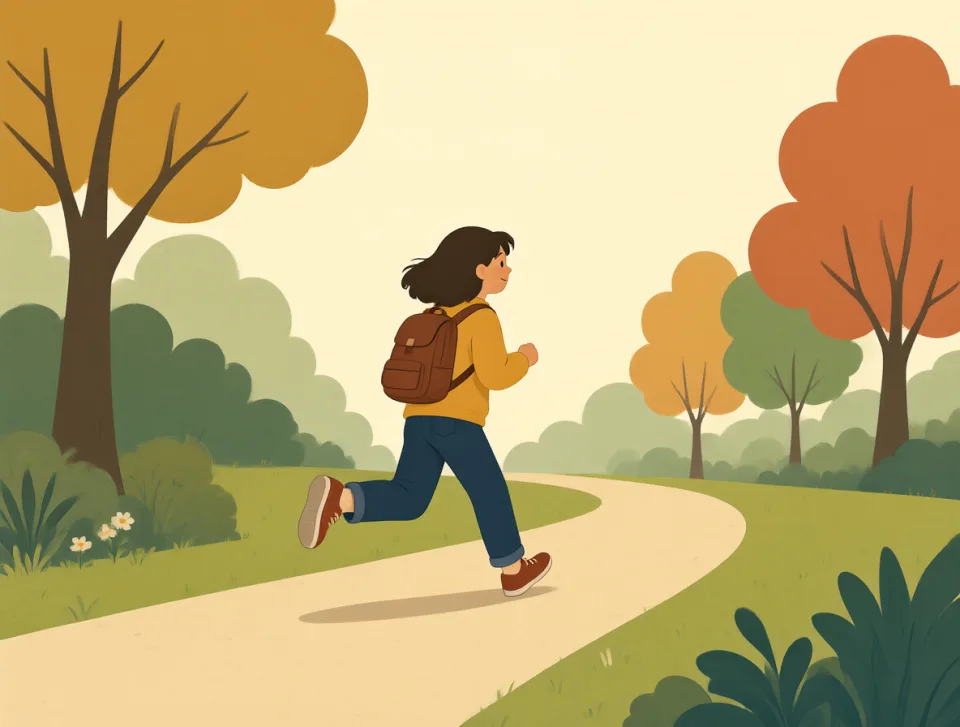
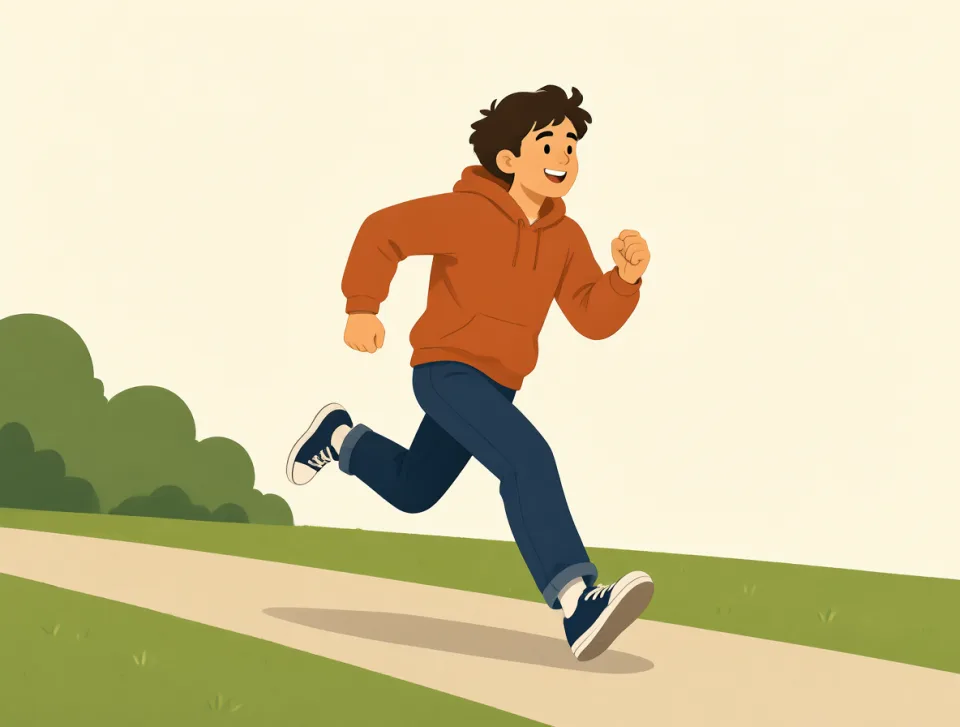
I run every morning before work.
Biegam każdego ranka przed pracą.
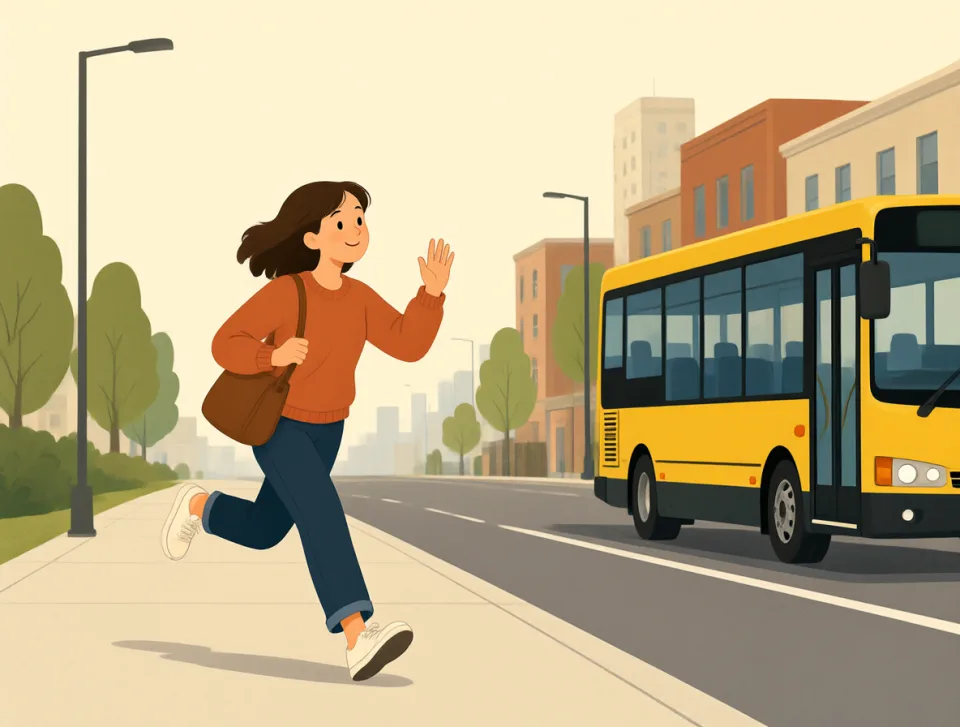
She ran to catch the bus.
Pobiegła, żeby zdążyć na autobus.
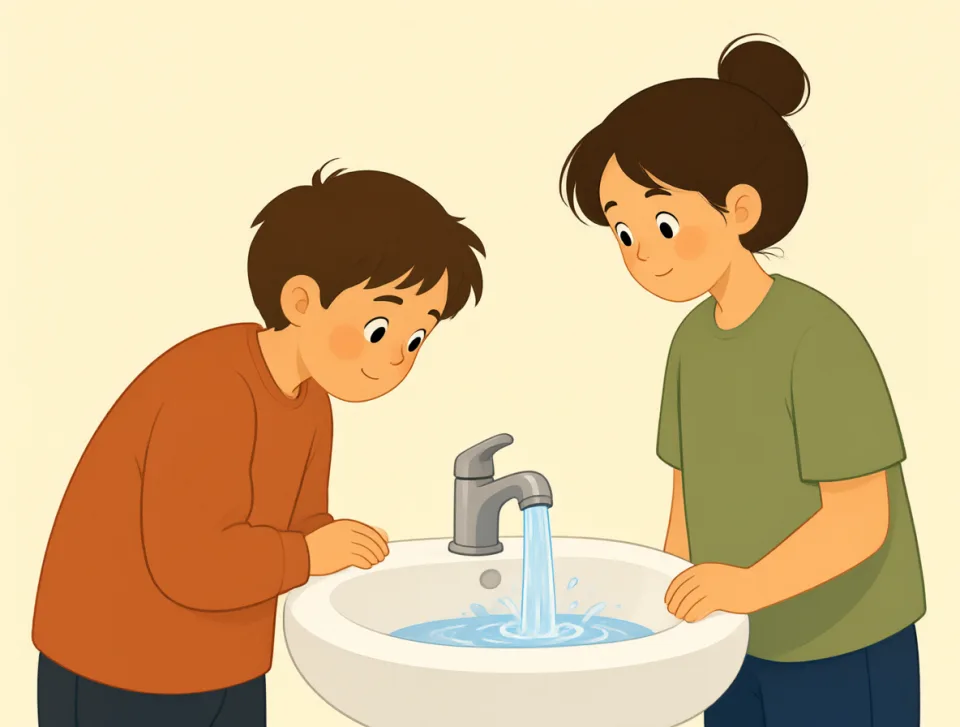
The water is running in the bathroom.
W łazience leci woda.
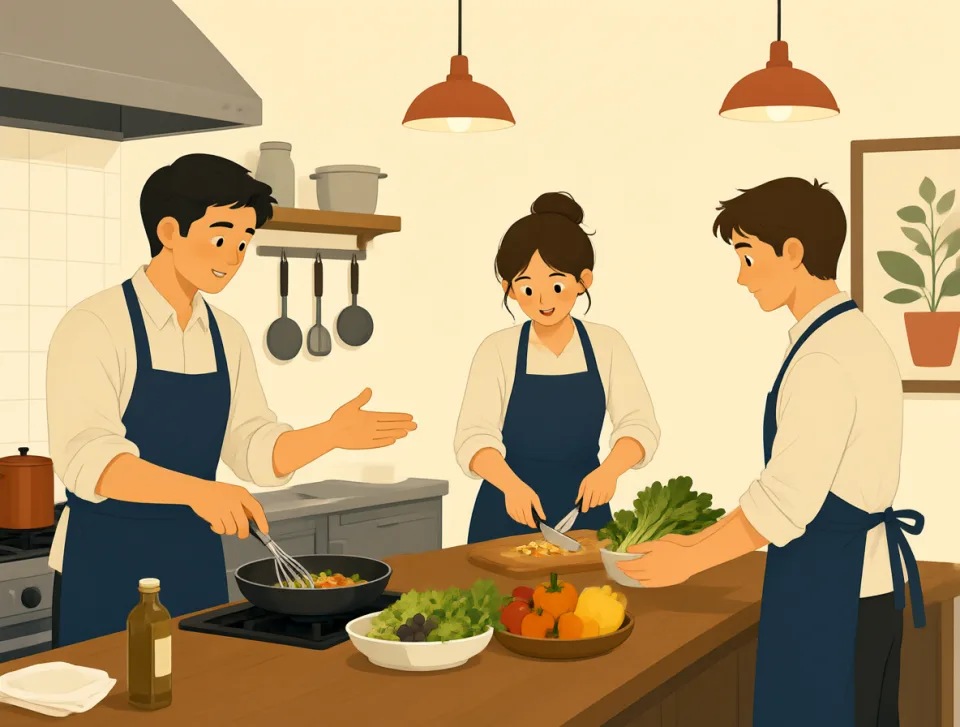
My uncle runs a small restaurant.
Mój wujek prowadzi małą restaurację.
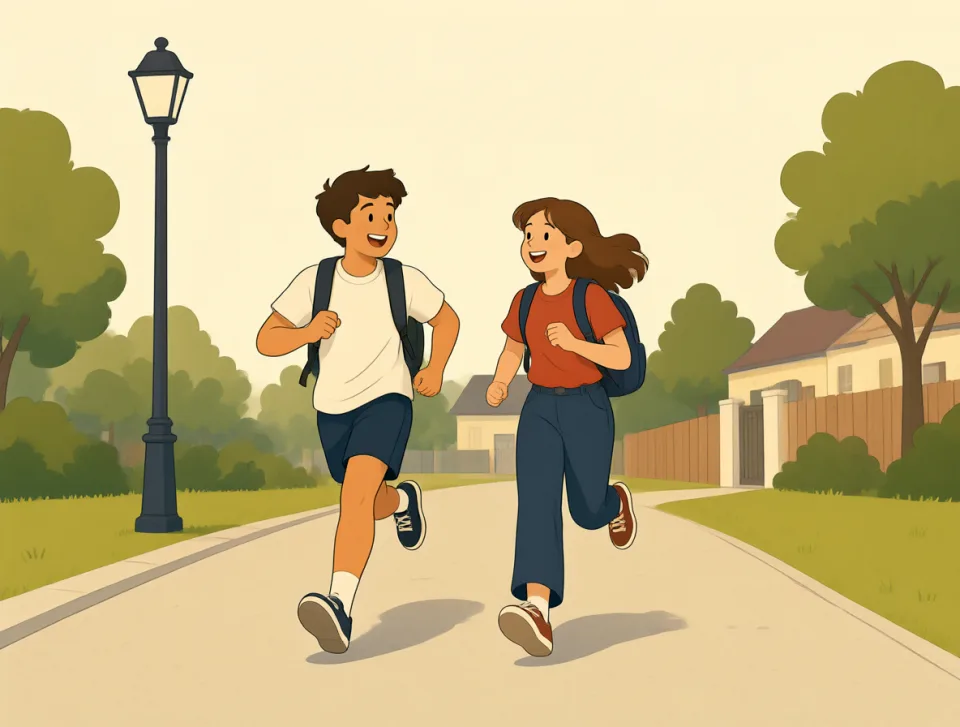
We went for a run after school.
Poszliśmy pobiegać po szkole.
under
#193preposition, adverb, adjective
pod; poniżej
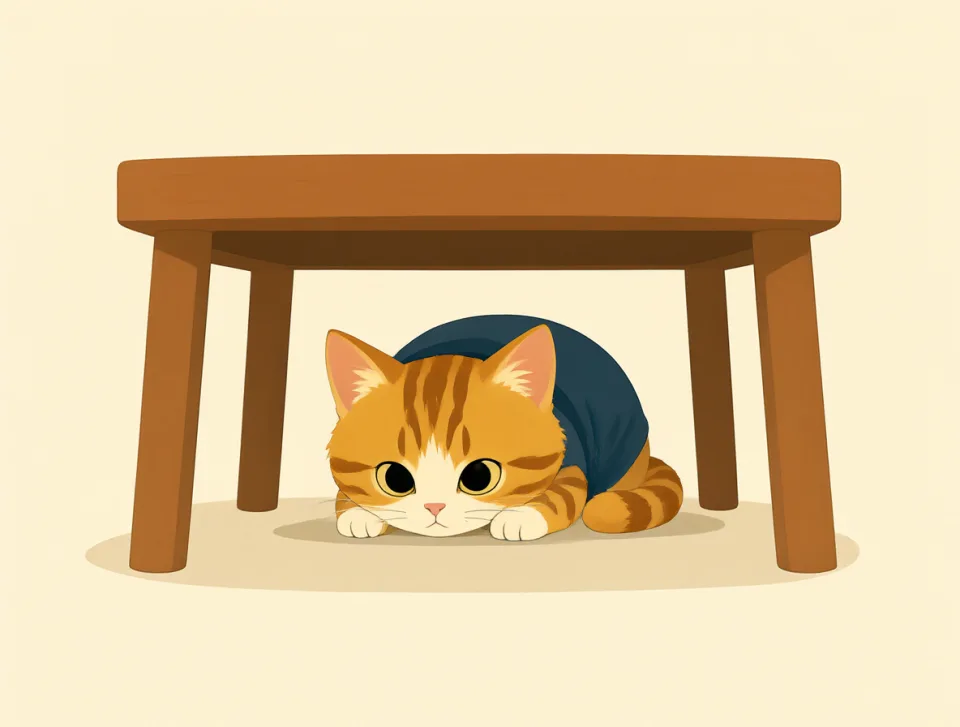
In or to a lower position than something else.
W pozycji niższej niż coś innego lub do takiej pozycji.
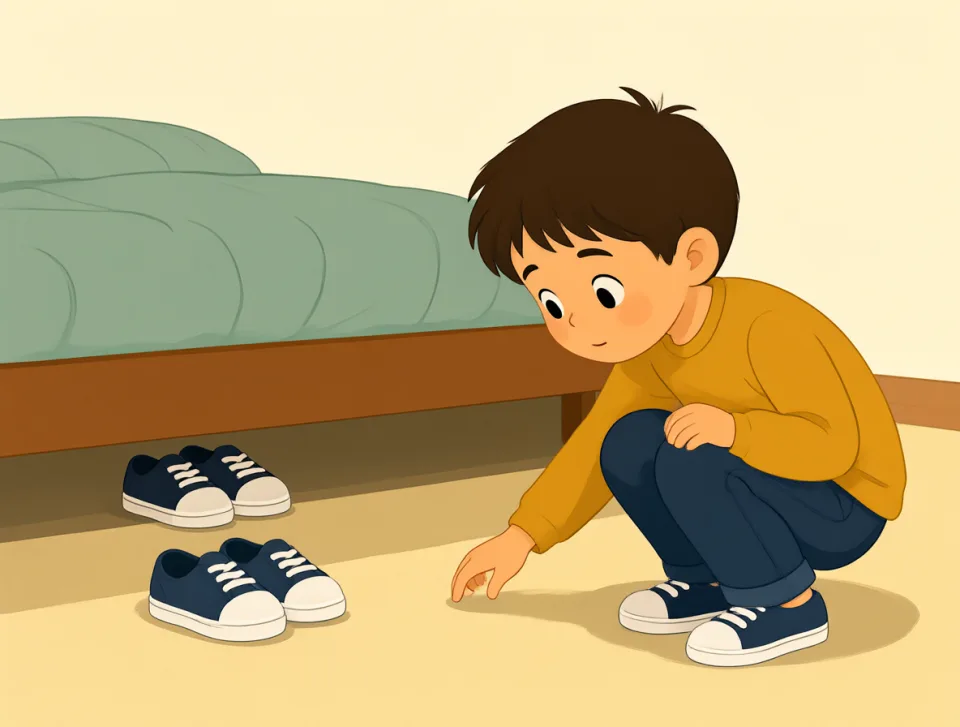
The shoes are under the bed.
Buty są pod łóżkiem.
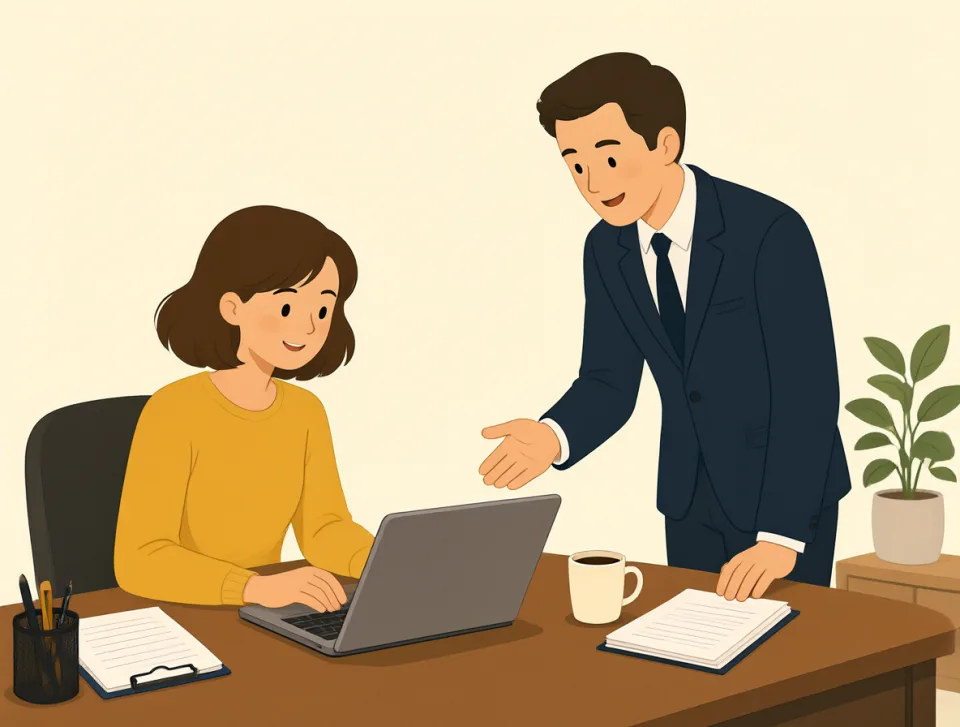
She works under a kind manager.
Pracuje pod kierownictwem życzliwego menedżera.
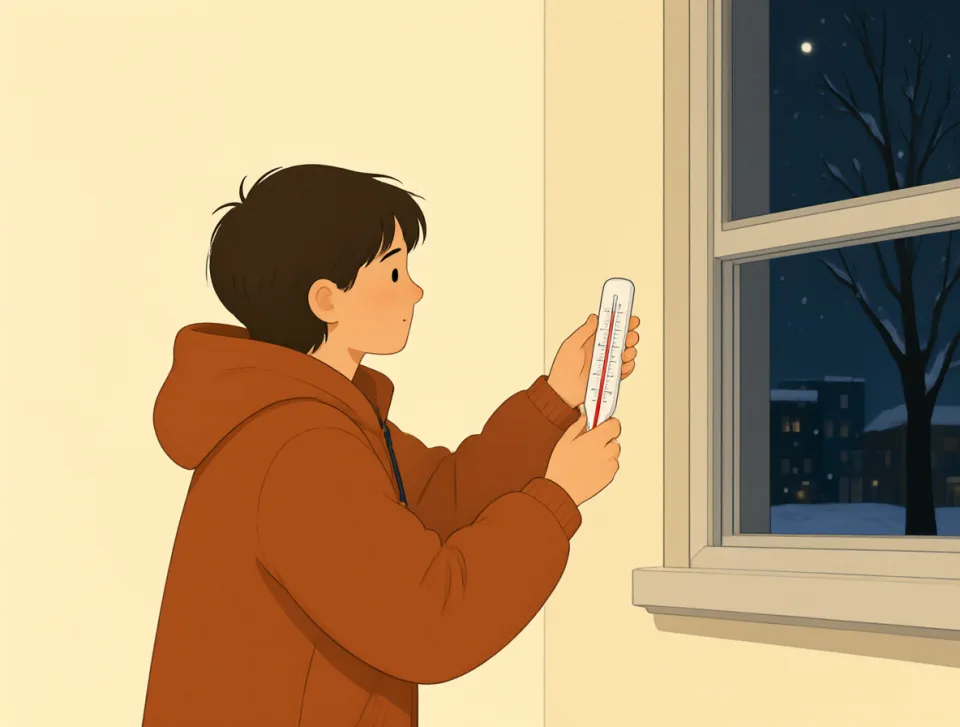
The temperature fell under zero last night.
W nocy temperatura spadła poniżej zera.
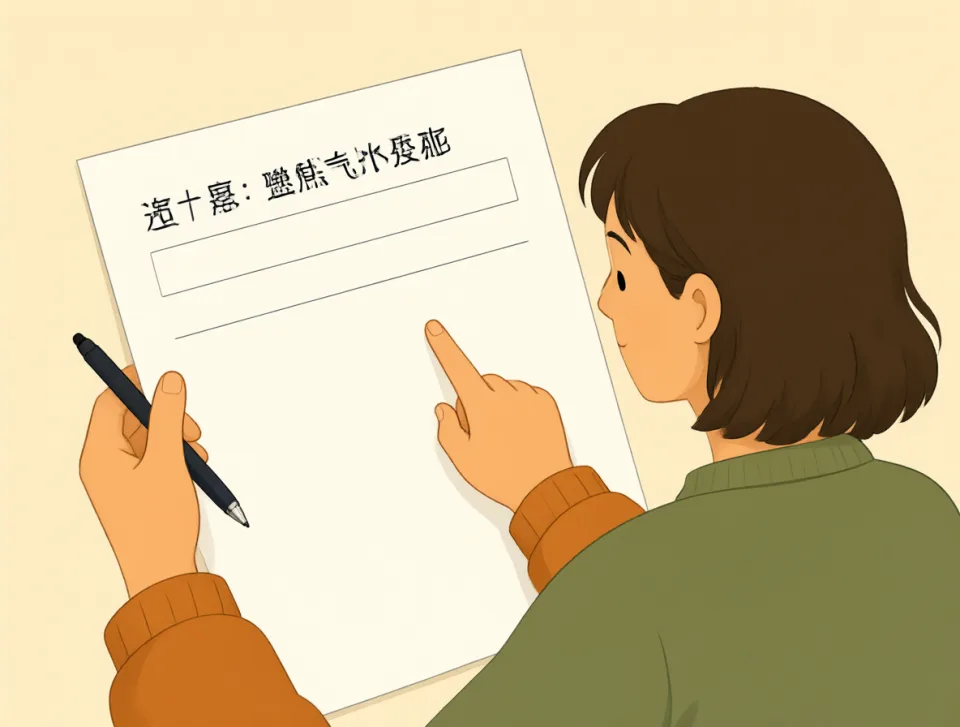
Please sign under your name.
Proszę złożyć podpis pod swoim nazwiskiem.

The children ran under the bridge.
Dzieci przebiegły pod mostem.
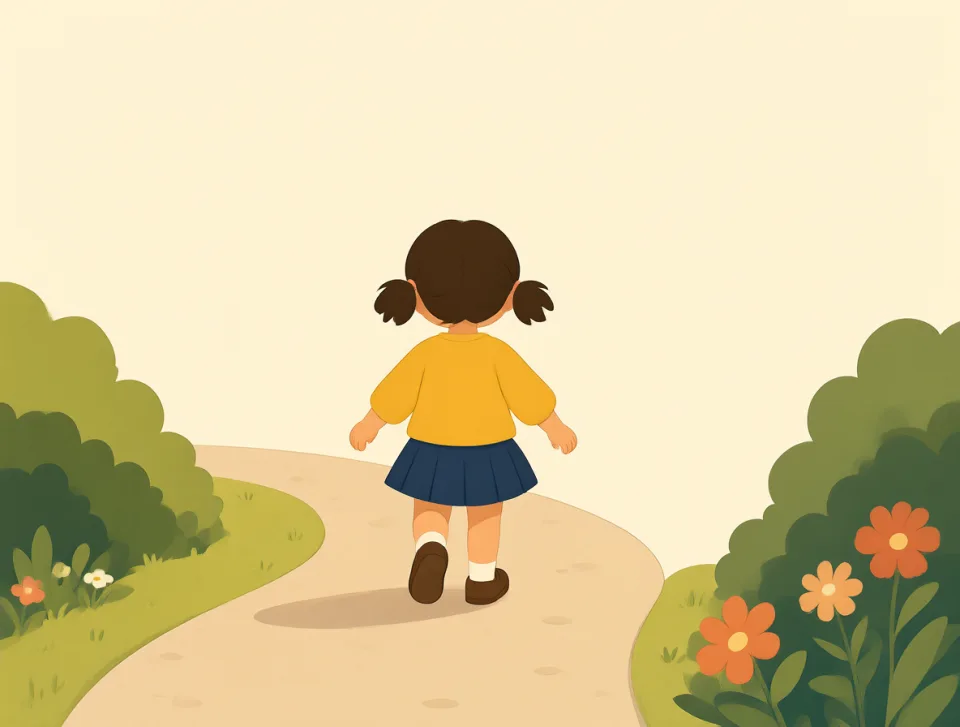
turn
#194verb, noun
skręcać; kolej
To move in a different direction, or the time when someone gets to do something.
Poruszyć się w innym kierunku albo moment, w którym przychodzi czyjaś kolej na zrobienie czegoś.
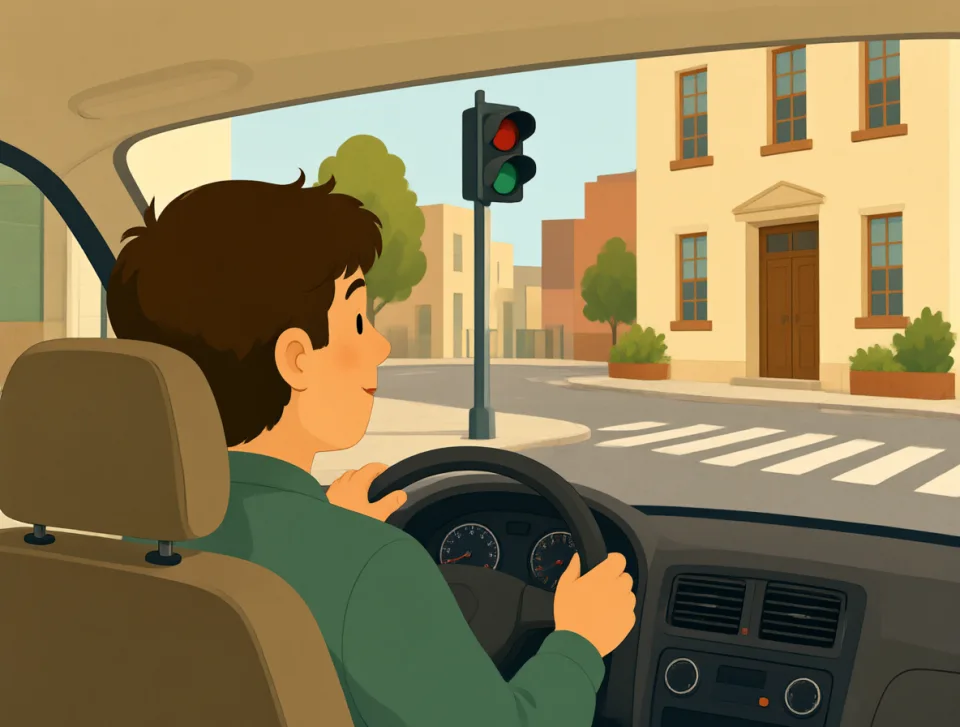
Turn left at the corner, please.
Proszę skręcić w lewo na rogu.
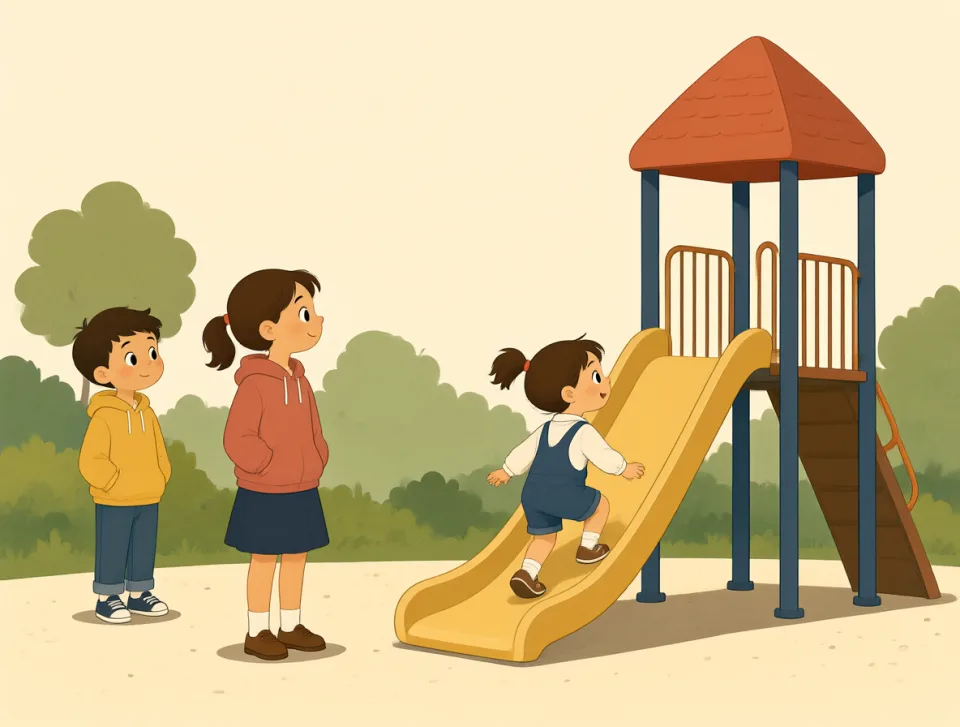
Please wait for your turn.
Proszę poczekać na swoją kolej.
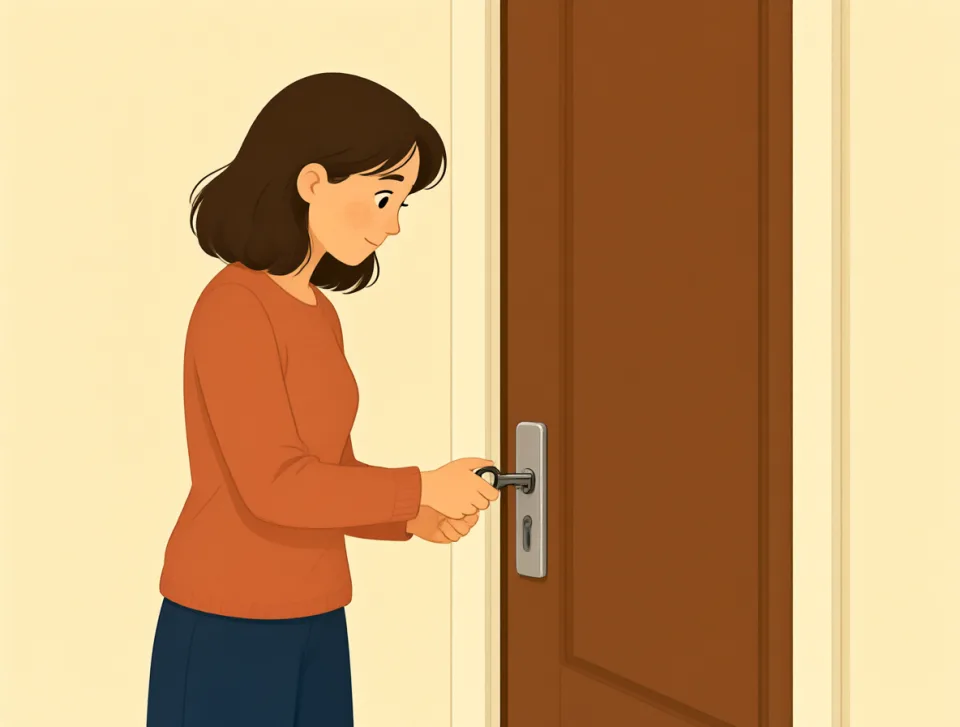
She turned the key in the lock.
Przekręciła klucz w zamku.
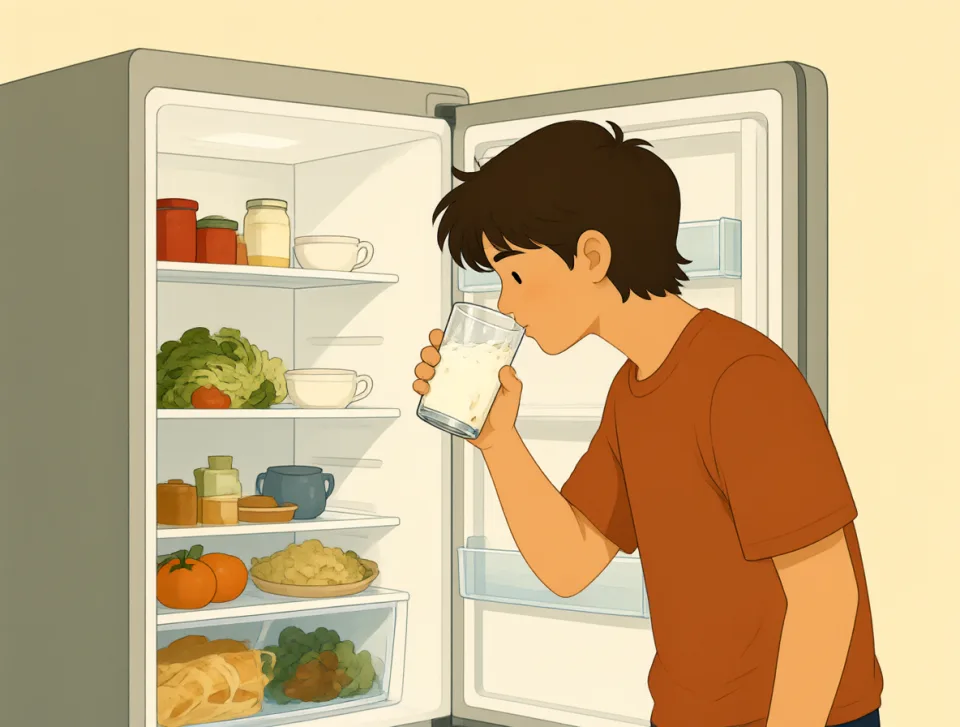
The milk turned sour in the fridge.
Mleko skwaśniało w lodówce.
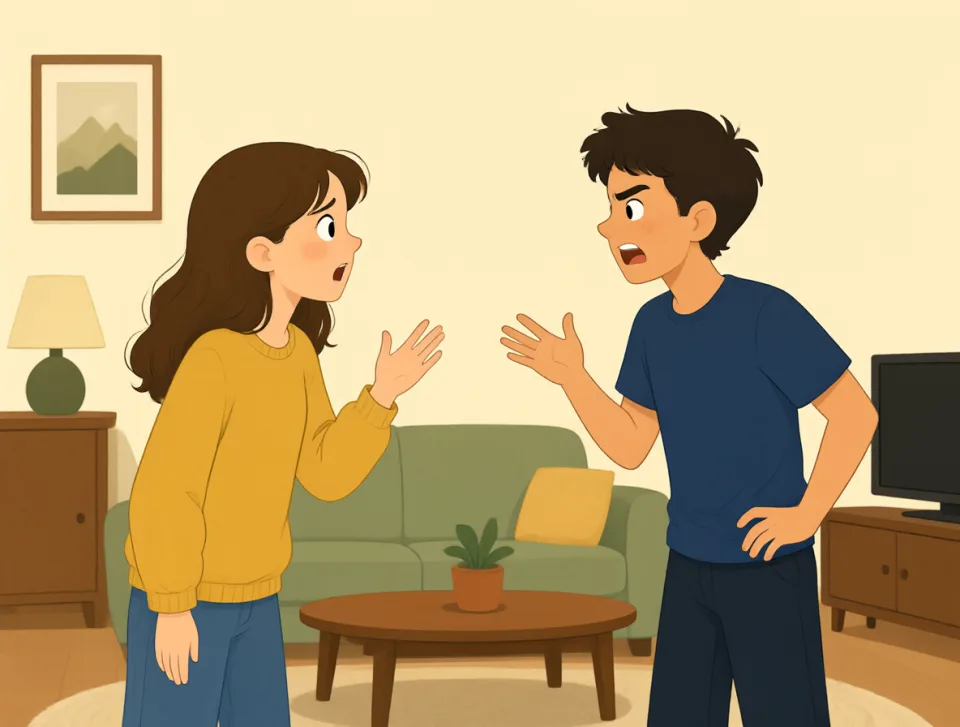
Our conversation turned into an argument.
Nasza rozmowa przerodziła się w kłótnię.
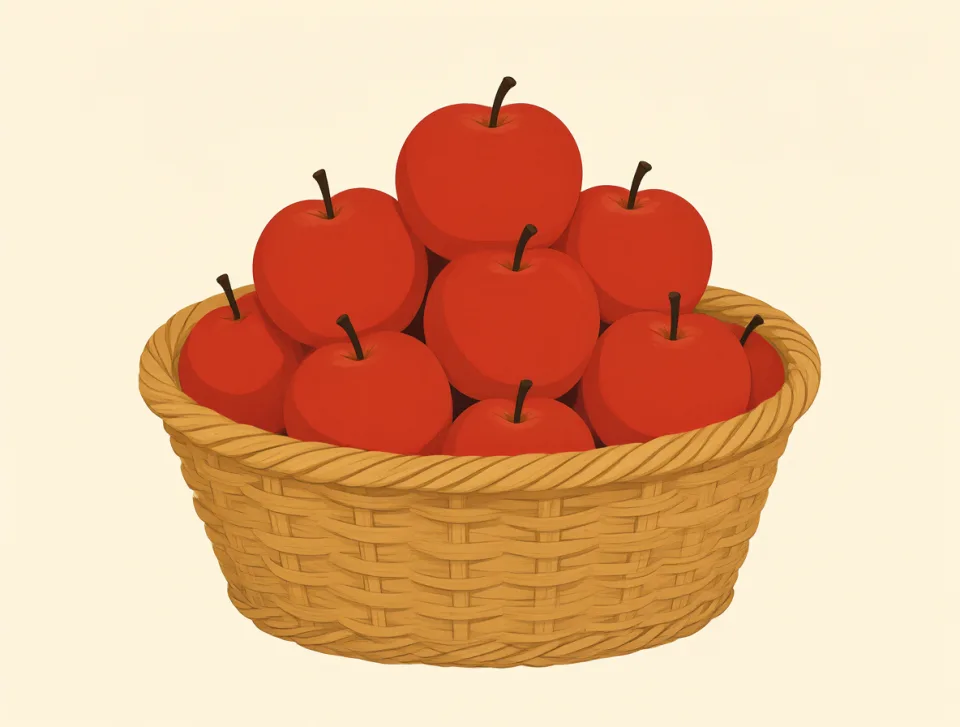
few
#195determiner, pronoun, adjective
niewielu; kilka
A small number of people or things, usually less than expected.
Niewielka liczba osób lub rzeczy, zwykle mniejsza, niż się spodziewano.
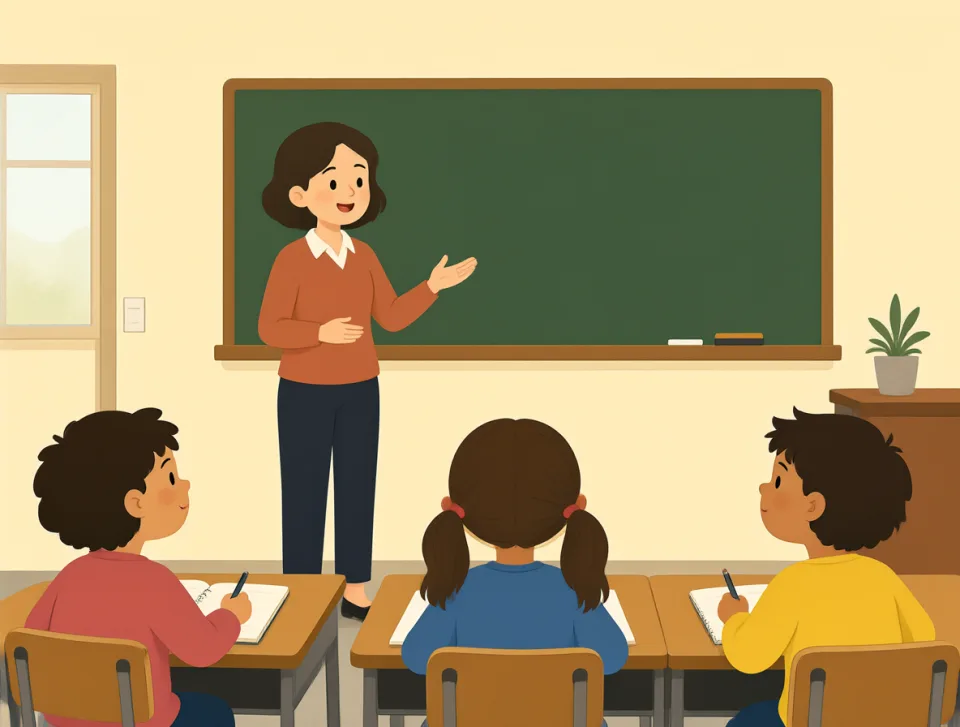
Only a few students came to class.
Na zajęcia przyszło tylko kilku uczniów.
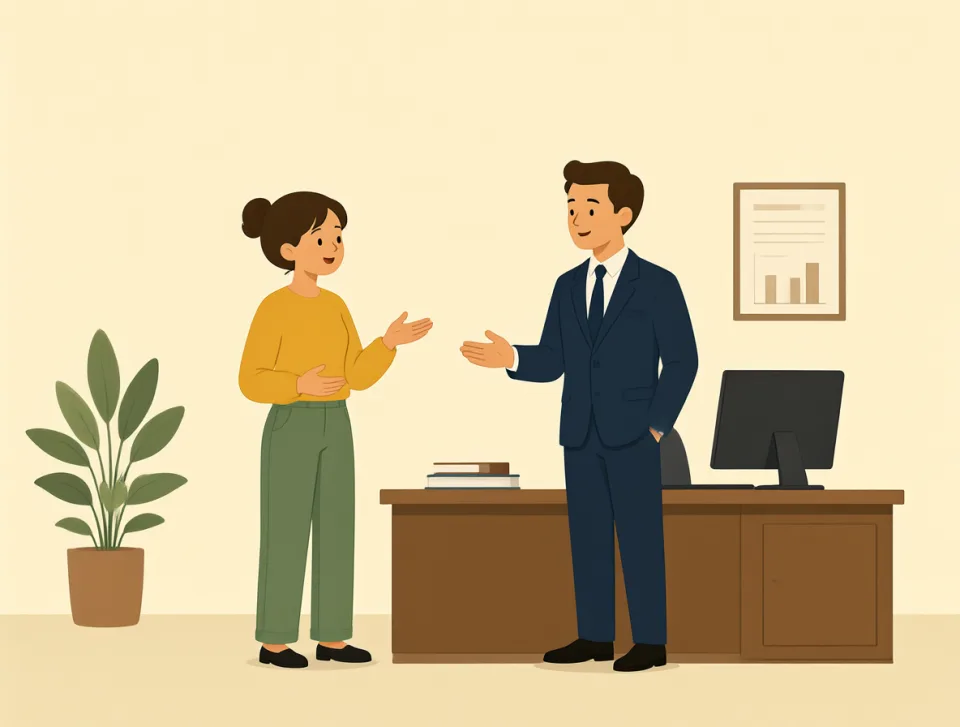
I have a few questions about this job.
Mam kilka pytań dotyczących tej pracy.
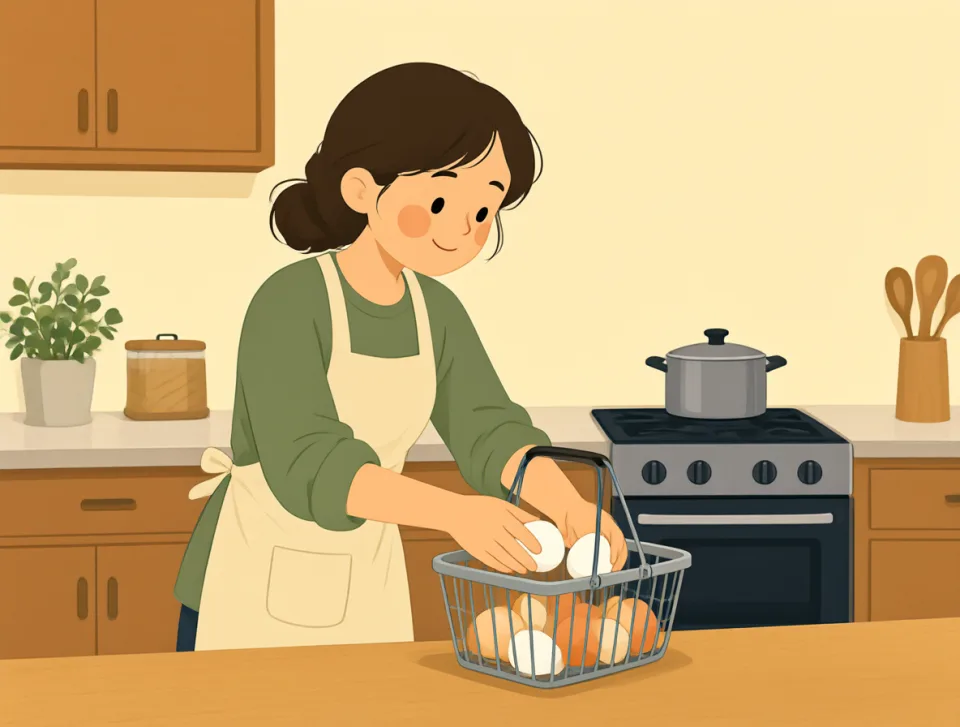
We need a few more eggs for breakfast.
Potrzebujemy jeszcze kilku jajek na śniadanie.
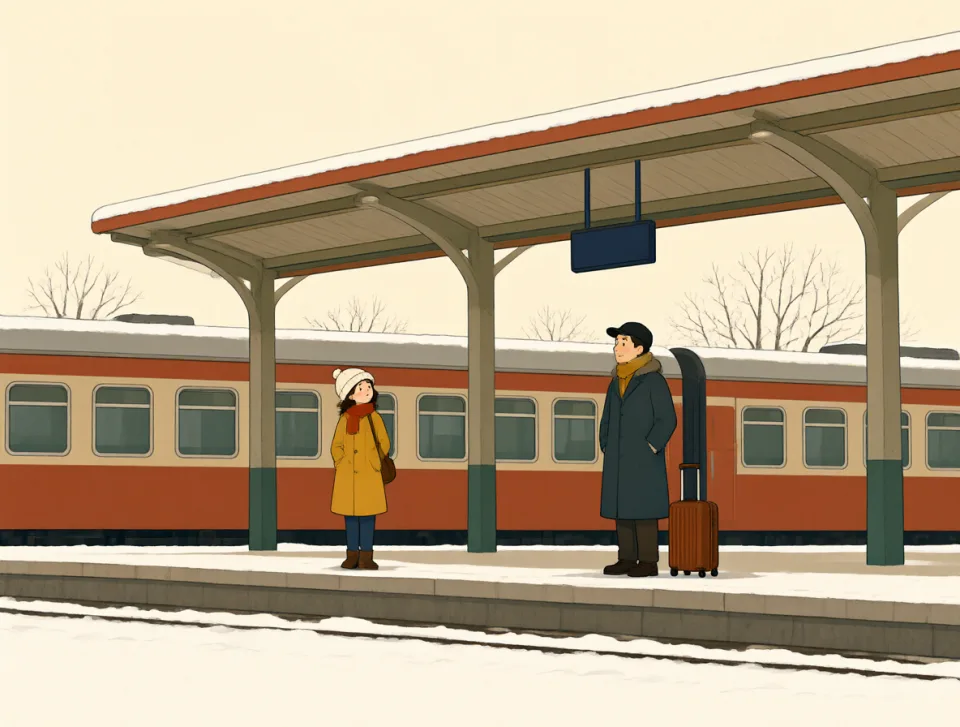
Few people travel there in winter.
Zimą niewiele osób tam podróżuje.
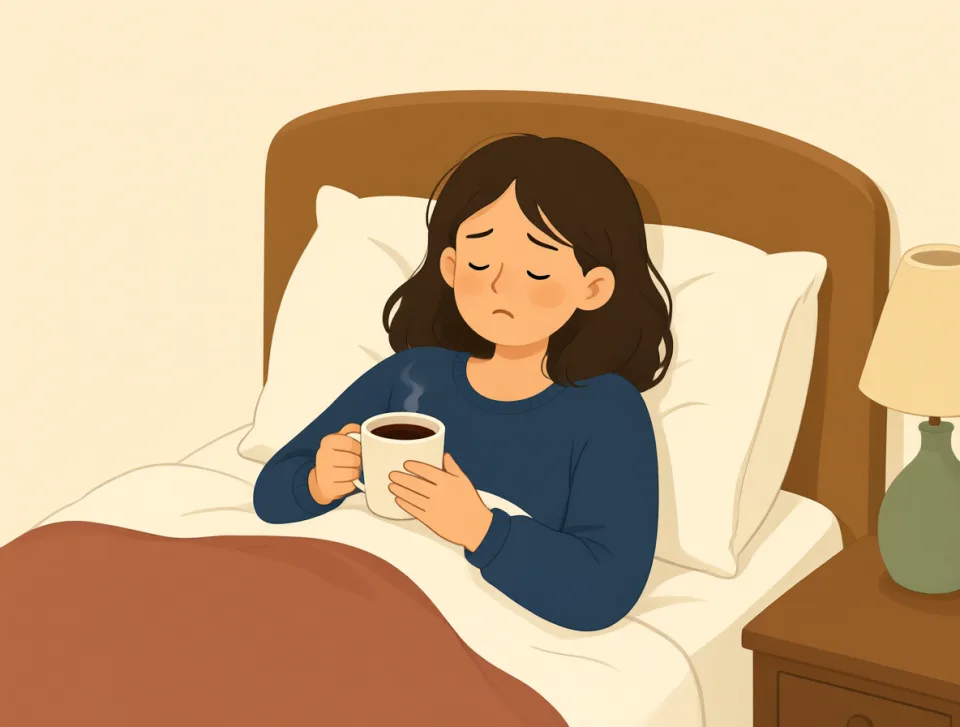
She stayed home for a few days.
Została w domu przez kilka dni.
bring
#196verb
przynieść
to take or carry someone or something with you to a place
zabrać ze sobą kogoś lub coś w jakieś miejsce
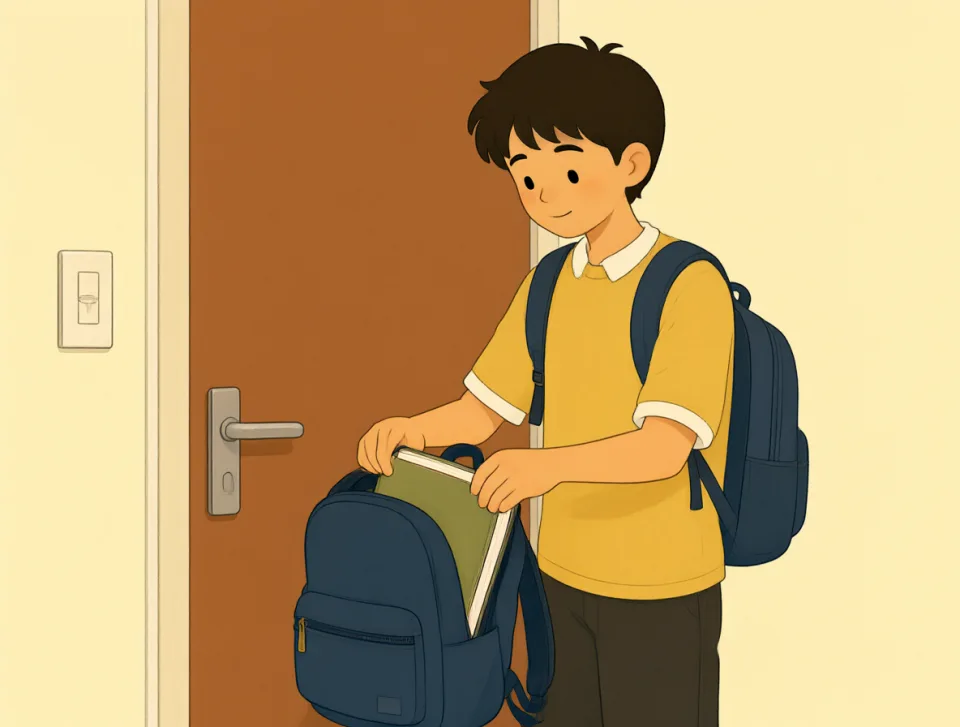
Please bring your book to class tomorrow.
Proszę przynieś jutro swoją książkę na zajęcia.
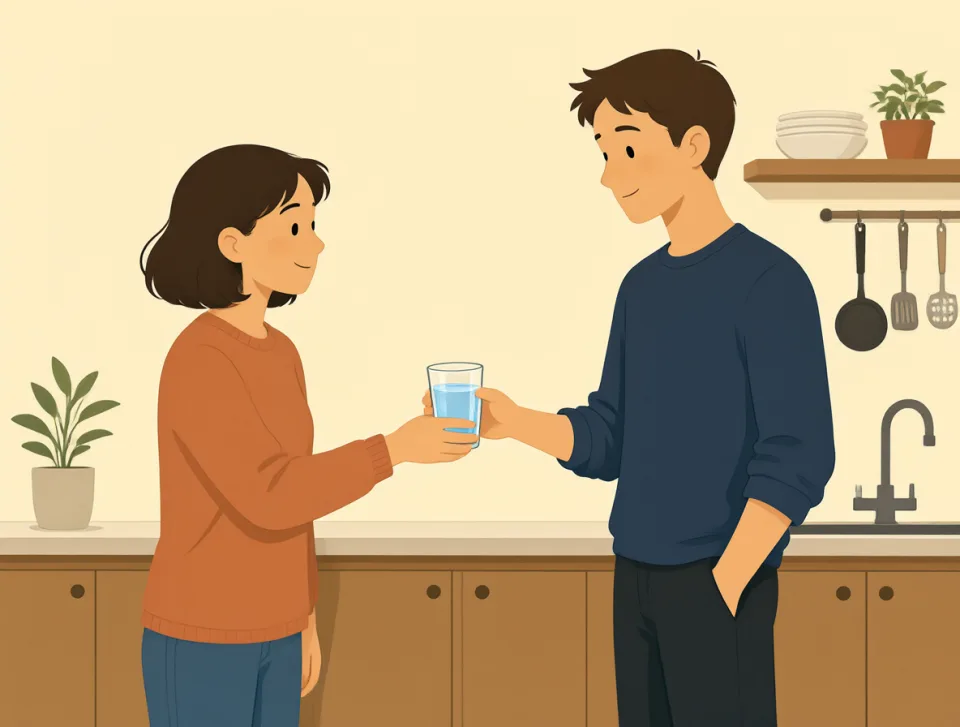
Can you bring me a glass of water?
Możesz przynieść mi szklankę wody?
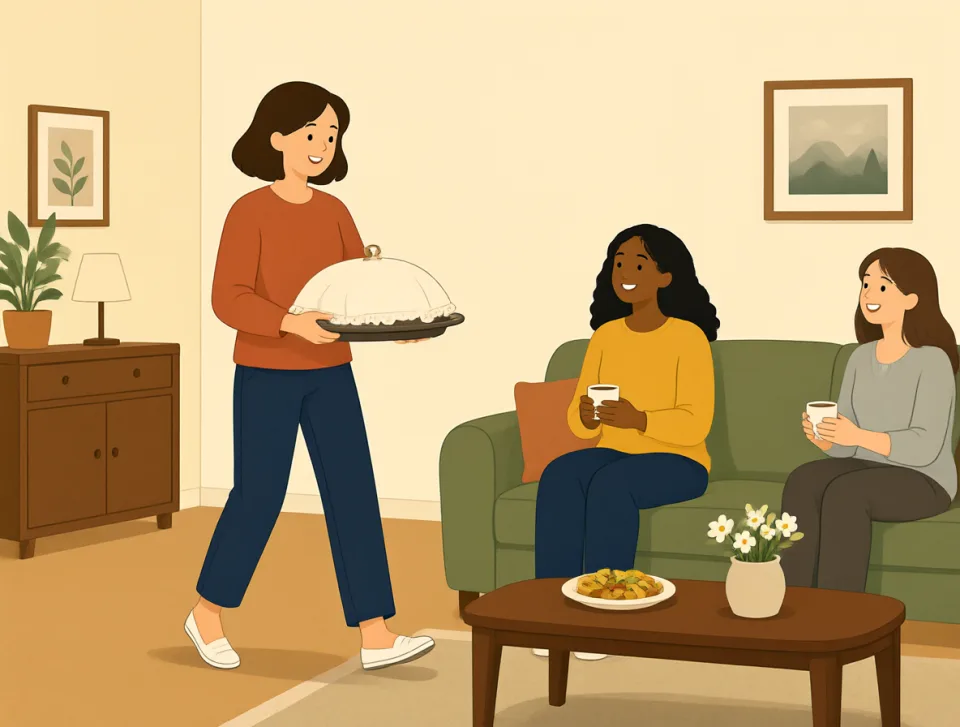
She brought some food for the party.
Przyniosła trochę jedzenia na imprezę.
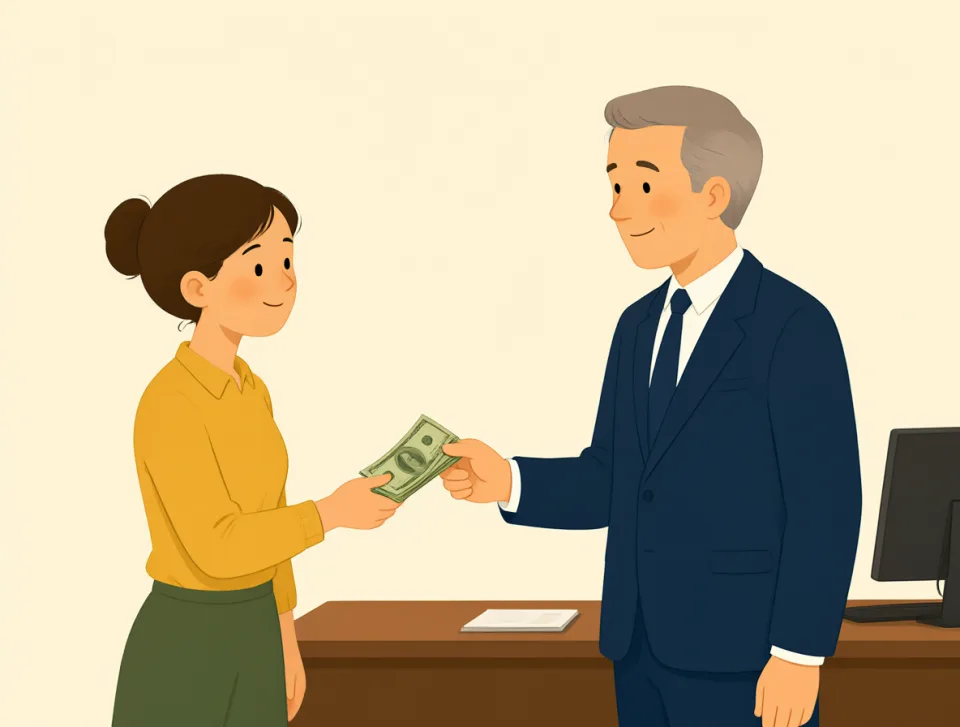
The new job brought him more money.
Nowa praca przyniosła mu więcej pieniędzy.
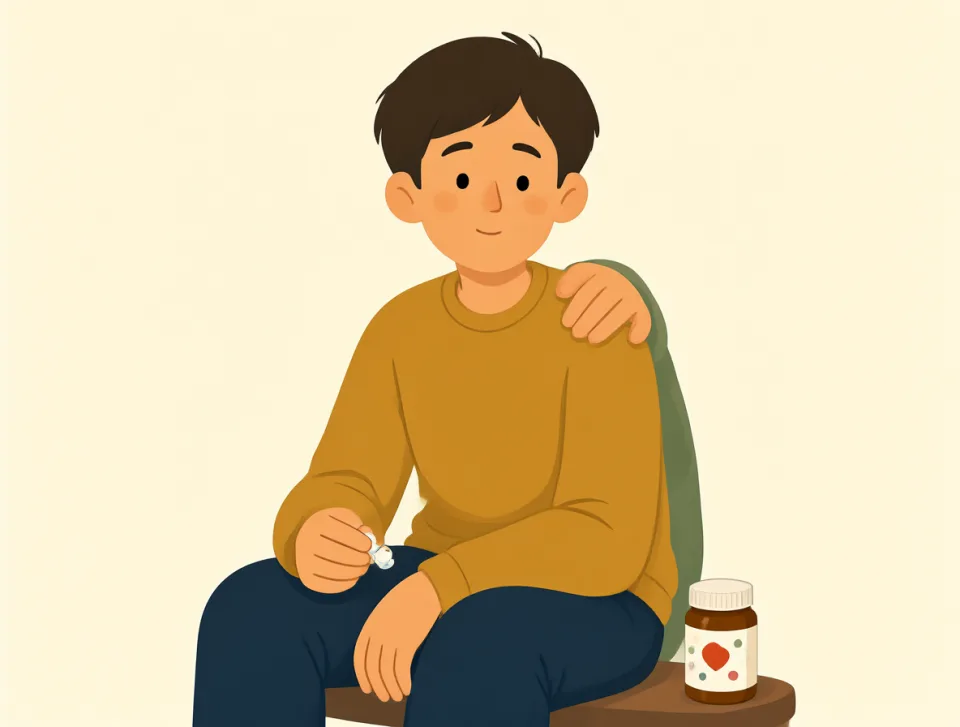
This medicine brings quick relief from pain.
Ten lek szybko uśmierza ból.
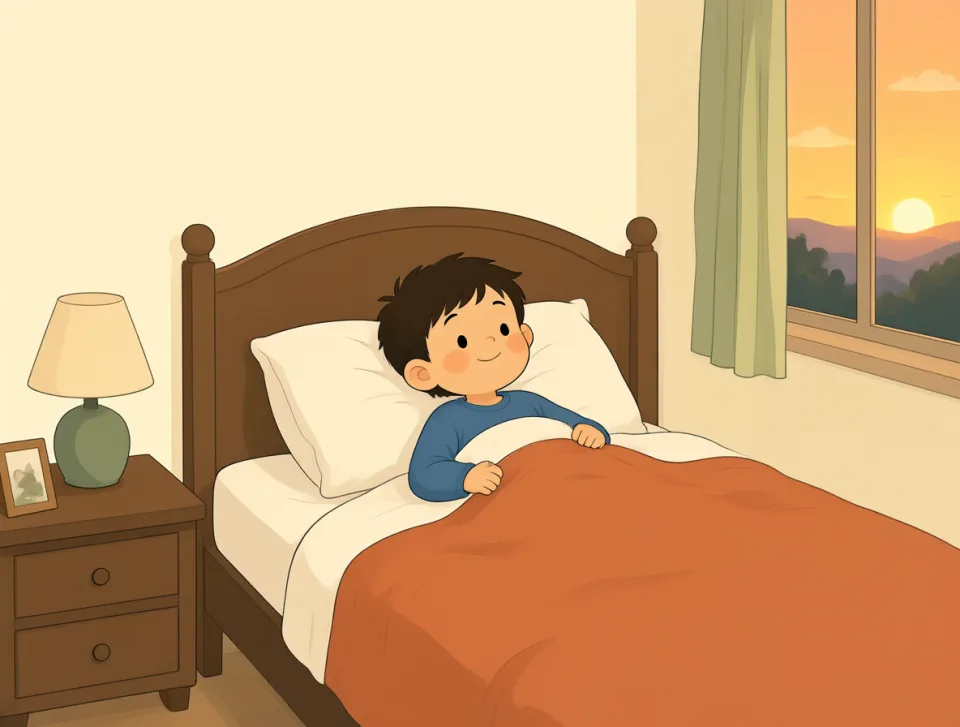
early
#197adjective, adverb
wcześnie
Happening or arriving before the usual or expected time.
Dziejący się lub przybywający wcześniej niż zwykle albo wcześniej, niż się spodziewano.
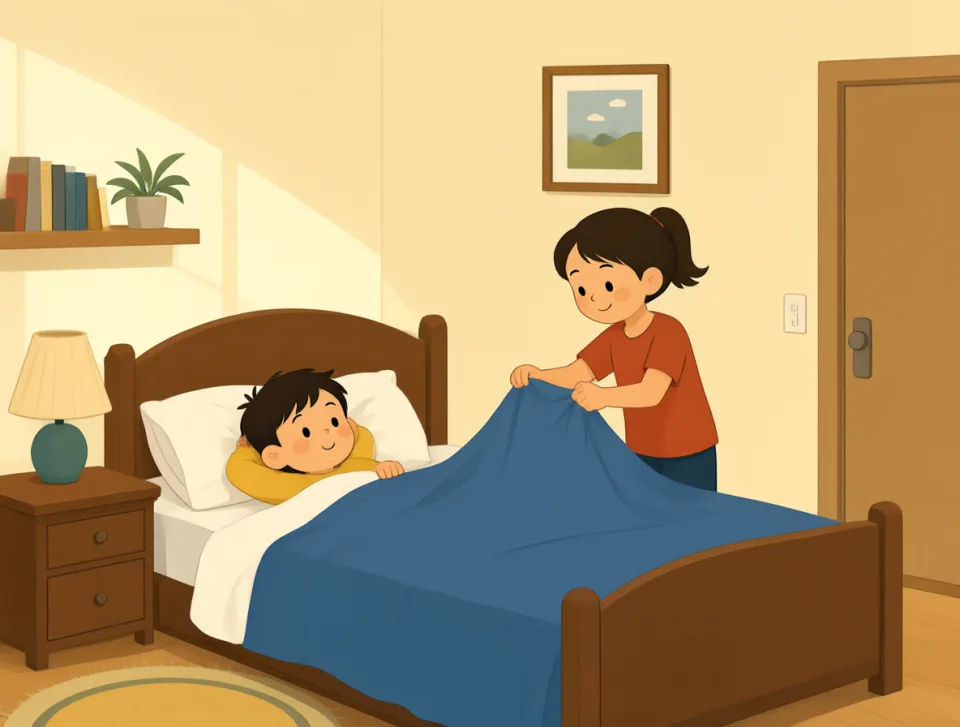
I wake up early every morning.
Codziennie rano wstaję wcześnie.
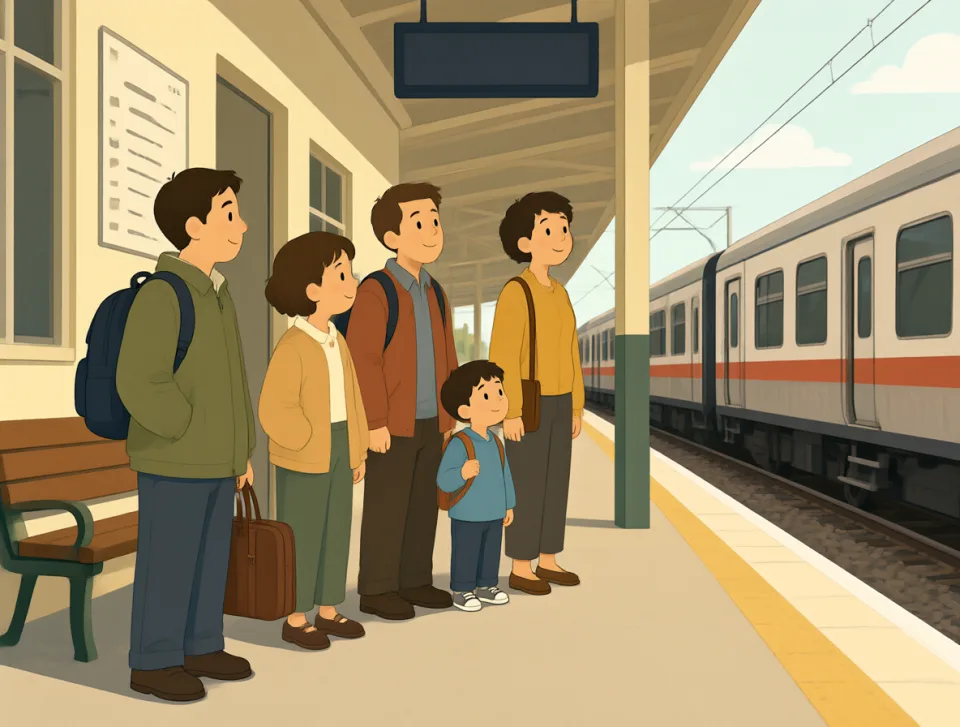
We arrived early for the train.
Przyjechaliśmy na pociąg wcześniej.
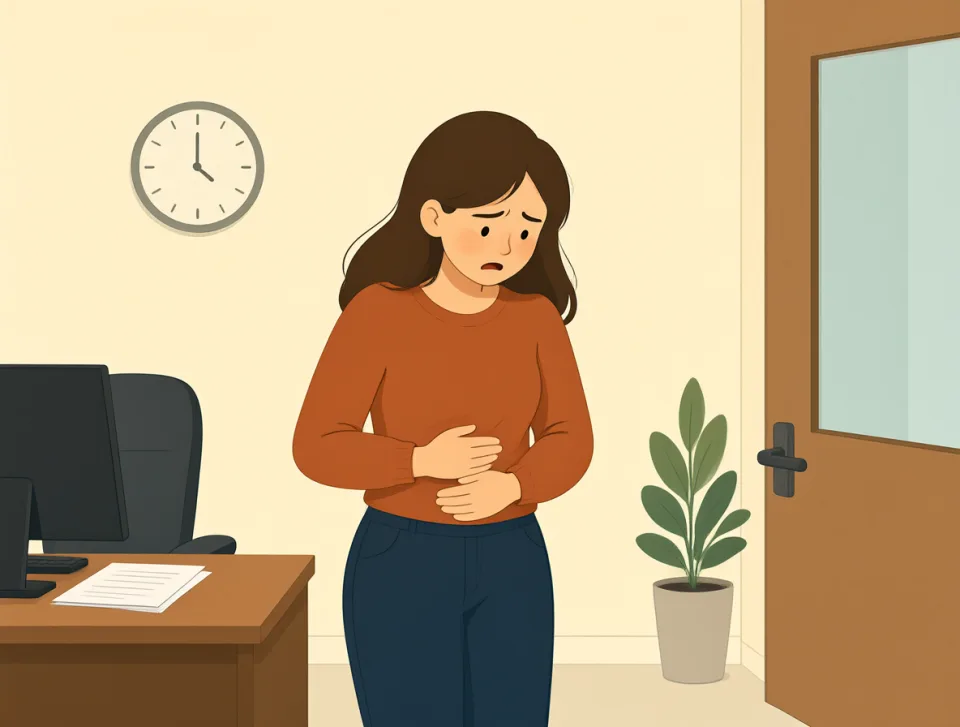
She left work early because she felt sick.
Wyszła wcześniej z pracy, bo źle się czuła.
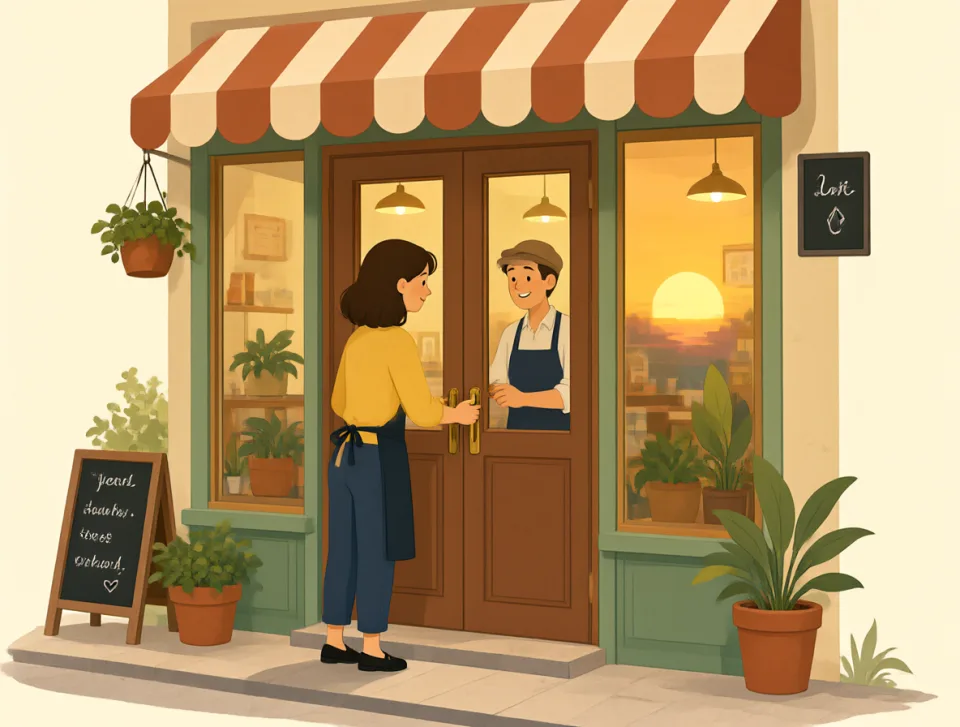
The shop opens early on Saturdays.
Sklep otwiera się wcześnie w soboty.
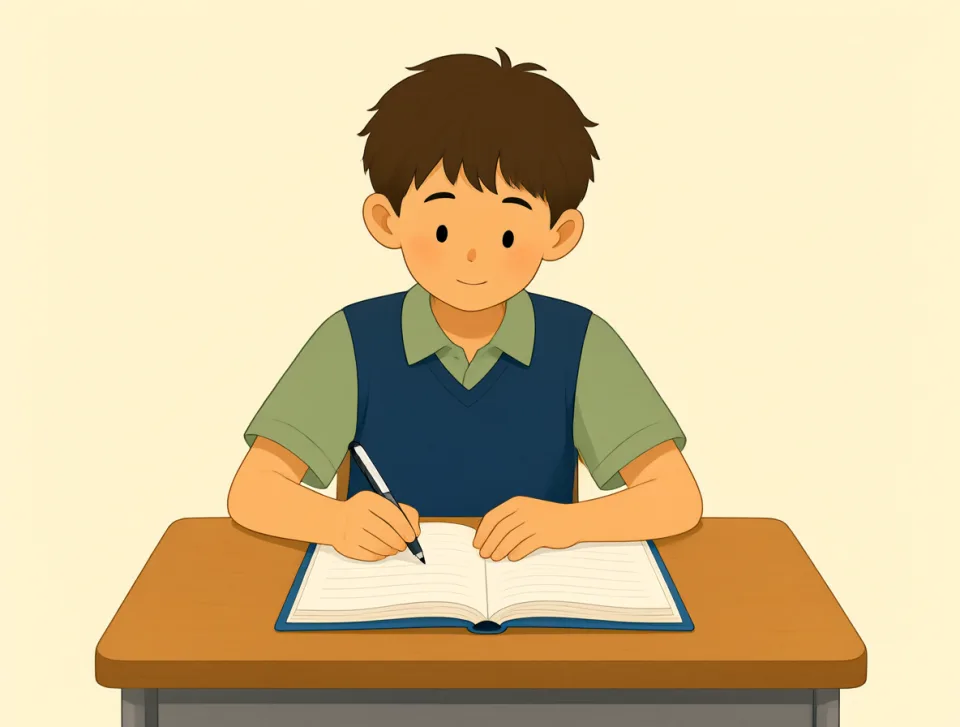
He finished his homework early.
Skończył odrabiać pracę domową wcześniej.
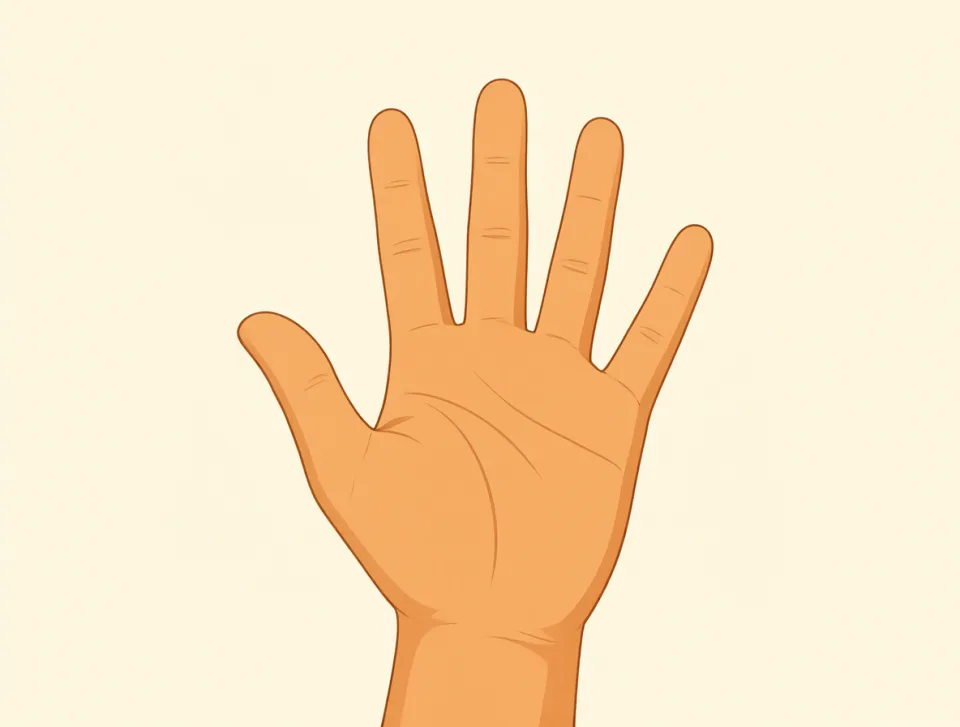
hand
#198noun, verb
ręka; podać
The part of your body from your wrist to your fingers; to give or pass something.
Część ciała od nadgarstka po palce; dać lub przekazać coś komuś.
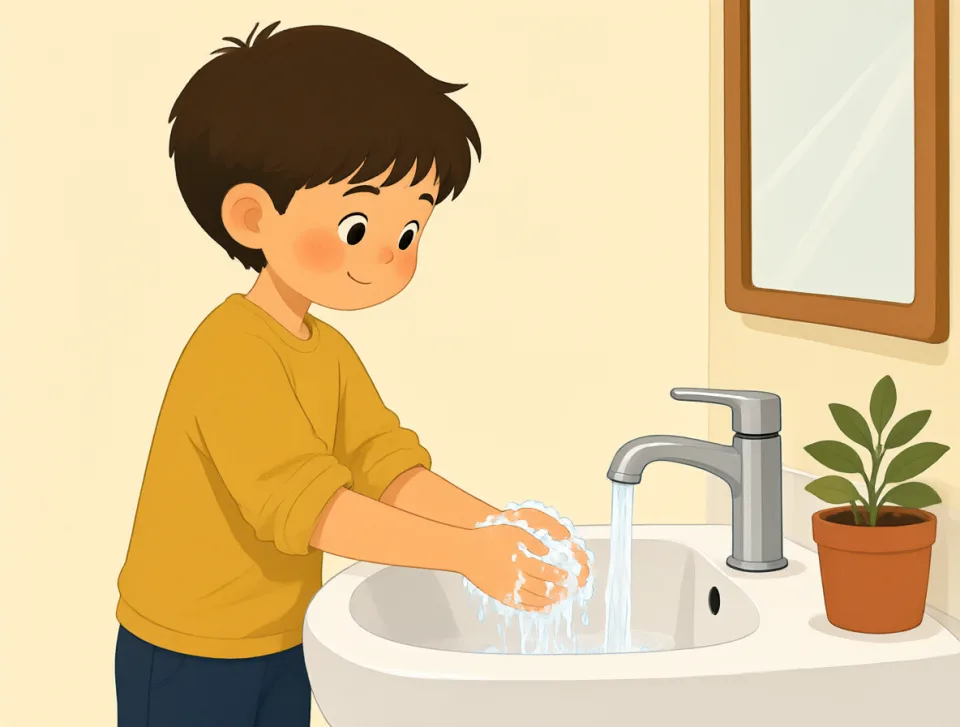
Wash your hands before you eat.
Umyj ręce, zanim zaczniesz jeść.
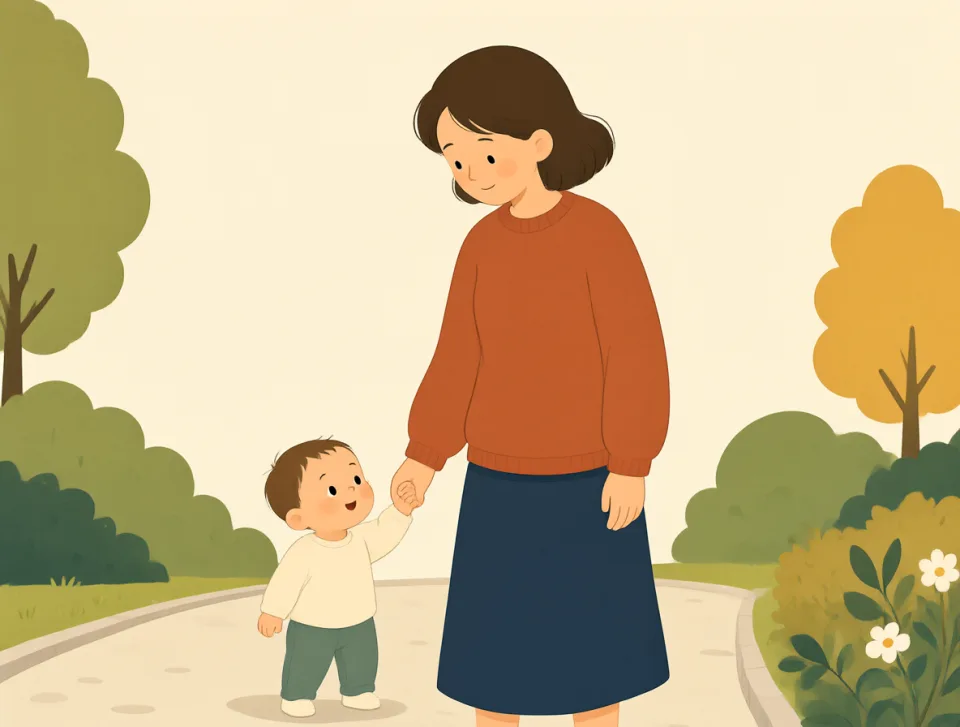
She held the baby’s hand tightly.
Mocno trzymała dziecko za rękę.
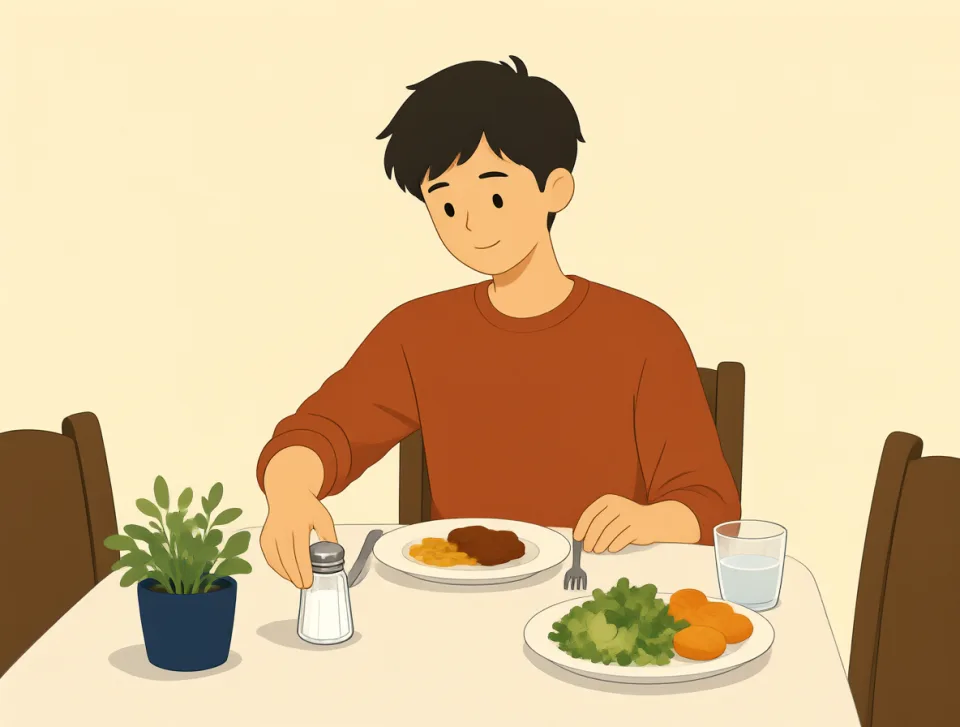
Please hand me the salt.
Podaj mi proszę sól.
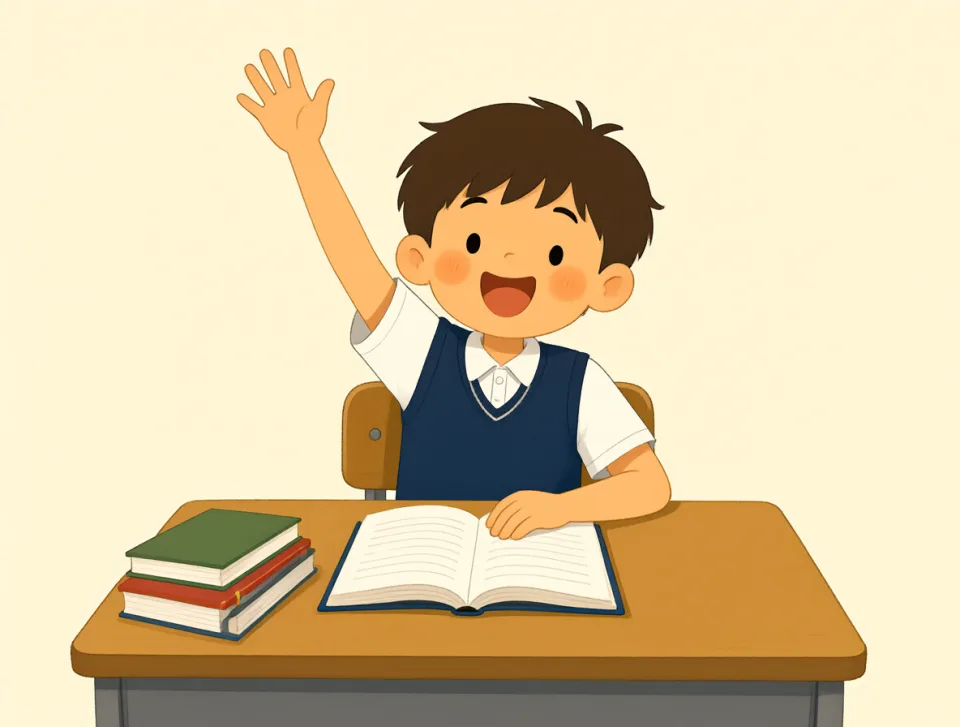
He raised his hand in class.
Podniósł rękę na lekcji.

They shook hands after the meeting.
Po spotkaniu uścisnęli sobie dłonie.
state
#199noun, verb
stan
A state is a condition, or a large area with its own government.
Stan to określona sytuacja lub kondycja albo duży obszar mający własny rząd.
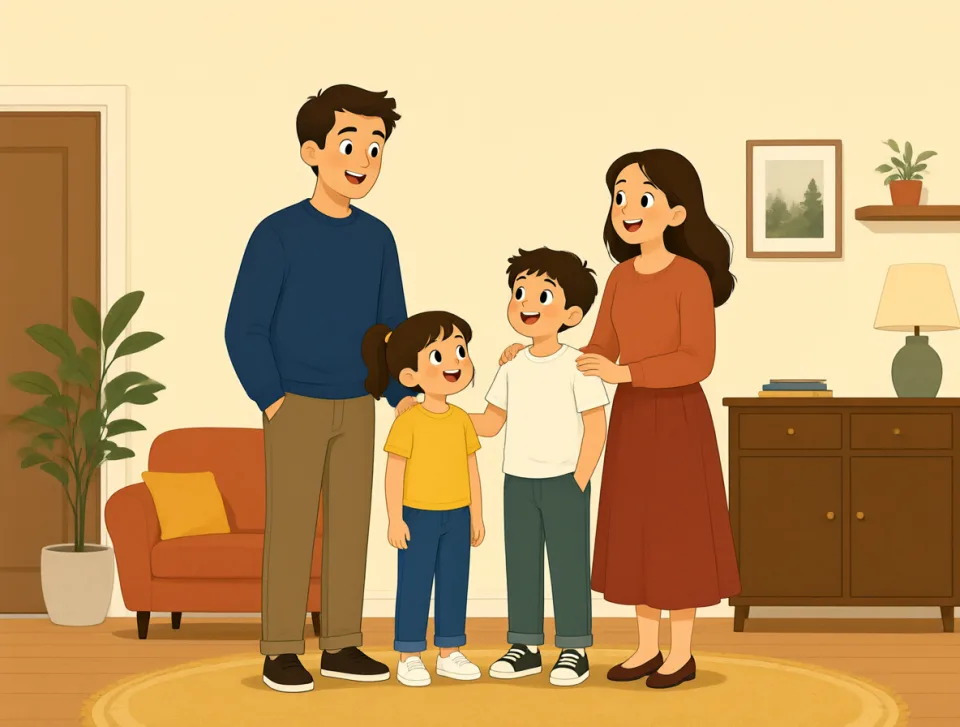
The house is in a very good state.
Dom jest w bardzo dobrym stanie.
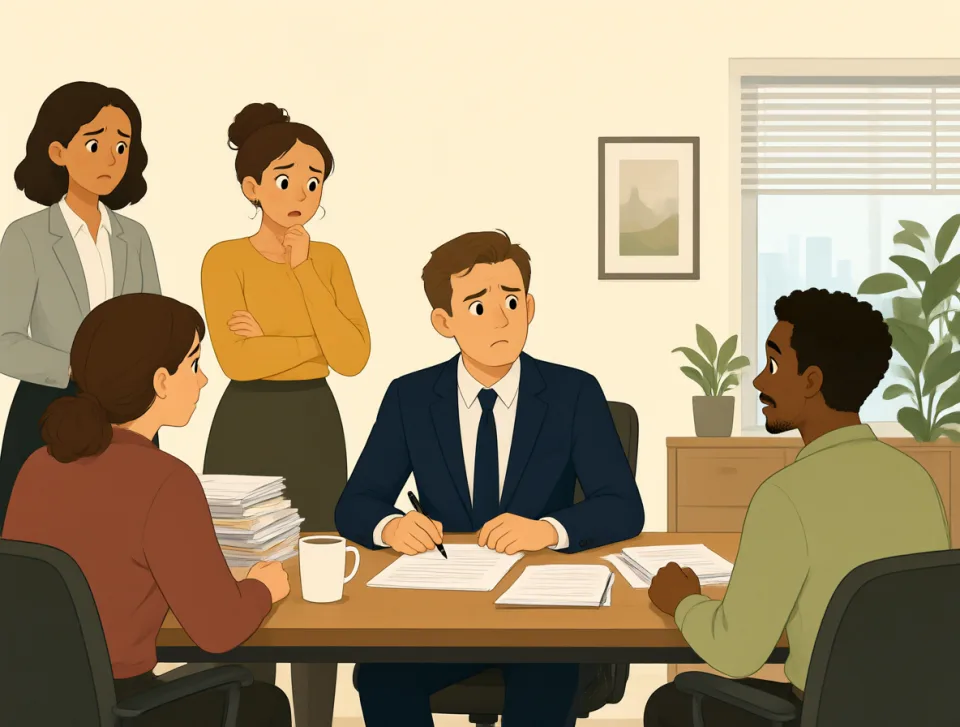
The company is in a difficult state.
Firma jest w trudnej sytuacji.
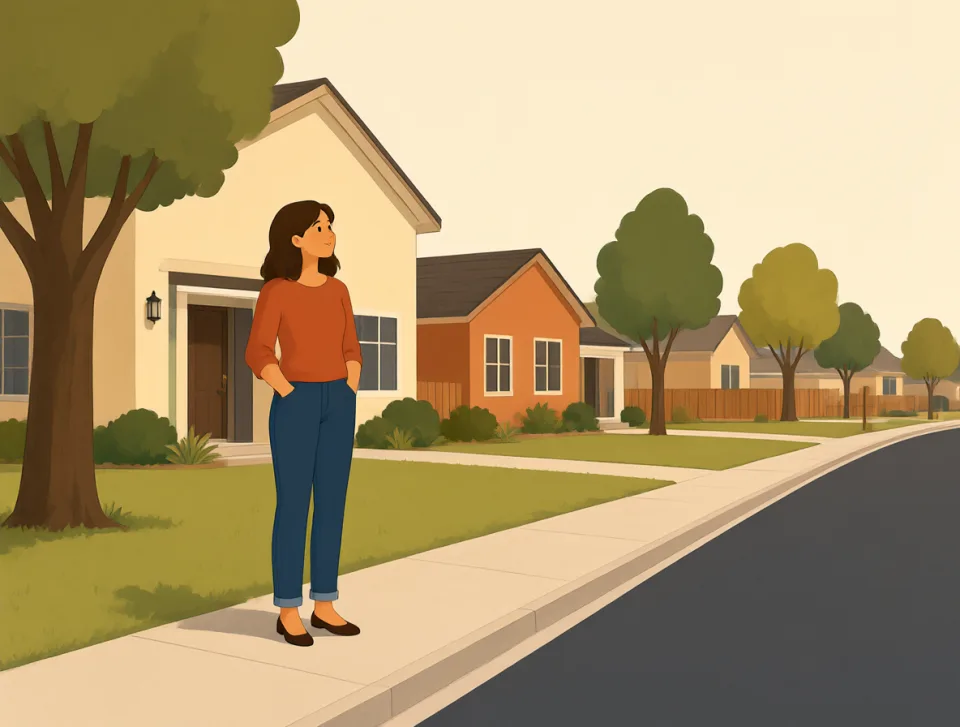
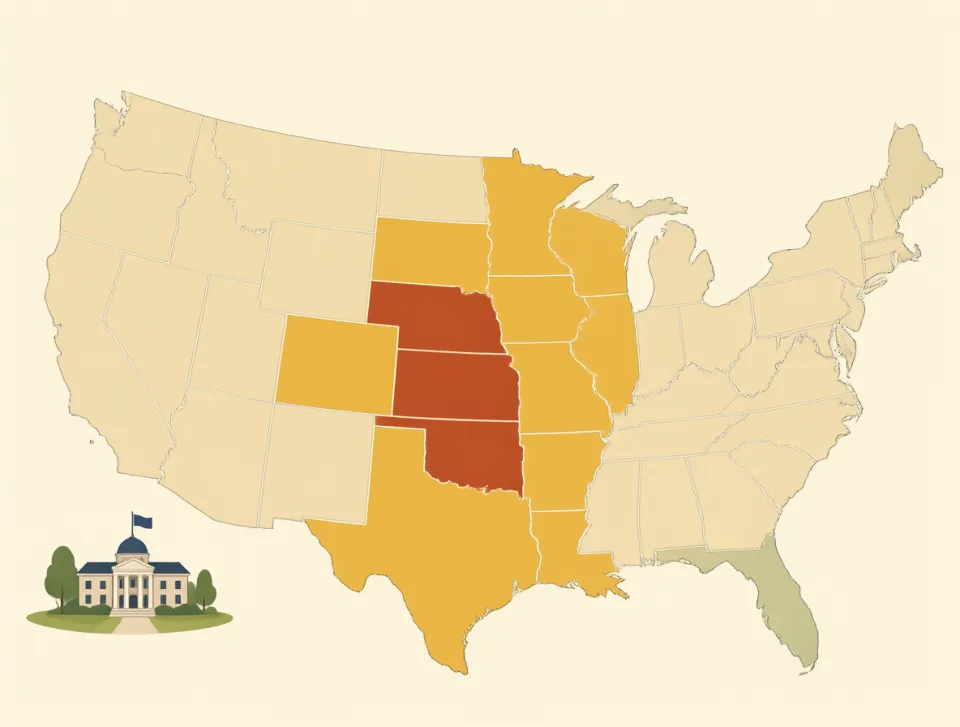
She lives in the state of Texas.
Ona mieszka w stanie Teksas.
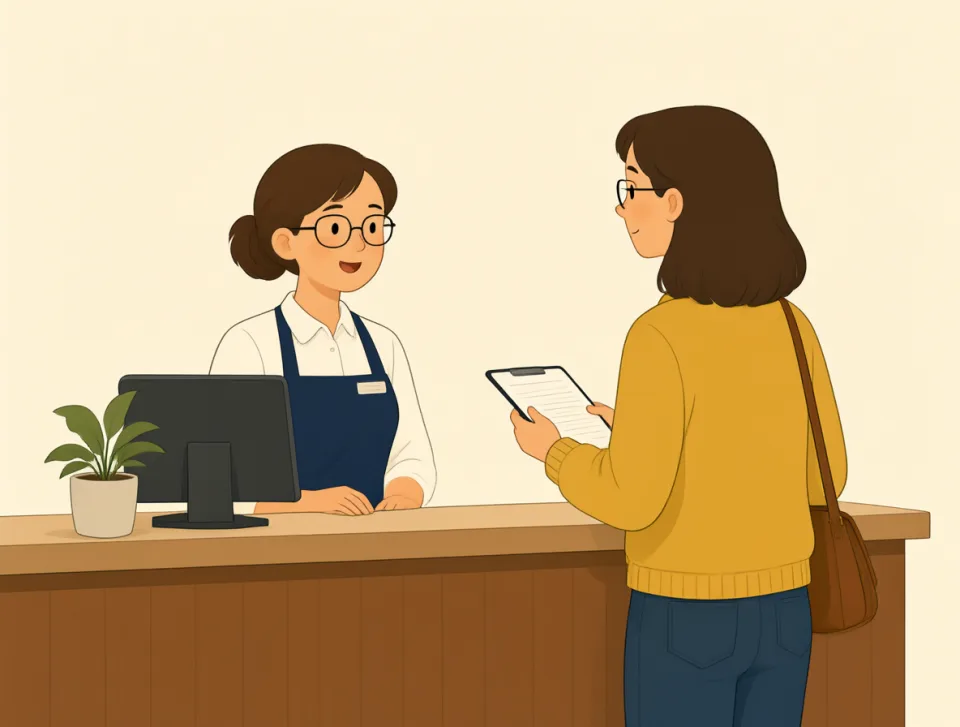
Please state your name and address.
Proszę podać imię i nazwisko oraz adres.
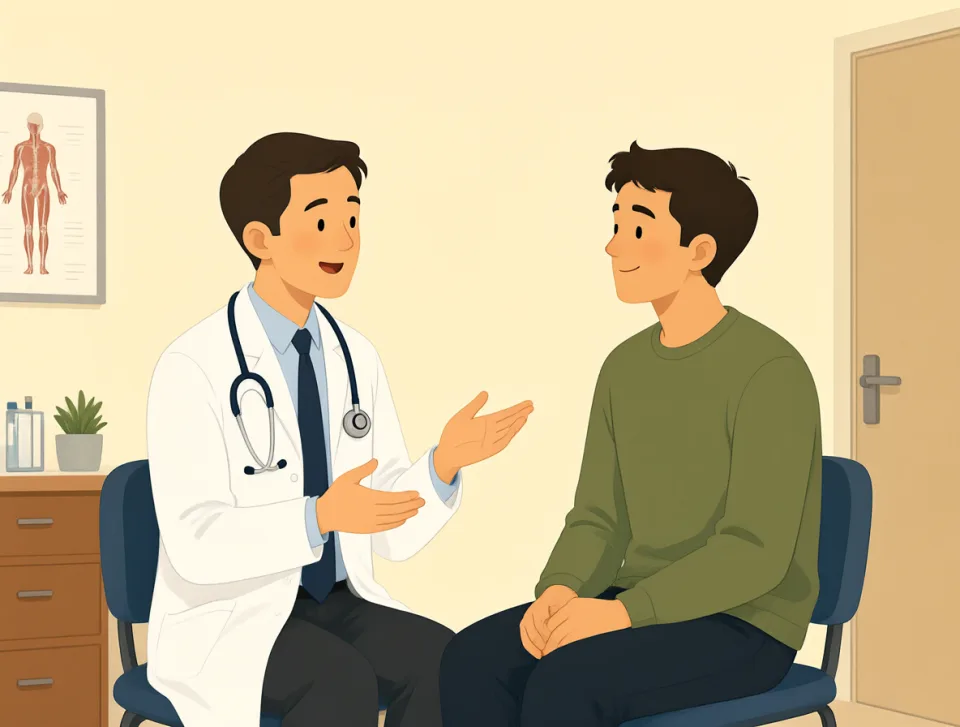
The doctor stated that he was healthy.
Lekarz stwierdził, że był zdrowy.
move
#200verb, noun
poruszać się; przesuwać
to change position or place, or to make someone or something change position
zmienić pozycję lub miejsce albo sprawić, że ktoś lub coś zmieni pozycję
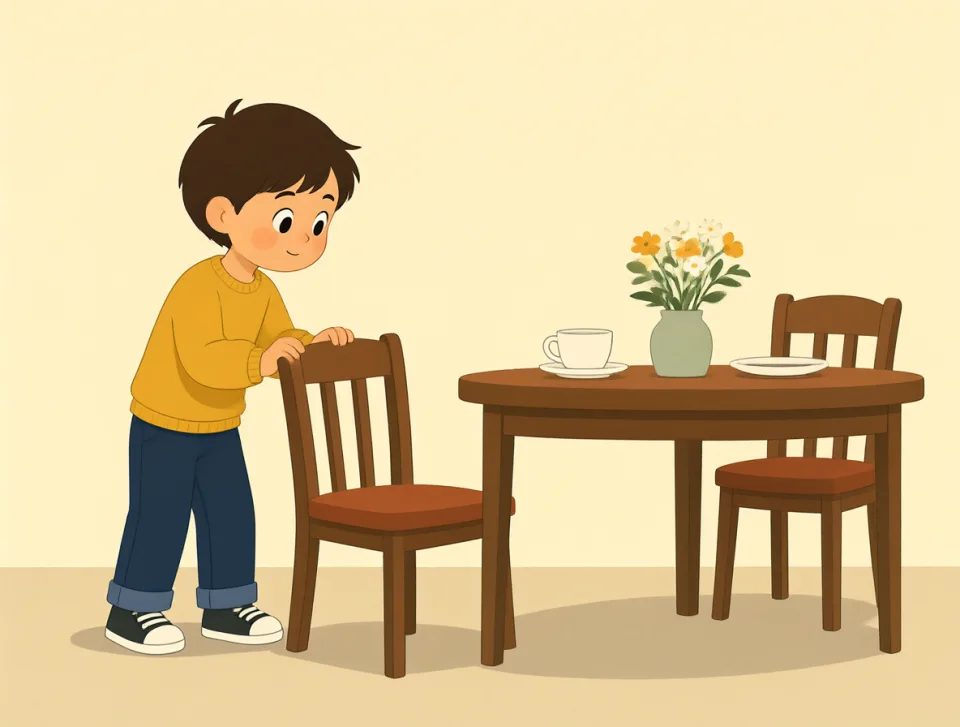
Please move your chair closer to the table.
Proszę przysunąć krzesło bliżej stołu.
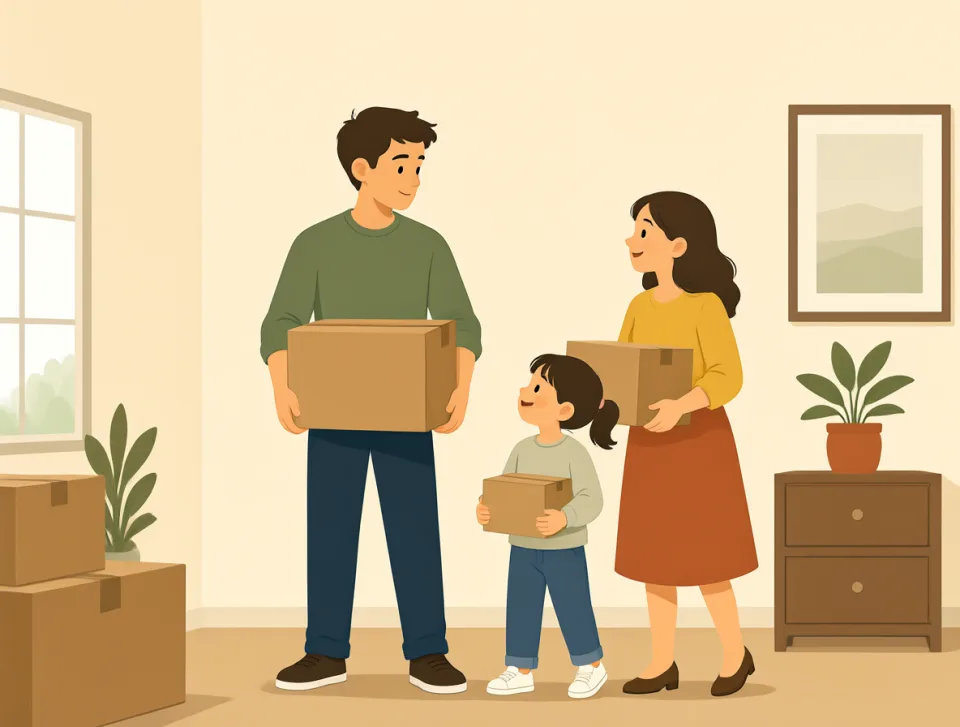
We moved to a new apartment last month.
W zeszłym miesiącu przeprowadziliśmy się do nowego mieszkania.
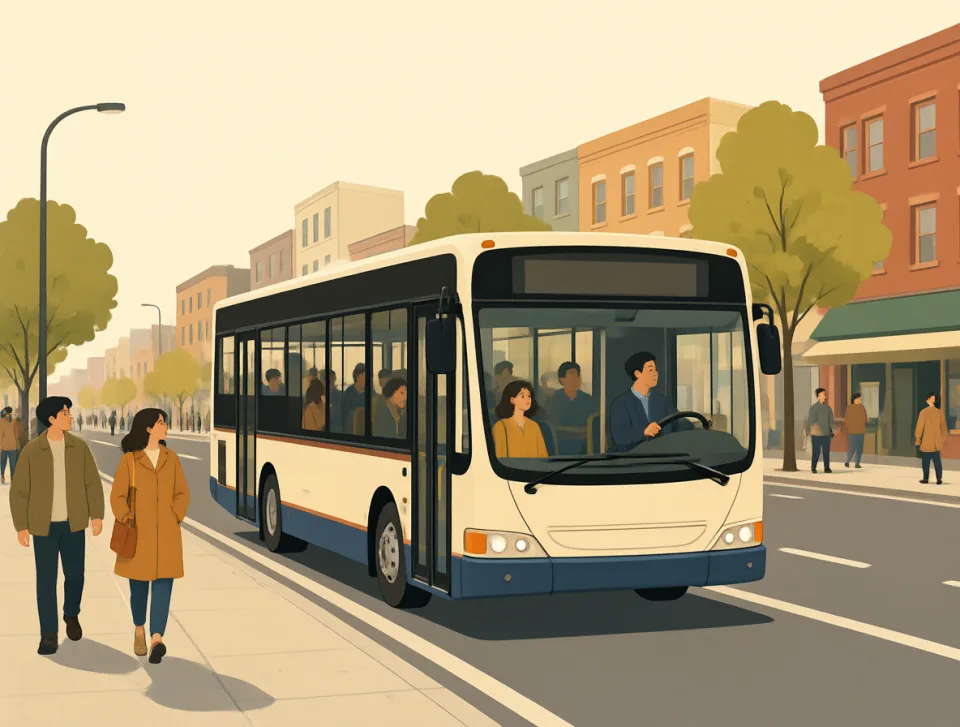
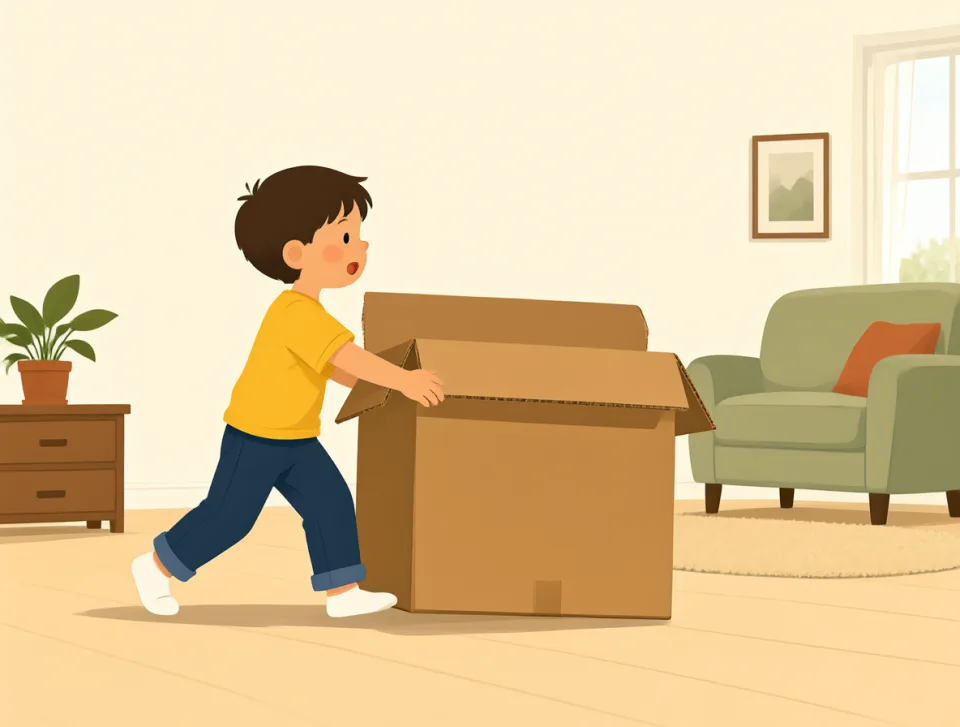
The bus moved slowly through the crowded street.
Autobus powoli jechał przez zatłoczoną ulicę.
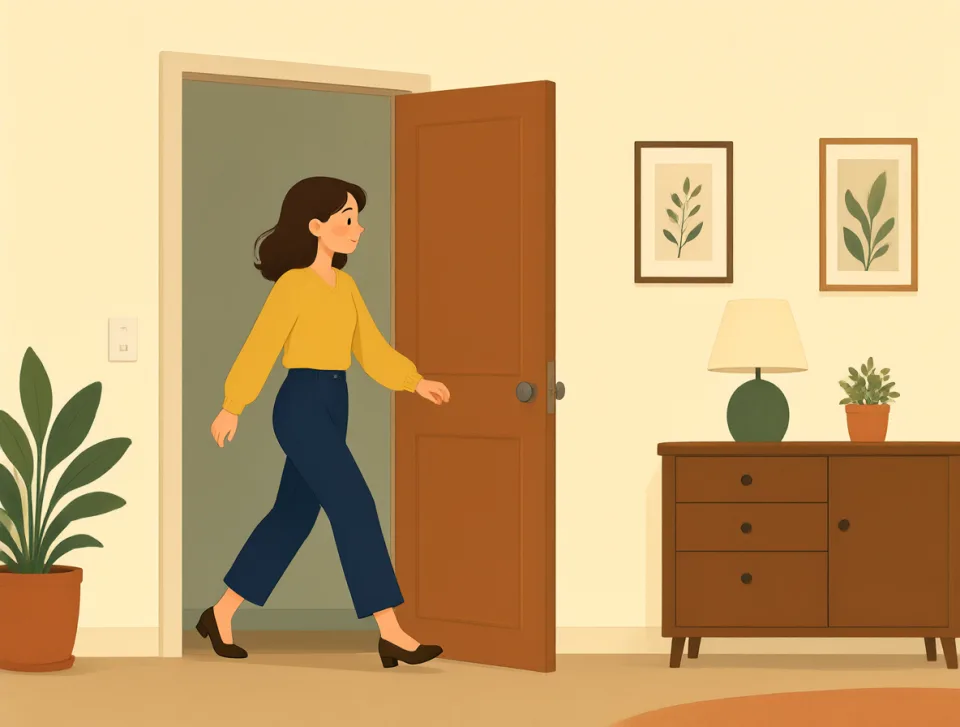
She made a quick move toward the door.
Szybko ruszyła w stronę drzwi.
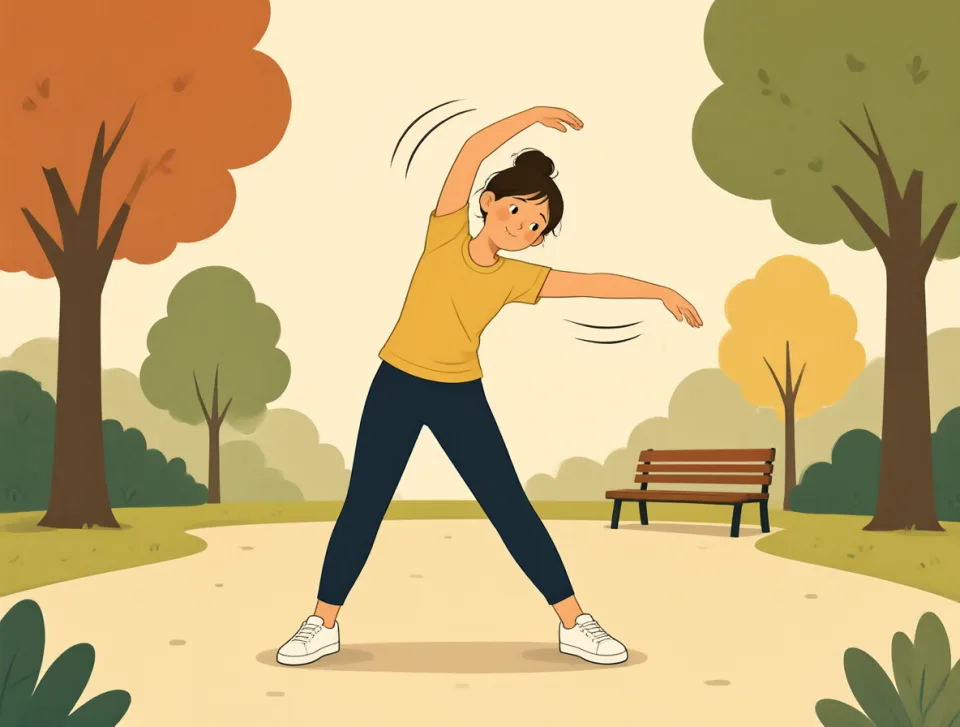
A little exercise helps move your body.
Trochę ruchu pomaga poruszać ciałem.