Zestaw 13
Słowa 241–260 · lead, buy, understand, thank, far, today
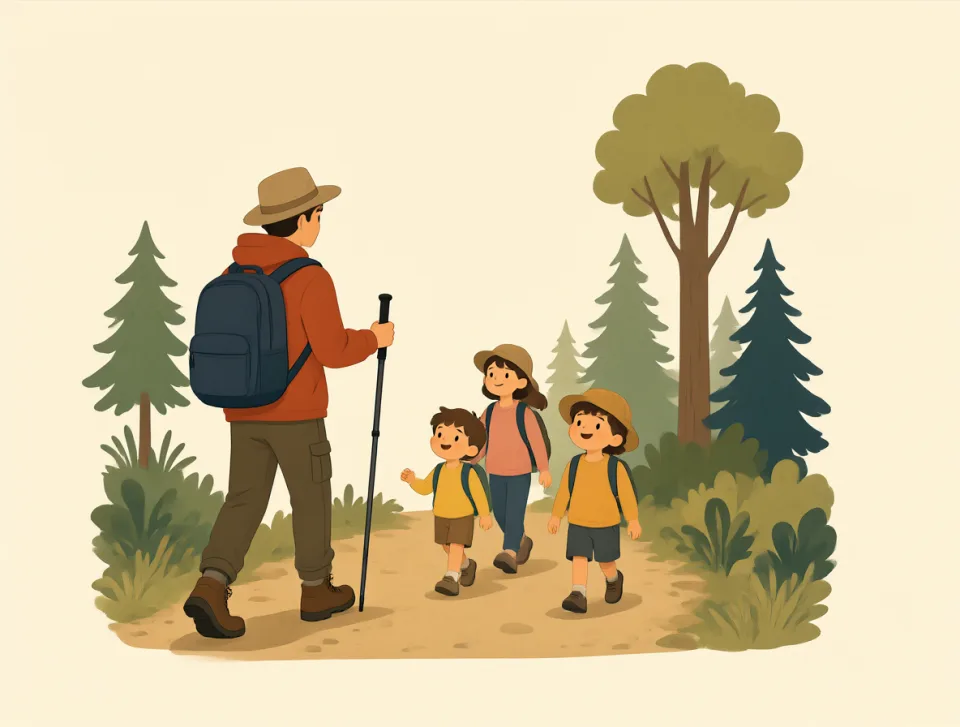
lead
#241verb, noun
prowadzić; ołów
to guide someone or something, or be first; a soft, heavy metal
kierować kimś lub czymś albo być na pierwszym miejscu; miękki, ciężki metal

She leads the team at work.
Kieruje zespołem w pracy.
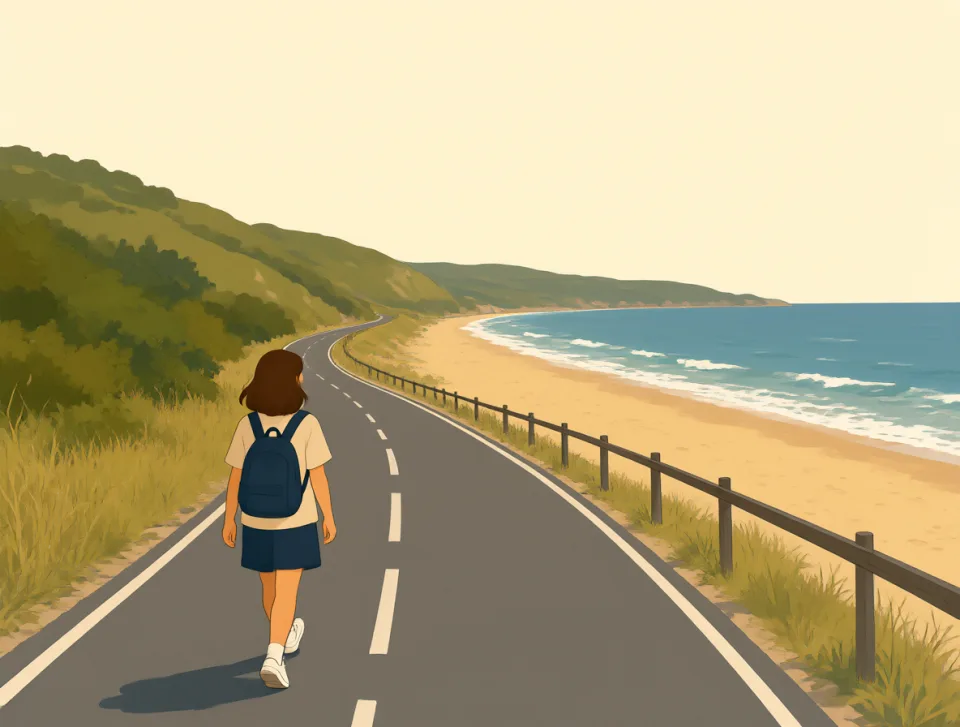
This road leads to the beach.
Ta droga prowadzi na plażę.
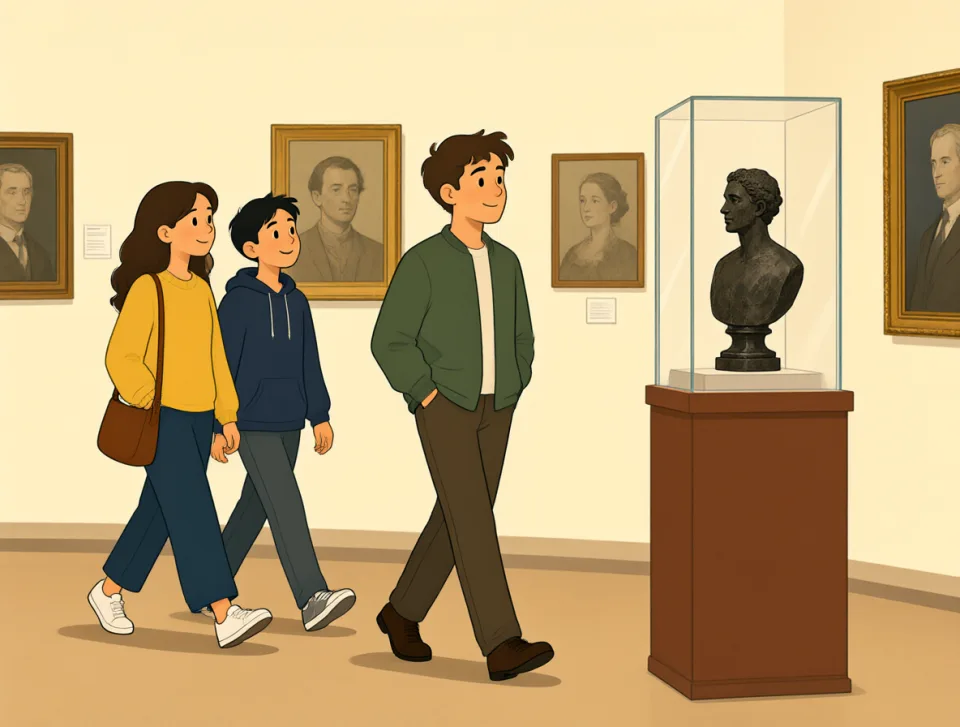
He led us through the museum.
Przeprowadził nas przez muzeum.
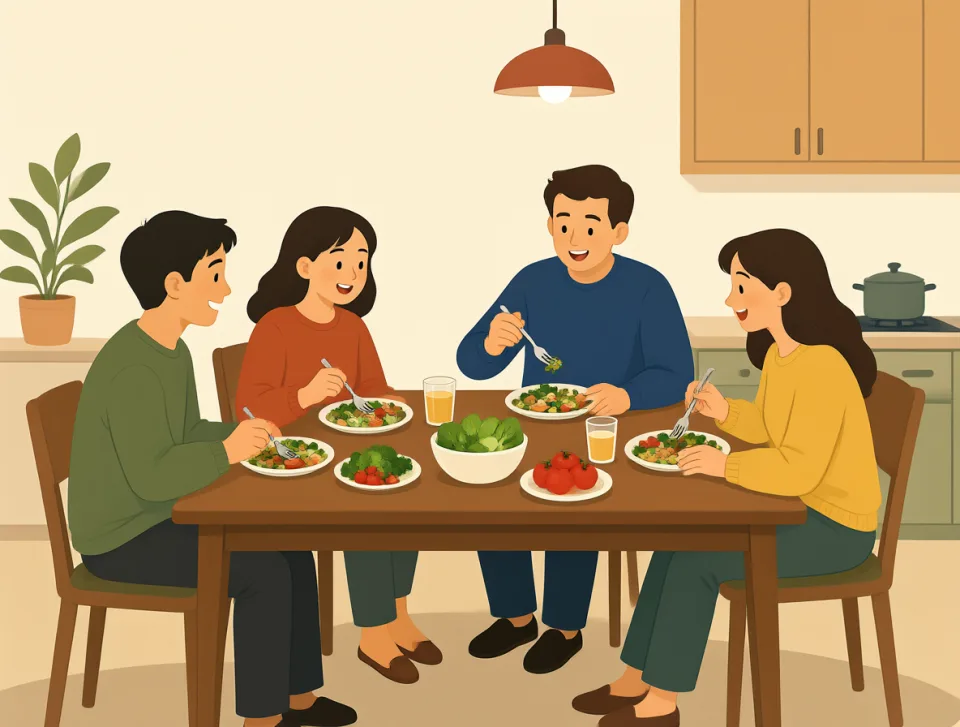
Good food can lead to better health.
Dobre jedzenie może prowadzić do lepszego zdrowia.
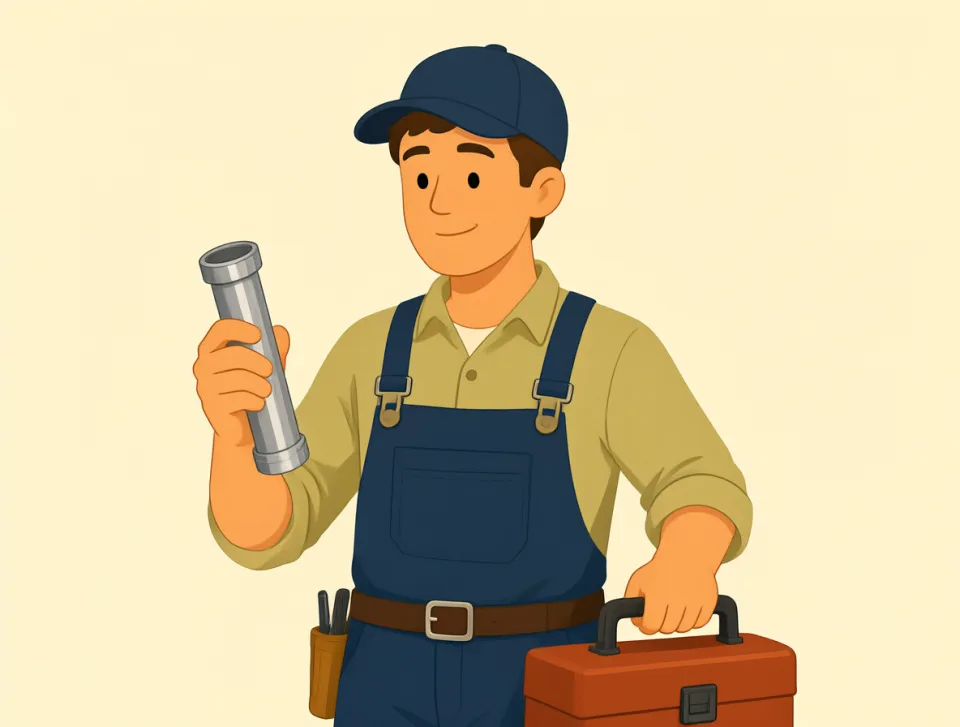
The old pipe is made of lead.
Stara rura jest wykonana z ołowiu.
buy
#242verb, noun
kupować
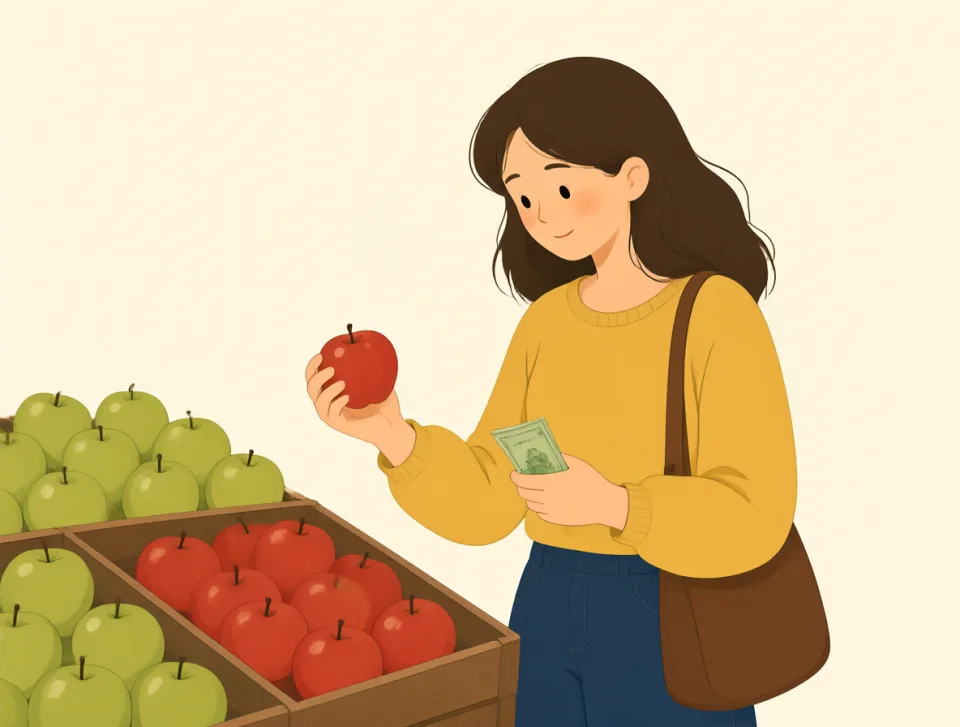
to get something by paying money for it
dostać coś w zamian za zapłatę
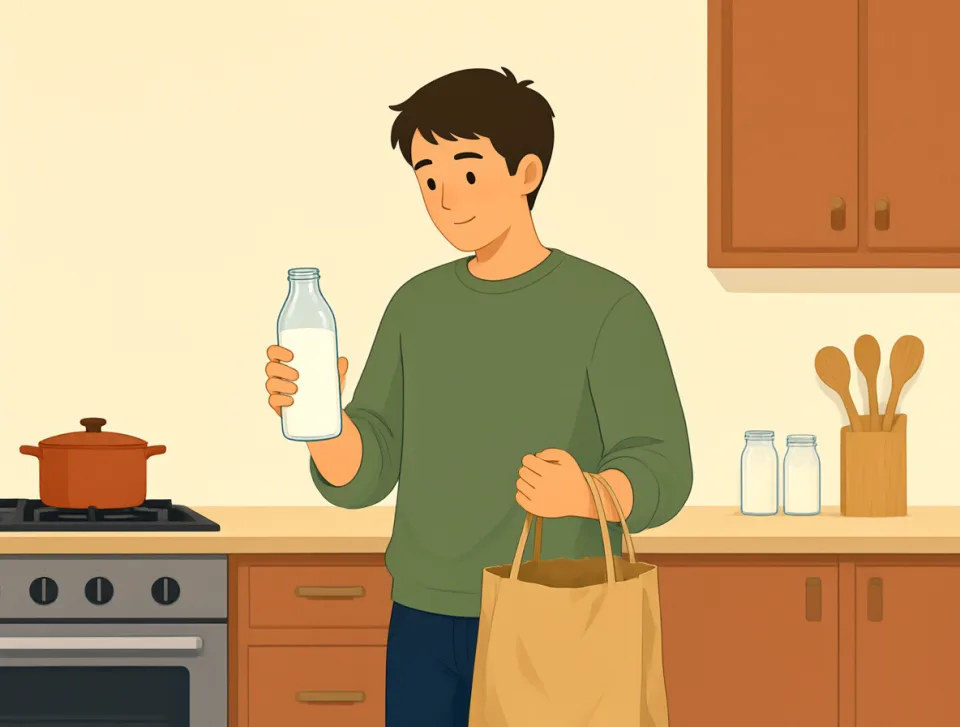
I need to buy some milk today.
Muszę dziś kupić mleko.

She bought a new dress for work.
Kupiła nową sukienkę do pracy.
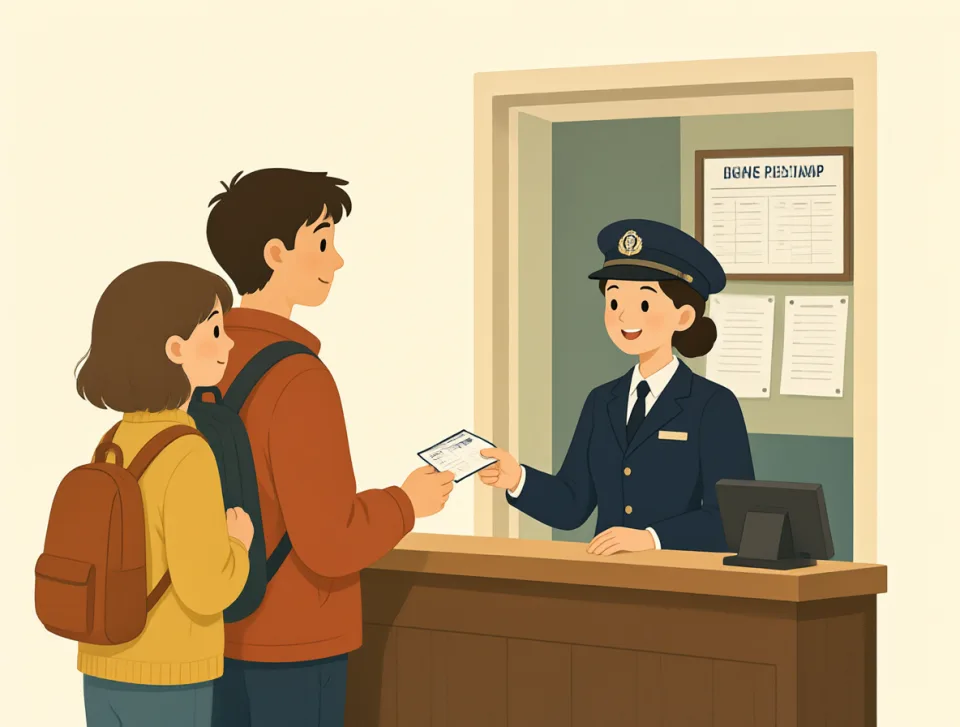
We are buying tickets for the train.
Kupujemy bilety na pociąg.
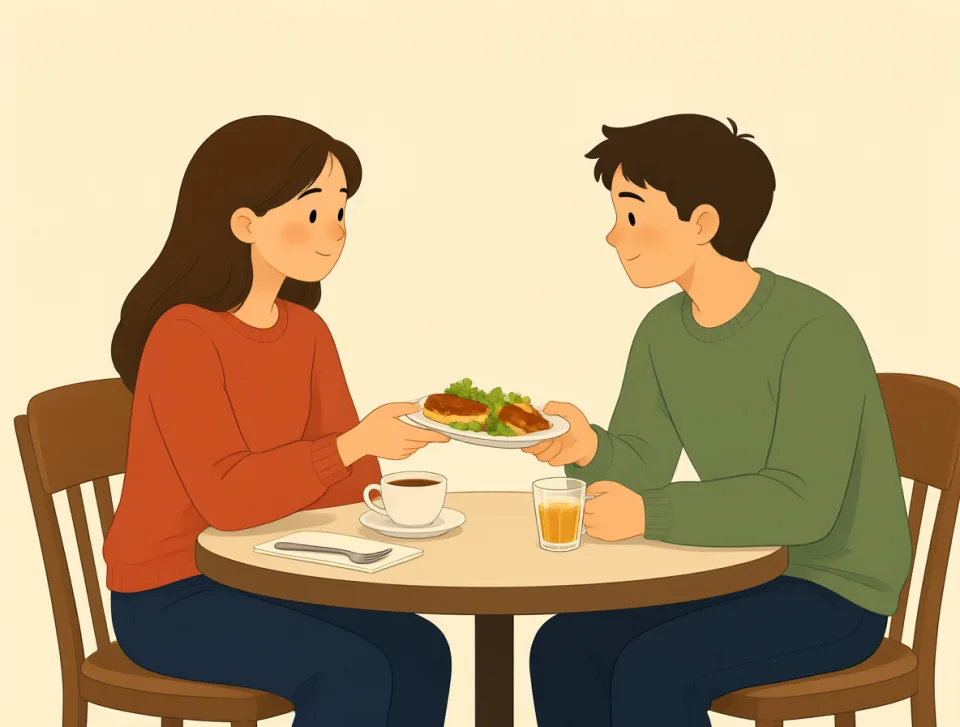
He bought me lunch after school.
Kupił mi lunch po szkole.

That phone was a good buy.
Ten telefon był dobrym zakupem.
understand
#243verb
rozumieć
to know what something means or why something happens
wiedzieć, co coś oznacza lub dlaczego coś się dzieje
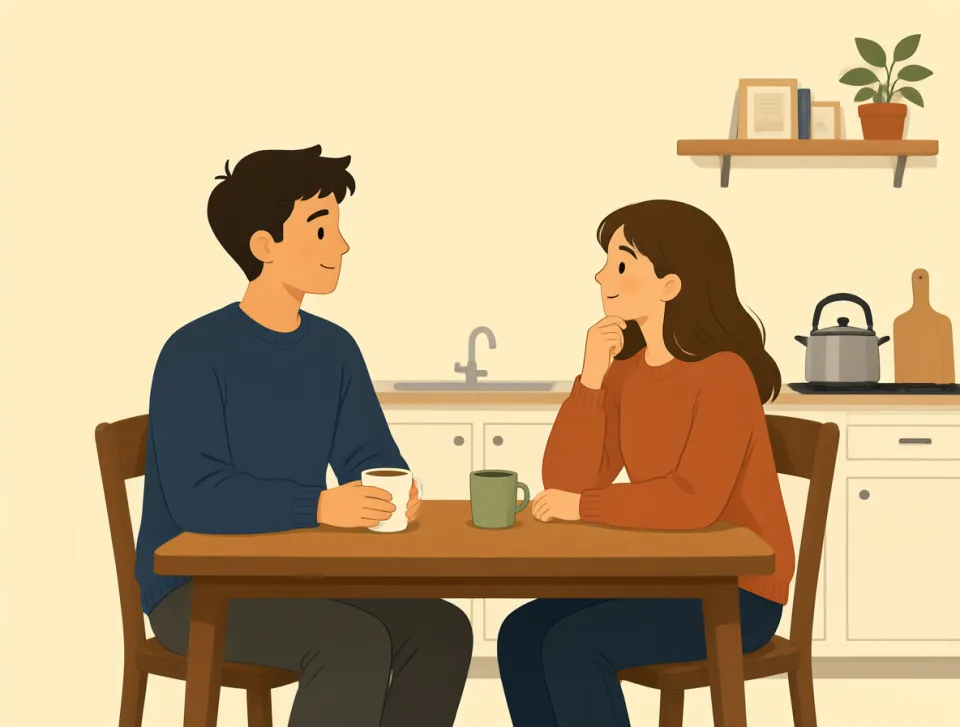
I understand what you mean.
Rozumiem, co masz na myśli.

She understands the lesson now.
Ona już rozumie tę lekcję.
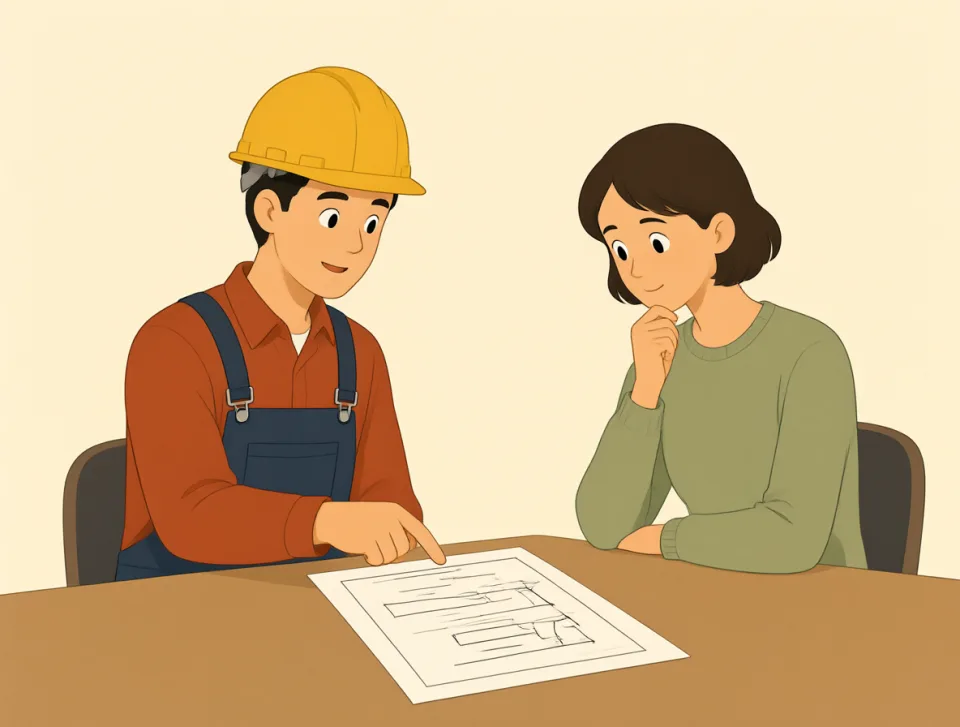
Do you understand these instructions?
Czy rozumiesz te instrukcje?
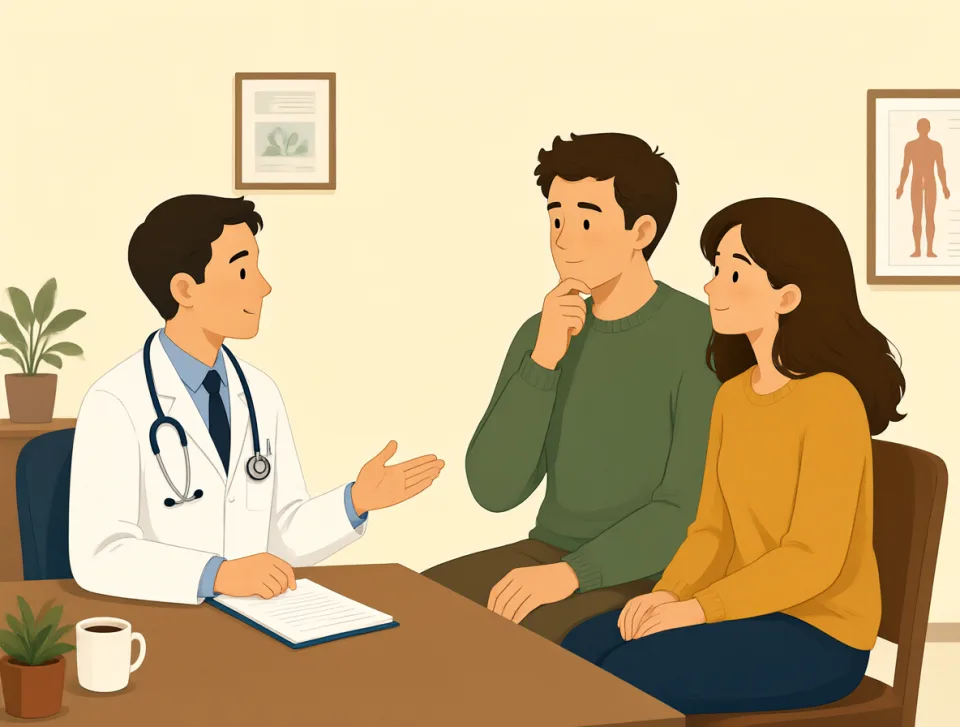
We understood the doctor’s advice.
Zrozumieliśmy radę lekarza.
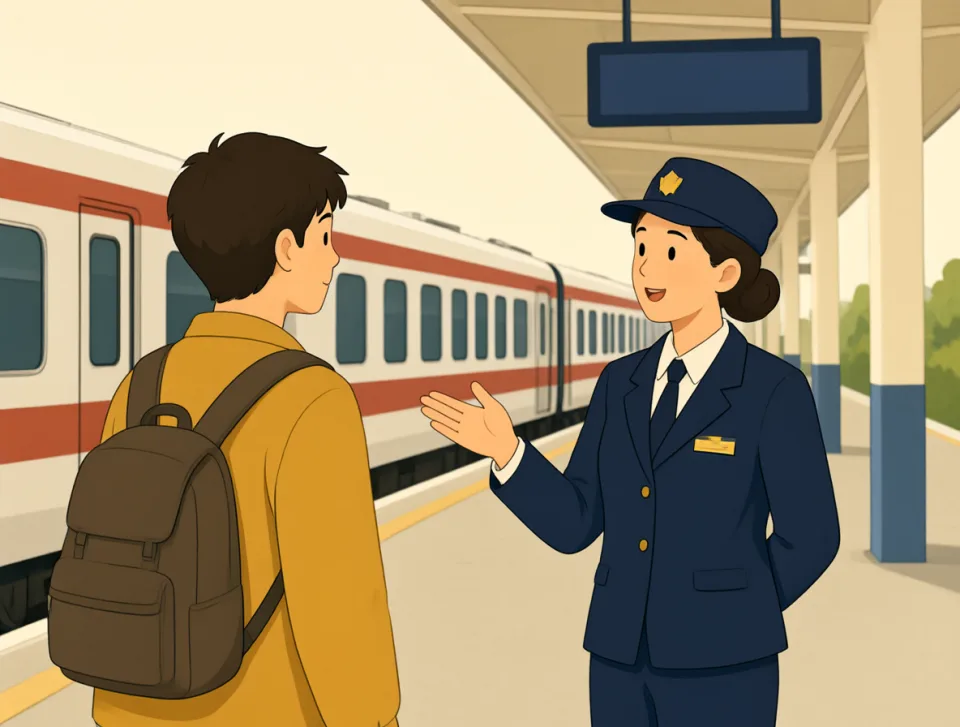
He understood that the train was late.
Zrozumiał, że pociąg się spóźniał.
thank
#244verb
dziękować
To show that you are grateful for something someone has done or given you.
okazywać wdzięczność za coś, co ktoś zrobił lub ci dał
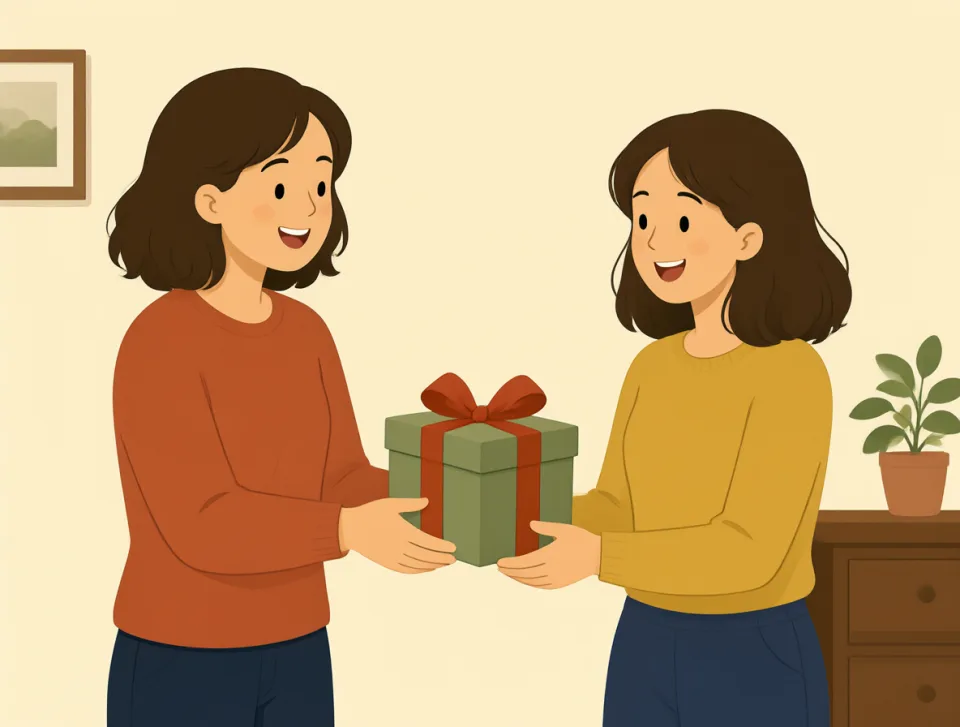
I thanked her for the lovely gift.
Podziękowałam jej za wspaniały prezent.
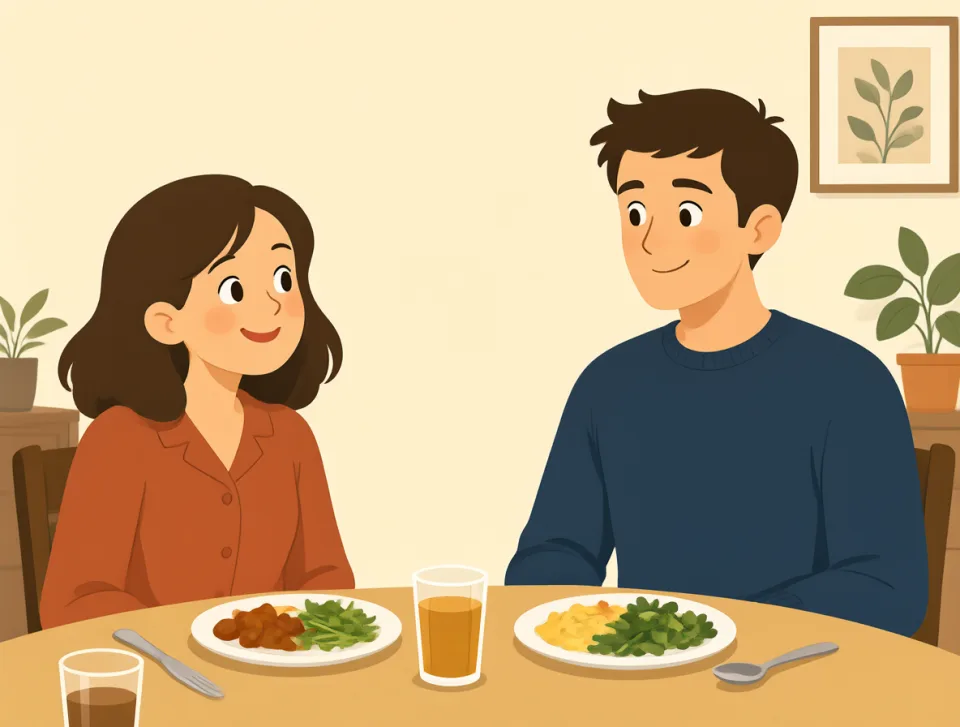
Please thank your parents for the meal.
Podziękuj, proszę, rodzicom za posiłek.
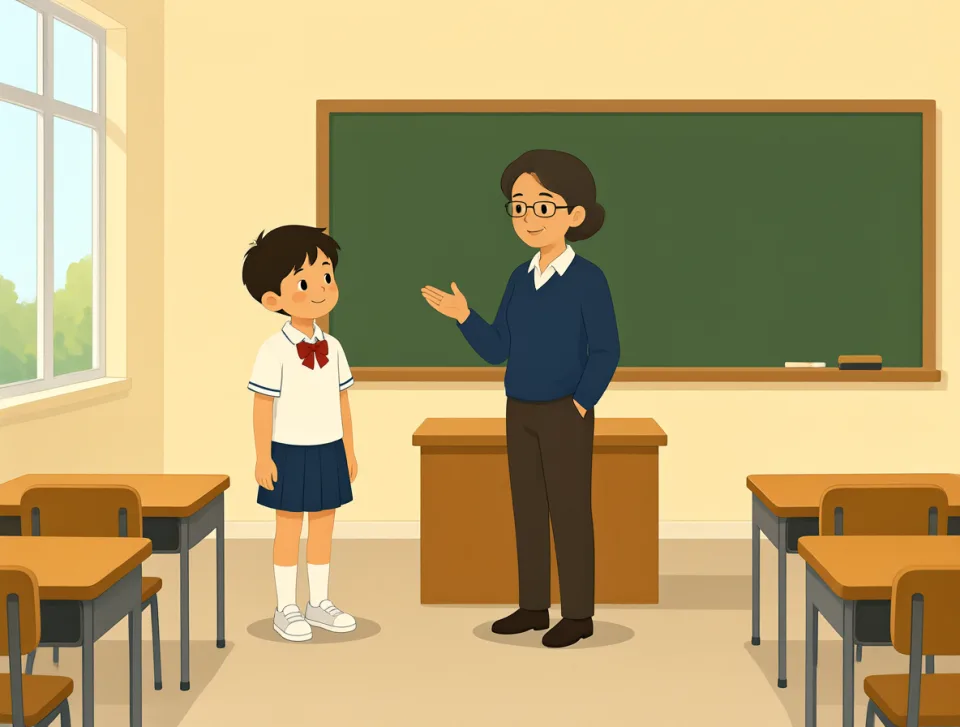
She thanked the teacher after class.
Podziękowała nauczycielowi po lekcji.
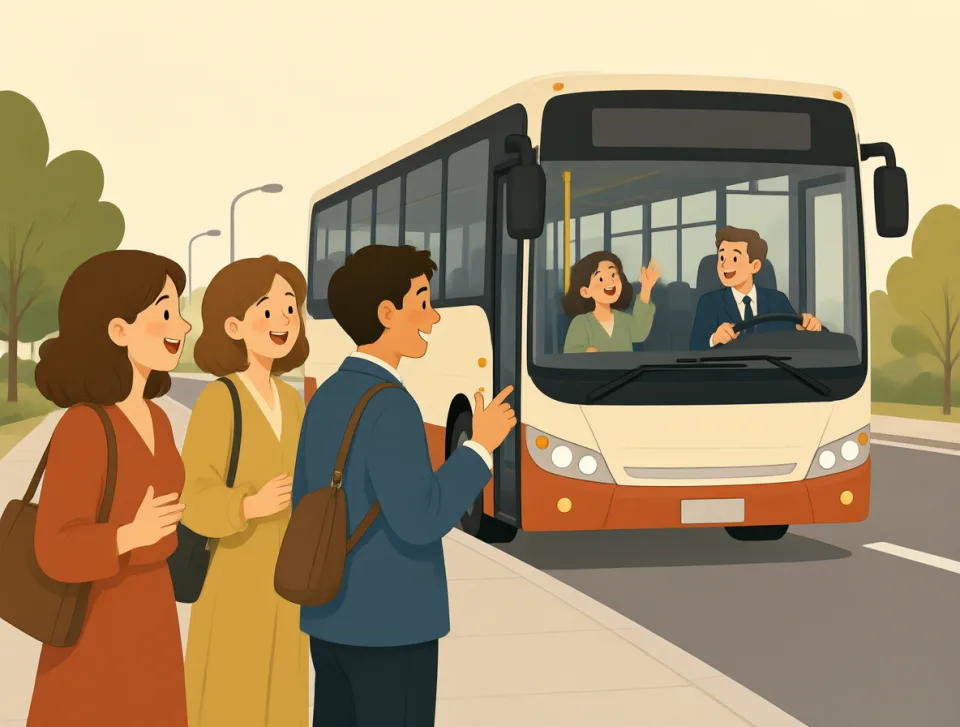
We thanked the driver when we arrived.
Podziękowaliśmy kierowcy, gdy dotarliśmy na miejsce.
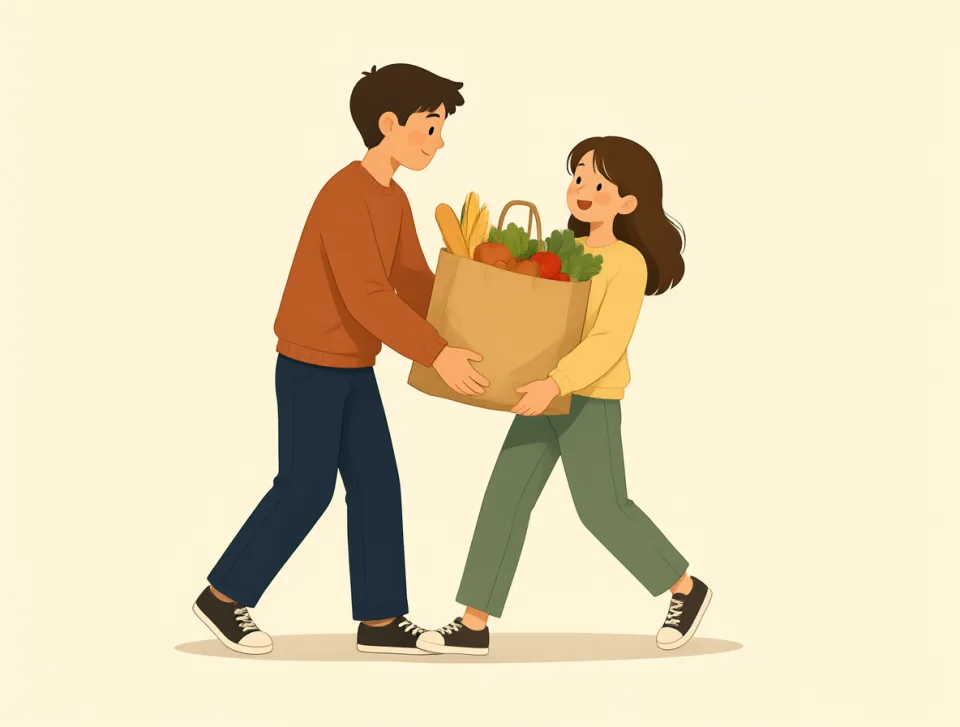
Thank you for helping me today.
Dziękuję za pomoc dzisiaj.
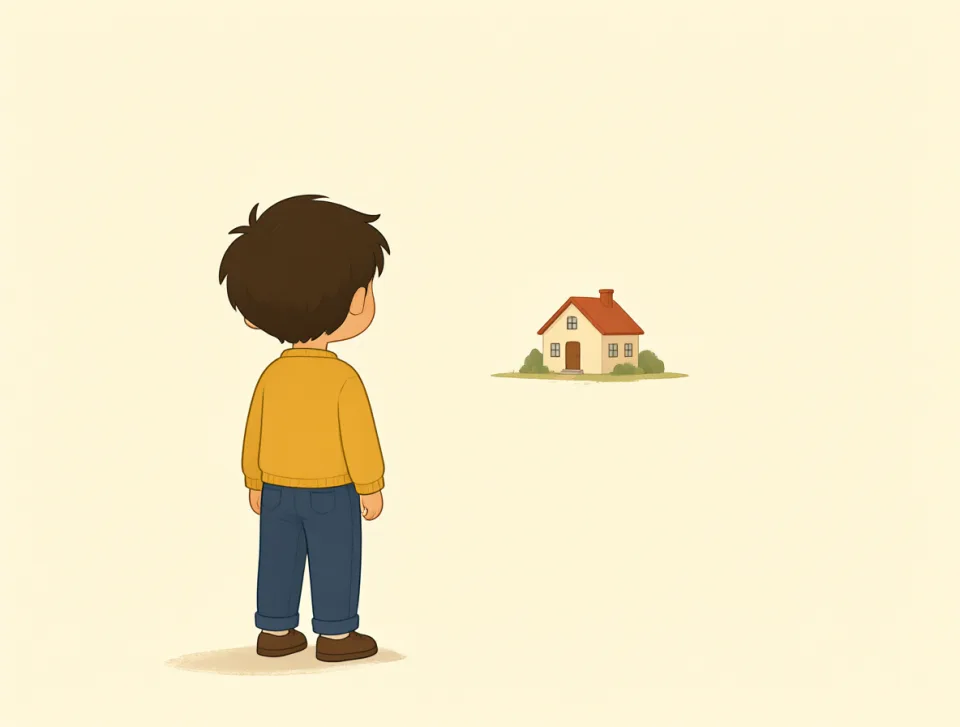
far
#245adjective, adverb, noun
daleko
A long distance away, or a long distance from something.
w dużej odległości albo daleko od czegoś
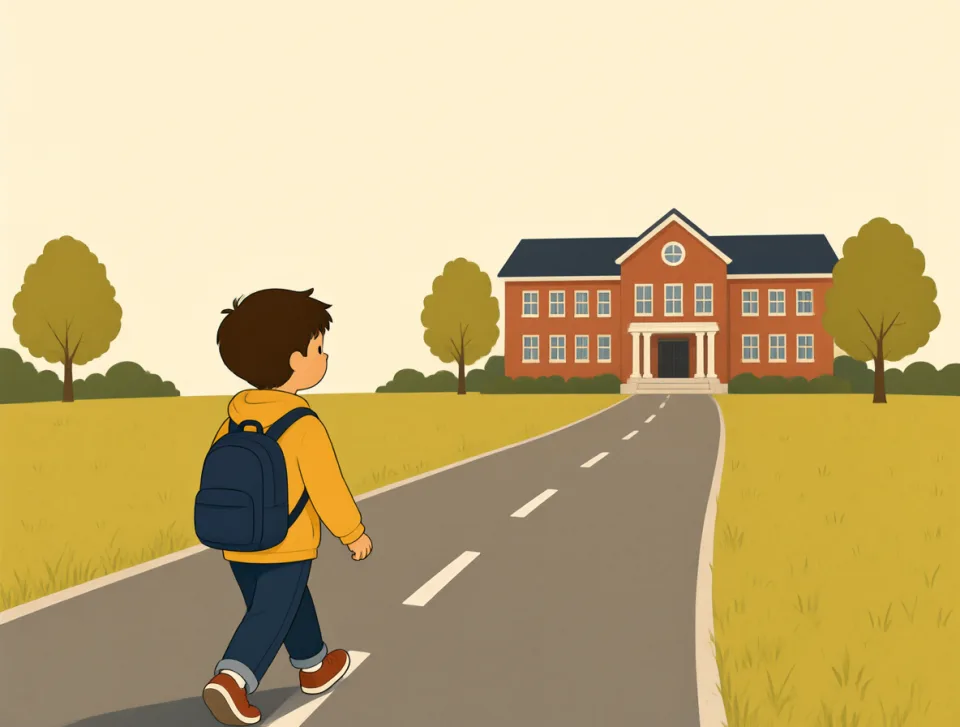
The school is far from our house.
Szkoła jest daleko od naszego domu.
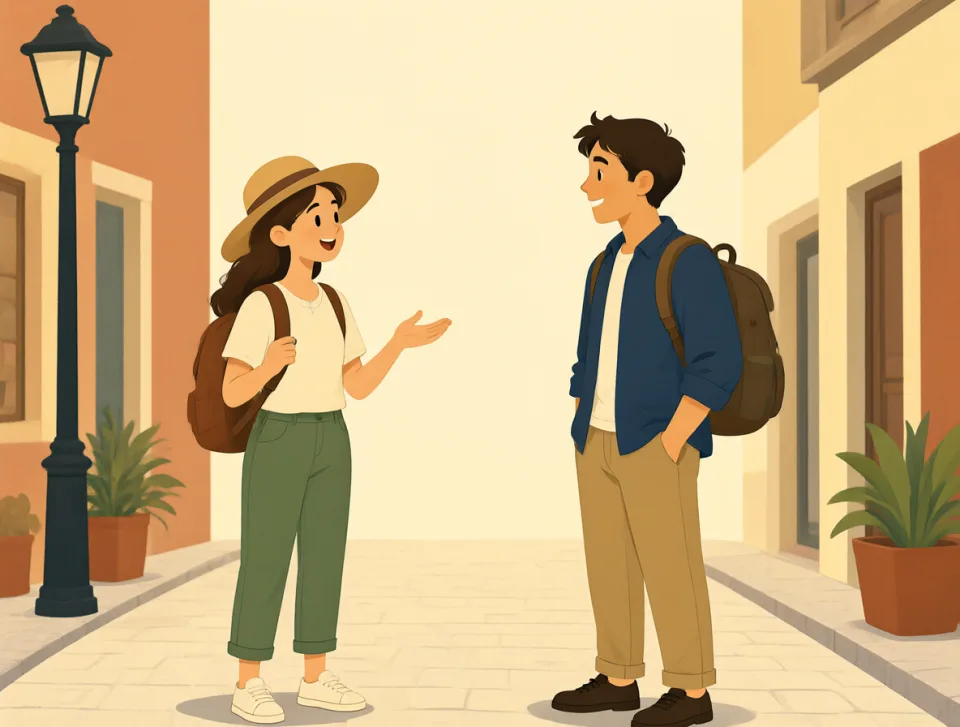
How far is the train station?
Jak daleko jest do stacji kolejowej?
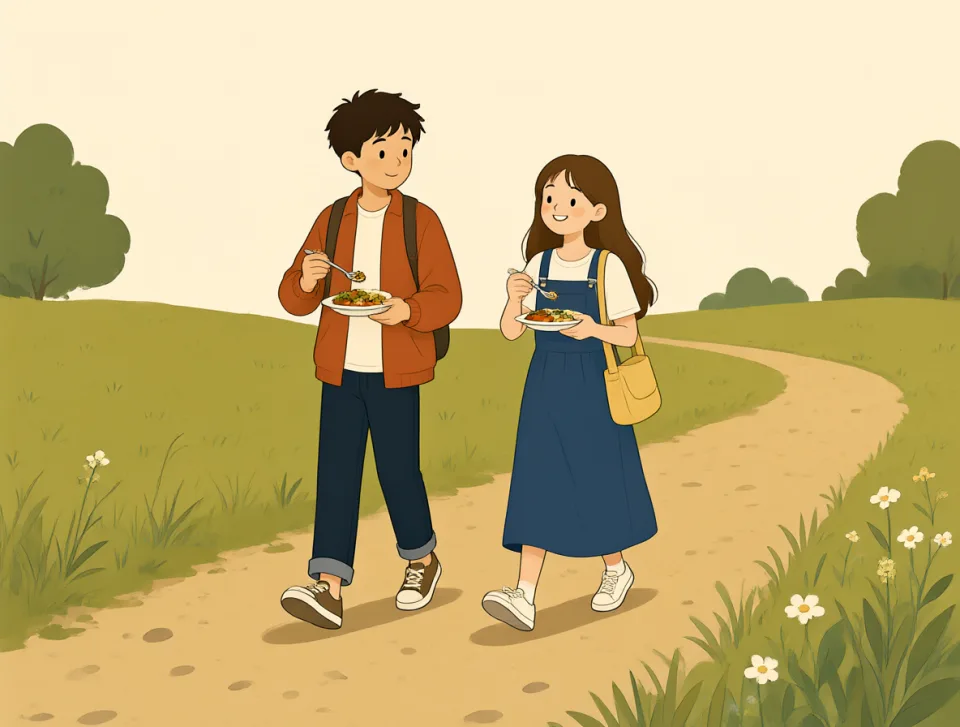
We walked far after dinner.
Po kolacji przeszliśmy długi kawałek.
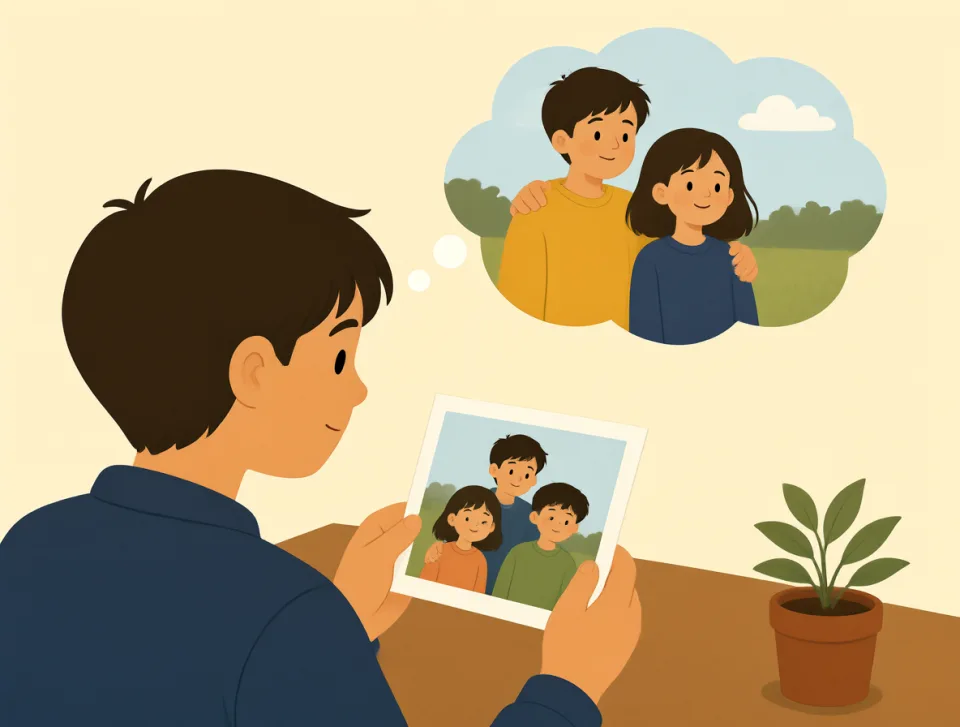
My brother lives far away.
Mój brat mieszka daleko.
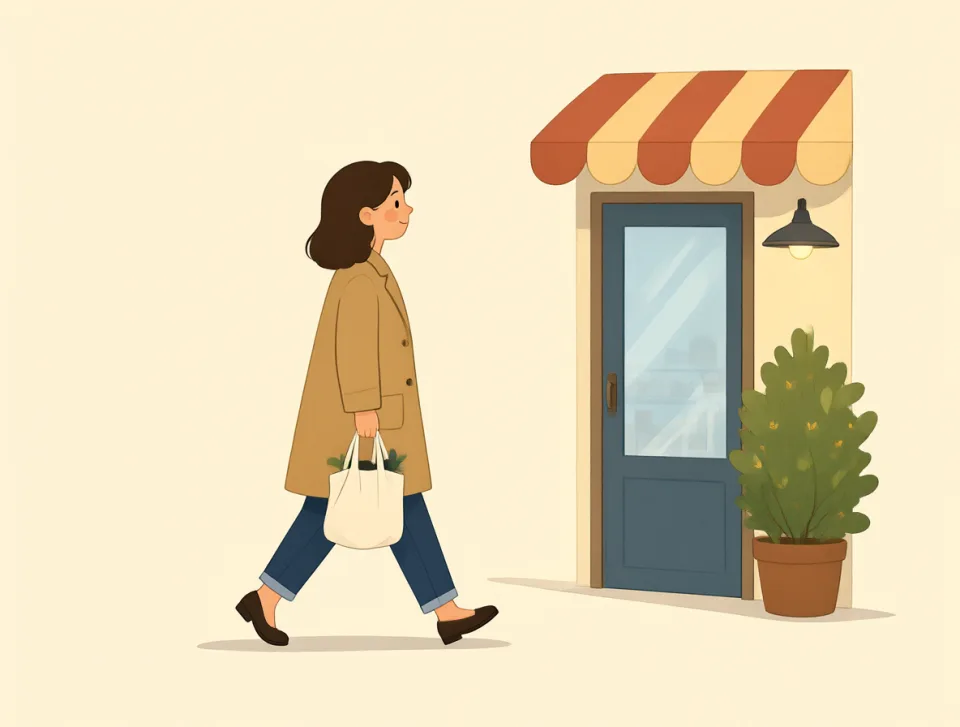
The store is not far from here.
Sklep jest niedaleko stąd.
today
#246adverb, noun
dzisiaj
On or during this day.
W tym dniu lub w ciągu tego dnia.
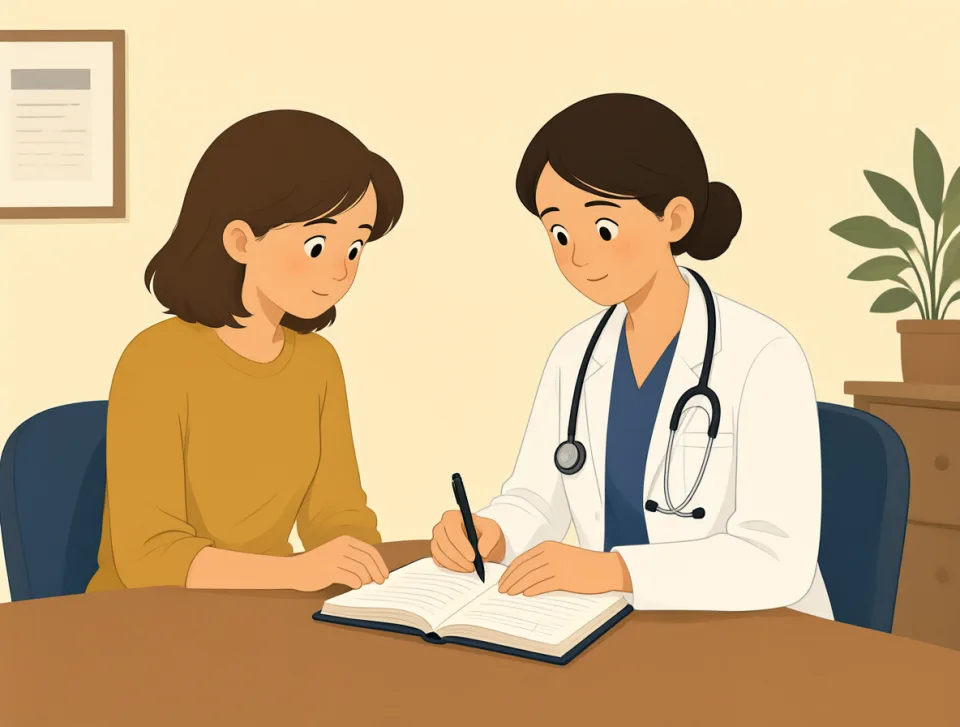
I have a doctor’s appointment today.
Mam dziś umówioną wizytę u lekarza.

Today is my first day at work.
Dziś jest mój pierwszy dzień w pracy.
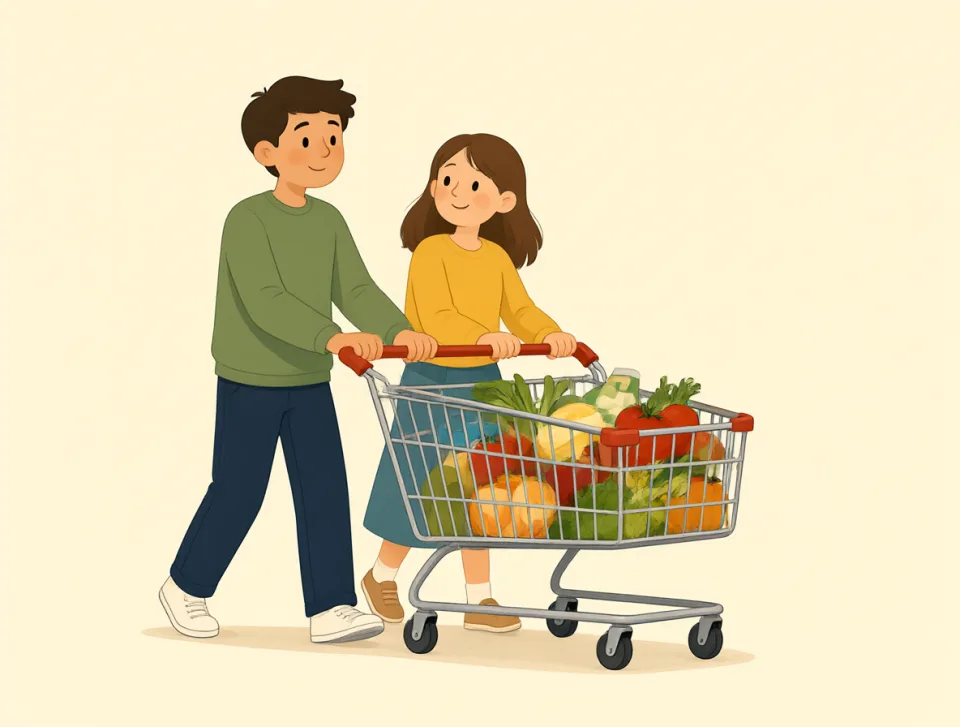
We are going shopping today.
Dziś idziemy na zakupy.
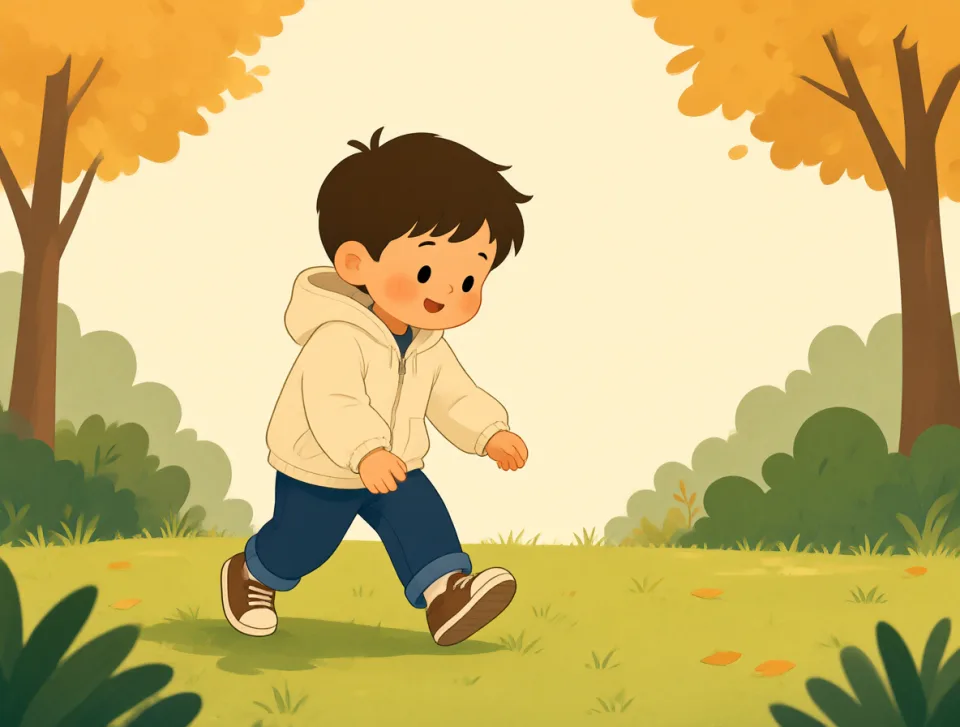
The weather is warmer today.
Dziś jest cieplej.
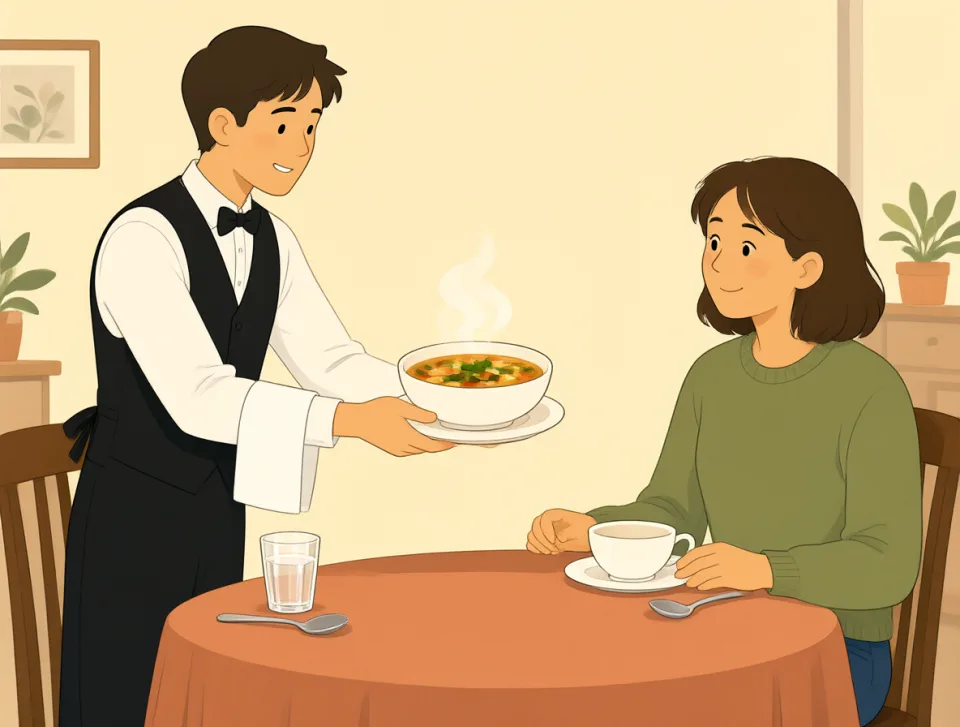
Today’s special is vegetable soup.
Dzisiejsze danie dnia to zupa warzywna.
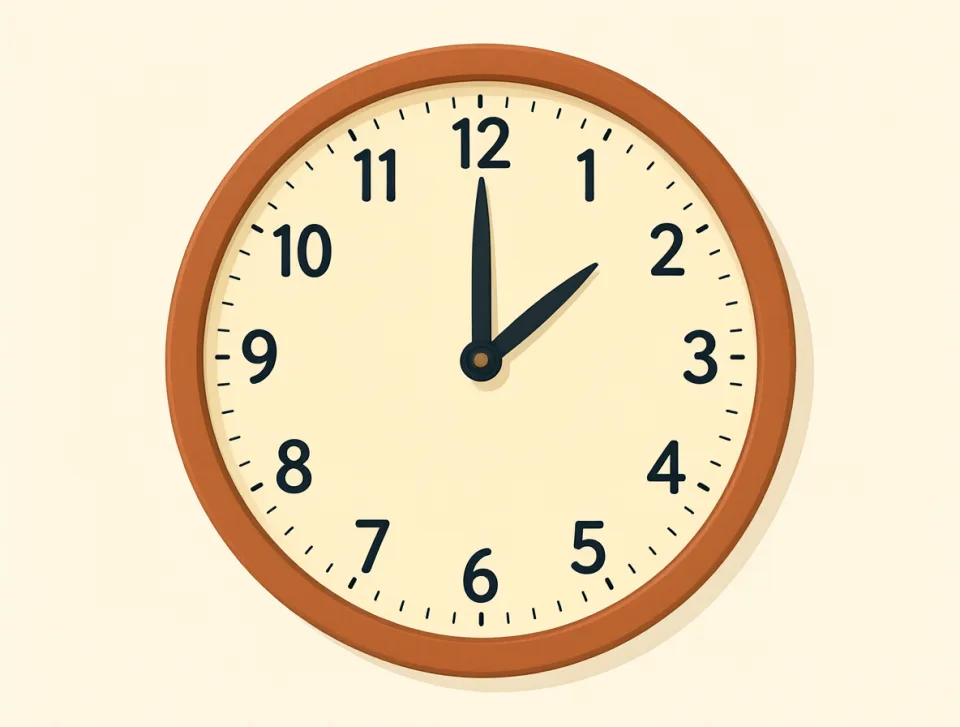
hour
#247noun
godzina
A period of 60 minutes.
Okres trwający 60 minut.
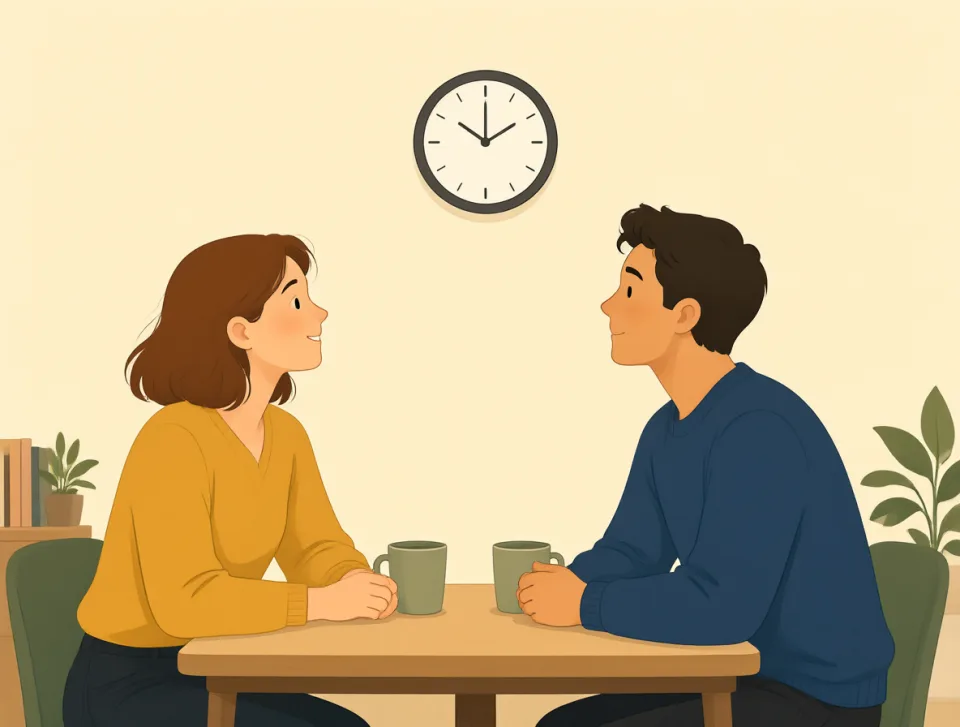
The meeting starts in one hour.
Spotkanie zaczyna się za godzinę.
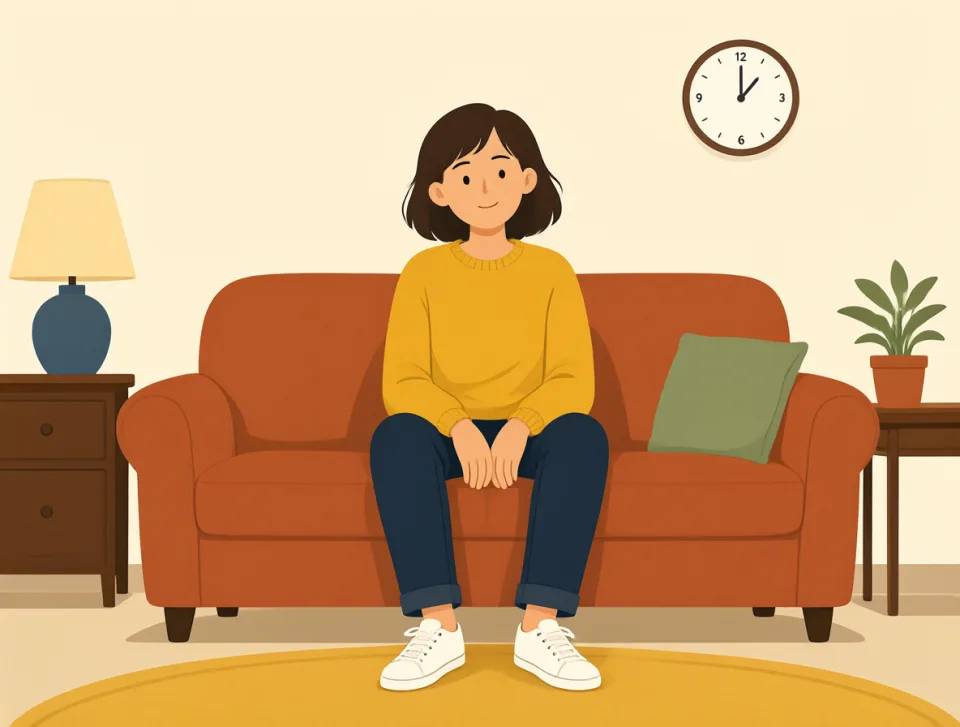
I waited for an hour at home.
Czekałem w domu przez godzinę.
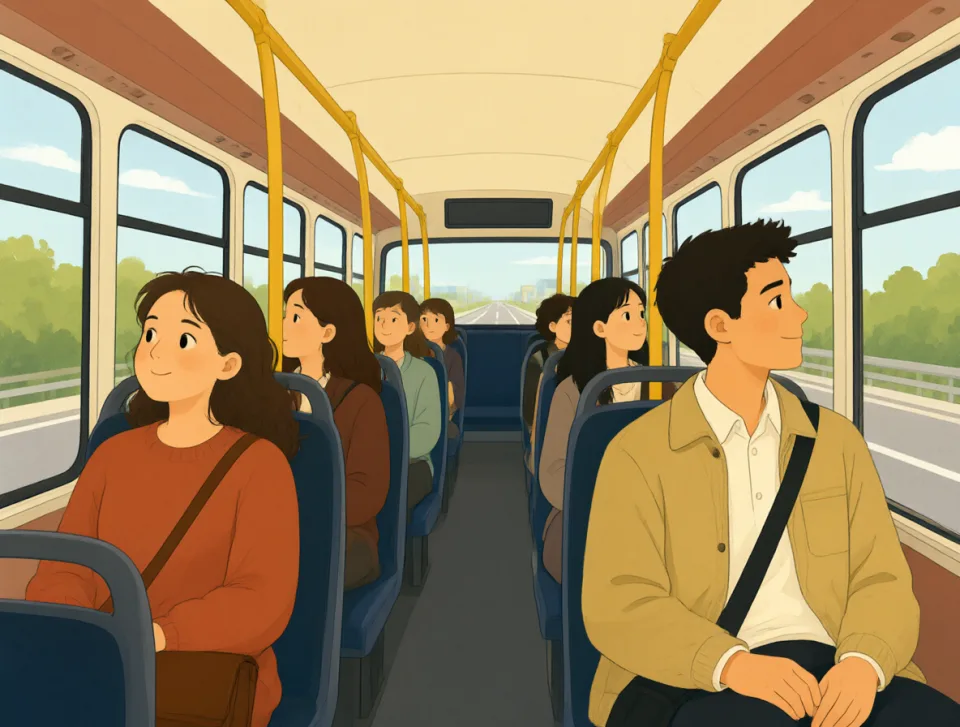
The bus ride takes two hours.
Podróż autobusem trwa dwie godziny.
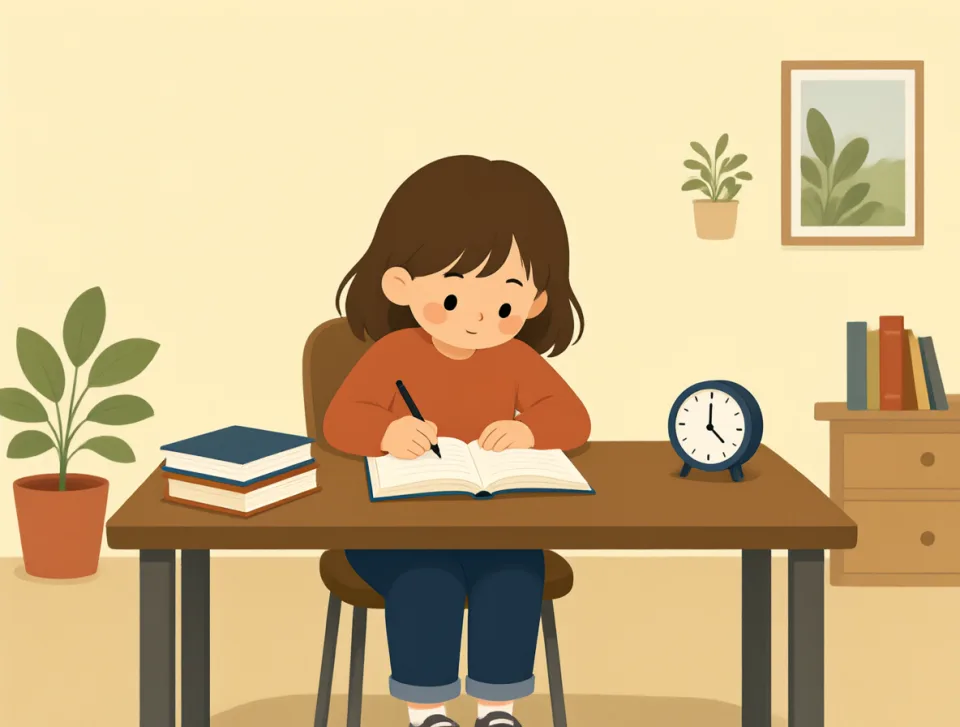
She studies for an hour after school.
Ona uczy się przez godzinę po szkole.
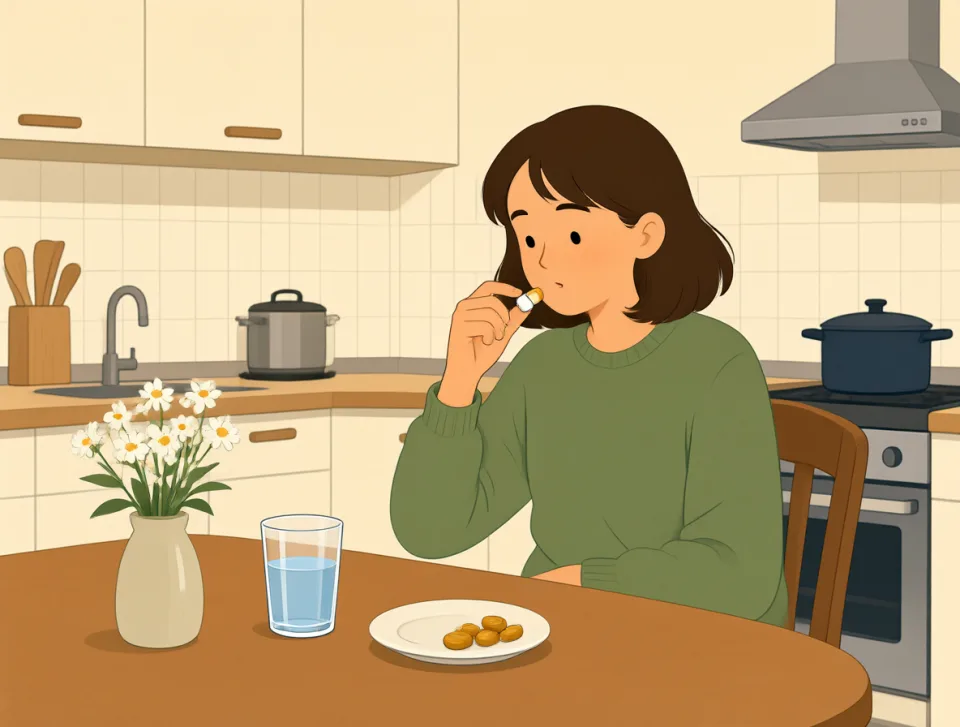
Take this medicine every four hours.
Przyjmuj ten lek co cztery godziny.
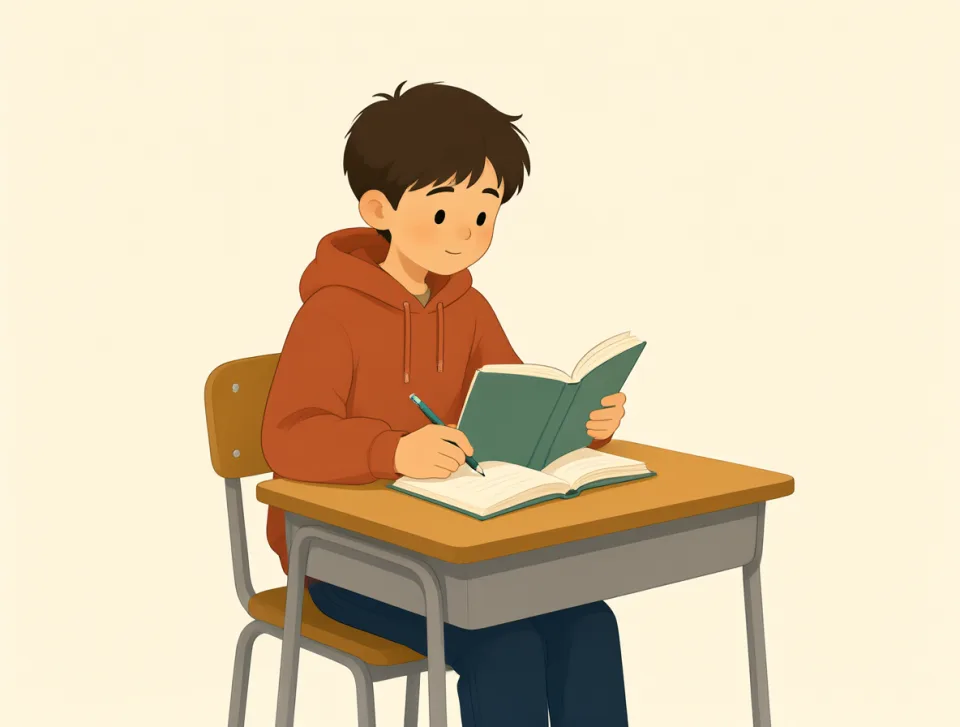
student
#248noun
uczeń; student
A person who is learning at a school, college, or university.
Osoba ucząca się w szkole, college’u lub na uniwersytecie.
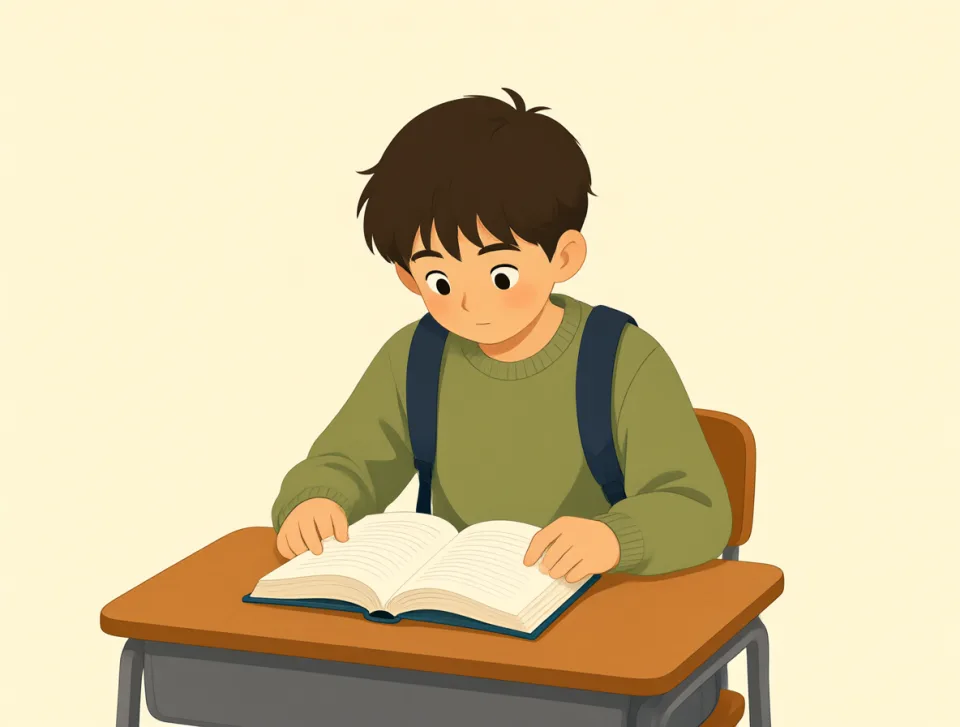
The student is reading a book in class.
Uczeń czyta książkę na lekcji.
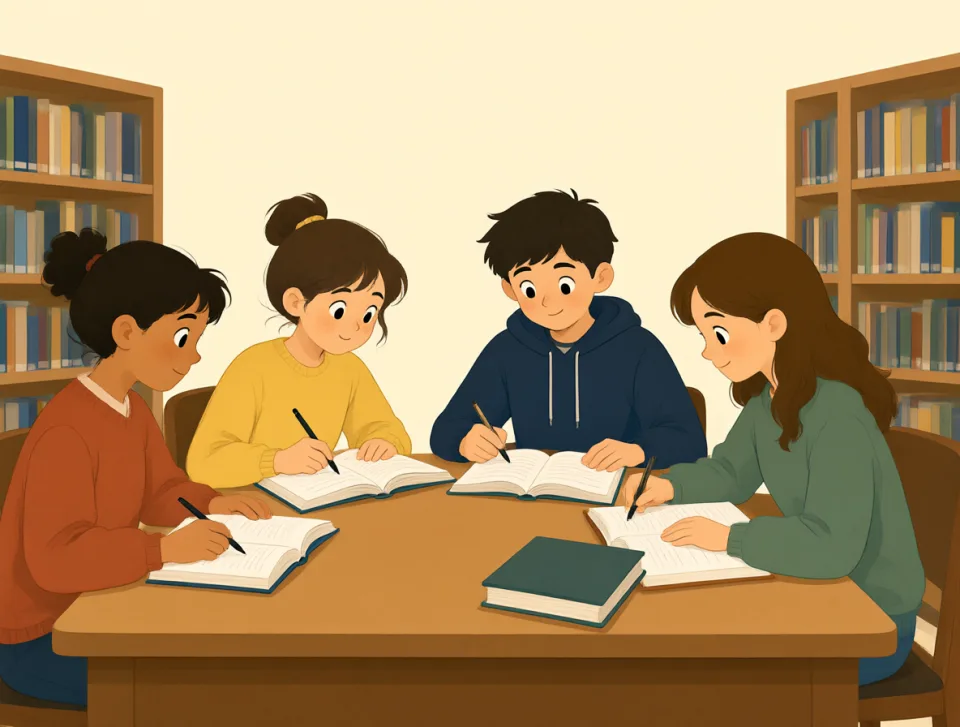
Many students study English after school.
Wielu uczniów uczy się angielskiego po szkole.
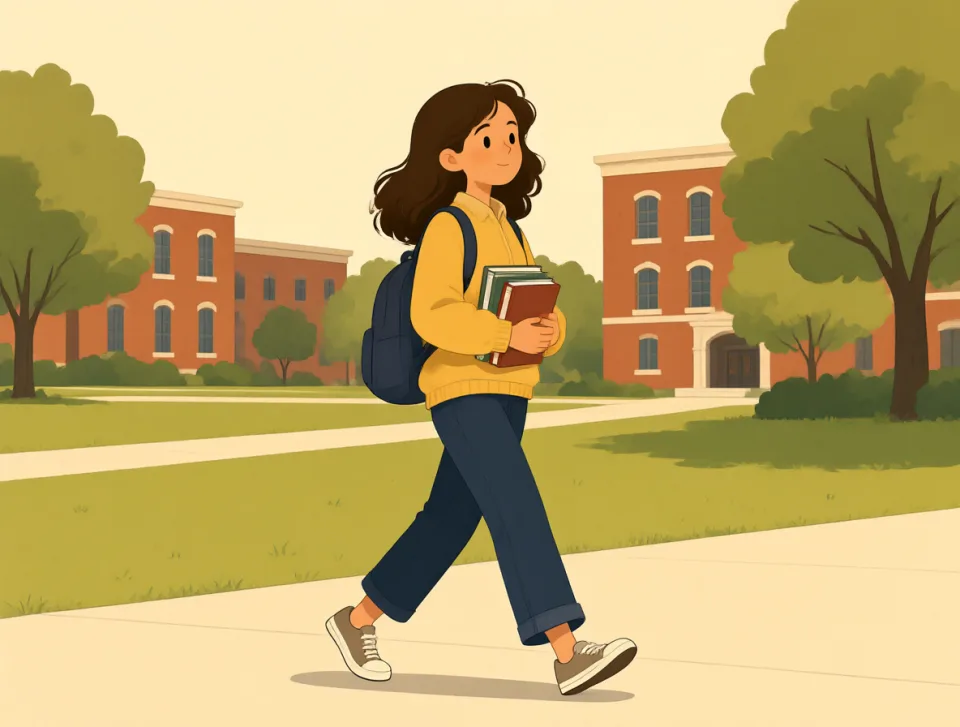
She is a university student in London.
Ona studiuje na uniwersytecie w Londynie.
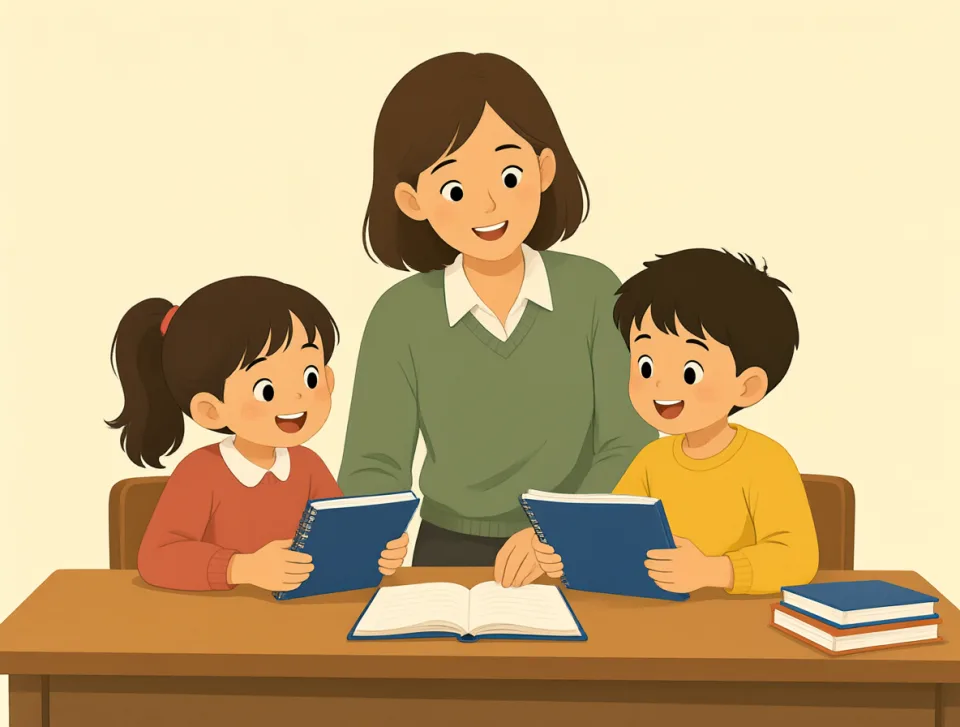
The teacher helped the students with their homework.
Nauczyciel pomógł uczniom w odrabianiu pracy domowej.
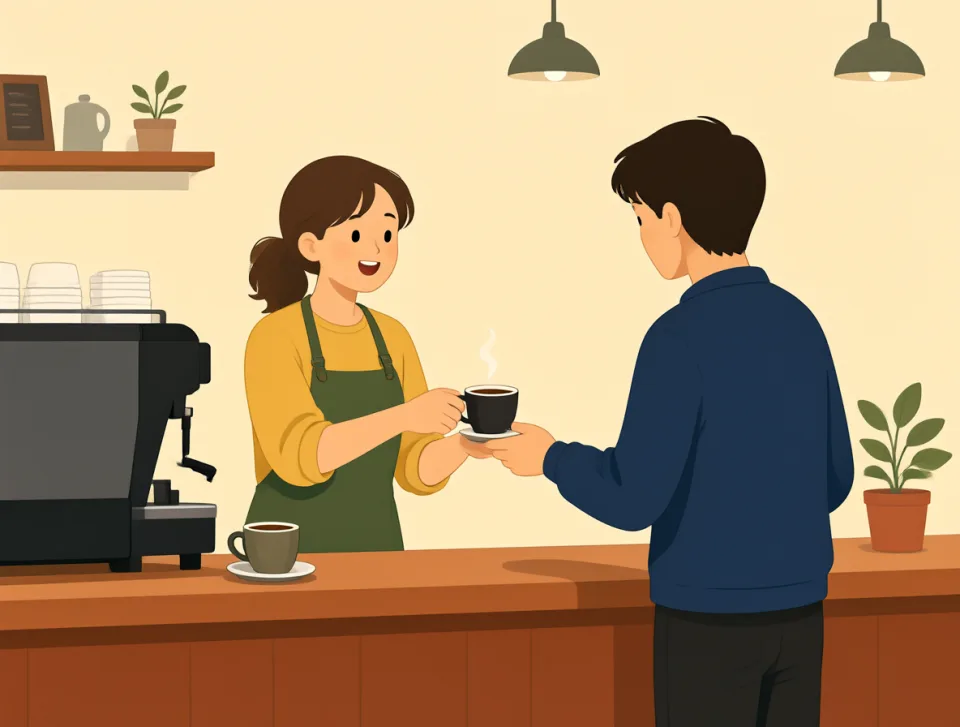
That student works part-time at a coffee shop.
Ten uczeń pracuje na pół etatu w kawiarni.
face
#249noun, verb
twarz; stawić czoła
The front part of your head, or to meet a difficult person or situation.
Przednia część głowy albo zmierzyć się z trudną osobą lub sytuacją.
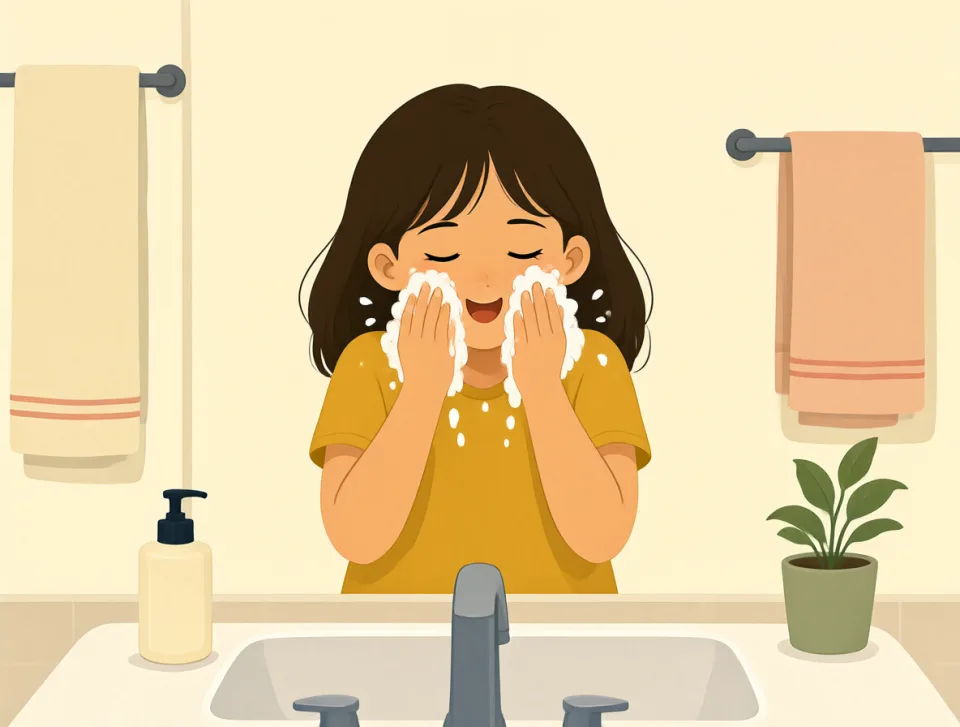
She washed her face before breakfast.
Umyła twarz przed śniadaniem.

He has a friendly face.
On ma przyjazną twarz.
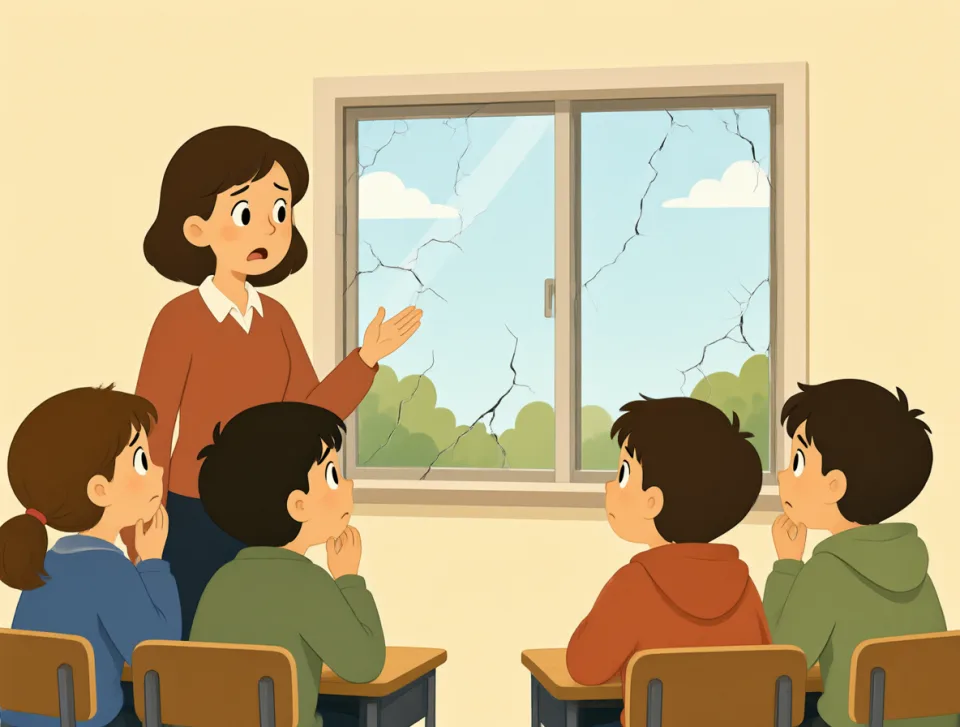
The school faces a serious problem.
Szkoła mierzy się z poważnym problemem.
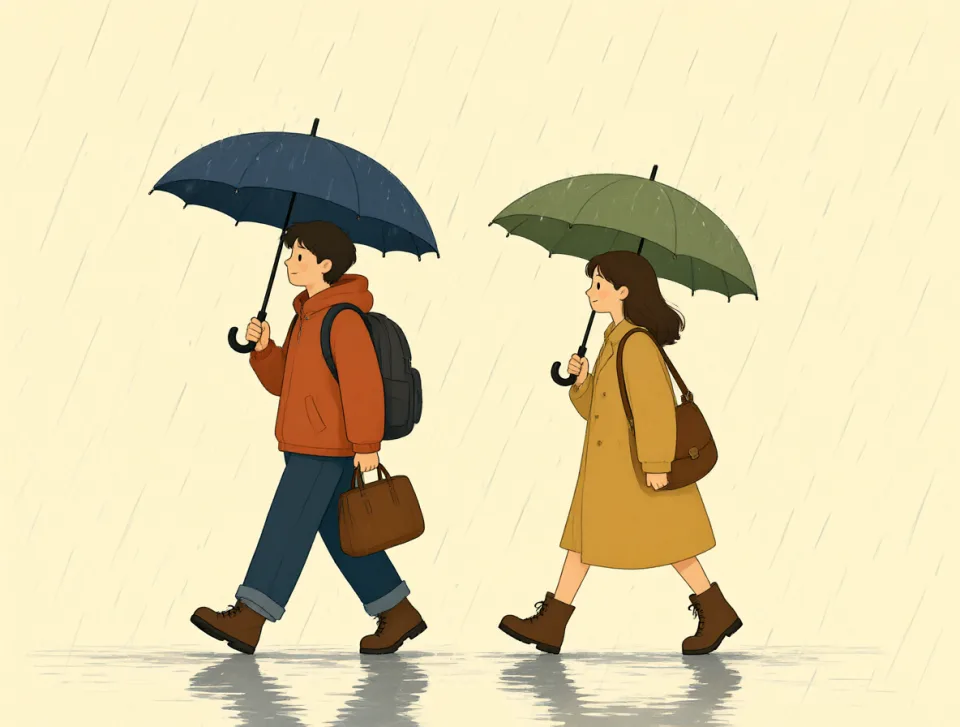
We faced heavy rain during our trip.
Podczas naszej podróży zmagaliśmy się z ulewnym deszczem.

She faced her friend and smiled.
Odwróciła się twarzą do przyjaciela i uśmiechnęła się.
hope
#250noun, verb
nadzieja; mieć nadzieję
A feeling that something good may happen, or to want something good to happen.
Uczucie, że może się wydarzyć coś dobrego, albo pragnienie, by wydarzyło się coś dobrego.
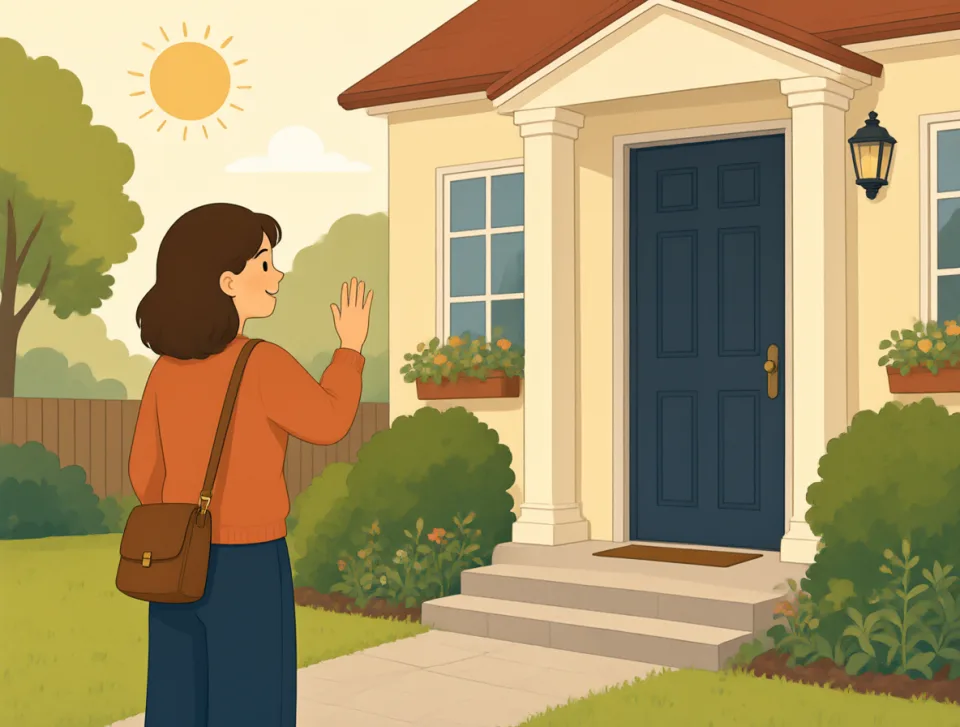
I hope you have a nice day.
Mam nadzieję, że miło spędzisz dzień.
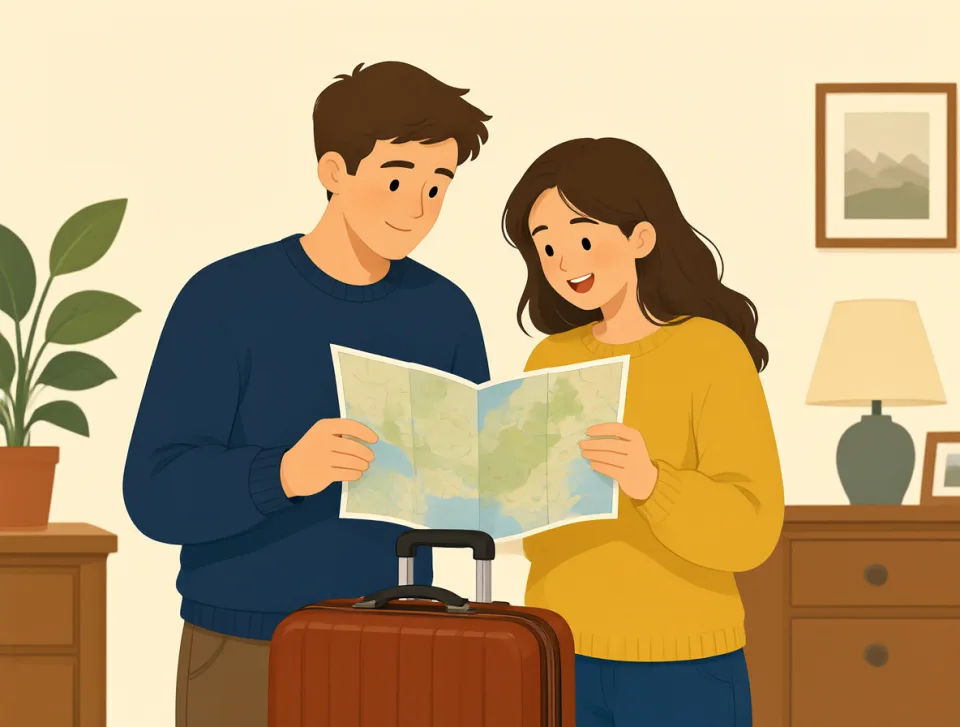
We hope to visit Spain next summer.
Mamy nadzieję odwiedzić Hiszpanię przyszłego lata.
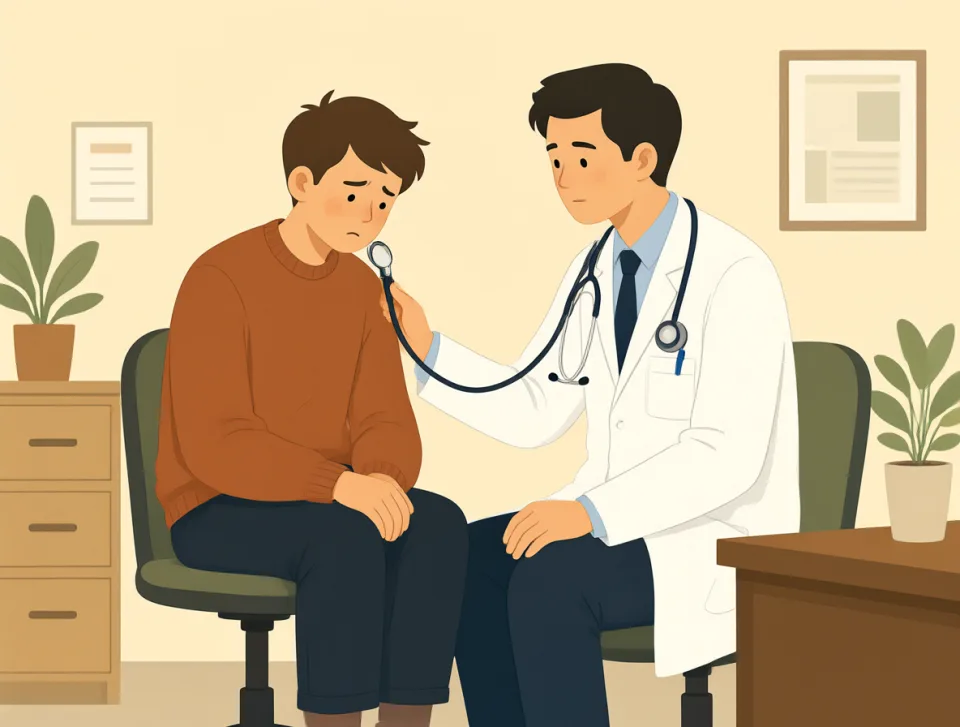
I hope the doctor can help me.
Mam nadzieję, że lekarz będzie w stanie mi pomóc.
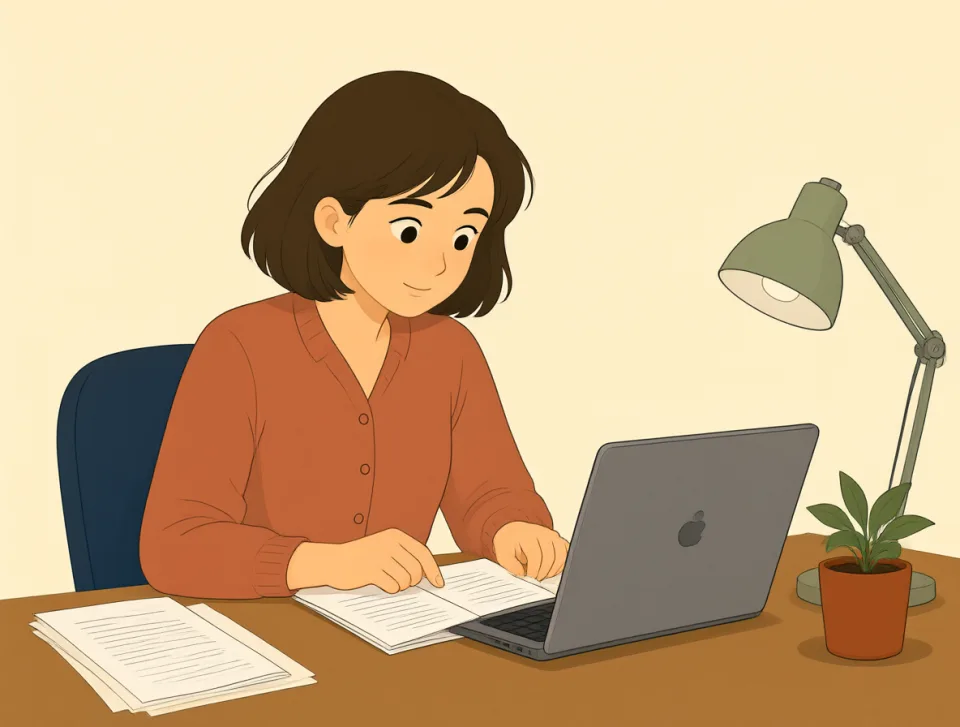
She hopes to find a new job soon.
Ona ma nadzieję, że wkrótce znajdzie nową pracę.
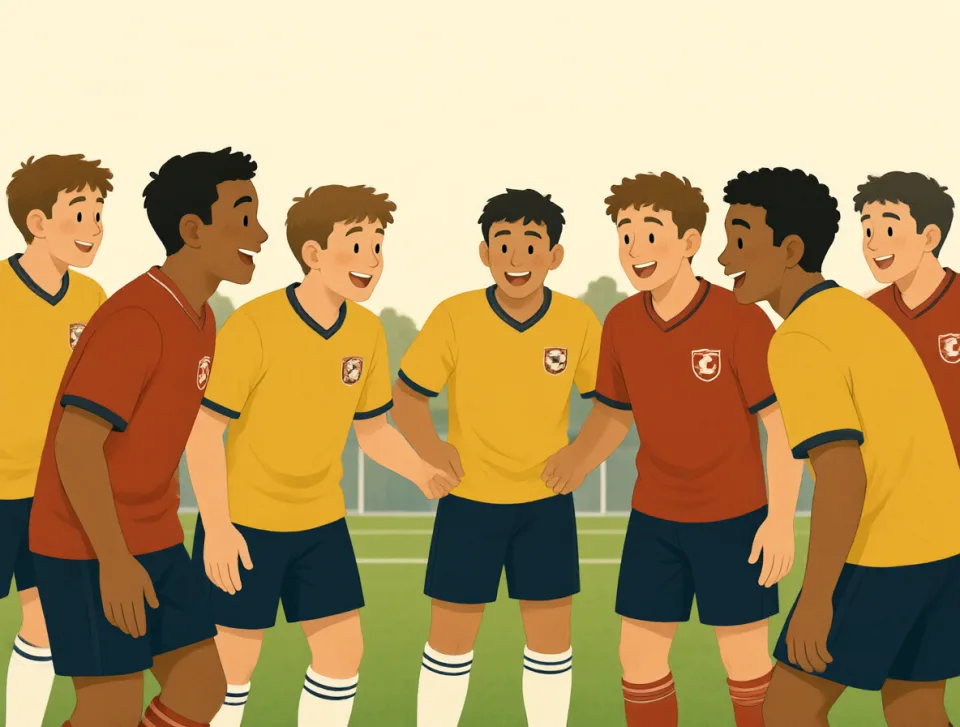
There is still hope for our team.
Nasza drużyna wciąż ma szansę.
idea
#251noun
pomysł
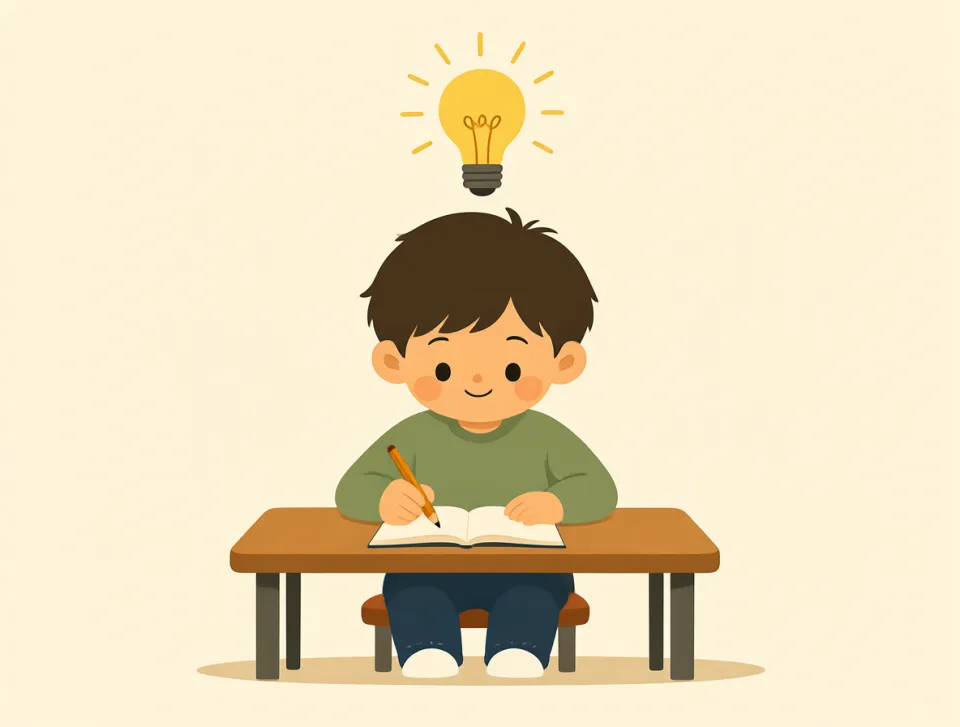
A thought or plan about what to do or how to do something.
Myśl lub plan dotyczący tego, co zrobić albo jak coś zrobić.
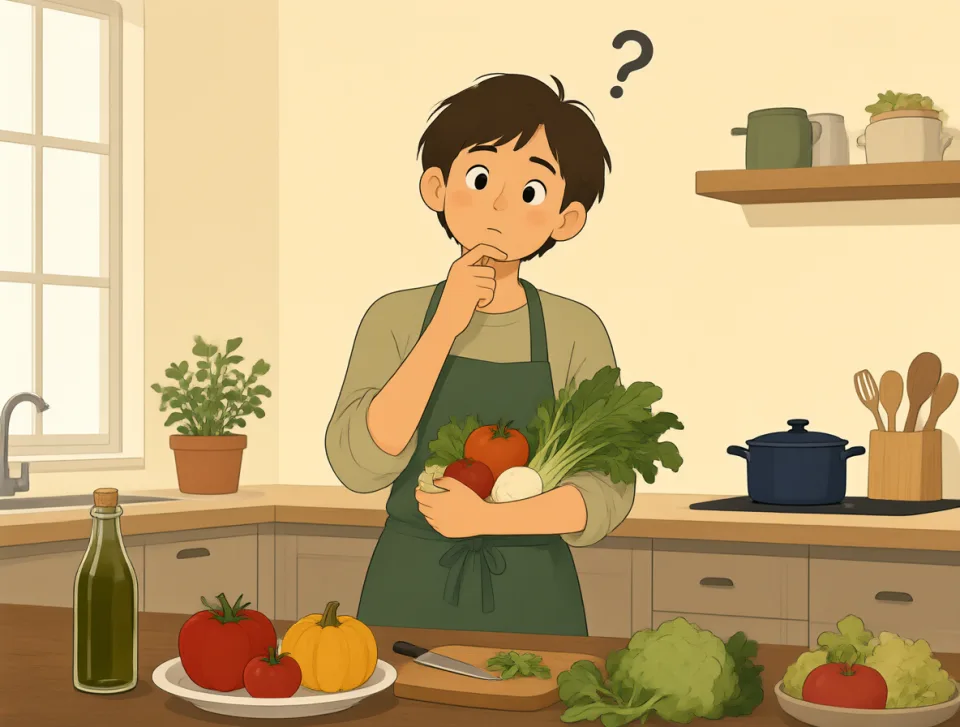
I have an idea for dinner tonight.
Mam pomysł na dzisiejszą kolację.

That is a good idea.
To dobry pomysł.
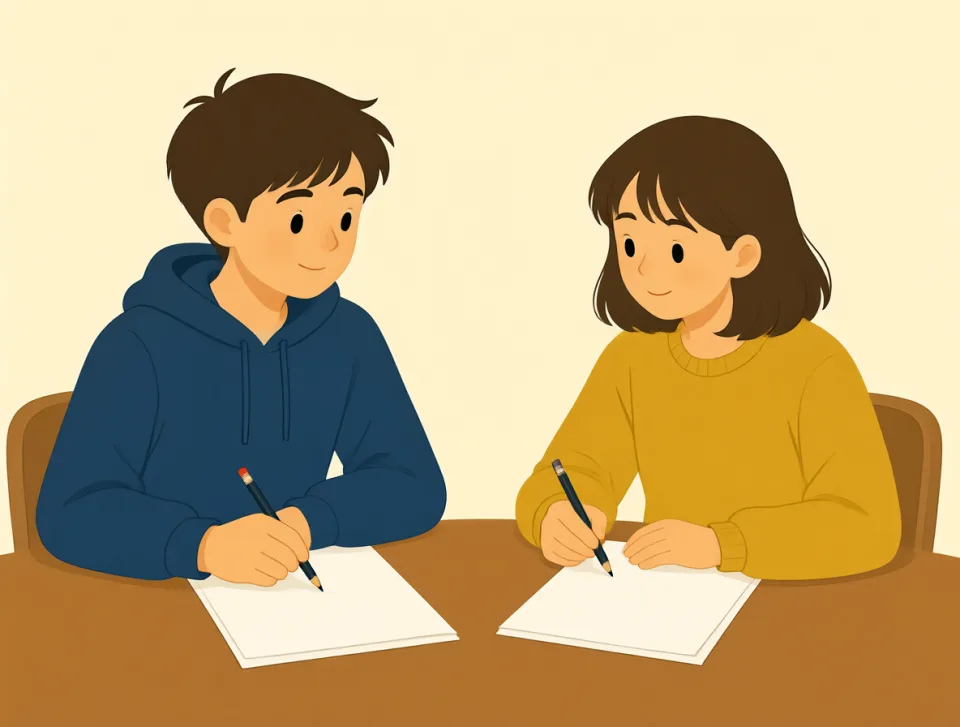
She gave me an idea for my project.
Podsunęła mi pomysł na mój projekt.
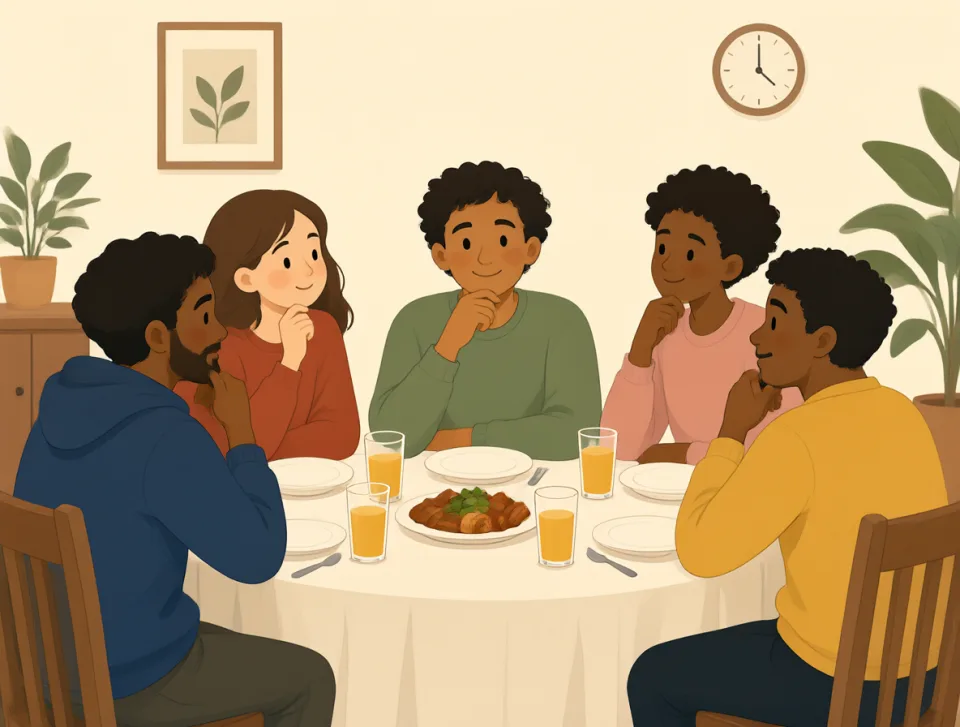
We need some new ideas for the party.
Potrzebujemy kilku nowych pomysłów na imprezę.
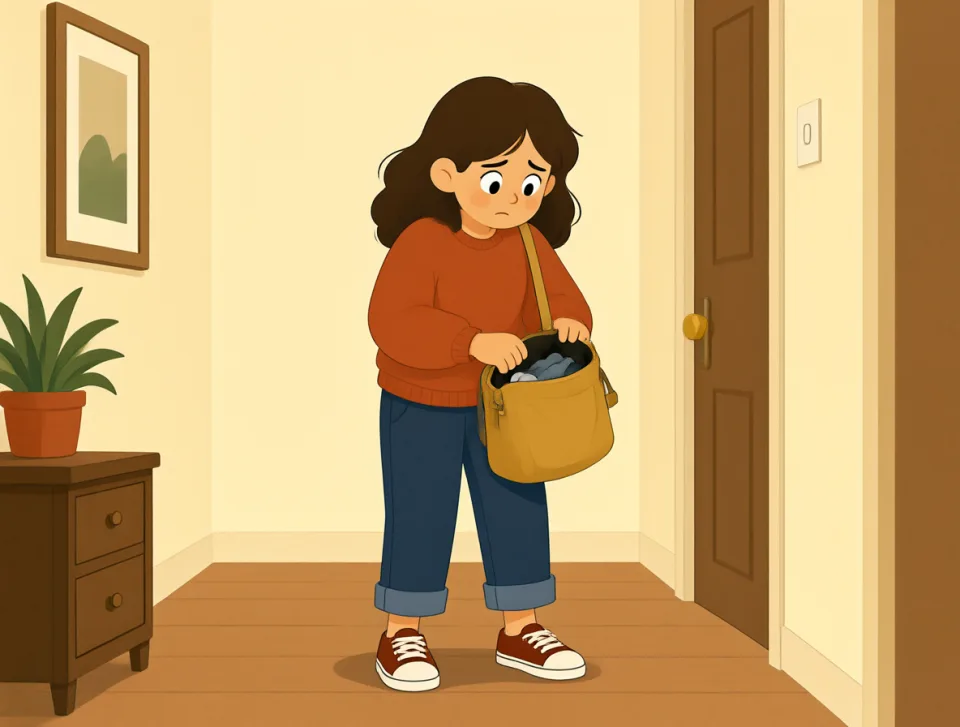
I have no idea where my keys are.
Nie mam pojęcia, gdzie są moje klucze.
cost
#252noun, verb
kosztować; koszt
The amount of money needed to buy or do something; to need that amount of money.
Ilość pieniędzy potrzebna na kupno lub zrobienie czegoś; wymagać wydania określonej kwoty.
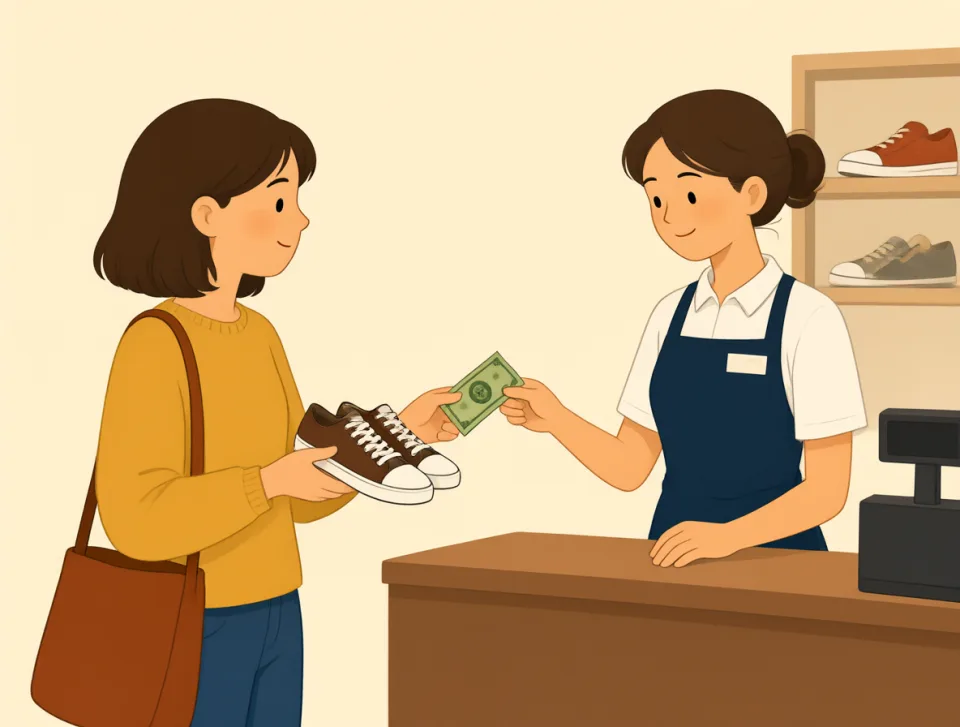
The new shoes cost fifty dollars.
Nowe buty kosztują pięćdziesiąt dolarów.
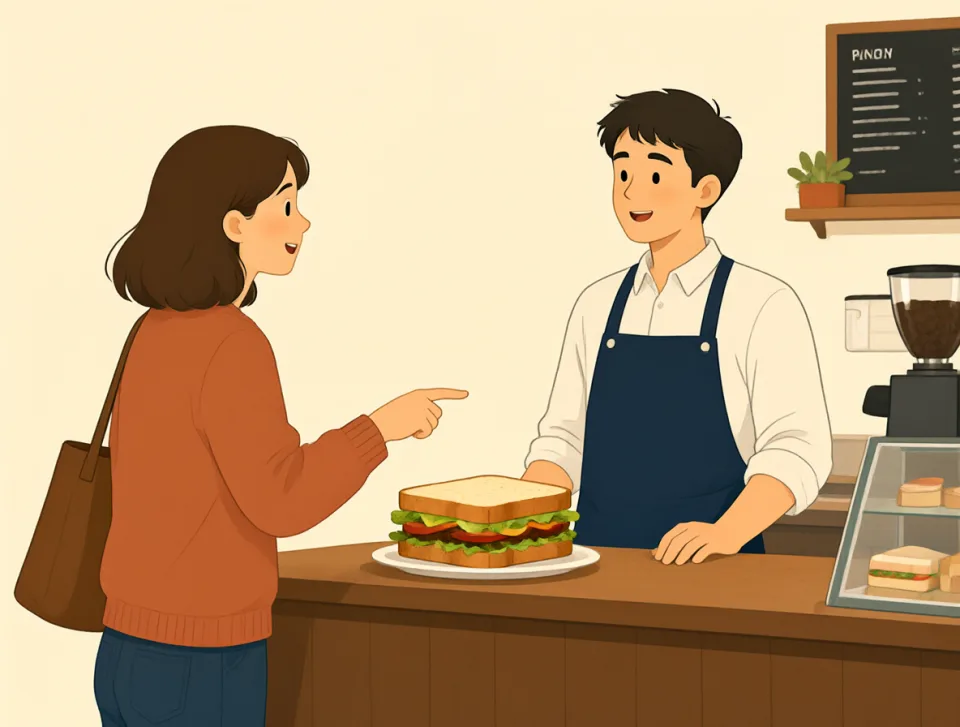
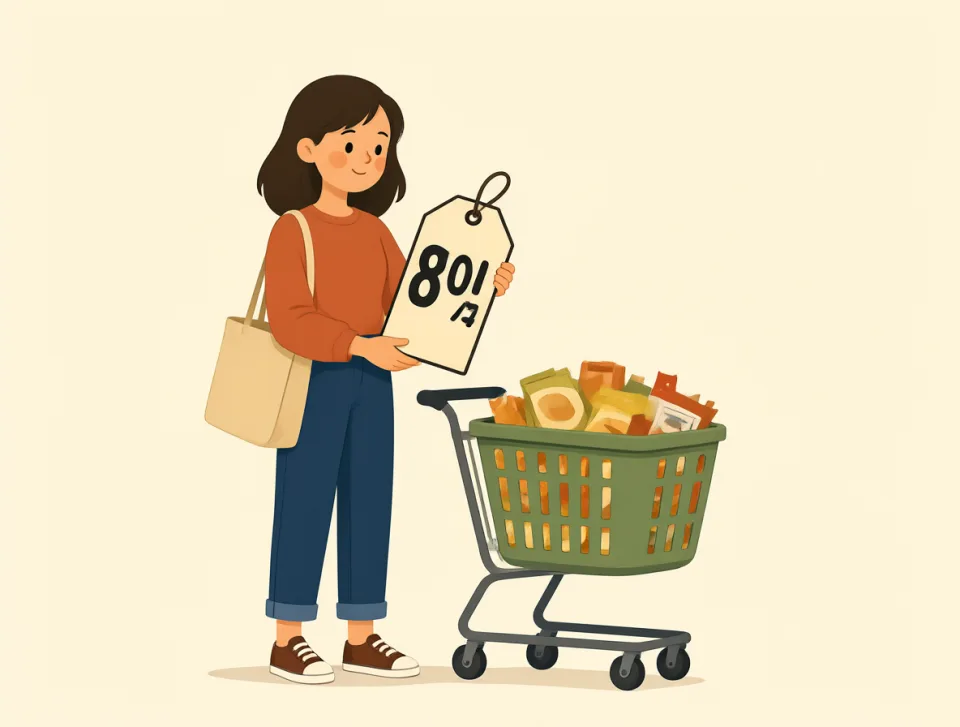
How much does this sandwich cost?
Ile kosztuje ta kanapka?
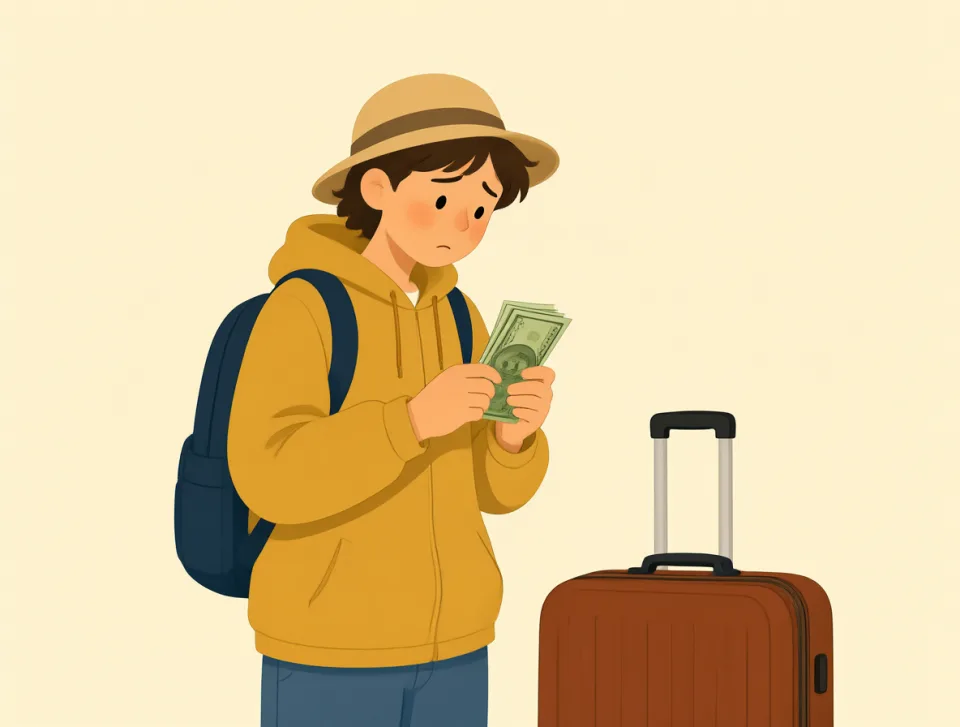
The trip cost more than we planned.
Wycieczka kosztowała więcej, niż planowaliśmy.
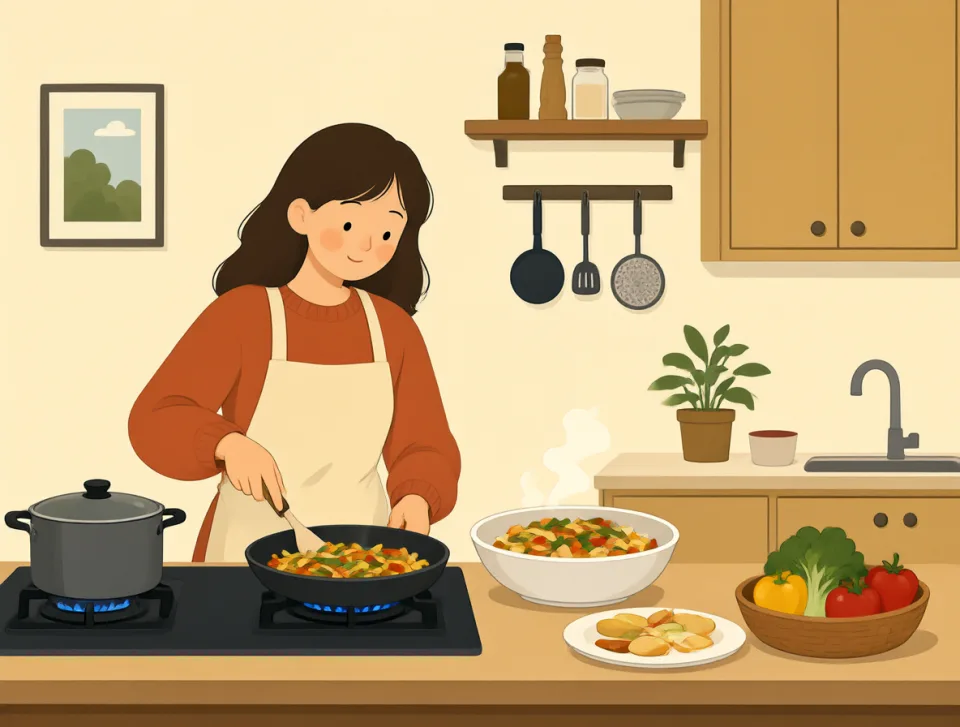
Cooking at home costs less than eating out.
Gotowanie w domu kosztuje mniej niż jedzenie na mieście.
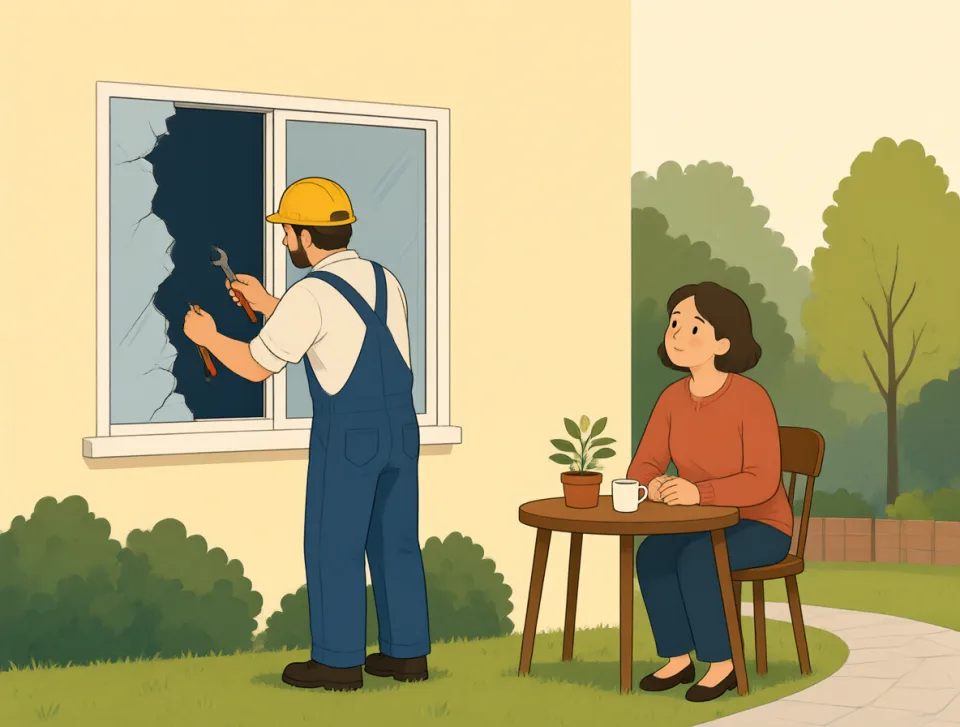
The broken window cost us a lot to repair.
Naprawa rozbitego okna kosztowała nas dużo.
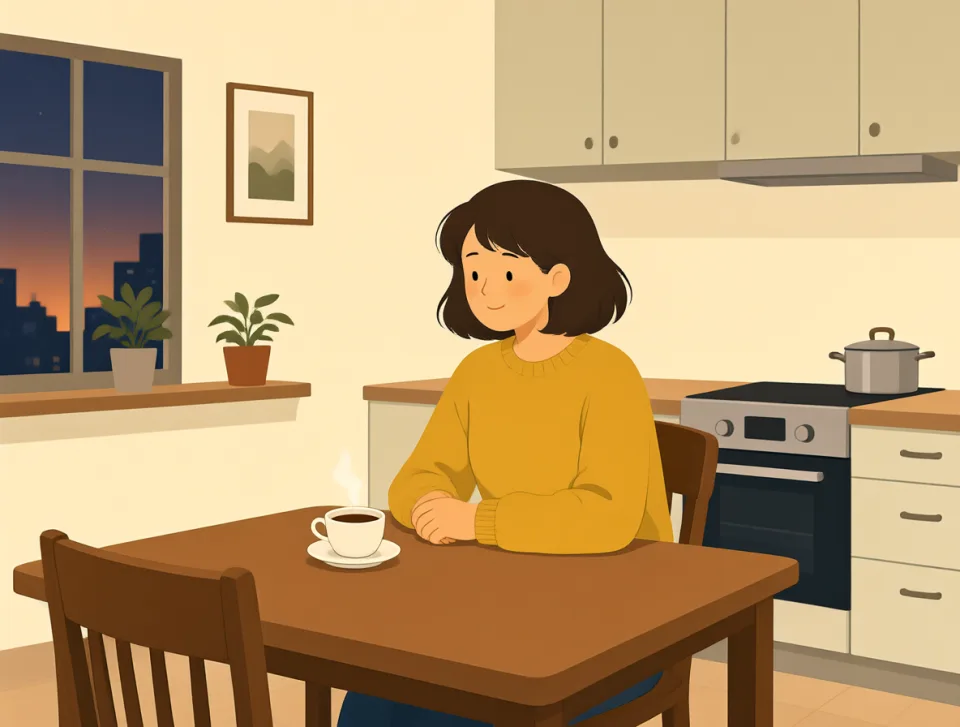
less
#253adverb, determiner, pronoun, preposition
mniej
A smaller amount, number, or degree than before or than someone else.
Mniejsza ilość, liczba lub stopień niż wcześniej albo niż u kogoś innego.
I drink less coffee in the evening.
Wieczorem piję mniej kawy.

This bag costs less than that one.
Ta torba kosztuje mniej niż tamta.
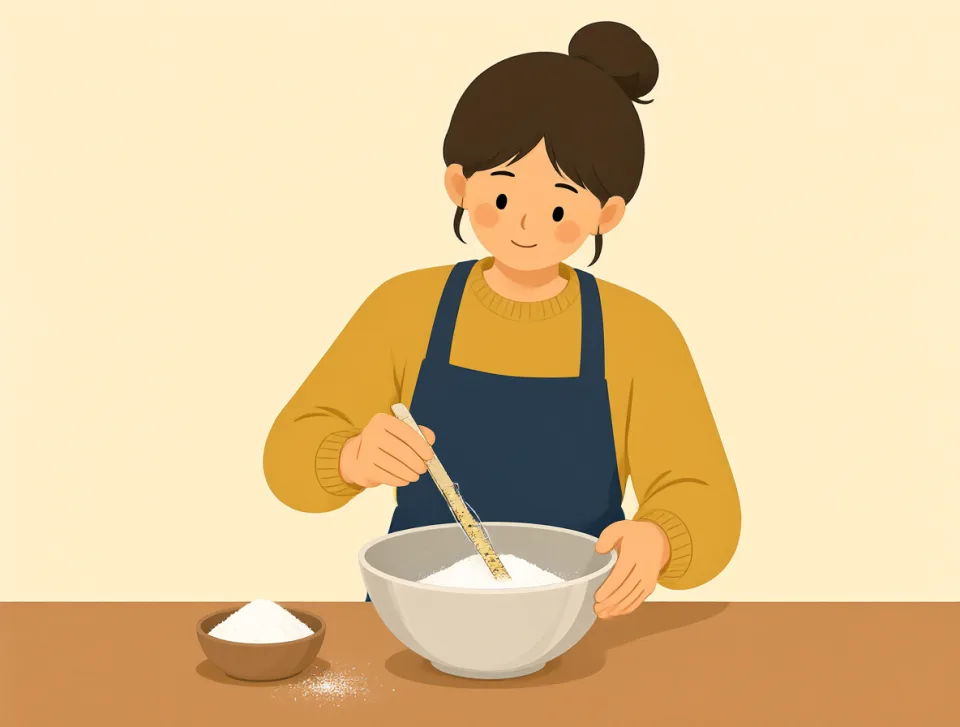
We need less sugar in this cake.
Do tego ciasta potrzebujemy mniej cukru.
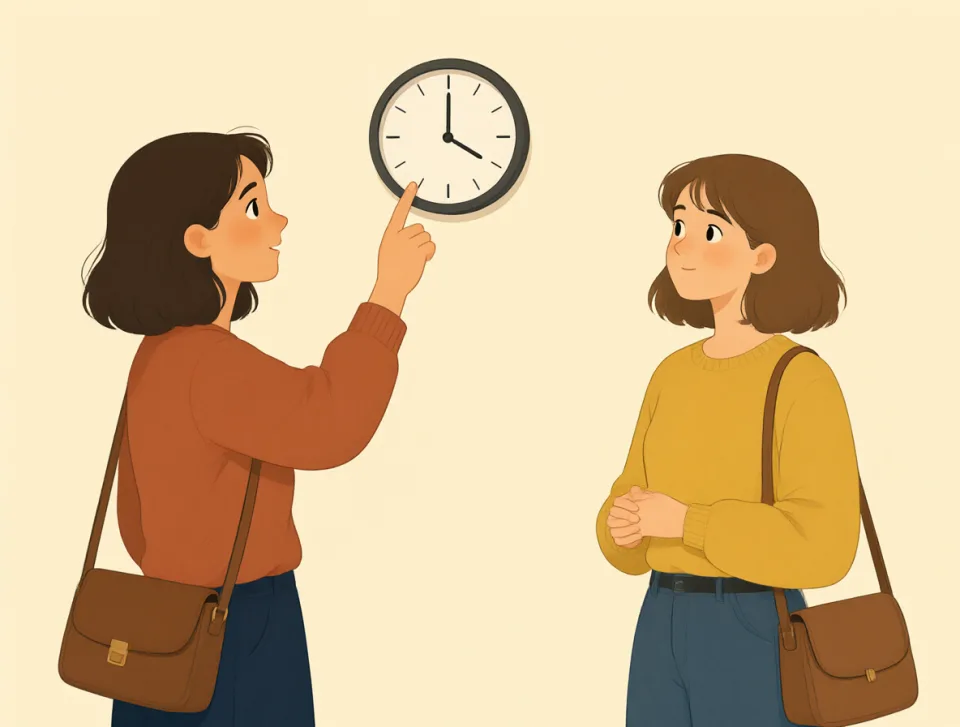
She has less time for friends today.
Ma dziś mniej czasu dla przyjaciół.
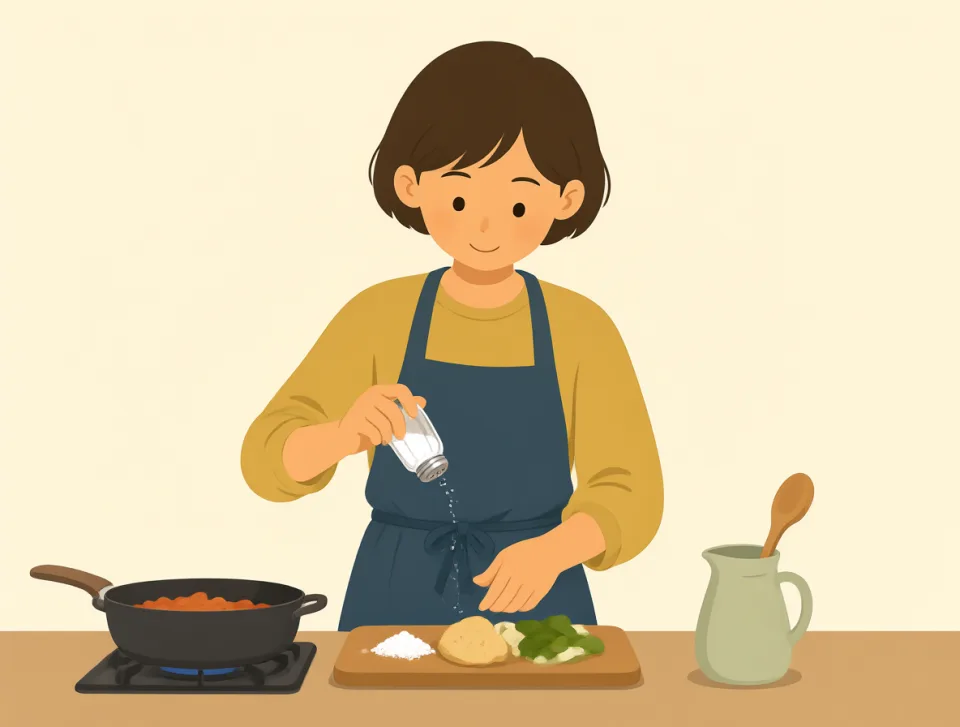
Try to eat less salt for your health.
Dla zdrowia postaraj się jeść mniej soli.
room
#254noun, verb
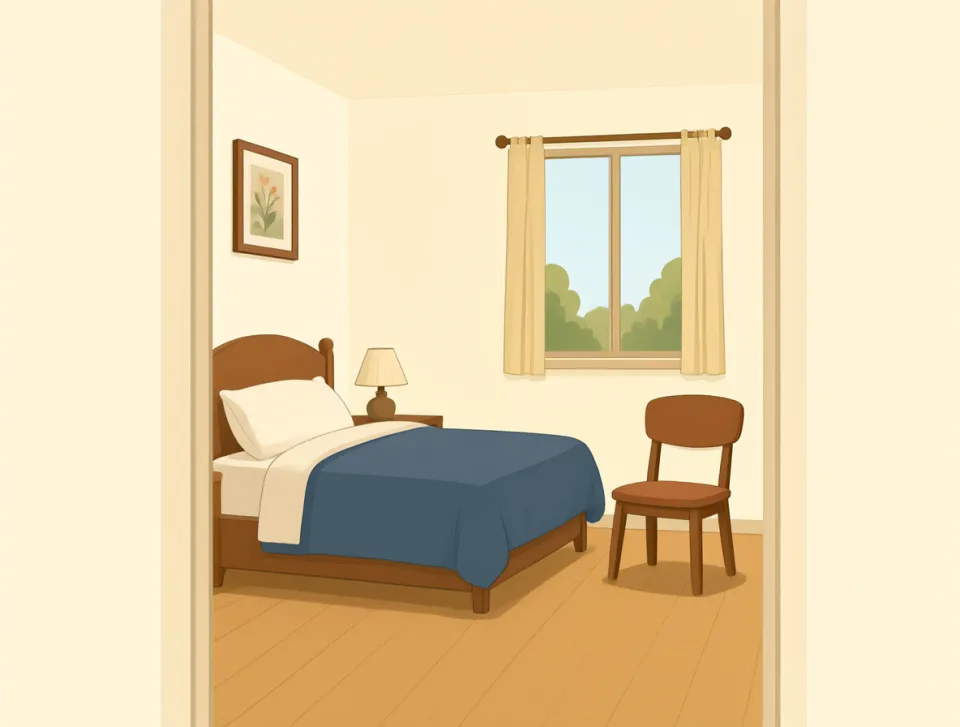
pokój; miejsce
A space inside a building, or enough space for someone or something.
Przestrzeń wewnątrz budynku albo dość miejsca dla kogoś lub czegoś.
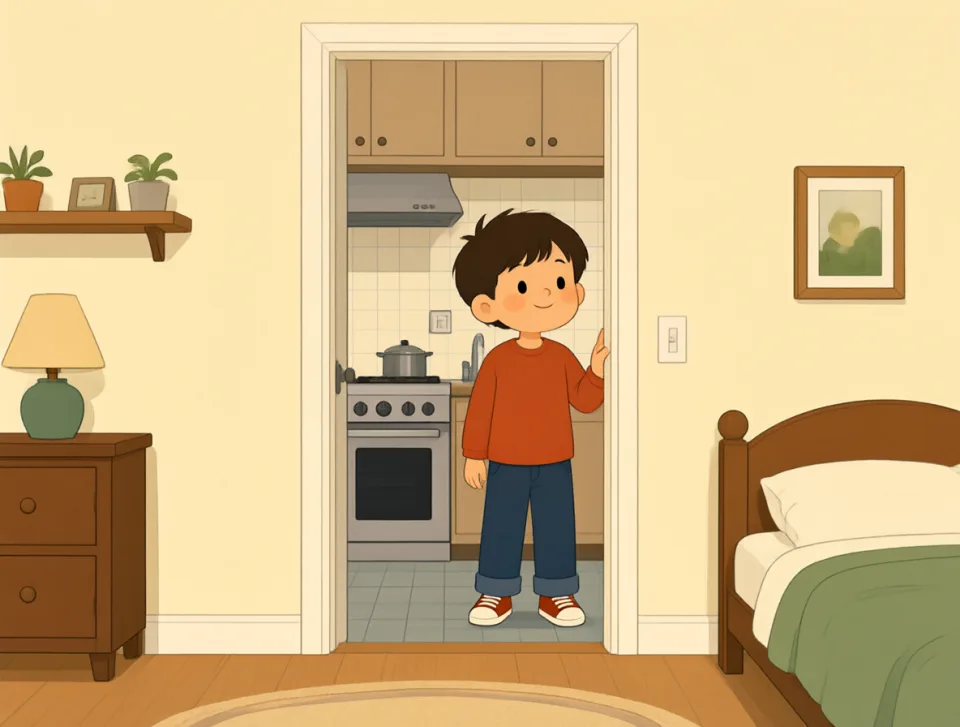
My room is next to the kitchen.
Mój pokój jest obok kuchni.
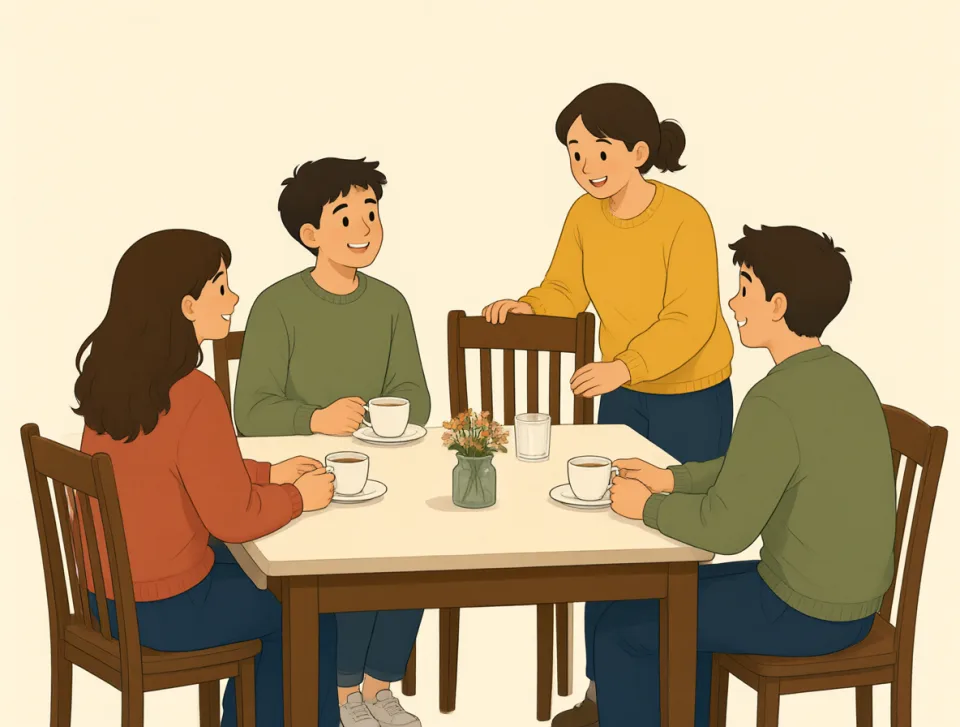
There is room for one more person.
Jest miejsce jeszcze dla jednej osoby.
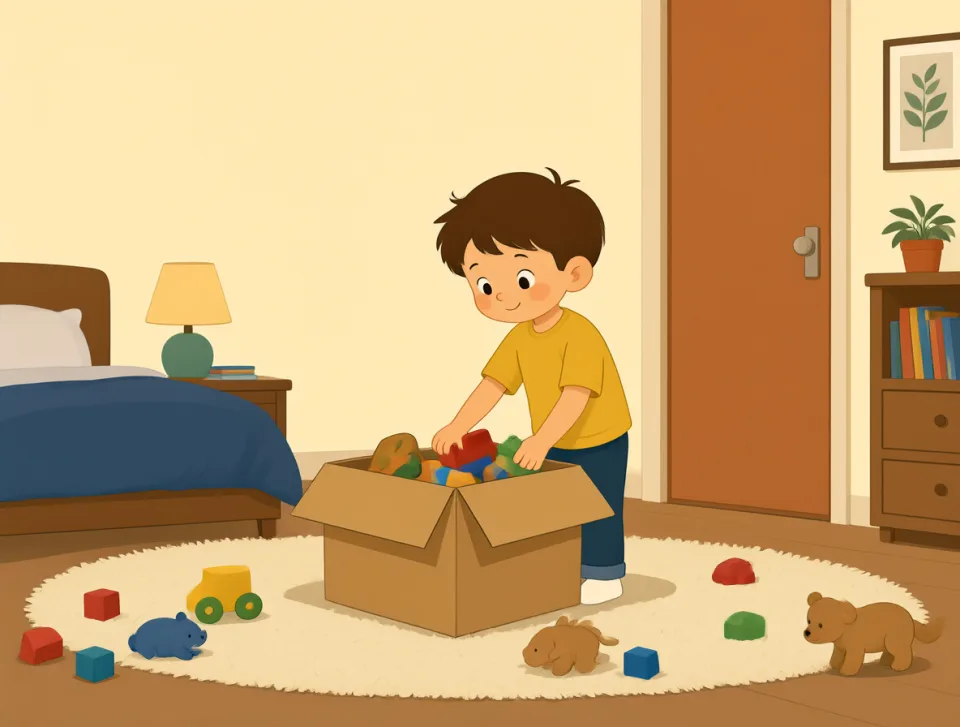
Please clean your room before dinner.
Posprzątaj swój pokój przed kolacją.
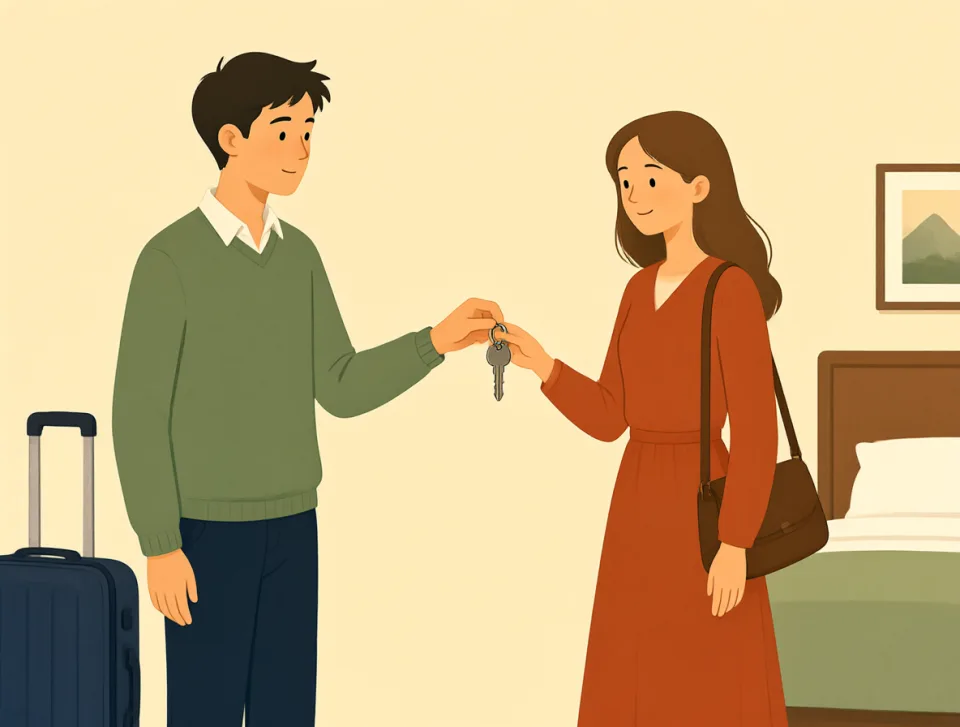
We booked a room at the hotel.
Zarezerwowaliśmy pokój w hotelu.
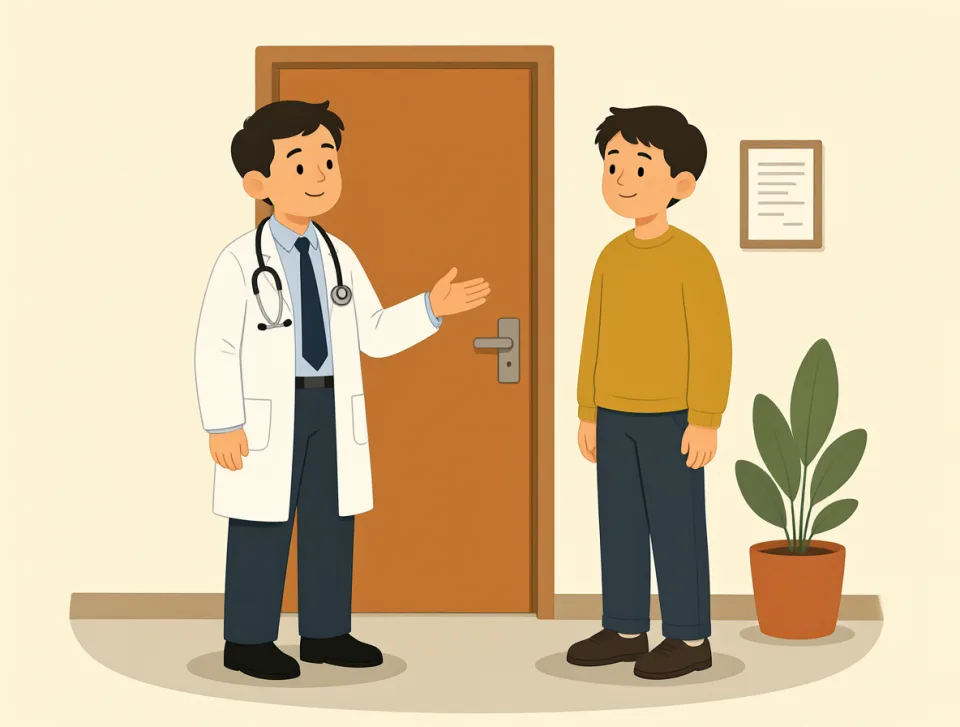
The doctor asked me to leave the room.
Lekarz poprosił mnie, żebym wyszedł z pokoju.
until
#255preposition, conjunction, adverb
aż do; dopóki
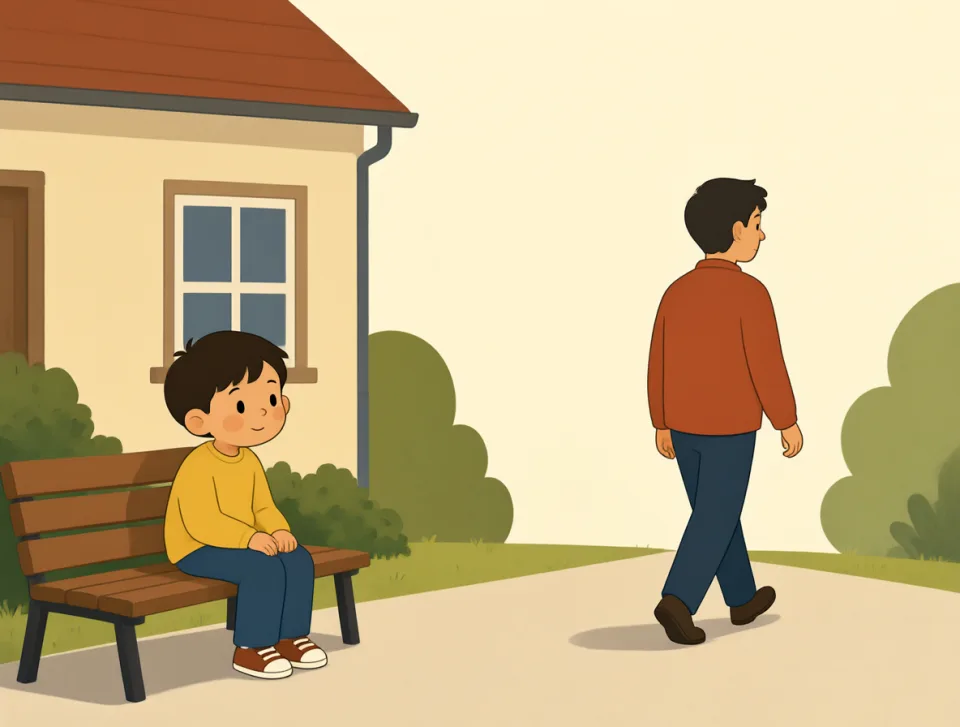
up to the time when something happens
Do chwili, w której coś się wydarzy.
Wait here until I come back.
Poczekaj tutaj, aż wrócę.
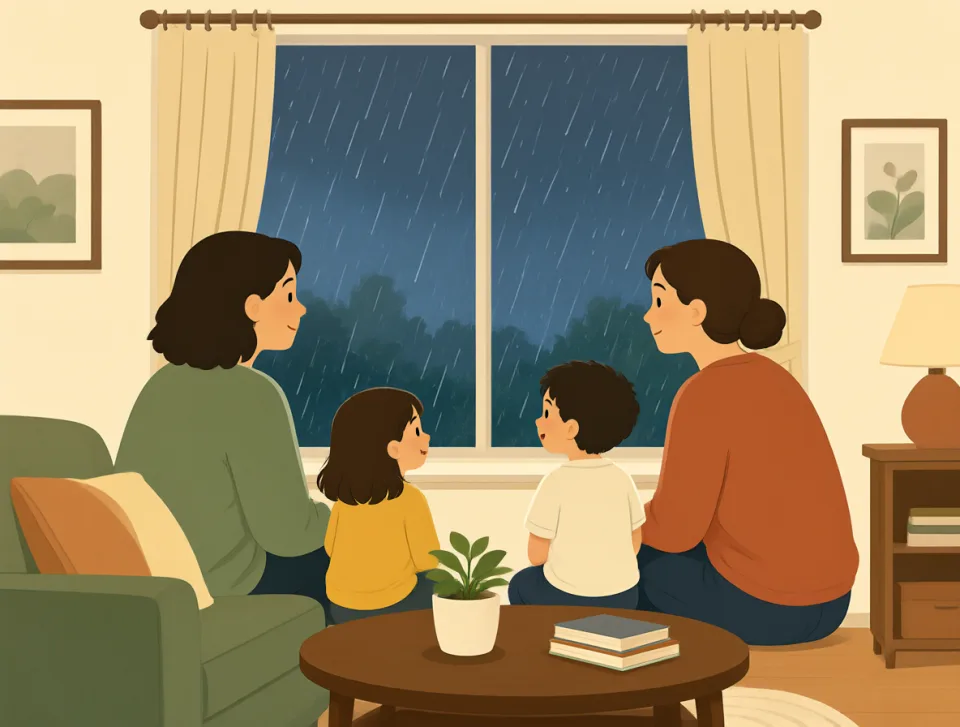
We stayed inside until the rain stopped.
Zostaliśmy w środku, aż przestało padać.

She worked until six o’clock yesterday.
Wczoraj pracowała do szóstej.
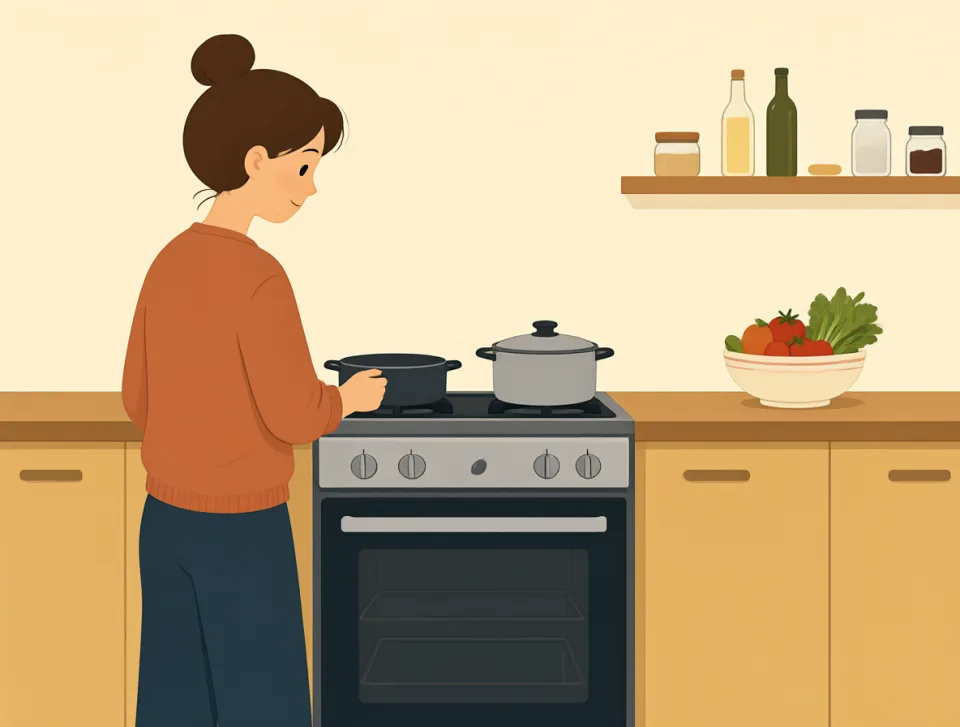
Do not open the oven until dinner is ready.
Nie otwieraj piekarnika, dopóki kolacja nie będzie gotowa.
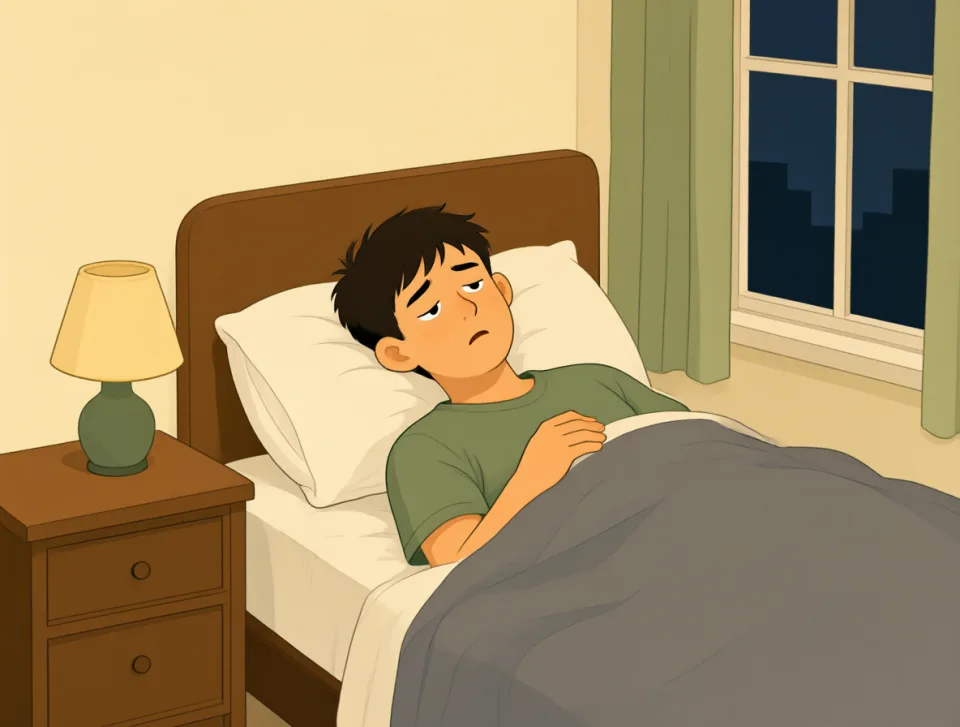
He did not sleep until midnight.
Nie zasnął aż do północy.

reason
#256noun, verb
powód
A cause or explanation for something; to think carefully and logically.
Przyczyna lub wyjaśnienie czegoś; rozumować uważnie i logicznie.
What is the reason for your visit?
Jaki jest powód pana/pani wizyty?
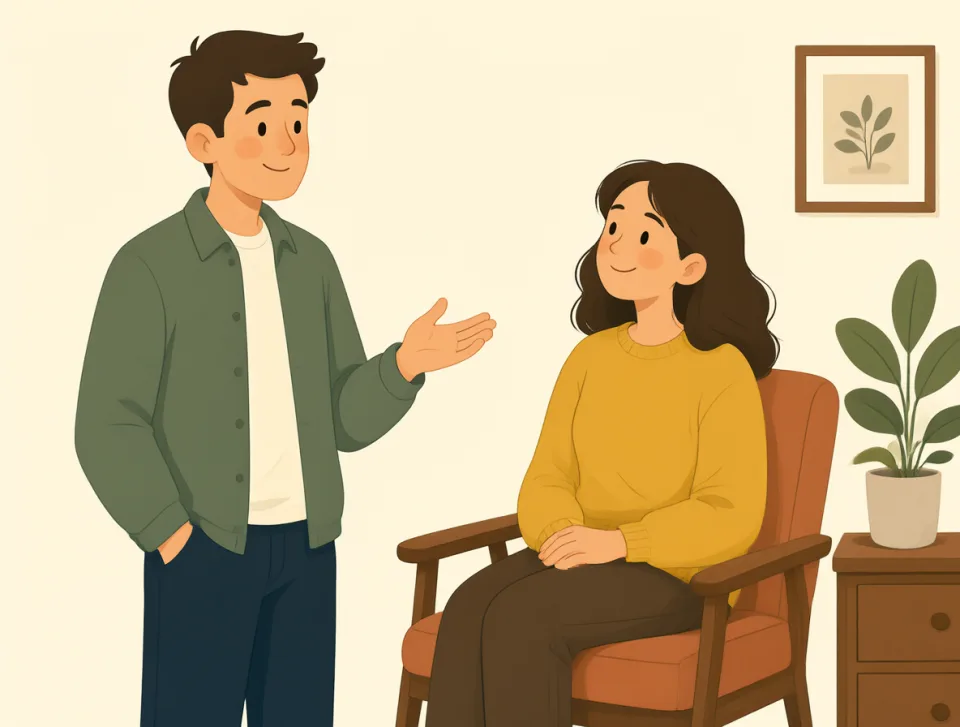
She gave me a good reason to stay.
Podała mi dobry powód, żeby zostać.
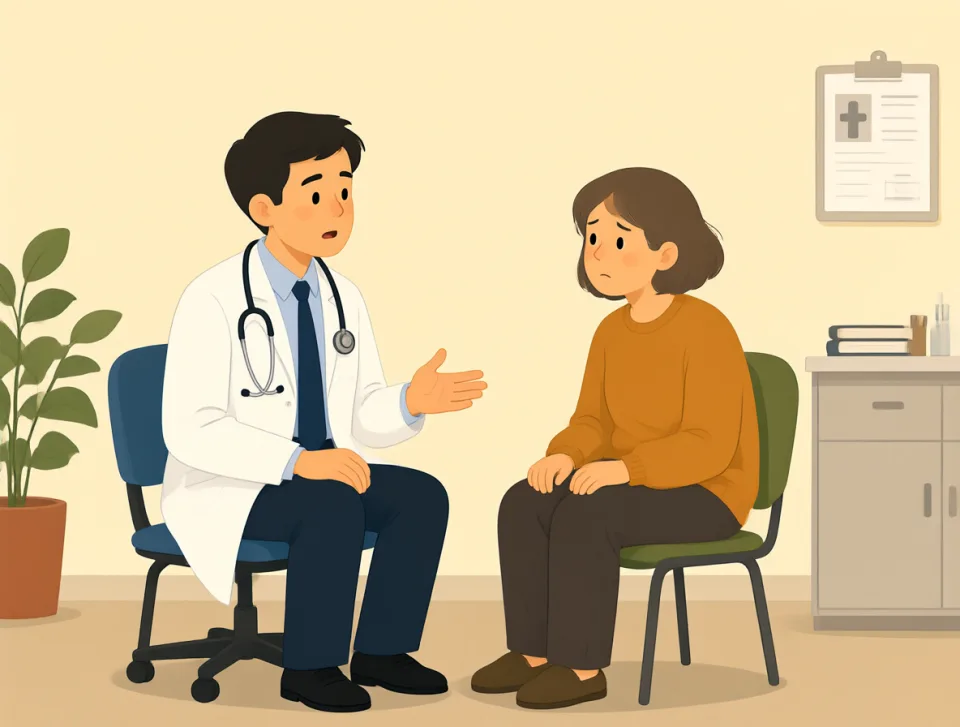
There is no reason to worry.
Nie ma powodu do zmartwień.
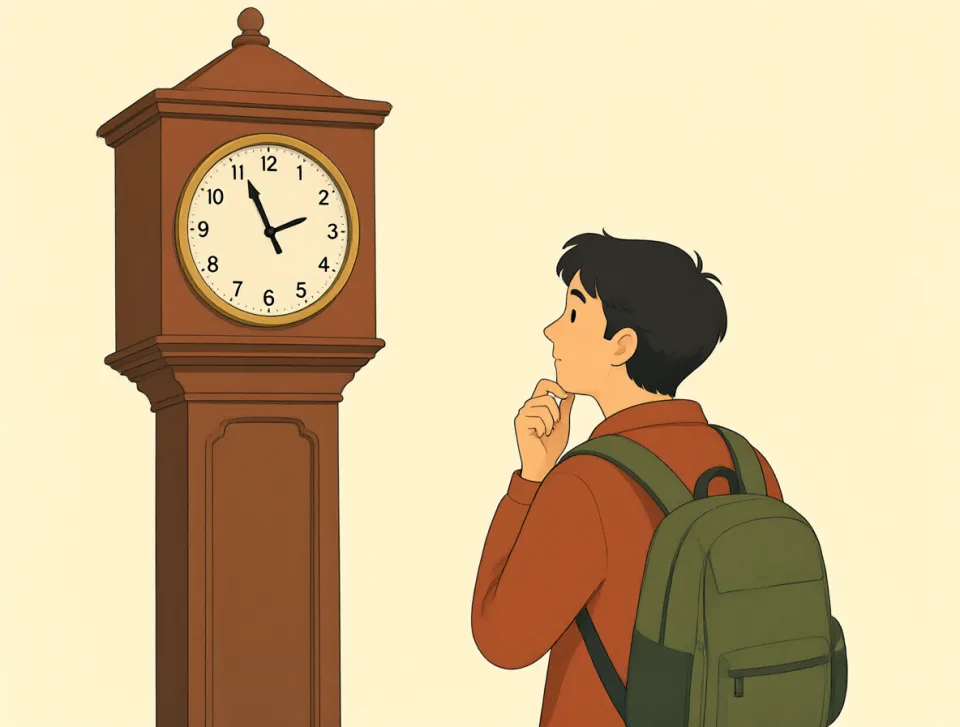
He reasoned that the train was late.
Wywnioskował, że pociąg jest spóźniony.
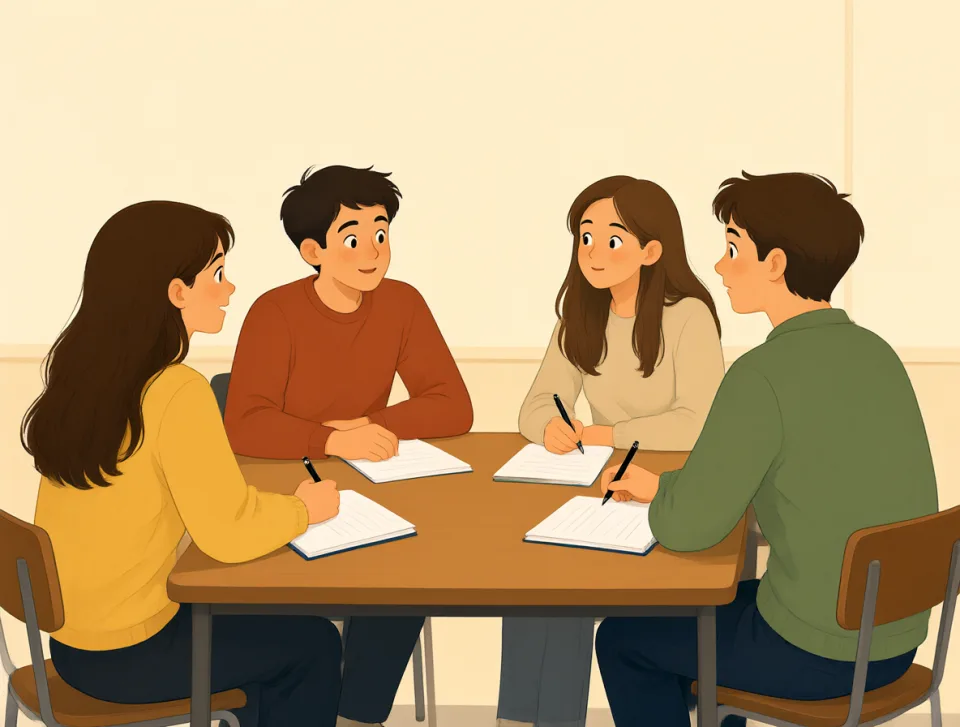
The teacher asked us to reason together.
Nauczyciel poprosił nas, żebyśmy wspólnie rozumowali.
form
#257noun, verb
forma
a shape, type, or document; to make or create something
Kształt, rodzaj lub dokument; nadawać czemuś kształt albo coś tworzyć.
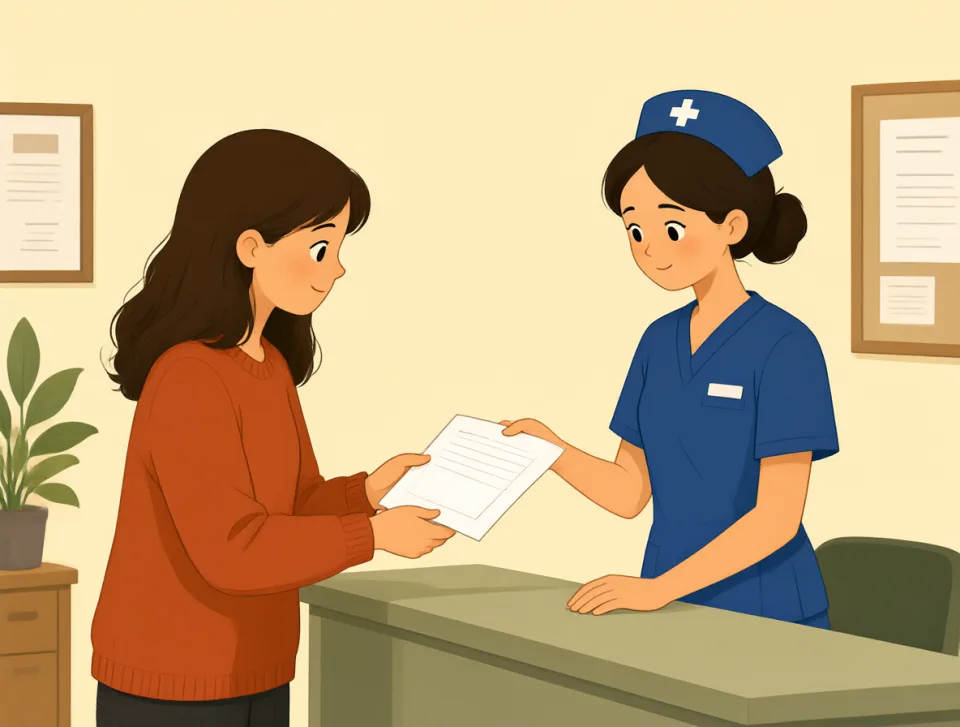
Please fill in this form at the clinic.
Proszę wypełnić ten formularz w przychodni.
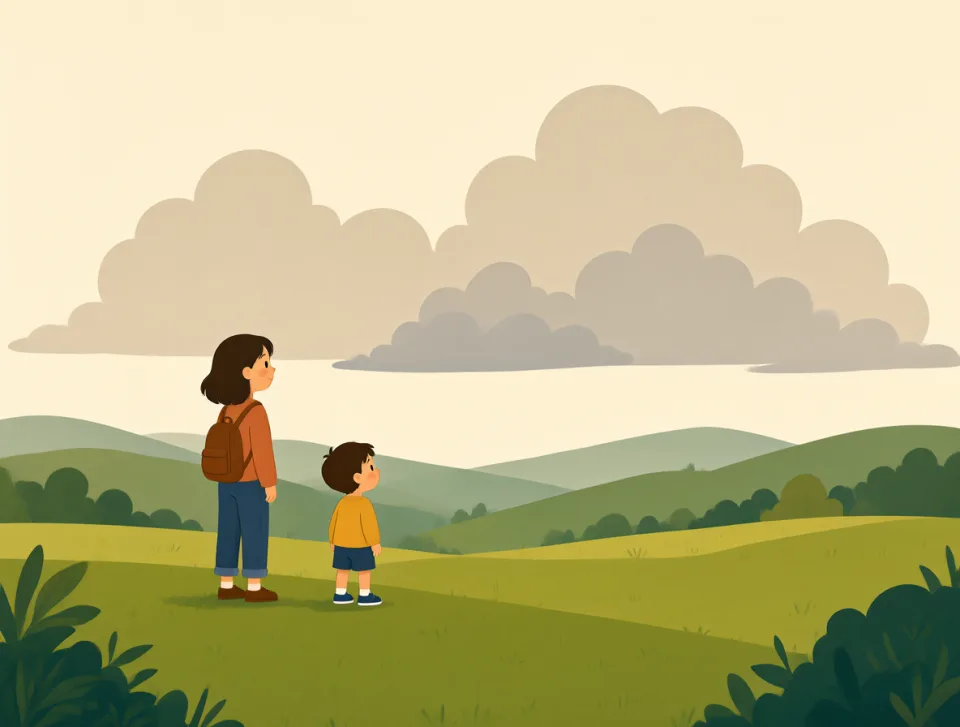
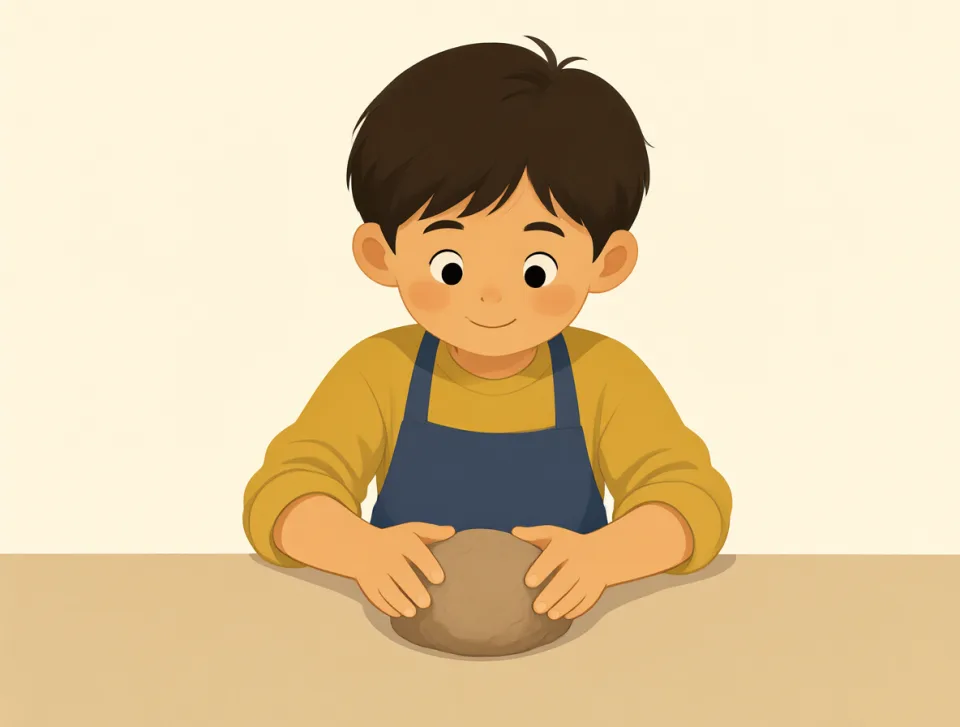
Clouds formed over the hills this morning.
Tego ranka nad wzgórzami utworzyły się chmury.
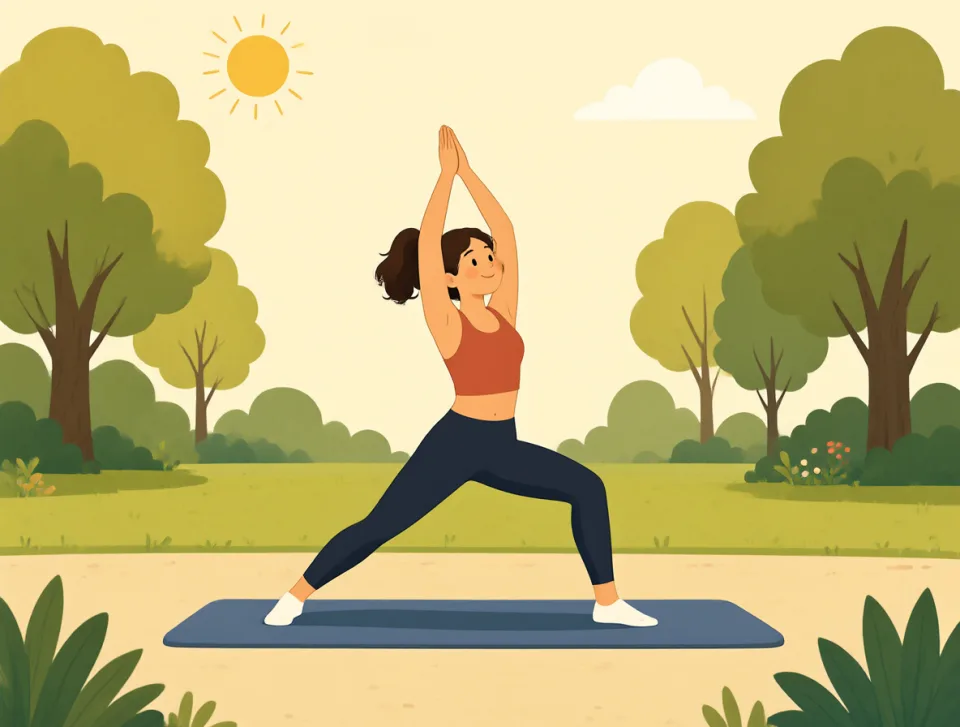
Exercise is a healthy form of activity.
Ćwiczenia fizyczne to zdrowa forma aktywności.
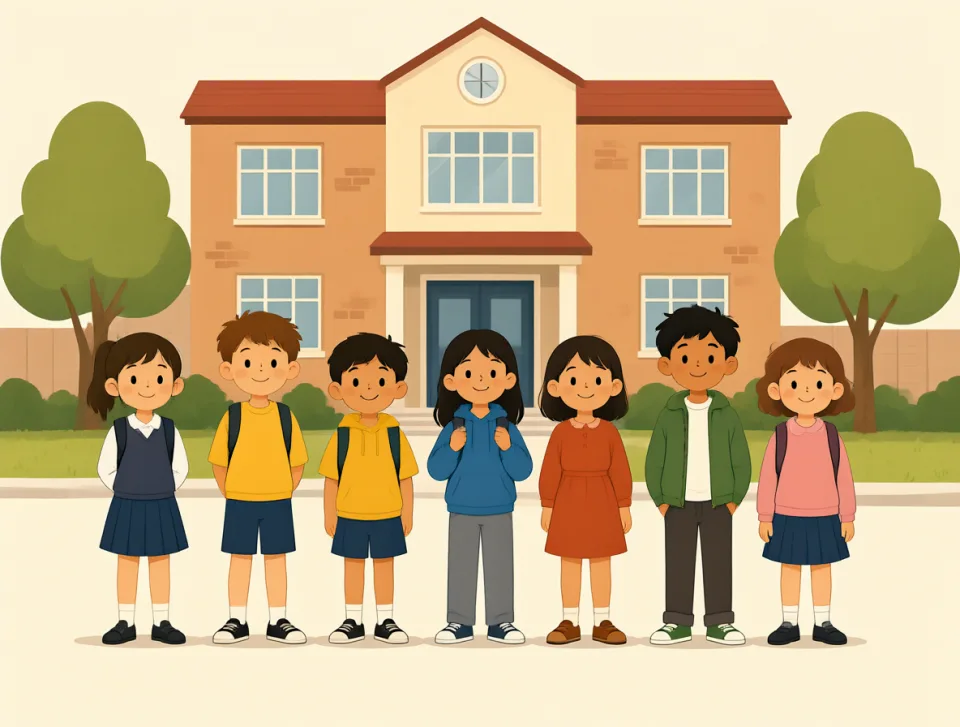
The children formed a line outside school.
Dzieci ustawiły się w kolejce przed szkołą.
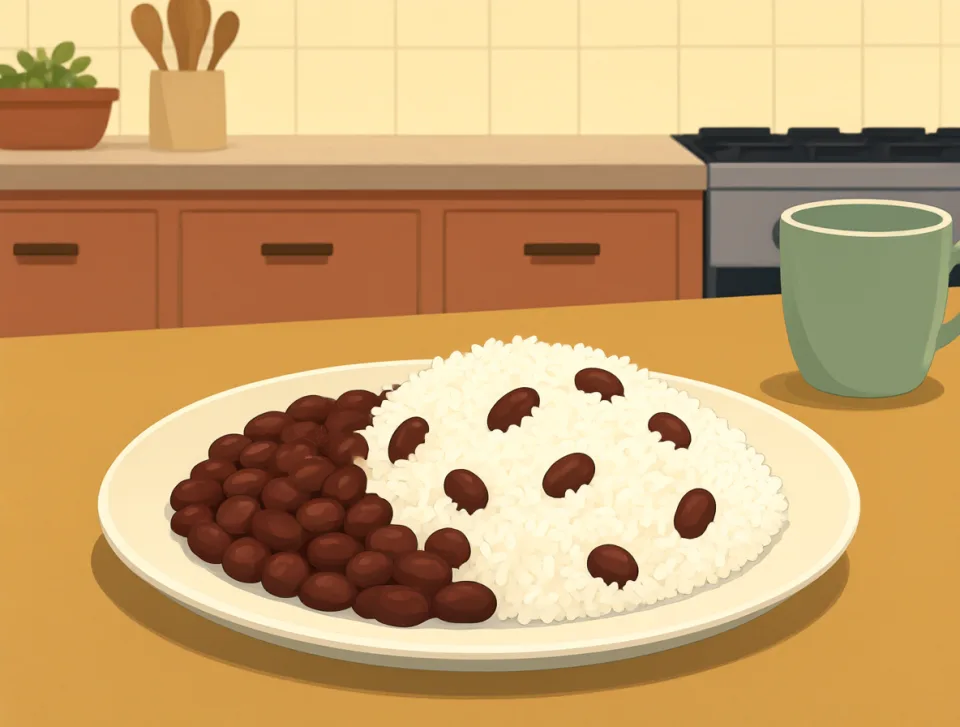
Rice and beans form a simple meal.
Ryż i fasola tworzą prosty posiłek.
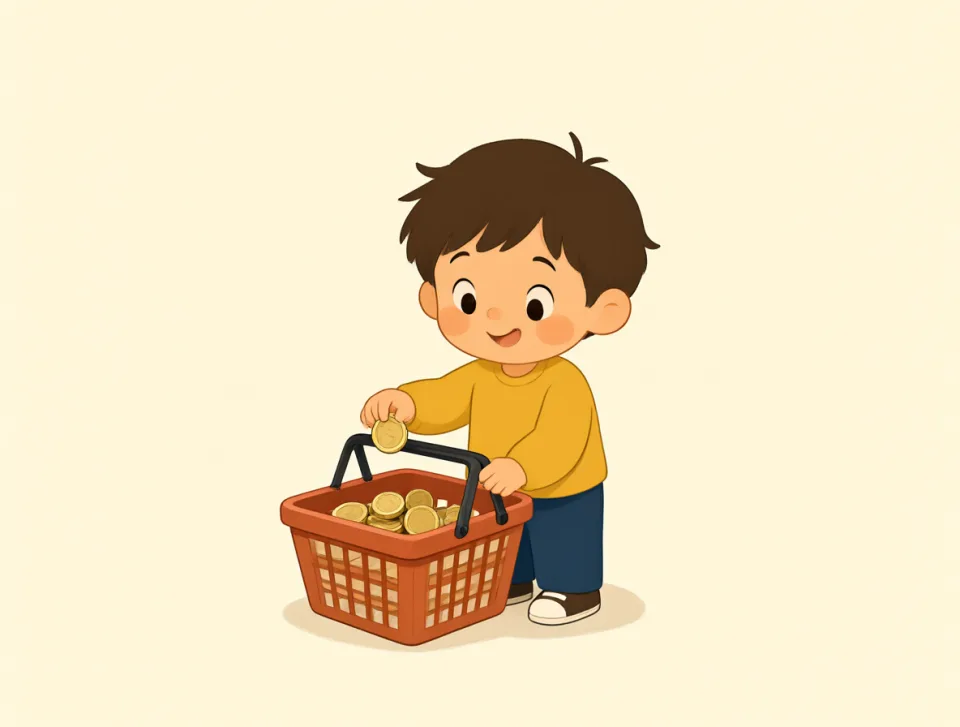
spend
#258verb
spędzać; wydawać
to use time or money for a particular purpose
Przeznaczać czas lub pieniądze na określony cel.
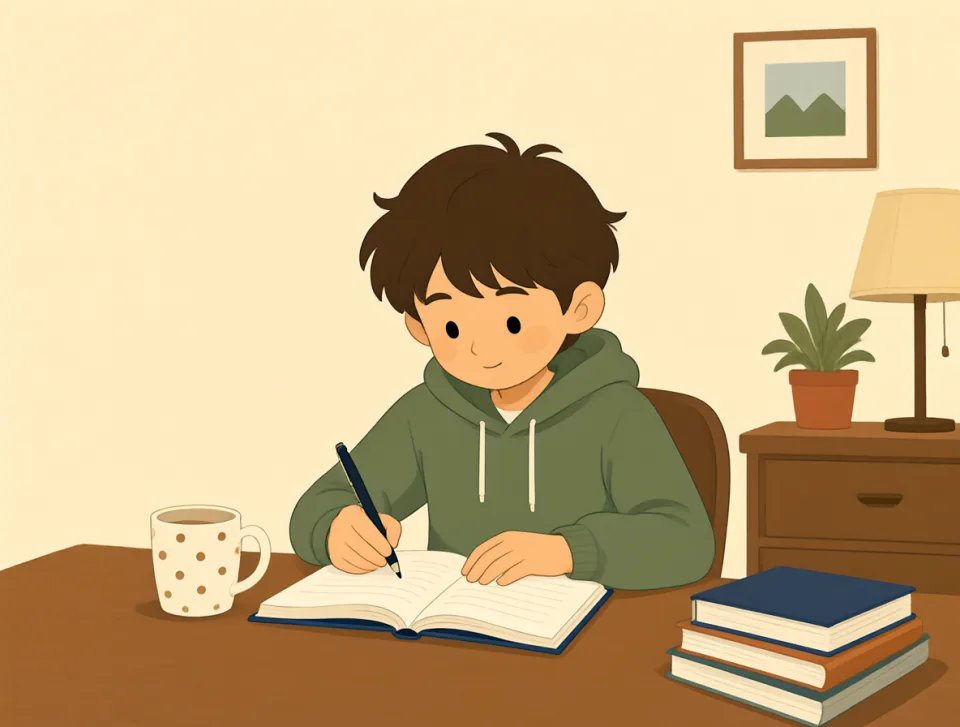
I spend two hours doing homework.
Spędzam dwie godziny na odrabianiu pracy domowej.
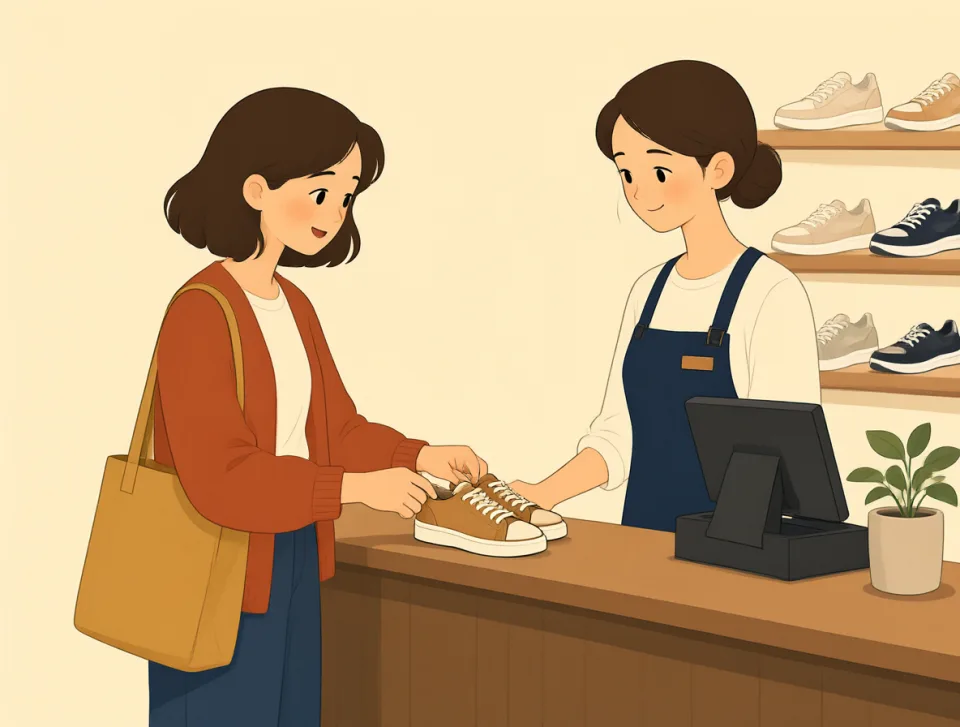
She spent fifty dollars on new shoes.
Wydała pięćdziesiąt dolarów na nowe buty.
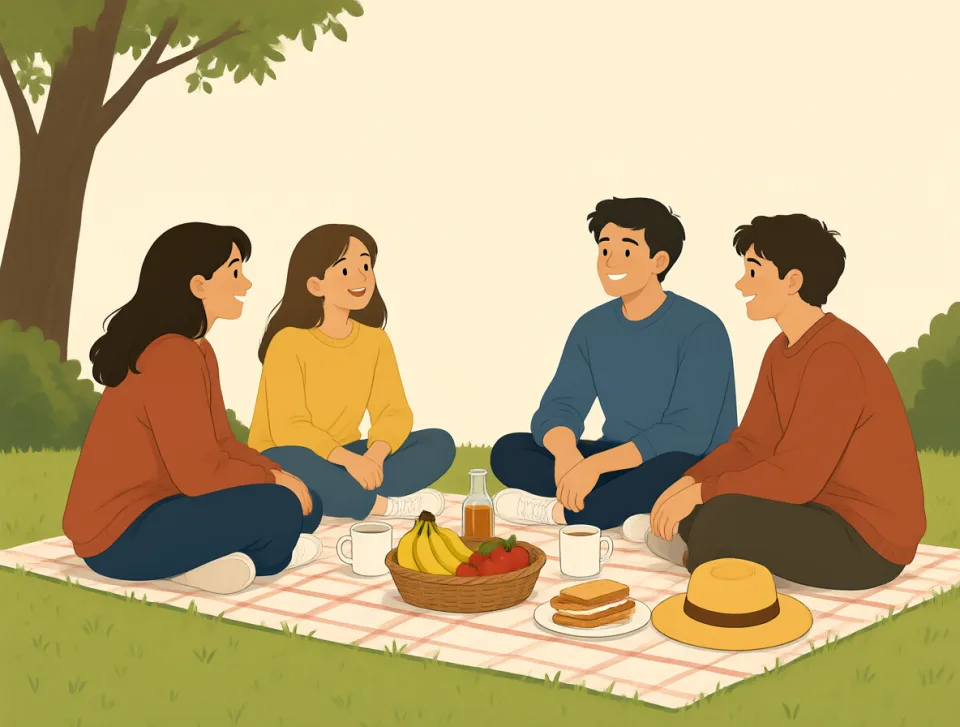
We spent the weekend with our friends.
Spędziliśmy weekend z przyjaciółmi.
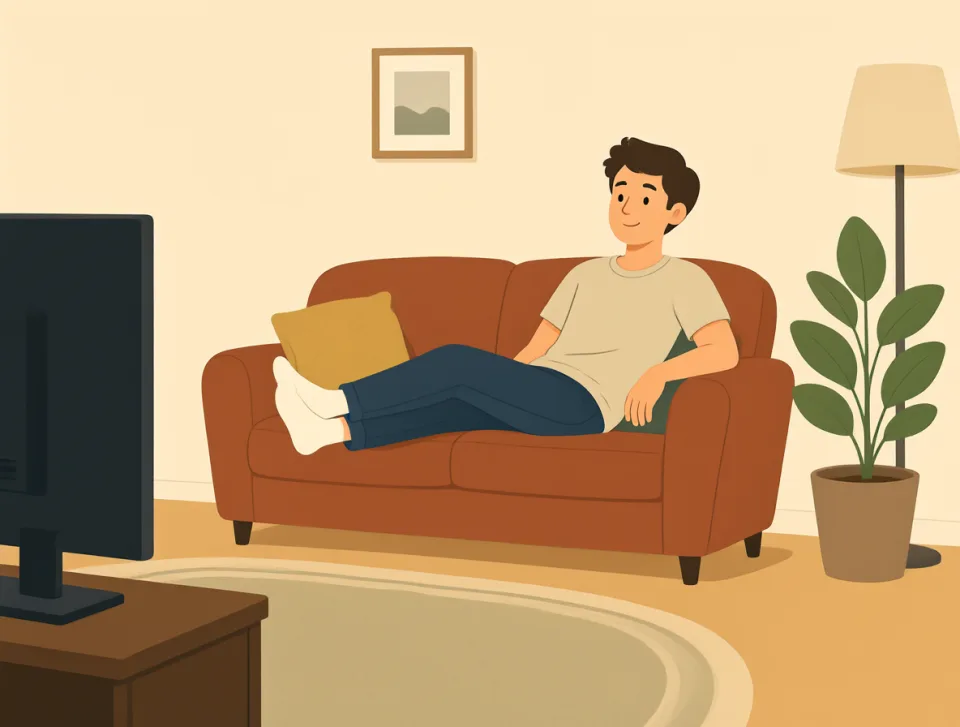
He spends too much time watching television.
Spędza za dużo czasu, oglądając telewizję.

They spent three days in Paris.
Spędzili trzy dni w Paryżu.
head
#259noun, verb
głowa; kierować się
The part of your body above your neck, or to lead or move toward a place.
Część ciała znajdująca się nad szyją; także: prowadzić lub zmierzać w jakimś kierunku.
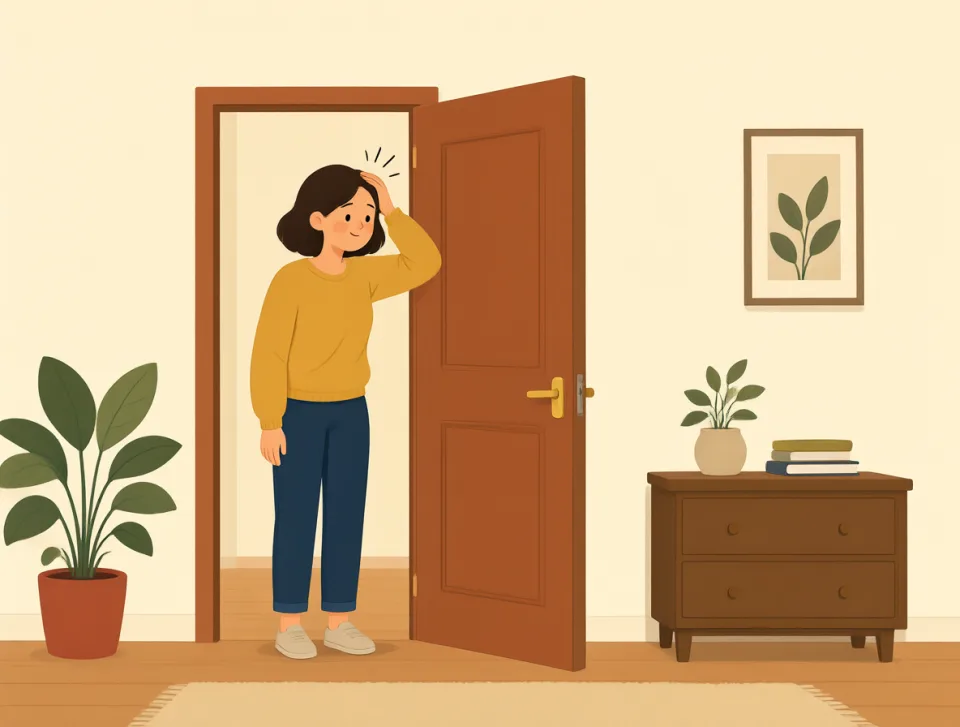
She hit her head on the door.
Uderzyła głową w drzwi.
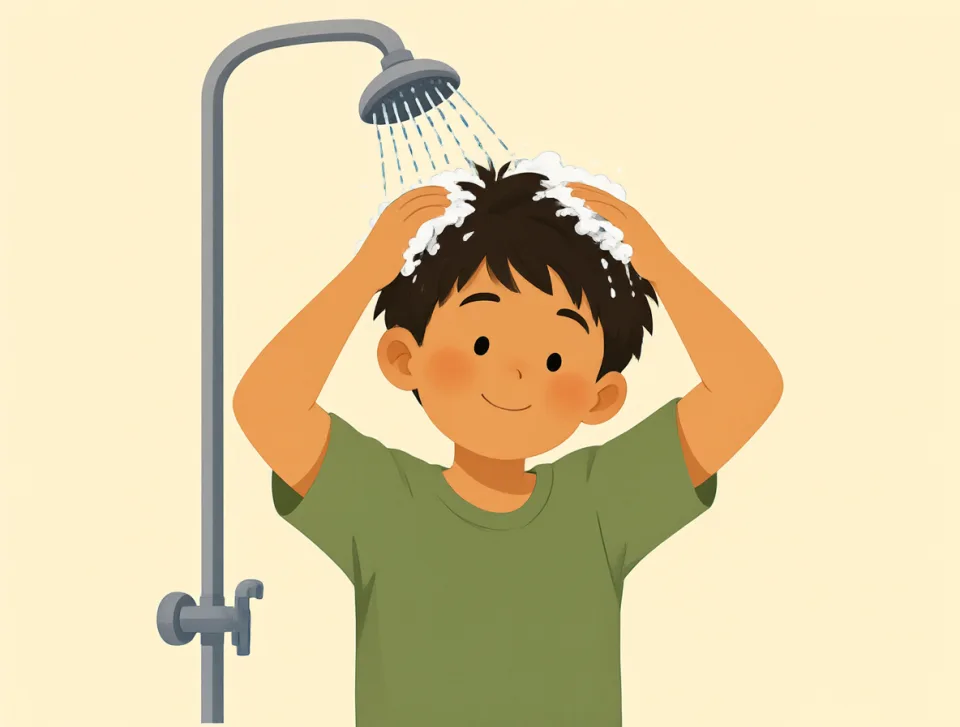
He washed his hair and head.
Umył włosy i głowę.

Our team is heading home after work.
Nasz zespół wraca po pracy do domu.
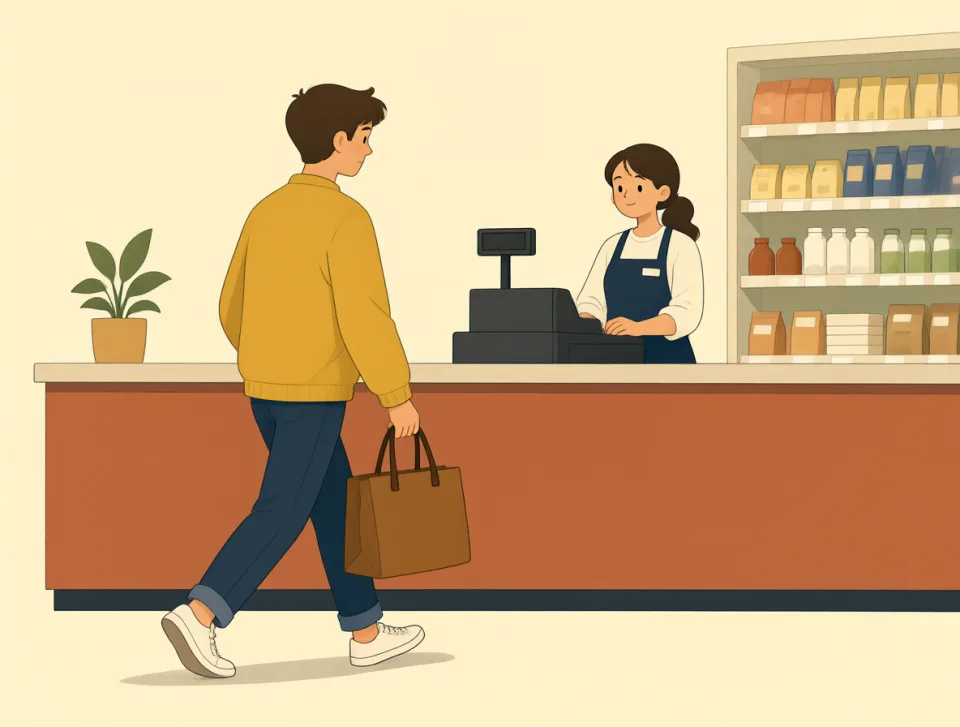
Please head to the front of the line.
Proszę przejść na początek kolejki.
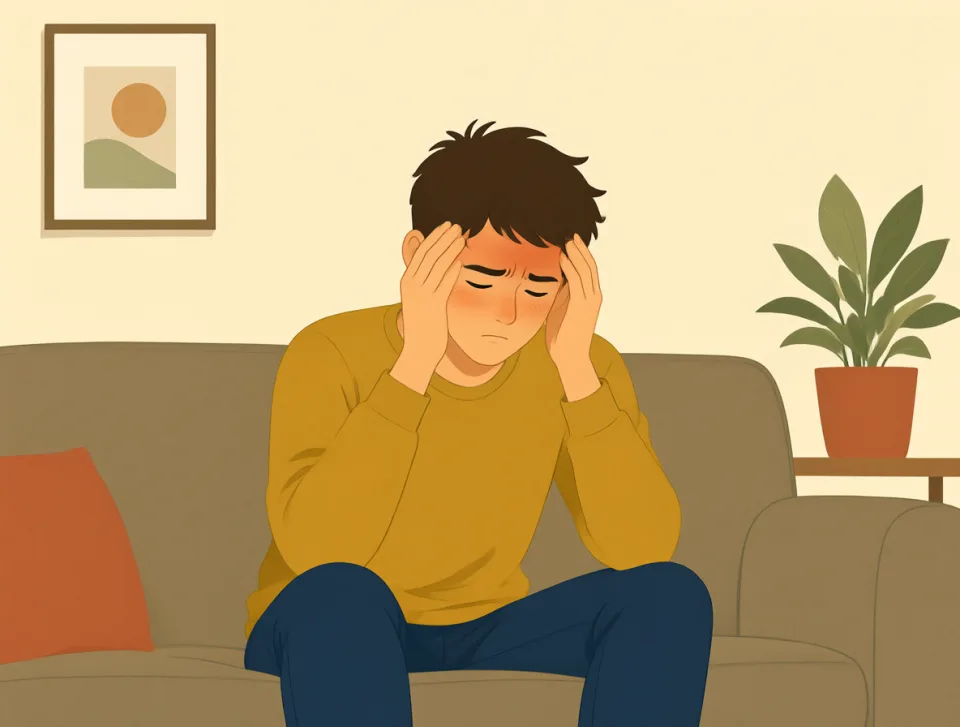
I have a headache today.
Dzisiaj boli mnie głowa.
car
#260noun
samochód
A road vehicle with four wheels that carries people.
Pojazd drogowy na czterech kołach, którym przewozi się ludzi.
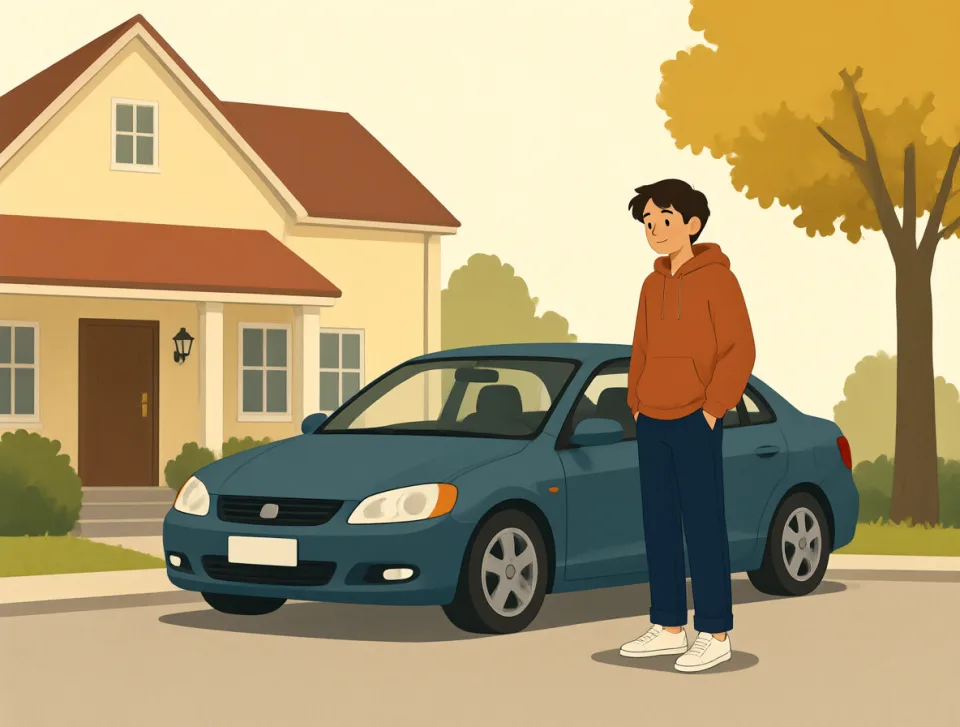
My car is parked outside the house.
Mój samochód jest zaparkowany przed domem.
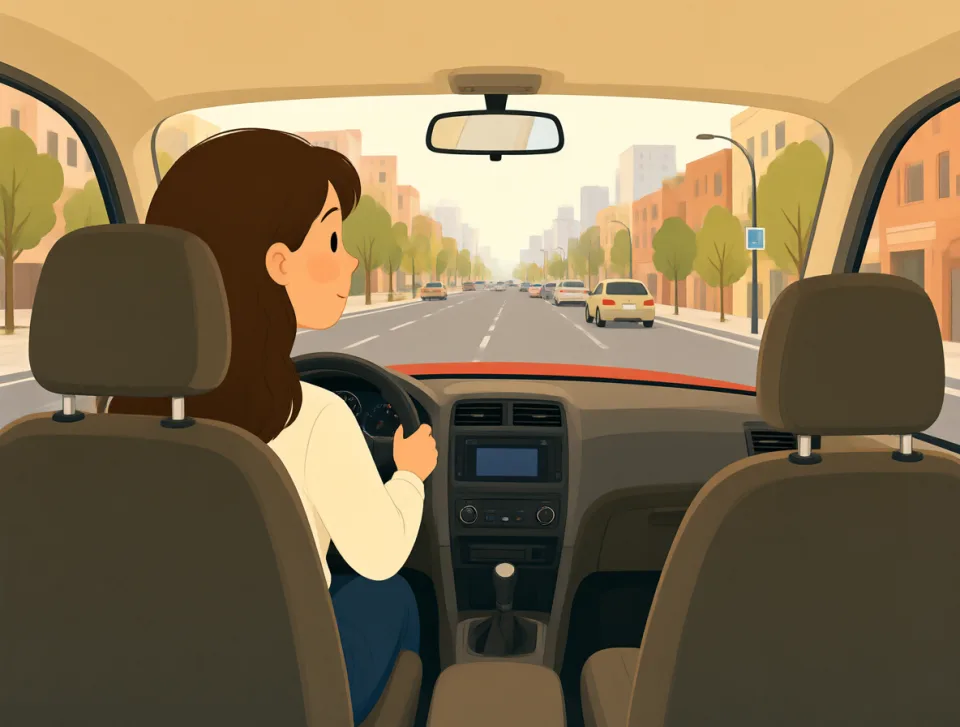
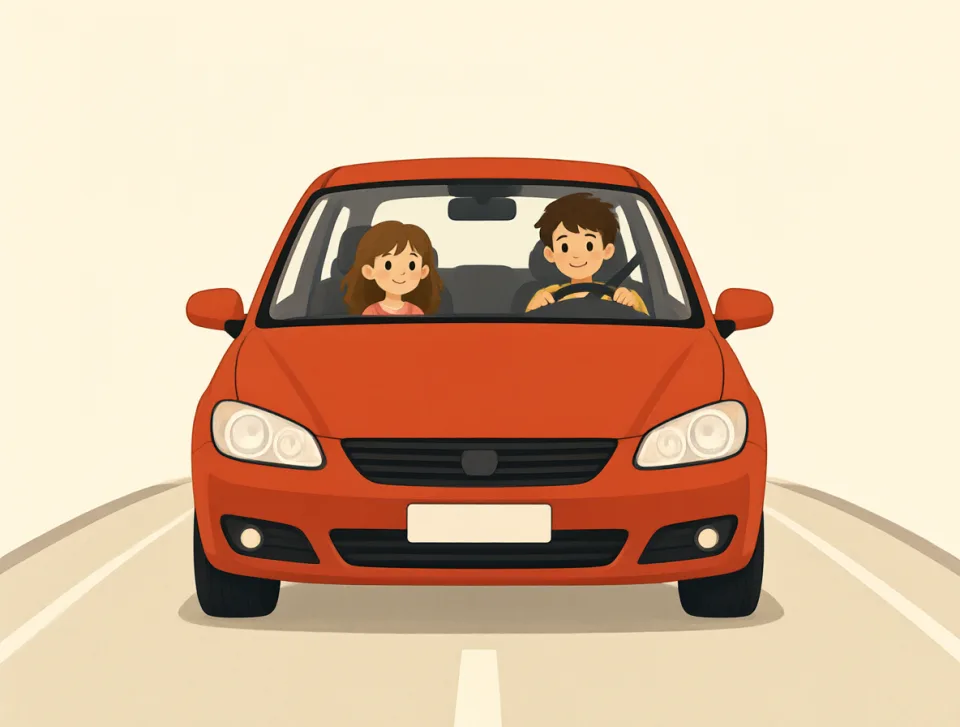
She drives her car to work every day.
Codziennie jeździ samochodem do pracy.
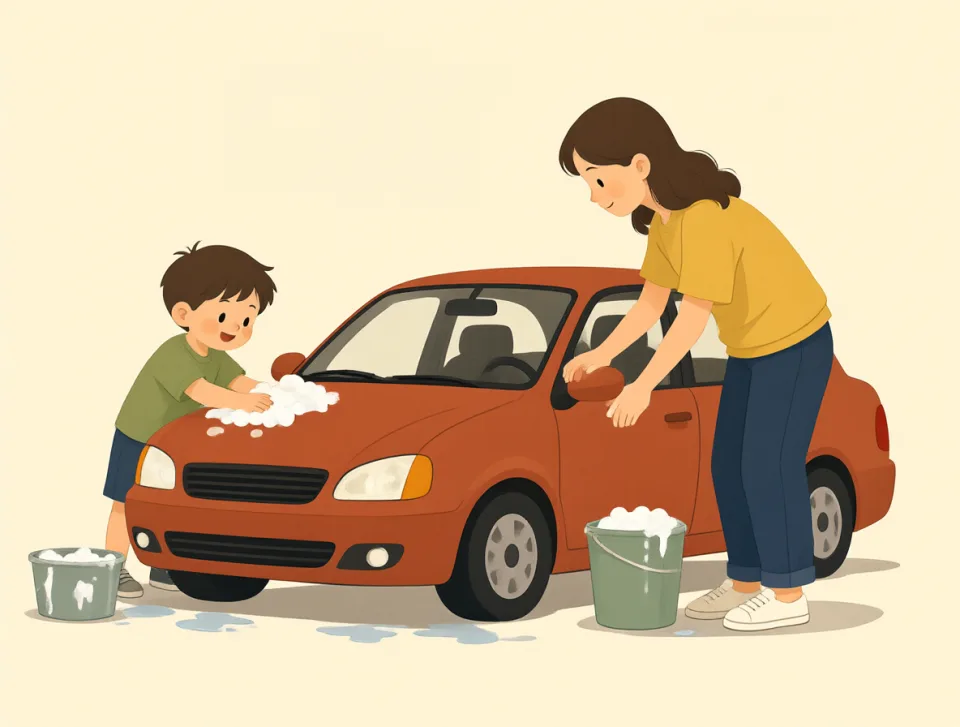
We need to wash the car today.
Musimy dzisiaj umyć samochód.
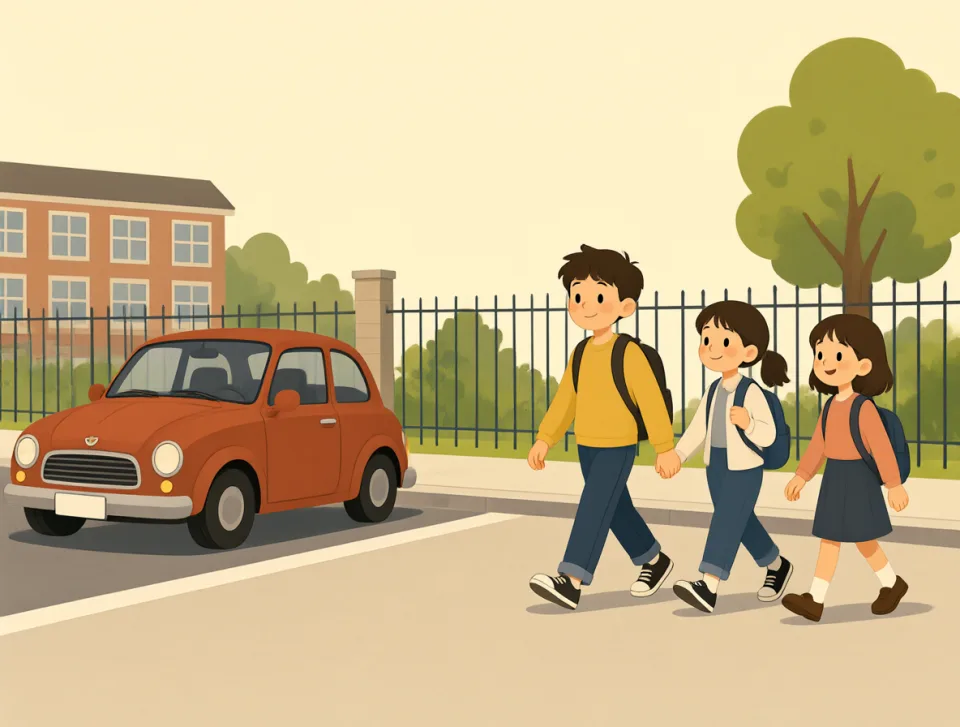
The car stopped near the school.
Samochód zatrzymał się w pobliżu szkoły.
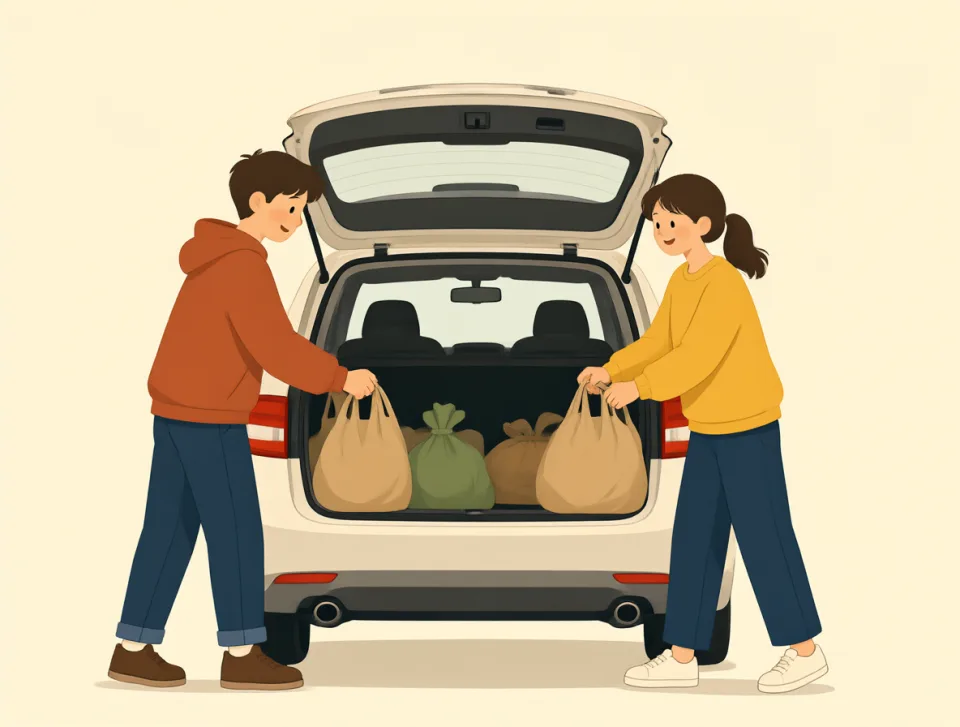
They rented a car for their trip.
Wynajęli samochód na wyjazd.