ユニット 1
1〜20語 · the, be, and, of, to, a
the
#1determiner
その
Used before a noun to show that it is known, specific, or the only one.
名詞の前に置き、それが知られている特定のもの、または唯一のものであることを示す。
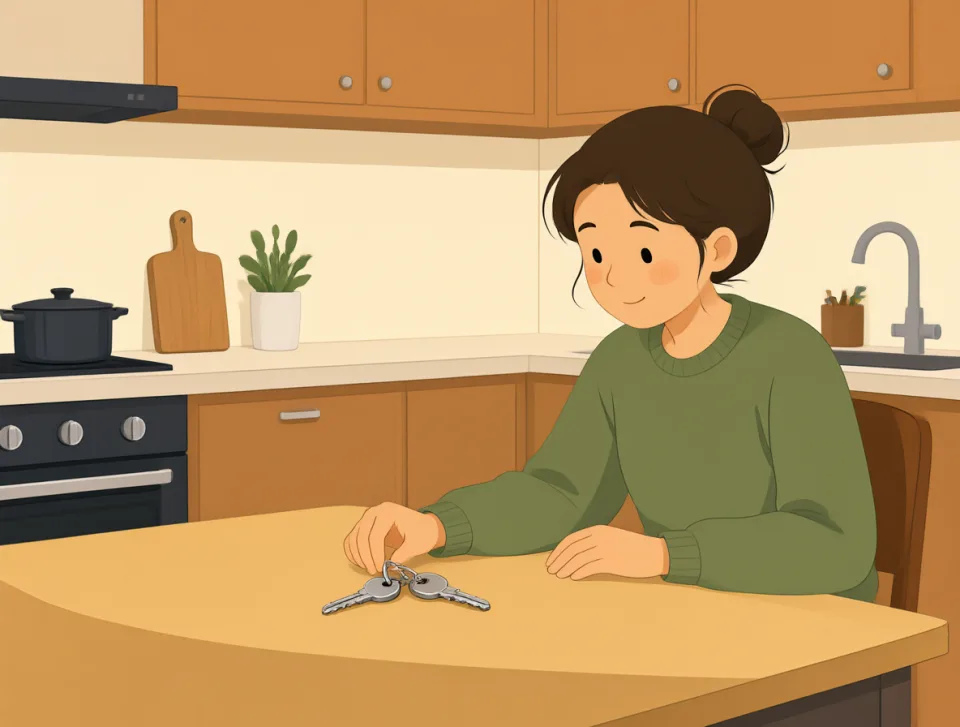
The keys are on the kitchen table.
鍵はキッチンのテーブルの上にあります。
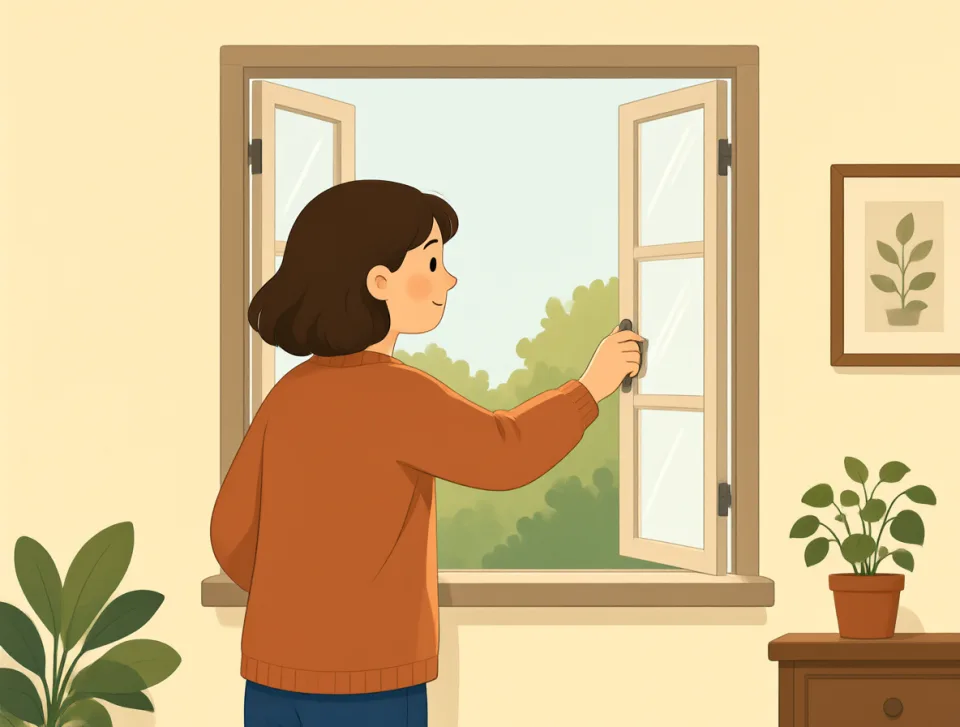
Please close the window before you leave.
出かける前に窓を閉めてください。
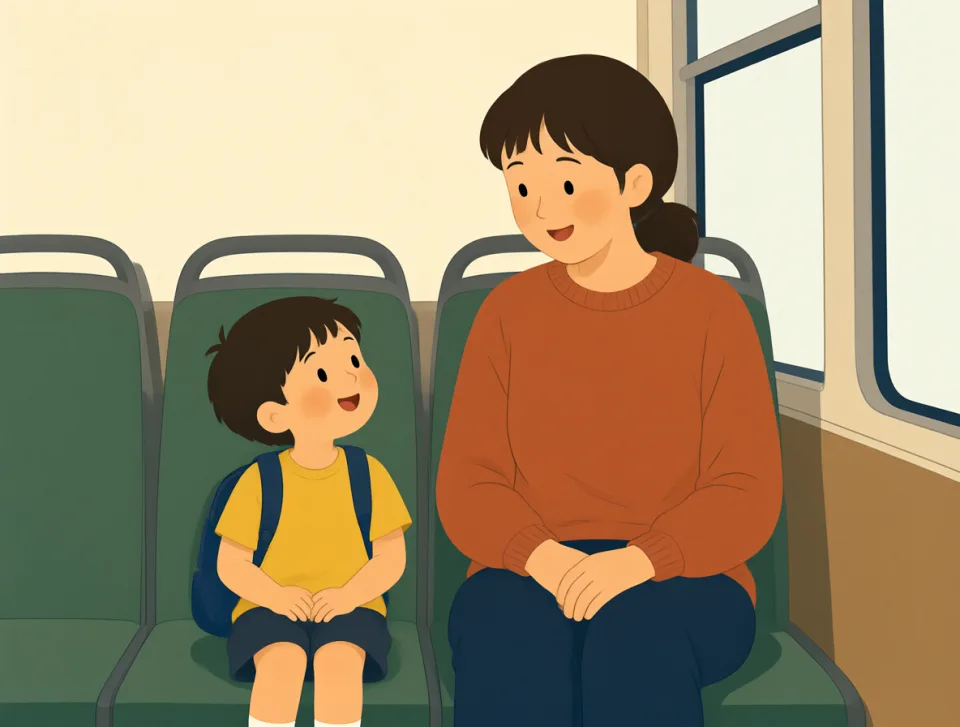
We took the bus to school this morning.
今朝はバスで学校に行きました。
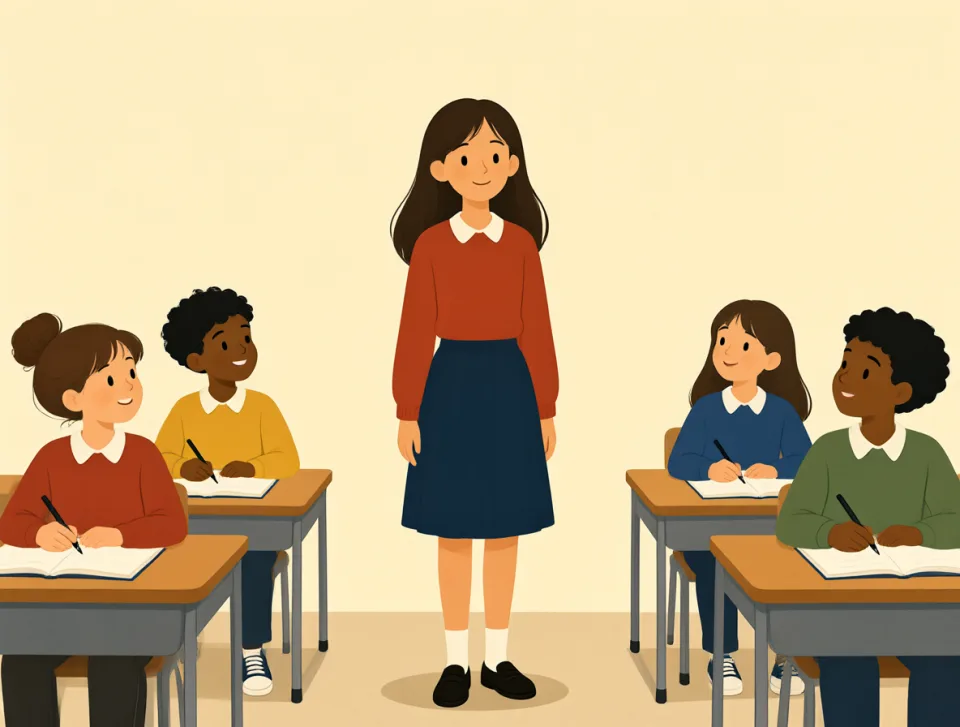
She is the tallest girl in her class.
彼女はクラスでいちばん背が高い女の子です。

The sun is shining, so let's eat outside.
太陽が出ているので、外で食べましょう。

be
#2verb
です; ある; いる; 起こる
to exist, happen, or have a particular quality, identity, or location
存在する、起こる、または特定の性質・身元・場所を持つ
I am tired after work today.
今日は仕事のあとで疲れています。
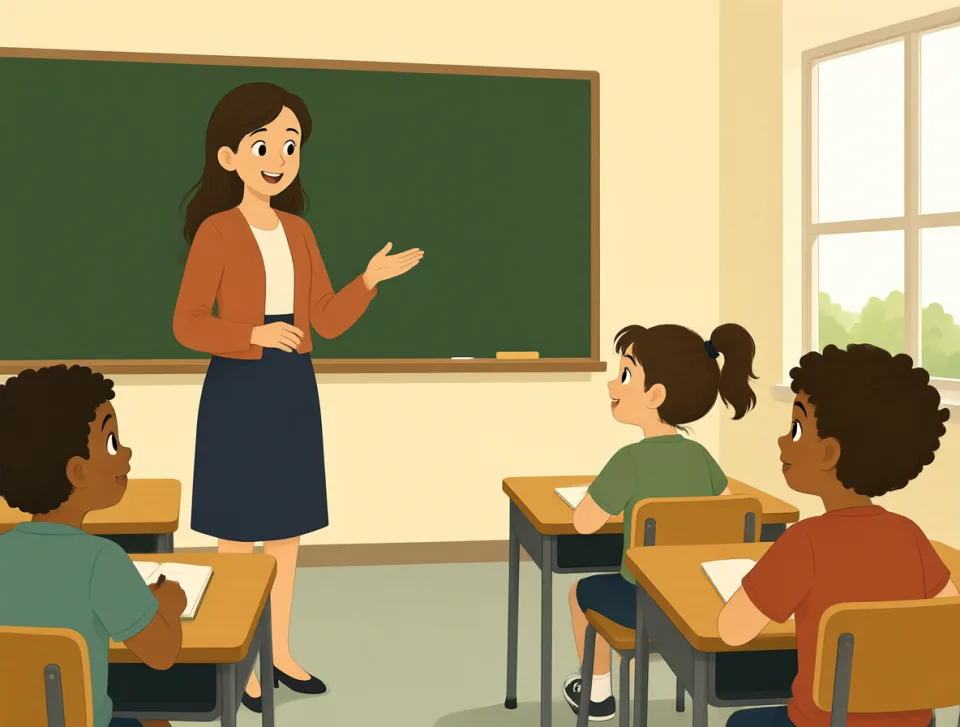
She is a teacher at our school.
彼女は私たちの学校の先生です。
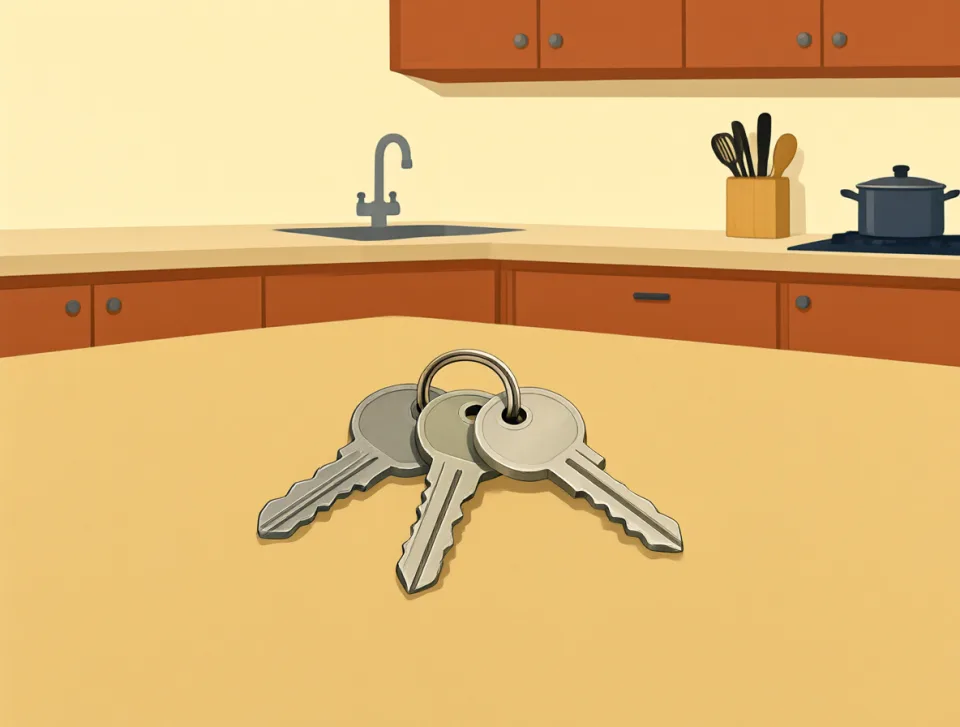
The keys are on the kitchen table.
鍵は台所のテーブルの上にあります。
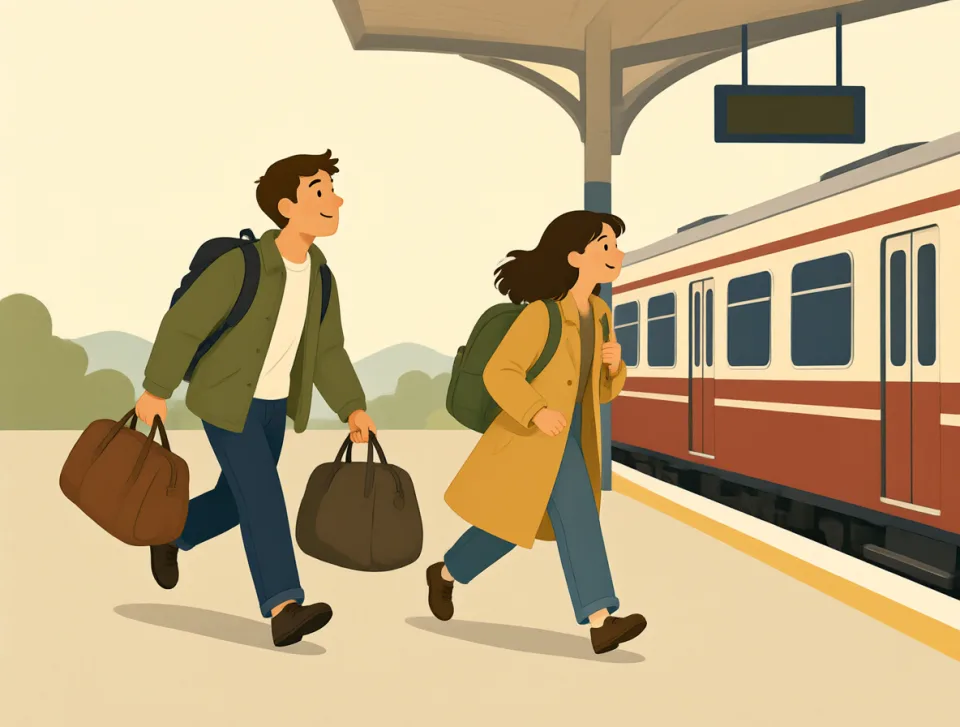
We were late for the train.
私たちは電車に遅れました。
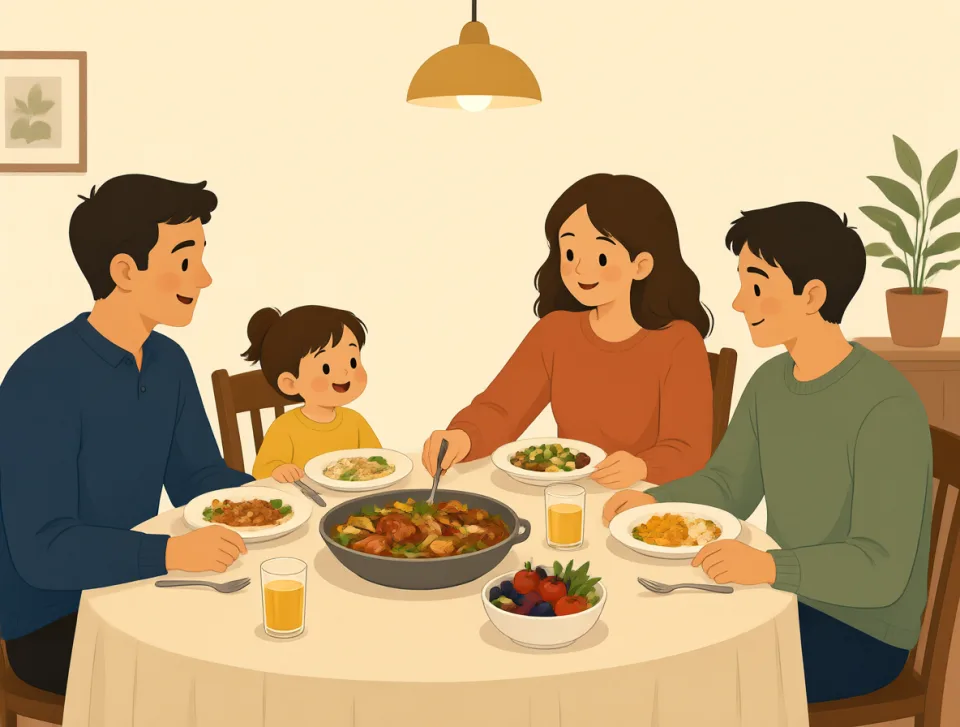
Dinner is ready, so please come in.
夕食の準備ができたので、どうぞ入ってきてください。

and
#3conjunction
そして; と
Used to join words, phrases, or sentences that go together.
一緒になる語句や文をつなぐために使う。
Tom and Anna work in the same office.
トムとアンナは同じオフィスで働いています。
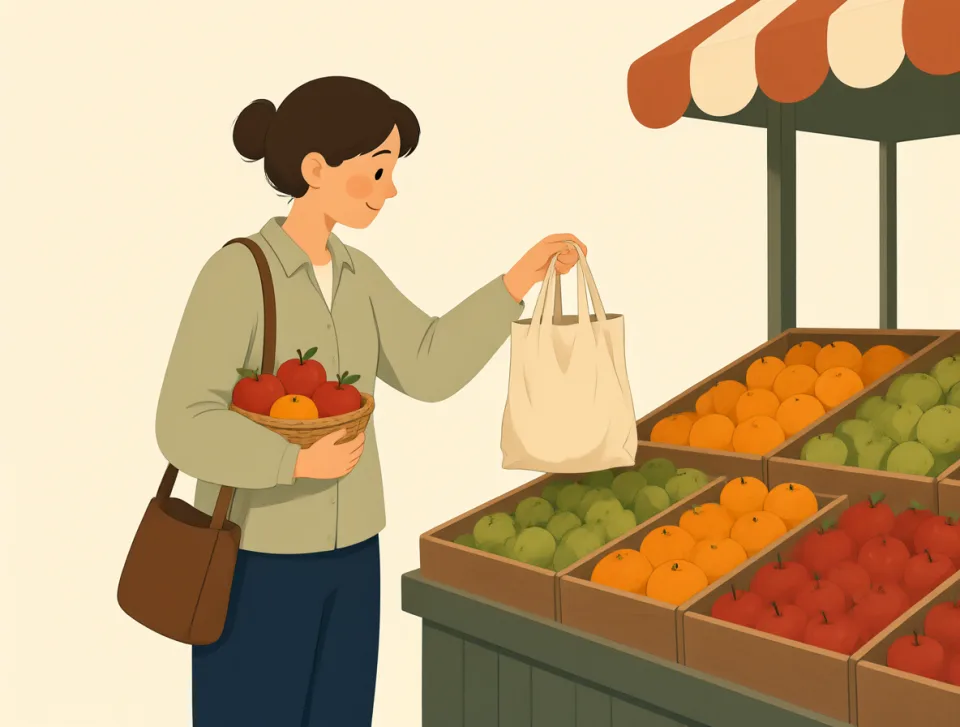
I bought apples and oranges at the market.
市場でりんごとオレンジを買いました。
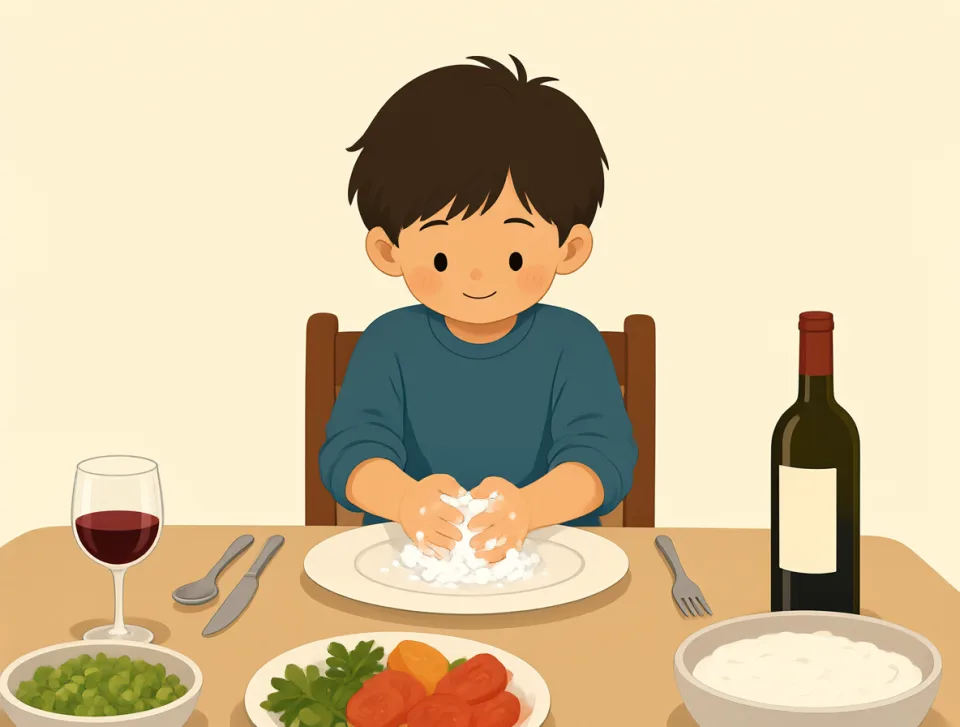
Please wash your hands and eat dinner.
手を洗って、夕食を食べてください。
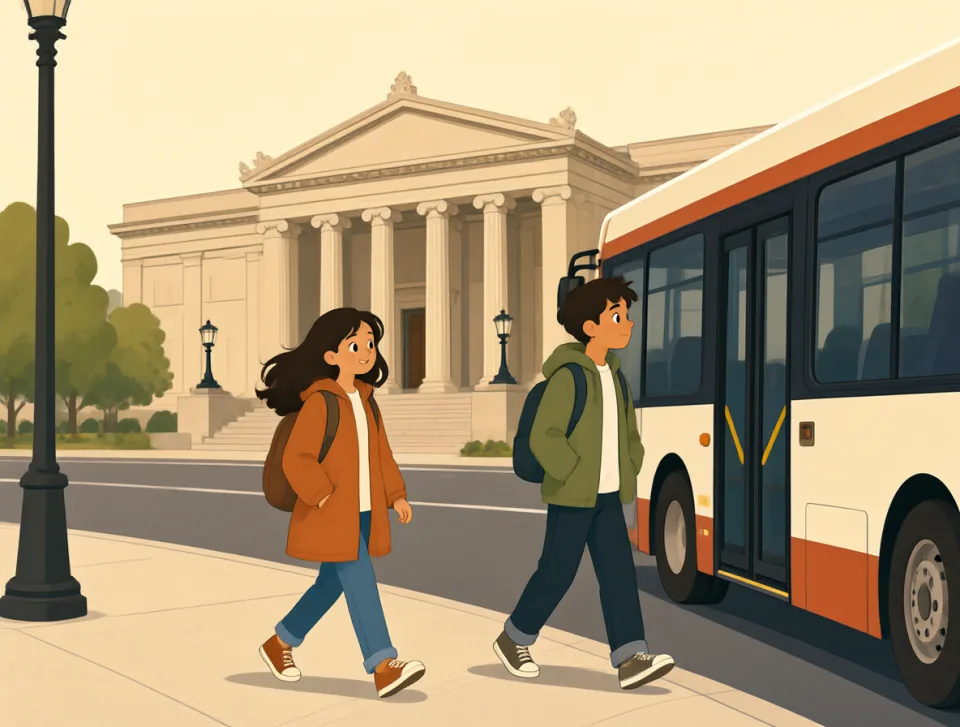
We took a bus and visited the museum.
バスに乗って、博物館を訪れました。
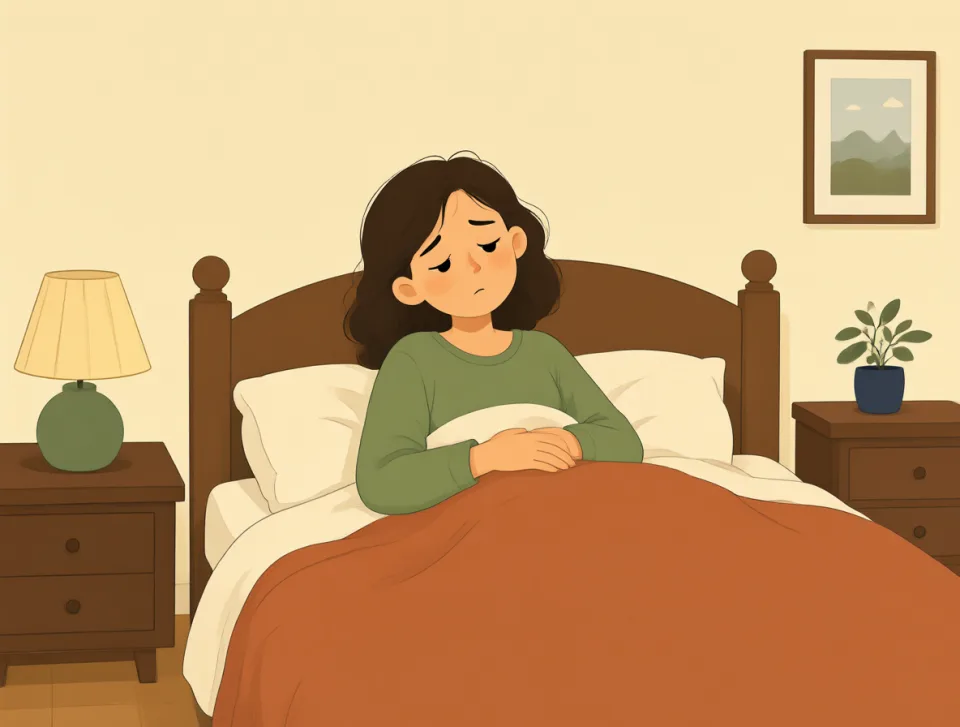
She was tired and went to bed early.
彼女は疲れていたので、早く寝ました。
of
#4preposition, determiner
の; 〜のうちの
Used to show belonging, connection, amount, or what something contains.
所属、関係、量、または何かに含まれているものを表すときに使う。
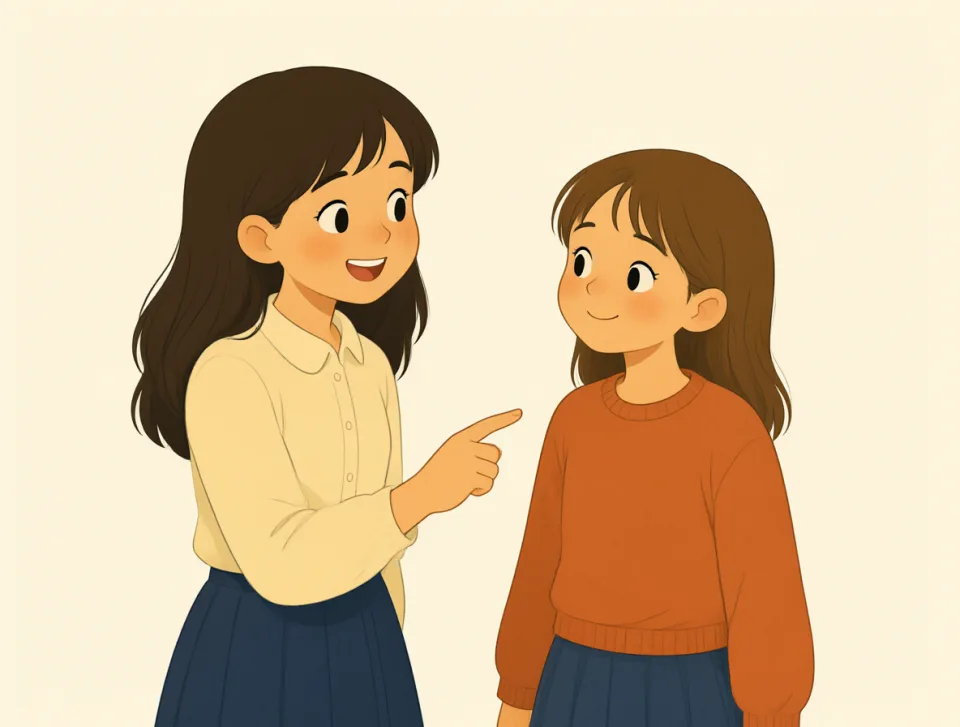
She is a friend of my sister.
彼女は私の姉の友達です。
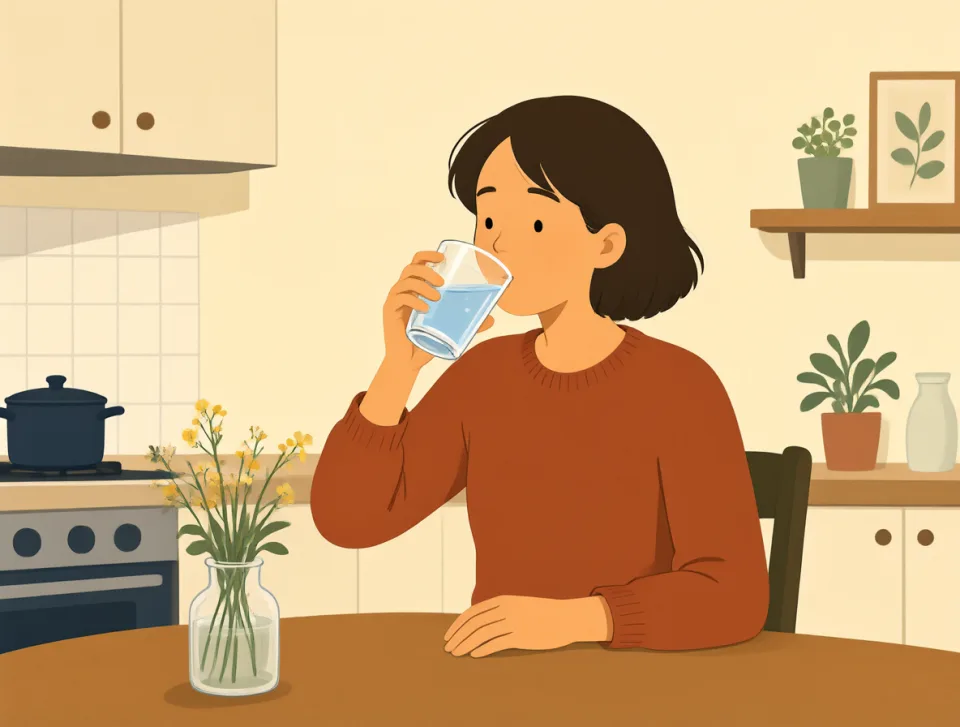
I drank a glass of water.
私はコップ一杯の水を飲みました。
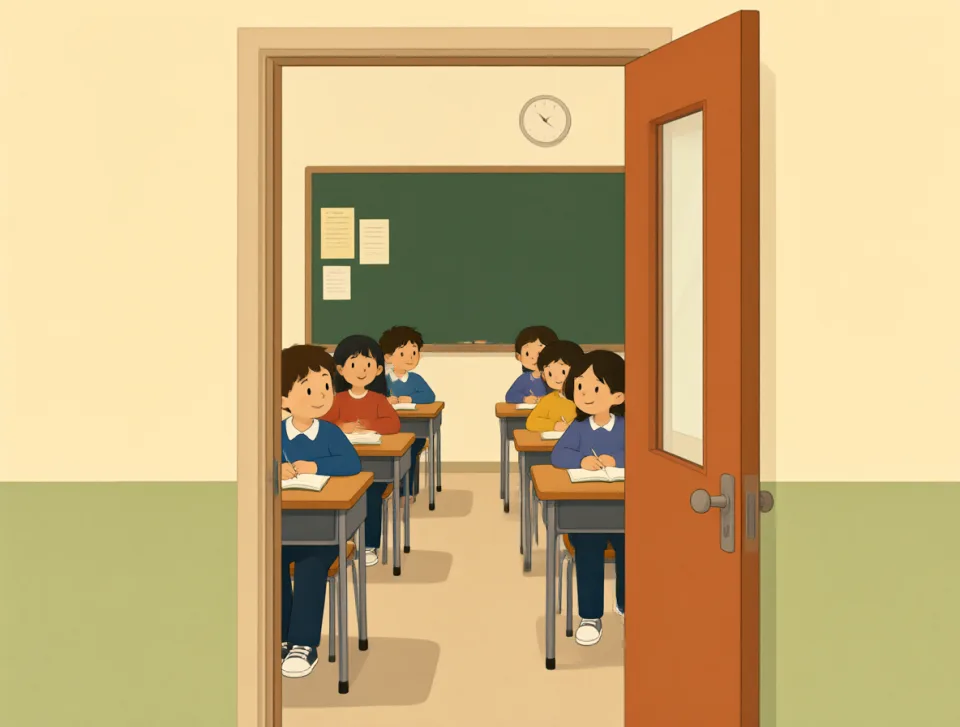
The door of the classroom is open.
教室のドアは開いています。
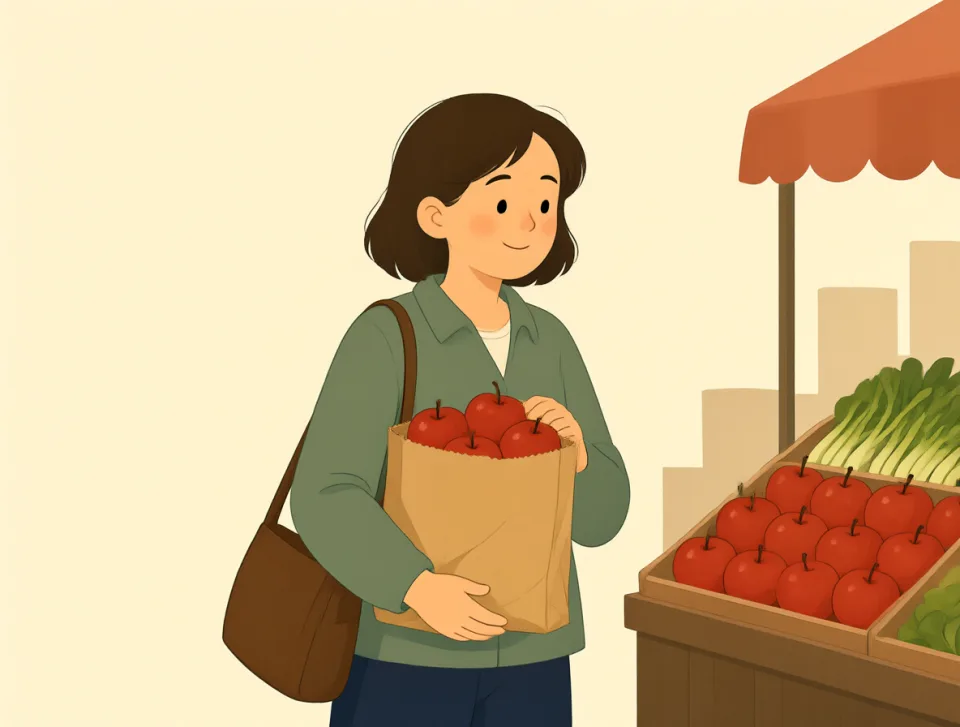
He bought a bag of apples.
彼はリンゴを一袋買いました。
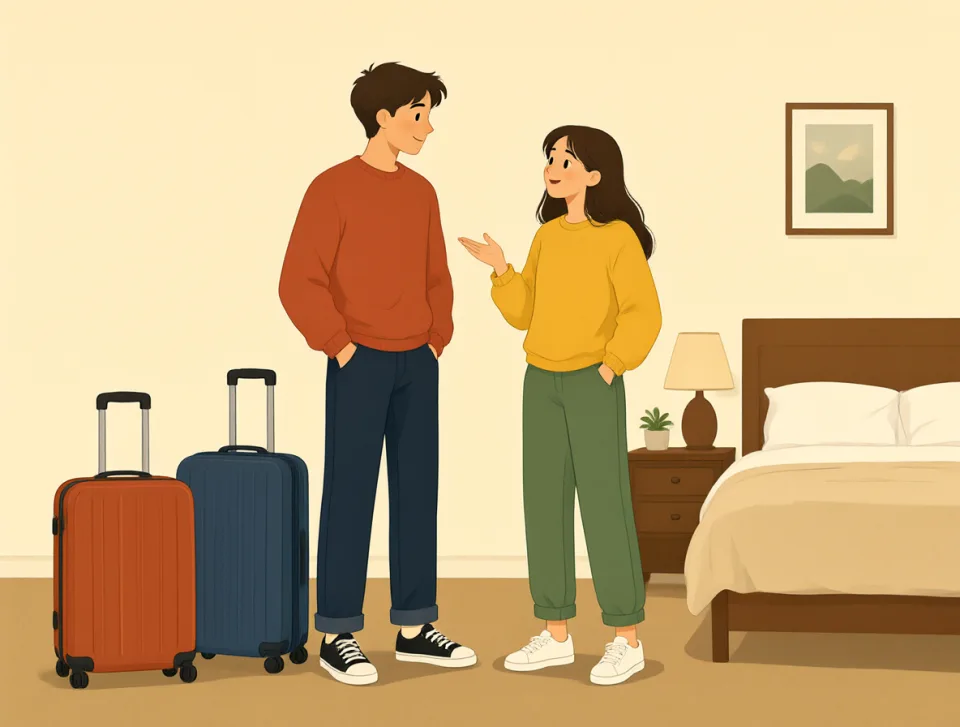
We talked about the problems of travel.
私たちは旅行の問題について話しました。
to
#5preposition, infinitive marker
〜へ; 〜に; 〜するために
Used before a place, person, or verb to show direction, purpose, or an action.
場所や人への方向、目的、または動作を示すために、場所や人、動詞の前に使う。
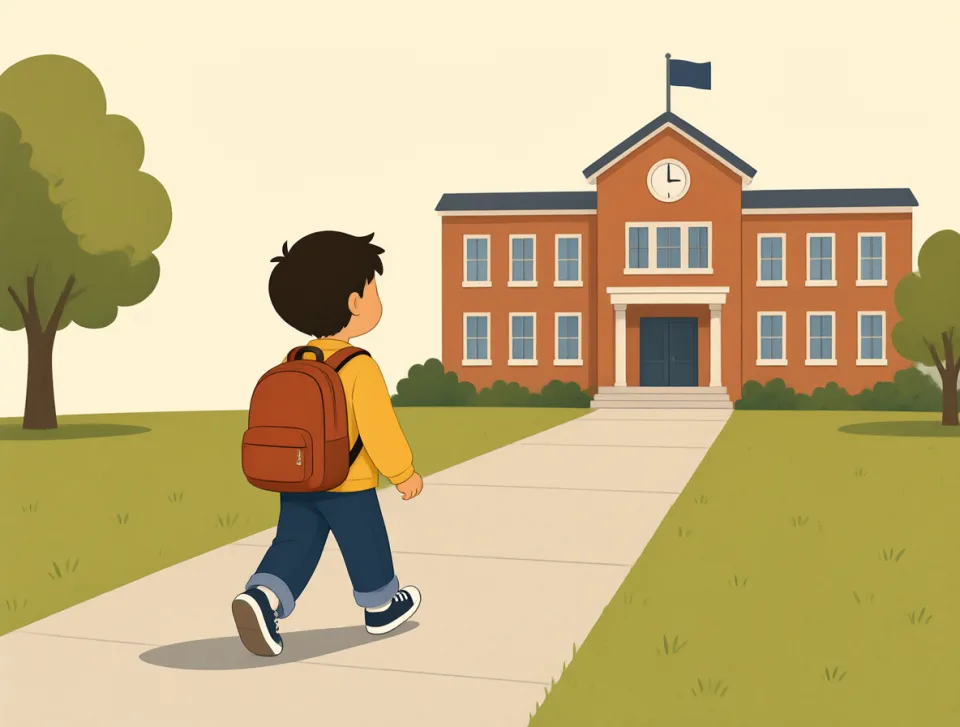
I walk to school every morning.
私は毎朝歩いて学校へ行きます。
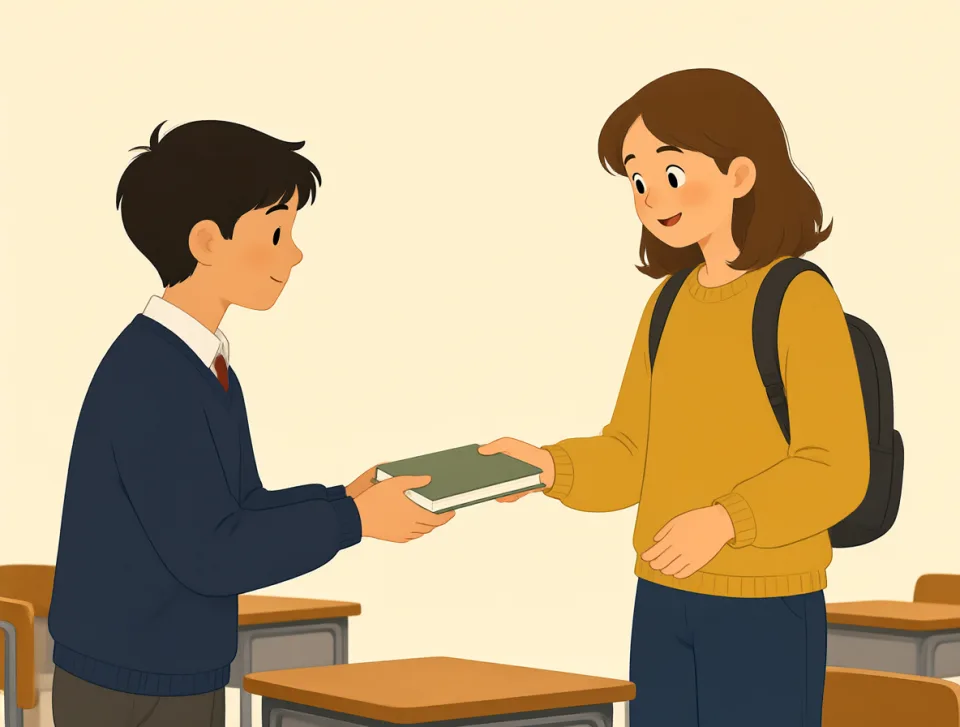
Please give this book to Maria.
この本をMariaに渡してください。

We went to the market after work.
私たちは仕事の後、市場へ行きました。
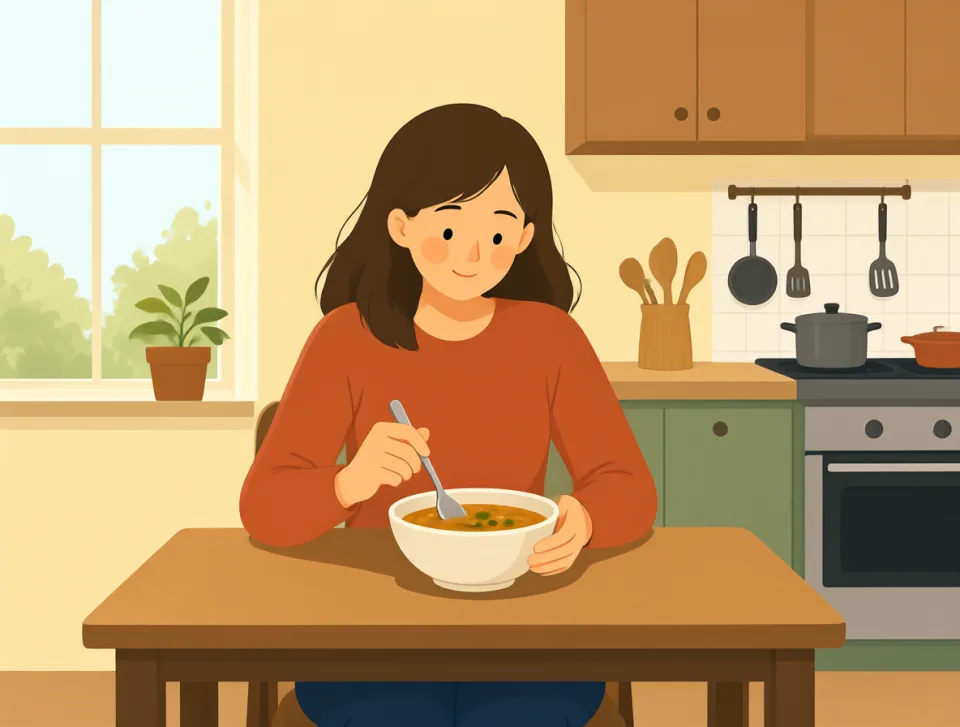
She wants to eat some soup.
彼女はスープを少し食べたがっています。
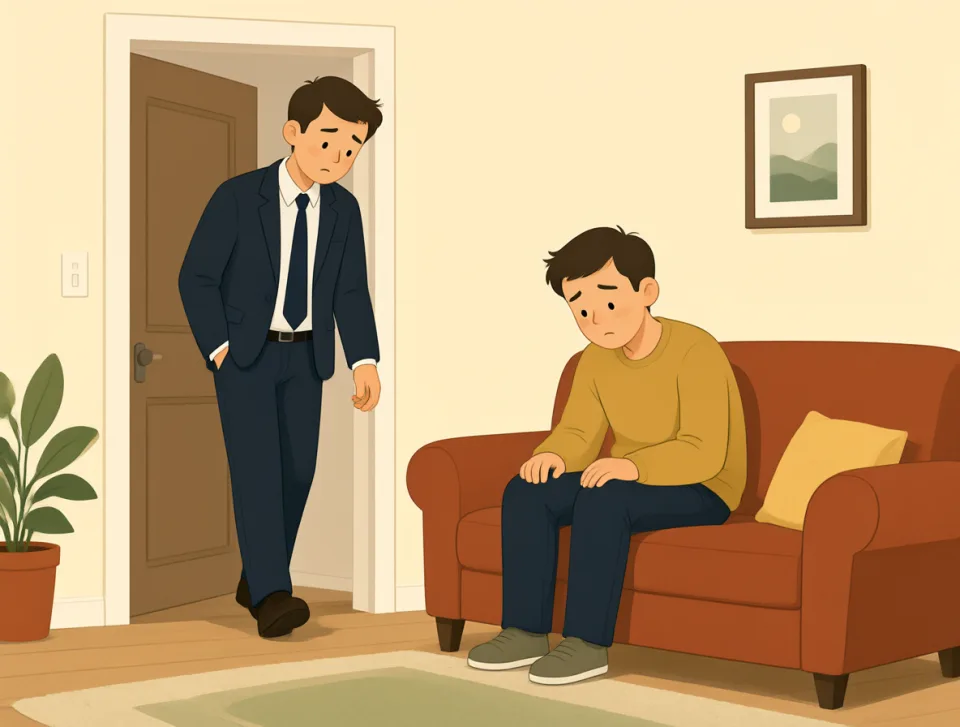
He came home to rest.
彼は休むために家に帰ってきました。
a
#6determiner, article
1つの; ある
used before one singular countable noun when it is not specific
特定のものではない、単数の可算名詞の前に使う
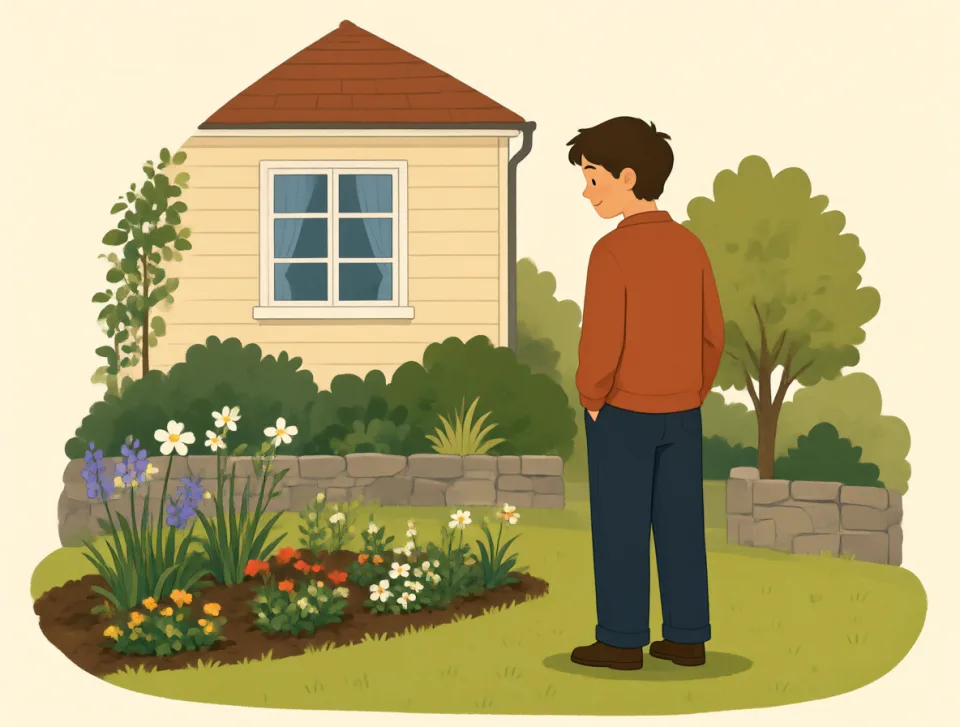
I have a small garden at home.
私は家に小さな庭があります。
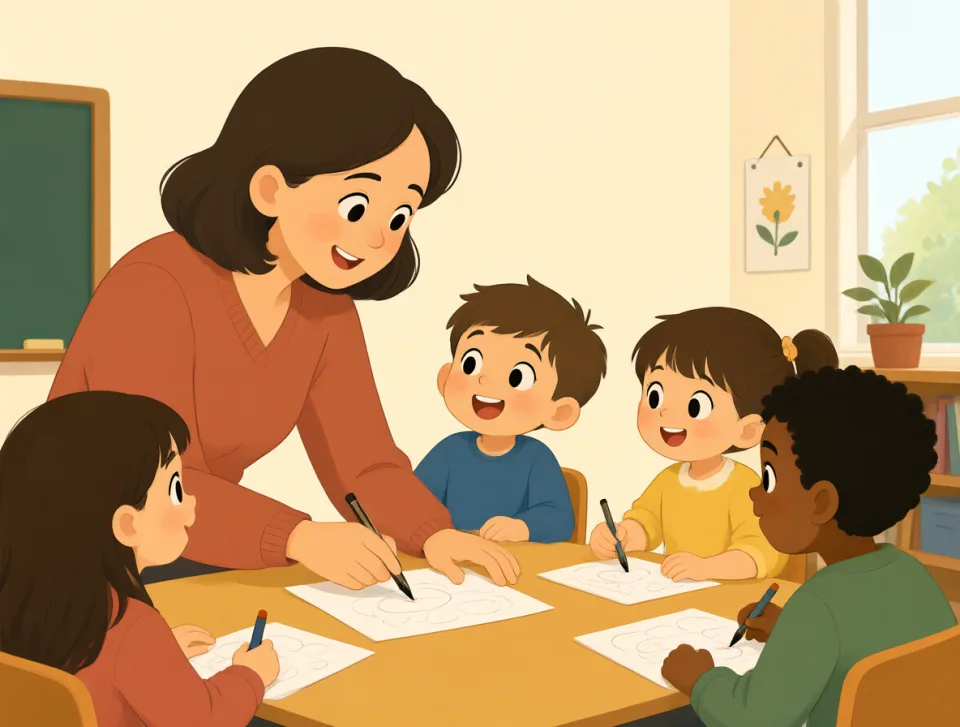
She is a teacher at our school.
彼女は私たちの学校の先生です。
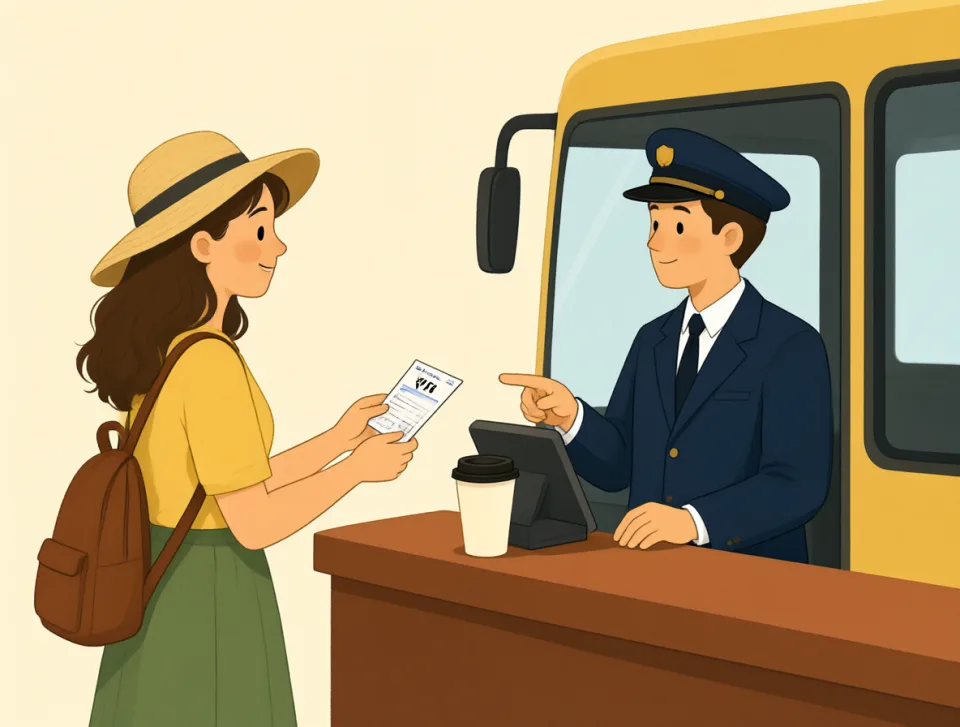
We bought a ticket for the bus.
私たちはバスのチケットを1枚買いました。
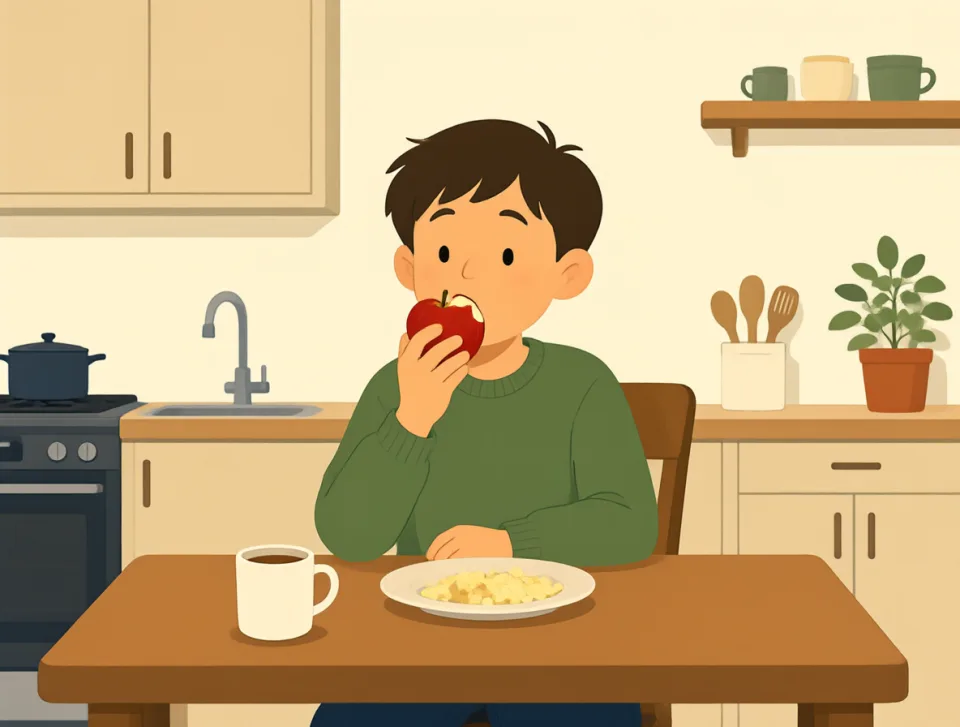
He eats an apple a day.
彼は1日にりんごを1個食べます。

They stayed in a hotel near the beach.
彼らは海辺の近くのホテルに泊まりました。
in
#7preposition, adverb, adjective
〜の中に; 〜で; 中へ
Inside a place, area, time, situation, or group
場所、区域、時間、状況、または集団の内部に
The children are playing in the garden.
子どもたちは庭で遊んでいます。
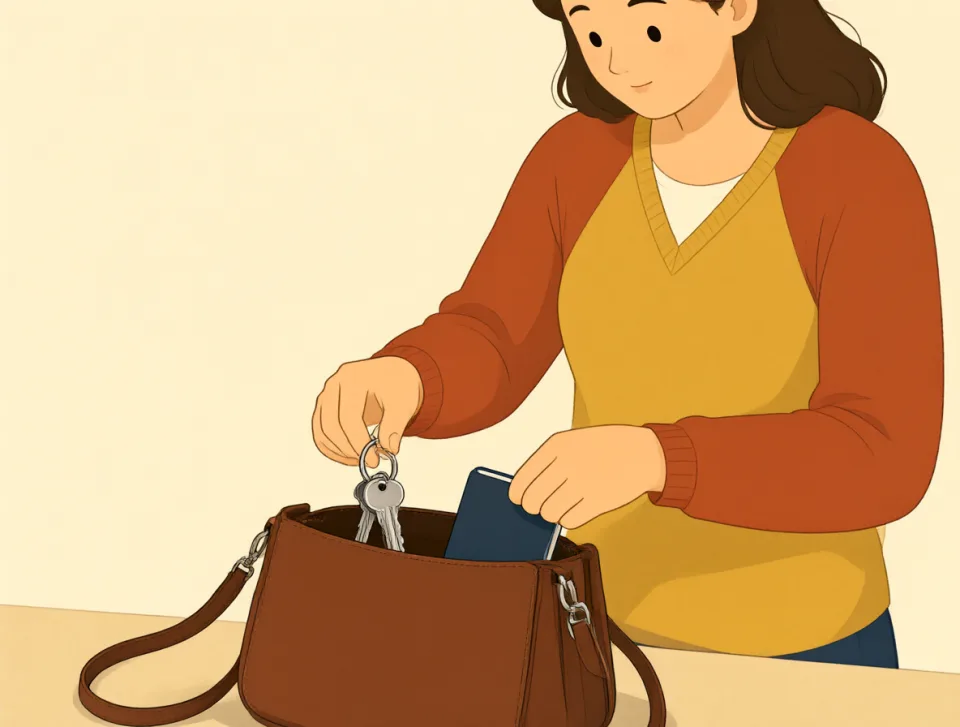
I keep my keys in my bag.
鍵はバッグの中に入れています。
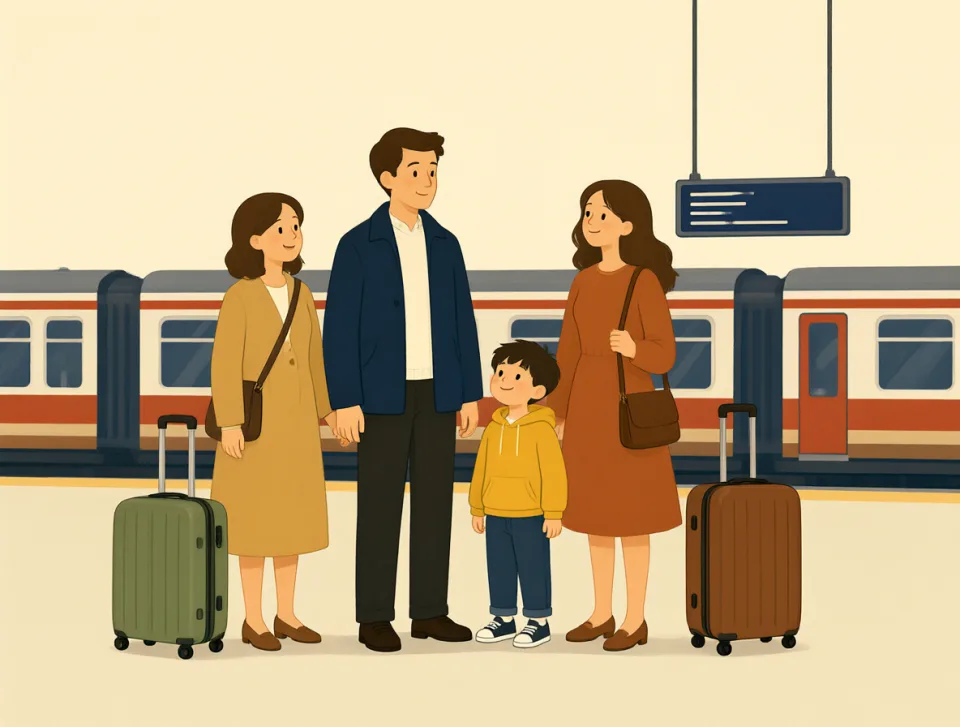
We arrived in London yesterday.
私たちは昨日ロンドンに到着しました。
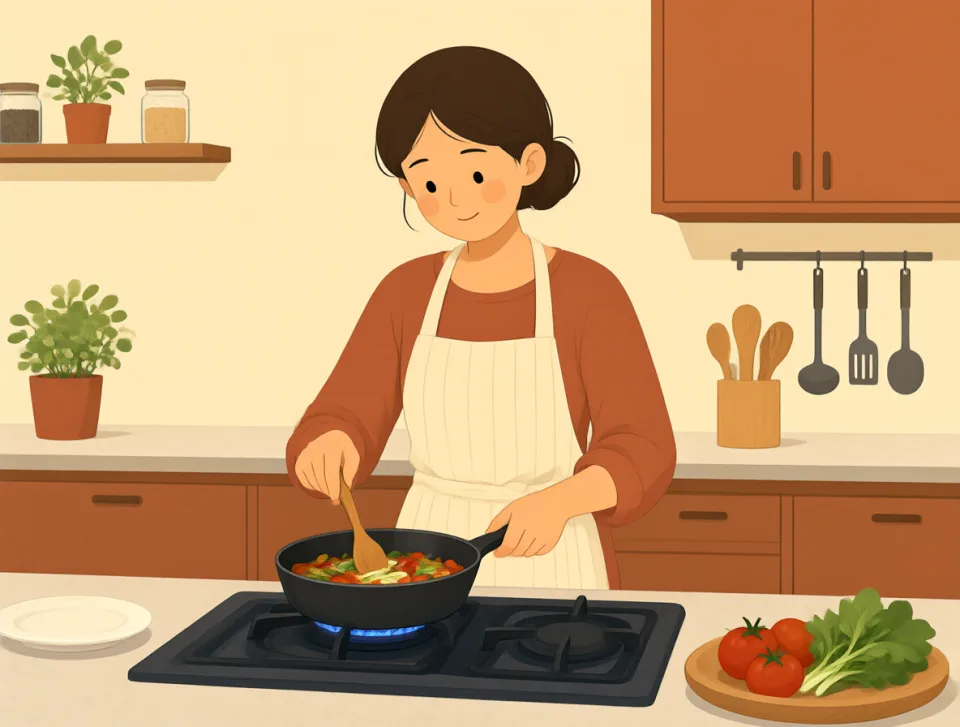
She is in the kitchen cooking dinner.
彼女はキッチンで夕食を作っています。
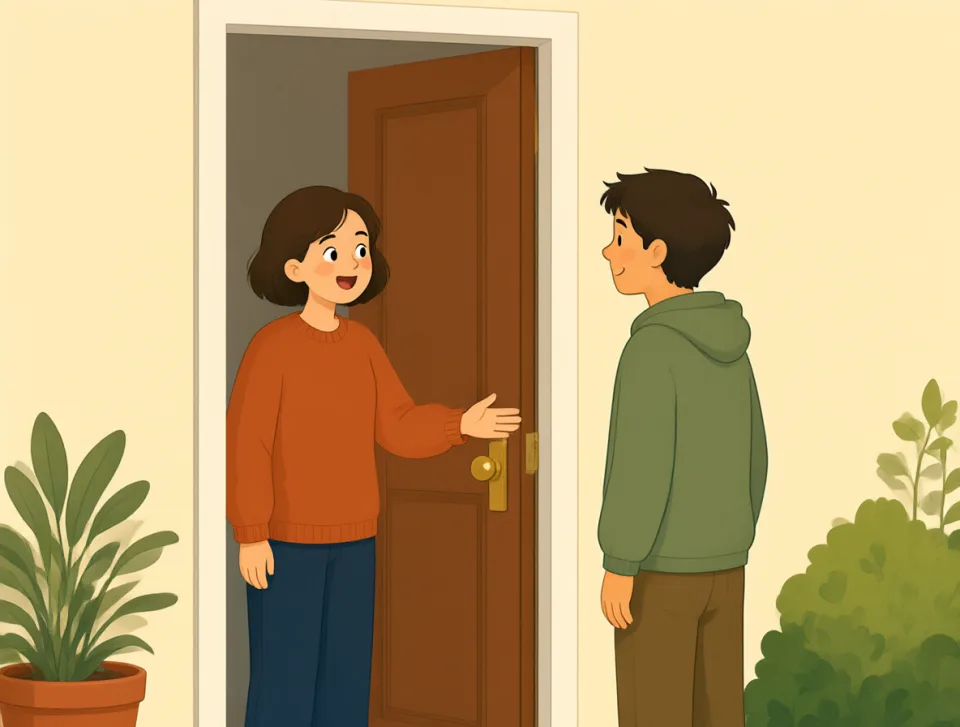
Please come in and sit down.
どうぞ入って、座ってください。
have
#8verb
持っている; する; 経験する; 受ける
to own, do, experience, or receive something
何かを所有したり、したり、経験したり、受け取ったりする
I have two brothers.
私には兄弟が2人います。
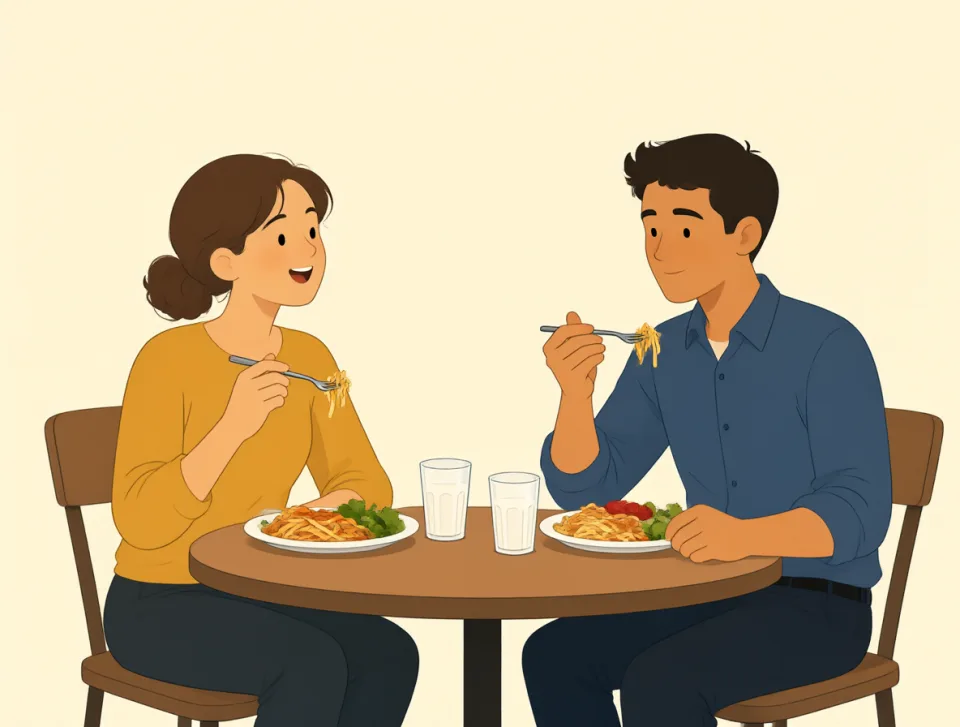
We have lunch at noon.
私たちは正午に昼食をとります。
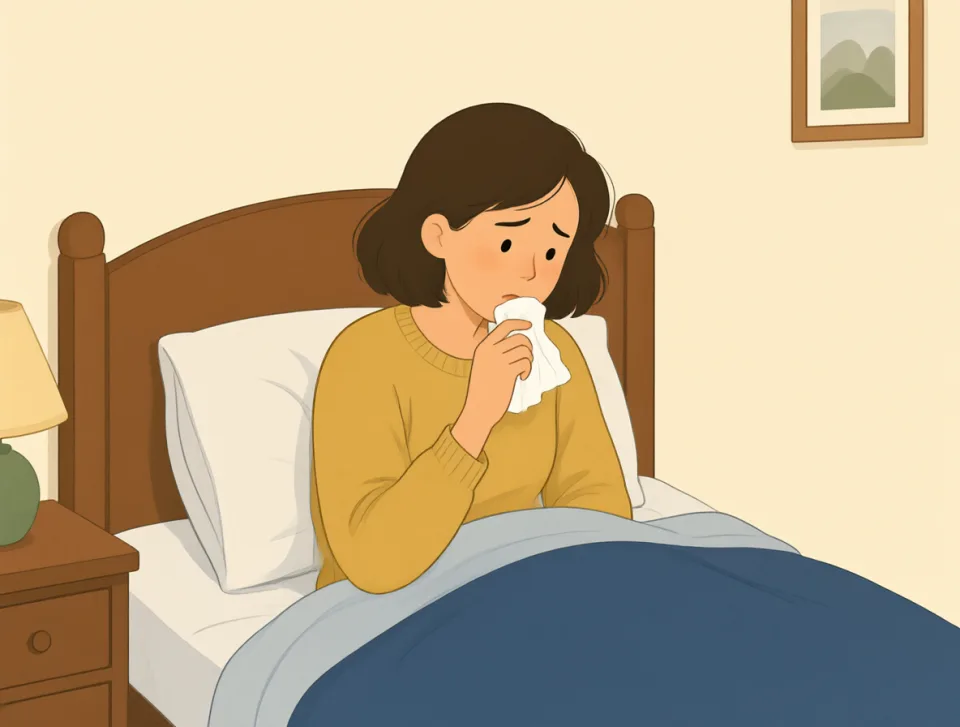
She has a bad cold.
彼女はひどい風邪をひいています。

They had a great time together.
彼らは一緒に楽しい時間を過ごしました。
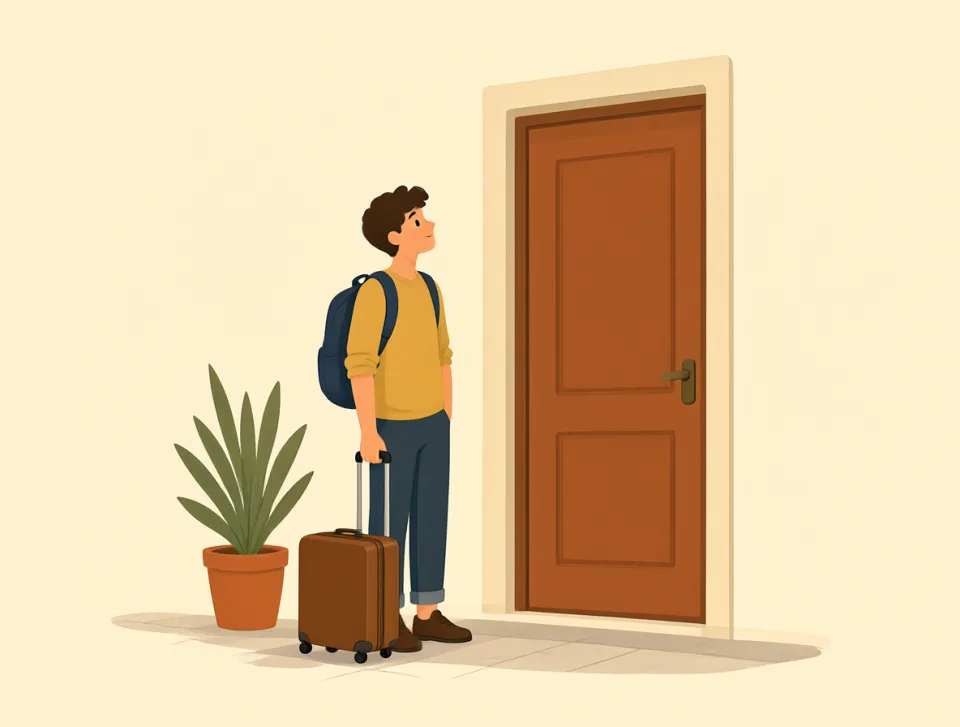
I have to leave now.
私はもう行かなければなりません。
it
#9pronoun, determiner
それ; それは; それを
A word used for a thing, animal, situation, or idea already mentioned.
すでに話題に出た物、動物、状況、または考えを指す言葉。
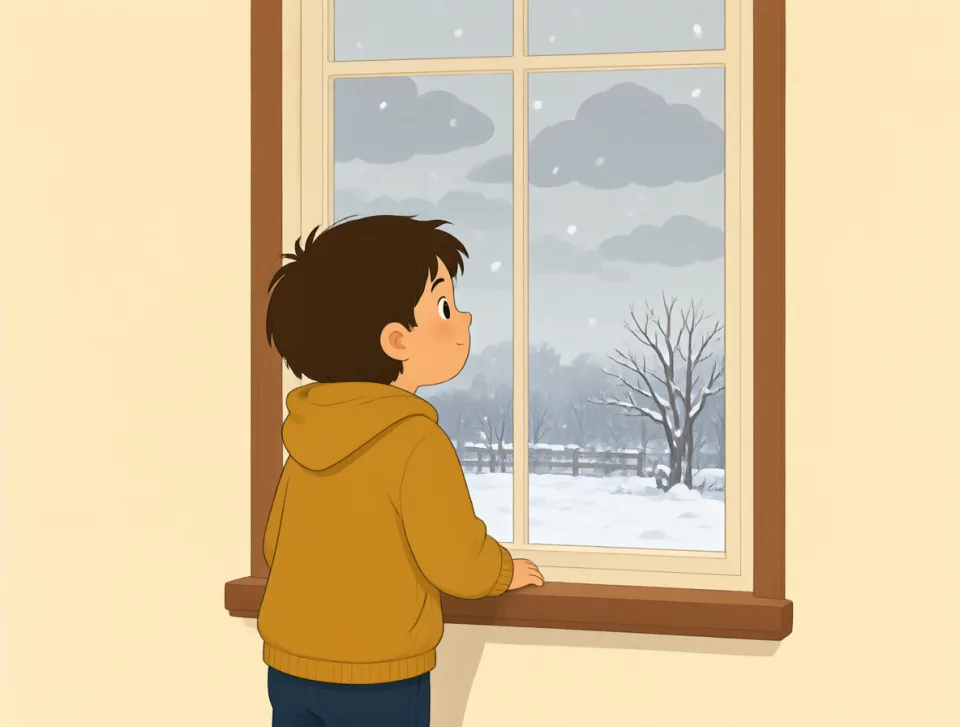
It is cold outside today.
今日は外が寒いです。
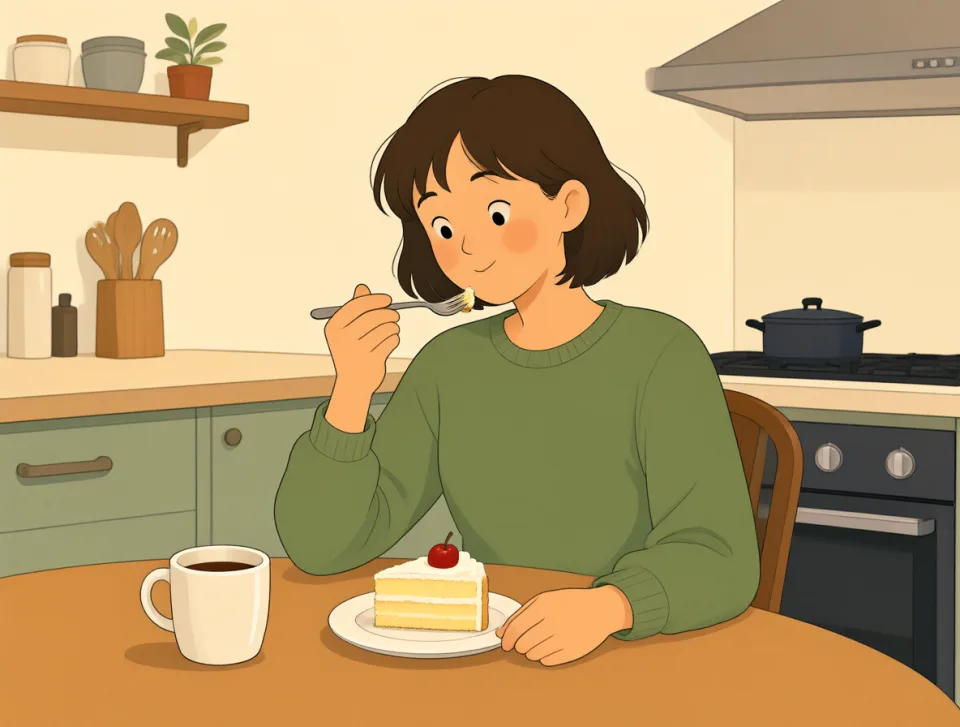
I bought a cake, and it was delicious.
ケーキを買ったら、とてもおいしかった。
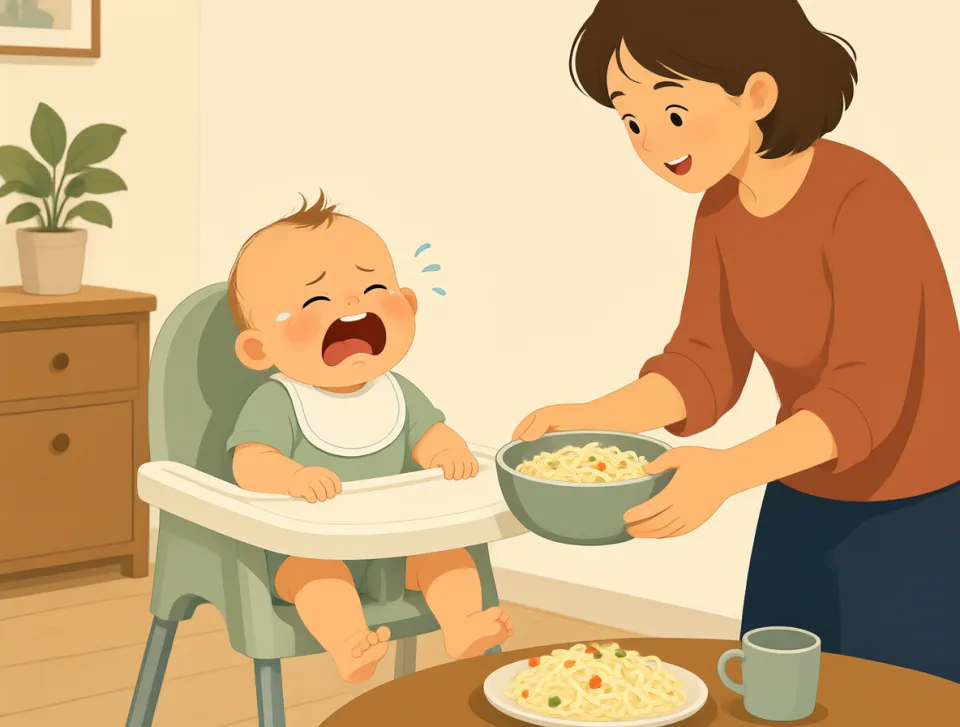
The baby is crying because it is hungry.
赤ちゃんはお腹が空いているので泣いています。
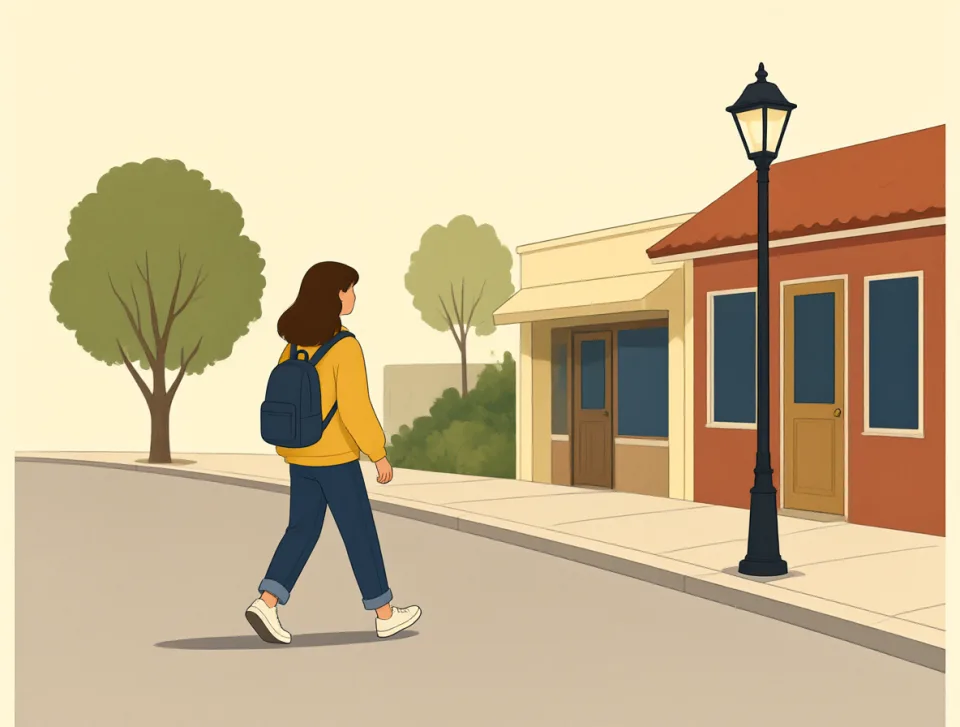
It takes ten minutes to walk there.
そこまで歩いて10分かかります。
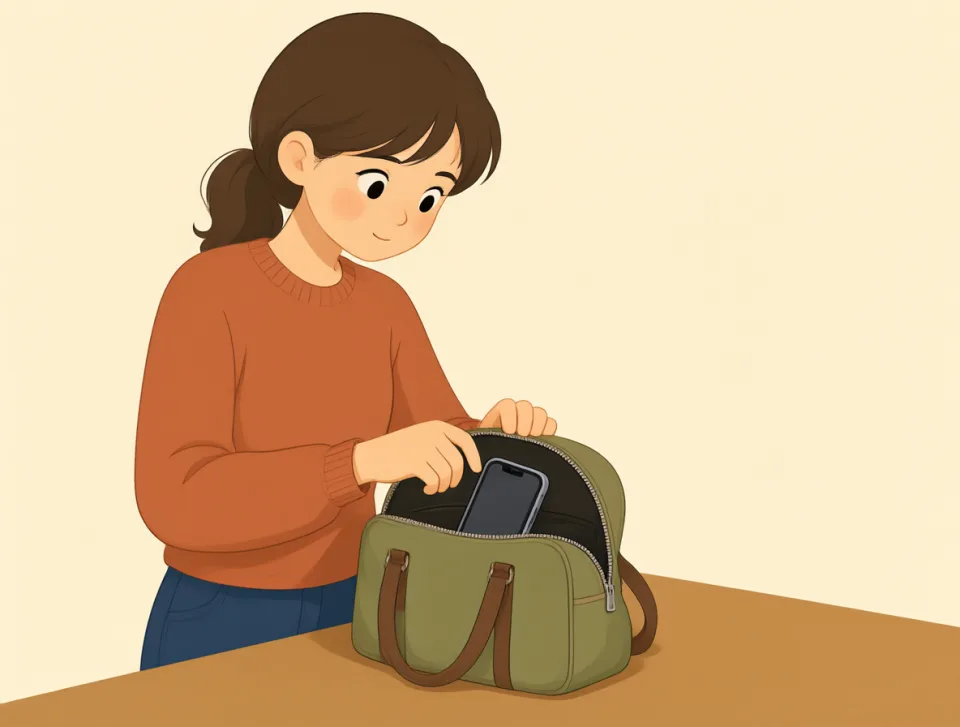
I found my phone and put it in my bag.
携帯電話を見つけて、バッグに入れました。
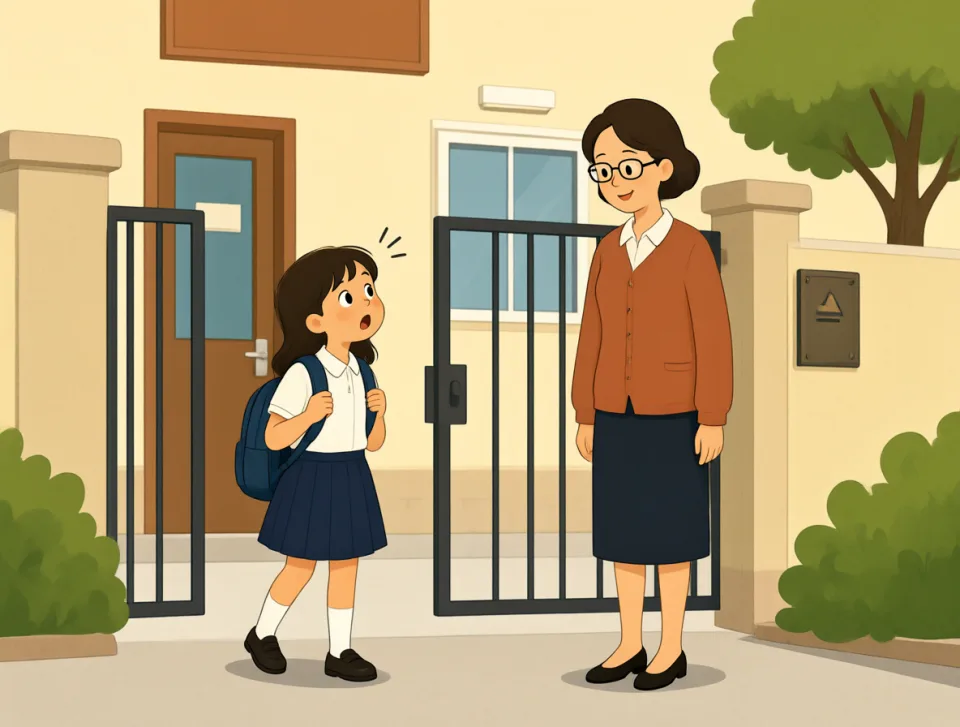
you
#10pronoun
あなた; 君; あなたたち
The person or people being spoken to.
話しかけられている人、または人々。
You are late for school today.
今日は学校に遅刻してるね。
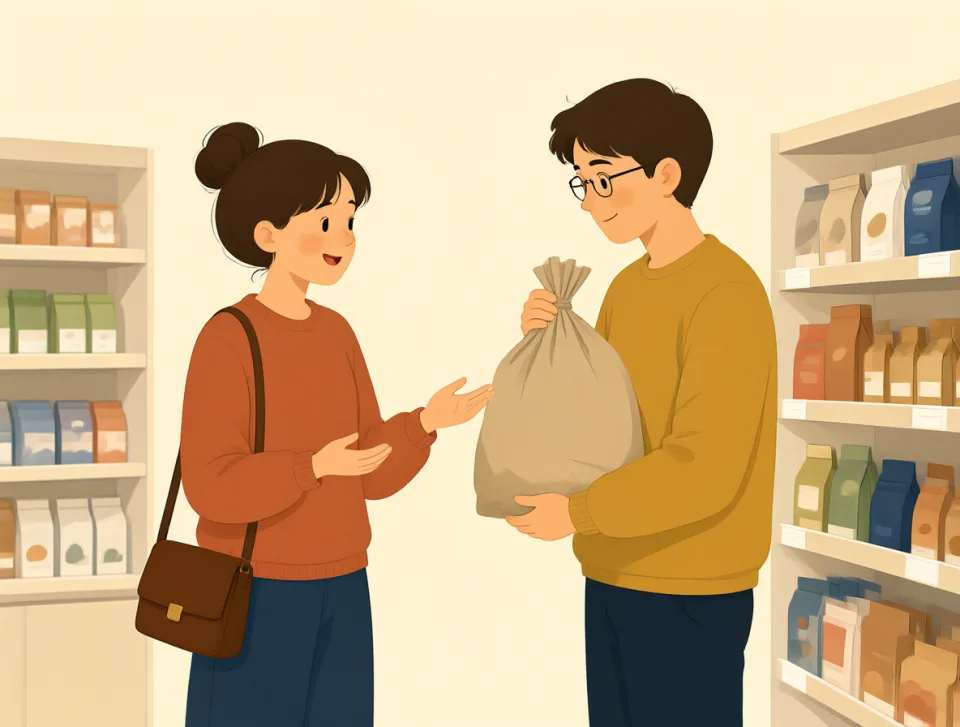
Can I help you with that bag?
そのバッグ、持ちましょうか?

Did you enjoy dinner with your friends?
友達との夕食は楽しめた?
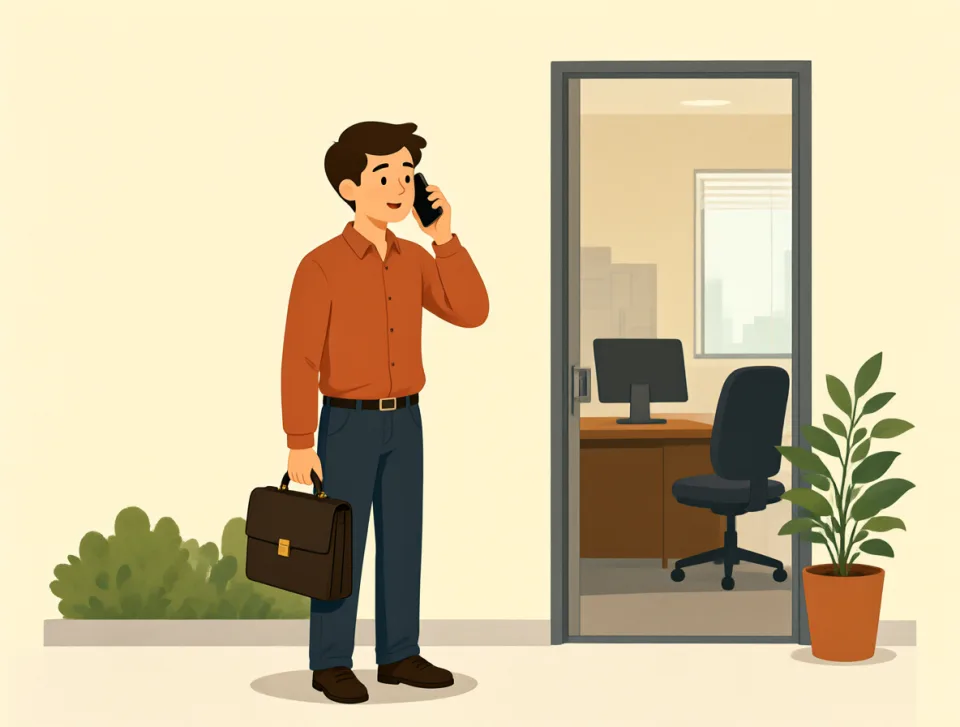
We will call you after work.
仕事が終わったら電話します。
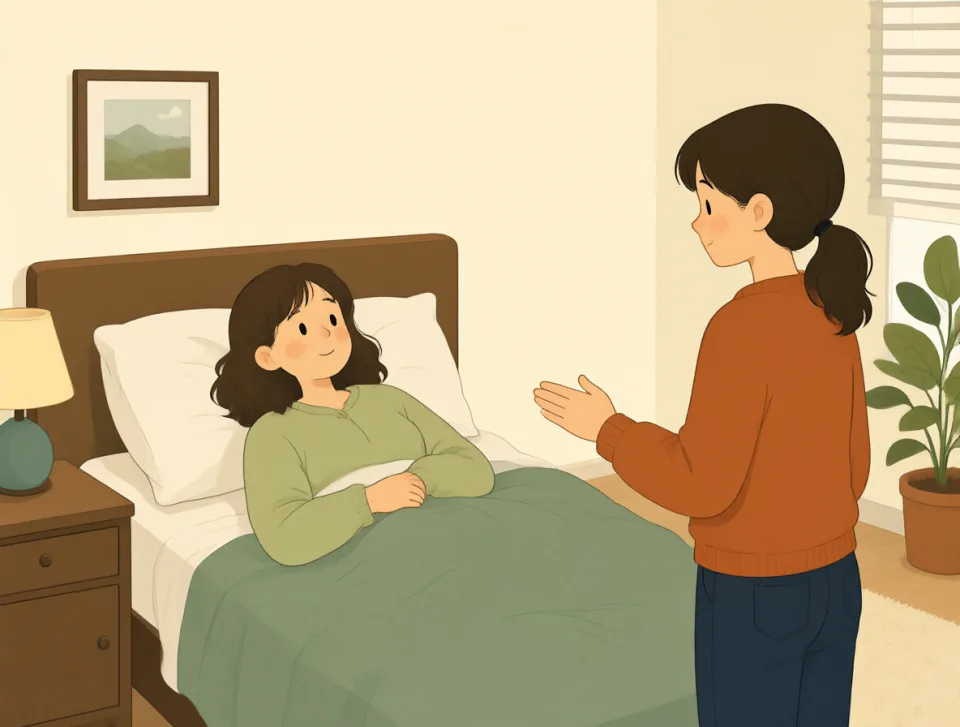
Are you feeling better today?
今日は具合がよくなりましたか?
he
#11pronoun
彼; 彼は
A word used for one male person already mentioned or known.
すでに話に出た、または知っている1人の男性を指す言葉。
He is my brother.
彼は私の兄です。
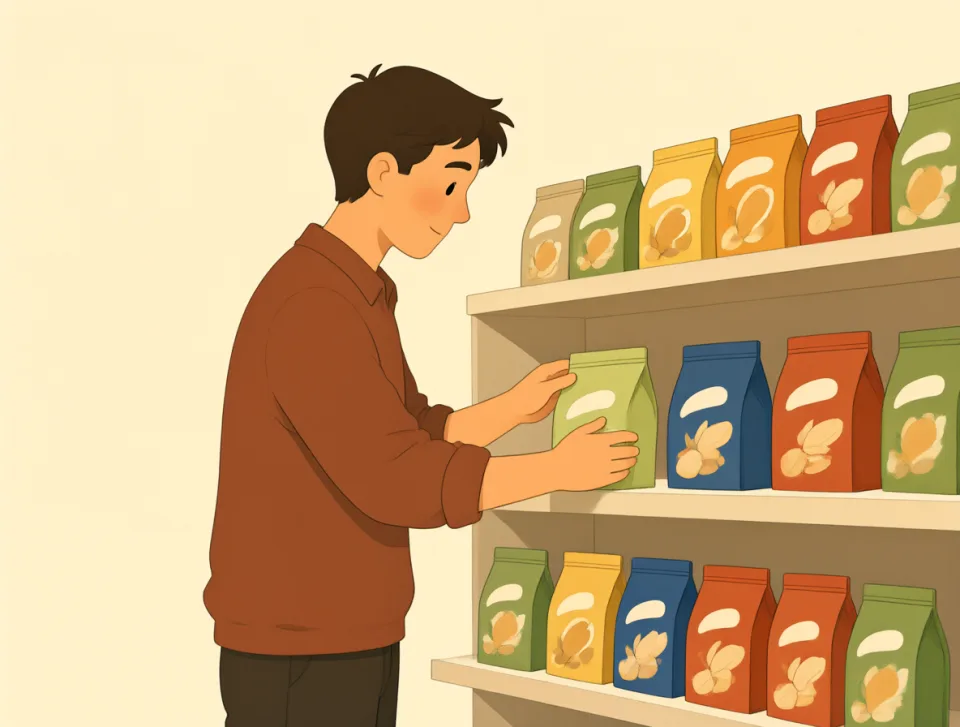
He works at a small shop.
彼は小さな店で働いています。
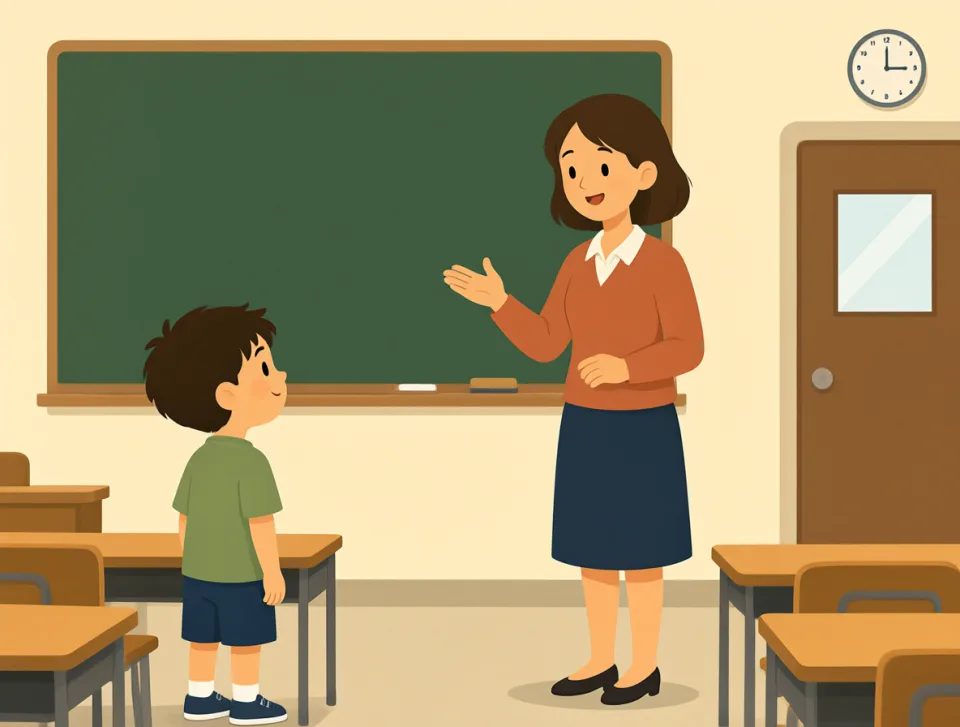
The teacher said he was late.
先生は、彼が遅刻したと言いました。
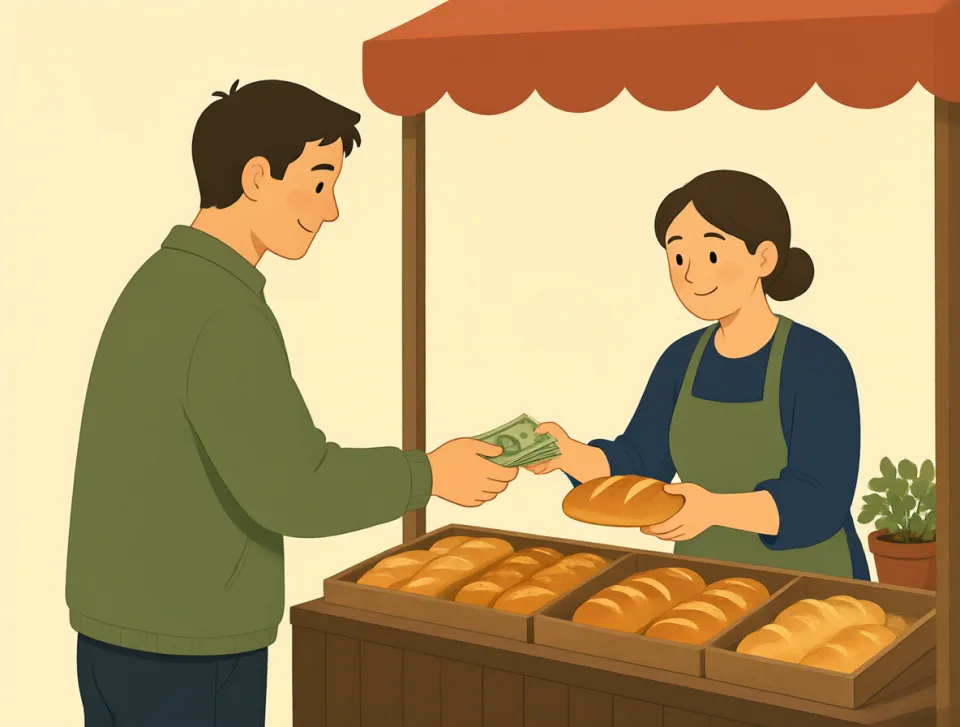
He bought bread at the market.
彼は市場でパンを買いました。
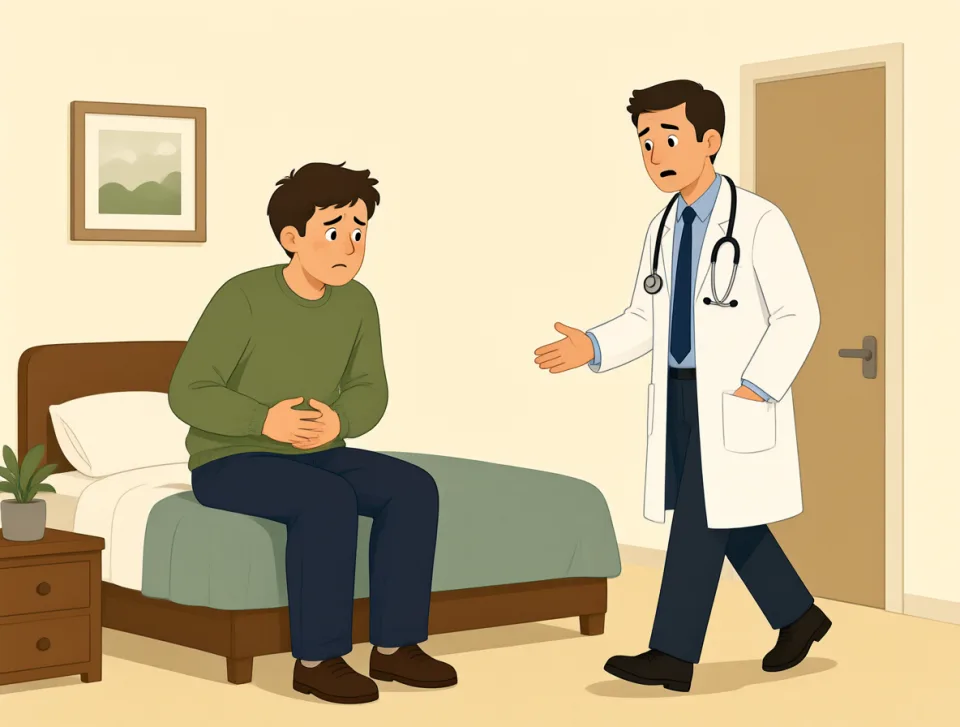
He feels sick and needs a doctor.
彼は具合が悪くて、医者に診てもらう必要があります。

for
#12preposition, conjunction
〜のために; 〜に; 〜の間; 〜にとって
Used to show purpose, time, reason, or who receives something.
目的、期間、理由、または何かを受け取る人を表すために使います。
This gift is for my sister.
このプレゼントは姉のためです。
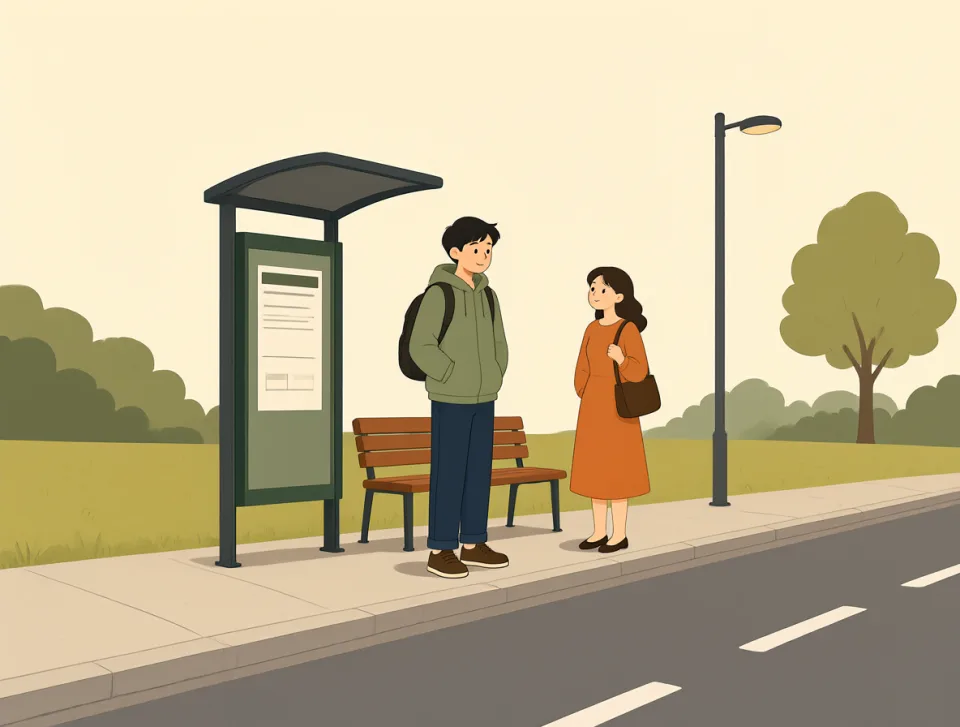
We waited for the bus.
私たちはバスを待ちました。
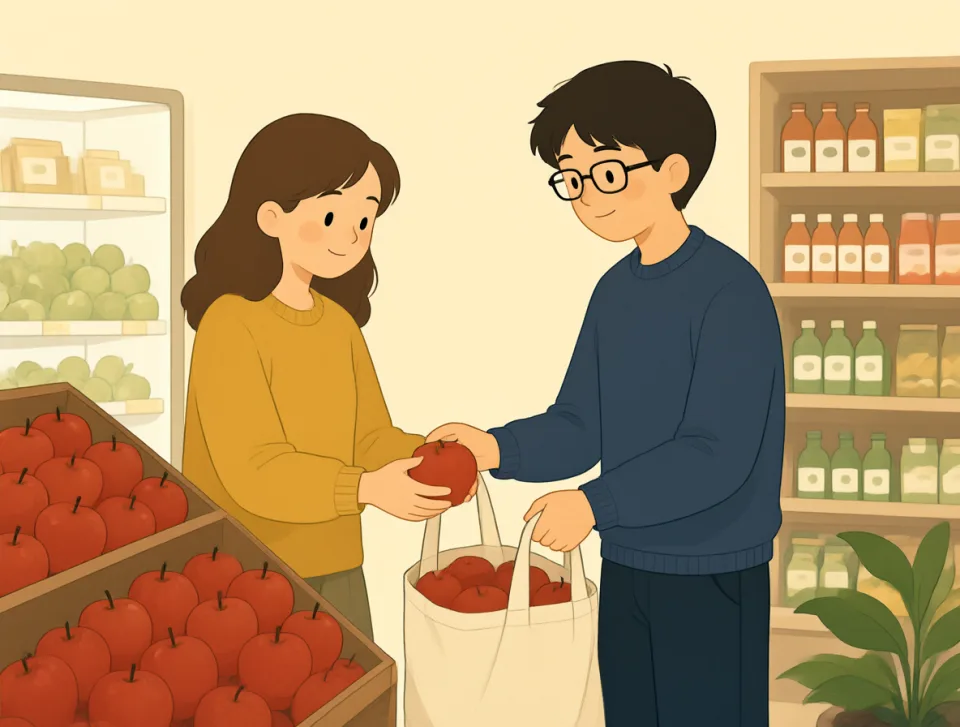
I bought some apples for lunch.
昼食のためにりんごをいくつか買いました。
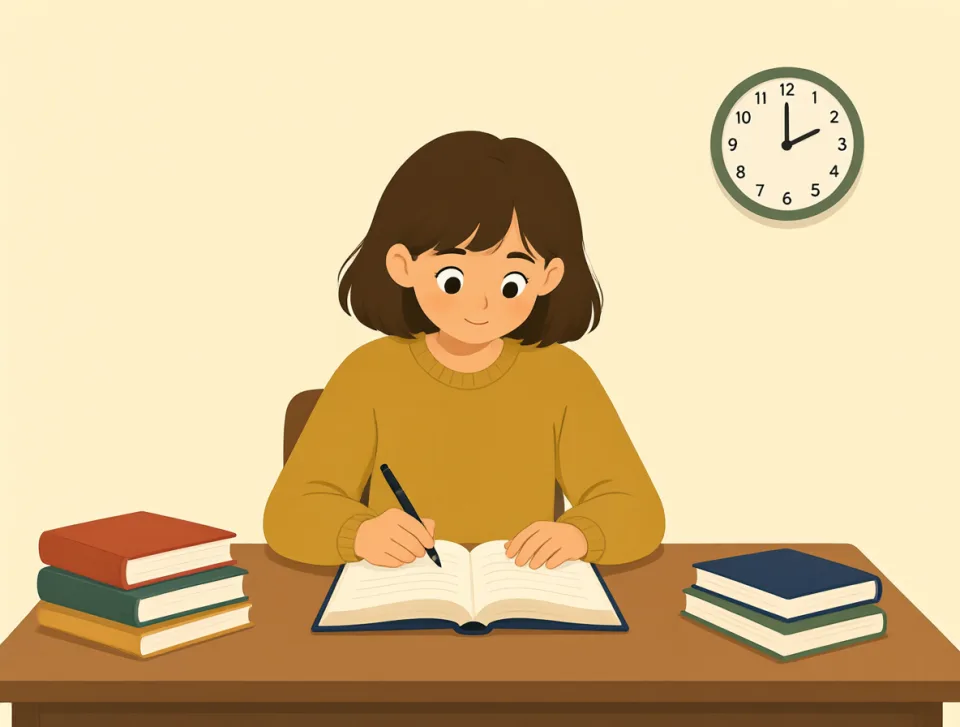
She studied for two hours.
彼女は2時間勉強しました。
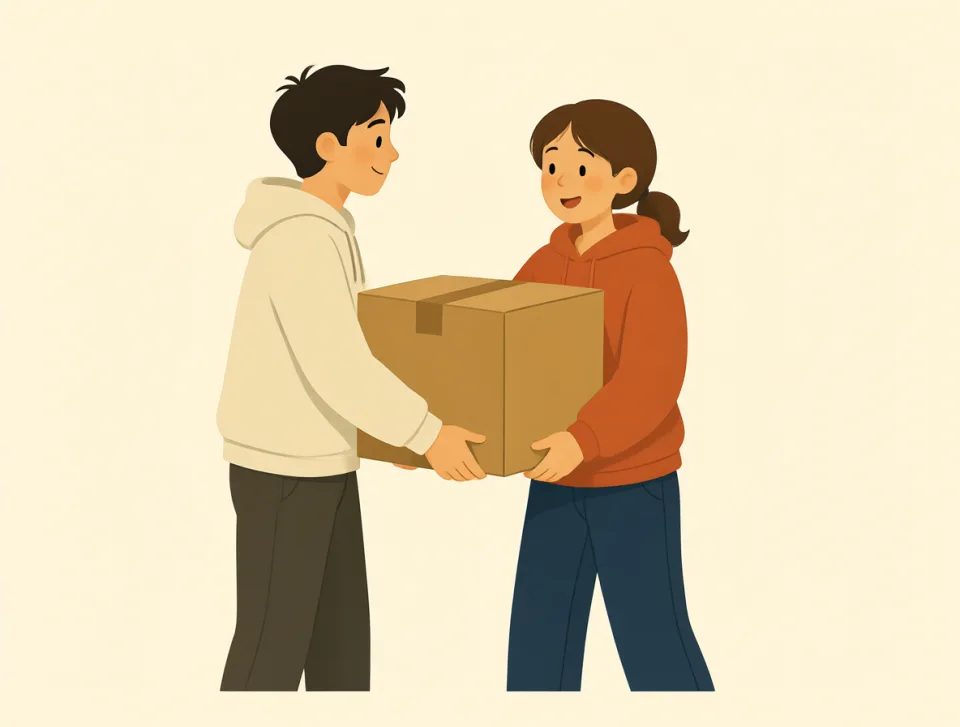
Thank you for helping me.
手伝ってくれてありがとう。
they
#13pronoun
彼ら; それら
Used to talk about two or more people, animals, or things.
2人以上の人や動物、物について話すときに使う。
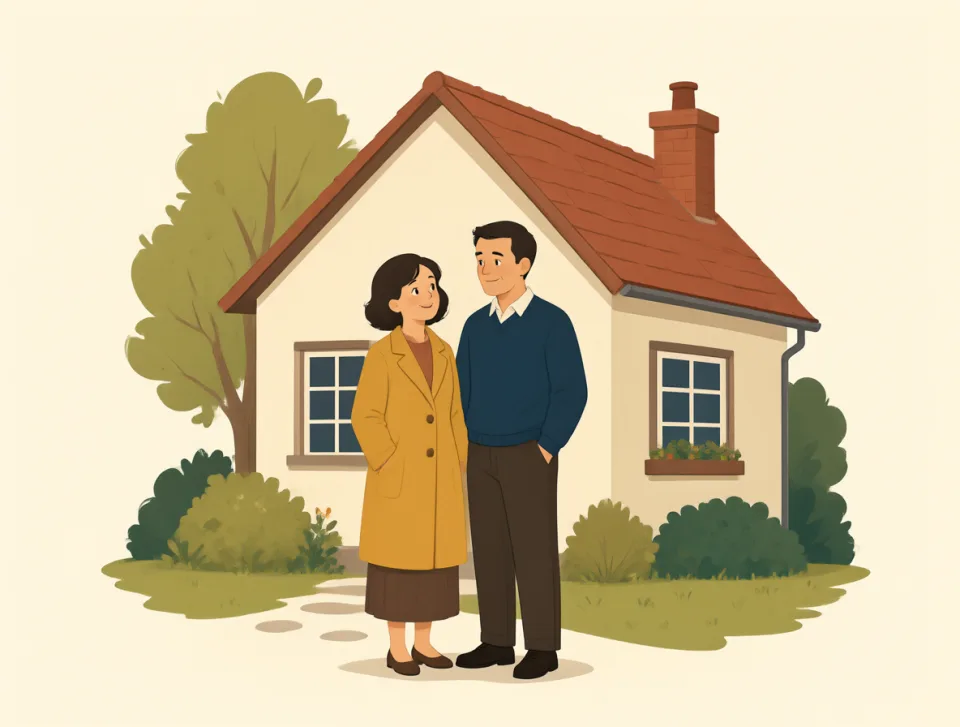
They live in a small house.
彼らは小さな家に住んでいます。

They are waiting for the bus.
彼らはバスを待っています。
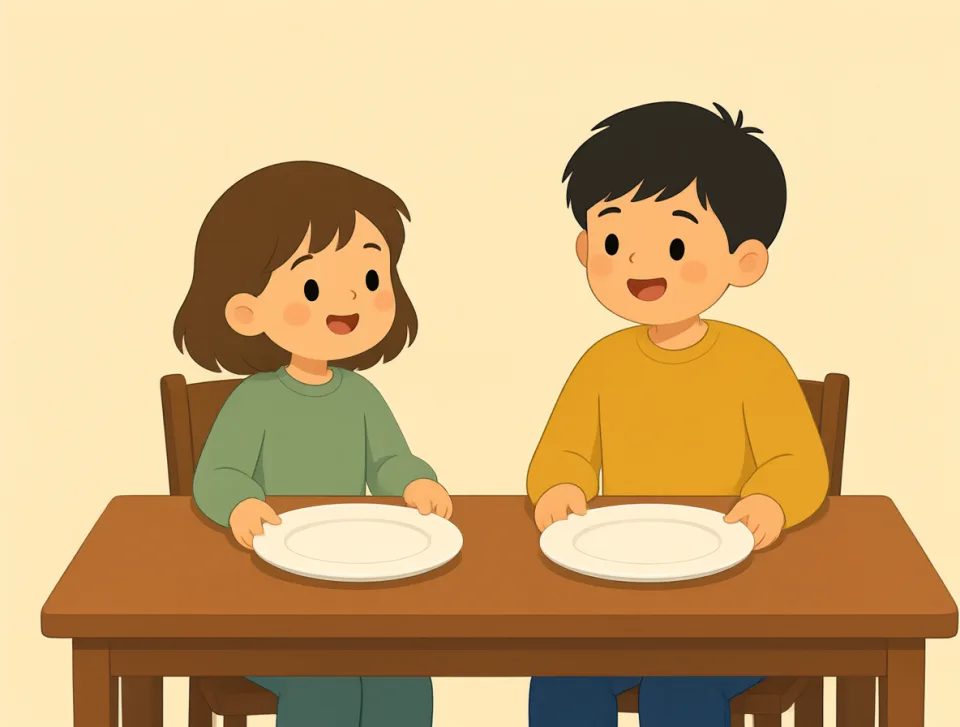
The children said they were hungry.
その子どもたちはお腹が空いたと言いました。

I saw them at the store.
私は店で彼らを見かけました。
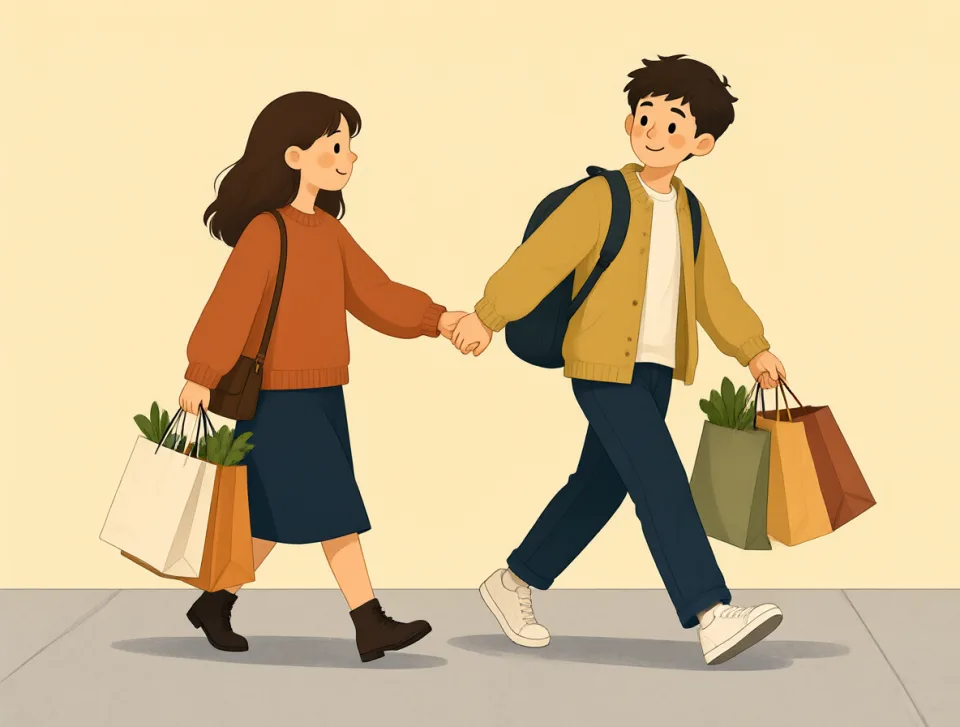
They helped me carry my bags.
彼らは私が荷物を運ぶのを手伝ってくれました。
not
#14adverb
〜ない
Used to make a verb or adjective negative.
動詞や形容詞を否定するために使う。
I do not understand this question.
私はこの質問が理解できません。
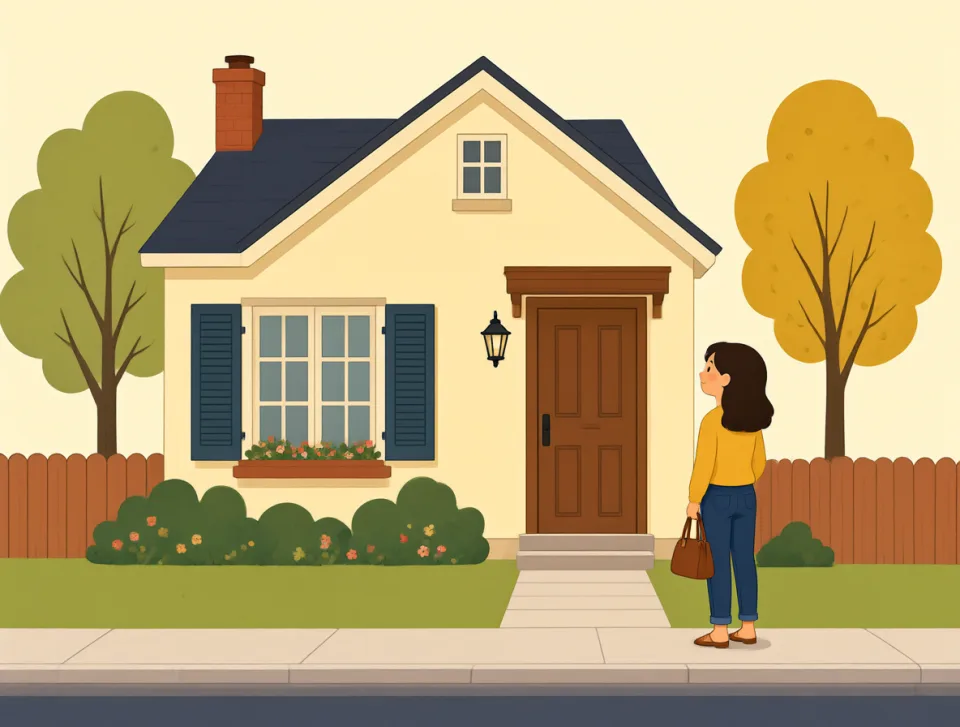
She is not at home today.
彼女は今日は家にいません。

We are not ready to leave yet.
私たちはまだ出発する準備ができていません。
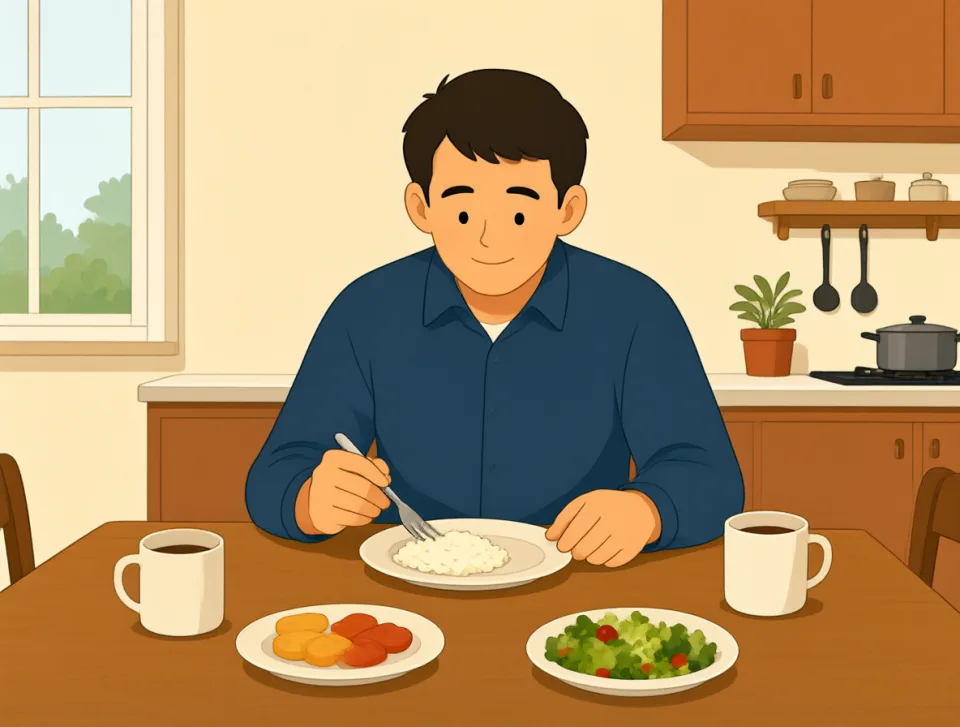
He did not eat breakfast this morning.
彼は今朝、朝食を食べませんでした。
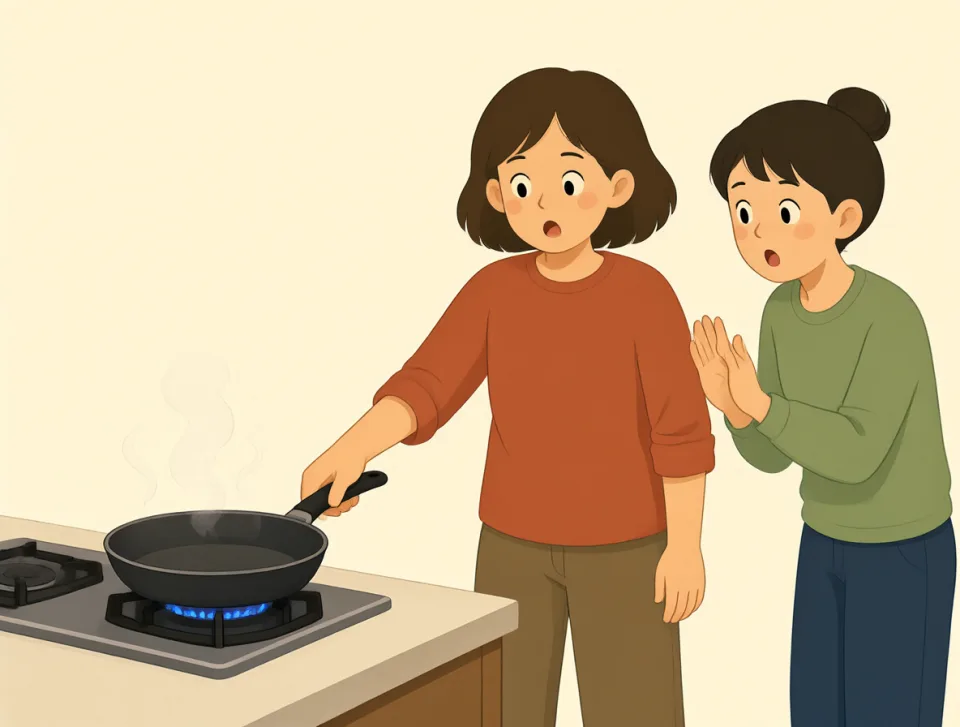
Please do not touch the hot pan.
熱いフライパンに触らないでください。
that
#15determiner, pronoun, conjunction, adverb
あの; その; 〜ということ; それほど
Used to point to something or introduce information after a verb.
何かを指し示したり、動詞の後に情報を導入したりするときに使う。
That book on the table is mine.
テーブルの上にあるあの本は私のです。
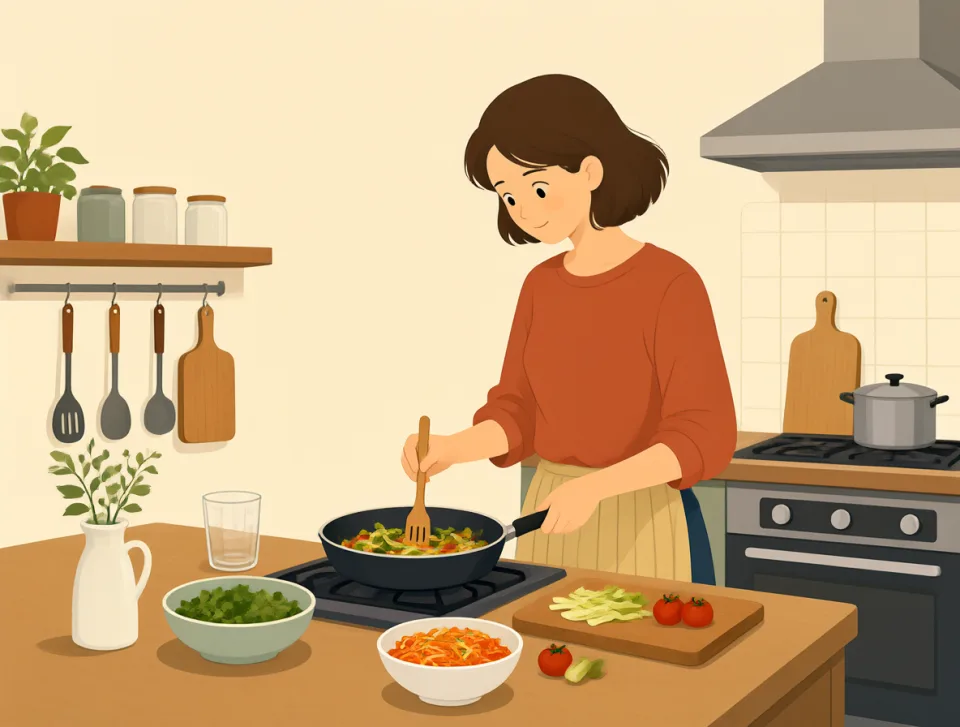
I think that dinner is ready.
夕食ができたと思います。

The shoes that I bought fit well.
私が買った靴はよく足に合います。
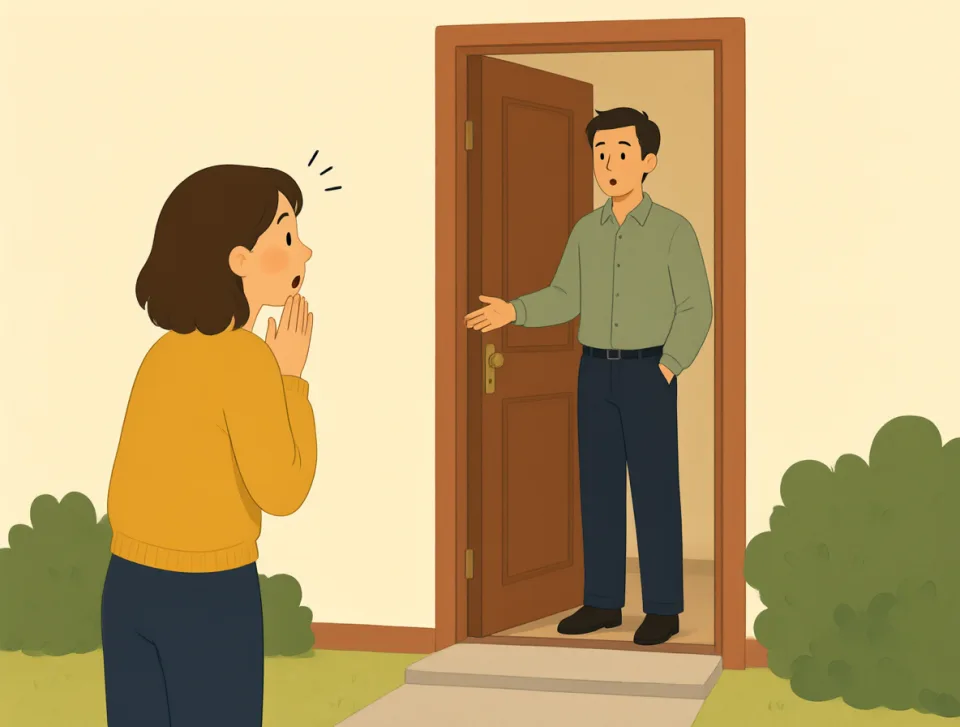
Who is that man at the door?
ドアのところにいるあの男性は誰ですか?

It was not that expensive.
それほど高くはありませんでした。
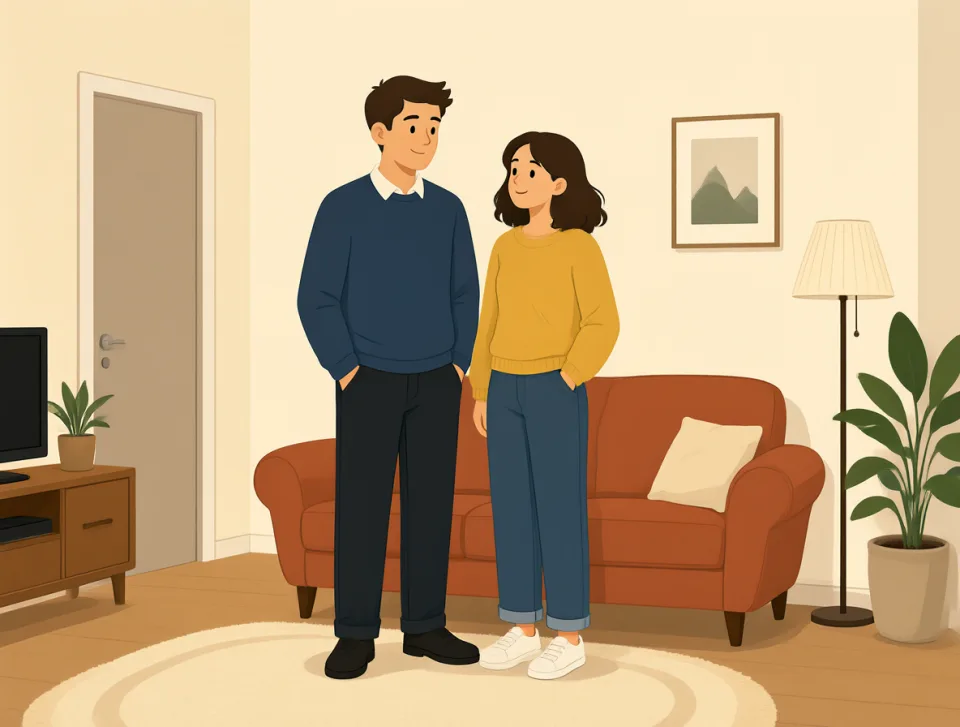
we
#16pronoun
私たち; 俺たち; 僕たち
Used by a speaker to mean the speaker and one or more other people.
話し手と、ほかの1人以上の人を指すときに使う。
We live in a small apartment.
私たちは小さなアパートに住んでいます。
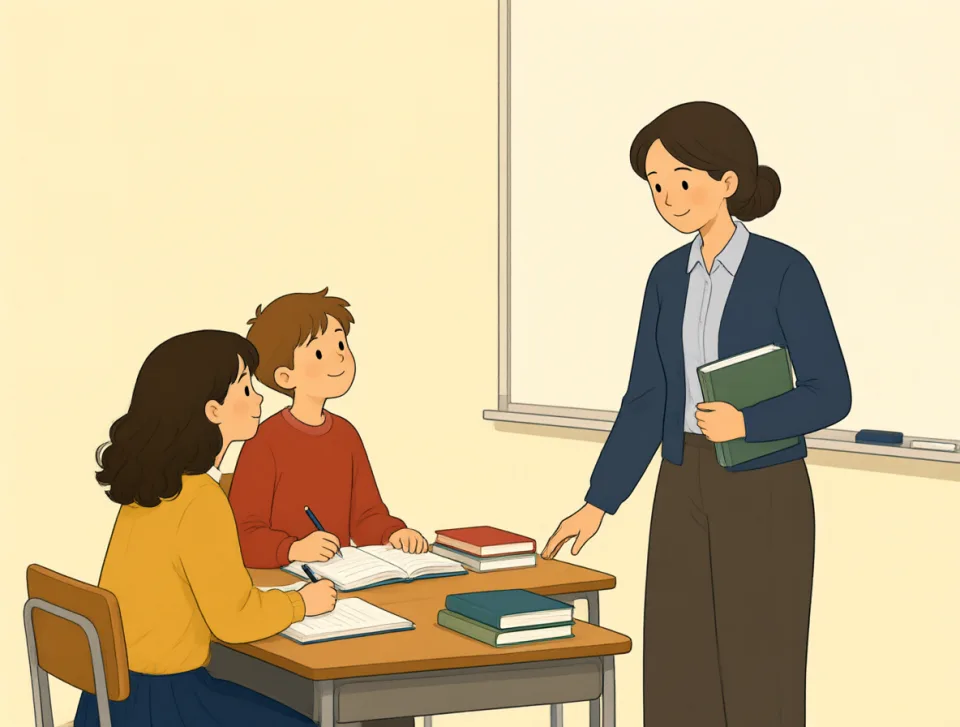
We are learning English at school.
私たちは学校で英語を勉強しています。
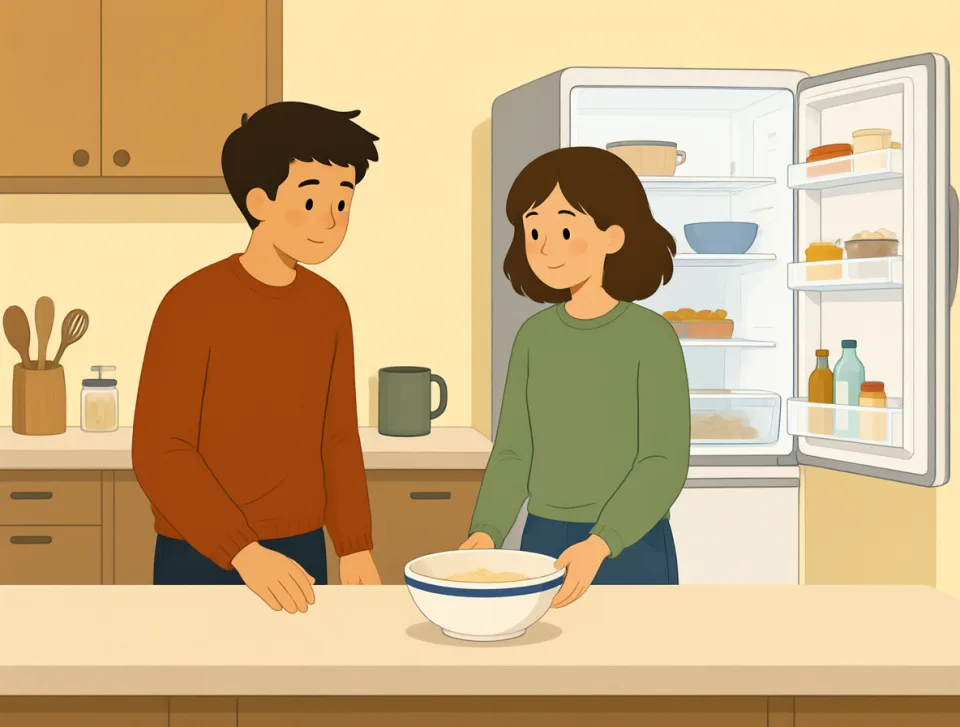
We need some milk for breakfast.
朝ごはんに牛乳が少し必要です。
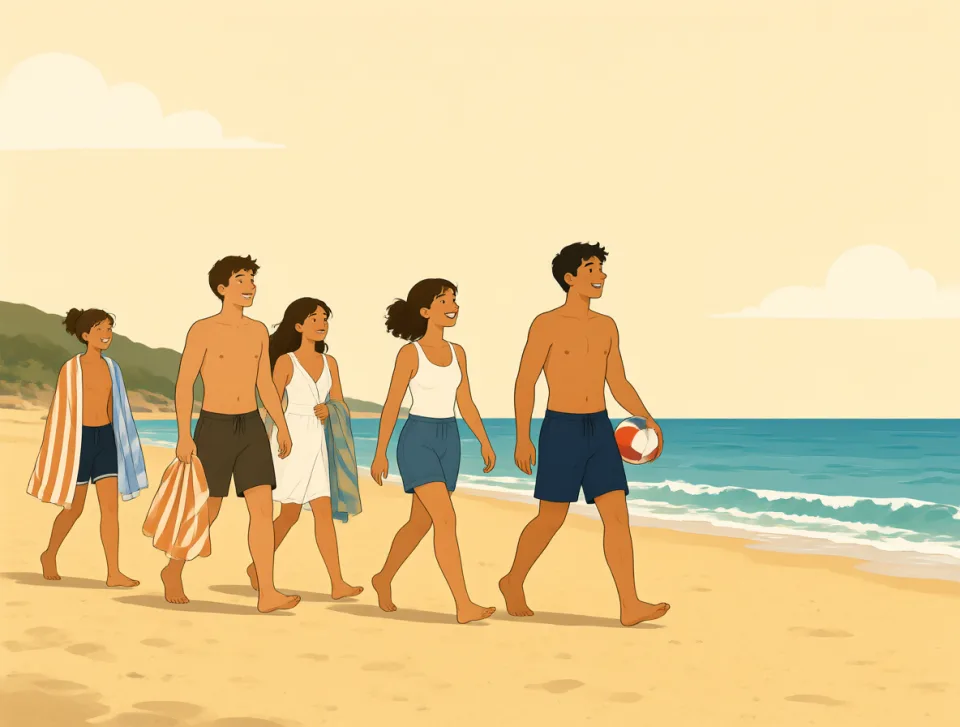
We went to the beach last weekend.
私たちは先週末、ビーチに行きました。

We feel better after taking the medicine.
薬を飲んだら、私たちは気分がよくなりました。
on
#17adverb, preposition, adjective
〜の上に; 〜に; ついている; 着て
Used to show position, time, connection, or that something is working.
位置、時間、つながり、または何かが作動していることを表すために使う。
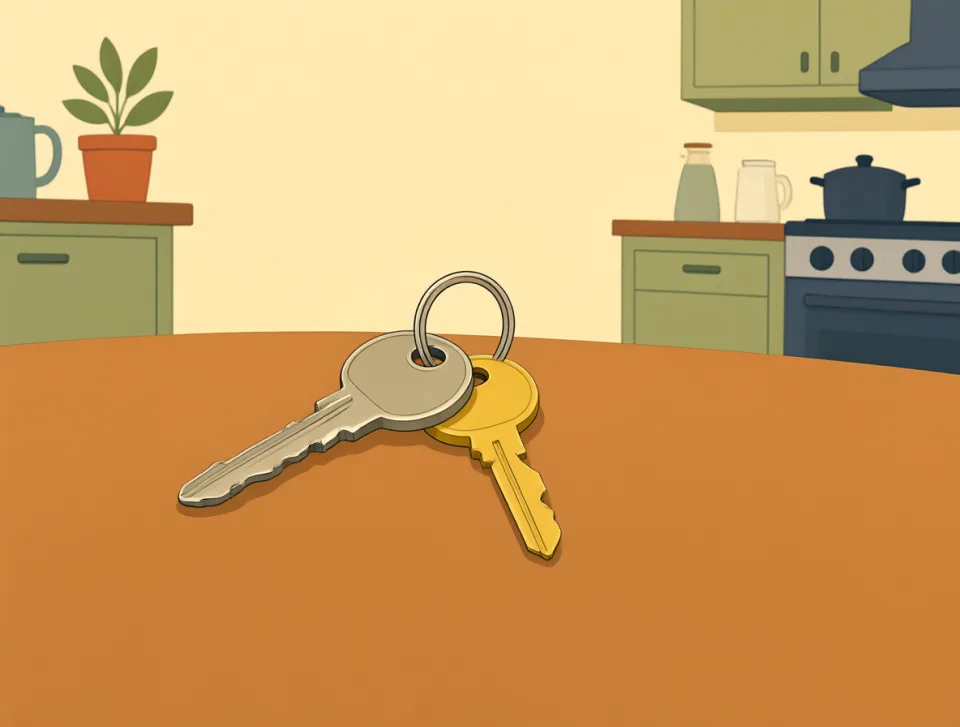
The keys are on the table.
鍵はテーブルの上にあります。

We have a meeting on Monday.
月曜日に会議があります。
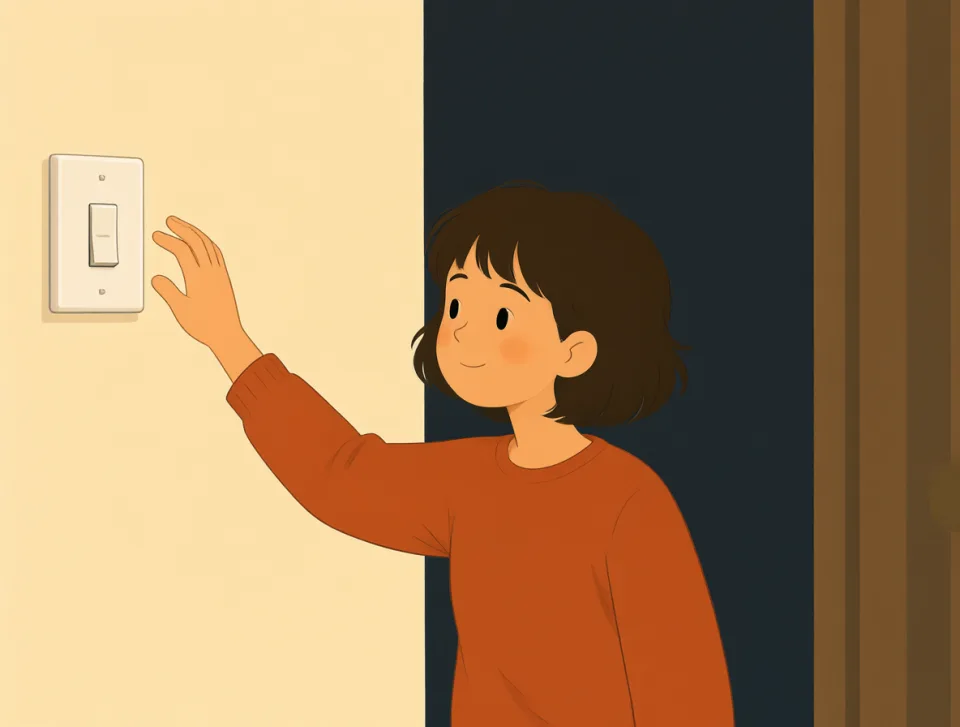
Please turn on the light.
電気をつけてください。

She is on the bus to school.
彼女は学校へ行くバスに乗っています。
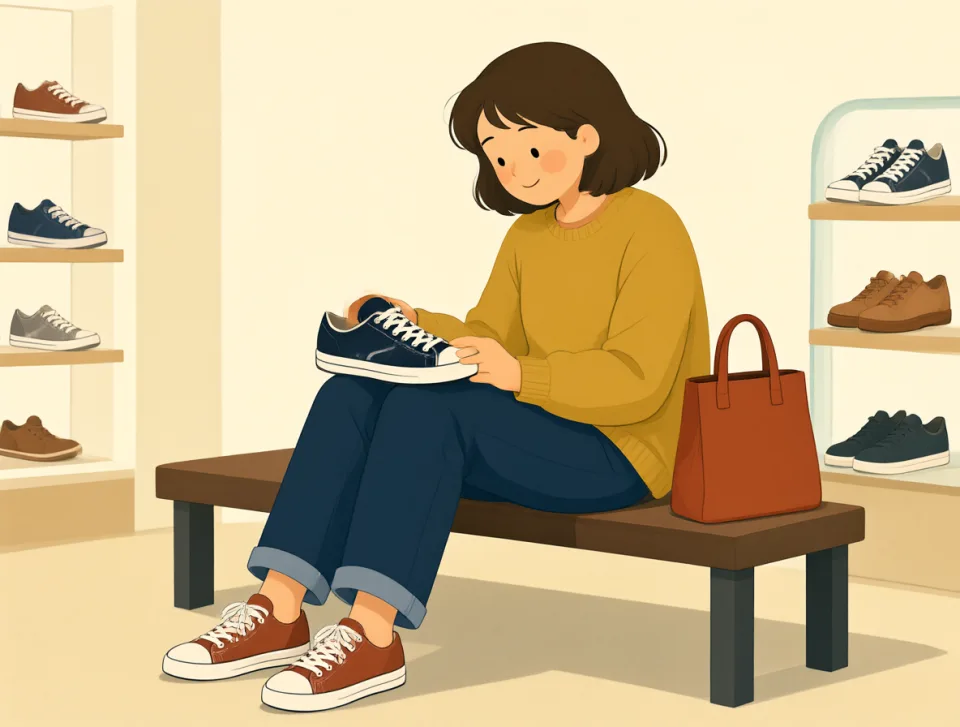
I tried on these shoes at the store.
店でこの靴を試着しました。
with
#18preposition
〜と一緒に; 〜で; 〜のある; 〜で苦しんで
together with someone or something; having or using someone or something
誰かや何かと一緒にいること、または誰かや何かを持っていたり使ったりしていること
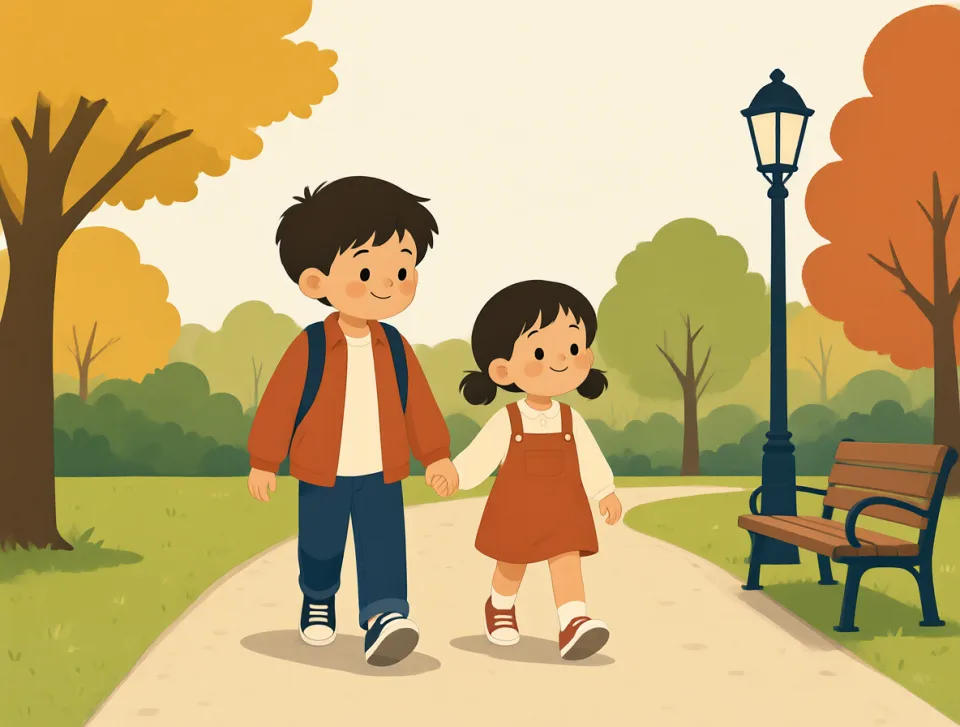
I went to the park with my sister.
私は妹と一緒に公園へ行きました。
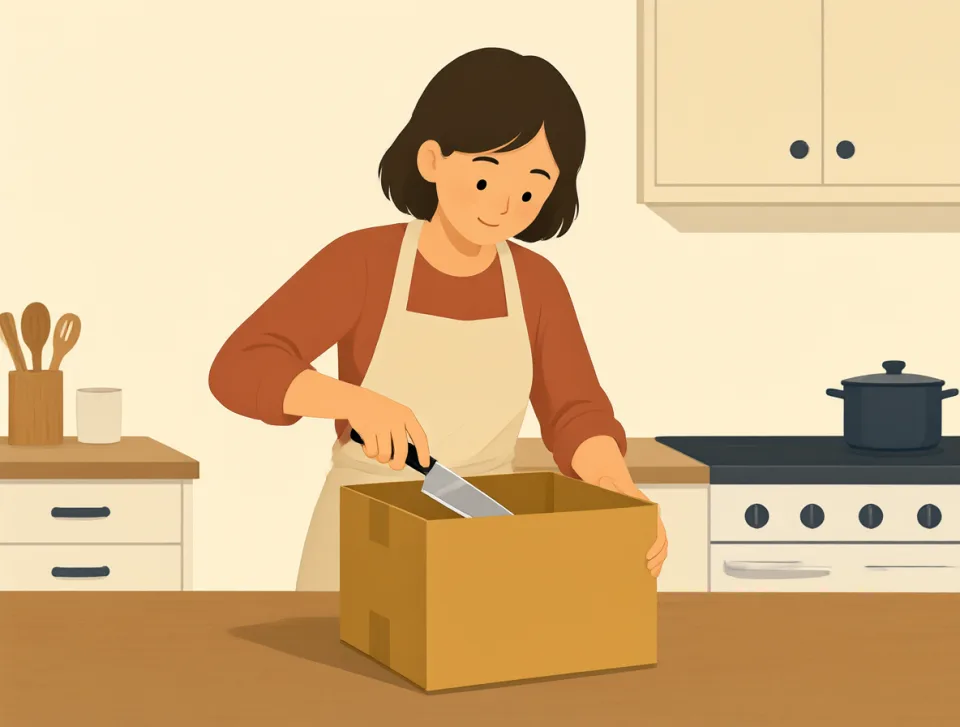
She opened the box with a knife.
彼女はナイフで箱を開けました。
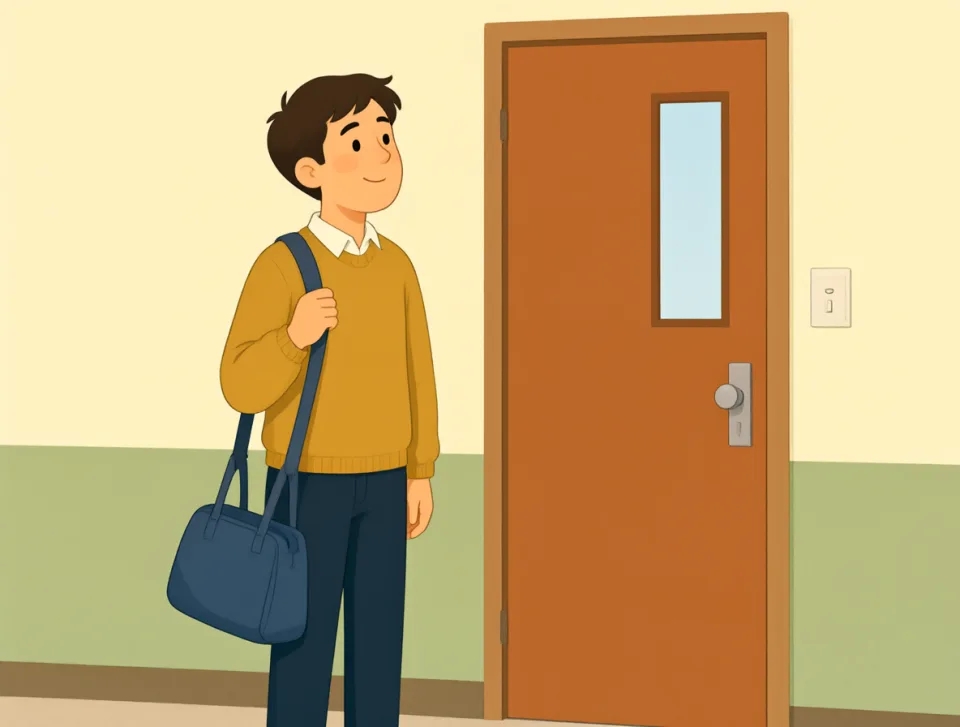
The man with the blue bag is my teacher.
青いバッグを持っている男性は私の先生です。
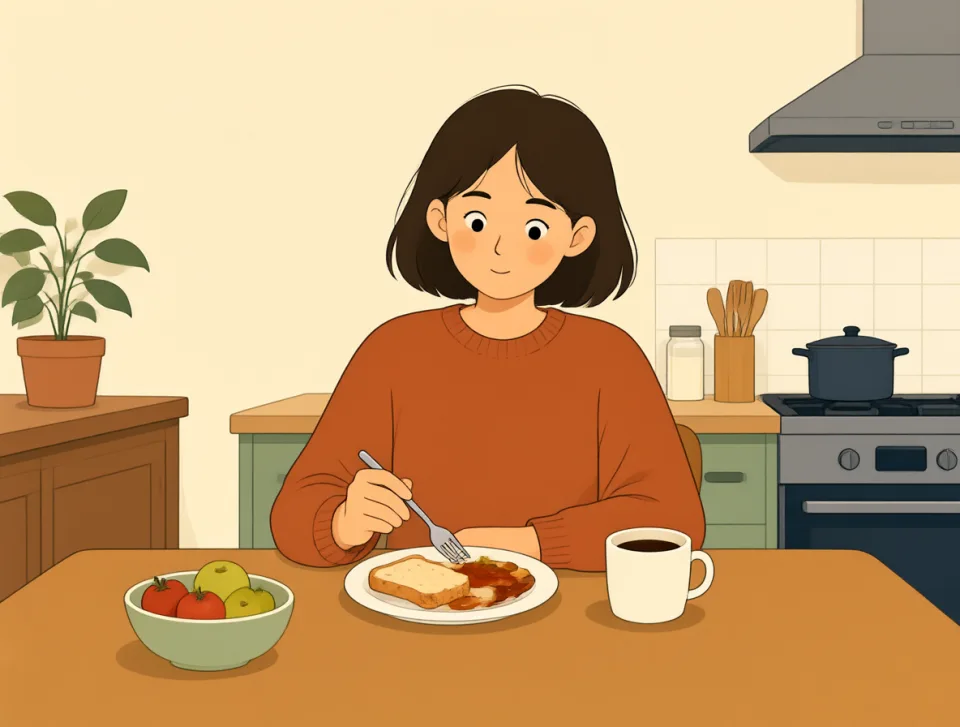
Would you like coffee with your breakfast?
朝食にコーヒーはいかがですか?

He is sick with a bad cold.
彼はひどい風邪をひいて具合が悪いです。
this
#19determiner, pronoun, adverb
これ、この; こちら; 今の
Used to talk about one person, thing, or place near you or now.
近くにいる、または今話題にしている一人の人や物、場所について話すときに使う。
This is my favorite book.
これは私の一番好きな本です。
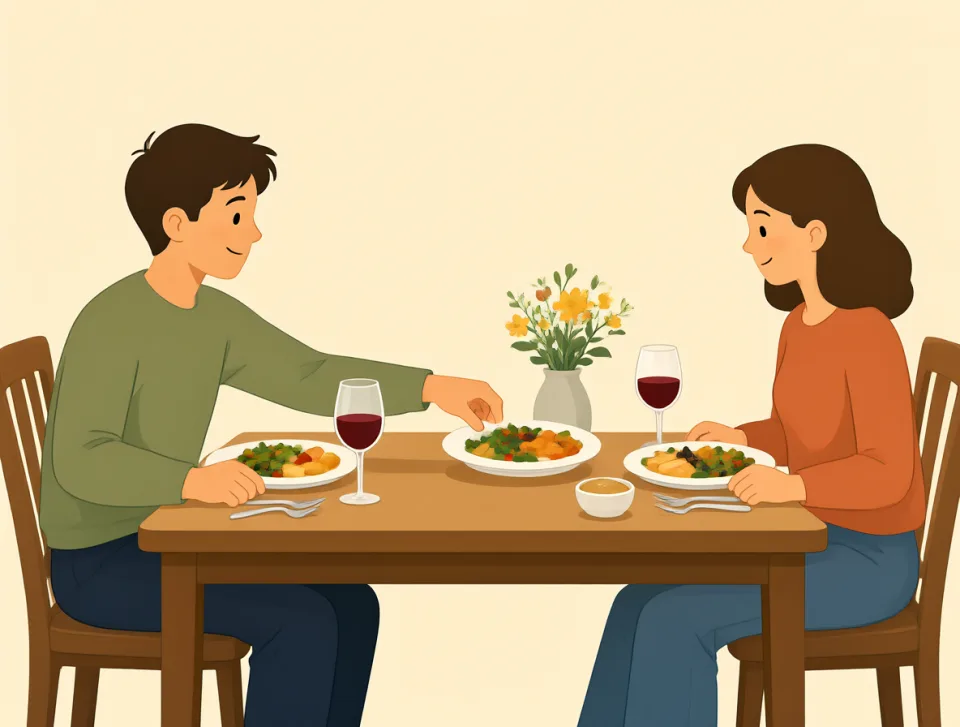
Could you pass me this plate?
この皿を取ってくれる?

I bought this shirt yesterday.
このシャツは昨日買いました。
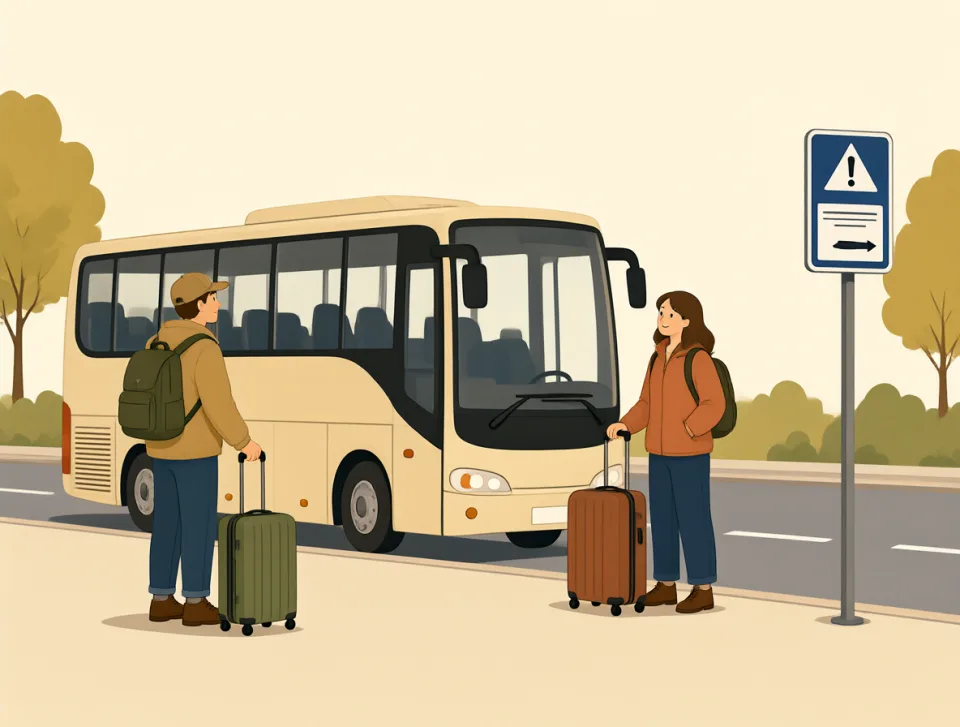
This is where we get off.
ここで降ります。
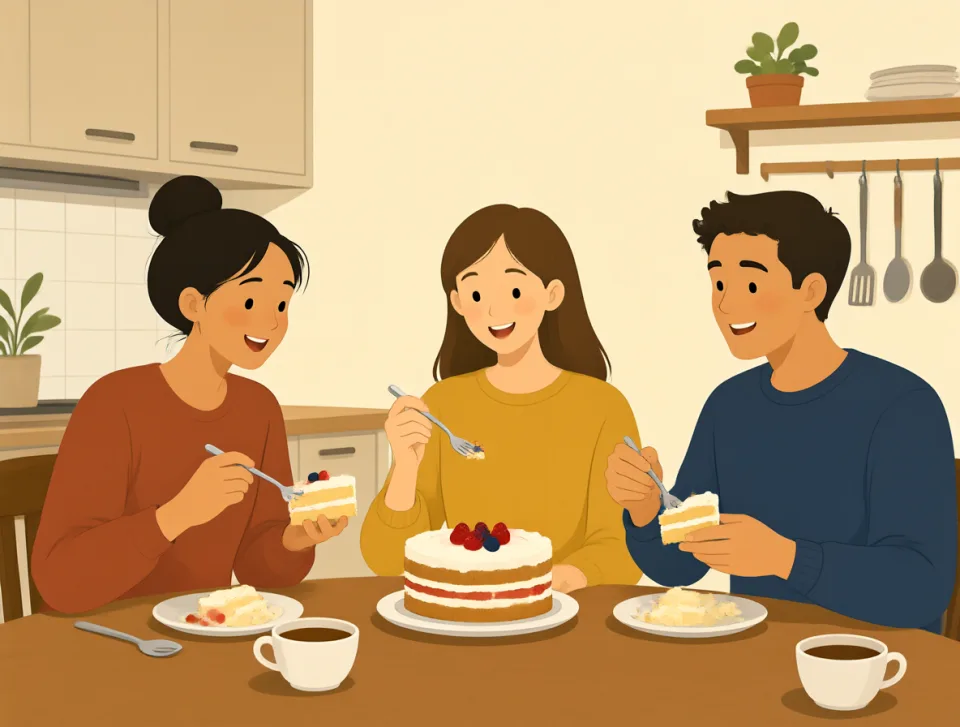
This cake tastes really good.
このケーキ、本当においしい。
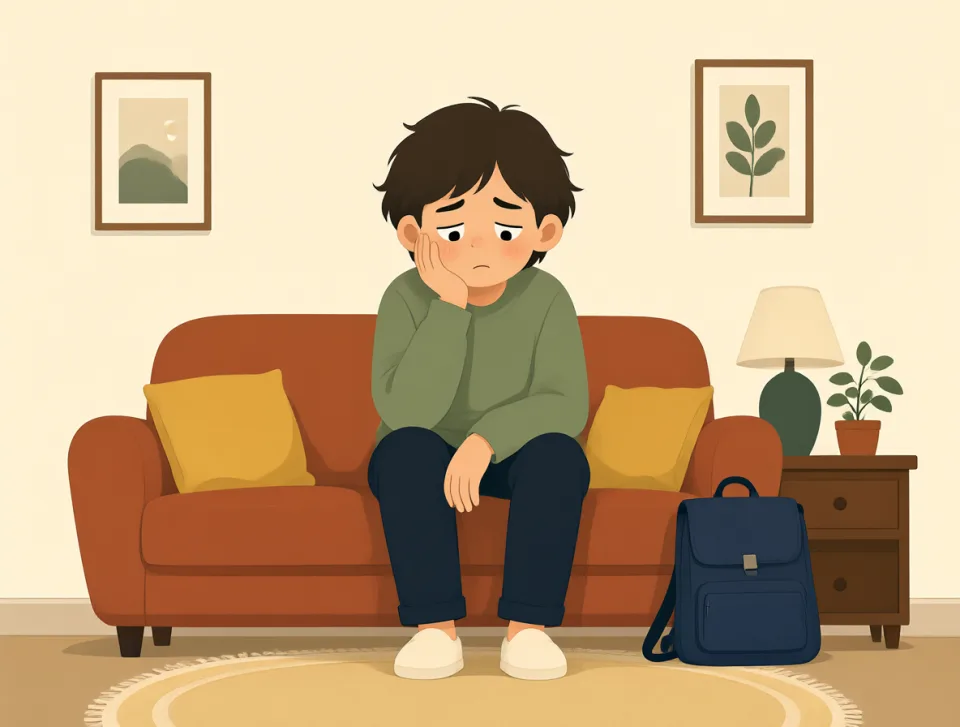
I
#20pronoun
私; 僕; あたし
The pronoun used for the person speaking or writing.
話したり書いたりしている人を指す代名詞。
I am tired after work today.
今日は仕事のあとで疲れた。

I have a sister in London.
ロンドンに姉(妹)がいます。
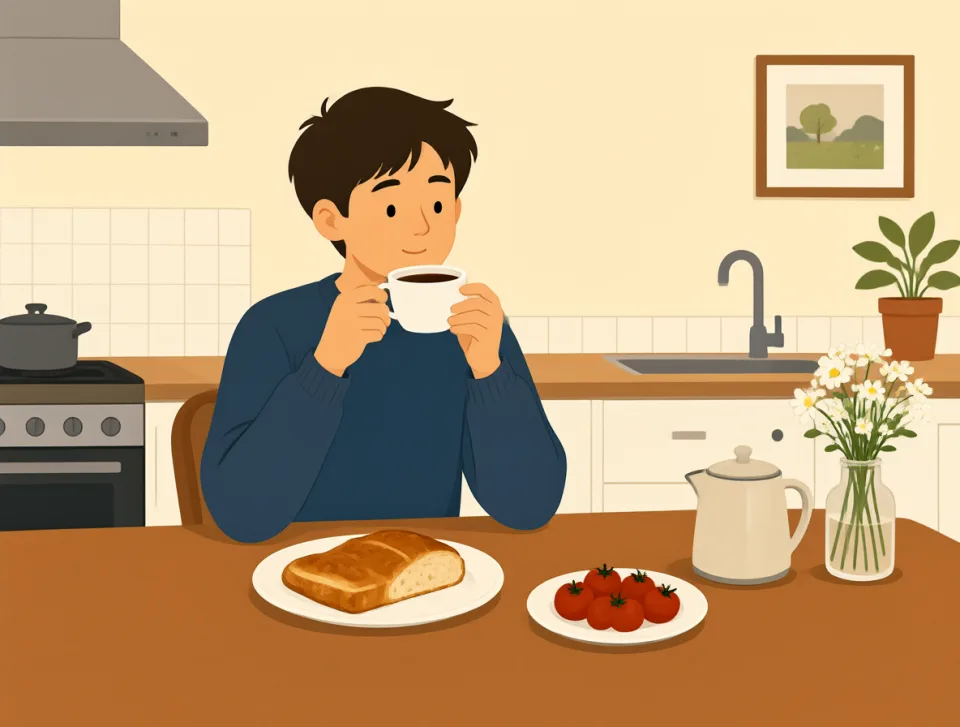
I like coffee with breakfast.
朝食にはコーヒーを飲むのが好きです。
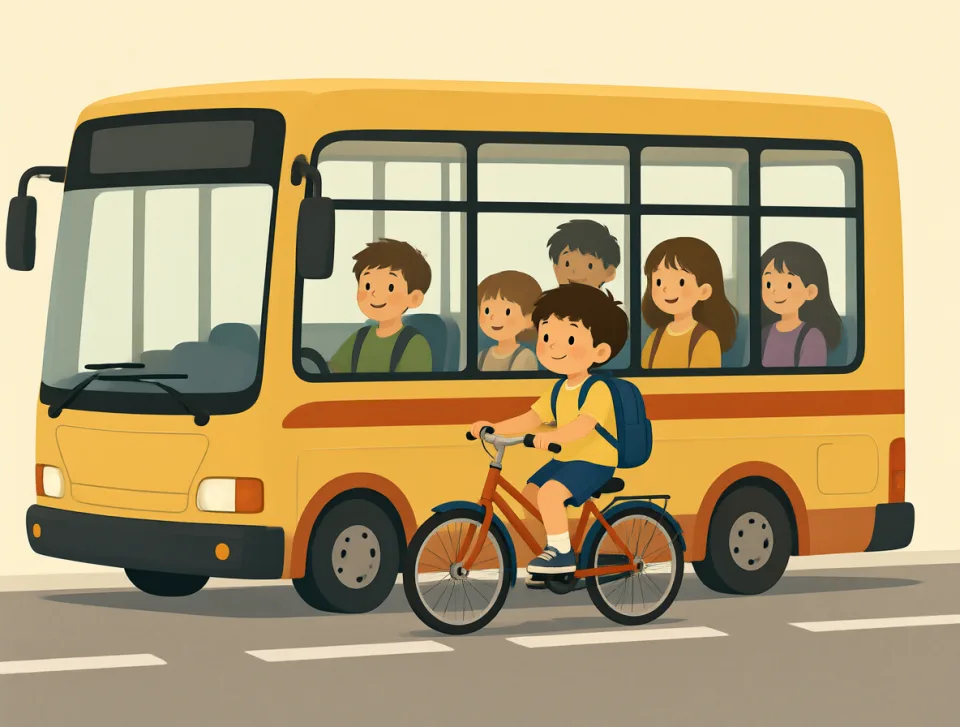
I went to school by bus.
バスで学校に行きました。
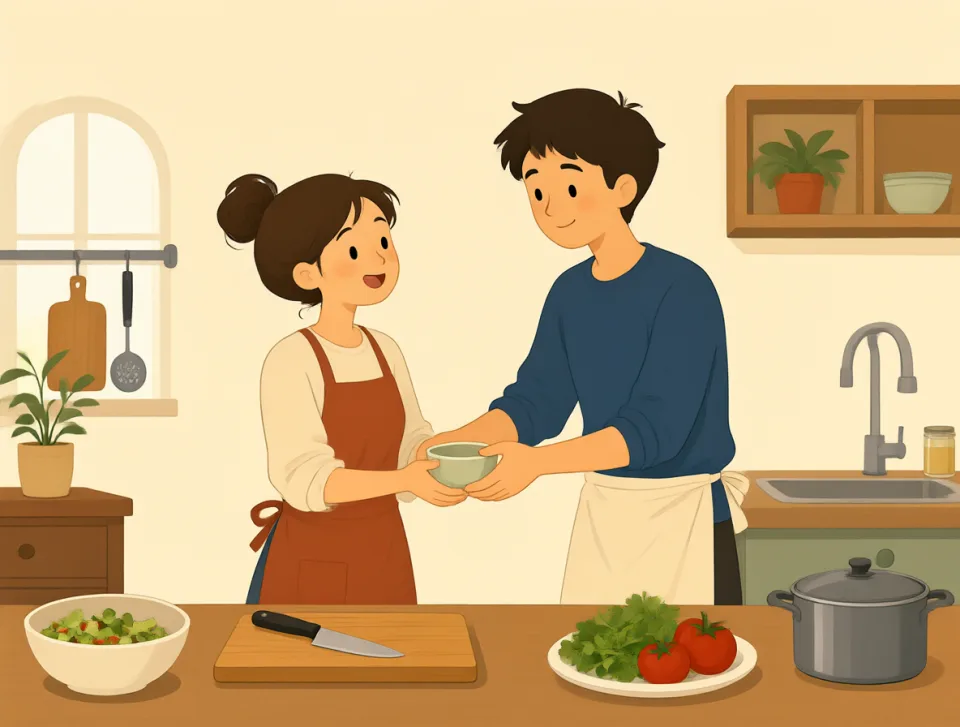
Can I help you with dinner?
夕食の支度、手伝おうか?