Zestaw 20
Słowa 381–400 · social, period, across, note, history, create
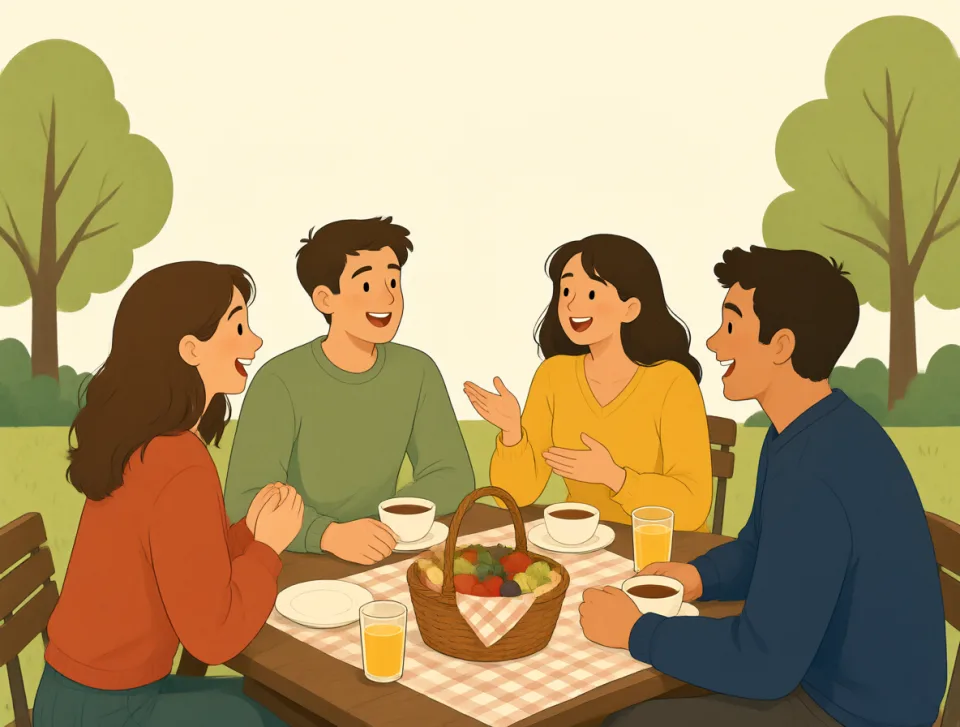
social
#381adjective, noun
towarzyski; społeczny
Relating to spending time with and meeting other people.
Związany ze spędzaniem czasu z innymi ludźmi i poznawaniem ich.

She is very social and loves meeting new people.
Ona jest bardzo towarzyska i uwielbia poznawać nowych ludzi.
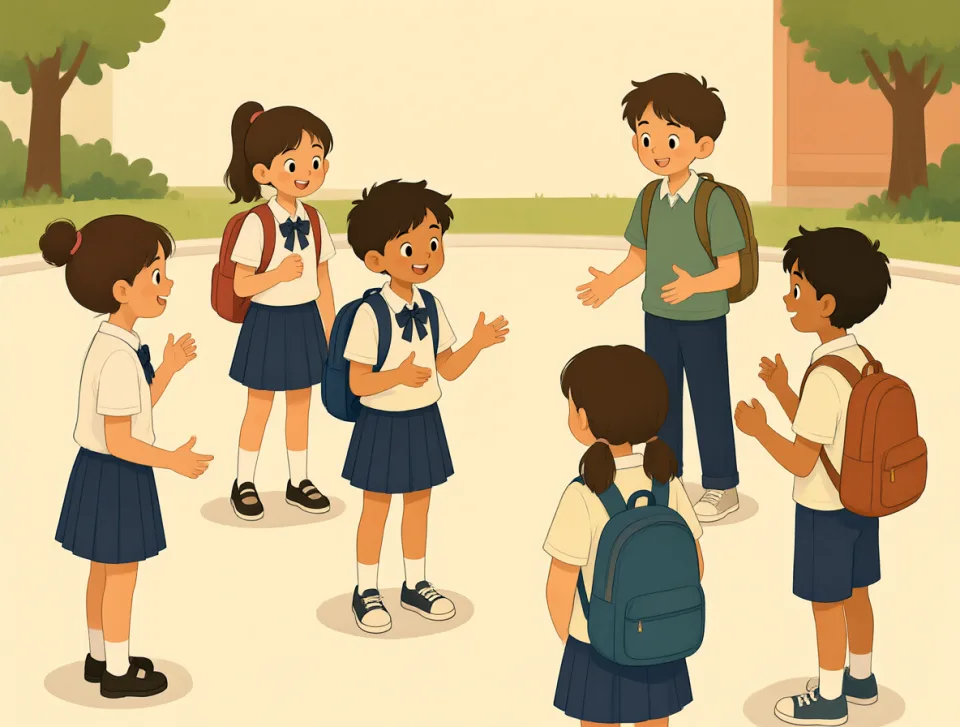
The school has many social activities after class.
W szkole po lekcjach odbywa się wiele zajęć towarzyskich.
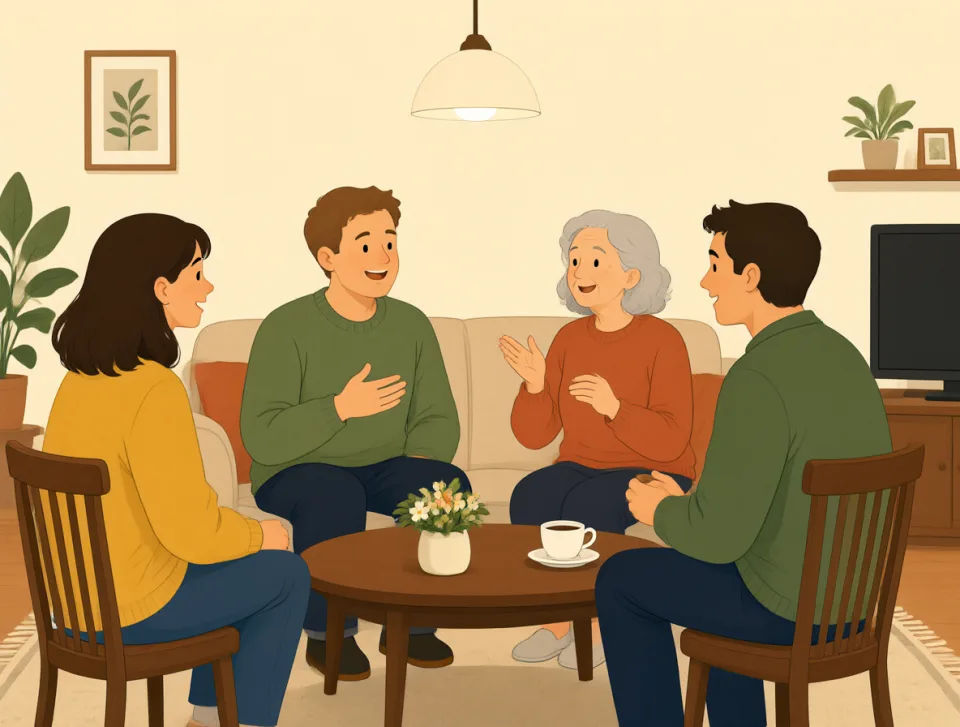
We had a social evening with our neighbors.
Spędziliśmy miły wieczór z sąsiadami.
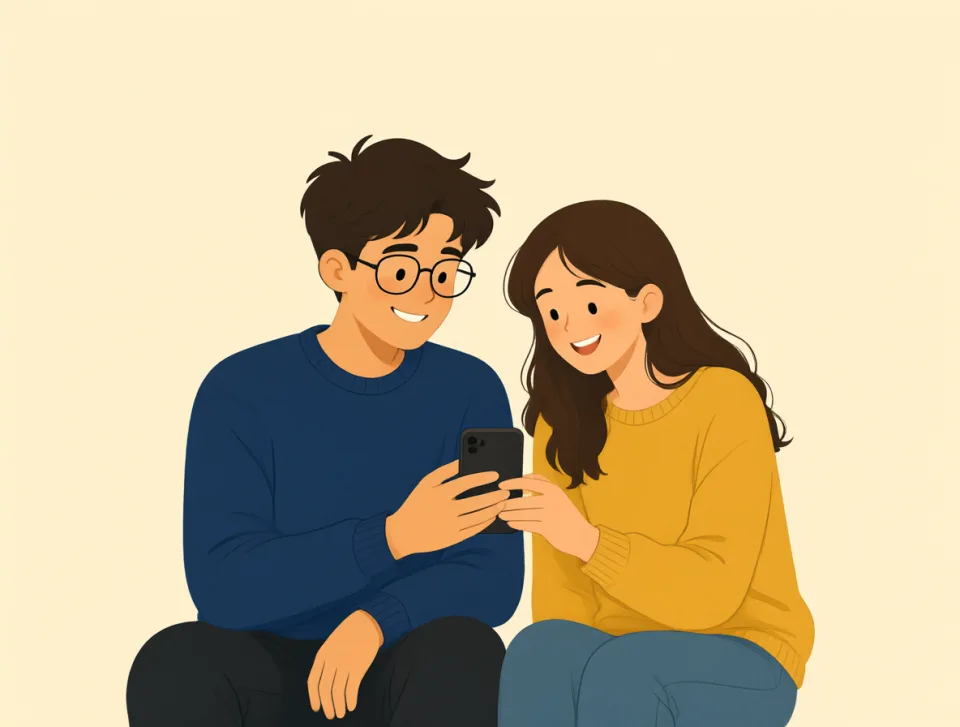
Social media helps friends stay in touch.
Media społecznościowe pomagają przyjaciołom utrzymywać kontakt.
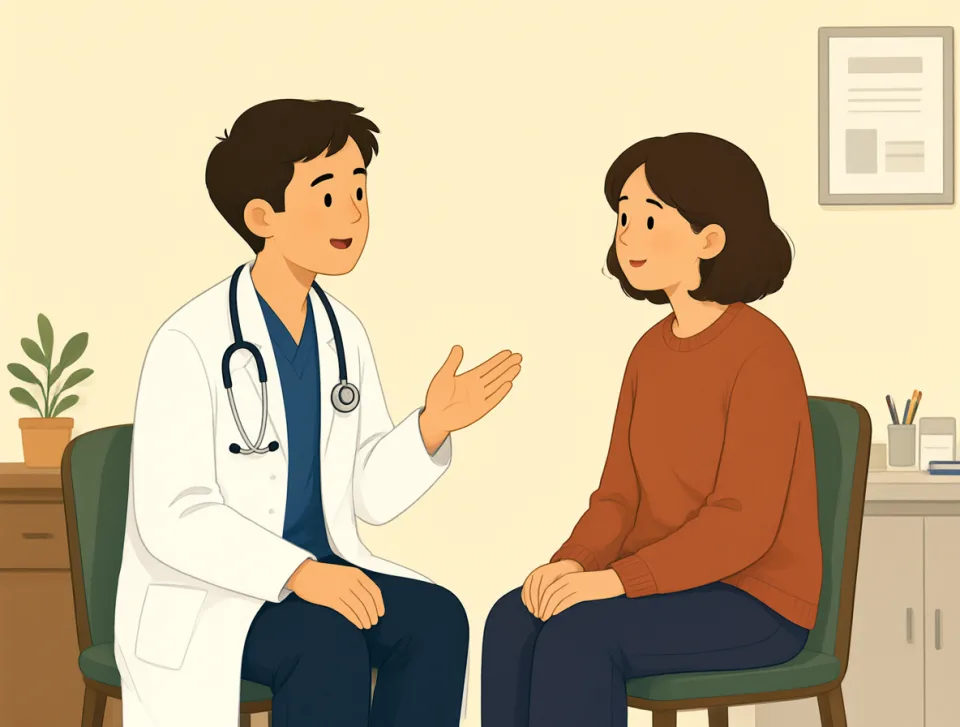
The doctor asked about his social life.
Lekarz zapytał go o życie towarzyskie.
period
#382noun
okres
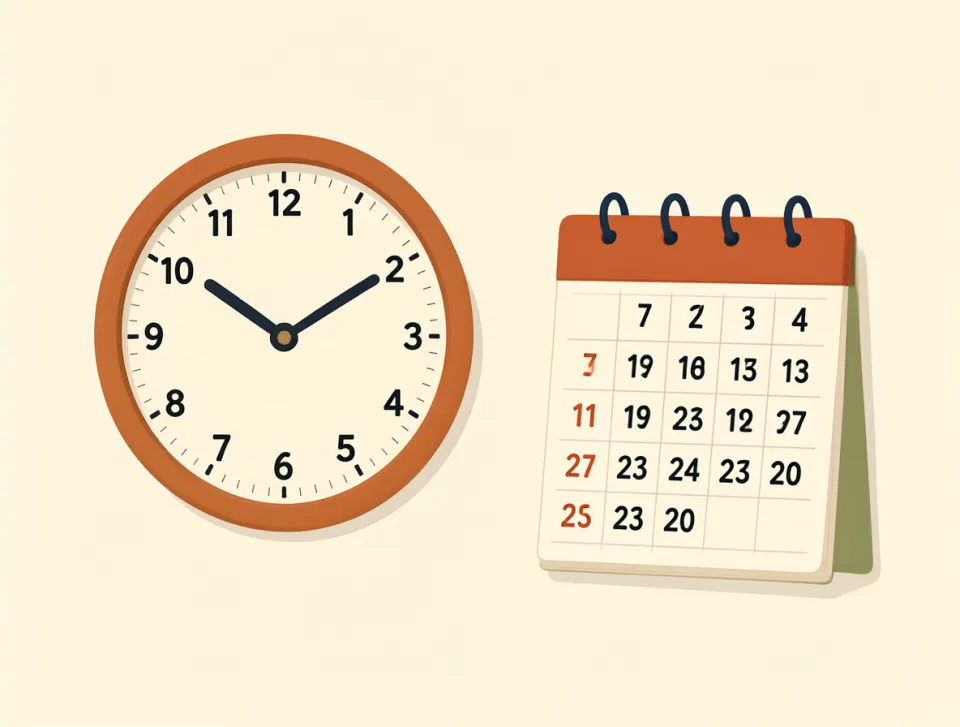
a length of time when something happens or continues
Odcinek czasu, w którym coś się dzieje lub trwa.
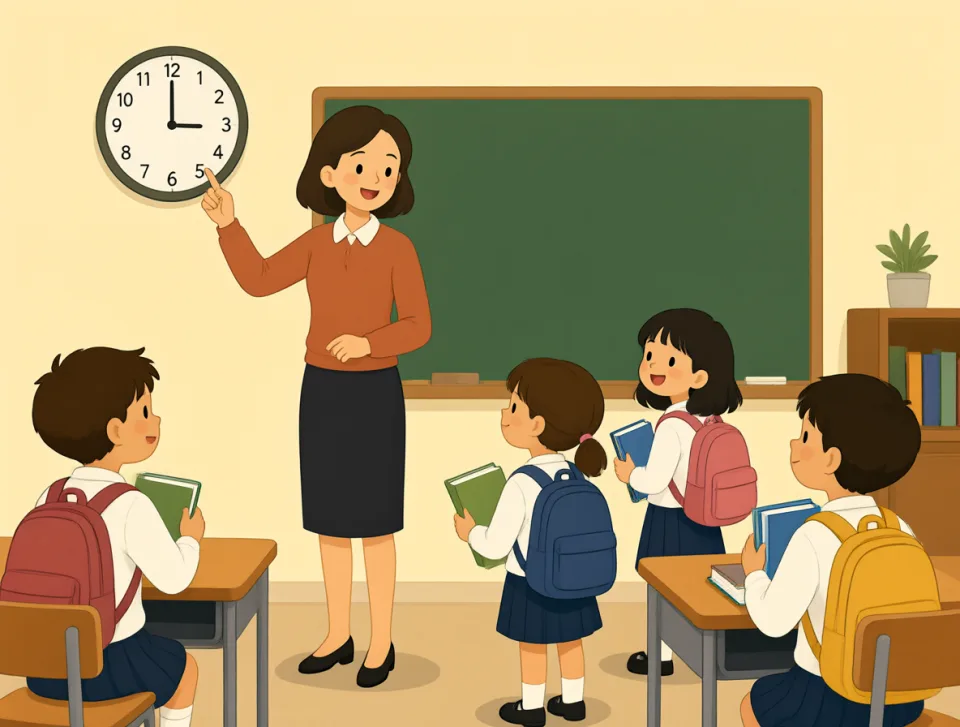
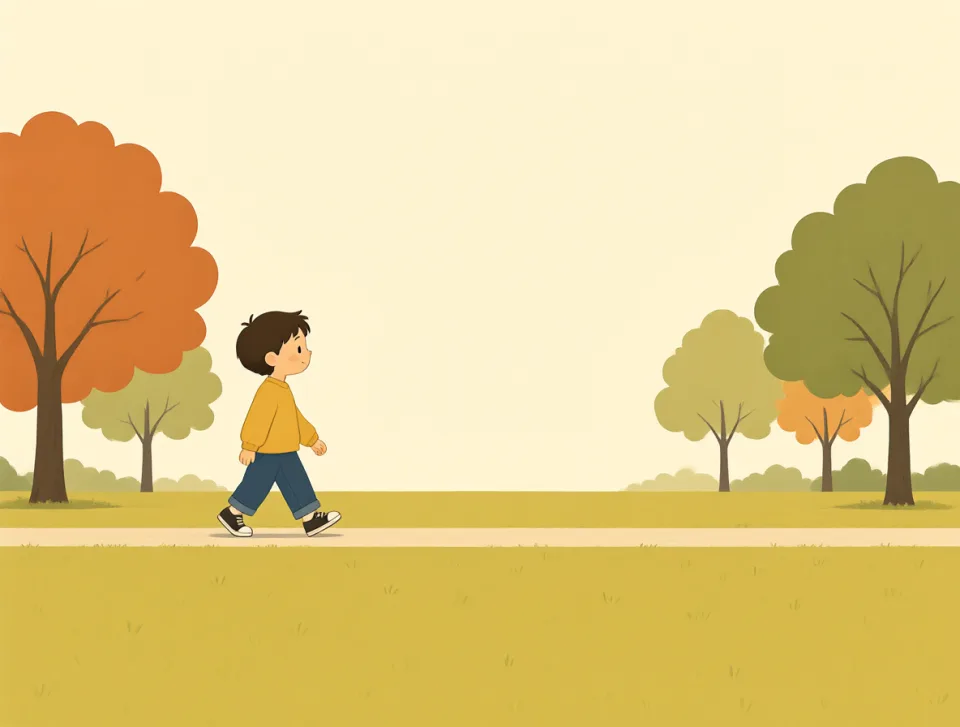
The school period ends at ten o'clock.
Lekcja kończy się o dziesiątej.
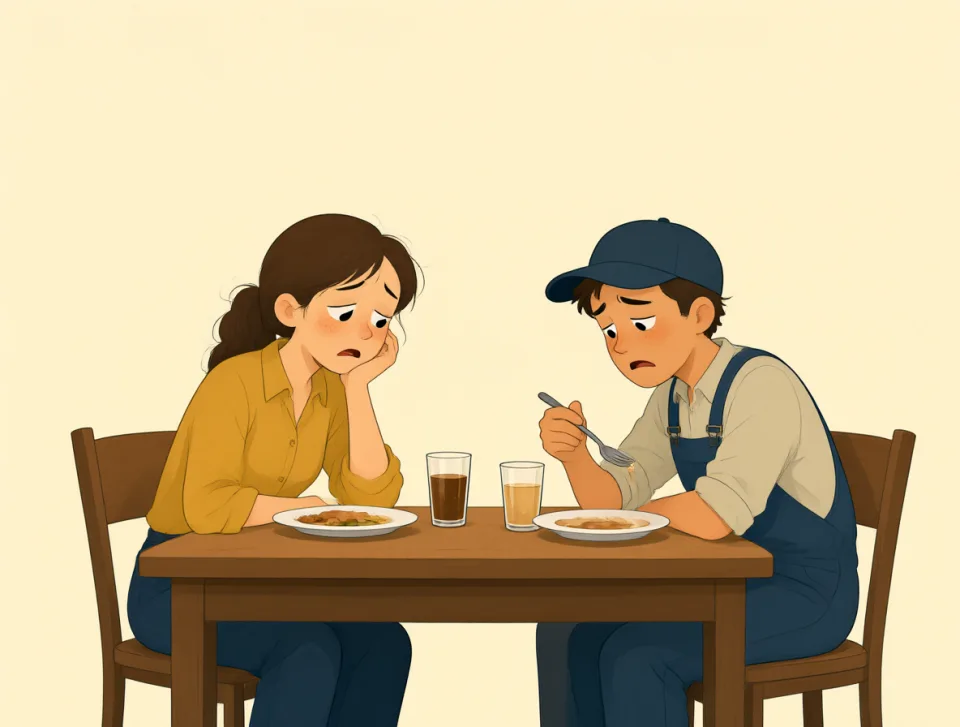
We had a short rest period after lunch.
Po obiedzie mieliśmy krótką przerwę na odpoczynek.
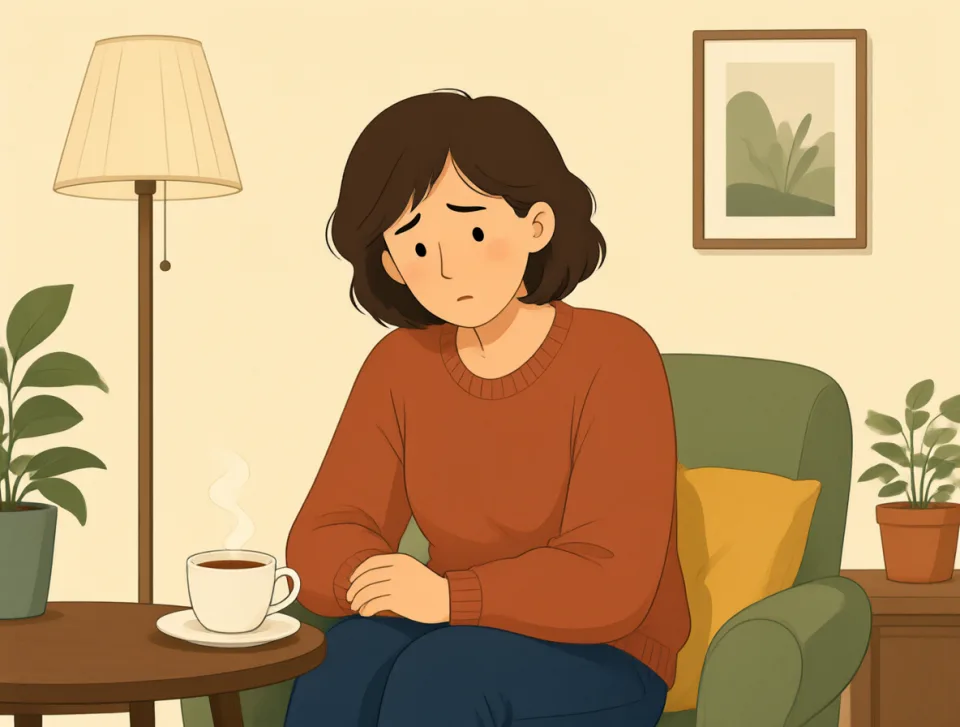
She had a difficult period last year.
W zeszłym roku miała trudny okres.
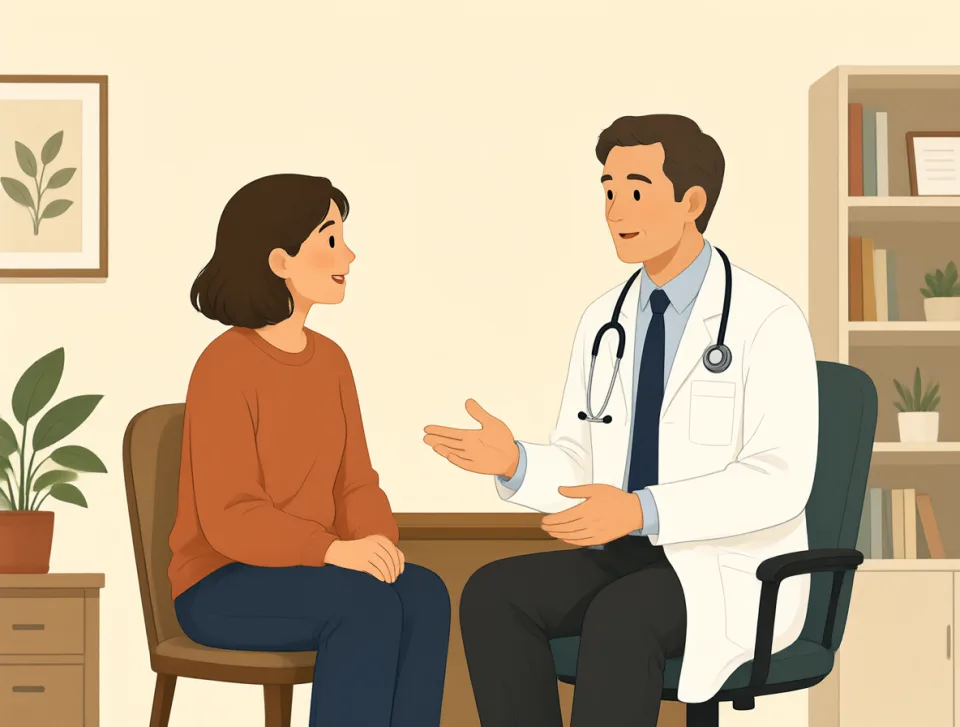
The doctor asked about my menstrual period.
Lekarz zapytał mnie o miesiączkę.
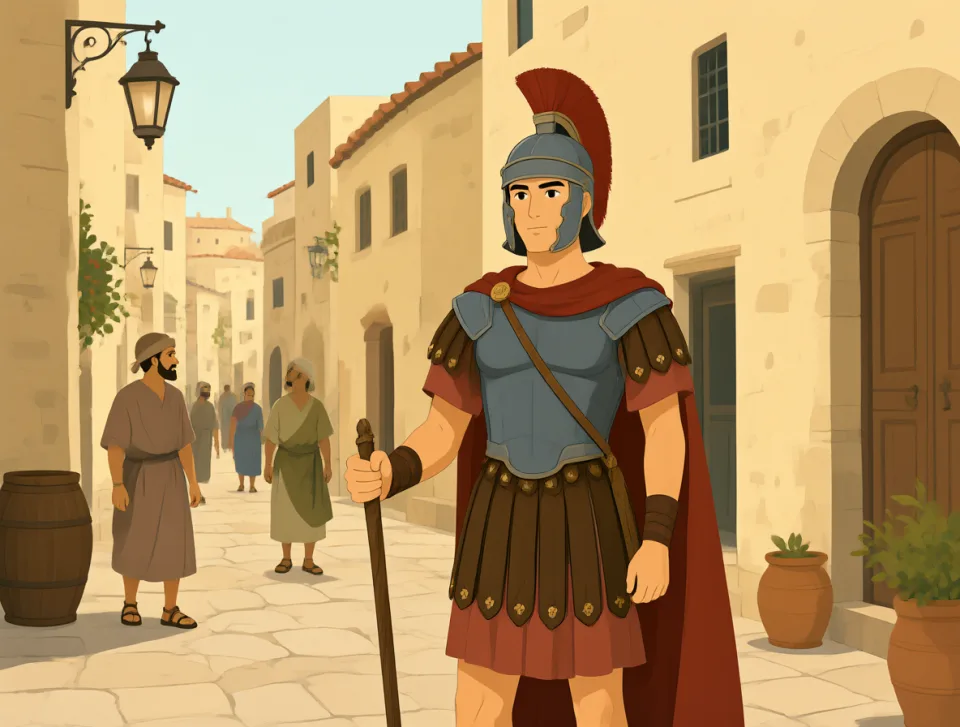
The Roman period lasted for many centuries.
Okres rzymski trwał wiele stuleci.
across
#383adverb, preposition
przez; na drugą stronę
from one side to the other side of a place or area
Z jednej strony miejsca lub obszaru na drugą.
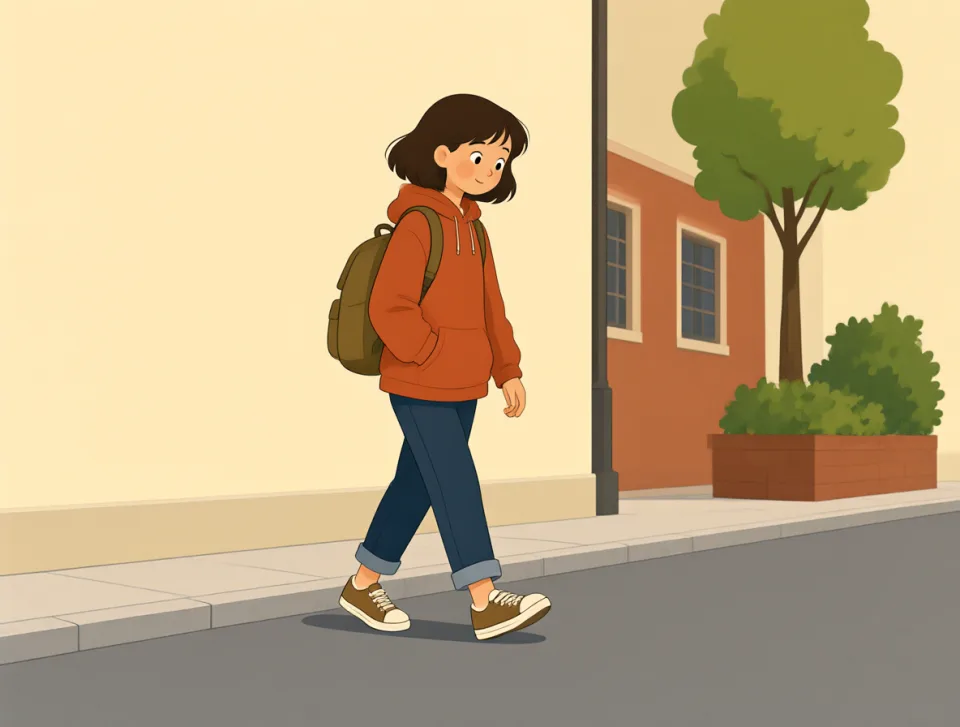
She walked across the street carefully.
Ostrożnie przeszła przez ulicę.
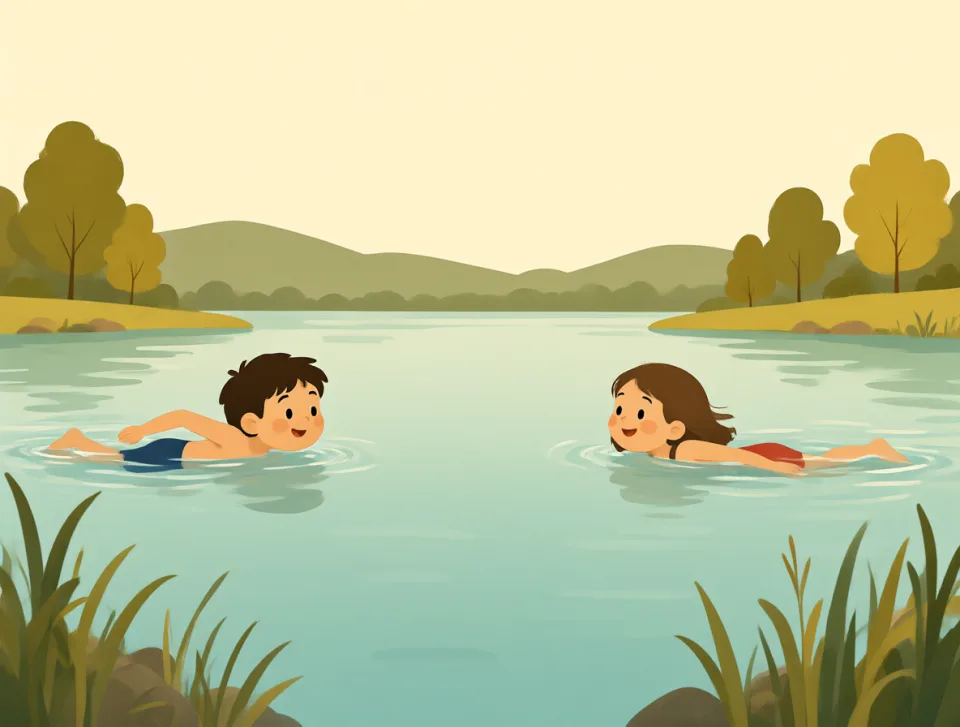
We swam across the lake yesterday.
Wczoraj przepłynęliśmy jezioro.
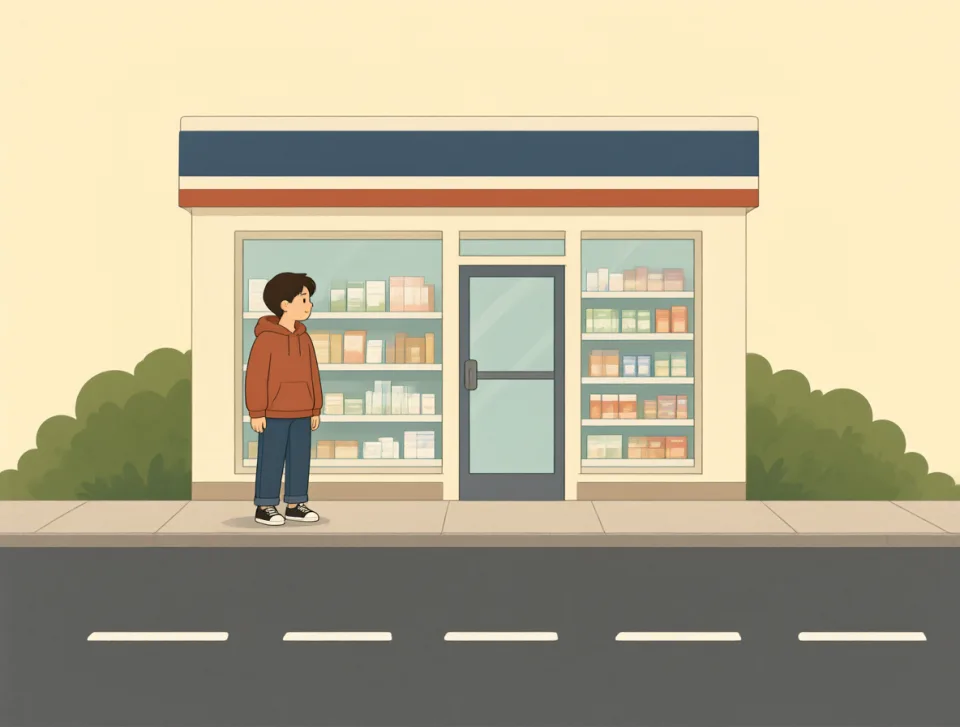
There is a pharmacy across the road.
Po drugiej stronie ulicy jest apteka.
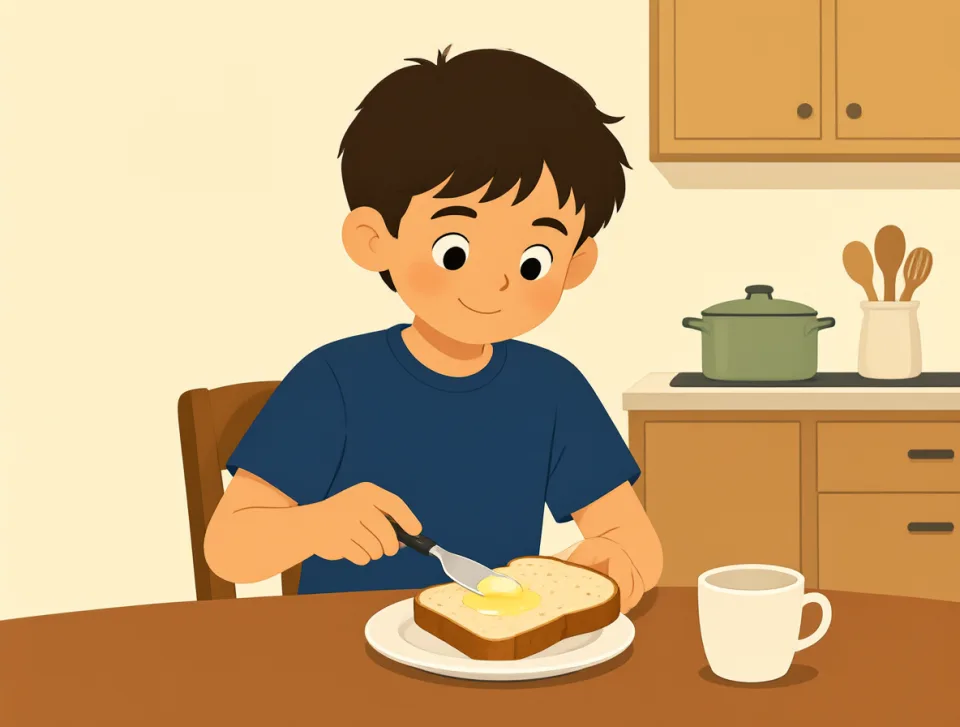
He spread butter across the bread.
Posmarował chleb masłem.
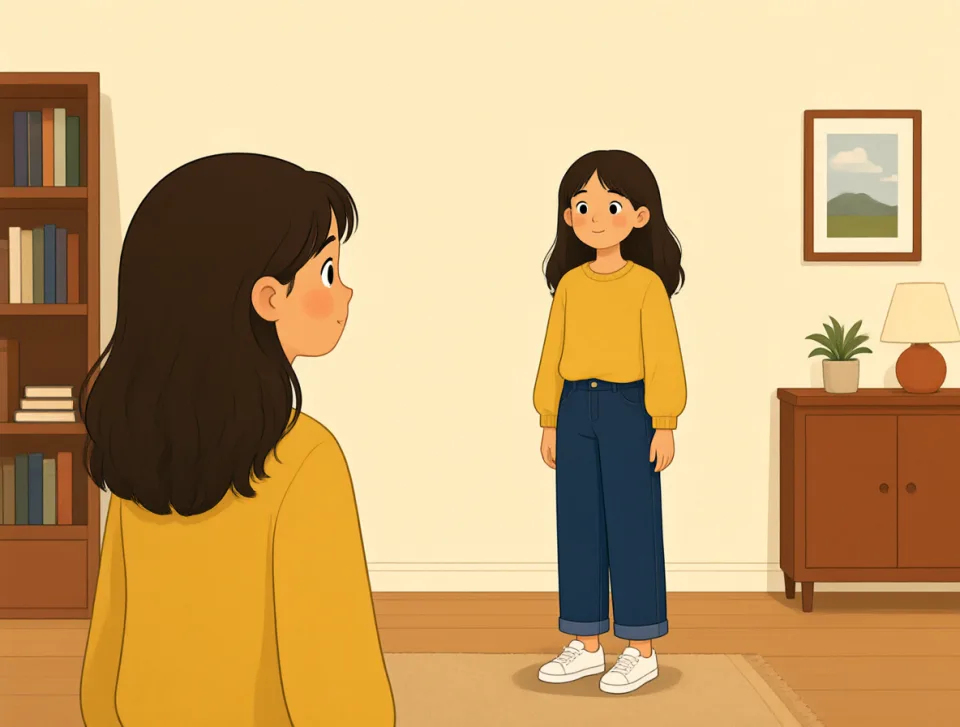
I saw my friend across the room.
Zobaczyłem przyjaciela po drugiej stronie pokoju.
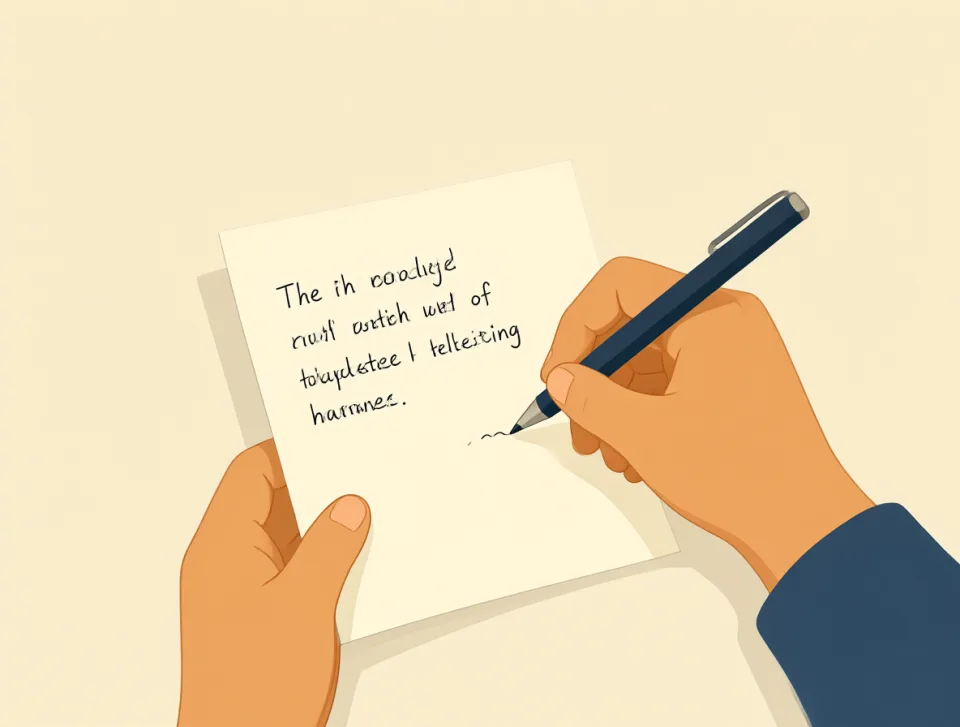
note
#384noun, verb
notatka; zauważyć
A short written message or a brief record of information; to notice or remember something.
Krótka wiadomość lub zapis informacji; dostrzec albo zapamiętać coś.
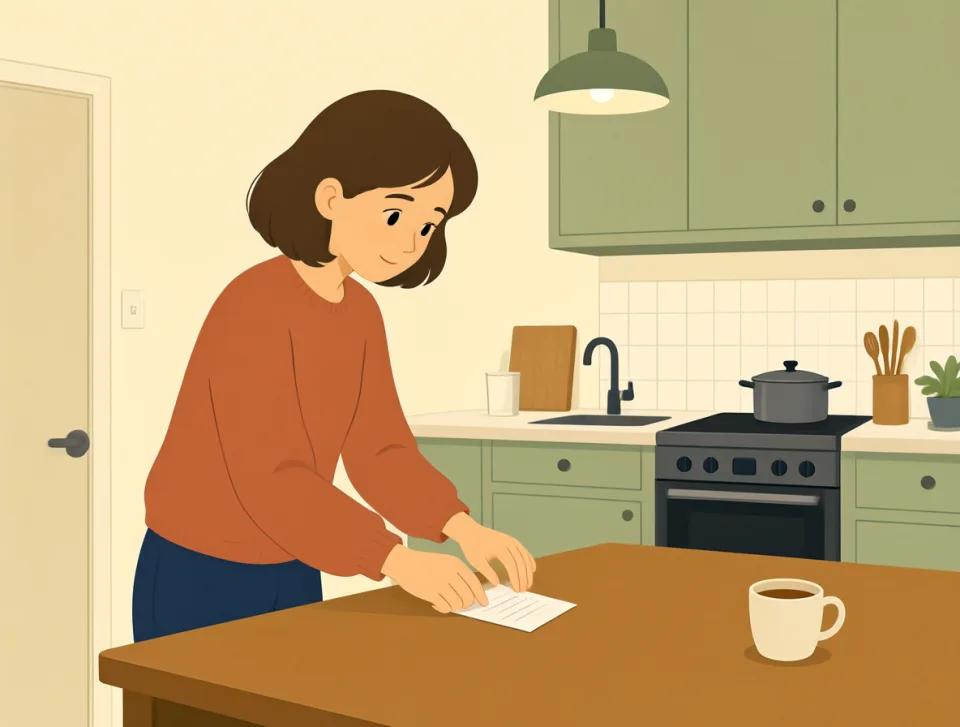
She left me a note on the table.
Zostawiła mi na stole krótką wiadomość.

Please note the change in our meeting time.
Proszę zwrócić uwagę na zmianę godziny naszego spotkania.
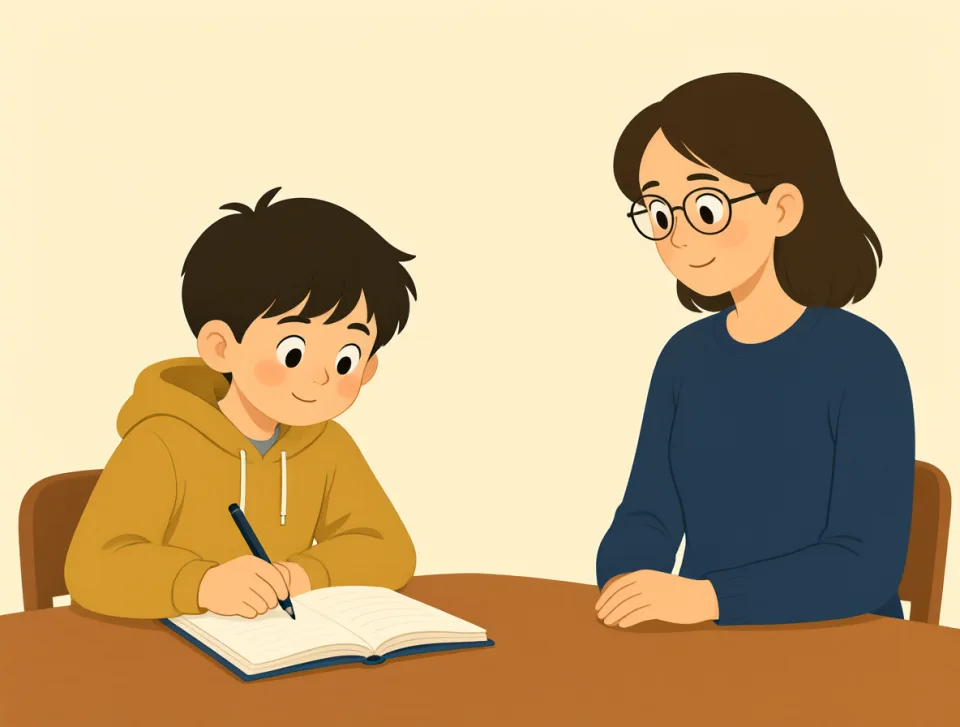
I took notes during the class.
Robiłem notatki podczas zajęć.

He noted the address in his notebook.
Zapisał adres w swoim notesie.
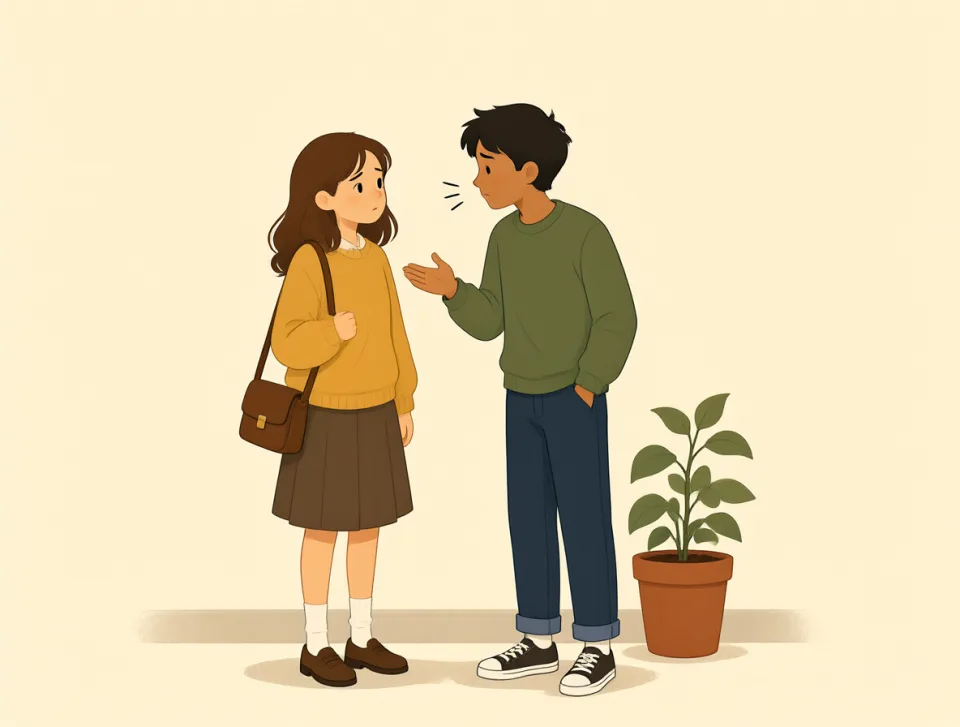
I noticed a strange note in her voice.
Zauważyłem dziwną nutę w jej głosie.
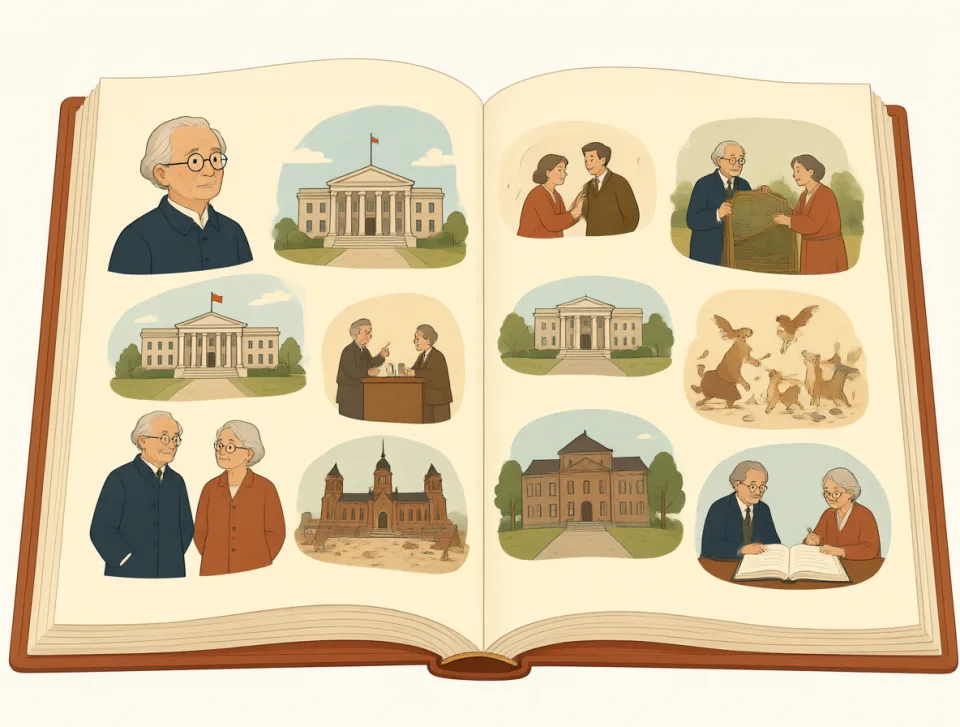
history
#385noun
historia
All the events that happened in the past, or the study of those events.
Wszystkie wydarzenia z przeszłości albo nauka o tych wydarzeniach.
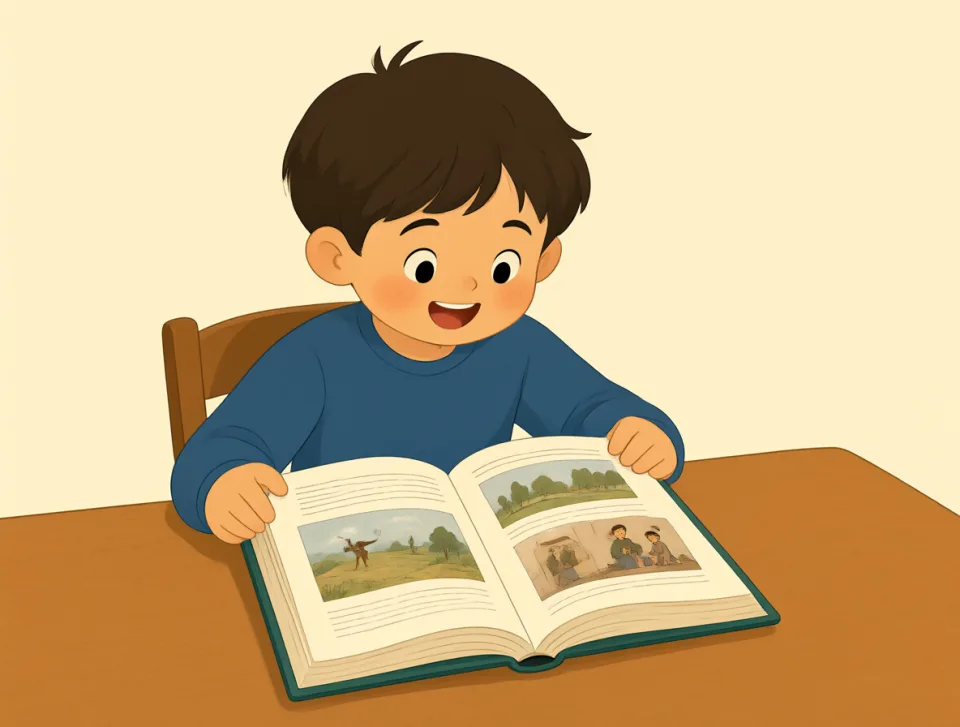
I love learning about world history.
Uwielbiam poznawać historię świata.
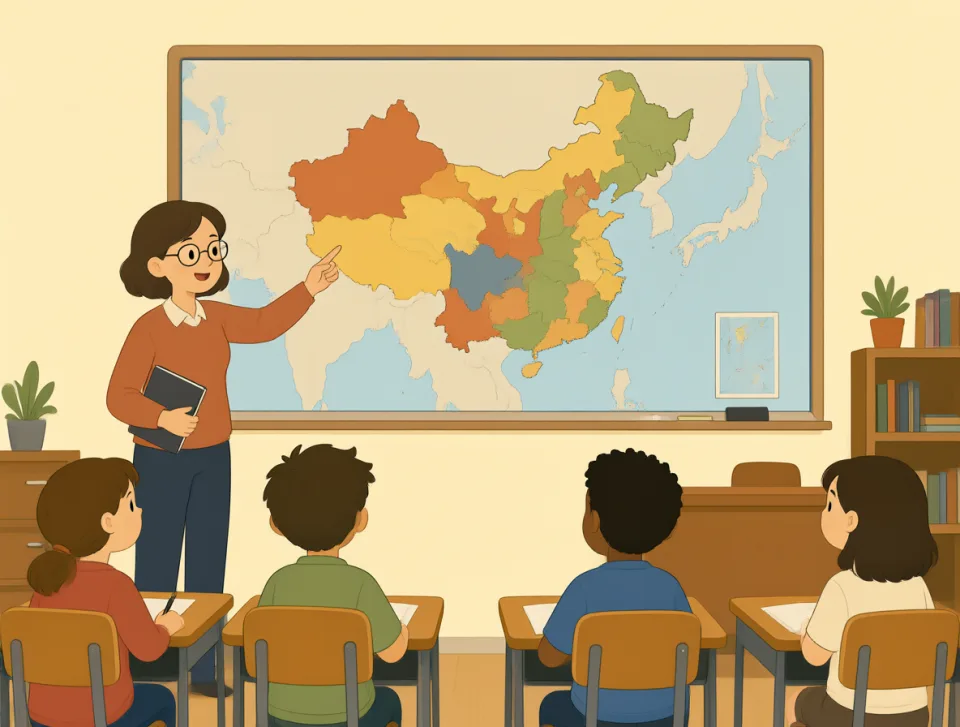
Our history teacher told us about ancient Egypt.
Nauczyciel historii opowiedział nam o starożytnym Egipcie.
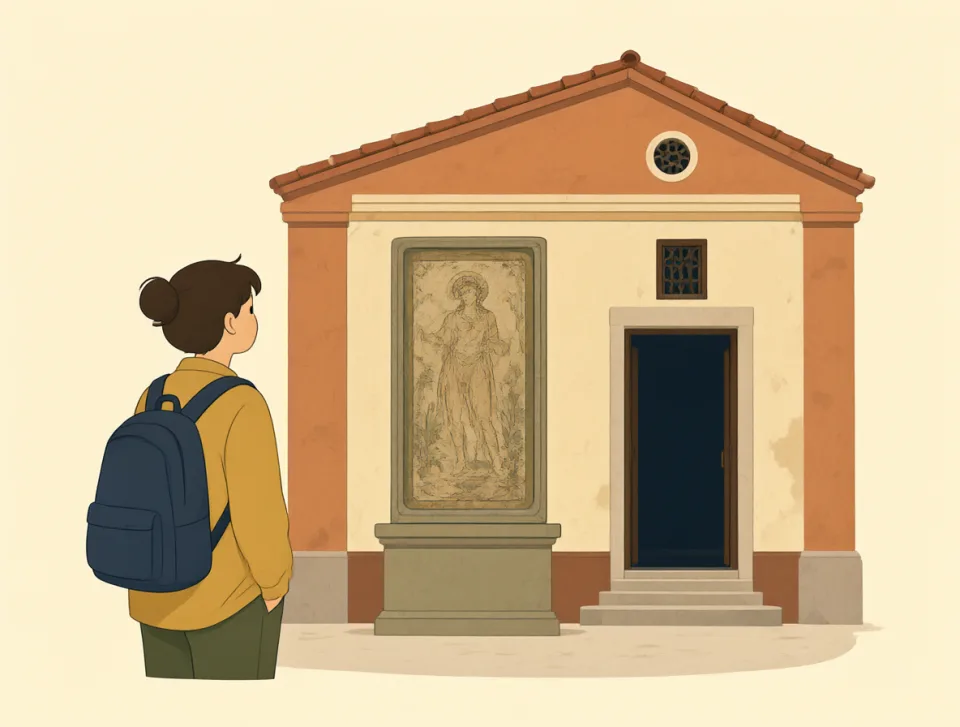
The museum has a long history.
Muzeum ma długą historię.
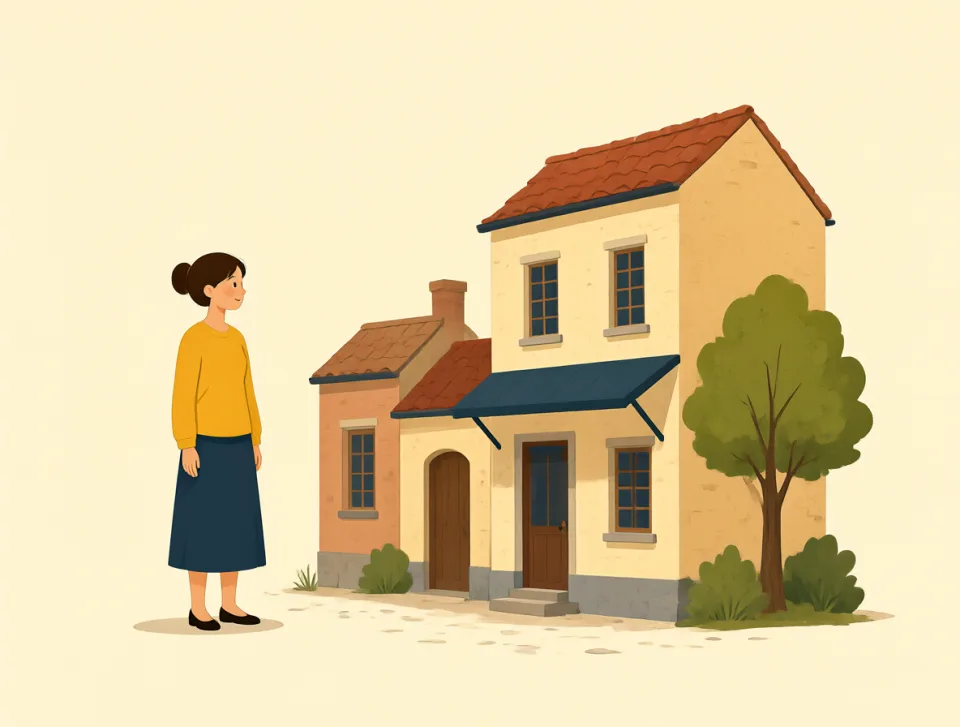
She knows the history of this town.
Ona zna historię tego miasta.
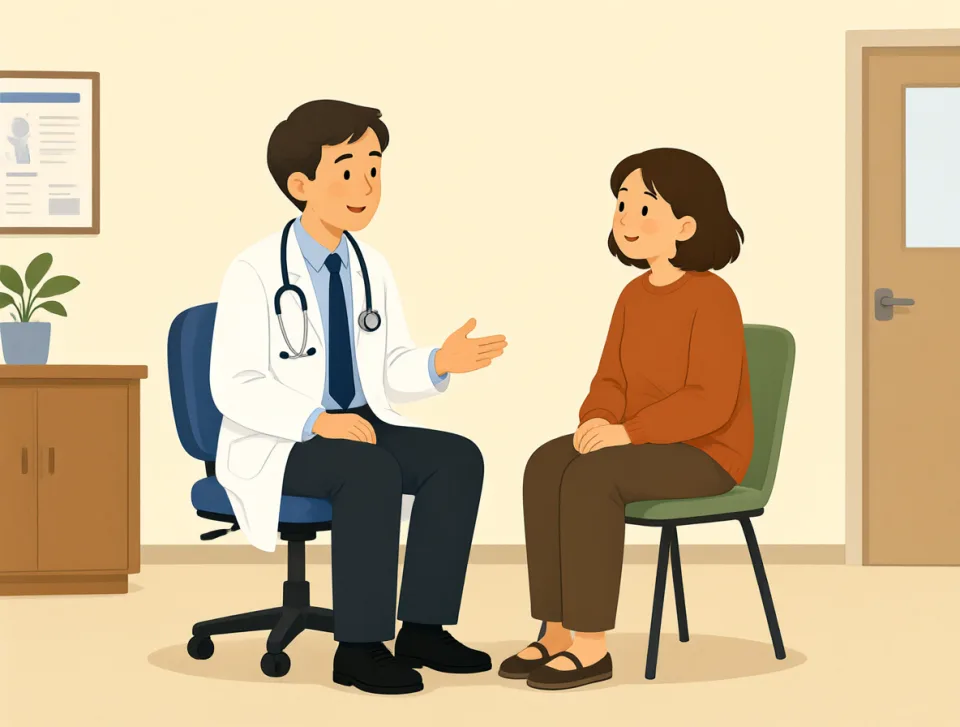
He asked about my medical history.
Zapytał o moją historię chorób.
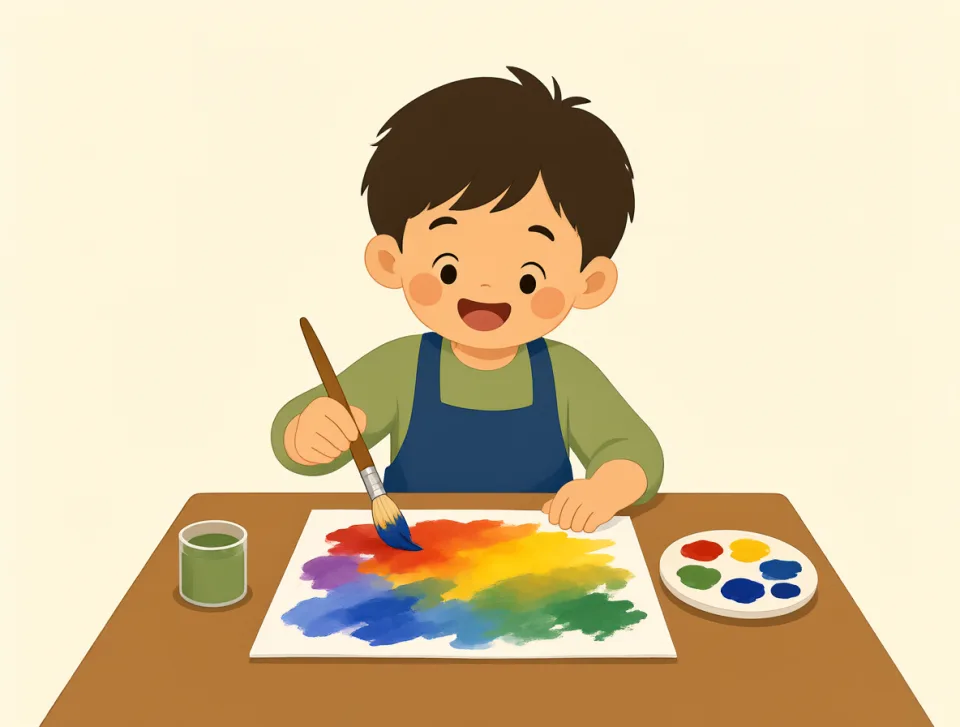
create
#386verb
tworzyć
to make something new, such as an idea, picture, meal, or plan
robić coś nowego, na przykład wymyślać pomysł, tworzyć obraz, przygotowywać posiłek lub opracowywać plan
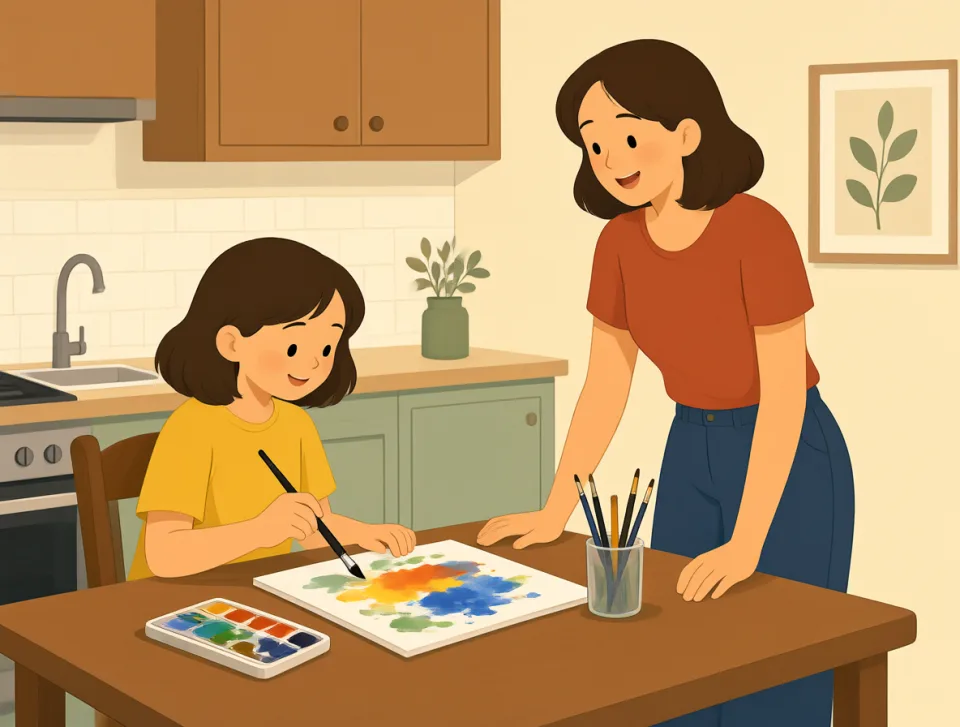
She created a beautiful picture for her mother.
Namalowała piękny obraz dla swojej mamy.
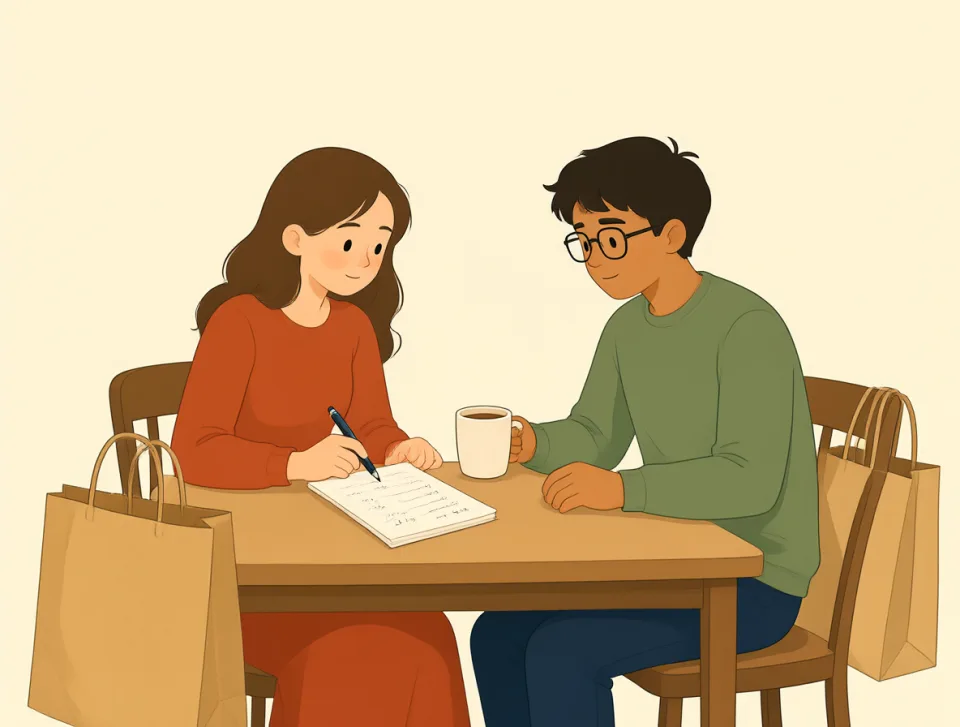
We created a shopping list before going to the store.
Zrobiliśmy listę zakupów, zanim poszliśmy do sklepu.
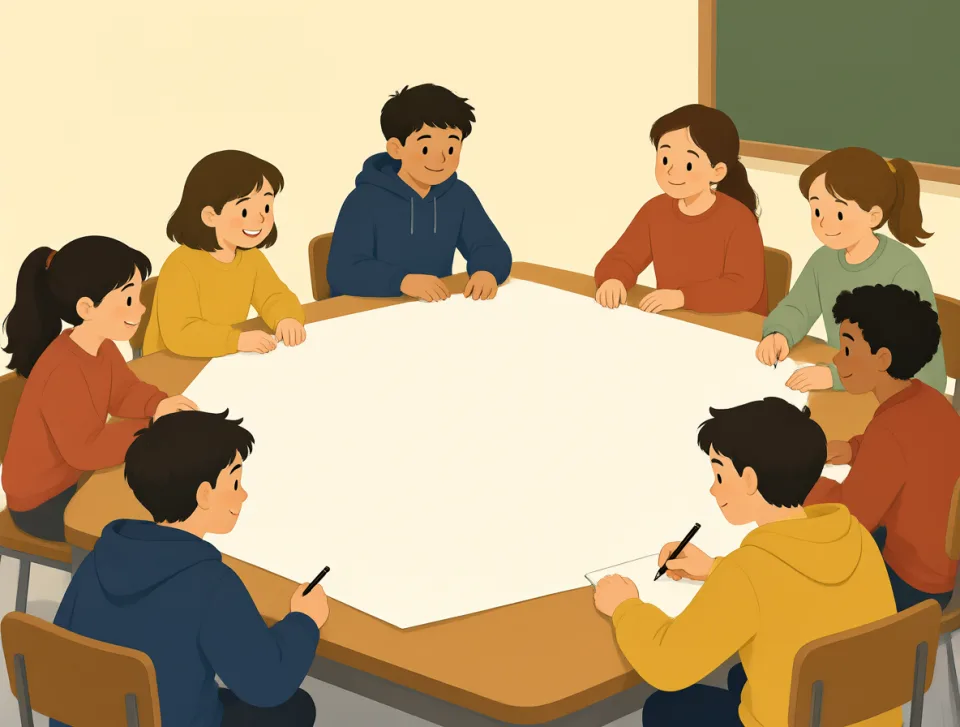
The students created a poster for their school project.
Uczniowie przygotowali plakat na szkolny projekt.
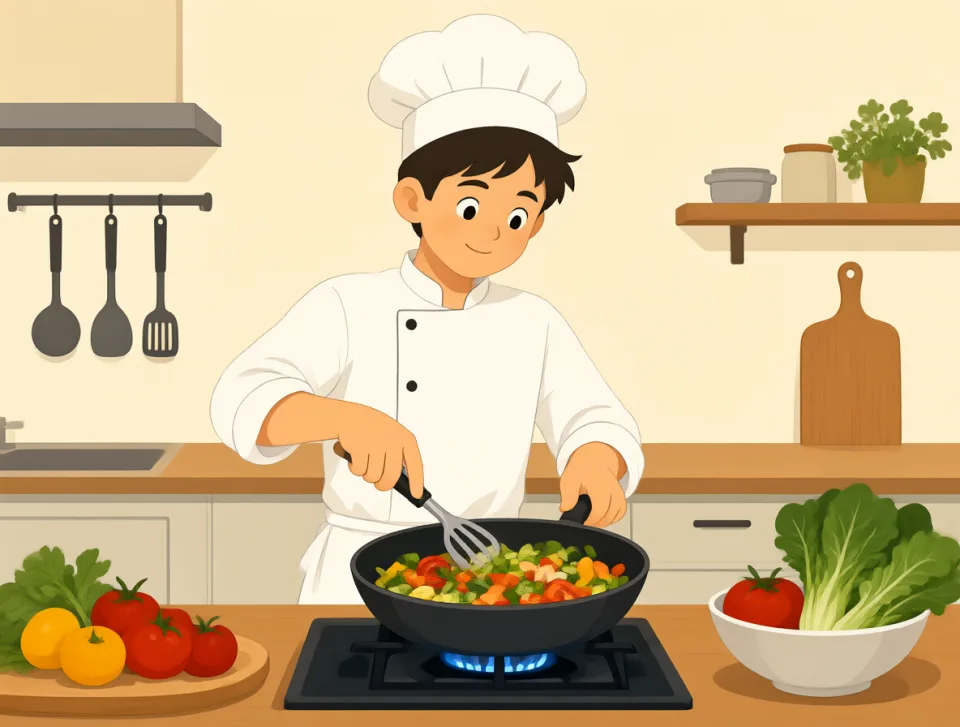
The chef created a new dish with fresh vegetables.
Szef kuchni stworzył nowe danie ze świeżych warzyw.

Good friends create happy memories together.
Dobrzy przyjaciele wspólnie tworzą piękne wspomnienia.
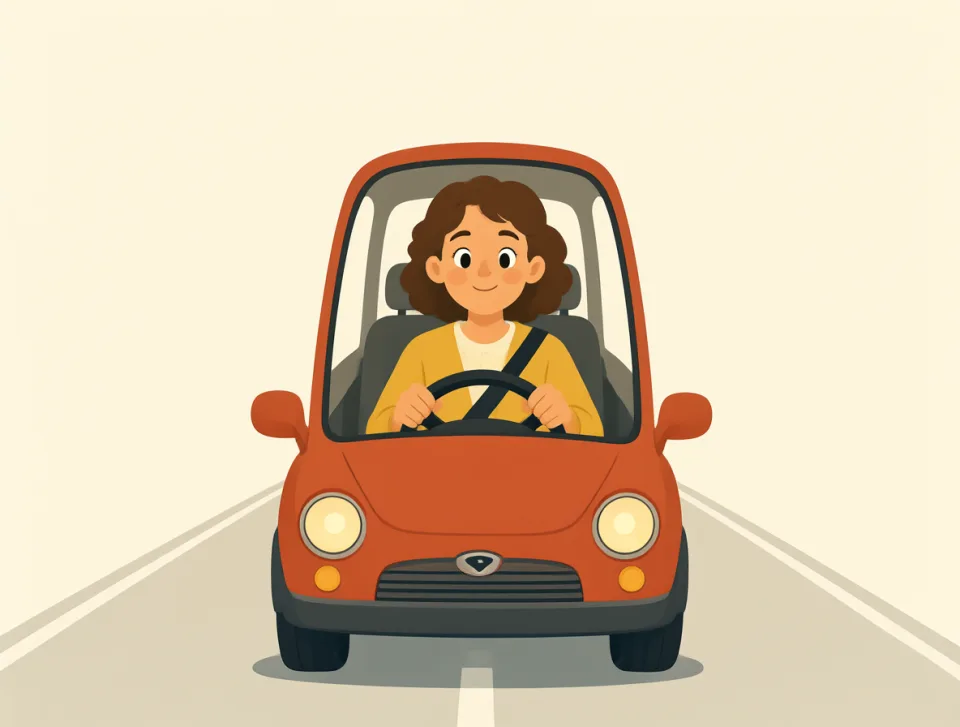
drive
#387verb, noun
prowadzić; przejażdżka samochodem
To control a car and make it move; a trip in a car.
kierować samochodem i wprawiać go w ruch; podróż samochodem
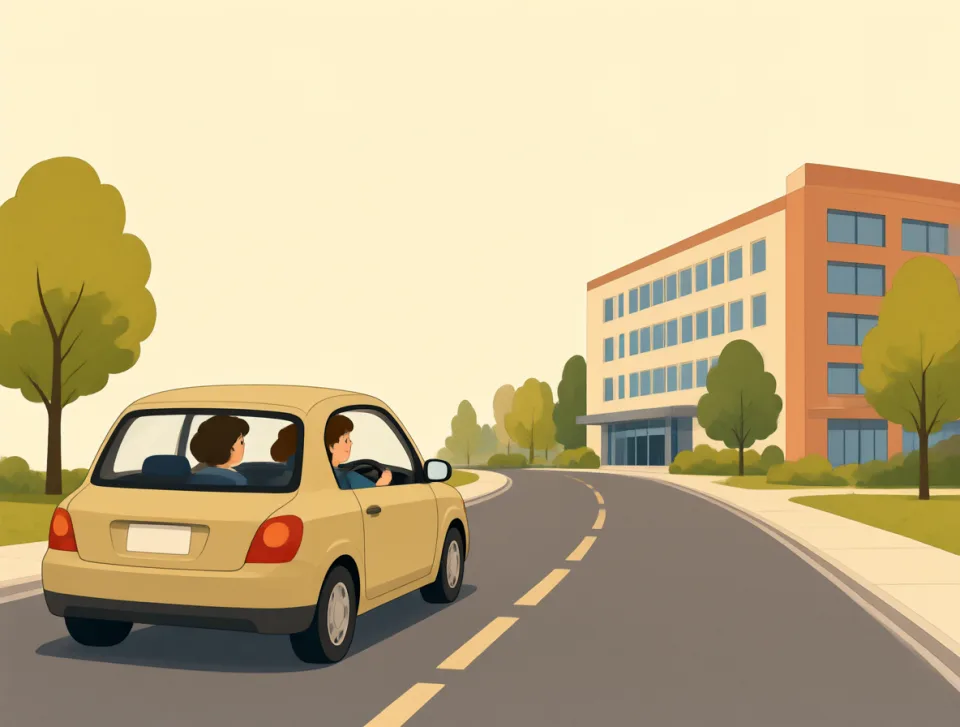
I drive to work every morning.
Codziennie rano jadę samochodem do pracy.
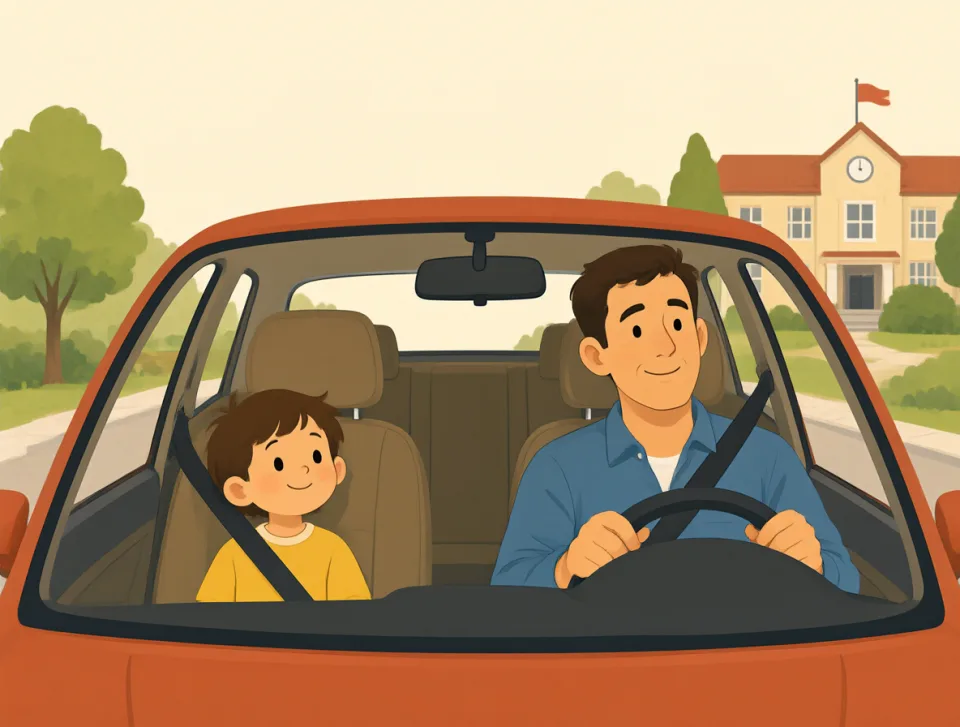
My father drives us to school.
Mój tata wozi nas do szkoły.
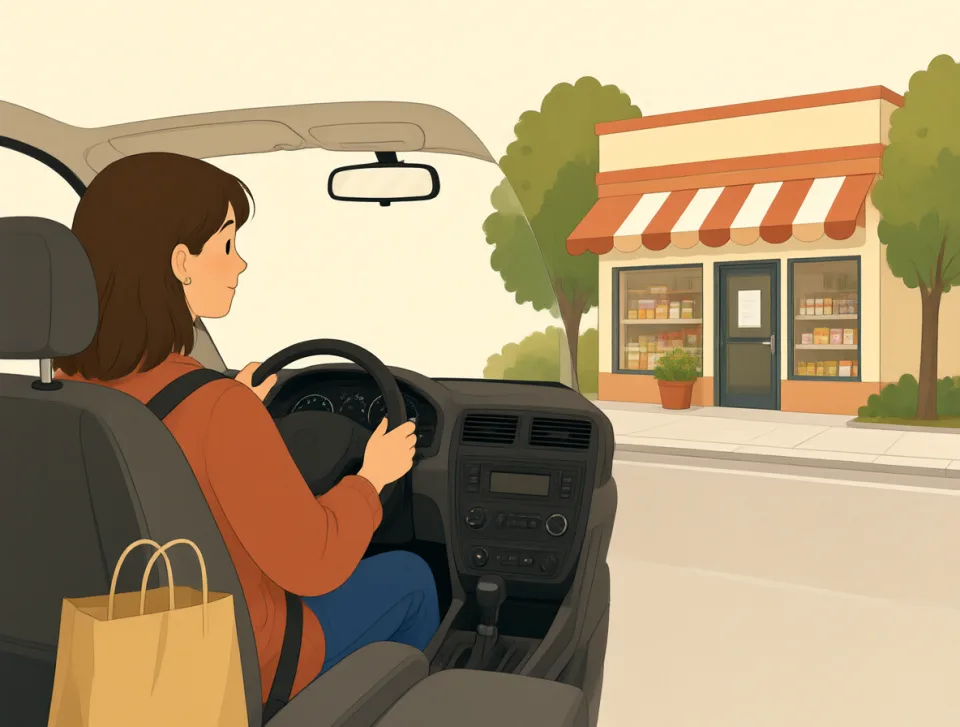
She drove to the store for milk.
Pojechała samochodem do sklepu po mleko.
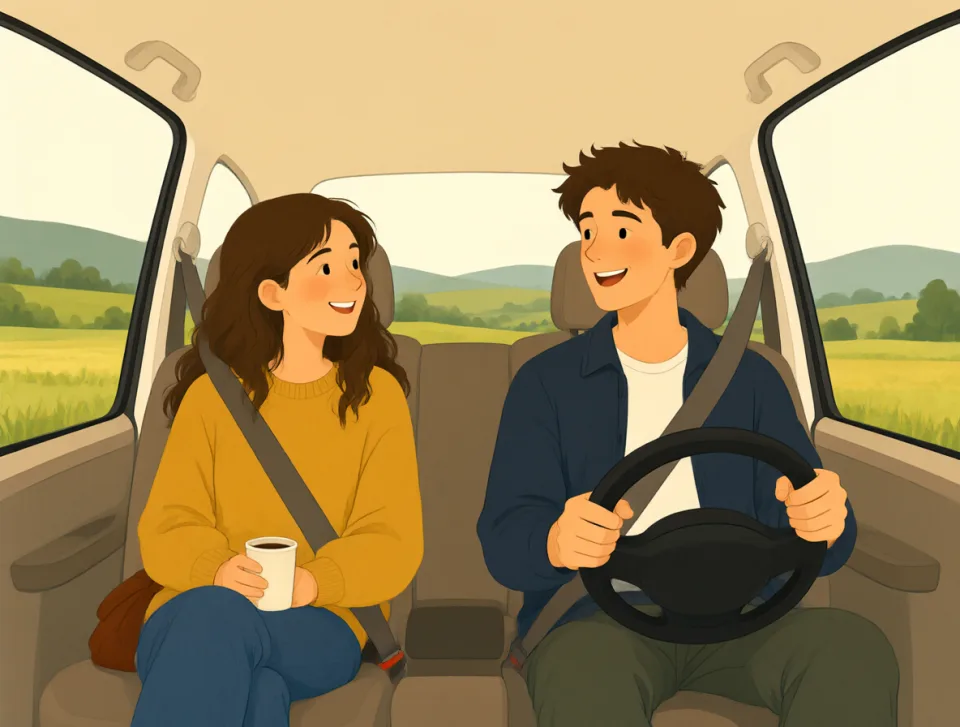
We took a long drive yesterday.
Wczoraj wybraliśmy się na długą przejażdżkę samochodem.
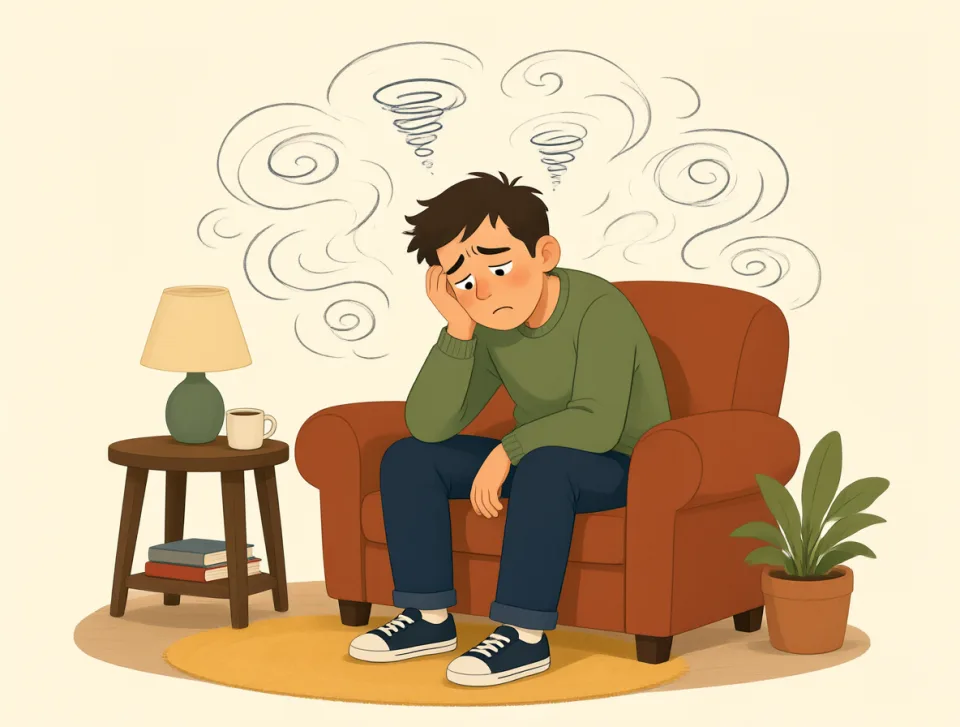
The doctor said stress drives him crazy.
Lekarz powiedział, że stres doprowadza go do szału.
along
#388adverb, preposition
wzdłuż
from one end of a place to the other, or beside and following its length
od jednego końca jakiegoś miejsca do drugiego albo obok czegoś, podążając wzdłuż tego miejsca
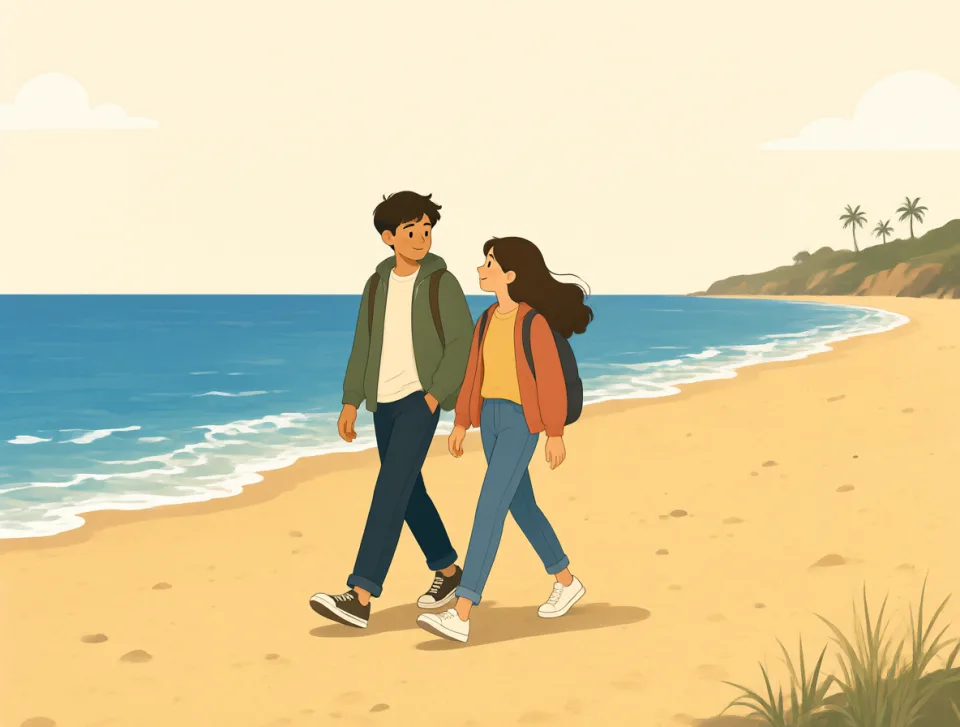
We walked along the beach after lunch.
Po lunchu spacerowaliśmy wzdłuż plaży.
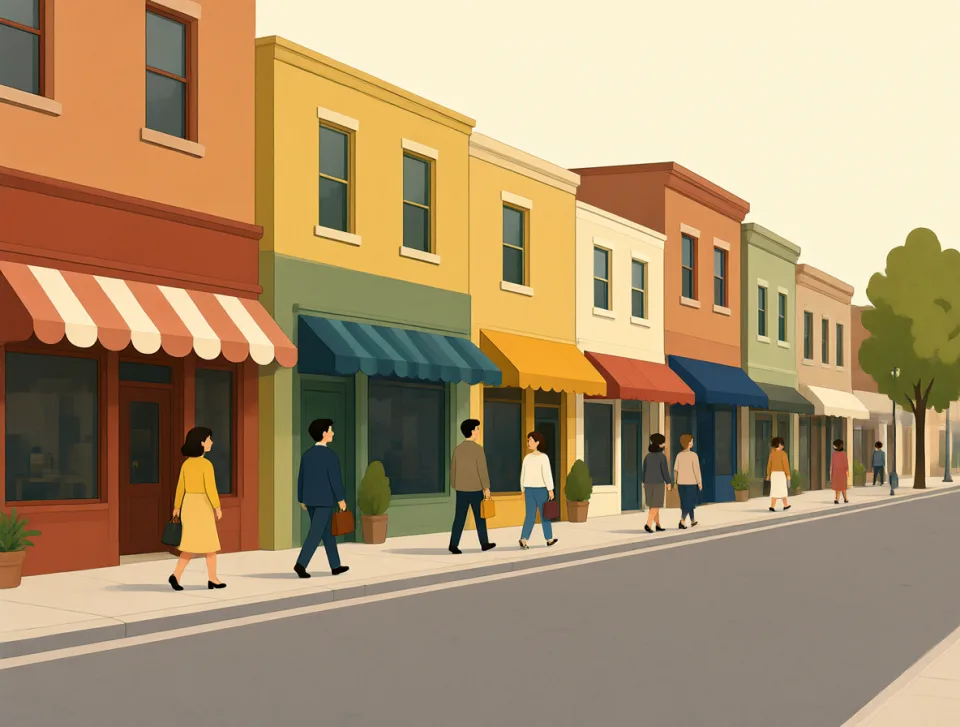
A row of shops runs along the street.
Wzdłuż ulicy ciągnie się rząd sklepów.
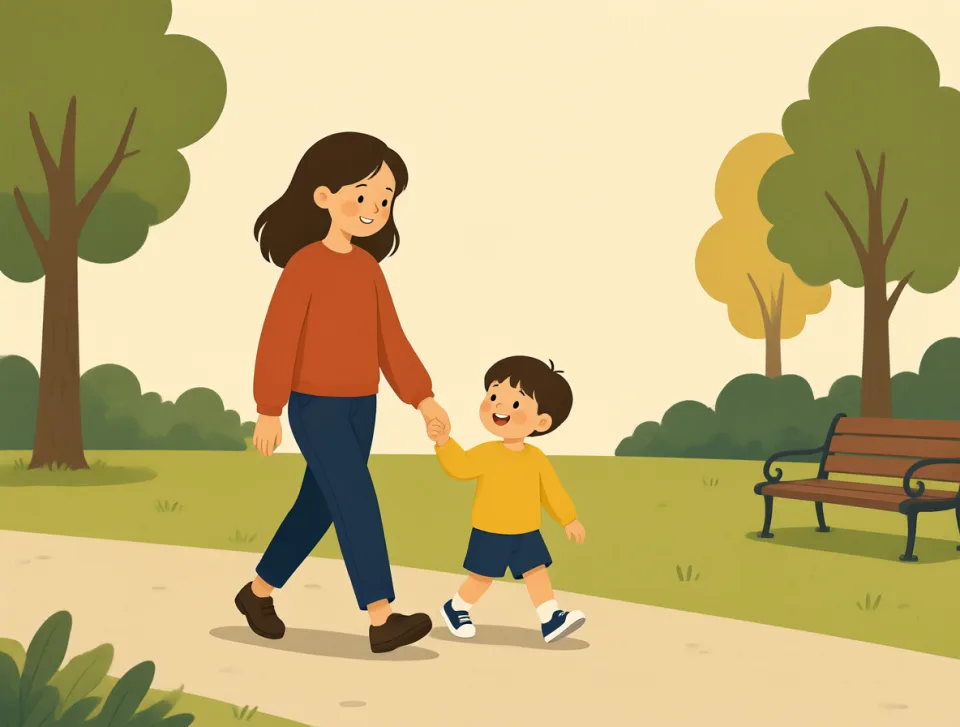
She brought her little brother along.
Zabrała ze sobą młodszego brata.
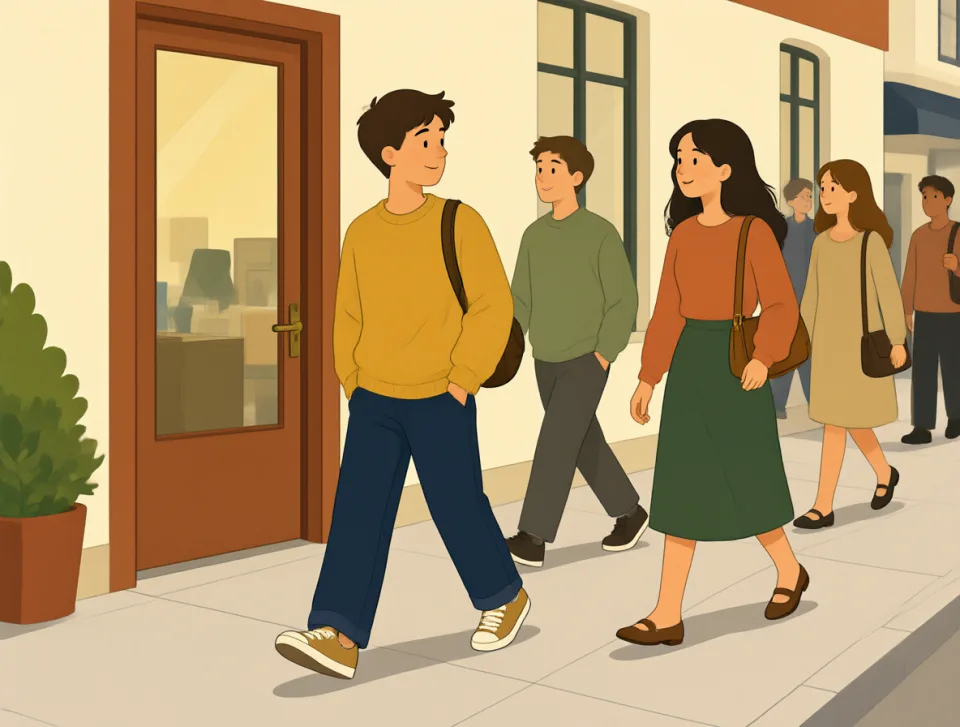
Please move along and let others pass.
Proszę iść dalej i przepuścić innych.
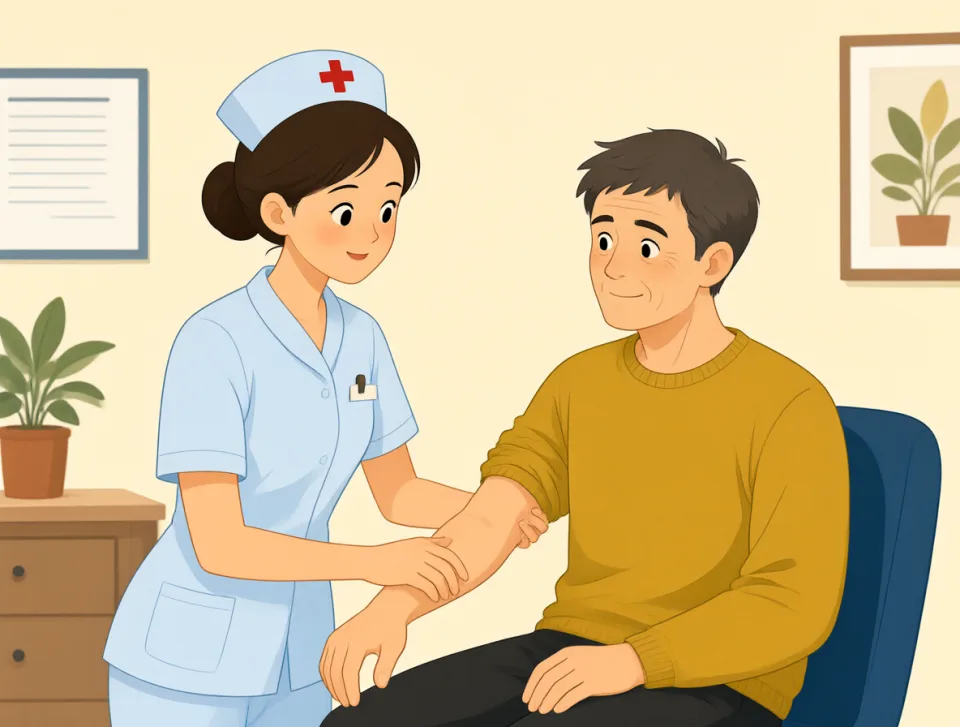
The nurse checked along his arm.
Pielęgniarka zbadała mu rękę wzdłuż całego ramienia.
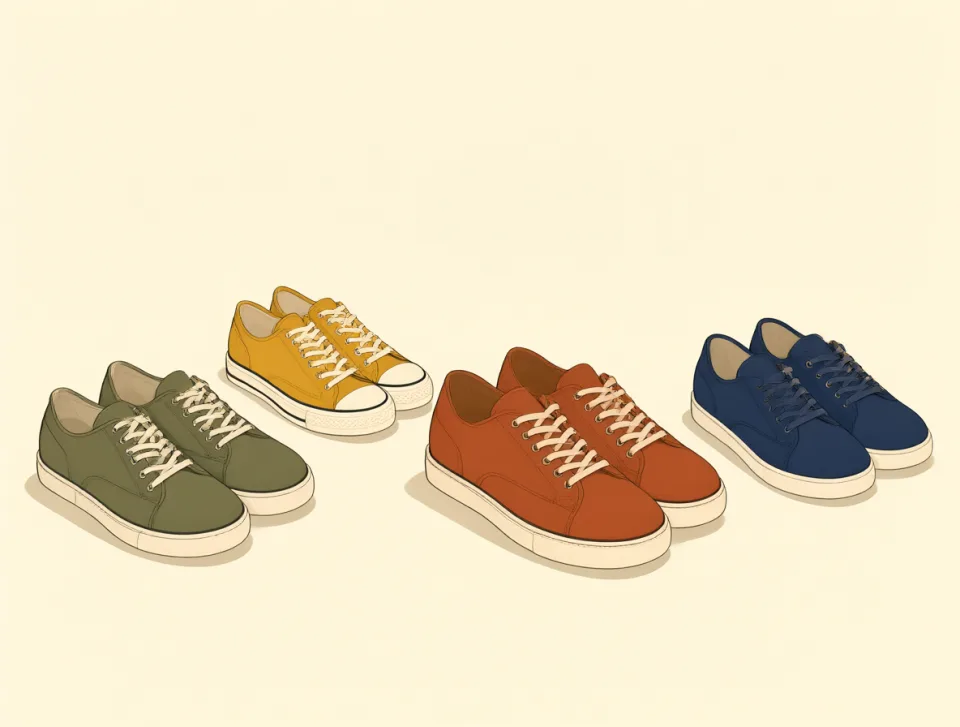
type
#389noun, verb
rodzaj; pisać na klawiaturze
A kind or group of people or things; to write using a keyboard.
rodzaj lub grupa ludzi albo rzeczy; wprowadzać tekst za pomocą klawiatury
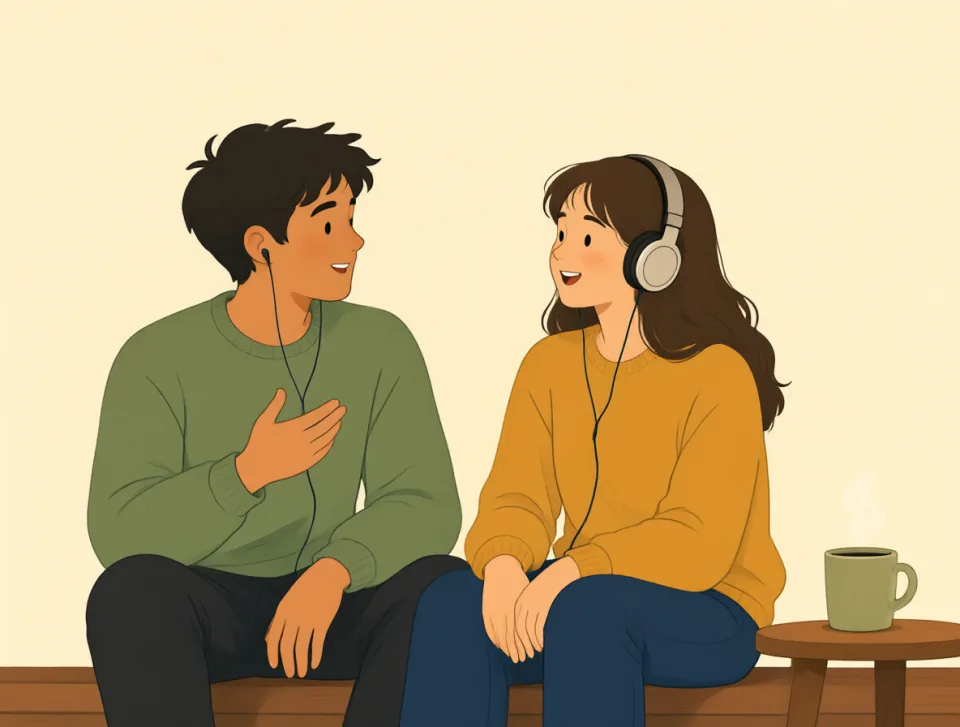
What type of music do you like?
Jakiego rodzaju muzyki lubisz słuchać?
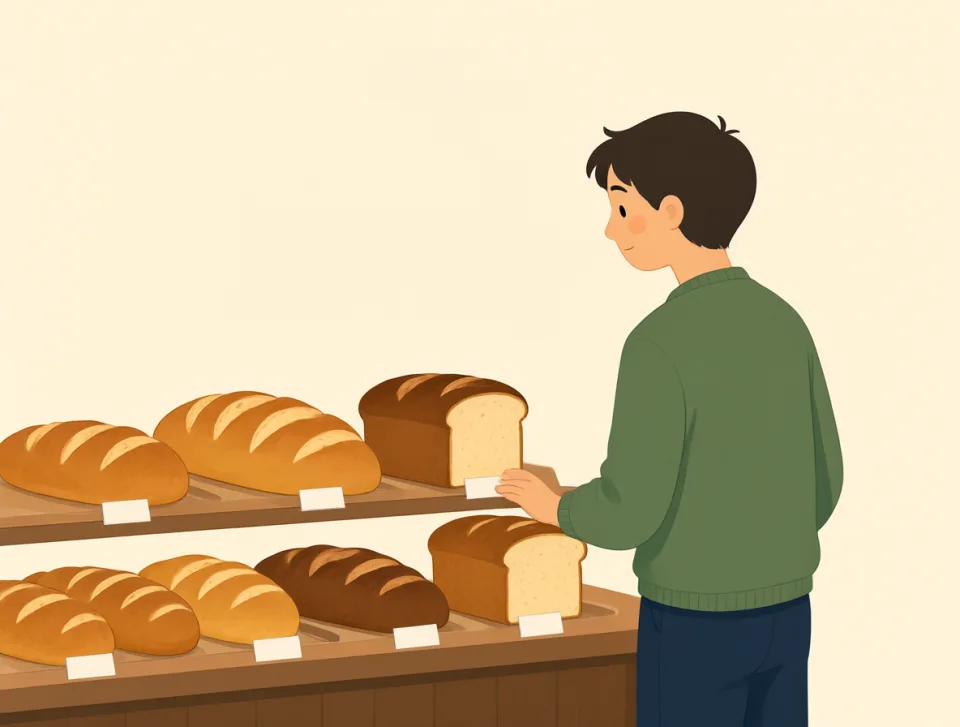
This shop sells many types of bread.
Ten sklep sprzedaje wiele rodzajów pieczywa.
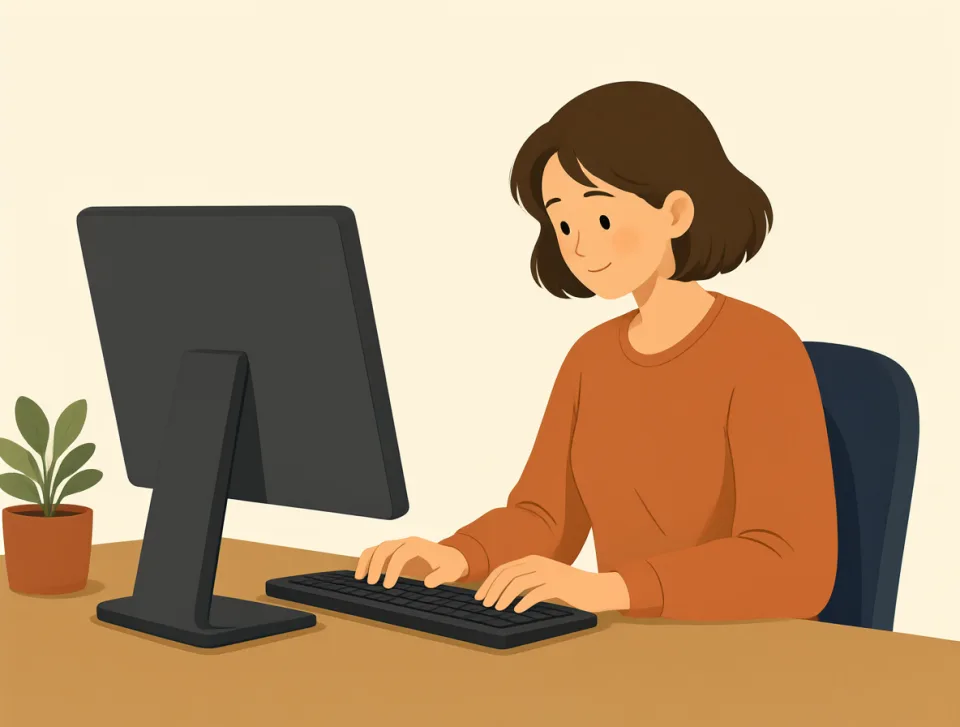
She typed a letter at work.
Napisała list na komputerze w pracy.
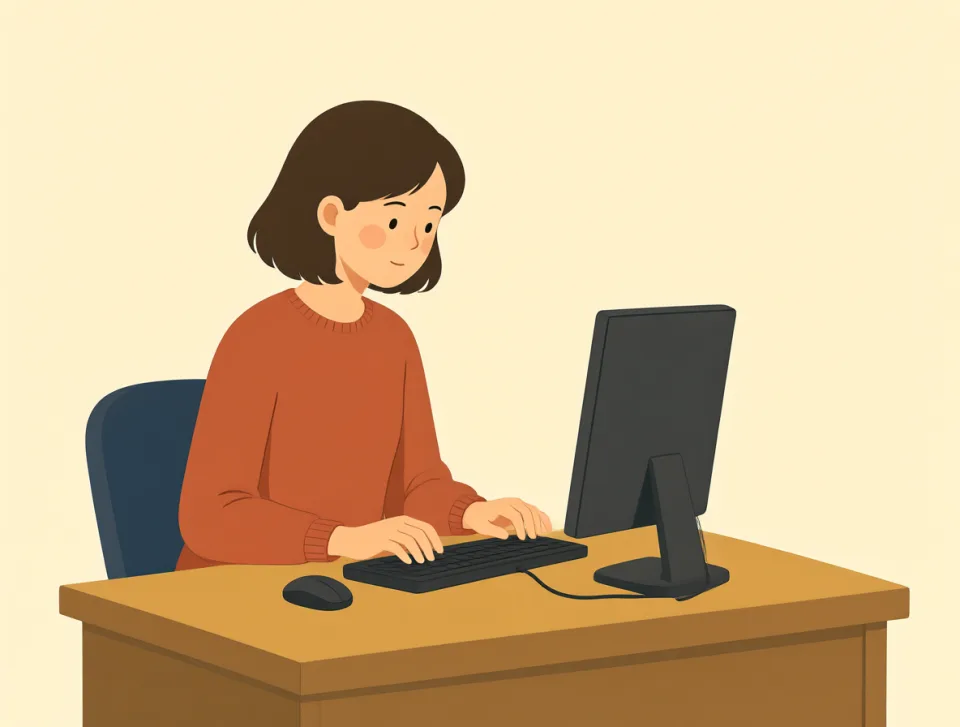
Please type your name here.
Wpisz tutaj swoje imię i nazwisko.
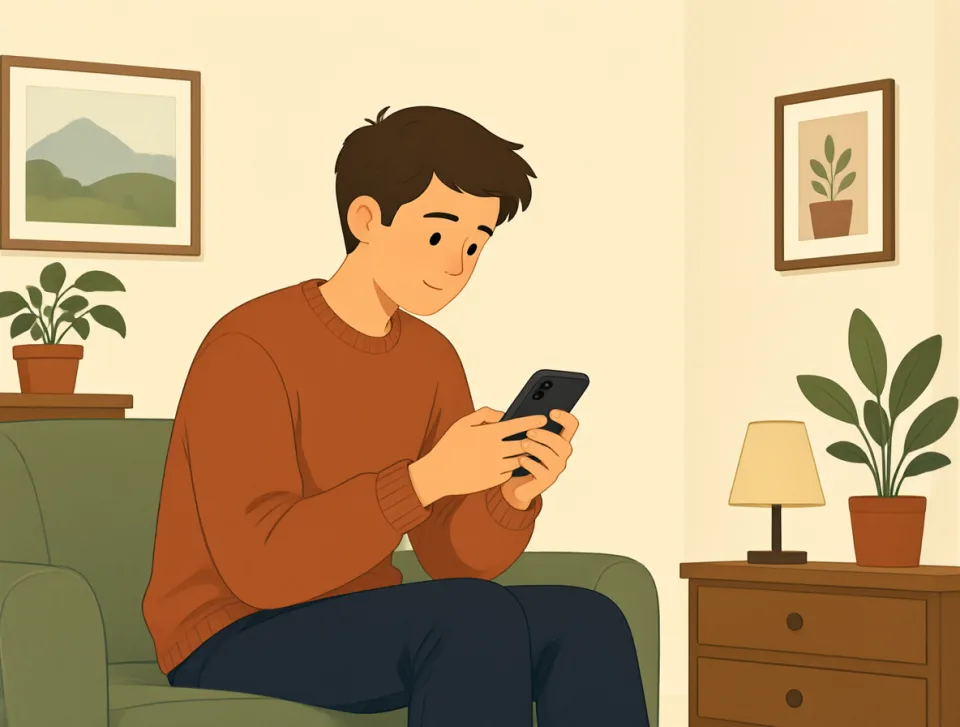
He typed the message very quickly.
Napisał wiadomość na klawiaturze bardzo szybko.
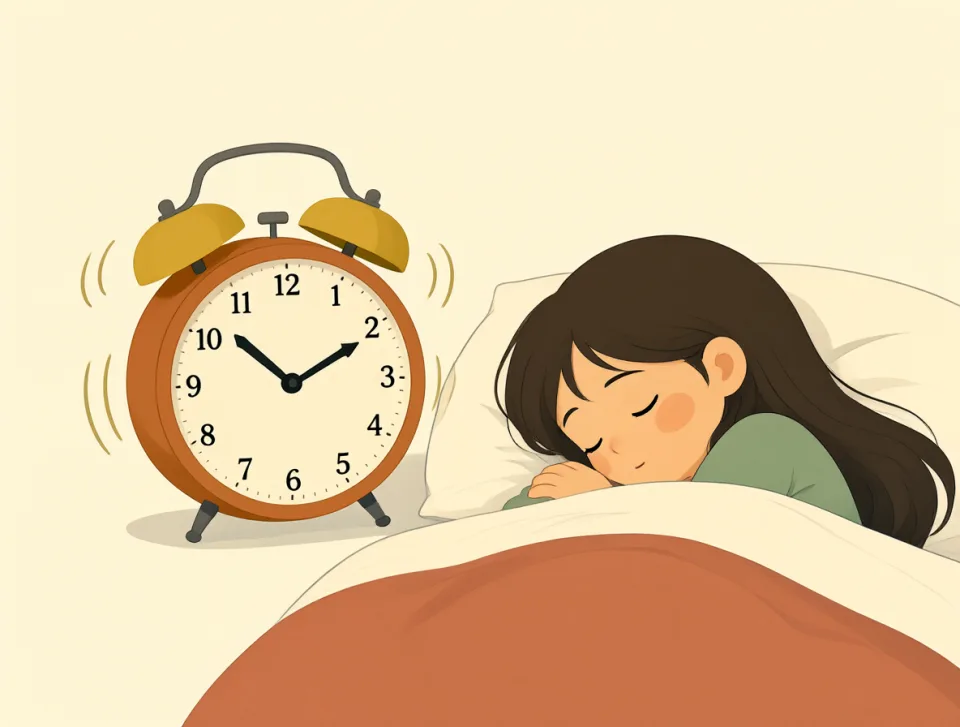
sound
#390noun, verb, adjective
dźwięk; brzmieć, wydawać się
A noise, or the quality of a voice or noise; to seem or appear.
odgłos lub jakość głosu bądź odgłosu; wydawać się lub sprawiać wrażenie
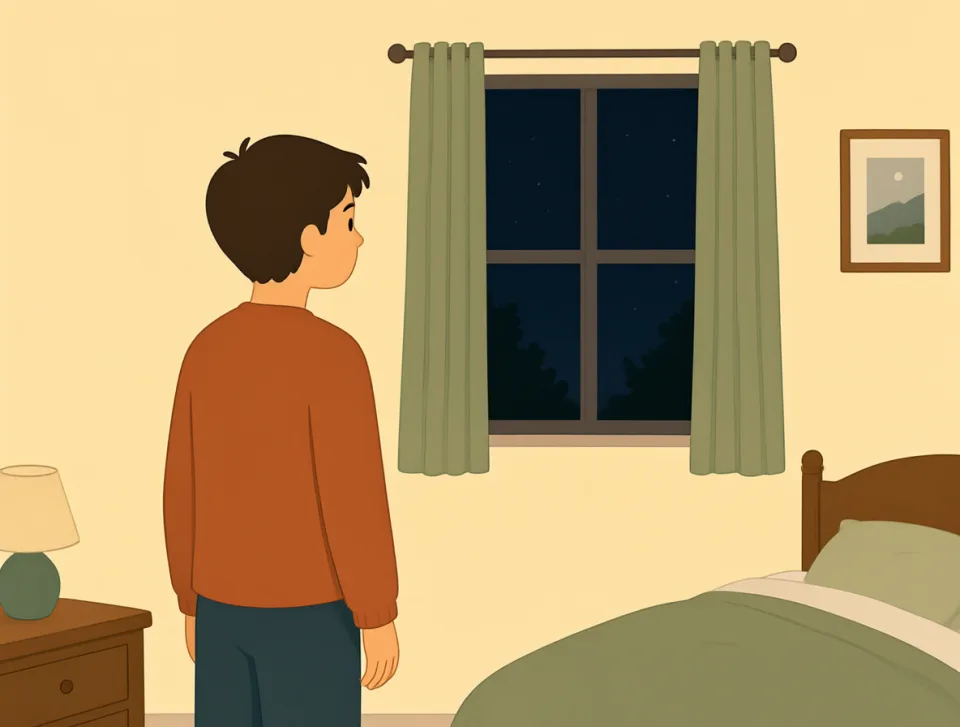
I heard a strange sound outside.
Usłyszałem na zewnątrz dziwny odgłos.
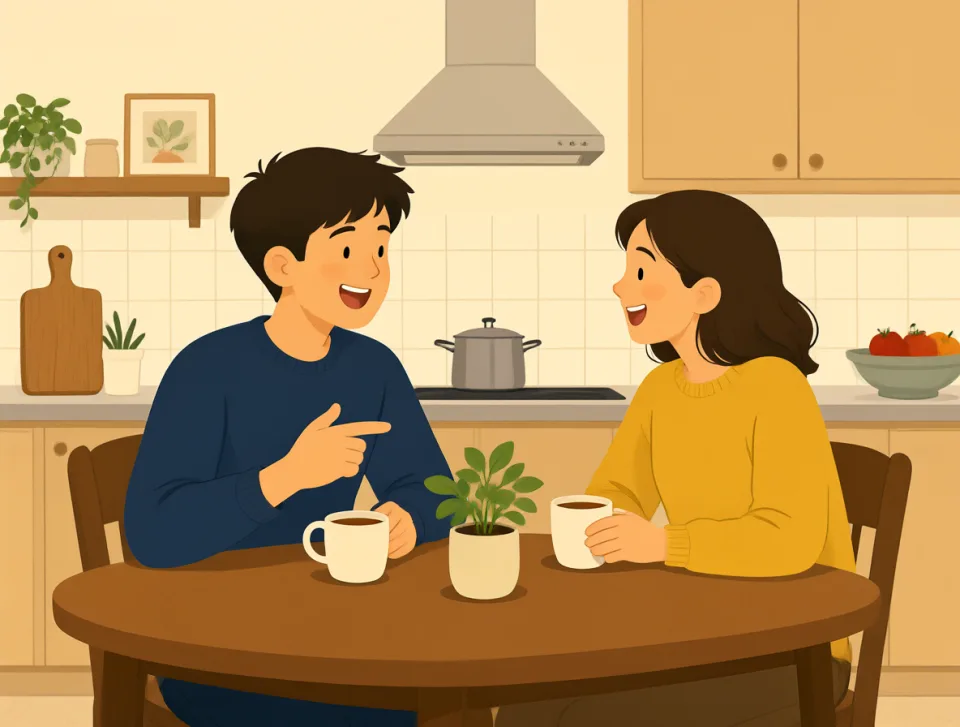
That sounds like a good idea.
To brzmi jak dobry pomysł.
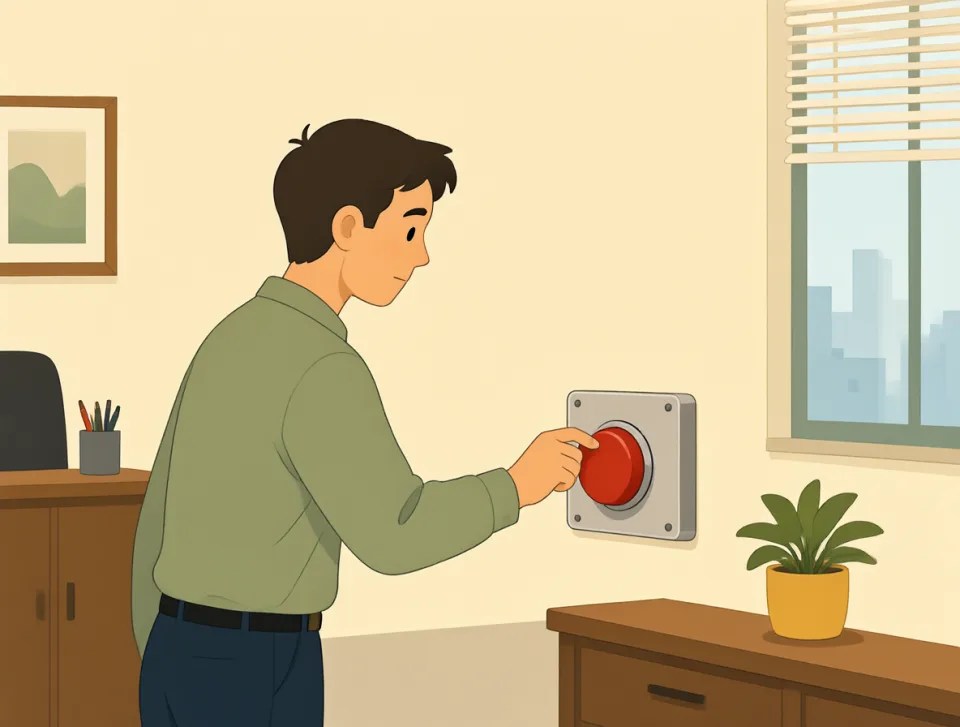
Please sound the alarm before you leave.
Proszę włączyć alarm przed wyjściem.
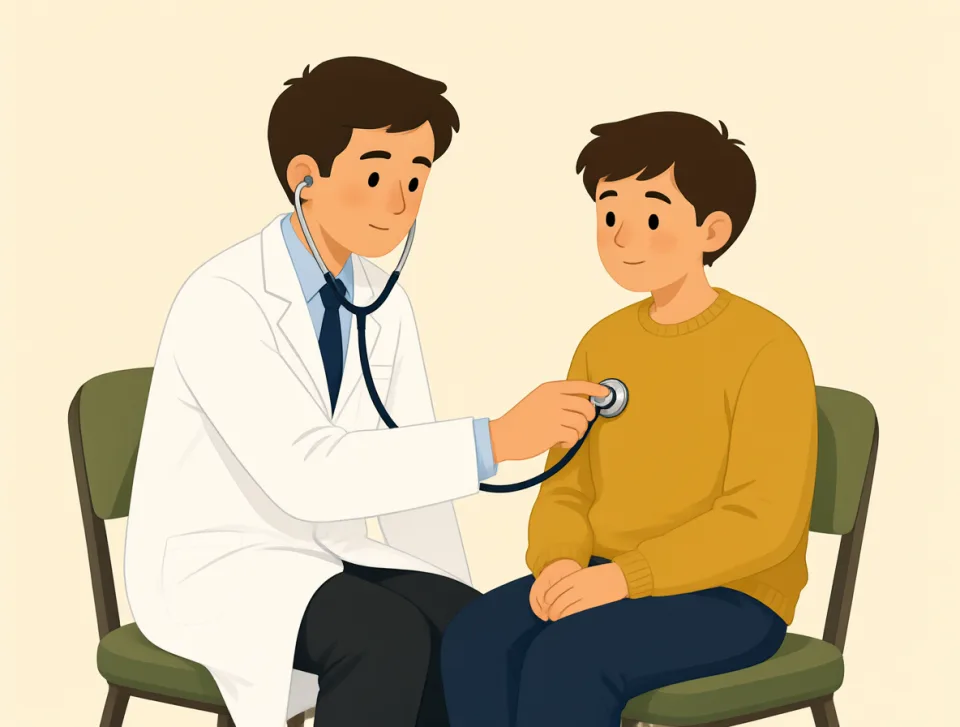
The doctor listened to my lungs' sounds.
Lekarz osłuchał moje płuca.
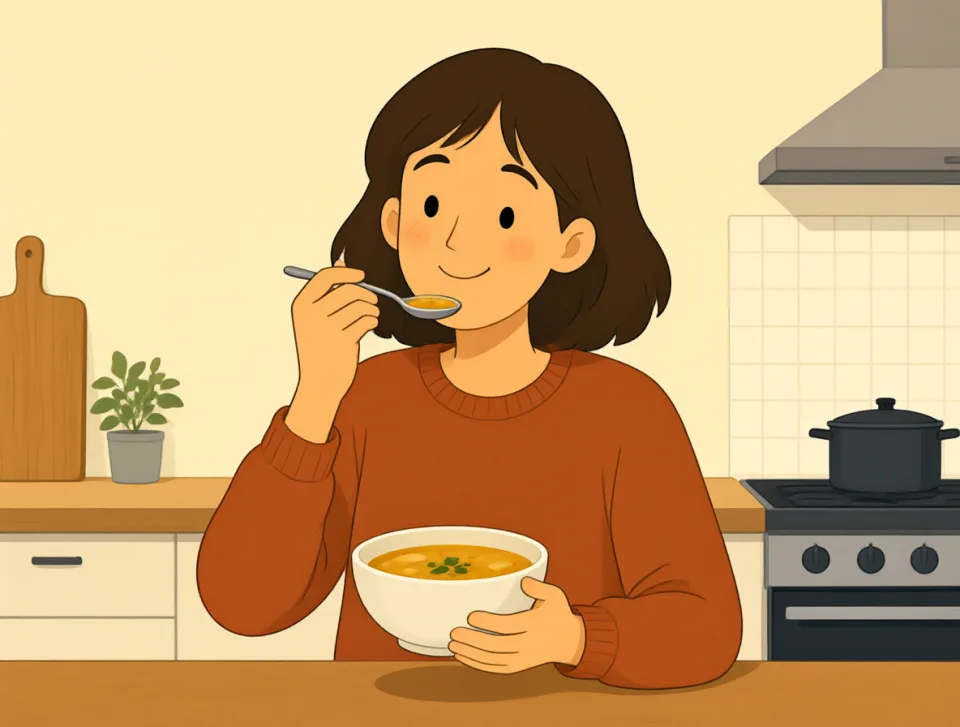
The soup sounds strange, but tastes good.
Ta zupa brzmi dziwnie, ale dobrze smakuje.
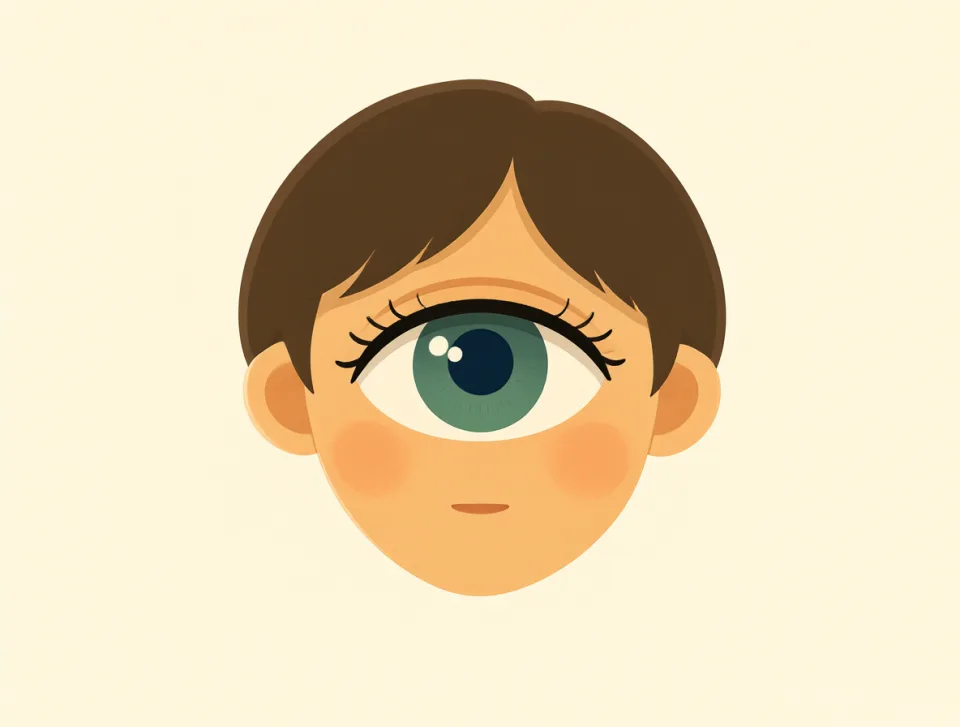
eye
#391noun, verb
oko
The part of your face that you use for seeing.
Część twarzy, której używasz do widzenia.
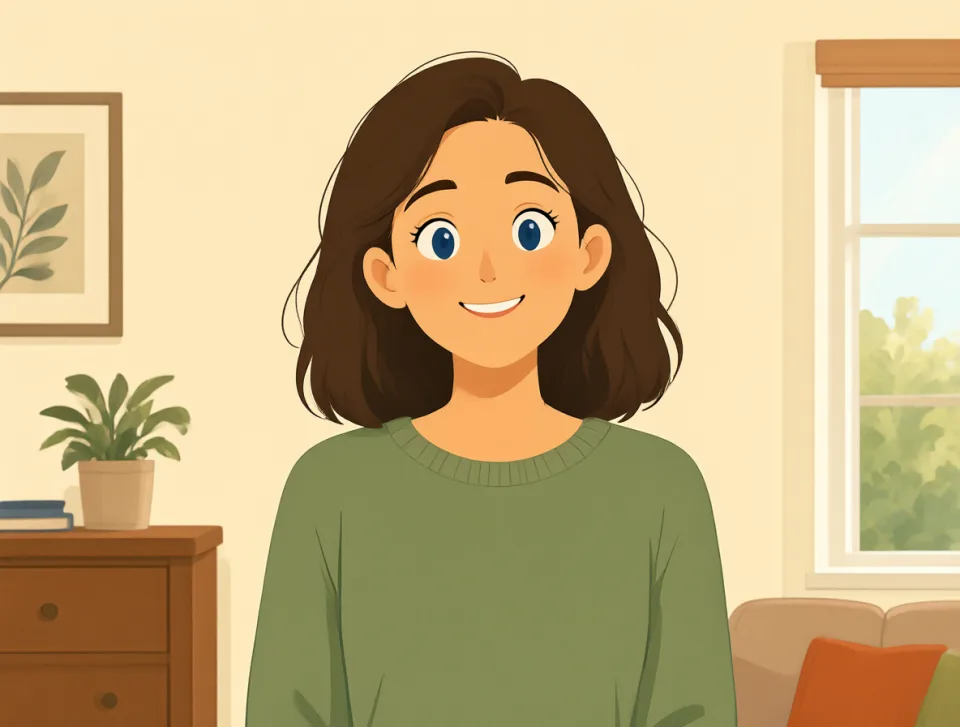
She has beautiful blue eyes.
Ona ma piękne niebieskie oczy.
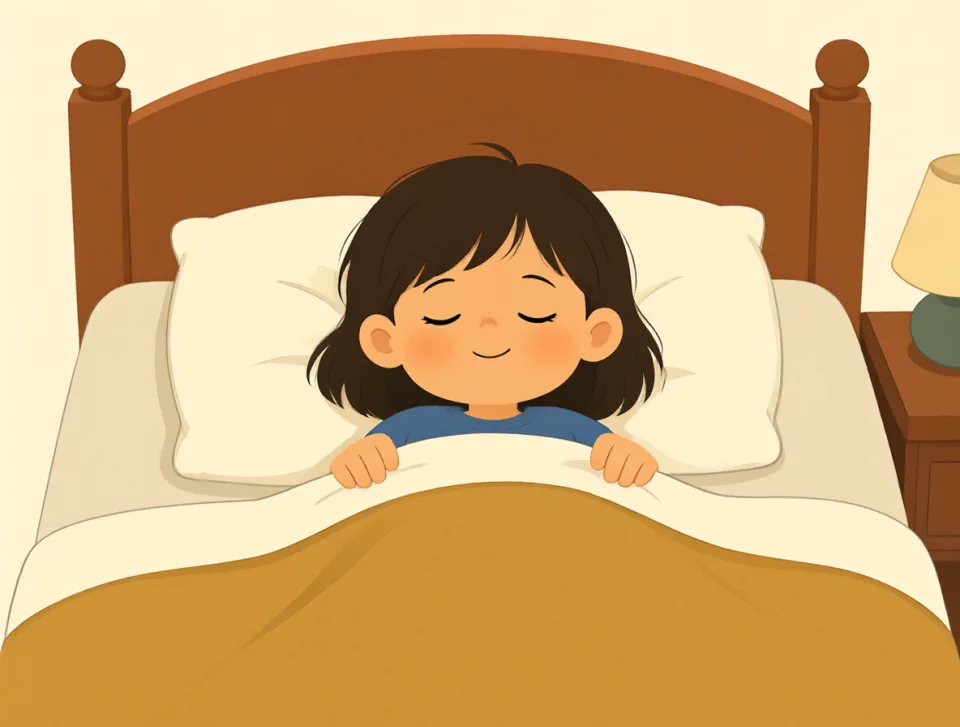
Close your eyes before you sleep.
Zamknij oczy, zanim zaśniesz.
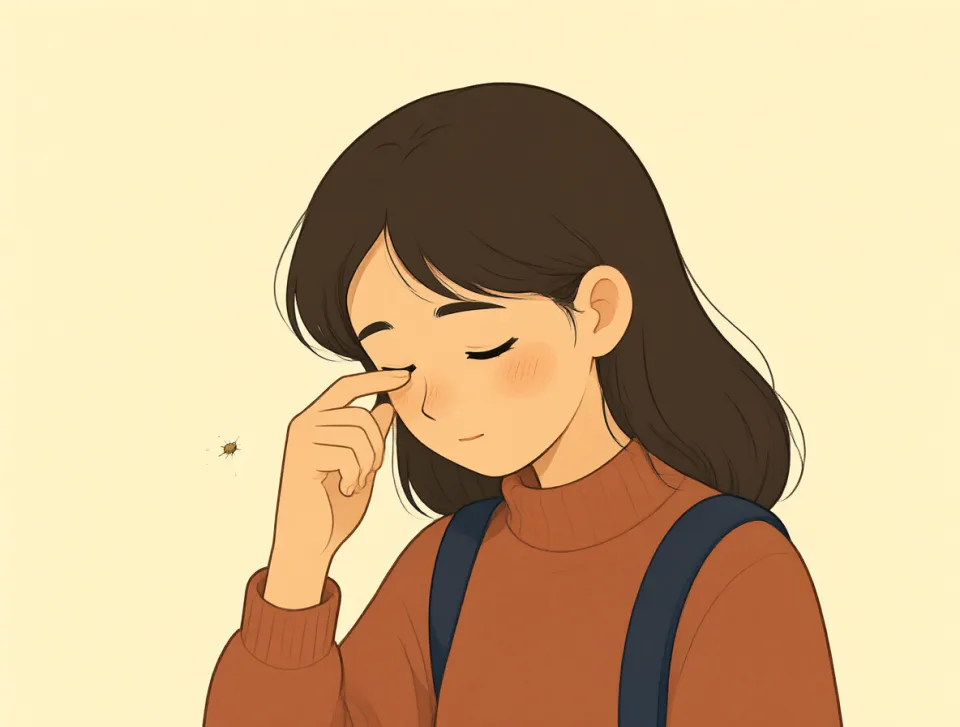
I got something in my eye.
Coś wpadło mi do oka.
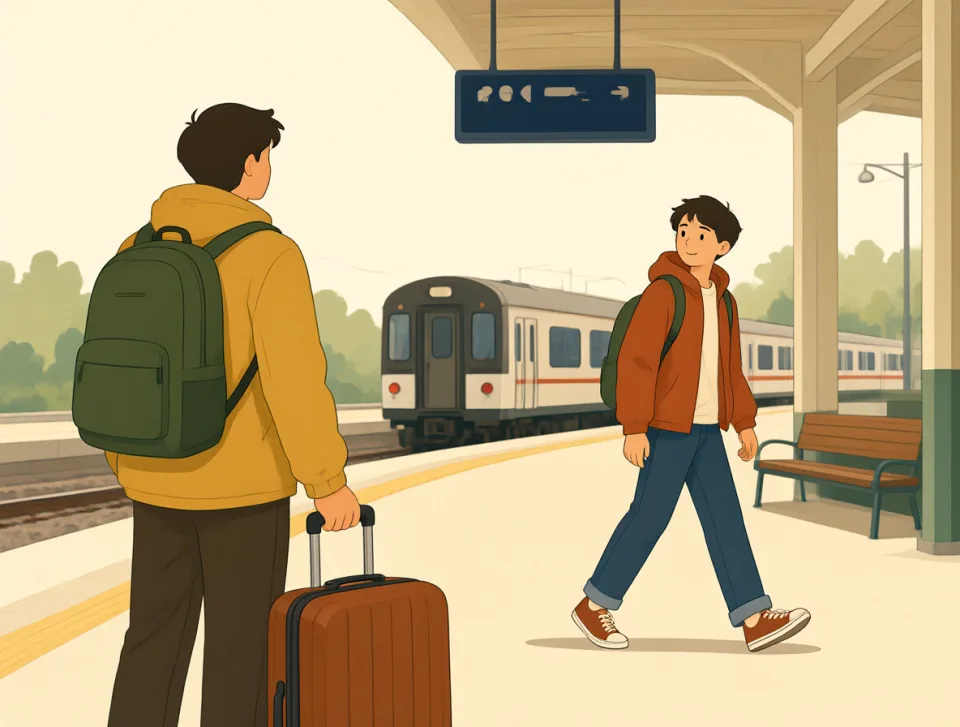
Keep an eye on my bag.
Miej oko na moją torbę.
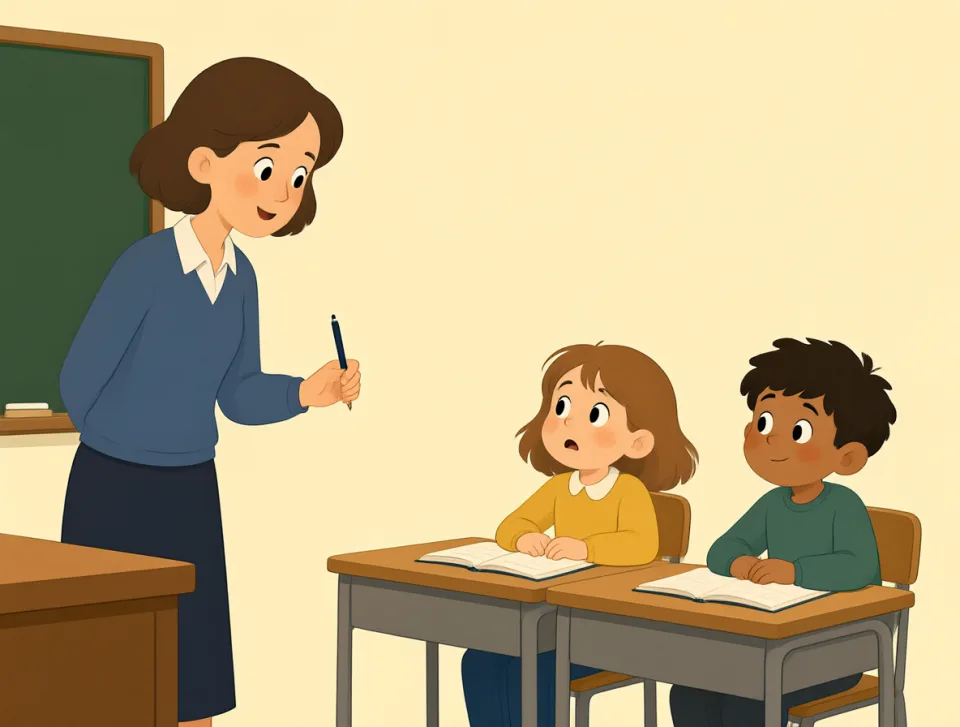
The teacher eyed the noisy students.
Nauczyciel obserwował hałaśliwych uczniów.
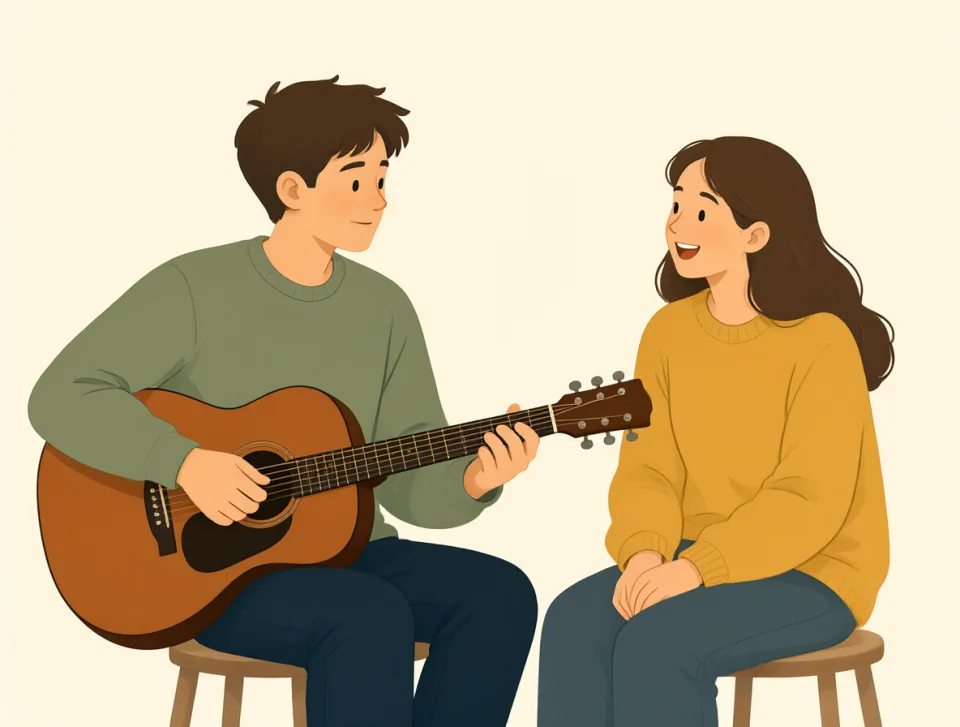
music
#392noun
muzyka
Sounds made by instruments or voices that people listen to and enjoy.
Dźwięki wydawane przez instrumenty lub głosy, których ludzie słuchają i które sprawiają im przyjemność.
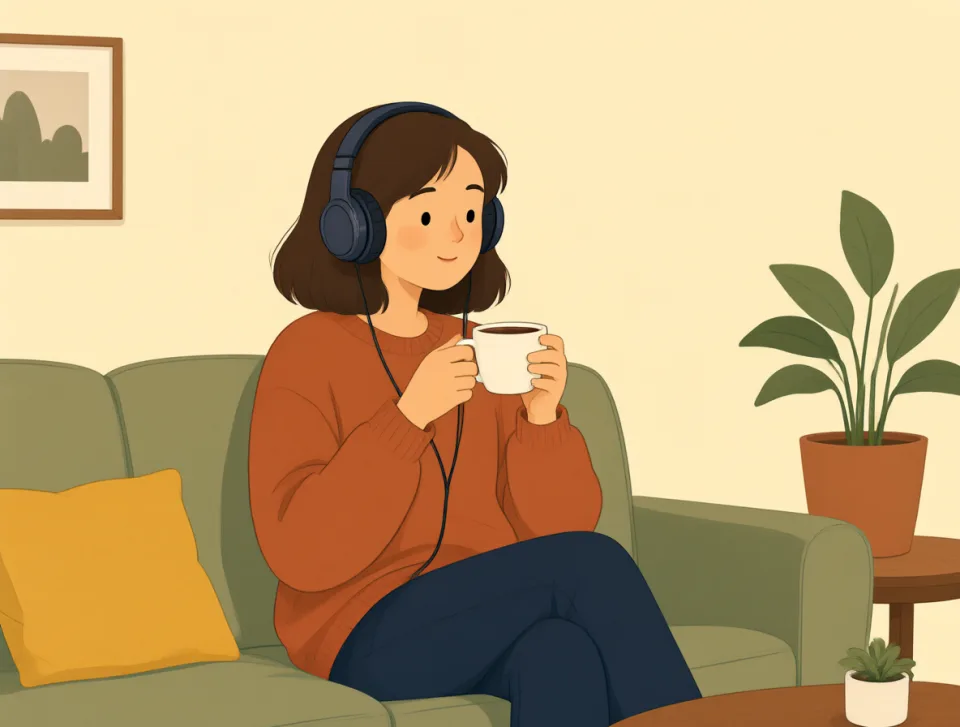
I listen to music every morning.
Słucham muzyki każdego ranka.
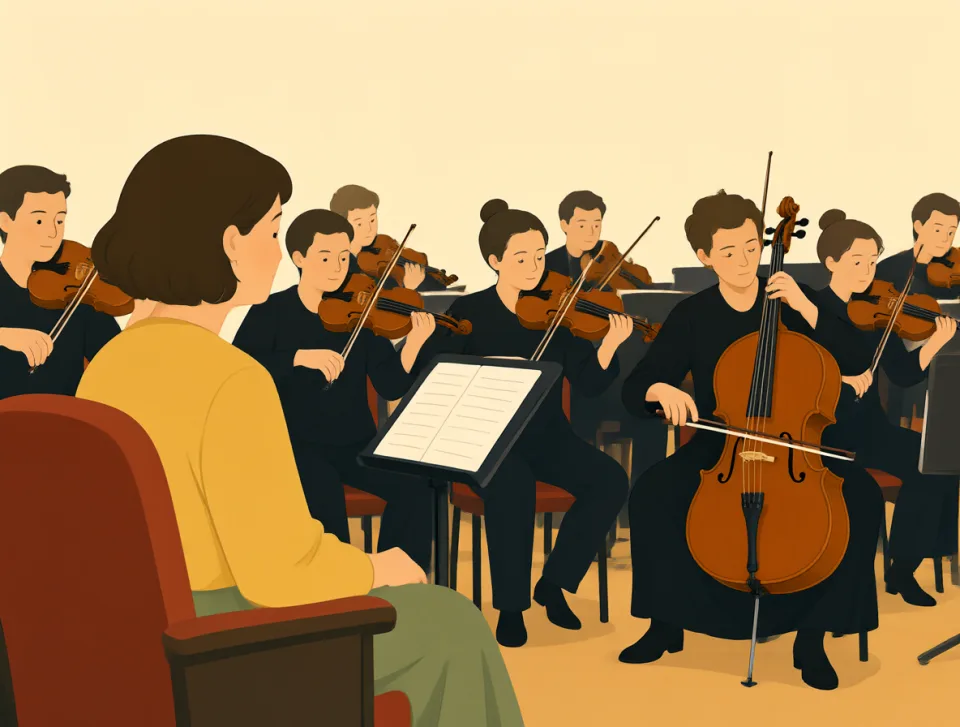
She likes classical music very much.
Ona bardzo lubi muzykę klasyczną.
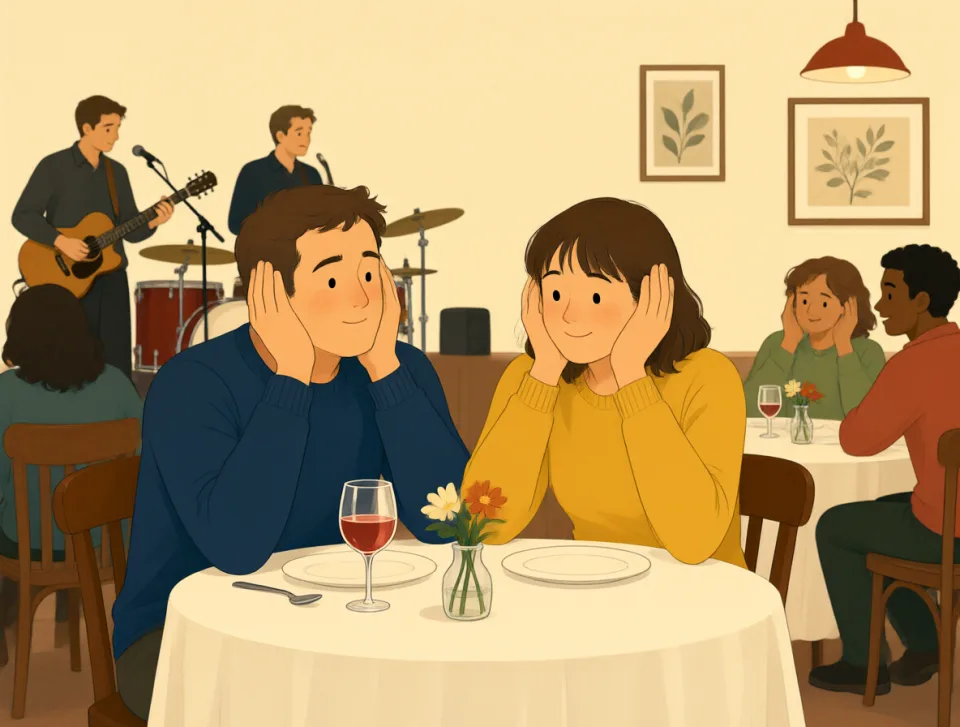
The music was too loud at dinner.
Podczas kolacji muzyka była za głośna.
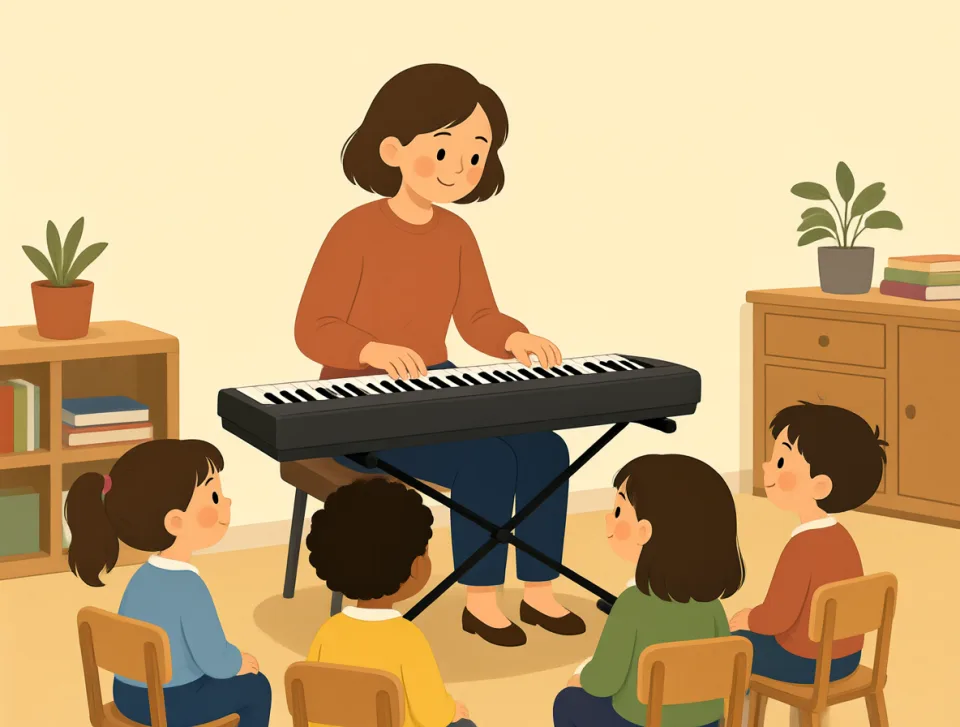
He teaches music at our school.
On uczy muzyki w naszej szkole.
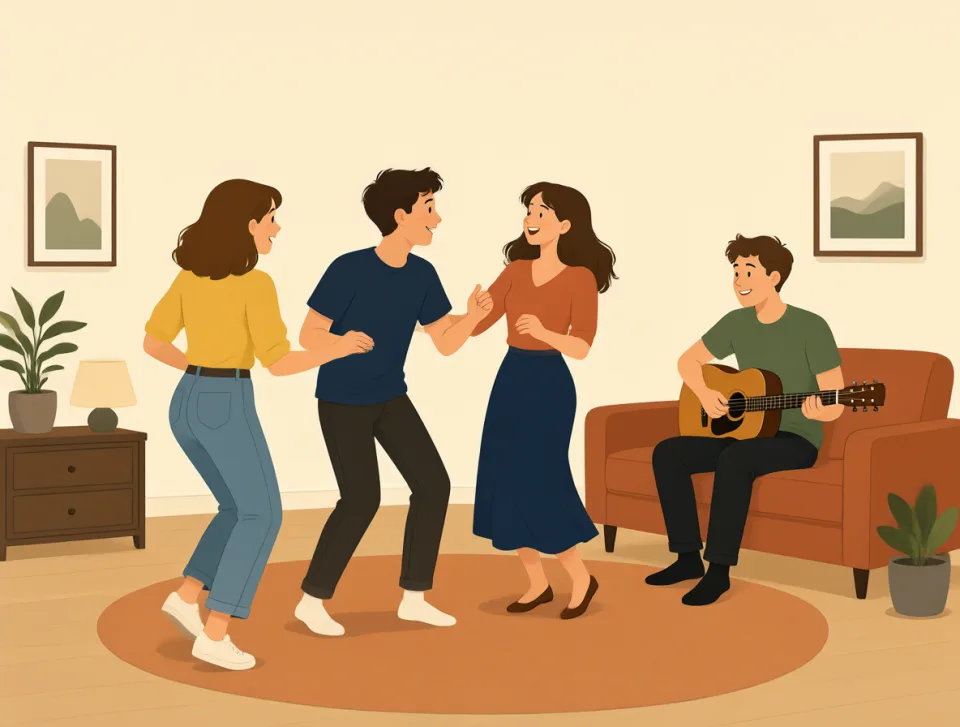
We danced to music at the party.
Na przyjęciu tańczyliśmy do muzyki.
game
#393noun, verb
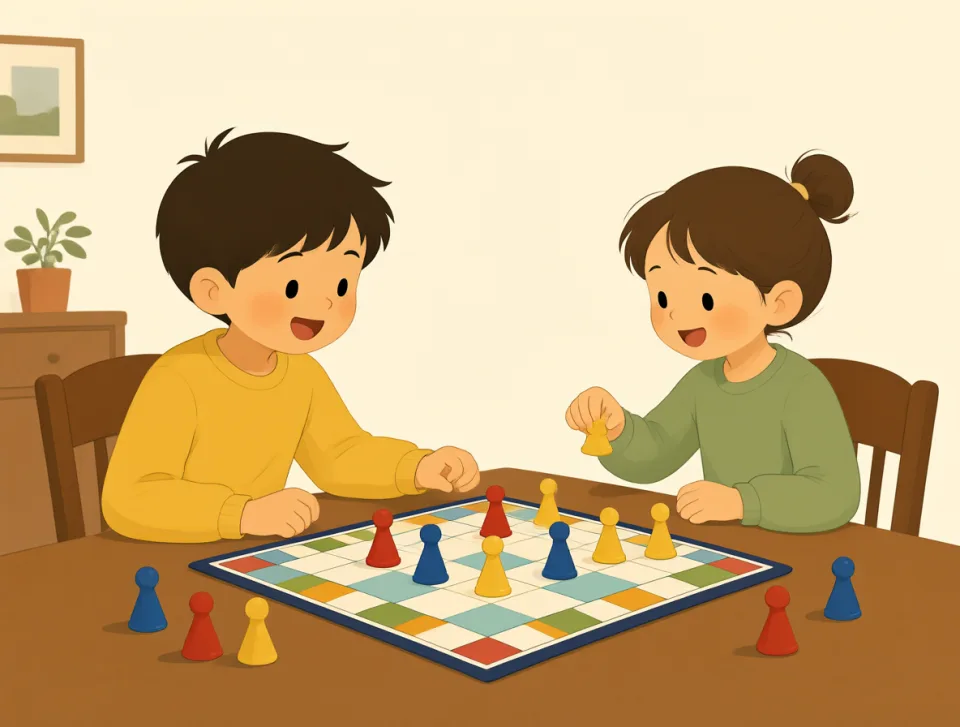
gra
An activity with rules that people play for fun, or to use a skill or plan.
Czynność z zasadami, w którą ludzie grają dla zabawy albo żeby wykorzystać jakąś umiejętność lub plan.
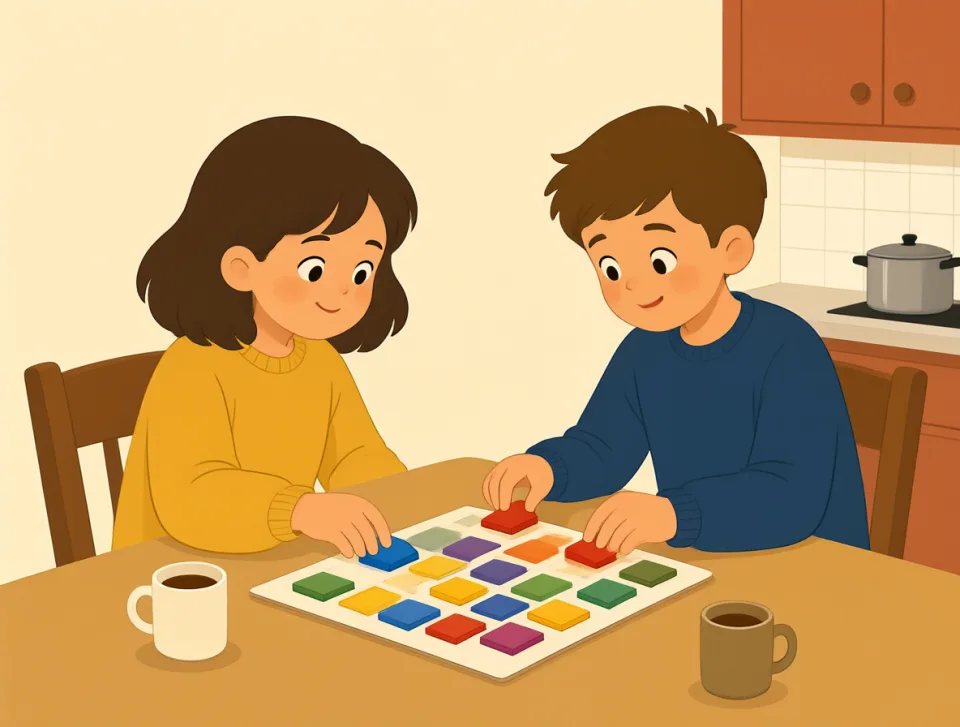
We played a game after dinner.
Po kolacji zagraliśmy w grę.
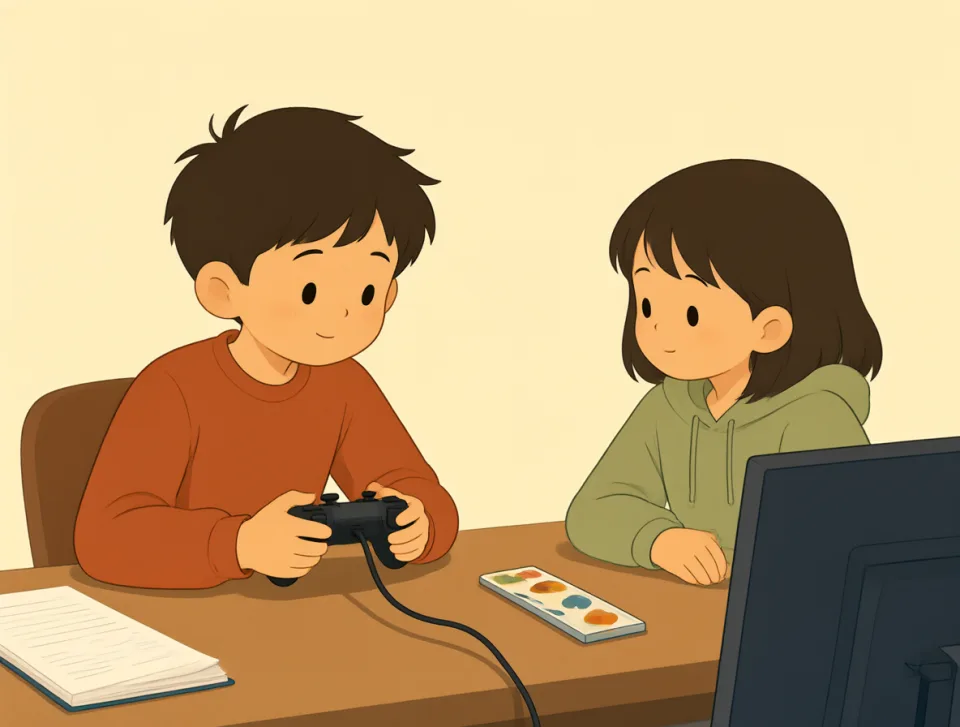
The children are playing a computer game.
Dzieci grają w grę komputerową.
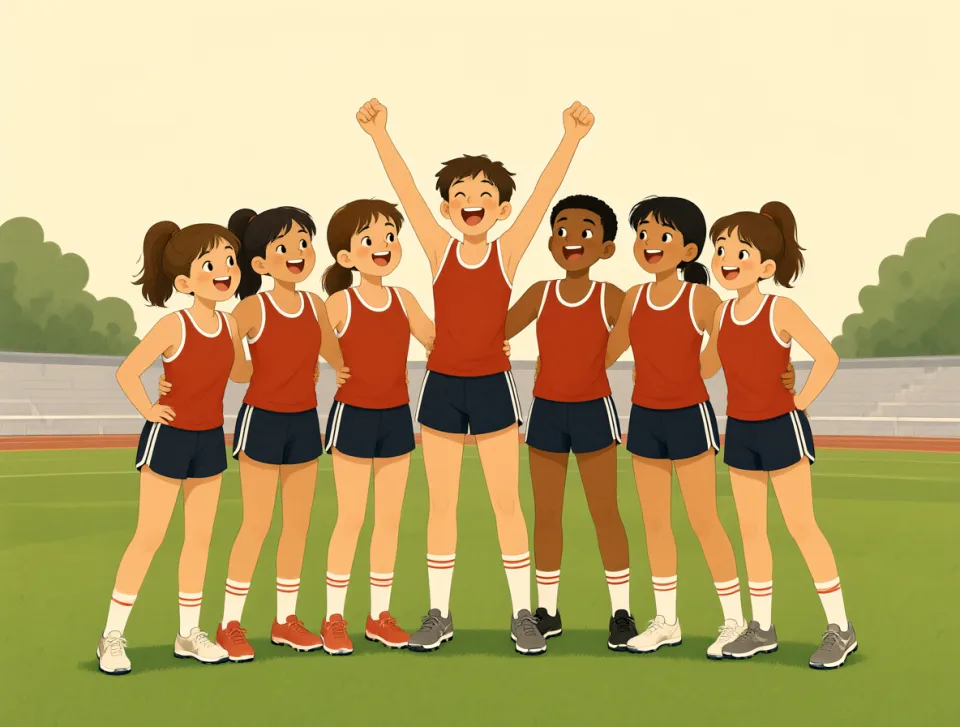
Our team won the game yesterday.
Wczoraj nasza drużyna wygrała mecz.
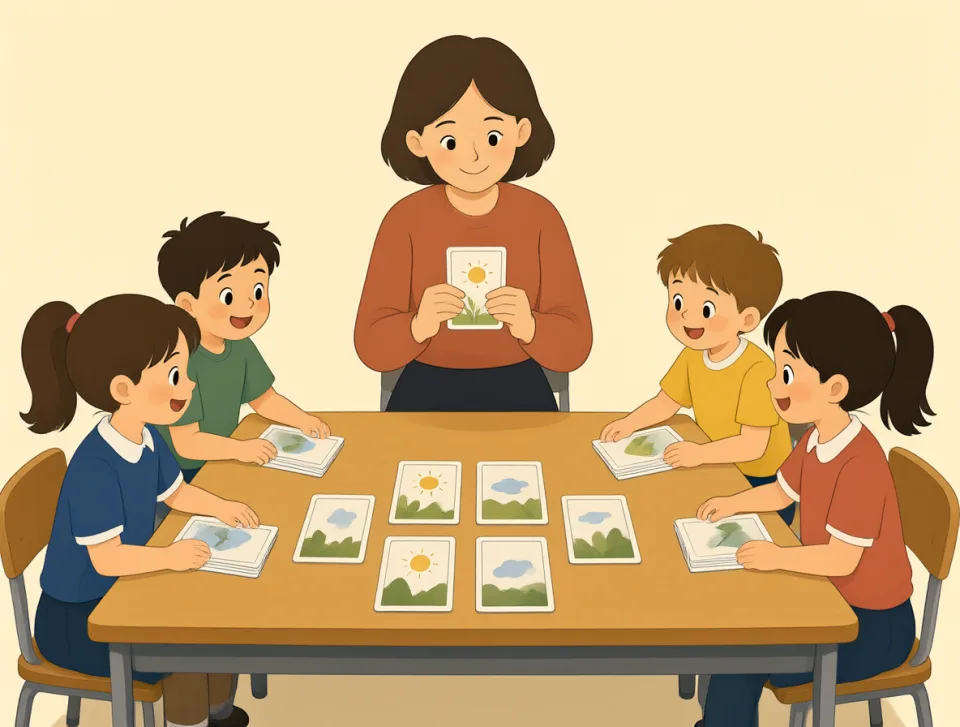
This game helps students learn English.
Ta gra pomaga uczniom uczyć się angielskiego.
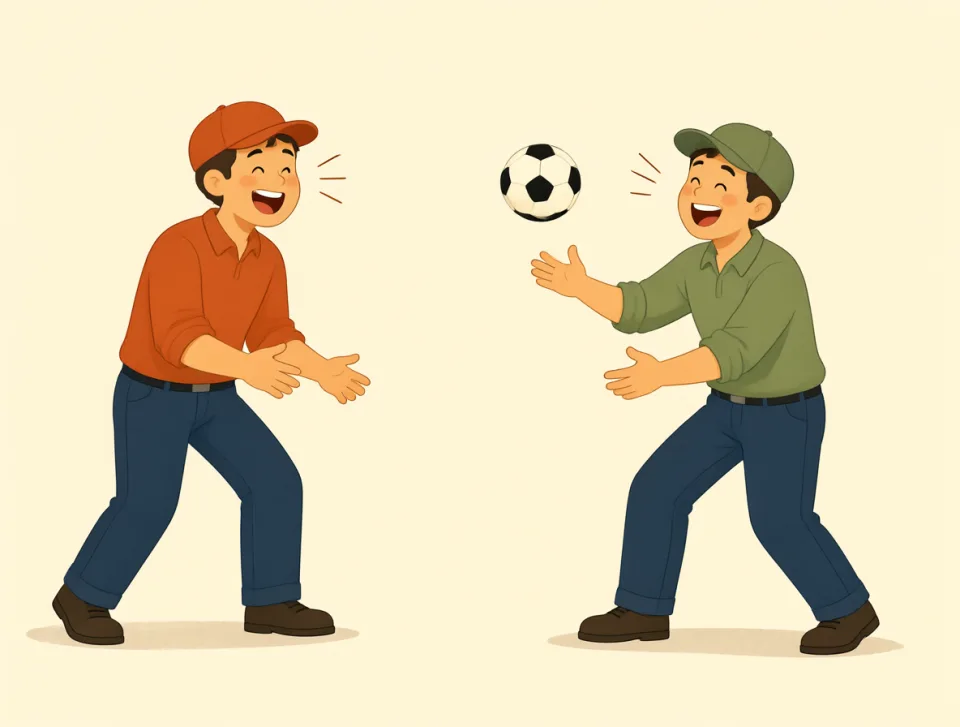
The workers played a game during lunch.
Pracownicy zagrali w grę podczas lunchu.
political
#394adjective
polityczny
Related to government, public affairs, or the way a country is run.
Związany z rządem, sprawami publicznymi lub sposobem zarządzania krajem.
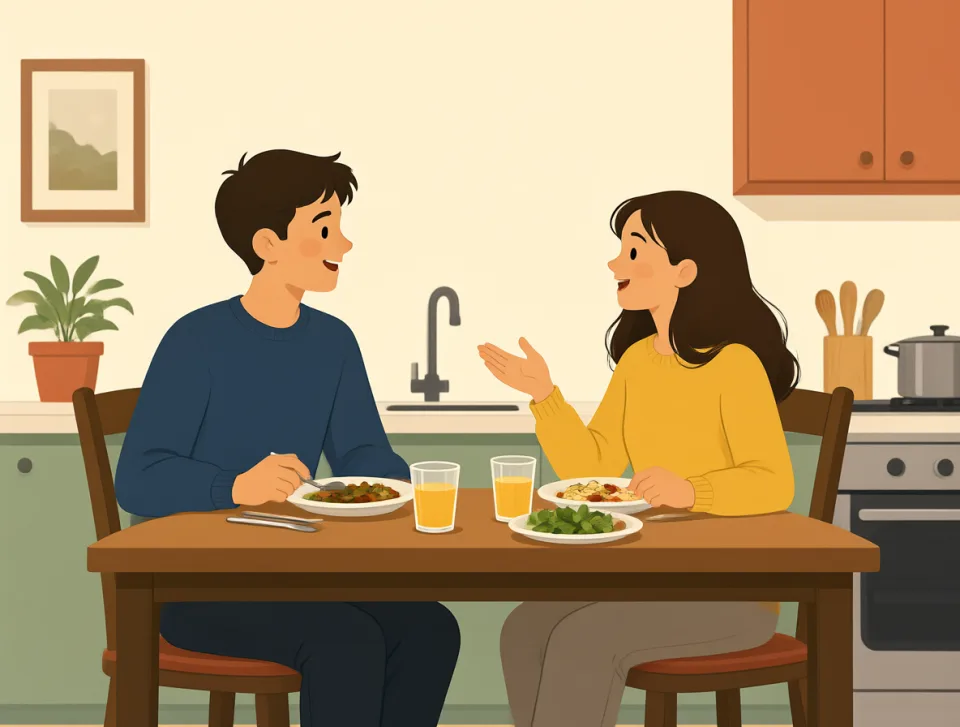
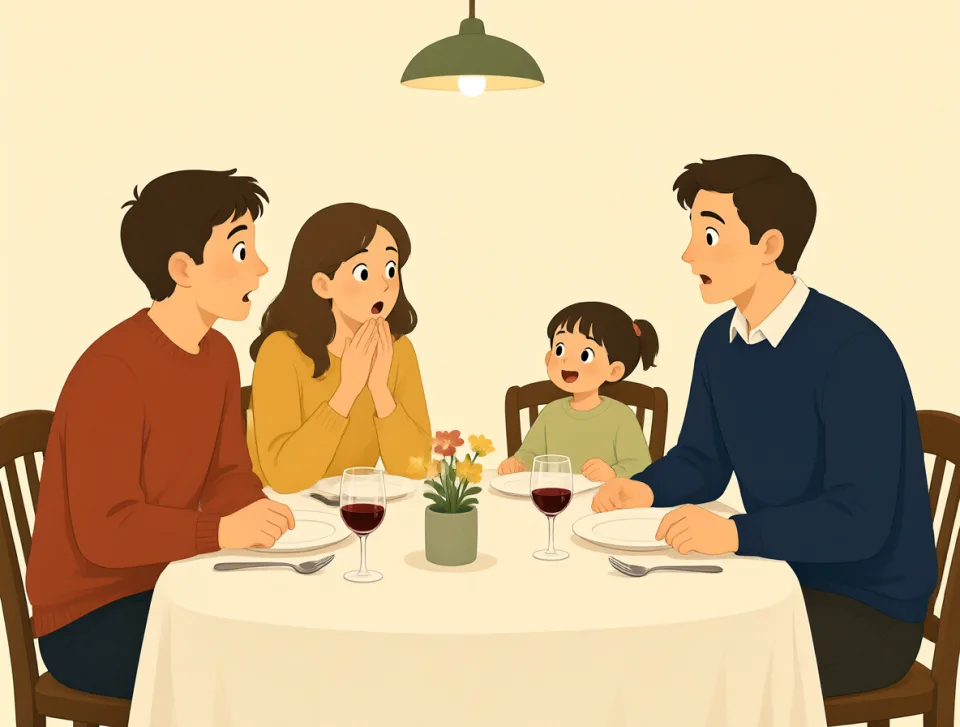
They discussed political news over dinner.
Podczas kolacji rozmawiali o wiadomościach politycznych.

She works for a political party.
Ona pracuje dla partii politycznej.
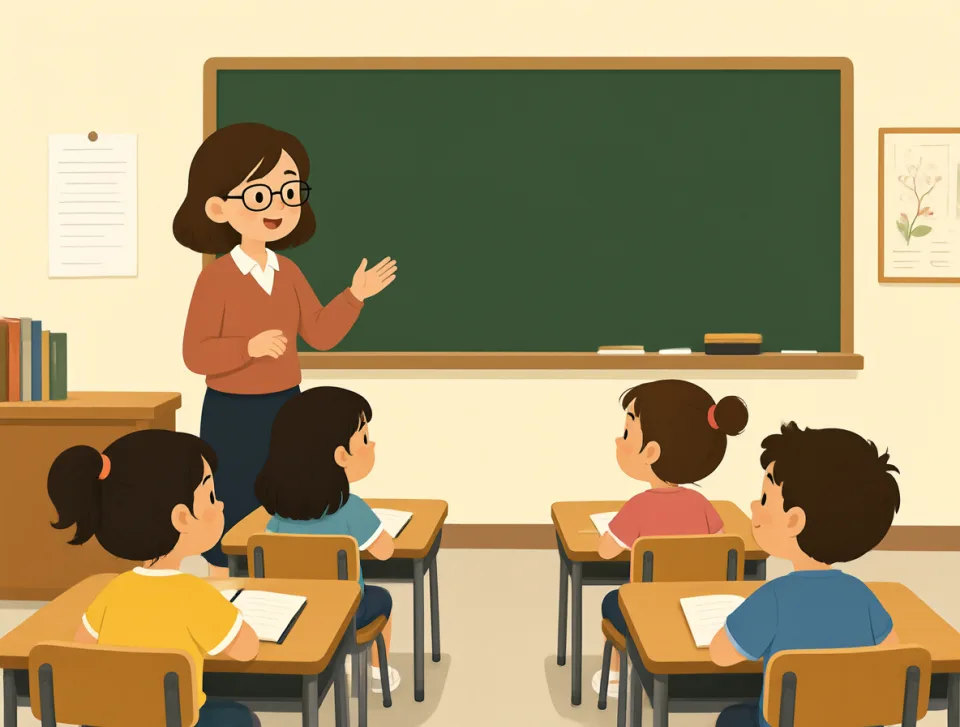
The teacher asked a political question.
Nauczyciel zadał pytanie dotyczące polityki.
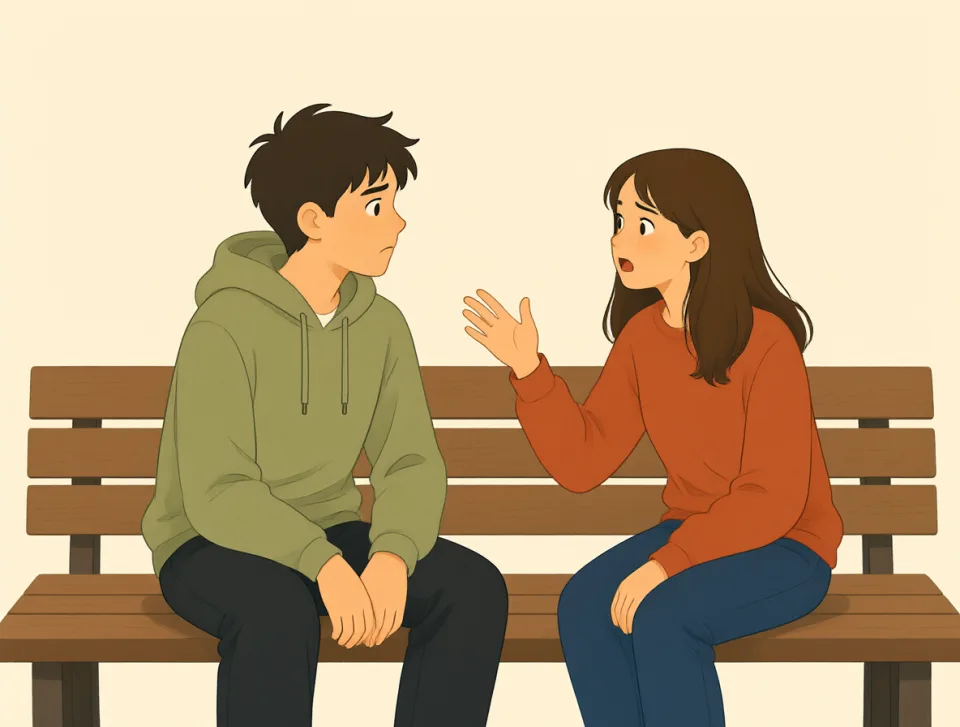
He avoids political arguments with friends.
On unika politycznych kłótni ze znajomymi.
The trip became political after lunch.
Po lunchu wycieczka nabrała politycznego charakteru.
free
#395adjective, adverb, verb, noun
darmowy; wolny
Not costing money, or available for anyone to use without payment.
Niepobierający opłaty lub dostępny dla każdego bez konieczności płacenia.
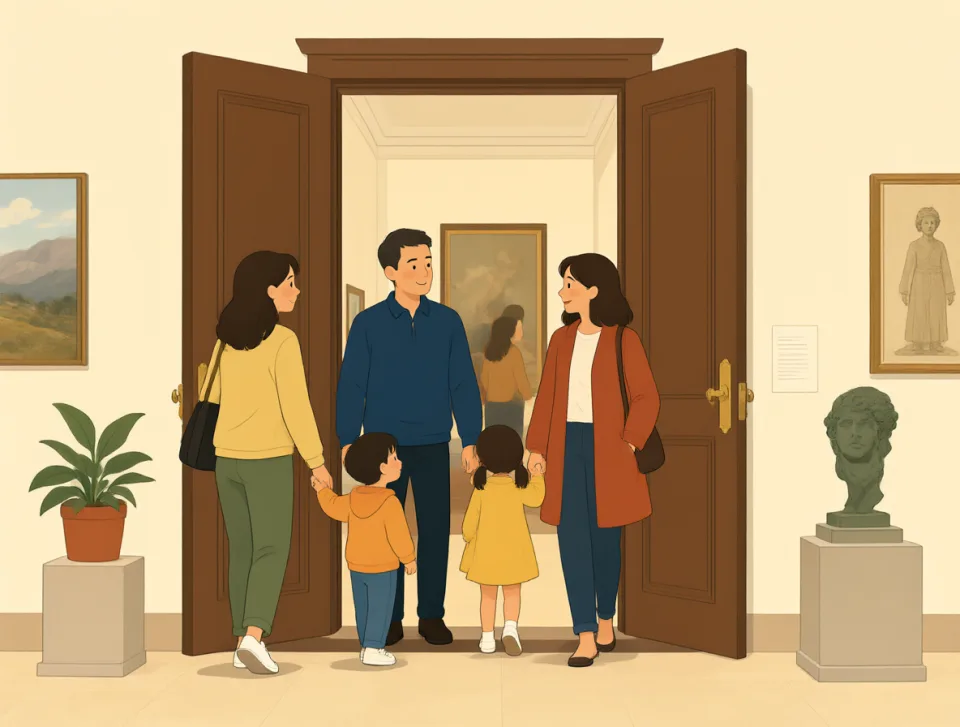
The museum is free on Sundays.
W niedziele wstęp do muzeum jest bezpłatny.
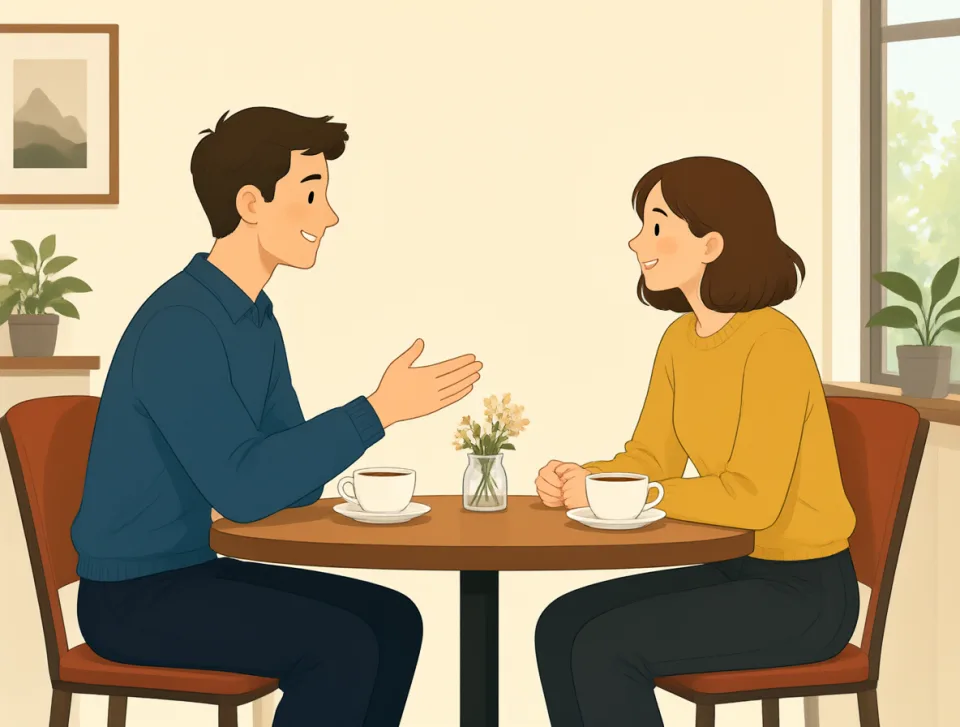
Are you free for lunch today?
Masz dziś czas na lunch?
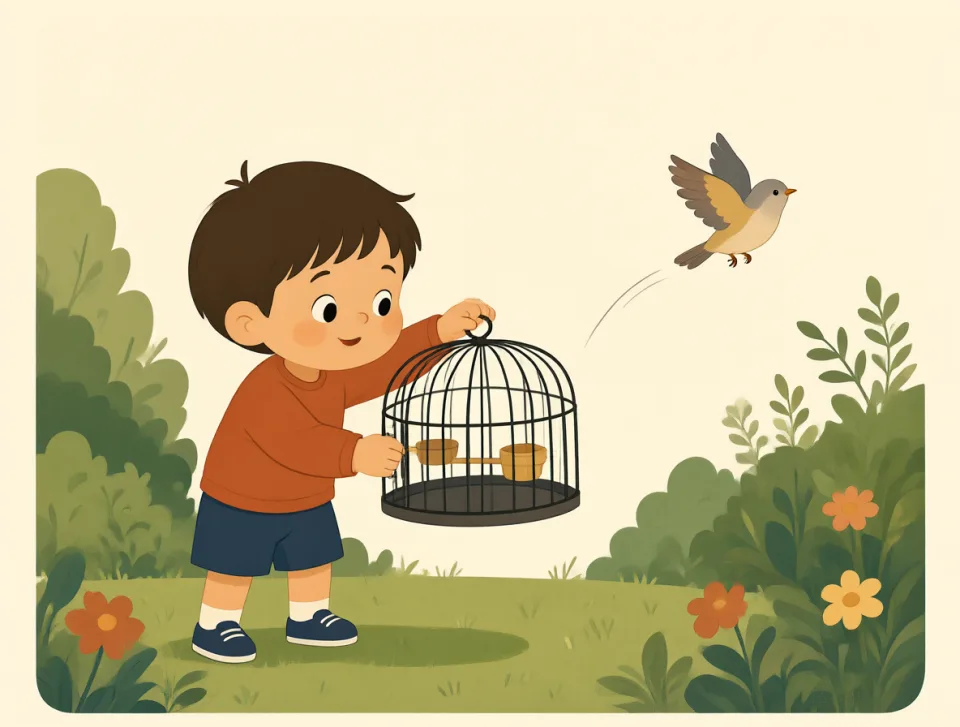
Please set the bird free.
Proszę wypuścić ptaka na wolność.
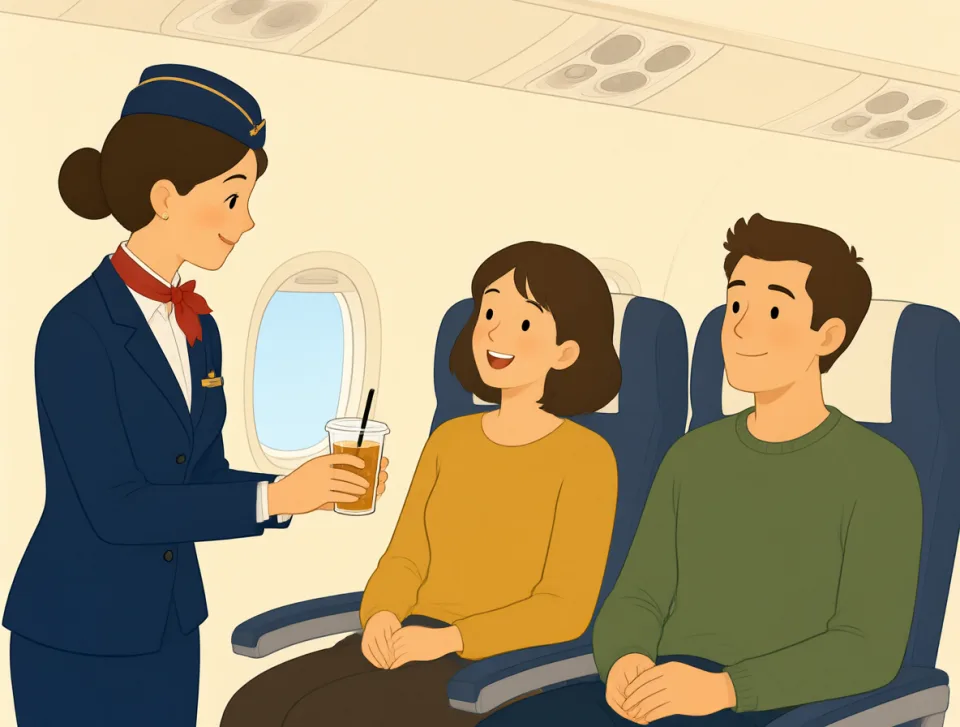
We got free drinks on the flight.
Podczas lotu dostaliśmy darmowe napoje.
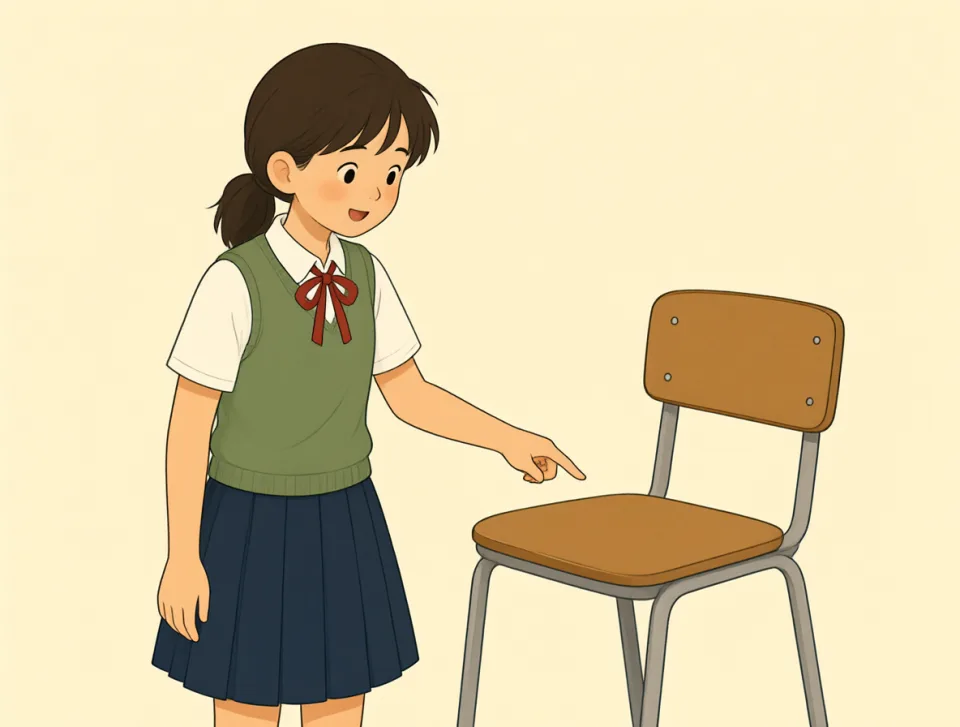
This seat is free, so sit here.
To miejsce jest wolne, więc usiądź tutaj.
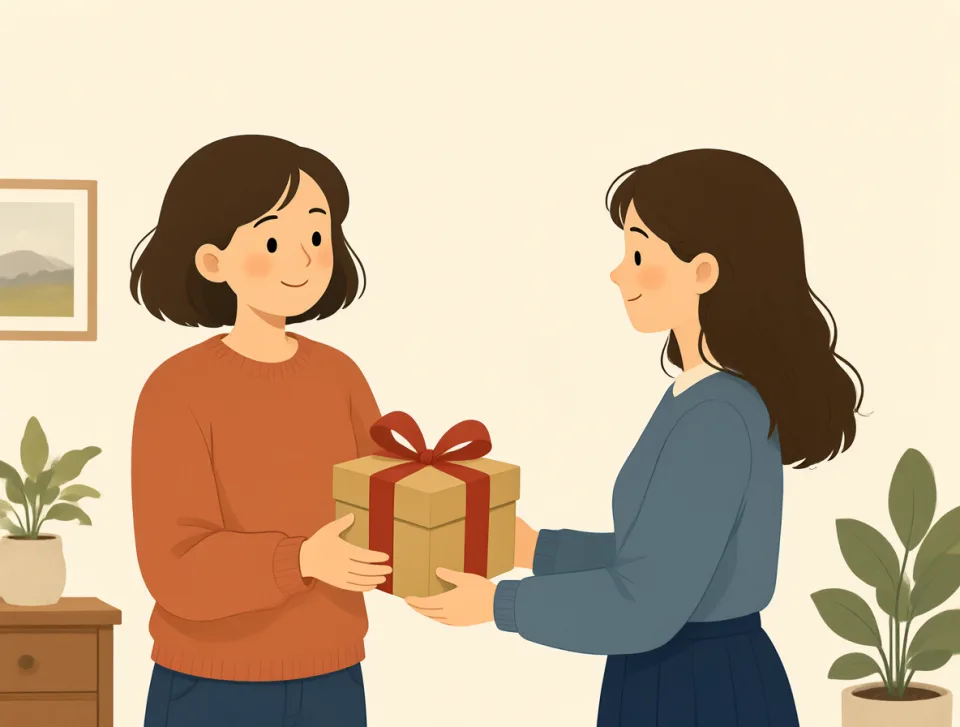
receive
#396verb
otrzymać
to get or accept something that someone sends, gives, or offers
dostać lub przyjąć coś, co ktoś wysyła, daje lub oferuje
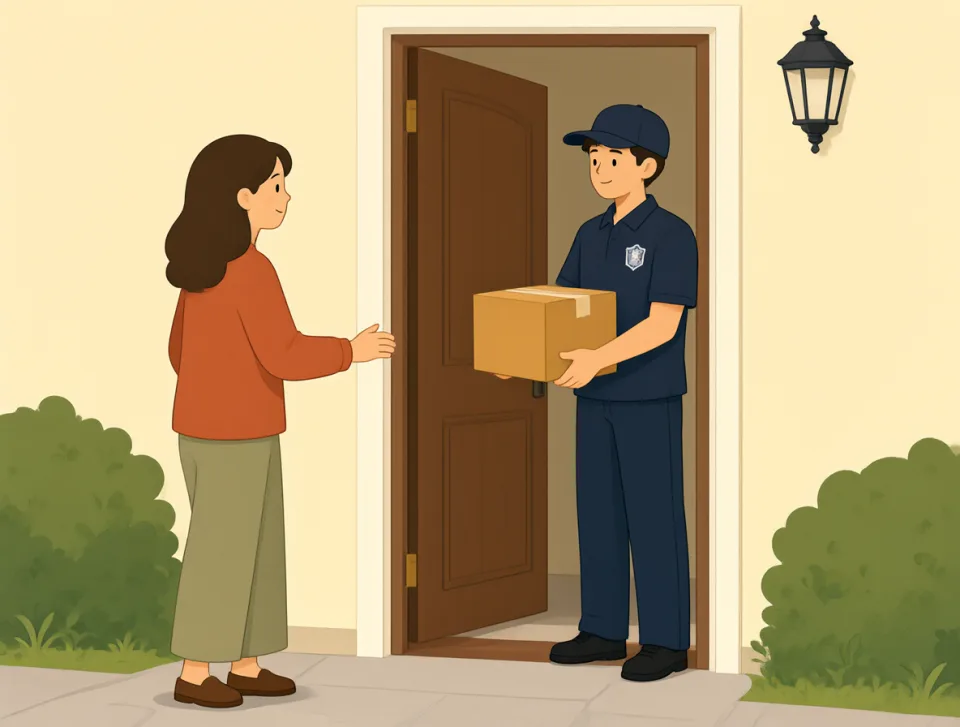
I received a package this morning.
Dziś rano otrzymałem paczkę.
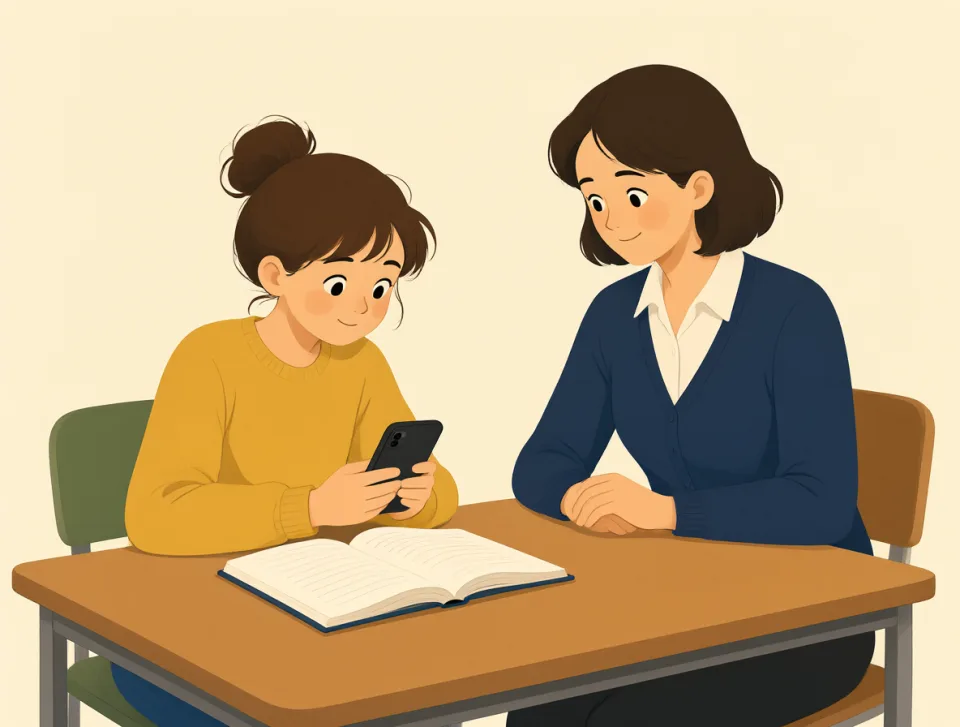
She received an email from her teacher.
Ona otrzymała e-mail od swojego nauczyciela.
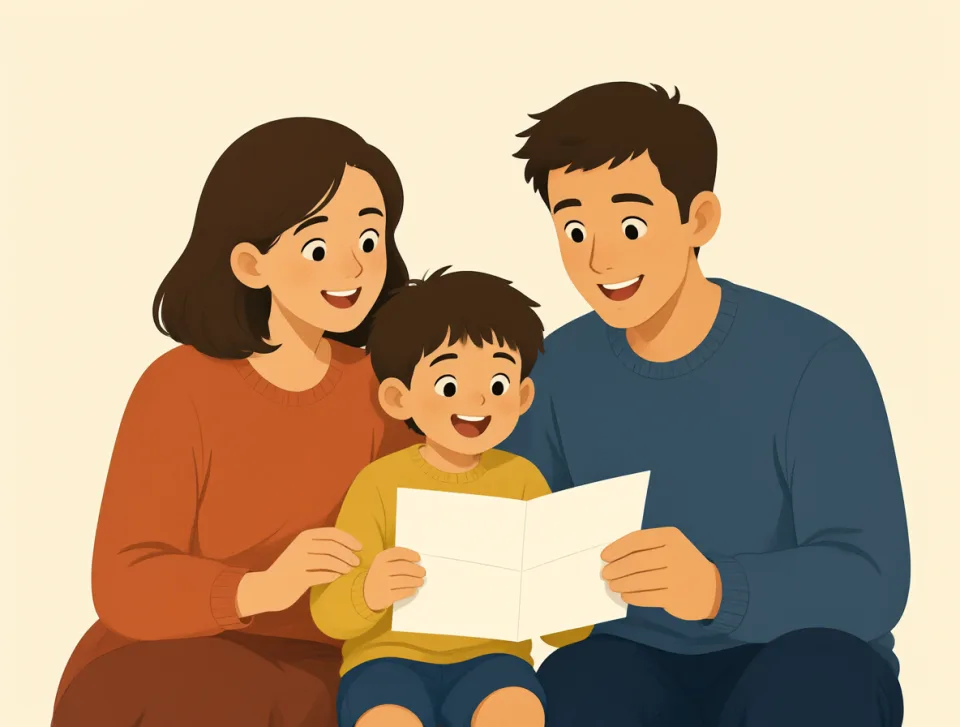
We received good news about our trip.
Otrzymaliśmy dobre wieści o naszej podróży.
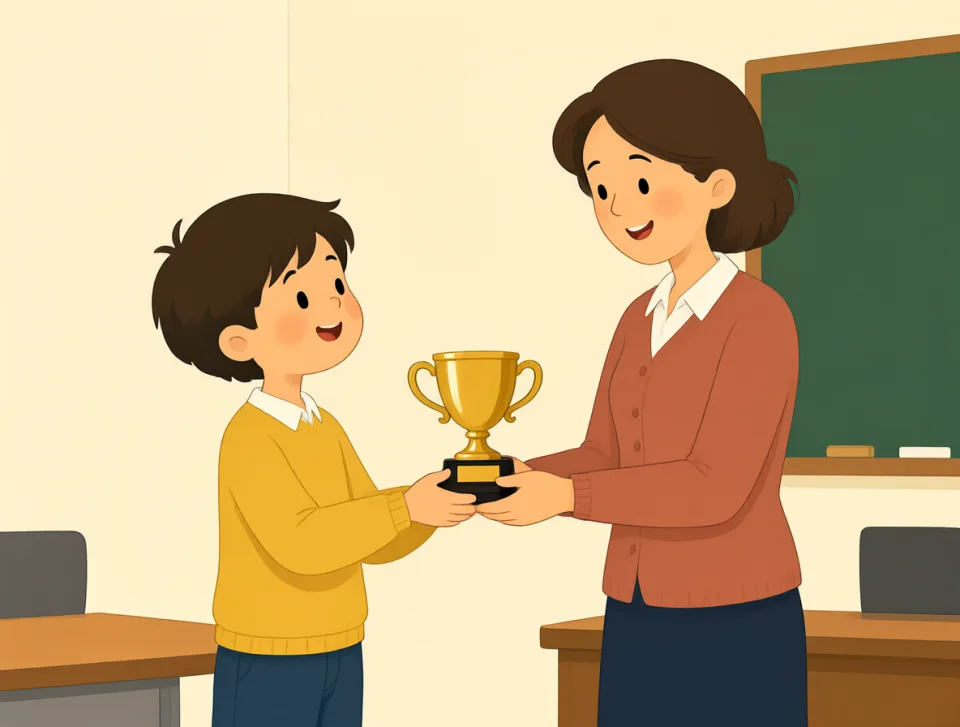
He received a prize at school.
On otrzymał nagrodę w szkole.
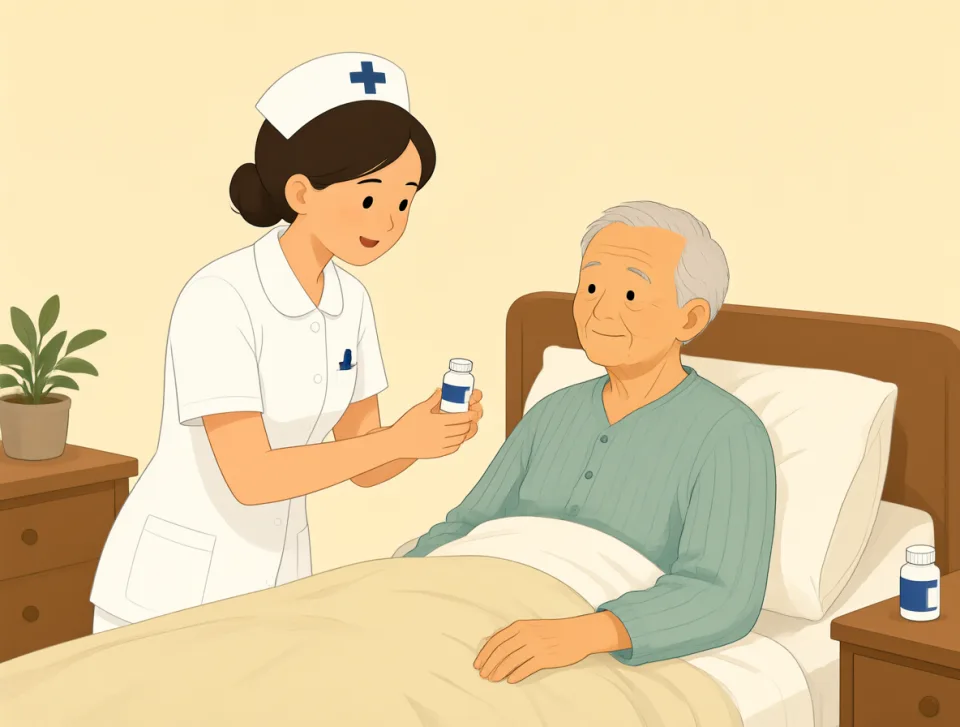
The patient received medicine after lunch.
Pacjent otrzymał lekarstwo po obiedzie.
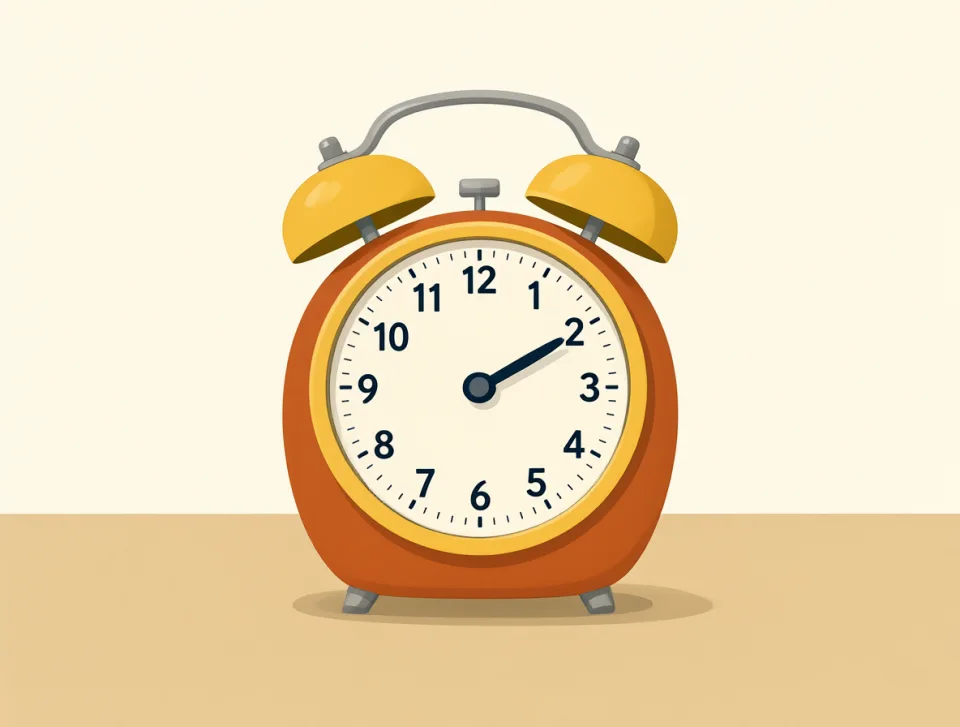
moment
#397noun
chwila
A very short period of time.
Bardzo krótki odcinek czasu.
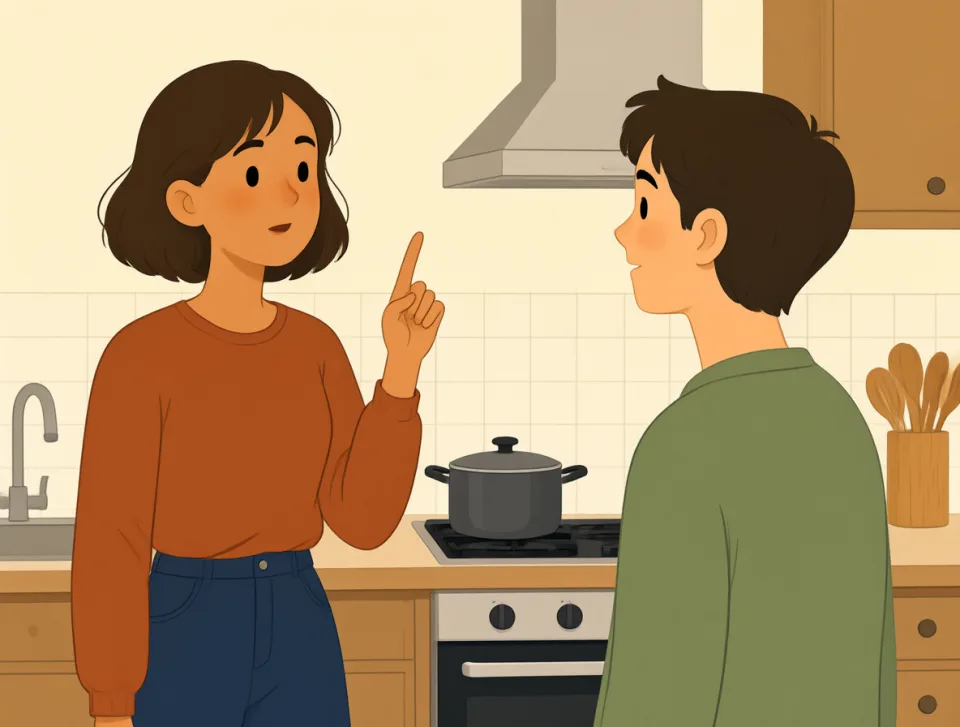
Wait a moment, please.
Proszę chwilę poczekać.
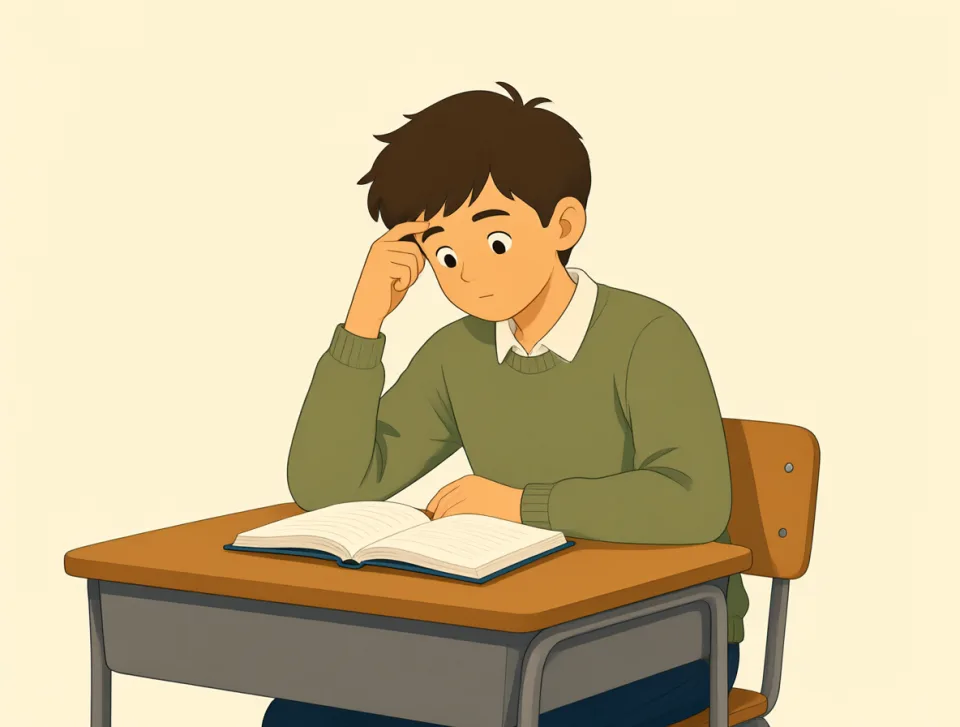
I need a moment to think.
Potrzebuję chwili, żeby pomyśleć.
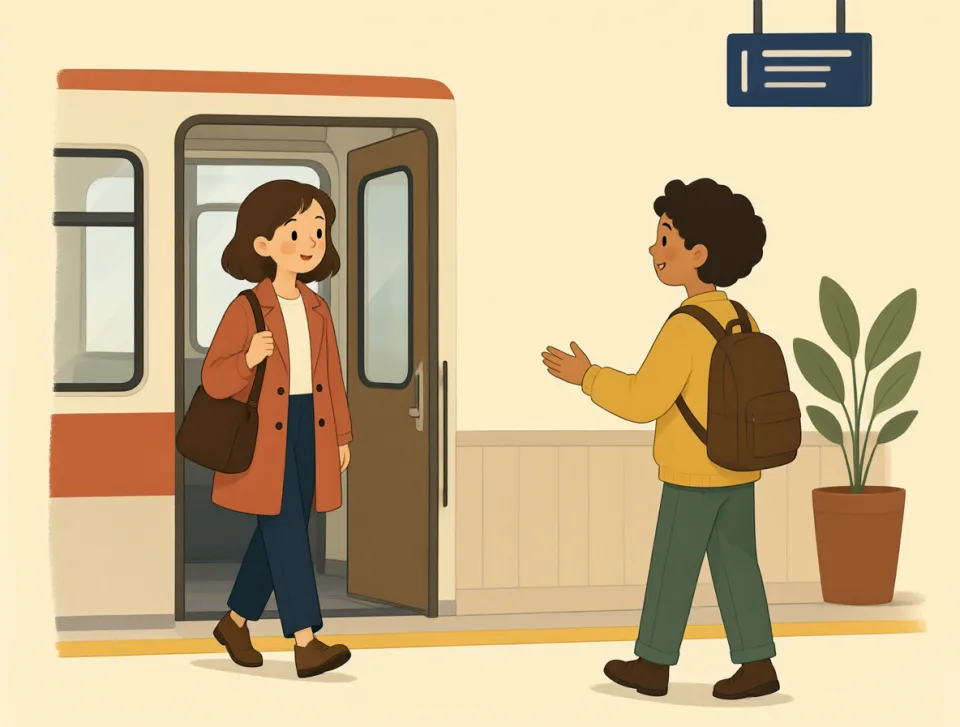
She arrived just moments ago.
Ona przyjechała dosłownie przed chwilą.
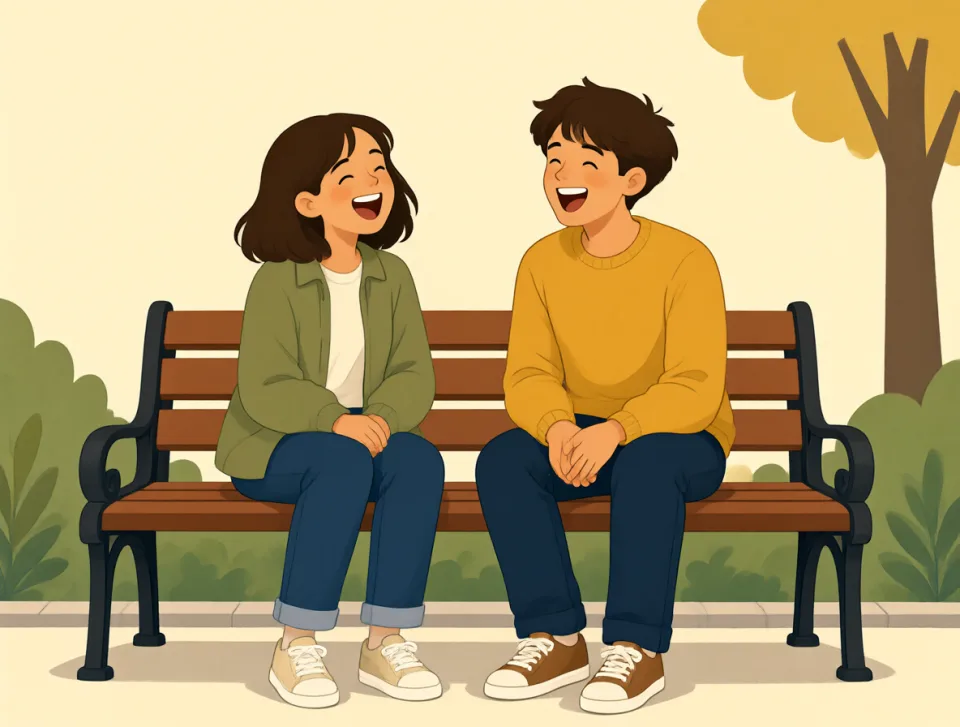
We shared a happy moment together.
Spędziliśmy razem miłą chwilę.
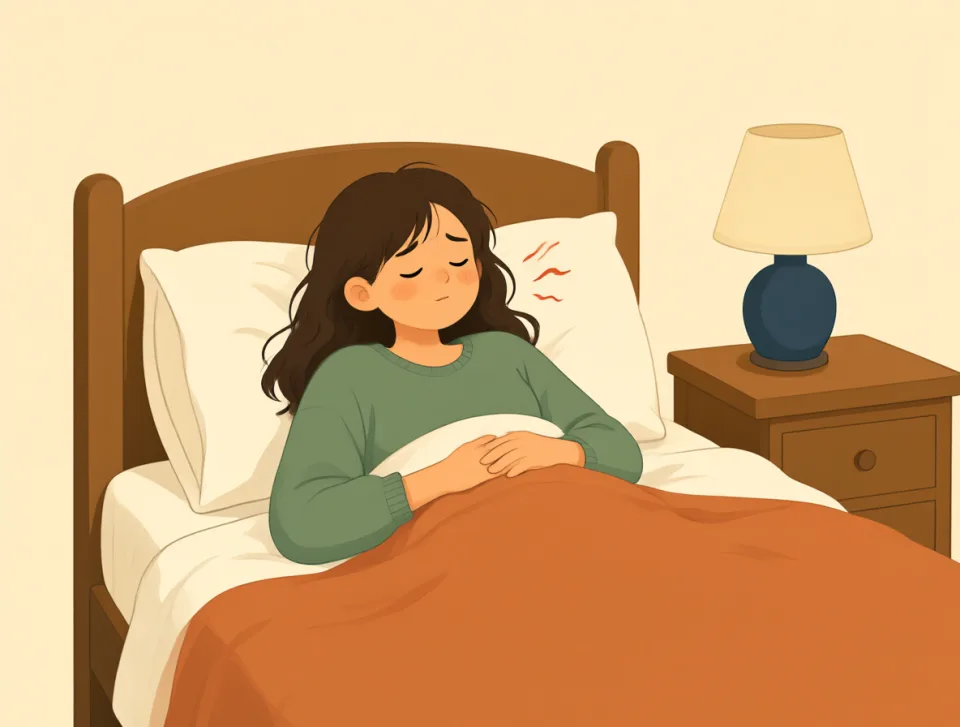
The pain stopped for a moment.
Ból na chwilę ustąpił.
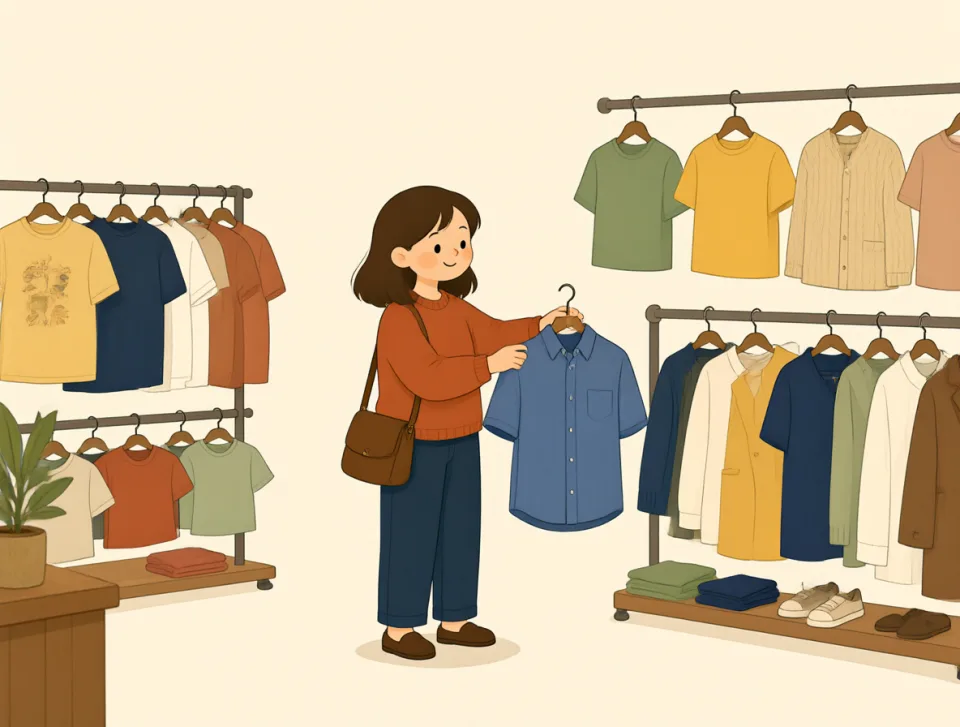
sale
#398noun
wyprzedaż
An event when shops sell things at lower prices.
Wydarzenie, podczas którego sklepy sprzedają produkty po niższych cenach.
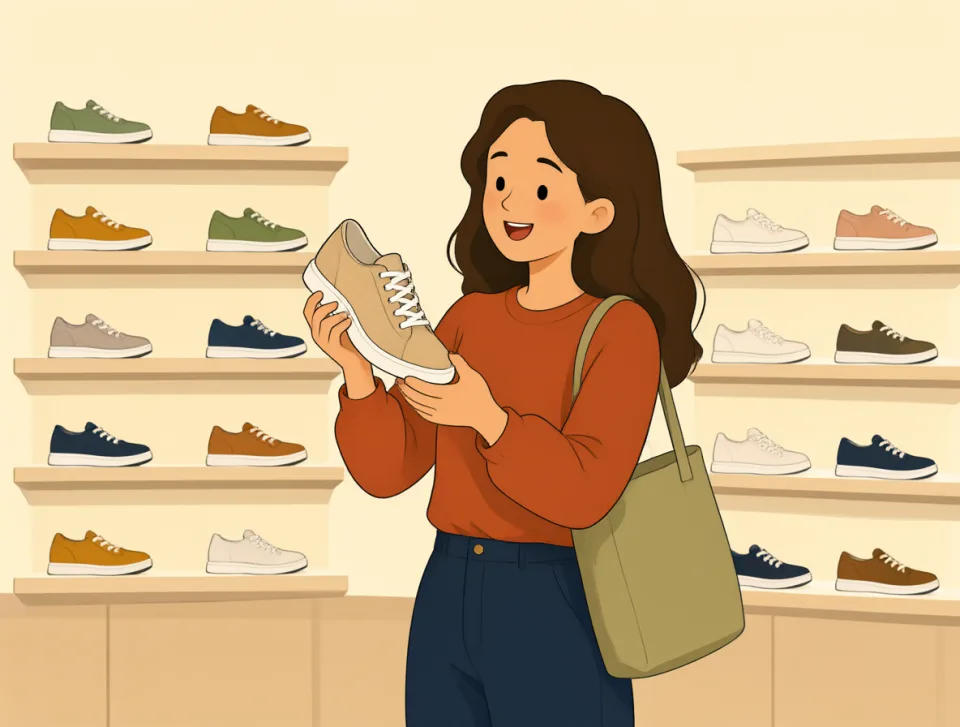
I bought these shoes in the sale.
Kupiłem te buty na wyprzedaży.
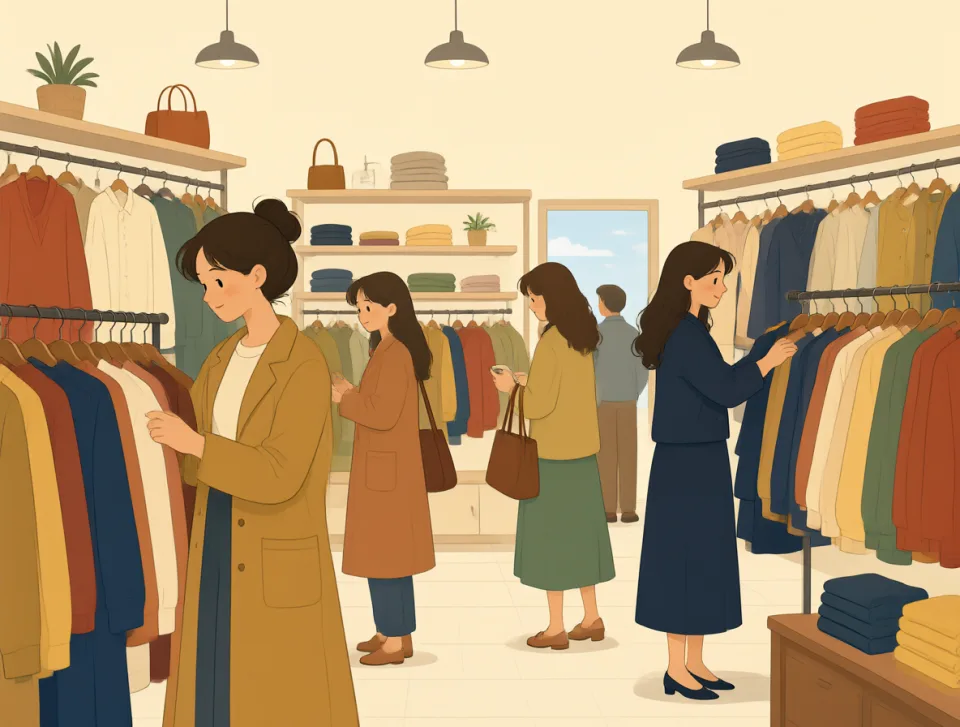
The store has a big sale today.
W sklepie jest dziś duża wyprzedaż.
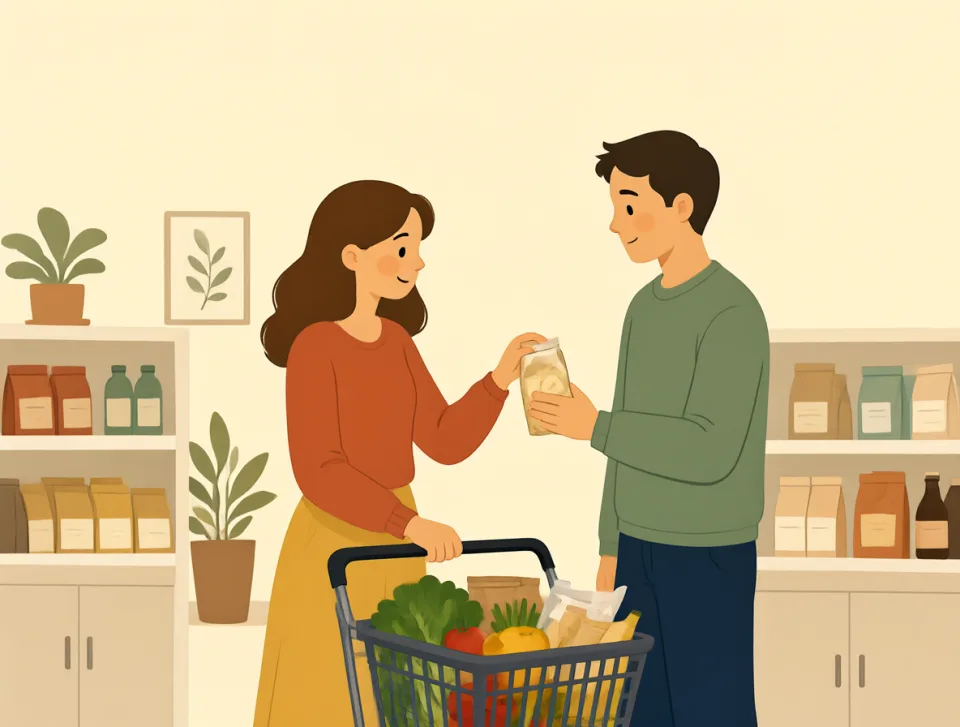
We found good sale prices on food.
Znaleźliśmy żywność w dobrych cenach wyprzedażowych.
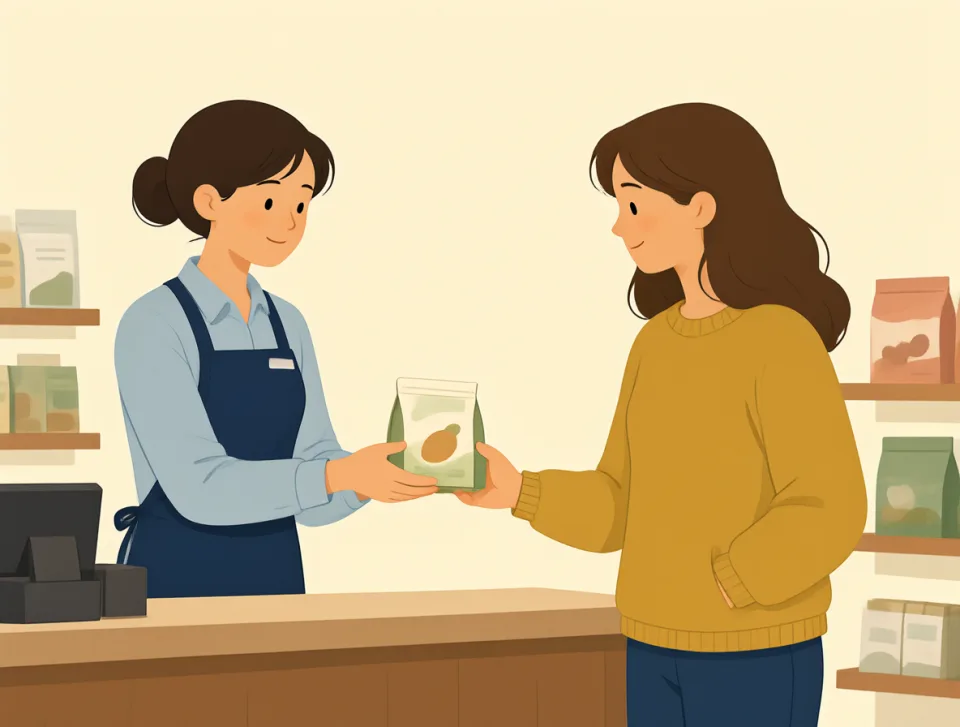
The company made a sale yesterday.
Firma sfinalizowała wczoraj sprzedaż.
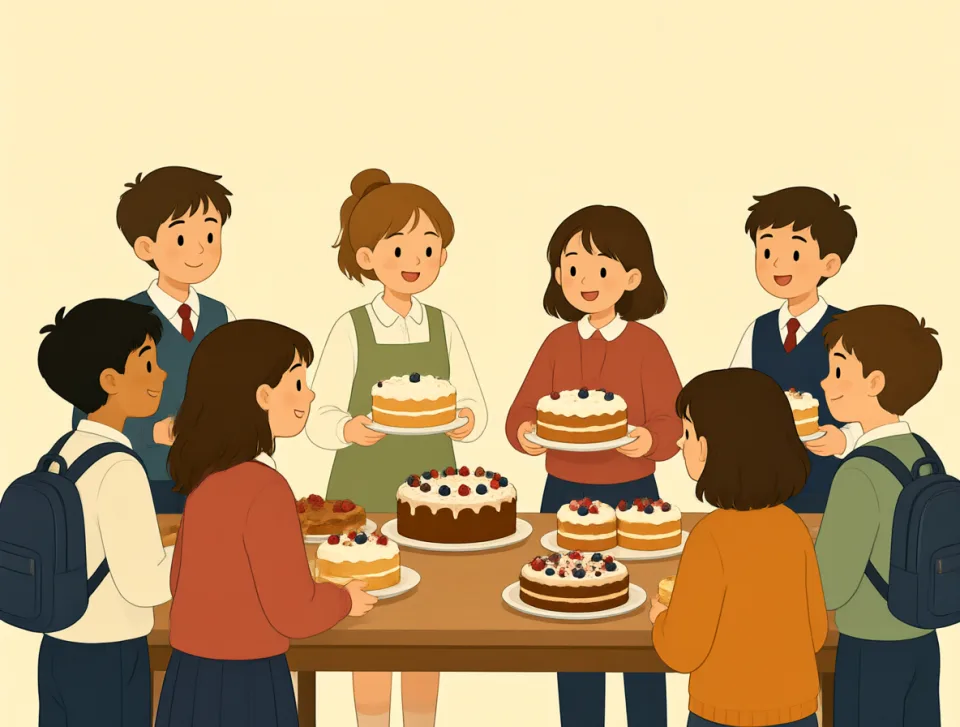
Our school held a cake sale.
W naszej szkole odbył się kiermasz ciast.
policy
#399noun
zasady
A set of rules or plans made by a person, group, or organization.
Zbiór reguł lub planów ustalonych przez osobę, grupę albo organizację.
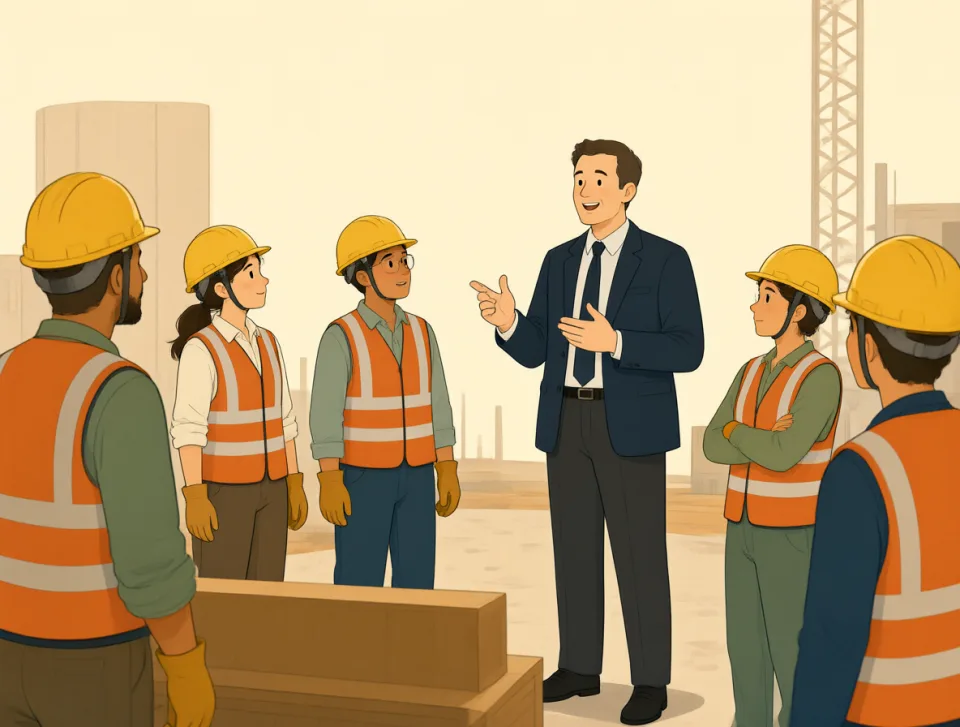
The company has a strict policy on safety.
W firmie obowiązują surowe zasady dotyczące bezpieczeństwa.
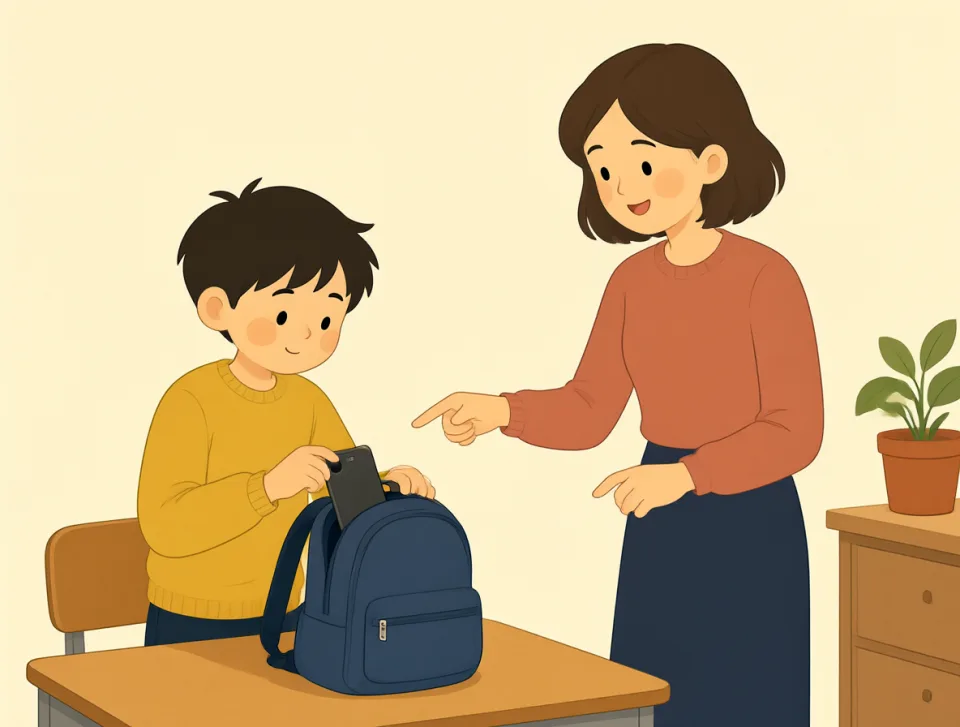
Our school policy says phones stay in bags.
Zgodnie z regulaminem naszej szkoły telefony muszą być schowane w torbach.
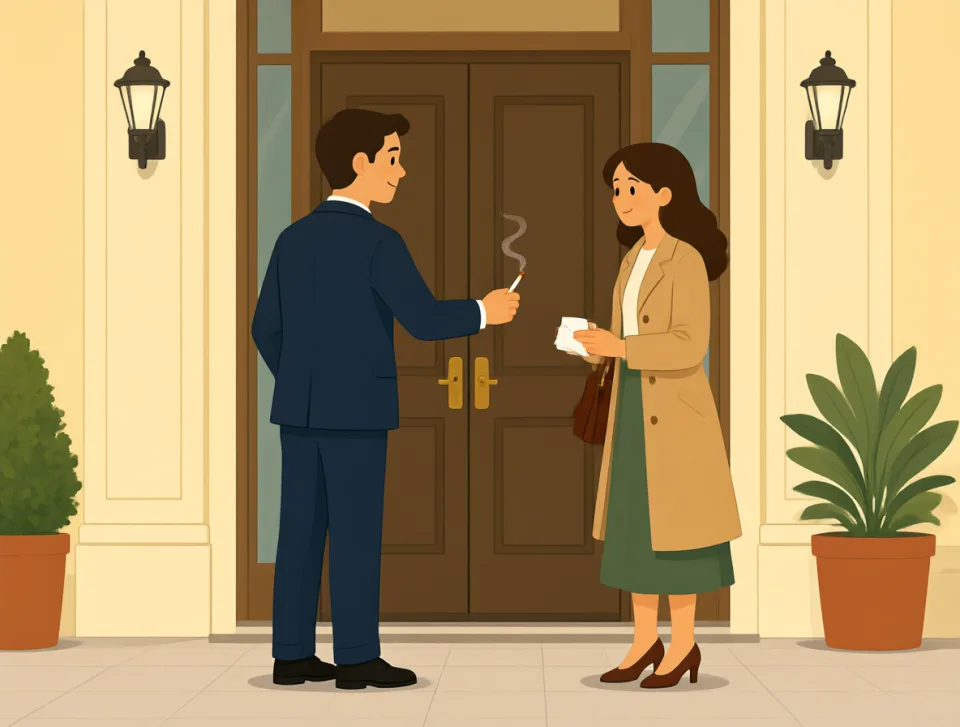
The hotel has a no smoking policy.
W hotelu obowiązuje zakaz palenia.
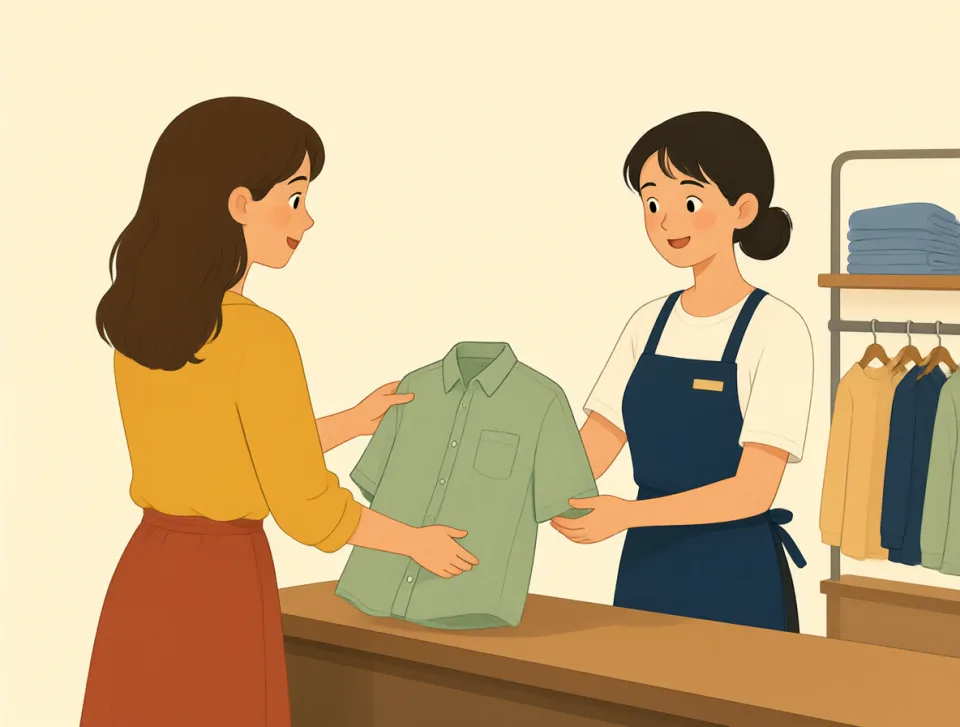
The store changed its return policy yesterday.
Wczoraj sklep zmienił zasady zwrotów.
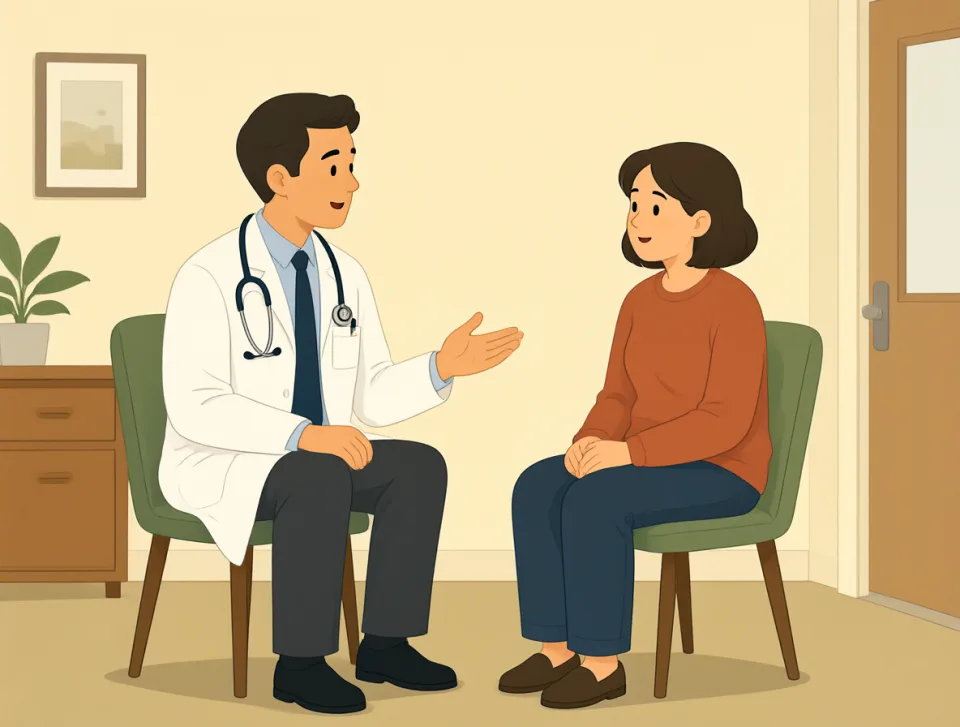
The doctor explained the hospital's privacy policy.
Lekarz wyjaśnił zasady ochrony prywatności obowiązujące w szpitalu.
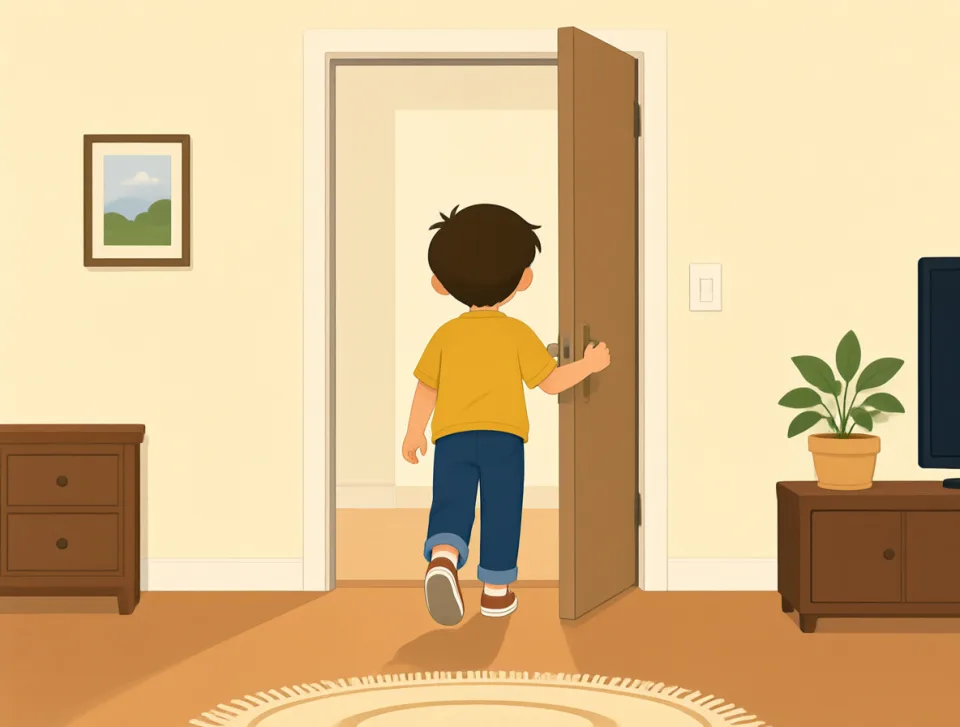
further
#400adverb, adjective, verb
dalej
To a greater distance, time, or degree; or to help something develop more.
Na większą odległość, przez dłuższy czas lub w większym stopniu; także: przyczyniać się do dalszego rozwoju czegoś.
Please move further away from the door.
Proszę odsunąć się dalej od drzwi.
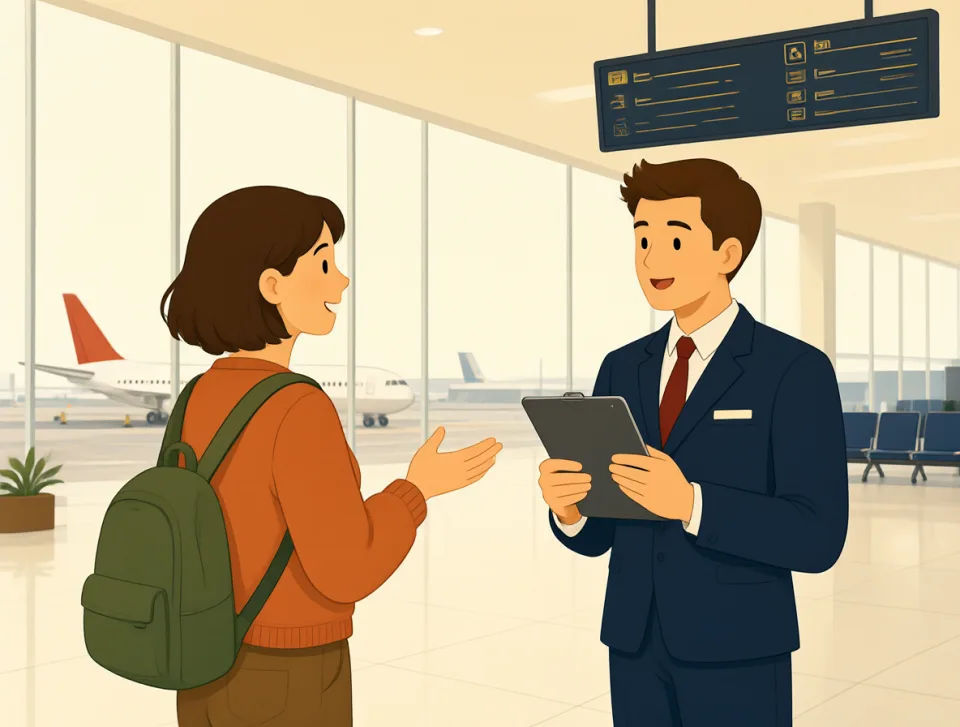
We need further information about the trip.
Potrzebujemy więcej informacji o podróży.
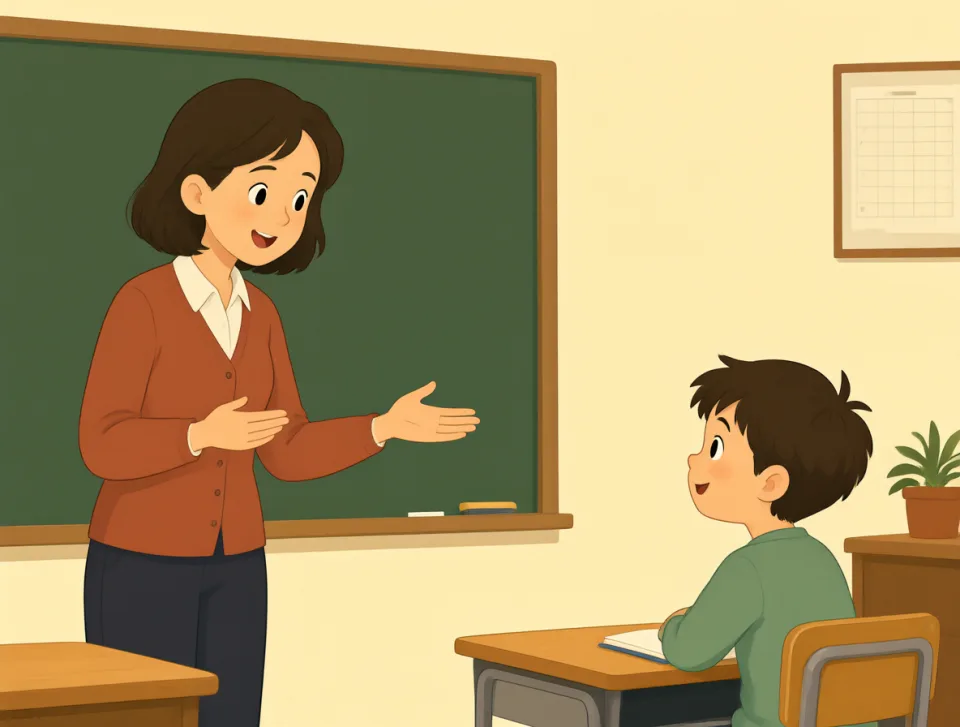
The teacher explained the lesson further.
Nauczyciel dokładniej wyjaśnił lekcję.
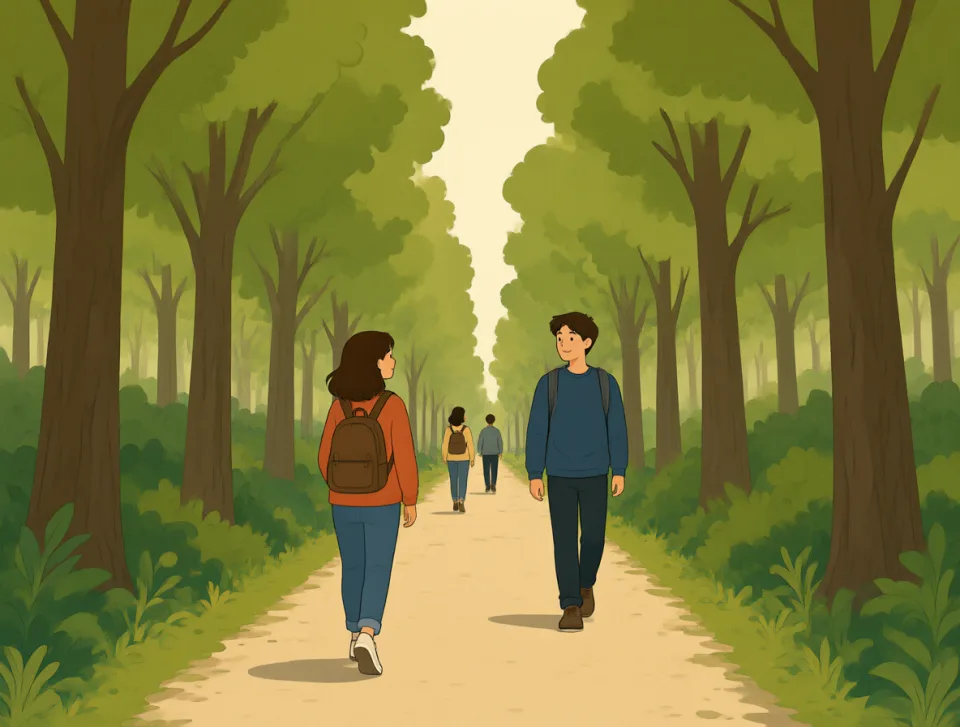
The road continues further into the forest.
Droga prowadzi dalej w głąb lasu.
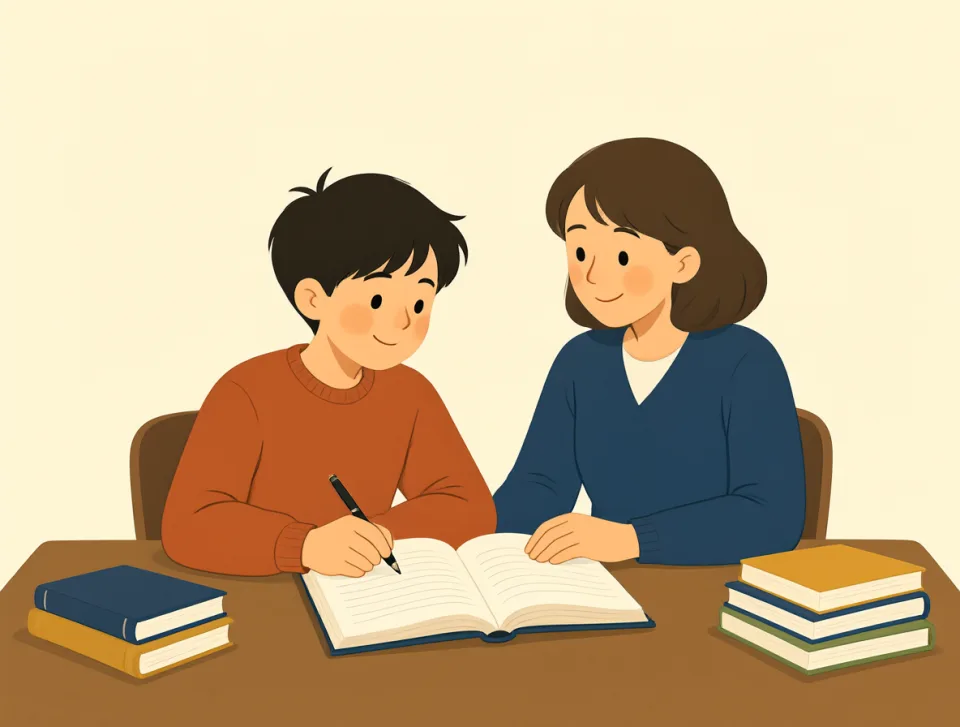
This course will further your English skills.
Ten kurs pomoże ci rozwinąć umiejętności językowe.