الوحدة 1
الكلمات من 1 إلى 20 · the, be, and, of, to, a
the
#1determiner
الـ
Used before a noun to show that it is known, specific, or the only one.
تُستخدم قبل الاسم للدلالة على أنه معروف أو محدد أو وحيد من نوعه.
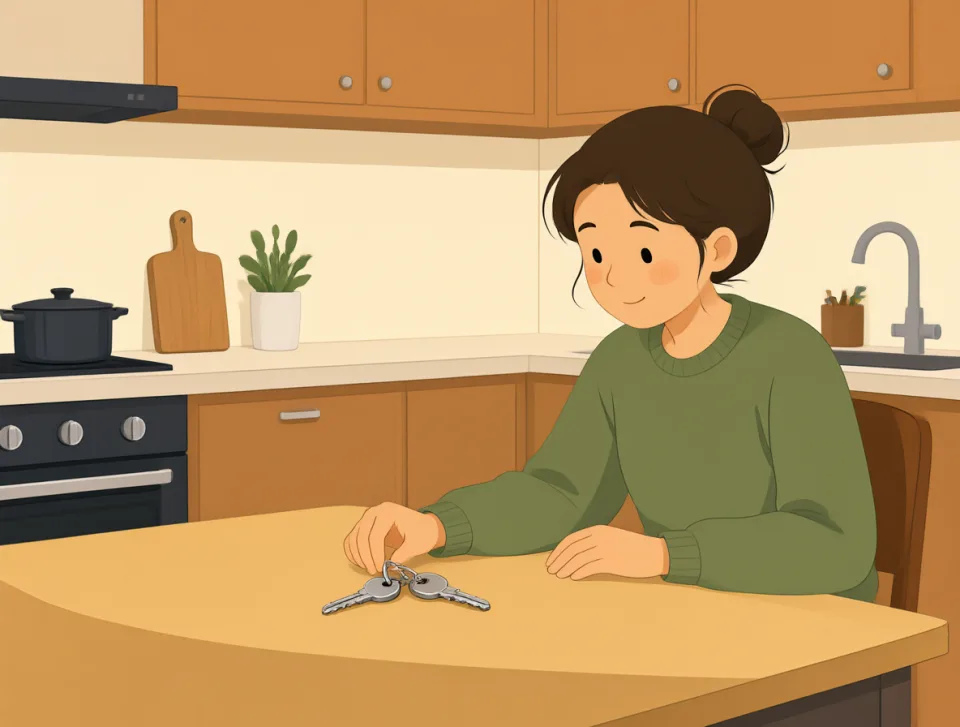
The keys are on the kitchen table.
المفاتيح على طاولة المطبخ.
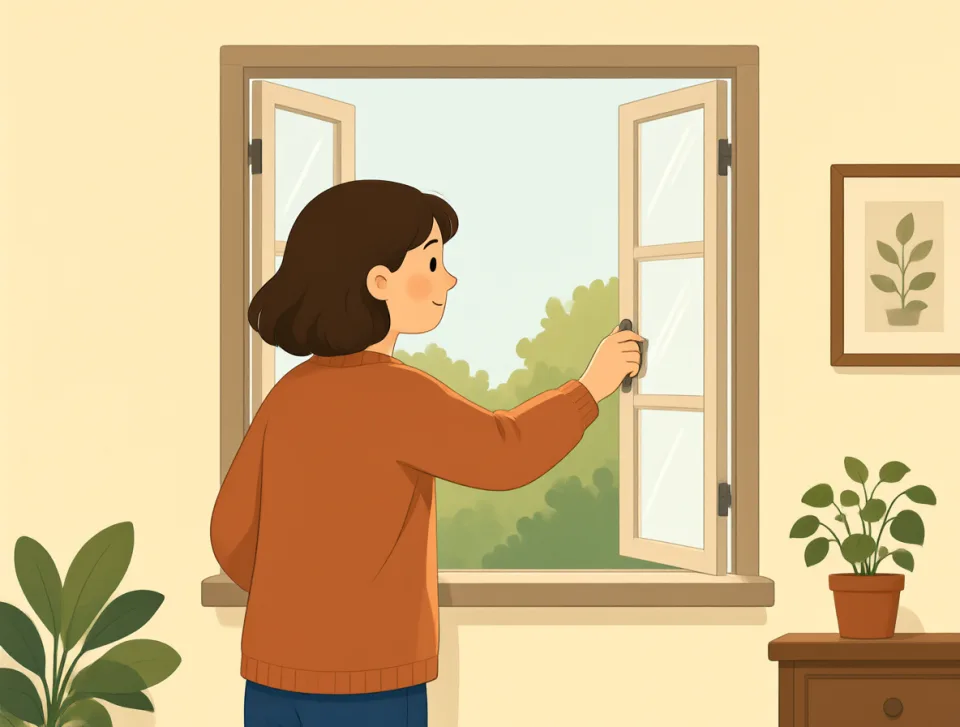
Please close the window before you leave.
يُرجى إغلاق النافذة قبل المغادرة.
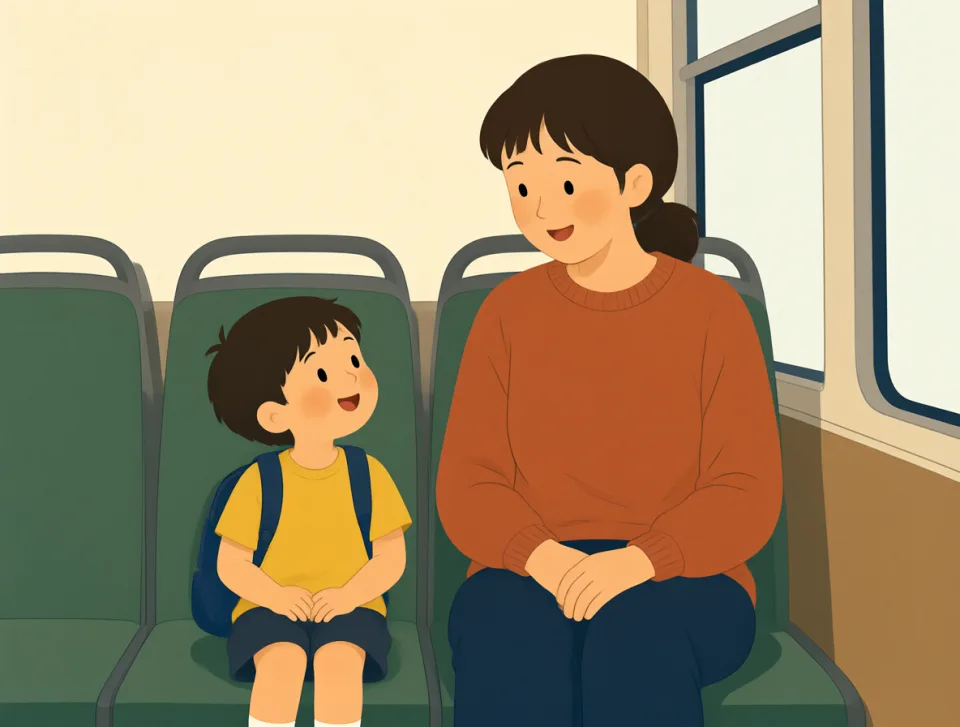
We took the bus to school this morning.
استقللنا الحافلة إلى المدرسة هذا الصباح.
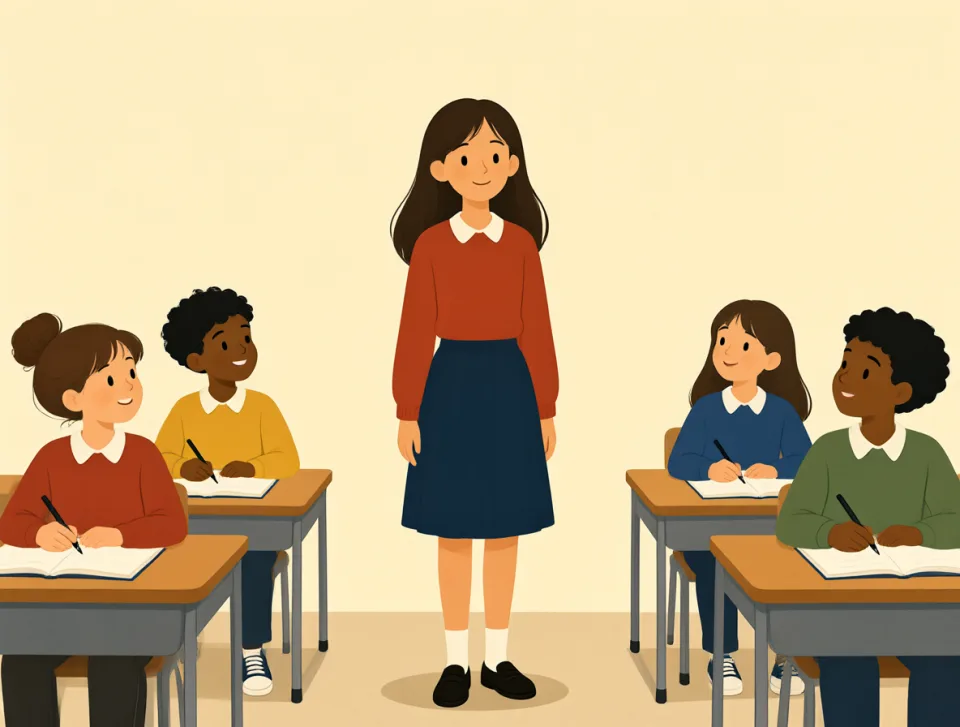
She is the tallest girl in her class.
هي أطول فتاة في صفها.

The sun is shining, so let's eat outside.
الشمس ساطعة، فلنتناول الطعام في الخارج.

be
#2verb
يكون
to exist, happen, or have a particular quality, identity, or location
يوجد أو يحدث أو يتصف بصفة معينة أو تكون له هوية أو موقع معين.
I am tired after work today.
أنا متعب بعد العمل اليوم.
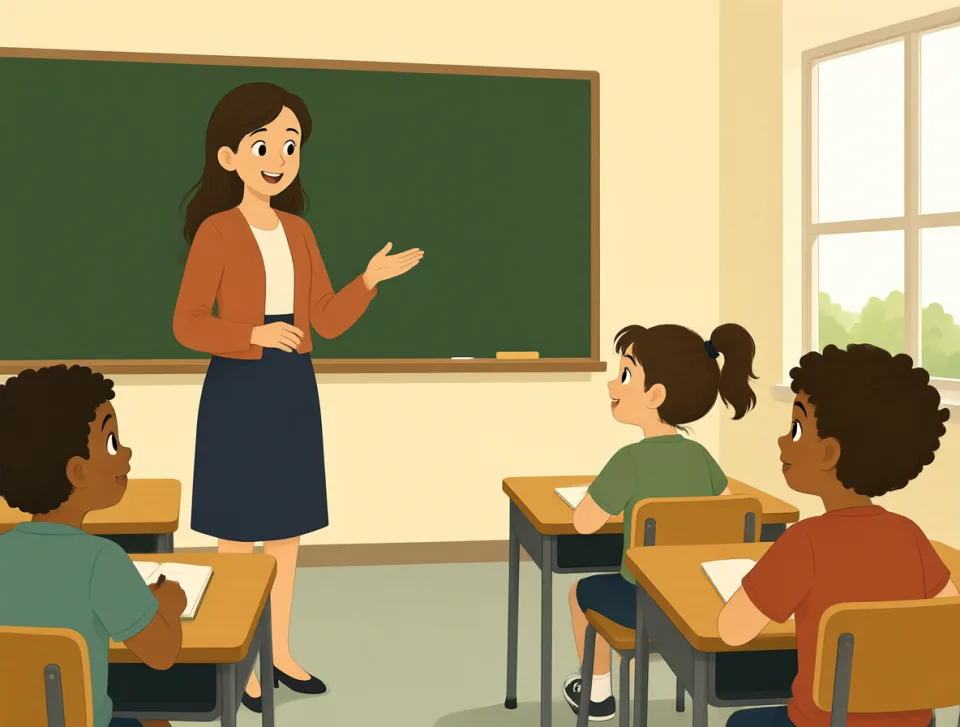
She is a teacher at our school.
هي معلمة في مدرستنا.
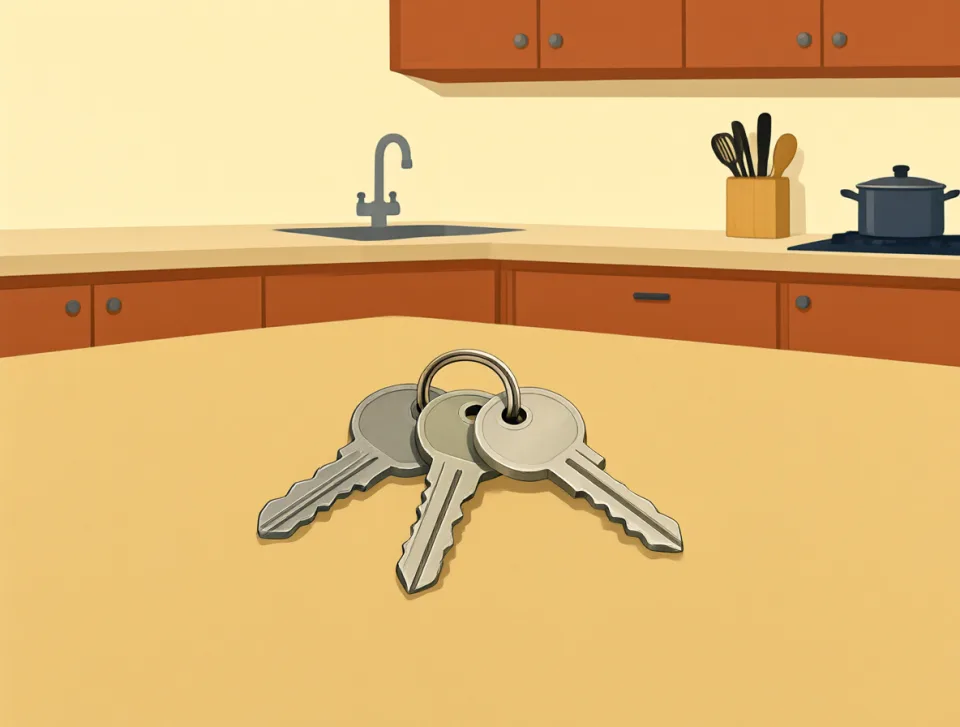
The keys are on the kitchen table.
المفاتيح على طاولة المطبخ.
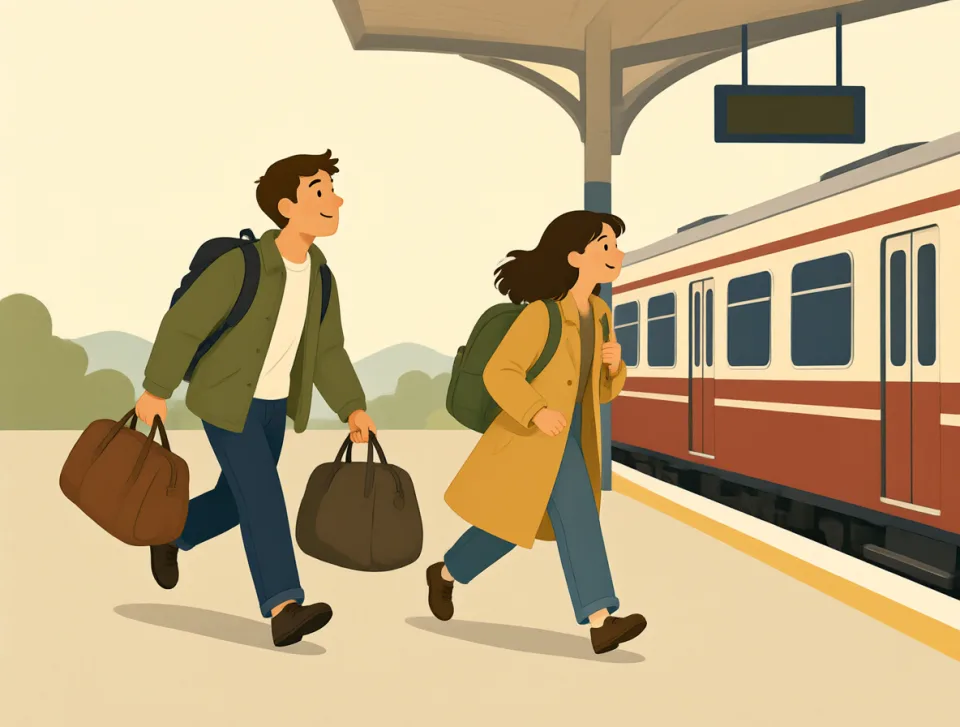
We were late for the train.
تأخرنا عن القطار.
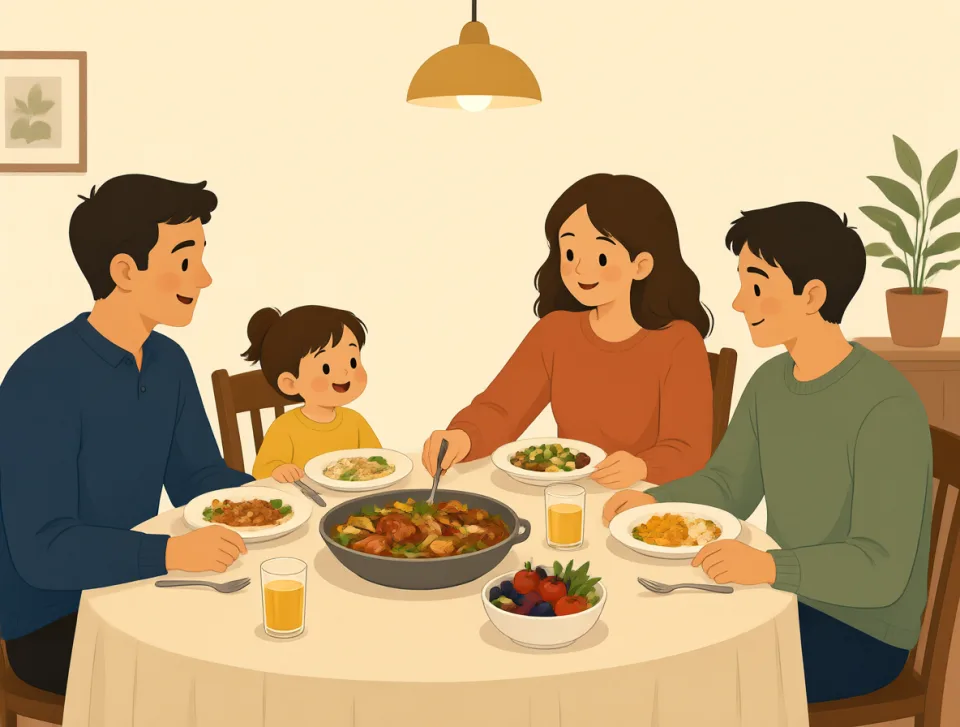
Dinner is ready, so please come in.
العشاء جاهز، يُرجى الدخول.

and
#3conjunction
و
Used to join words, phrases, or sentences that go together.
تُستخدم للربط بين الكلمات أو العبارات أو الجمل المترابطة.
Tom and Anna work in the same office.
يعمل توم وآنا في المكتب نفسه.
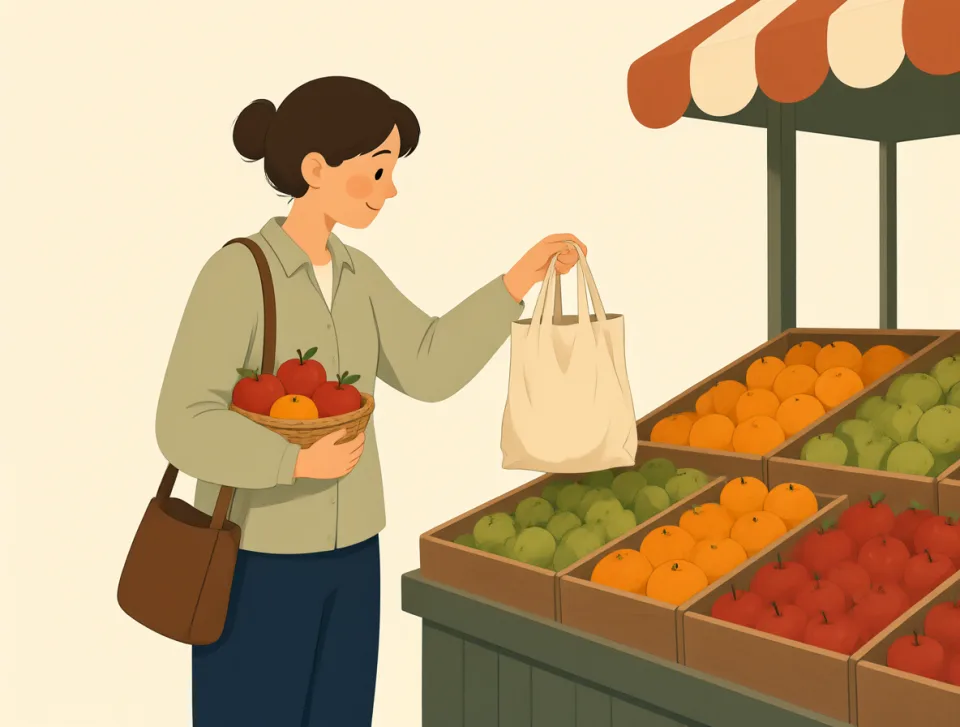
I bought apples and oranges at the market.
اشتريت التفاح والبرتقال من السوق.
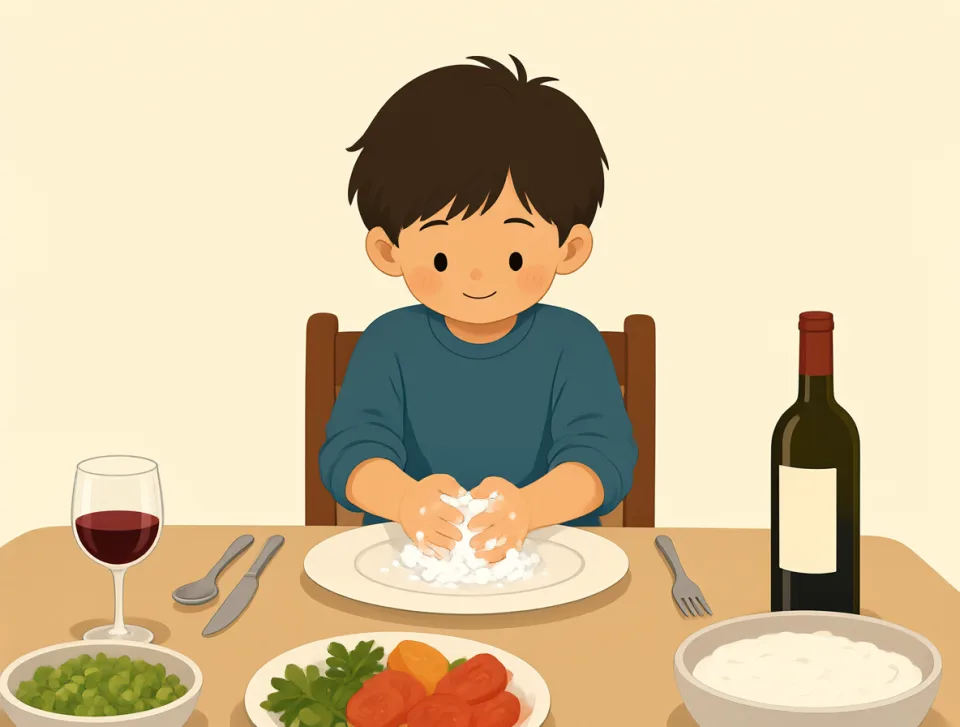
Please wash your hands and eat dinner.
يُرجى غسل يديك وتناول العشاء.
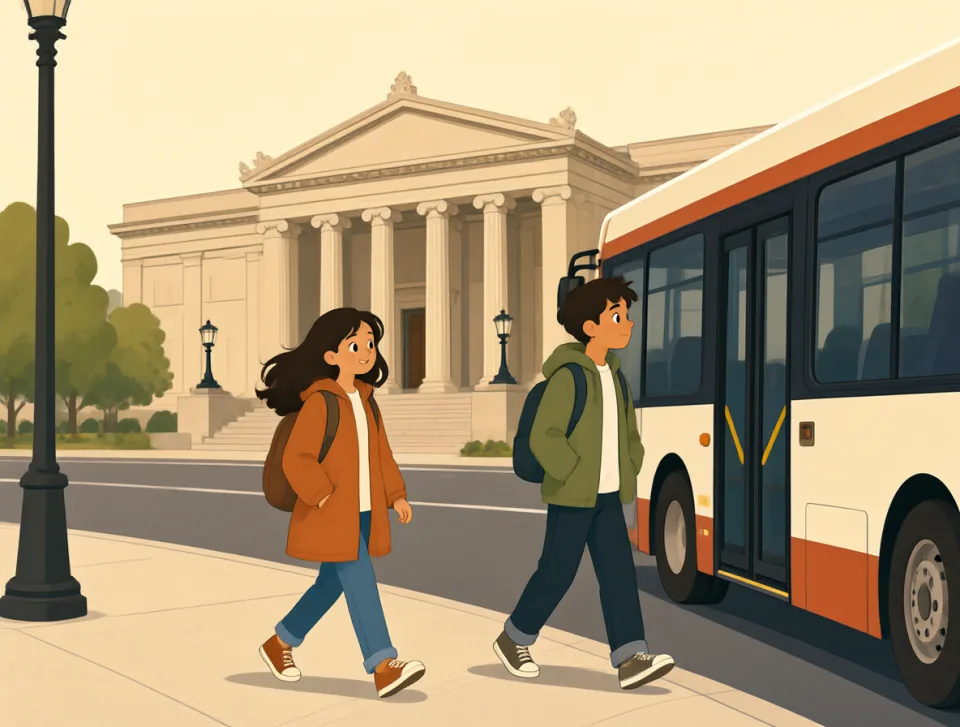
We took a bus and visited the museum.
استقللنا الحافلة وزرنا المتحف.
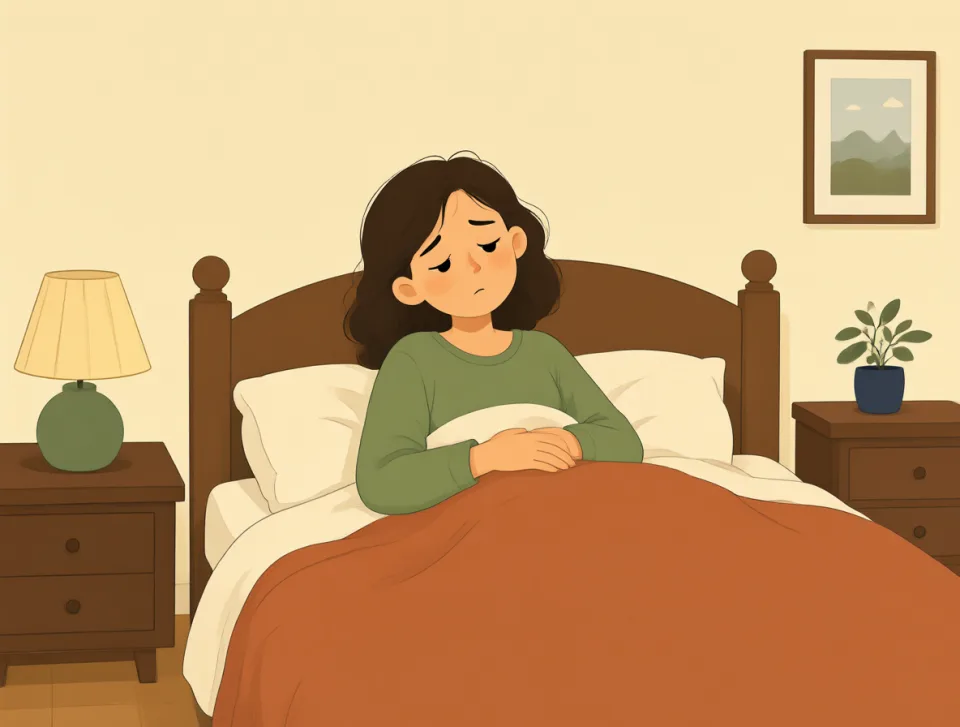
She was tired and went to bed early.
كانت متعبة وذهبت إلى الفراش مبكرًا.
of
#4preposition, determiner
من
Used to show belonging, connection, amount, or what something contains.
تُستخدم للدلالة على الانتماء أو الصلة أو الكمية أو محتوى شيء ما.
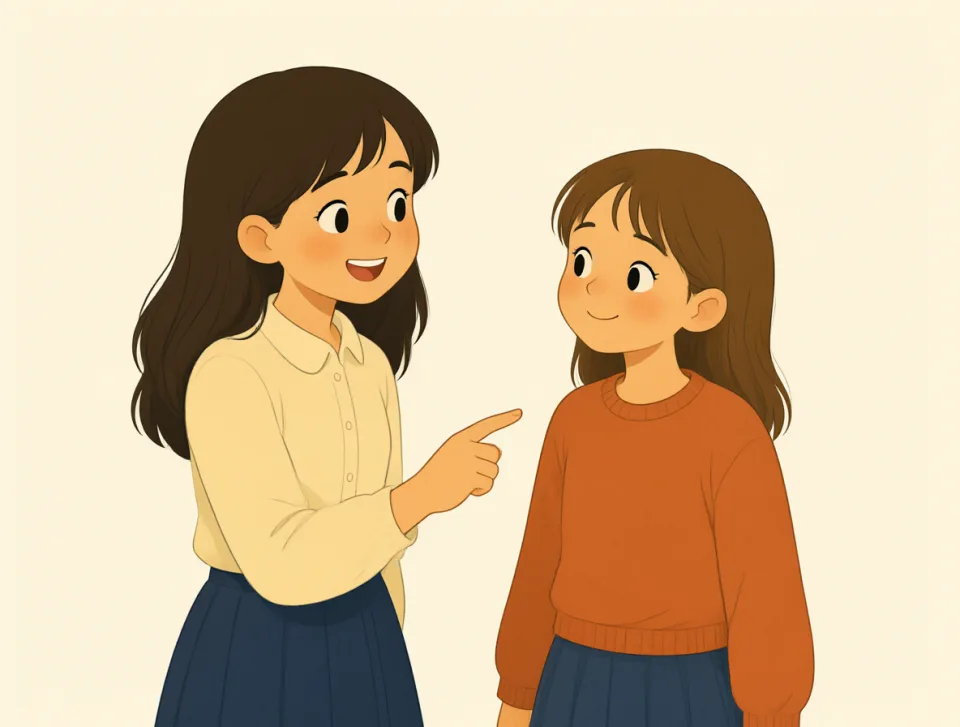
She is a friend of my sister.
هي صديقة أختي.
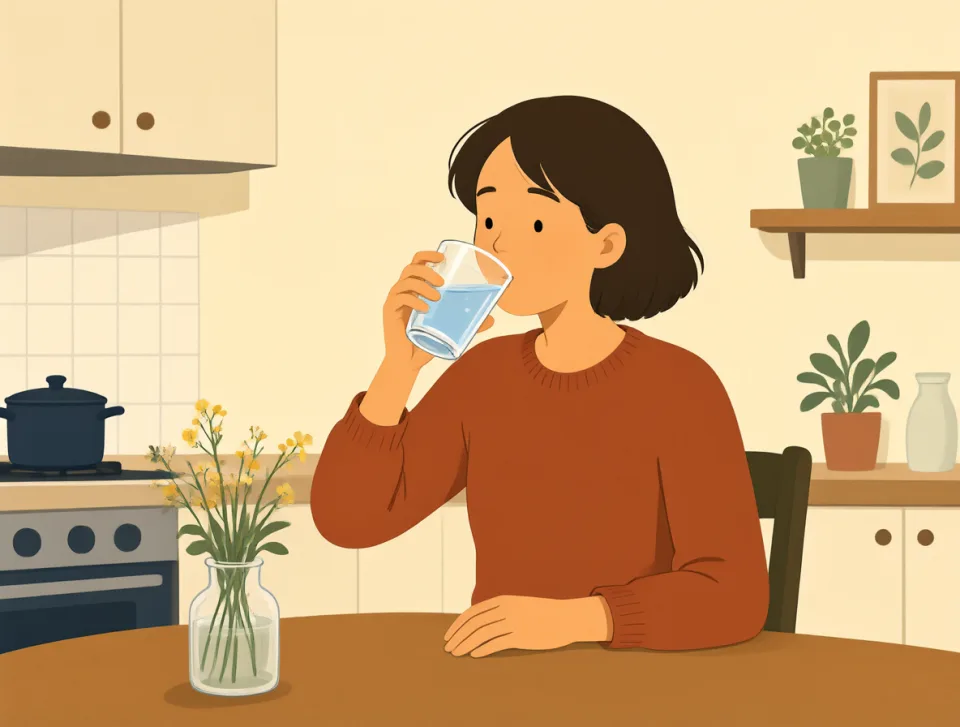
I drank a glass of water.
شربت كوبًا من الماء.
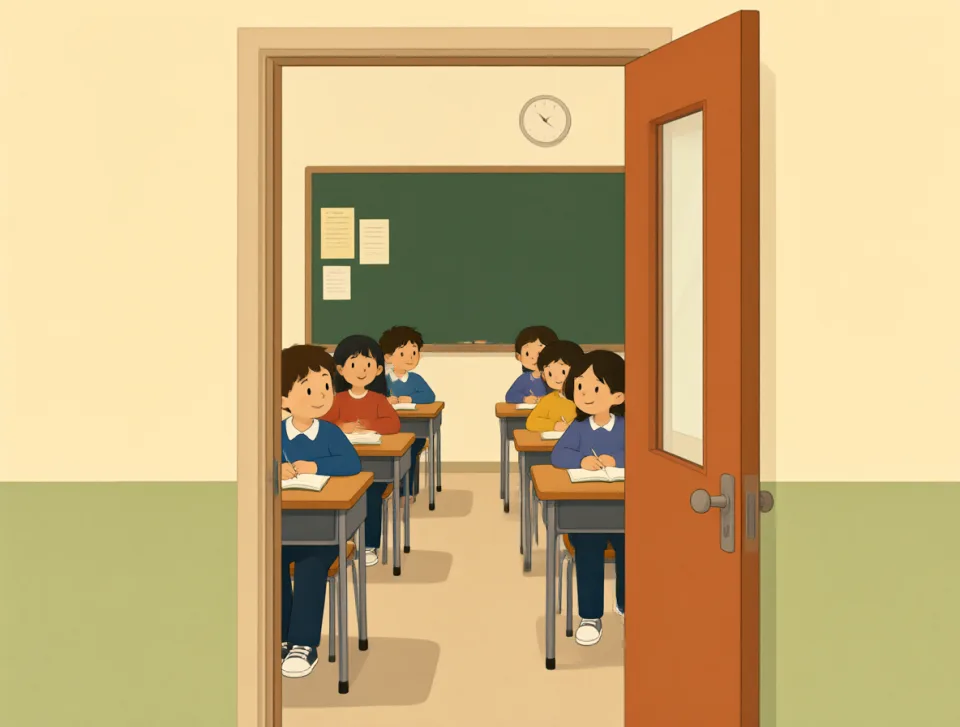
The door of the classroom is open.
باب الفصل مفتوح.
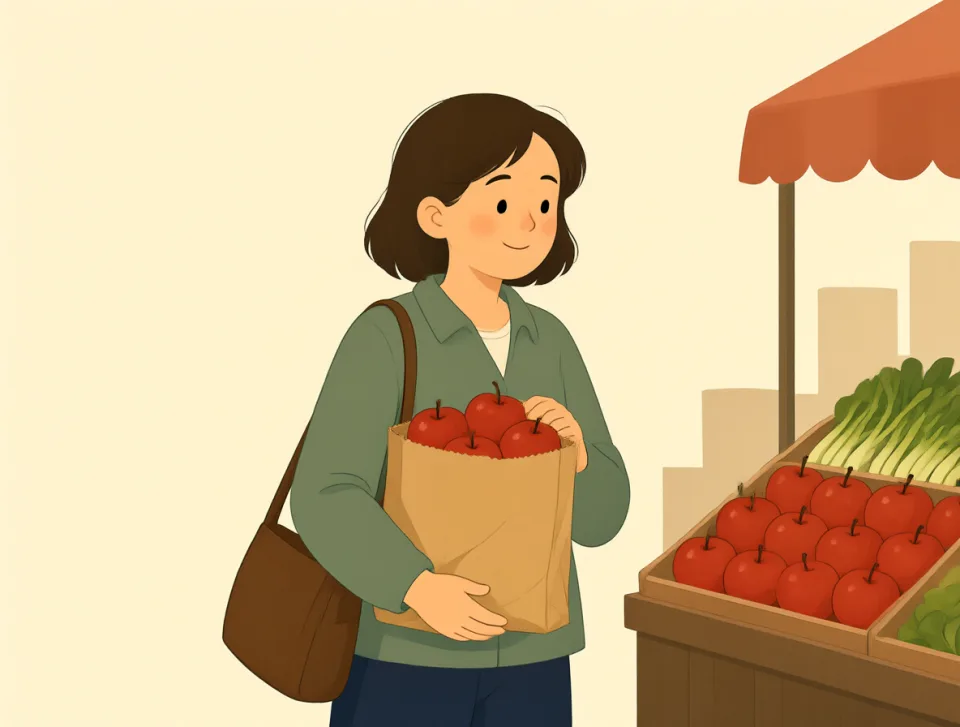
He bought a bag of apples.
اشترى كيسًا من التفاح.
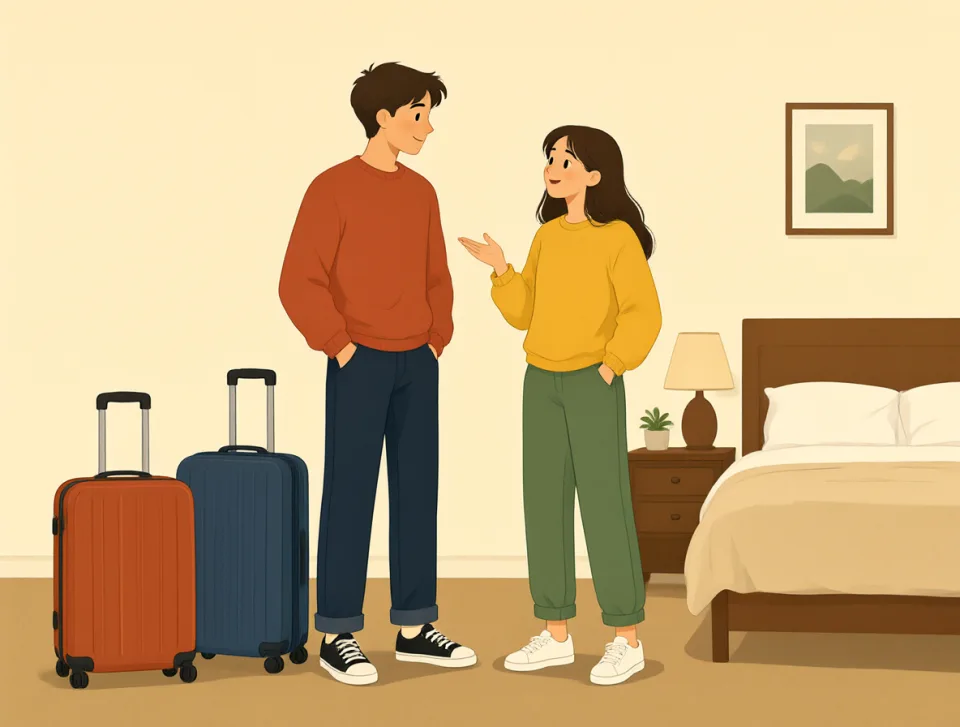
We talked about the problems of travel.
تحدثنا عن مشكلات السفر.
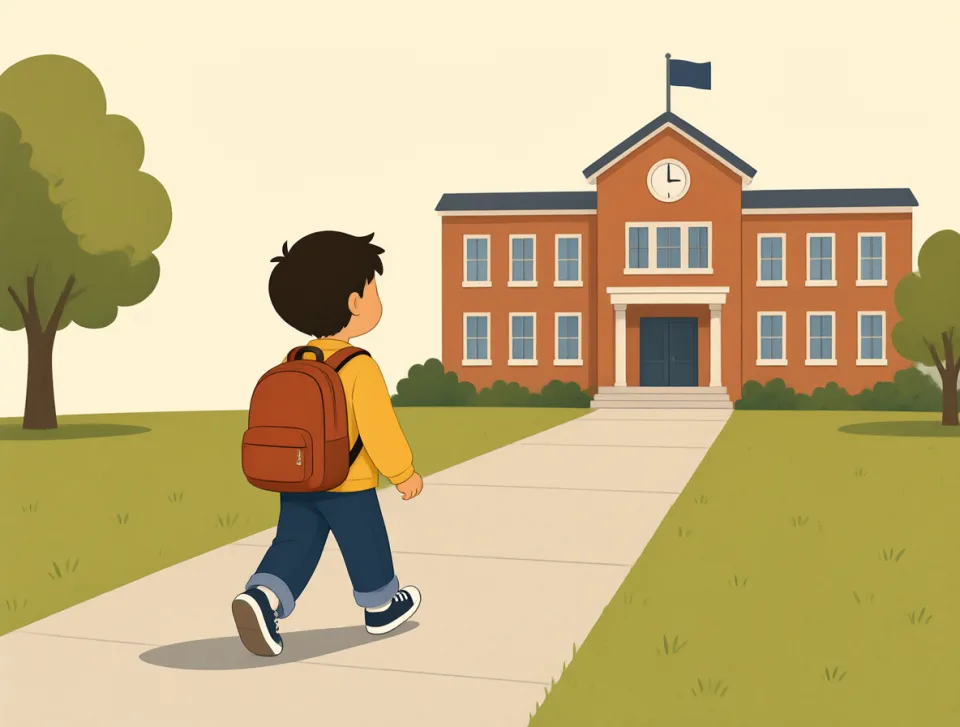
to
#5preposition, infinitive marker
إلى
Used before a place, person, or verb to show direction, purpose, or an action.
تُستخدم قبل اسم مكان أو شخص أو فعل للدلالة على الاتجاه أو الغرض أو القيام بفعل.
I walk to school every morning.
أمشي إلى المدرسة كل صباح.
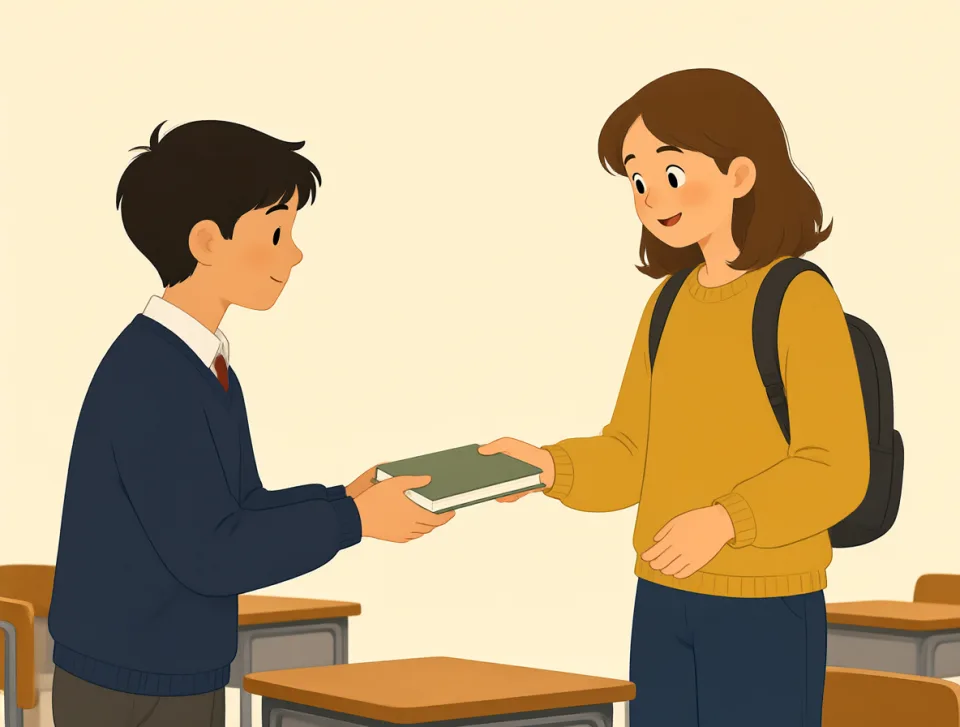
Please give this book to Maria.
يُرجى إعطاء هذا الكتاب لماريا.

We went to the market after work.
ذهبنا إلى السوق بعد العمل.
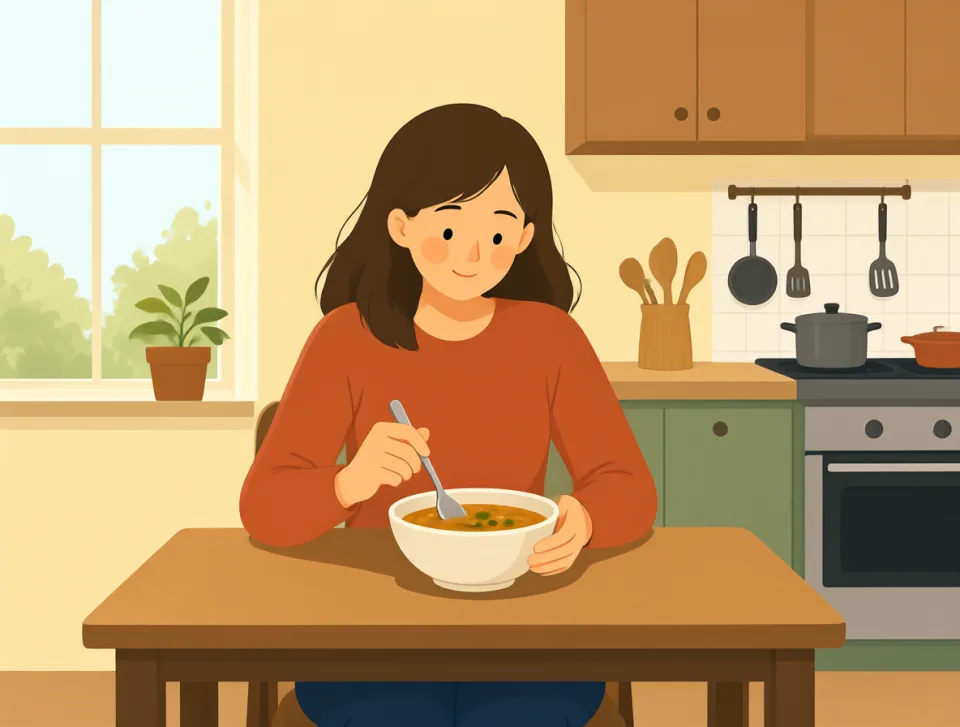
She wants to eat some soup.
تريد أن تأكل بعض الحساء.
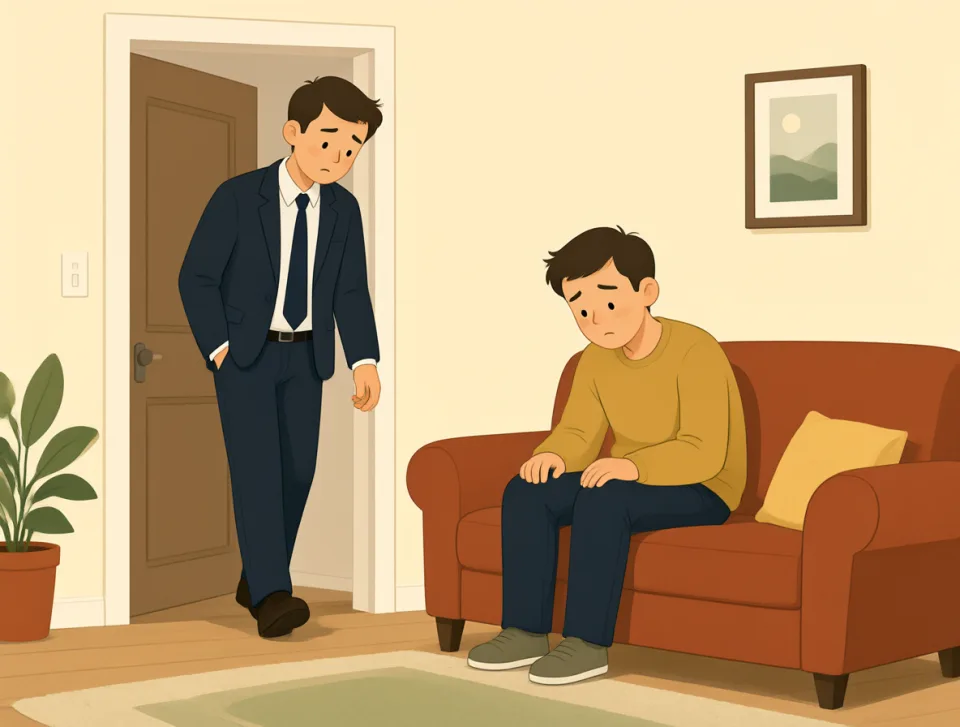
He came home to rest.
عاد إلى المنزل ليستريح.
a
#6determiner, article
أداة تنكير
used before one singular countable noun when it is not specific
تُستخدم قبل اسم مفرد معدود عندما لا يكون محددًا.
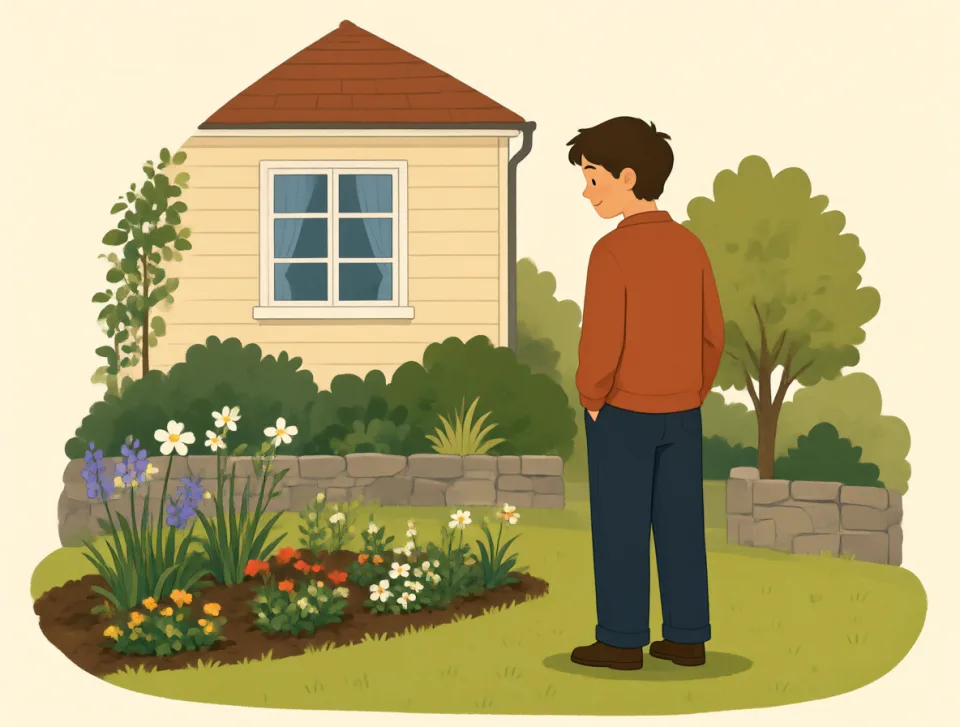
I have a small garden at home.
لدي حديقة صغيرة في المنزل.
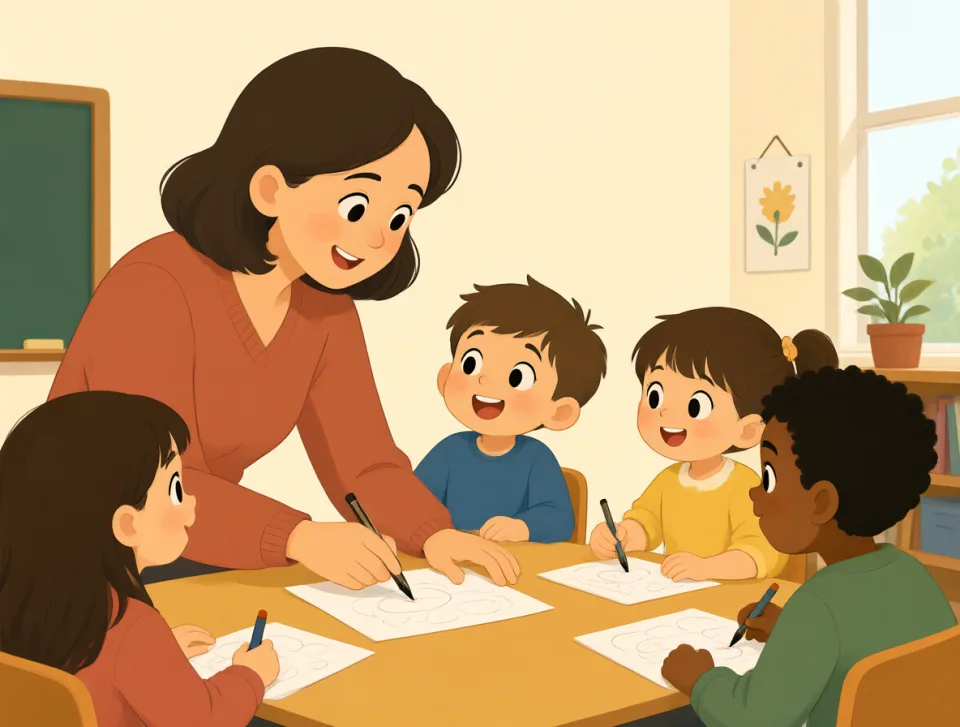
She is a teacher at our school.
هي معلمة في مدرستنا.
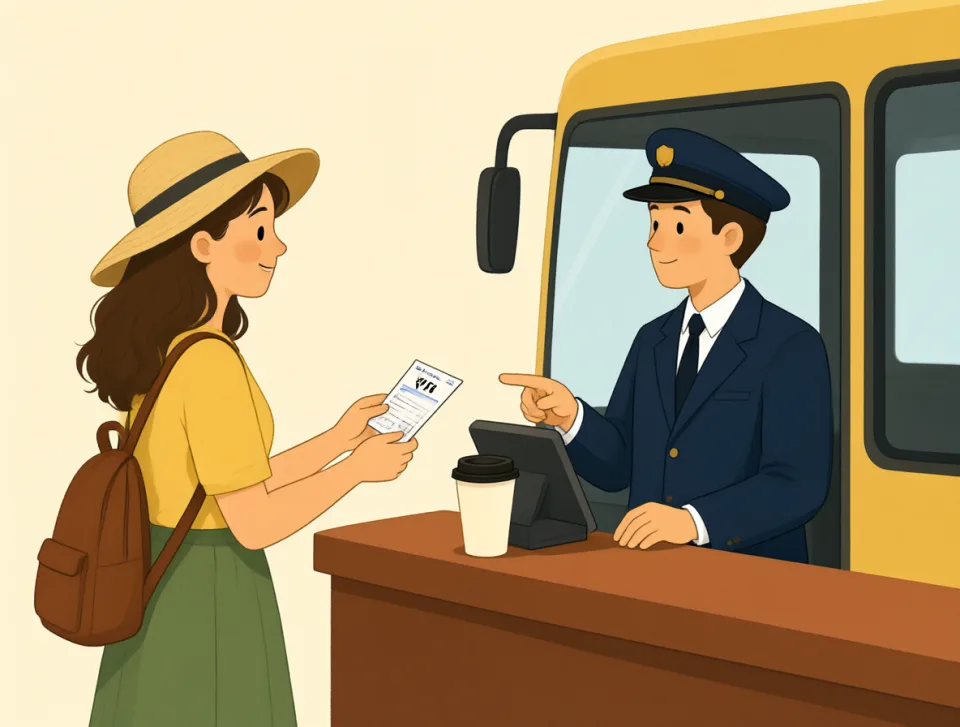
We bought a ticket for the bus.
اشترينا تذكرة للحافلة.
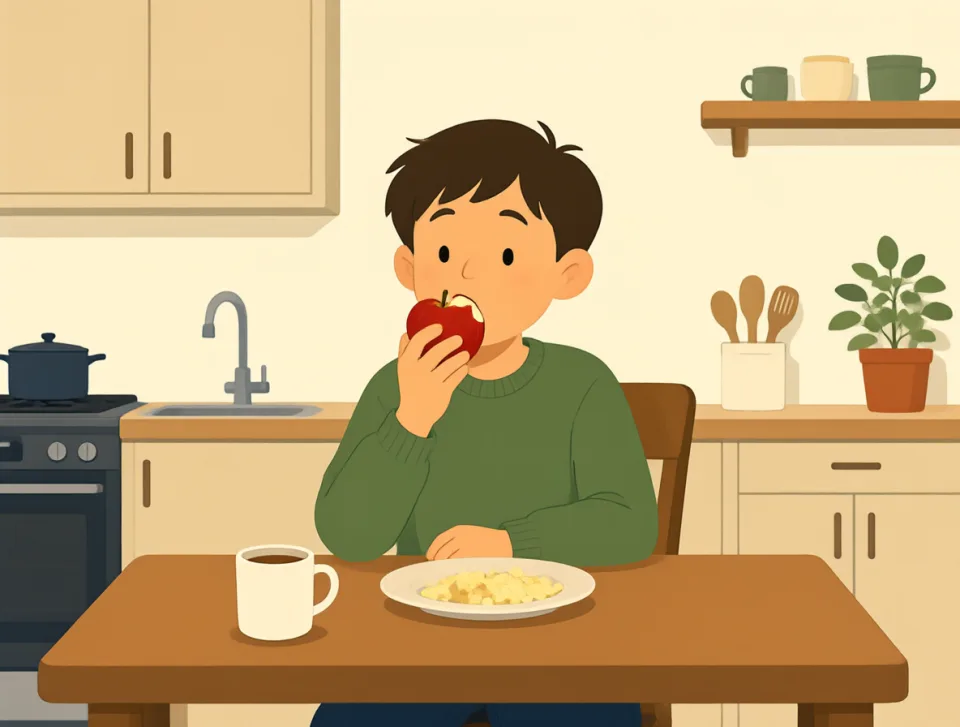
He eats an apple a day.
يأكل تفاحة واحدة يوميًا.
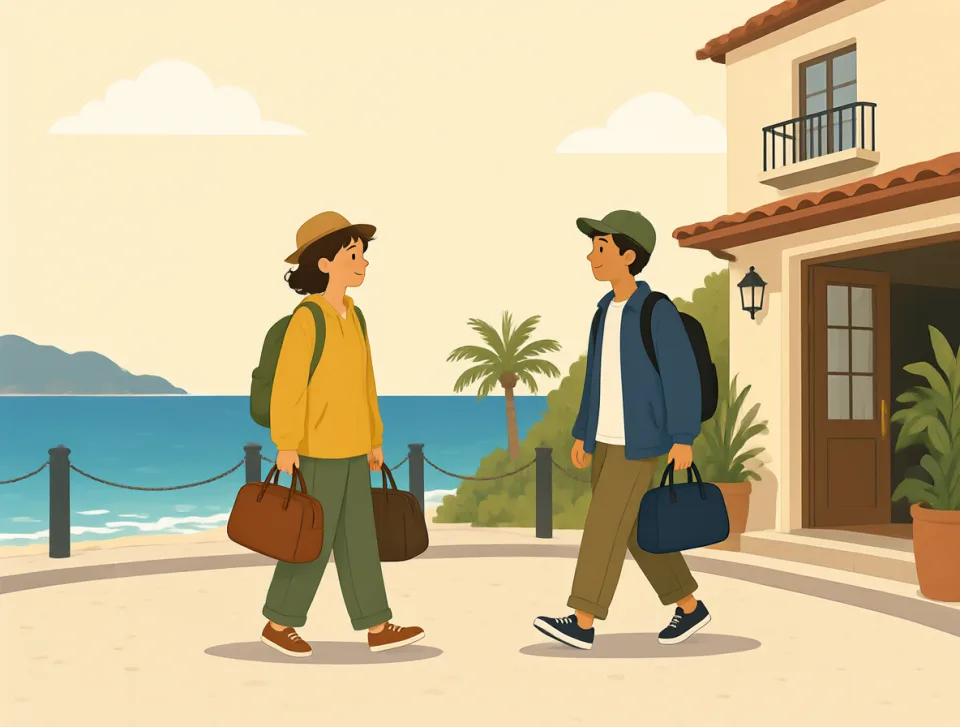
They stayed in a hotel near the beach.
أقاموا في فندق بالقرب من الشاطئ.
in
#7preposition, adverb, adjective
في
Inside a place, area, time, situation, or group
داخل مكان أو منطقة أو وقت أو موقف أو مجموعة.
The children are playing in the garden.
يلعب الأطفال في الحديقة.
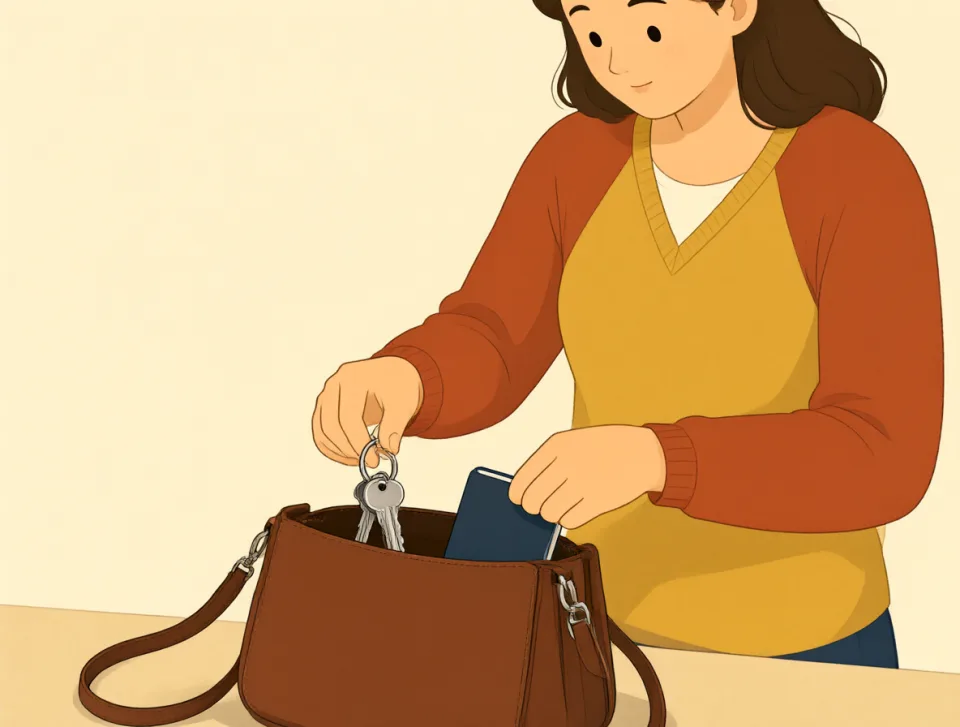
I keep my keys in my bag.
أحتفظ بمفاتيحي في حقيبتي.
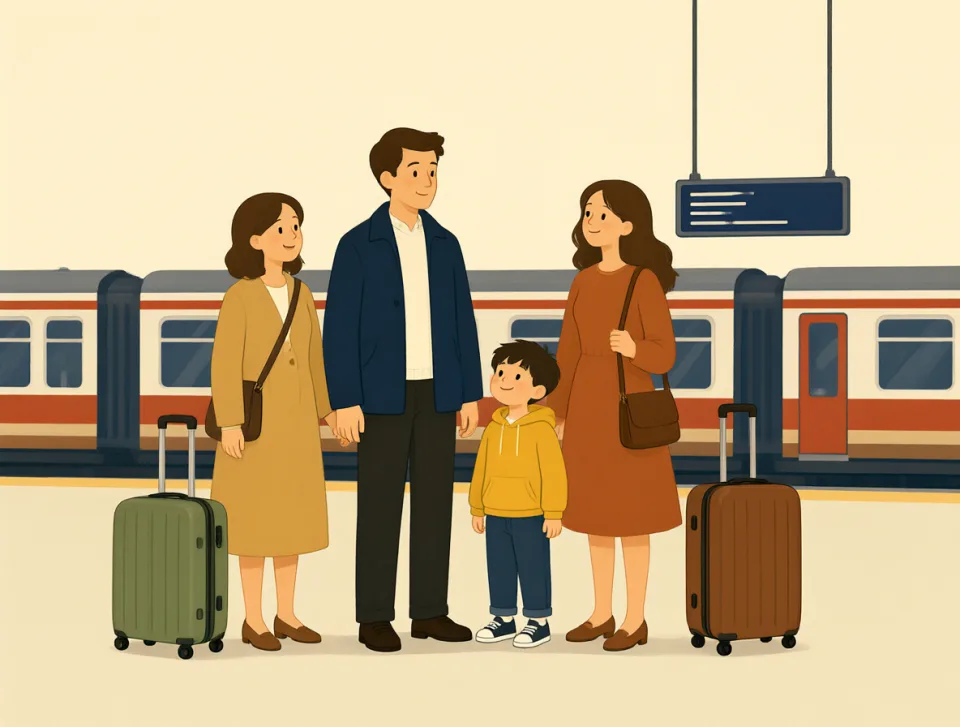
We arrived in London yesterday.
وصلنا إلى لندن أمس.
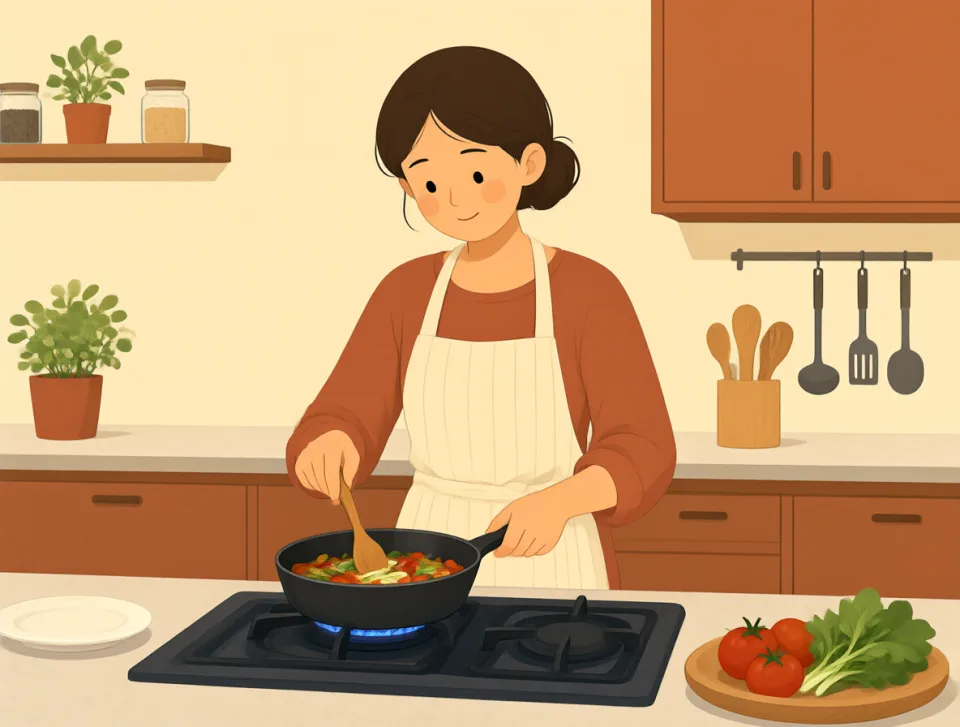
She is in the kitchen cooking dinner.
هي في المطبخ تُعدّ العشاء.
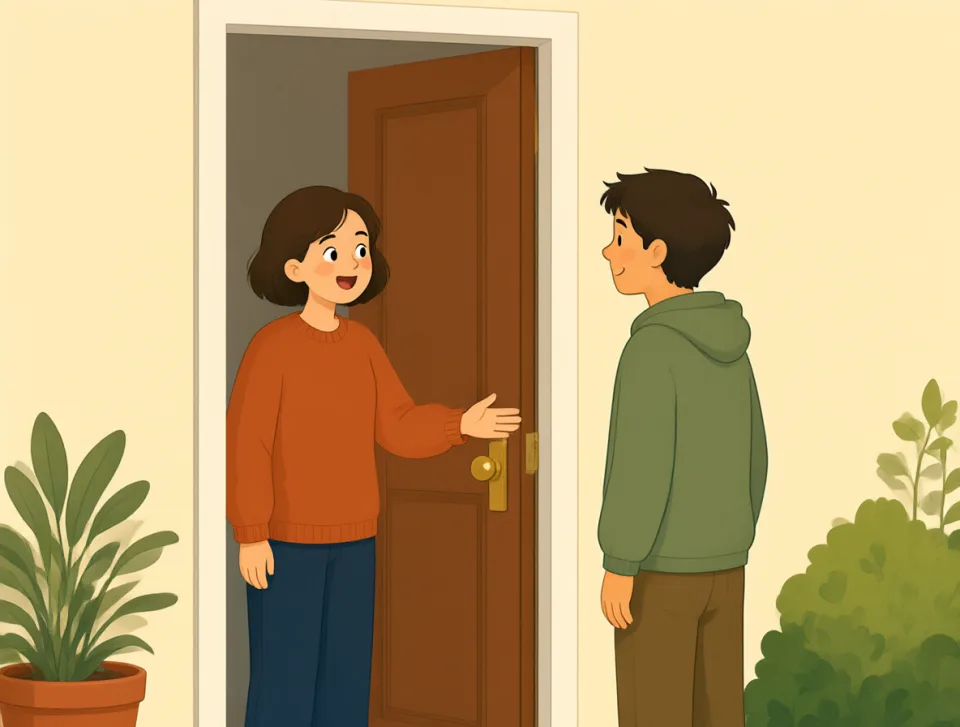
Please come in and sit down.
تفضل بالدخول واجلس.
have
#8verb
يملك؛ لديه
to own, do, experience, or receive something
أن يملك شيئًا أو يقوم به أو يختبره أو يتلقاه.
I have two brothers.
لدي أخوان.
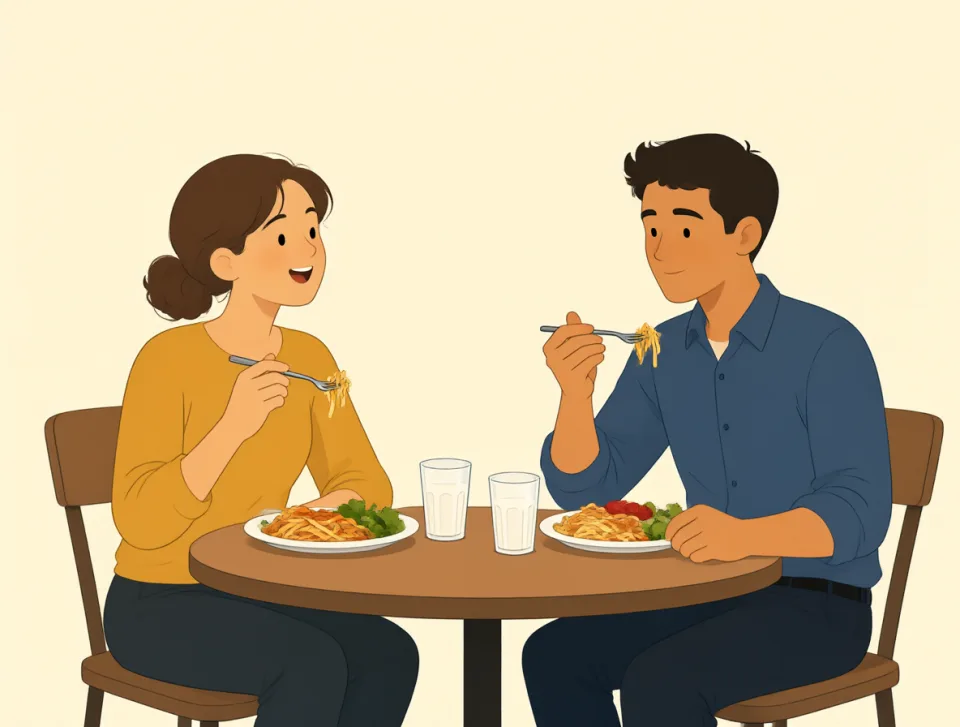
We have lunch at noon.
نتناول الغداء عند الظهر.
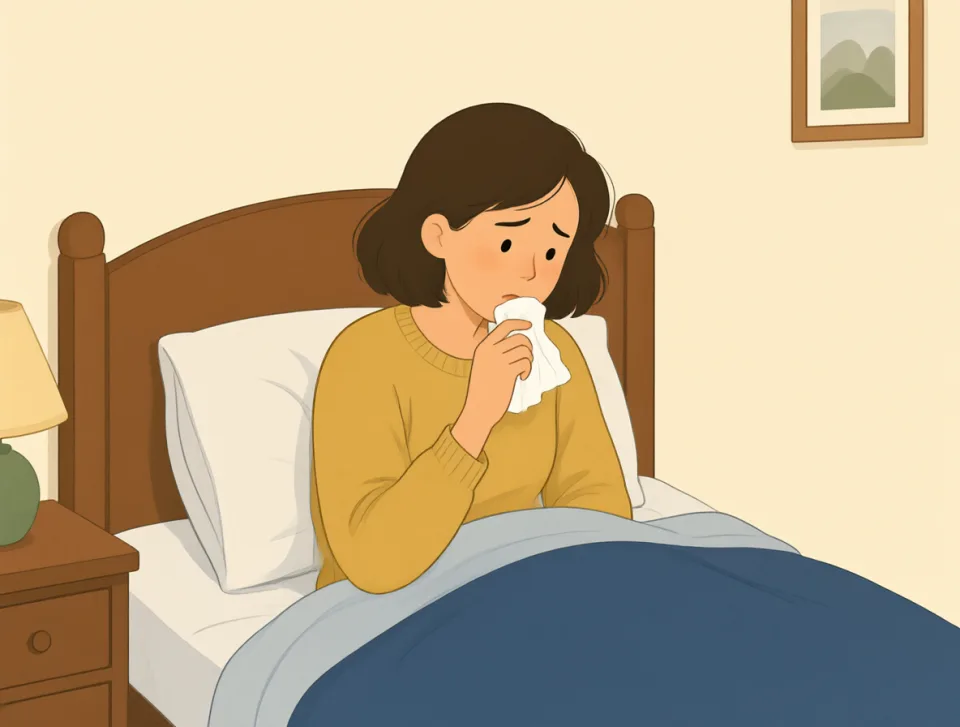
She has a bad cold.
أصيبت بنزلة برد شديدة.

They had a great time together.
قضوا وقتًا رائعًا معًا.
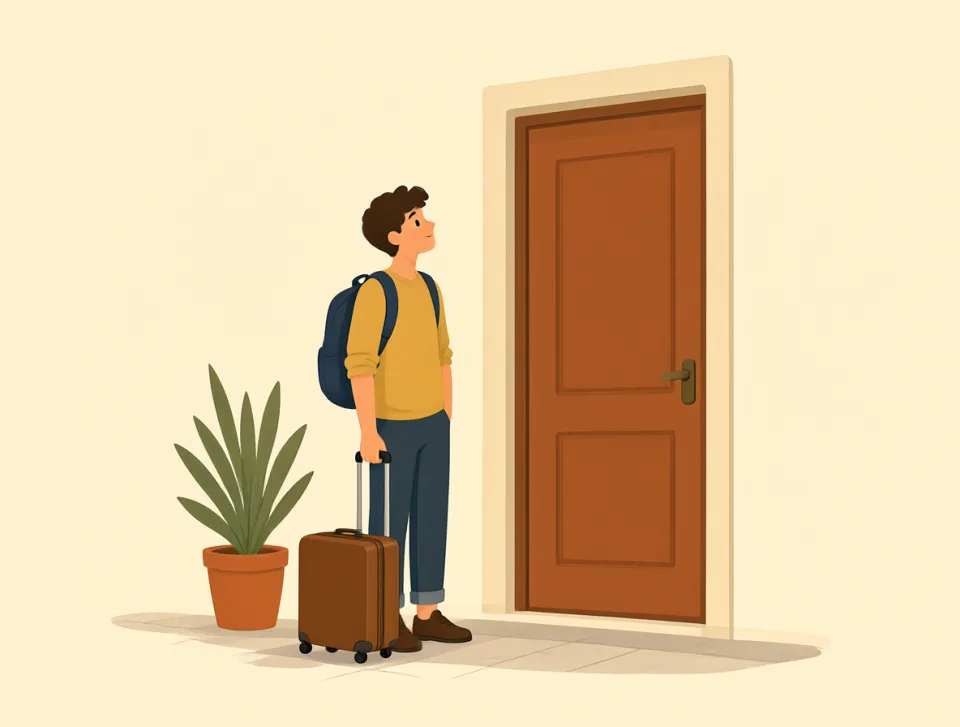
I have to leave now.
يجب أن أغادر الآن.
it
#9pronoun, determiner
هو؛ هي؛ ذلك
A word used for a thing, animal, situation, or idea already mentioned.
كلمة تُستخدم للإشارة إلى شيء أو حيوان أو موقف أو فكرة سبق ذكرها.
It is cold outside today.
الجو بارد في الخارج اليوم.
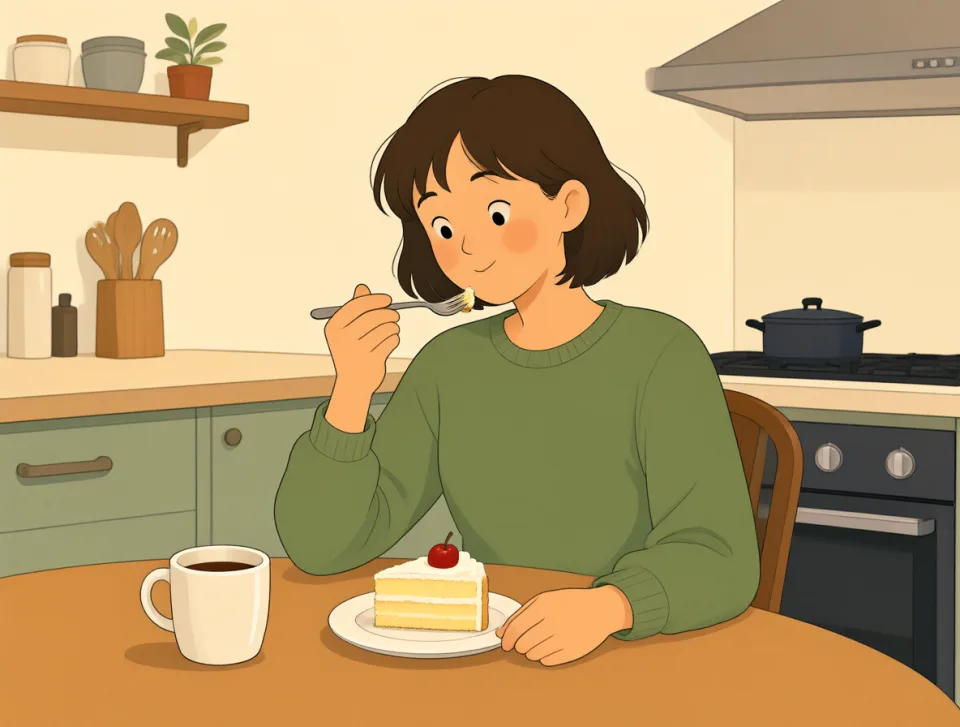
I bought a cake, and it was delicious.
اشتريت كعكة، وكانت لذيذة.
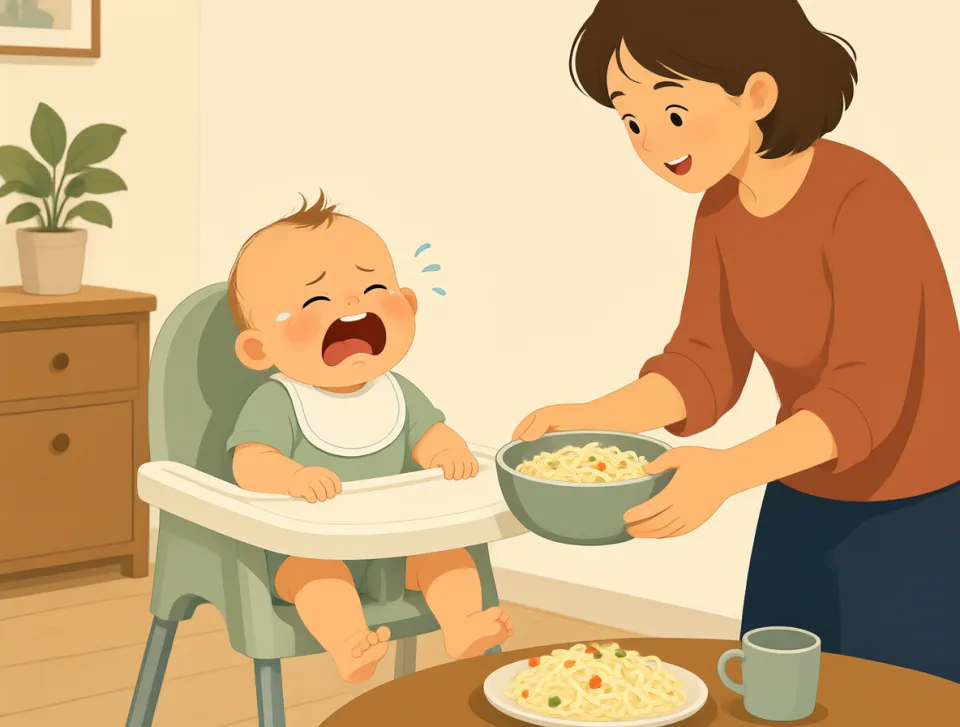
The baby is crying because it is hungry.
يبكي الطفل لأنه جائع.
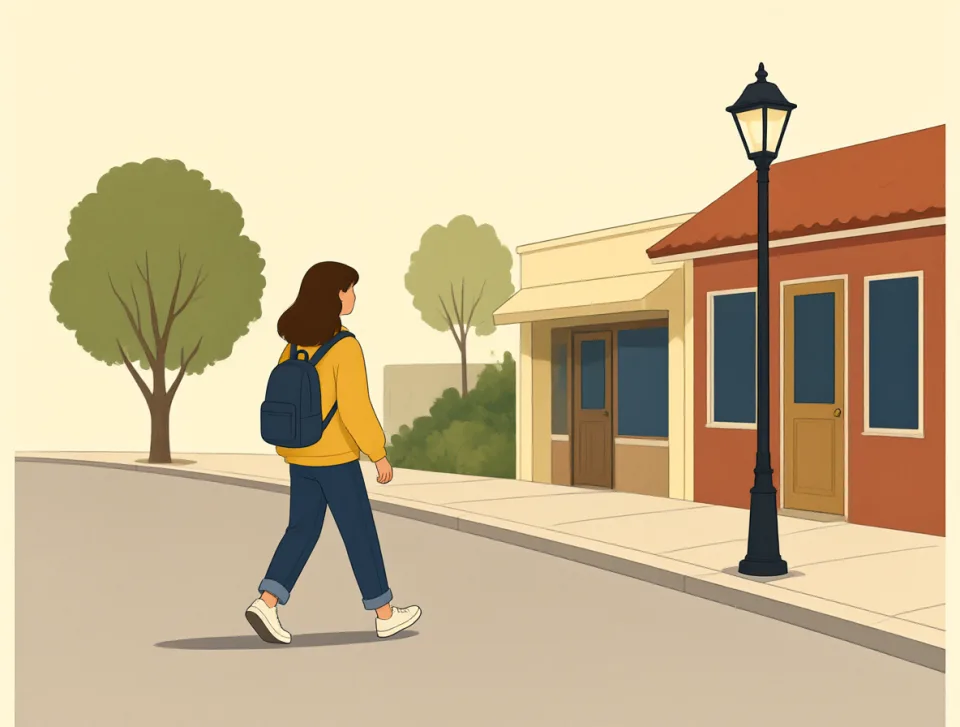
It takes ten minutes to walk there.
يستغرق الوصول إلى هناك سيرًا على الأقدام عشر دقائق.
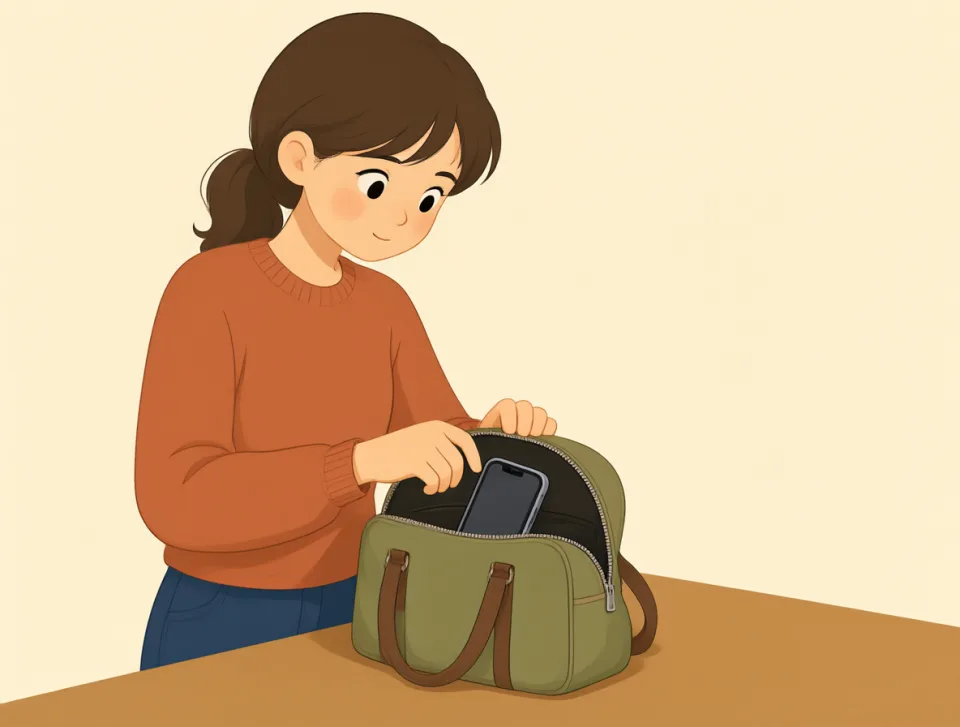
I found my phone and put it in my bag.
وجدت هاتفي ووضعته في حقيبتي.
you
#10pronoun
أنت؛ أنتم
The person or people being spoken to.
الشخص أو الأشخاص الذين يُوجَّه إليهم الكلام.
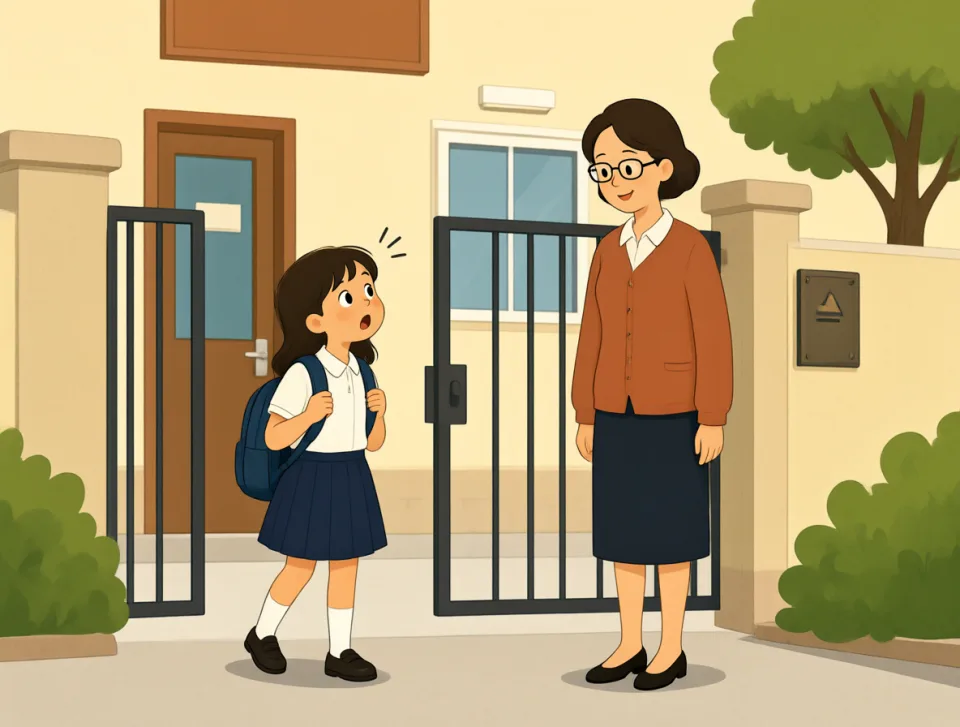
You are late for school today.
أنت متأخر عن المدرسة اليوم.
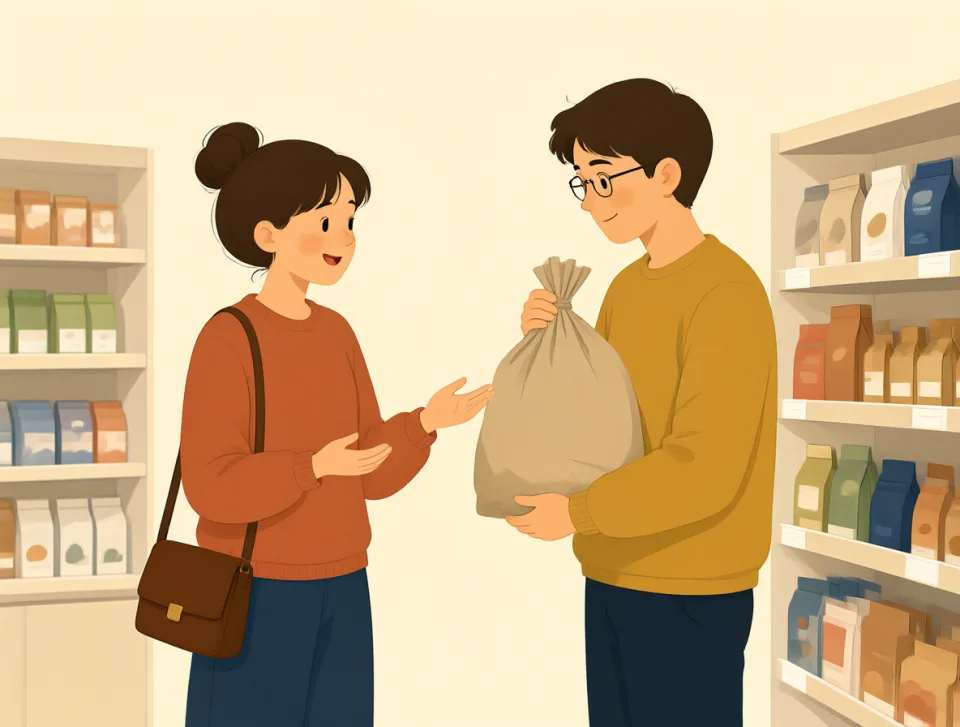
Can I help you with that bag?
هل يمكنني مساعدتك في حمل تلك الحقيبة؟

Did you enjoy dinner with your friends?
هل استمتعت بالعشاء مع أصدقائك؟
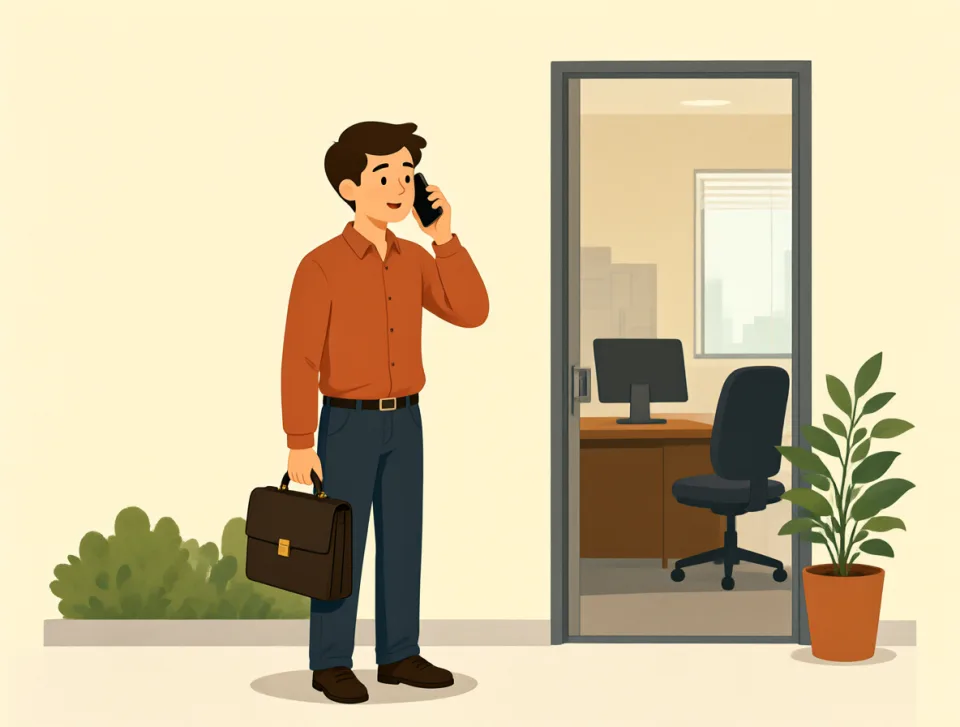
We will call you after work.
سنتصل بك بعد العمل.
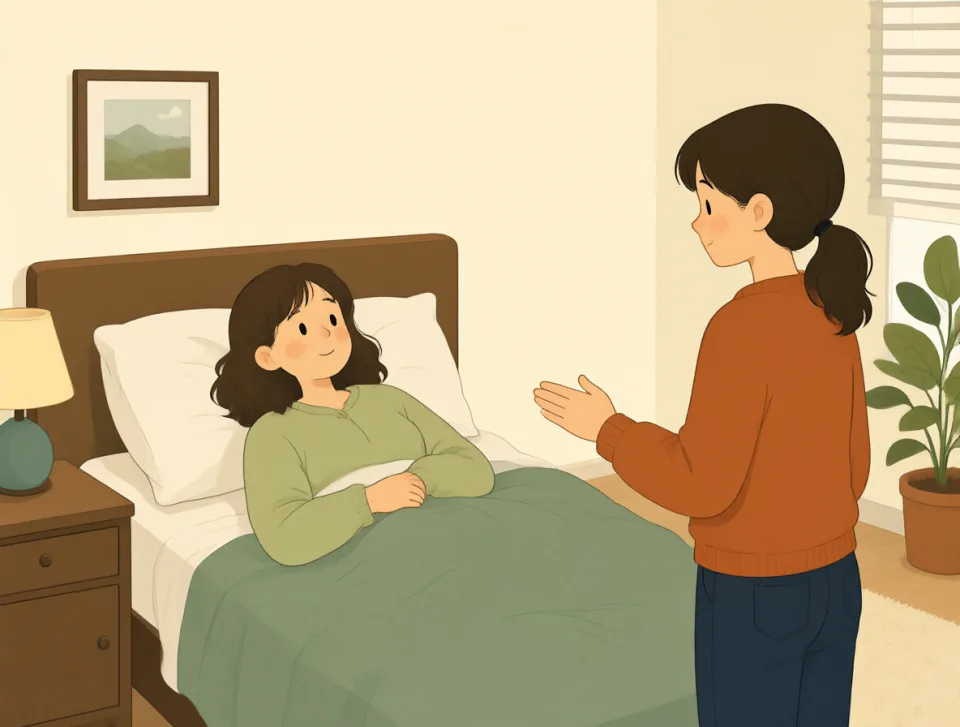
Are you feeling better today?
هل تشعر بتحسن اليوم؟
he
#11pronoun
هو
A word used for one male person already mentioned or known.
كلمة تُستخدم للإشارة إلى شخص ذكر سبق ذكره أو كان معروفًا.
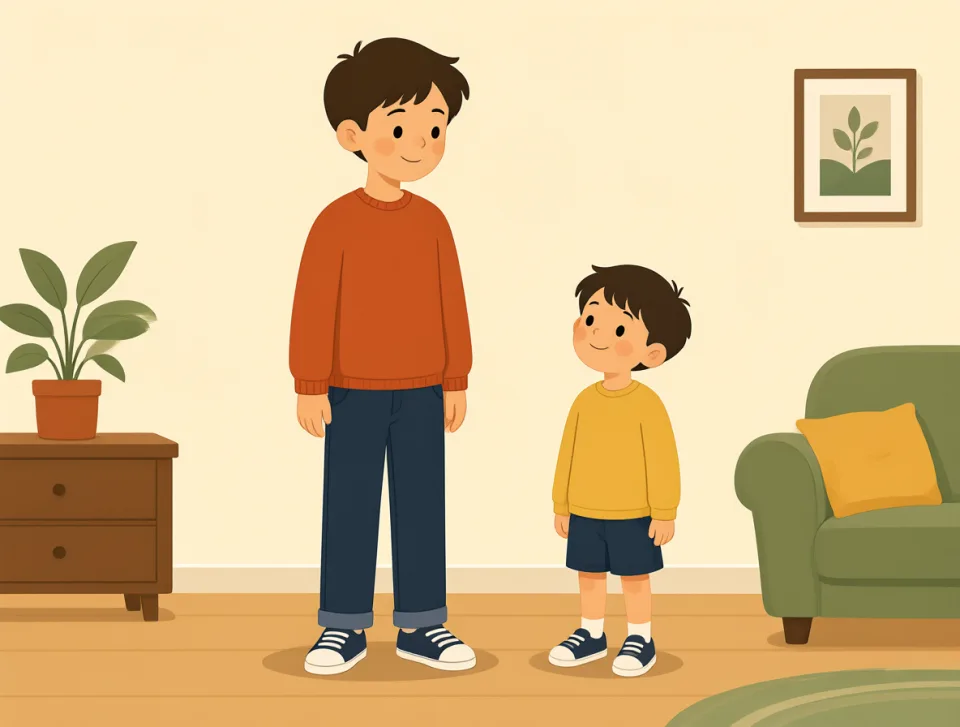
He is my brother.
هو أخي.
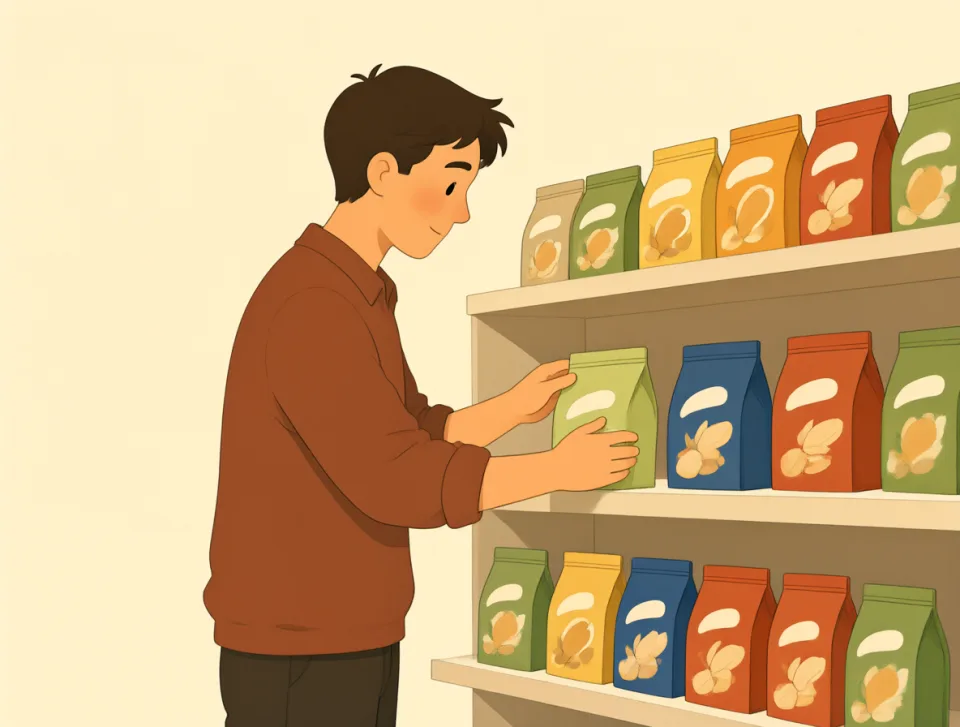
He works at a small shop.
يعمل في متجر صغير.
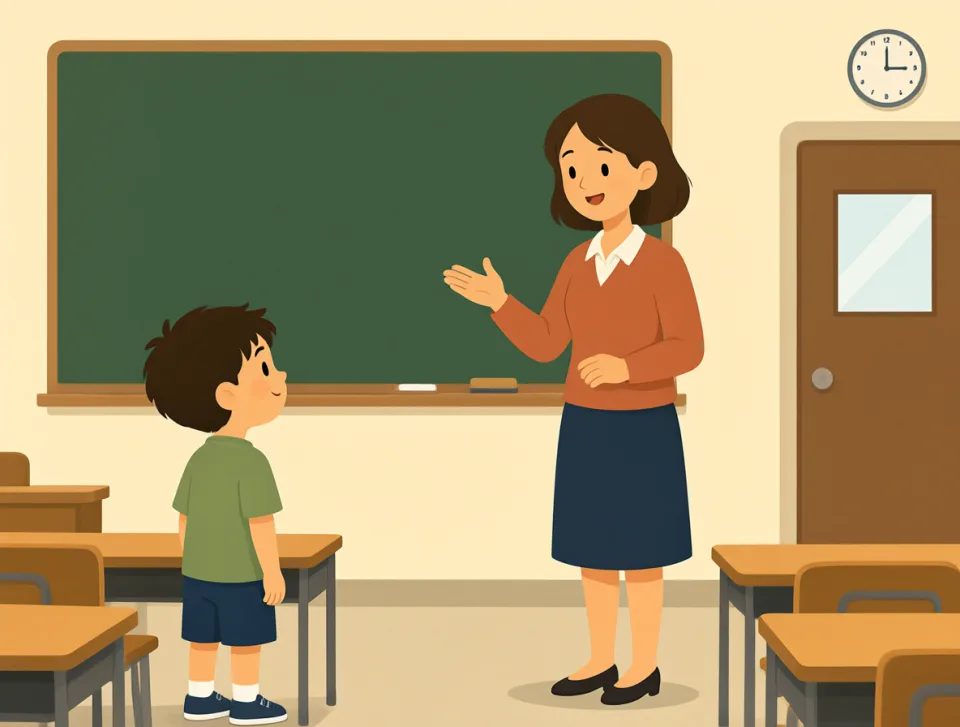
The teacher said he was late.
قال المعلم إنه تأخر.
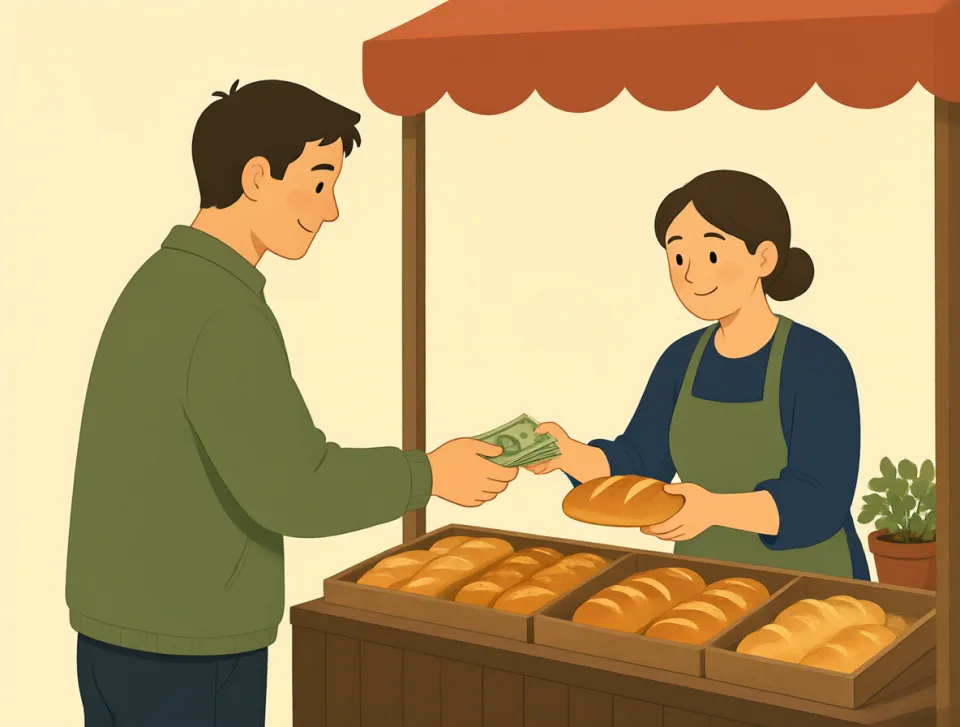
He bought bread at the market.
اشترى خبزًا من السوق.
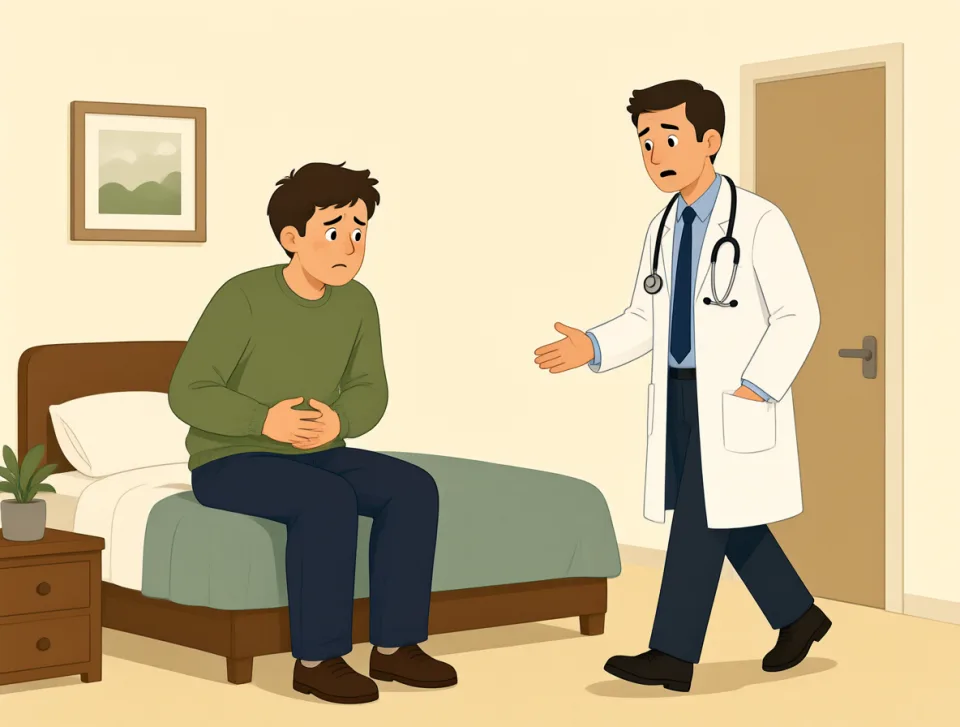
He feels sick and needs a doctor.
يشعر بالمرض ويحتاج إلى طبيب.
for
#12preposition, conjunction
لِـ
Used to show purpose, time, reason, or who receives something.
تُستخدم للدلالة على الغرض أو الوقت أو السبب أو الشخص الذي يتلقى شيئًا.
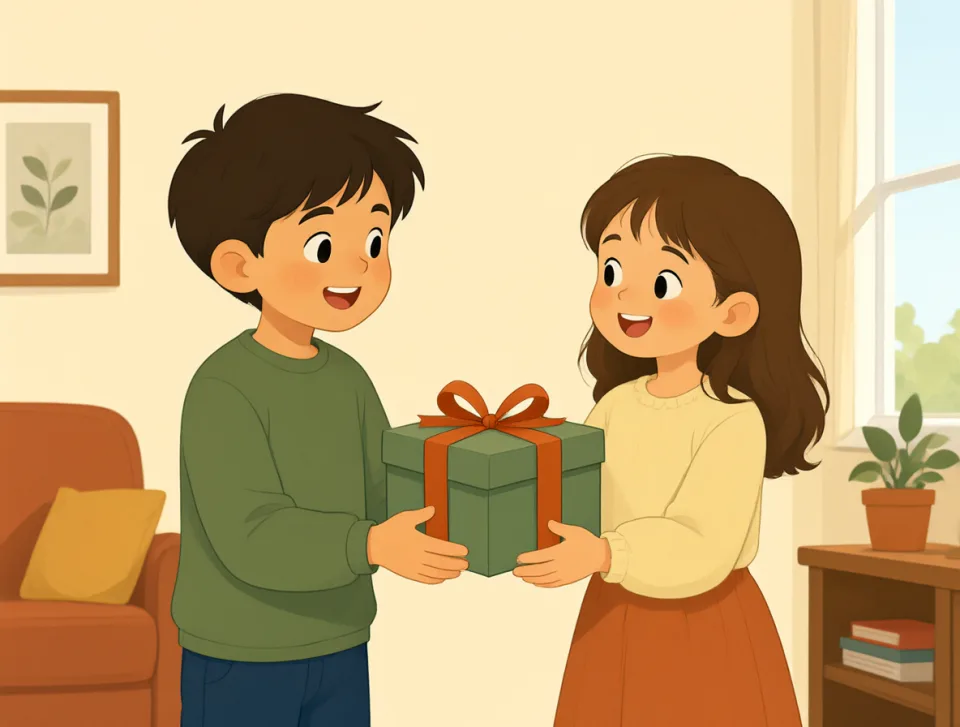
This gift is for my sister.
هذه الهدية لأختي.
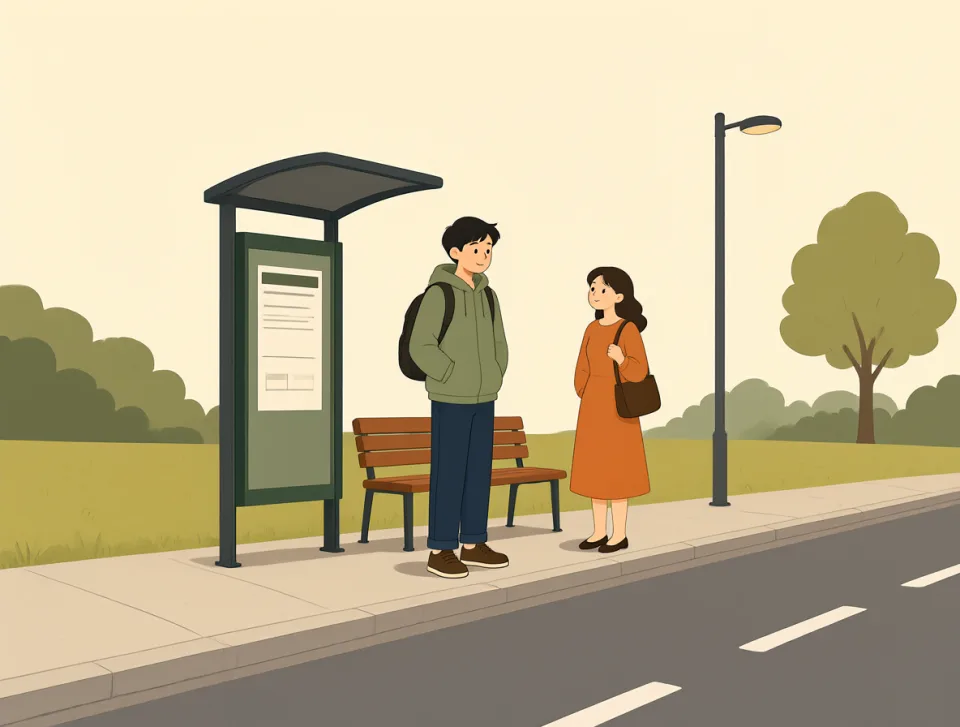
We waited for the bus.
انتظرنا الحافلة.
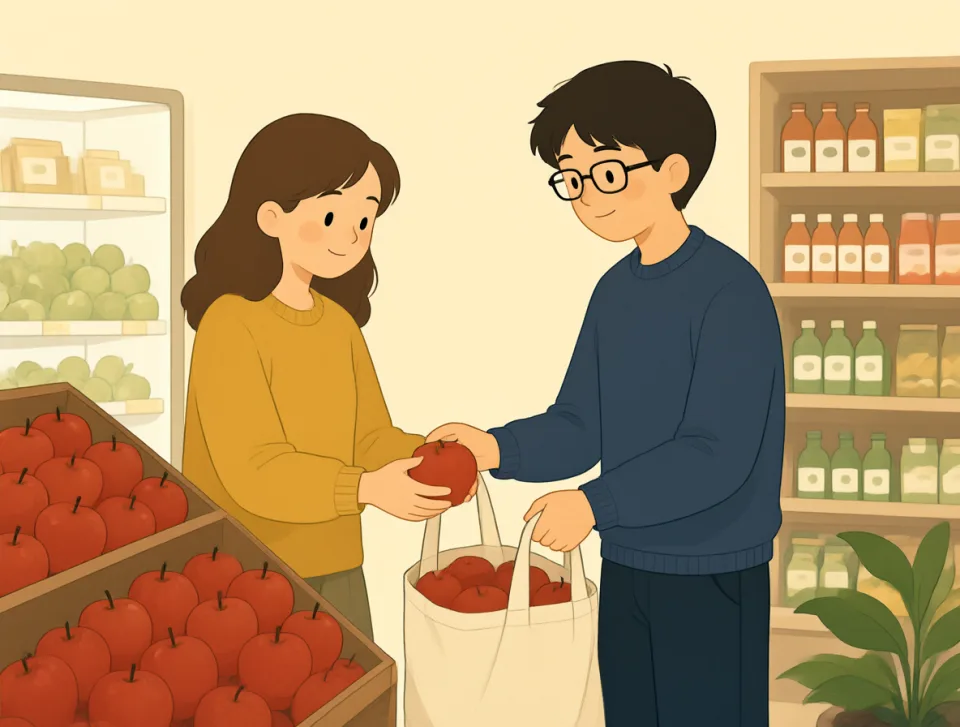
I bought some apples for lunch.
اشتريت بعض التفاح للغداء.
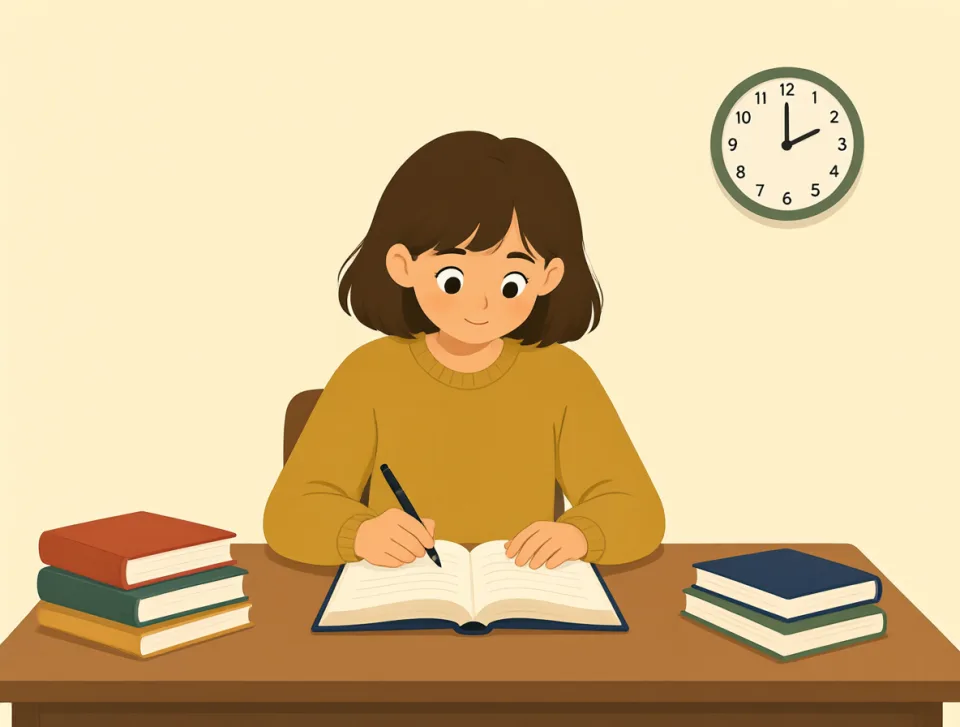
She studied for two hours.
درست لمدة ساعتين.
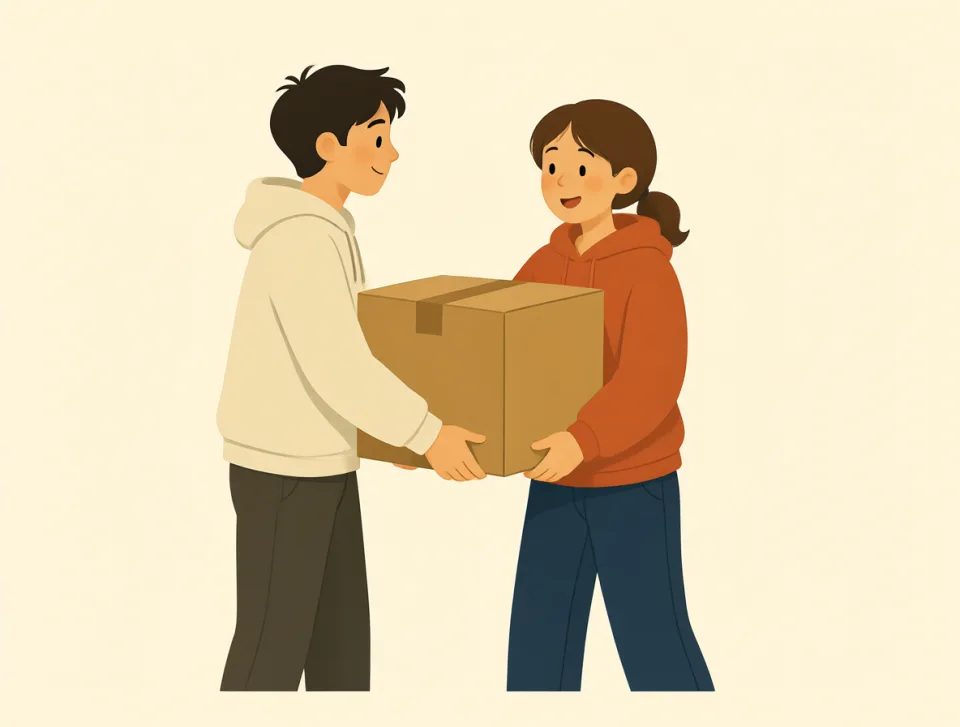
Thank you for helping me.
شكرًا لمساعدتي.
they
#13pronoun
هم
Used to talk about two or more people, animals, or things.
تُستخدم للحديث عن شخصين أو أكثر، أو عن حيوانات أو أشياء.
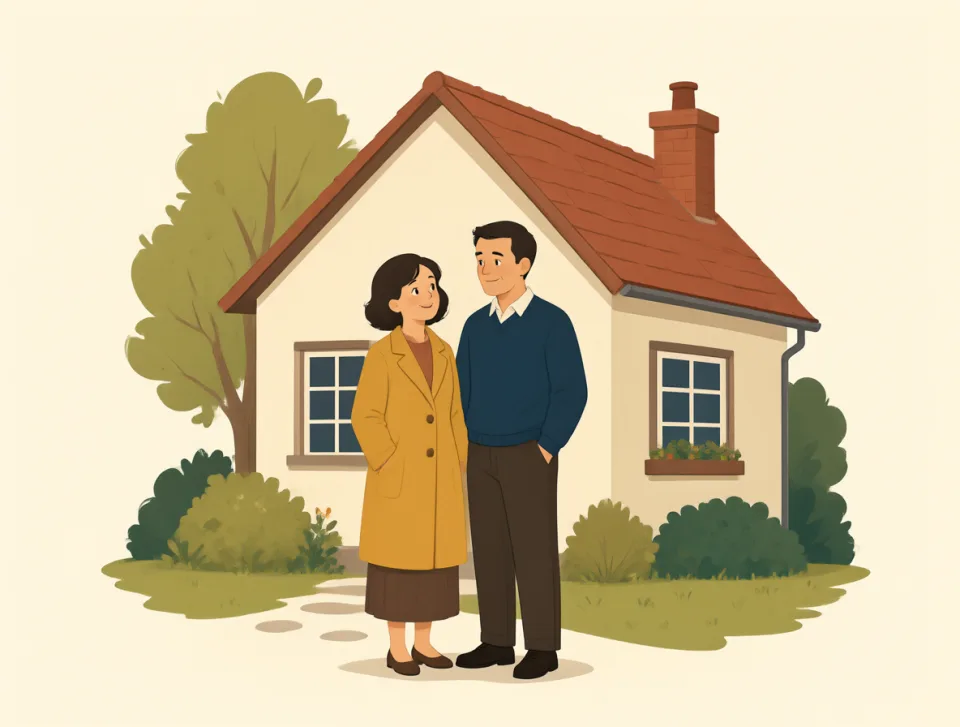
They live in a small house.
يعيشون في منزل صغير.
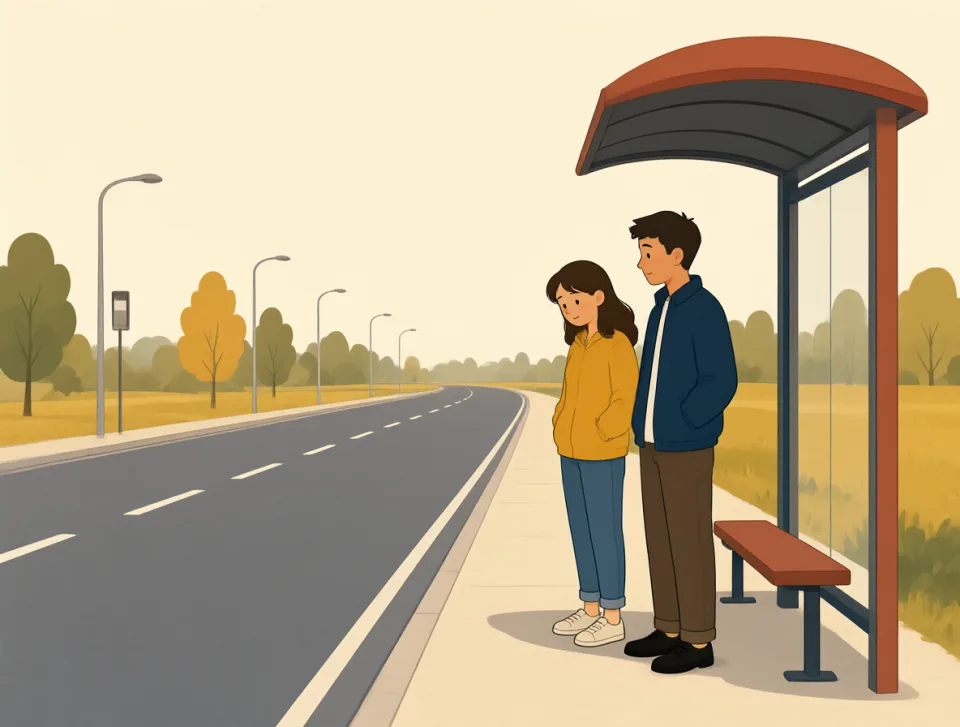
They are waiting for the bus.
إنهم ينتظرون الحافلة.
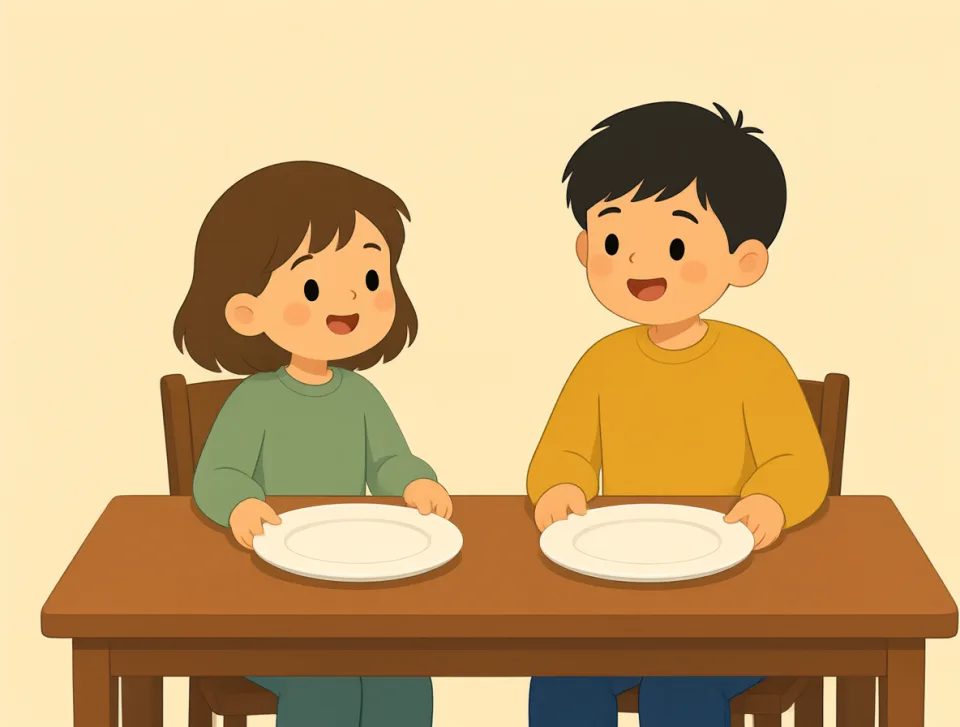
The children said they were hungry.
قال الأطفال إنهم جائعون.
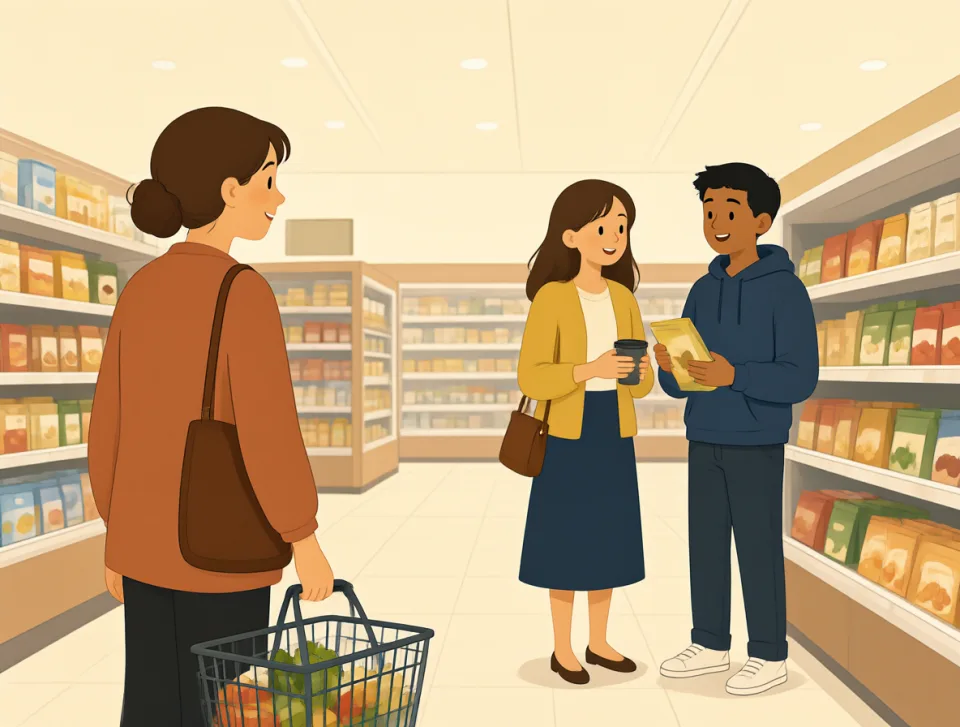
I saw them at the store.
رأيتهم في المتجر.

They helped me carry my bags.
ساعدوني في حمل حقائبي.
not
#14adverb
ليس
Used to make a verb or adjective negative.
تُستخدم لنفي فعل أو صفة.
I do not understand this question.
لا أفهم هذا السؤال.
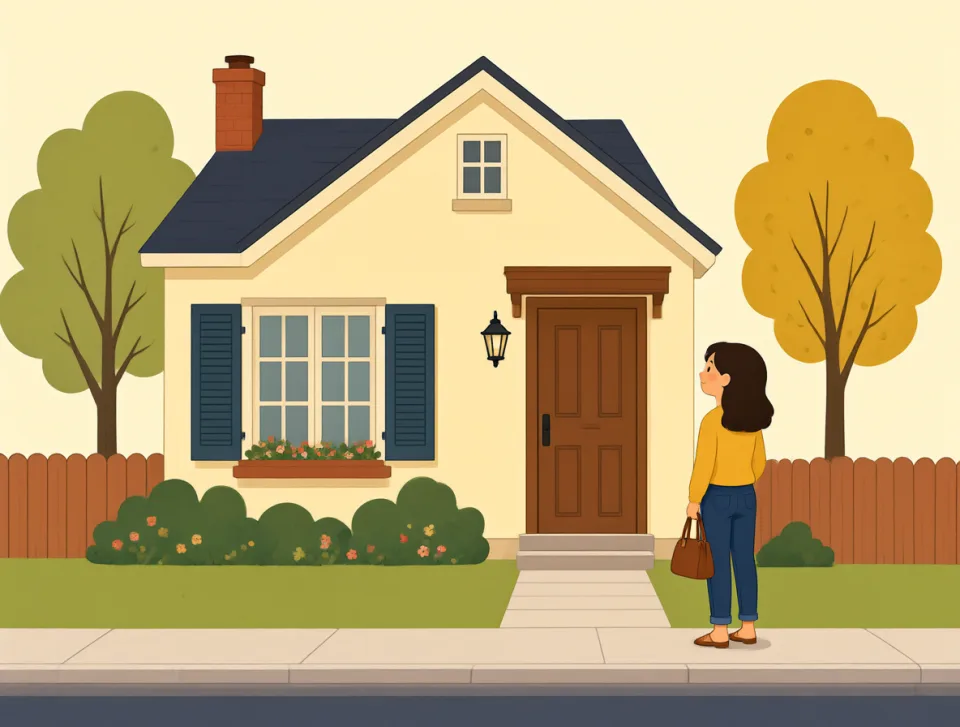
She is not at home today.
هي ليست في المنزل اليوم.

We are not ready to leave yet.
لسنا مستعدين للمغادرة بعد.
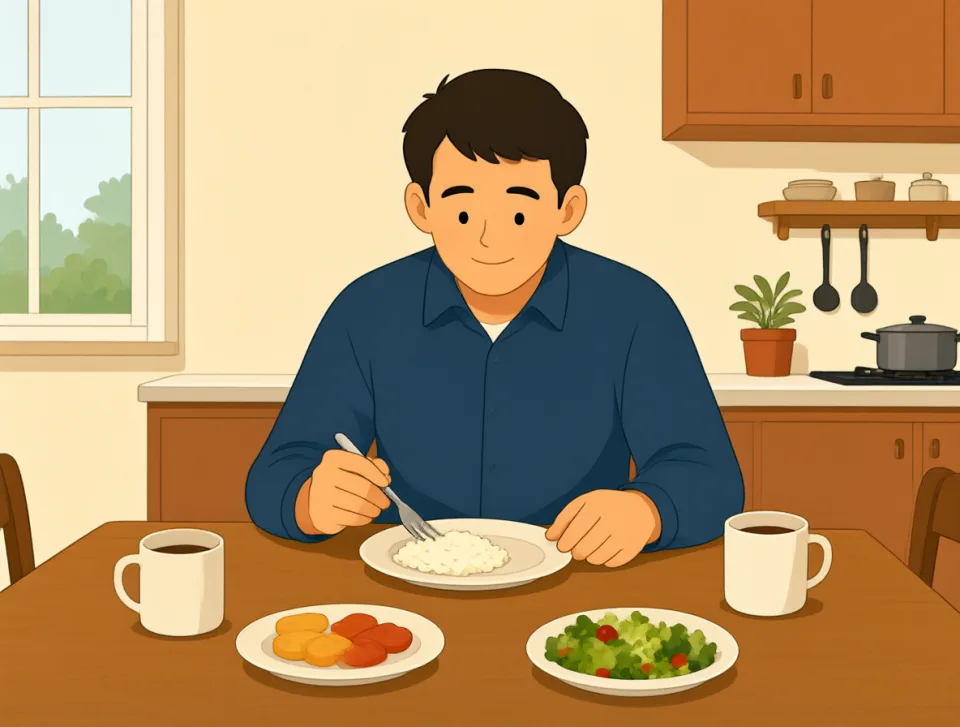
He did not eat breakfast this morning.
لم يتناول الفطور هذا الصباح.
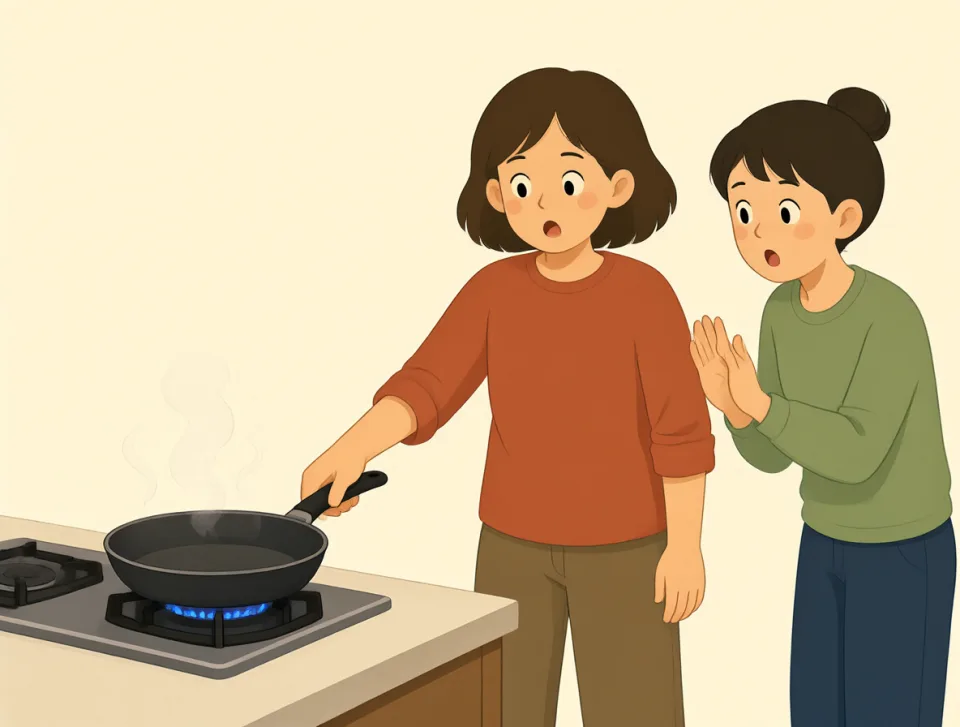
Please do not touch the hot pan.
من فضلك، لا تلمس المقلاة الساخنة.
that
#15determiner, pronoun, conjunction, adverb
ذلك؛ أن
Used to point to something or introduce information after a verb.
تُستخدم للإشارة إلى شيء أو لتقديم معلومة تأتي بعد فعل.
That book on the table is mine.
ذلك الكتاب على الطاولة ملكي.
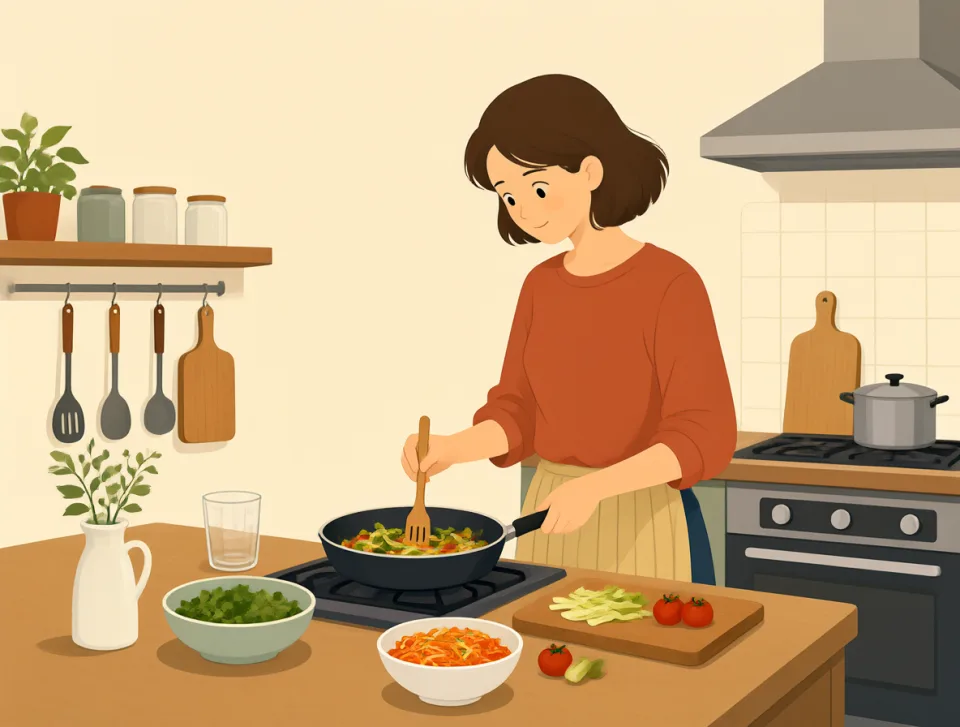
I think that dinner is ready.
أعتقد أن العشاء جاهز.
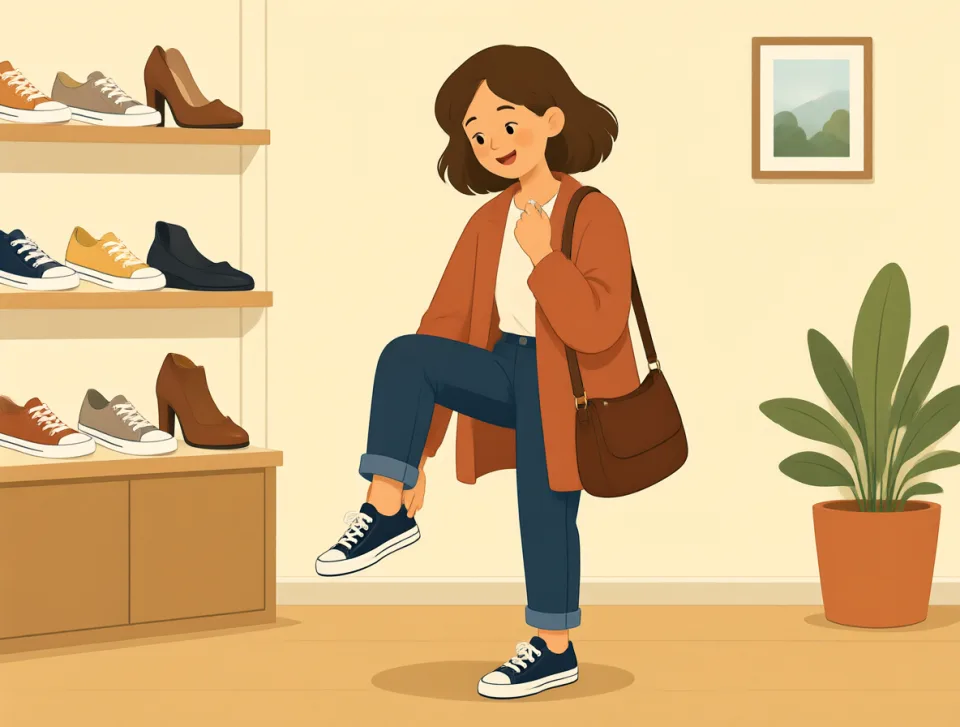
The shoes that I bought fit well.
الحذاء الذي اشتريته مناسب.
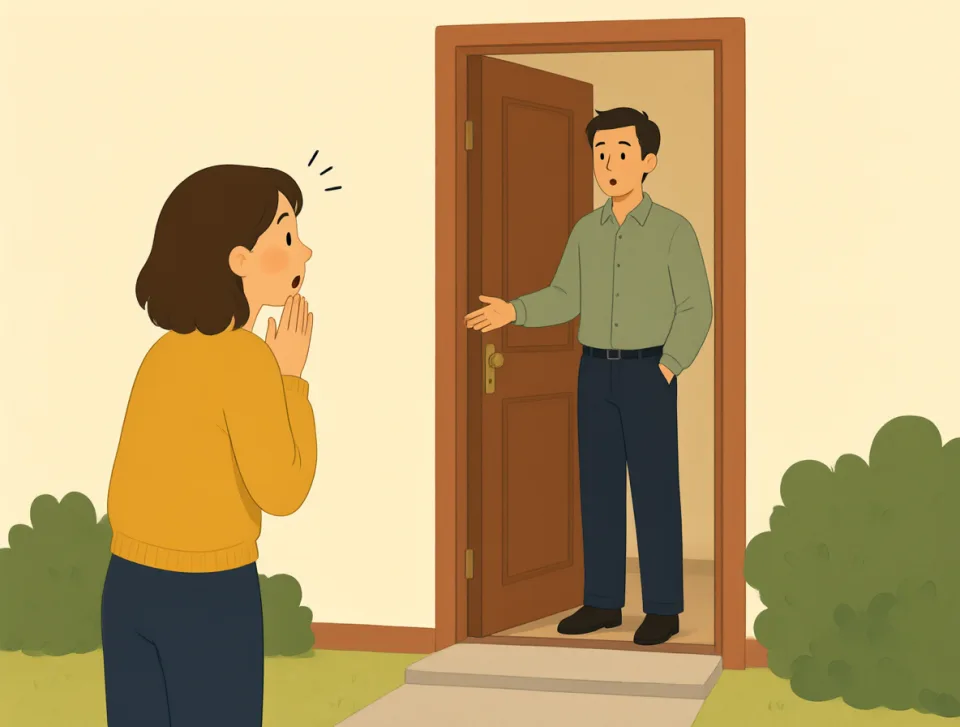
Who is that man at the door?
من ذلك الرجل عند الباب؟

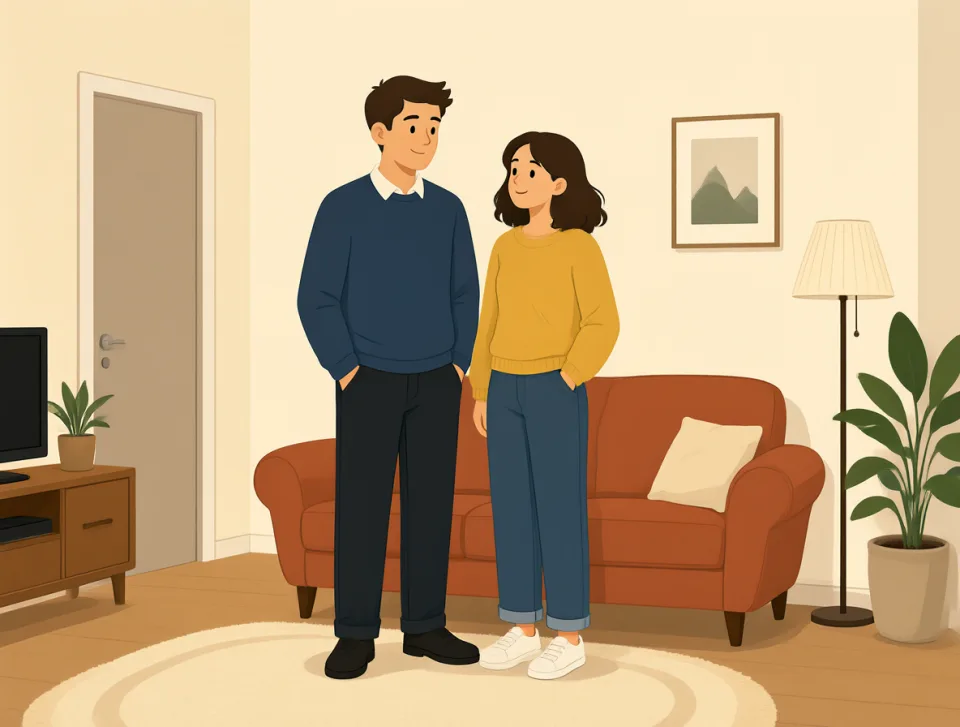
It was not that expensive.
لم يكن ذلك باهظ الثمن.
we
#16pronoun
نحن
Used by a speaker to mean the speaker and one or more other people.
ضمير يستخدمه المتحدث للإشارة إلى نفسه وإلى شخص آخر أو أكثر.
We live in a small apartment.
نحن نعيش في شقة صغيرة.
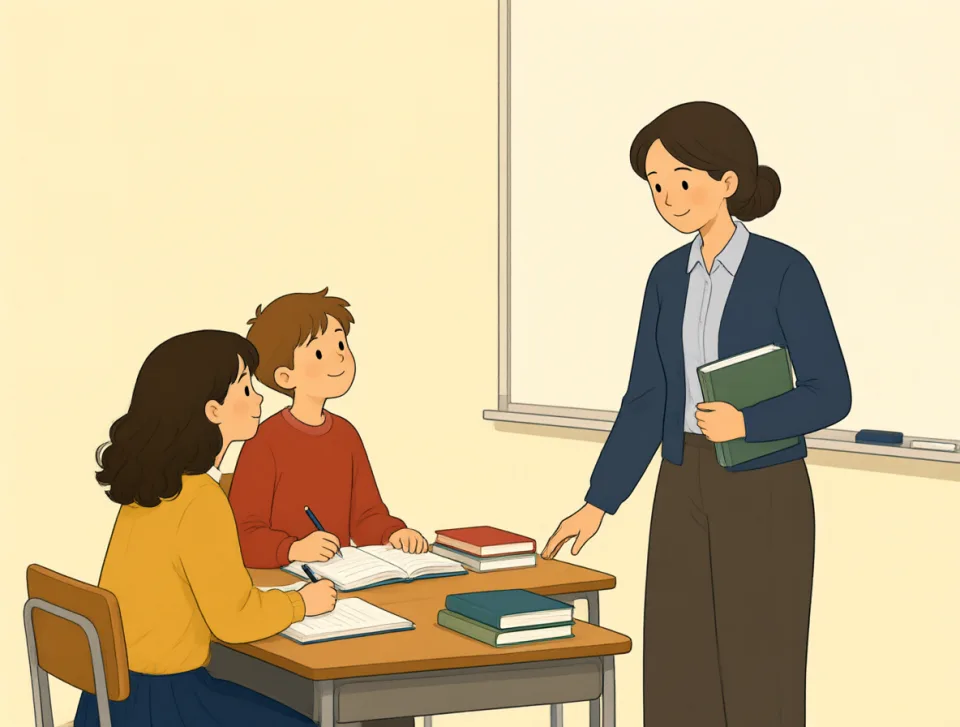
We are learning English at school.
نحن نتعلم الإنجليزية في المدرسة.
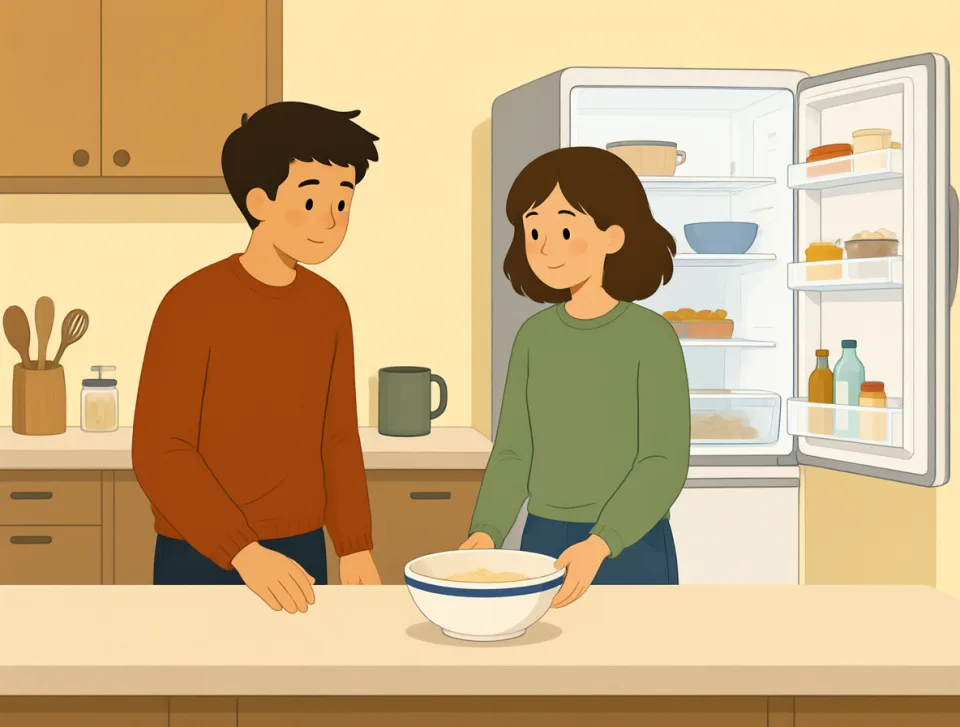
We need some milk for breakfast.
نحتاج إلى بعض الحليب للإفطار.
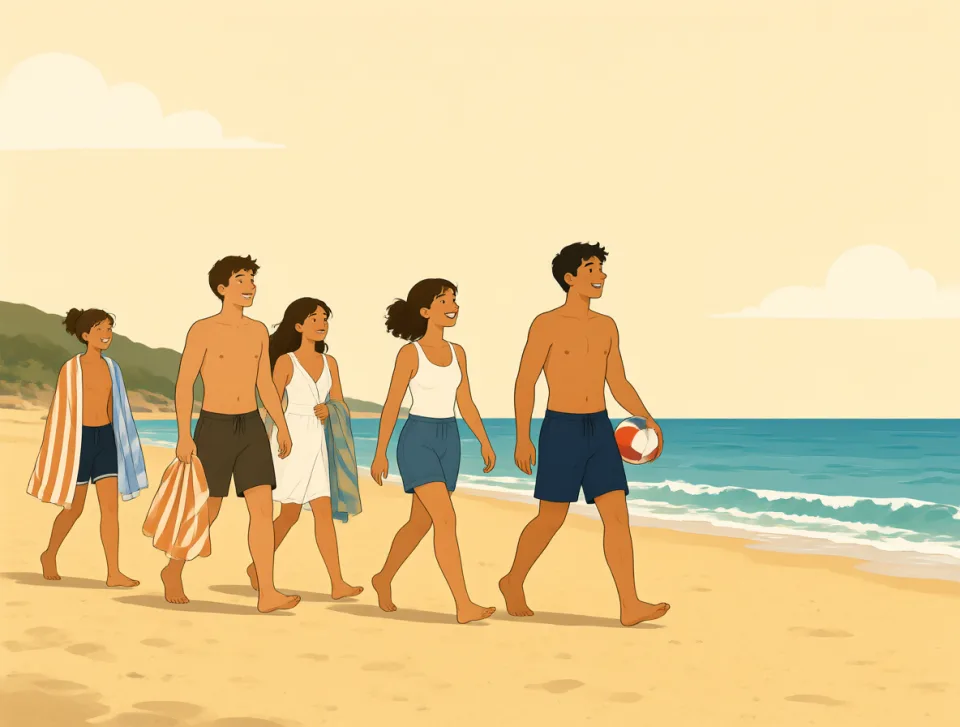
We went to the beach last weekend.
ذهبنا إلى الشاطئ في عطلة نهاية الأسبوع الماضية.

We feel better after taking the medicine.
نشعر بتحسن بعد تناول الدواء.
on
#17adverb, preposition, adjective
على
Used to show position, time, connection, or that something is working.
تُستخدم للدلالة على المكان أو الوقت أو الصلة، أو للإشارة إلى أن شيئًا ما يعمل.
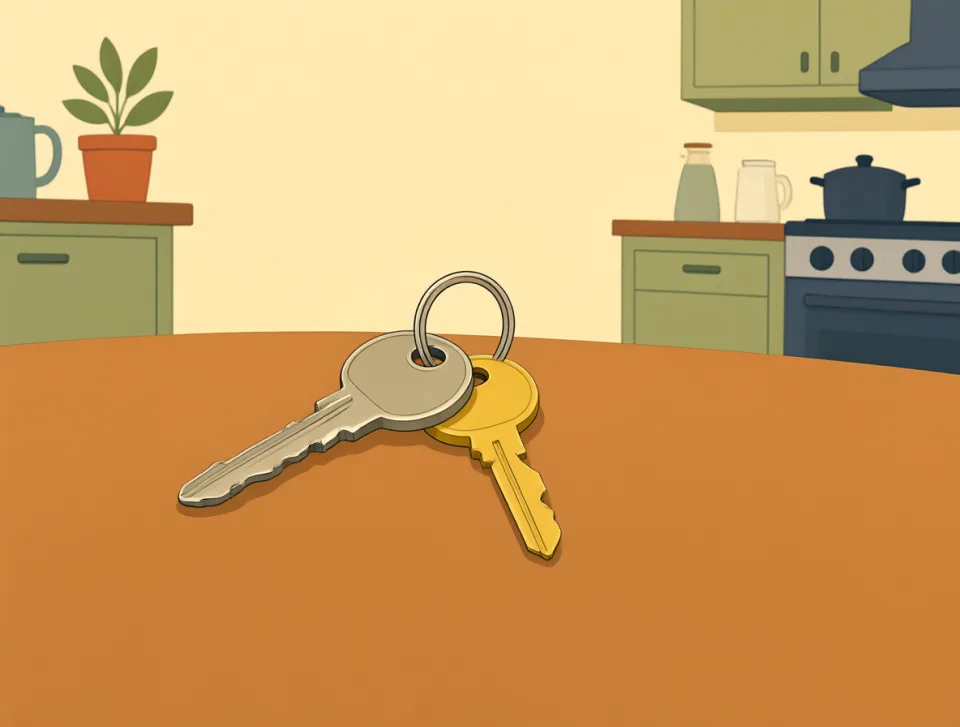
The keys are on the table.
المفاتيح على الطاولة.

We have a meeting on Monday.
لدينا اجتماع يوم الاثنين.
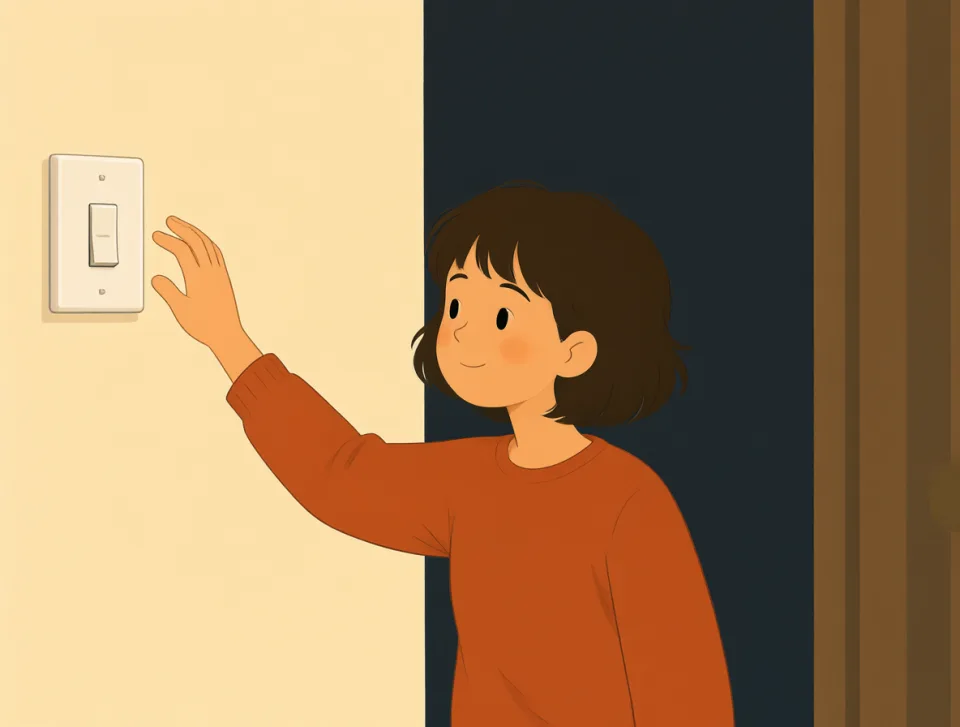
Please turn on the light.
من فضلك أضئ المصباح.
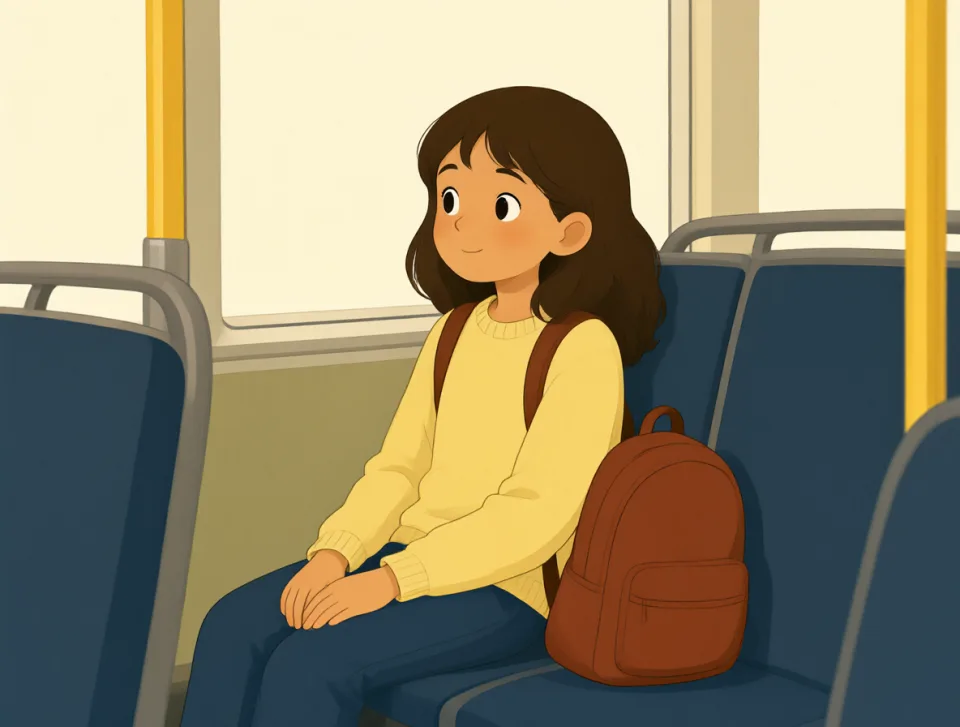
She is on the bus to school.
هي في الحافلة المتجهة إلى المدرسة.
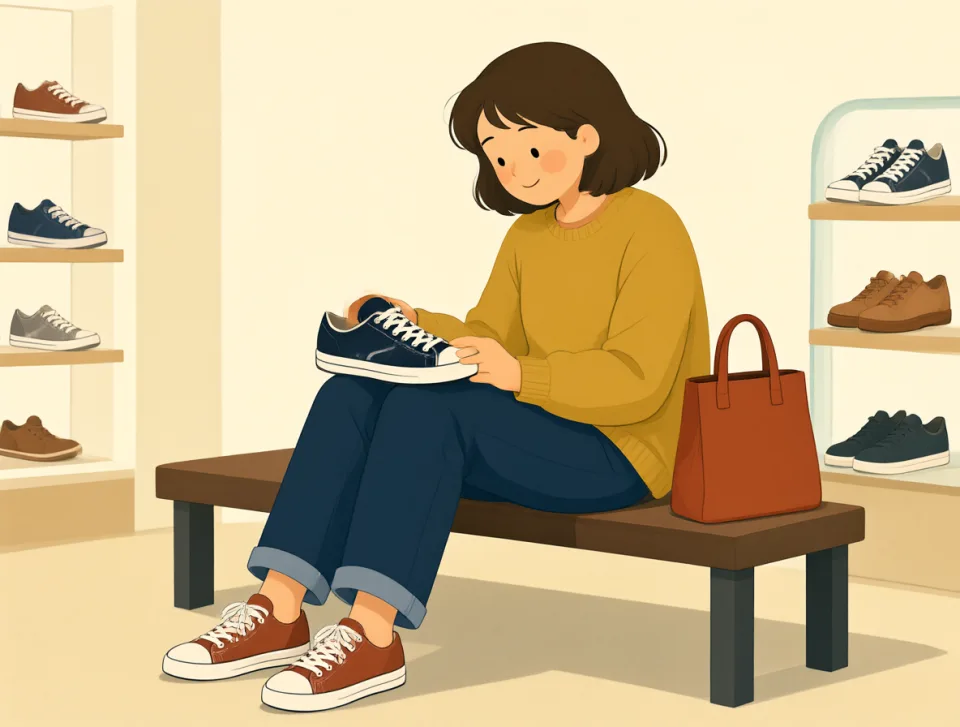
I tried on these shoes at the store.
قست هذه الأحذية في المتجر.
with
#18preposition
مع
together with someone or something; having or using someone or something
برفقة شخص أو شيء؛ أو بصحبة شخص أو شيء أو باستخدامه.
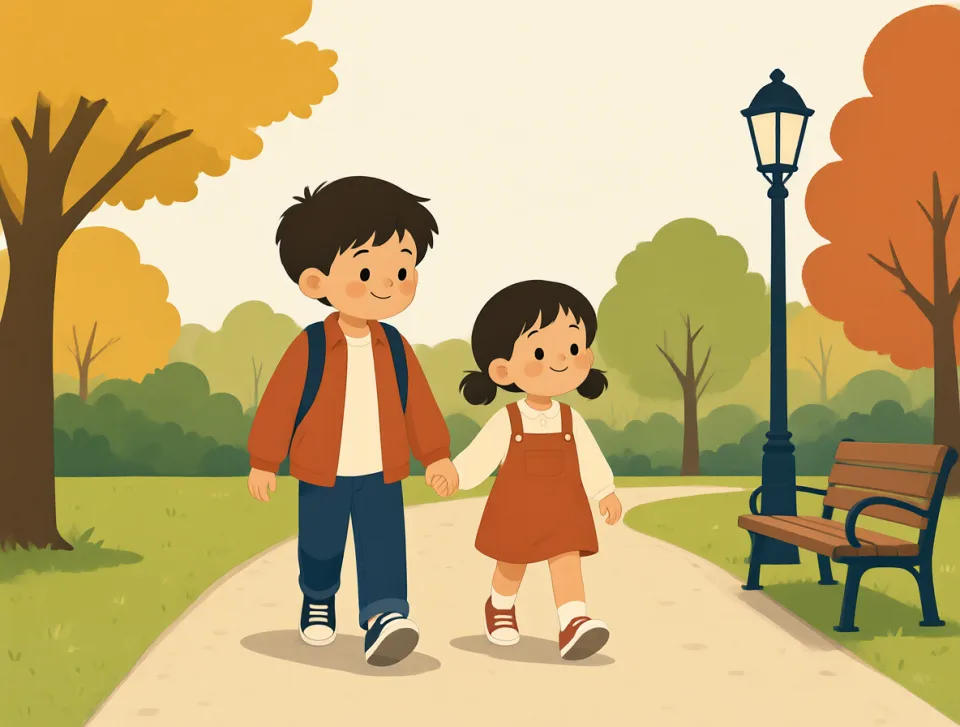
I went to the park with my sister.
ذهبت إلى الحديقة مع أختي.
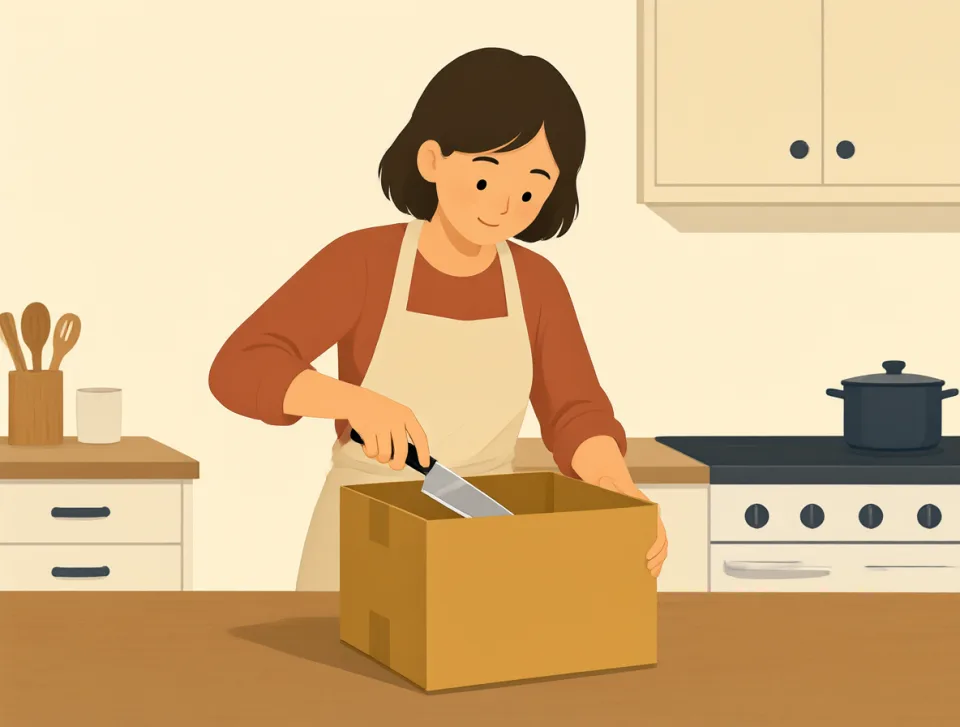
She opened the box with a knife.
فتحت الصندوق بسكين.
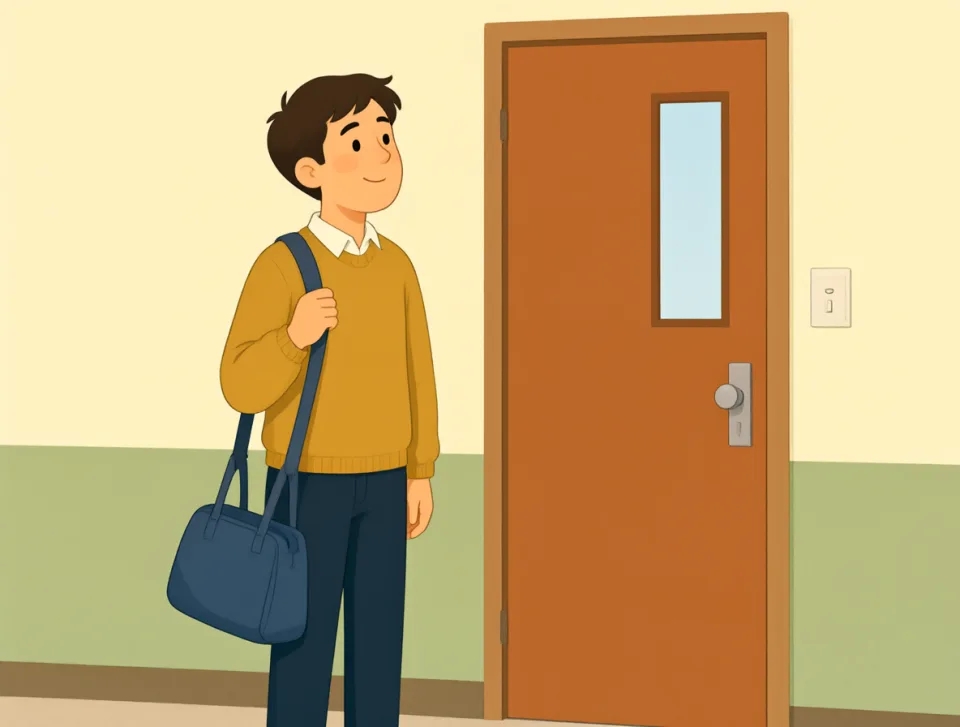
The man with the blue bag is my teacher.
الرجل الذي يحمل الحقيبة الزرقاء هو معلمي.
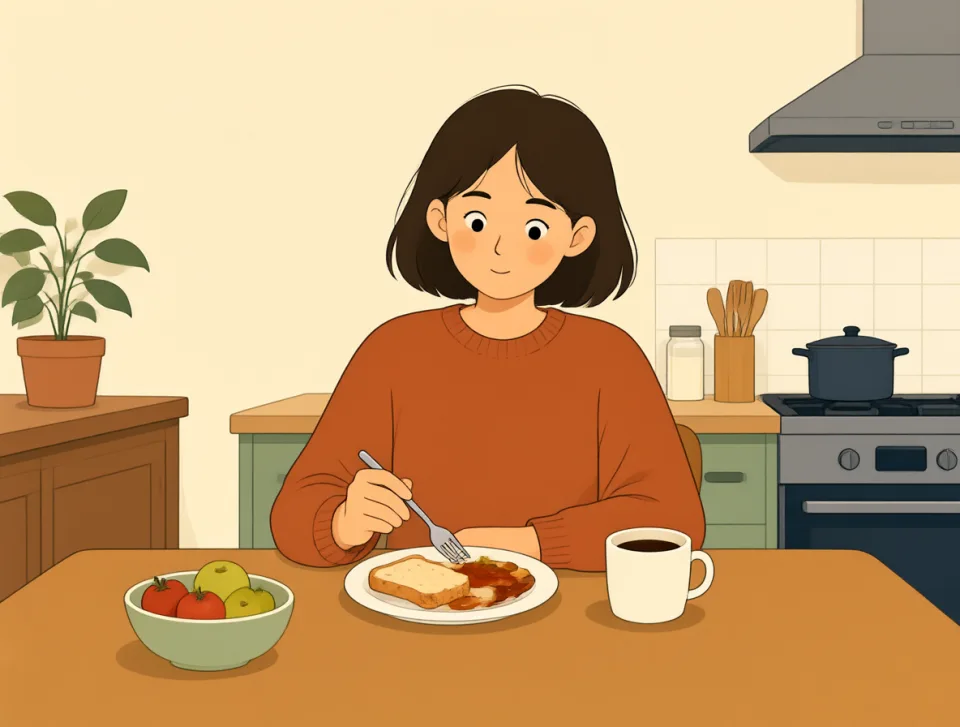
Would you like coffee with your breakfast?
هل ترغب في تناول القهوة مع إفطارك؟
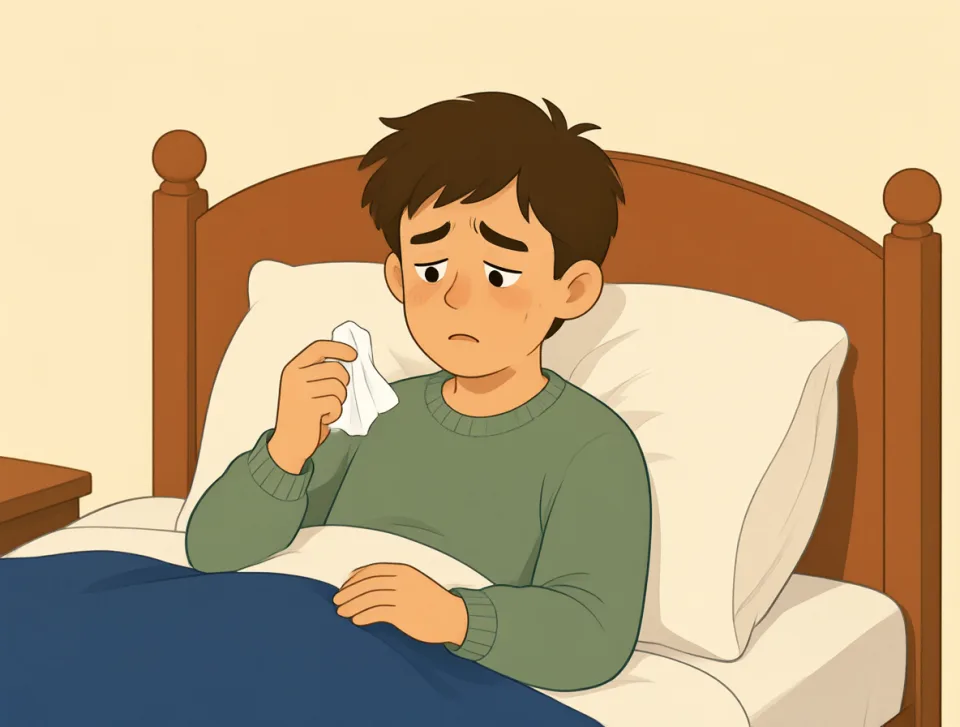
He is sick with a bad cold.
هو مريض بنزلة برد شديدة.
this
#19determiner, pronoun, adverb
هذا / هذه
Used to talk about one person, thing, or place near you or now.
تُستخدم للإشارة إلى شخص أو شيء أو مكان قريب منك أو إلى شيء يحدث الآن.
This is my favorite book.
هذا كتابي المفضل.
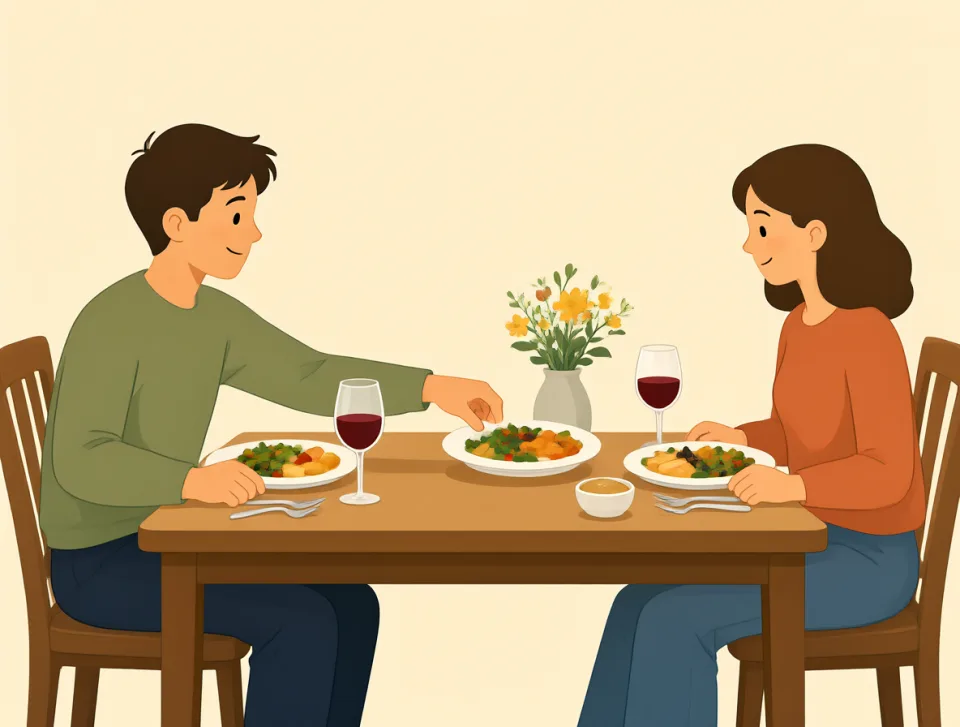
Could you pass me this plate?
هل يمكنك أن تناولني هذا الطبق؟

I bought this shirt yesterday.
اشتريت هذا القميص أمس.
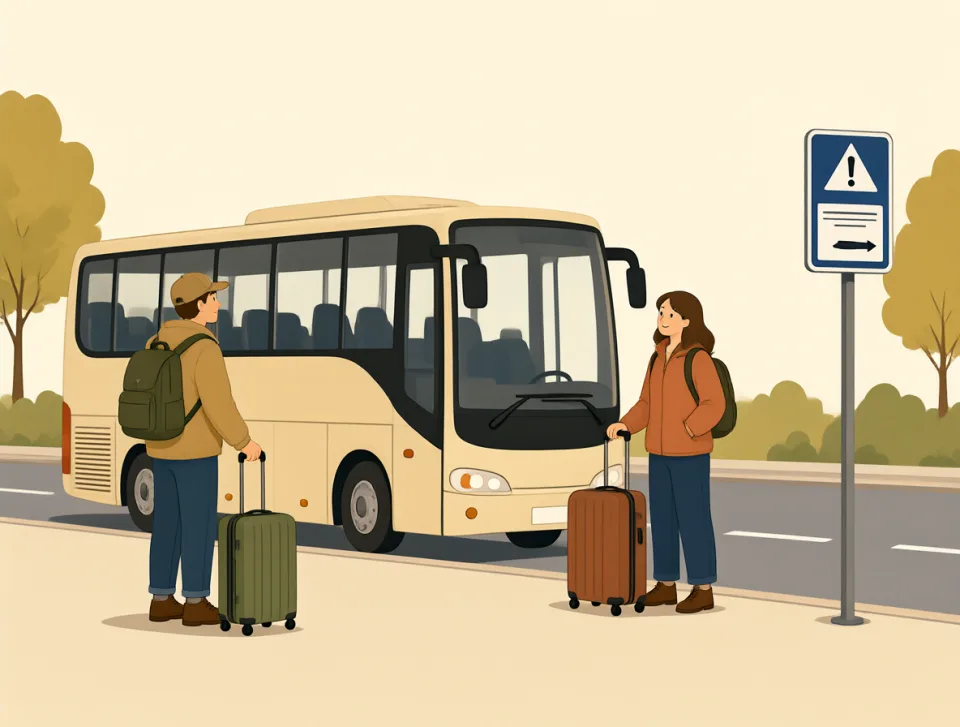
This is where we get off.
هنا ننزل.
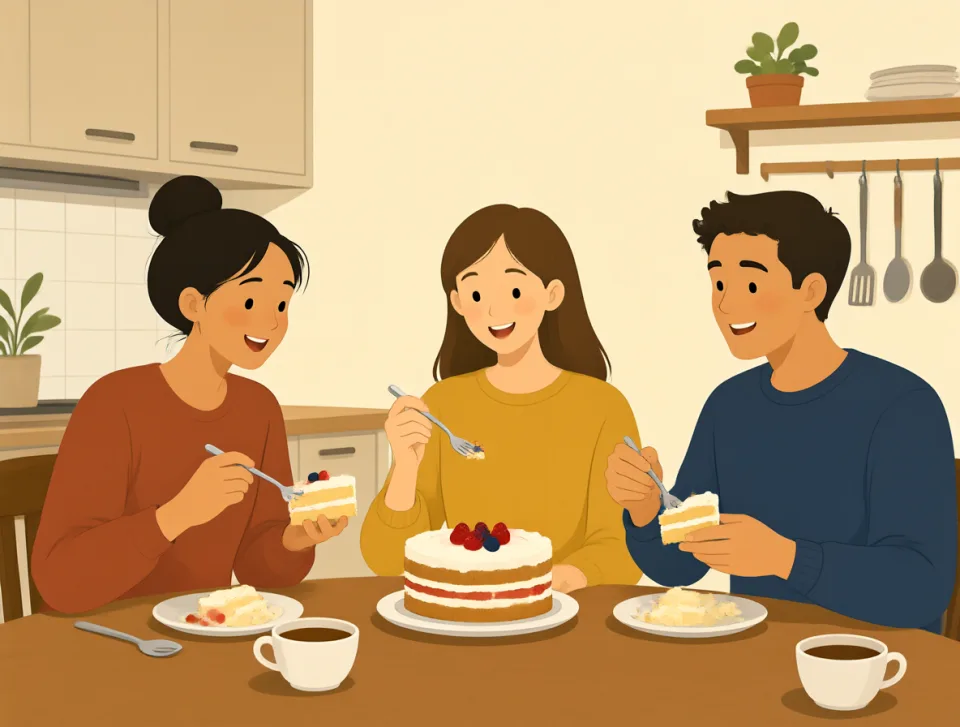
This cake tastes really good.
مذاق هذه الكعكة لذيذ جدًا.
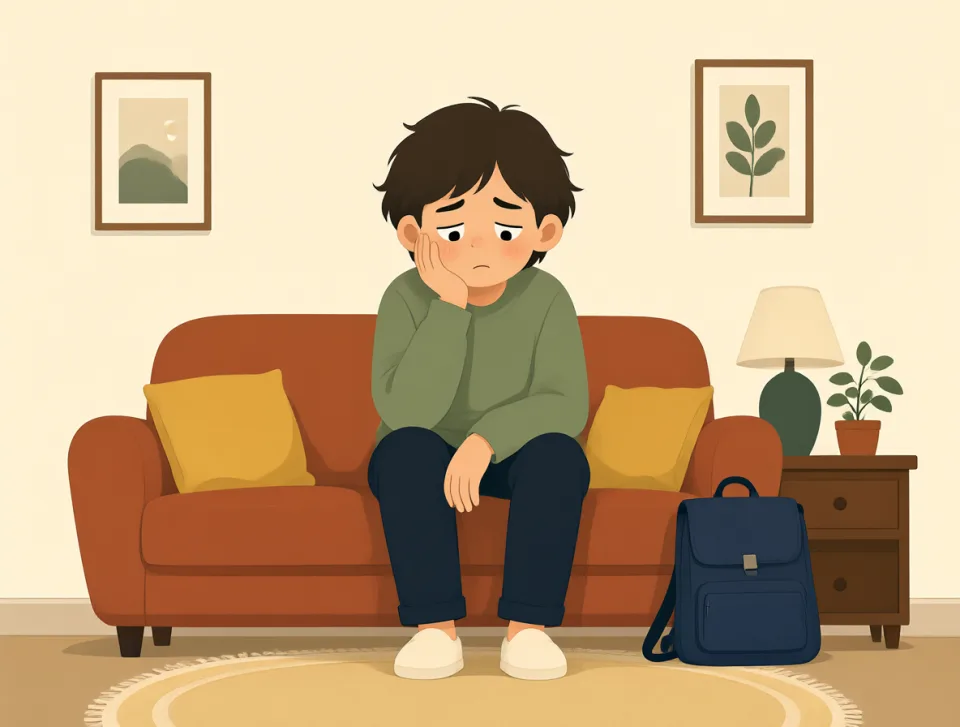
I
#20pronoun
أنا
The pronoun used for the person speaking or writing.
الضمير الذي يُستخدم للإشارة إلى الشخص المتحدث أو الكاتب.
I am tired after work today.
أنا متعب بعد العمل اليوم.
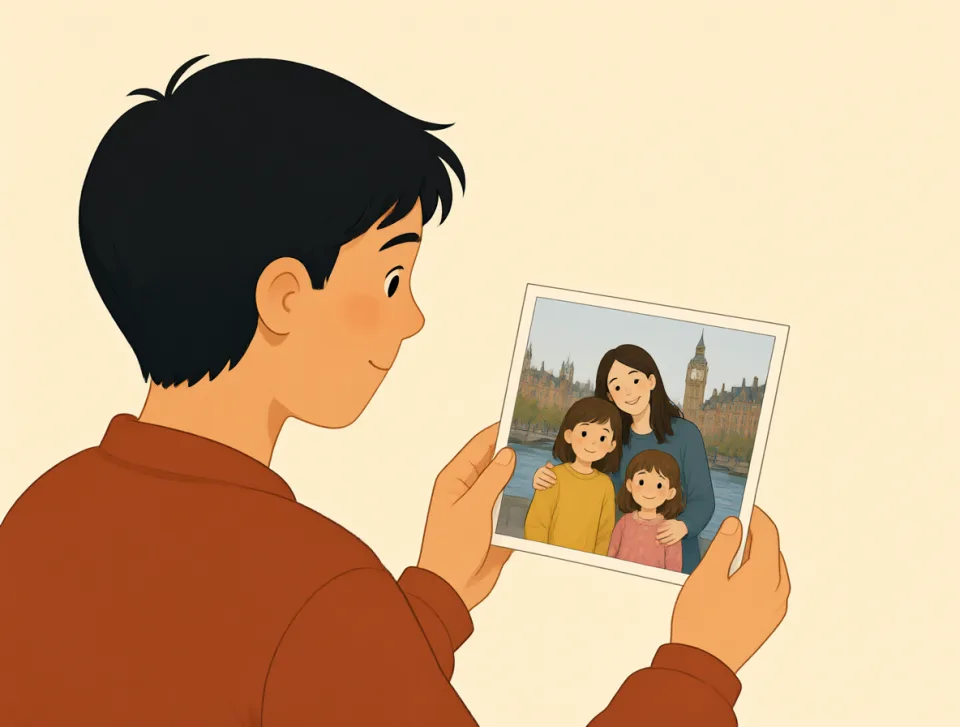
I have a sister in London.
لدي أخت في لندن.
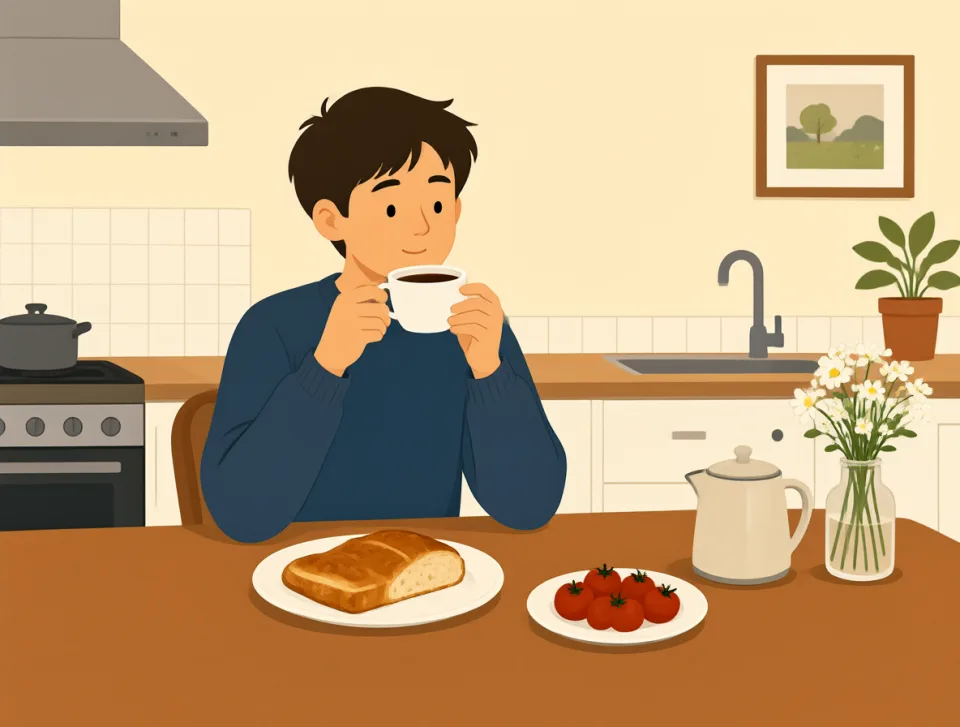
I like coffee with breakfast.
أحب القهوة مع الإفطار.
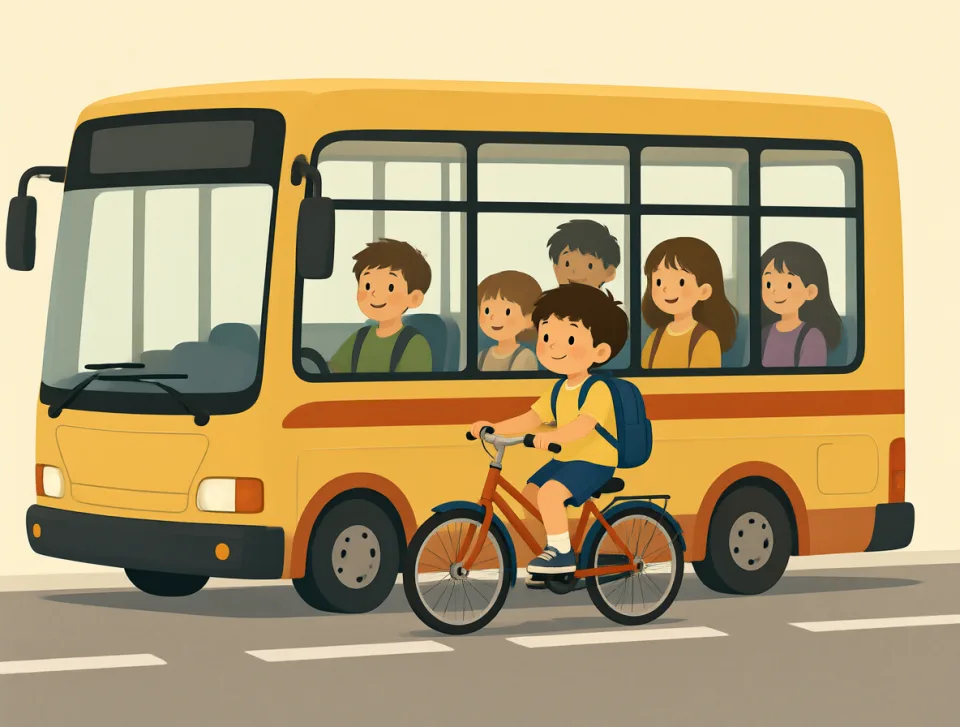
I went to school by bus.
ذهبت إلى المدرسة بالحافلة.
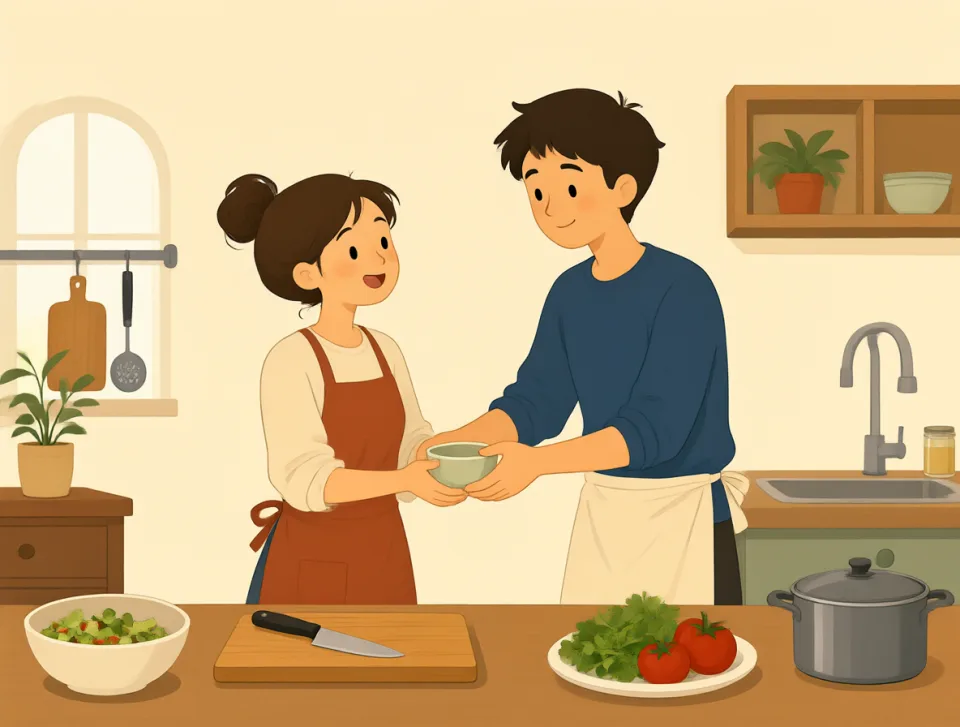
Can I help you with dinner?
هل يمكنني مساعدتك في إعداد العشاء؟