Zestaw 12
Słowa 221–240 · build, hold, service, against, believe, second
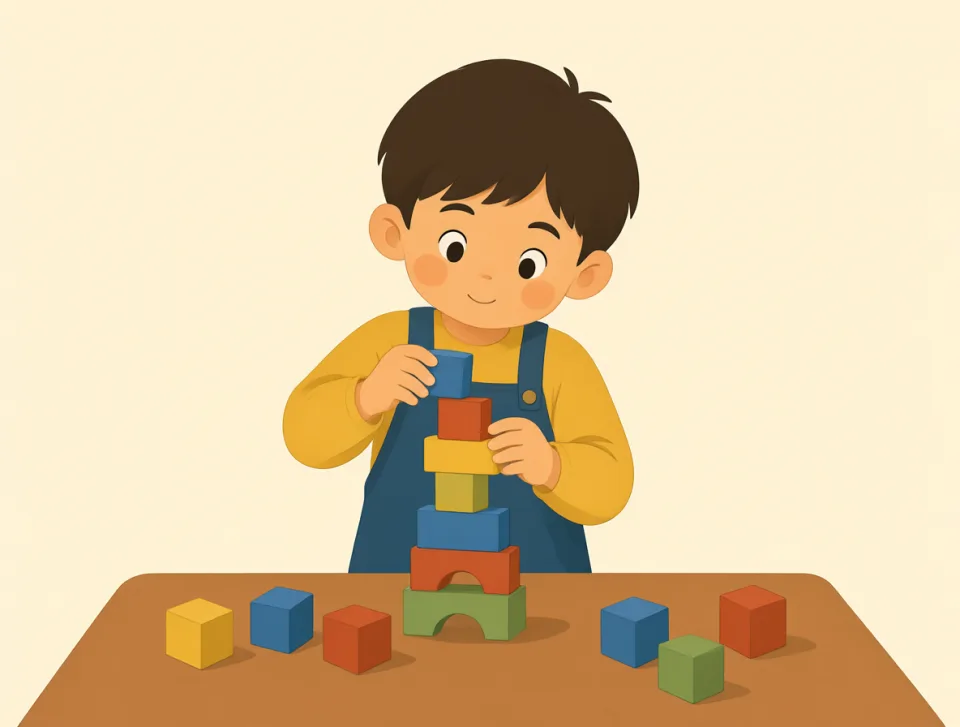
build
#221verb, noun
budować
to make something by putting parts together, or to develop something over time
tworzyć coś, łącząc ze sobą różne części, lub rozwijać coś z czasem
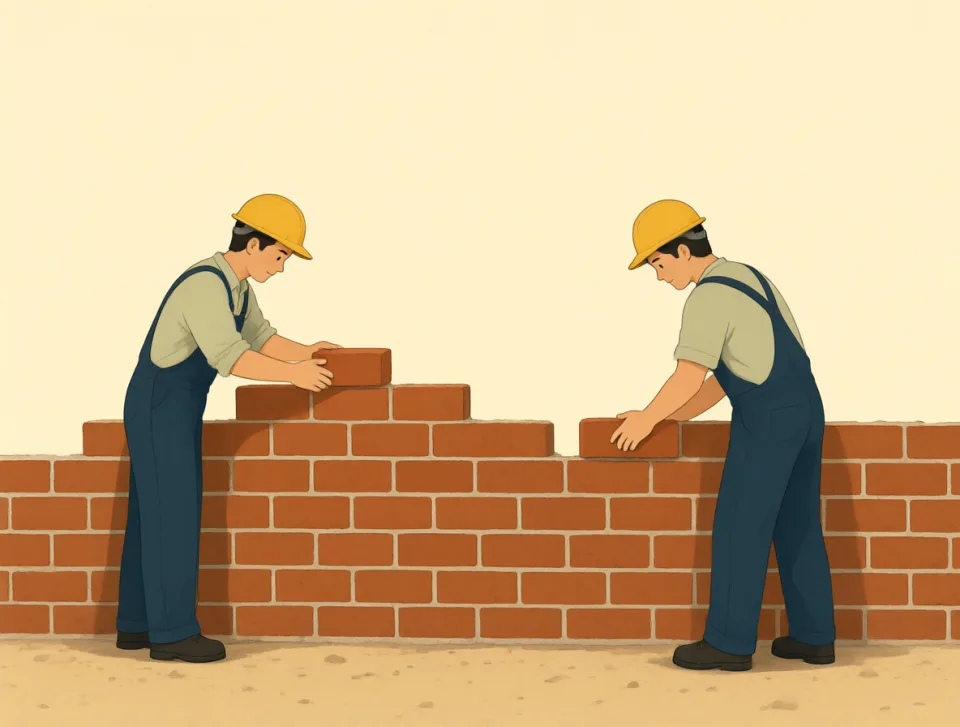
They are building a new house nearby.
W pobliżu budują nowy dom.
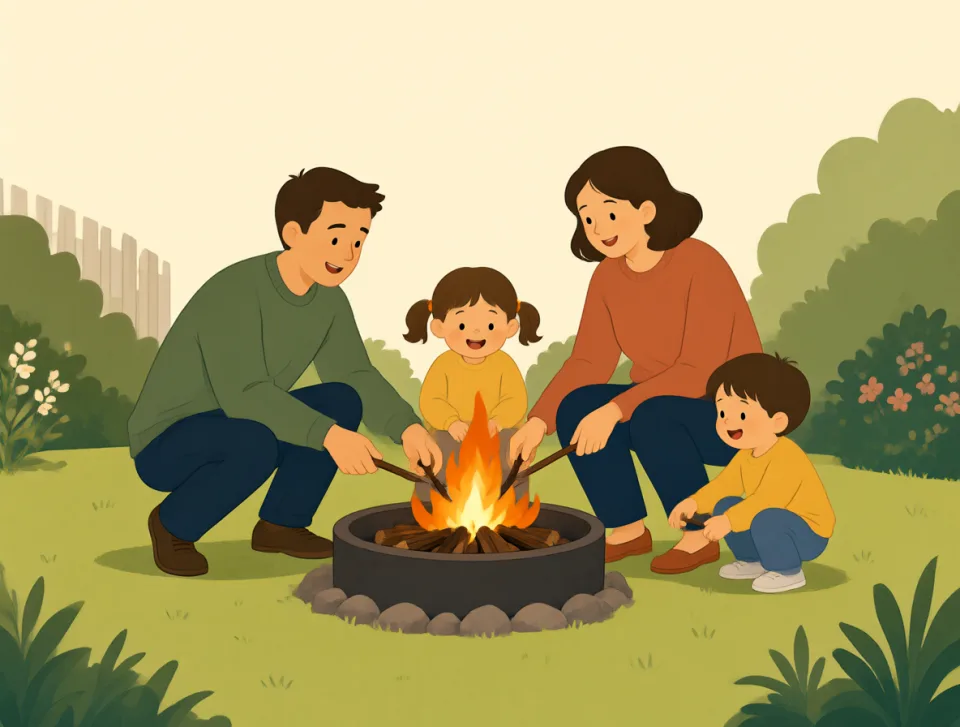
We built a fire in the garden.
Rozpaliliśmy ognisko w ogrodzie.
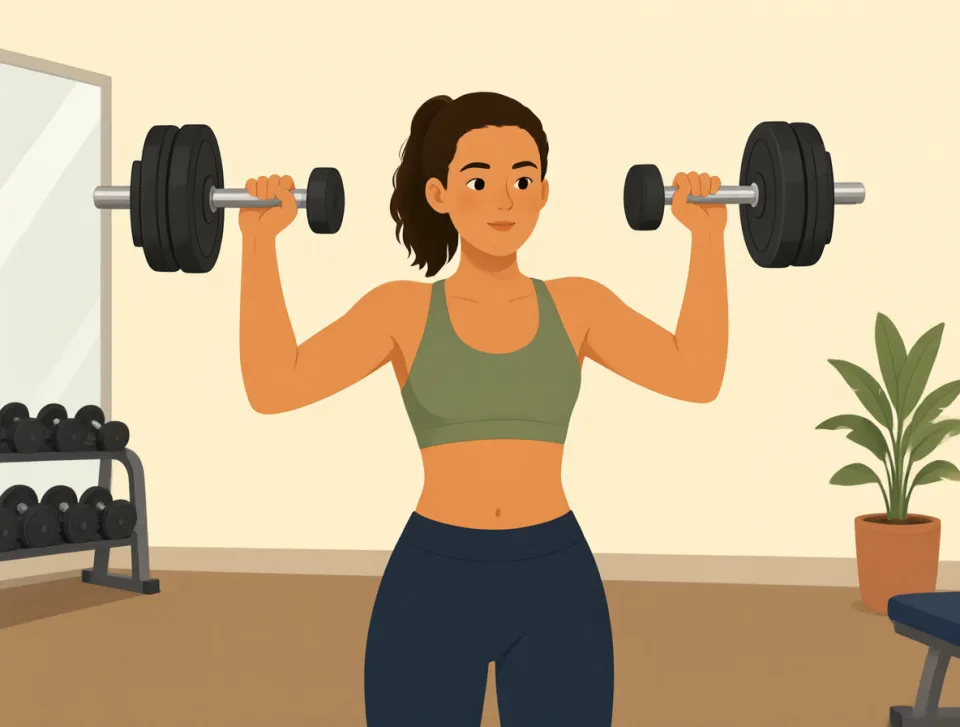
Exercise helps build strong muscles.
Ćwiczenia pomagają budować silne mięśnie.

The team built a good relationship.
Zespół zbudował dobre relacje.
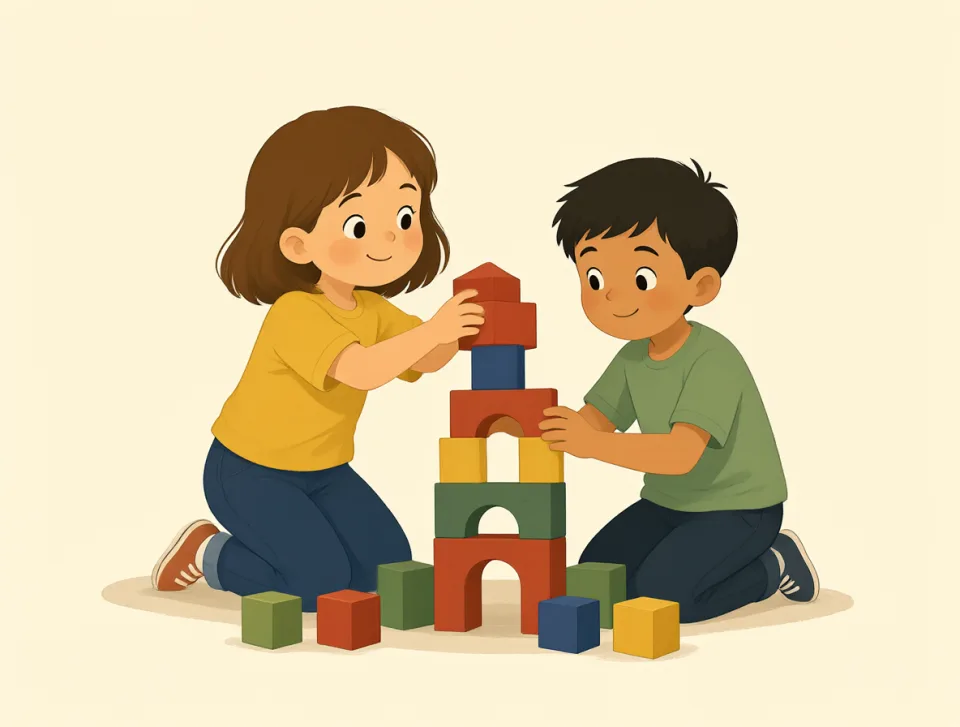
The children built a tower with blocks.
Dzieci zbudowały wieżę z klocków.

hold
#222verb, noun
trzymać; pomieścić
to keep something in your hands or arms; a place for people or things
trzymać coś w dłoniach lub ramionach; miejsce dla ludzi lub rzeczy
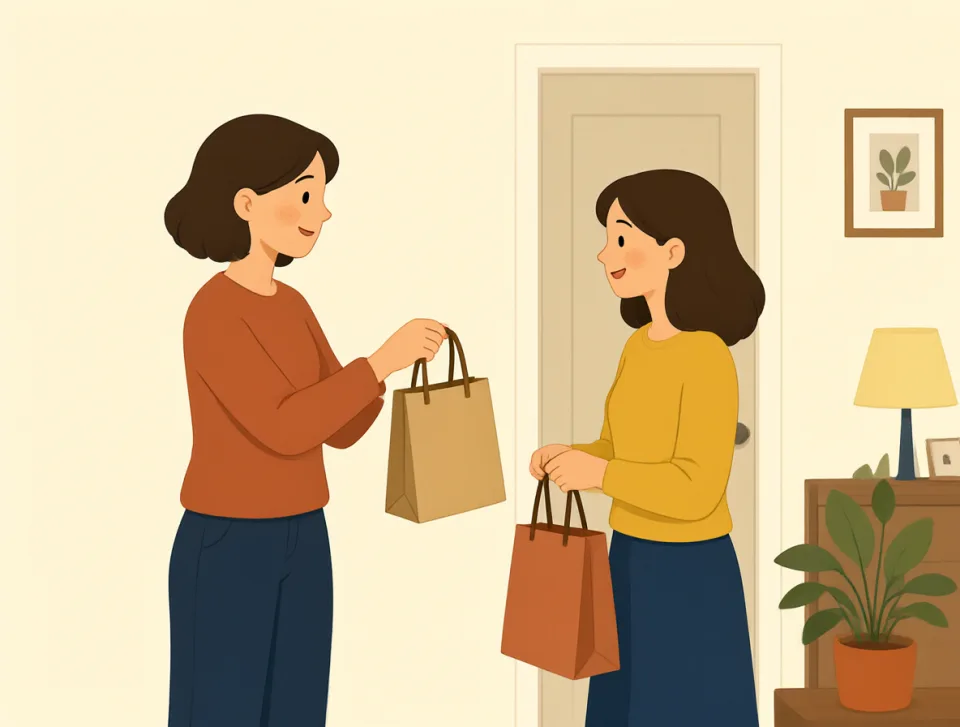
Please hold my bag for a minute.
Przytrzymaj proszę moją torbę przez chwilę.
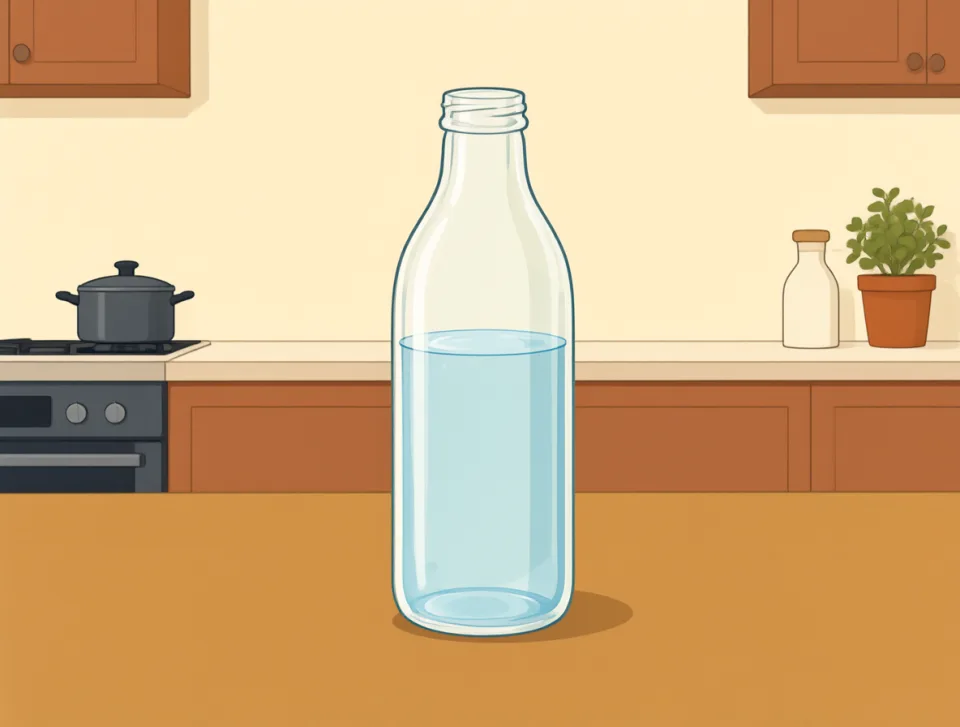
This bottle holds one liter of water.
Ta butelka mieści litr wody.
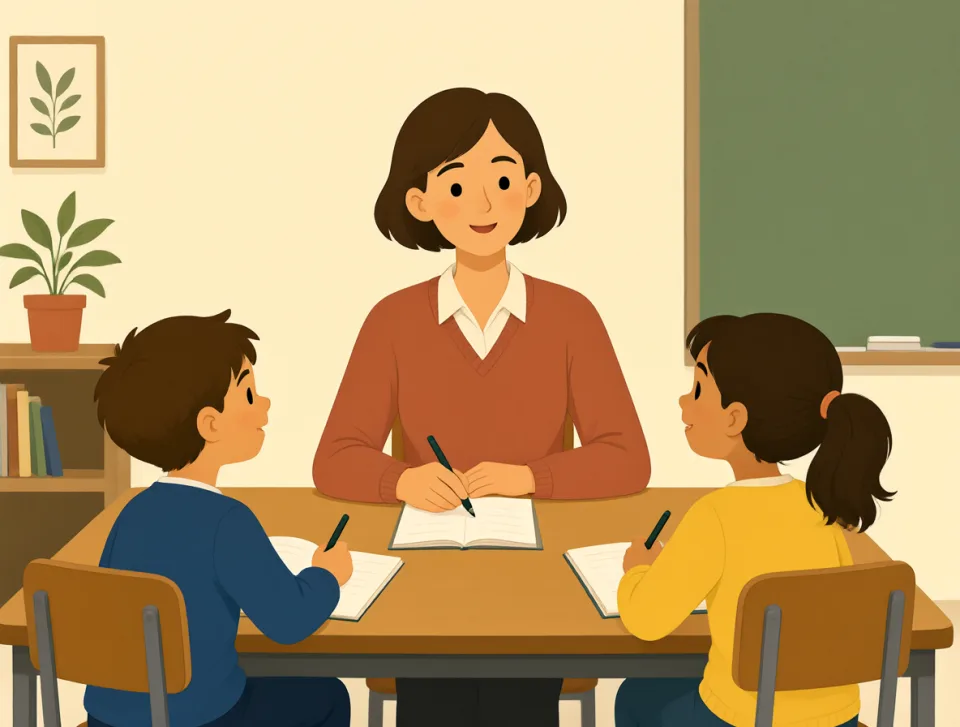
The teacher held a meeting after class.
Nauczyciel zorganizował zebranie po lekcjach.
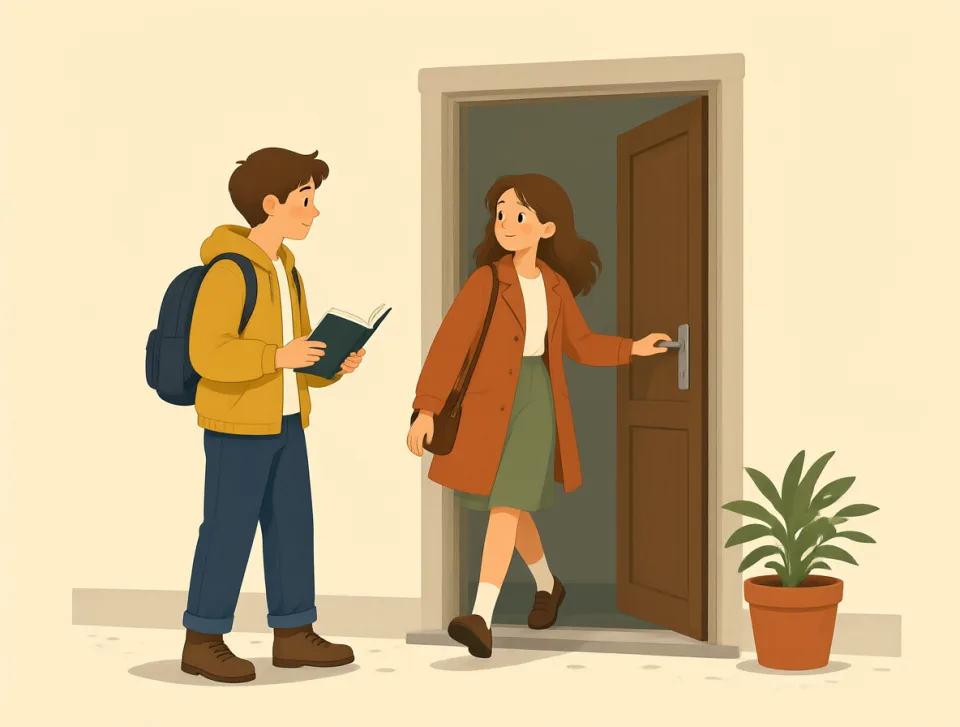
Hold the door open for me, please.
Przytrzymaj mi proszę otwarte drzwi.
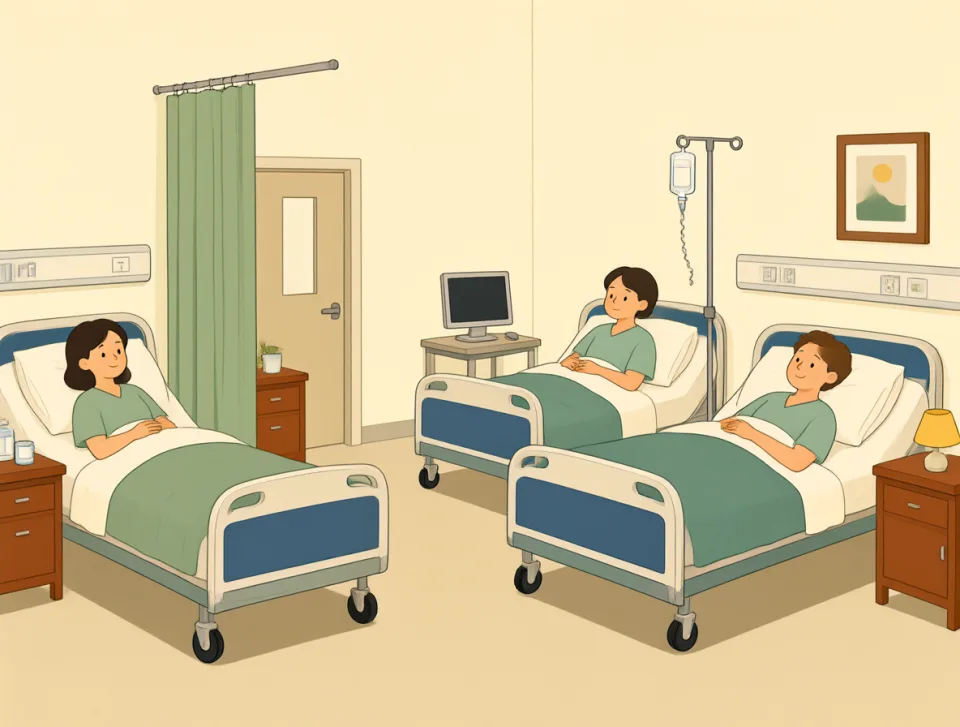
The hospital holds ten patients tonight.
Szpital przyjmie dziś w nocy dziesięciu pacjentów.
service
#223noun, verb
usługi; obsługa
work done to help customers, people, or organizations
praca wykonywana, by pomagać klientom, ludziom lub organizacjom

The hotel offers excellent service.
Hotel oferuje doskonałą obsługę.
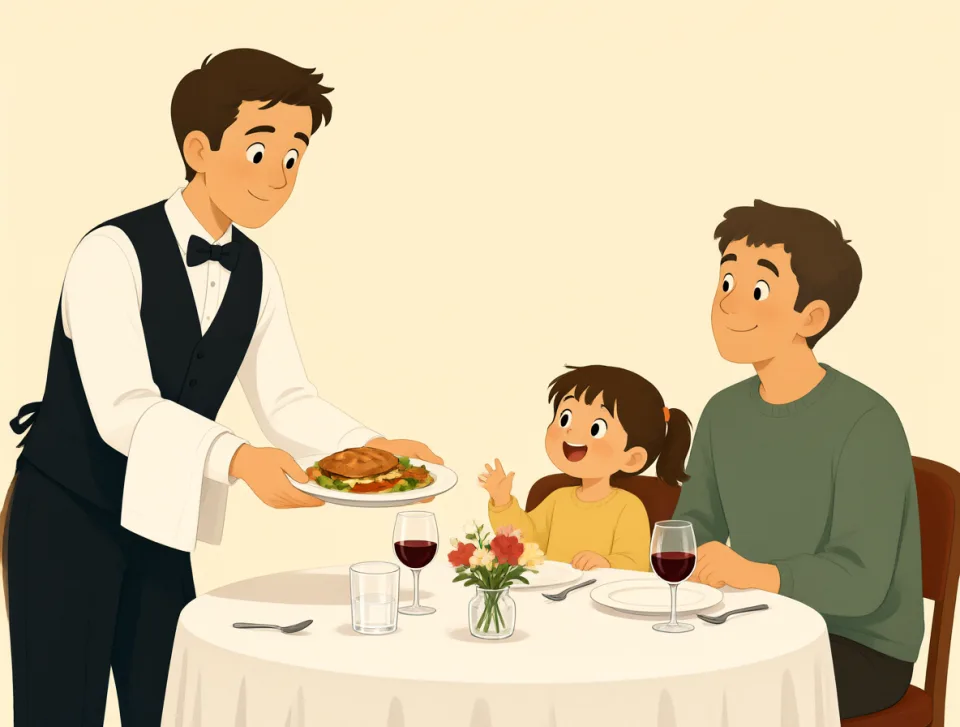
We received good service at the restaurant.
W restauracji obsłużono nas dobrze.
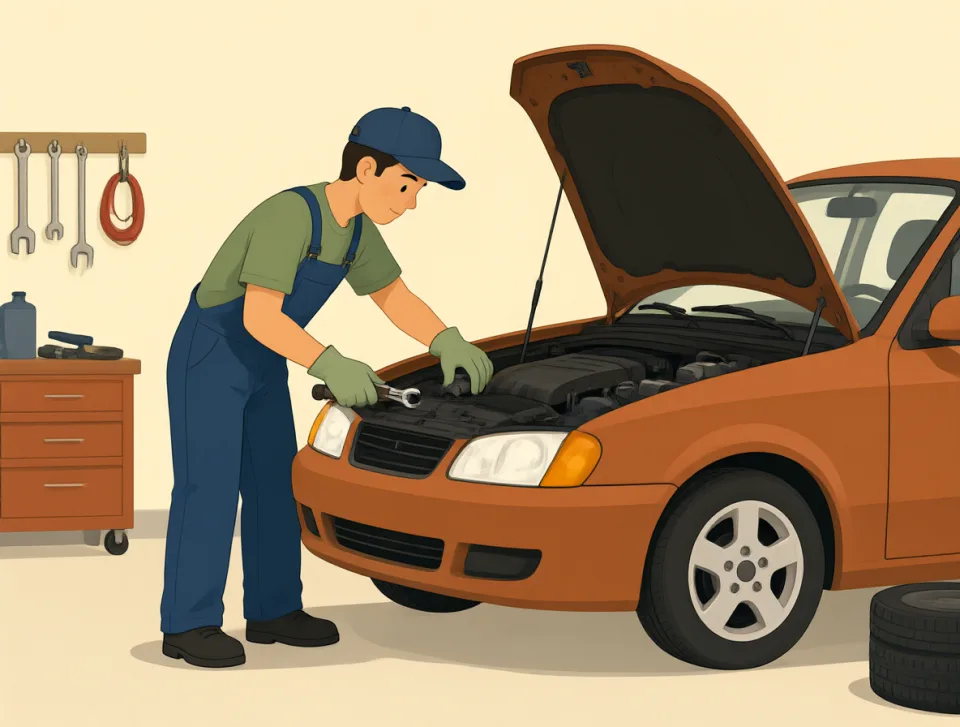
The car needs service next week.
Samochód wymaga przeglądu w przyszłym tygodniu.
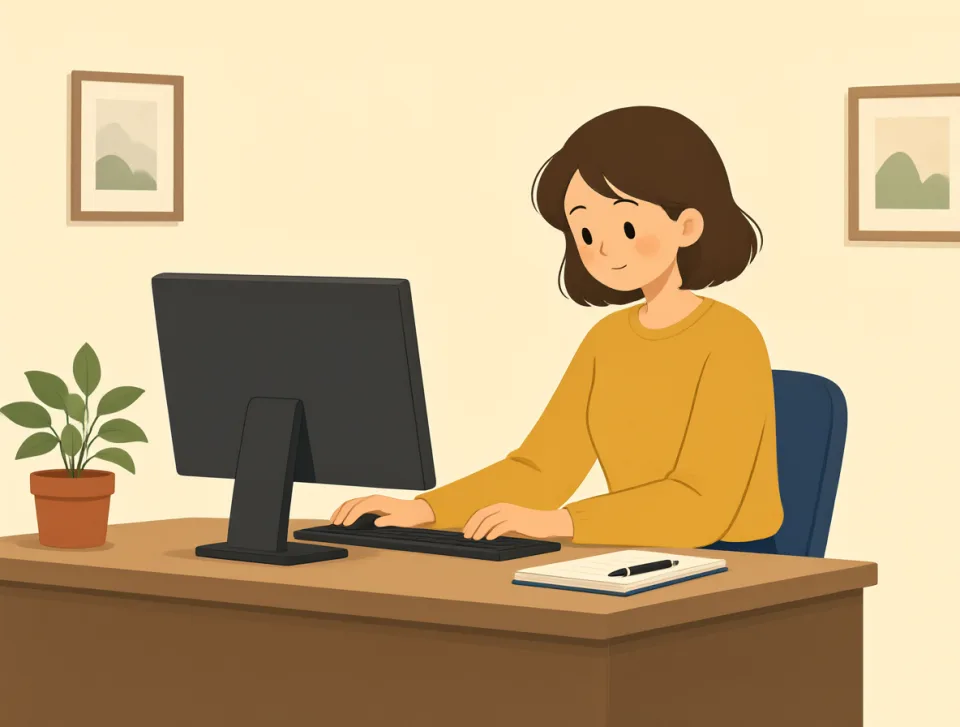
She works in the customer service department.
Pracuje w dziale obsługi klienta.
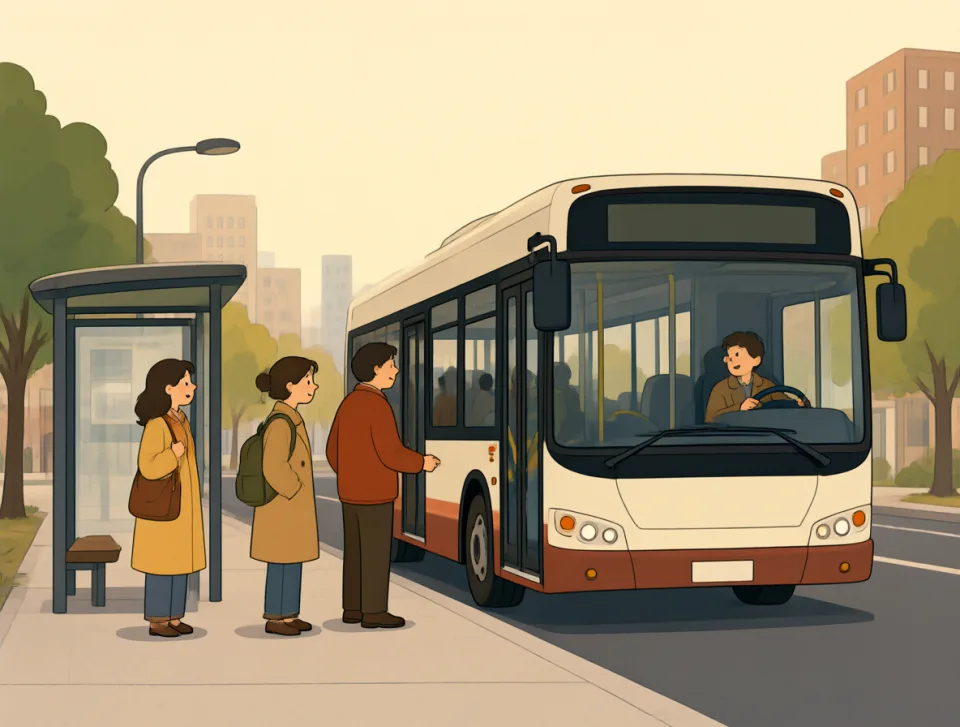
The bus service stops at ten o'clock.
Autobus kursuje do godziny dziesiątej.
against
#224preposition
przeciwko; oparty o
opposing or touching something for support or protection
sprzeciwiający się czemuś lub dotykający czegoś w celu uzyskania oparcia albo ochrony
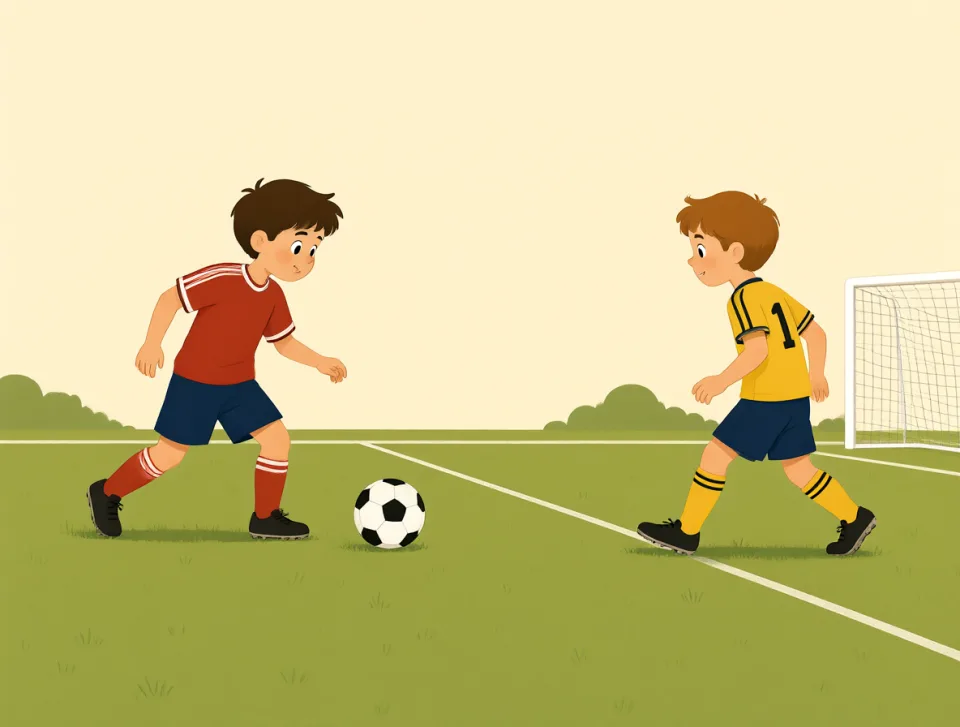
Our team played against the school champions.
Nasza drużyna zagrała z mistrzami szkoły.
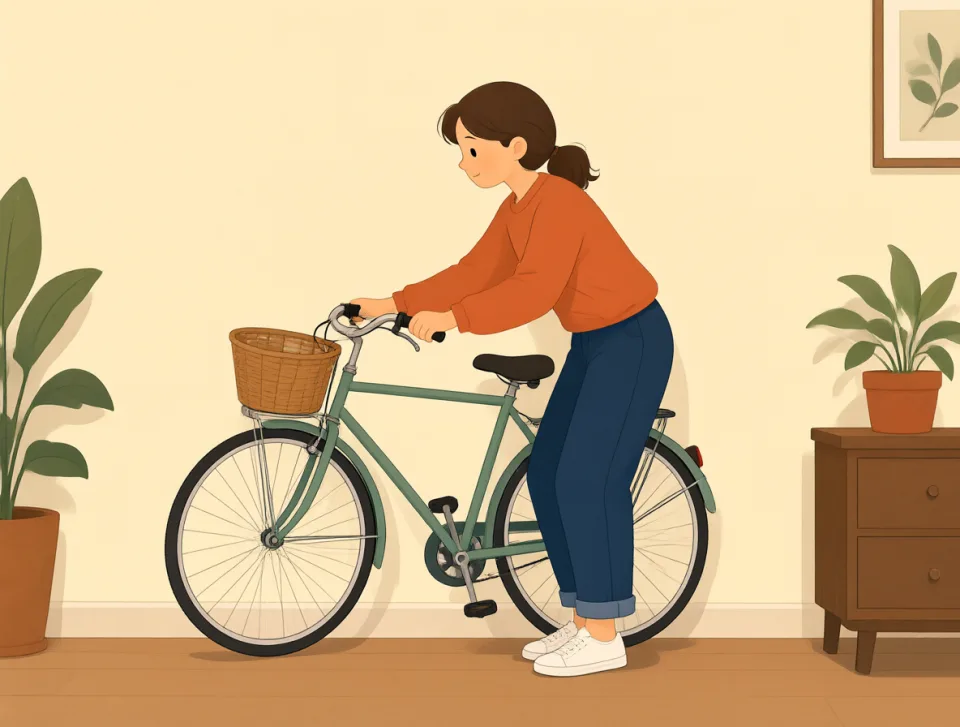
She leaned her bike against the wall.
Oparła rower o ścianę.
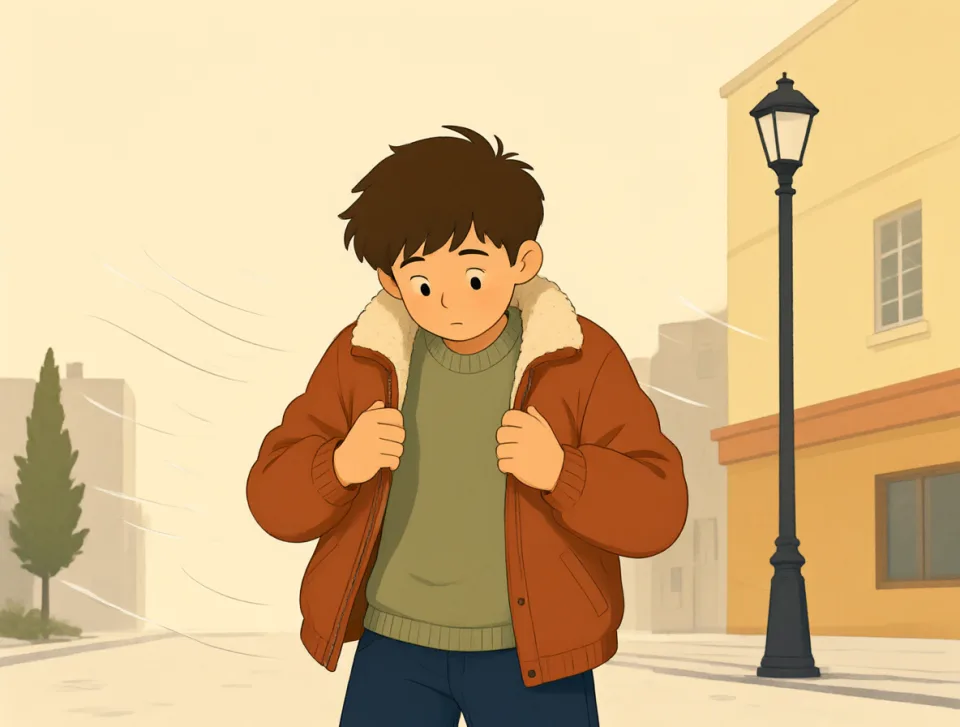
Wear a jacket against the cold wind.
Załóż kurtkę, żeby chronić się przed zimnym wiatrem.
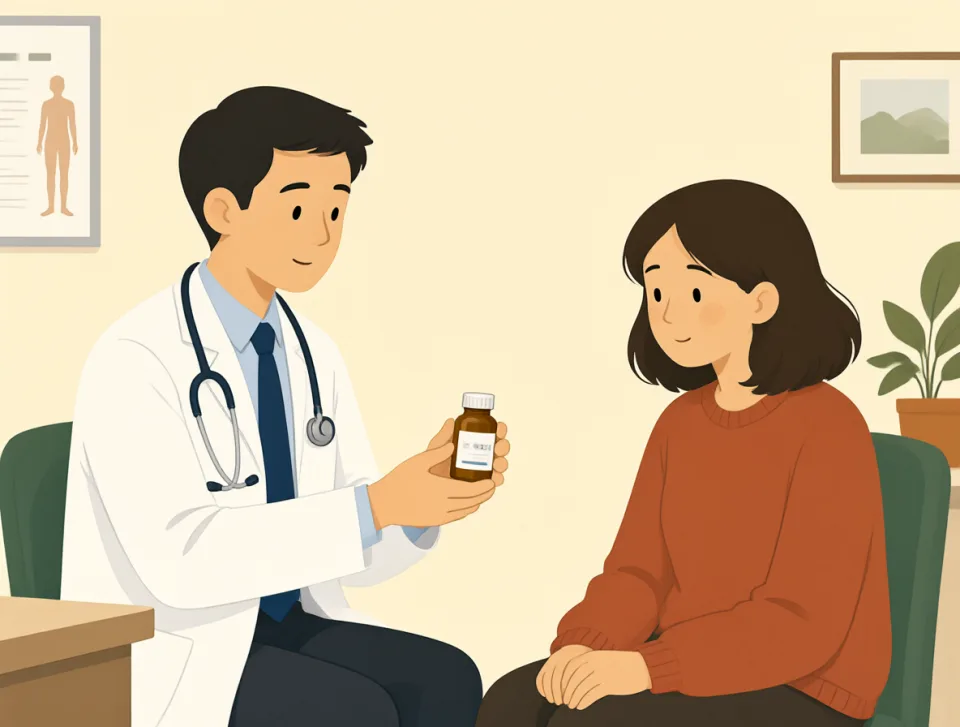
The doctor gave me medicine against the infection.
Lekarz przepisał mi lek na infekcję.

They voted against the new school rule.
Zagłosowali przeciwko nowemu szkolnemu regulaminowi.
believe
#225verb
wierzyć
To think that something is true or to trust that someone is telling the truth.
Uważać, że coś jest prawdą, lub ufać, że ktoś mówi prawdę.
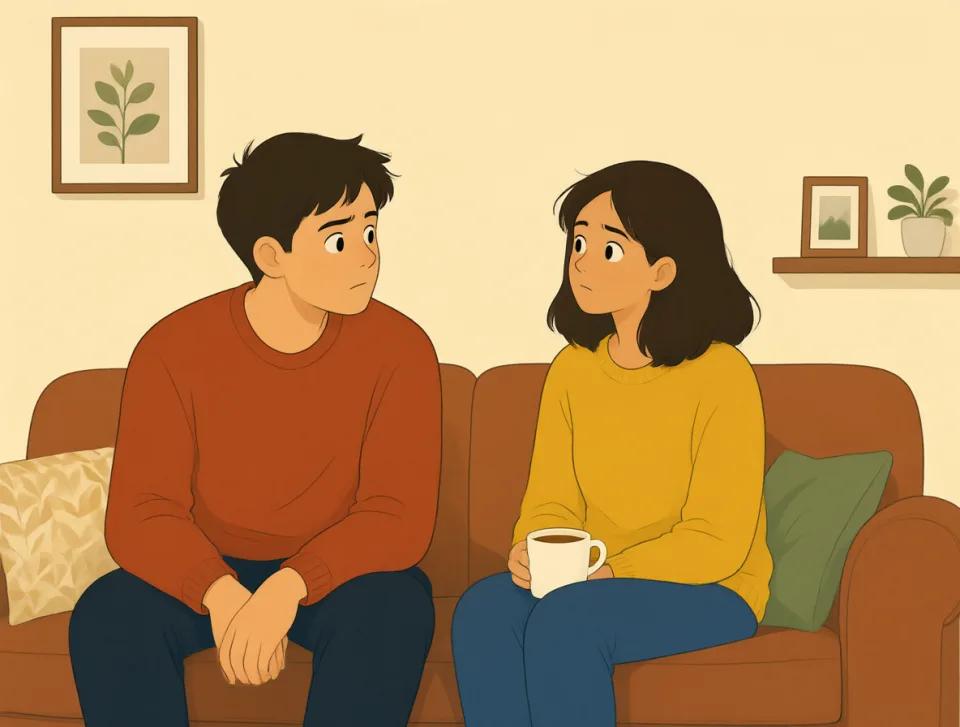
I believe you.
Wierzę ci.
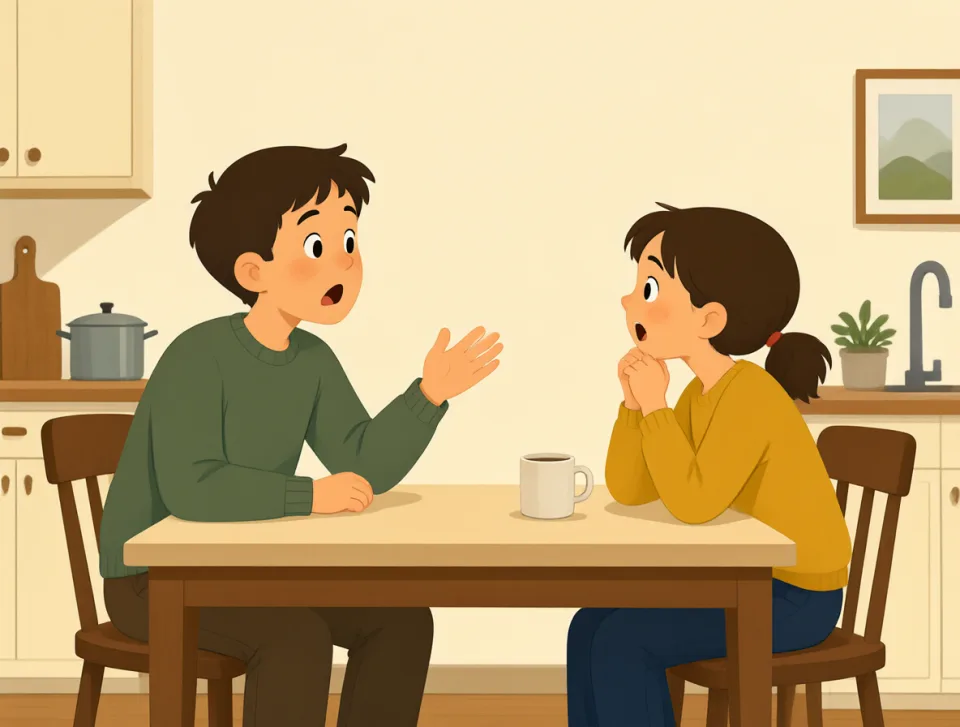
Do you believe this story?
Wierzysz w tę historię?

She believes in her team.
Wierzy w swój zespół.
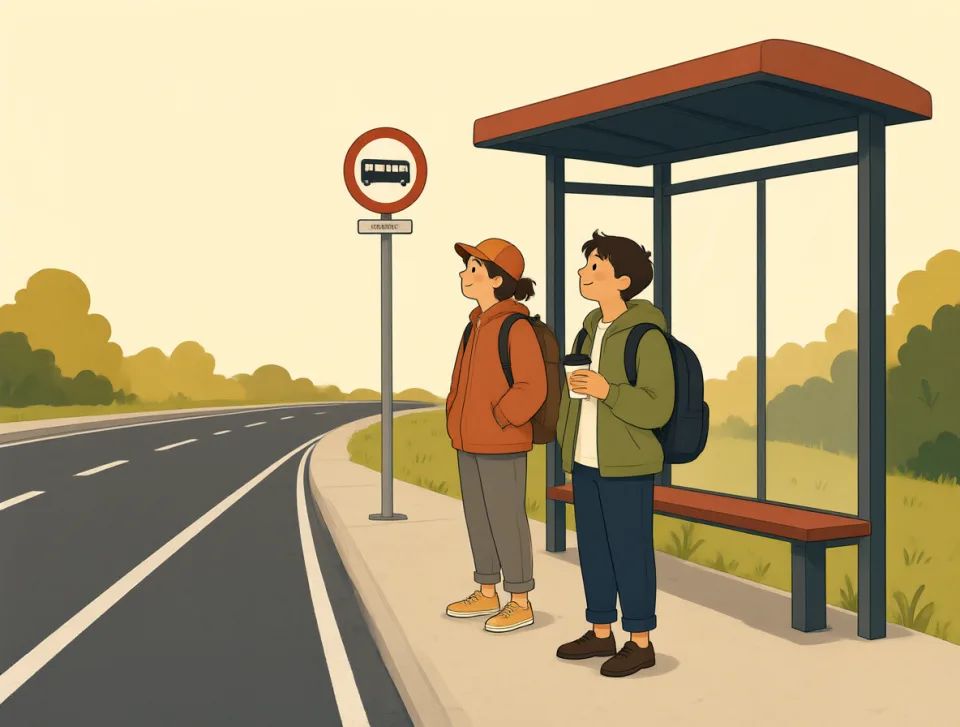
We believe the bus is late.
Myślimy, że autobus się spóźnia.
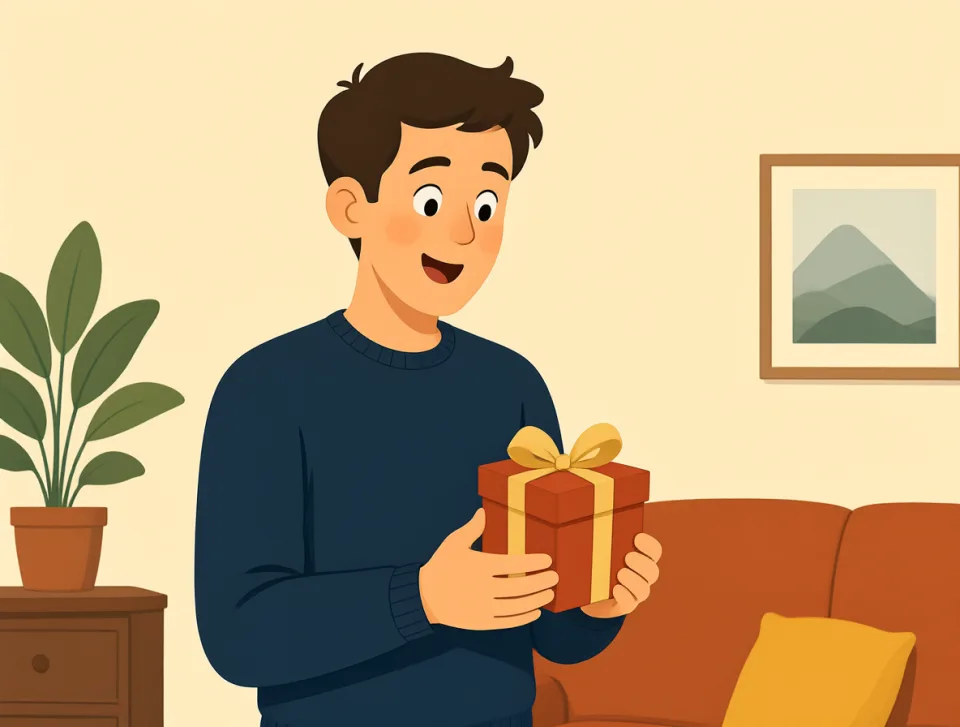
He could not believe his good luck.
Nie mógł uwierzyć w swoje szczęście.
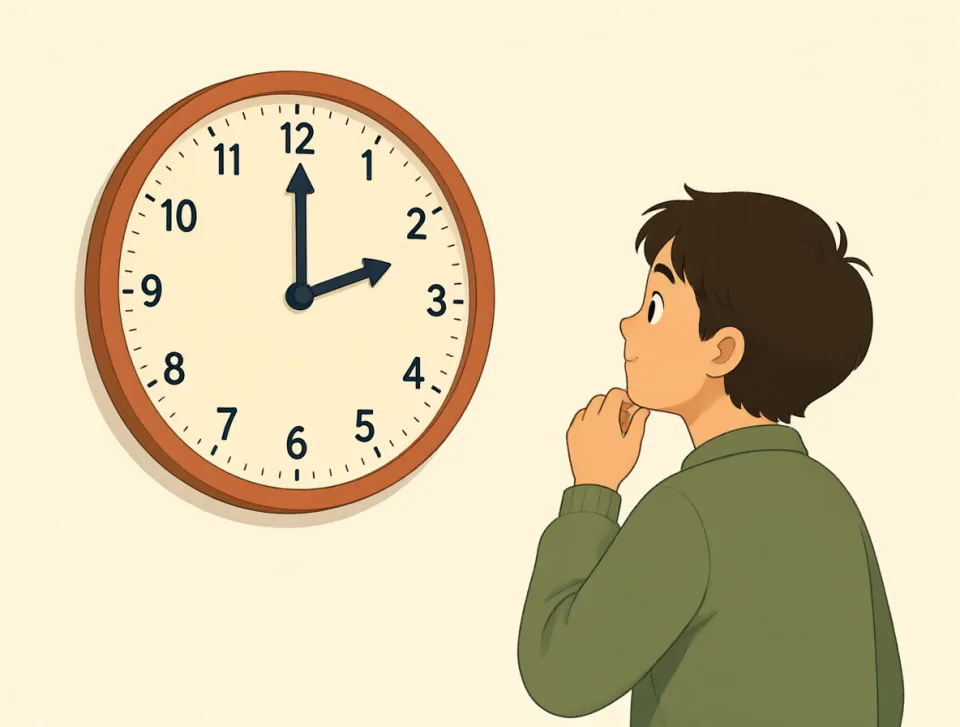
second
#226noun, adjective, verb
sekunda; drugi
A unit of time equal to one sixtieth of a minute; also one of two similar things.
Jednostka czasu równa jednej sześćdziesiątej minuty; także jedna z dwóch podobnych rzeczy.
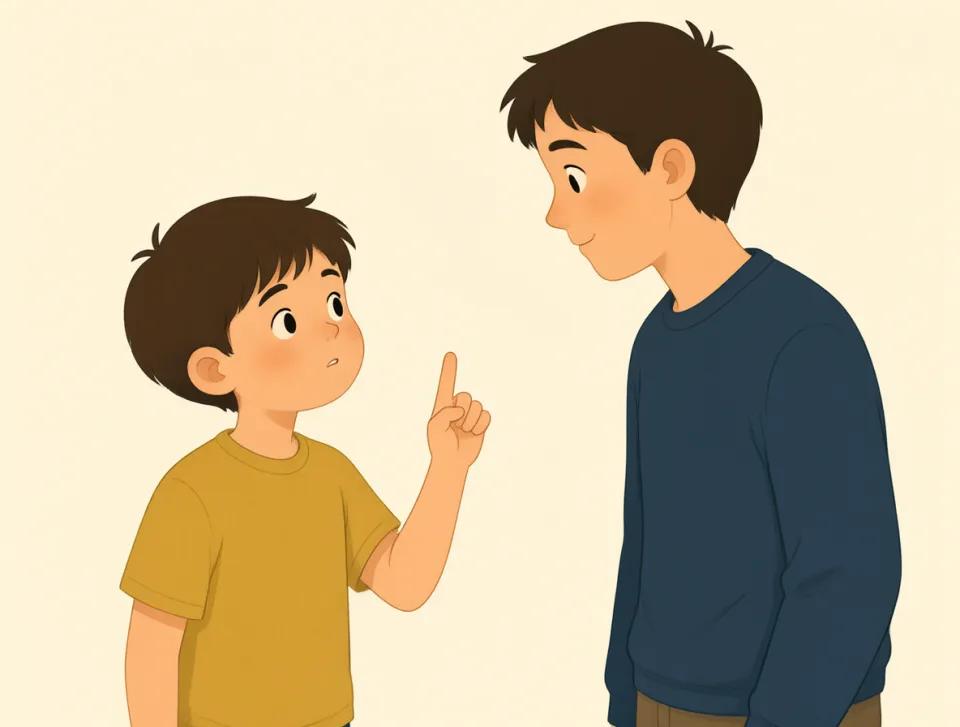
Wait a second, please.
Proszę chwilkę poczekać.
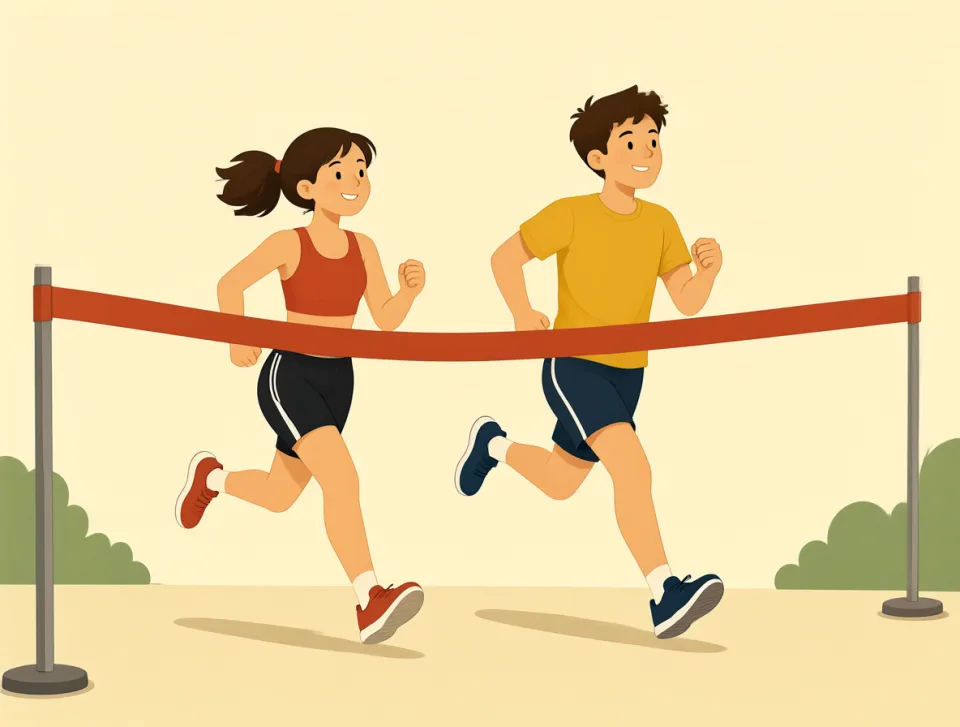
She finished second in the race.
Zajęła drugie miejsce w wyścigu.
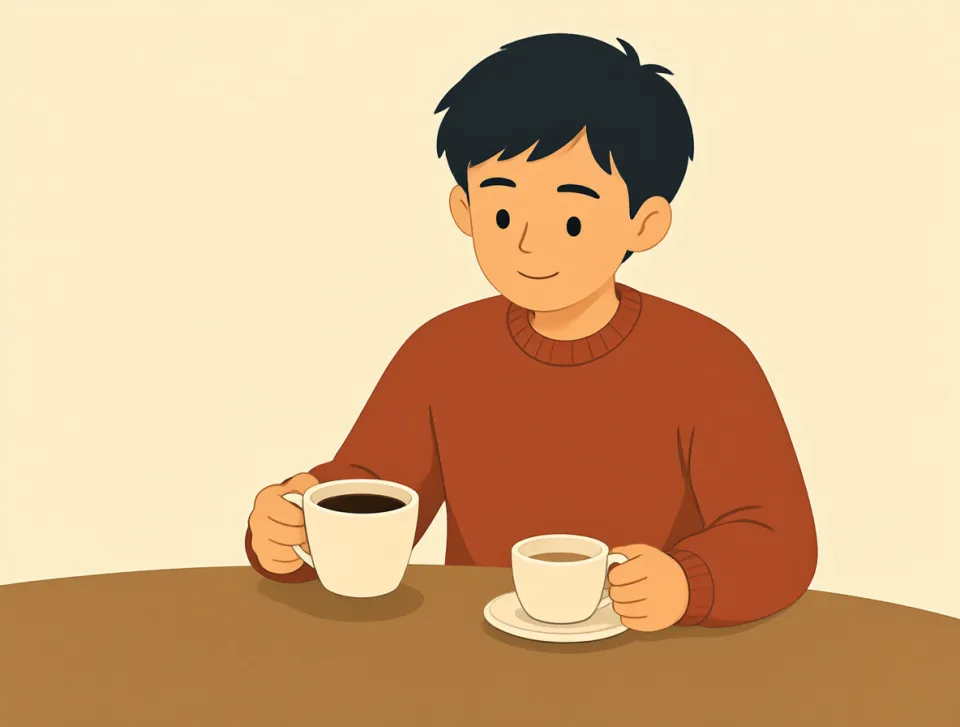
This is my second cup of coffee.
To moja druga filiżanka kawy.
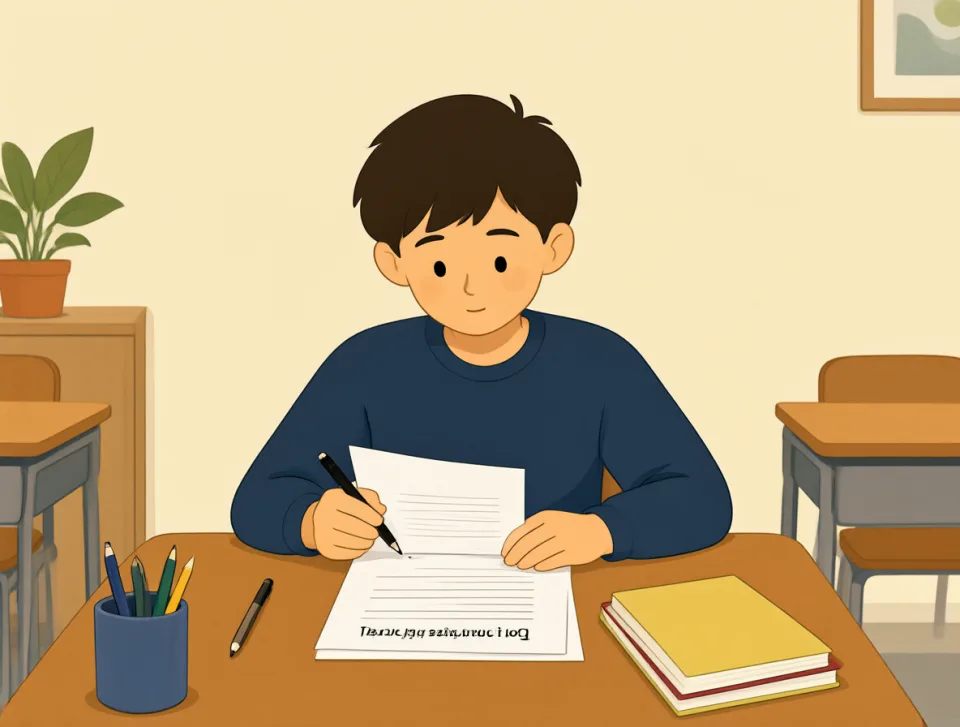
He checked the answer a second time.
Jeszcze raz sprawdził odpowiedź.
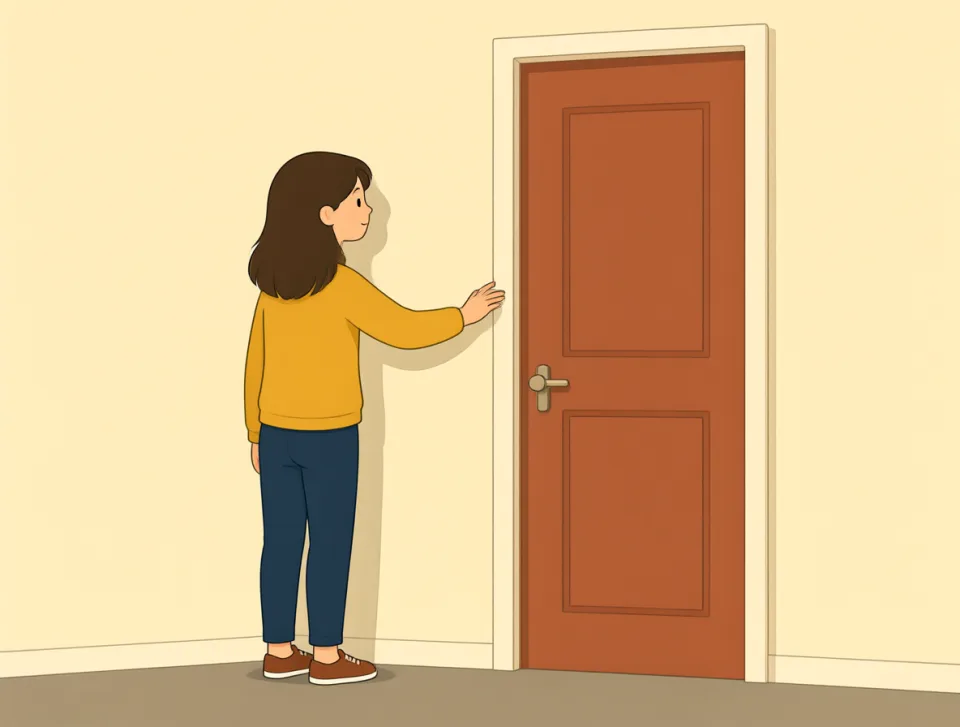
The second door leads to the kitchen.
Drugie drzwi prowadzą do kuchni.
though
#227adverb, conjunction
jednak; choć
used to say that something is surprising or different from what you expected
Używane, by powiedzieć, że coś jest zaskakujące lub inne, niż się spodziewano.
It was raining, though we went outside.
Padał deszcz, ale wyszliśmy na zewnątrz.
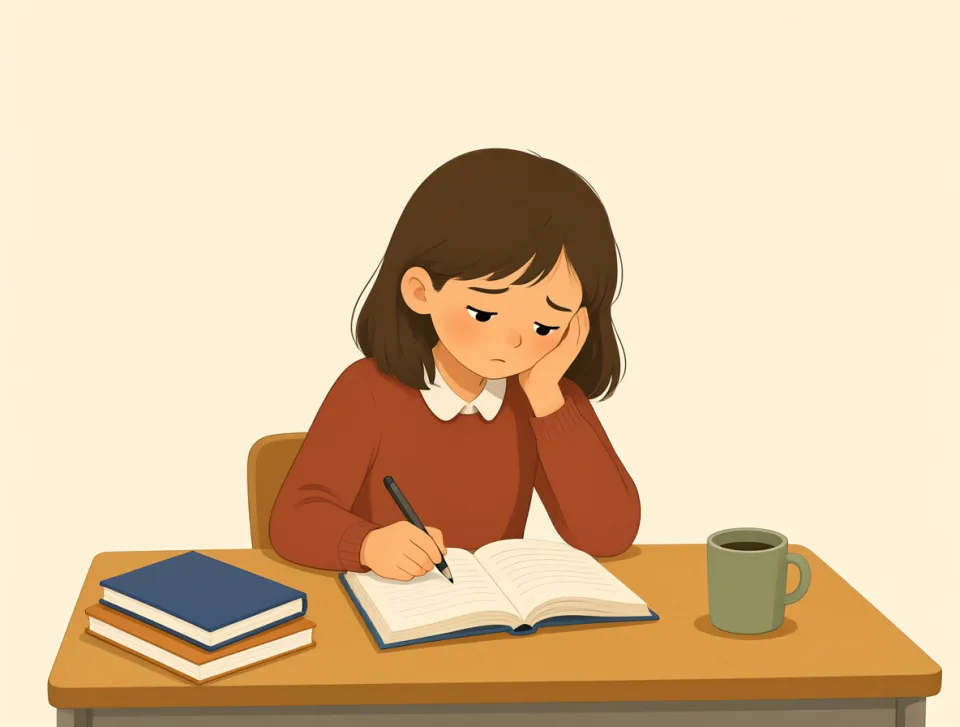
Though tired, she finished her homework.
Mimo zmęczenia skończyła odrabiać pracę domową.

I like this shirt, though it is expensive.
Podoba mi się ta koszula, choć jest droga.
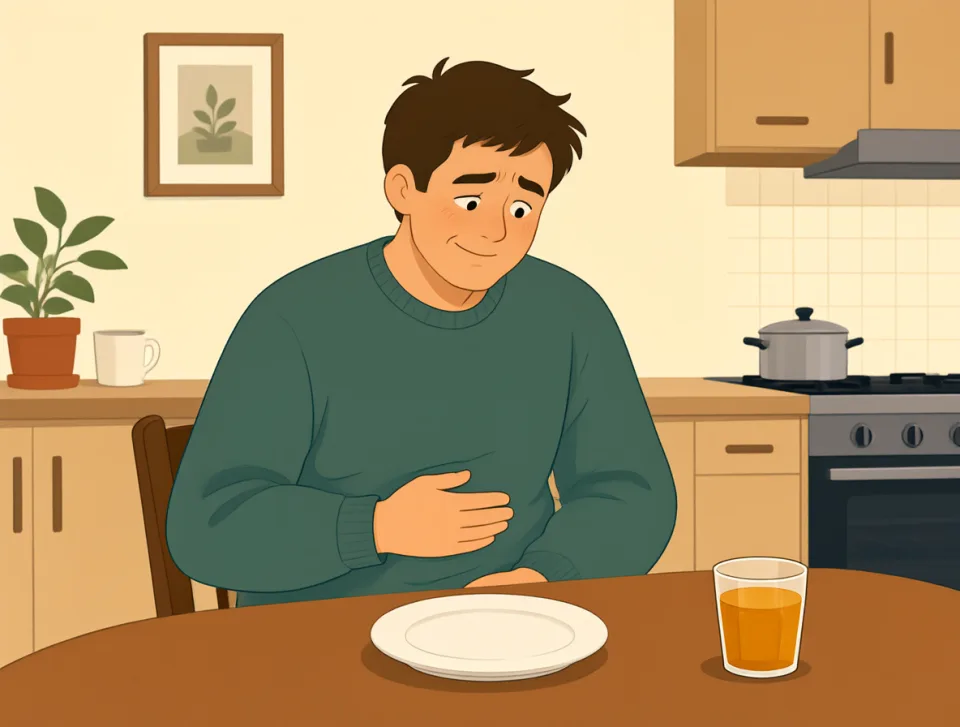
He smiled, though he felt sick.
Uśmiechnął się, choć źle się czuł.
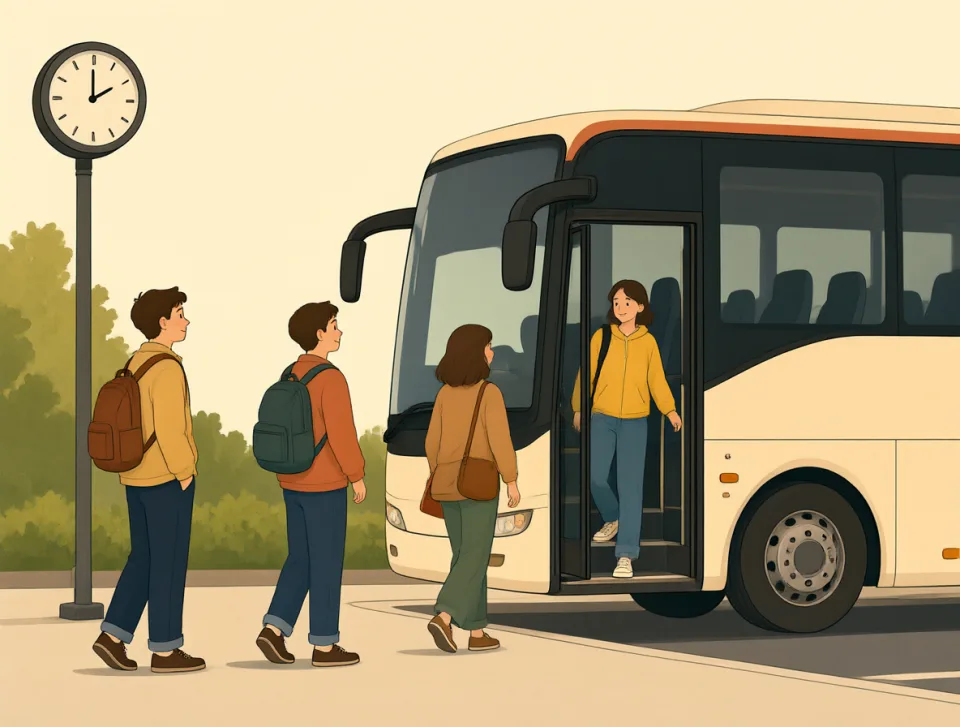
The bus was late, though we arrived on time.
Autobus się spóźnił, ale dotarliśmy na czas.
yes
#228adverb, noun
tak
A word used to agree or to answer a question positively.
Słowo używane do wyrażenia zgody lub udzielenia twierdzącej odpowiedzi na pytanie.
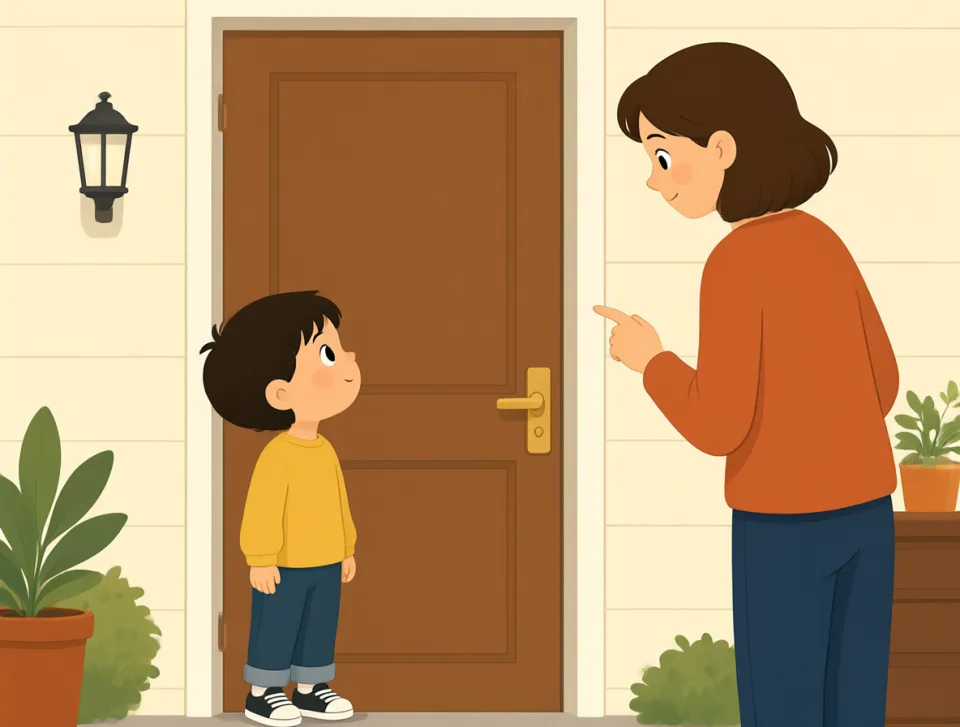
“Are you ready?” “Yes, I am.”
„Jesteś gotowy?” „Tak, jestem.”

She said yes to the job.
Zgodziła się przyjąć tę pracę.
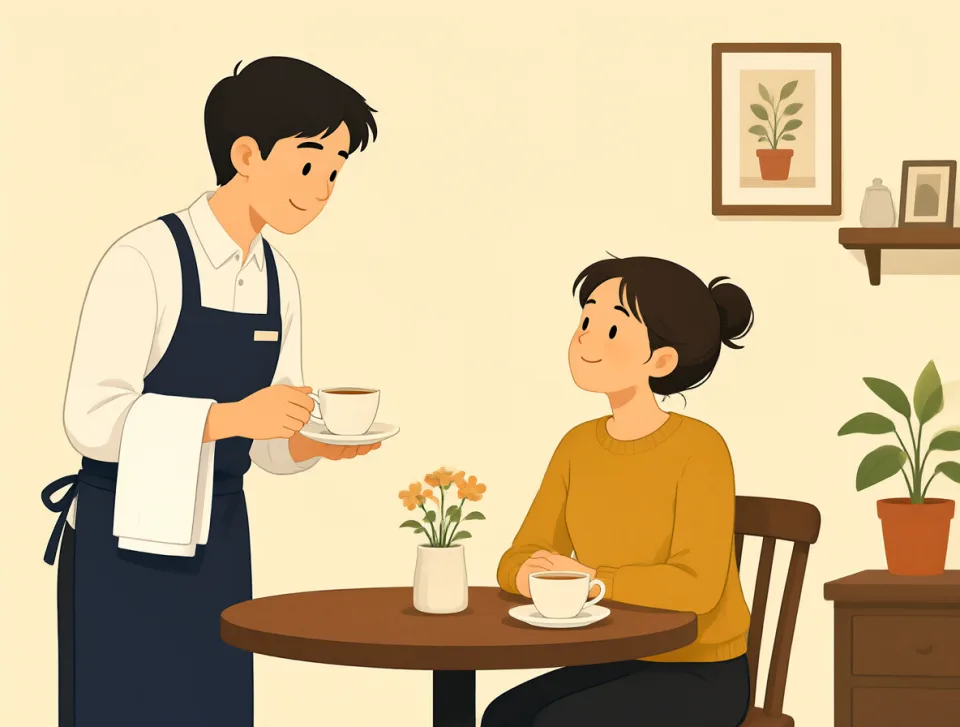
“Yes, please. I’d like some tea.”
„Tak, poproszę. Napiję się herbaty.”
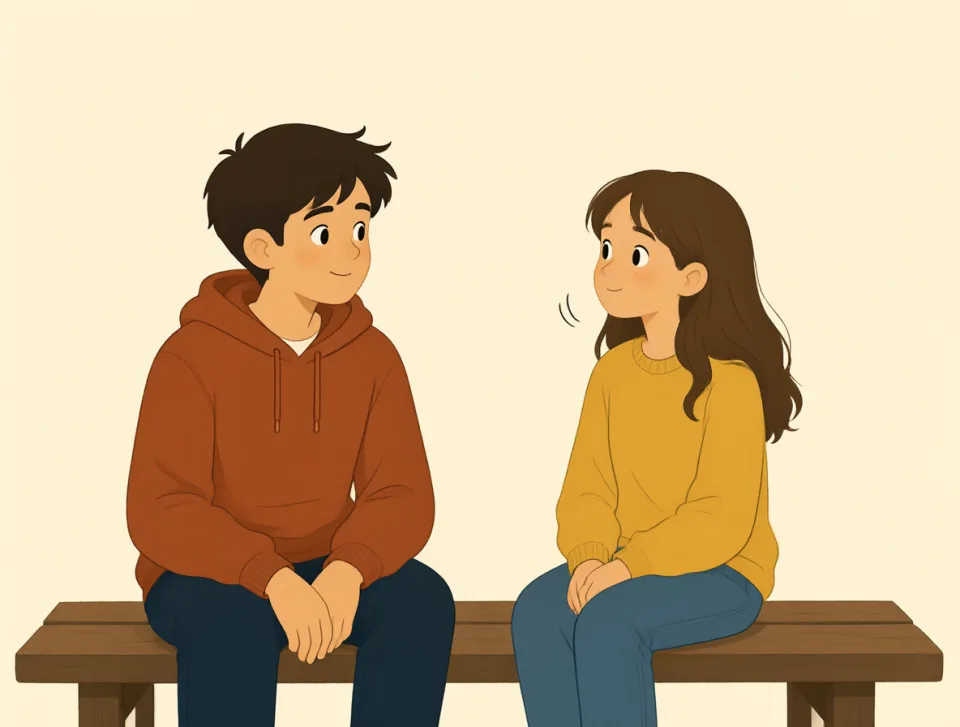
He nodded yes when I asked.
Kiedy zapytałem, skinął głową na tak.
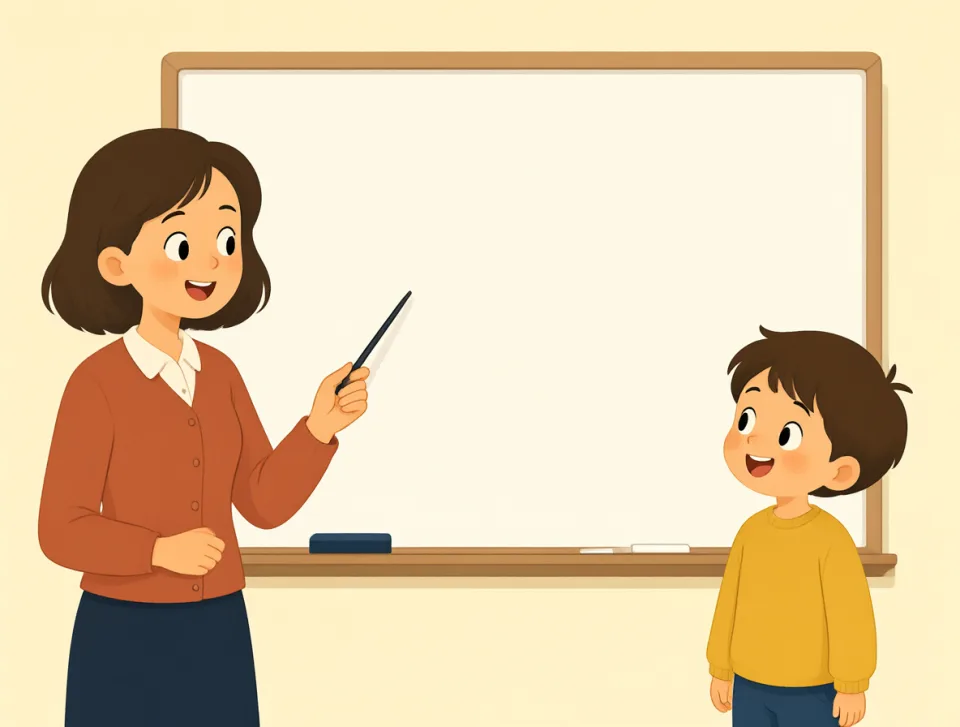
The answer is yes.
Odpowiedź brzmi: tak.

love
#229noun, verb
kochać; uwielbiać
To like someone or something very much, or to feel strong affection for them.
Bardzo kogoś lub coś lubić albo darzyć kogoś silnym uczuciem.
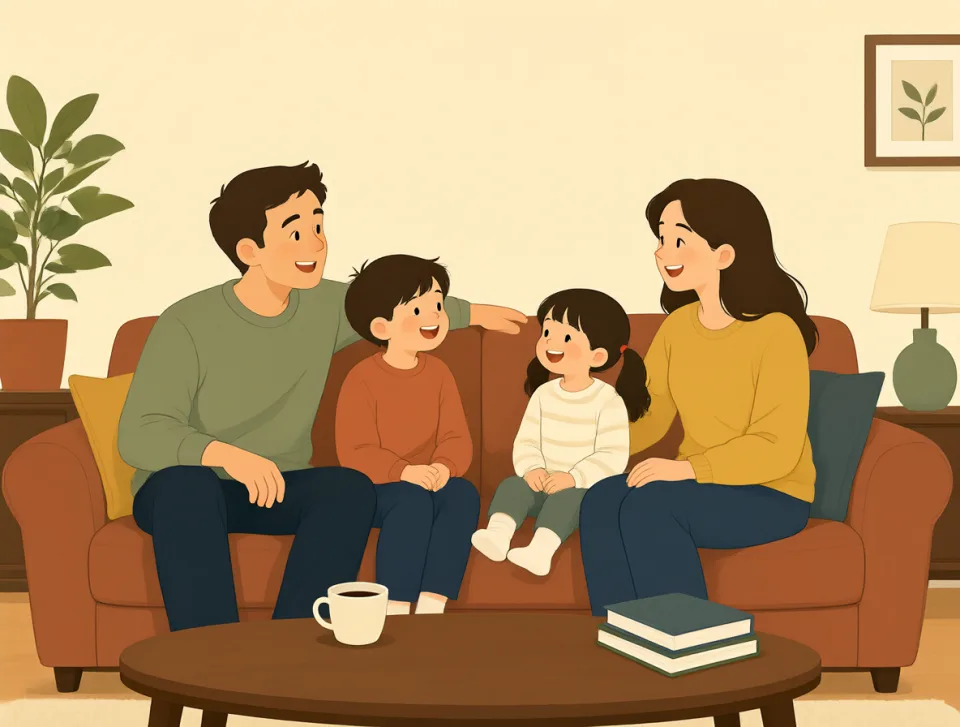
I love spending time with my family.
Uwielbiam spędzać czas z rodziną.
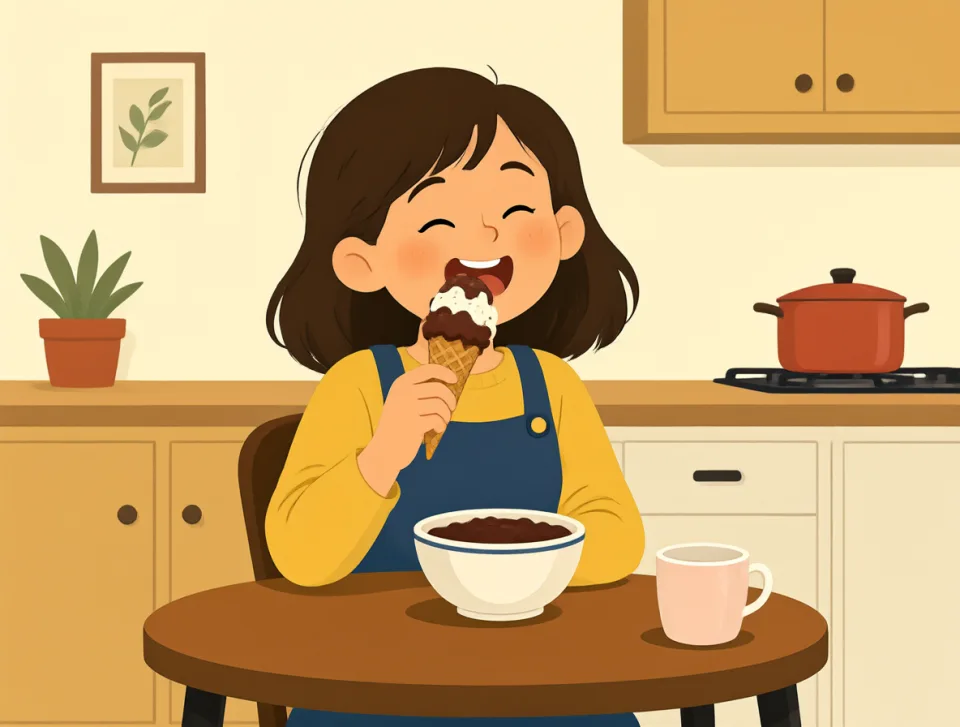
She loves chocolate ice cream.
Ona uwielbia czekoladowe lody.

They fell in love at school.
Zakochali się w sobie w szkole.
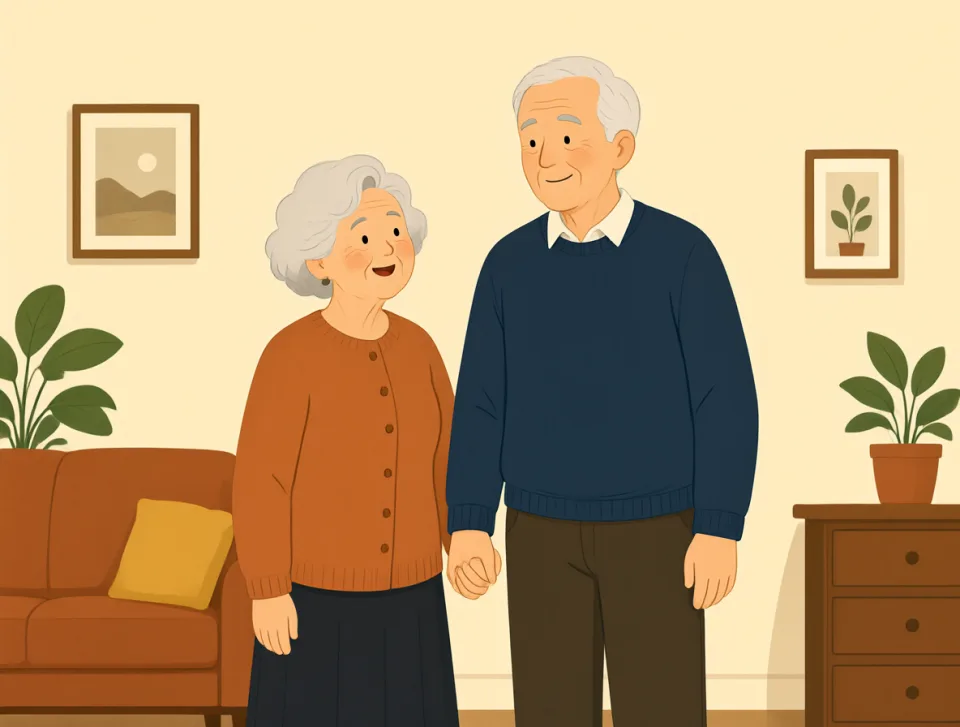
My parents love each other very much.
Moi rodzice bardzo się kochają.

He loves his new job.
On uwielbia swoją nową pracę.
increase
#230noun, verb
zwiększać się; wzrost
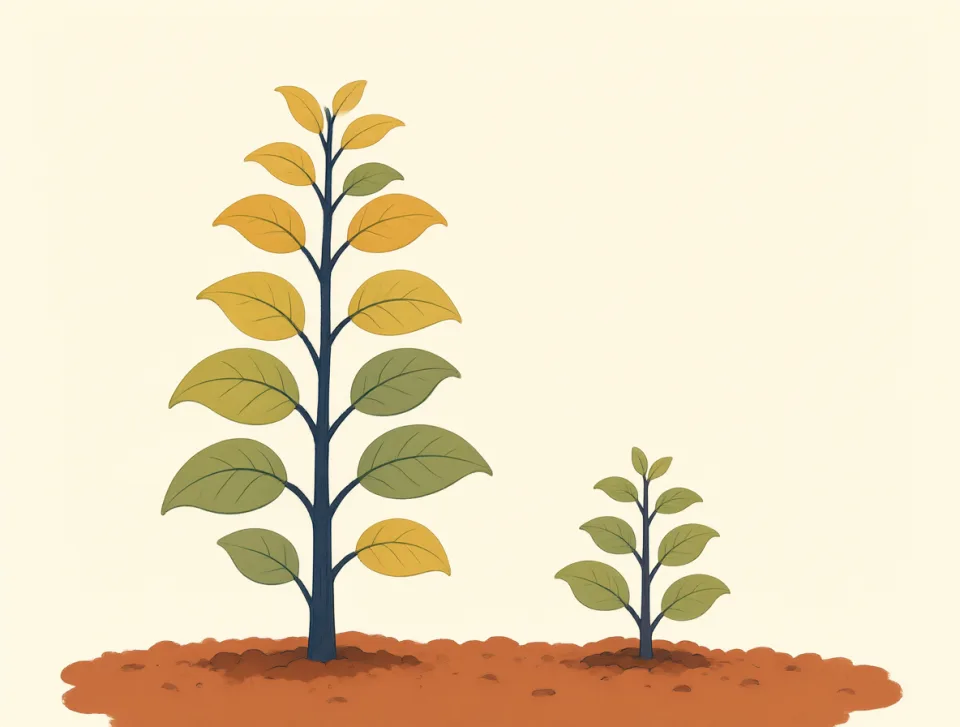
to become larger in amount, number, or size; a rise in amount, number, or size
Stawać się większym pod względem ilości, liczby lub rozmiaru; wzrost ilości, liczby lub rozmiaru.
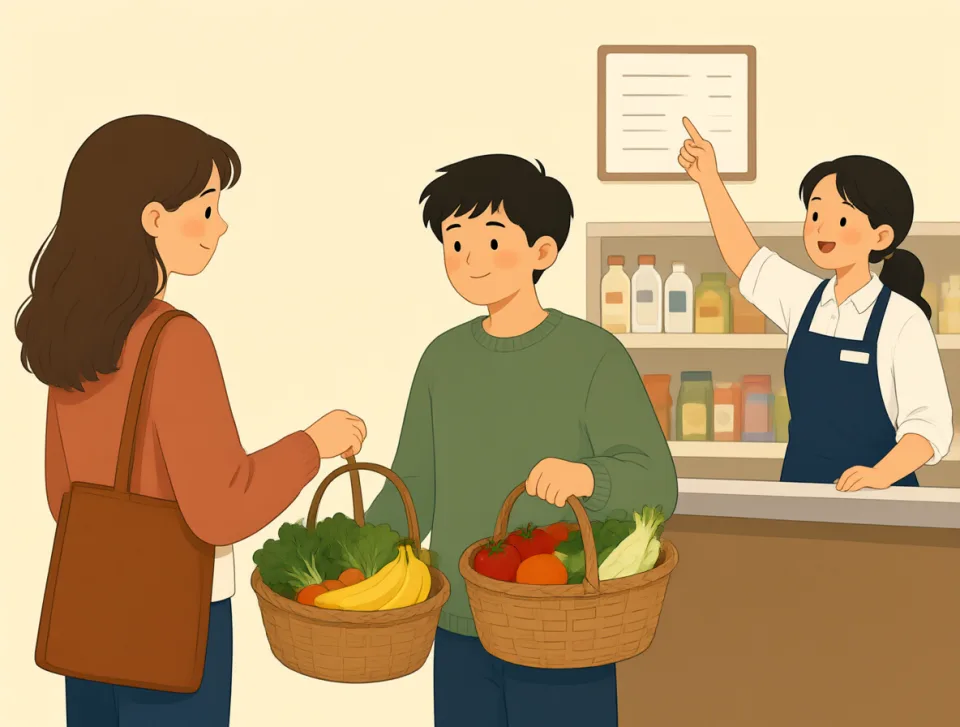
Prices increase when supplies become limited.
Ceny rosną, gdy zapasy się kurczą.
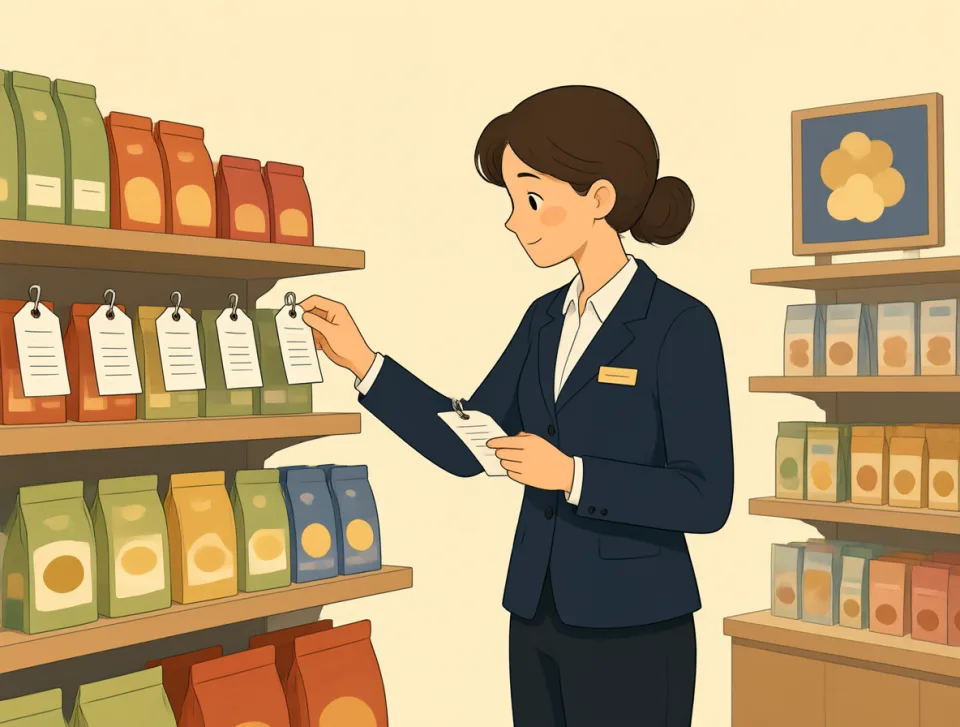
The company increased its prices last month.
W zeszłym miesiącu firma podniosła ceny.
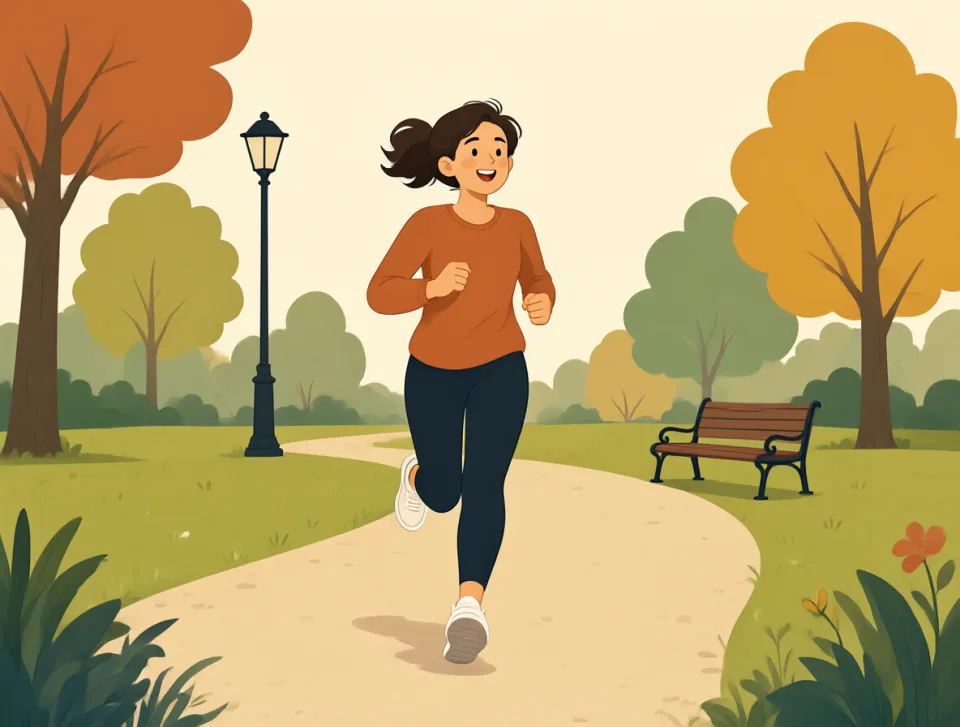
Regular exercise can increase your energy.
Regularne ćwiczenia mogą zwiększyć twoją energię.

We saw an increase in hotel bookings.
Zauważyliśmy wzrost liczby rezerwacji hotelowych.
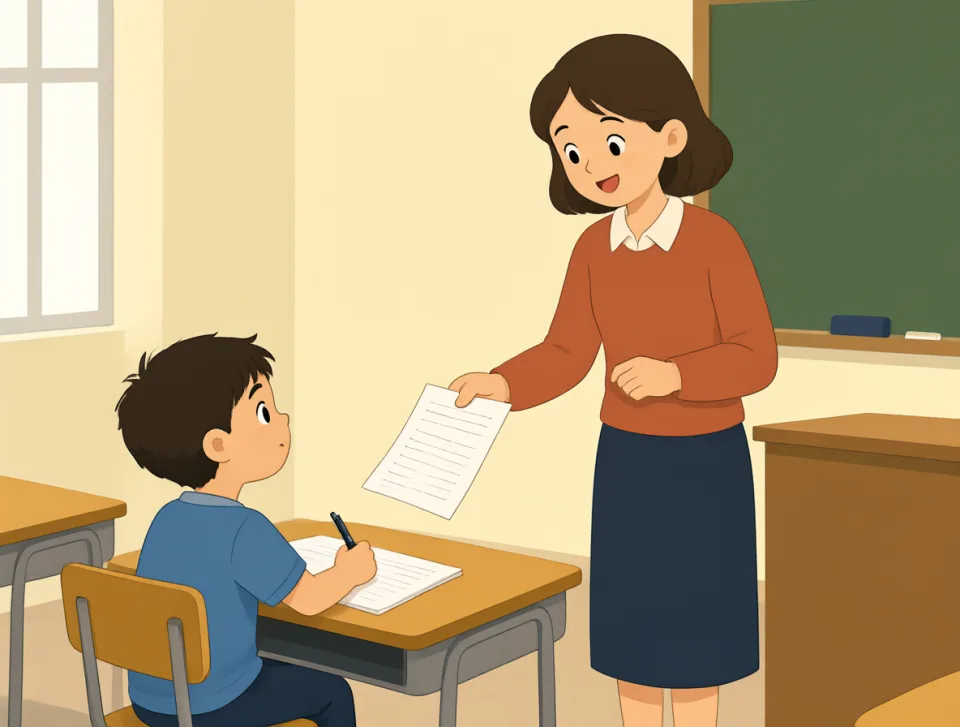
The teacher increased the homework after the test.
Po teście nauczyciel zadał więcej pracy domowej.
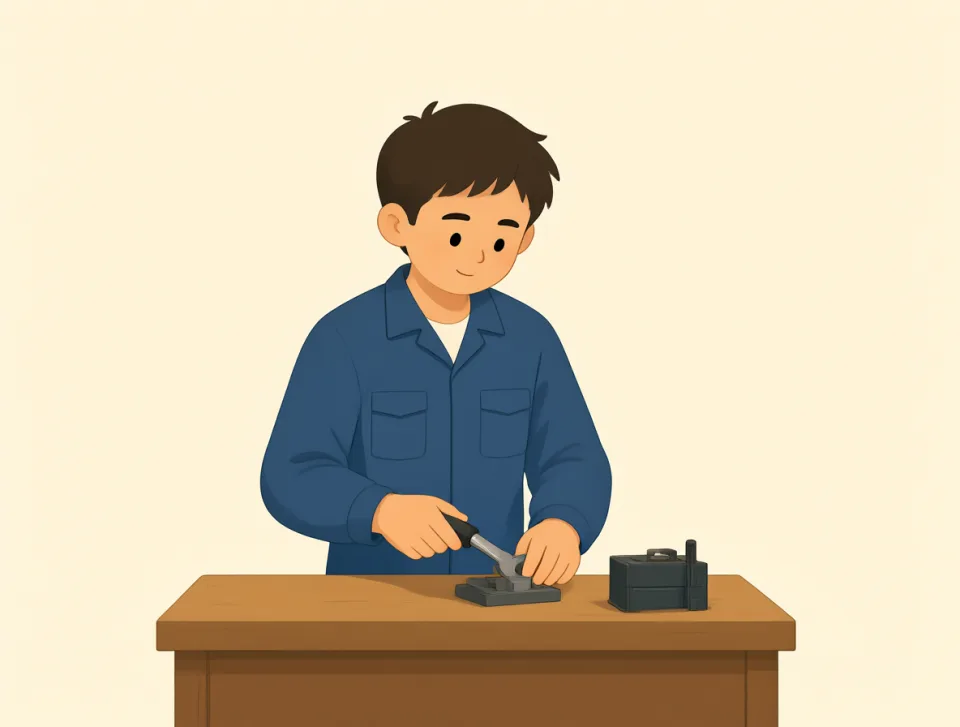
job
#231noun, verb
praca
A job is work that you do to earn money, or a task that needs doing.
Praca to zajęcie, które wykonujesz, żeby zarabiać pieniądze, albo zadanie, które trzeba wykonać.
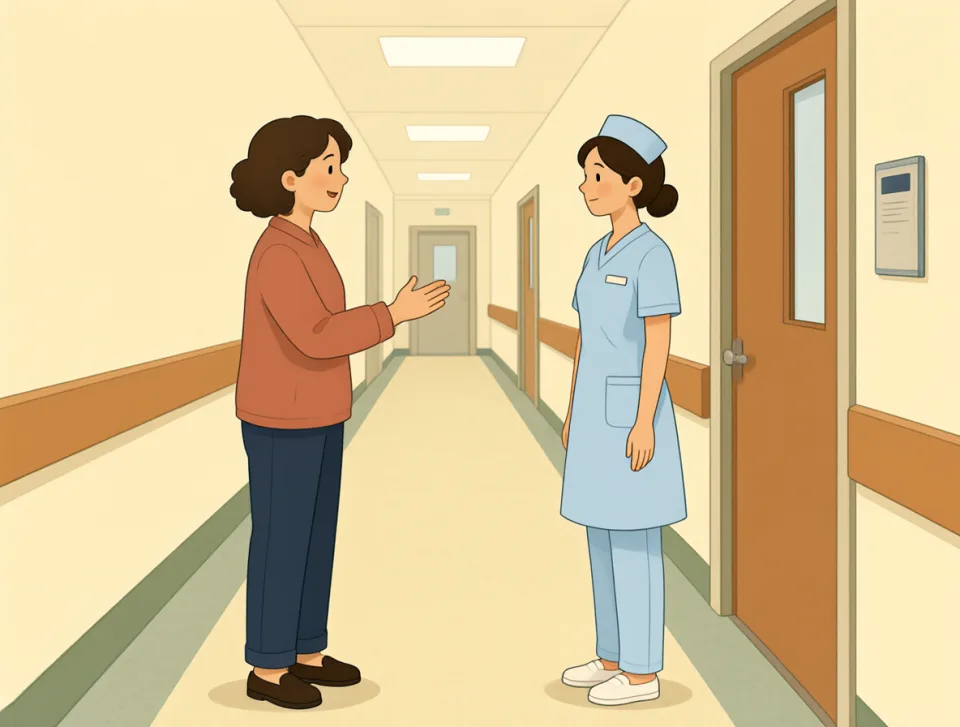
She has a new job at the hospital.
Ona ma nową pracę w szpitalu.
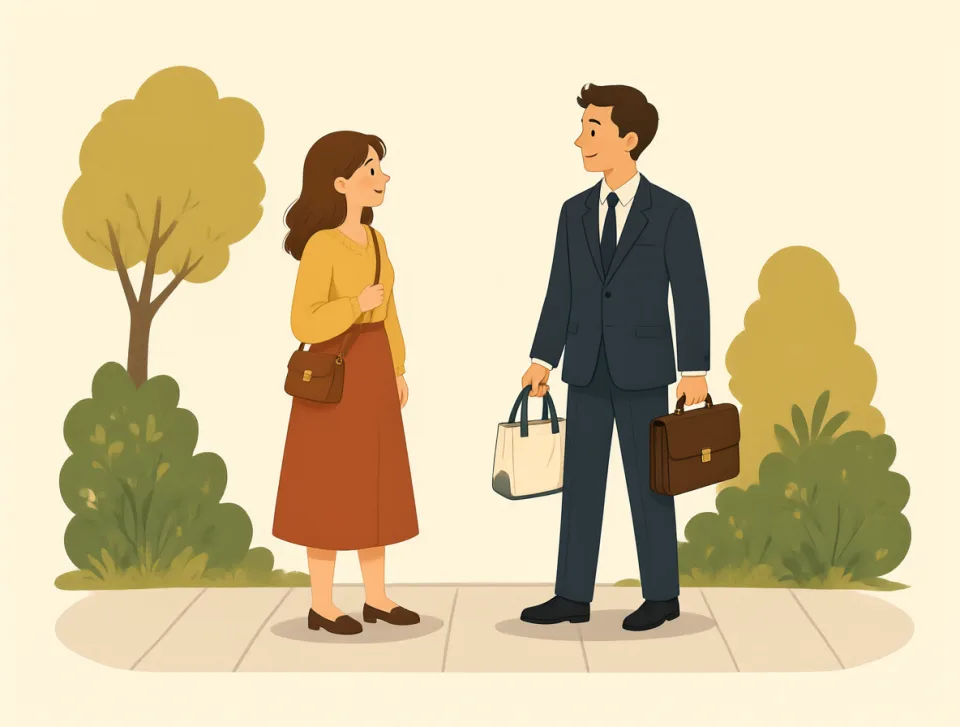
My father goes to work every morning.
Mój ojciec chodzi do pracy każdego ranka.
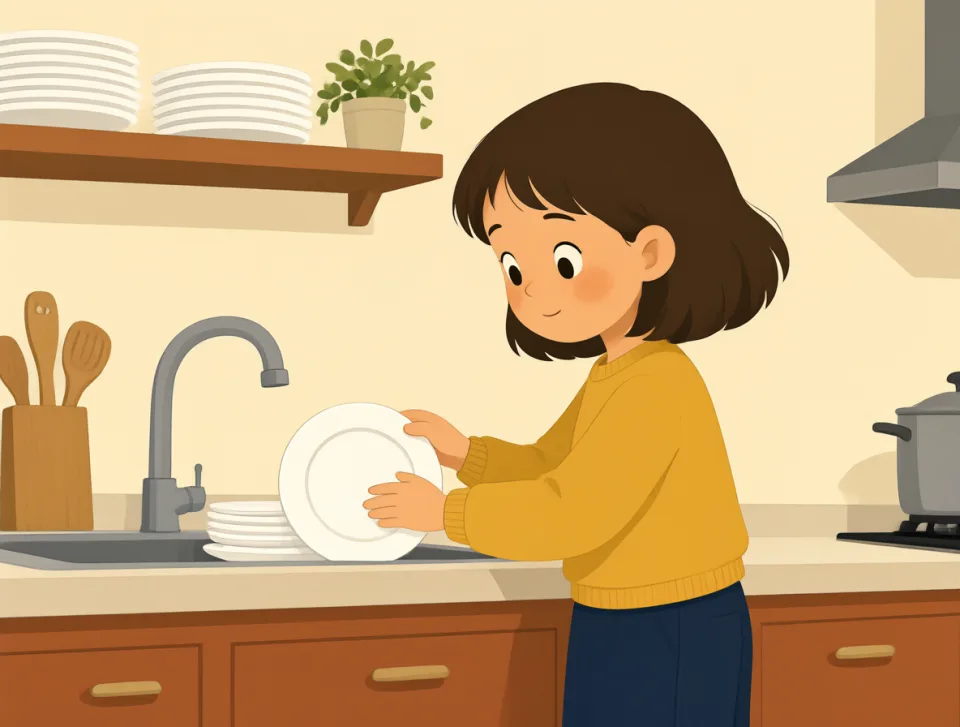
Please do this job before dinner.
Proszę wykonać to zadanie przed kolacją.
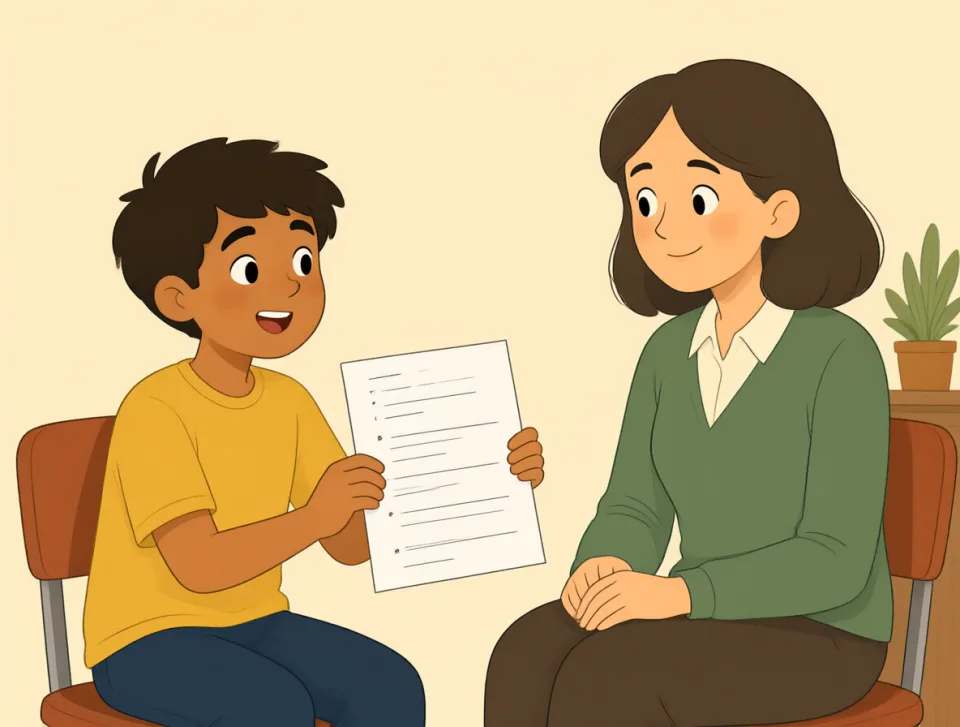
He did a good job on the test.
Dobrze poradził sobie na teście.
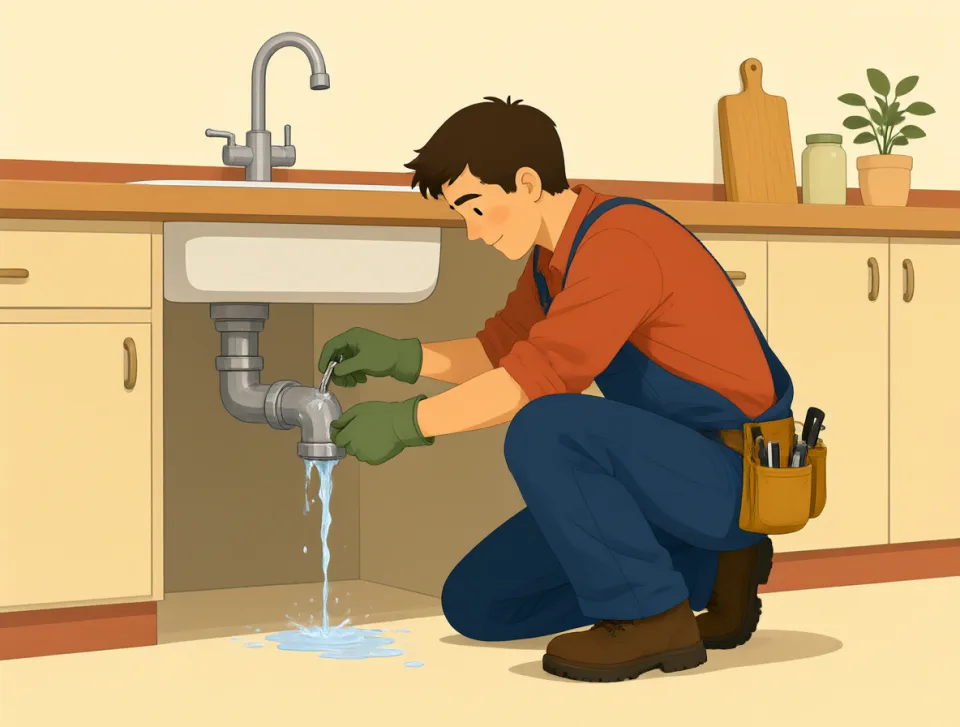
The plumber is doing a difficult job.
Hydraulik wykonuje trudną pracę.
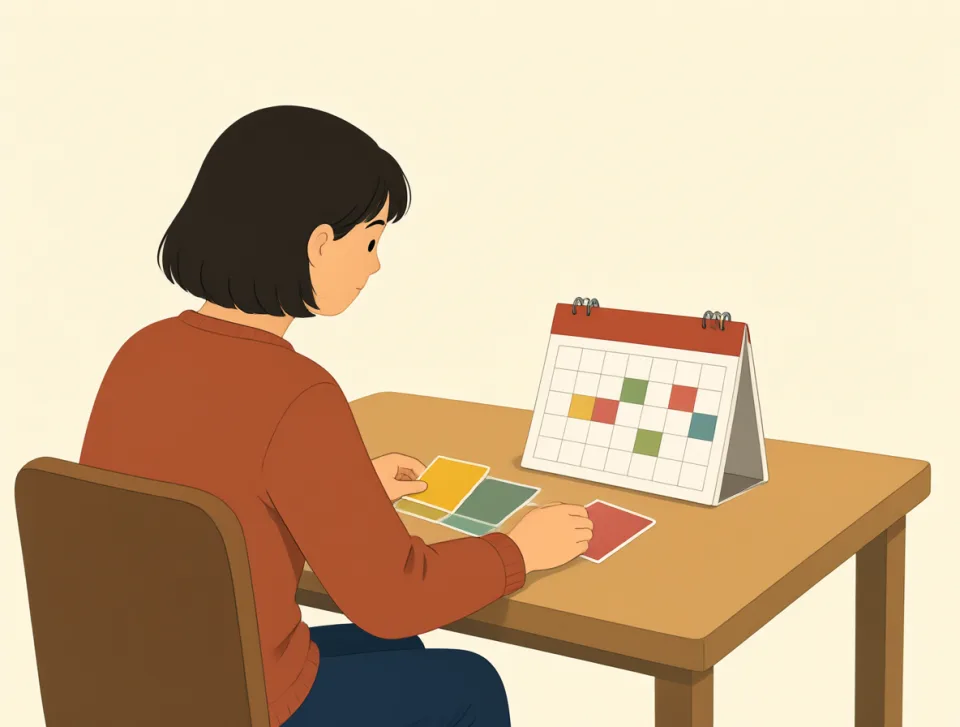
plan
#232noun, verb
plan
An idea of what you will do, or to decide what you will do.
Pomysł na to, co zrobisz, albo decyzja dotycząca tego, co zrobisz.
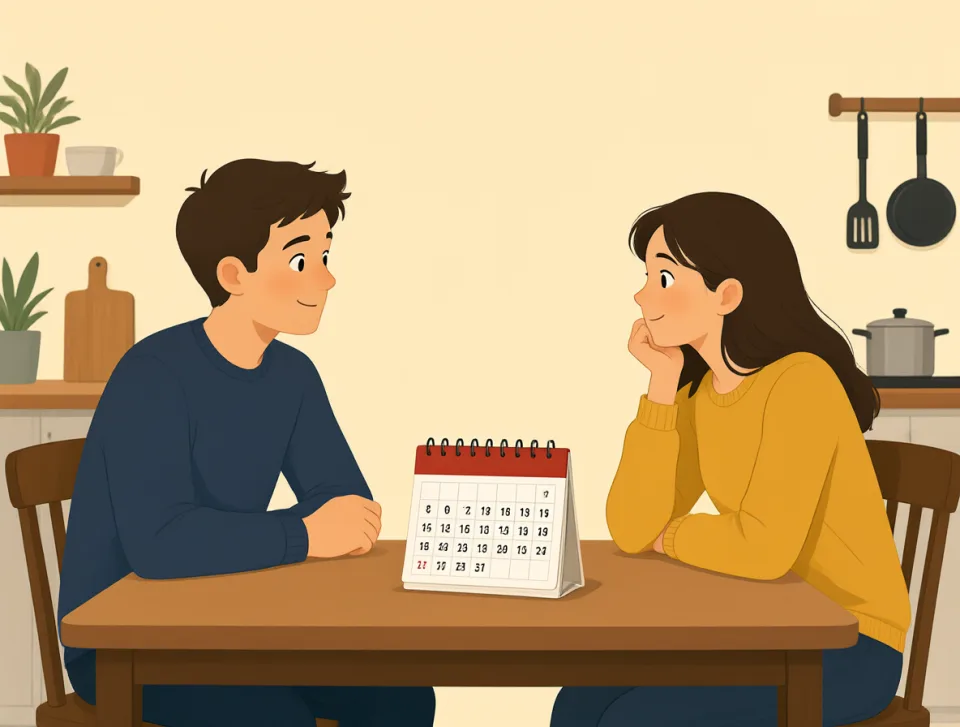
We made a plan for the weekend.
Ułożyliśmy plan na weekend.
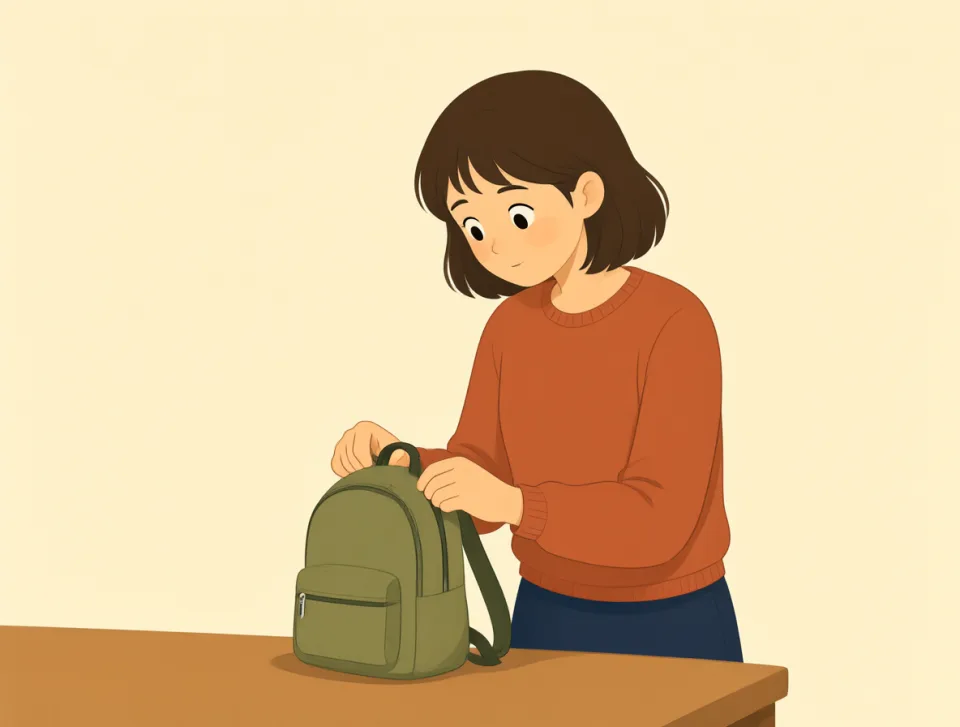
She plans to visit her grandmother tomorrow.
Ona planuje jutro odwiedzić swoją babcię.
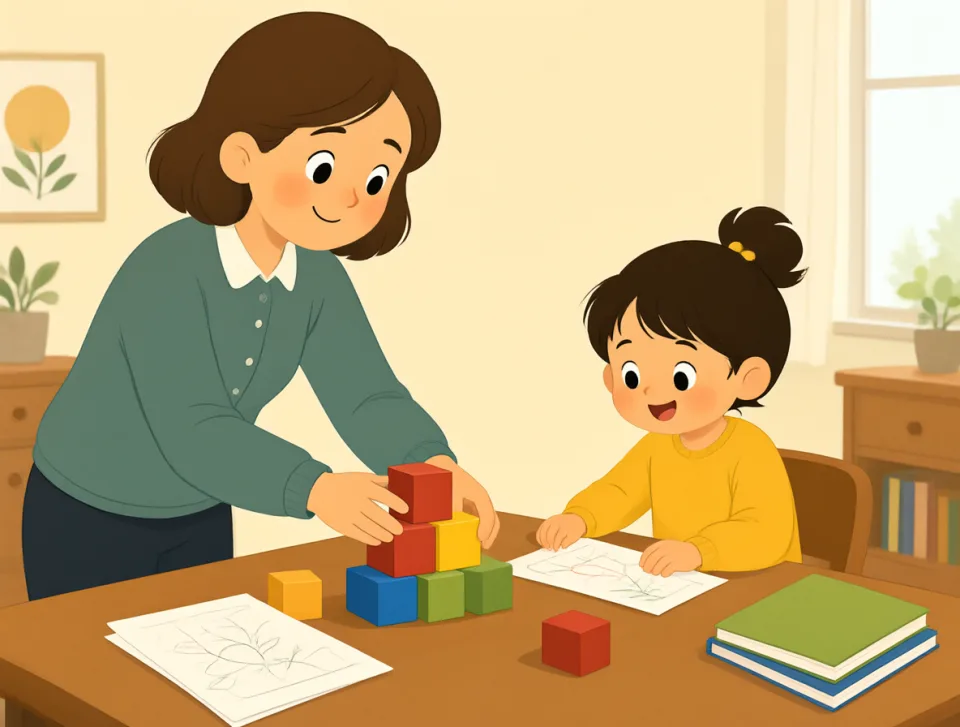
The teacher planned a fun class activity.
Nauczyciel zaplanował ciekawe zajęcia dla klasy.

They changed their travel plans because of rain.
Zmienili swoje plany podróży z powodu deszczu.
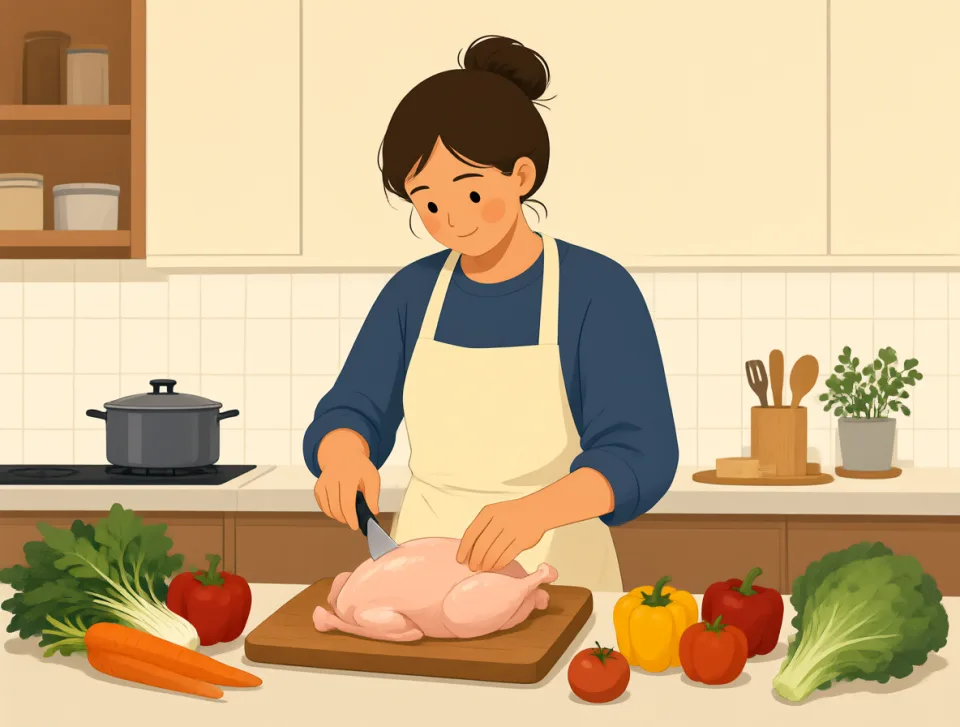
I am planning a healthy dinner tonight.
Planuję dziś wieczorem przygotować zdrową kolację.
result
#233noun, verb
rezultat
Something that happens because of an action or event.
Coś, co dzieje się w wyniku działania lub wydarzenia.
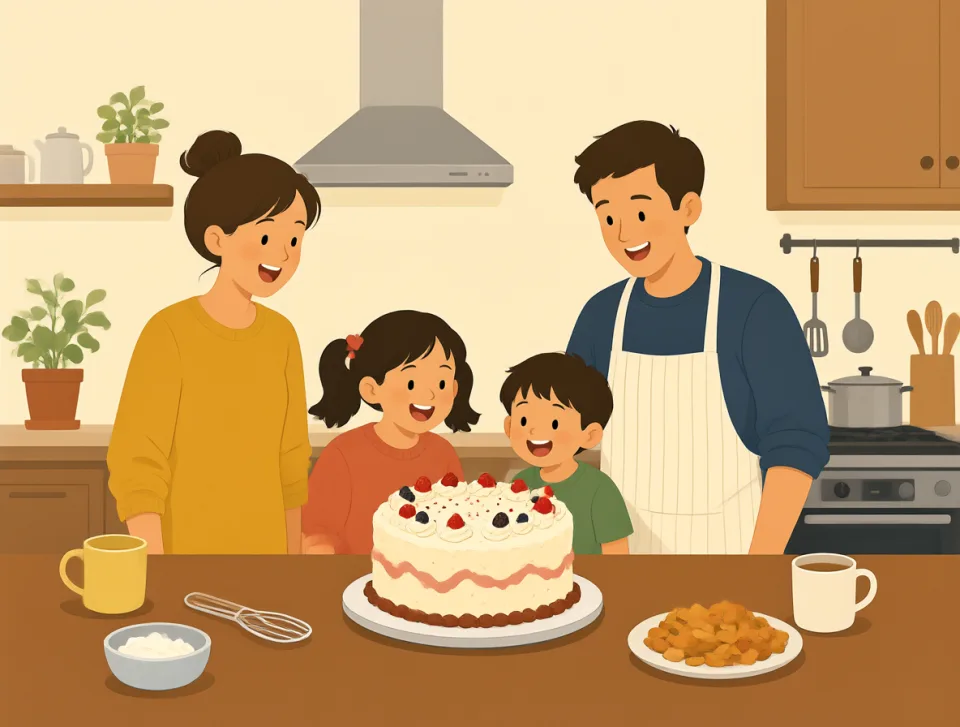
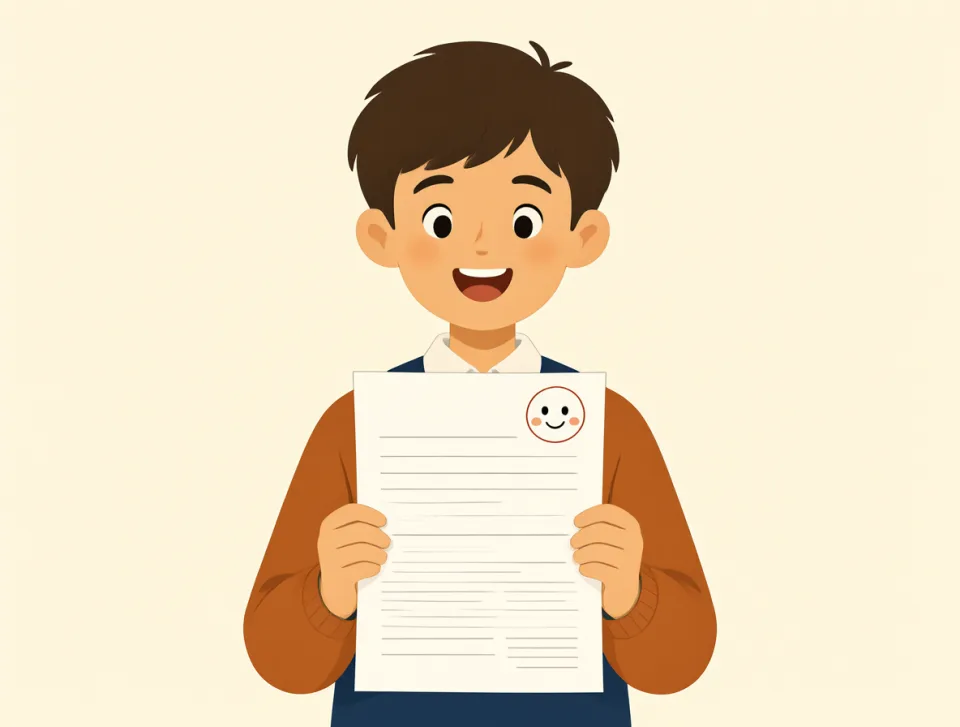
The result was better than we expected.
Rezultat był lepszy, niż się spodziewaliśmy.
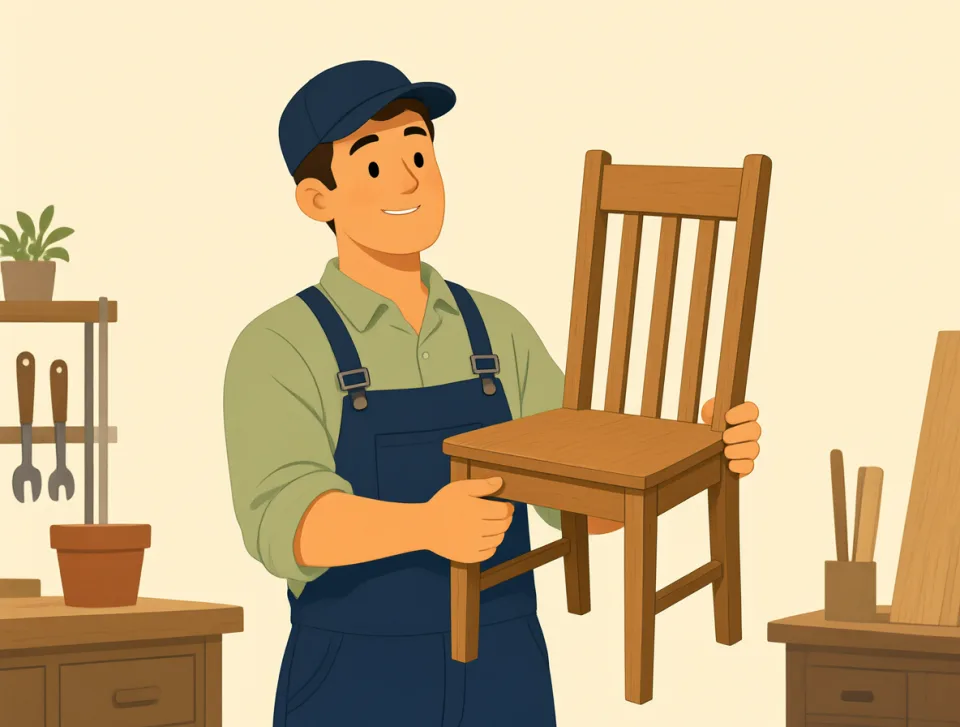
Hard work often results in success.
Ciężka praca często prowadzi do sukcesu.
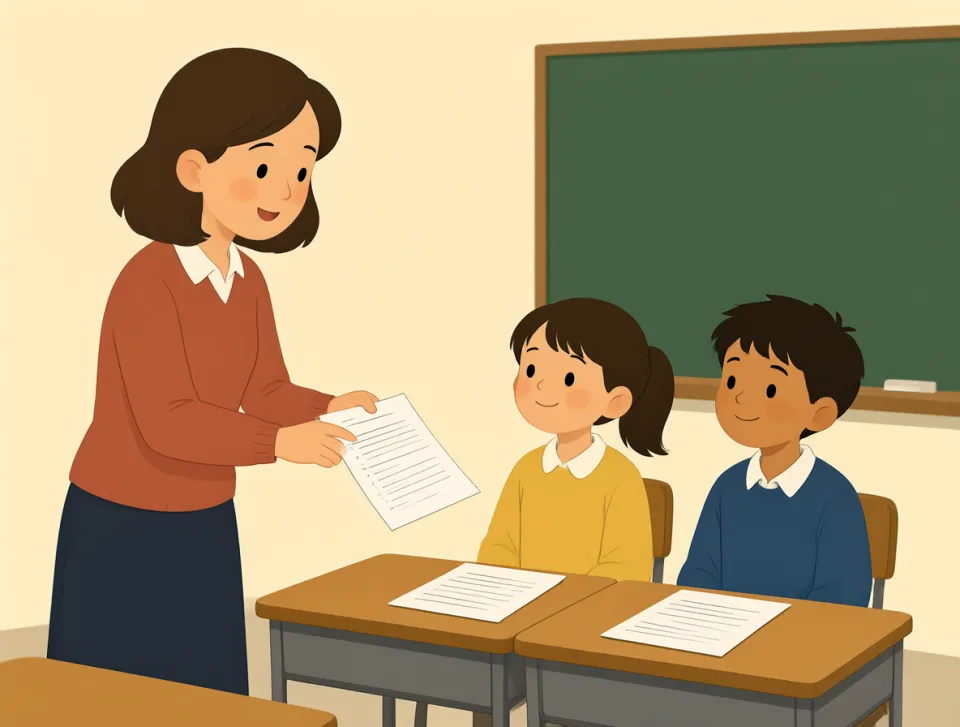
The test results came out yesterday.
Wyniki testu pojawiły się wczoraj.
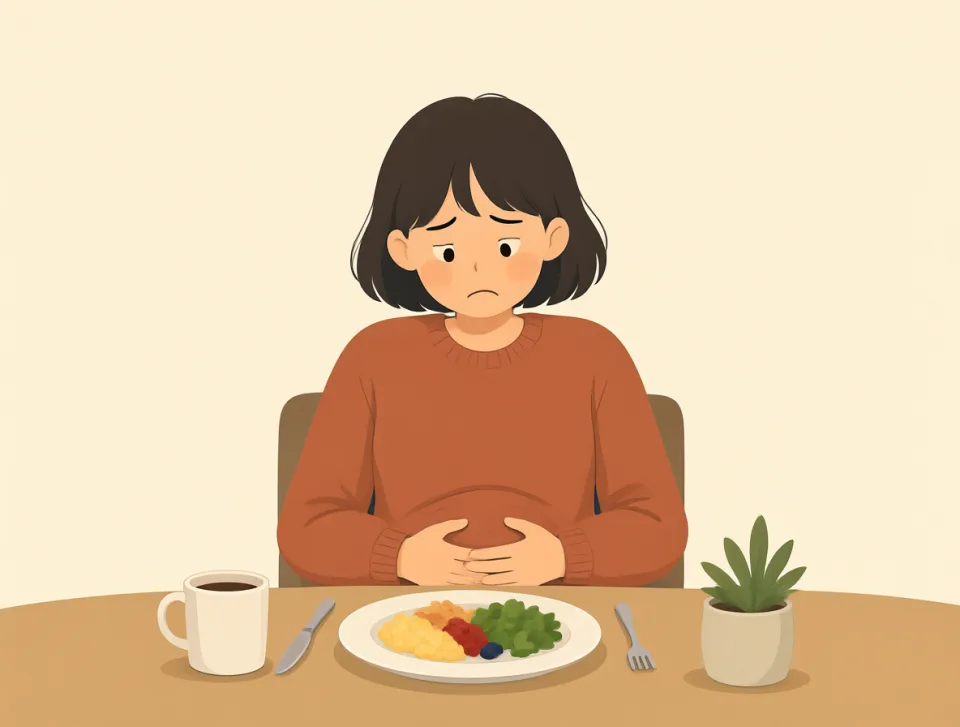
The meal resulted in stomach pain.
Po tym posiłku bolał nas brzuch.
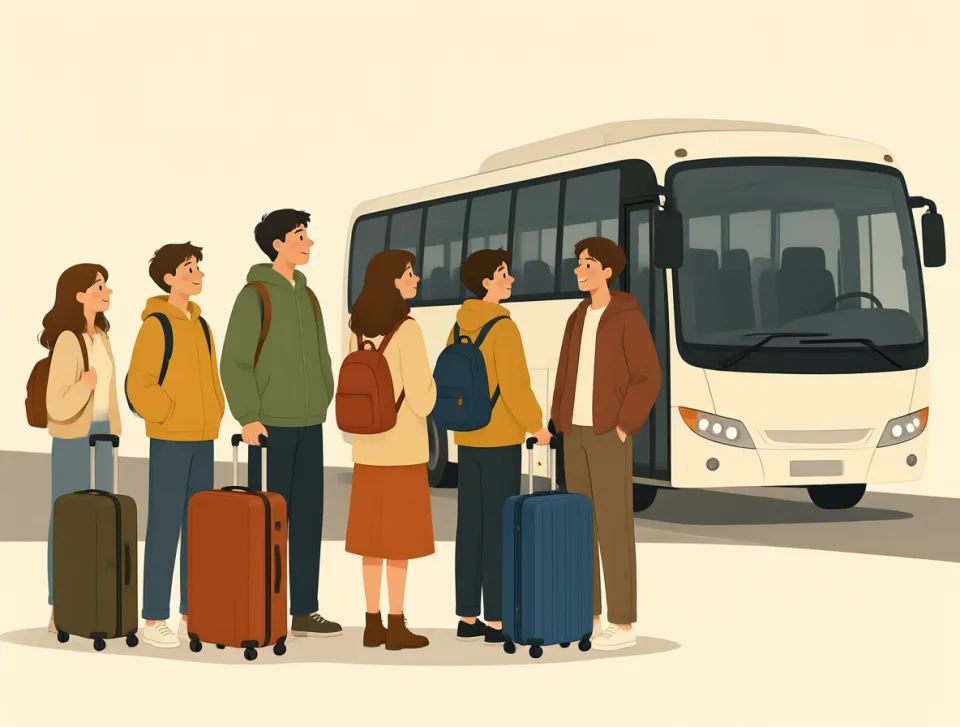
The accident resulted in a long delay.
Wypadek spowodował długie opóźnienie.
away
#234adverb, adjective
daleko; z dala
At or to a place that is far from here or from someone.
W miejscu odległym od tego miejsca lub od kogoś albo do takiego miejsca.
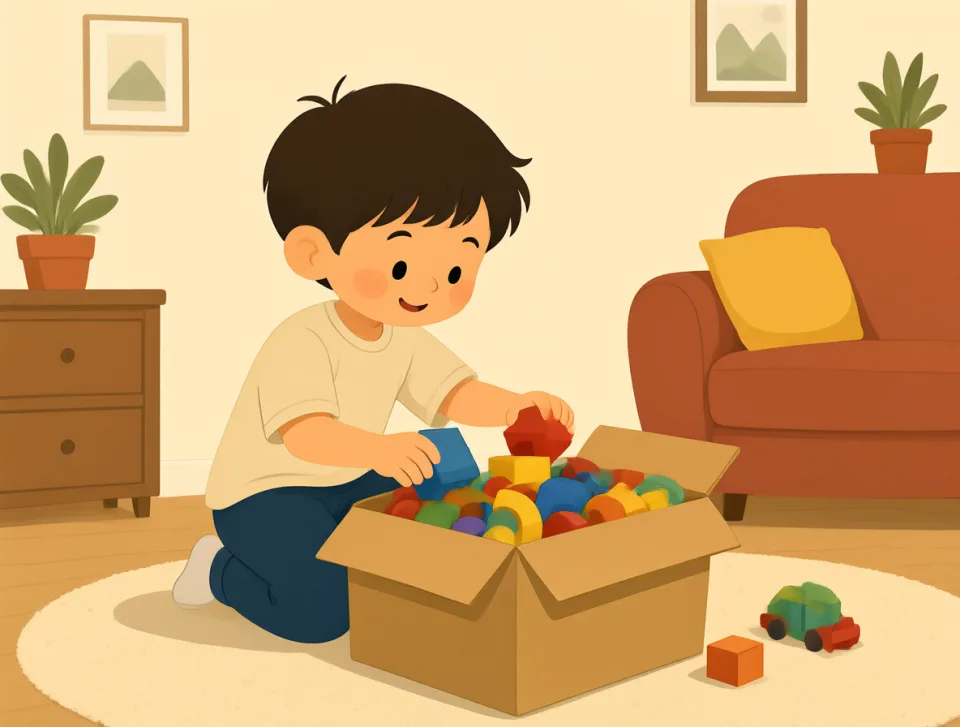
Please put your toys away after playing.
Proszę odłożyć zabawki po zabawie.
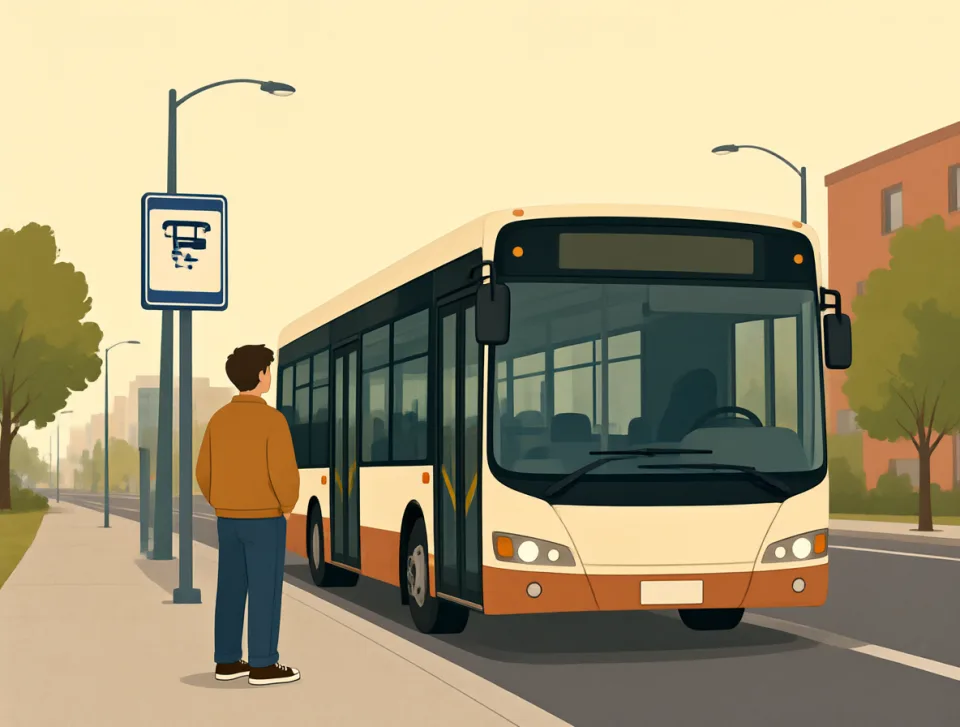
The bus drove away before I arrived.
Autobus odjechał, zanim przyjechałem.

She is away on a business trip.
Ona jest na wyjeździe służbowym.
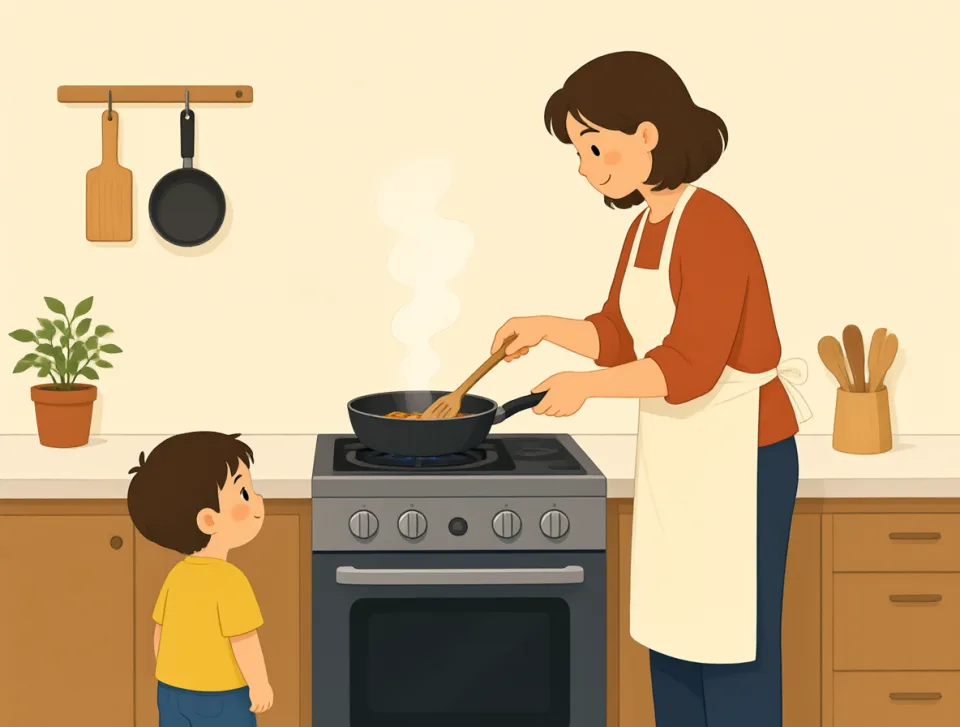
Keep away from the hot stove.
Trzymaj się z dala od gorącej kuchenki.
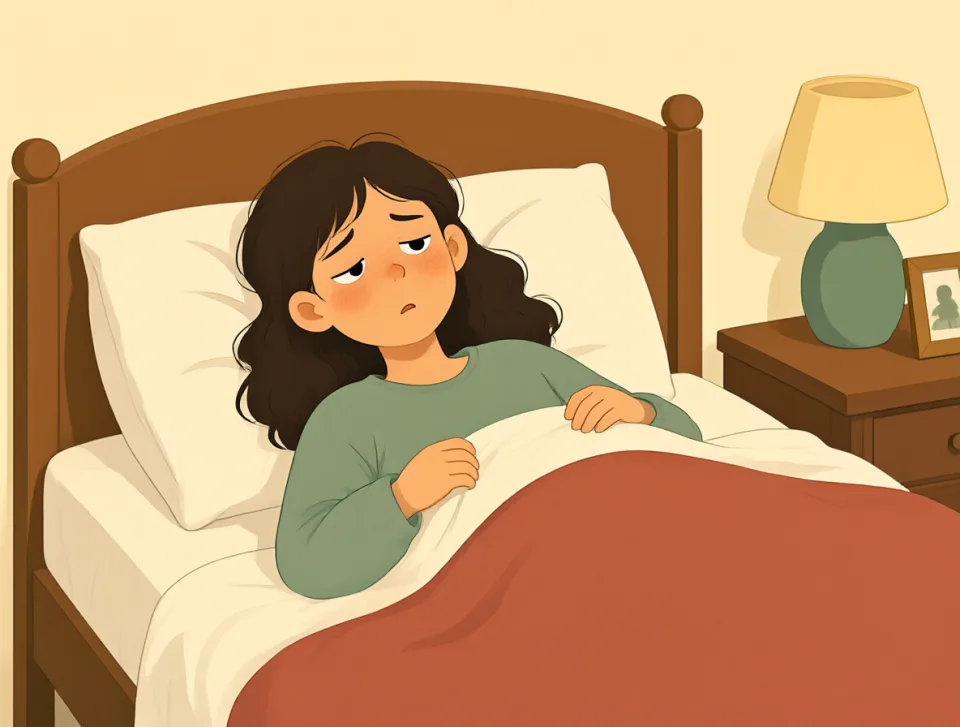
The pain went away after some rest.
Ból minął po odpoczynku.
example
#235noun
przykład
Something that shows what a person or thing is like.
Coś, co pokazuje, jaka jest dana osoba lub rzecz.
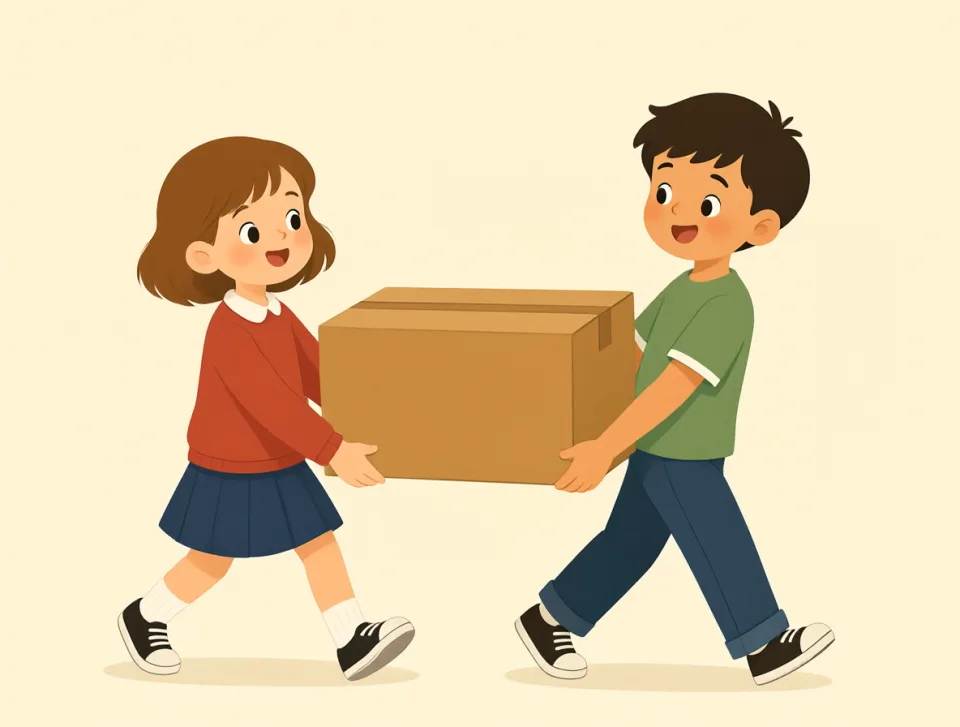
This picture is a good example of teamwork.
Ten obrazek jest dobrym przykładem pracy zespołowej.
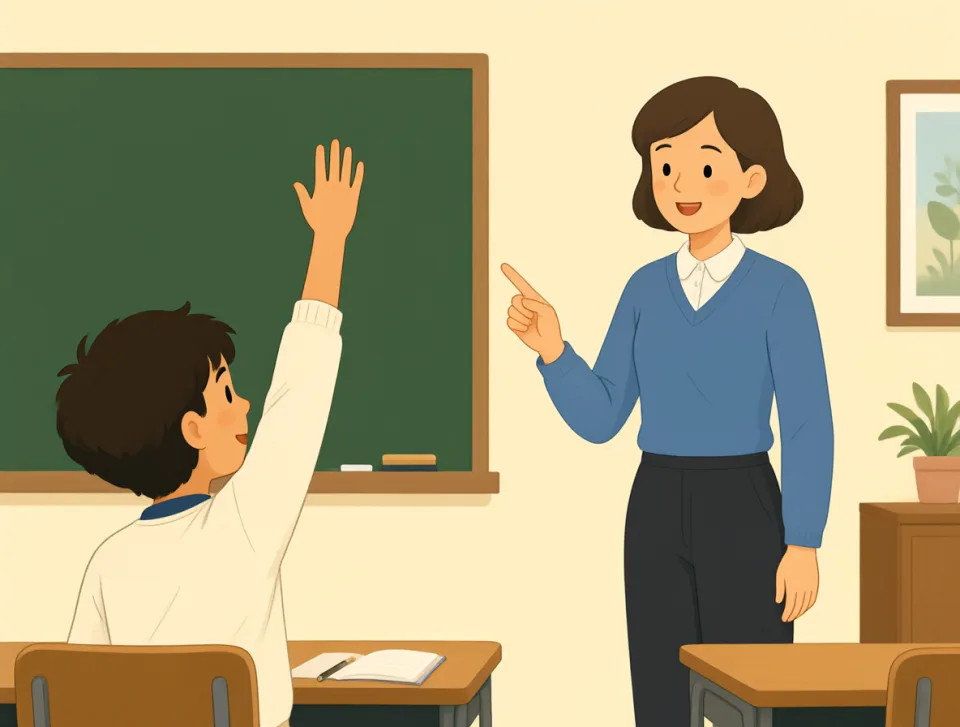
Can you give me an example, please?
Czy możesz podać mi przykład, proszę?
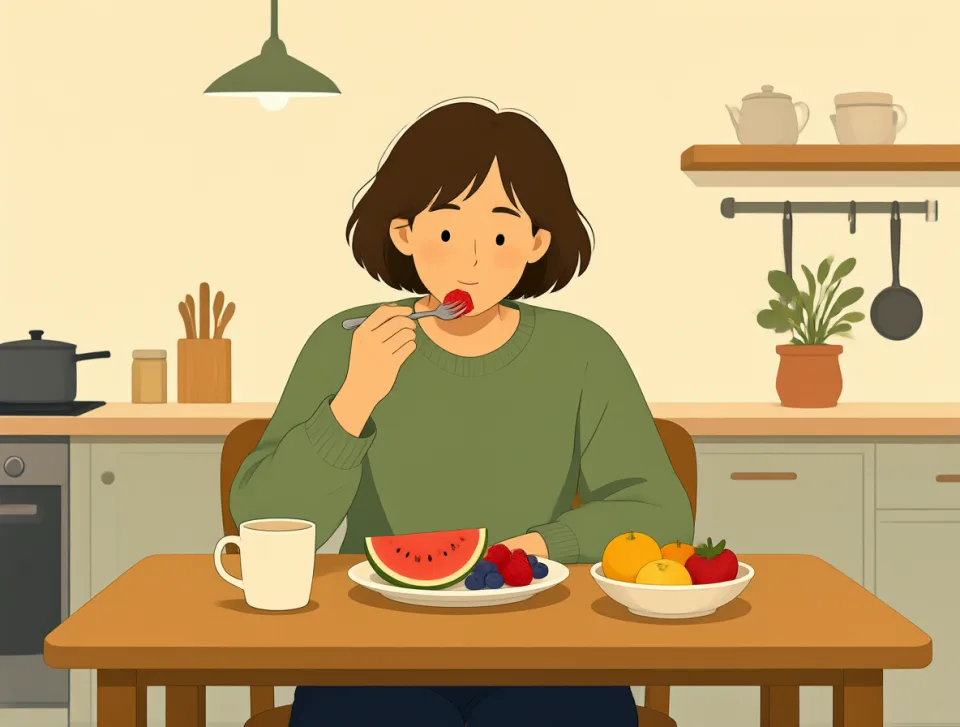
For example, I eat fruit every morning.
Na przykład jem owoce każdego ranka.
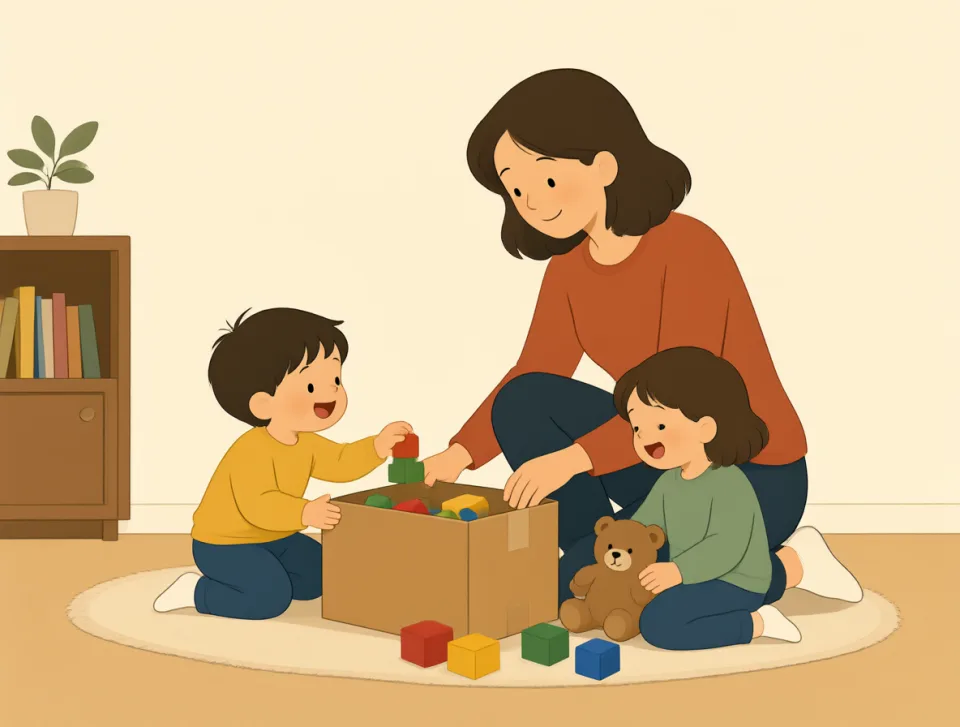
She is a good example for her children.
Ona jest dobrym przykładem dla swoich dzieci.
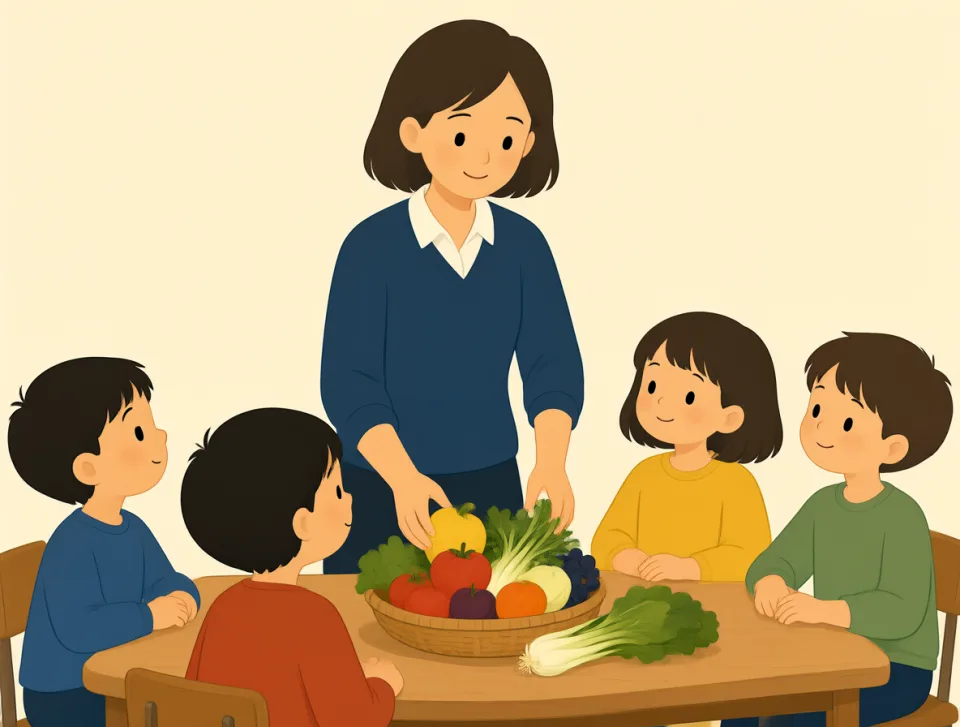
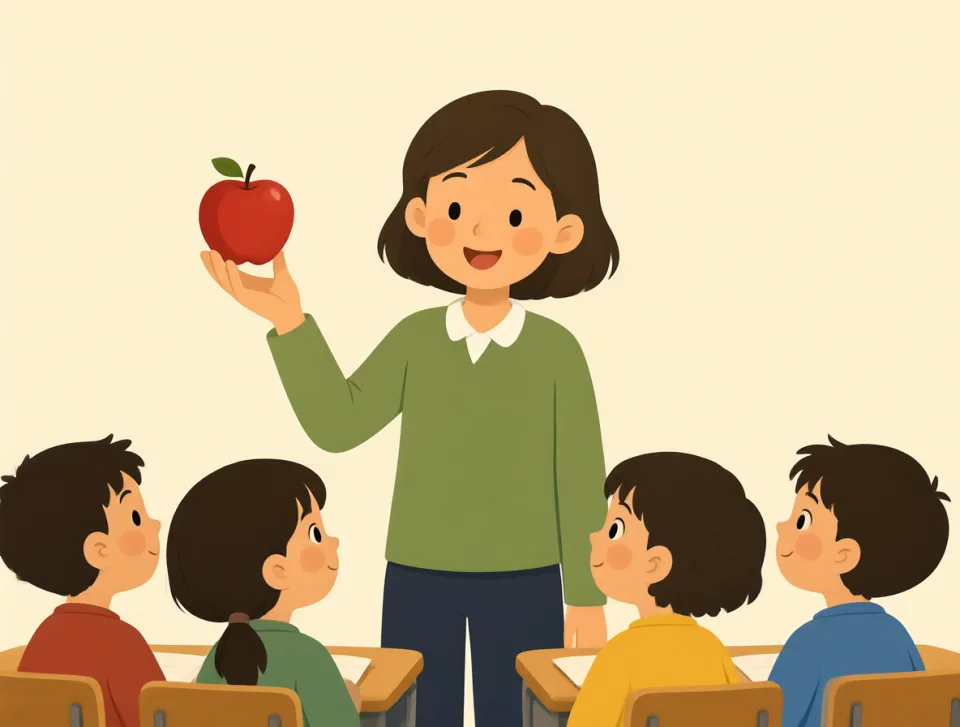
The teacher showed examples of healthy food.
Nauczyciel pokazał przykłady zdrowej żywności.
happen
#236verb
zdarzyć się
To take place, especially unexpectedly or by chance.
Mieć miejsce, zwłaszcza niespodziewanie lub przypadkiem.
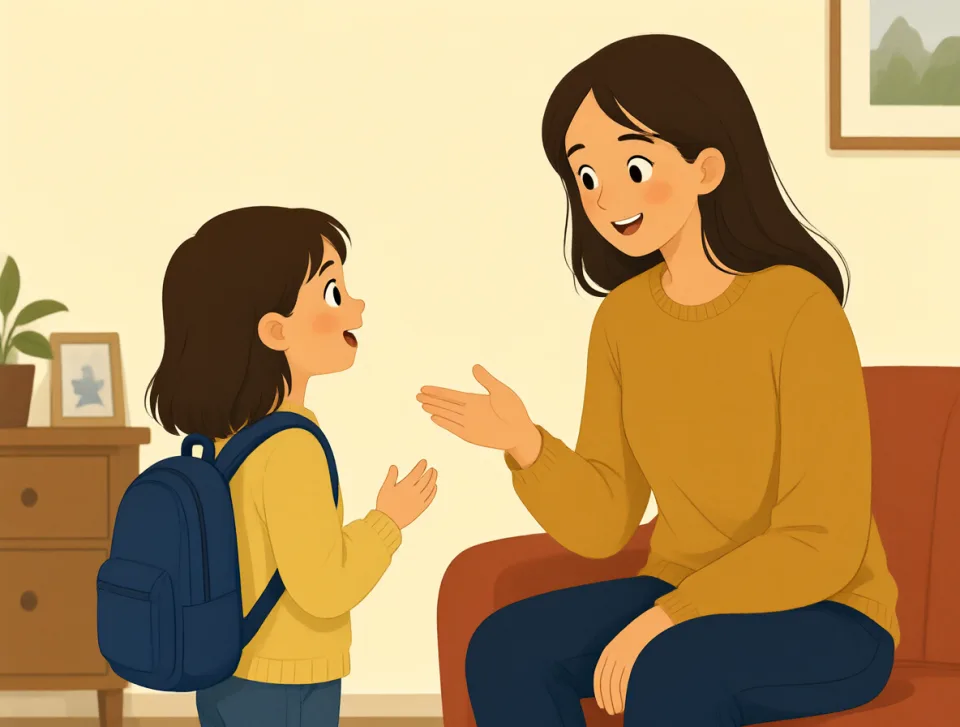
What happened at school today?
Co się dziś wydarzyło w szkole?
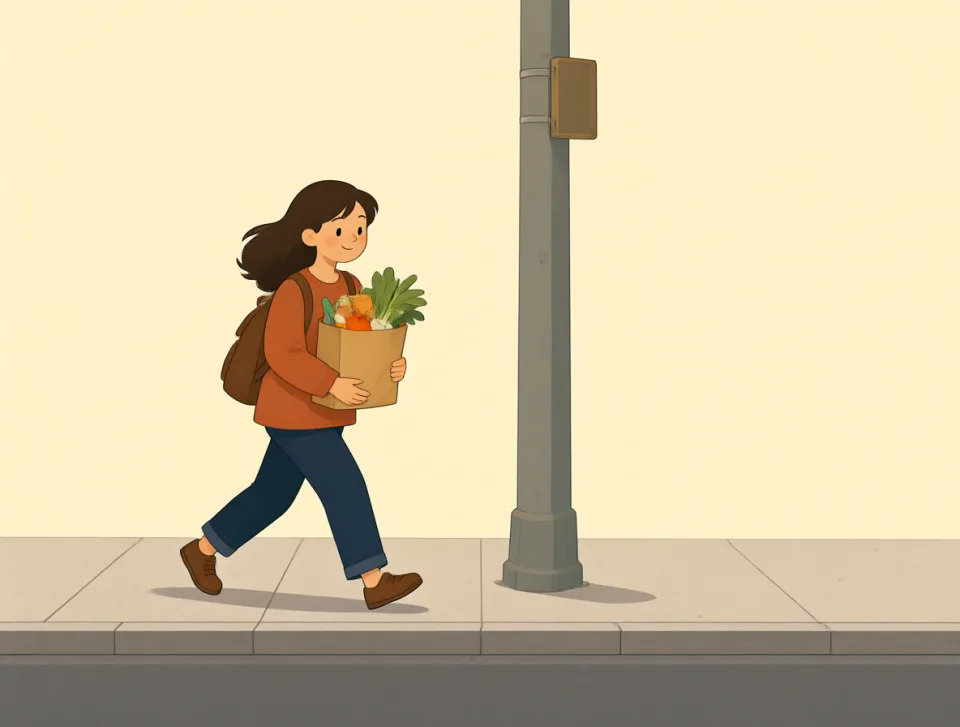
Accidents can happen when people hurry.
Wypadki mogą się zdarzyć, gdy ludzie się spieszą.
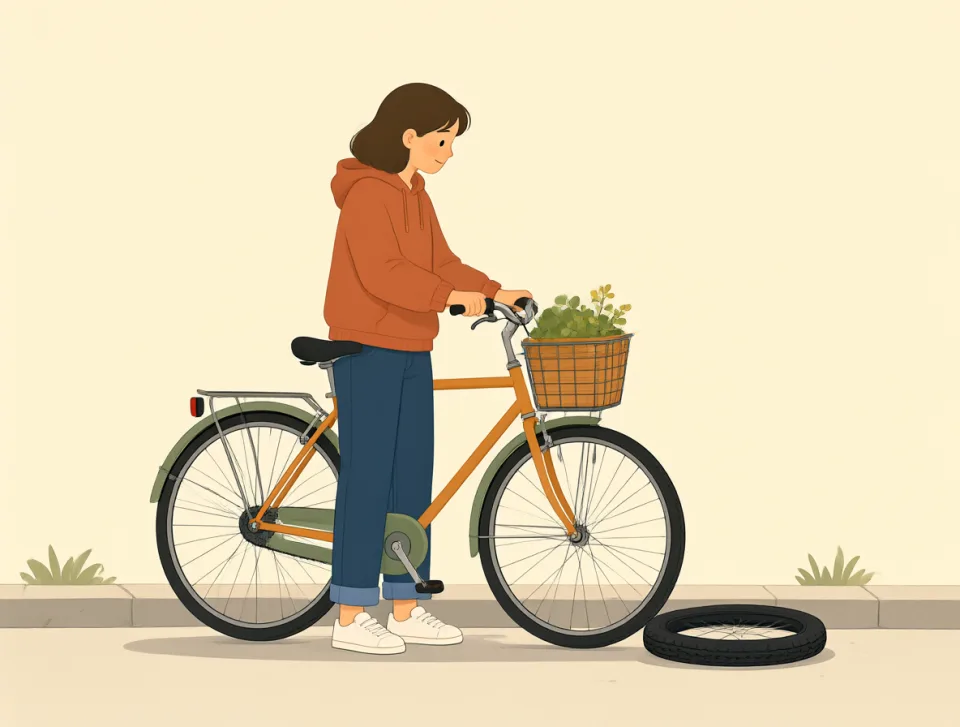
It happened again on my way home.
To znowu się wydarzyło, kiedy wracałem do domu.

What will happen if we miss the train?
Co się stanie, jeśli spóźnimy się na pociąg?

Good things happen when friends help each other.
Dobre rzeczy się dzieją, gdy przyjaciele sobie pomagają.
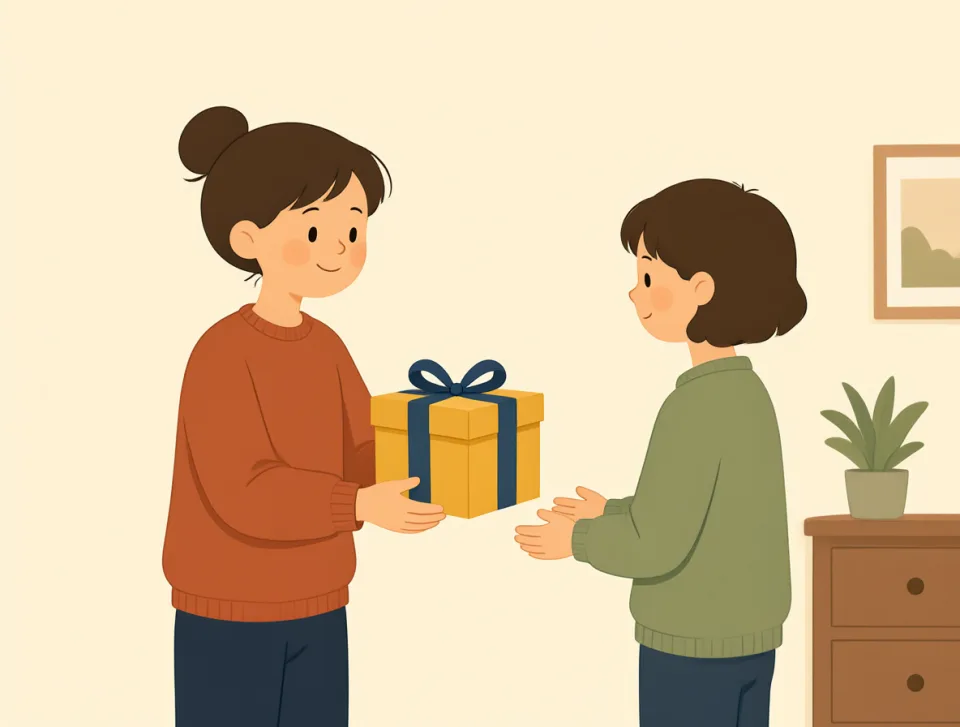
offer
#237verb, noun
zaoferować; oferta
to say you will give or do something; a thing someone is willing to give
Powiedzieć, że da się coś komuś lub coś dla niego zrobi; coś, co ktoś jest gotów dać.
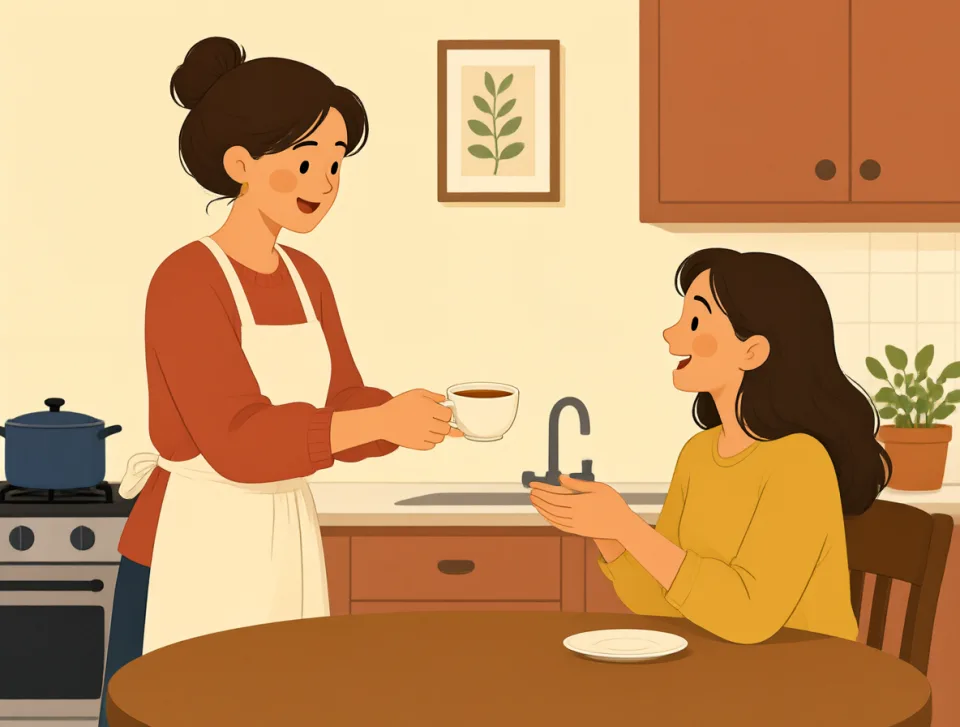
She offered me some tea.
Zaproponowała mi herbatę.
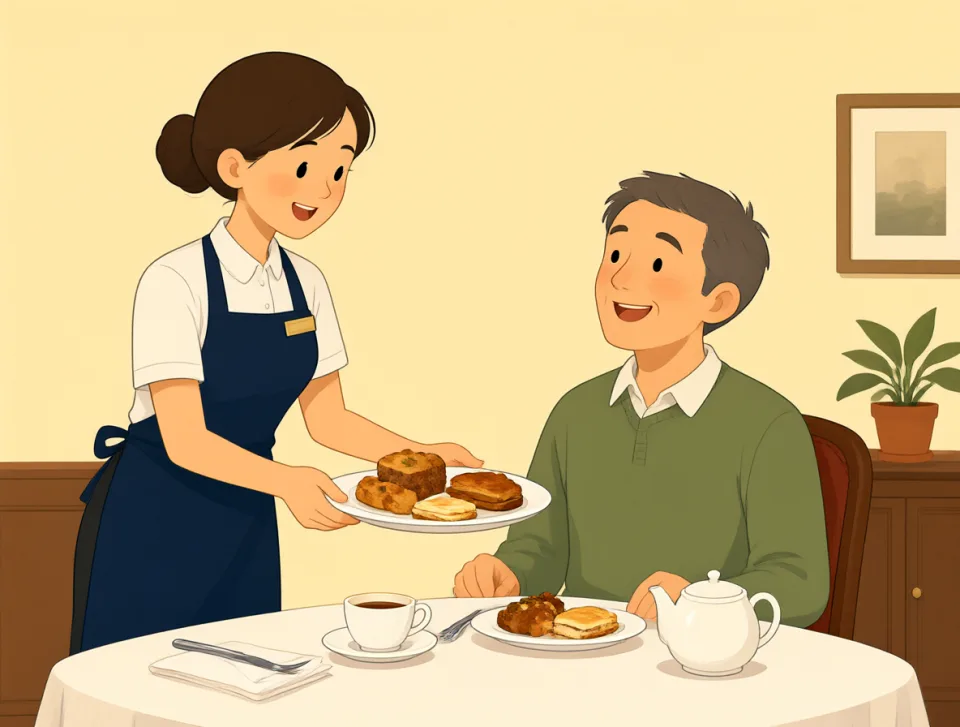
The hotel offers free breakfast.
Hotel oferuje bezpłatne śniadanie.
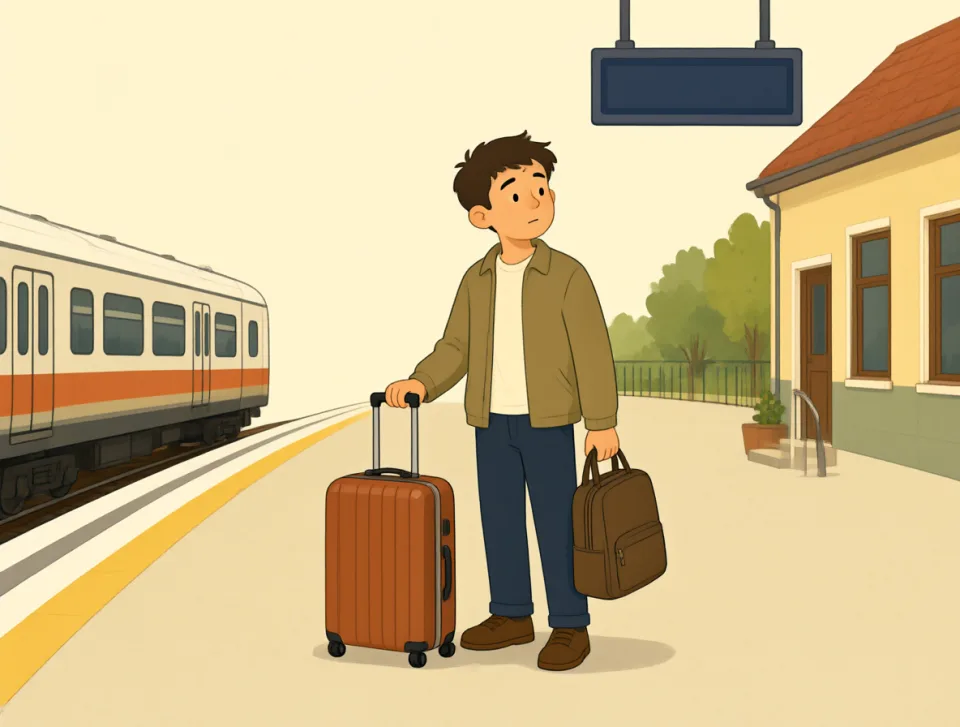
He offered to help with my bags.
Zaoferował, że pomoże mi z bagażami.
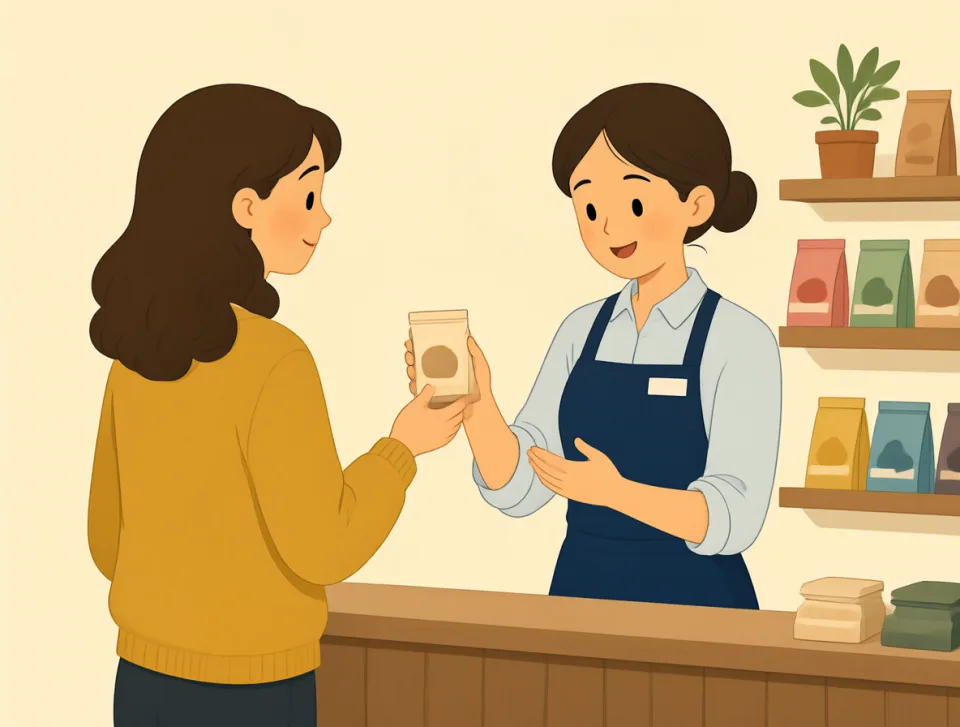
The shop offered a big discount.
Sklep zaoferował dużą zniżkę.

They made me a job offer.
Zaproponowali mi pracę.
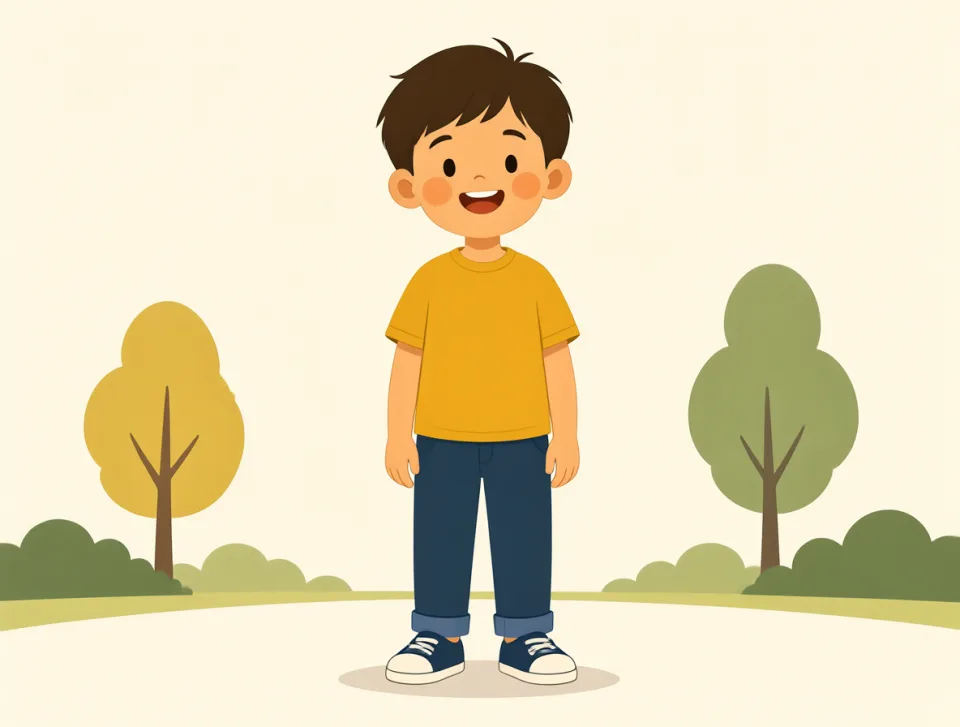
young
#238adjective, noun
młody
having lived for only a short time; not old
Żyjący od niedawna; nie stary.
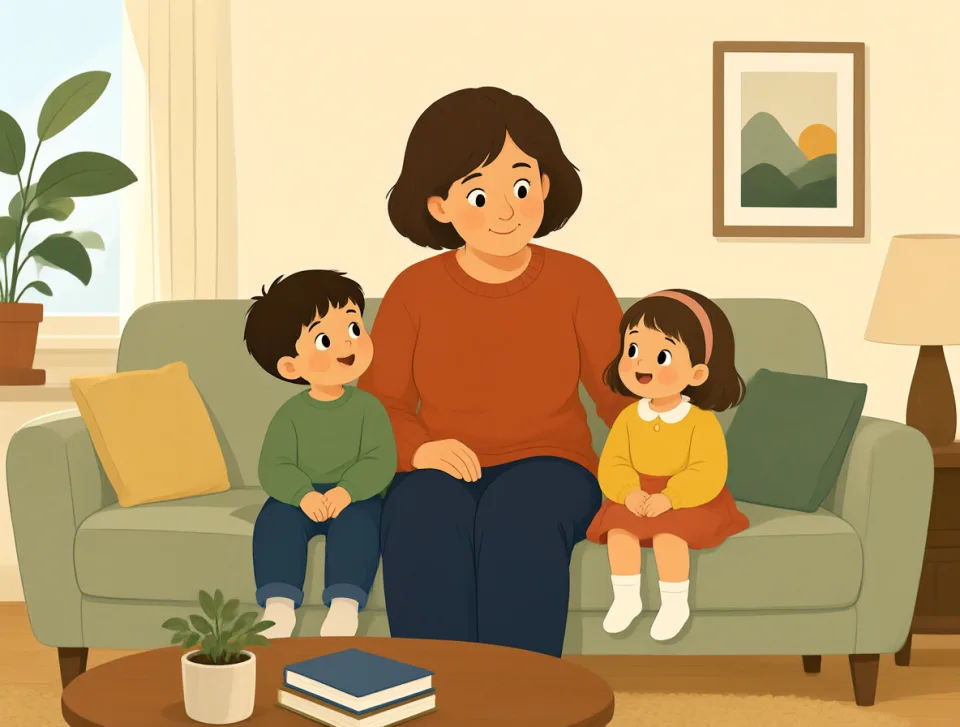
She has two young children at home.
W domu ma dwoje małych dzieci.
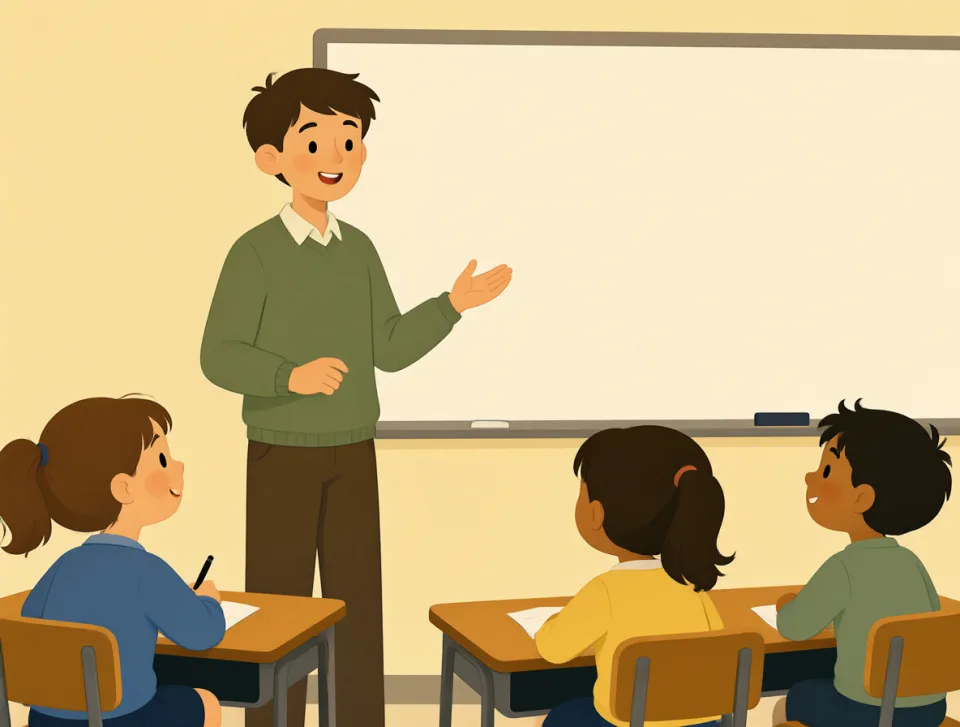
He is a young teacher at our school.
Jest młodym nauczycielem w naszej szkole.

Young people often meet friends after work.
Młodzi ludzie często spotykają się ze znajomymi po pracy.
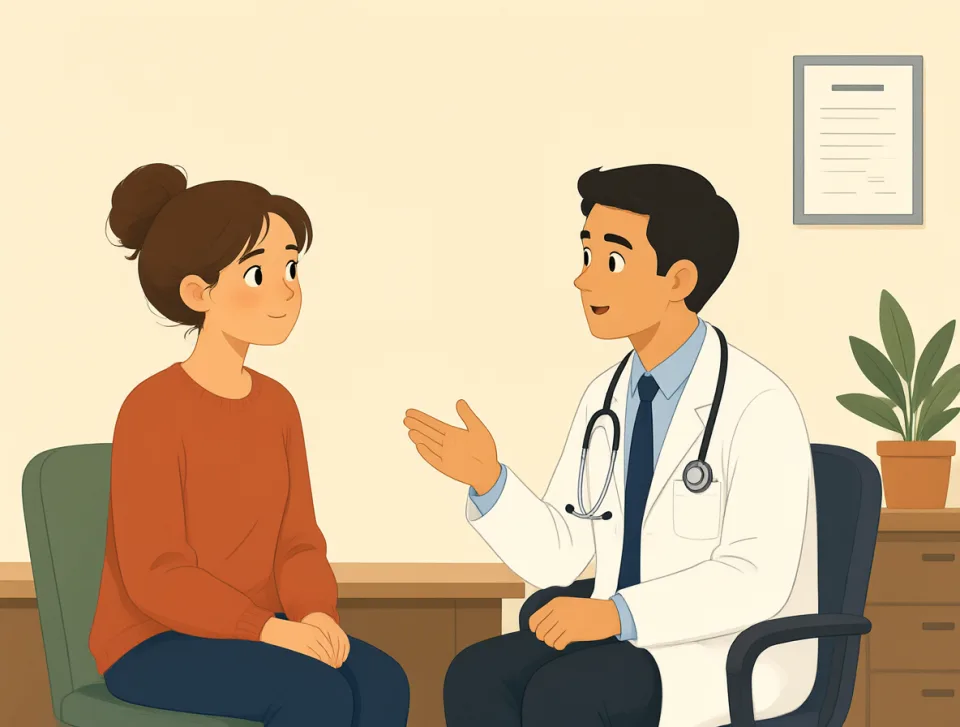
My doctor says I am too young for this test.
Mój lekarz mówi, że jestem za młody na to badanie.
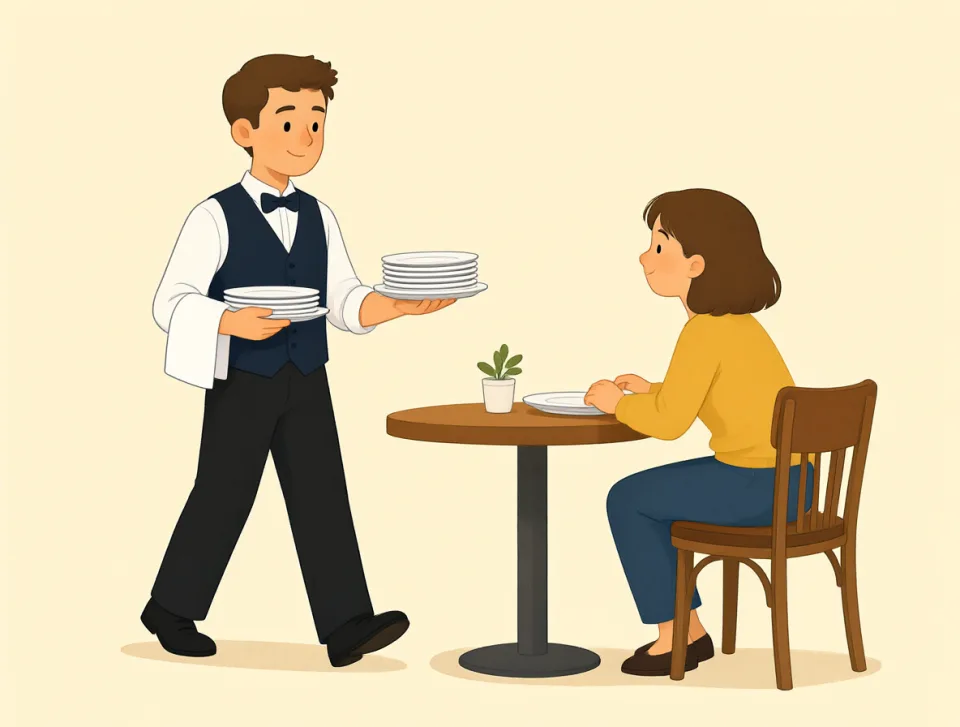
The young waiter brought our food quickly.
Młody kelner szybko przyniósł nam jedzenie.
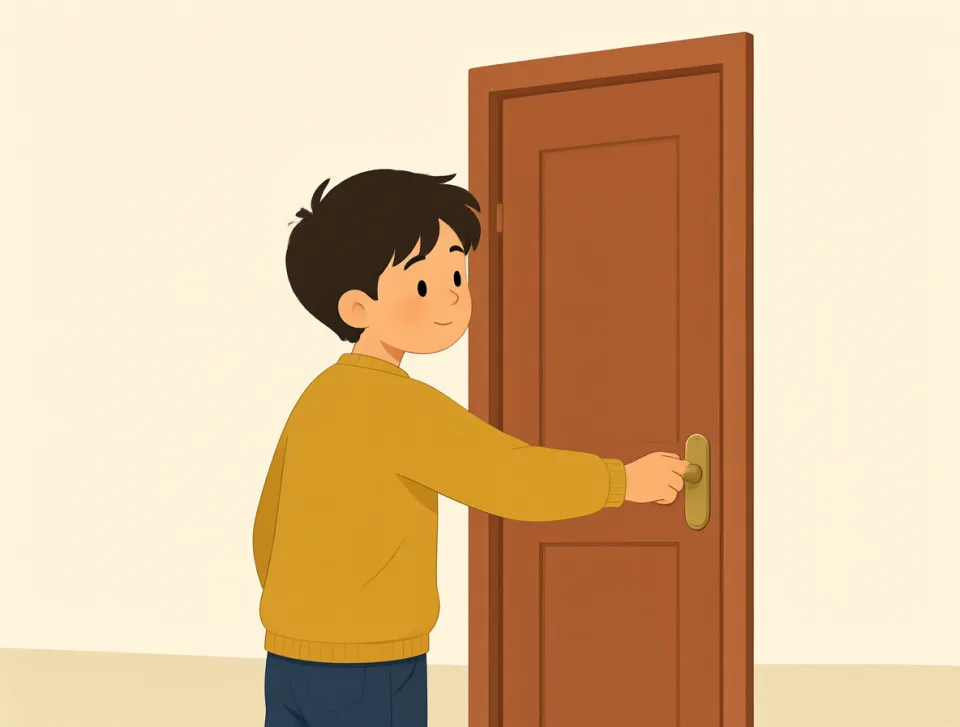
close
#239verb, adjective, adverb, noun
zamknąć; bliski
To shut something; near in distance or relationship; with little space between.
Zamknąć coś; znajdujący się w niewielkiej odległości lub będący w bliskiej relacji; z małą ilością wolnego miejsca między rzeczami.
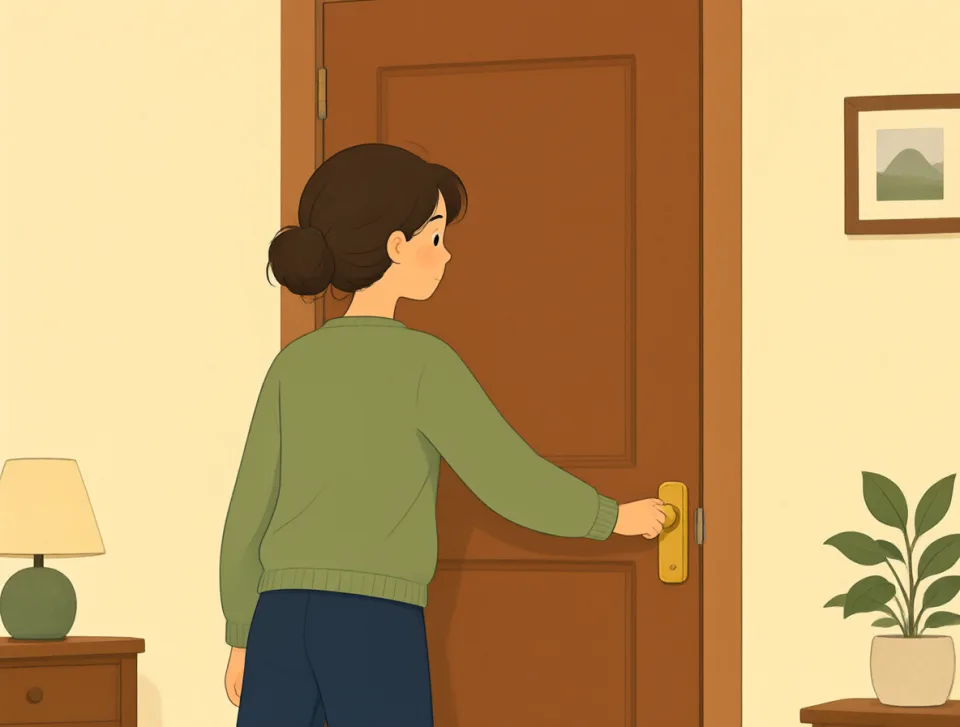
Please close the door behind you.
Proszę zamknąć za sobą drzwi.
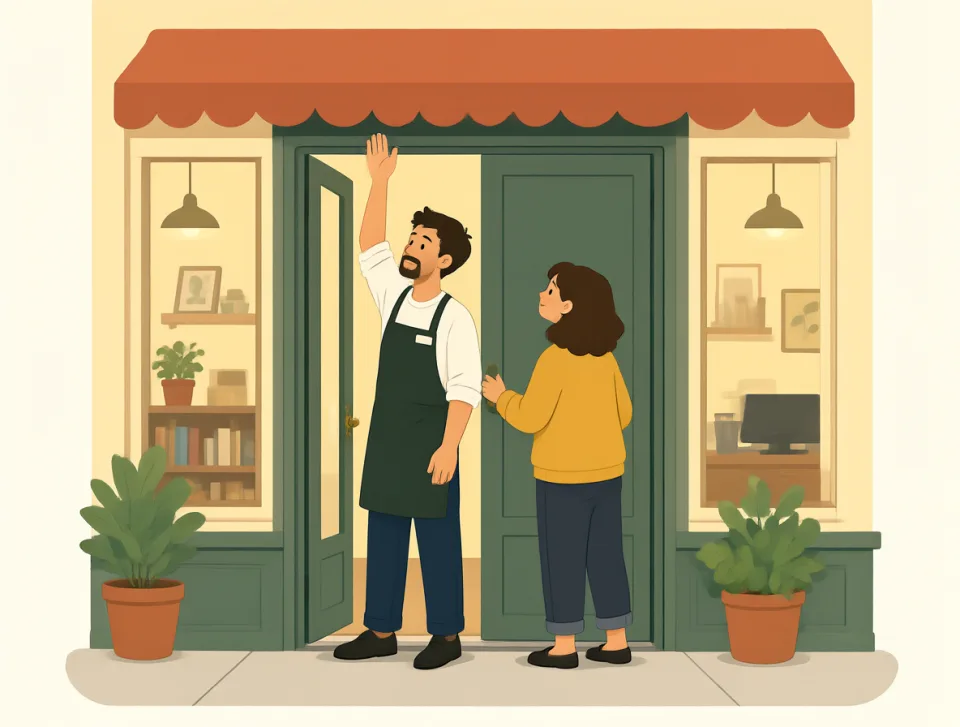
The shop closes at six today.
Sklep jest dziś czynny do szóstej.
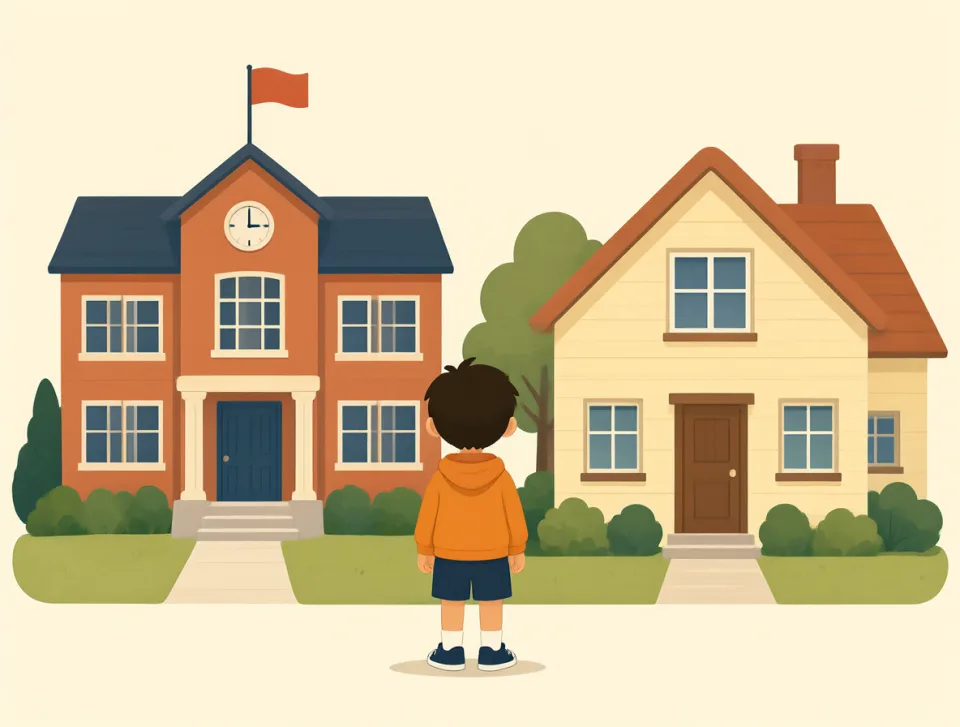
My school is close to my house.
Moja szkoła jest blisko mojego domu.

We sat close together on the bus.
Siedzieliśmy blisko siebie w autobusie.

She is a close friend of mine.
Ona jest moją bliską przyjaciółką.
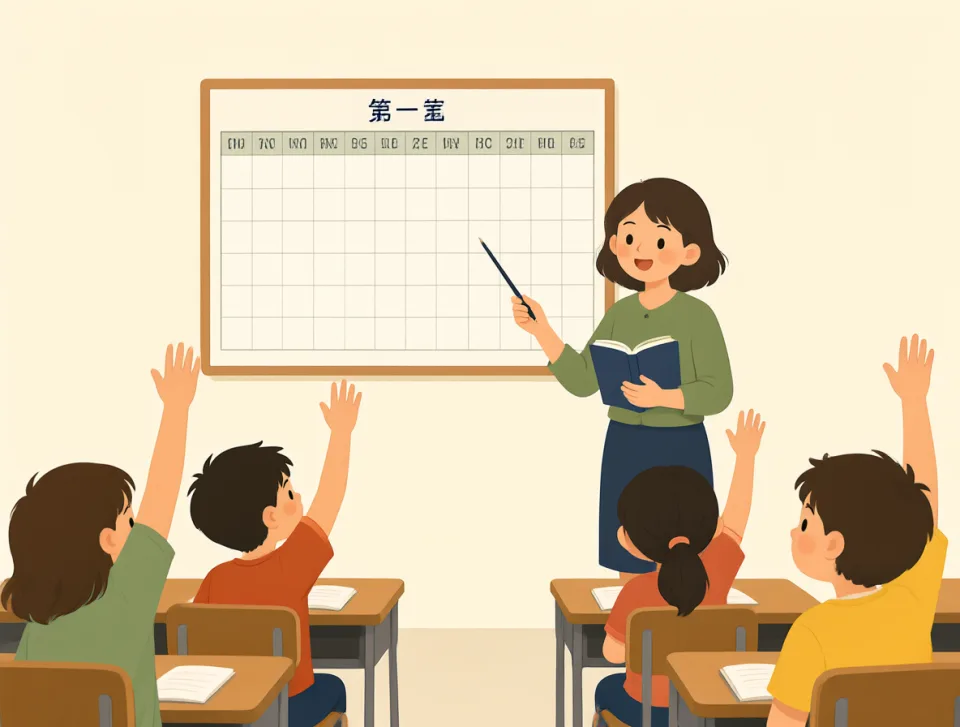
program
#240noun, verb
program
A planned set of activities, or to plan and provide activities for a purpose.
Zaplanowany zestaw działań lub planowanie i organizowanie działań w określonym celu.
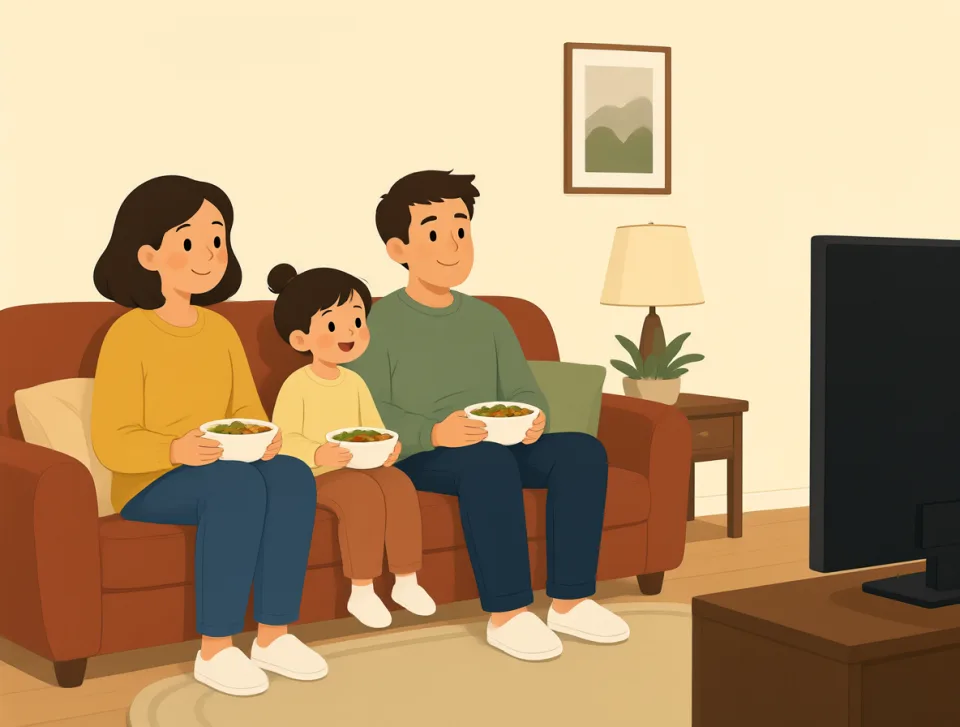
We watched a funny program after dinner.
Po kolacji oglądaliśmy zabawny program.
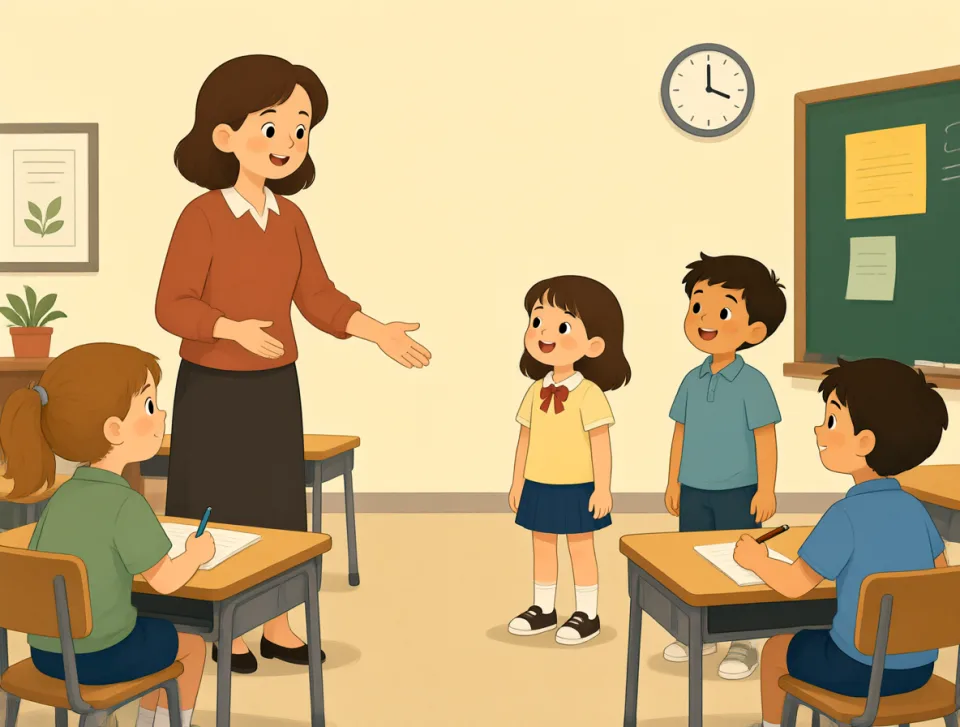
The school program starts next Monday.
Program szkolny zaczyna się w przyszły poniedziałek.
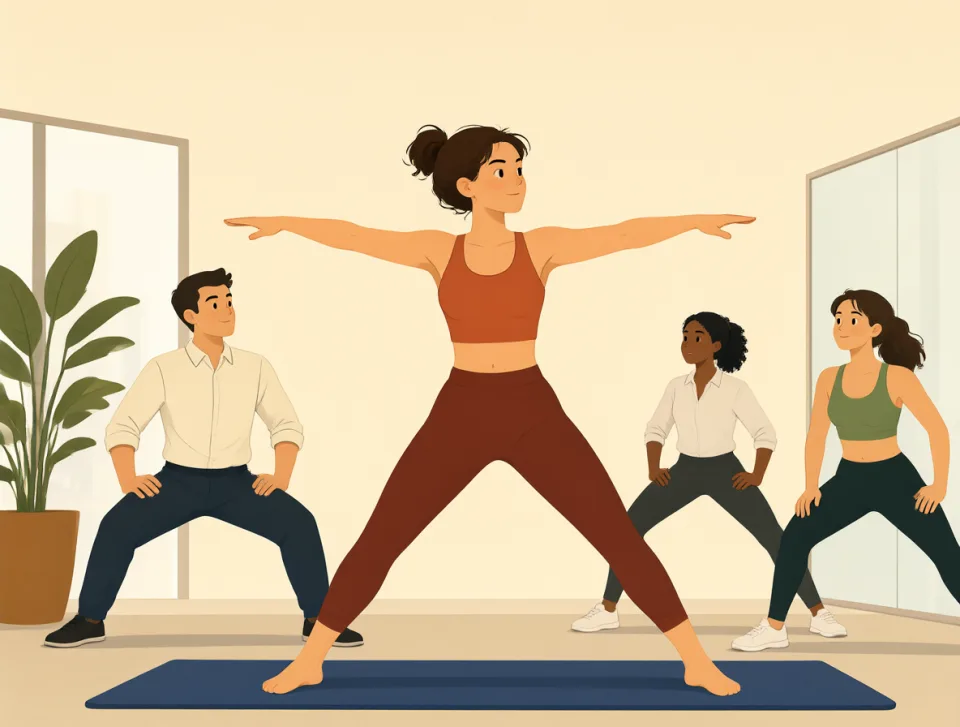
She joined a health program at work.
W pracy wzięła udział w programie zdrowotnym.

The travel program includes three cities.
Program wycieczki obejmuje trzy miasta.
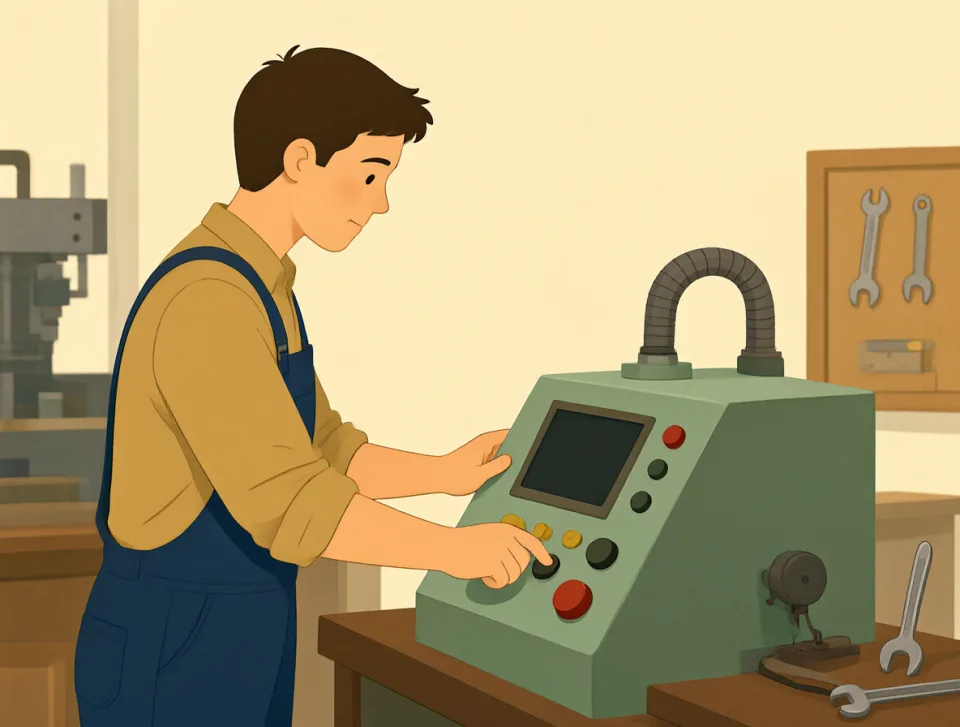
They programmed the machine to stop safely.
Zaplanowali działanie maszyny tak, by bezpiecznie się zatrzymywała.