Zestaw 21
Słowa 401–420 · body, require, wait, general, appear, toward
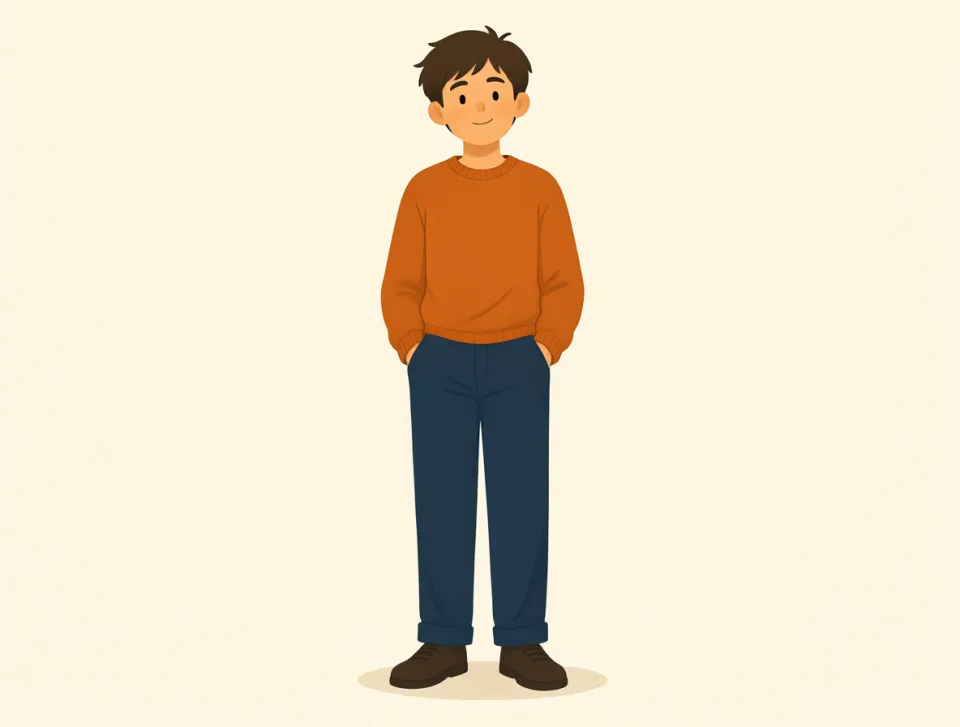
body
#401noun
ciało
The whole physical structure of a person or animal.
Cała fizyczna budowa człowieka lub zwierzęcia.
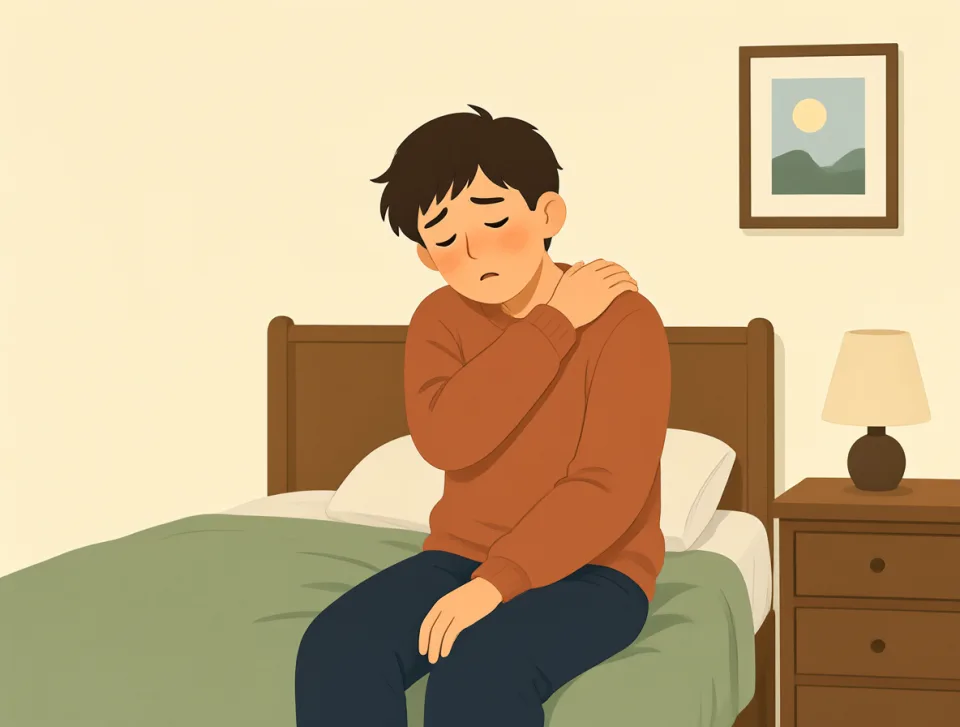
My whole body feels tired today.
Dziś czuję zmęczenie w całym ciele.
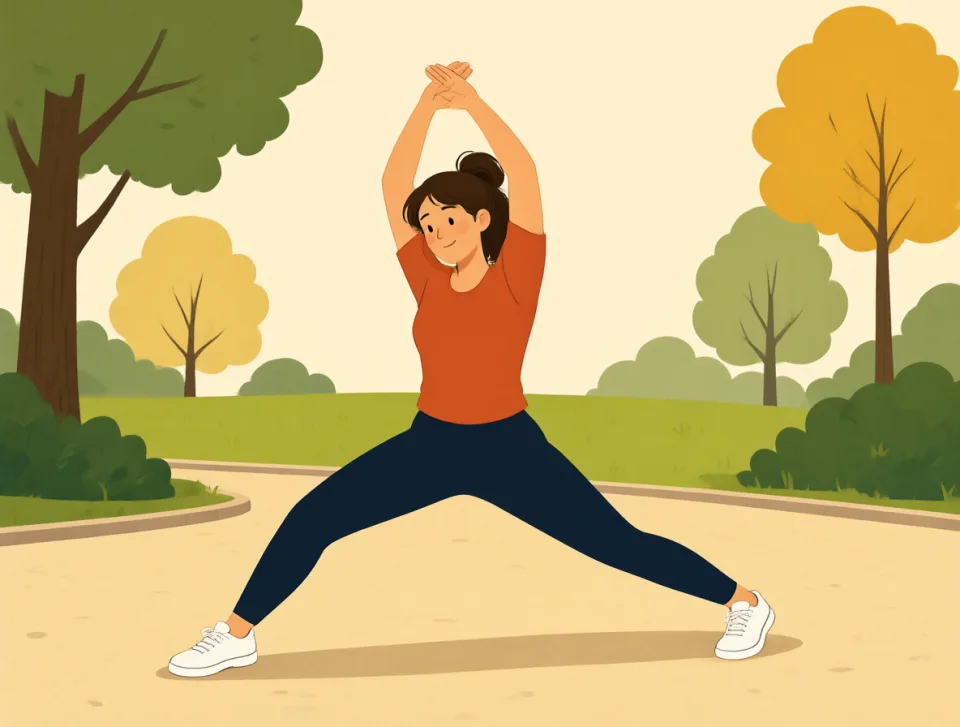
She exercises her body every morning.
Ona ćwiczy każdego ranka.
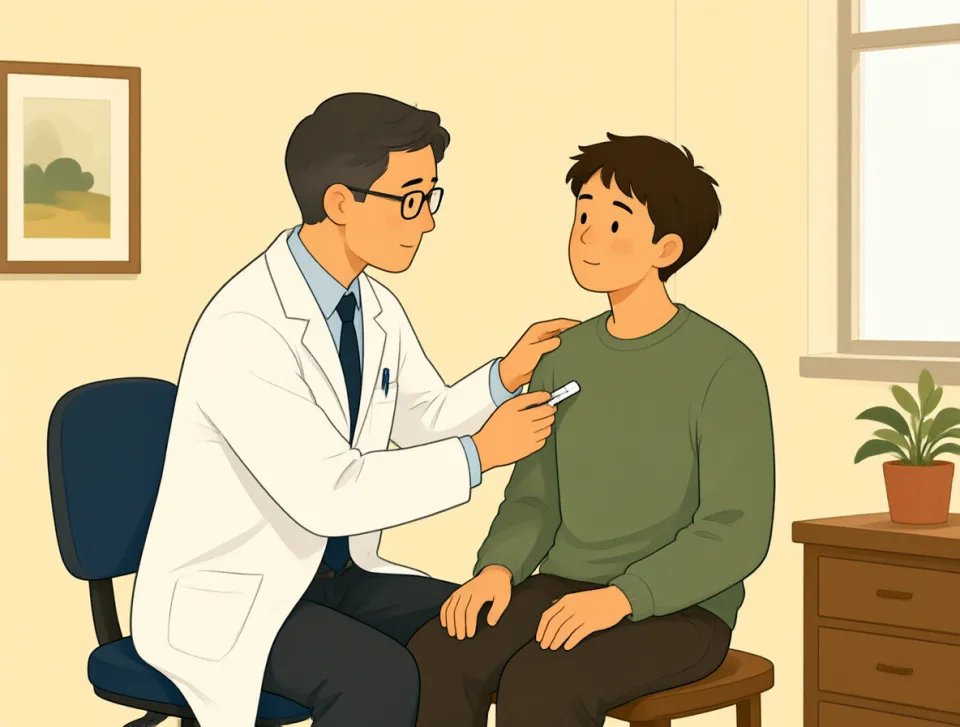
The doctor checked his body carefully.
Lekarz dokładnie zbadał jego ciało.
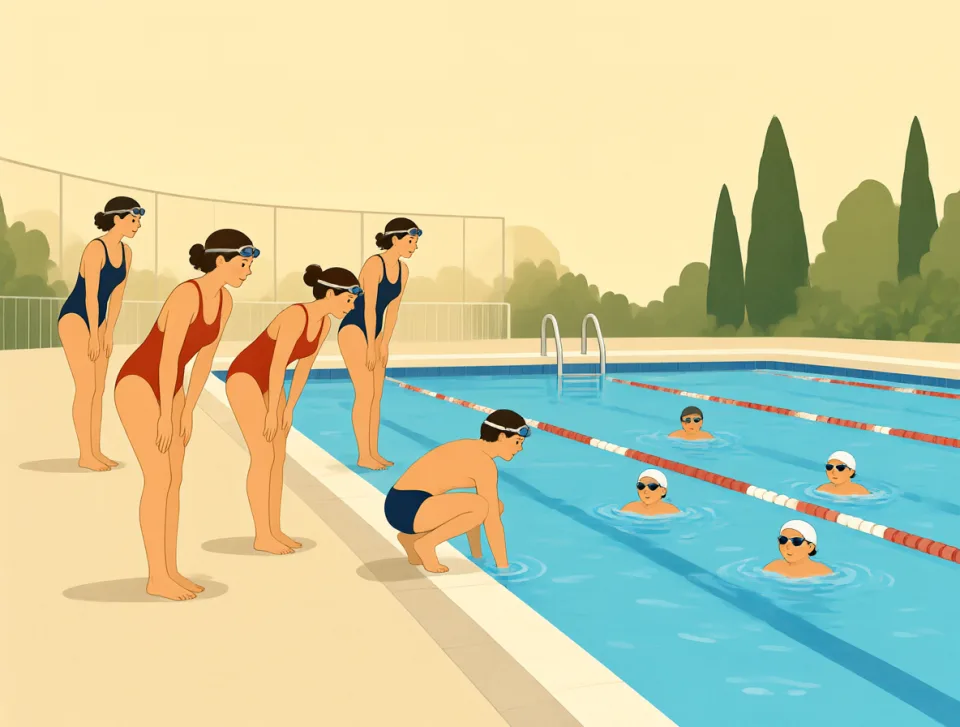
The swimmers warmed their bodies quickly.
Pływacy szybko rozgrzali mięśnie.
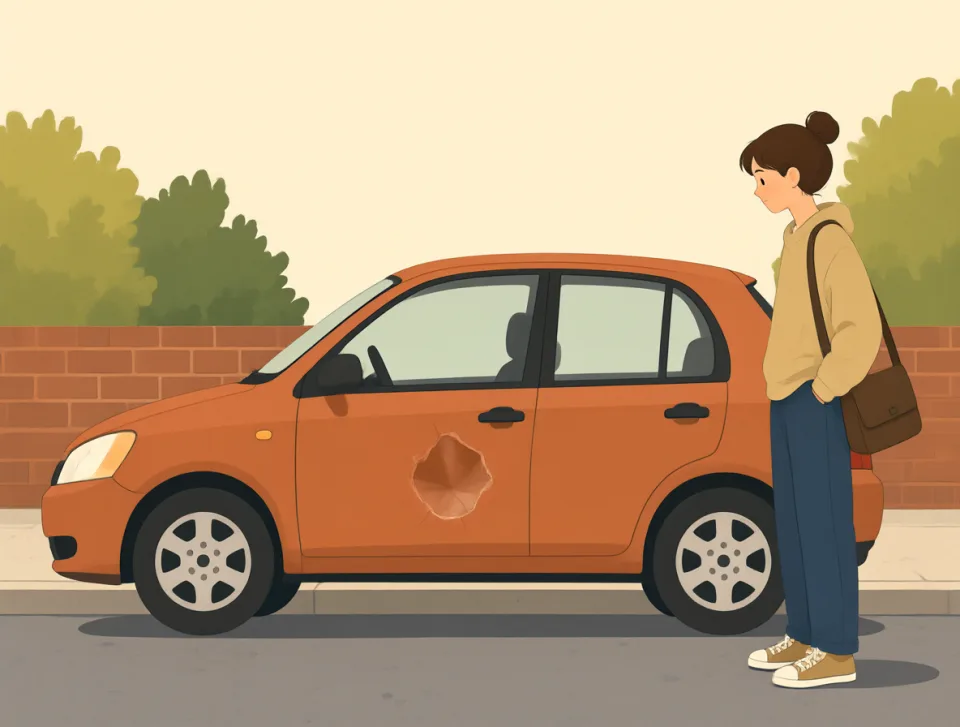
The body of the car was badly damaged.
Karoseria samochodu została poważnie uszkodzona.

require
#402verb
wymagać
to need something or make something necessary
potrzebować czegoś lub sprawiać, że coś jest konieczne
This job requires good computer skills.
Ta praca wymaga dobrej znajomości obsługi komputera.
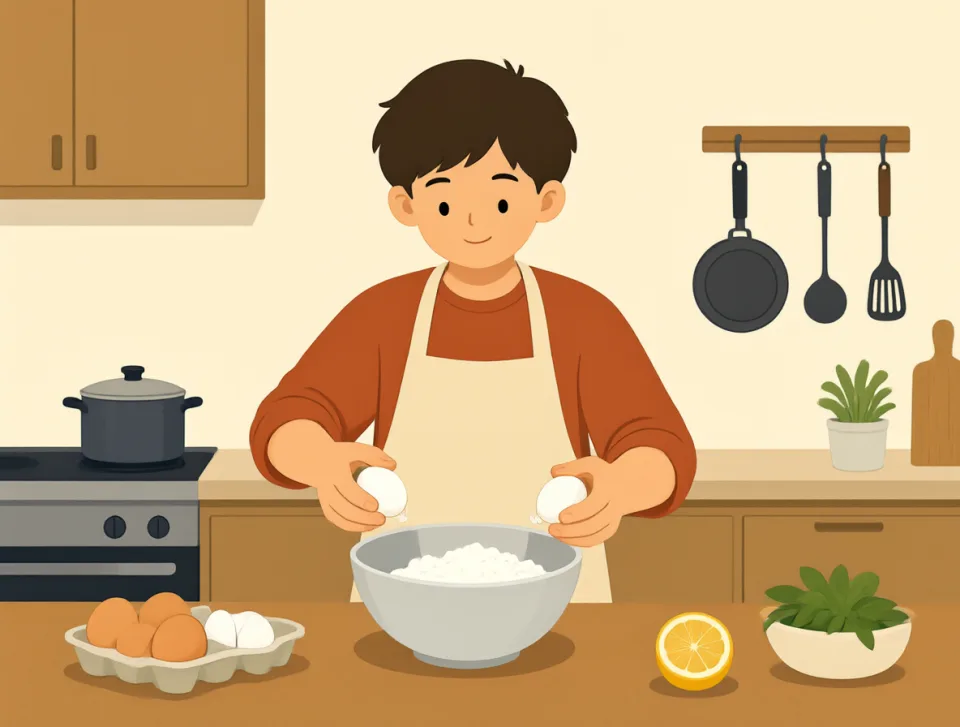
The recipe requires two large eggs.
Do tego przepisu potrzebne są dwa duże jajka.
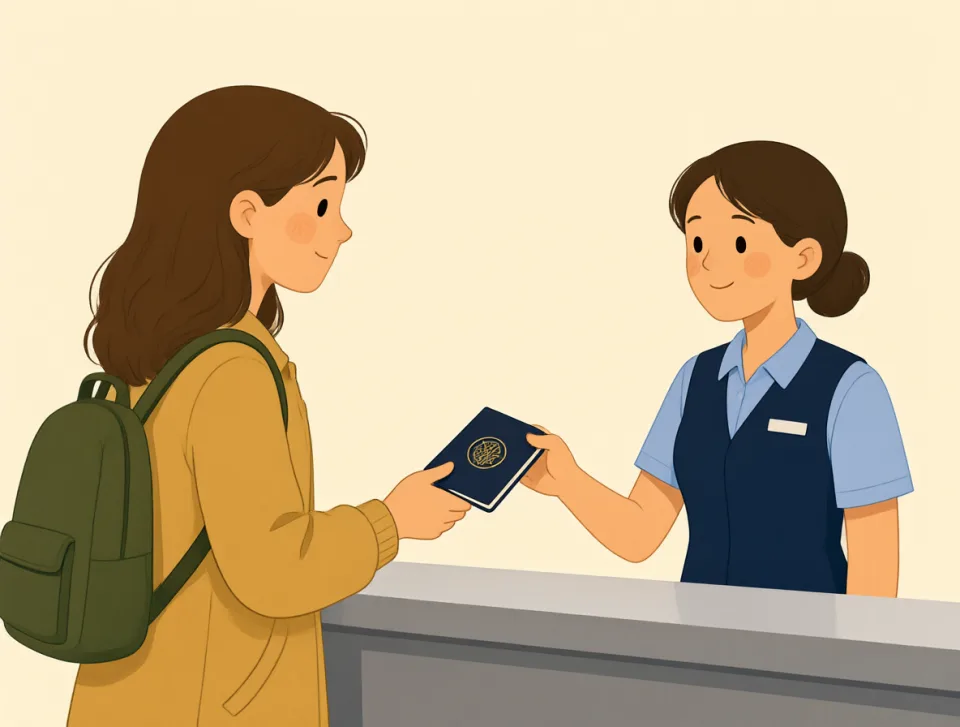
You are required to show your passport.
Musisz okazać paszport.
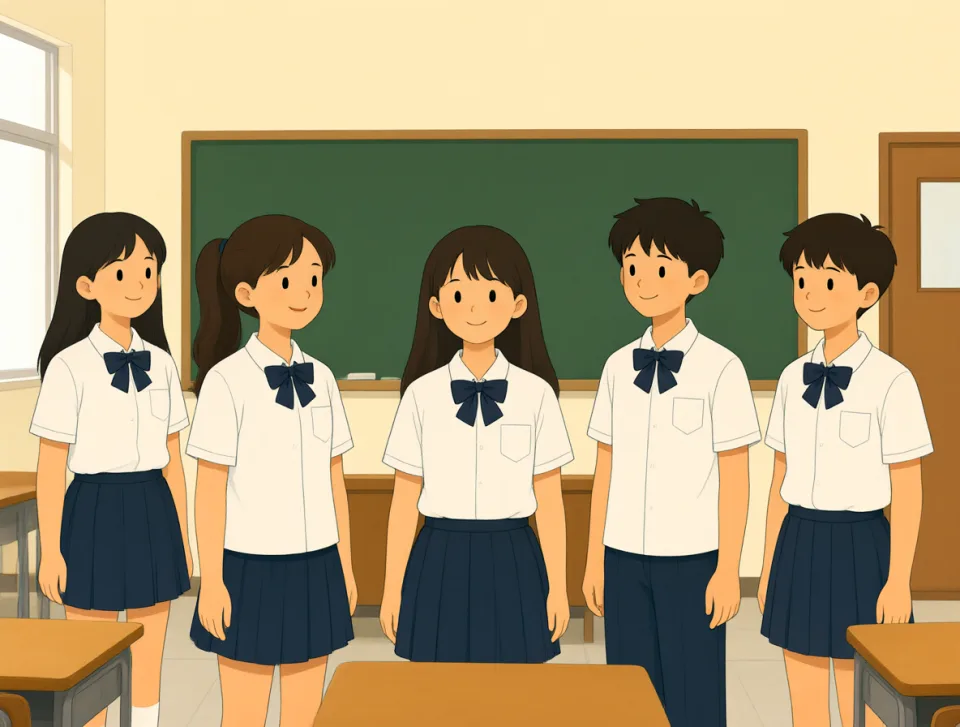
The school requires students to wear uniforms.
Szkoła wymaga od uczniów noszenia mundurków.
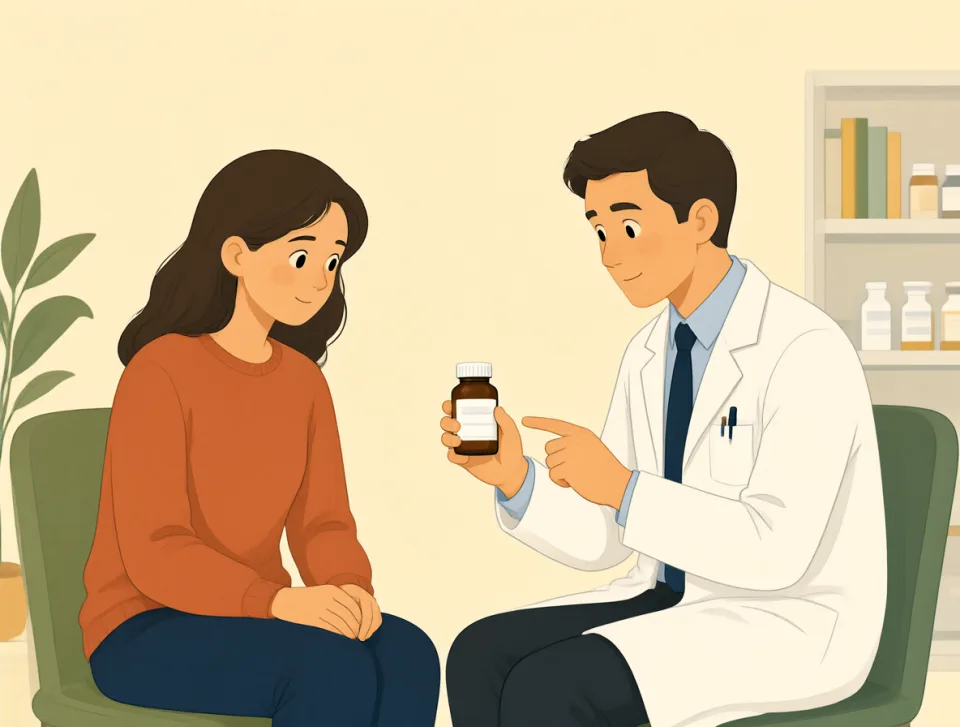
This medicine requires a doctor's advice.
Przed zastosowaniem tego leku trzeba skonsultować się z lekarzem.
wait
#403verb, noun
czekać
To stay somewhere until someone or something arrives or until something happens.
Pozostawać gdzieś, aż ktoś lub coś przyjdzie albo coś się wydarzy.
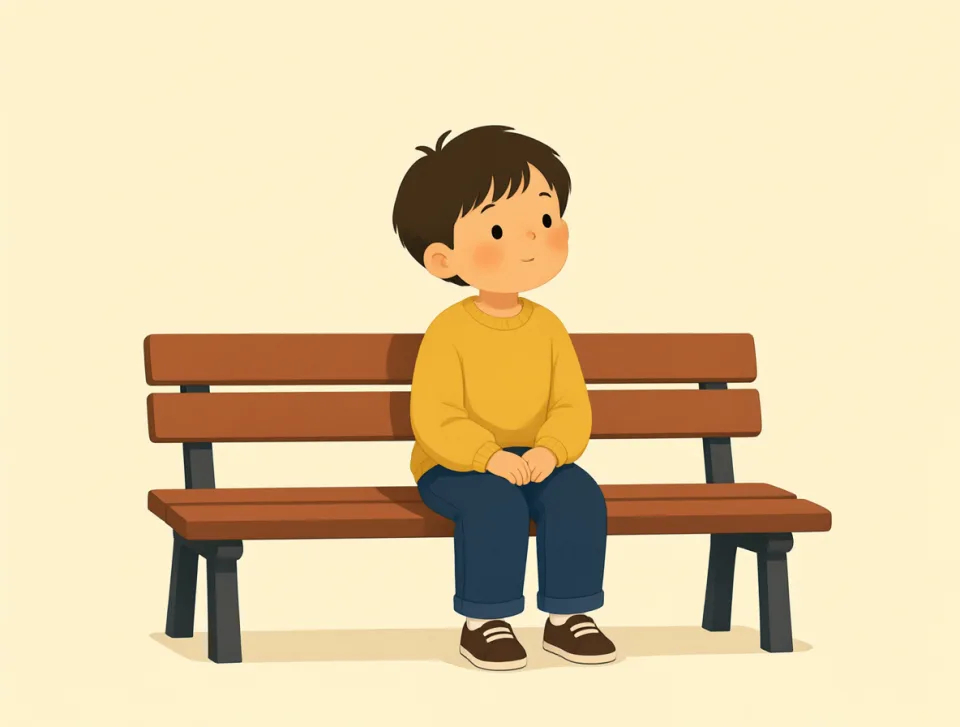
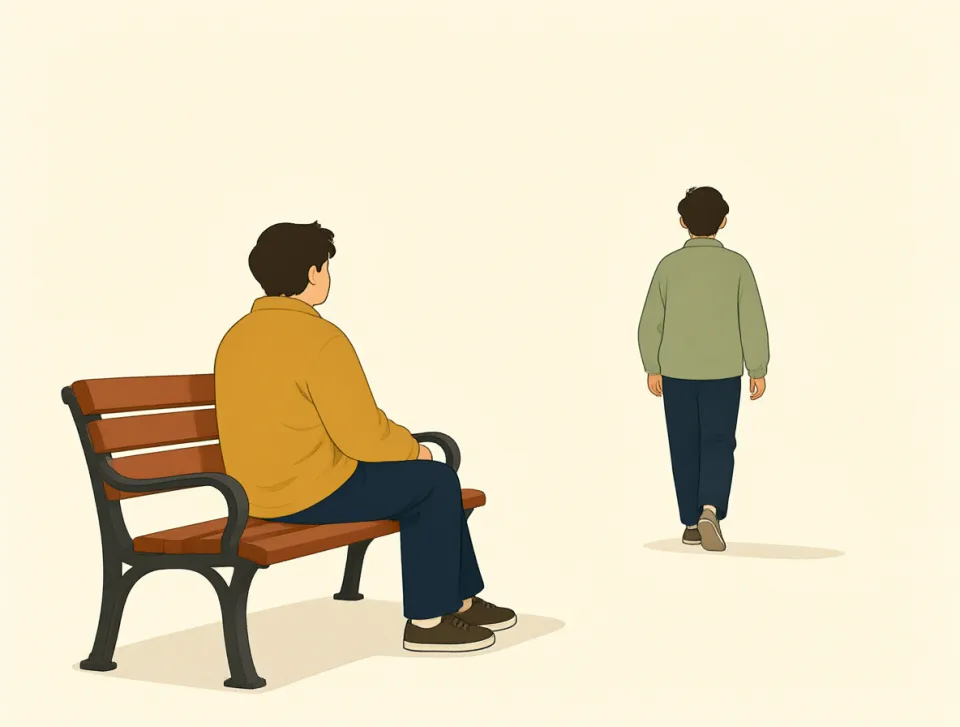
Please wait here for your mother.
Proszę poczekać tutaj na mamę.
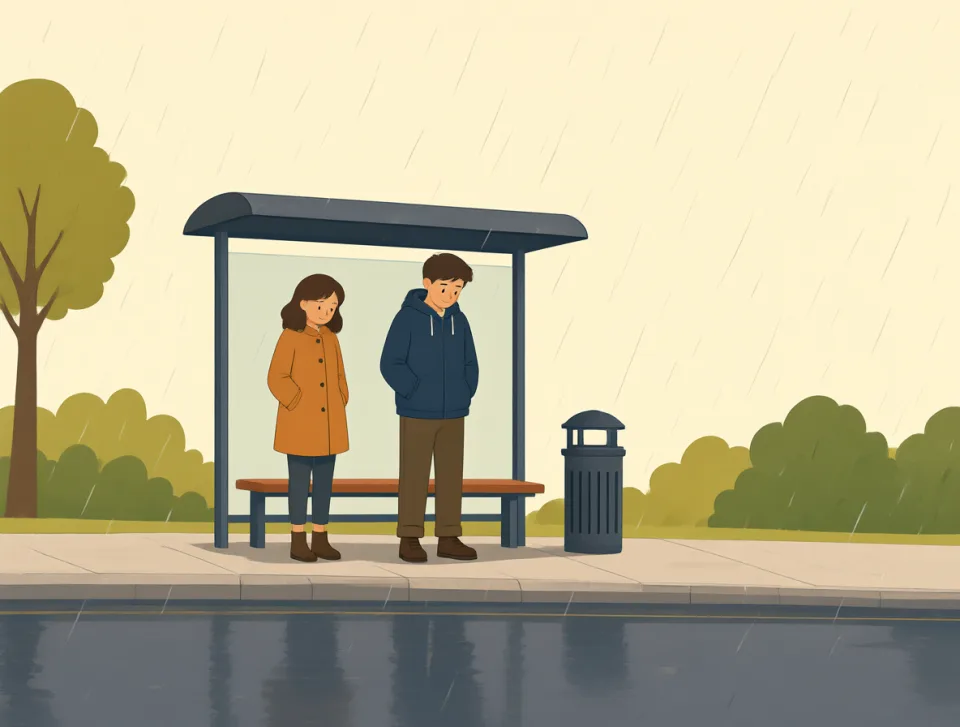
We waited for the bus in the rain.
Czekaliśmy na autobus w deszczu.
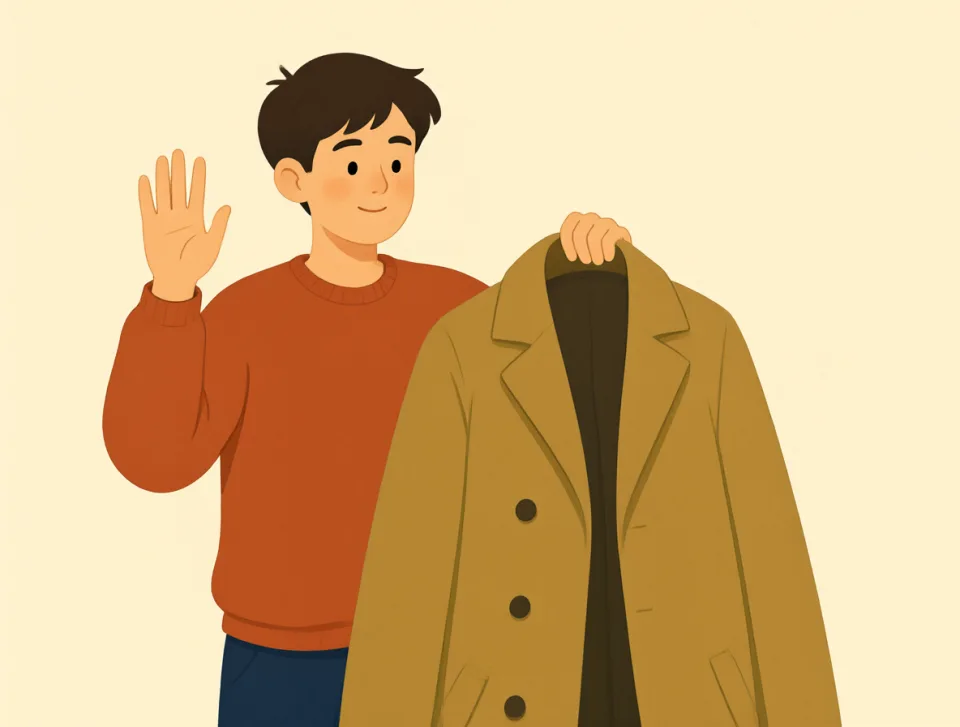
Wait a minute; I need my coat.
Poczekaj chwilę, muszę wziąć płaszcz.

The doctor asked me to wait outside.
Lekarz poprosił mnie, żebym poczekał na zewnątrz.
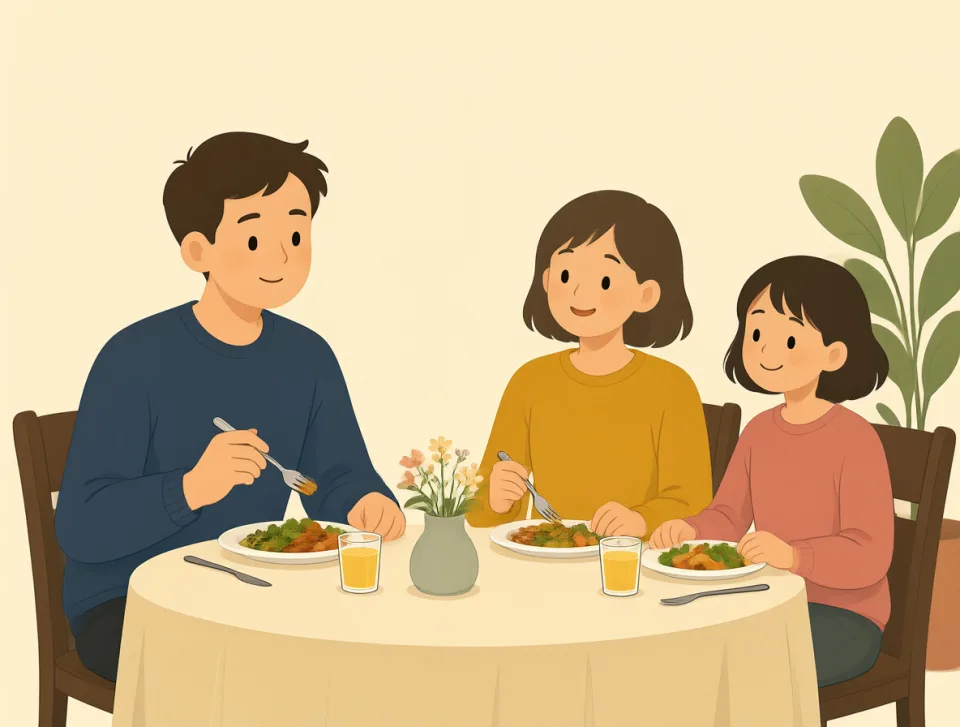
Dinner is ready, so wait for everyone.
Kolacja jest gotowa, więc poczekaj na wszystkich.
general
#404adjective, noun
ogólny; generał
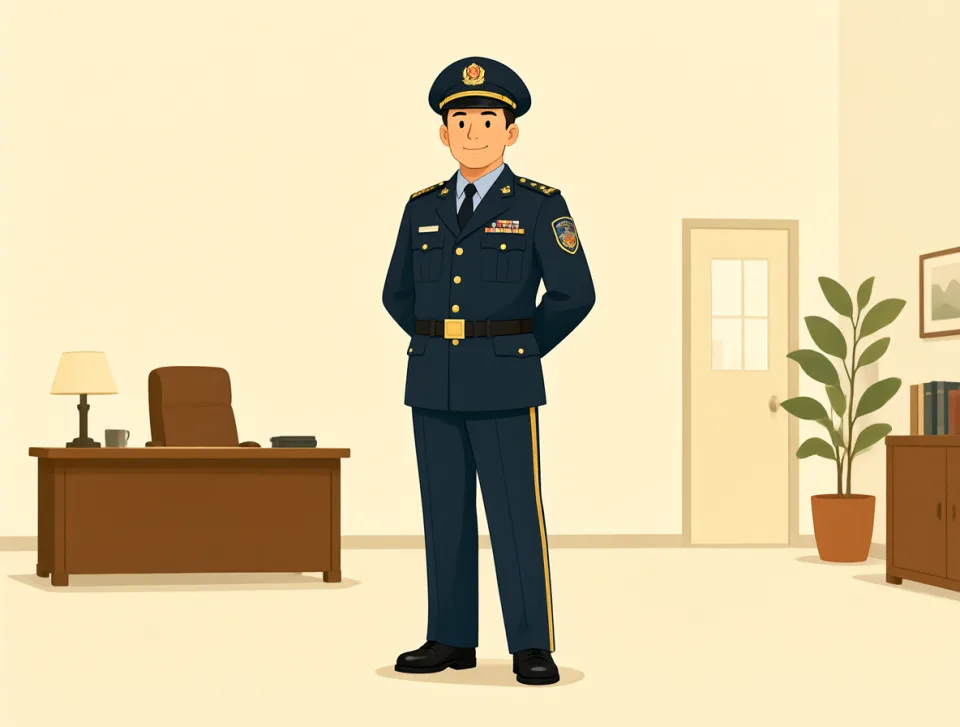
Including many different people or things; a senior army officer.
Obejmujący wiele różnych osób lub rzeczy; wysoki rangą oficer w wojsku.
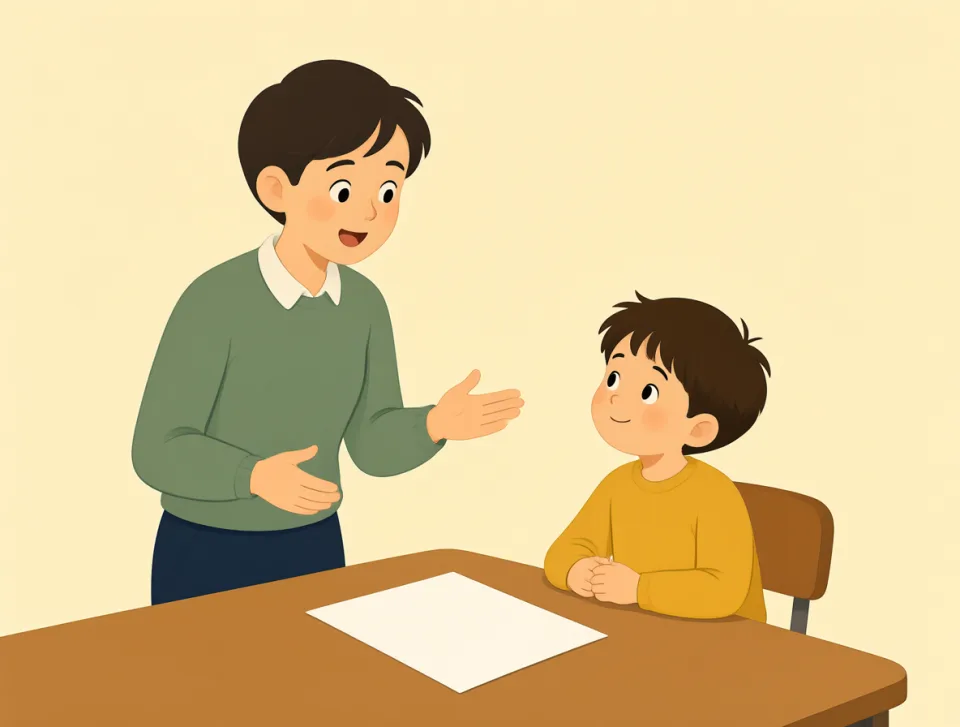
The general idea is easy to understand.
Ogólna idea jest łatwa do zrozumienia.

We had a general discussion about the trip.
Ogólnie omówiliśmy wyjazd.

The doctor gave me general health advice.
Lekarz udzielił mi ogólnych porad dotyczących zdrowia.
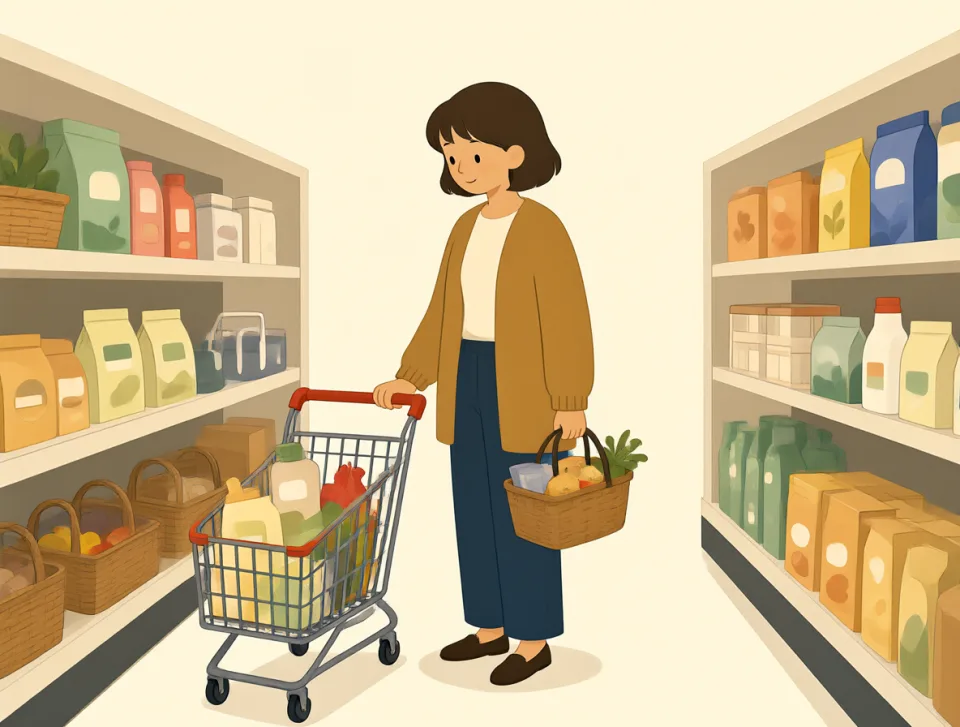
This store sells general household goods.
Ten sklep sprzedaje różne artykuły gospodarstwa domowego.
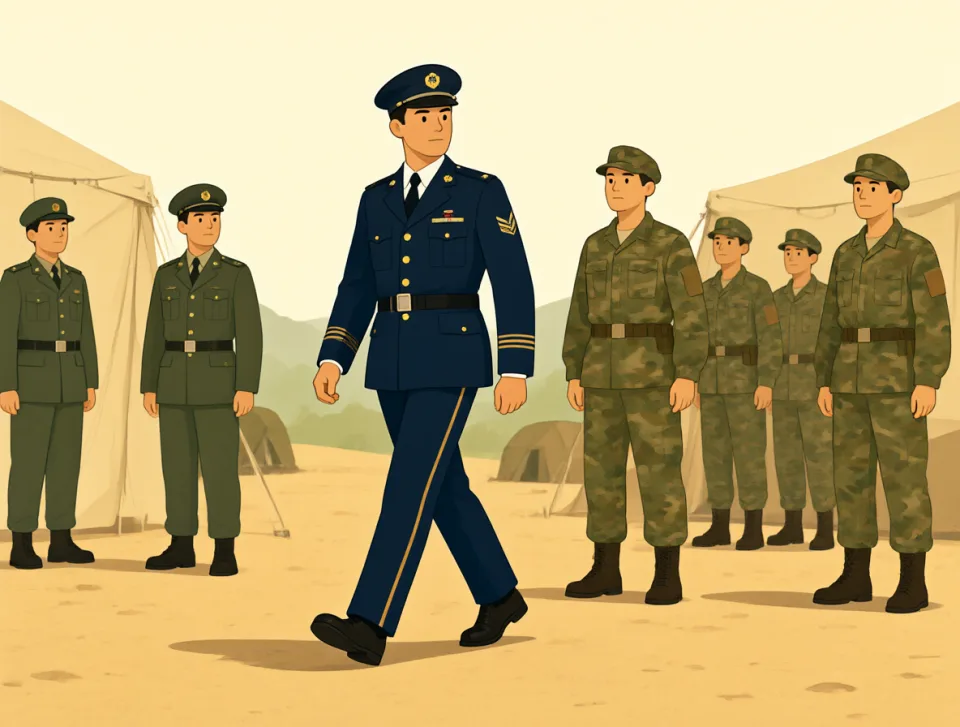
The general visited the soldiers yesterday.
Generał odwiedził wczoraj żołnierzy.
appear
#405verb
pojawić się
to become visible or come into view
stać się widocznym lub ukazać się
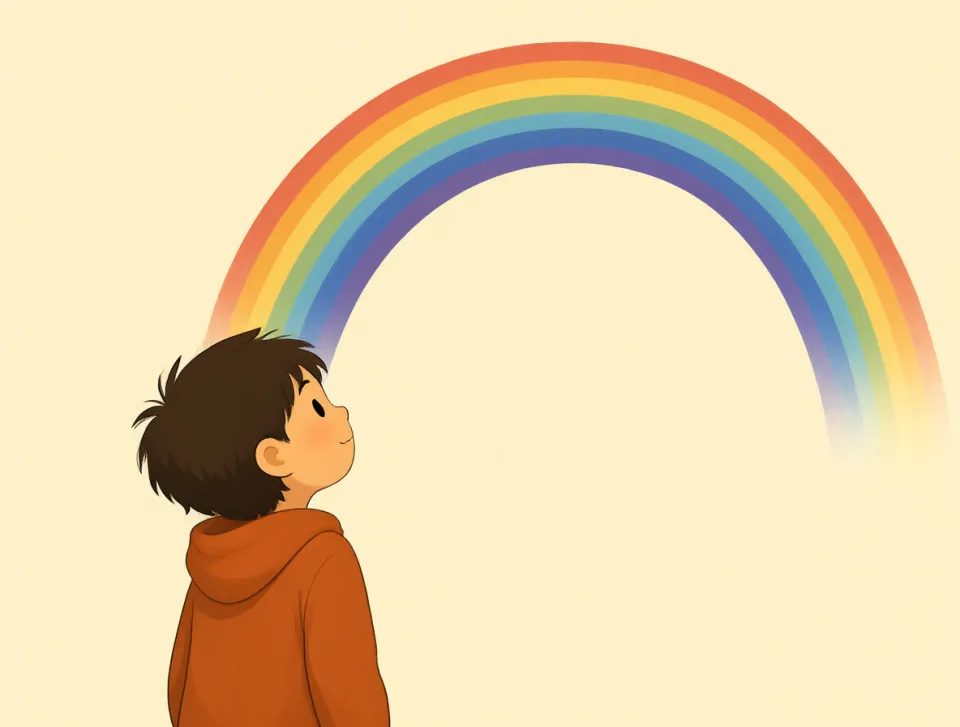
A rainbow appeared after the rain.
Po deszczu pojawiła się tęcza.
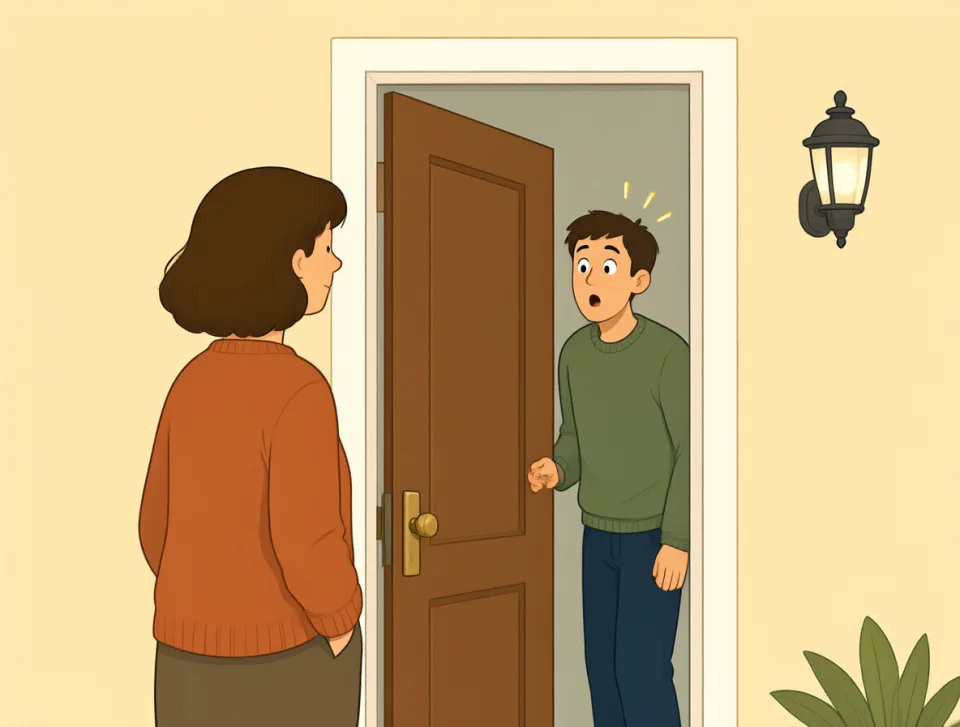
She appeared at the door this morning.
Ona pojawiła się dziś rano w drzwiach.
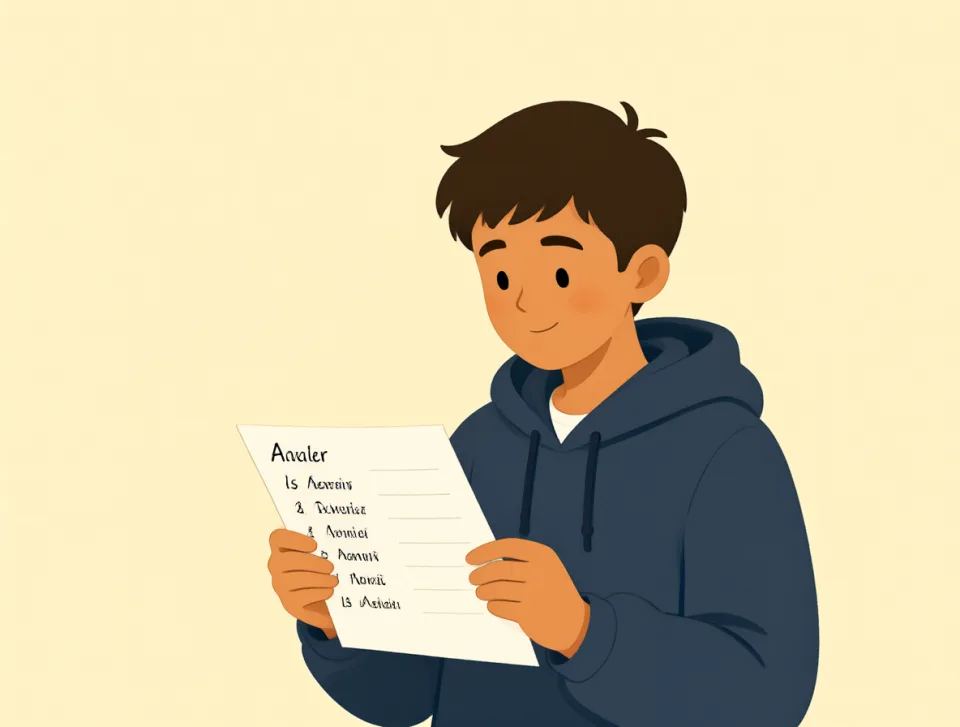
His name appears on the list.
Jego nazwisko znajduje się na liście.
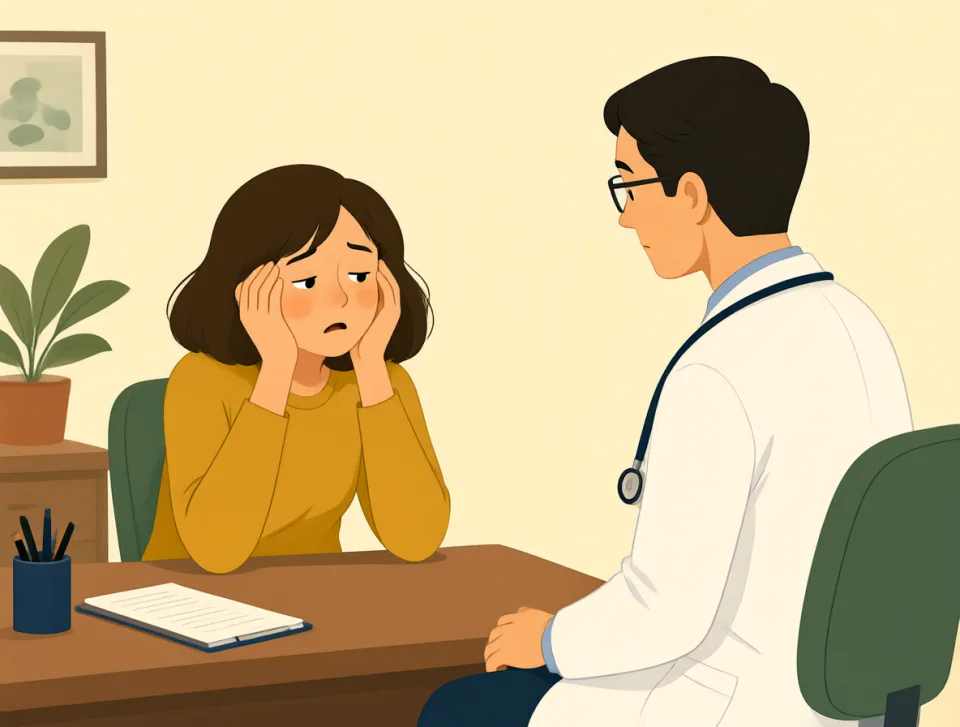
The doctor thinks tiredness caused her headache to appear.
Lekarz uważa, że zmęczenie spowodowało pojawienie się jej bólu głowy.
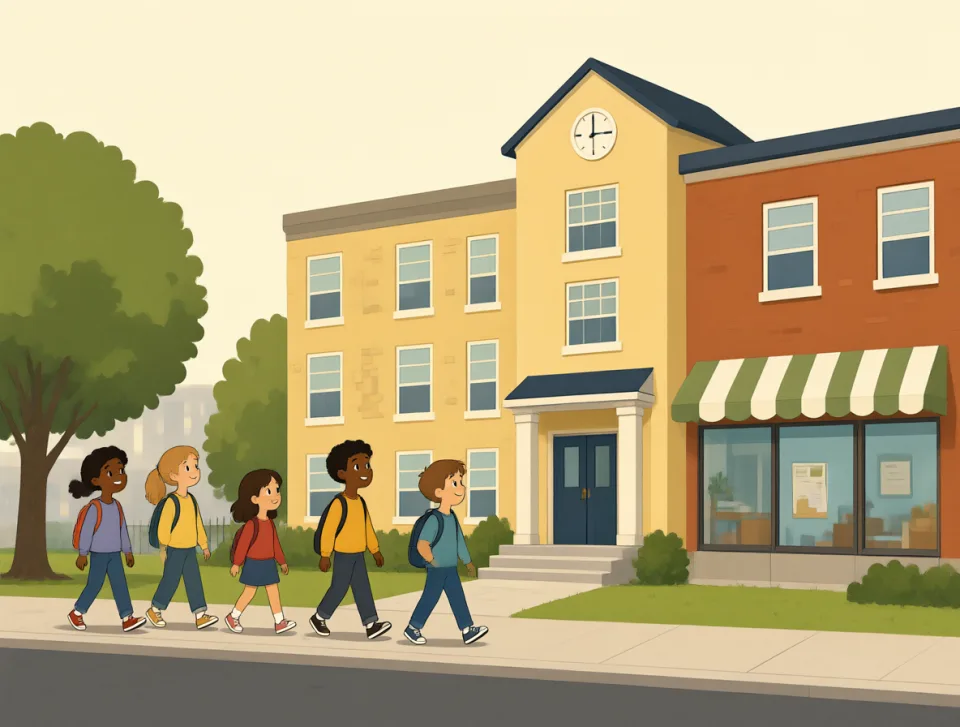
New shops are appearing near our school.
W pobliżu naszej szkoły pojawiają się nowe sklepy.
toward
#406preposition
w kierunku
in the direction of a person, place, or thing
w stronę osoby, miejsca lub rzeczy
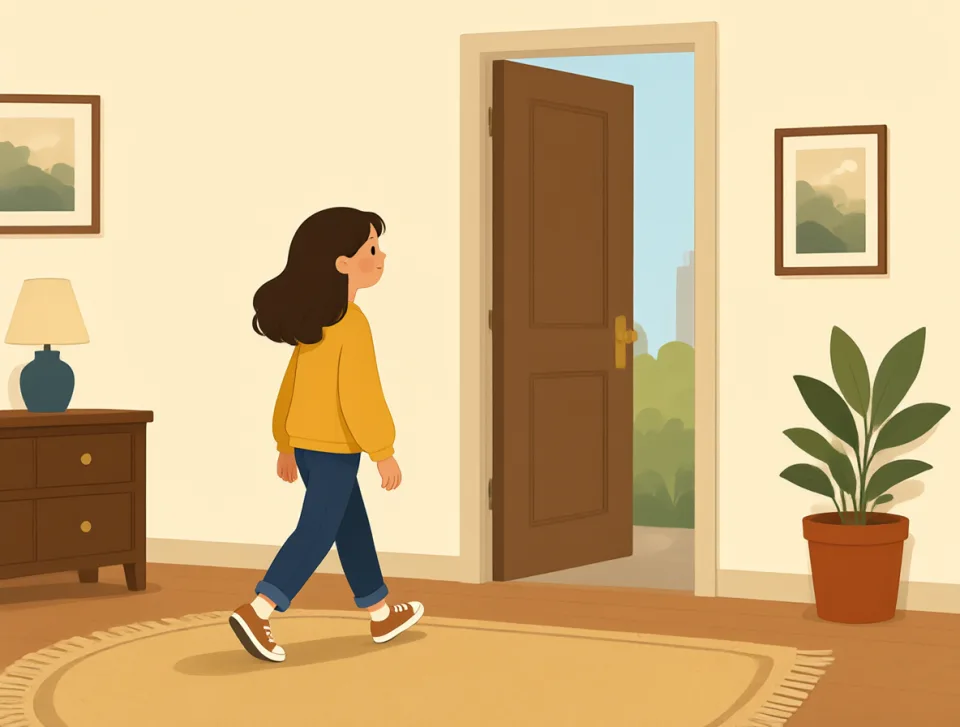
She walked toward the door.
Ona szła w kierunku drzwi.
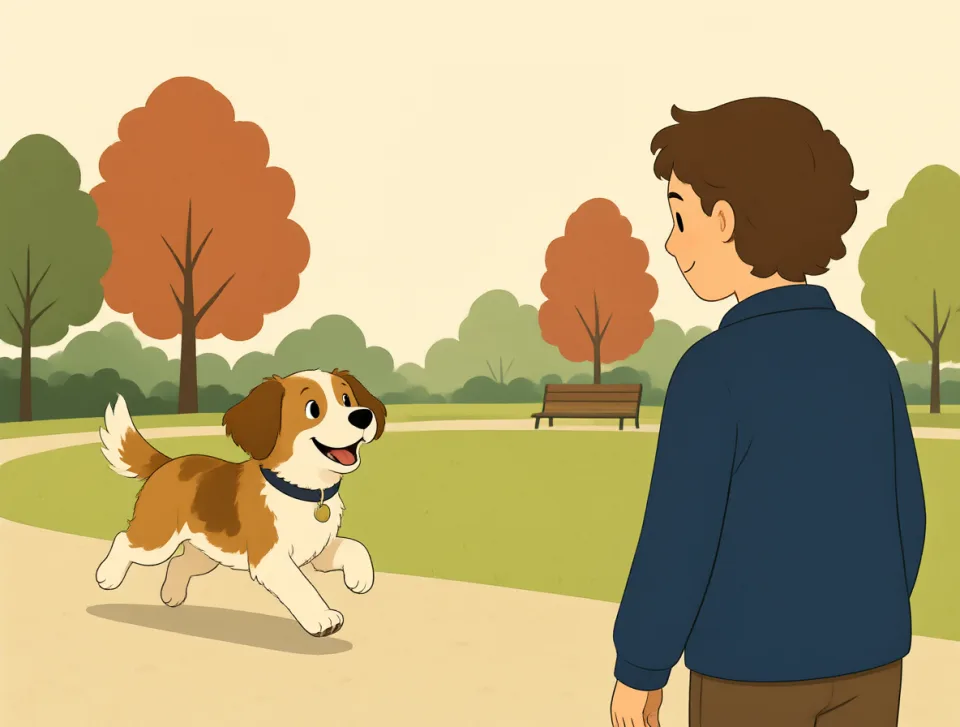
The dog ran toward its owner.
Pies pobiegł w stronę swojego właściciela.

We are driving toward the airport.
Jedziemy samochodem w kierunku lotniska.
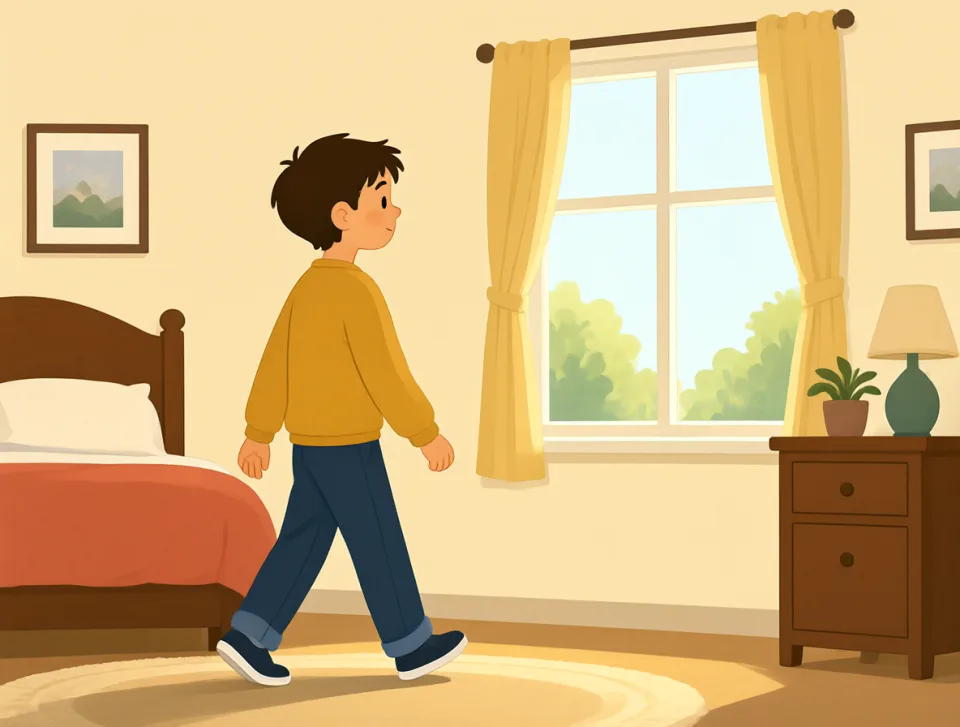
He moved toward the window.
Podszedł do okna.
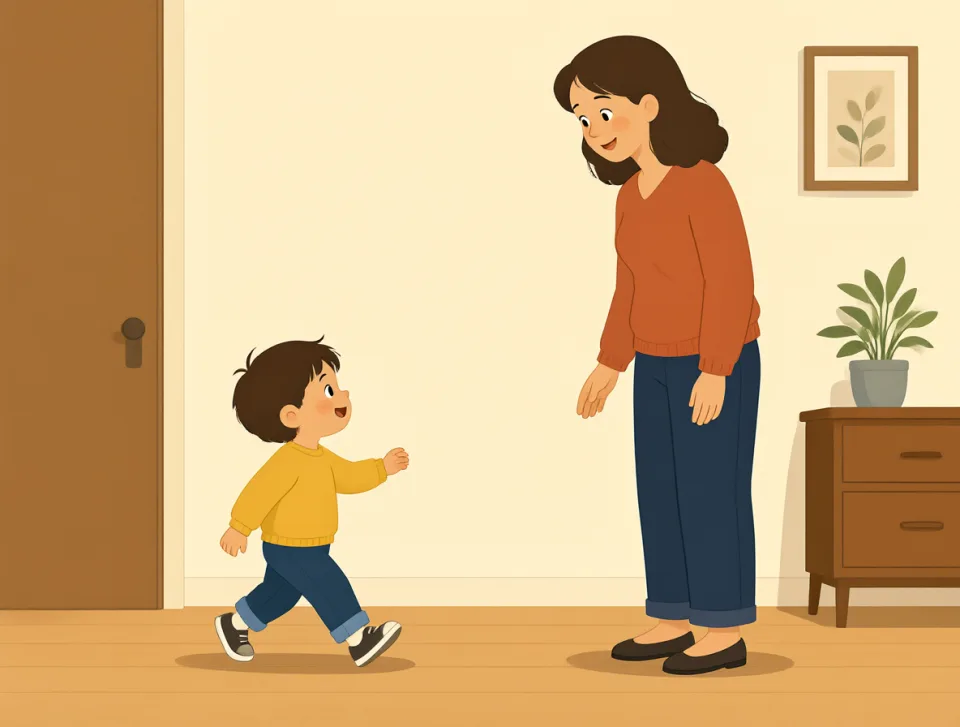
The child took a step toward her mother.
Dziecko zrobiło krok w stronę swojej mamy.
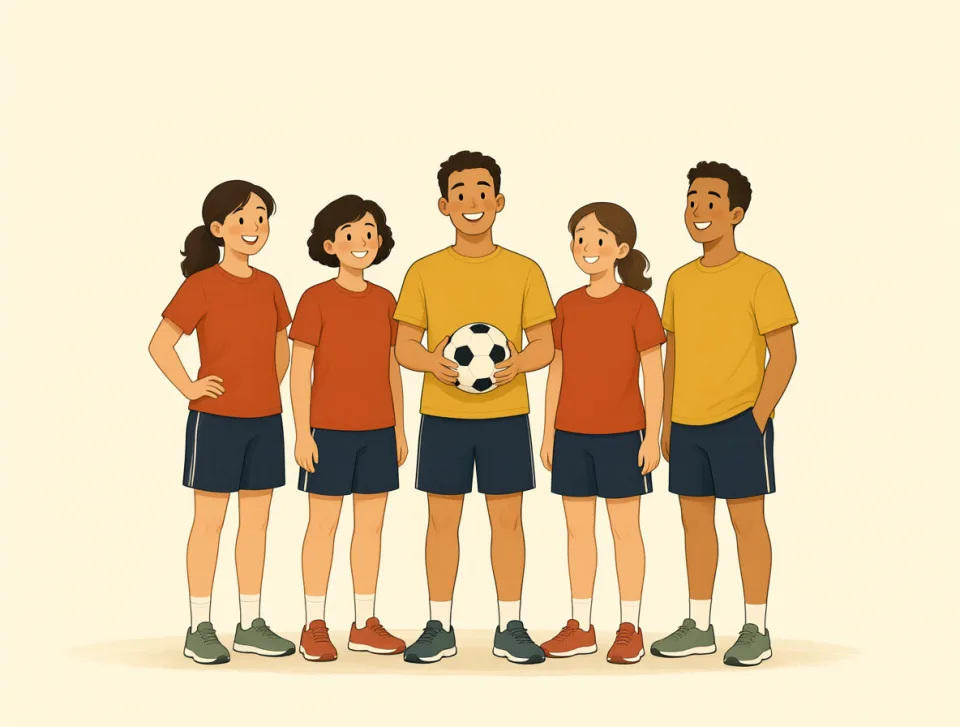
team
#407noun, verb
zespół
A group of people who work or play together; to join with others for a purpose.
Grupa osób, które razem pracują lub grają; dołączyć do innych, by osiągnąć jakiś cel.
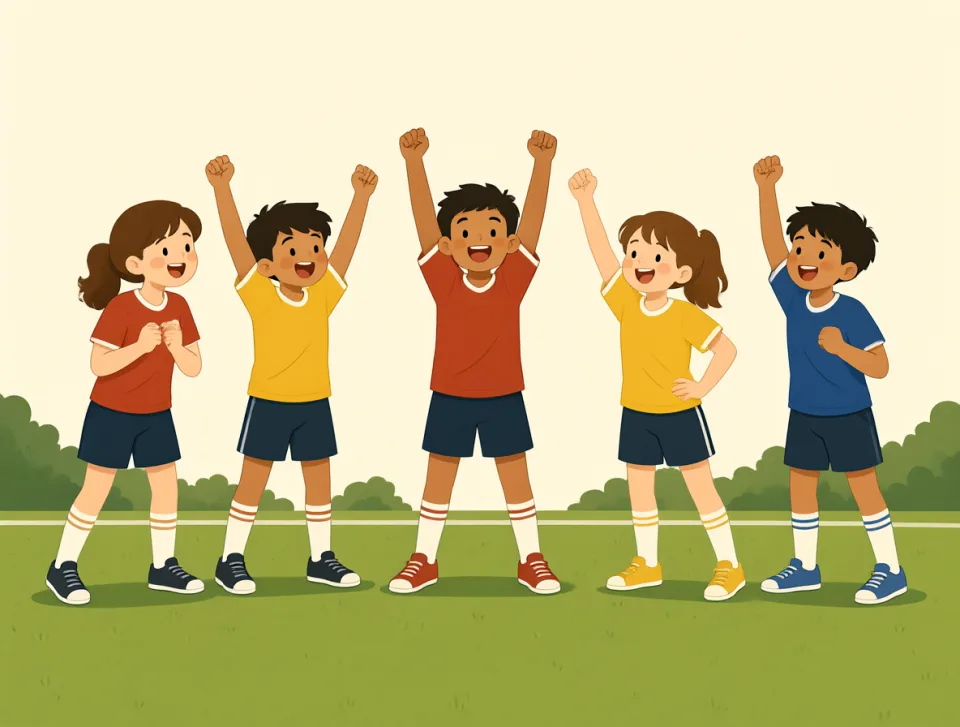
Our team won the game yesterday.
Nasz zespół wygrał wczoraj mecz.
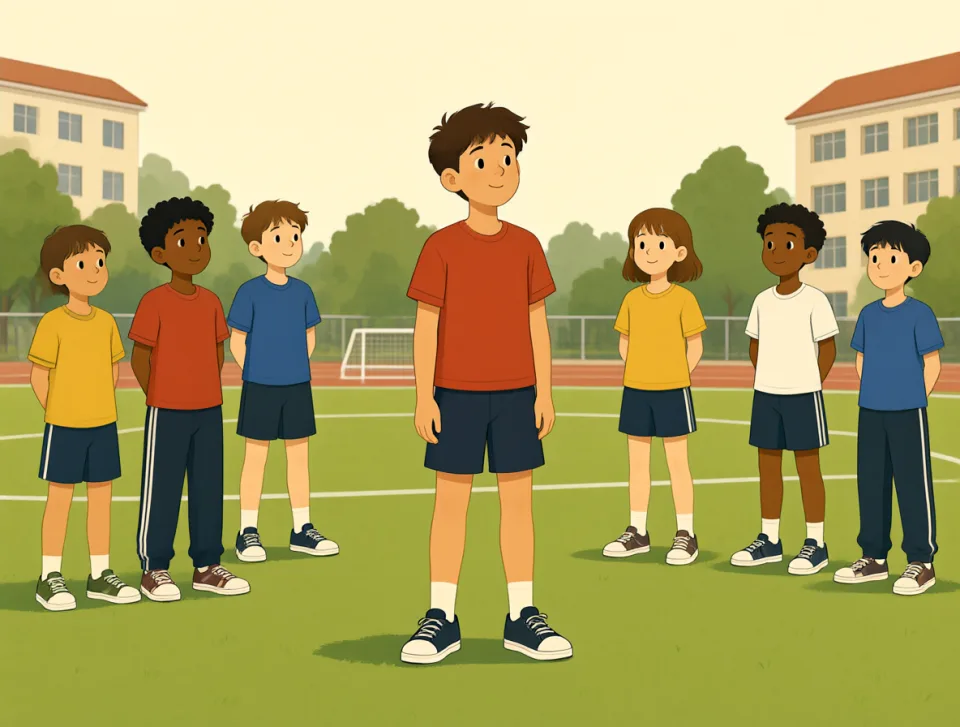
She joined the school team this year.
W tym roku dołączyła do szkolnej drużyny.
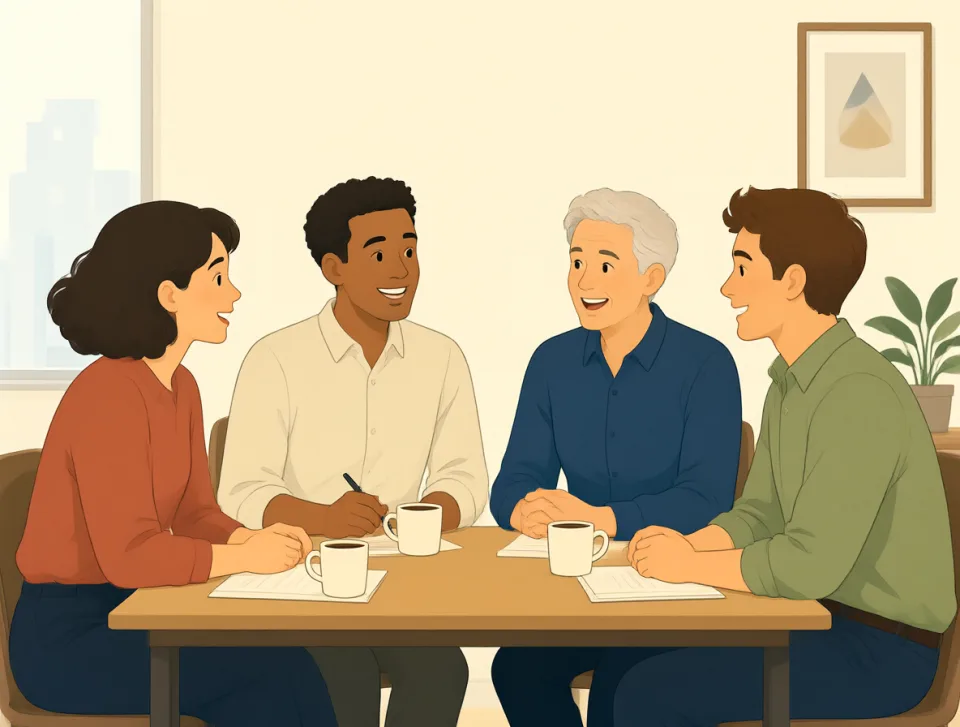
The work team meets every Monday morning.
Zespół roboczy spotyka się w każdy poniedziałek rano.
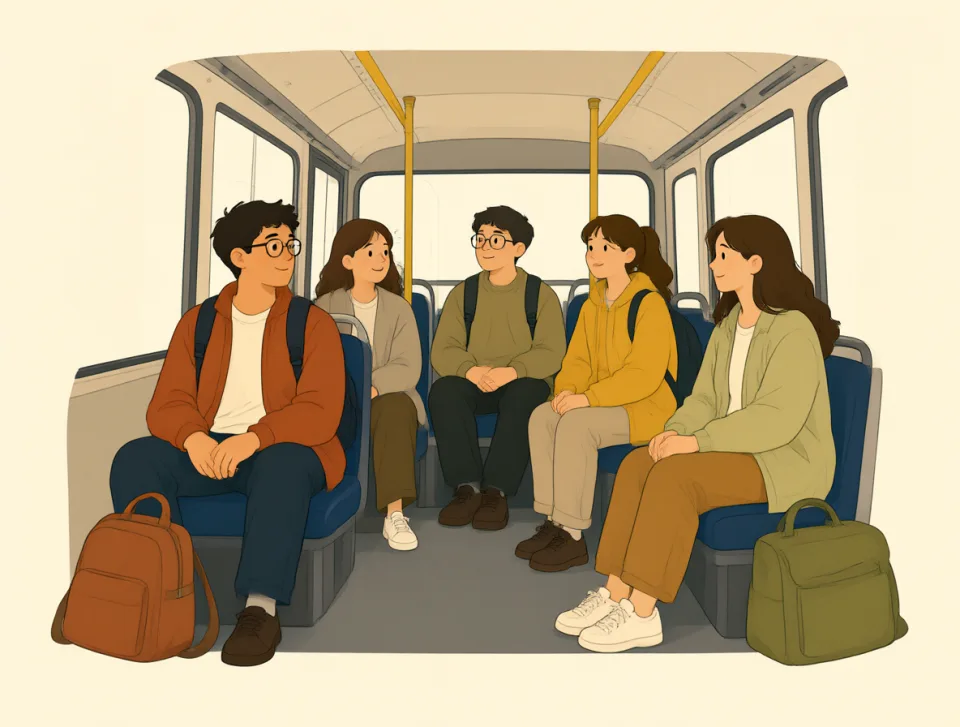
The travel team shared a bus to the airport.
Zespół podróżny pojechał jednym autobusem na lotnisko.
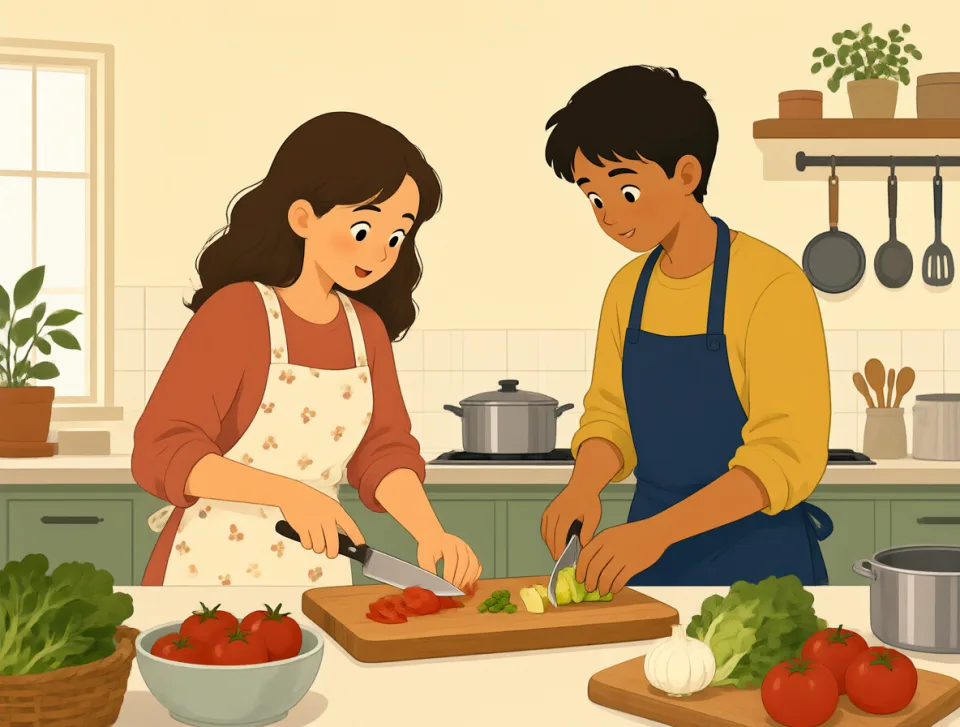
We teamed up to cook dinner together.
Połączyliśmy siły, żeby razem przygotować kolację.
easy
#408adjective, adverb, noun
łatwy
Not difficult; needing little effort, skill, or thought.
Niewymagający wysiłku, umiejętności ani zastanowienia; nietrudny.
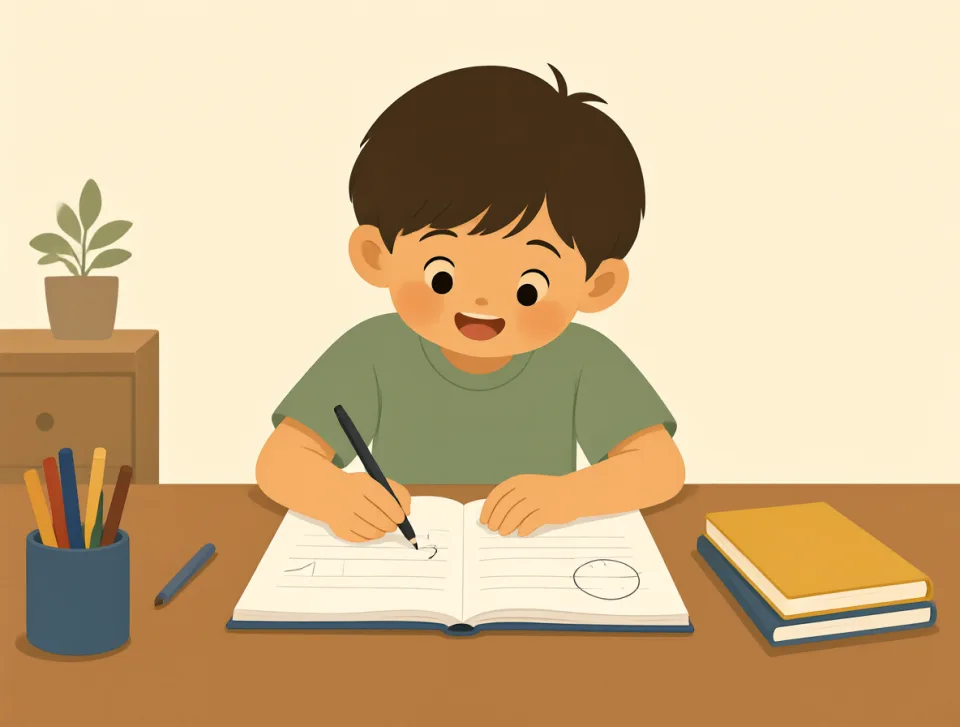
This exercise is easy for me.
To ćwiczenie jest dla mnie łatwe.
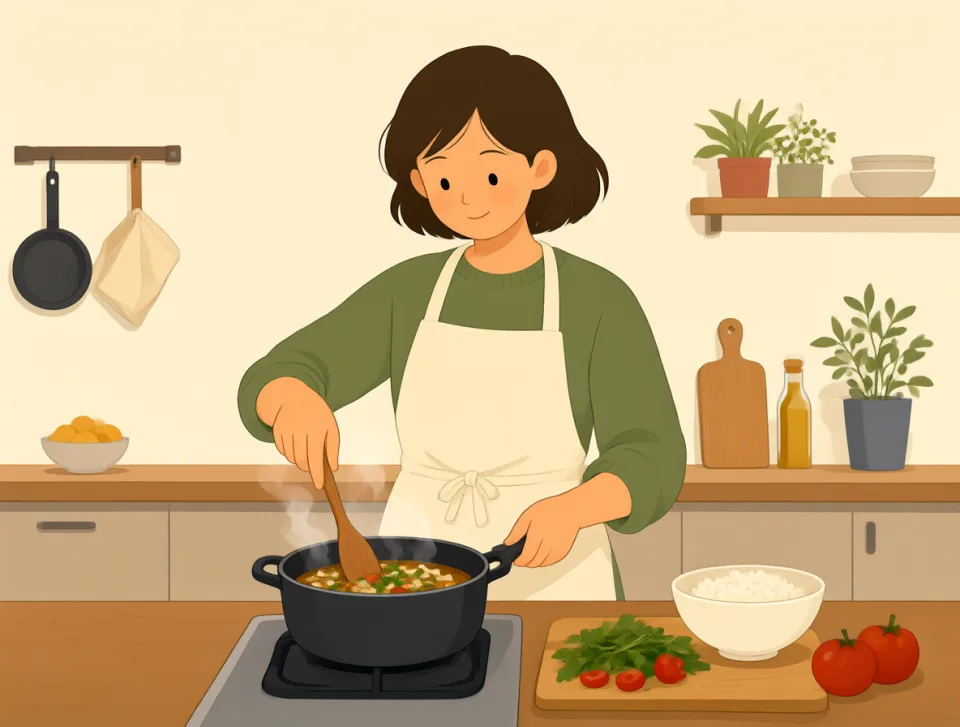
The recipe is easy to follow.
Łatwo jest postępować zgodnie z tym przepisem.

We took the easy way home.
Wybraliśmy łatwiejszą drogę do domu.

The shop is easy to find.
Łatwo znaleźć ten sklep.
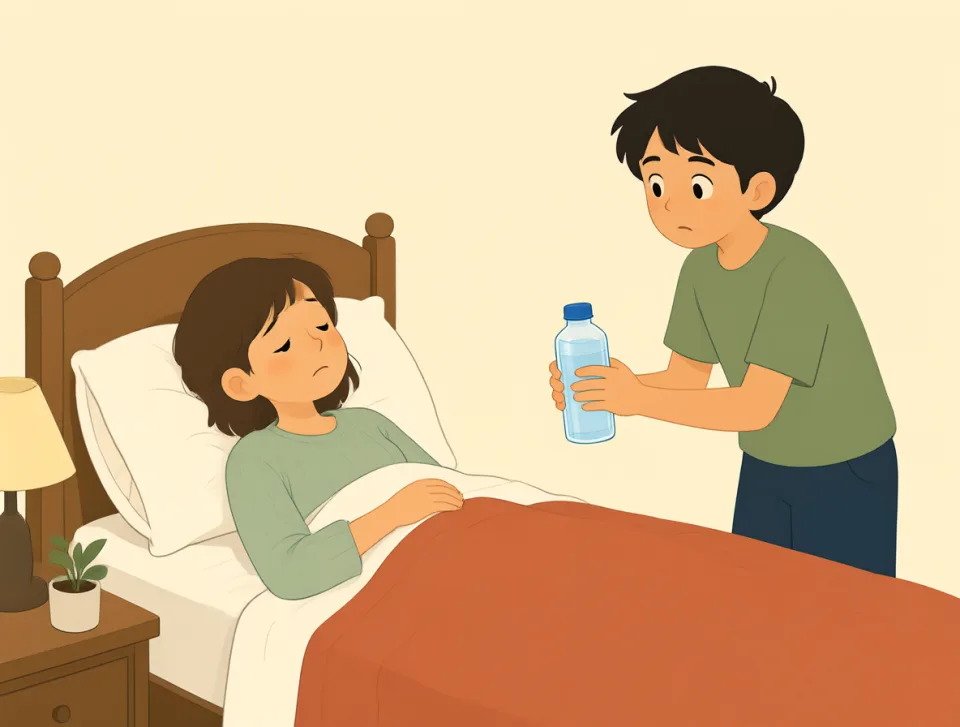
Take it easy and get some rest.
Nie przemęczaj się i trochę odpocznij.
individual
#409noun, adjective
pojedynczy
one person or thing, separate from a group
jedna osoba lub rzecz, odrębna od grupy
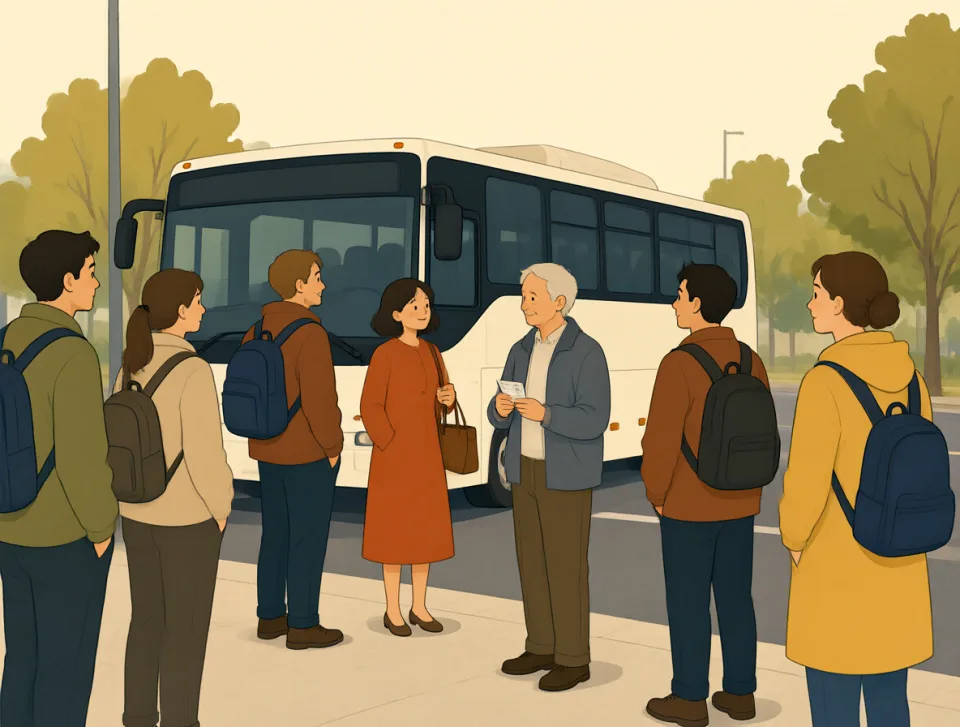
Each individual needs a ticket for the bus.
Każda osoba musi mieć bilet na autobus.
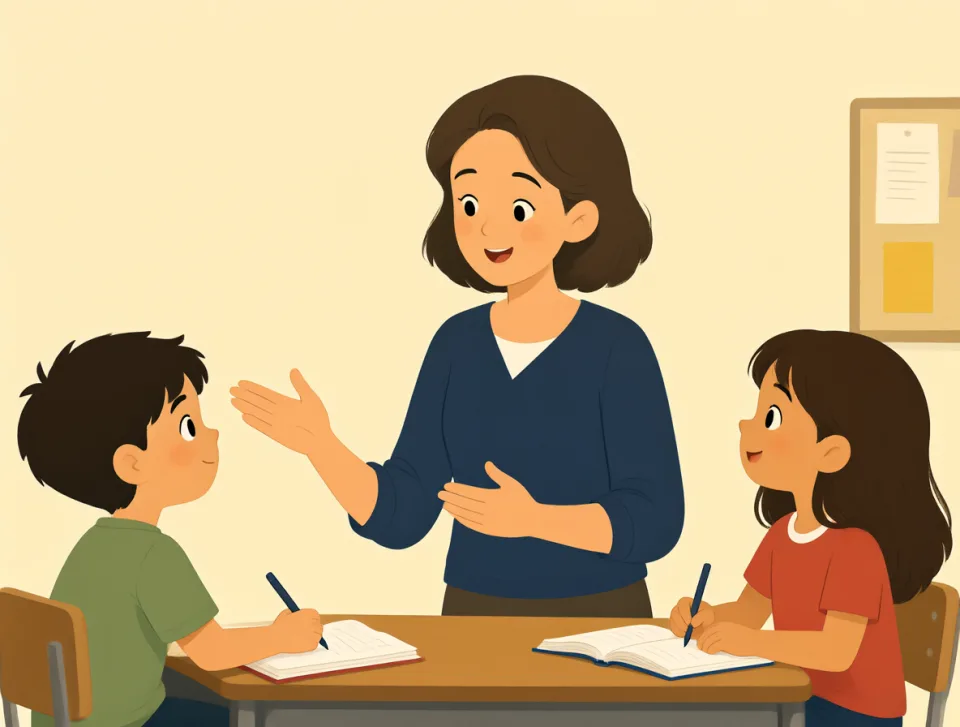
The teacher spoke to each individual student.
Nauczyciel rozmawiał z każdym uczniem z osobna.
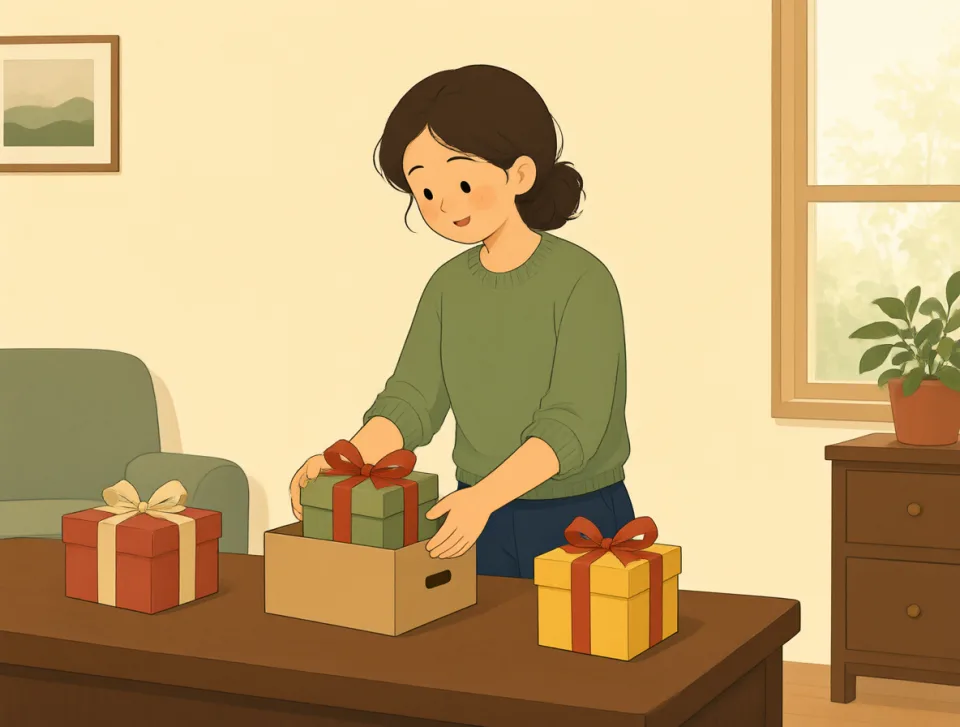
We packed the gifts in individual boxes.
Zapakowaliśmy prezenty do osobnych pudełek.

The doctor gave the individual patient special advice.
Lekarz udzielił pacjentowi indywidualnych porad.
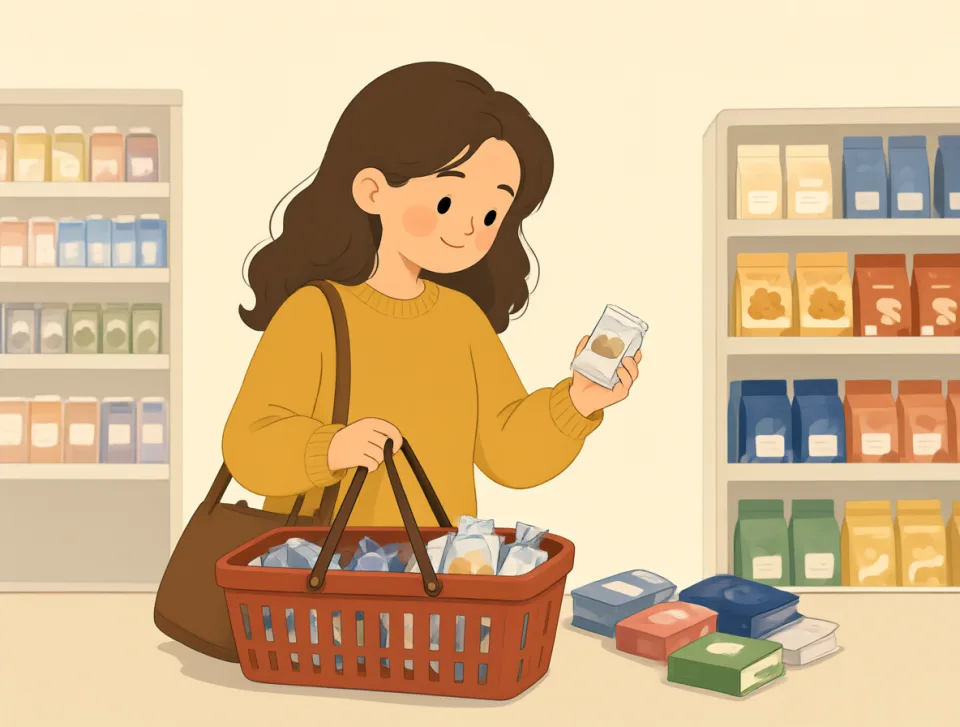
These prices are for individual items.
Te ceny dotyczą pojedynczych produktów.
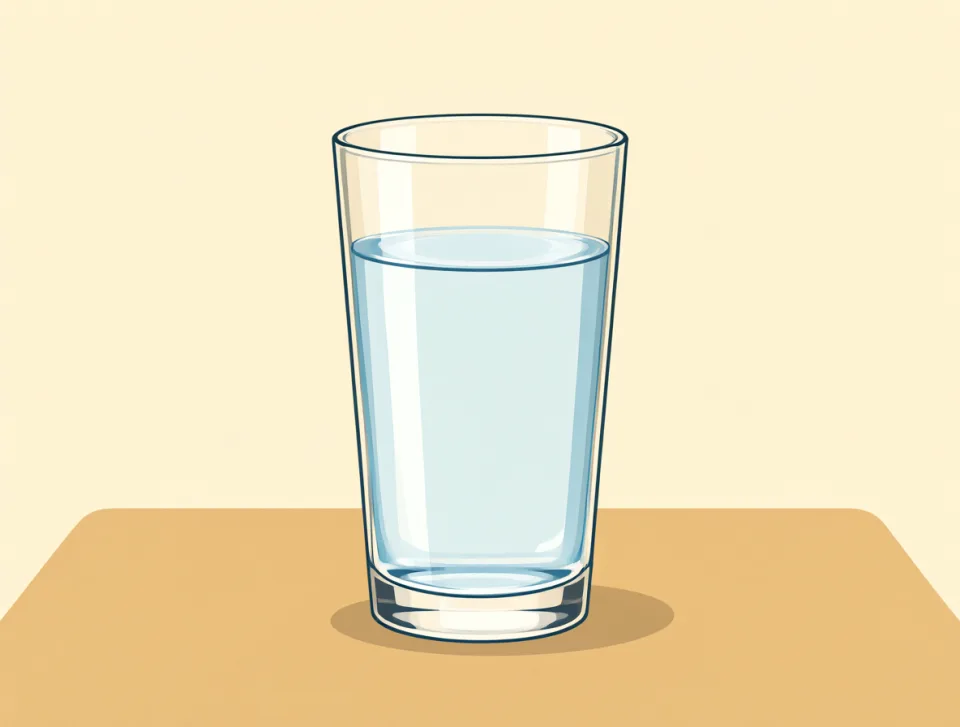
full
#410adjective, noun, verb
pełny
containing as much as possible; complete or having no empty space
zawierający tyle, ile się da; kompletny lub bez wolnego miejsca
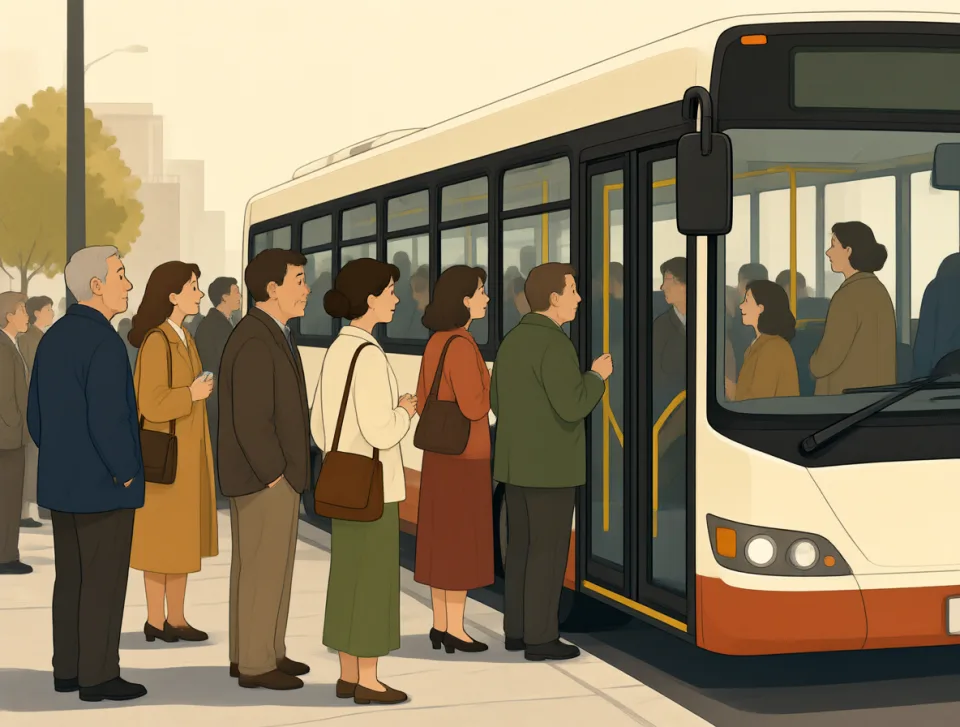
The bus is full, so we must wait.
Autobus jest pełny, więc musimy poczekać.

My cup is full of hot tea.
Moja filiżanka jest pełna gorącej herbaty.
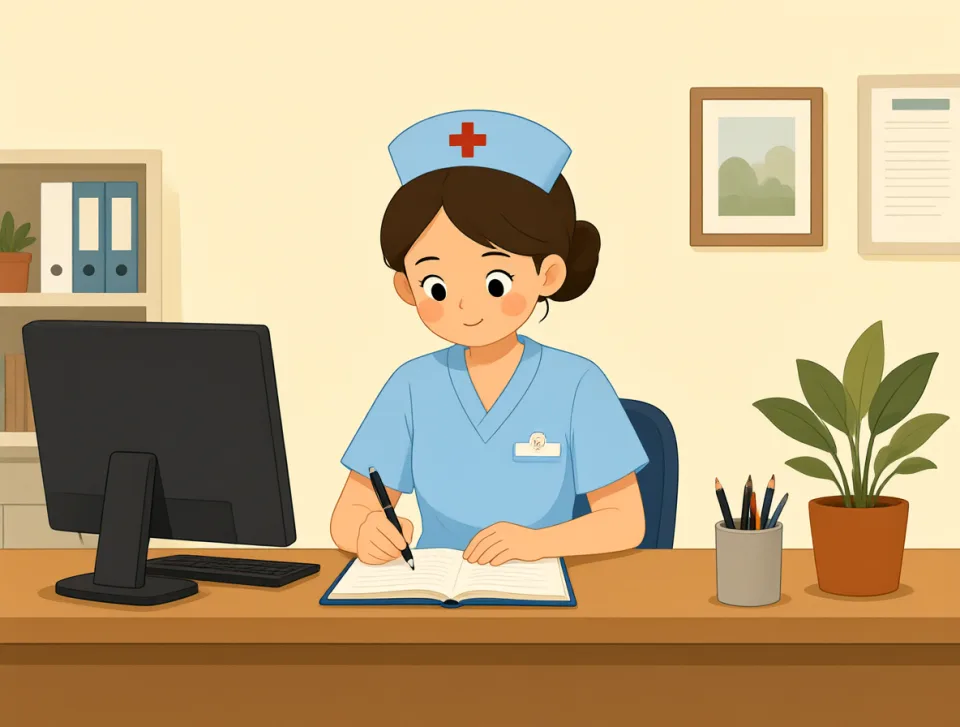
She works full time at a hospital.
Pracuje na pełny etat w szpitalu.
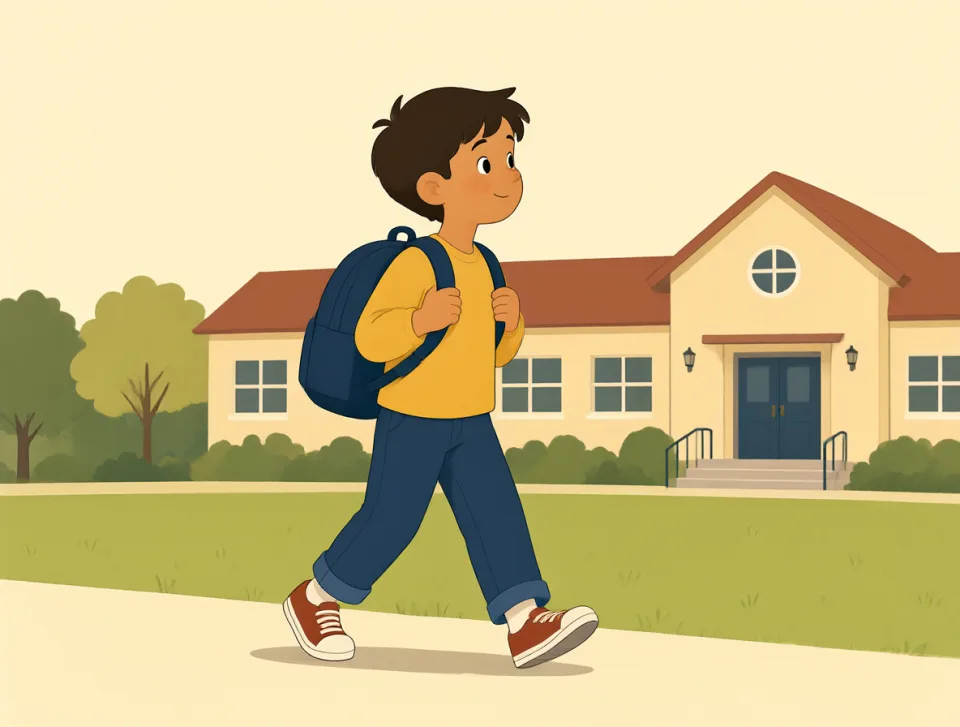
We had a full day at school.
Mieliśmy w szkole cały dzień zajęć.
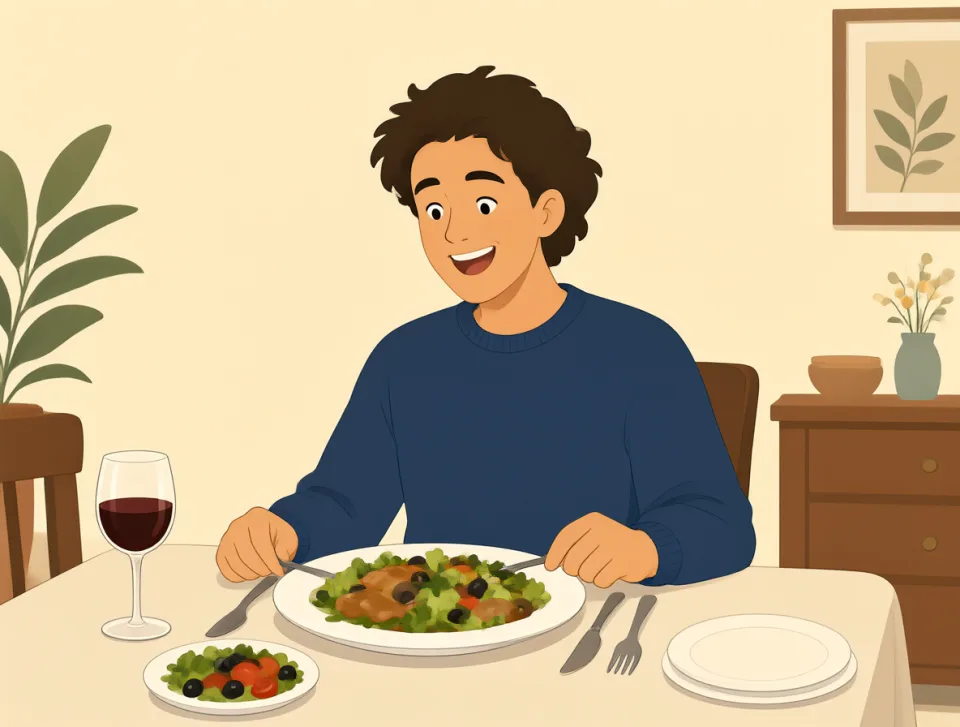
I am full after eating that large meal.
Jestem najedzony po tym dużym posiłku.
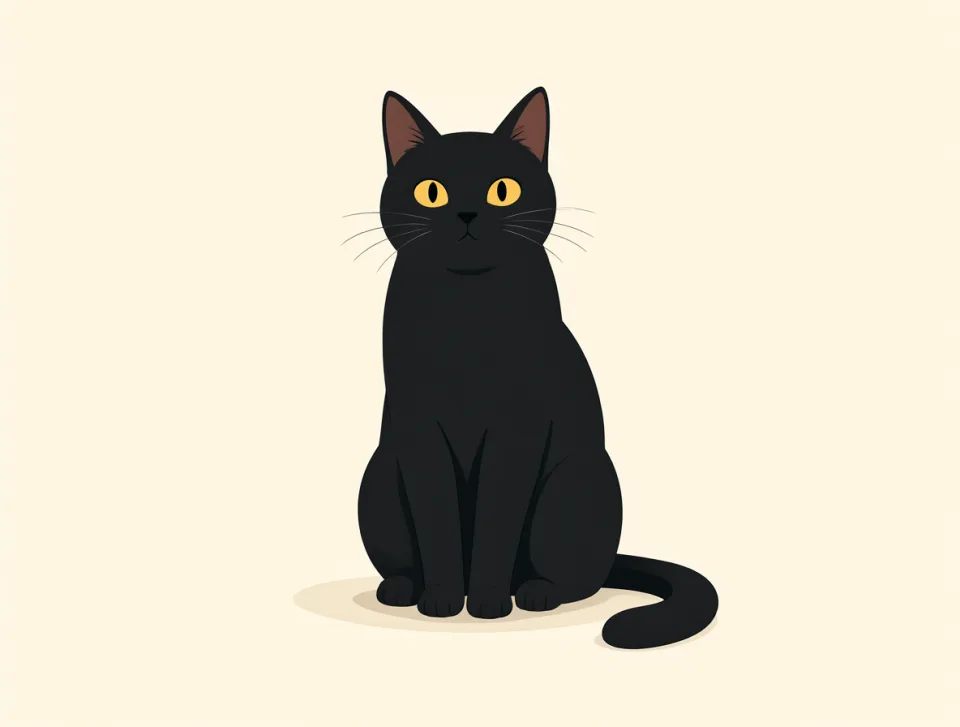
black
#411adjective, noun, verb
czarny
having the darkest color; the color of coal or the night sky
mający najciemniejszą barwę; kolor węgla lub nocnego nieba
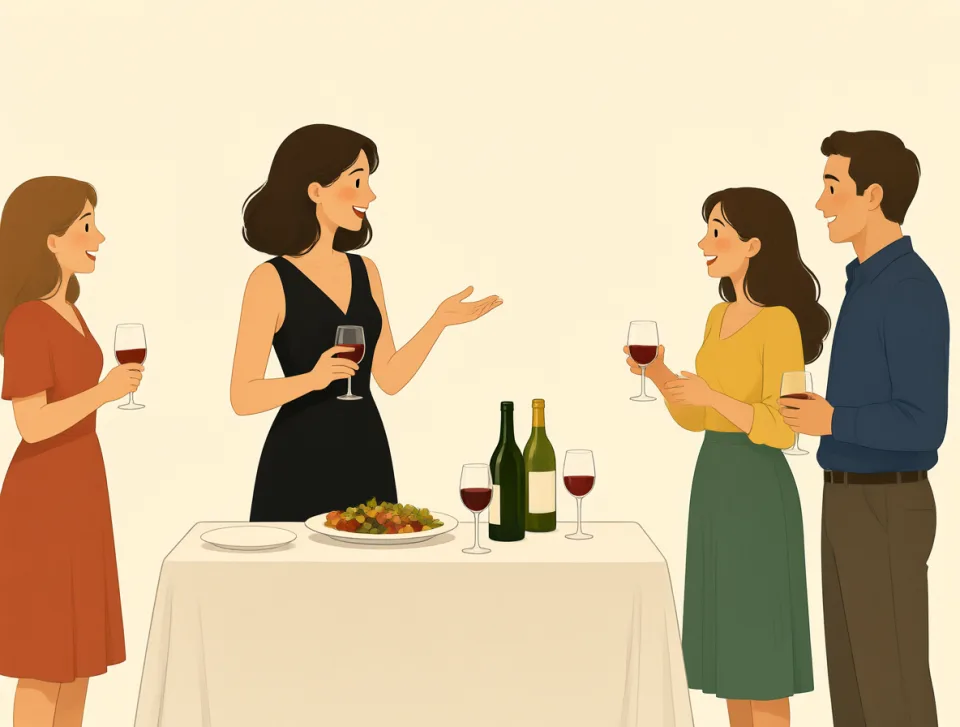
She wore a black dress to the party.
Założyła czarną sukienkę na przyjęcie.
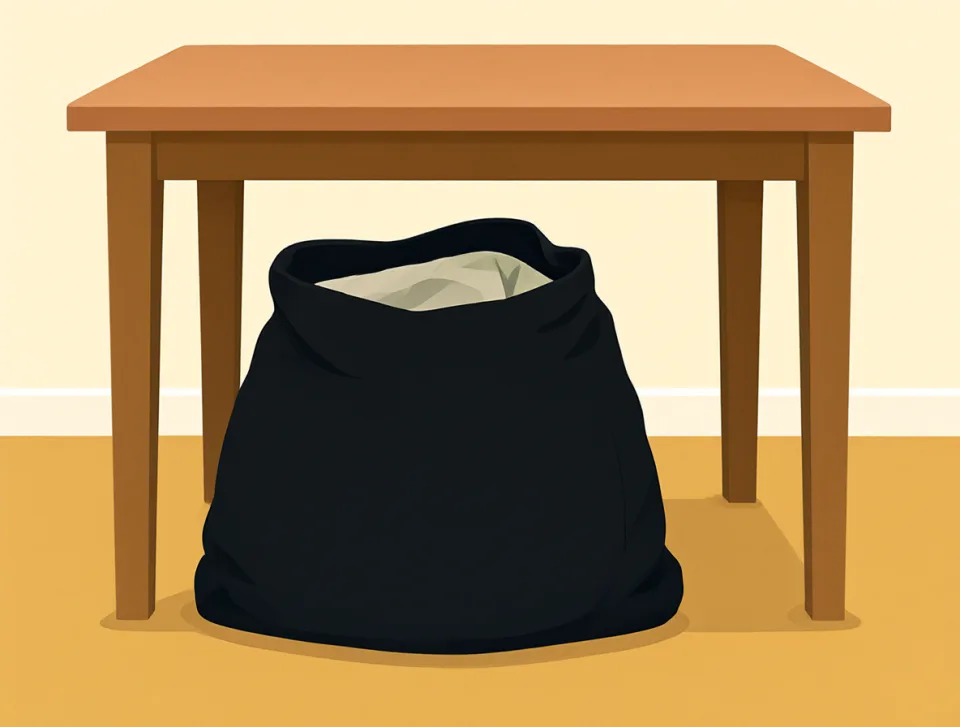
The black bag is under the table.
Czarna torba jest pod stołem.

He likes black coffee in the morning.
Rano lubi pić czarną kawę.
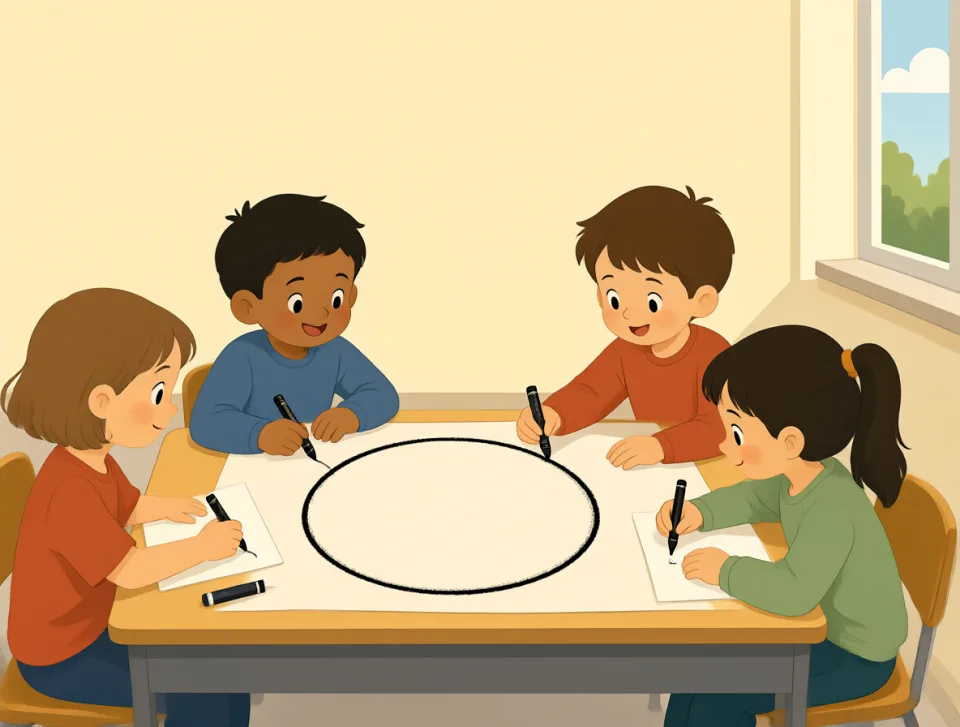
The children drew a black circle.
Dzieci narysowały czarne koło.
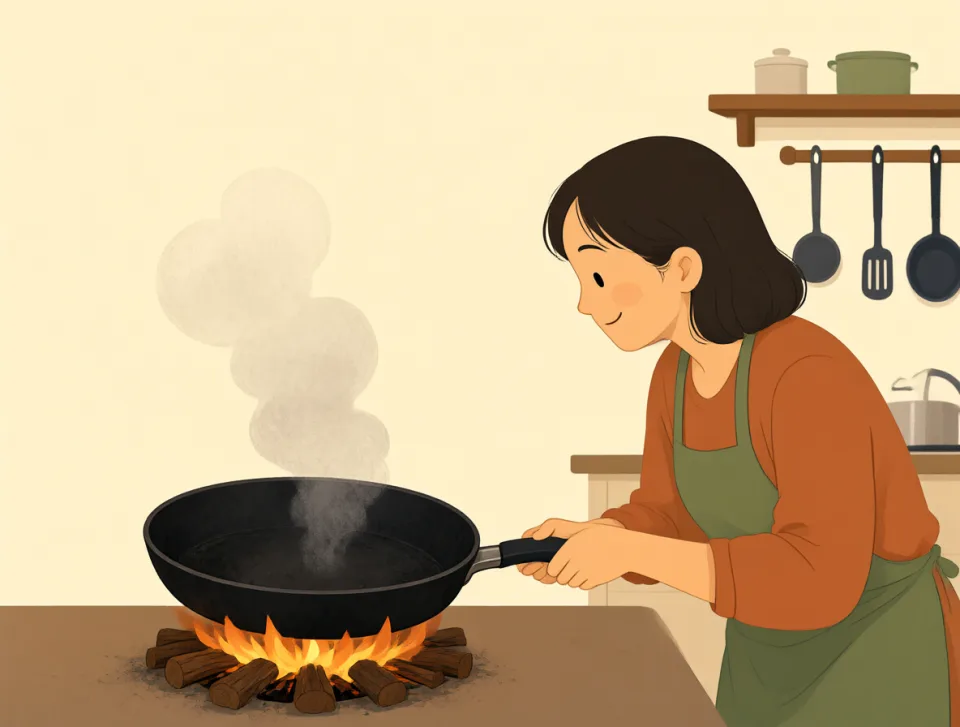
The pan became black after the fire.
Patelnia sczerniała po pożarze.
sense
#412noun, verb
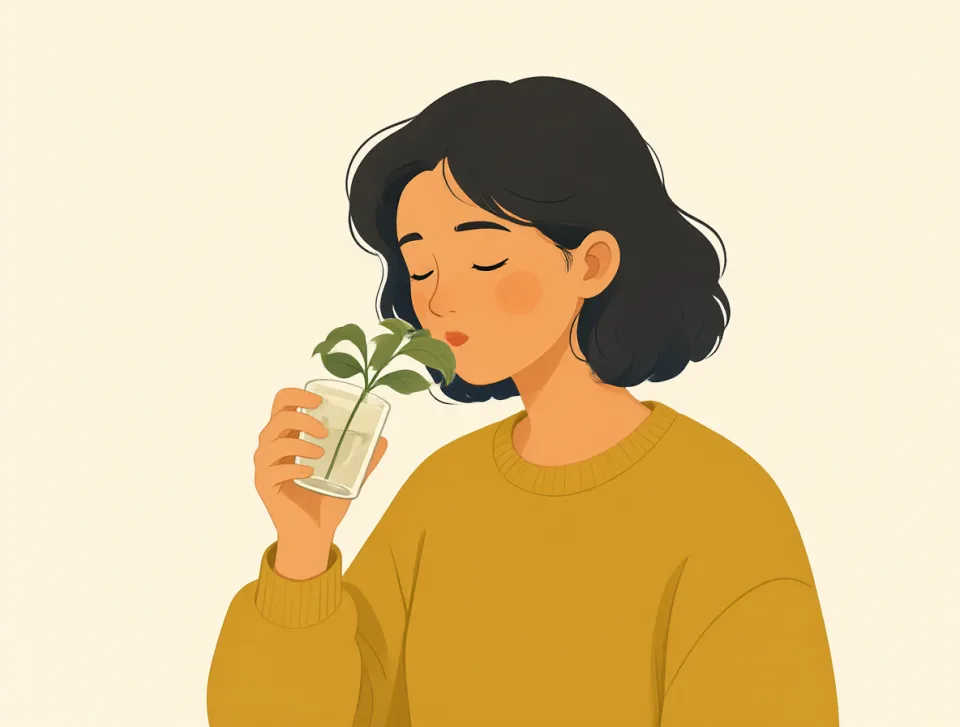
zmysł; wyczucie; sens
A feeling, meaning, or ability to understand something through your senses or thoughts.
Odczucie, znaczenie lub zdolność rozumienia czegoś za pomocą zmysłów albo myśli.
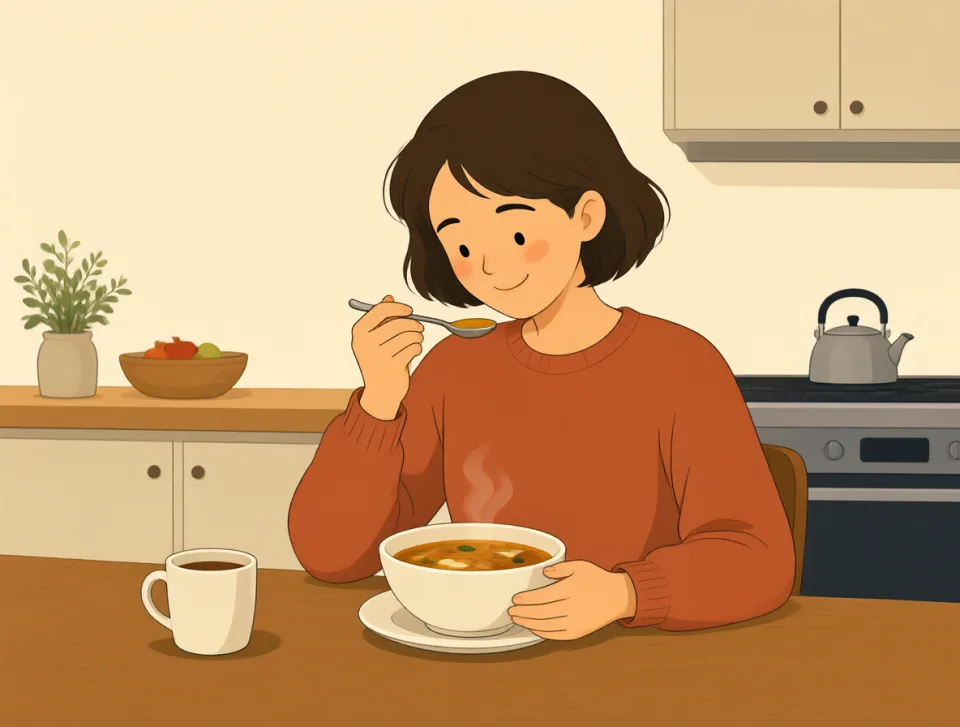
This soup has a delicious taste and smell.
Ta zupa ma pyszny smak i zapach.
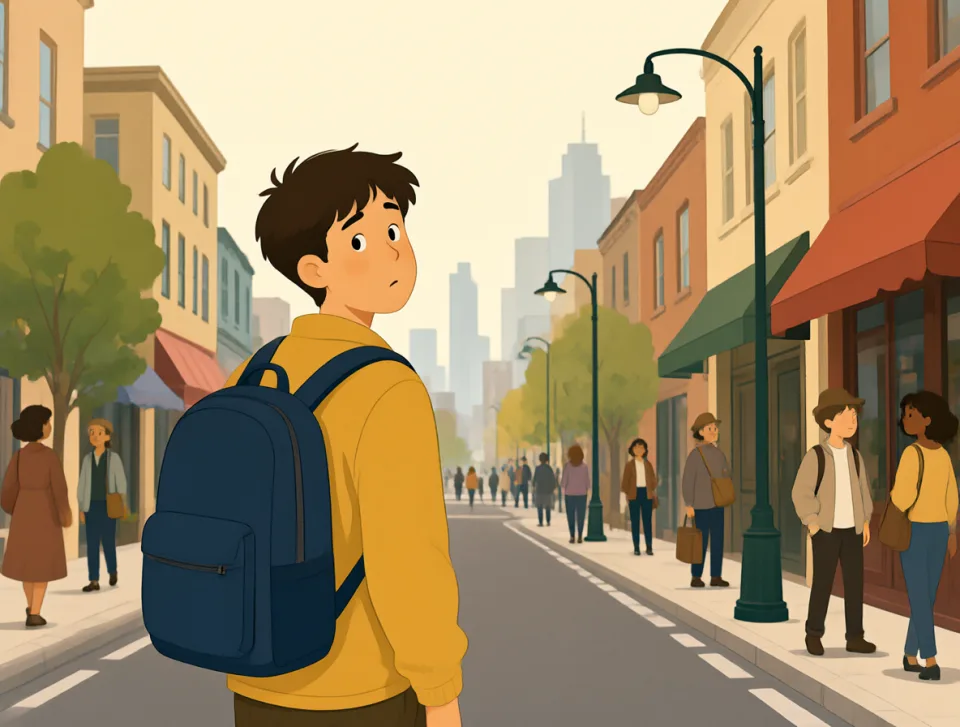
I lost my sense of direction downtown.
W centrum miasta straciłem orientację.
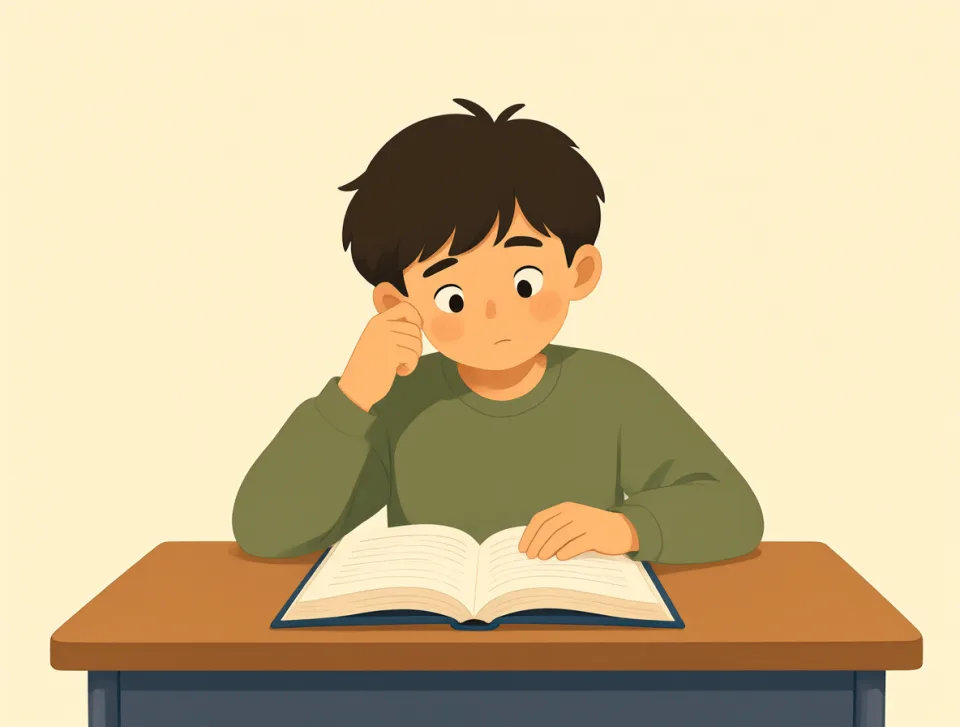
That sentence makes no sense to me.
To zdanie nie ma dla mnie sensu.
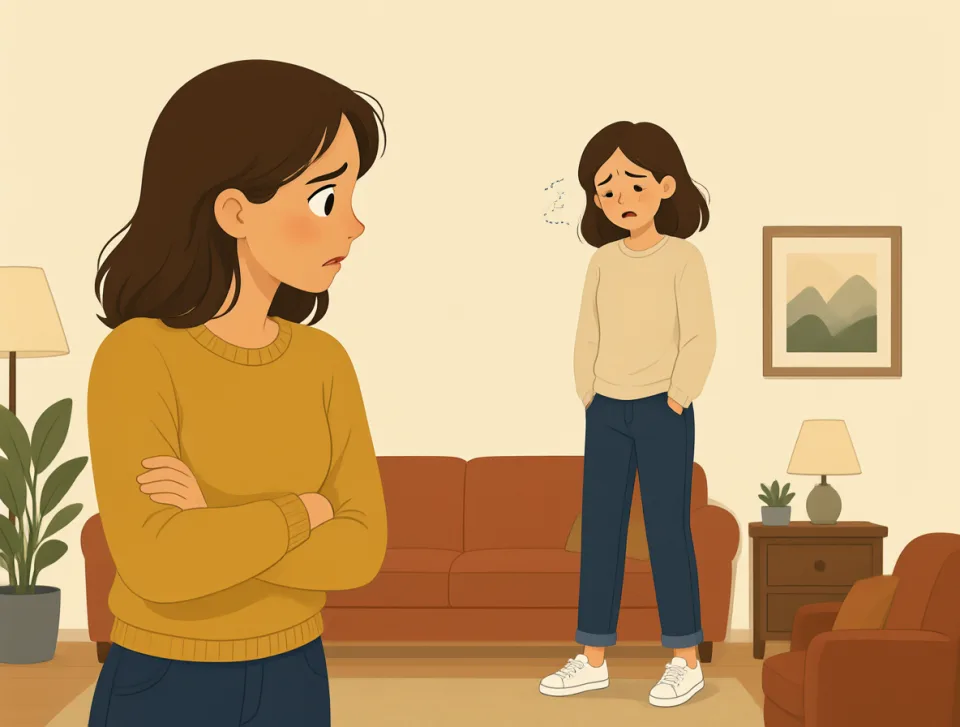
She sensed something was wrong.
Wyczuła, że coś jest nie tak.
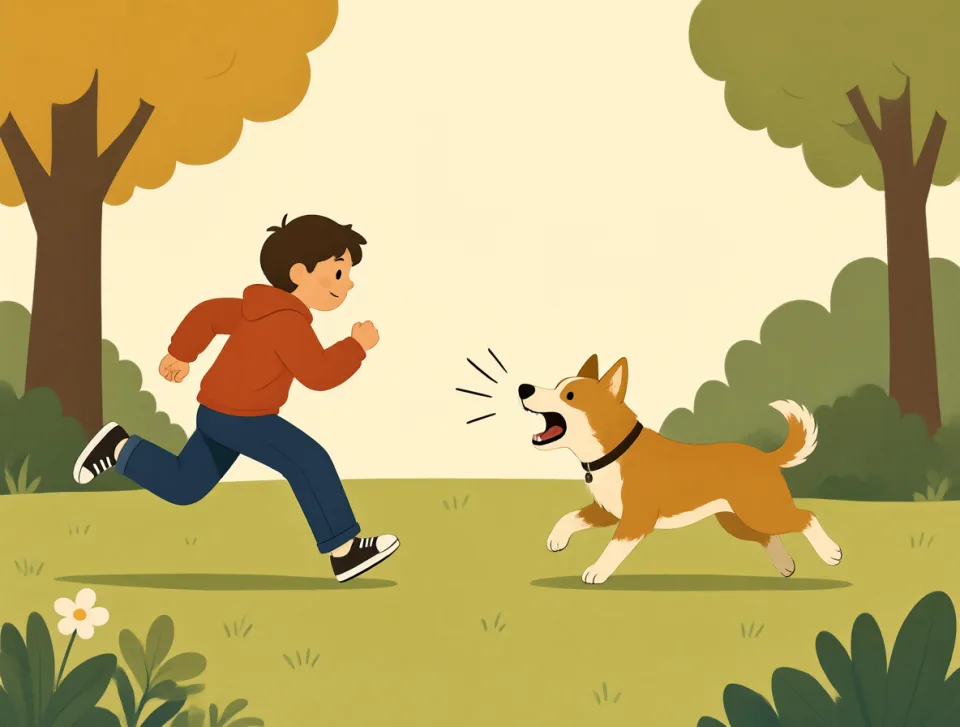
He sensed danger and ran away.
Wyczuł niebezpieczeństwo i uciekł.

perhaps
#413adverb
być może
Used to say something may be true or may happen.
Używane, by powiedzieć, że coś może być prawdą lub może się wydarzyć.
Perhaps we can meet after work.
Być może możemy spotkać się po pracy.
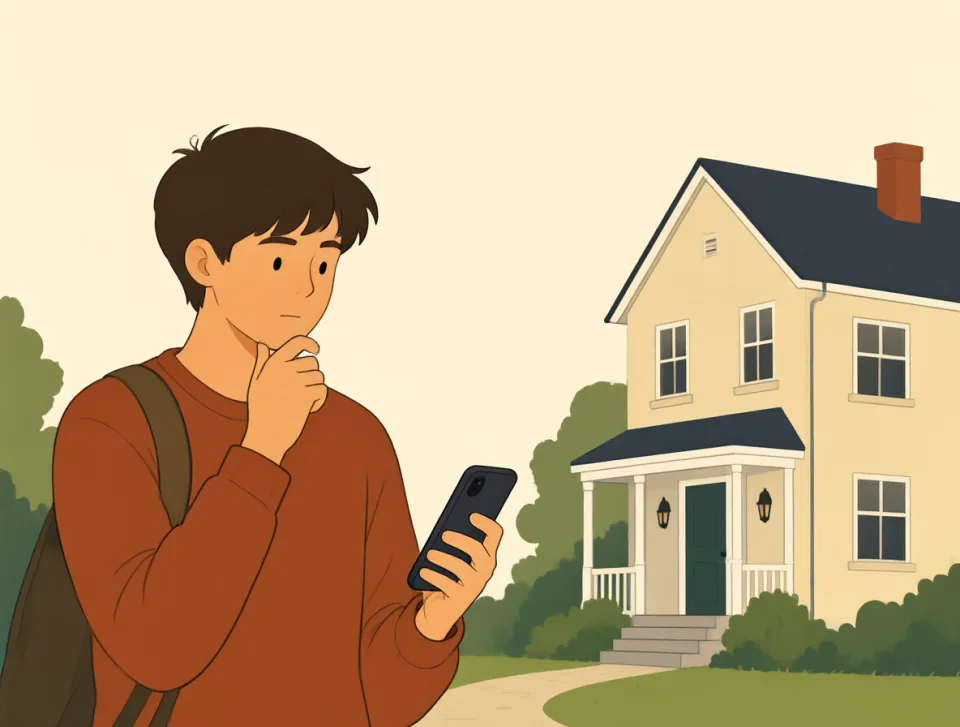
Perhaps she is still at home.
Być może ona wciąż jest w domu.

Perhaps I will order the soup.
Być może zamówię zupę.

Perhaps he forgot his passport.
Być może zapomniał paszportu.
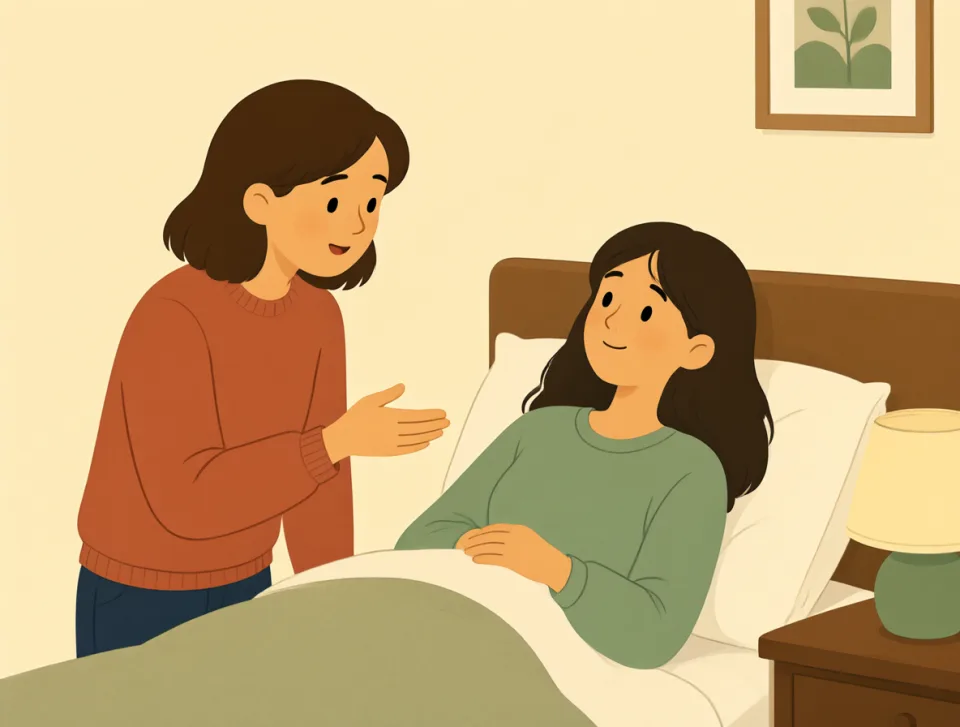
Perhaps you should see a doctor.
Być może powinieneś pójść do lekarza.
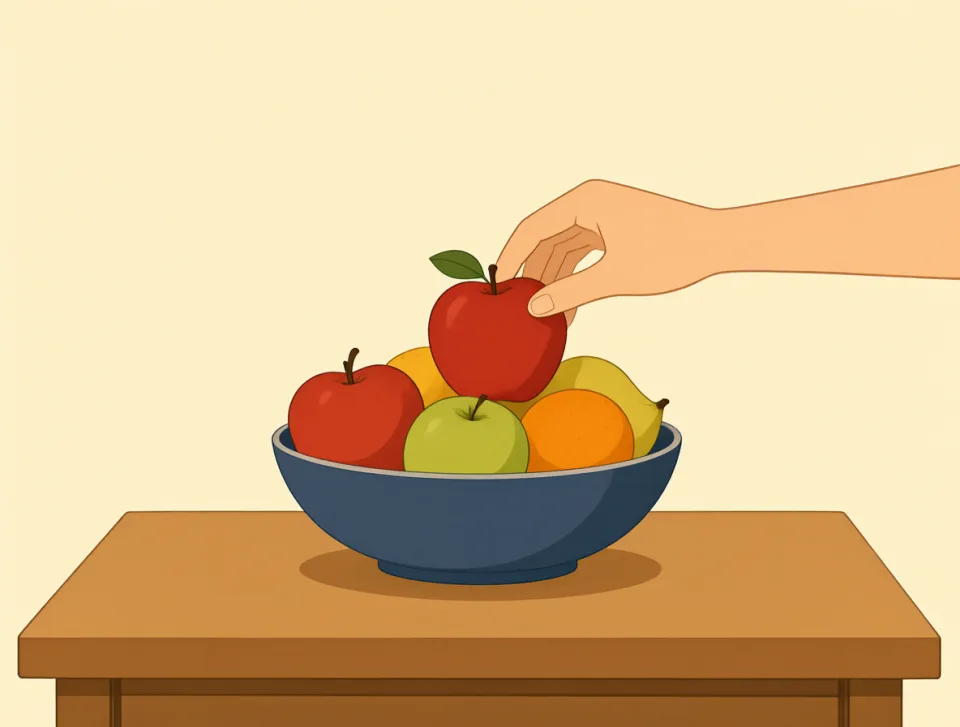
add
#414verb
dodawać
To put something with something else, or say something more.
Dołożyć coś do czegoś innego albo powiedzieć coś więcej.
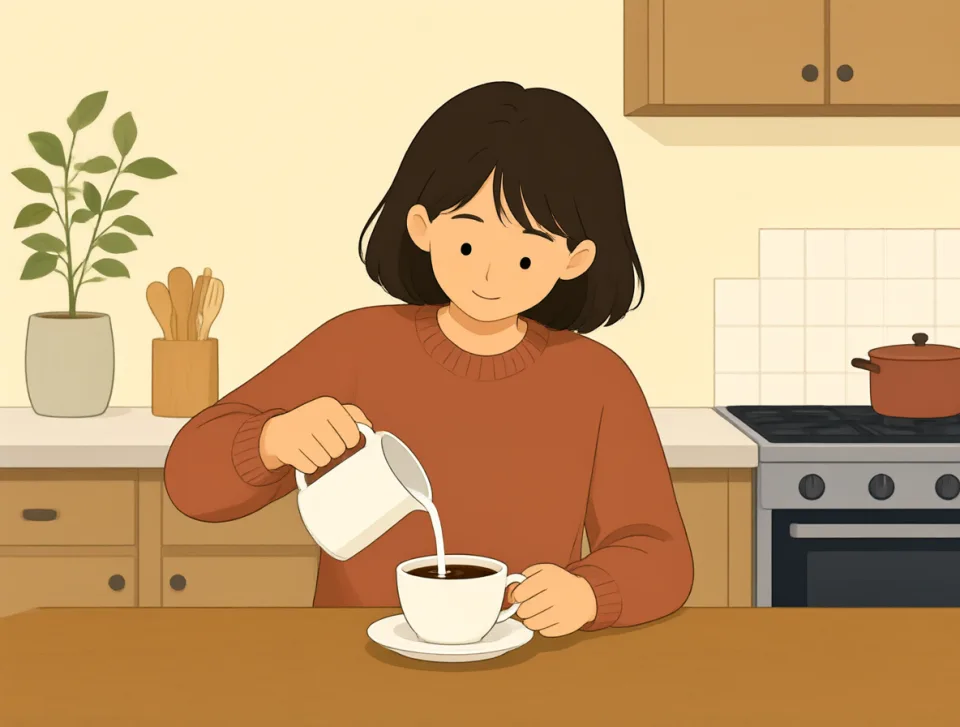
Add some milk to your coffee.
Dodaj trochę mleka do kawy.
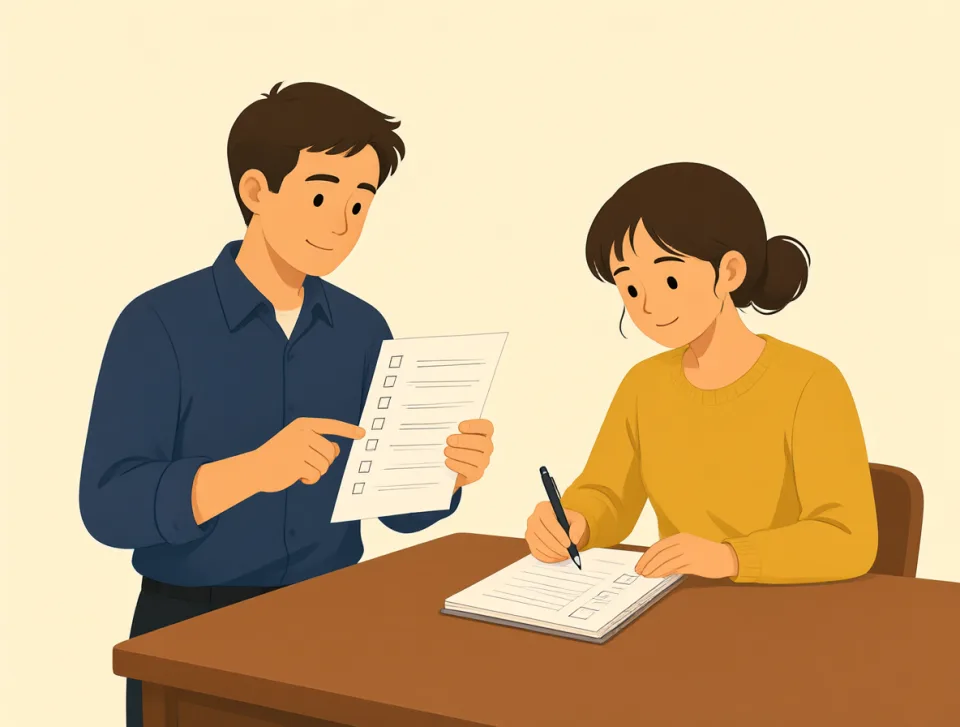
Please add my name to the list.
Proszę, dopisz moje nazwisko do listy.
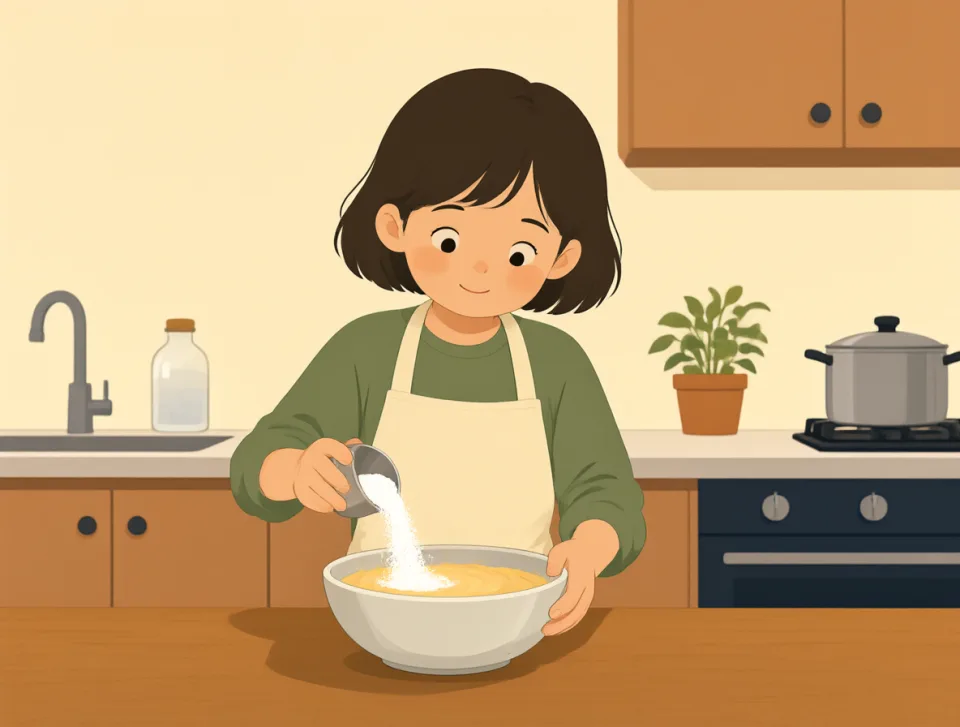
She added sugar to the cake mixture.
Dodała cukier do ciasta.
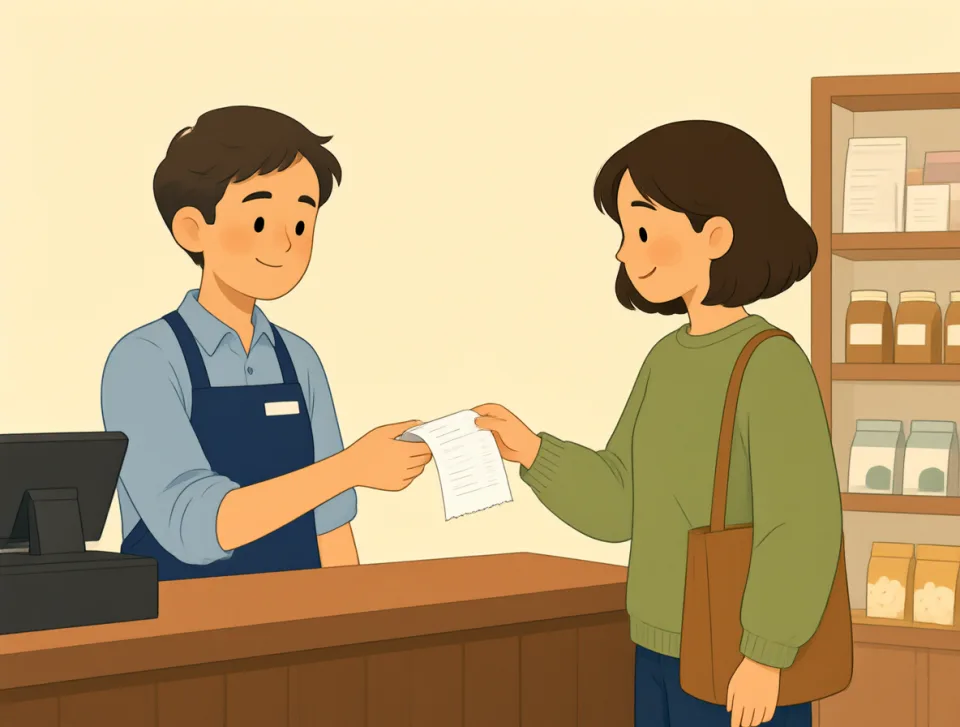
The shop added a small fee.
Sklep doliczył niewielką opłatę.
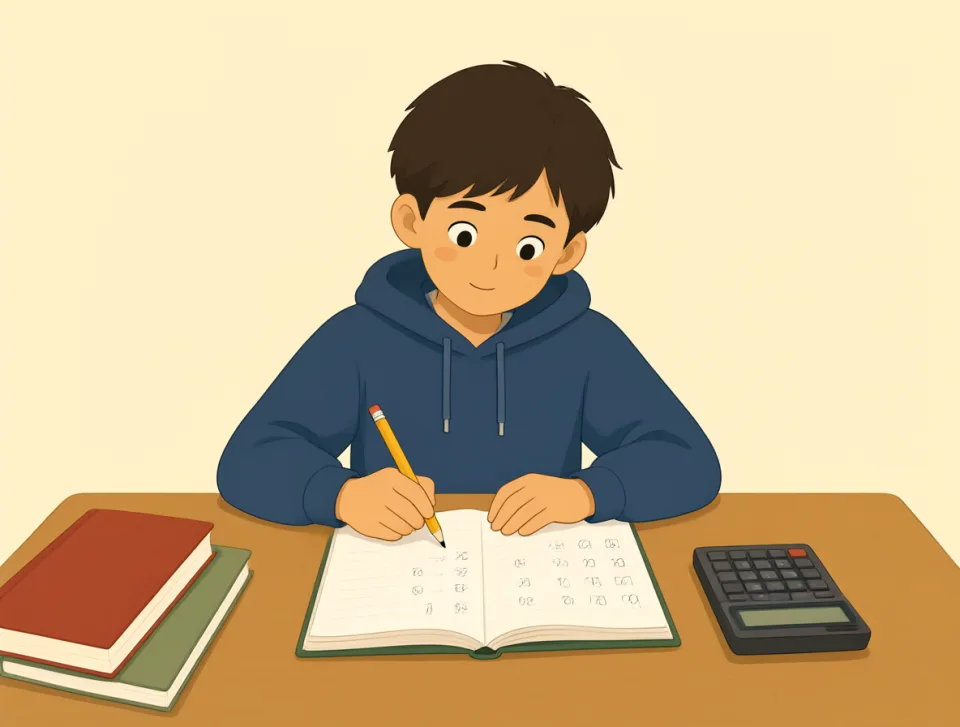
Add these numbers and tell me the answer.
Dodaj te liczby i podaj mi wynik.
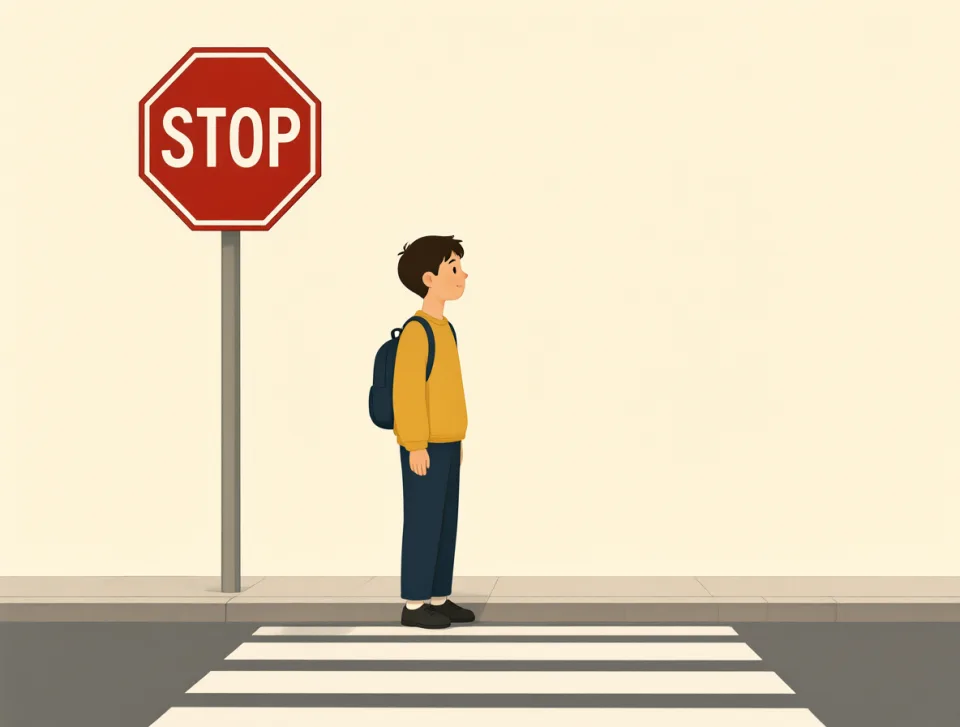
rule
#415noun, verb
zasada; reguła
A rule is an instruction about what you must or must not do.
Zasada to wskazówka mówiąca, co trzeba, a czego nie wolno robić.
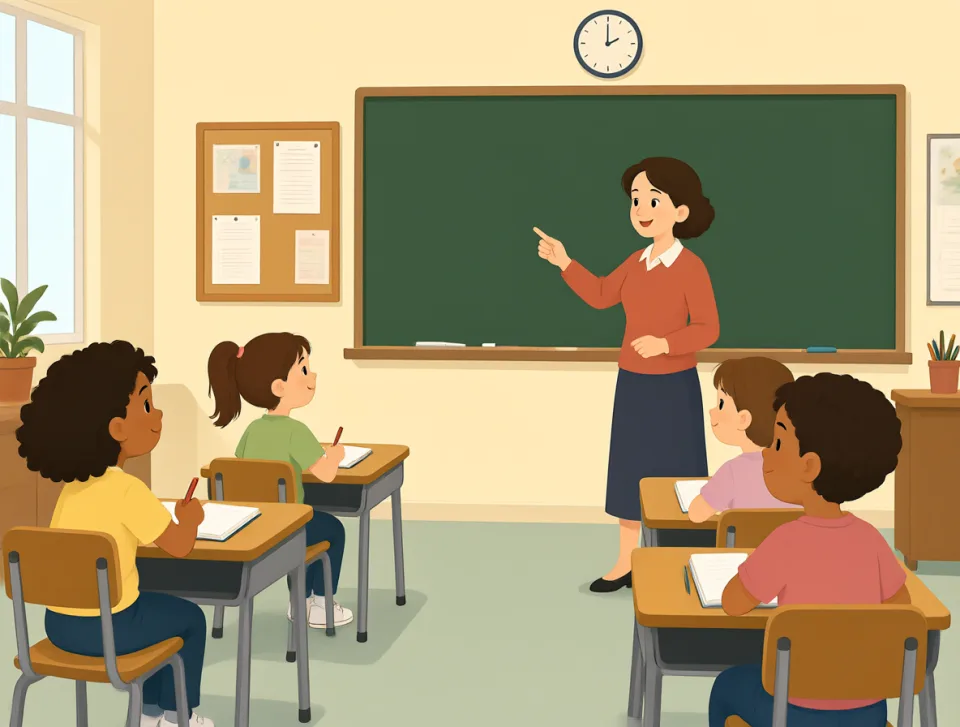
Follow the rules at school.
Przestrzegaj zasad w szkole.
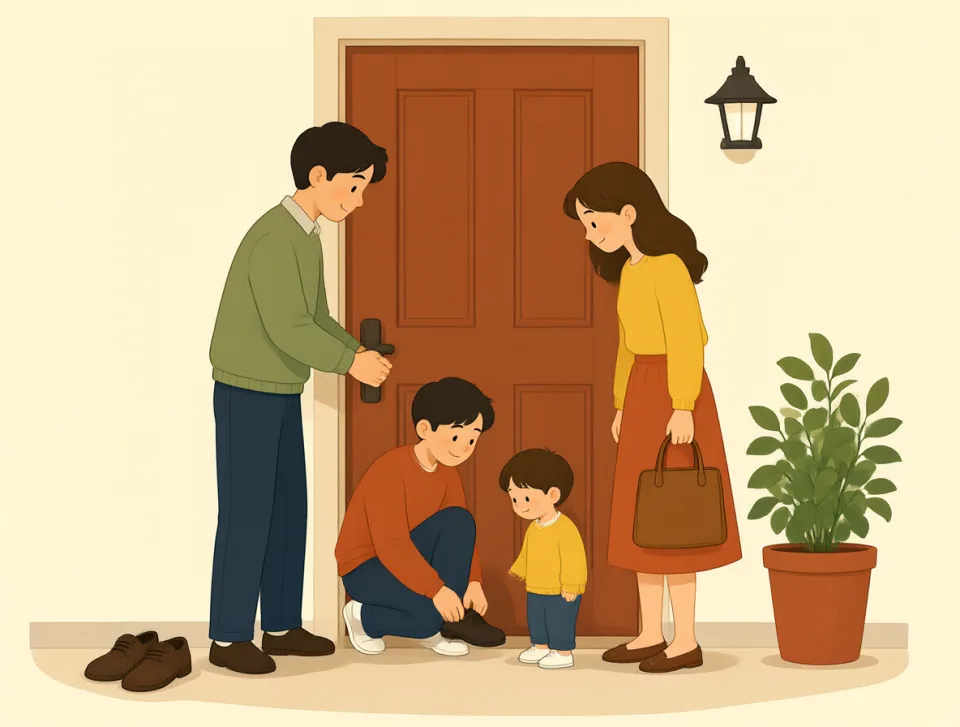
Our house rules say no shoes inside.
Zasady panujące w naszym domu mówią, że nie wolno wchodzić w butach.
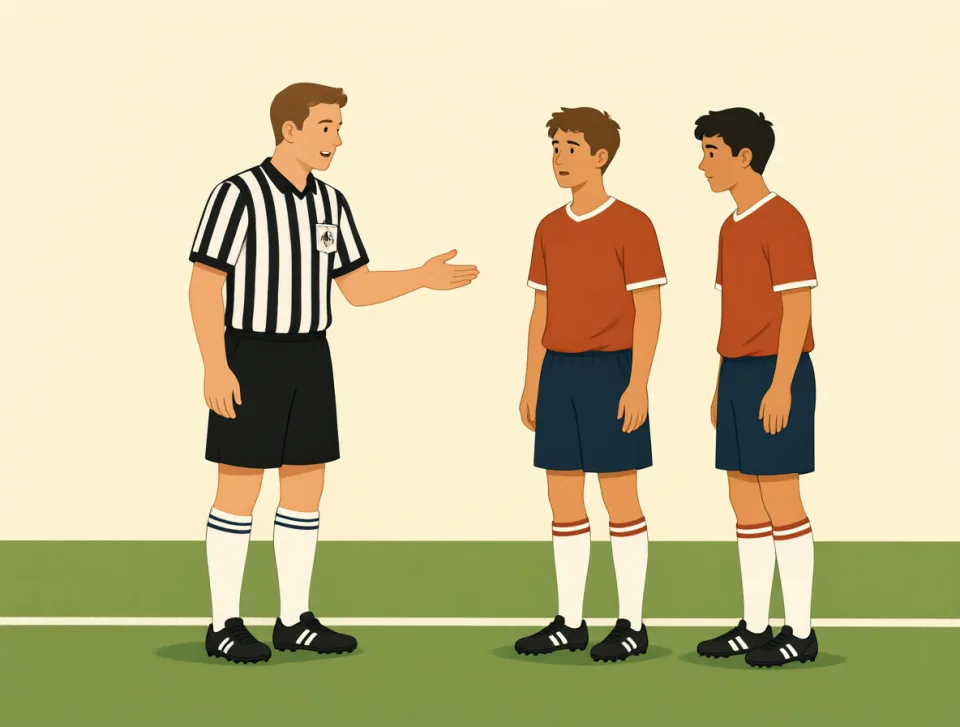
The referee made a rule about the game.
Sędzia ustalił zasadę dotyczącą gry.
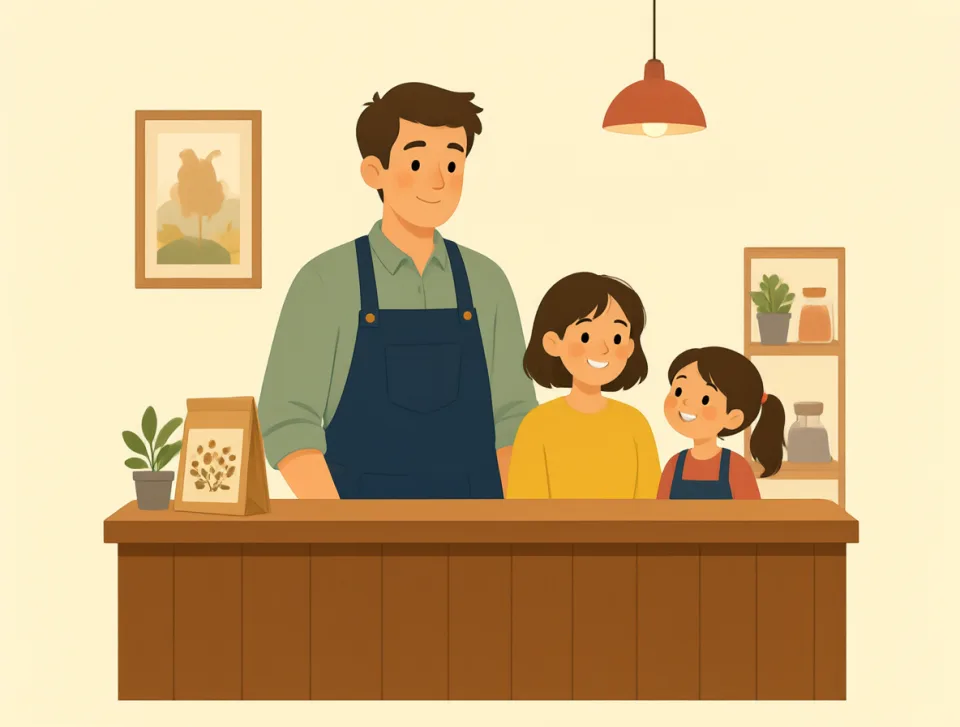
This small shop is ruled by one family.
Ten mały sklep jest prowadzony przez jedną rodzinę.
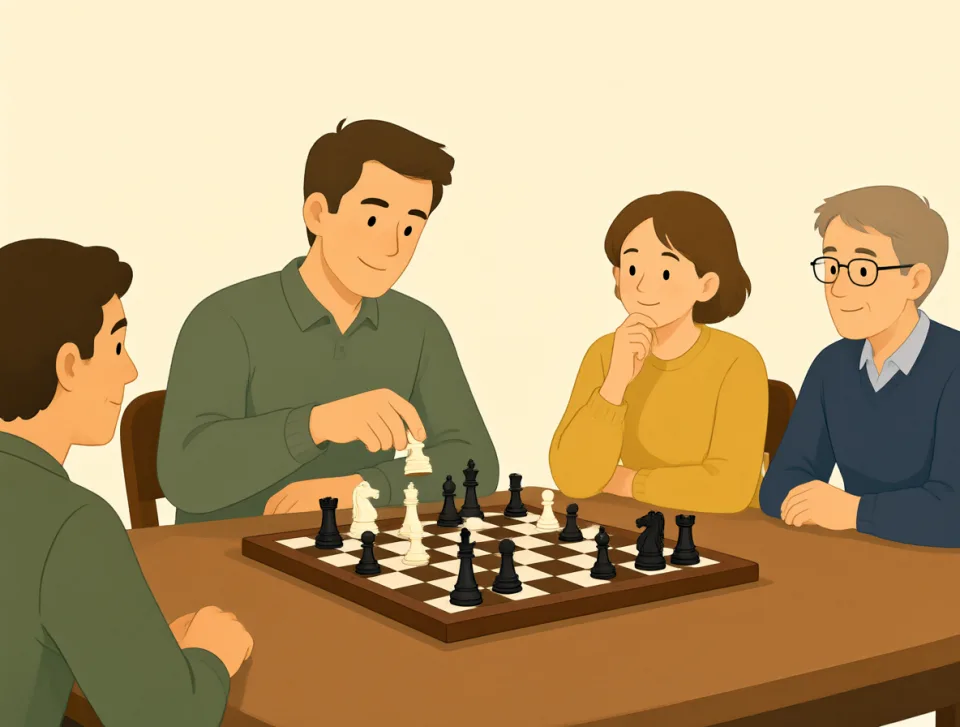
My father rules the chess club.
Mój ojciec kieruje klubem szachowym.
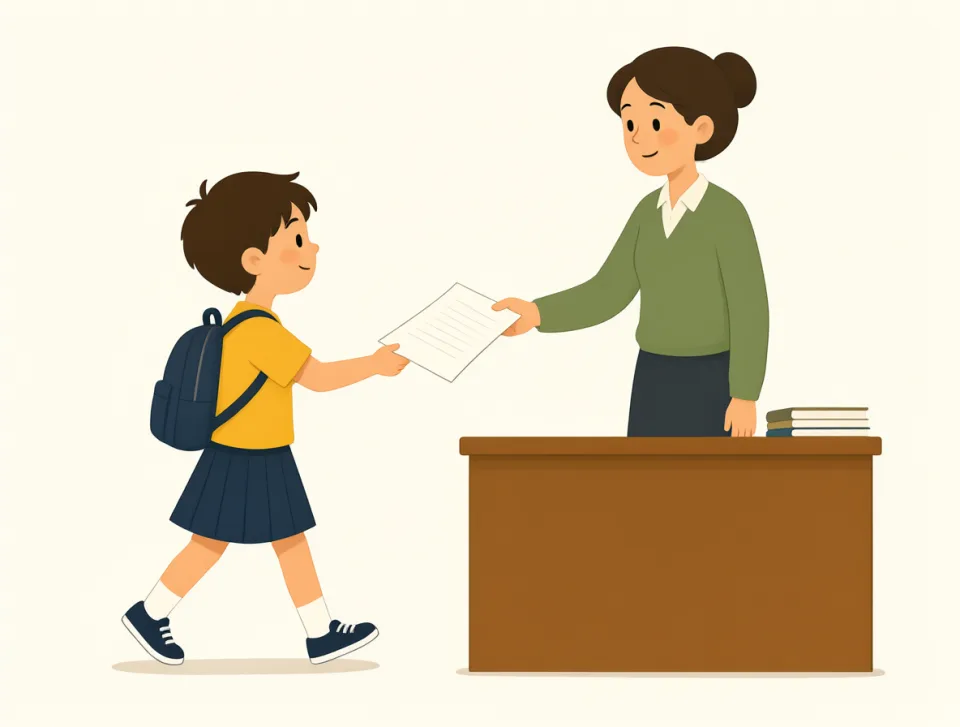
pass
#416verb, noun
podać; minąć; zdać
To move past something, give something to someone, or succeed in a test.
Przesunąć się obok czegoś, podać coś komuś albo zdać egzamin.
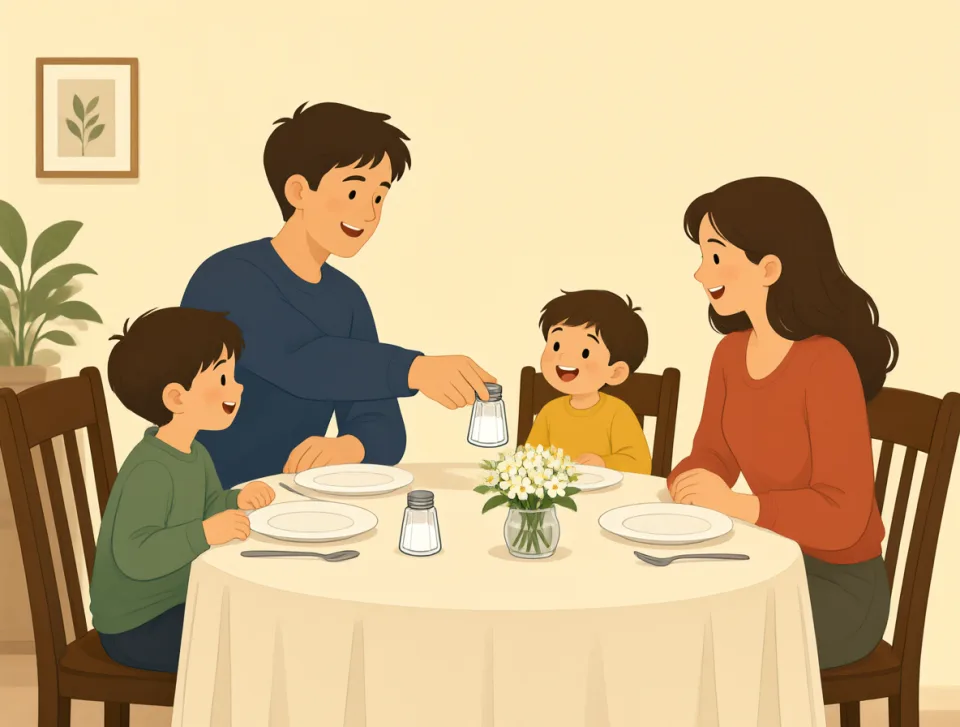
Please pass me the salt.
Podaj mi proszę sól.
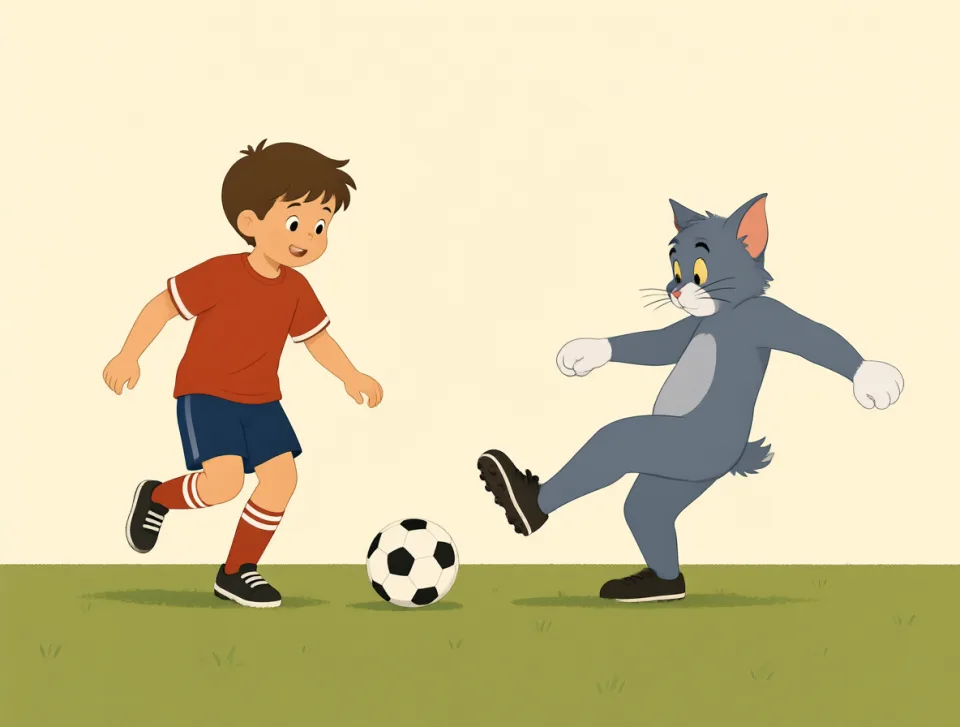
She passed the ball to Tom.
Podała piłkę Tomowi.
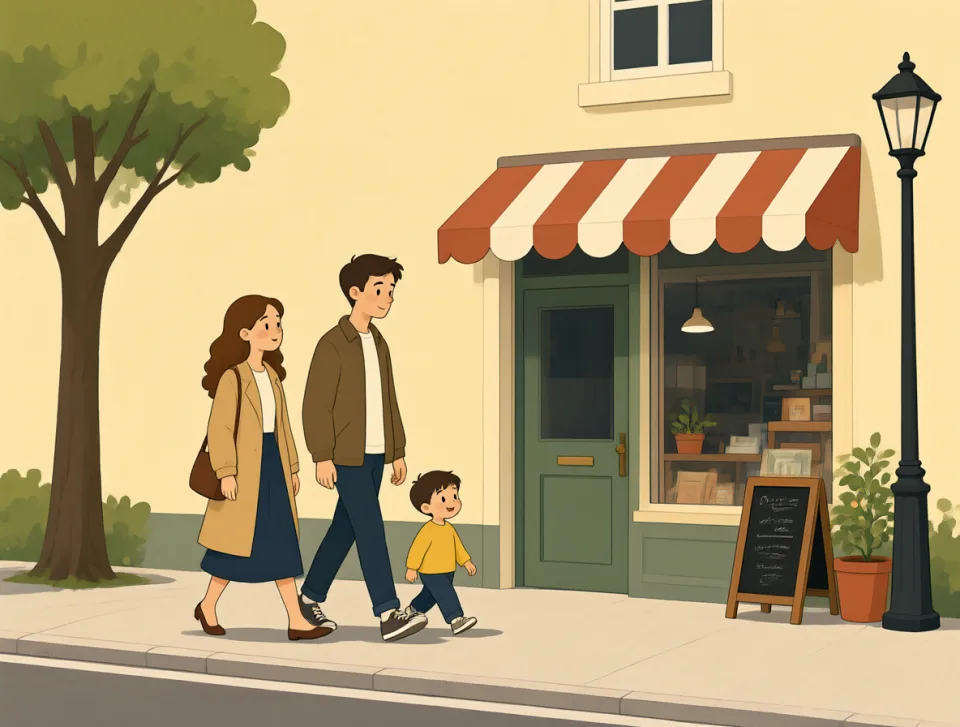
We passed the shop on our way home.
Minęliśmy sklep w drodze do domu.
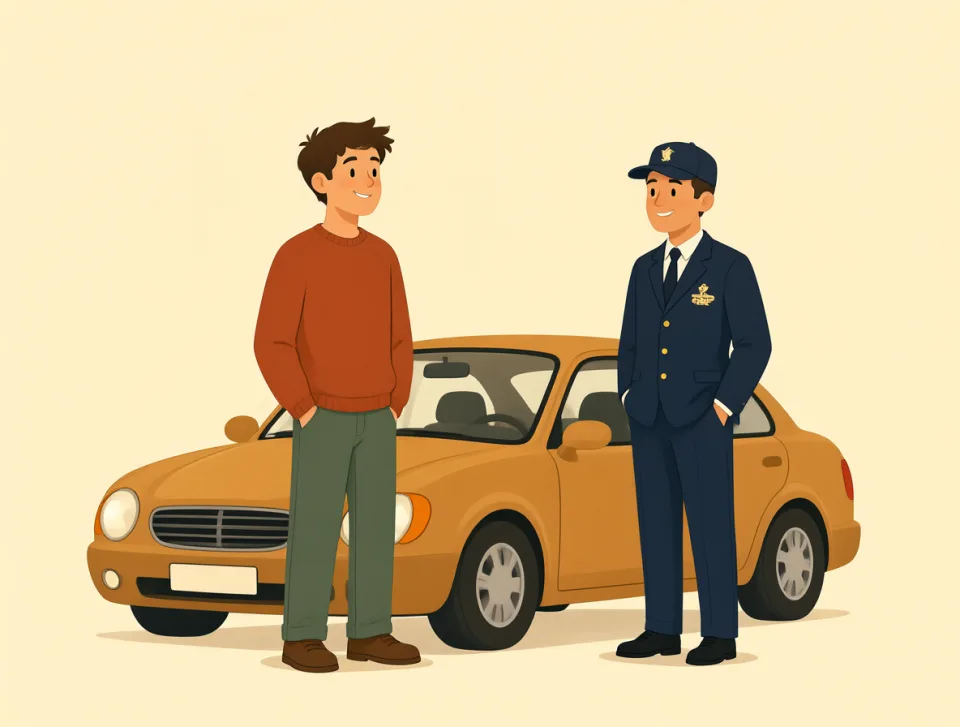
He passed his driving test yesterday.
Wczoraj zdał egzamin na prawo jazdy.
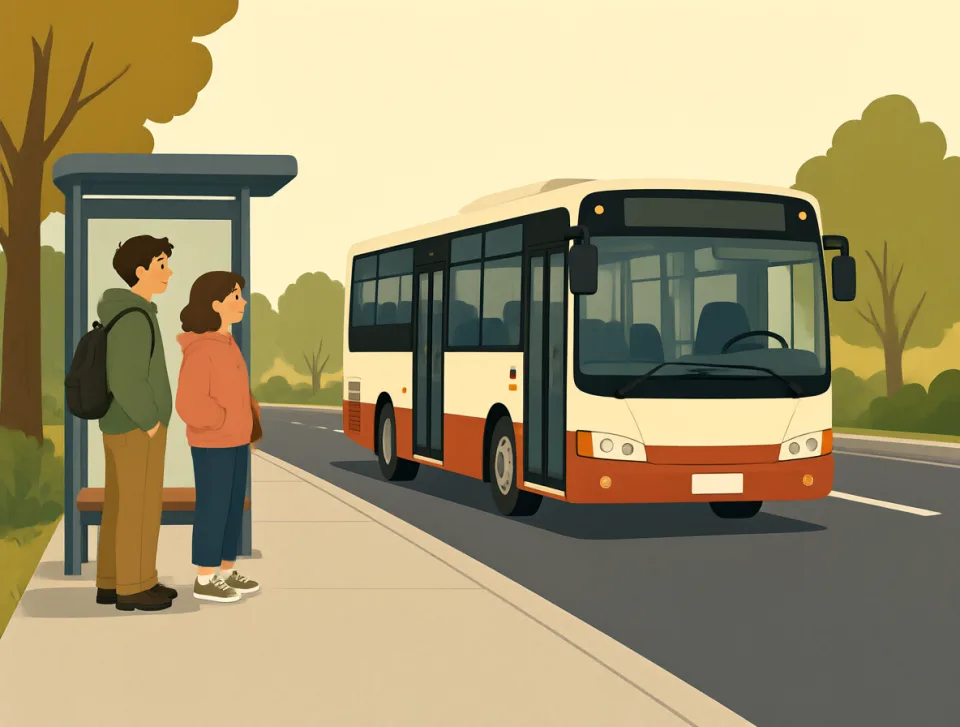
The bus passed us without stopping.
Autobus minął nas, nie zatrzymując się.
produce
#417verb, noun
produkować; płody rolne
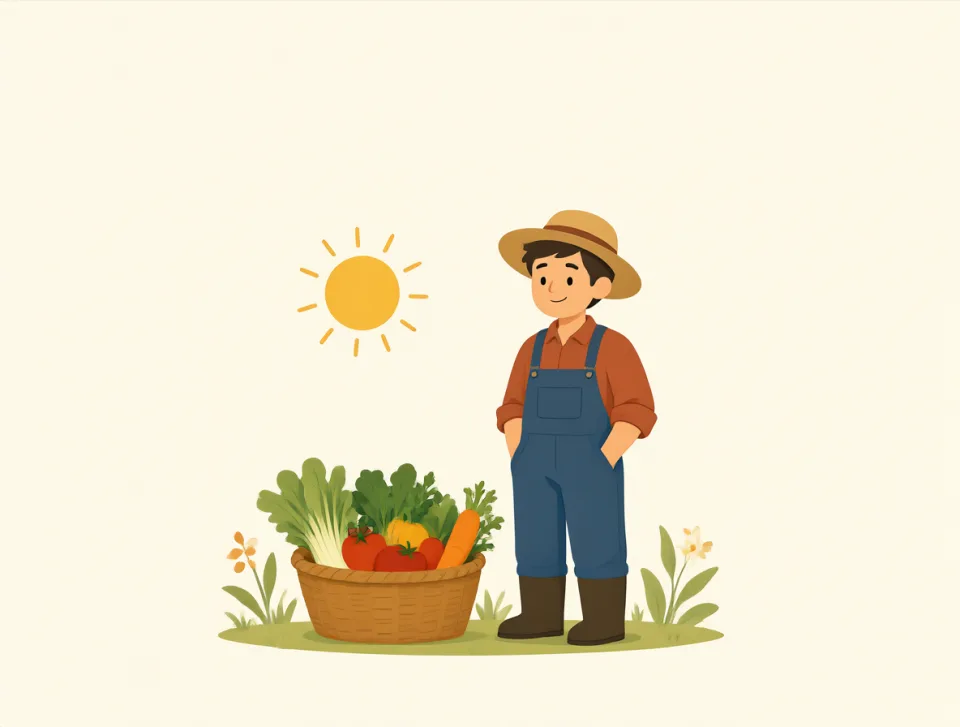
to make or grow something; fruit and vegetables sold as food
Wytwarzać lub uprawiać coś; owoce i warzywa sprzedawane jako żywność.
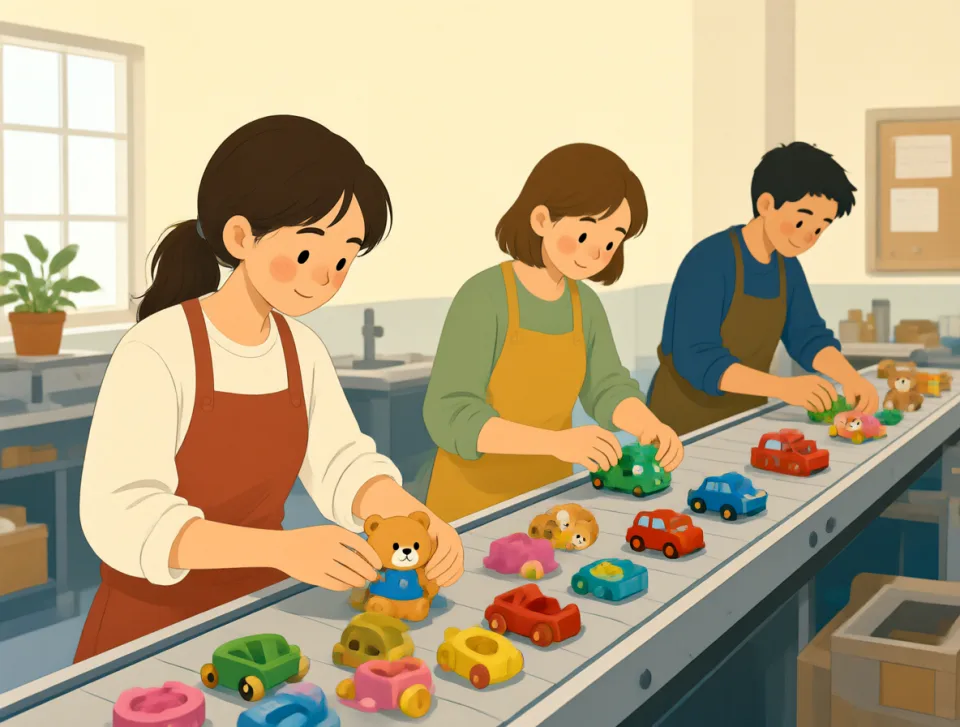
This factory produces thousands of toys each year.
Ta fabryka produkuje co roku tysiące zabawek.
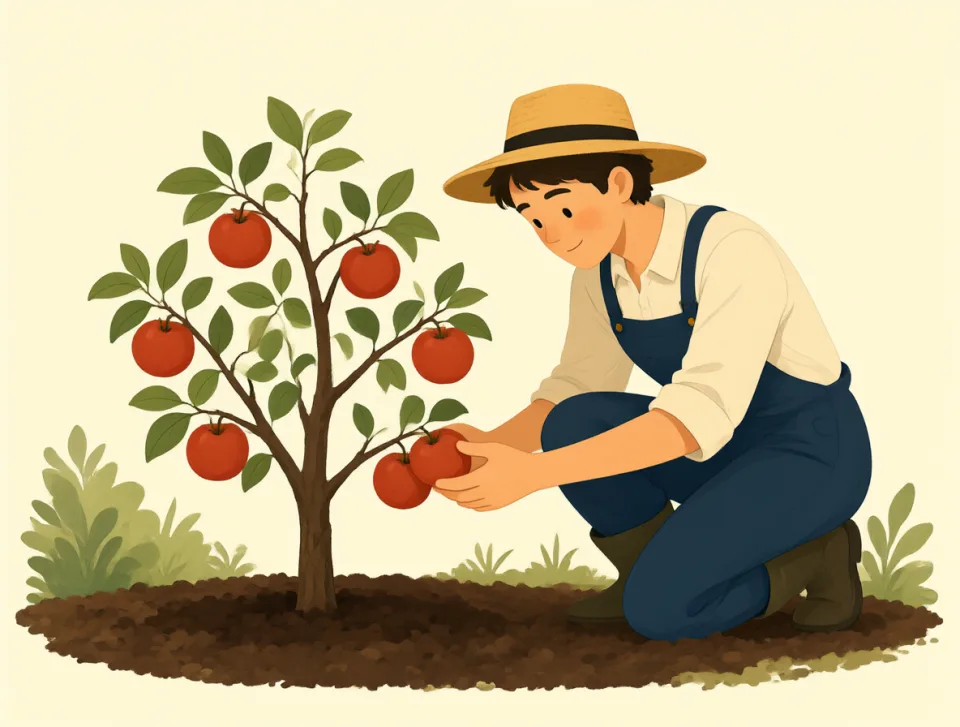
Good soil helps plants produce more fruit.
Żyzna gleba pomaga roślinom wydawać więcej owoców.
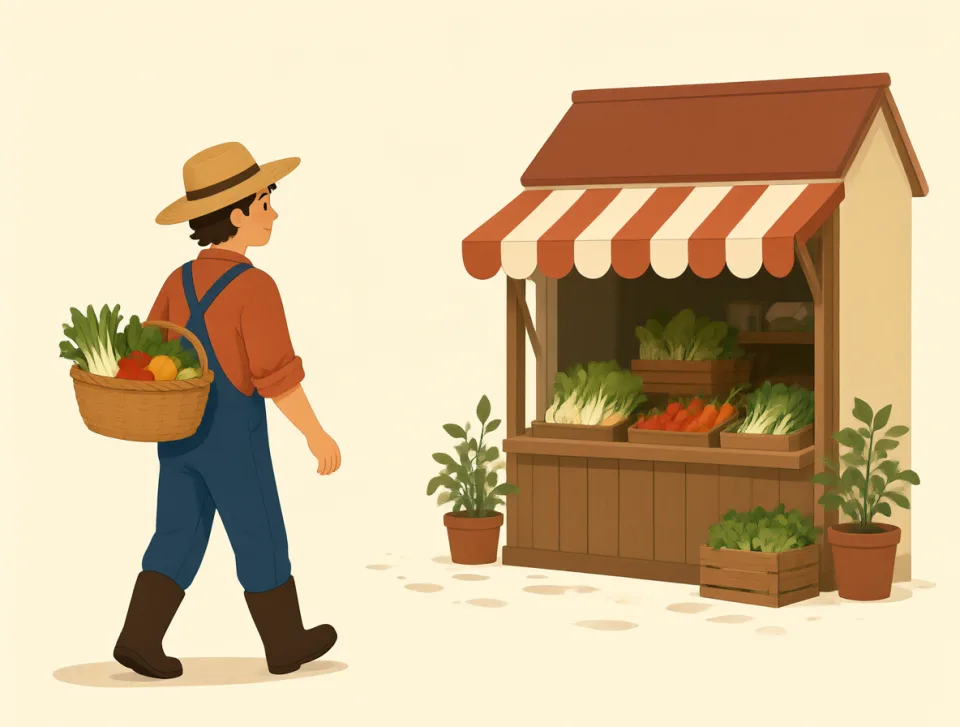
The farm produces fresh vegetables for local shops.
To gospodarstwo dostarcza świeże warzywa do lokalnych sklepów.
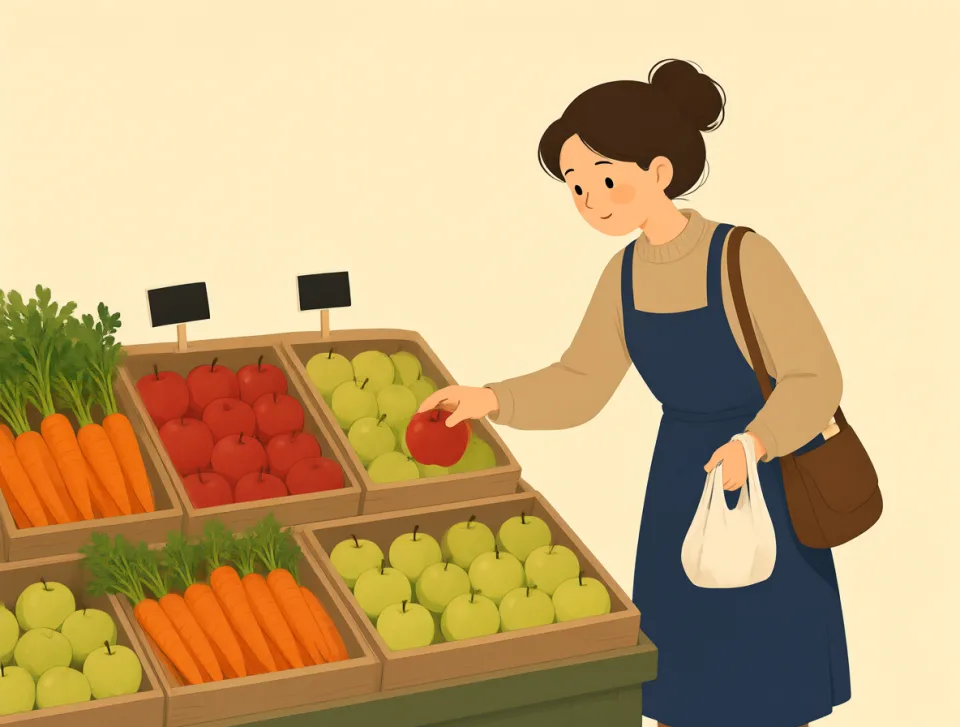
We bought fresh produce at the market.
Kupiliśmy na targu świeże owoce i warzywa.
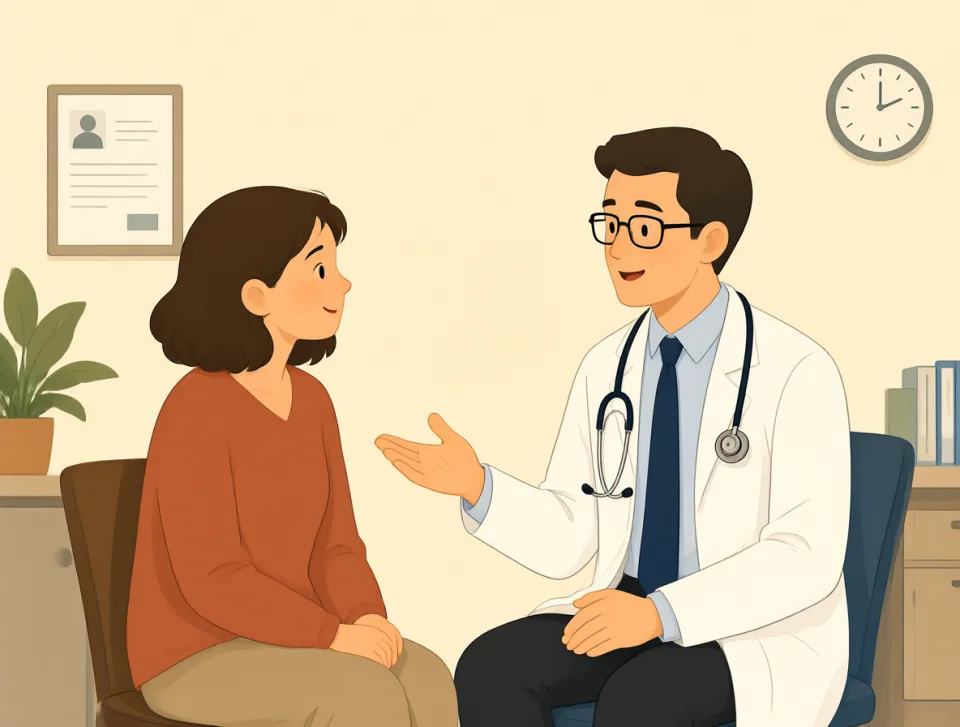
The medicine can produce mild side effects.
Lek może wywołać łagodne skutki uboczne.
sell
#418verb
sprzedawać
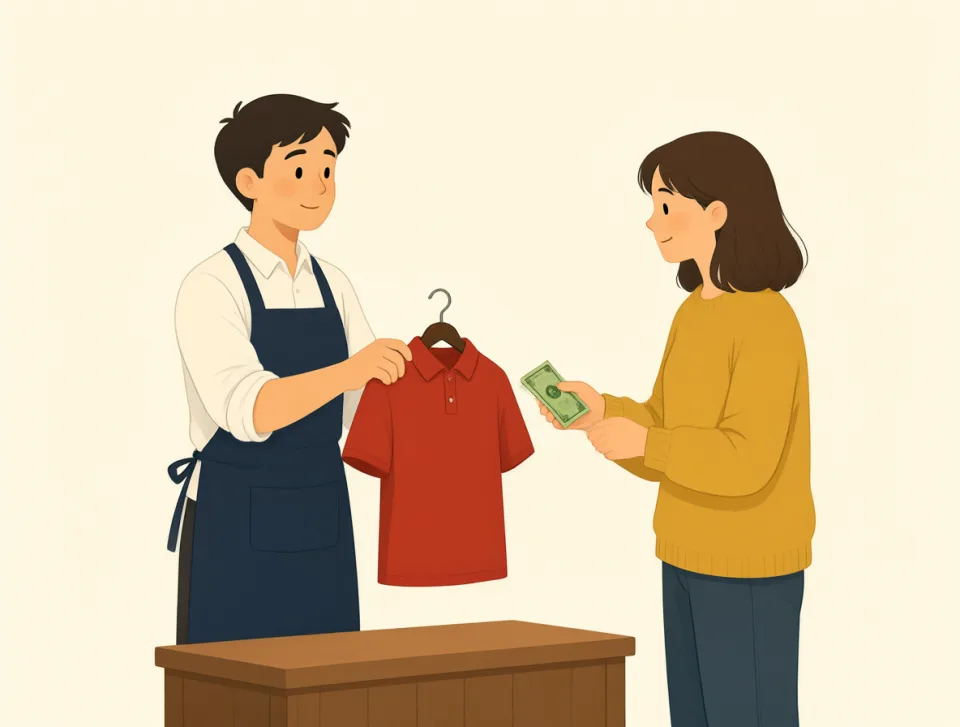
to give something to someone in exchange for money
Przekazać coś komuś w zamian za pieniądze.
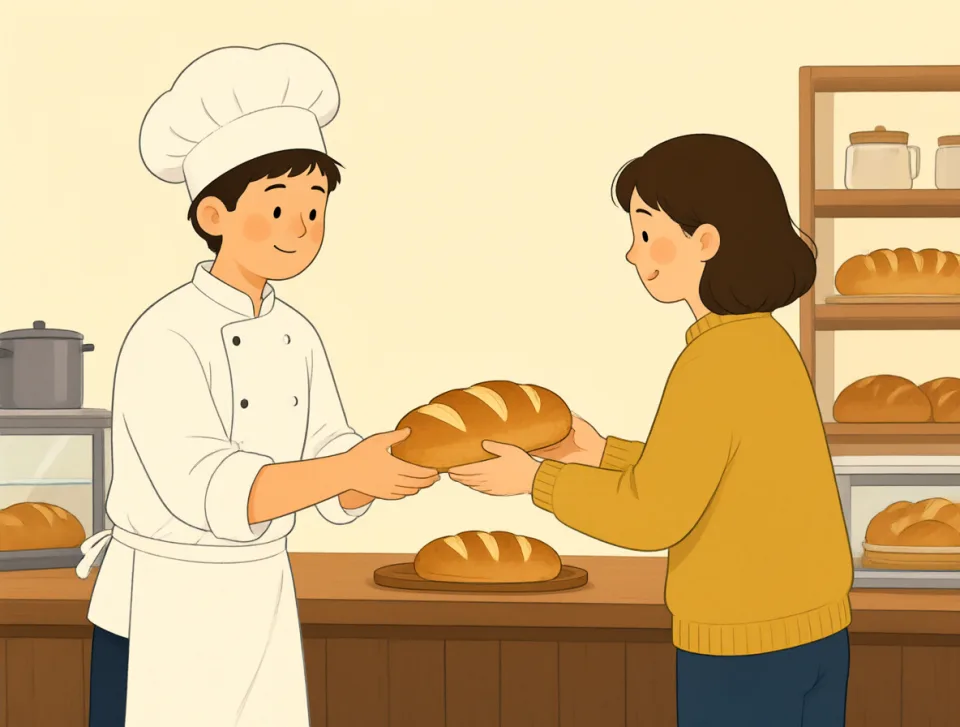
They sell fresh bread every morning.
Codziennie rano sprzedają świeże pieczywo.
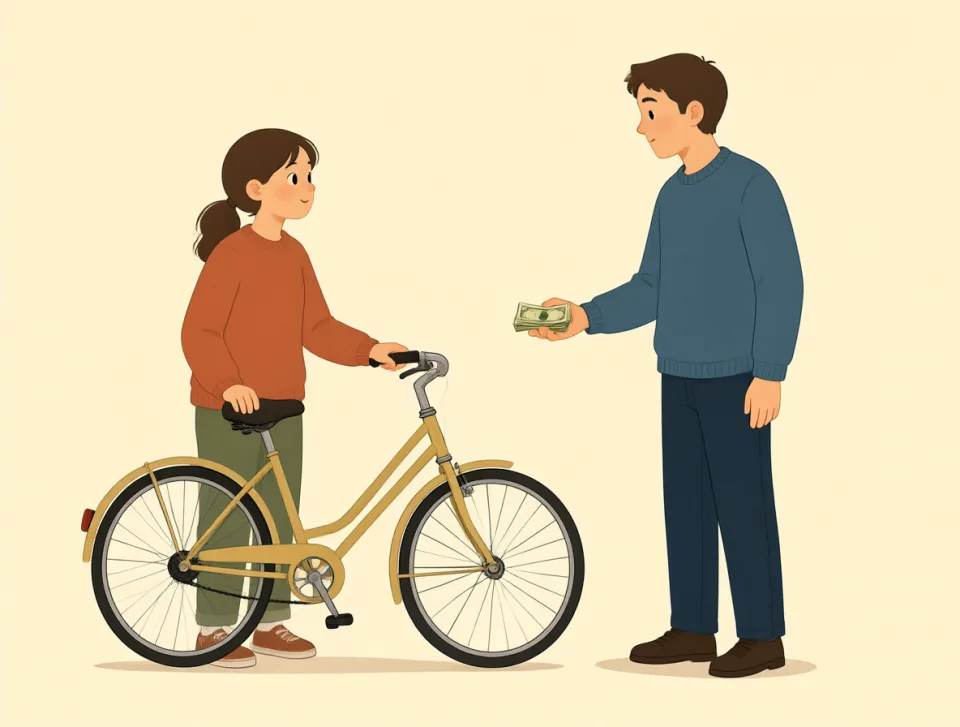
She sold her old bike yesterday.
Wczoraj sprzedała swój stary rower.

This shop sells shoes and bags.
W tym sklepie sprzedają buty i torby.
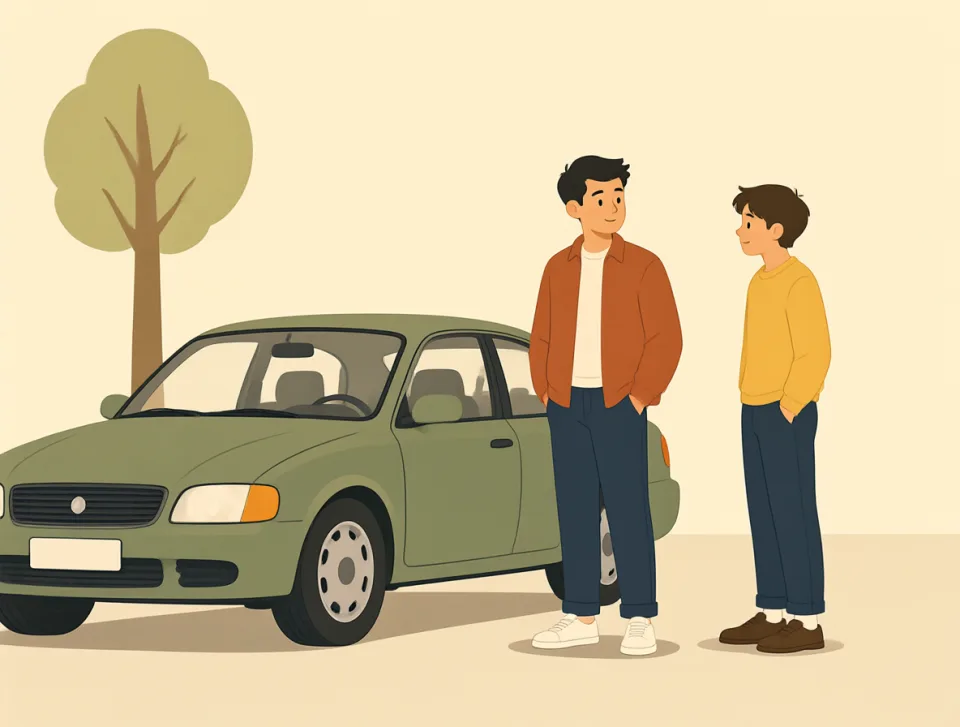
He wants to sell his car.
Chce sprzedać swój samochód.
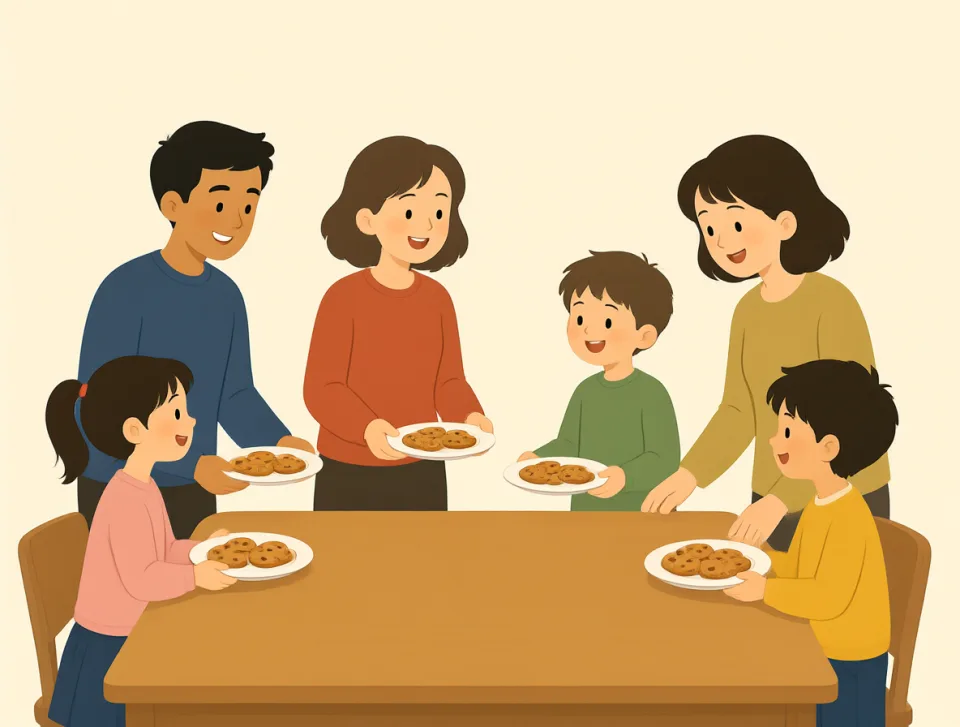
The children sold cookies at school.
Dzieci sprzedawały ciasteczka w szkole.
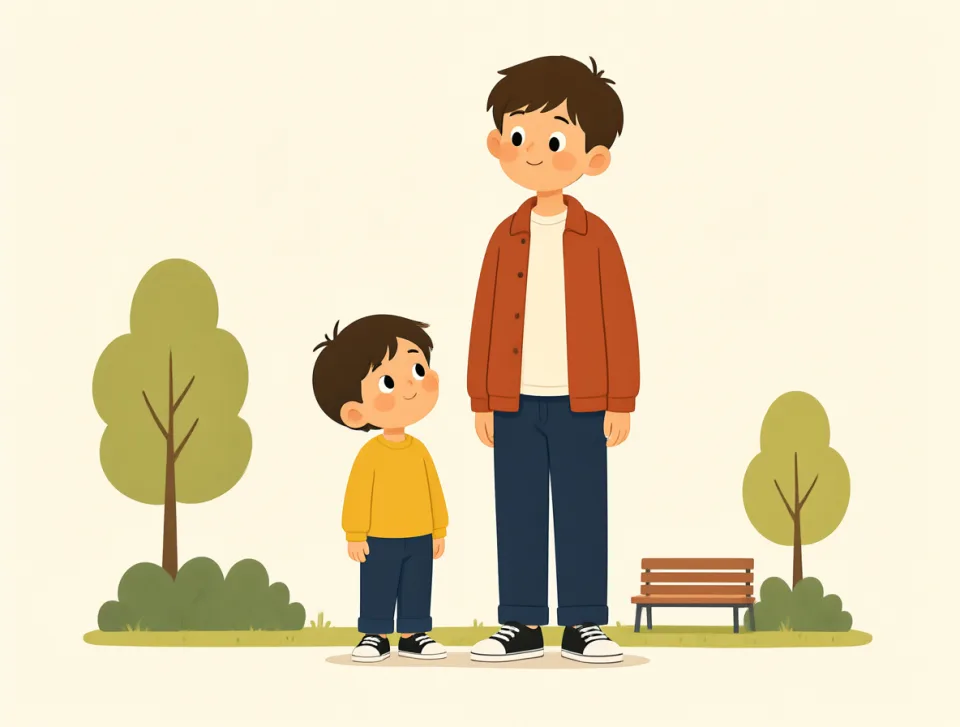
short
#419adjective, noun, adverb, verb
krótki; skrócić
Having little length, height, or time; to make something shorter.
Mający niewielką długość lub wysokość albo trwający krótko; sprawić, by coś było krótsze.
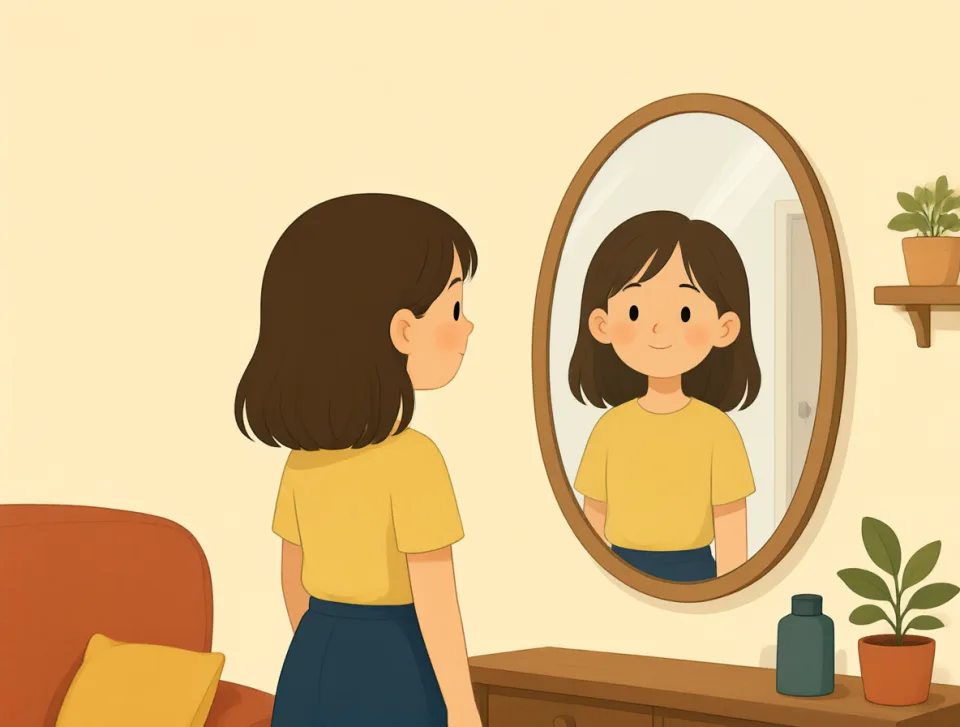
She has short brown hair.
Ona ma krótkie brązowe włosy.

We took a short bus ride.
Pojechaliśmy krótki odcinek autobusem.
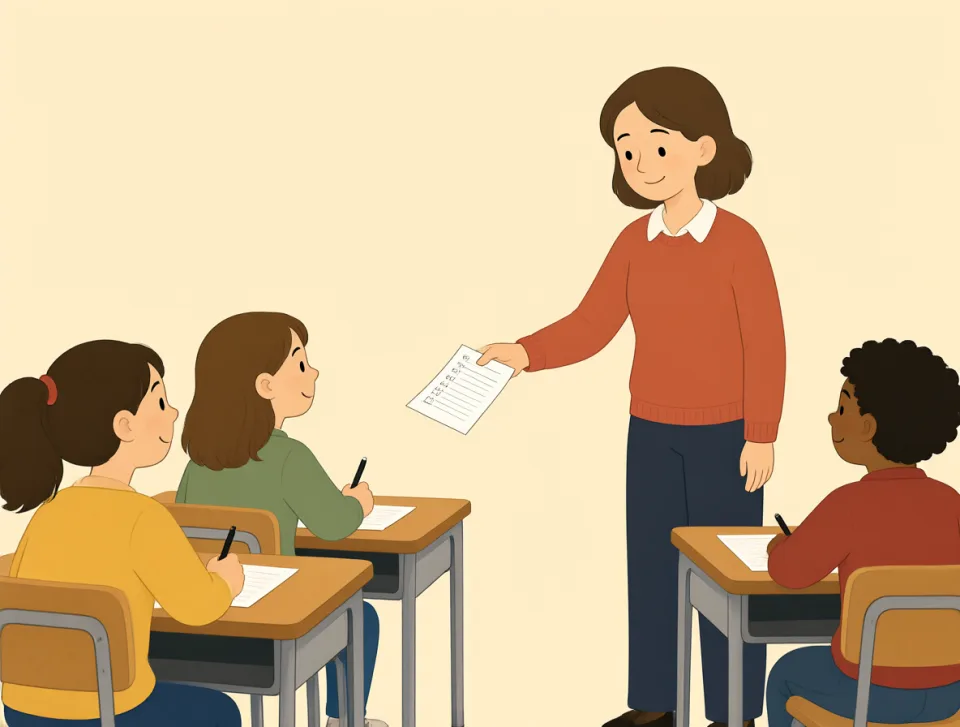
The teacher gave us a short test.
Nauczyciel dał nam krótki test.
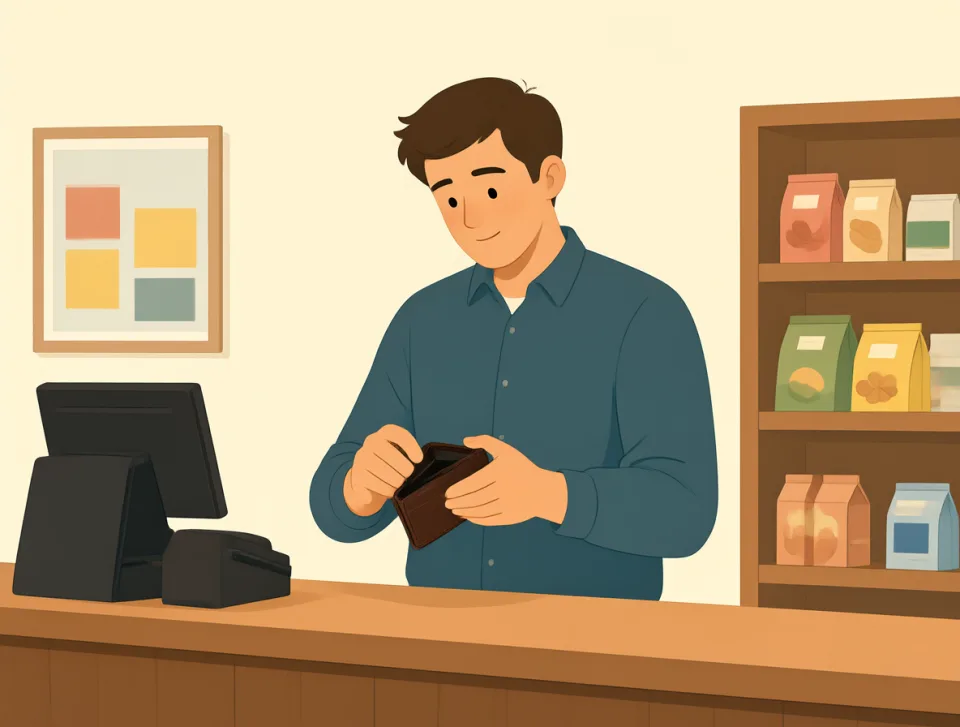
He is short of money today.
Dziś brakuje mu pieniędzy.
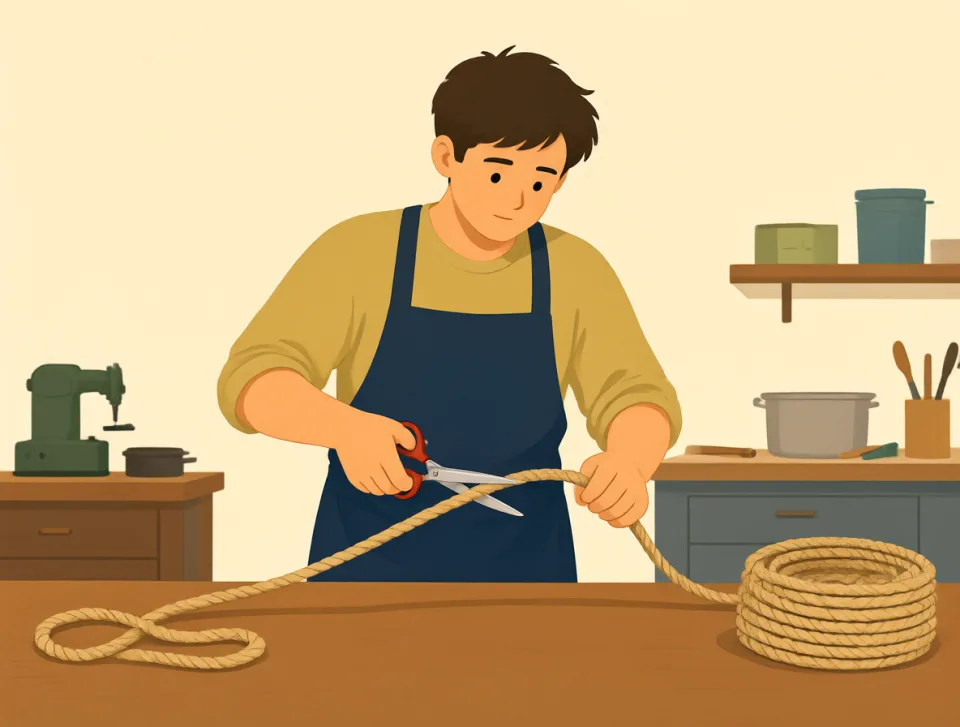
Please cut the rope short.
Proszę, skróć linę.

agree
#420verb
zgadzać się
To have the same opinion as someone else.
Mieć takie samo zdanie jak ktoś inny.

I agree with you about the movie.
Zgadzam się z tobą co do tego filmu.

We agreed to meet after school.
Umówiliśmy się, że spotkamy się po szkole.
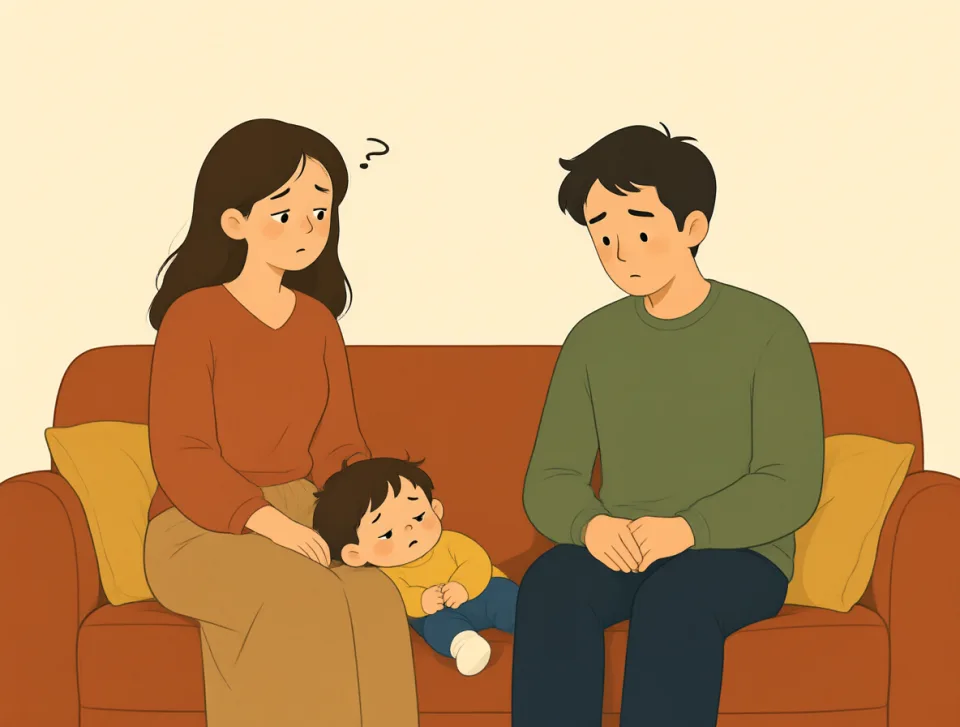
My parents agree that I need rest.
Moi rodzice zgadzają się, że potrzebuję odpoczynku.

The customer agreed to the higher price.
Klient zgodził się na wyższą cenę.
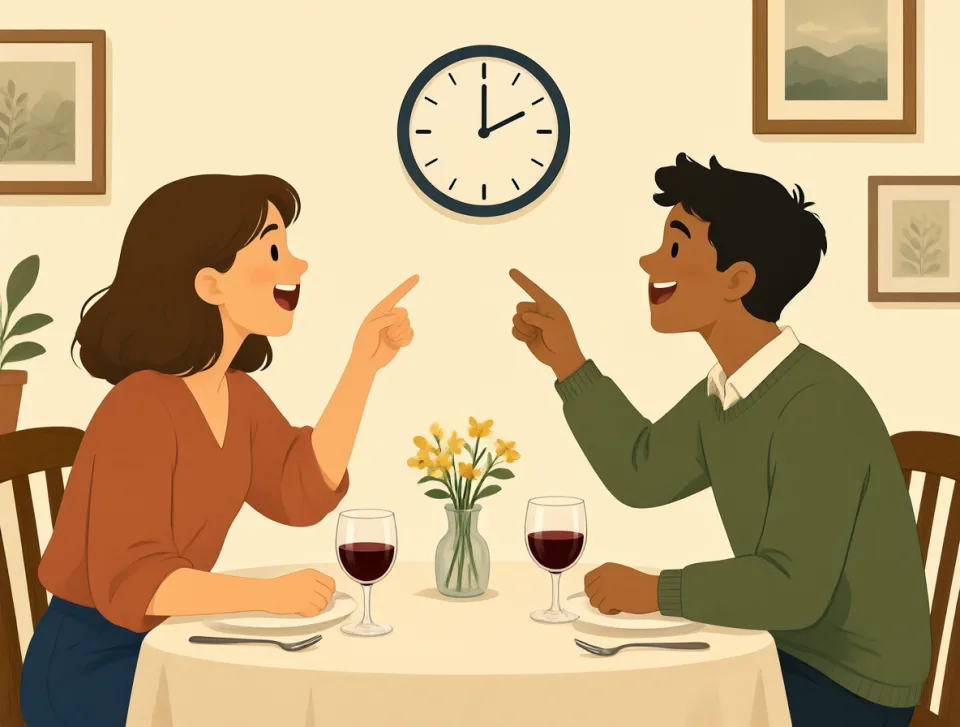
They agreed on a time for dinner.
Ustalili, o której zjedzą kolację.