Zestaw 7
Słowa 121–140 · write, same, lot, great, try, leave
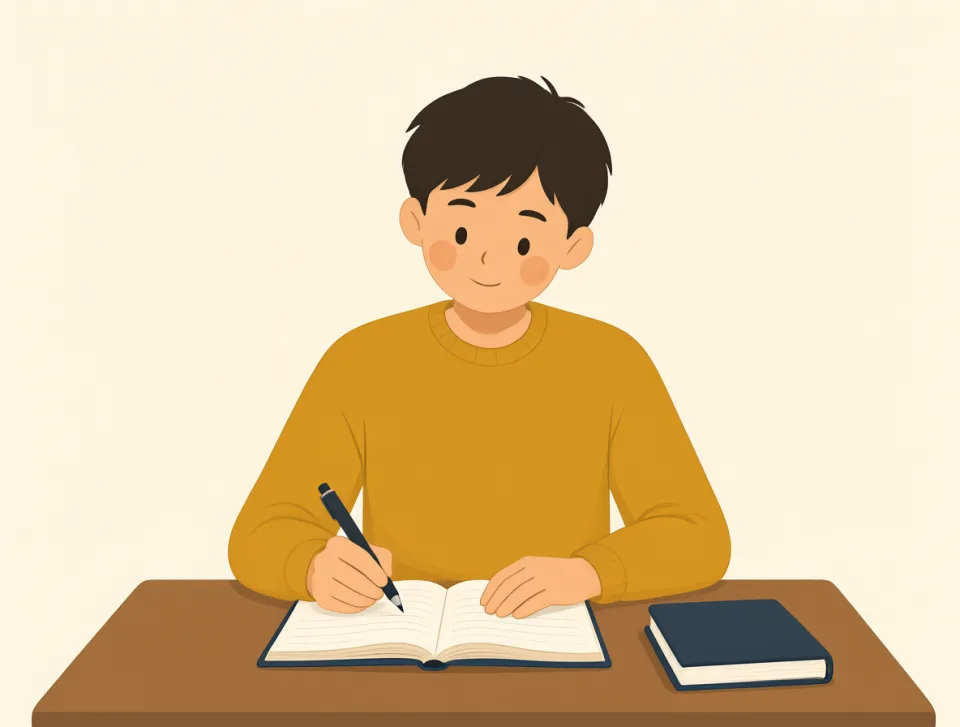
write
#121verb
pisać
to put words on paper or a screen
umieszczać słowa na papierze lub ekranie
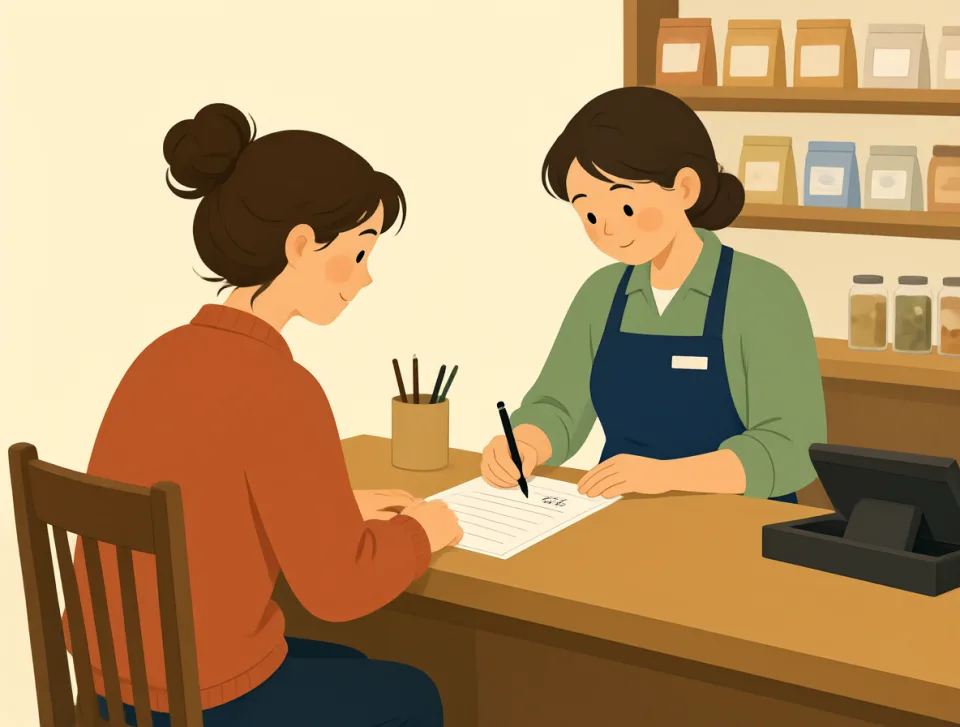
Please write your name here.
Proszę tutaj napisać swoje imię.
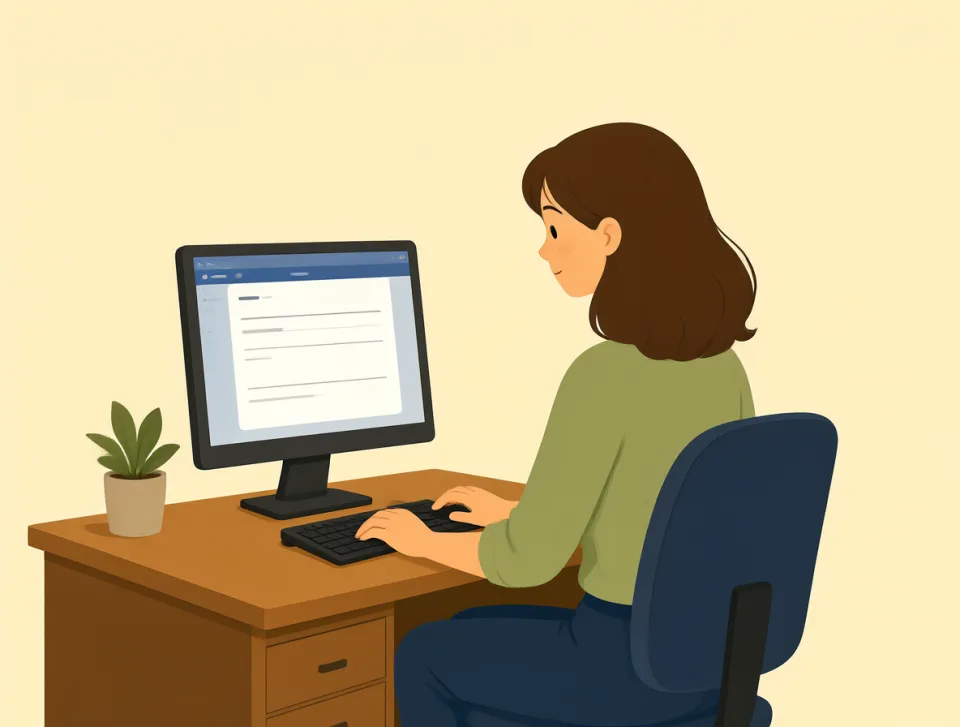
She writes emails at work.
W pracy pisze e-maile.
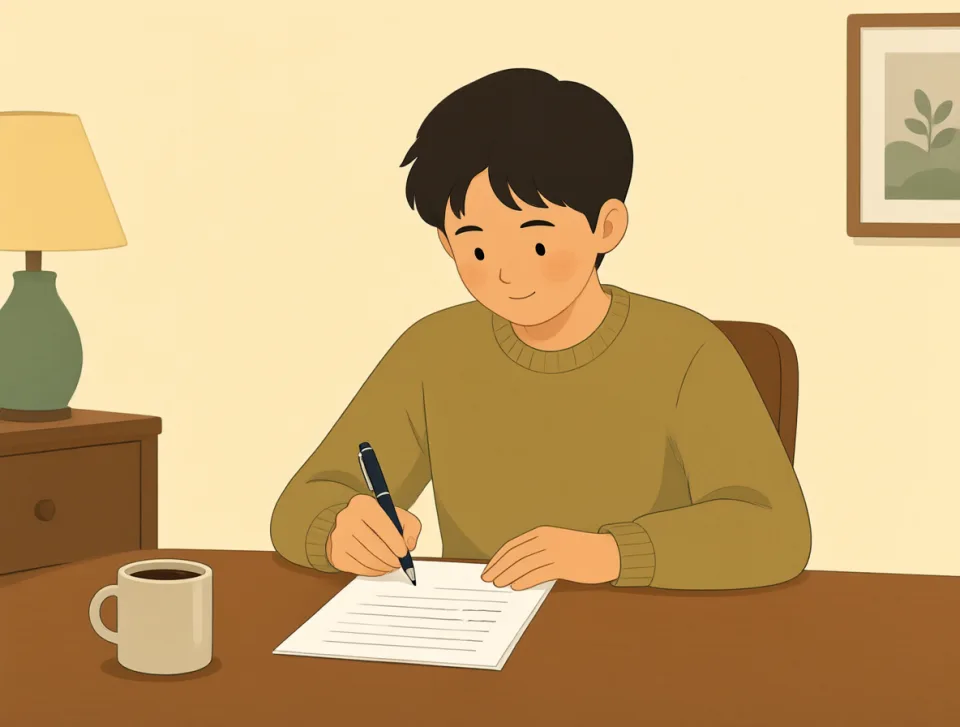
I wrote a letter to my friend.
Napisałem list do przyjaciela.
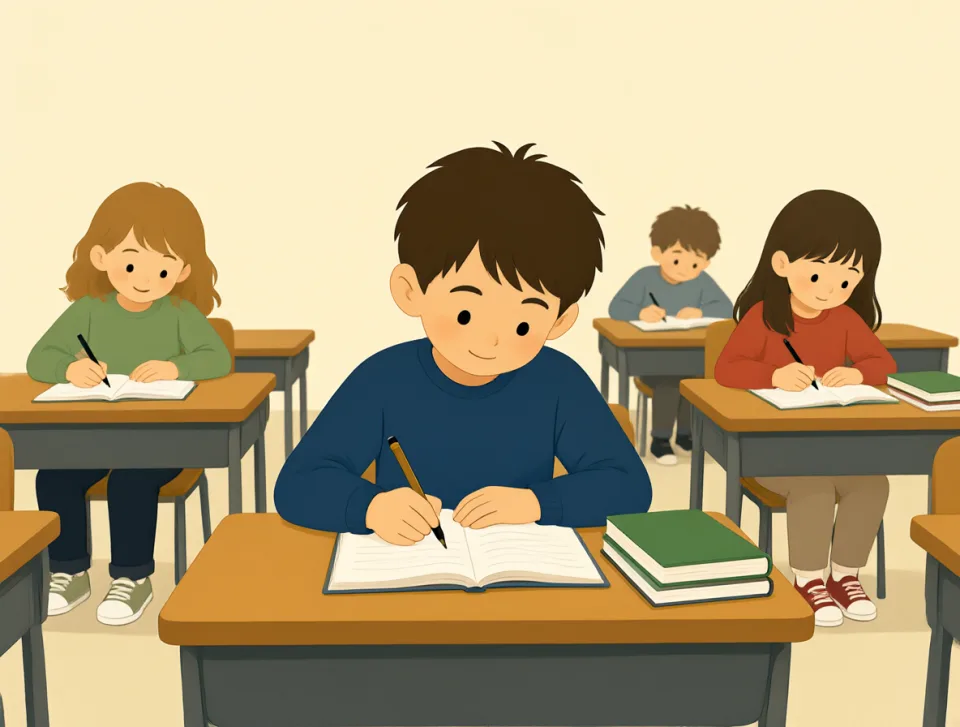
The students are writing sentences.
Uczniowie piszą zdania.
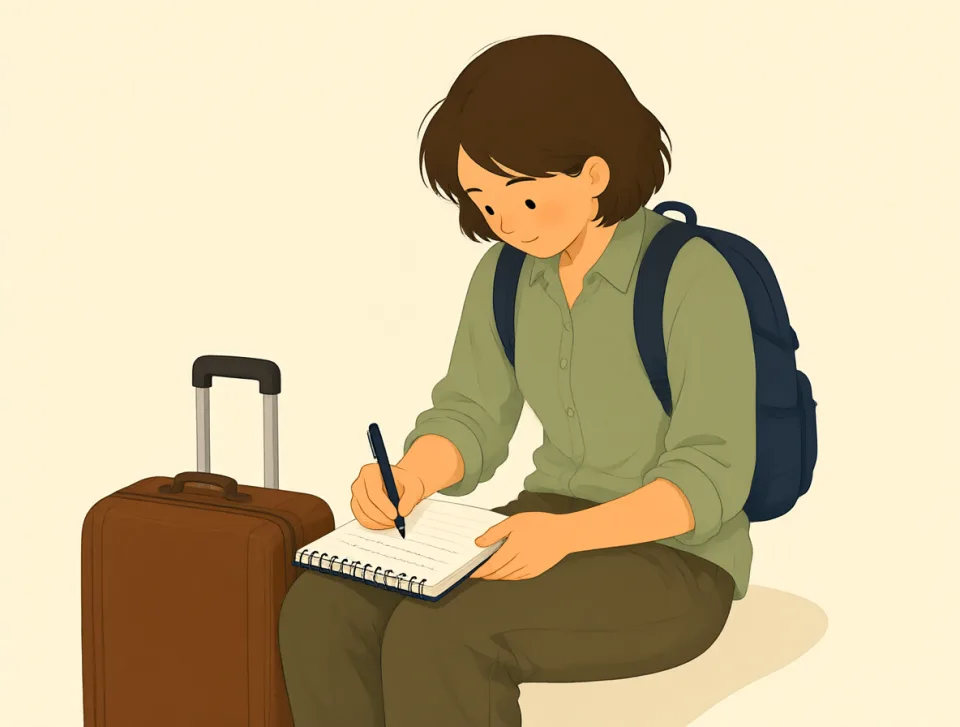
He wrote down the hotel address.
Zapisał adres hotelu.
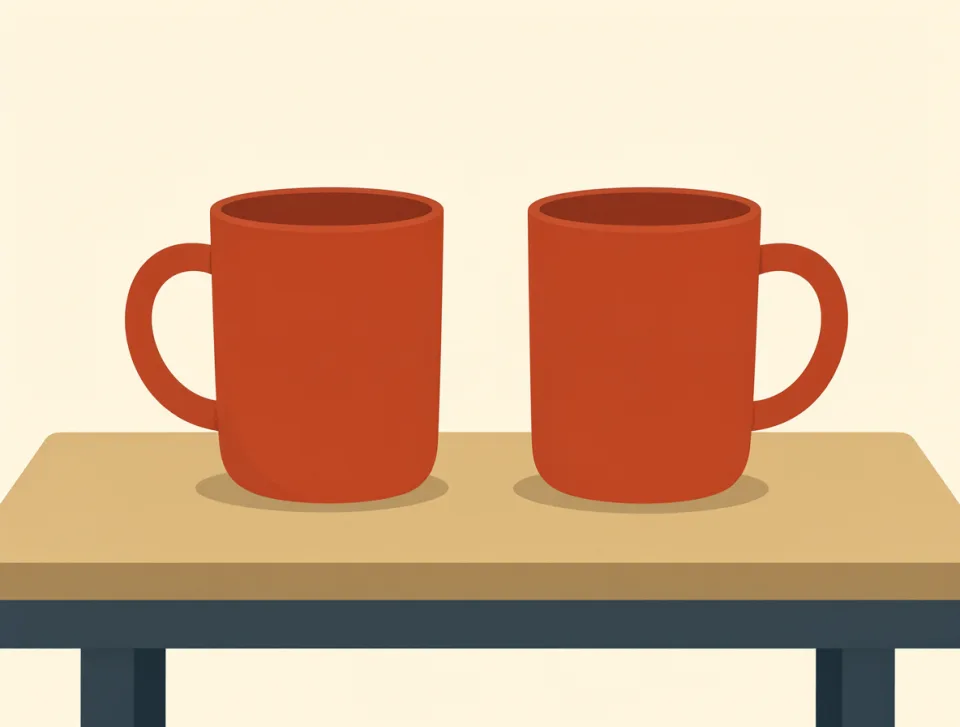
same
#122adjective, adverb, pronoun, determiner
taki sam
Exactly like another person or thing, or exactly that person or thing.
Dokładnie taki jak inna osoba lub rzecz albo dokładnie ta sama osoba lub rzecz.
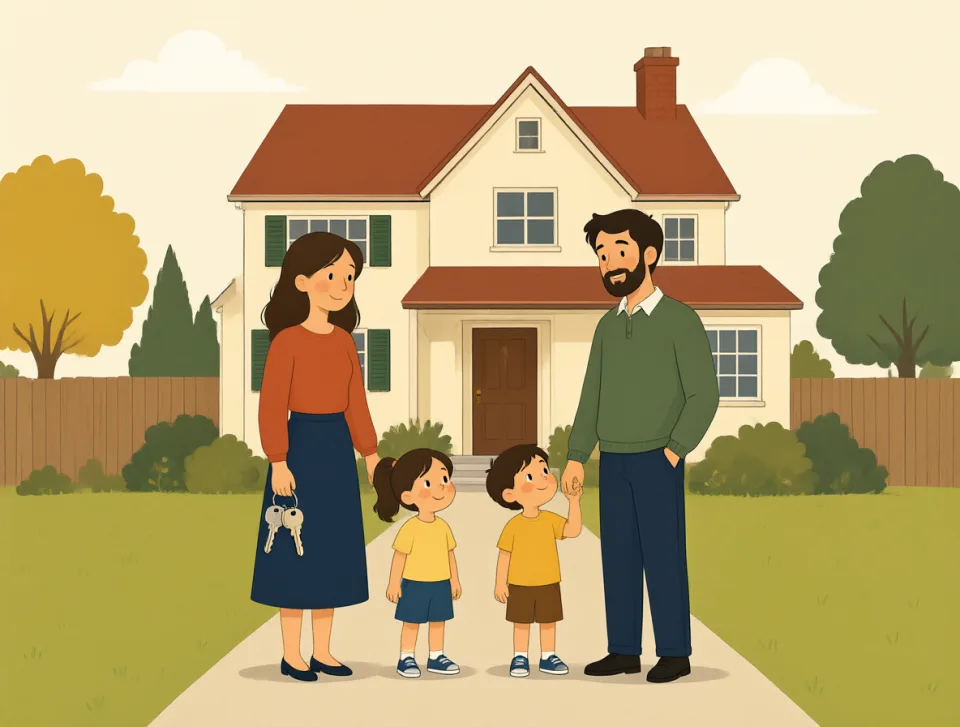
We live in the same house.
Mieszkamy w tym samym domu.
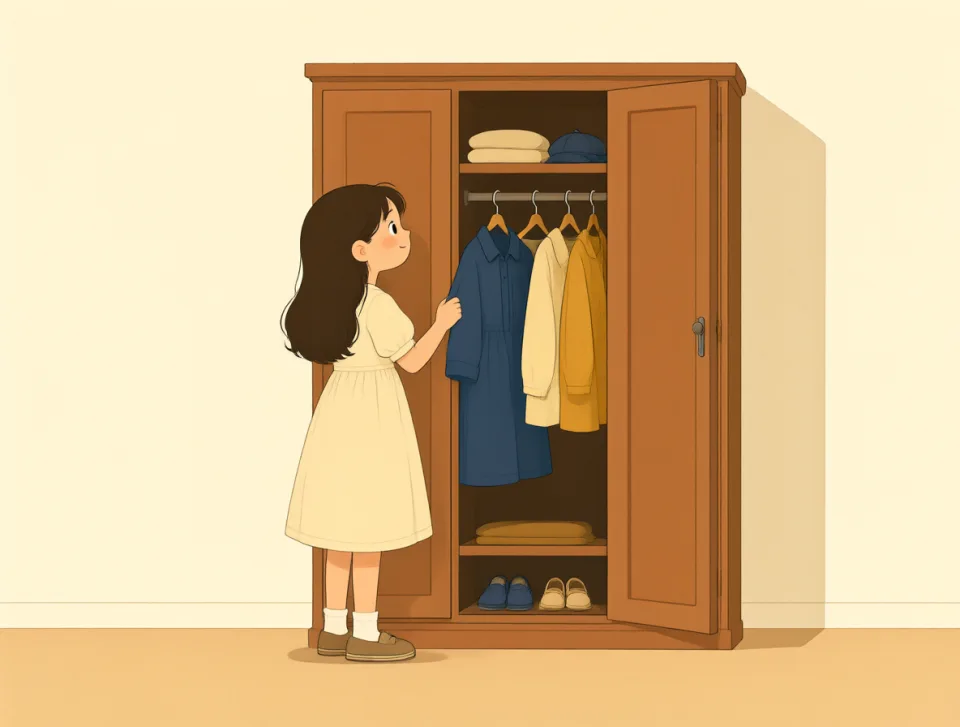
She wore the same dress yesterday.
Wczoraj miała na sobie tę samą sukienkę.
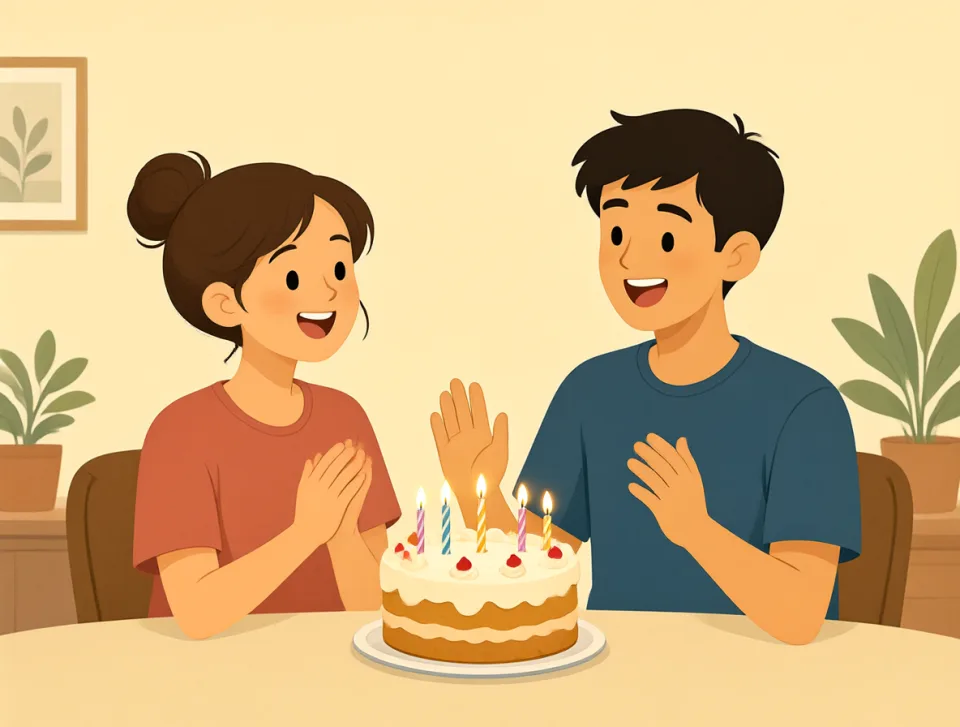
Tom and I have the same birthday.
Tom i ja mamy urodziny tego samego dnia.
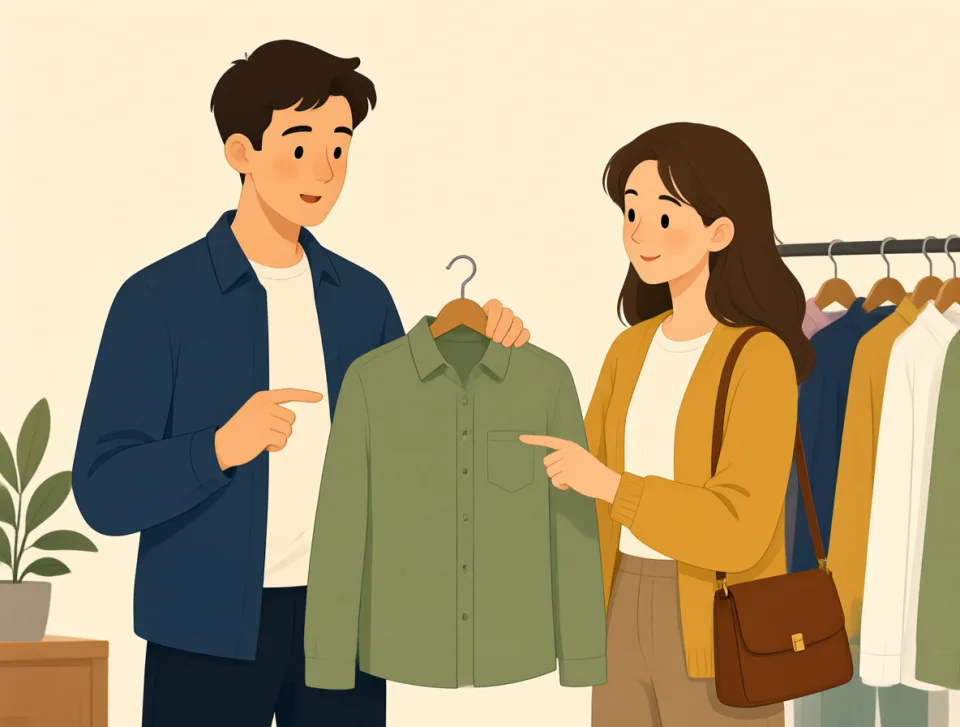
Please choose the same size as mine.
Proszę wybrać taki sam rozmiar jak mój.
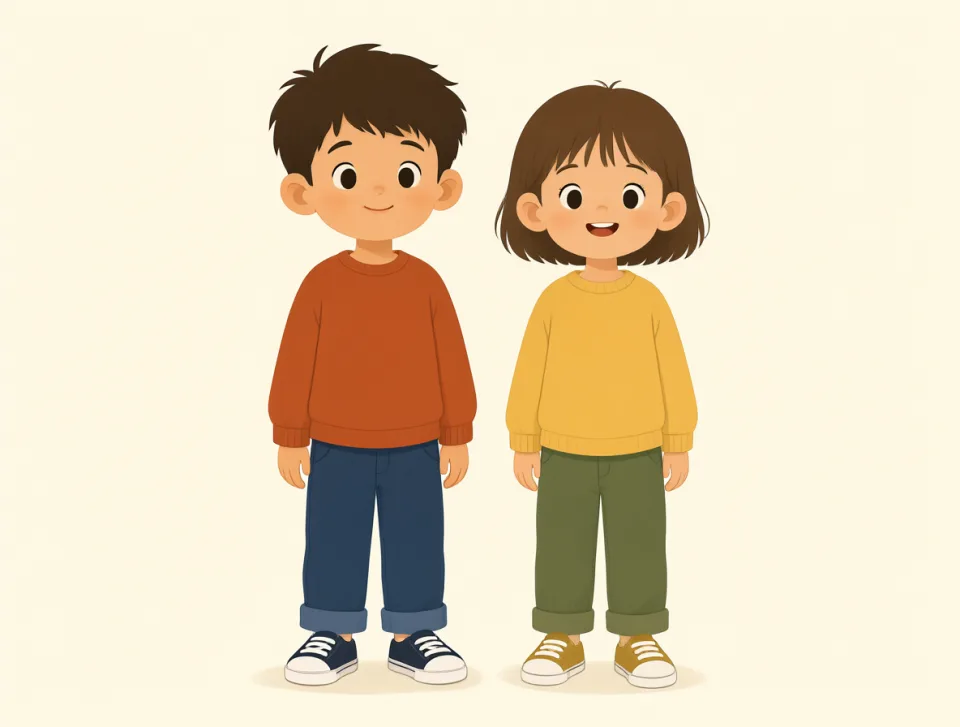
The twins look exactly the same.
Bliźnięta wyglądają dokładnie tak samo.
lot
#123noun, determiner, adverb
dużo
A large amount or number of something.
Duża ilość lub liczba czegoś.
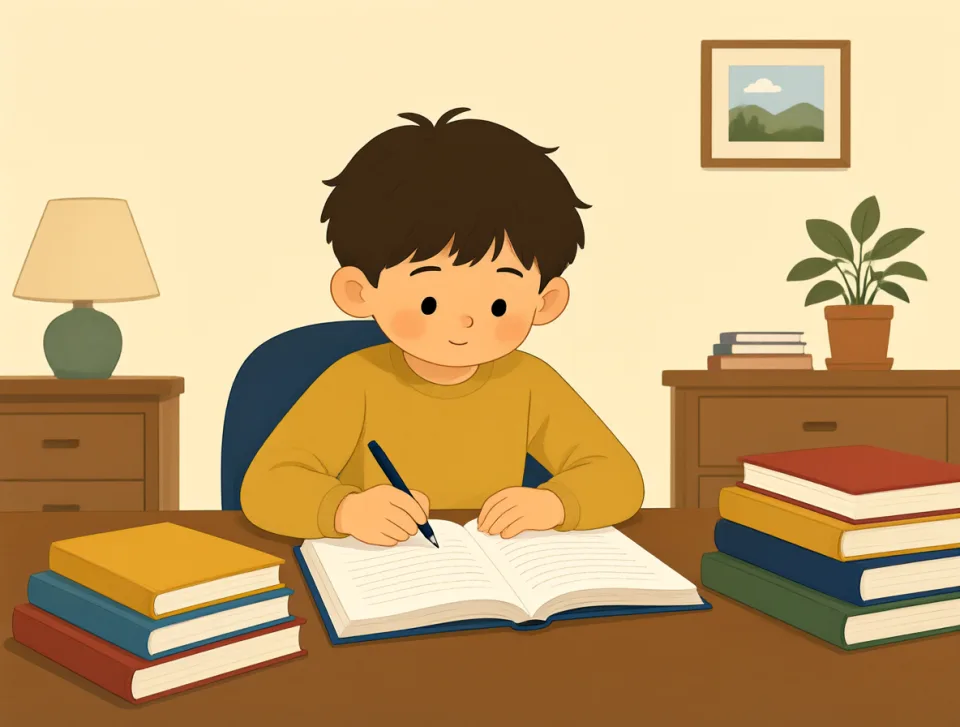
I have a lot of homework tonight.
Mam dziś wieczorem mnóstwo pracy domowej.
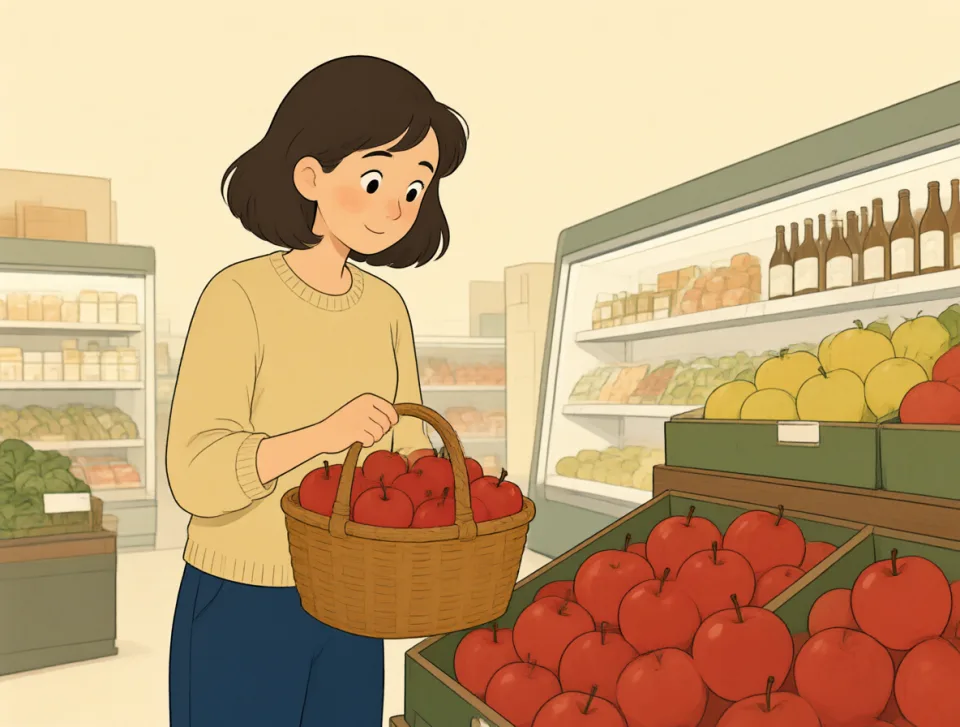
There are lots of apples in the basket.
W koszyku jest mnóstwo jabłek.
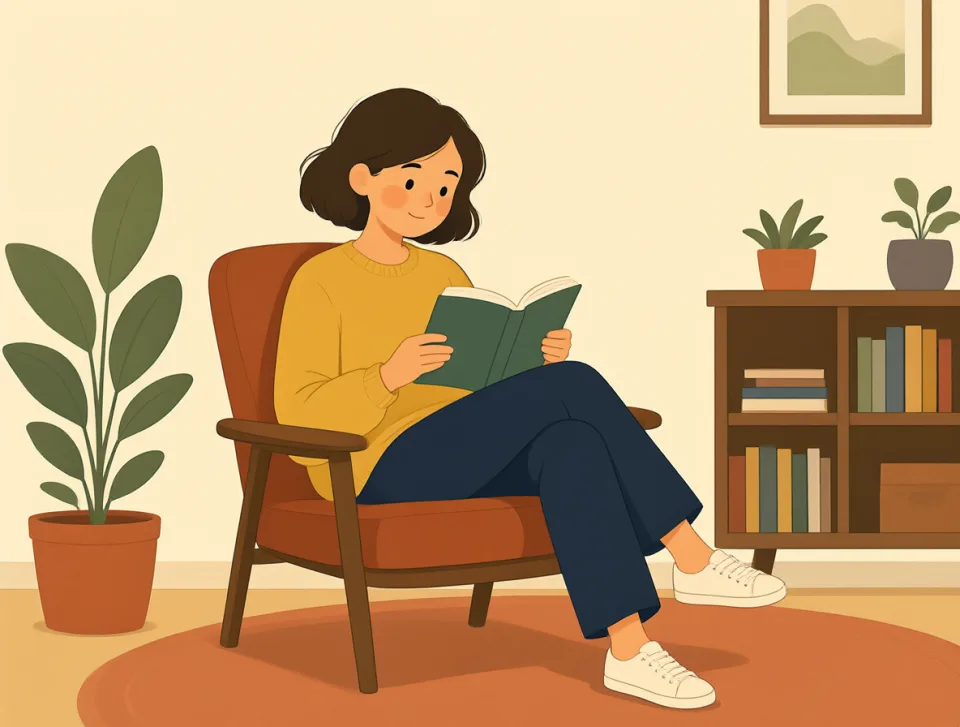
She spends a lot of time reading.
Poświęca dużo czasu na czytanie.
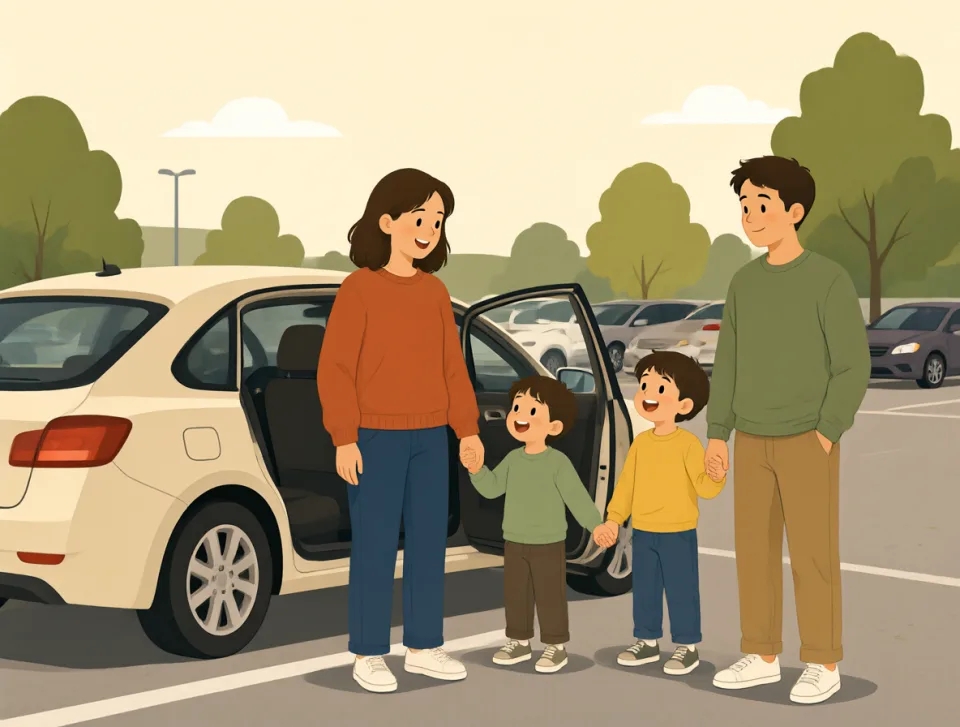
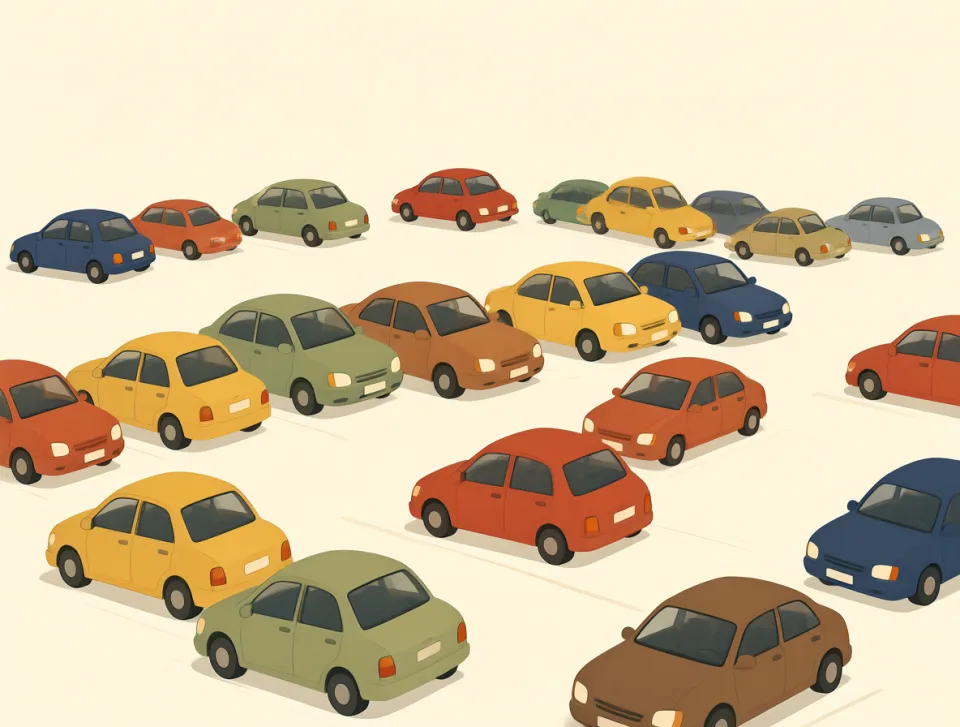
We parked the car in the parking lot.
Zaparkowaliśmy samochód na parkingu.
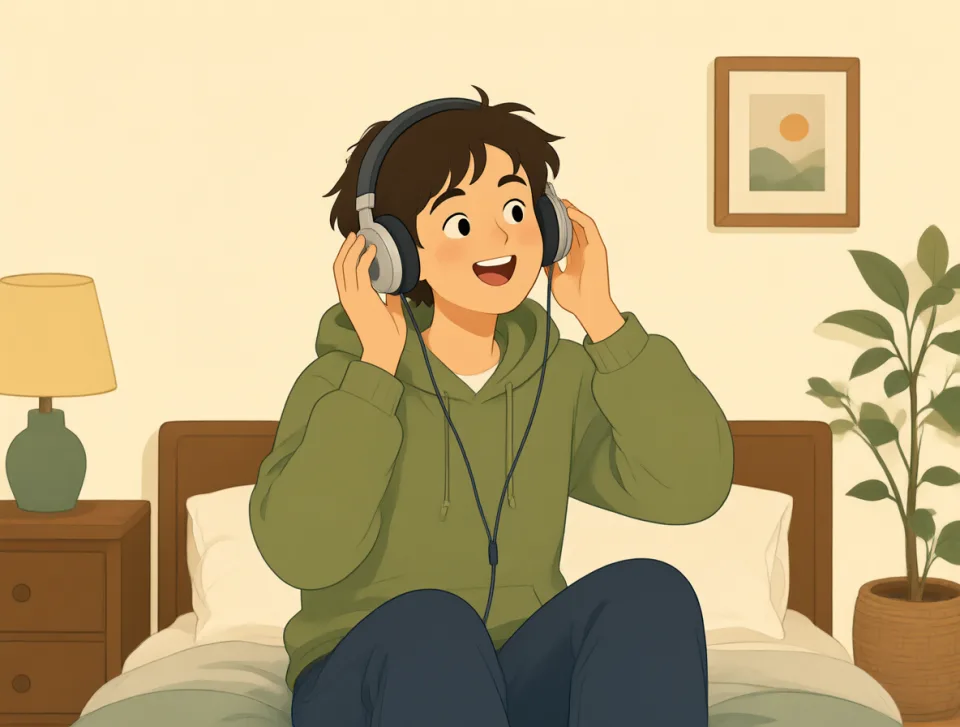
I like this song a lot.
Bardzo lubię tę piosenkę.
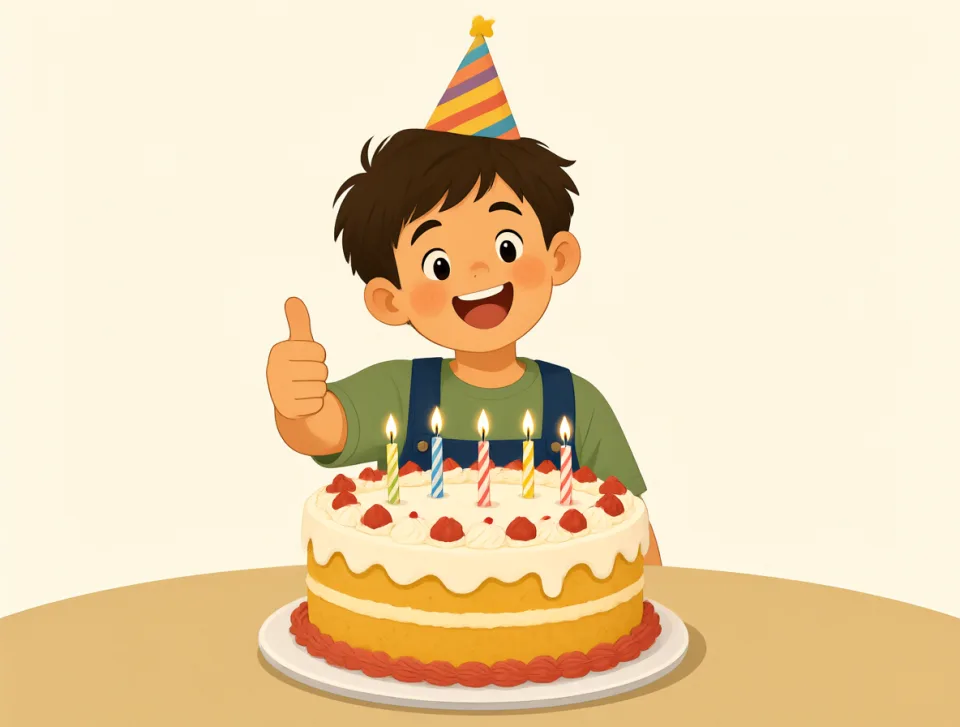
great
#124adjective
świetny
Very good, enjoyable, or important.
Bardzo dobry, przyjemny lub ważny.
We had a great time at the party.
Świetnie bawiliśmy się na przyjęciu.
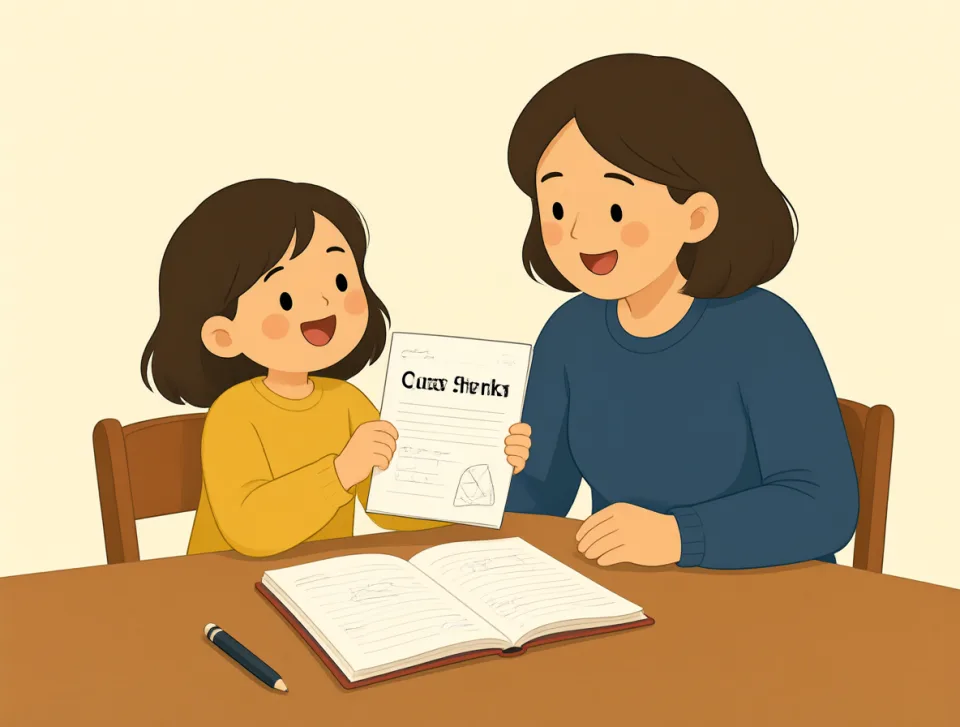
She did a great job on her homework.
Świetnie poradziła sobie z pracą domową.
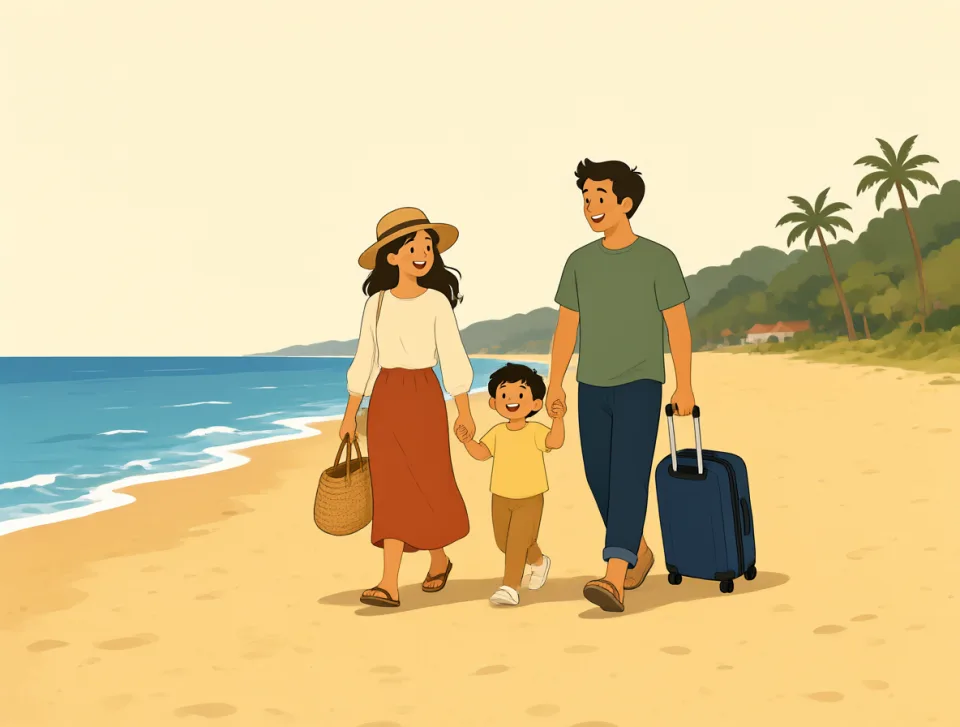
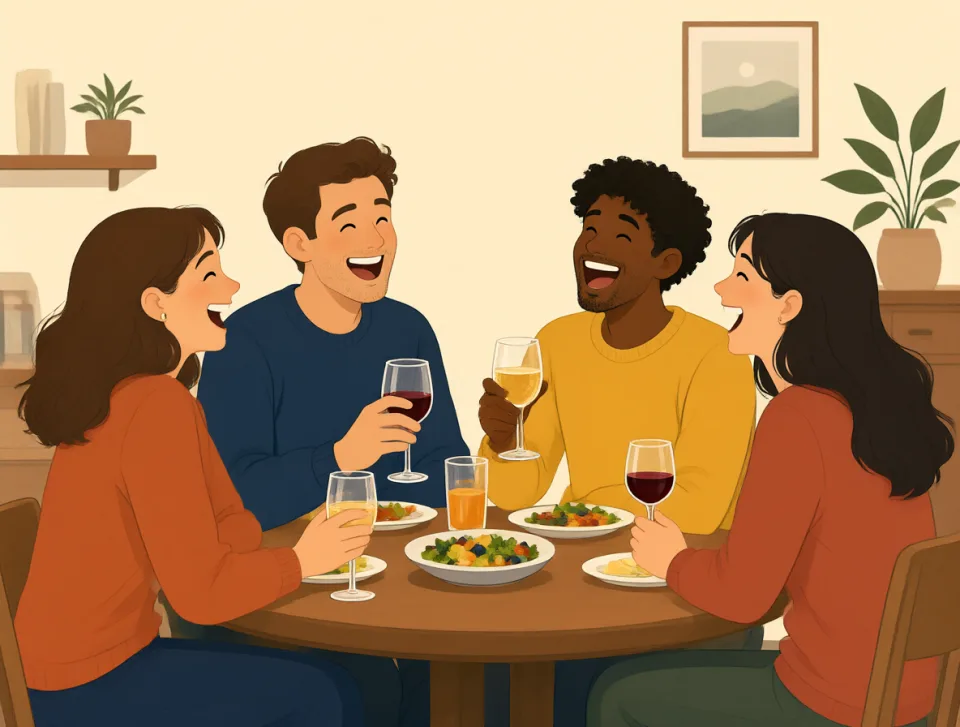
The weather was great for our trip.
Pogoda była świetna na naszą wycieczkę.
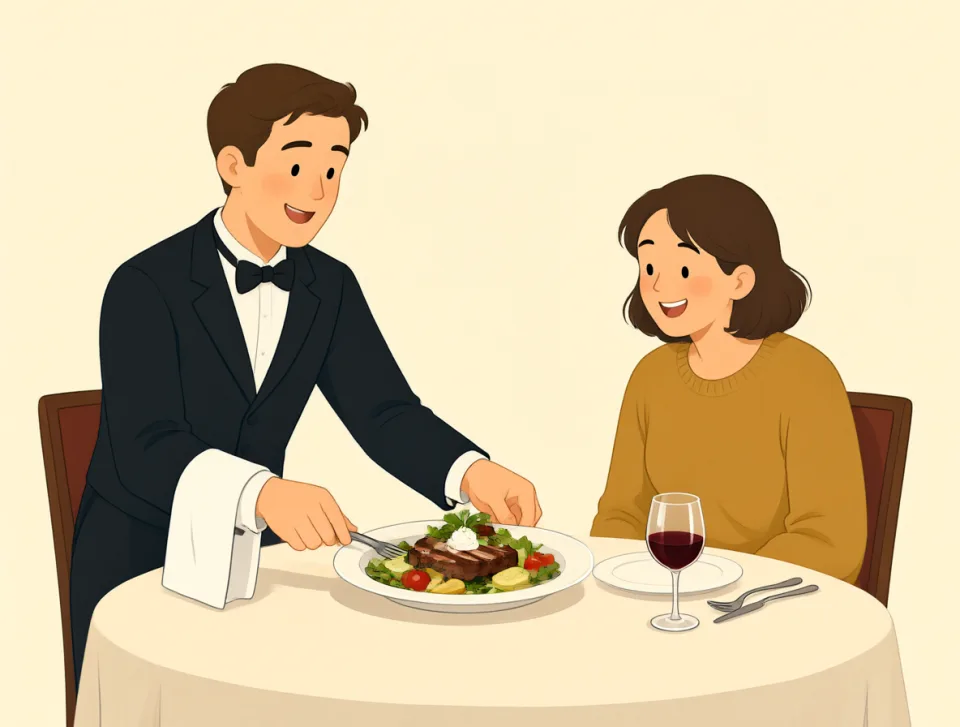
This restaurant serves great food.
W tej restauracji serwują świetne jedzenie.
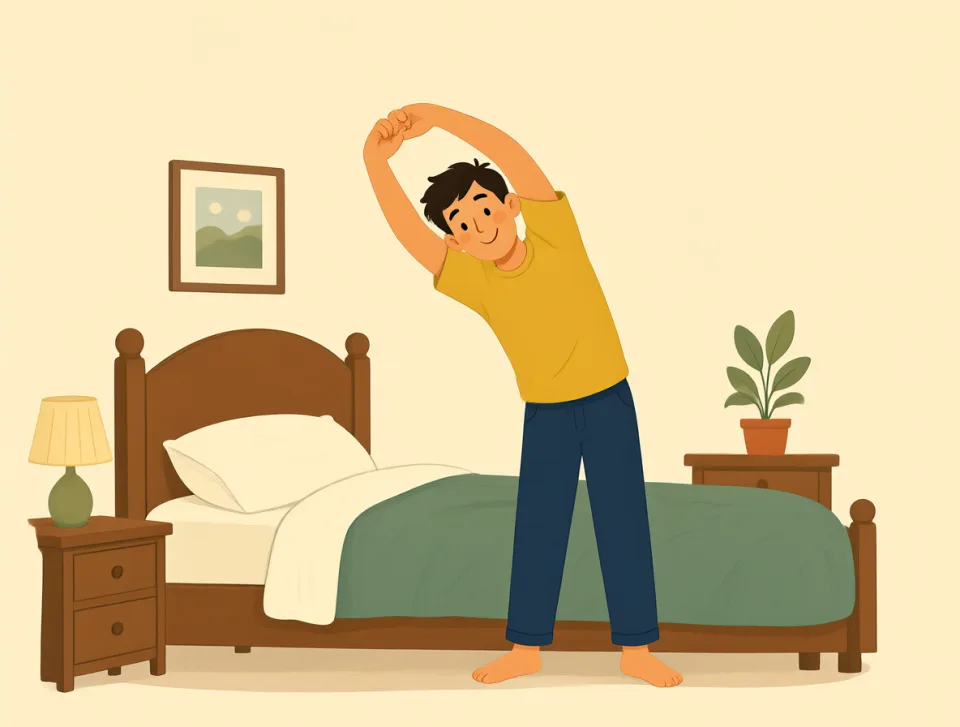
He felt great after a good night's sleep.
Po dobrze przespanej nocy czuł się świetnie.
try
#125verb, noun
próbować
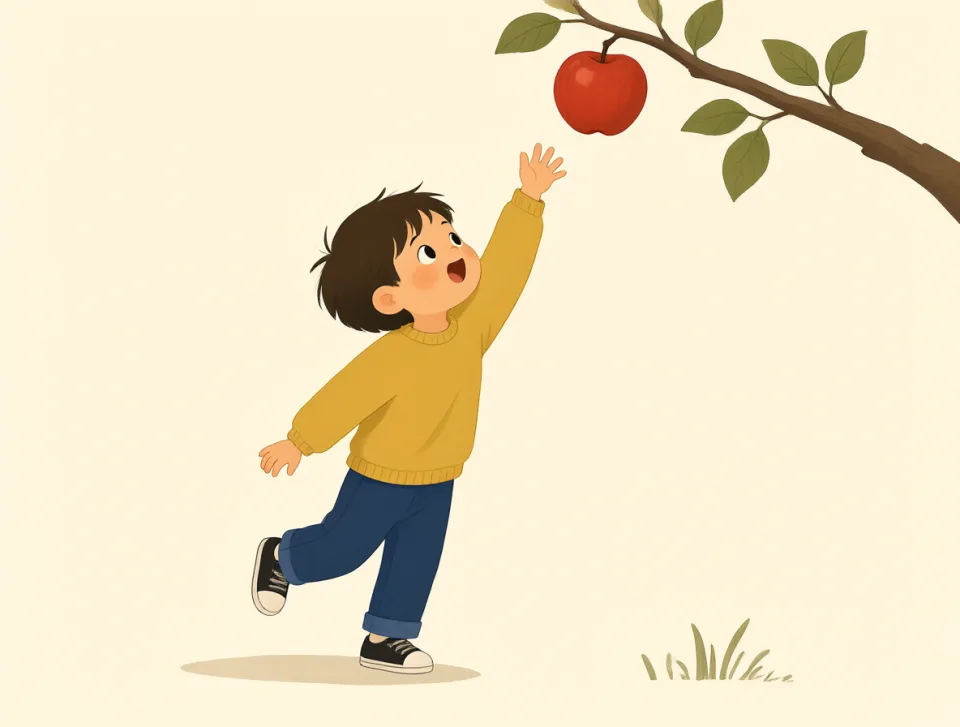
To do something to see if it works or to make something happen.
Robić coś, żeby sprawdzić, czy zadziała, lub żeby coś osiągnąć.
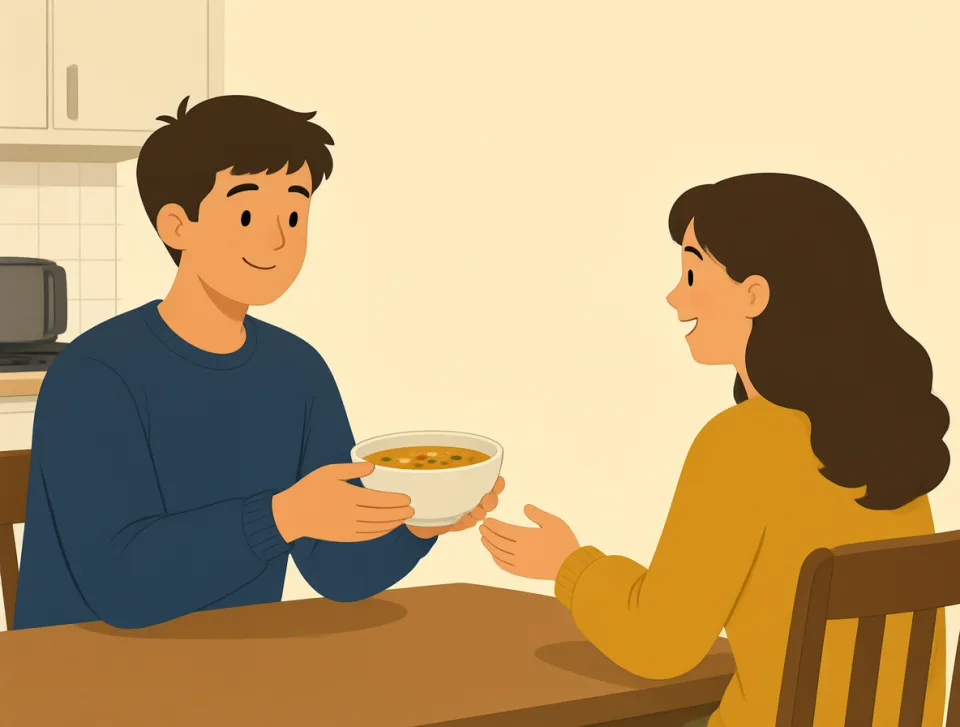
Try this soup; it tastes really good.
Spróbuj tej zupy, jest naprawdę smaczna.
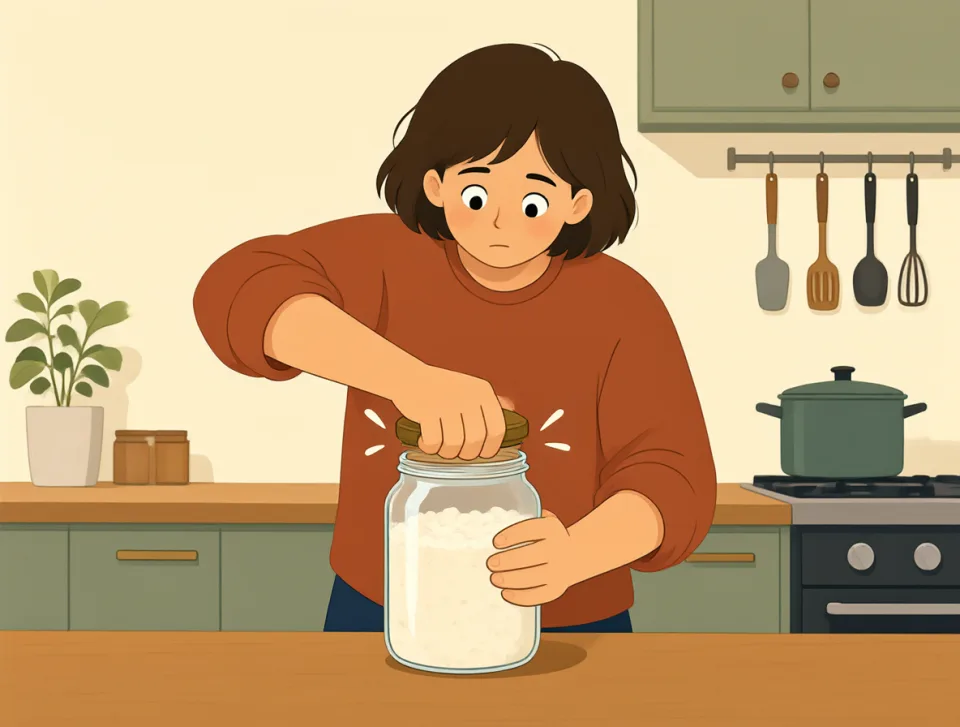
I tried to open the jar.
Próbowałem otworzyć słoik.
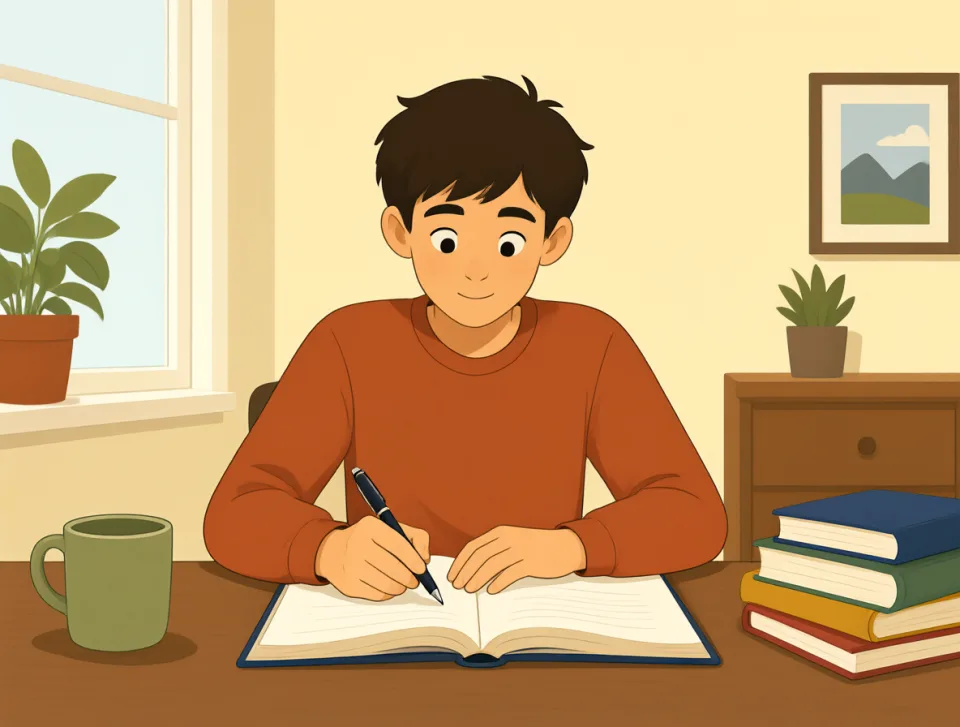
Please try again tomorrow.
Proszę spróbować ponownie jutro.
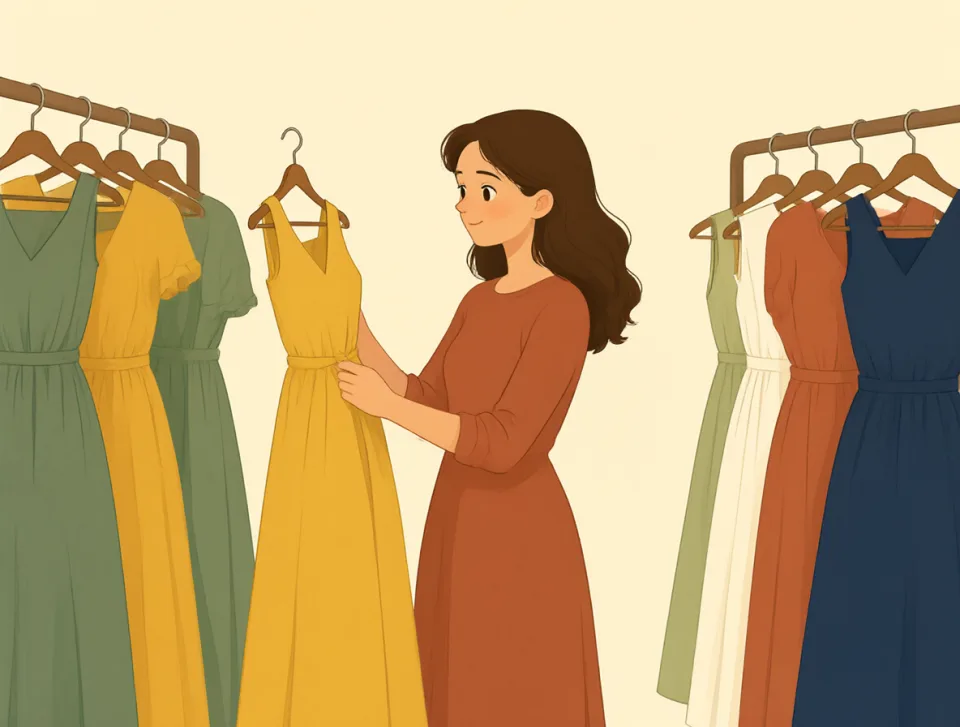
She tried on three dresses.
Przymierzyła trzy sukienki.
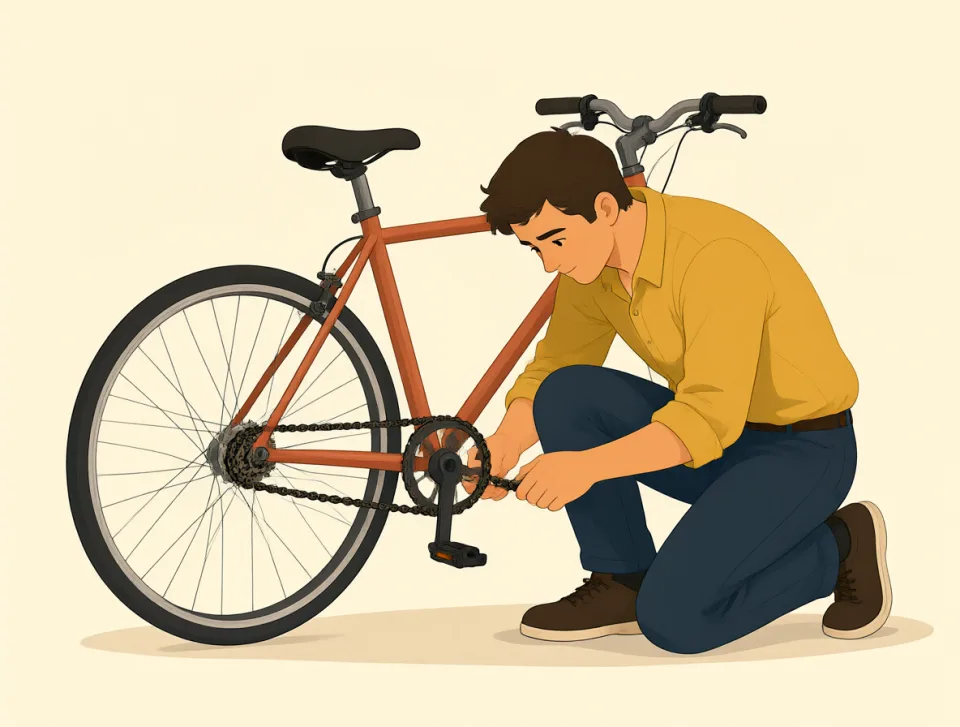
He made a try at fixing the bike.
Spróbował naprawić rower.
leave
#126verb, noun
opuszczać
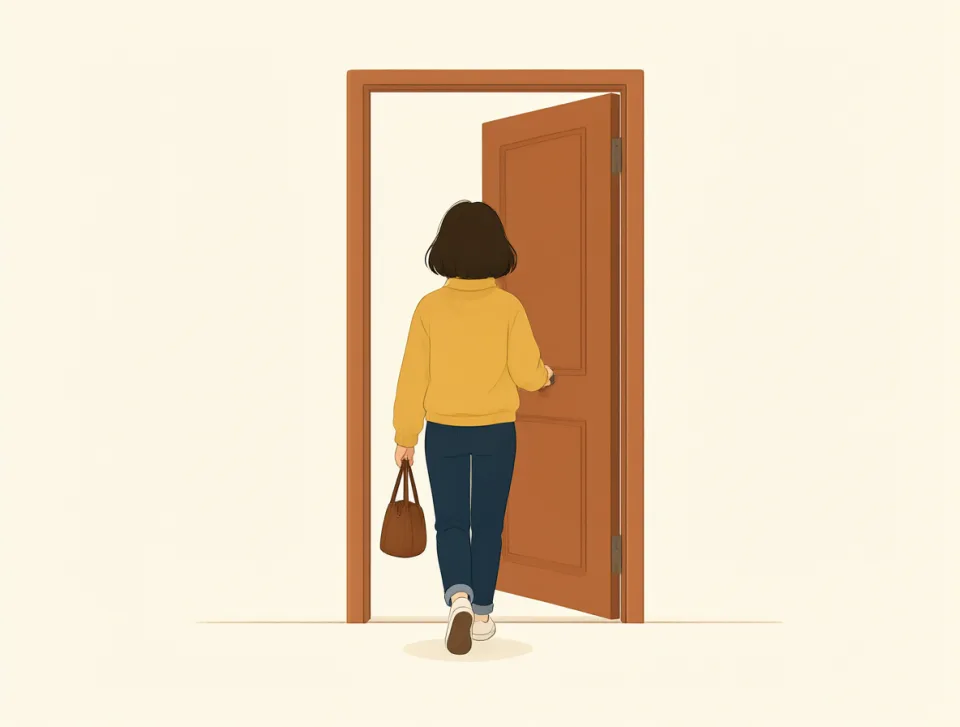
to go away from a place or person, or to let someone go
Oddalić się z jakiegoś miejsca lub od jakiejś osoby albo pozwolić komuś odejść.
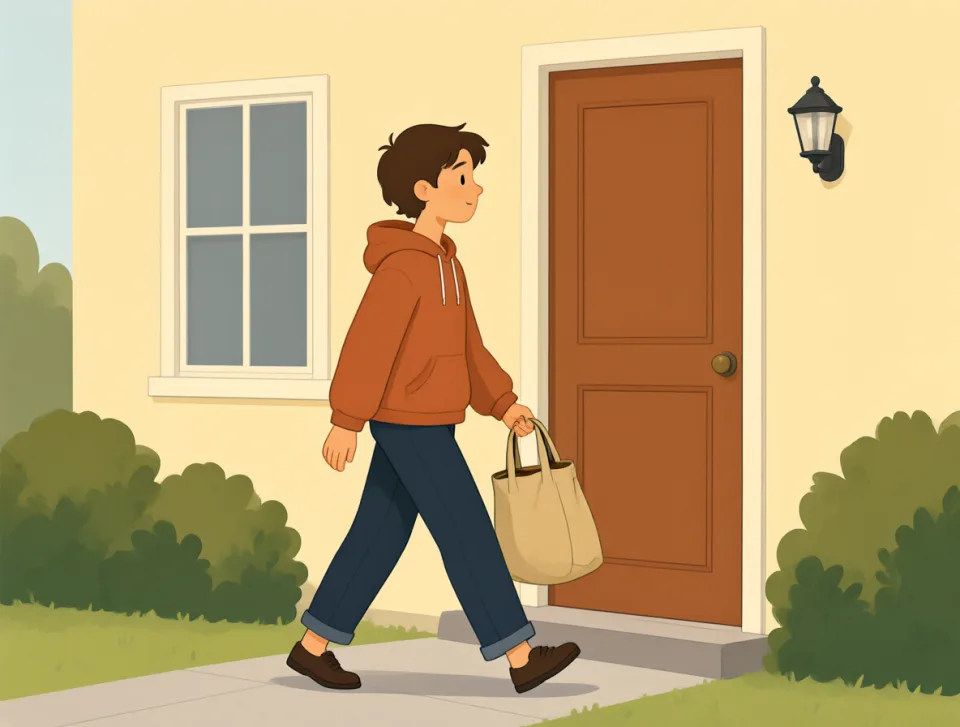
I leave home at seven every morning.
Codziennie rano wychodzę z domu o siódmej.
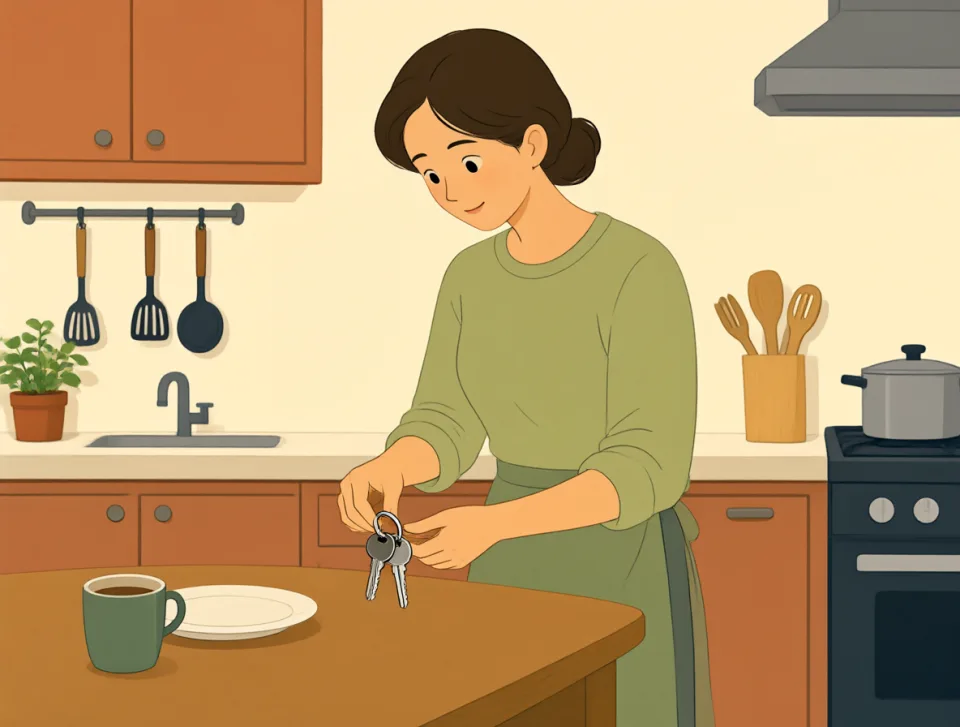
She left her keys on the kitchen table.
Zostawiła klucze na kuchennym stole.
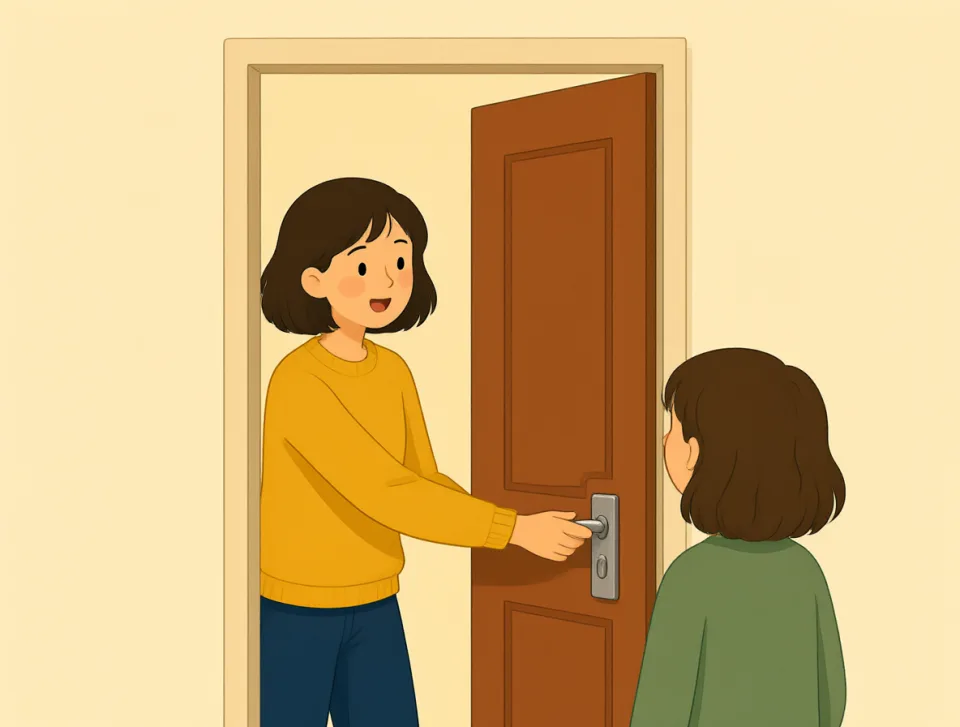
Please leave the door open.
Proszę zostawić otwarte drzwi.
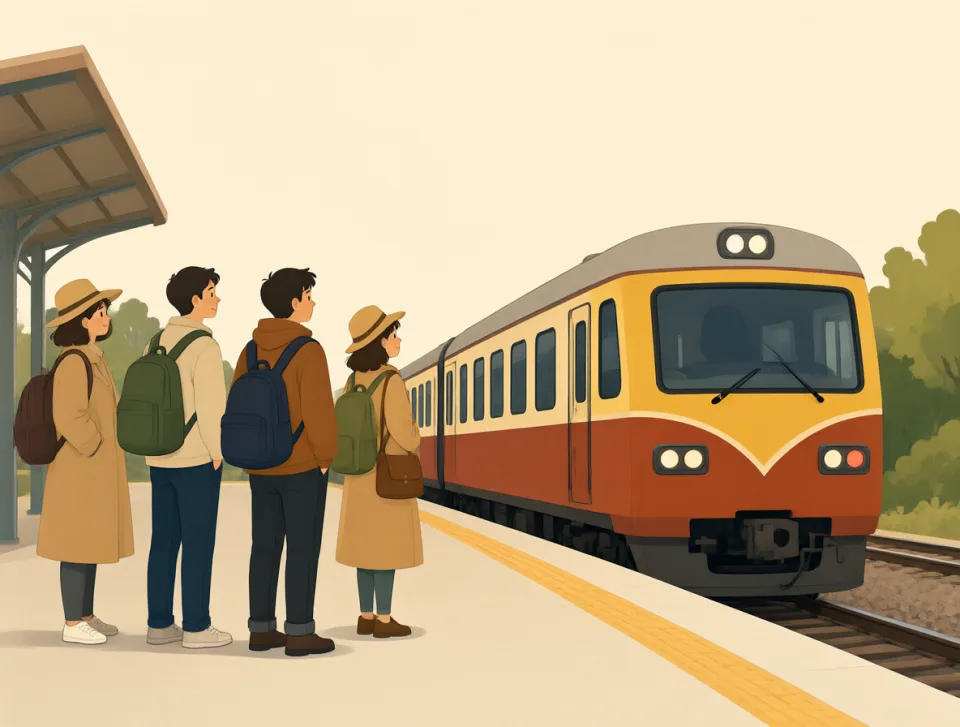
Our train leaves at six o'clock.
Nasz pociąg odjeżdża o szóstej.
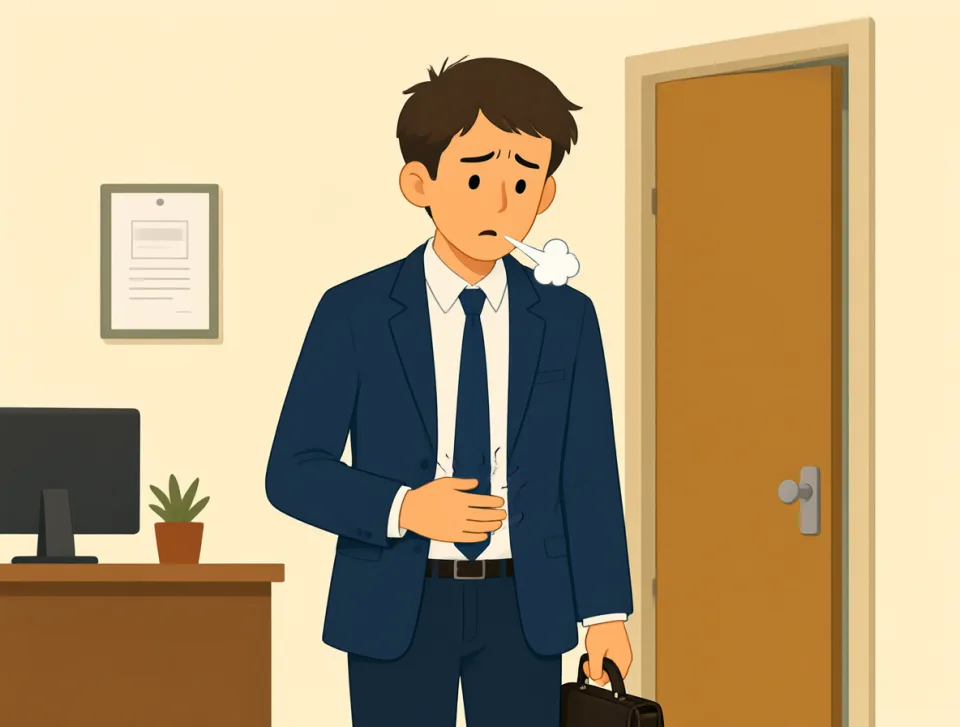
He left work early because he felt sick.
Wyszedł wcześniej z pracy, bo źle się czuł.
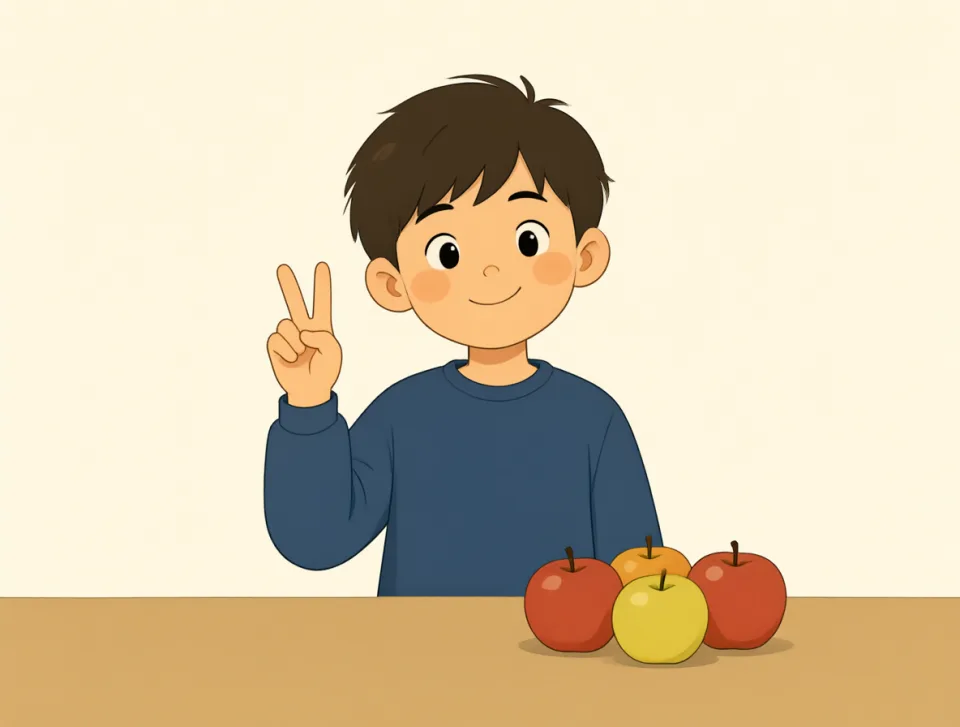
number
#127noun, verb
numer; liczba
A word or symbol that shows how many people or things there are.
Słowo lub symbol pokazujący, ile jest osób lub rzeczy.
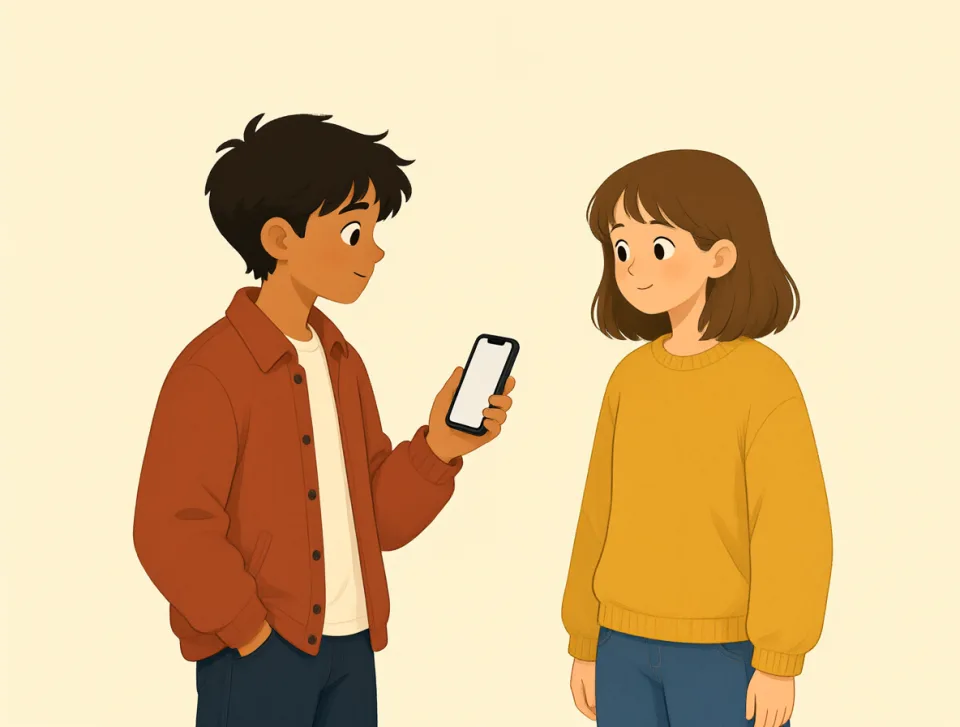
What is your phone number?
Jaki jest twój numer telefonu?
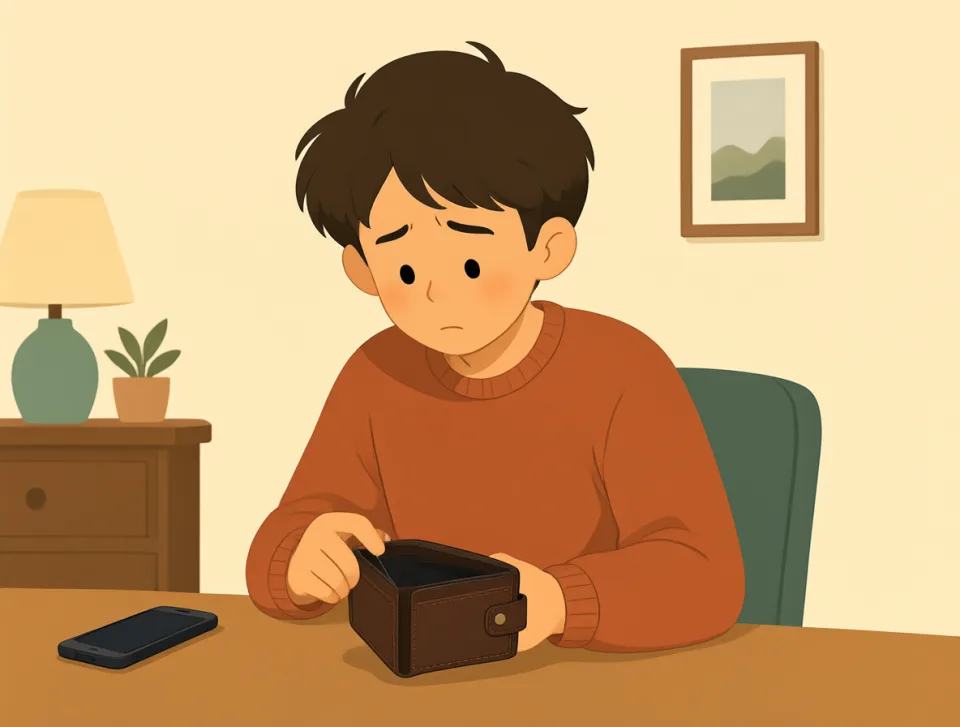
I forgot my phone number.
Zapomniałem swojego numeru telefonu.
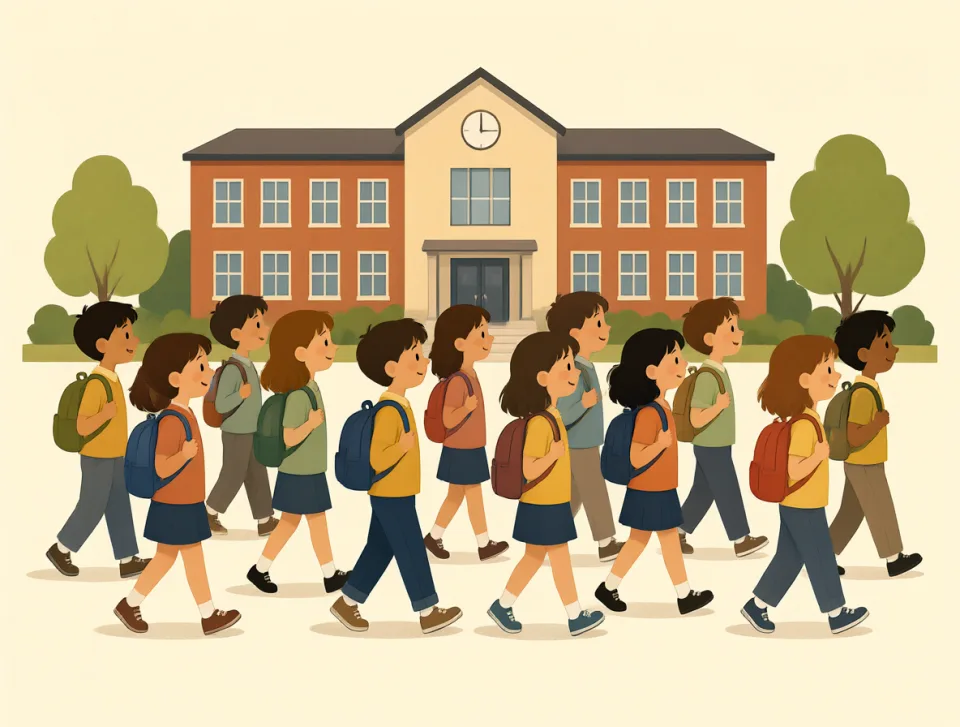
A large number of students walk to school.
Duża liczba uczniów chodzi do szkoły pieszo.
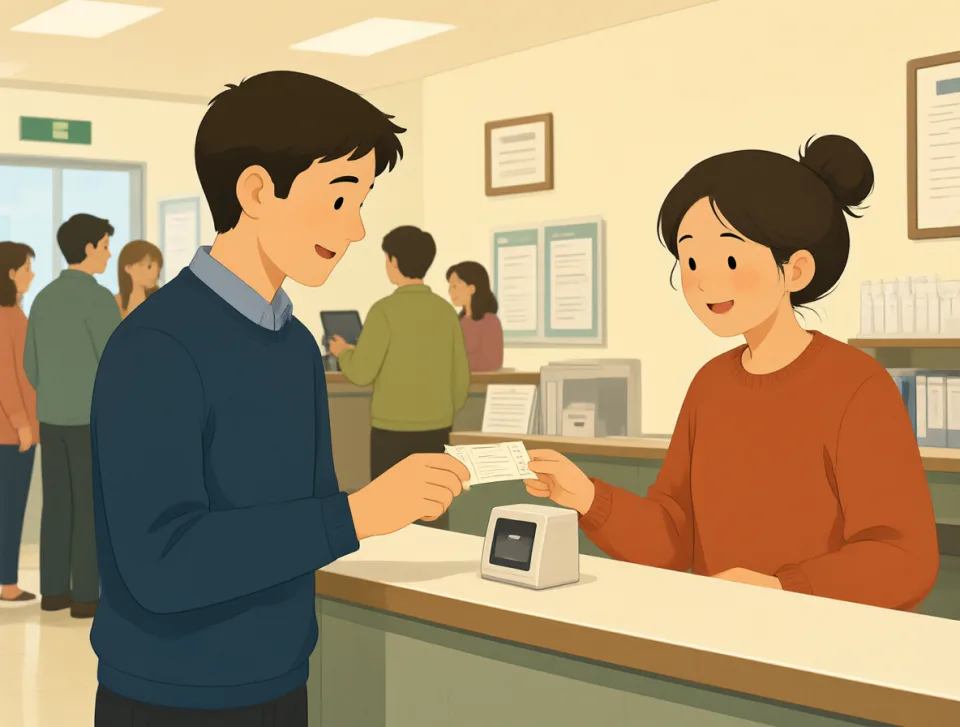
Please take a number and wait here.
Proszę pobrać numerek i tutaj poczekać.
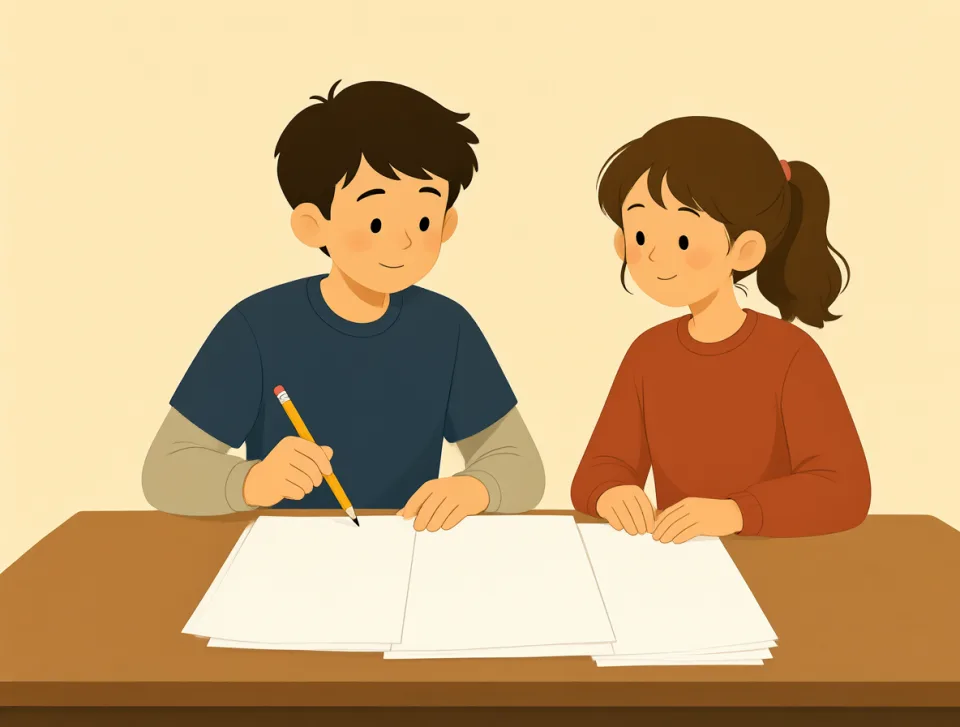
Can you number these pages for me?
Czy możesz ponumerować dla mnie te strony?
both
#128determiner, pronoun
oboje; obie; oba
The two people or things together.
Dwie osoby lub dwie rzeczy razem.
Both children are playing in the garden.
Oboje dzieci bawi się w ogrodzie.
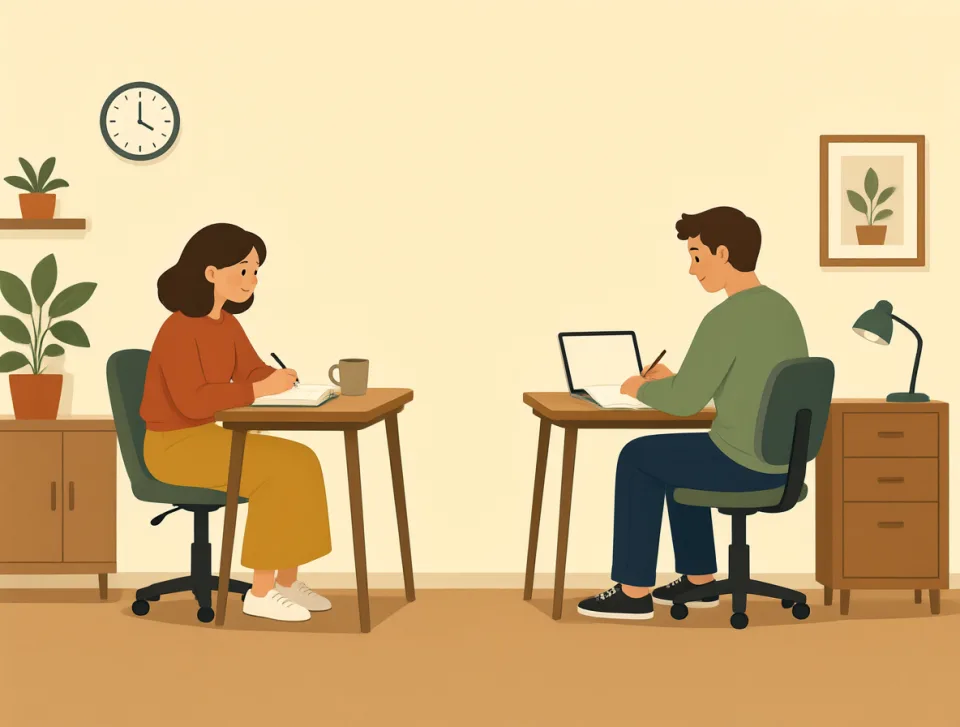
Both of my parents work at home.
Oboje moi rodzice pracują w domu.
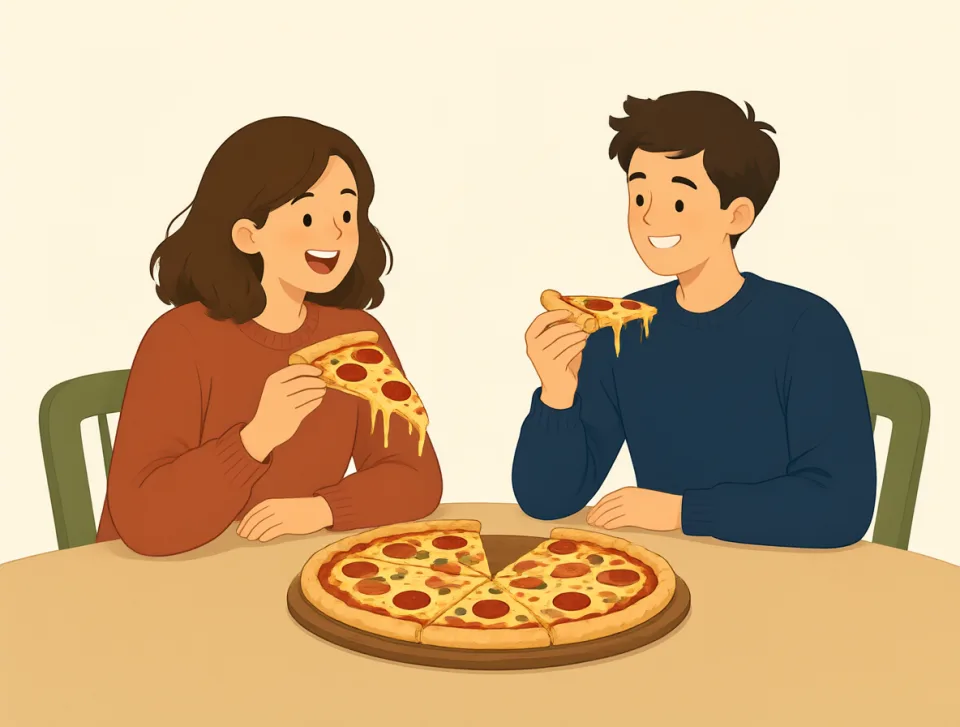
We both like pizza for dinner.
Oboje lubimy jeść pizzę na kolację.
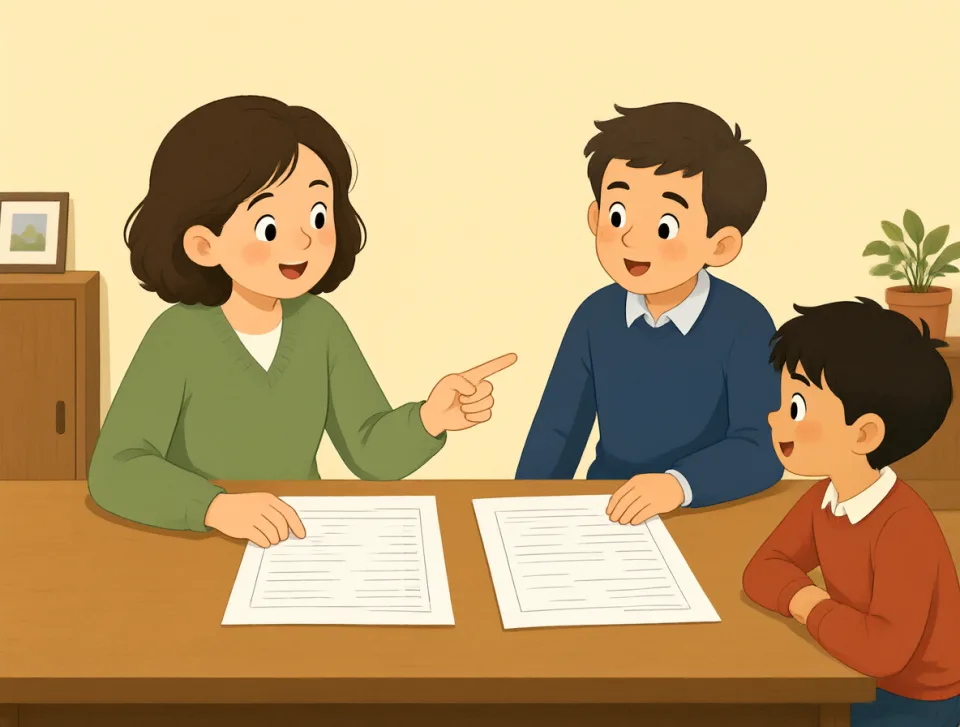
Both answers are correct.
Obie odpowiedzi są poprawne.
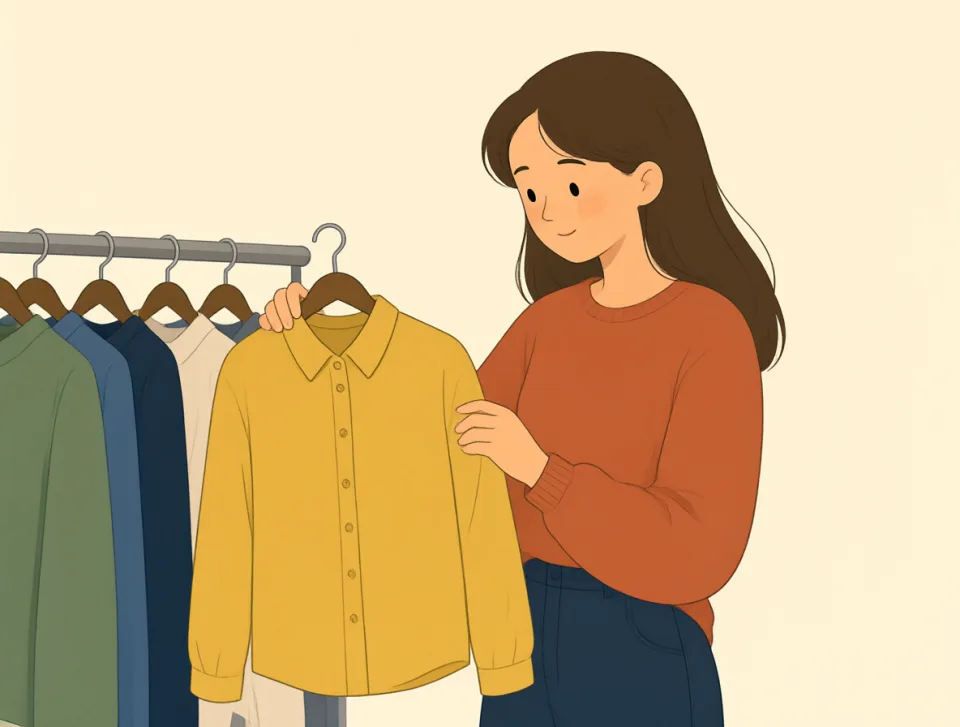
She bought both shirts at the store.
Kupiła obie koszule w sklepie.
own
#129verb, adjective, pronoun, determiner
posiadać; mieć na własność
to have something that belongs to you
Mieć coś, co należy do ciebie.
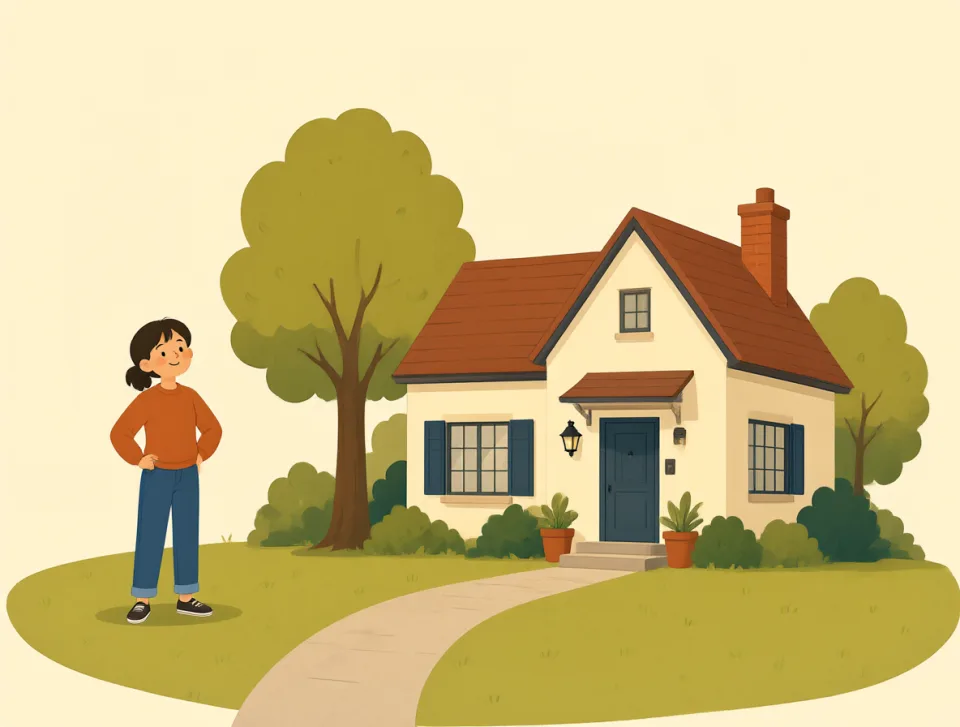
I own a small house near the park.
Mam na własność mały dom niedaleko parku.
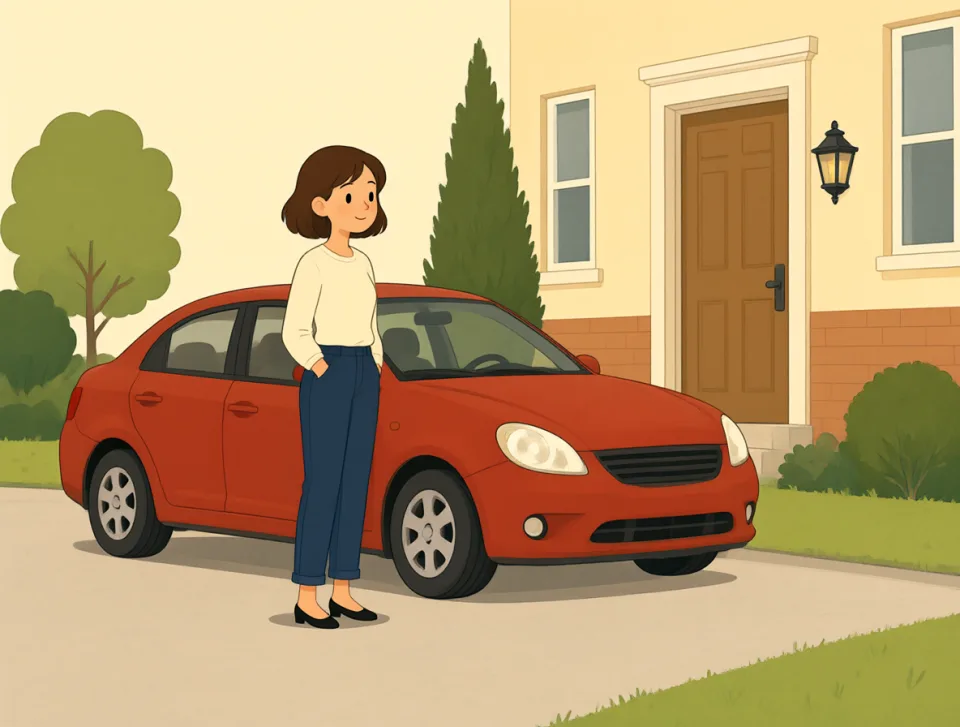
She owns a red car.
Ona ma czerwony samochód.
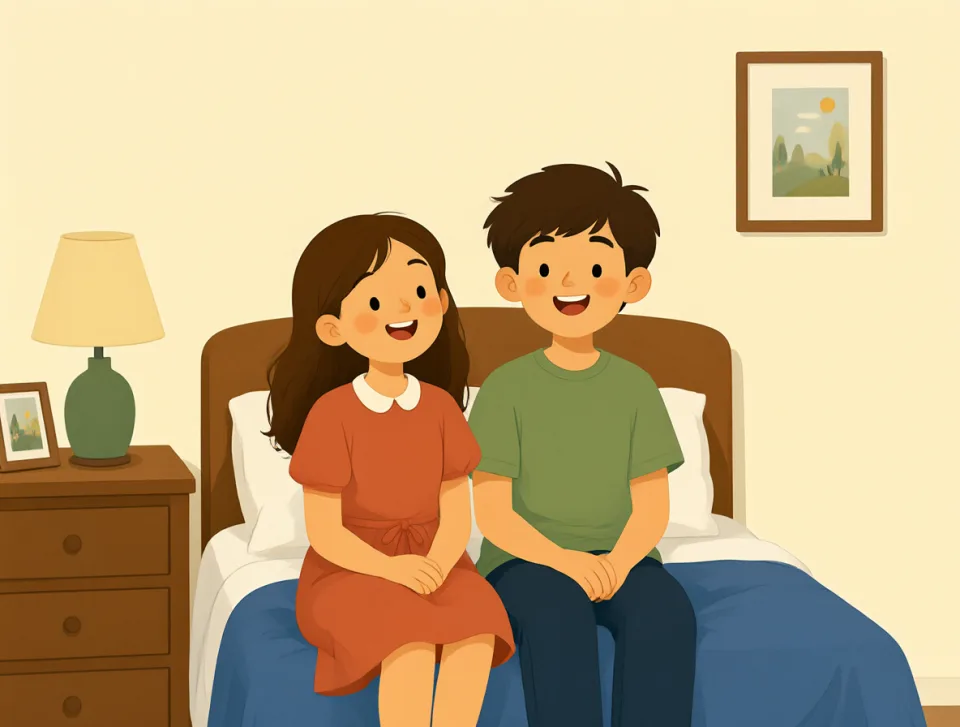
We have our own room at home.
Mamy własny pokój w domu.
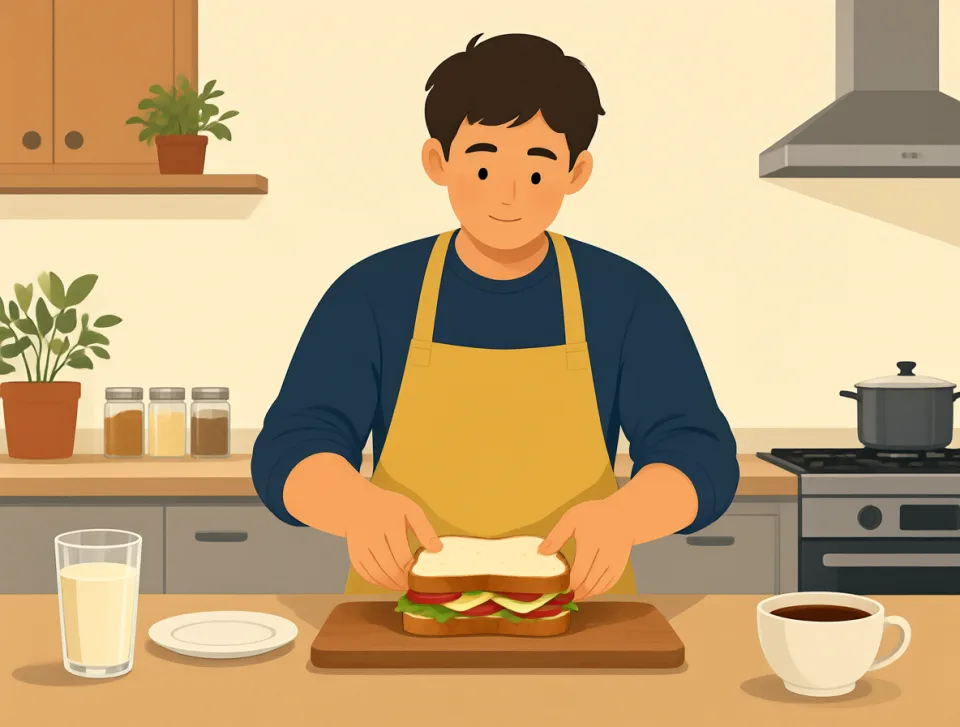
He made his own lunch today.
Dziś sam przygotował sobie lunch.
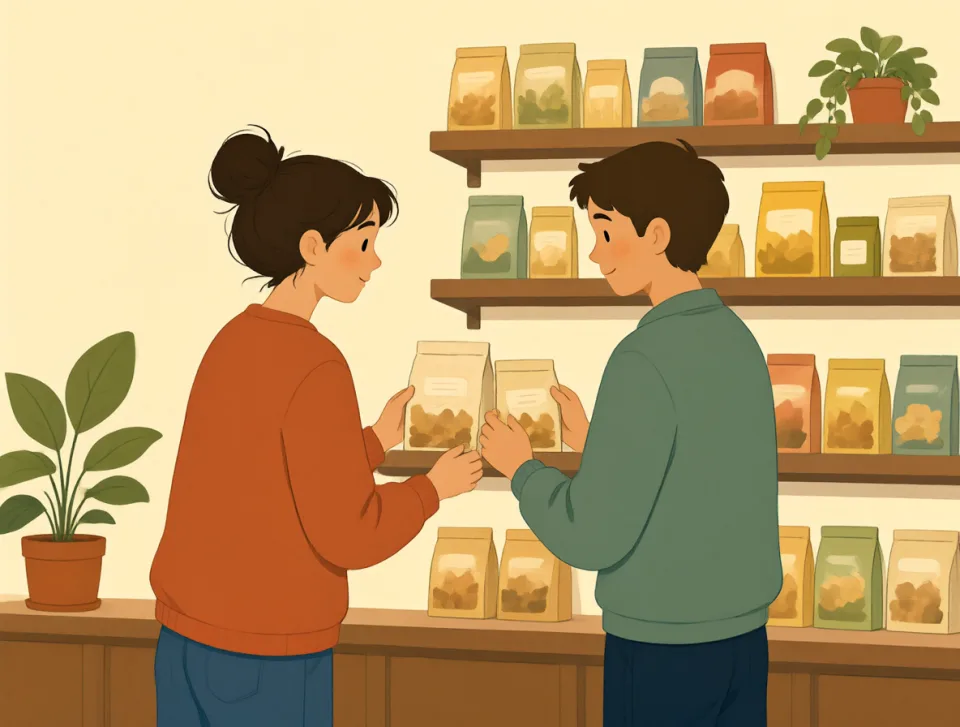
They opened their own shop last year.
W zeszłym roku otworzyli własny sklep.
part
#130noun, verb
część; rola; udział
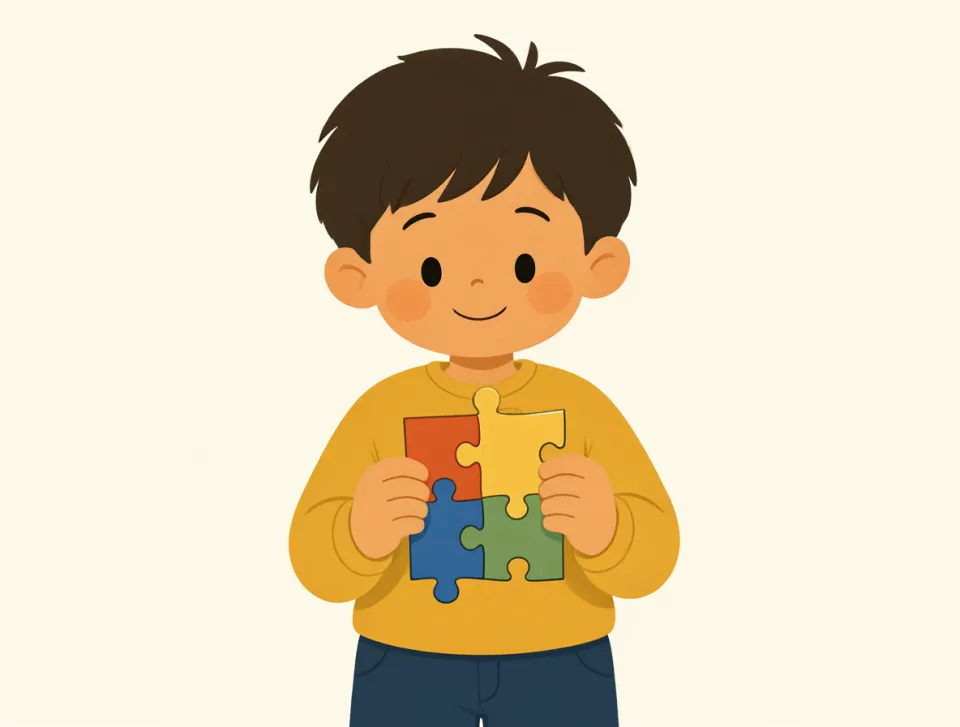
A piece of something, or a role in an activity; to take part in something.
Fragment czegoś lub rola w jakiejś aktywności; brać w czymś udział.
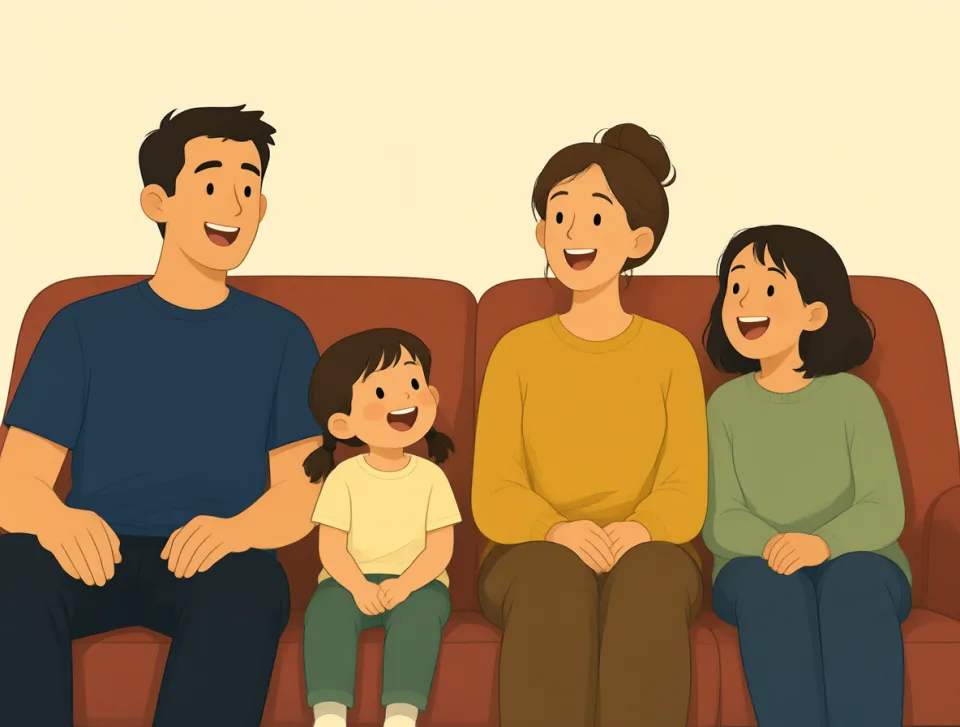
This is the best part of the movie.
To najlepsza część filmu.
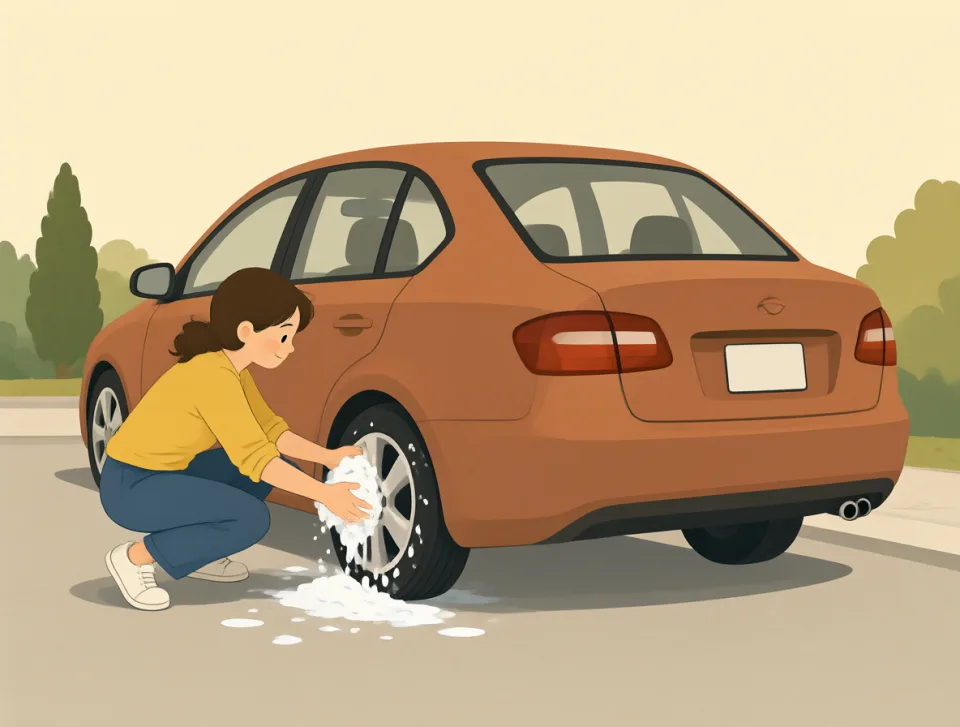
Please wash the dirty parts of the car.
Proszę umyć brudne części samochodu.
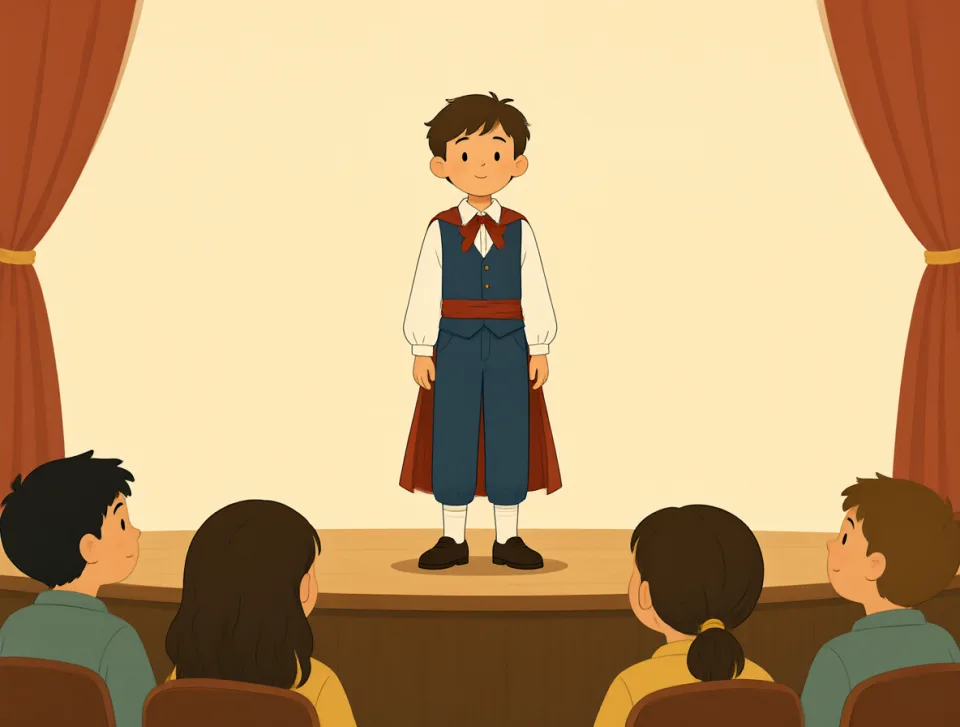
She played an important part in the school play.
Odegrała ważną rolę w szkolnym przedstawieniu.
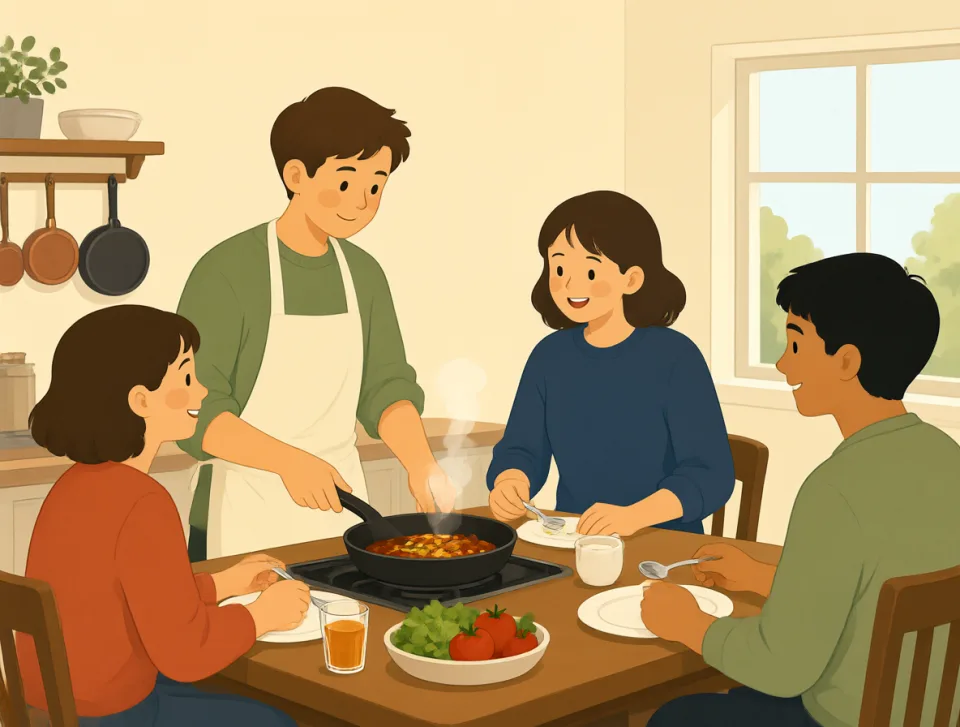
I want to take part in the cooking class.
Chcę wziąć udział w zajęciach z gotowania.
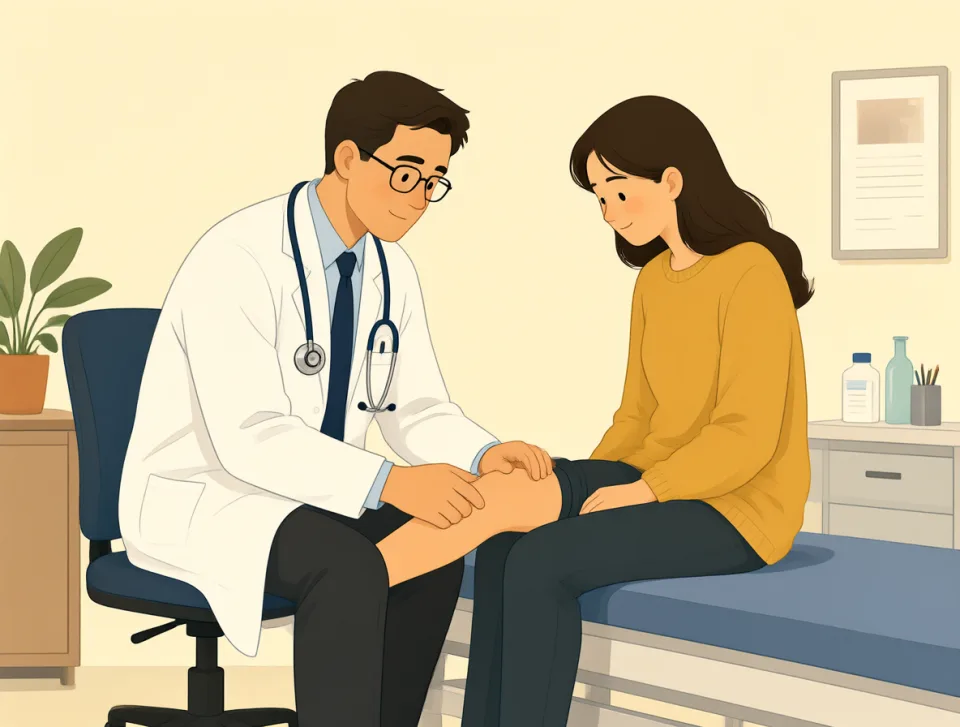
The doctor checked the painful part of my leg.
Lekarz zbadał bolące miejsce na mojej nodze.
point
#131noun, verb
punkt
A sharp end, exact place, purpose, or idea; to show or direct attention.
Ostry koniec, dokładne miejsce, cel lub myśl; wskazywać coś albo kierować na coś uwagę.
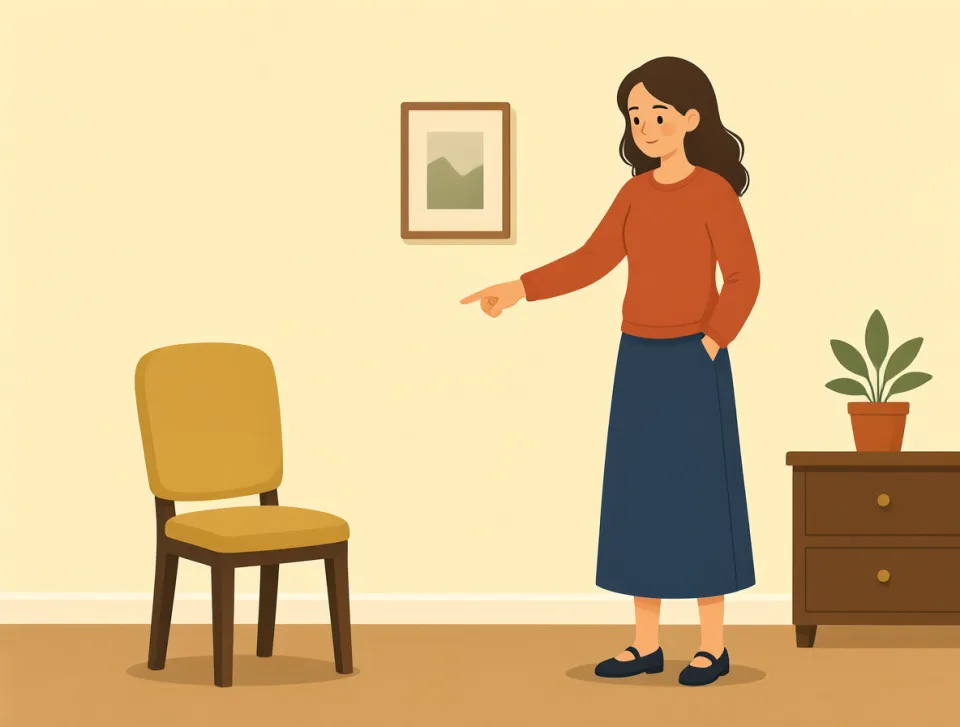
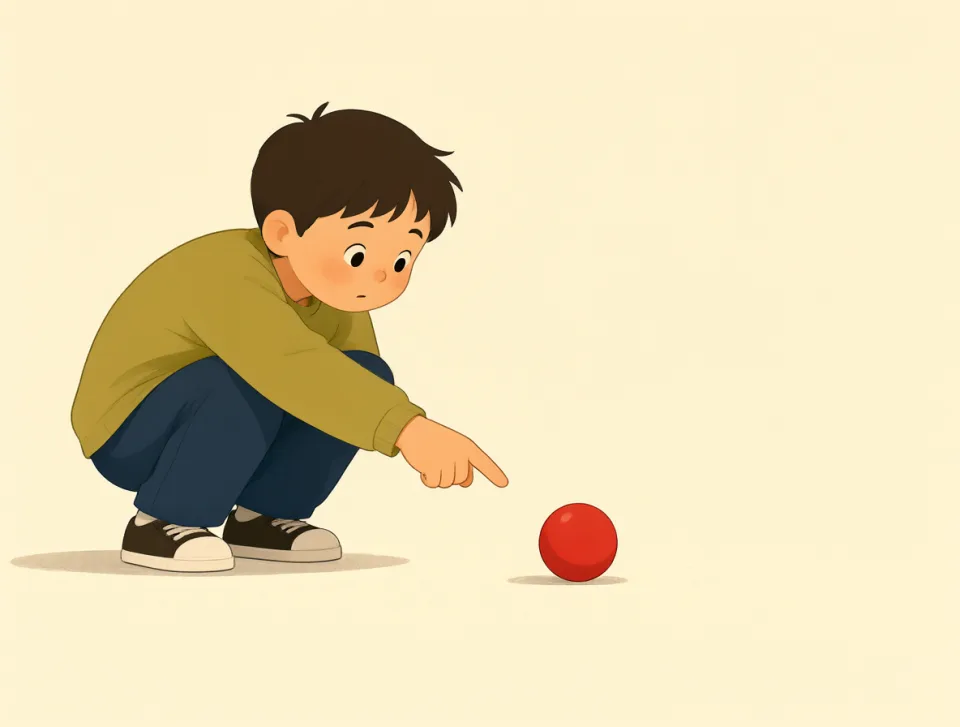
She pointed to the empty chair.
Wskazała puste krzesło.

The meeting starts at this point.
Spotkanie zaczyna się w tym momencie.
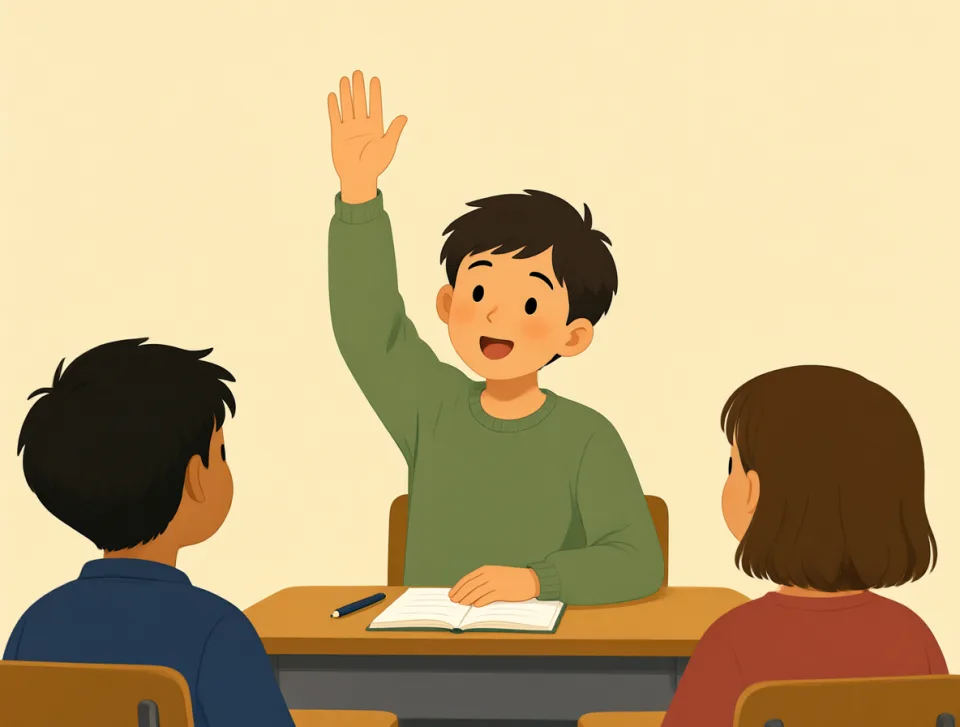
He made a good point in class.
Na lekcji powiedział coś bardzo trafnego.
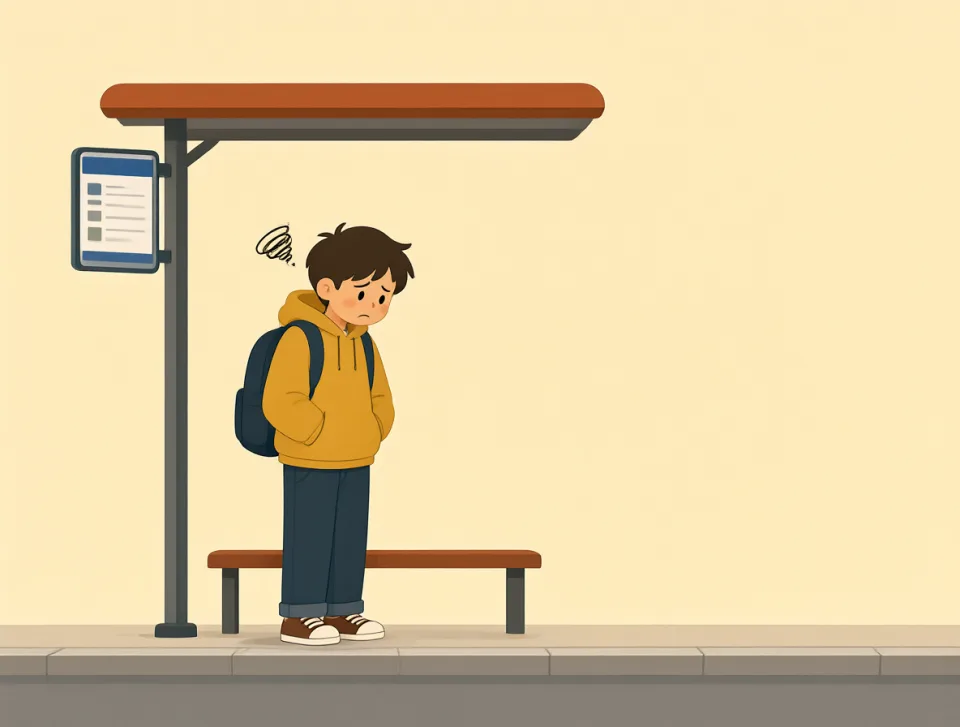
There is no point in waiting.
Nie ma sensu czekać.
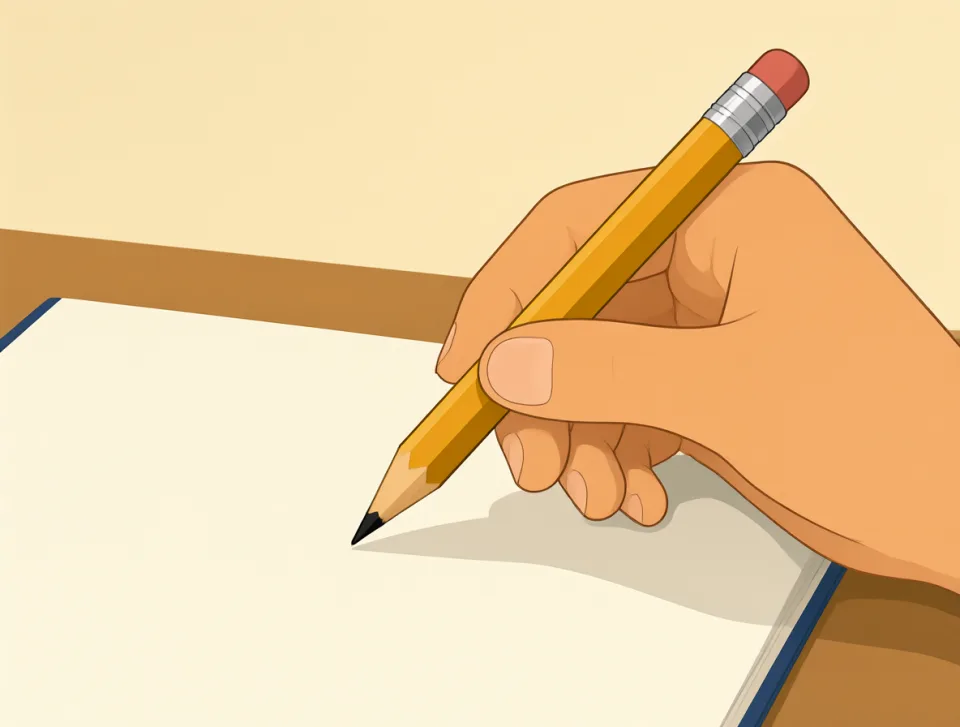
The pencil has a sharp point.
Ołówek ma ostry koniec.
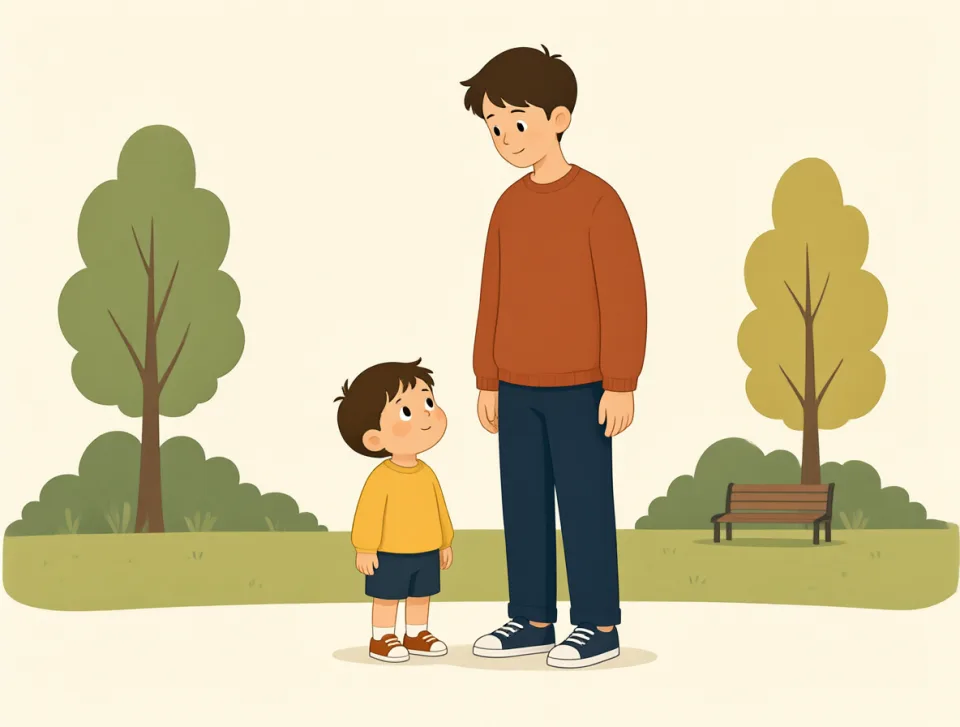
little
#132adjective, adverb, determiner, pronoun, noun
mały; niewielki
Small in size or amount; not much; to a small degree.
Niewielki pod względem rozmiaru lub ilości; niezbyt duży; w niewielkim stopniu.
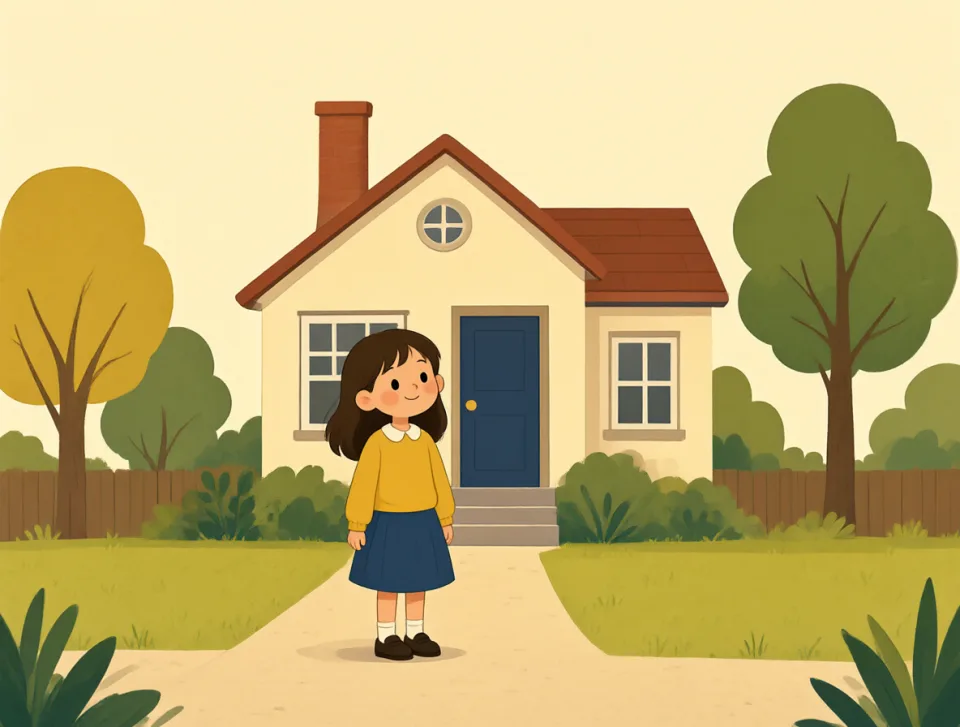
She lives in a little house near school.
Mieszka w małym domu niedaleko szkoły.
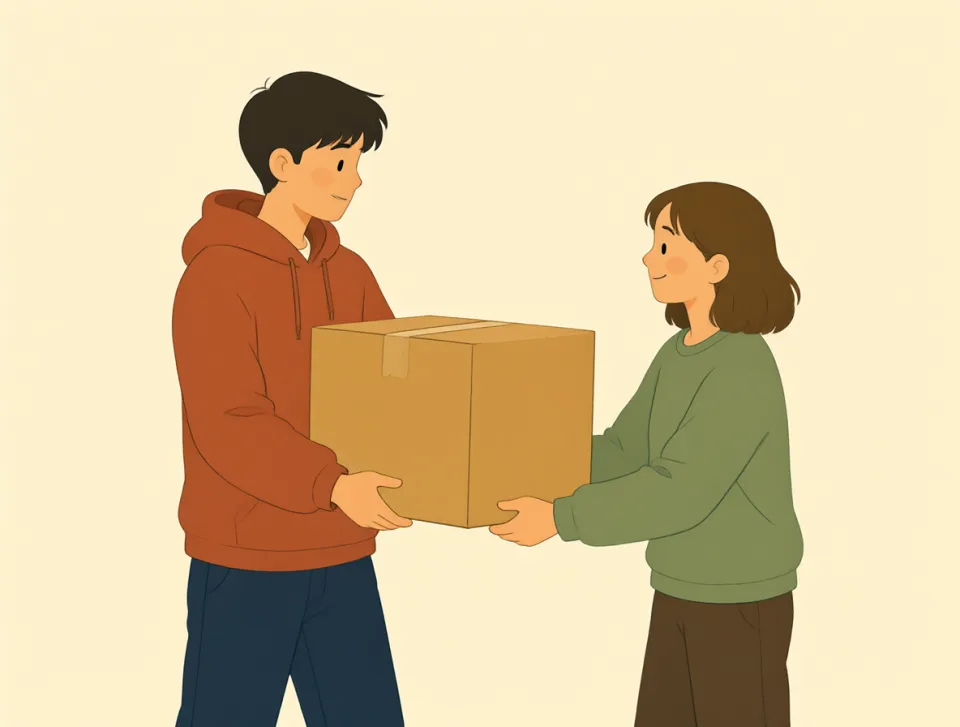
I need a little help with this box.
Potrzebuję trochę pomocy z tym pudełkiem.
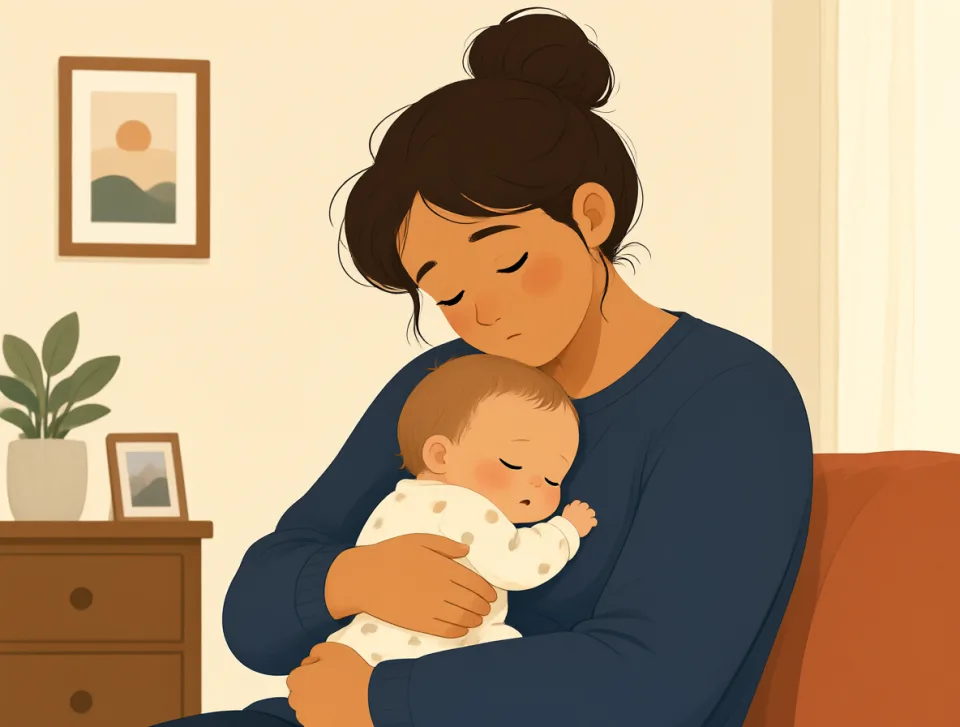
The baby is a little tired today.
Dziecko jest dziś trochę zmęczone.
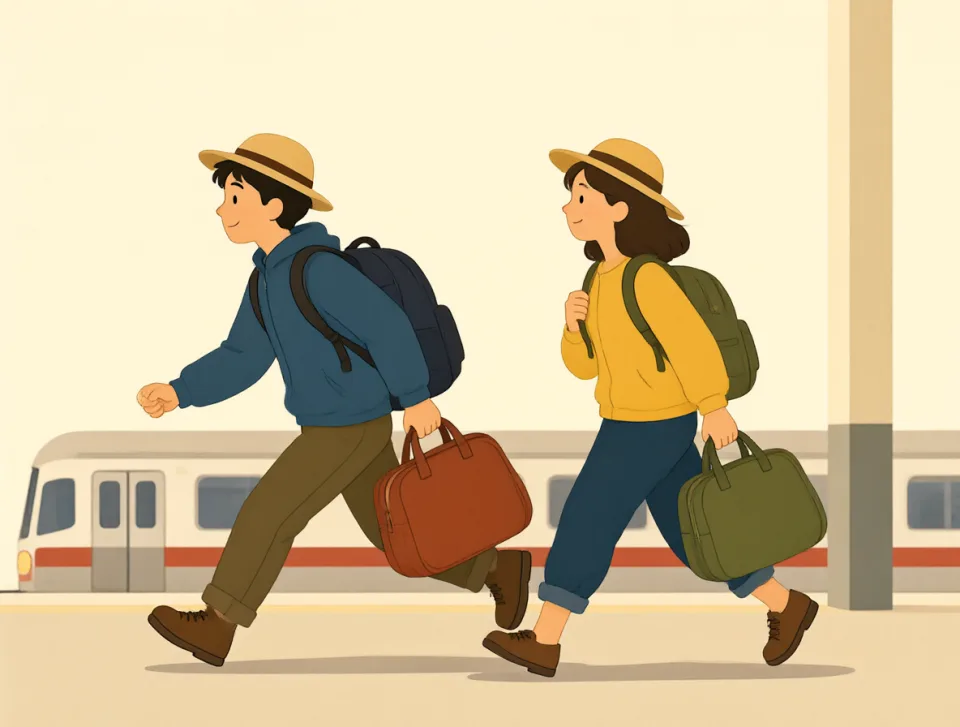
We have very little time before the train.
Mamy bardzo mało czasu przed odjazdem pociągu.
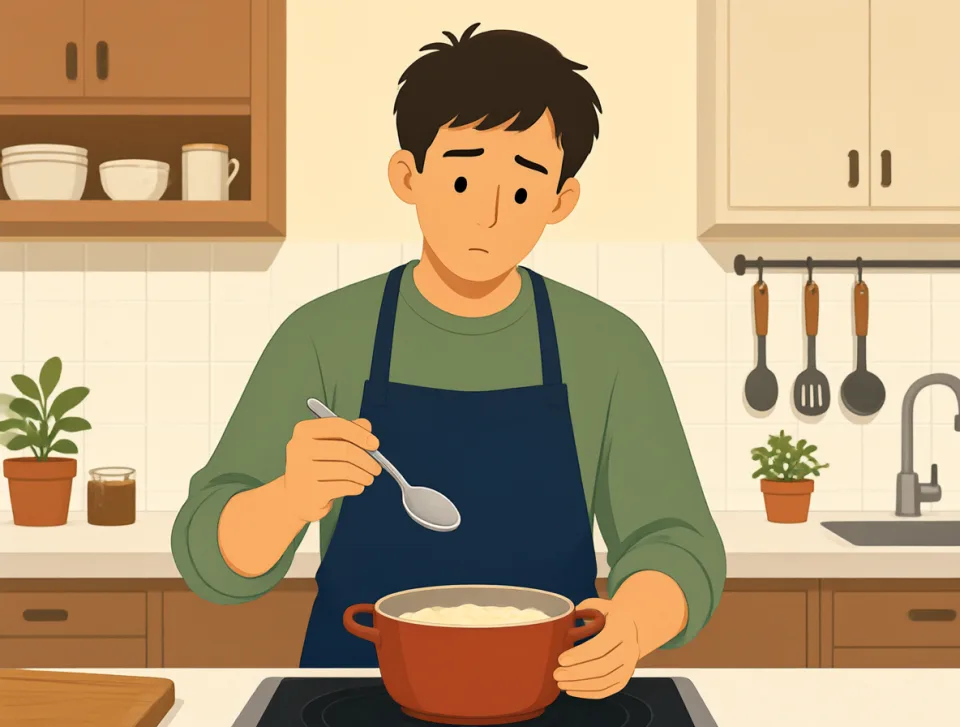
He knows very little about cooking.
Wie bardzo niewiele o gotowaniu.
help
#133noun, verb
pomagać
To make something easier for someone or give them what they need.
Ułatwiać komuś coś lub dawać mu to, czego potrzebuje.
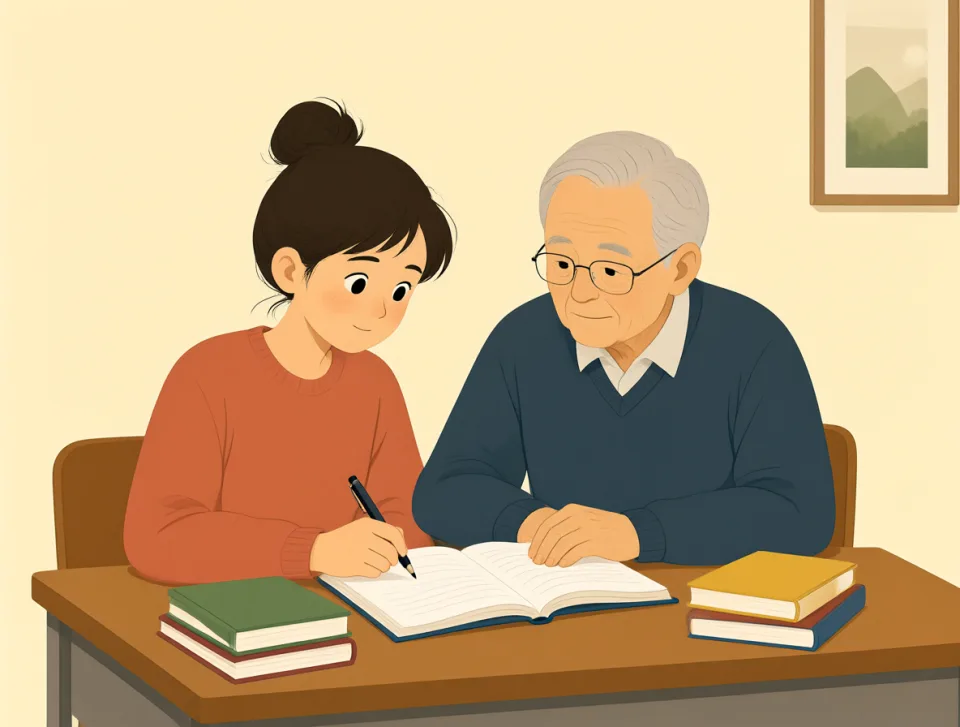
Can you help me with my homework?
Możesz mi pomóc z pracą domową?
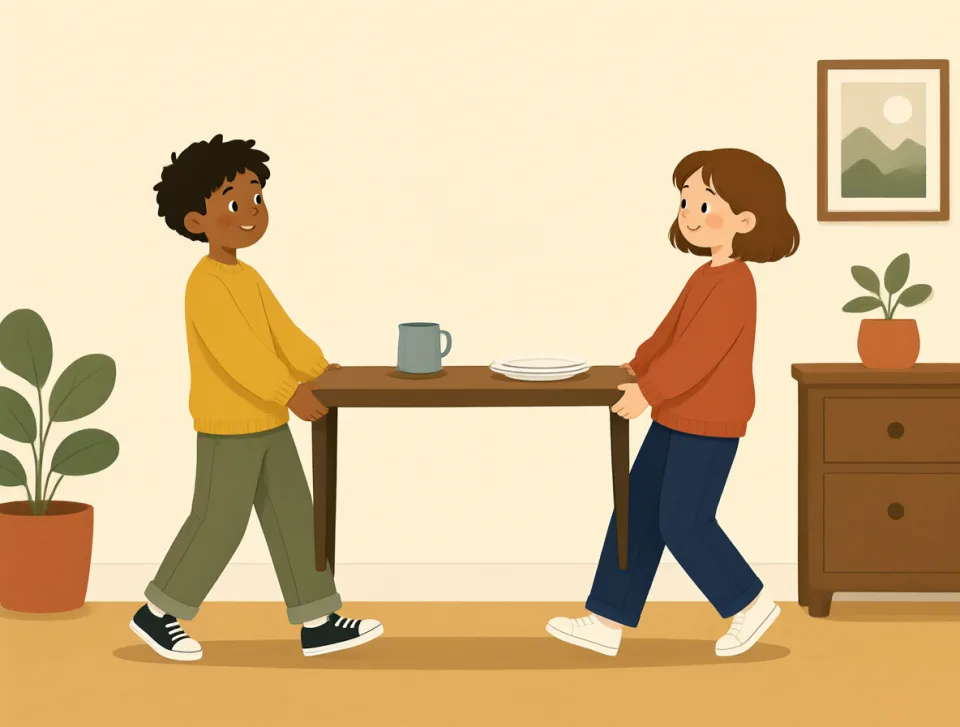
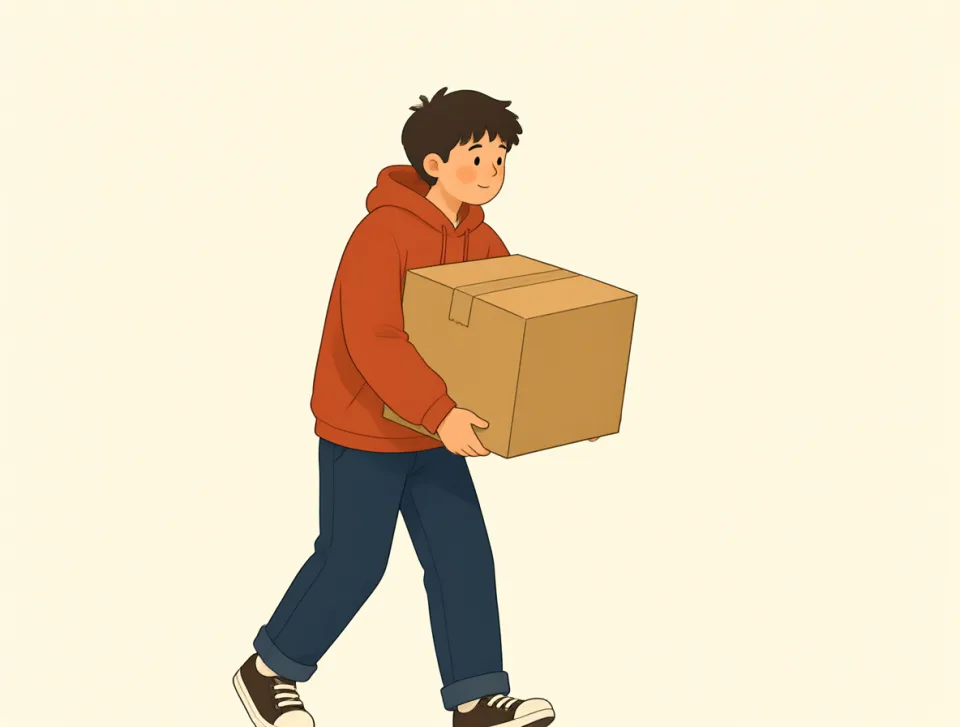
My friend helped me move the table.
Mój przyjaciel pomógł mi przestawić stół.
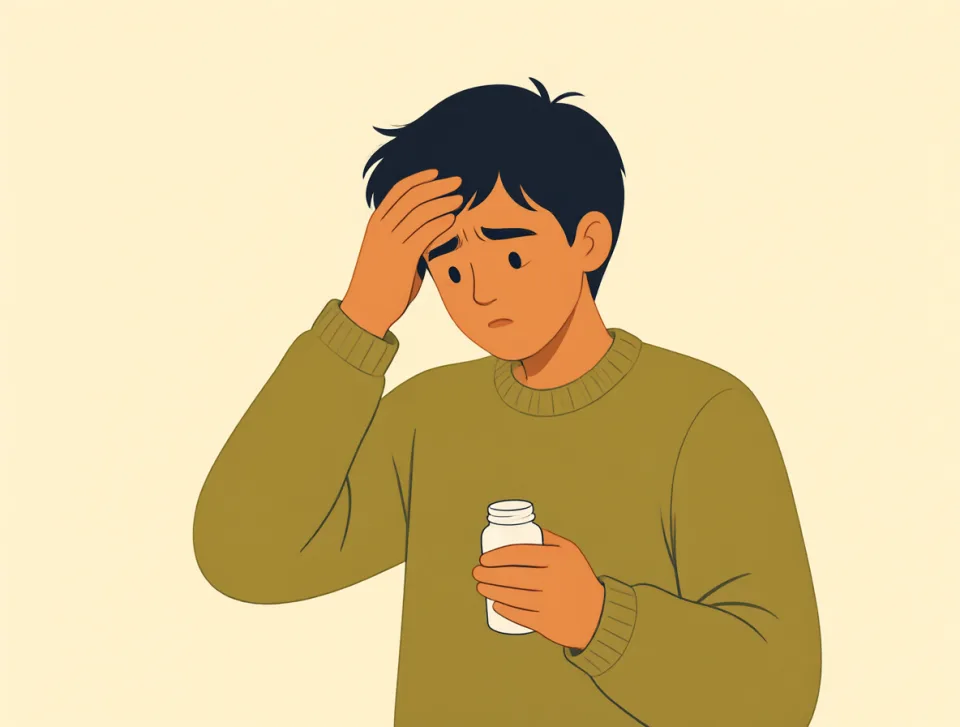
This medicine will help your headache.
Ten lek pomoże na ból głowy.
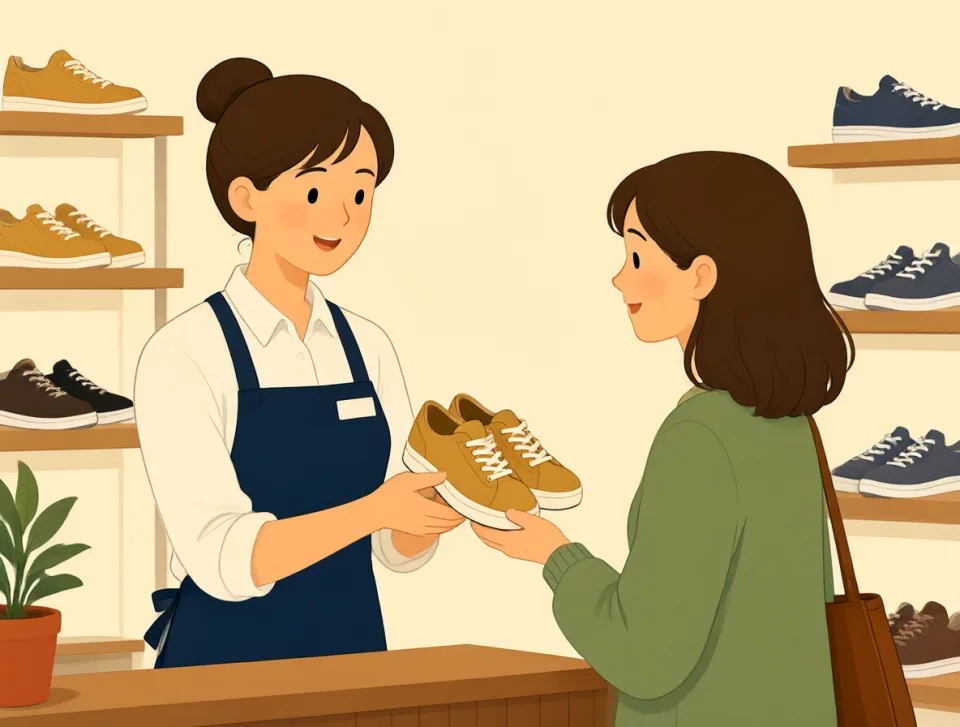
The shop assistant helped me find shoes.
Sprzedawca pomógł mi znaleźć buty.
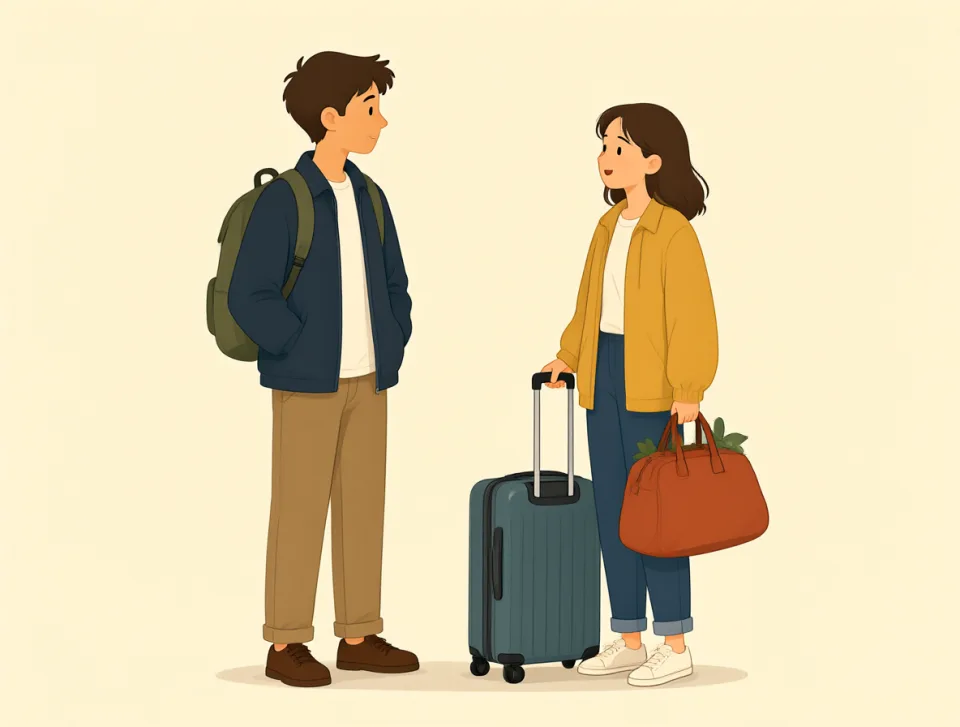
Could you help me carry my bags?
Czy mógłby mi pan pomóc nieść torby?
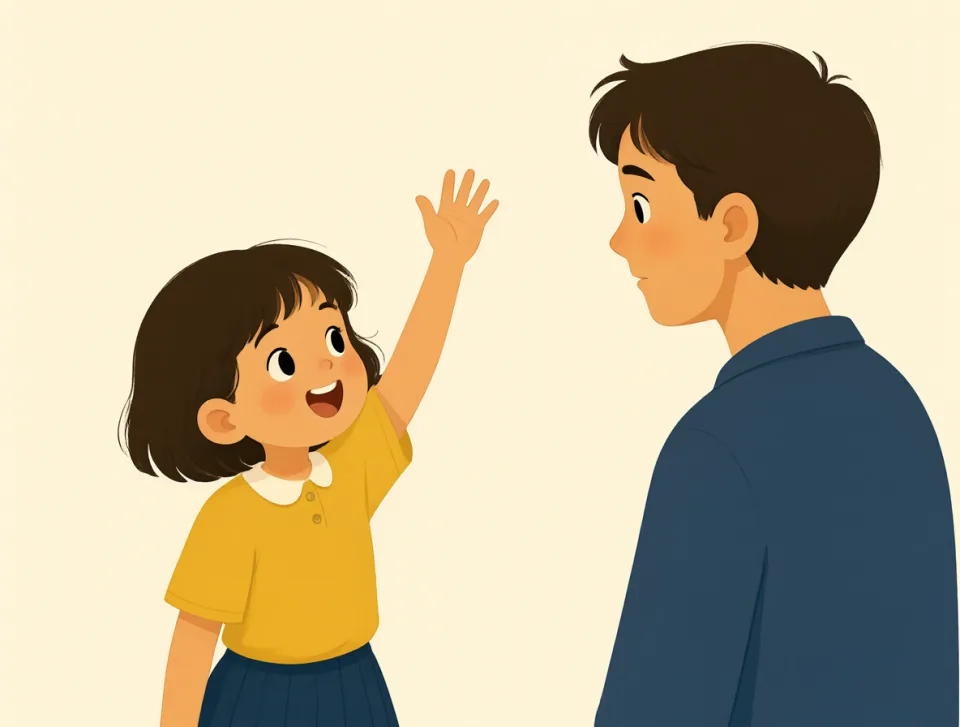
ask
#134verb, noun
pytać
To say something because you want information, help, or permission.
Mówić coś, bo chce się uzyskać informację, pomoc lub pozwolenie.
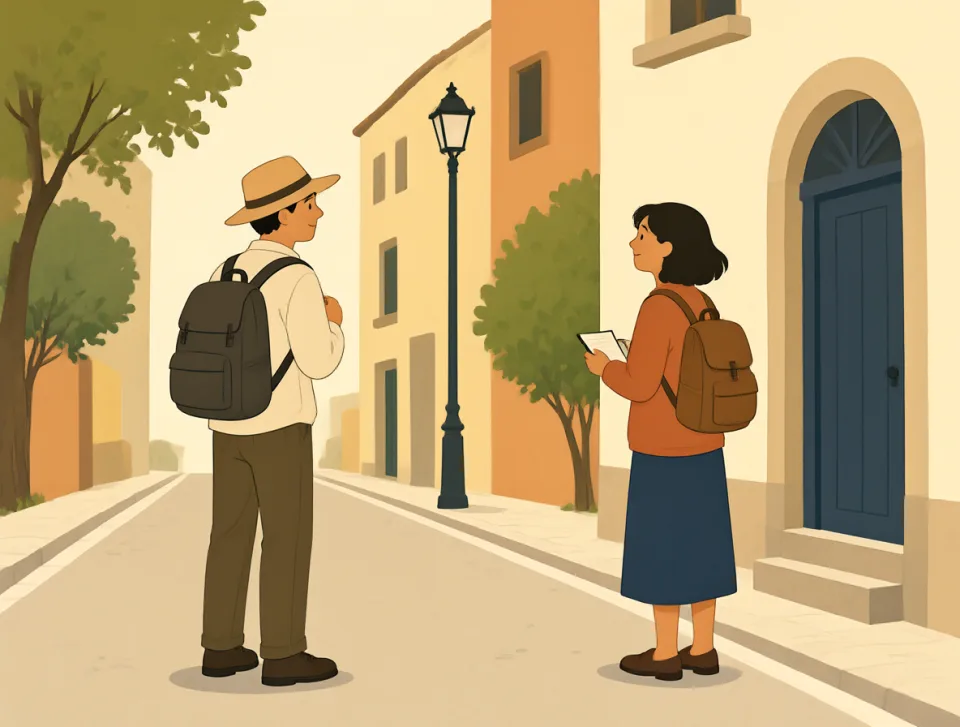
I asked him for directions.
Zapytałem go o drogę.
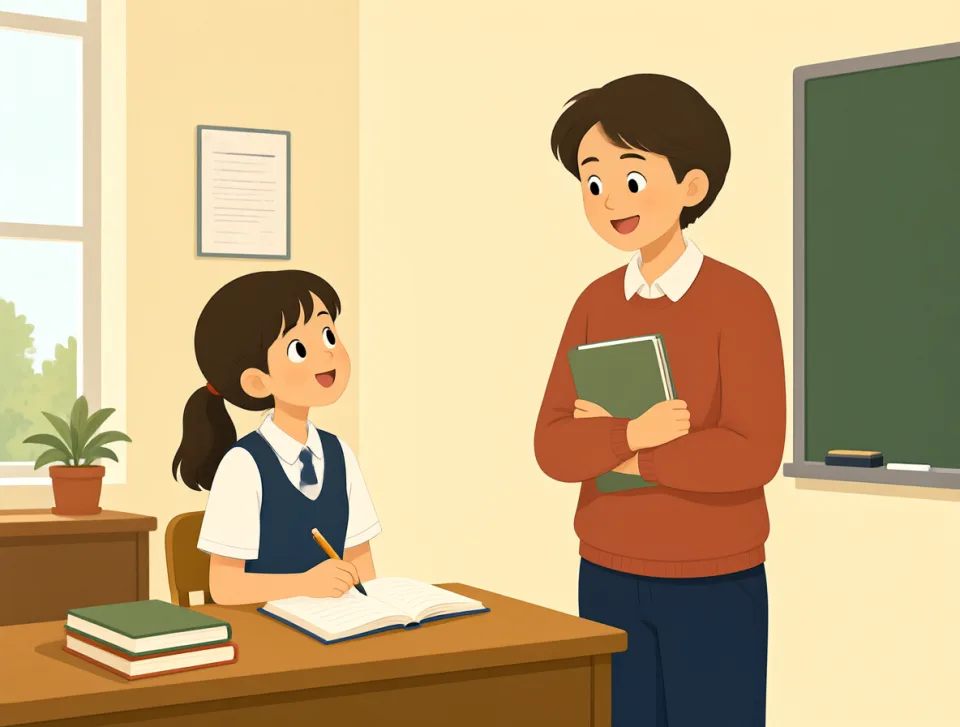
Please ask your teacher for help.
Poproś nauczyciela o pomoc.
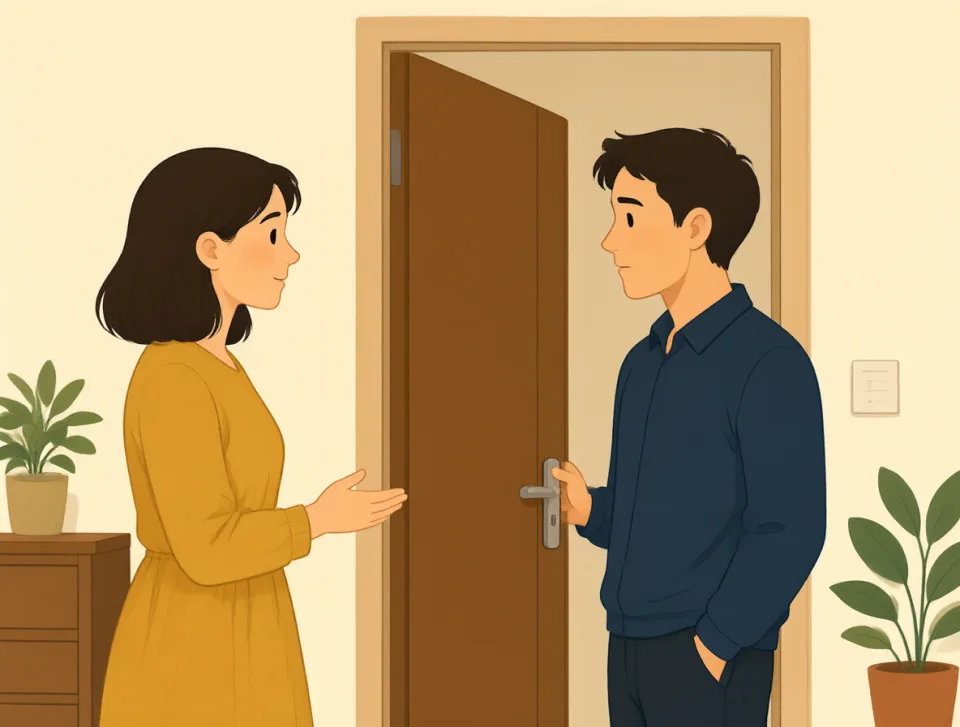
She asked me to close the door.
Poprosiła mnie, żebym zamknął drzwi.
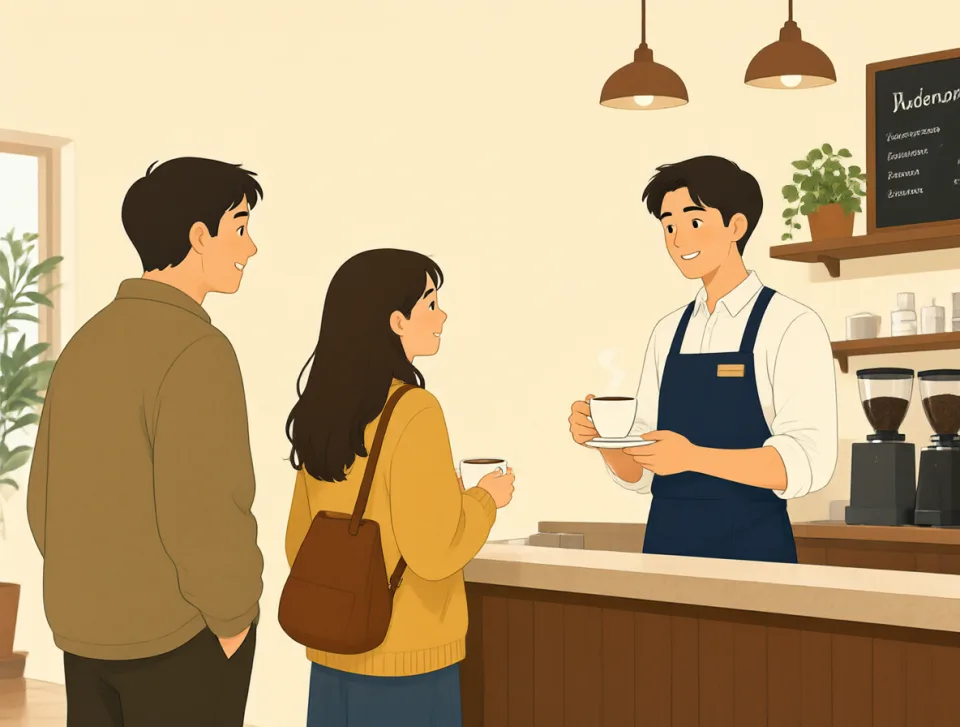
We asked for two coffees.
Poprosiliśmy o dwie kawy.
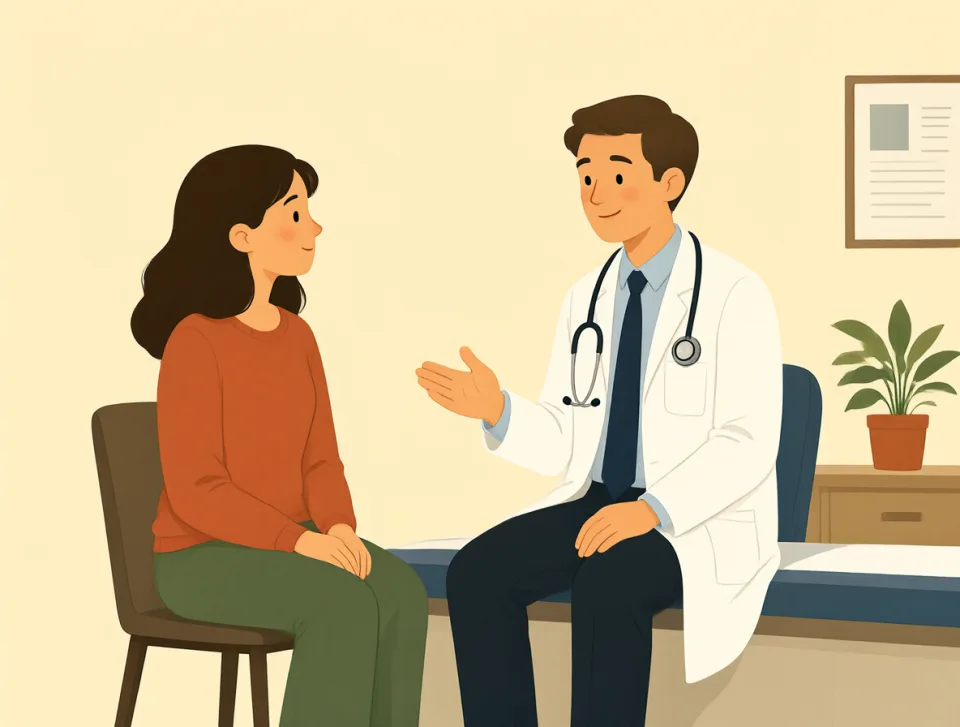
The doctor asked about my pain.
Lekarz zapytał o mój ból.
meet
#135verb
spotykać się; poznać
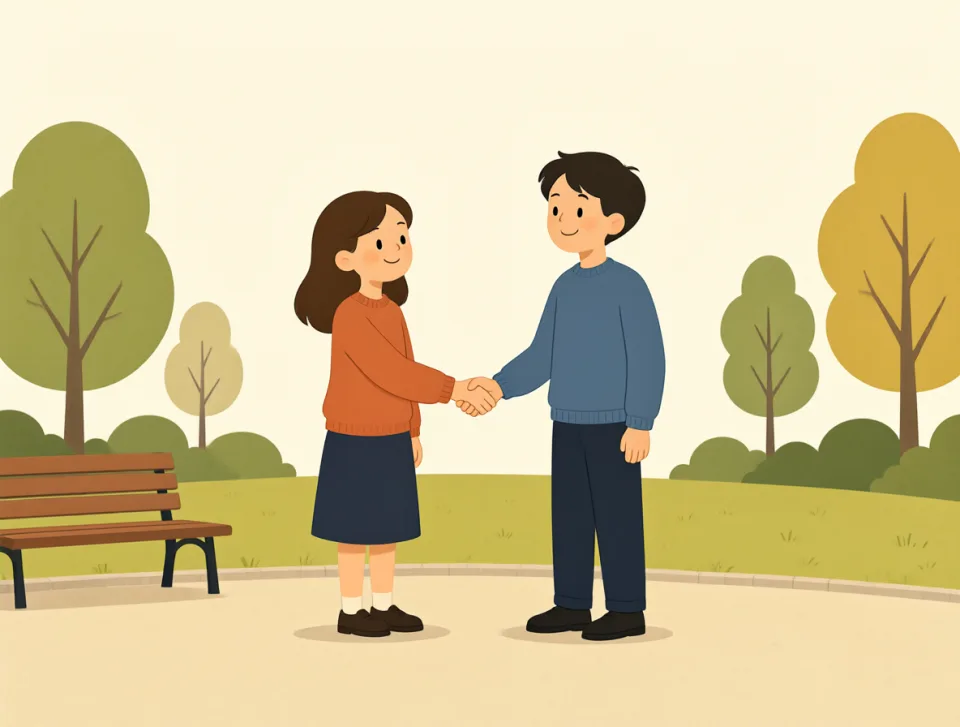
to see and talk to someone for the first time or at an arranged time
Spotkać się z kimś i porozmawiać z nim po raz pierwszy albo o umówionej porze.
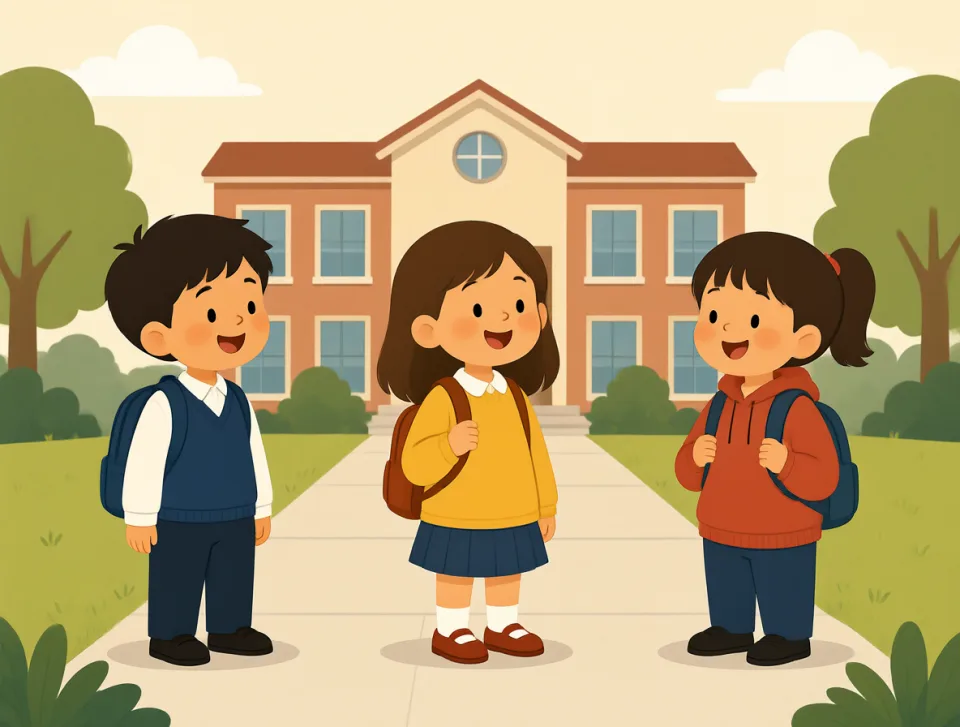
I meet my friends after school.
Spotykam się ze znajomymi po szkole.
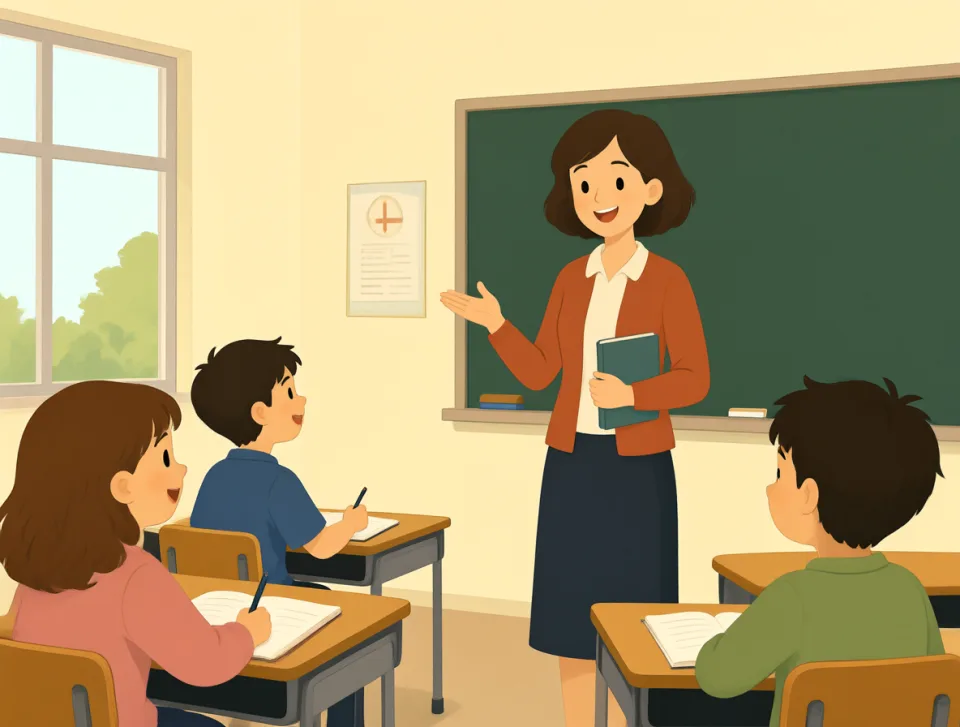
We met our new teacher yesterday.
Wczoraj poznaliśmy naszego nowego nauczyciela.
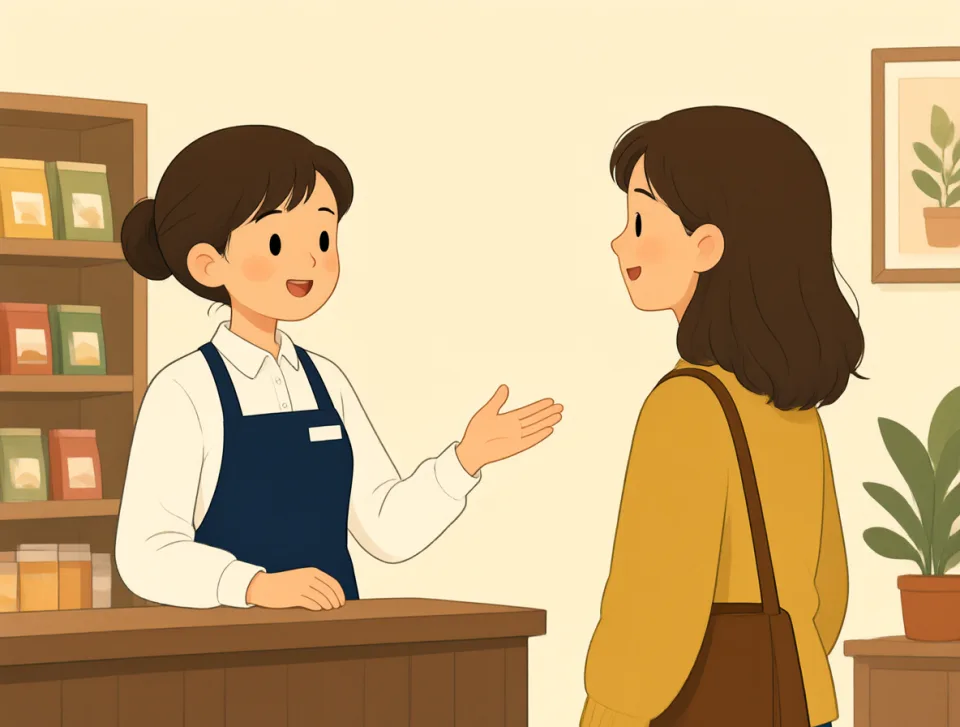
She meets customers at the shop.
Spotyka się z klientami w sklepie.
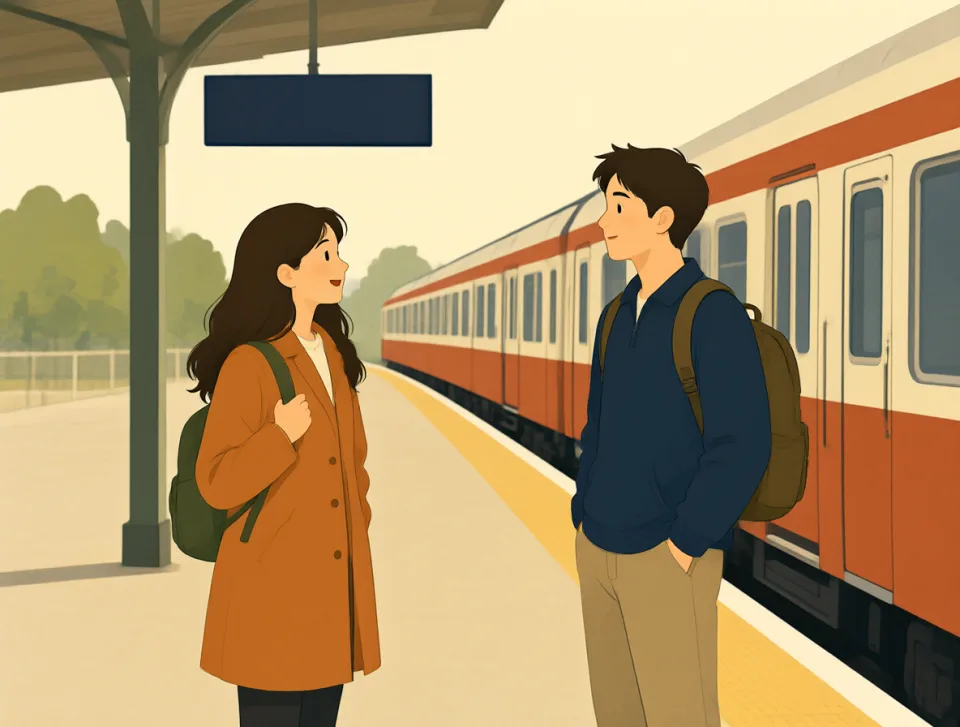
They are meeting at the station.
Spotykają się na dworcu.
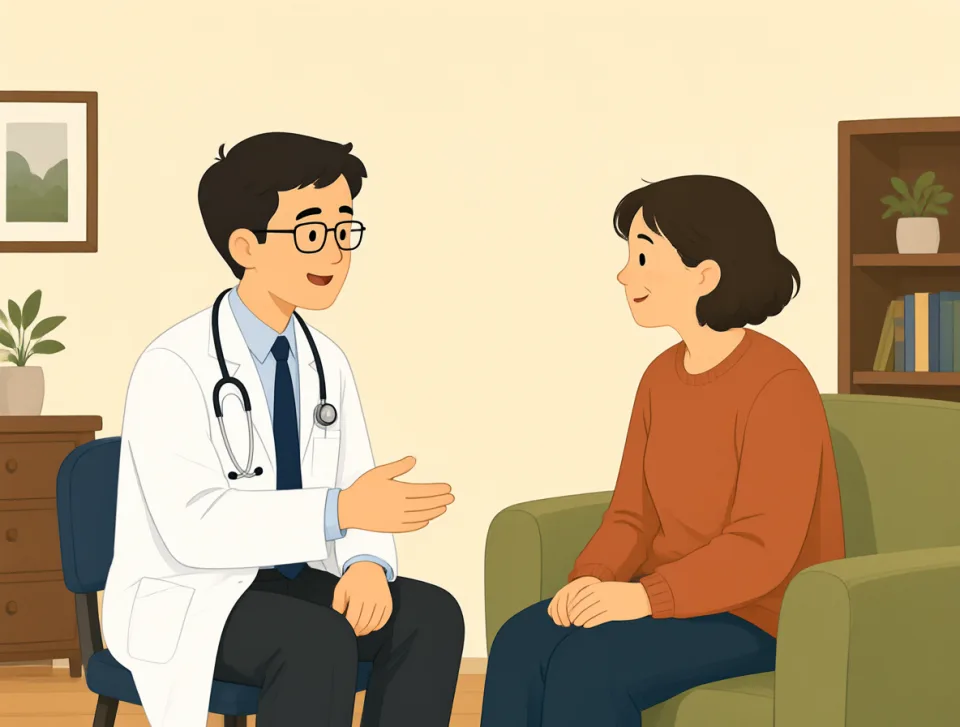
The doctor met the patient at home.
Lekarz odwiedził pacjenta w domu.
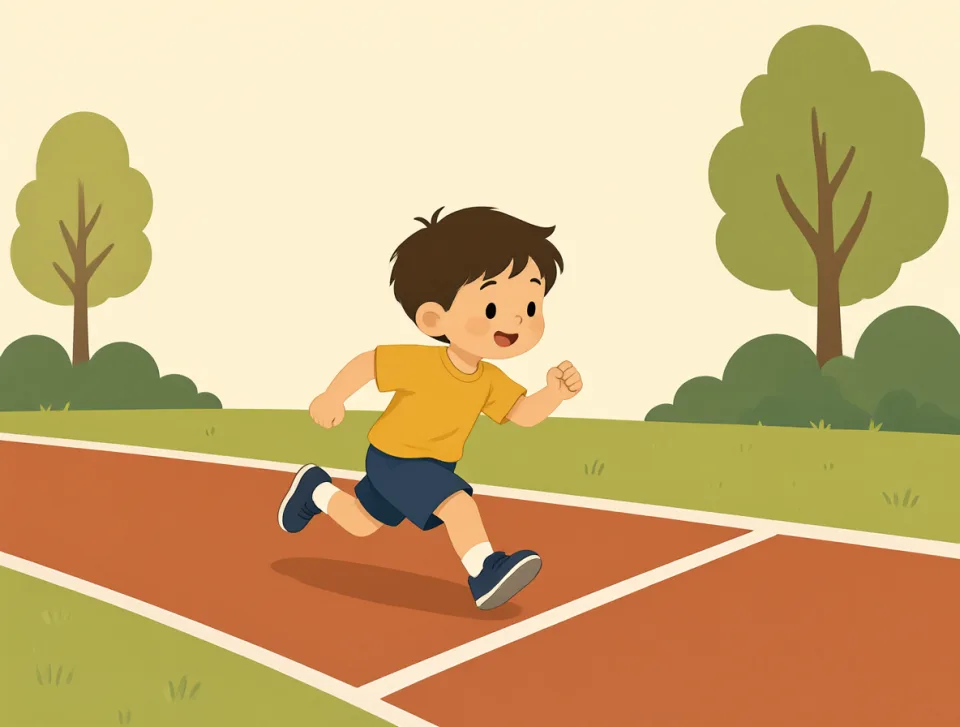
start
#136verb, noun
zaczynać
to begin doing something or to begin happening; the beginning of something
zaczynać coś robić lub zaczynać się; początek czegoś
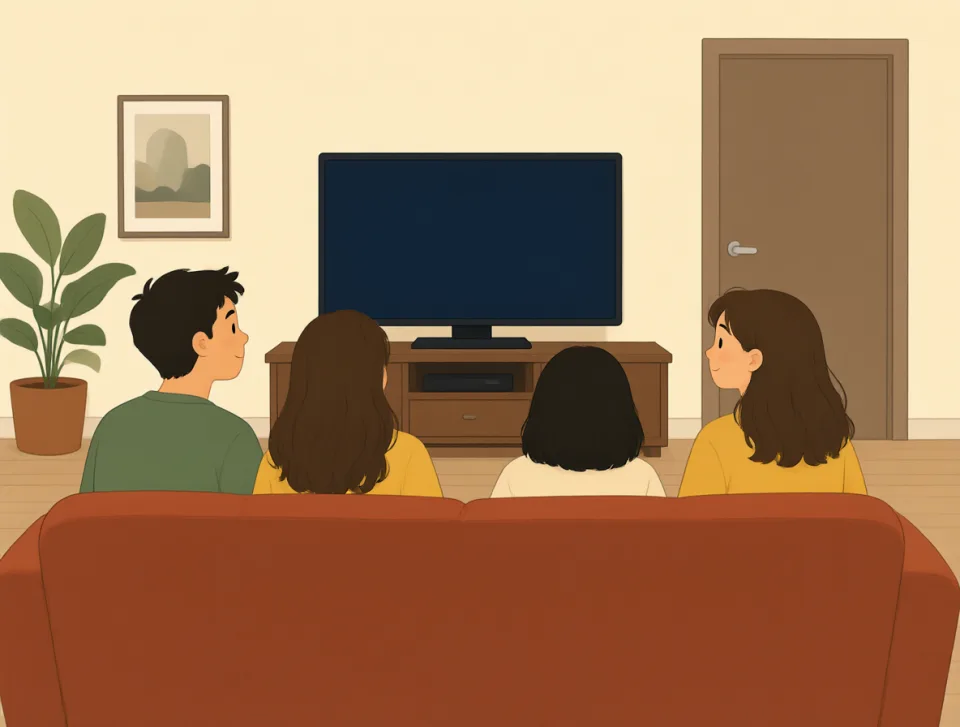
The movie starts at eight o’clock.
Film zaczyna się o ósmej.
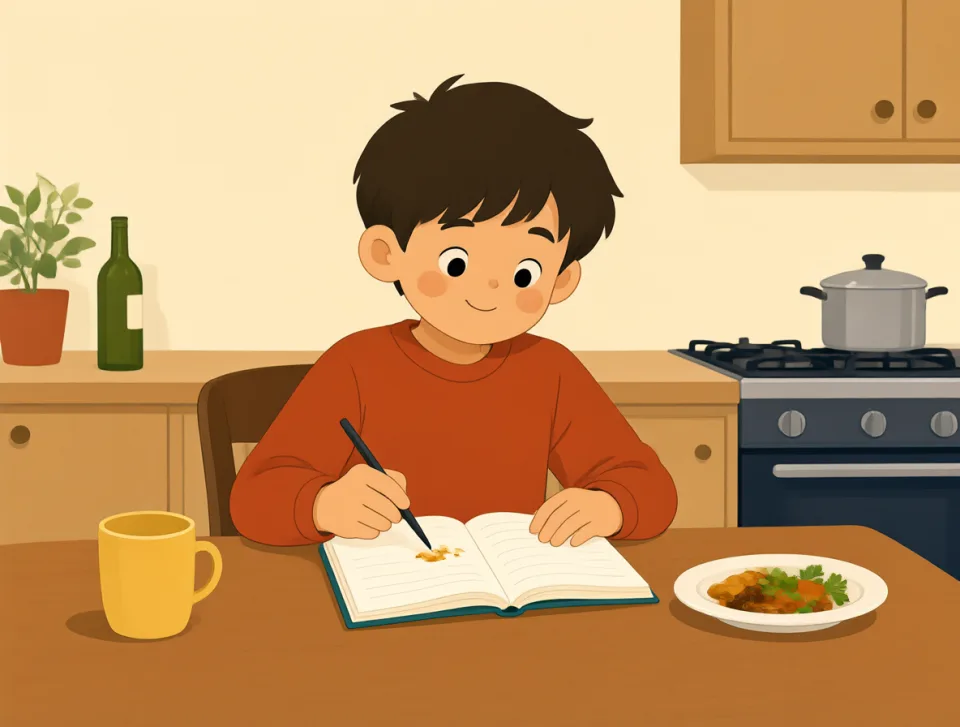
Please start your homework after dinner.
Proszę, zacznij odrabiać lekcje po kolacji.
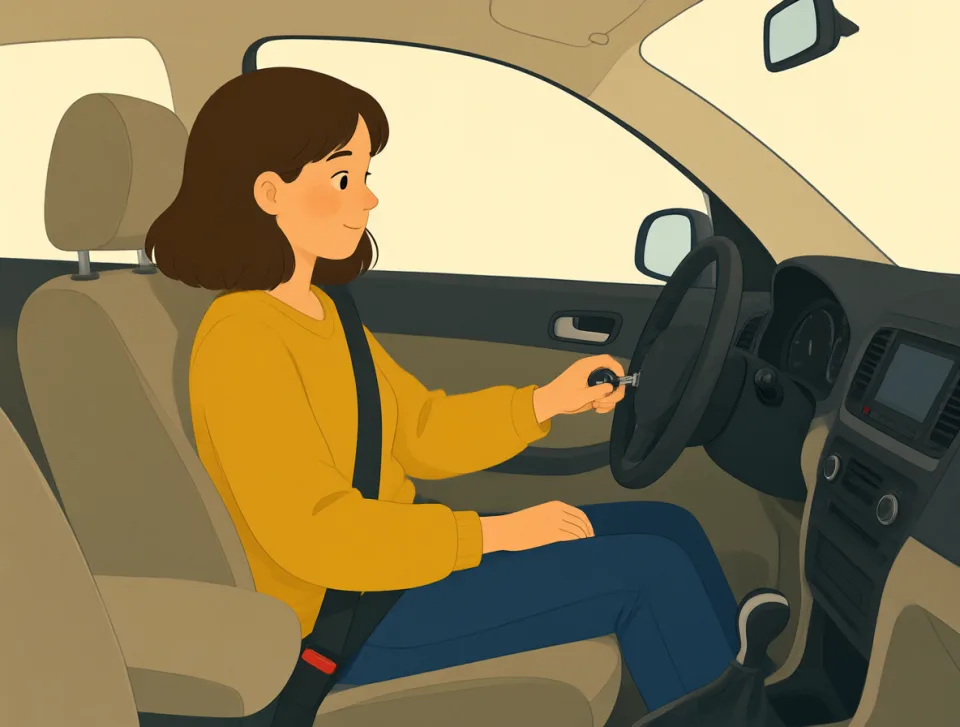
She started the car and drove away.
Uruchomiła samochód i odjechała.
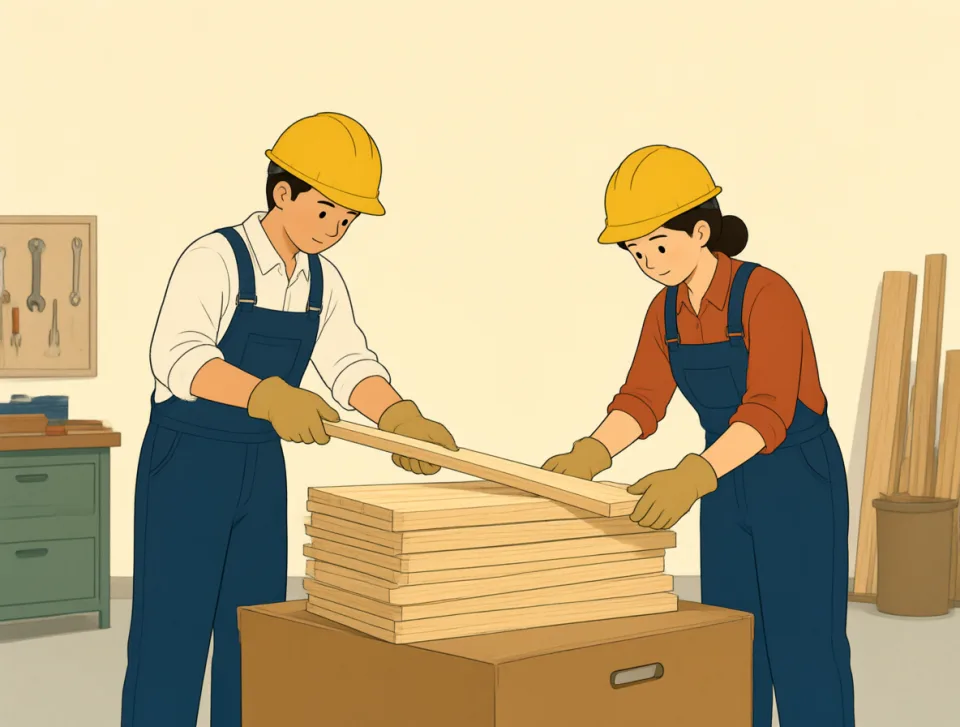
We started work early this morning.
Dziś rano zaczęliśmy pracę wcześnie.
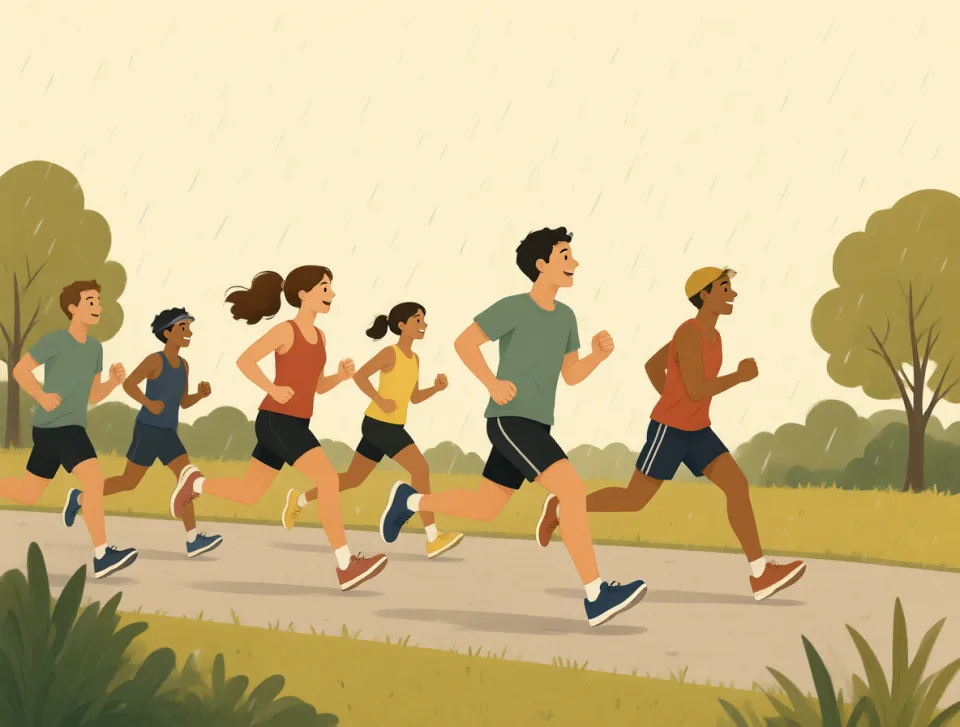
The race started in the rain.
Wyścig rozpoczął się w deszczu.
talk
#137noun, verb
rozmawiać; rozmowa
to speak with someone about something; a conversation between people
rozmawiać z kimś na jakiś temat; rozmowa między ludźmi
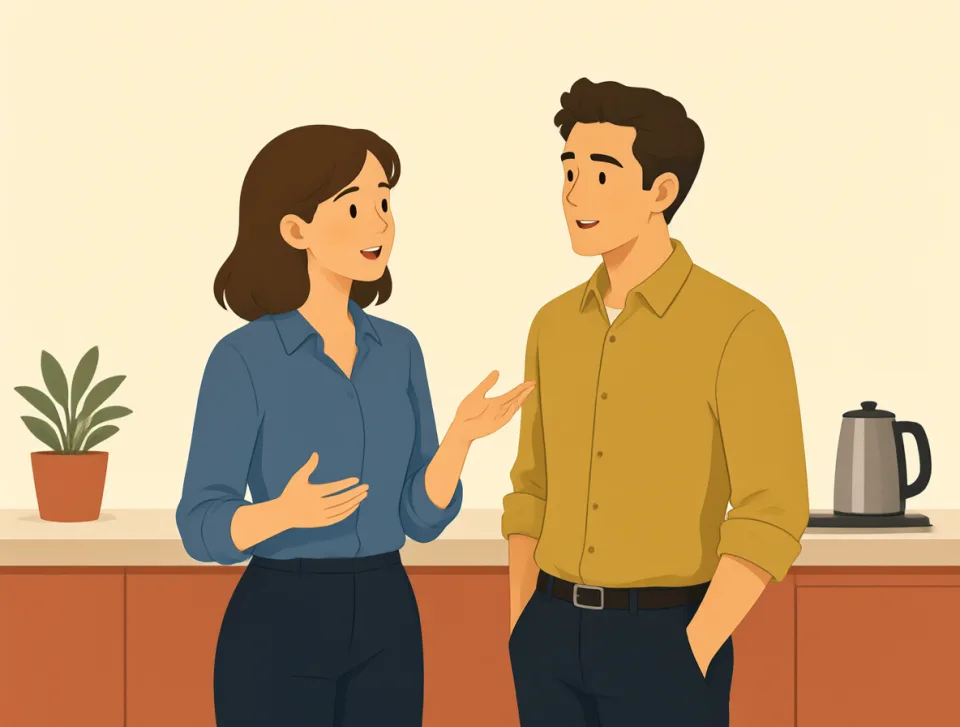
Can I talk to you after lunch?
Mogę z tobą porozmawiać po lunchu?
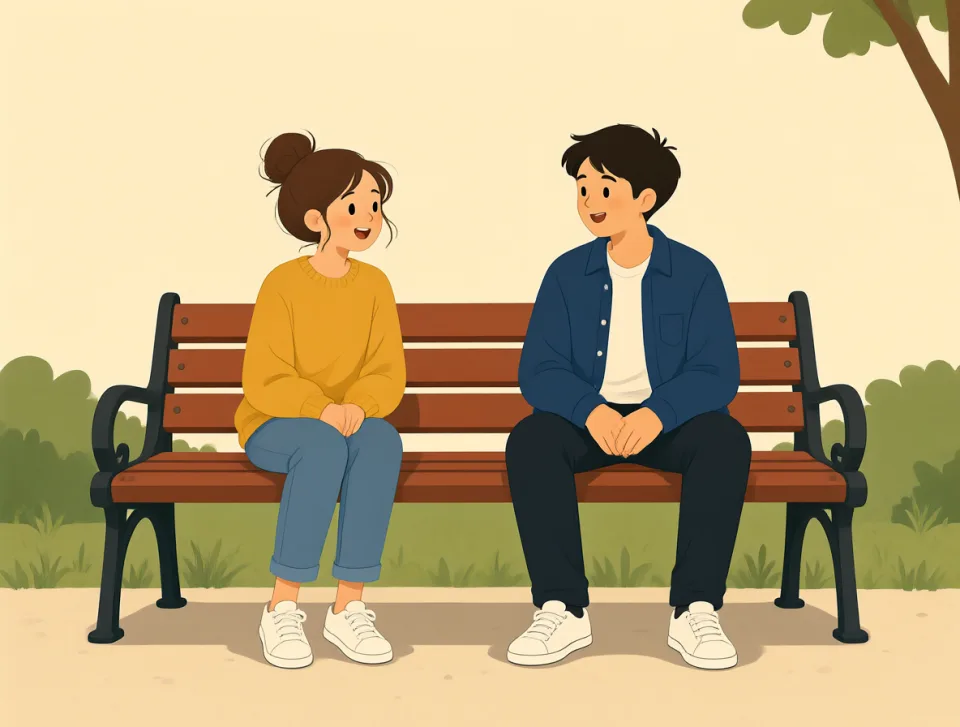
We talked about our plans for the weekend.
Rozmawialiśmy o naszych planach na weekend.
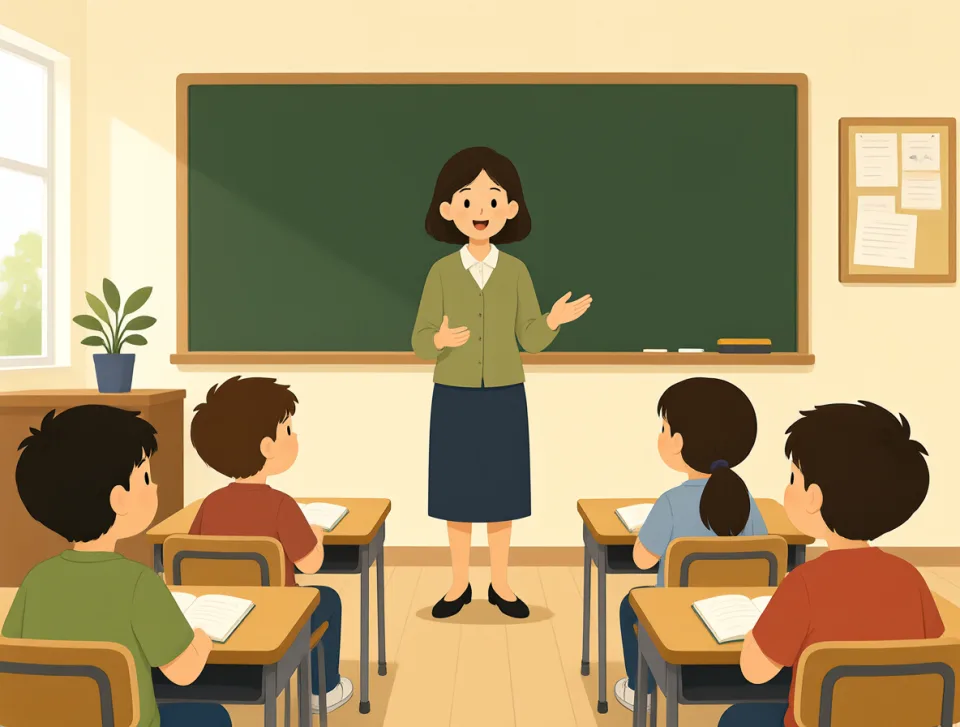
The teacher is talking to the students.
Nauczyciel rozmawia z uczniami.
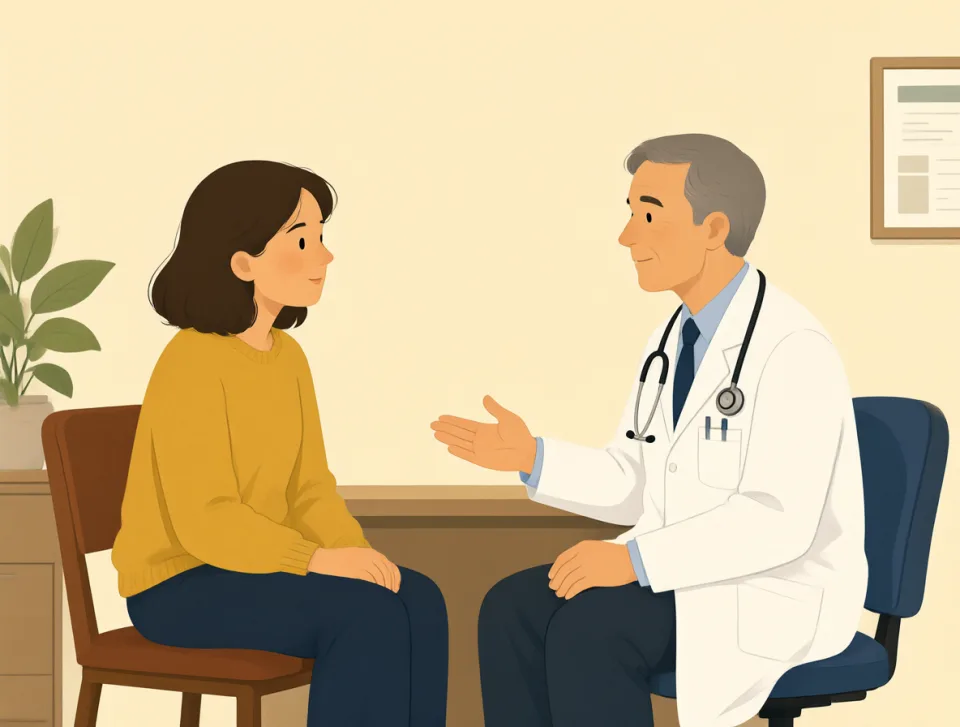
I need to talk to the doctor today.
Muszę dziś porozmawiać z lekarzem.
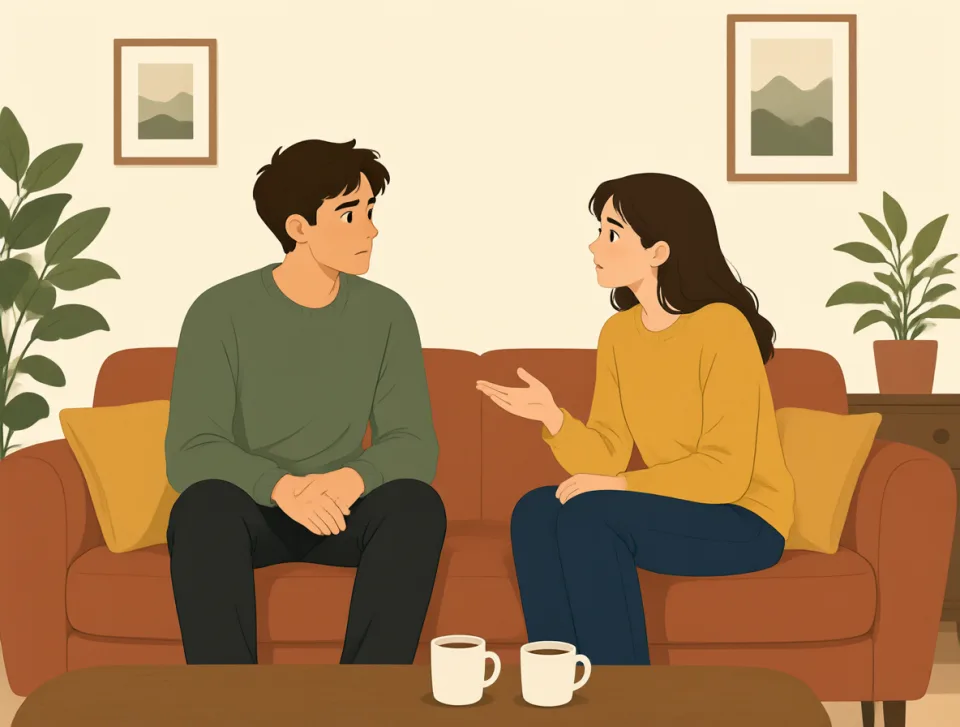
They had a long talk about the problem.
Długo rozmawiali o tym problemie.
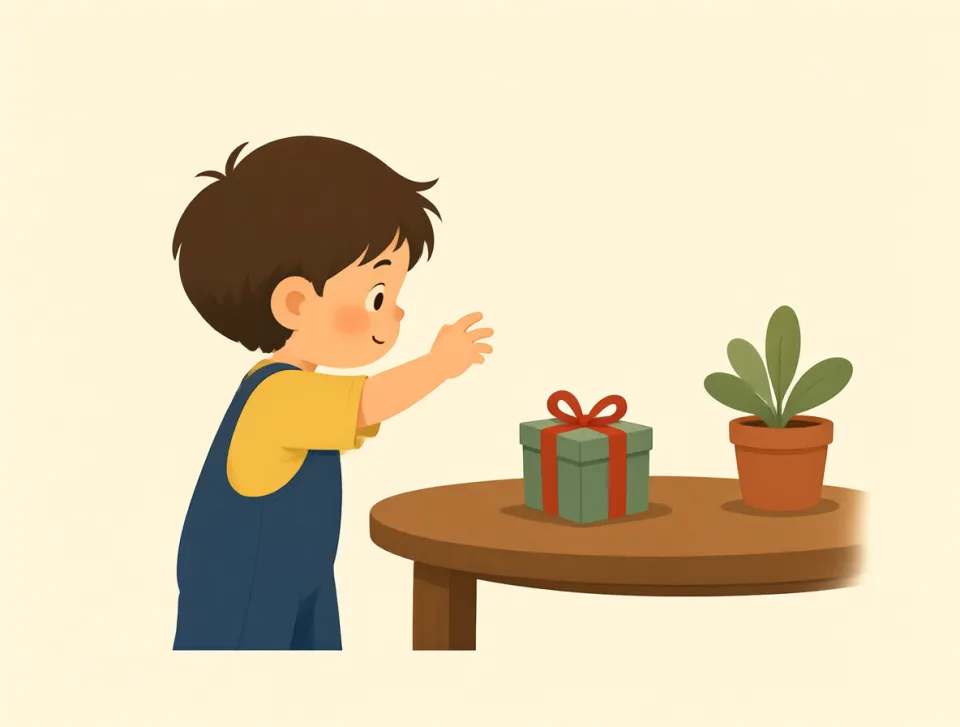
something
#138pronoun, determiner
coś
An unknown or unnamed thing, or a thing that is not clearly described.
Nieznana lub nienazwana rzecz albo rzecz, która nie została jasno opisana.
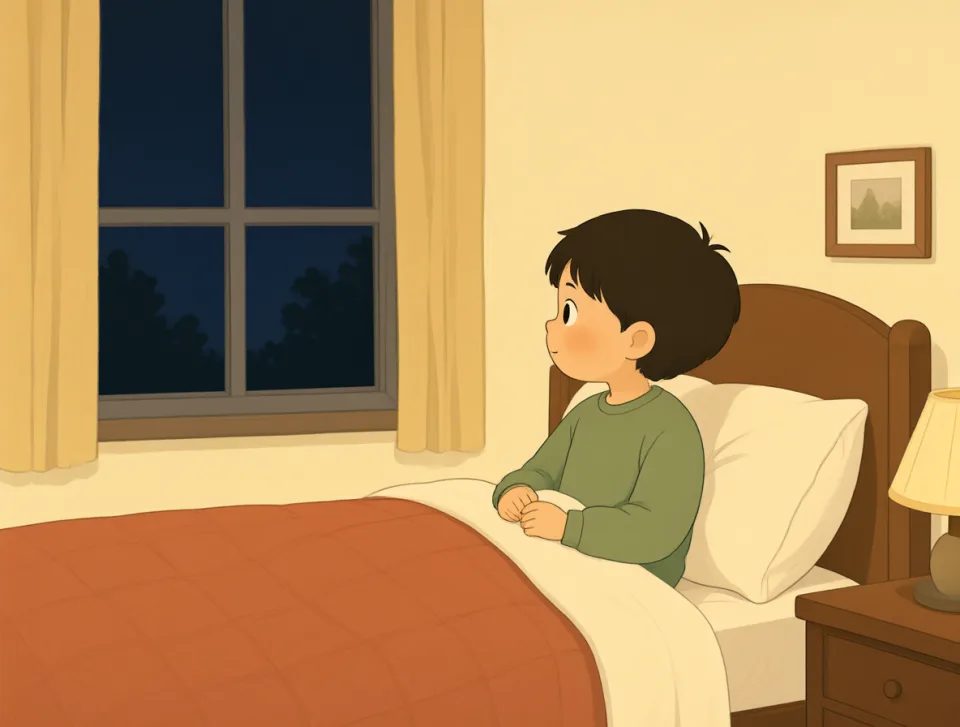
I heard something outside last night.
Wczoraj wieczorem słyszałem coś na zewnątrz.
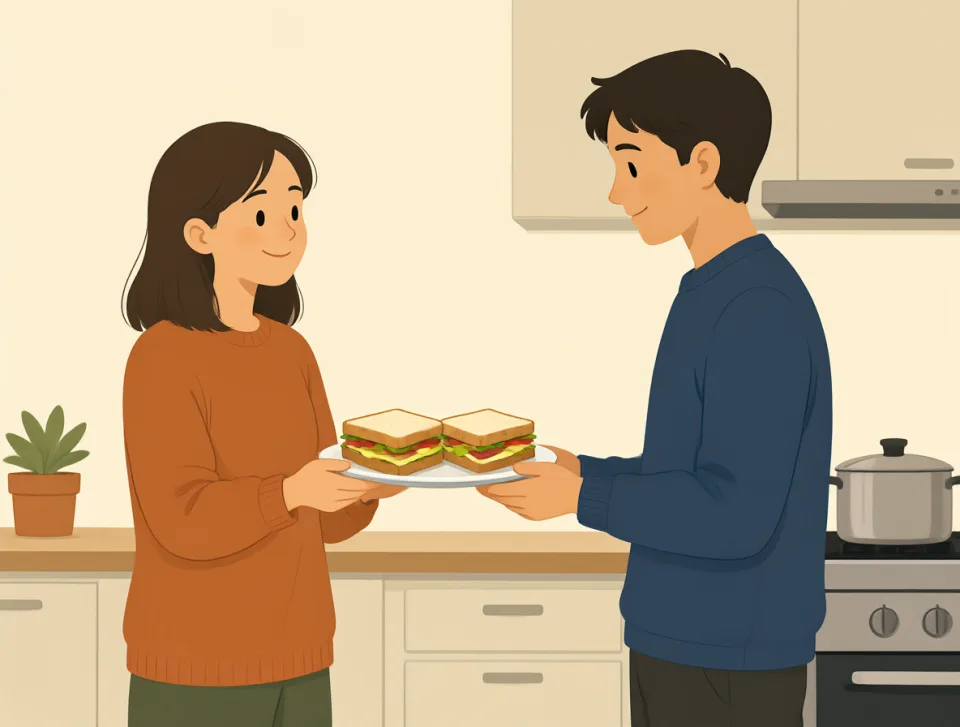
Would you like something to eat?
Masz ochotę coś zjeść?
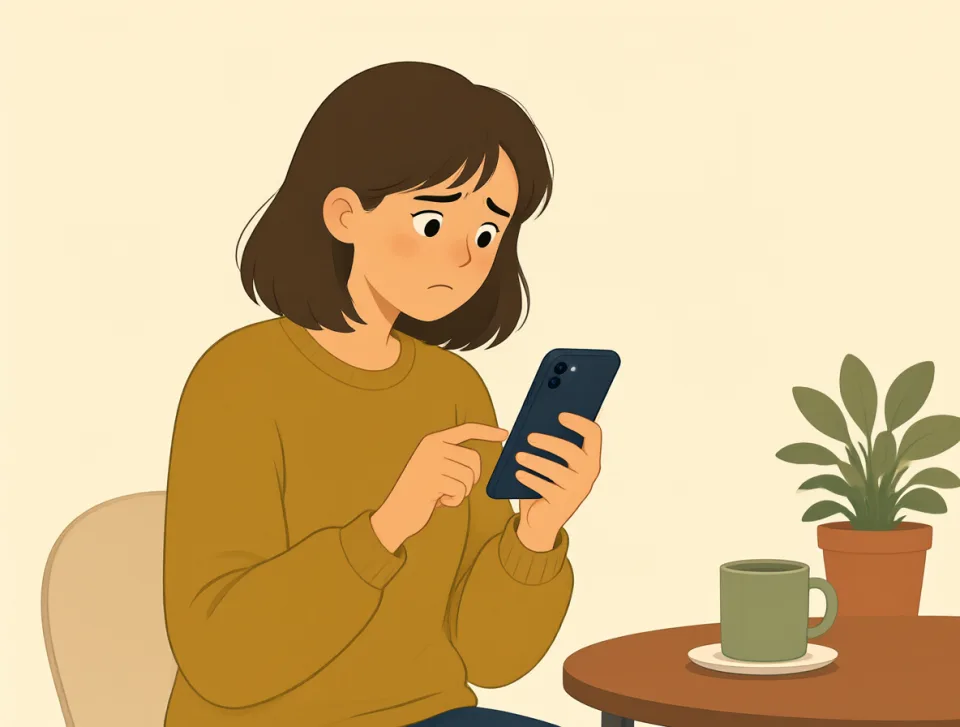
Something is wrong with my phone.
Z moim telefonem jest coś nie tak.
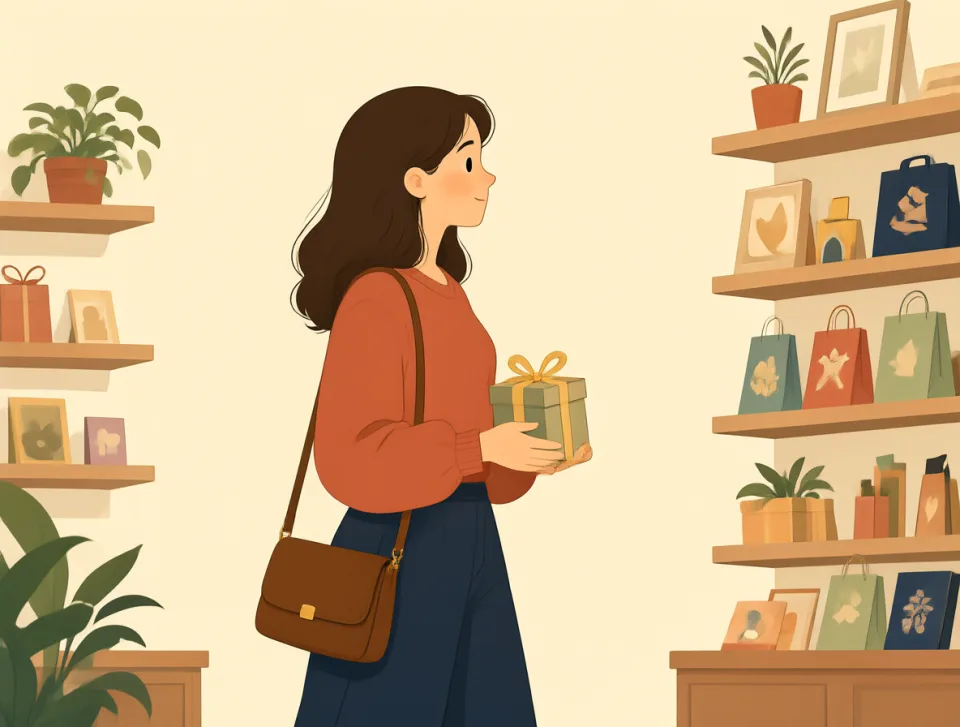
She bought something nice for her mother.
Kupiła mamie coś ładnego.
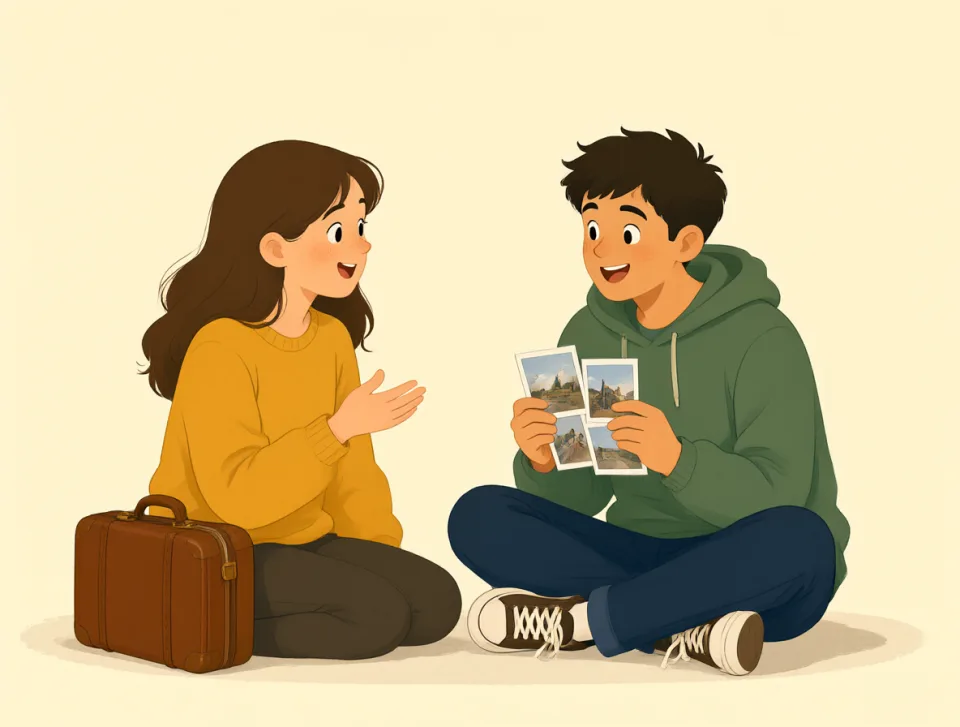
Tell me something about your trip.
Opowiedz mi coś o swojej podróży.
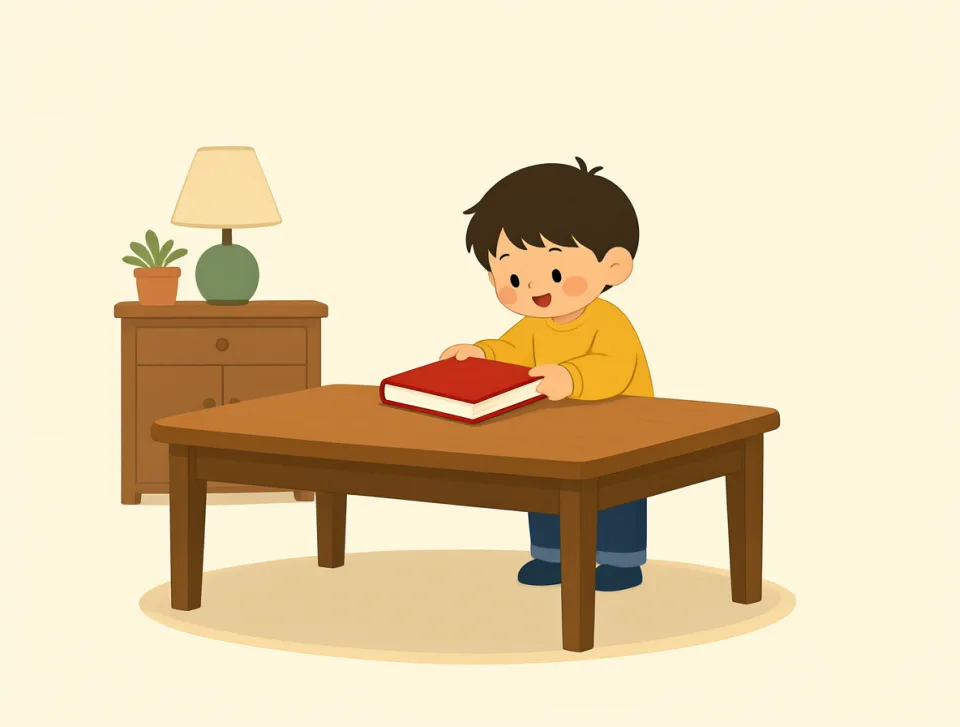
put
#139verb, noun
kłaść; umieszczać
to move something into a place or position
przenosić coś w jakieś miejsce lub ustawiać w określonej pozycji
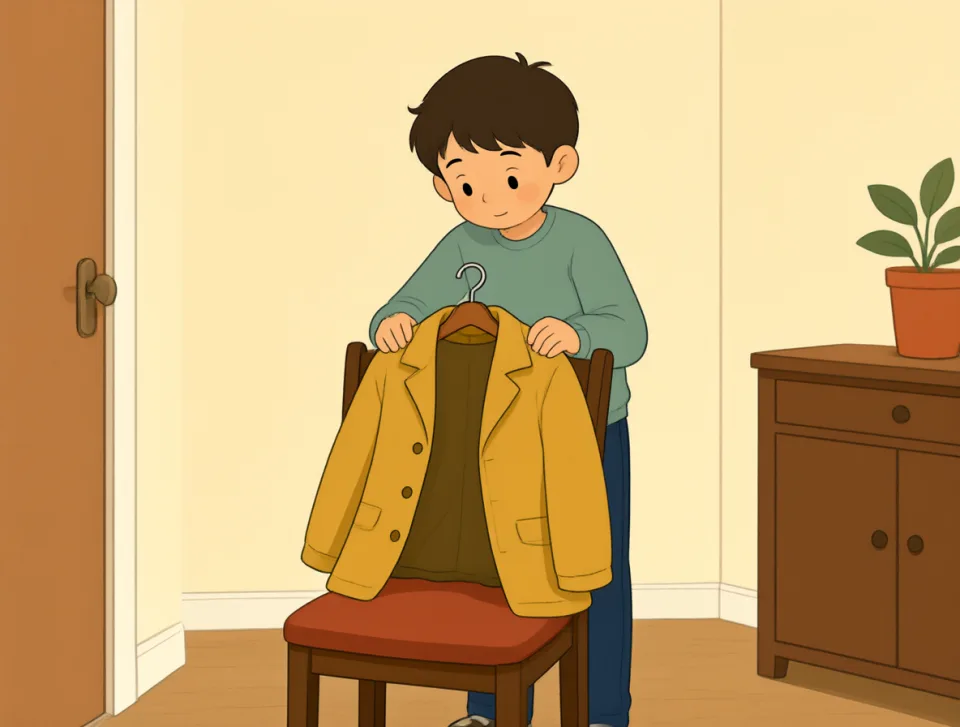
Put your coat on the chair, please.
Proszę, połóż płaszcz na krześle.
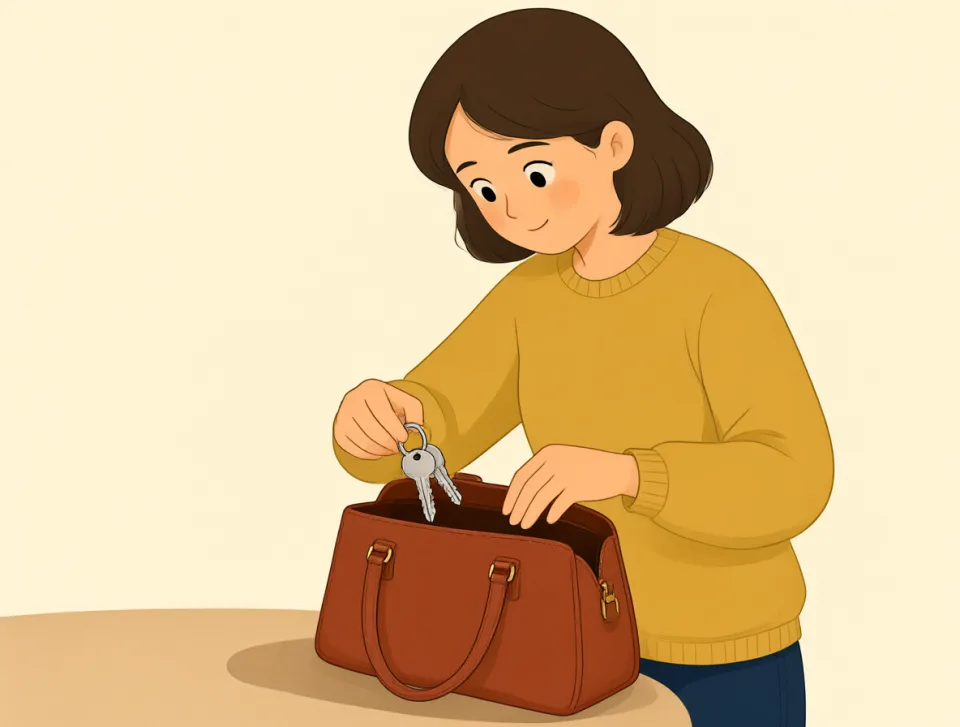
She put the keys in her bag.
Włożyła klucze do torby.
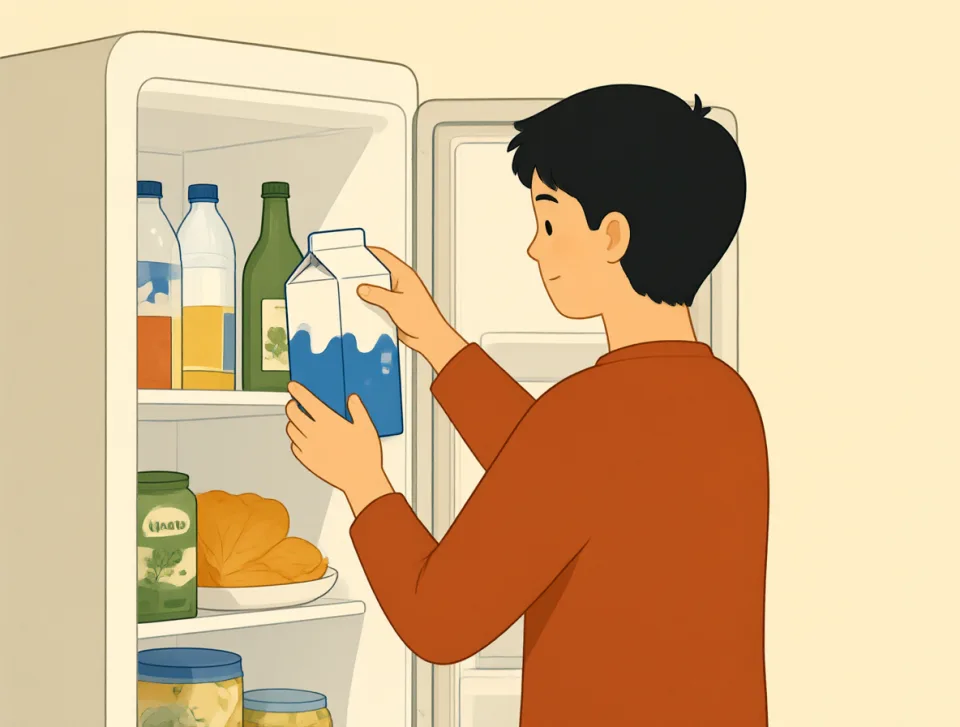
Please put the milk in the fridge.
Proszę, włóż mleko do lodówki.
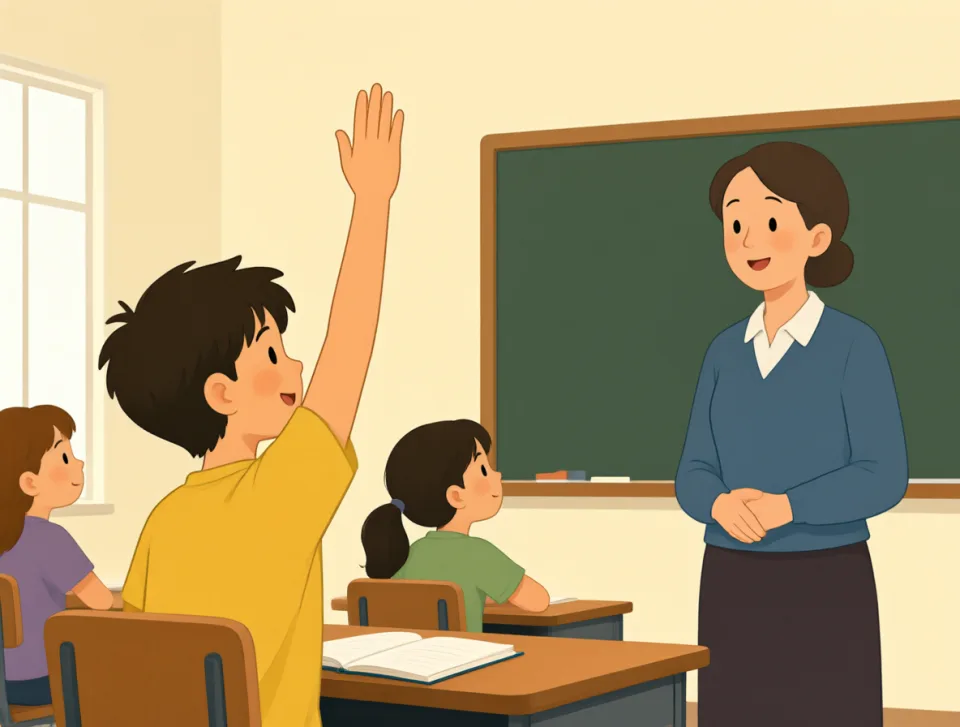
He put a question to the teacher.
Zadał nauczycielowi pytanie.
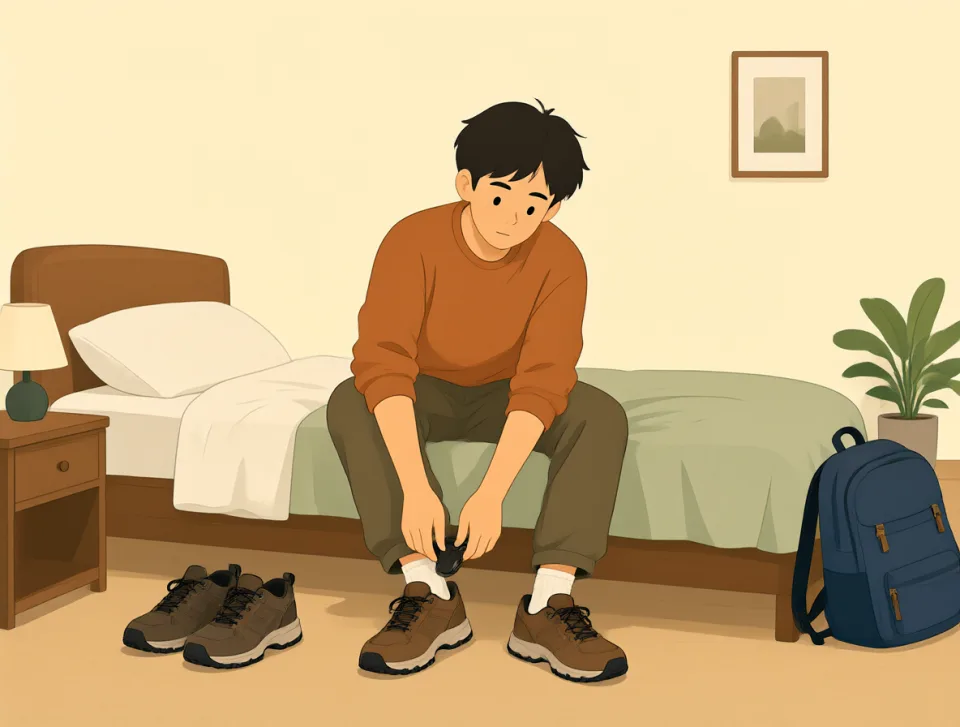
I put on my shoes before the trip.
Przed wyjazdem założyłem buty.
another
#140determiner, pronoun
inny; kolejny
one more person or thing, or a different one
jeszcze jedna osoba lub rzecz albo inna osoba lub rzecz
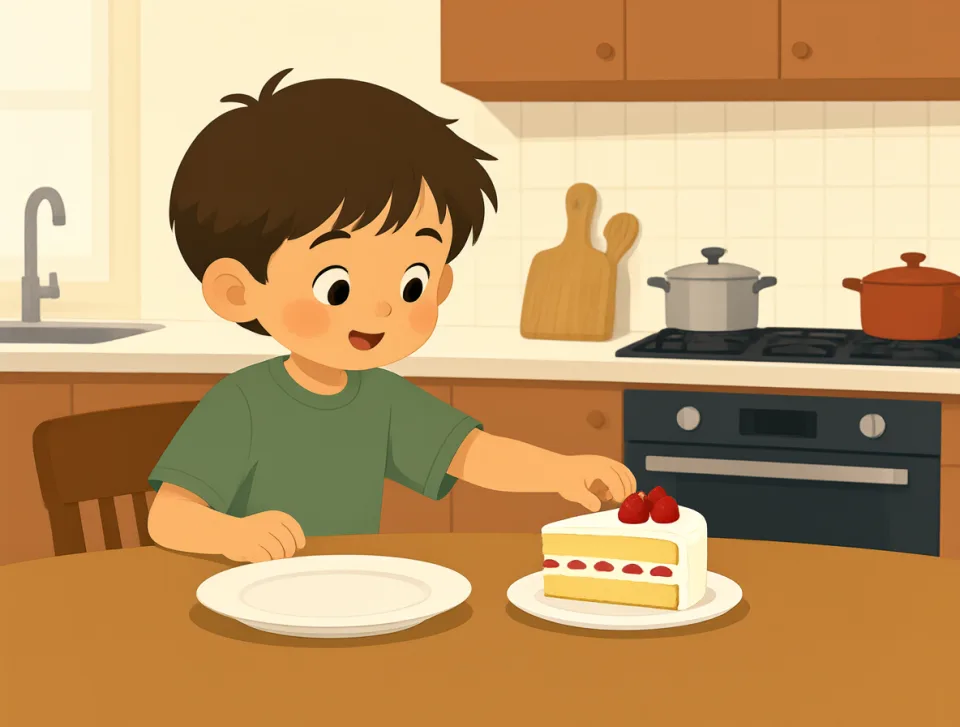
Can I have another piece of cake?
Czy mogę dostać jeszcze kawałek ciasta?
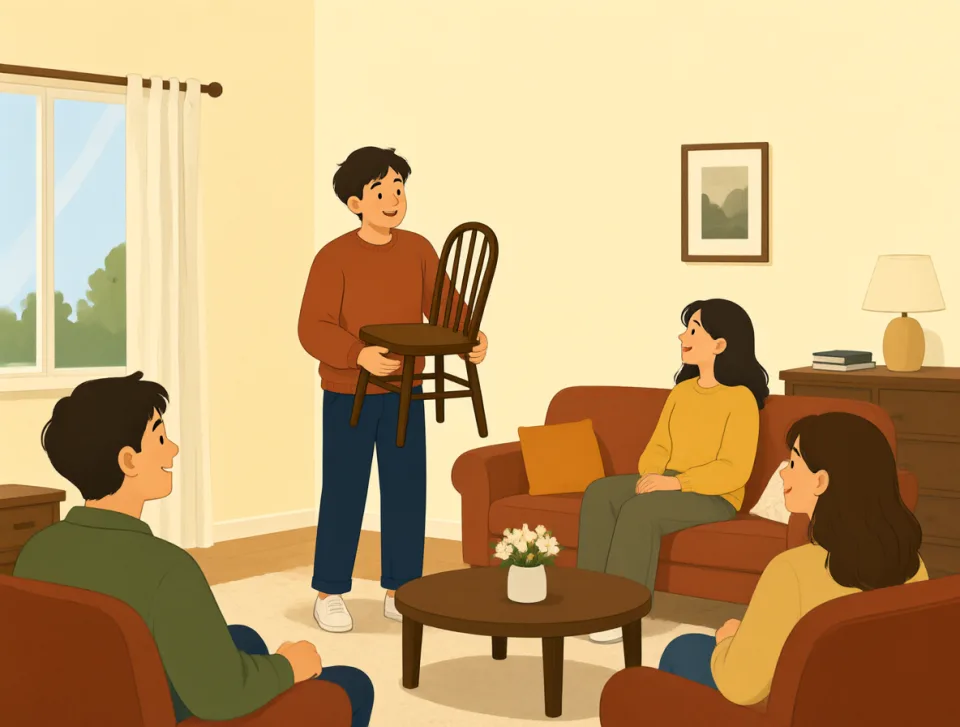
We need another chair for our guest.
Potrzebujemy jeszcze jednego krzesła dla naszego gościa.
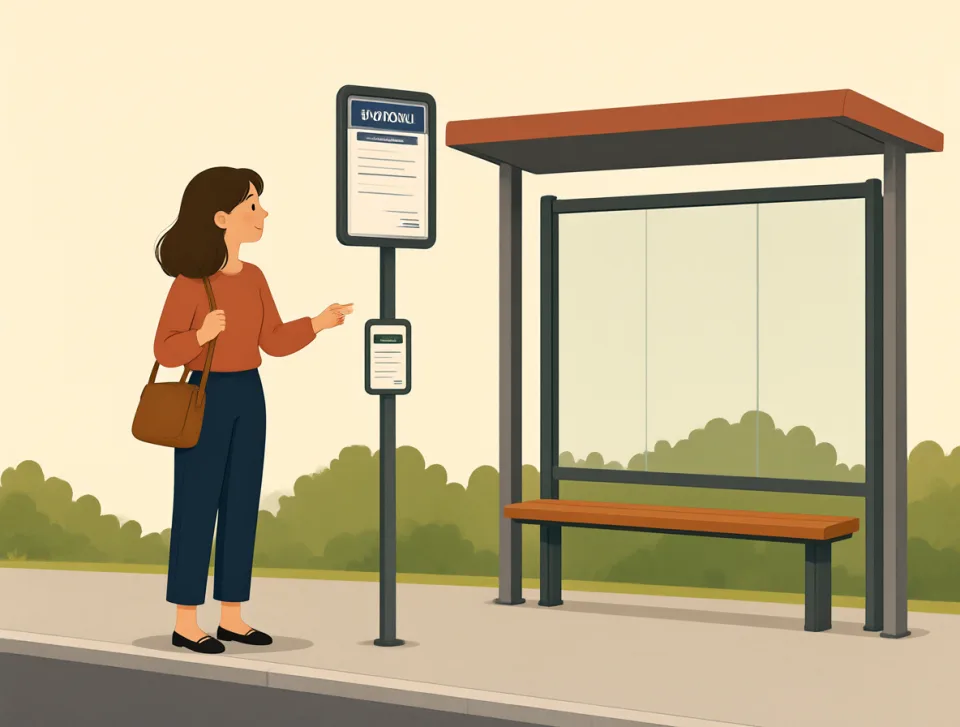
She chose another bus to the airport.
Wybrała inny autobus na lotnisko.
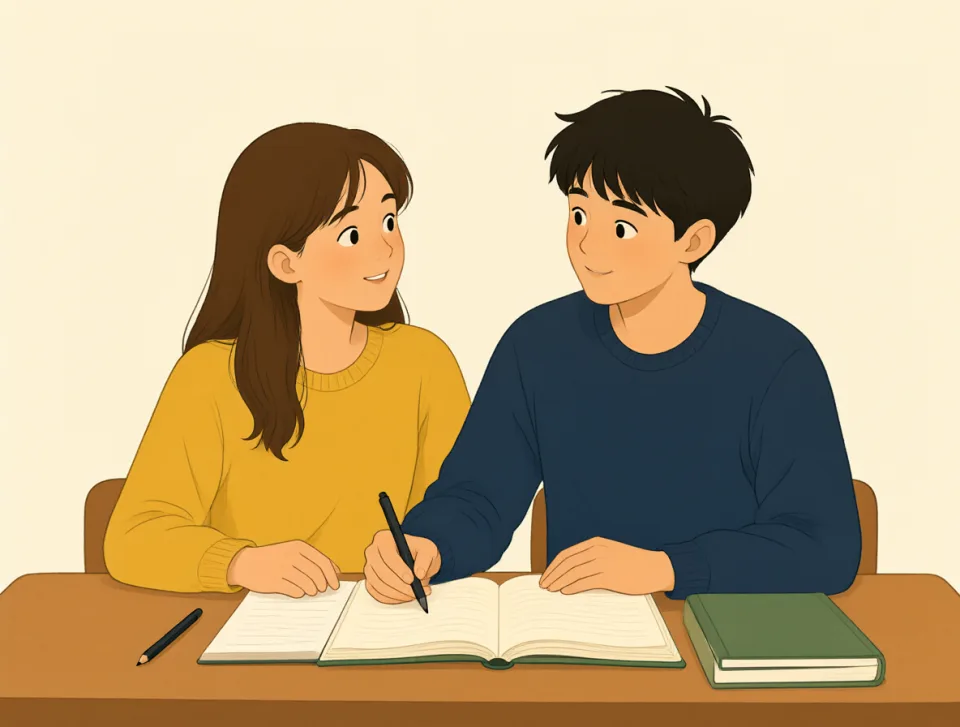
One student helped another with homework.
Jeden uczeń pomógł drugiemu w odrabianiu lekcji.
Please give me another chance tomorrow.
Proszę, daj mi jutro jeszcze jedną szansę.