單元 1
單字 1–20 · the, be, and, of, to, a

the
#1determiner
這;那;該
Used before a noun to show that it is known, specific, or the only one.
用於名詞前,表示所指的人或事物是已知的、特定的,或獨一無二的。
The keys are on the kitchen table.
鑰匙在廚房的桌子上。
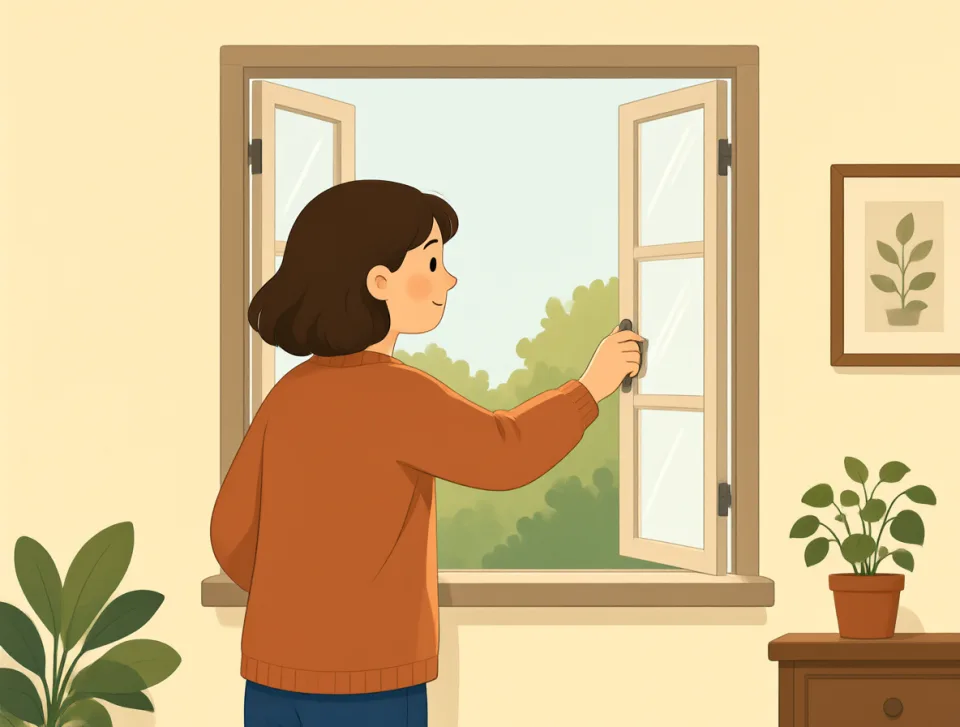
Please close the window before you leave.
你離開前請把窗戶關上。
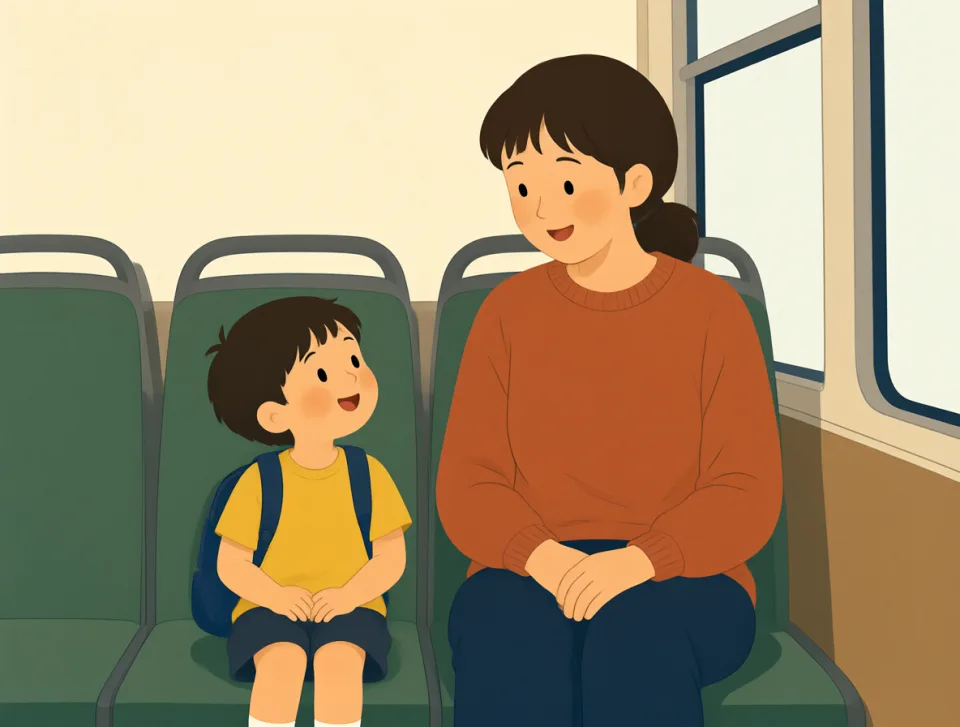
We took the bus to school this morning.
今天早上我們坐公交車去學校。
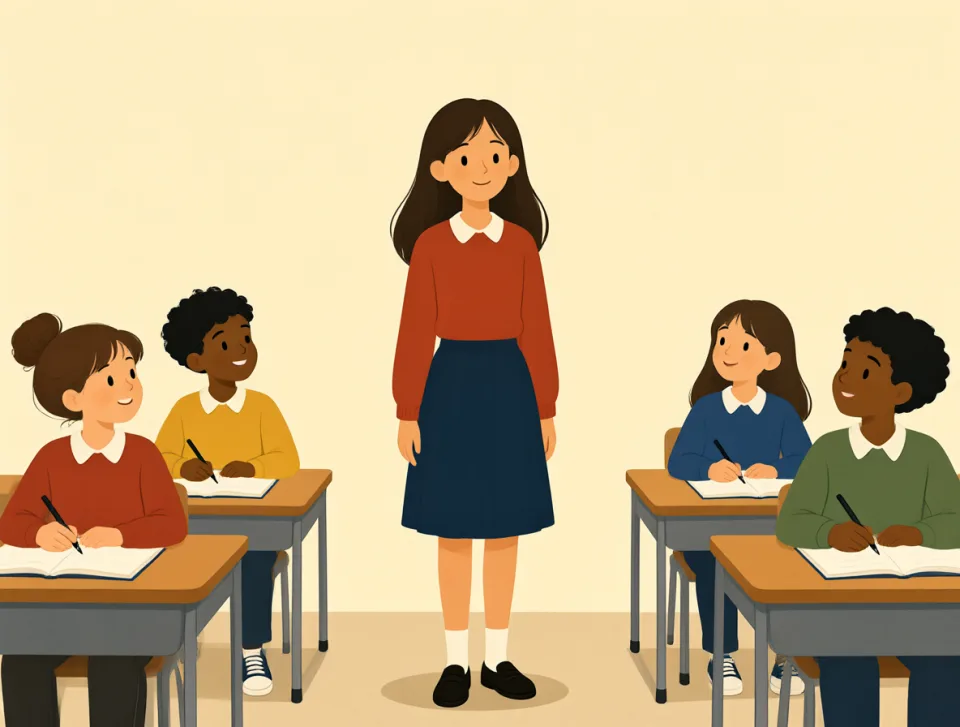
She is the tallest girl in her class.
她是班上最高的女孩。

The sun is shining, so let's eat outside.
太陽出來了,我們去外面吃吧。

be
#2verb
是;存在;發生;位於
to exist, happen, or have a particular quality, identity, or location
存在、發生,或具有某種特徵、身份或位置
I am tired after work today.
我今天下班後很累。

She is a teacher at our school.
她是我們學校的一名老師。
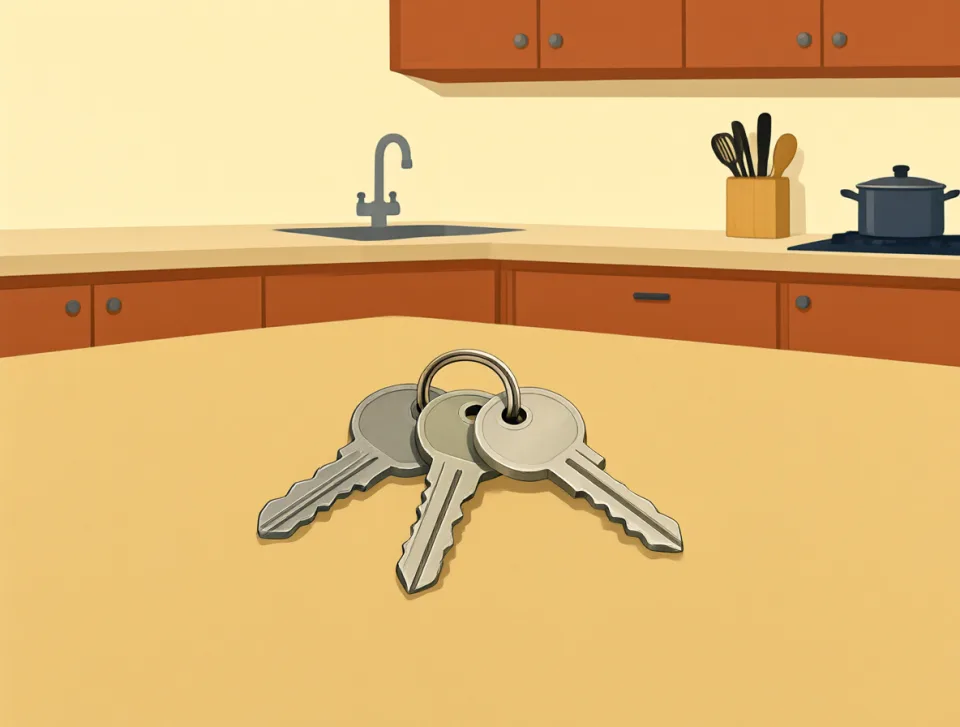
The keys are on the kitchen table.
鑰匙在廚房的桌子上。
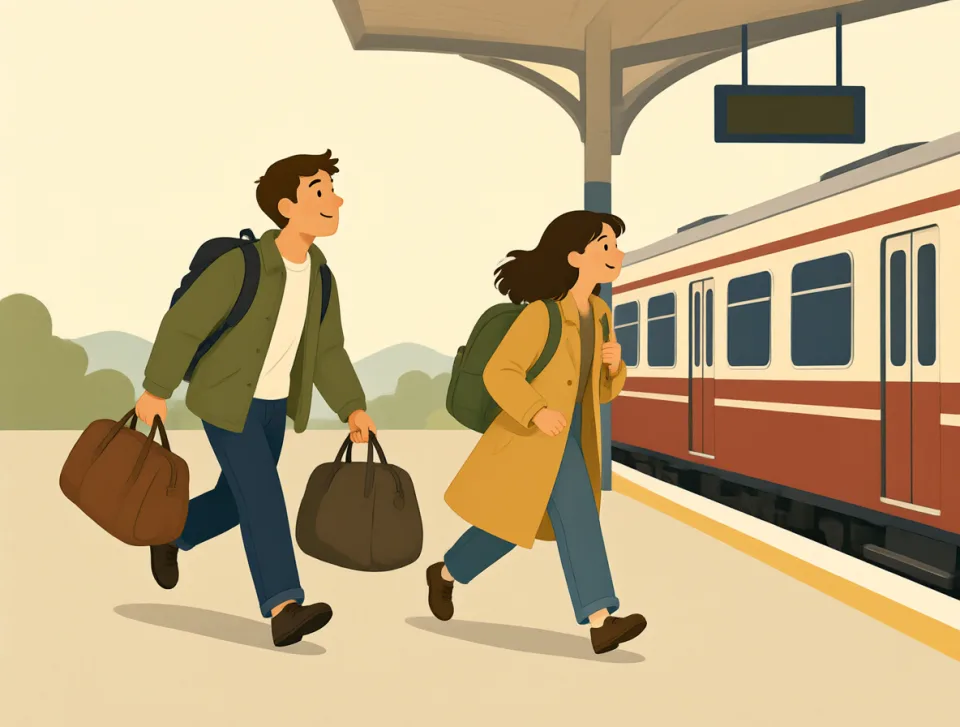
We were late for the train.
我們趕火車遲到了。
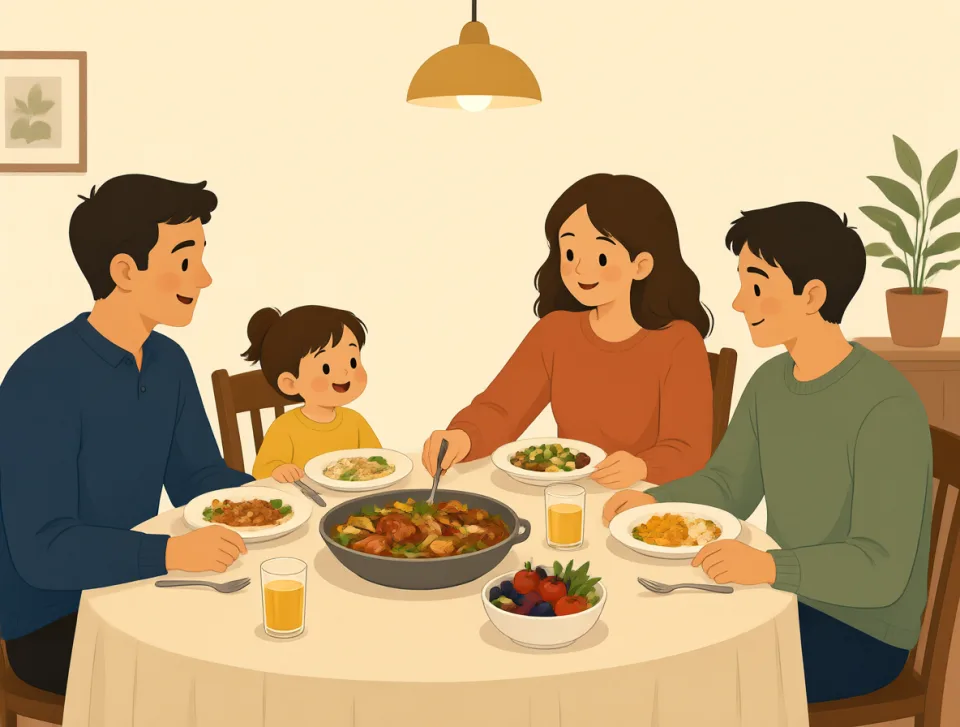
Dinner is ready, so please come in.
晚飯準備好了,請進來吧。

and
#3conjunction
和;與
Used to join words, phrases, or sentences that go together.
用於連線相互關聯的單詞、短語或句子。
Tom and Anna work in the same office.
湯姆和安娜在同一間辦公室工作。
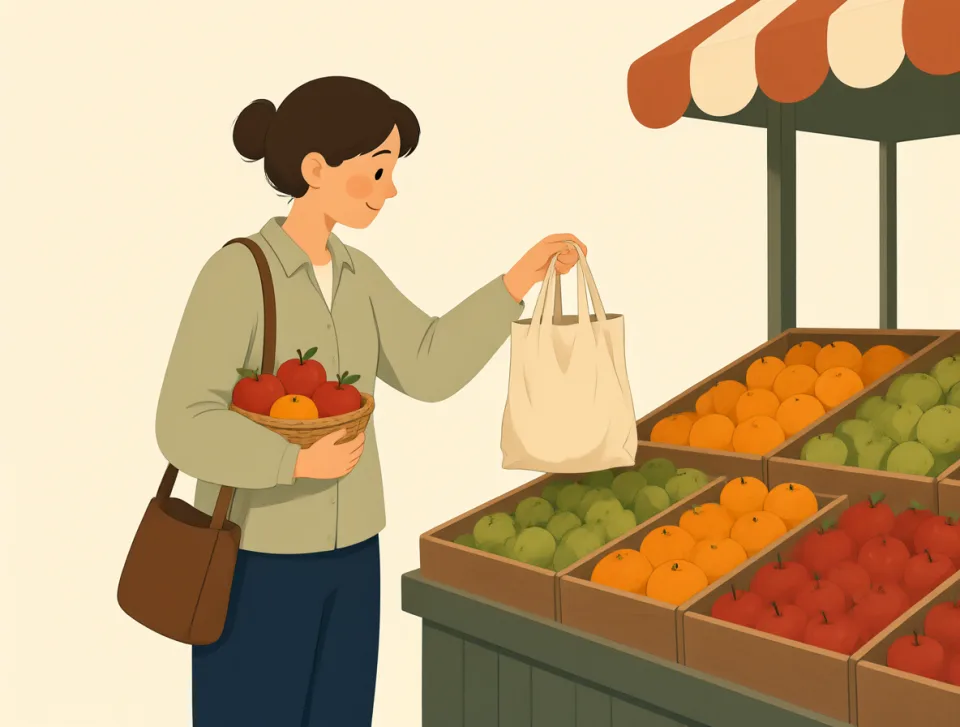
I bought apples and oranges at the market.
我在市場買了蘋果和橙子。
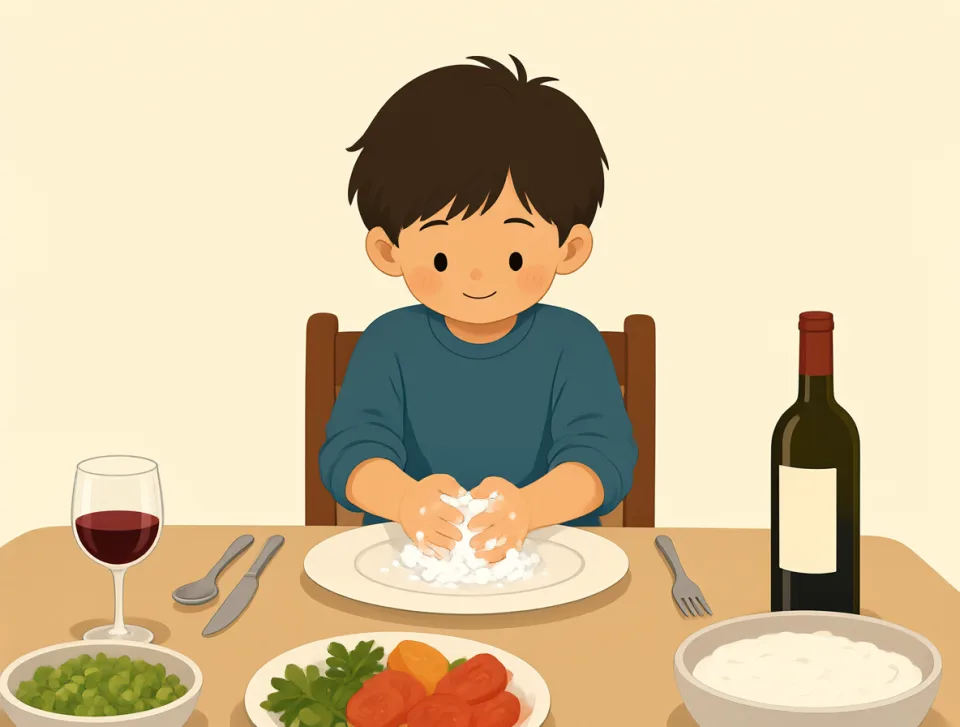
Please wash your hands and eat dinner.
請洗手,然後吃晚飯。
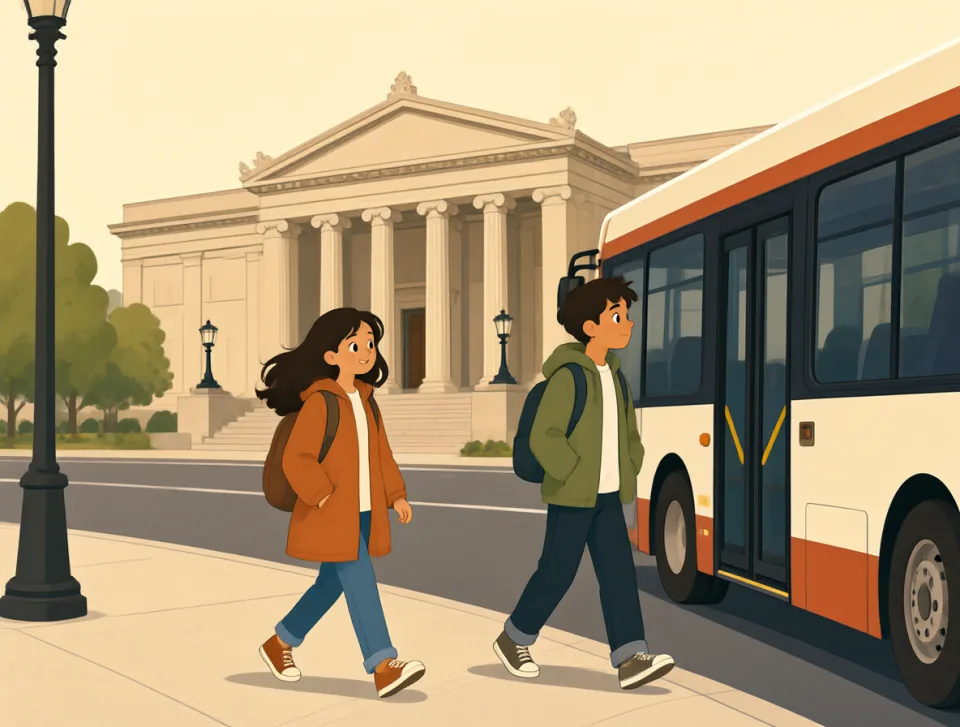
We took a bus and visited the museum.
我們乘公共汽車去了博物館。
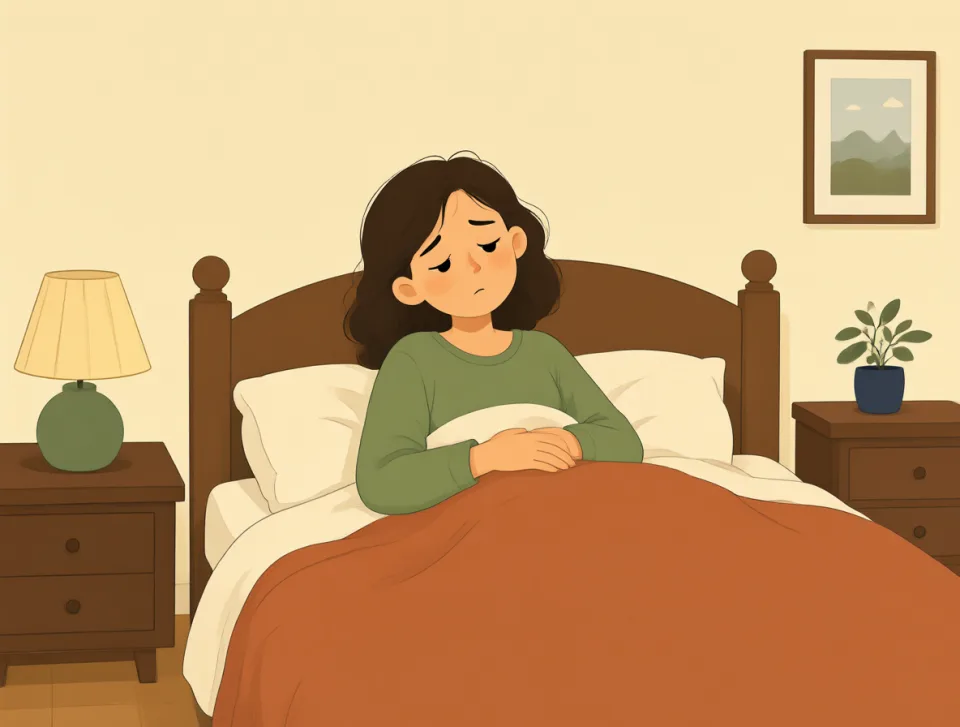
She was tired and went to bed early.
她很累,所以早早上床睡覺了。
of
#4preposition, determiner
的;屬於;關於
Used to show belonging, connection, amount, or what something contains.
用於表示所屬、聯絡、數量或某物所含的內容。
She is a friend of my sister.
她是我姐姐的一個朋友。

I drank a glass of water.
我喝了一杯水。
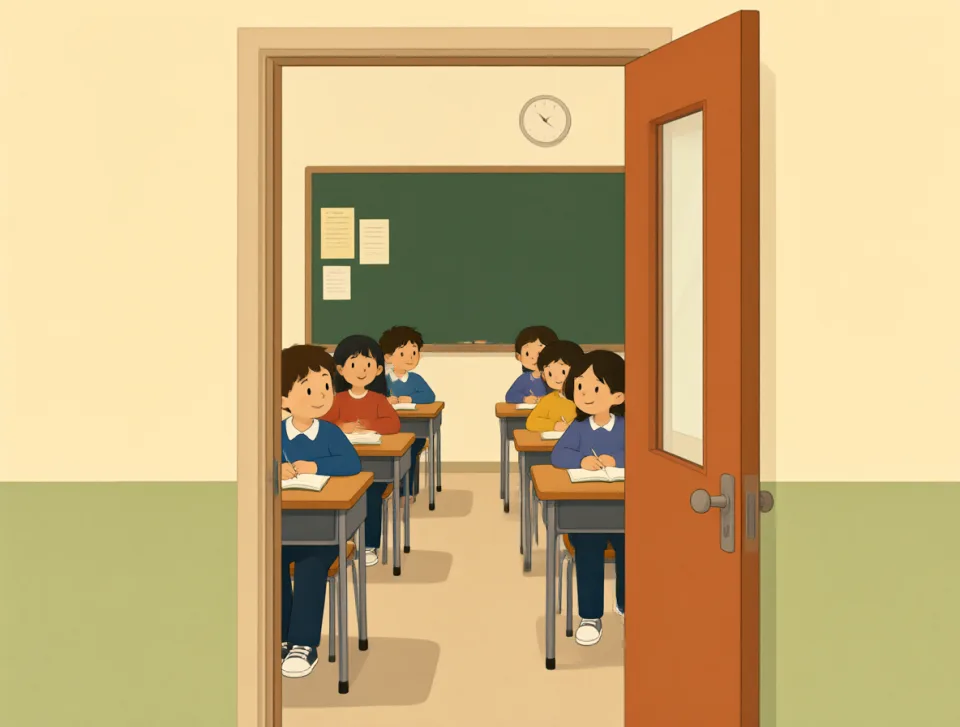
The door of the classroom is open.
教室的門開著。
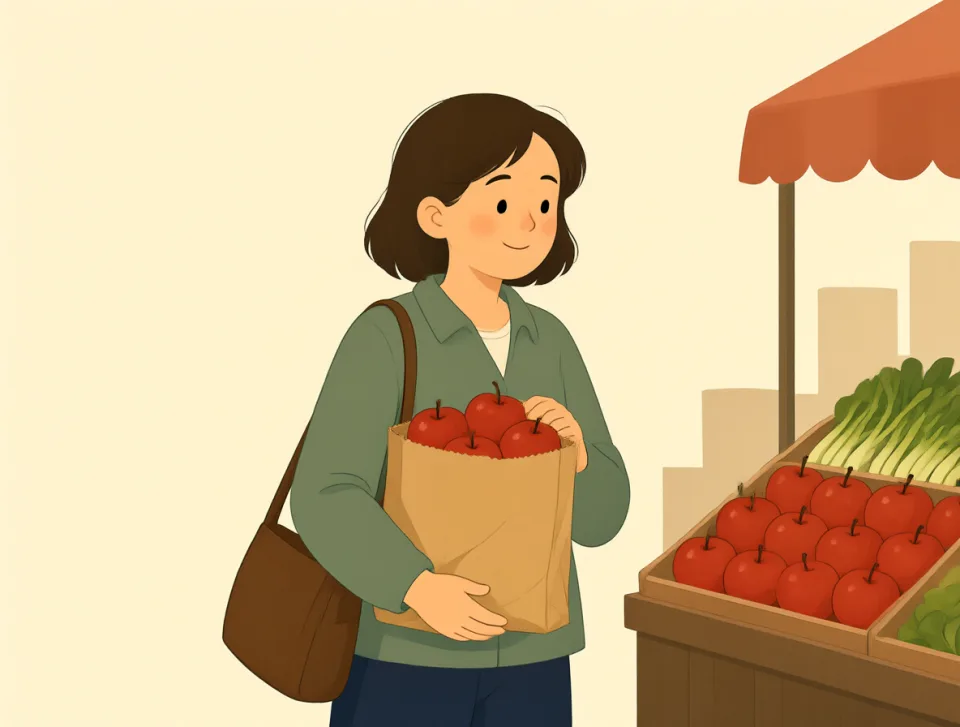
He bought a bag of apples.
他買了一袋蘋果。

We talked about the problems of travel.
我們談論了旅行中的問題。
to
#5preposition, infinitive marker
到;向;為了
Used before a place, person, or verb to show direction, purpose, or an action.
用於地點、人或動詞前,表示方向、目的或動作。
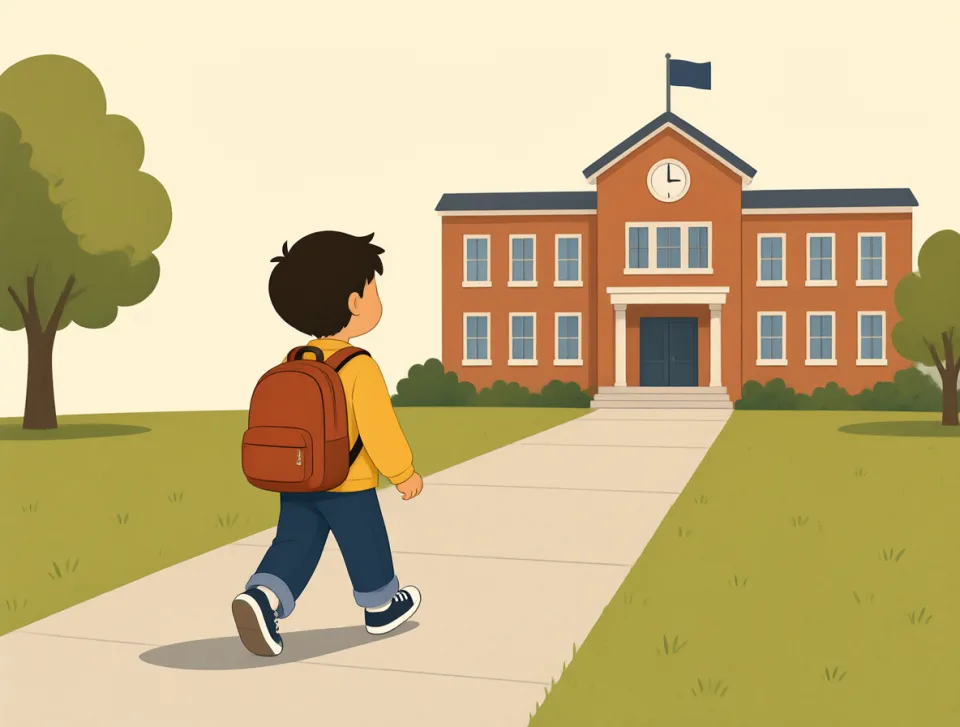
I walk to school every morning.
我每天早上步行去學校。
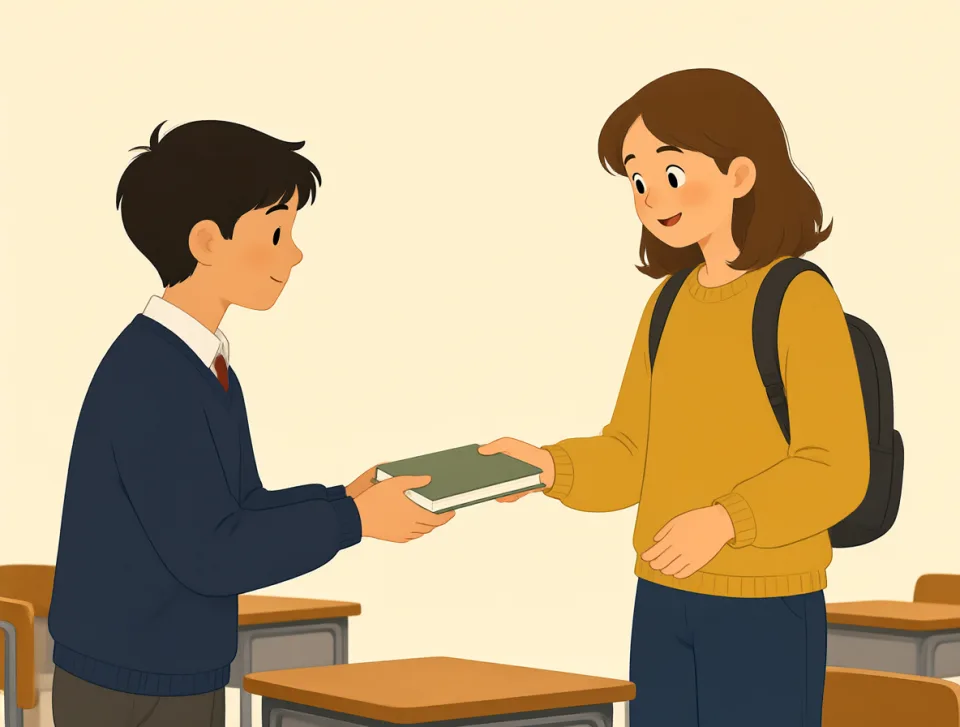
Please give this book to Maria.
請把這本書給Maria。

We went to the market after work.
我們下班後去了市場。
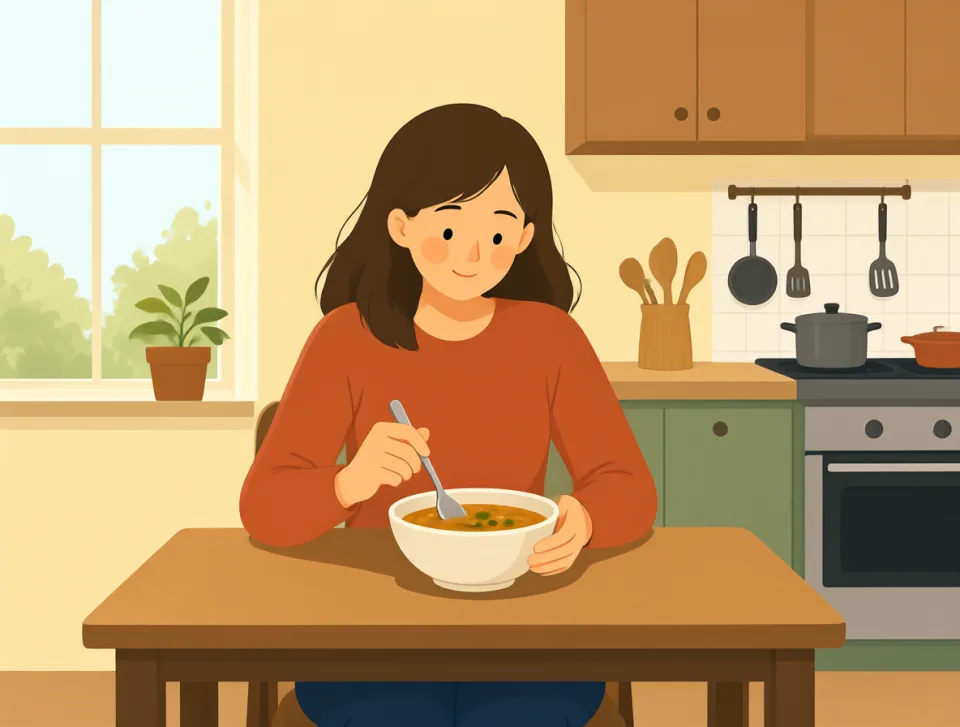
She wants to eat some soup.
她想喝點湯。
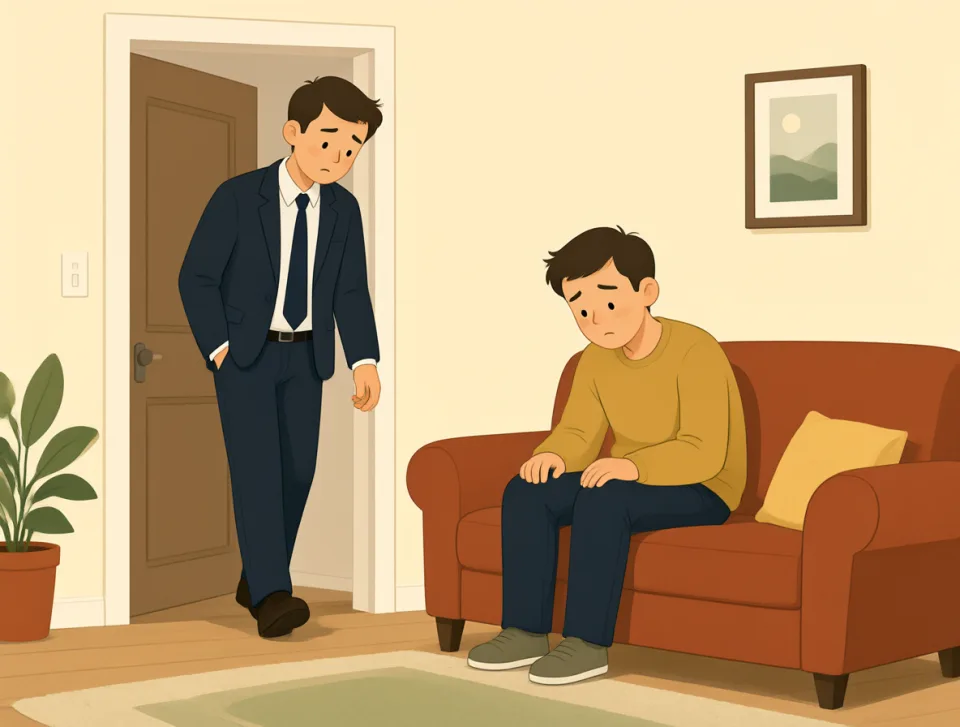
He came home to rest.
他回家休息了。
a
#6determiner, article
一個;一名;一件
used before one singular countable noun when it is not specific
用於單數可數名詞前,表示所指的人或事物並不具體
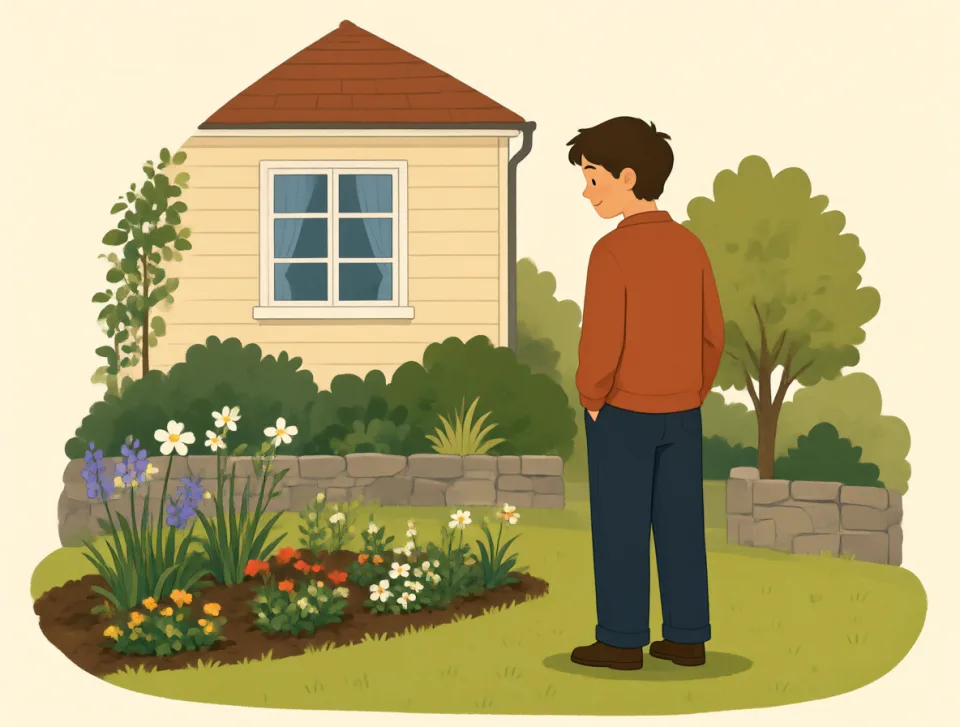
I have a small garden at home.
我在家裡有一個小花園。

She is a teacher at our school.
她是我們學校的一名老師。
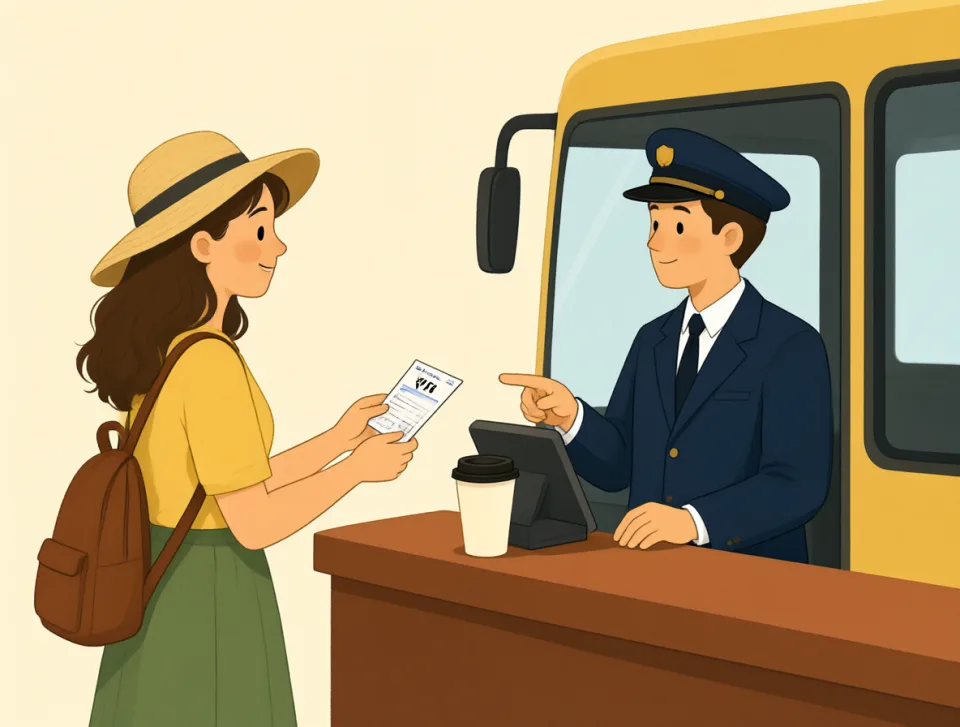
We bought a ticket for the bus.
我們買了一張公交車票。
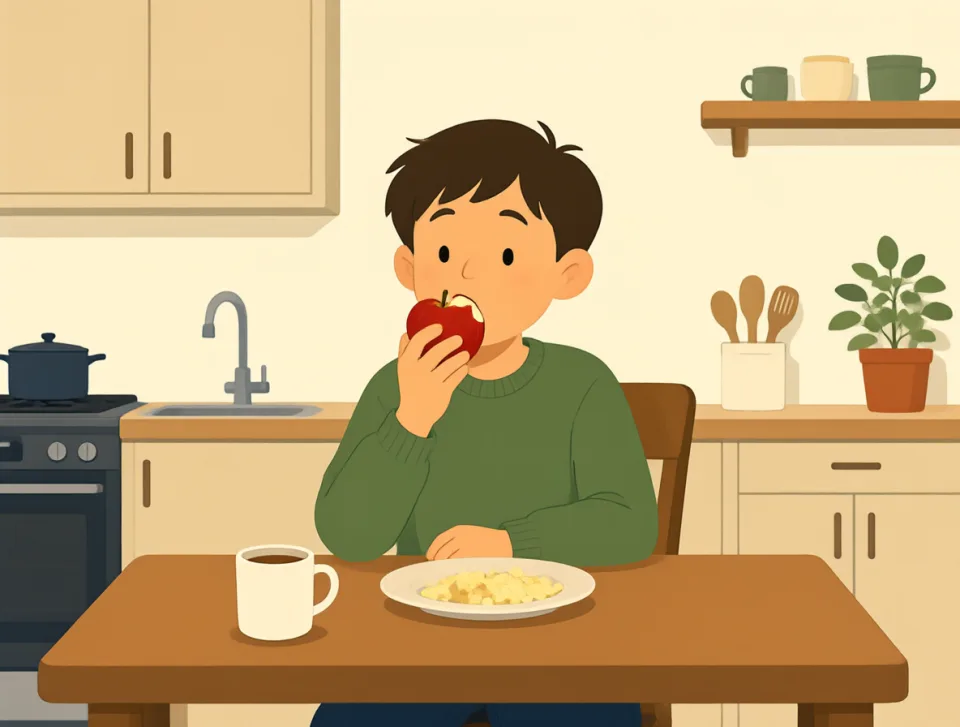
He eats an apple a day.
他每天吃一個蘋果。

They stayed in a hotel near the beach.
他們住在海灘附近的一家酒店裡。
in
#7preposition, adverb, adjective
在……裡面;在……中
Inside a place, area, time, situation, or group
在某個地方、區域、時間、情境或群體的內部
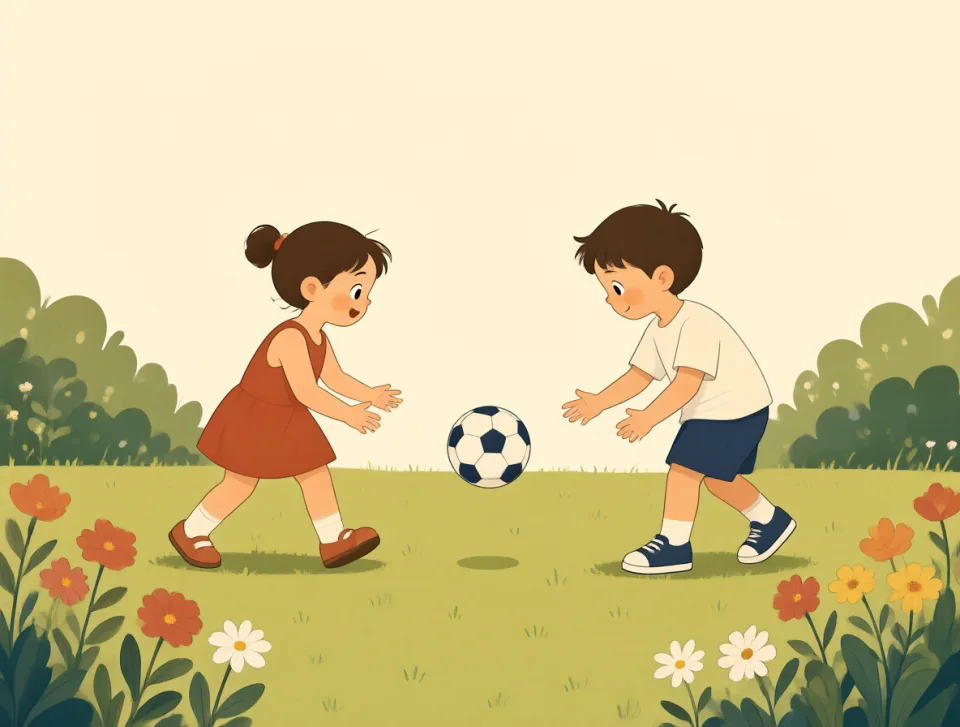
The children are playing in the garden.
孩子們正在花園裡玩。
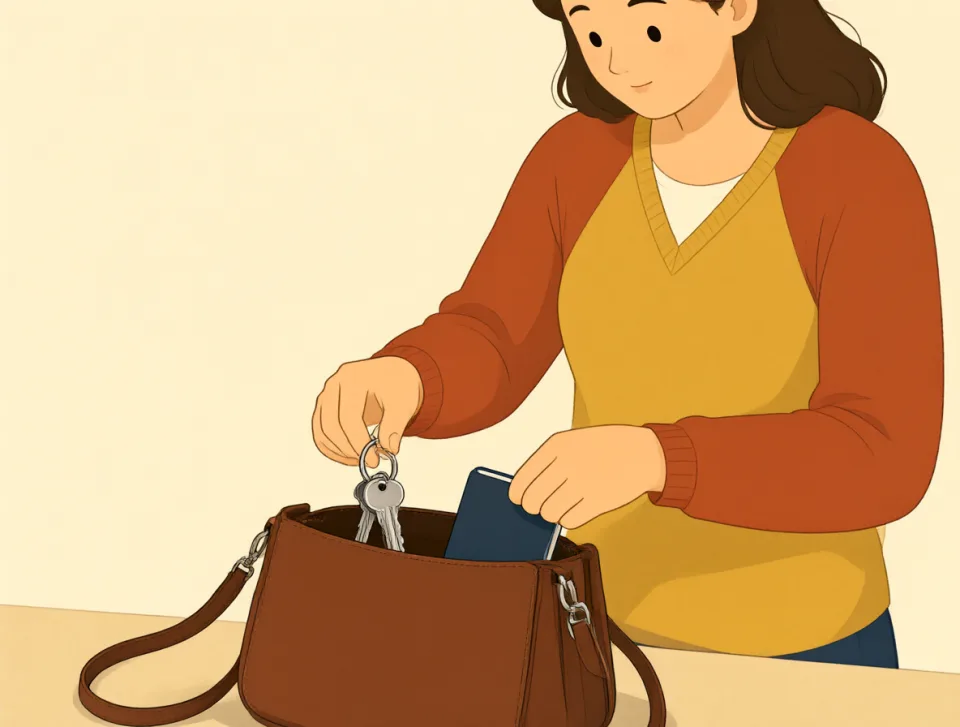
I keep my keys in my bag.
我把鑰匙放在包裡。
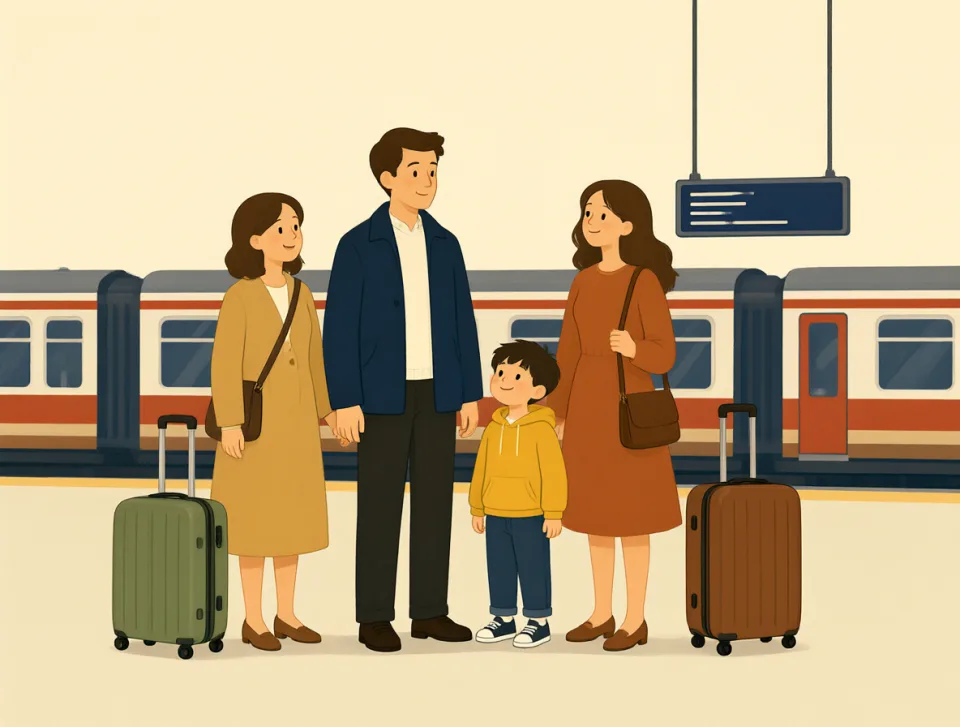
We arrived in London yesterday.
我們昨天抵達了倫敦。
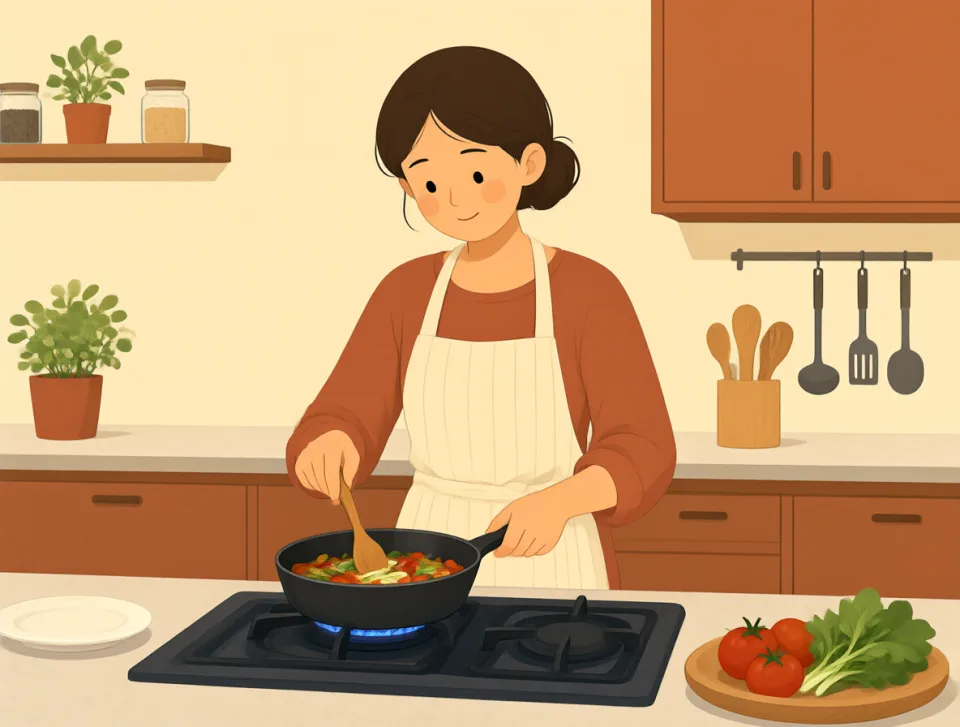
She is in the kitchen cooking dinner.
她正在廚房裡做晚飯。
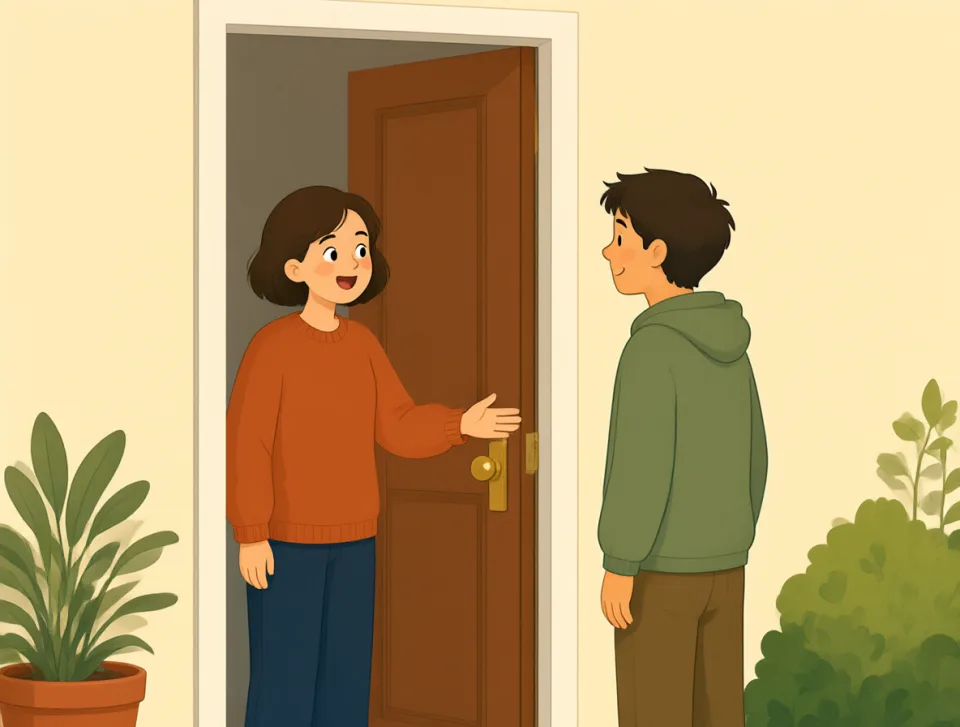
Please come in and sit down.
請進來坐下。
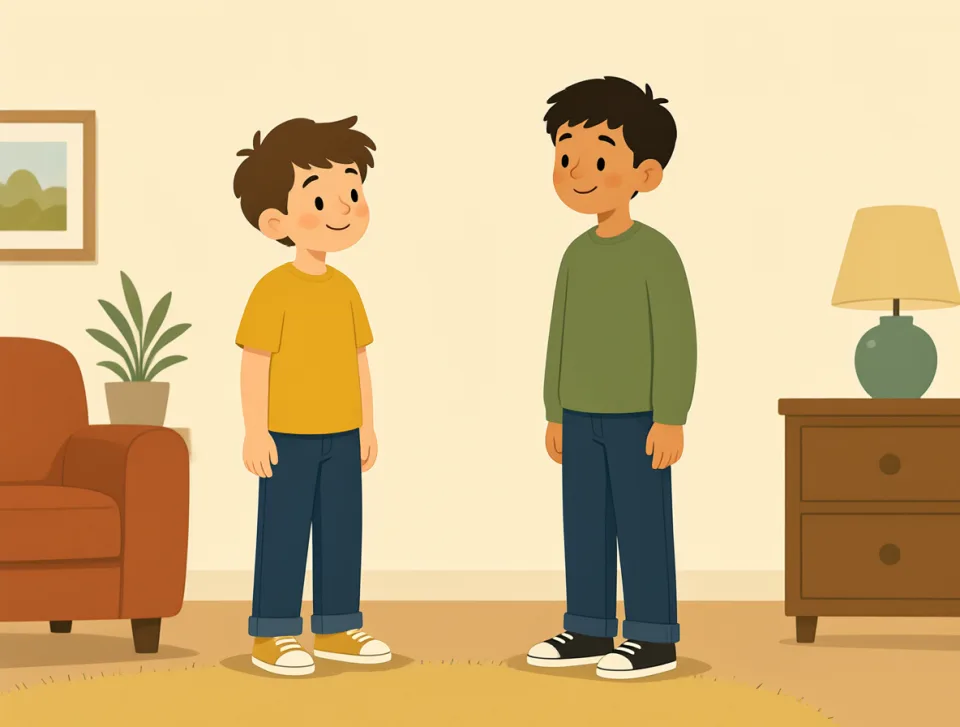
have
#8verb
有;擁有;經歷;必須
to own, do, experience, or receive something
擁有、做、經歷或獲得某物
I have two brothers.
我有兩個兄弟。

We have lunch at noon.
我們中午吃午飯。

She has a bad cold.
她得了重感冒。

They had a great time together.
他們一起度過了愉快的時光。
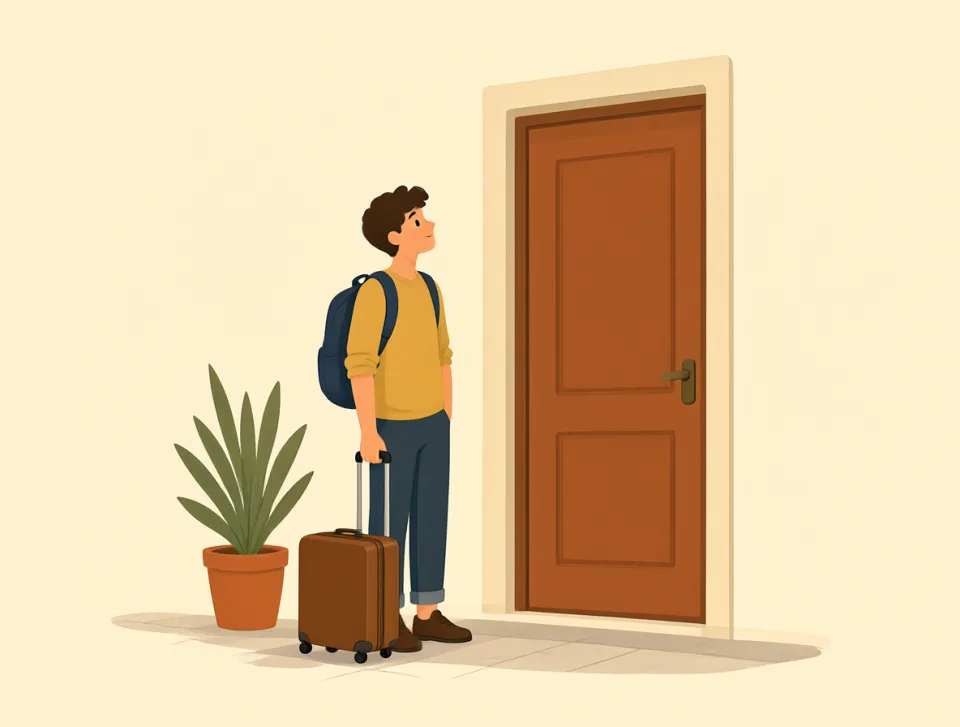
I have to leave now.
我現在必須離開了。

it
#9pronoun, determiner
它;這;那
A word used for a thing, animal, situation, or idea already mentioned.
用於指代前面提到的事物、動物、情況或想法的詞。
It is cold outside today.
今天外面很冷。

I bought a cake, and it was delicious.
我買了一個蛋糕,蛋糕很好吃。
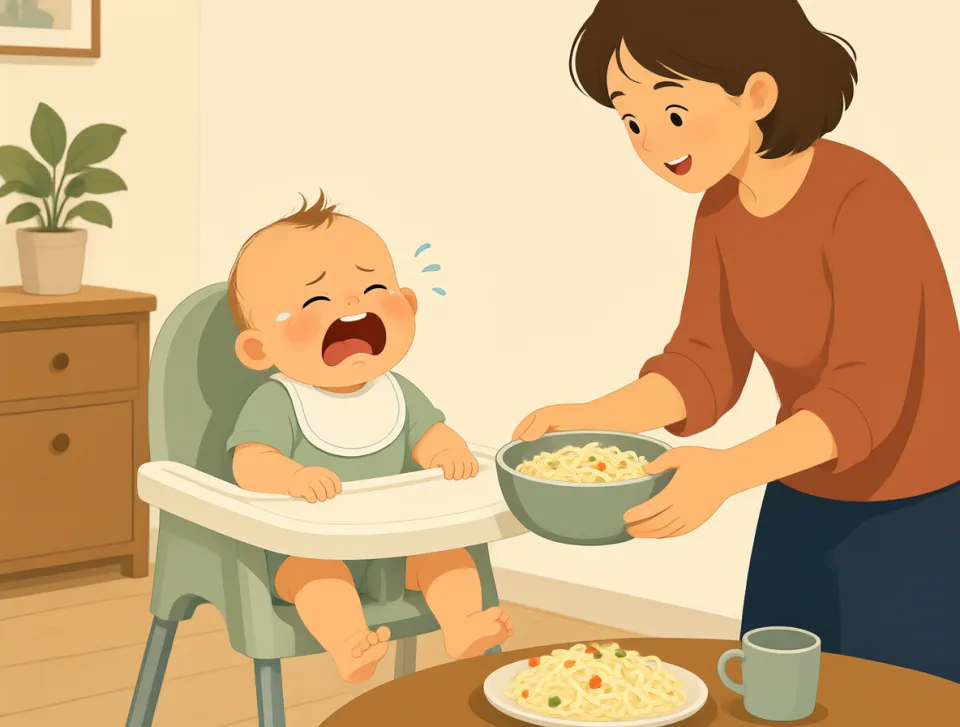
The baby is crying because it is hungry.
寶寶在哭,因為它餓了。
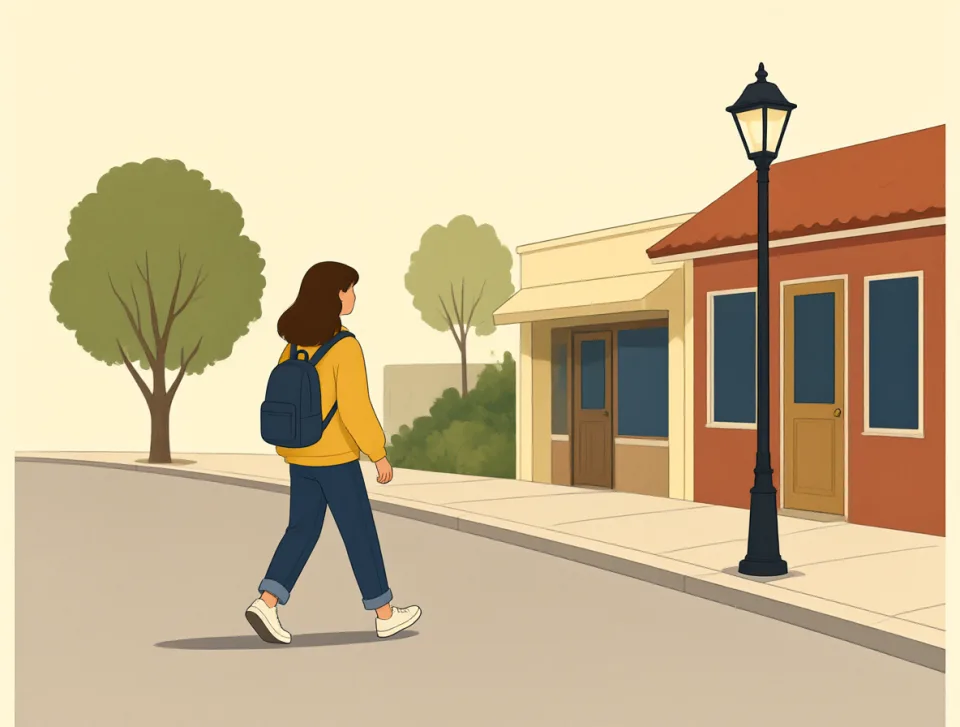
It takes ten minutes to walk there.
走到那裡需要十分鐘。
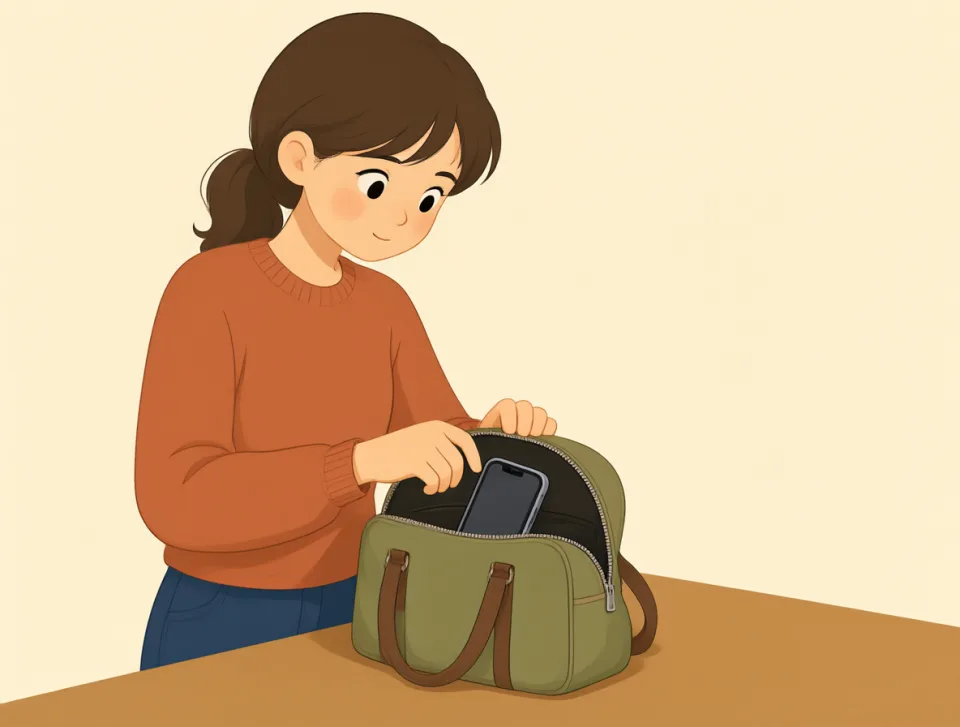
I found my phone and put it in my bag.
我找到了手機,把它放進了包裡。
you
#10pronoun
你;您;你們
The person or people being spoken to.
正在與之交談的人或人們。
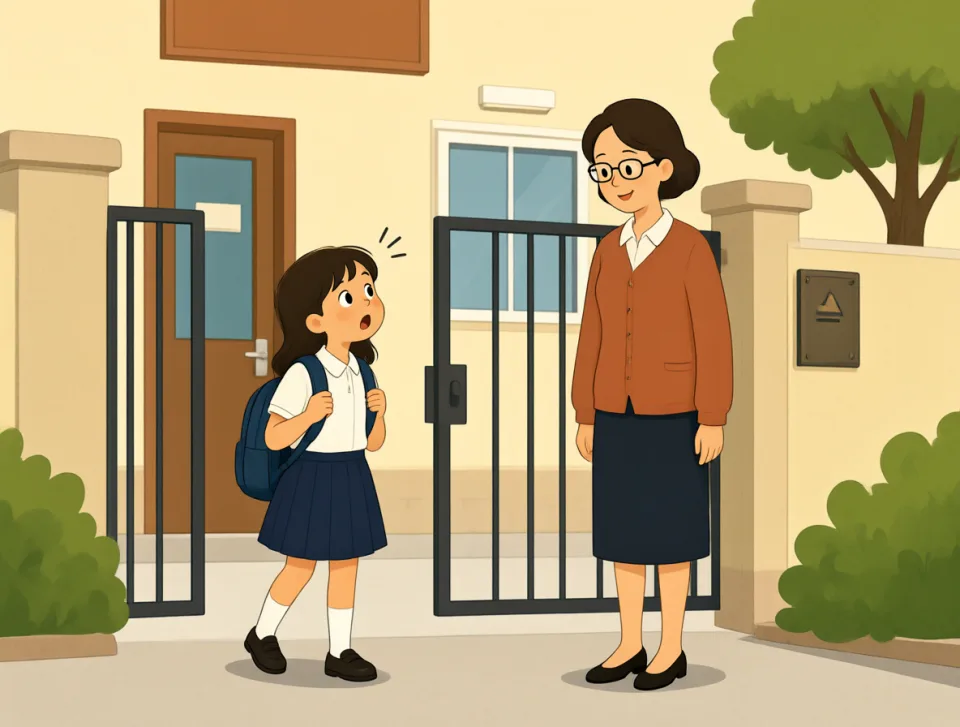
You are late for school today.
你今天上學遲到了。
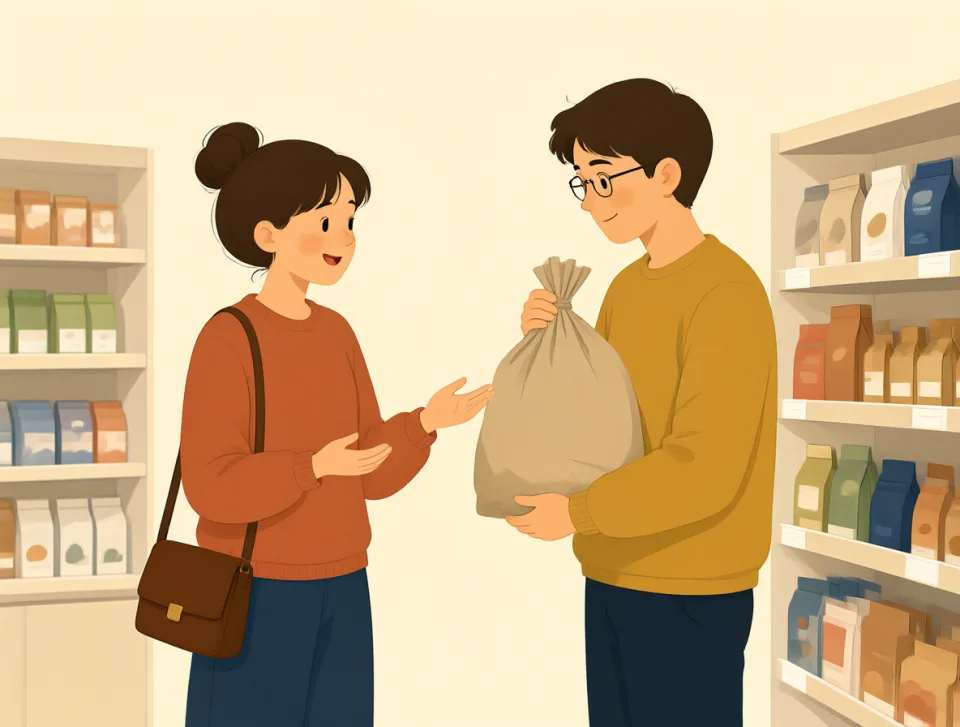
Can I help you with that bag?
我可以幫你拿那個包嗎?

Did you enjoy dinner with your friends?
你和朋友一起吃晚餐開心嗎?

We will call you after work.
我們下班後會給你打電話。
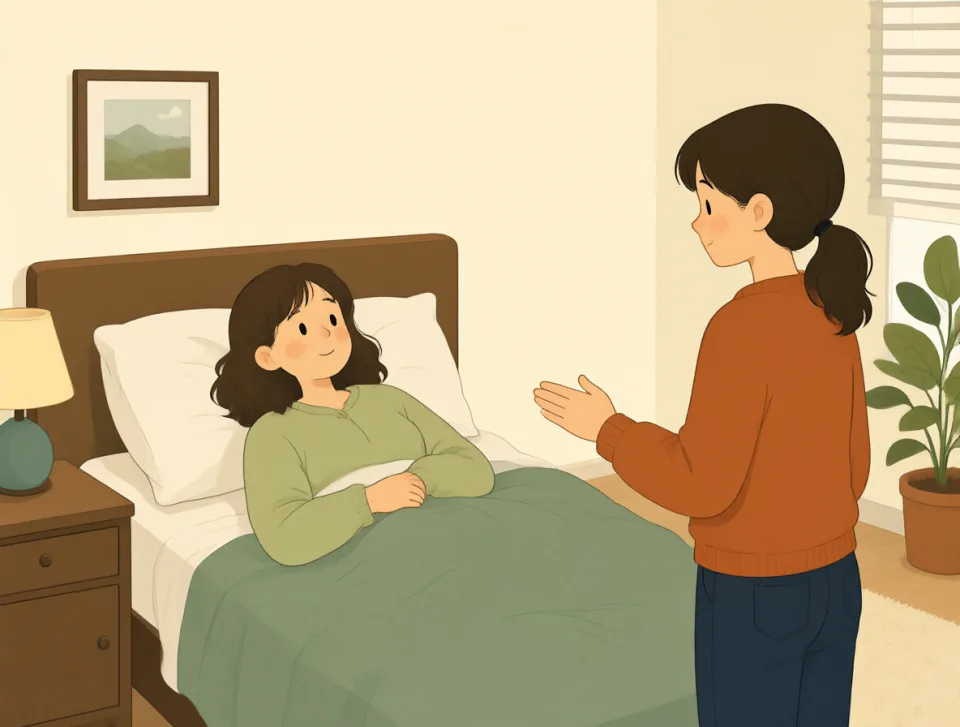
Are you feeling better today?
你今天感覺好些了嗎?
he
#11pronoun
他
A word used for one male person already mentioned or known.
用於指代已經提到或已知的某一位男性。
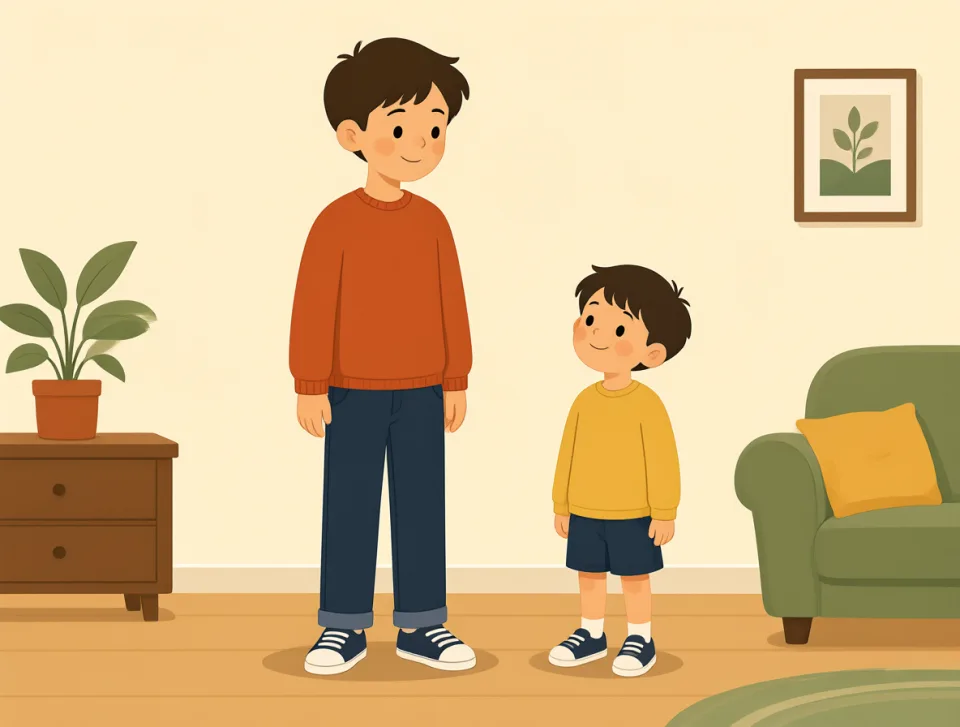
He is my brother.
他是我的哥哥。
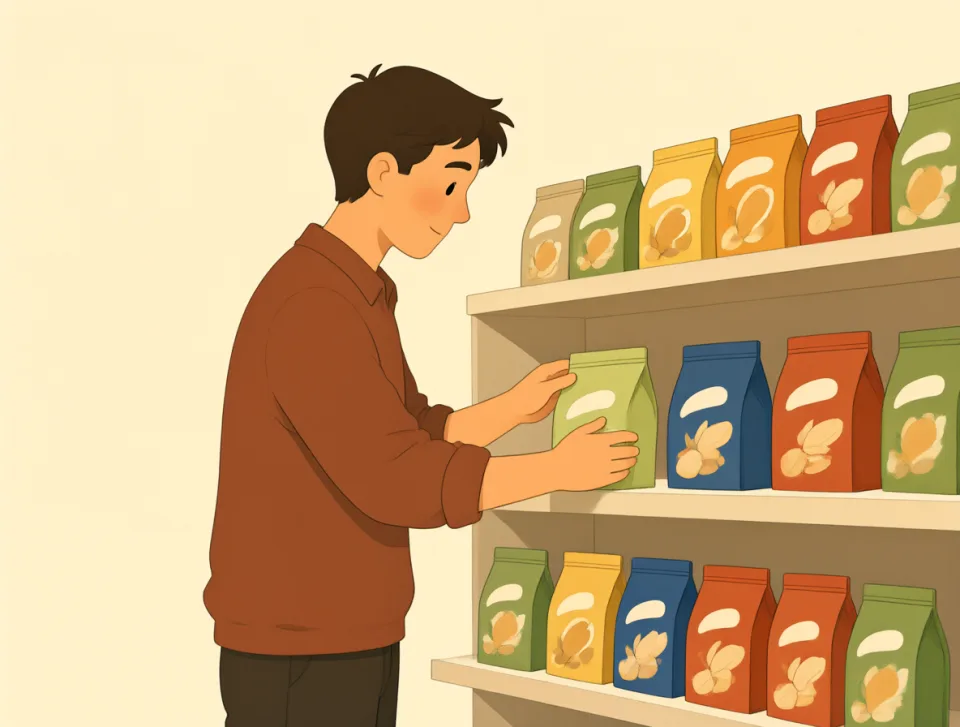
He works at a small shop.
他在一家小商店工作。
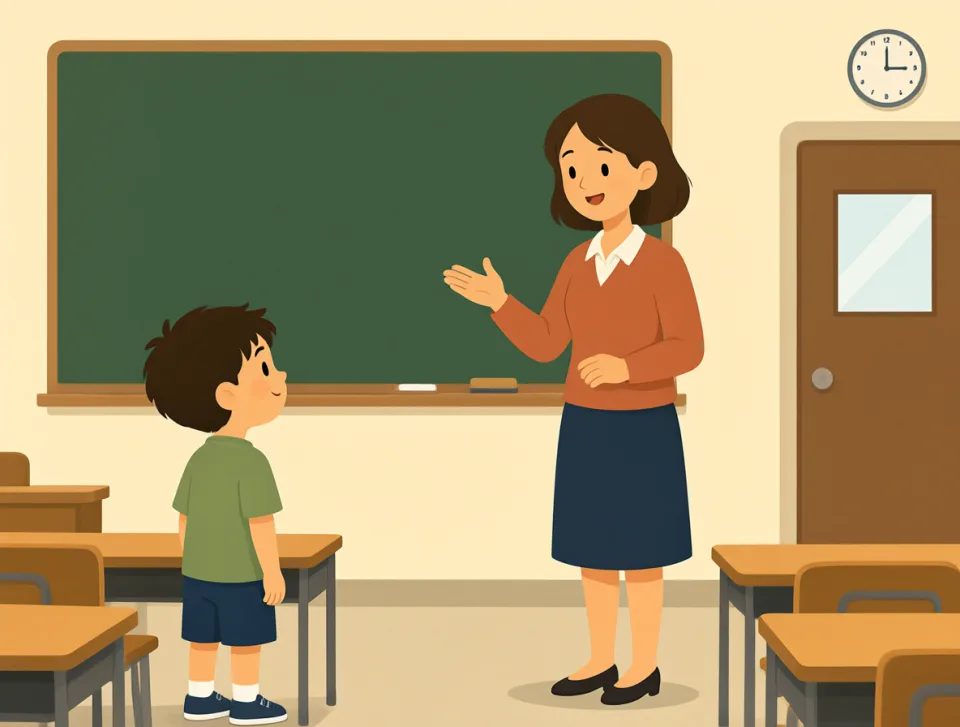
The teacher said he was late.
老師說他遲到了。
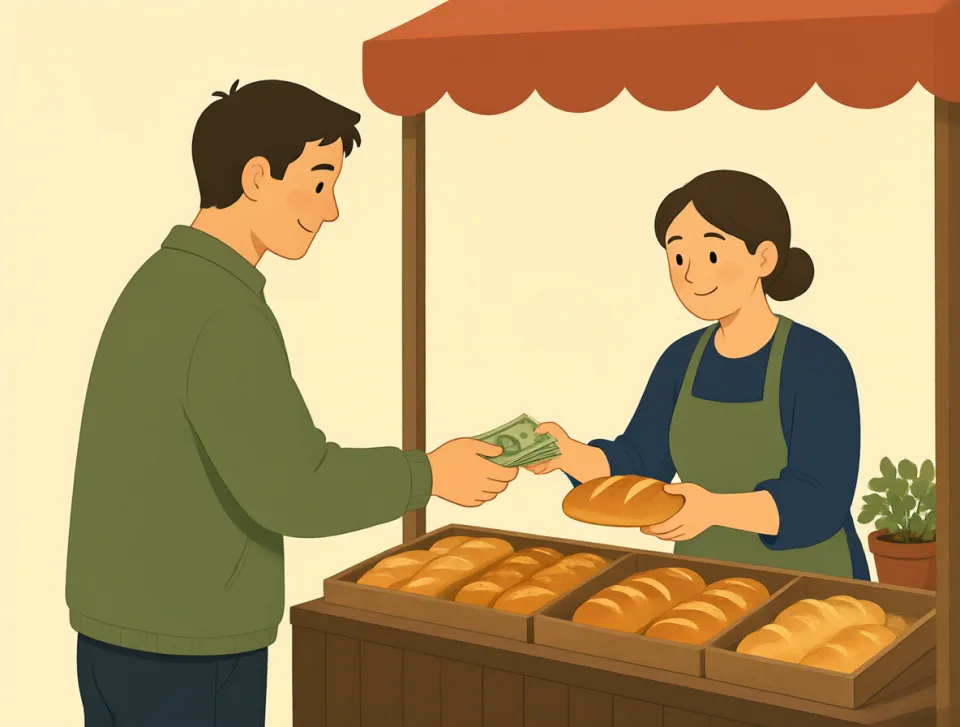
He bought bread at the market.
他在市場買了麵包。
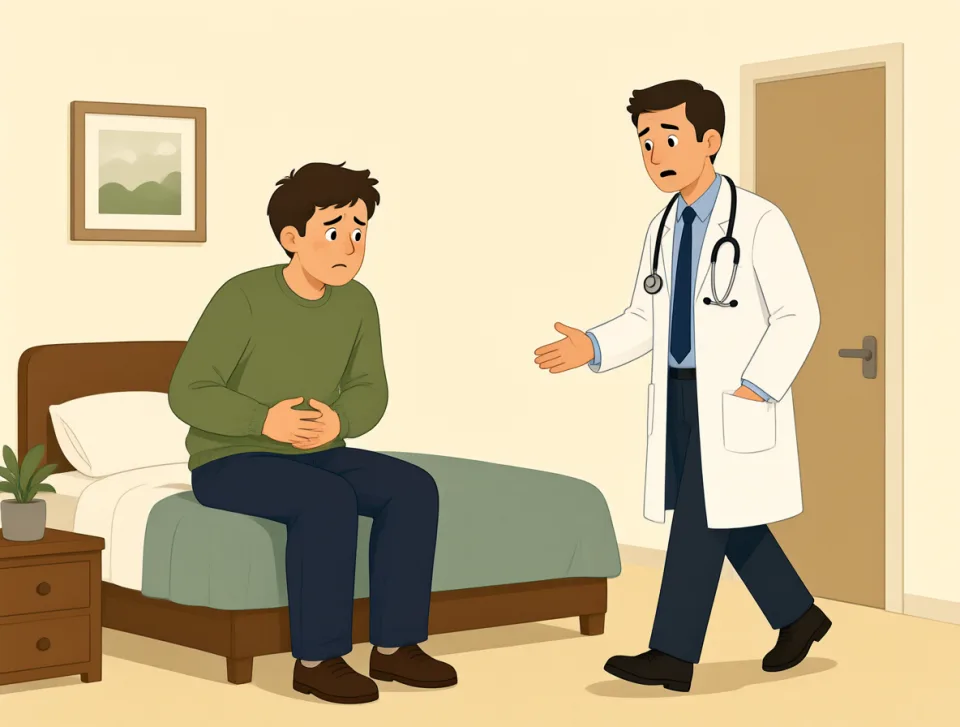
He feels sick and needs a doctor.
他感覺不舒服,需要看醫生。

for
#12preposition, conjunction
給;為了;因為;持續
Used to show purpose, time, reason, or who receives something.
用於表示目的、時間、原因或某物的接收者。
This gift is for my sister.
這份禮物是給我姐姐的。
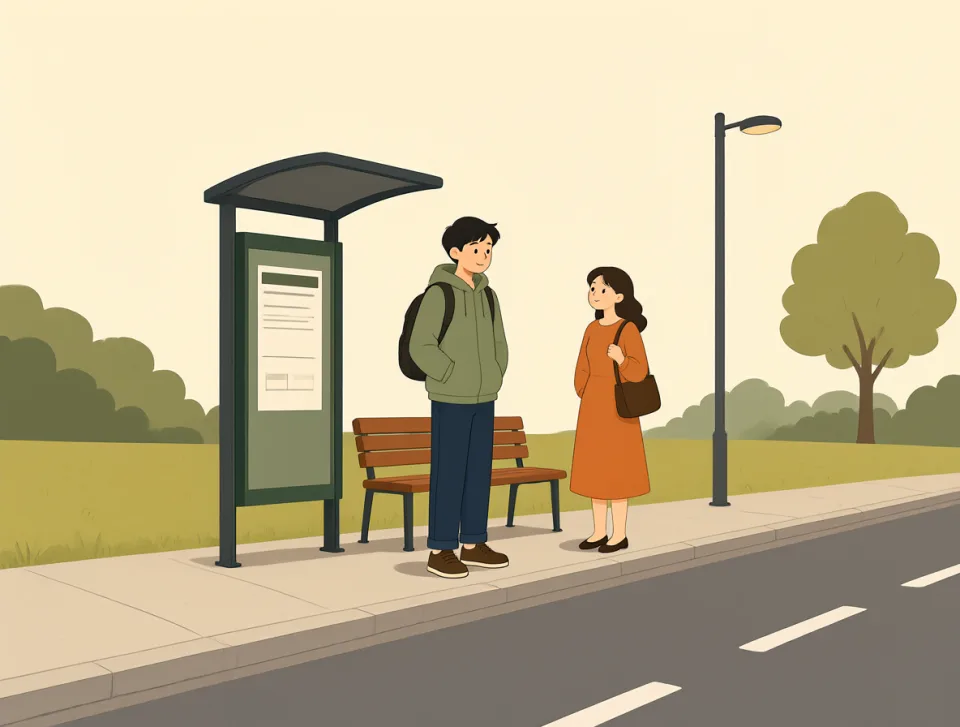
We waited for the bus.
我們等公交車。
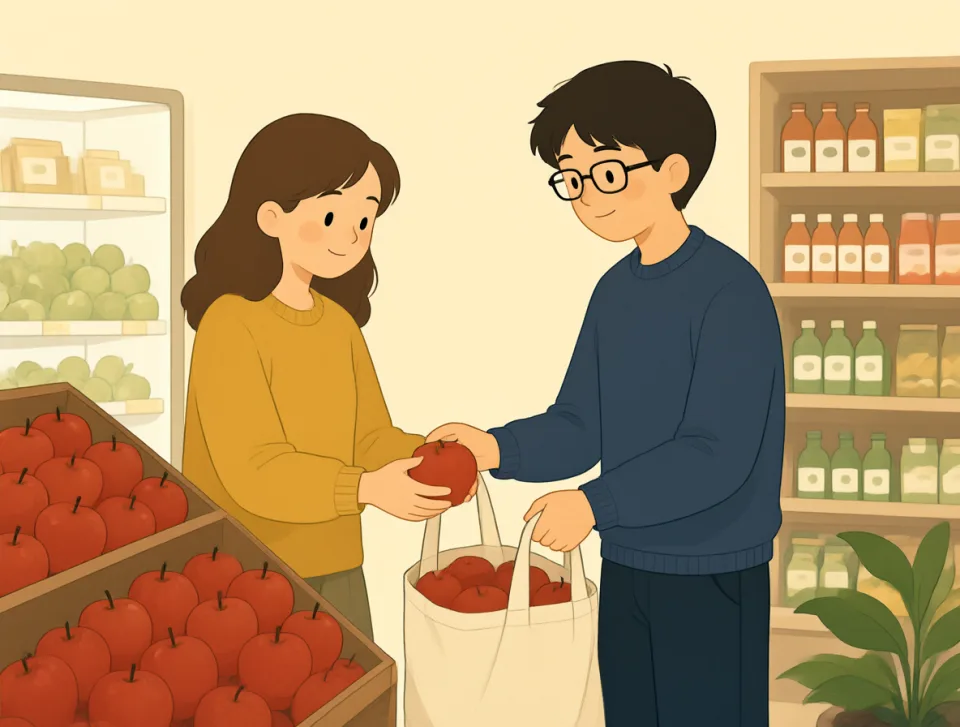
I bought some apples for lunch.
我買了一些蘋果當午飯吃。
She studied for two hours.
她學習了兩個小時。
Thank you for helping me.
謝謝你幫助我。

they
#13pronoun
他們;她們;它們
Used to talk about two or more people, animals, or things.
用於指兩個人或更多的人、動物或事物。
They live in a small house.
他們住在一所小房子裡。

They are waiting for the bus.
他們正在等公交車。
The children said they were hungry.
孩子們說他們餓了。

I saw them at the store.
我在商店看到了他們。

They helped me carry my bags.
他們幫我提包。
not
#14adverb
不;沒有
Used to make a verb or adjective negative.
用於使動詞或形容詞變為否定形式。
I do not understand this question.
我不明白這個問題。
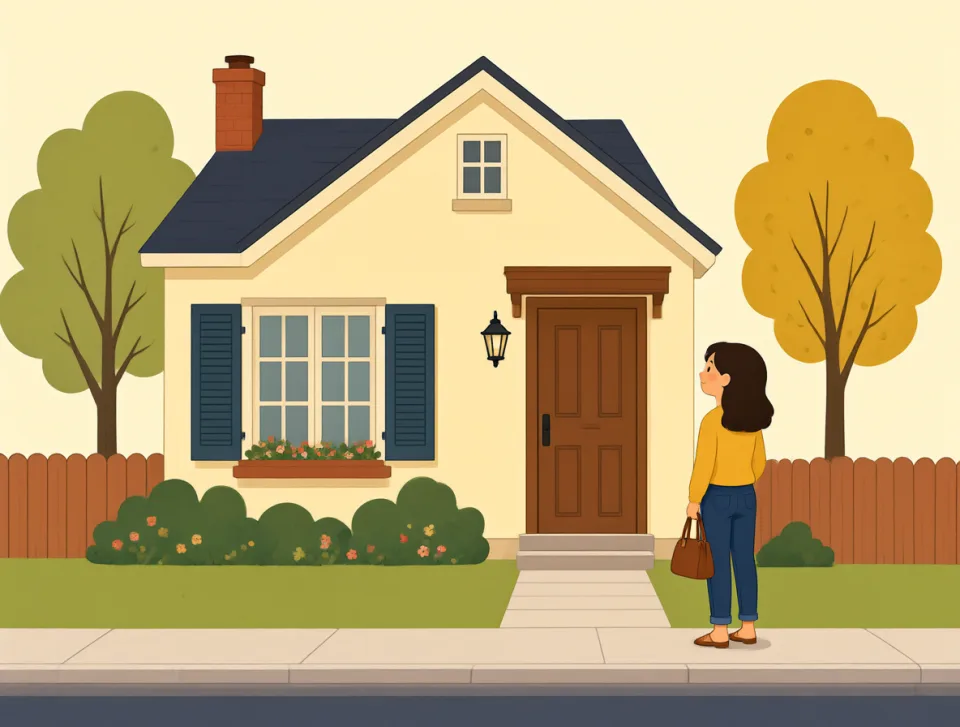
She is not at home today.
她今天不在家。

We are not ready to leave yet.
我們還沒準備好出發。

He did not eat breakfast this morning.
他今天早上沒吃早餐。
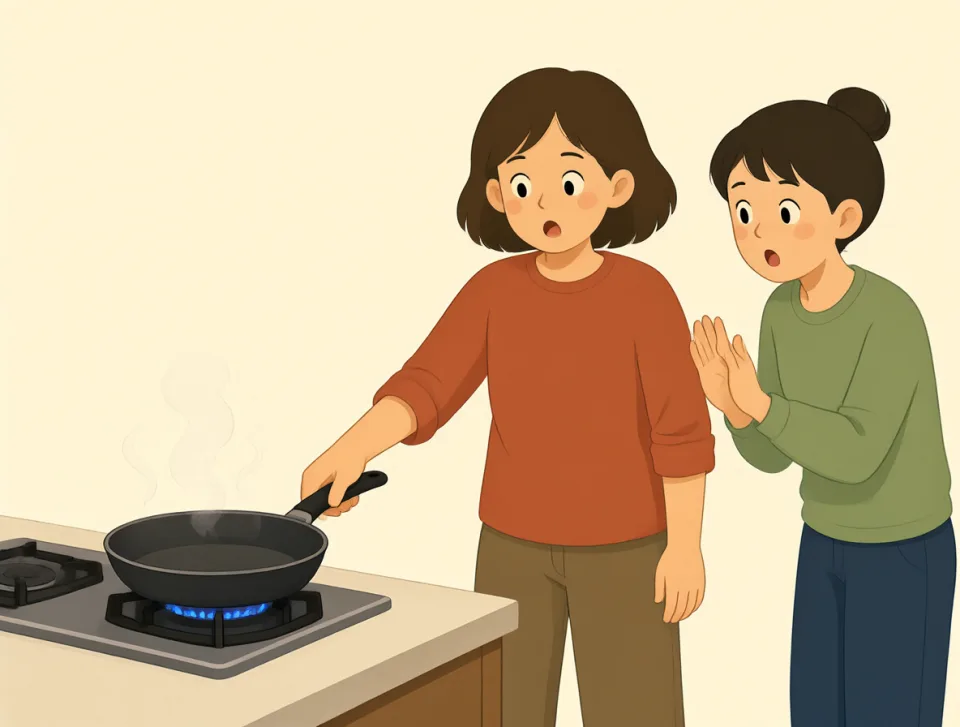
Please do not touch the hot pan.
請不要碰那個熱鍋。
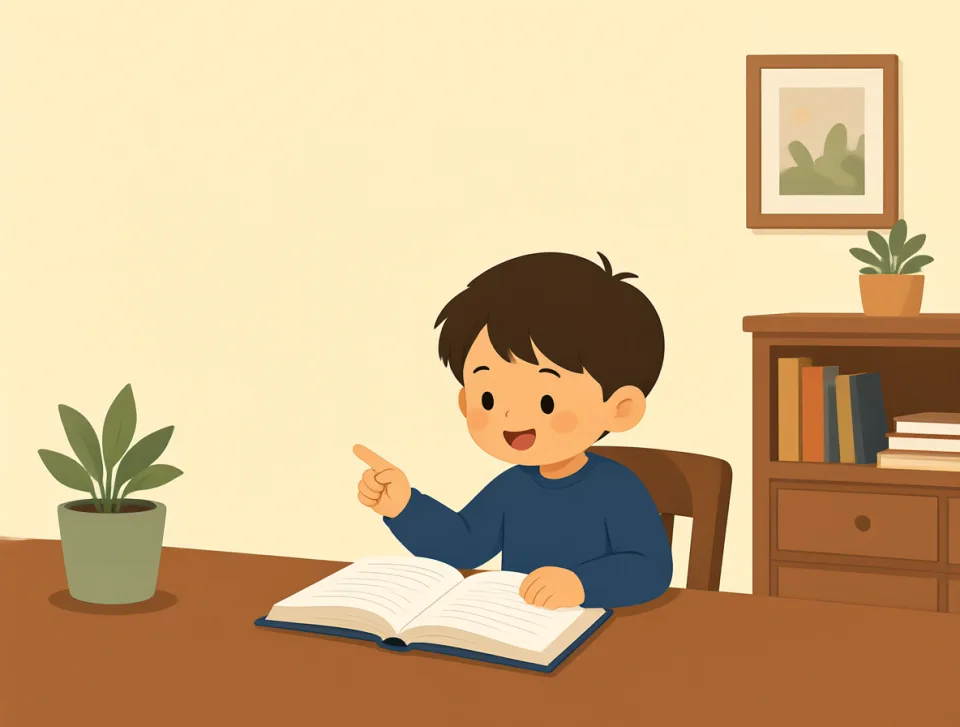
that
#15determiner, pronoun, conjunction, adverb
那;那個;……的;那麼
Used to point to something or introduce information after a verb.
用來指向某物,或在動詞後引出資訊。
That book on the table is mine.
桌子上的那本書是我的。
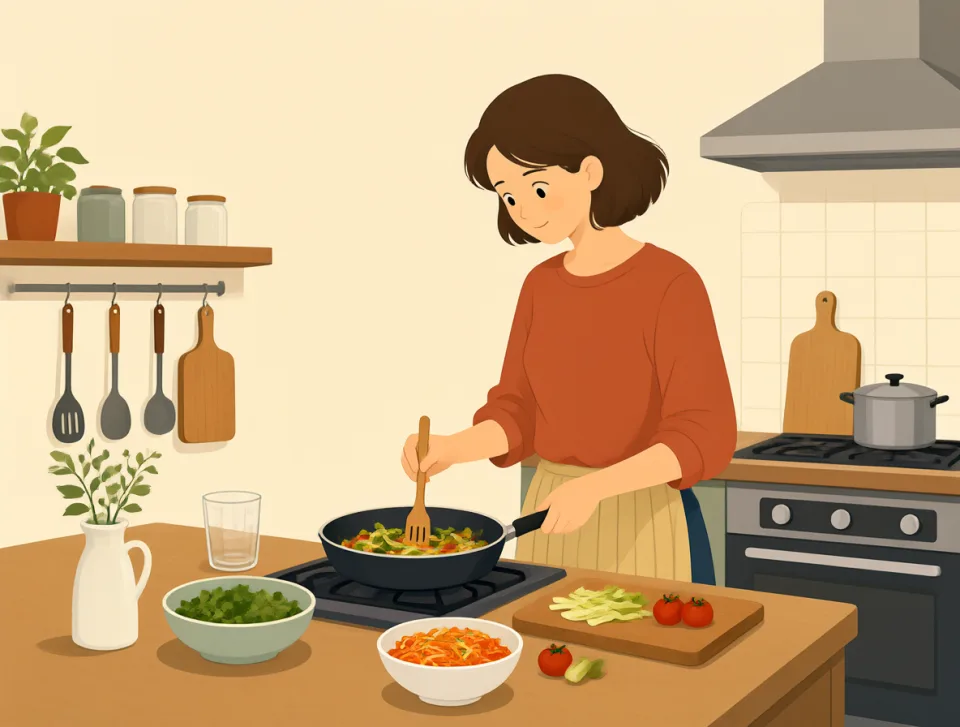
I think that dinner is ready.
我覺得晚飯已經準備好了。

The shoes that I bought fit well.
我買的那雙鞋很合腳。
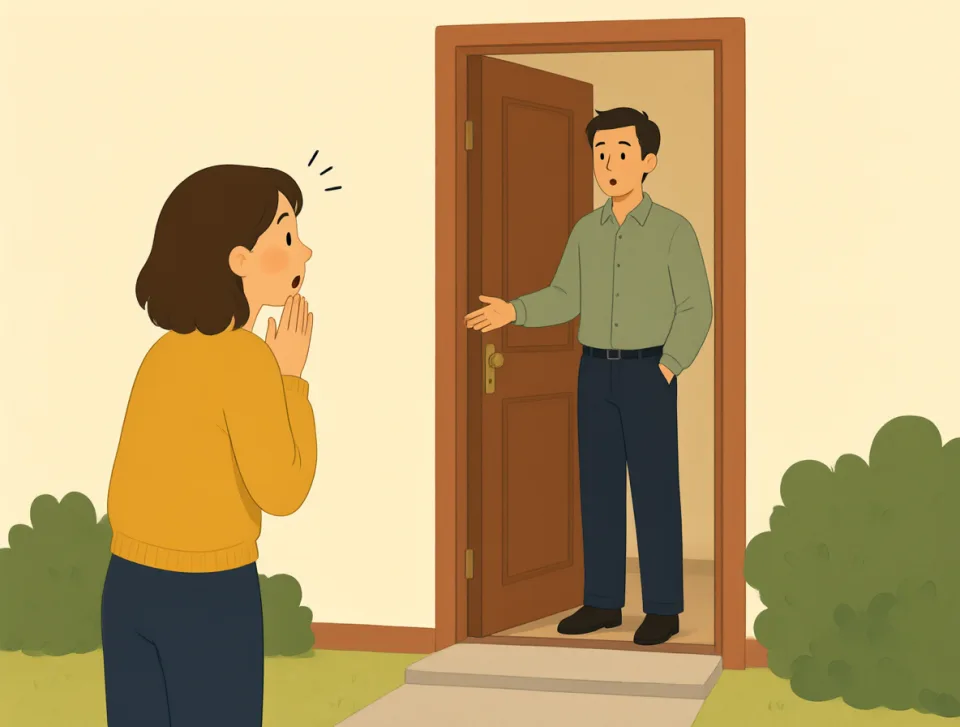
Who is that man at the door?
門口那個男人是誰?

It was not that expensive.
價格沒有那麼貴。

we
#16pronoun
我們
Used by a speaker to mean the speaker and one or more other people.
說話者用來指自己和另外一個或多個人。
We live in a small apartment.
我們住在一間小公寓裡。
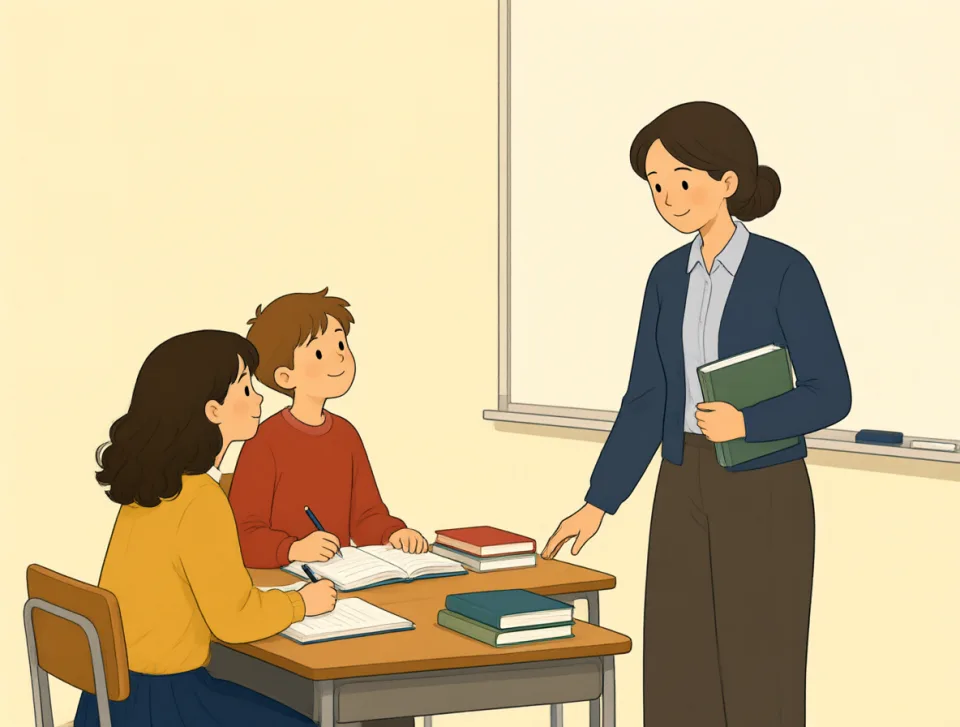
We are learning English at school.
我們在學校學習英語。
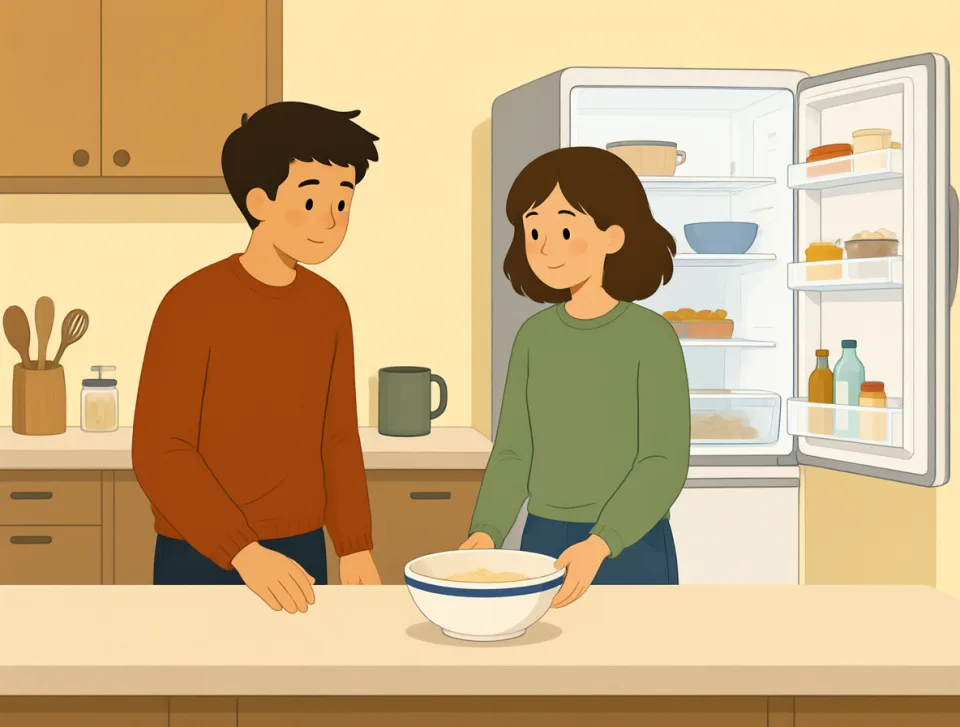
We need some milk for breakfast.
我們早餐需要一些牛奶。
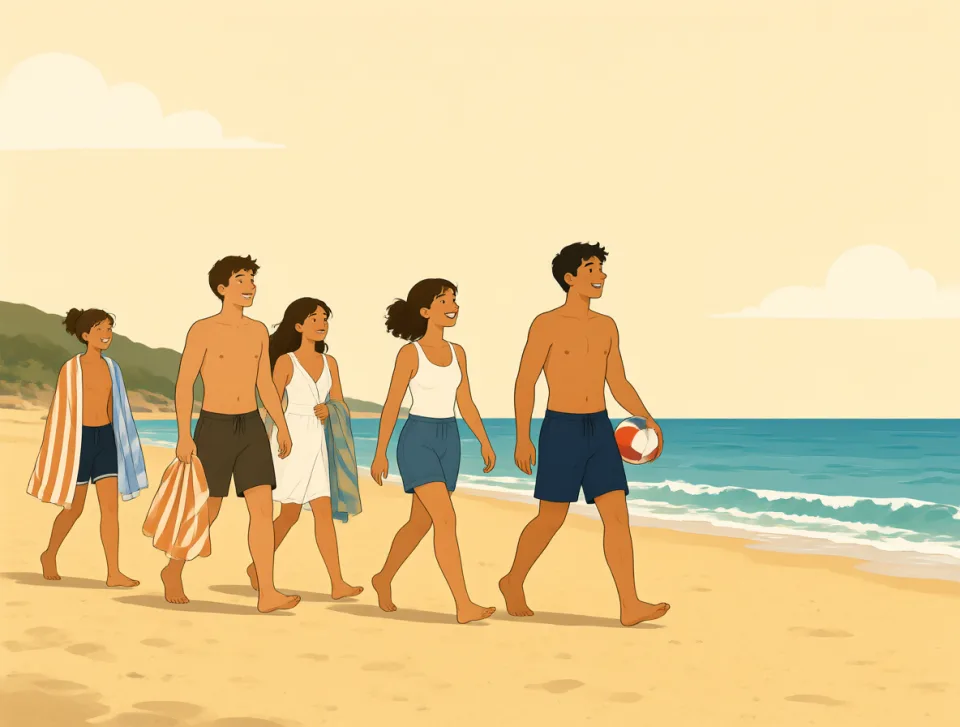
We went to the beach last weekend.
上週末我們去了海灘。

We feel better after taking the medicine.
吃了藥以後,我們感覺好多了。
on
#17adverb, preposition, adjective
在……上;在……時;開啟;穿著
Used to show position, time, connection, or that something is working.
用於表示位置、時間、連線關係,或表示某物正在運轉。
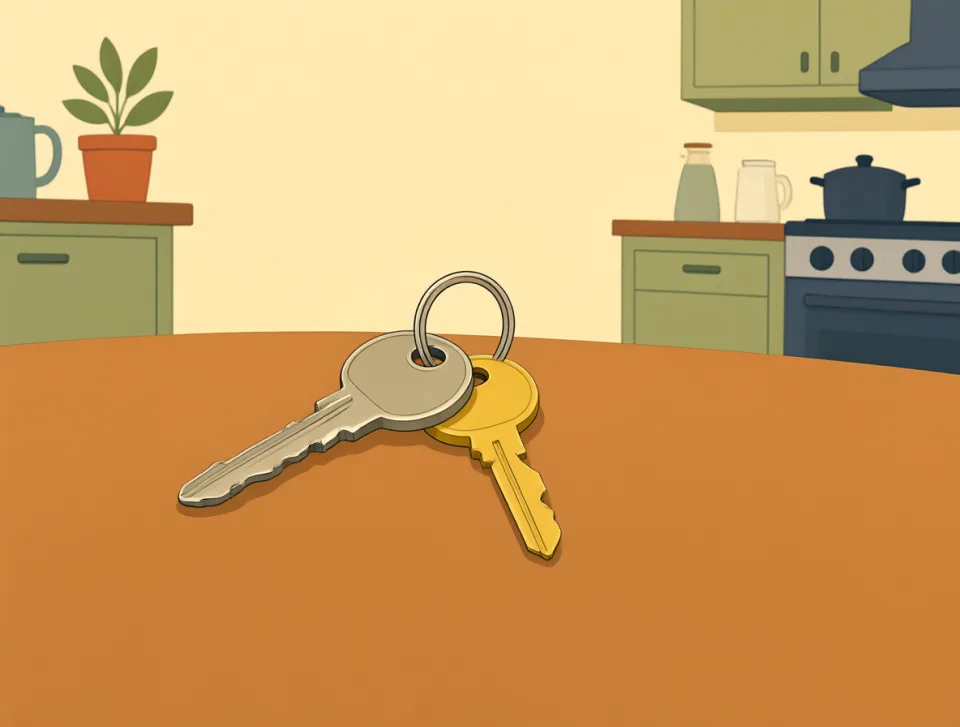
The keys are on the table.
鑰匙在桌子上。

We have a meeting on Monday.
我們星期一有個會議。
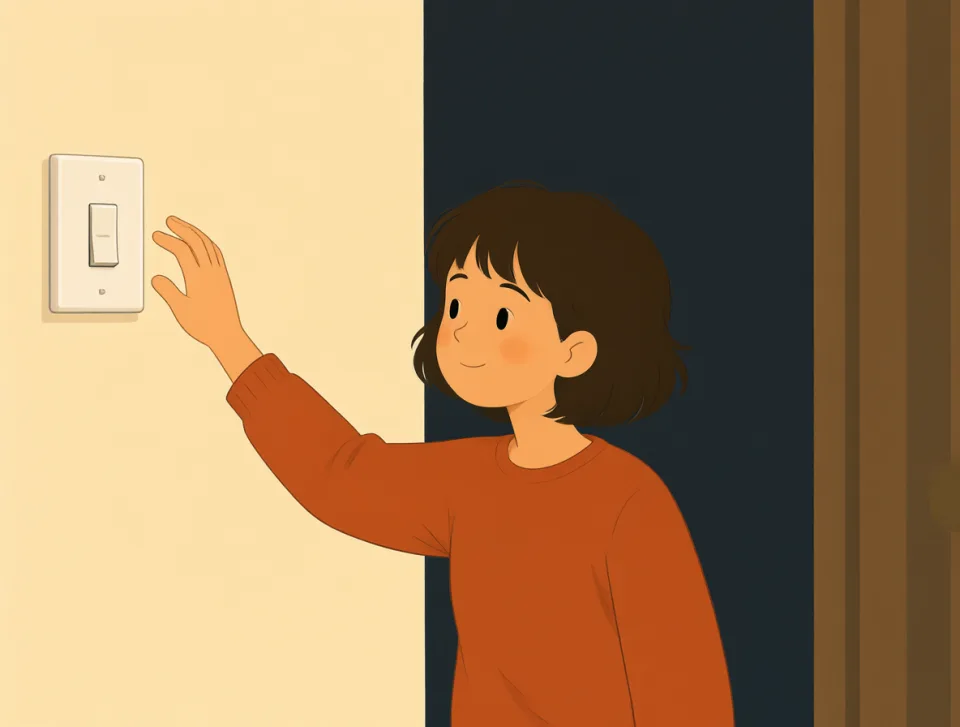
Please turn on the light.
請開啟燈。

She is on the bus to school.
她正在乘公交車去學校。

I tried on these shoes at the store.
我在商店試穿了這雙鞋。
with
#18preposition
和;用;帶有;伴有
together with someone or something; having or using someone or something
和某人或某物在一起;帶有或使用某人或某物
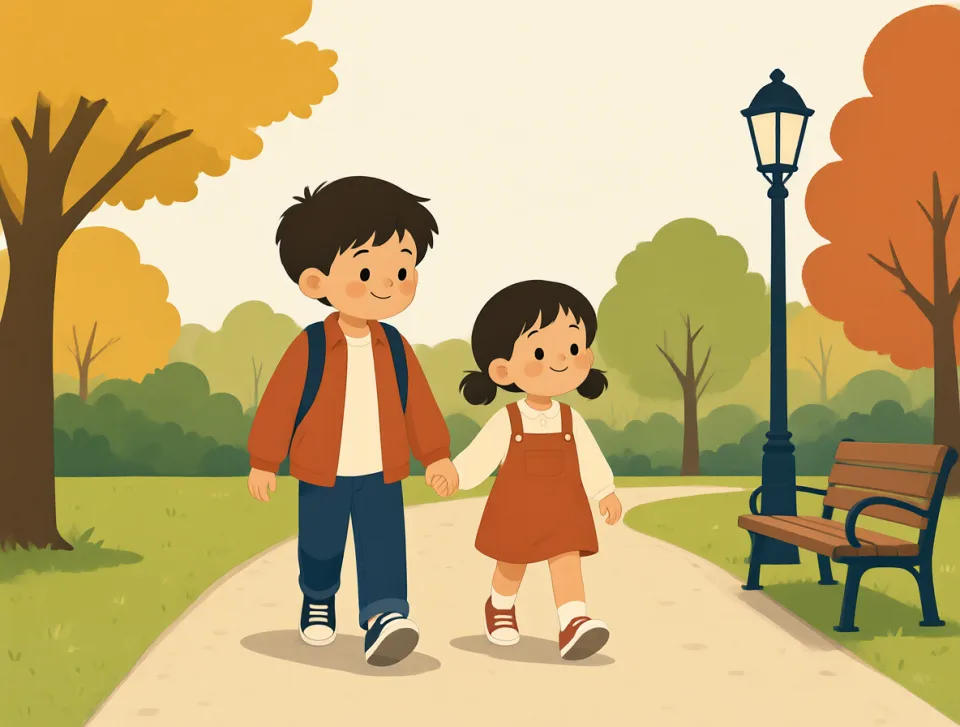
I went to the park with my sister.
我和姐姐去了公園。

She opened the box with a knife.
她用刀開啟了盒子。
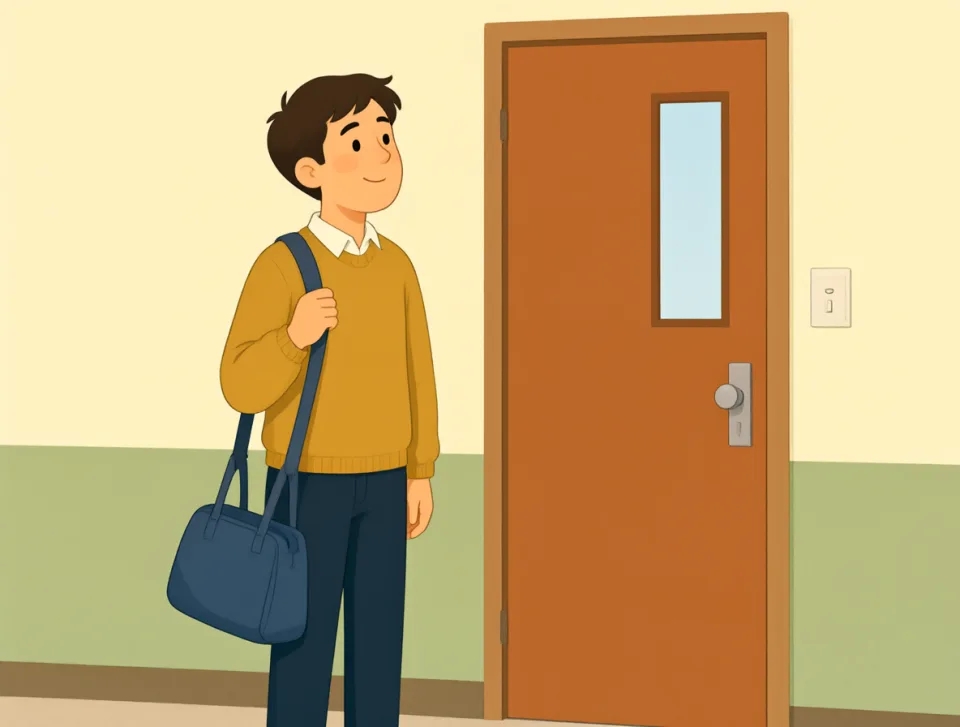
The man with the blue bag is my teacher.
那個帶藍色包的男人是我的老師。
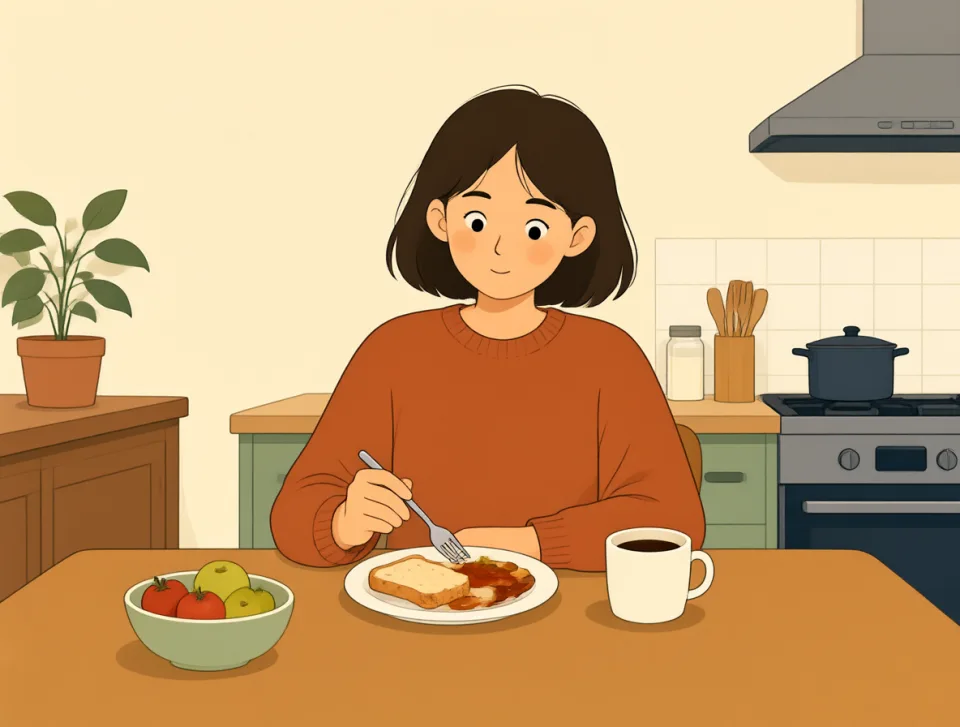
Would you like coffee with your breakfast?
你早餐想配咖啡嗎?

He is sick with a bad cold.
他得了重感冒,病倒了。
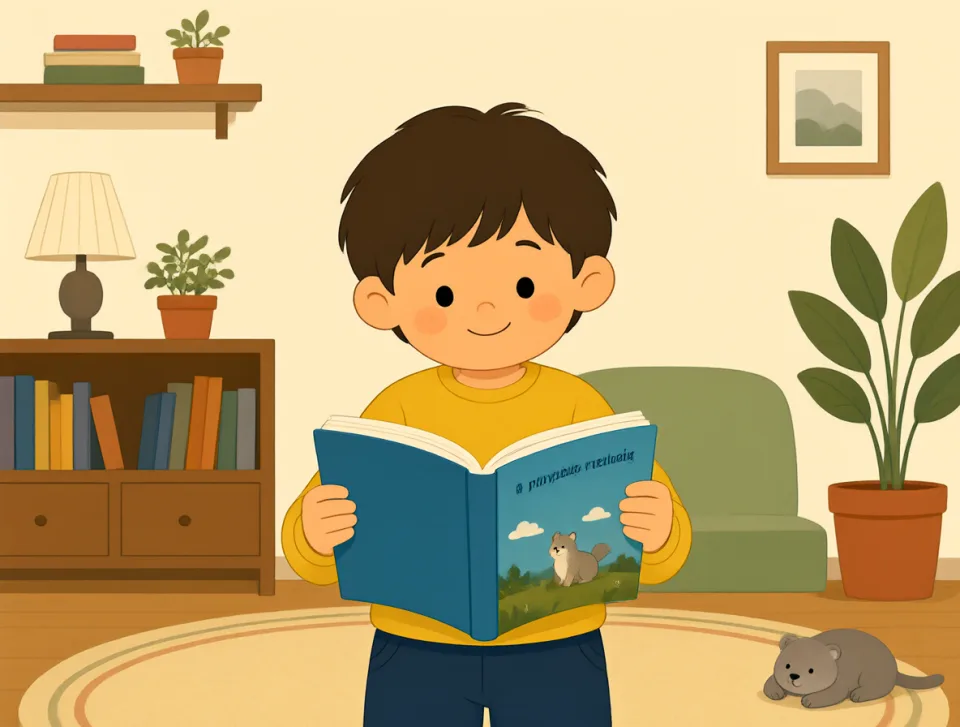
this
#19determiner, pronoun, adverb
這;這個;這裡;現在
Used to talk about one person, thing, or place near you or now.
用於指離你很近或現在所涉及的一個人、事物或地方。
This is my favorite book.
這是我最喜歡的一本書。
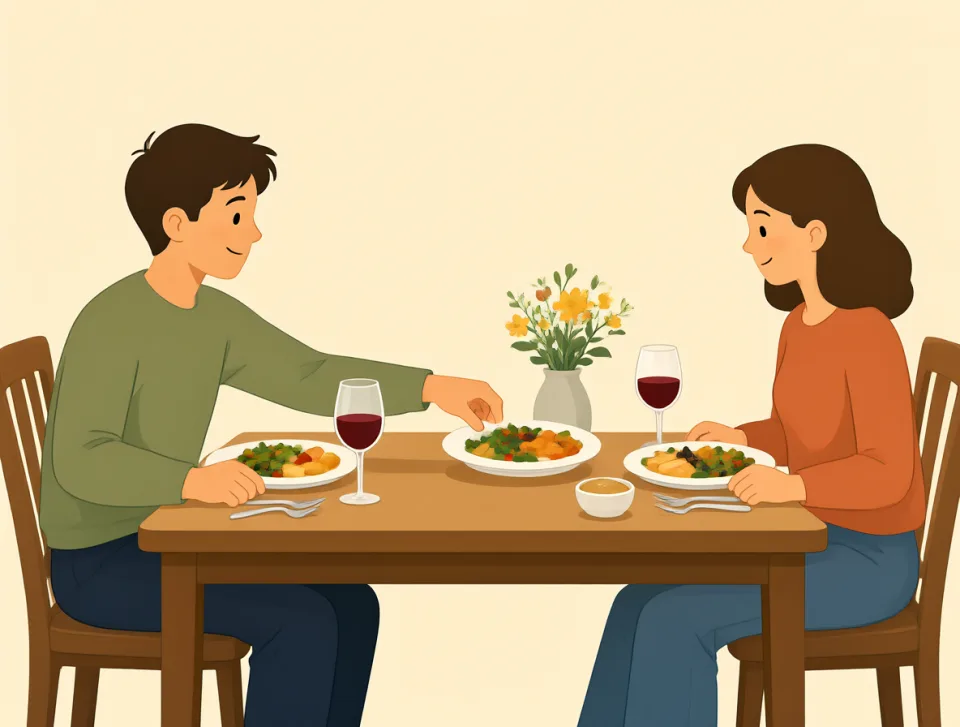
Could you pass me this plate?
你能把這個盤子遞給我嗎?

I bought this shirt yesterday.
我昨天買了這件襯衫。
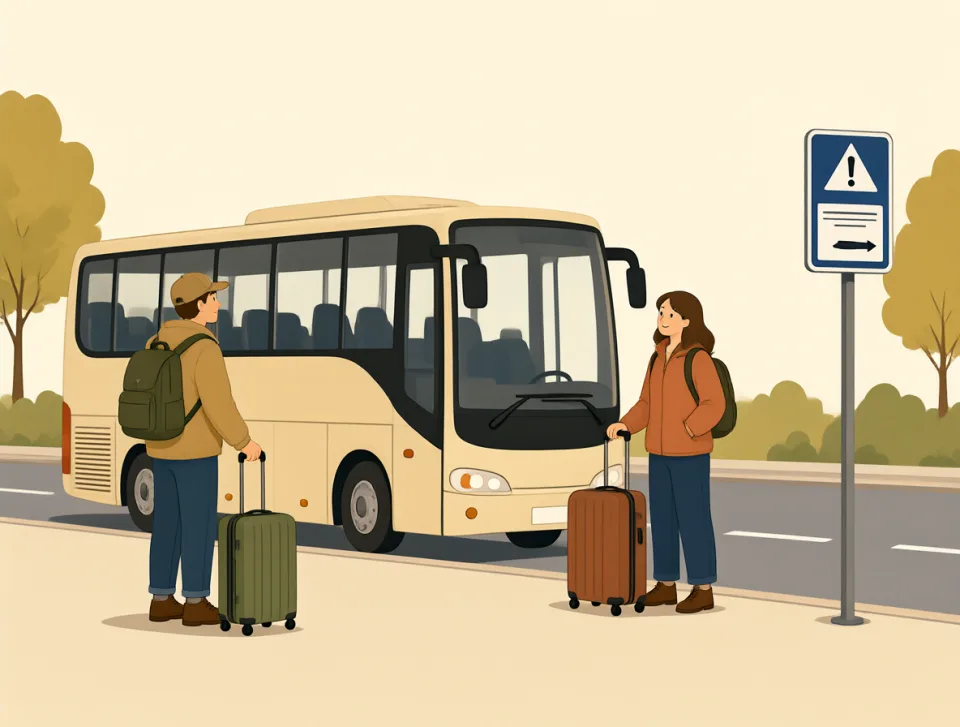
This is where we get off.
我們在這裡下車。

This cake tastes really good.
這個蛋糕吃起來真好吃。
I
#20pronoun
我
The pronoun used for the person speaking or writing.
用於指說話或寫作的人的代詞。
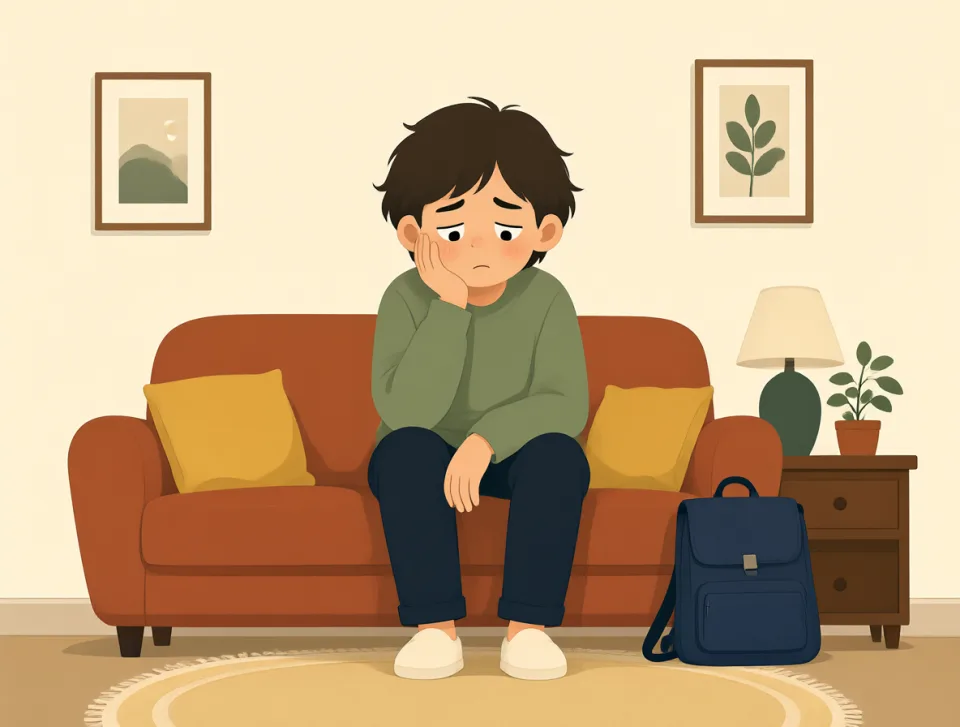
I am tired after work today.
我今天下班後很累。

I have a sister in London.
我在倫敦有一個姐姐。

I like coffee with breakfast.
我喜歡早餐時喝咖啡。
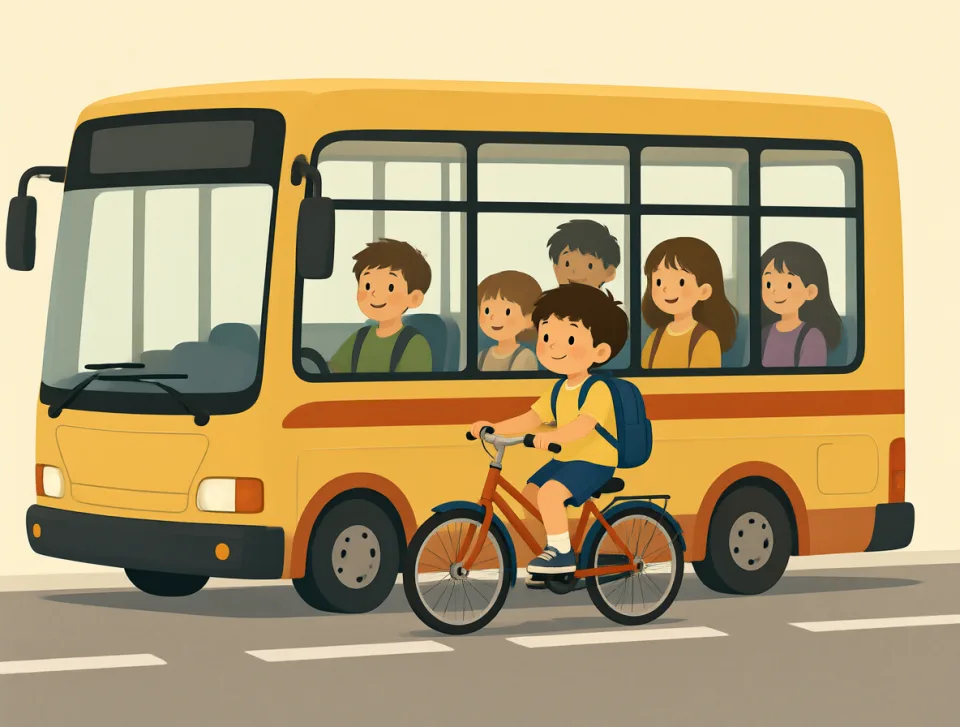
I went to school by bus.
我坐公交車去上學。

Can I help you with dinner?
我可以幫你準備晚飯嗎?