بخش 10
واژههای 181 تا 200 · question, during, always, big, set, small
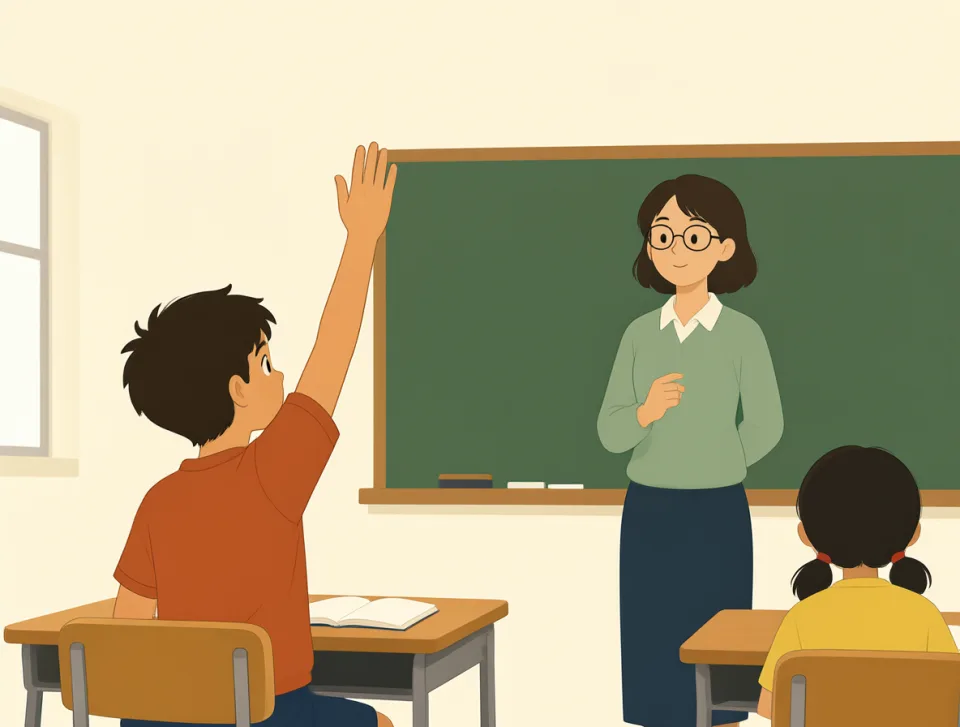
question
#181noun, verb
سؤال
A sentence used to ask for information or express doubt about something.
جملهای که برای درخواست اطلاعات یا بیان تردید دربارهٔ چیزی به کار میرود.
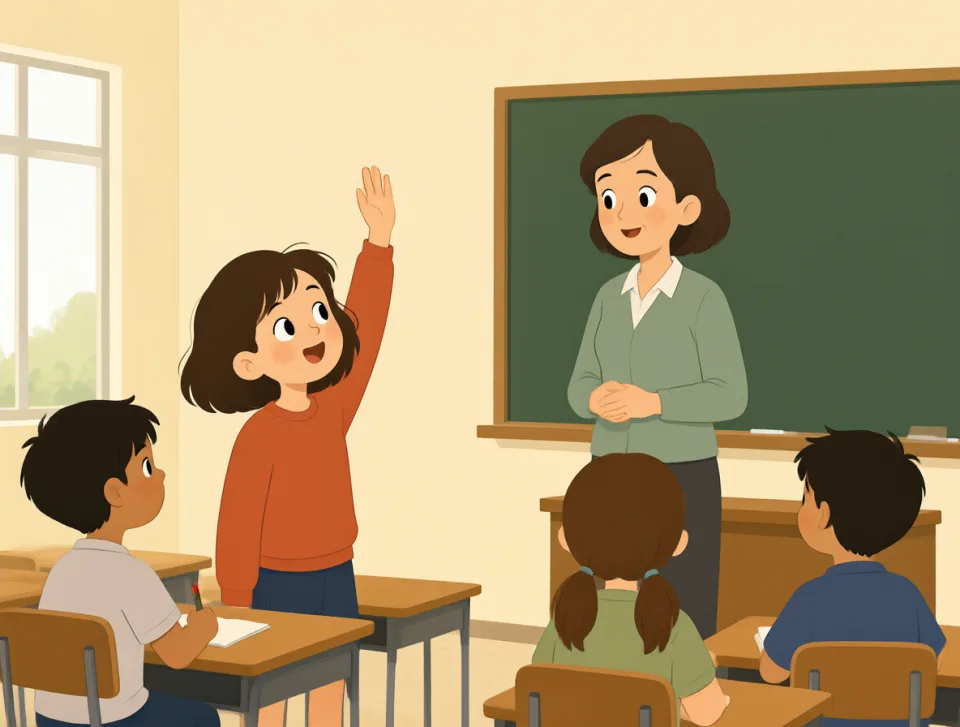
Please ask the teacher a question.
لطفاً از معلم یک سؤال بپرسید.
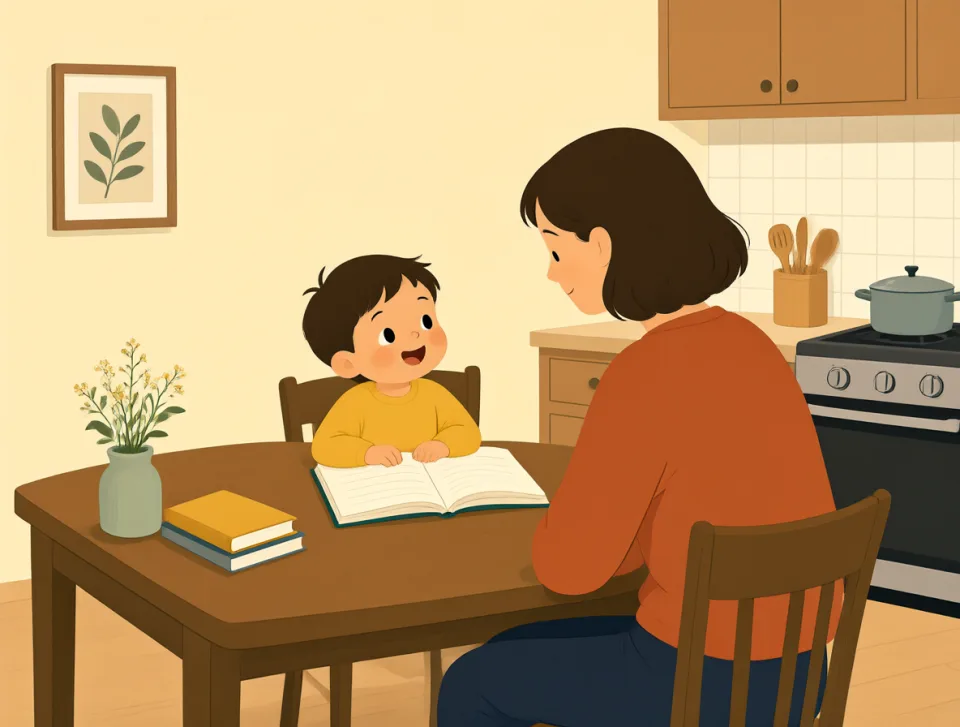
I have a question about my homework.
دربارهٔ تکالیفم سؤالی دارم.
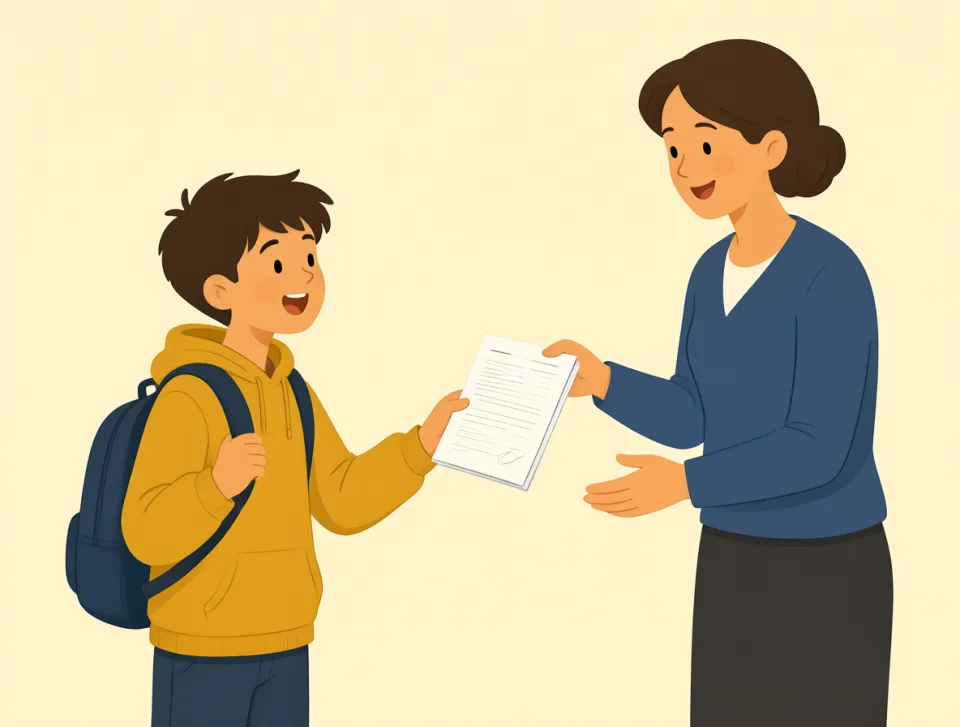
She answered all the questions correctly.
او به همهٔ سؤالها درست جواب داد.

The customer questioned the price of the jacket.
مشتری دربارهٔ قیمت کت سؤال کرد.

The doctor asked me questions about my pain.
دکتر دربارهٔ دردم از من سؤالهایی پرسید.
during
#182preposition
در طول
at some time between the beginning and end of an event or period
در مقطعی بین آغاز و پایان یک رویداد یا دوره
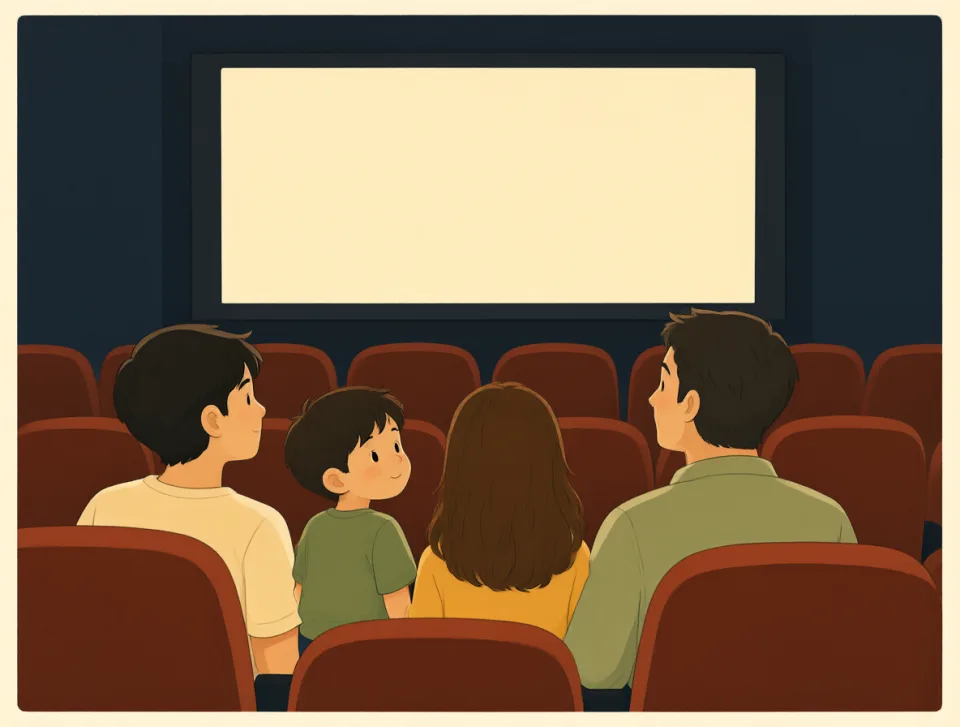
Please stay quiet during the movie.
لطفاً در طول فیلم ساکت بمانید.
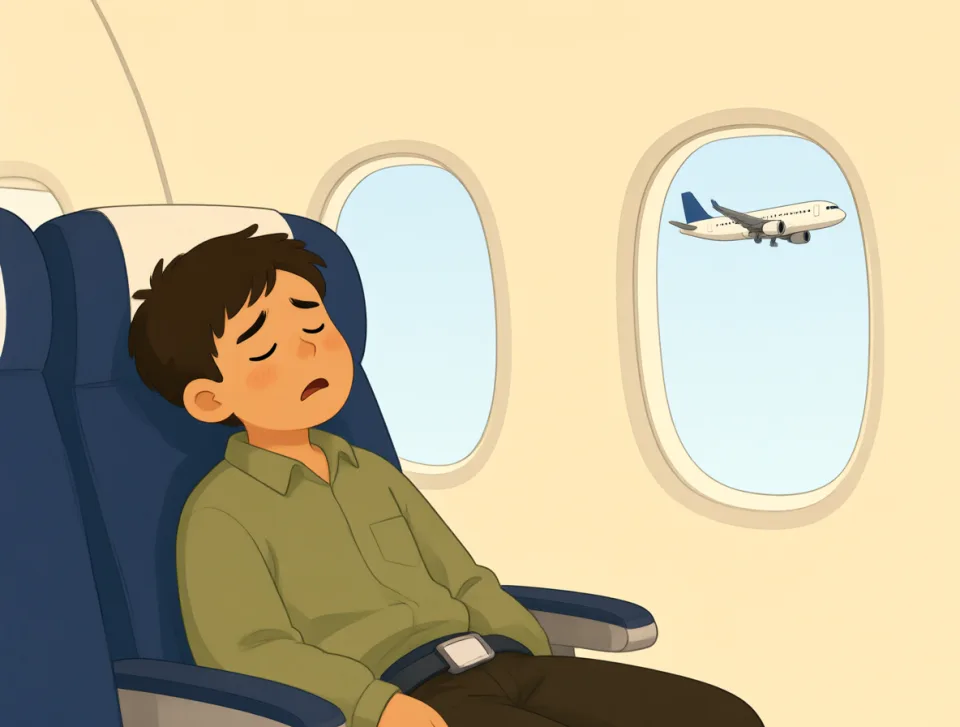
I fell asleep during the flight.
در طول پرواز خوابم برد.
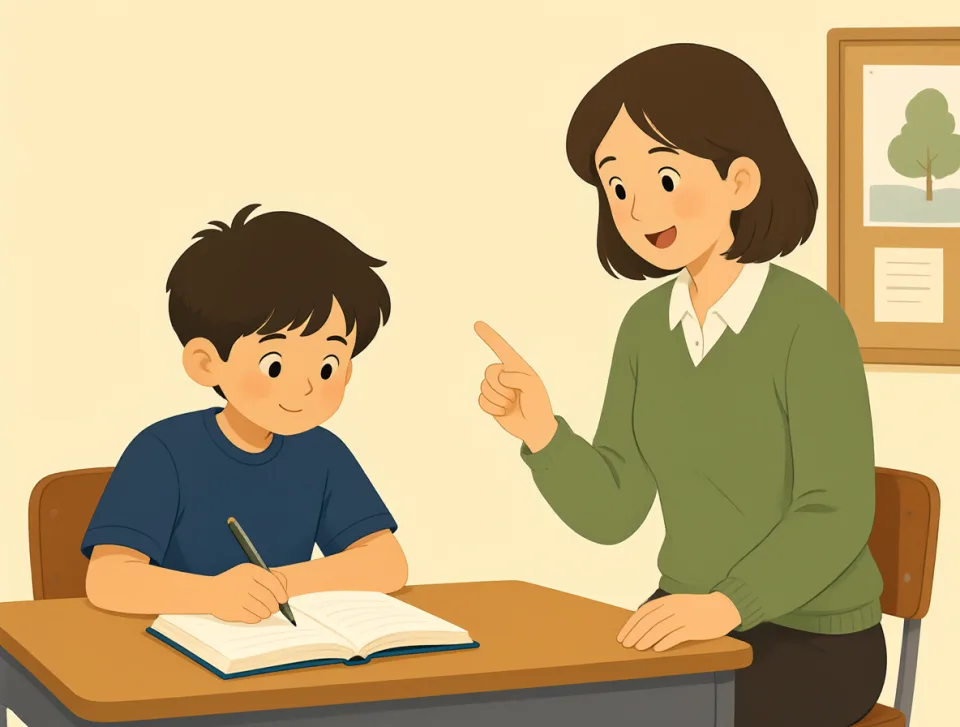
She took notes during the lesson.
او در طول درس یادداشتبرداری کرد.
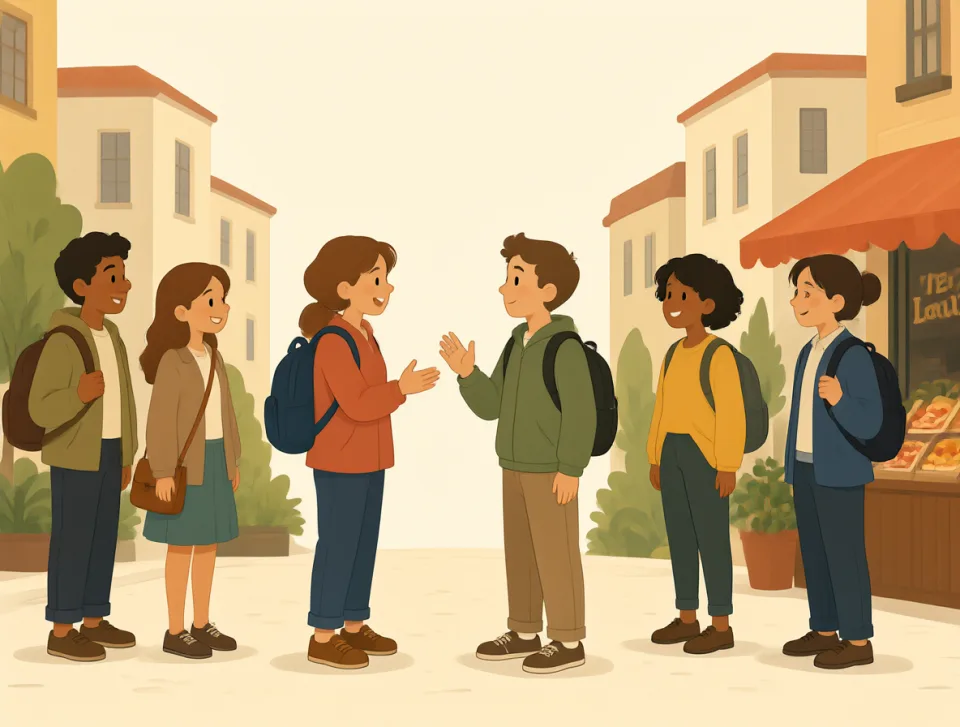
We met many people during our trip.
در طول سفرمان با آدمهای زیادی آشنا شدیم.
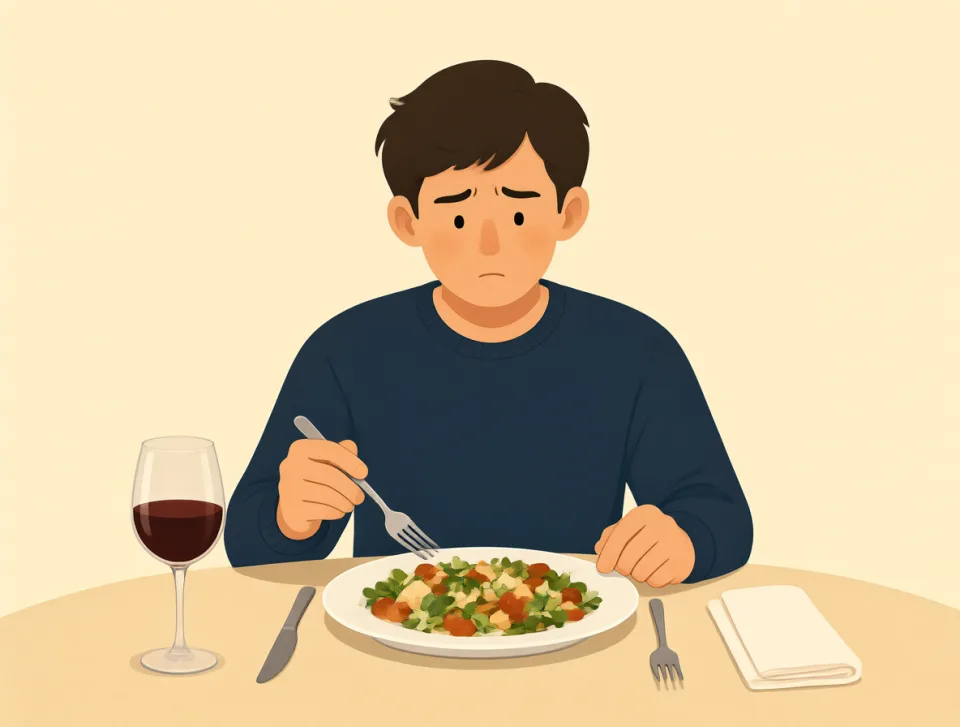
He felt sick during dinner.
او هنگام شام احساس بیماری کرد.

always
#183adverb
همیشه
Every time, or at all times.
هر بار یا در همهٔ اوقات.
She always drinks coffee in the morning.
او همیشه صبحها قهوه مینوشد.
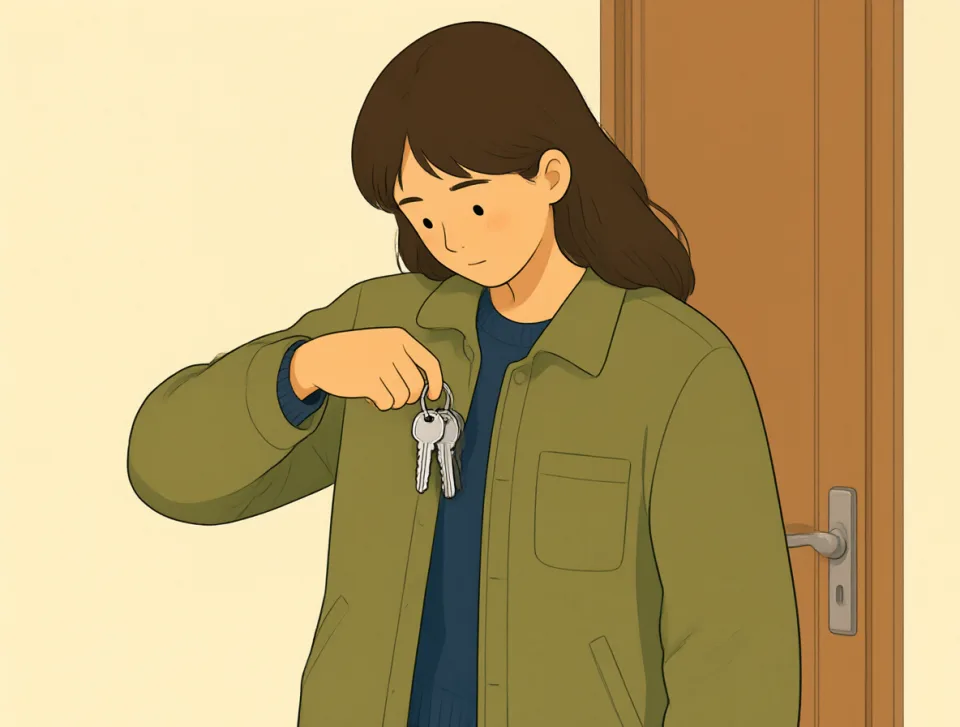
I always take my keys with me.
من همیشه کلیدهایم را همراهم میبرم.

He is always late for work.
او همیشه برای کار دیر میرسد.
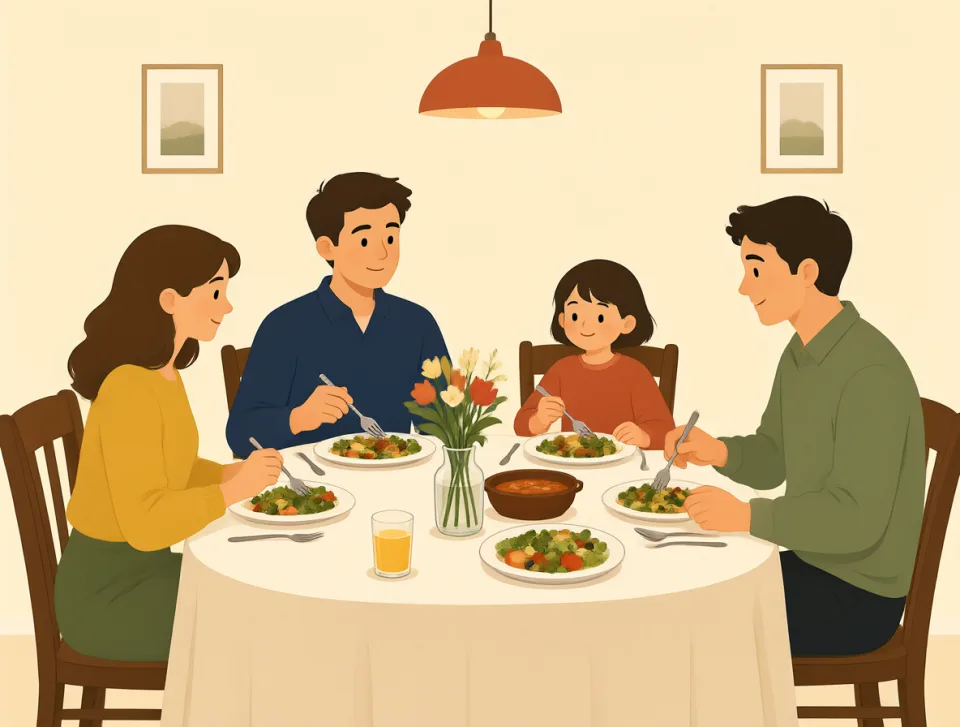
We always eat dinner together.
ما همیشه با هم شام میخوریم.
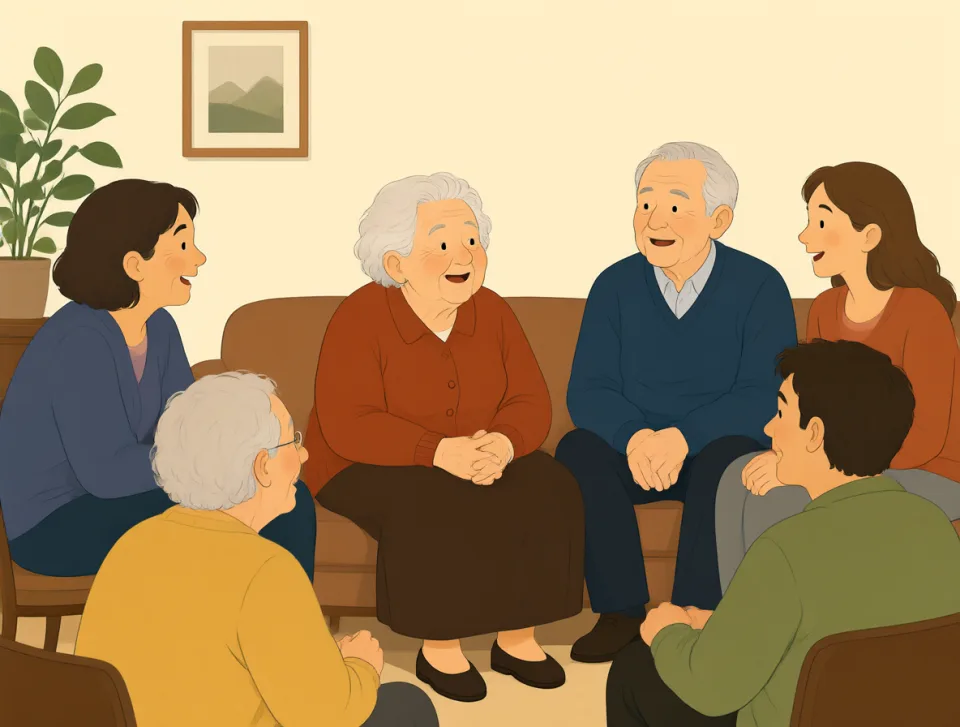
My grandmother always tells funny stories.
مادربزرگم همیشه داستانهای خندهدار تعریف میکند.
big
#184adjective, adverb, noun
بزرگ
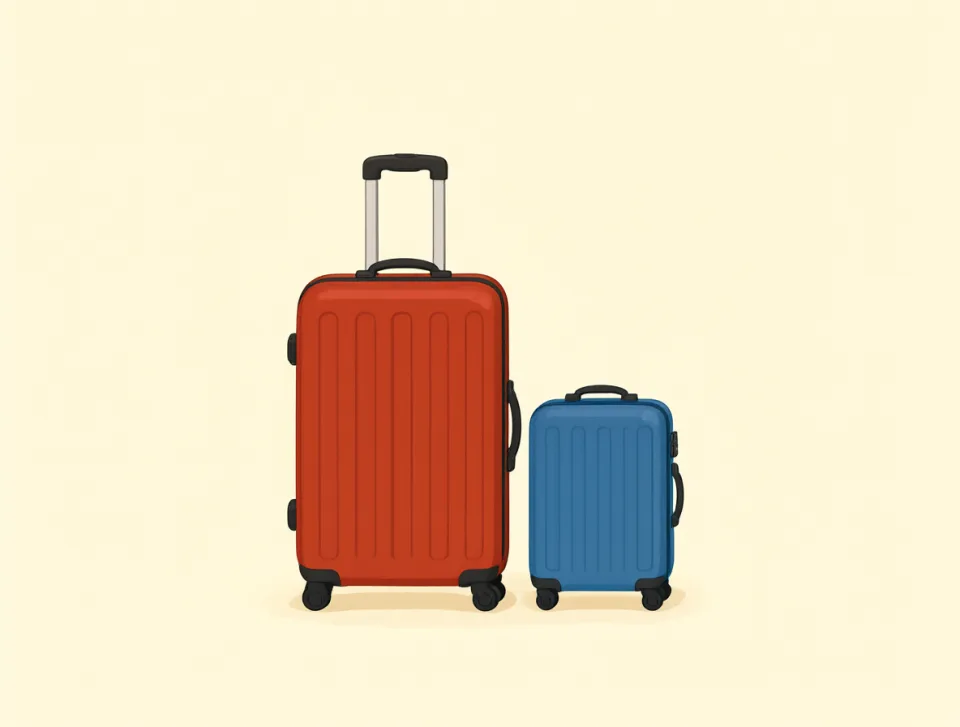
Large in size, amount, importance, or popularity.
از نظر اندازه، مقدار، اهمیت یا محبوبیت، زیاد.

They live in a big house.
آنها در یک خانهٔ بزرگ زندگی میکنند.
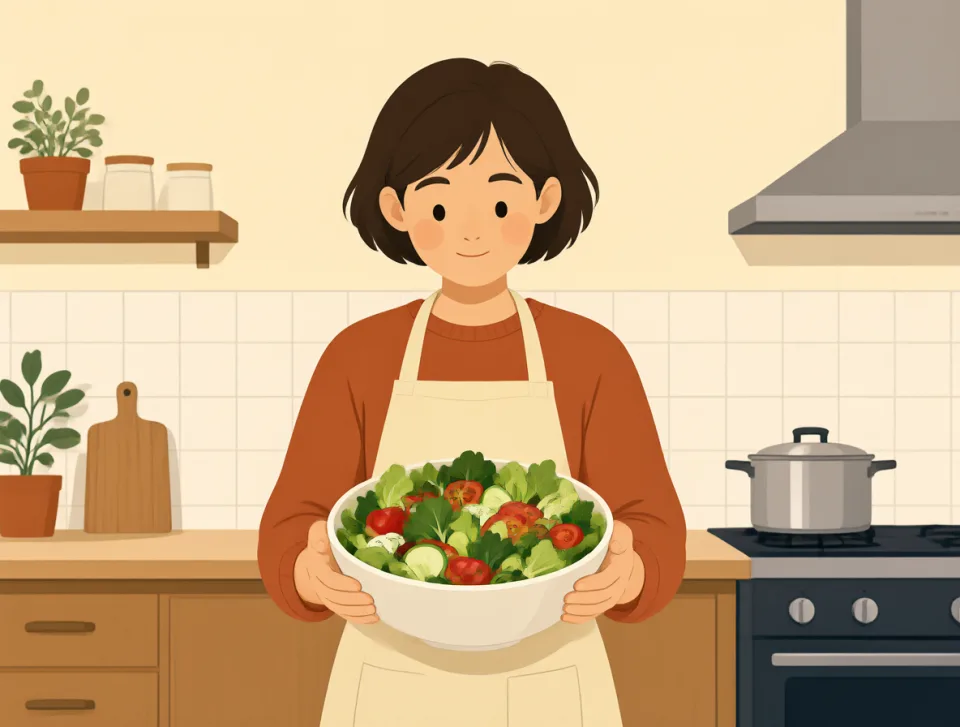
I need a big bowl for salad.
برای سالاد به یک کاسهٔ بزرگ نیاز دارم.

She got a big job at the company.
او در شرکت شغل مهمی پیدا کرد.

We had a big lunch after the trip.
بعد از سفر ناهار مفصلی خوردیم.

That was a big mistake in my homework.
آن اشتباه بزرگی در تکالیفم بود.
set
#185noun, verb, adjective
مجموعه؛ قرار دادن
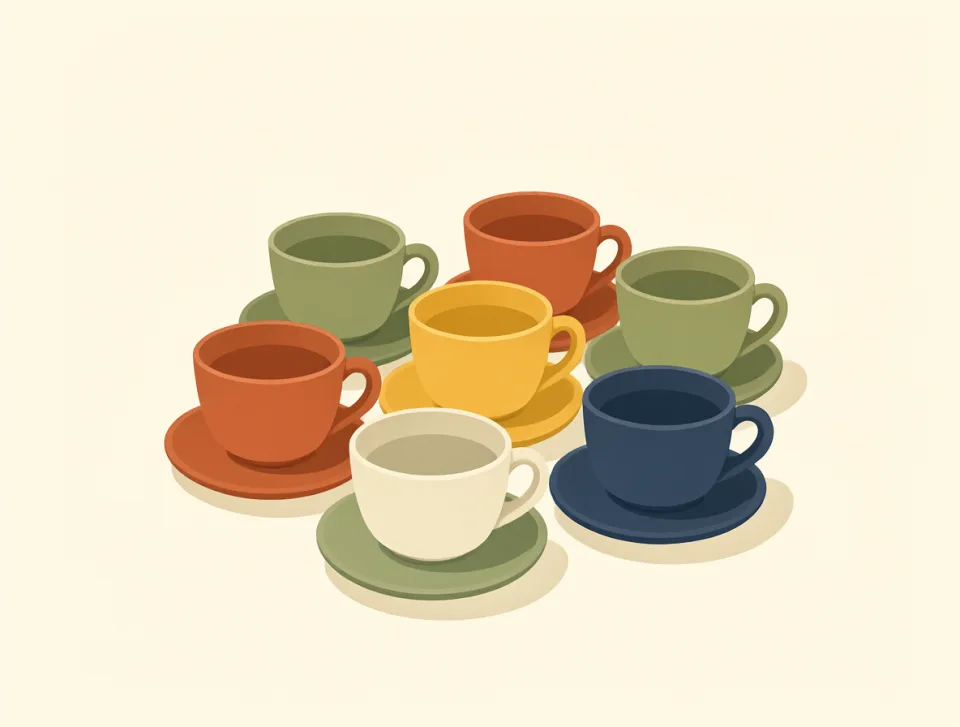
A group of things, or to put something in a particular place or position.
گروهی از چیزها، یا قرار دادن چیزی در مکان یا موقعیتی خاص.
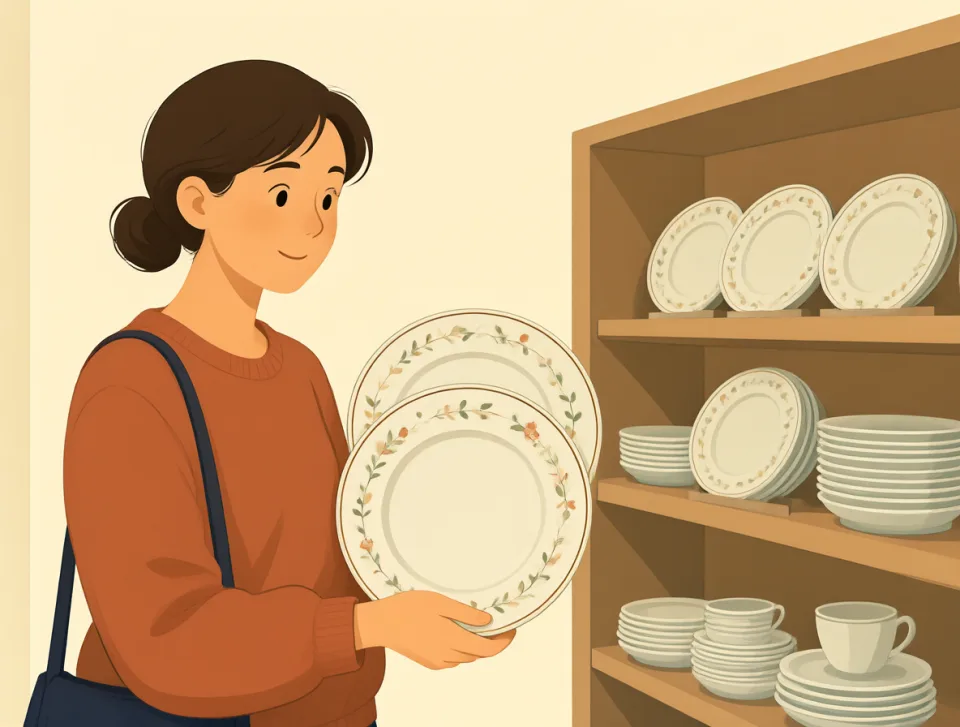
I bought a new set of plates.
یک دست بشقاب نو خریدم.
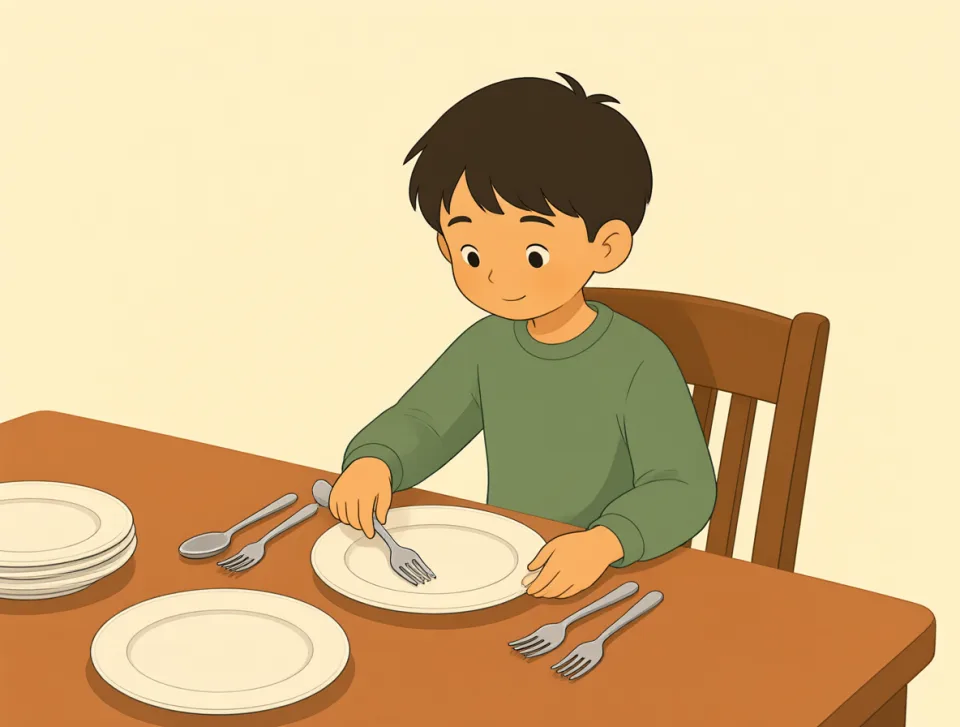
Please set the table for dinner.
لطفاً میز را برای شام بچینید.
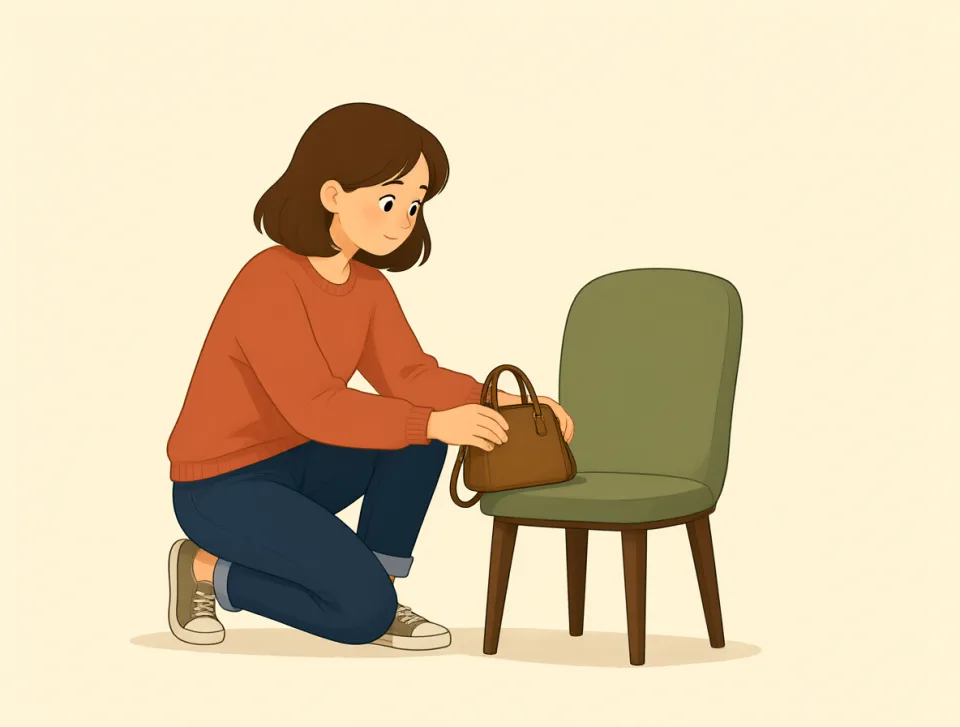
She set her bag beside the chair.
او کیفش را کنار صندلی گذاشت.
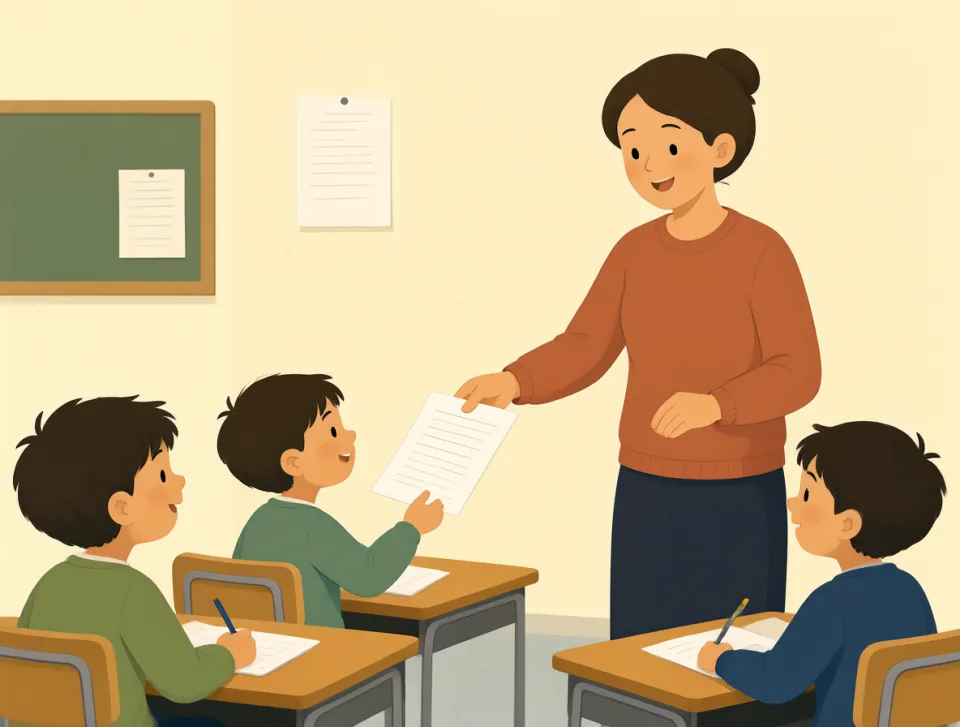
The teacher set a test for Friday.
معلم برای جمعه امتحانی تعیین کرد.

The sun sets over the sea.
خورشید در دریا غروب میکند.

small
#186adjective, noun
کوچک
Not large in size, amount, or number.
از نظر اندازه، مقدار یا تعداد، بزرگ نیست.
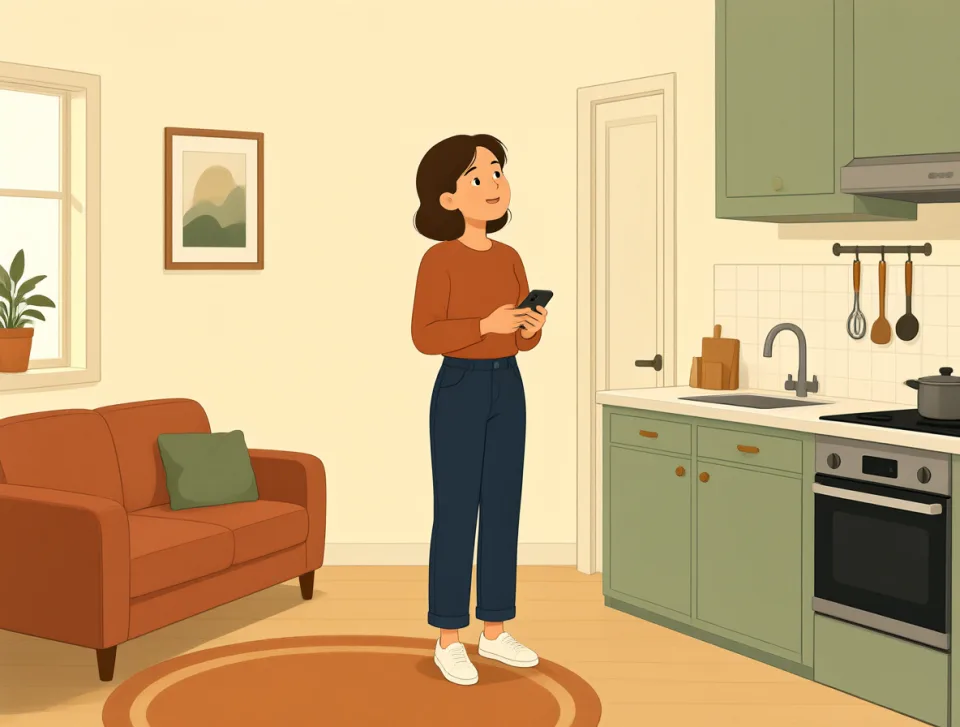
She lives in a small apartment downtown.
او در آپارتمانی کوچک در مرکز شهر زندگی میکند.

He bought a small coffee at the shop.
او از مغازه یک قهوهٔ کوچک خرید.
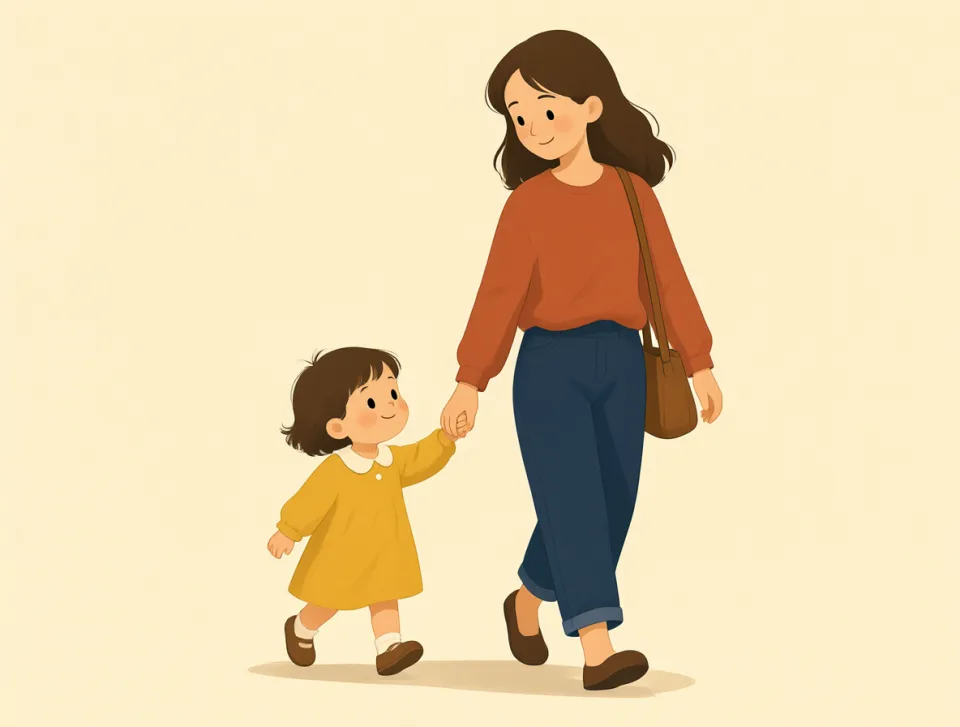
The small child held her mother’s hand.
کودک خردسال دست مادرش را گرفت.

We sat at a small table by the window.
کنار پنجره، دور یک میز کوچک نشستیم.
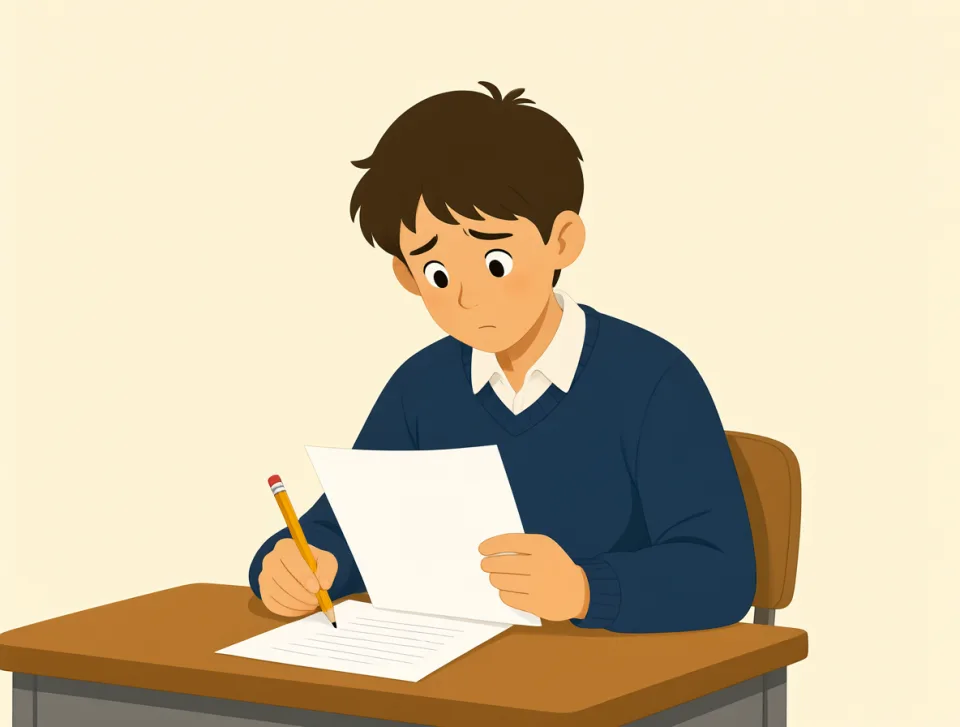
I made a small mistake on the test.
در آزمون اشتباه کوچکی کردم.
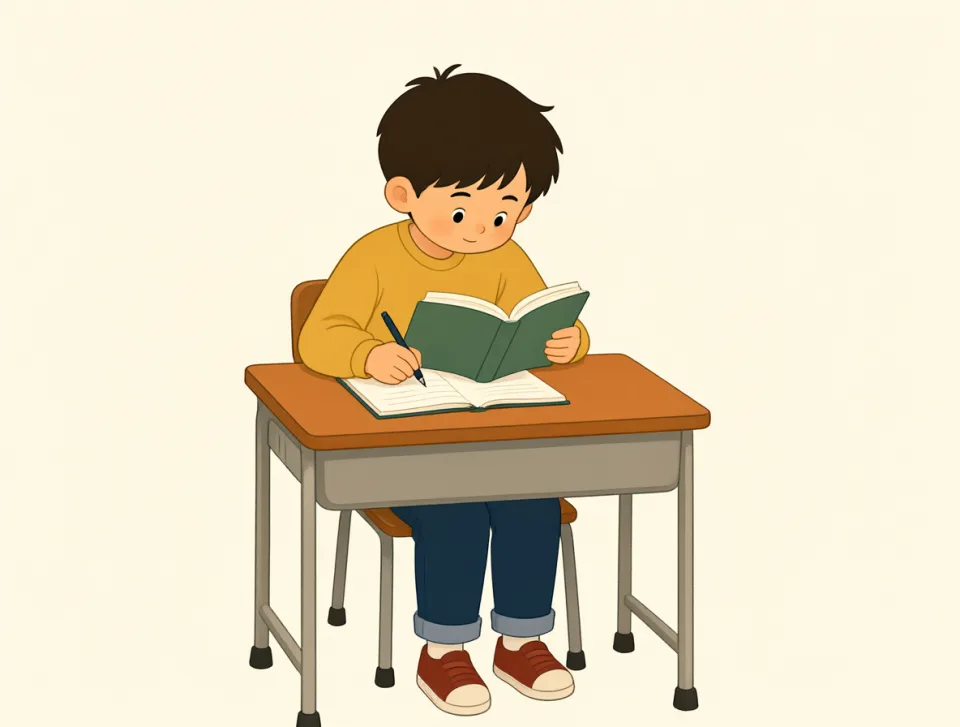
study
#187noun, verb
مطالعه کردن
To learn about a subject by reading, practicing, or going to classes.
یاد گرفتن دربارهٔ یک موضوع از راه خواندن، تمرین کردن یا شرکت در کلاسها.
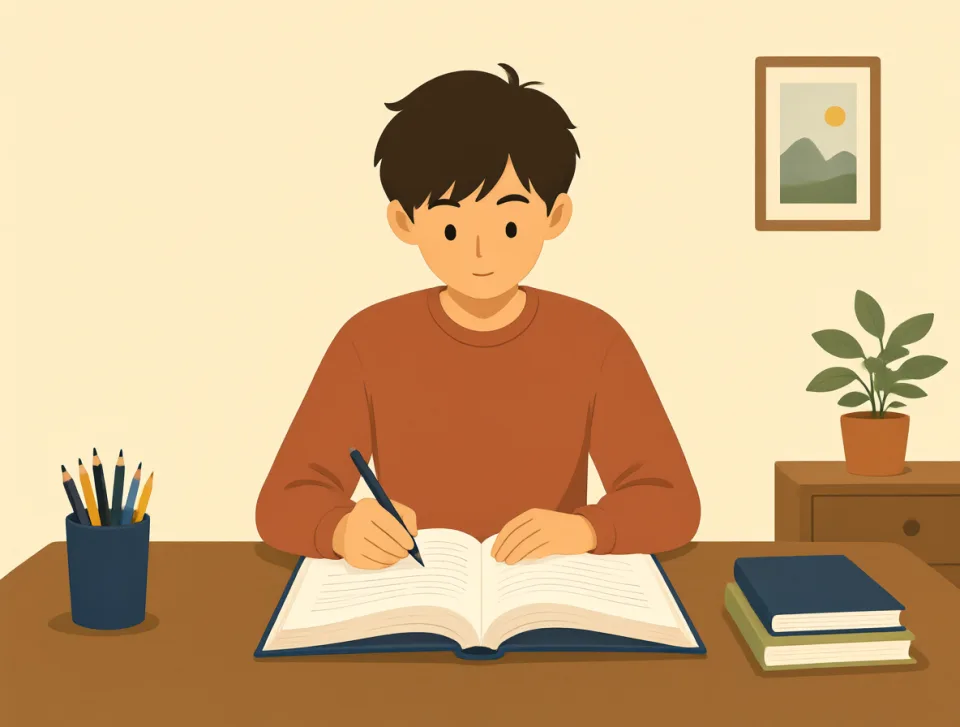
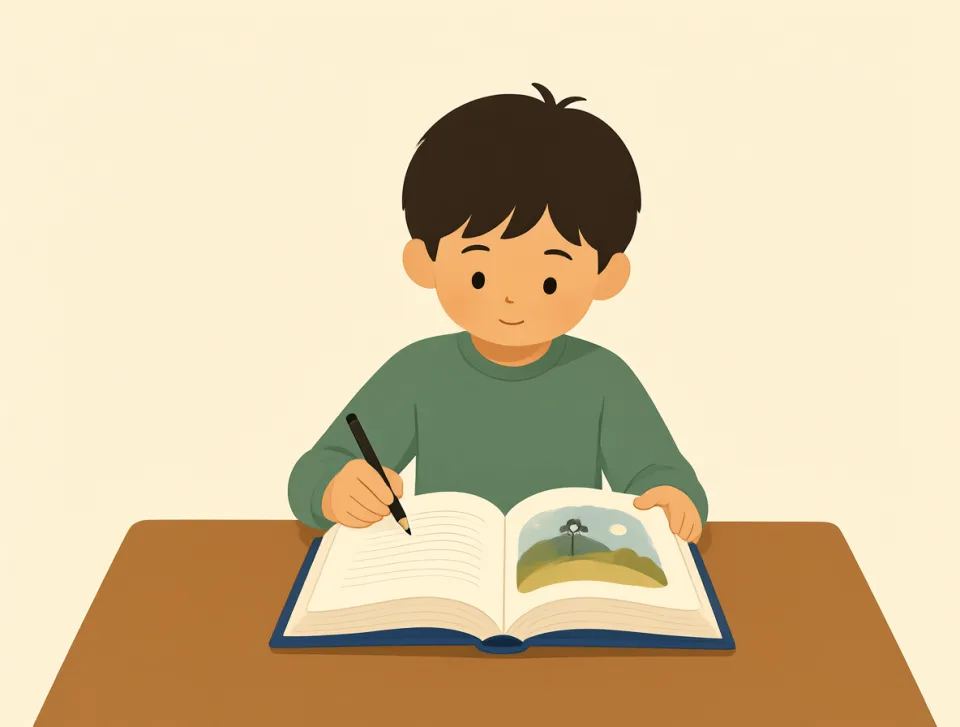
I study English every evening at home.
هر شب در خانه انگلیسی میخوانم.
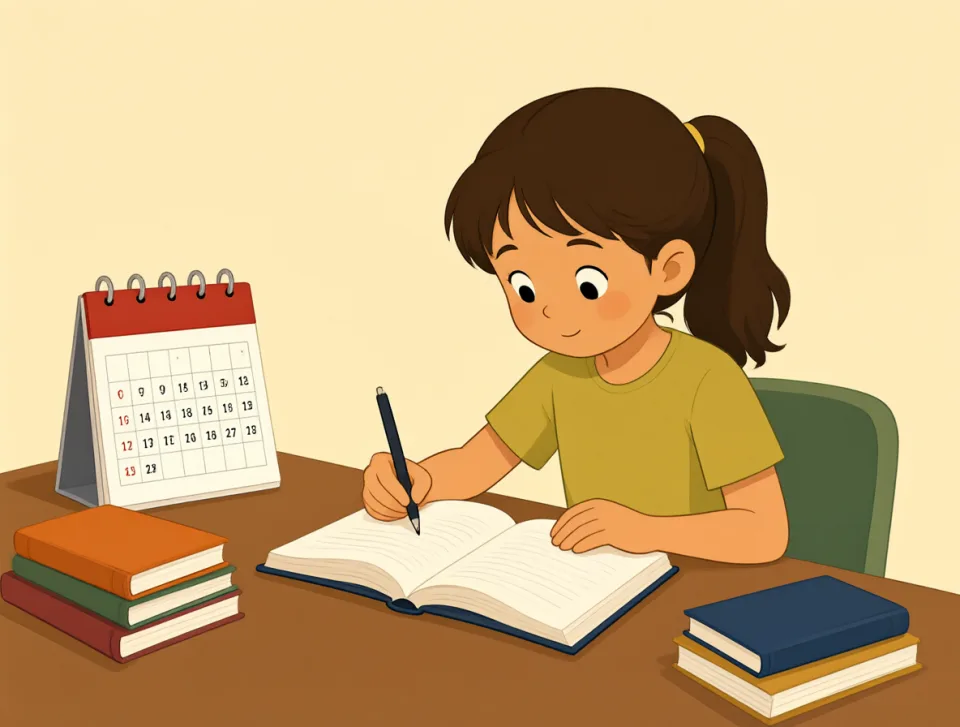
She studied hard for her math test.
او برای آزمون ریاضیاش سخت درس خواند.

He is studying medicine at university.
او در دانشگاه پزشکی میخواند.
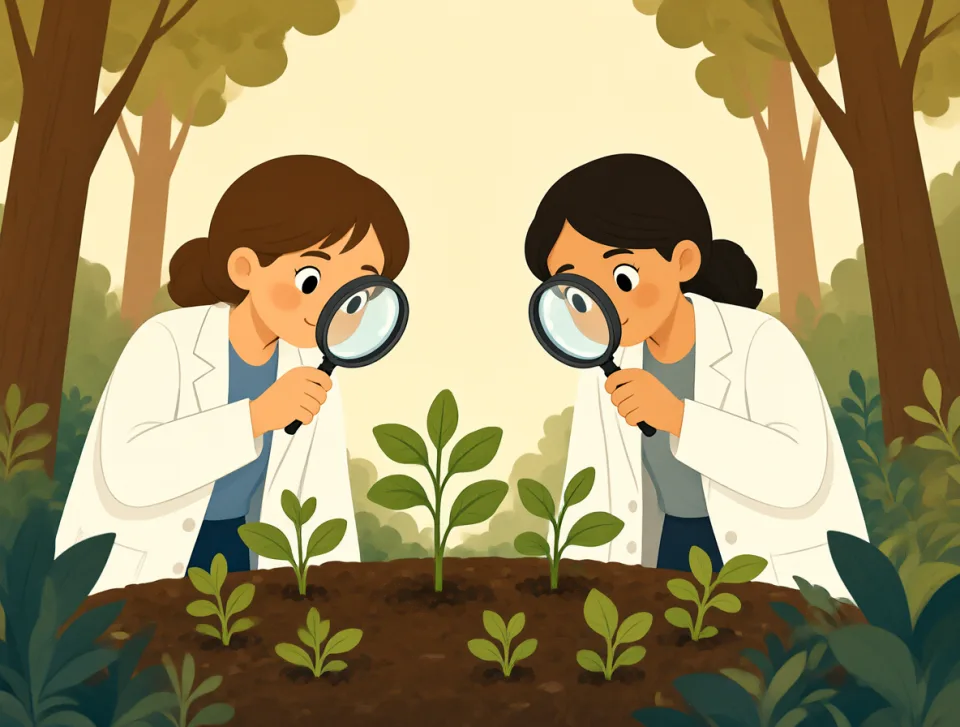
The scientists study plants in the forest.
دانشمندان گیاهان را در جنگل مطالعه میکنند.
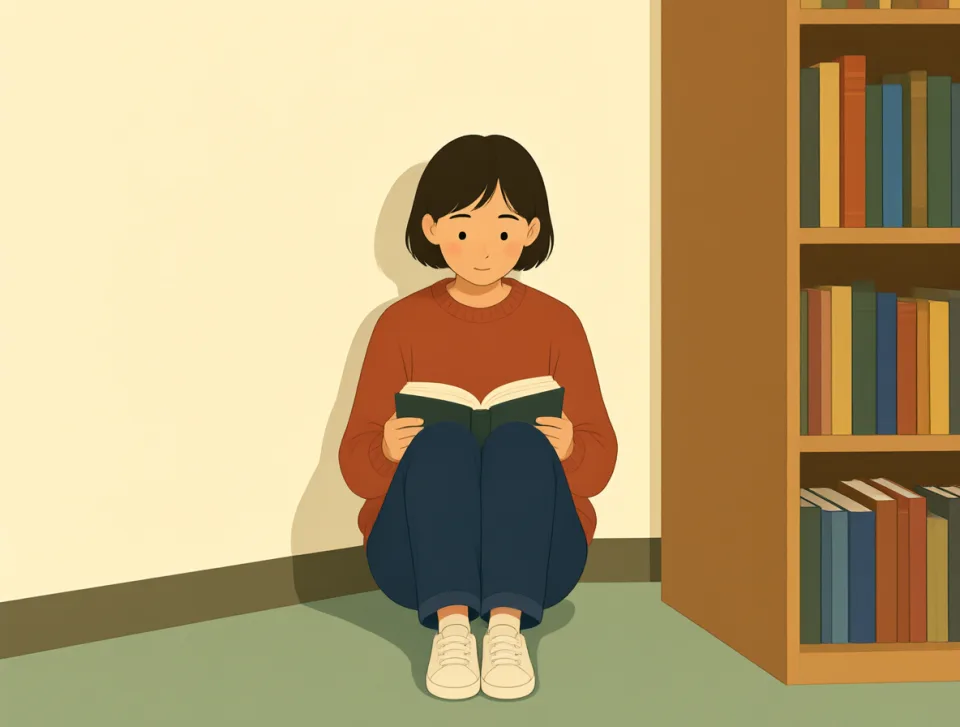
I need a quiet place to study.
برای درس خواندن به جایی آرام نیاز دارم.
follow
#188verb, noun
دنبال کردن
to go after someone or something, or do what comes next
دنبال کسی یا چیزی رفتن، یا کاری را که در ادامه میآید انجام دادن.
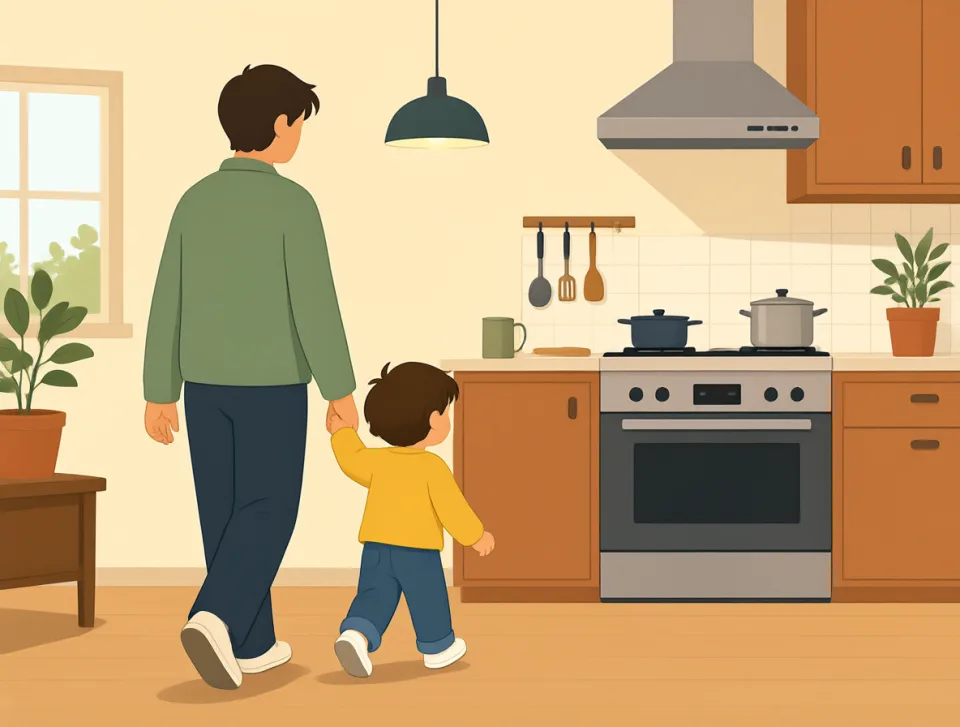
Please follow me to the kitchen.
لطفاً دنبال من تا آشپزخانه بیایید.
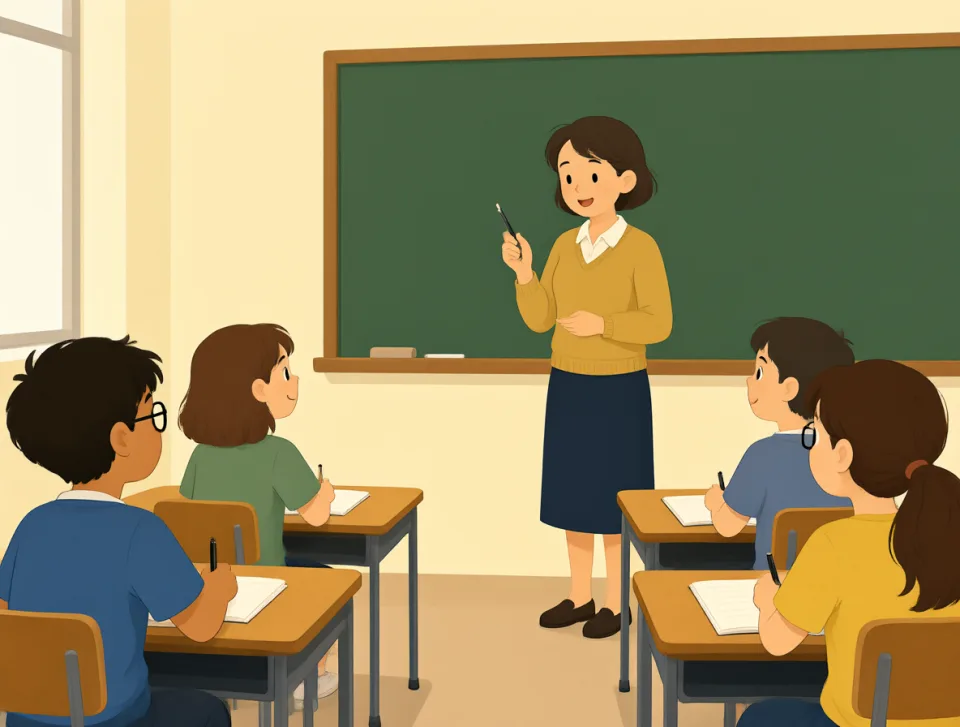
Follow the teacher’s instructions carefully.
دستورهای معلم را با دقت دنبال کنید.
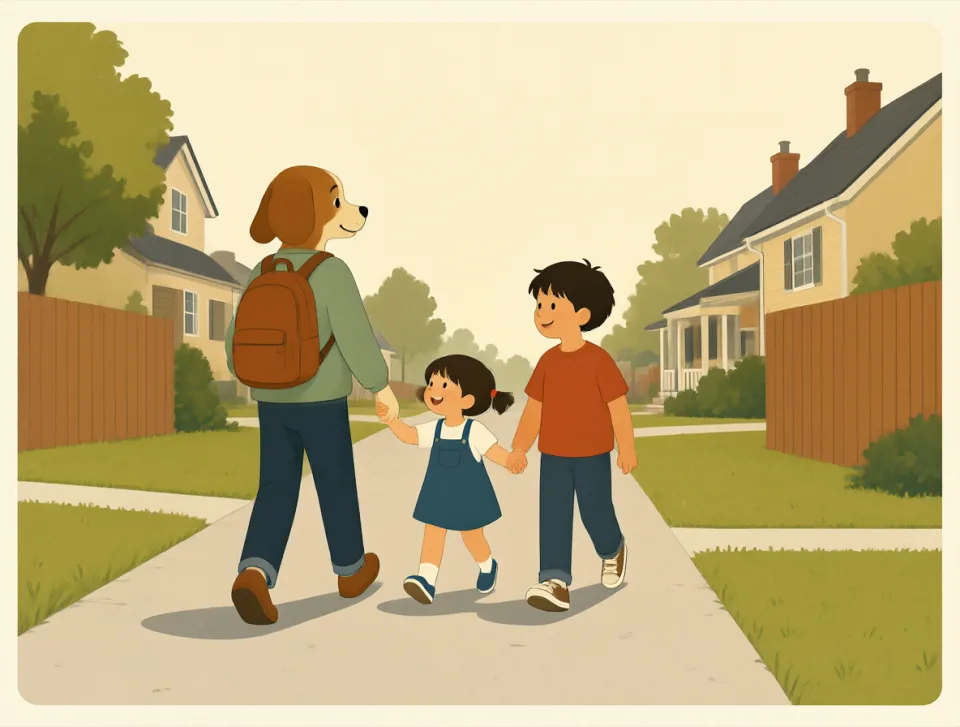
The dog followed us home from school.
سگ از مدرسه تا خانه دنبالمان آمد.
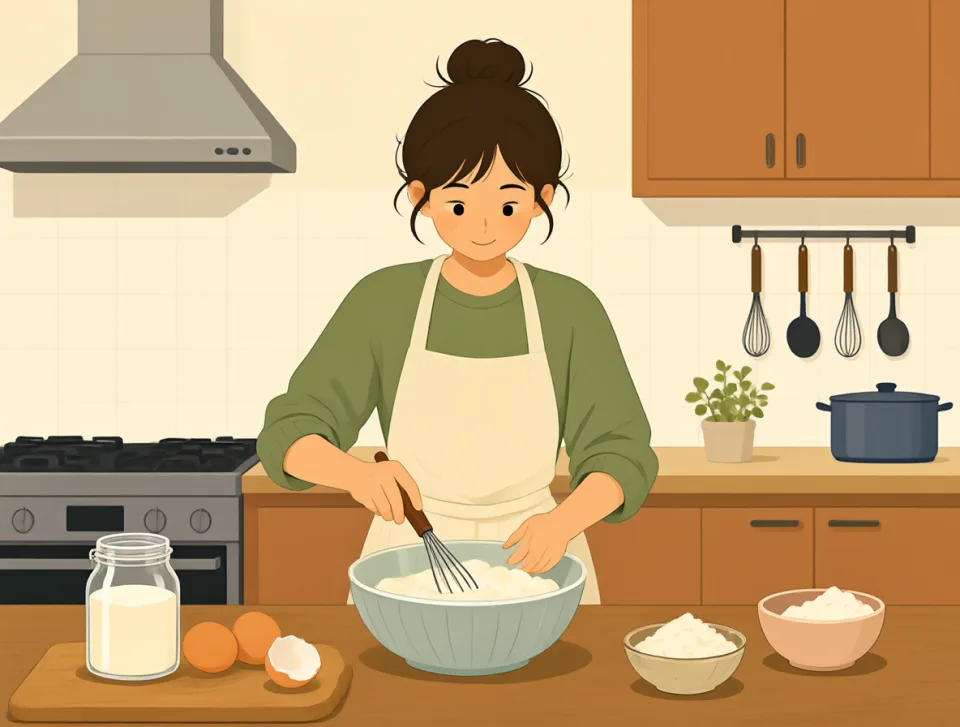
Follow this recipe for a delicious cake.
برای درست کردن کیکی خوشمزه، این دستور را دنبال کنید.
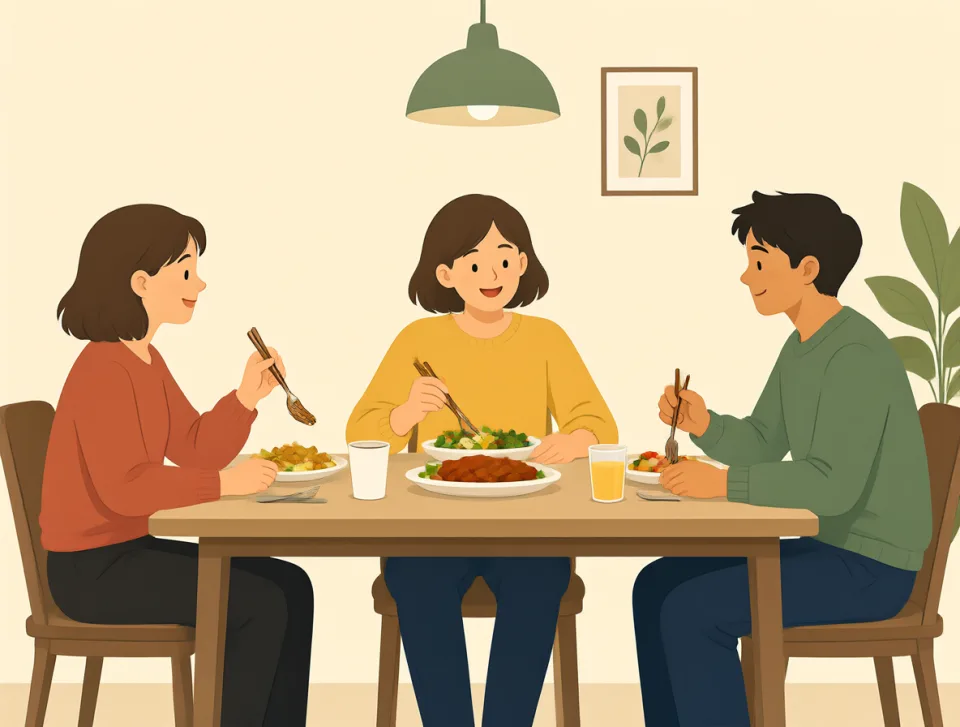
A short meeting followed lunch.
بعد از ناهار، جلسهای کوتاه برگزار شد.
begin
#189verb
شروع کردن
to start doing something or to happen for the first time
شروع به انجام کاری کردن یا برای نخستین بار رخ دادن.
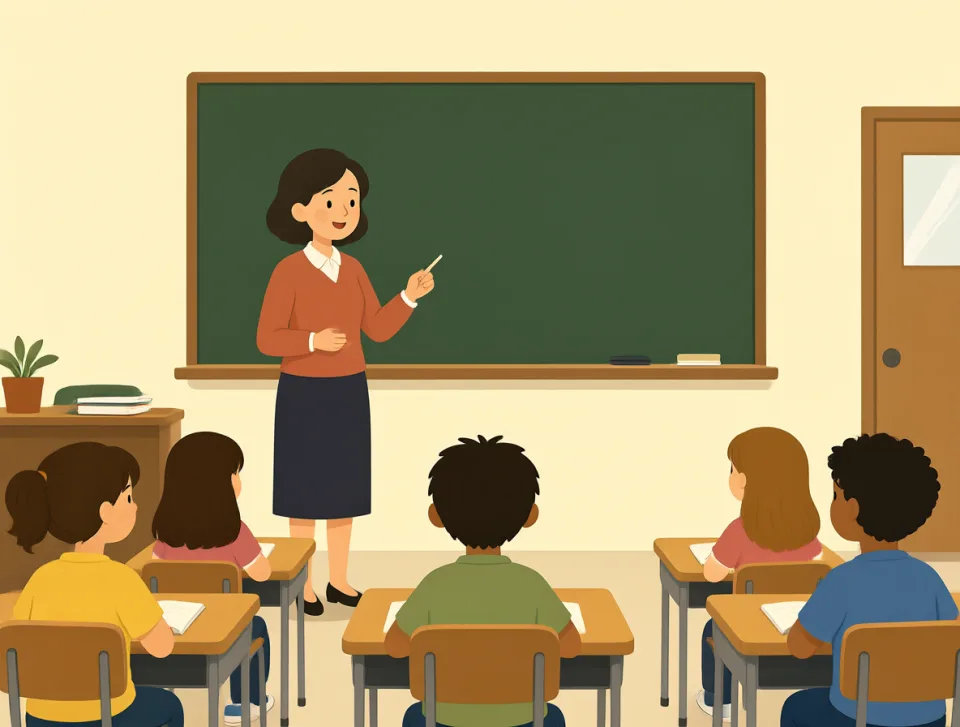
The class begins at nine o'clock.
کلاس ساعت نه شروع میشود.
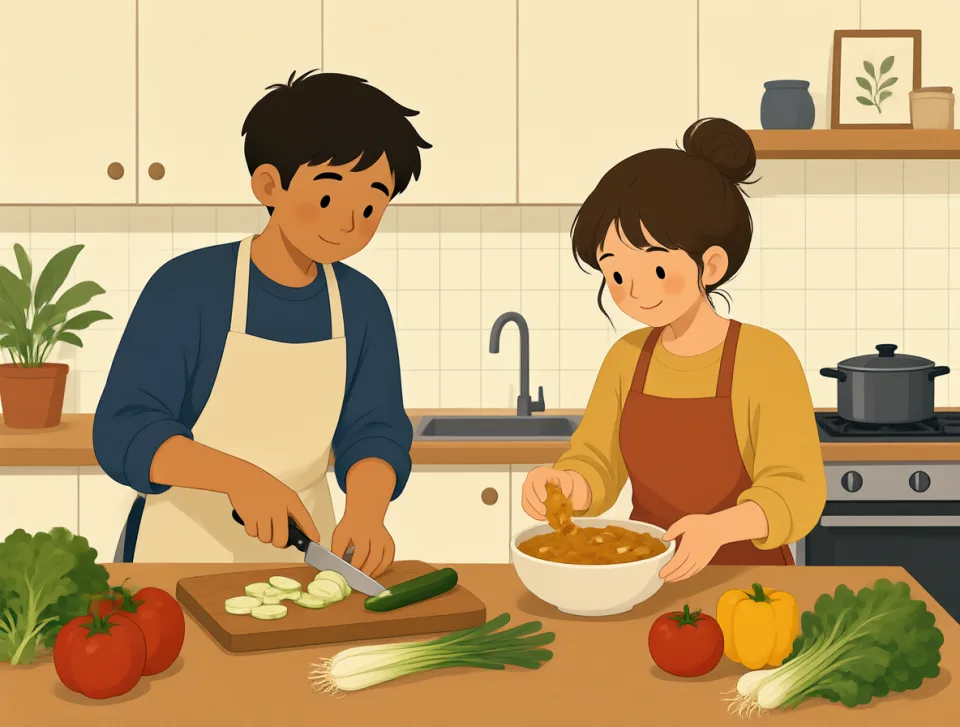
We began cooking dinner after work.
بعد از کار شروع به پختن شام کردیم.
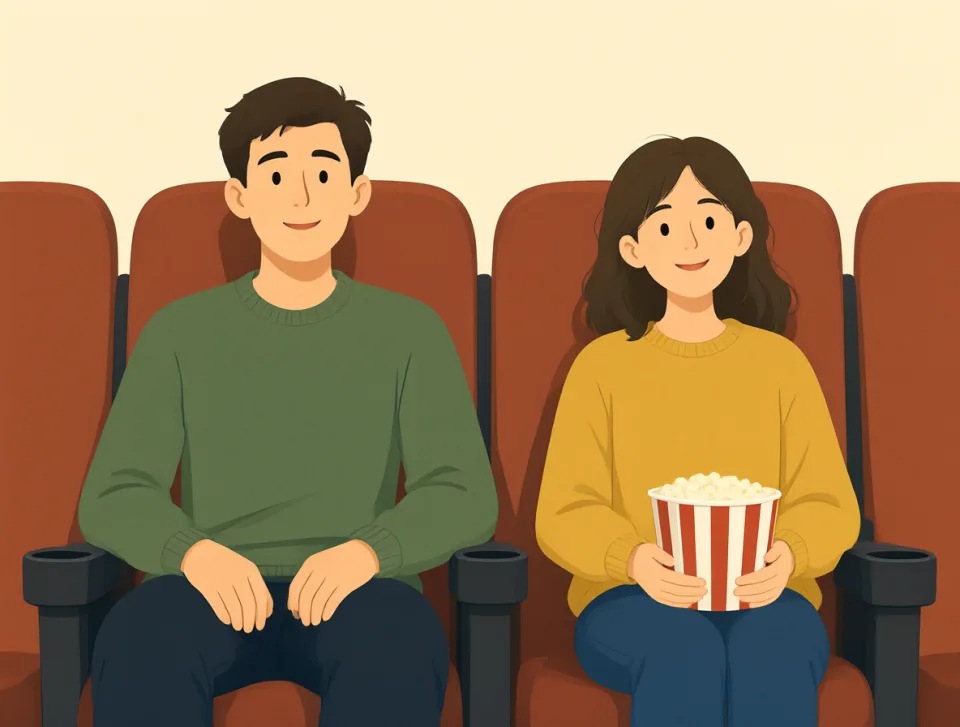
The movie began when we found our seats.
وقتی صندلیهایمان را پیدا کردیم، فیلم شروع شد.

She began to feel better yesterday.
او دیروز کمکم احساس بهتری پیدا کرد.

The rain began during our walk.
باران در طول پیادهرویمان شروع شد.

important
#190adjective
مهم
Having great value, meaning, or effect; needing attention.
دارای ارزش، معنا یا تأثیر زیاد؛ چیزی که نیاز به توجه دارد.

This meeting is very important to our team.
این جلسه برای تیم ما خیلی مهم است.

It is important to drink water every day.
مهم است که هر روز آب بنوشید.
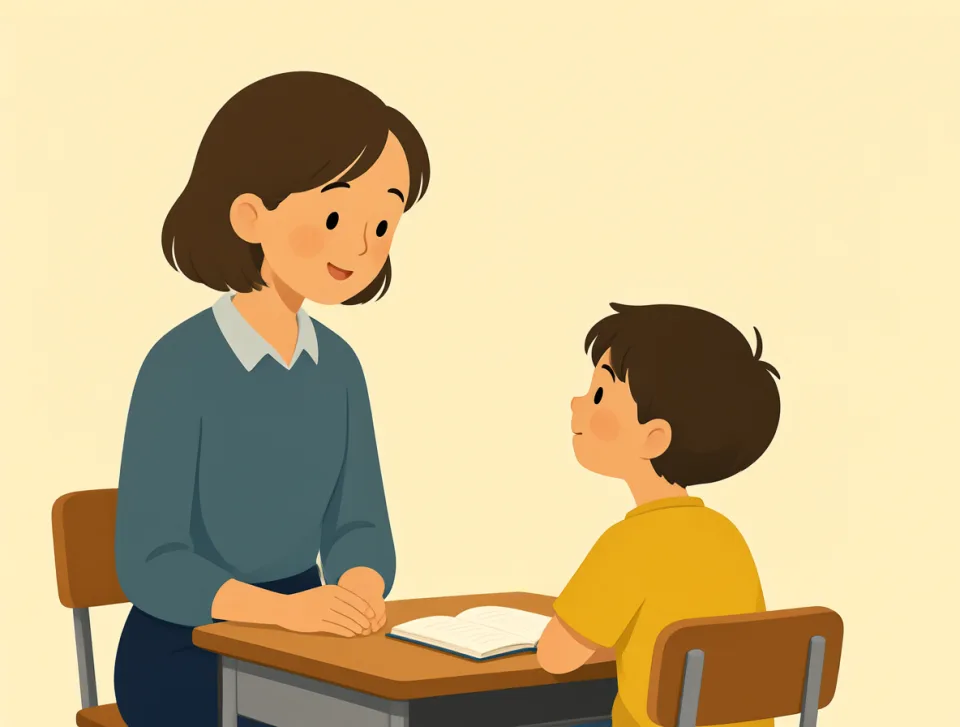
My teacher said sleep is important for learning.
معلمم گفت خواب برای یادگیری مهم است.
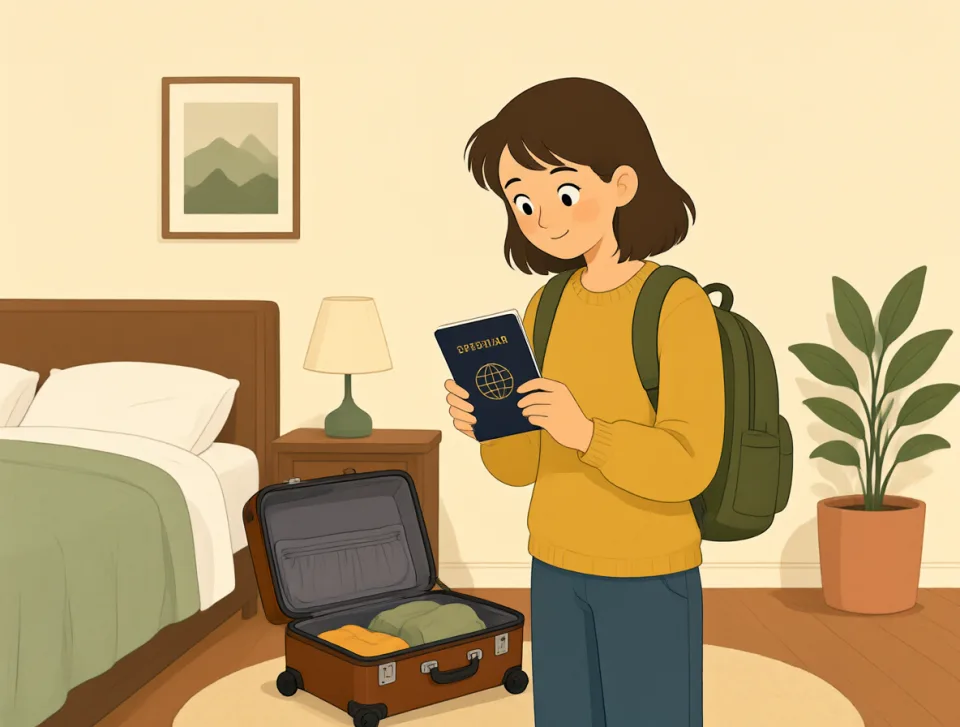
Please bring your passport; it is important.
لطفاً گذرنامهتان را بیاورید؛ مهم است.

She bought an important gift for her mother.
او هدیهٔ مهمی برای مادرش خرید.

since
#191preposition, conjunction, adverb
از زمانِ
from a time in the past until now, or because something happened
از زمانی در گذشته تا اکنون، یا بهدلیل اینکه اتفاقی افتاده است
I have lived here since 2020.
از سال ۲۰۲۰ اینجا زندگی کردهام.

She has felt better since yesterday.
از دیروز حالش بهتر شده است.
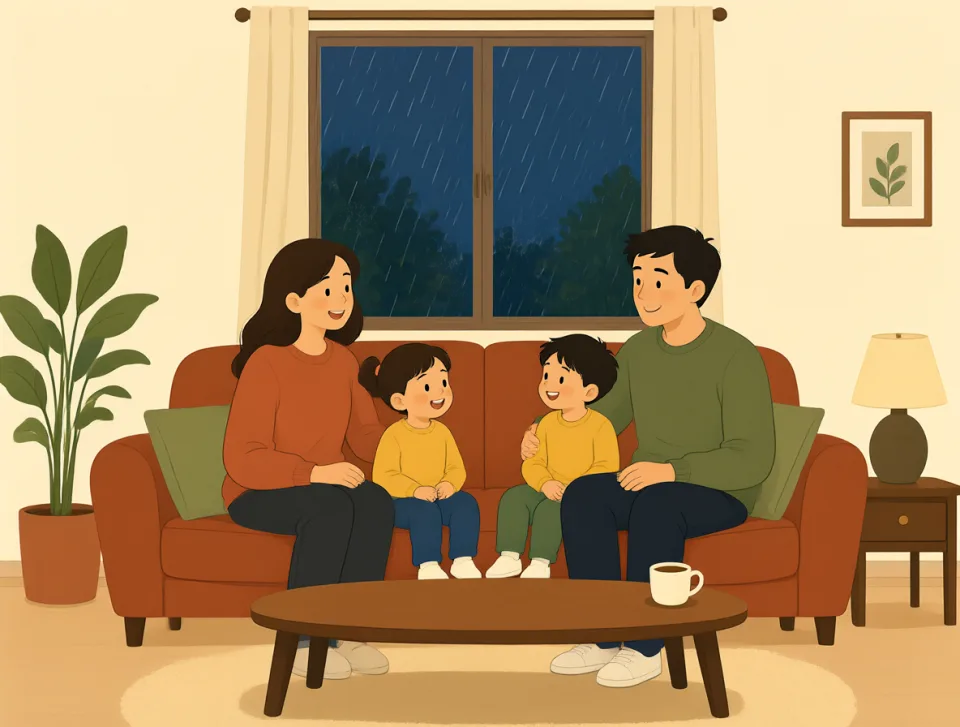
Since it was raining, we stayed home.
چون باران میبارید، در خانه ماندیم.
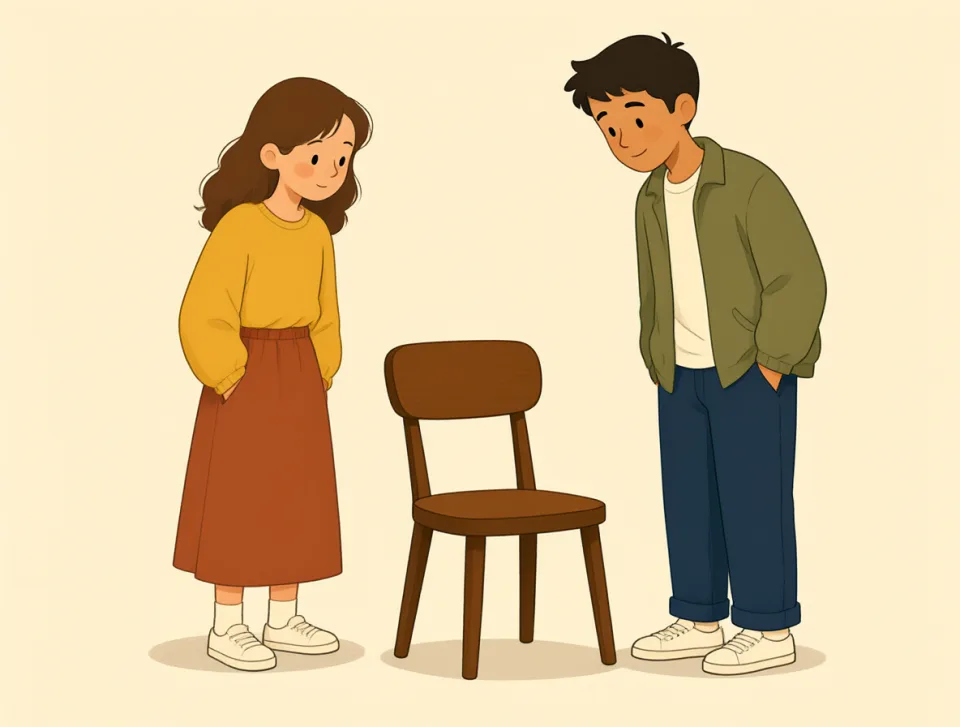
We have not seen Tom since Monday.
از دوشنبه تام را ندیدهایم.
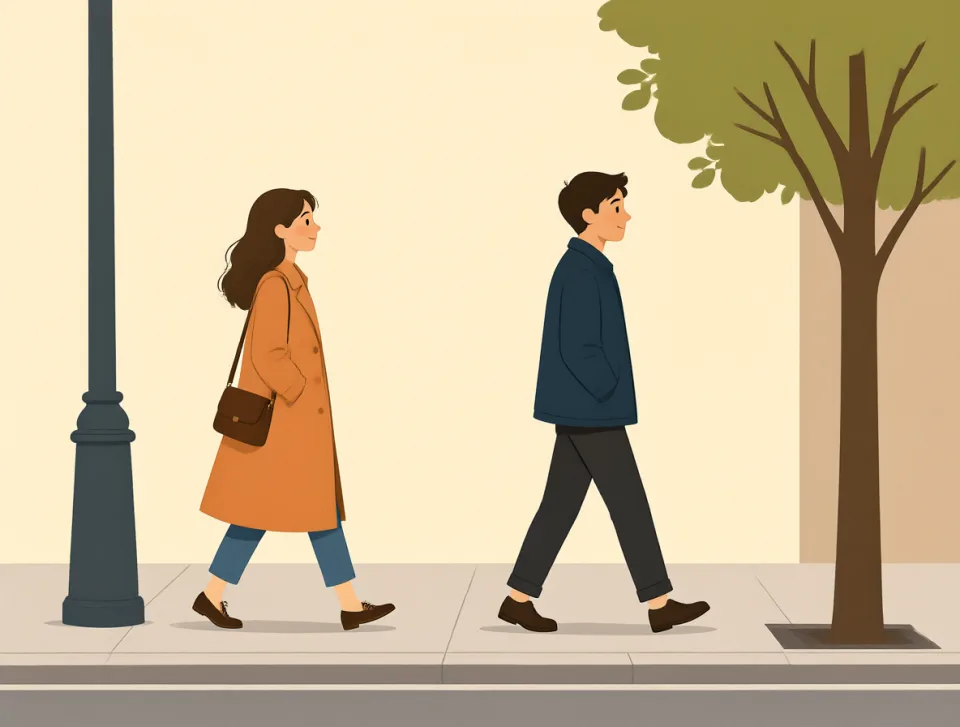
I met her once, but have not spoken since.
یک بار او را دیدم، اما از آن موقع با او حرف نزدهام.

run
#192verb, noun
دویدن؛ اداره کردن
to move quickly on foot, or to manage and operate something
با سرعت روی پا حرکت کردن، یا مدیریت و اداره کردن چیزی
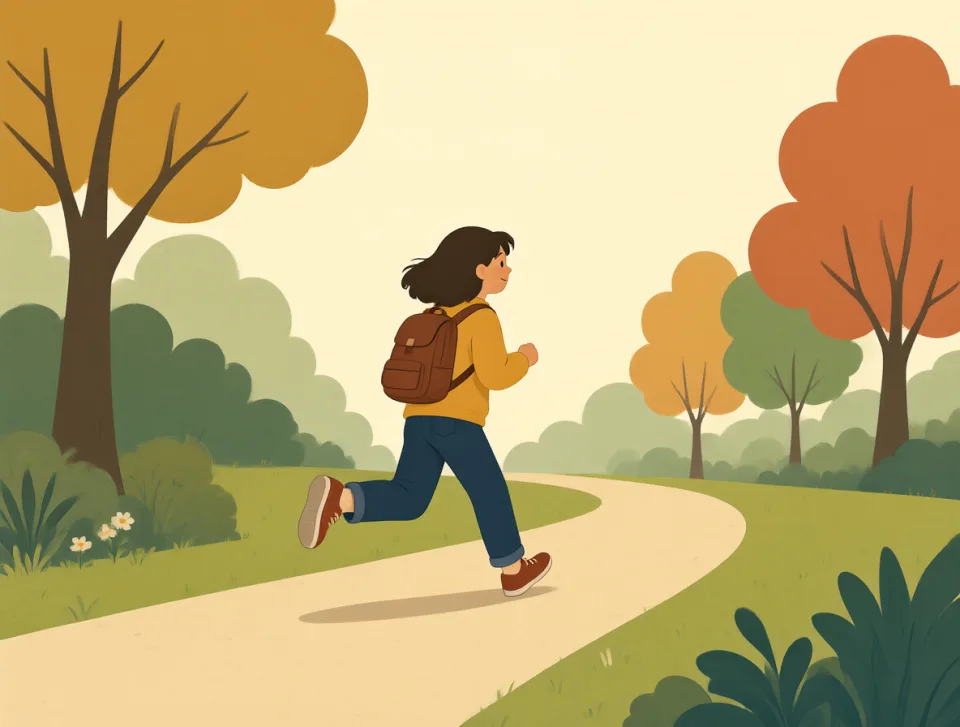
I run every morning before work.
هر روز صبح پیش از کار میدوم.
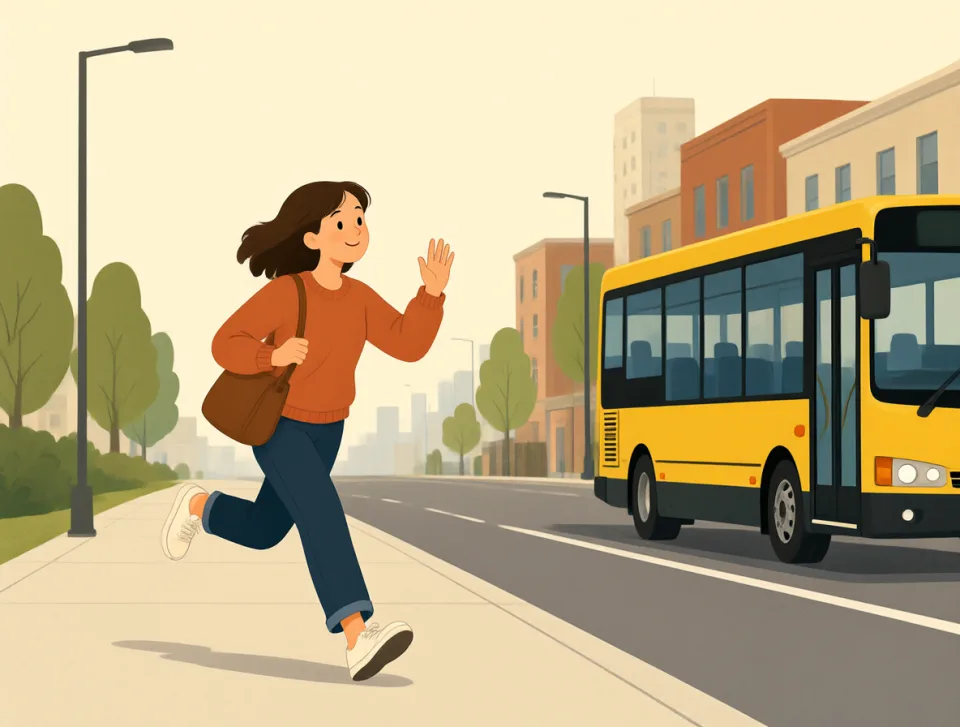
She ran to catch the bus.
برای اینکه به اتوبوس برسد، دوید.
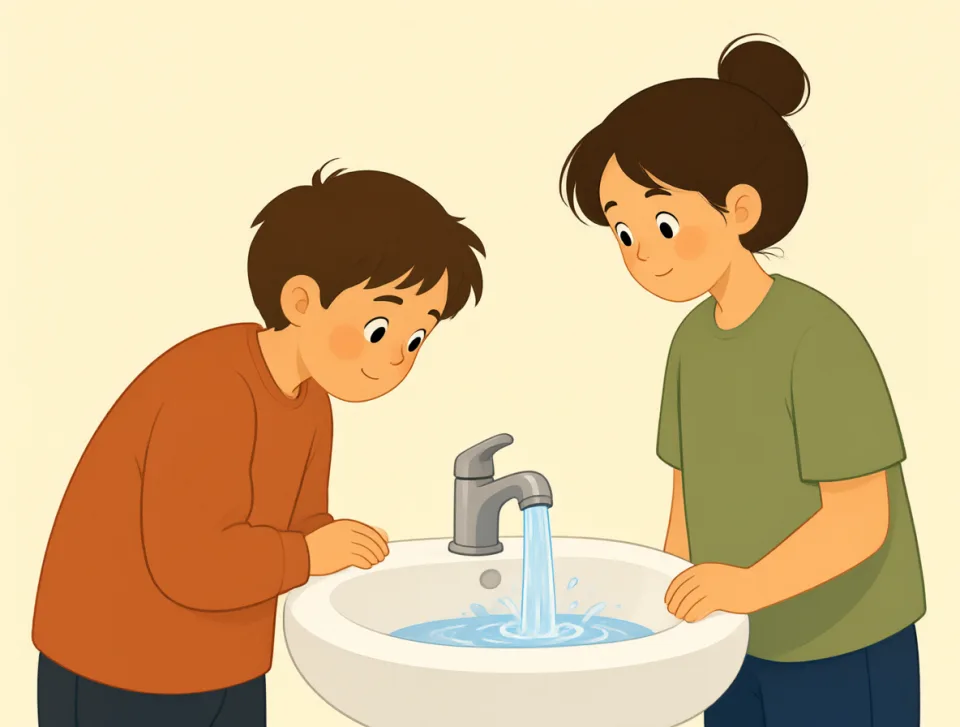
The water is running in the bathroom.
آب در حمام جاری است.
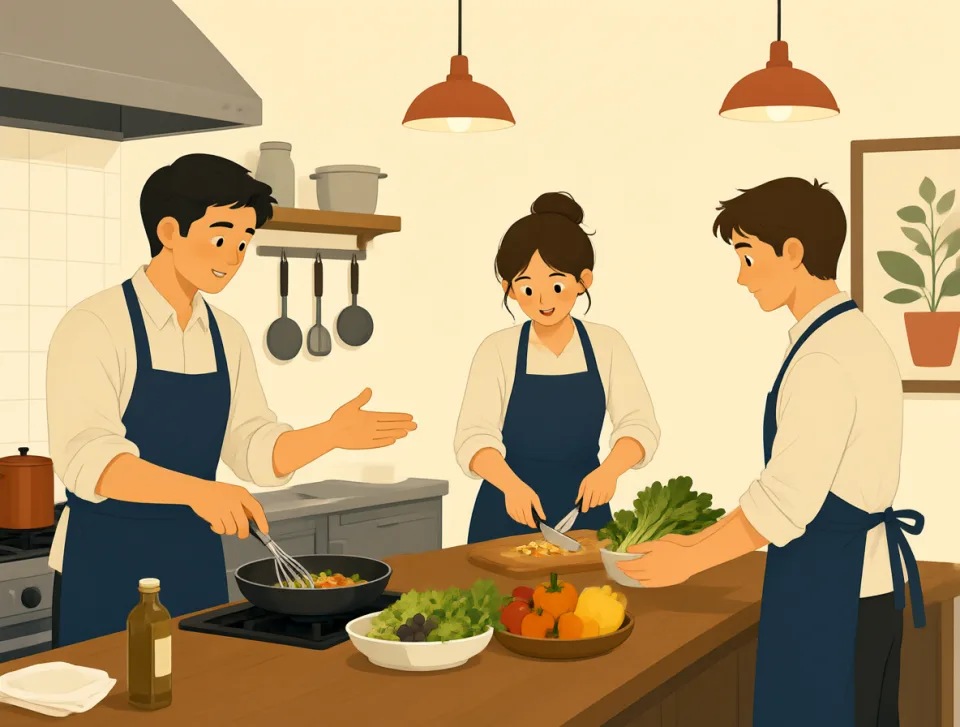
My uncle runs a small restaurant.
عمویم یک رستوران کوچک را اداره میکند.

We went for a run after school.
بعد از مدرسه رفتیم بدویم.
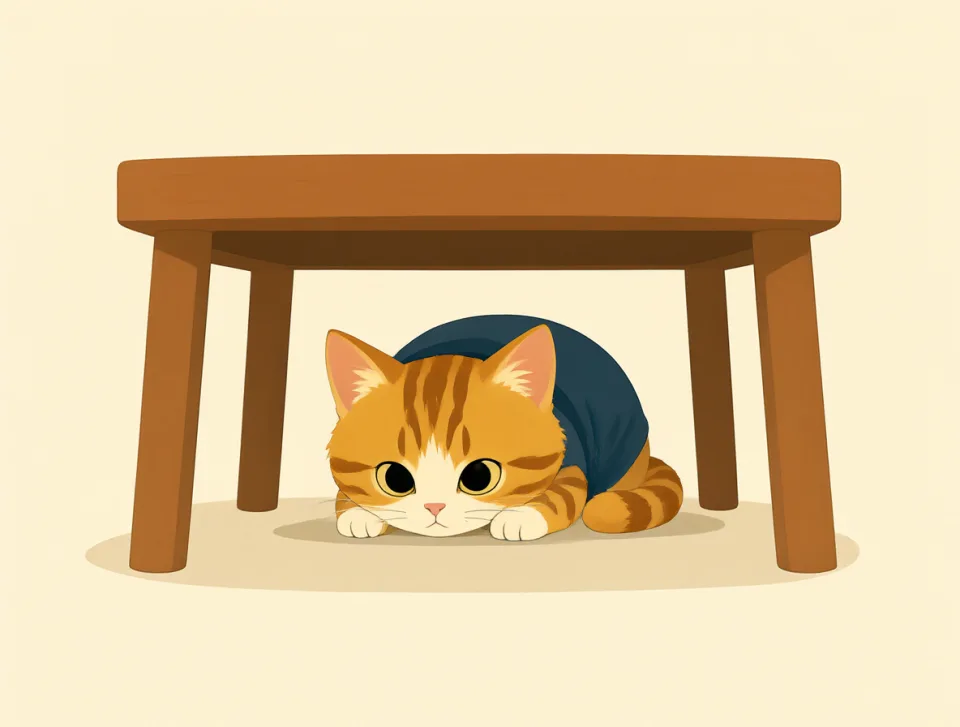
under
#193preposition, adverb, adjective
زیر؛ پایینتر از
In or to a lower position than something else.
در موقعیتی پایینتر از چیز دیگری یا بهسمت آن.
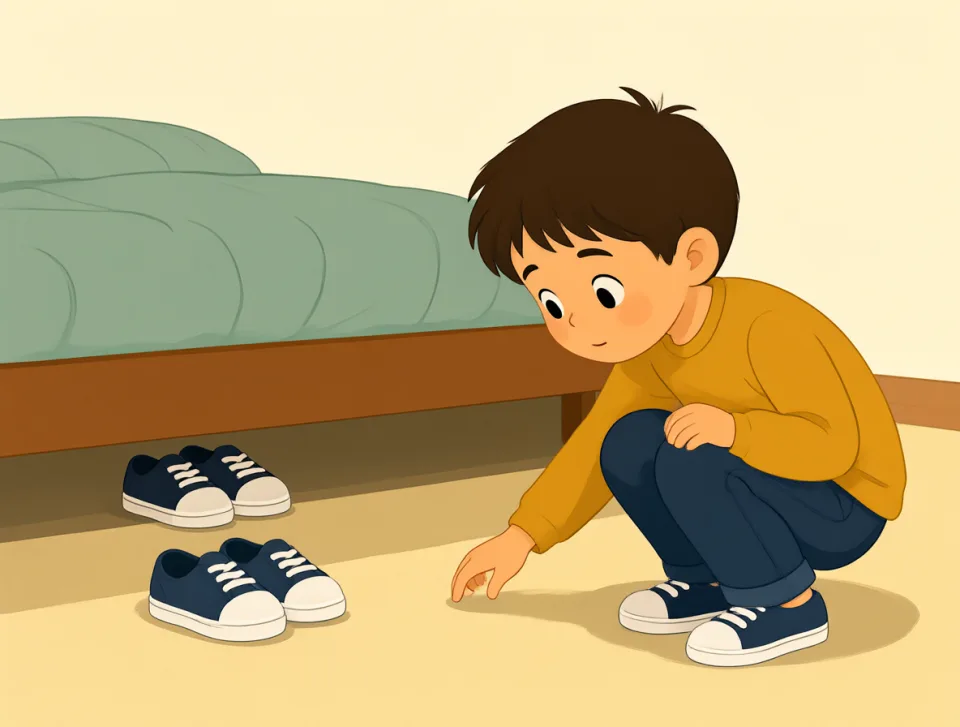
The shoes are under the bed.
کفشها زیر تخت هستند.

She works under a kind manager.
او زیر نظر یک مدیر مهربان کار میکند.

The temperature fell under zero last night.
دیشب دما به زیر صفر رسید.
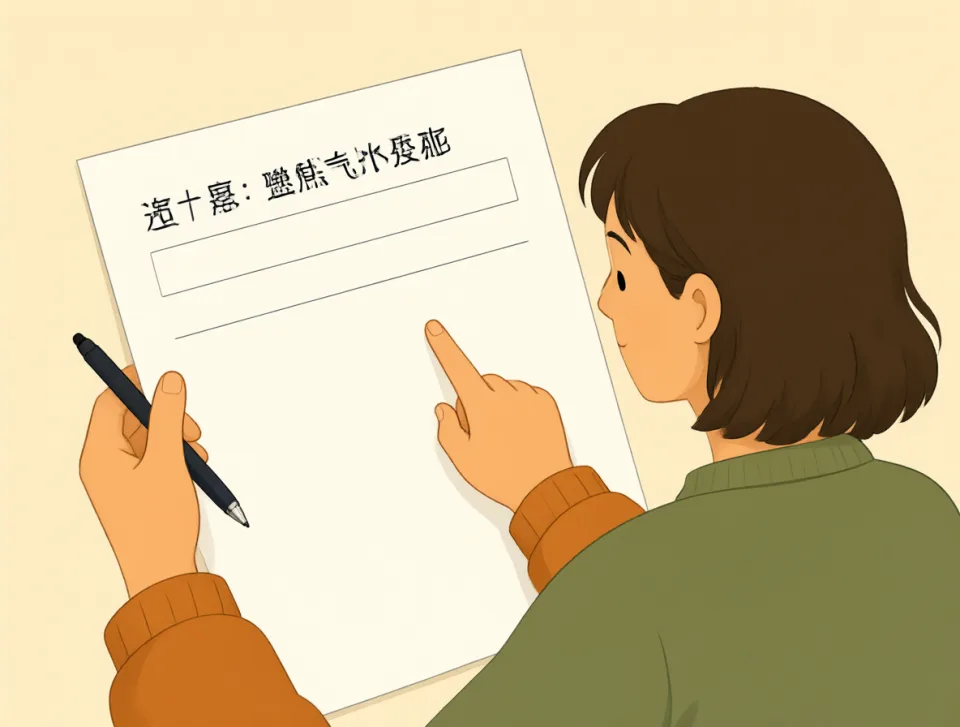
Please sign under your name.
لطفاً زیر نامتان امضا کنید.

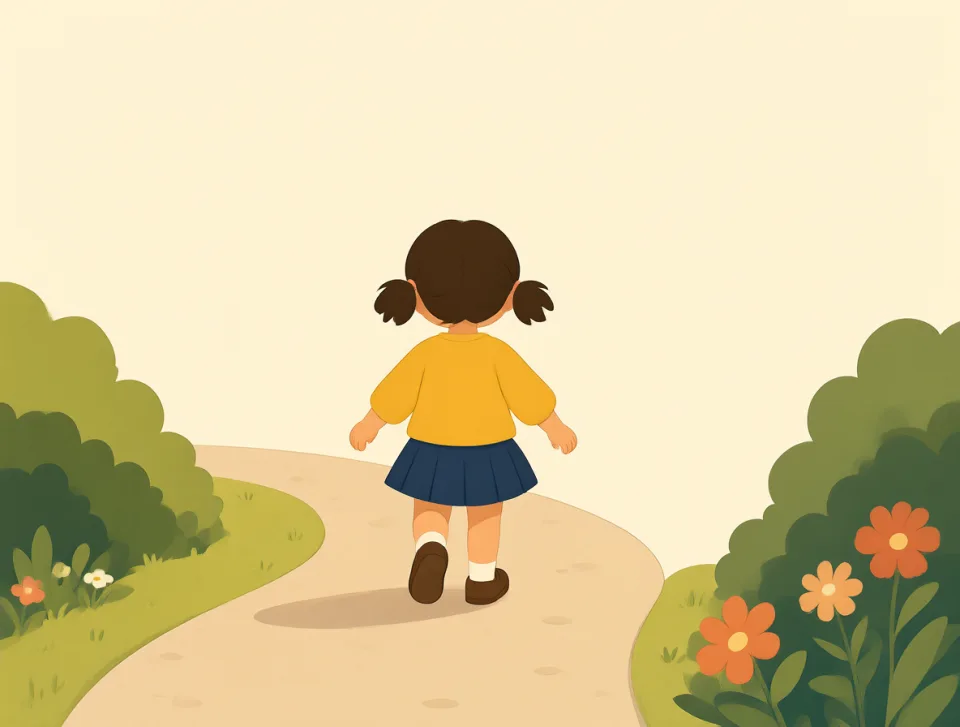
The children ran under the bridge.
بچهها از زیر پل دویدند.
turn
#194verb, noun
پیچیدن؛ نوبت
To move in a different direction, or the time when someone gets to do something.
بهسمت دیگری حرکت کردن، یا زمانی که نوبت کسی میشود کاری انجام دهد.
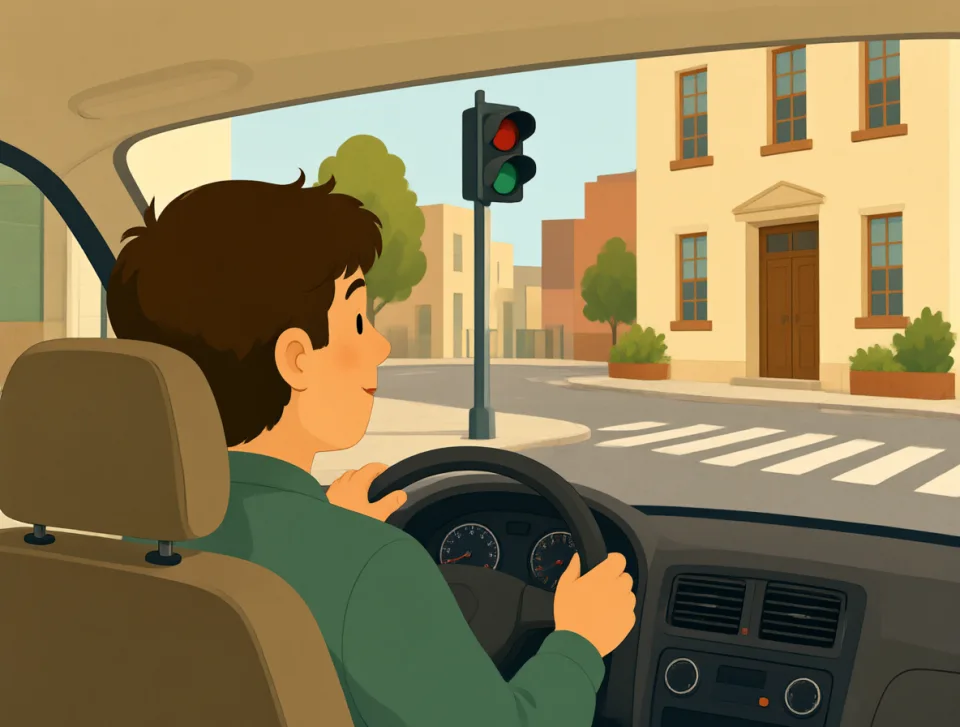
Turn left at the corner, please.
لطفاً سرِ پیچ به چپ بپیچید.
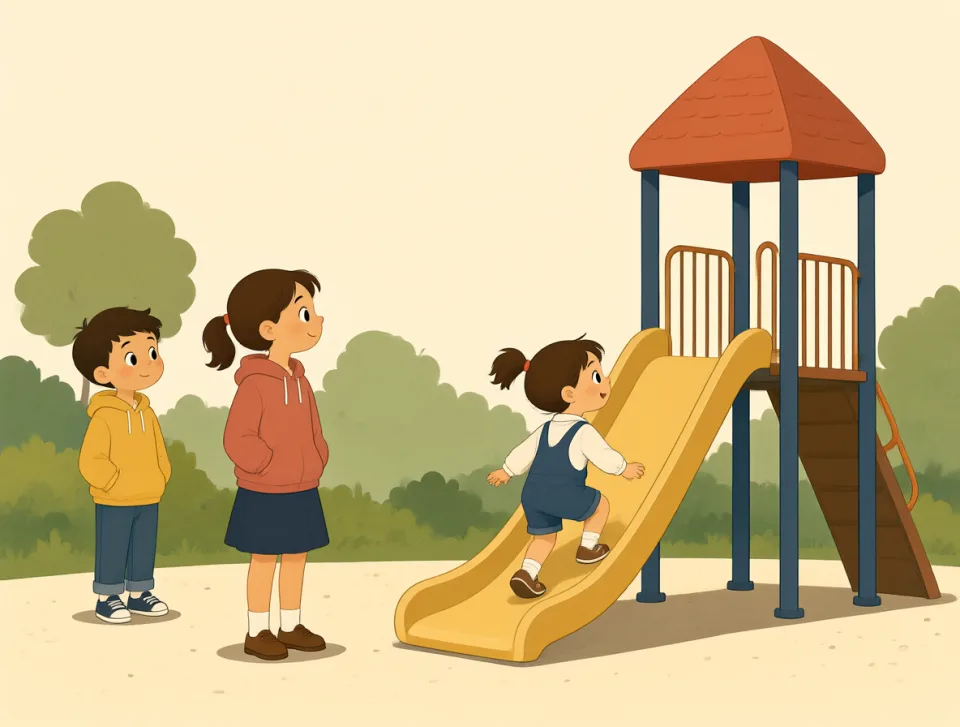
Please wait for your turn.
لطفاً منتظر نوبتتان بمانید.
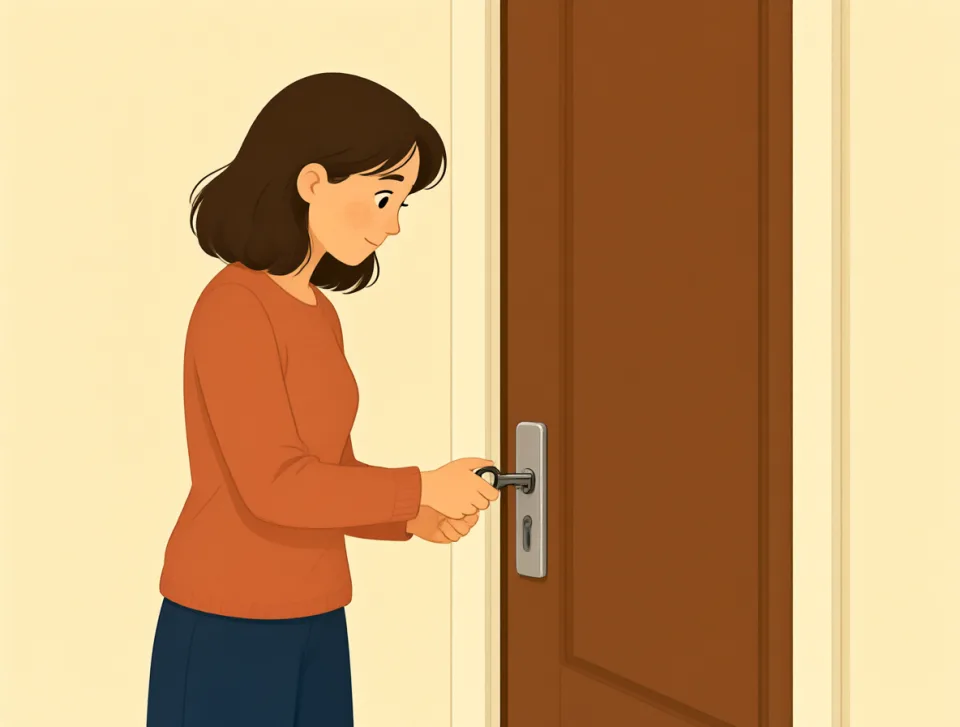
She turned the key in the lock.
او کلید را در قفل چرخاند.

The milk turned sour in the fridge.
شیر در یخچال ترش شد.
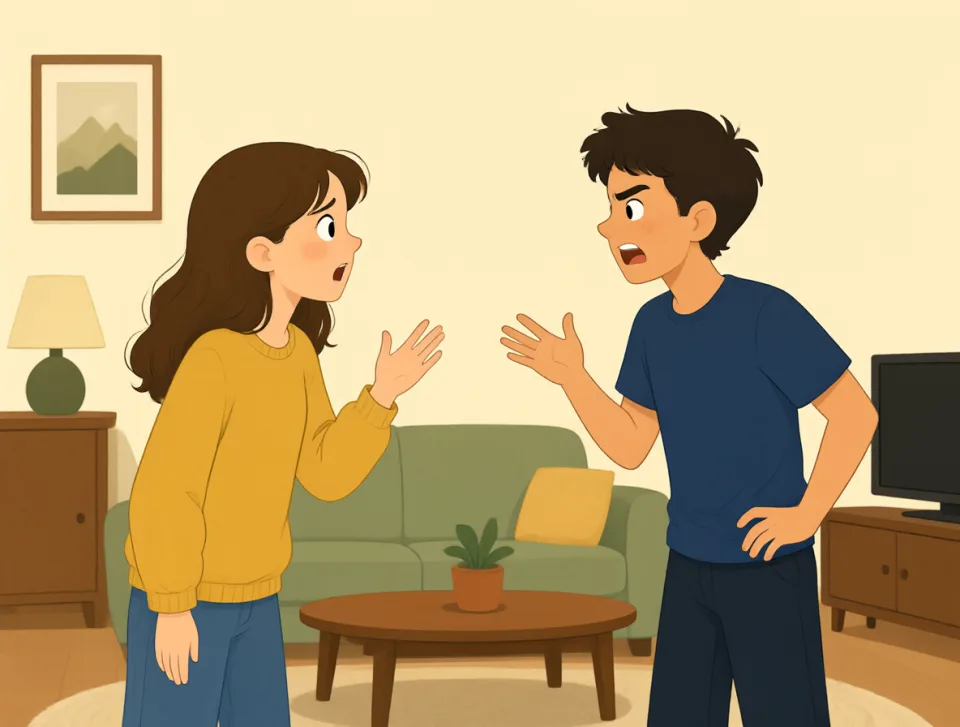
Our conversation turned into an argument.
گفتوگوی ما به مشاجره تبدیل شد.
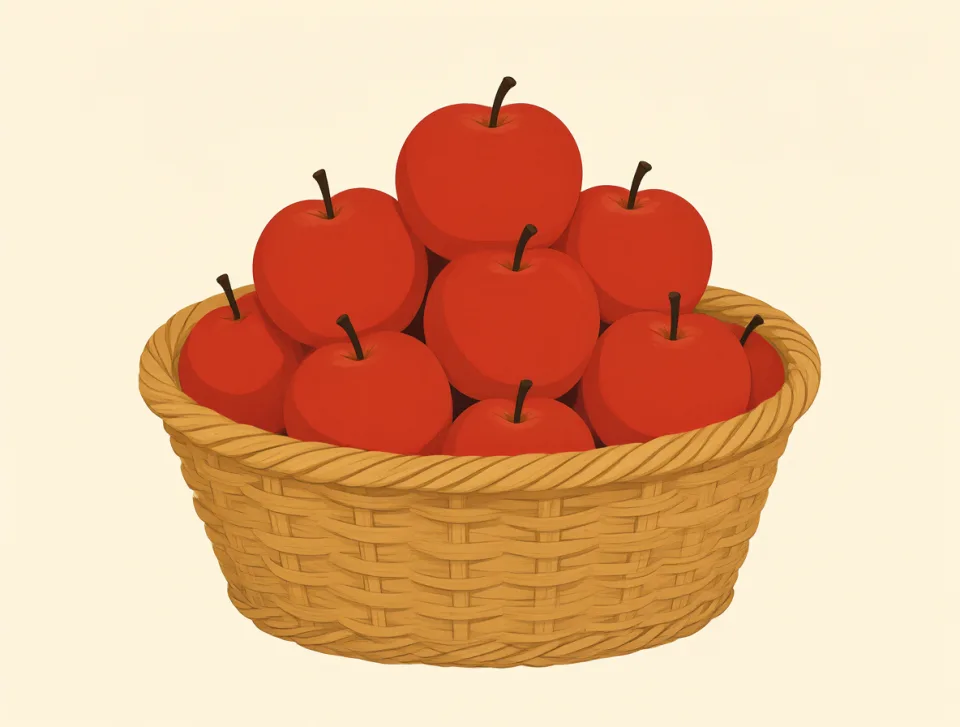
few
#195determiner, pronoun, adjective
تعداد کم؛ چند
A small number of people or things, usually less than expected.
تعداد کمی از افراد یا چیزها، معمولاً کمتر از حد انتظار.
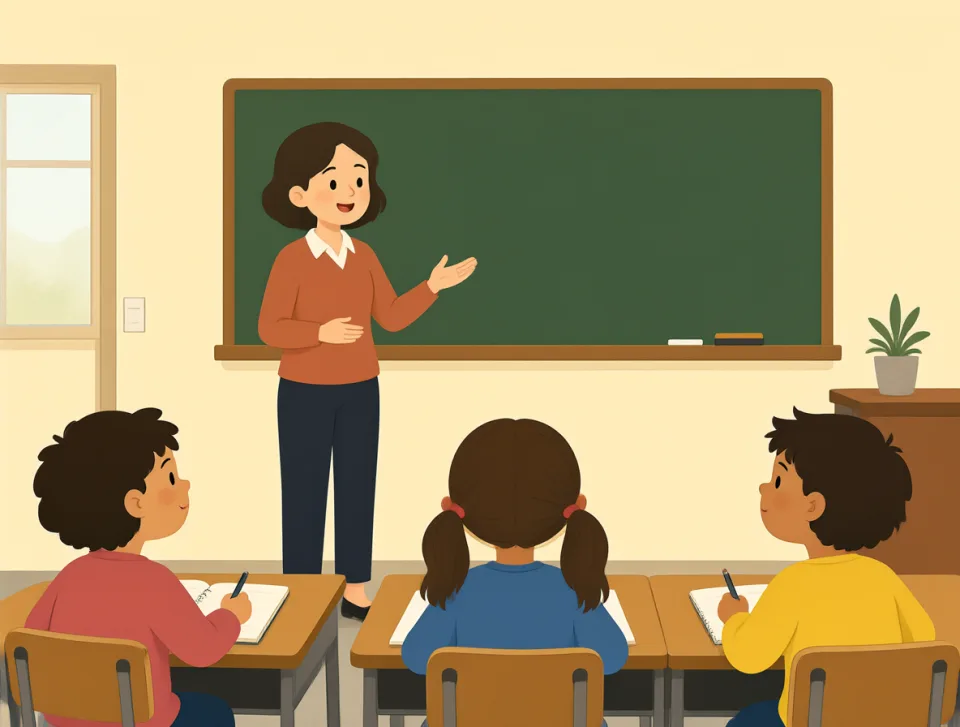
Only a few students came to class.
فقط چند دانشآموز سر کلاس آمدند.

I have a few questions about this job.
دربارهٔ این شغل چند سؤال دارم.
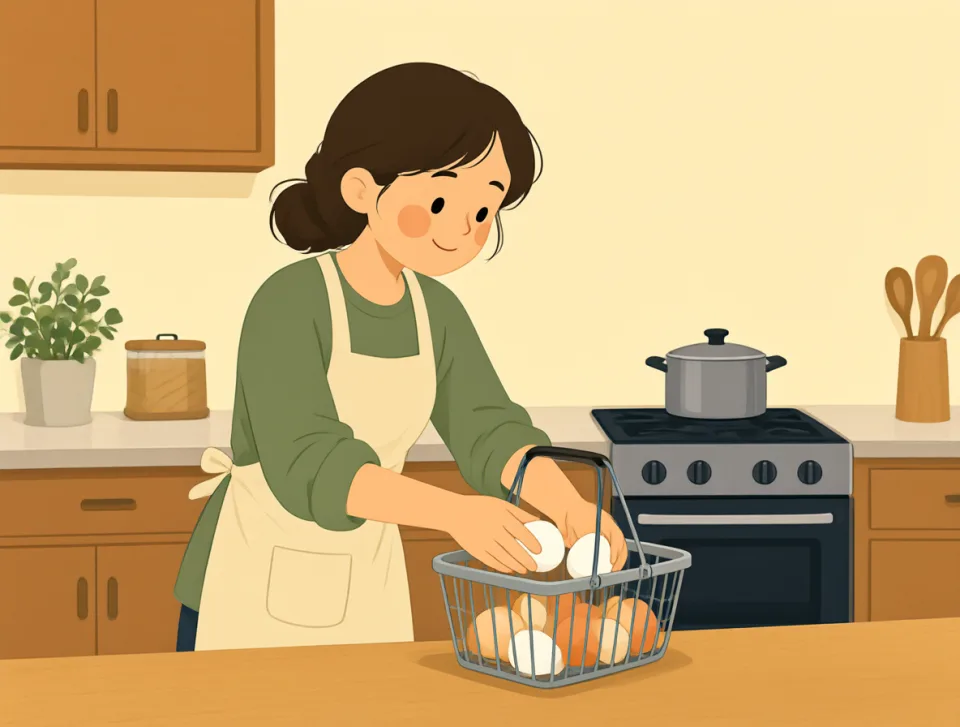
We need a few more eggs for breakfast.
برای صبحانه چند تخممرغ دیگر لازم داریم.
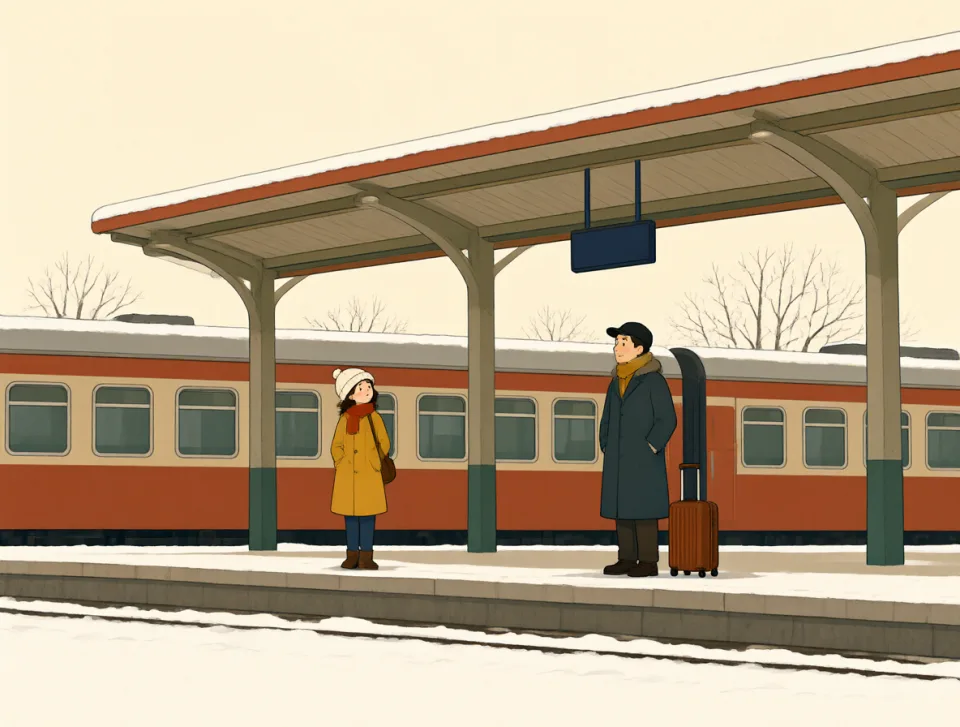
Few people travel there in winter.
زمستانها افراد کمی به آنجا سفر میکنند.
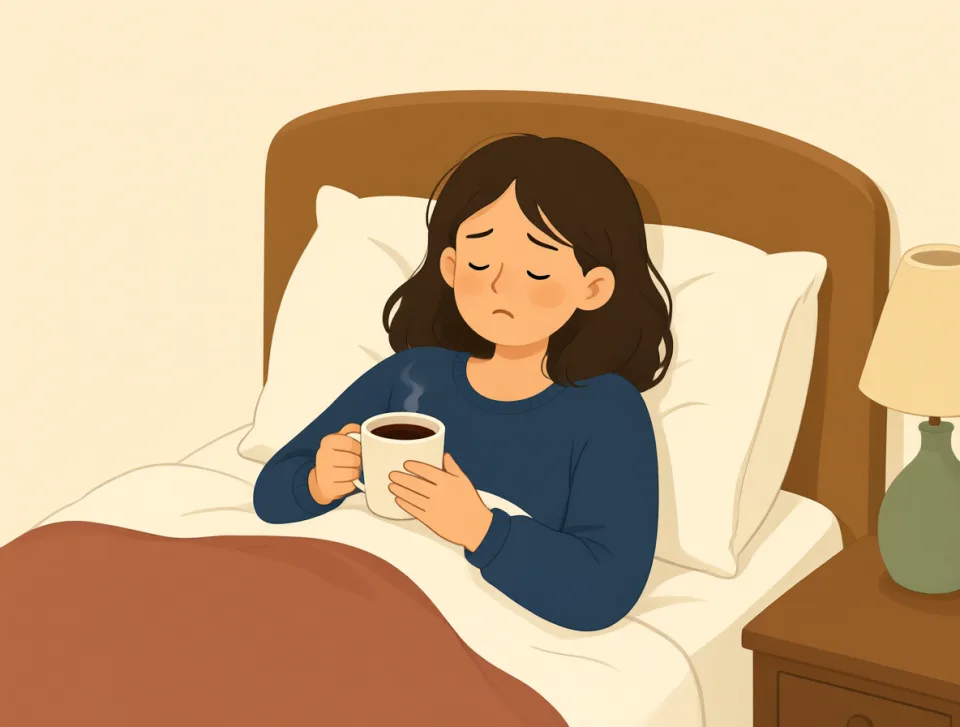
She stayed home for a few days.
او چند روزی در خانه ماند.
bring
#196verb
آوردن
to take or carry someone or something with you to a place
کسی یا چیزی را همراه خود به جایی بردن یا آوردن.

Please bring your book to class tomorrow.
لطفاً فردا کتابت را به کلاس بیاور.
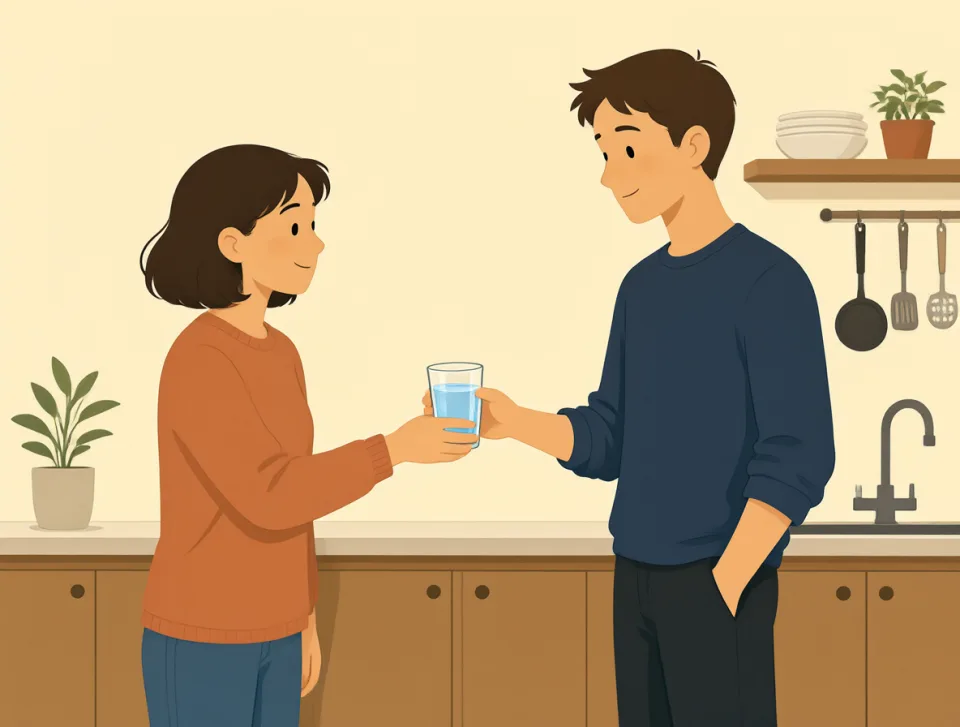
Can you bring me a glass of water?
میتوانی یک لیوان آب برایم بیاوری؟
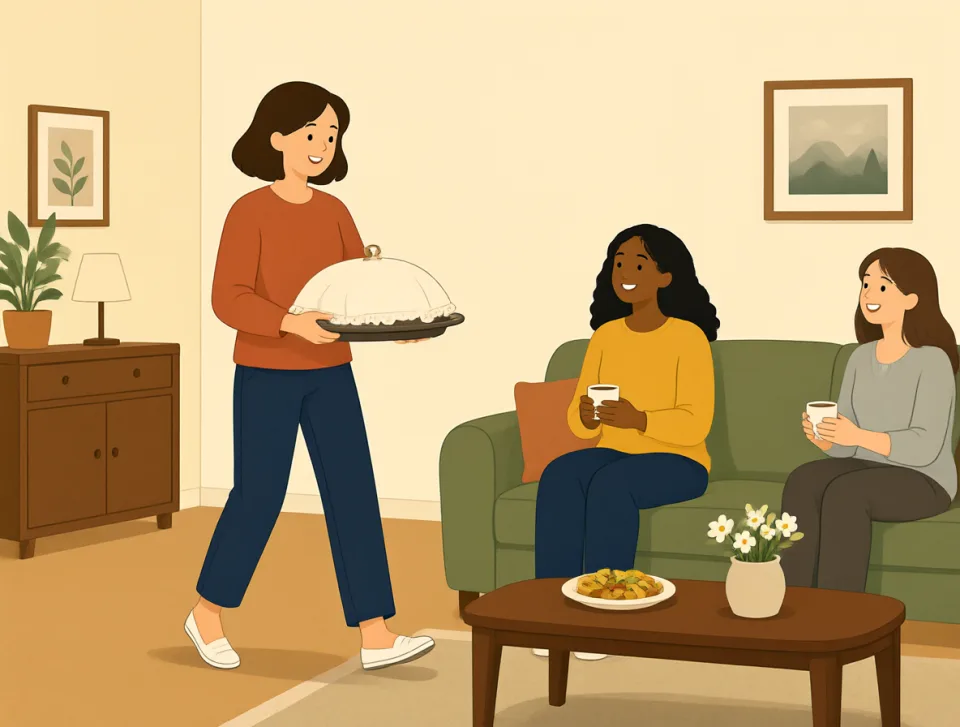
She brought some food for the party.
او برای مهمانی کمی غذا آورد.

The new job brought him more money.
شغل جدید درآمد بیشتری برایش به همراه داشت.
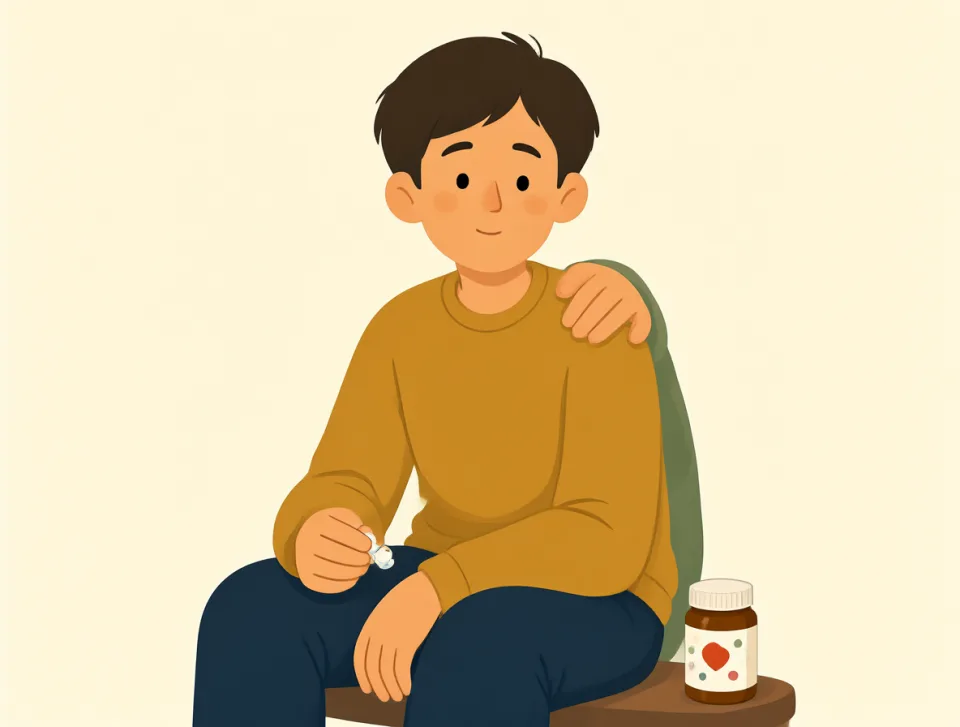
This medicine brings quick relief from pain.
این دارو درد را بهسرعت تسکین میدهد.

early
#197adjective, adverb
زود
Happening or arriving before the usual or expected time.
قبل از زمان معمول یا مورد انتظار اتفاق افتادن یا رسیدن.
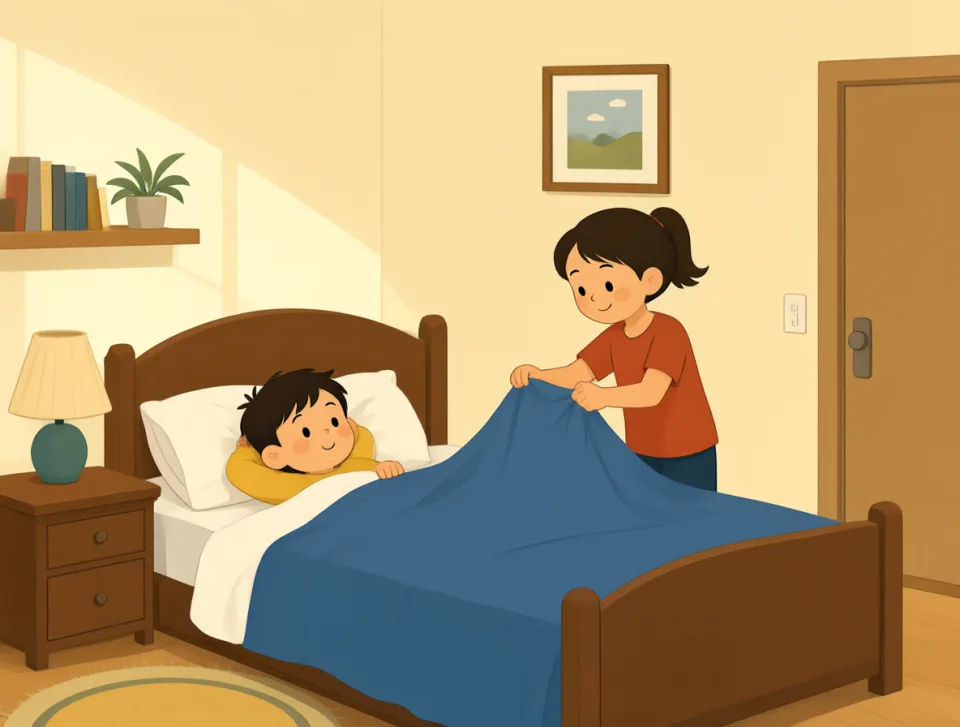
I wake up early every morning.
من هر روز صبح زود بیدار میشوم.
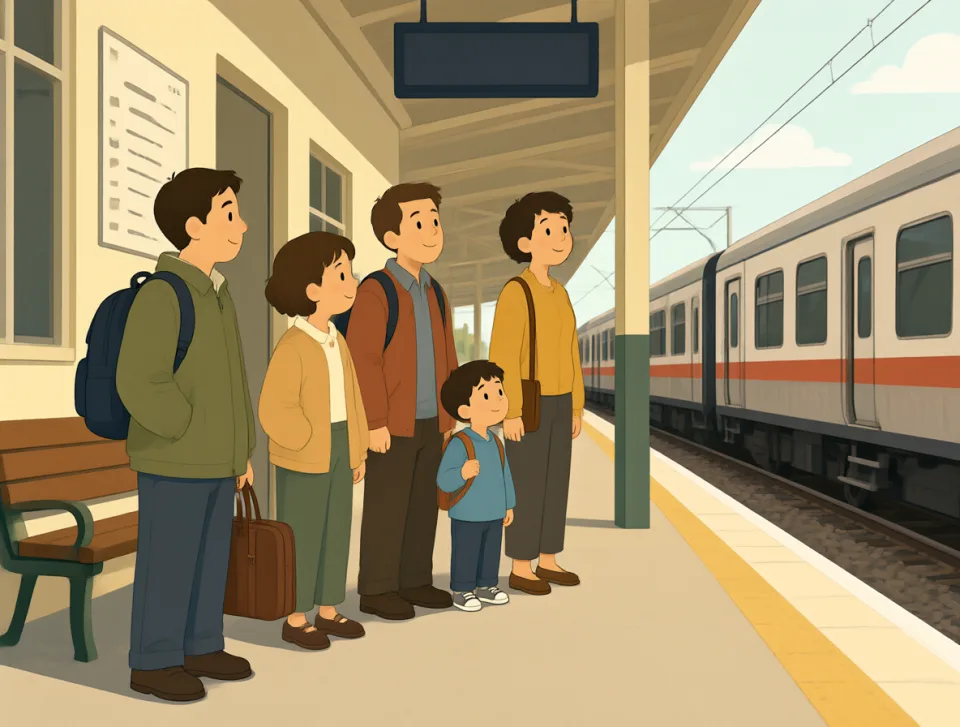
We arrived early for the train.
برای قطار زود رسیدیم.
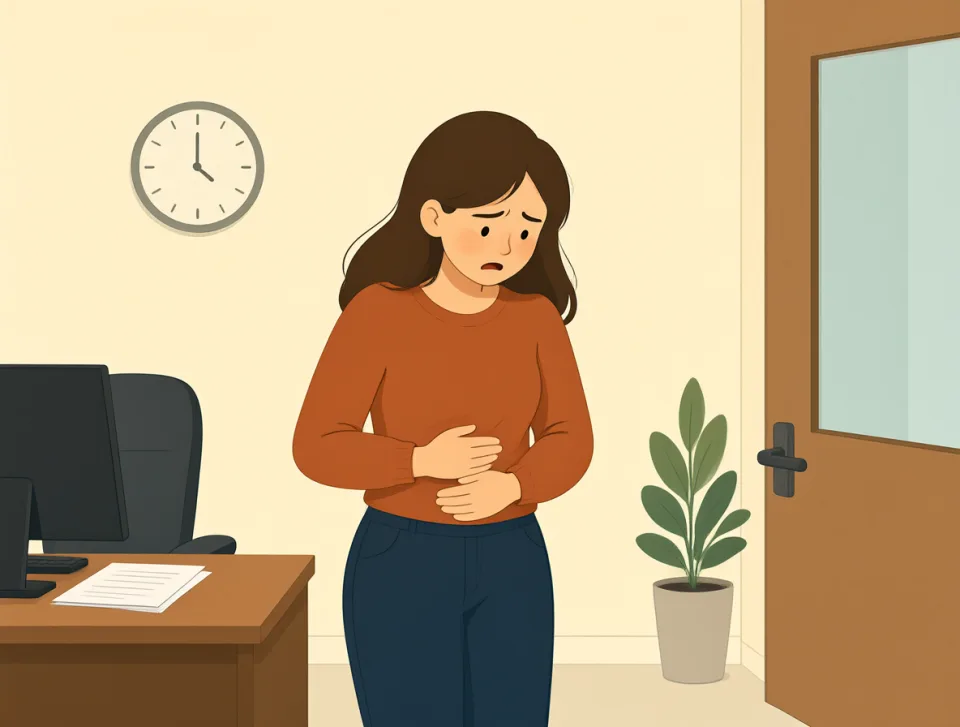
She left work early because she felt sick.
چون حالش بد بود، زودتر از سر کار رفت.

The shop opens early on Saturdays.
مغازه شنبهها زود باز میکند.
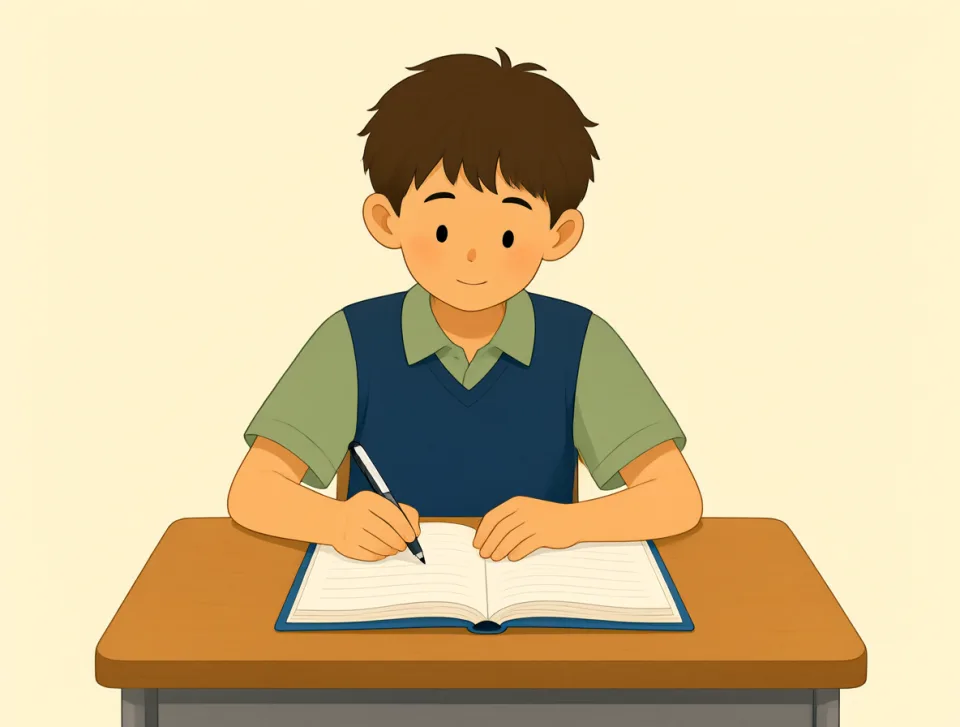
He finished his homework early.
او تکالیفش را زود تمام کرد.
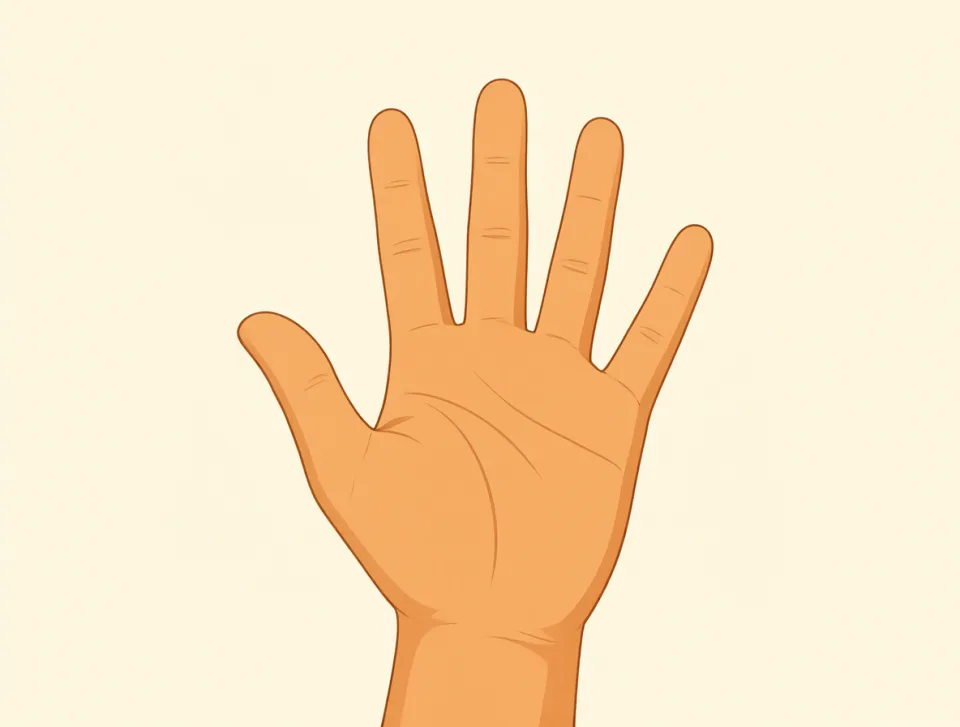
hand
#198noun, verb
دست؛ دادن
The part of your body from your wrist to your fingers; to give or pass something.
بخشی از بدن از مچ تا انگشتان؛ چیزی را به کسی دادن یا دستبهدست کردن.
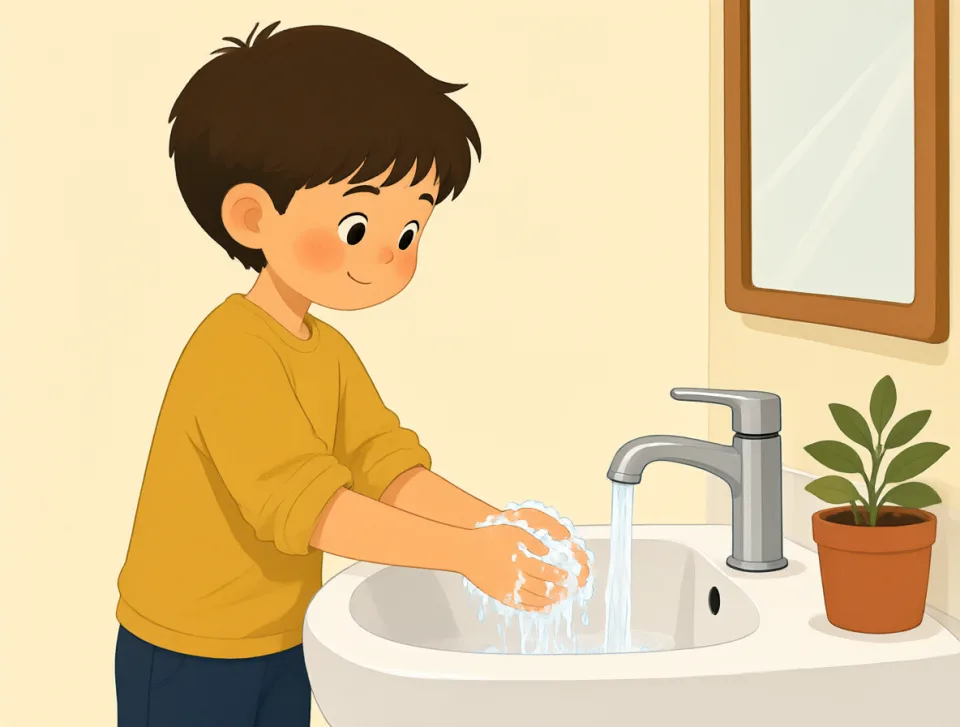
Wash your hands before you eat.
قبل از غذا خوردن دستهایت را بشوی.
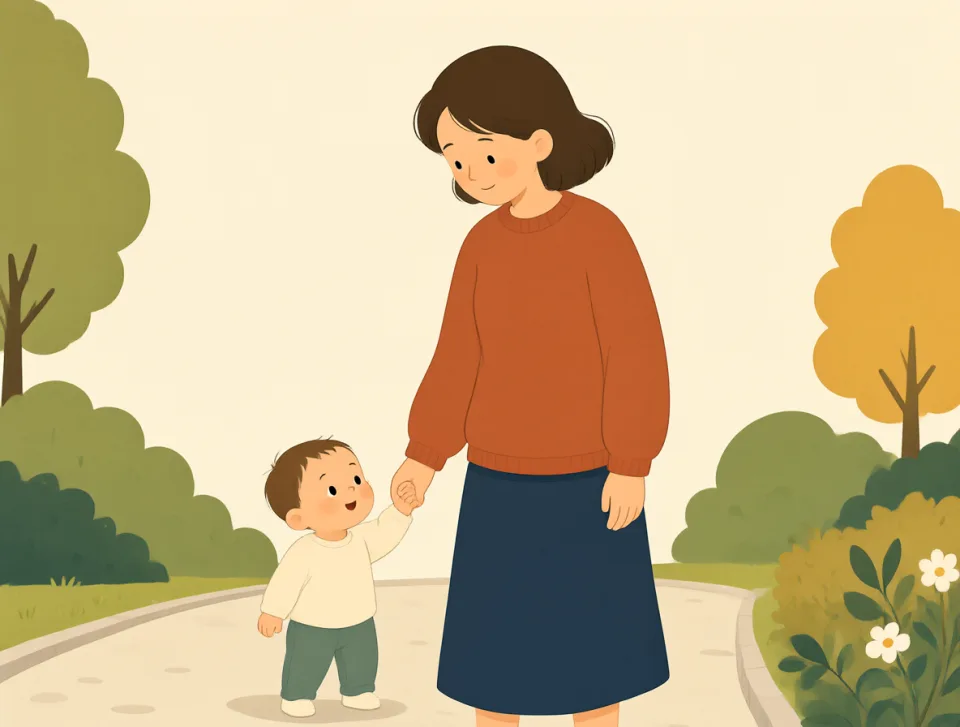
She held the baby’s hand tightly.
او دست نوزاد را محکم گرفت.

Please hand me the salt.
لطفاً نمک را به من بده.

He raised his hand in class.
او در کلاس دستش را بالا برد.

They shook hands after the meeting.
آنها بعد از جلسه با هم دست دادند.
state
#199noun, verb
وضعیت؛ ایالت
A state is a condition, or a large area with its own government.
State یعنی وضعیت یا شرایط، یا منطقهای بزرگ با حکومت مستقل خود.
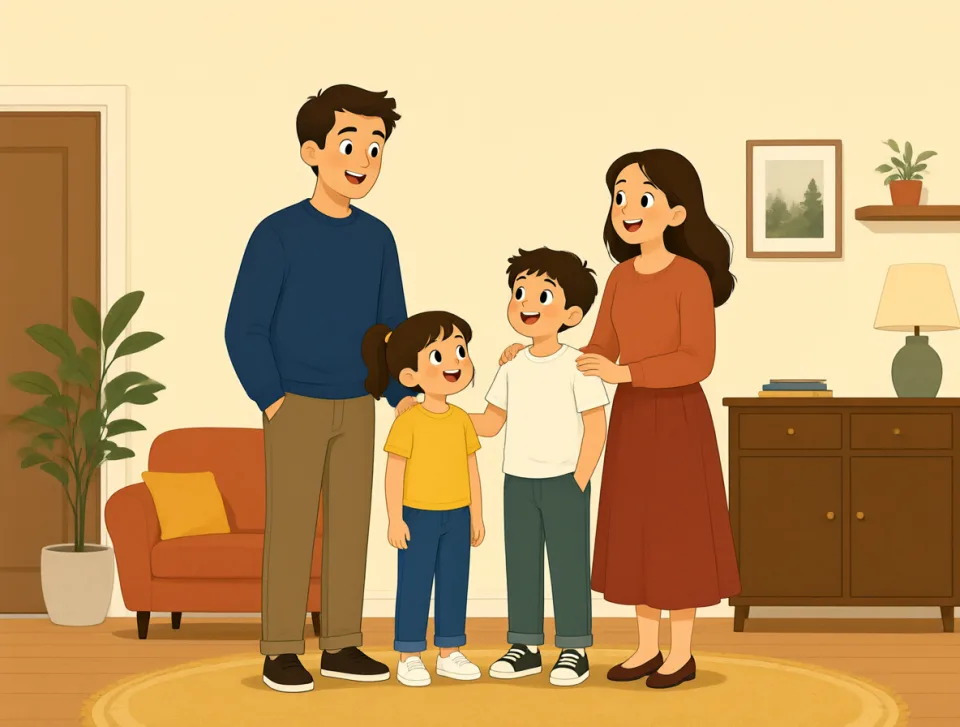
The house is in a very good state.
خانه وضعیت بسیار خوبی دارد.

The company is in a difficult state.
شرکت در وضعیت دشواری است.
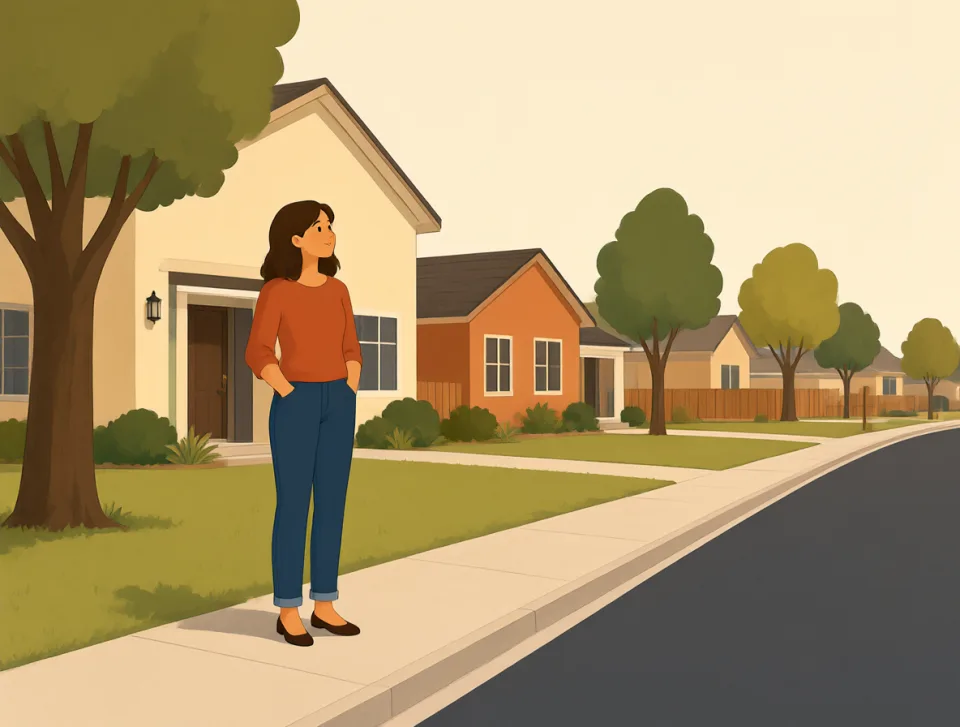
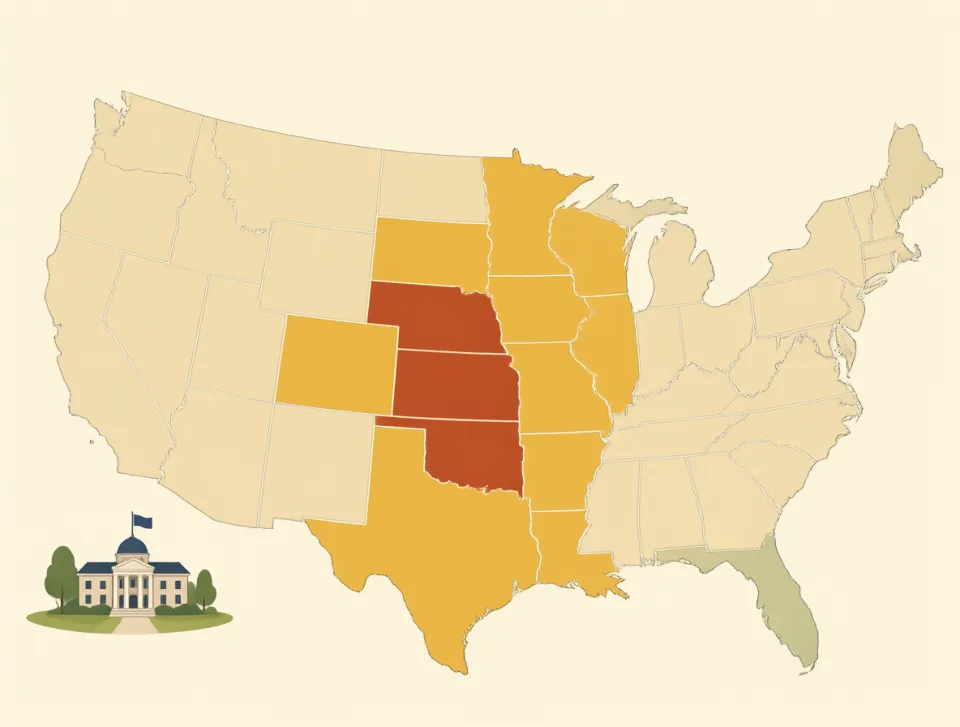
She lives in the state of Texas.
او در ایالت تگزاس زندگی میکند.
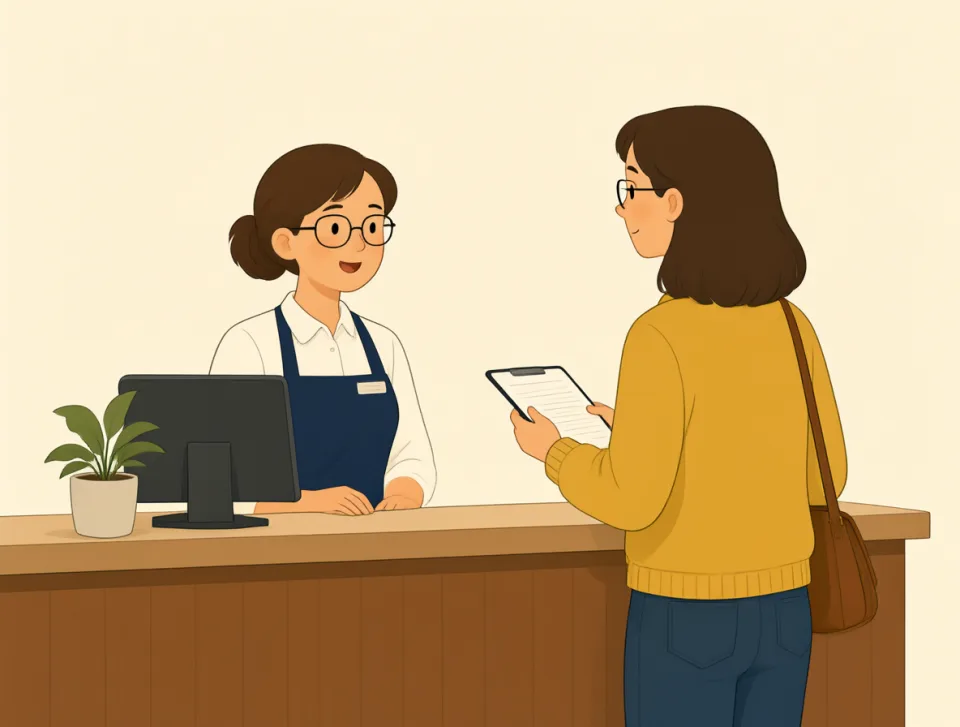
Please state your name and address.
لطفاً نام و نشانیتان را بگویید.

The doctor stated that he was healthy.
دکتر گفت که او سالم است.
move
#200verb, noun
حرکت کردن؛ جابهجا کردن
to change position or place, or to make someone or something change position
موقعیت یا مکان خود را تغییر دادن، یا باعث تغییر موقعیت کسی یا چیزی شدن.
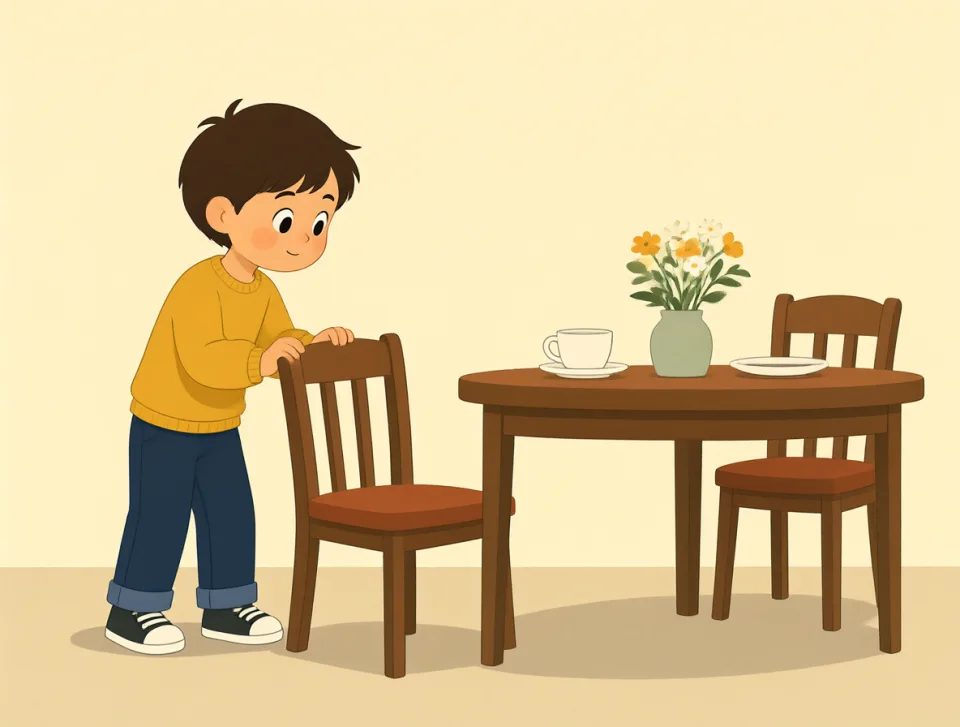
Please move your chair closer to the table.
لطفاً صندلیات را به میز نزدیکتر کن.
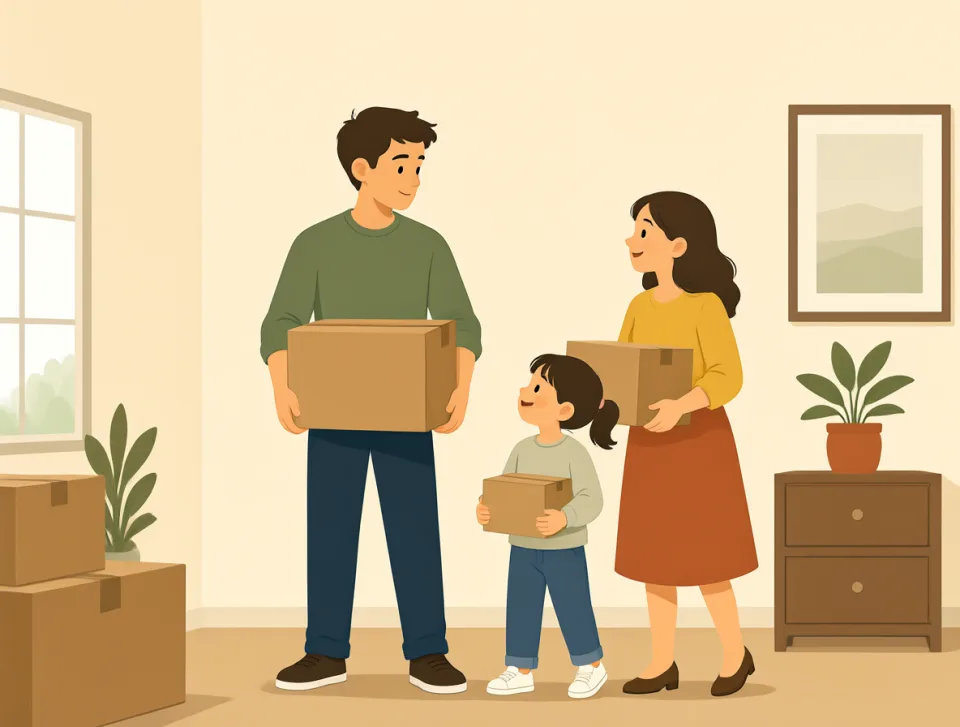
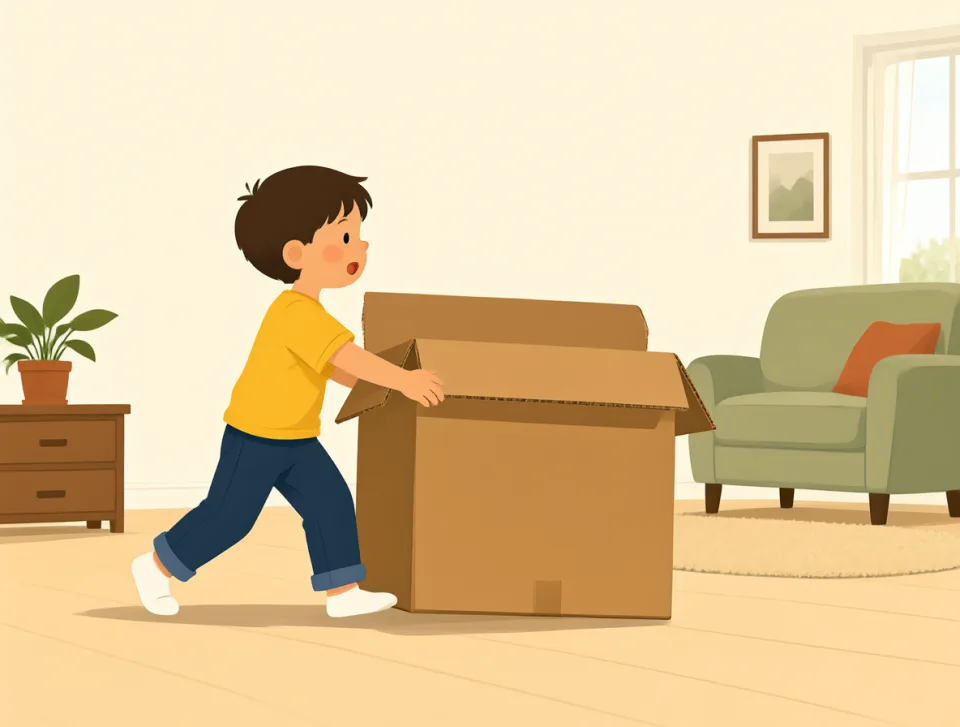
We moved to a new apartment last month.
ماه گذشته به آپارتمان جدیدی نقل مکان کردیم.
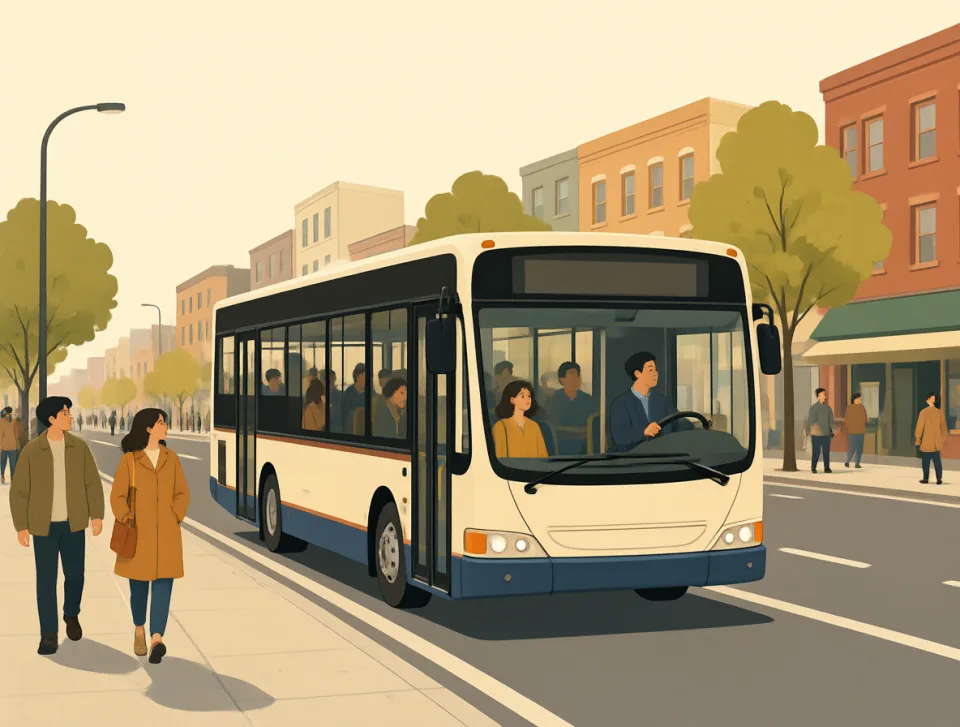
The bus moved slowly through the crowded street.
اتوبوس بهآرامی از خیابان شلوغ عبور کرد.
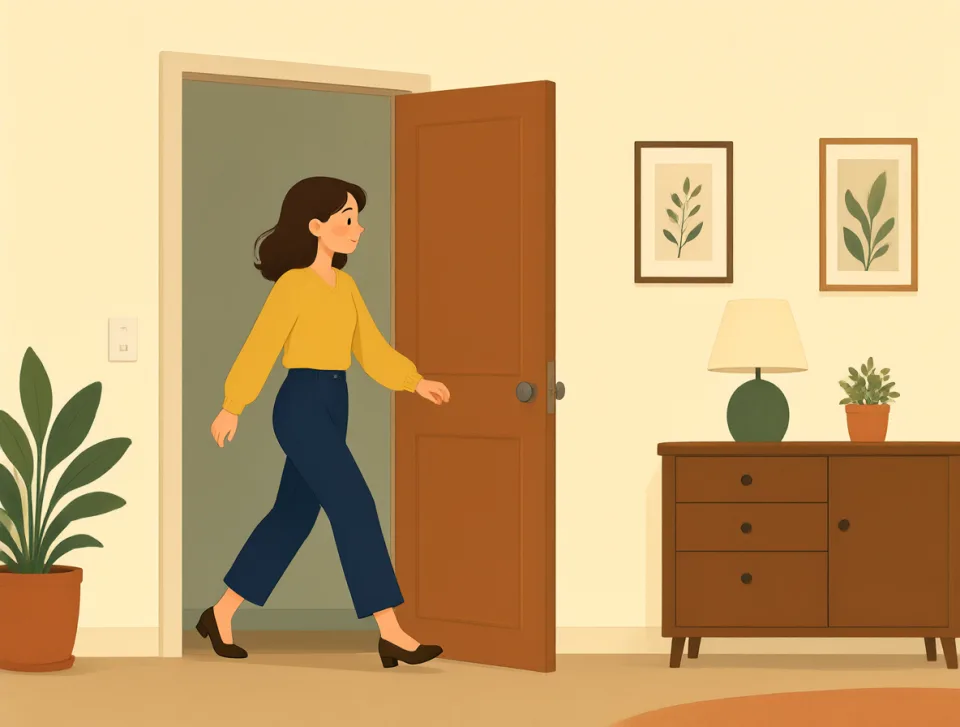
She made a quick move toward the door.
او با حرکتی سریع بهسمت در رفت.
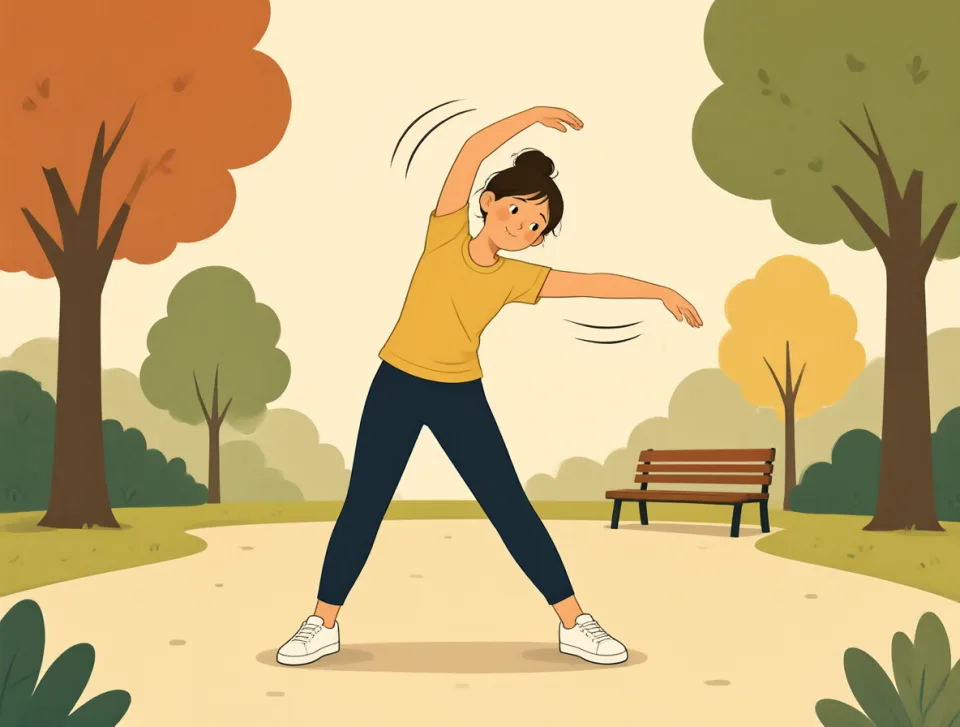
A little exercise helps move your body.
کمی ورزش کمک میکند بدنت را به حرکت درآوری.