بخش 24
واژههای 461 تا 480 · strong, rise, girl, maybe, community, else
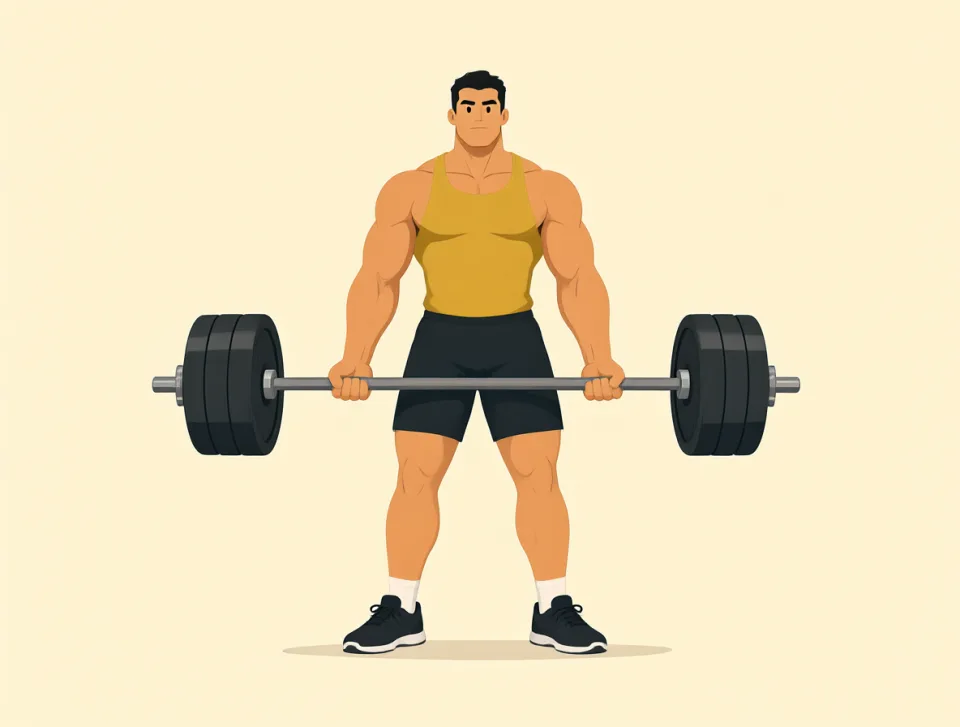
strong
#461adjective, adverb, noun
قوی
having great physical power or force
دارای قدرت یا نیروی بدنی زیاد
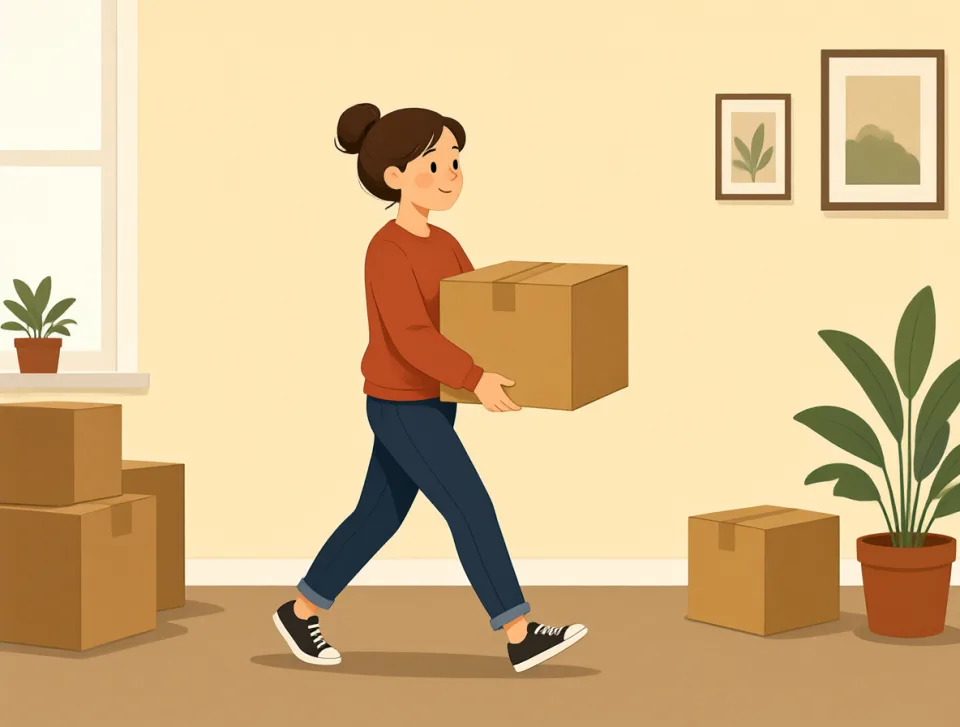
She is strong enough to carry the box.
او آنقدر قوی است که میتواند جعبه را حمل کند.

This coffee is too strong for me.
این قهوه برای من خیلی غلیظ است.

He has a strong stomach and eats spicy food.
معدهاش قوی است و غذای تند میخورد.

The strong wind blew my hat away.
باد شدید کلاهم را با خود برد.

They built a strong team at work.
آنها در محل کار تیمی قوی تشکیل دادند.

rise
#462verb, noun
بالا رفتن
To move upward, or an increase in amount, level, or number.
به سمت بالا حرکت کردن یا افزایش مقدار، سطح یا تعداد.
Prices rise when food is hard to find.
وقتی پیدا کردن غذا دشوار باشد، قیمتها بالا میروند.

The sun rises early in summer.
خورشید در تابستان زود طلوع میکند.
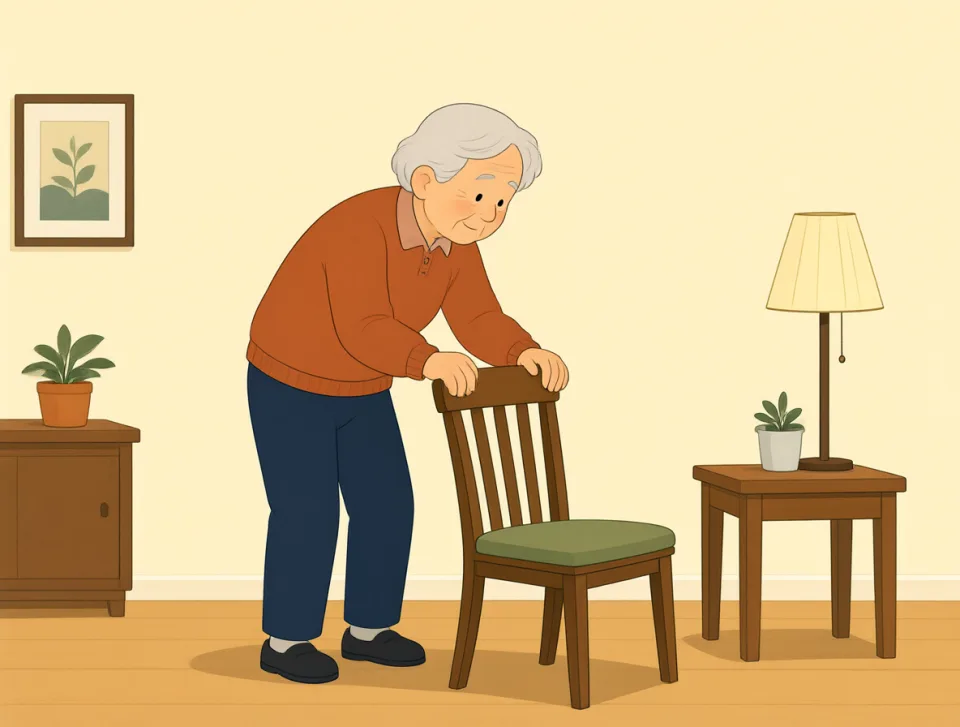
Please rise from your chair slowly.
لطفاً آرام از روی صندلیتان بلند شوید.
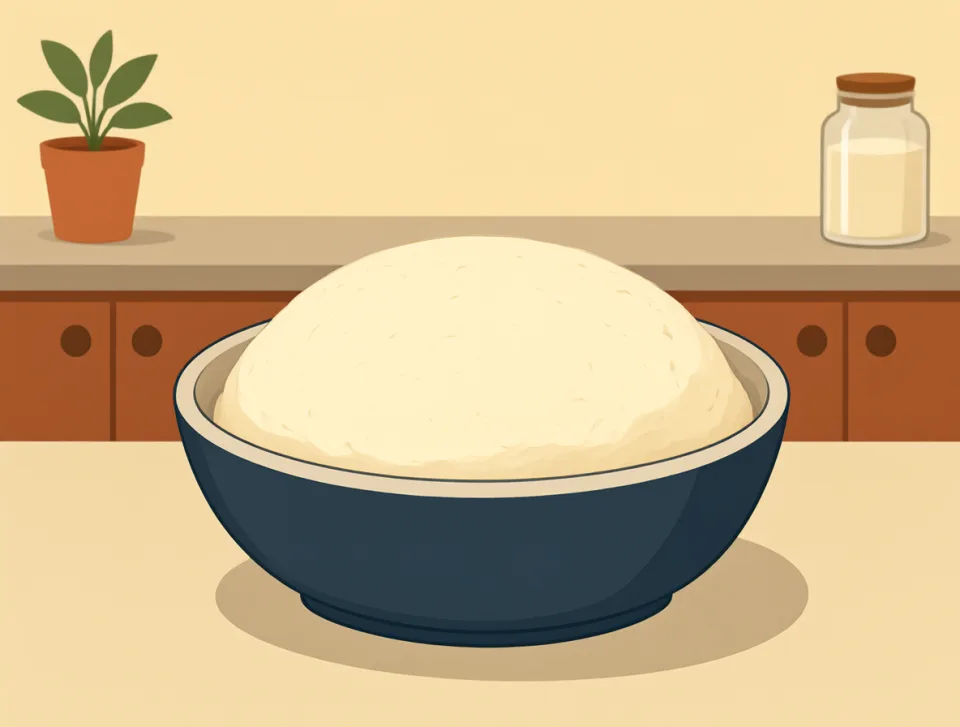
The bread dough rose in the warm kitchen.
خمیر نان در آشپزخانهٔ گرم ور آمد.
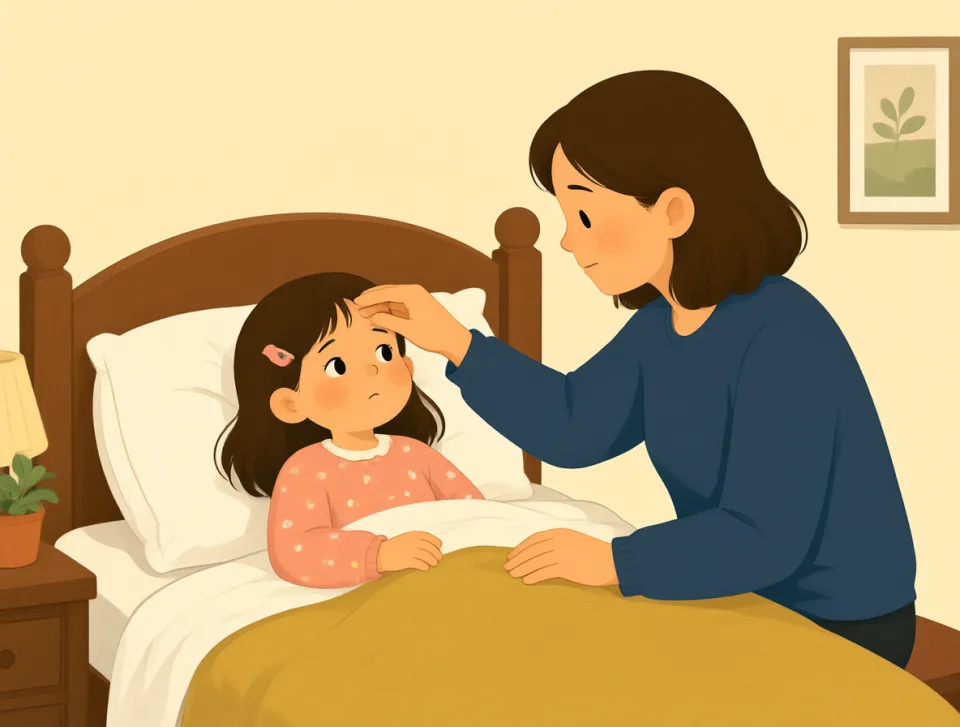
Her temperature rose during the night.
دمای بدنش در طول شب بالا رفت.
girl
#463noun
دختر
A female child or young woman.
کودک مؤنث یا زن جوان.
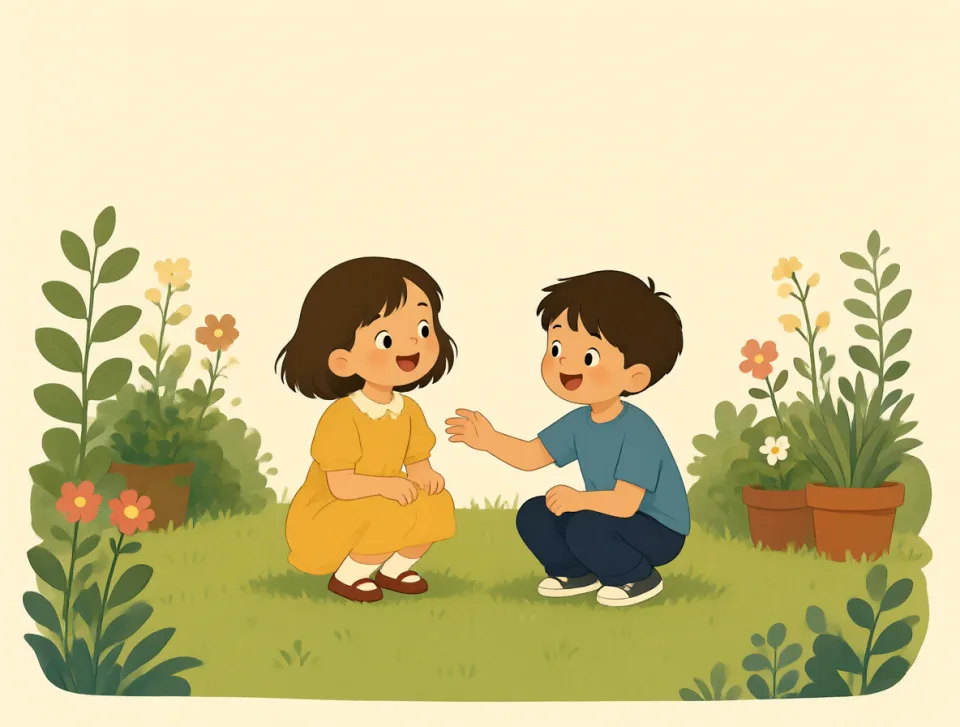
The girl is playing with her brother.
دختر دارد با برادرش بازی میکند.
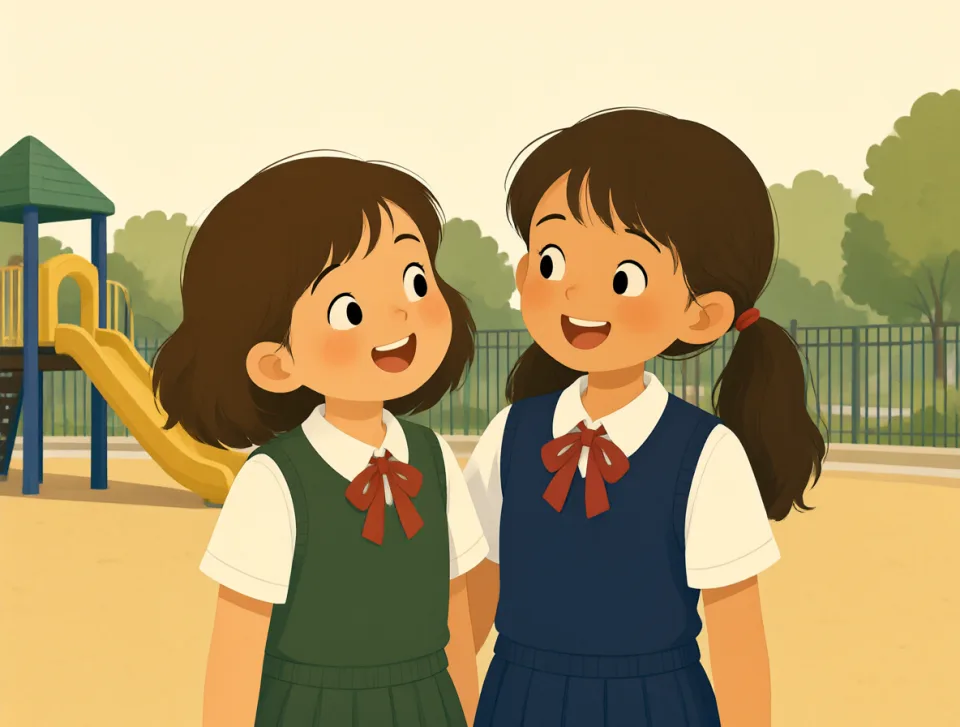
That girl is my best friend.
آن دختر بهترین دوست من است.
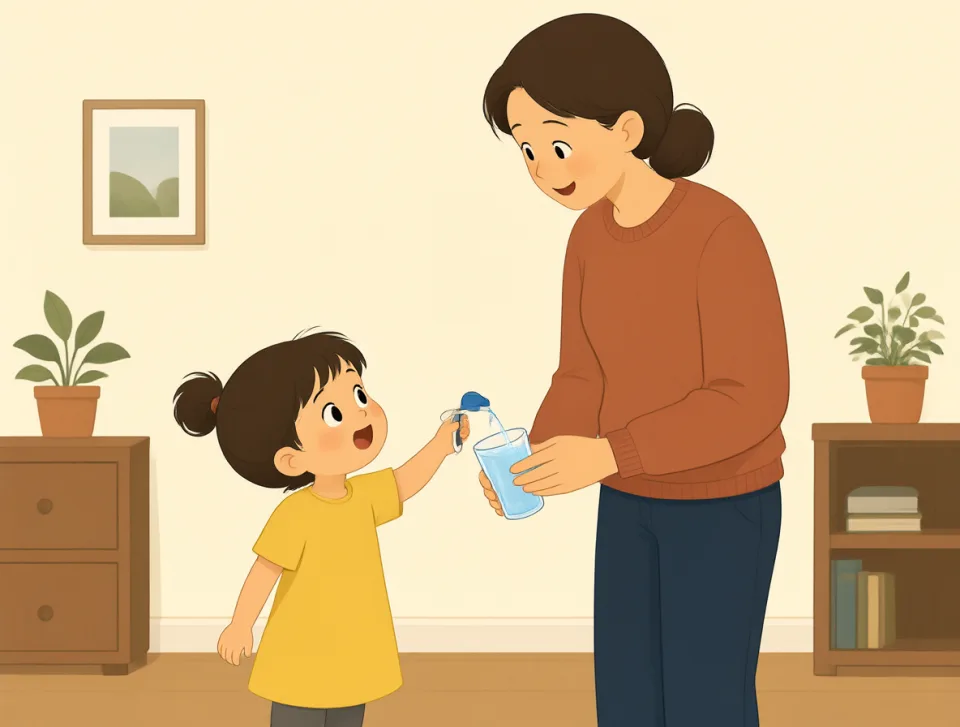
A little girl asked for some water.
دختر کوچکی کمی آب خواست.
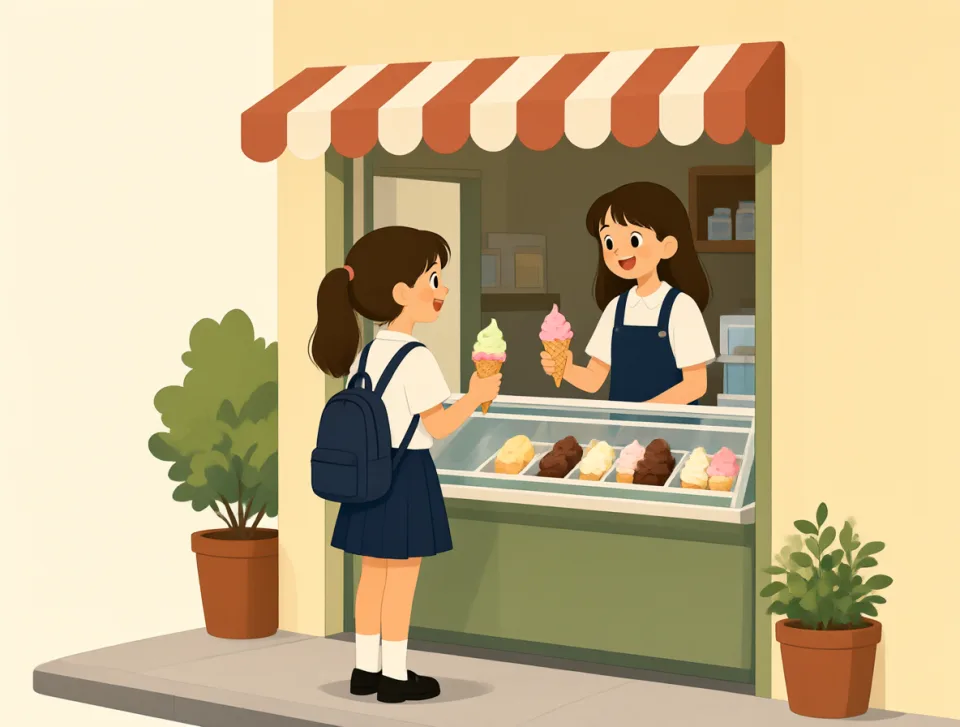
The girls bought ice cream after school.
دخترها بعد از مدرسه بستنی خریدند.
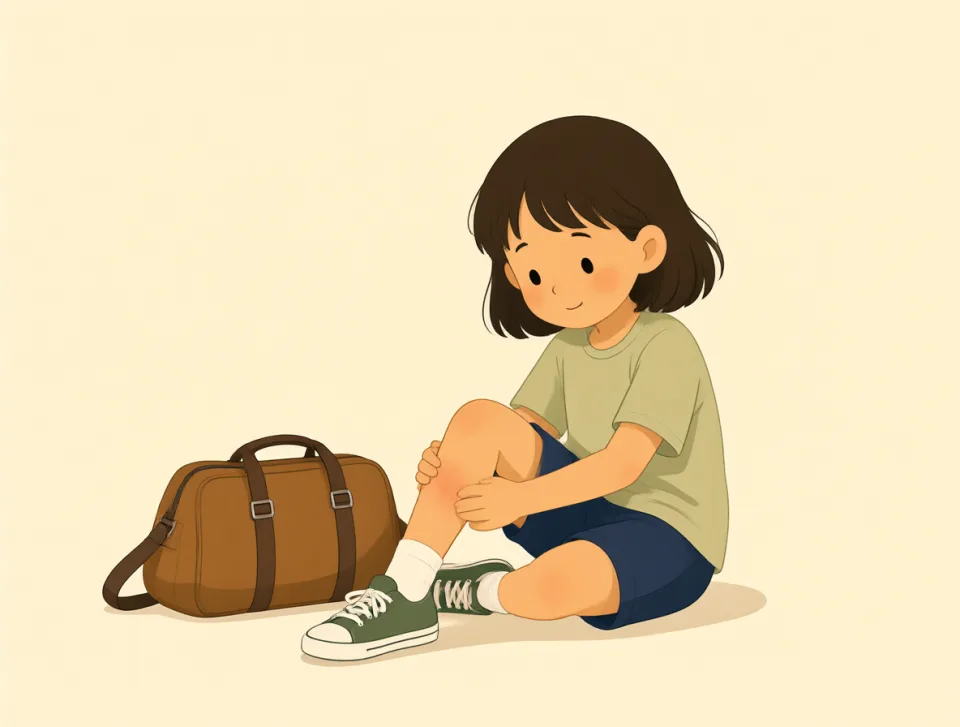
The girl hurt her leg on the trip.
دختر در سفر پایش را زخمی کرد.

maybe
#464adverb
شاید
Used to say that something is possible but not certain.
برای گفتن اینکه چیزی ممکن است، اما قطعی نیست، به کار میرود.
Maybe we can meet after work.
شاید بتوانیم بعد از کار همدیگر را ببینیم.

Maybe it will rain this afternoon.
شاید امروز بعدازظهر باران ببارد.
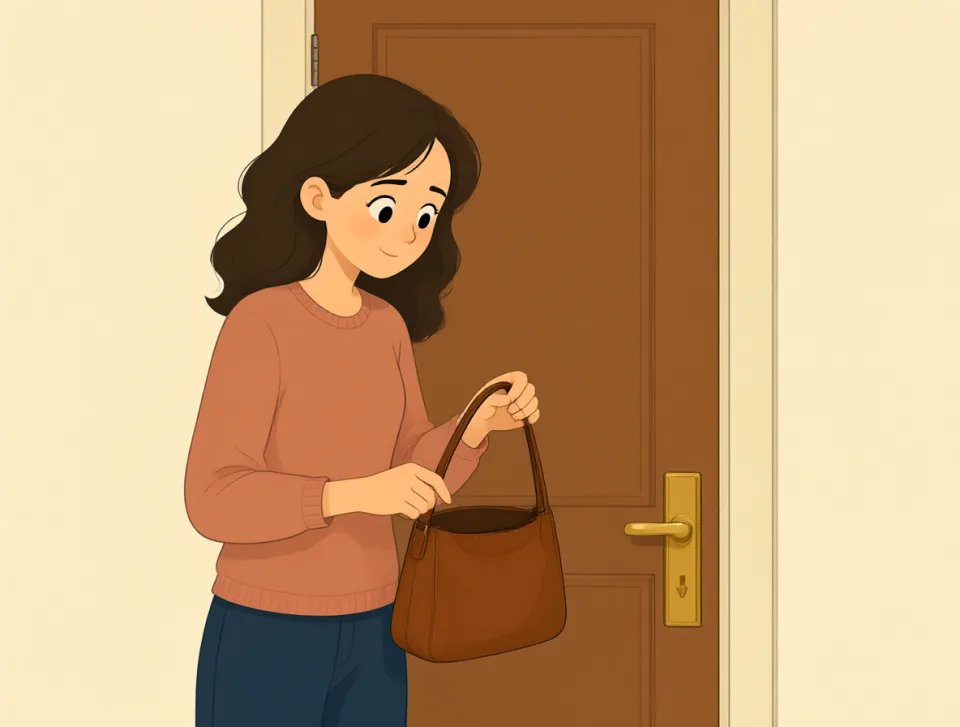
Maybe she left her keys at home.
شاید او کلیدهایش را در خانه جا گذاشته باشد.
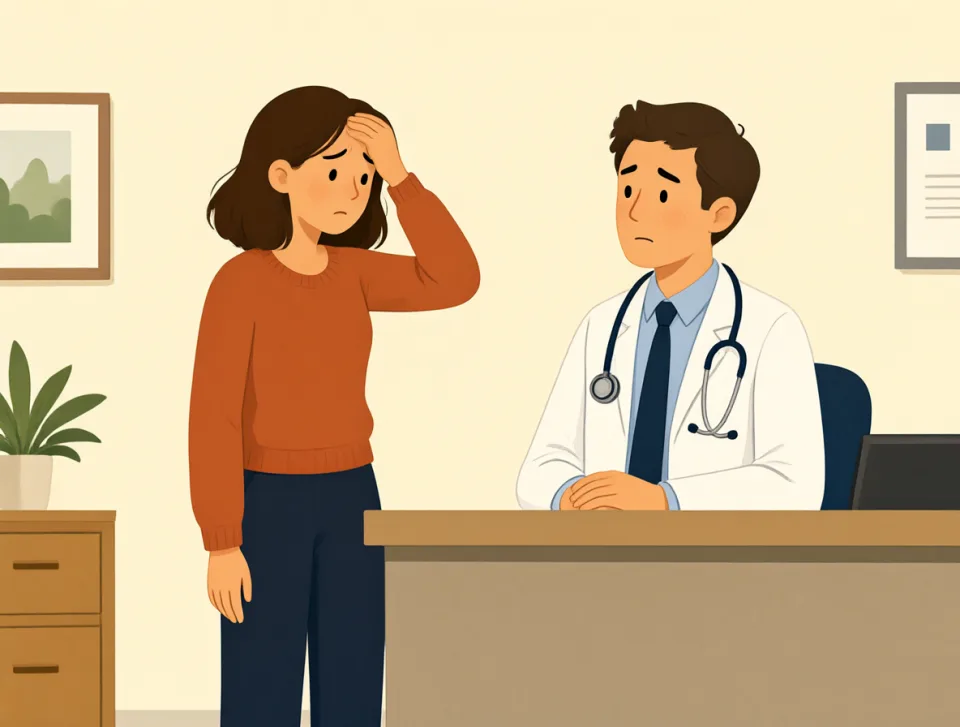
Maybe I should see a doctor.
شاید بهتر باشد به پزشک مراجعه کنم.
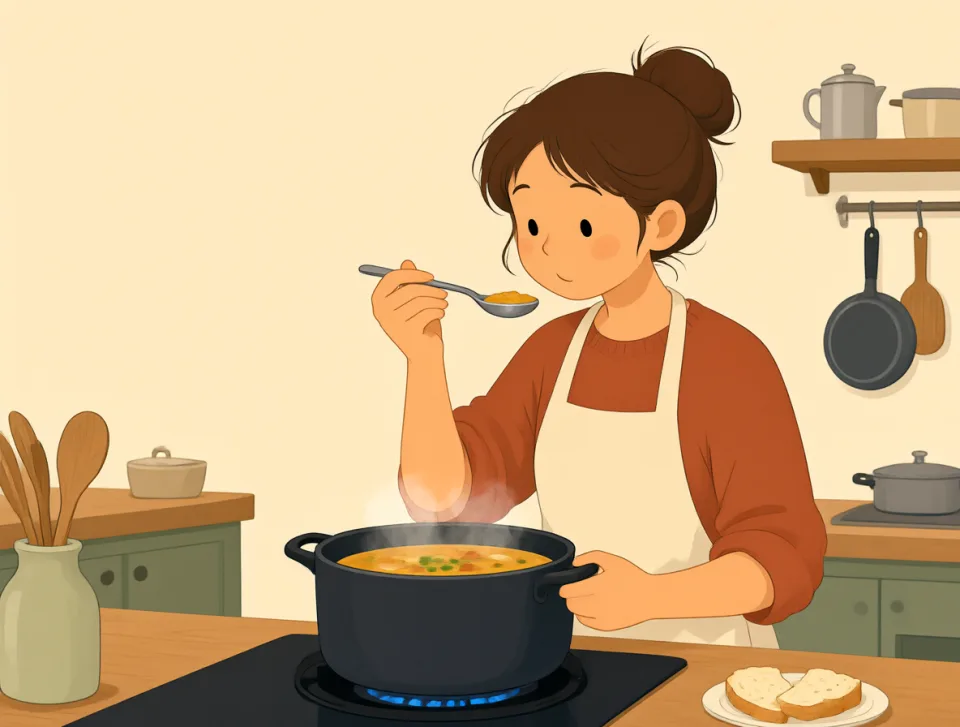
Maybe this soup needs more salt.
شاید این سوپ نمک بیشتری لازم داشته باشد.
community
#465noun
جامعه
A group of people who live in the same place or share an interest.
گروهی از مردم که در یک مکان زندگی میکنند یا علاقهای مشترک دارند.
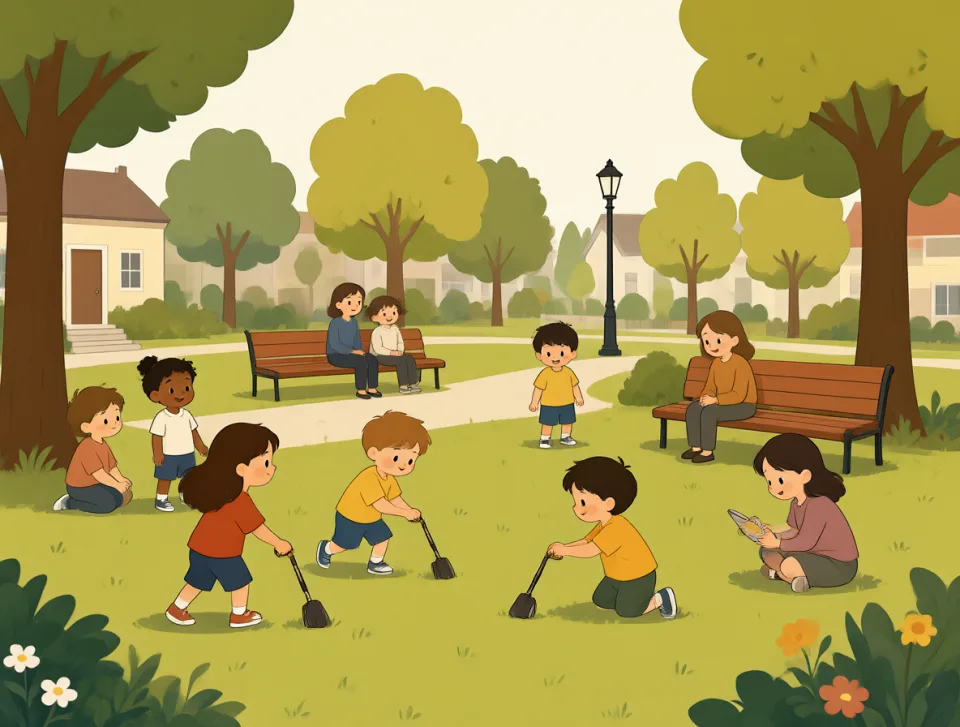
Our community has a small park.
جامعهٔ ما یک پارک کوچک دارد.
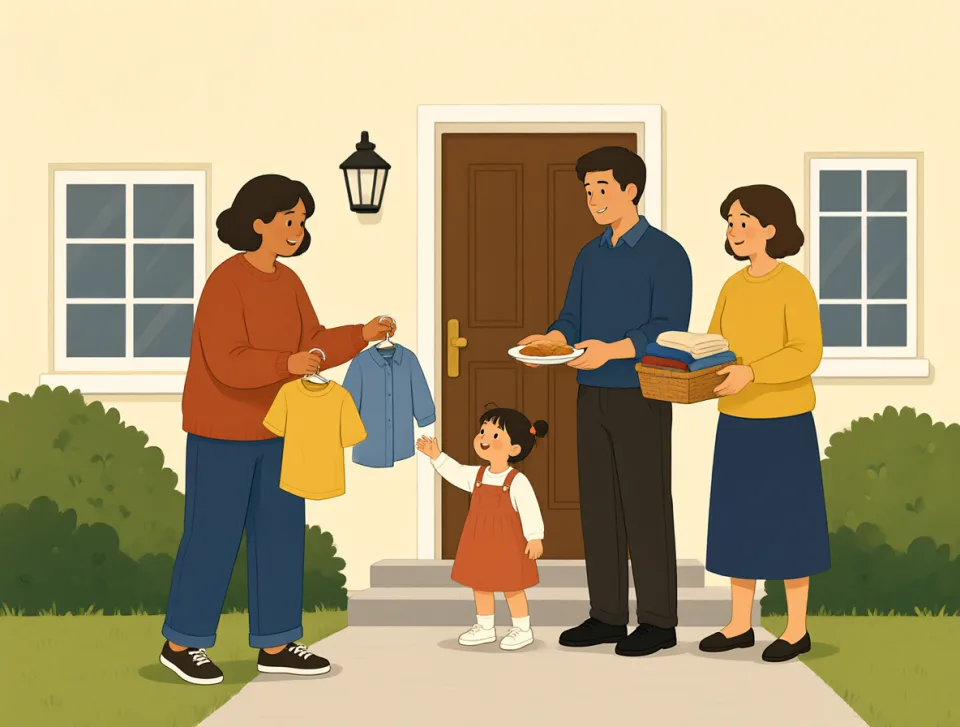
The community helped the family after the fire.
مردم جامعه بعد از آتشسوزی به آن خانواده کمک کردند.
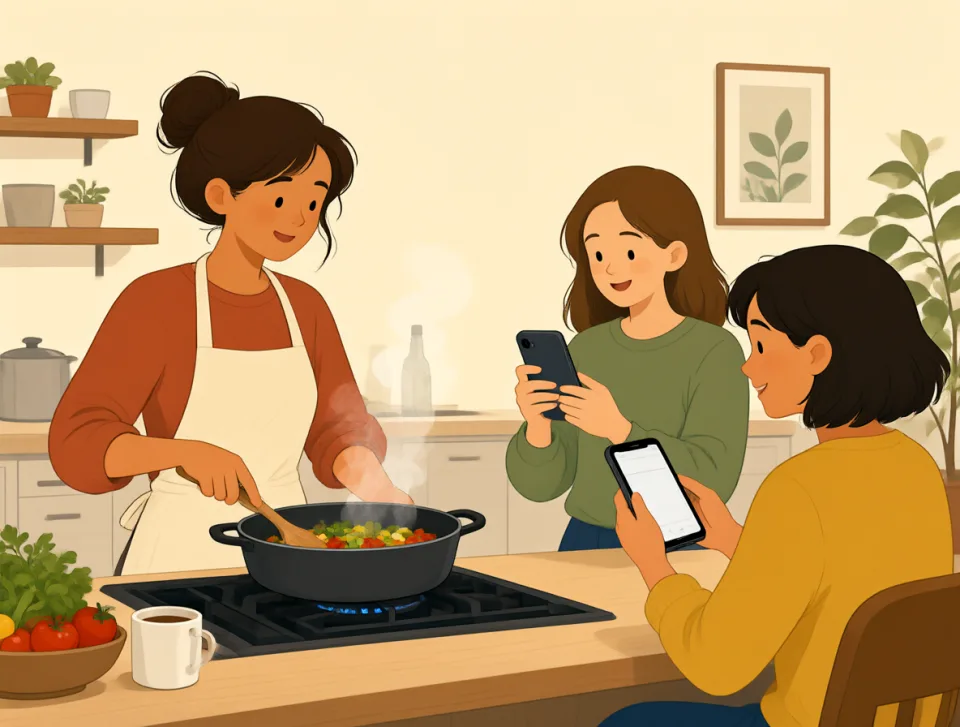
She joined a cooking community online.
او به یک جامعهٔ آشپزی آنلاین پیوست.
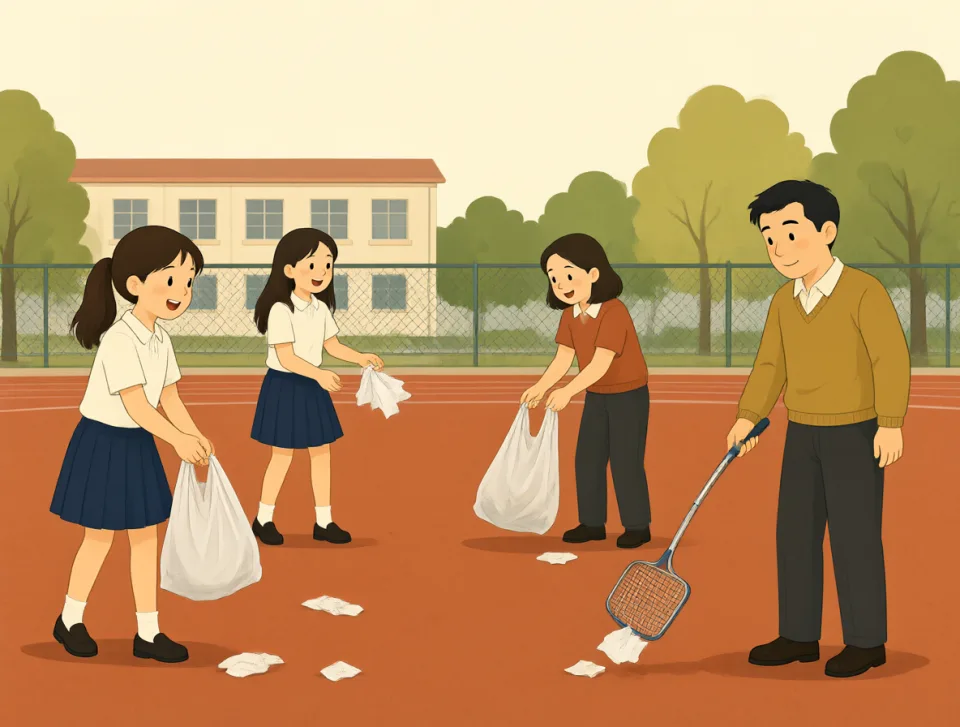
Our school community cleaned the playground.
اعضای جامعهٔ مدرسهٔ ما زمین بازی را تمیز کردند.
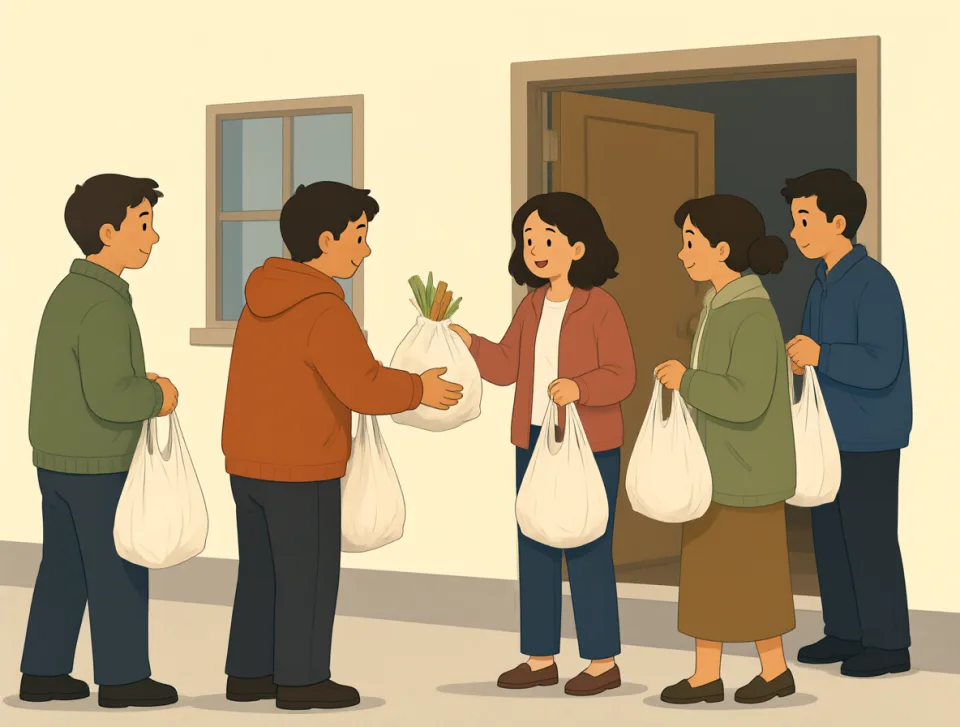
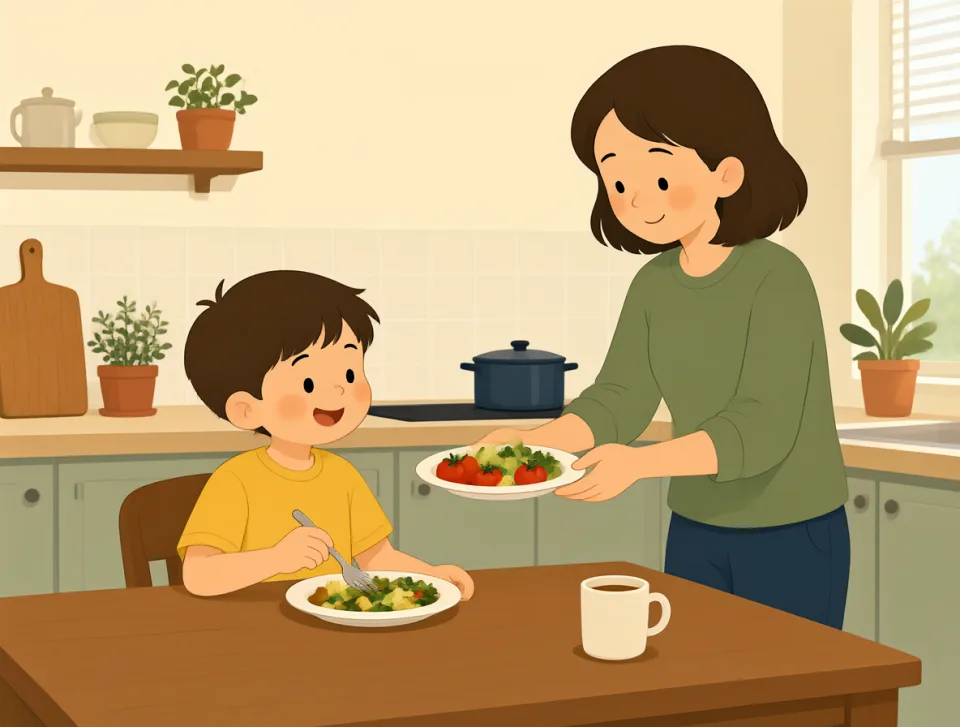
The local community opened a food bank.
جامعهٔ محلی یک مرکز توزیع غذا راهاندازی کرد.
else
#466adverb, pronoun, determiner
چیز دیگری
Different or additional from the person, thing, or place already mentioned.
متفاوت یا اضافه بر شخص، چیز یا مکانی که قبلاً به آن اشاره شده است.
Would you like anything else to eat?
چیز دیگری برای خوردن میل دارید؟
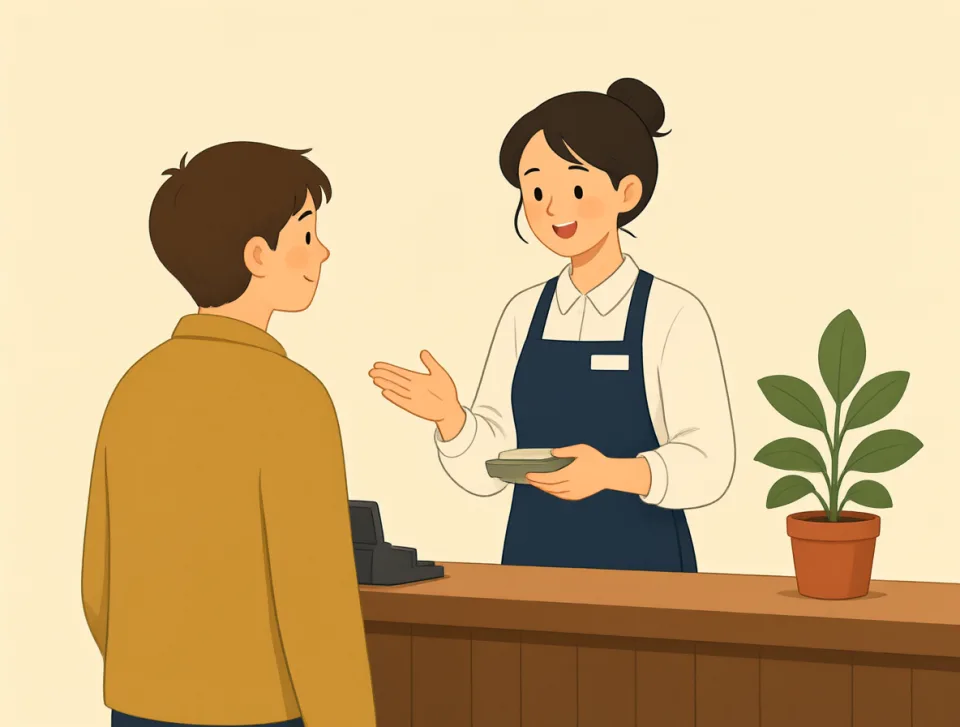
Is there anything else I can help with?
کار دیگری هست که بتوانم در آن کمکتان کنم؟

Where else can we go today?
امروز کجاهای دیگری میتوانیم برویم؟
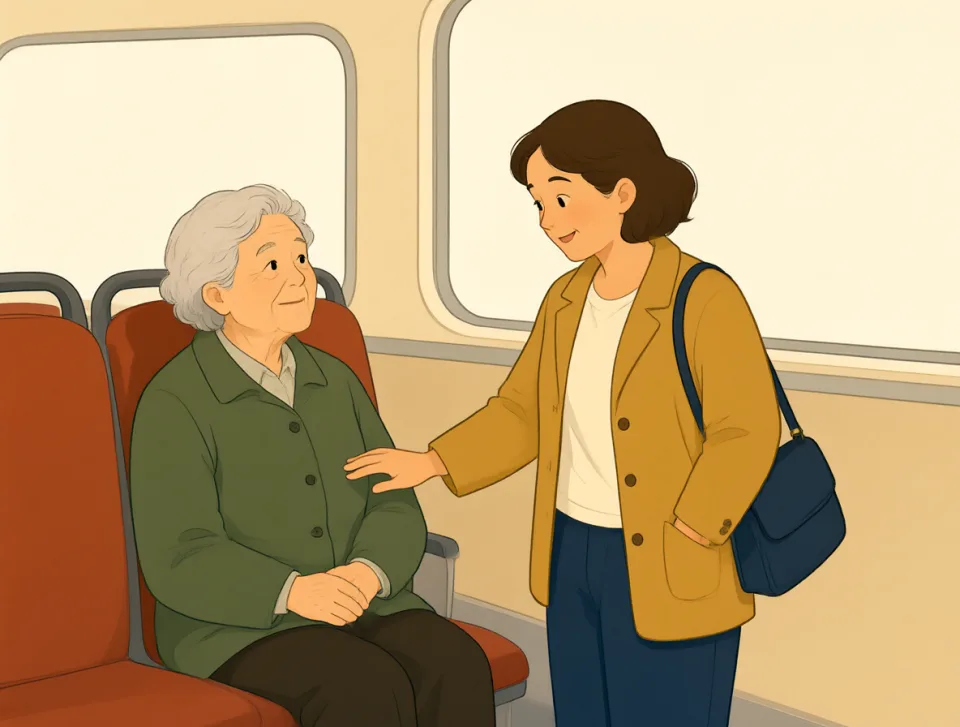
Someone else took my seat on the bus.
شخص دیگری جای من را در اتوبوس گرفته بود.

What else did you learn at school?
در مدرسه چه چیز دیگری یاد گرفتی؟
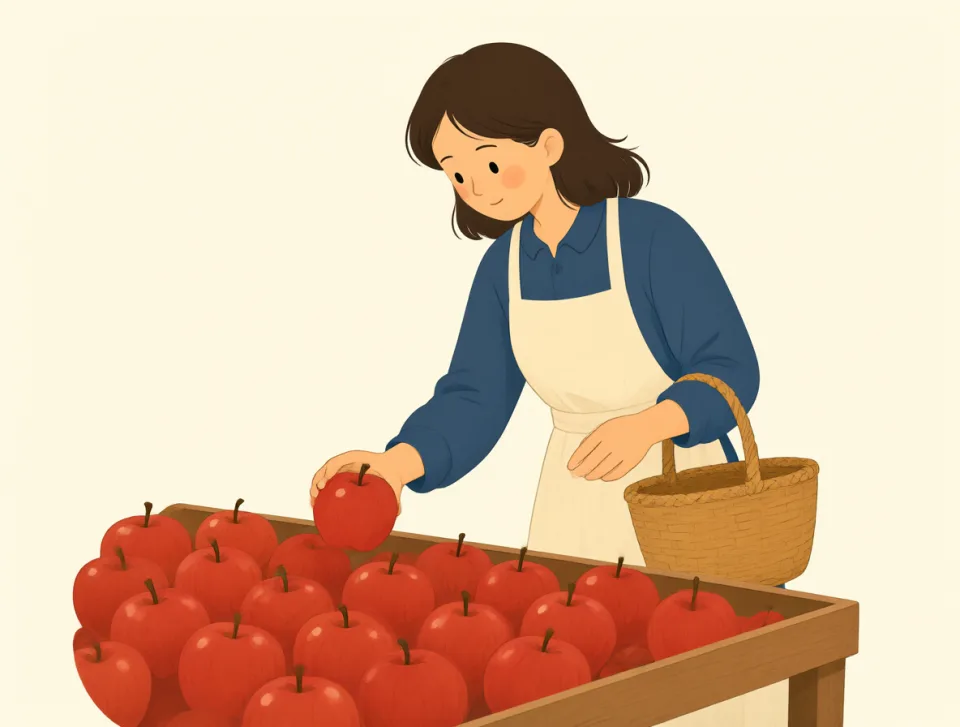
particular
#467adjective
خاص
Specific or exact, rather than general or ordinary.
مشخص یا دقیق، نه کلی یا معمولی.
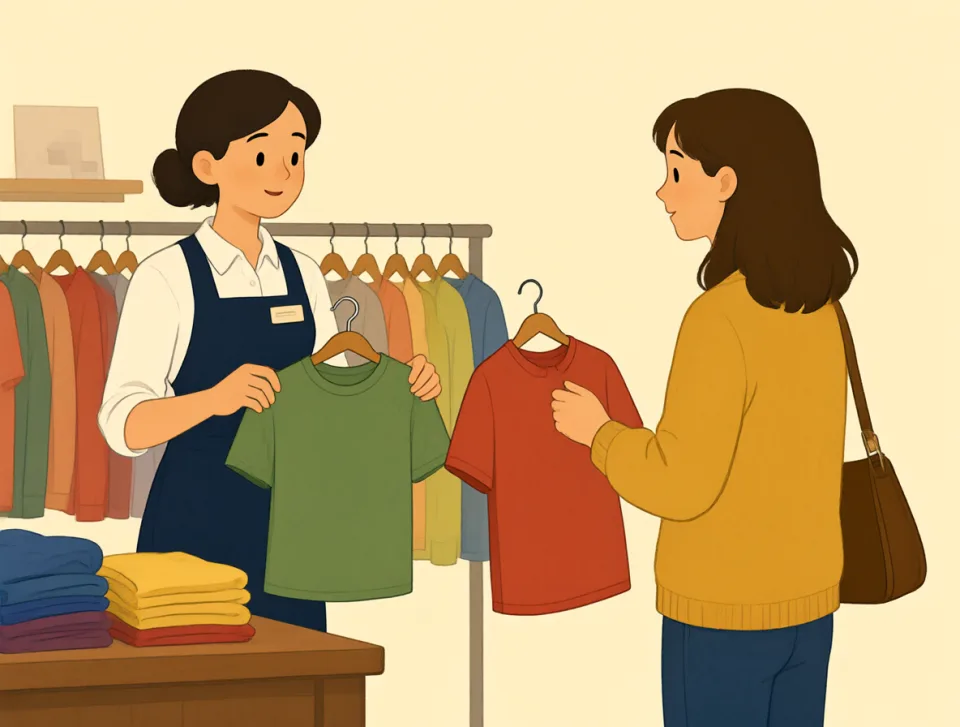
Is there a particular color you want?
رنگ خاصی مدنظرتان هست؟
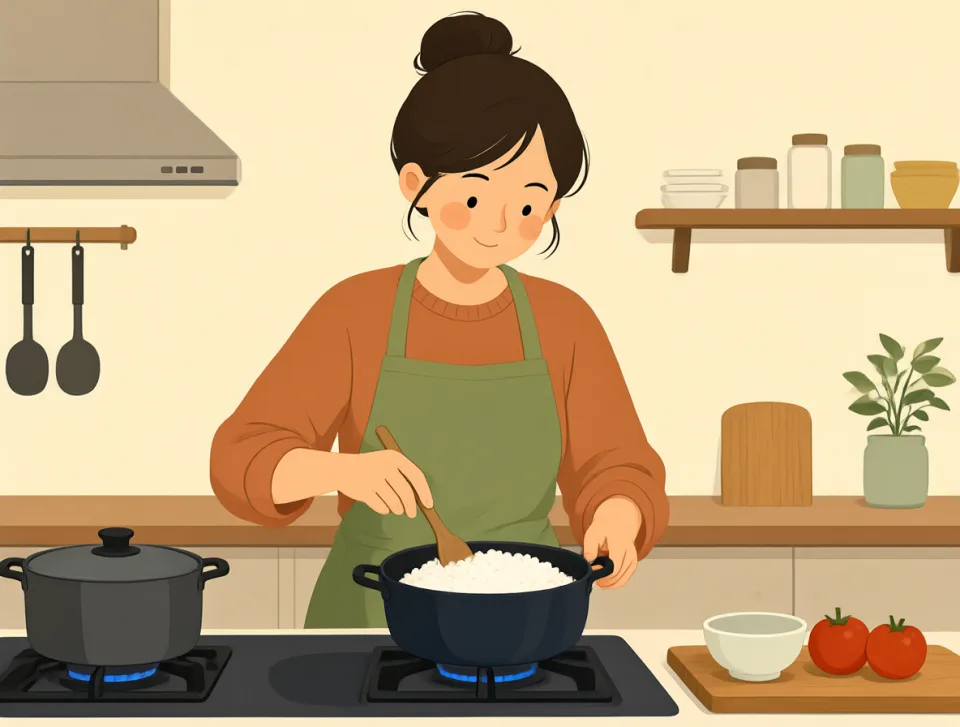
She has a particular way of cooking rice.
او روش خاصی برای پختن برنج دارد.

I need a particular book for class.
برای کلاس به یک کتاب خاص نیاز دارم.
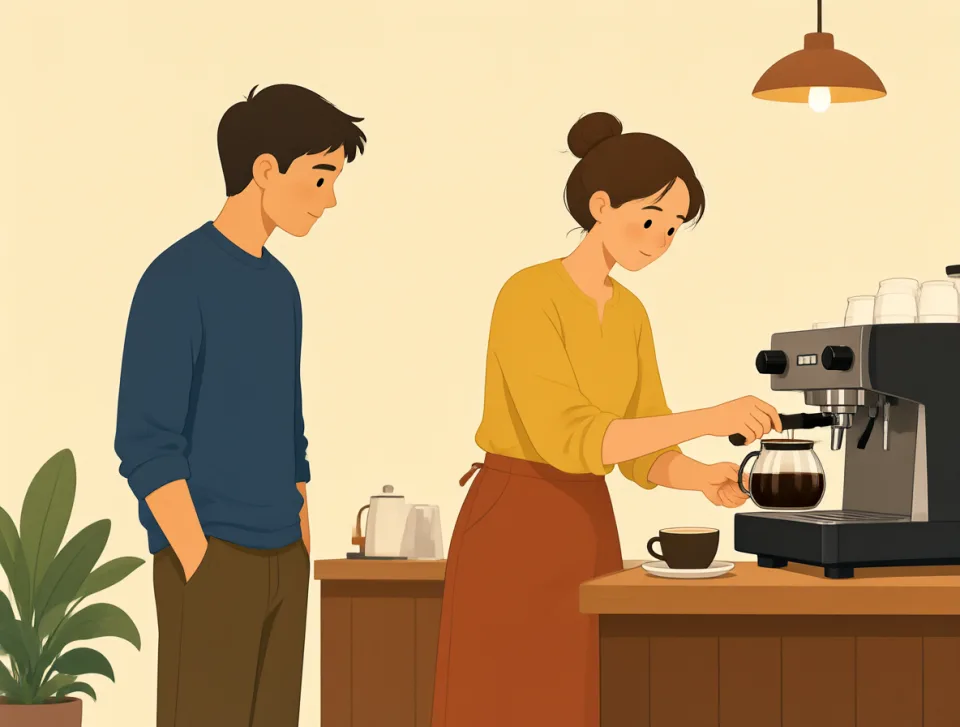
He is very particular about his coffee.
او دربارهٔ قهوهاش خیلی سختگیر است.
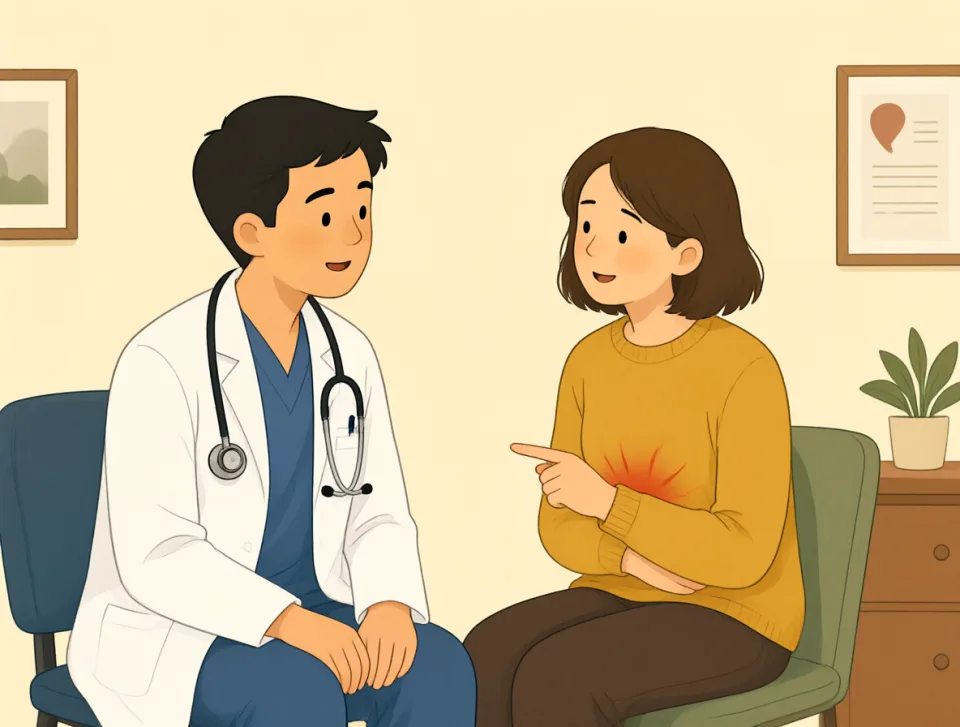
The doctor asked about a particular pain.
دکتر دربارهٔ درد خاصی سؤال کرد.
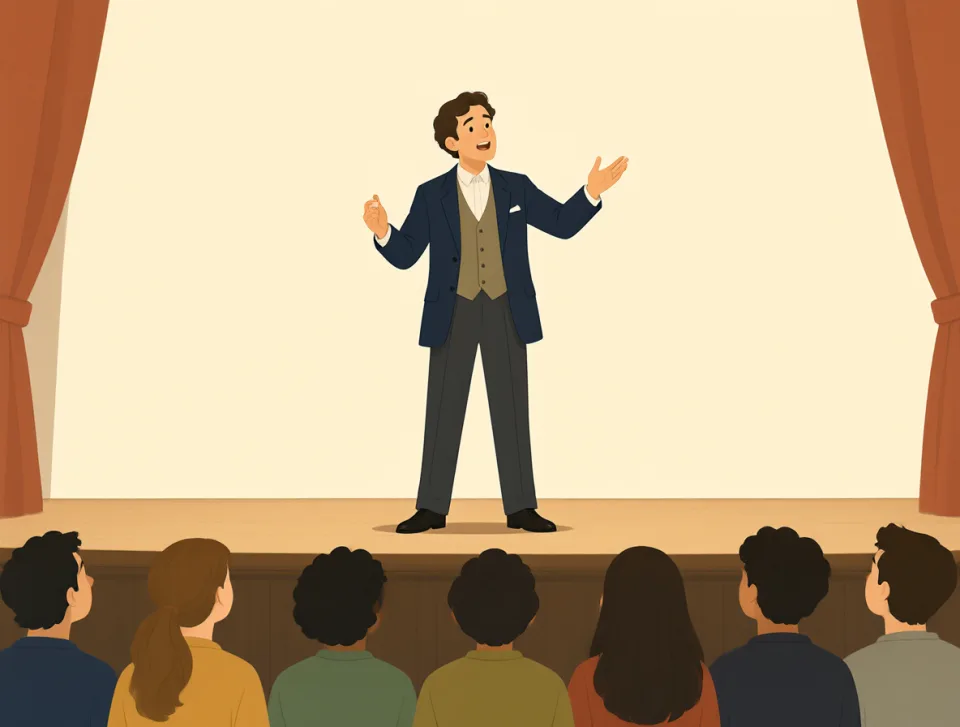
role
#468noun
نقش
The job or purpose someone or something has in a situation.
کاری که شخص یا چیزی در یک موقعیت انجام میدهد یا هدفی که دارد.
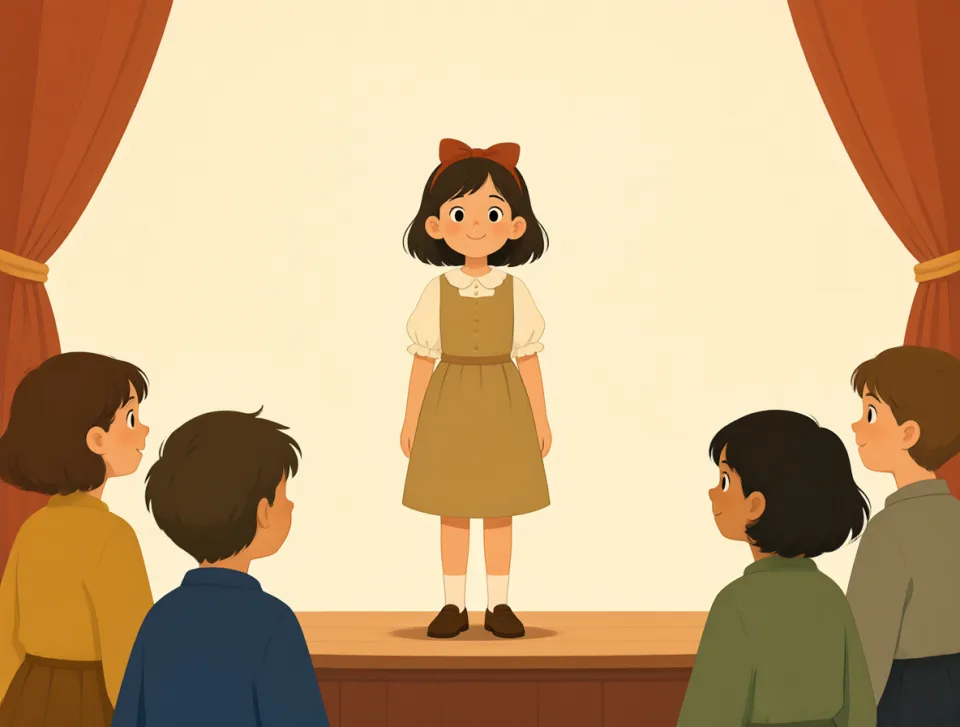
She plays the main role in the school play.
او نقش اصلی را در نمایش مدرسه دارد.
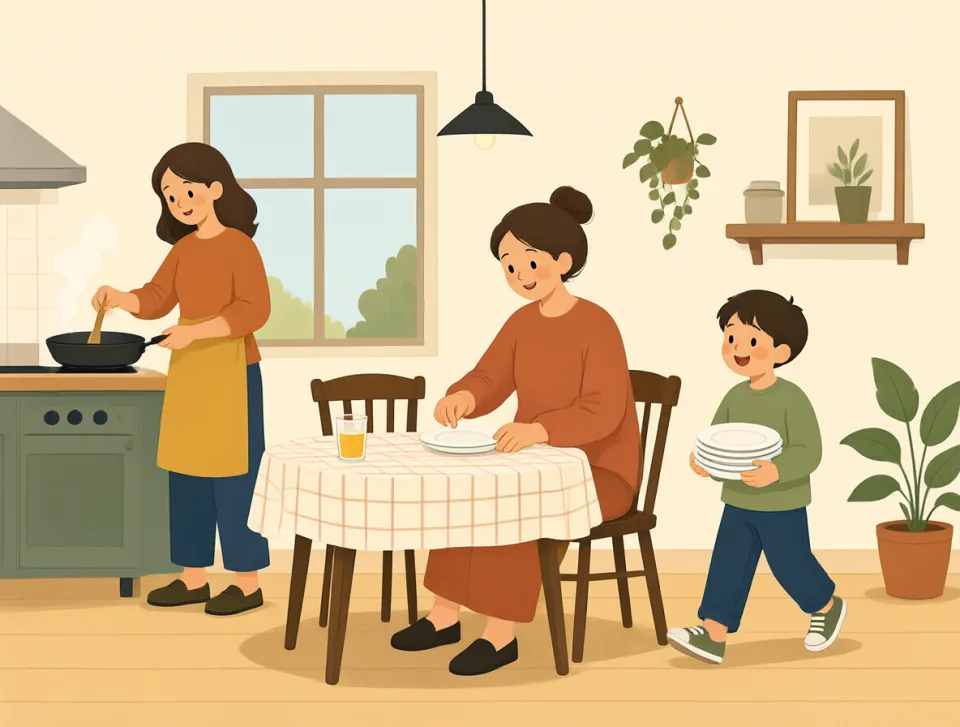
Everyone has a role in our family.
هرکسی در خانوادهٔ ما نقشی دارد.

He got a new role at the company.
او در شرکت نقش جدیدی گرفت.
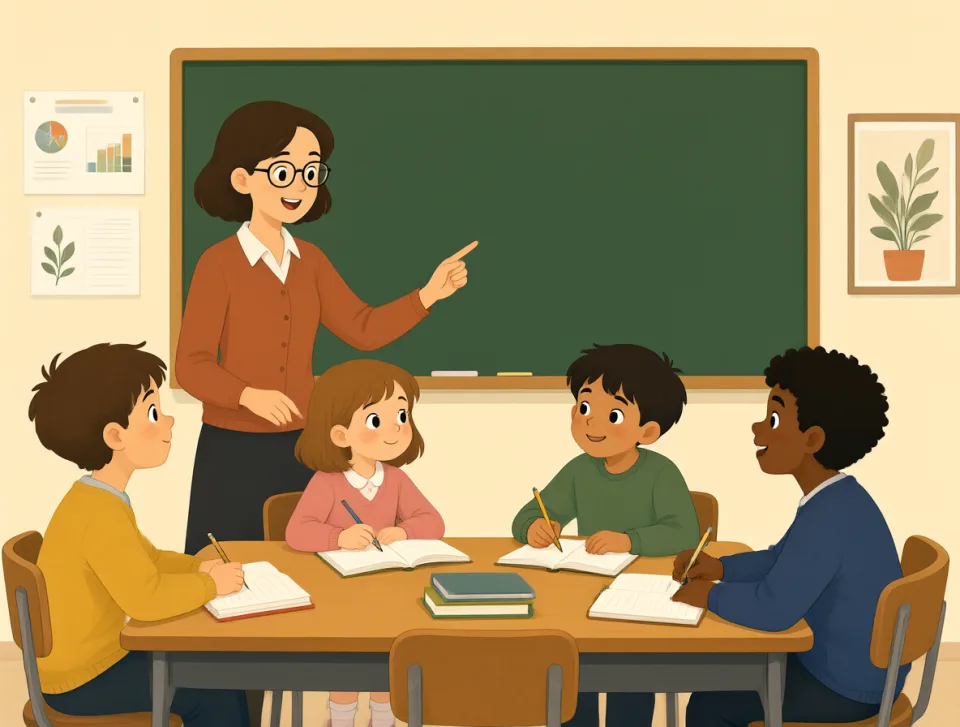
The teacher gave me a role in the project.
معلم در پروژه نقشی به من داد.
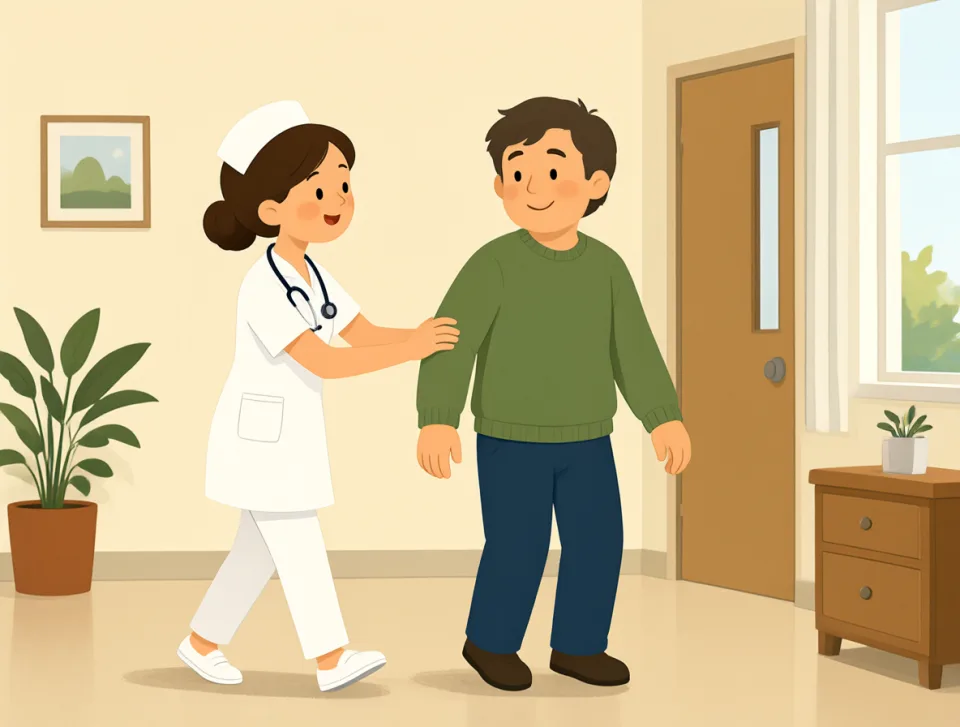
The nurse played an important role in her recovery.
پرستار نقش مهمی در بهبود او داشت.

join
#469verb
پیوستن
to become a member of a group or take part in an activity
عضو یک گروه شدن یا در فعالیتی شرکت کردن.
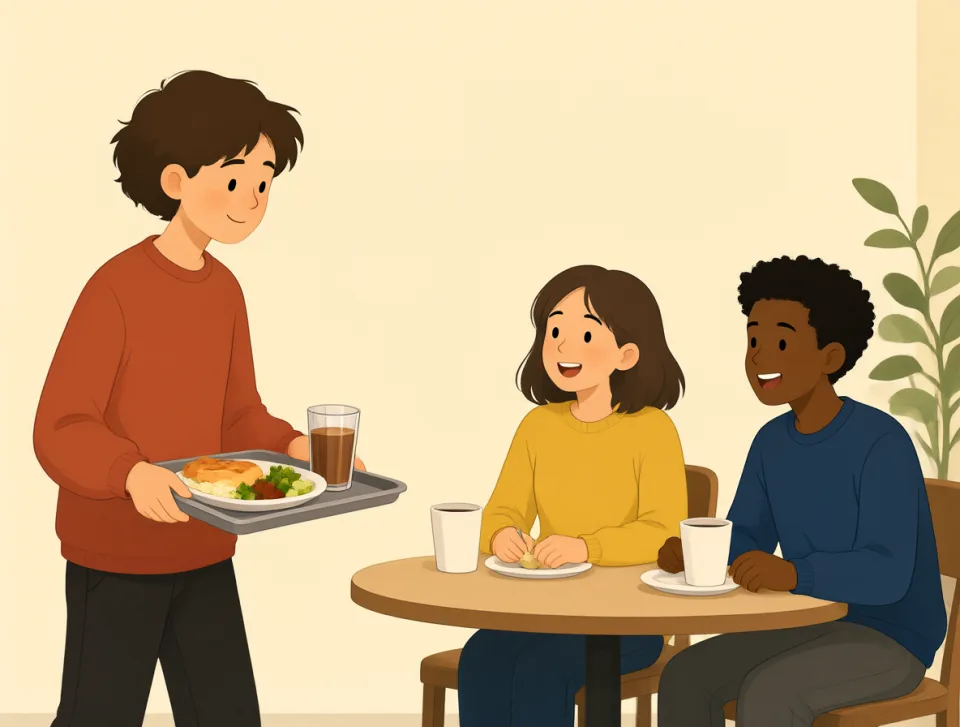
Can I join you for lunch?
میتوانم برای ناهار به شما ملحق شوم؟
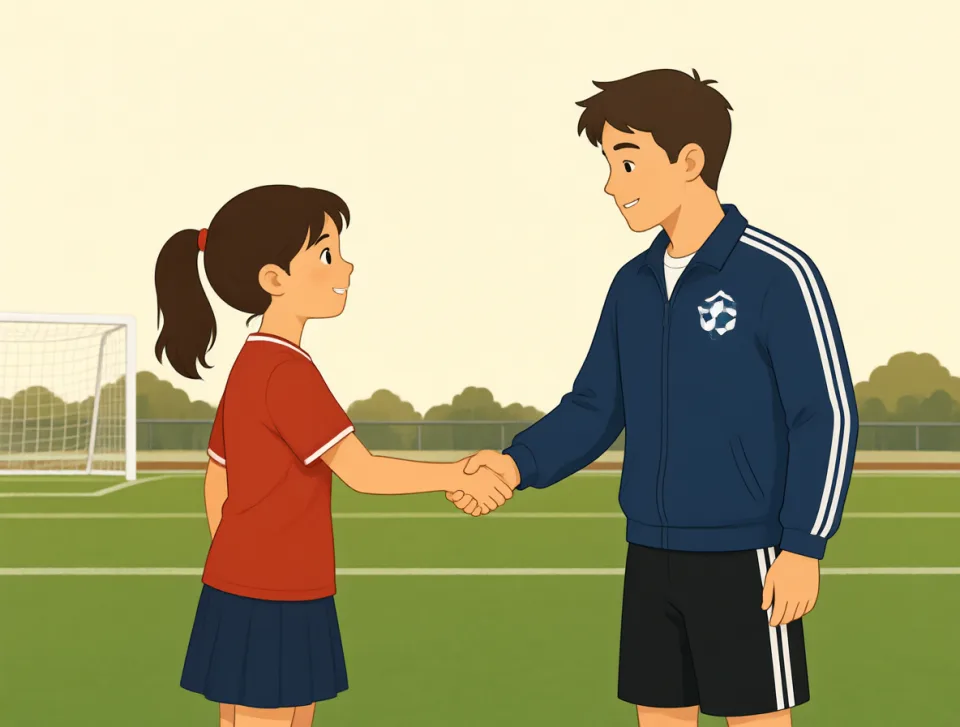
She joined the school football team.
او به تیم فوتبال مدرسه پیوست.
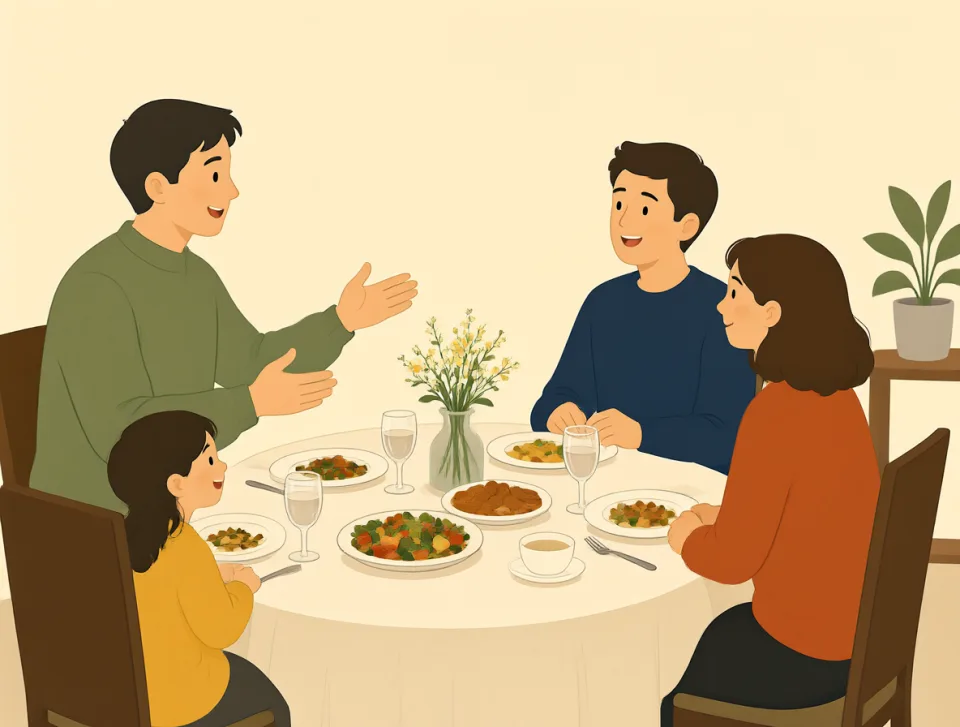
Please join us for dinner tonight.
لطفاً امشب برای شام به ما ملحق شوید.

He joined the line at the store.
او در صف فروشگاه ایستاد.
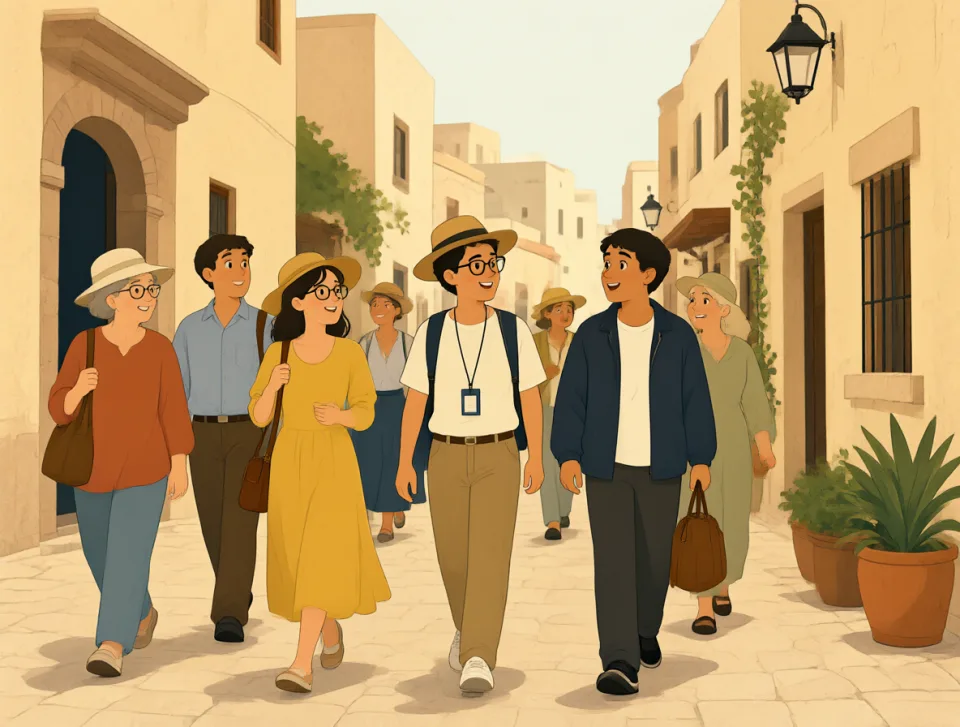
We joined a tour of the old city.
ما به یک تور از شهر قدیمی پیوستیم.
difficult
#470adjective
دشوار
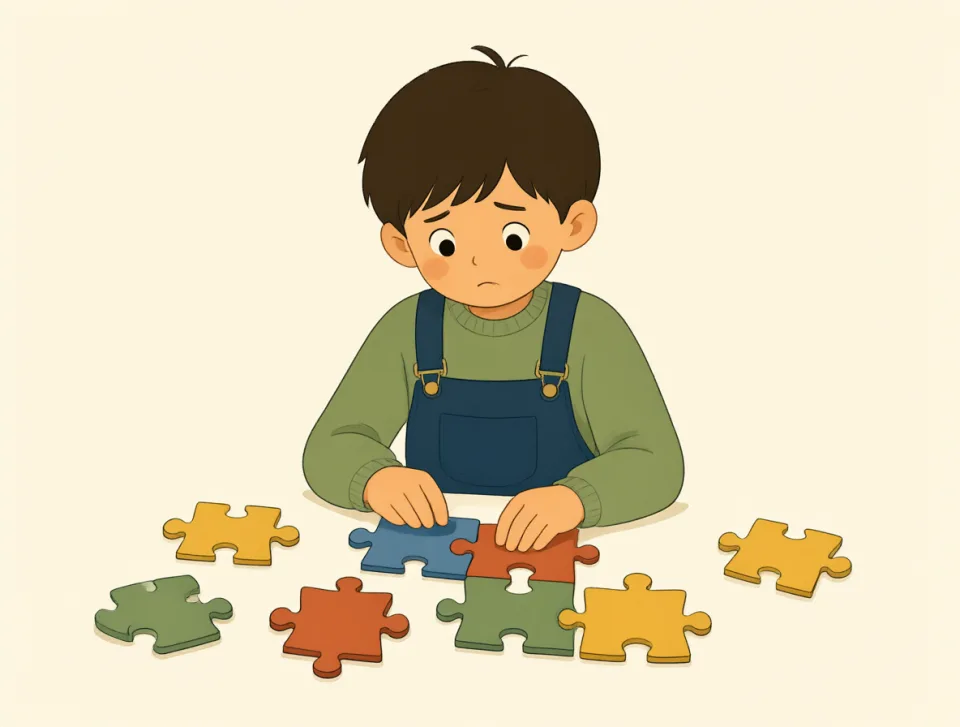
Not easy to do, understand, or deal with.
انجام دادن، فهمیدن یا روبهرو شدن با آن آسان نیست.
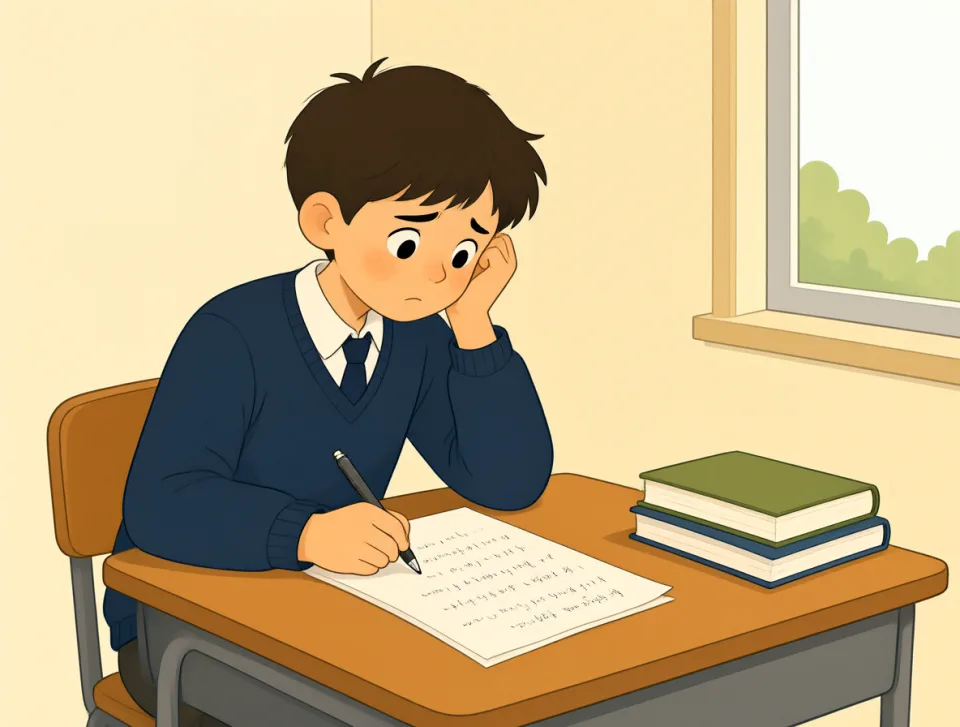
This math problem is difficult for me.
این مسئلهٔ ریاضی برای من دشوار است.

It is difficult to sleep with this noise.
با این سروصدا خوابیدن دشوار است.

We had a difficult day at work.
روز سختی را در محل کار داشتیم.
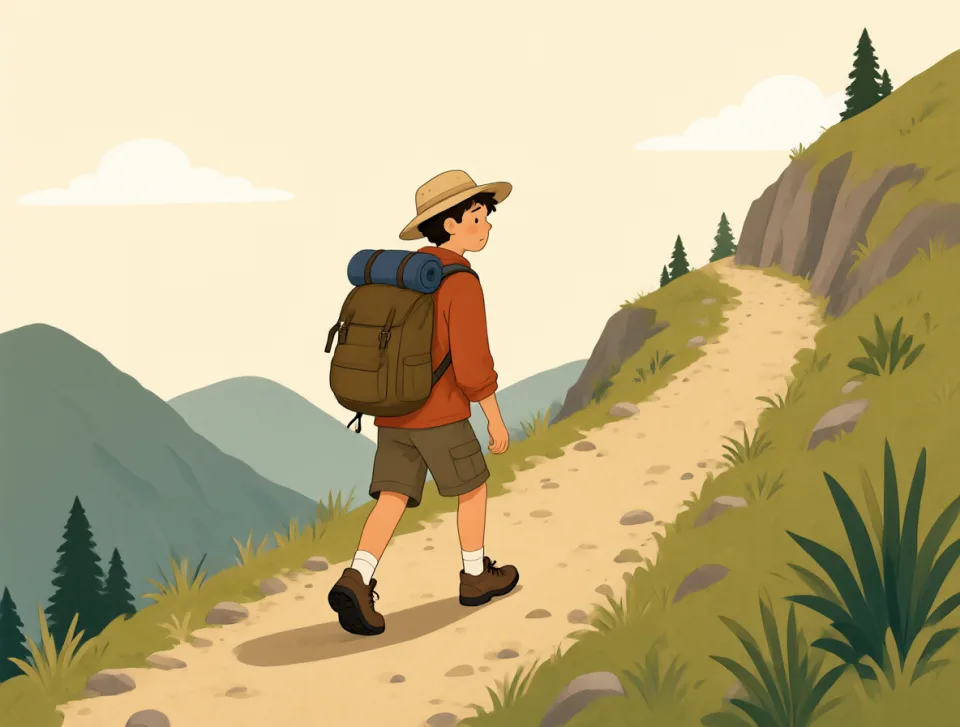
The difficult journey took two days.
سفر دشوار دو روز طول کشید.
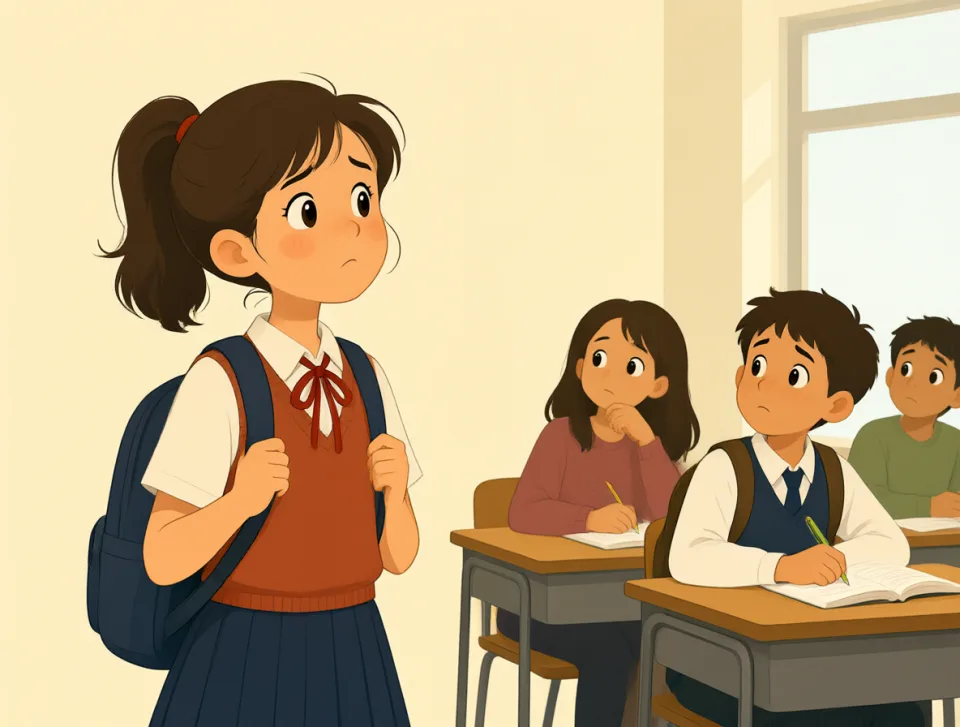
She finds it difficult to speak in class.
او صحبت کردن در کلاس را دشوار میداند.
please
#471adverb, verb
لطفاً
Used to ask politely, or to make someone happy or satisfied.
برای درخواست مؤدبانه یا خوشحال و راضی کردن کسی به کار میرود.
Please close the door before you leave.
لطفاً قبل از رفتن در را ببند.
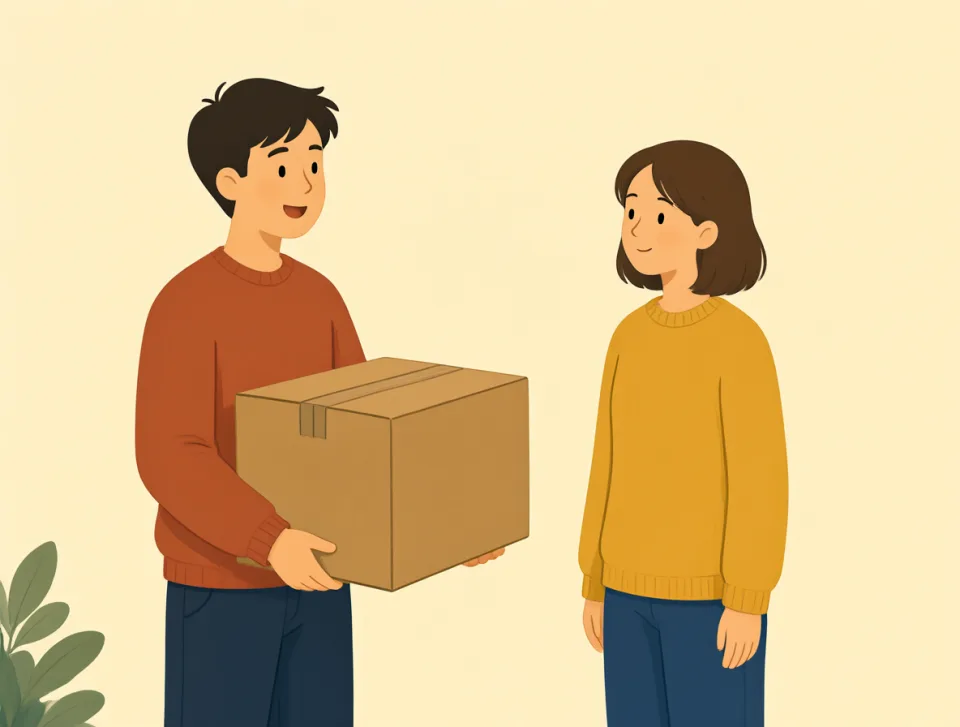
Could you help me, please?
میشه لطفاً کمکم کنی؟
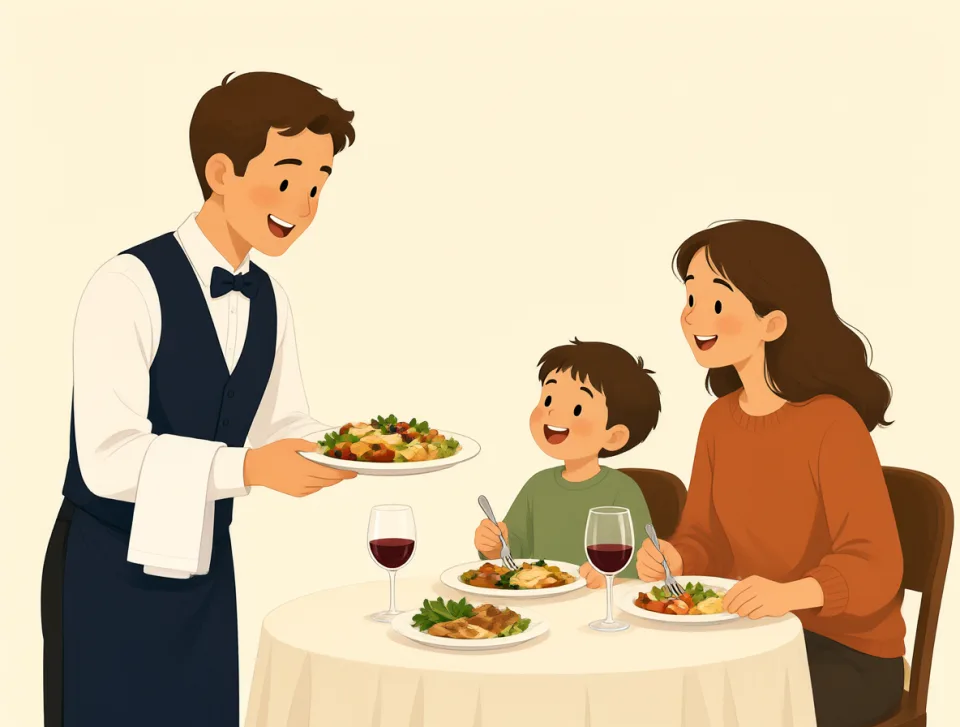
The waiter pleased everyone with the delicious food.
گارسون با غذای خوشمزهاش همه را راضی کرد.

Please yourself and choose a comfortable seat.
هر طور راحتی عمل کن و یک صندلی راحت انتخاب کن.

The doctor was pleased with my progress.
دکتر از پیشرفتم راضی بود.

detail
#472noun, verb
جزئیات
A small piece of information, or to give information about something carefully.
اطلاعات کوچکی دربارهٔ چیزی، یا با دقت اطلاعات دادن دربارهٔ آن.
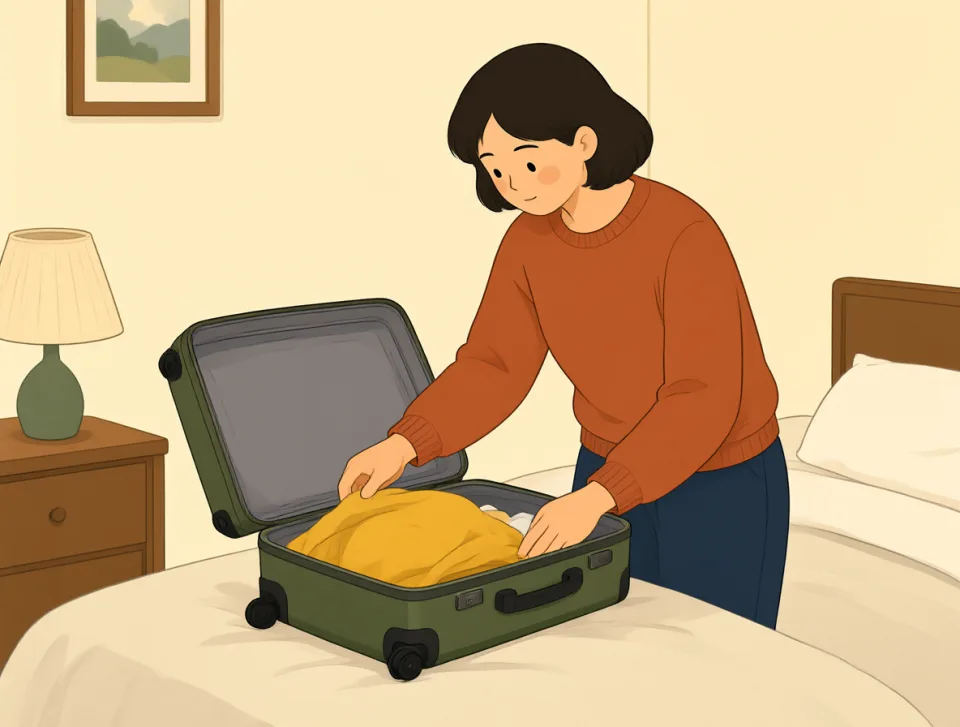
Please check every detail before you leave.
لطفاً قبل از رفتن همهٔ جزئیات را بررسی کن.

She told me every detail about her trip.
او همهٔ جزئیات سفرش را برایم تعریف کرد.
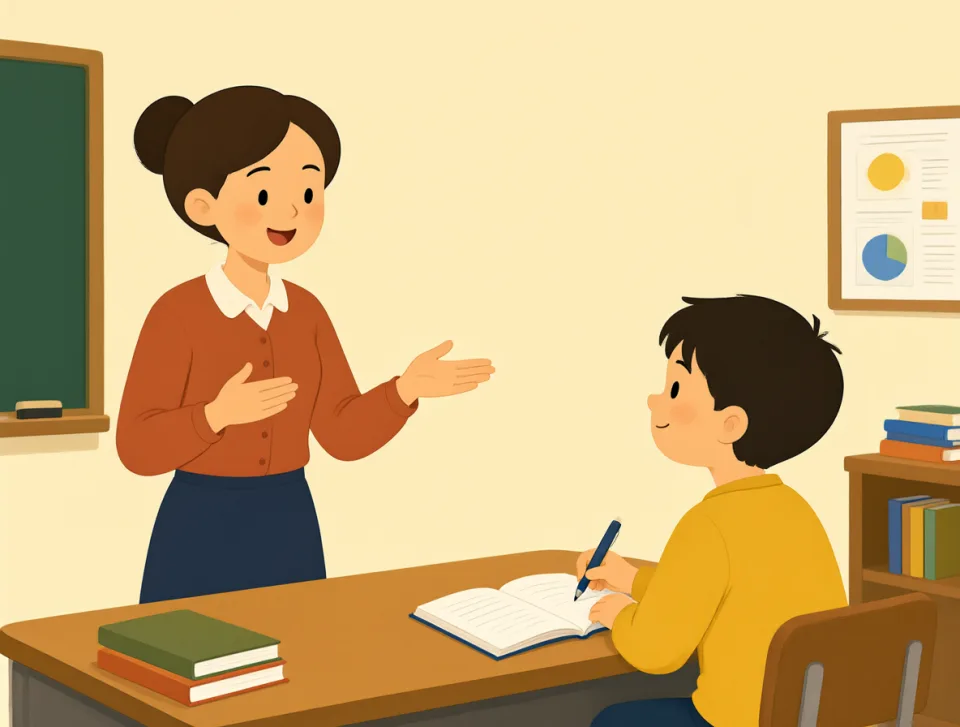
The teacher explained the details of the science project.
معلم جزئیات پروژهٔ علوم را توضیح داد.

The hotel room had beautiful details.
اتاق هتل جزئیات زیبایی داشت.

He detailed the problem for the doctor.
او مشکل را با جزئیات برای دکتر شرح داد.

difference
#473noun
تفاوت
A way in which two people or things are not the same.
وجهی که باعث میشود دو نفر یا دو چیز شبیه هم نباشند.

Can you see the difference between these two bags?
میتونی تفاوت این دو کیف رو ببینی؟
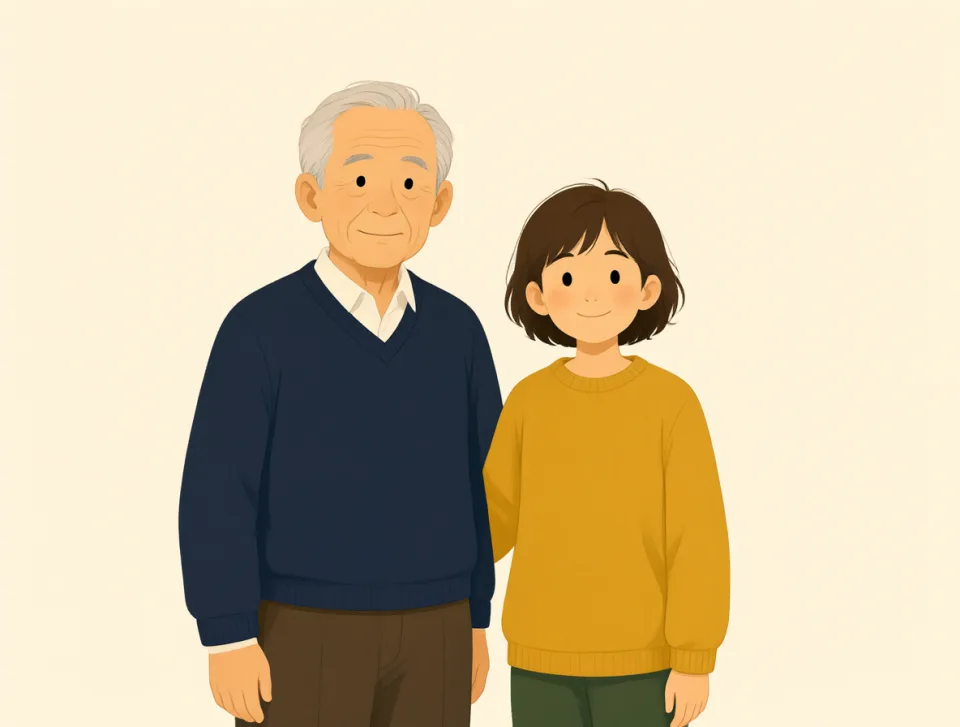
There is a big difference in their ages.
سن آنها تفاوت زیادی دارد.
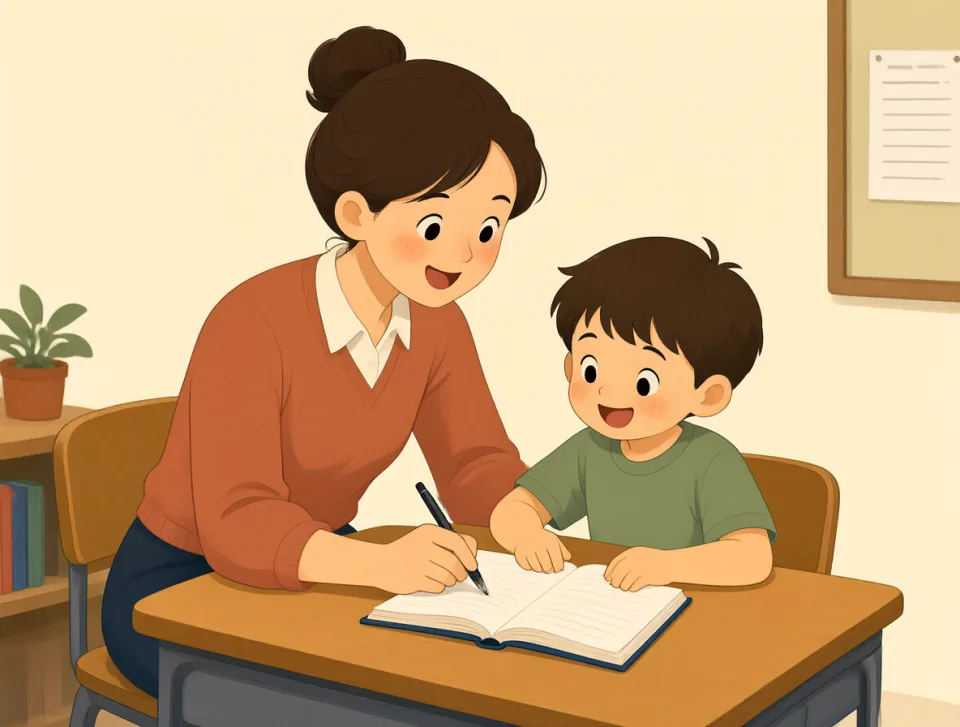
The new teacher makes a difference at school.
معلم جدید در مدرسه تأثیر مثبتی میگذارد.
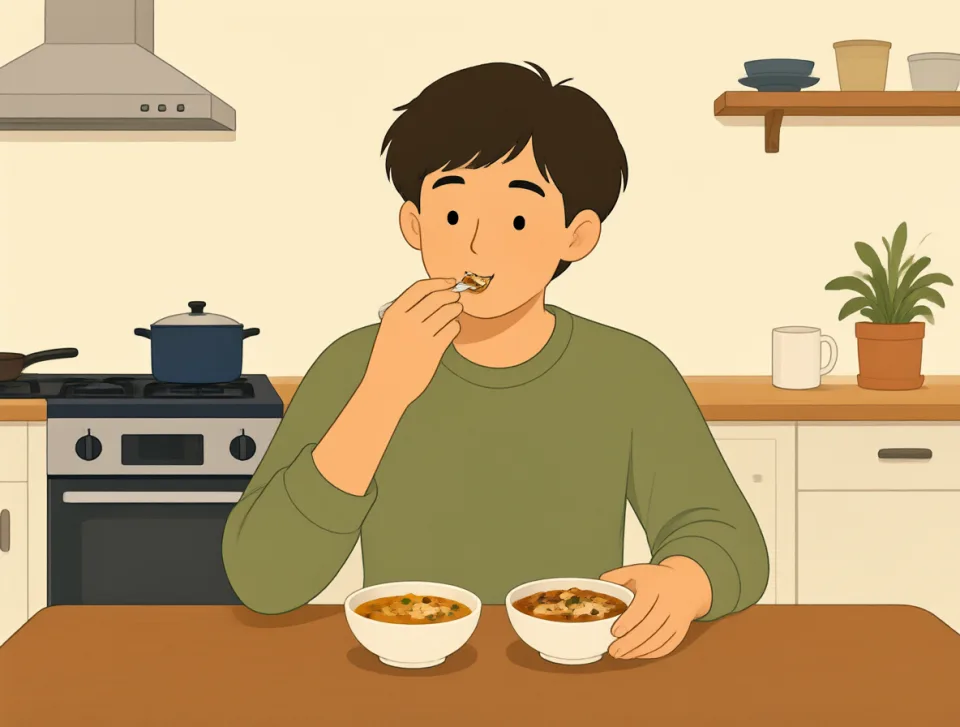
I cannot taste the difference between them.
نمیتونم تفاوت مزهشون رو تشخیص بدم.

We noticed differences between the two hotels.
متوجه تفاوتهایی بین این دو هتل شدیم.
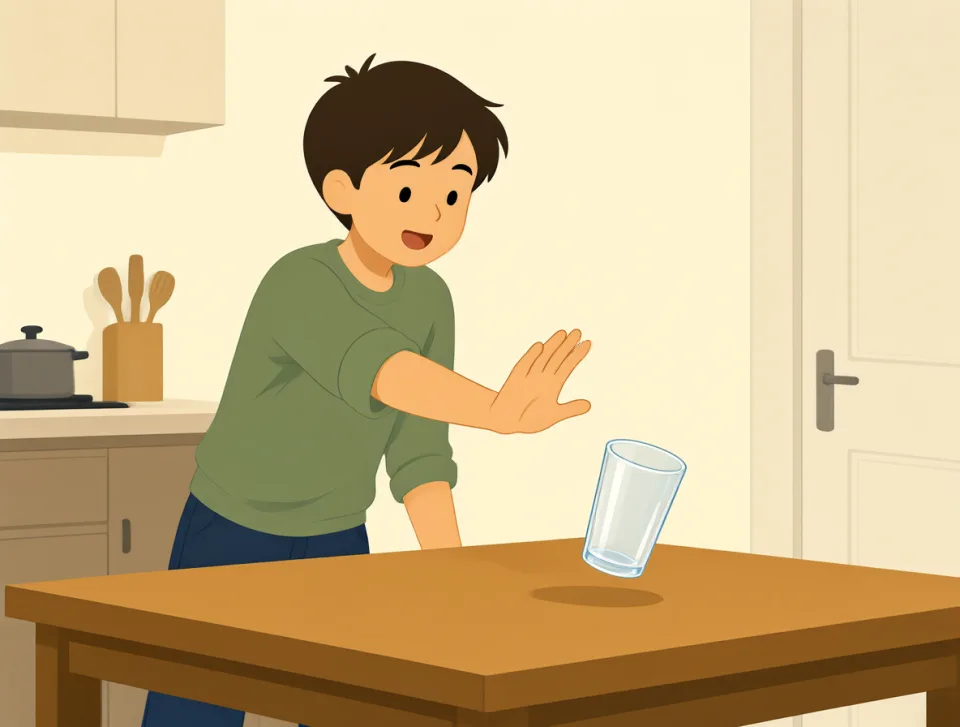
action
#474noun
اقدام
Something someone does, especially to solve a problem or achieve a result.
کاری که کسی انجام میدهد، بهویژه برای حل مشکل یا رسیدن به نتیجهای.
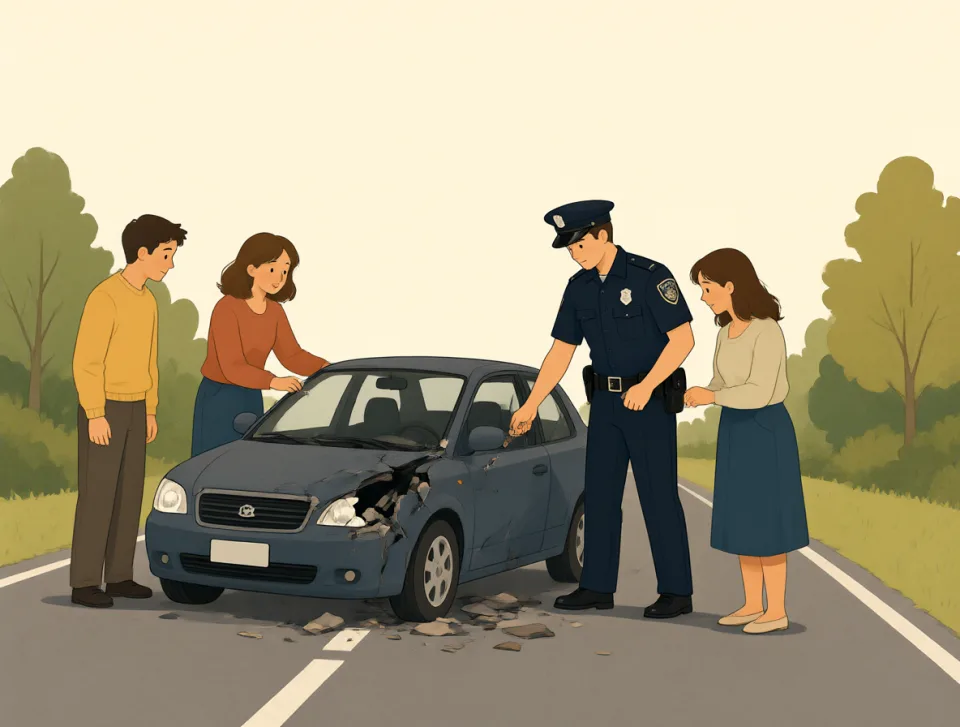
The police took action after the accident.
پلیس بعد از تصادف اقدام کرد.
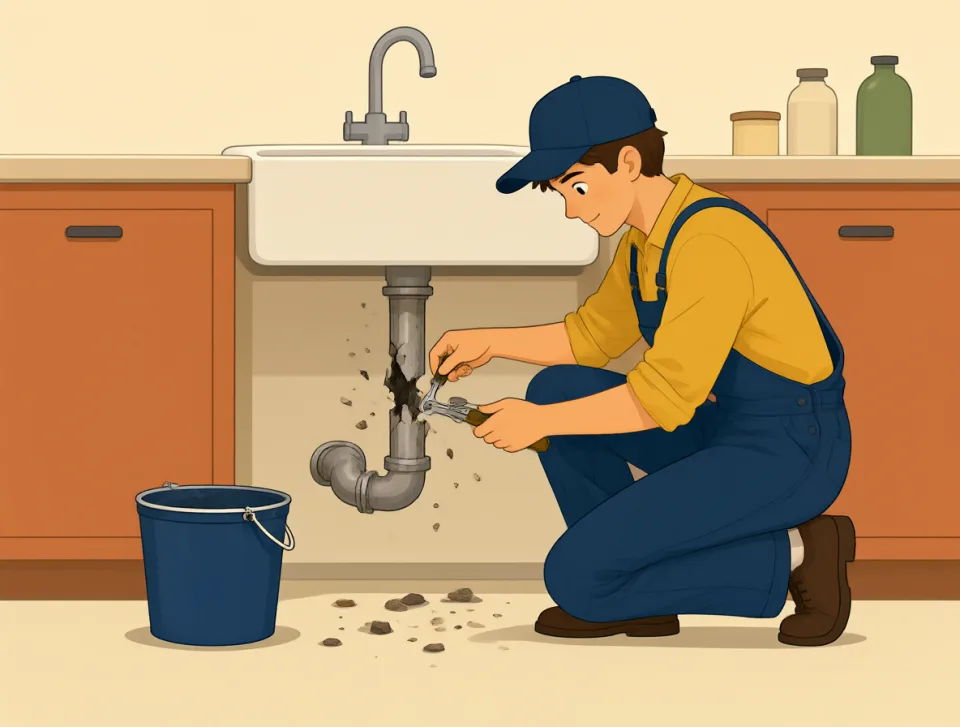
We need action to fix this problem.
برای حل این مشکل باید کاری بکنیم.
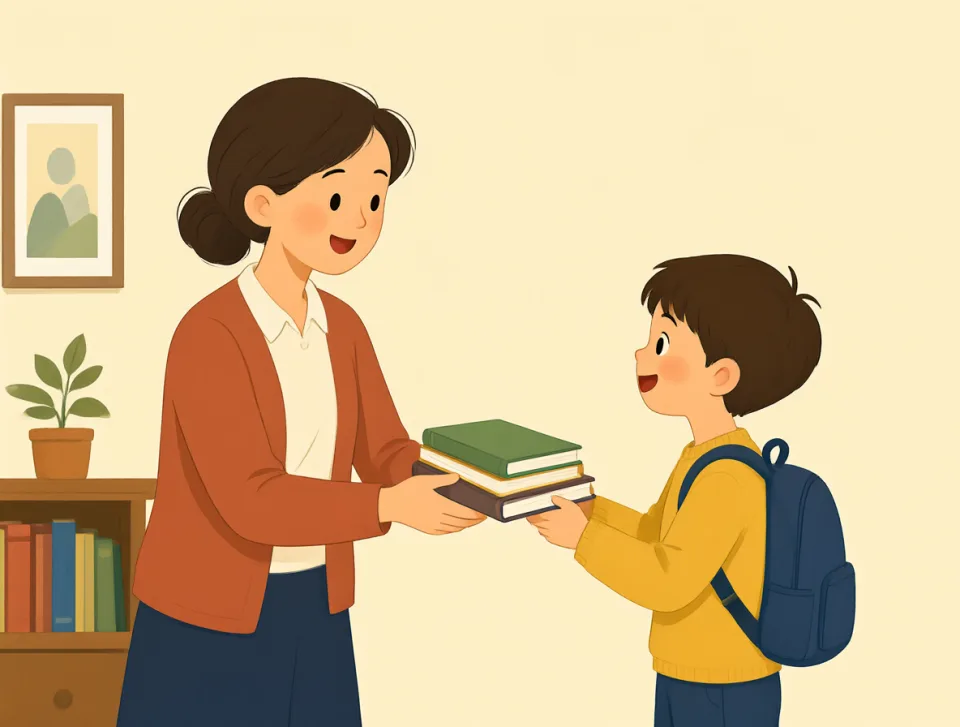
The teacher praised her action in class.
معلم از کاری که او در کلاس انجام داد تعریف کرد.
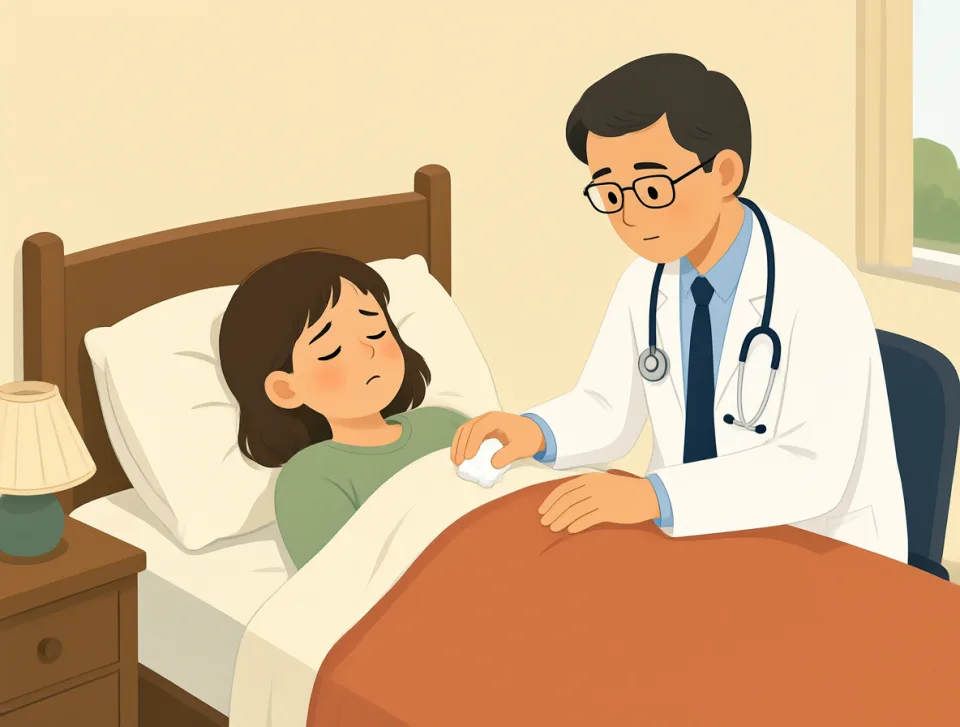
The medicine started working after a few hours.
دارو بعد از چند ساعت اثر کرد.

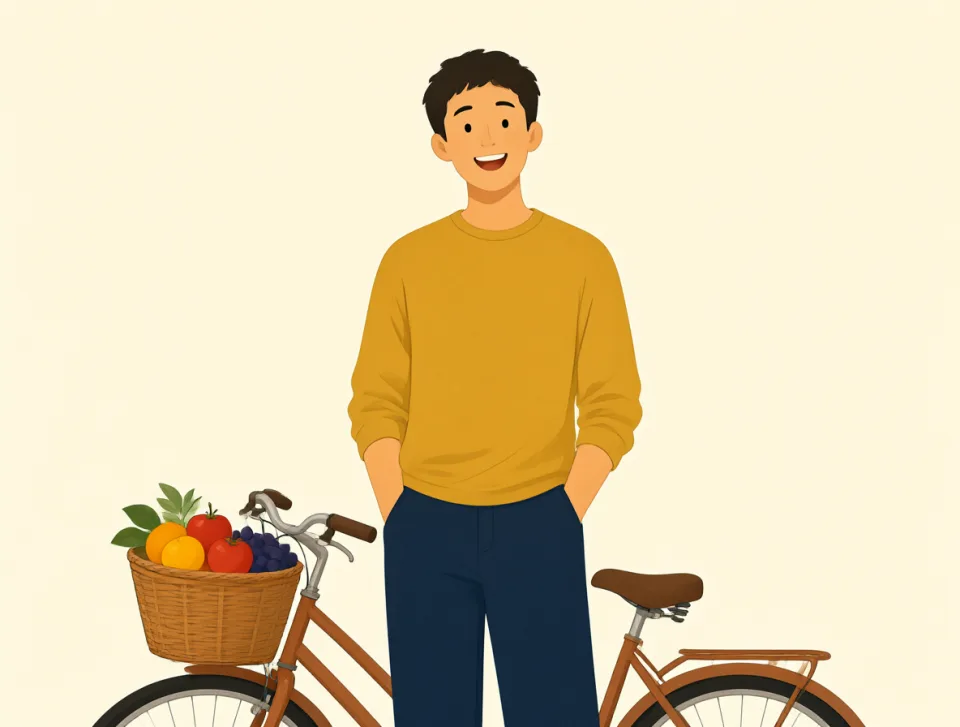
The movie has lots of exciting action.
این فیلم صحنههای اکشن هیجانانگیز زیادی دارد.
health
#475noun
سلامتی
The condition of your body and mind, especially when you are free from illness.
وضعیت جسم و ذهن شما، بهخصوص وقتی بیمار نیستید.
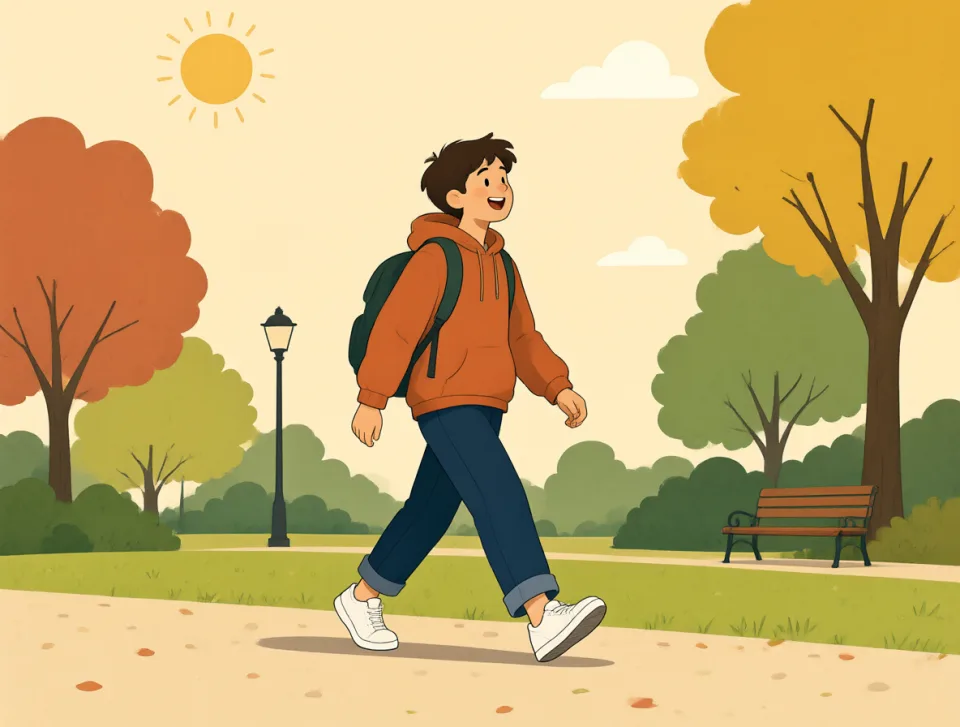
Walking every day is good for your health.
هر روز پیادهروی کردن برای سلامتیتان خوب است.
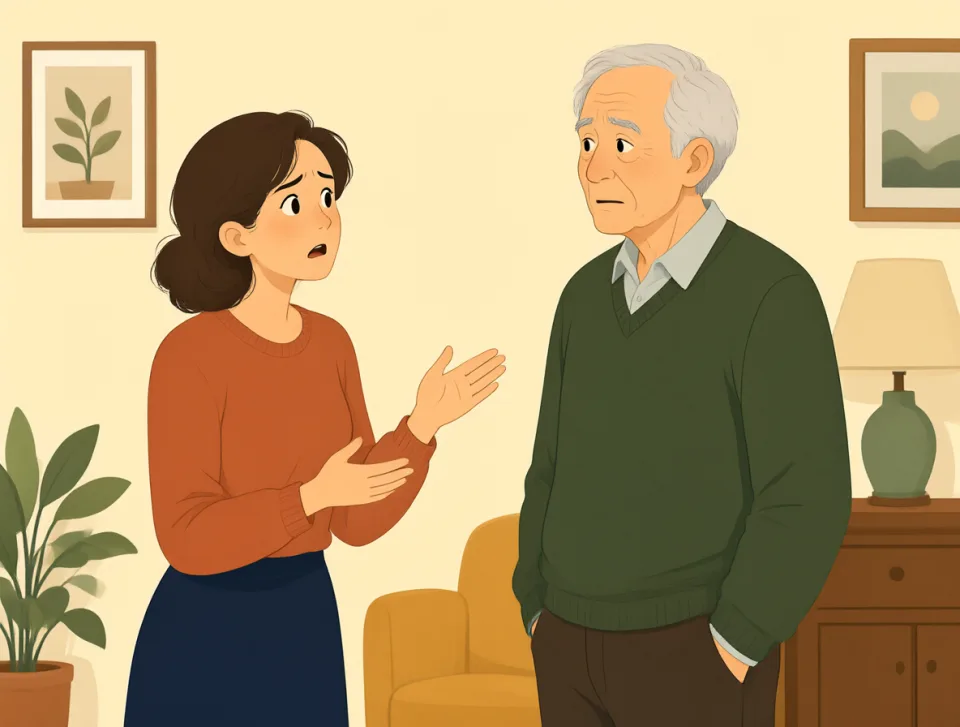
She worries about her father's health.
او نگران سلامتی پدرش است.
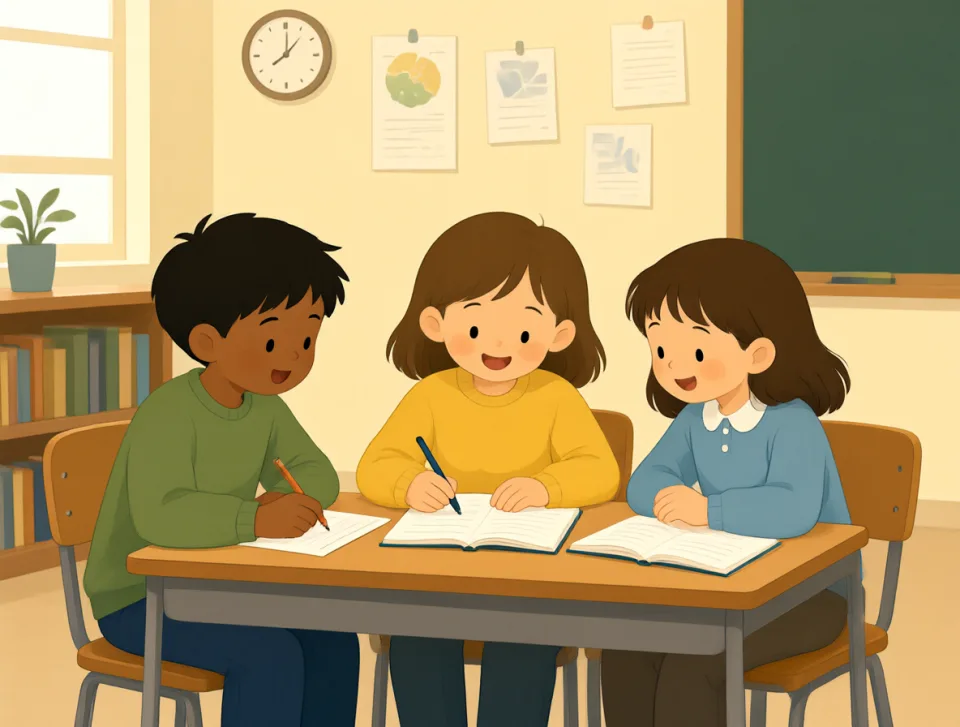
Good health helps children learn at school.
سلامتی خوب به بچهها کمک میکند در مدرسه یاد بگیرند.

The doctor asked about my health.
دکتر دربارهٔ سلامتیام پرسید.
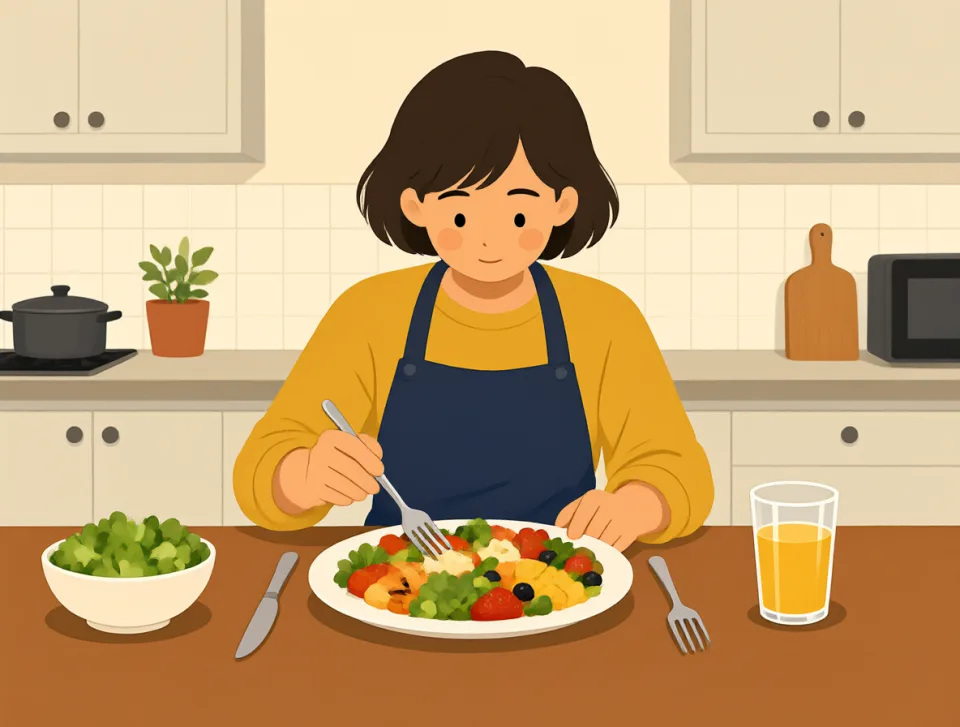
This food is healthy and supports heart health.
این غذا سالم است و به سلامت قلب کمک میکند.
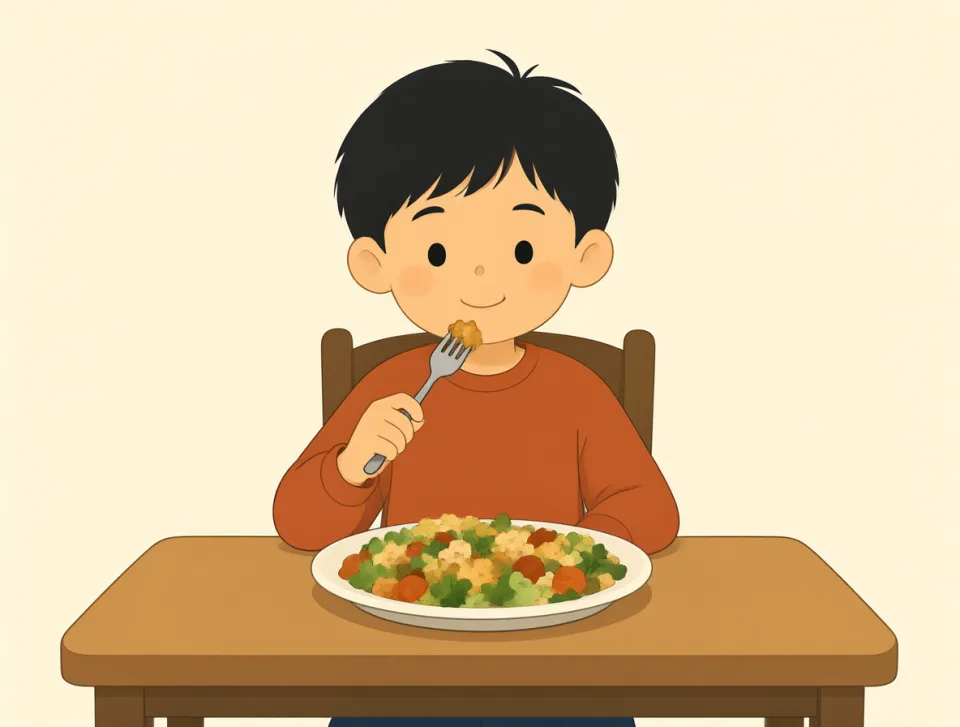
eat
#476verb
خوردن
to put food in your mouth, chew it, and swallow it
غذا را در دهان گذاشتن، جویدن و بلعیدن
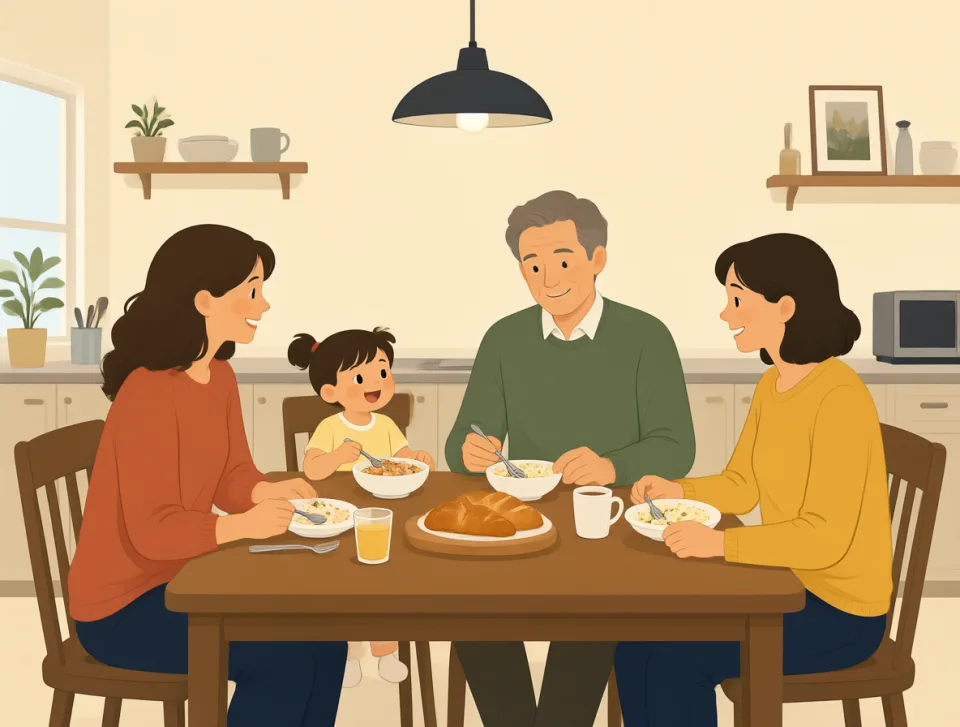
We eat breakfast together every morning.
ما هر روز صبح با هم صبحانه میخوریم.
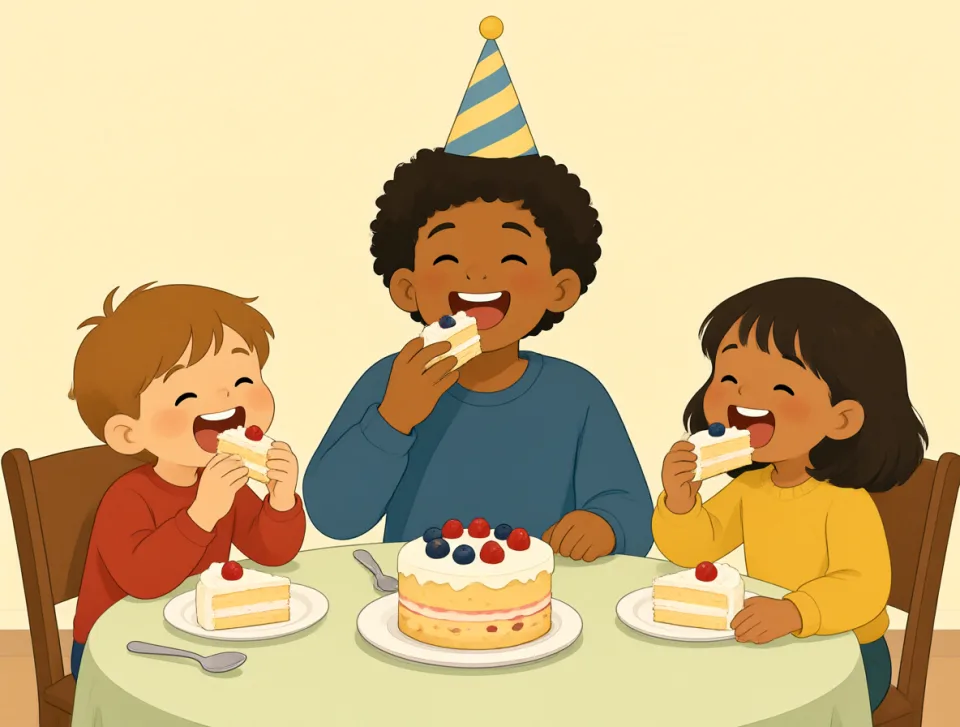
The children ate all the cake.
بچهها همهٔ کیک را خوردند.
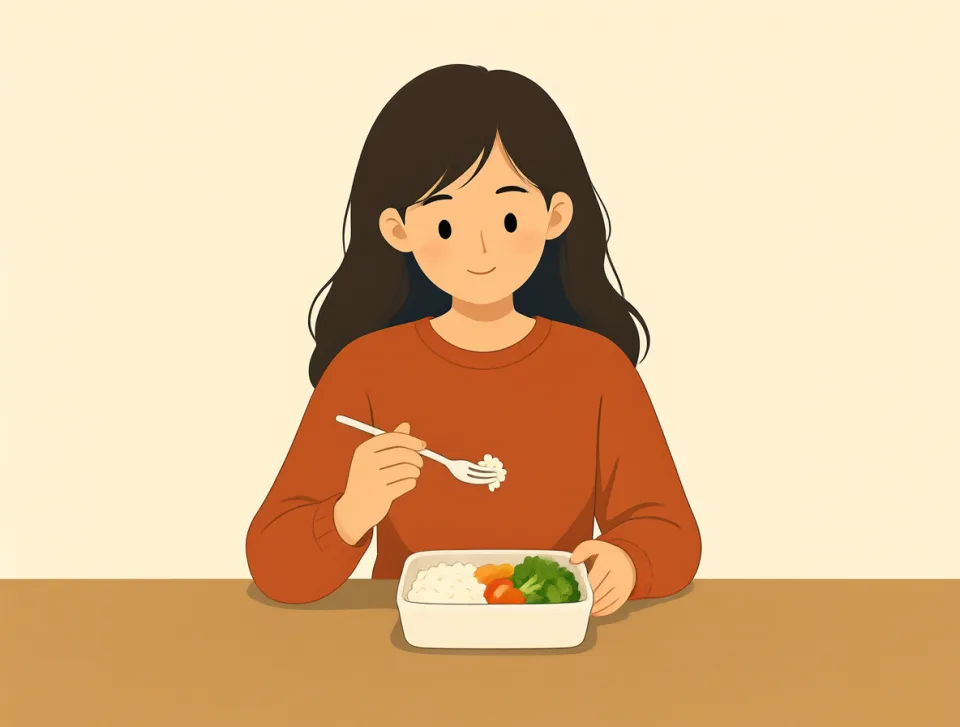
She is eating lunch at work.
او سرِ کار ناهار میخورد.
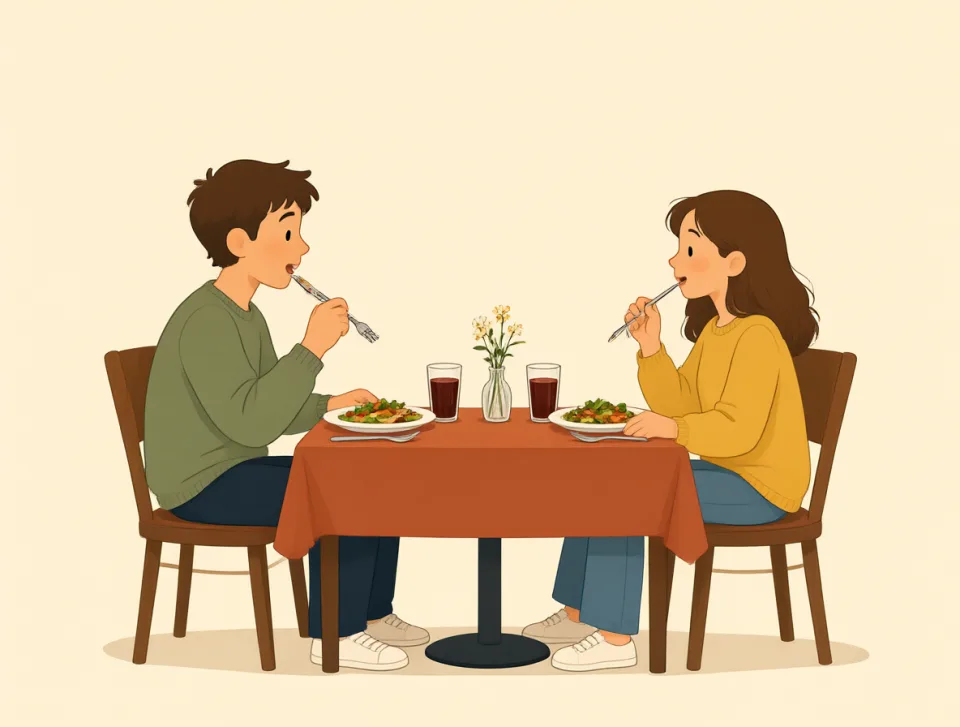
Did you eat at the new restaurant?
در رستوران جدید غذا خوردی؟
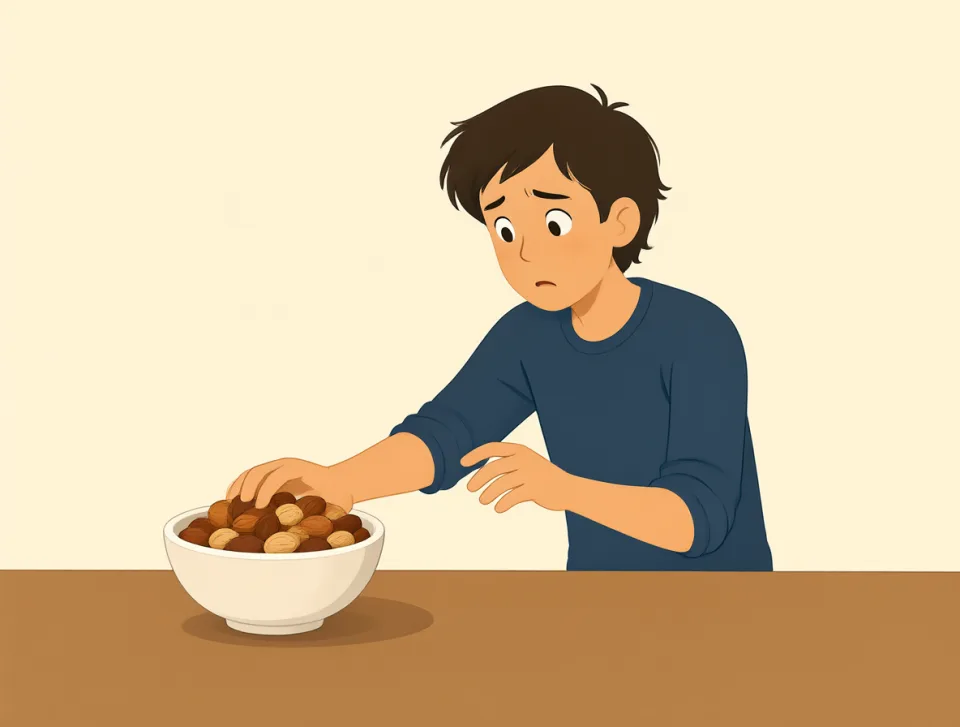
I cannot eat nuts because I am allergic.
چون به آجیل حساسیت دارم، نمیتوانم آن را بخورم.

step
#477noun, verb
قدم
A movement made by lifting one foot and putting it down somewhere else.
حرکتی که با بلند کردن یک پا و گذاشتن آن در جای دیگری انجام میشود.
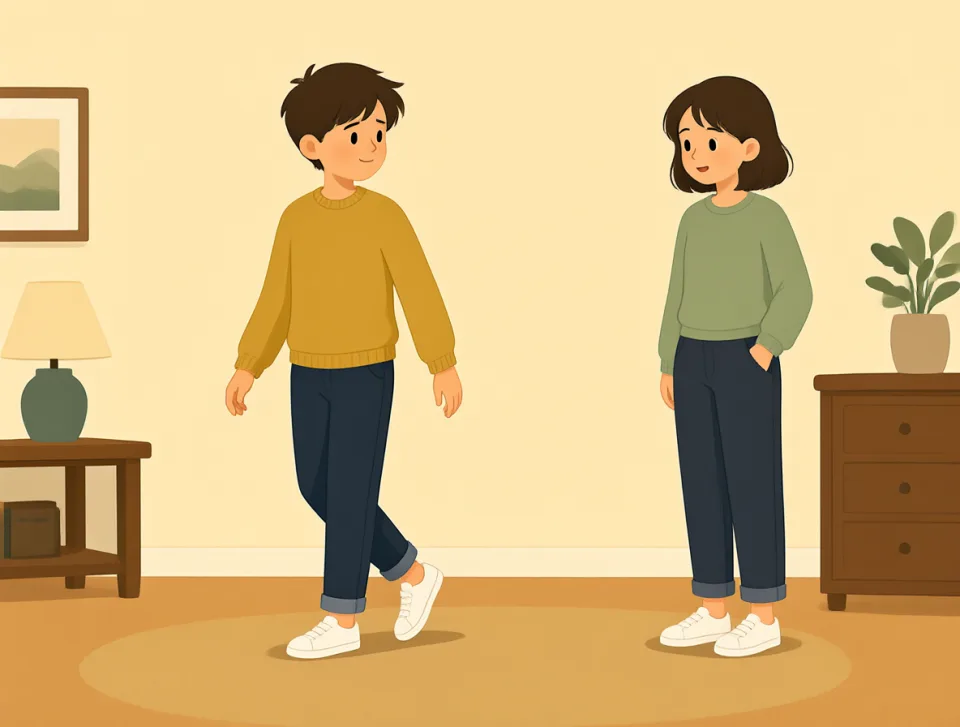
Please take one step back.
لطفاً یک قدم به عقب برو.

She climbed the steps to the front door.
او از پلهها بالا رفت تا به درِ ورودی برسد.
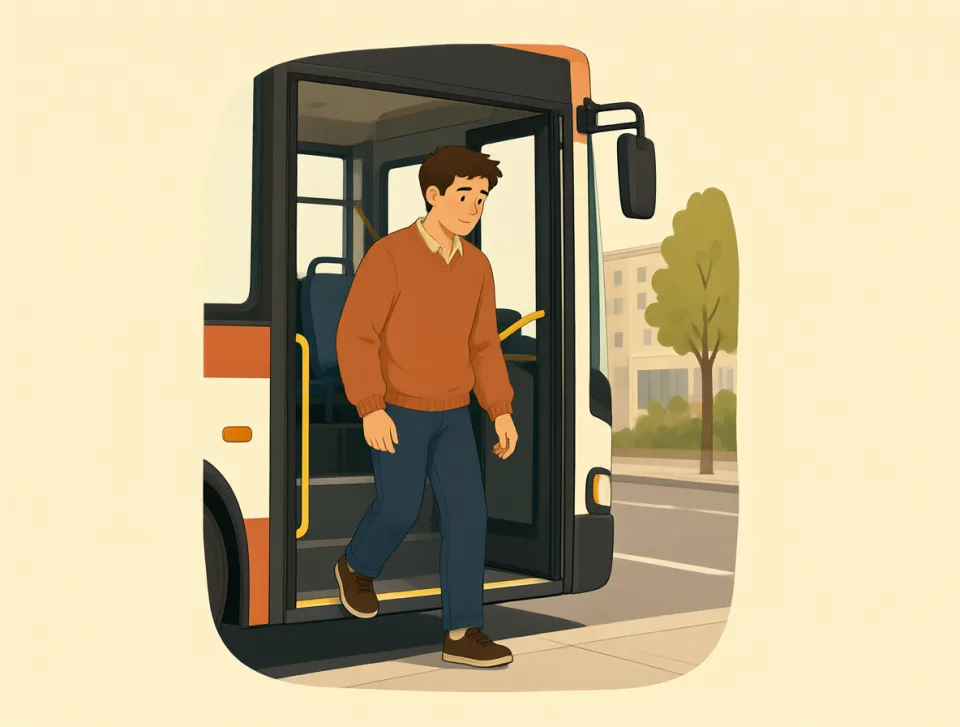
He stepped off the bus carefully.
او بااحتیاط از اتوبوس پیاده شد.
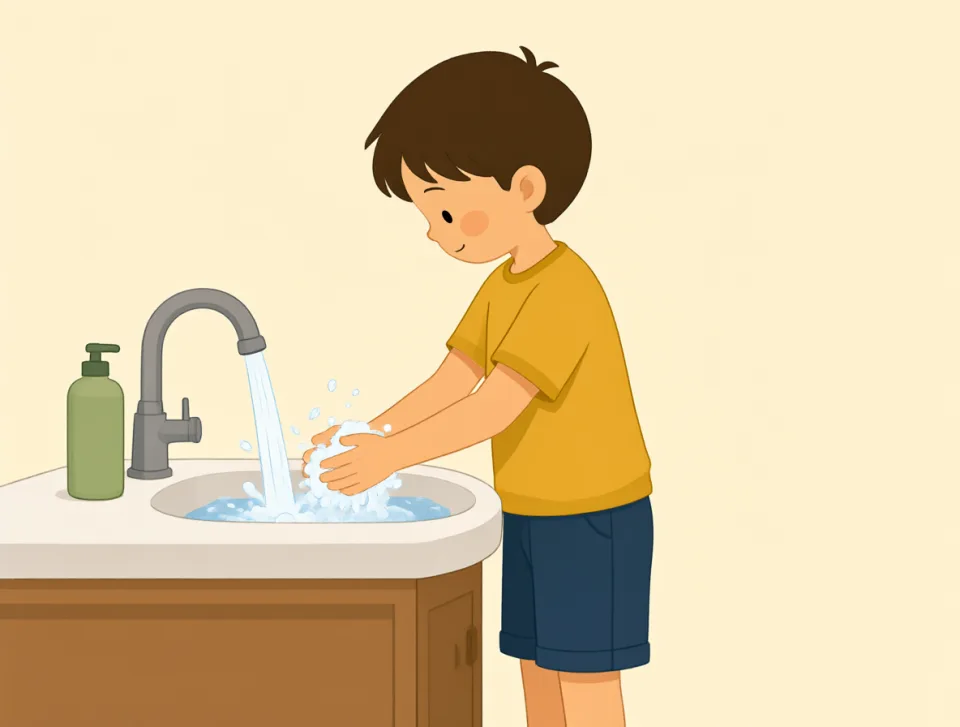
The first step is to wash your hands.
اولین قدم این است که دستهایتان را بشویید.
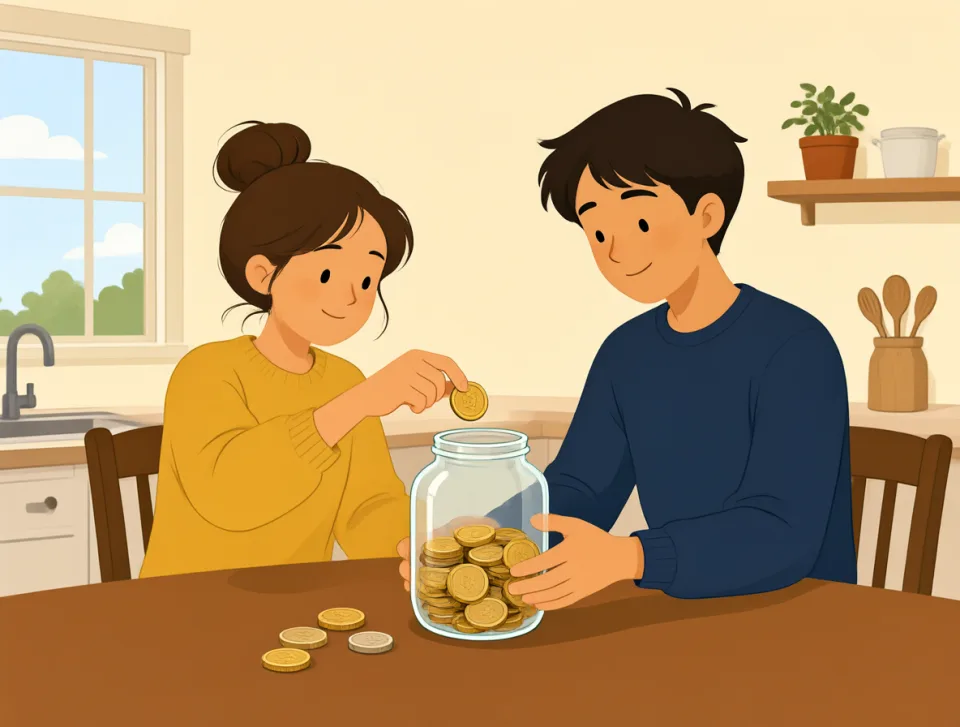
We are taking steps to save money.
داریم برای پسانداز کردن پول اقداماتی انجام میدهیم.

TRUE
#478adjective, adverb, noun
درست
Based on facts, real, or agreeing with what is correct.
بر اساس واقعیتها، واقعی یا مطابق با آنچه درست است.
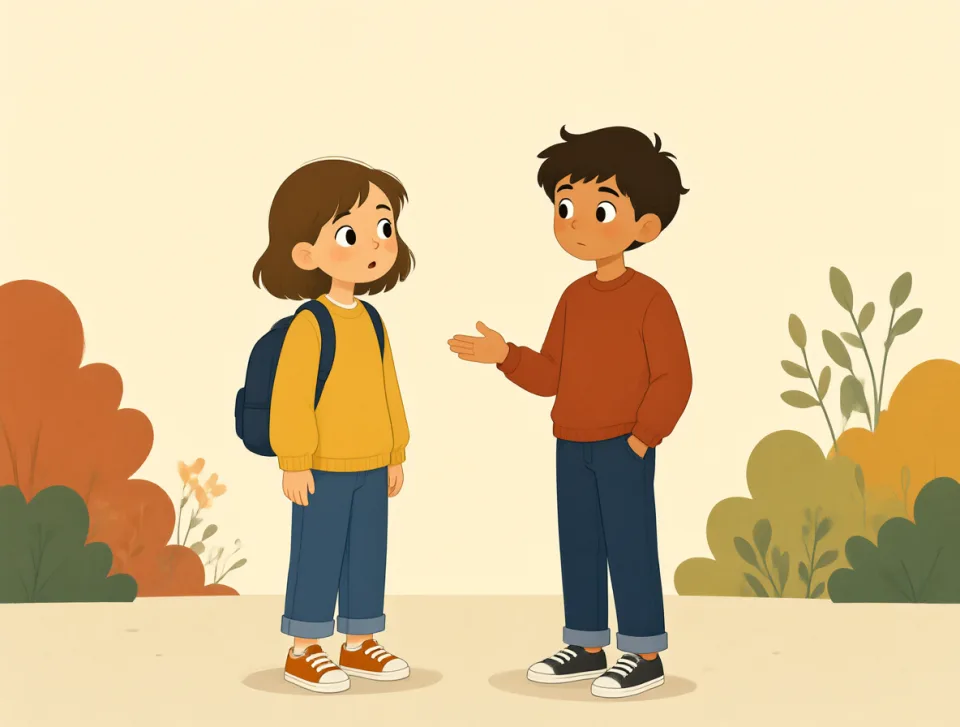
Is it true that you saw him?
آیا درست است که او را دیدی؟
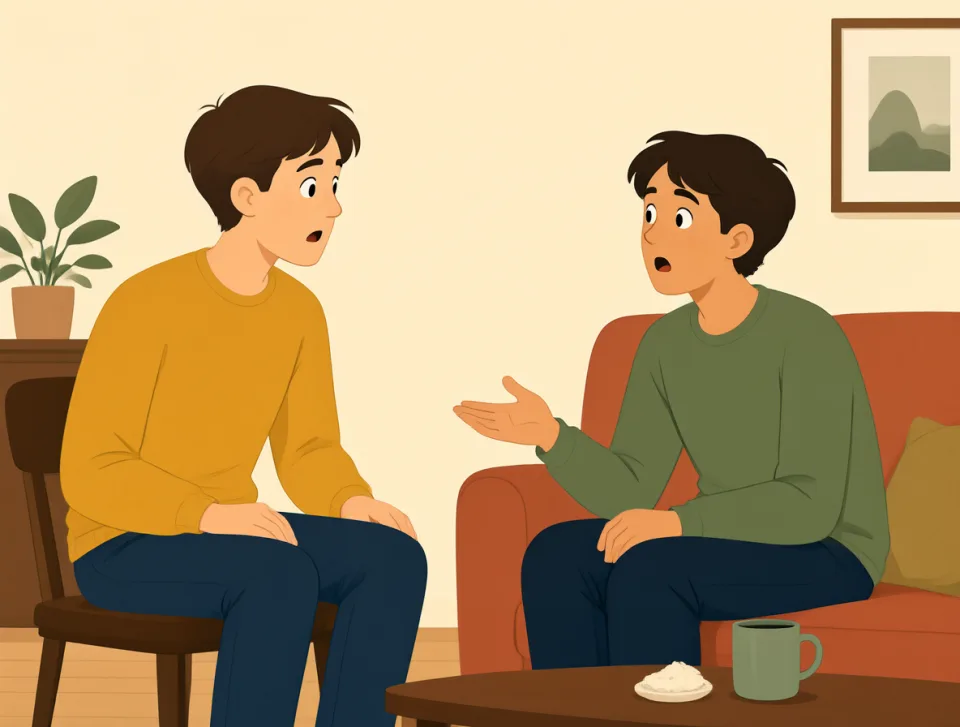
This story is true, and it really happened.
این داستان واقعی است و واقعاً اتفاق افتاده است.

She is a true friend who always helps me.
او دوست واقعیای است که همیشه به من کمک میکند.
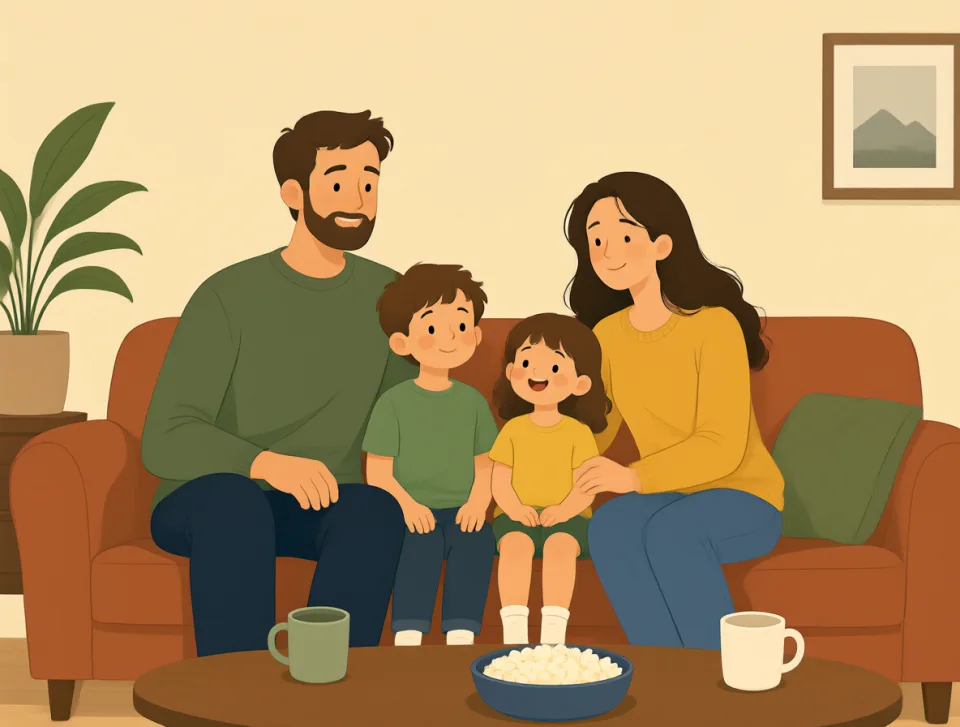
The movie was based on a true story.
این فیلم بر اساس یک داستان واقعی ساخته شده بود.

Stay true to yourself at school and work.
در مدرسه و محل کار، به خودت وفادار بمان.
phone
#479noun, verb
تلفن
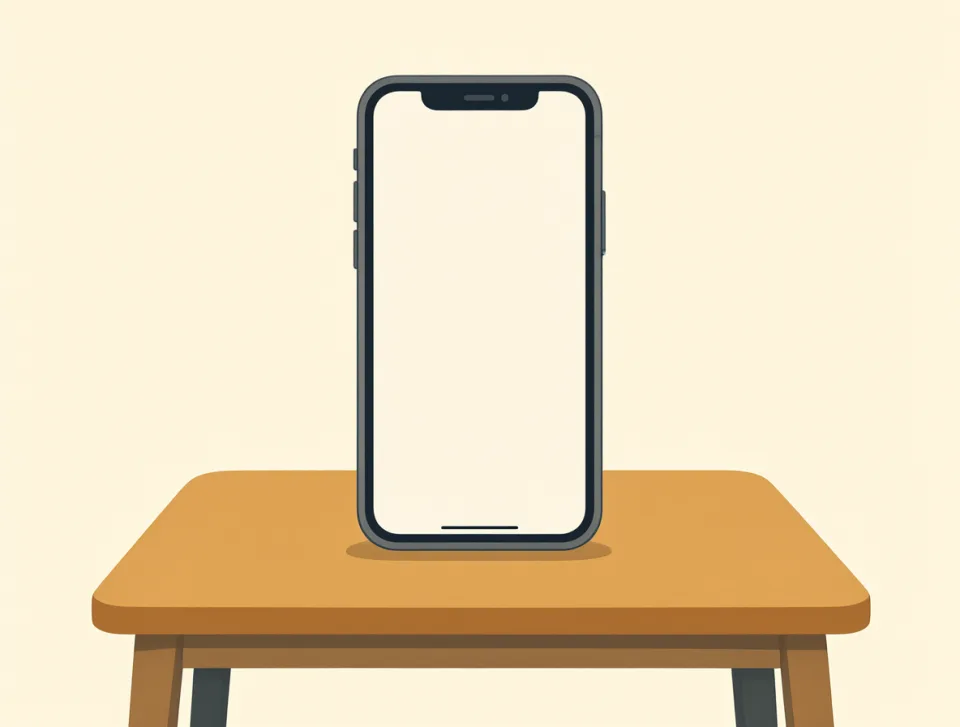
A device for talking to people over a distance.
دستگاهی برای صحبت با افراد از راه دور.
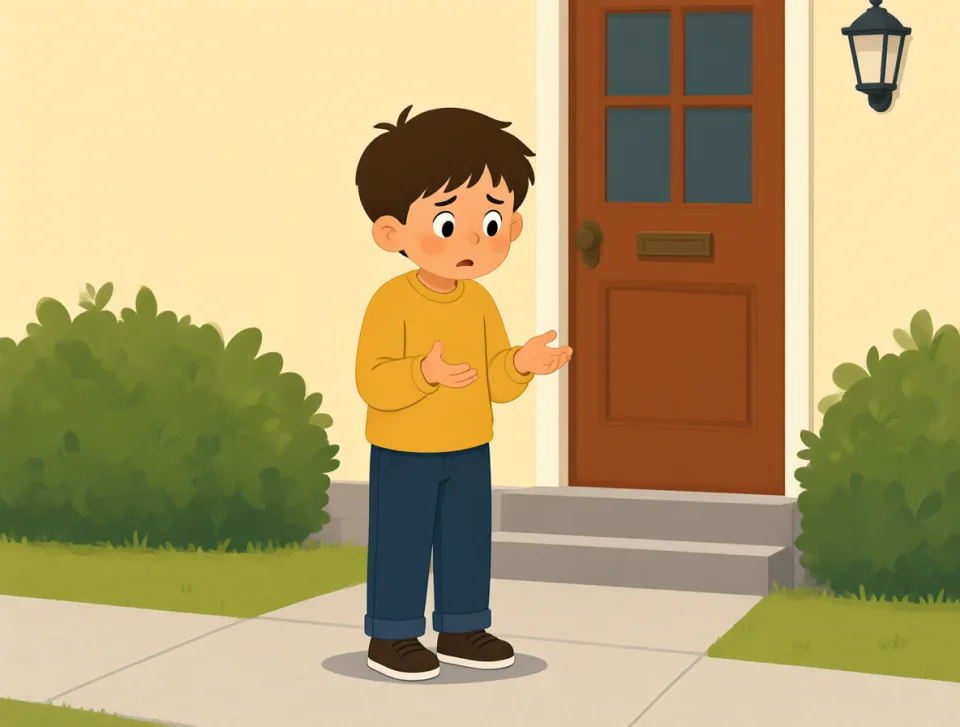
I left my phone at home.
تلفنم را در خانه جا گذاشتم.

She is talking on the phone.
او دارد با تلفن صحبت میکند.

He bought a new phone yesterday.
او دیروز یک تلفن جدید خرید.

Please phone me after work.
لطفاً بعد از کار به من تلفن کن.

The doctor phoned my mother yesterday.
دکتر دیروز به مادرم تلفن کرد.
themselves
#480pronoun
خودشان
Used to refer to two or more people or animals already mentioned.
برای اشاره به دو یا چند نفر یا حیوان که پیشتر از آنها نام برده شده است، به کار میرود.
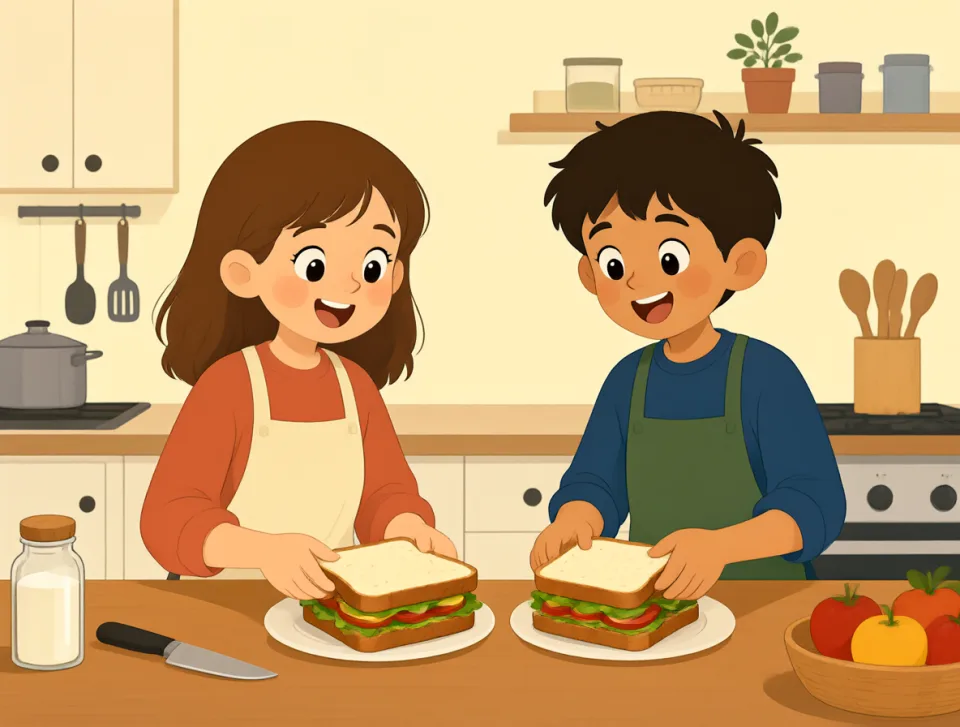
The children made the sandwiches themselves.
بچهها خودشان ساندویچها را درست کردند.
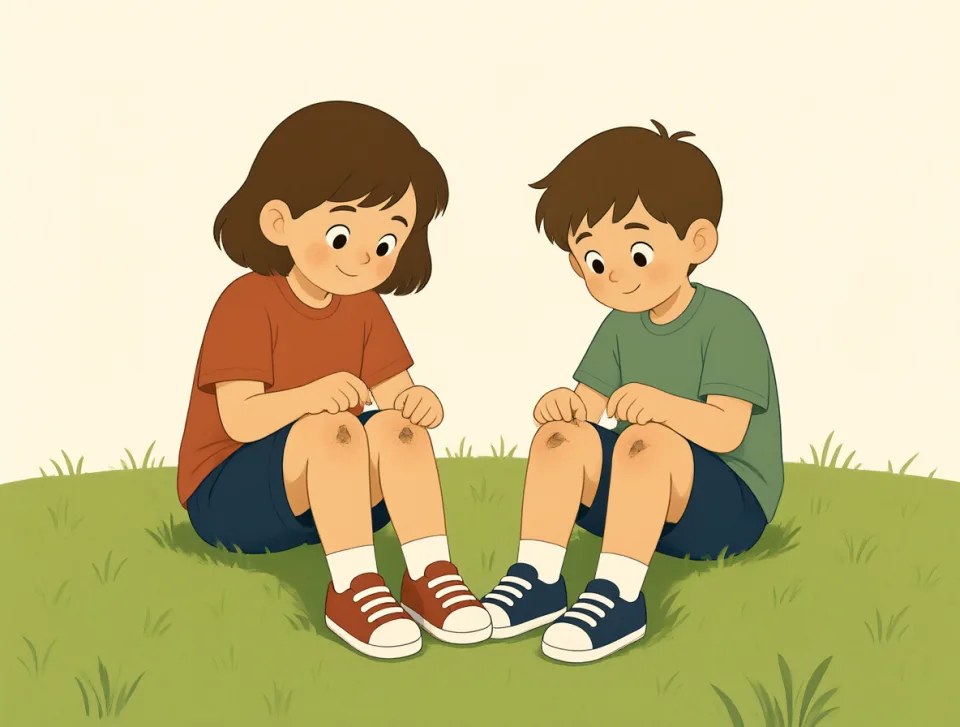
They hurt themselves while playing outside.
آنها هنگام بازی در بیرون به خودشان آسیب زدند.
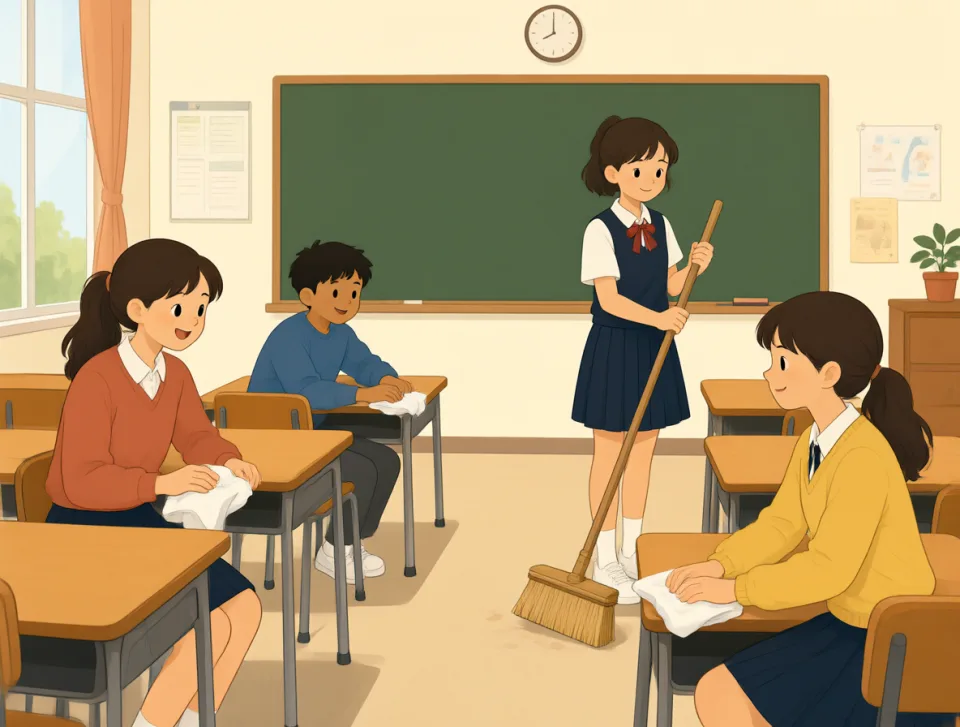
The students cleaned the classroom themselves.
دانشآموزها خودشان کلاس را تمیز کردند.
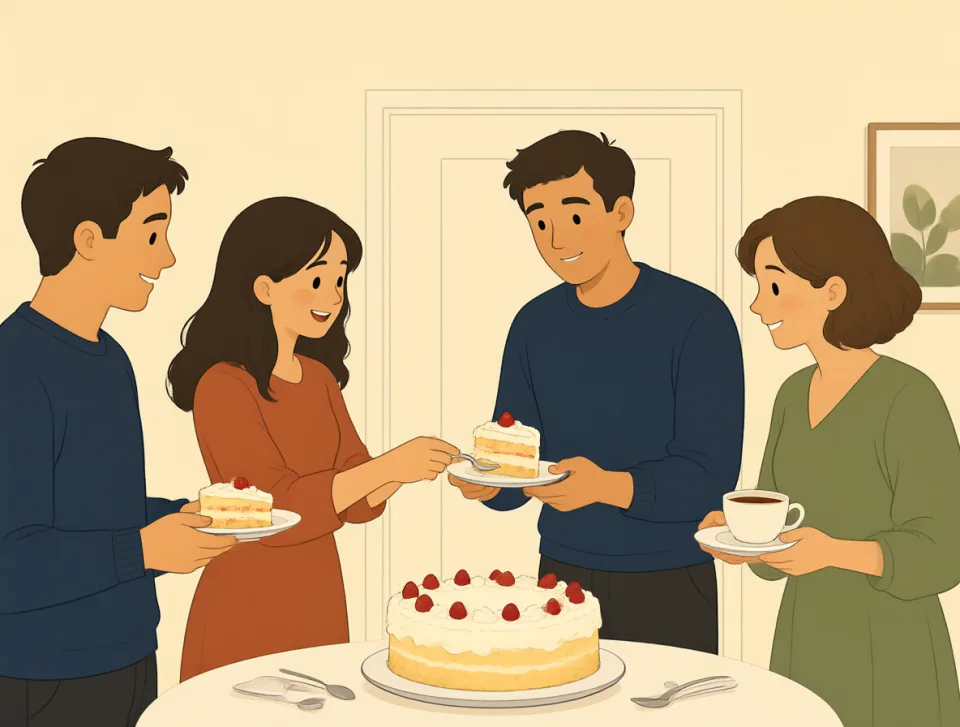
Please help yourselves to some cake.
لطفاً از خودتان پذیرایی کنید و کمی کیک بردارید.
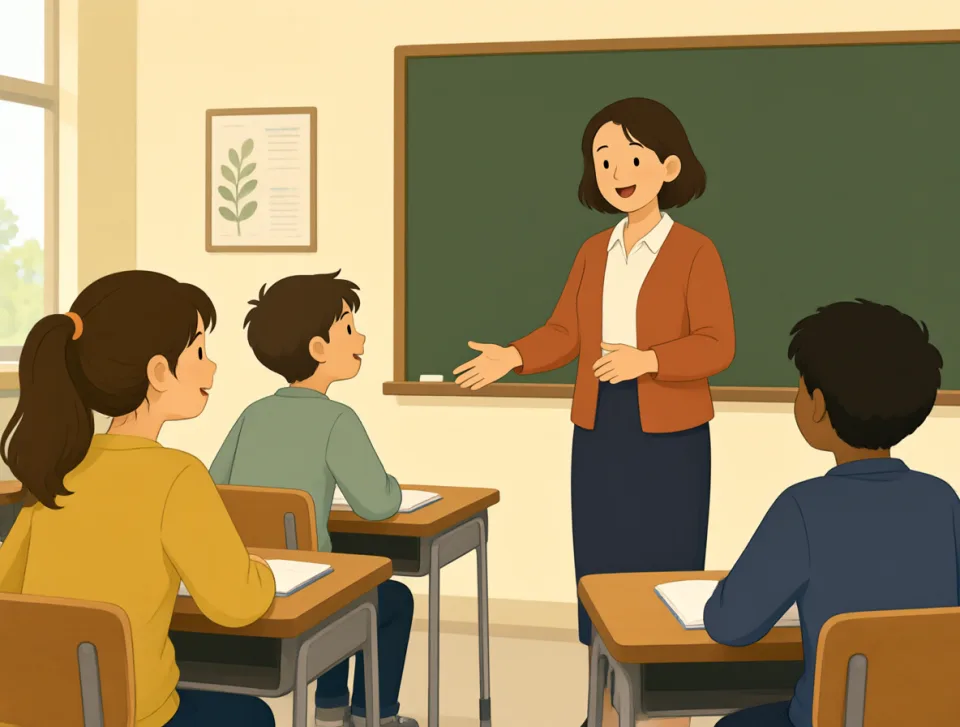
They introduced themselves to the new teacher.
آنها خودشان را به معلم جدید معرفی کردند.