بخش 2
واژههای 21 تا 40 · do, as, at, she, but, from
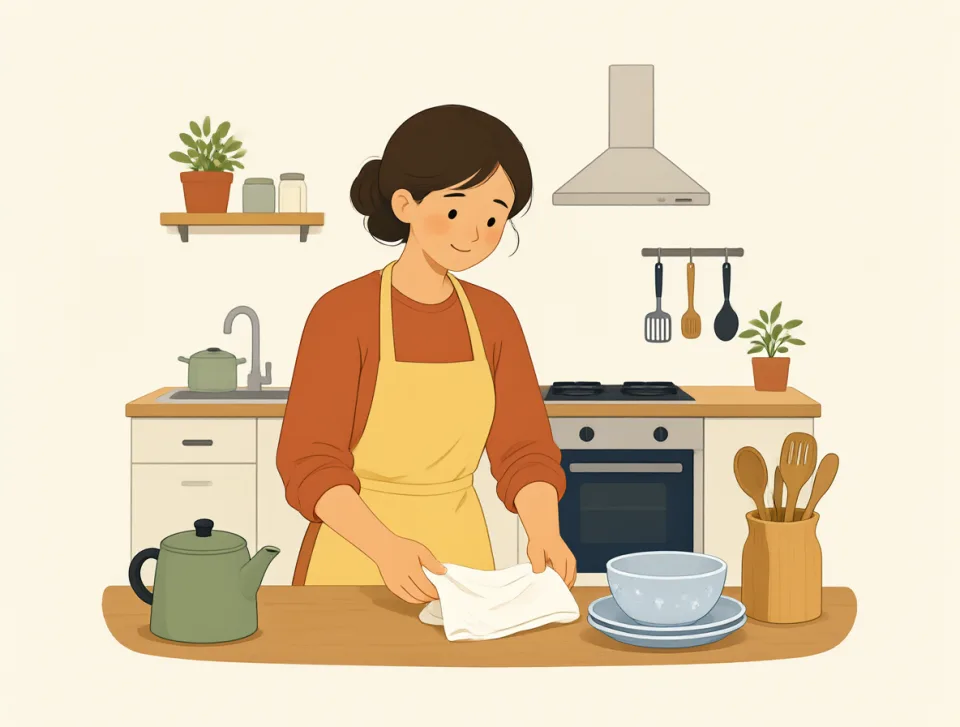
do
#21verb, auxiliary verb, noun
انجام دادن
To perform an action, task, or activity.
کاری، وظیفهای یا فعالیتی را انجام دادن.
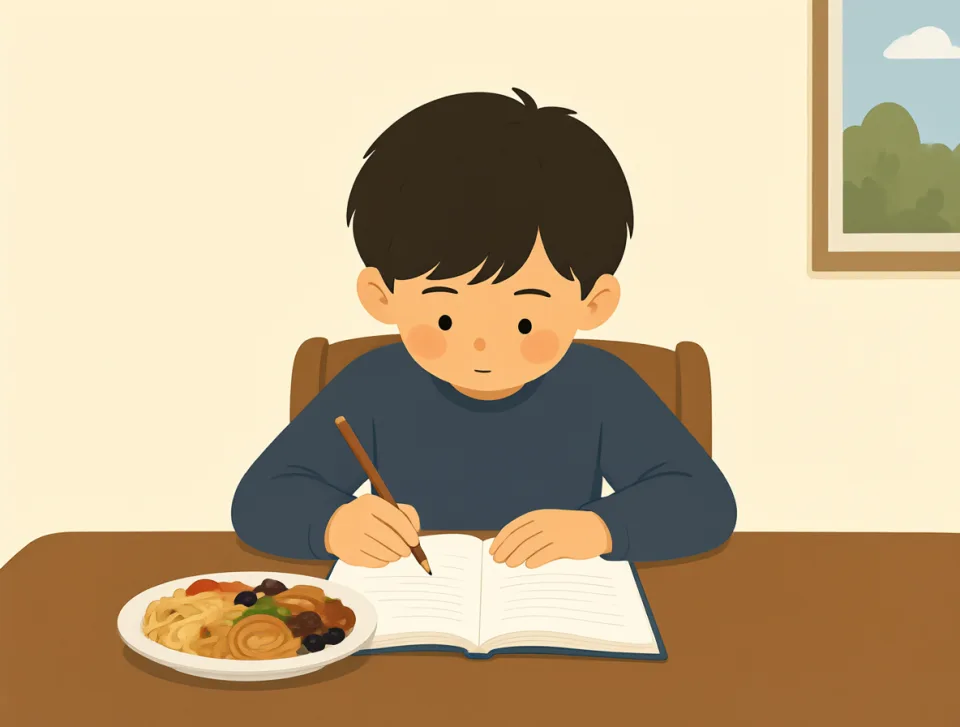
I do my homework after dinner.
بعد از شام تکالیفم را انجام میدهم.
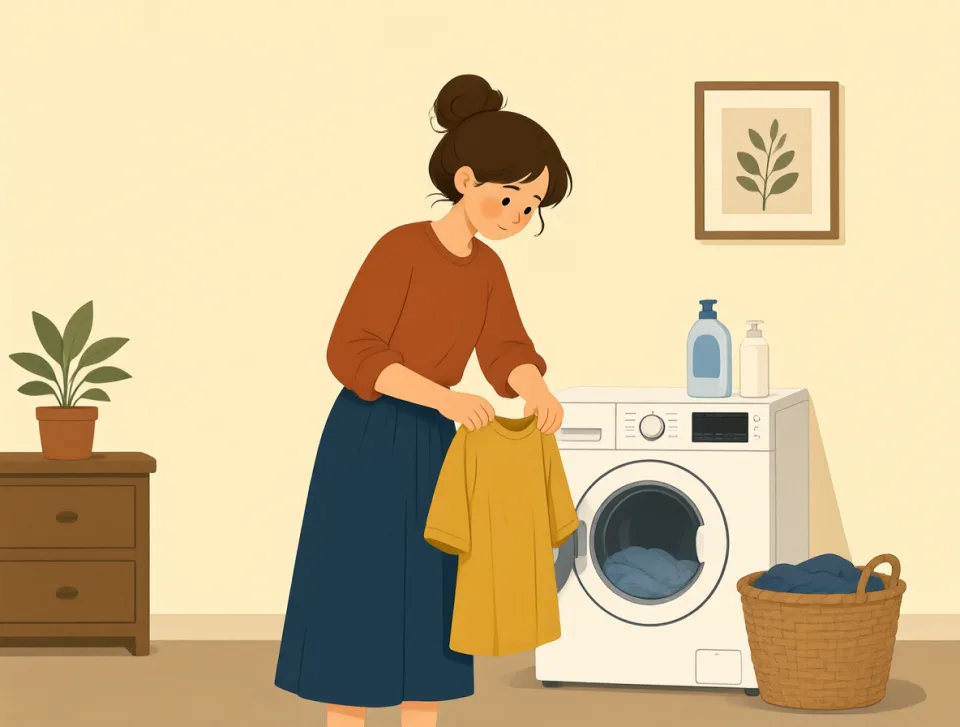
She does the washing every Saturday.
او هر شنبه لباسها را میشوید.

Do you like this restaurant?
این رستوران را دوست داری؟

We did some shopping after work.
بعد از کار کمی خرید کردیم.
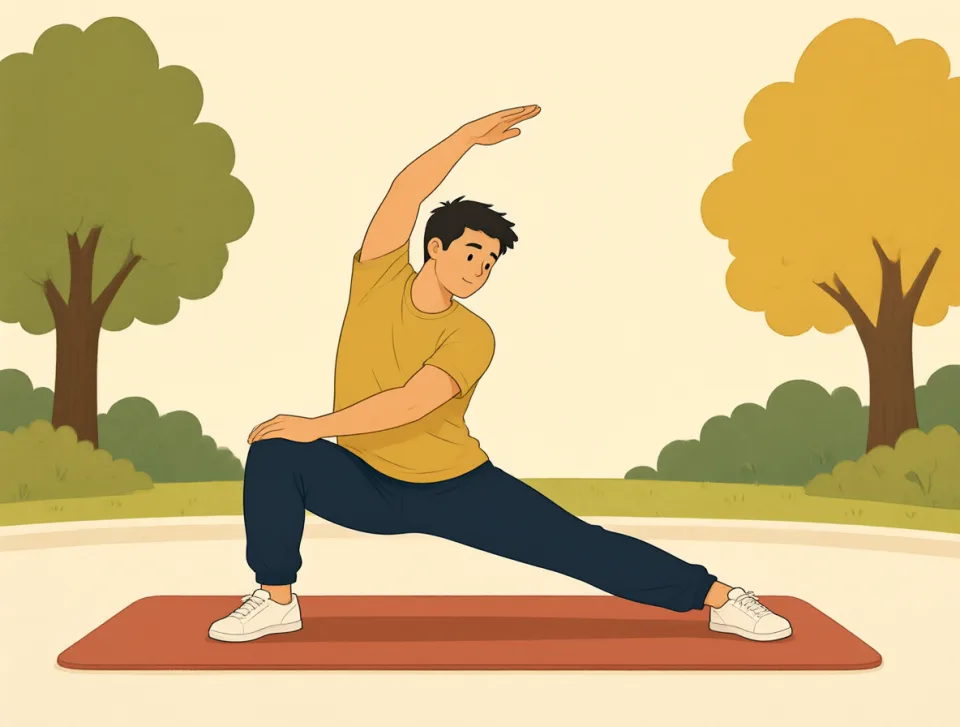
He does exercise every morning.
او هر صبح ورزش میکند.
as
#22adverb, conjunction, preposition, pronoun, determiner
بهعنوان؛ همانقدر که؛ وقتی که؛ چون
Used to compare, show time or reason, or describe someone or something.
برای مقایسه، نشاندادن زمان یا دلیل، یا توصیف کسی یا چیزی بهکار میرود.
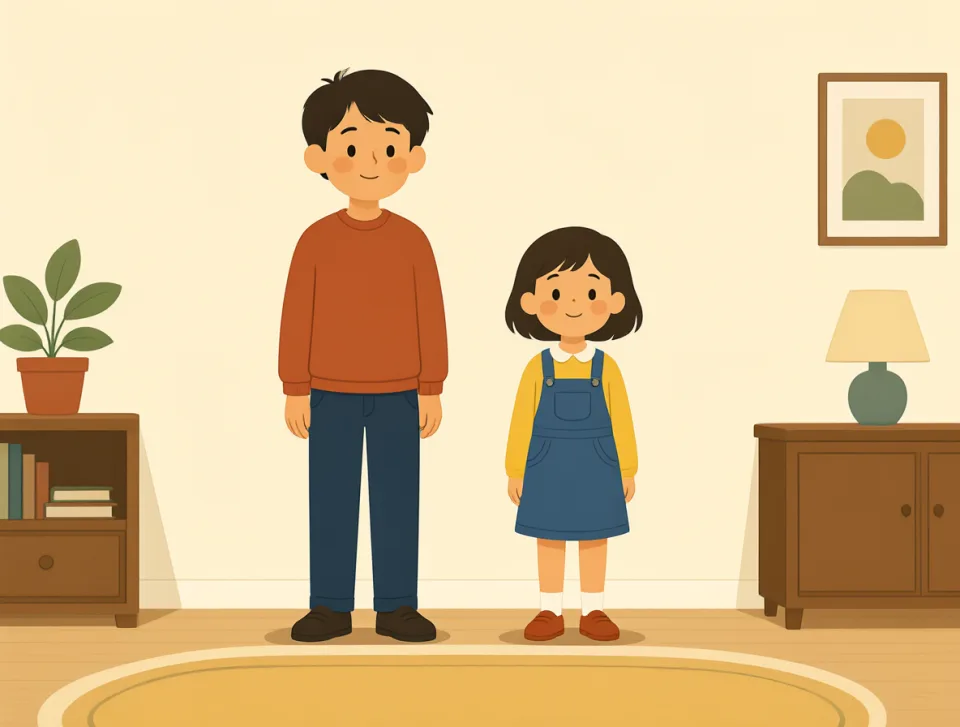
She is as tall as her brother.
او بهاندازهٔ برادرش قدبلند است.
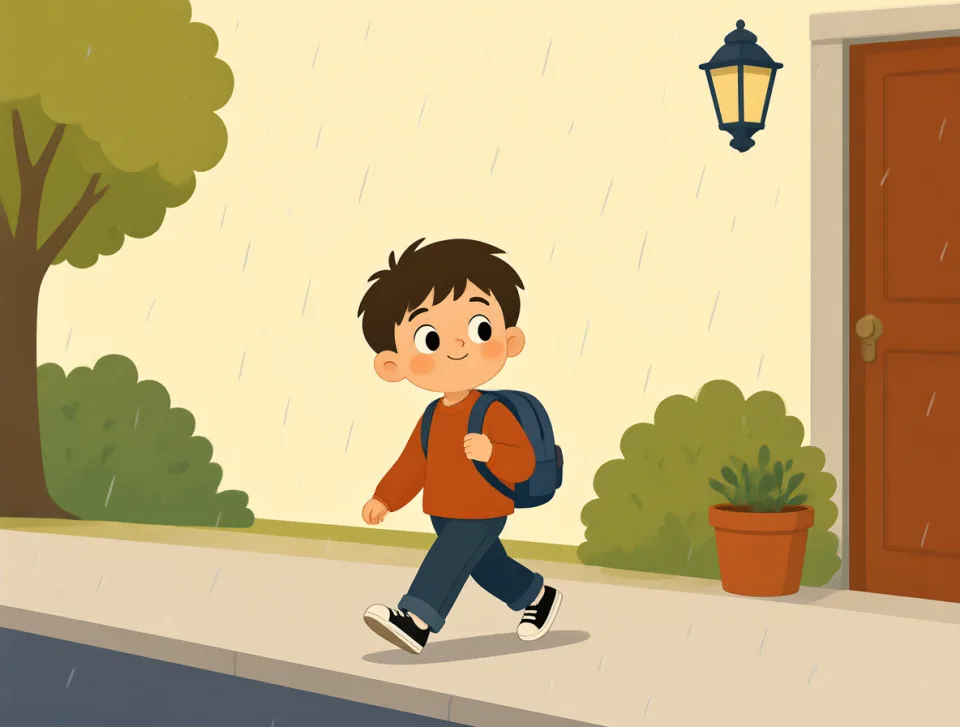
As I walked home, it started raining.
وقتی داشتم به خانه میرفتم، باران شروع شد.

Please do as your teacher says.
لطفاً همانطور که معلمتان میگوید عمل کنید.

He works as a waiter at night.
او شبها بهعنوان پیشخدمت کار میکند.

As usual, we had dinner at seven.
طبق معمول، ساعت هفت شام خوردیم.
at
#23preposition
در؛ ساعتِ
Used to show a specific time, place, or situation.
برای نشاندادن زمان، مکان یا موقعیتی مشخص بهکار میرود.
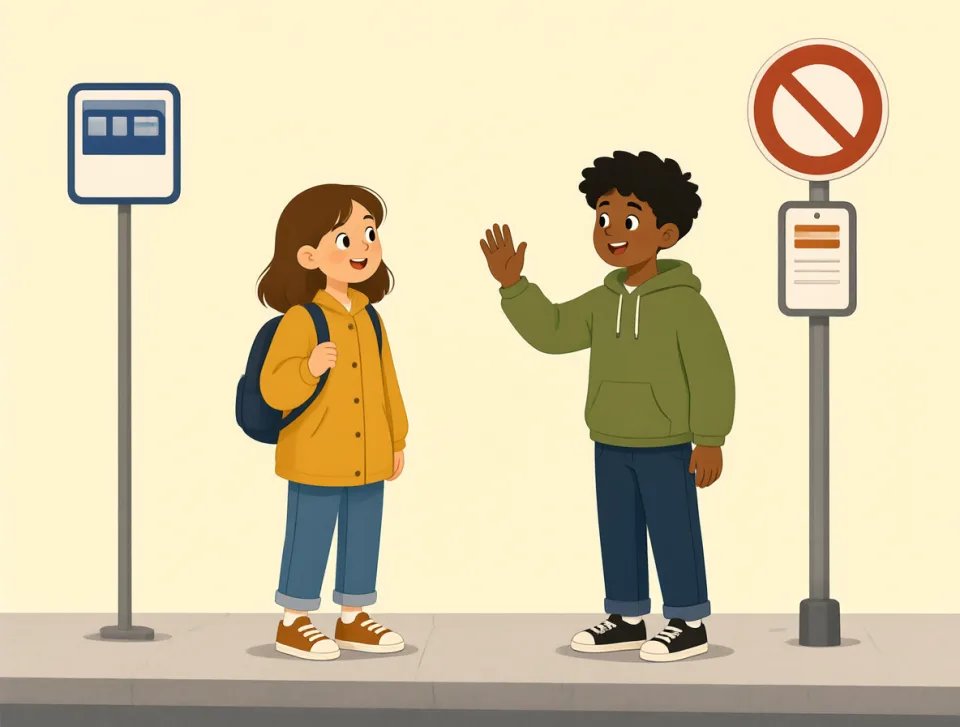
Meet me at the bus stop.
در ایستگاه اتوبوس منتظرم باش.

The class starts at nine.
کلاس ساعت نه شروع میشود.
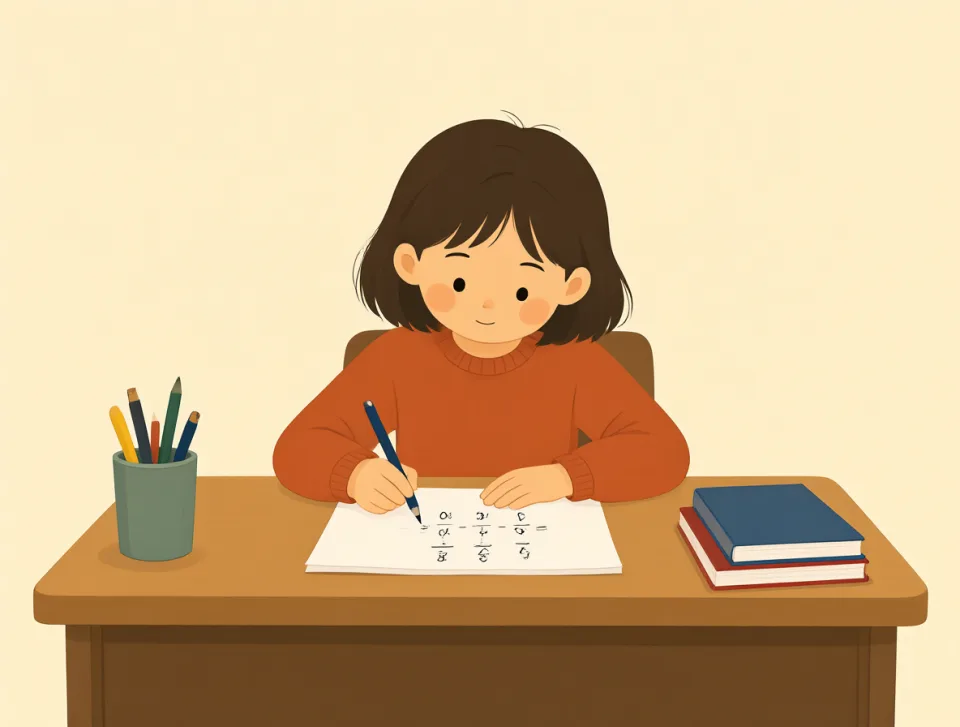
She is good at math.
او در ریاضی خوب است.
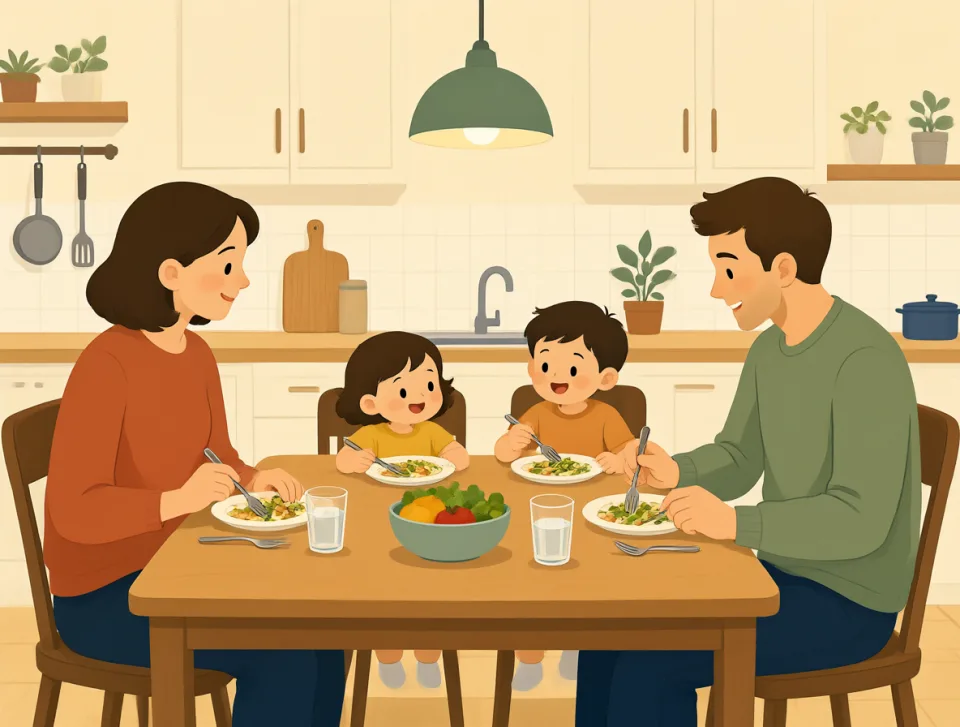
We ate lunch at home.
ناهار را در خانه خوردیم.

He arrived at the airport early.
او زود به فرودگاه رسید.

she
#24pronoun
او (برای مؤنث)
A female person or girl already mentioned or known.
به یک زن یا دختری اشاره میکند که قبلاً از او نام برده شده یا شناختهشده است.
She lives with her parents.
او با پدر و مادرش زندگی میکند.

She works at the hospital.
او در بیمارستان کار میکند.

She is my best friend.
او بهترین دوست من است.
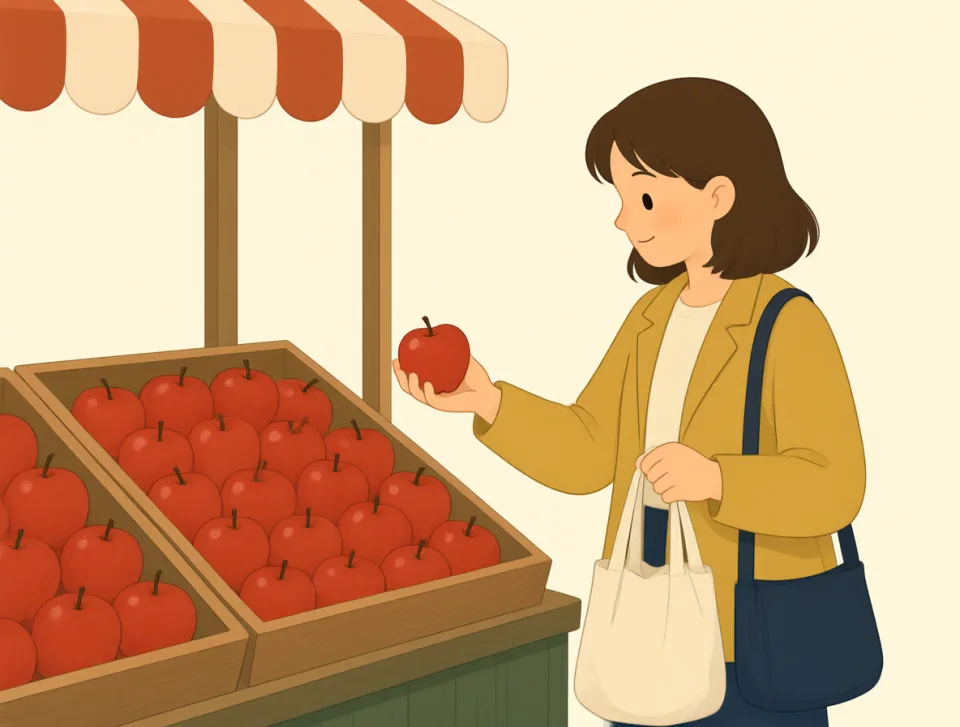
She bought some apples at the market.
او از بازار چند سیب خرید.
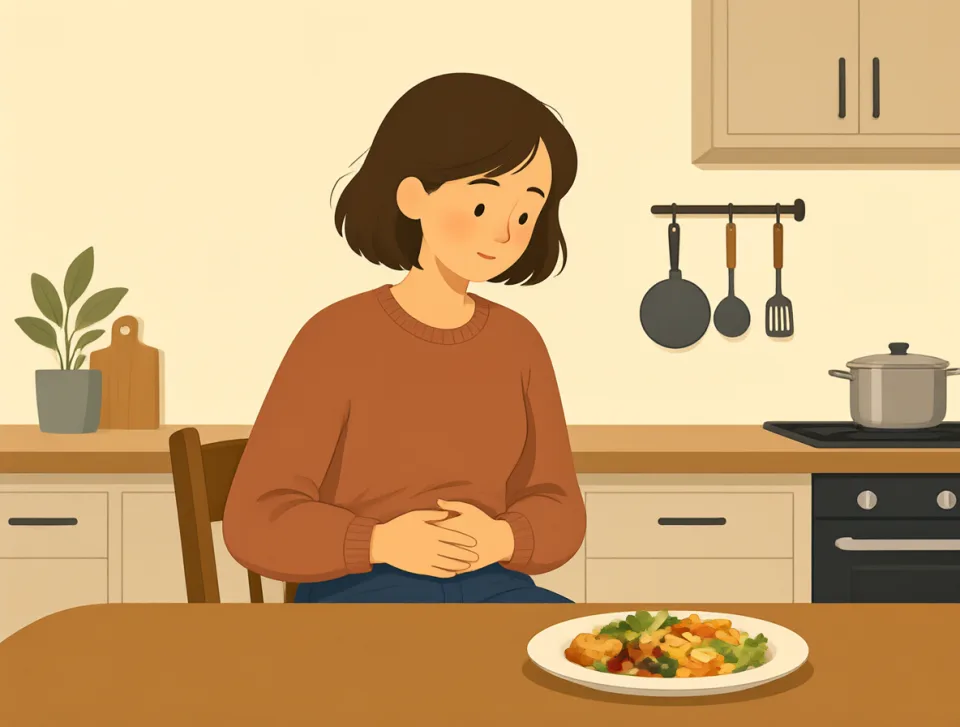
She felt sick after dinner.
بعد از شام حالش بد شد.

but
#25conjunction, preposition, adverb, noun
اما؛ ولی
Used to show a contrast, an exception, or a different choice.
برای نشاندادن تضاد، استثنا یا انتخابی متفاوت بهکار میرود.
I like tea, but I prefer coffee.
چای دوست دارم، اما قهوه را ترجیح میدهم.

She is tired, but she keeps working.
او خسته است، اما همچنان به کارش ادامه میدهد.
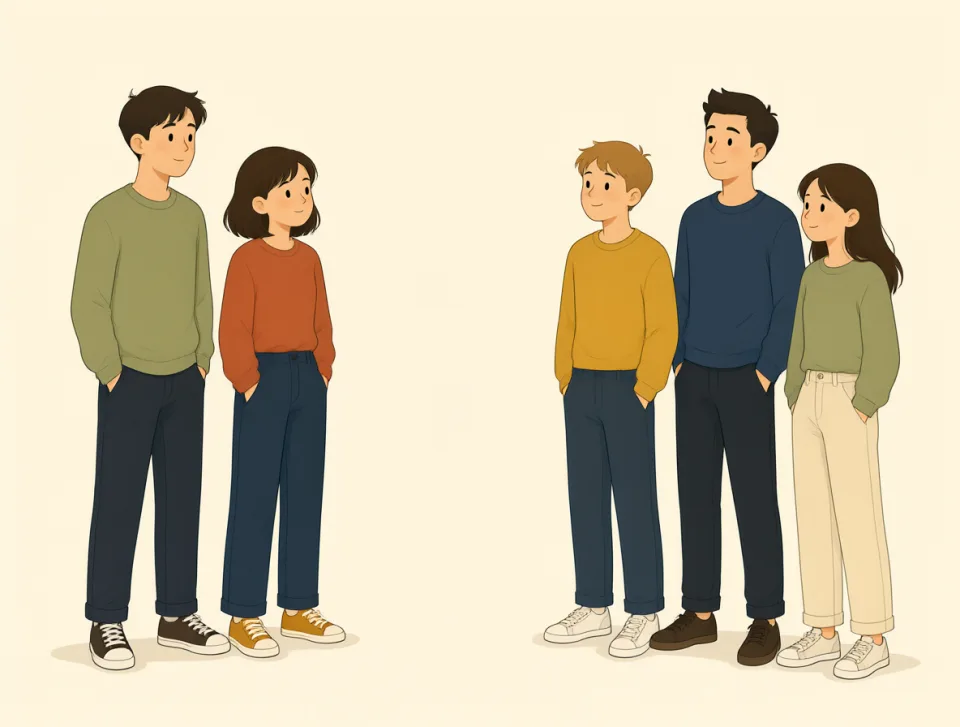
Everyone came but Tom.
همه بهجز تام آمدند.

We wanted to walk, but it started raining.
میخواستیم پیادهروی کنیم، اما باران شروع شد.
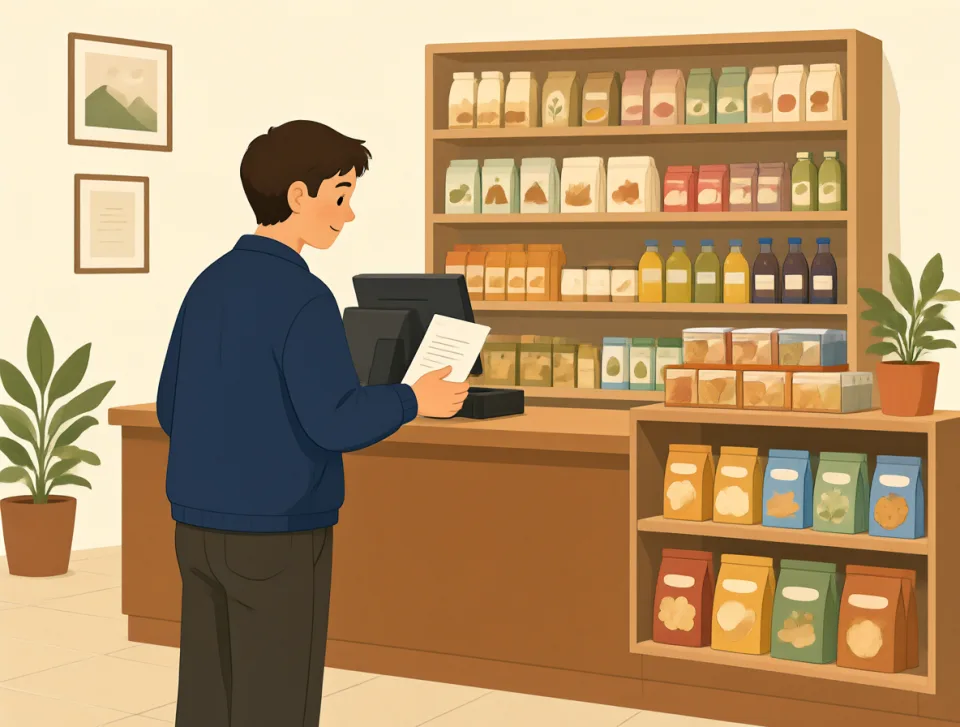
The shop was small, but it had everything.
مغازه کوچک بود، اما همهچیز داشت.

from
#26preposition
از
Shows where something starts, where it comes from, or when it begins.
نشان میدهد چیزی از کجا شروع میشود، از کجا میآید یا چه زمانی آغاز میشود.
I walk home from school every day.
من هر روز از مدرسه تا خانه پیاده میروم.

This letter is from my best friend.
این نامه از بهترین دوستم است.
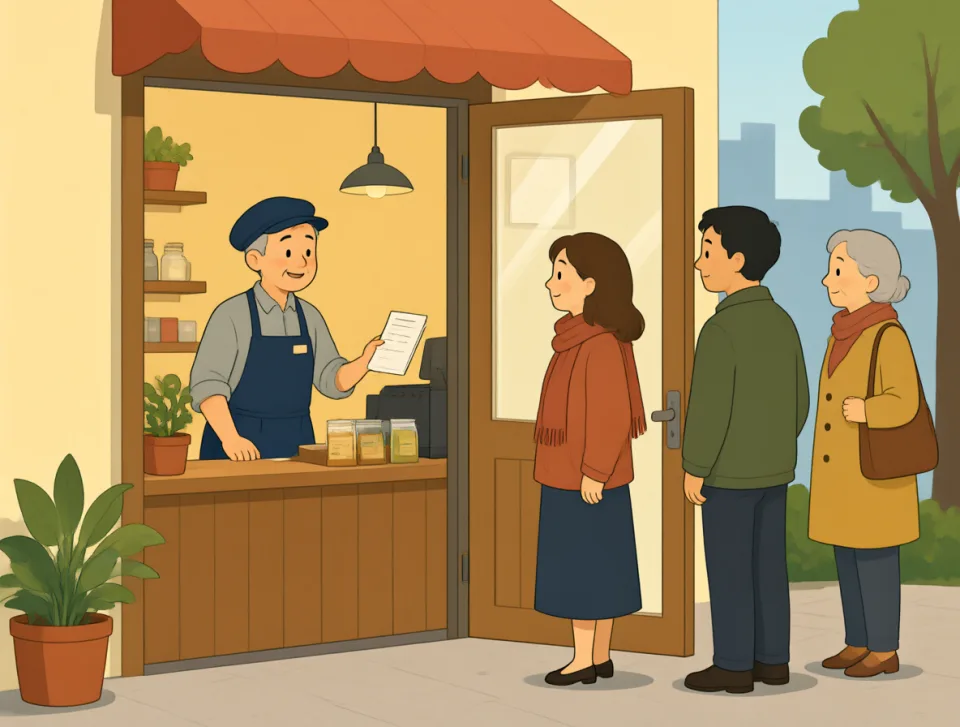
The shop is open from nine to five.
مغازه از ساعت نه تا پنج باز است.

She comes from a small town.
او اهل یک شهر کوچک است.
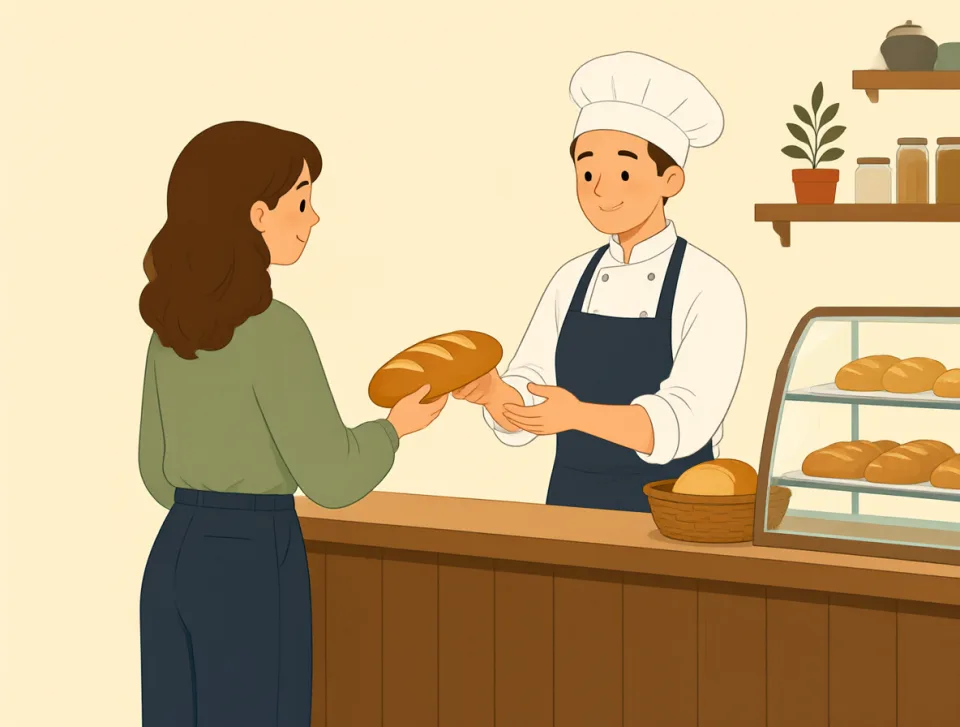
We bought fresh bread from the bakery.
از نانوایی نان تازه خریدیم.
by
#27preposition, adverb
کنارِ، تا، با، بهدستِ
near, before a time, using something, or done by someone
برای اشاره به نزدیکی، پیش از یک زمان، استفاده از چیزی یا انجام شدن کاری بهدستِ کسی به کار میرود.
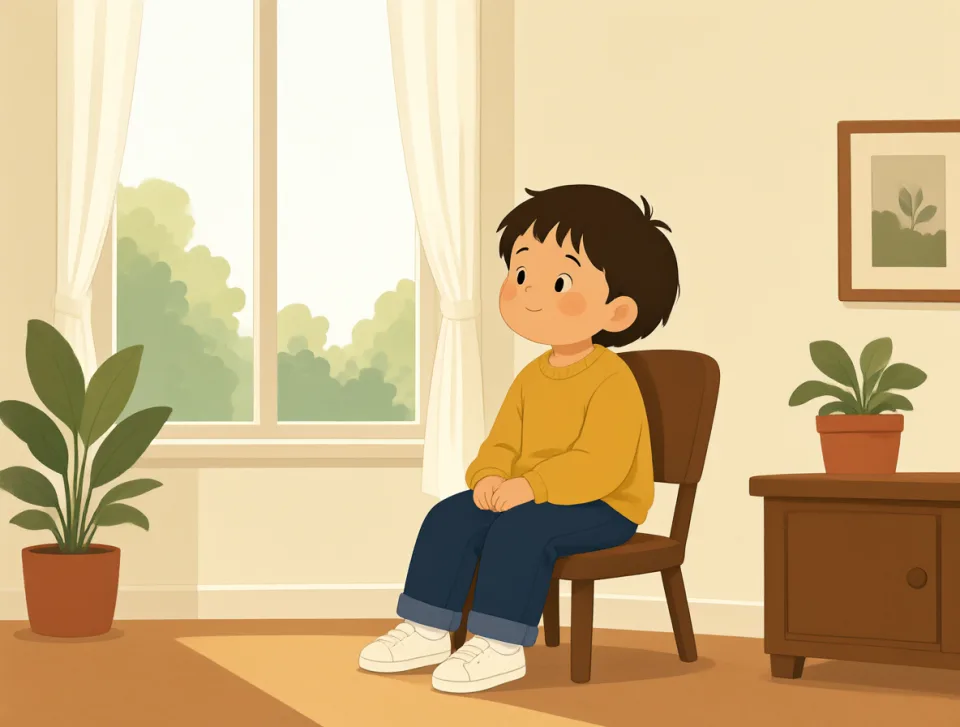
Please sit by the window.
لطفاً کنار پنجره بنشینید.

We travel by train every summer.
ما هر تابستان با قطار سفر میکنیم.

Finish your homework by Friday.
تا روز جمعه تکالیفت را تمام کن.

She walked by without saying hello.
او بدون سلام کردن از کنارمان رد شد.

This cake was made by my sister.
این کیک را خواهرم درست کرده است.
will
#28verb, noun
خواهد؛ وصیتنامه
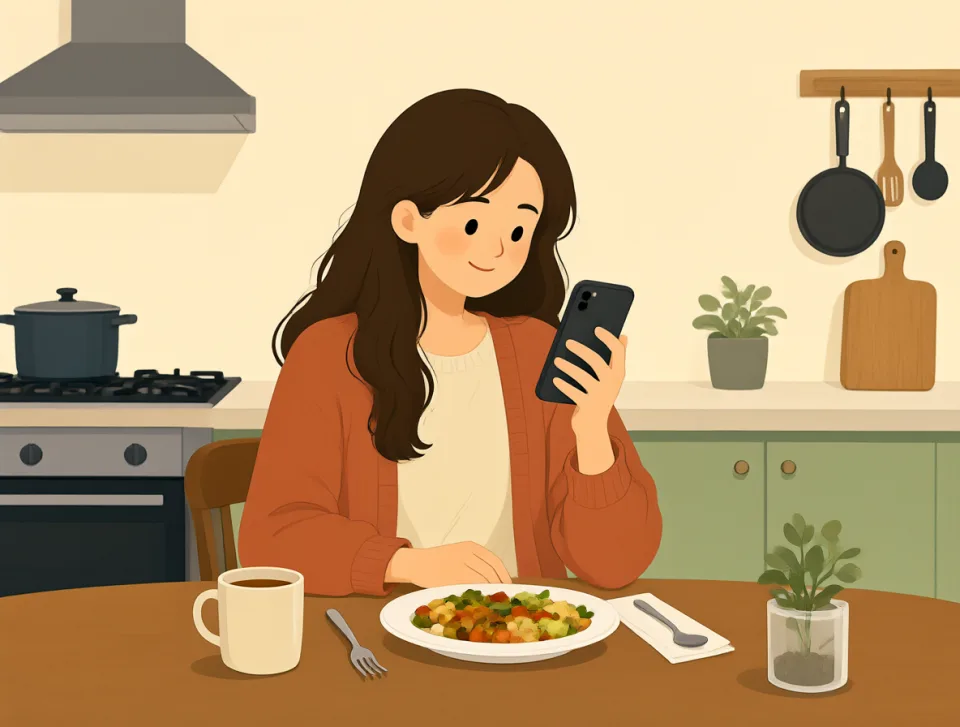
Used to talk about the future, or a person’s strong wish or legal instructions.
برای صحبت دربارهٔ آینده، خواستهٔ قوی یک فرد یا دستورهای قانونی او به کار میرود.
I will call you after dinner.
بعد از شام با تو تماس میگیرم.

Will you help me with this box?
کمکم میکنی این جعبه را بردارم؟

The doctor says you will feel better soon.
دکتر میگوید بهزودی حالتان بهتر میشود.
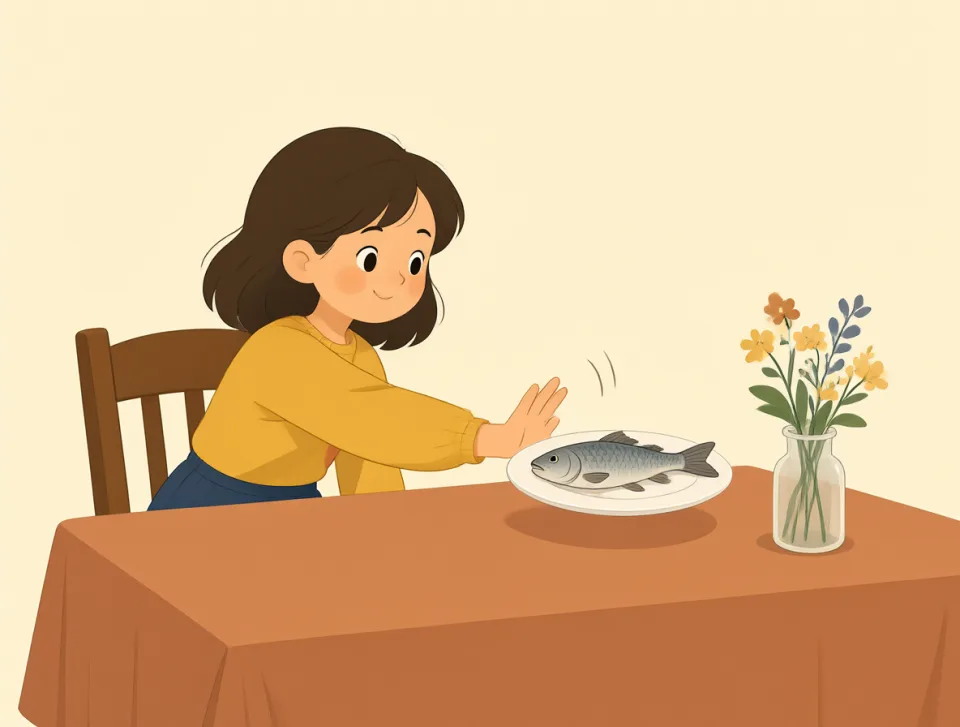
She will not eat the fish today.
او امروز ماهی نخواهد خورد.
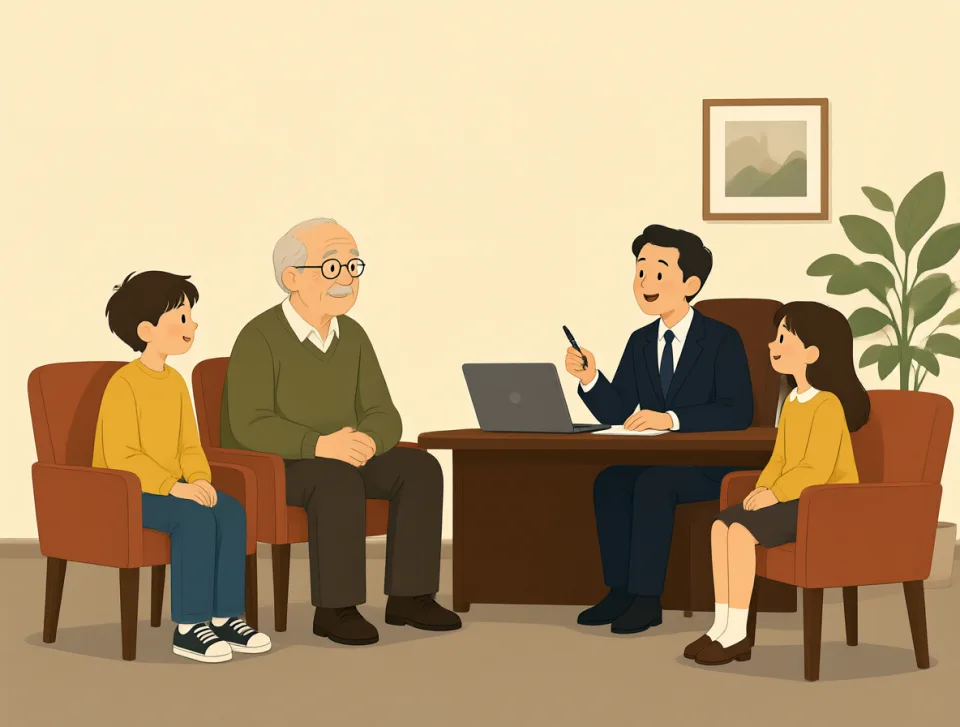
His will left money to his children.
او در وصیتنامهاش برای فرزندانش پول به جا گذاشت.

or
#29conjunction
یا
Used to show a choice between two or more possibilities.
برای نشان دادن انتخاب میان دو یا چند امکان به کار میرود.
Would you like tea or coffee?
چای میل دارید یا قهوه؟
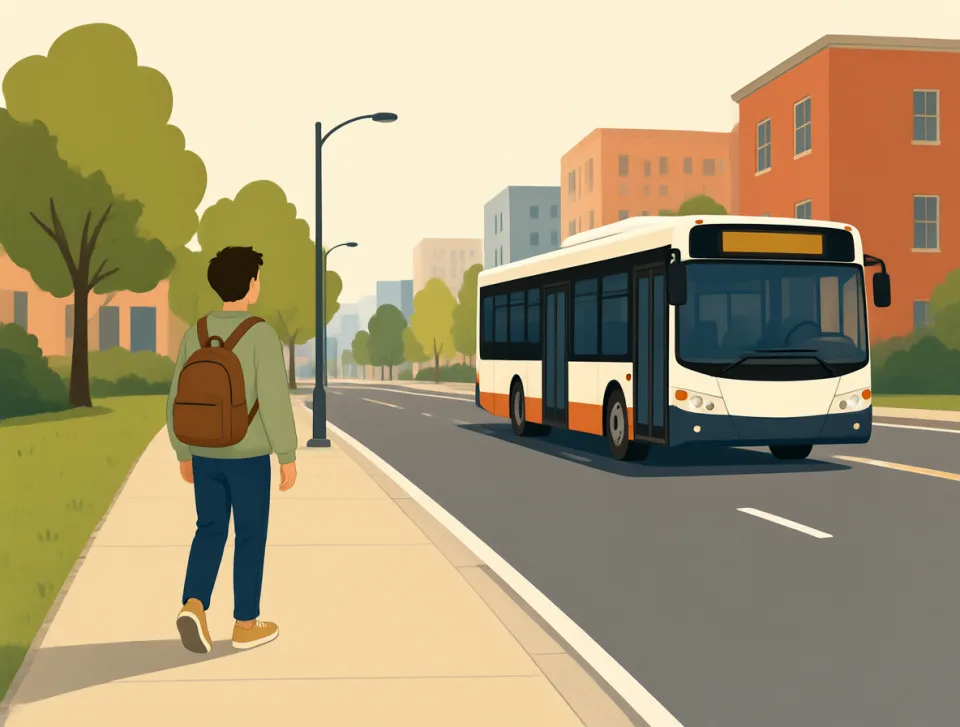
You can walk or take the bus.
میتوانی پیاده بروی یا با اتوبوس بروی.

Is your sister at home or work?
خواهرت در خانه است یا سرِ کار؟
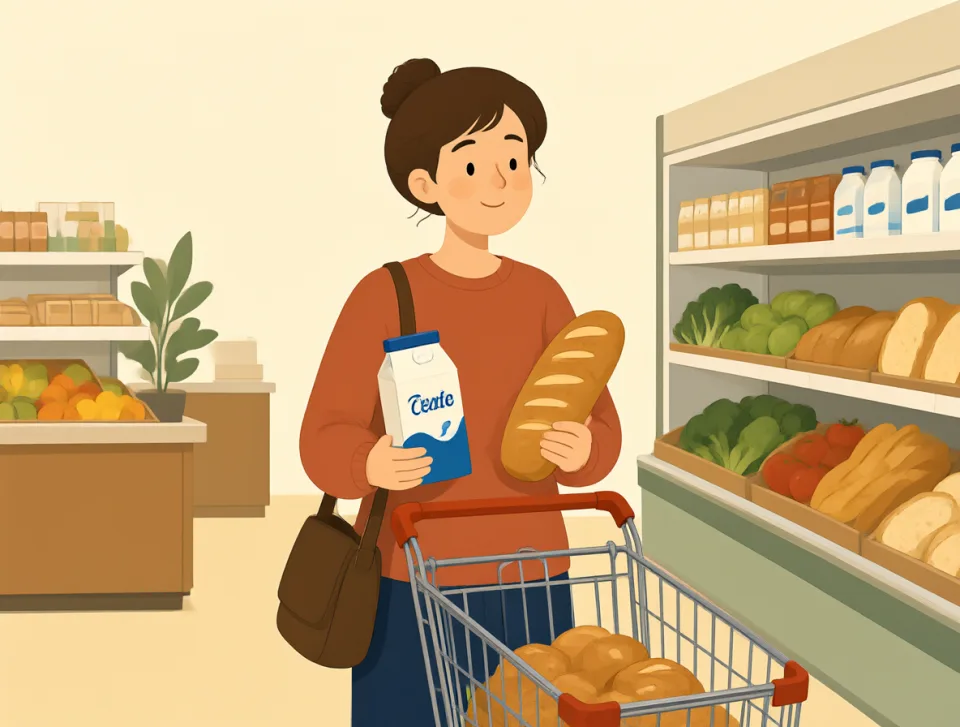
We need to buy milk or bread.
باید شیر یا نان بخریم.
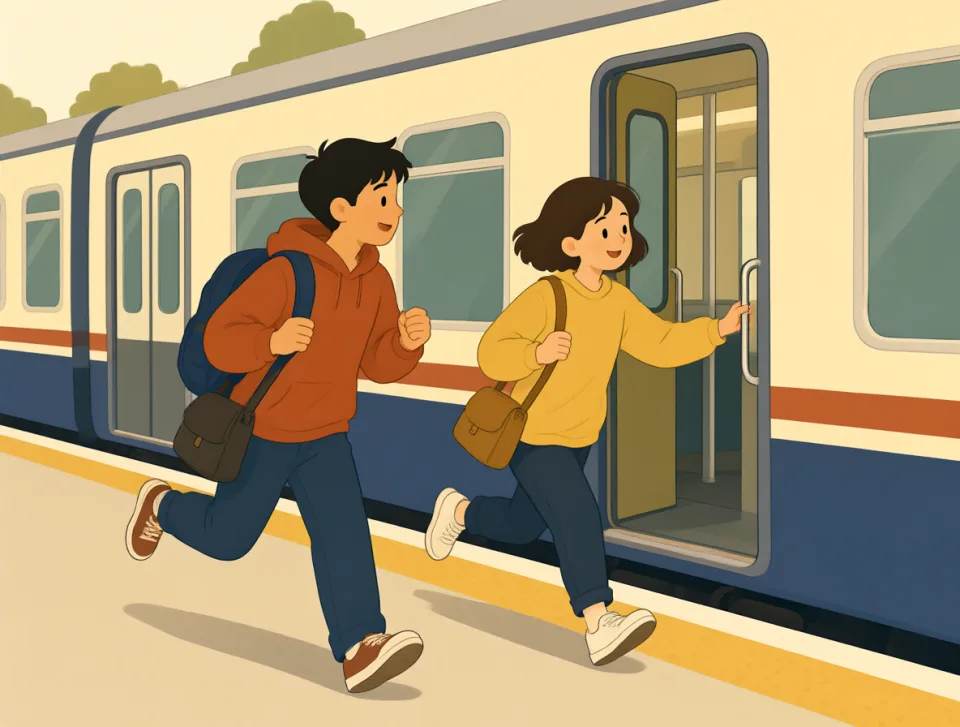
Hurry, or we will miss the train.
عجله کن، وگرنه قطار را از دست میدهیم.
say
#30verb
گفتن
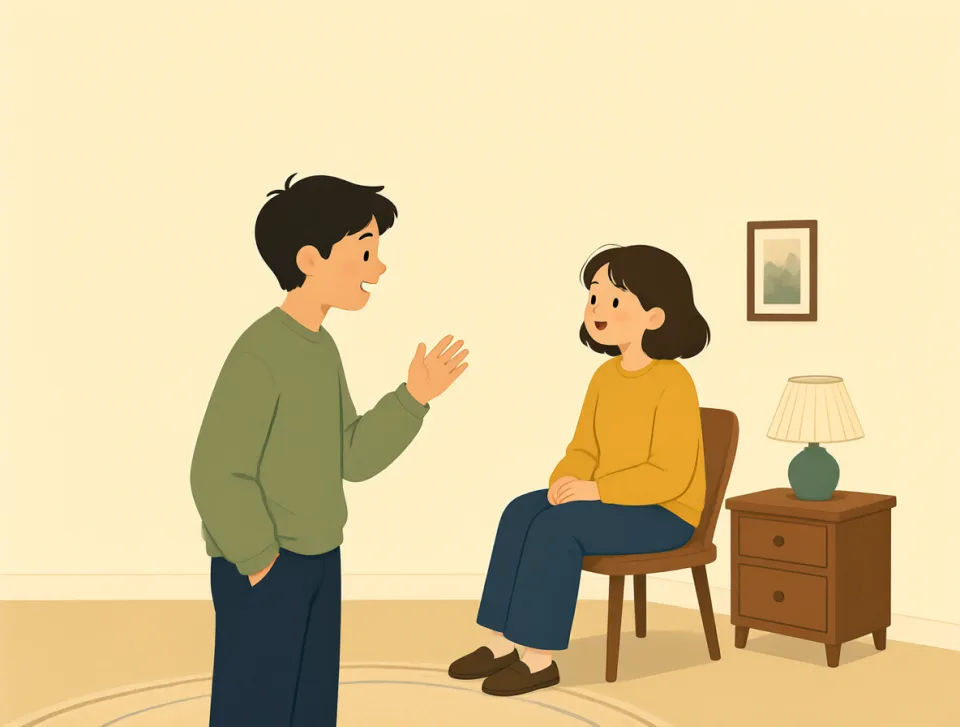
to speak words or tell someone something
گفتن کلمات یا بیان کردن چیزی به کسی.

What did you say?
چی گفتی؟

She said hello to her teacher.
او به معلمش سلام کرد.

Please say your name slowly.
لطفاً اسمتان را آهسته بگویید.

They say the soup is delicious.
میگویند این سوپ خوشمزه است.

He said he felt sick yesterday.
او گفت دیروز حالش بد بوده است.
go
#31verb, noun
رفتن
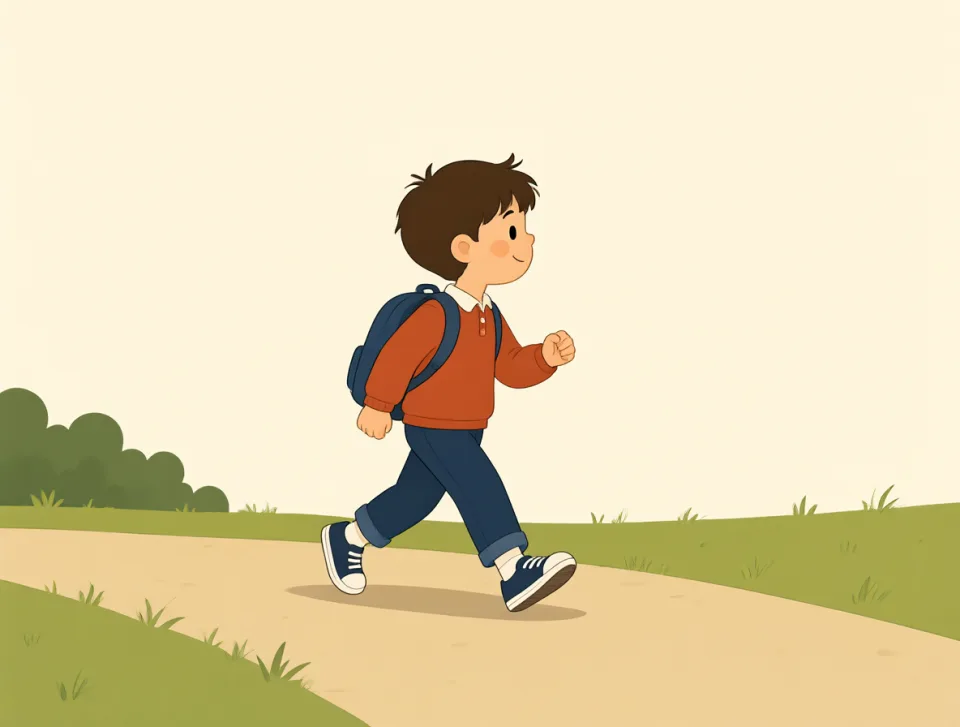
to move or travel somewhere, or to happen or work in a particular way
به جایی حرکت کردن یا سفر کردن، یا به شکل خاصی اتفاق افتادن یا کار کردن
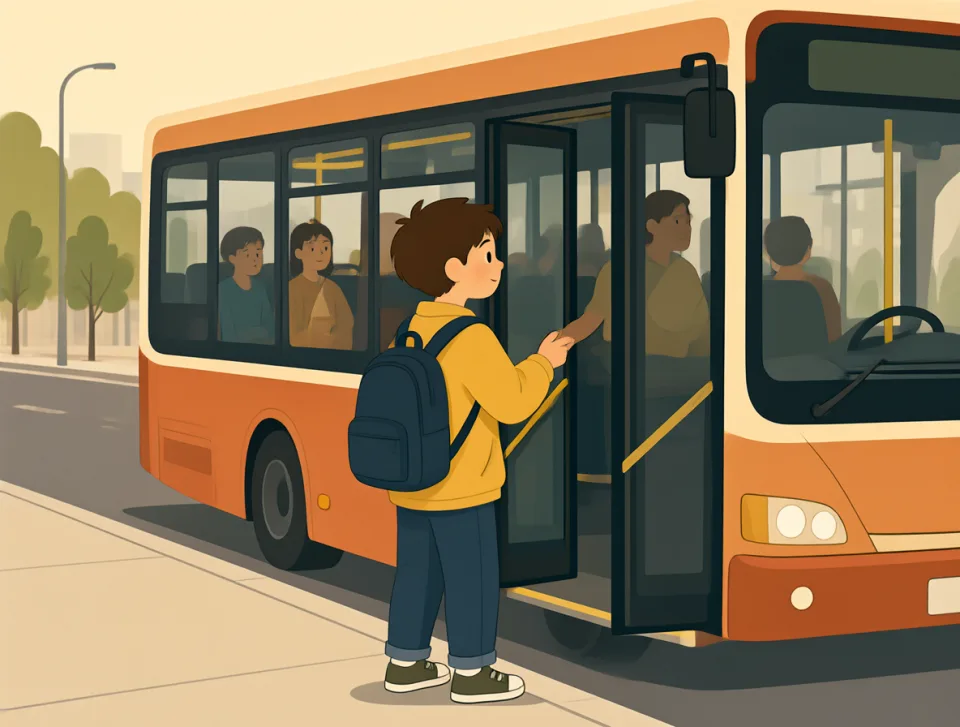
I go to school by bus every day.
من هر روز با اتوبوس به مدرسه میروم.

We went home after dinner.
بعد از شام به خانه رفتیم.
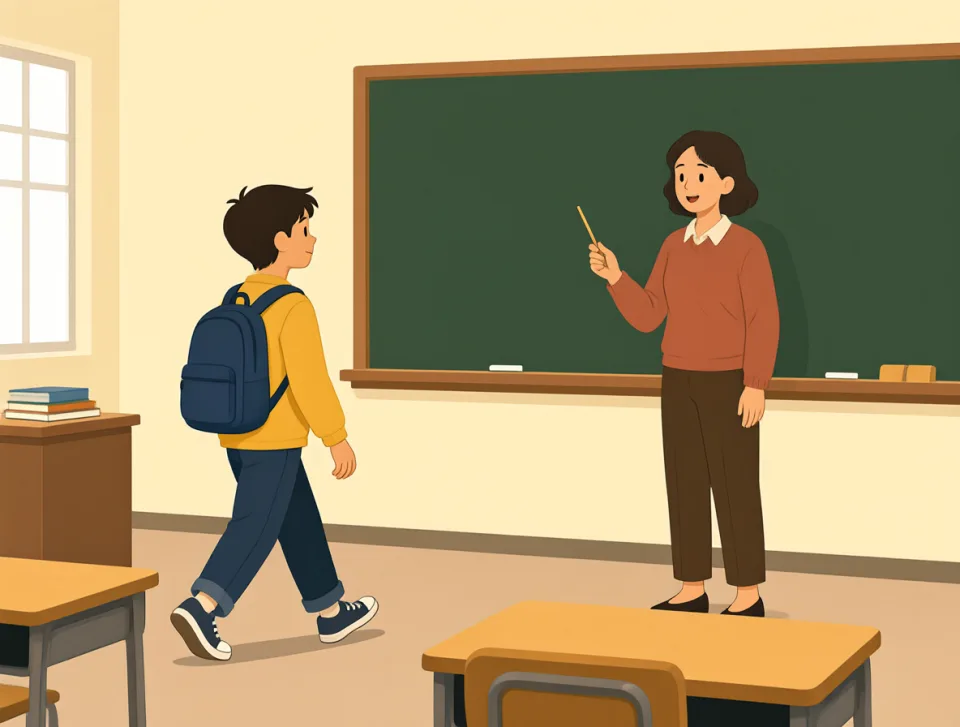
Please go and ask your teacher.
لطفاً برو و از معلمت بپرس.

These shoes go well with your jeans.
این کفشها با شلوار جینت خوب جور درمیآیند.
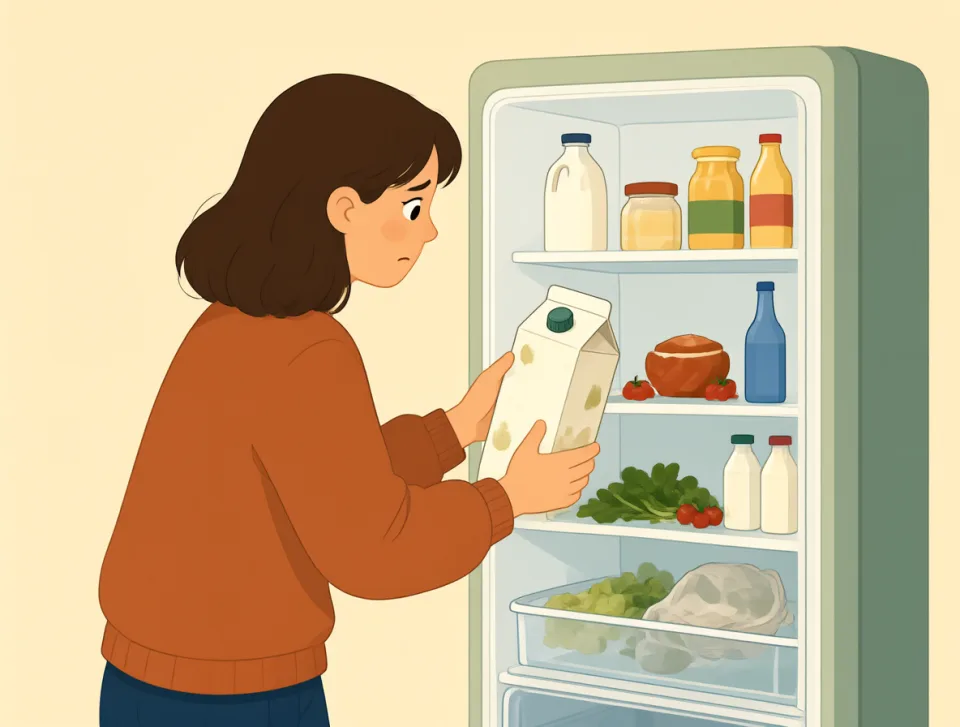
The milk went bad in the fridge.
شیر در یخچال خراب شد.

so
#32adverb, conjunction
پس؛ خیلی؛ من هم
Used to show a result, a high degree, or agreement.
برای نشان دادن نتیجه، شدت زیاد یا موافقت به کار میرود.
I was tired, so I went to bed.
خسته بودم، پس به رختخواب رفتم.

The soup is so hot I cannot eat it.
سوپ آنقدر داغ است که نمیتوانم بخورمش.

She studied hard, so she passed the test.
او سخت درس خواند، پس در امتحان قبول شد.
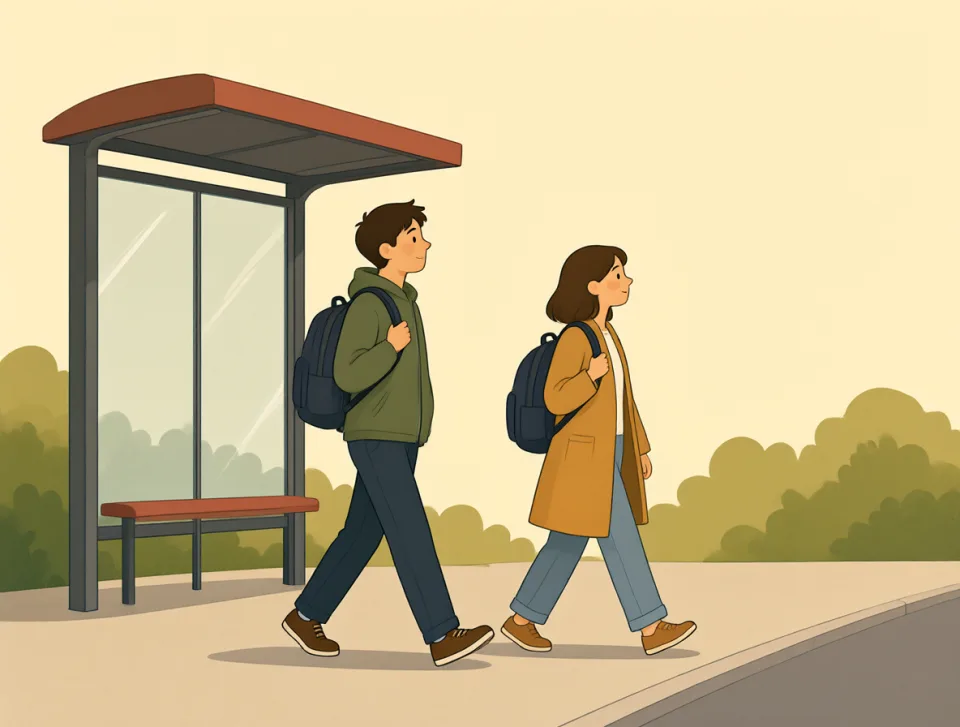
The bus was late, so we walked home.
اتوبوس دیر کرد، پس پیاده به خانه رفتیم.

“I like this.” “So do I.”
«من این را دوست دارم.» «من هم همینطور.»

all
#33determiner, pronoun, adverb
همه
The whole amount or every person or thing in a group
تمام مقدار، یا تکتک افراد یا چیزهای یک گروه
All the students finished their homework.
همهٔ دانشآموزان تکالیفشان را تمام کردند.
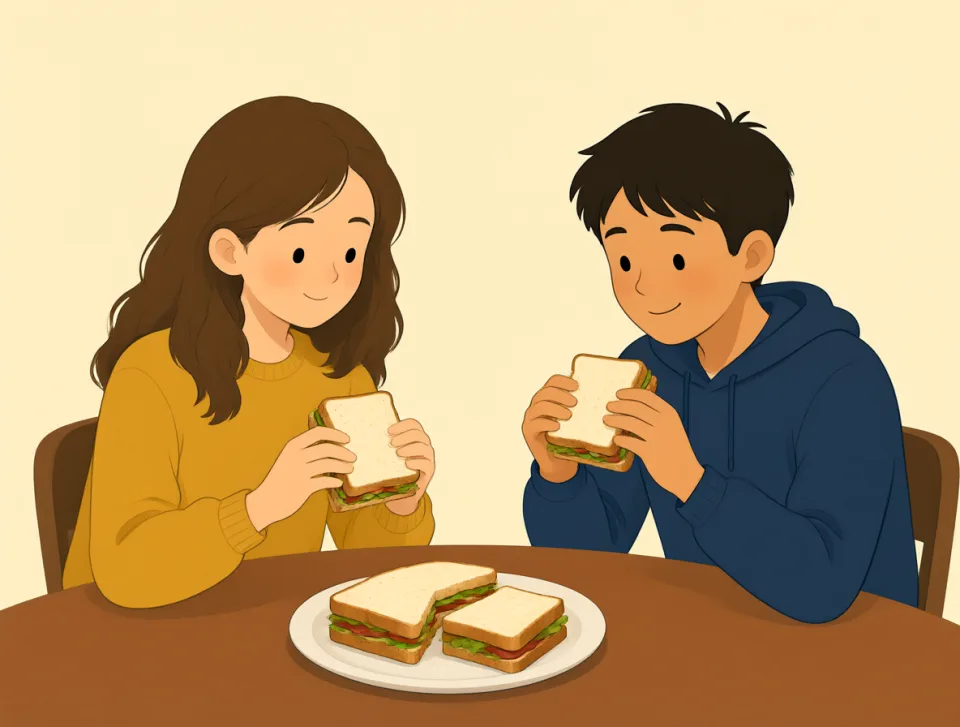
We ate all the sandwiches at lunch.
همهٔ ساندویچها را سر ناهار خوردیم.

All of us took the train home.
همهٔ ما با قطار به خانه برگشتیم.

She worked all day at the shop.
او تمام روز در مغازه کار کرد.

I am not at all tired today.
امروز اصلاً خسته نیستم.

if
#34conjunction
اگر
Used to talk about a condition or a possible situation.
برای صحبت دربارهٔ یک شرط یا موقعیتی احتمالی به کار میرود.
Call me if you need help.
اگر به کمک نیاز داشتی، به من زنگ بزن.

If it rains, we will stay home.
اگر باران ببارد، در خانه میمانیم.

Ask the teacher if you have questions.
اگر سؤالی داری، از معلم بپرس.

I will buy it if it is cheaper.
اگر ارزانتر باشد، آن را میخرم.
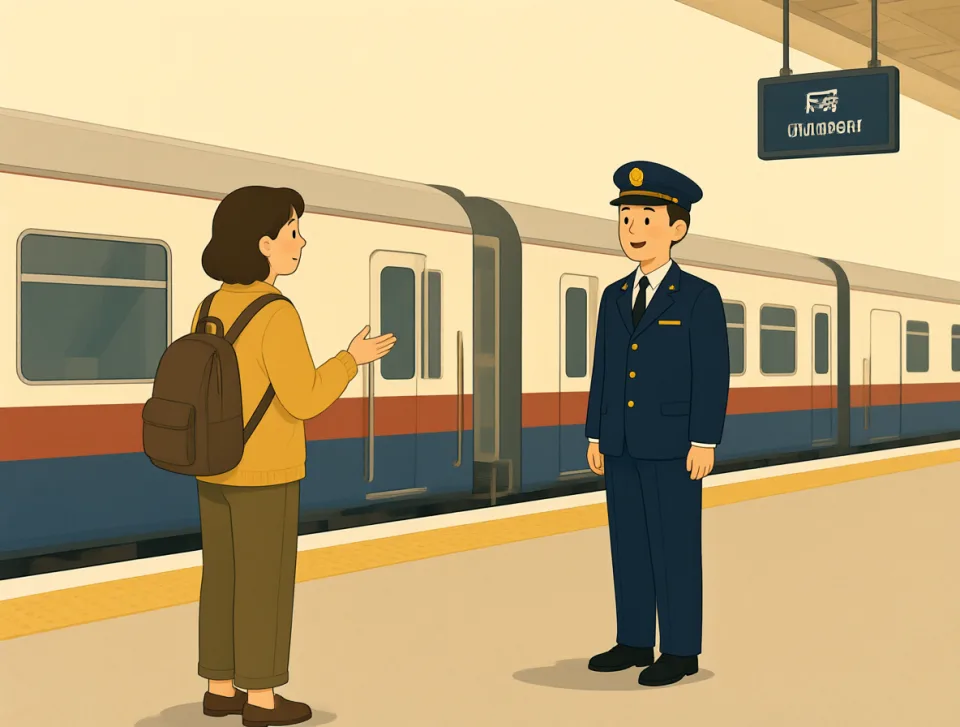
She asked if the train was late.
او پرسید آیا قطار دیر کرده بود.

one
#35number, noun, pronoun, determiner
یک
The number 1, or a single person or thing.
عدد ۱، یا یک فرد یا چیزِ تنها.
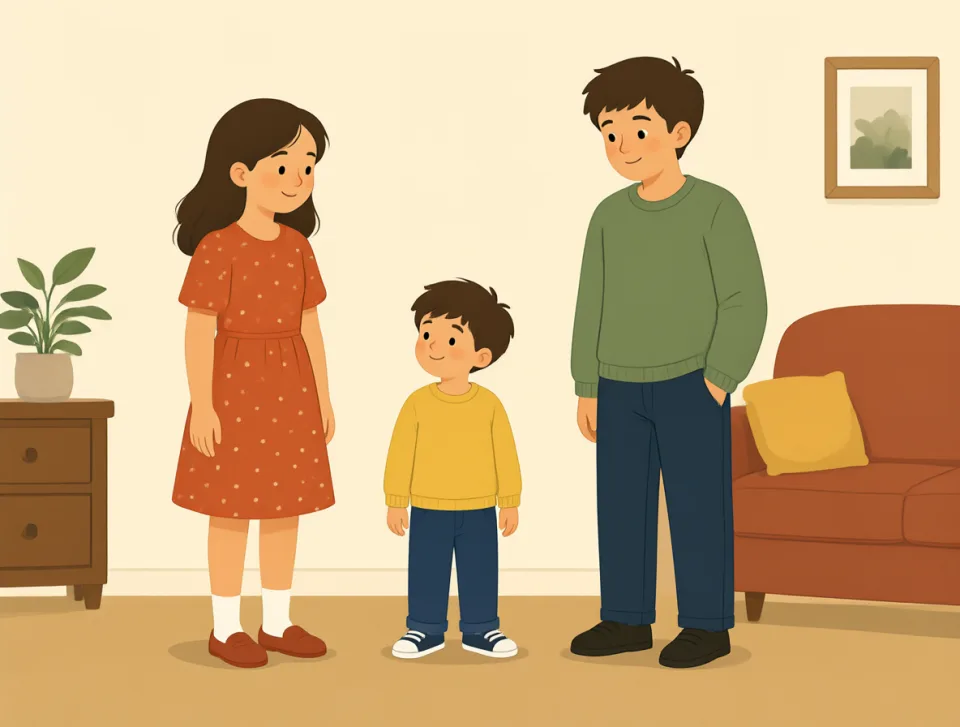
I have one sister and two brothers.
من یک خواهر و دو برادر دارم.

Please give me one coffee.
لطفاً یک قهوه به من بدهید.

One student answered the teacher's question.
یک دانشآموز به پرسش معلم جواب داد.

This shoe is smaller than the other one.
این کفش از آن یکی کوچکتر است.

One day, we will travel around the world.
یک روز دور دنیا سفر خواهیم کرد.

would
#36verb, modal verb
میخواست
Used to talk about wishes, imagined situations, polite requests, or repeated past actions.
برای بیان خواستهها، موقعیتهای فرضی، درخواستهای مؤدبانه یا کارهایی که در گذشته مرتب تکرار میشدند، بهکار میرود.
Would you like some coffee?
قهوه میل دارید؟

I would like to book a room.
میخواهم اتاقی رزرو کنم.

She would help if she had time.
اگر وقت داشت، کمک میکرد.
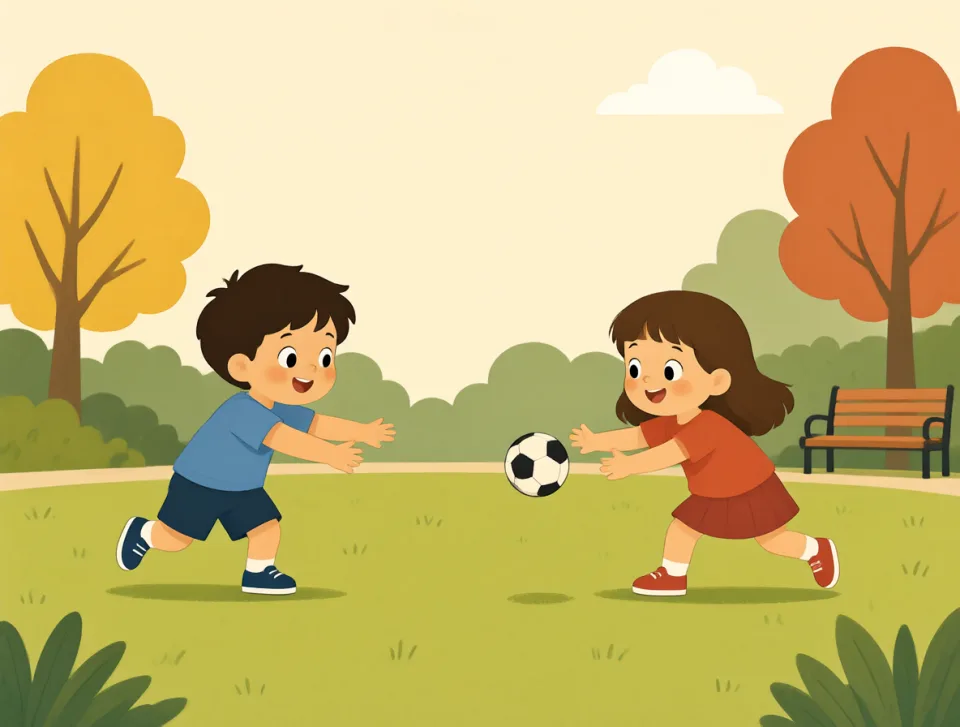
When we were children, we would play outside.
وقتی بچه بودیم، بیرون بازی میکردیم.

Would you please close the window?
لطفاً پنجره را ببندید.

about
#37adverb, preposition
دربارهٔ
Used to say what someone or something concerns, or roughly where, when, or how much.
برای گفتن اینکه موضوعِ کسی یا چیزی چیست، یا بیان تقریبیِ مکان، زمان یا مقدار بهکار میرود.
We talked about our plans after dinner.
بعد از شام دربارهٔ برنامههایمان صحبت کردیم.

This book is about animals and nature.
این کتاب دربارهٔ حیوانات و طبیعت است.

There were about twenty people at the party.
حدود بیست نفر در مهمانی بودند.
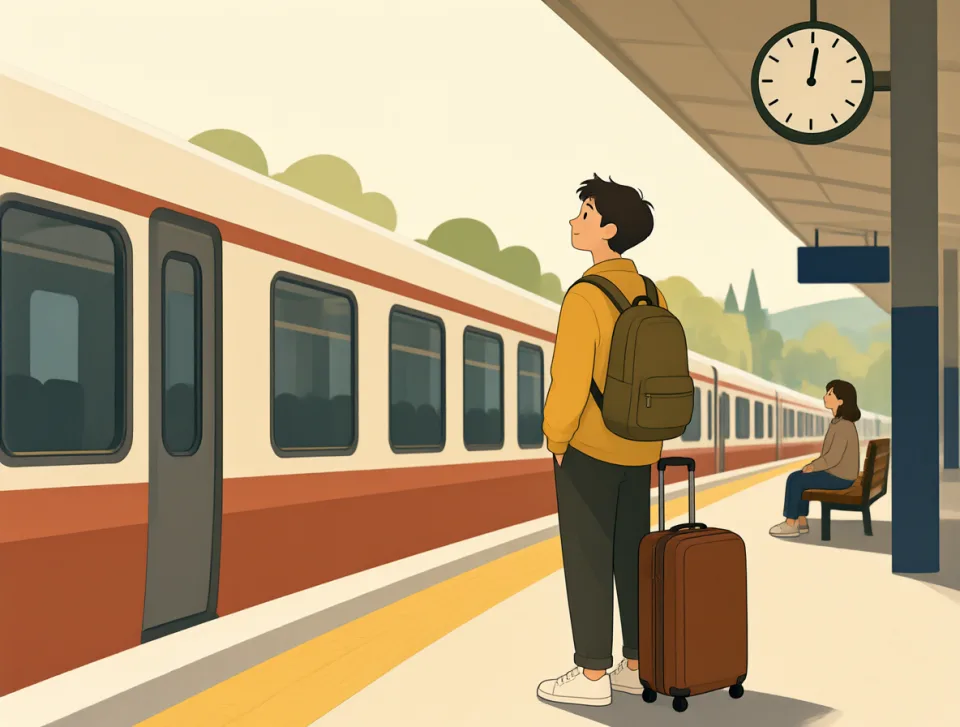
The train leaves at about eight o'clock.
قطار حدود ساعت هشت حرکت میکند.

I am worried about my sick dog.
نگران سگ بیمارم هستم.
can
#38noun, verb, modal verb
قوطی؛ توانستن
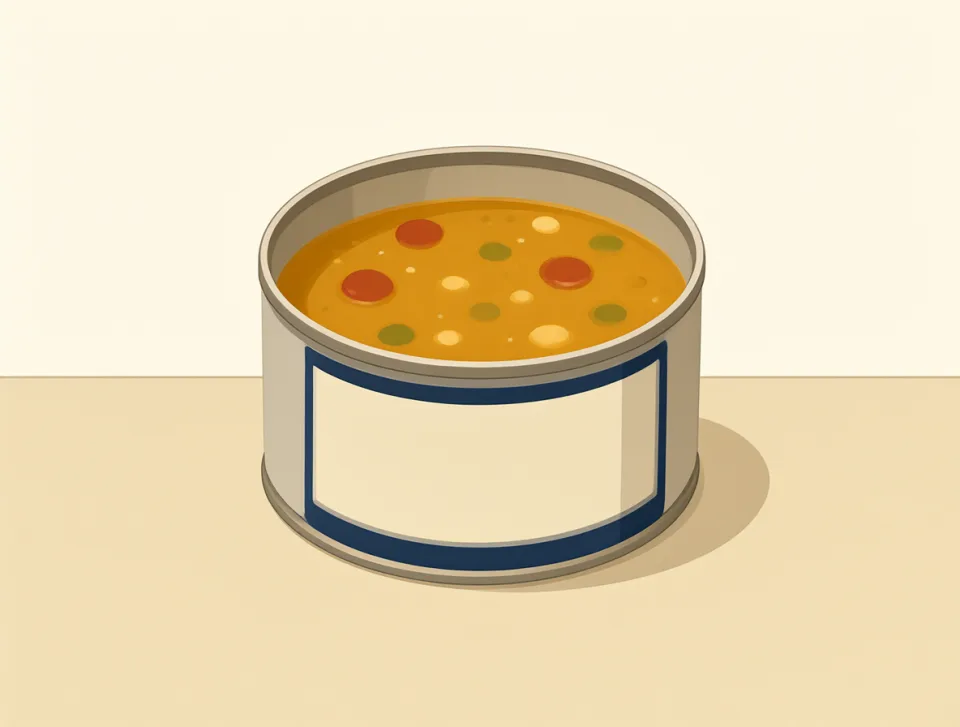
A metal container; or to put food or drink into a metal container.
ظرفی فلزی؛ همچنین بهمعنای کنسرو کردن یا ریختن خوراکی یا نوشیدنی در ظرف فلزی.

I can help you with your homework.
میتوانم در انجام تکالیفت کمکت کنم.

Can you open this jar for me?
میشود این شیشه را برایم باز کنی؟

We can meet at the station at six.
میتوانیم ساعت شش در ایستگاه همدیگر را ببینیم.
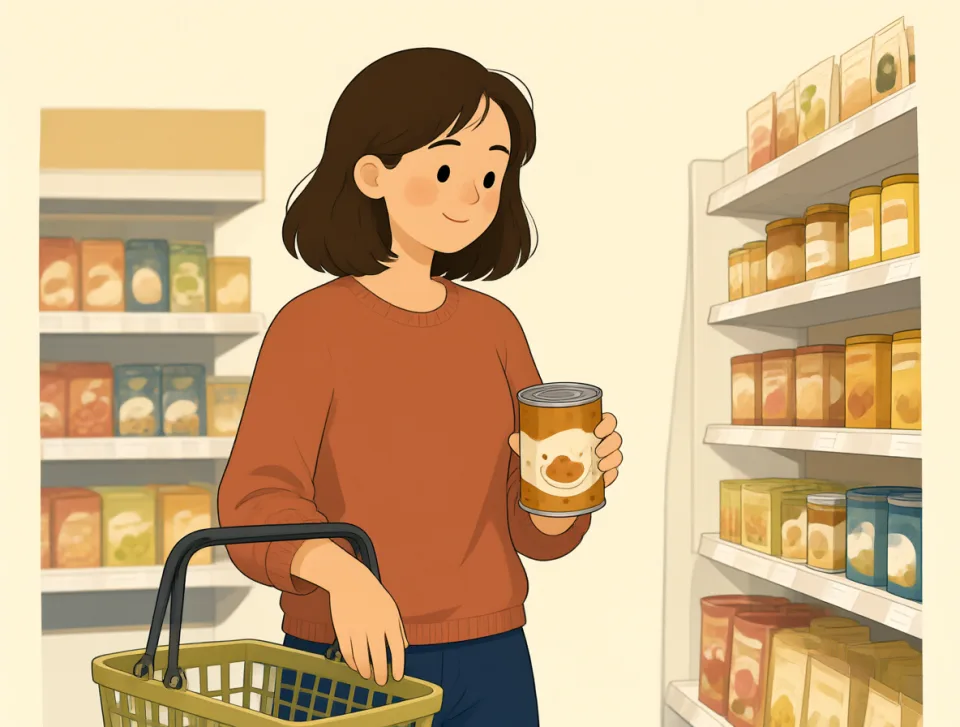
She bought a can of soup for lunch.
برای ناهار یک قوطی سوپ خرید.
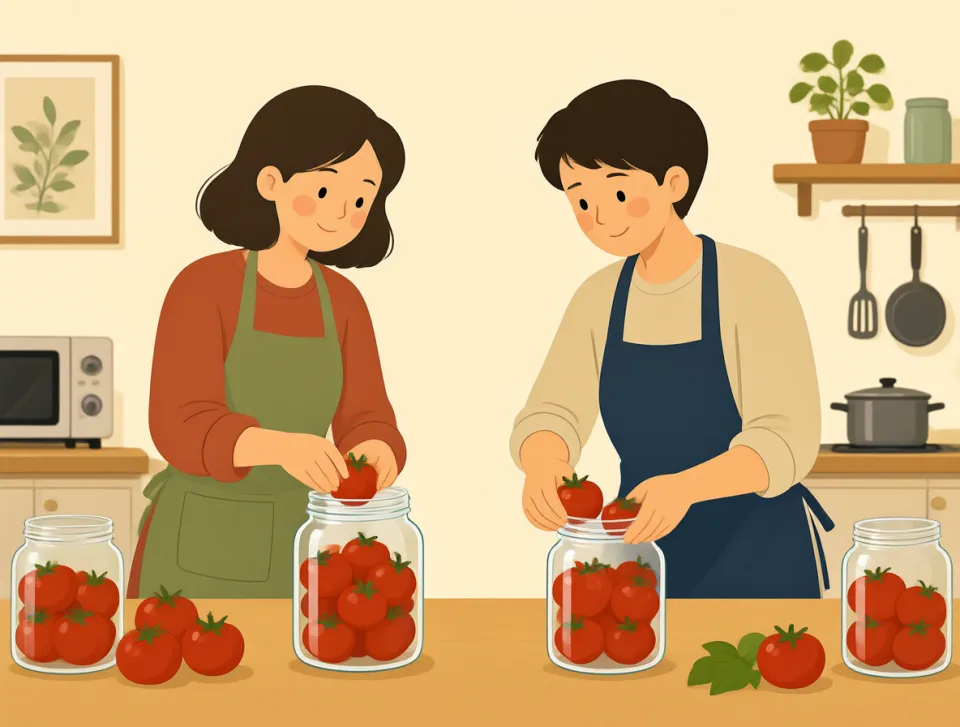
They canned the fresh tomatoes last summer.
آنها تابستان گذشته گوجهفرنگیهای تازه را کنسرو کردند.

which
#39pronoun, determiner
کدام
Used to ask or show which person or thing you mean.
برای پرسیدن یا مشخصکردن اینکه منظورتان کدام شخص یا چیز است، بهکار میرود.
Which shirt do you like best?
کدام پیراهن را بیشتر دوست داری؟
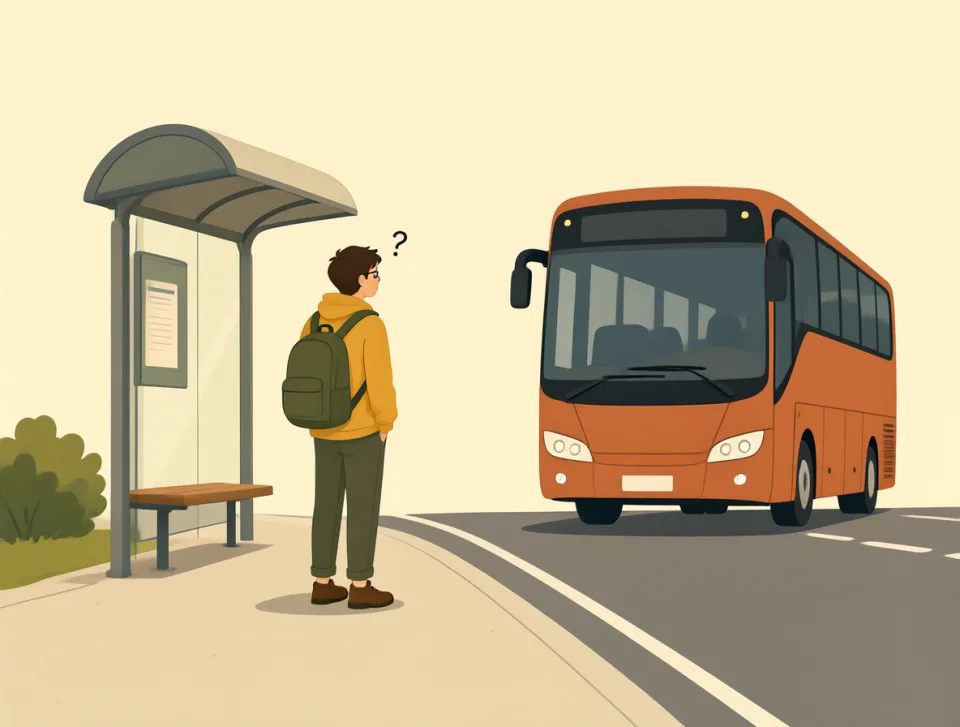
I forgot which bus goes downtown.
یادم رفت کدام اتوبوس به مرکز شهر میرود.
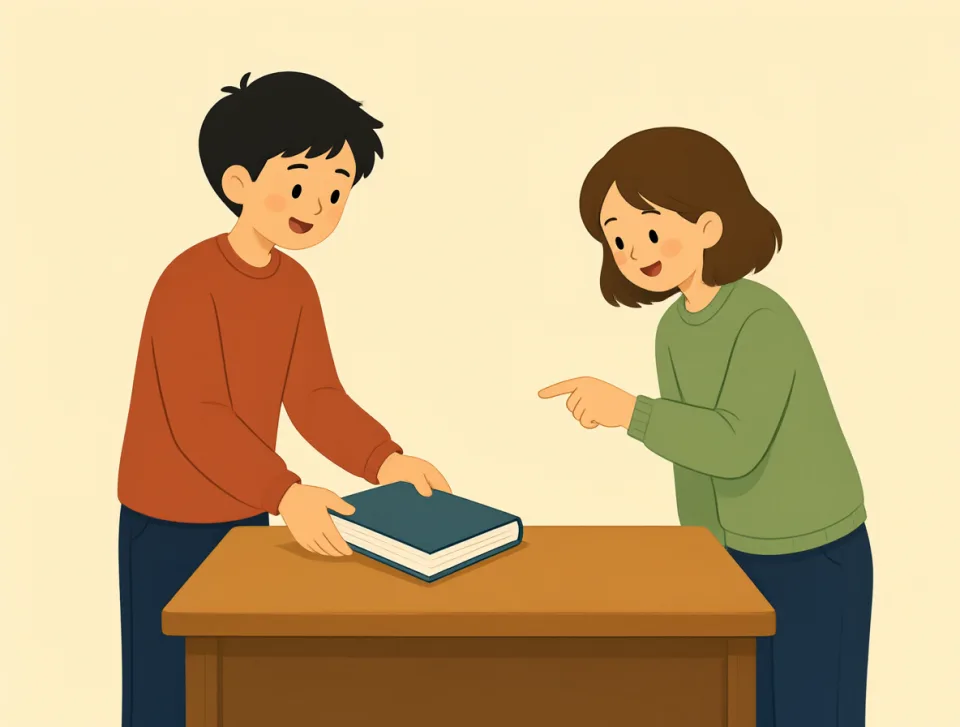
She chose the book which I recommended.
او کتابی را انتخاب کرد که من پیشنهاد داده بودم.
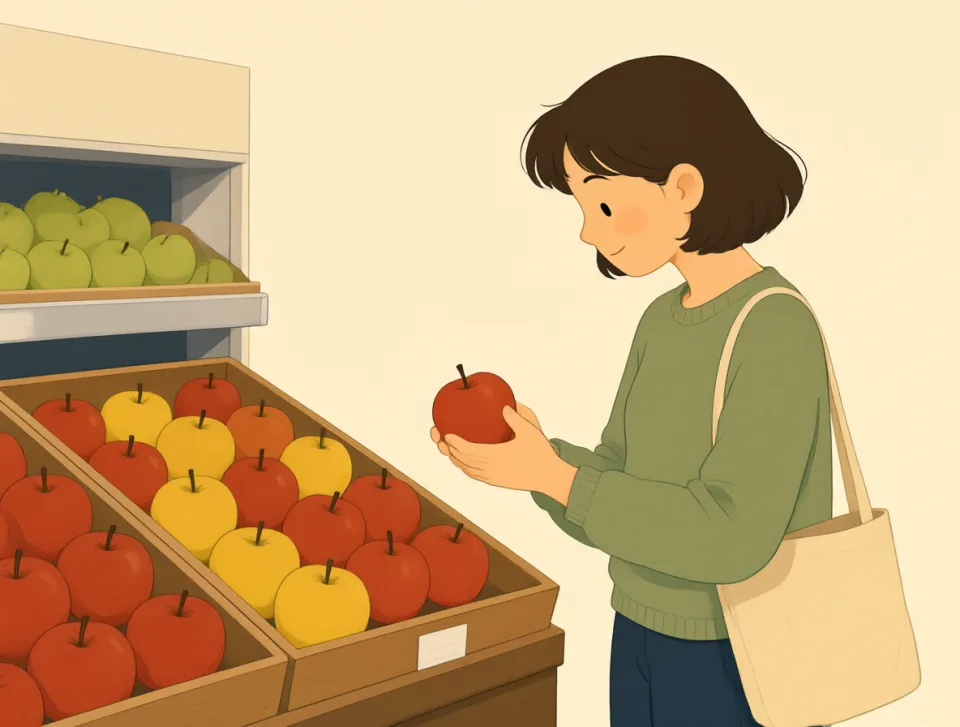
Which of these apples are fresh?
کدامیک از این سیبها تازهاند؟
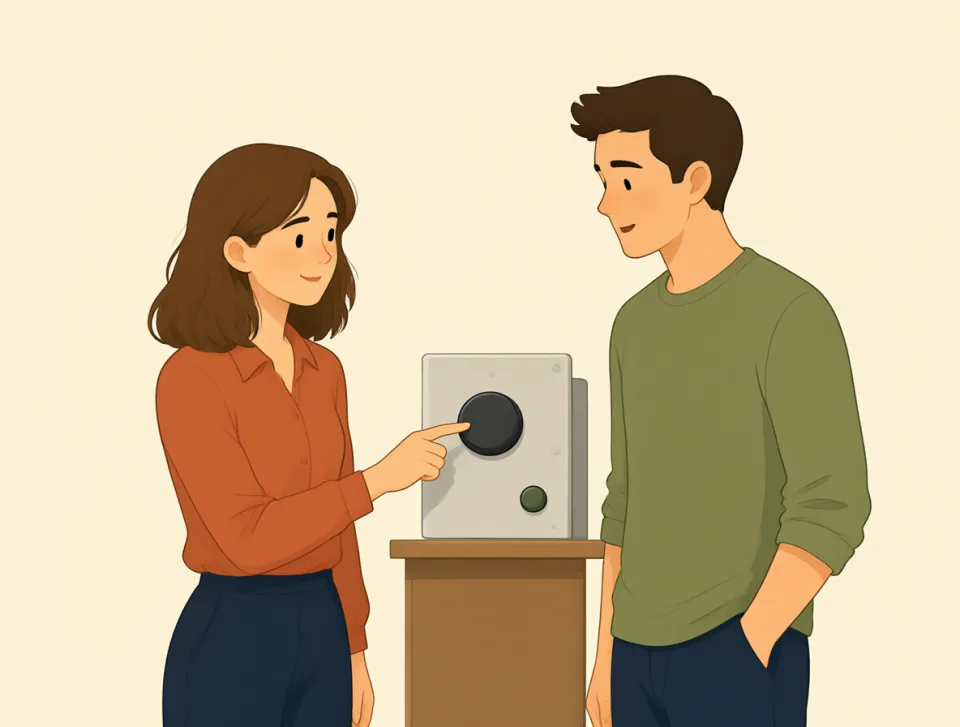
He explained which button to press.
او توضیح داد کدام دکمه را باید فشار بدهم.

there
#40adverb, pronoun, determiner
آنجا؛ وجود دارد
In, at, or to that place; used to show that something exists.
در آن مکان، در آنجا یا به آنجا؛ همچنین برای نشاندادن وجود چیزی بهکار میرود.
Please put the bags over there.
لطفاً کیفها را آنجا بگذارید.
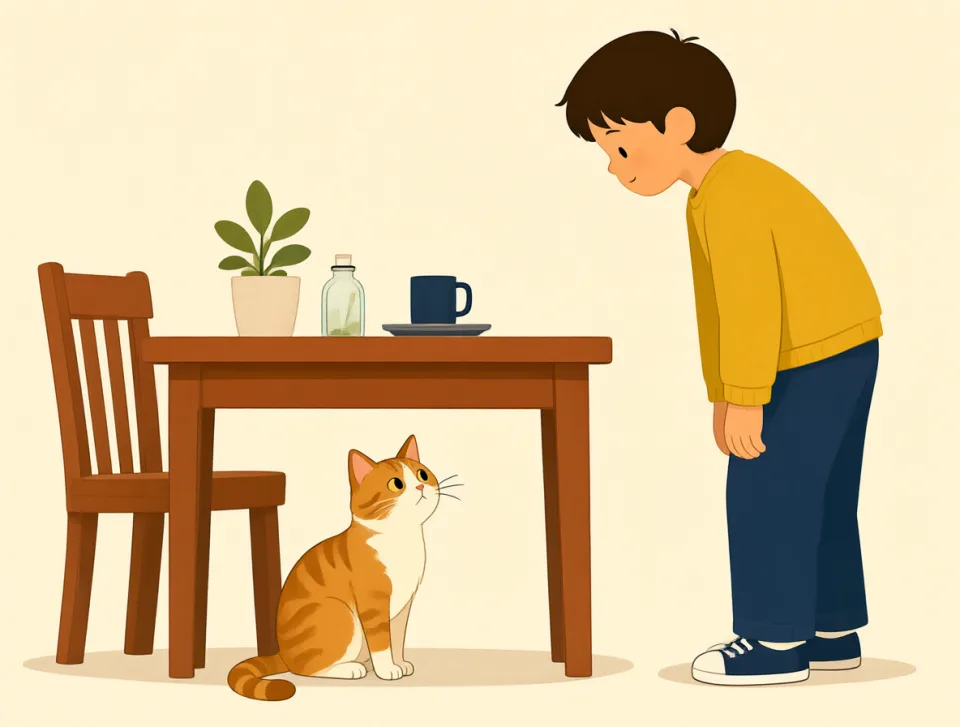
There is a cat under the table.
یک گربه زیر میز هست.
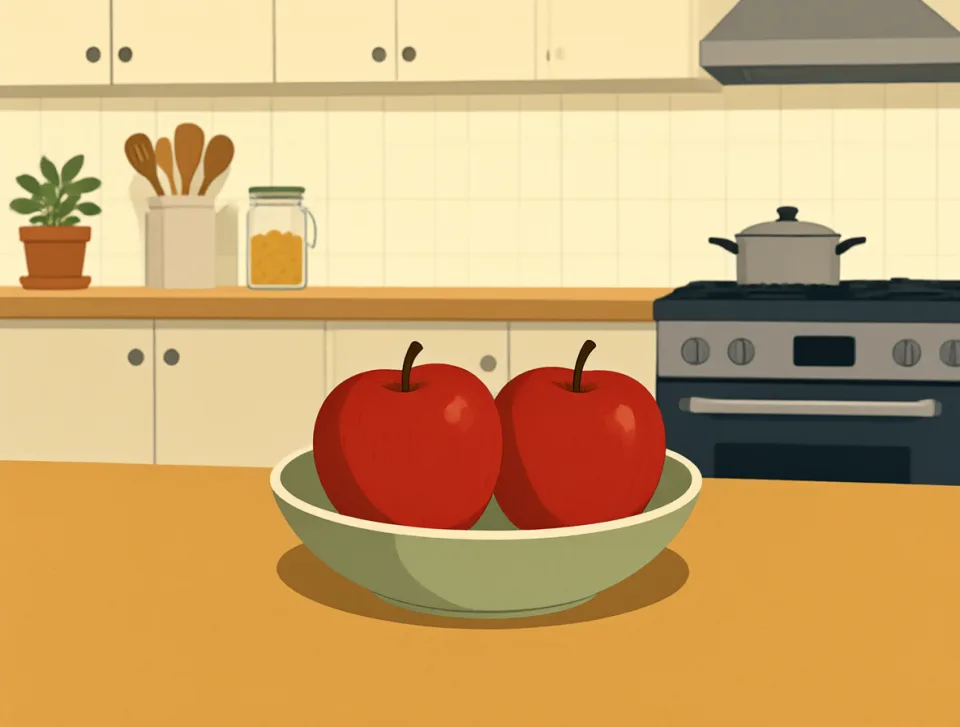
There are two apples in the bowl.
دو سیب در کاسه هست.

We waited there for the bus.
برای اتوبوس آنجا منتظر ماندیم.
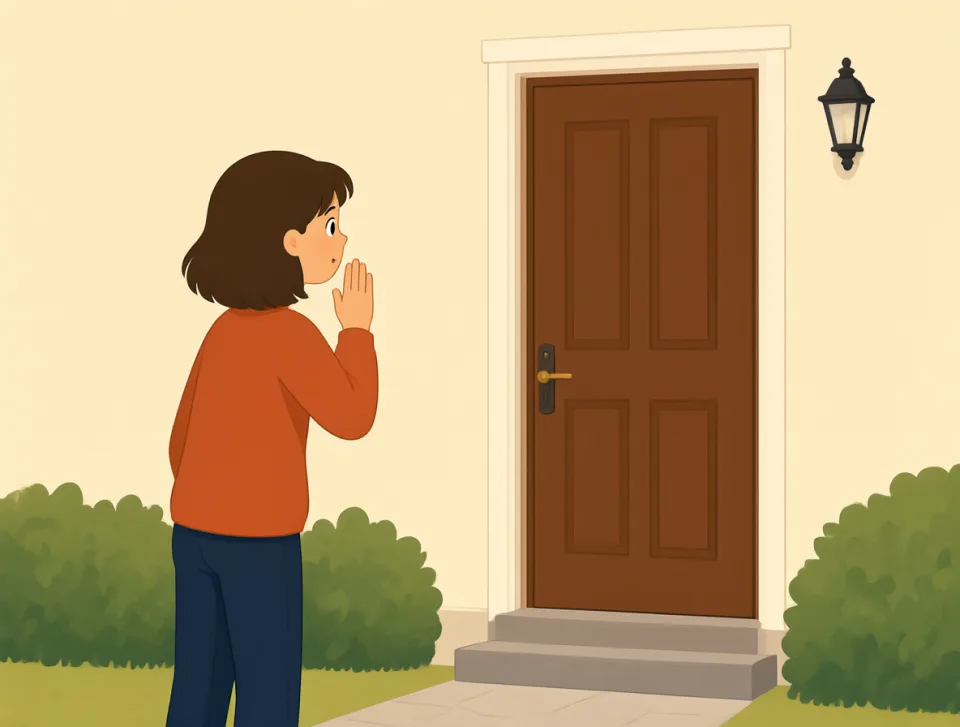
Is anyone there?
کسی آنجاست؟