بخش 5
واژههای 81 تا 100 · find, over, any, after, day, where
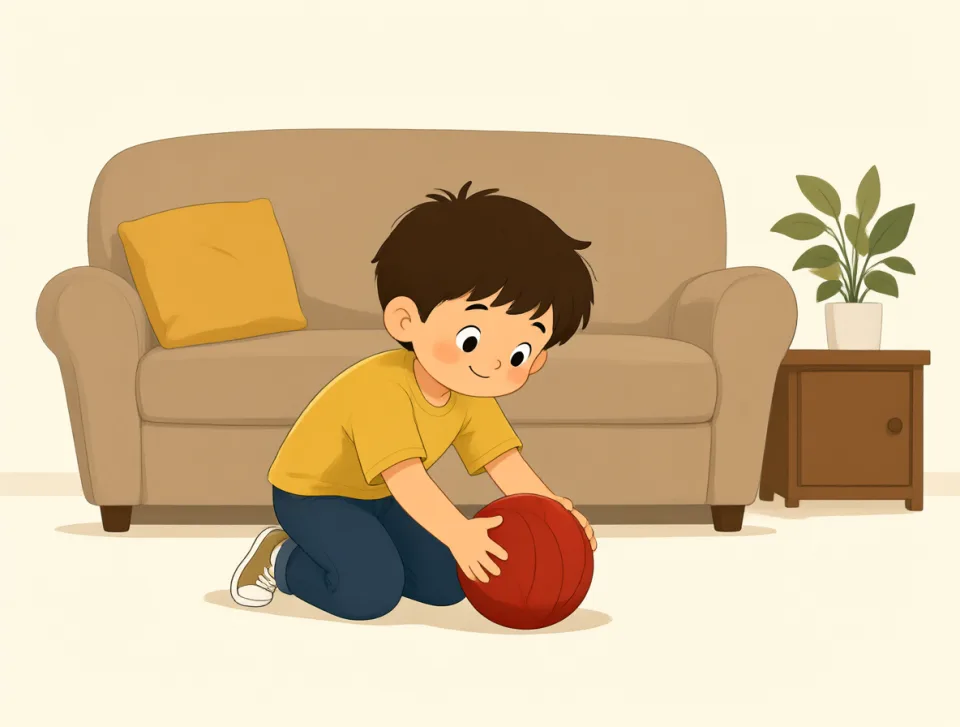
find
#81verb, noun
پیدا کردن
to discover, get, or notice something, often after looking for it
چیزی را کشف کردن، به دست آوردن یا متوجه شدن؛ معمولاً پس از جستوجو
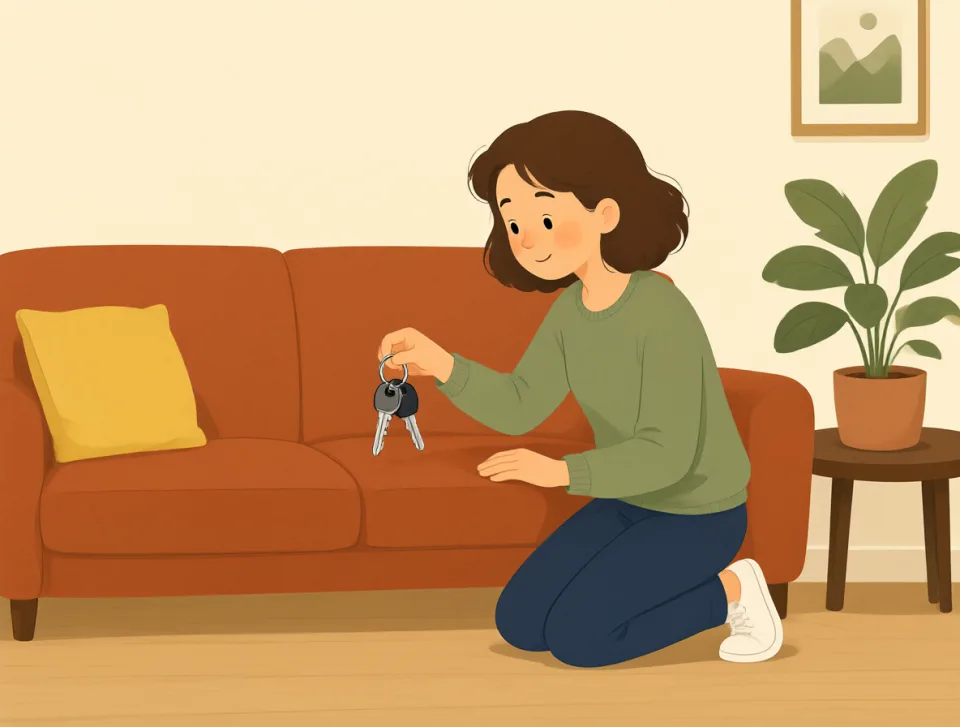
I can't find my keys anywhere.
نمیتوانم کلیدهایم را هیچجا پیدا کنم.

We found a nice hotel near the beach.
نزدیک ساحل یک هتل خوب پیدا کردیم.

She found a job at a local shop.
او در یک مغازهٔ محلی کار پیدا کرد.
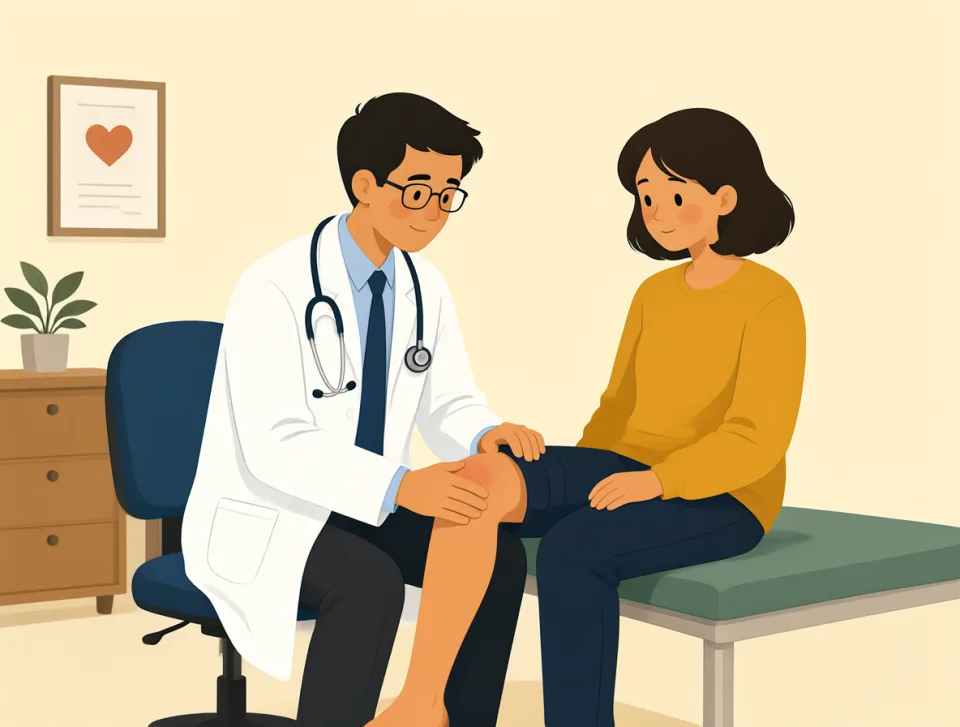
The doctor found a problem with my knee.
دکتر متوجه مشکلی در زانوی من شد.
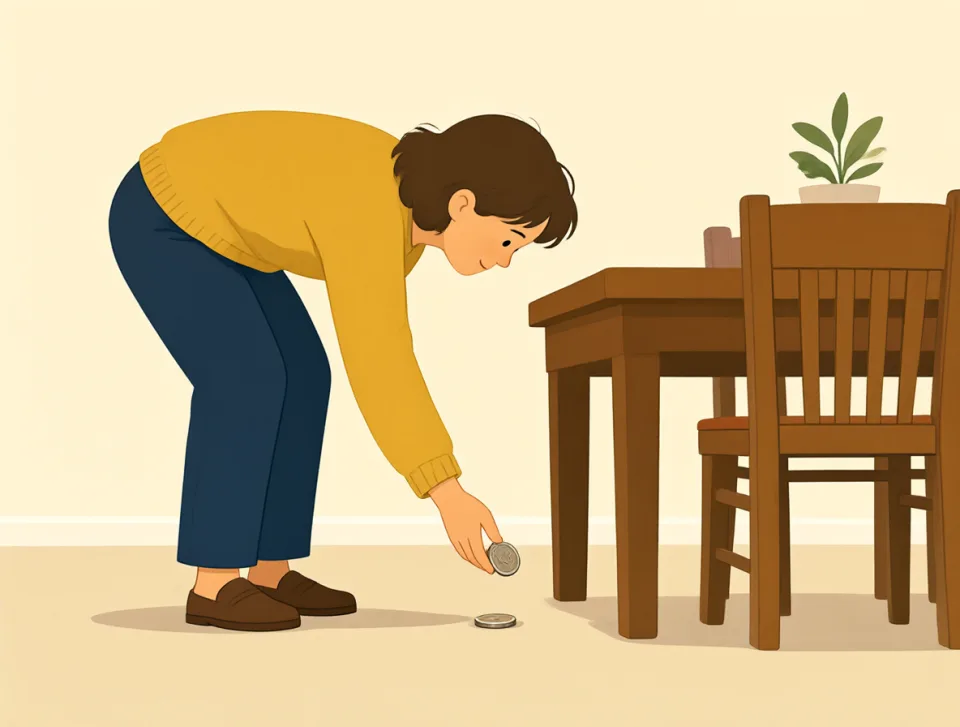
I found a coin under the table.
یک سکه زیر میز پیدا کردم.

over
#82adverb, preposition, adjective, noun
روی؛ تمامشده؛ بیش از
above or across something; finished; more than; during a period of time
بالای چیزی یا از روی آن؛ تمامشده؛ بیشتر از؛ در طول یک دورهٔ زمانی

The plane flew over the city.
هواپیما از فراز شهر پرواز کرد.

She put a blanket over the baby.
او پتویی روی نوزاد انداخت.
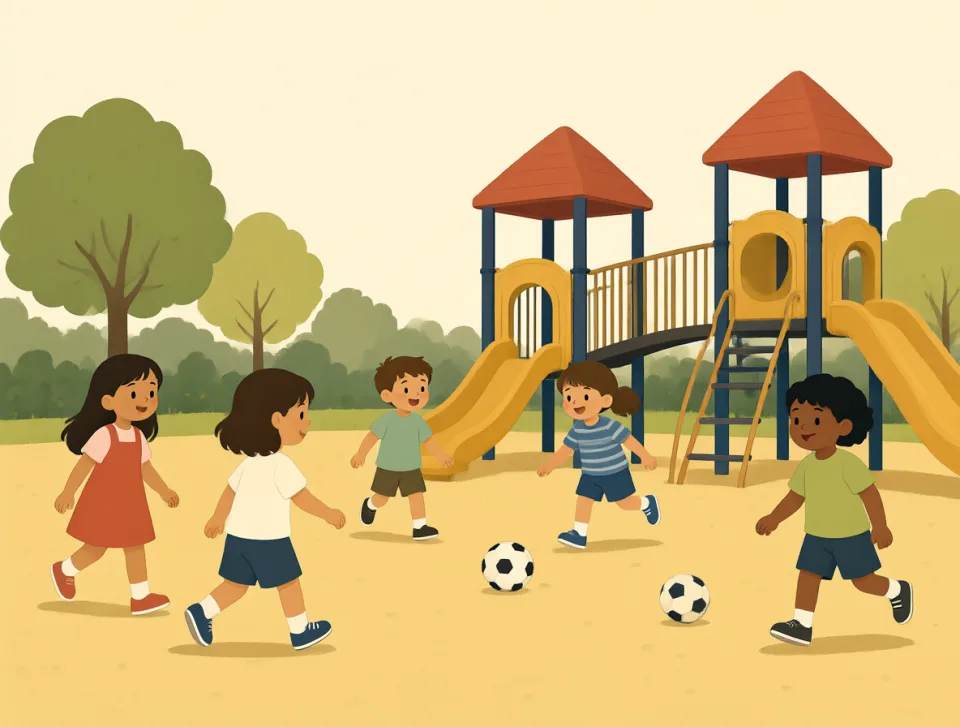
The game is over now.
بازی حالا تمام شده است.

We talked over lunch.
هنگام ناهار با هم صحبت کردیم.
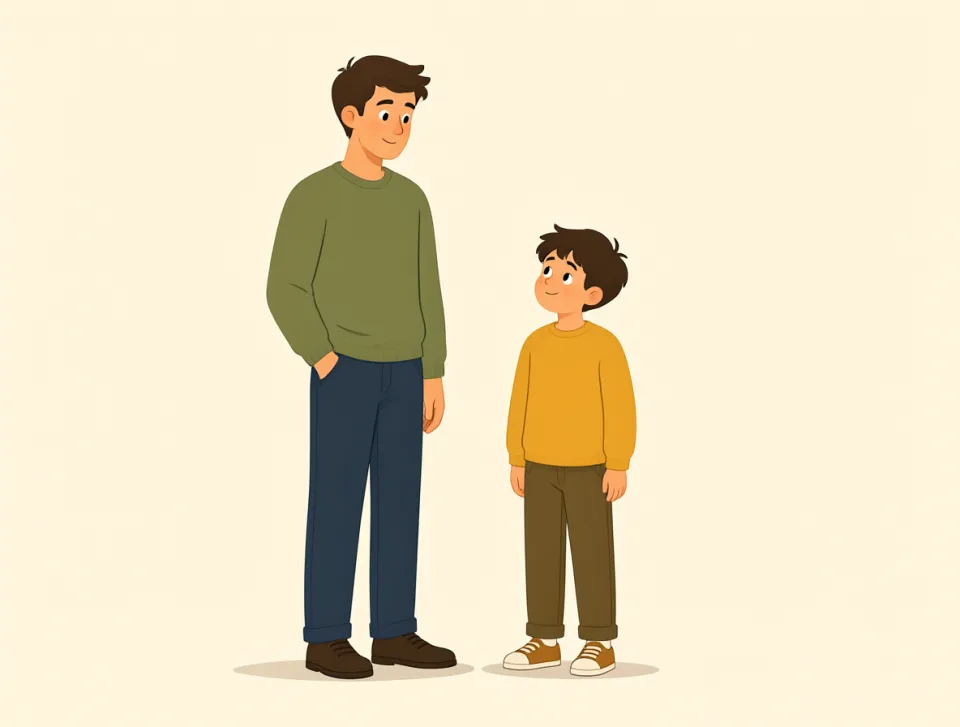
He is over six feet tall.
قد او بیش از شش فوت است.

any
#83determiner, pronoun, adverb
هیچ؛ هر؛ مقداری
One, some, or even one of a group, usually in questions or negative sentences.
یک مورد، چند مورد یا حتی یکی از اعضای یک گروه؛ معمولاً در پرسشها یا جملههای منفی به کار میرود.
Do you have any questions?
سؤالی دارید؟

I do not have any money.
هیچ پولی ندارم.

You can choose any color.
میتوانی هر رنگی را انتخاب کنی.

We did not see any birds.
هیچ پرندهای ندیدیم.

I hardly slept any last night.
دیشب تقریباً اصلاً نخوابیدم.
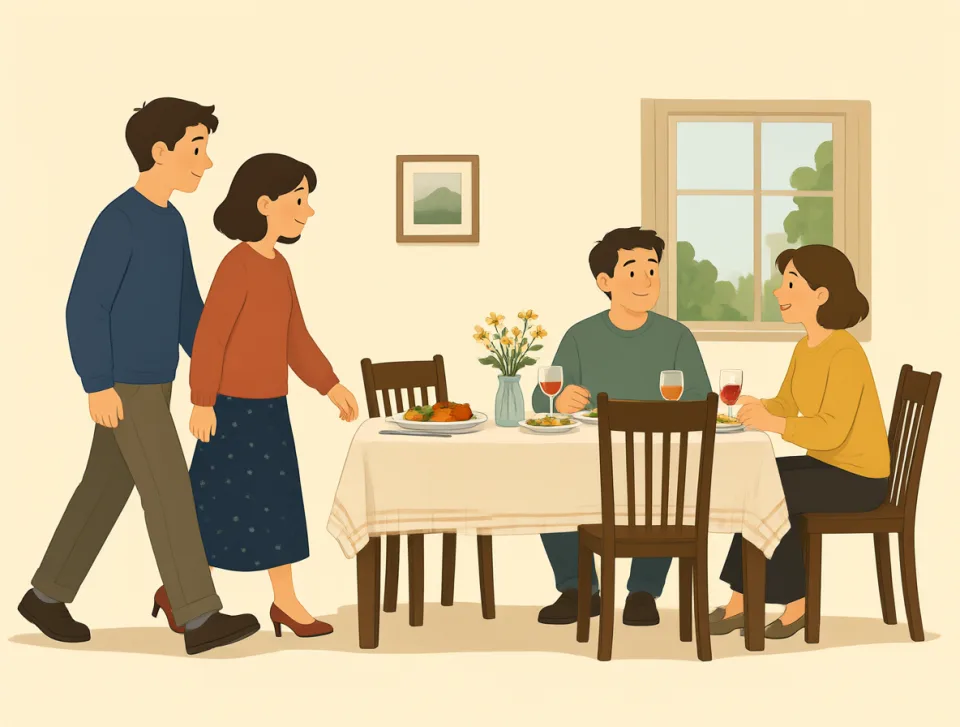
after
#84adverb, preposition, conjunction
بعد از
Later than a time or event; following someone or something.
پس از یک زمان یا رویداد؛ در پیِ کسی یا چیزی.
We went home after dinner.
بعد از شام به خانه رفتیم.

Call me after work.
بعد از کار به من زنگ بزن.
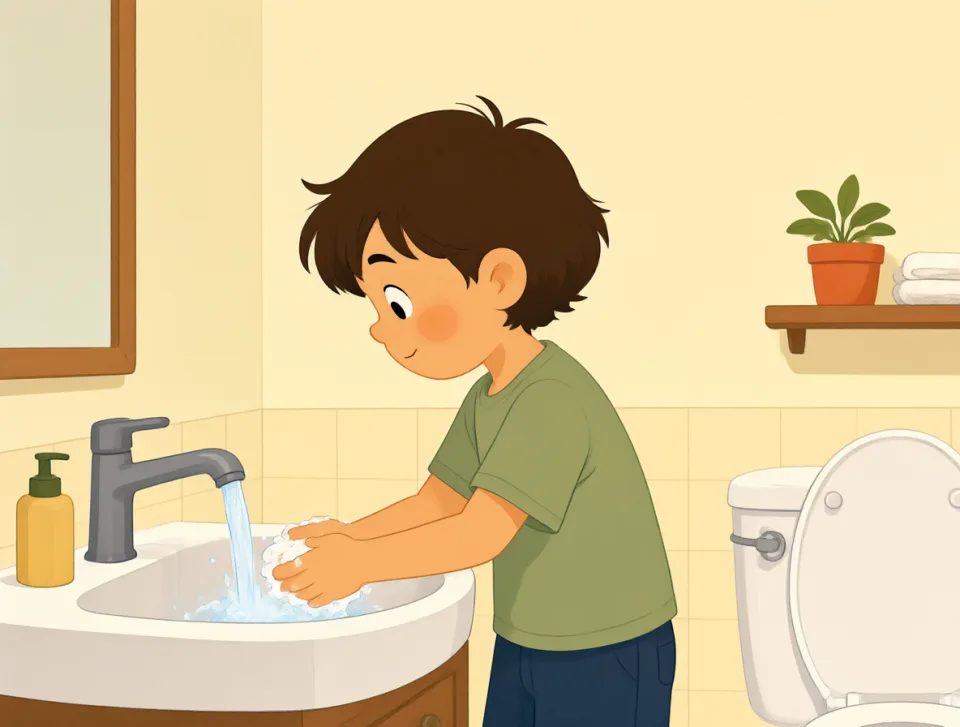
Wash your hands after using the bathroom.
بعد از استفاده از دستشویی دستهایت را بشوی.

She felt better after taking medicine.
بعد از خوردن دارو حالش بهتر شد.

After it rained, the streets were wet.
بعد از باران، خیابانها خیس بودند.

day
#85noun, adjective
روز
A period of twenty-four hours, from midnight to midnight.
یک دورهٔ بیستوچهارساعته، از نیمهشب تا نیمهشب.
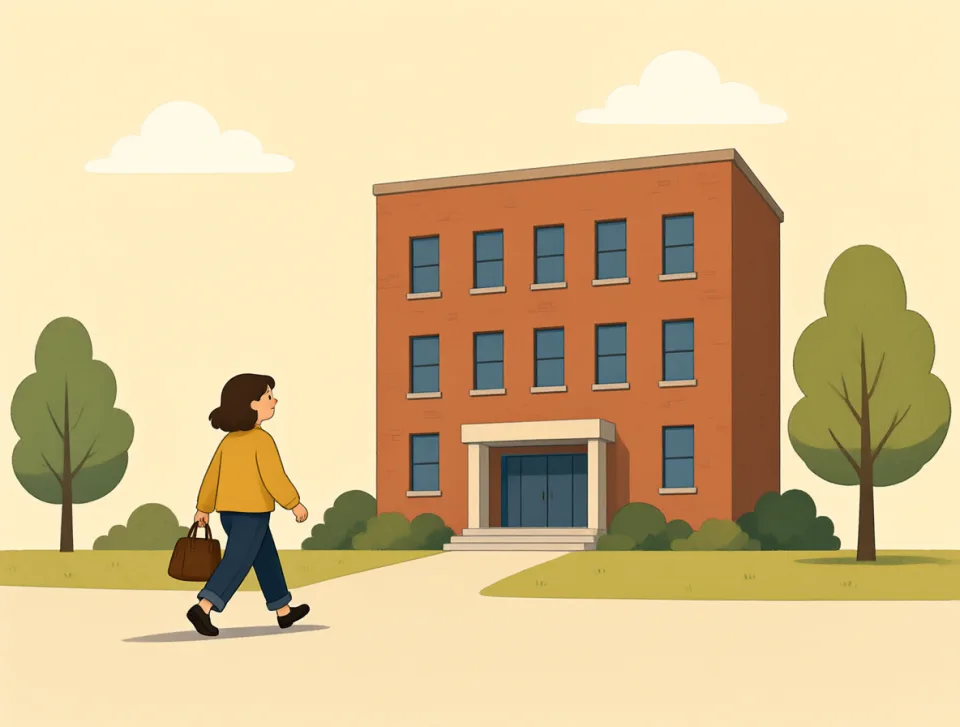
I go to work every day.
هر روز به سر کار میروم.

We had a great day at the beach.
روز خیلی خوبی را در ساحل گذراندیم.

She stayed home all day.
او تمام روز در خانه ماند.
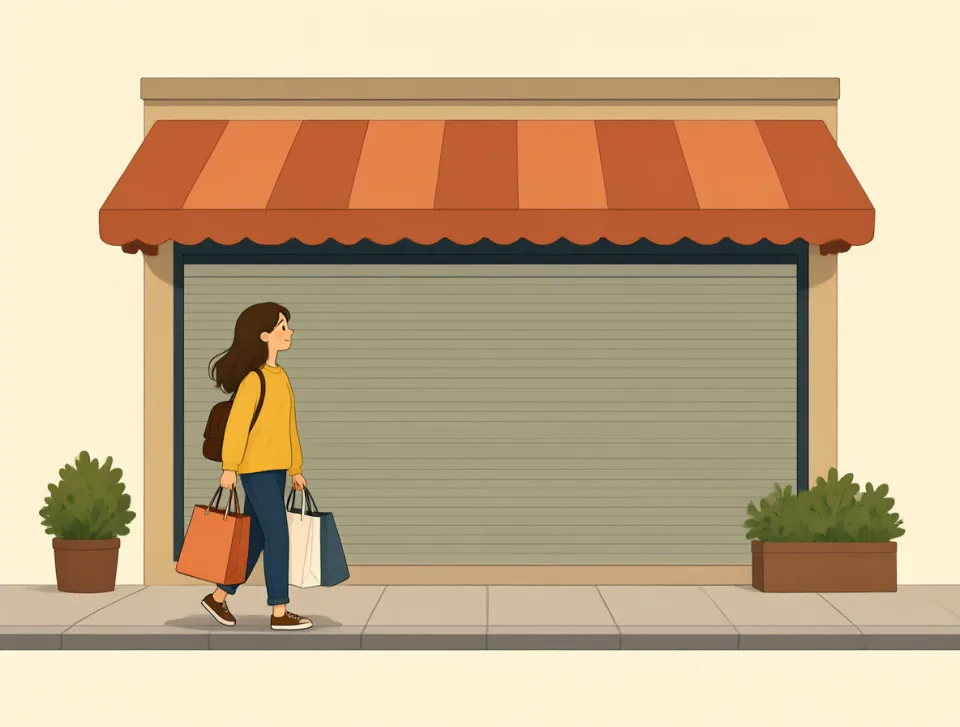
The store is closed on Sundays.
فروشگاهها یکشنبهها تعطیل هستند.
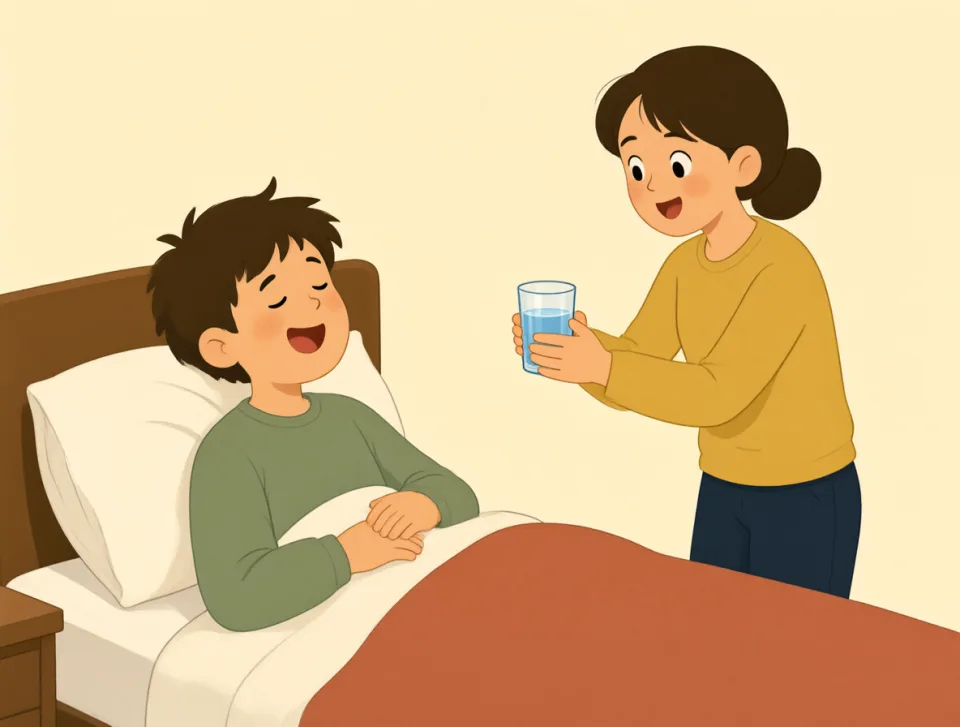
I felt better after a few days.
بعد از چند روز حالم بهتر شد.
where
#86adverb, conjunction, pronoun
کجا
Used to ask about or describe the place or situation something is in.
برای پرسیدن یا توصیف مکانی یا موقعیتی که چیزی در آن قرار دارد به کار میرود.
Where do you live?
کجا زندگی میکنی؟

This is where we met last year.
اینجا همان جایی است که پارسال همدیگر را دیدیم.
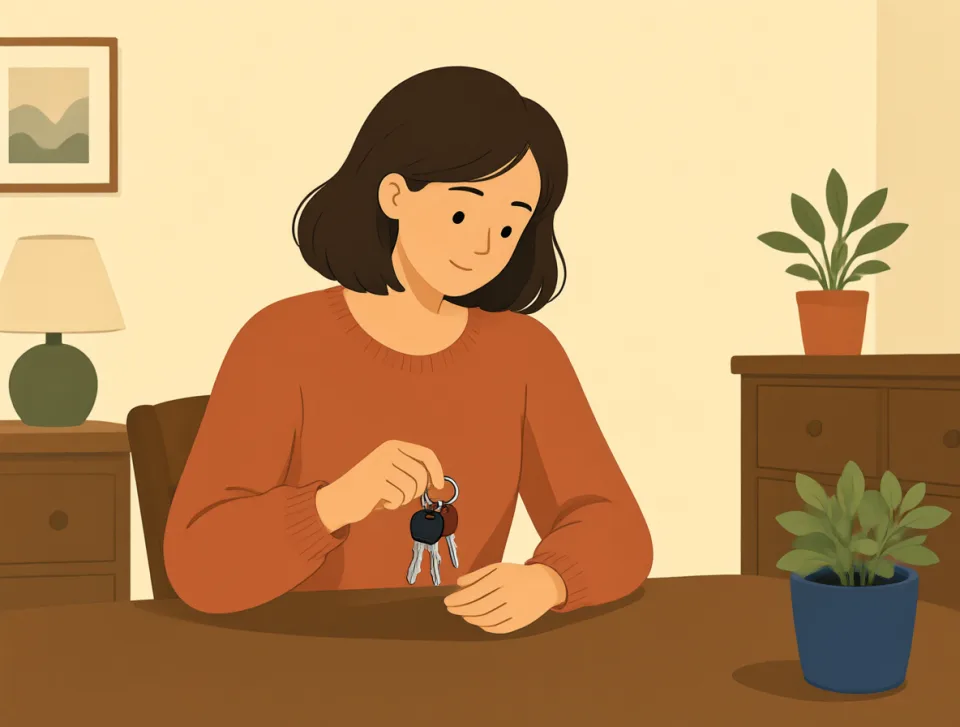
Do you know where my keys are?
میدانی کلیدهایم کجا هستند؟
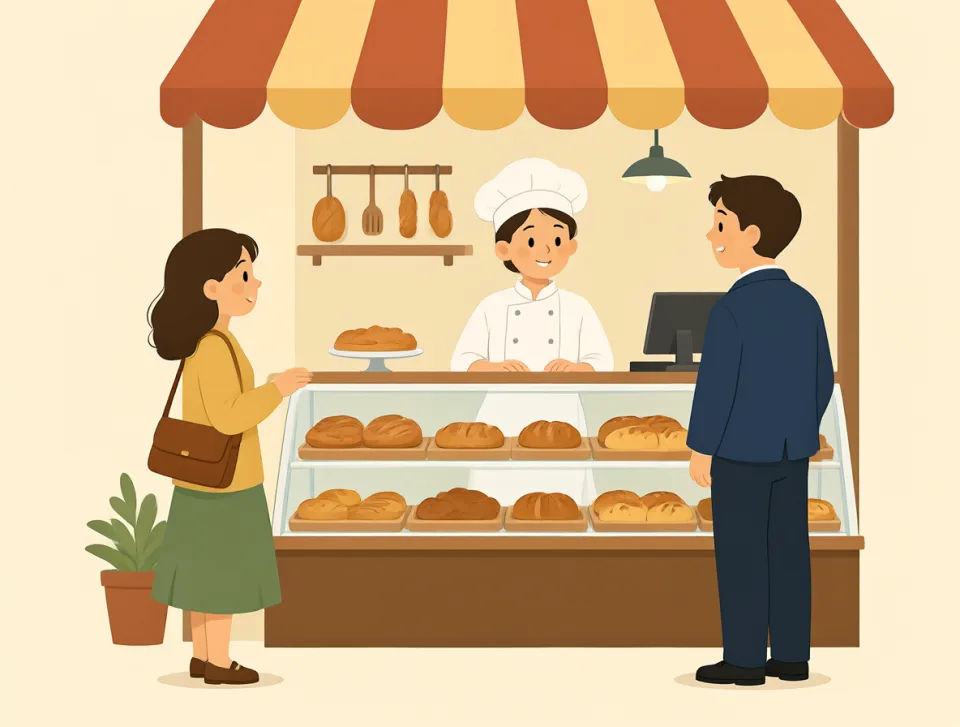
Tell me where to buy fresh bread.
بگو نان تازه را از کجا بخرم.
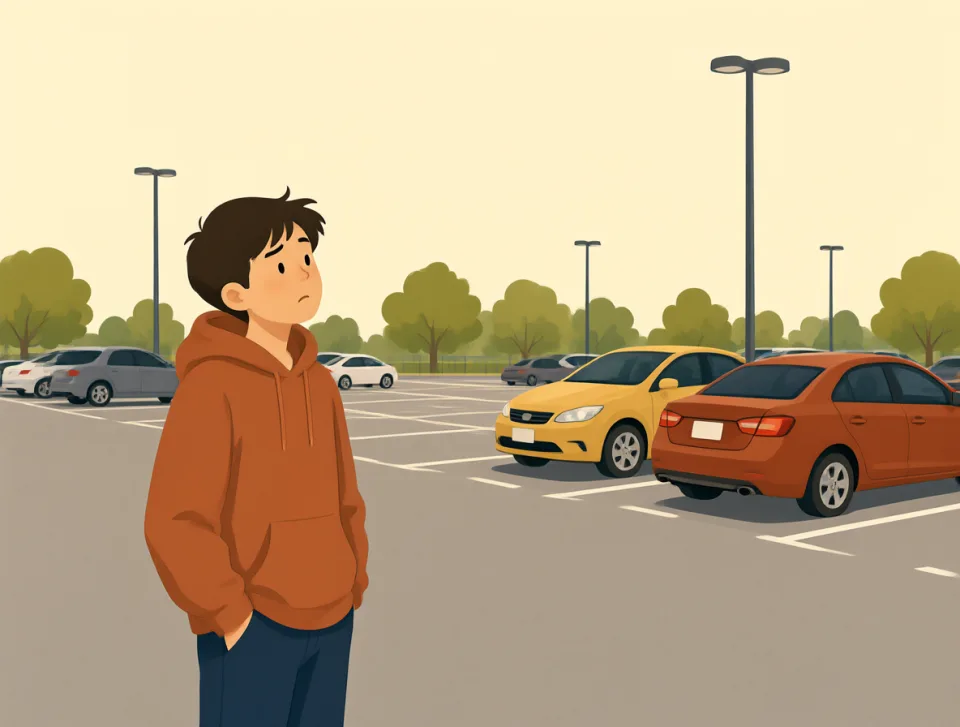
I forgot where I parked the car.
یادم رفت ماشین را کجا پارک کردم.
thing
#87noun
چیز
An object, idea, or event that you do not name or describe exactly.
شیء، ایده یا رویدادی که نام یا توصیف دقیقی برایش نمیآورید.
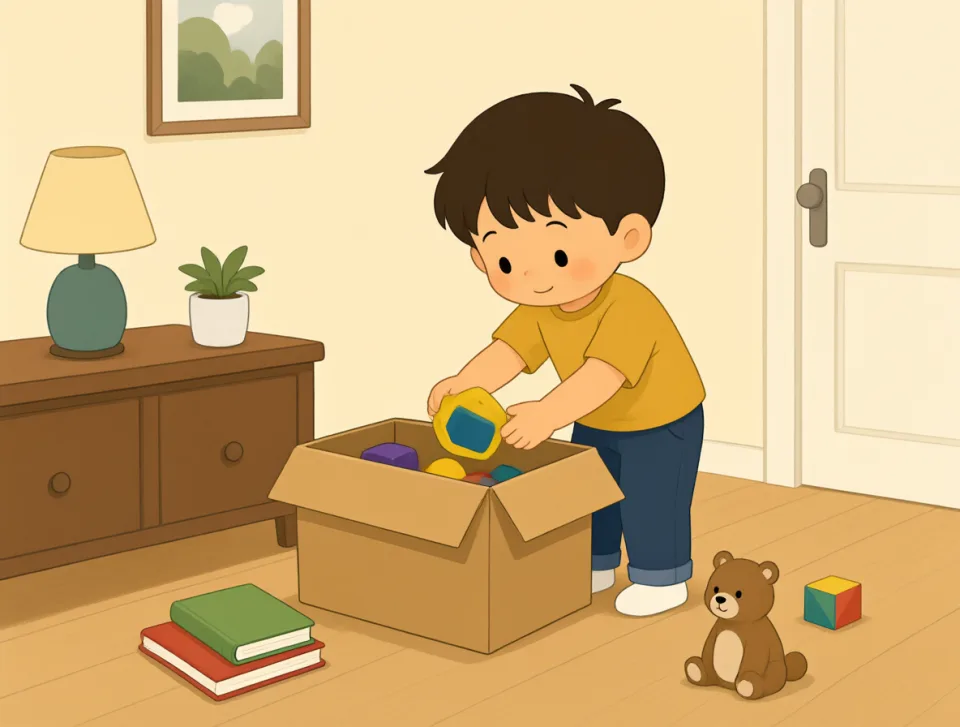
Put your things away before dinner.
قبل از شام وسایلت را جمعوجور کن.

The best thing is to ask for help.
بهترین کار این است که کمک بخواهی.
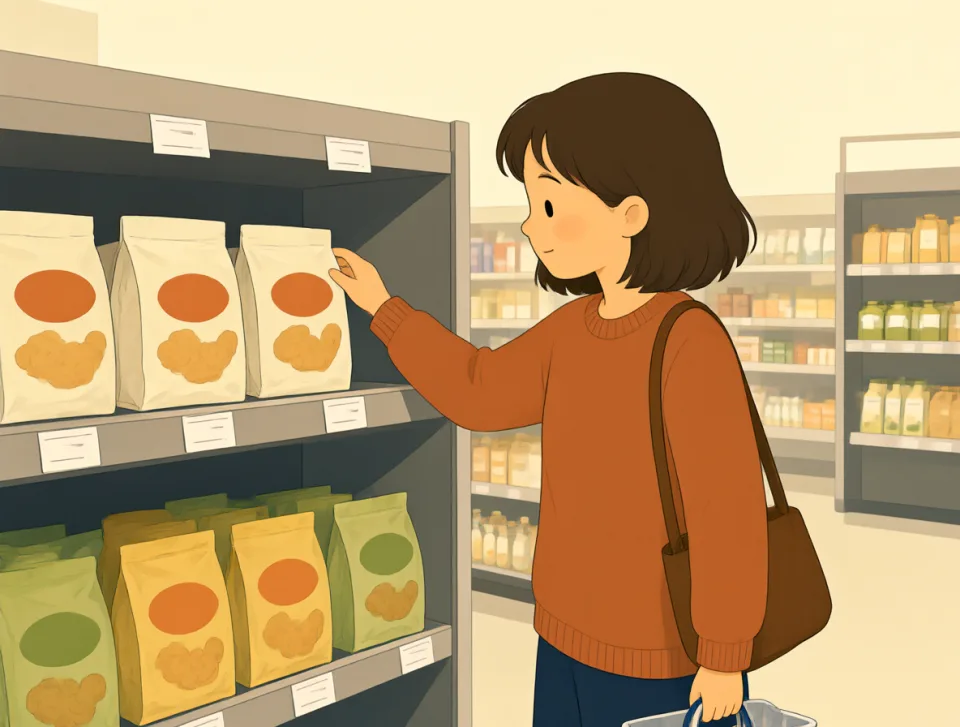
I need a few things from the store.
چند قلم جنس از فروشگاه لازم دارم.

One strange thing happened on the train.
یک اتفاق عجیب در قطار افتاد.
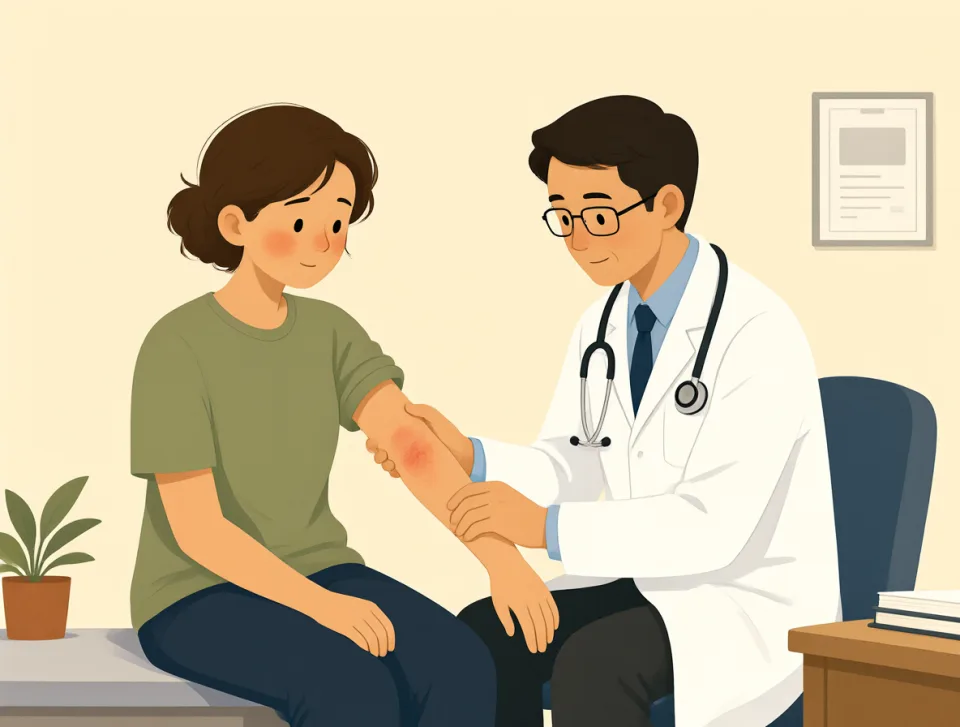
The doctor checked the painful thing on my arm.
دکتر آن قسمت دردناک روی بازویم را معاینه کرد.

most
#88determiner, pronoun, adverb, adjective
بیشترِ
More than half of a group or amount; the greatest number or amount.
بیش از نیمی از یک گروه یا مقدار؛ یا بزرگترین تعداد یا مقدار.
Most people drink coffee in the morning.
بیشتر مردم صبحها قهوه مینوشند.
Most of the cake is gone.
بیشتر کیک تمام شده است.

She works most days of the week.
او بیشتر روزهای هفته کار میکند.

Which color do you like most?
کدام رنگ را بیشتر دوست داری؟
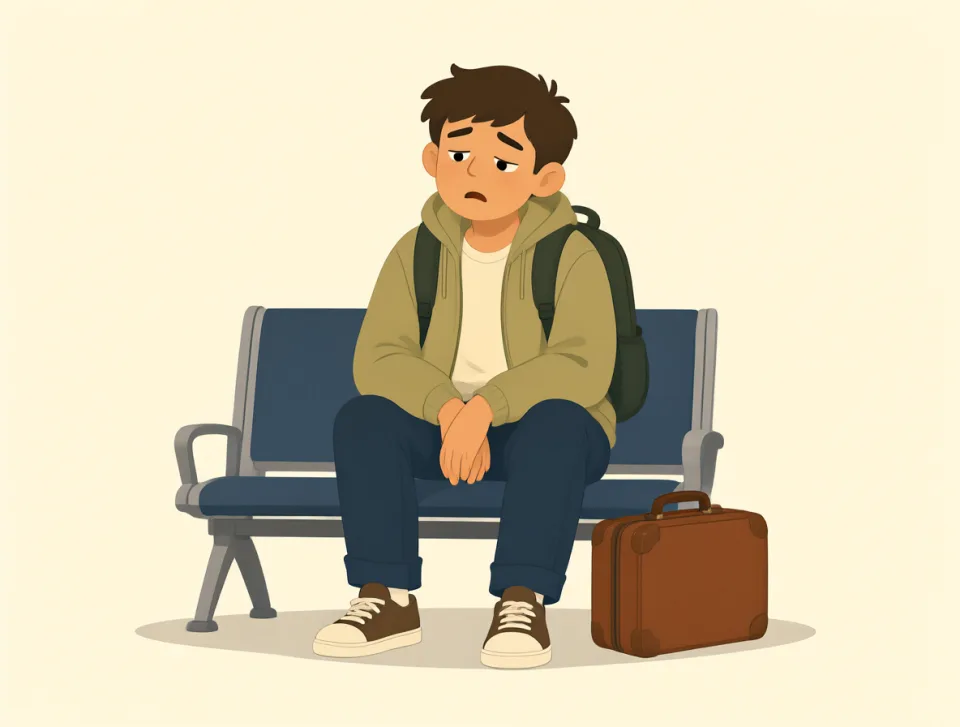
I was most tired after the long flight.
بعد از پرواز طولانی از همه بیشتر خسته بودم.

should
#89modal verb
باید
Used to say what is best, expected, or likely to happen.
برای بیان اینکه چه کاری بهتر است، انتظار میرود یا احتمالاً رخ میدهد، به کار میرود.
You should drink more water every day.
باید هر روز آب بیشتری بنوشی.
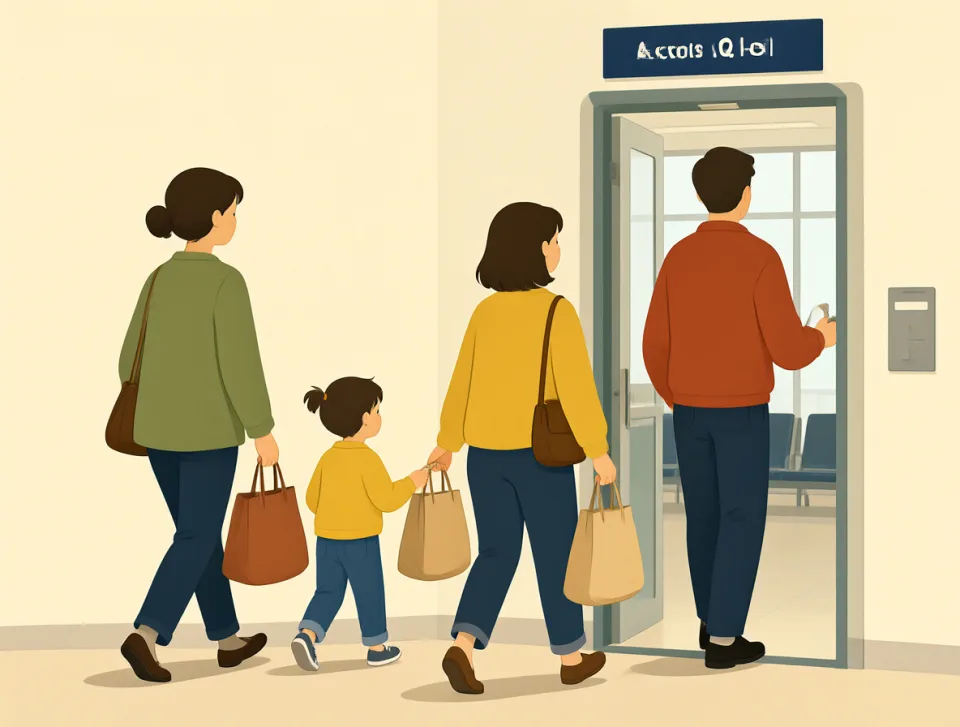
We should leave now for the airport.
باید همین حالا بهسمت فرودگاه راه بیفتیم.

Should I call the doctor today?
امروز باید به دکتر زنگ بزنم؟

You should try the vegetable soup.
باید سوپ سبزیجات را امتحان کنی.
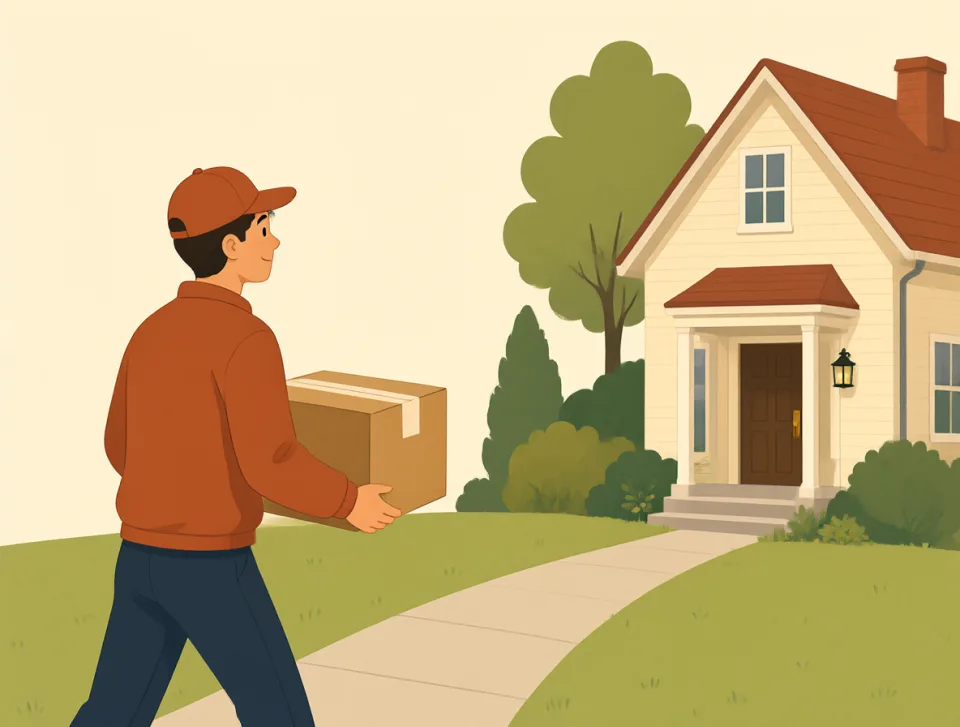
The package should arrive tomorrow.
بسته باید فردا برسد.
need
#90verb, noun
نیاز داشتن
To require something or feel that something is necessary.
به چیزی احتیاج داشتن یا احساس کردن که چیزی لازم است.
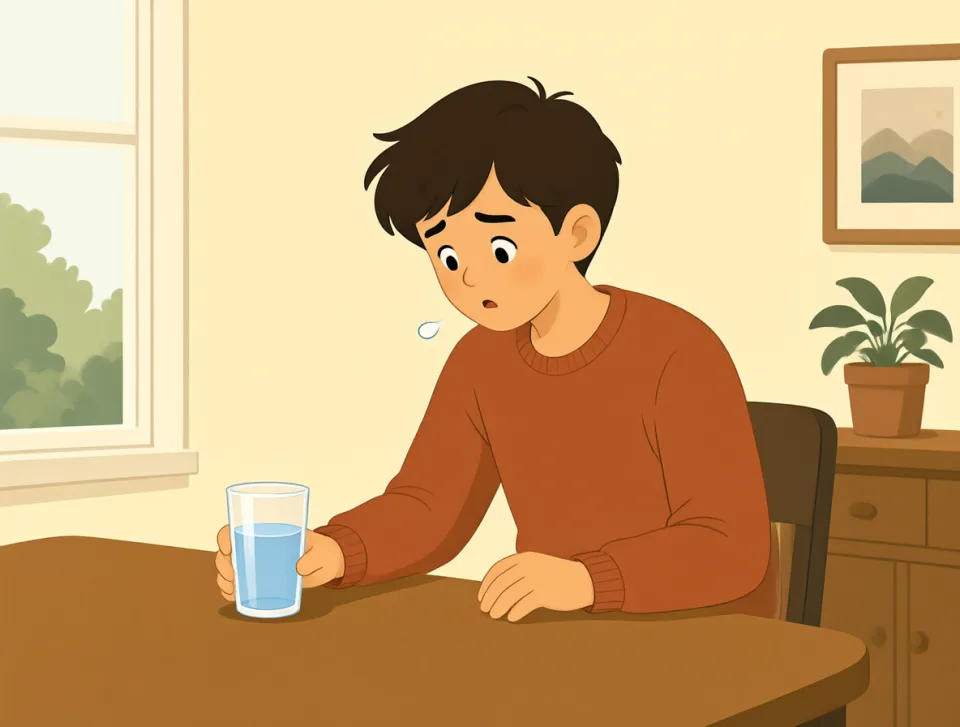
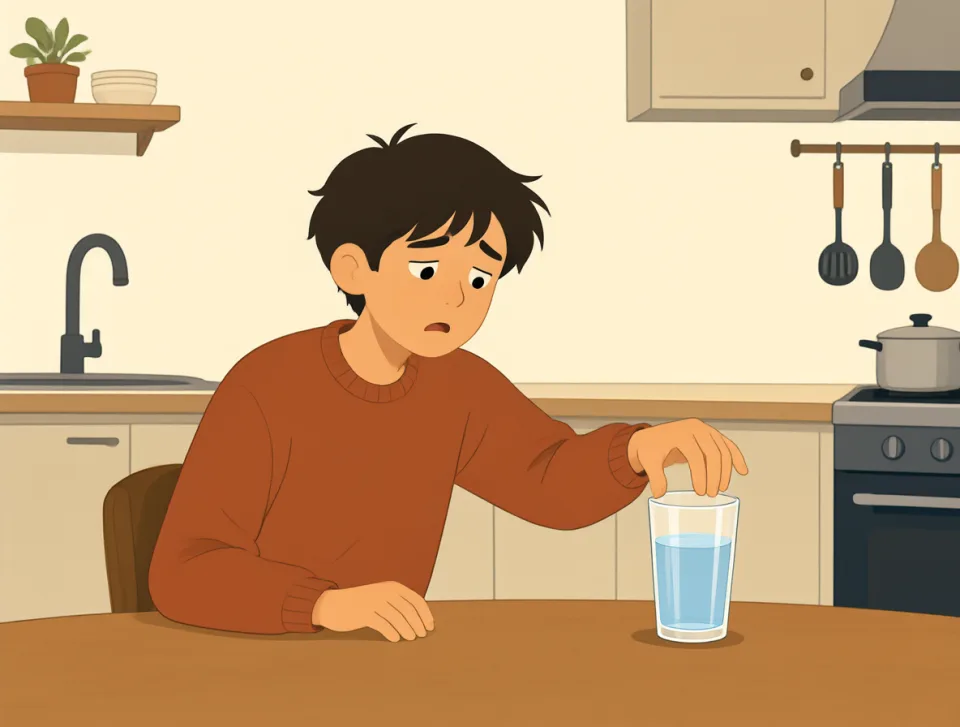
I need some water, please.
لطفاً کمی آب میخواهم.
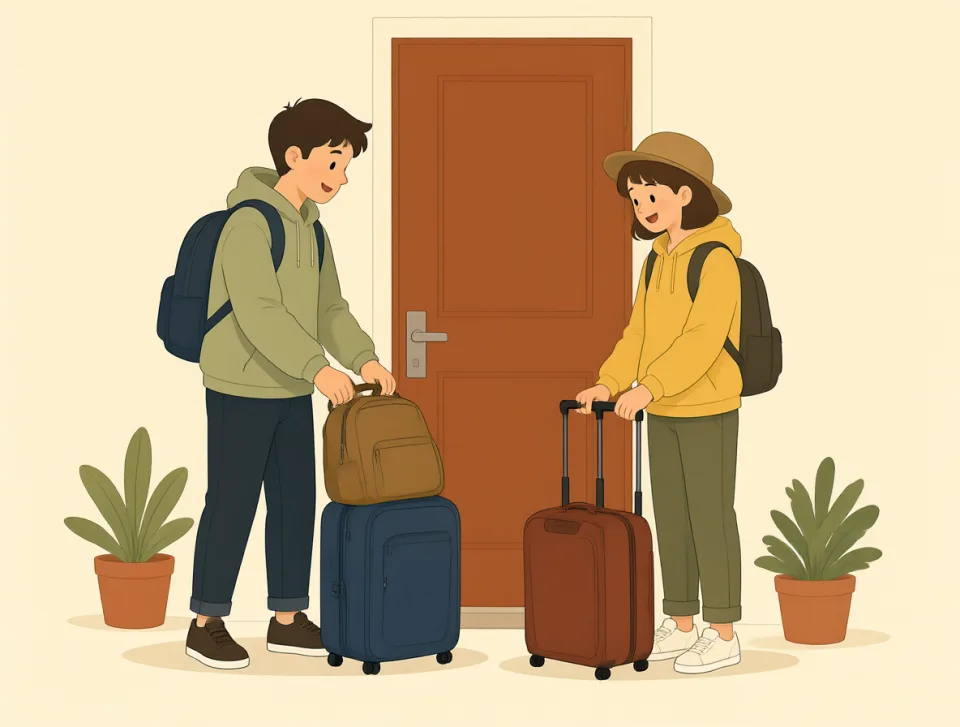
We need to leave early tomorrow.
باید فردا زود راه بیفتیم.

She needs help with her homework.
او برای انجام تکالیفش به کمک نیاز دارد.

Do you need anything from the shop?
از مغازه چیزی لازم داری؟

The baby needs a warm blanket.
این نوزاد به یک پتوی گرم نیاز دارد.
much
#91adverb, determiner, pronoun
زیاد
A large amount or a lot; used mostly in questions and negative sentences.
مقدار زیاد؛ بیشتر در پرسشها و جملههای منفی به کار میرود.
I don't have much time today.
امروز وقت زیادی ندارم.
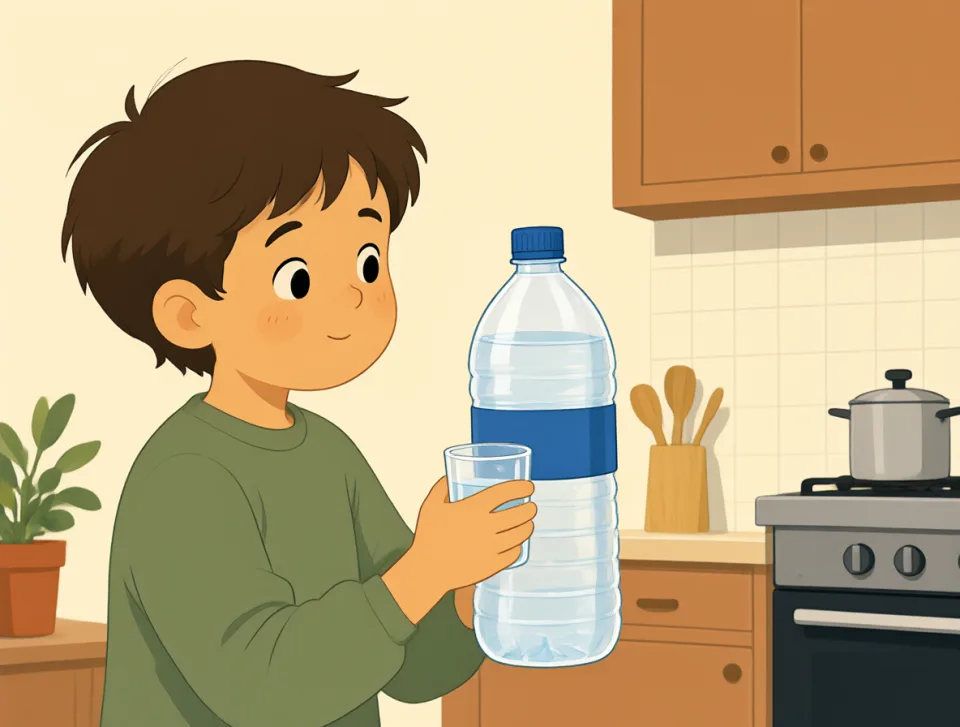
How much water do you drink?
چقدر آب مینوشی؟
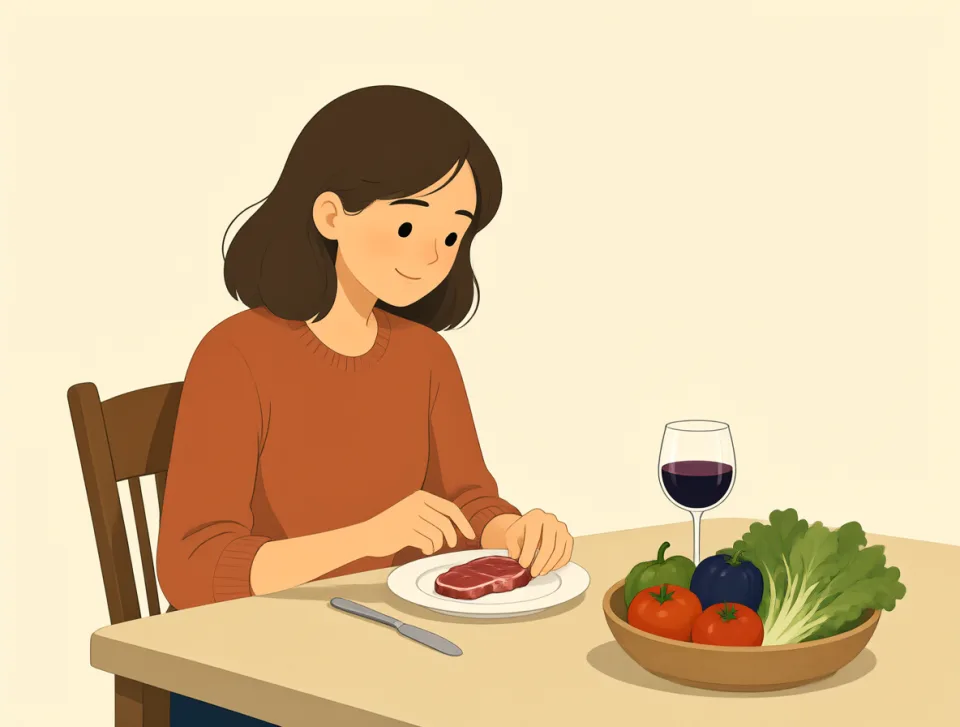
She doesn't eat much meat.
او گوشت زیادی نمیخورد.

Thank you very much for your help.
از کمکتان خیلی ممنونم.

We learned much from our teacher.
ما از معلممان چیزهای زیادی یاد گرفتیم.
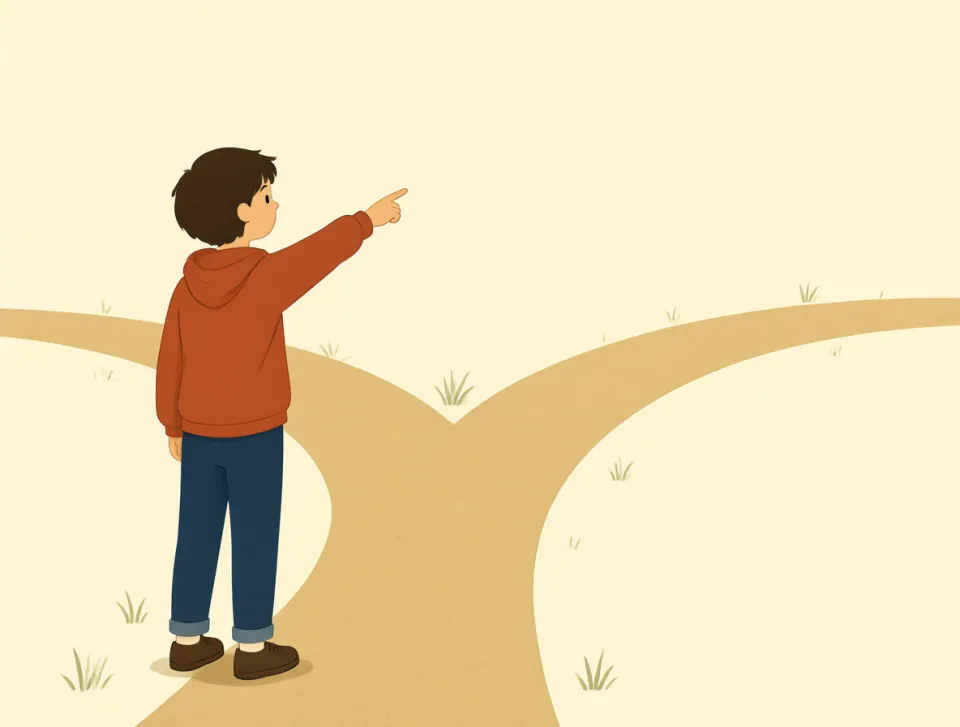
right
#92adjective, adverb, noun
درست؛ راست
Correct, or on the side opposite your left hand.
درست یا در سمتی که مقابل دست چپ شماست.

Your answer is right.
جوابت درست است.
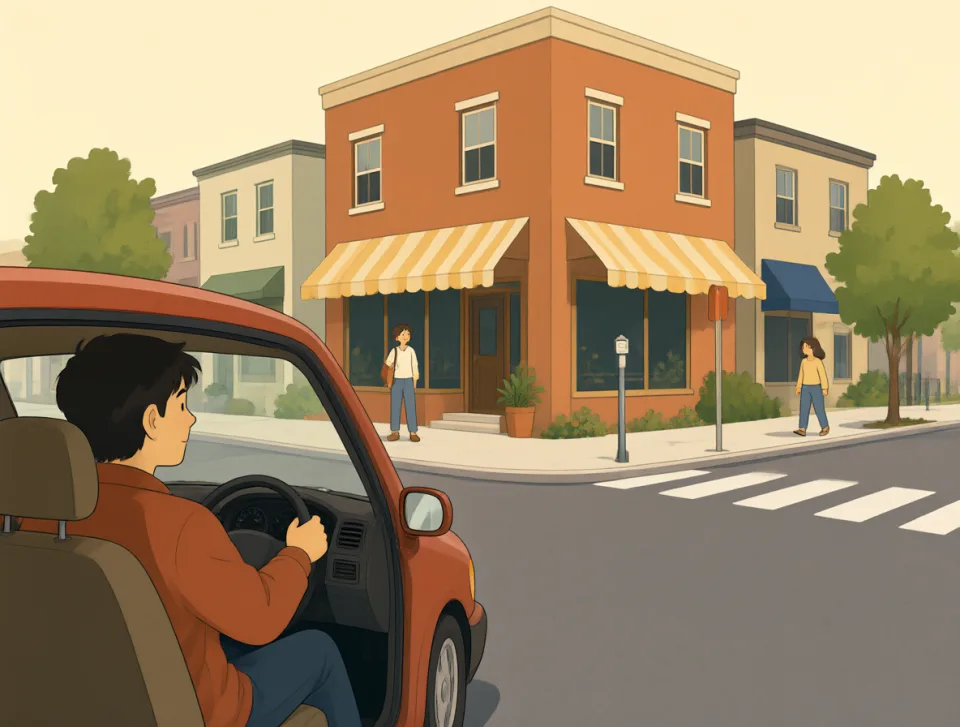
Please turn right at the next street.
لطفاً سر خیابان بعدی به راست بپیچید.

I need to leave right now.
باید همین الان بروم.

The bank is on the right.
بانک سمت راست است.

You have the right to ask questions.
حق دارید سؤال بپرسید.

how
#93adverb, conjunction, pronoun
چطور؛ چگونه
Used to ask or explain the way something happens or is done.
برای پرسیدن یا توضیح دادن اینکه چیزی به چه شکل اتفاق میافتد یا انجام میشود، به کار میرود.
How are you feeling today?
امروز حالت چطور است؟
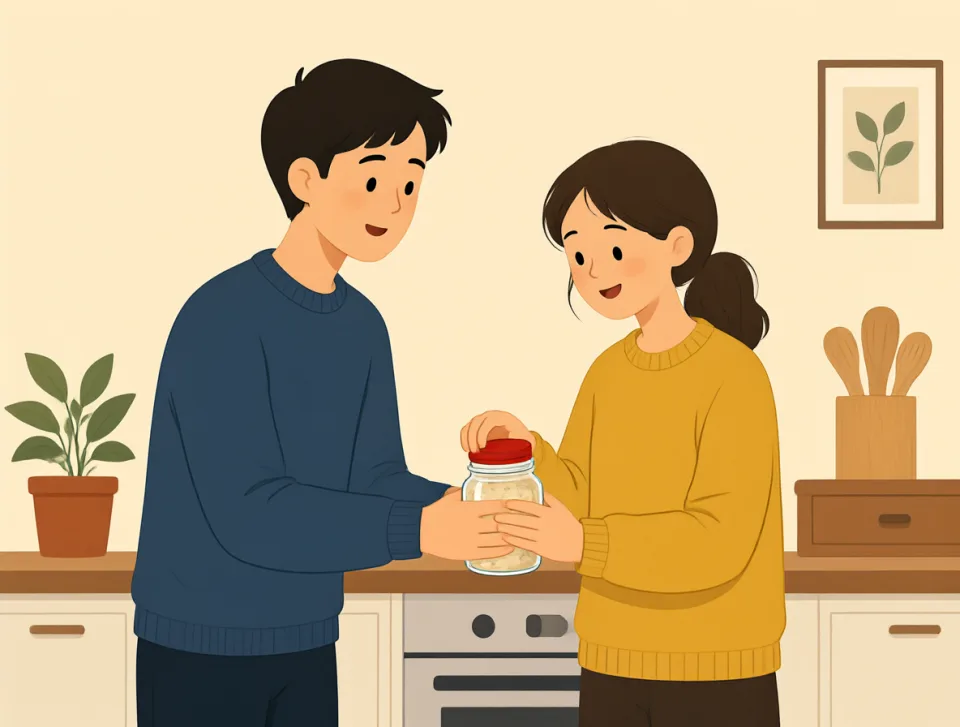
Can you show me how to open it?
میتوانی نشانم بدهی چطور بازش کنم؟
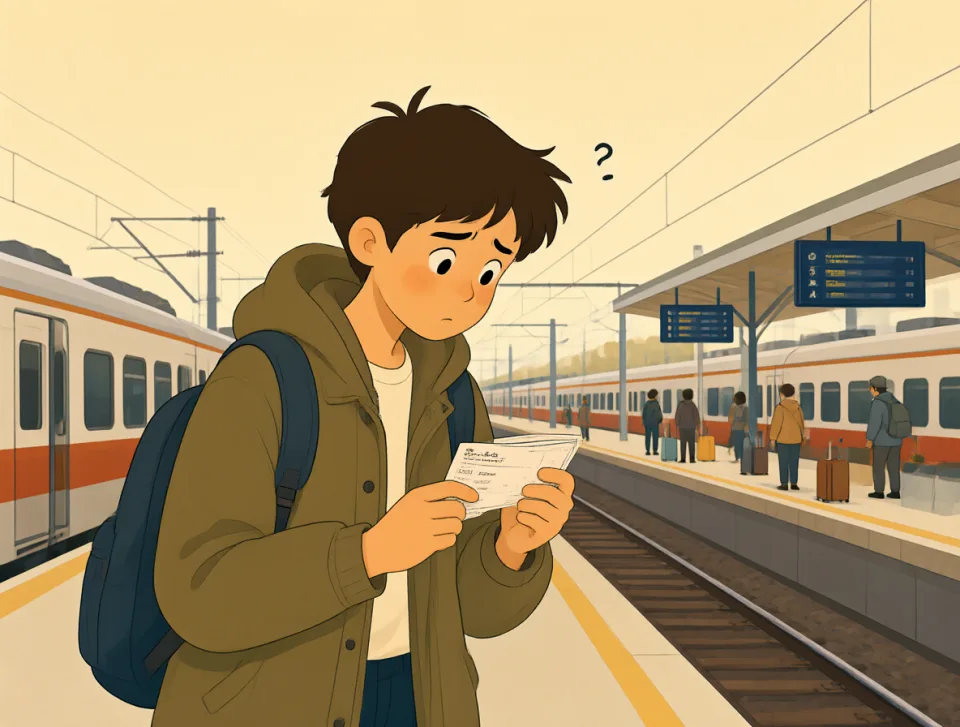
I forgot how much the tickets cost.
یادم رفت بلیتها چقدر قیمت داشتند.
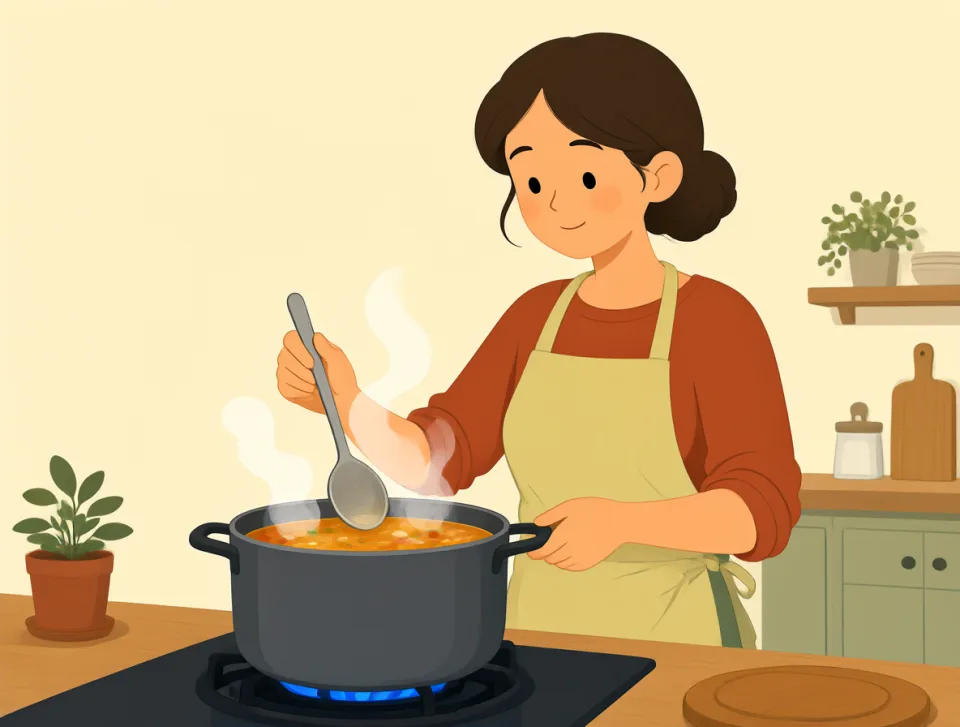
She knows how to make good soup.
او بلد است سوپ خوشمزه درست کند.

How did you get home so late?
چطور اینقدر دیر به خانه رسیدی؟

back
#94noun, verb, adjective, adverb, preposition
پشت؛ عقب
The part of your body opposite your chest, or toward the place you came from.
بخشی از بدن که در سمت مقابل سینه قرار دارد؛ یا بهسمت جایی که از آن آمدهاید.
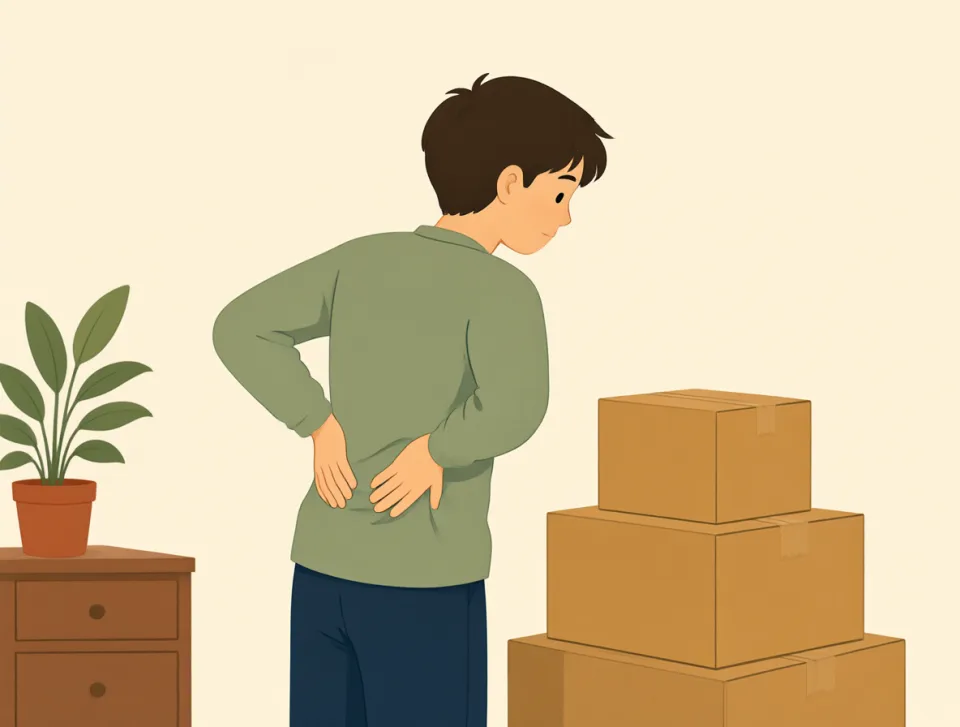
My back hurts after carrying the boxes.
بعد از حمل جعبهها، پشتم درد میکند.

Please put the book back on the shelf.
لطفاً کتاب را دوباره سر جایش در قفسه بگذارید.

We walked back to the hotel after dinner.
بعد از شام پیاده به هتل برگشتیم.
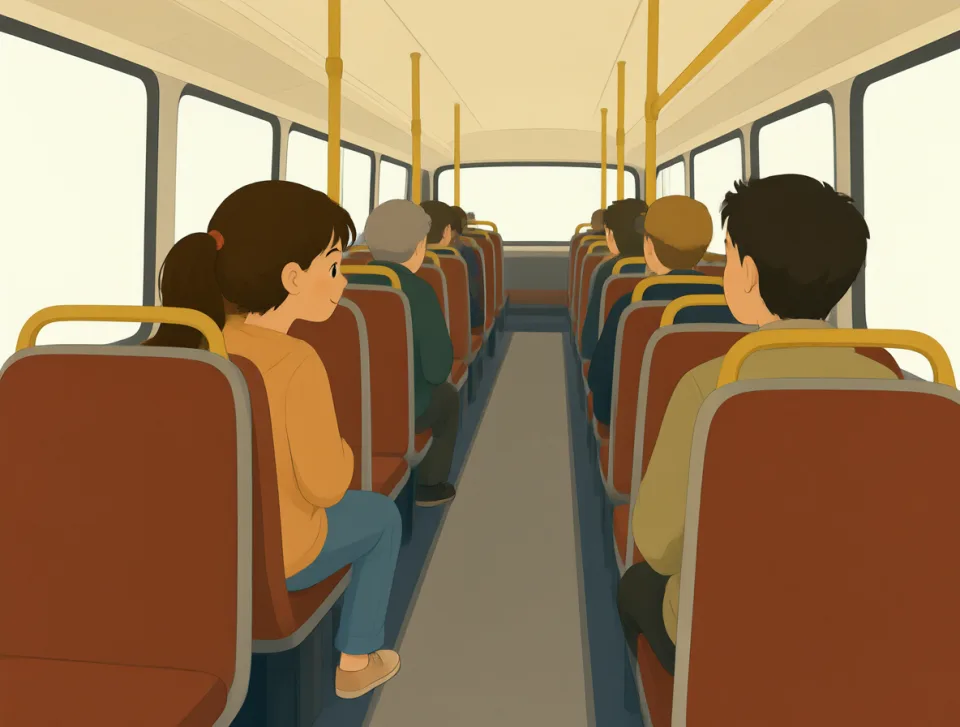
She sat in the back of the bus.
او عقب اتوبوس نشست.

He backed the car into the garage.
او ماشین را دندهعقب وارد گاراژ کرد.
mean
#95verb, adjective, noun
منظور داشتن؛ معنی دادن
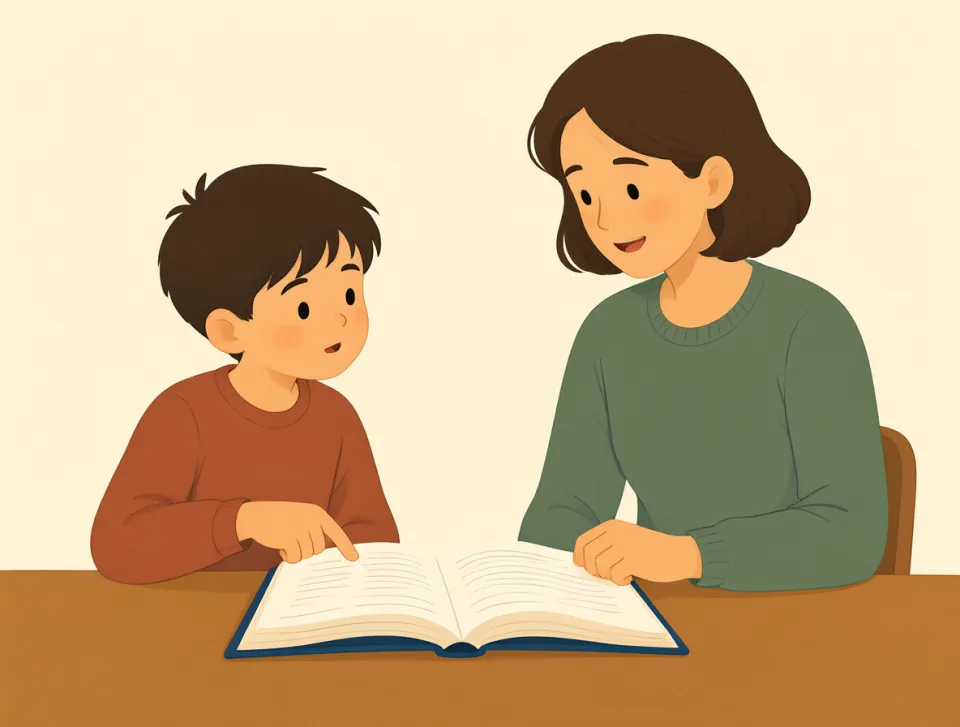
To mean is to have a particular meaning or intend to say something.
mean یعنی معنای خاصی داشتن یا قصد داشتن چیزی را گفتن.
What does this word mean?
این کلمه یعنی چه؟

I mean we should leave now.
منظورم این است که باید همین حالا برویم.

This gift means a lot to me.
این هدیه برای من خیلی ارزش دارد.
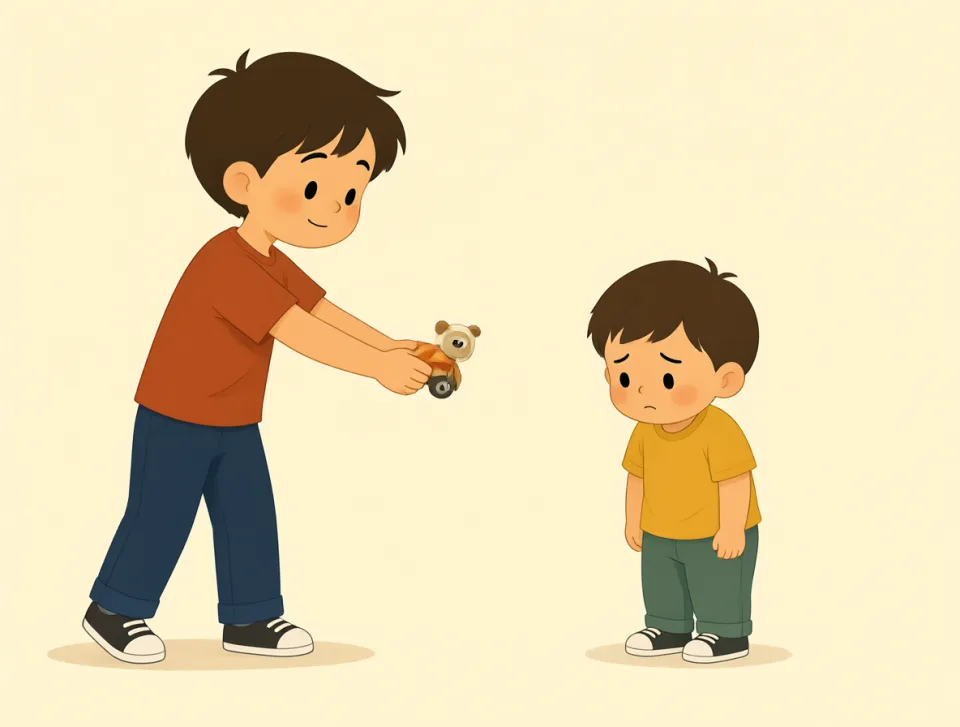
He was mean to his little brother.
او با برادر کوچکش بدرفتاری میکرد.
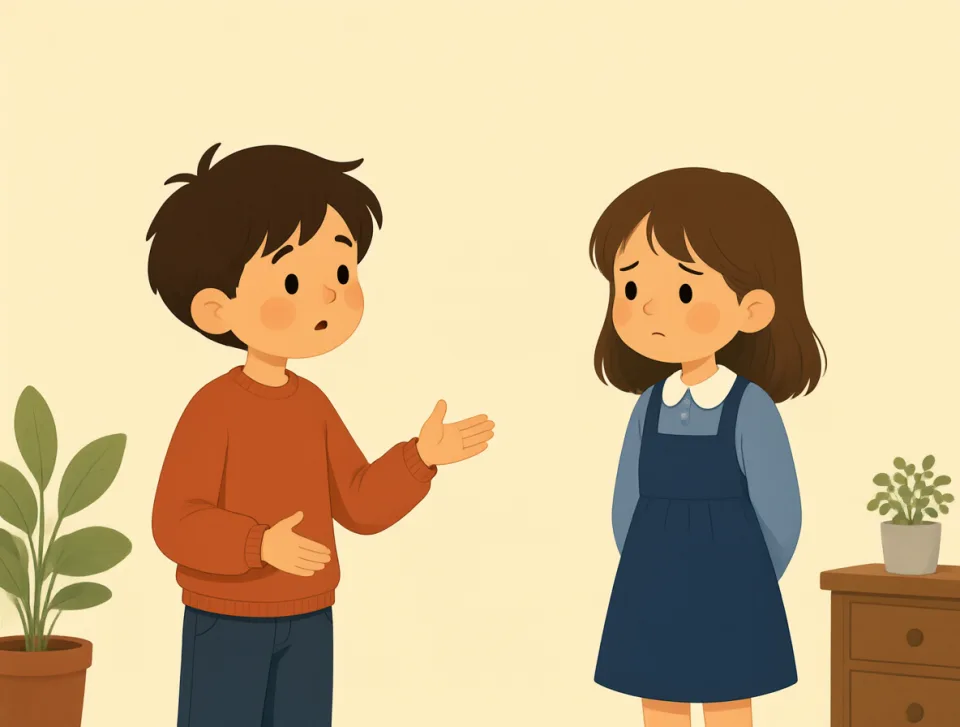
That was a mean joke.
آن شوخی بیرحمانه بود.

even
#96adverb, adjective, verb
حتی
Used to show something surprising, equal, flat, or fair.
برای نشاندادن چیزی غیرمنتظره، برابر، صاف یا منصفانه به کار میرود.
Even my brother likes this song.
حتی برادرم هم این آهنگ را دوست دارد.

She was tired, but she even finished the work.
خسته بود، اما بااینحال کار را تمام کرد.
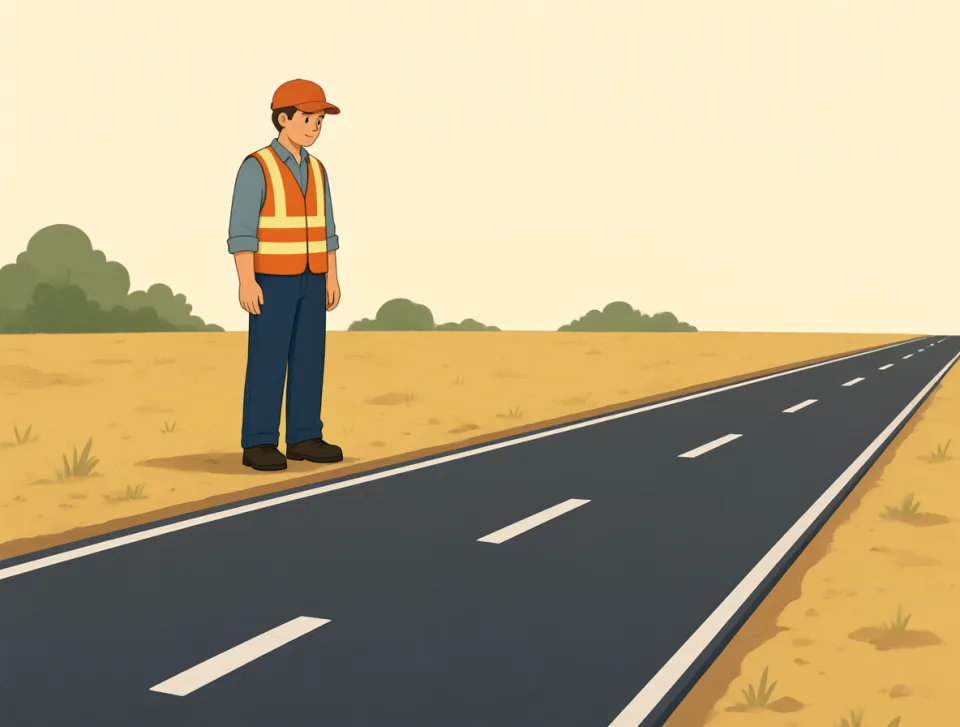
The road is even after the repairs.
بعد از تعمیرات، جاده صاف است.
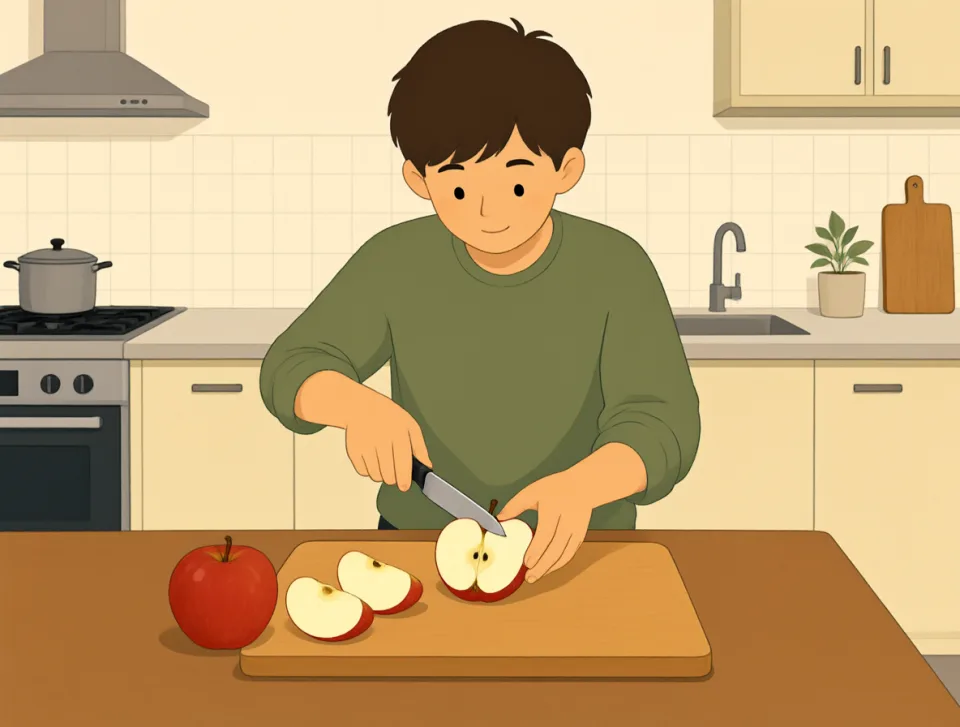
Cut the apple into even pieces.
سیب را به تکههای هماندازه ببُر.

We played on an even team.
در یک تیم متعادل بازی کردیم.
may
#97modal verb, noun
ممکن است؛ اجازه داشتن
Used to say that something is possible or to ask for permission.
برای گفتن اینکه چیزی ممکن است یا برای اجازهگرفتن به کار میرود.
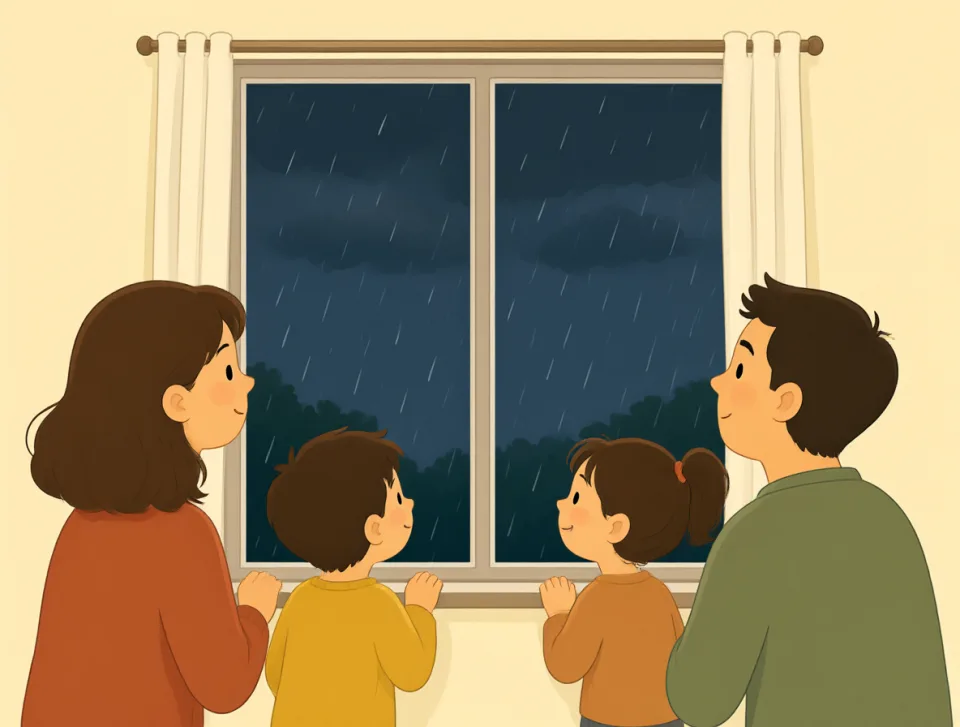
It may rain this afternoon.
ممکن است امروز بعدازظهر باران ببارد.
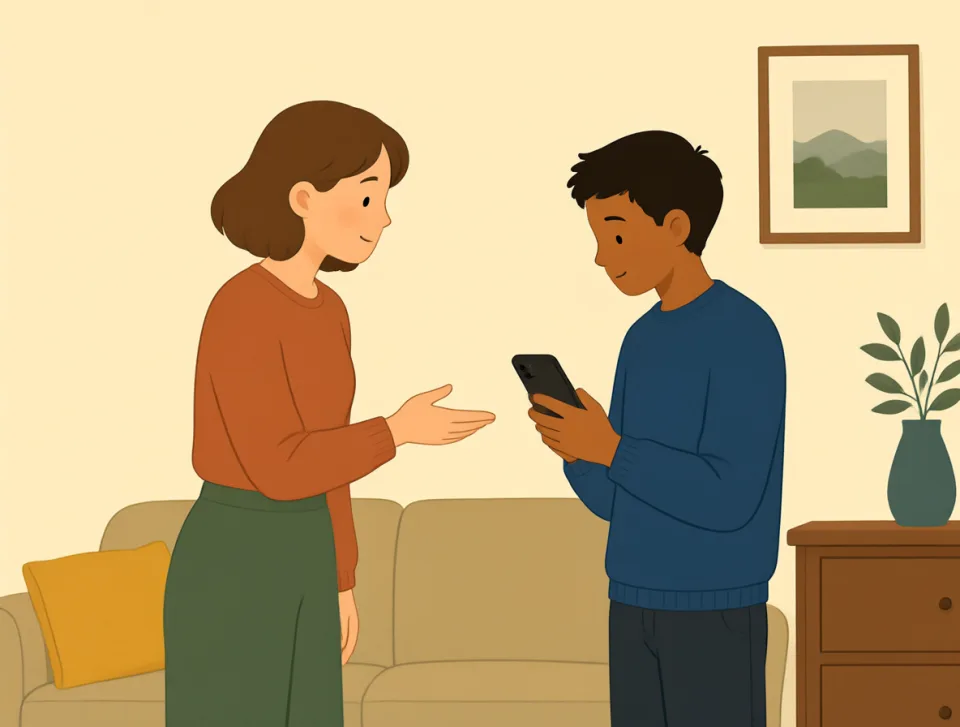
May I use your phone?
میتوانم از تلفنت استفاده کنم؟

You may leave work early today.
امروز میتوانی زودتر از سر کار بروی.
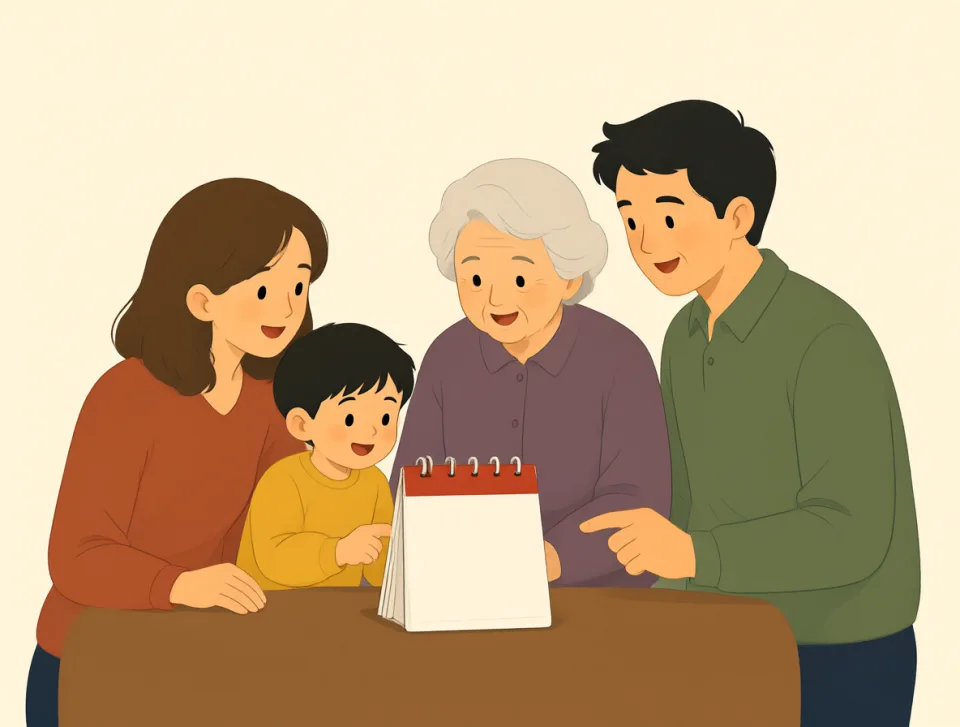
We may visit Grandma this weekend.
شاید این آخر هفته به دیدن مادربزرگ برویم.
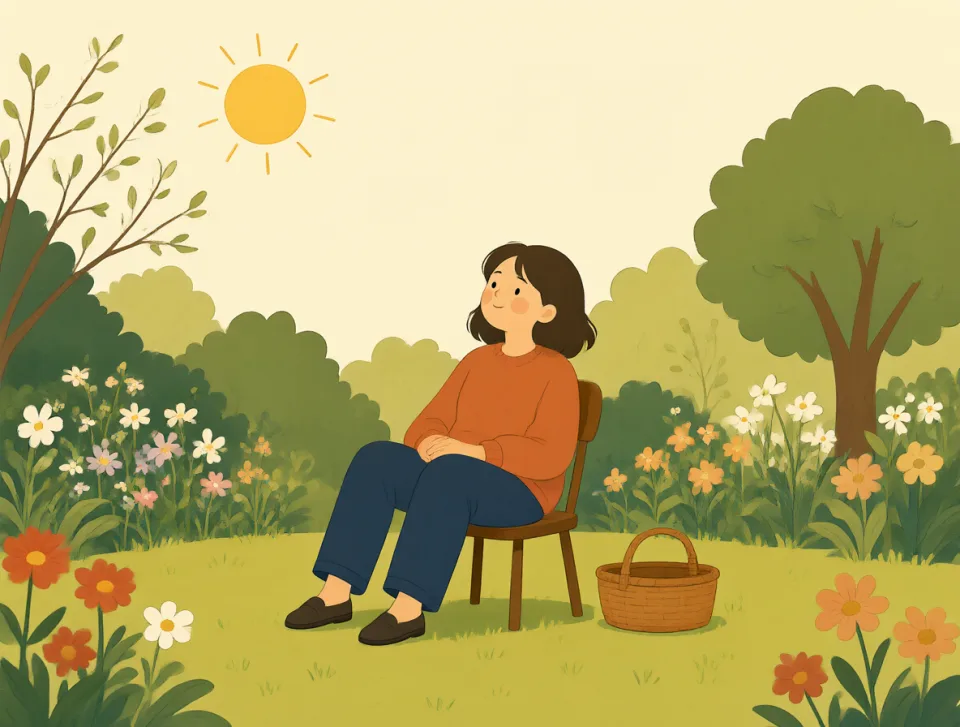
May is my favorite month.
ماه مه ماه محبوب من است.
here
#98adverb, pronoun, adjective, noun
اینجا
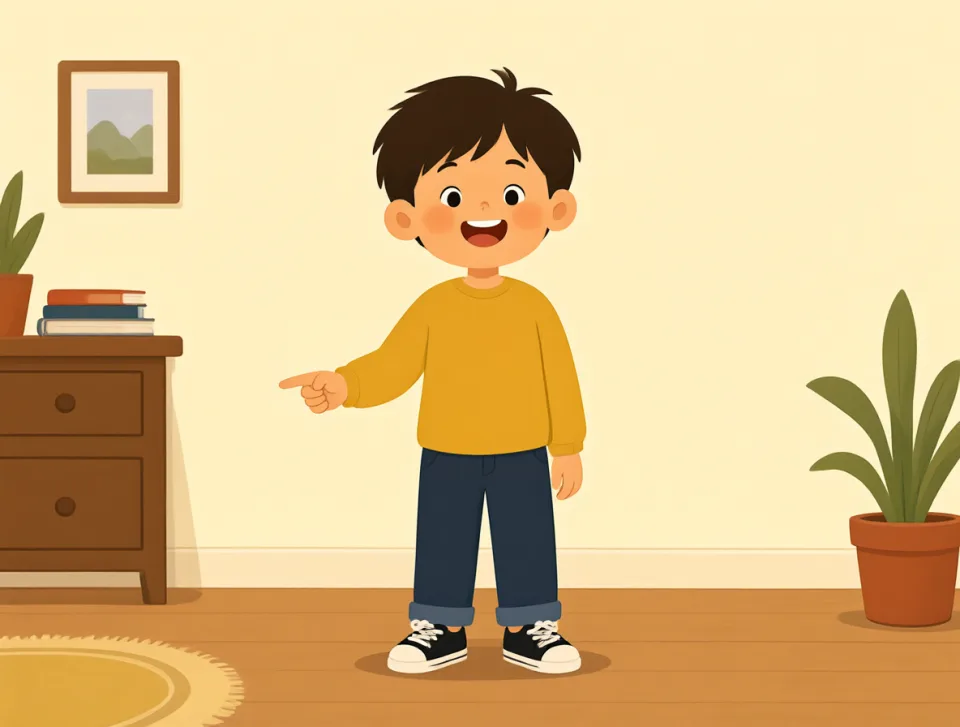
in, at, or to this place
در این مکان، در این مکان یا به این مکان

Please sit here beside me.
لطفاً اینجا کنارم بنشین.
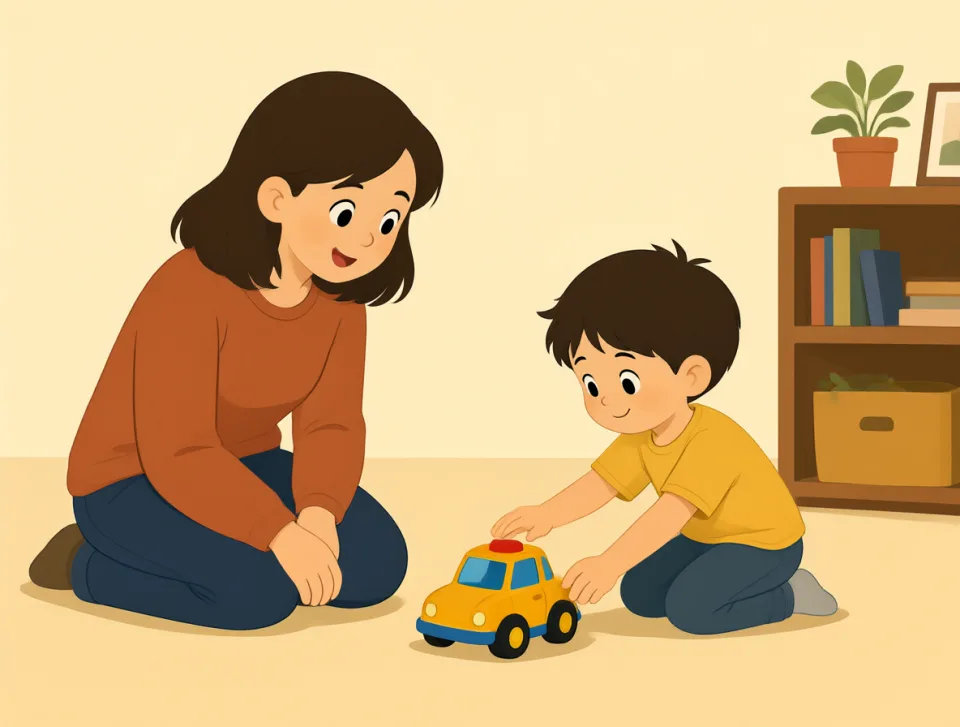
Come here and look at this.
بیا اینجا و این را ببین.

Is anyone here from our class?
کسی از کلاس ما اینجاست؟
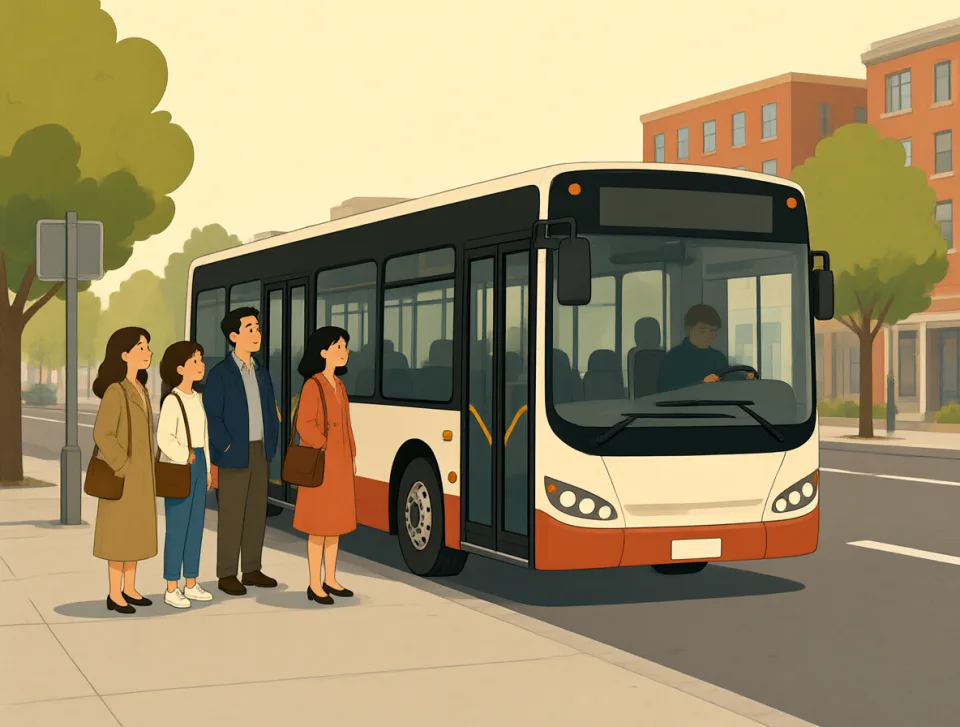
The bus stops here every morning.
اتوبوس هر روز صبح اینجا توقف میکند.
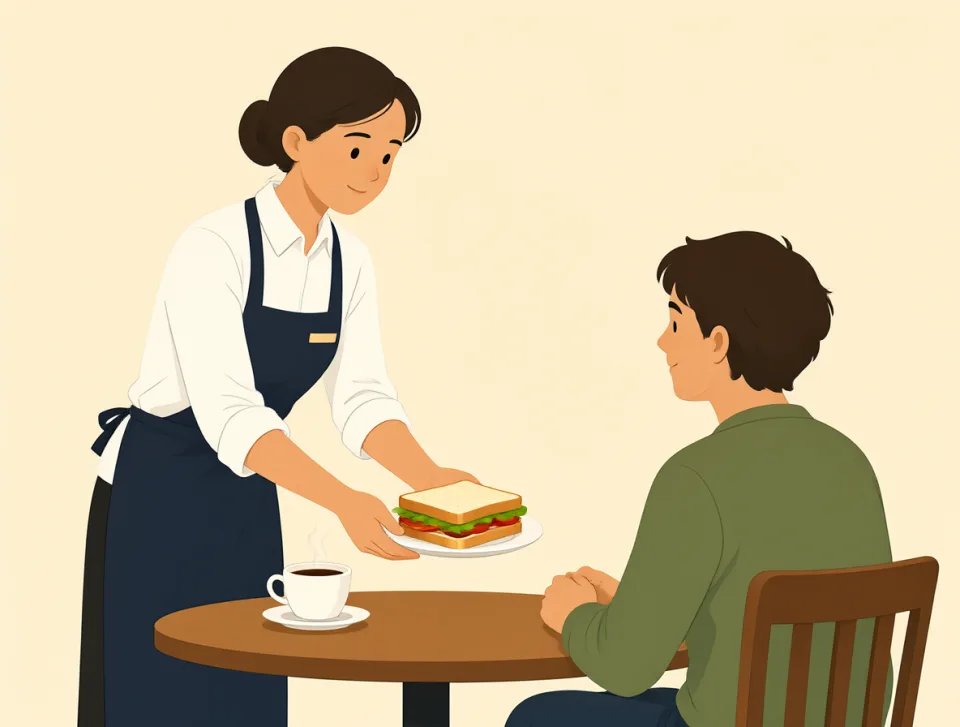
Here is your coffee and sandwich.
این هم قهوه و ساندویچ شما.
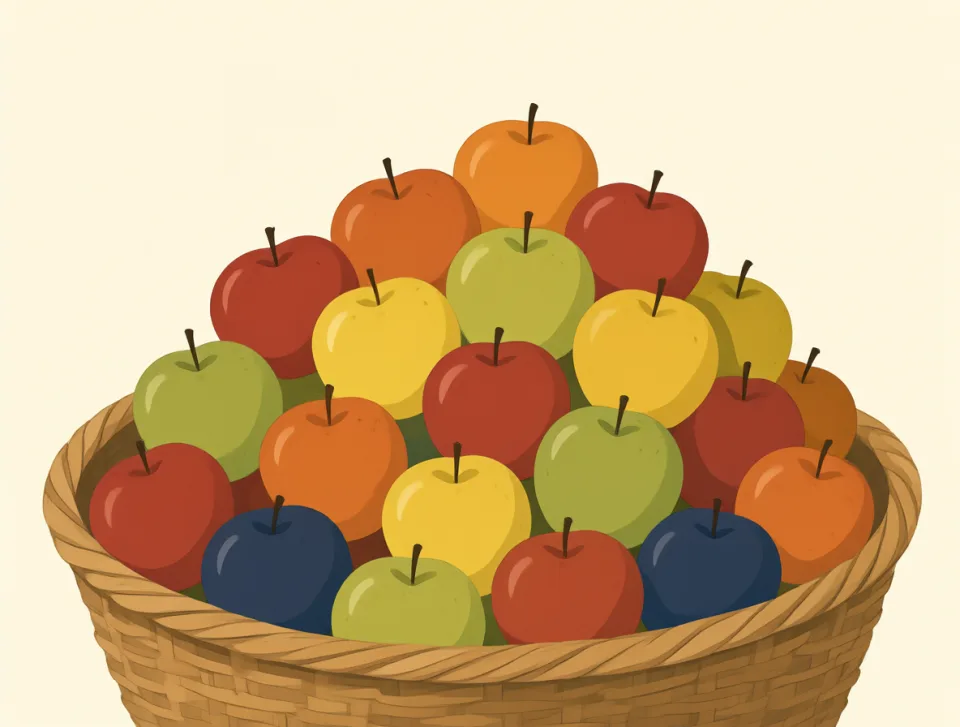
many
#99determiner, pronoun
بسیاری؛ تعداد زیادی
A large number of people or things.
تعداد زیادی از افراد یا چیزها.

Many people enjoy walking in the park.
خیلیها از پیادهروی در پارک لذت میبرند.
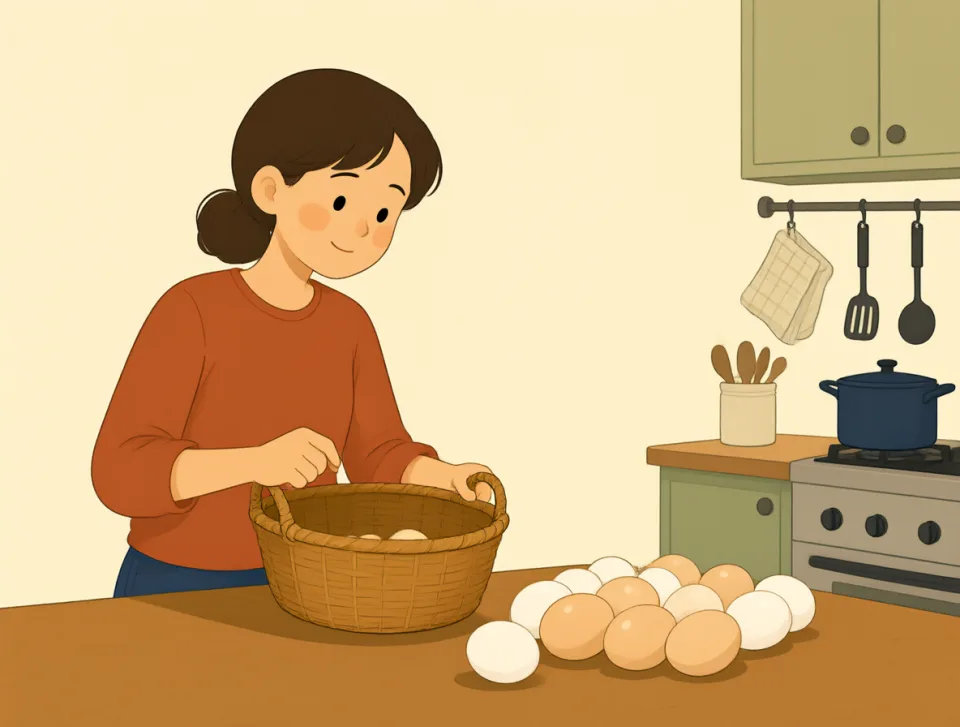
How many eggs do we need?
چند تا تخممرغ لازم داریم؟

I have many friends at school.
در مدرسه دوستان زیادی دارم.
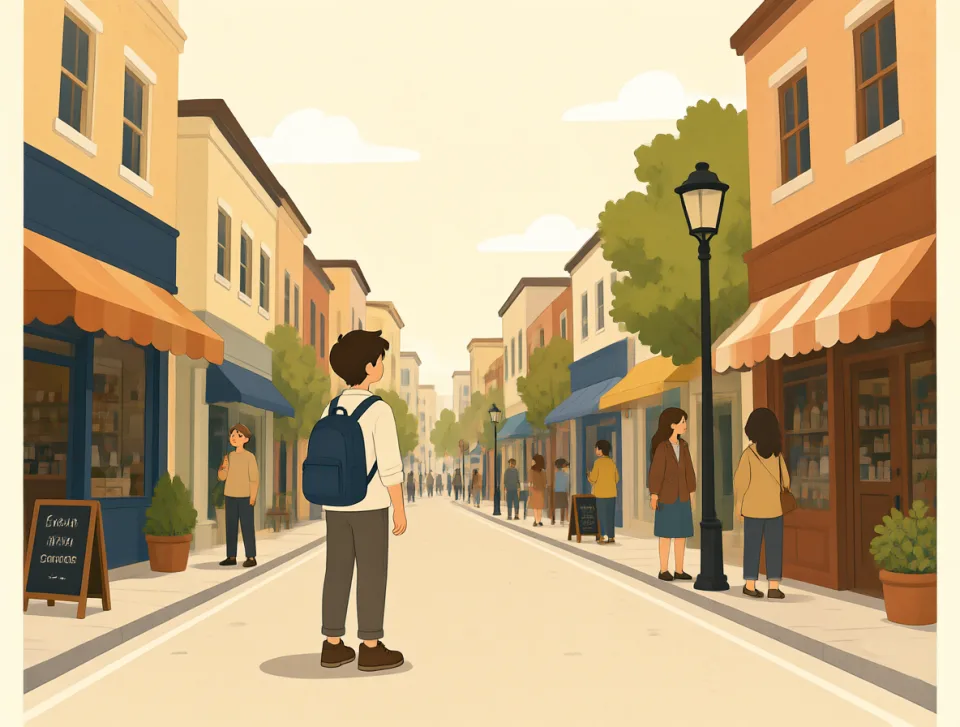
There are many shops near the hotel.
نزدیک هتل مغازههای زیادی هست.
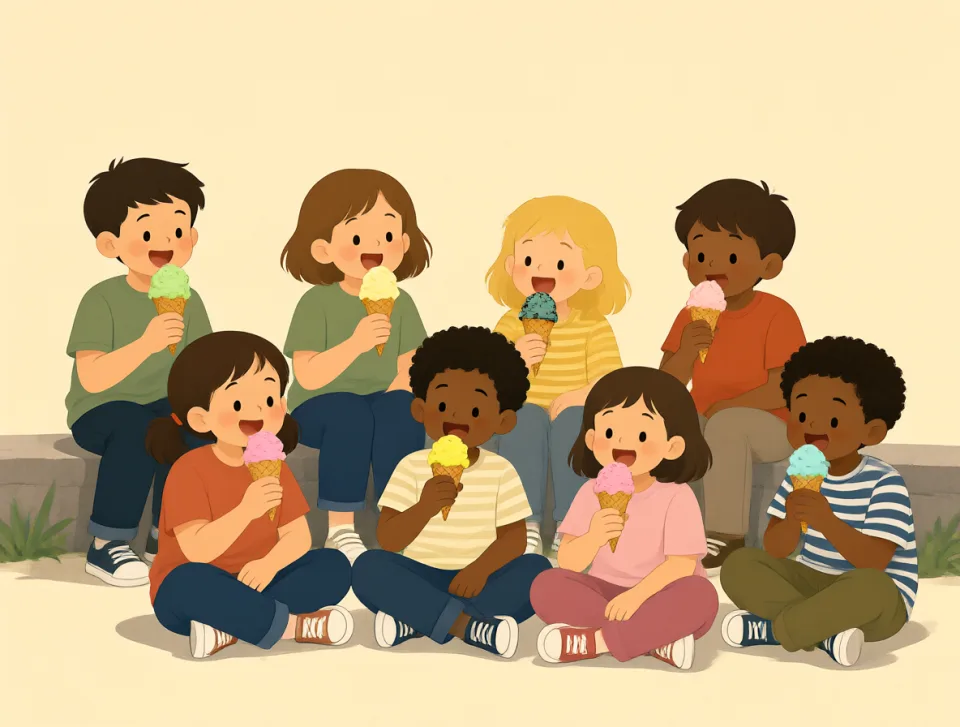
Many children like eating ice cream.
خیلی از بچهها بستنی خوردن را دوست دارند.

such
#100determiner, pronoun, adverb
چنین
Used to show something is like or as great as what was just mentioned.
برای نشاندادن اینکه چیزی شبیه موردی است که همین حالا به آن اشاره شد، یا به همان اندازه است، به کار میرود.
I have never seen such a beautiful place.
هرگز چنین جای زیبایی ندیدهام.

She is such a good friend.
او دوست خیلی خوبی است.

We had such a busy day at work.
روز کاری خیلی شلوغی داشتیم.

Why are you in such a hurry?
چرا اینقدر عجله داری؟
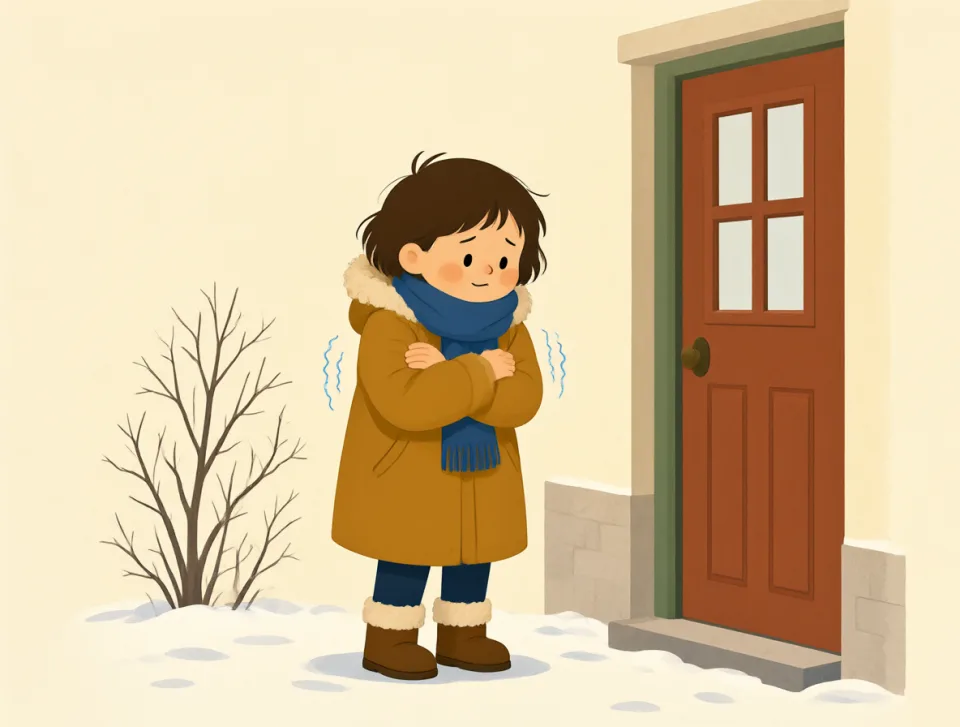
It was such a cold morning.
صبح خیلی سردی بود.