بخش 16
واژههای 301 تا 320 · control, already, concern, product, lose, story
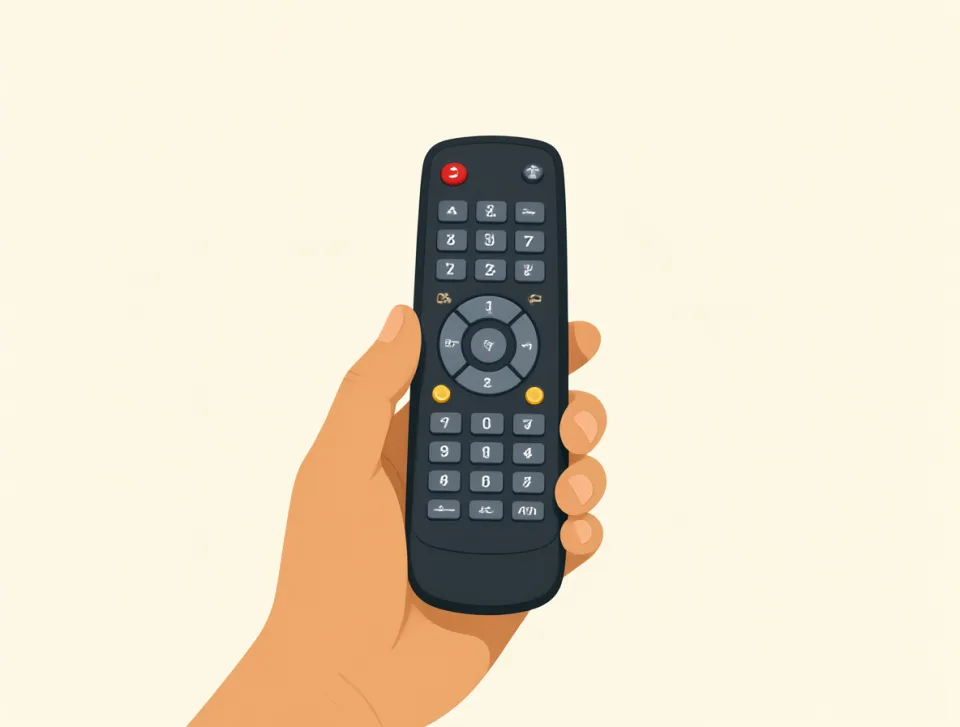
control
#301noun, verb
کنترل
The power to direct people or manage what happens.
قدرت هدایت افراد یا مدیریت اتفاقات.
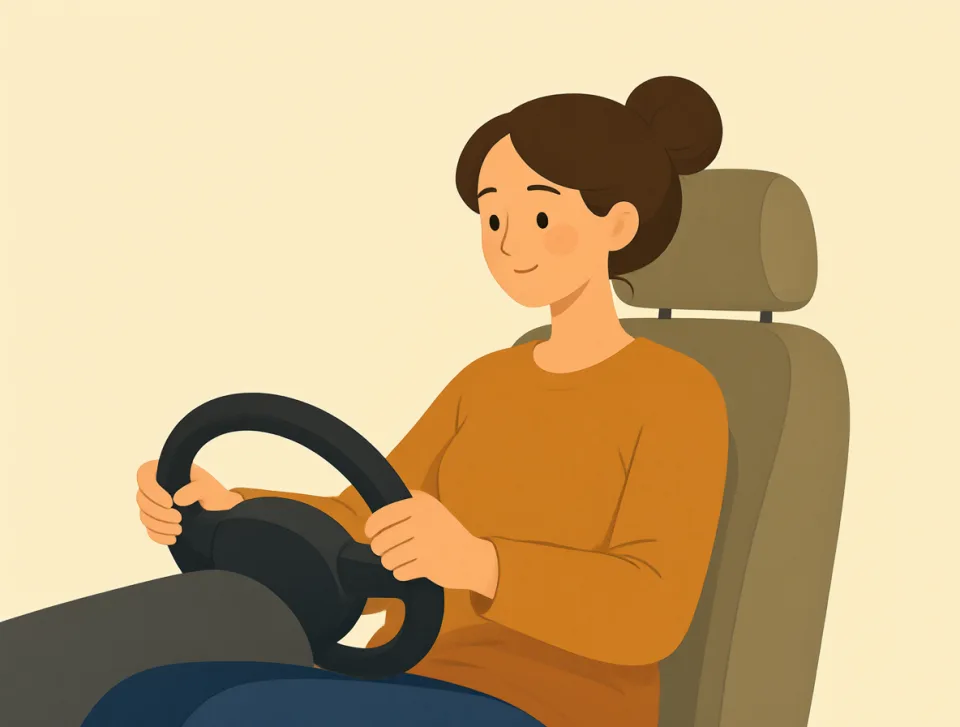
She is in control of the car.
او ماشین را کنترل میکند.
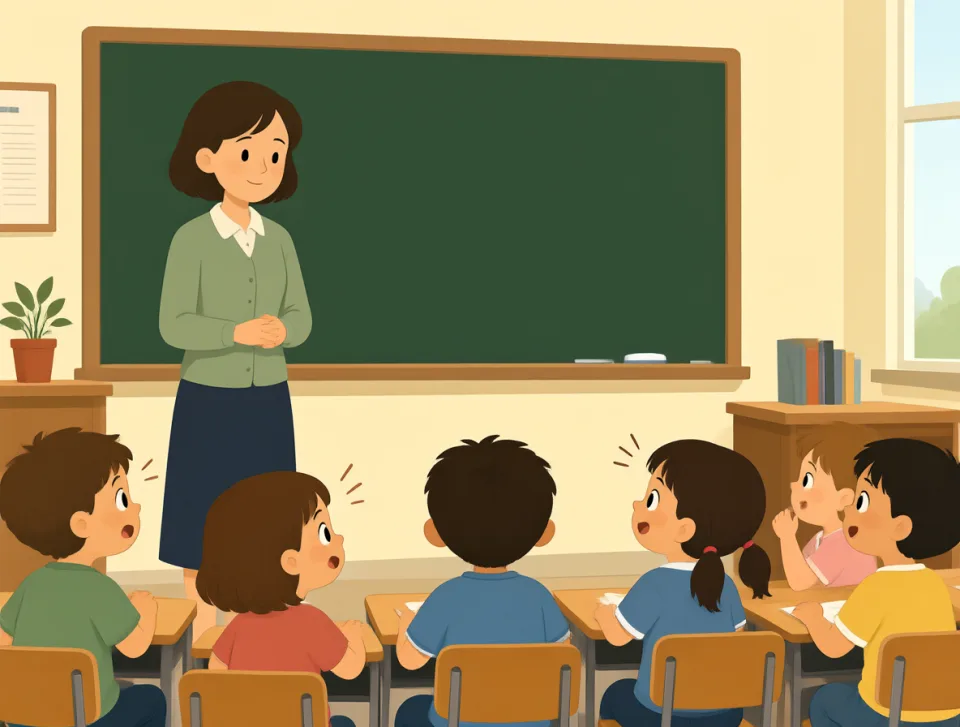
The teacher controls the noisy classroom.
معلم کلاس شلوغ را کنترل میکند.
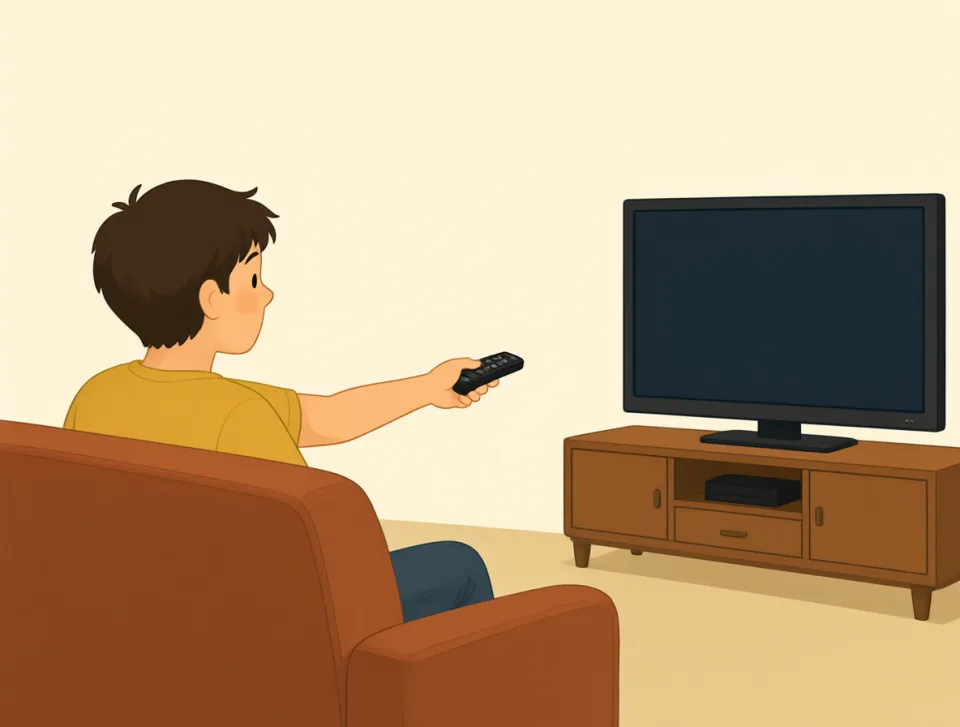
Use the remote control to change channels.
برای عوض کردن کانالها از کنترل از راه دور استفاده کنید.
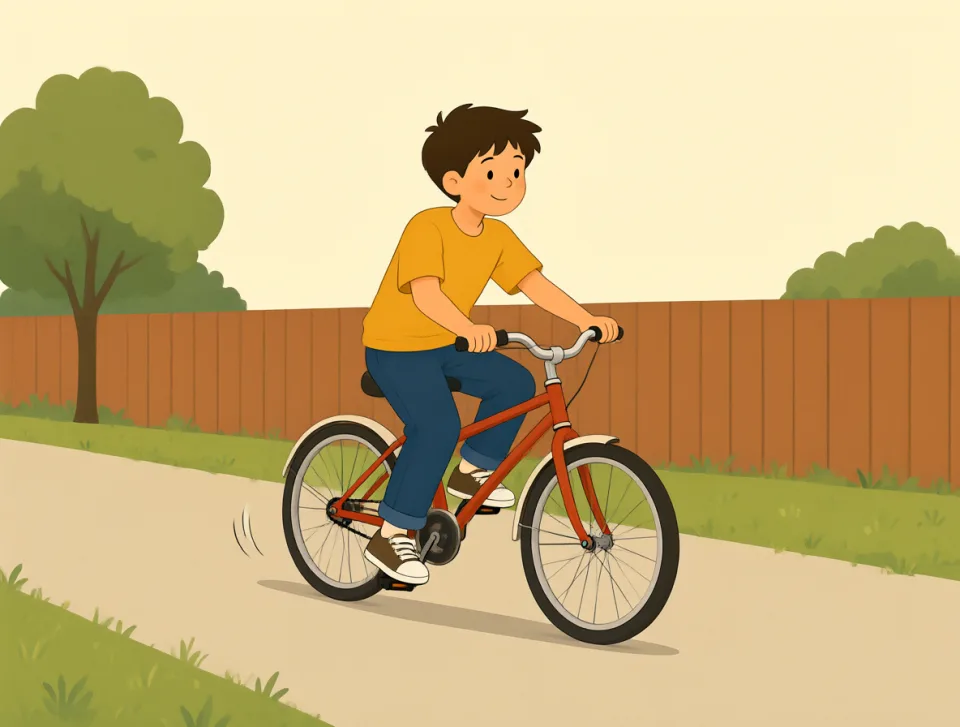
He lost control of his bike.
او کنترل دوچرخهاش را از دست داد.
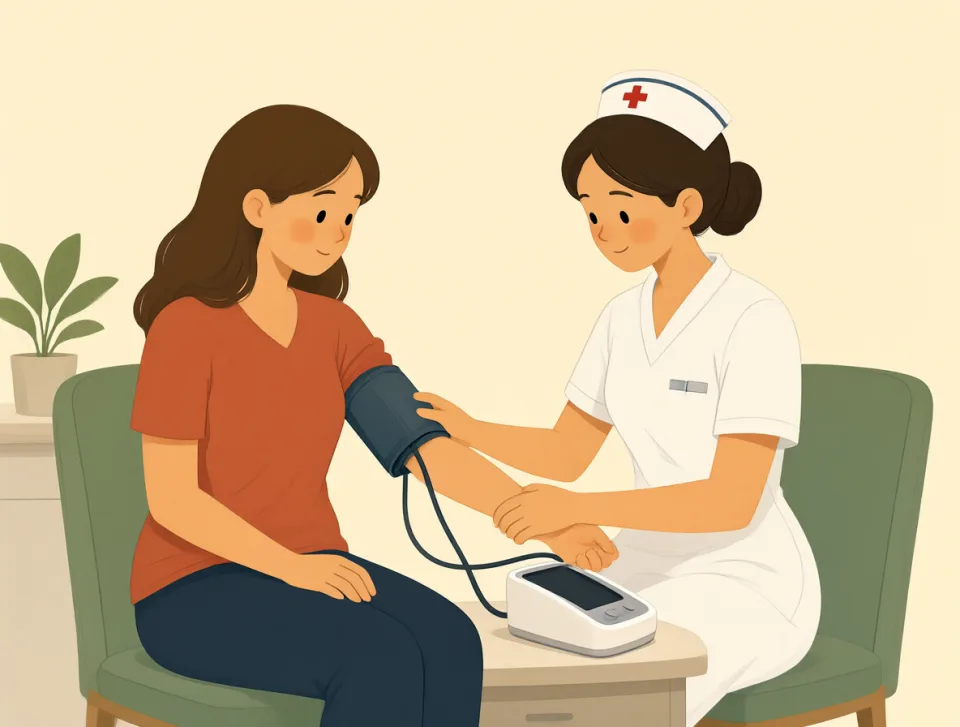
The nurse checked her blood pressure control.
پرستار وضعیت کنترل فشار خون او را بررسی کرد.
already
#302adverb
از قبل
before now or before a particular time
پیش از حالا یا پیش از زمان مشخصی
I have already eaten breakfast.
من صبحانهام را خوردهام.

She already knows the answer.
او جواب را از قبل میداند.
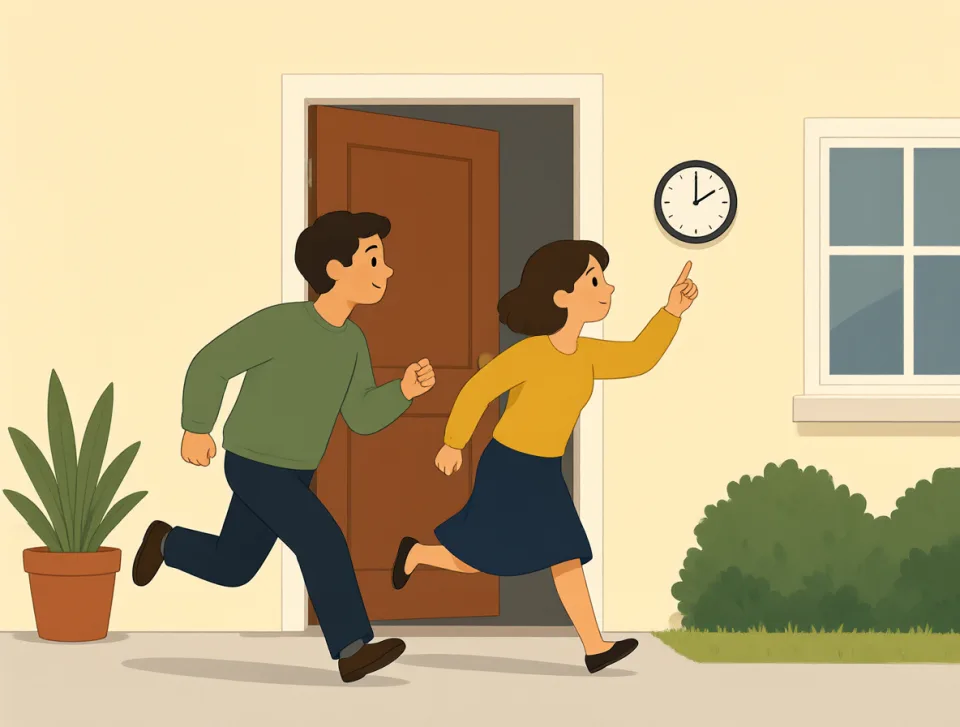
We are already late for work.
ما همین حالا هم برای رفتن به سر کار دیر کردهایم.
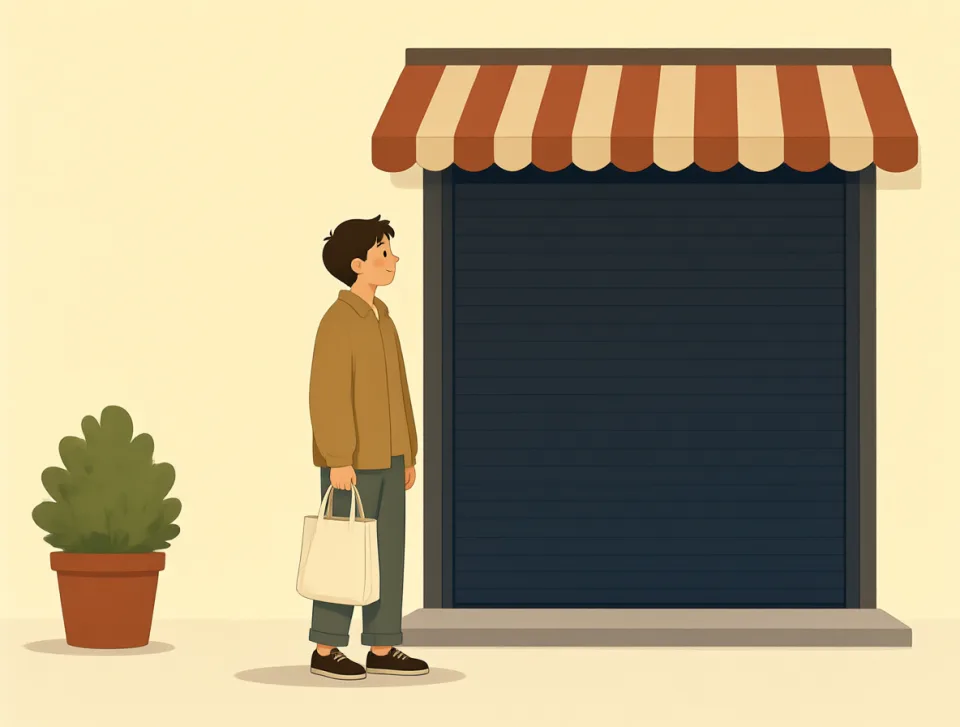
The store has already closed.
فروشگاه از قبل بسته شده است.
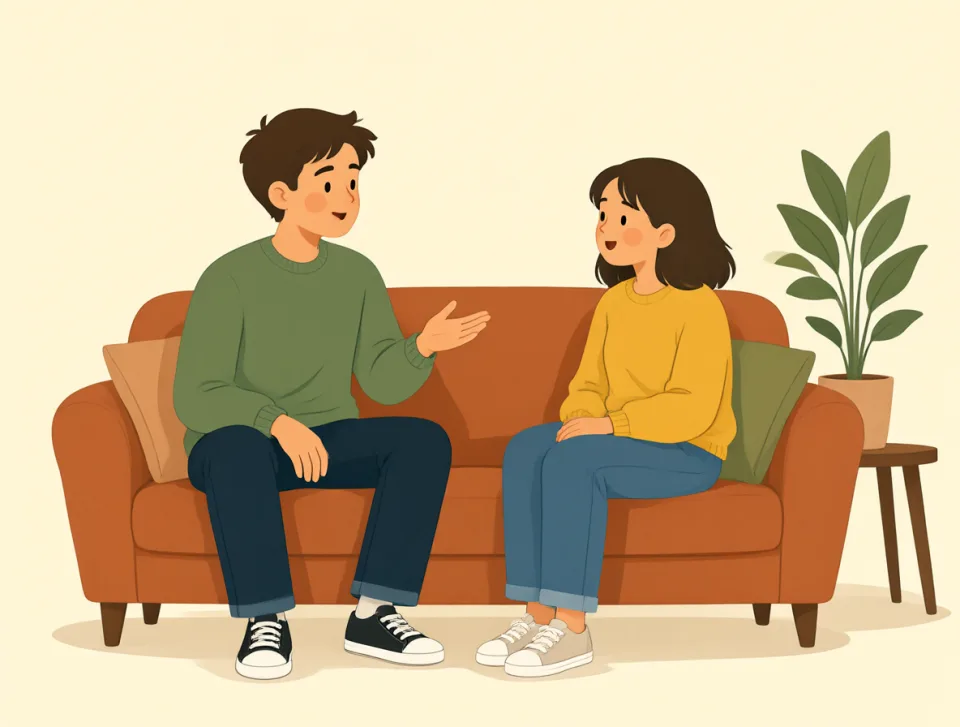
Have you already seen this movie?
این فیلم را قبلاً دیدهای؟
concern
#303noun, verb
نگرانی؛ نگران کردن
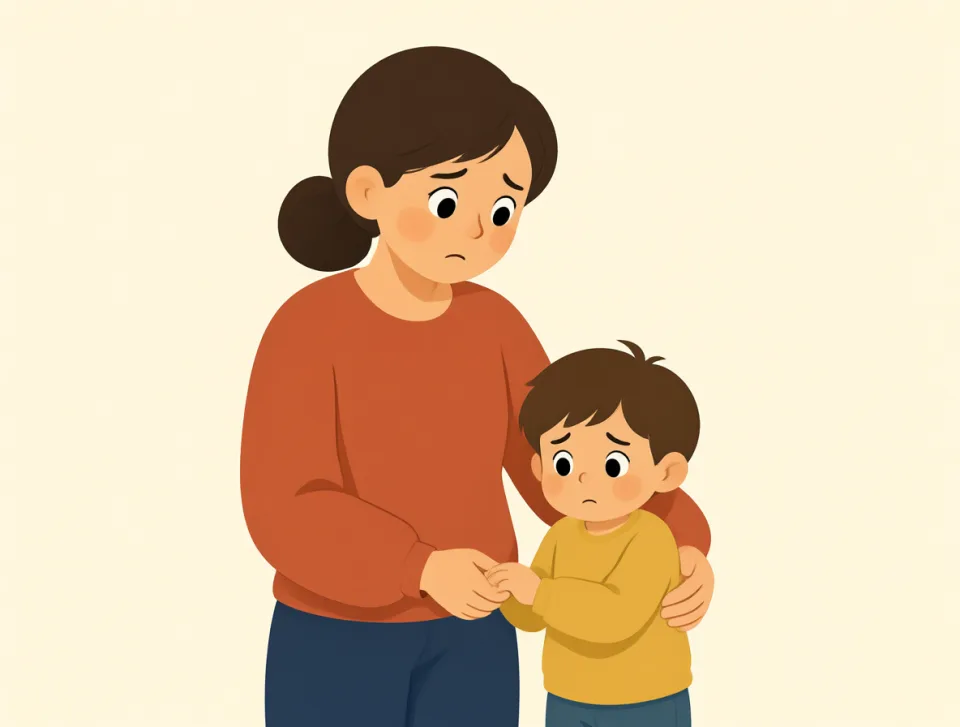
a worry or problem, or to make someone feel worried
نگرانی یا مشکل، یا باعث نگرانی کسی شدن
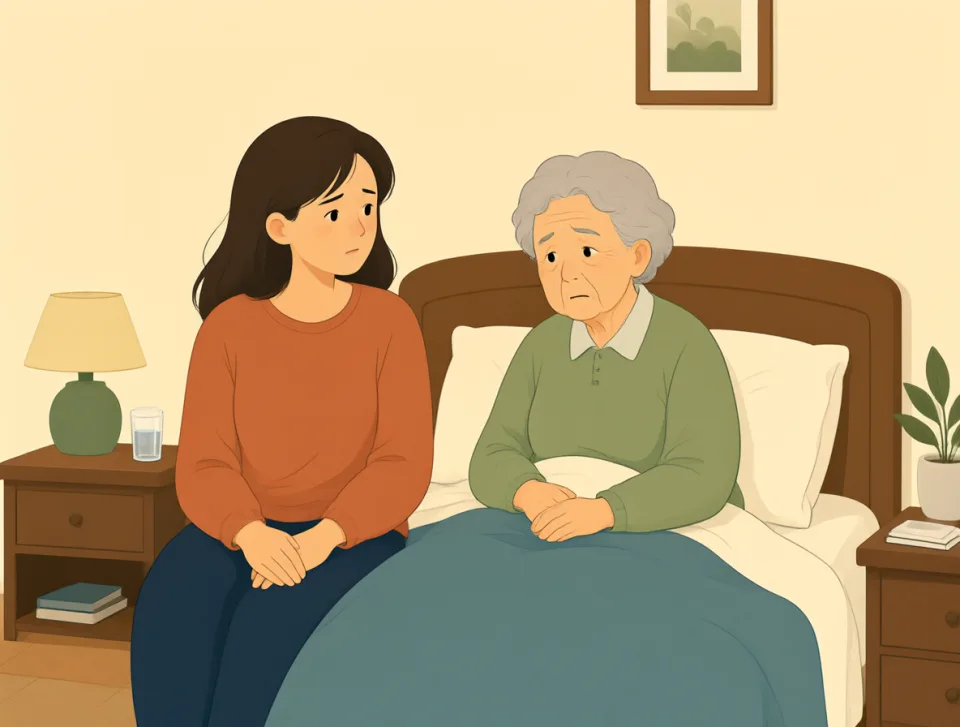
Her main concern is her sick mother.
بزرگترین نگرانی او مادر بیمارش است.
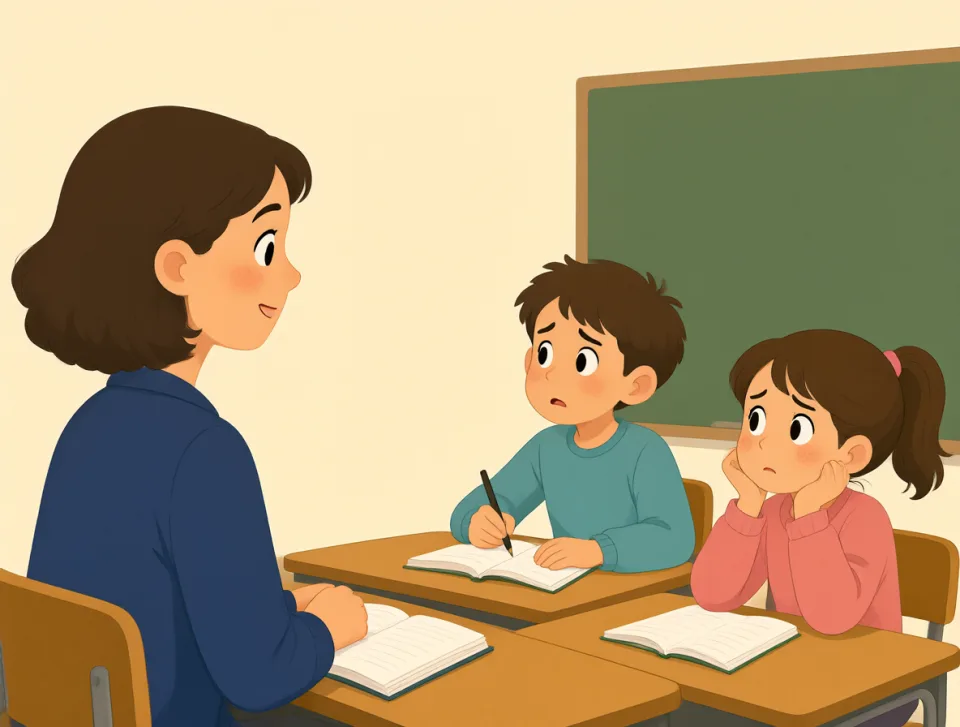
The teacher listened to our concerns.
معلم به نگرانیهای ما گوش داد.
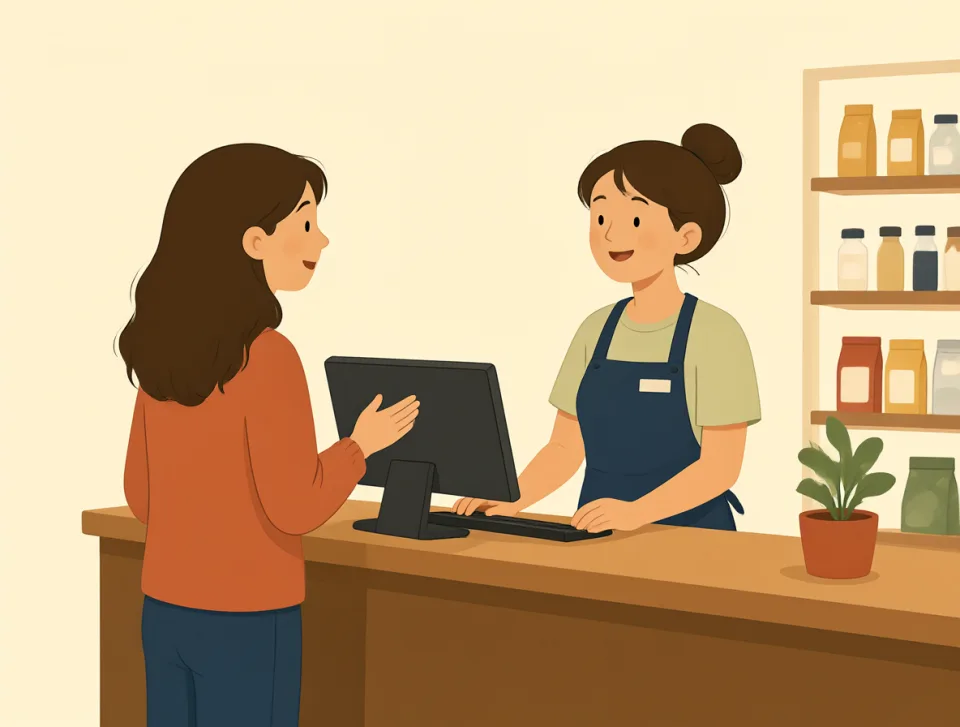
Please contact us if you have any concerns.
اگر نگرانیای دارید، لطفاً با ما تماس بگیرید.
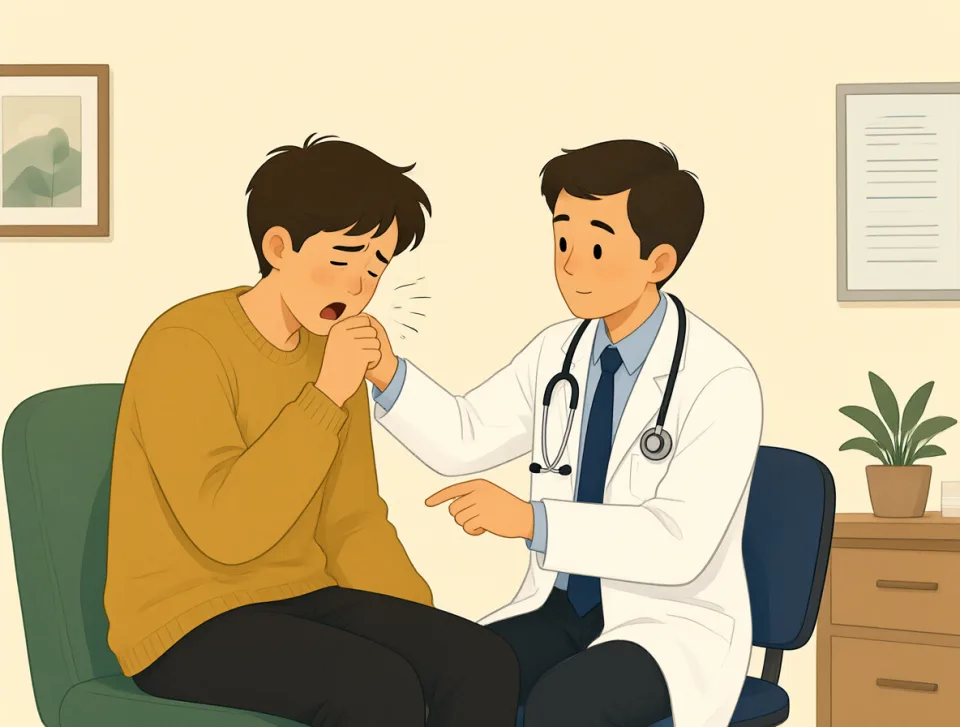
His sudden cough concerned his doctor.
سرفهٔ ناگهانی او باعث نگرانی پزشکش شد.
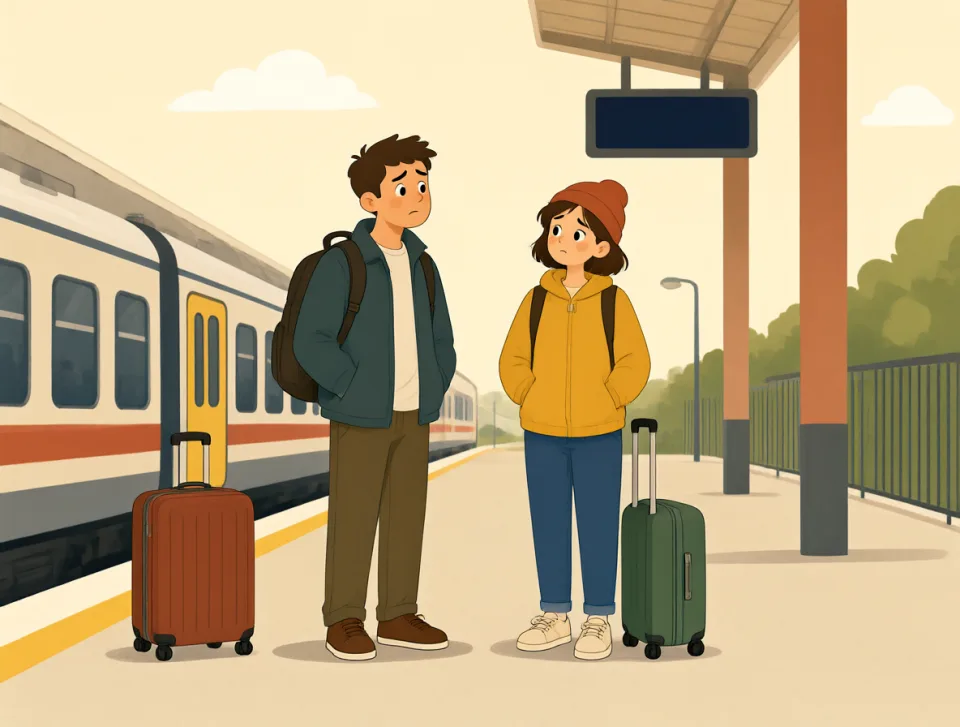
We are concerned about the late train.
ما نگران قطاری هستیم که دیر کرده است.
product
#304noun
محصول
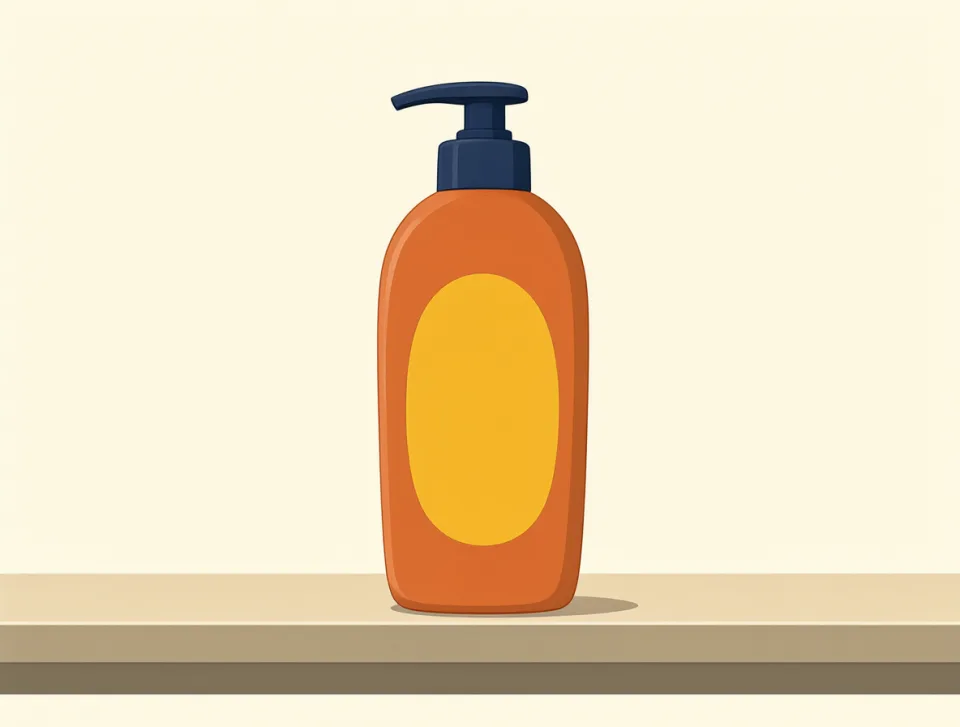
Something made or grown to be sold or used.
چیزی که برای فروش یا استفاده ساخته یا پرورش داده میشود.
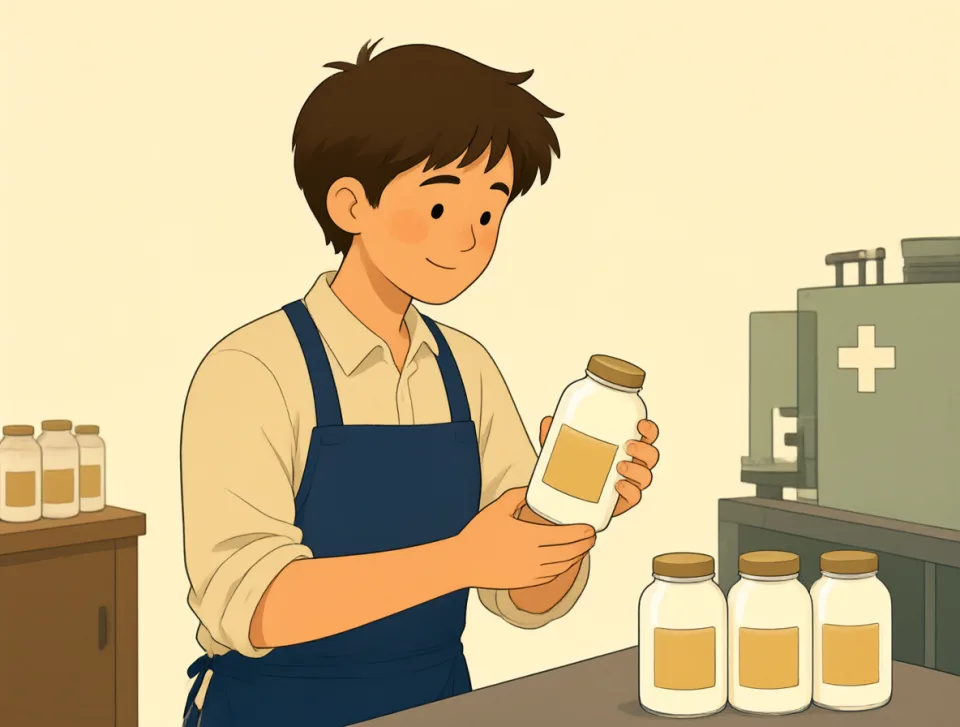
This product is made from natural ingredients.
این محصول از مواد طبیعی تهیه شده است.
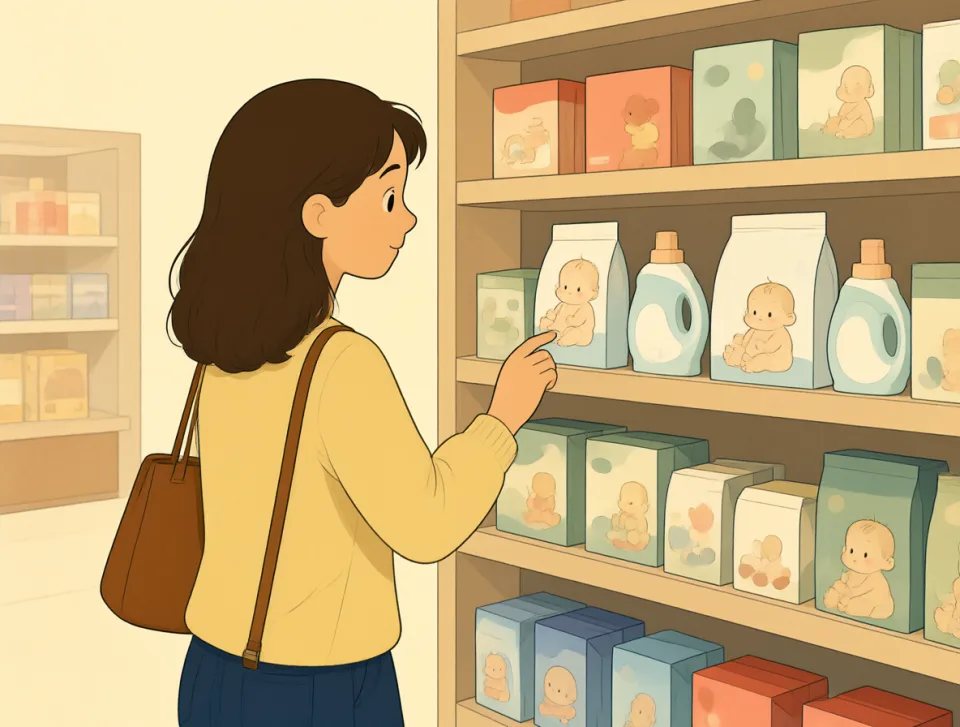
The store sells products for babies.
این فروشگاه محصولات مخصوص نوزادان میفروشد.
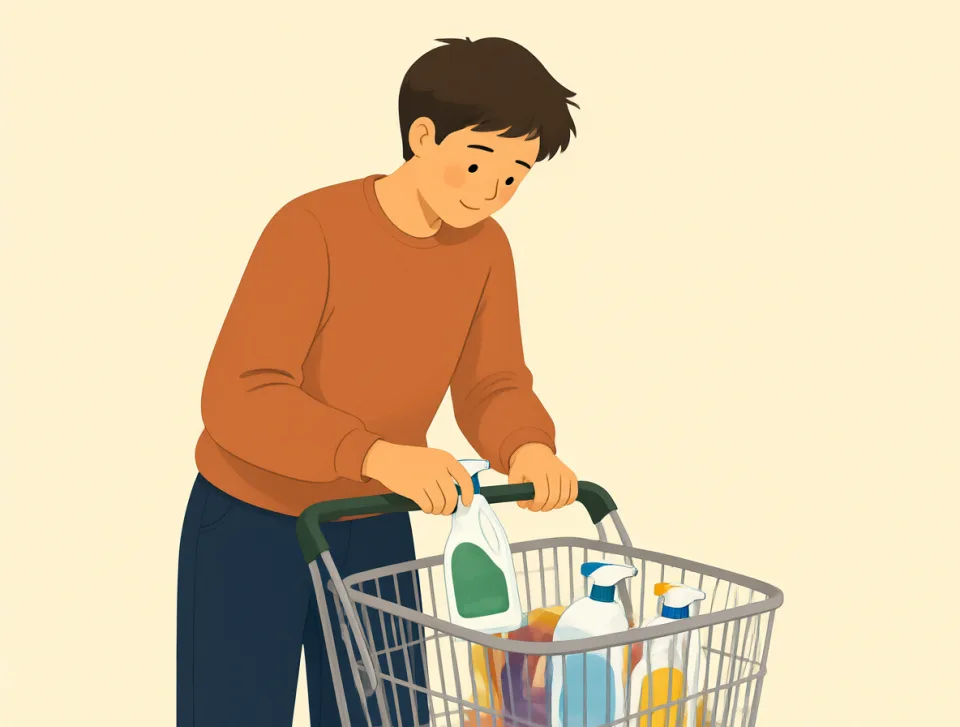
I bought a new cleaning product yesterday.
دیروز یک محصول شویندهٔ جدید خریدم.

Our team is developing a new product.
تیم ما در حال توسعهٔ یک محصول جدید است.
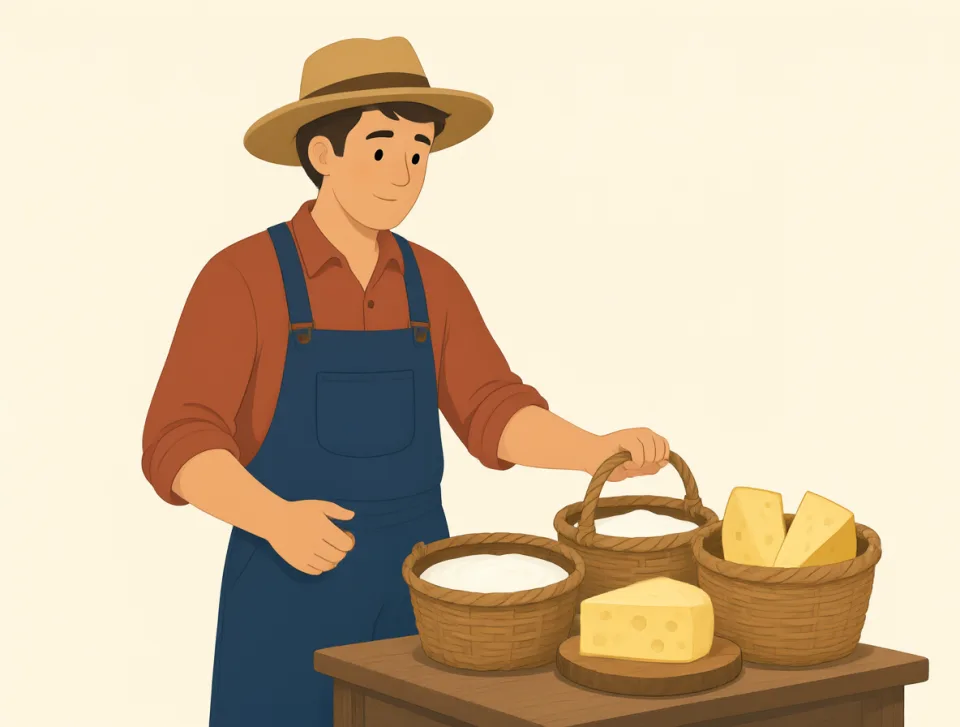
This farm produces fresh dairy products.
این مزرعه محصولات لبنی تازه تولید میکند.
lose
#305verb
از دست دادن
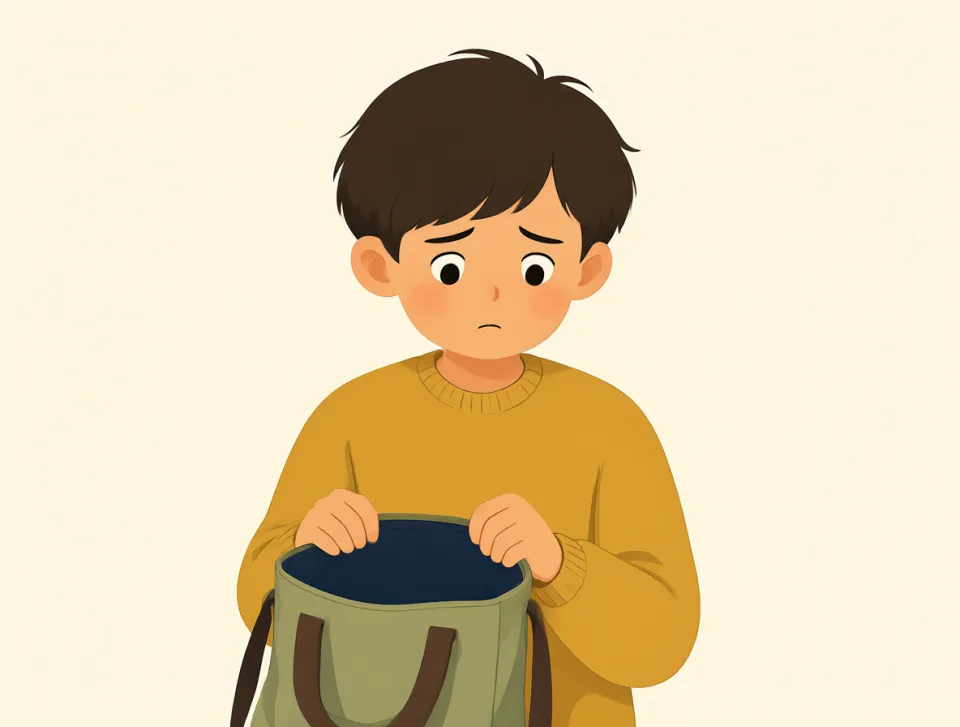
to no longer have something because it is gone, taken, or forgotten
دیگر چیزی را نداشتن، چون گم شده، از شما گرفته شده یا فراموشش کردهاید
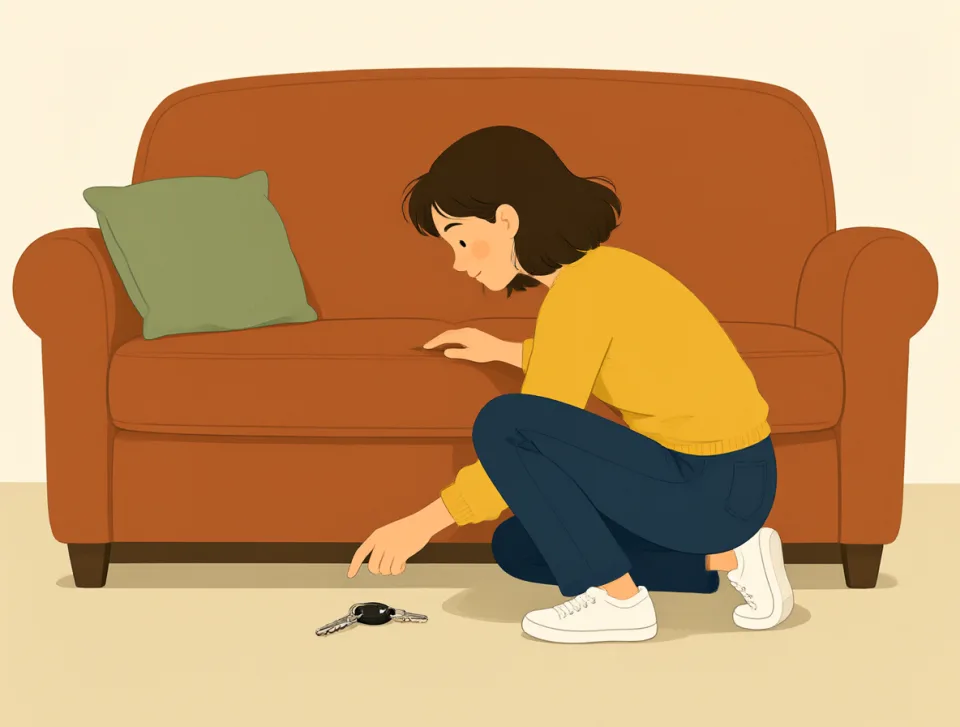
I often lose my keys at home.
من اغلب کلیدهایم را در خانه گم میکنم.
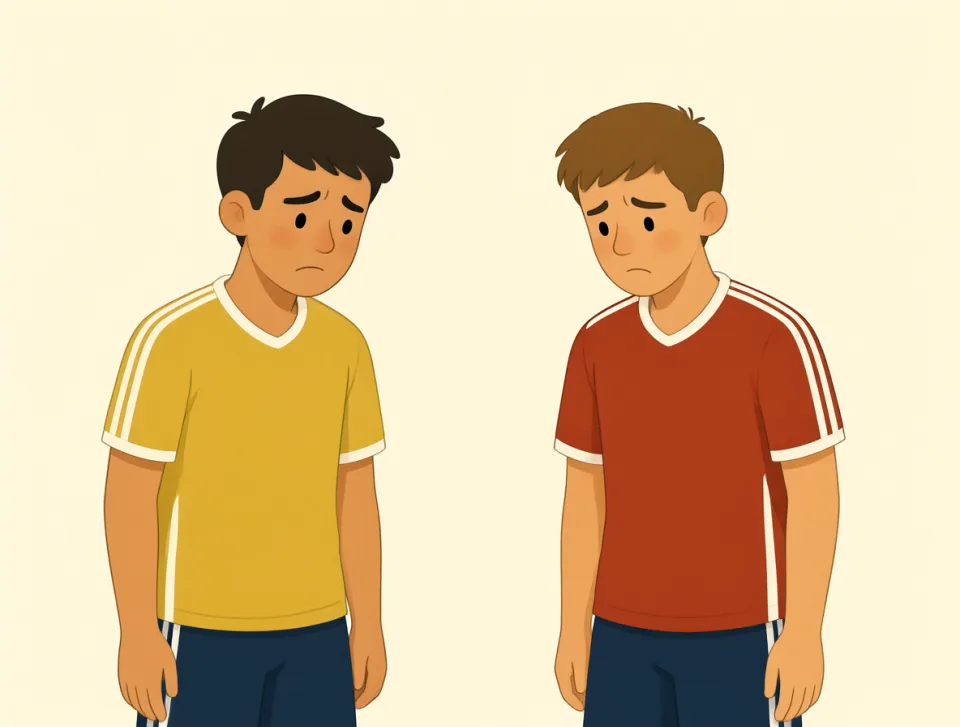
Our team lost the game yesterday.
تیم ما دیروز بازی را باخت.

She lost her wallet on the bus.
او کیف پولش را در اتوبوس گم کرد.
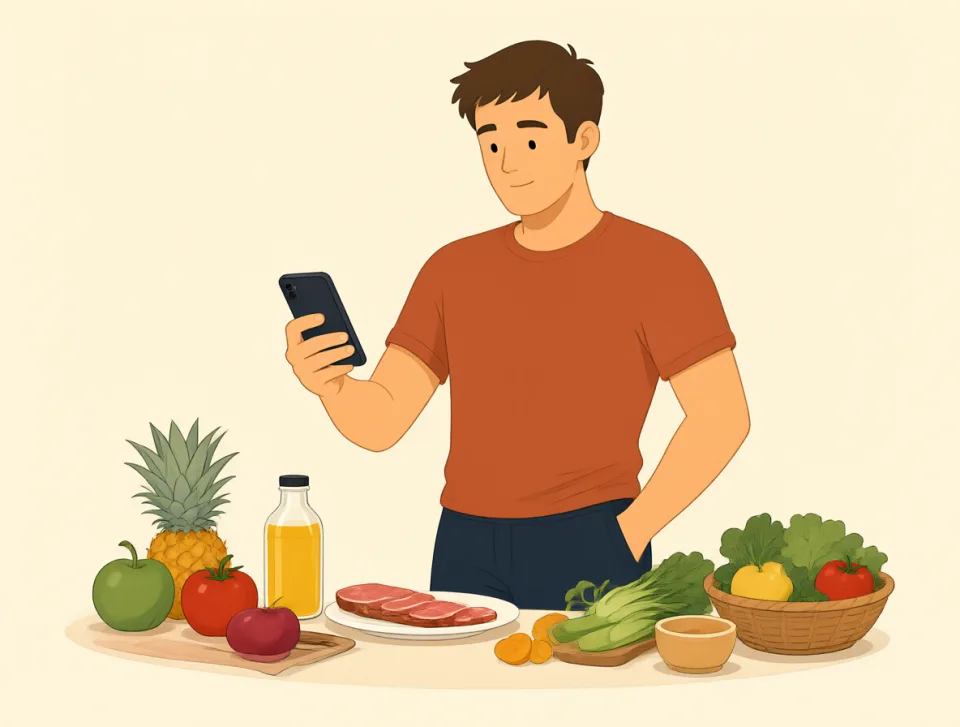
He is losing weight with healthy food.
او با خوردن غذاهای سالم وزن کم میکند.

Do not lose your ticket at the airport.
بلیطت را در فرودگاه گم نکن.
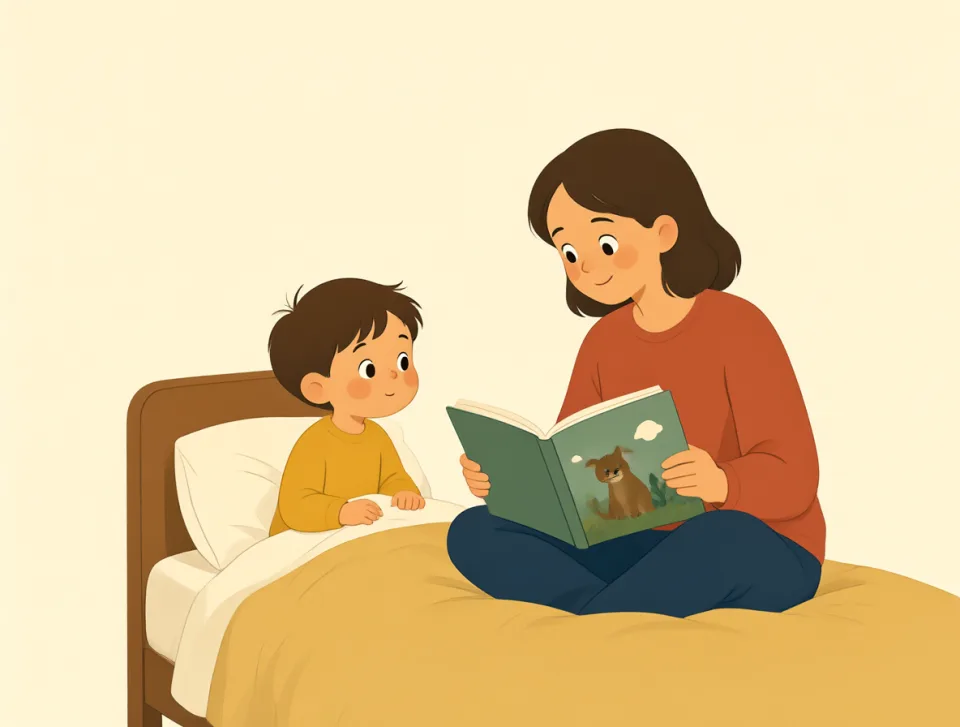
story
#306noun
داستان
A description of events, real or imagined, told to entertain or inform people.
شرح رویدادهای واقعی یا خیالی که برای سرگرم کردن یا آگاه کردن مردم روایت میشود.
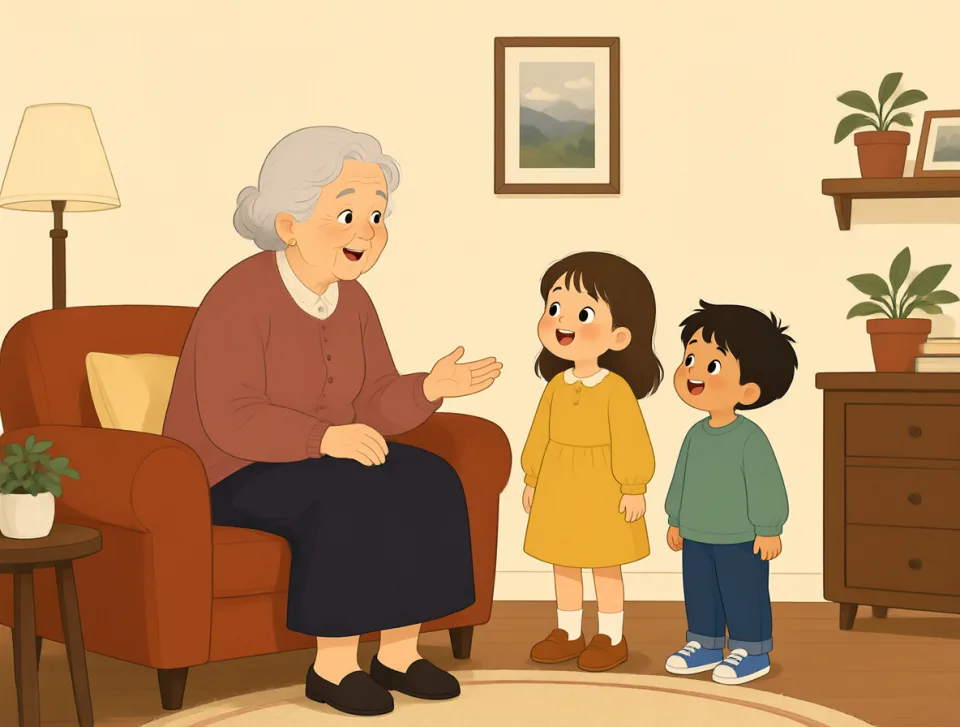
Grandma told us a funny story.
مادربزرگ یک داستان خندهدار برایمان تعریف کرد.
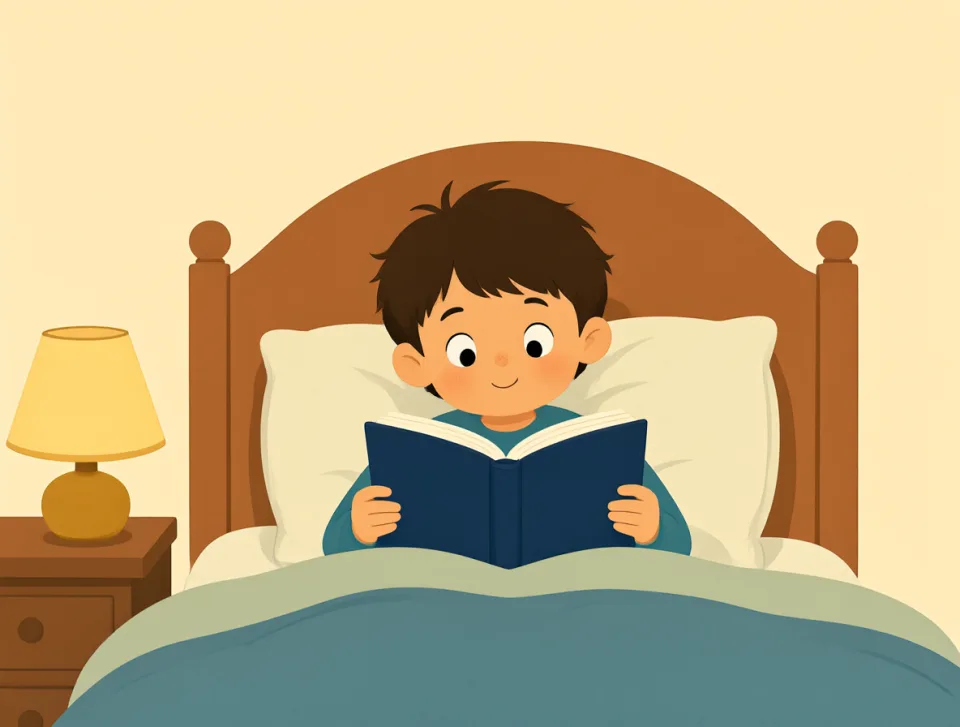
I read a story before bed.
قبل از خواب یک داستان خواندم.
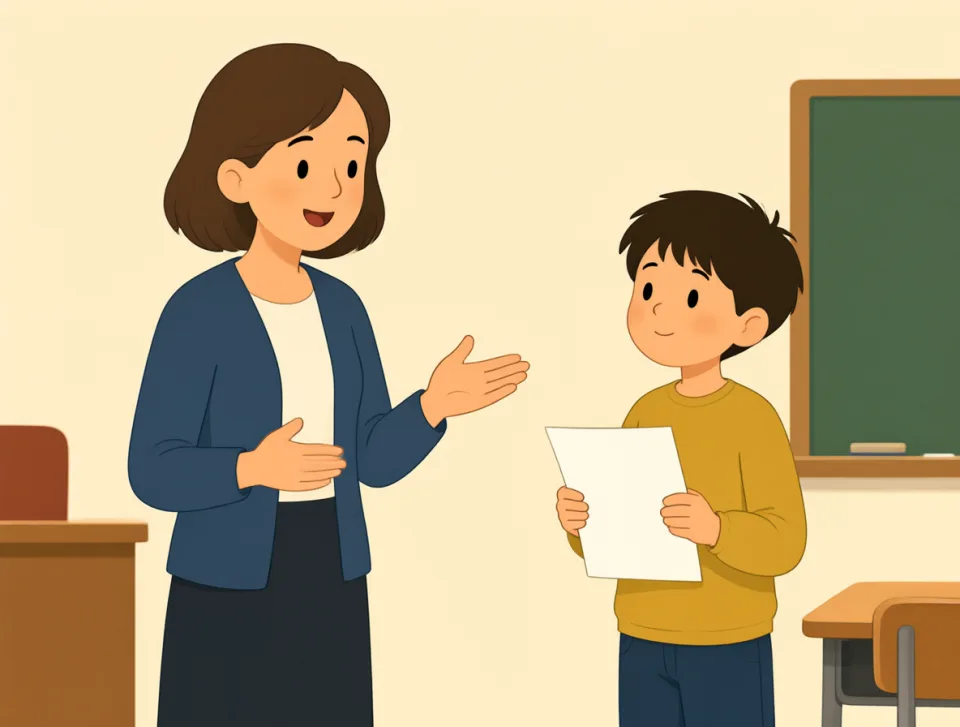
The teacher asked for a short story.
معلم از ما خواست یک داستان کوتاه بنویسیم.

He shared his travel story with friends.
او داستان سفرش را با دوستانش در میان گذاشت.
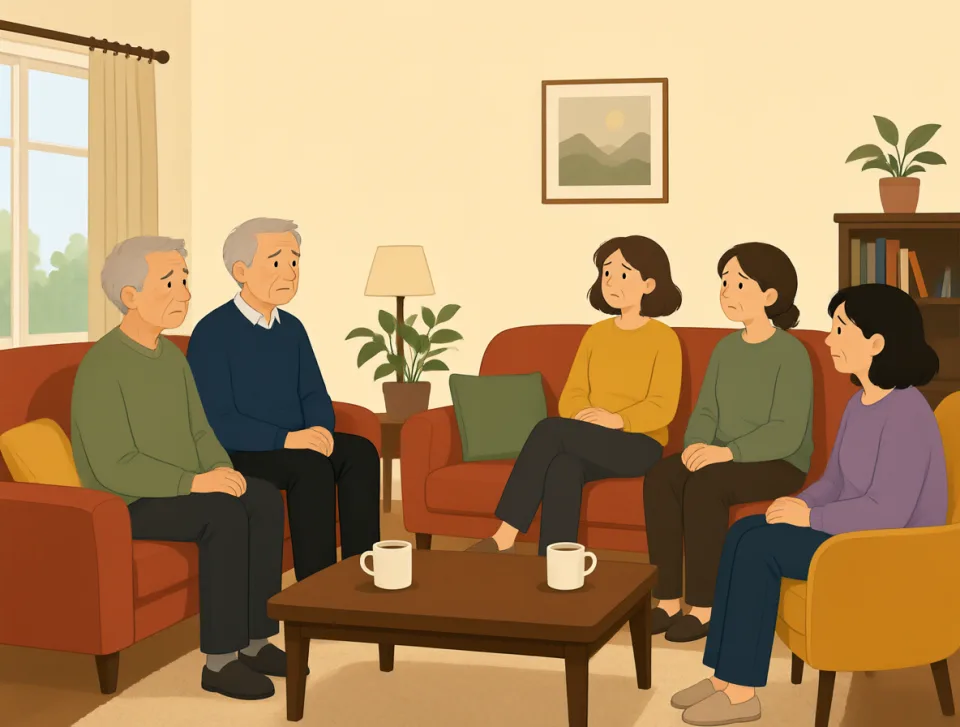
The news story made everyone worried.
خبر همه را نگران کرد.
almost
#307adverb
تقریباً
Nearly, but not completely or quite.
نزدیک به کامل یا دقیق، اما نه کاملاً.
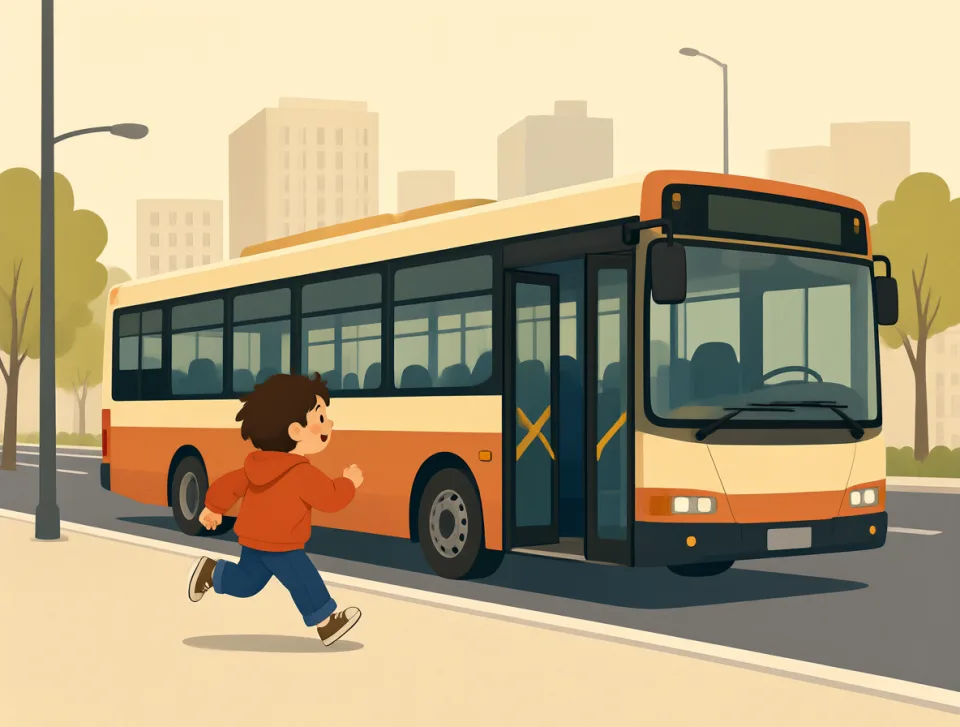
I almost missed the bus this morning.
امروز صبح نزدیک بود از اتوبوس جا بمانم.
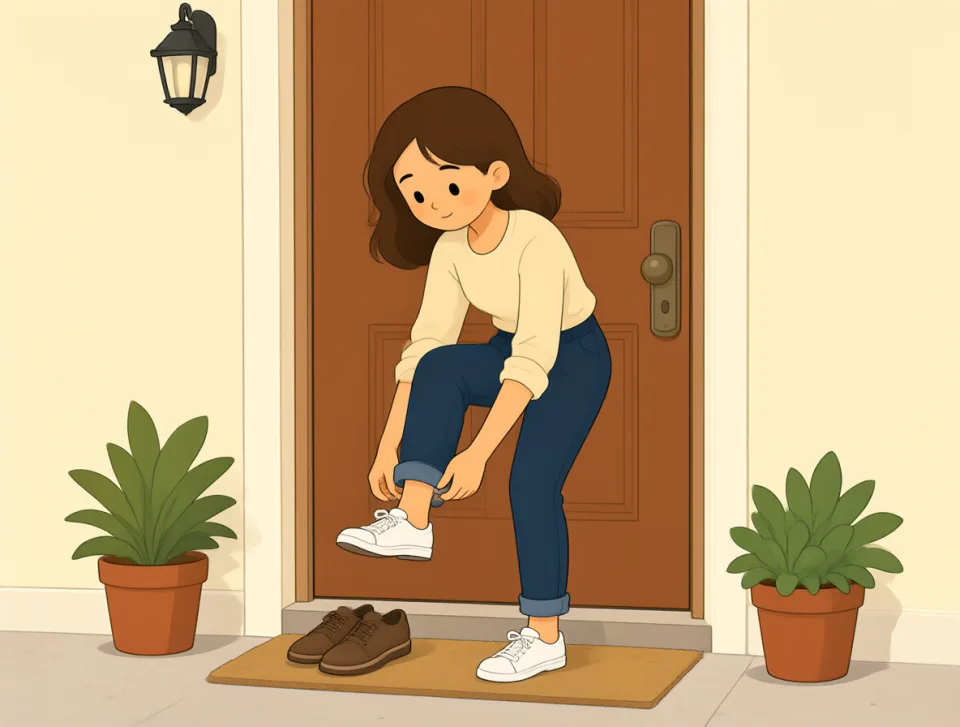
She is almost ready to leave.
او تقریباً آمادهٔ رفتن است.

We almost finished the project at work.
تقریباً پروژهٔ کاریمان را تمام کردیم.
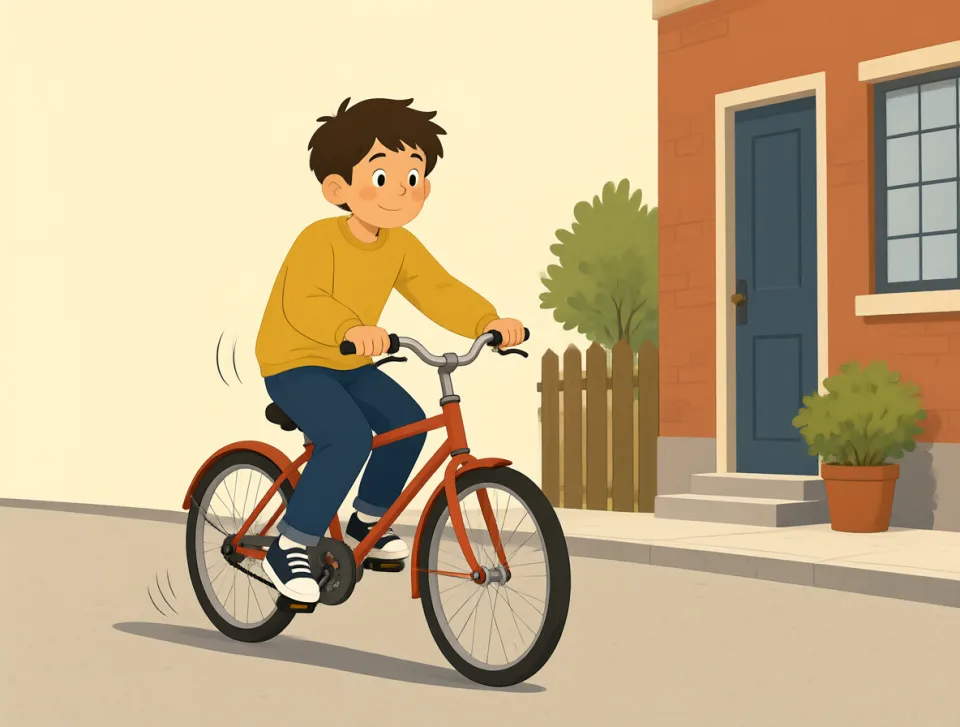
He almost fell while riding his bike.
او هنگام دوچرخهسواری نزدیک بود زمین بخورد.
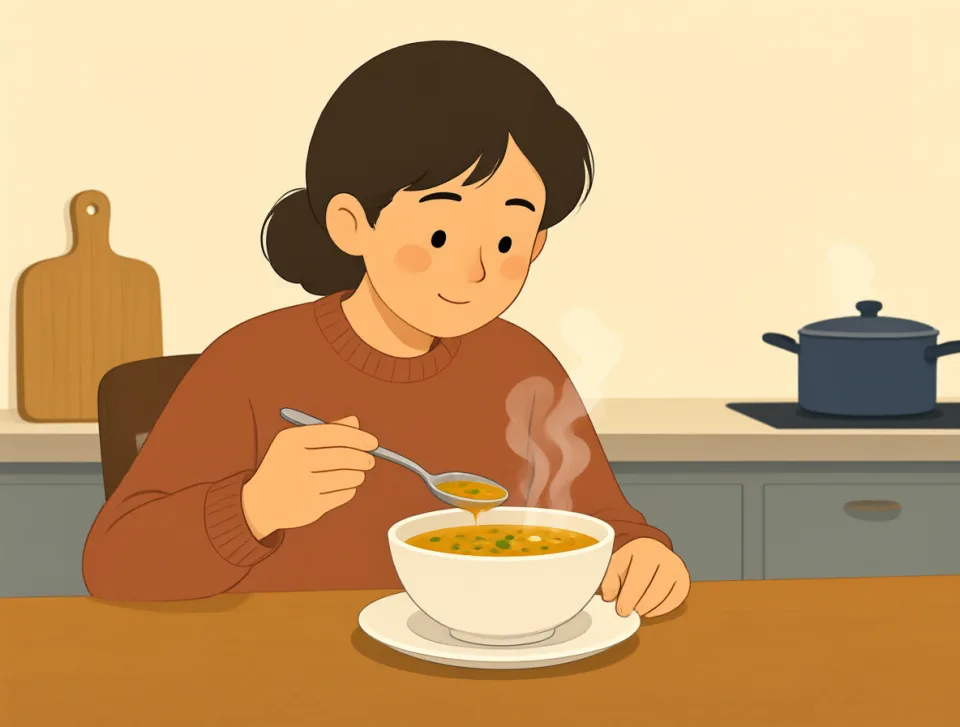
The soup is almost hot enough to eat.
سوپ تقریباً بهاندازهٔ کافی داغ است که بتوان آن را خورد.
continue
#308verb
ادامه دادن
to keep doing something or keep happening without stopping
به انجام دادن کاری یا رخ دادن چیزی بدون توقف ادامه دادن.
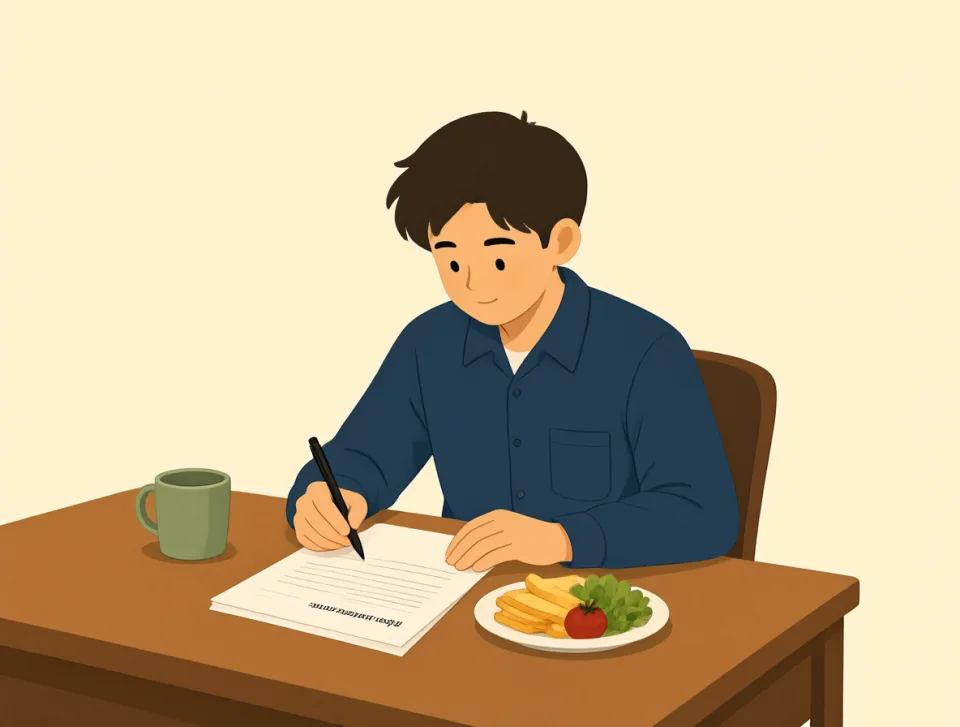
Please continue your work after lunch.
لطفاً بعد از ناهار به کارتان ادامه دهید.
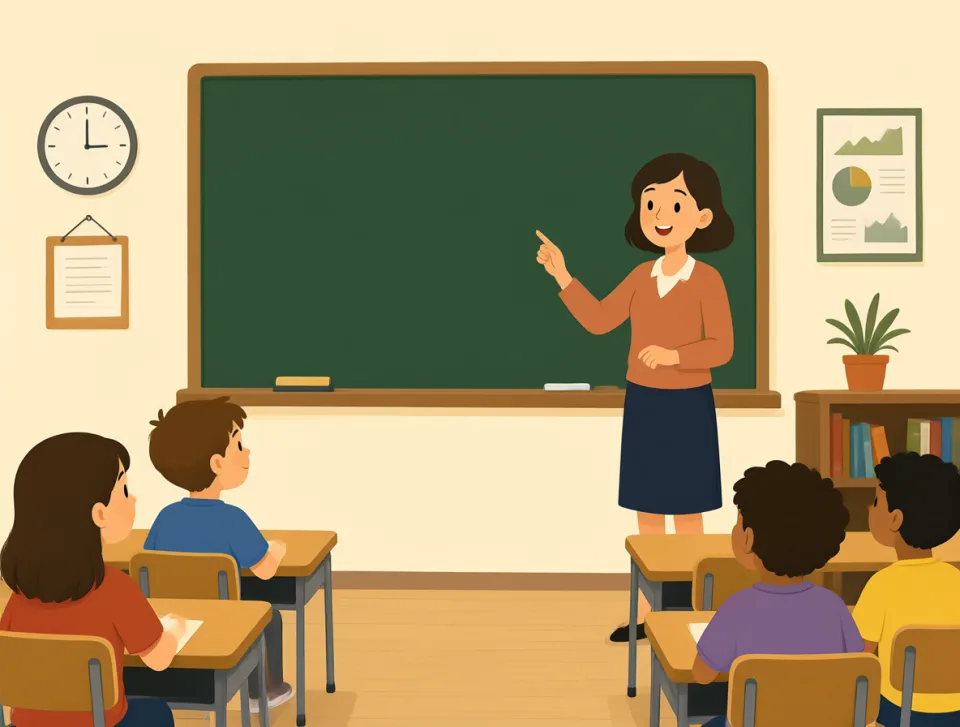
The teacher continued the lesson after the break.
معلم بعد از استراحت درس را ادامه داد.

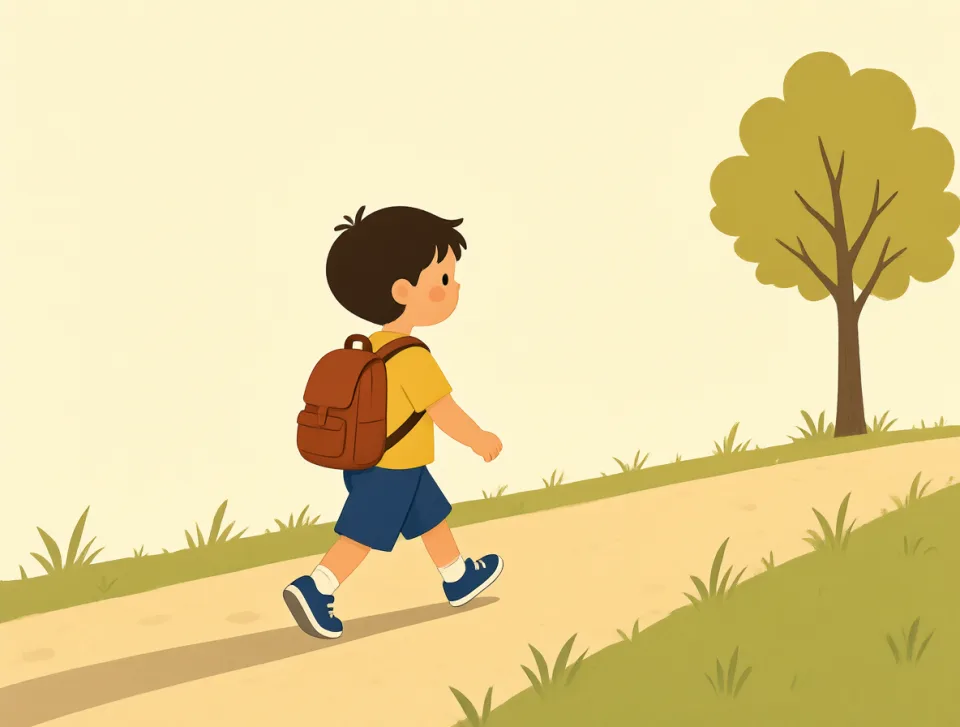
We continued walking through the park.
به قدم زدن در پارک ادامه دادیم.
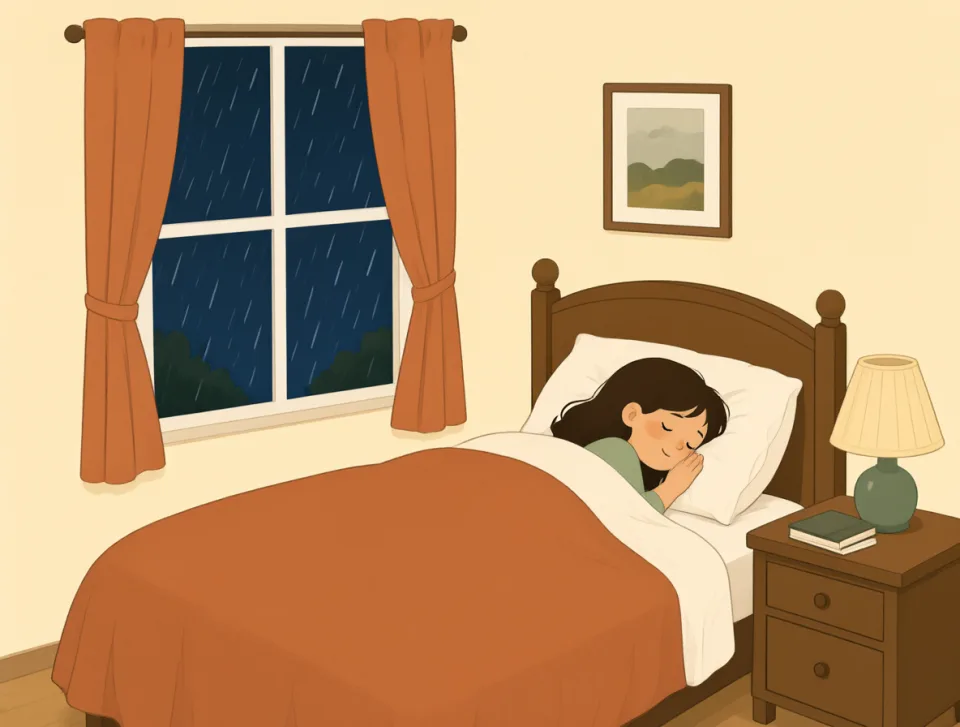
The rain continued all night.
باران تمام شب ادامه داشت.
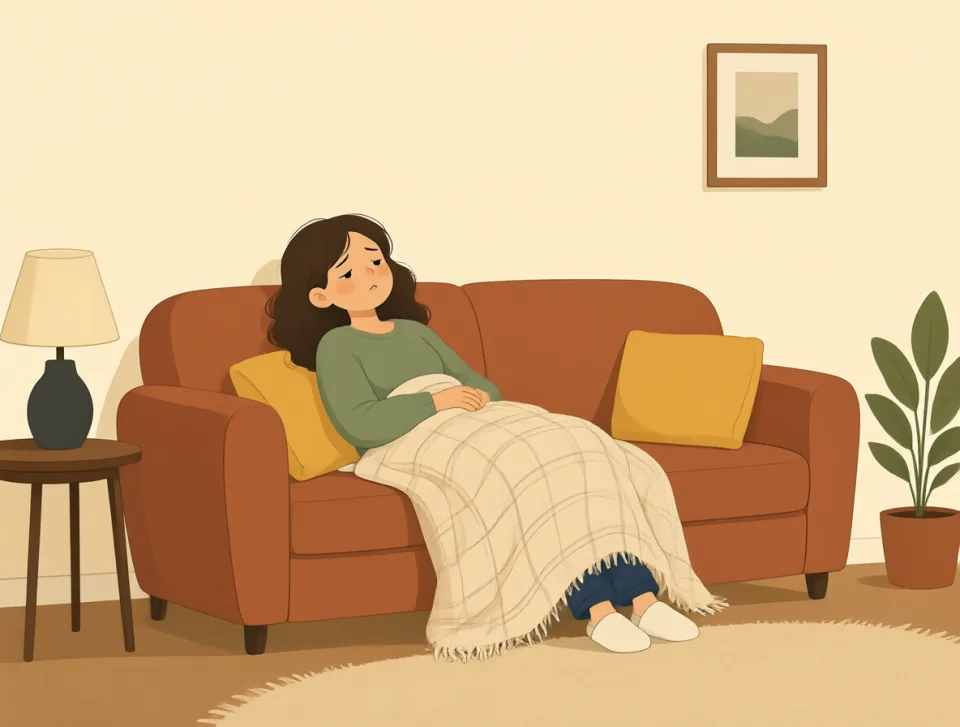
She continued to feel tired after resting.
او بعد از استراحت همچنان احساس خستگی میکرد.
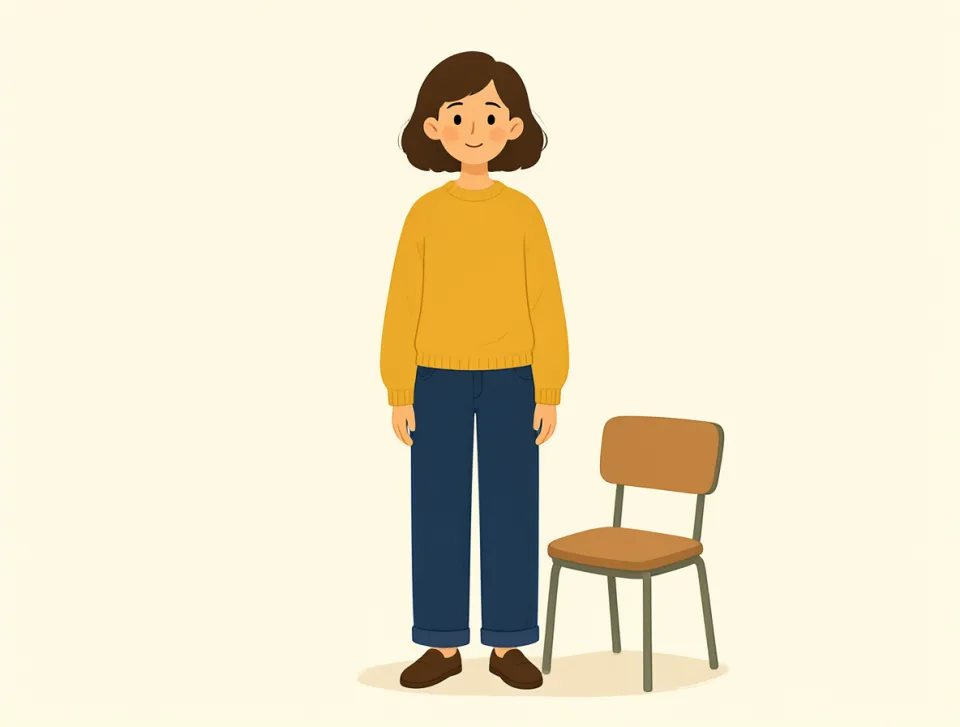
stand
#309verb, noun
ایستادن
to be upright on your feet, or to support someone or something
روی پاها راست ایستادن، یا از کسی یا چیزی حمایت کردن.
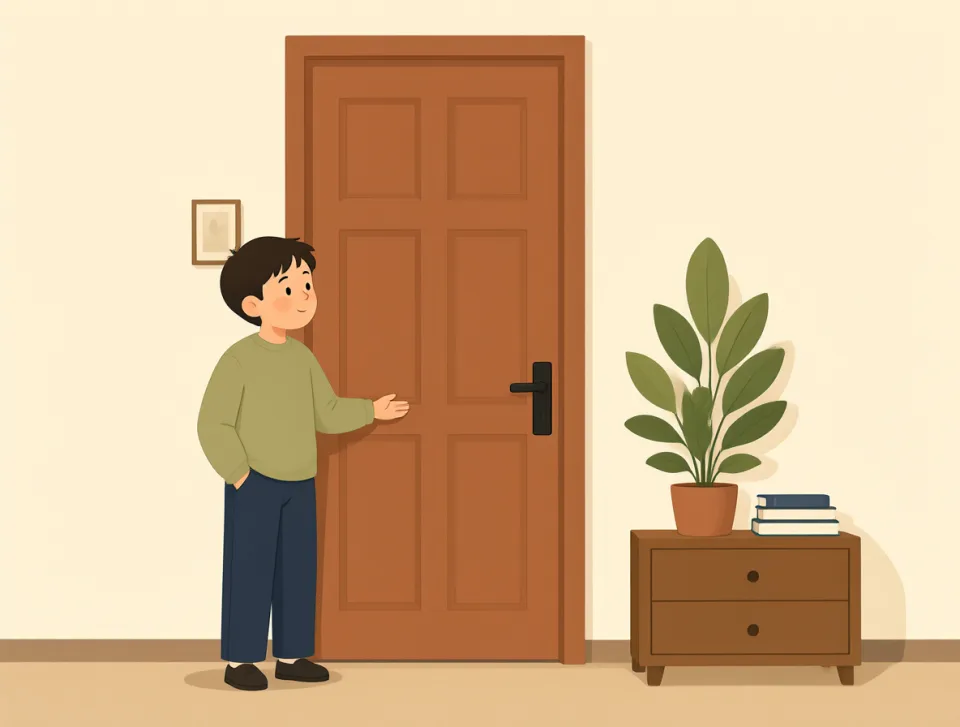
Please stand near the door.
لطفاً نزدیک در بایستید.
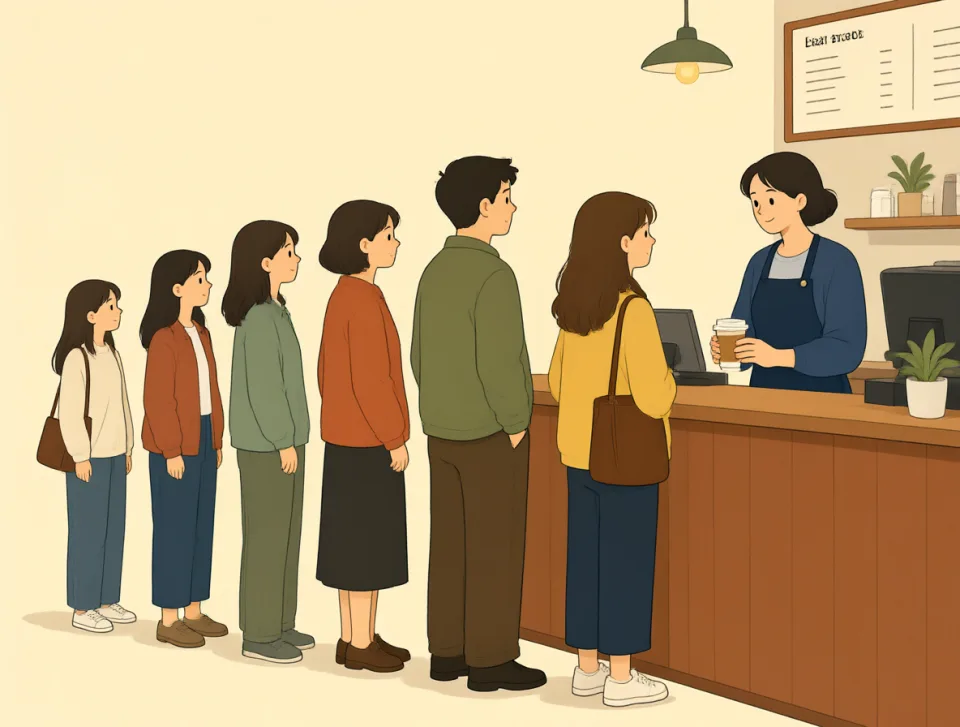
We stood in line for coffee.
برای خرید قهوه در صف ایستادیم.
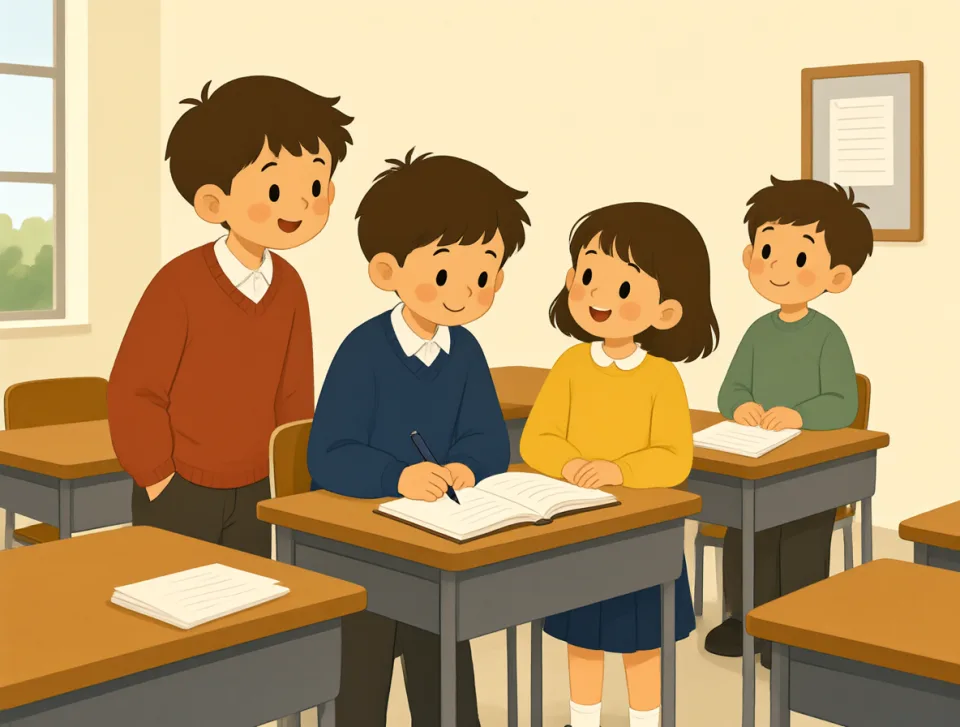
The children stand at their desks.
بچهها پشت میزهایشان میایستند.
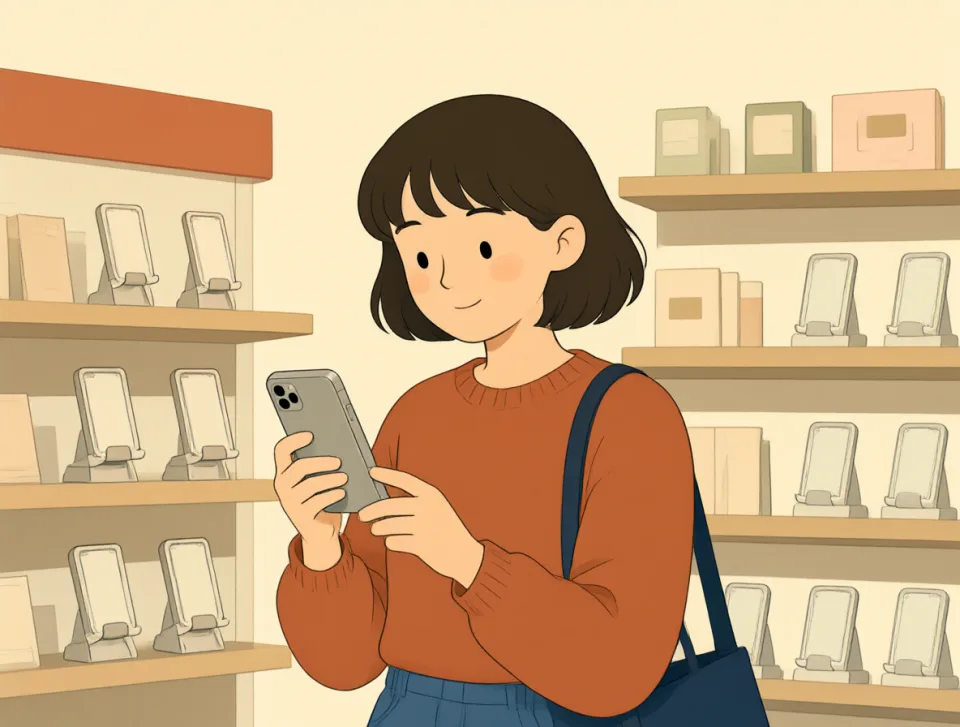
She bought a phone stand.
او یک پایهٔ گوشی خرید.
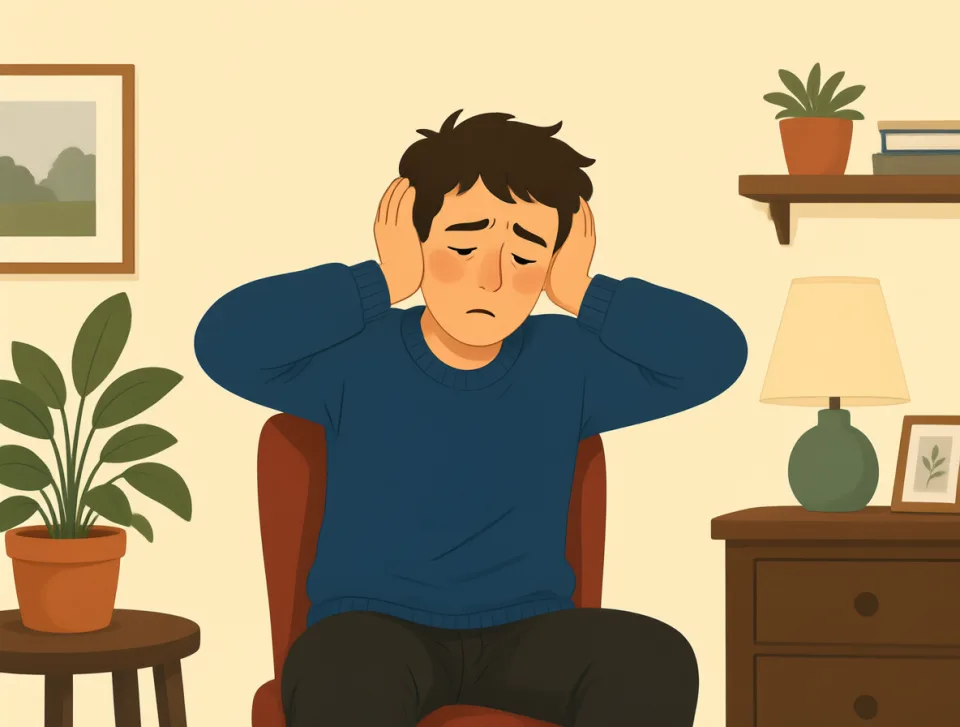
He cannot stand the loud noise.
او نمیتواند سروصدای بلند را تحمل کند.
whole
#310adjective, noun, determiner, adverb
تمام
Complete, with all parts together; or all of something.
کامل، با همهٔ بخشها؛ یا همهٔ چیزی.
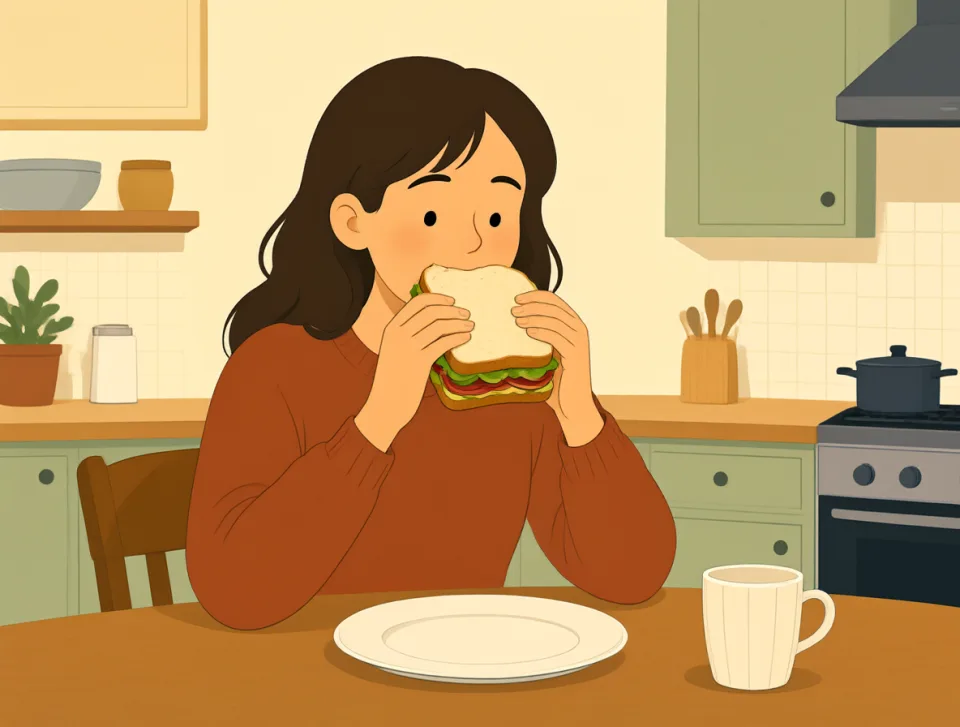
I ate the whole sandwich for lunch.
برای ناهار تمام ساندویچ را خوردم.
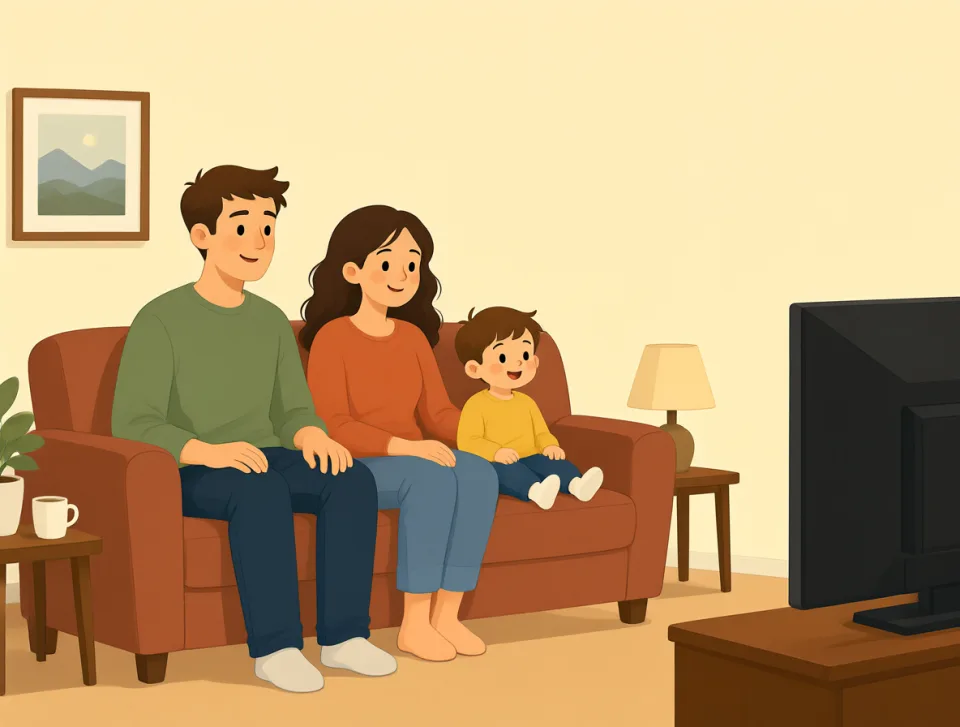
The whole family watched a movie together.
تمام خانواده با هم فیلم تماشا کردند.

She spent the whole day at school.
او تمام روز را در مدرسه گذراند.

We waited a whole hour for the bus.
یک ساعت تمام منتظر اتوبوس ماندیم.
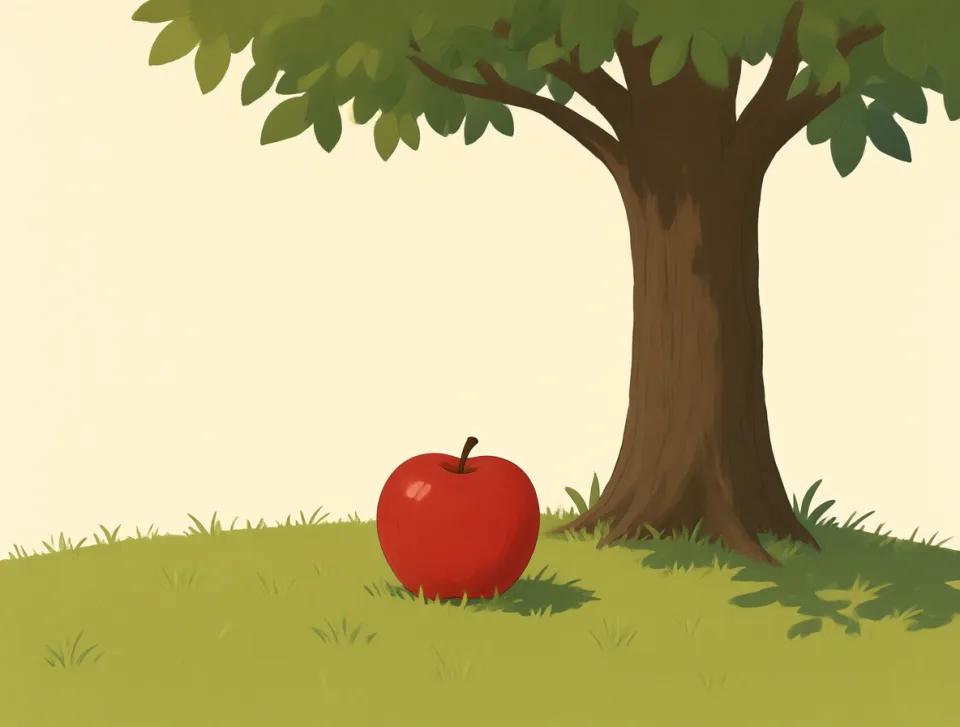
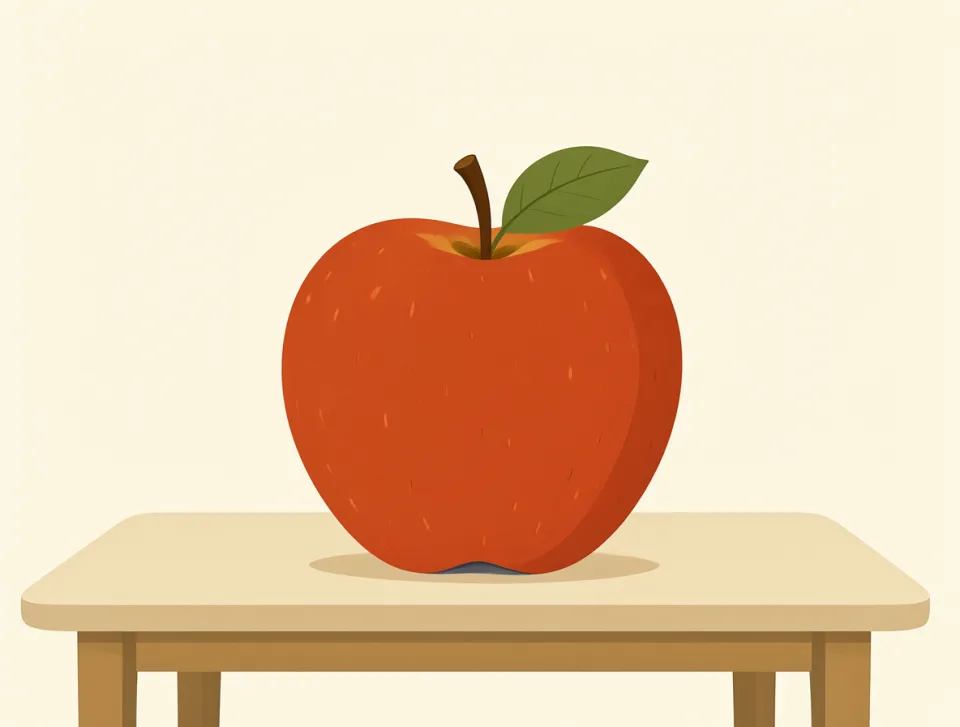
The whole apple fell from the tree.
سیب سالم از درخت افتاد.
yet
#311adverb, conjunction
هنوز
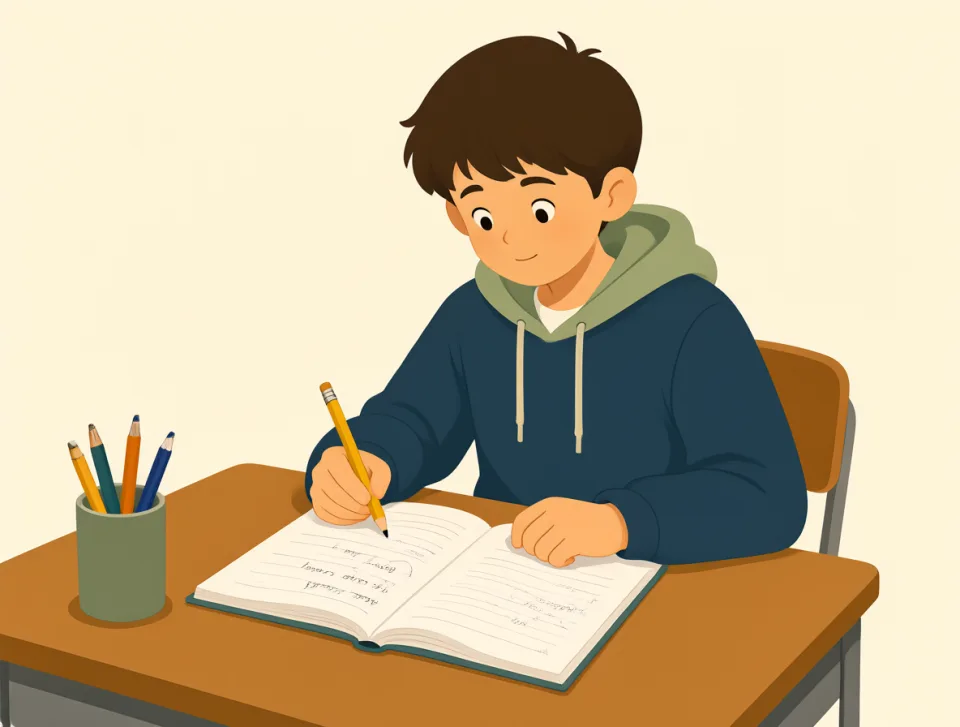
Used to say something has not happened until now or to add a surprising contrast.
برای گفتن اینکه چیزی تا این لحظه اتفاق نیفتاده، یا برای نشاندادن تضادی غیرمنتظره به کار میرود.
I haven't finished my homework yet.
هنوز تکالیفم را تمام نکردهام.
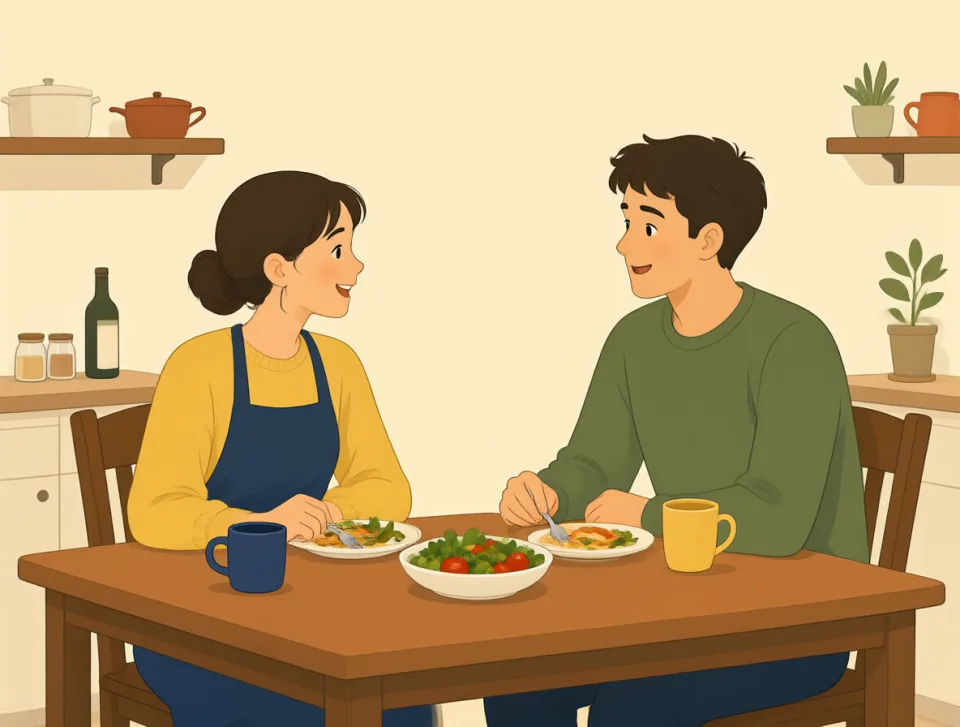
Have you eaten lunch yet?
هنوز ناهار خوردهای؟
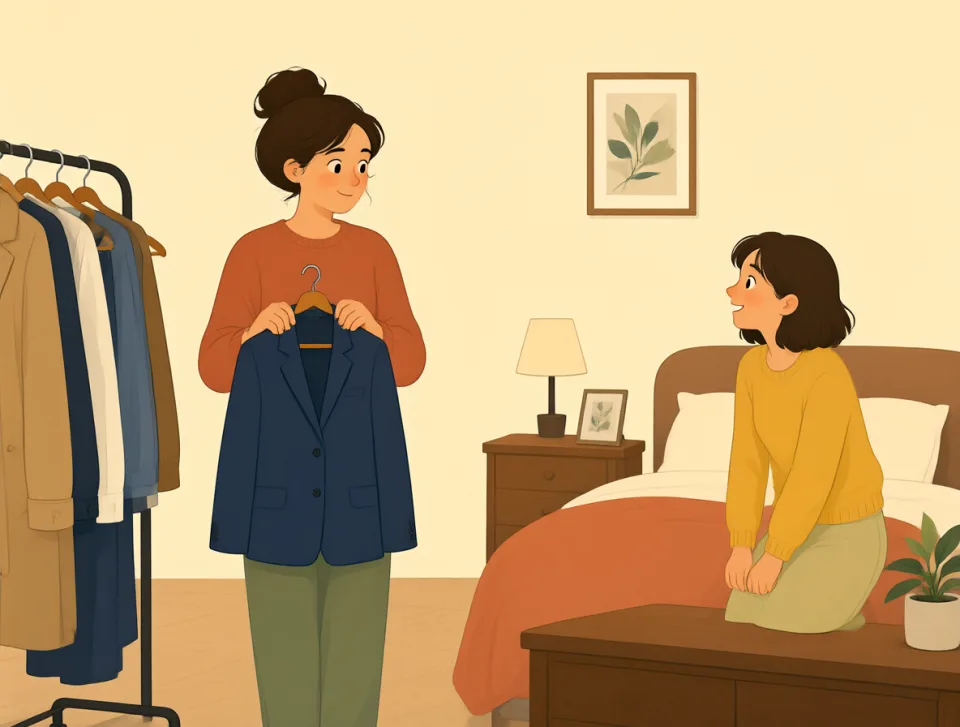
She is not ready yet.
او هنوز آماده نیست.
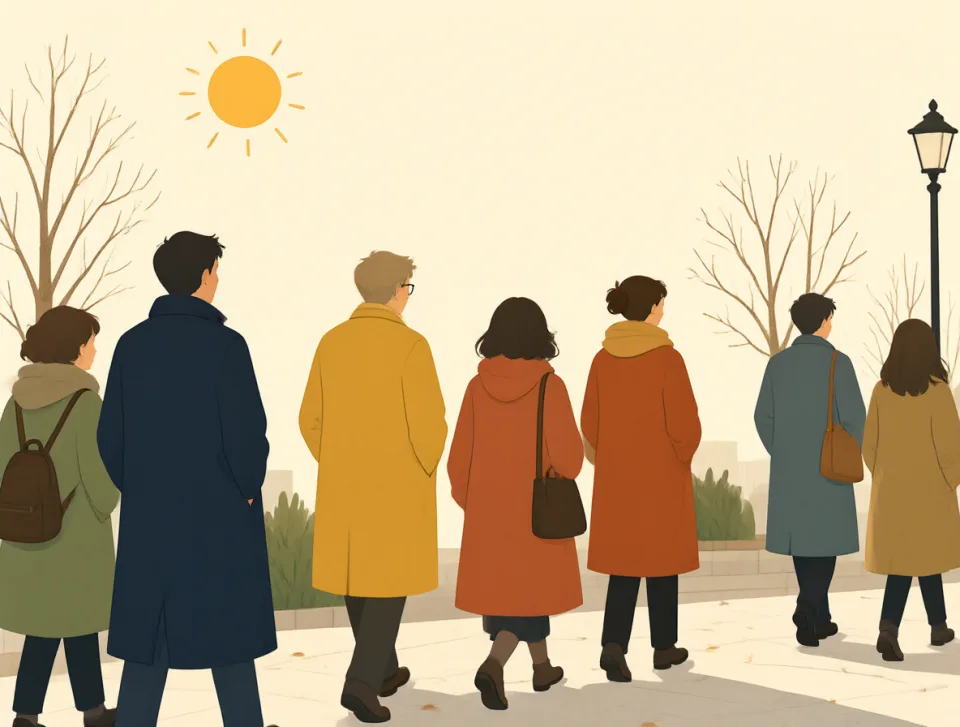
It is cold, yet the sun is shining.
هوا سرد است، بااینحال خورشید میتابد.
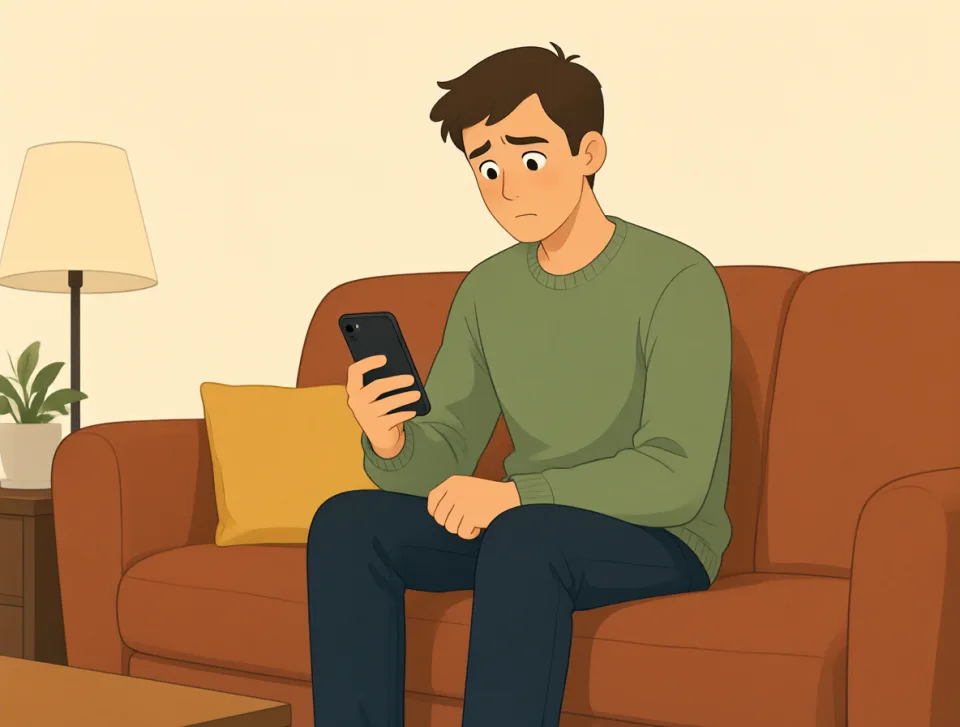
He has not called yet.
او هنوز زنگ نزده است.
rate
#312noun, verb
نرخ؛ ارزیابی کردن
A level, price, or amount compared with another; to judge something or give it a score.
میزان، قیمت یا مقداری در مقایسه با چیز دیگری؛ همچنین یعنی چیزی را قضاوت کردن یا به آن امتیاز دادن.
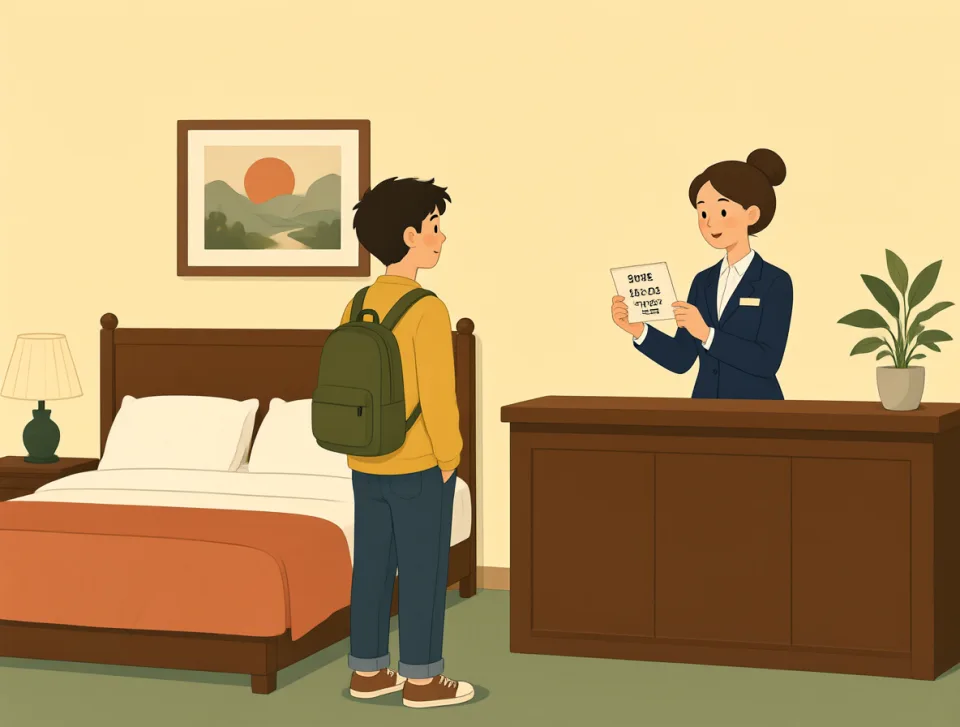
The hotel has a high room rate.
هزینهٔ اقامت در این هتل بالاست.
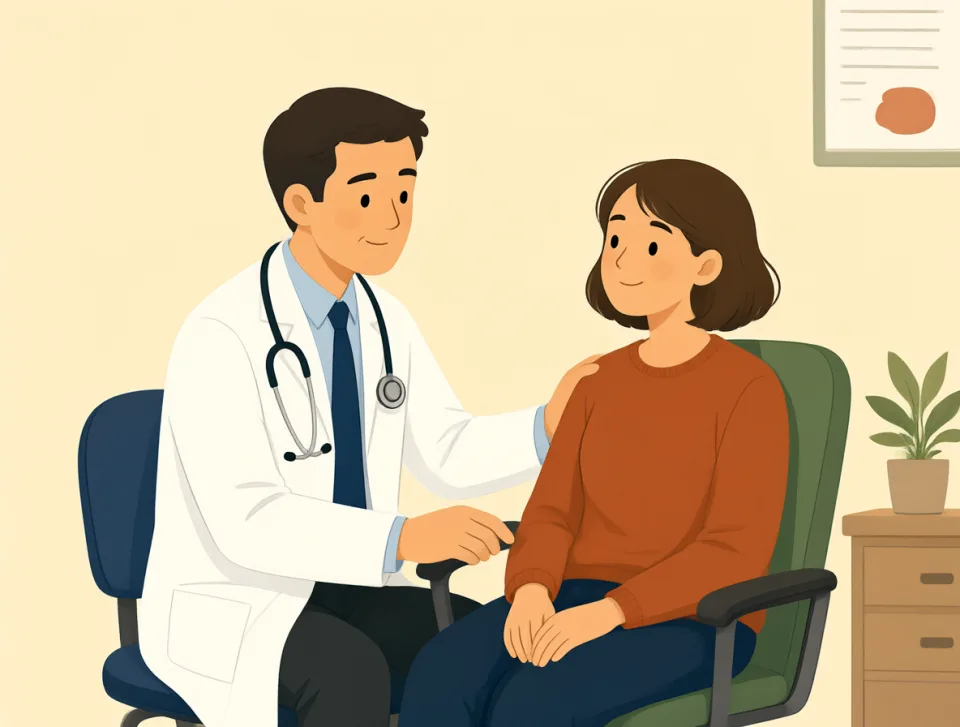
The doctor rated my pain as mild.
دکتر شدت دردم را خفیف ارزیابی کرد.
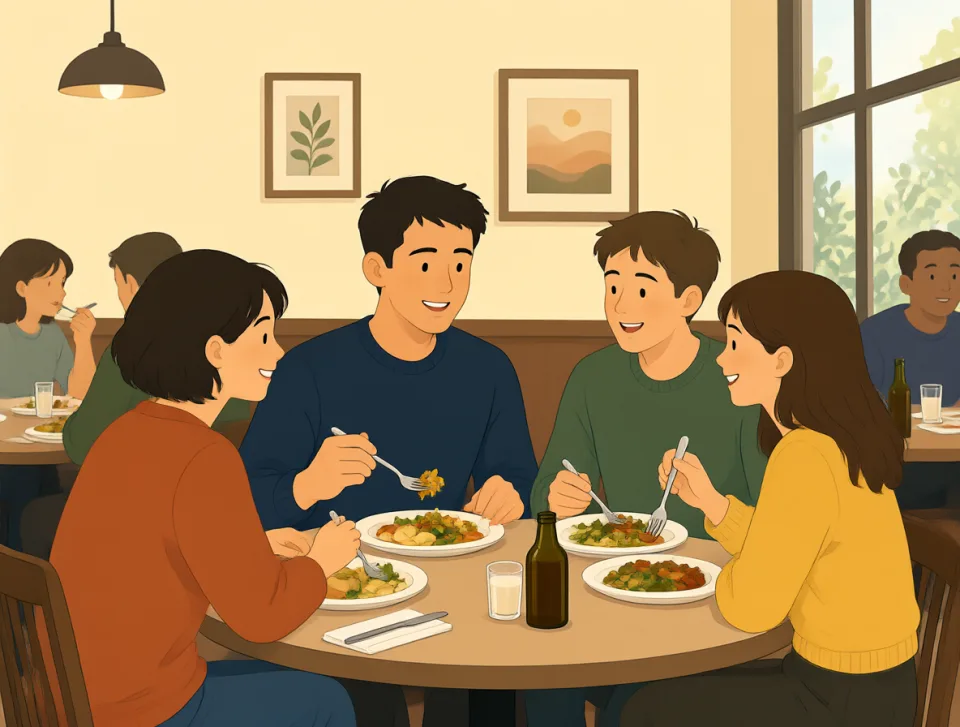
This restaurant rates among the best nearby.
این رستوران جزو بهترین رستورانهای این اطراف است.
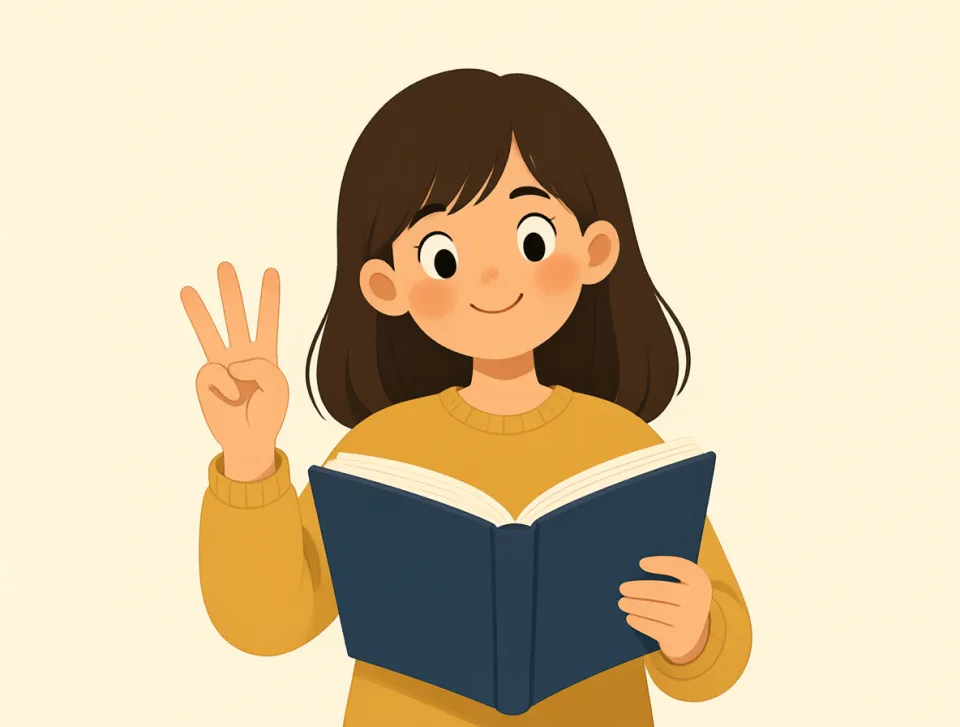
She rated the book five stars.
او به کتاب پنج ستاره داد.
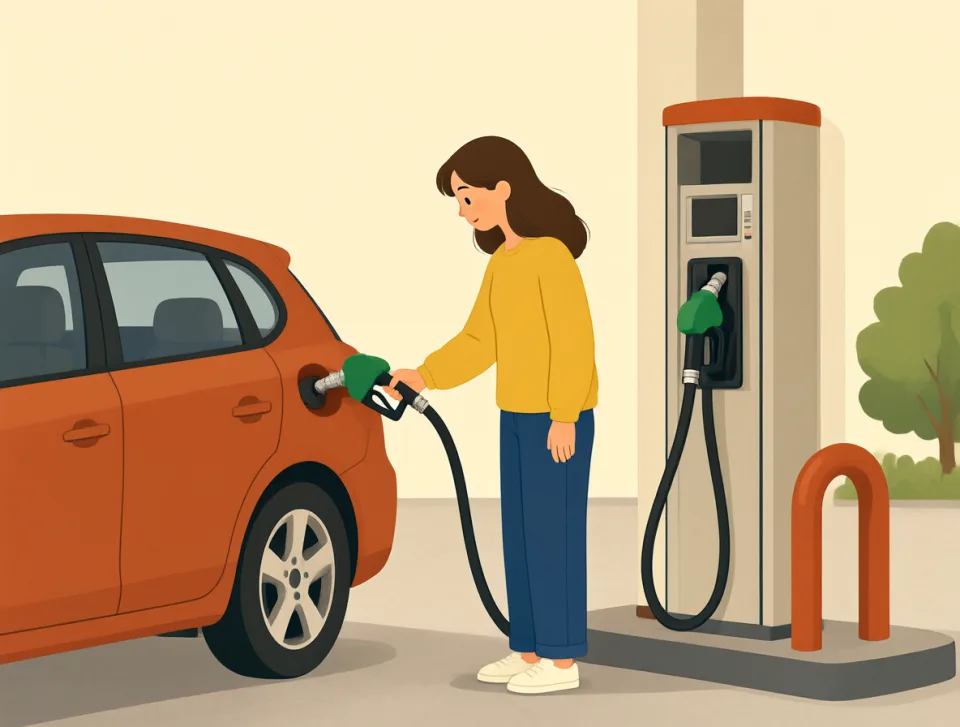
The car gets a good fuel rate.
این ماشین مصرف سوخت خوبی دارد.
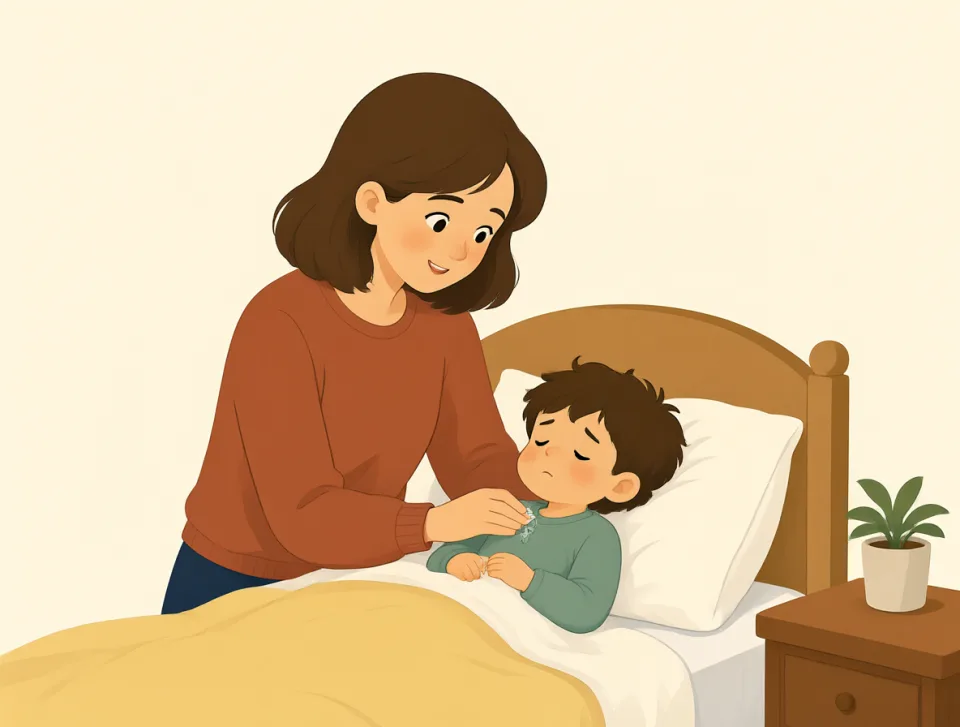
care
#313noun, verb
اهمیت دادن؛ مراقبت کردن
To feel concern for someone or something, or to look after them.
نگران کسی یا چیزی بودن و به او یا آن اهمیت دادن، یا از او مراقبت کردن.
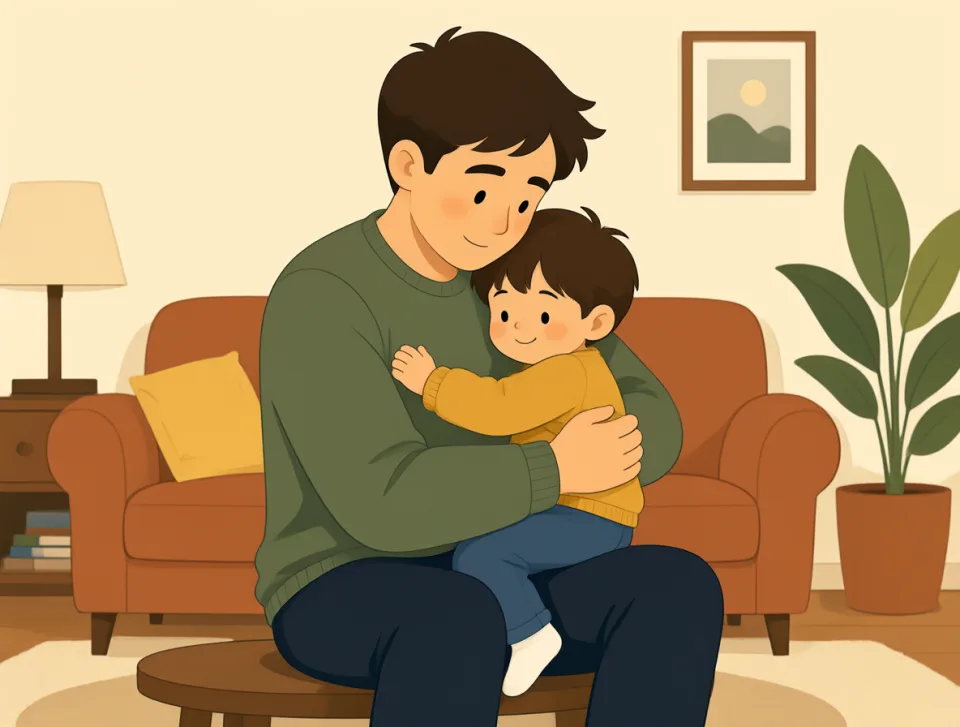
I care about my family very much.
من خیلی به خانوادهام اهمیت میدهم.
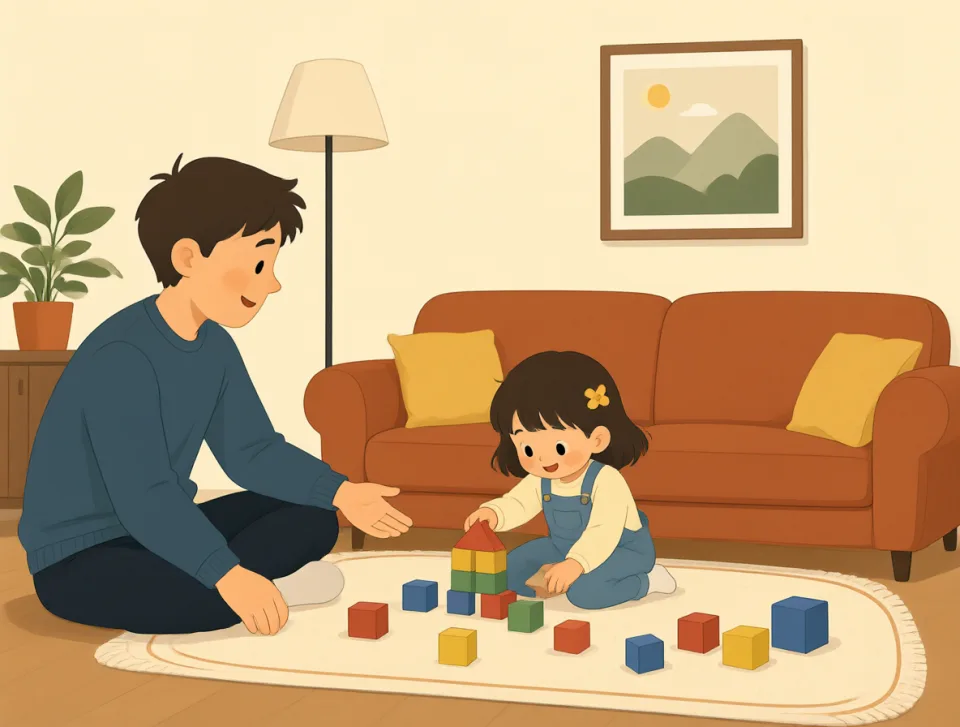
Please take care of your little sister.
لطفاً از خواهرت که از تو کوچکتر است مراقبت کن.
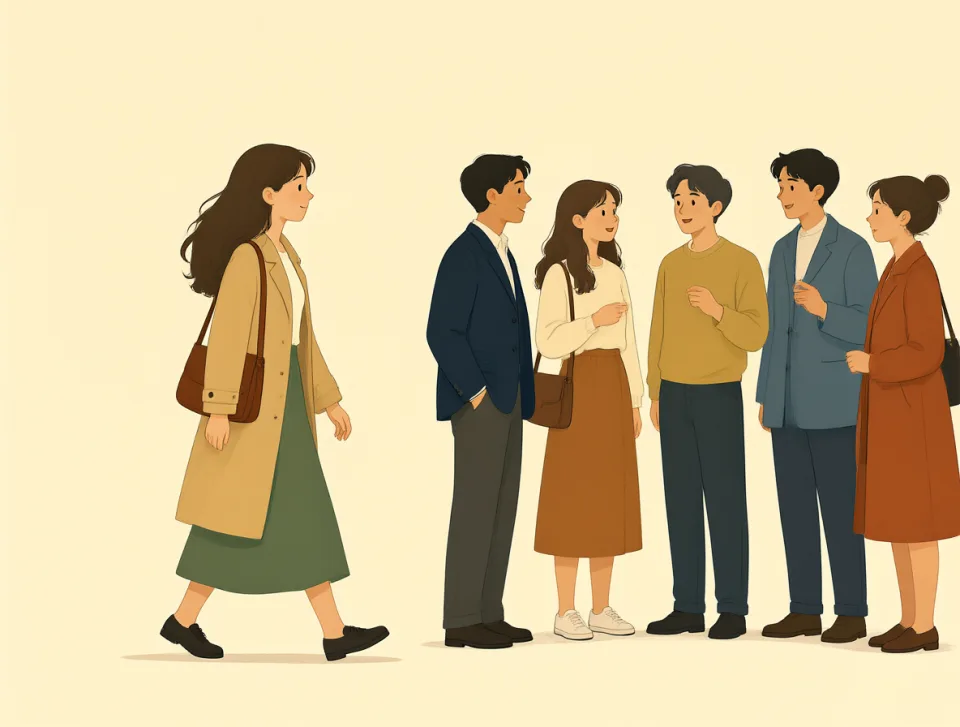
She does not care what people think.
برای او مهم نیست مردم چه فکری میکنند.
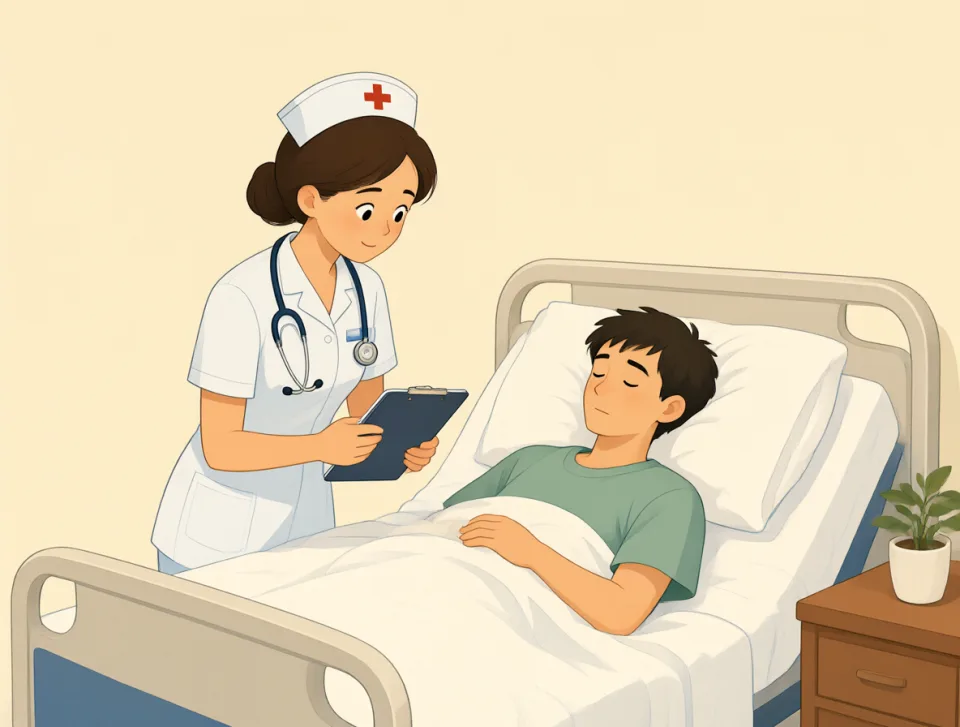
The nurse cared for the patient all night.
پرستار تمام شب از بیمار مراقبت کرد.
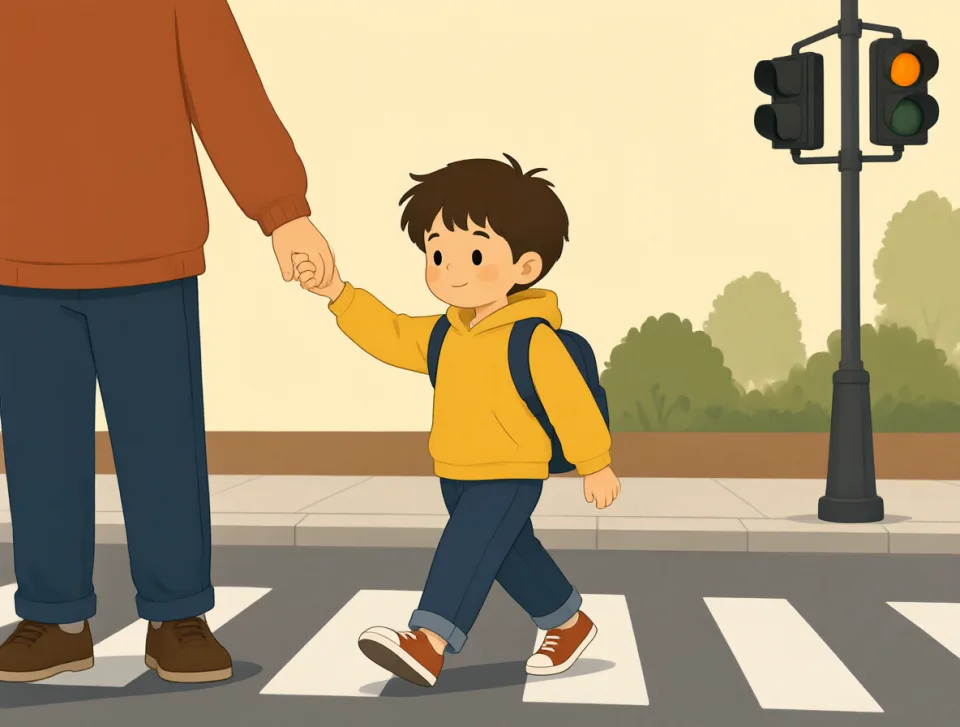
Take care when you cross the busy street.
وقتی از خیابان شلوغ رد میشوی، مراقب باش.
expect
#314verb
انتظار داشتن
To think something will happen or believe someone will do something.
فکر کردن به اینکه چیزی اتفاق خواهد افتاد یا باور داشتن به اینکه کسی کاری را انجام خواهد داد.
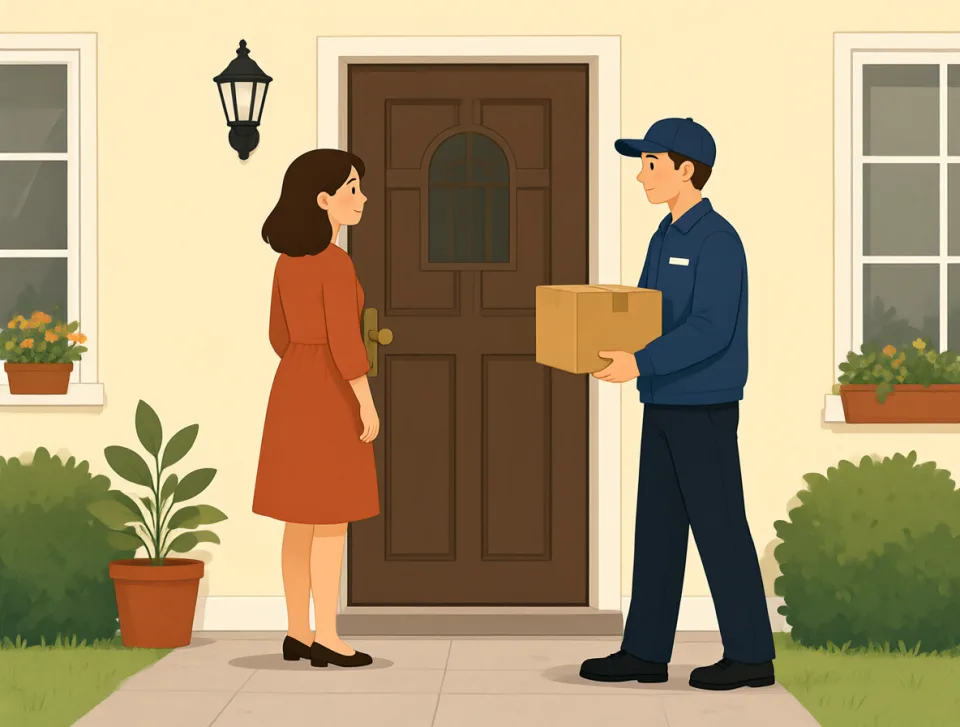
I expect a package tomorrow.
فردا منتظر رسیدن یک بسته هستم.
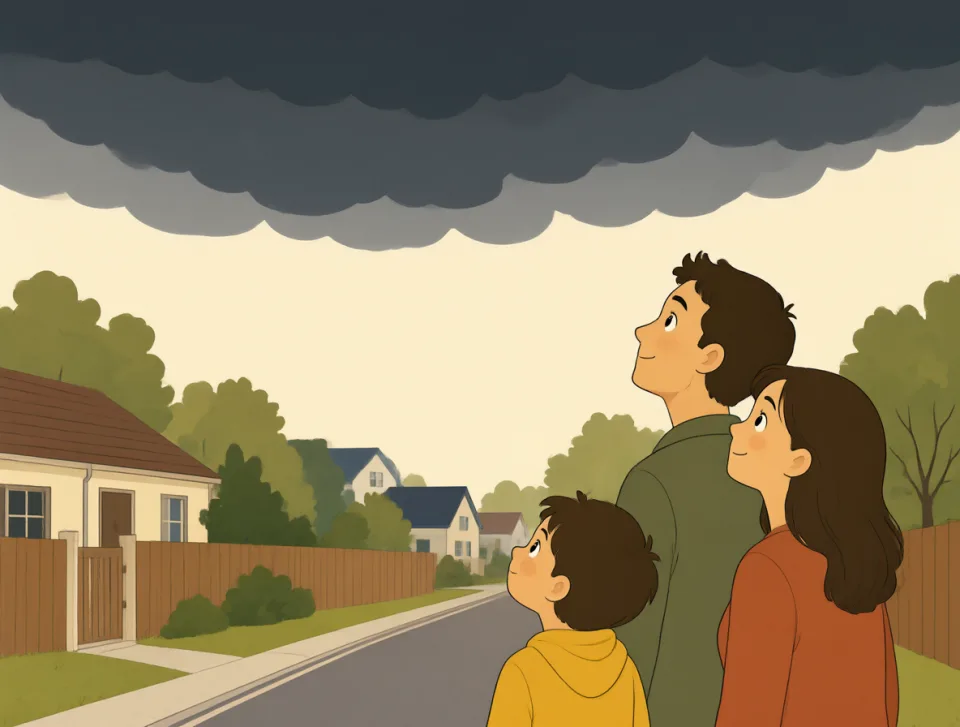
We expect rain this afternoon.
انتظار داریم امروز بعدازظهر باران ببارد.
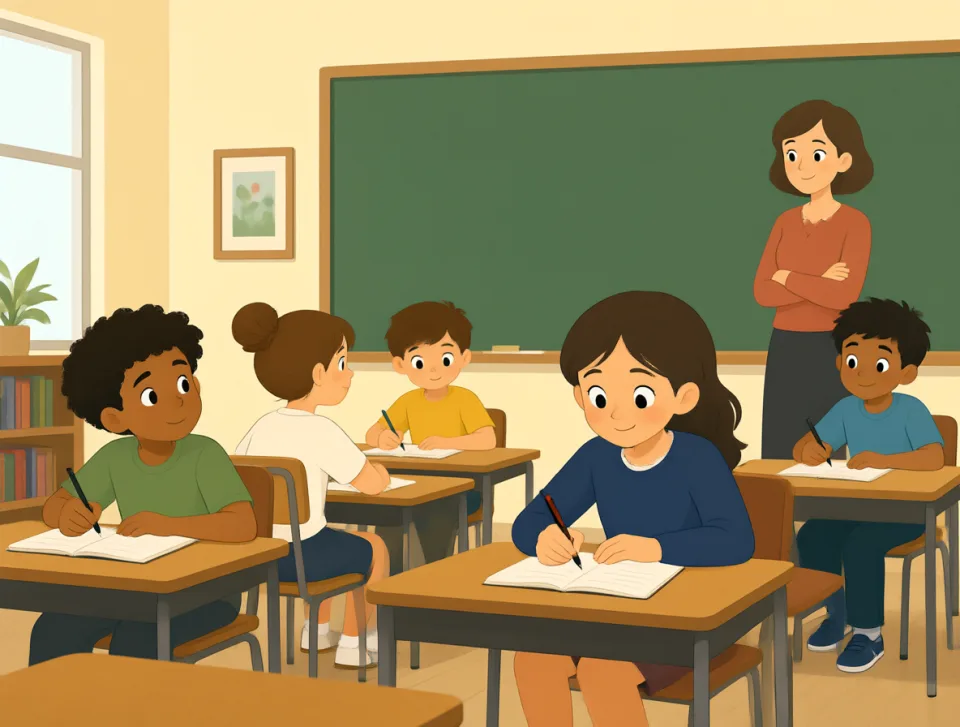
The teacher expects us to finish today.
معلم انتظار دارد امروز کار را تمام کنیم.
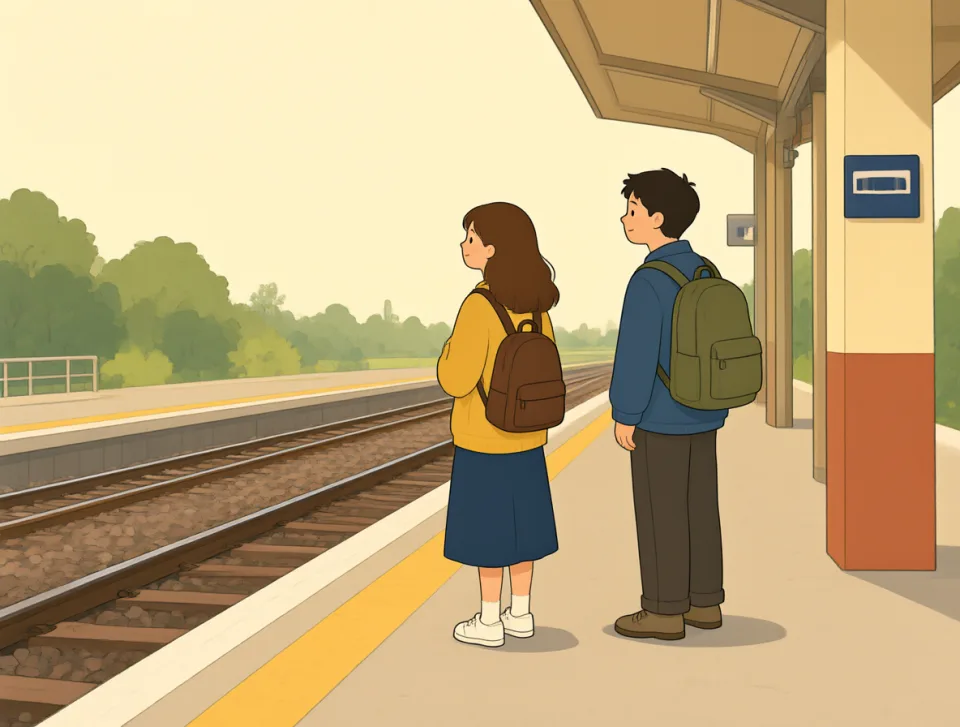
They expect the train to arrive soon.
آنها انتظار دارند قطار بهزودی برسد.
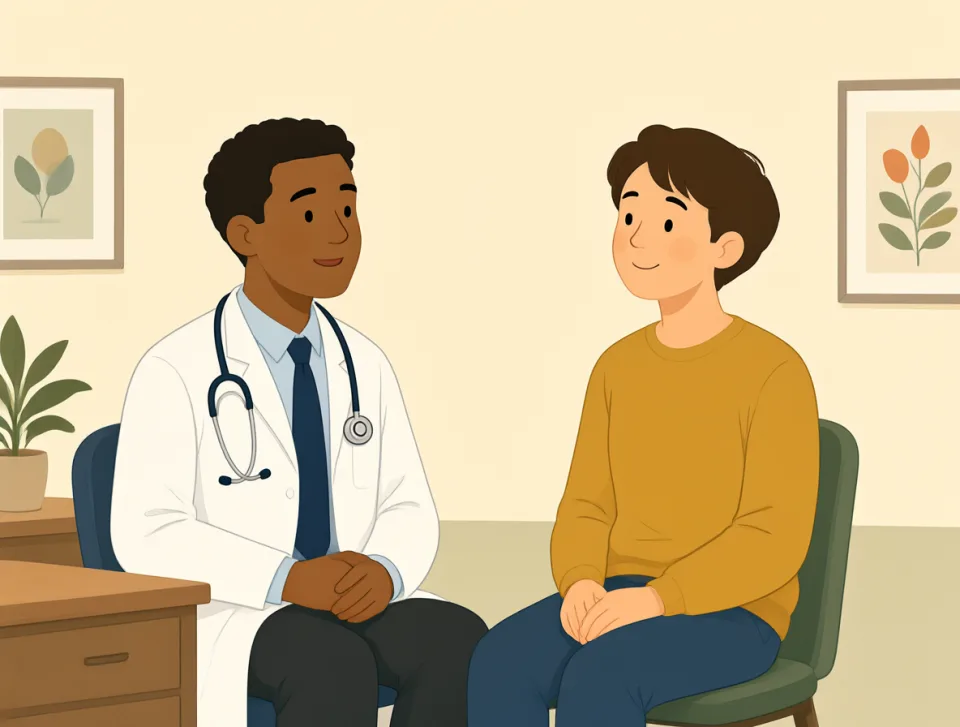
The doctor expects you to feel better soon.
دکتر انتظار دارد بهزودی حالتان بهتر شود.
effect
#315noun, verb
تأثیر؛ اثر گذاشتن
A change caused by something, or to make a change happen.
تغییری که چیزی باعث آن میشود؛ همچنین یعنی باعث تغییر شدن.
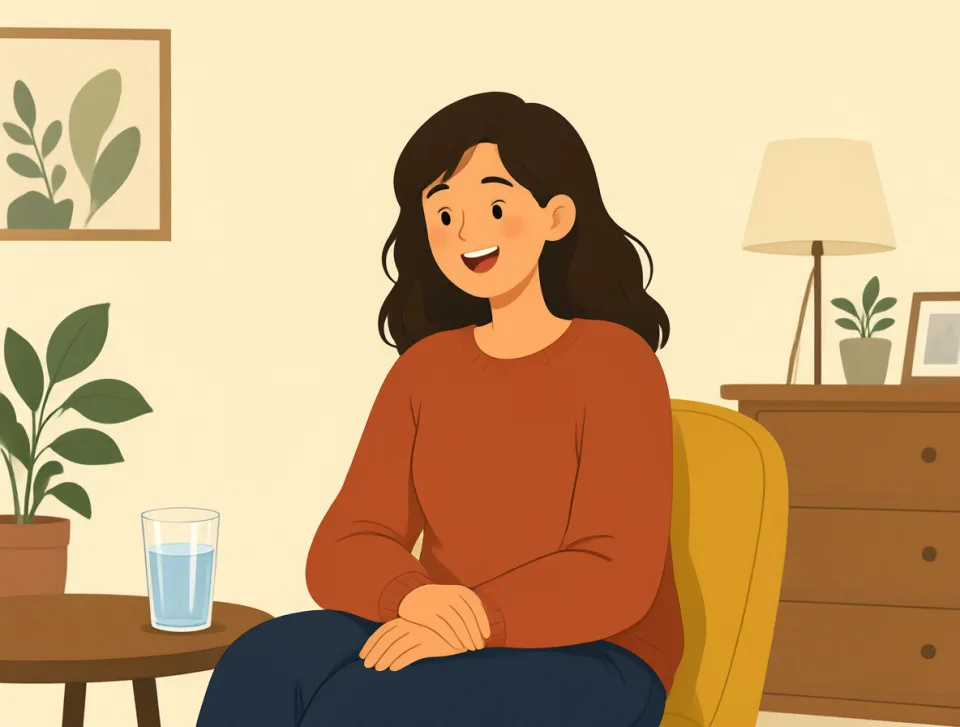
The medicine had a good effect on her.
آن دارو تأثیر خوبی روی او داشت.
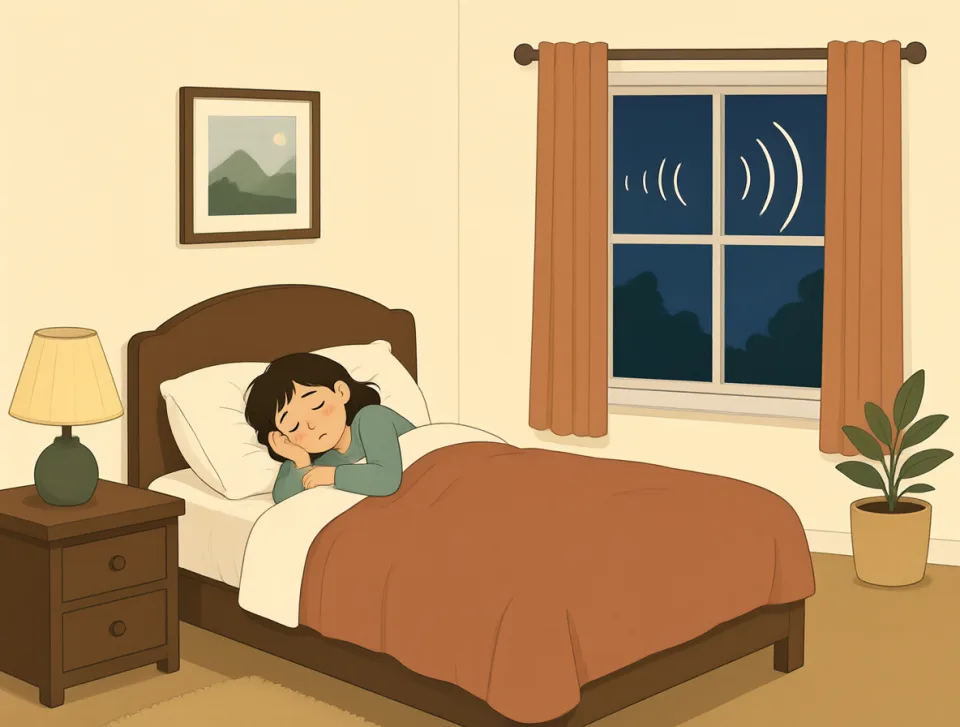
The loud noise affected my sleep.
صدای بلند روی خوابم تأثیر گذاشت.

Sunlight has a strong effect on plants.
نور خورشید تأثیر زیادی بر گیاهان دارد.
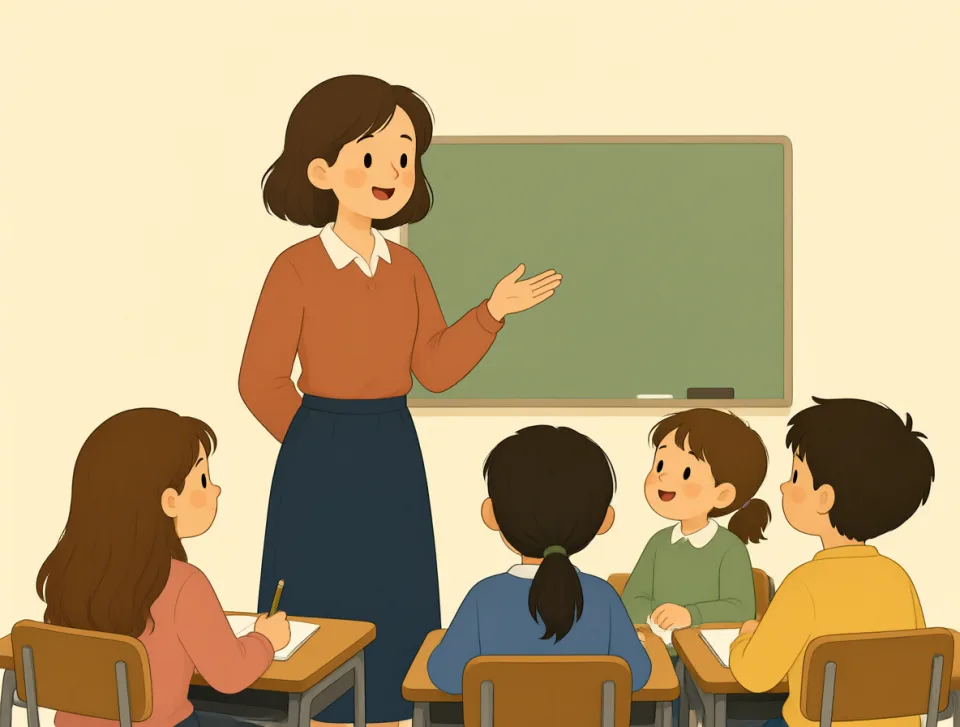
The new rule will affect all students.
قانون جدید بر همهٔ دانشآموزان تأثیر خواهد گذاشت.
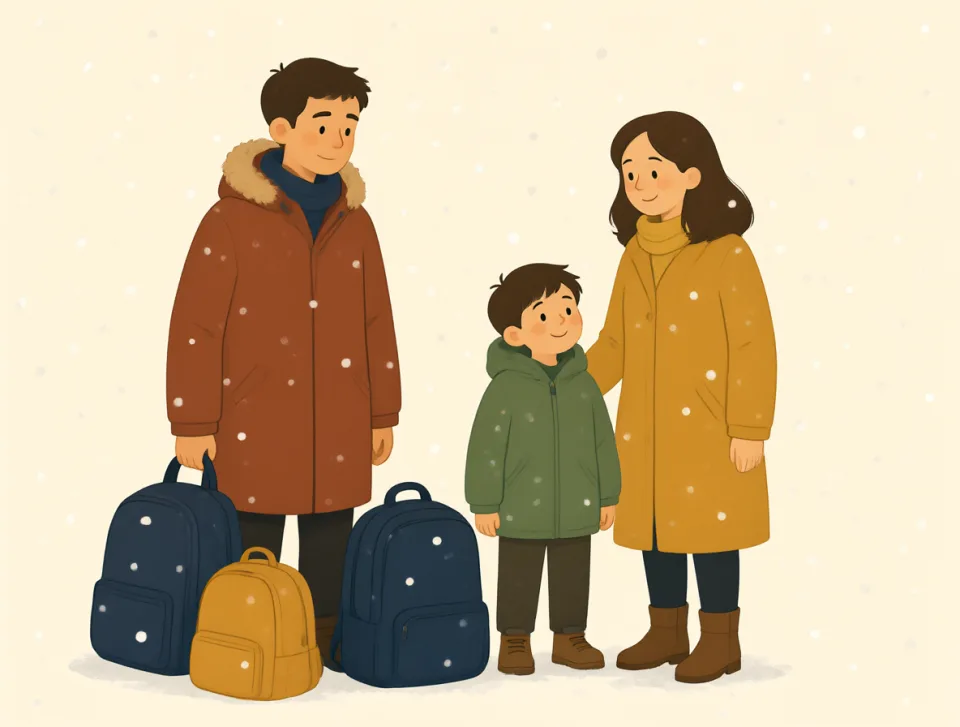
The cold weather affected our travel plans.
هوای سرد روی برنامههای سفرمان تأثیر گذاشت.
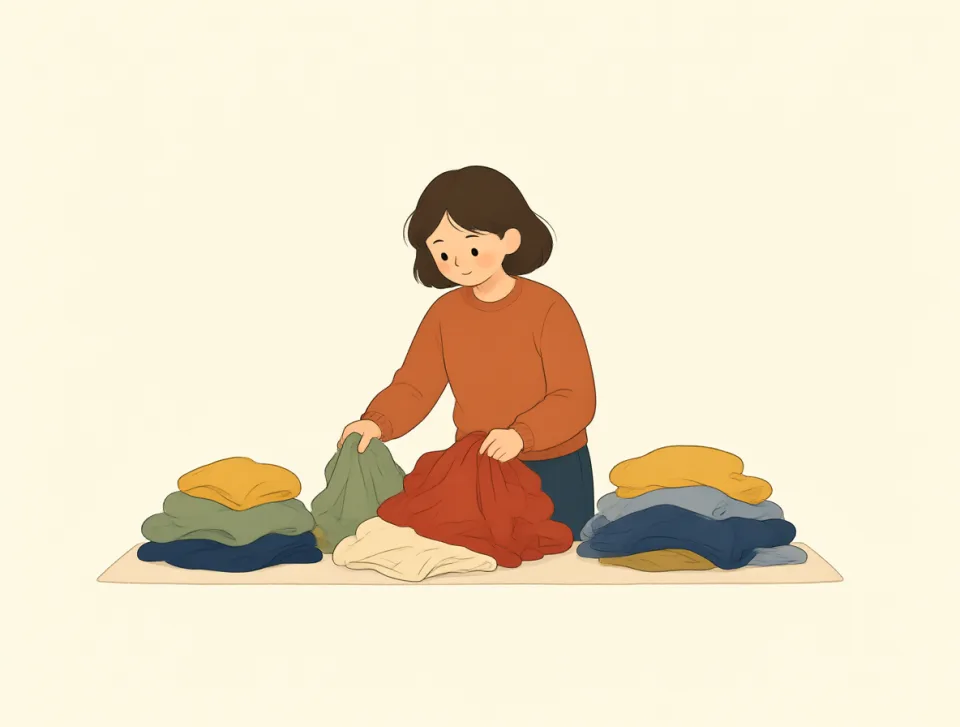
sort
#316noun, verb
نوع
A type of something; to put things into groups.
نوعی از چیزی؛ دستهبندی کردن چیزها.

What sort of music do you like?
چه نوع موسیقیای دوست داری؟
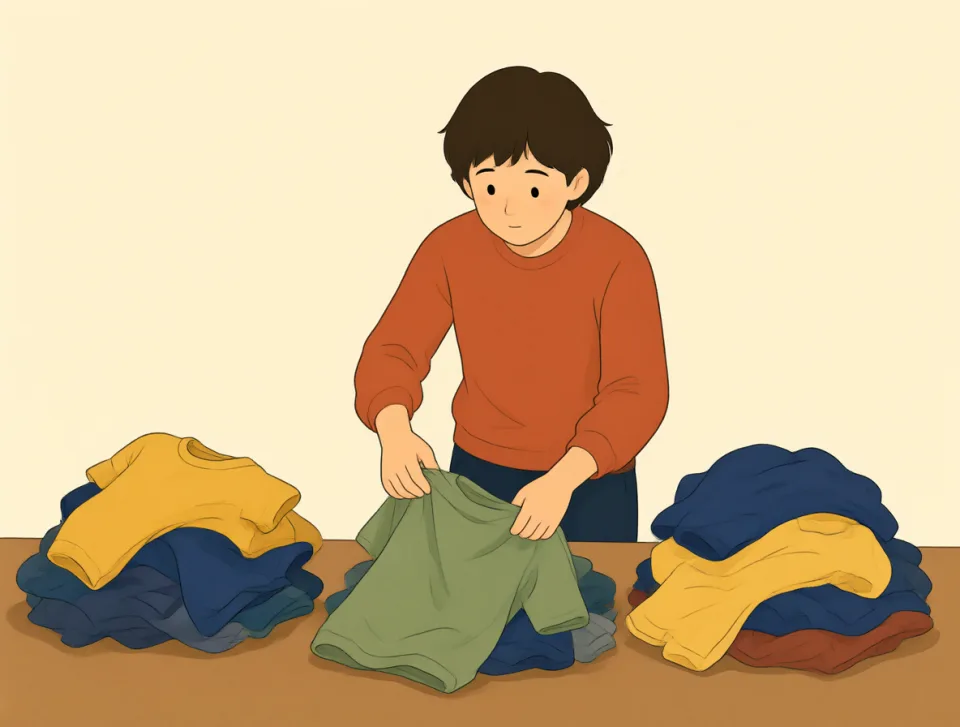
Please sort these clothes by color.
لطفاً این لباسها را بر اساس رنگ مرتب کن.
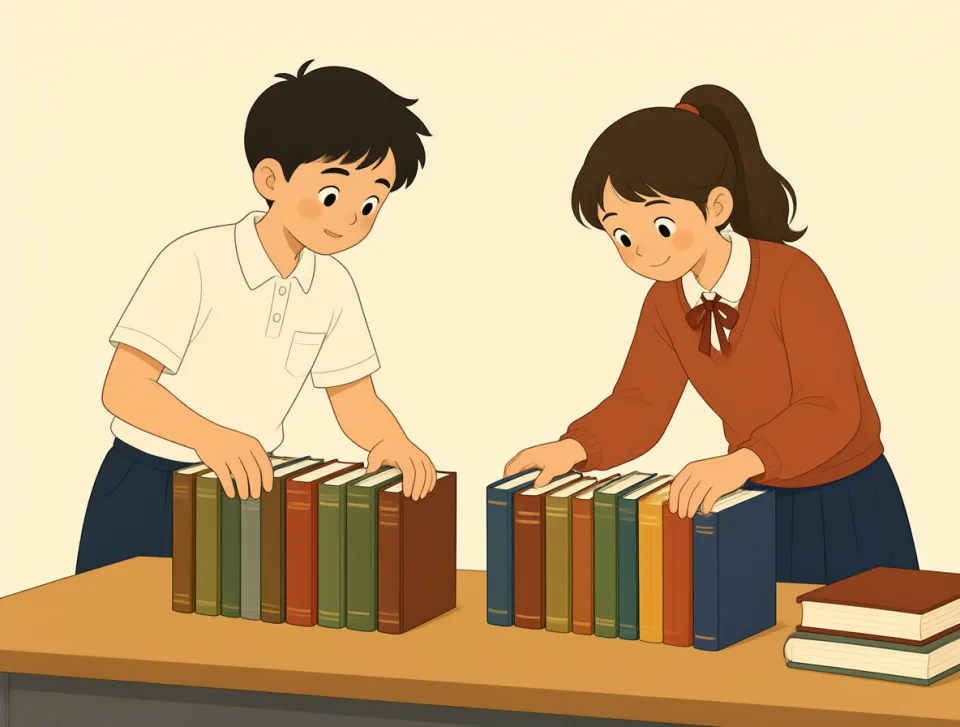
We sorted the books by size.
کتابها را بر اساس اندازه مرتب کردیم.
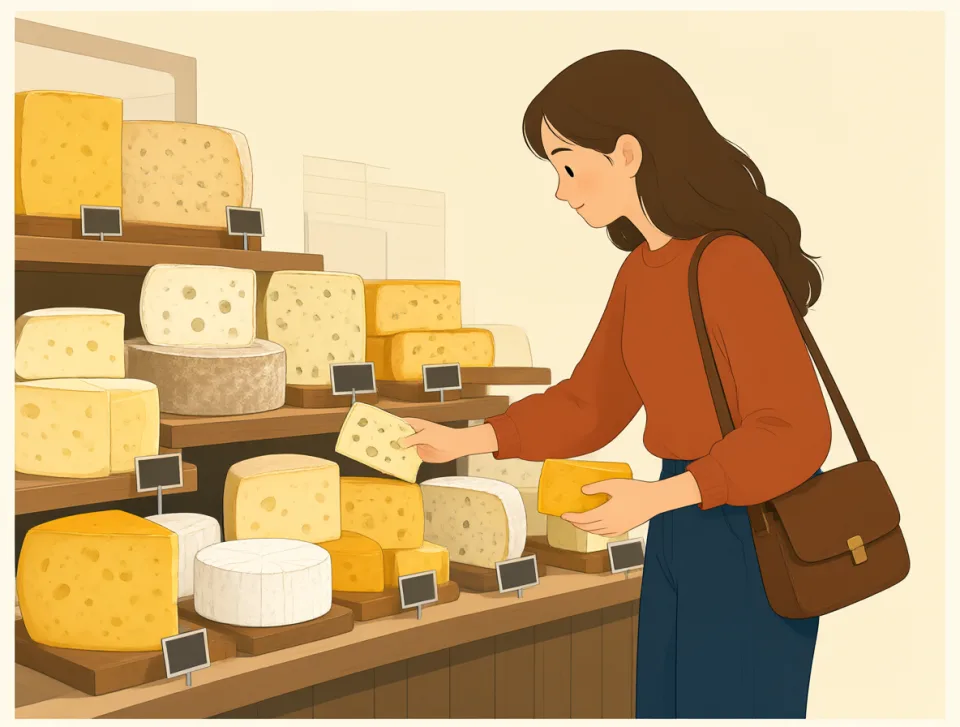
She bought several sorts of cheese.
چند نوع پنیر خرید.
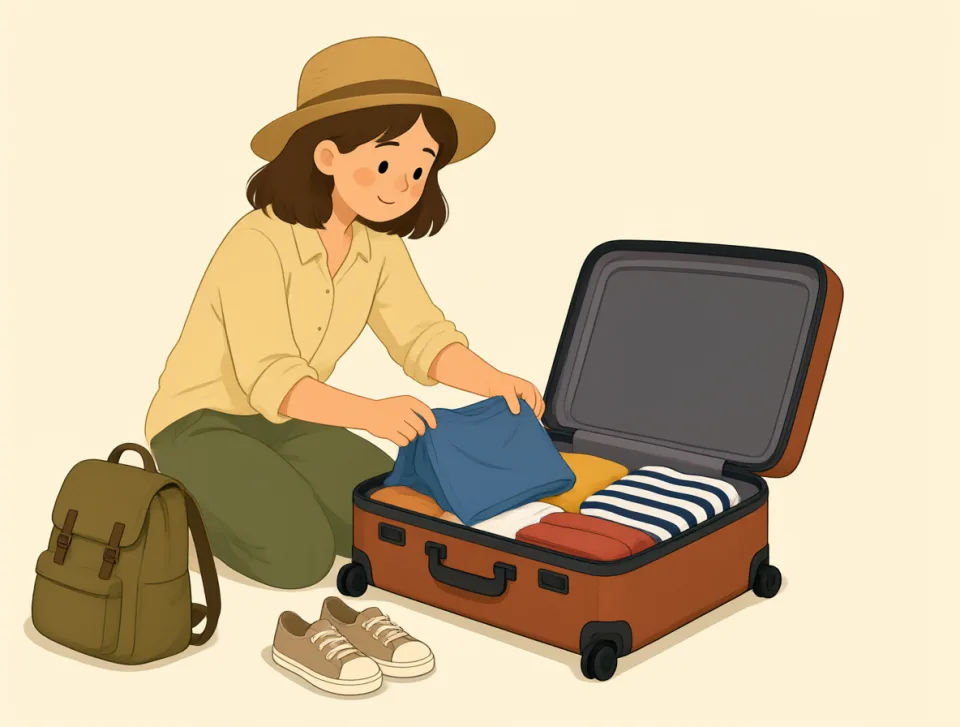
I need to sort out my travel plans.
باید برنامههای سفرم را سر و سامان بدهم.
ever
#317adverb
تا به حال؛ هیچوقت
At any time, or at any time before now.
در هر زمانی، یا در هر زمانی پیش از حالا.
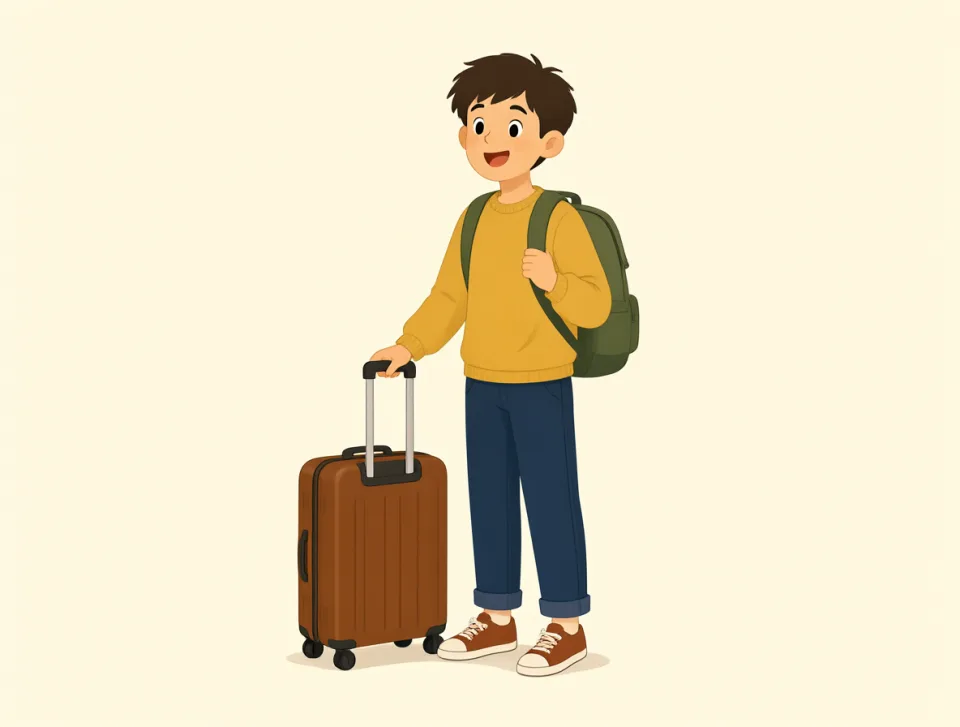
Have you ever visited another country?
تا به حال به کشور دیگری سفر کردهای؟
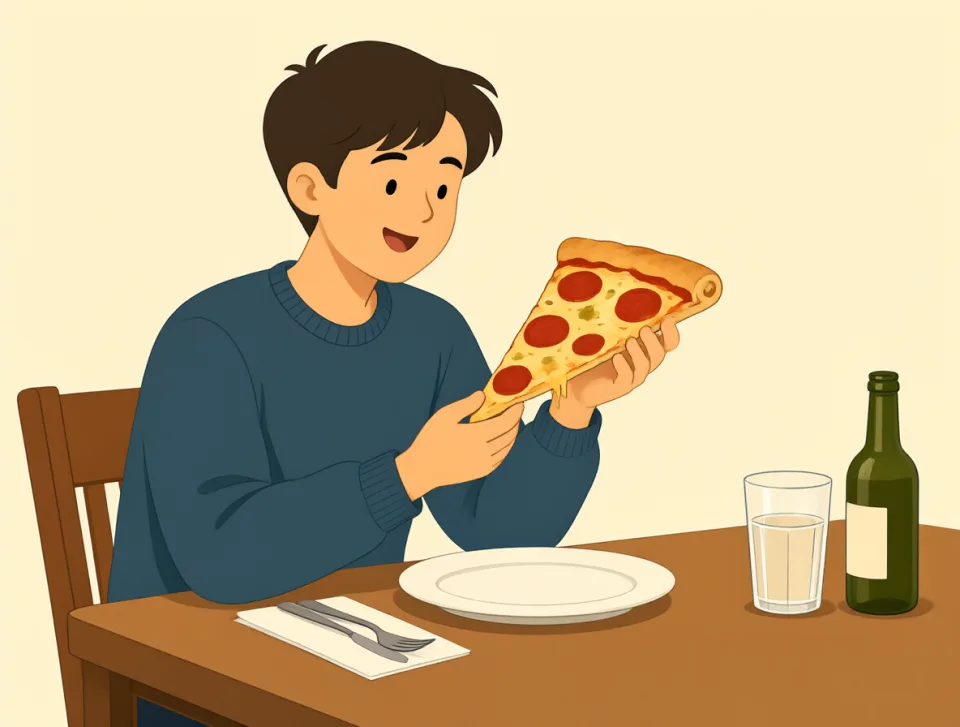
This is the best pizza I have ever eaten.
این بهترین پیتزایی است که تا به حال خوردهام.
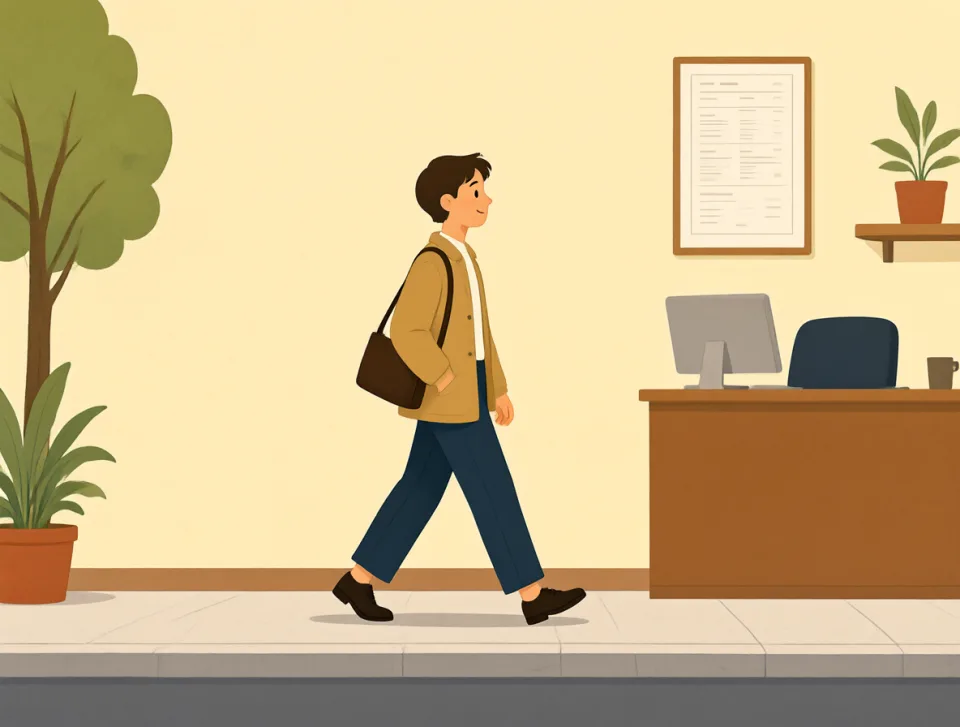
Do you ever walk to work?
هیچوقت پیاده به سر کار میروی؟

If you ever need help, call me.
اگر زمانی به کمک نیاز داشتی، با من تماس بگیر.
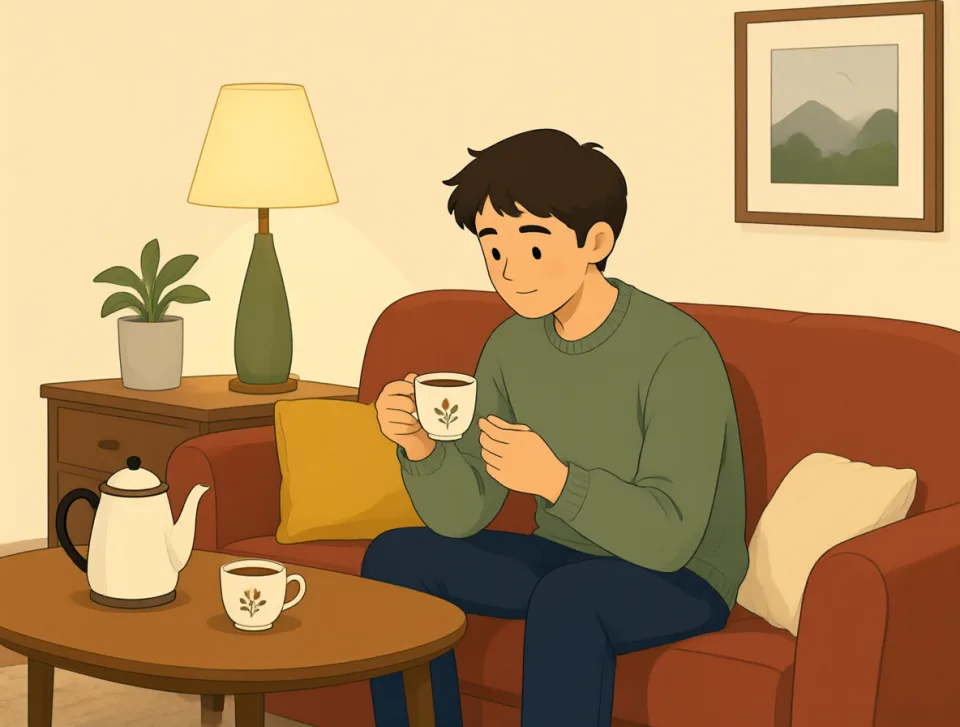
He hardly ever drinks coffee in the evening.
او بهندرت عصرها قهوه مینوشد.
anything
#318pronoun, determiner
هر چیزی
A thing of any kind, or no particular thing.
چیزی از هر نوع، یا چیز خاصی.
Would you like anything to eat?
چیزی برای خوردن میل دارید؟
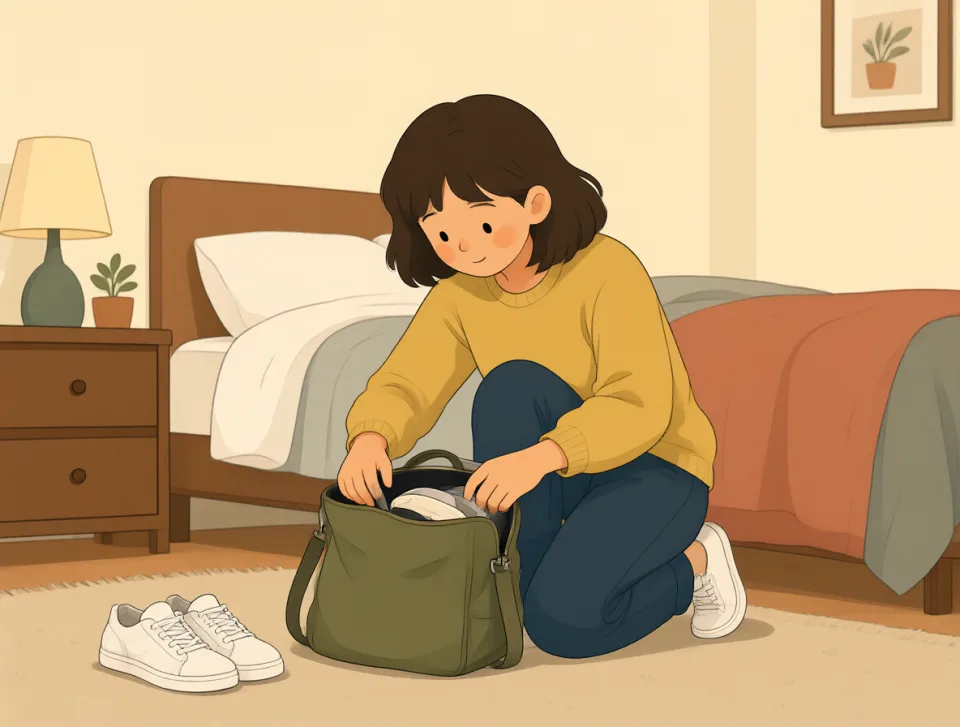
I cannot find anything in this bag.
نمیتوانم هیچچیزی در این کیف پیدا کنم.
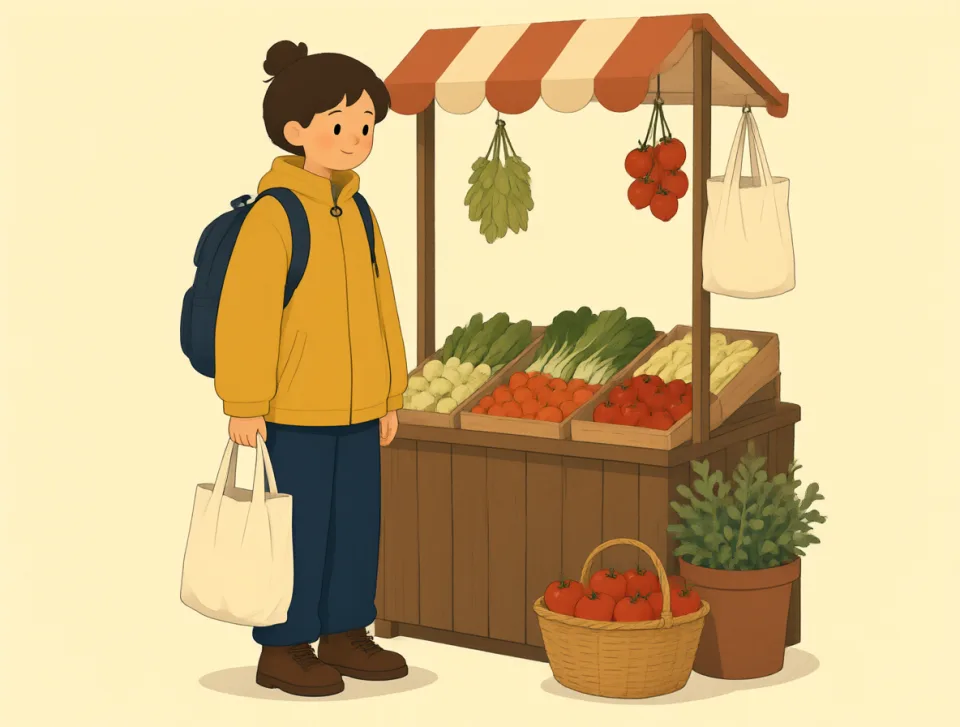
Did you buy anything at the market?
چیزی از بازار خریدی؟
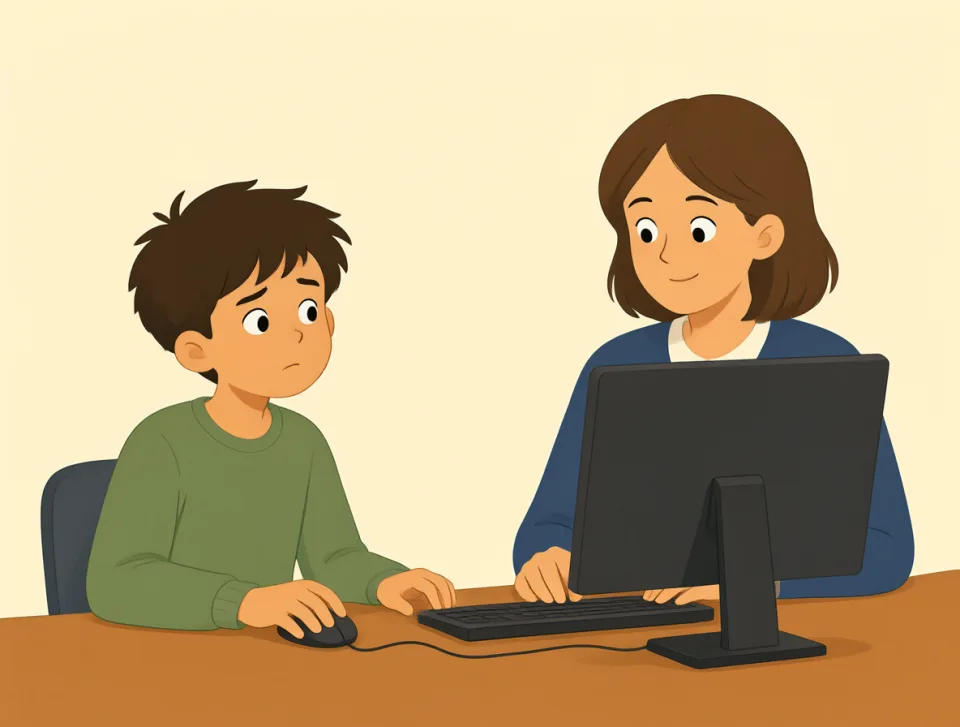
She knows anything about computers.
او دربارهٔ کامپیوترها هر چیزی میداند.
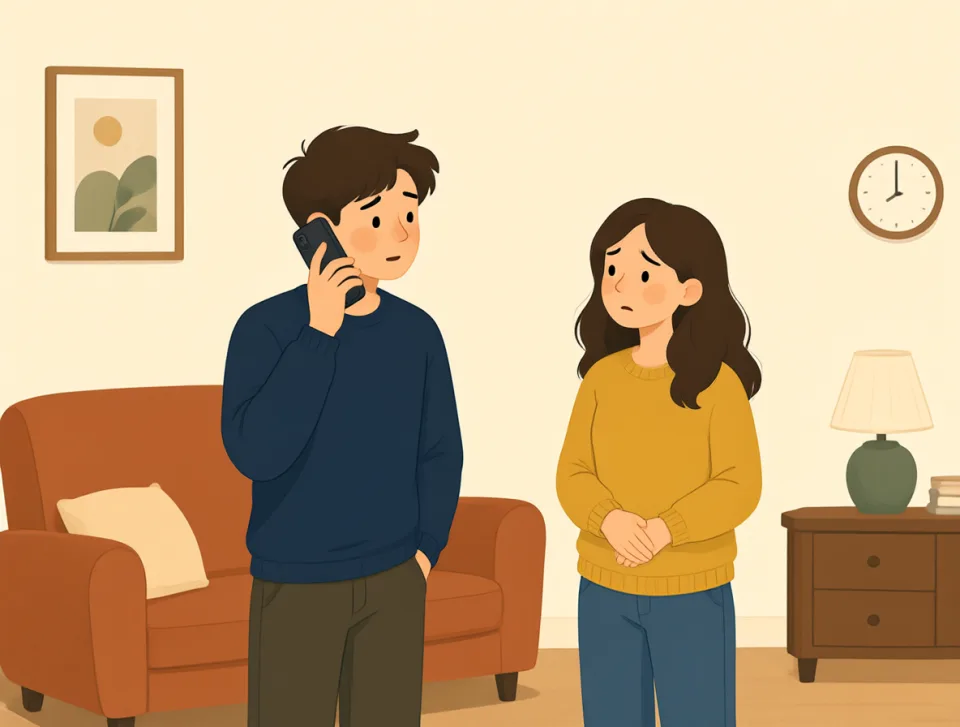
Please call me if anything happens.
لطفاً اگر اتفاقی افتاد با من تماس بگیر.
cause
#319noun, verb
علت؛ باعث شدن
A reason something happens; to make something happen.
دلیلی که باعث رخ دادن چیزی میشود؛ باعث شدن چیزی اتفاق بیفتد.
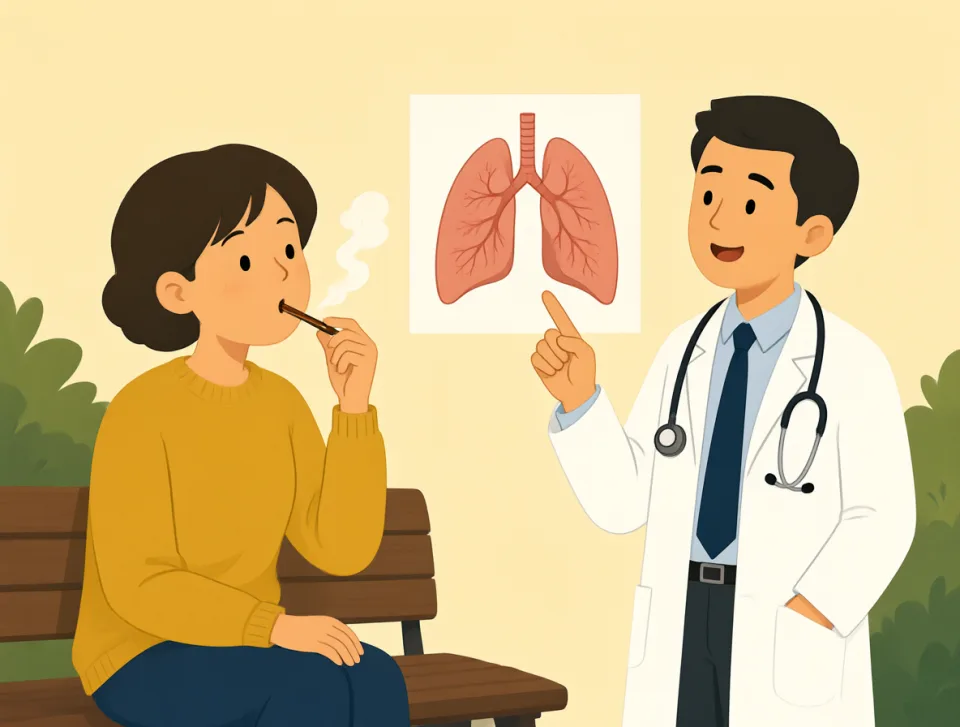
Smoking can cause serious health problems.
سیگار کشیدن میتواند باعث مشکلات جدی سلامتی شود.
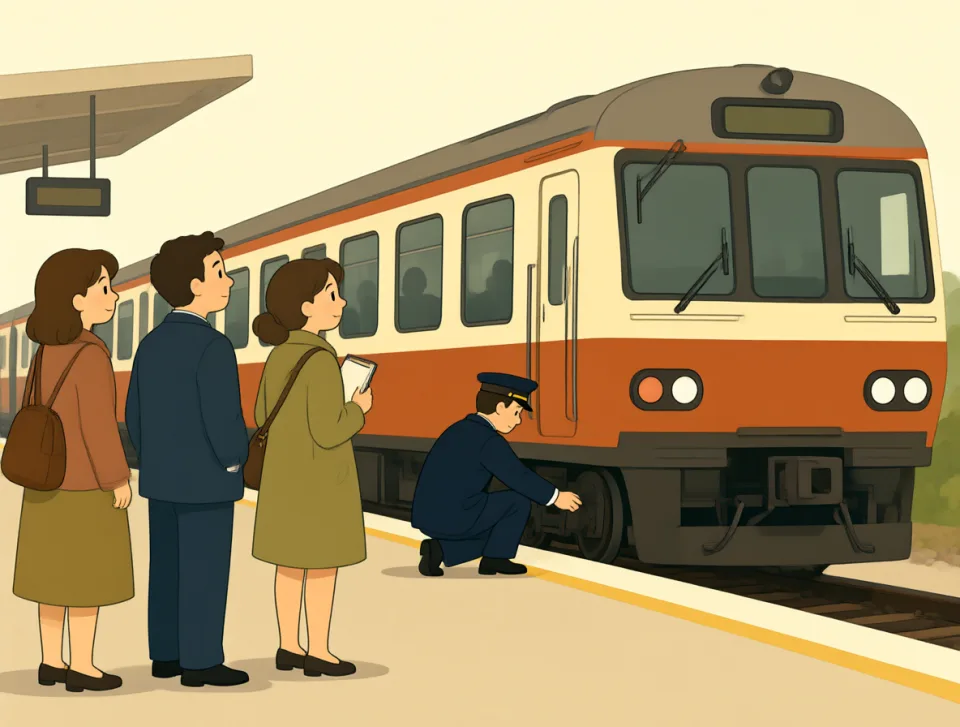
What caused the train delay this morning?
امروز صبح چه چیزی باعث تأخیر قطار شد؟
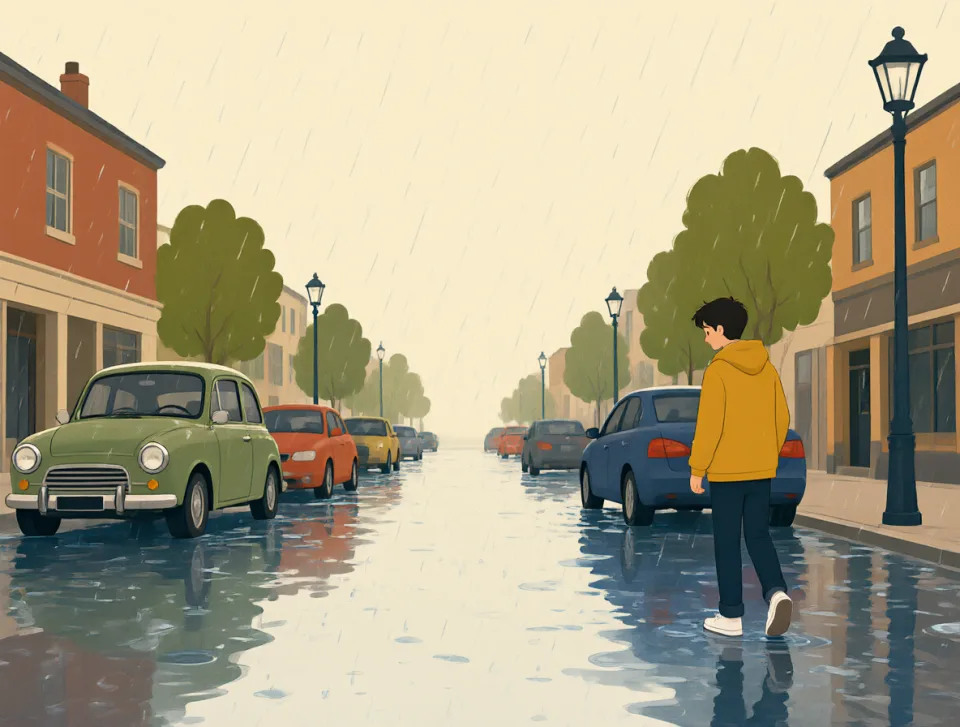
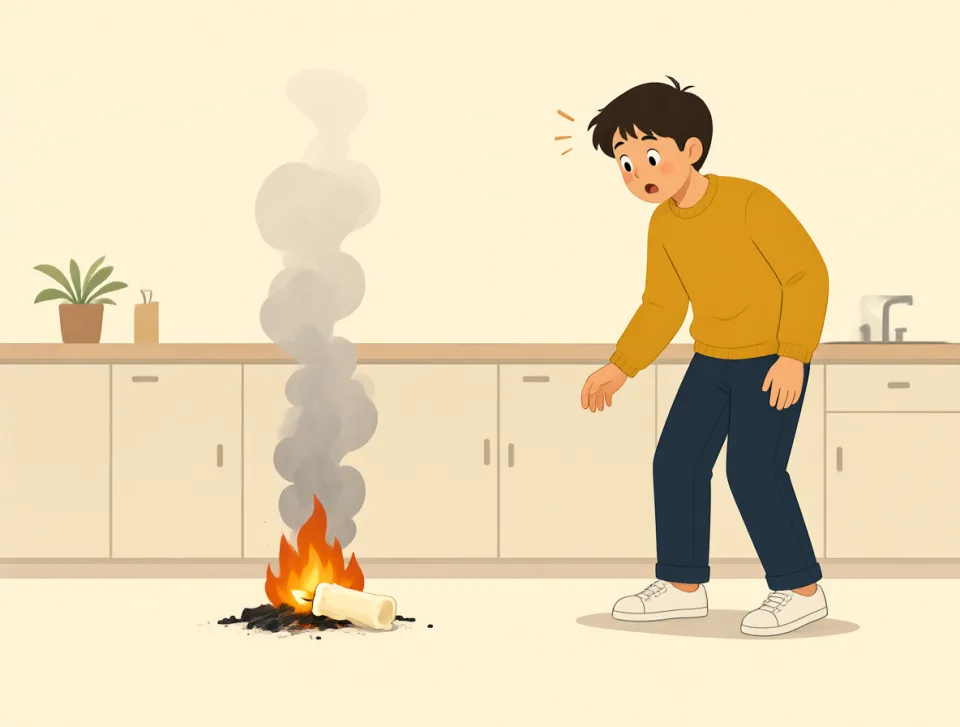
The heavy rain caused a flood.
باران شدید باعث سیل شد.
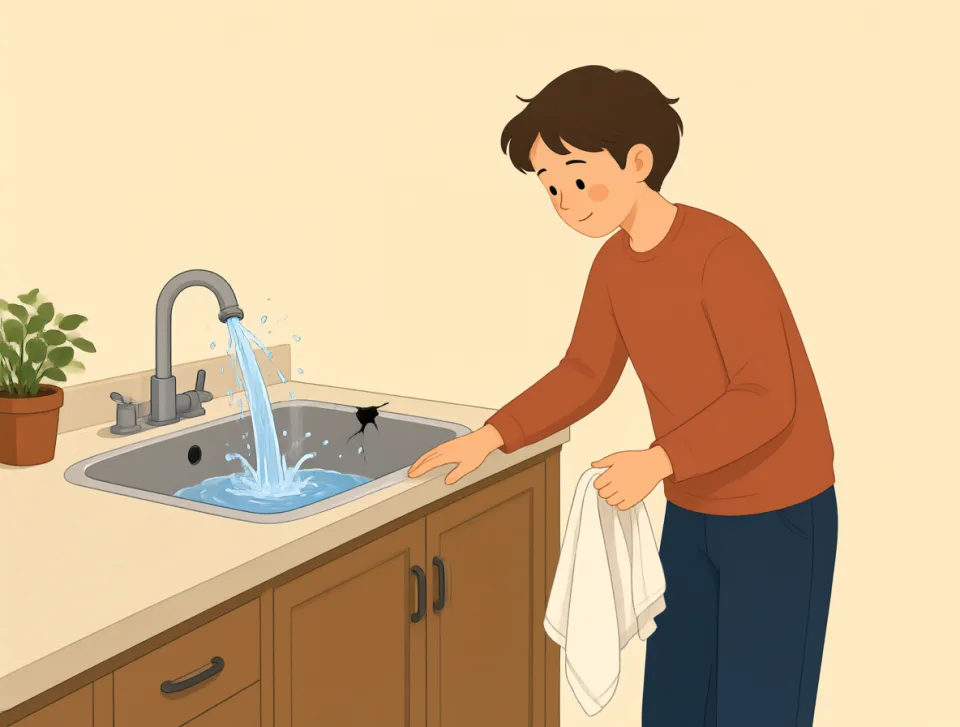
A broken pipe caused water damage at home.
ترکیدن لوله باعث آبگرفتگی خانه شد.
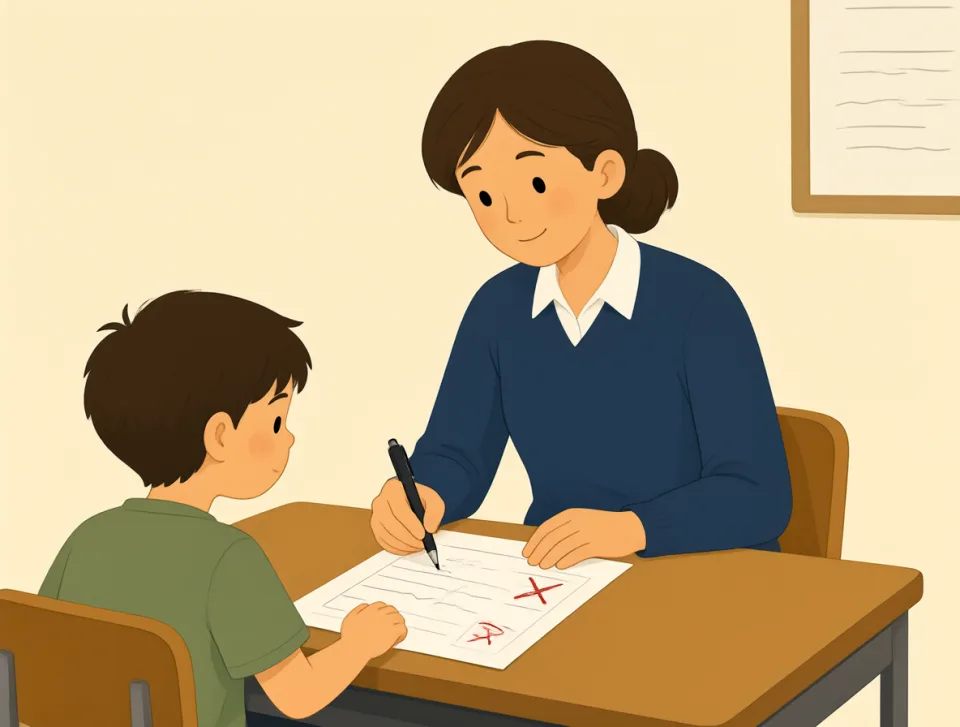
The teacher explained the cause of the mistake.
معلم علت اشتباه را توضیح داد.
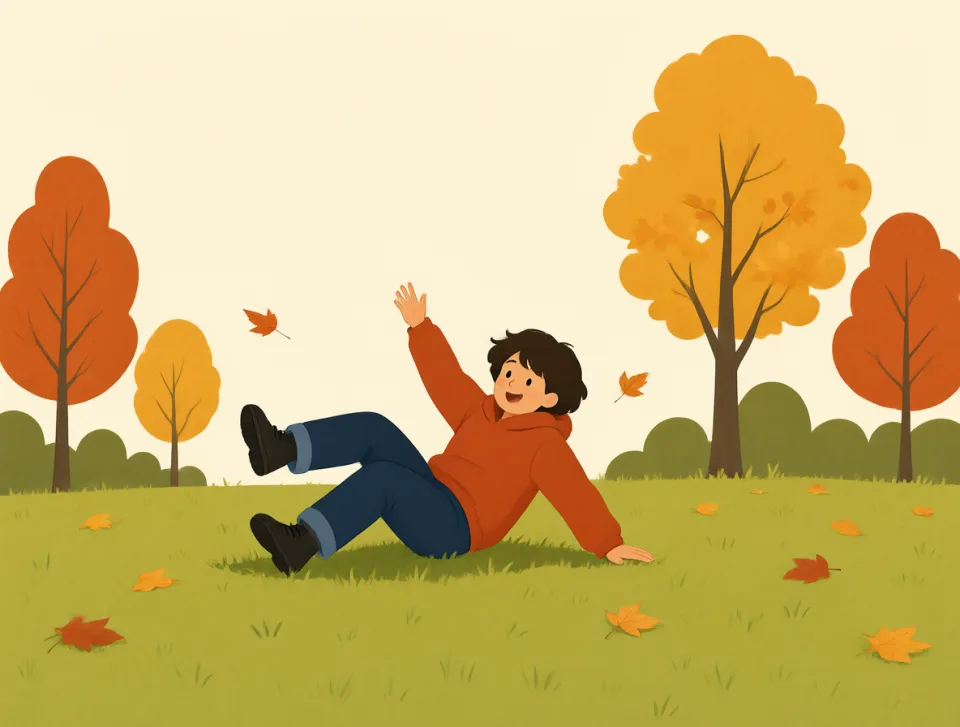
fall
#320verb, noun
افتادن؛ پاییز
To move down suddenly, or the season between summer and winter.
ناگهان به پایین حرکت کردن، یا فصل بین تابستان و زمستان.
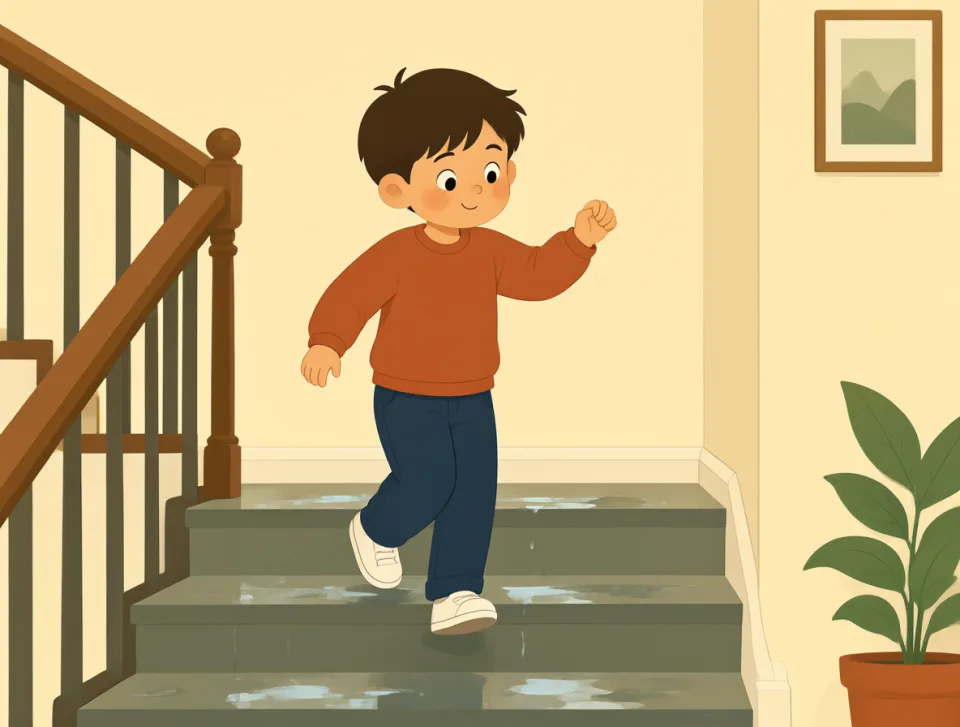
Be careful, or you may fall down.
مواظب باش، وگرنه ممکن است زمین بخوری.
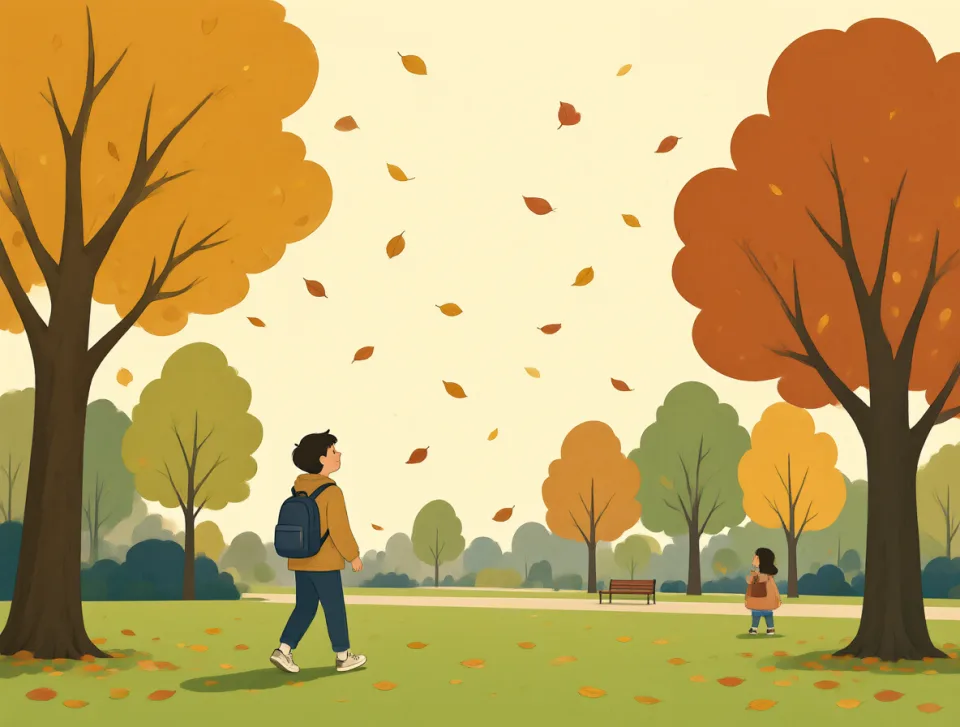
The leaves fall from the trees in autumn.
برگها در پاییز از درختها میریزند.
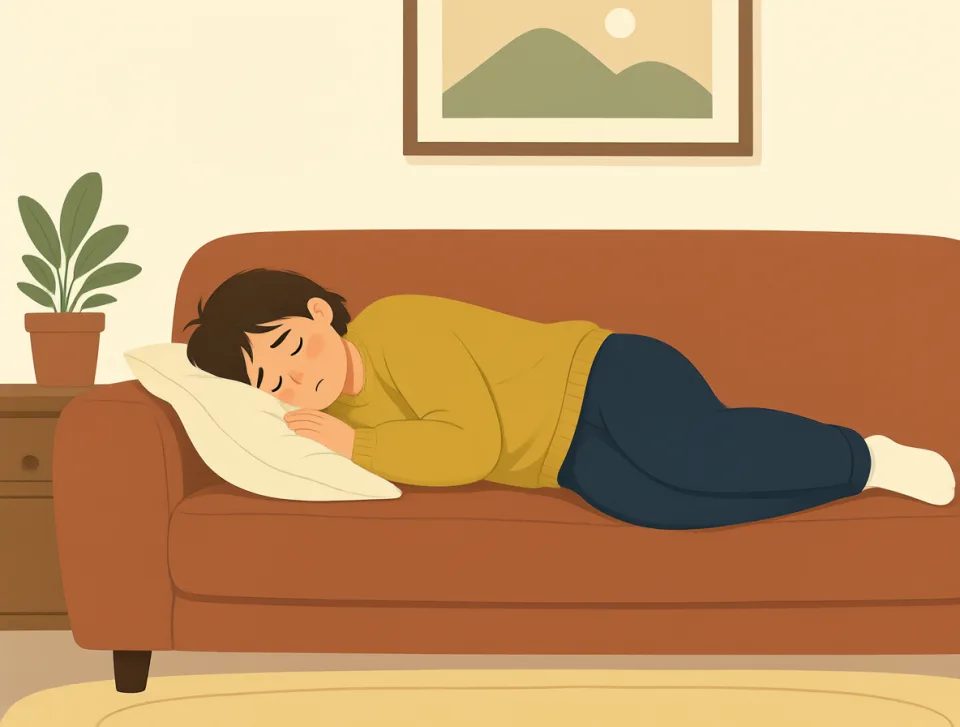
I fell asleep on the sofa.
روی مبل خوابم برد.
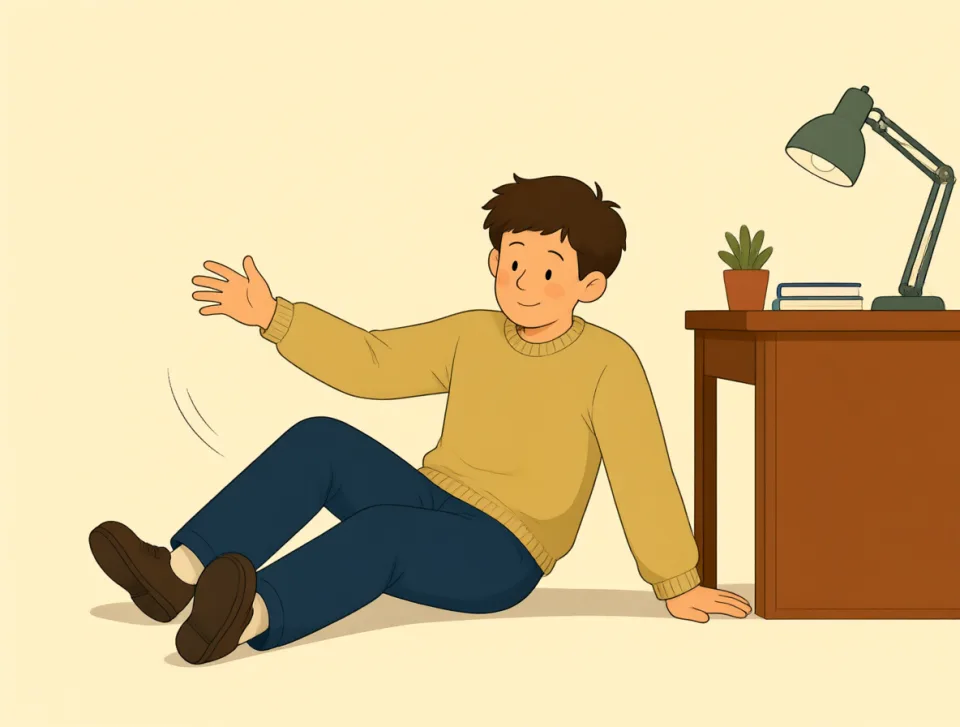
She had a bad fall at work.
او سر کار زمین خورد و بدجوری آسیب دید.

We visited Canada last fall.
پاییز گذشته به کانادا سفر کردیم.