بخش 8
واژههای 141 تا 160 · become, interest, country, old, each, school
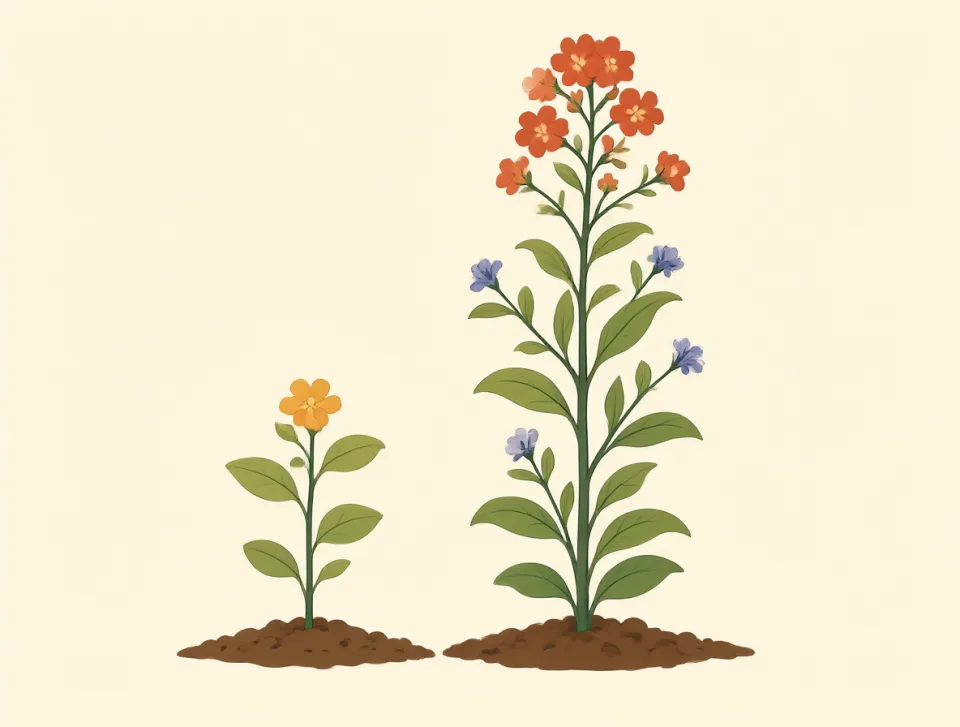
become
#141verb
شدن
to start to be something or change into a different state
شروع به بودن در وضعیتی یا چیزی شدن؛ به حالت دیگری تغییر کردن
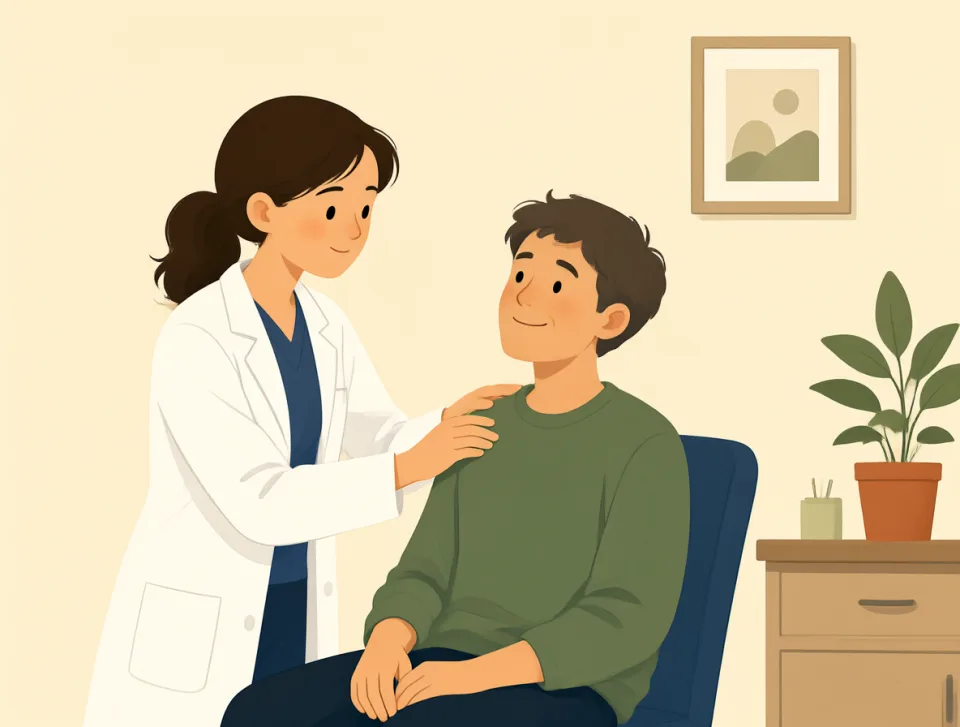
She wants to become a doctor someday.
او میخواهد روزی پزشک شود.
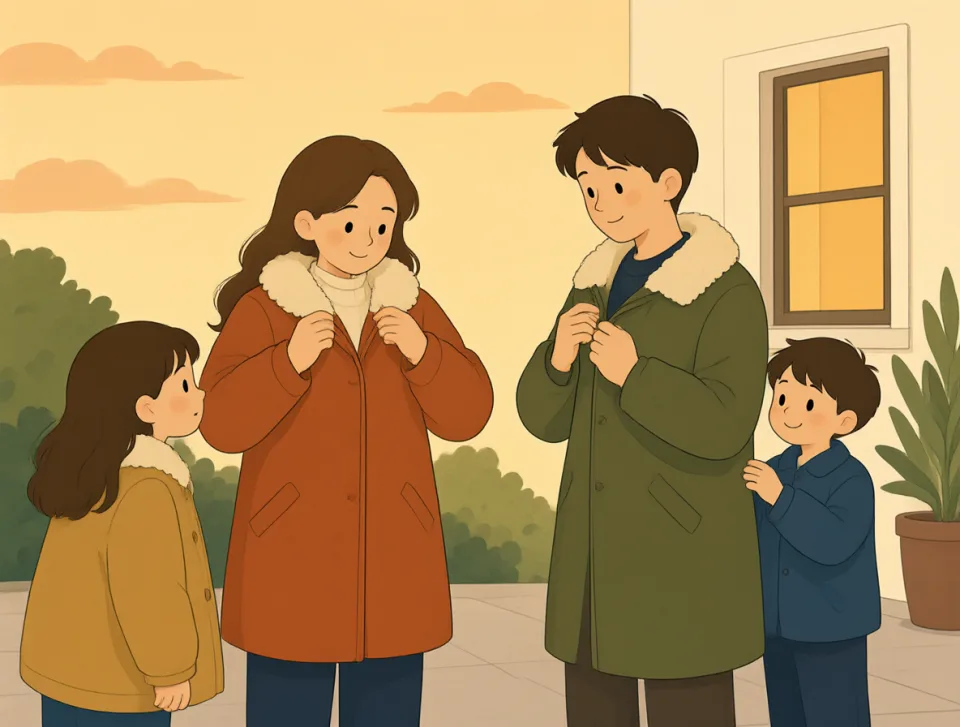
The weather became cold after sunset.
بعد از غروب هوا سرد شد.
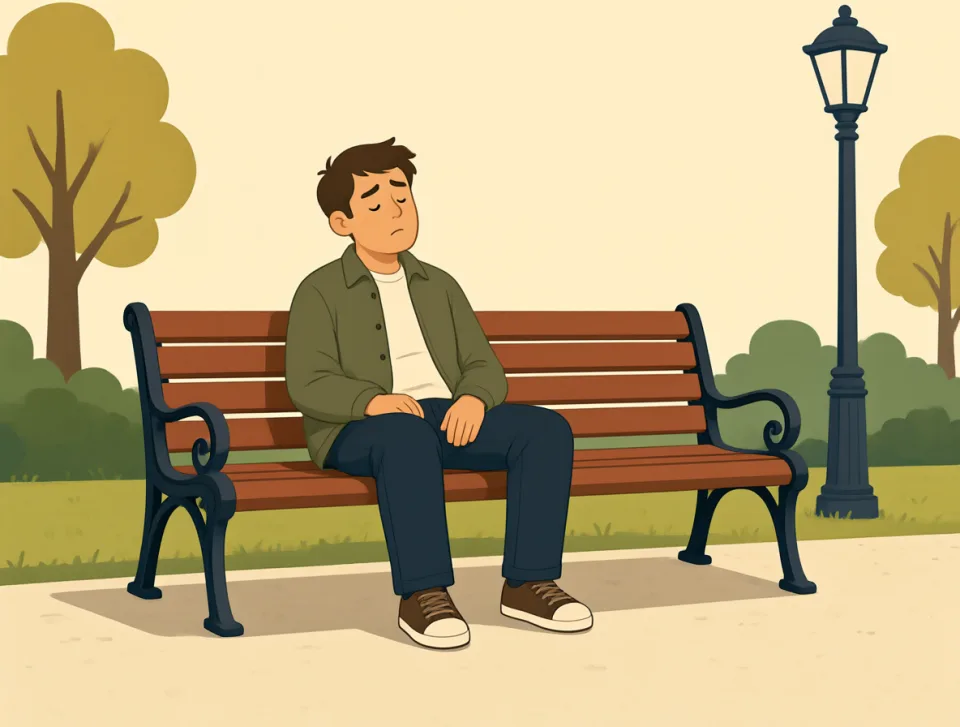
He became tired after the long walk.
او بعد از پیادهروی طولانی خسته شد.
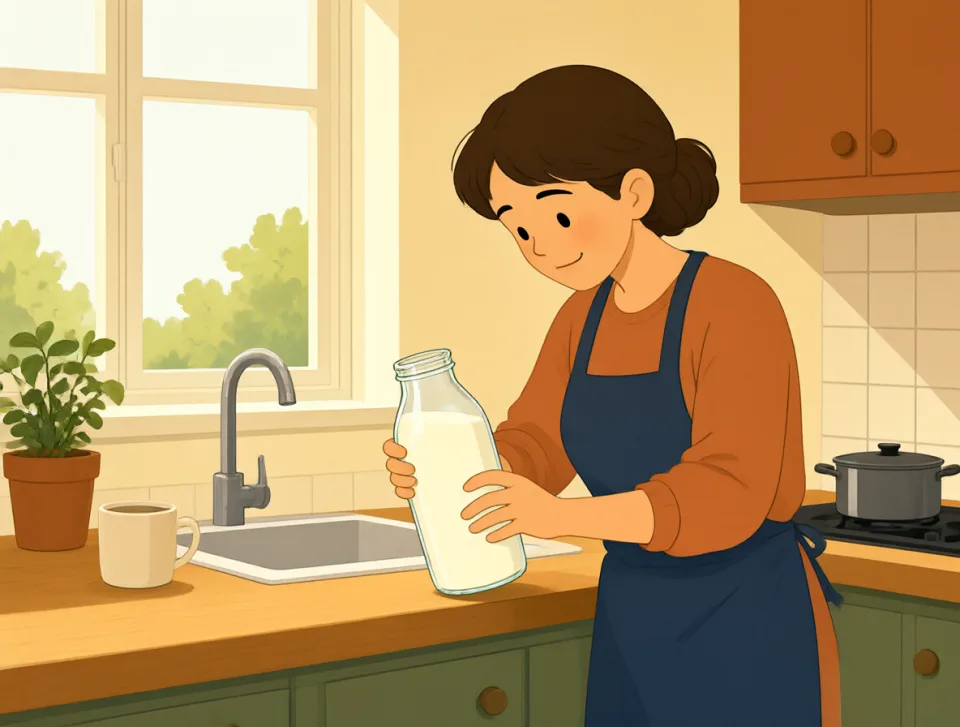
The milk became sour in the heat.
شیر در گرما ترش شد.
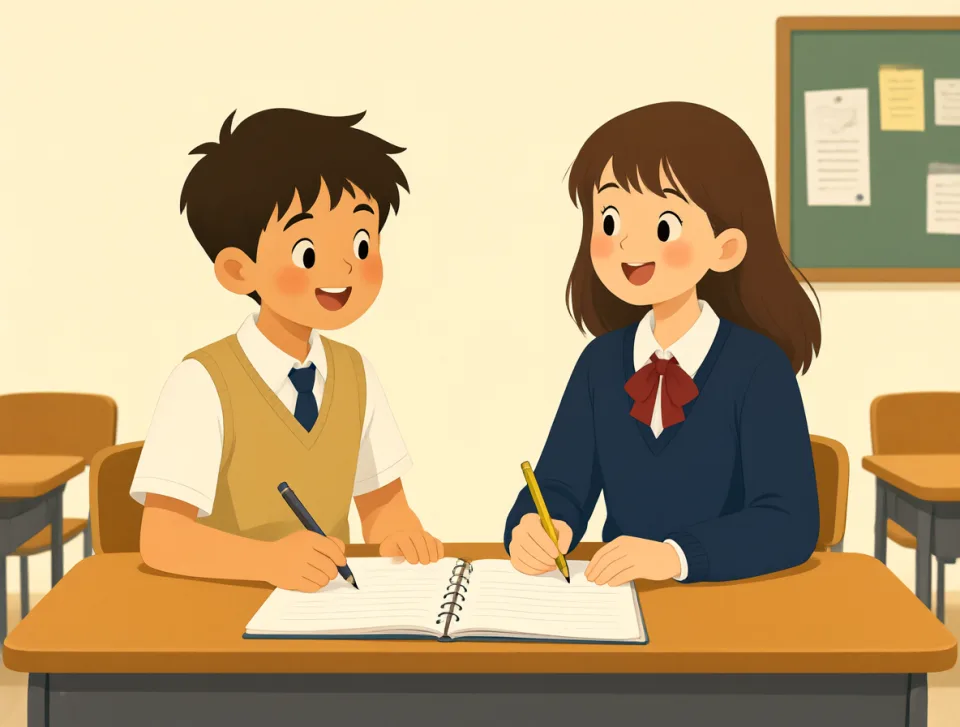
They became good friends at school.
آنها در مدرسه دوستان خوبی شدند.
interest
#142noun, verb
علاقه
A feeling of wanting to know or learn about something; to make someone curious.
احساس تمایل به دانستن یا یادگرفتن دربارهٔ چیزی؛ کنجکاو کردن کسی
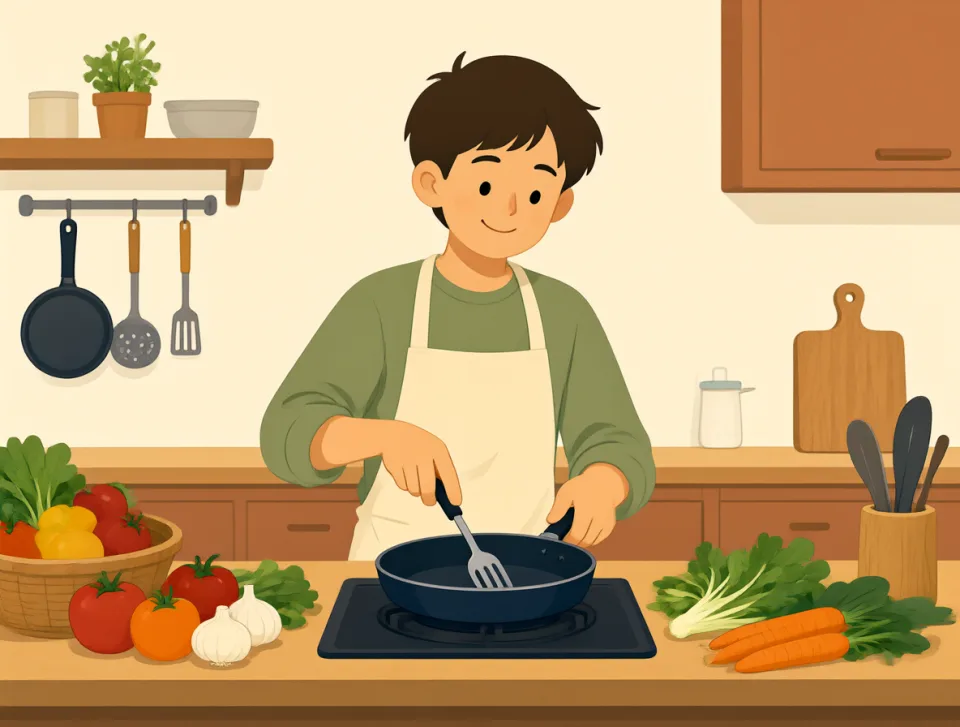
I have a strong interest in cooking.
من علاقهٔ زیادی به آشپزی دارم.

She showed interest in the new job.
او به شغل جدید علاقه نشان داد.
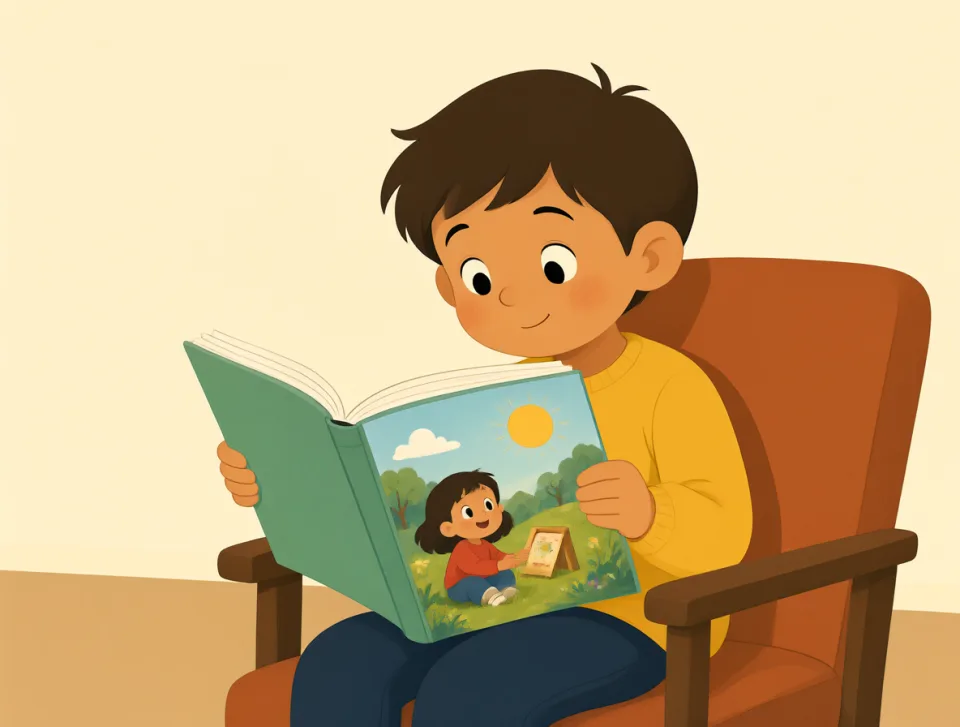
The book caught my interest quickly.
کتاب خیلی زود توجه من را جلب کرد.
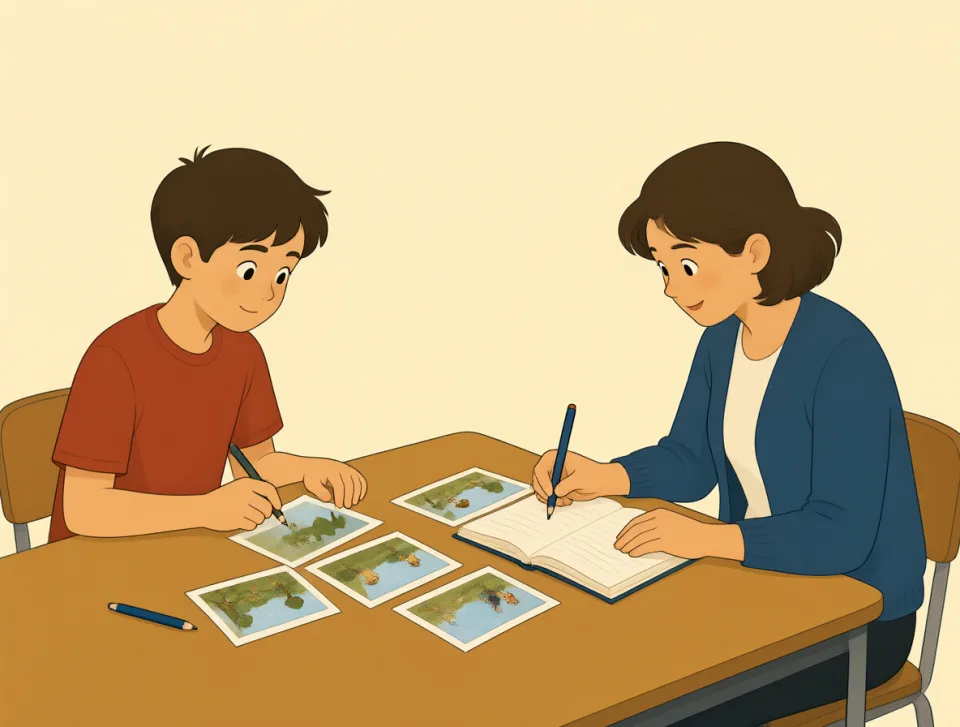
He is interested in learning Spanish.
او به یادگیری زبان اسپانیایی علاقهمند است.
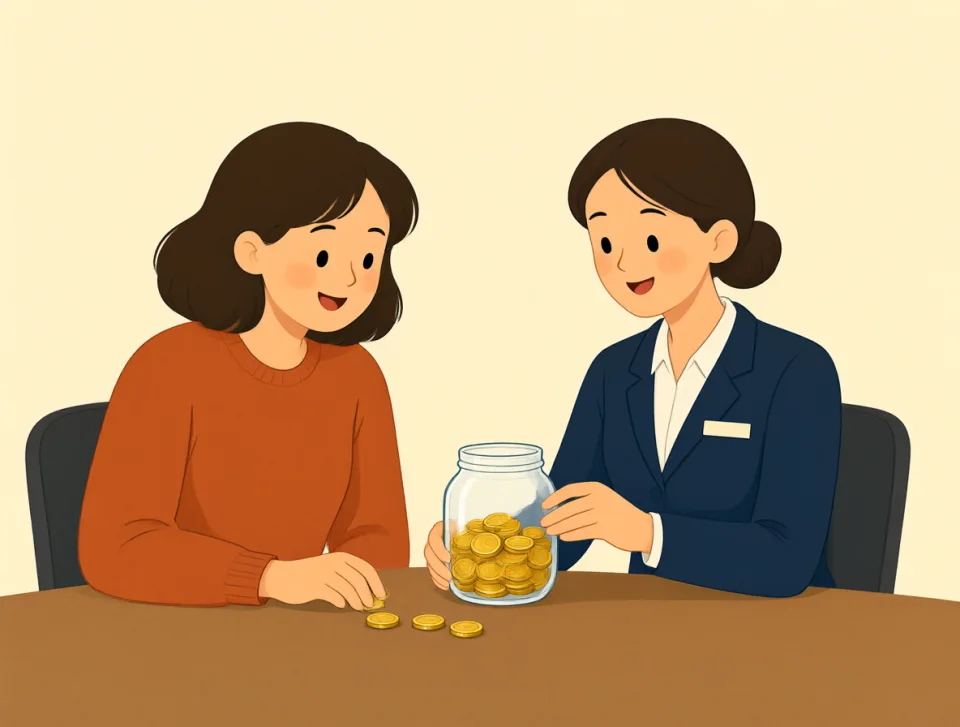
The bank pays interest on savings.
بانک به پساندازها سود میدهد.
country
#143noun
کشور
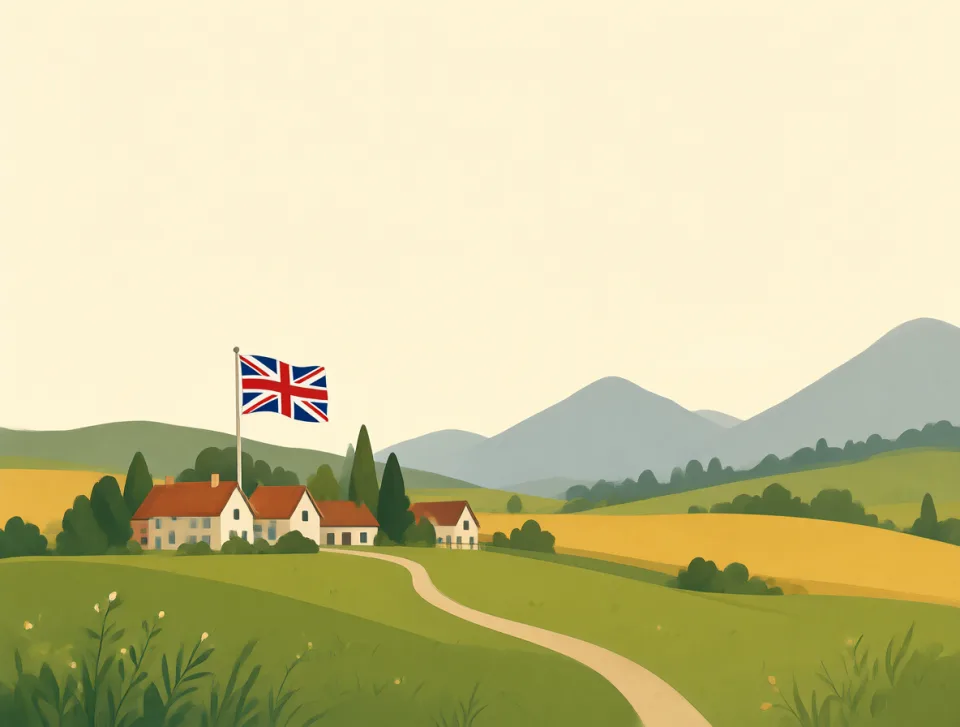
A nation with its own government, land, and people.
ملتی با حکومت، سرزمین و مردم مخصوص به خود
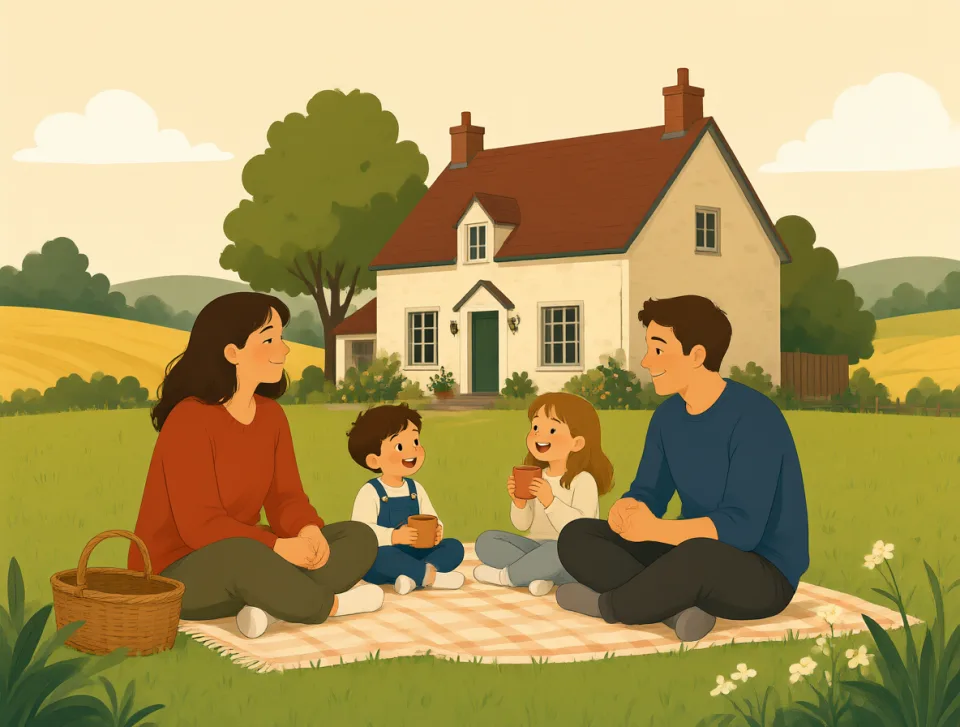
She lives in the country with her family.
او با خانوادهاش در روستا زندگی میکند.
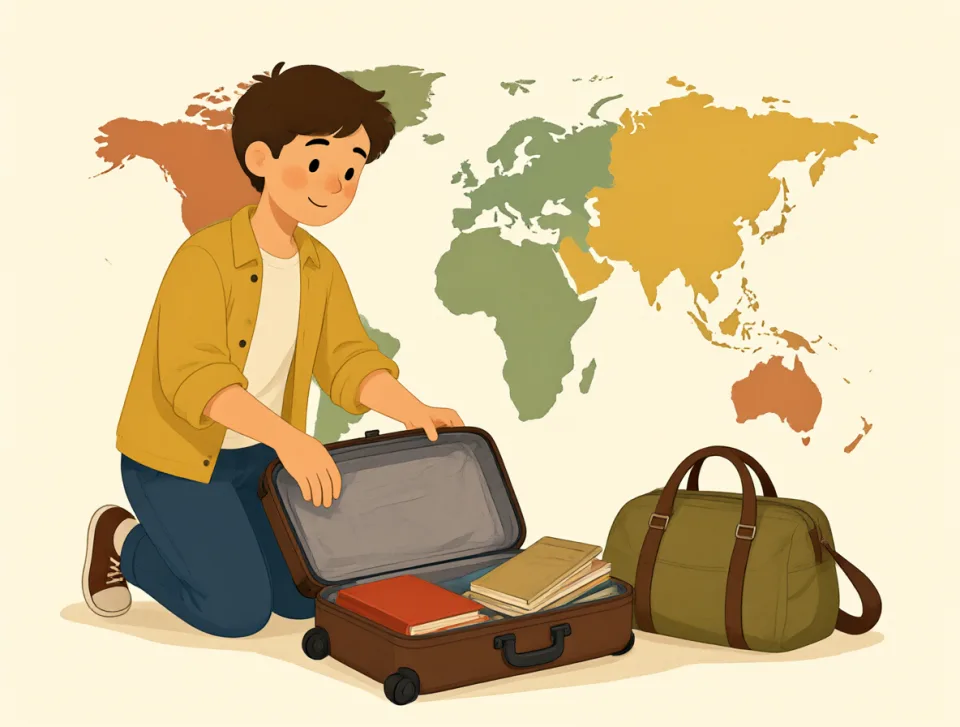
I want to visit another country this summer.
میخواهم تابستان امسال به کشور دیگری سفر کنم.
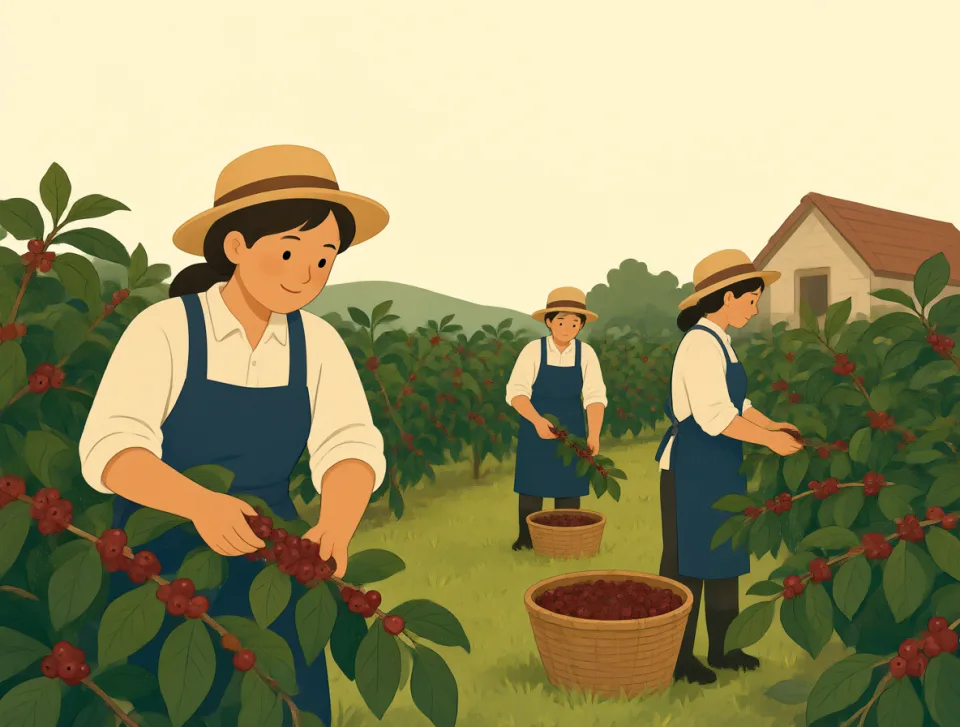
This country produces much of the world's coffee.
این کشور بخش زیادی از قهوهٔ جهان را تولید میکند.
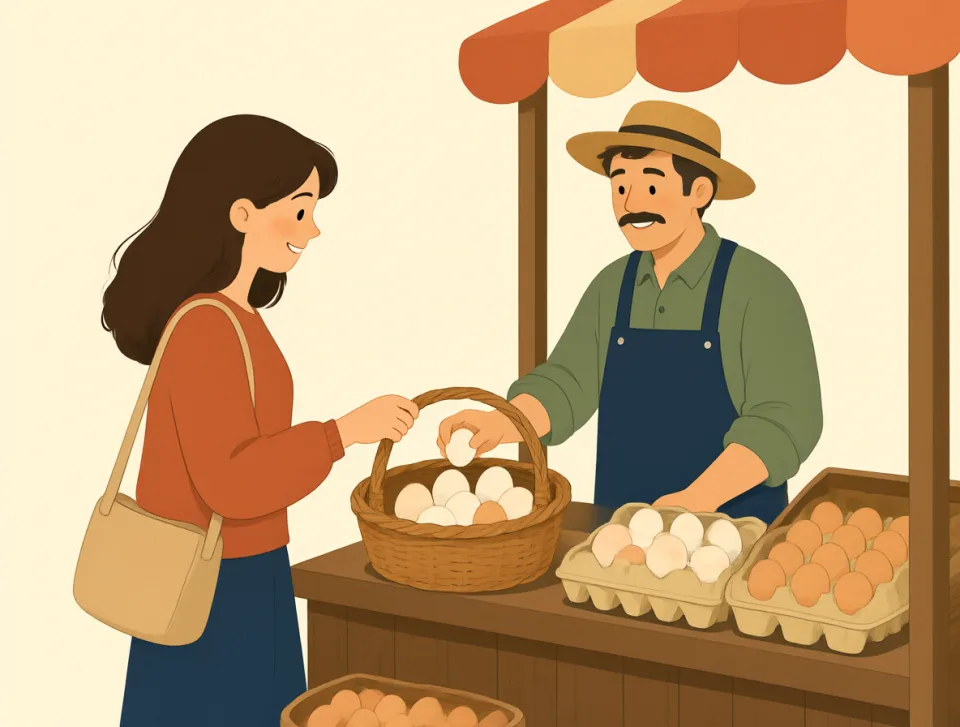
We bought fresh eggs from the country.
از روستا تخممرغ تازه خریدیم.
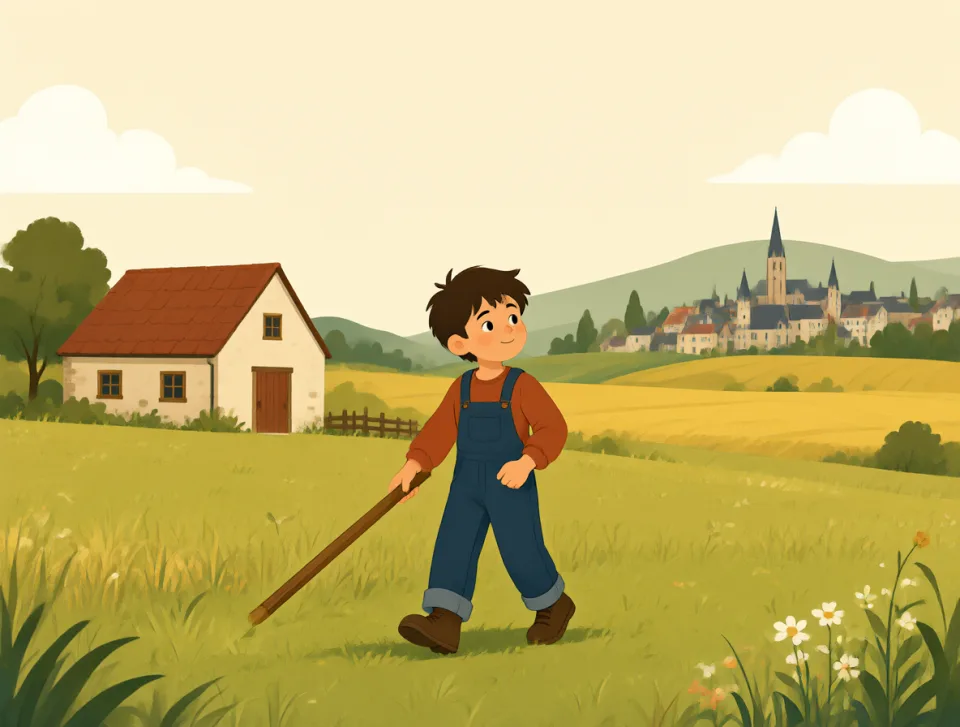
He grew up in the country near a small town.
او نزدیک شهری کوچک، در روستا بزرگ شد.
old
#144adjective, noun
قدیمی؛ پیر
having lived for many years; belonging to a time long ago
سالهای زیادی از عمرش گذشته؛ متعلق به زمانهای دور
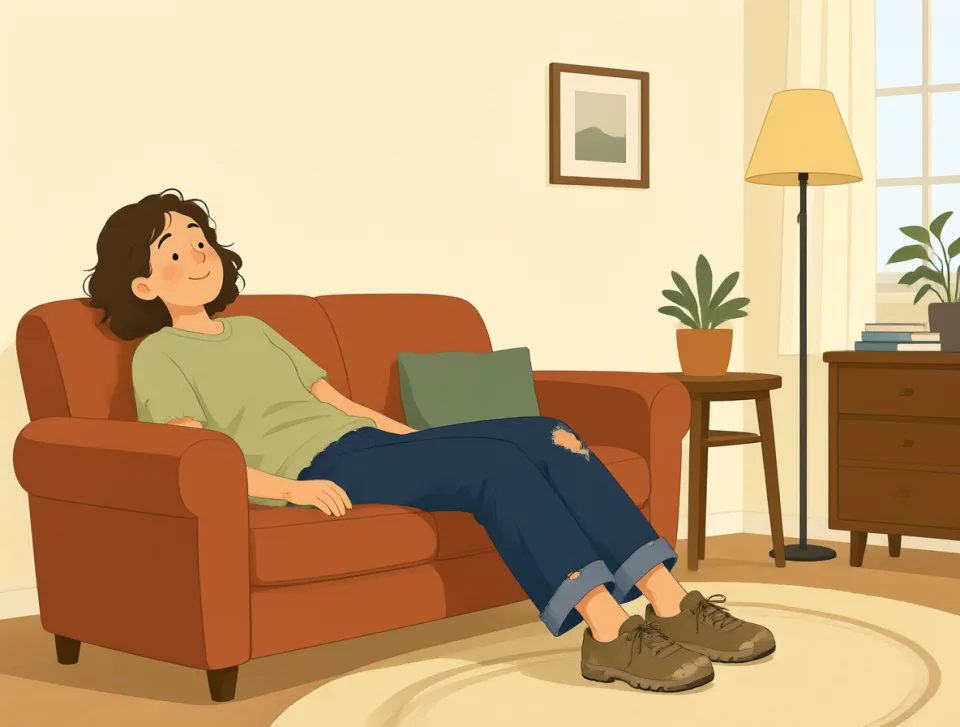
My old shoes are very comfortable.
کفشهای قدیمیام خیلی راحت هستند.
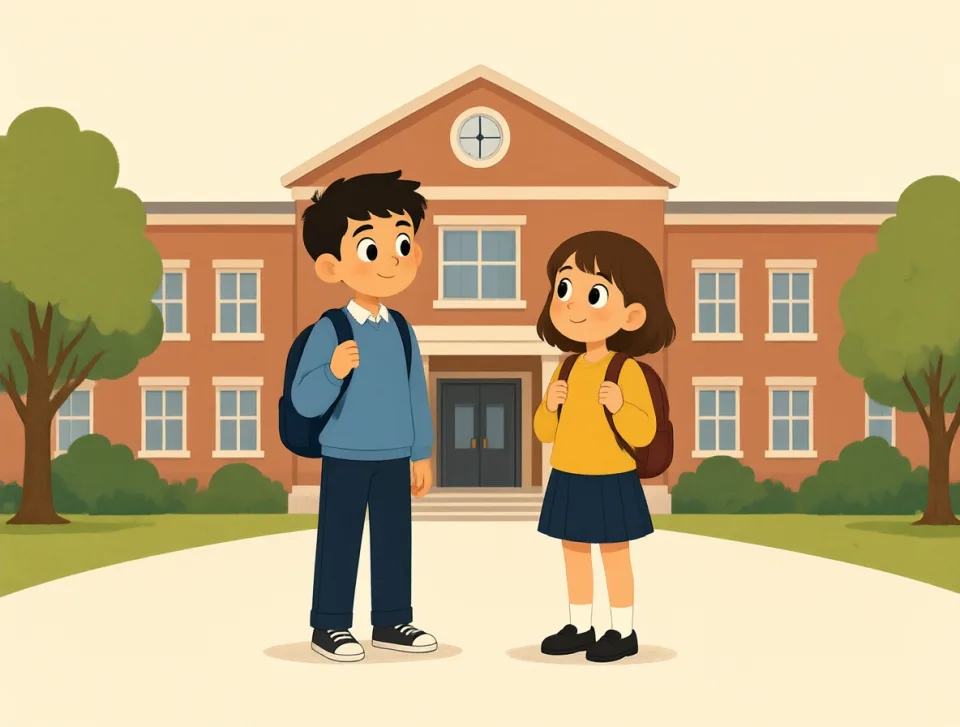
We visited my old school yesterday.
دیروز از مدرسهٔ قدیمیام دیدن کردیم.
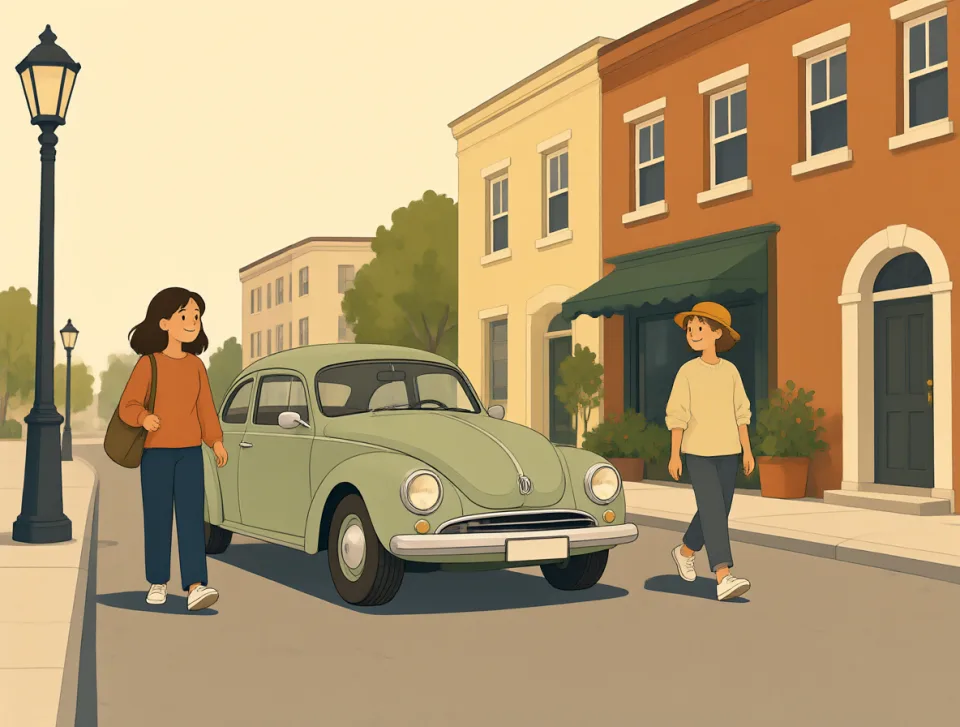
That old car still works well.
آن ماشین قدیمی هنوز خوب کار میکند.
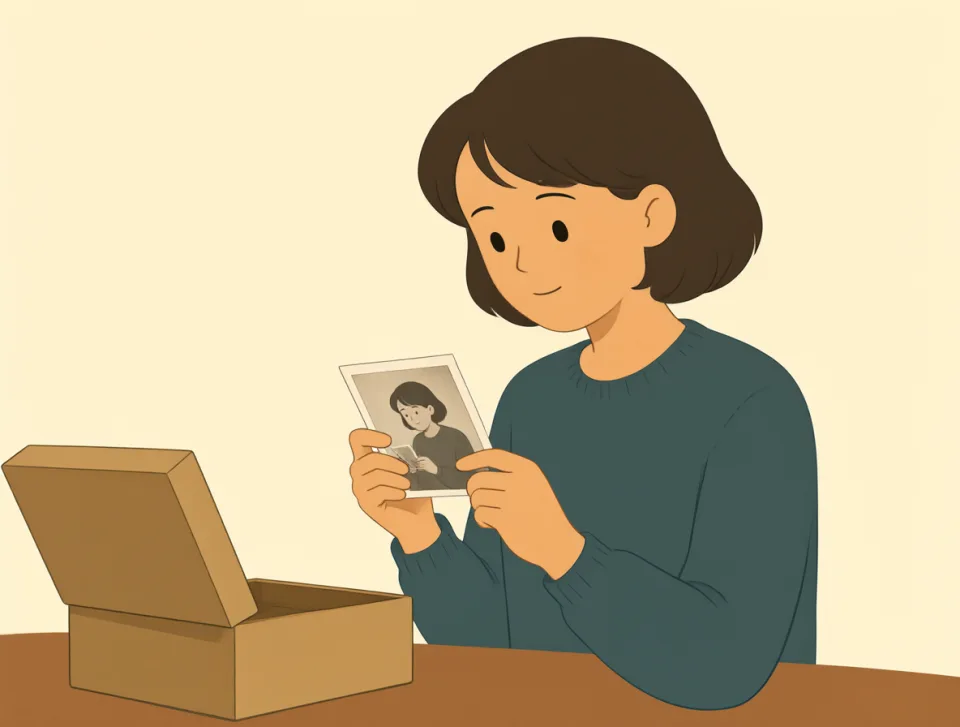
I found an old photo in a box.
یک عکس قدیمی در جعبه پیدا کردم.
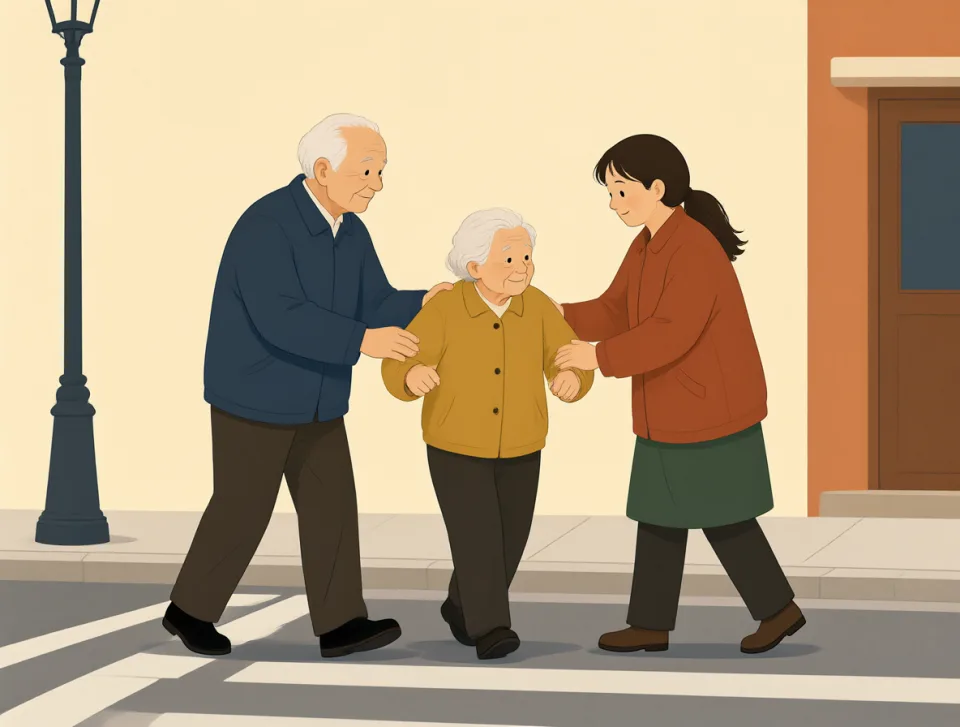
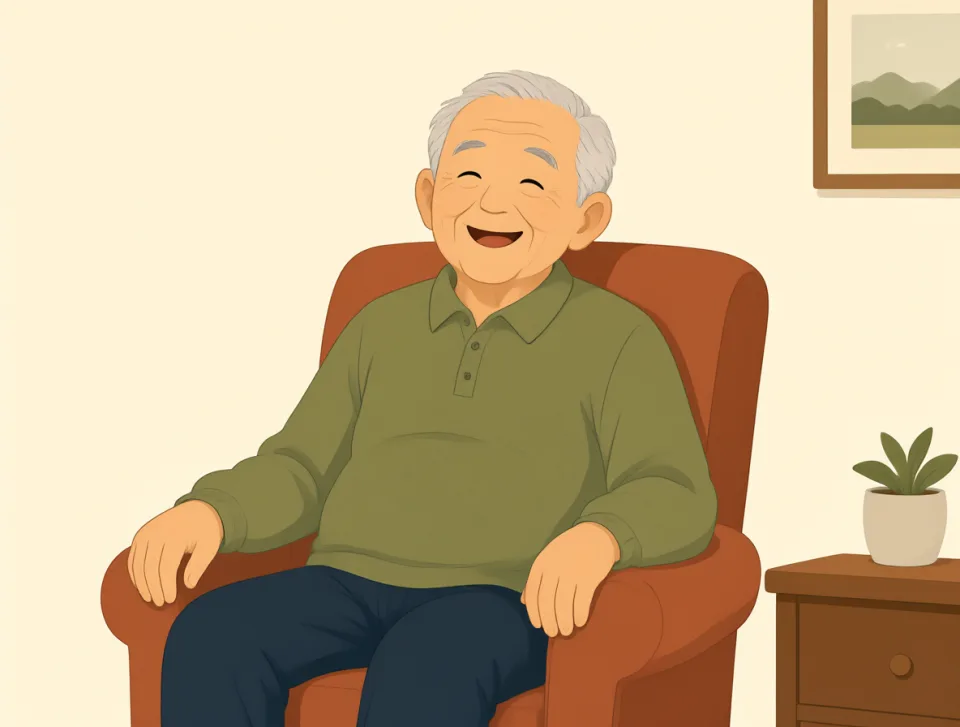
The old man needs help crossing the street.
آن پیرمرد برای رد شدن از خیابان به کمک نیاز دارد.
each
#145determiner, pronoun
هر؛ هرکدام
Every one of two or more people or things, considered separately.
هر یک از دو یا چند نفر یا چیز که جداگانه در نظر گرفته میشوند
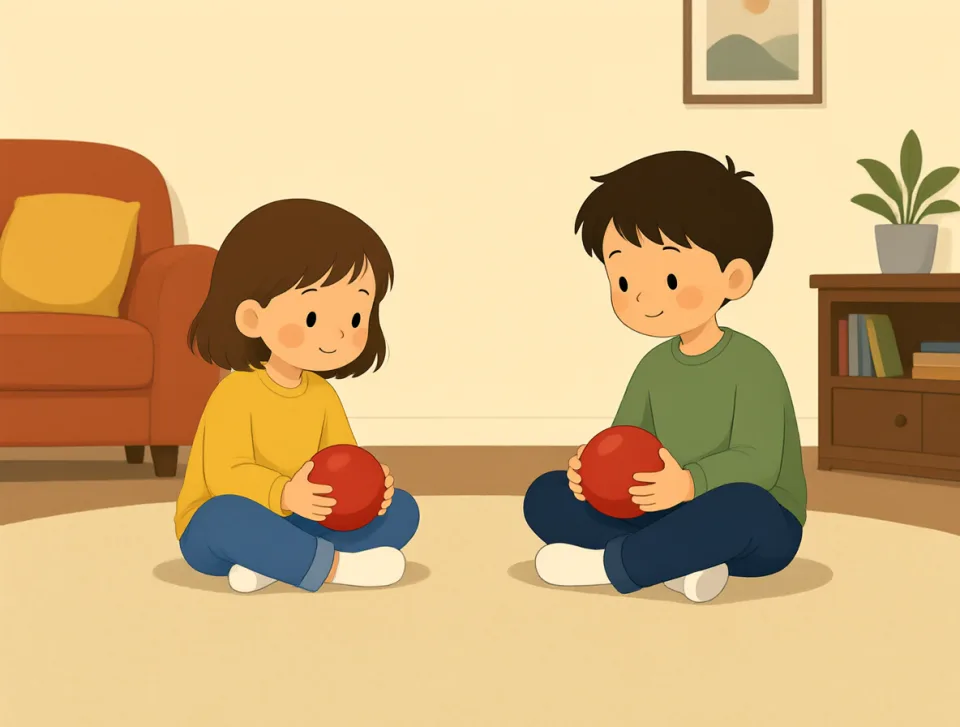
Each child has a small red ball.
هر بچه یک توپ قرمز کوچک دارد.
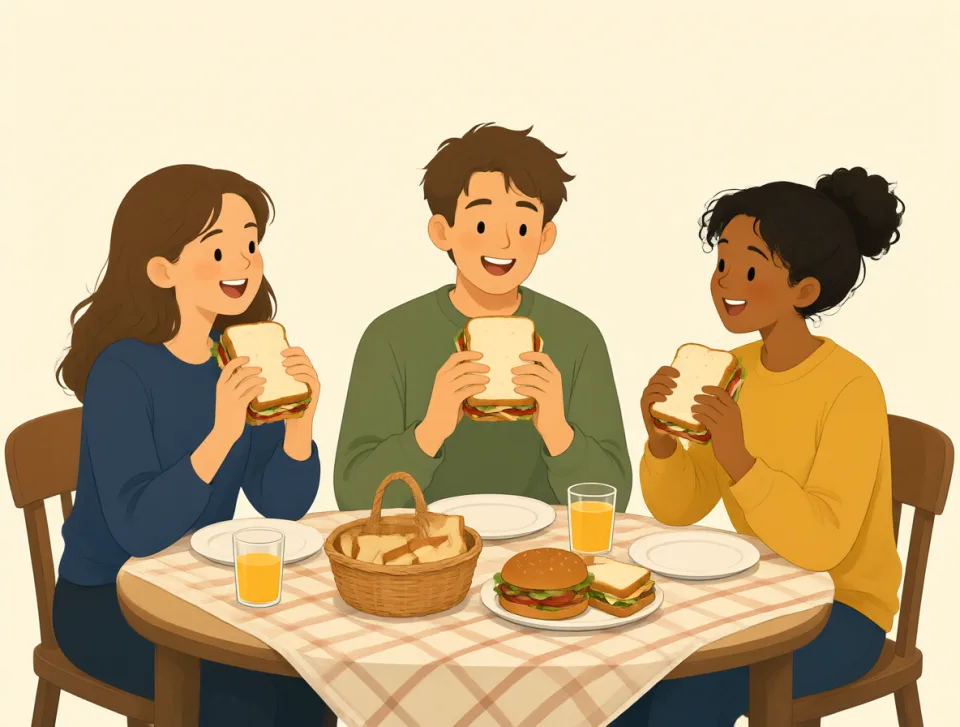
We each brought a sandwich for lunch.
ما هرکدام برای ناهار یک ساندویچ آوردیم.
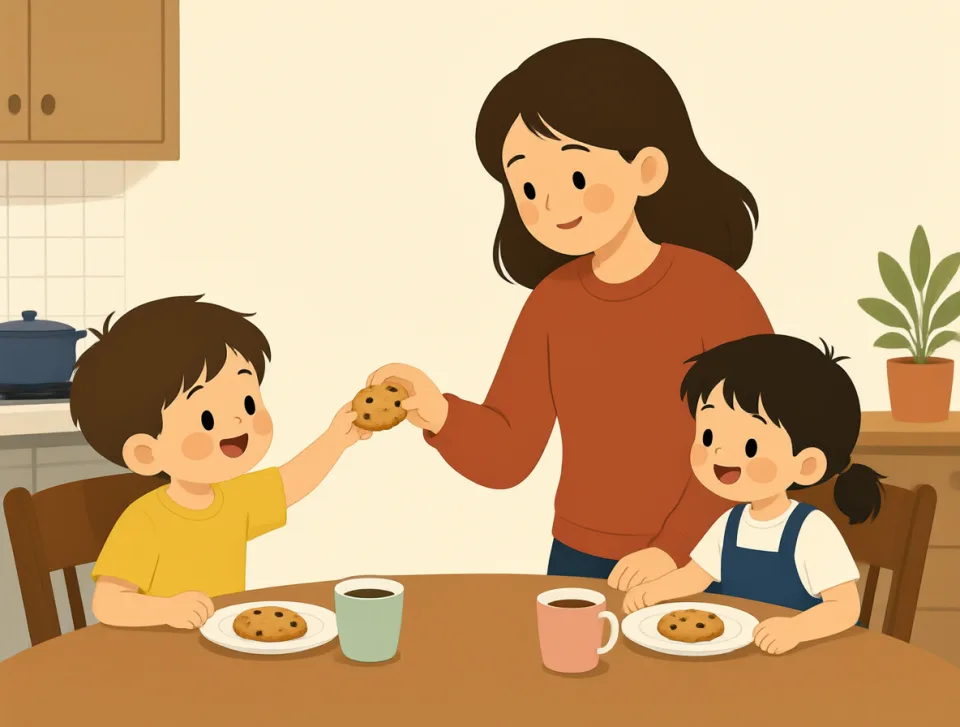
Please take one cookie each.
لطفاً هرکدام یک کلوچه بردارید.
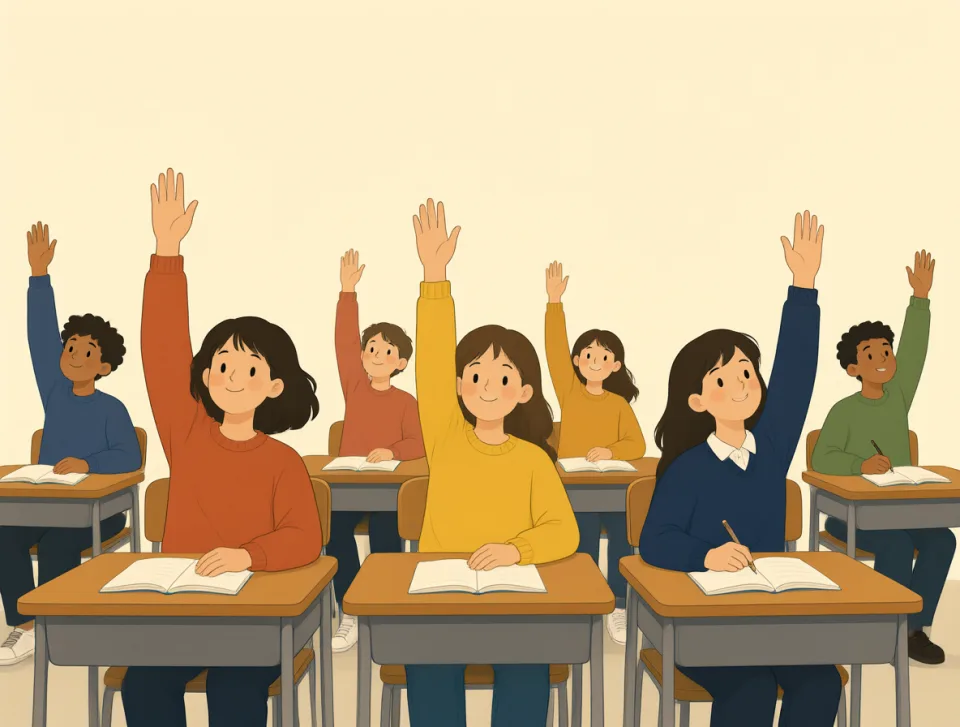
The students each answered one question.
دانشآموزان هرکدام به یک سؤال پاسخ دادند.
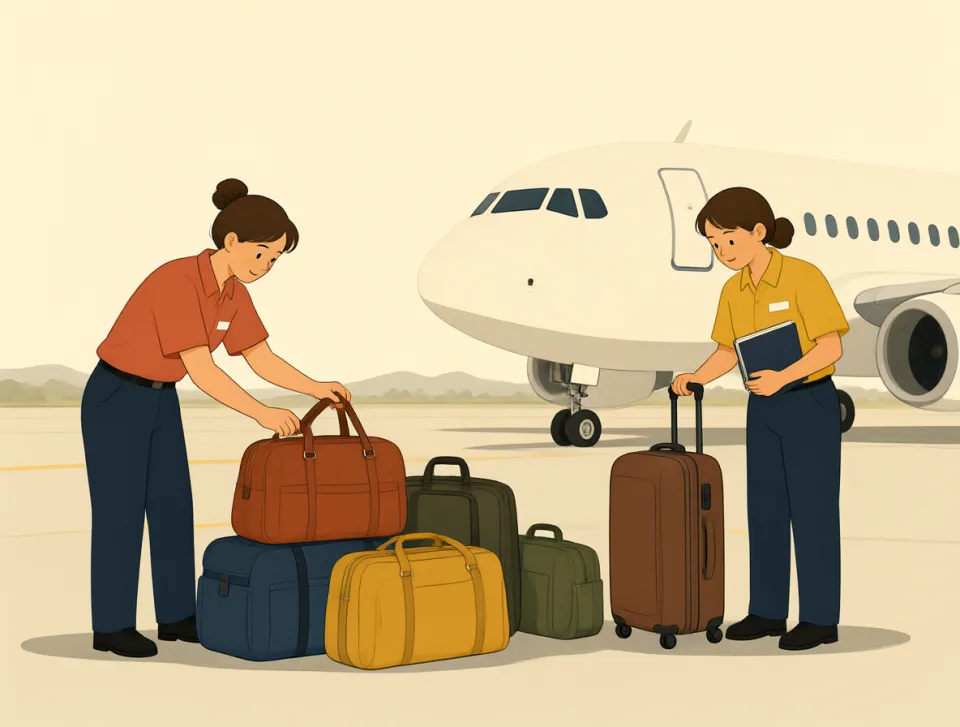
They checked each bag before the flight.
آنها پیش از پرواز هر کیف را بررسی کردند.
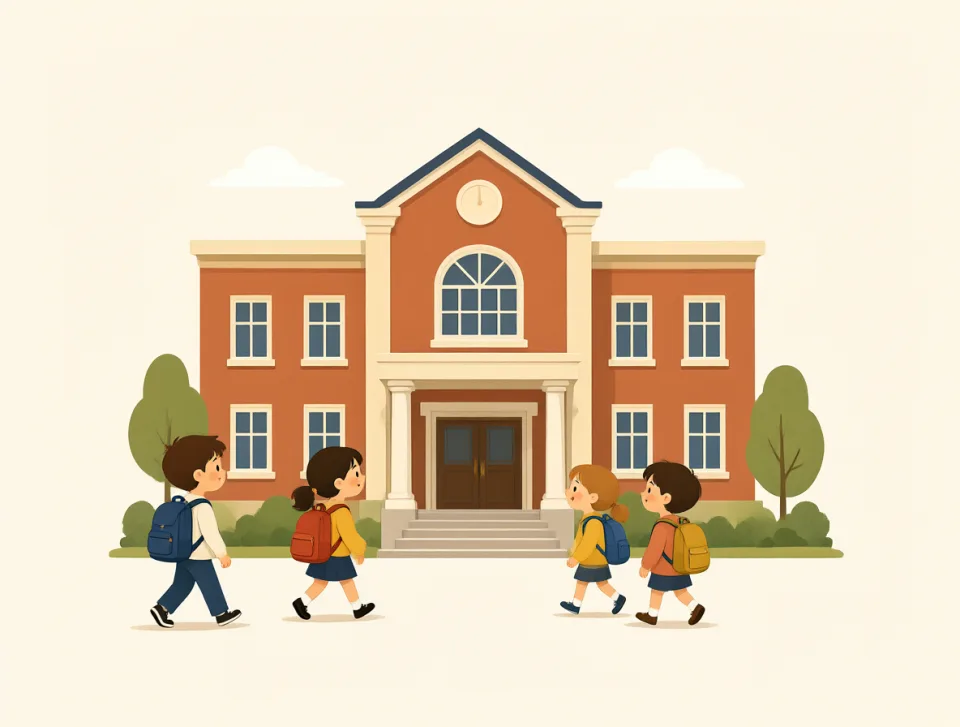
school
#146noun, verb
مدرسه
A place where children learn, or the time spent learning there.
جایی که کودکان در آن درس میخوانند، یا مدتزمانی که در آنجا به یادگیری میگذرانند.
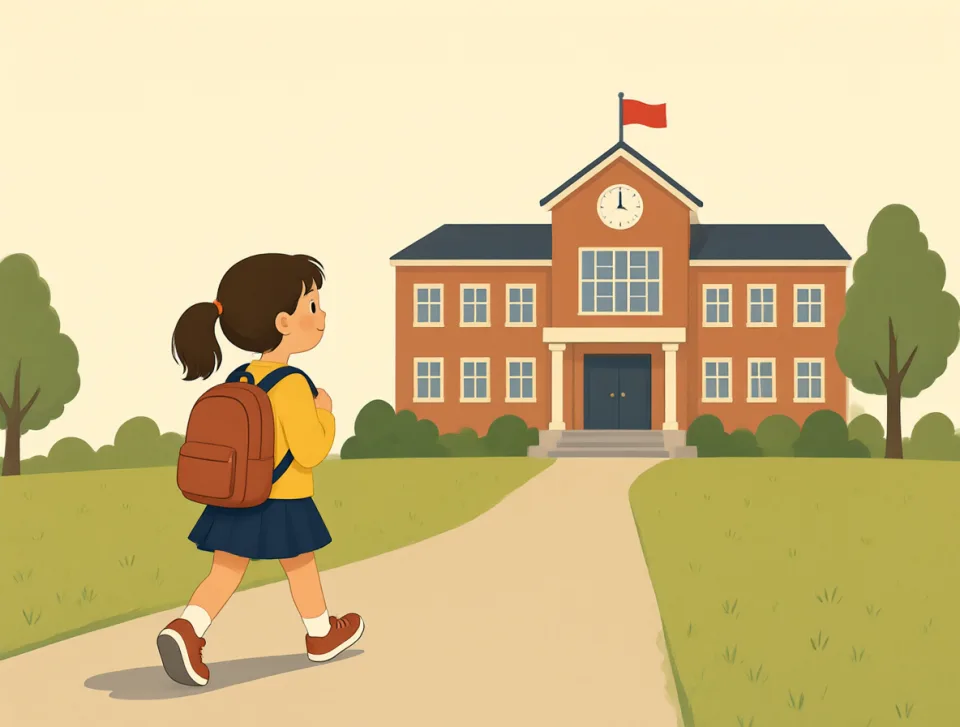
My sister walks to school every morning.
خواهرم هر روز صبح پیاده به مدرسه میرود.
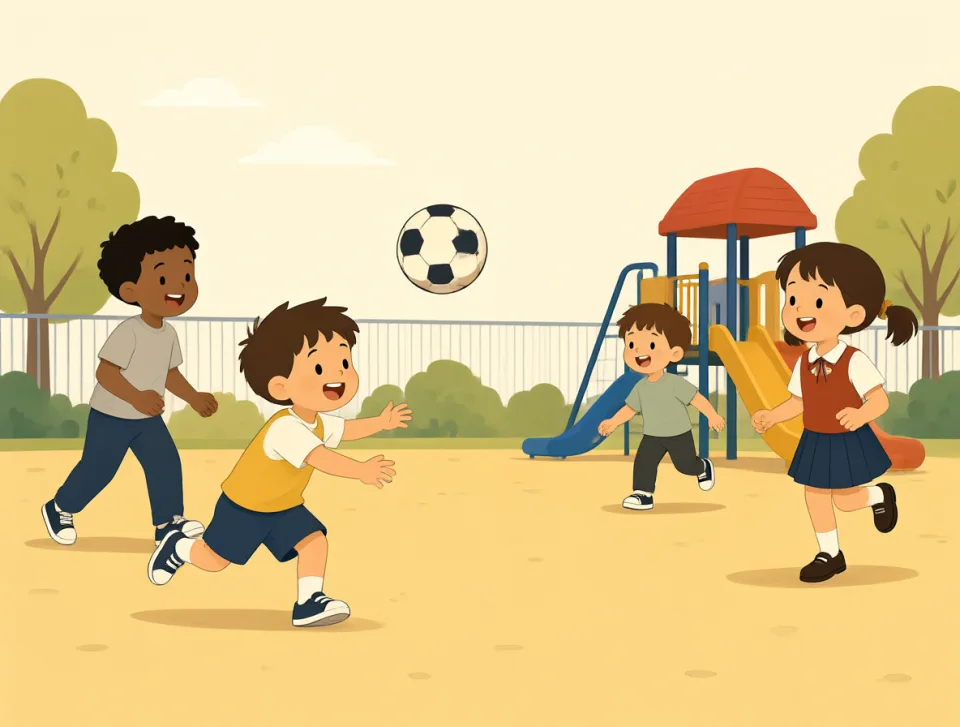
The children are playing outside school.
بچهها بیرون از مدرسه بازی میکنند.
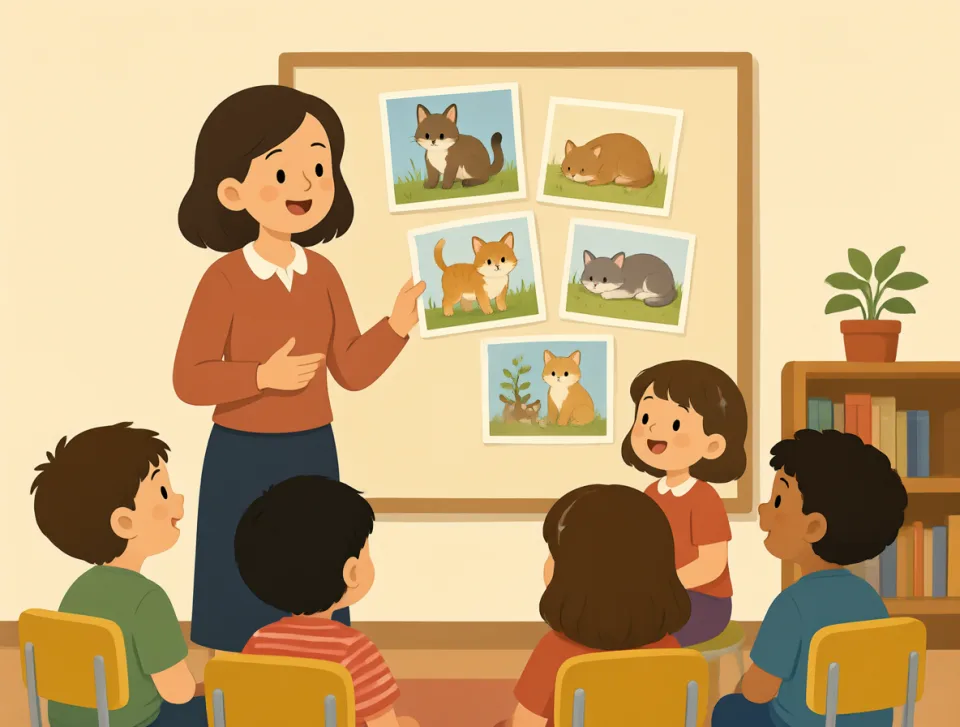
We learned about animals at school.
در مدرسه دربارهٔ حیوانات یاد گرفتیم.
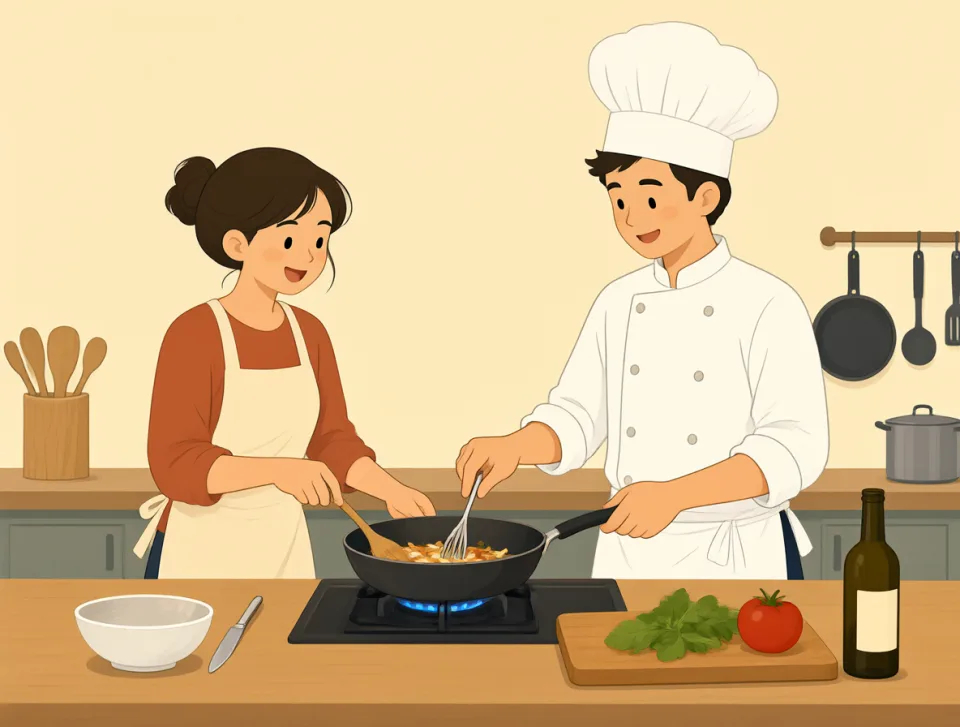
My father went to cooking school.
پدرم به مدرسهٔ آشپزی رفت.
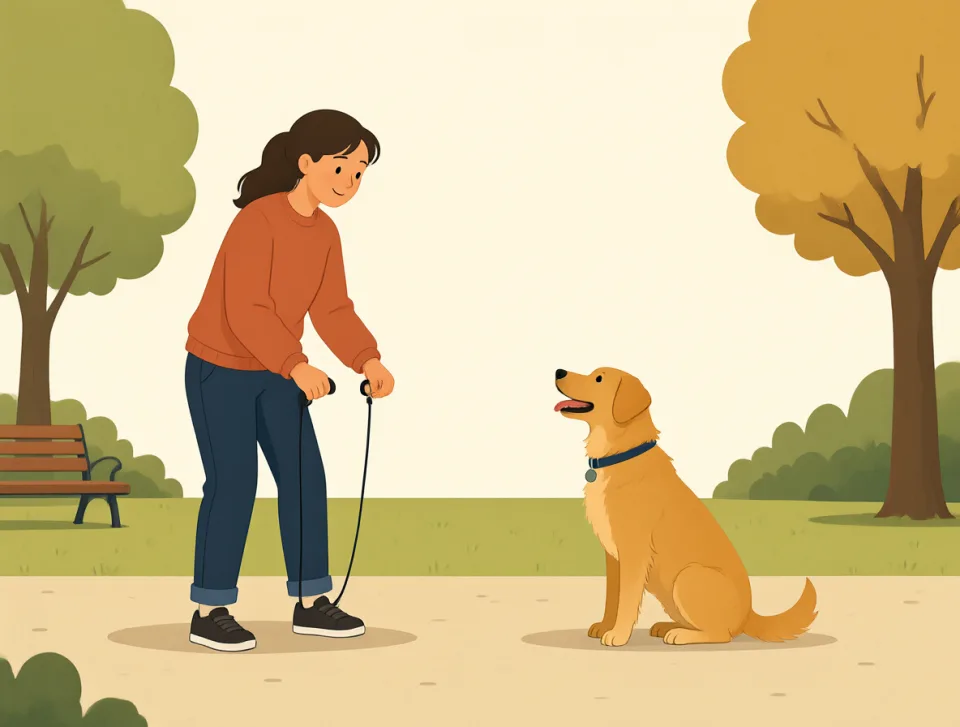
They school their dog every day.
آنها هر روز به سگشان آموزش میدهند.
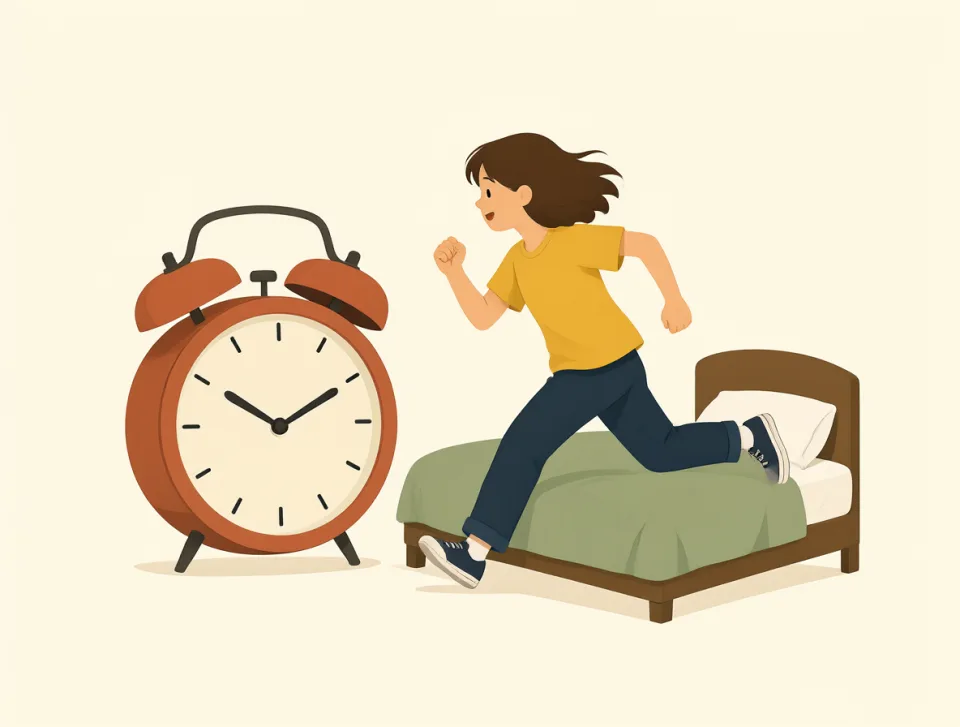
late
#147adjective, adverb, noun
دیر
Happening, arriving, or being after the expected or usual time.
اتفاق افتادن، رسیدن یا بودن پس از زمان مورد انتظار یا معمول.
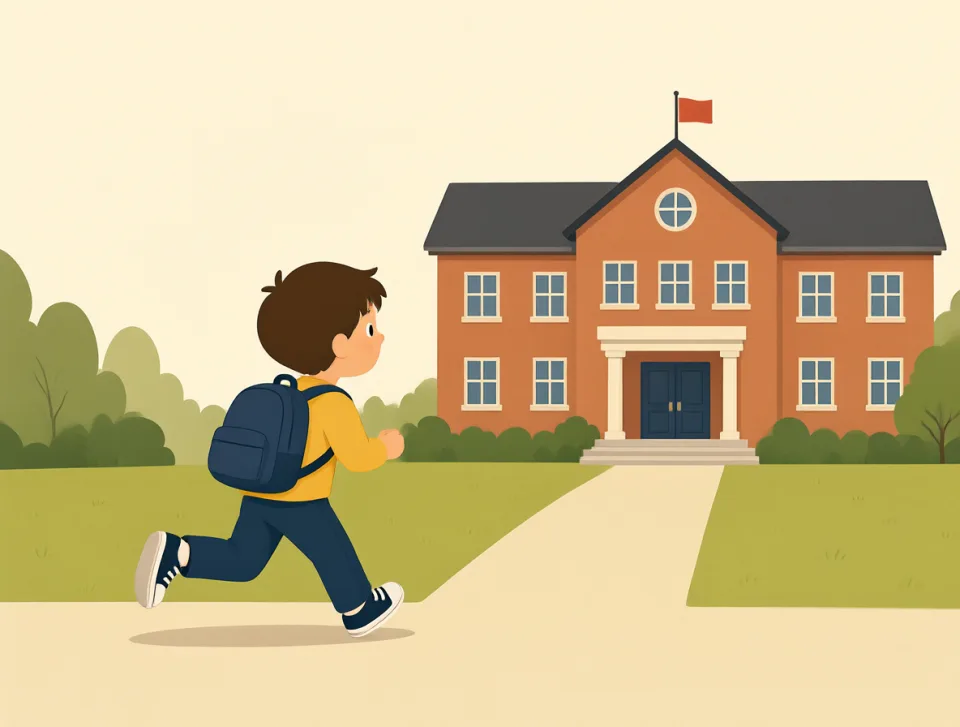
I was late for school this morning.
امروز صبح برای مدرسه دیر کردم.
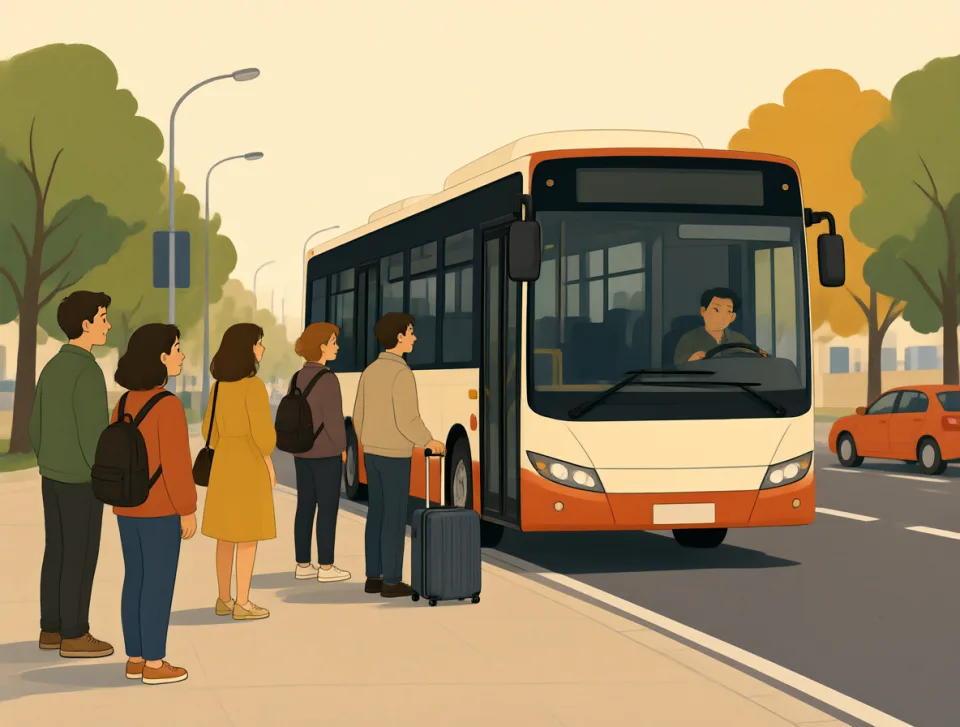
The bus arrived late because of traffic.
اتوبوس بهخاطر ترافیک دیر رسید.
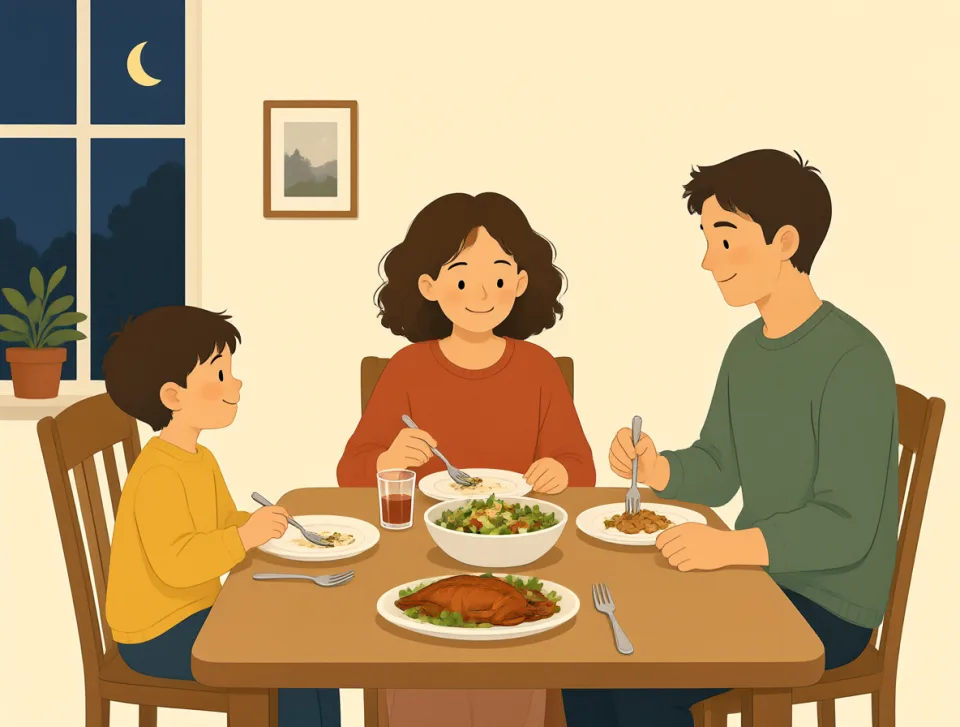
We had dinner late last night.
دیشب دیر شام خوردیم.

She stayed late at work yesterday.
او دیروز تا دیروقت سر کار ماند.
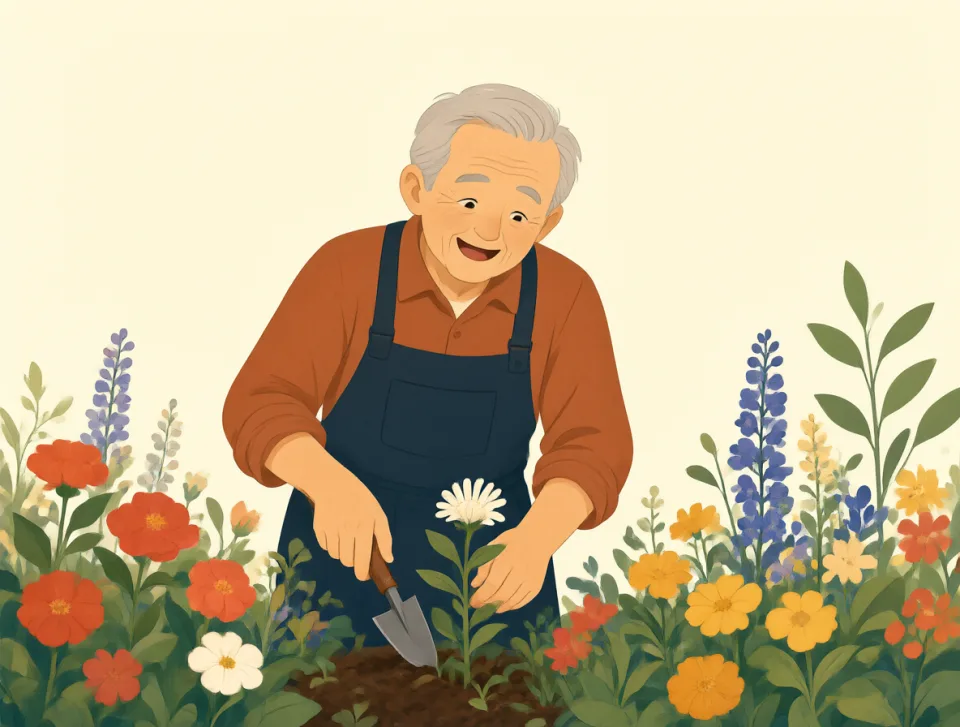
My late grandfather loved gardening.
پدربزرگ مرحومم عاشق باغبانی بود.

high
#148adjective, adverb, noun
بلند؛ زیاد
Far above the ground, or greater than usual in amount, level, or price.
در فاصلهای زیاد از سطح زمین، یا بیشتر از حد معمول از نظر مقدار، سطح یا قیمت.
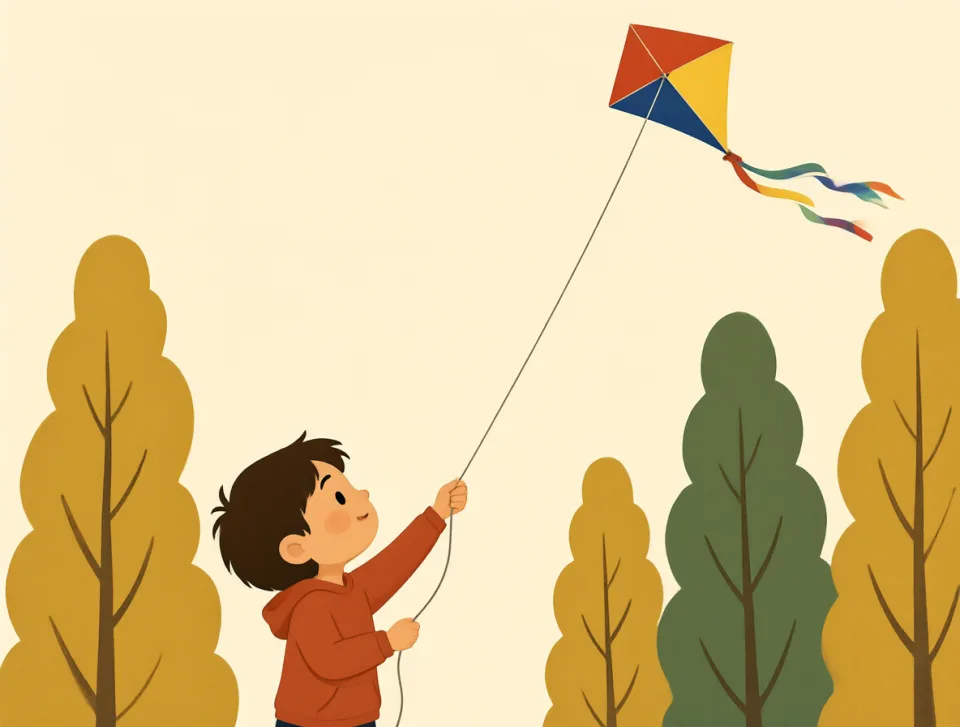
The kite flew high above the trees.
بادبادک بالای درختها پرواز کرد.

Please put the books on the high shelf.
لطفاً کتابها را روی قفسهٔ بلند بگذارید.
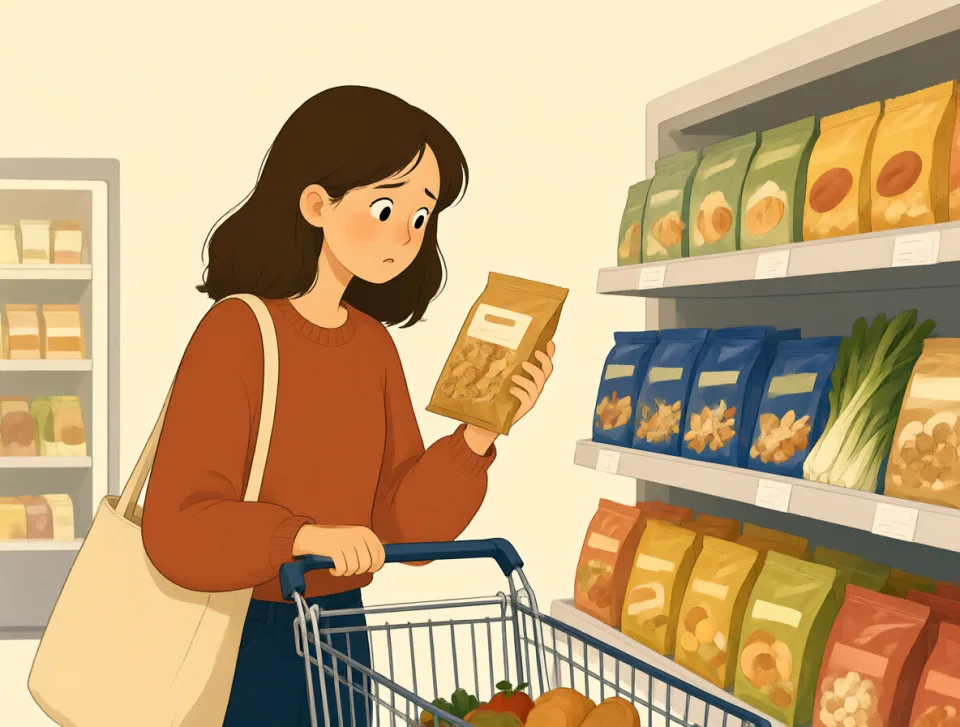
Prices are high at this store.
قیمتها در این فروشگاه بالاست.
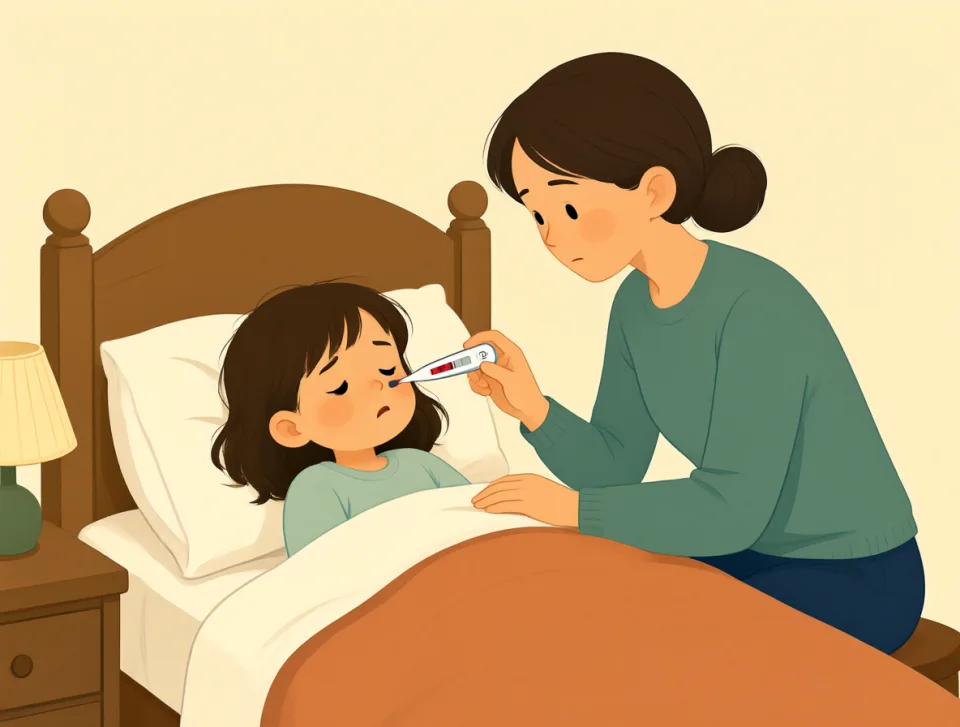
She has a high fever today.
او امروز تب بالایی دارد.

The plane climbed high into the sky.
هواپیما تا ارتفاع زیادی در آسمان بالا رفت.
different
#149adjective
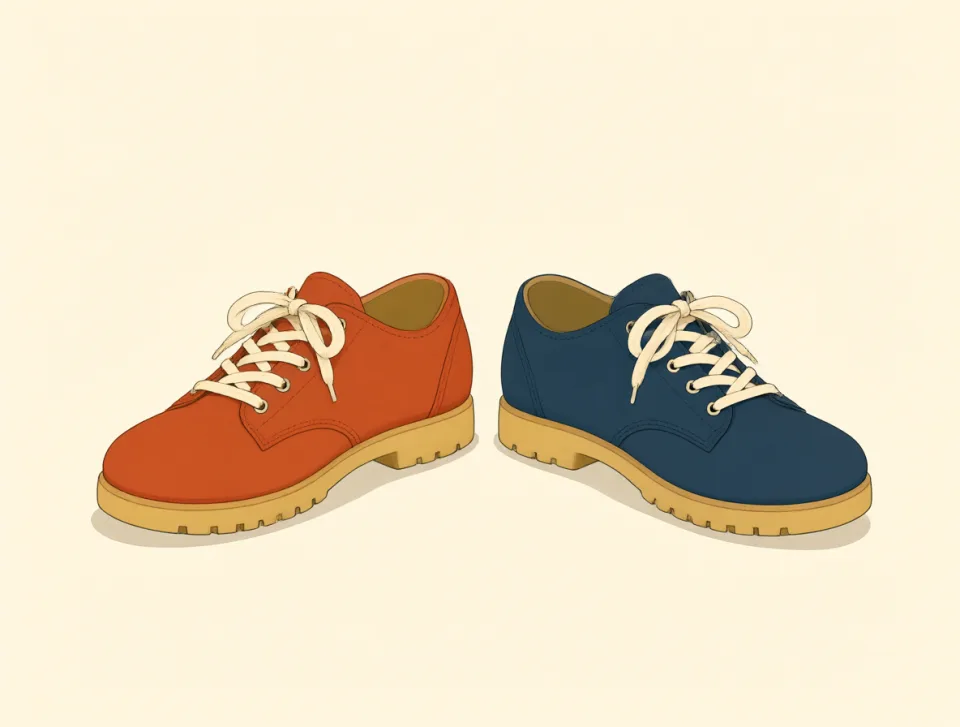
متفاوت
Not the same as another person or thing.
با شخص یا چیز دیگری یکسان نبودن.
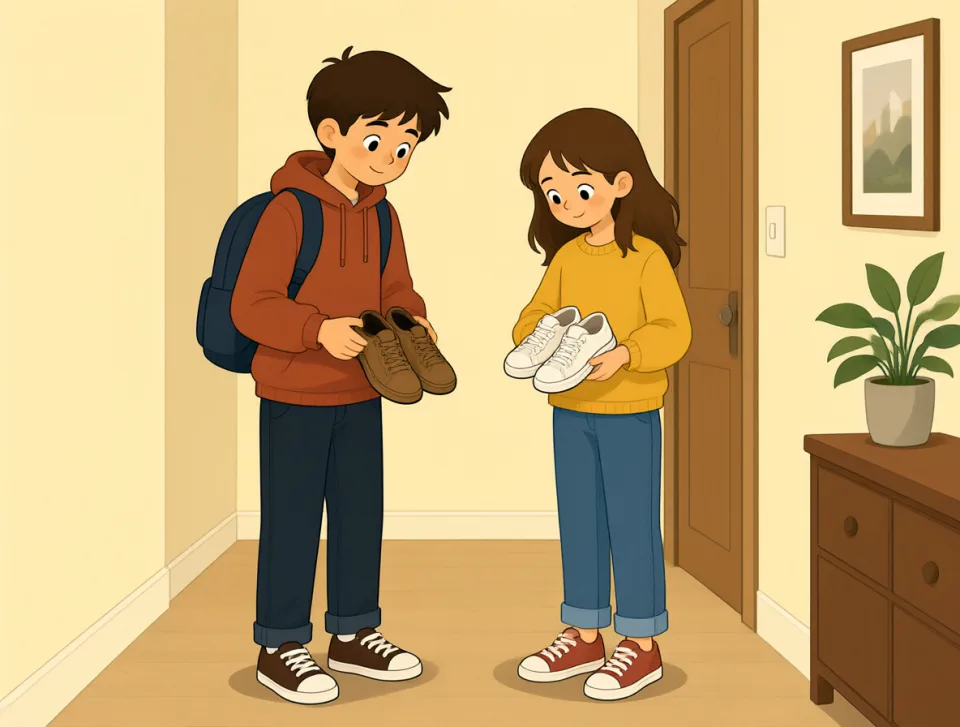
My new shoes are different from yours.
کفشهای جدیدم با کفشهای تو فرق دارند.
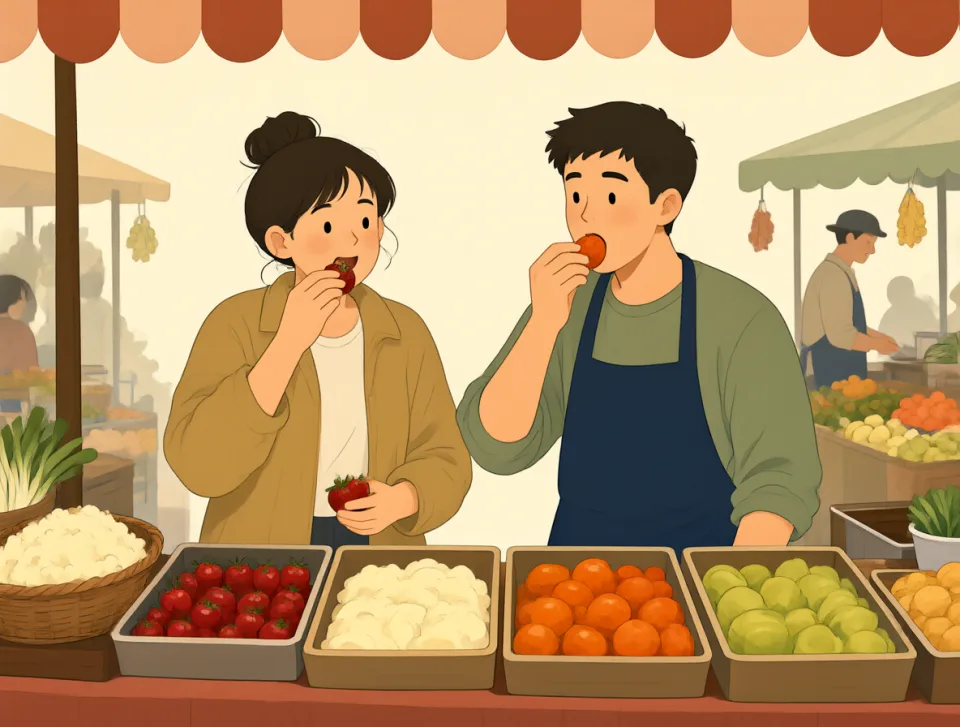
We tried different foods at the market.
در بازار غذاهای مختلفی را امتحان کردیم.
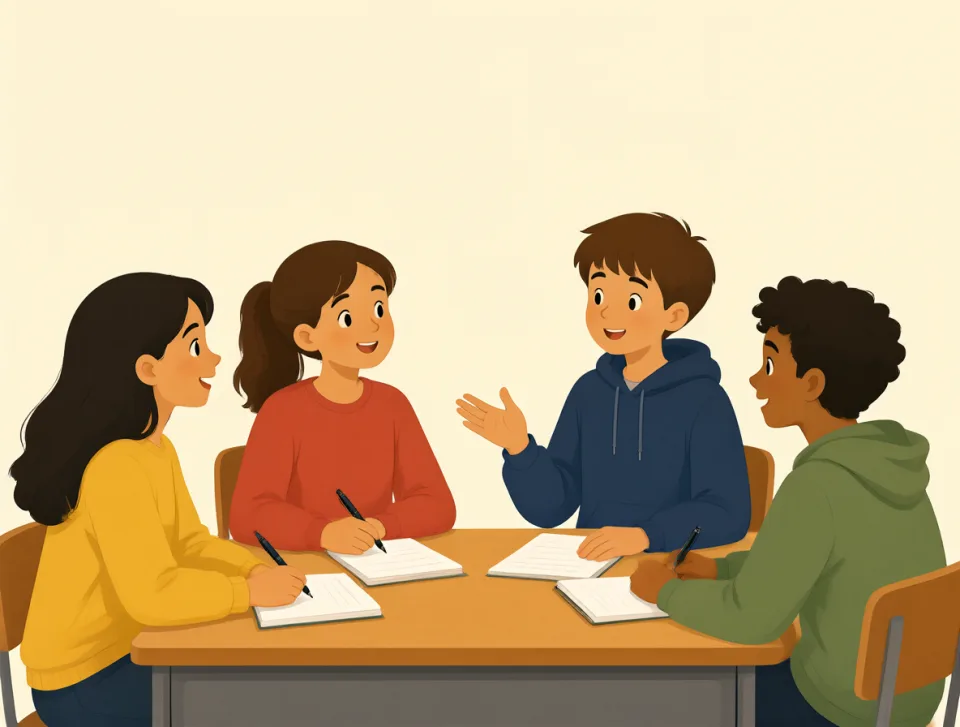
She has a different idea for the project.
او برای پروژه ایدهٔ متفاوتی دارد.

The weather is different in the mountains.
آبوهوا در کوهستان متفاوت است.

He feels different after taking the medicine.
بعد از خوردن دارو حالش فرق میکند.

off
#150adverb, adjective, preposition, noun
خاموش؛ جدا از
Away from a place, position, or working state; not operating or attached.
دور از یک مکان یا موقعیت، در حالت کارنکردن یا متصلنبودن.
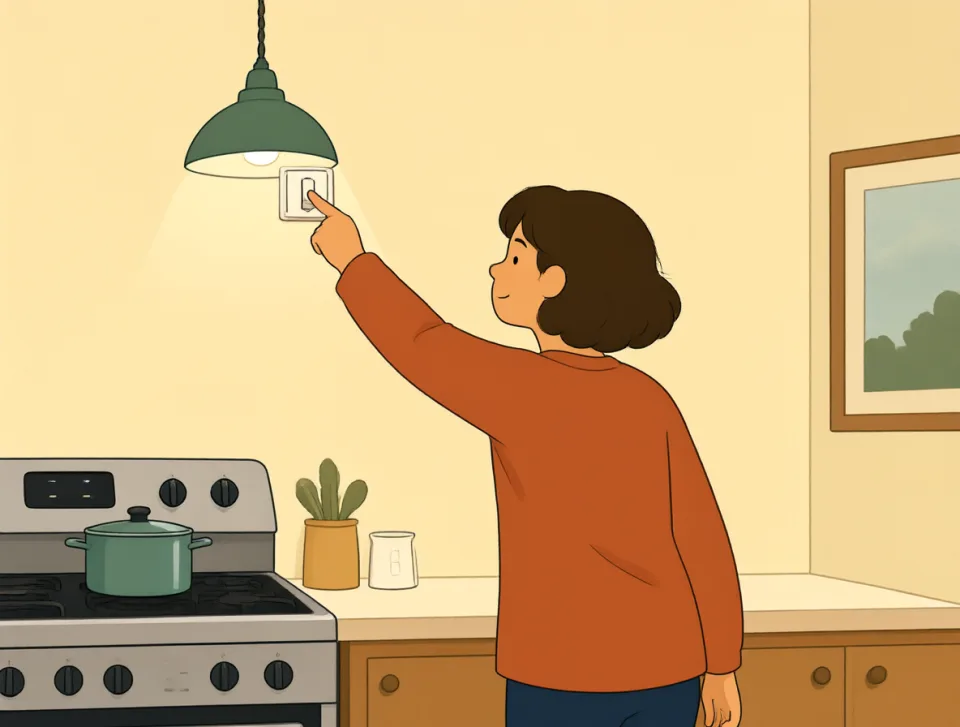
Please turn off the kitchen light.
لطفاً چراغ آشپزخانه را خاموش کنید.
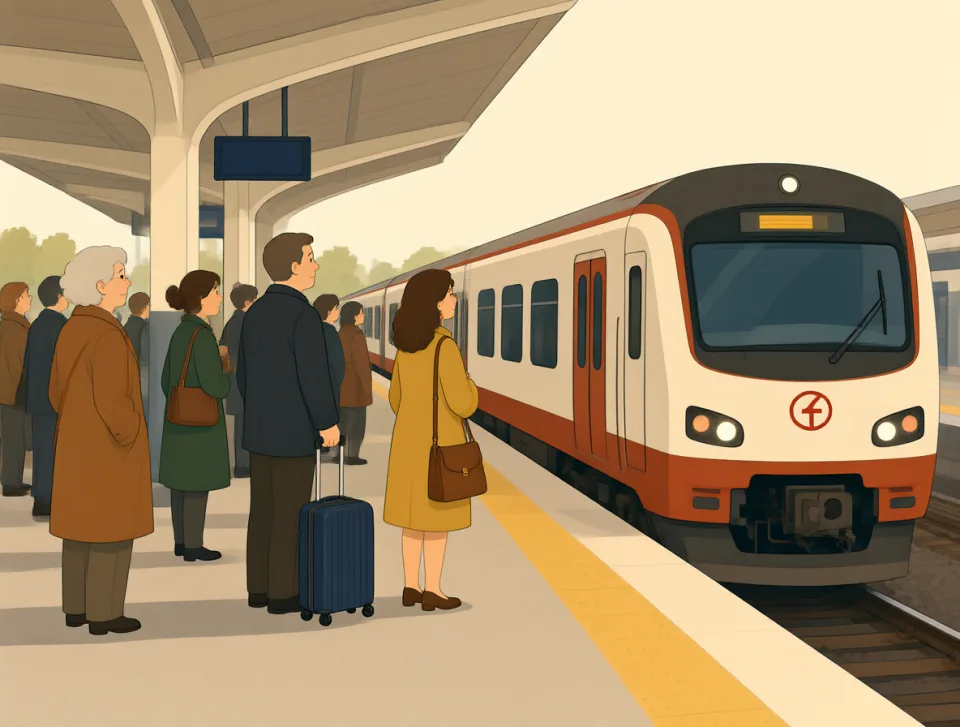
The train left ten minutes off schedule.
قطار ده دقیقه از برنامه عقب افتاد.
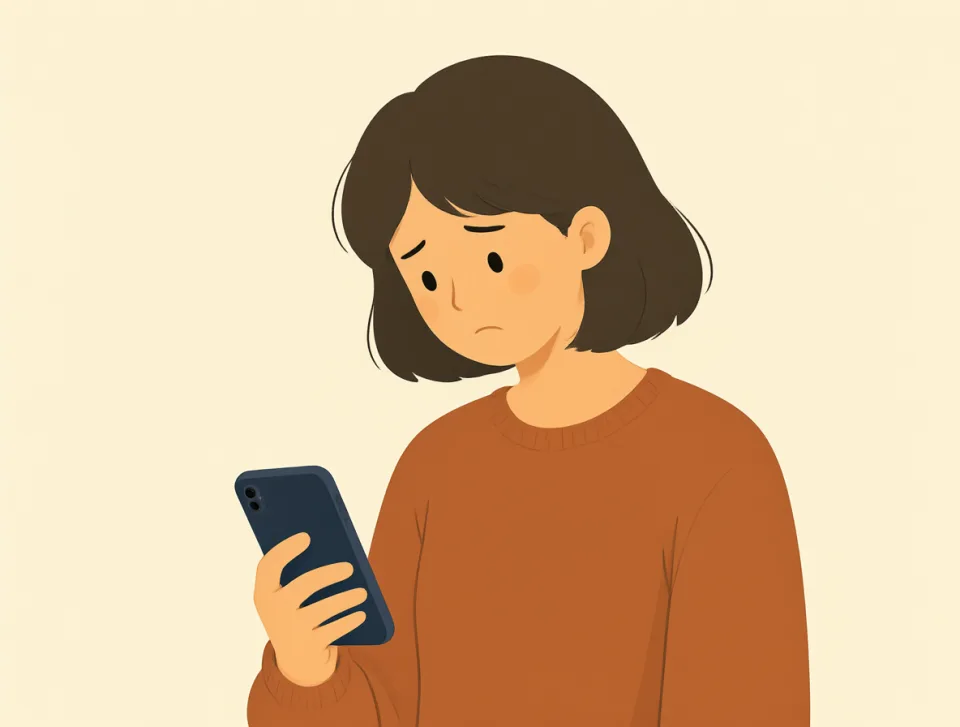
My phone is off because its battery died.
گوشیام خاموش است، چون باتریاش تمام شده.
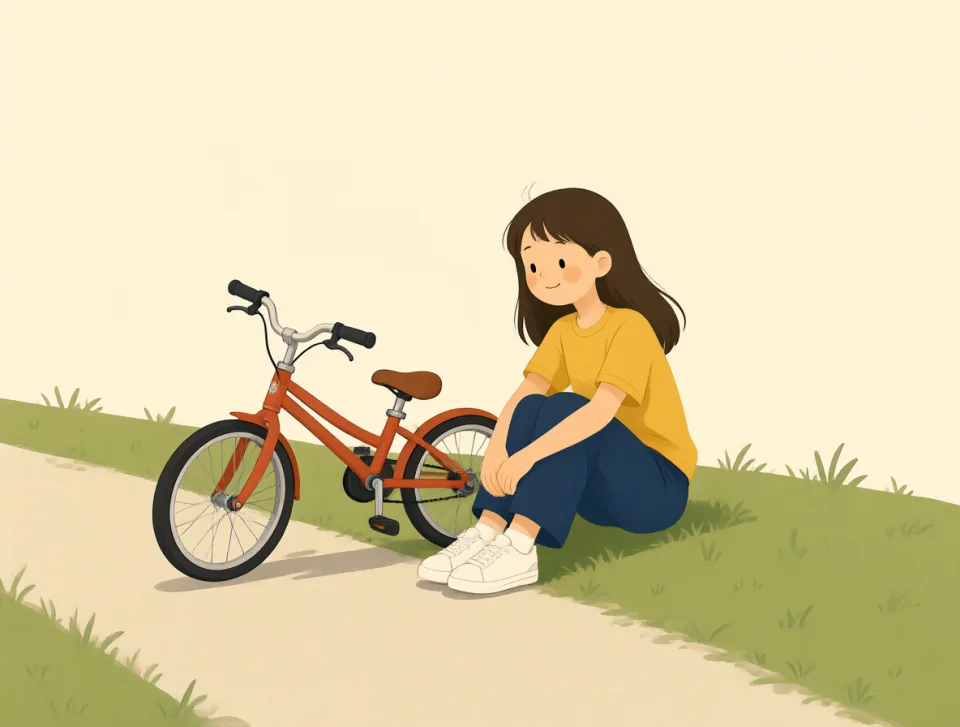
She fell off her bike yesterday.
او دیروز از دوچرخهاش افتاد.
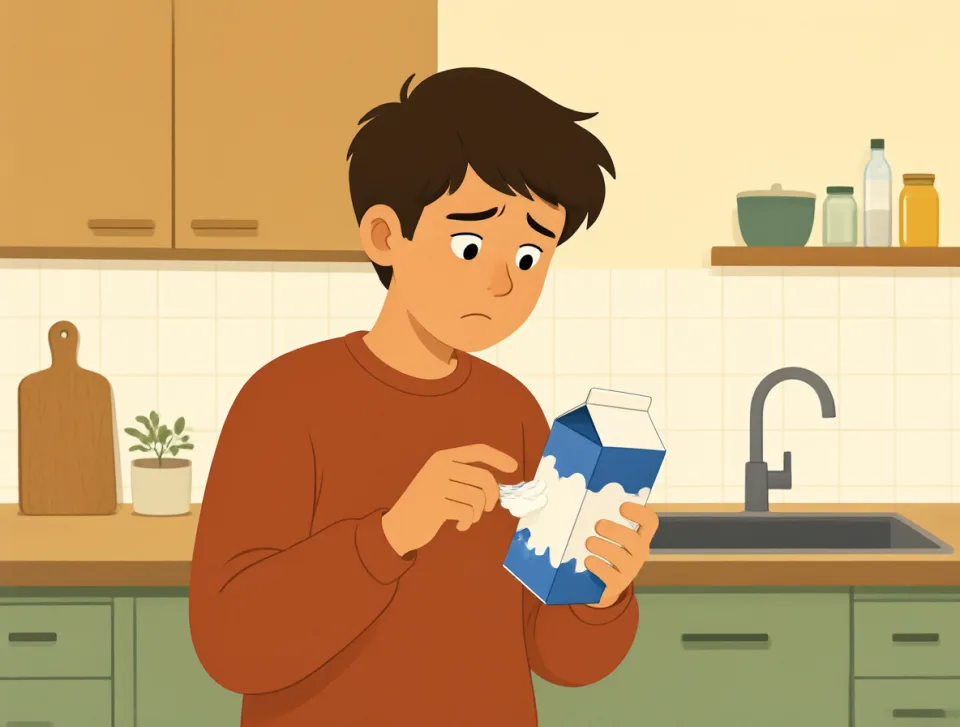
The milk smells off, so throw it away.
شیر بوی بدی میدهد؛ پس آن را دور بینداز.
next
#151adjective, adverb, noun, determiner
بعدی
Coming immediately after this one in time, order, or place.
چیزی که از نظر زمان، ترتیب یا مکان بلافاصله پس از این میآید.
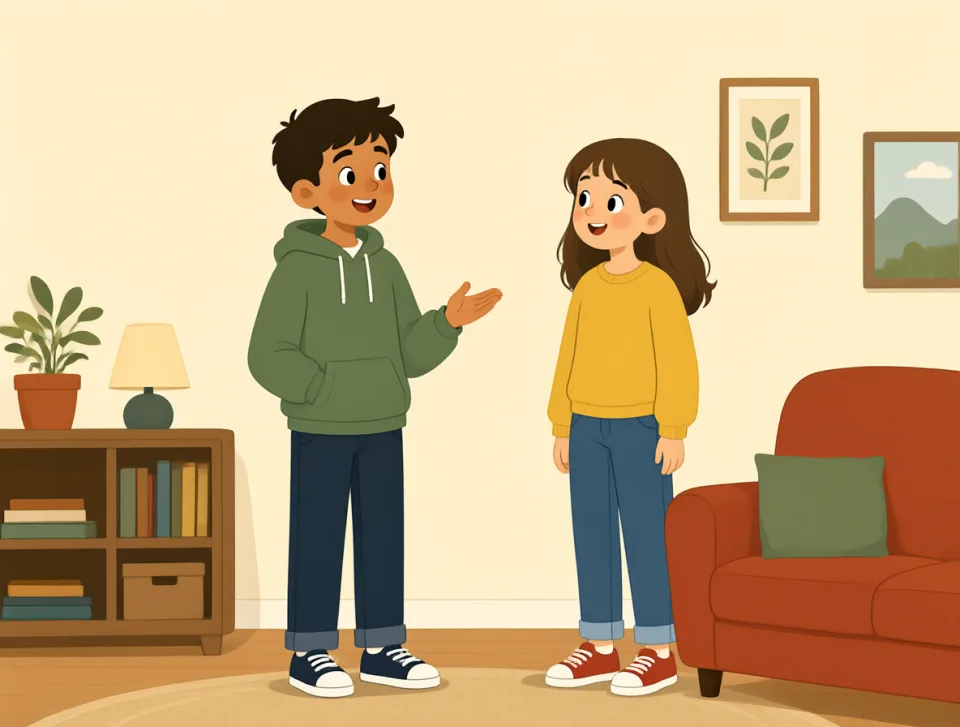
What are you doing next?
بعدش چه کار میکنی؟
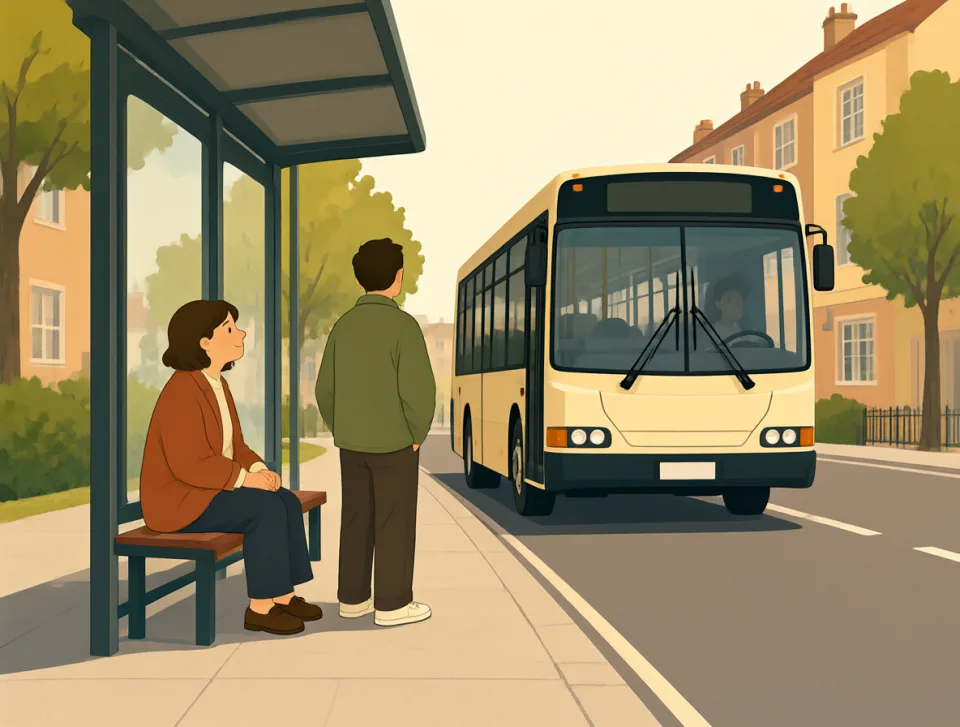
The next bus leaves at noon.
اتوبوس بعدی ظهر حرکت میکند.
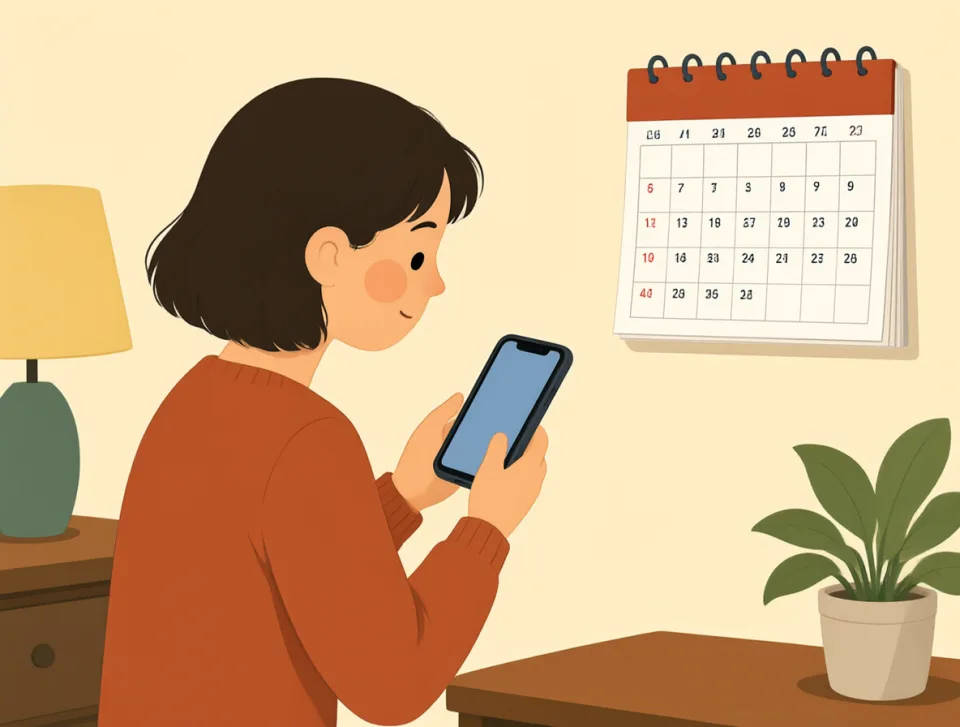
Please call me next week.
لطفاً هفتهٔ بعد با من تماس بگیر.
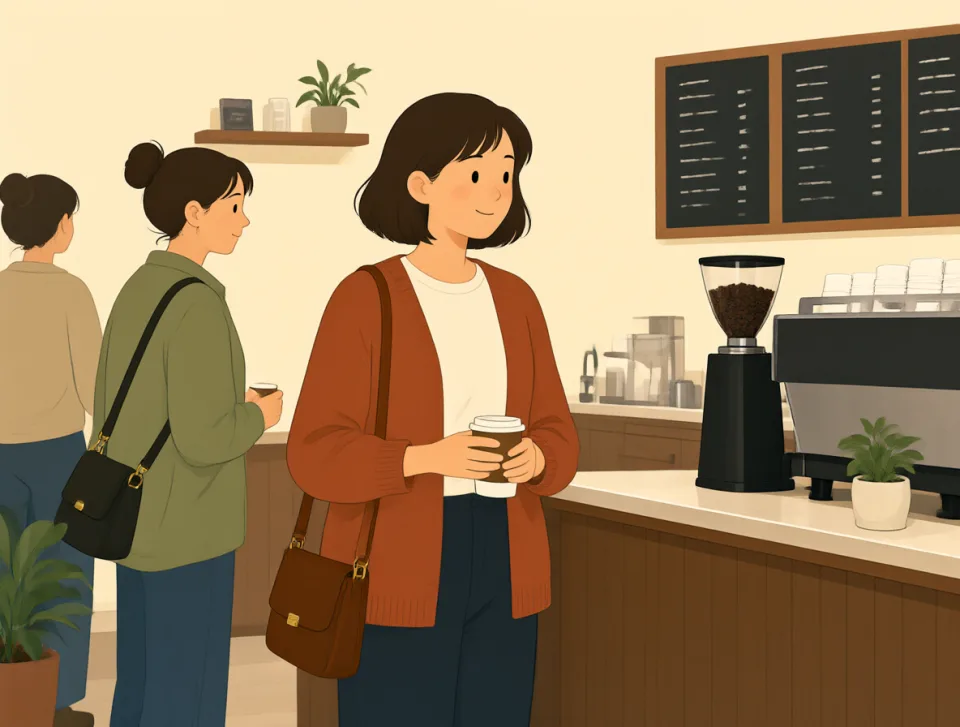
She was next in line for coffee.
او نفر بعدی در صف قهوه بود.
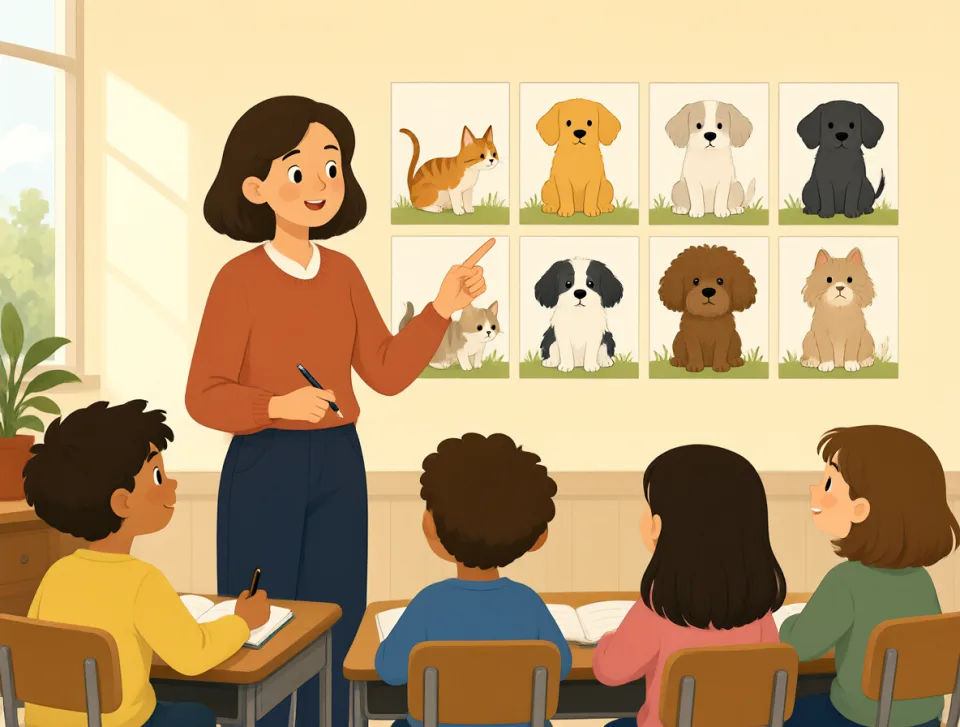
Our next lesson is about animals.
درس بعدی ما دربارهٔ حیوانات است.

end
#152noun, verb
پایان دادن؛ پایان
the final part of something, or to finish something
بخش پایانی چیزی، یا تمام کردن چیزی.
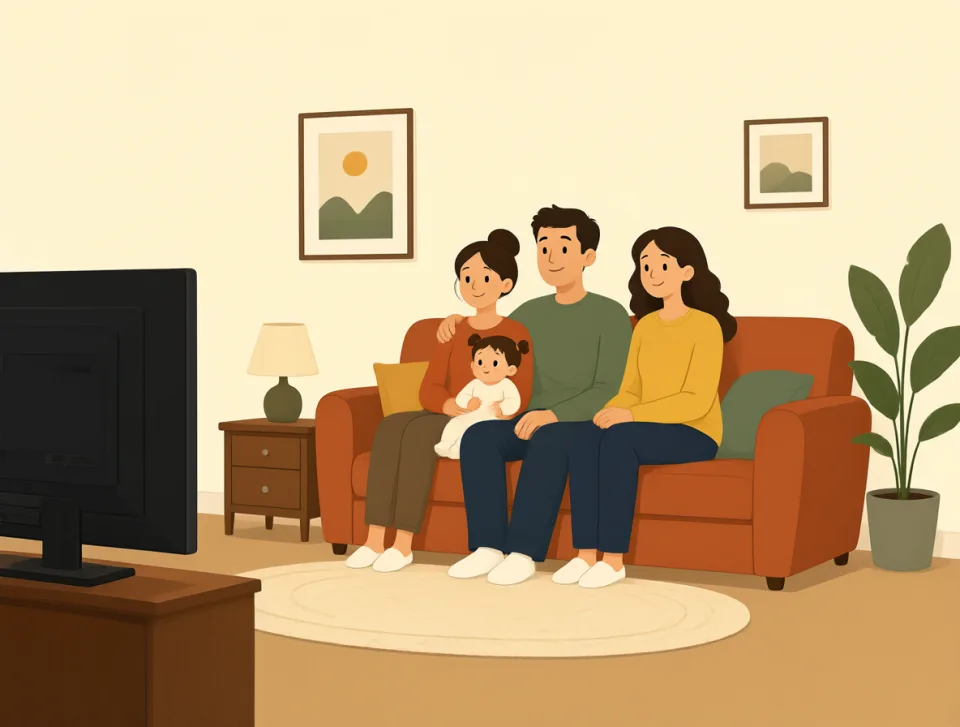
The movie ended late last night.
فیلم دیشب دیر تمام شد.
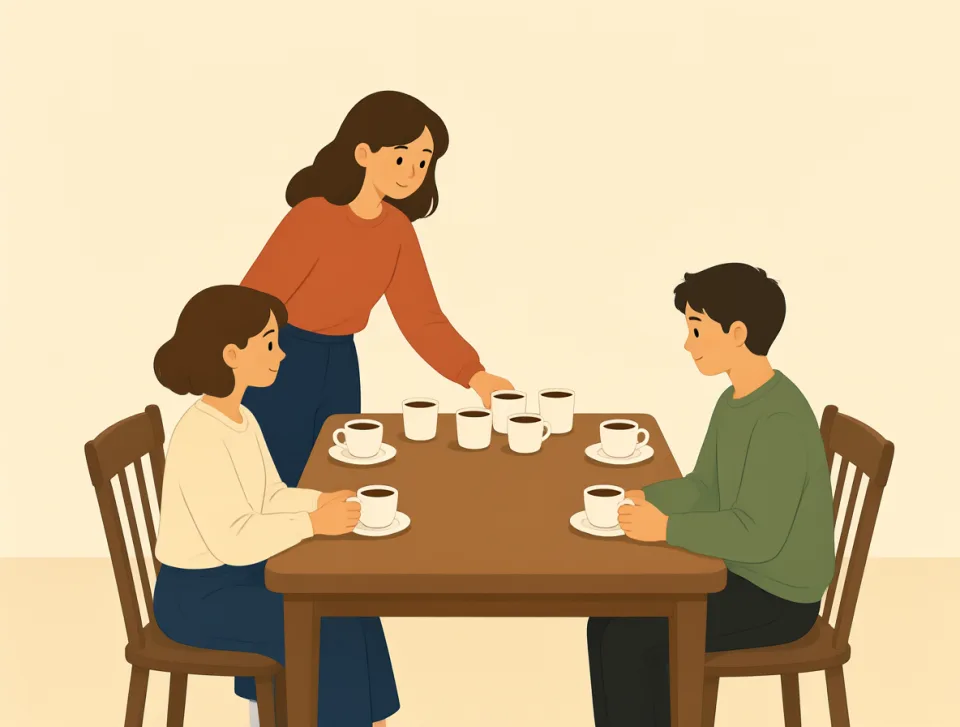
Please put the cups at the end.
لطفاً فنجانها را در انتها بگذارید.
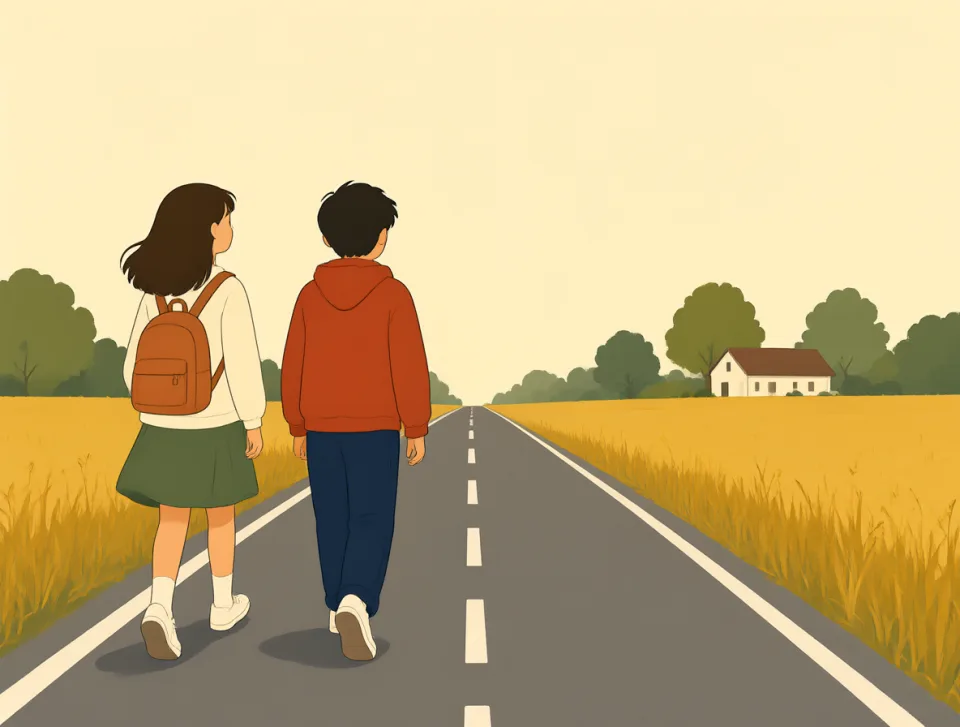
We walked to the end of the road.
تا انتهای جاده پیاده رفتیم.
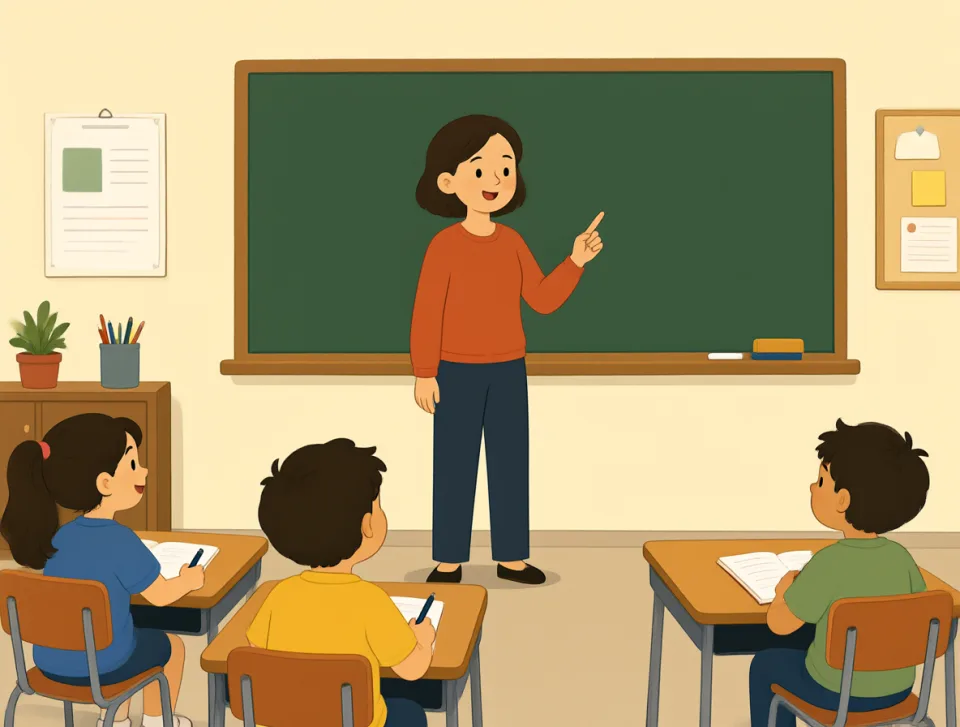
The lesson ends at three o’clock.
درس ساعت سه تمام میشود.

I ended my letter with a kind message.
نامهام را با پیامی مهربانانه تمام کردم.
live
#153verb, adjective, adverb
زندگی کردن؛ زنده
To have your home in a place; or happening now, in real time.
خانه داشتن در مکانی؛ یا در حال حاضر و بهصورت زنده اتفاق افتادن.
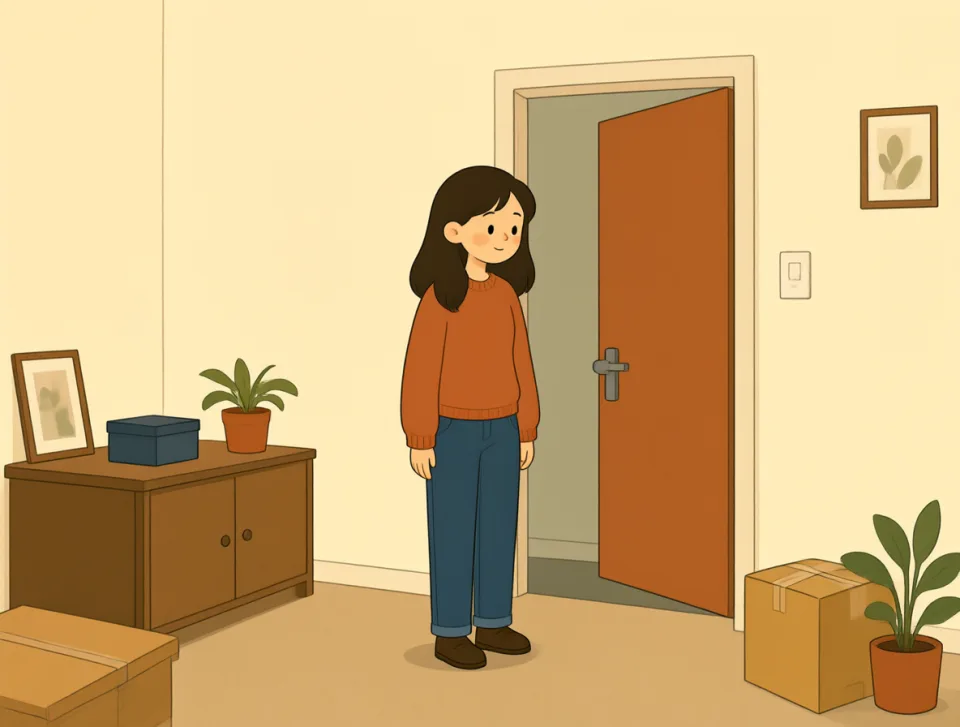
I live in a small apartment.
در یک آپارتمان کوچک زندگی میکنم.
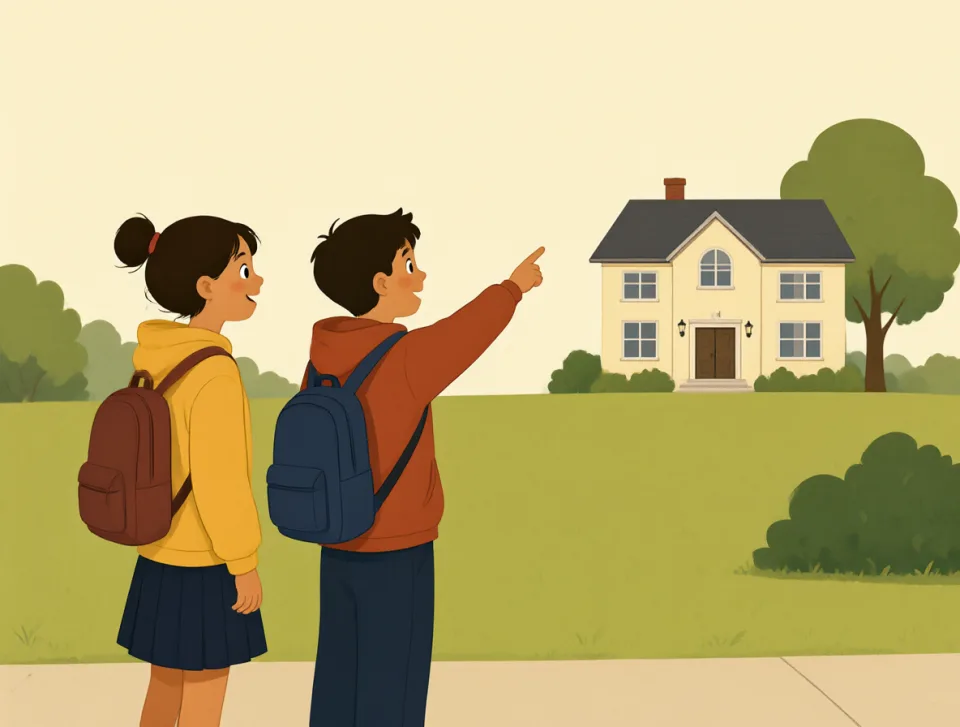
Do you live near the school?
نزدیک مدرسه زندگی میکنی؟
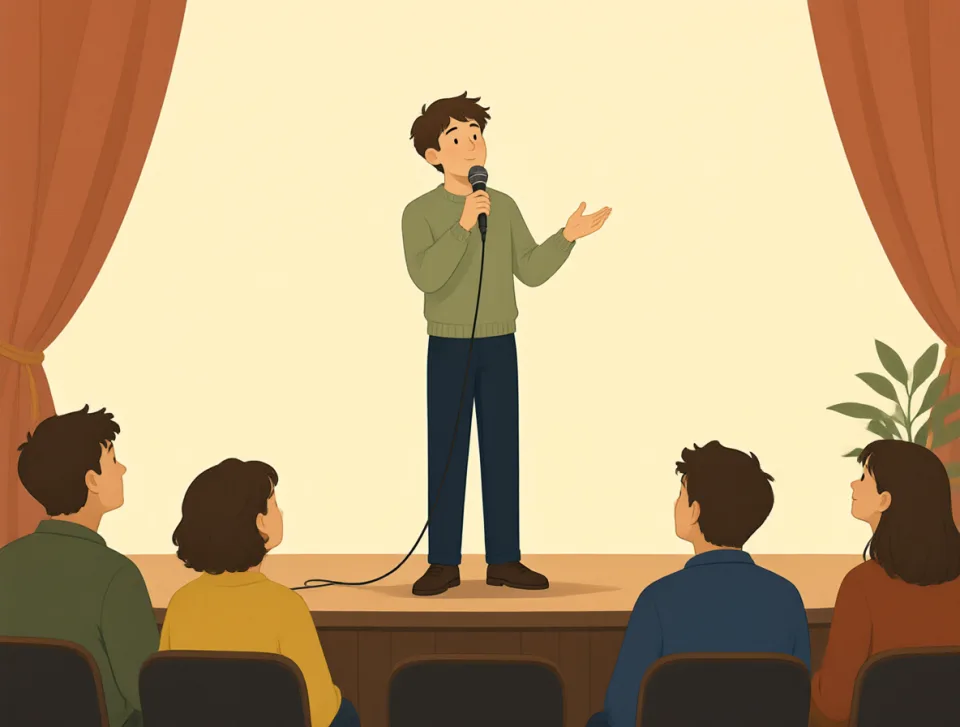
We watched a live music show.
یک اجرای موسیقی زنده تماشا کردیم.
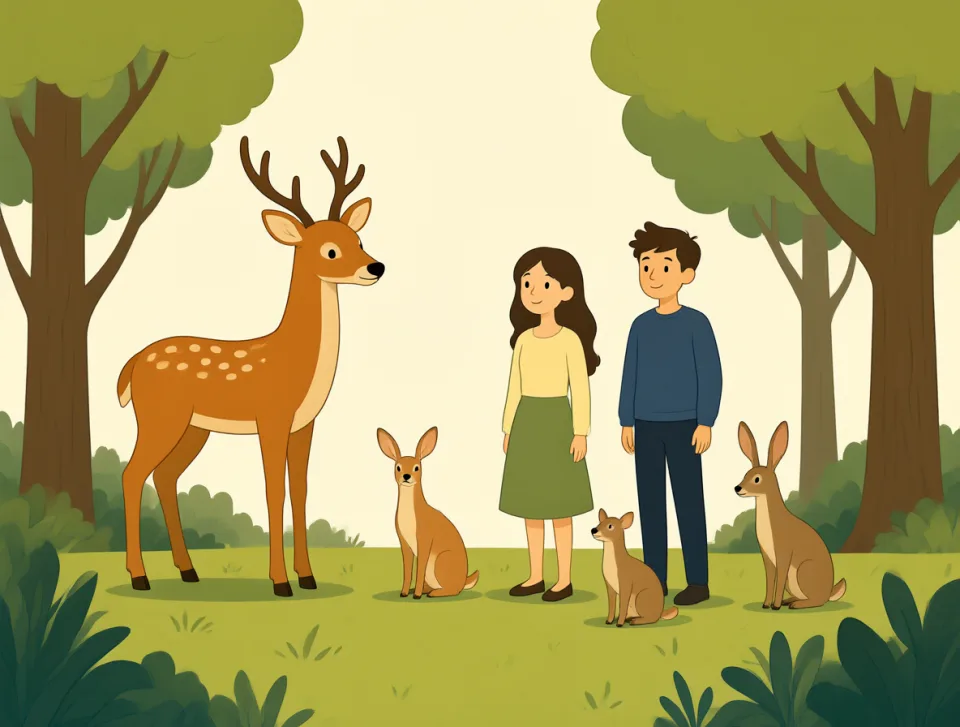
Many animals live in the forest.
حیوانات زیادی در جنگل زندگی میکنند.
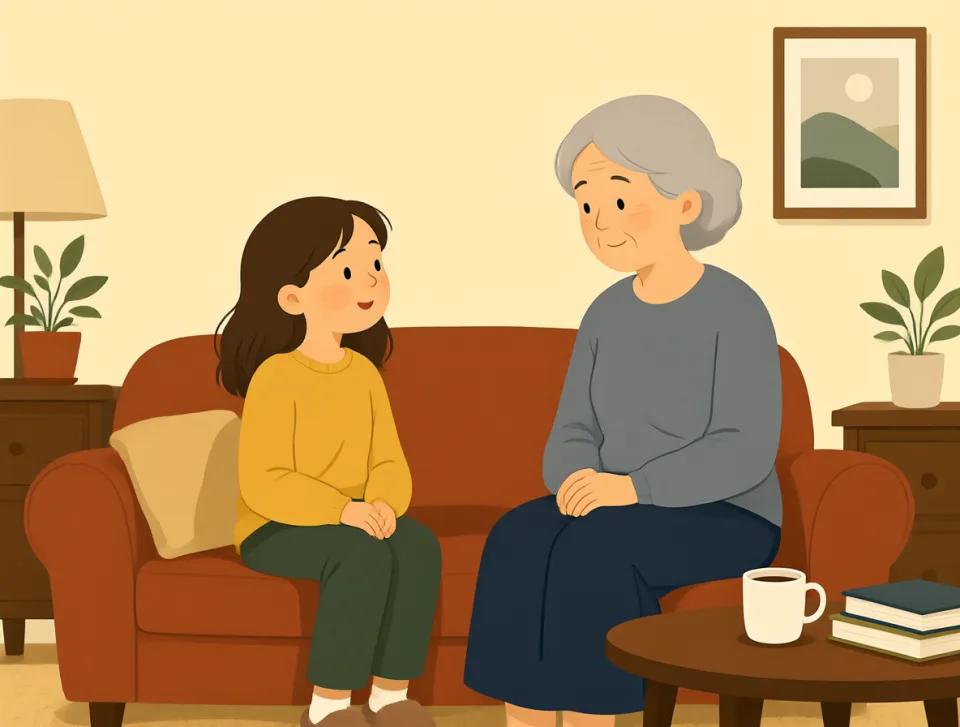
She is living with her aunt.
او با خالهاش زندگی میکند.
why
#154adverb, noun
چرا
Used to ask about or explain the reason for something.
برای پرسیدن یا توضیح دادن دلیل چیزی به کار میرود.
Why are you late for school?
چرا برای مدرسه دیر کردهای؟
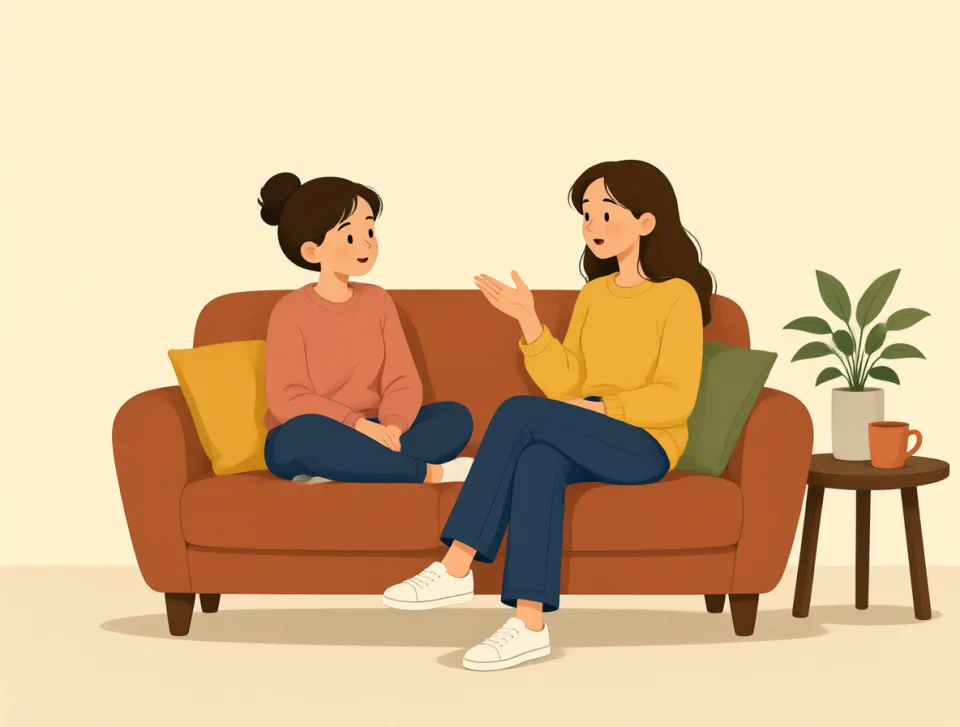
I know why she feels tired.
میدانم چرا او احساس خستگی میکند.

Why did you leave work early?
چرا زودتر از محل کار رفتی؟
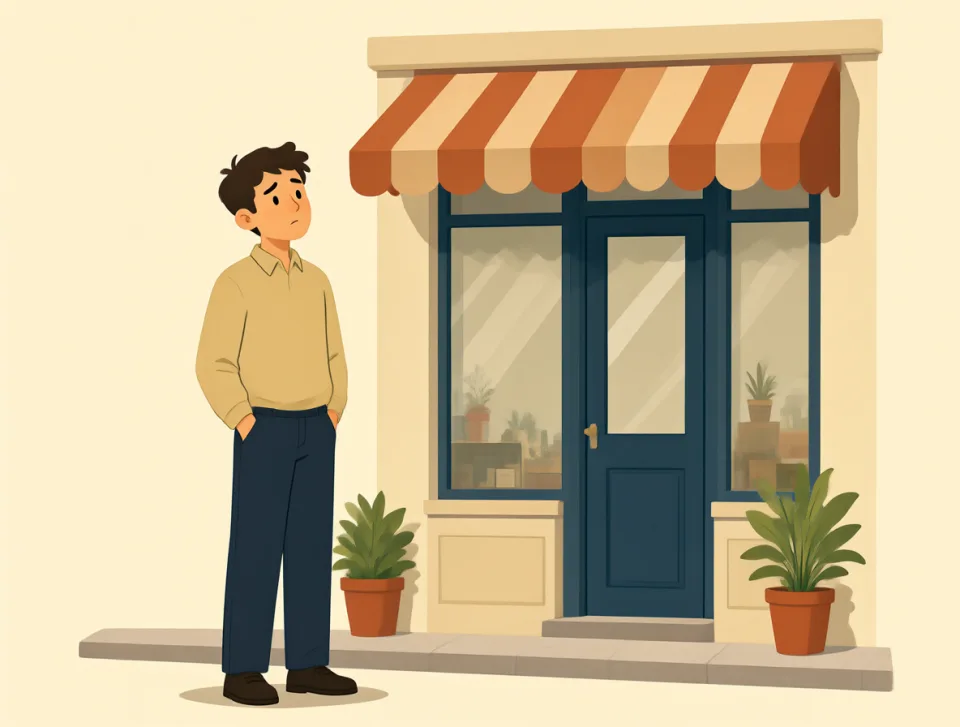
He asked why the shop was closed.
او پرسید چرا مغازه بسته بود.

There is no reason why we cannot go.
هیچ دلیلی وجود ندارد که نتوانیم برویم.
while
#155noun, conjunction, preposition
مدتی؛ درحالیکه
a period of time; during the time that something happens
یک بازهٔ زمانی؛ در مدتی که چیزی اتفاق میافتد.
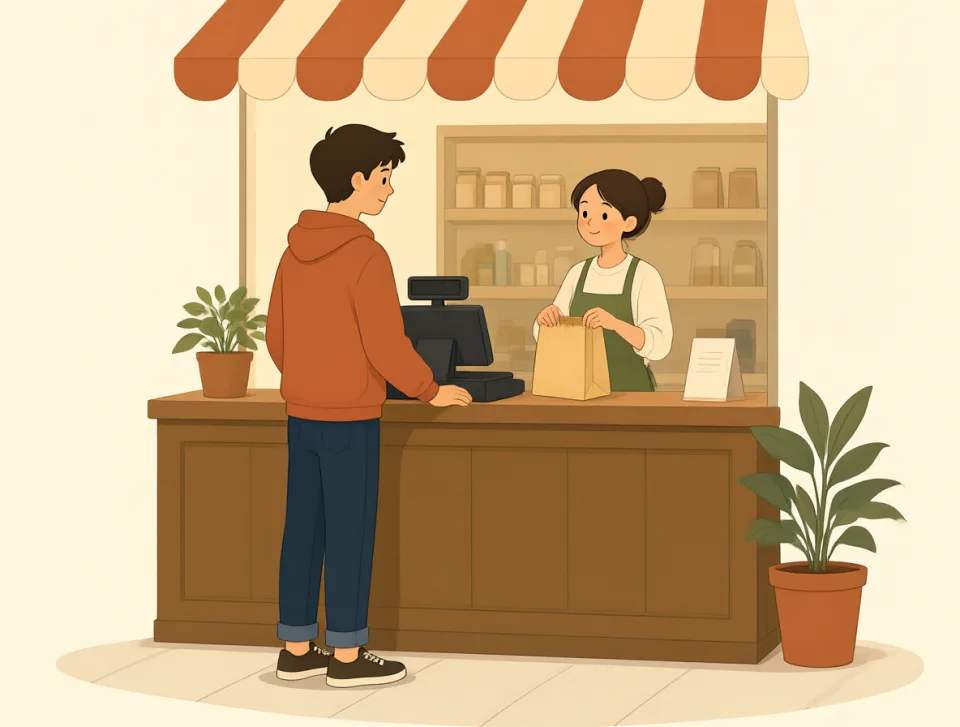
Please wait here while I get your bag.
لطفاً اینجا منتظر بمانید تا کیفتان را بیاورم.
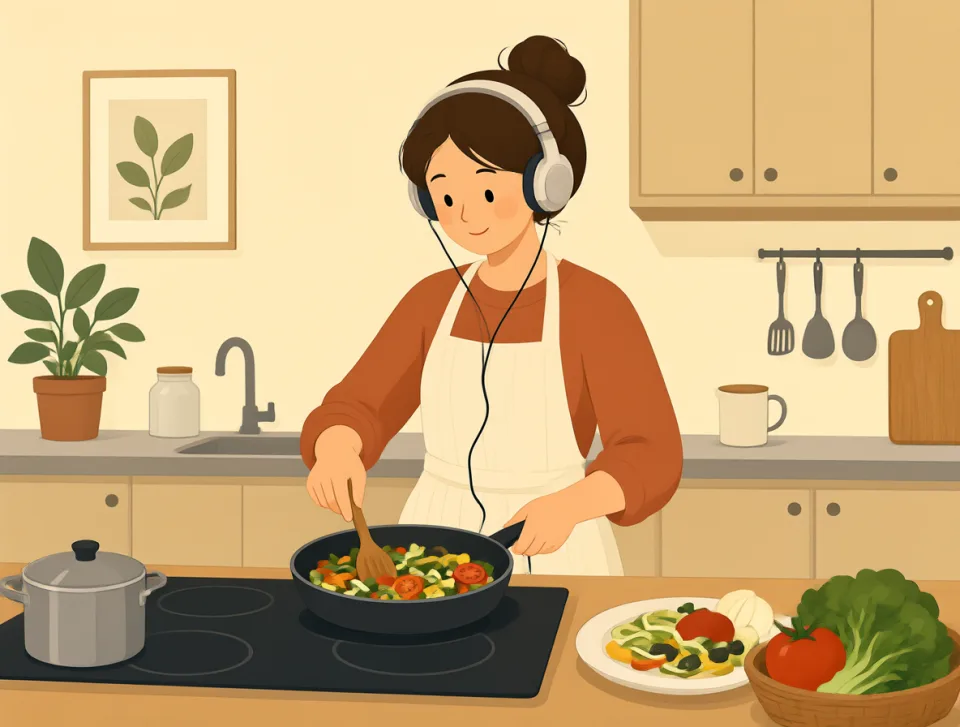
She listened to music while cooking dinner.
او هنگام پختن شام به موسیقی گوش میداد.
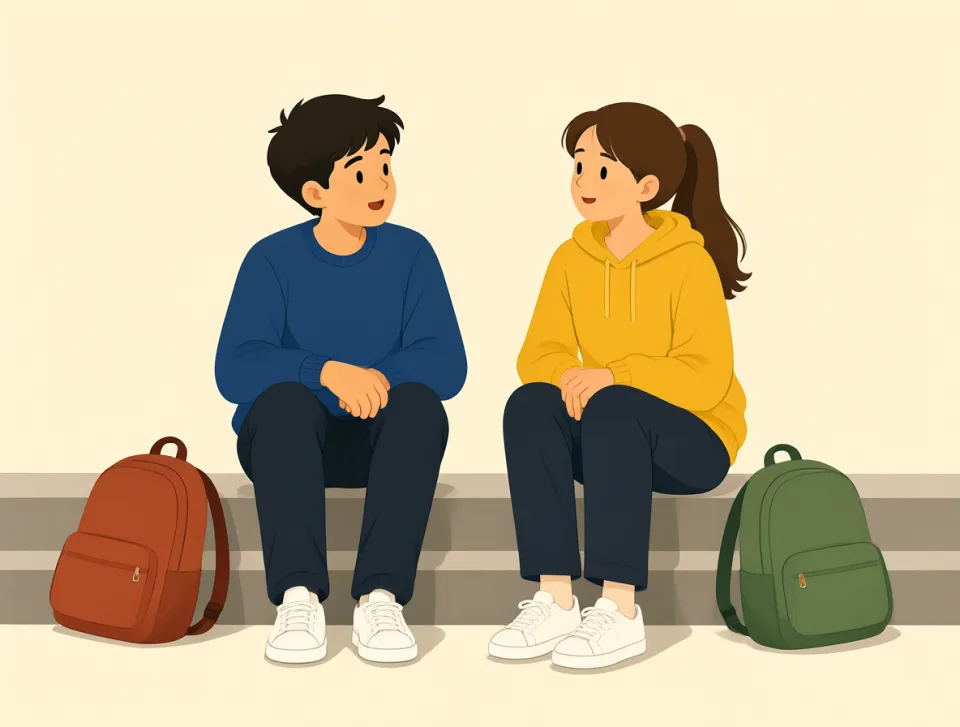
We talked for a while after school.
بعد از مدرسه مدتی با هم صحبت کردیم.
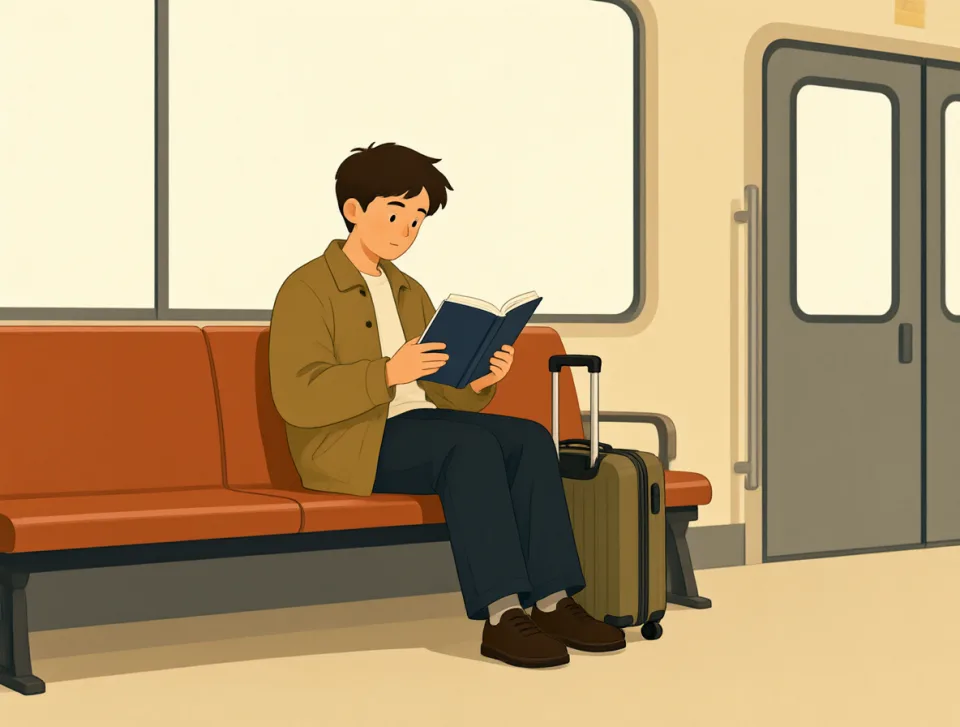
He read a book while waiting for the train.
او هنگام انتظار برای قطار کتابی خواند.
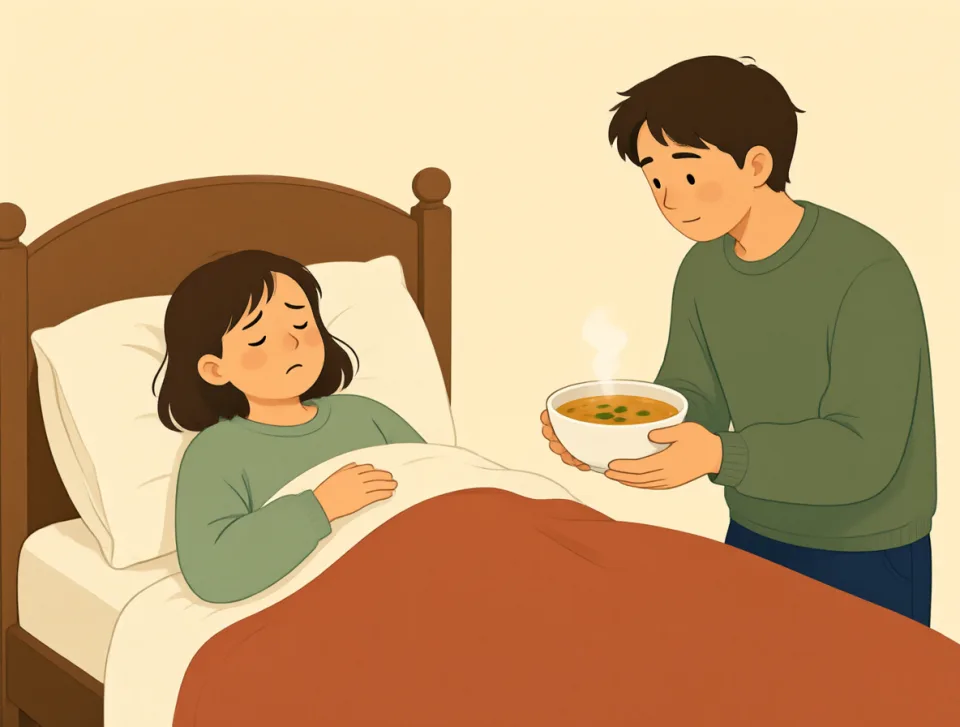
While I was sick, my friend brought soup.
وقتی بیمار بودم، دوستم برایم سوپ آورد.
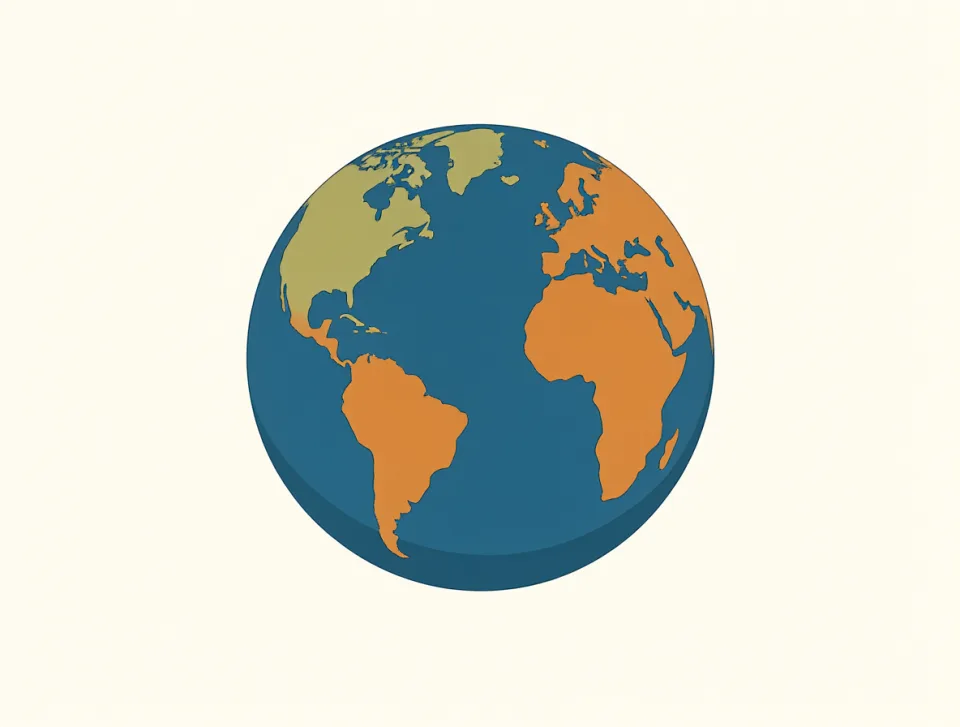
world
#156noun
جهان
the Earth and all its people, countries, and places
زمین و همهٔ مردم، کشورها و مکانهای آن
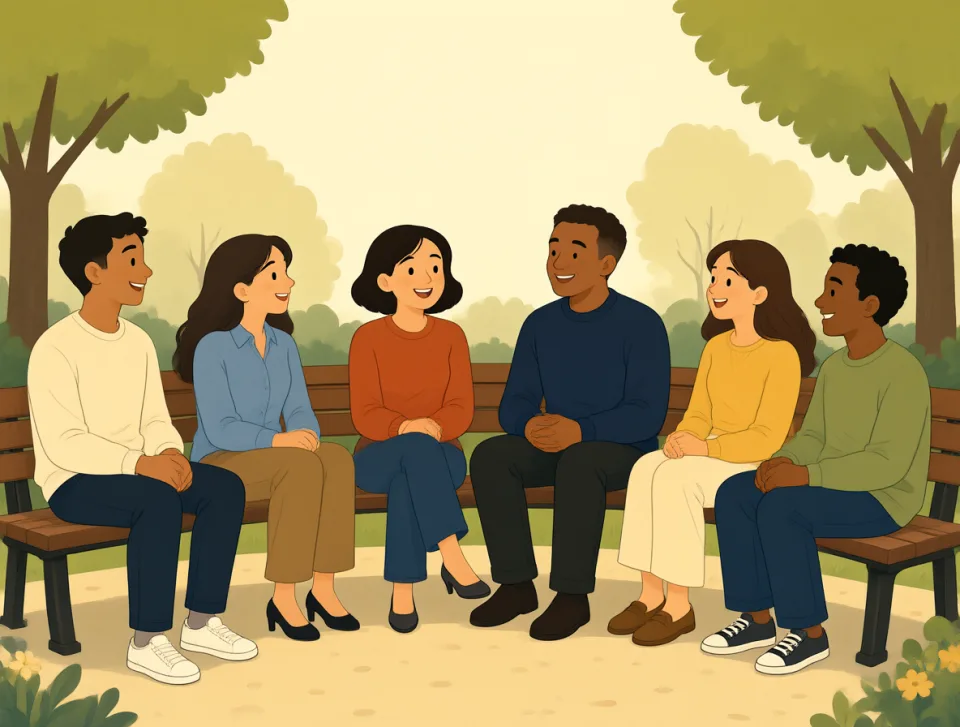
People around the world enjoy music.
مردم سراسر جهان از موسیقی لذت میبرند.
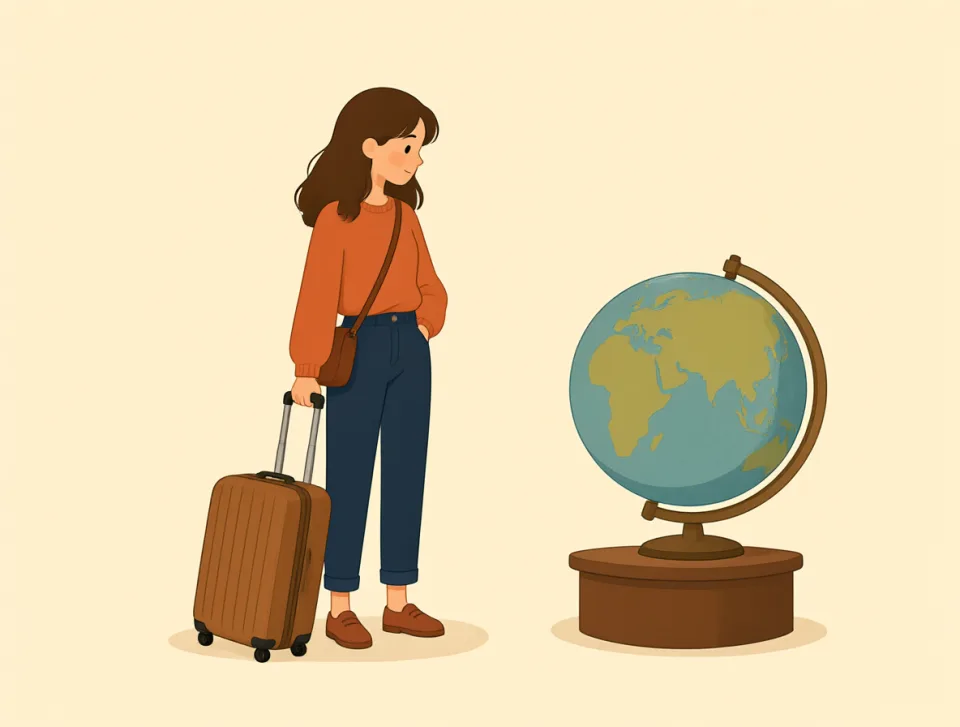
She wants to travel the world.
او میخواهد دور دنیا سفر کند.

The whole world watched the game.
تمام دنیا مسابقه را تماشا کردند.
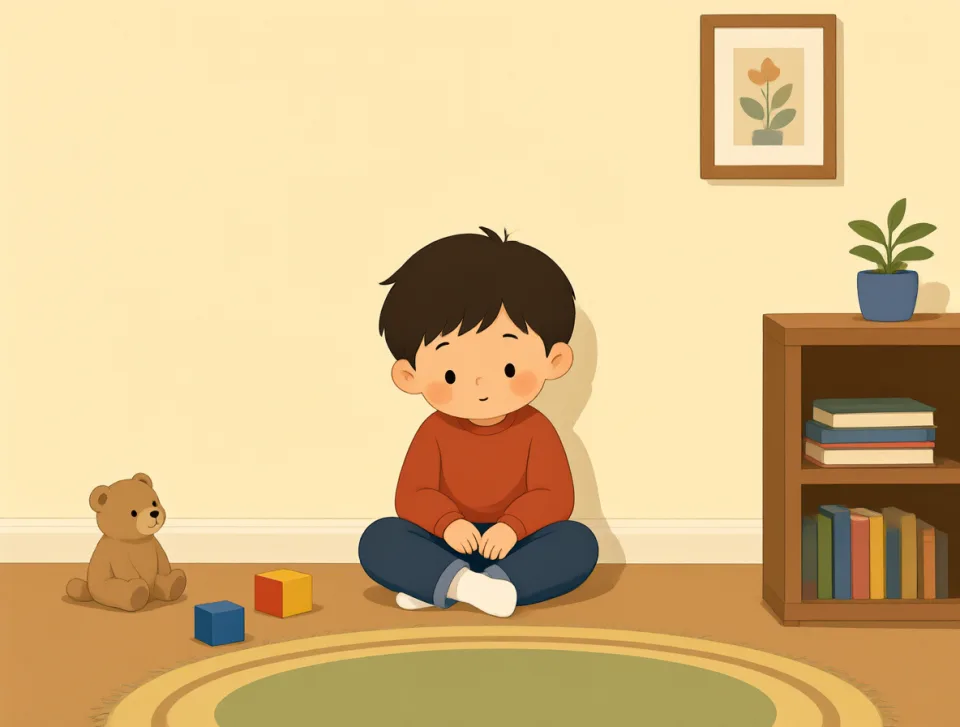
He lives in a small world.
او در دنیای کوچکی زندگی میکند.

World history is my favorite school subject.
تاریخ جهان درس موردعلاقهام در مدرسه است.

week
#157noun
هفته
A period of seven days, from one day to the same day the next week.
دورهای هفتروزه، از یک روز تا همان روز در هفتهٔ بعد.

I visit my parents every week.
هر هفته به دیدن پدر و مادرم میروم.
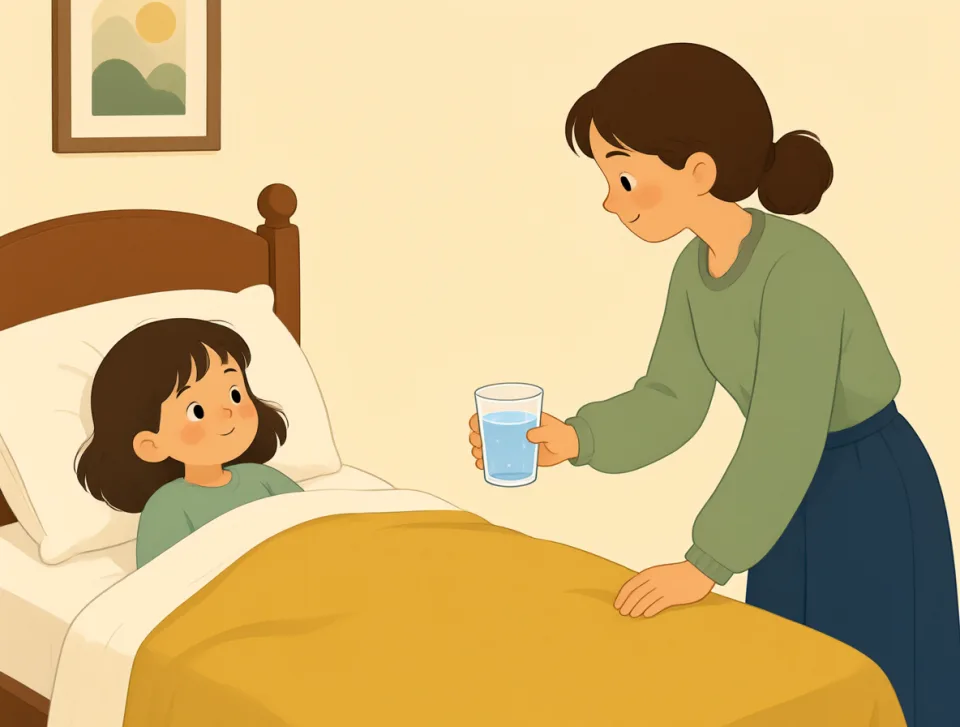
She was sick last week.
او هفتهٔ پیش بیمار بود.

We have a team meeting this week.
این هفته جلسهٔ تیمی داریم.
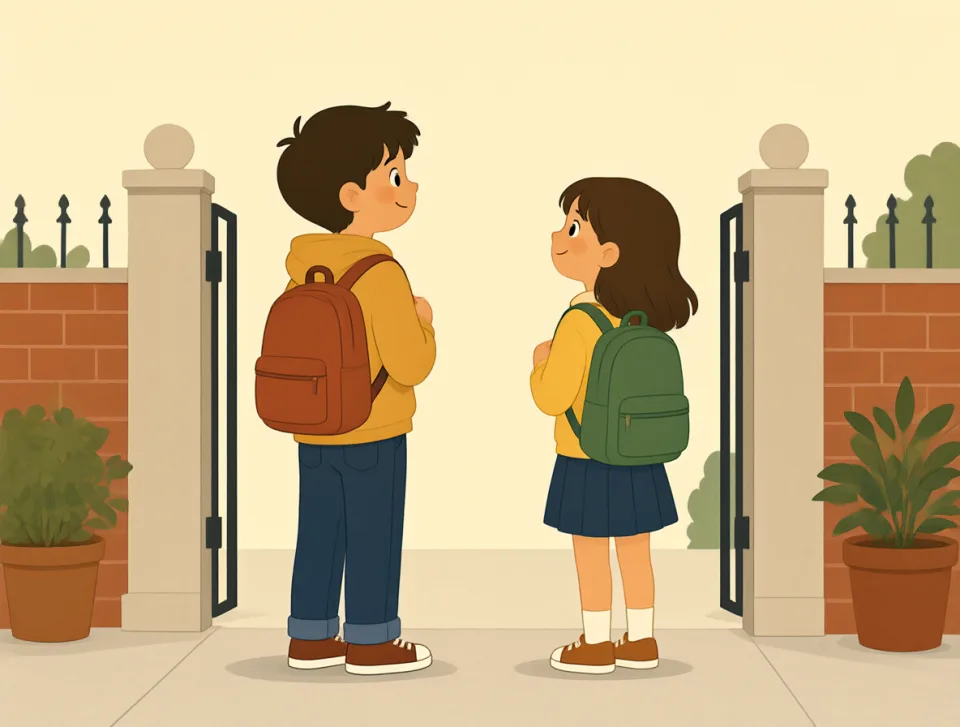
The children start school next week.
بچهها هفتهٔ آینده مدرسه را شروع میکنند.

We are traveling to Spain in two weeks.
دو هفتهٔ دیگر به اسپانیا سفر میکنیم.
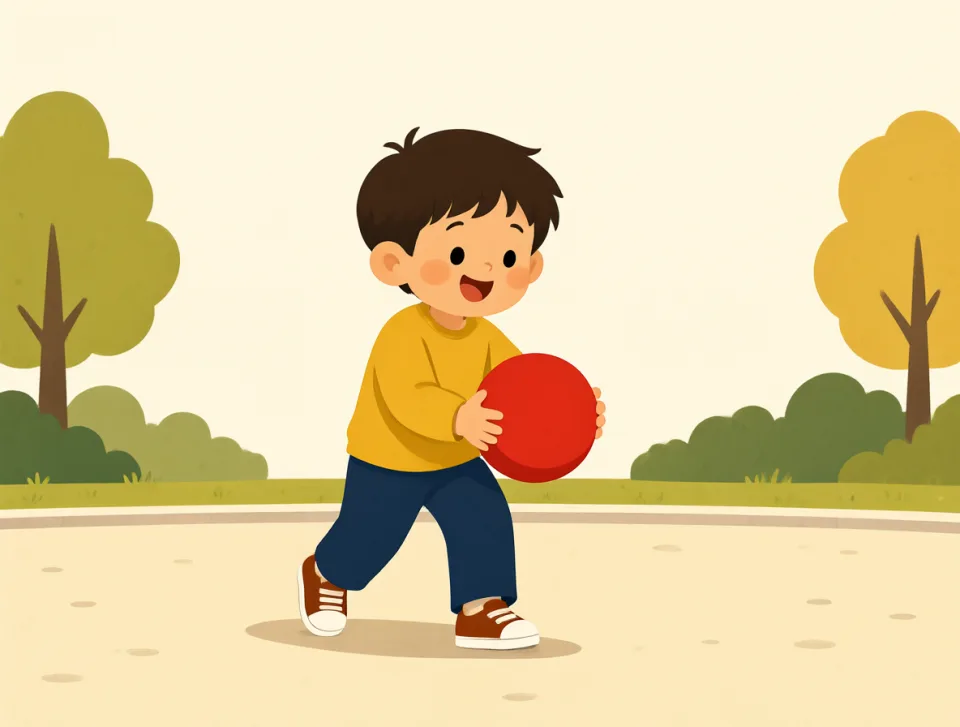
play
#158verb, noun
بازی کردن
to do something for fun, or to act in a show
برای سرگرمی کاری انجام دادن یا در نمایشی ایفای نقش کردن
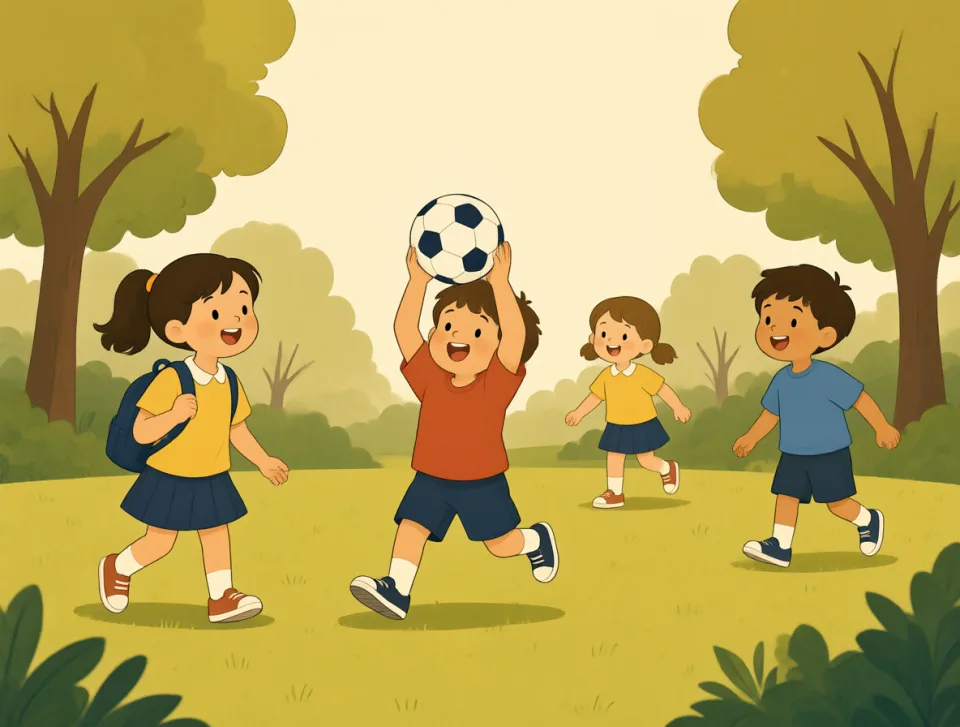
The children play outside after school.
بچهها بعد از مدرسه بیرون بازی میکنند.
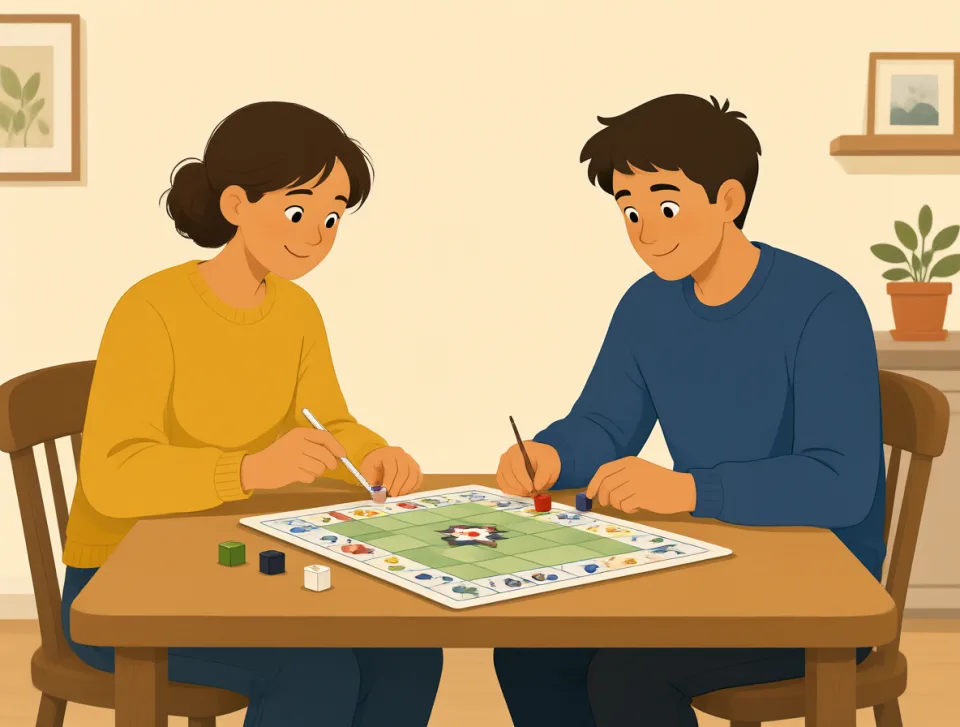
We played a game at home.
در خانه یک بازی انجام دادیم.
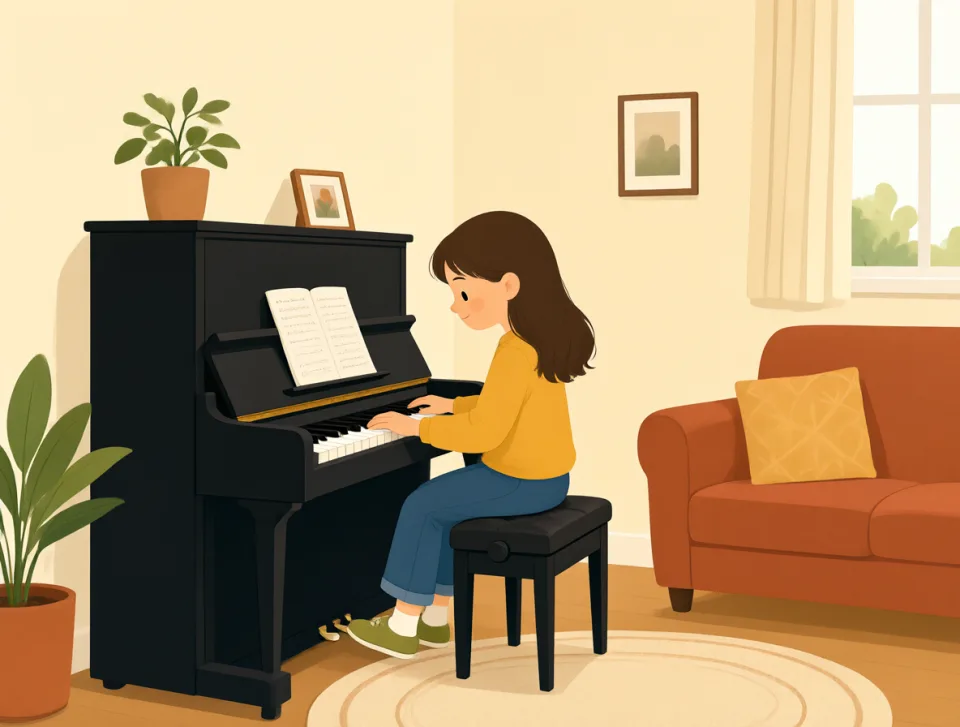
She plays the piano every morning.
او هر روز صبح پیانو مینوازد.
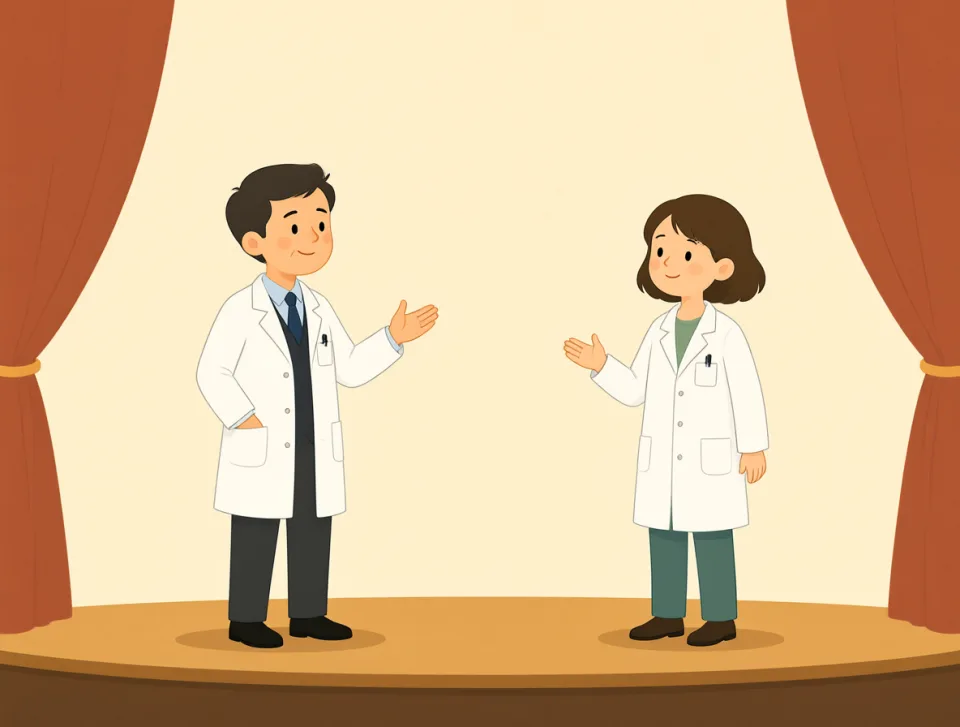
The actors play doctors in the show.
بازیگران در نمایش نقش پزشک را بازی میکنند.
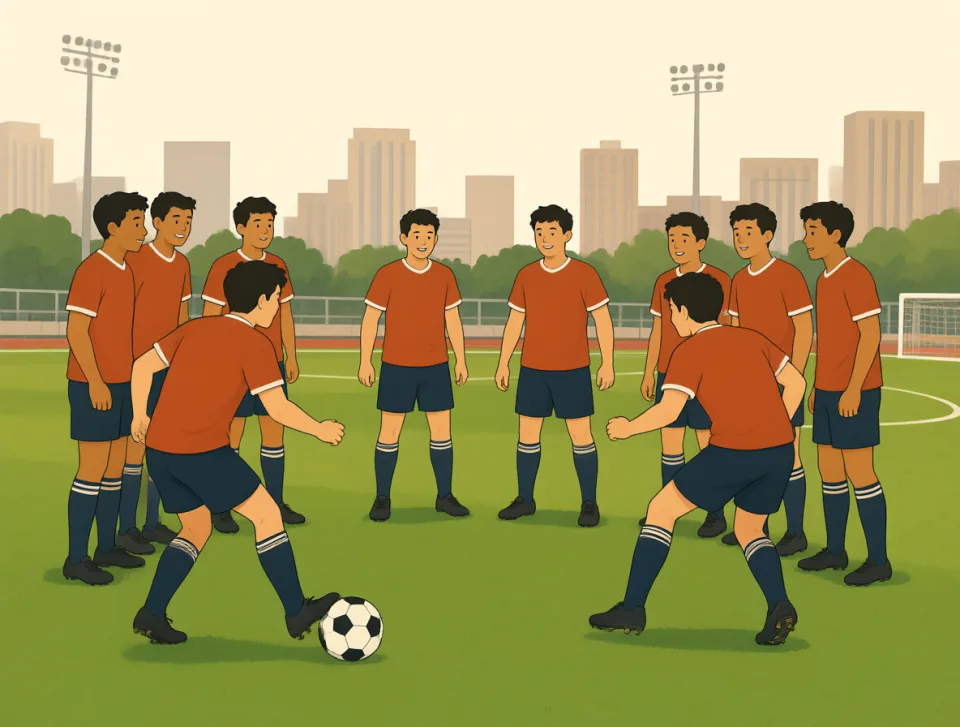
Our team plays in London tomorrow.
تیم ما فردا در لندن بازی میکند.
might
#159modal verb, noun
ممکن است
Used to say something is possible or to ask permission politely.
برای بیان احتمال یا درخواست مؤدبانهٔ اجازه به کار میرود.
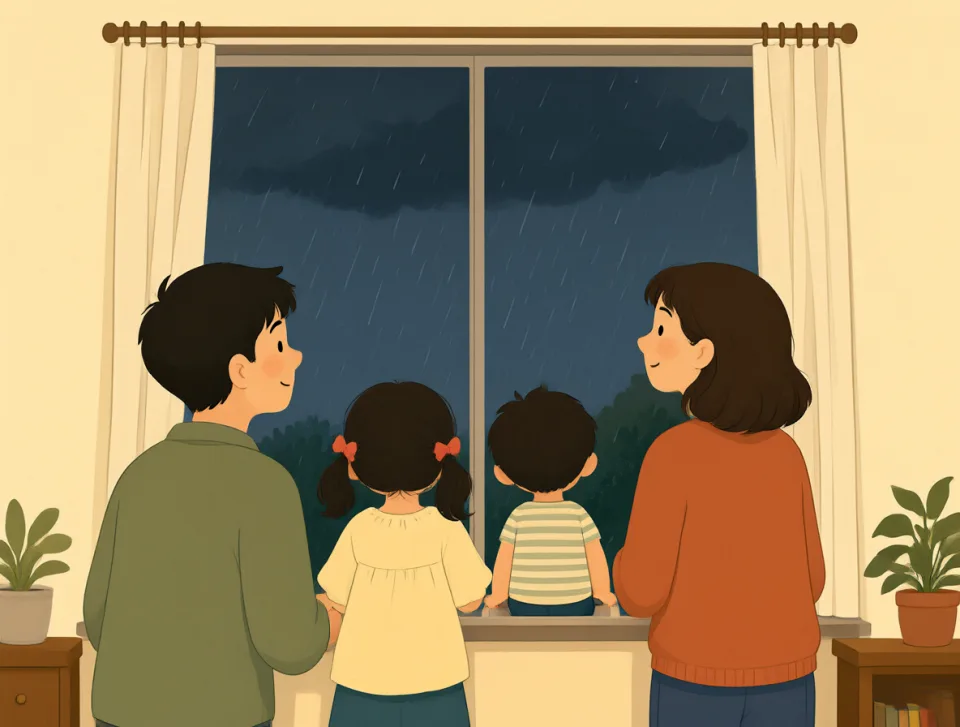
It might rain this afternoon.
شاید امروز بعدازظهر باران ببارد.
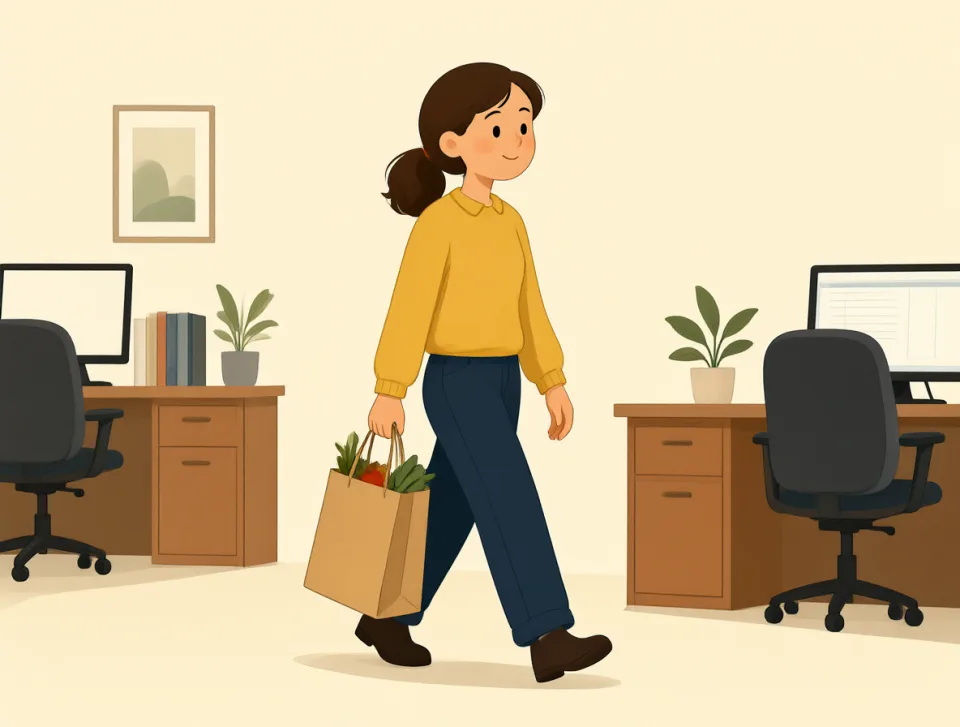
I might go shopping after work.
شاید بعد از کار برای خرید بروم.
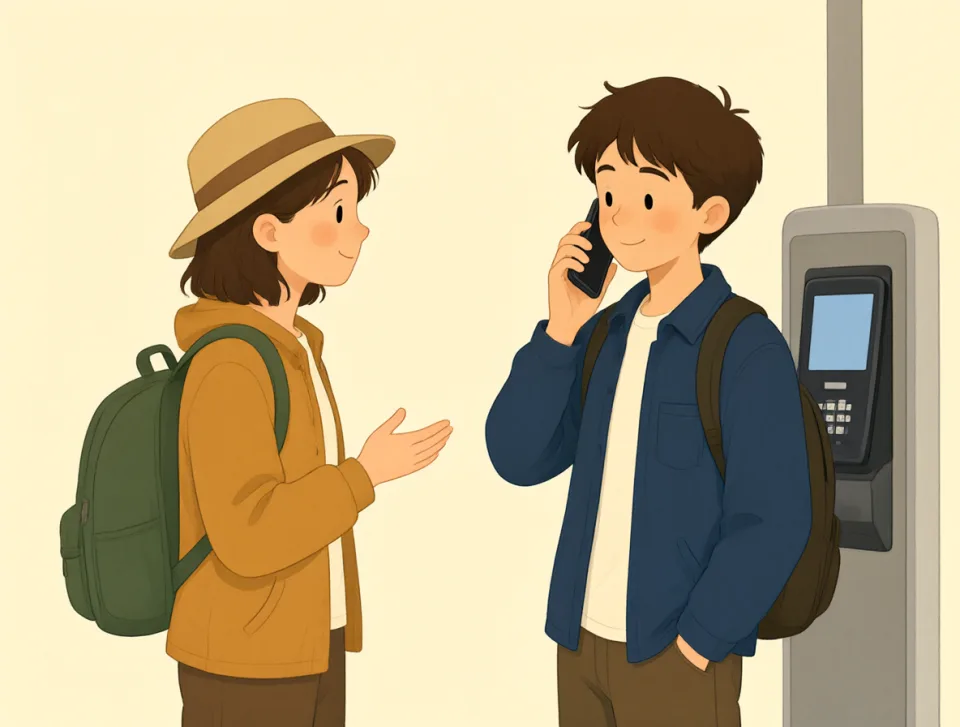
Might I use your phone, please?
ممکن است لطفاً از تلفنتان استفاده کنم؟
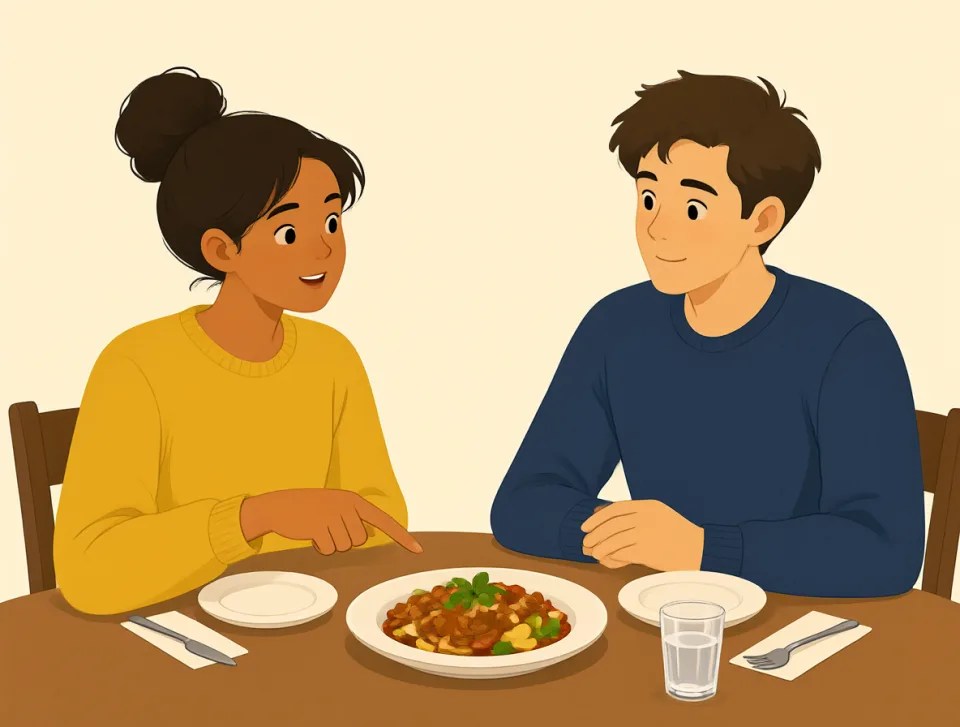
You might like this new restaurant.
شاید این رستوران جدید را دوست داشته باشی.
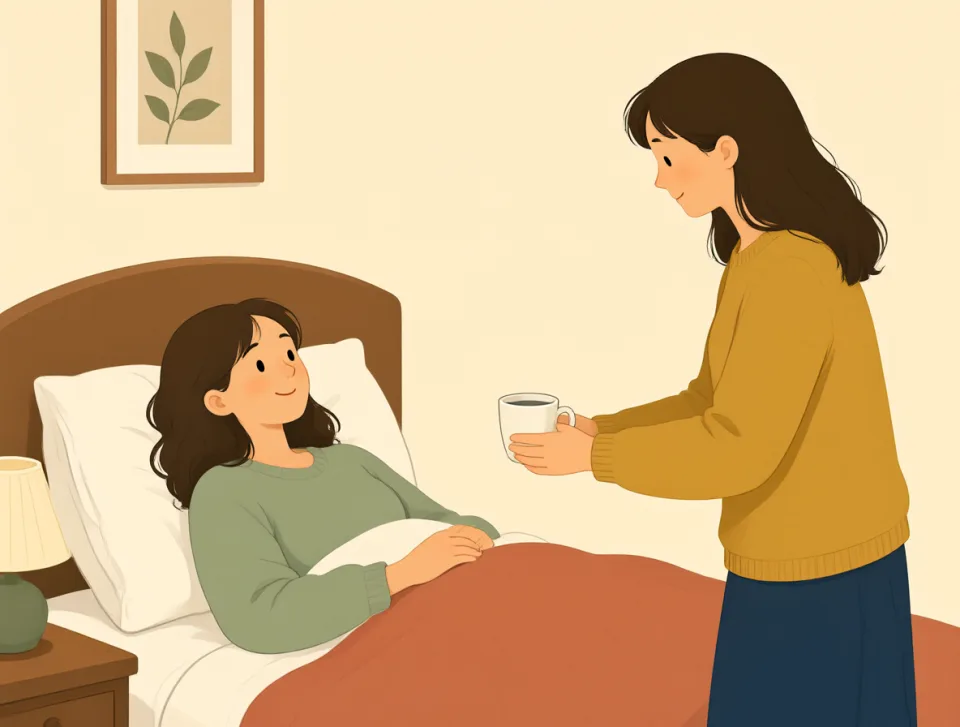
She might be sick today.
شاید او امروز بیمار باشد.
must
#160verb, noun
باید
To be necessary or required; something that you need to do or have.
لازم یا ضروری بودن؛ کاری که باید انجام دهید یا چیزی که باید داشته باشید.
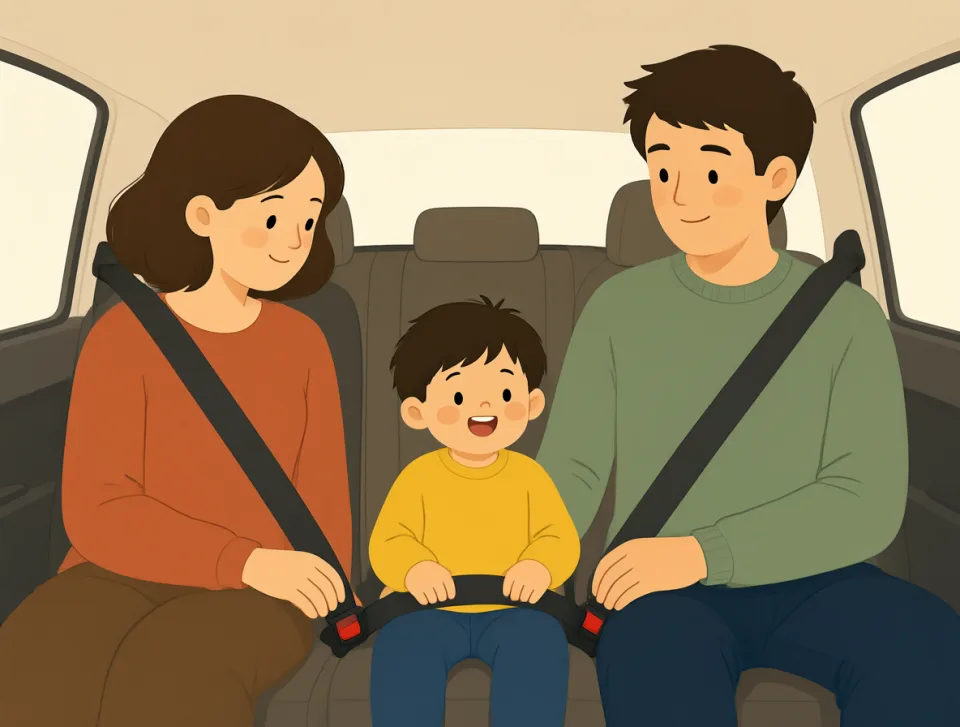
You must wear a seat belt.
باید کمربند ایمنی ببندید.

We must leave home at seven.
باید ساعت هفت از خانه برویم.
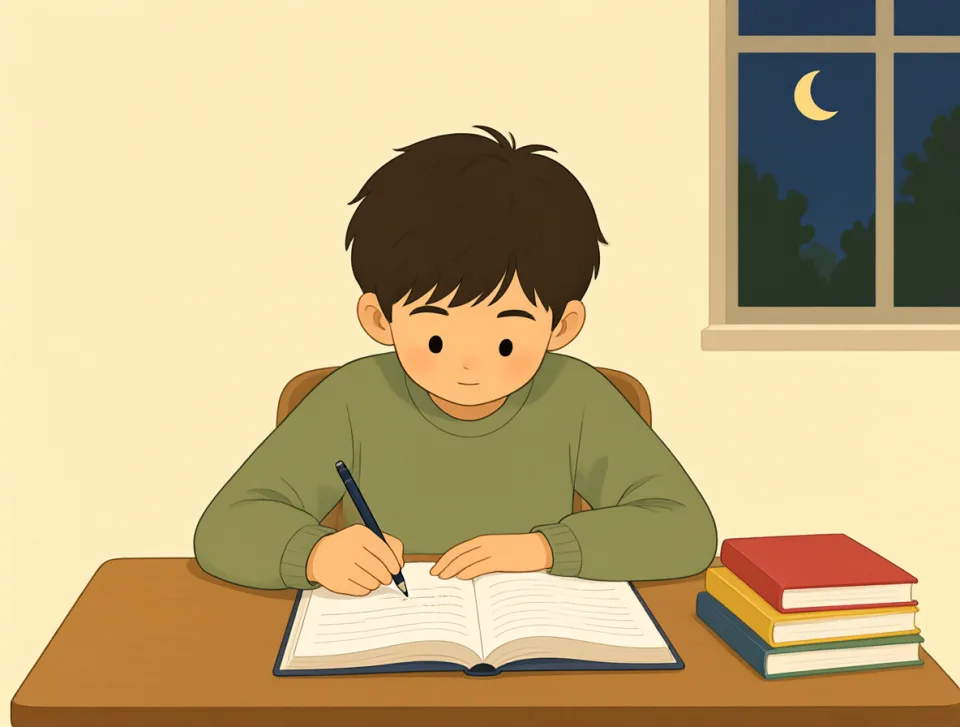
Students must finish their homework tonight.
دانشآموزان باید امشب تکالیفشان را تمام کنند.
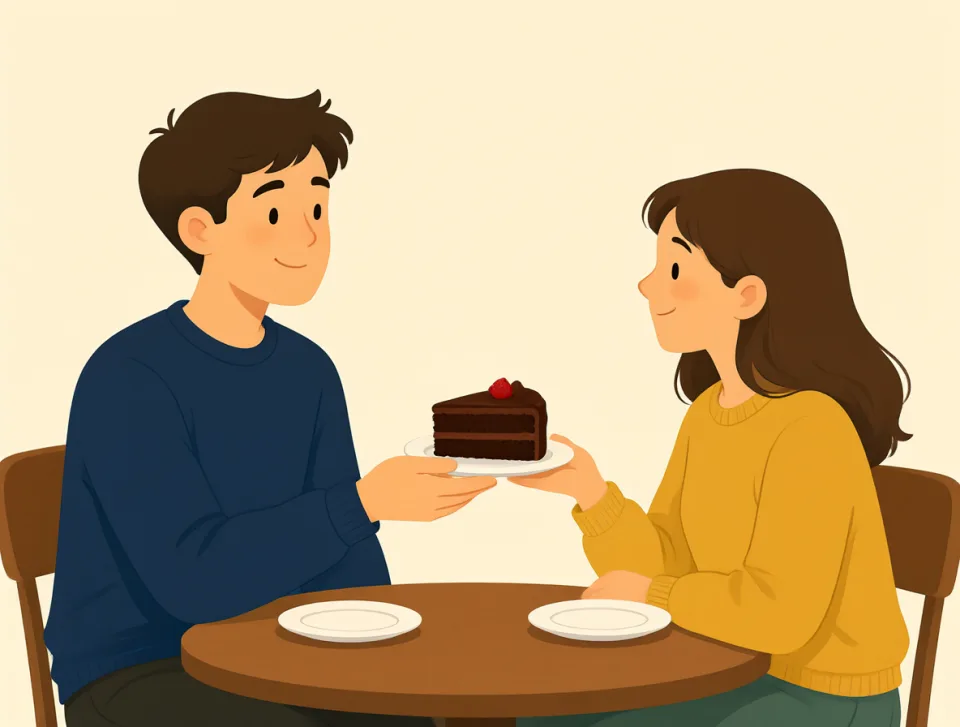
You must try this chocolate cake.
حتماً باید این کیک شکلاتی را امتحان کنی.
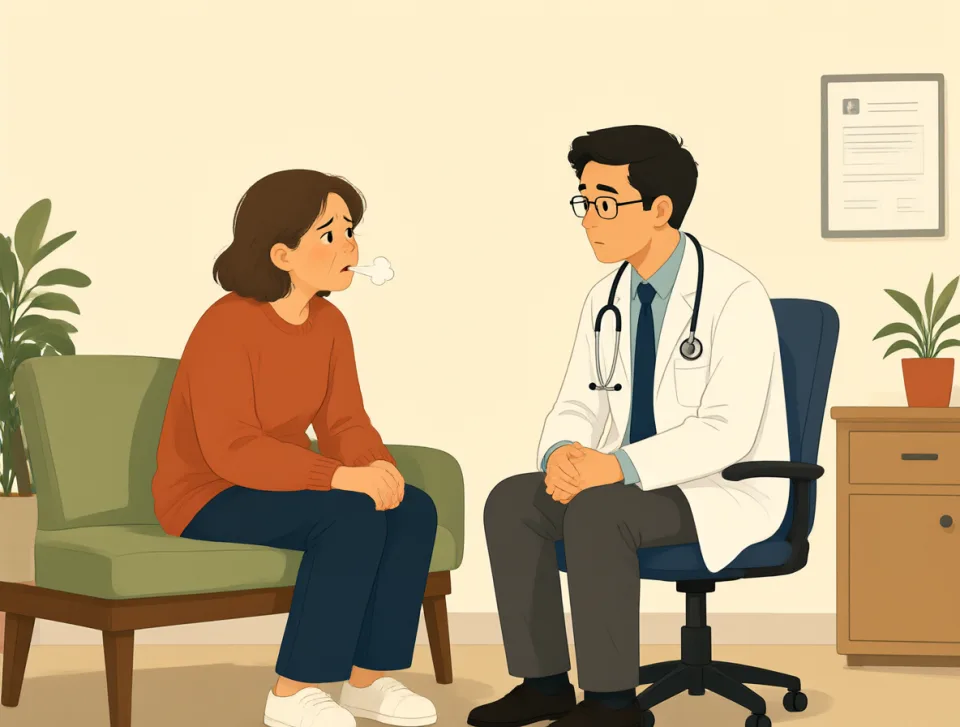
I must see a doctor about my cough.
باید برای سرفهام به پزشک مراجعه کنم.