بخش 25
واژههای 481 تا 500 · draw, white, date, practice, model, raise
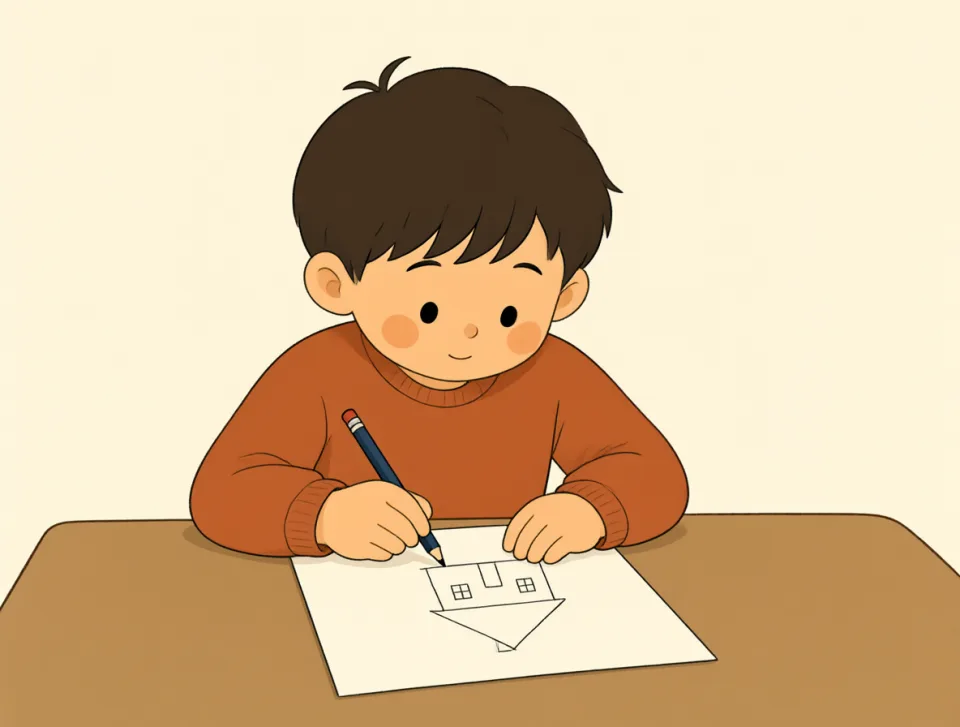
draw
#481verb, noun
کشیدن
to make a picture, pull something, or choose a name by chance
نقاشی کردن، کشیدن چیزی یا انتخاب تصادفی یک نام
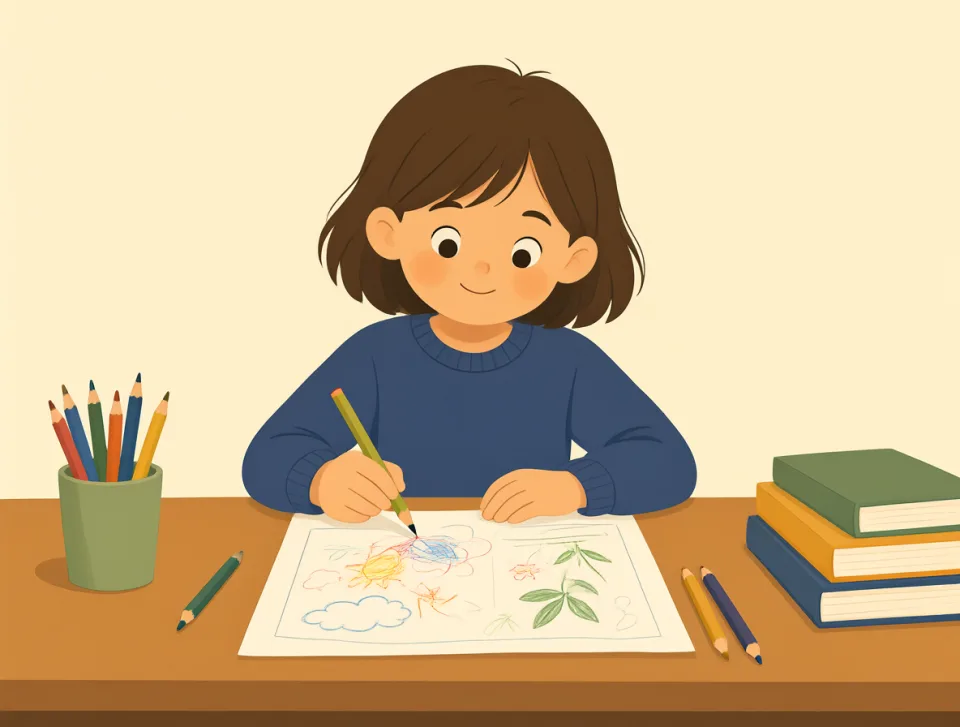
She likes to draw pictures after school.
او دوست دارد بعد از مدرسه نقاشی بکشد.
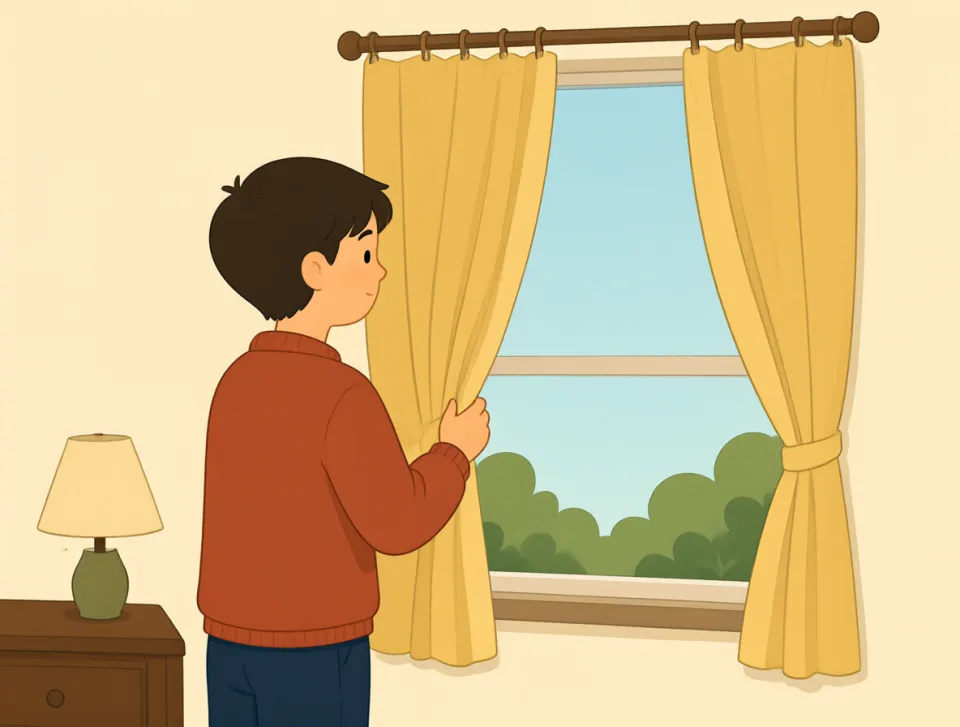
Please draw the curtains before you leave.
لطفاً قبل از رفتن پردهها را بکشید.
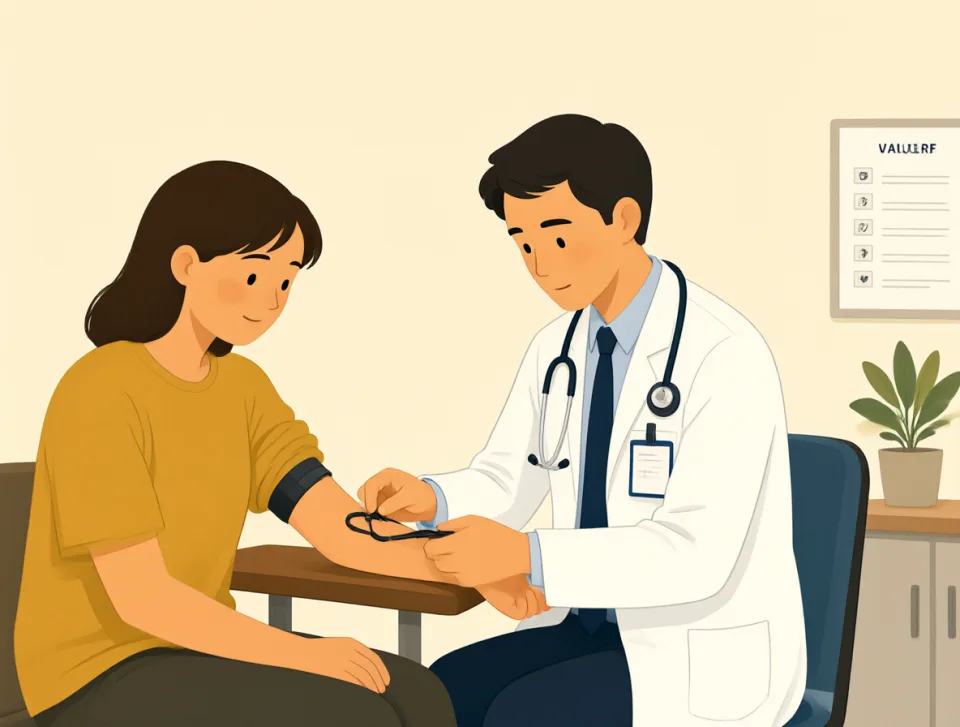
The doctor drew blood from my arm.
دکتر از بازوی من خون گرفت.
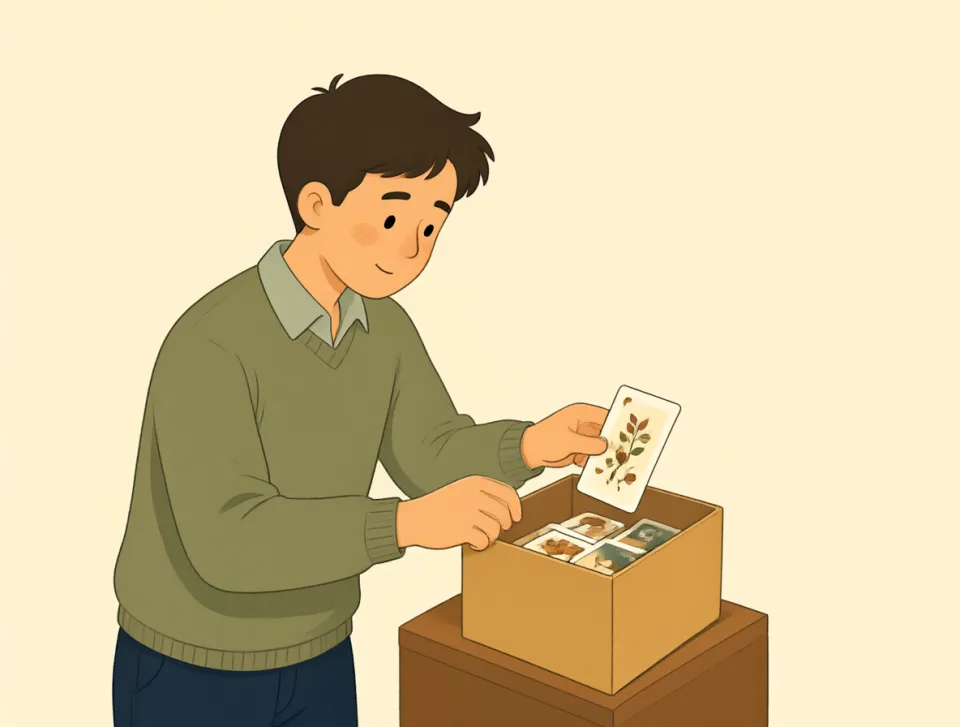
He drew a card from the box.
او یک کارت از جعبه بیرون کشید.
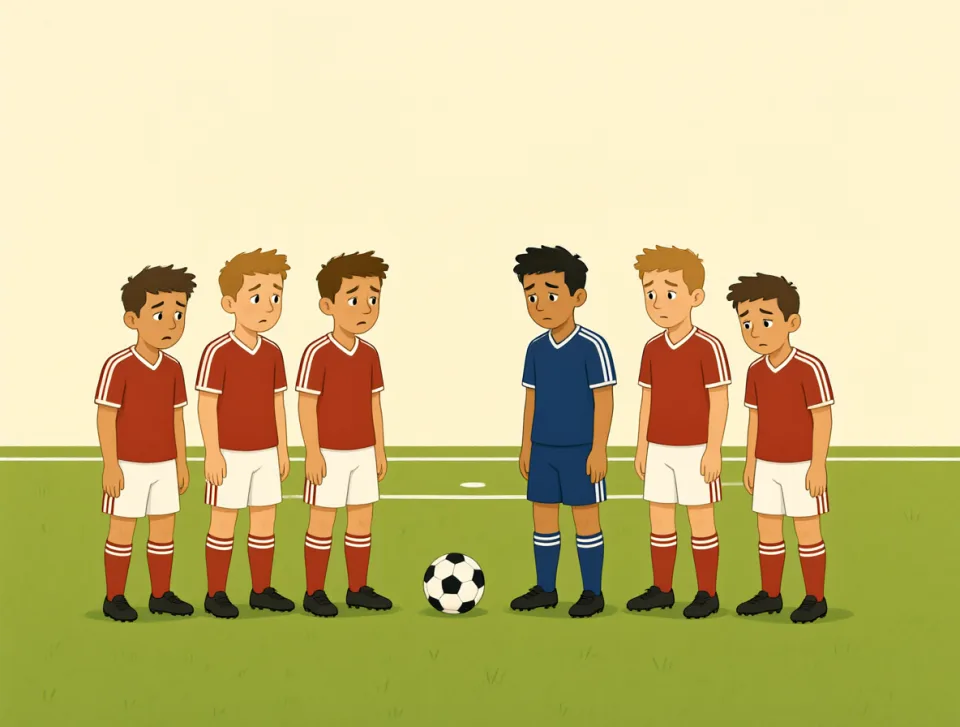
They drew the game yesterday.
آنها دیروز مساوی کردند.
white
#482adjective, noun
سفید
Having the color of fresh snow or milk; the lightest color.
دارای رنگ برف تازه یا شیر؛ روشنترین رنگ

She wore a white shirt to work.
او برای رفتن به محل کار یک پیراهن سفید پوشید.
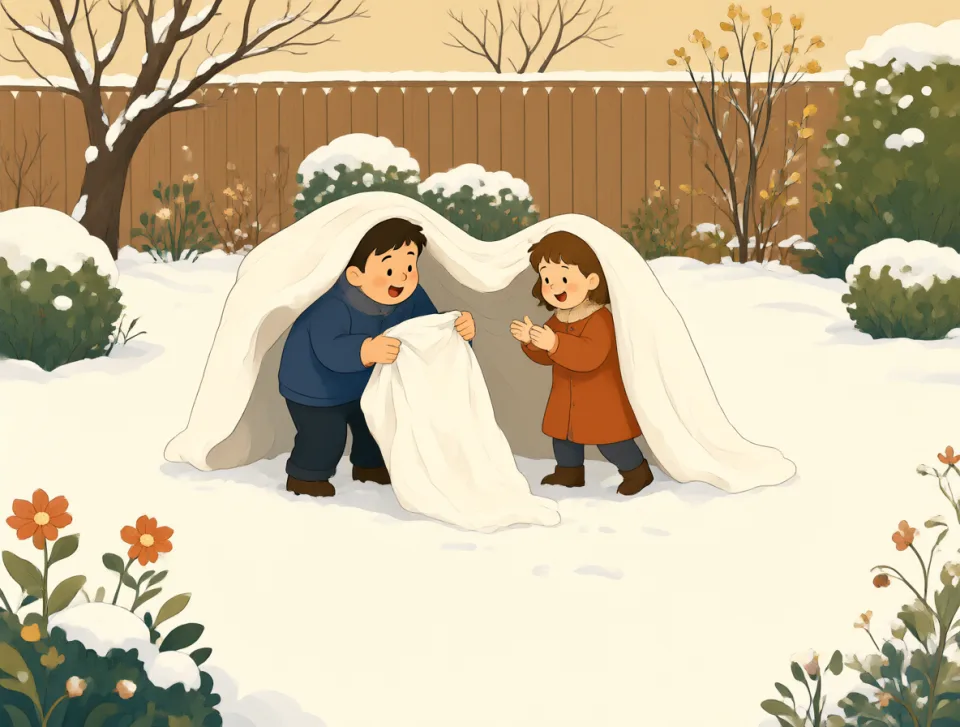
The white snow covered the garden.
برف سفید باغ را پوشانده بود.
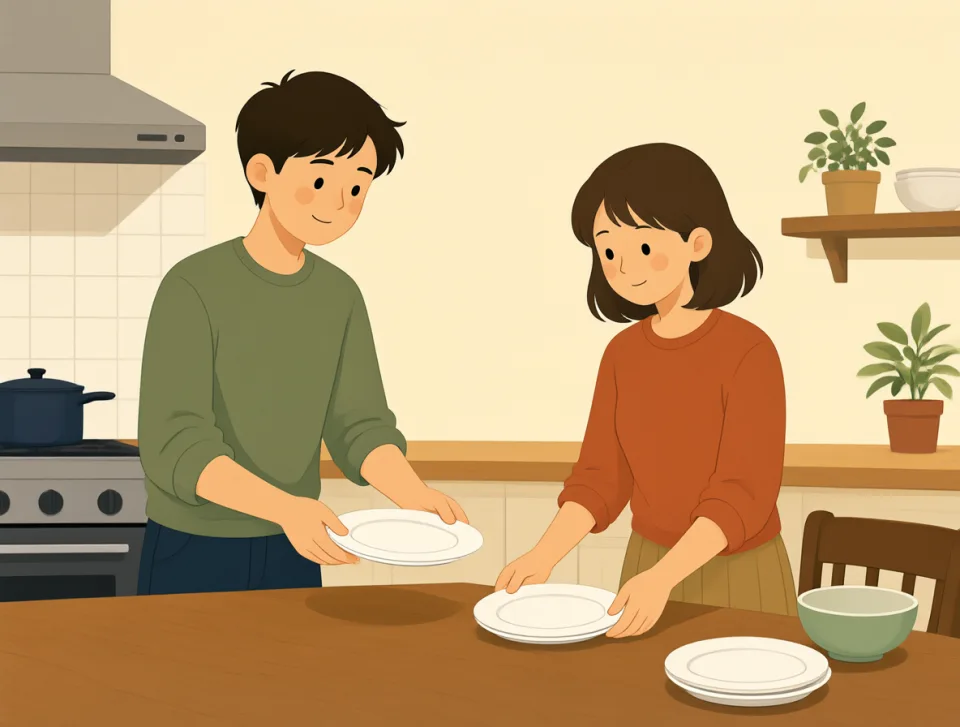
Please put the white plates here.
لطفاً بشقابهای سفید را اینجا بگذارید.
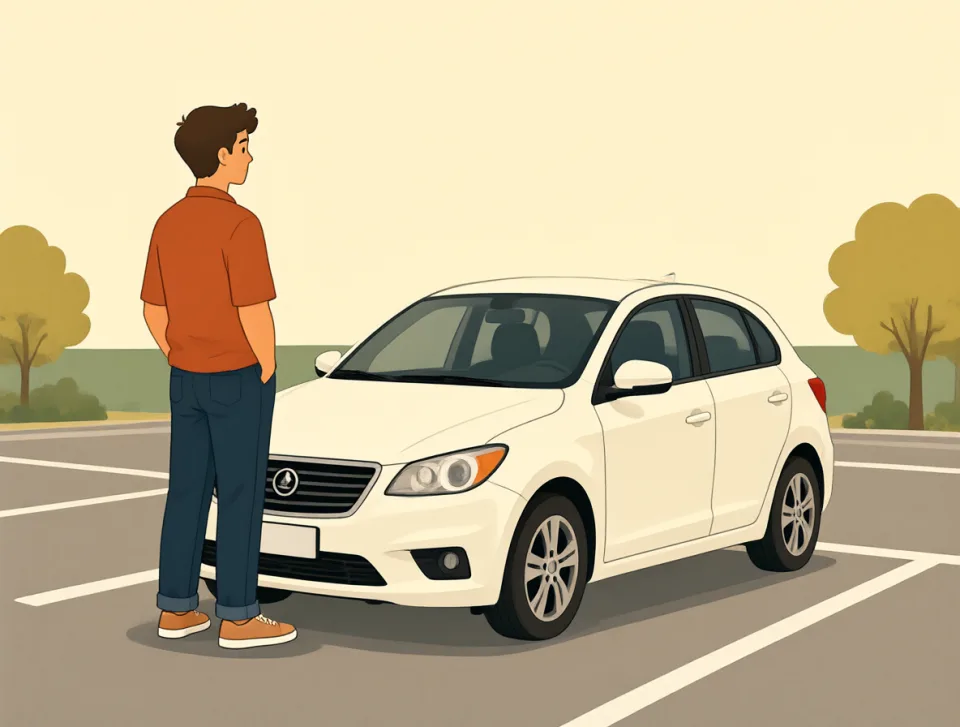
He bought a white car yesterday.
او دیروز یک ماشین سفید خرید.
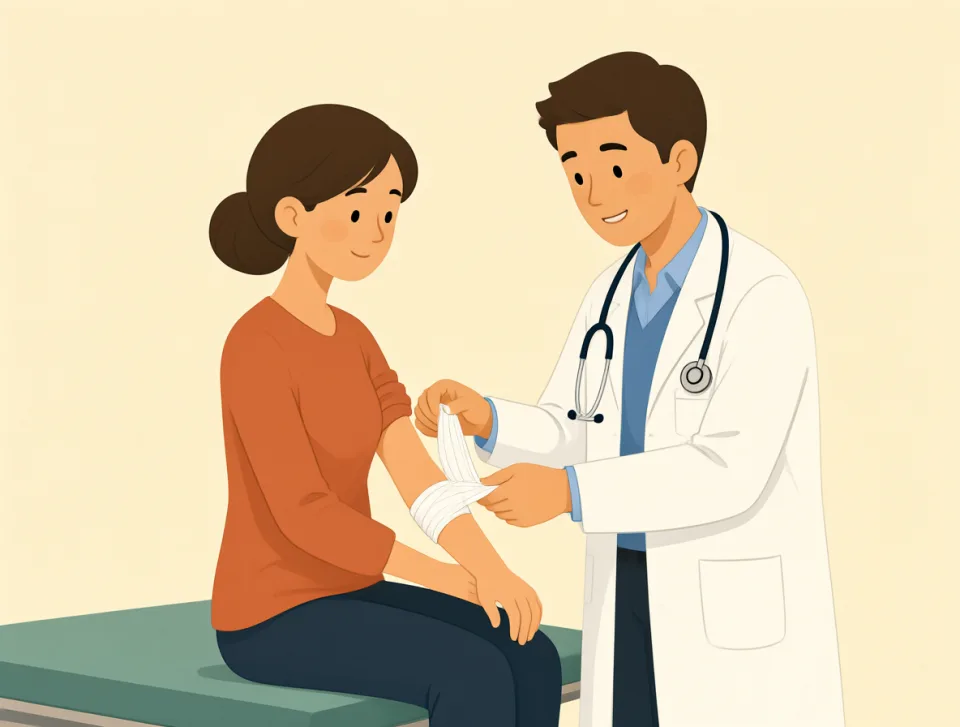
The doctor gave her a white bandage.
دکتر یک بانداژ سفید به او داد.

date
#483noun, verb
تاریخ؛ قرار عاشقانه
A day shown on a calendar, or a meeting with someone you like romantically.
روزی که روی تقویم نشان داده میشود، یا ملاقاتی با کسی که از نظر عاطفی دوستش دارید
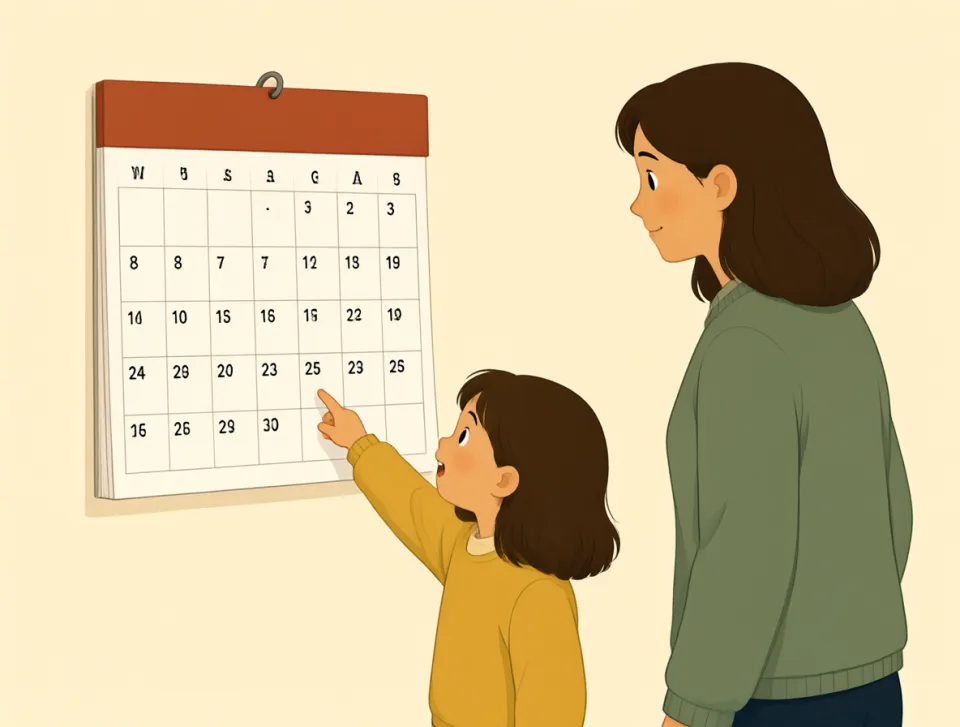
What is the date today?
امروز چندم است؟
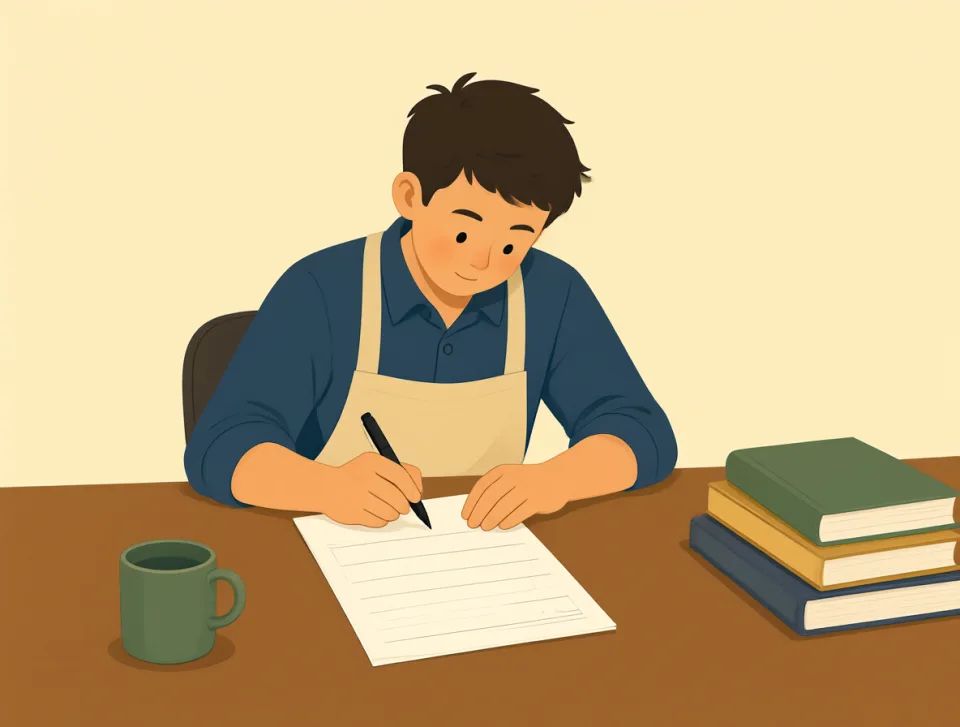
Please write the date on this form.
لطفاً تاریخ را روی این فرم بنویسید.

Our wedding date is in June.
تاریخ ازدواج ما در ماه ژوئن است.

I have a date with Anna tonight.
امشب با آنا قرار دارم.

We are dating and feel very happy.
ما با هم وارد رابطه شدهایم و خیلی خوشحالیم.
practice
#484noun, verb
تمرین
Training or repeated activity that helps you improve a skill or become better at something.
تمرین یا فعالیت تکراری که به شما کمک میکند مهارتی را تقویت کنید یا در کاری بهتر شوید

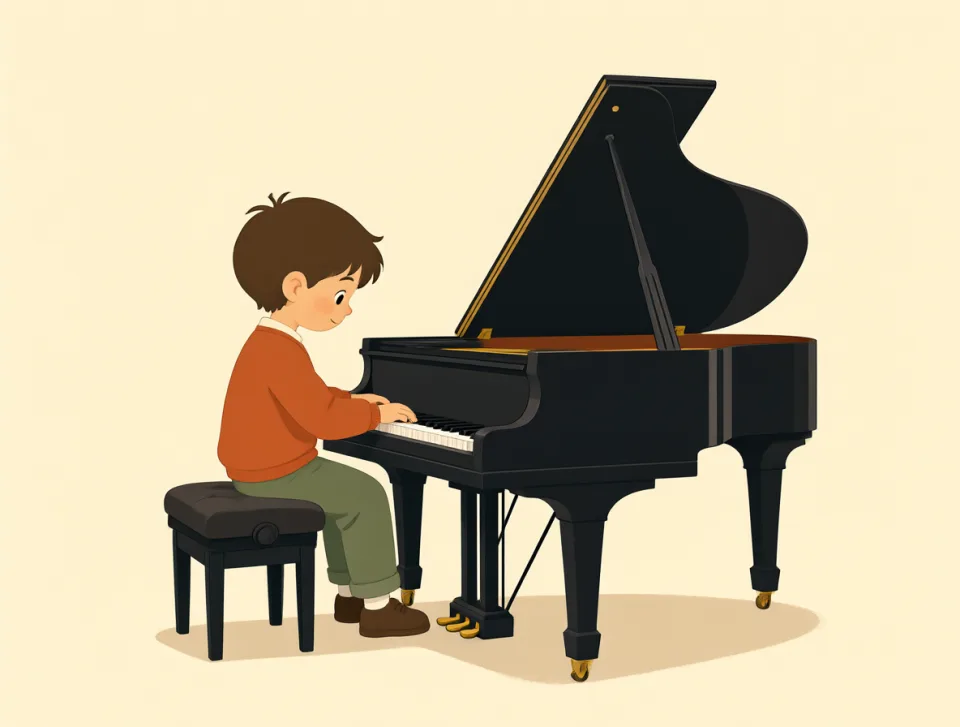
I practice English every day.
من هر روز انگلیسی تمرین میکنم.
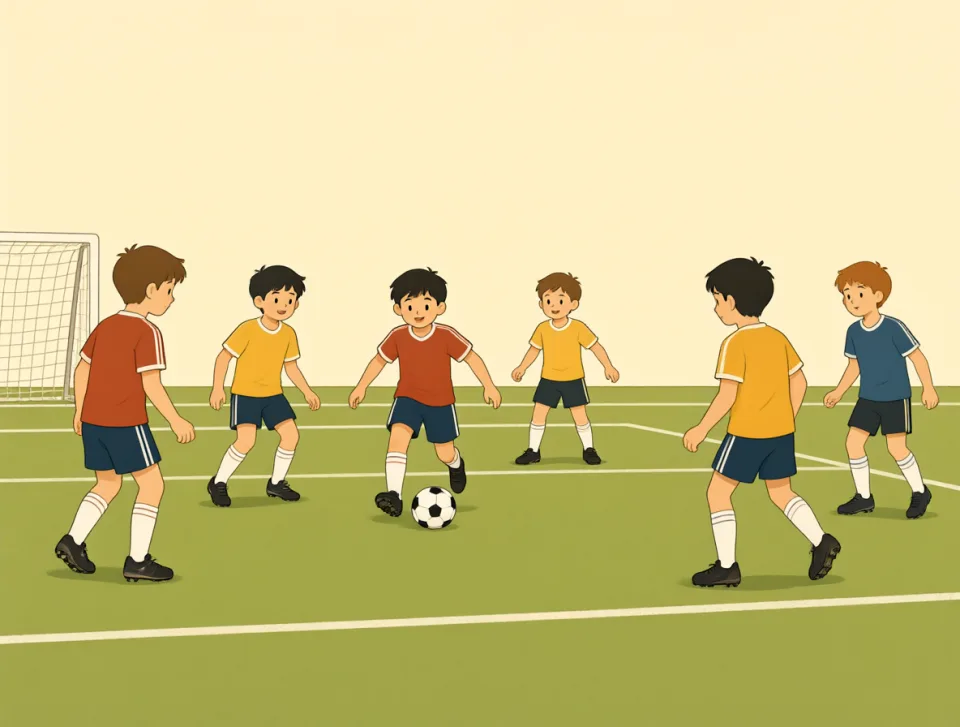
The team practiced before the game.
تیم قبل از مسابقه تمرین کرد.
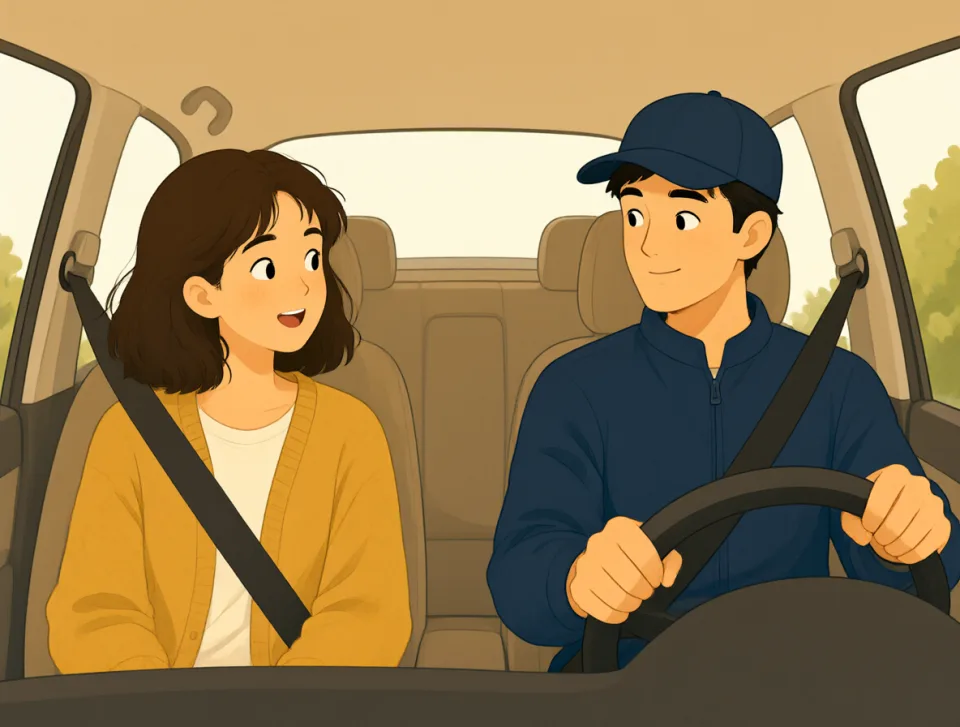
She needs more practice driving.
او برای رانندگی به تمرین بیشتری نیاز دارد.
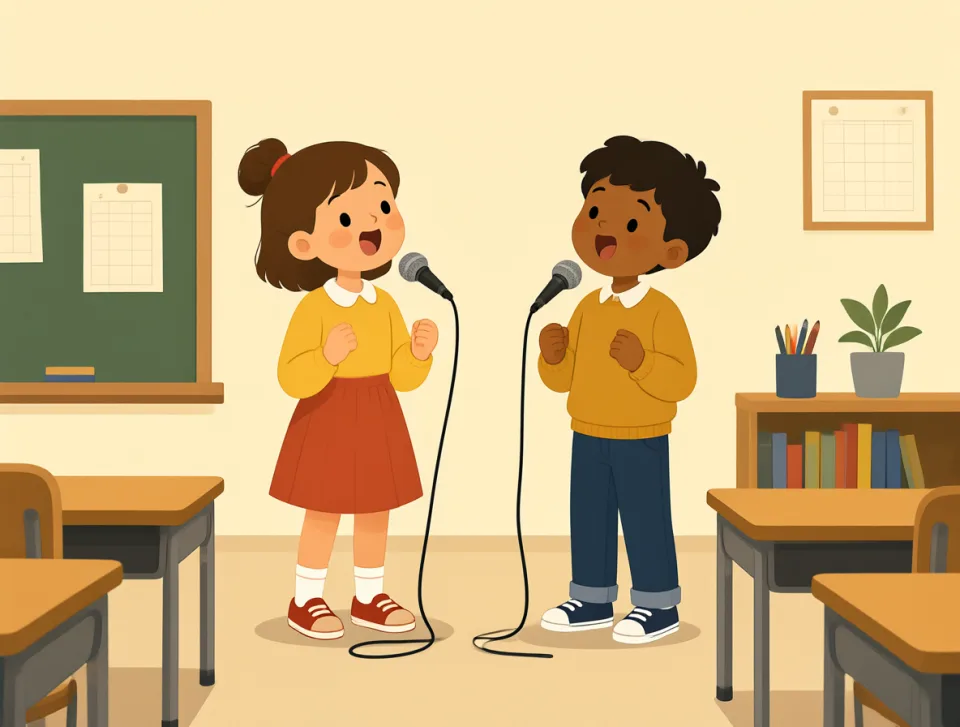
We practiced the song for school.
ما برای مدرسه آهنگ را تمرین کردیم.
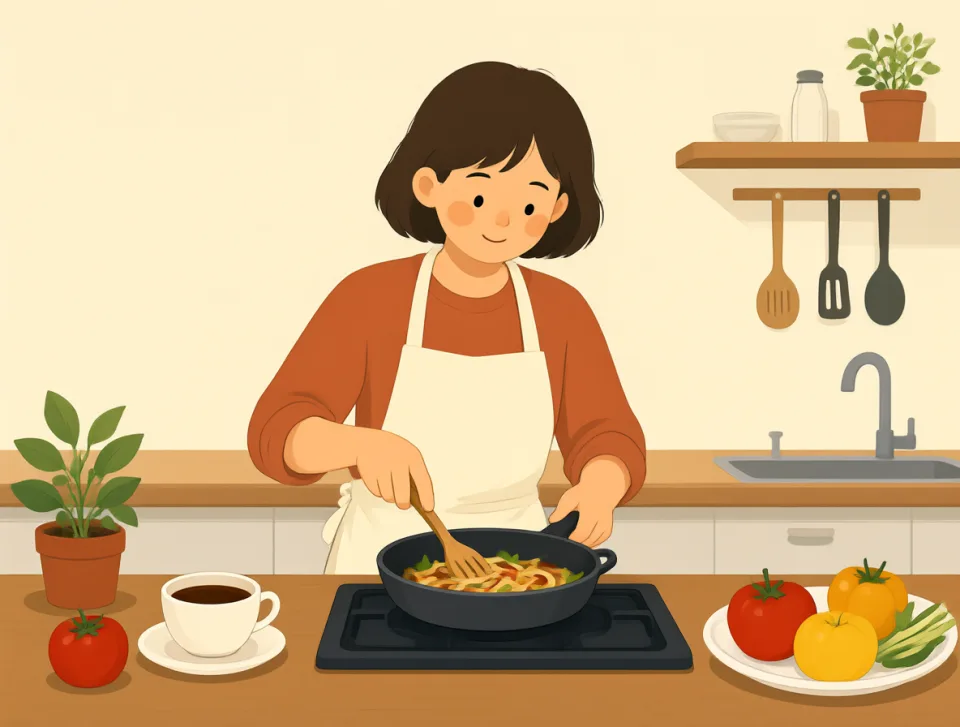
Practice makes you better at cooking.
تمرین باعث میشود در آشپزی بهتر شوید.
model
#485noun, verb
مدل
a person or thing used as an example, or a smaller copy of something
شخص یا چیزی که بهعنوان نمونه استفاده میشود، یا نسخهای کوچکتر از چیزی
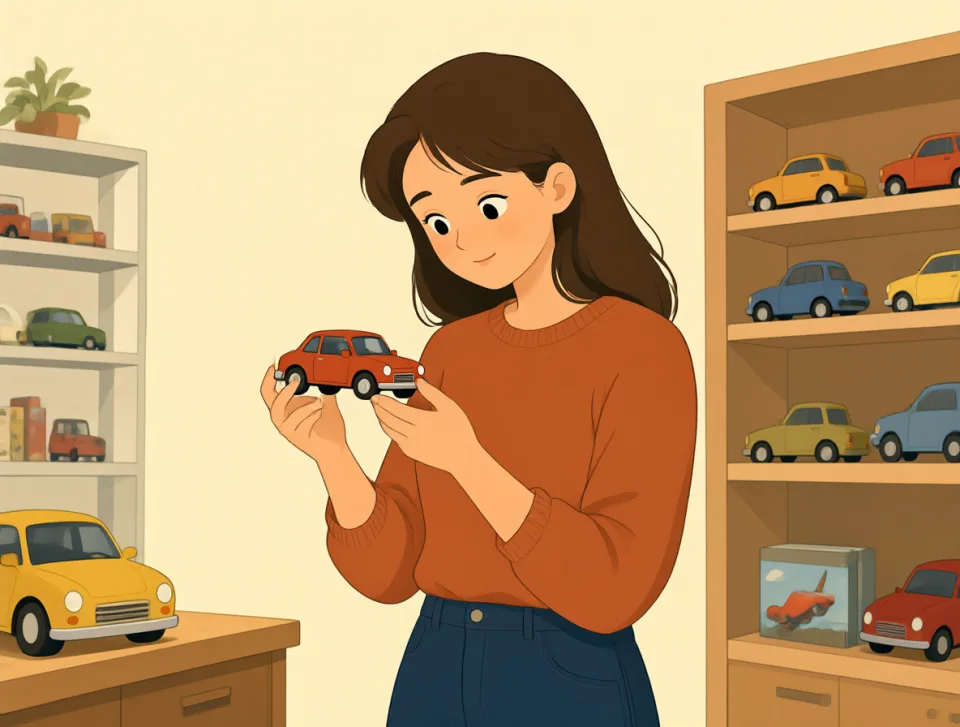
She bought a new car model yesterday.
او دیروز یک مدل جدید ماشین خرید.
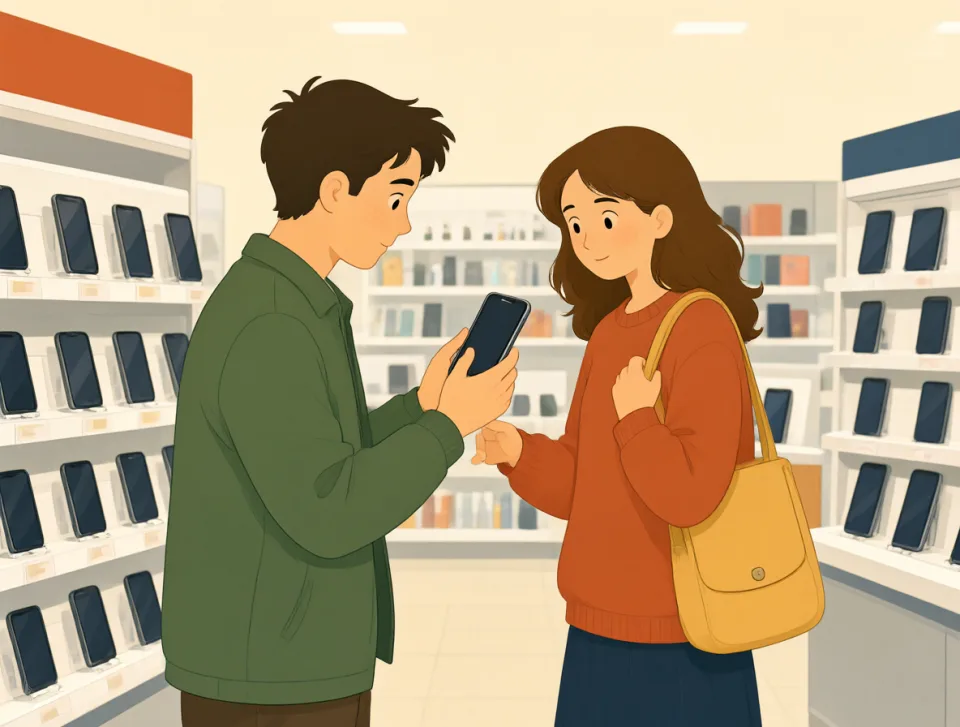
This model of phone has a good camera.
این مدل گوشی دوربین خوبی دارد.
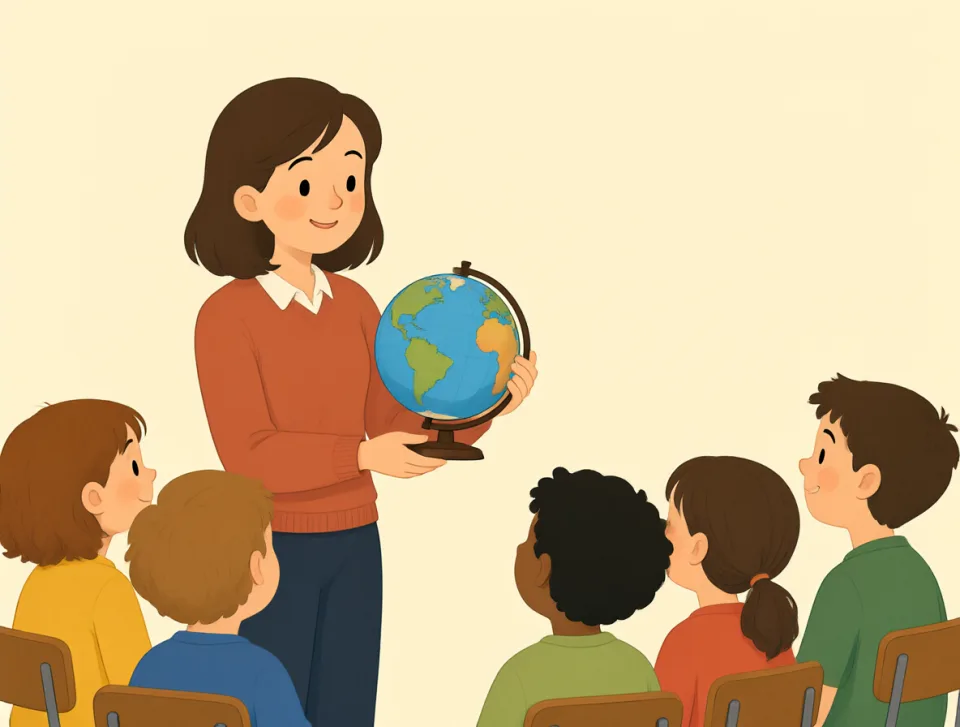
The teacher showed us a model of Earth.
معلم یک مدل از کرهٔ زمین به ما نشان داد.
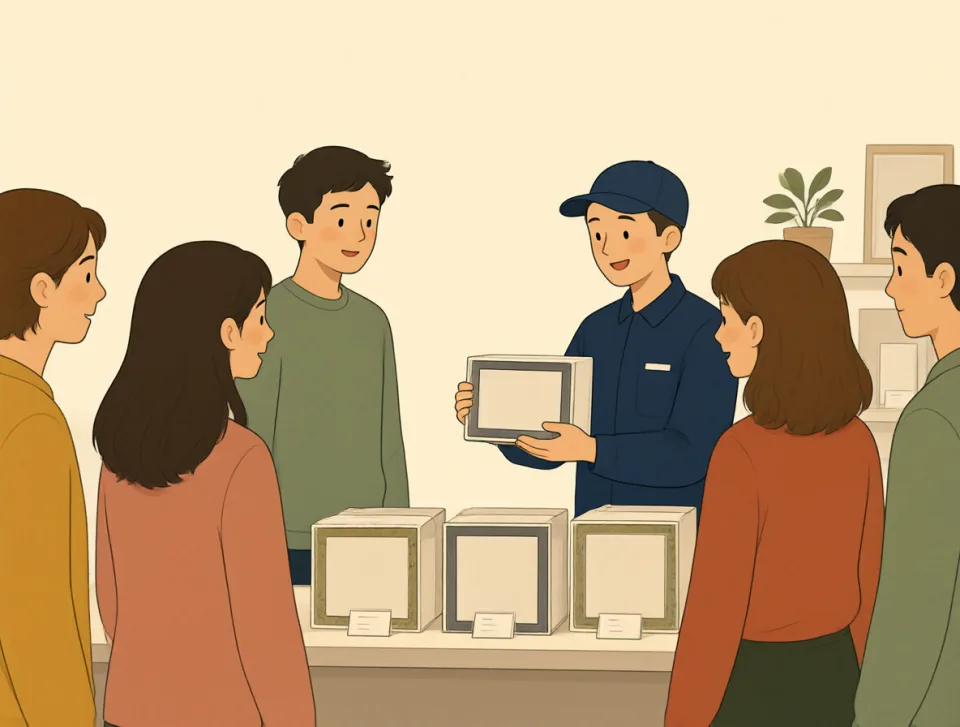
The company models its products for customers.
شرکت محصولاتش را برای مشتریان به نمایش میگذارد.
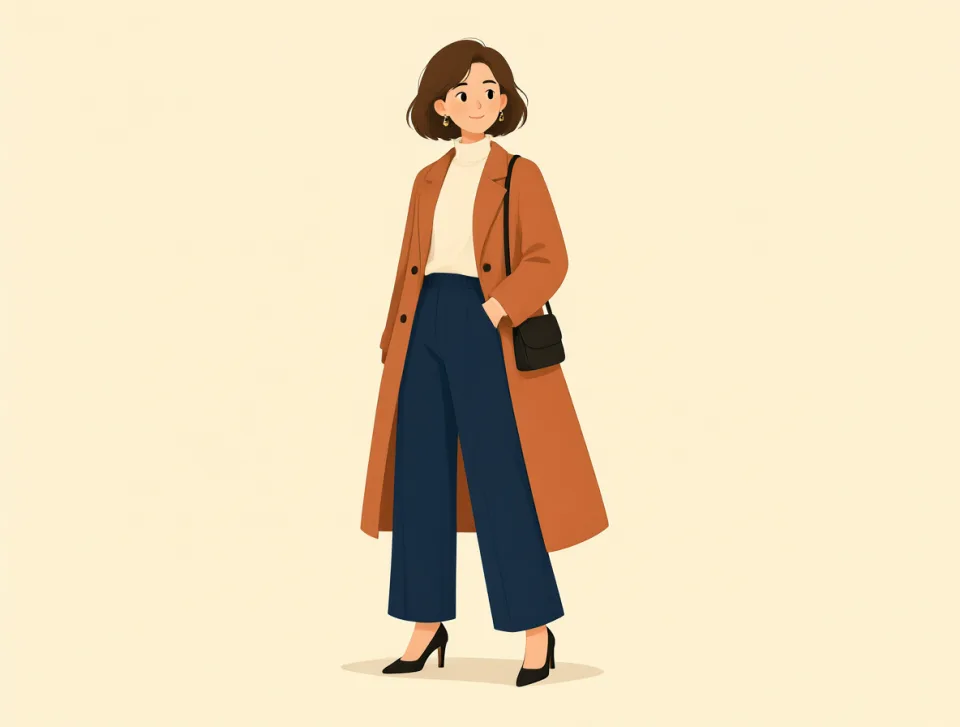
She is a model for a clothing company.
او برای یک شرکت پوشاک مدل است.
raise
#486verb, noun
بالا بردن
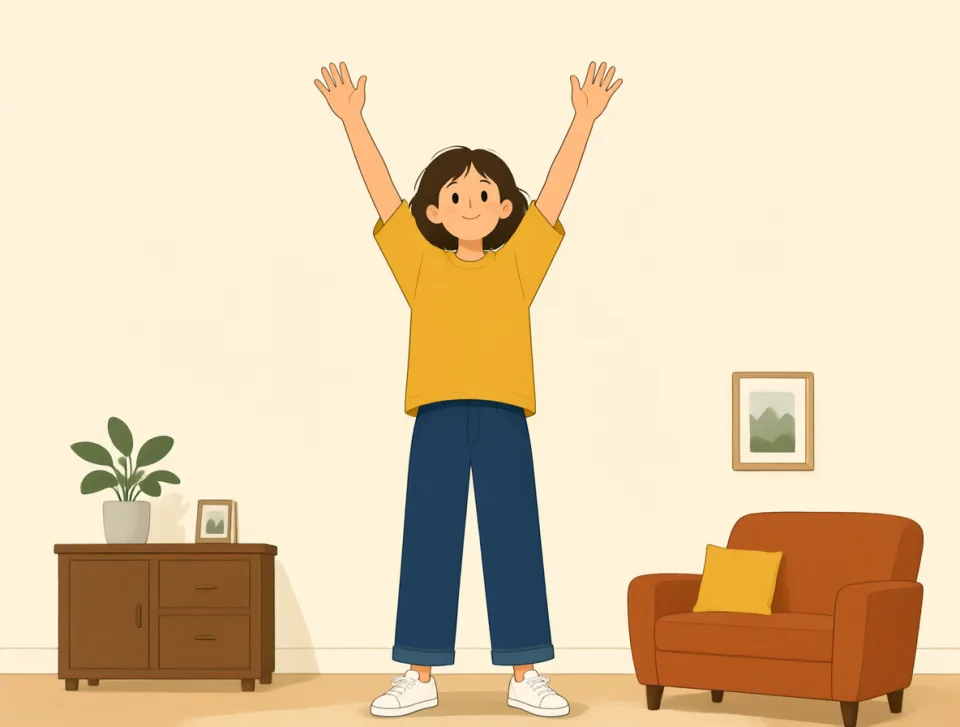
to lift something, increase something, or collect money for a purpose
چیزی را بلند کردن، چیزی را افزایش دادن یا برای هدفی پول جمع کردن
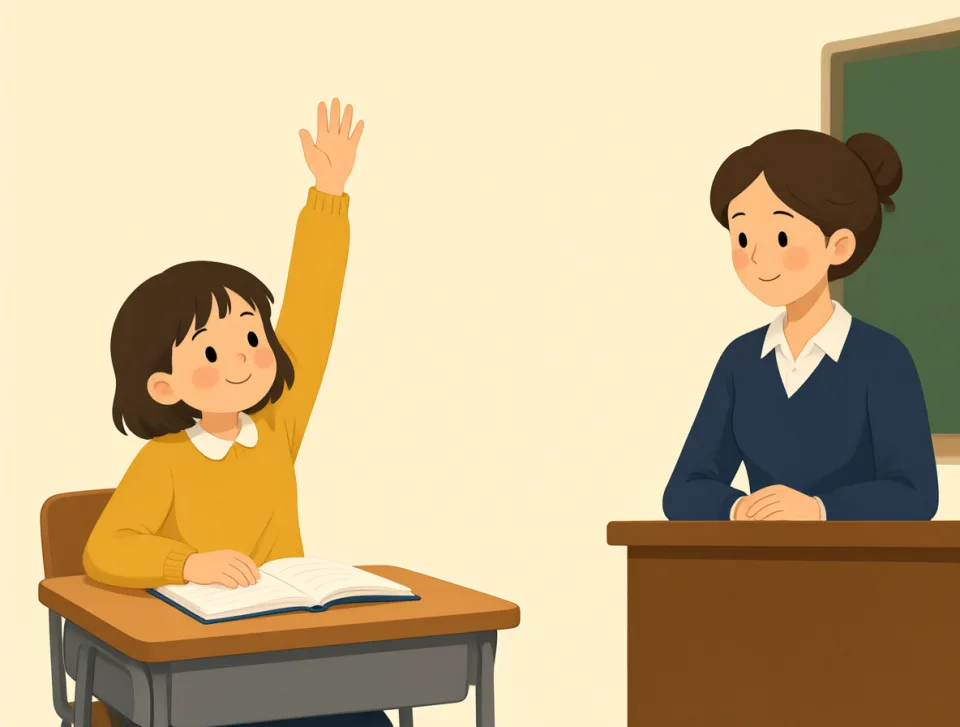
Please raise your hand before you speak.
لطفاً قبل از صحبت کردن دستتان را بالا ببرید.
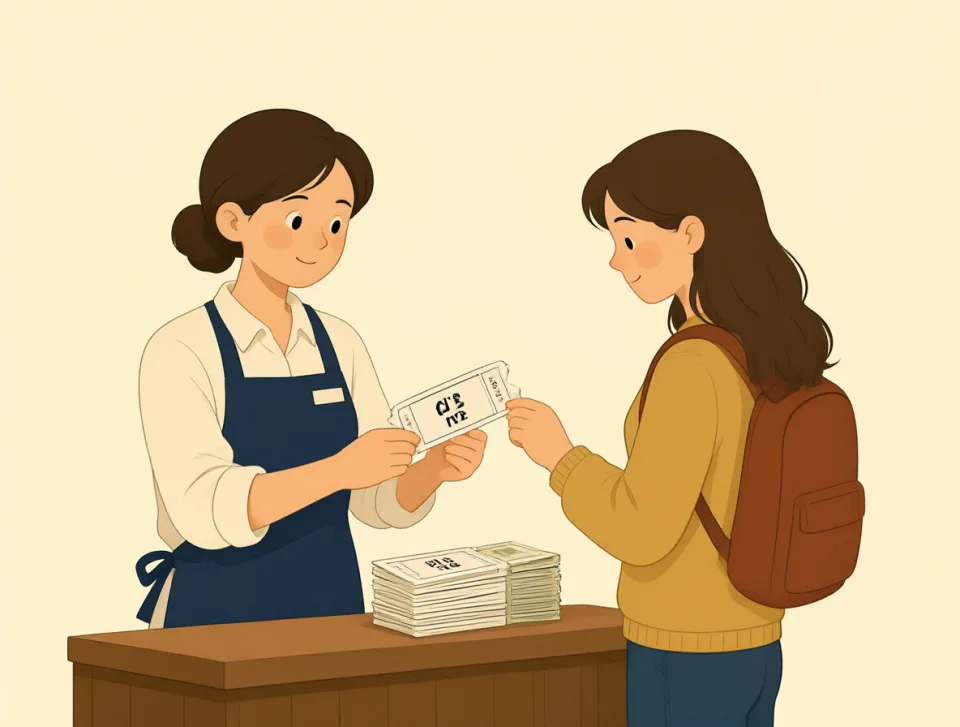
They raised the price of the tickets.
آنها قیمت بلیتها را افزایش دادند.
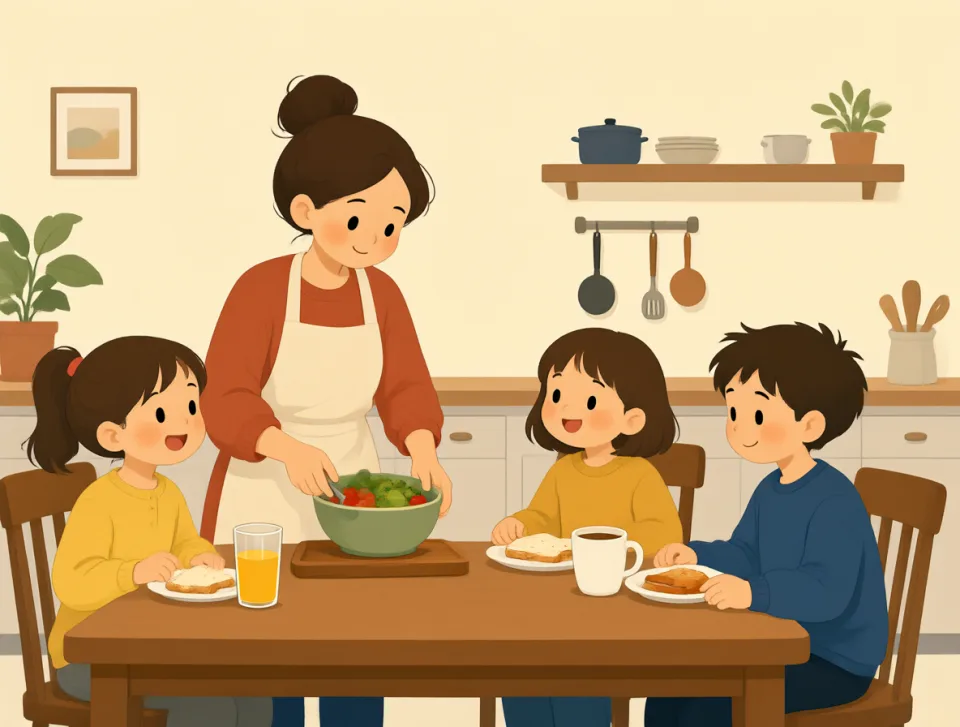
She raised three children alone.
او بهتنهایی سه فرزند را بزرگ کرد.
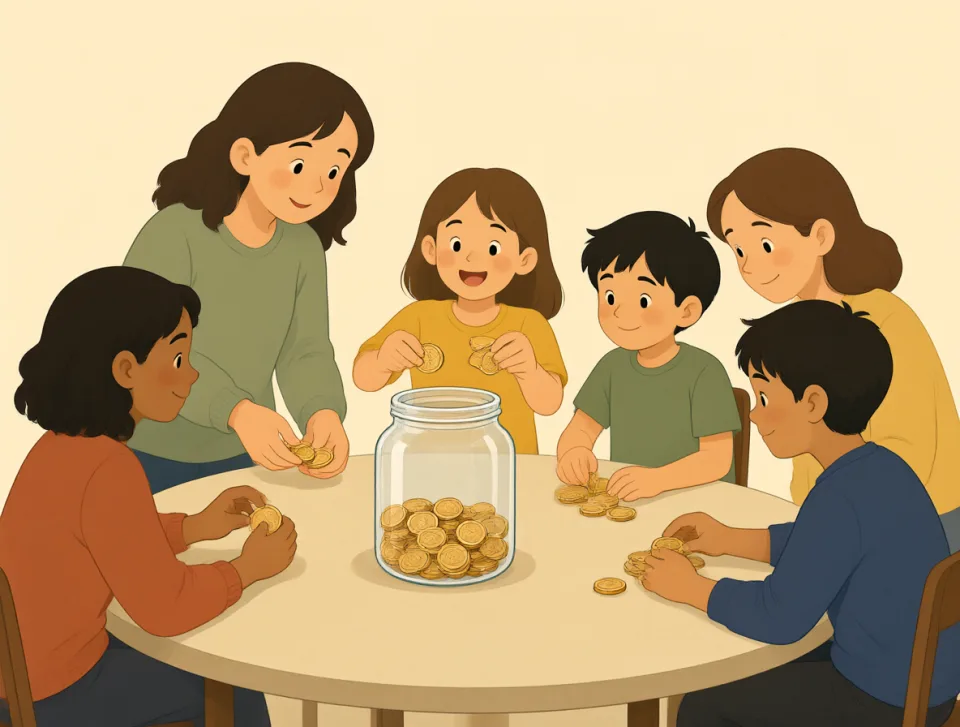
We are raising money for the hospital.
ما برای بیمارستان پول جمع میکنیم.

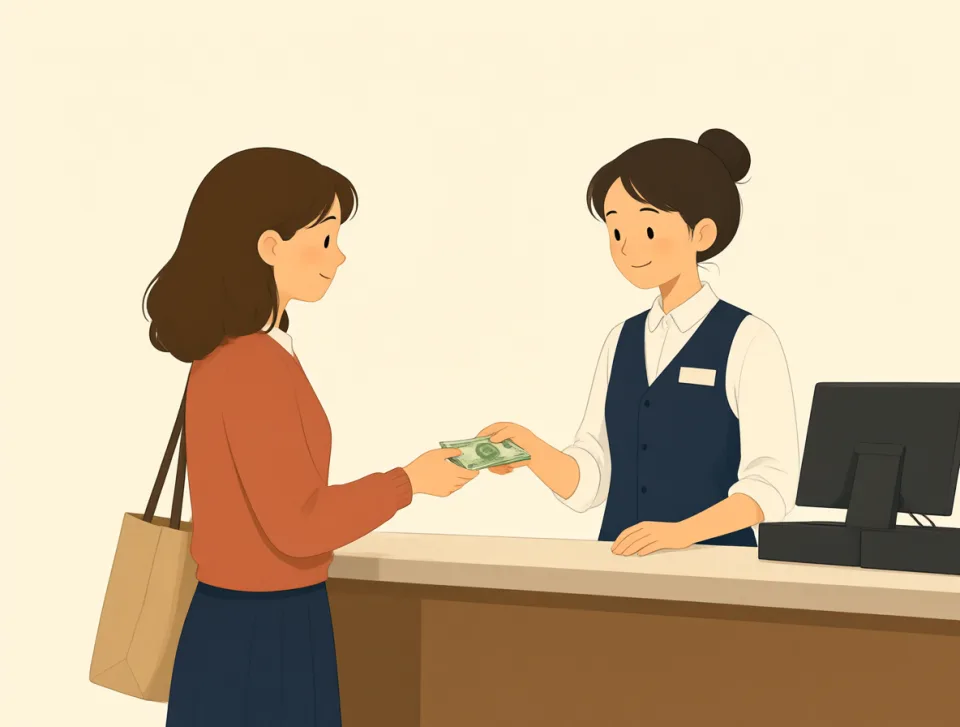
He got a pay raise at work.
او در محل کار افزایش حقوق گرفت.
customer
#487noun
مشتری
A person who buys goods or services from a business.
فردی که از یک کسبوکار کالا یا خدمات میخرد.
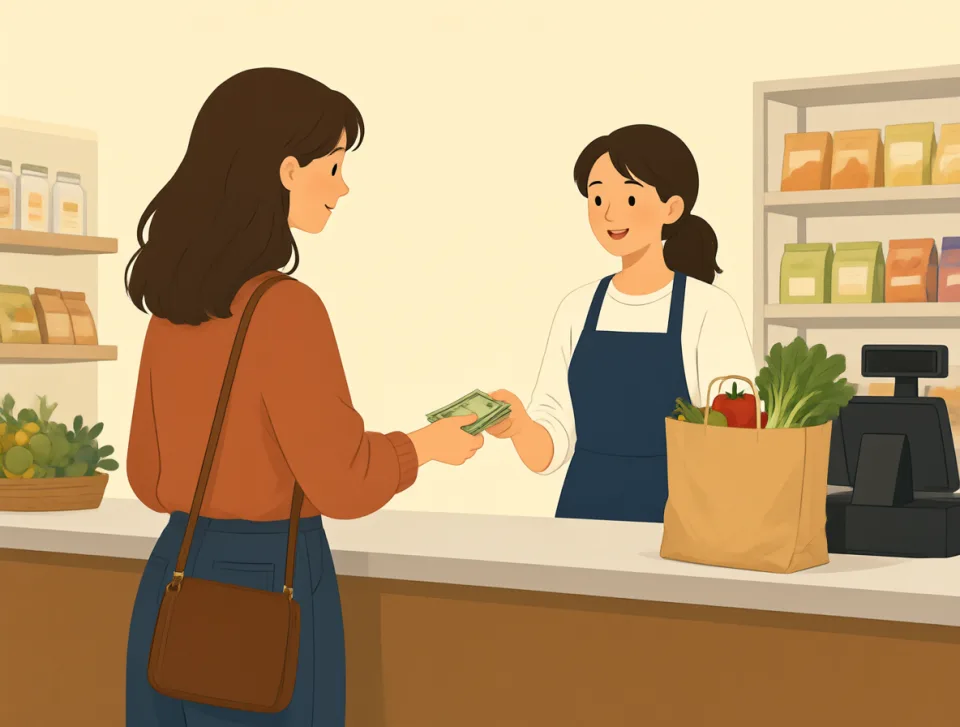
The customer paid for her groceries.
مشتری هزینهٔ خریدهایش را پرداخت کرد.
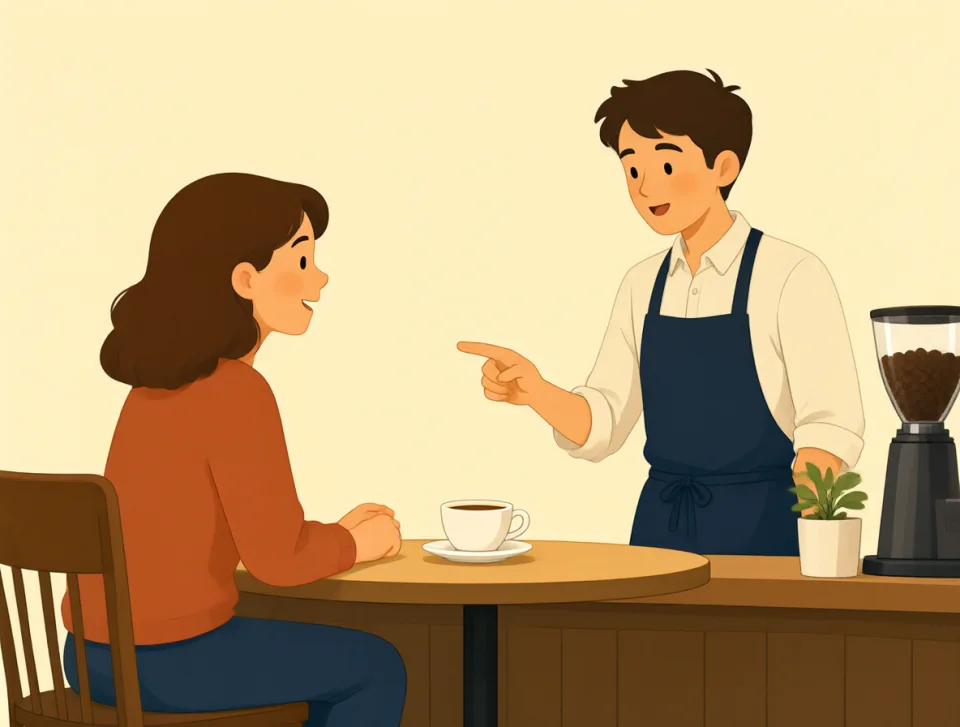
A customer asked for a larger coffee.
یکی از مشتریها قهوهٔ بزرگتری درخواست کرد.
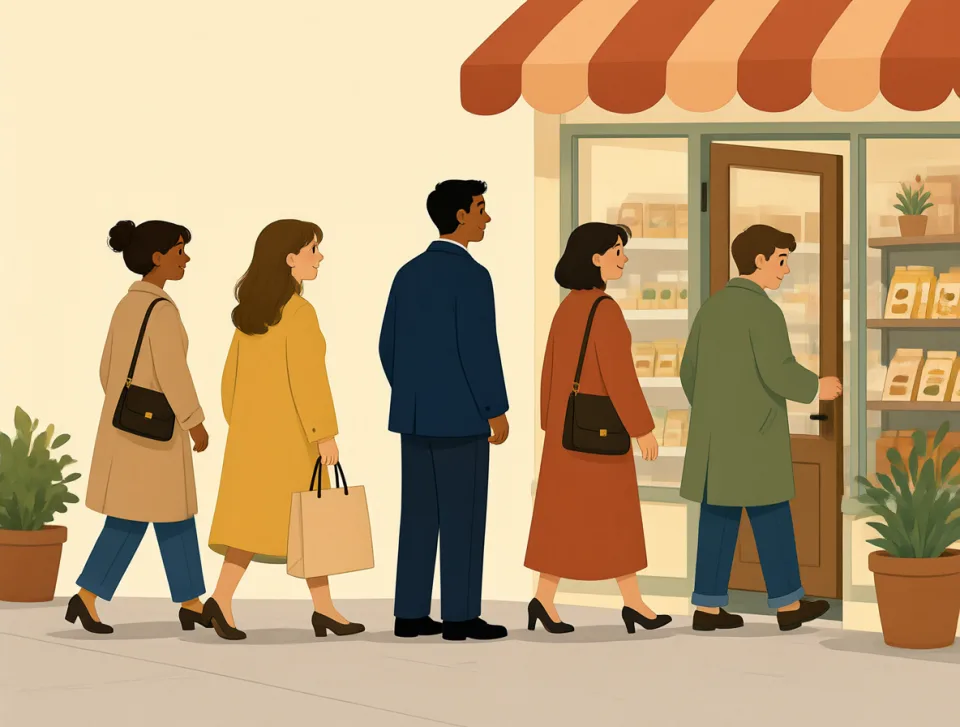
The shop has many regular customers.
این فروشگاه مشتریهای همیشگی زیادی دارد.
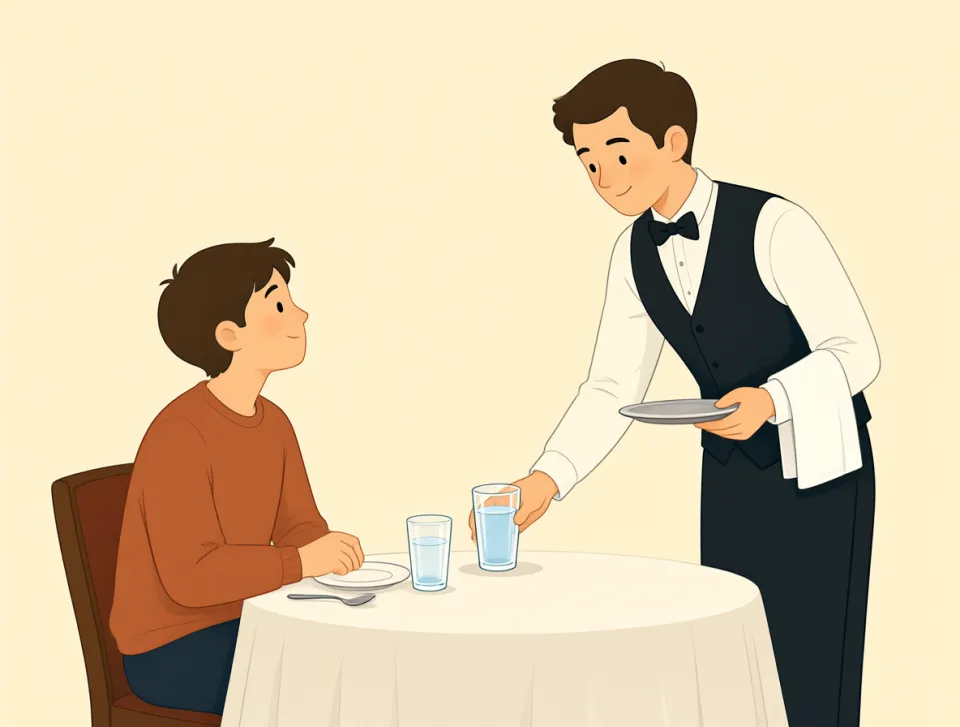
The waiter brought the customer some water.
پیشخدمت برای مشتری کمی آب آورد.

The hotel customer needed a taxi.
مشتری هتل به تاکسی نیاز داشت.
front
#488noun, adjective, verb, preposition
جلو؛ قسمت جلویی
The part or side that is first, nearest, or facing forward.
بخش یا سمتی که در ابتدا، نزدیکتر یا رو به جلو قرار دارد.
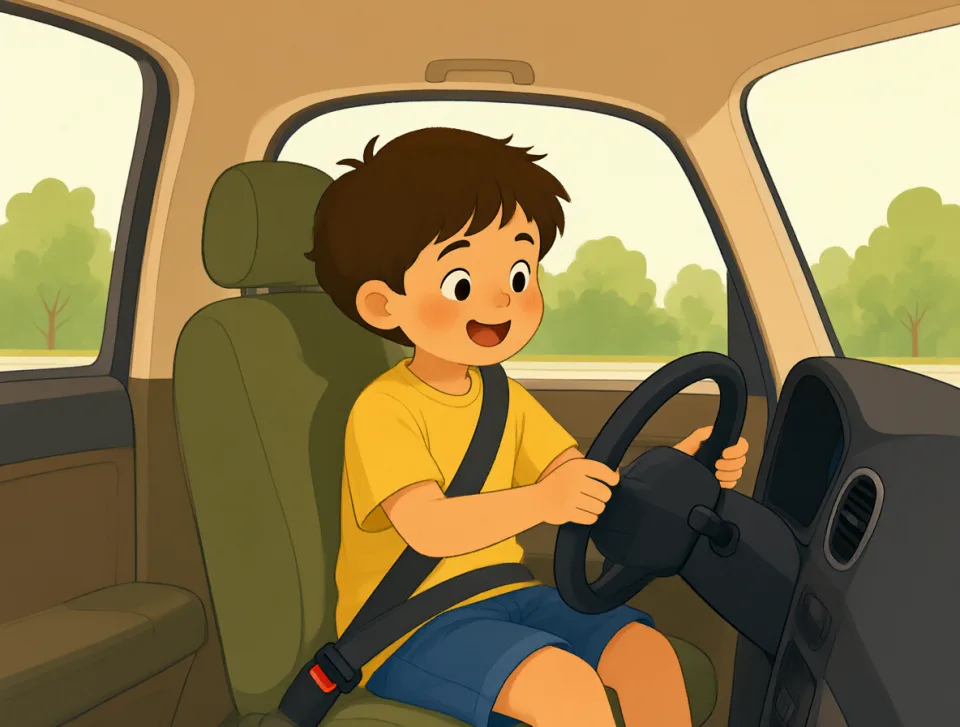
Please sit in the front of the car.
لطفاً روی صندلی جلوی خودرو بنشینید.
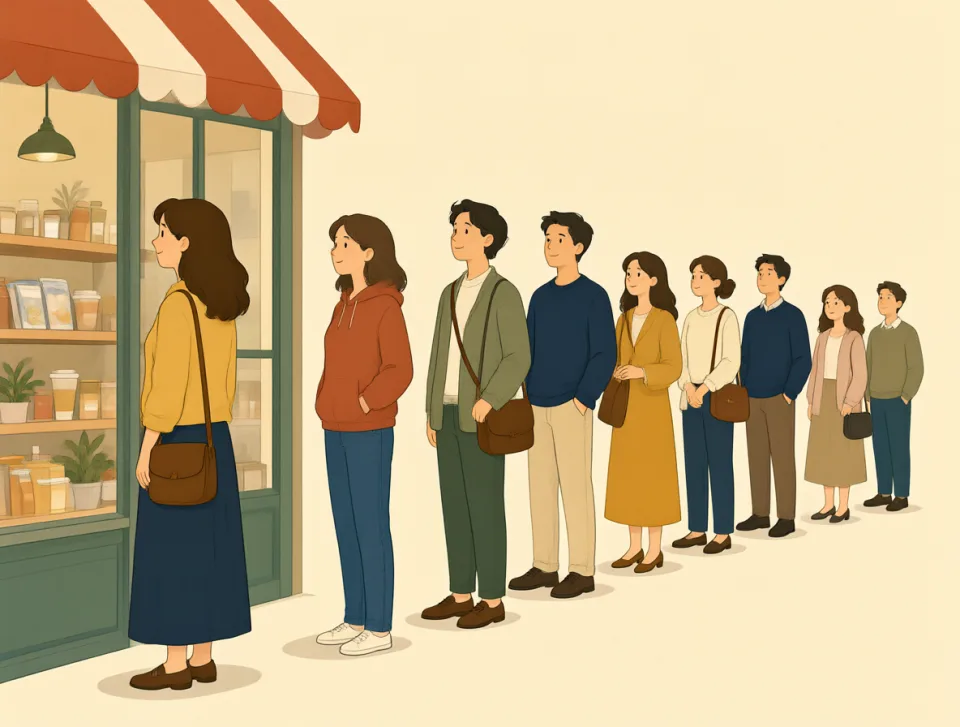
She stood at the front of the line.
او جلوی صف ایستاده بود.
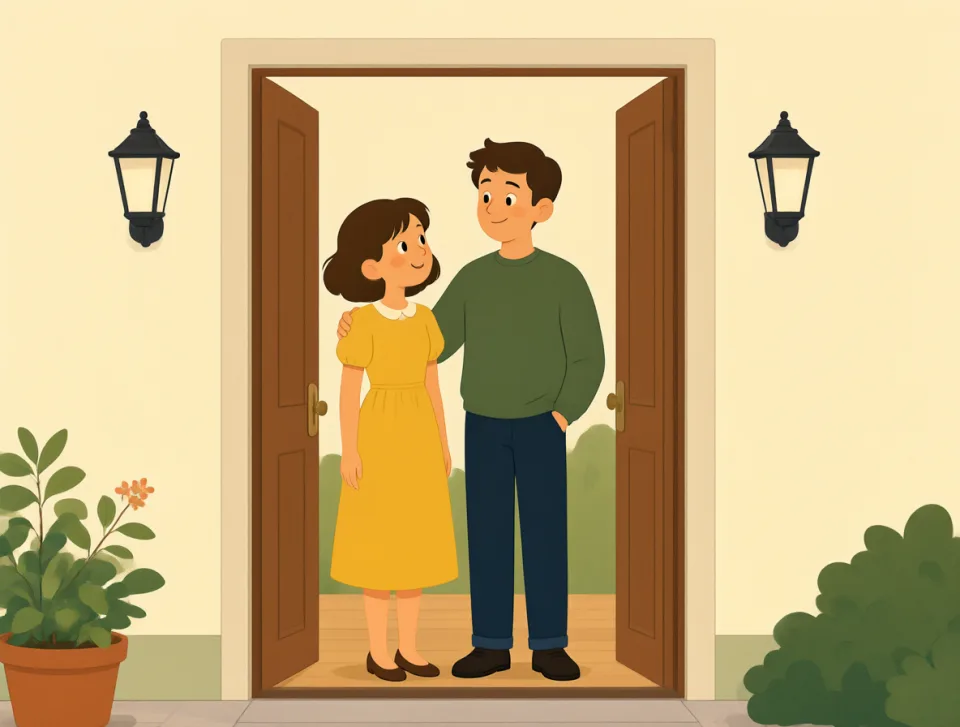
The front door is open.
درِ ورودی باز است.
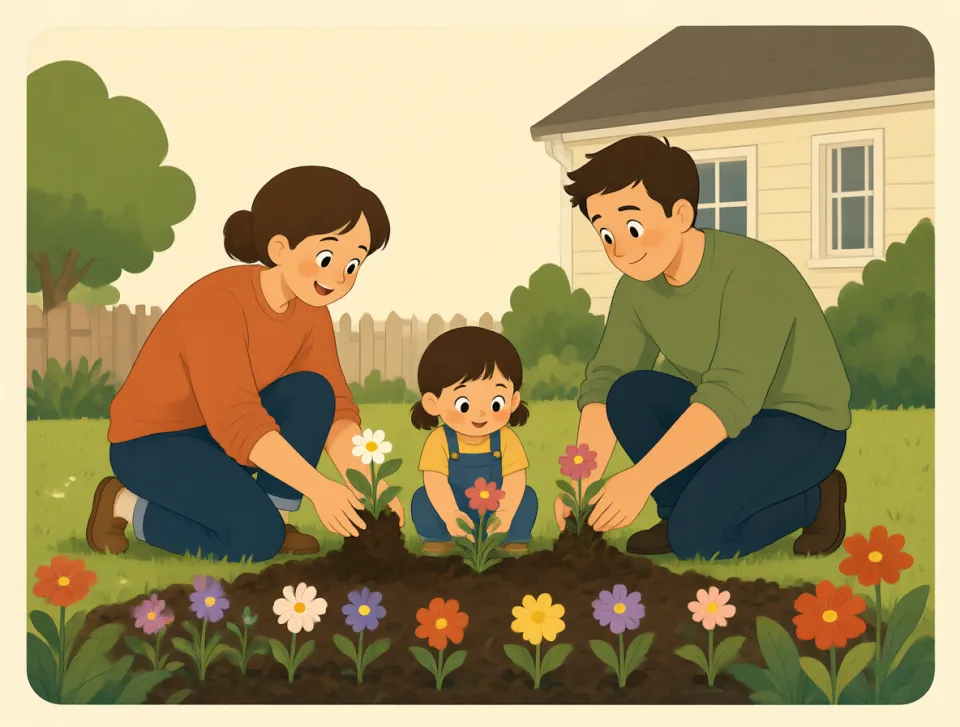
We planted flowers in front of the house.
ما جلوی خانه گل کاشتیم.
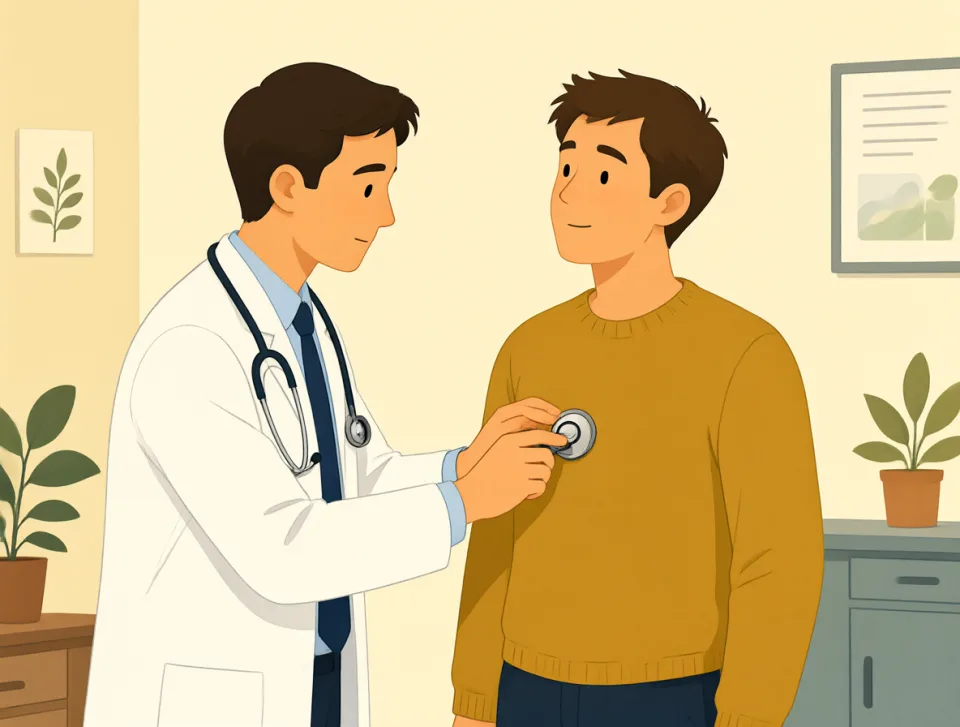
The doctor checked the front of his chest.
دکتر قسمت جلویی قفسهٔ سینهاش را معاینه کرد.
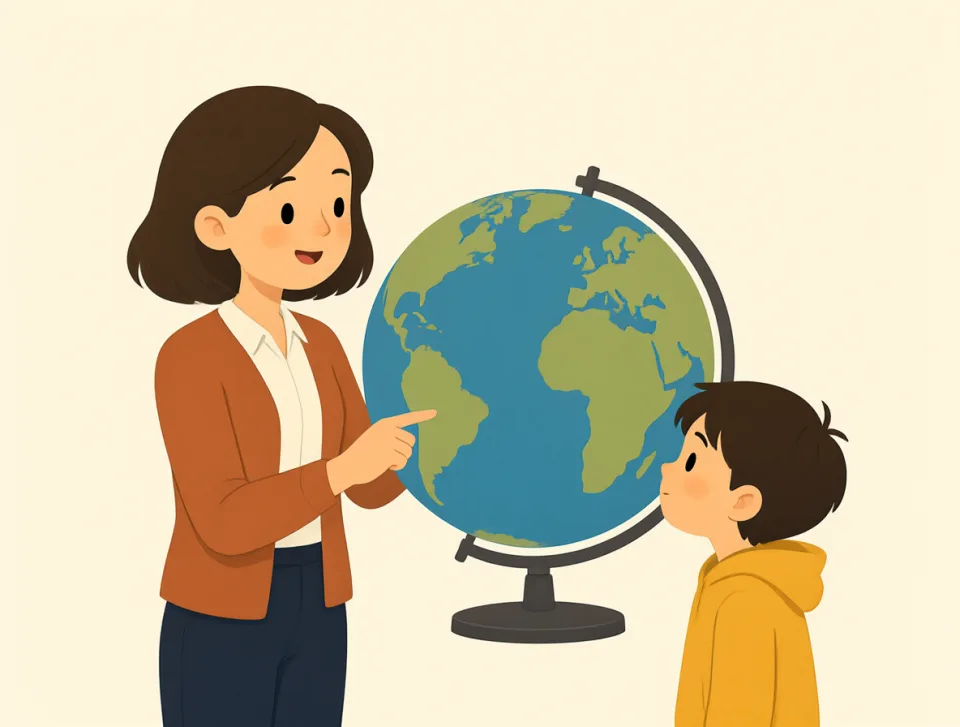
explain
#489verb
توضیح دادن
to make something clear by describing it or giving reasons
با توصیف کردن چیزی یا ارائهٔ دلیل، آن را روشن و قابلفهم کردن
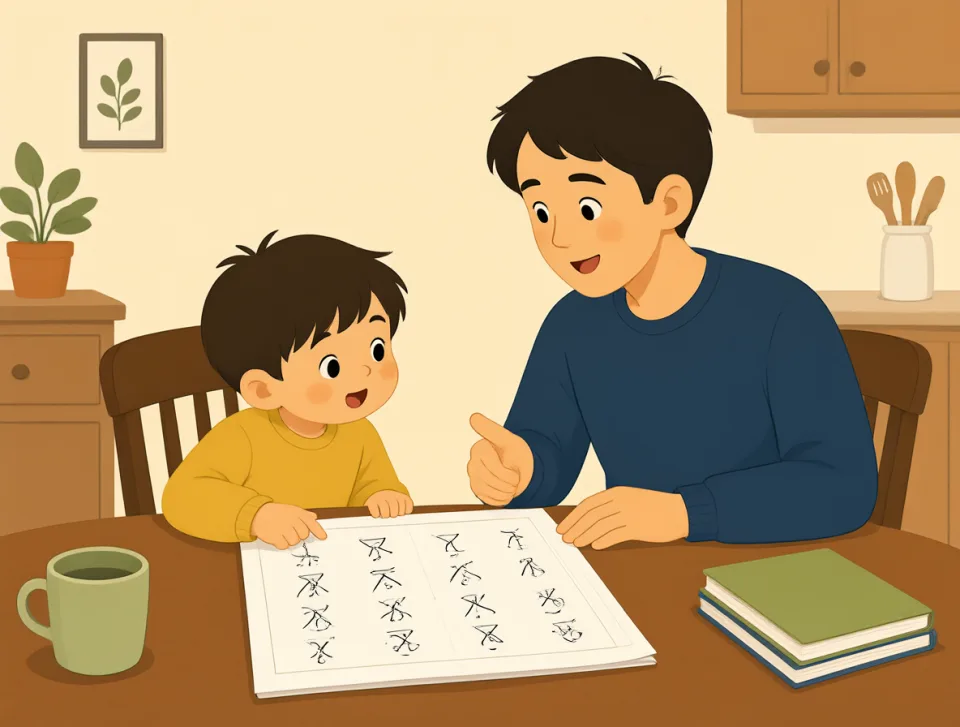
Can you explain this problem to me?
میتوانید این مشکل را برایم توضیح دهید؟
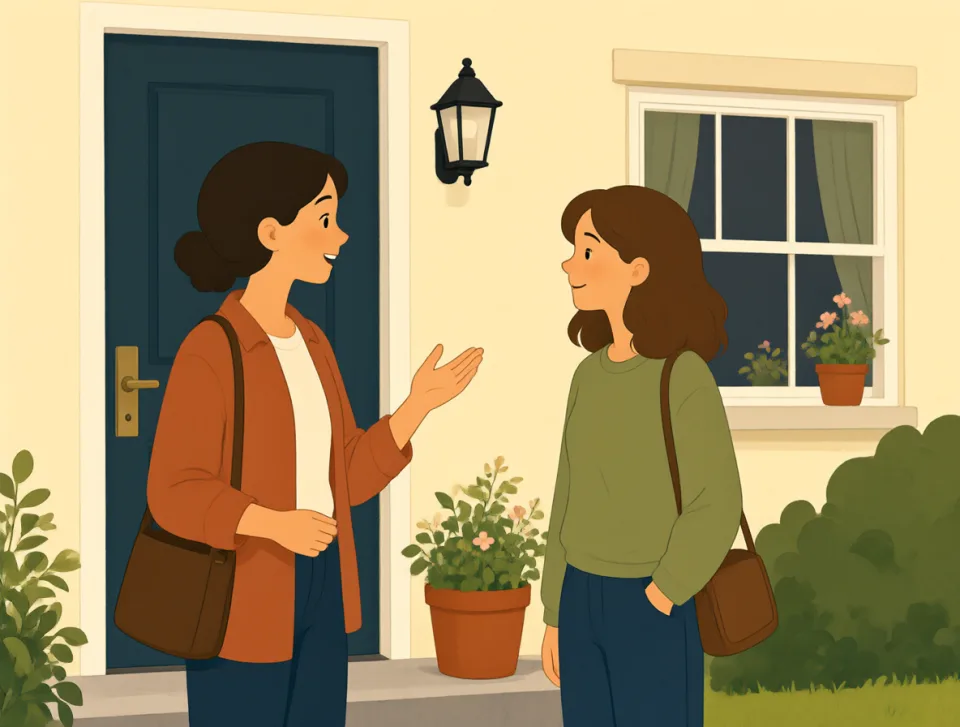
She explained why she was late.
او توضیح داد که چرا دیر کرده بود.

The doctor explained my treatment clearly.
دکتر روش درمانم را بهروشنی توضیح داد.

Please explain how to get there.
لطفاً توضیح دهید چطور به آنجا بروم.

The chef is explaining the recipe.
آشپز دارد دستور پخت را توضیح میدهد.
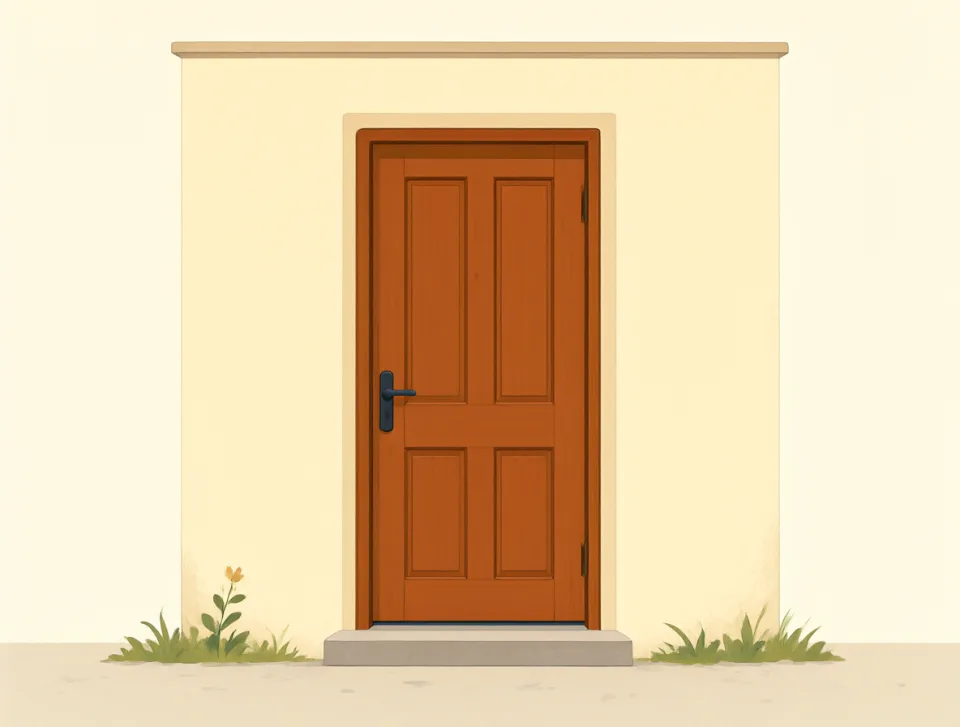
door
#490noun
در
A movable barrier that opens and closes an entrance.
مانعی متحرک که ورودی را باز و بسته میکند.
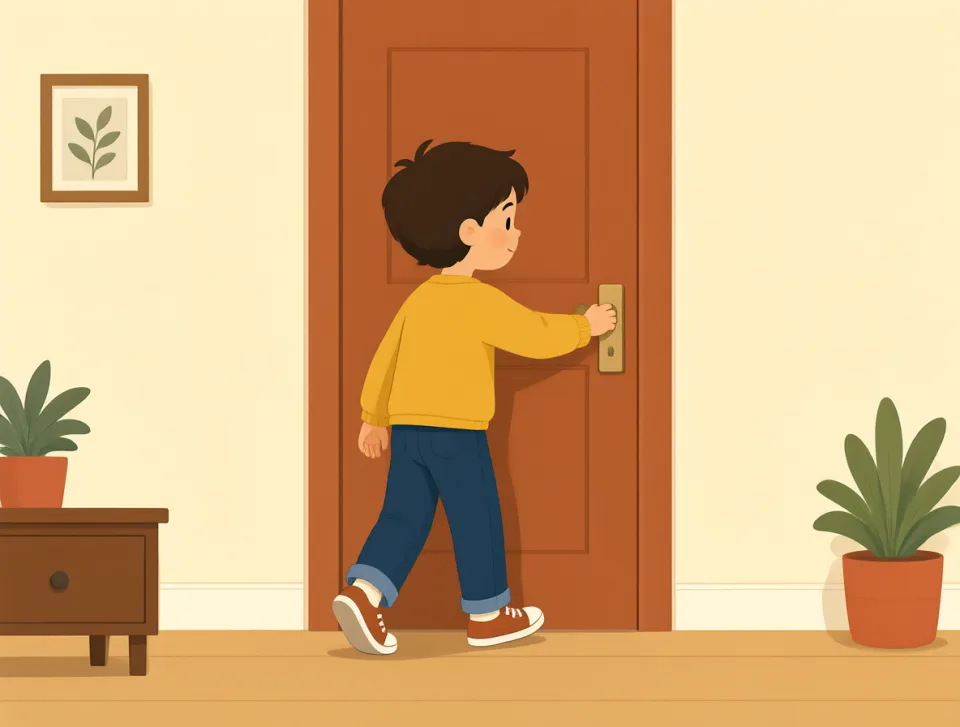
Please close the door behind you.
لطفاً در را پشت سرتان ببندید.
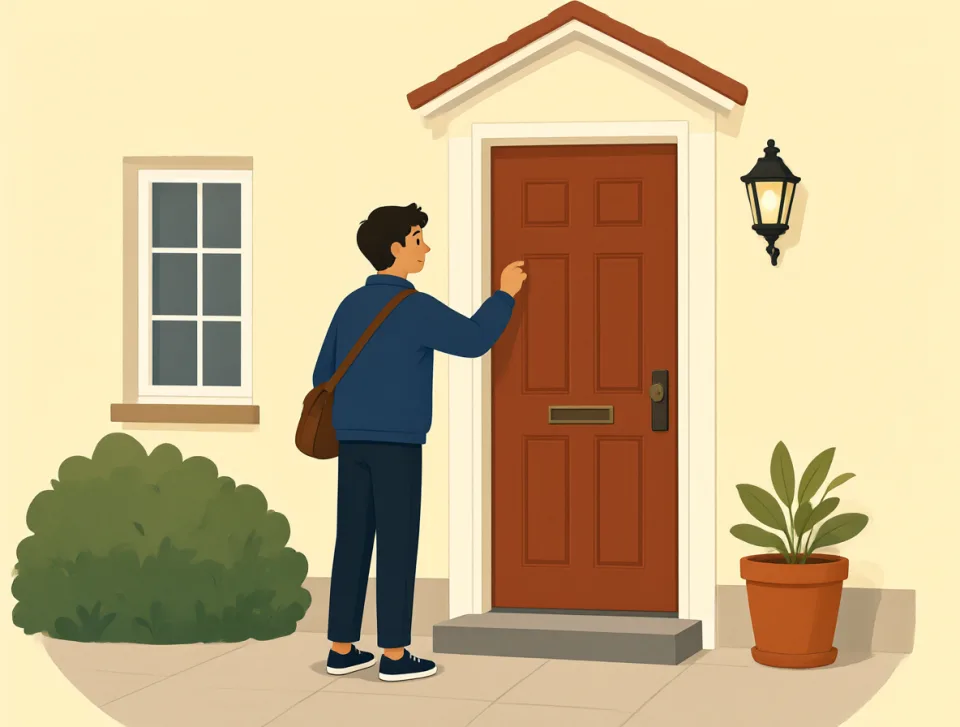
Someone is knocking at the front door.
یک نفر دارد به درِ ورودی میکوبد.
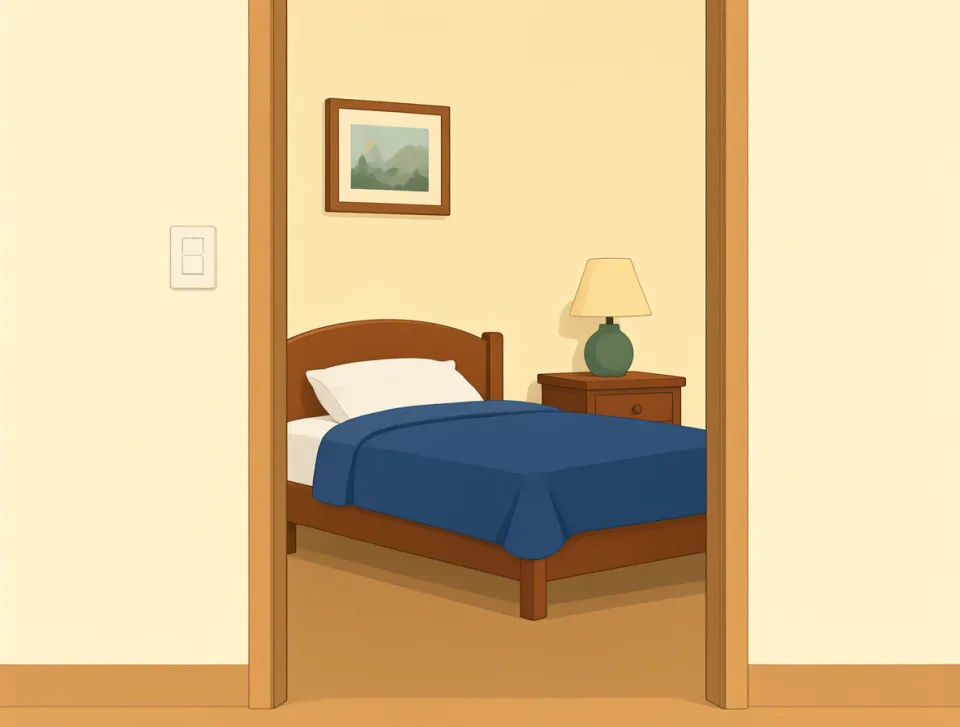
The bedroom door is open.
درِ اتاقخواب باز است.

We waited outside the store door.
ما بیرونِ درِ فروشگاه منتظر ماندیم.
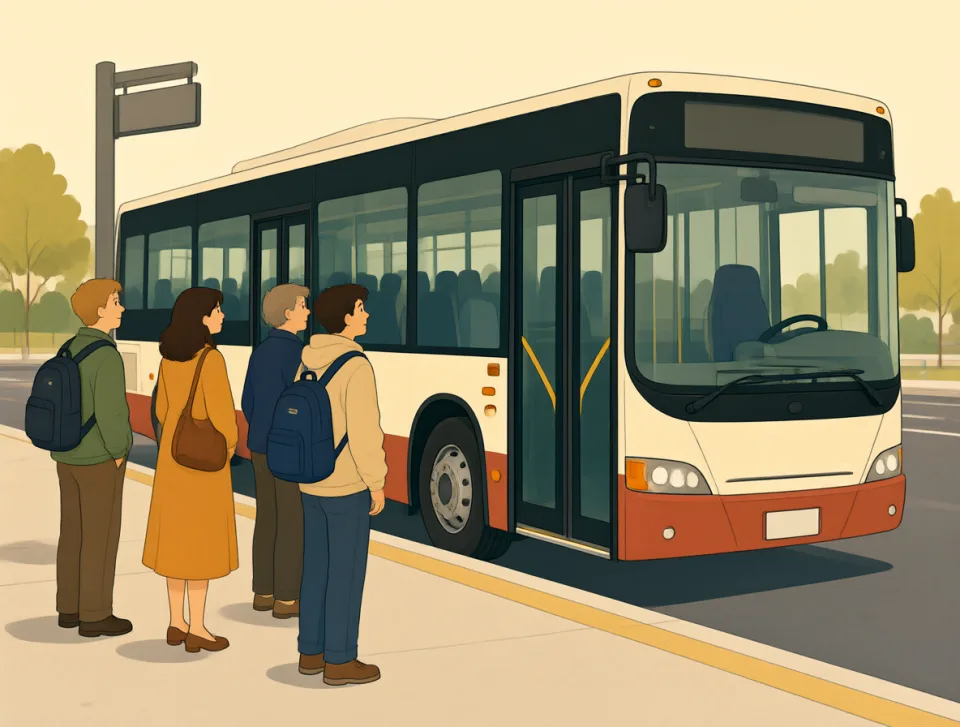
The bus doors opened at the station.
درهای اتوبوس در ایستگاه باز شدند.
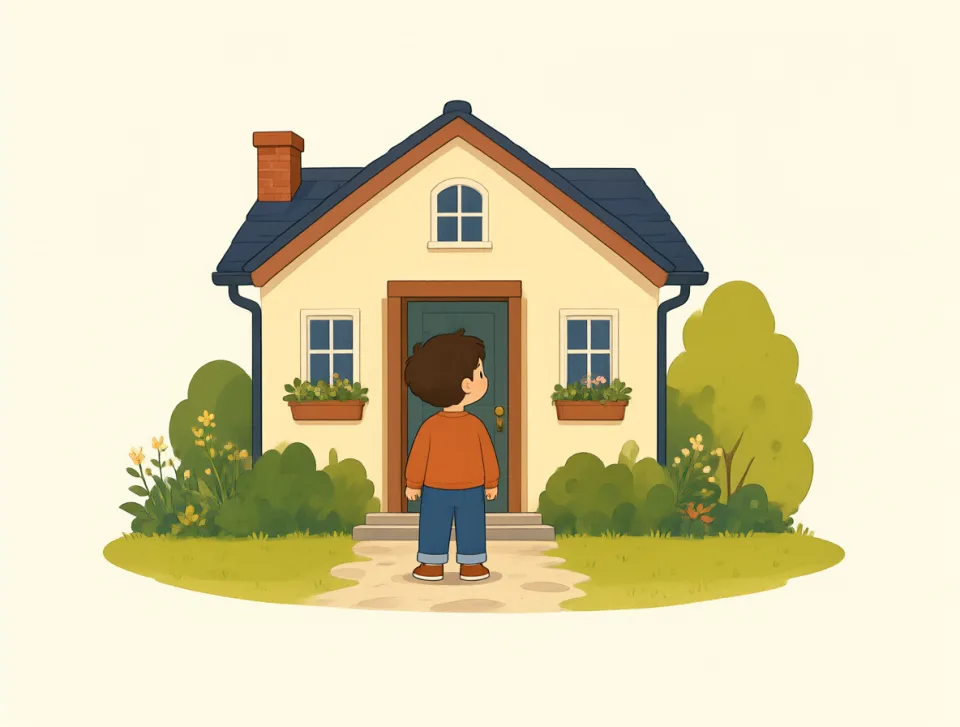
outside
#491adverb, preposition, noun
بیرون
in or to a place that is not inside a building or area
در مکانی بیرون از یک ساختمان یا محدوده، یا بهسمت چنین مکانی
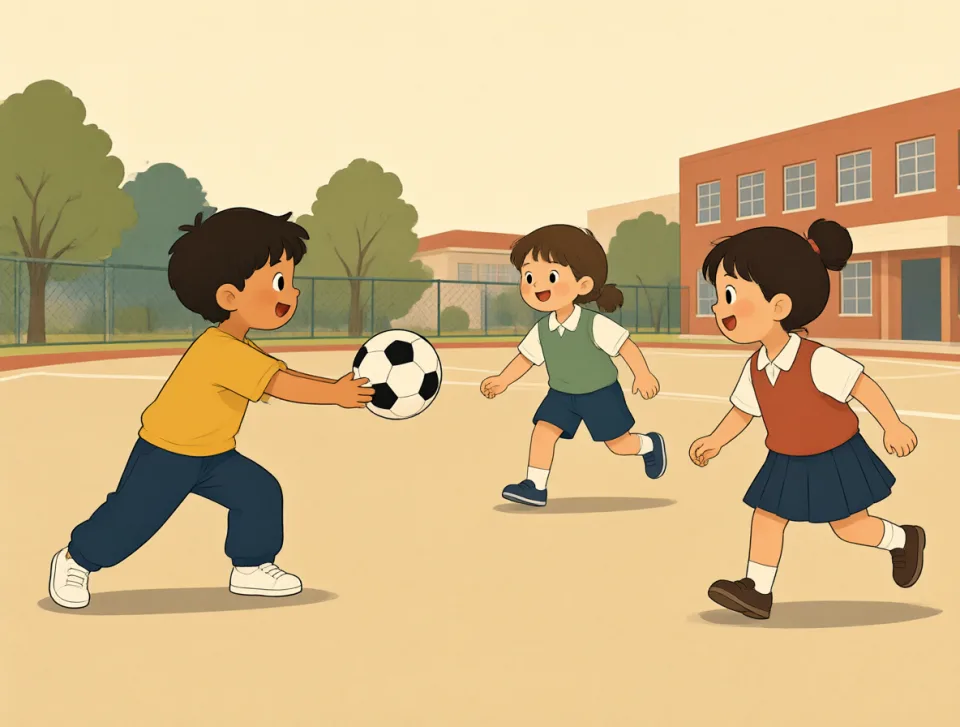
The children are playing outside after school.
بچهها بعد از مدرسه بیرون بازی میکنند.
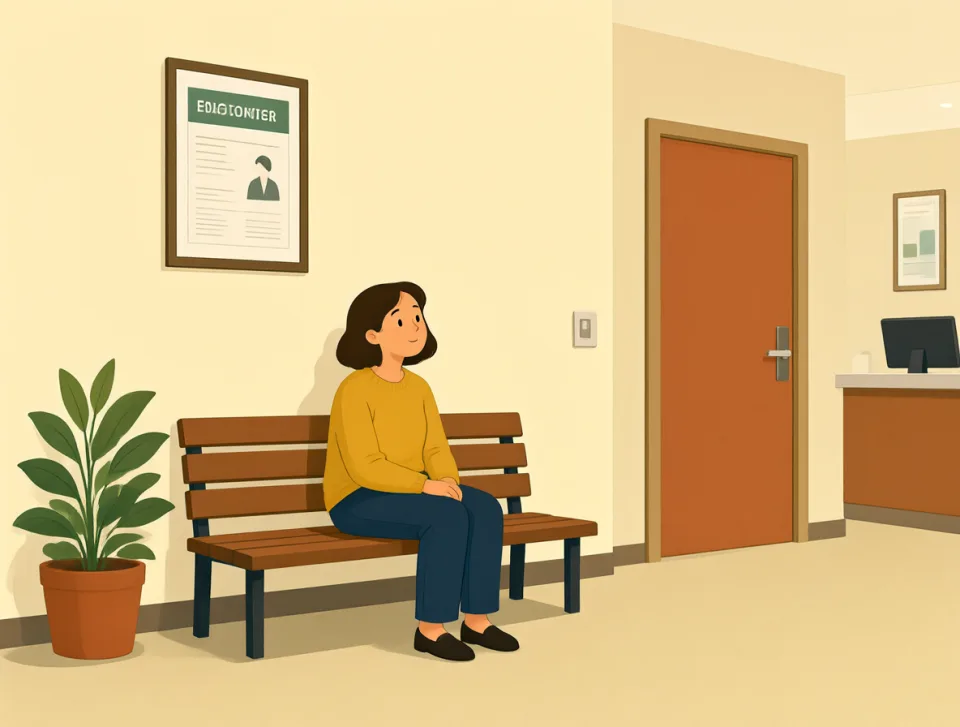
Please wait outside the doctor's office.
لطفاً بیرون مطب دکتر منتظر بمانید.

We ate lunch outside at work.
ما در محل کار بیرون ناهار خوردیم.
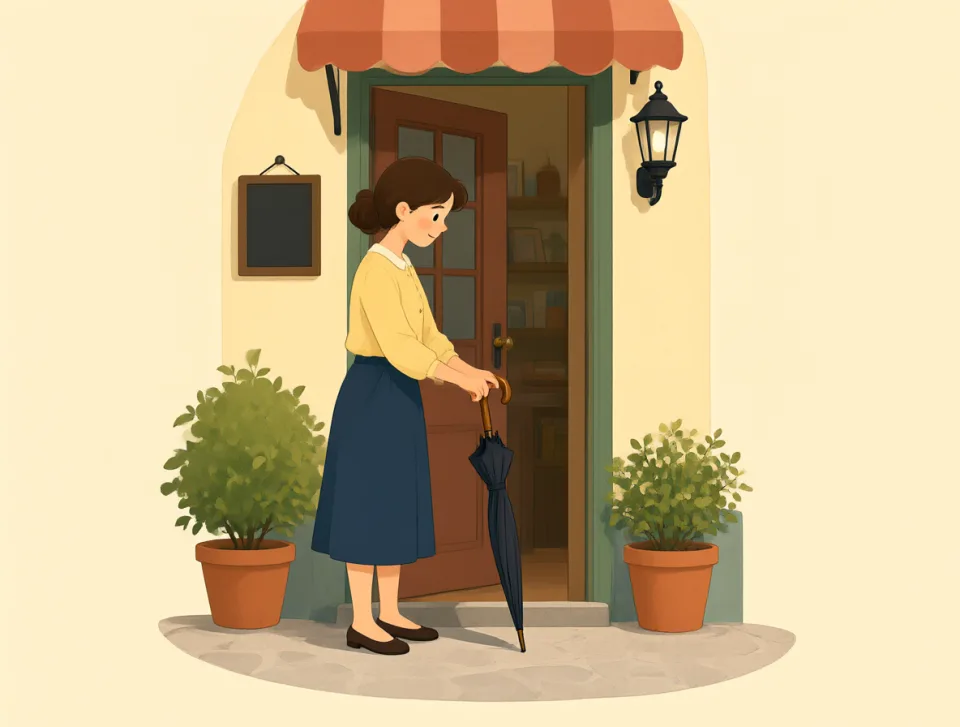
She left her umbrella outside the shop.
او چترش را بیرون مغازه جا گذاشت.
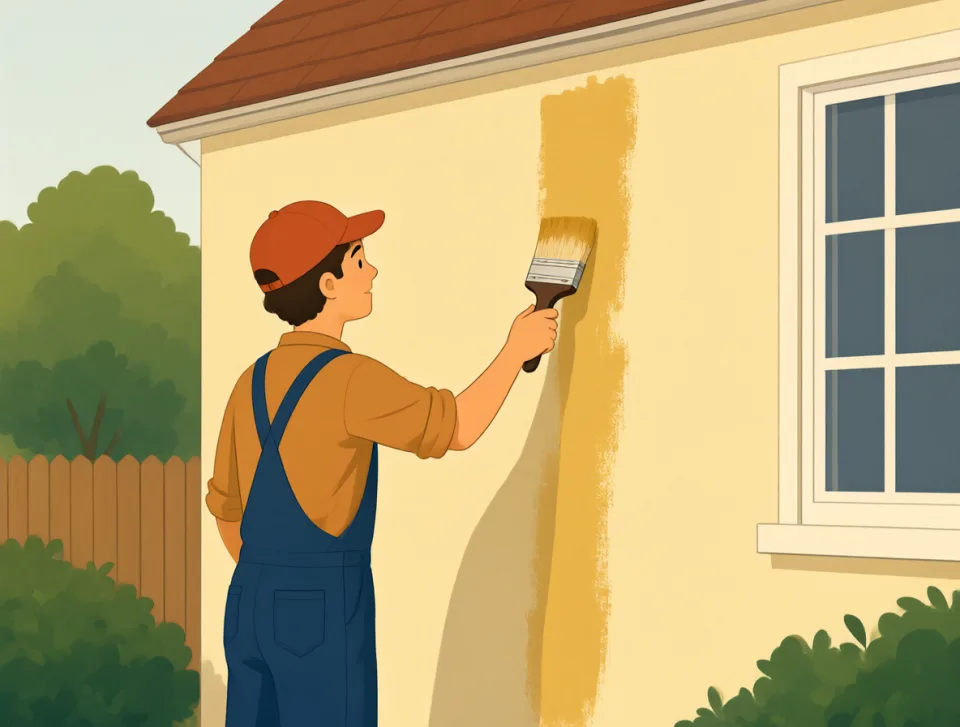
The outside of the house needs paint.
نمای بیرونی خانه به رنگآمیزی نیاز دارد.
behind
#492adverb, preposition
پشت
At or toward the back of someone or something.
در پشتِ کسی یا چیزی، یا بهسمت پشتِ آن
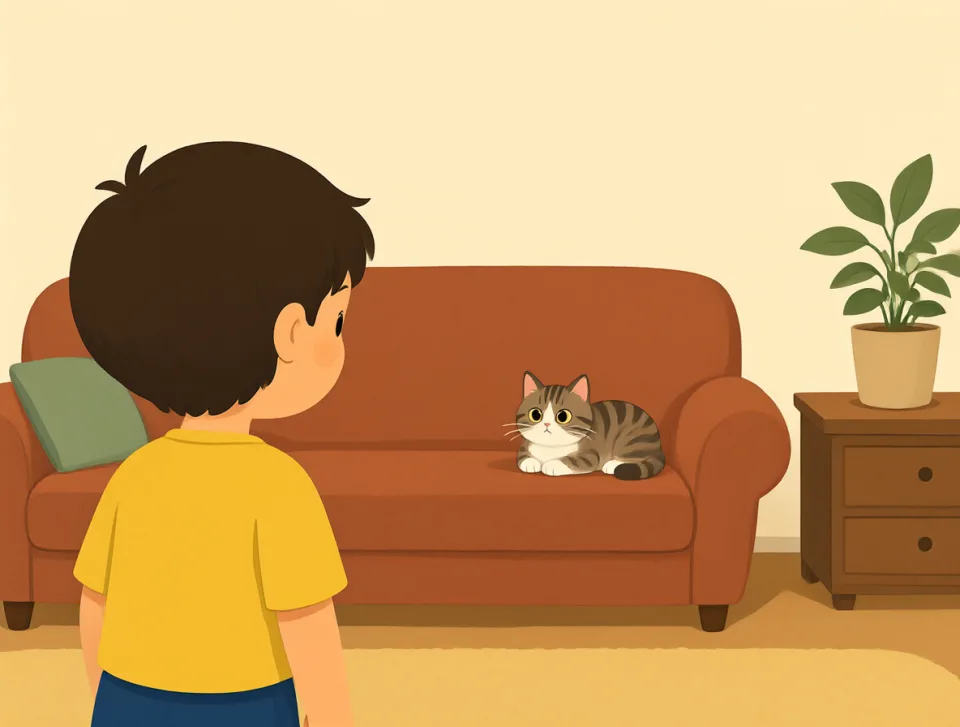
The cat is hiding behind the sofa.
گربه پشت کاناپه پنهان شده است.
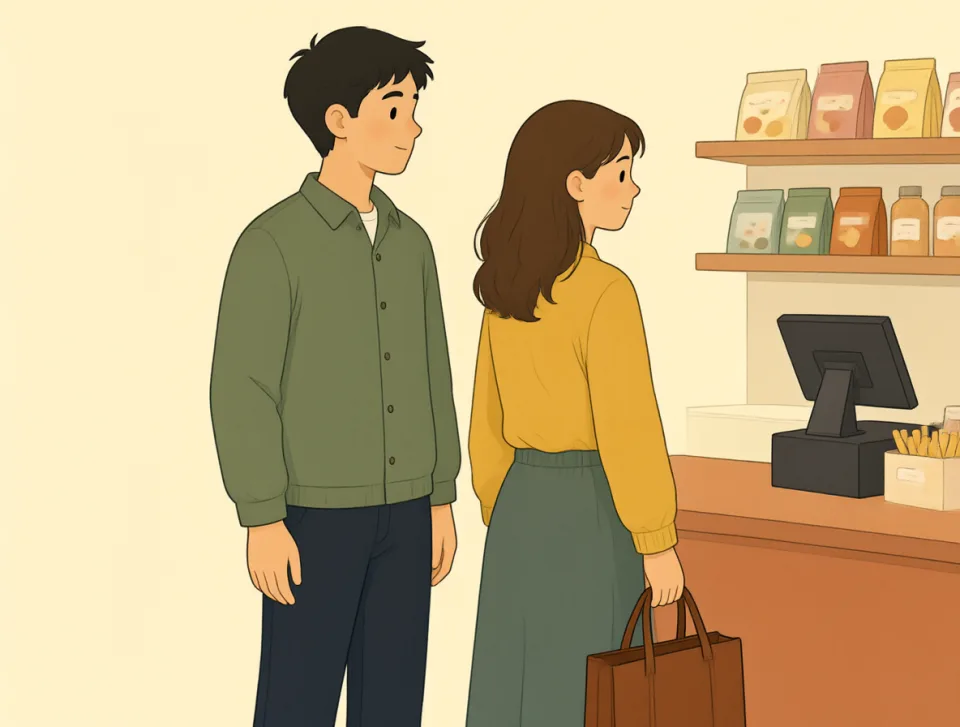
She stood behind me in the long line.
او در صف طولانی پشت سر من ایستاد.
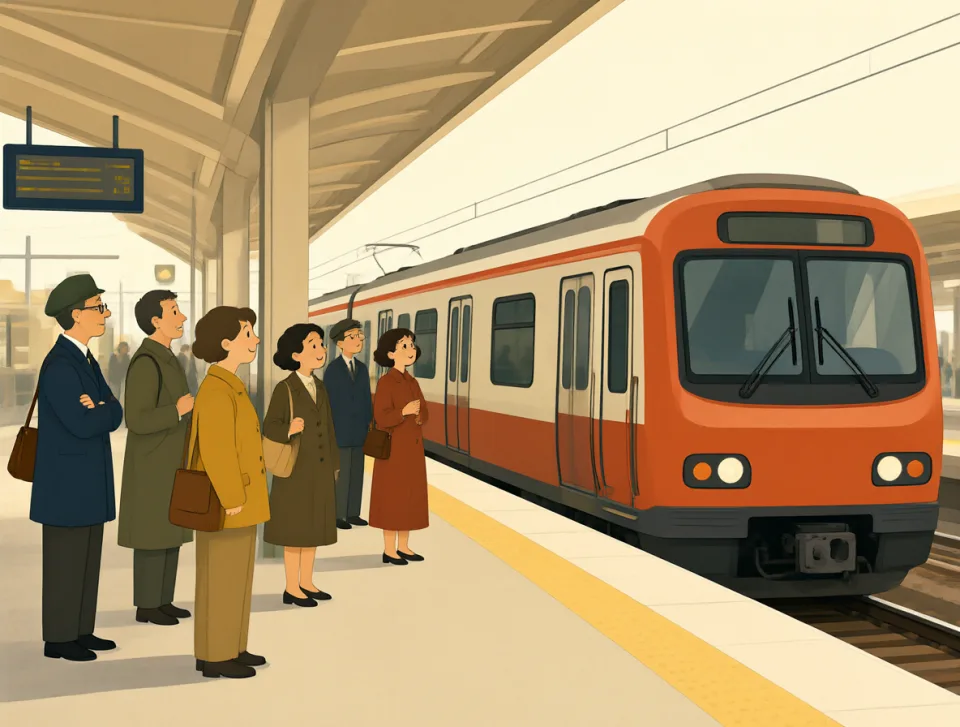
Our train is behind schedule this morning.
قطار ما امروز صبح از برنامه عقب است.
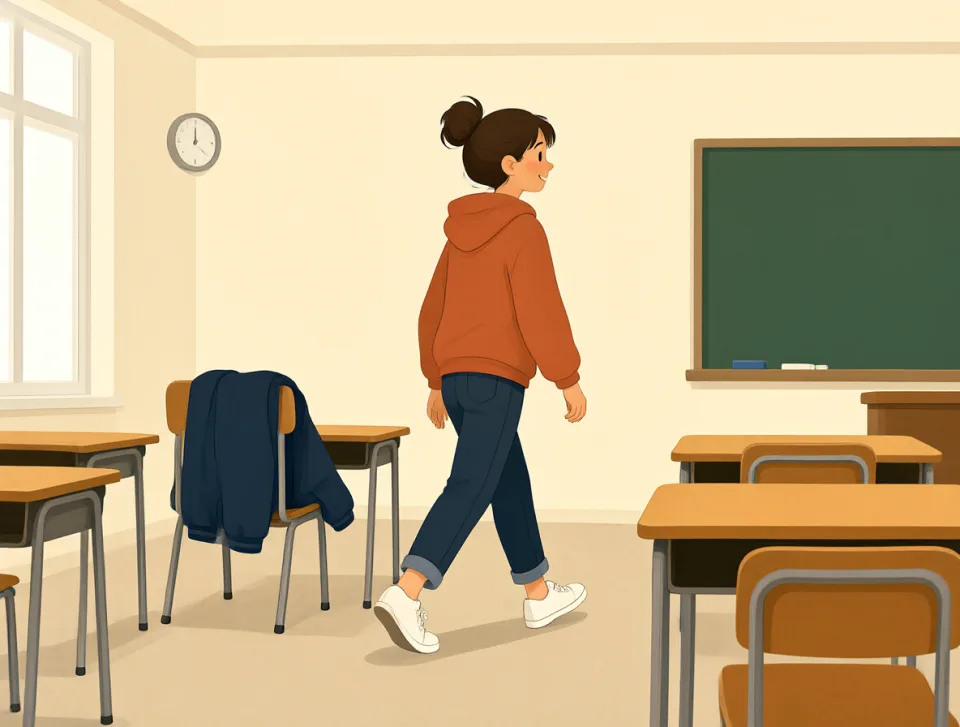
He left his jacket behind at school.
او کاپشنش را در مدرسه جا گذاشت.
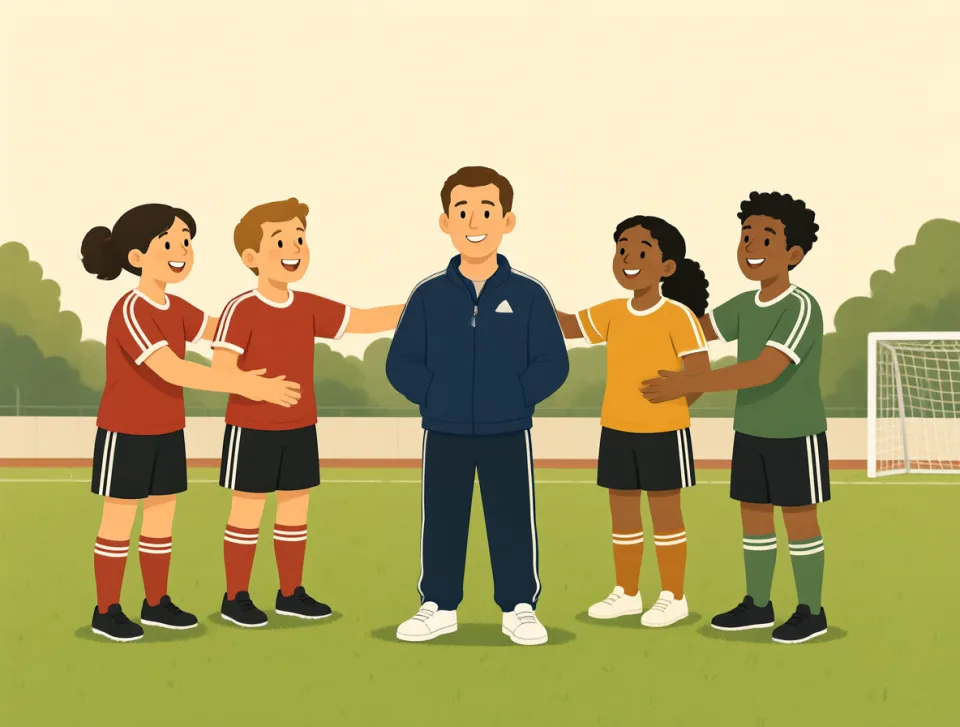
The team is behind our new coach.
تیم از مربی جدیدمان حمایت میکند.
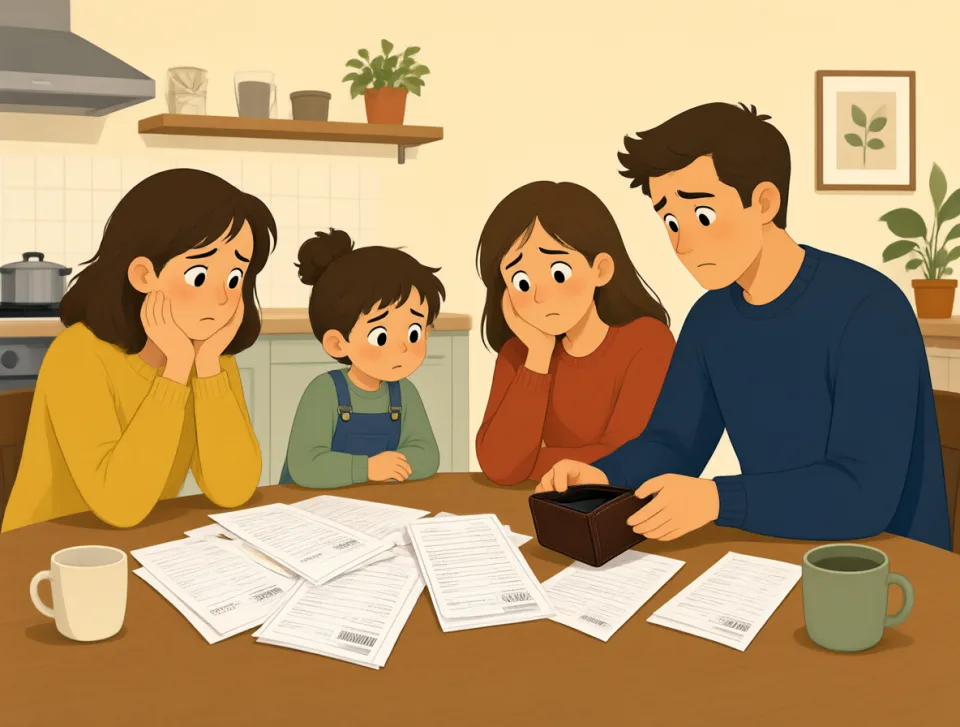
economic
#493adjective
اقتصادی
Related to money, business, trade, or the use of resources.
مربوط به پول، کسبوکار، تجارت یا استفاده از منابع
The country faces serious economic problems.
این کشور با مشکلات اقتصادی جدی روبهرو است.
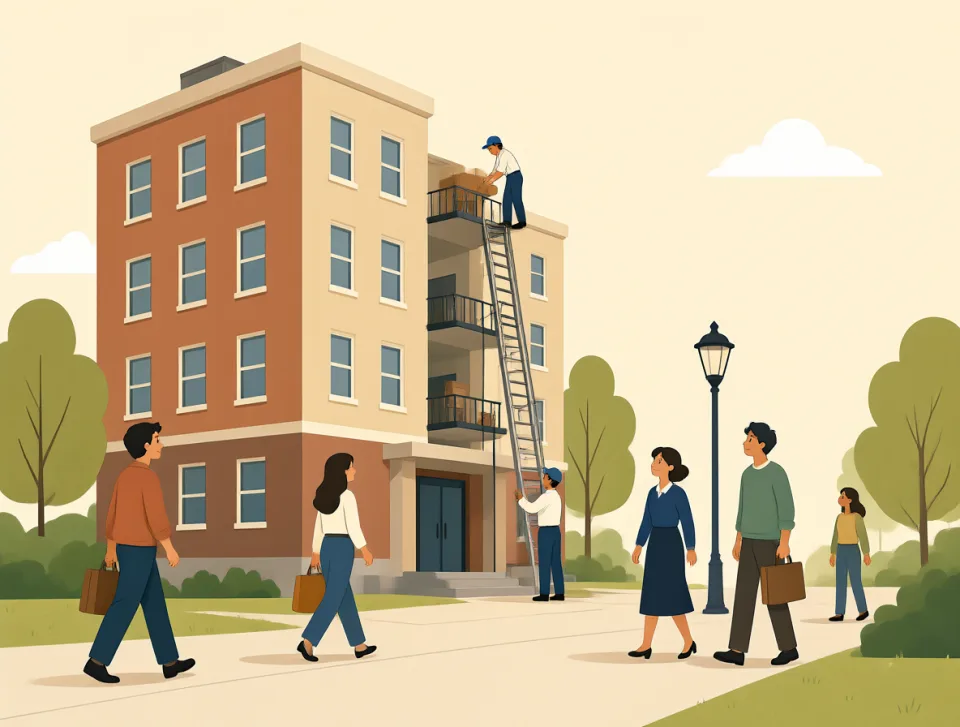
Economic growth created more jobs.
رشد اقتصادی شغلهای بیشتری ایجاد کرد.
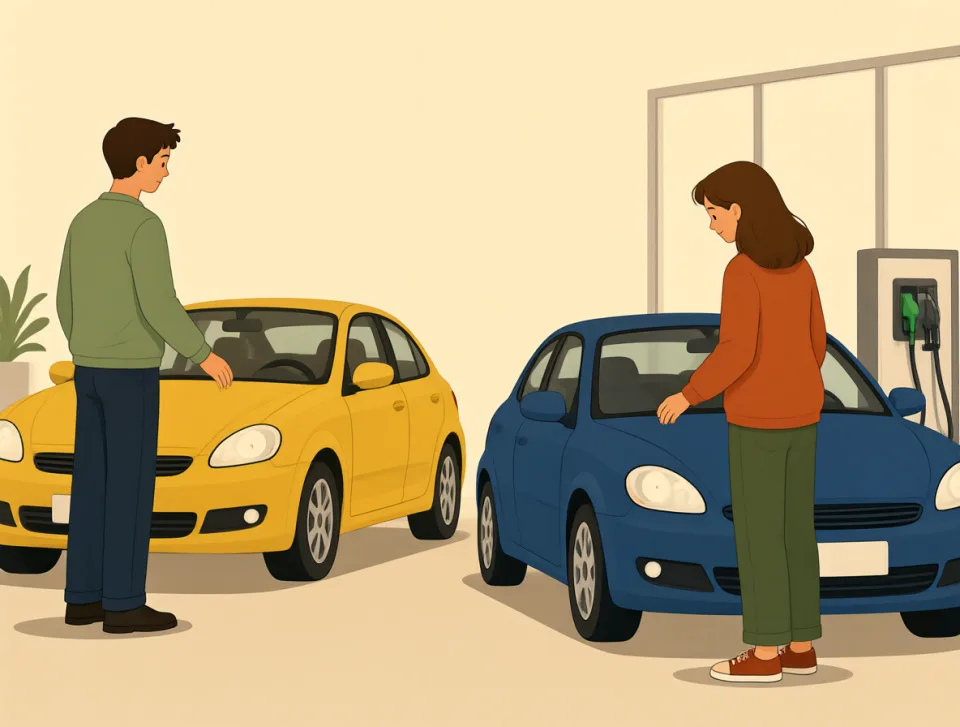
We need a more economic car.
به یک ماشین کممصرفتر نیاز داریم.
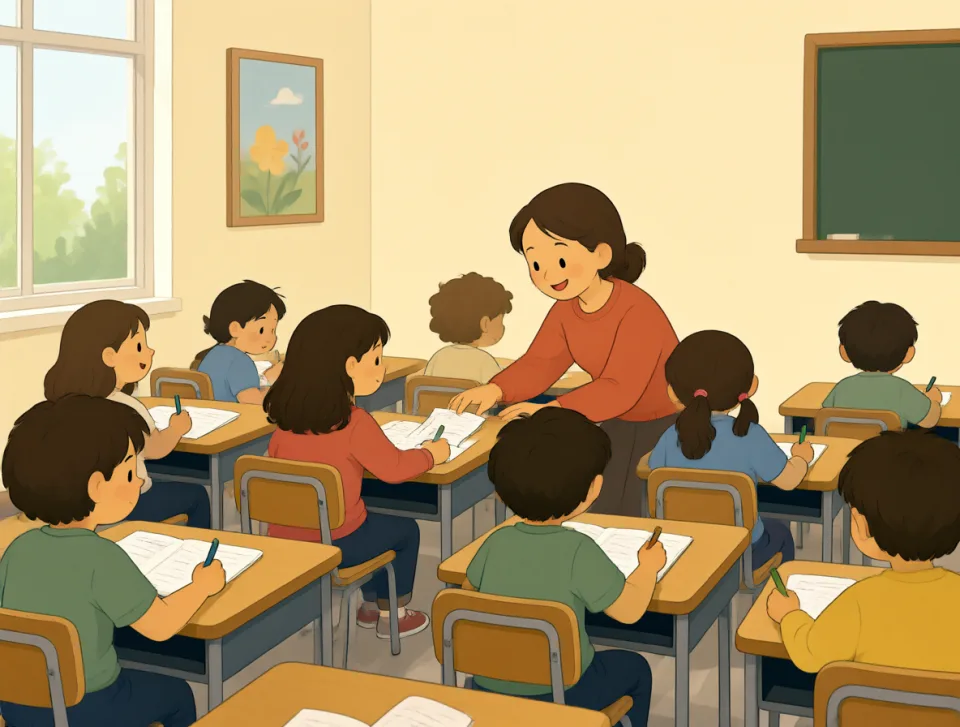
The school made economic use of space.
مدرسه از فضای موجود بهشکلی بهینه استفاده کرد.
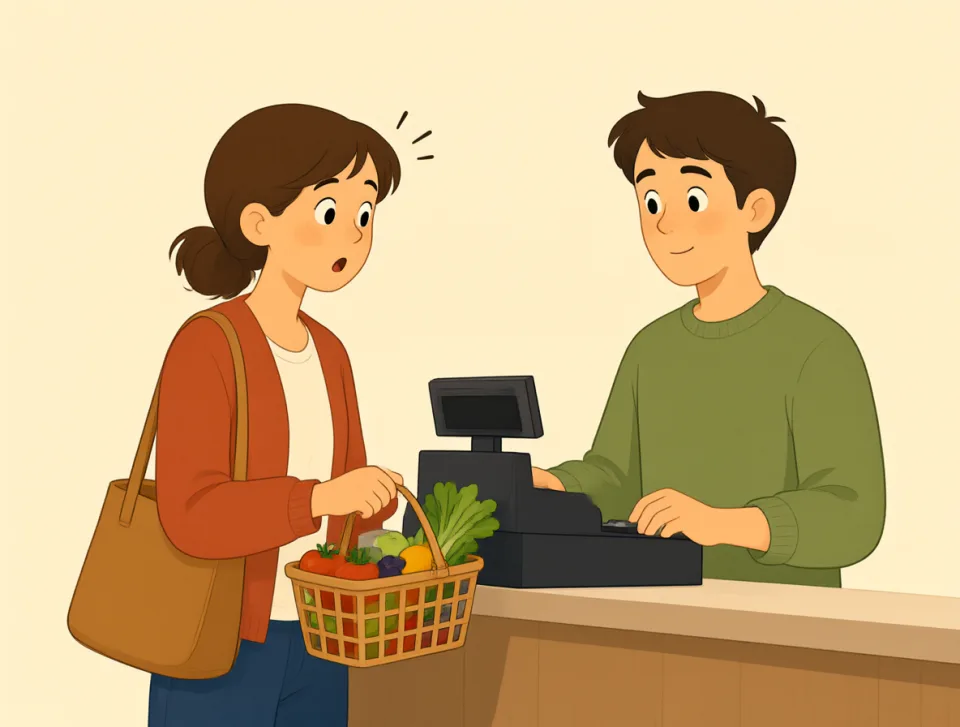
Economic changes raised food prices.
تغییرات اقتصادی باعث افزایش قیمت مواد غذایی شد.
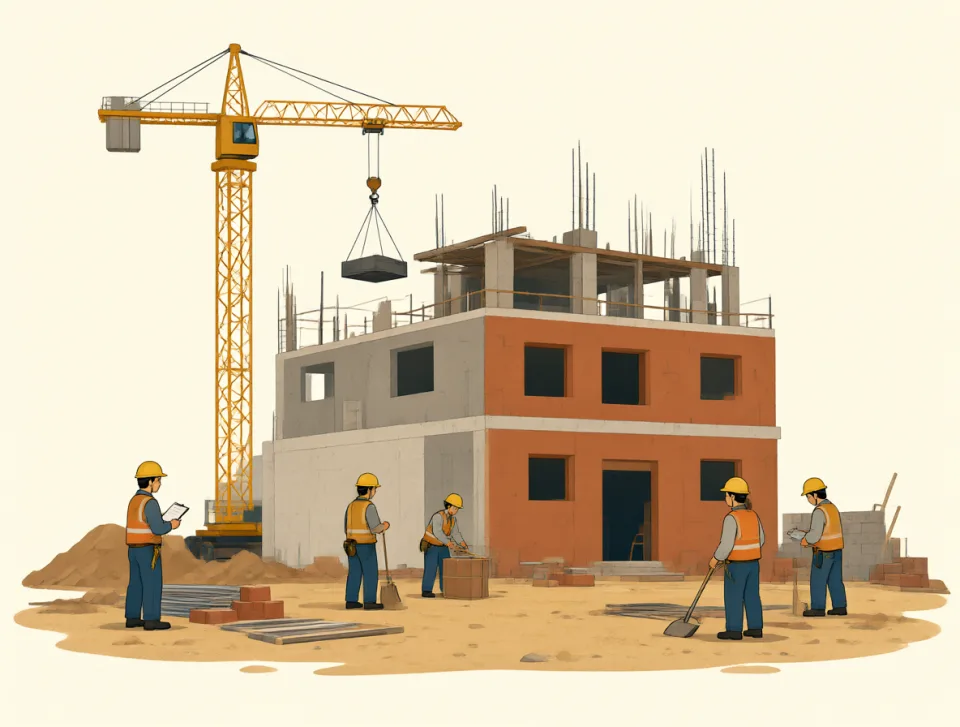
site
#494noun
محل
A place where something happens or where something is built.
جایی که چیزی در آن اتفاق میافتد یا چیزی در آن ساخته میشود
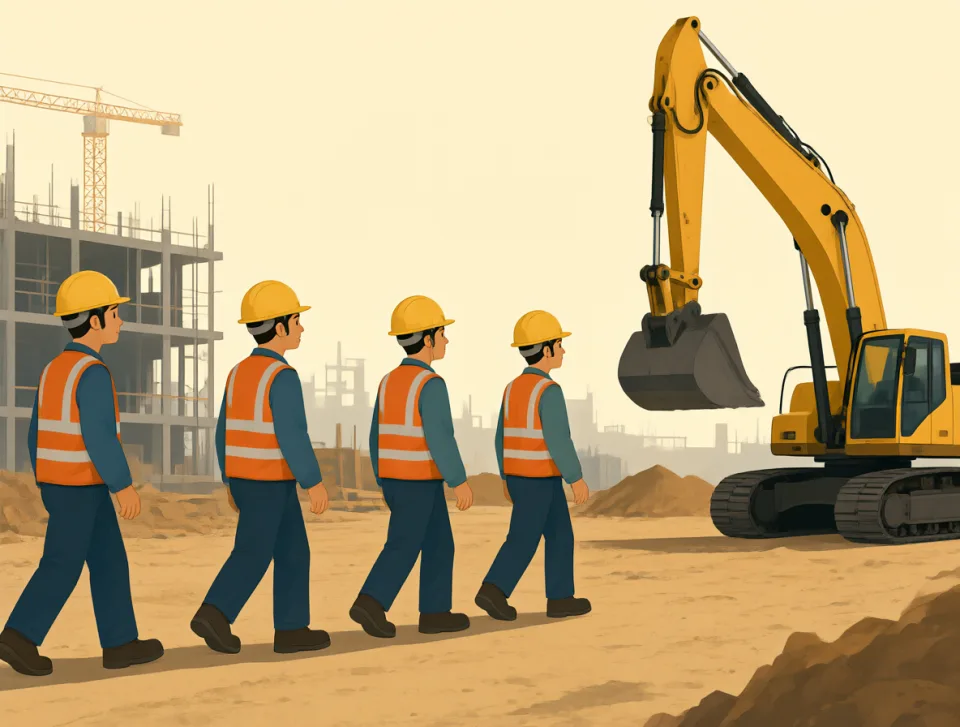
Workers arrived early at the building site.
کارگران صبح زود به محل ساختوساز رسیدند.
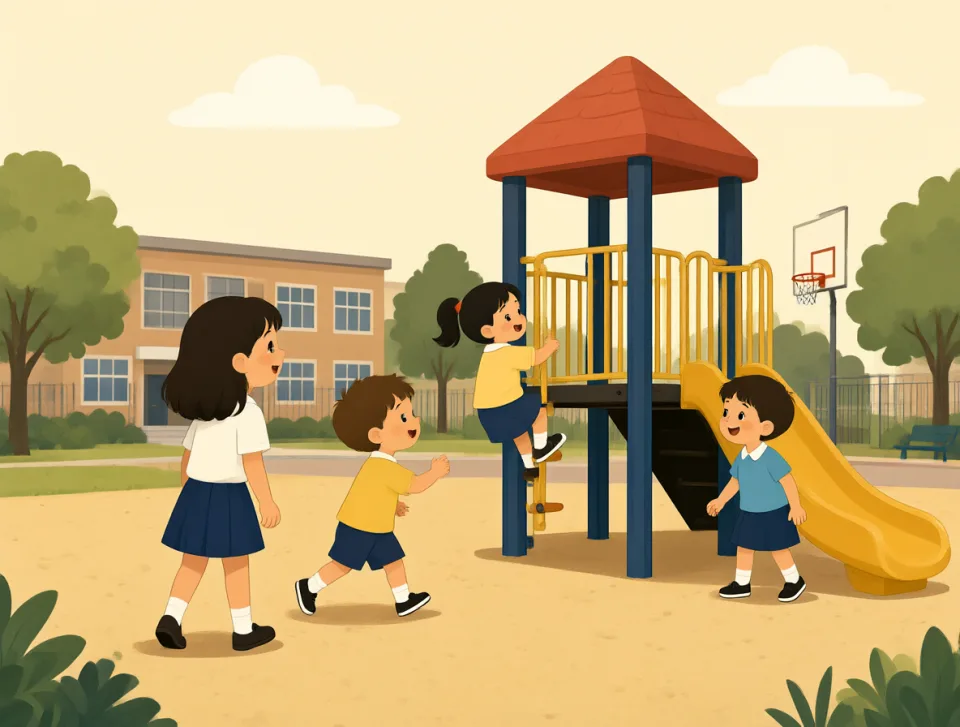
The school site has a new playground.
محوطه مدرسه زمین بازی جدیدی دارد.
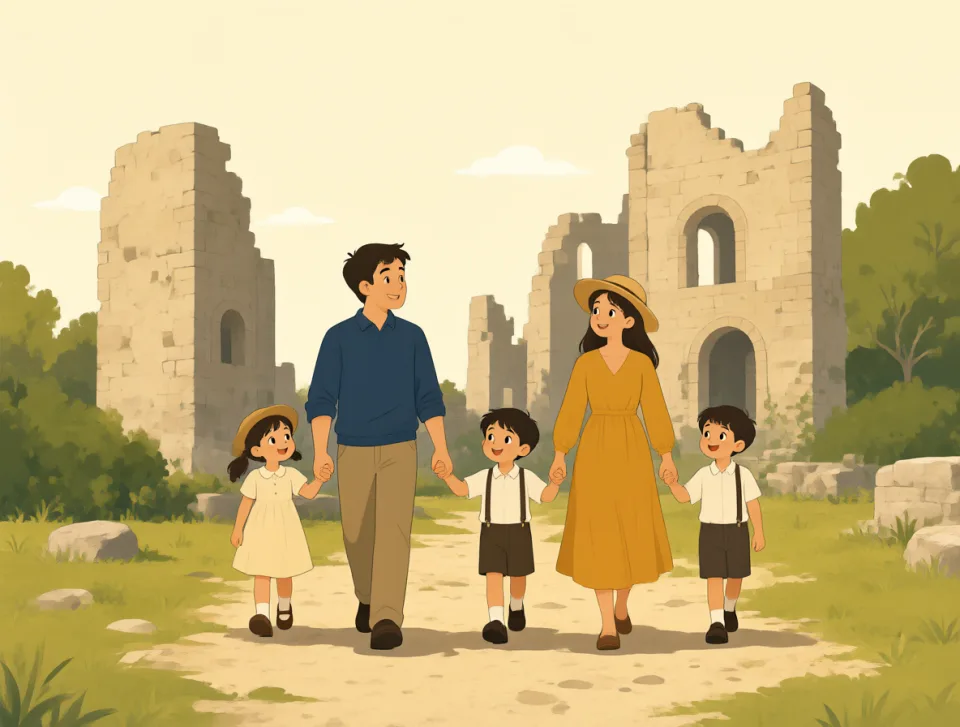
We visited the historic site yesterday.
دیروز از مکان تاریخی بازدید کردیم.

The campsite is near a quiet lake.
محل کمپینگ نزدیک دریاچهای آرام است.
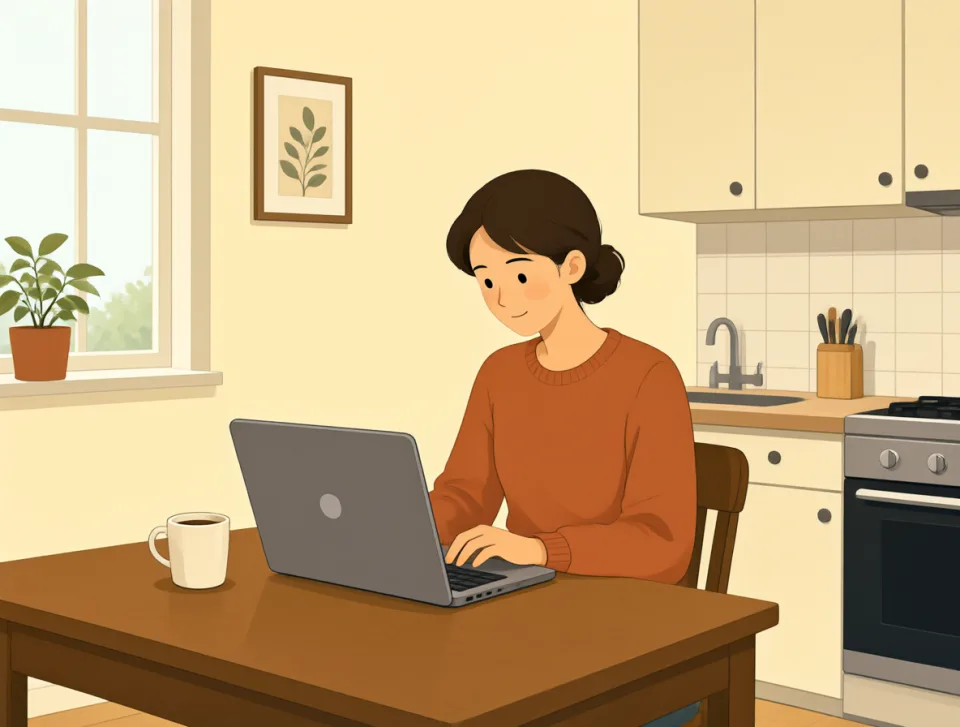
Please check the website for more information.
لطفاً برای اطلاعات بیشتر وبسایت را بررسی کنید.
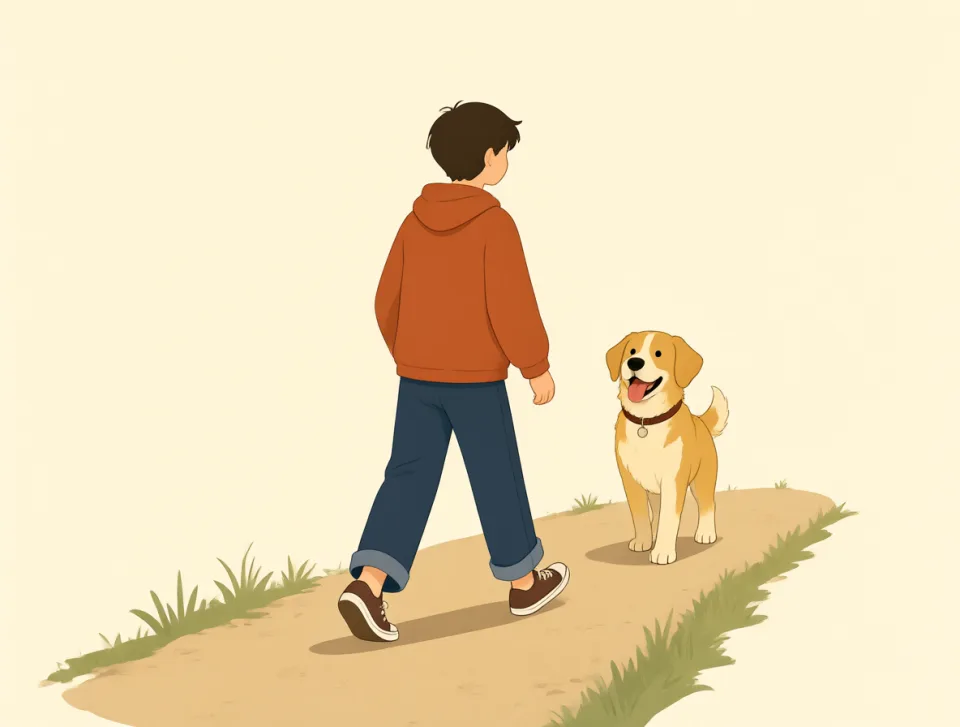
approach
#495noun, verb
رویکرد
A way of dealing with something; to move closer to someone or something.
روش برخورد با چیزی؛ نزدیک شدن به کسی یا چیزی

We need a new approach to this problem.
برای این مشکل به رویکردی تازه نیاز داریم.
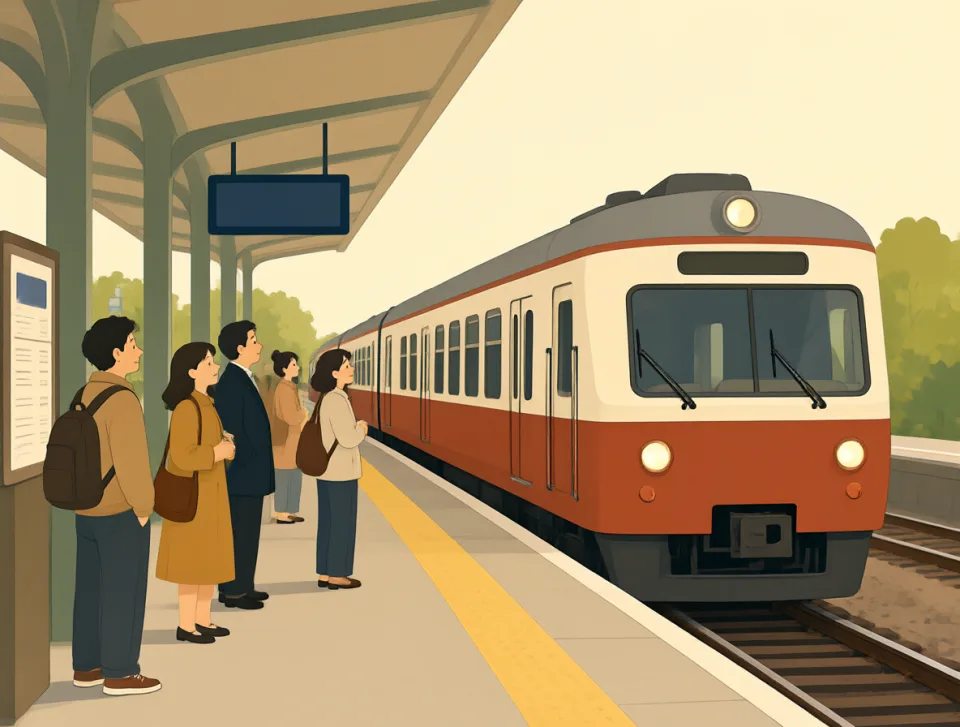
The train is approaching the station.
قطار دارد به ایستگاه نزدیک میشود.
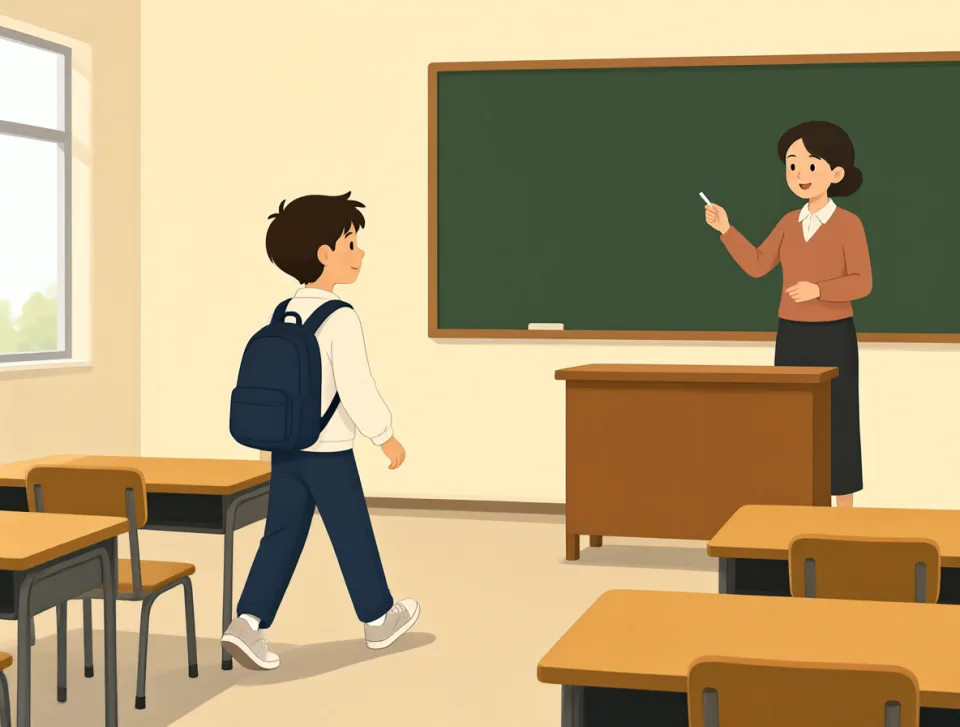
She approached the teacher after class.
او بعد از کلاس به معلم نزدیک شد.
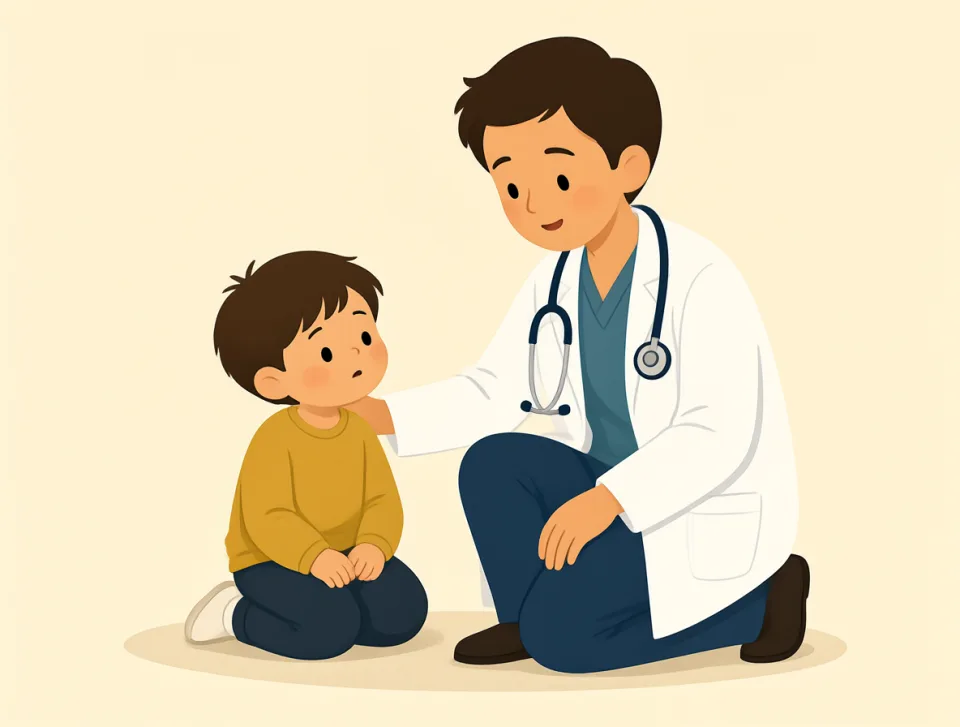
He used a gentle approach with the sick child.
او با کودک بیمار با ملایمت برخورد کرد.
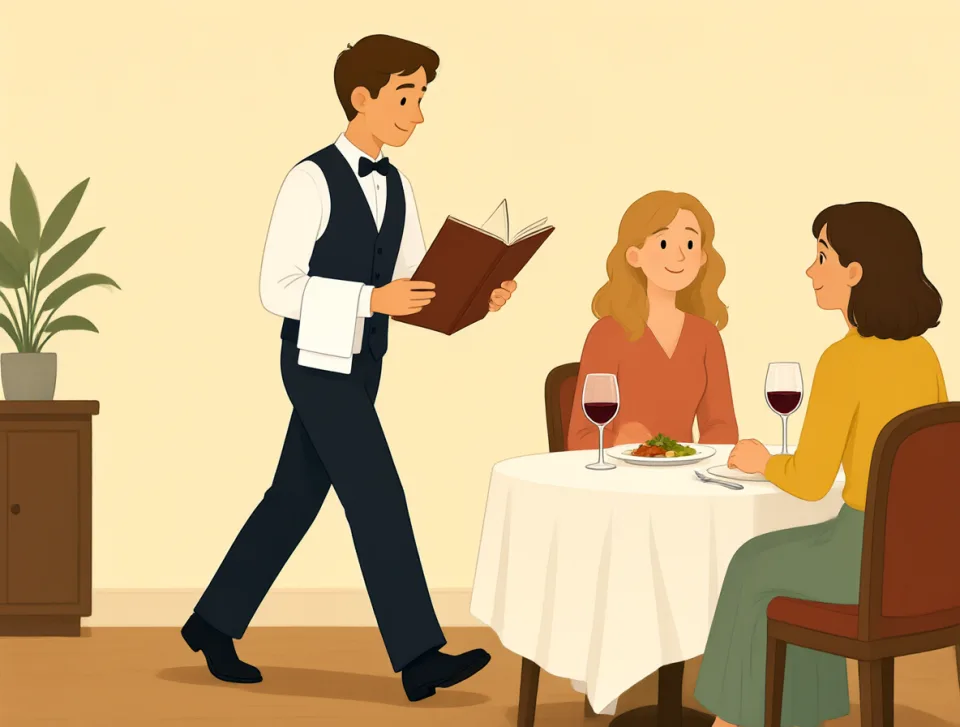
The waiter approached our table with menus.
گارسون با منوها به میز ما نزدیک شد.
teacher
#496noun
معلم
A person who helps students learn, usually at a school.
کسی که به دانشآموزان کمک میکند یاد بگیرند، معمولاً در مدرسه.
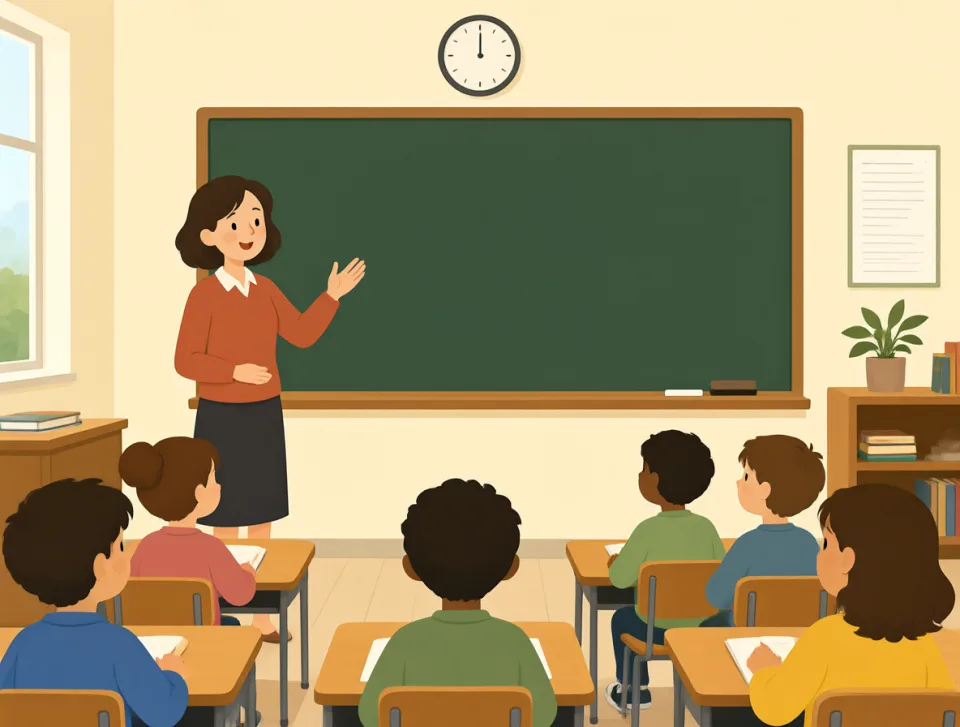
Our teacher explains the lesson clearly.
معلممان درس را بهروشنی توضیح میدهد.
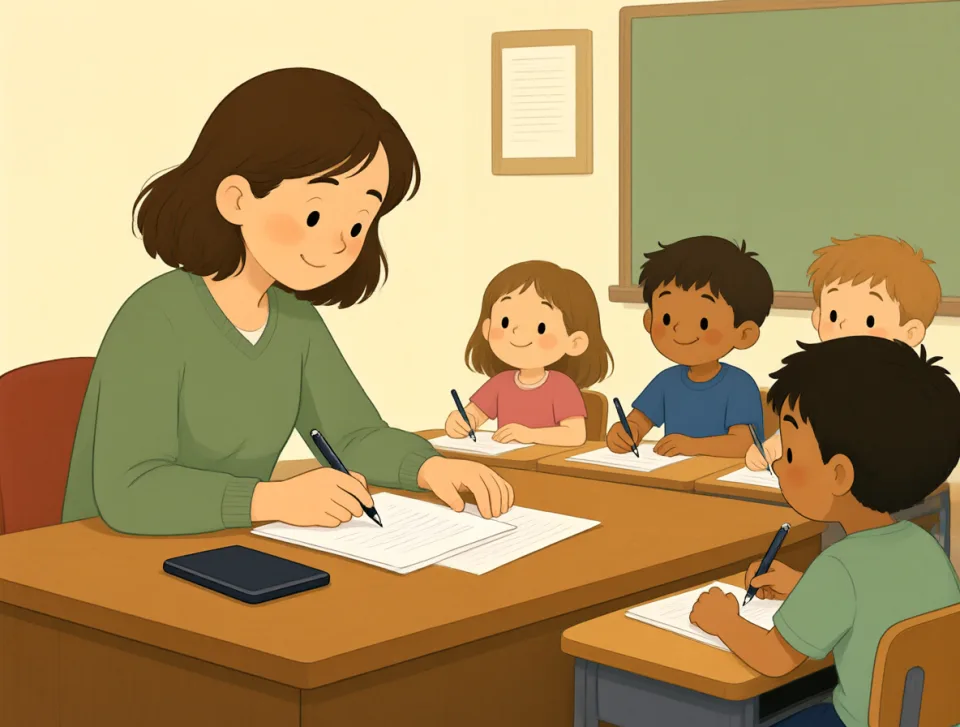
The teacher checked our homework yesterday.
معلم دیروز تکالیفمان را بررسی کرد.
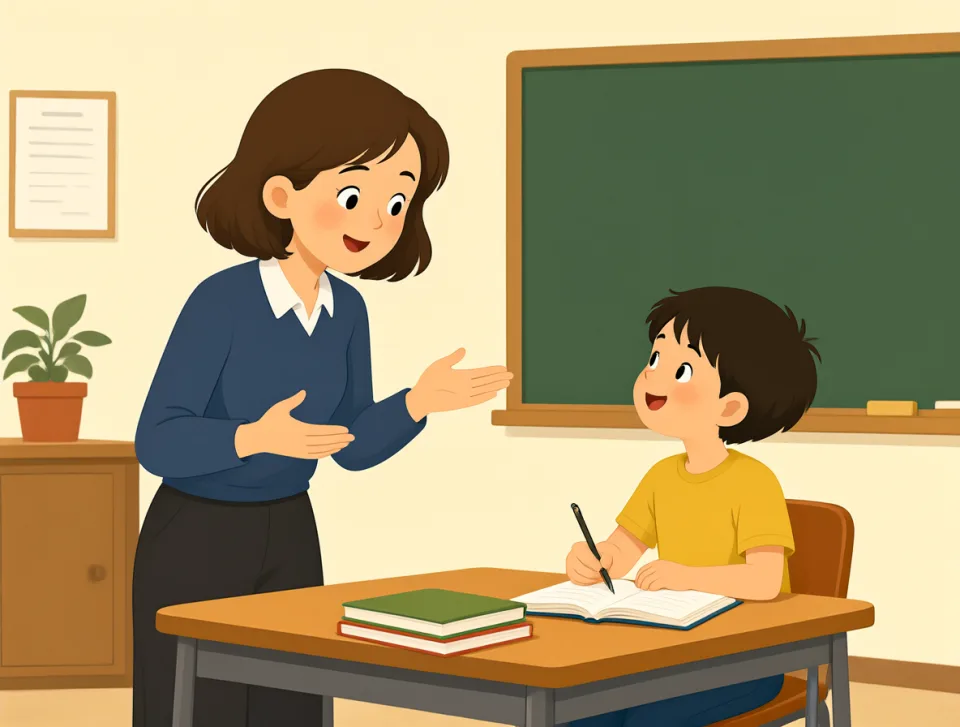
My English teacher gives us useful advice.
معلم انگلیسیام توصیههای مفیدی به ما میکند.

The teacher called my parents after school.
معلم بعد از مدرسه به پدر و مادرم زنگ زد.
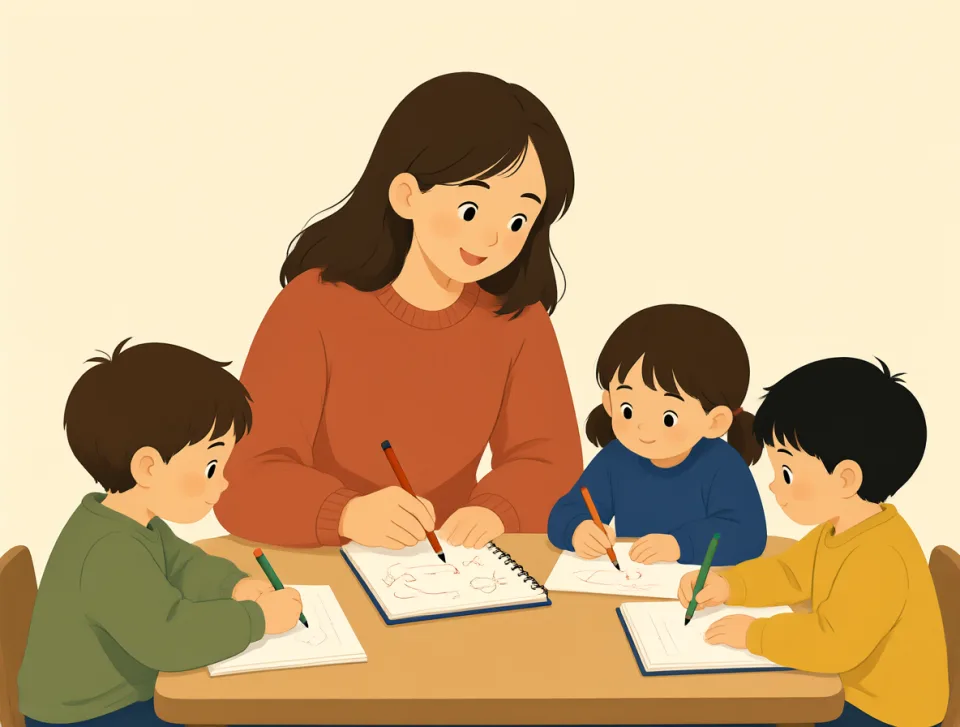
She wants to become a teacher someday.
او میخواهد روزی معلم شود.
land
#497noun, verb
زمین؛ فرود آمدن
The solid ground of the Earth, or to arrive somewhere after traveling.
سطح جامد زمین، یا رسیدن به جایی پس از سفر.
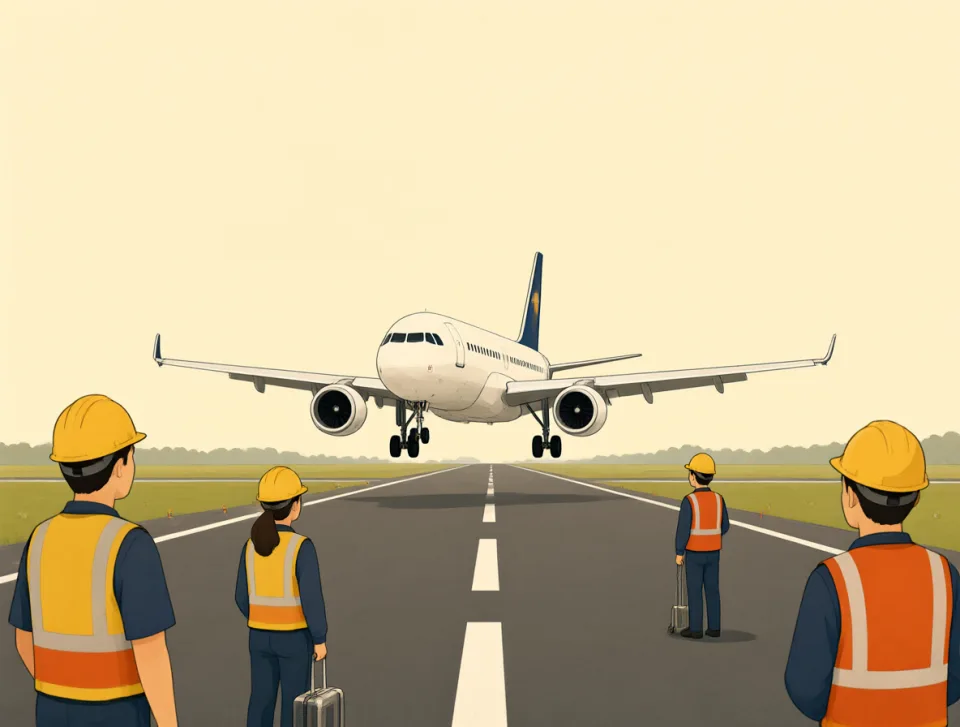
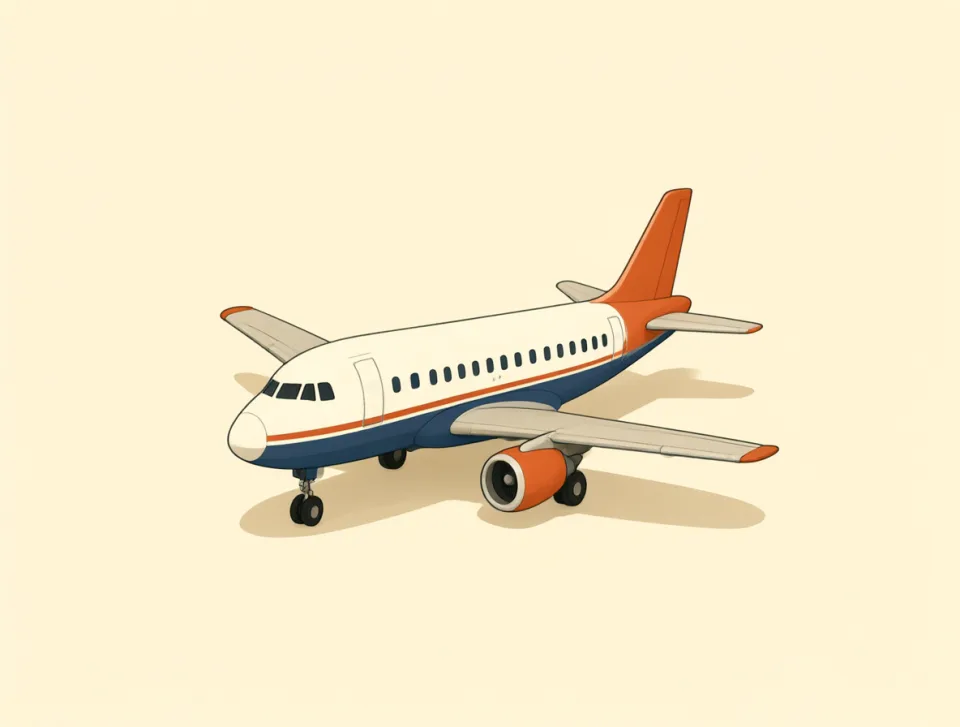
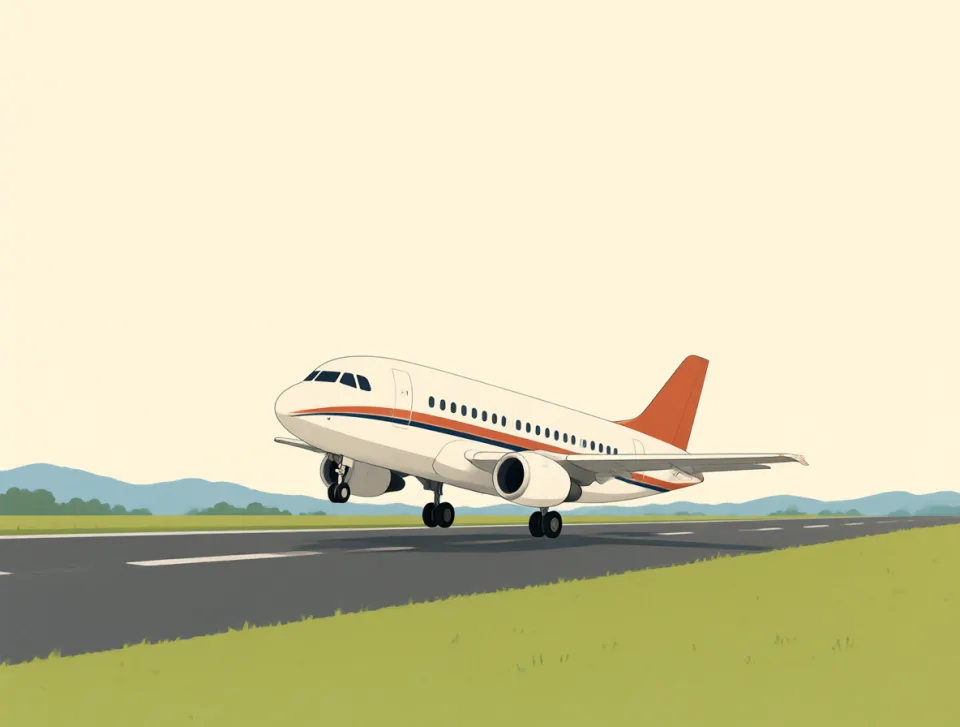
The plane landed safely at the airport.
هواپیما با خیال راحت در فرودگاه فرود آمد.
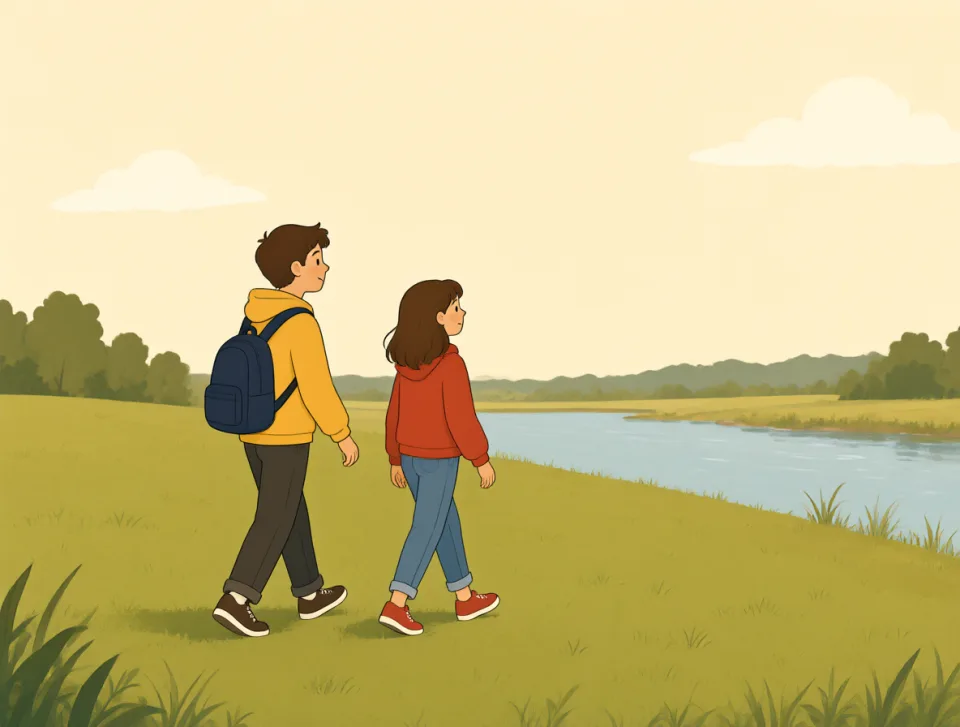
We walked across the land to the river.
از میان زمین تا رودخانه پیاده رفتیم.
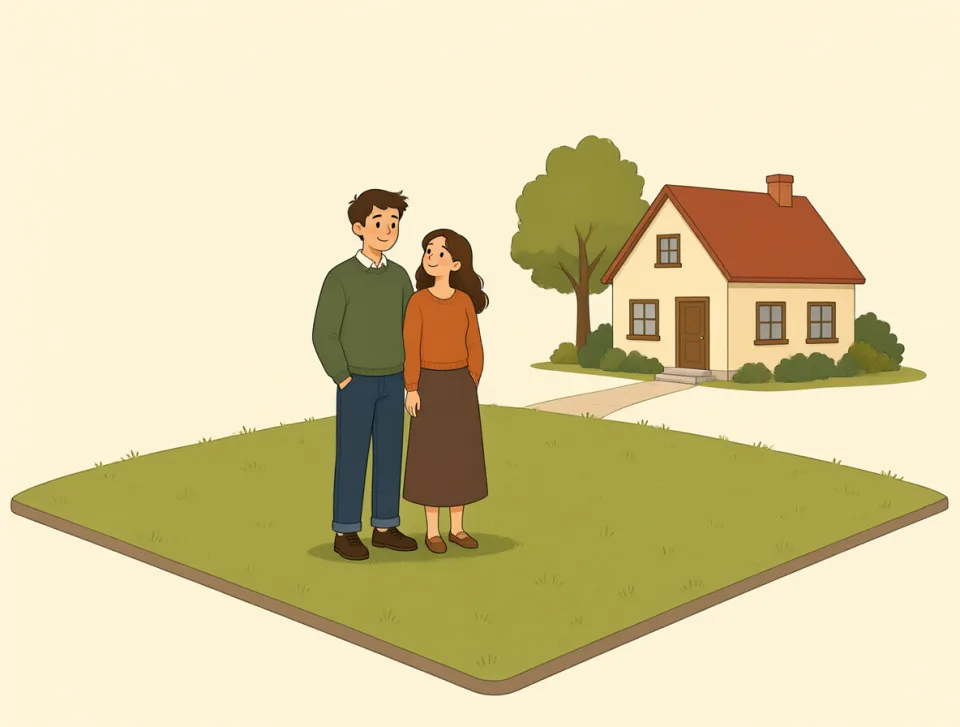
They bought land to build a house.
آنها زمینی خریدند تا خانهای بسازند.
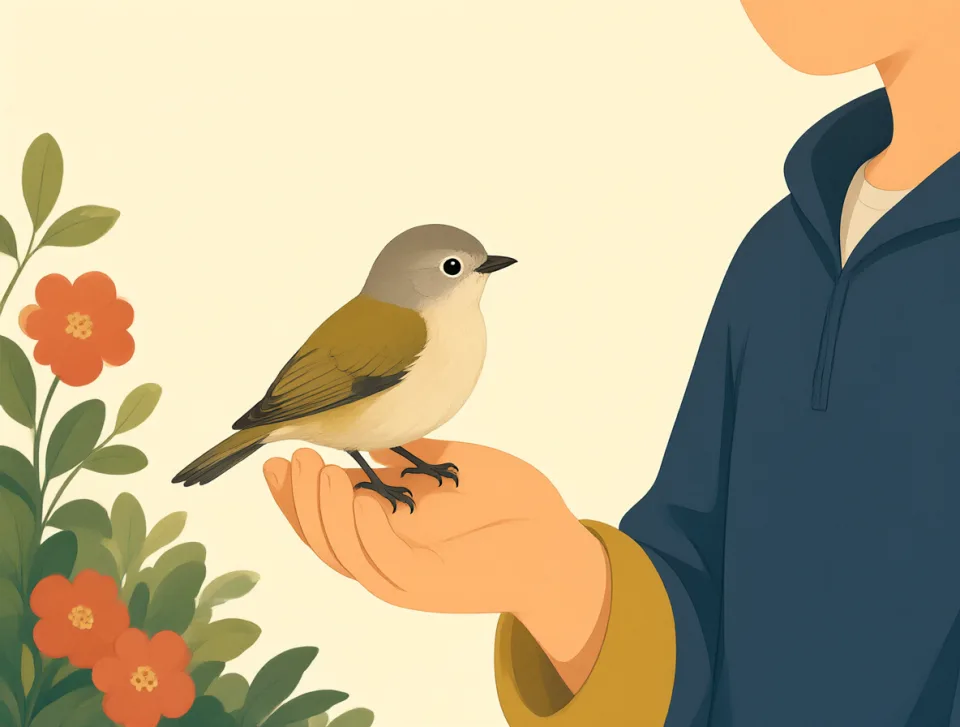
The bird landed on my hand.
پرنده روی دستم نشست.
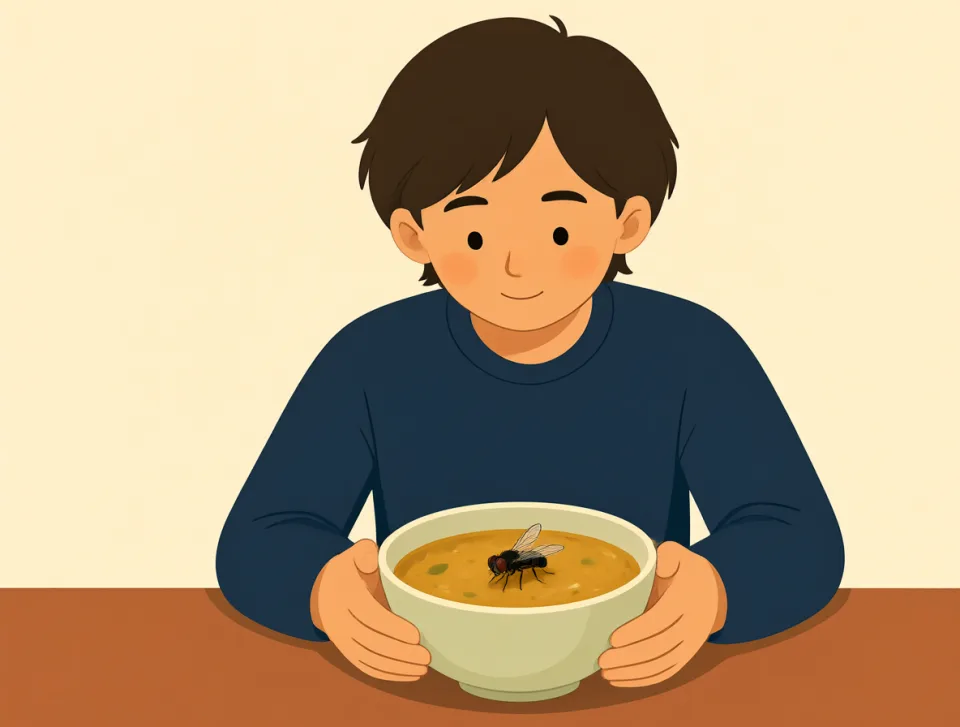
A fly landed in my soup.
یک مگس داخل سوپم افتاد.
charge
#498noun, verb
هزینه گرفتن؛ شارژ کردن؛ متهم کردن
To ask for money, fill a battery, or officially accuse someone of a crime.
پول گرفتن، باتری را شارژ کردن یا رسماً کسی را به جرمی متهم کردن.
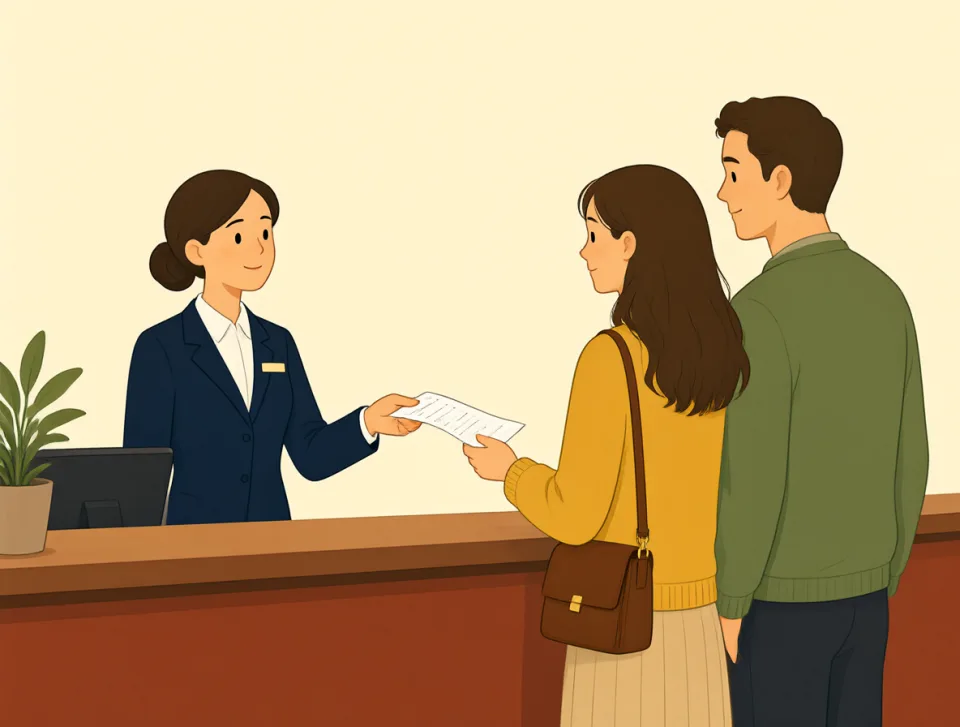
The hotel charged us for breakfast.
هتل بابت صبحانه از ما پول گرفت.
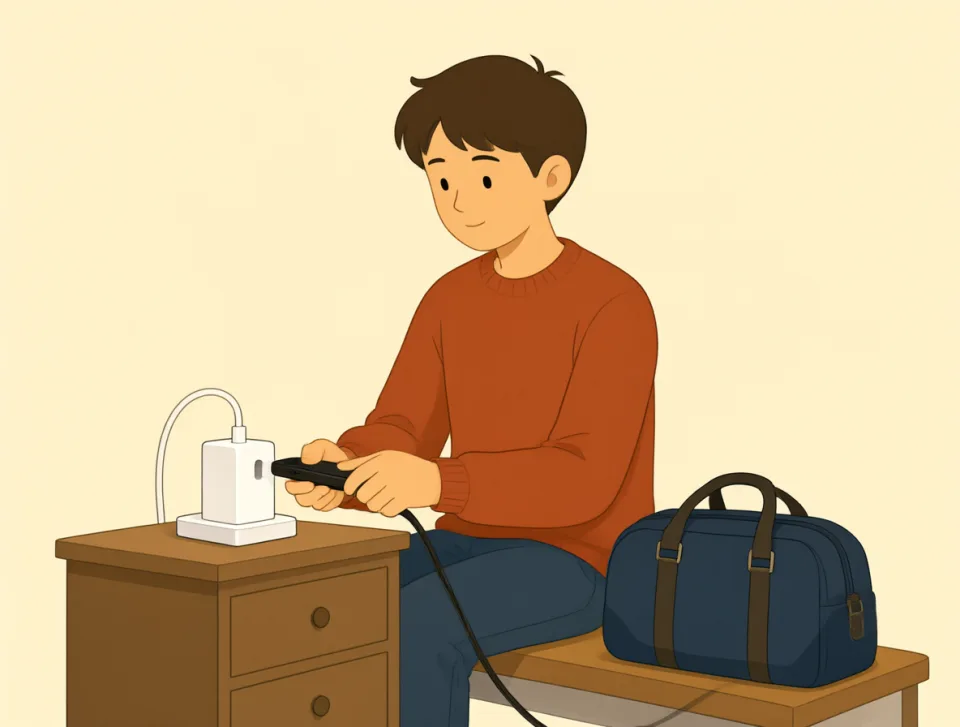
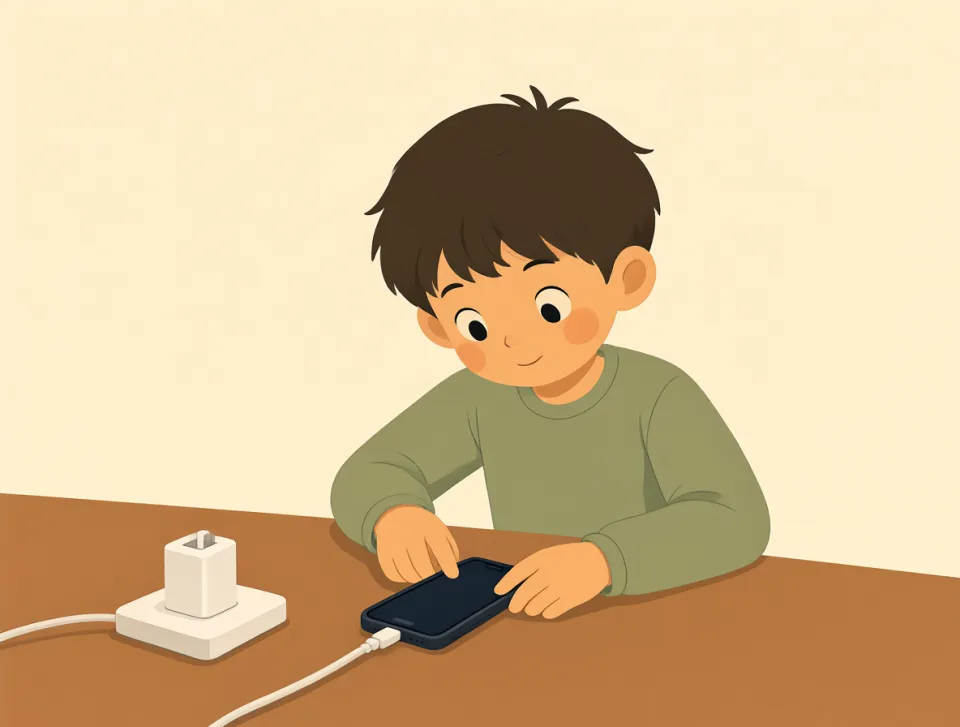
Please charge my phone before the trip.
لطفاً قبل از سفر گوشیام را شارژ کن.
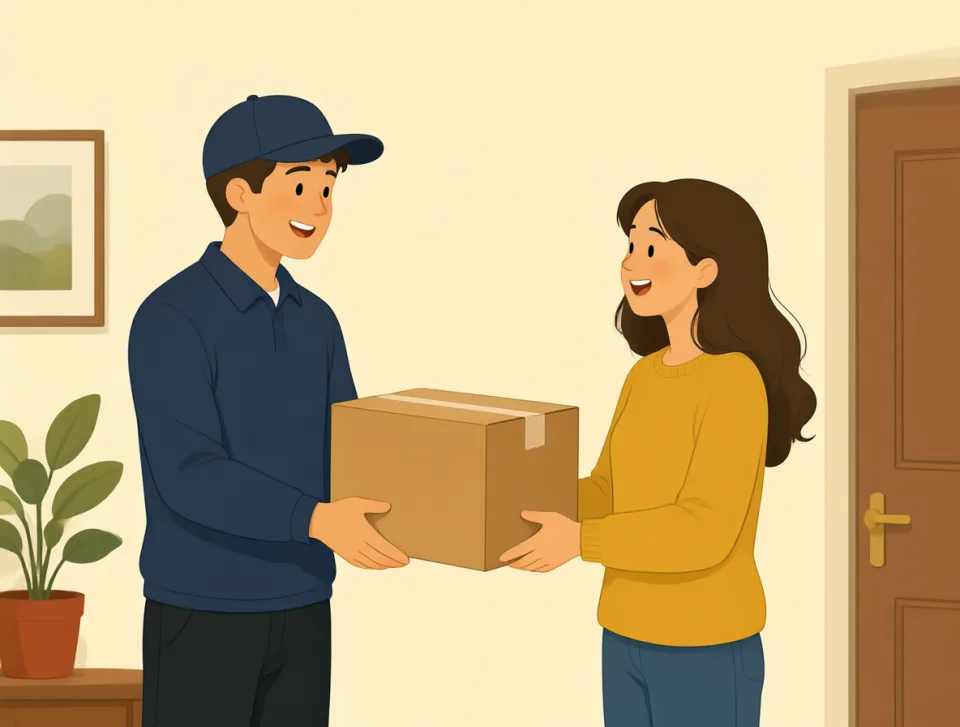
There is no extra charge for delivery.
برای تحویل، هزینهٔ اضافیای دریافت نمیشود.
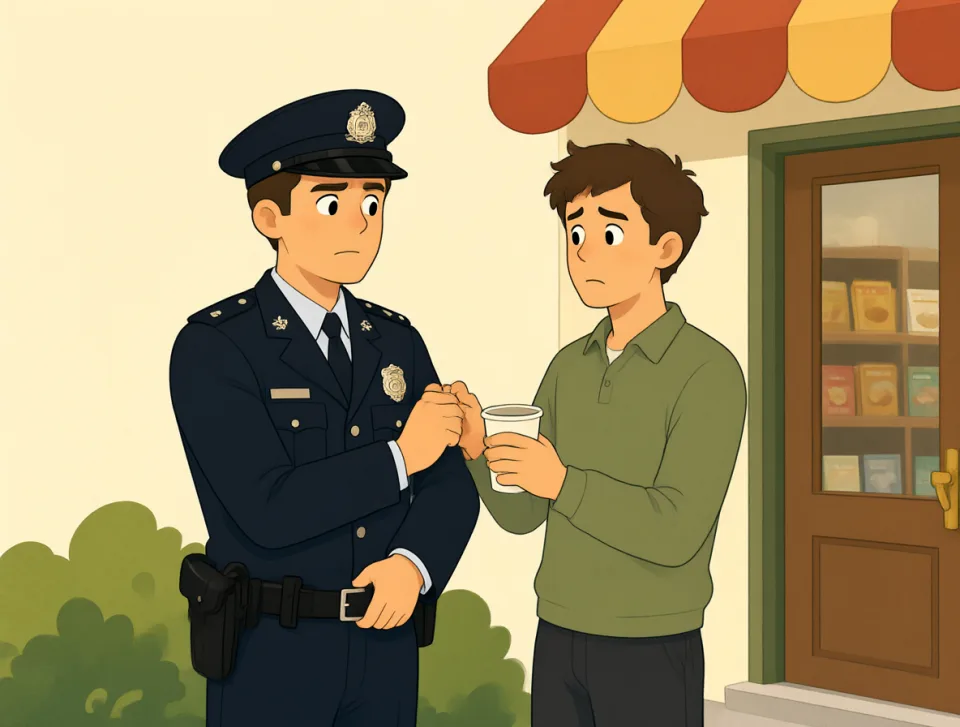
The police charged him with stealing money.
پلیس او را به دزدیدن پول متهم کرد.
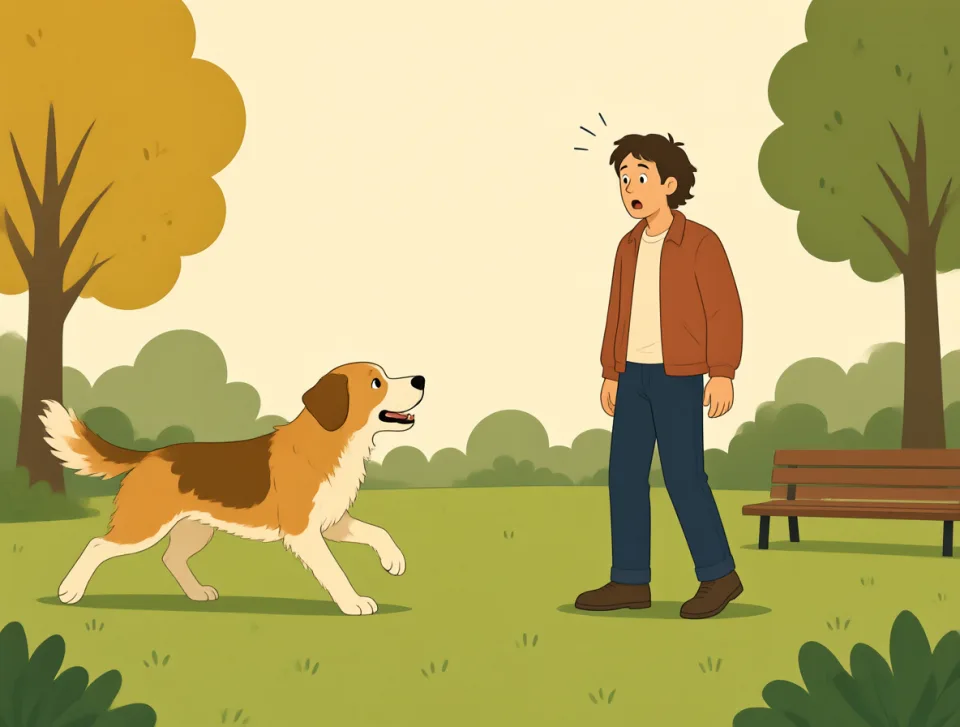
The dog charged at the stranger.
سگ بهطرف غریبه حملهور شد.
finally
#499adverb
سرانجام
at the end of a long wait or after everything else has happened
در پایانِ انتظاری طولانی یا پس از رخ دادن همهچیز.
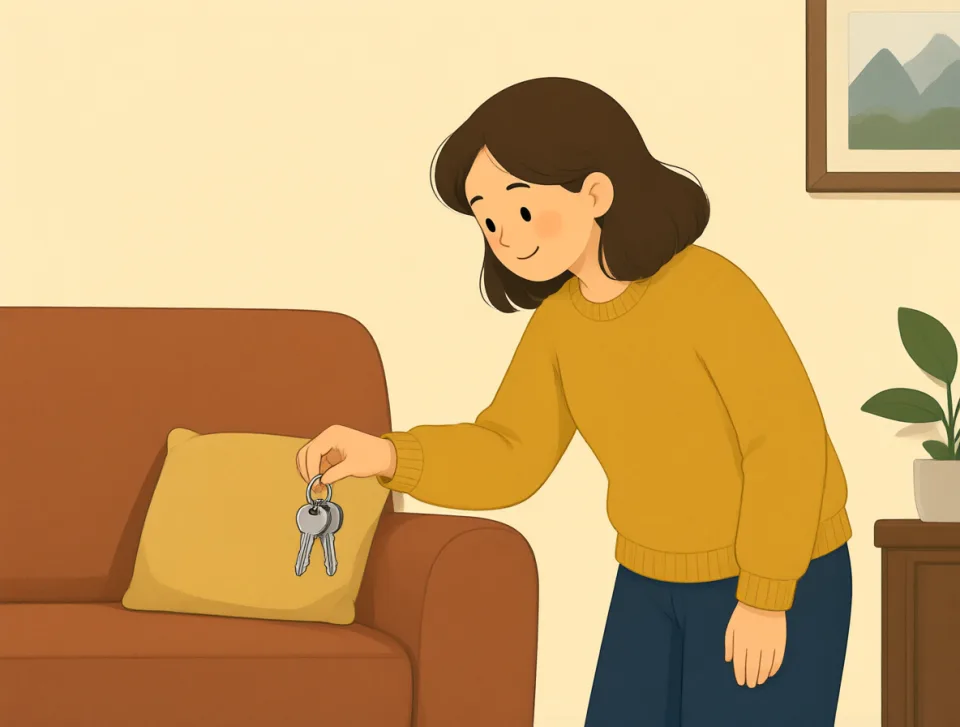
She finally found her lost keys.
او سرانجام کلیدهای گمشدهاش را پیدا کرد.
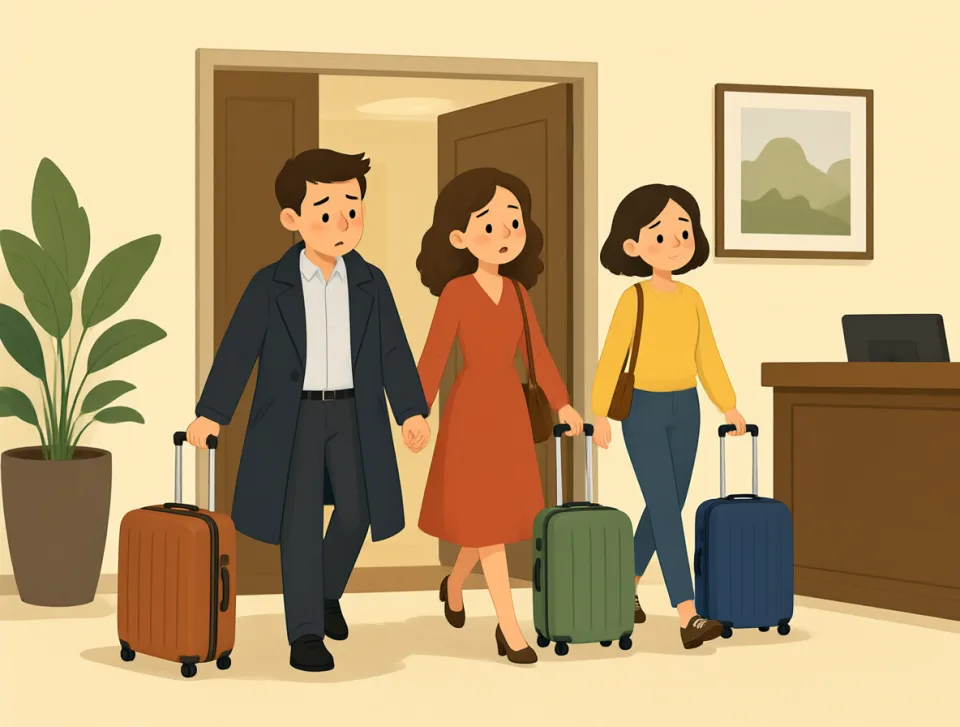
We finally arrived at the hotel.
ما سرانجام به هتل رسیدیم.
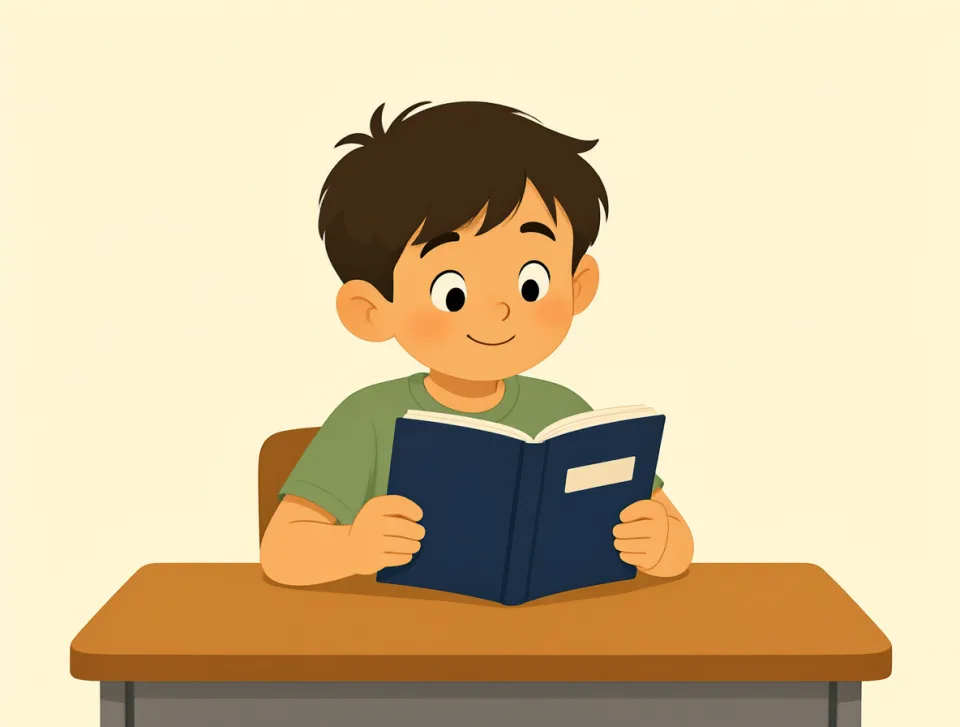
He finally finished his homework.
او سرانجام تکالیفش را تمام کرد.
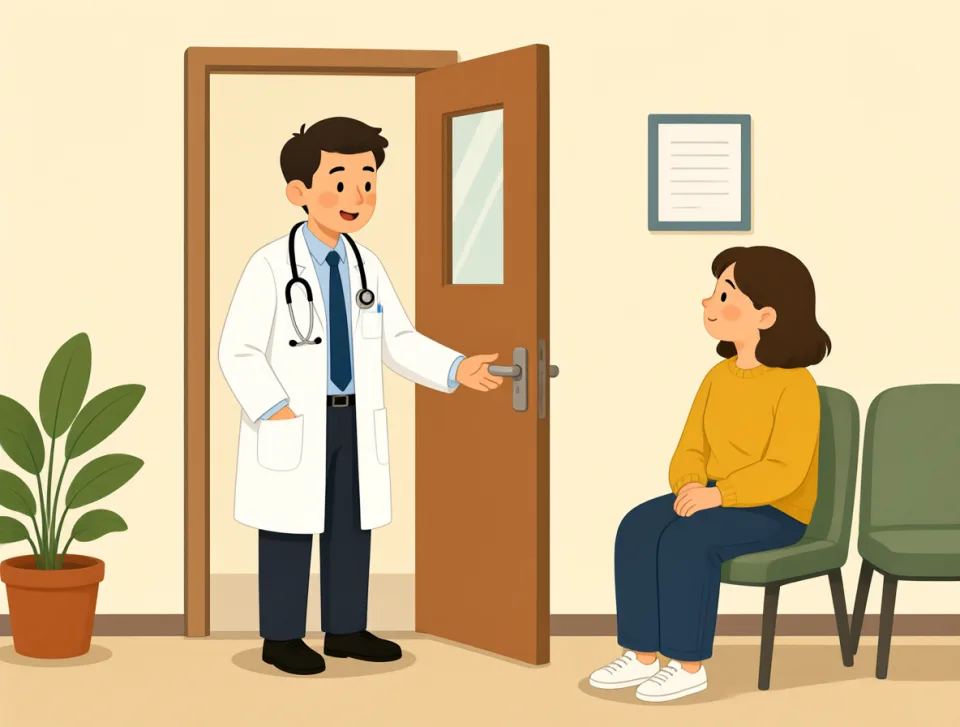
The doctor finally called my name.
دکتر سرانجام اسمم را صدا زد.

They finally agreed to meet tomorrow.
آنها سرانجام قبول کردند فردا همدیگر را ببینند.
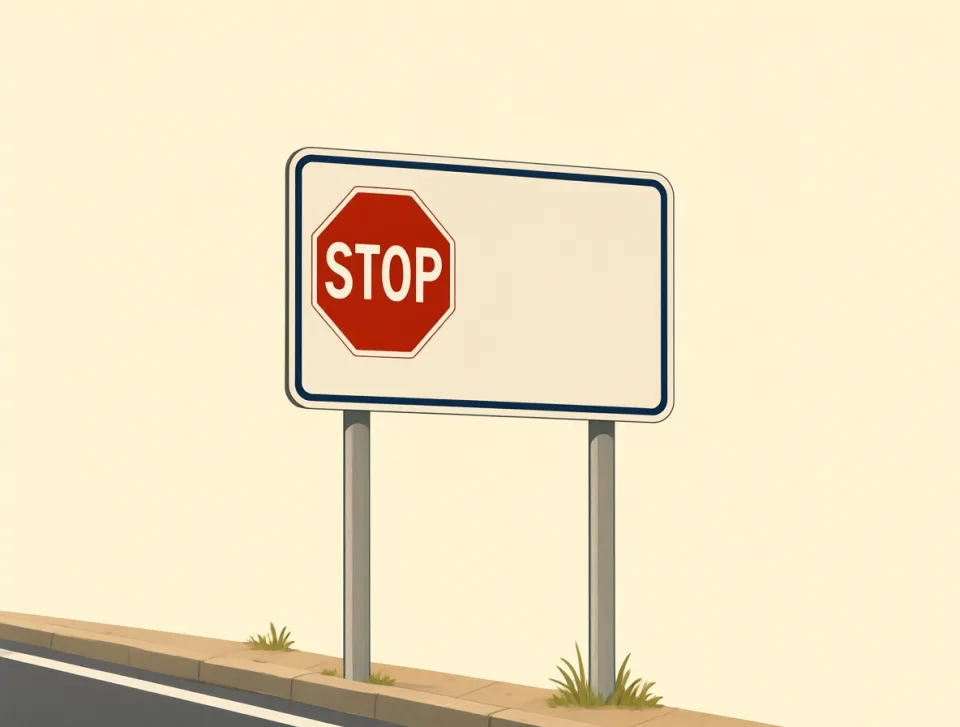
sign
#500noun, verb
علامت؛ امضا کردن
A mark or action that gives information, or to write your name on something.
نشانه یا کاری که اطلاعاتی میدهد، یا نوشتن نام خود روی چیزی.
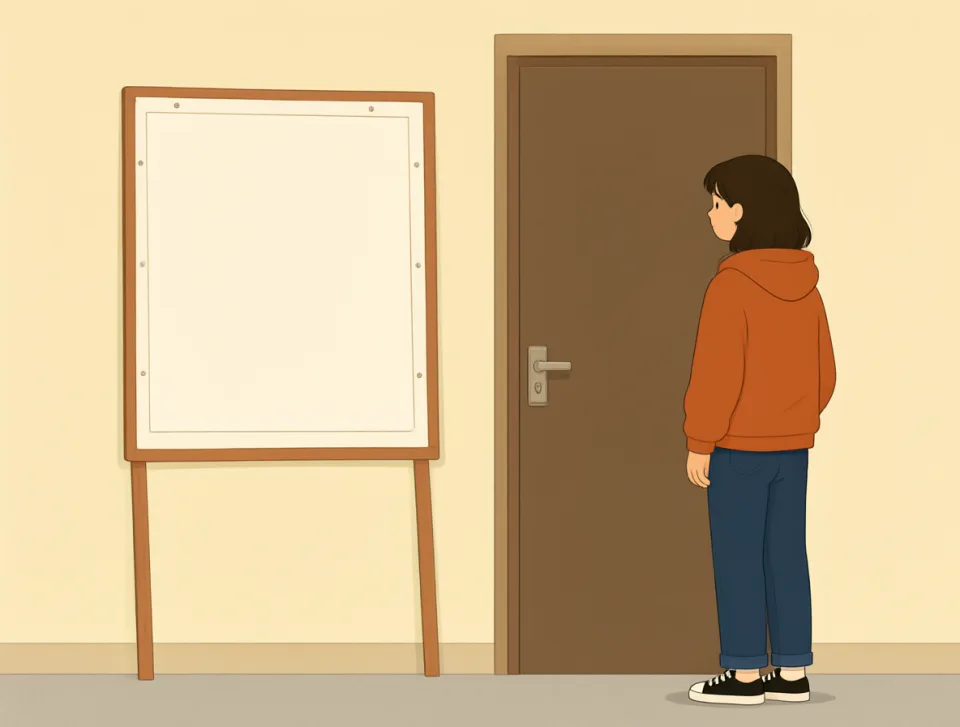
The sign says, “Keep the door closed.”
روی تابلو نوشته: «در را بسته نگه دارید.»
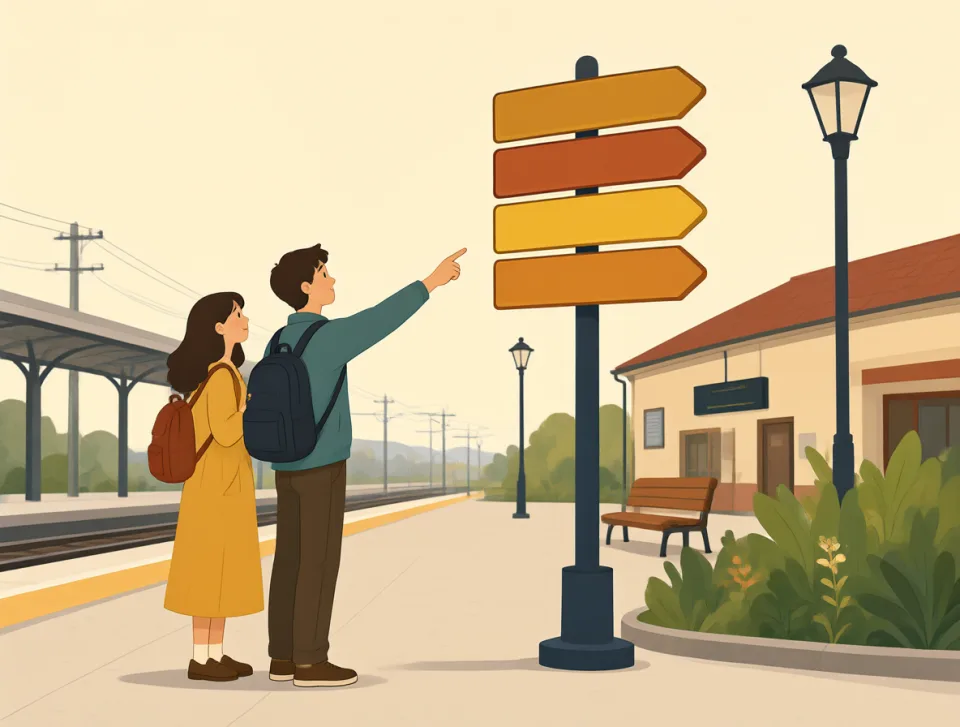
We saw a sign for the train station.
تابلویی برای ایستگاه قطار دیدیم.
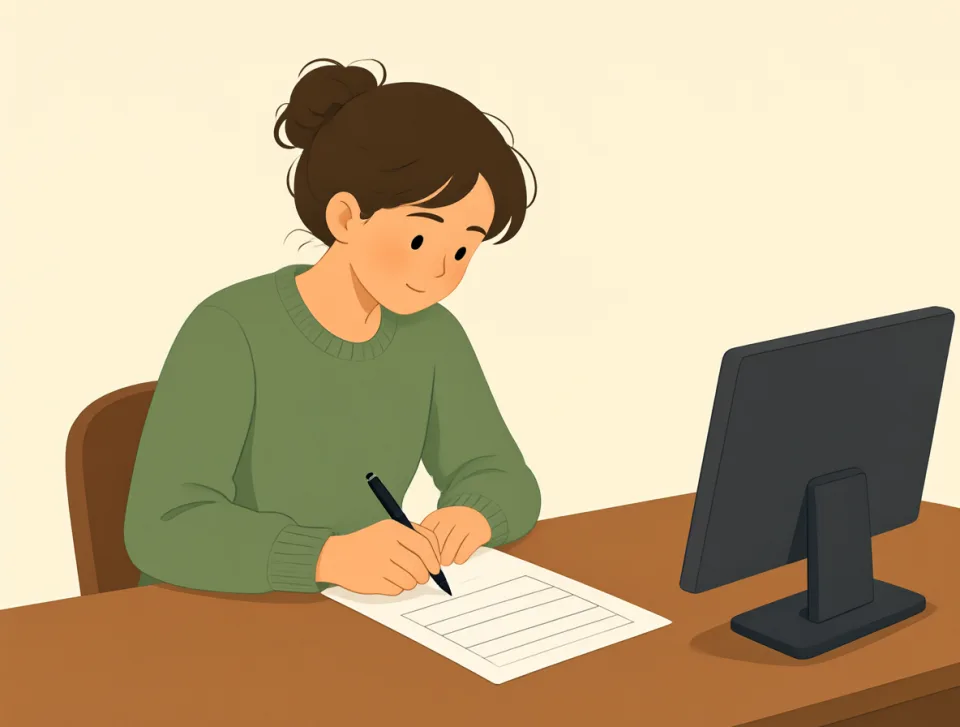
Please sign your name at the bottom.
لطفاً پایین صفحه نامتان را امضا کنید.

She signed a contract at work.
او در محل کار قراردادی را امضا کرد.
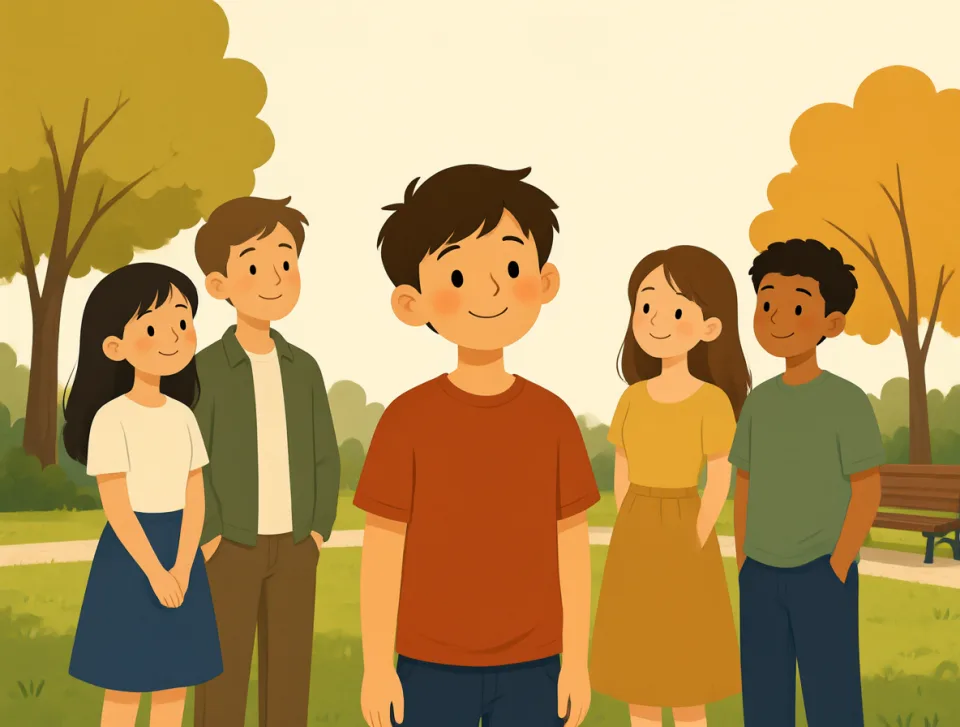
His smile was a sign of happiness.
لبخند او نشانهای از خوشحالی بود.