بخش 14
واژههای 261 تا 280 · learn, level, person, experience, once, member
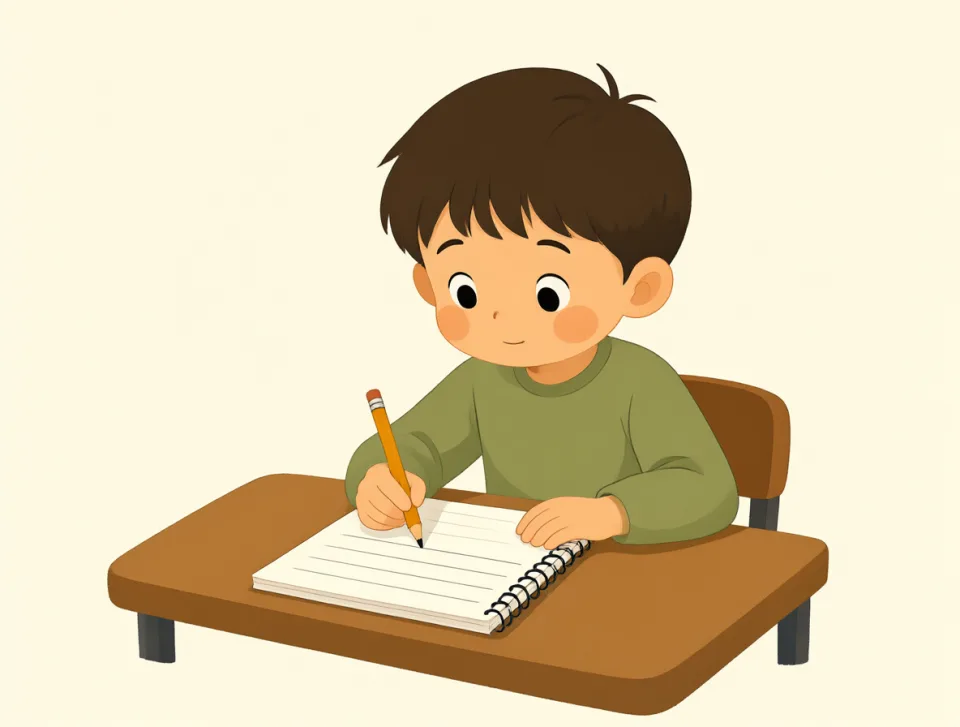
learn
#261verb
یاد گرفتن
to get knowledge or a skill by studying, practicing, or experiencing something
با مطالعه، تمرین یا تجربهٔ چیزی، دانش یا مهارتی به دست آوردن
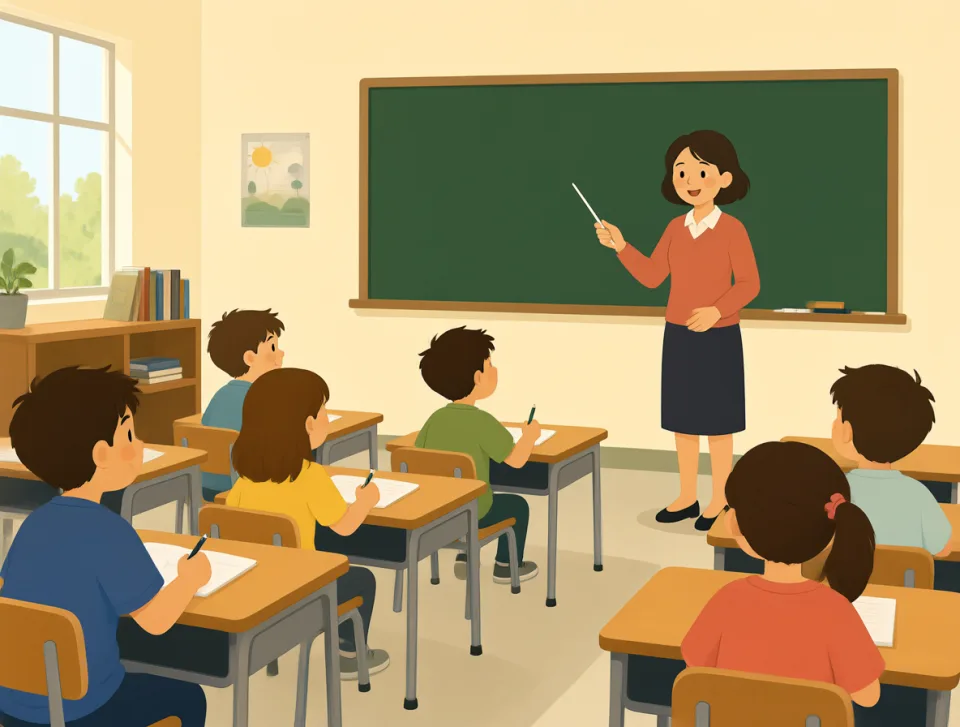
Children learn new things at school.
بچهها در مدرسه چیزهای تازه یاد میگیرند.
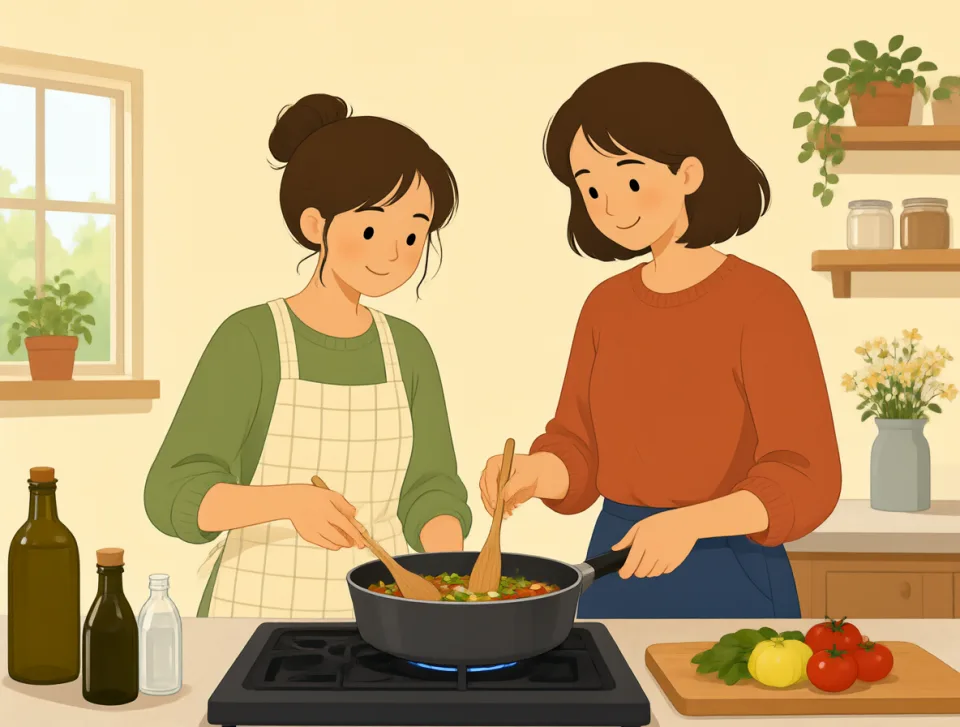
I learned to cook from my mother.
آشپزی را از مادرم یاد گرفتم.
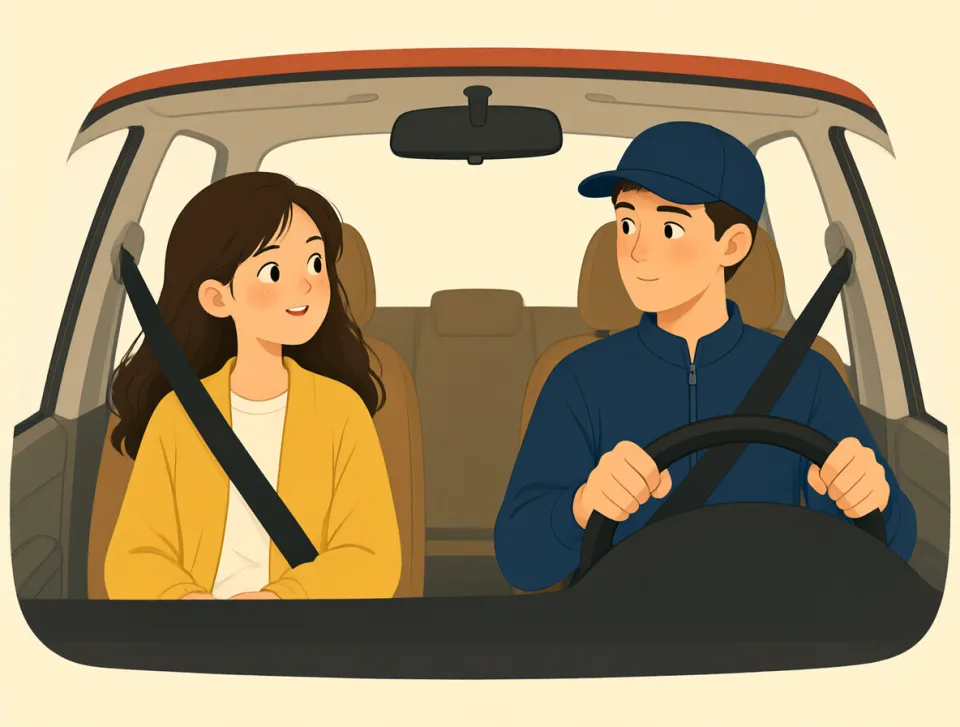
She is learning how to drive.
او دارد رانندگی یاد میگیرد.
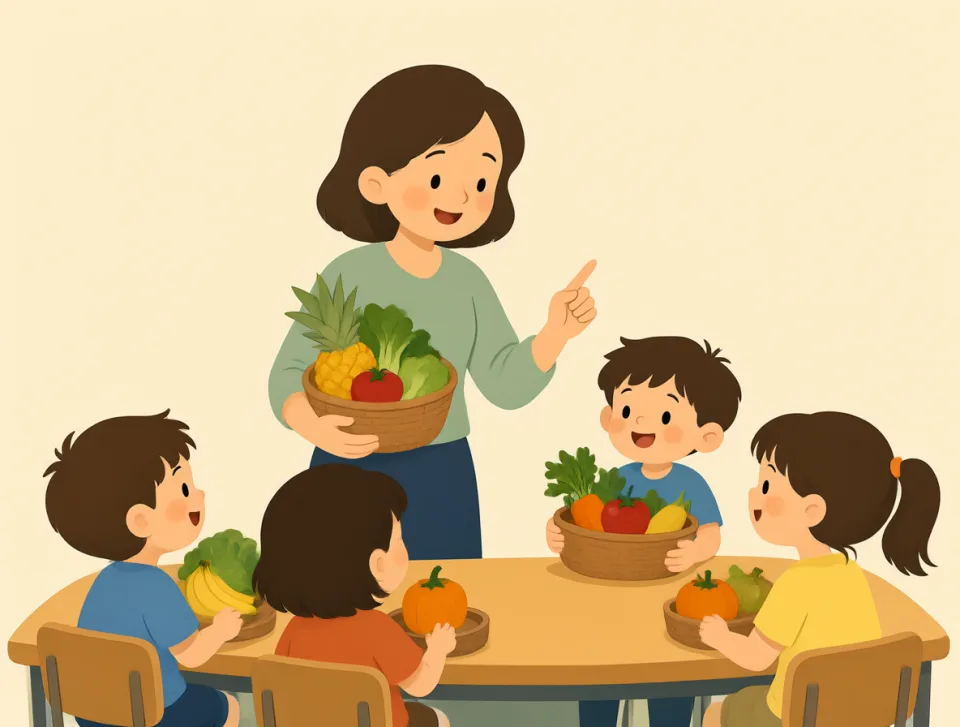
We learned about healthy food today.
امروز دربارهٔ غذای سالم چیزهایی یاد گرفتیم.
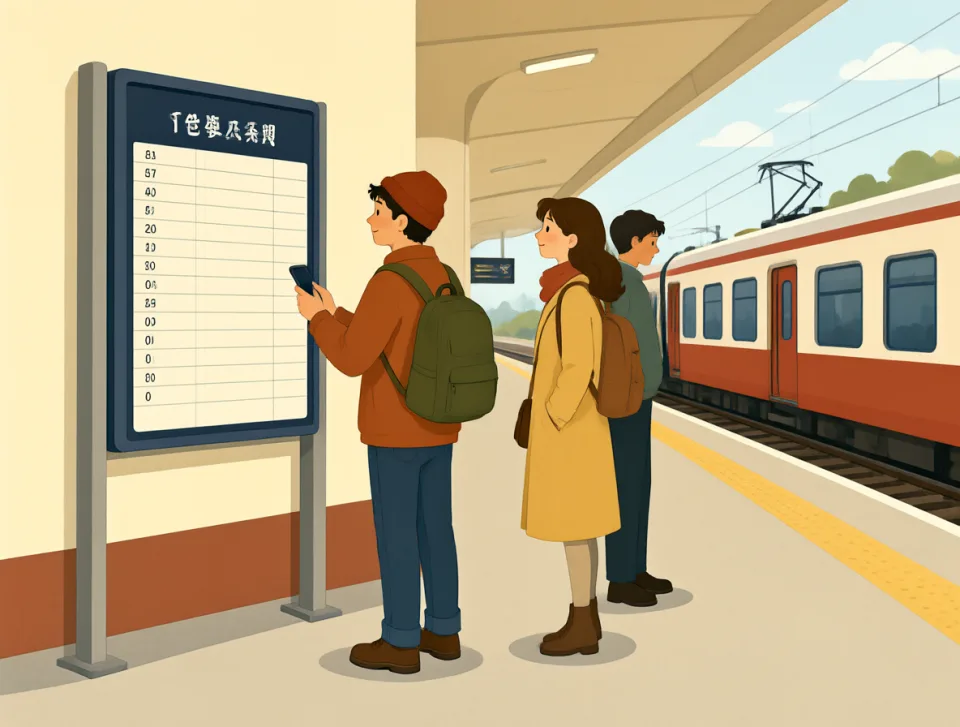
He learned the train was late.
او فهمید که قطار تأخیر دارد.

level
#262noun, verb, adjective
سطح
A position or amount that is higher, lower, or equal to another.
موقعیت یا مقداری که در مقایسه با موردی دیگر بالاتر، پایینتر یا برابر است.
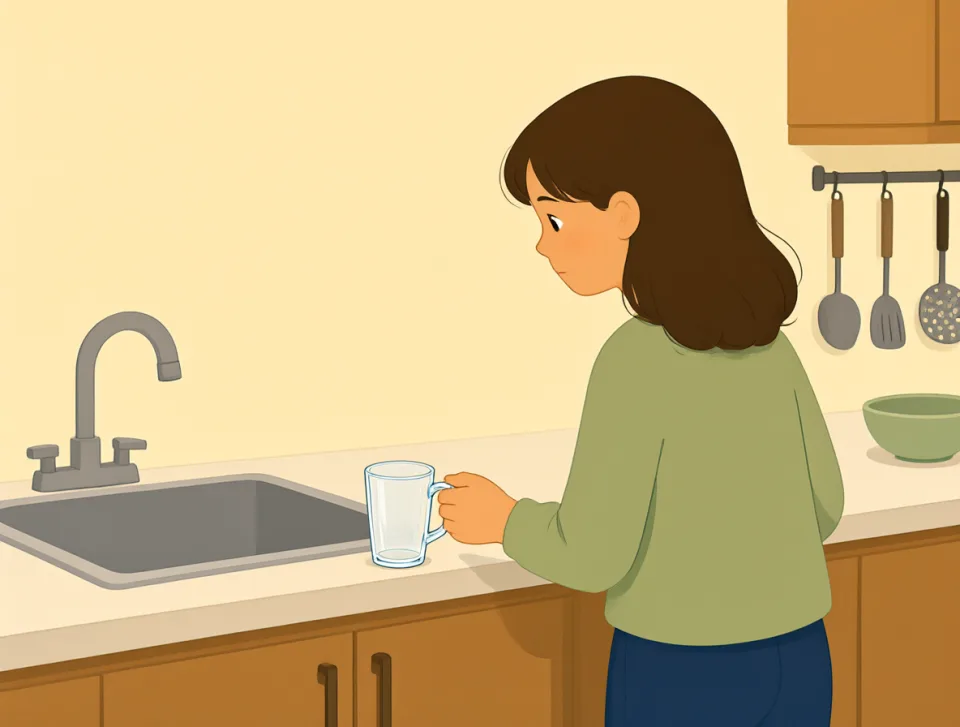
The water level is too low.
سطح آب خیلی پایین است.
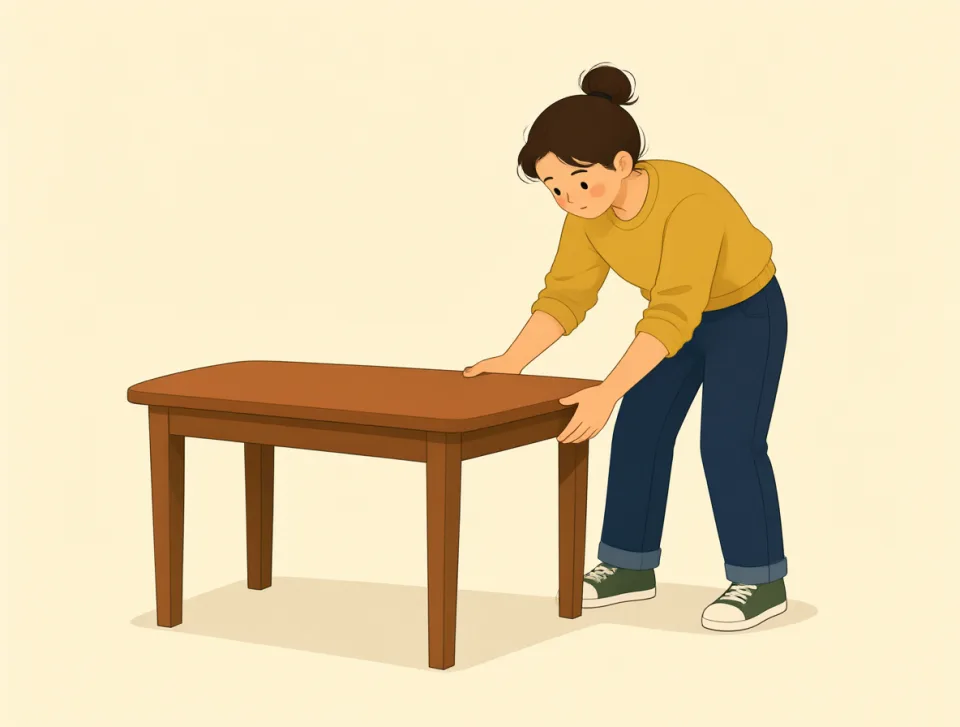
Please level the table before dinner.
لطفاً پیش از شام میز را تراز کنید.
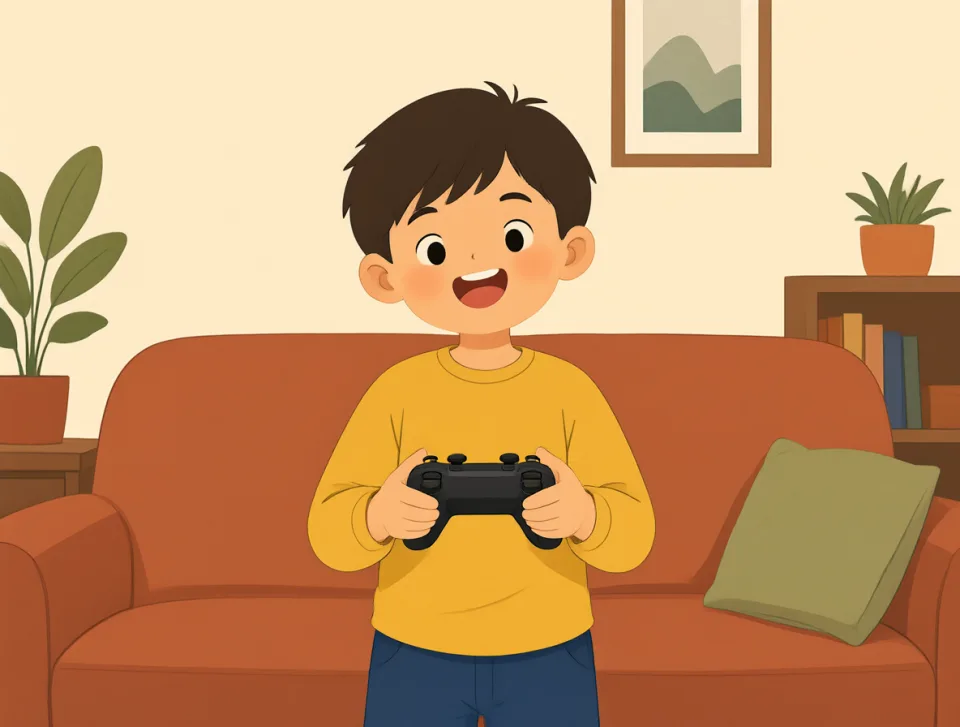
She reached the next level in the game.
او در بازی به مرحلهٔ بعدی رسید.

The noise level was high at work.
میزان سروصدا در محل کار بالا بود.
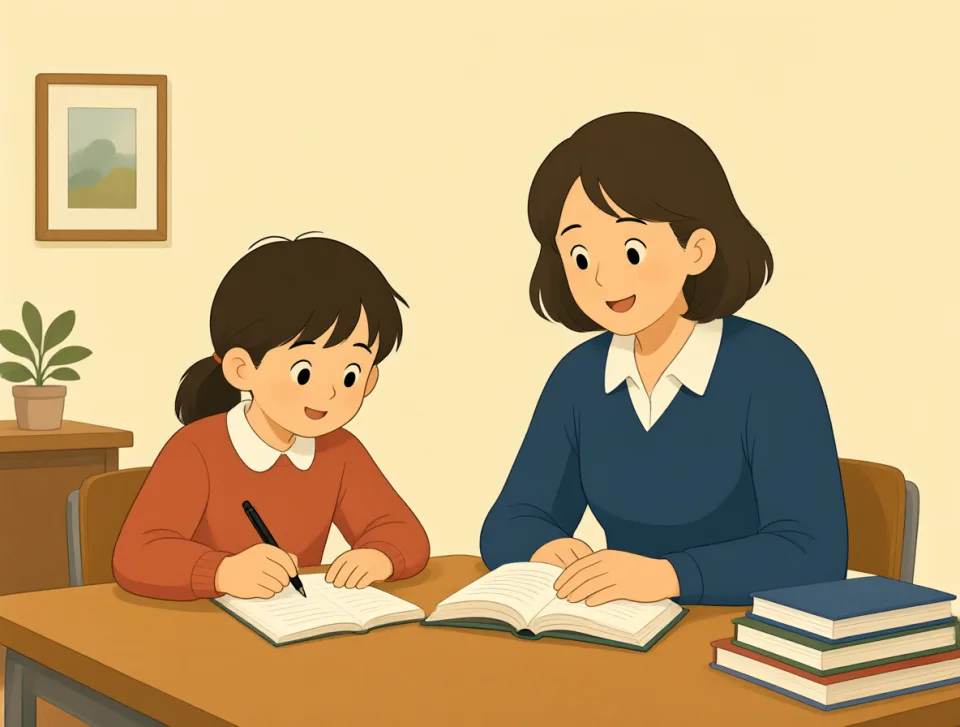
He is at an advanced level in English.
او در زبان انگلیسی در سطح پیشرفتهای است.
person
#263noun
شخص
A human being, especially one considered as an individual.
یک انسان، بهویژه وقتی بهعنوان فردی مستقل در نظر گرفته میشود.
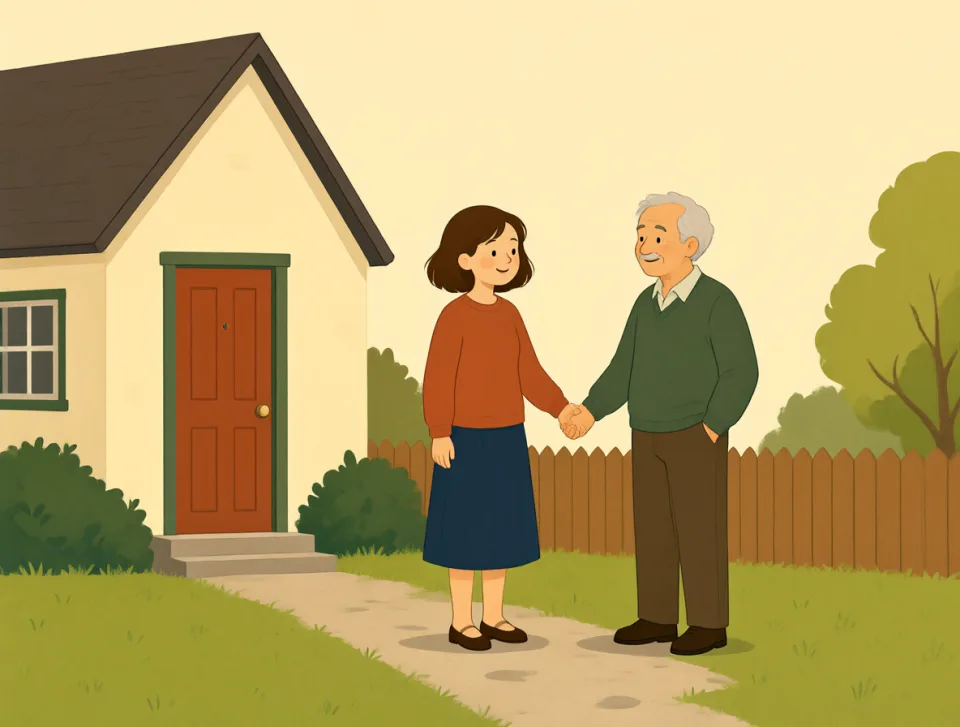
That person is my new neighbor.
آن شخص همسایهٔ جدید من است.
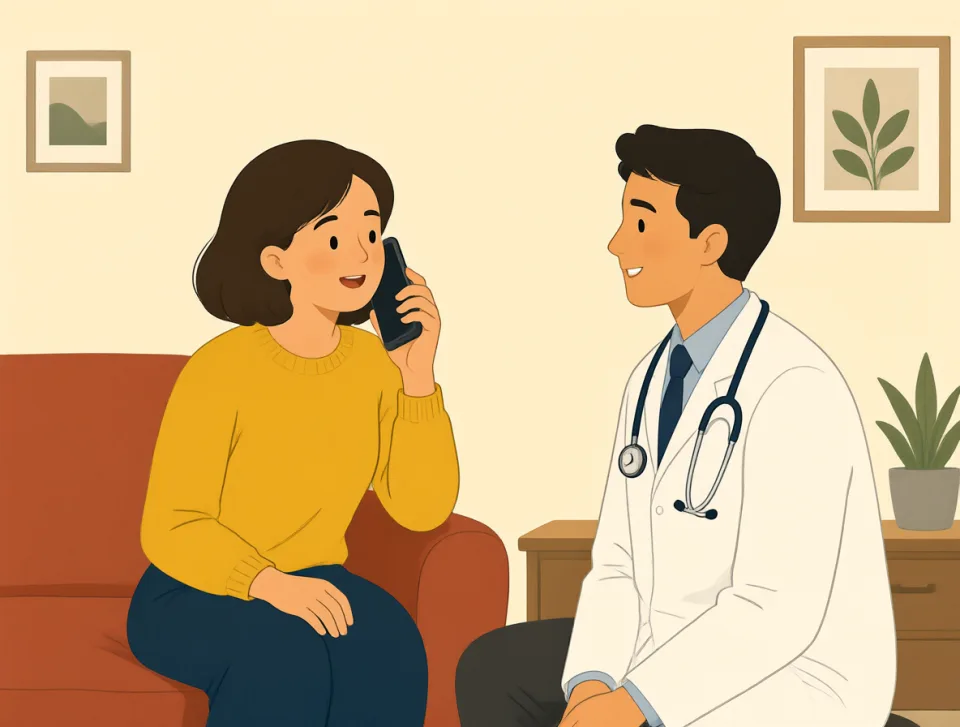
One person called the doctor for help.
یک نفر برای کمک با پزشک تماس گرفت.

She is the right person for this job.
او فرد مناسبی برای این شغل است.
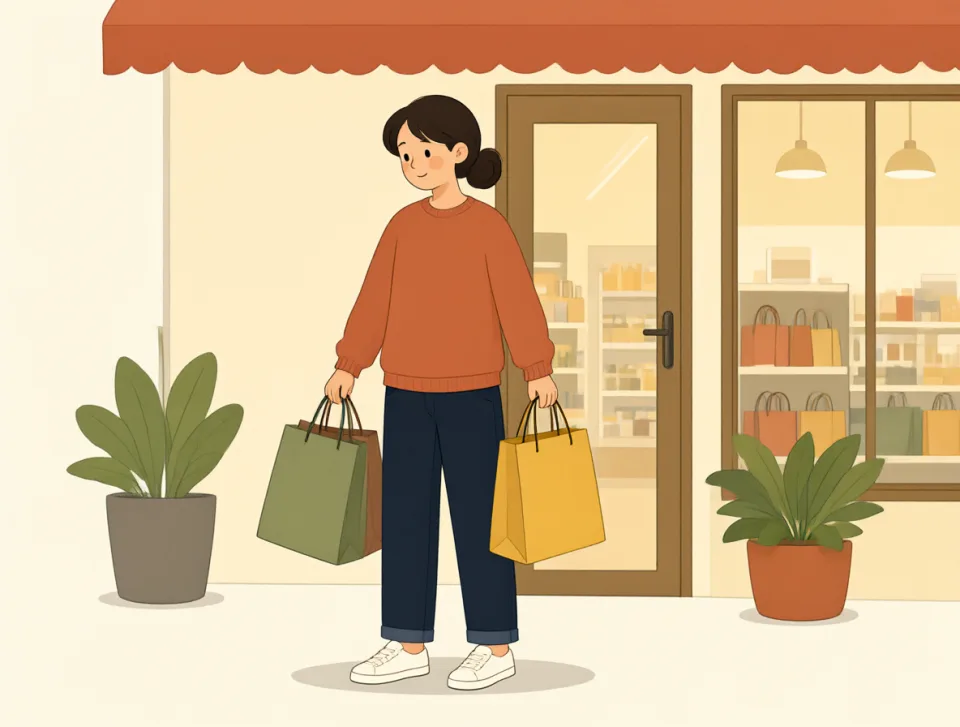
A kind person helped me carry my bags.
یک آدم مهربان کمکم کرد کیفهایم را حمل کنم.
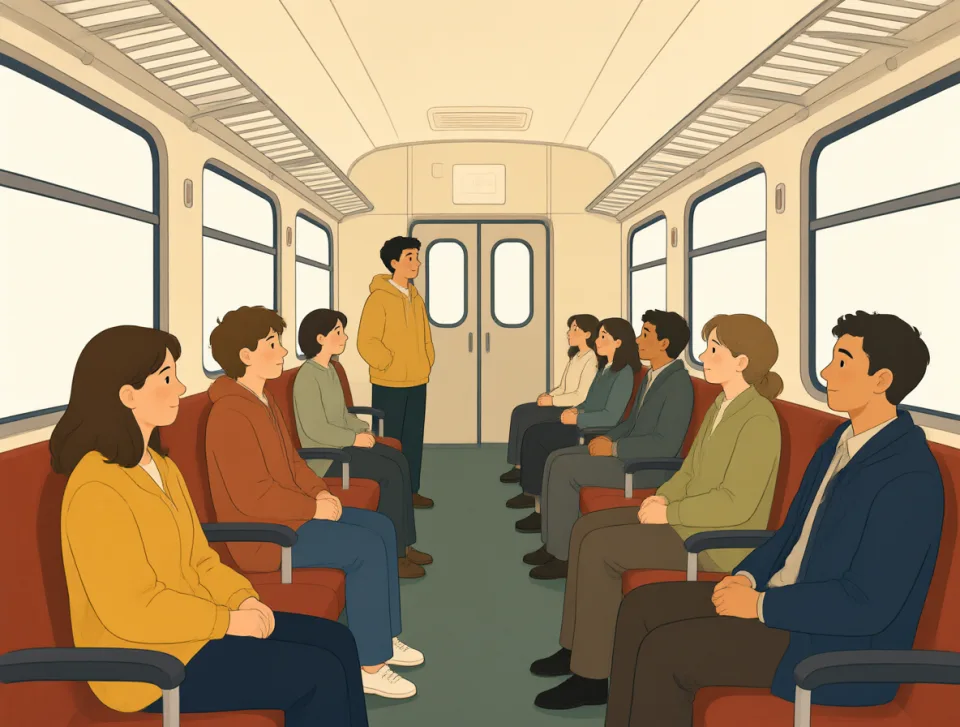
There were many people on the train.
افراد زیادی در قطار بودند.

experience
#264noun, verb
تجربه
Knowledge or skill gained by doing something; to have something happen to you.
دانش یا مهارتی که از انجام کاری به دست میآید؛ یا رخ دادن چیزی برای شما.
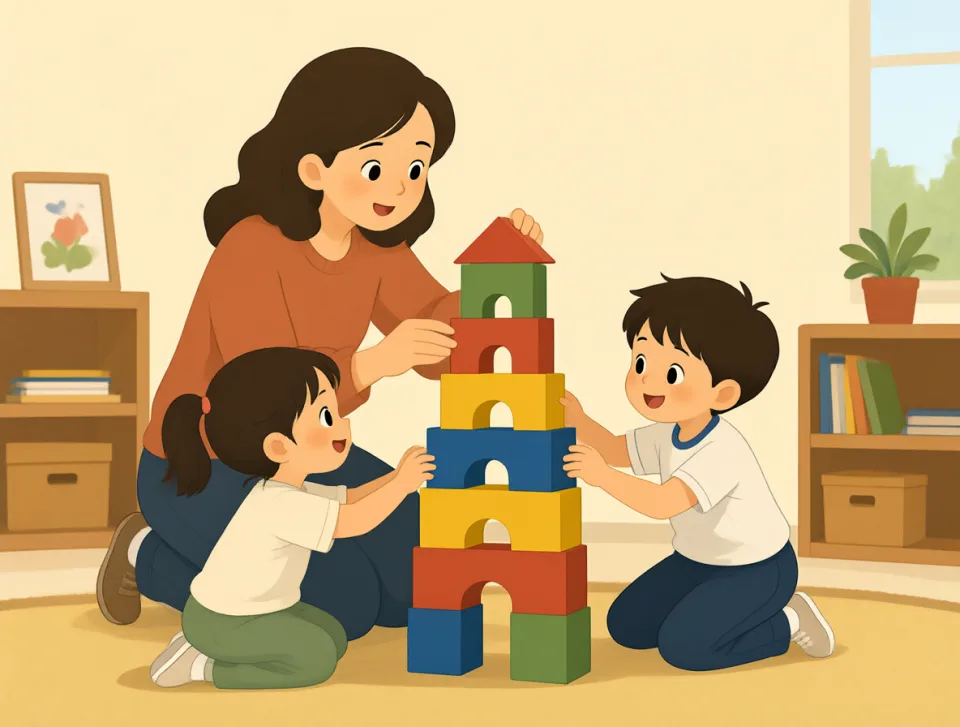
She has experience working with young children.
او در کار با کودکان خردسال تجربه دارد.

This trip was a wonderful experience for us.
این سفر برای ما تجربهای فوقالعاده بود.
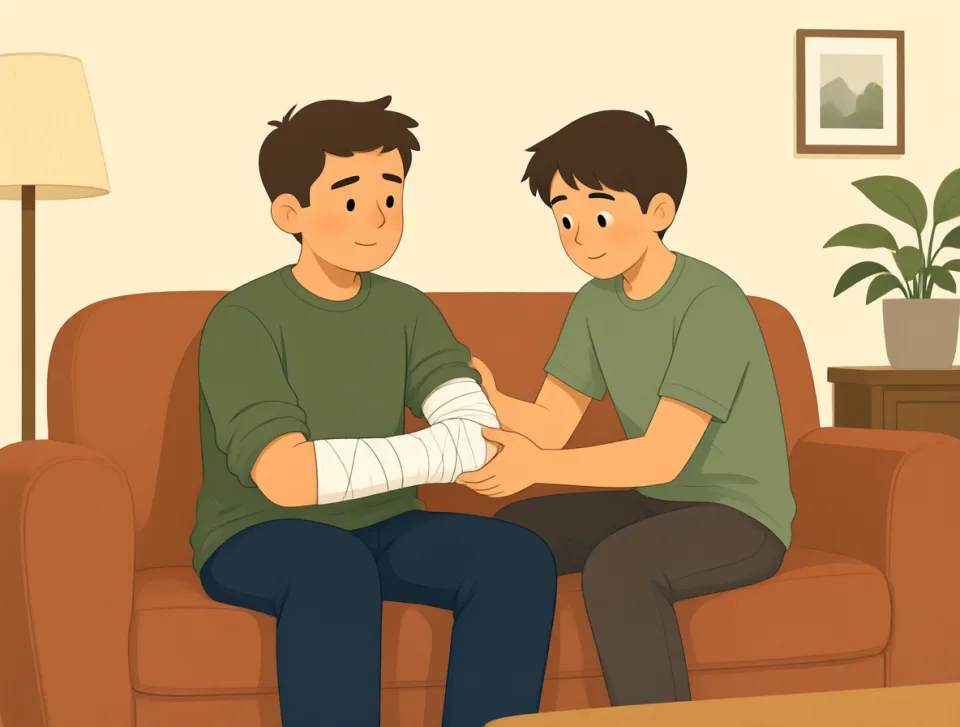
He experienced severe pain after the accident.
او بعد از تصادف درد شدیدی را تجربه کرد.
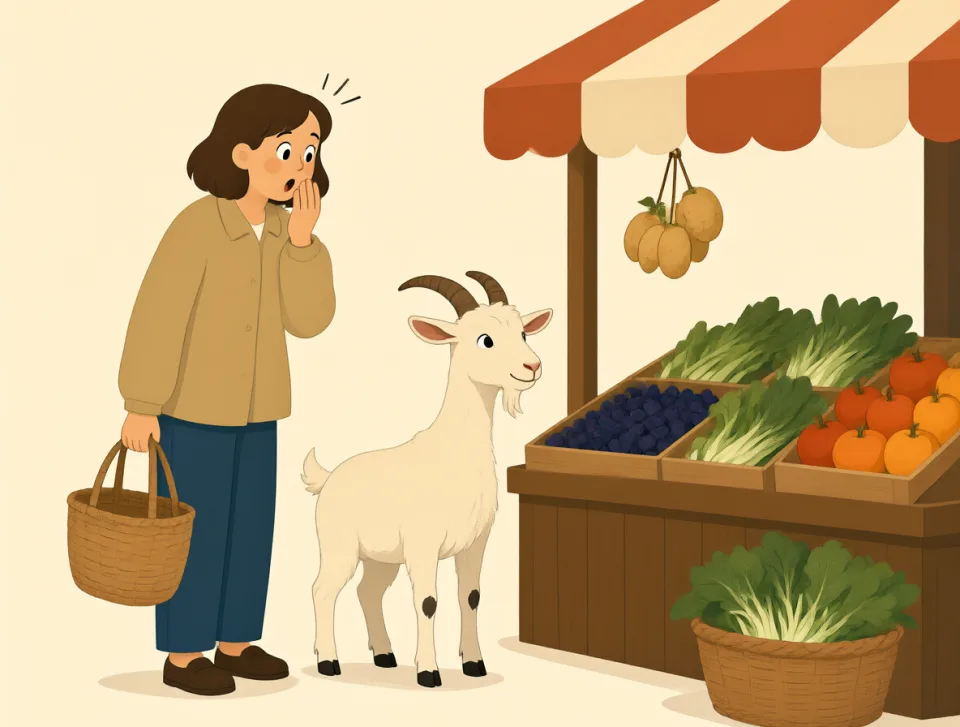
I had a strange experience at the market.
در بازار تجربهٔ عجیبی داشتم.
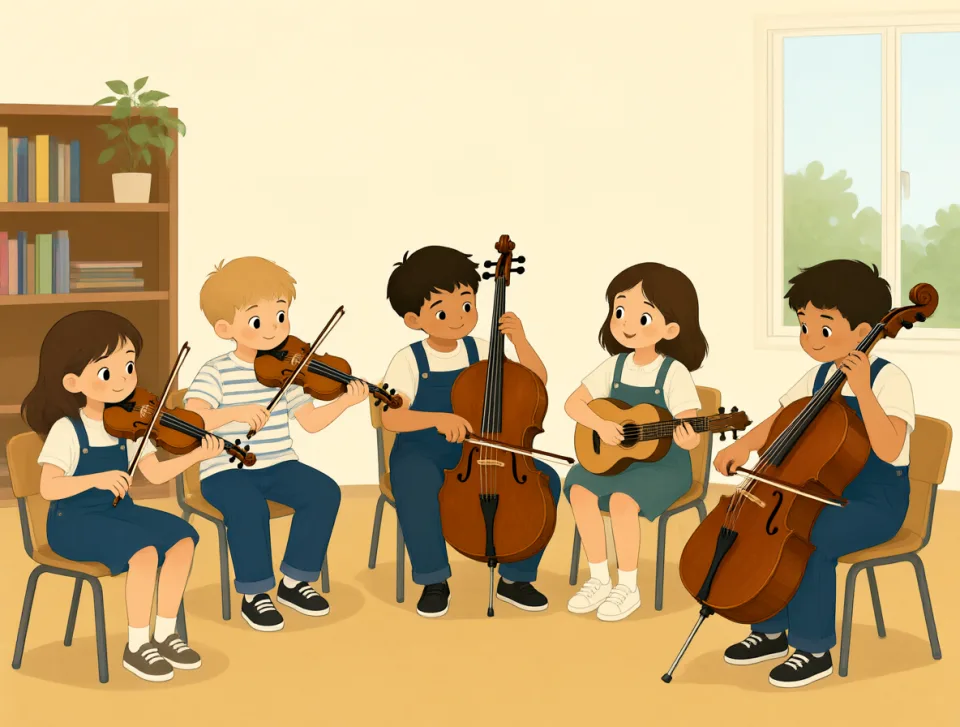
Students gain experience through practice.
دانشآموزان با تمرین تجربه کسب میکنند.

once
#265adverb, conjunction, determiner, noun
یکبار
At one time in the past, or one time only.
در زمانی در گذشته، یا فقط یک دفعه.
I once lived in a small town.
یک زمانی در شهری کوچک زندگی میکردم.
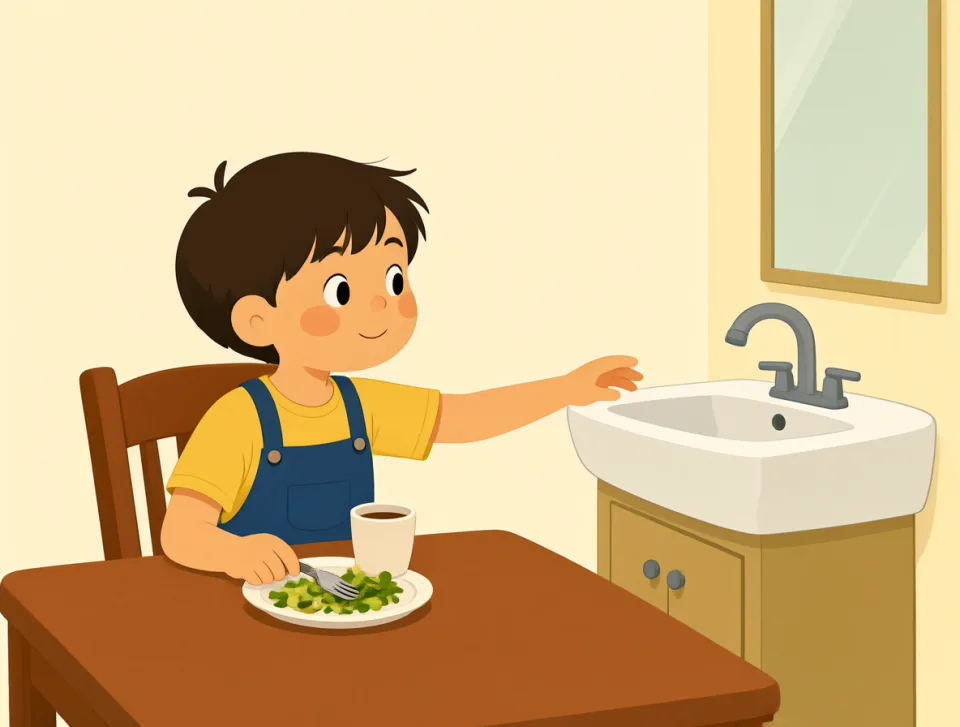
Once you finish, please wash your hands.
وقتی کارتان تمام شد، لطفاً دستهایتان را بشویید.

I have visited Paris once.
یکبار به پاریس سفر کردهام.

Once a week, we buy fresh vegetables.
هفتهای یکبار سبزیجات تازه میخریم.
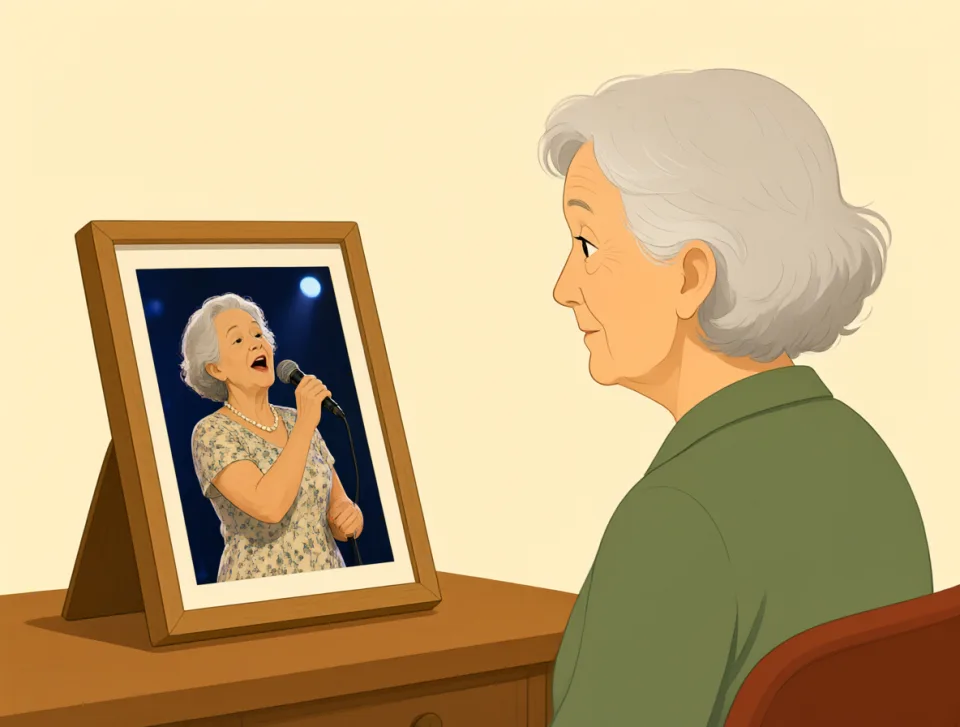
She was a famous singer once.
او زمانی خوانندهای مشهور بود.
member
#266noun
عضو
a person who belongs to a group, club, or organization
فردی که به یک گروه، باشگاه یا سازمان تعلق دارد
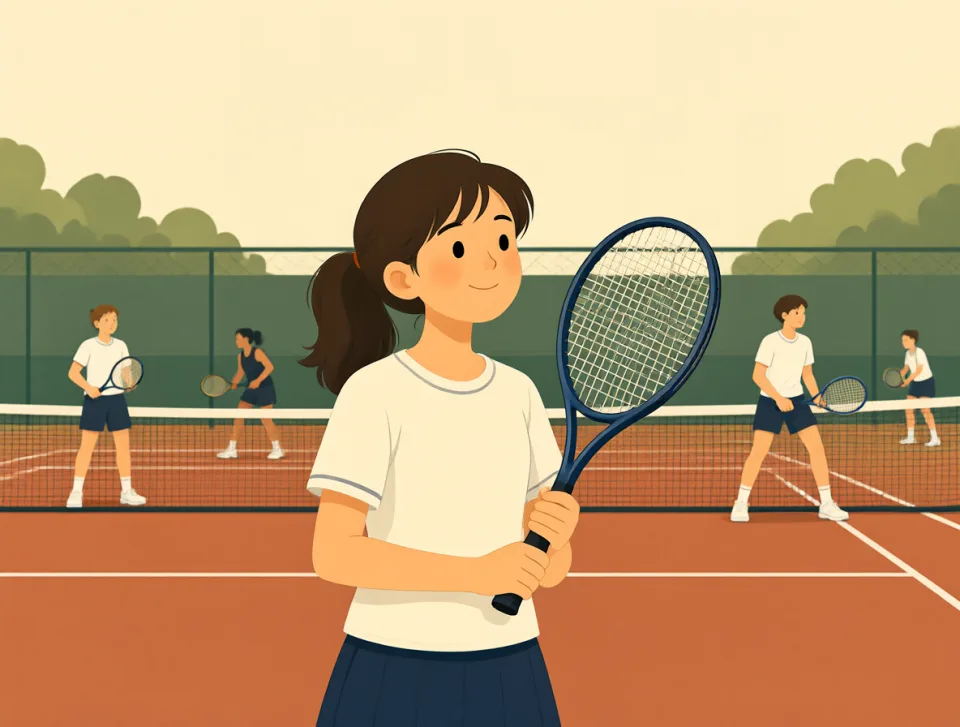
She is a member of our tennis club.
او عضو باشگاه تنیس ماست.
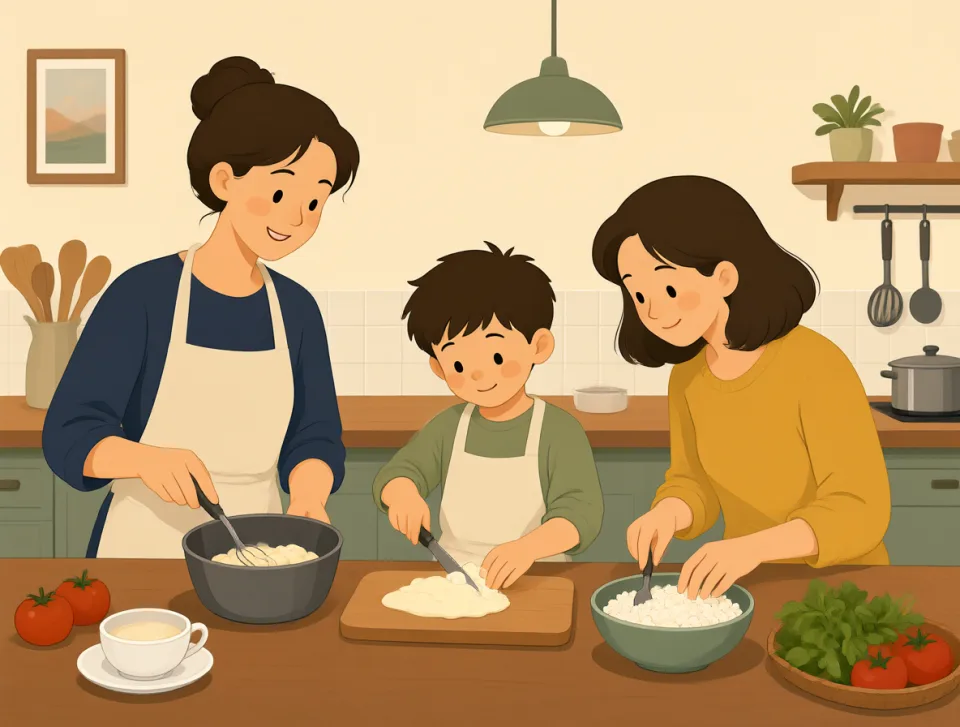
Every family member helped cook dinner.
همهٔ اعضای خانواده در پختن شام کمک کردند.

He became a member of the school team.
او عضو تیم مدرسه شد.
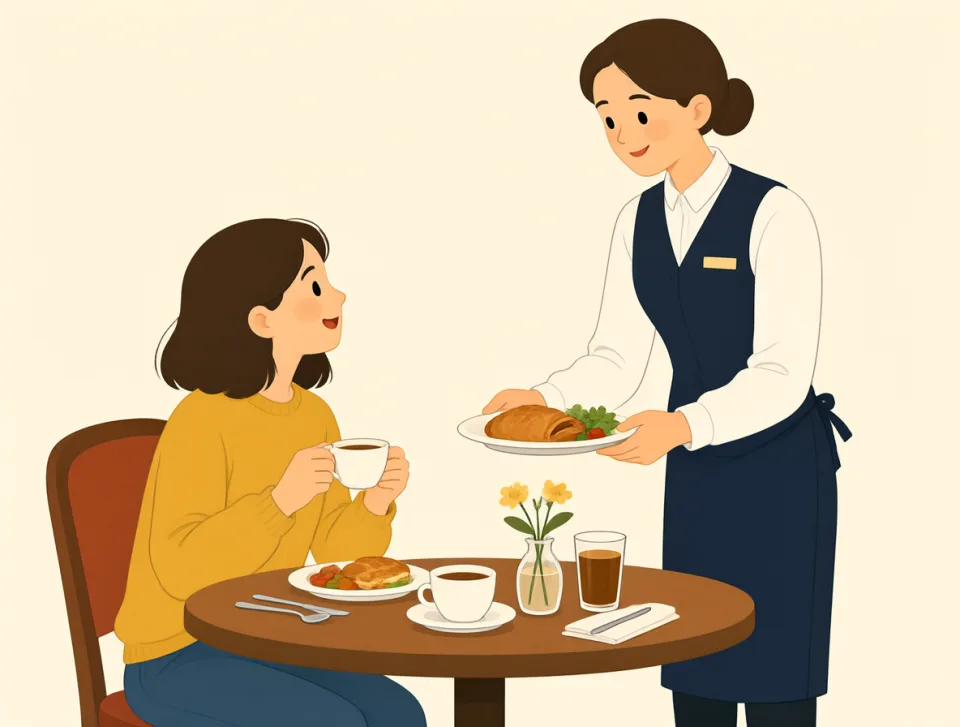
The hotel member received a free breakfast.
عضو هتل صبحانهٔ رایگان دریافت کرد.
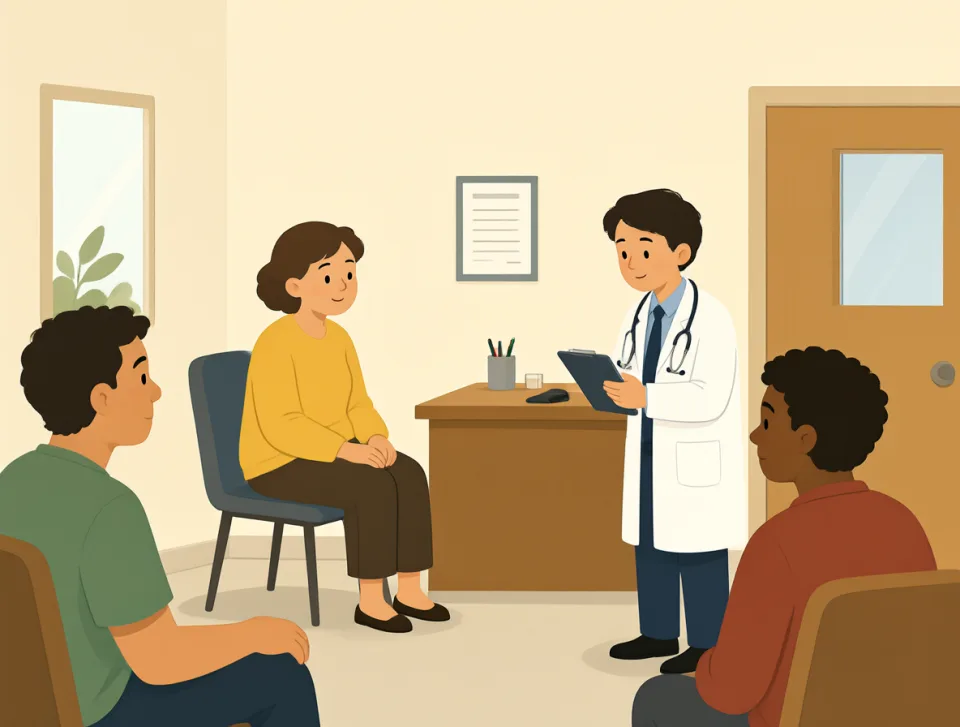
The doctor checked each member of the group.
دکتر هر یک از اعضای گروه را معاینه کرد.

enough
#267adjective, adverb, pronoun, determiner
کافی
As much or as many as needed.
بهاندازهای که نیاز است؛ به مقدار یا تعداد لازم
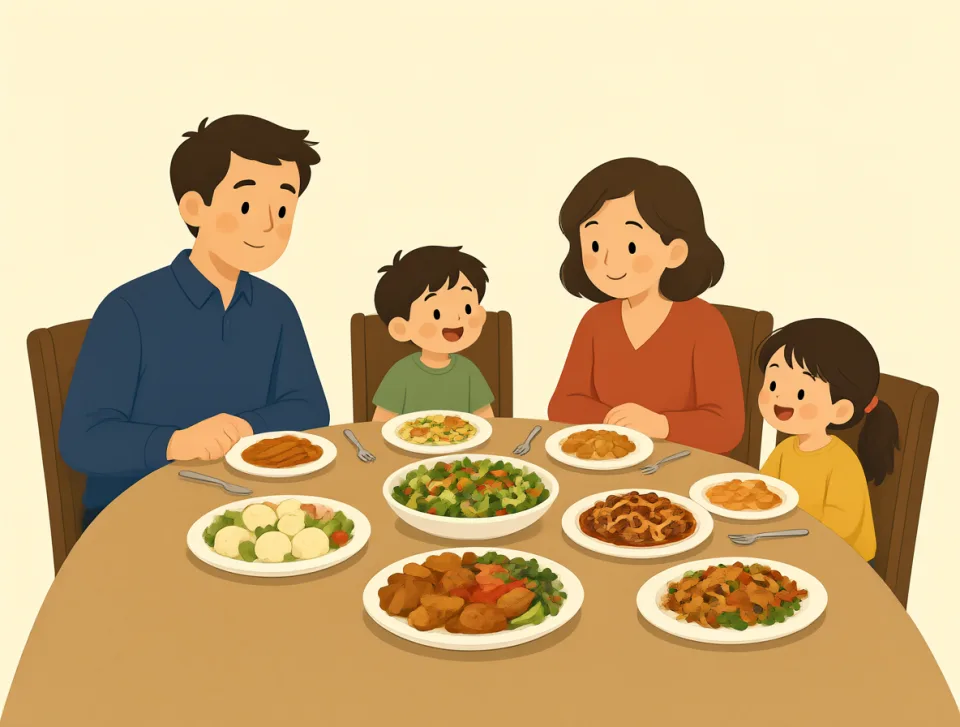
Do we have enough food for everyone?
برای همه غذای کافی داریم؟
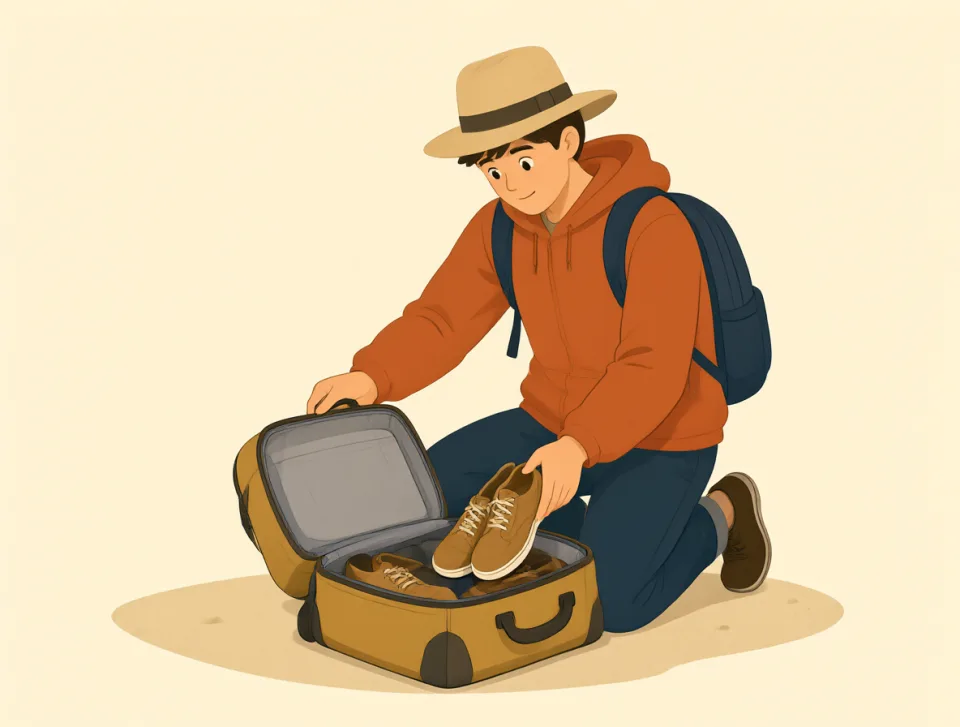
This bag is big enough for my shoes.
این کیف برای کفشهایم بهاندازهٔ کافی بزرگ است.
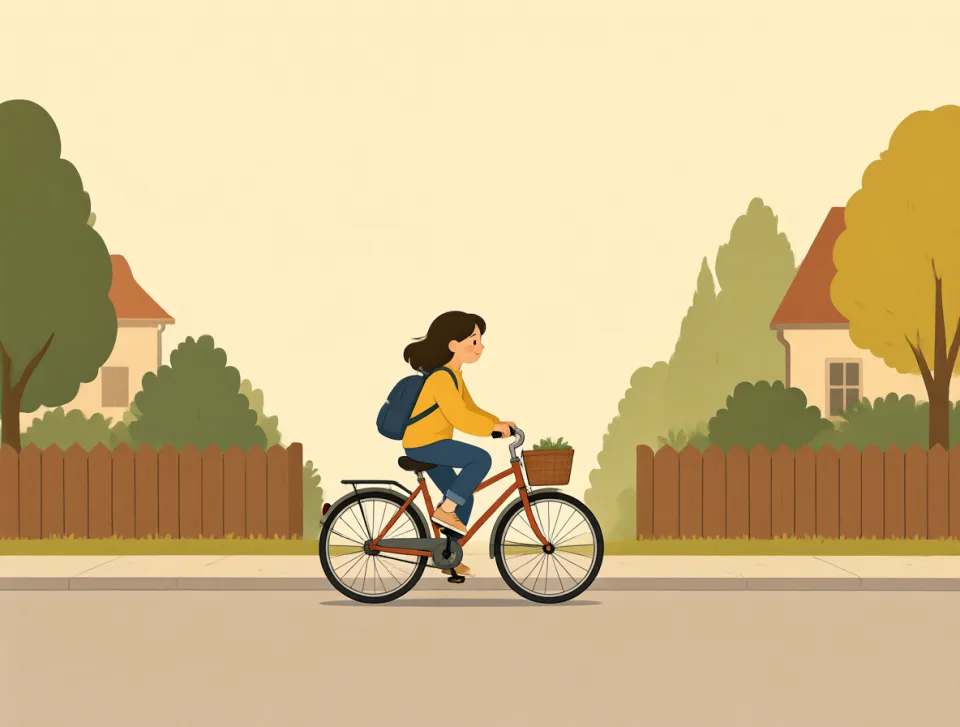
She is old enough to ride alone.
او آنقدر بزرگ شده که تنها سوار شود.

I did not sleep enough last night.
دیشب بهاندازهٔ کافی نخوابیدم.

Are you warm enough in that jacket?
با آن کاپشن بهاندازهٔ کافی گرم هستی؟
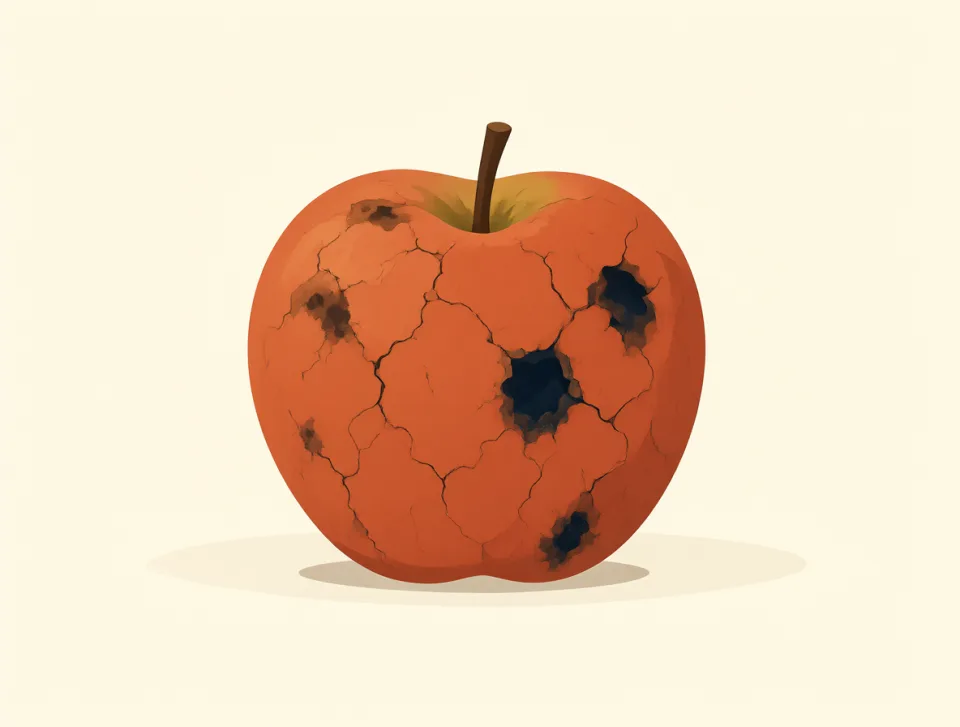
bad
#268adjective, noun
بد
Not good, pleasant, safe, or morally right.
خوب، خوشایند، ایمن یا از نظر اخلاقی درست نیست.

I had a bad day at work.
روز بدی در محل کار داشتم.
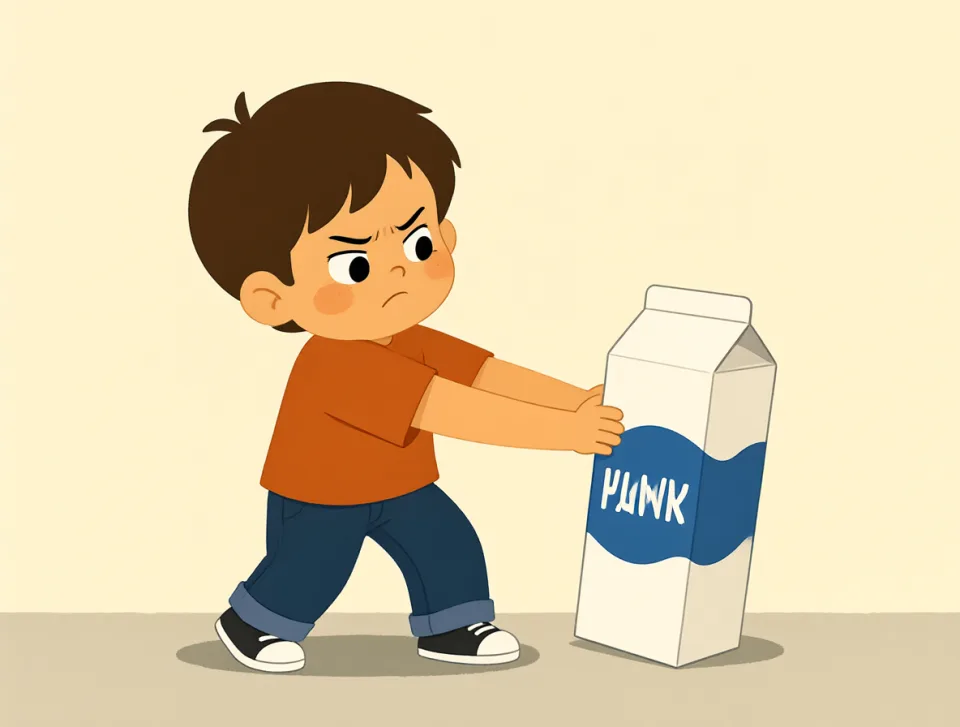
This milk smells bad.
این شیر بوی بدی میدهد.
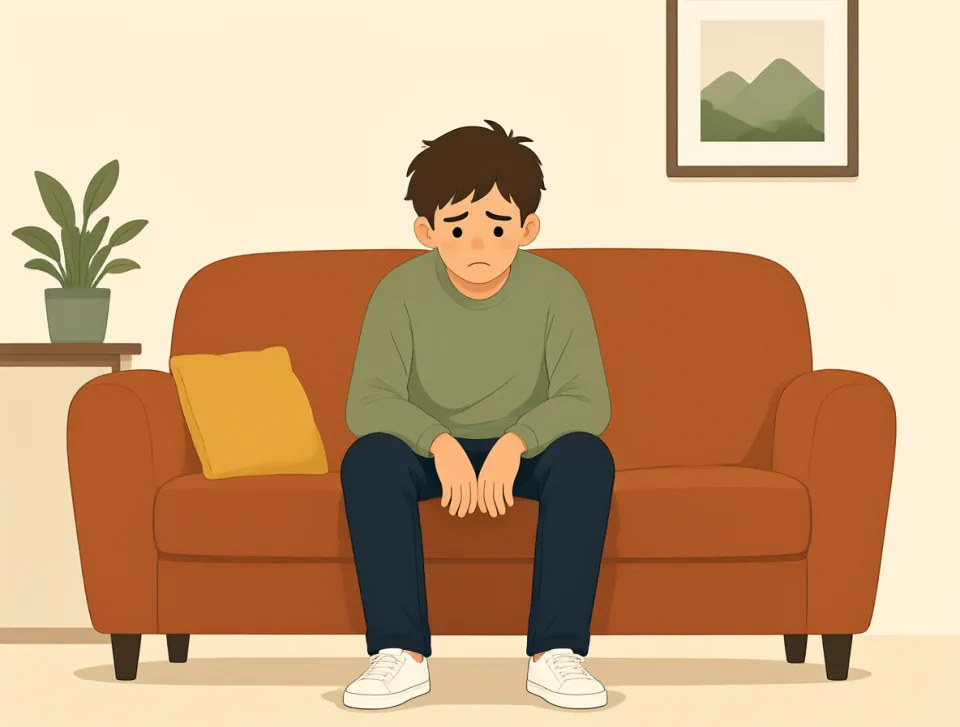
He felt bad after the argument.
بعد از آن مشاجره حالش بد بود.

The weather was bad during our trip.
در طول سفرمان هوا بد بود.
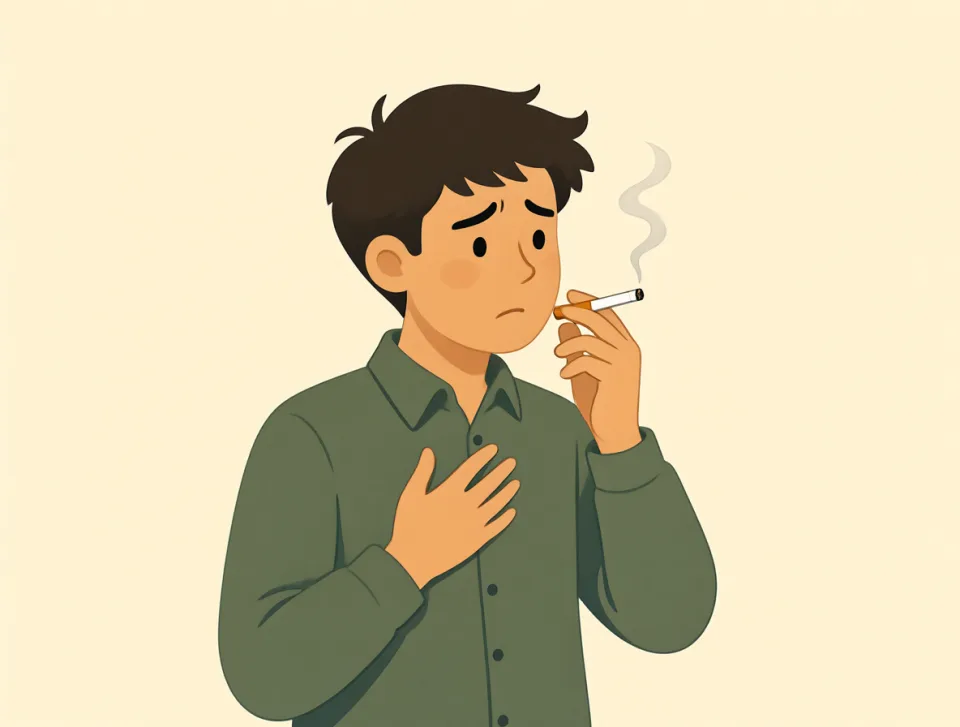
Smoking is bad for your health.
سیگار کشیدن برای سلامتیتان مضر است.

city
#269noun
شهر
A large place where many people live, work, and visit.
مکانی بزرگ که افراد زیادی در آن زندگی و کار میکنند یا به آن سر میزنند.

She lives in a big city.
او در یک شهر بزرگ زندگی میکند.
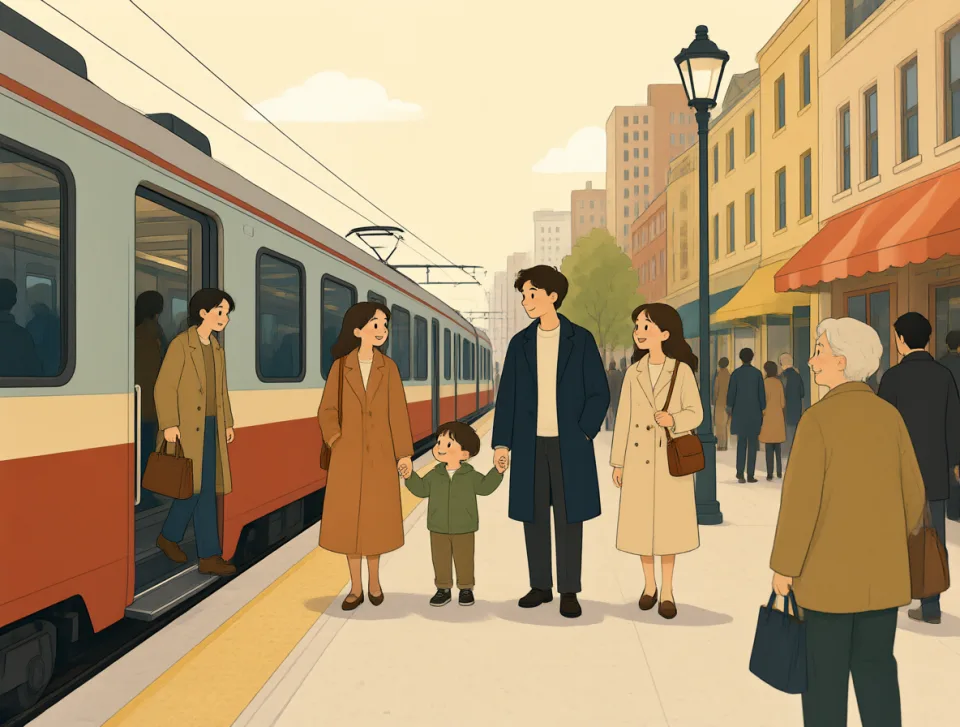
We took a train to the city.
با قطار به شهر رفتیم.

The city has many good restaurants.
این شهر رستورانهای خوب زیادی دارد.

He works in the city center.
او در مرکز شهر کار میکند.
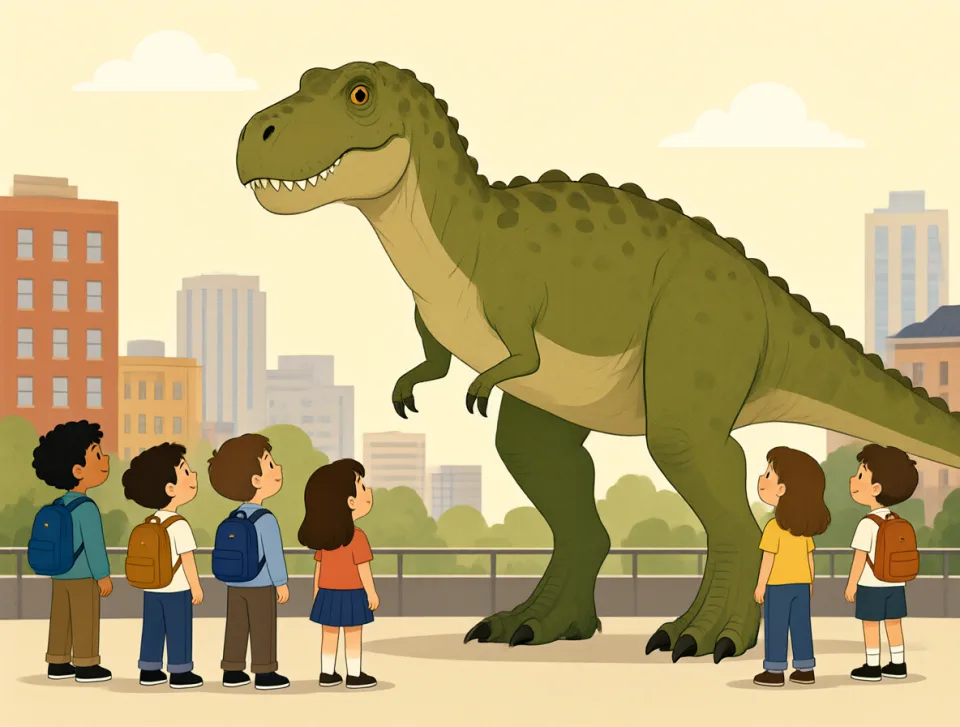
The children visited the city museum.
بچهها از موزهٔ شهر دیدن کردند.

night
#270noun
شب
The time when it is dark outside, from evening until morning.
زمانی که بیرون تاریک است؛ از غروب تا صبح.
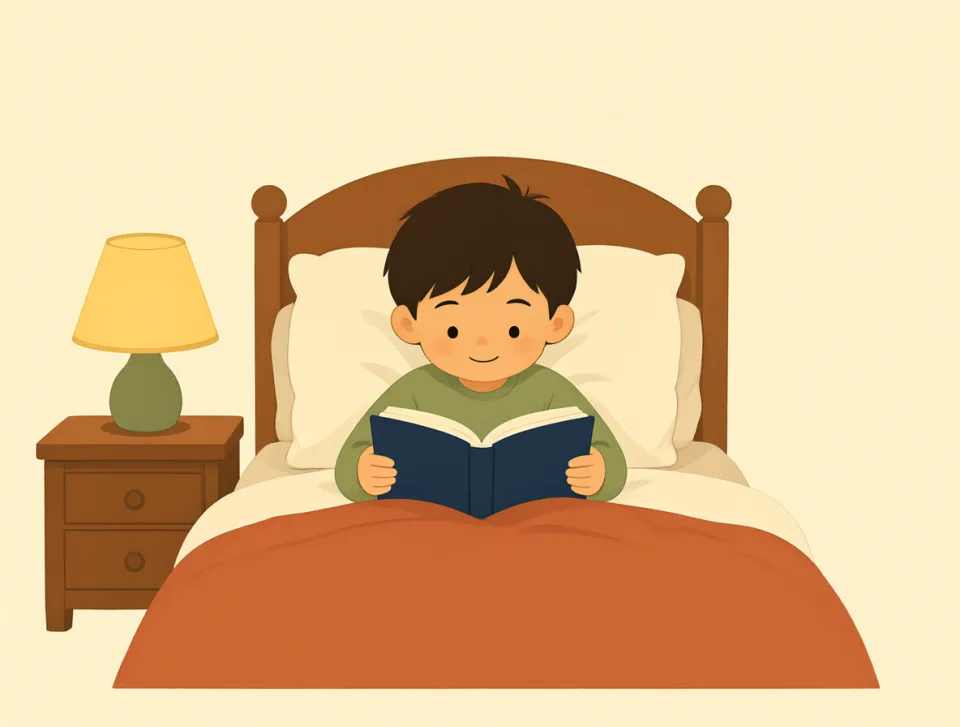
I read a book before bed at night.
شبها پیش از خواب کتاب میخوانم.
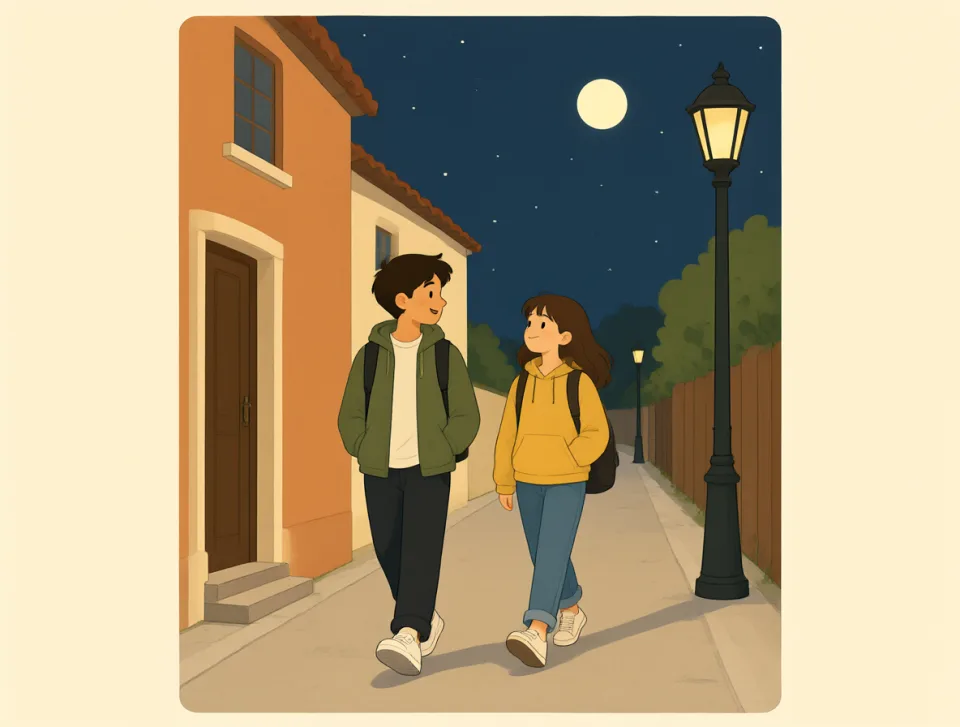
We walked home together late last night.
دیشب تا دیروقت با هم پیاده به خانه برگشتیم.

The baby slept well all night.
نوزاد تمام شب خوب خوابید.

She works at the hospital night shift.
او در شیفت شب بیمارستان کار میکند.
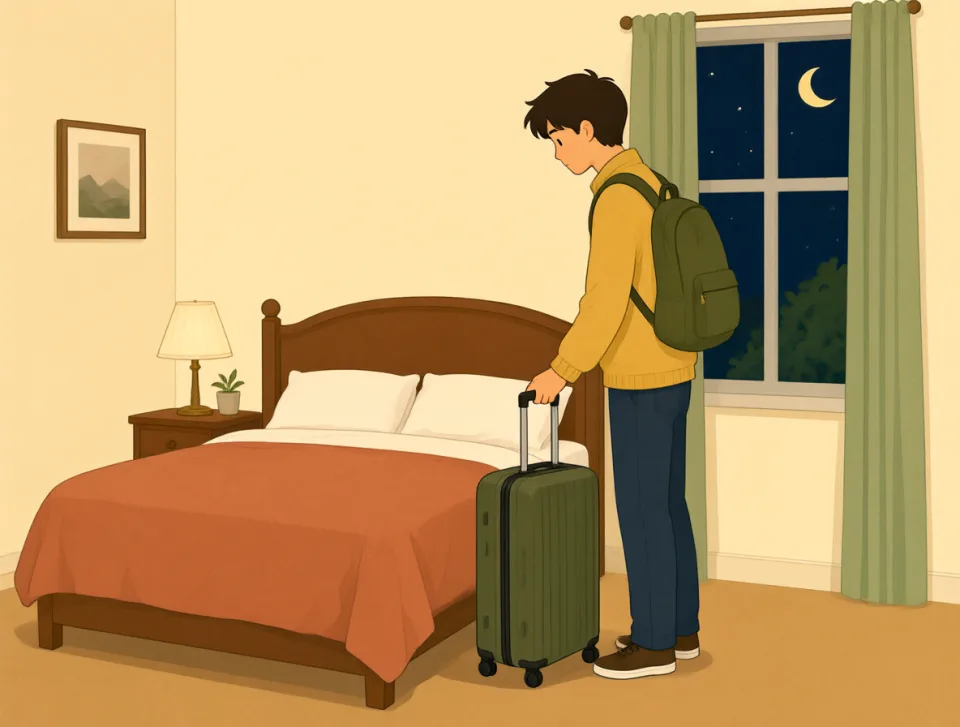
They stayed in a hotel for one night.
آنها یک شب در هتل ماندند.
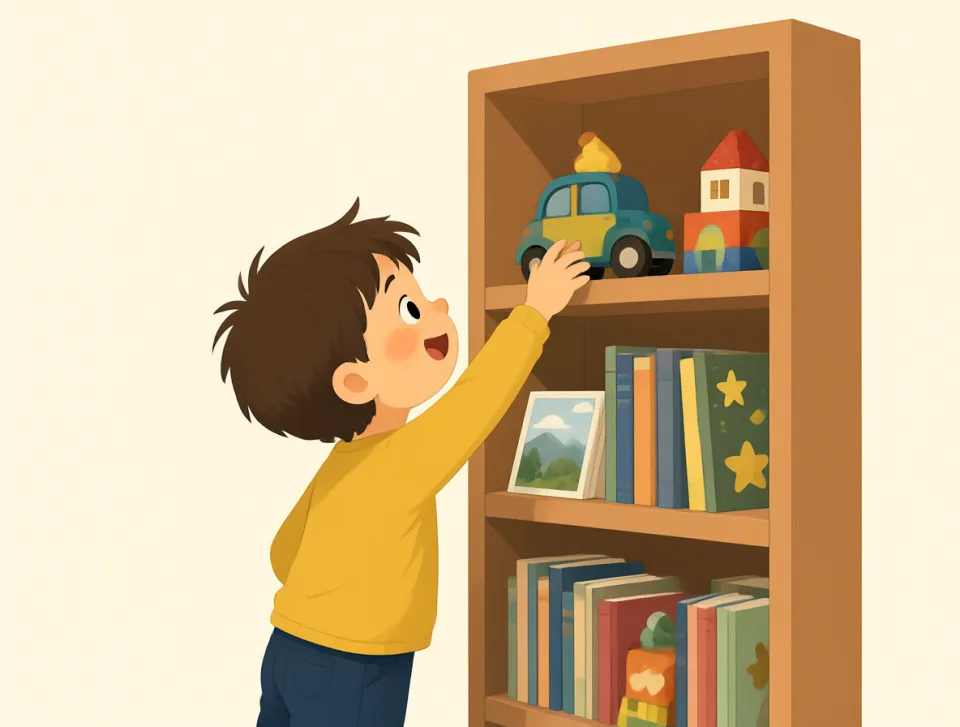
able
#271adjective
قادر
Having the skill, strength, time, or chance to do something.
دارای مهارت، توان، وقت یا فرصتی برای انجام کاری.

She is able to swim very well.
او خیلی خوب میتواند شنا کند.
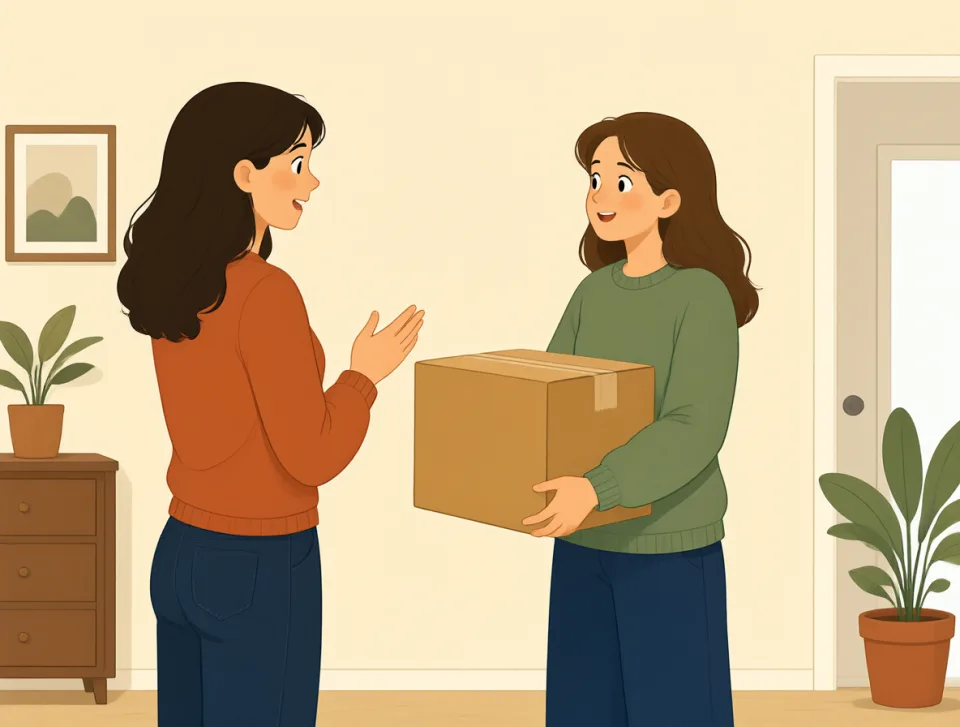
Are you able to help me today?
امروز میتوانی به من کمک کنی؟

He was able to finish his homework.
او توانست تکالیفش را تمام کند.
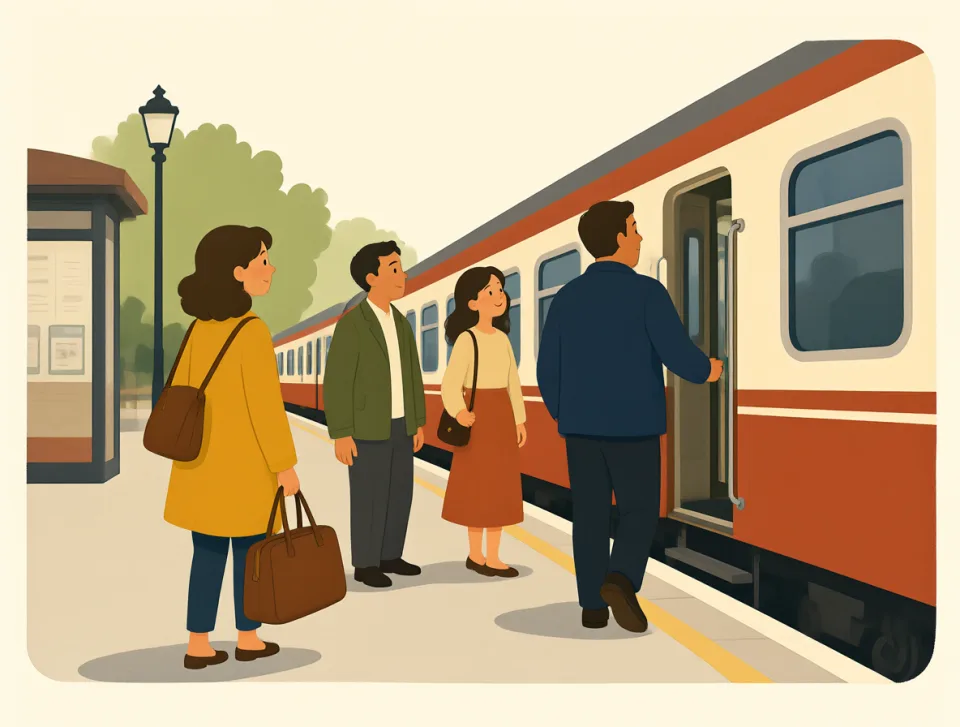
We were able to catch the early train.
توانستیم به قطار زودهنگام برسیم.
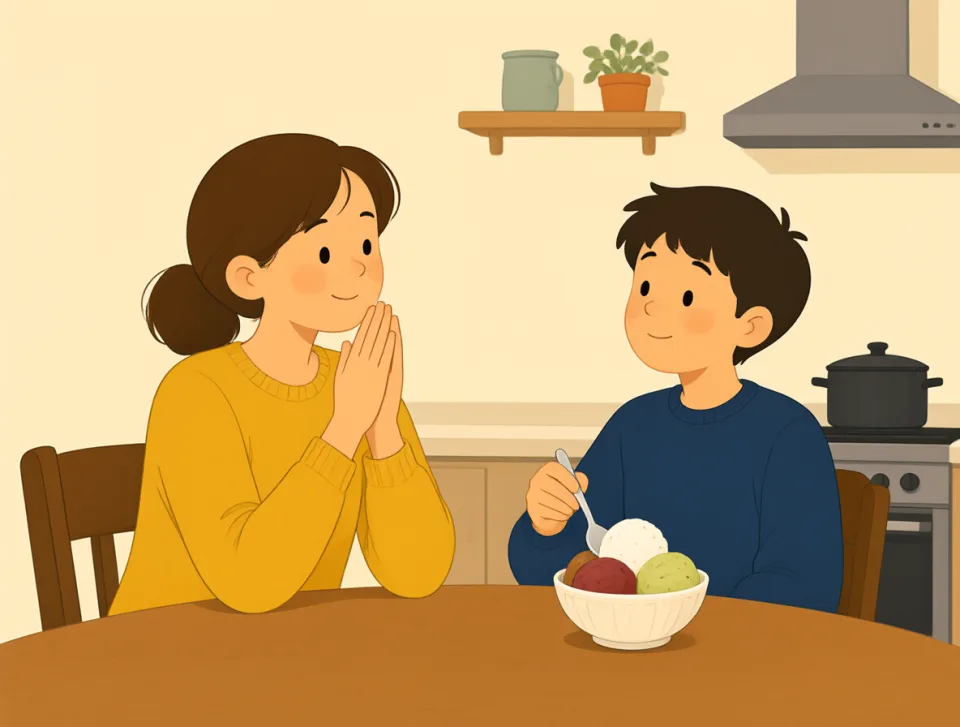
I am not able to eat dairy products.
نمیتوانم لبنیات بخورم.
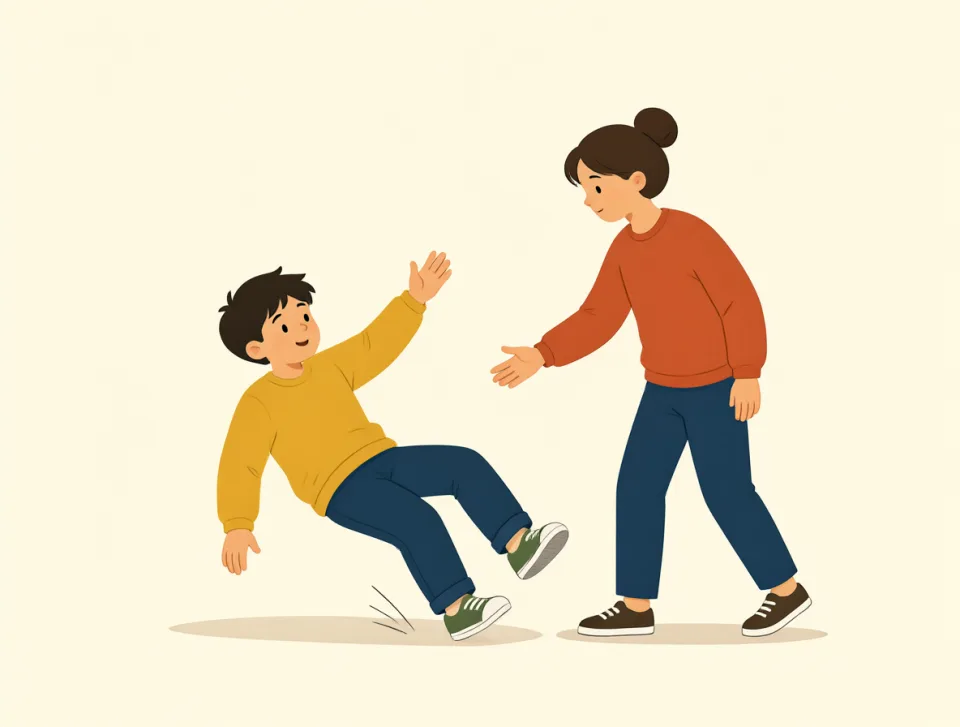
support
#272noun, verb
حمایت کردن؛ حمایت
Help or encouragement given to someone or something; to help someone or something succeed.
کمک یا دلگرمیای که به کسی یا چیزی داده میشود؛ کمک کردن به کسی یا چیزی برای موفق شدن.
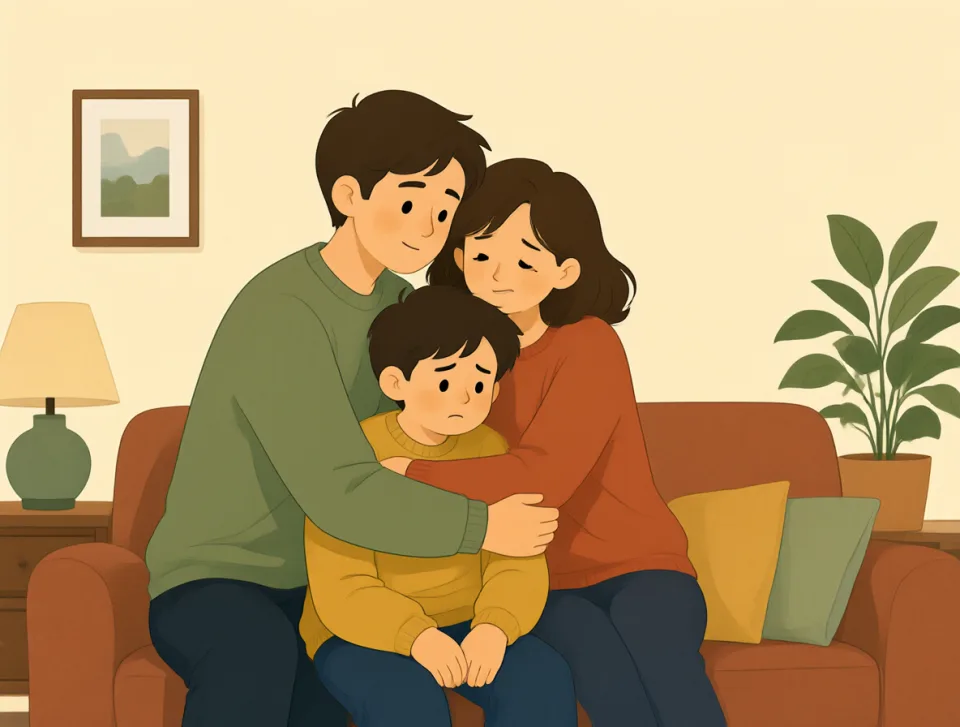
My family supports me when I feel sad.
خانوادهام وقتی ناراحتم از من حمایت میکنند.

These shoes support your feet while walking.
این کفشها هنگام راه رفتن از پاهایتان حمایت میکنند.

Our teacher supports us during the test.
معلممان هنگام امتحان از ما حمایت میکند.
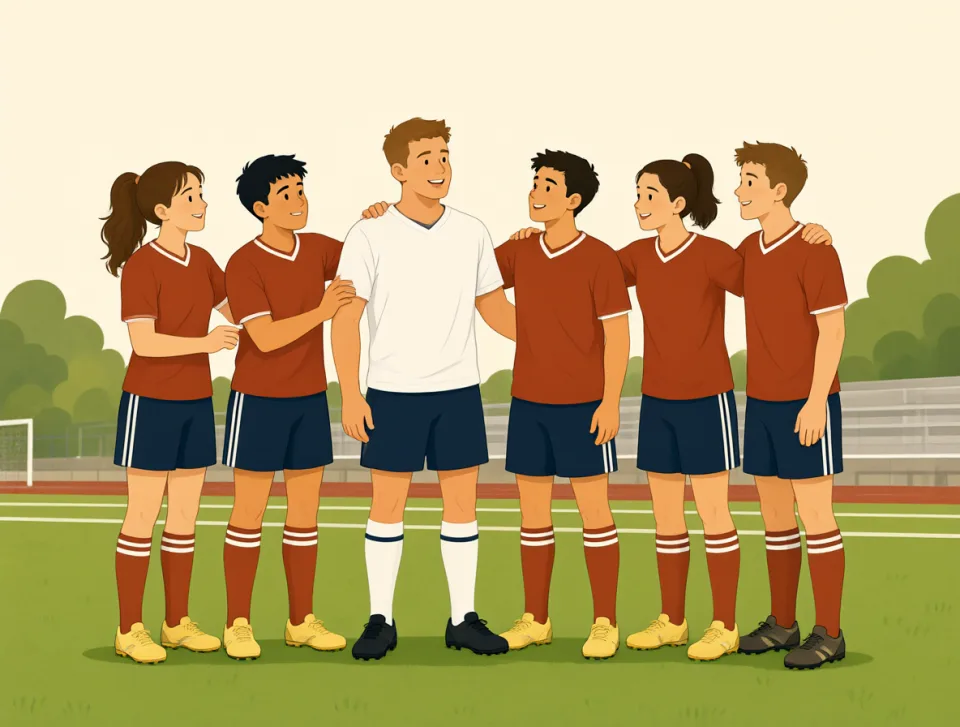
The team supported its captain after the loss.
تیم پس از شکست از کاپیتانش حمایت کرد.

This pillow supports your neck at night.
این بالش شبها از گردنتان حمایت میکند.
whether
#273conjunction
اینکه آیا
Used to talk about two possible choices or situations.
برای صحبت دربارهٔ دو انتخاب یا وضعیت احتمالی به کار میرود.
I don't know whether she is home.
نمیدانم آیا او خانه است یا نه.

Please tell me whether you need help.
لطفاً به من بگویید آیا به کمک نیاز دارید یا نه.
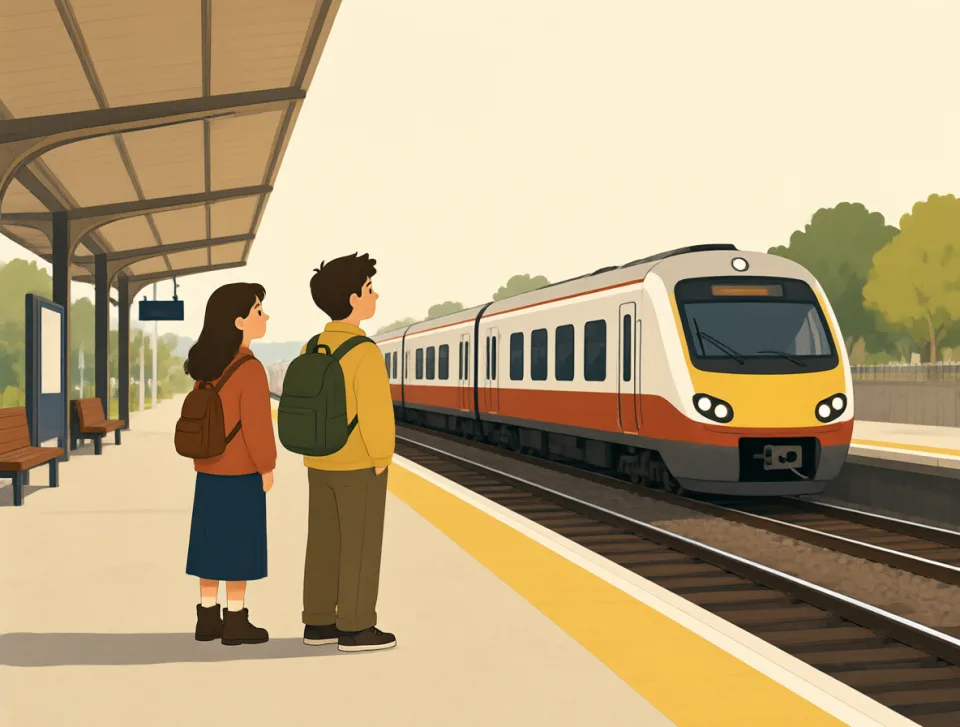
We must decide whether to take the train.
باید تصمیم بگیریم که با قطار برویم یا نه.

He asked whether I liked the food.
او پرسید که آیا غذا را دوست داشتم یا نه.
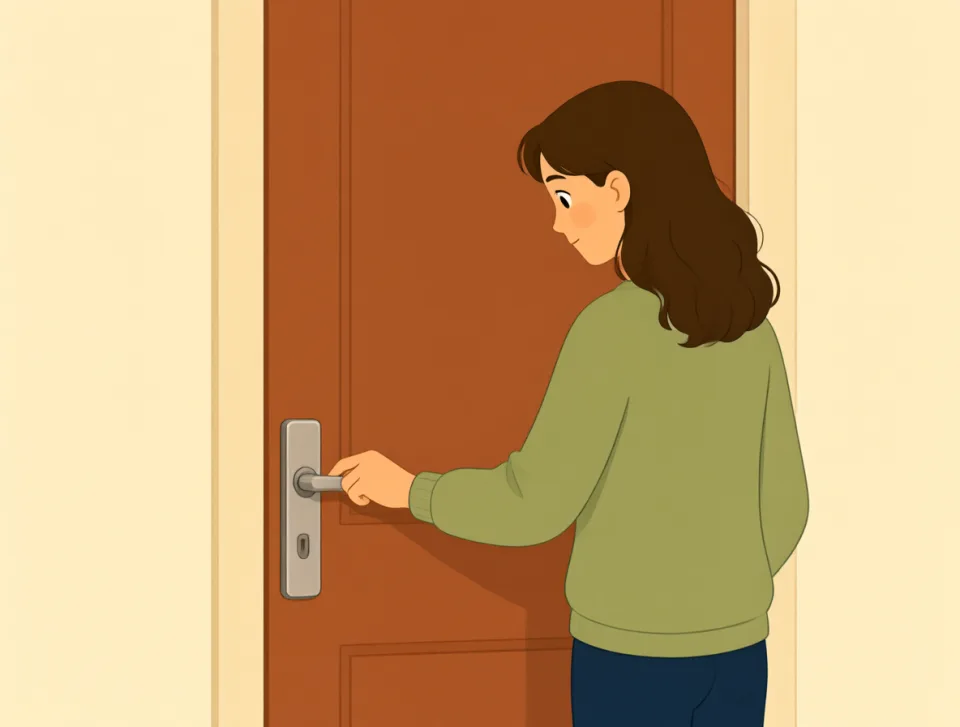
Check whether the door is locked.
بررسی کنید که در قفل است یا نه.

line
#274noun, verb
خط؛ صف
A long, thin mark or a row of people or things; to stand in a row.
علامتی بلند و باریک یا ردیفی از افراد یا چیزها؛ در یک ردیف ایستادن.
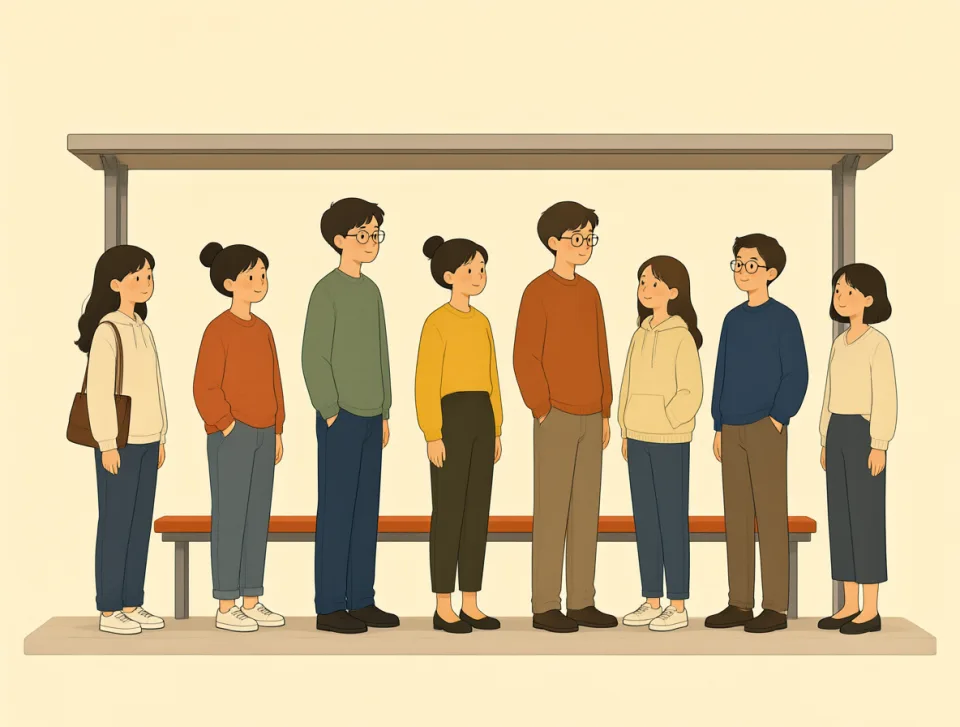
Please wait in line for the bus.
لطفاً برای اتوبوس در صف منتظر بمانید.
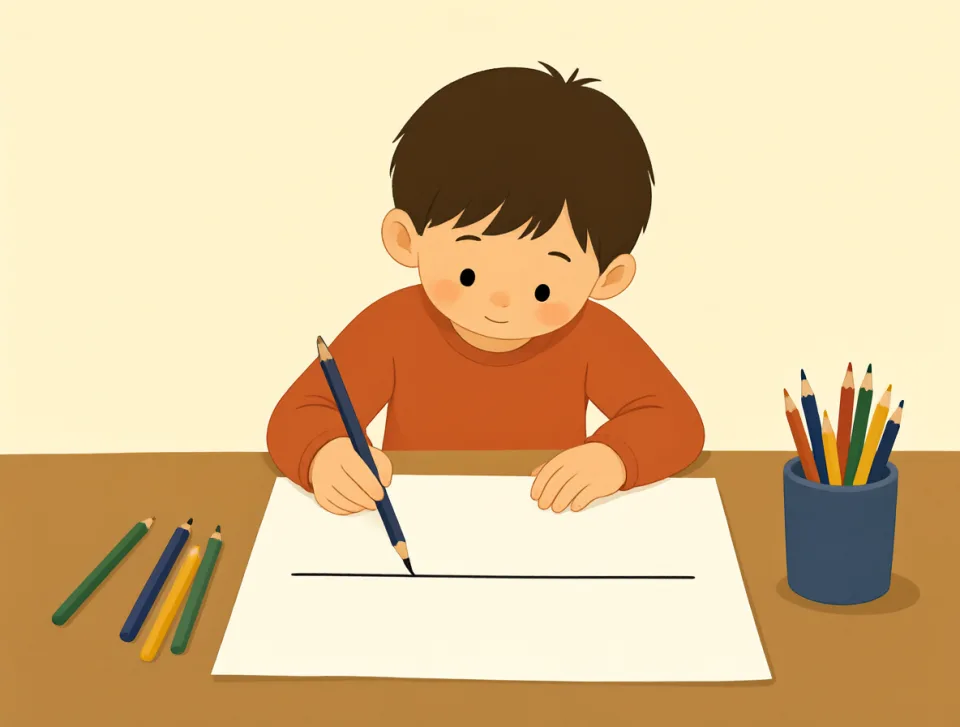
Draw a straight line under the answer.
زیر پاسخ یک خط صاف بکشید.

The phone line is busy right now.
خط تلفن الان اشغال است.

We crossed the finish line together.
با هم از خط پایان گذشتیم.
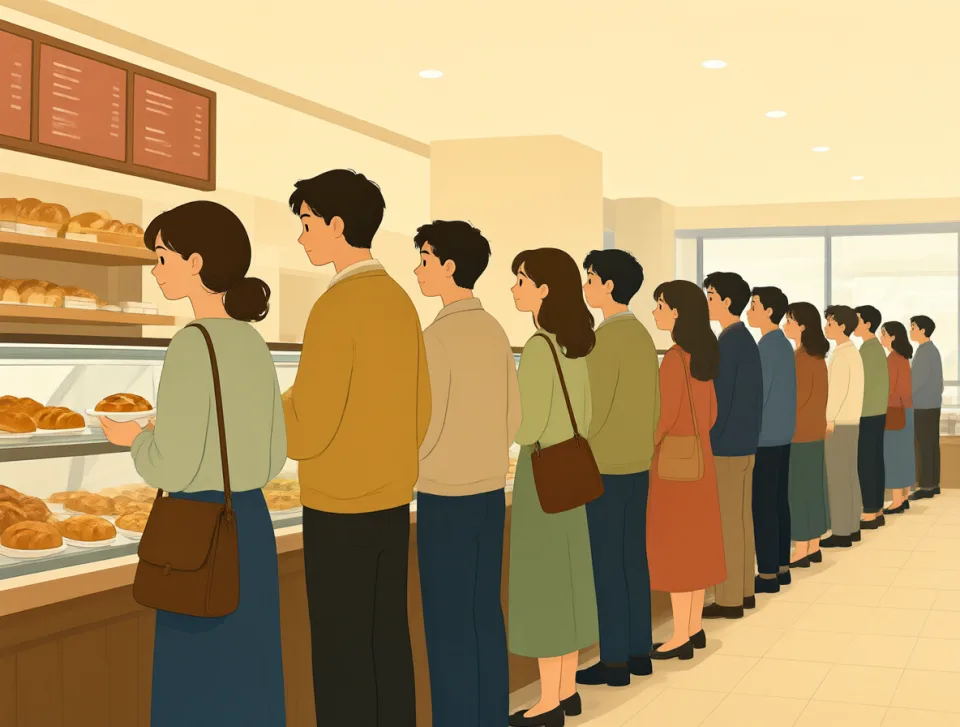
There was a long line at the bakery.
صف نانوایی خیلی طولانی بود.
present
#275noun, verb, adjective
هدیه؛ حاضر؛ ارائه دادن
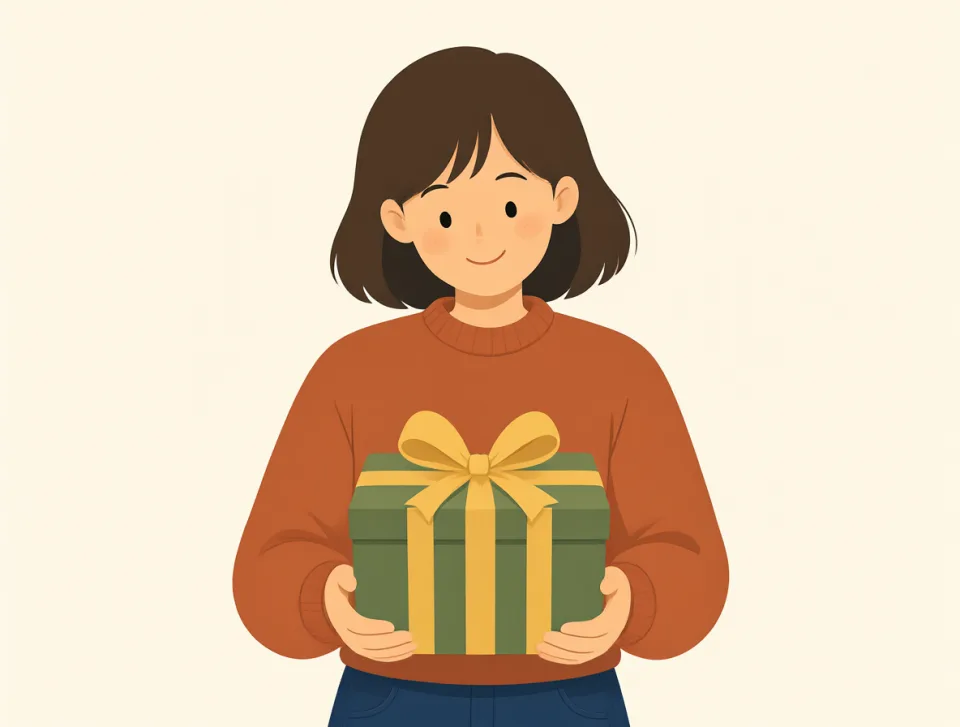
A gift; to give something; existing or happening now.
هدیه؛ چیزی دادن یا ارائه کردن؛ موجود یا در حال رخ دادن در زمان حال.
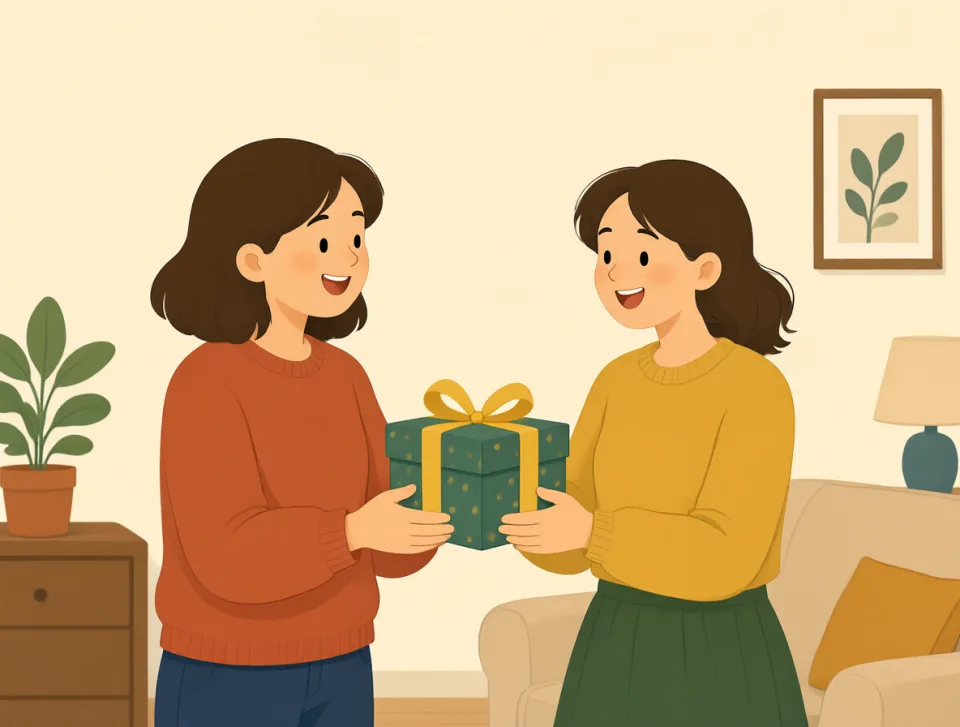
She gave me a birthday present.
او یک هدیهٔ تولد به من داد.

I bought a present for my mother.
برای مادرم یک هدیه خریدم.
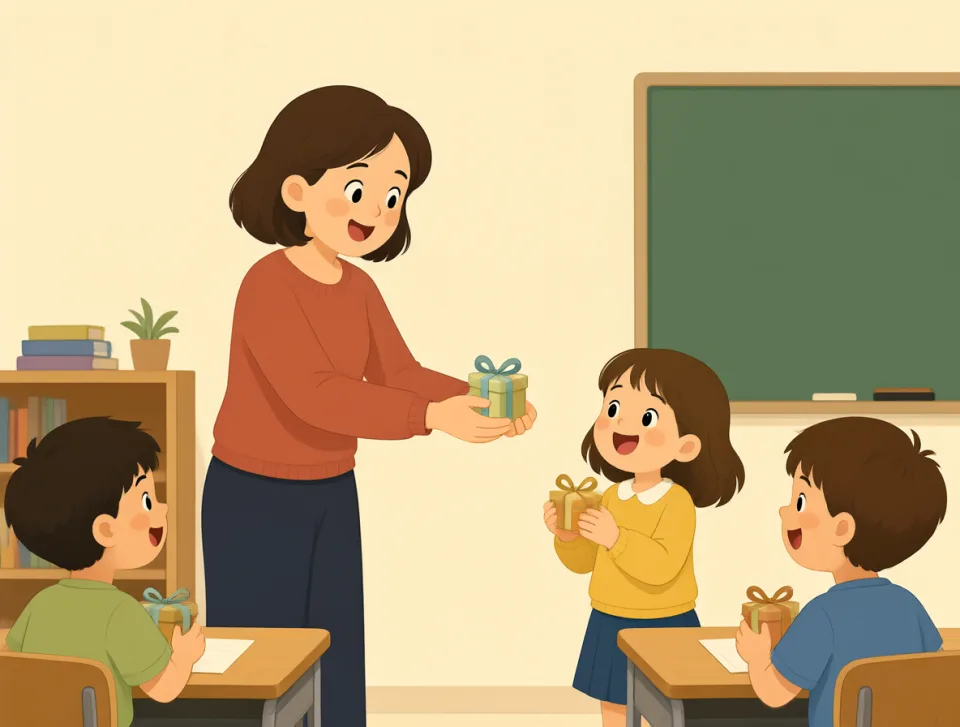
The teacher presented the prizes to students.
معلم جایزهها را به دانشآموزان اهدا کرد.

Everyone was present at the meeting.
همه در جلسه حاضر بودند.

We need to discuss the present problem.
باید دربارهٔ مشکل فعلی صحبت کنیم.
side
#276noun, verb, adjective, preposition
طرف
One of two parts, directions, or surfaces of something.
یکی از دو بخش، جهت یا سطحِ یک چیز.
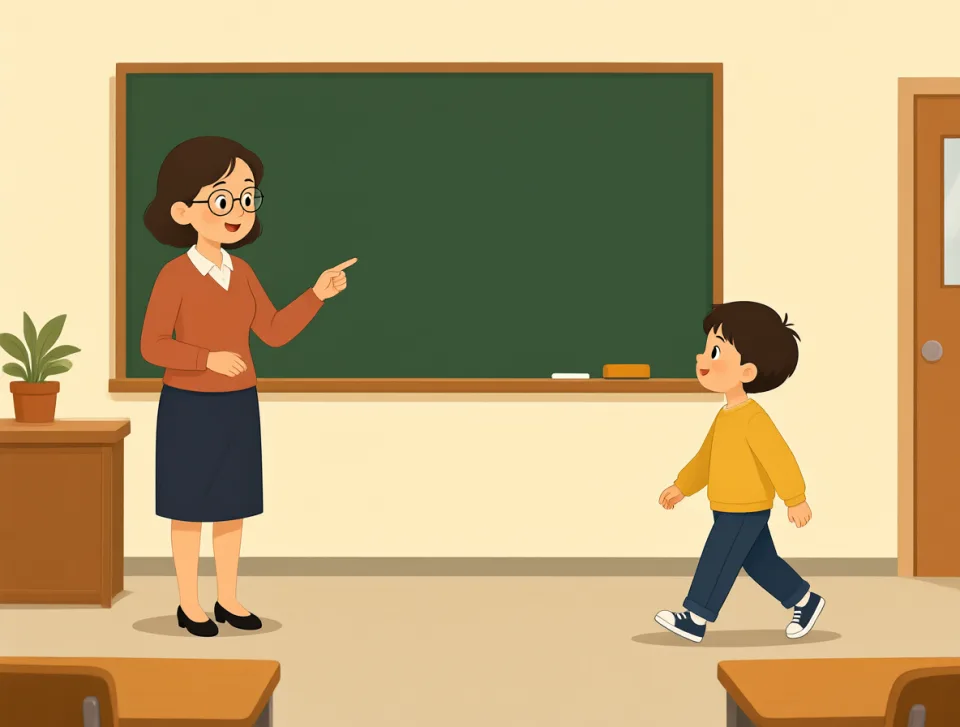
Please stand on this side of the room.
لطفاً در این سمت اتاق بایستید.

We sat on the side of the road.
کنار جاده نشستیم.
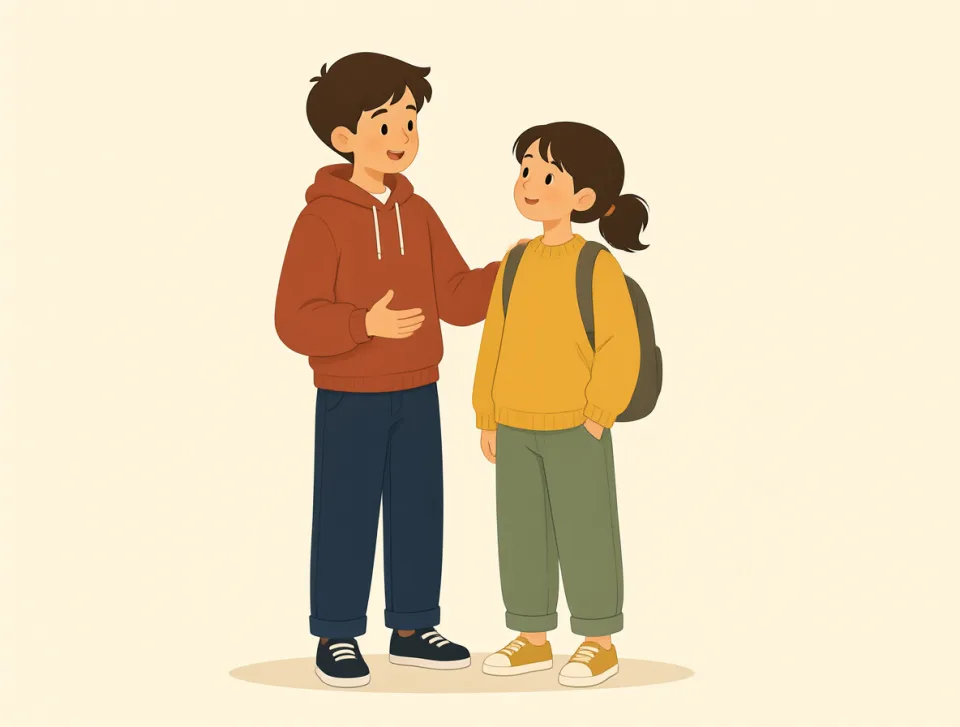
She took my side during the argument.
او وسط بحث طرف من را گرفت.
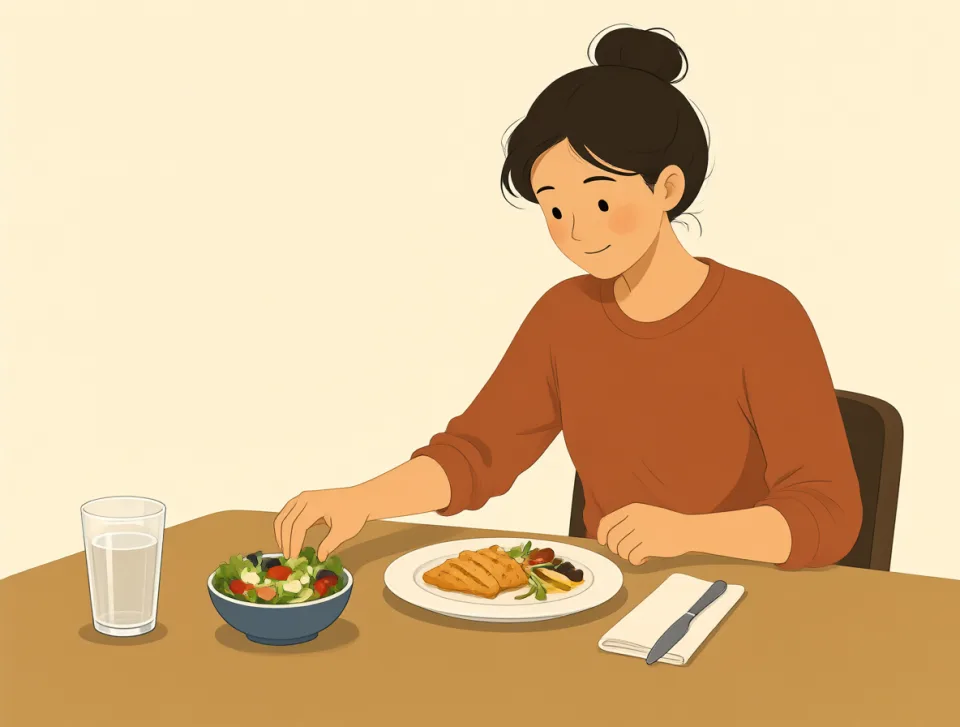
Put the salad on the side of my plate.
سالاد را کنار بشقابم بگذارید.
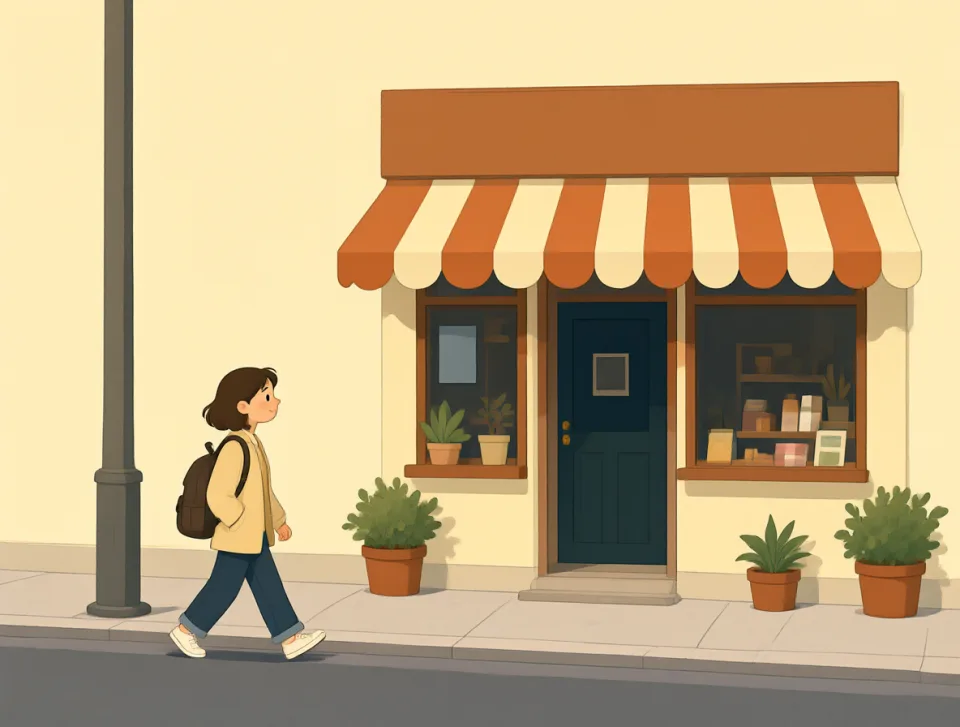
The shop is on the left side of the street.
مغازه در سمت چپ خیابان است.

quite
#277adverb
نسبتاً؛ کاملاً
To a fairly large degree; very or completely, depending on the context.
تا حد نسبتاً زیادی؛ بسته به بافت، به معنی «خیلی» یا «کاملاً».
The test was quite easy.
امتحان نسبتاً آسان بود.
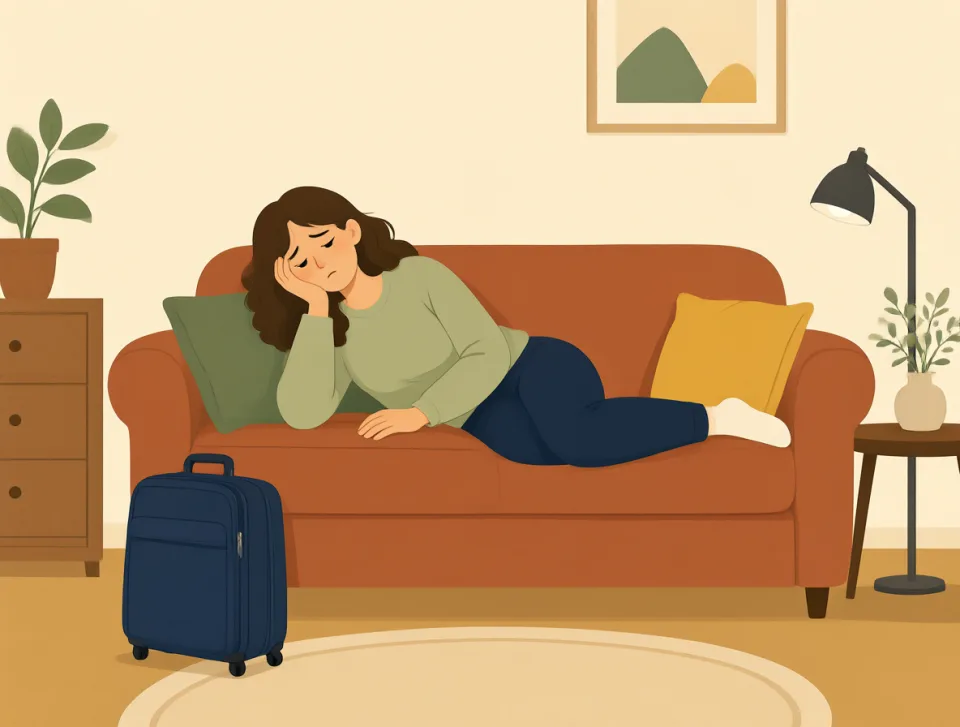
She is quite tired after work.
او بعد از کار حسابی خسته است.
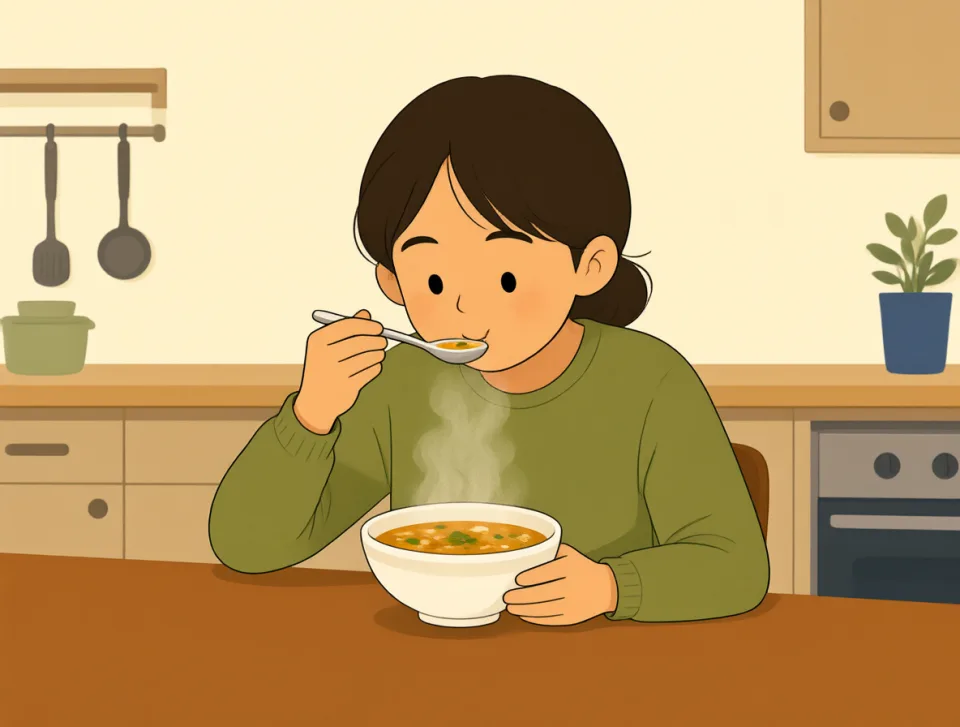
This soup is quite hot.
این سوپ خیلی داغ است.
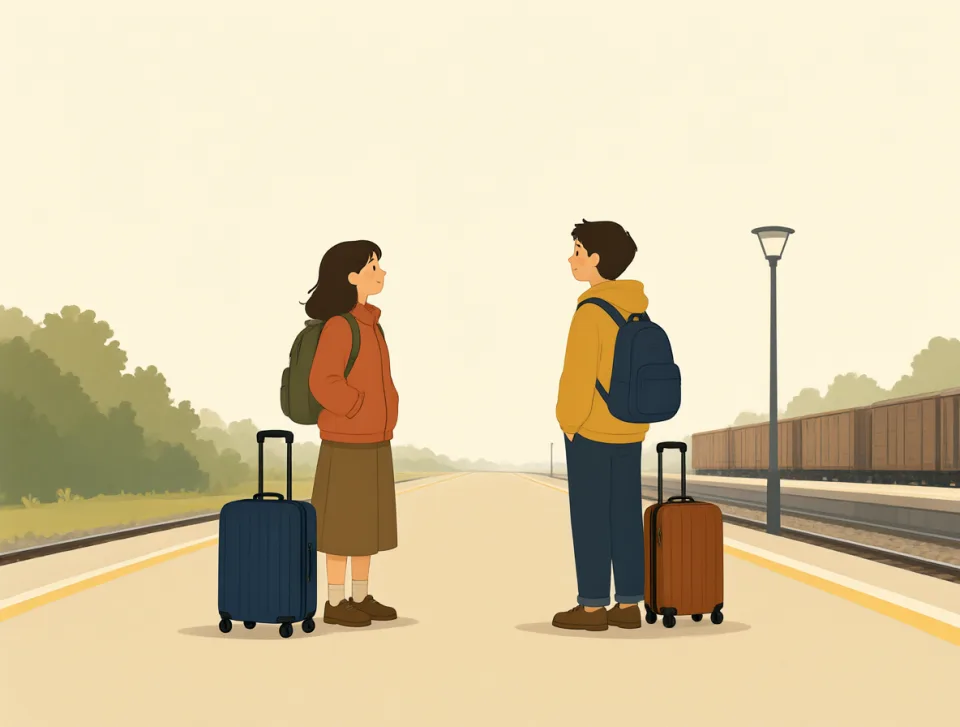
We arrived quite early for the train.
برای قطار نسبتاً زود رسیدیم.

He quite likes his new teacher.
او معلم جدیدش را خیلی دوست دارد.
although
#278conjunction
اگرچه
used to introduce a contrast or surprising fact
برای بیان تضاد یا نکتهای غیرمنتظره به کار میرود.
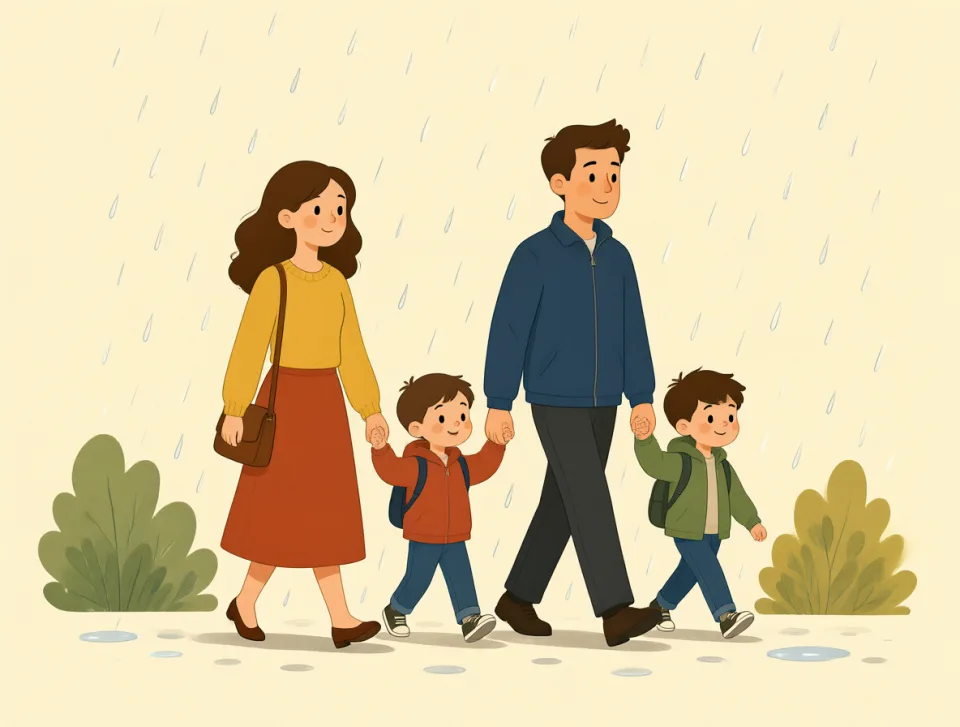
Although it was raining, we went for a walk.
با اینکه باران میبارید، به پیادهروی رفتیم.

Although she was tired, she finished her homework.
با اینکه خسته بود، تکالیفش را تمام کرد.

Although the shirt was expensive, I bought it.
با اینکه پیراهن گران بود، آن را خریدم.
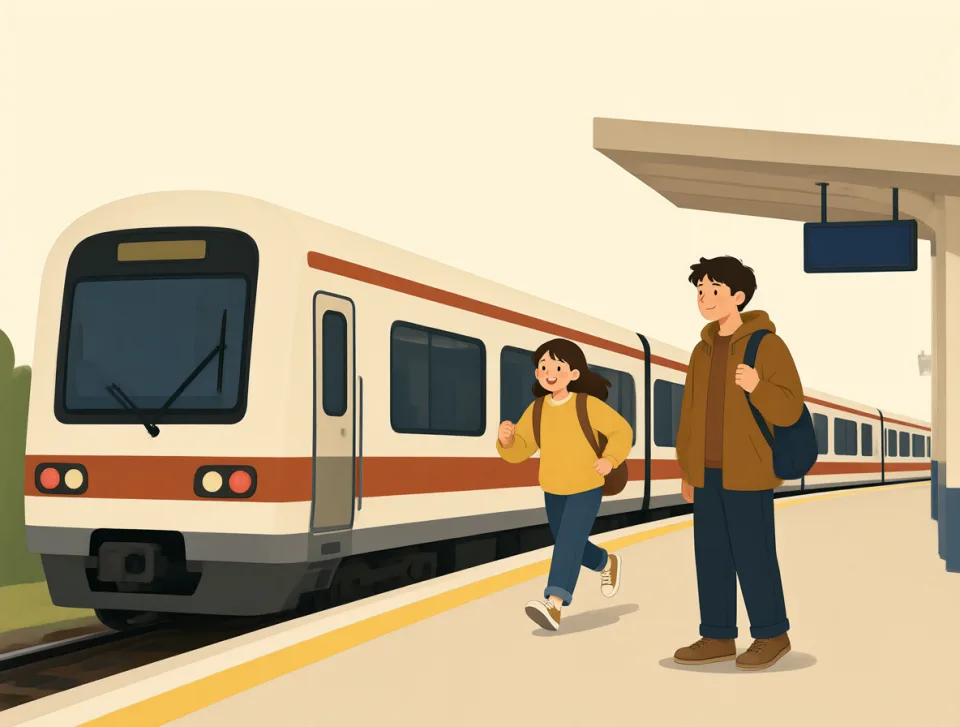
Although he missed the train, he arrived on time.
با اینکه او از قطار جا ماند، سر وقت رسید.
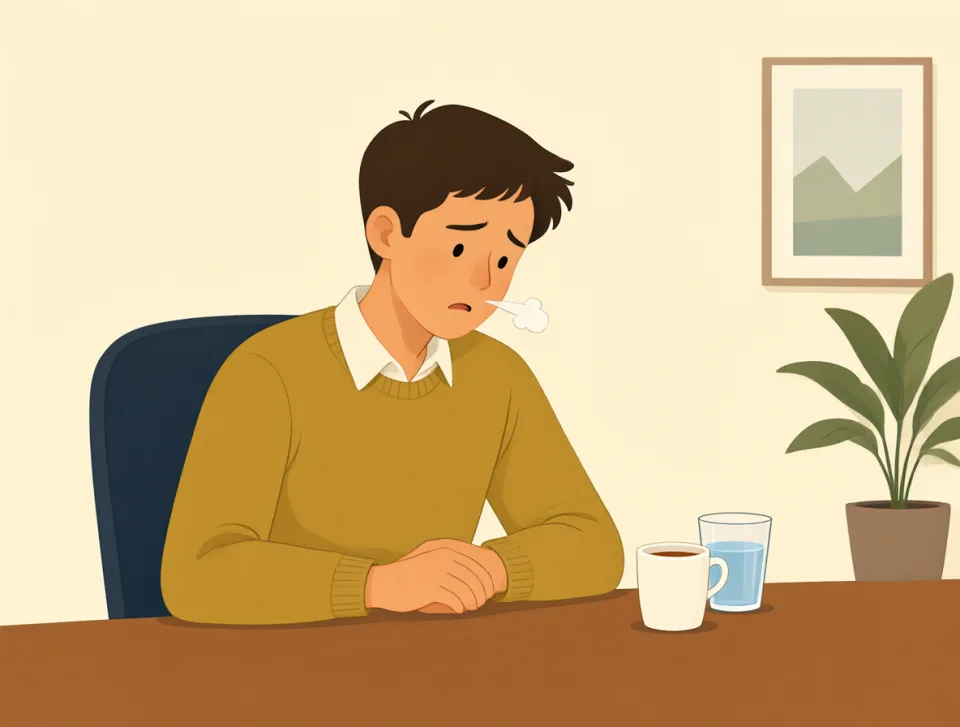
Although I was sick, I went to work.
با اینکه مریض بودم، سر کار رفتم.
sure
#279adjective, adverb
مطمئن
Certain to be true or likely to happen; used to agree or ask for agreement.
چیزی که قطعاً درست است یا احتمال دارد اتفاق بیفتد؛ همچنین برای موافقت یا درخواست تأیید به کار میرود.
Are you sure this is your bag?
مطمئنی این کیف مال توست؟
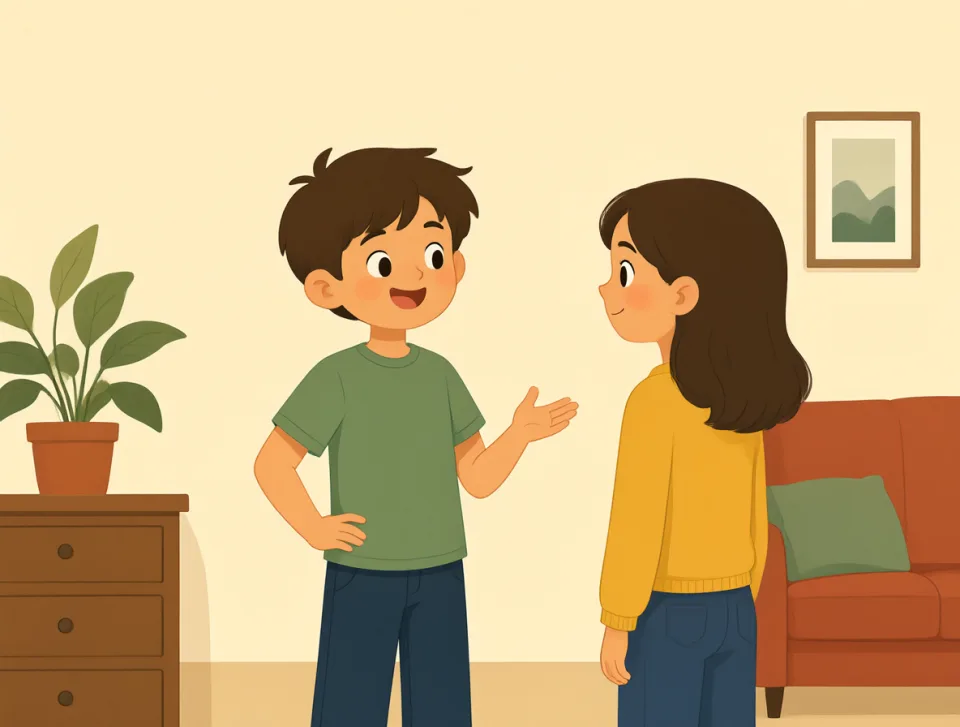
I am sure she will come.
مطمئنم که او میآید.

Sure, I can help you.
حتماً، میتوانم کمکتان کنم.
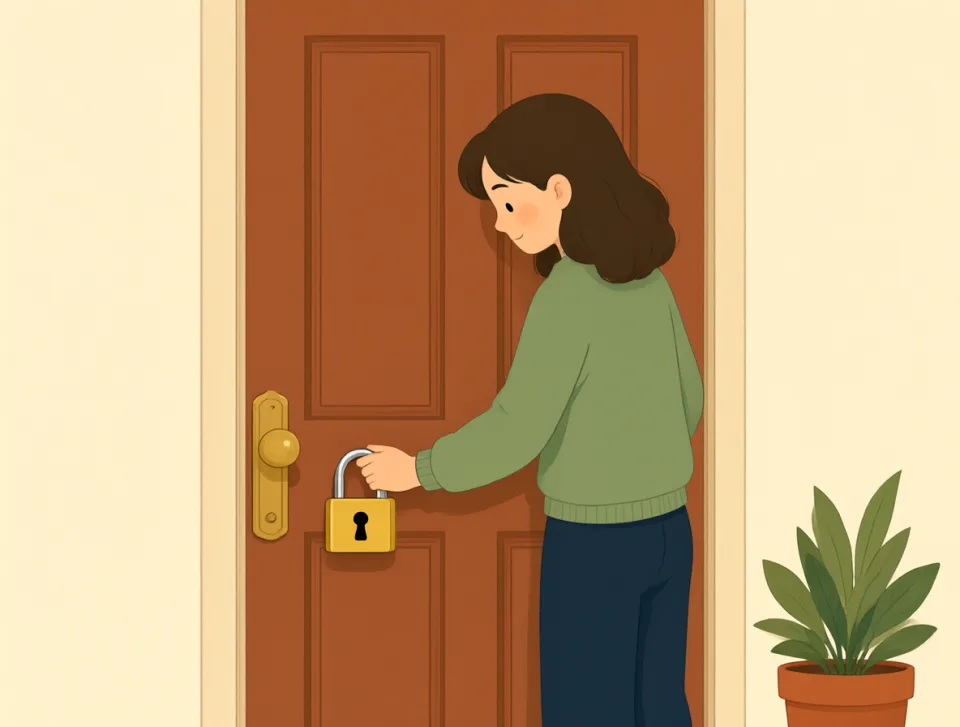
Make sure you lock the door.
یادتان باشد در را قفل کنید.

He is not sure about the answer.
او دربارهٔ جواب مطمئن نیست.
term
#280noun, verb
اصطلاح؛ دوره؛ شرط
A word or phrase, a fixed period, or a condition in an agreement.
یک واژه یا عبارت، یک دورهٔ زمانی مشخص، یا یکی از شرایط یک توافق.
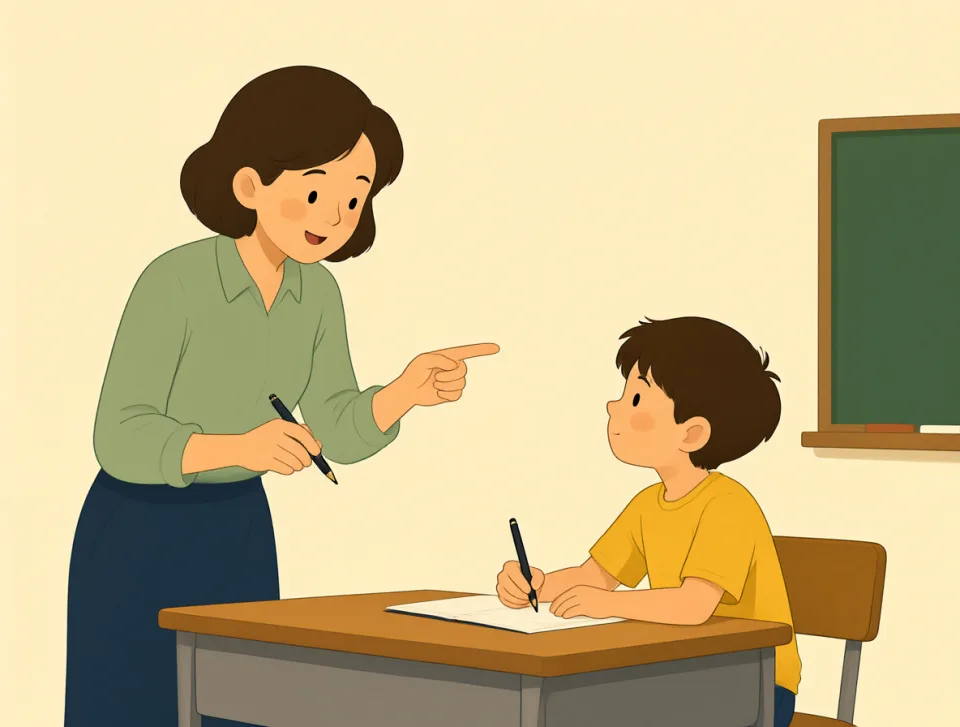
Please explain this term in simple English.
لطفاً این اصطلاح را به انگلیسی ساده توضیح دهید.
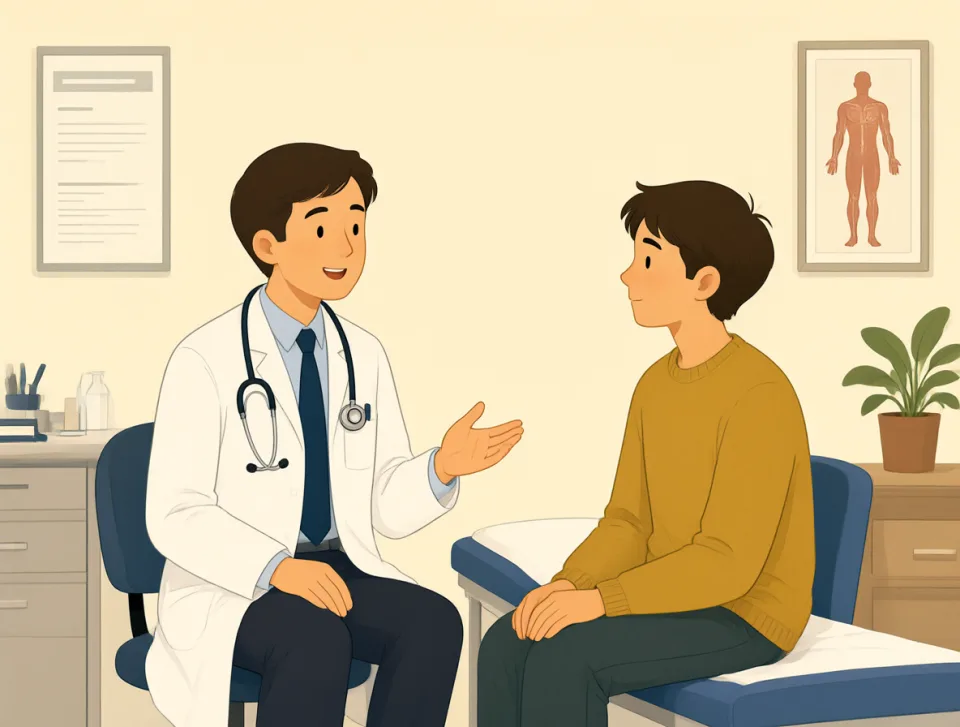
The doctor used a medical term I knew.
دکتر از یک اصطلاح پزشکی استفاده کرد که من میدانستم.

The loan must be paid in monthly terms.
وام باید طبق شرایط پرداخت ماهانه بازپرداخت شود.

She served a two-year term as mayor.
او یک دورهٔ دوساله شهردار بود.
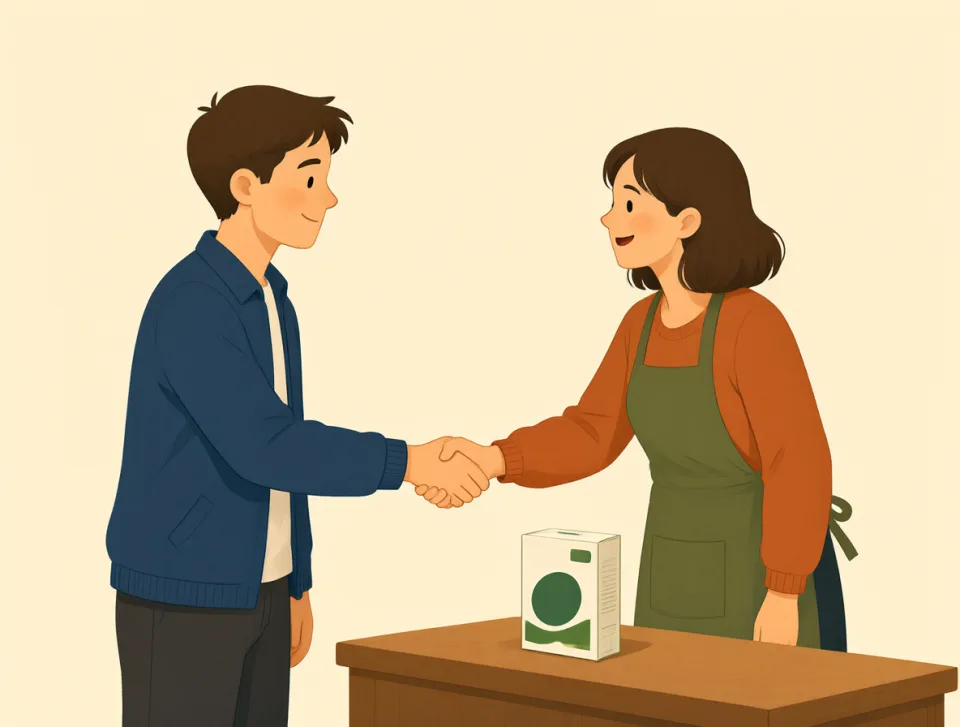
They agreed to the terms of the sale.
آنها با شرایط فروش موافقت کردند.