بخش 23
واژههای 441 تا 460 · design, event, special, sometimes, condition, carry
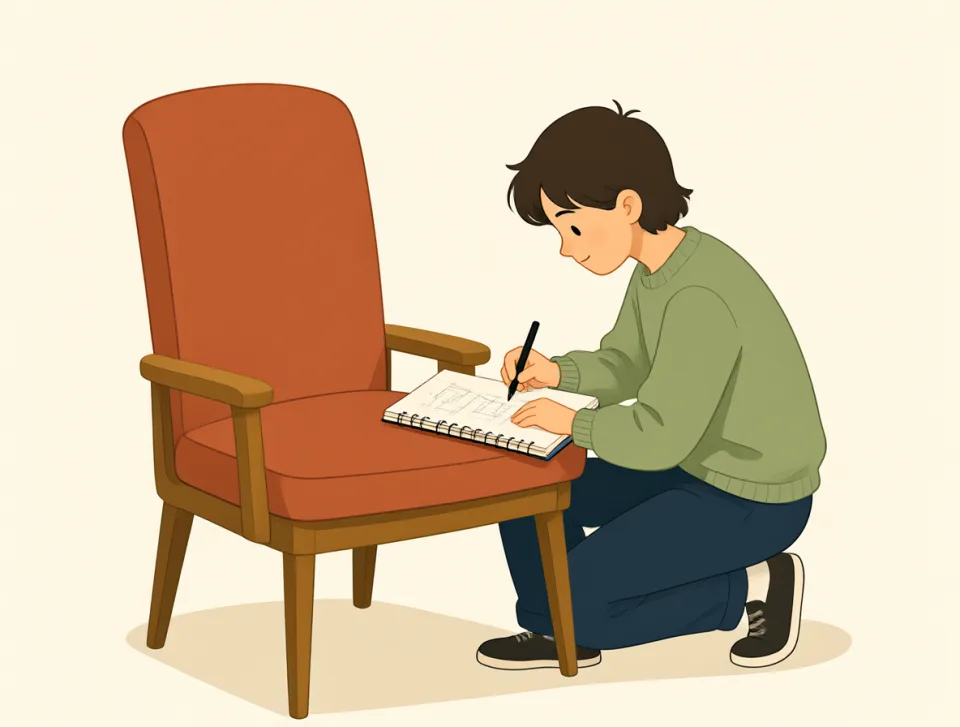
design
#441noun, verb
طرح
A plan for how something will look or work; to plan how something will look or work.
برنامهای برای اینکه چیزی چه شکلی باشد یا چطور کار کند؛ برنامهریزی برای شکل یا عملکرد چیزی.
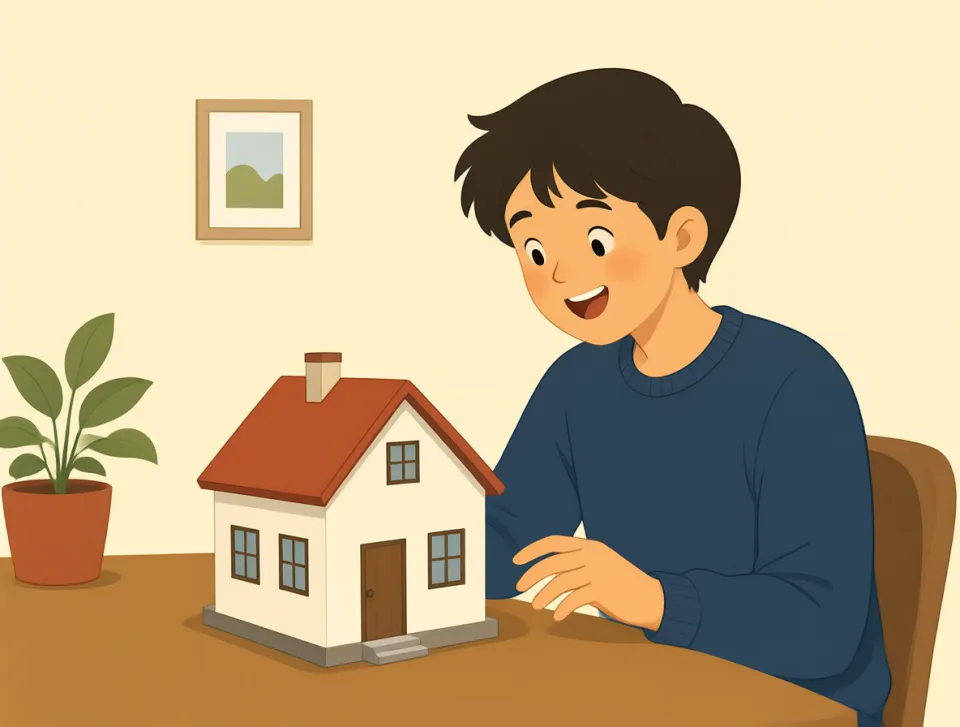
I like the design of this small house.
طرح این خانهٔ کوچک را دوست دارم.

She designs clothes for a famous shop.
او برای یک فروشگاه معروف لباس طراحی میکند.
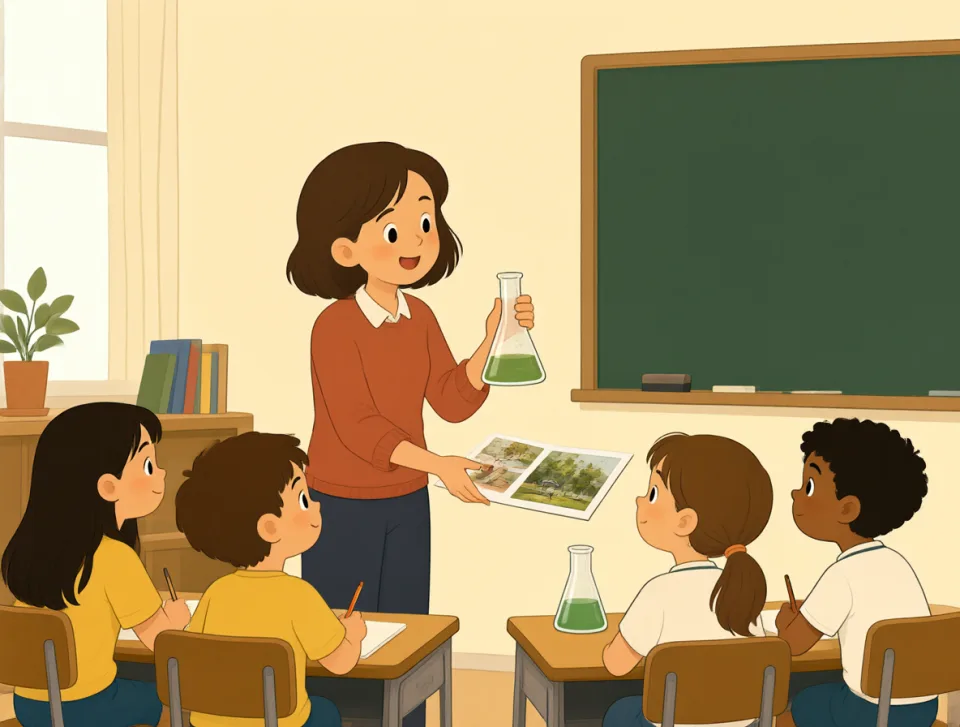
The teacher designed a fun science project.
معلم یک پروژهٔ علمی سرگرمکننده طراحی کرد.

We chose a new design for our kitchen.
برای آشپزخانهمان یک طرح جدید انتخاب کردیم.
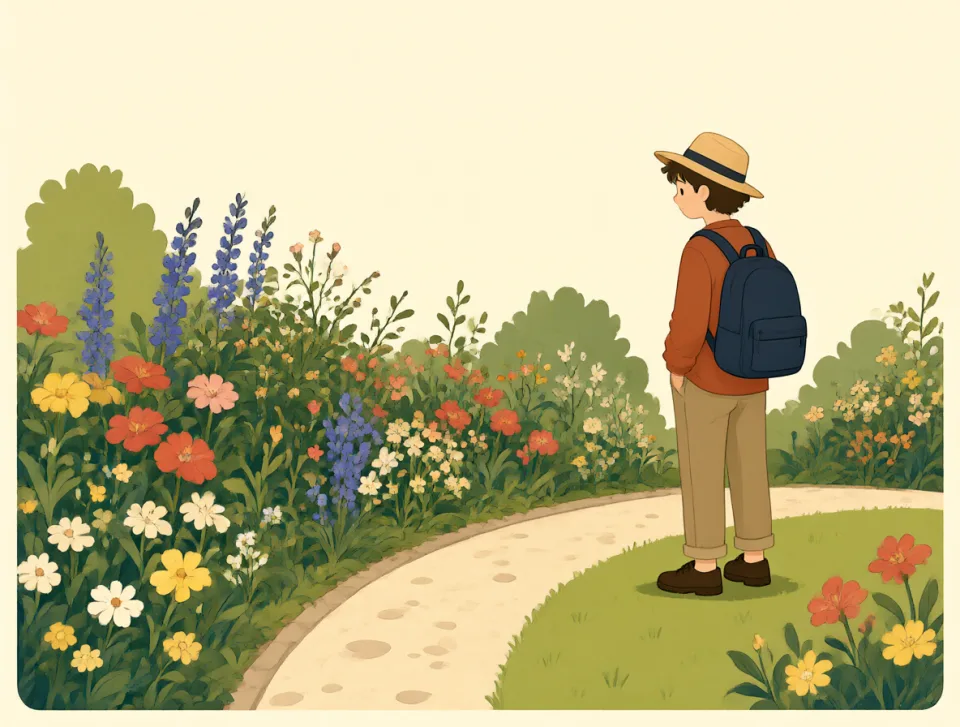
The hotel has a beautiful garden design.
طرح باغ هتل زیباست.
event
#442noun
رویداد
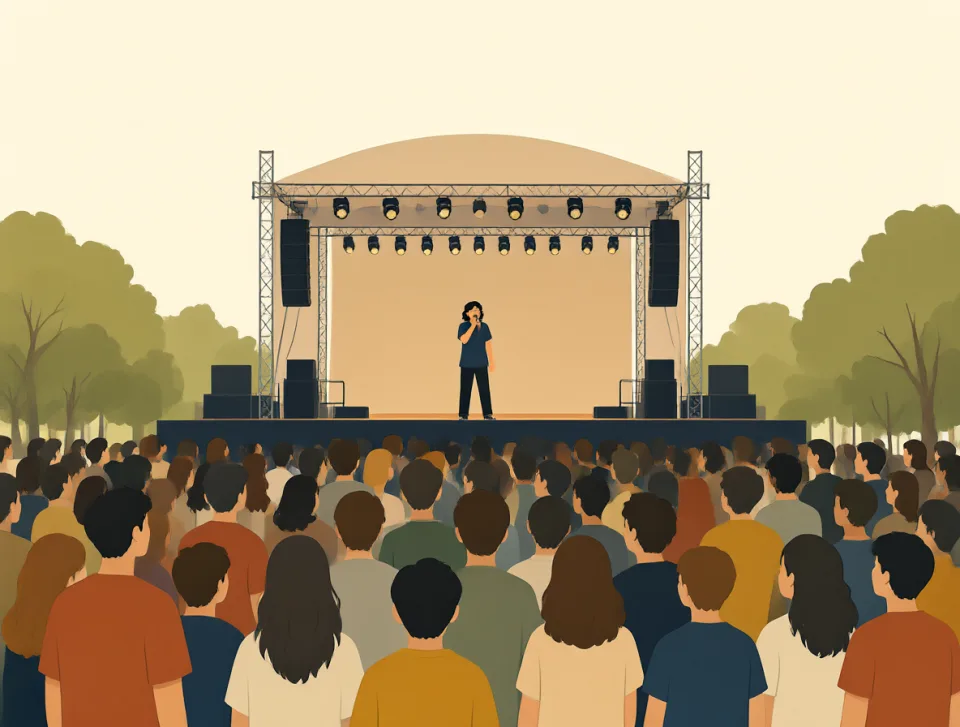
Something important that happens, especially a planned activity or occasion.
اتفاقی مهم، بهویژه فعالیت یا مناسبتی که از قبل برنامهریزی شده باشد.
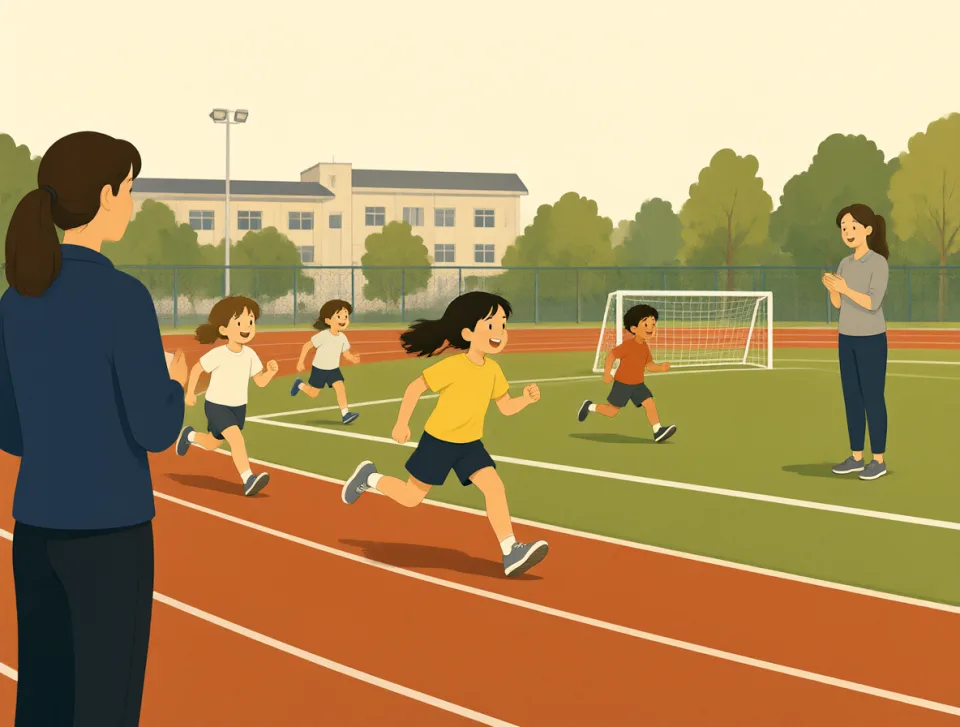
Our school held a sports event yesterday.
مدرسهٔ ما دیروز یک رویداد ورزشی برگزار کرد.
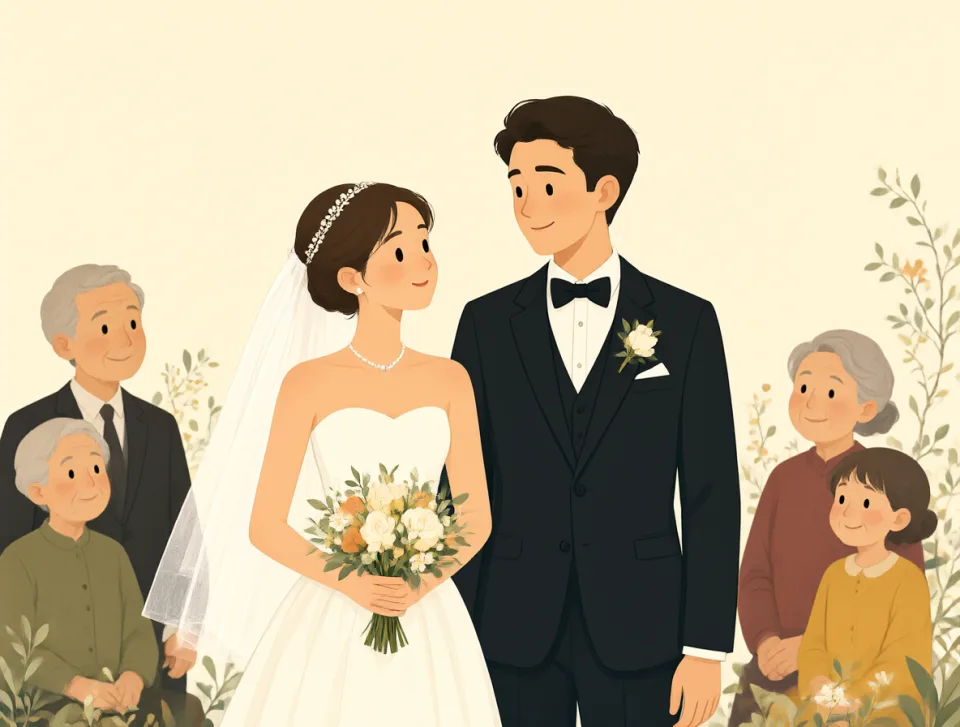
The wedding was a beautiful family event.
عروسی یک مراسم خانوادگی زیبا بود.
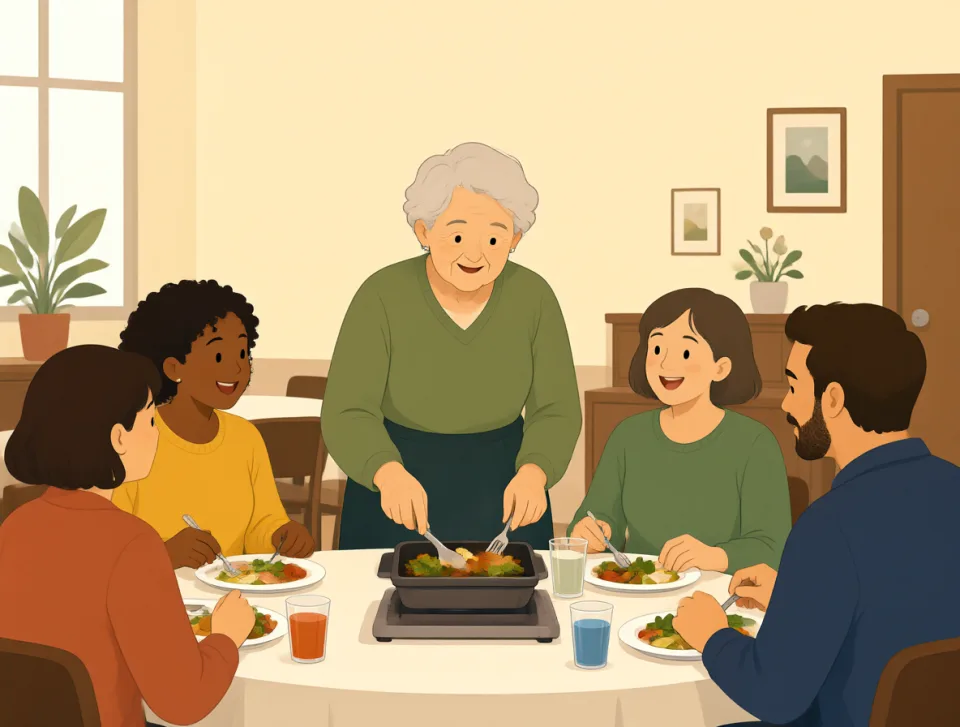
Many people came to the charity event.
افراد زیادی در رویداد خیریه شرکت کردند.
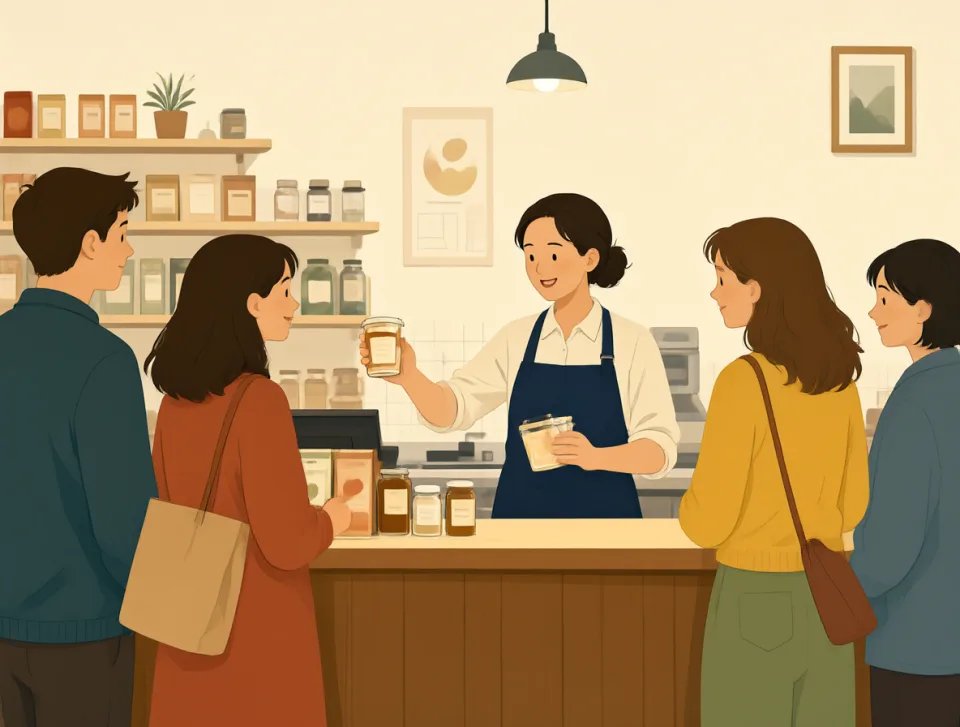
The shop has a special event this weekend.
فروشگاه این آخر هفته یک رویداد ویژه دارد.
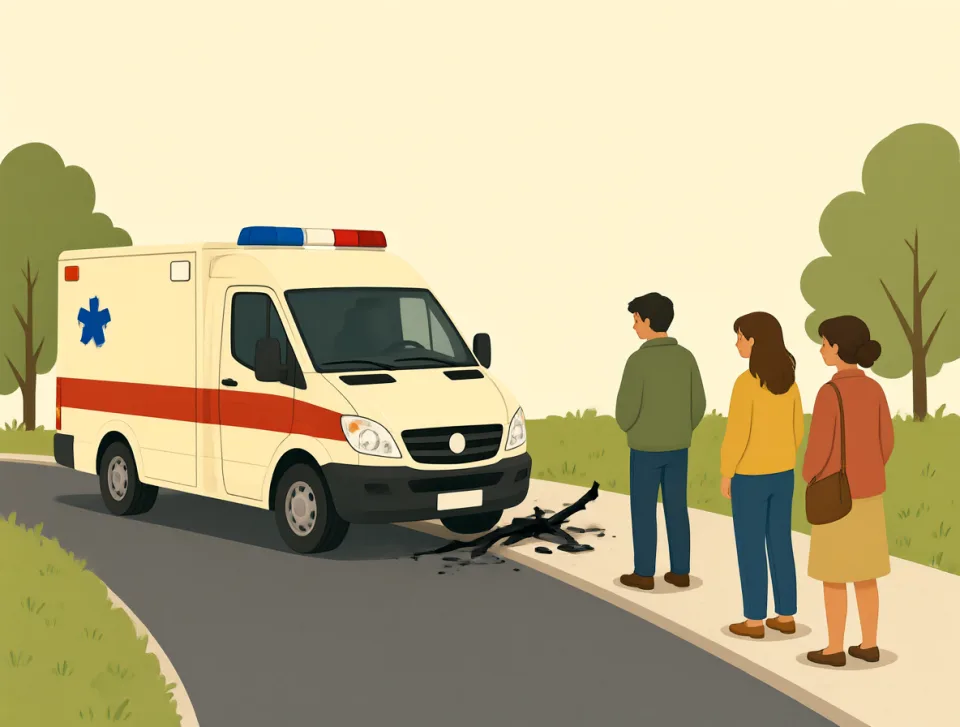
The accident was a frightening event for everyone.
آن تصادف برای همه اتفاقی ترسناک بود.
special
#443adjective, noun
ویژه
Different from usual, or important and worth attention.
متفاوت از حالت معمول، یا مهم و شایان توجه.
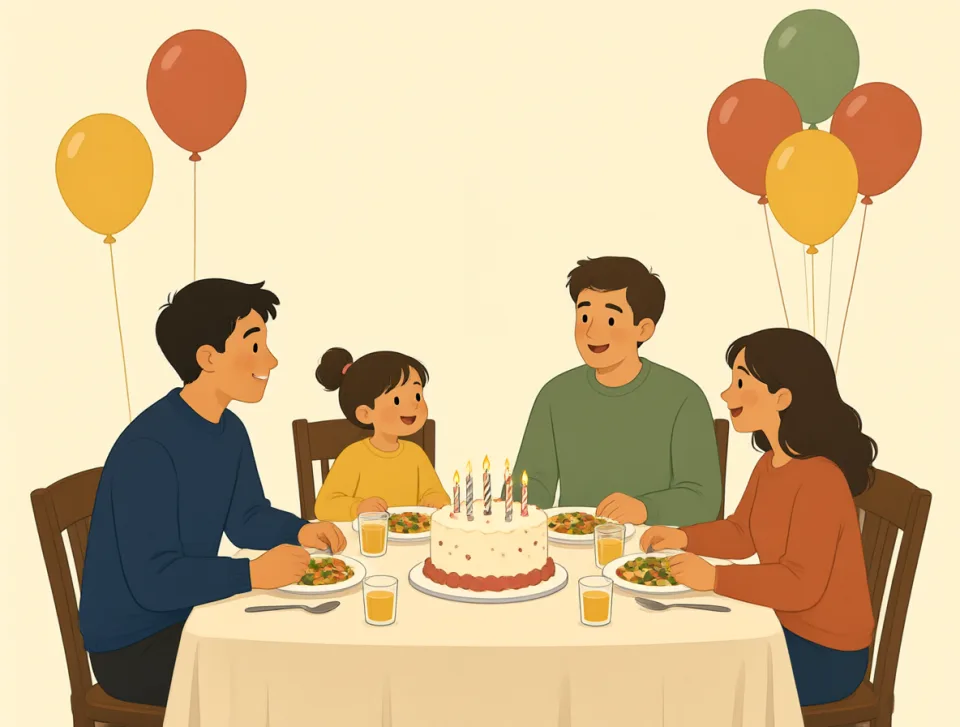
We had a special dinner for my birthday.
برای تولدم شام ویژهای خوردیم.
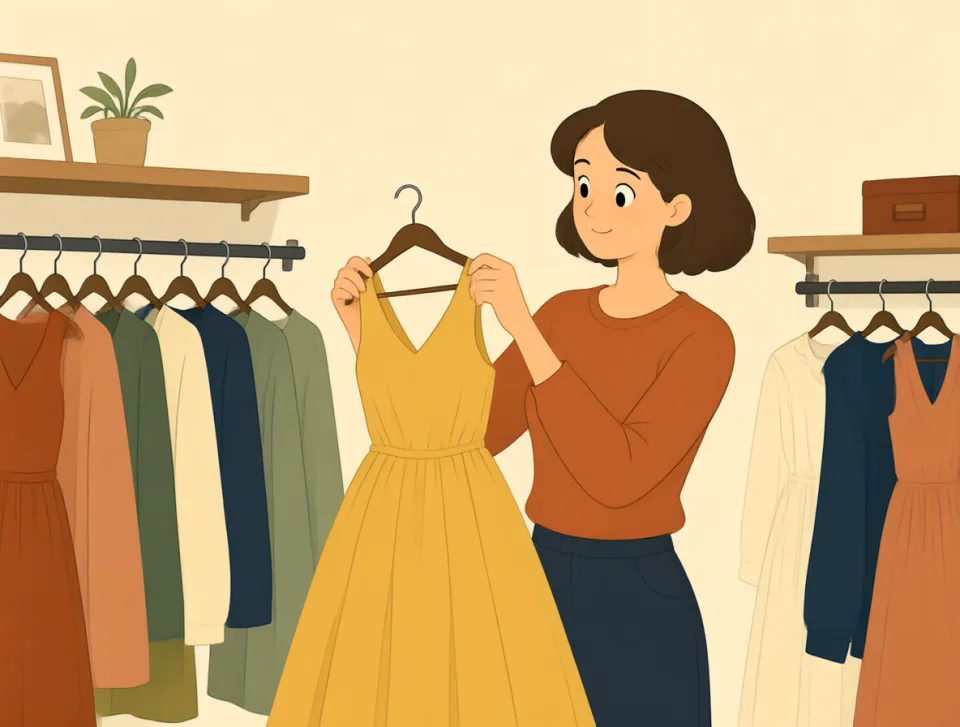
She bought a special dress for the party.
او برای مهمانی یک لباس ویژه خرید.
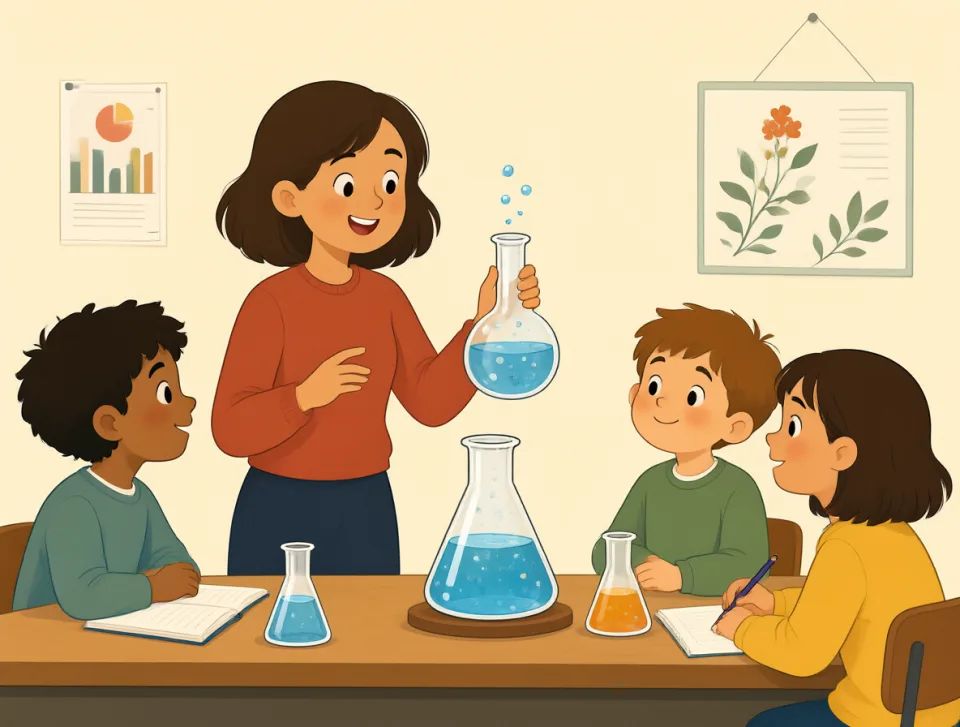
The teacher planned a special lesson today.
معلم امروز یک درس ویژه برنامهریزی کرد.
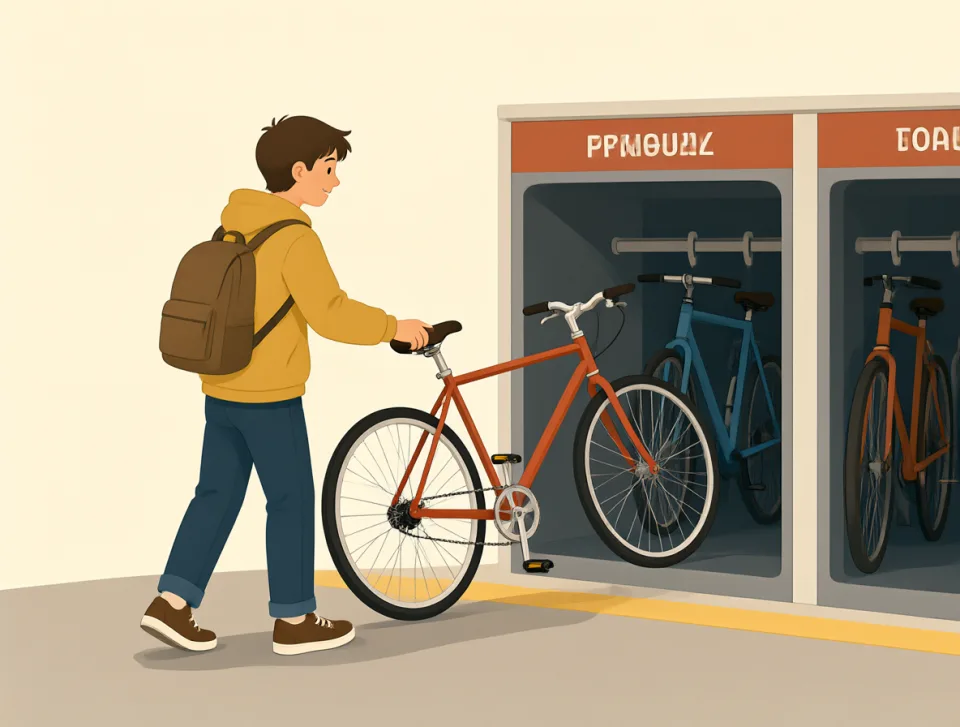
This train has a special place for bicycles.
این قطار جای مخصوصی برای دوچرخه دارد.
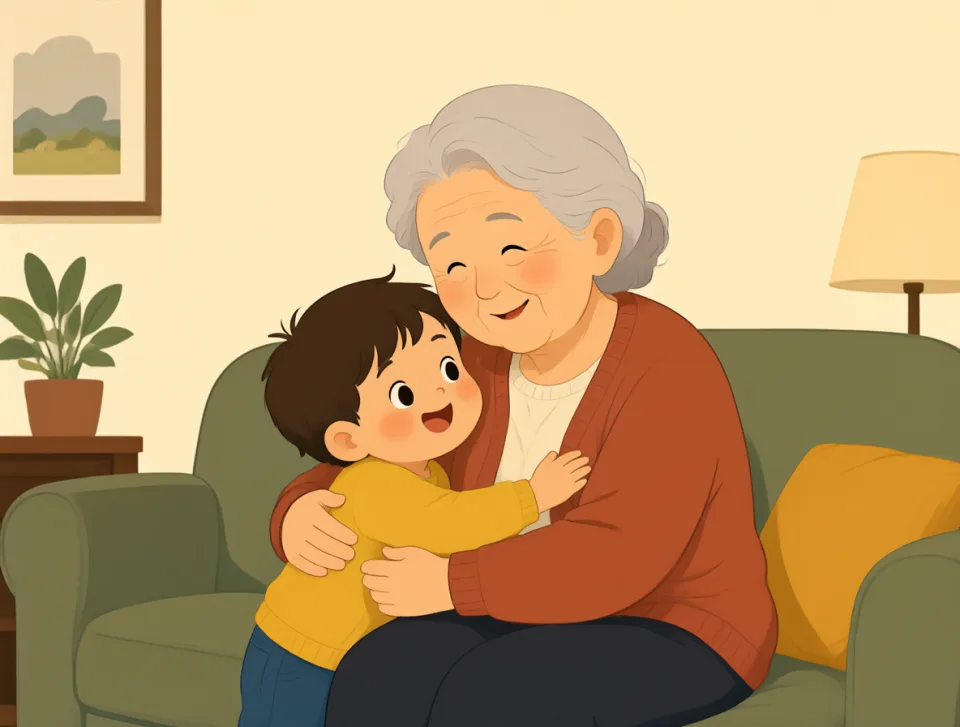
My grandmother is a very special person.
مادربزرگم آدم بسیار خاصی است.

sometimes
#444adverb
گاهی
At some times, but not always.
در بعضی مواقع، اما نه همیشه.
I sometimes walk to work.
گاهی پیاده به محل کار میروم.
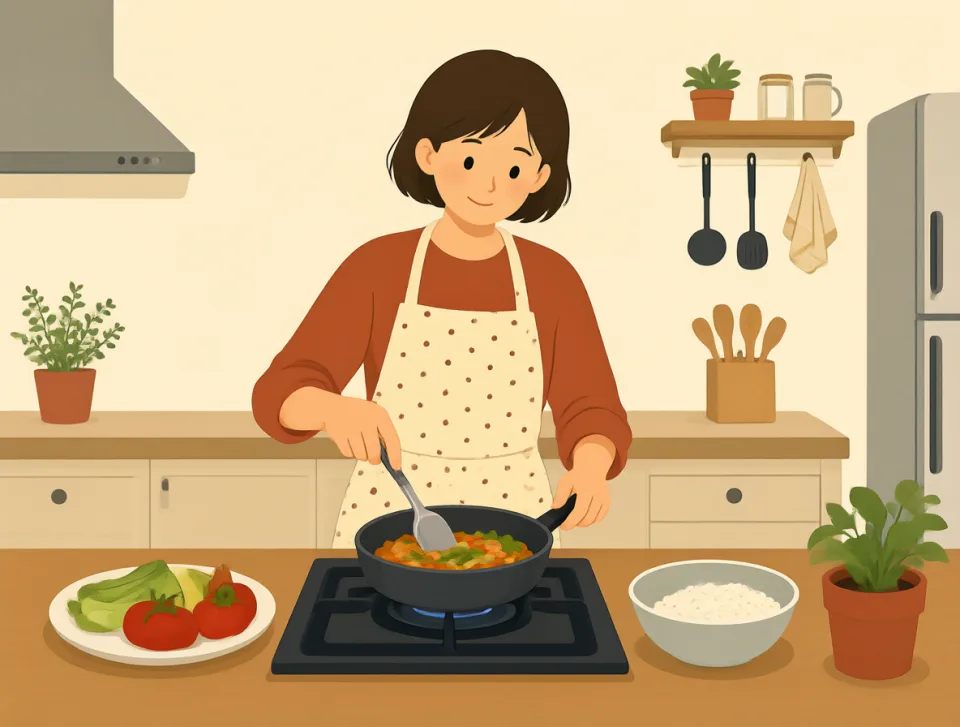
She sometimes cooks dinner for us.
او گاهی برای ما شام میپزد.
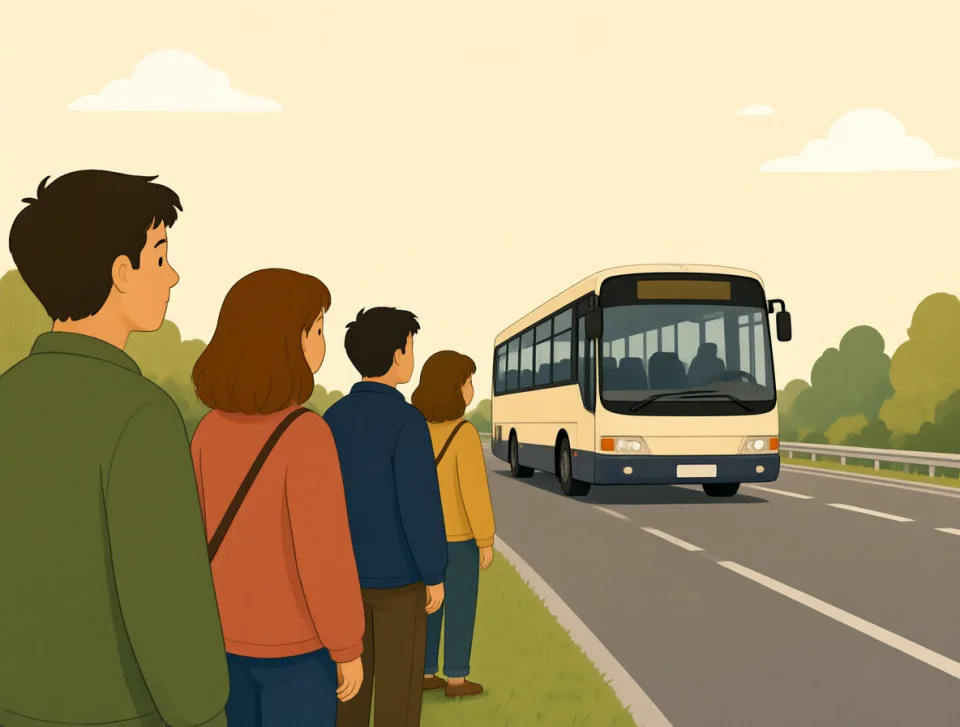
Sometimes, the bus arrives late.
گاهی اتوبوس دیر میرسد.
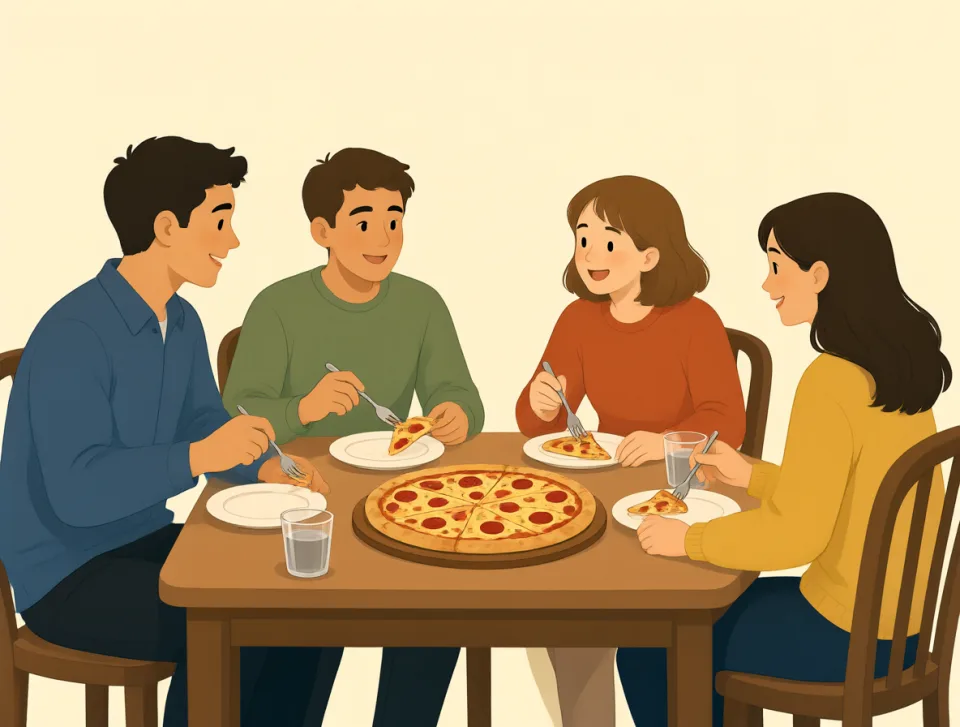
We sometimes eat pizza on Fridays.
ما گاهی جمعهها پیتزا میخوریم.
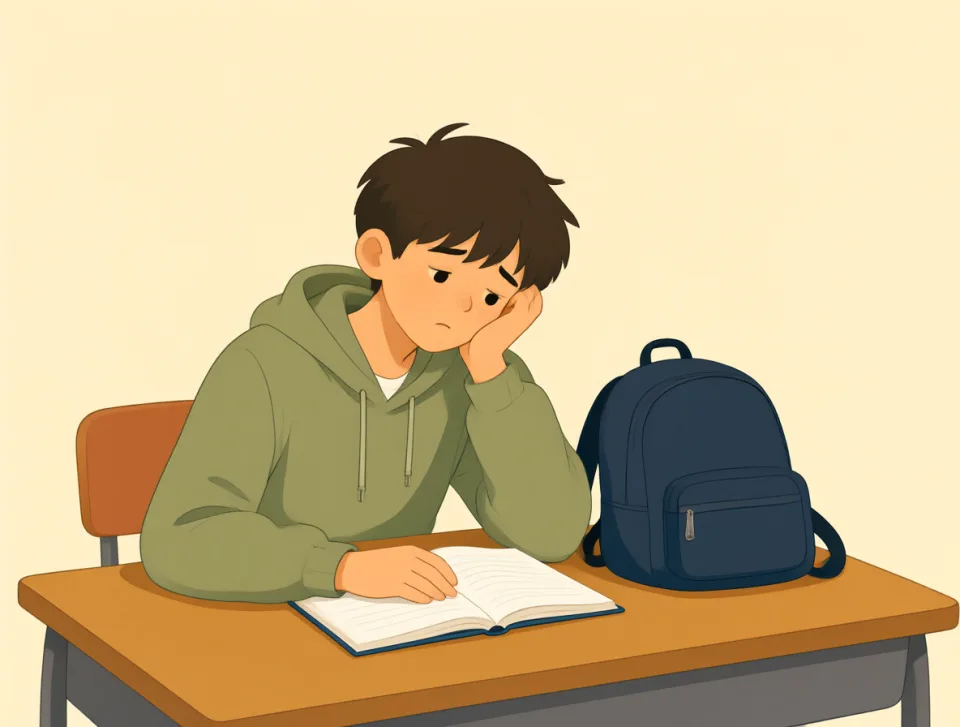
He sometimes feels tired after school.
او گاهی بعد از مدرسه احساس خستگی میکند.
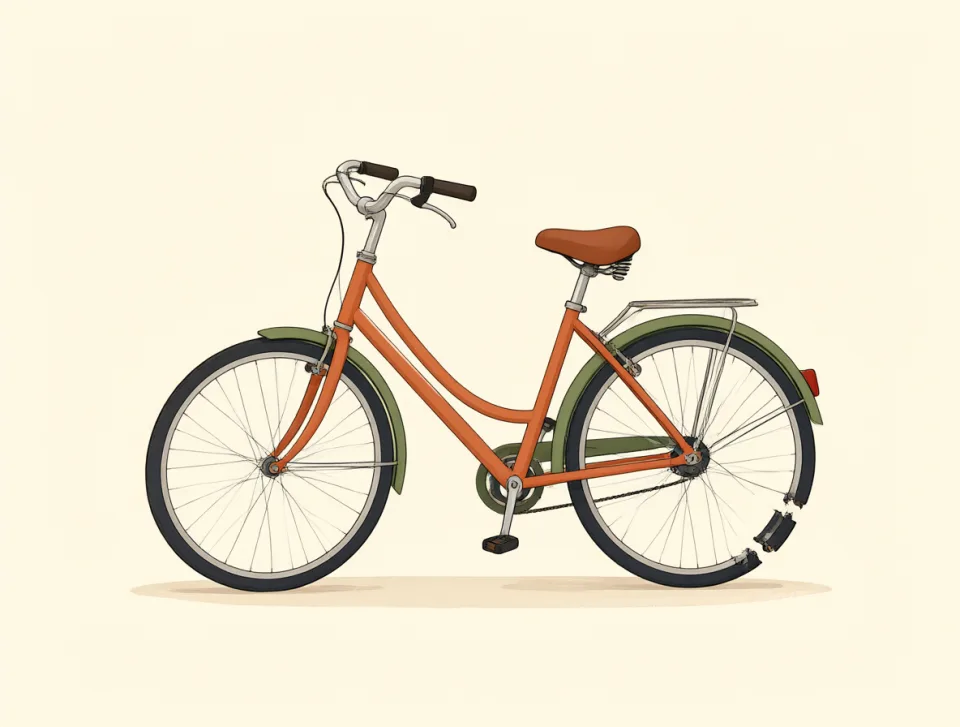
condition
#445noun
وضعیت؛ شرط
the state that something is in, or a rule that must be accepted
وضعیتی که چیزی در آن قرار دارد، یا قانونی که باید پذیرفته شود.
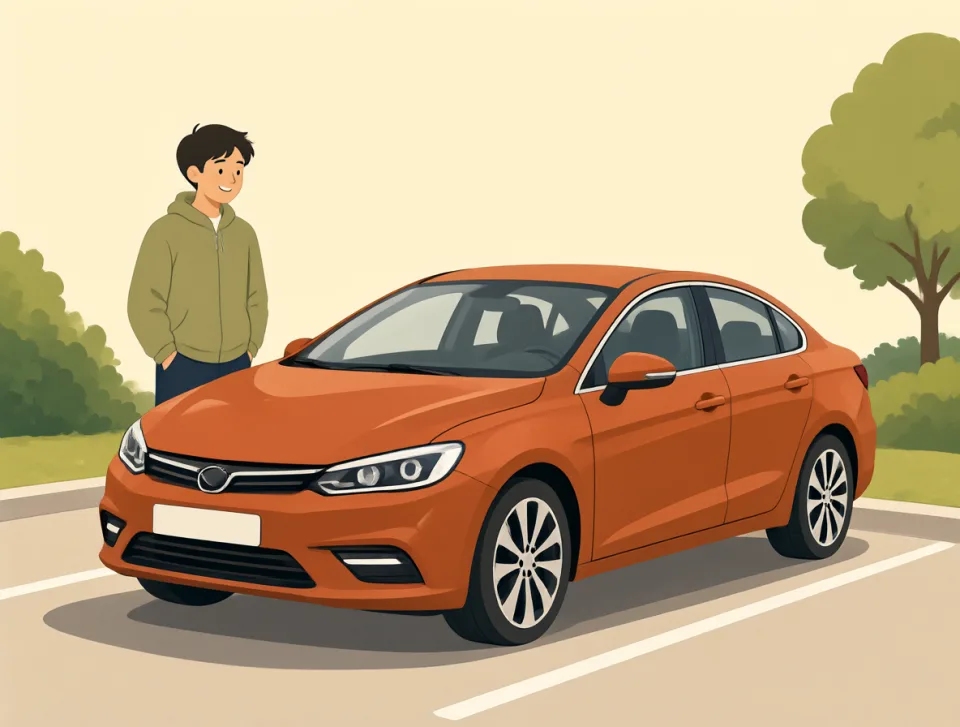
The car is in good condition.
ماشین وضعیت خوبی دارد.
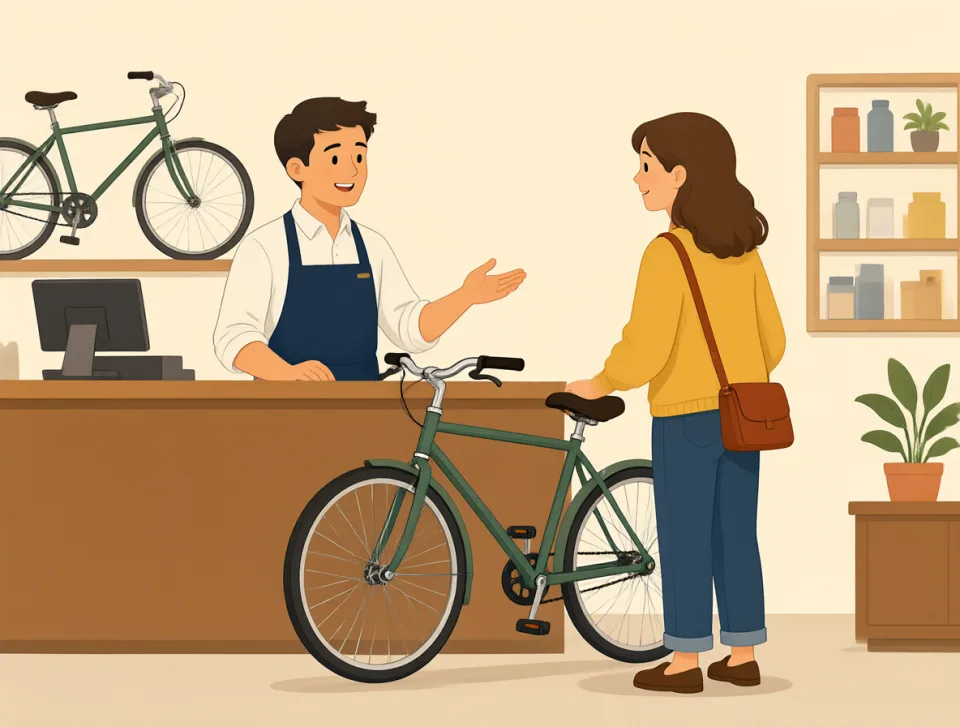
You can buy it on one condition.
میتوانی آن را به یک شرط بخری.
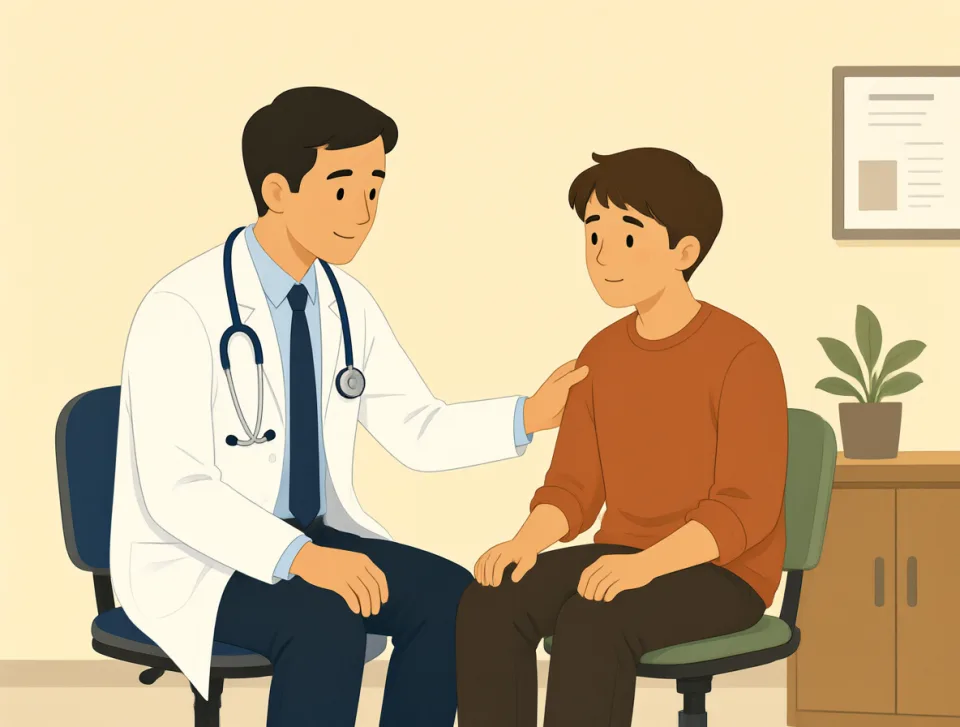
The doctor asked about my condition.
دکتر دربارهٔ وضعیت من پرسید.
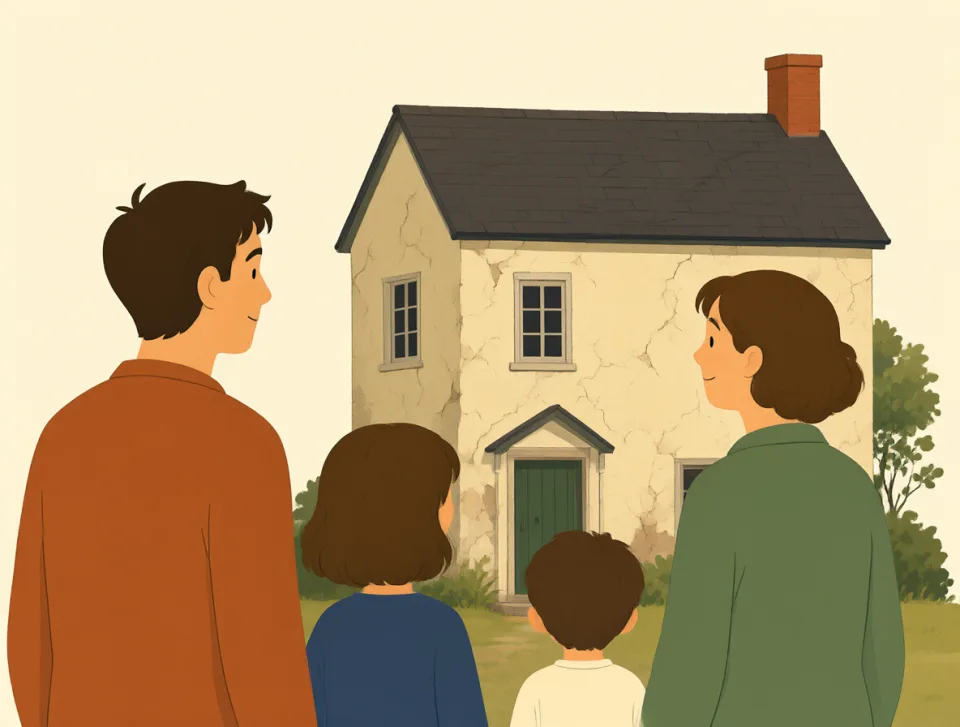
The house was in poor condition.
خانه وضعیت نامناسبی داشت.
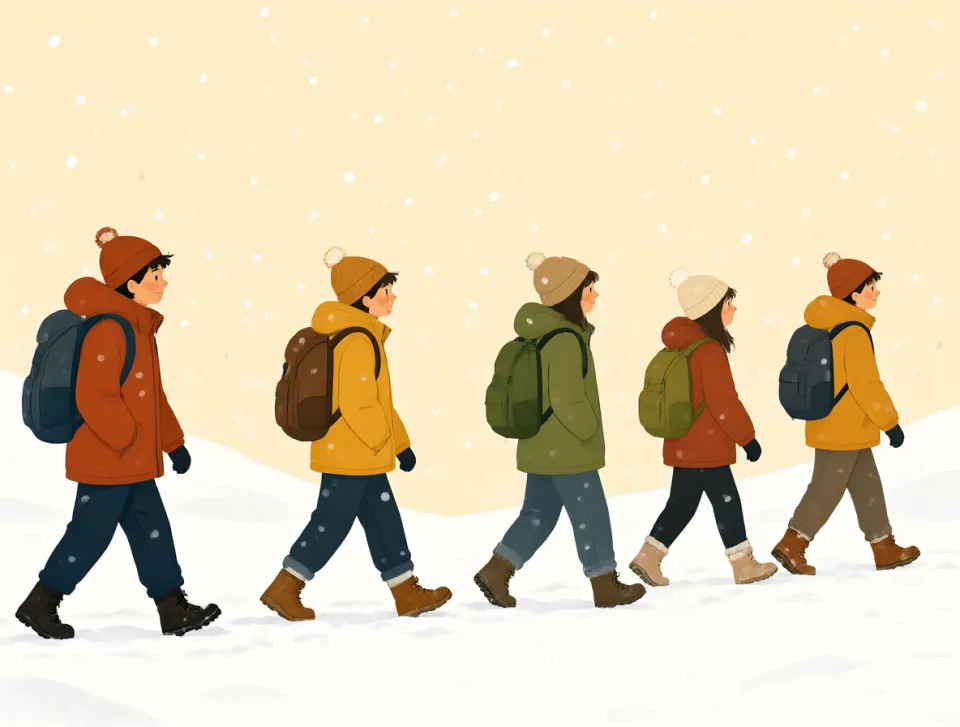
Cold conditions made the trip difficult.
شرایط سرد سفر را دشوار کرد.
carry
#446verb
حمل کردن
to take something or someone from one place to another
چیزی یا کسی را از جایی به جای دیگر بردن

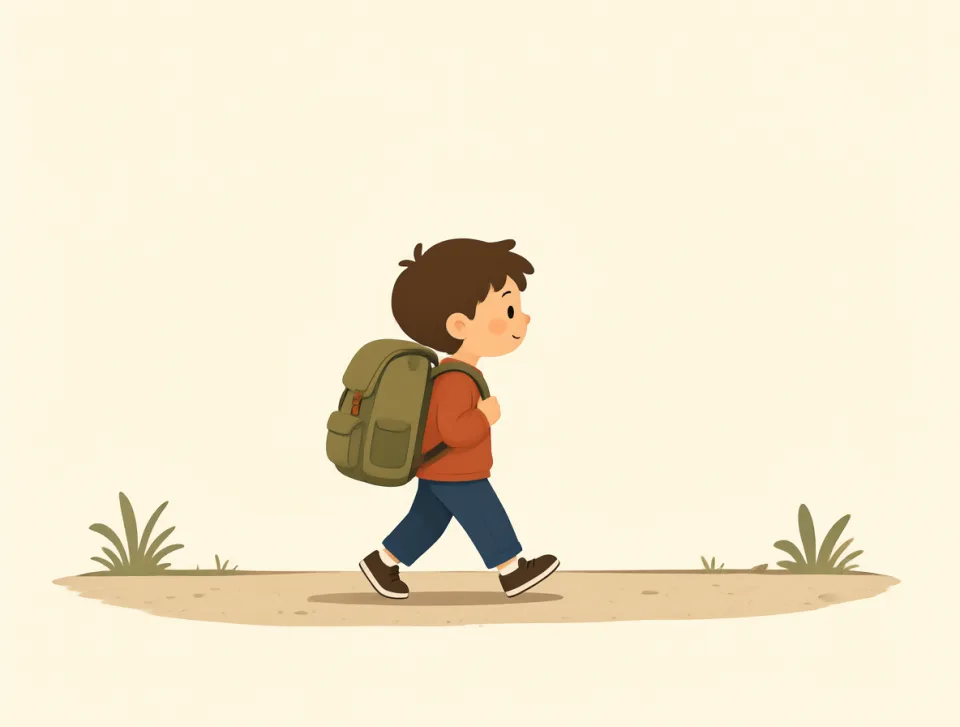
She carries her bag to work every day.
او هر روز کیفش را با خود به محل کار میبرد.
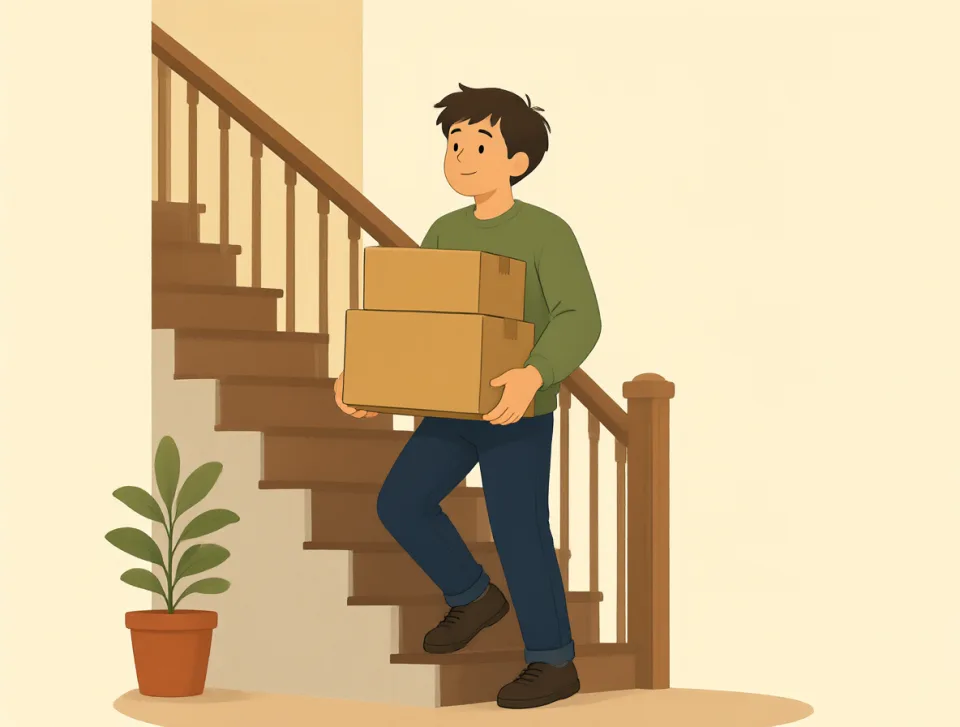
Please carry these boxes upstairs.
لطفاً این جعبهها را به طبقهٔ بالا ببرید.

The waiter carried our food to the table.
پیشخدمت غذای ما را به میز برد.
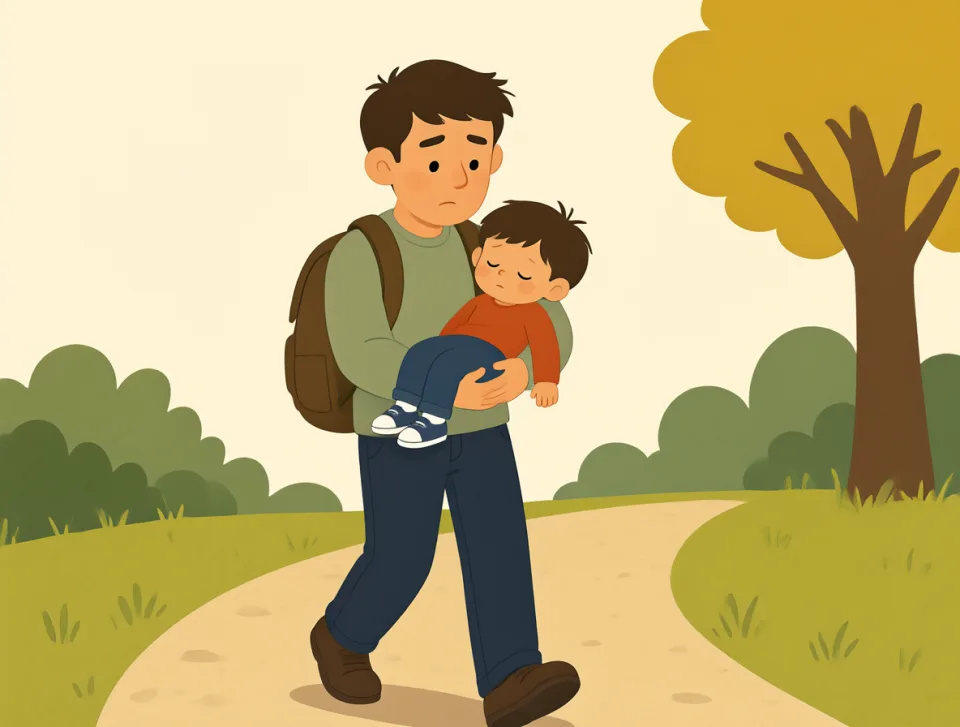
He carried his son home after the trip.
او پس از سفر، پسرش را تا خانه بغل کرد و برد.
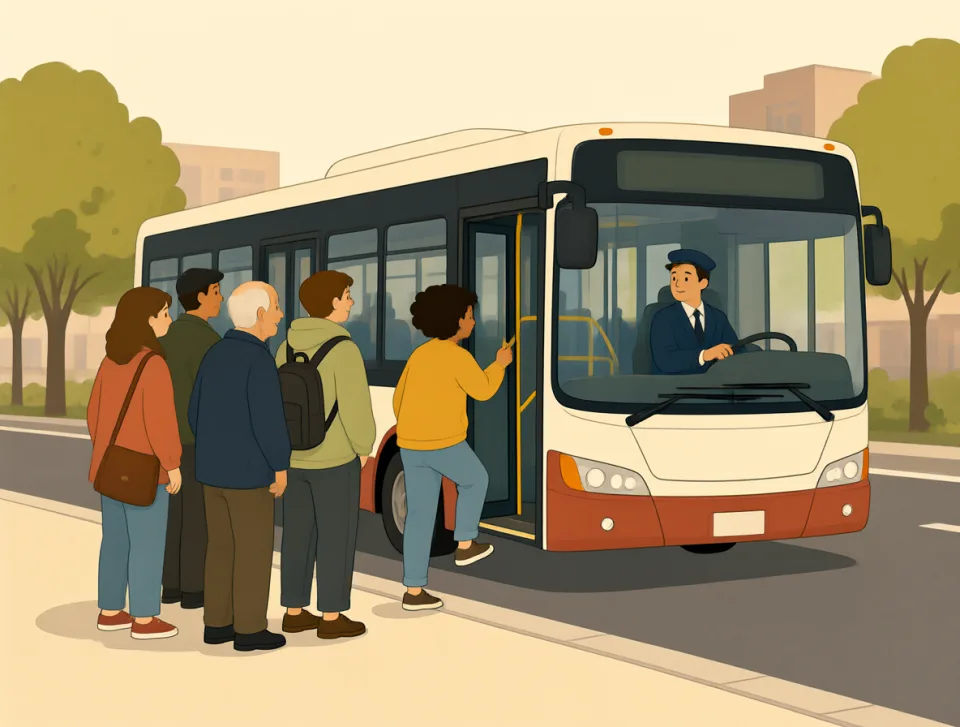
This bus carries many people every morning.
این اتوبوس هر صبح مسافران زیادی را جابهجا میکند.
choose
#447verb
انتخاب کردن
To decide which person or thing you want from several possibilities.
تصمیم گرفتن که از میان چند گزینه، کدام شخص یا چیز را میخواهید.

Choose a seat near the window.
یک صندلی نزدیک پنجره انتخاب کنید.

She chose the blue dress for work.
او برای محل کار لباس آبی را انتخاب کرد.
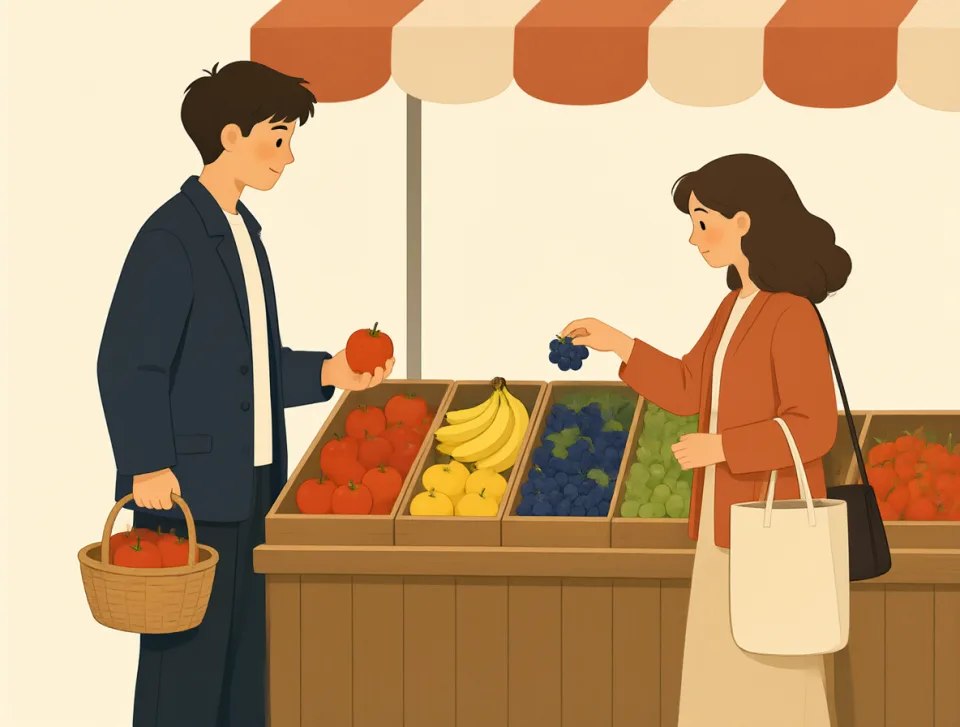
We choose fresh fruit at the market.
ما در بازار میوهٔ تازه انتخاب میکنیم.
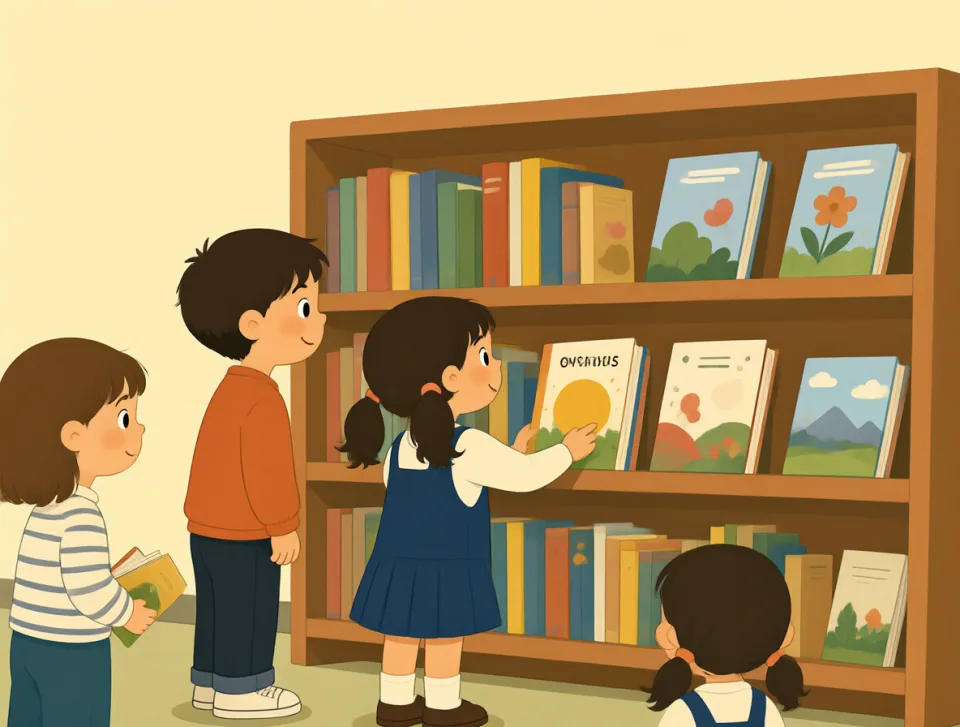
Our teacher let us choose a book.
معلممان به ما اجازه داد یک کتاب انتخاب کنیم.
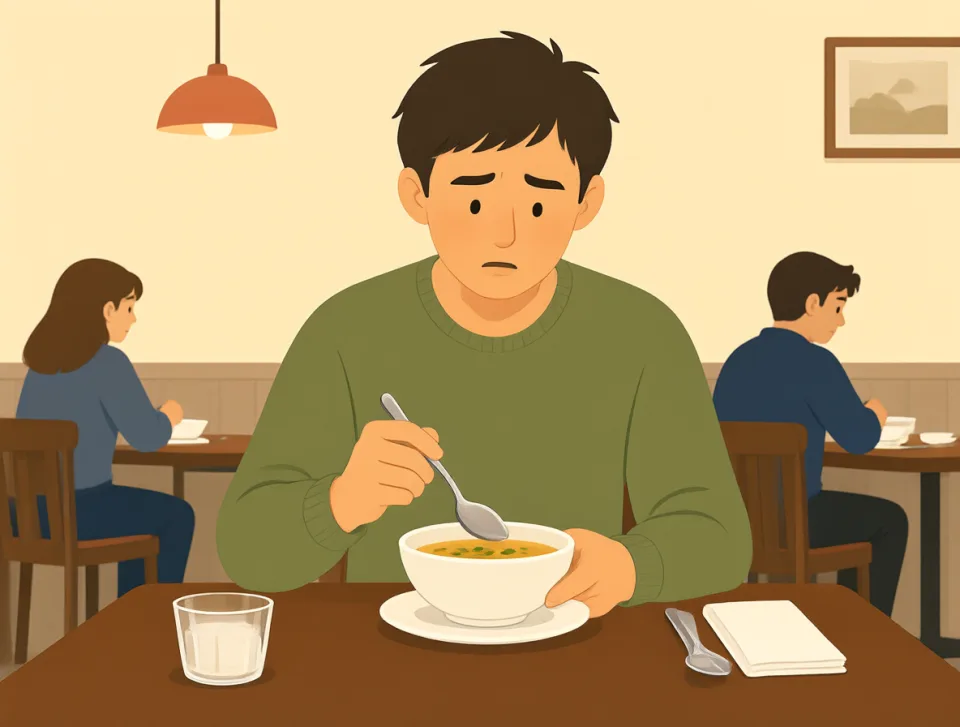
He chose soup because his throat hurt.
او سوپ انتخاب کرد، چون گلویش درد میکرد.
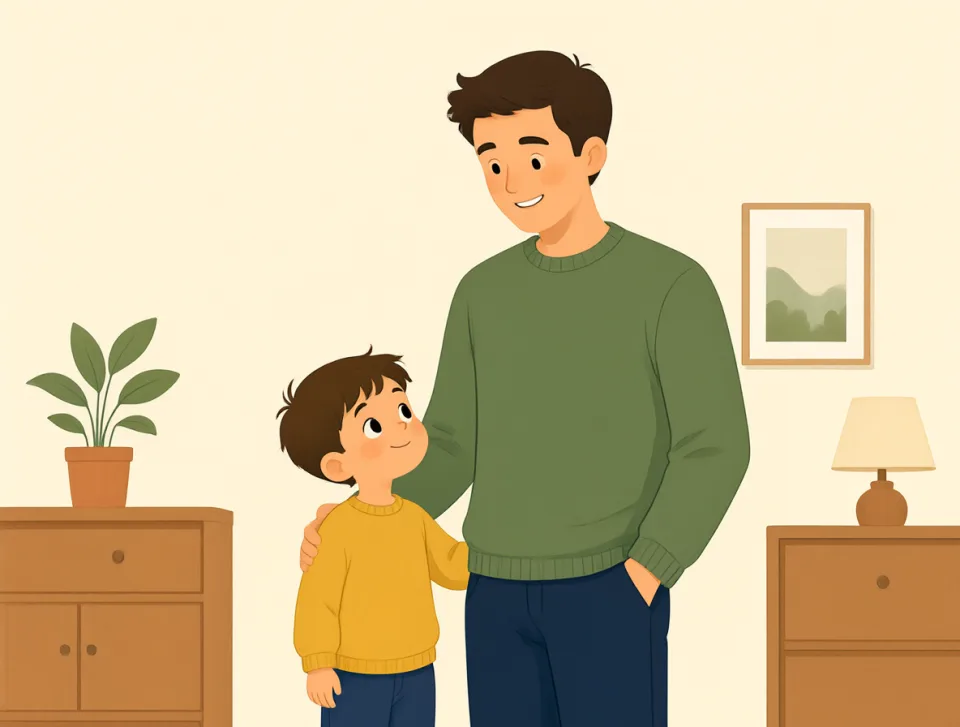
father
#448noun
پدر
A male parent of a child.
والدِ مذکرِ یک کودک.
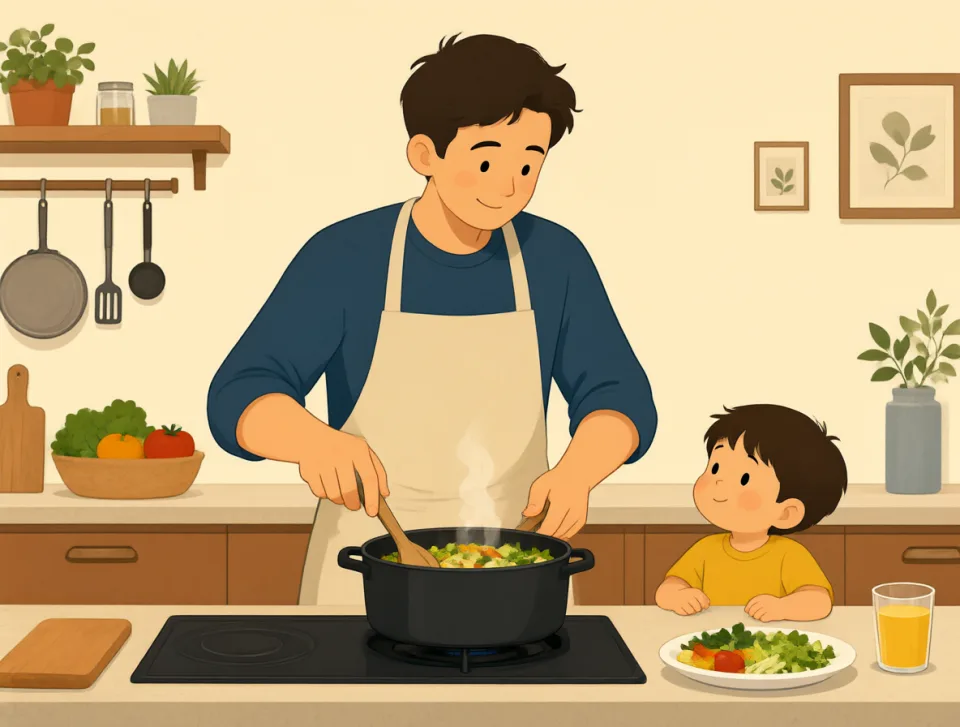
My father makes breakfast every morning.
پدرم هر صبح صبحانه درست میکند.
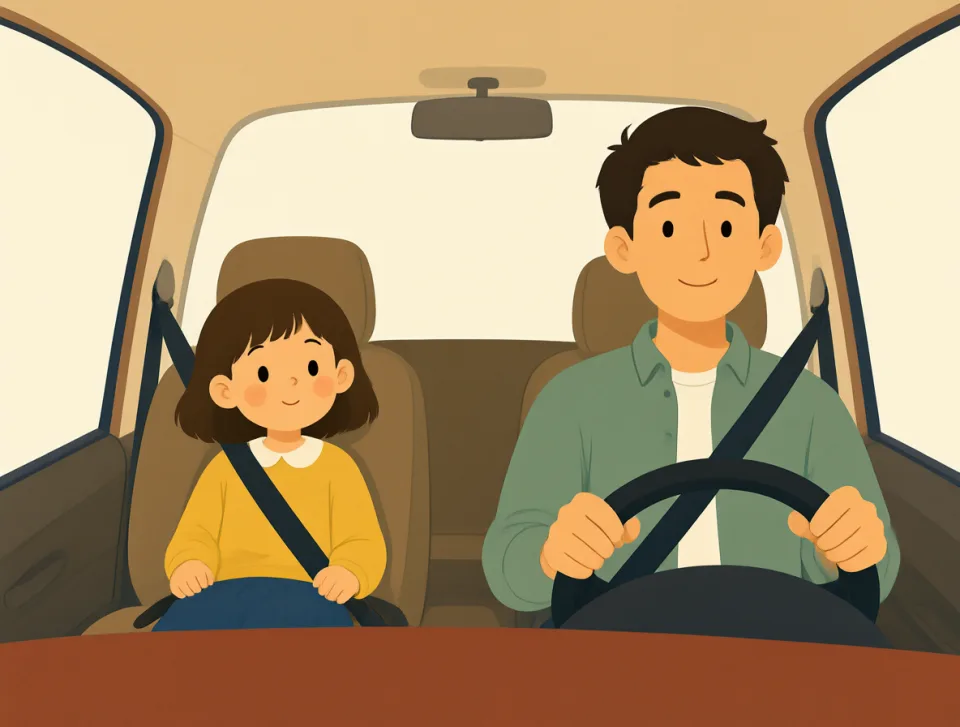
Her father drives her to school.
پدرش او را با ماشین به مدرسه میرساند.
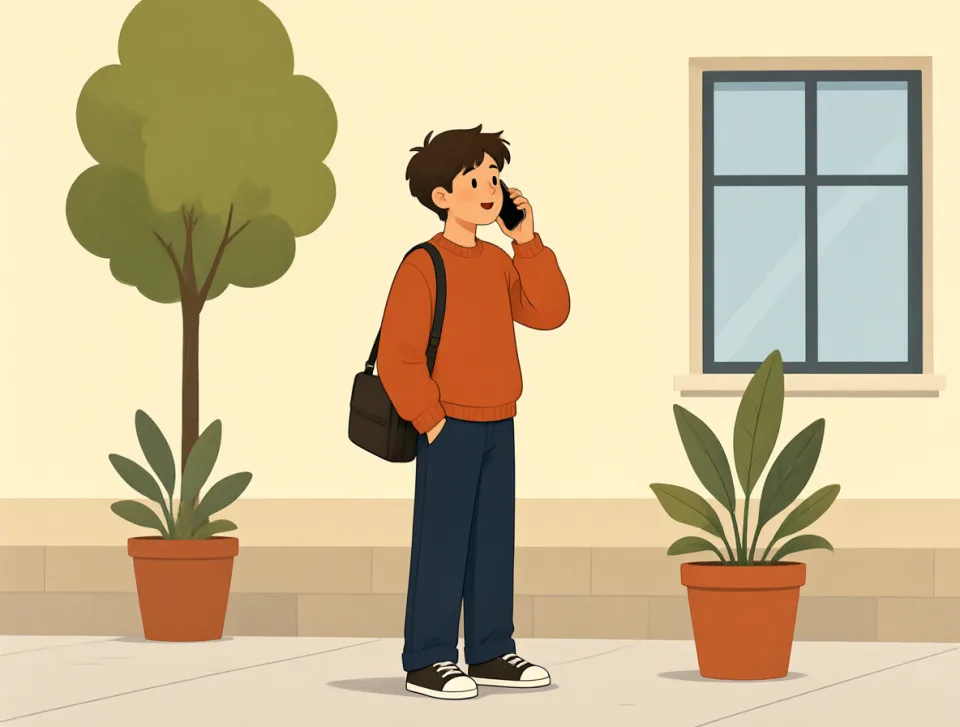
I called my father after work.
بعد از کار به پدرم زنگ زدم.
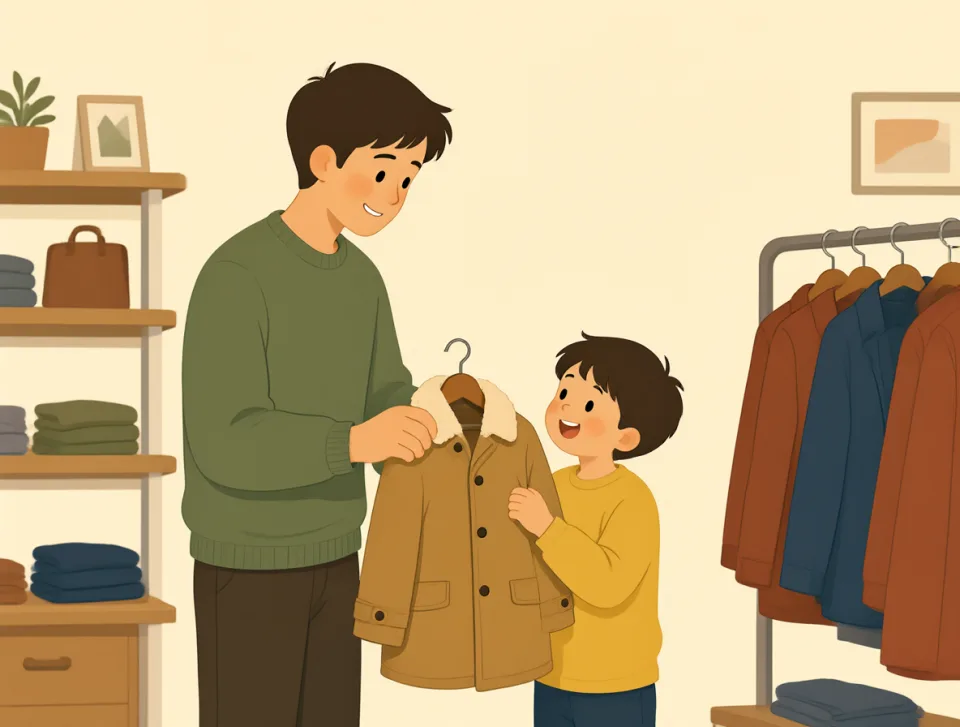
His father bought a new coat.
پدرش یک کت جدید خرید.
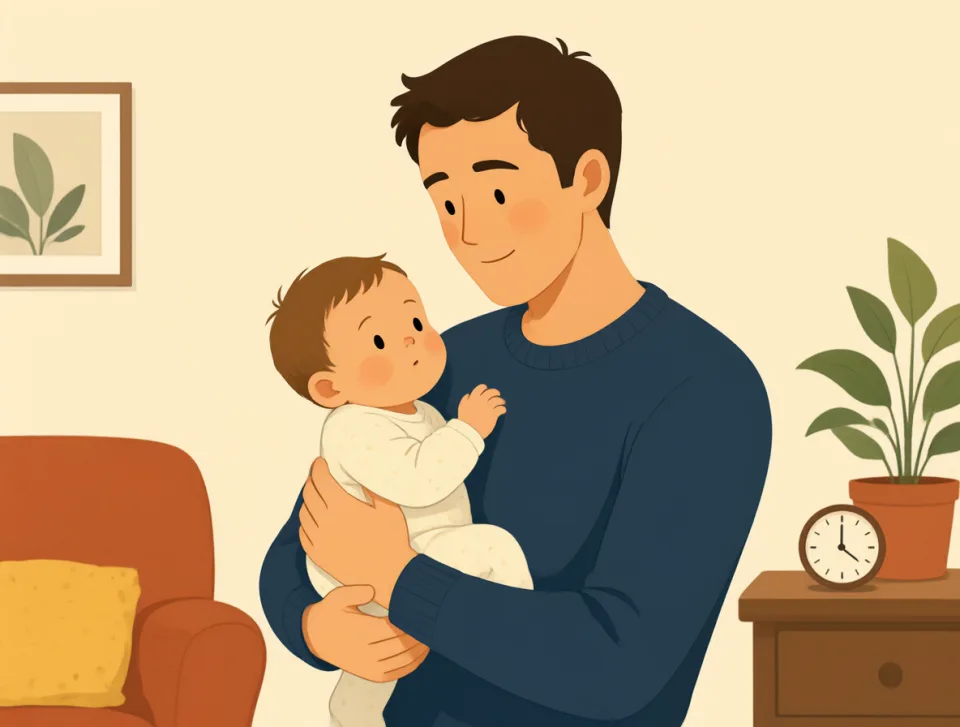
The baby is staying with her father.
نوزاد پیش پدرش میماند.
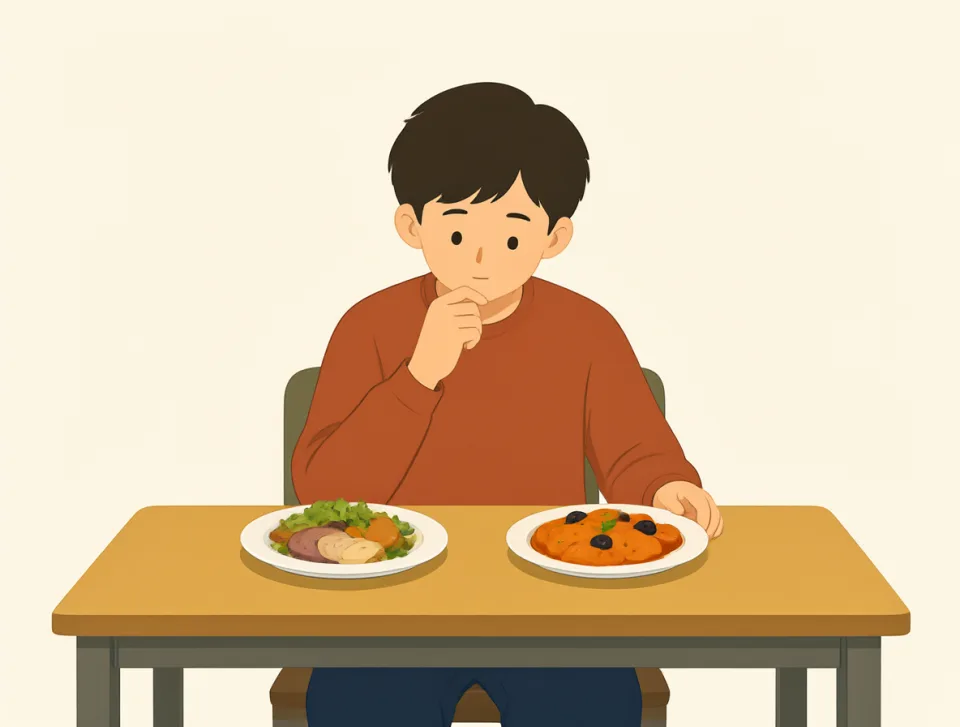
decision
#449noun
تصمیم
a choice you make after thinking about what to do
انتخابی که پس از فکر کردن دربارهٔ کاری که باید انجام دهید، میکنید

We need to make a decision today.
امروز باید تصمیم بگیریم.

She made the right decision about the job.
او دربارهٔ آن شغل تصمیم درستی گرفت.
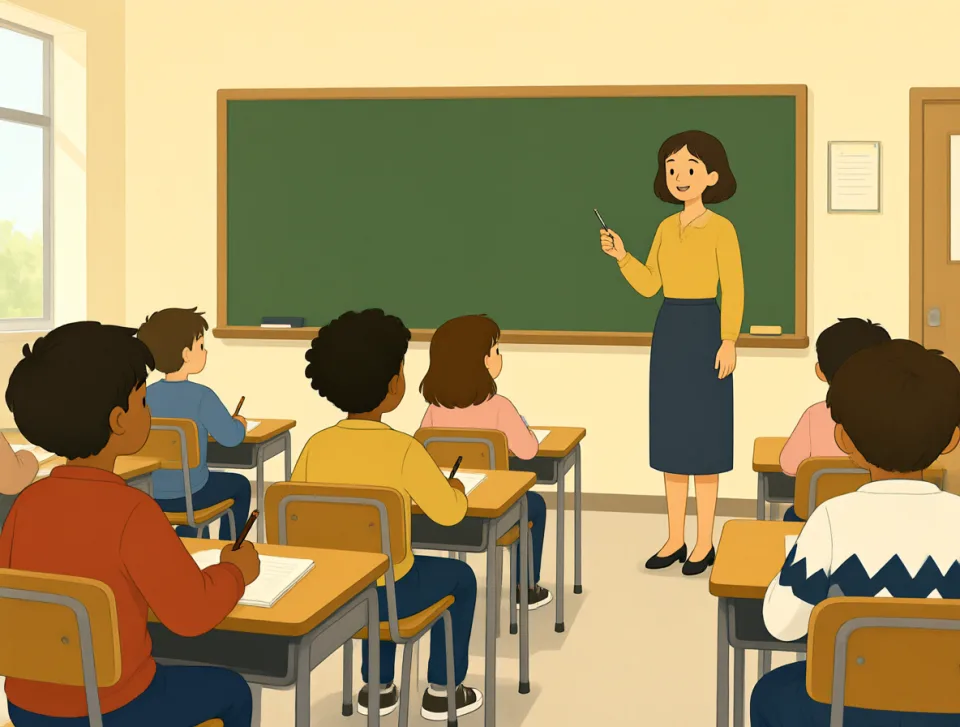
The teacher asked for our decision.
معلم از ما خواست تصمیممان را اعلام کنیم.
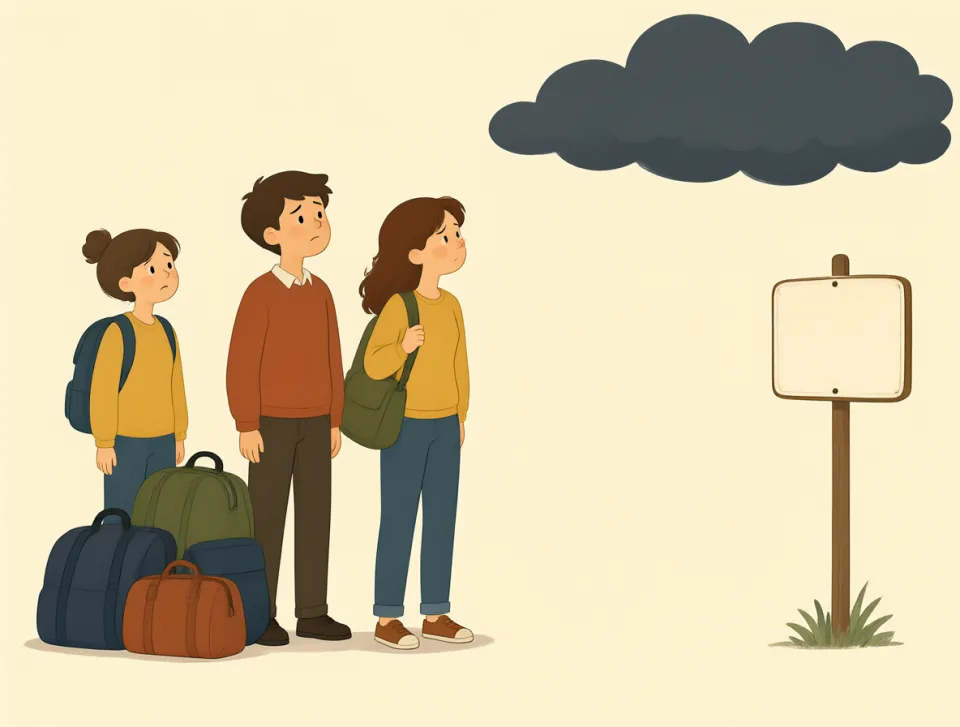
They changed their decision after the storm.
آنها بعد از طوفان تصمیمشان را تغییر دادند.
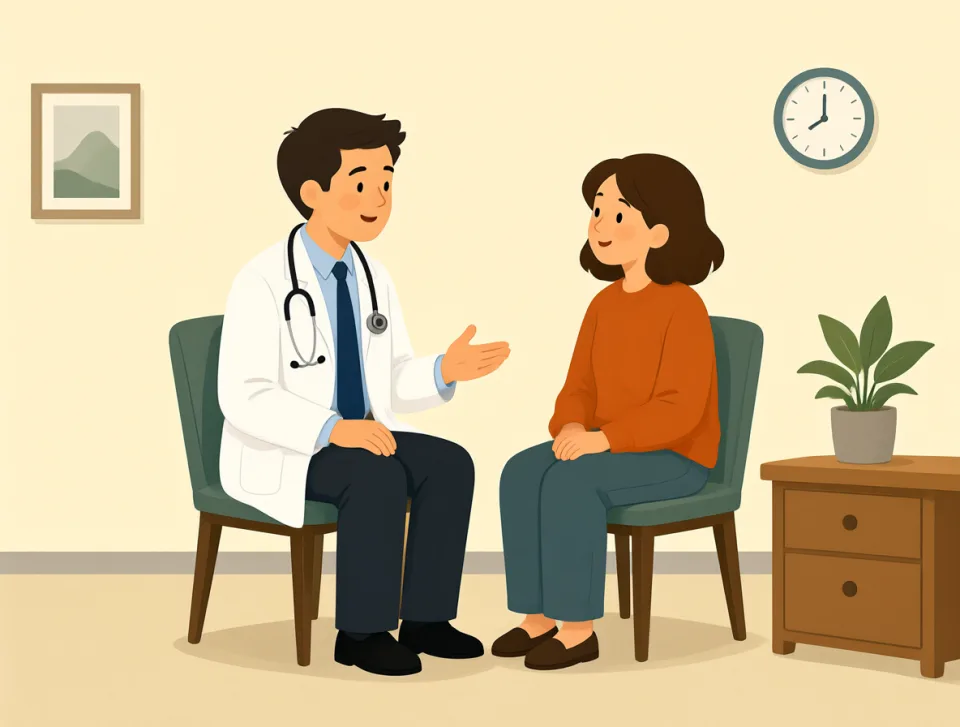
His doctor helped him make a decision.
پزشکش به او کمک کرد تصمیم بگیرد.
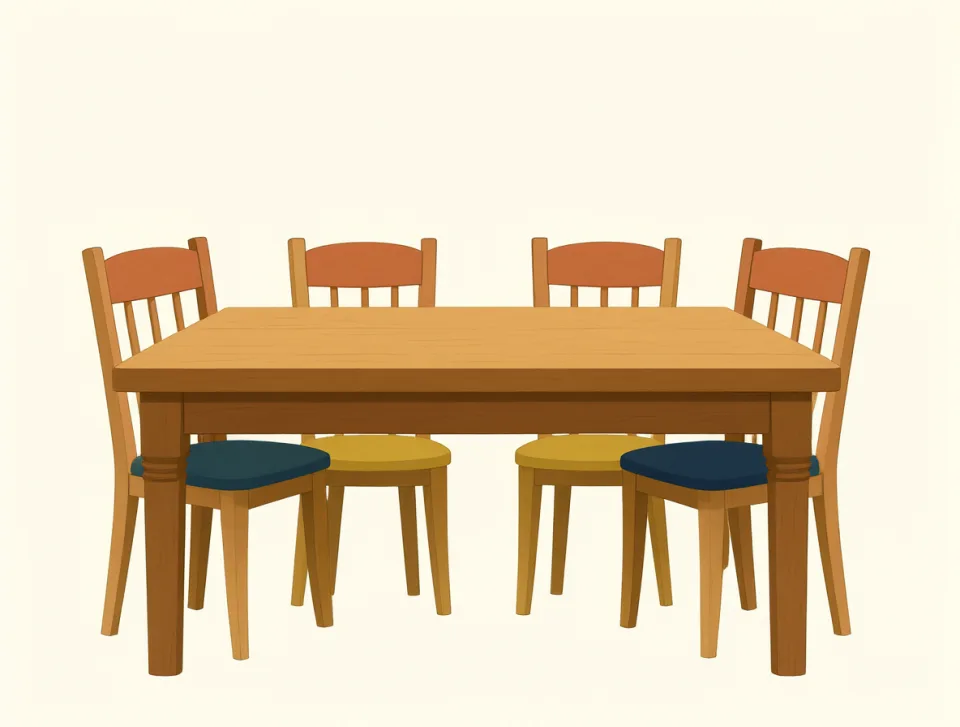
table
#450noun, verb
میز
A piece of furniture with a flat top and legs, or to put information in a table.
وسیلهای با سطحی صاف و پایهها، یا وارد کردن اطلاعات در قالب جدول.
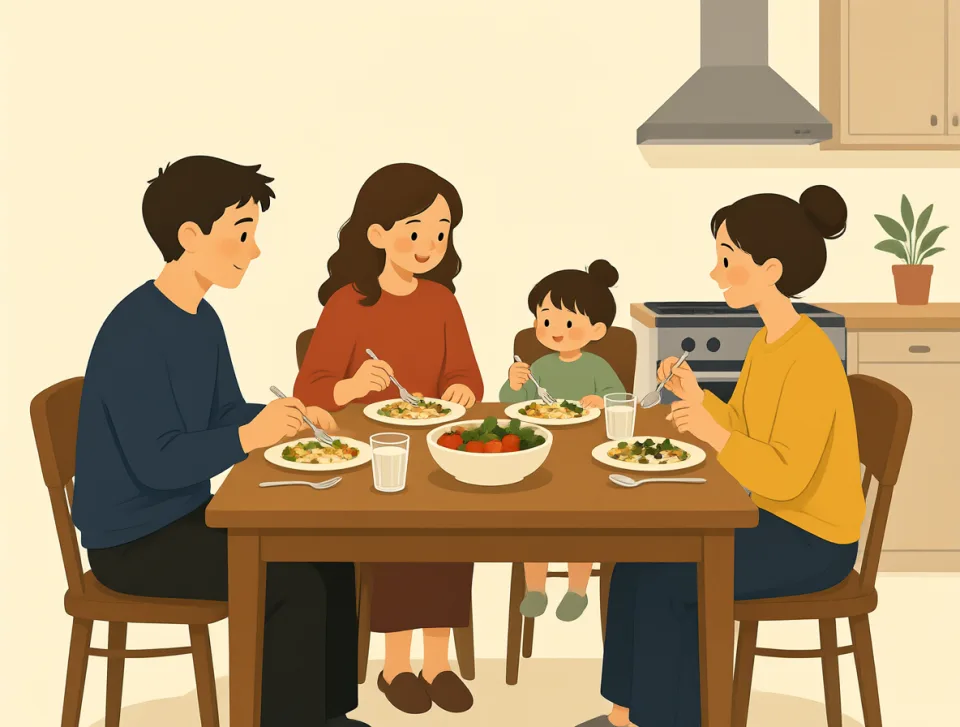
We ate dinner at the kitchen table.
ما شام را پشت میز آشپزخانه خوردیم.
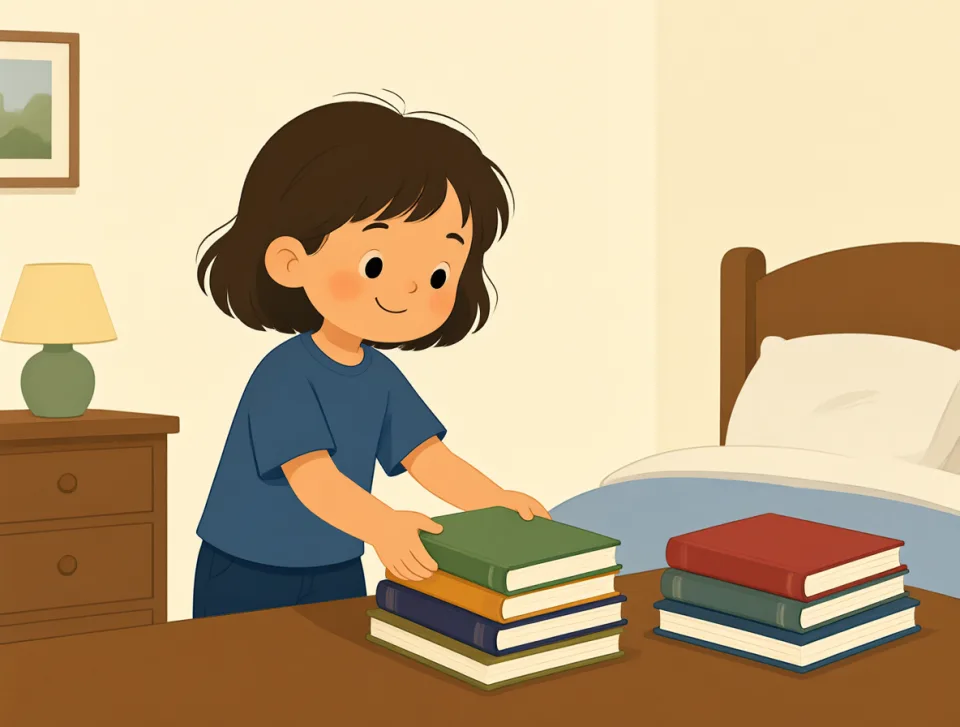
Please put the books on the table.
لطفاً کتابها را روی میز بگذارید.
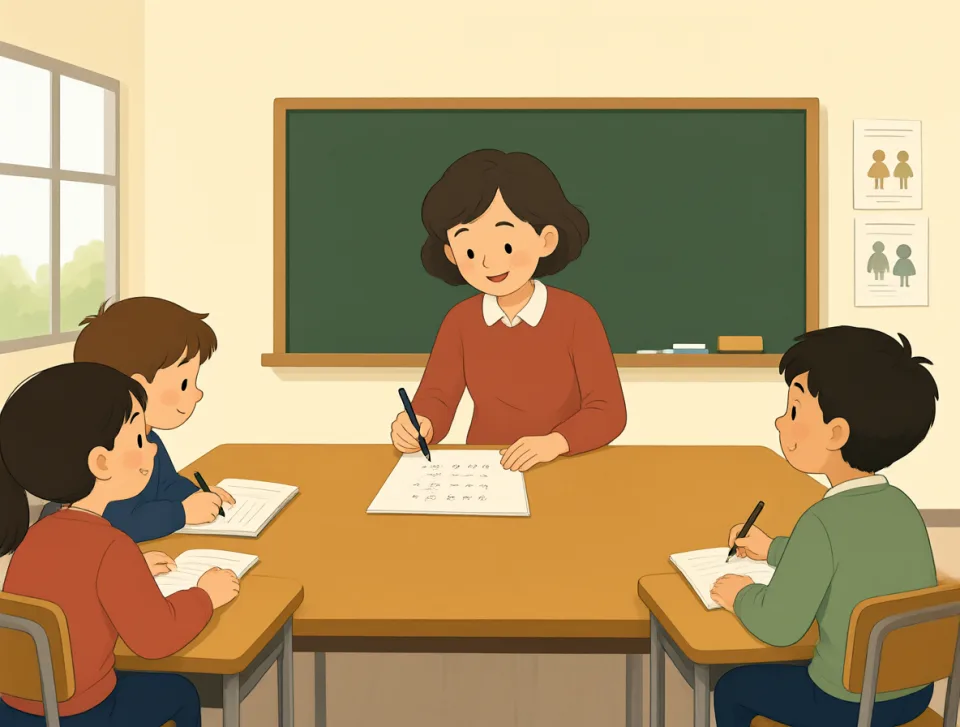
The teacher wrote the answers on the table.
معلم پاسخها را در جدول نوشت.

They booked a table for two tonight.
آنها برای امشب یک میز دو نفره رزرو کردند.

The report tables the costs clearly.
این گزارش هزینهها را بهروشنی در جدول ارائه میکند.
certain
#451adjective, determiner, pronoun
مطمئن؛ معین
Sure about something or someone; or a particular person or thing.
مطمئن به چیزی یا کسی؛ یا شخص یا چیز مشخصی.
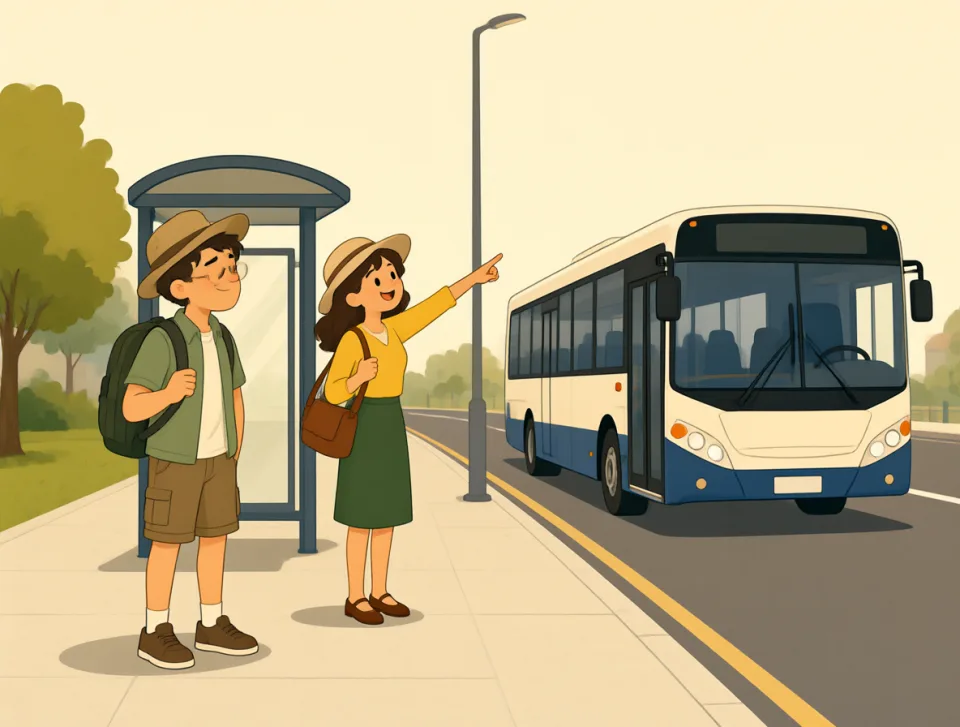
I am certain this is the right bus.
مطمئنم این اتوبوس درست است.
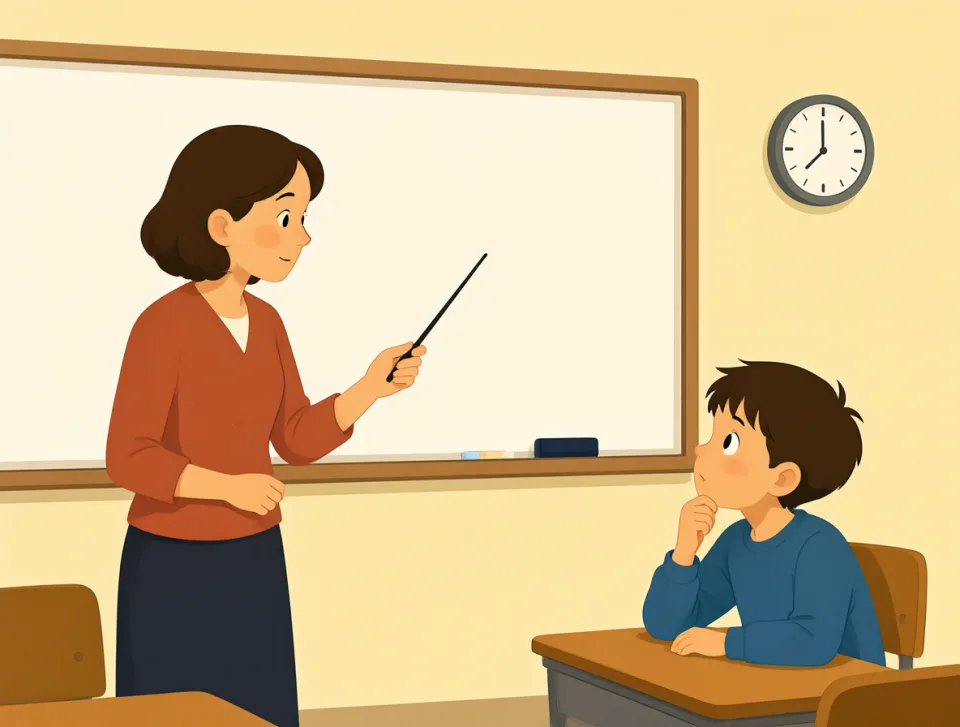
Are you certain about your answer?
از جوابت مطمئنی؟
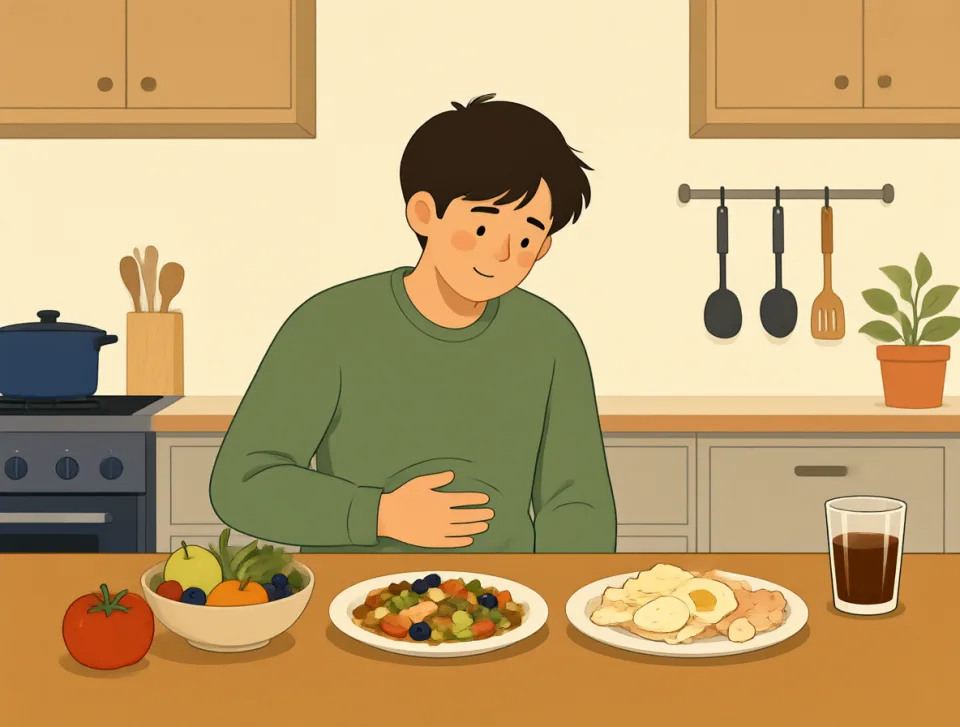
Certain foods make my stomach hurt.
بعضی غذاها باعث دلدردم میشوند.
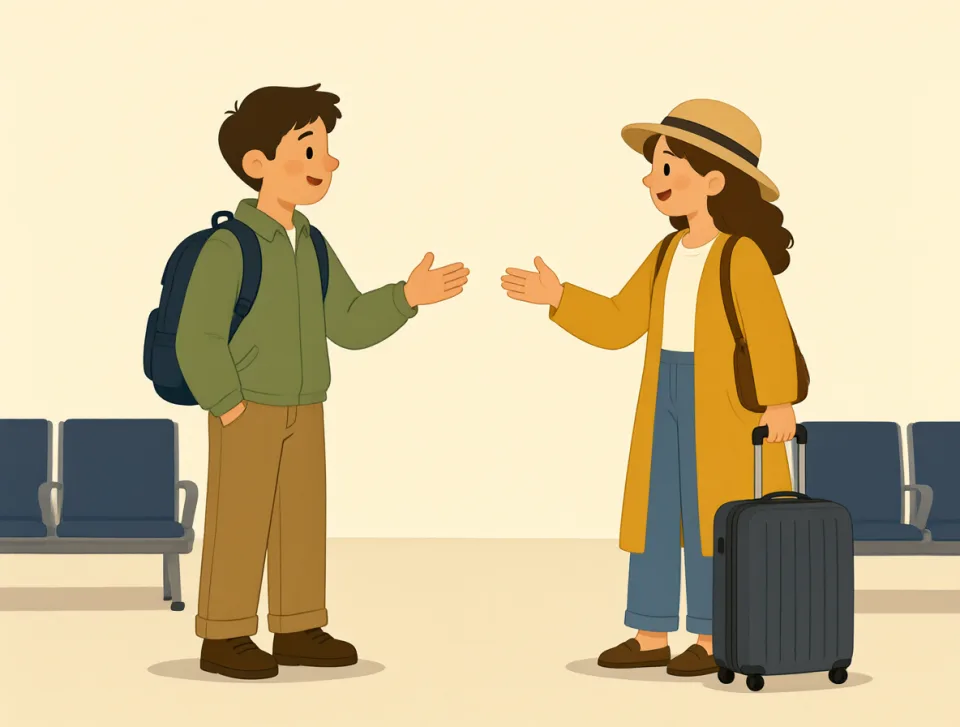
We met certain friends at the airport.
در فرودگاه با چند نفر از دوستانمان دیدار کردیم.
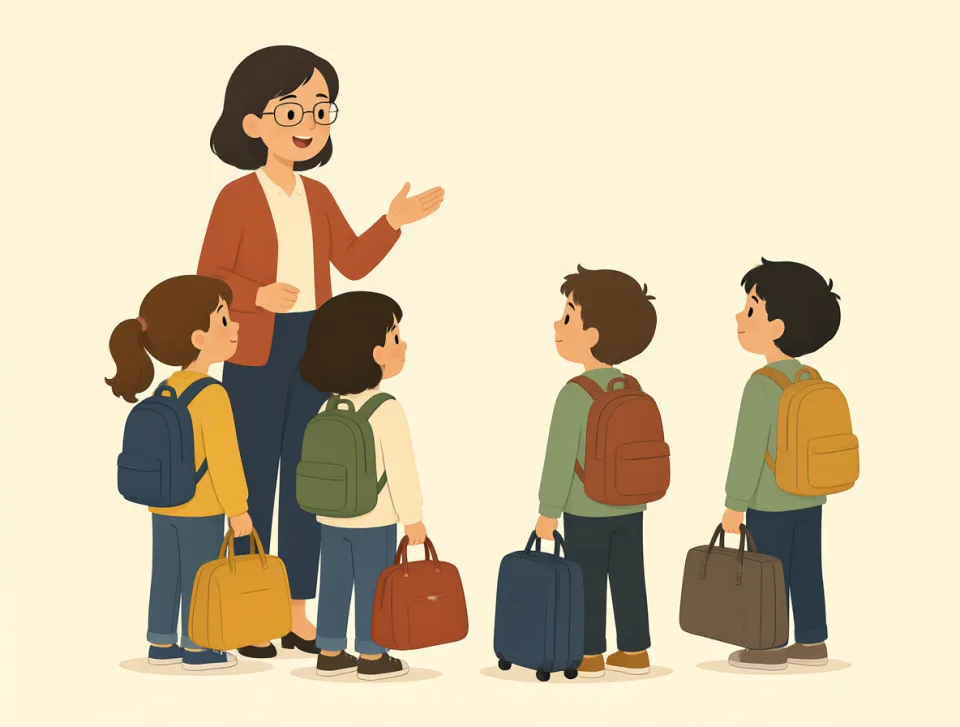
Only certain students can join the trip.
فقط بعضی از دانشآموزان میتوانند در این سفر شرکت کنند.
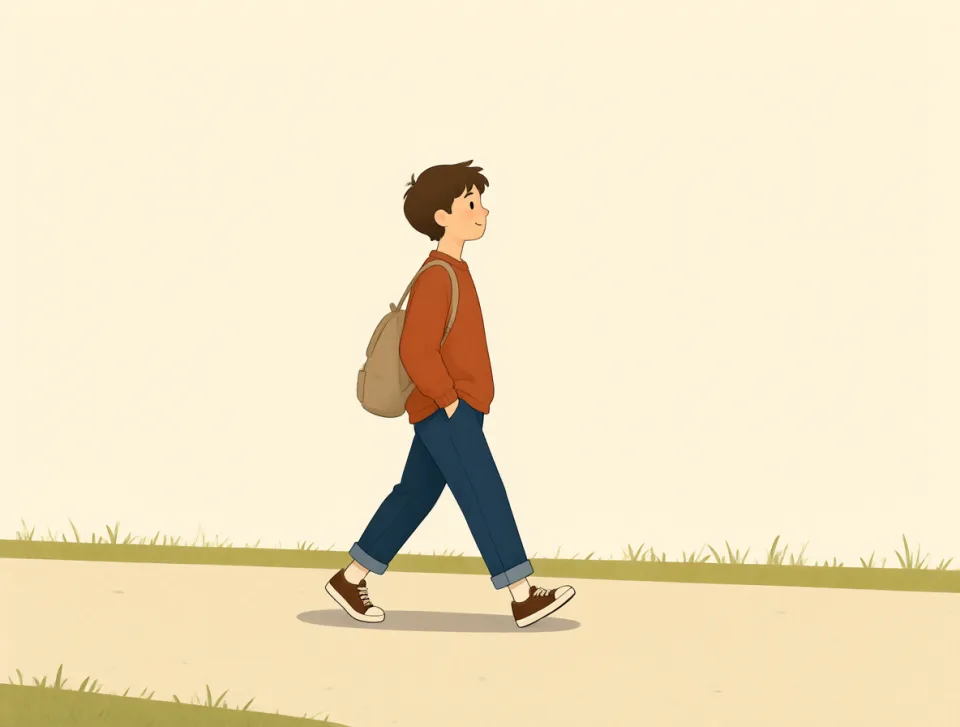
forward
#452adverb, adjective, noun, verb
بهجلو؛ پیشرو
Toward the front or a place ahead; helping something continue or improve.
بهسمت جلو یا مکانی پیشرو؛ کمککننده به ادامه یا پیشرفت چیزی.
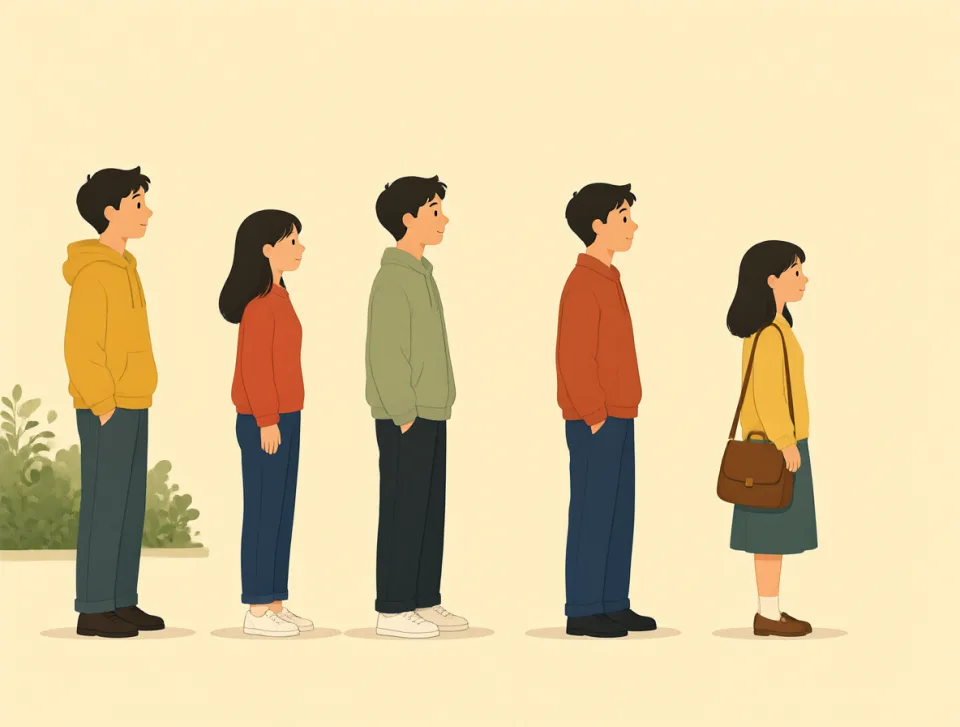
Please move forward in the line.
لطفاً در صف جلوتر بروید.
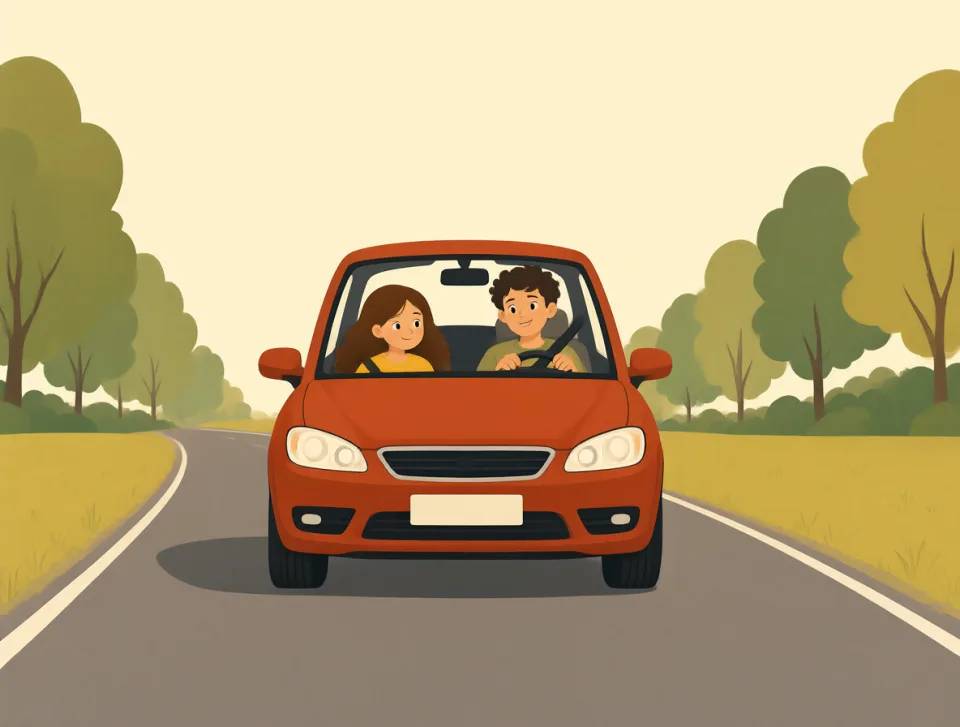
The car moved forward slowly.
ماشین آرام بهسمت جلو حرکت کرد.
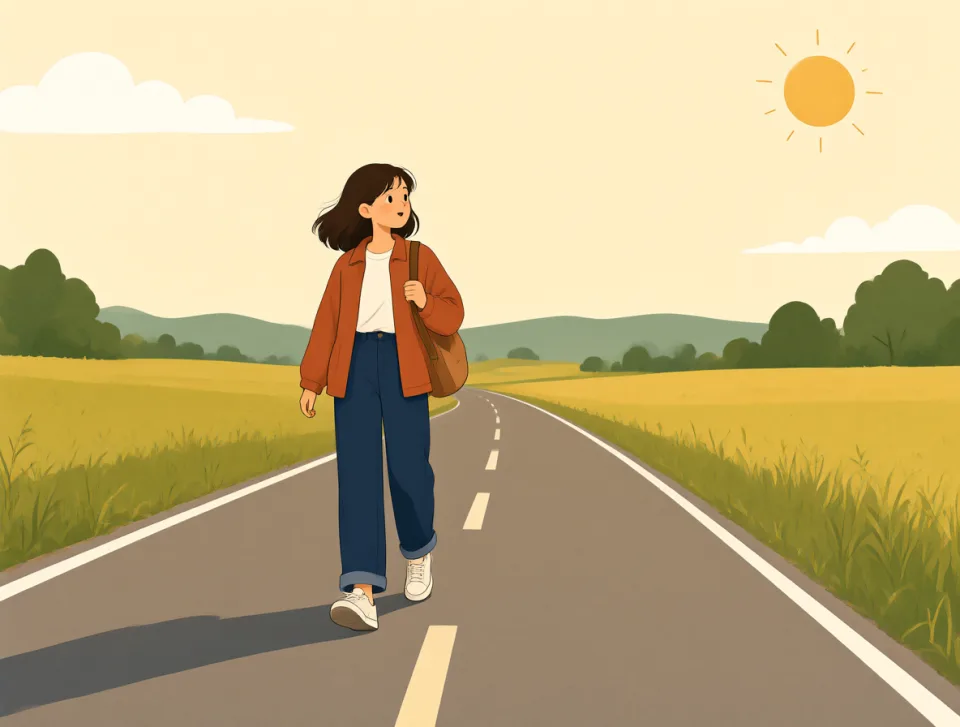
She has a bright future forward.
آیندهای روشن پیش روی اوست.
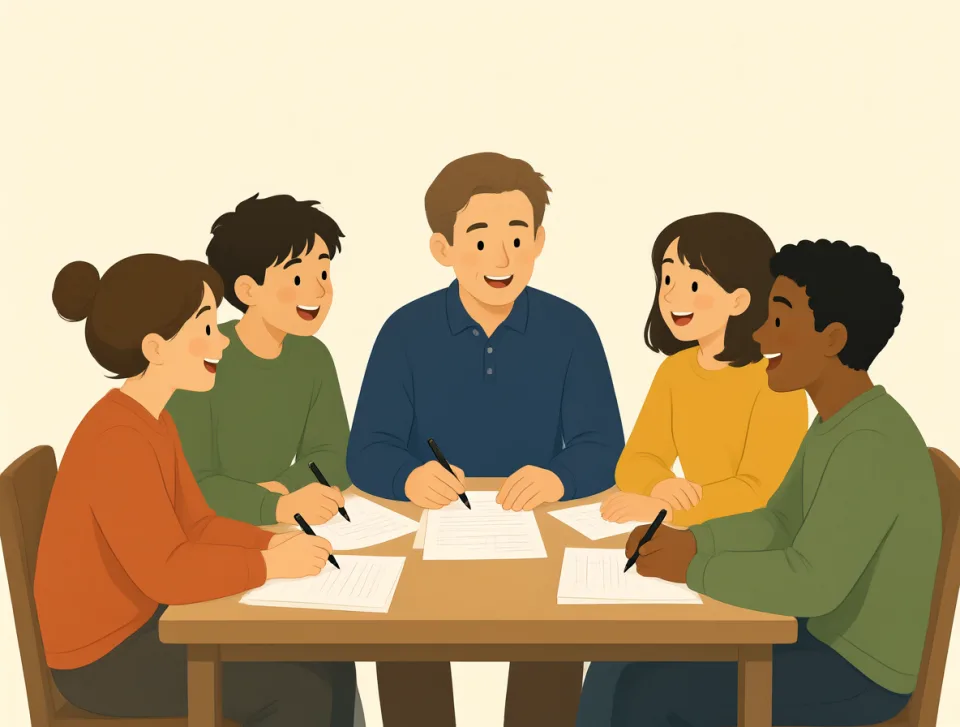
The team made forward progress today.
امروز تیم پیشرفت خوبی داشت.
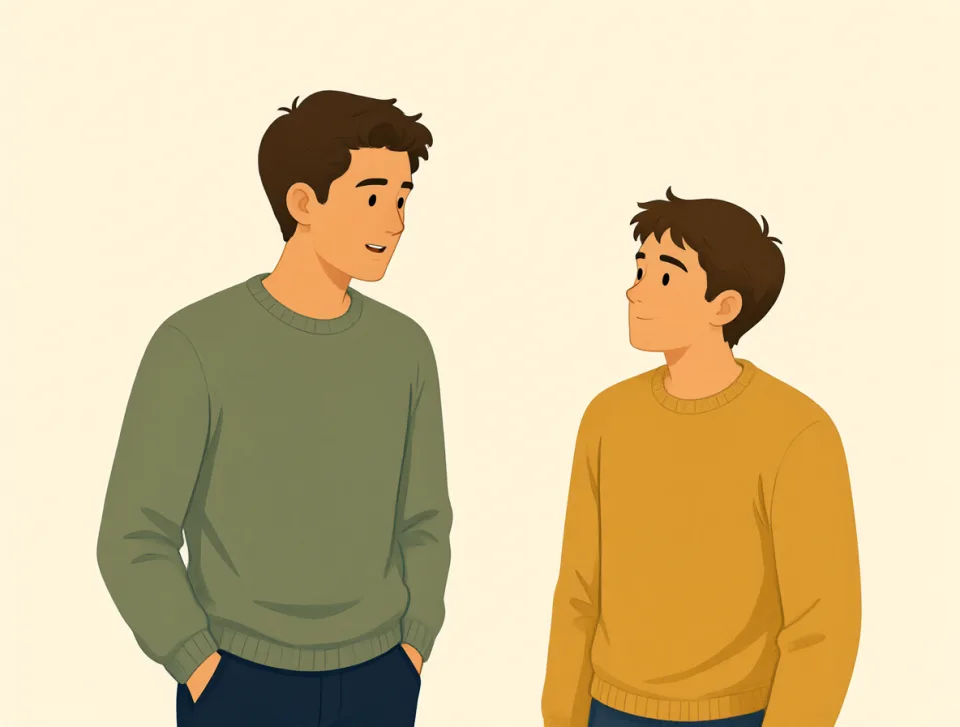
He leaned forward to hear better.
برای اینکه بهتر بشنود، به جلو خم شد.
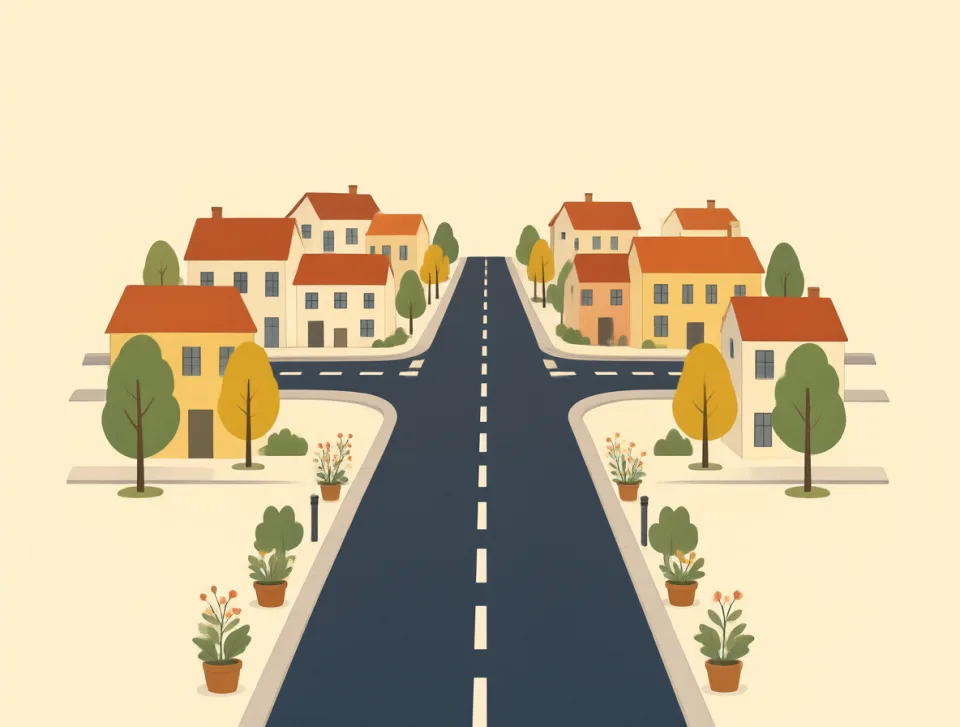
main
#453adjective, noun
اصلی؛ مهمترین
Most important; the largest or strongest part of something.
مهمترین؛ بزرگترین یا قویترین بخش چیزی.
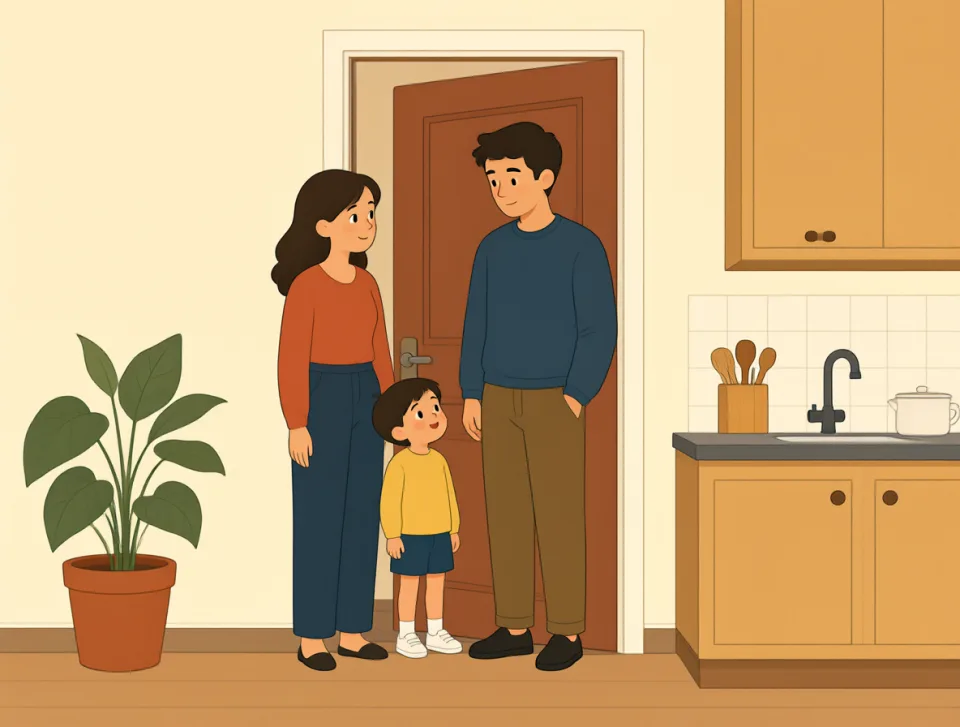
The main door is next to the kitchen.
درِ اصلی کنار آشپزخانه است.
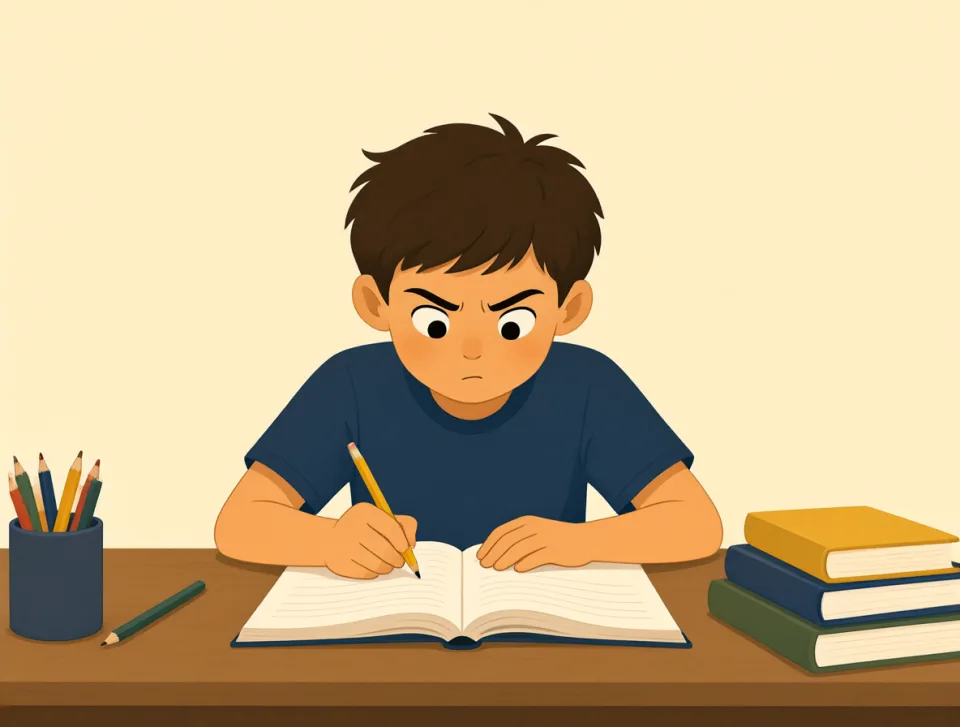
Our main goal is to pass the test.
هدف اصلی ما قبولشدن در امتحان است.
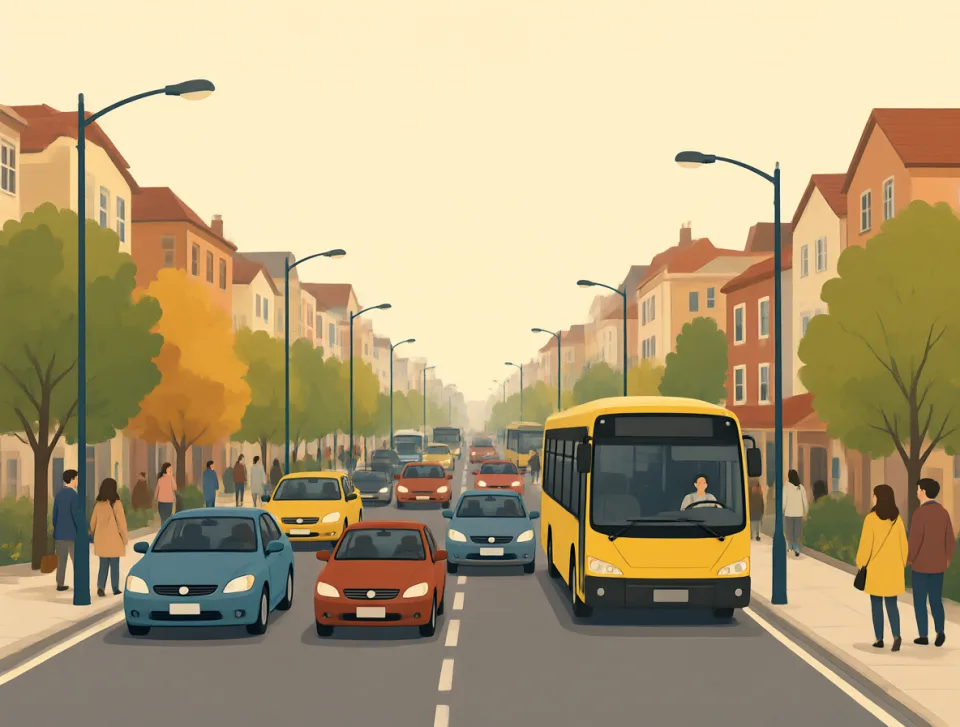
The main road was busy this morning.
جادهٔ اصلی امروز صبح شلوغ بود.
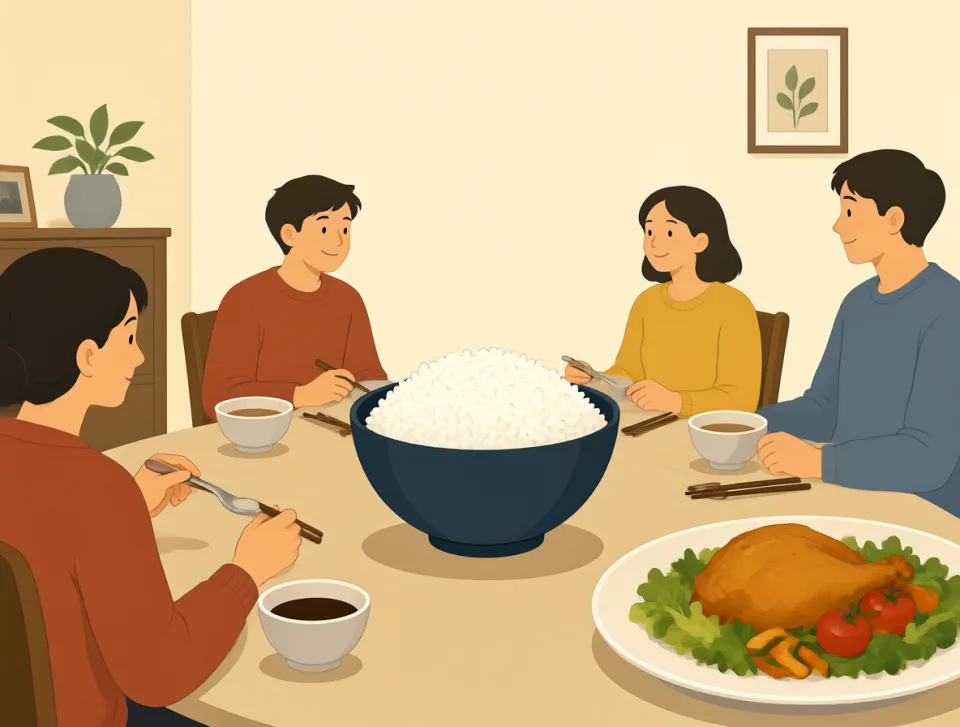
Rice is the main part of this meal.
برنج بخش اصلی این غذاست.
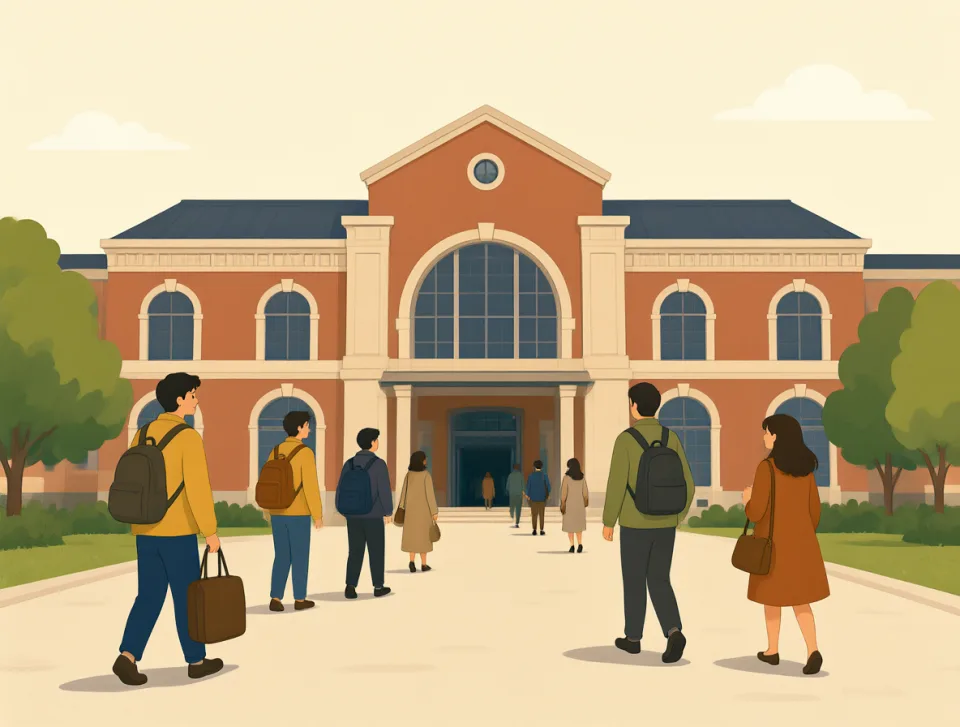
The main station is near the city center.
ایستگاه اصلی نزدیک مرکز شهر است.
die
#454verb, noun
مُردن؛ تاس
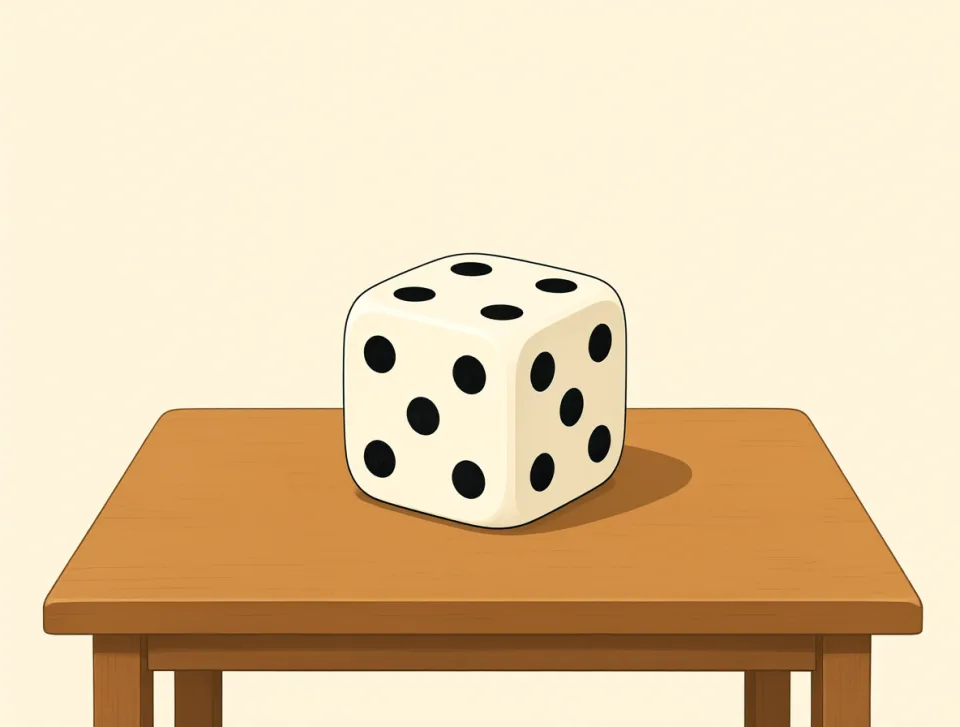
To stop living; a small cube marked with spots used in games.
از زندگی بازایستادن؛ مکعب کوچکی که روی وجههایش نقطههایی برای بازی دارد.
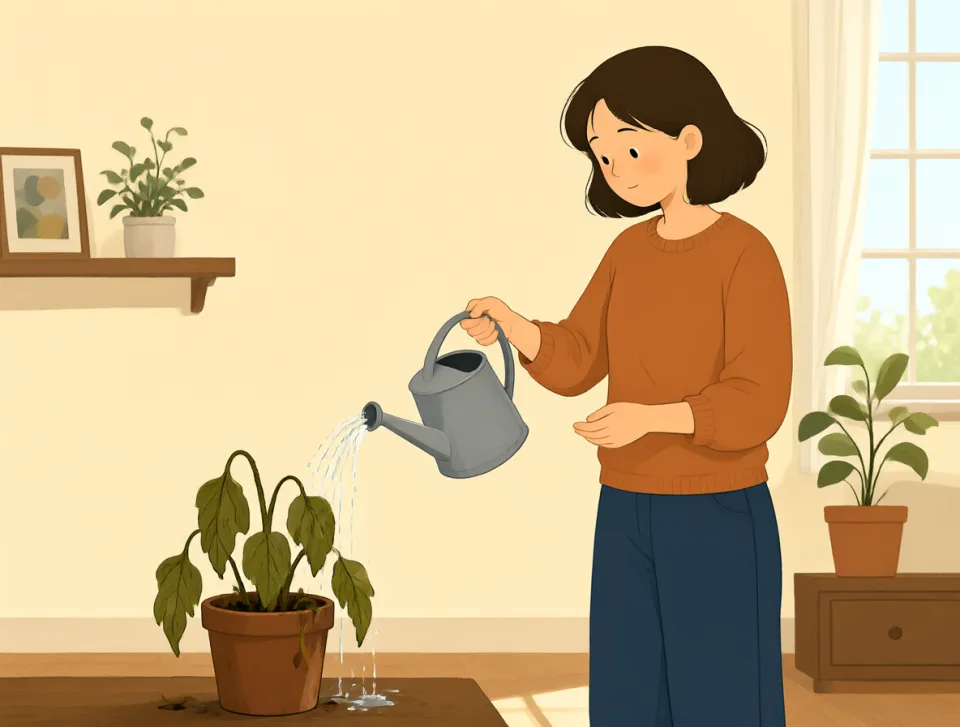
Many plants die without enough water.
بسیاری از گیاهان بدون آب کافی میمیرند.
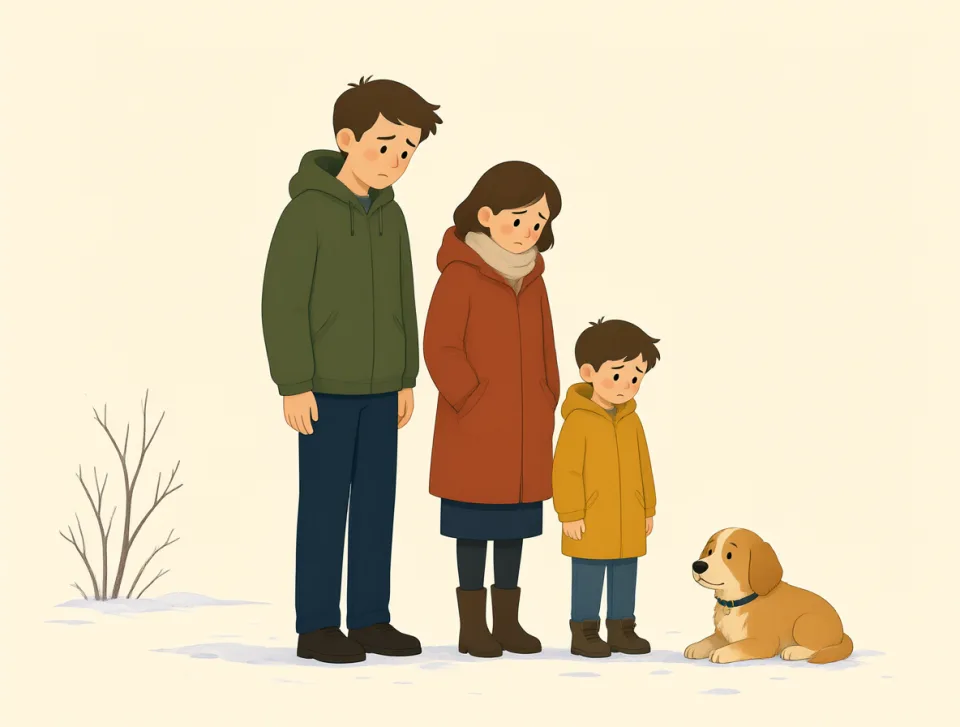
The old dog died last winter.
سگ پیر زمستان گذشته مُرد.
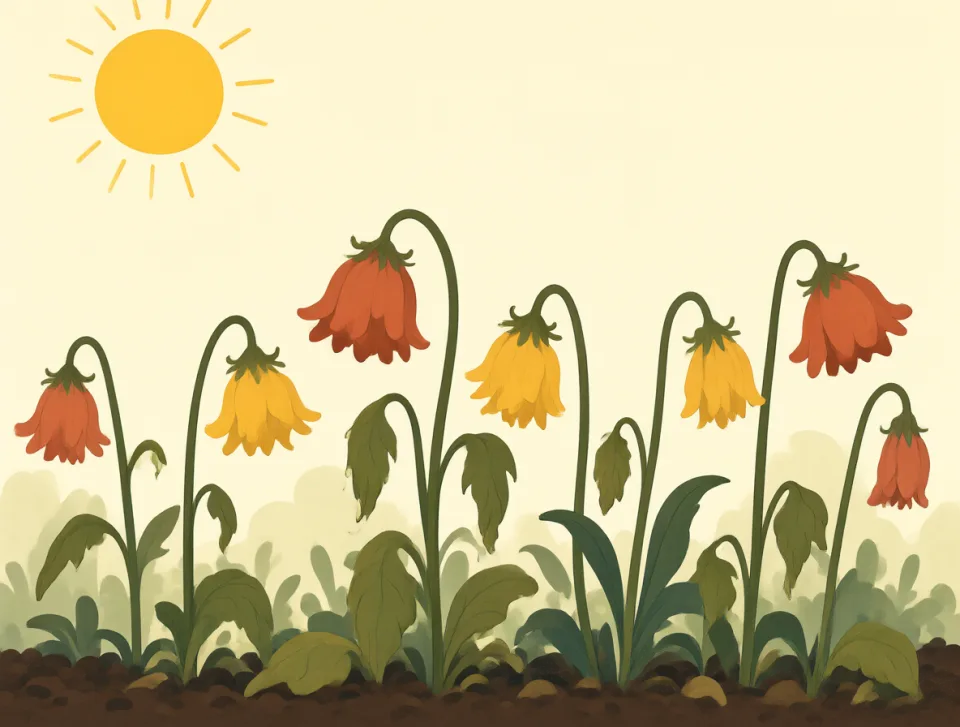
The flowers are dying in the heat.
گلها در این گرما دارند خشک میشوند.
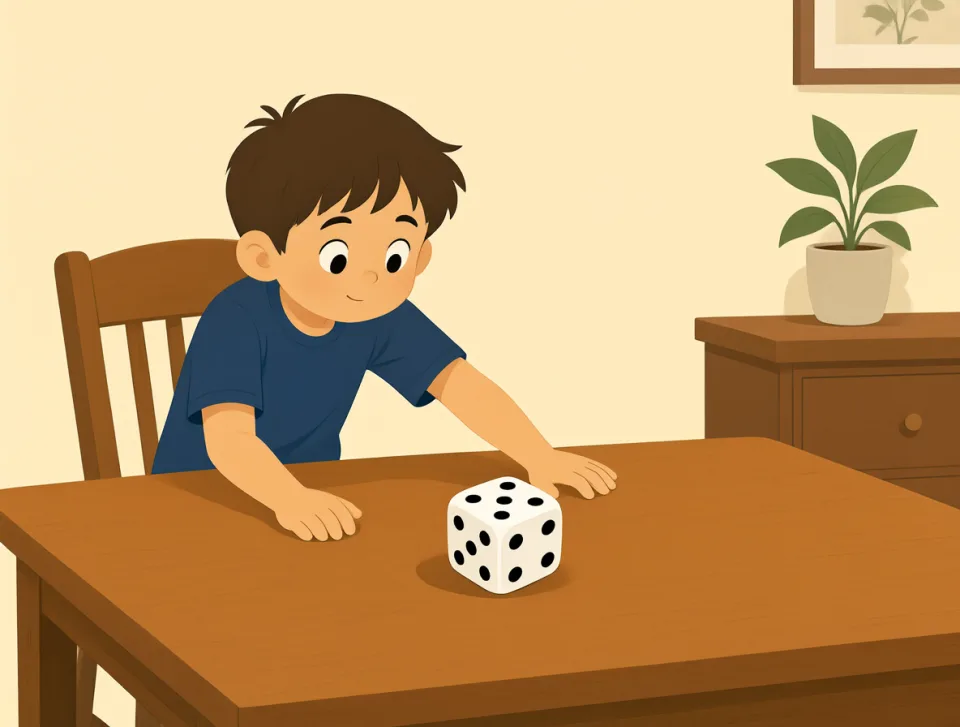
She rolled the die across the table.
او تاس را روی میز انداخت.
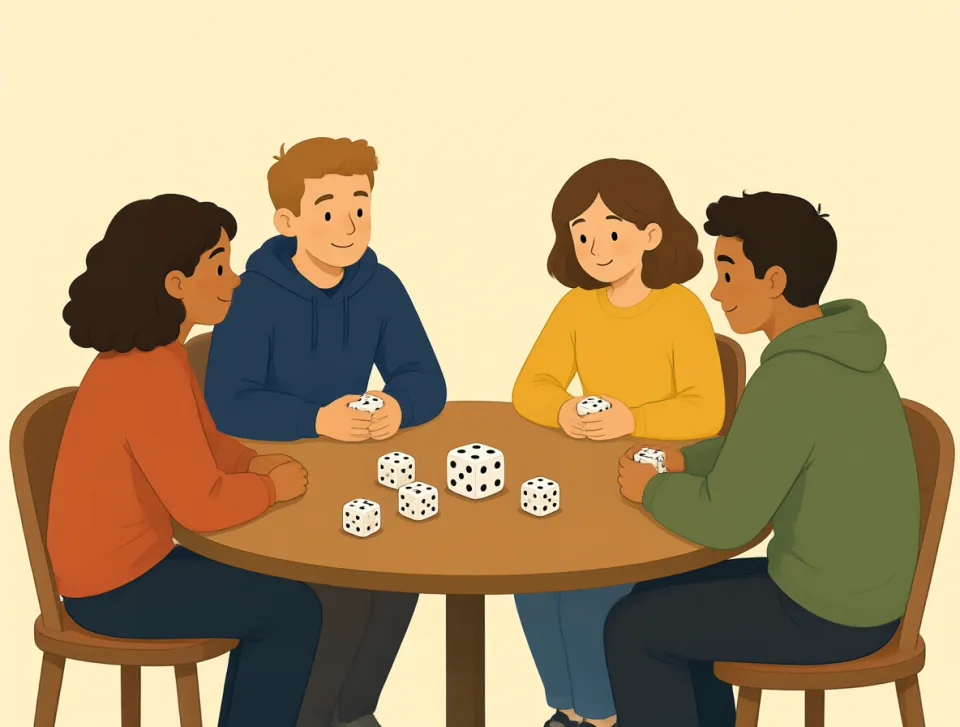
We need one more die for the game.
برای بازی یک تاس دیگر لازم داریم.

bear
#455noun, verb
خرس؛ تابآوردن
An animal with thick fur; or to accept and deal with something difficult.
جانوری با خز پرپشت؛ یا پذیرفتن و کنارآمدن با چیزی دشوار.
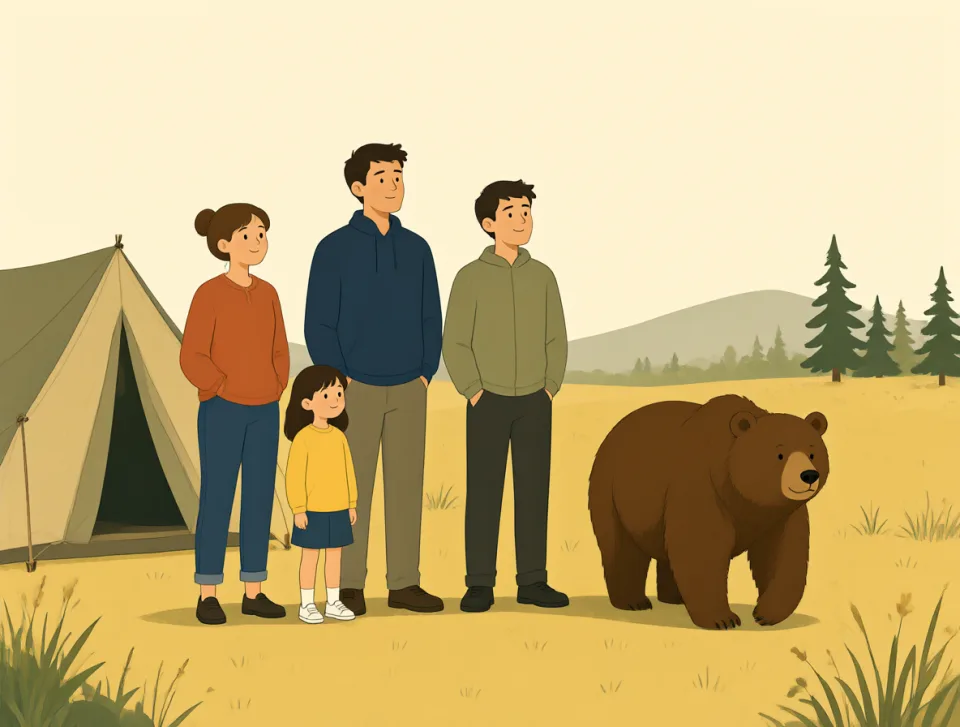
We saw a bear near the campsite.
نزدیک محل کمپینگ یک خرس دیدیم.
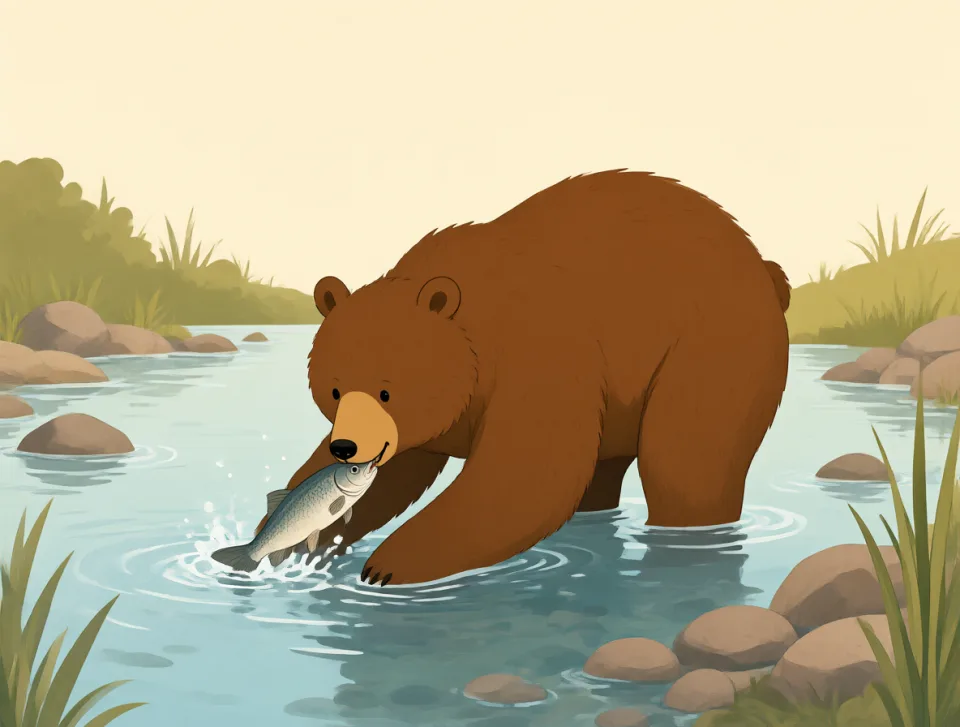
The bear caught a fish in the river.
خرس در رودخانه ماهی گرفت.
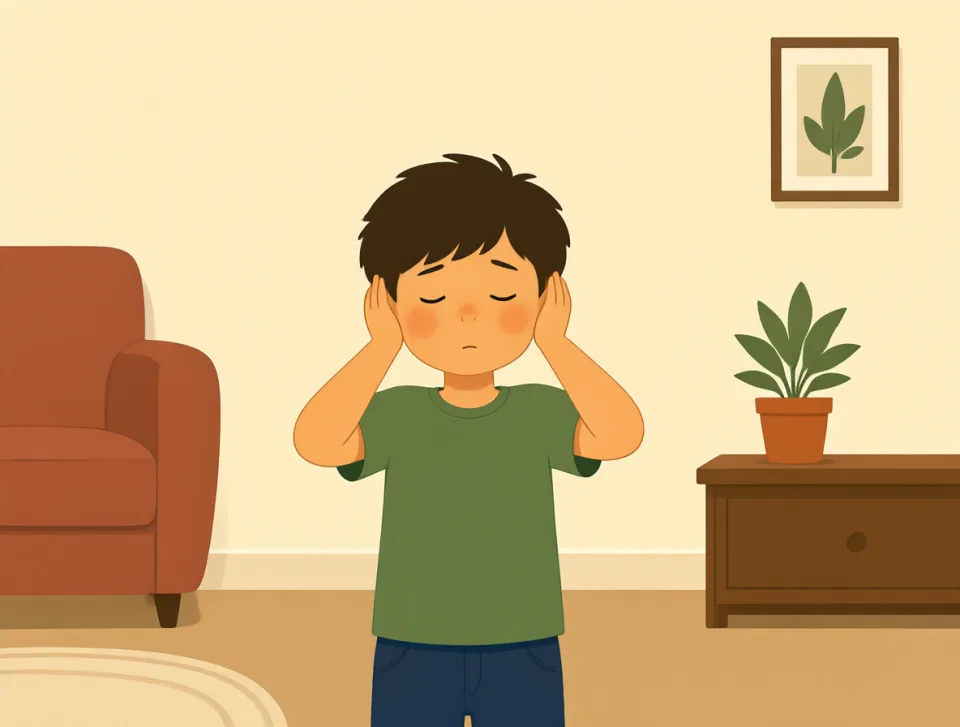
I cannot bear this loud noise.
نمیتوانم این سروصدای بلند را تحمل کنم.
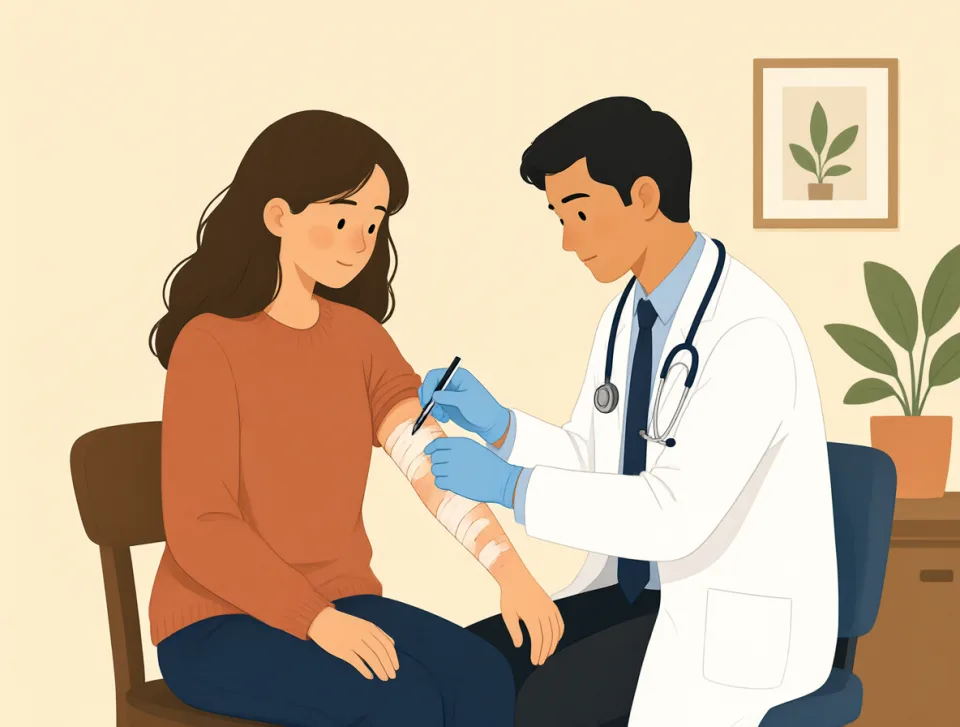
She bears the pain very well.
او درد را خیلی خوب تحمل میکند.
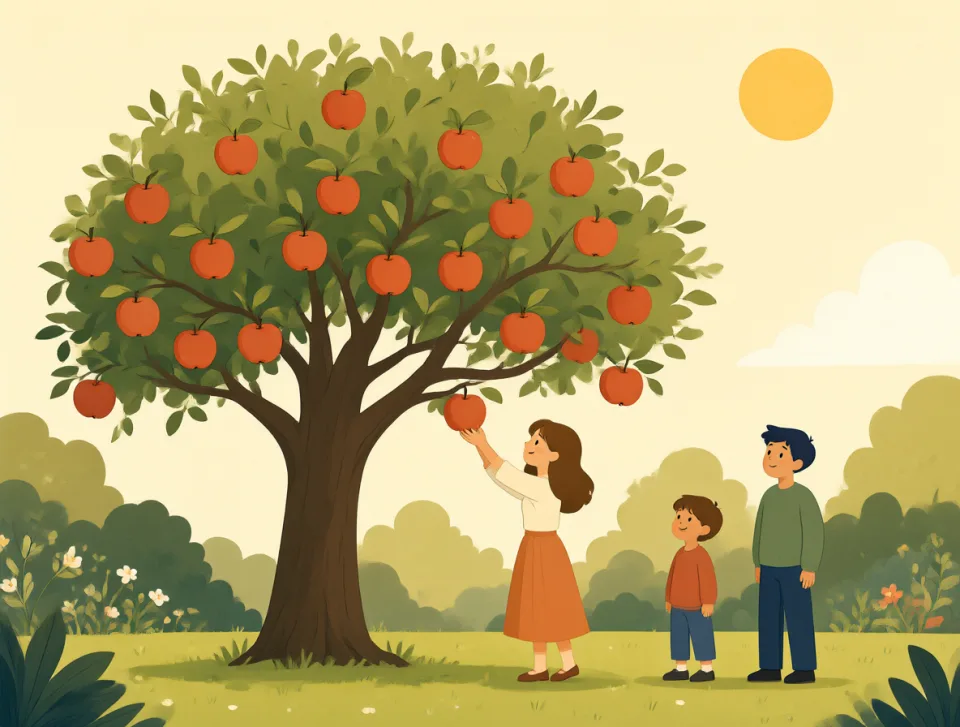
This tree bears fruit every summer.
این درخت هر تابستان میوه میدهد.
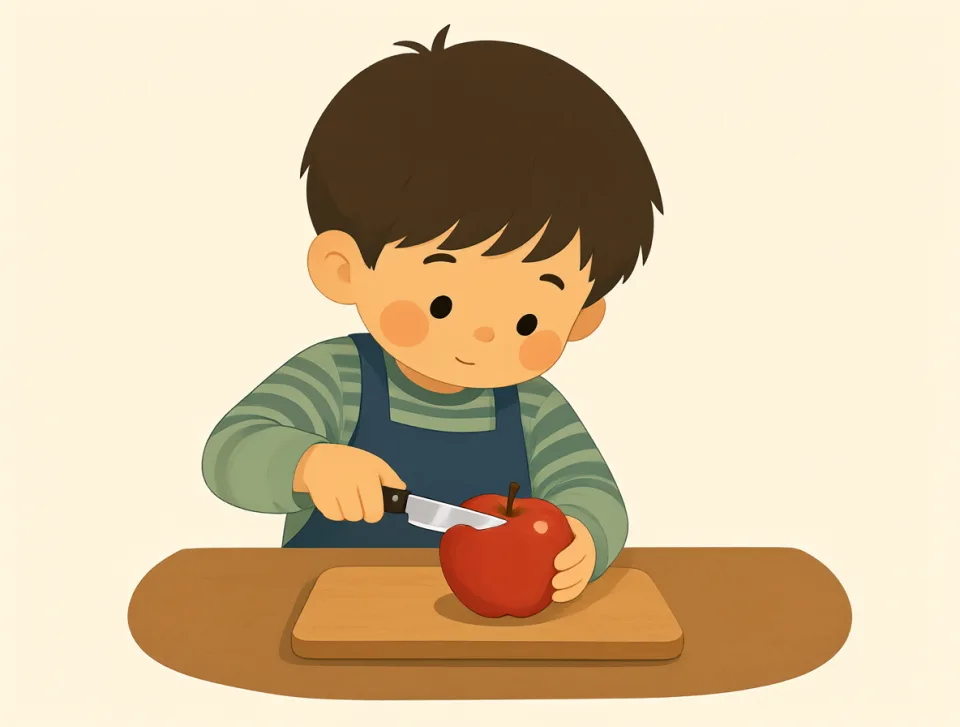
cut
#456verb, noun
بریدن
To use a sharp tool to divide something or make it shorter.
با ابزار تیز چیزی را بریدن یا کوتاهتر کردن.
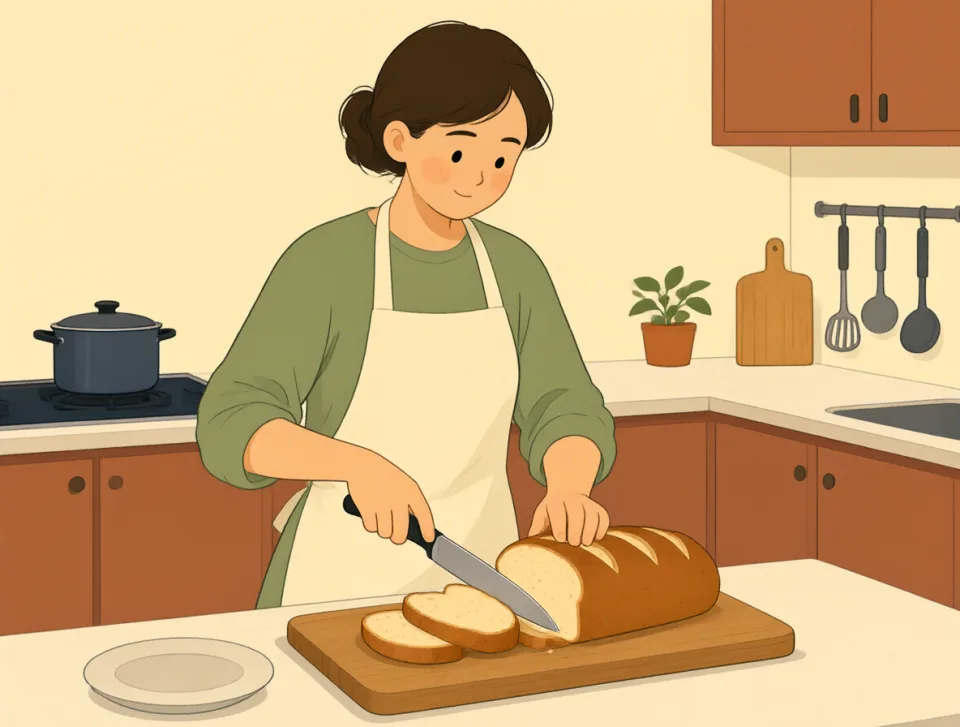
Please cut the bread into small pieces.
لطفاً نان را به تکههای کوچک ببُر.
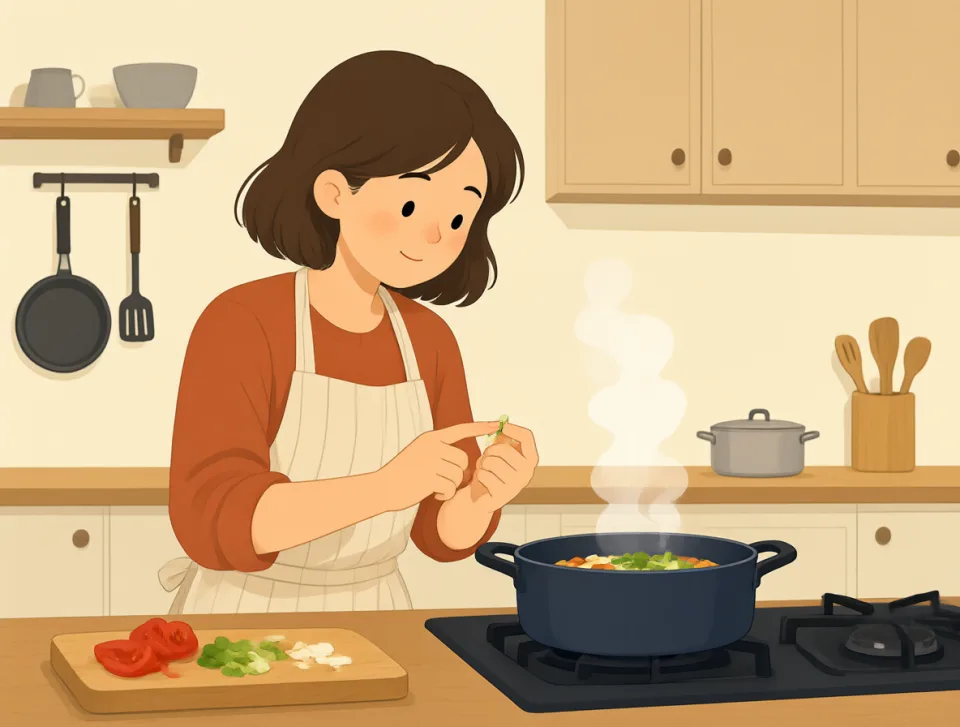
She cut her finger while cooking dinner.
او هنگام آماده کردن شام انگشتش را برید.

We cut across the park to save time.
برای صرفهجویی در وقت، از میان پارک میانبُر زدیم.
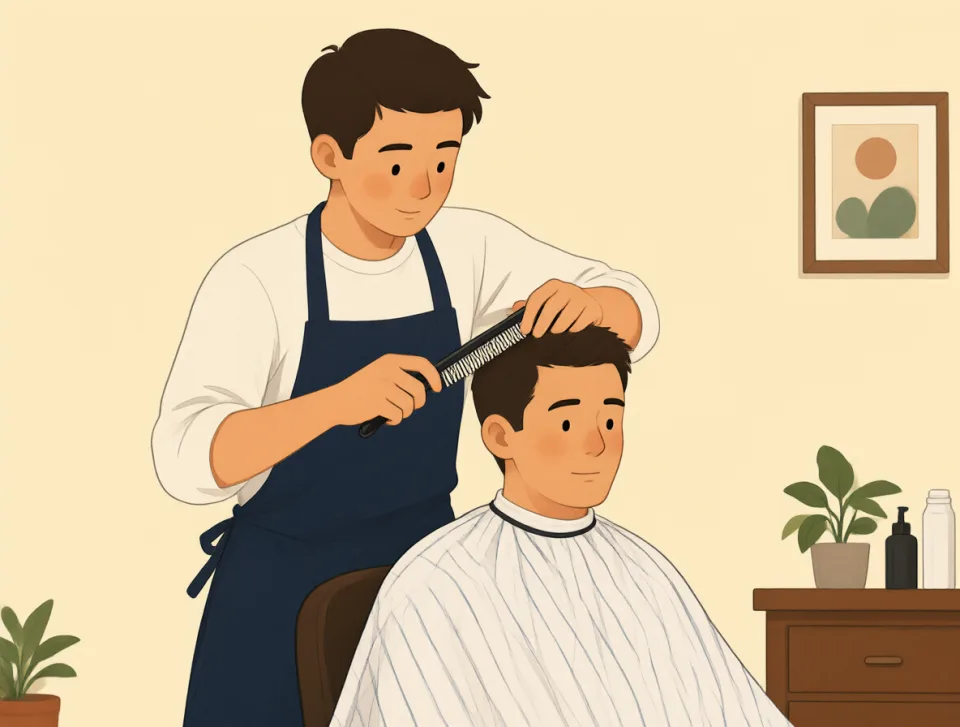
The barber cut my hair very short.
آرایشگر موهایم را خیلی کوتاه کرد.
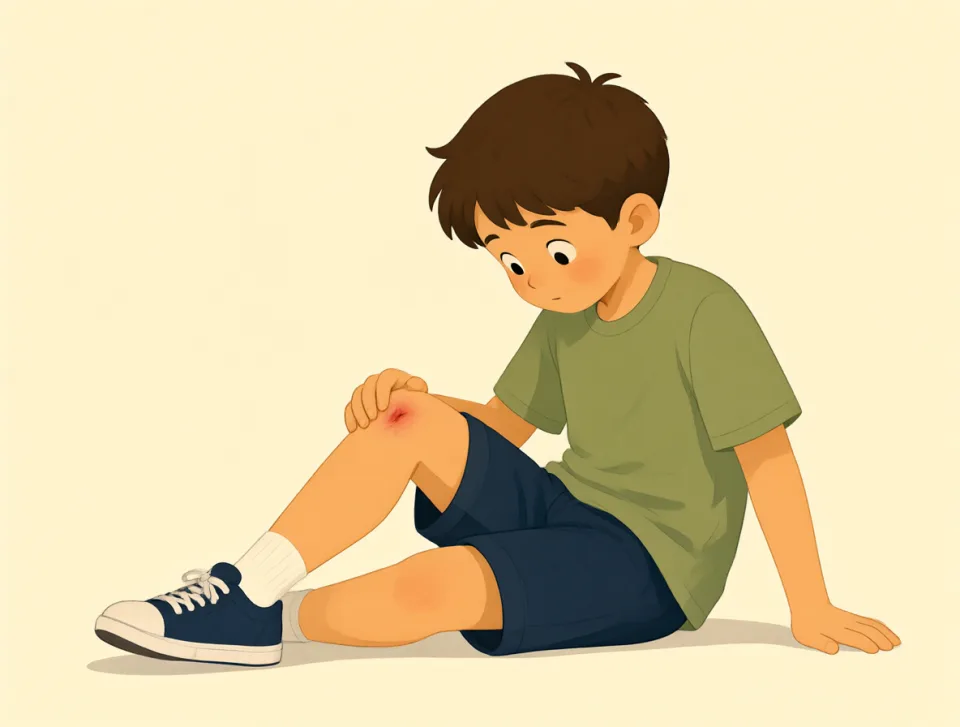
He got a deep cut on his knee.
زخم عمیقی روی زانویش برداشت.
describe
#457verb
توصیف کردن
To say or write what someone or something is like.
گفتن یا نوشتن دربارهٔ ویژگیهای یک شخص یا چیز.
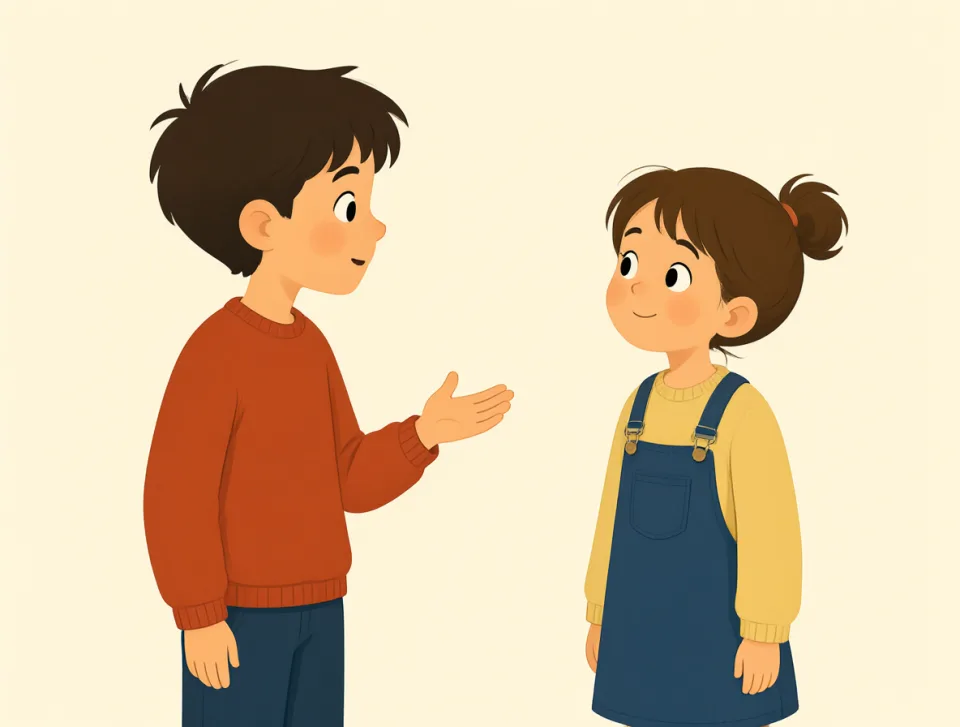
Can you describe your new friend?
میتونی دوست جدیدت رو توصیف کنی؟
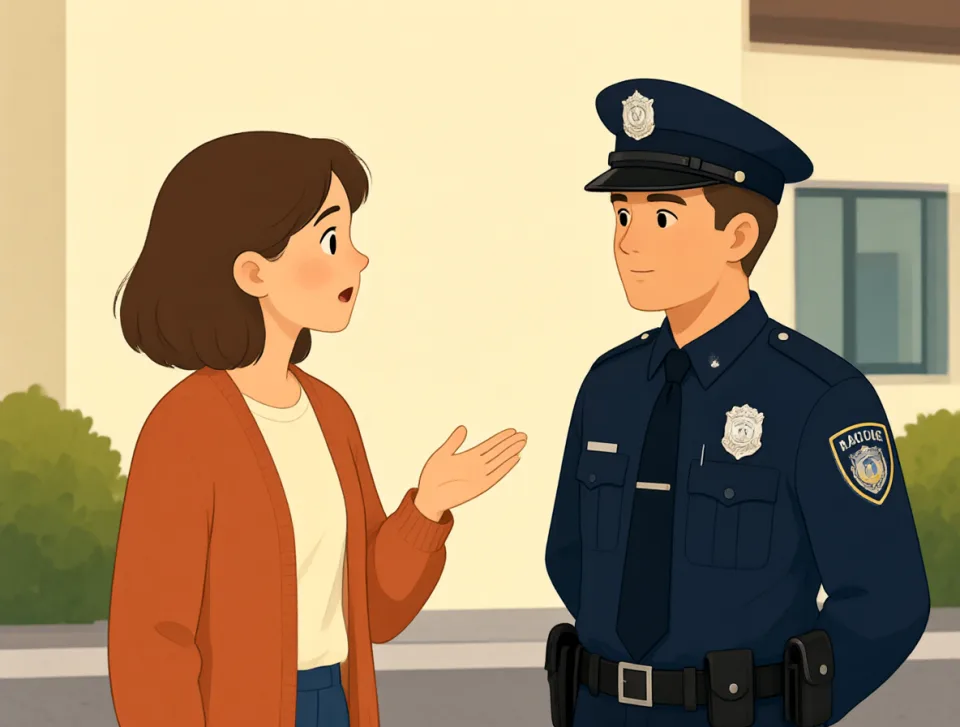
She described the man to the police.
او آن مرد را برای پلیس توصیف کرد.
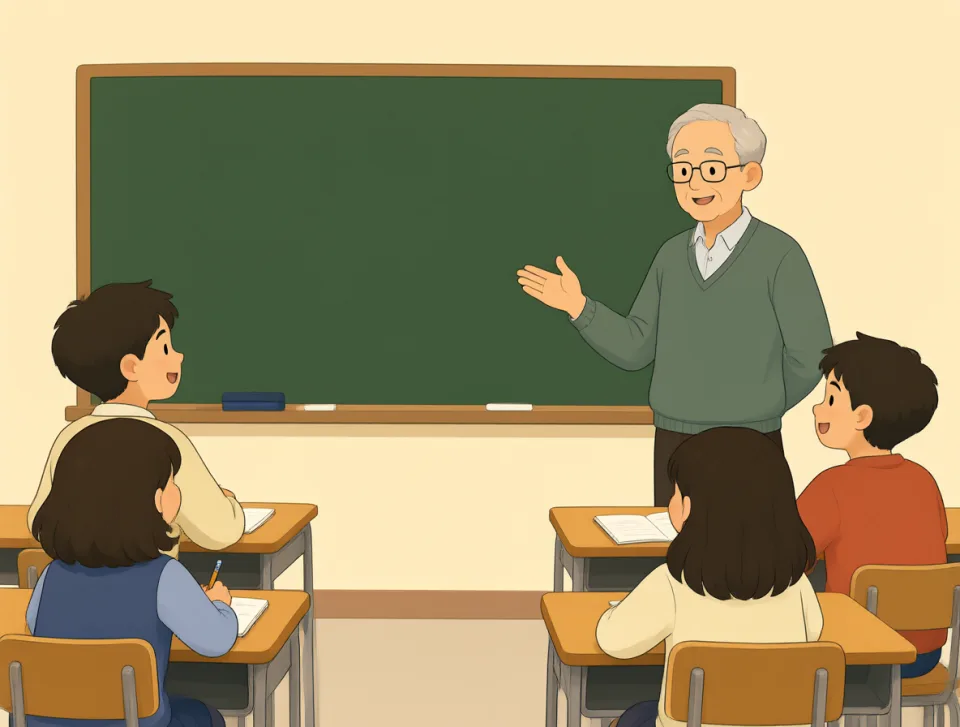
Please describe the problem to your teacher.
لطفاً مشکلت را برای معلمت توضیح بده.

He described the food as very spicy.
او غذا را خیلی تند توصیف کرد.
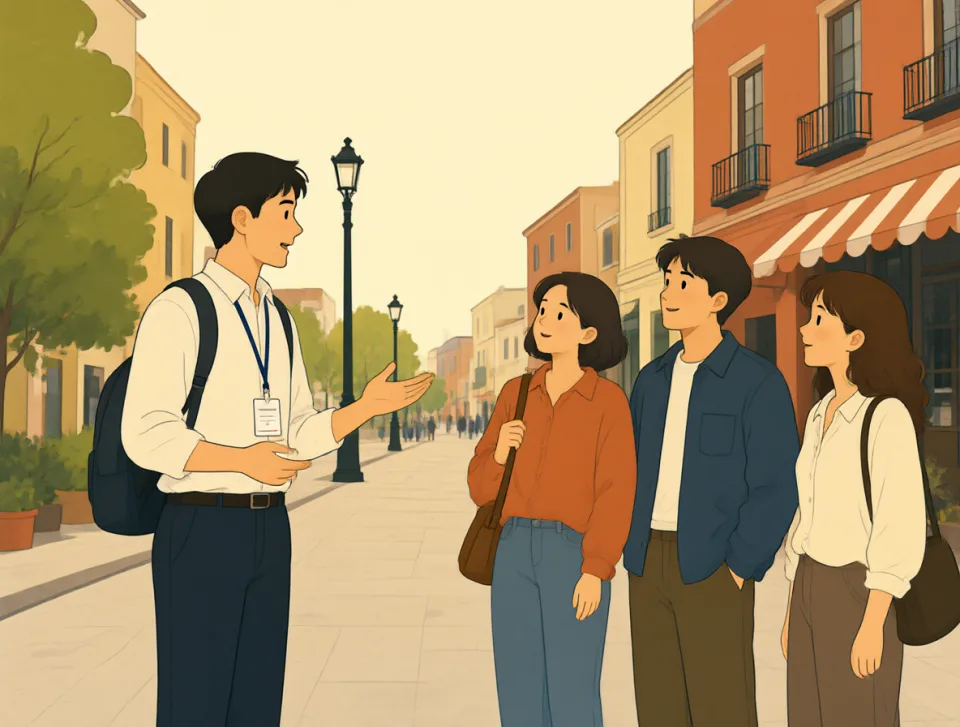
The guide described the beautiful city during our tour.
راهنما در طول گردشمان شهر زیبایی را توصیف کرد.
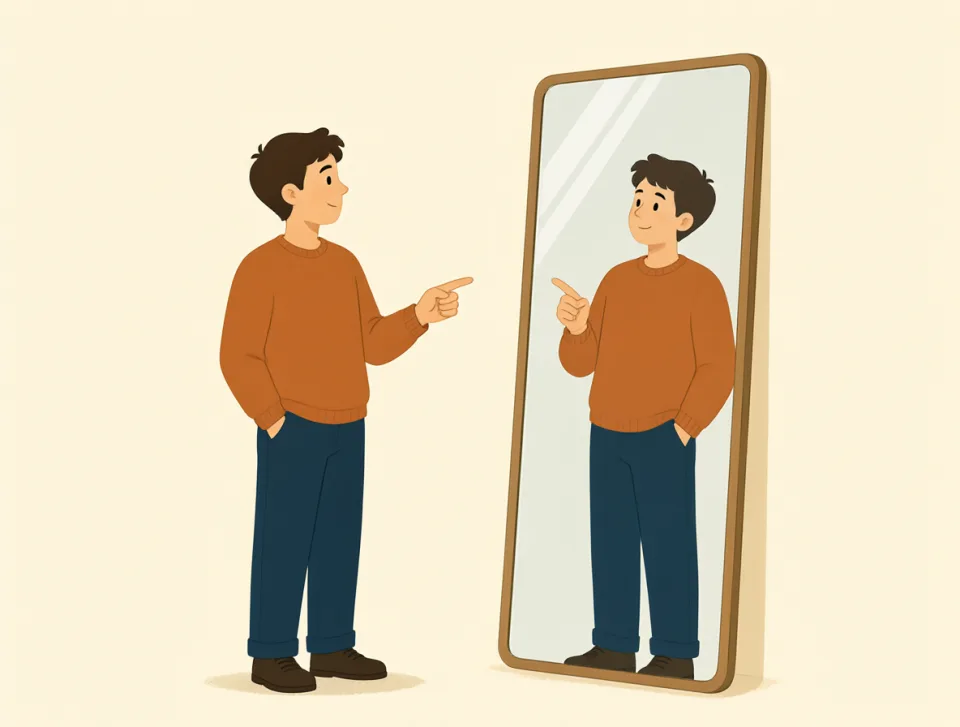
himself
#458pronoun
خودش
Used to refer to a male person already mentioned, especially when he does something alone.
برای اشاره به مردی که قبلاً از او نام برده شده بهکار میرود، بهویژه وقتی کاری را بهتنهایی انجام میدهد.
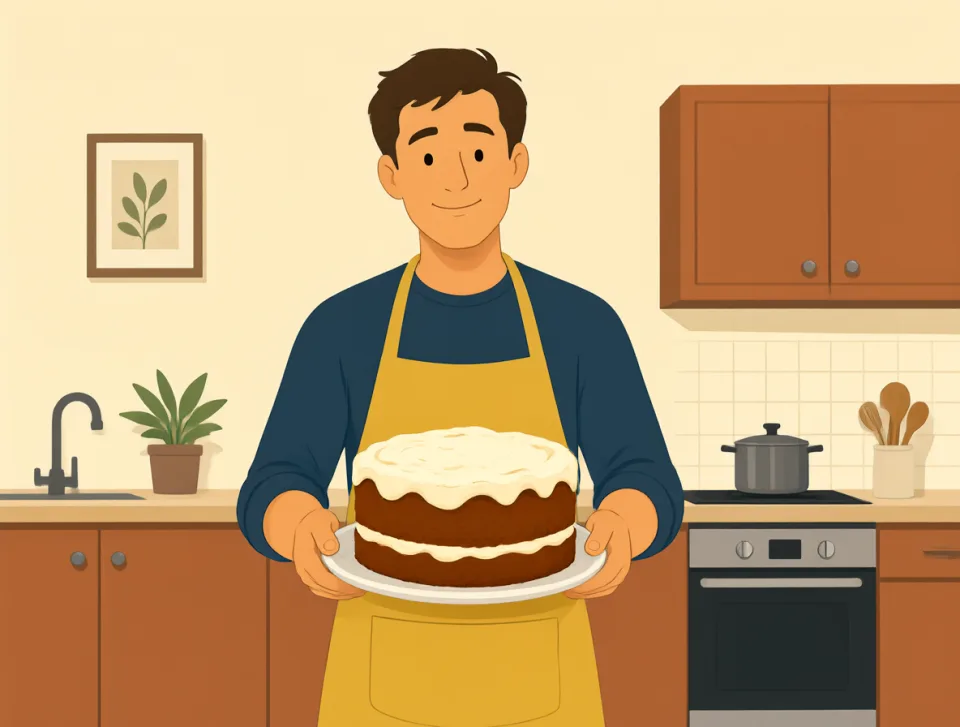
He made the cake himself.
او خودش کیک را درست کرد.
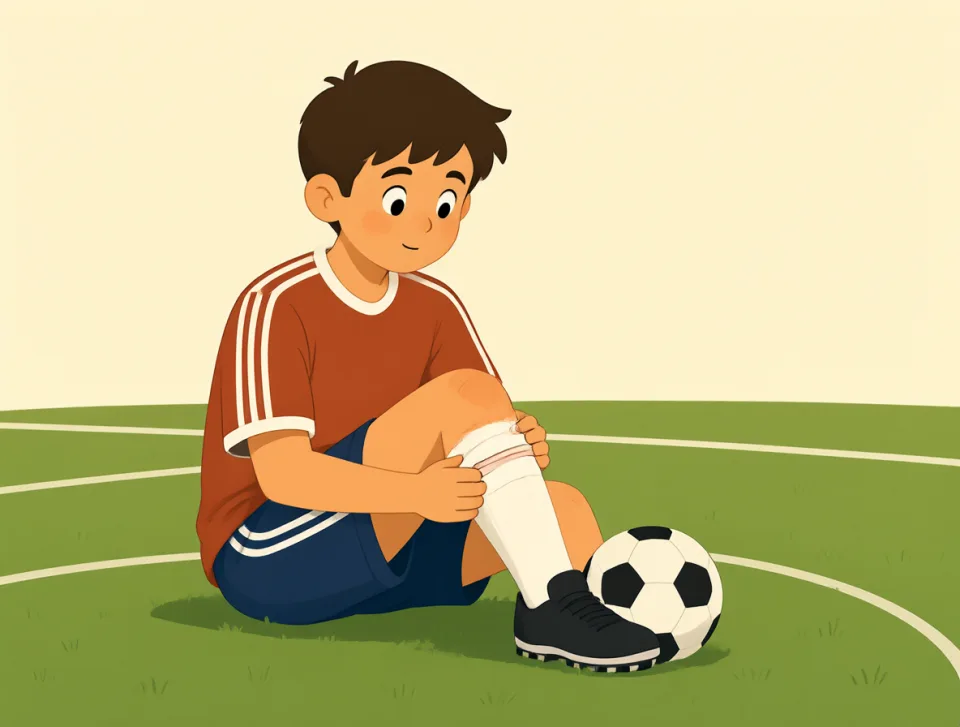
Tom hurt himself while playing soccer.
تام هنگام فوتبال بازی کردن به خودش آسیب زد.
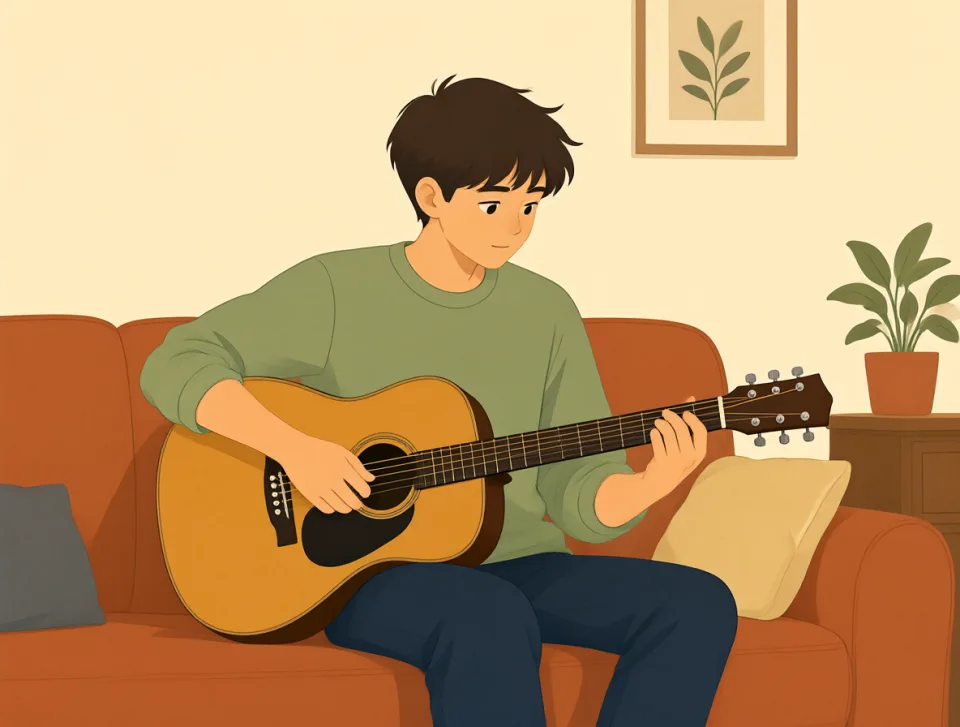
He taught himself to play guitar.
او خودش نواختن گیتار را یاد گرفت.
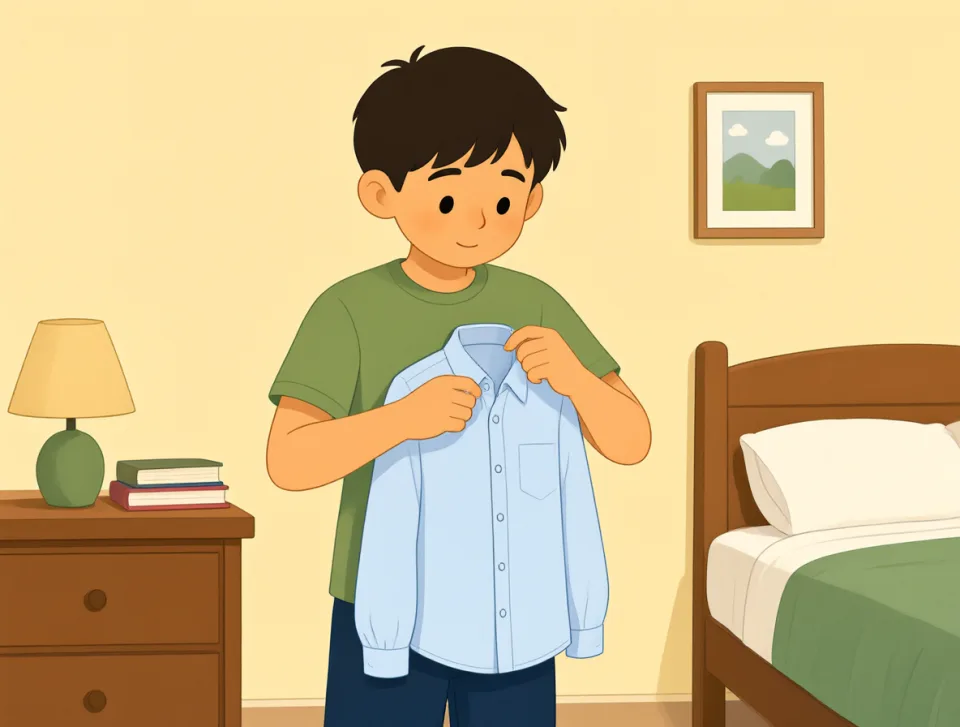
The boy dressed himself for school.
پسر خودش برای مدرسه لباس پوشید.
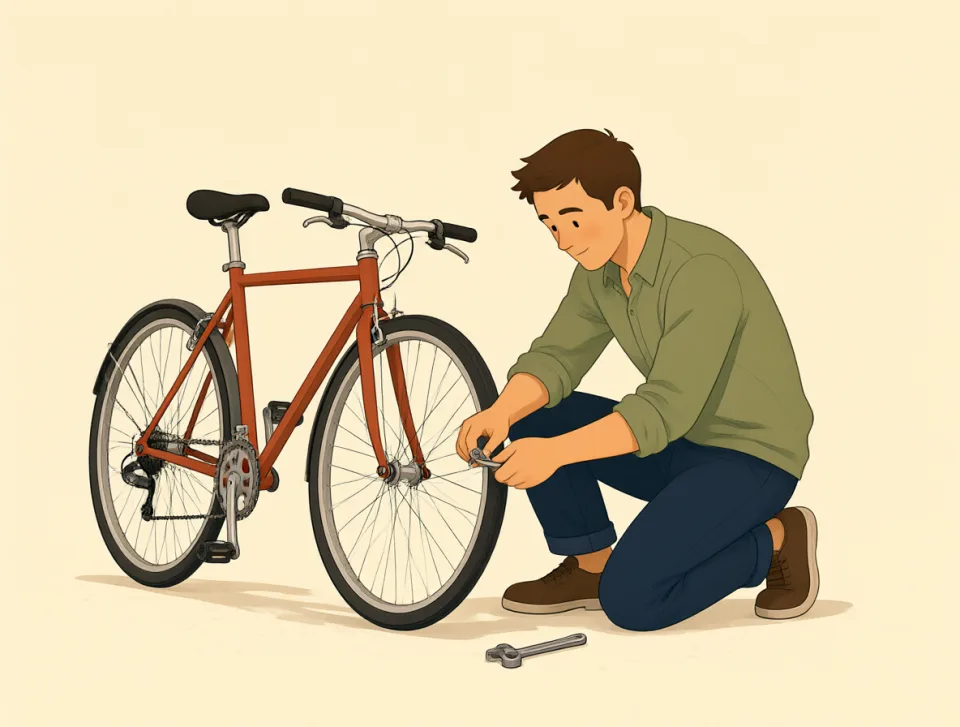
John fixed the bike himself.
جان خودش دوچرخه را تعمیر کرد.

available
#459adjective
در دسترس
Ready to be used, bought, found, or reached.
آماده برای استفاده، خرید، پیدا کردن یا دسترسی.

The doctor is available this afternoon.
دکتر امروز بعدازظهر وقت دارد.
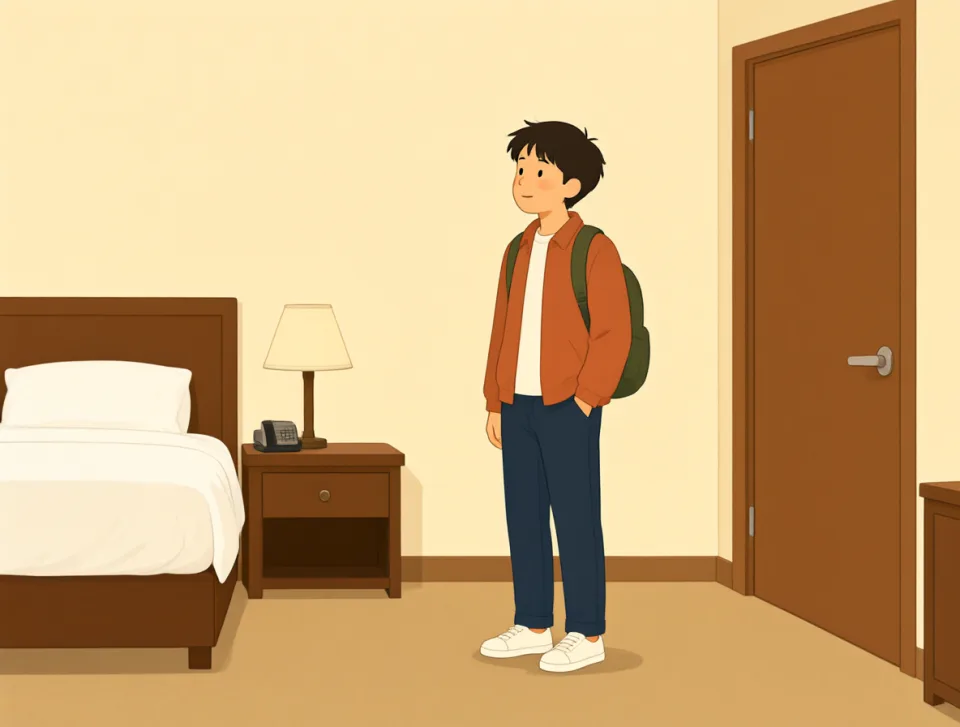
Is this room available tonight?
آیا این اتاق امشب خالی است؟
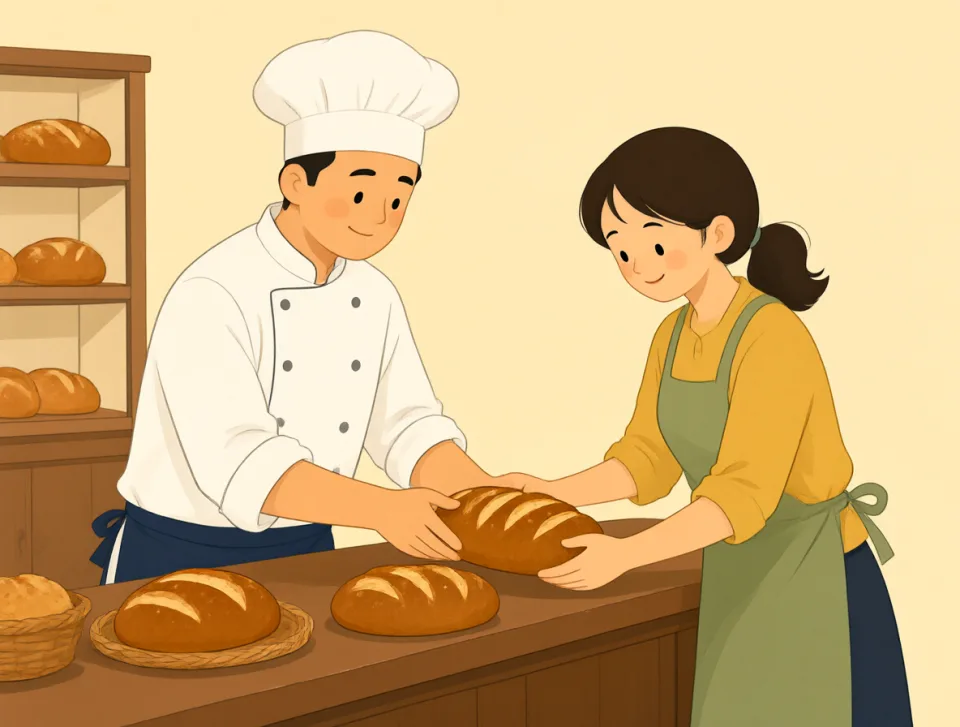
Fresh bread is available at the bakery.
نان تازه در نانوایی موجود است.
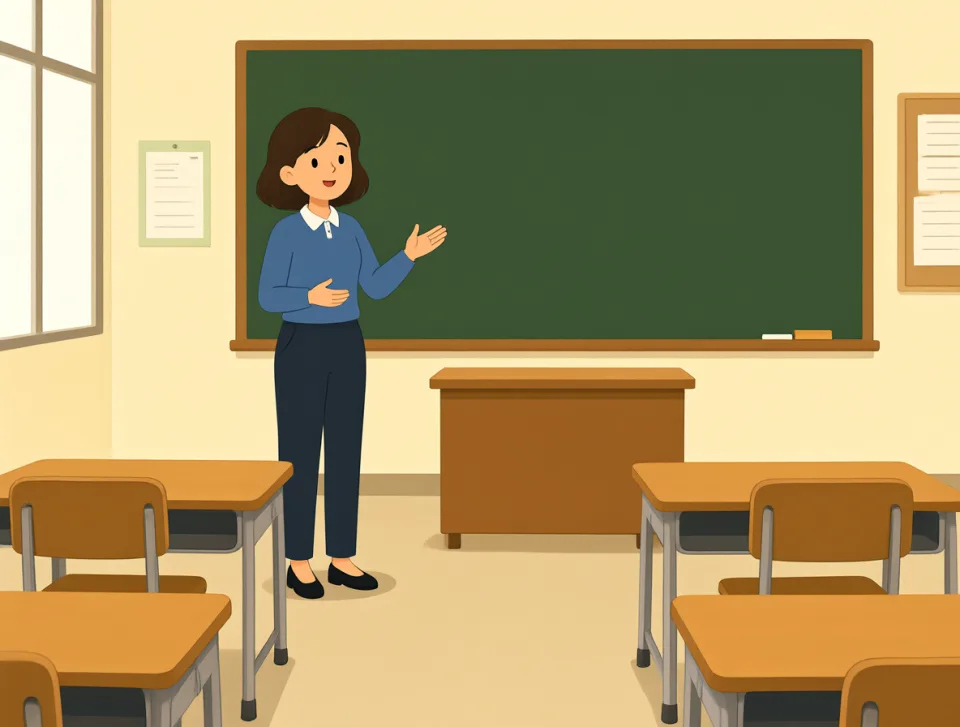
The teacher is available after class.
معلم بعد از کلاس وقت دارد.
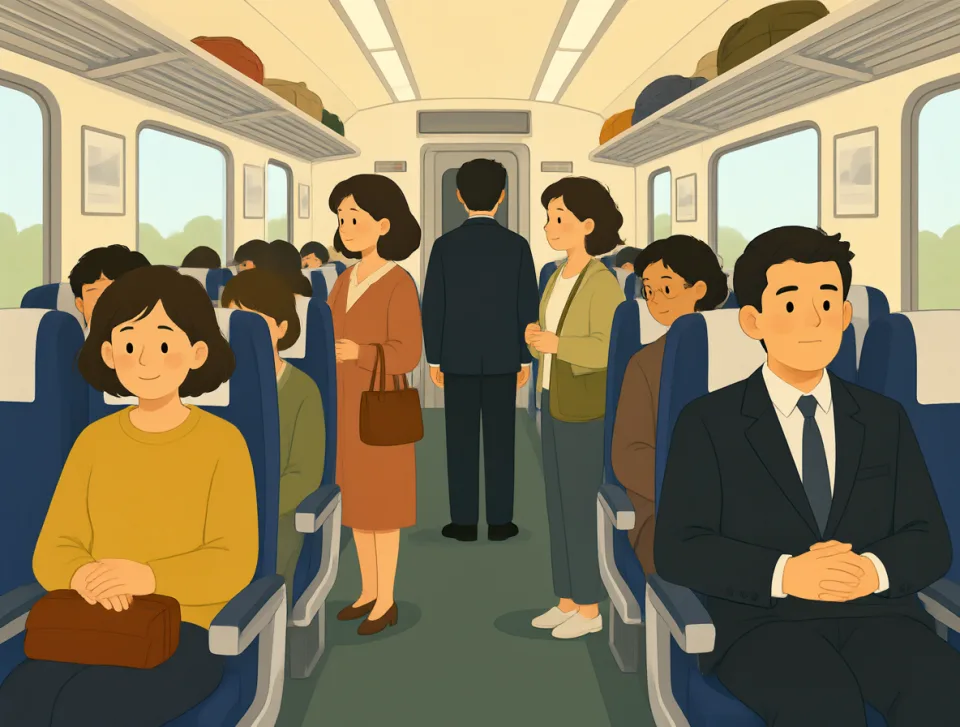
No seats were available on the train.
در قطار هیچ صندلی خالیای نبود.
especially
#460adverb
بهویژه
More than usual or more than others
بیشتر از حد معمول یا بیشتر از دیگران.
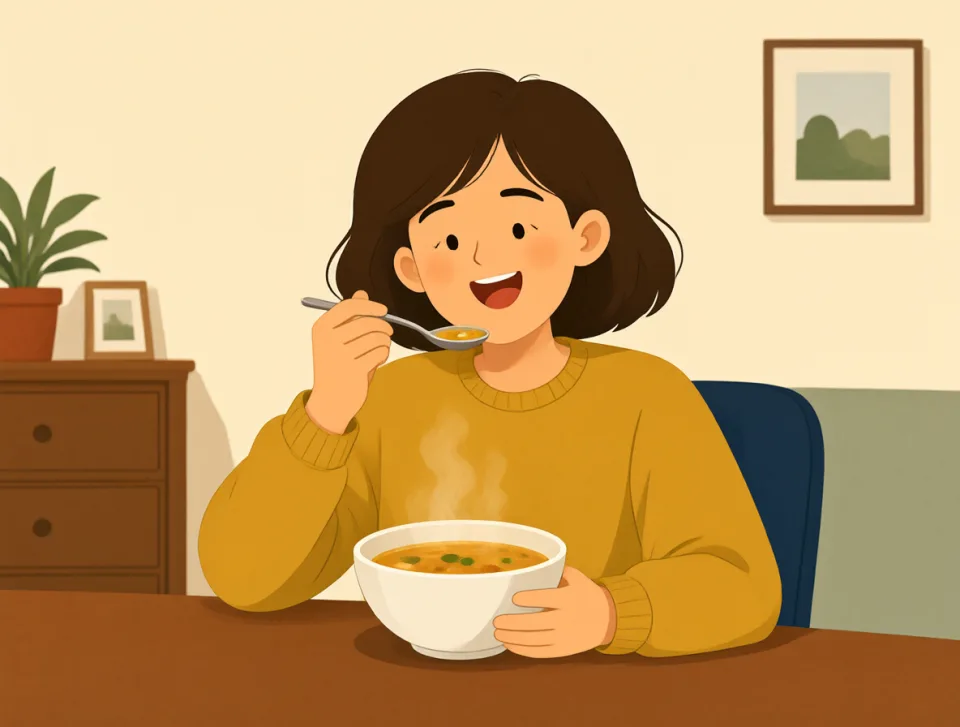
I especially like this warm soup.
من بهخصوص این سوپ گرم را دوست دارم.
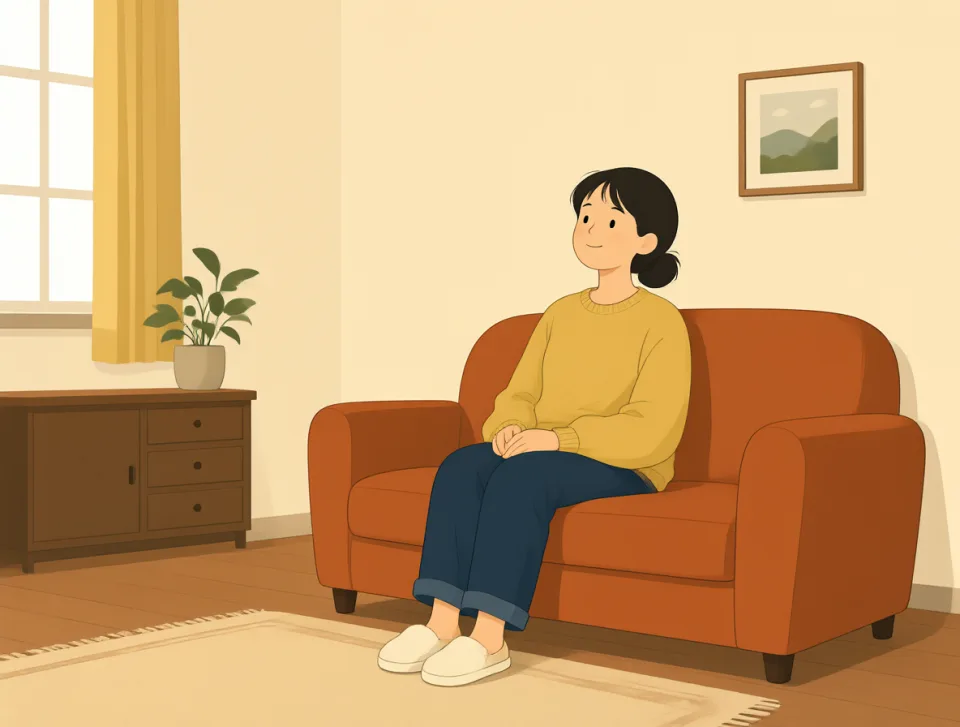
This room is especially quiet today.
امروز این اتاق بهخصوص ساکت است.
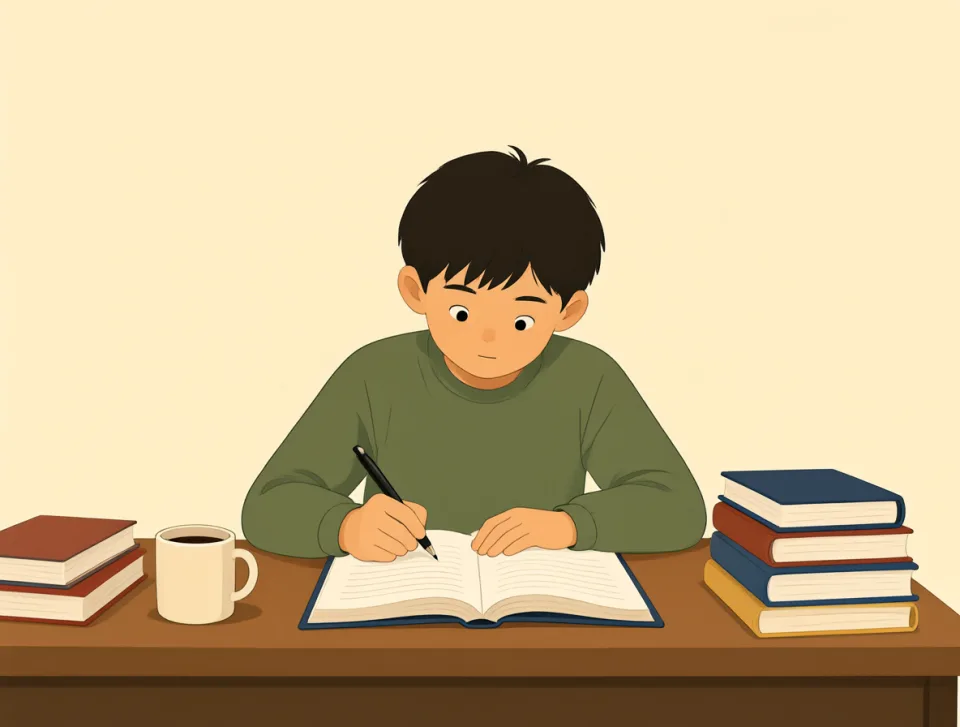
She works especially hard before exams.
او پیش از امتحانها بهخصوص سخت کار میکند.

We visited many places, especially Rome.
از جاهای زیادی دیدن کردیم، بهخصوص رم.
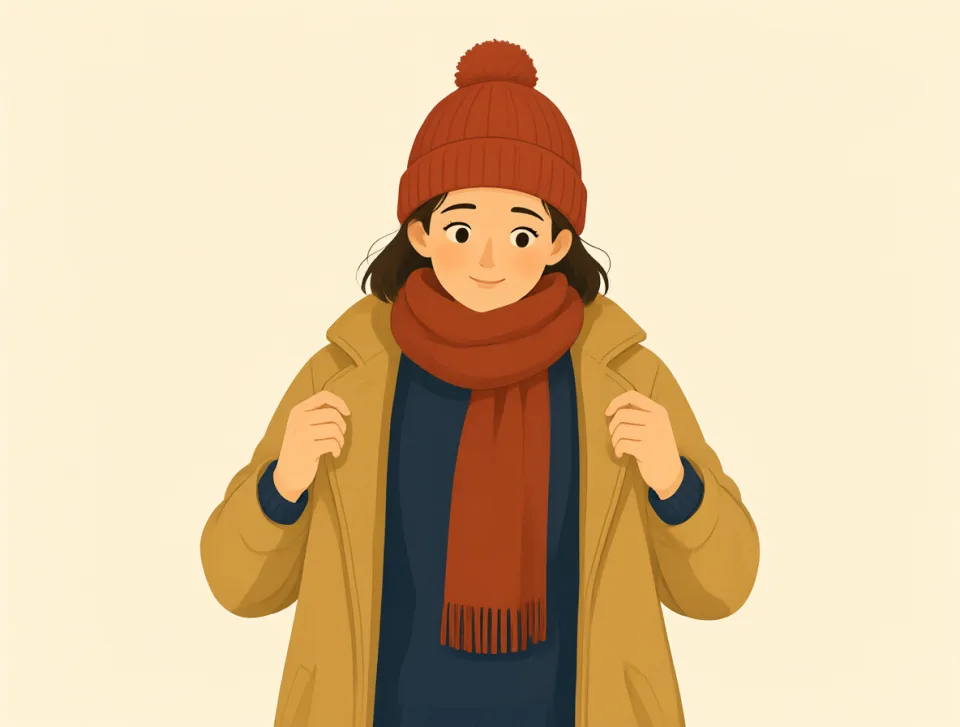
Wear warm clothes, especially in winter.
لباس گرم بپوش، بهخصوص در زمستان.