بخش 4
واژههای 61 تا 80 · well, because, very, just, come, could
well
#61adverb, adjective, noun, verb
خوب؛ چاه
In a good, healthy, or successful way; a deep hole for water.
بهشکلی خوب، سالم یا موفق؛ همچنین چالهای عمیق برای دسترسی به آب.
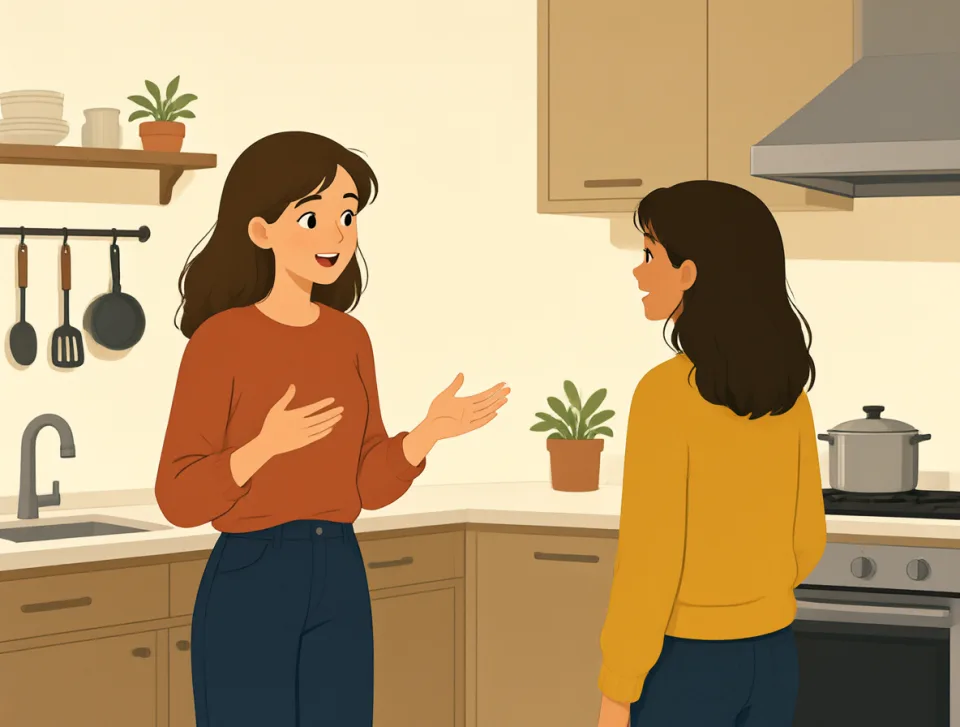
She speaks English very well.
او انگلیسی را خیلی خوب صحبت میکند.
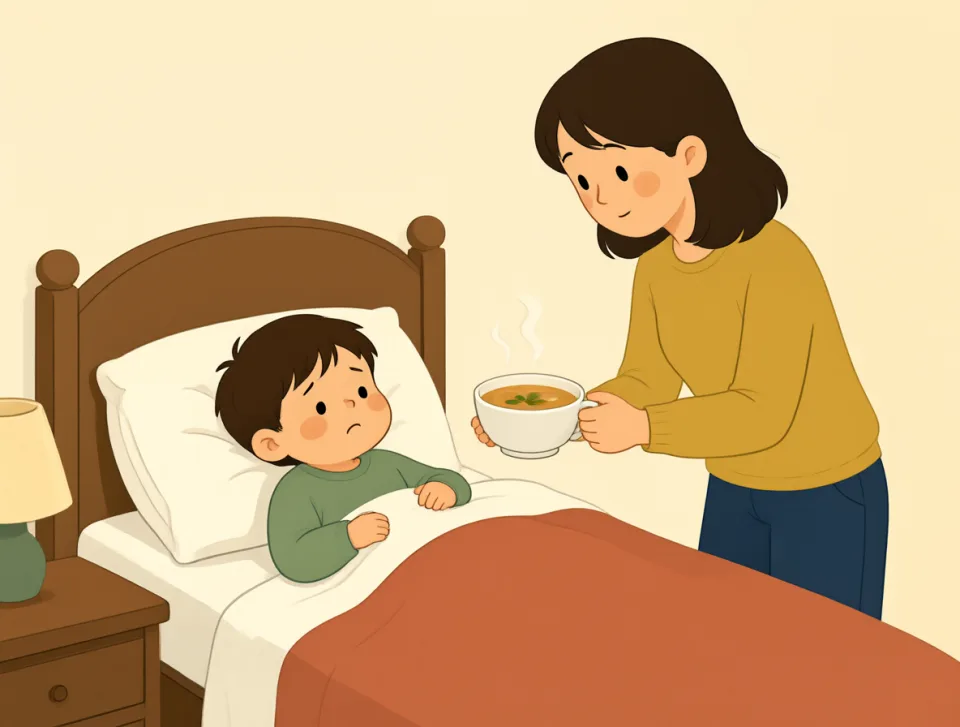
I hope you get well soon.
امیدوارم زود خوب شوی.
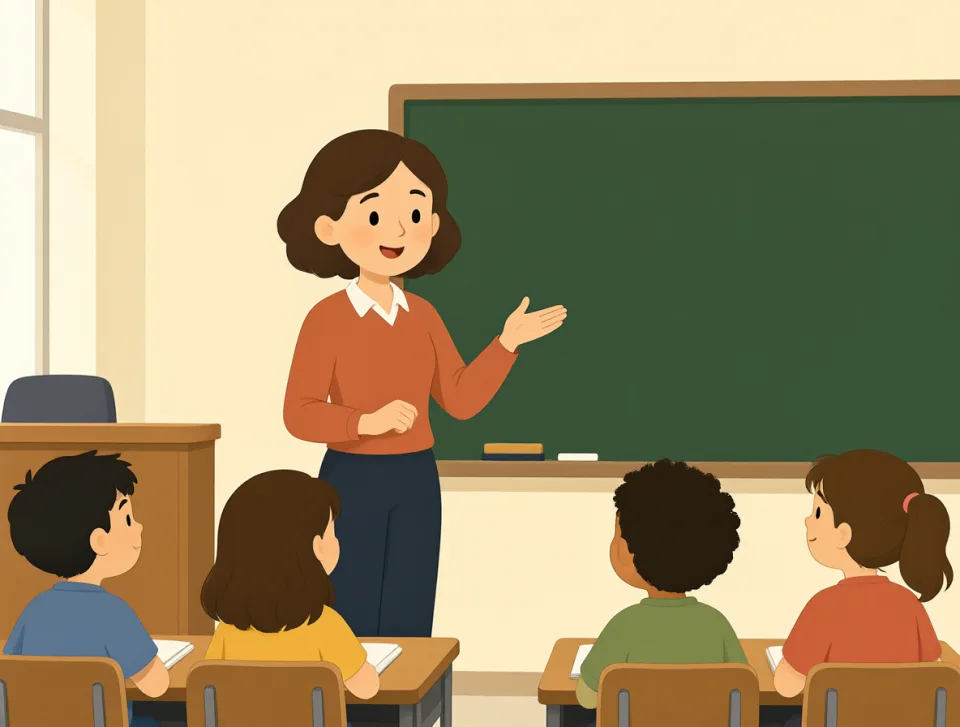
Well, let's start the lesson.
خب، بیایید درس را شروع کنیم.
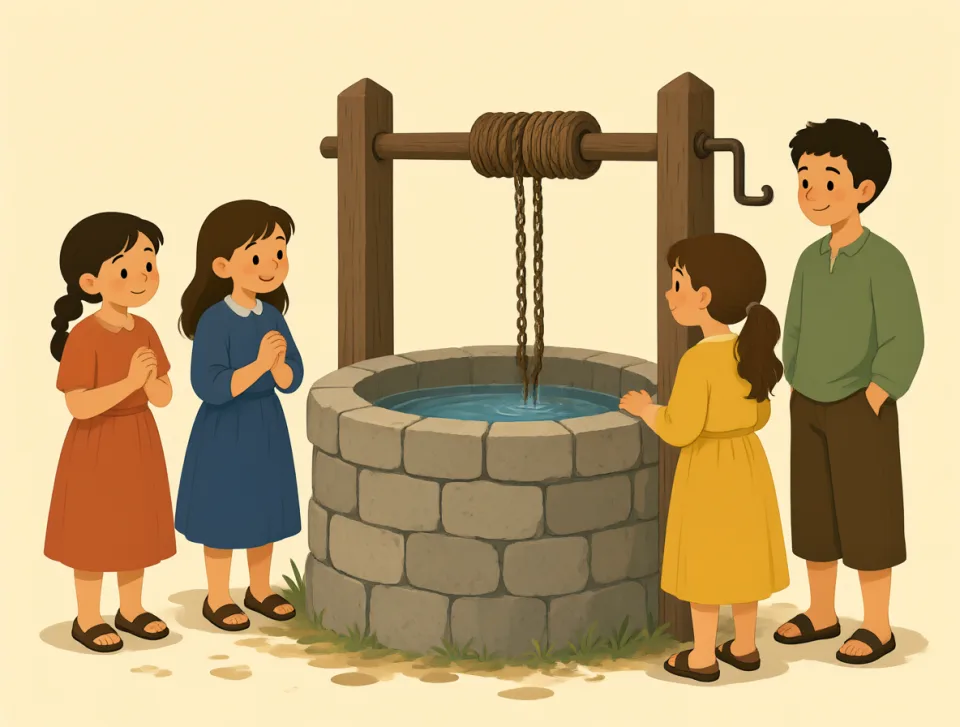
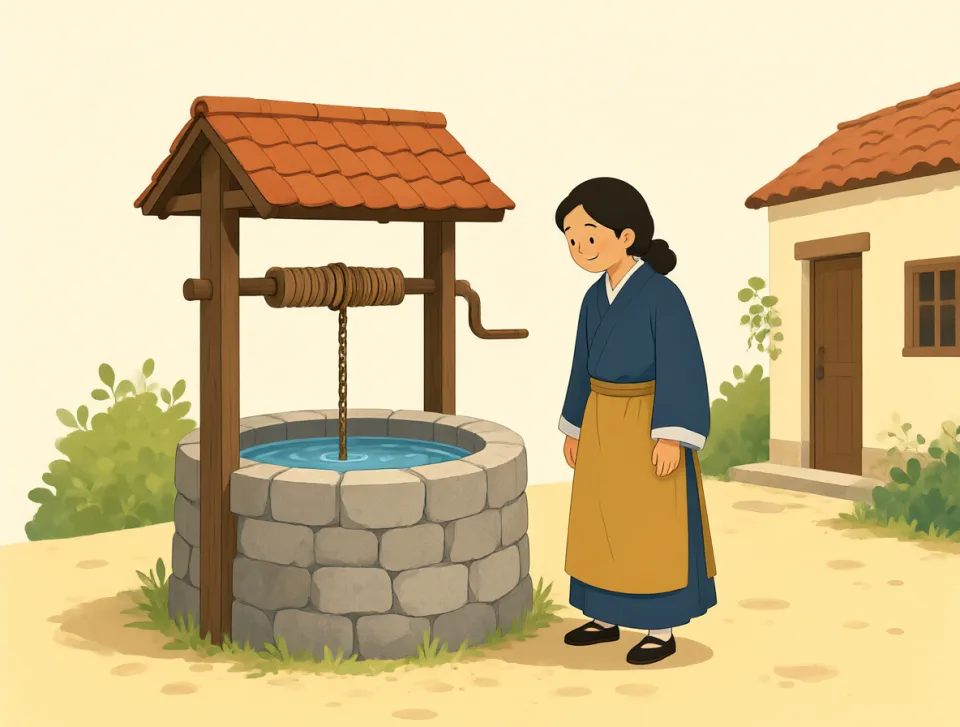
The village has an old stone well.
این روستا یک چاه سنگی قدیمی دارد.

They well up with tears.
اشک در چشمانشان جمع میشود.

because
#62conjunction
چون؛ زیرا
for the reason that something happens
برای بیان دلیل رخدادن چیزی.
I stayed home because I felt sick.
چون حالم خوب نبود، در خانه ماندم.
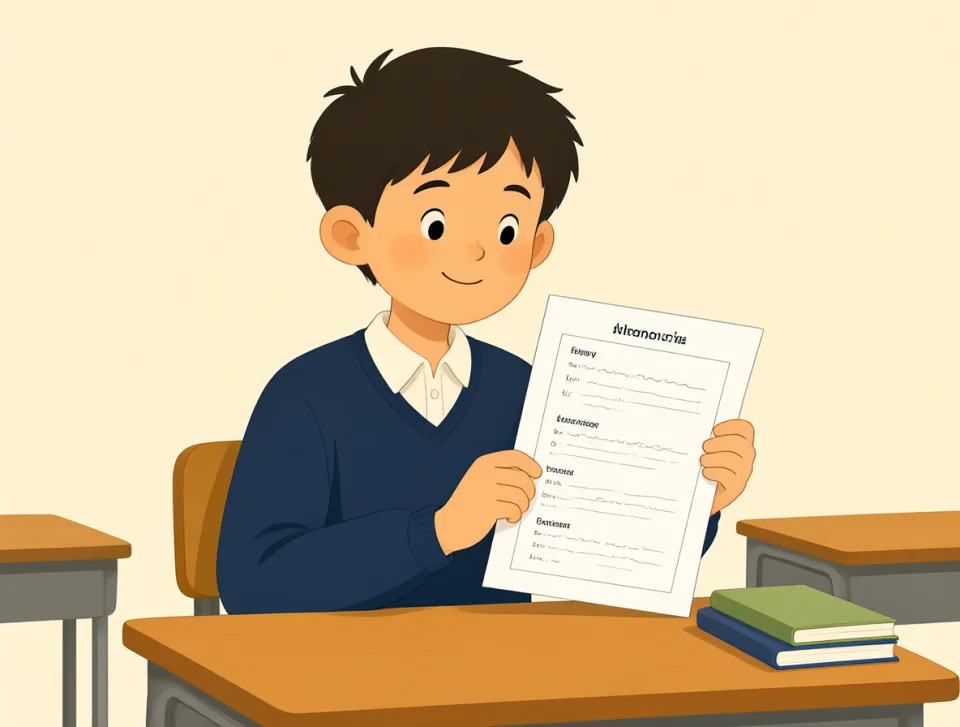
She is happy because she passed her test.
او خوشحال است چون در آزمونش قبول شده.
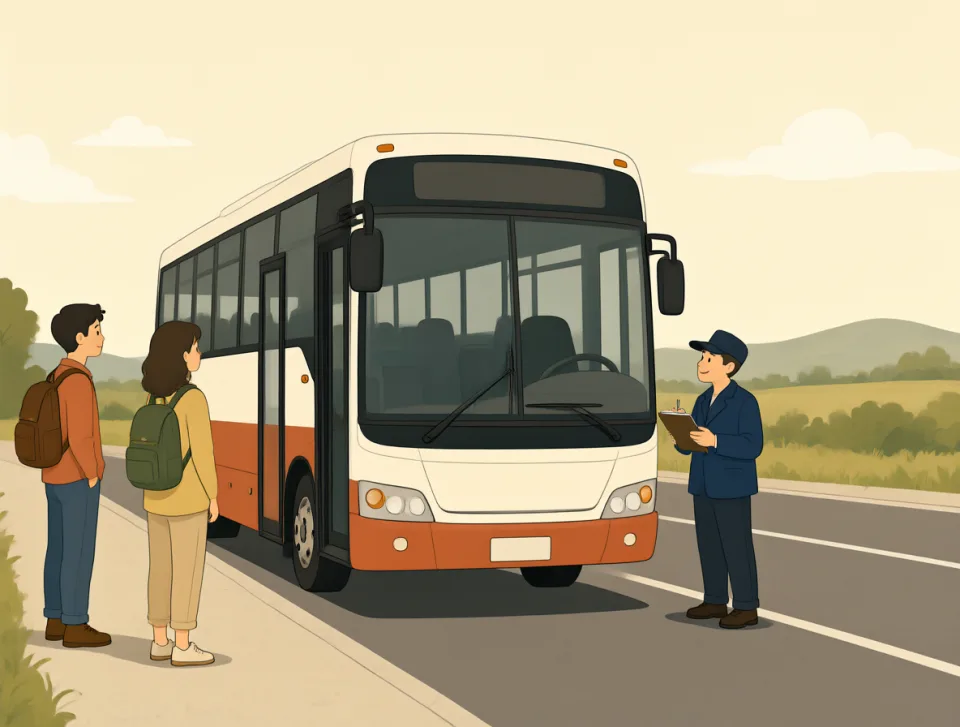
We were late because the bus broke down.
چون اتوبوس خراب شد، دیر رسیدیم.
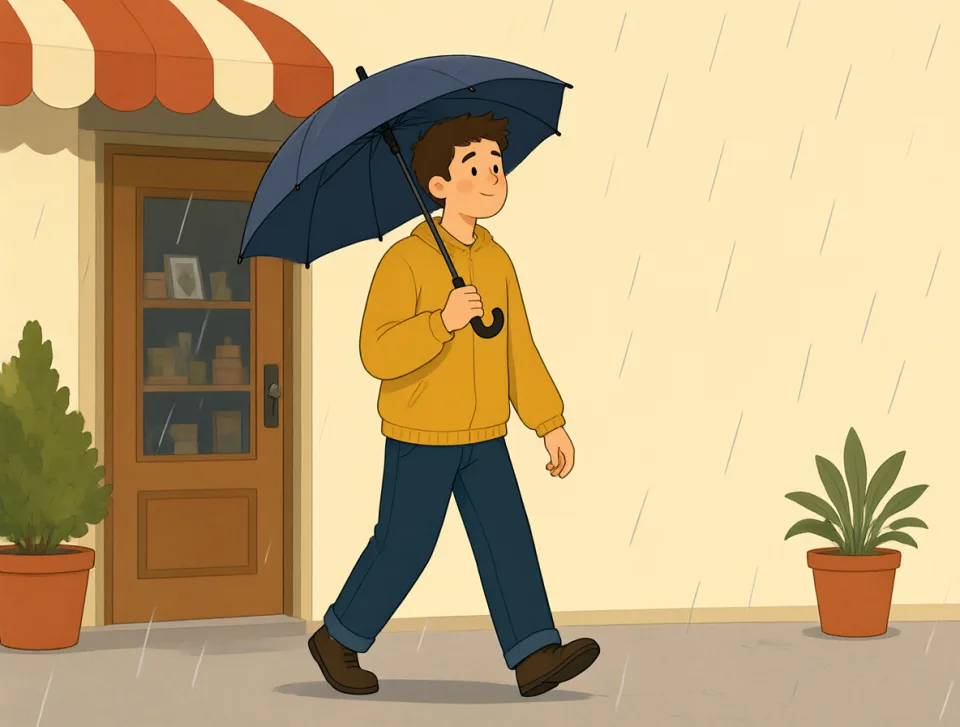
He bought an umbrella because it was raining.
چون باران میبارید، او یک چتر خرید.
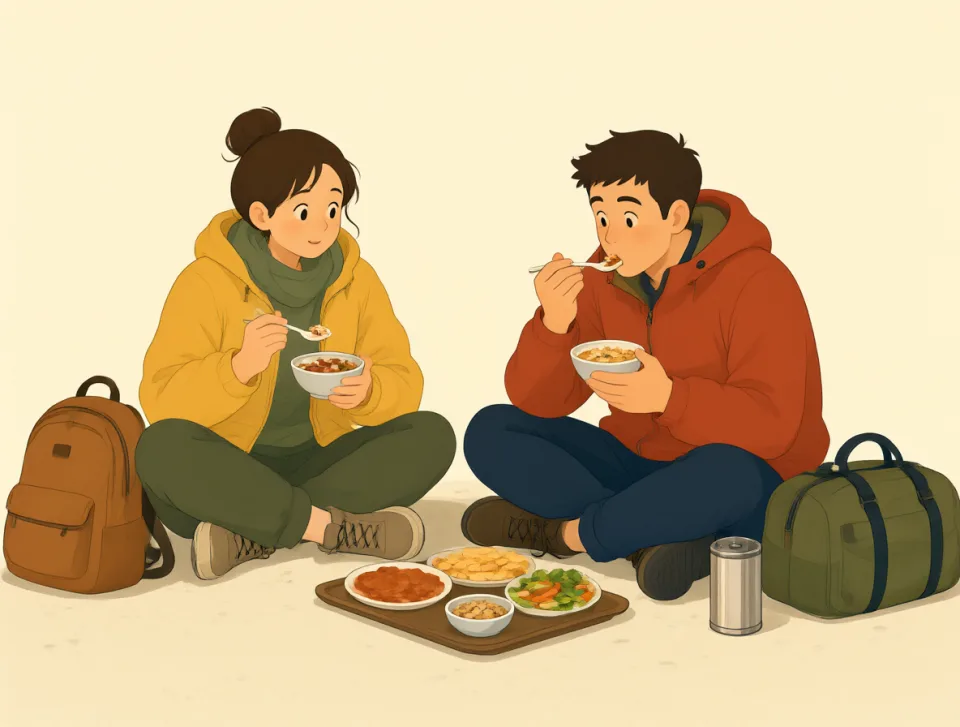
They eat early because they have a flight.
چون پرواز دارند، زود غذا میخورند.
very
#63adverb
بسیار؛ خیلی
Used before an adjective or adverb to mean to a high degree.
پیش از صفت یا قید میآید و شدت زیاد را نشان میدهد.
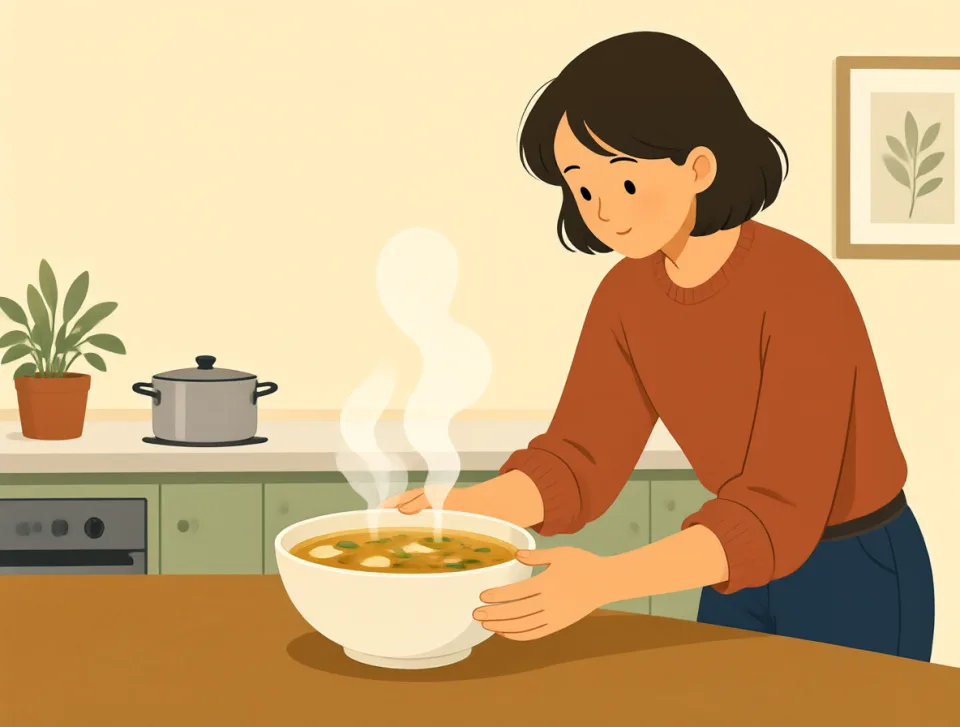
The soup is very hot.
سوپ خیلی داغ است.
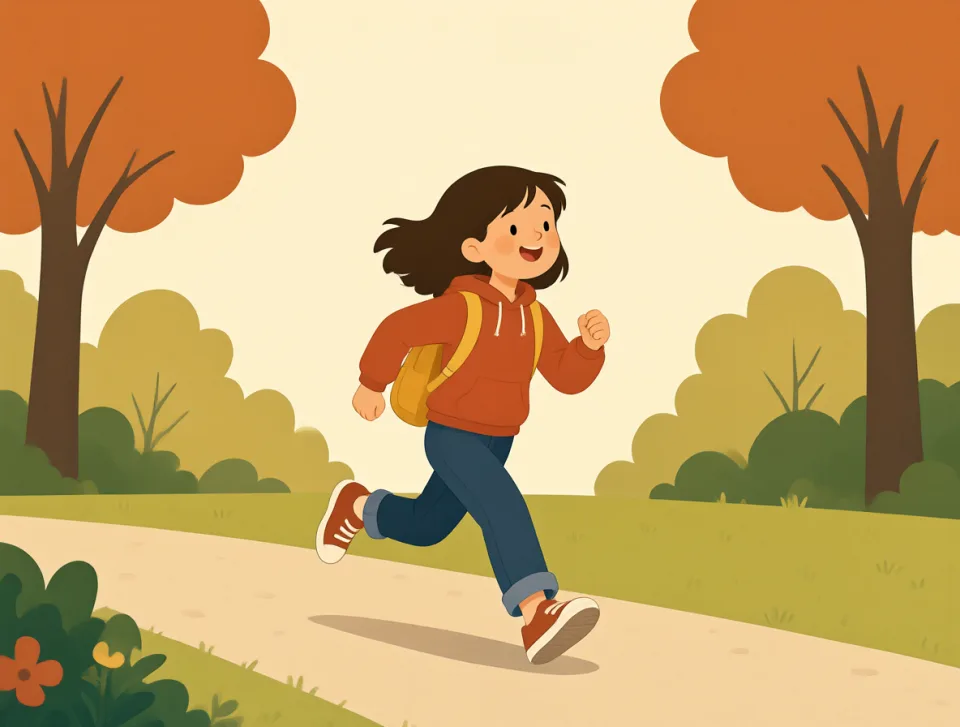
She runs very fast.
او خیلی سریع میدود.

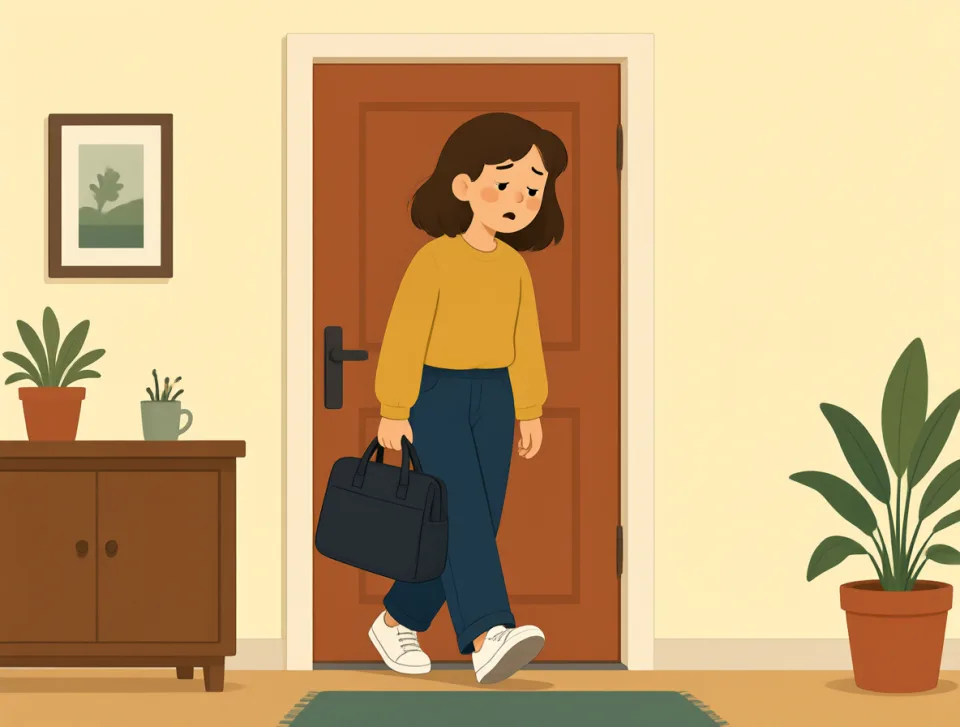
I am very tired today.
امروز خیلی خستهام.

This bag is very expensive.
این کیف خیلی گران است.

We had a very good time.
خیلی خوش گذشت.
just
#64adverb, adjective
تازه؛ دقیقاً؛ فقط
Only recently, exactly, or fairly; used to make something seem less important.
برای اشاره به زمانی نزدیک، بیان دقیق چیزی یا کماهمیت جلوهدادن آن بهکار میرود.
I just got home from work.
تازه از سر کار به خانه رسیدهام.

Just wait here for a minute.
فقط یک دقیقه همینجا منتظر بمان.

This shirt is just five dollars.
قیمت این پیراهن فقط پنج دلار است.
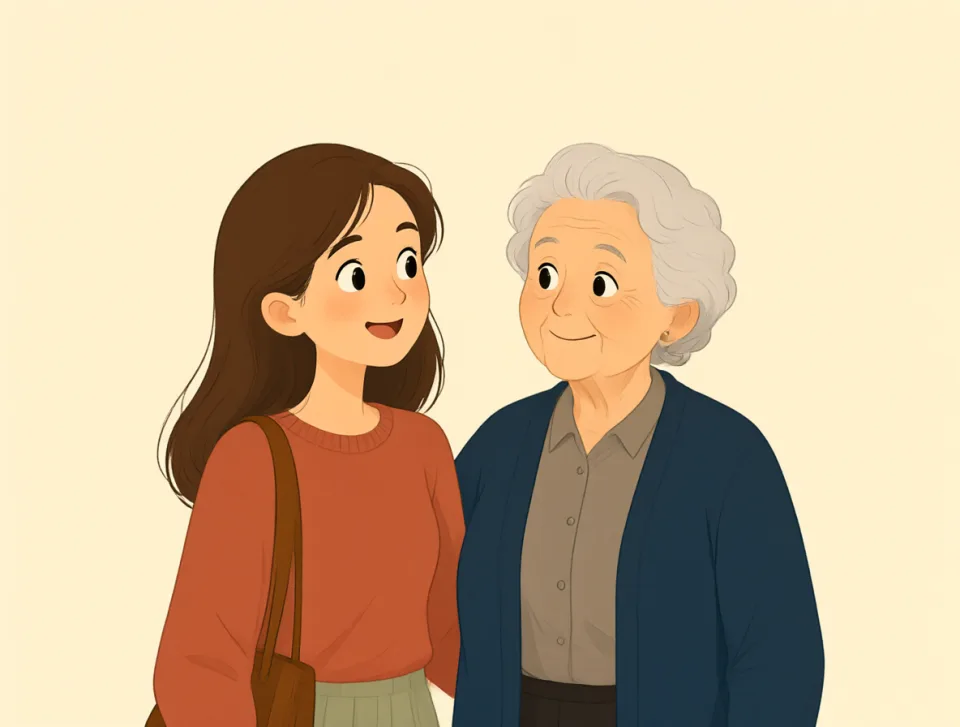
She is just like her mother.
او دقیقاً شبیه مادرش است.
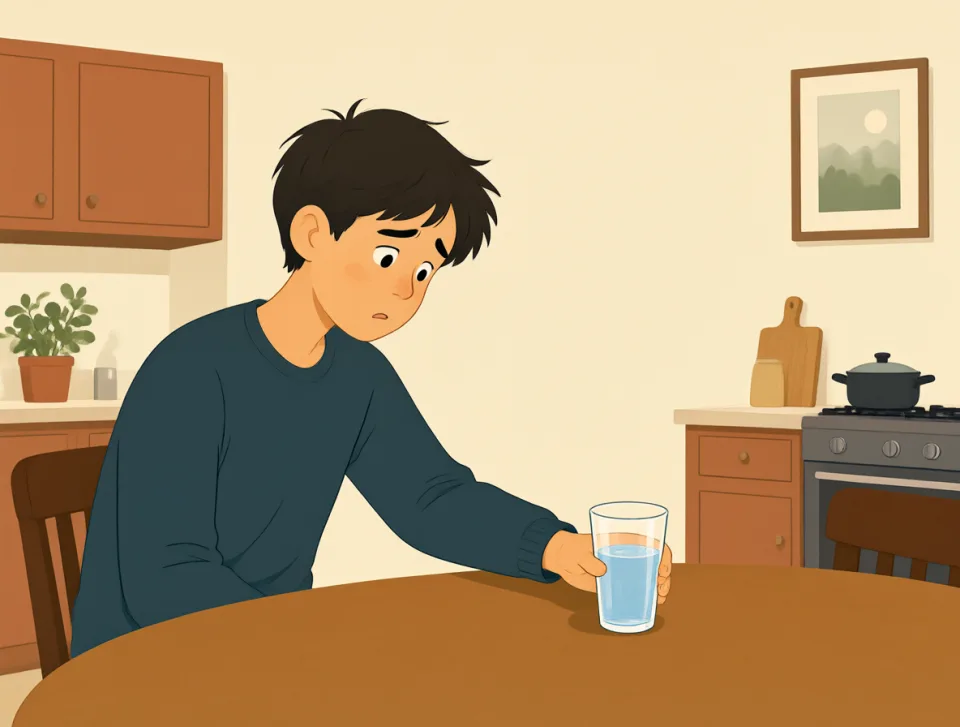
I just want some water.
فقط کمی آب میخواهم.
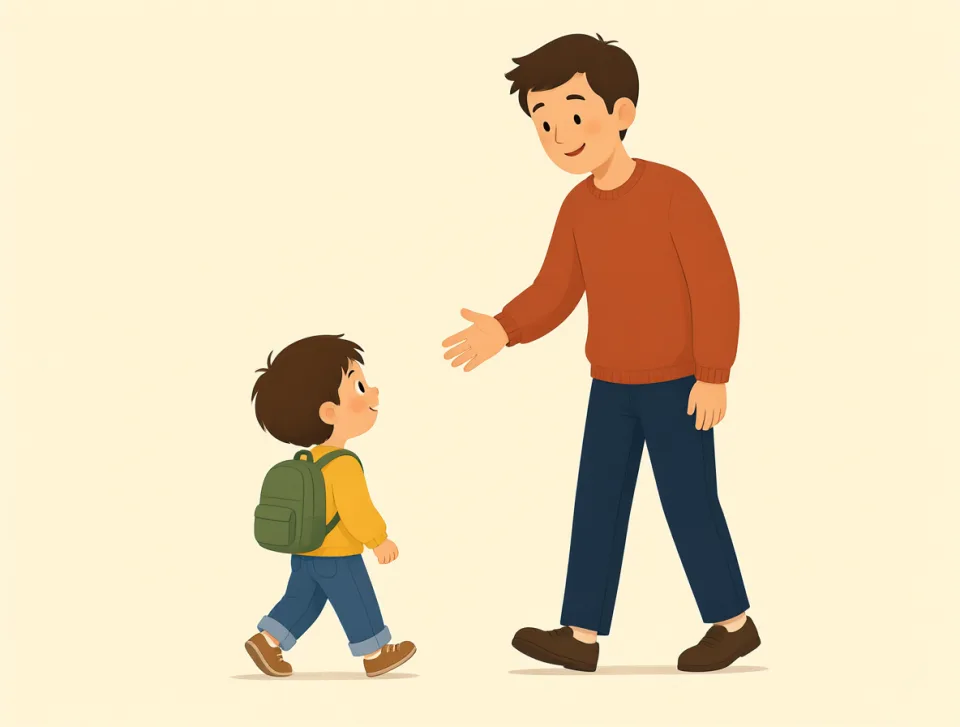
come
#65verb
آمدن
to move toward or arrive at a person or place
بهسمت شخص یا مکانی حرکت کردن یا به آن رسیدن.
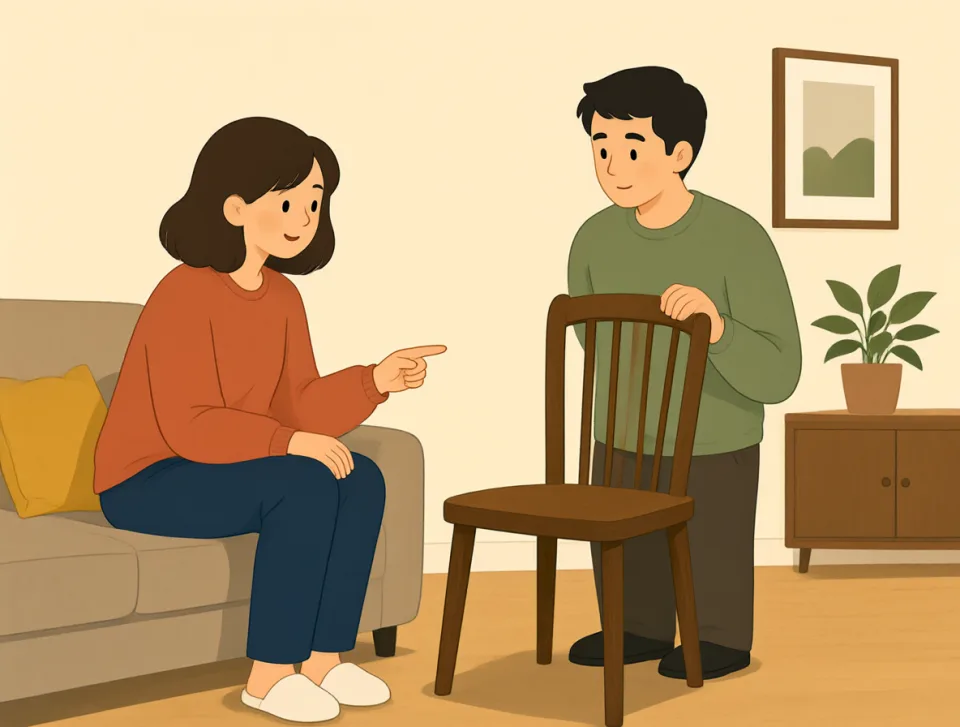
Come here and sit beside me.
بیا اینجا و کنارم بنشین.
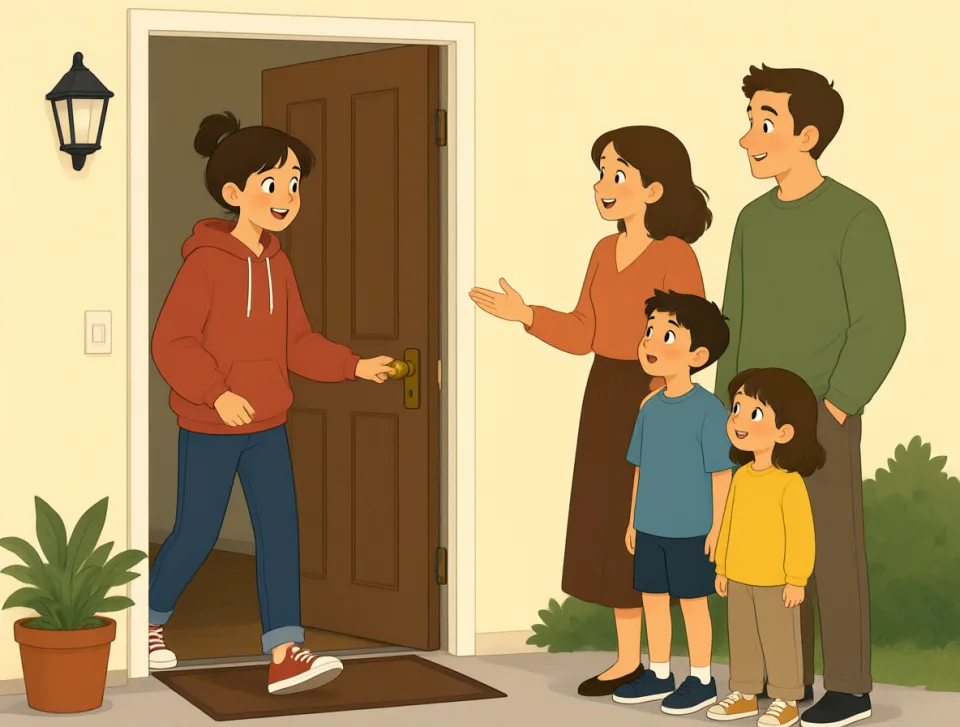
What time did you come home?
چه ساعتی به خانه آمدی؟
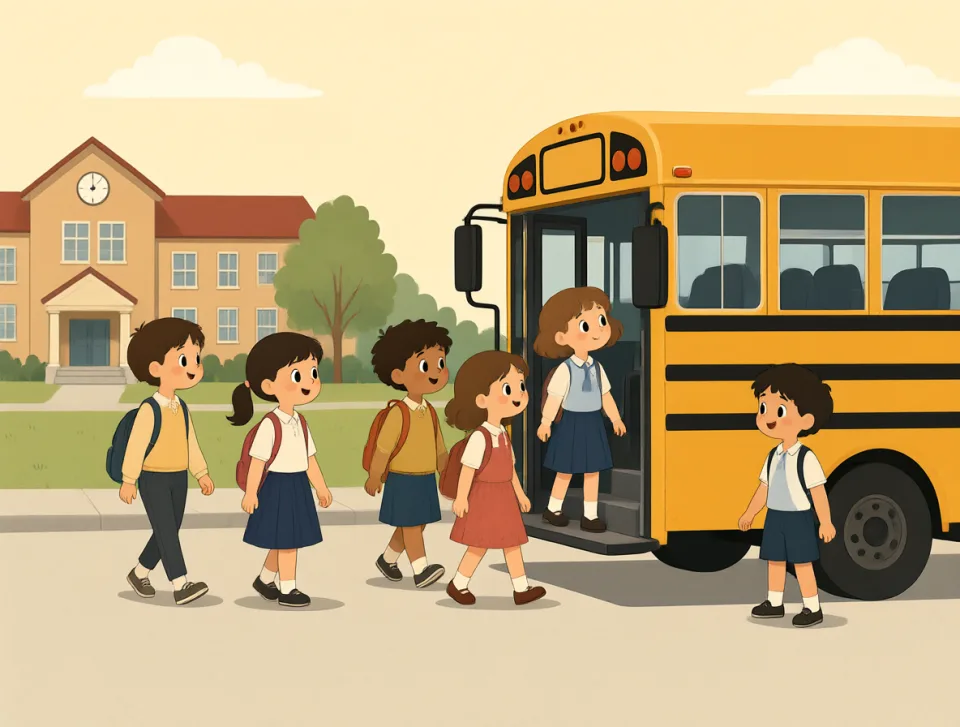
Many students come to school by bus.
بسیاری از دانشآموزان با اتوبوس به مدرسه میآیند.

Please come to my birthday party.
لطفاً به جشن تولدم بیا.
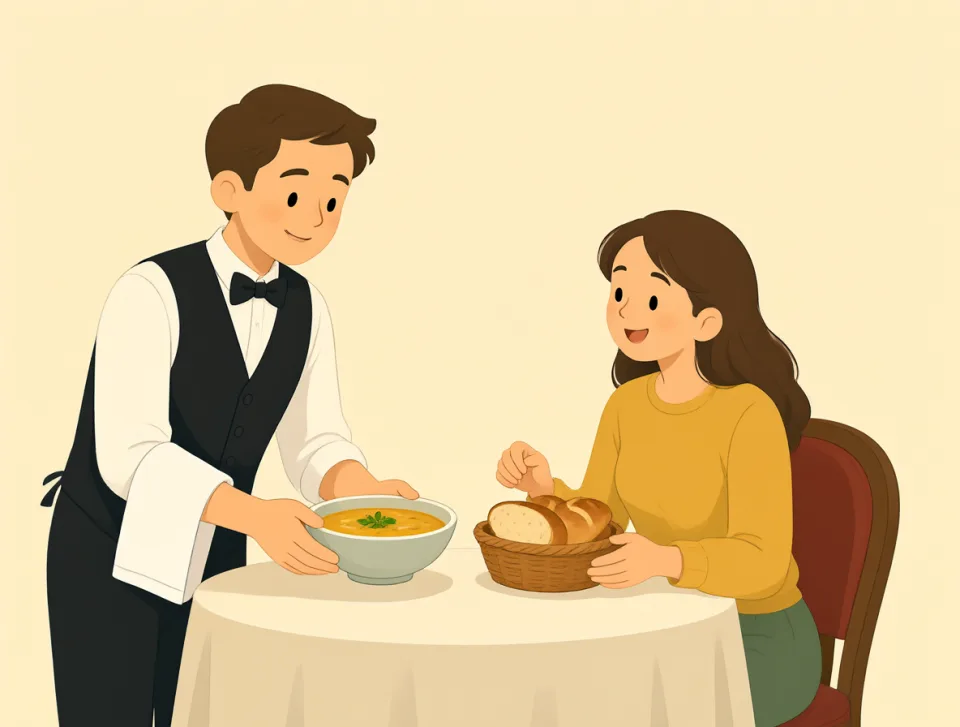
This soup comes with fresh bread.
این سوپ با نان تازه سرو میشود.

could
#66modal verb
میتوانست؛ ممکن بود
Used to ask politely, talk about possibility, or describe ability in the past.
برای درخواست مؤدبانه، صحبت دربارهٔ امکان چیزی یا توصیف توانایی در گذشته به کار میرود.
Could you help me with this bag?
میتوانی در حمل این کیف به من کمک کنی؟

We could meet at the station tomorrow.
میتوانیم فردا در ایستگاه همدیگر را ببینیم.

I could swim when I was five.
وقتی پنجساله بودم، میتوانستم شنا کنم.
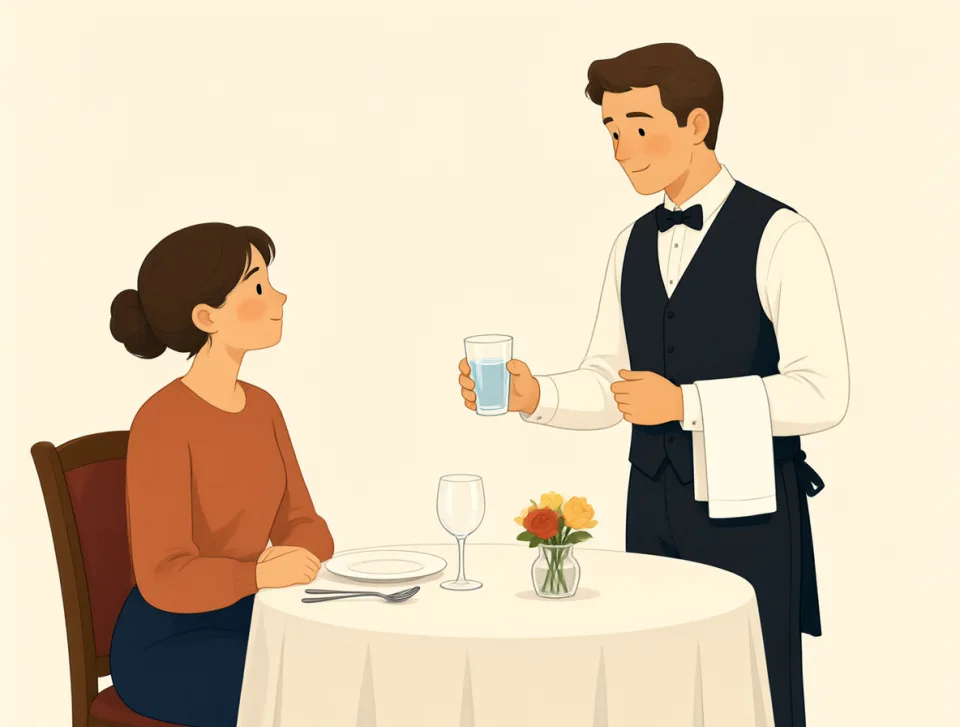
Could I have some water, please?
ممکن است لطفاً کمی آب به من بدهید؟

It could rain this afternoon.
ممکن است امروز بعدازظهر باران ببارد.

work
#67noun, verb
کار؛ کار کردن
To do a job or activity, or the job or activity you do.
انجام دادن یک شغل یا فعالیت، یا شغل یا فعالیتی که انجام میدهید.

I work in a small office.
در یک دفتر کوچک کار میکنم.

She works hard every day.
او هر روز سخت کار میکند.

This computer does not work.
این کامپیوتر کار نمیکند.
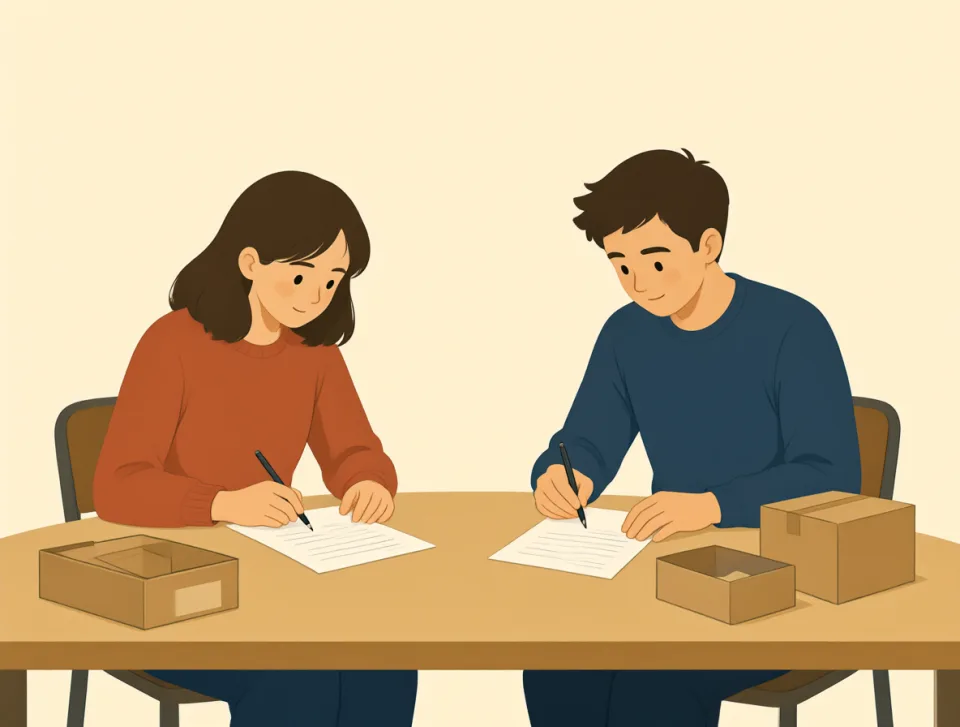
We have a lot of work today.
امروز کار زیادی داریم.

His works hang in the museum.
آثار او در موزه به نمایش گذاشته شدهاند.
use
#68verb, noun
استفاده کردن؛ کاربرد
To do something with a thing for a purpose; the way something is used.
بهکار بردن چیزی برای هدفی مشخص؛ یا شیوهای که چیزی به کار میرود.

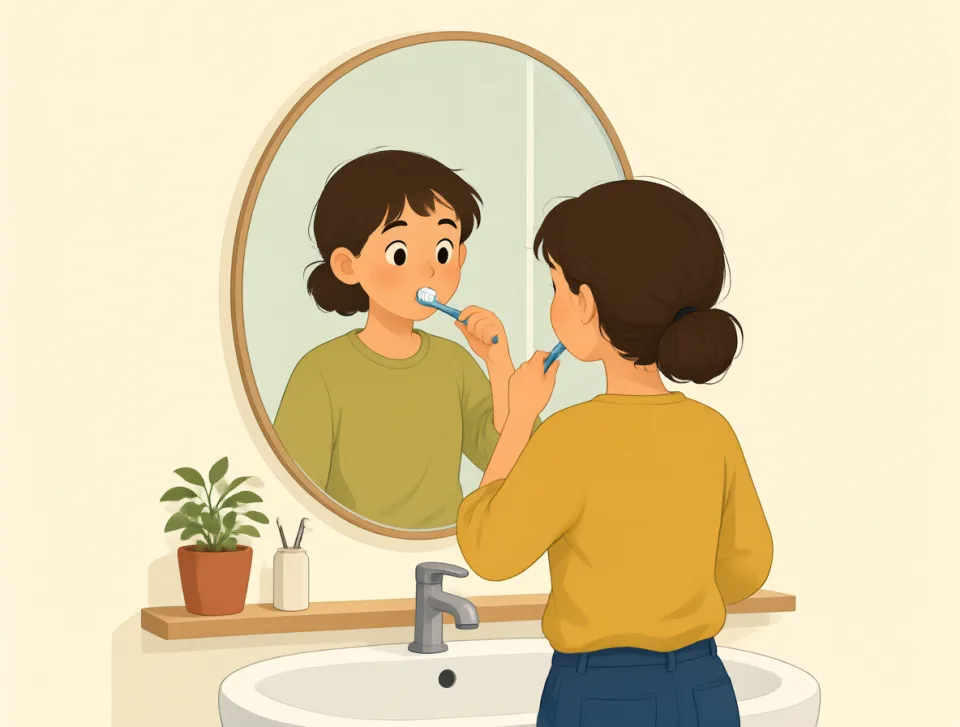
I use my phone every day.
هر روز از گوشیام استفاده میکنم.
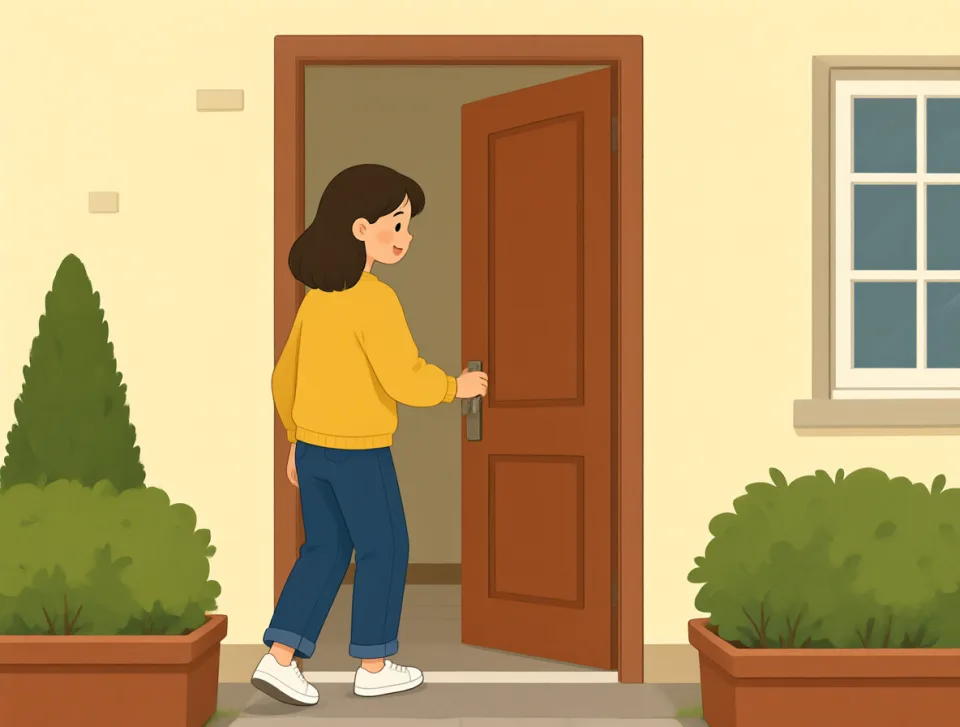
Please use this door.
لطفاً از این در استفاده کنید.
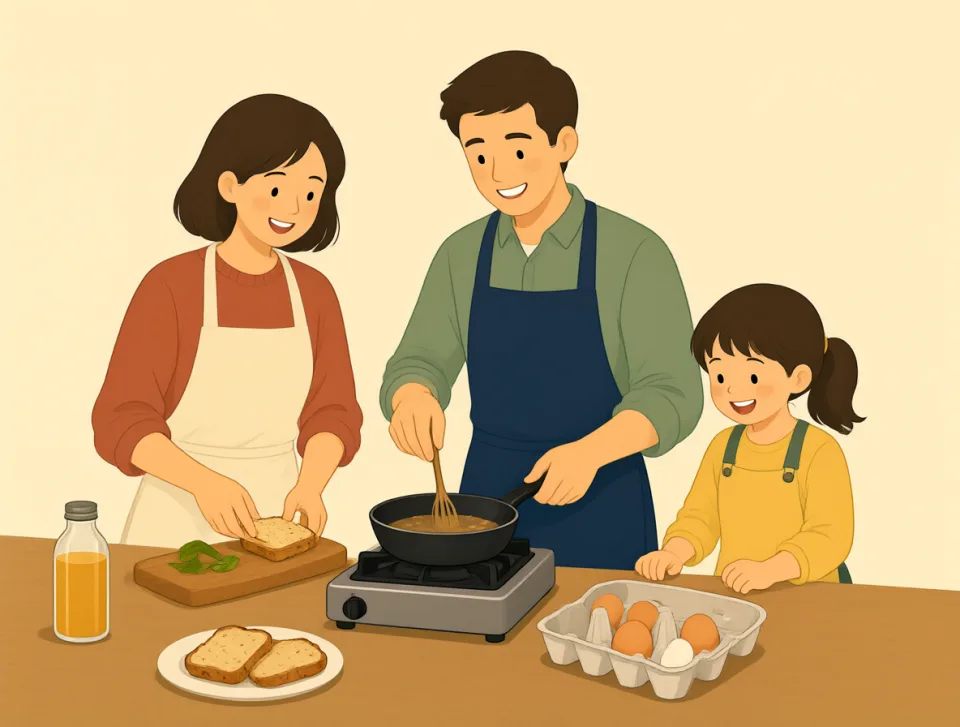
We used all the eggs for breakfast.
همهٔ تخممرغها را برای صبحانه استفاده کردیم.
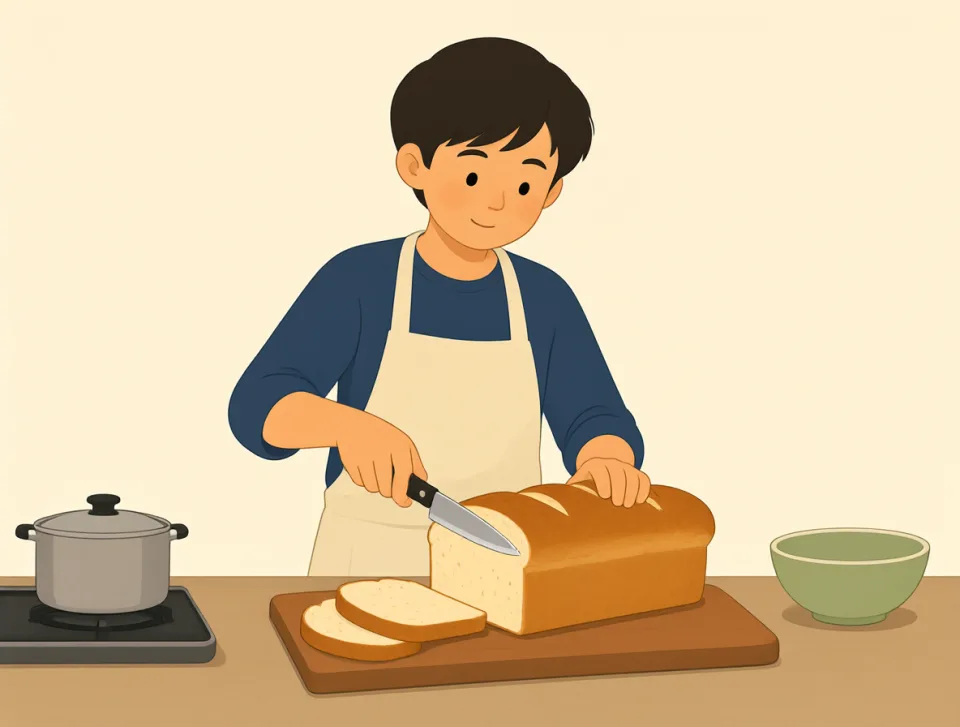
She uses a knife to cut bread.
او برای بریدن نان از چاقو استفاده میکند.
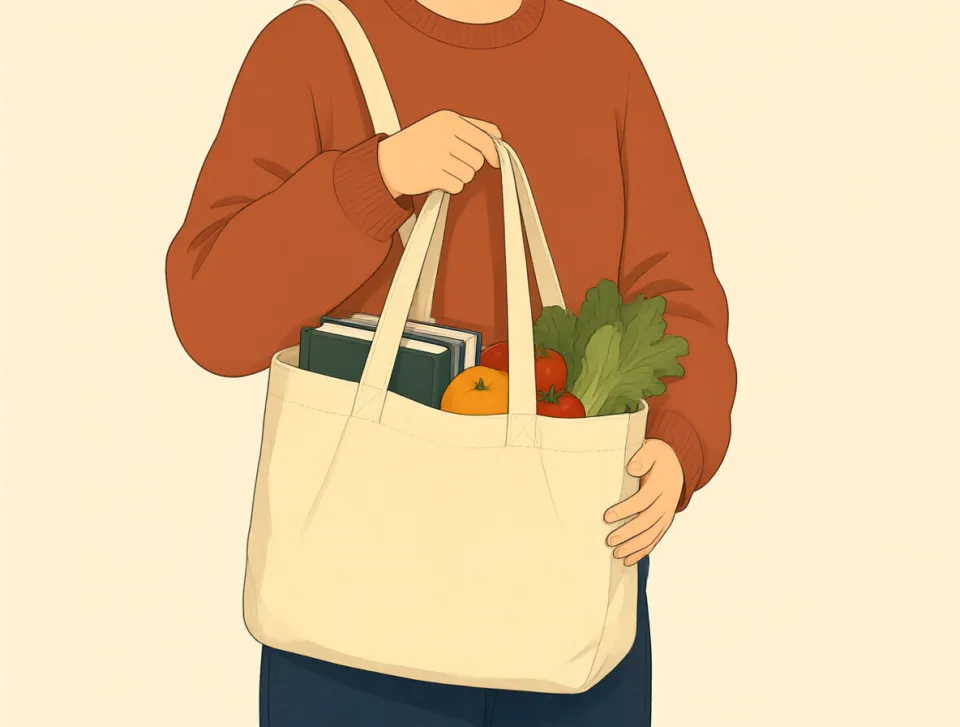
This bag has many uses.
این کیف کاربردهای زیادی دارد.
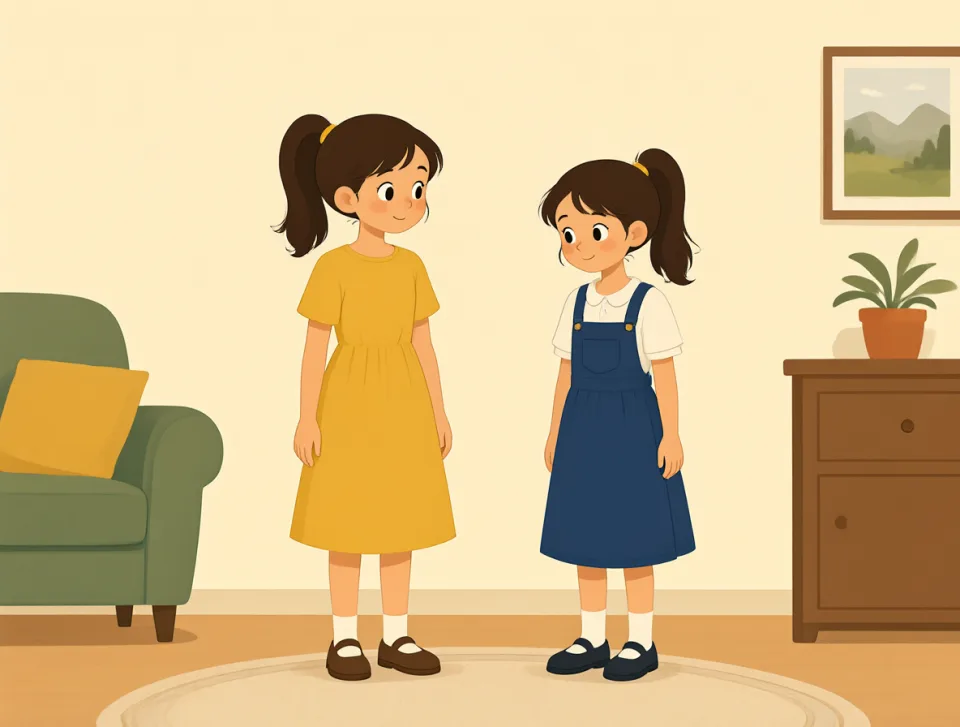
than
#69conjunction, preposition
از
Used to compare two people, things, or actions.
برای مقایسهٔ دو نفر، چیز یا عمل به کار میرود.
My sister is taller than me.
خواهرم از من قدبلندتر است.

This bag is cheaper than that one.
این کیف از آن یکی ارزانتر است.
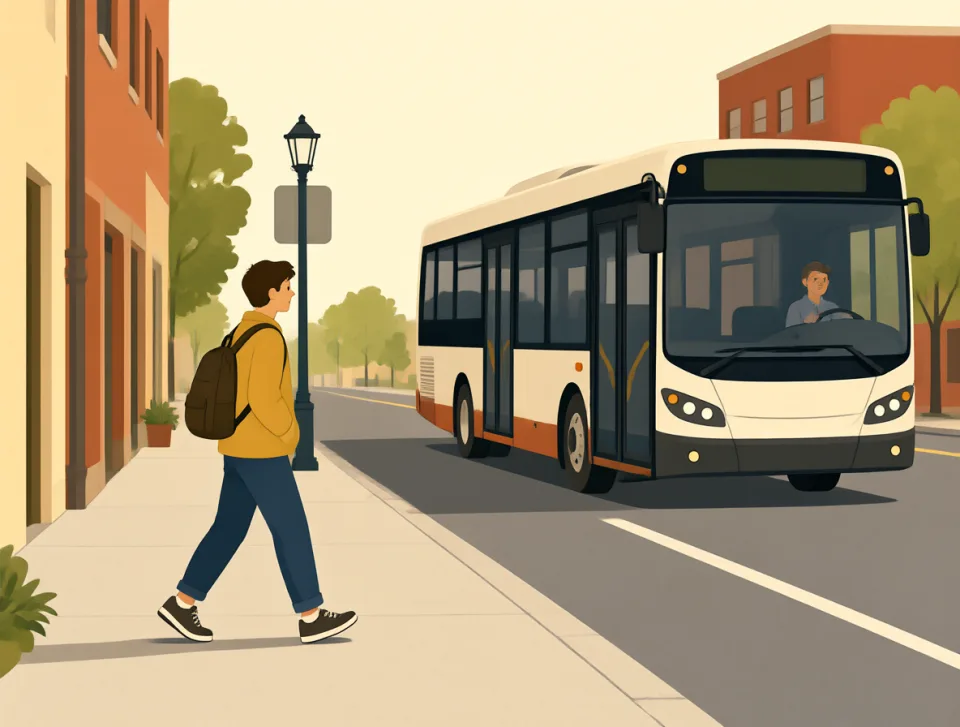
I would rather walk than take the bus.
ترجیح میدهم پیاده بروم تا اینکه سوار اتوبوس شوم.
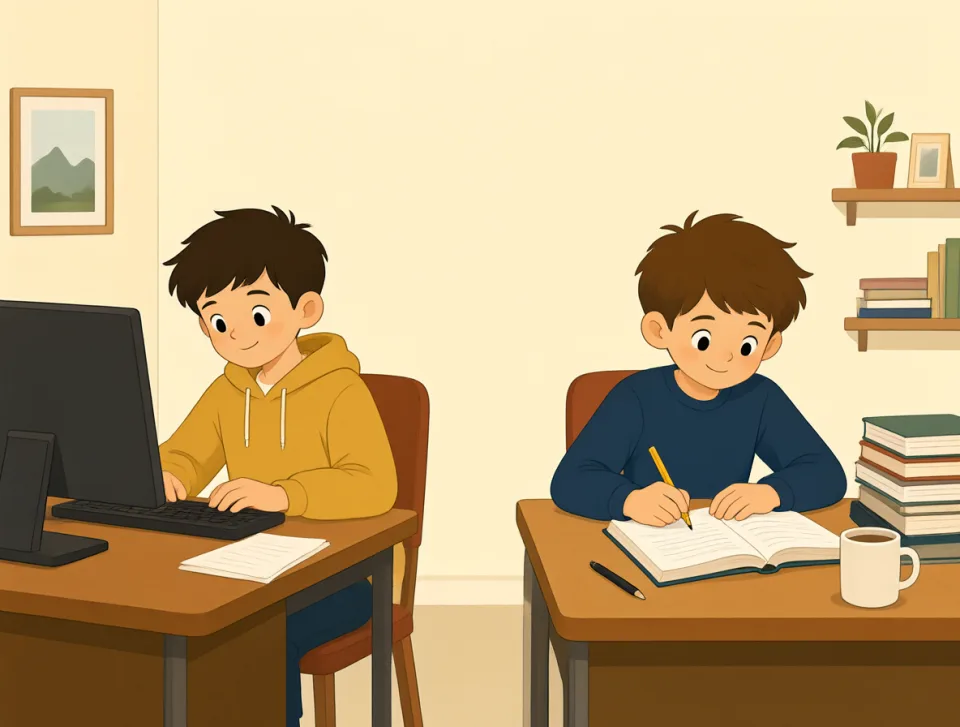
He works harder than his brother.
او از برادرش سختکوشتر است.
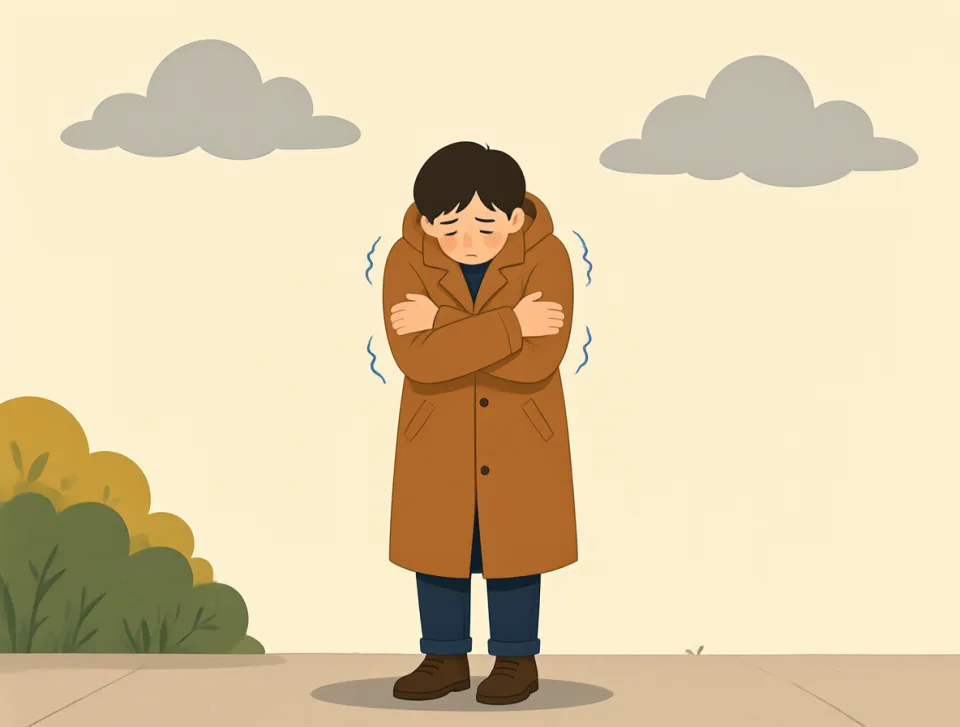
It was colder than yesterday.
هوا از دیروز سردتر بود.

now
#70adverb, noun, adjective
حالا؛ اکنون
at the present time or moment
در زمان یا لحظهٔ حاضر
I am busy now.
الان سرم شلوغ است.
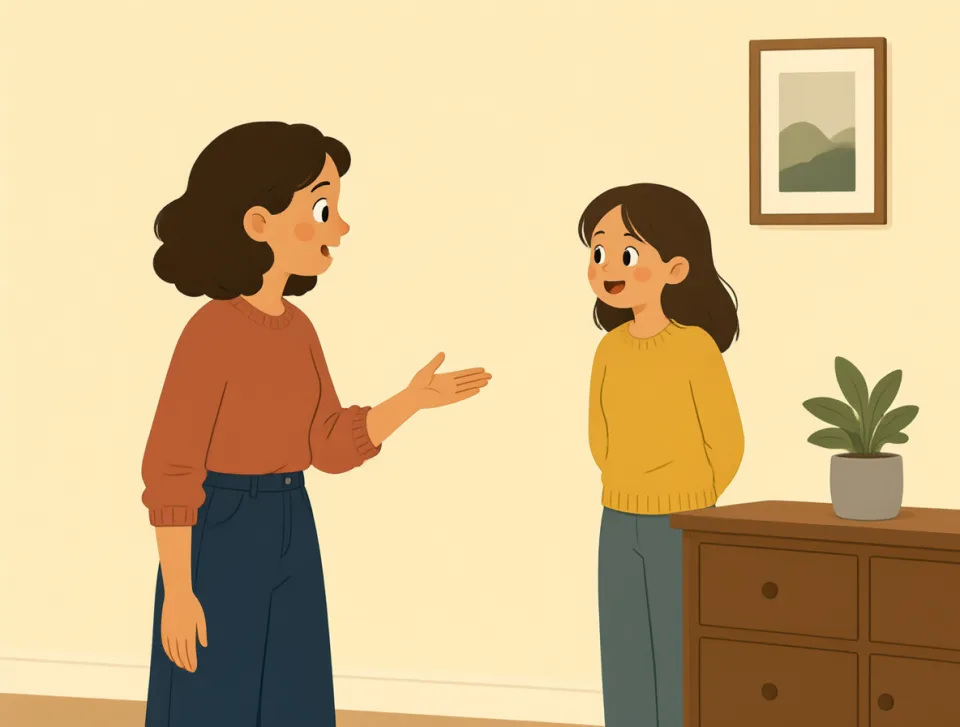
Please come here now.
لطفاً همین حالا بیا اینجا.
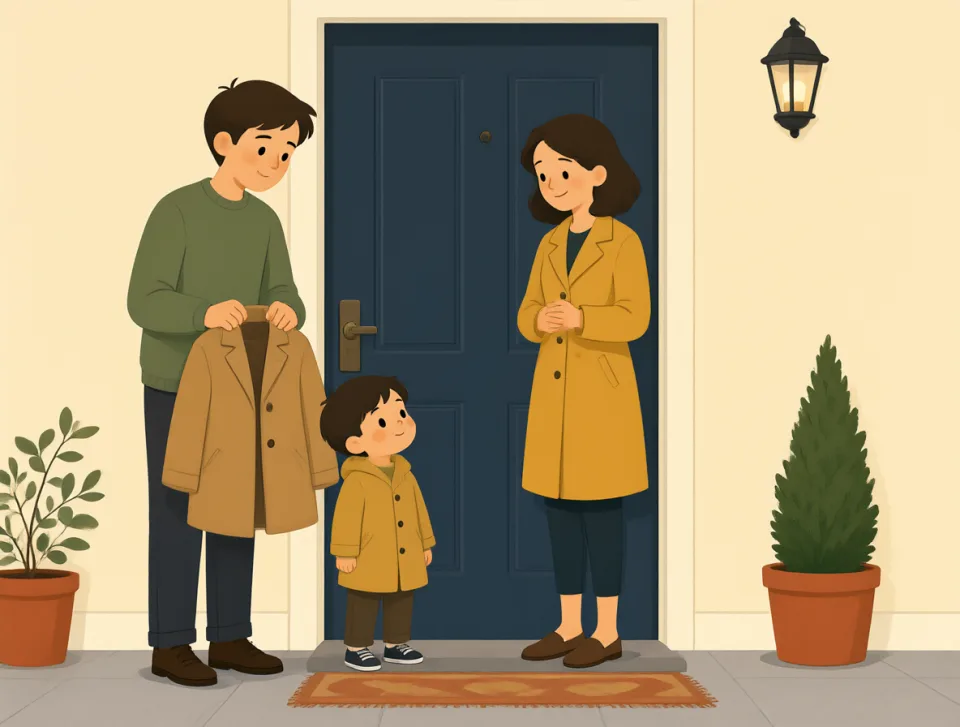
We have to leave now.
باید همین حالا برویم.

Now is a good time to start.
الان وقت خوبی برای شروع است.
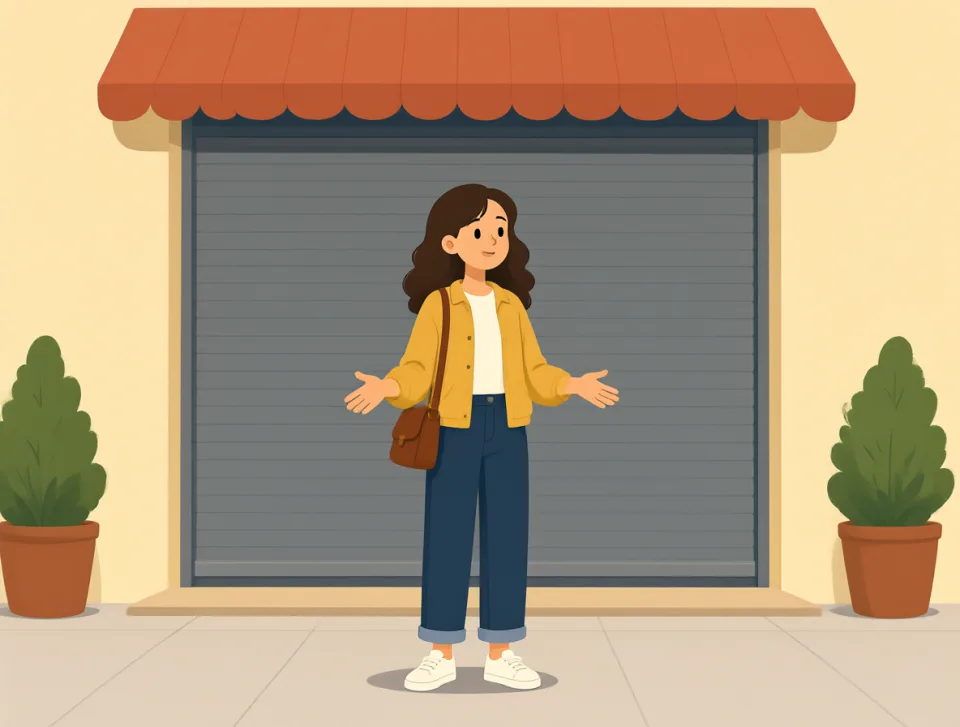
The store is closed now.
فروشگاه الان تعطیل است.
then
#71adverb, adjective
آنوقت؛ سپس
At that time, or next after something else happens.
در آن زمان، یا پس از رخدادن چیز دیگری.
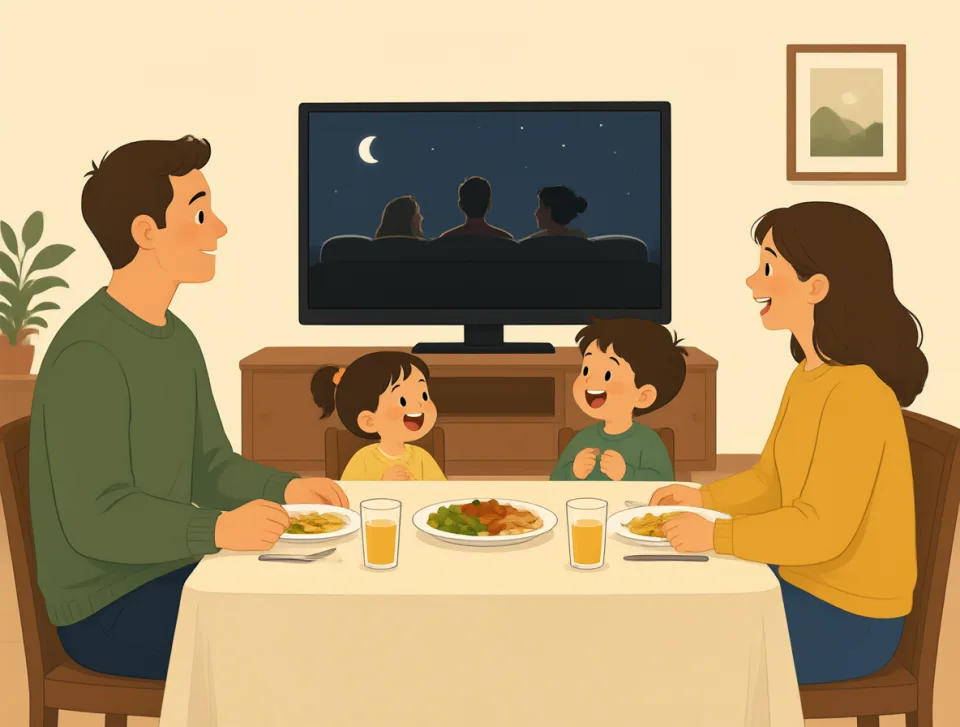
We ate dinner, then watched a movie.
شام خوردیم و بعد فیلم تماشا کردیم.
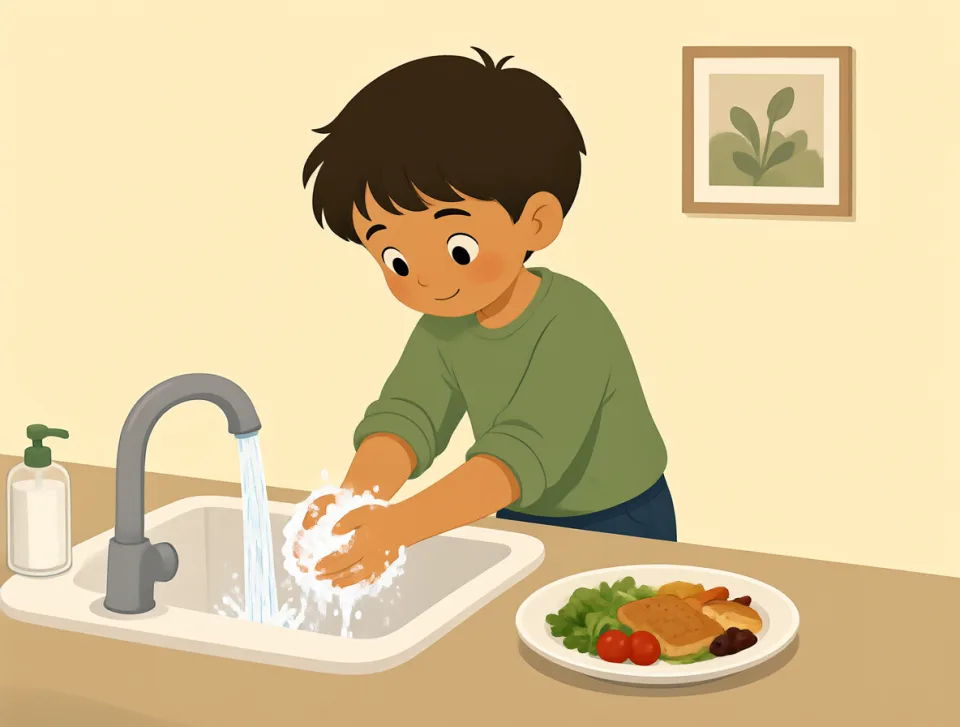
First wash your hands, then eat.
اول دستهایت را بشوی، بعد غذا بخور.
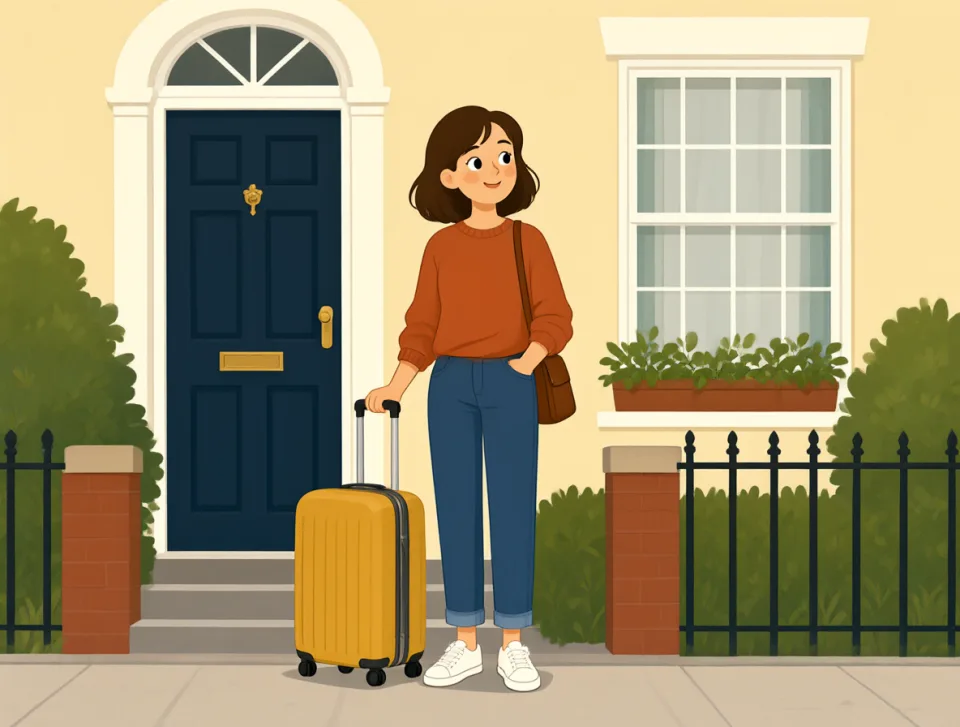
I was living in London then.
آن زمان در لندن زندگی میکردم.
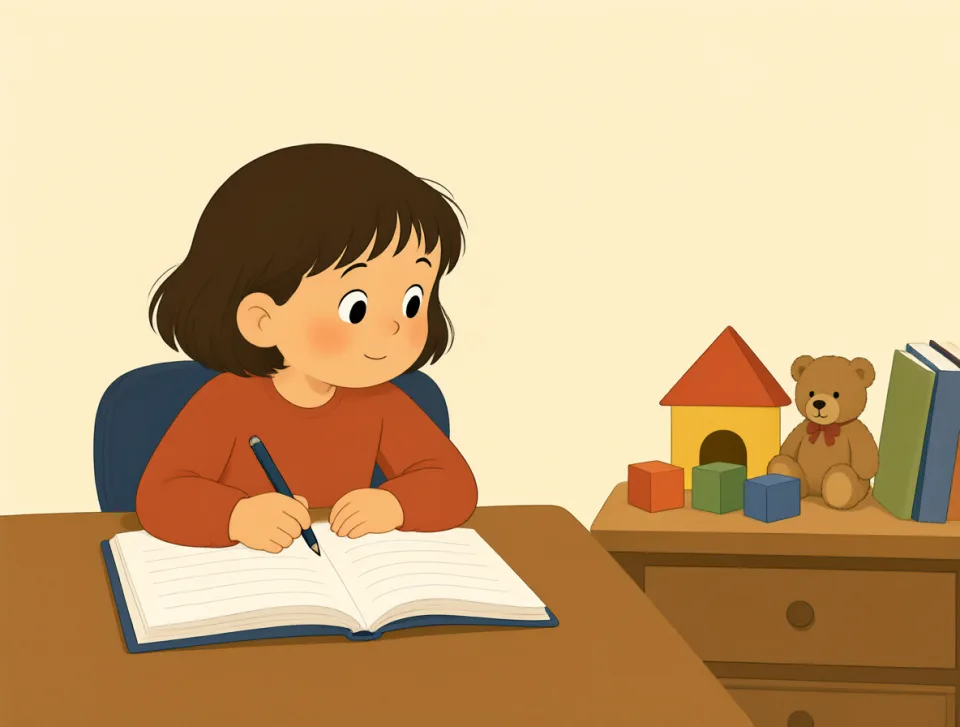
If you finish, then you can play.
اگر تمام کنی، میتوانی بازی کنی.
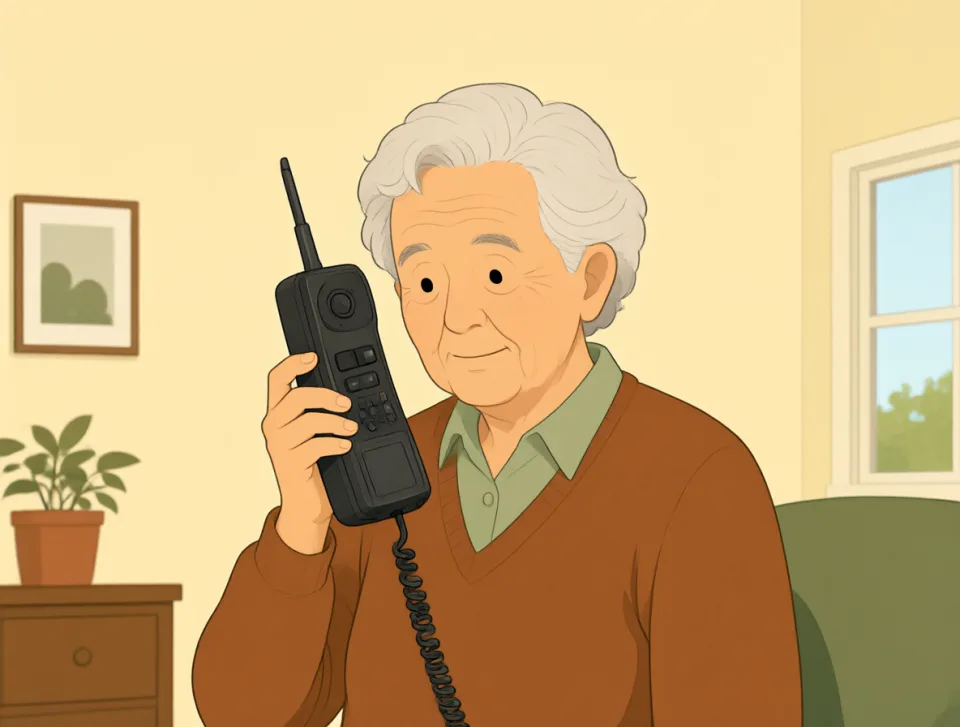
Back then, phones were much bigger.
آن موقعها تلفنها خیلی بزرگتر بودند.
also
#72adverb
هم؛ همچنین
In addition to someone or something already mentioned.
علاوه بر شخص یا چیزی که قبلاً به آن اشاره شده است.
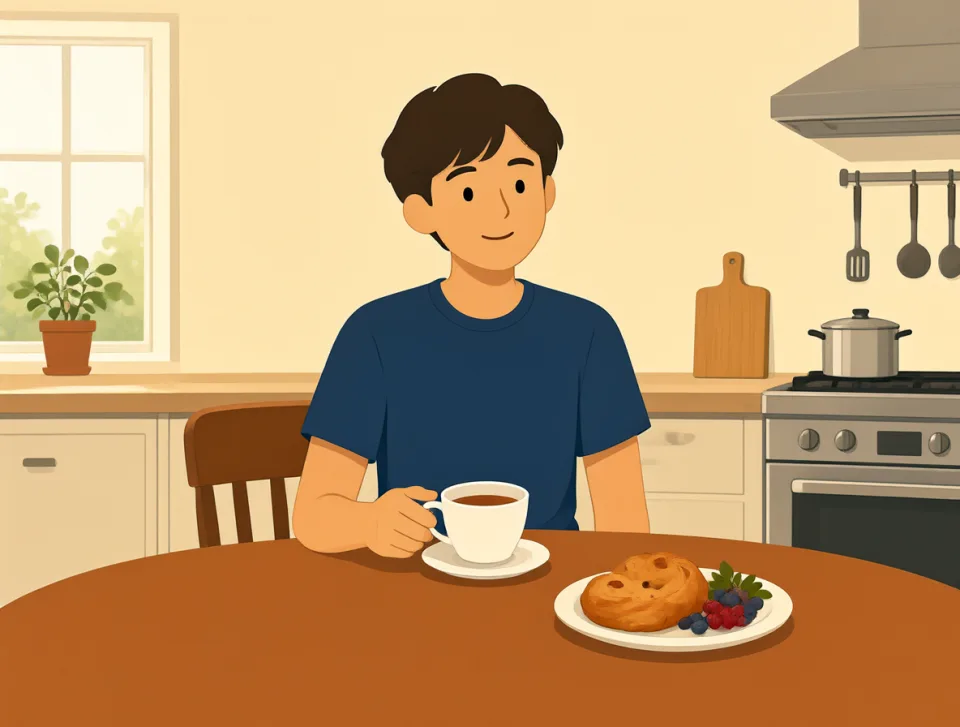
I also like tea in the morning.
من صبحها چای هم دوست دارم.
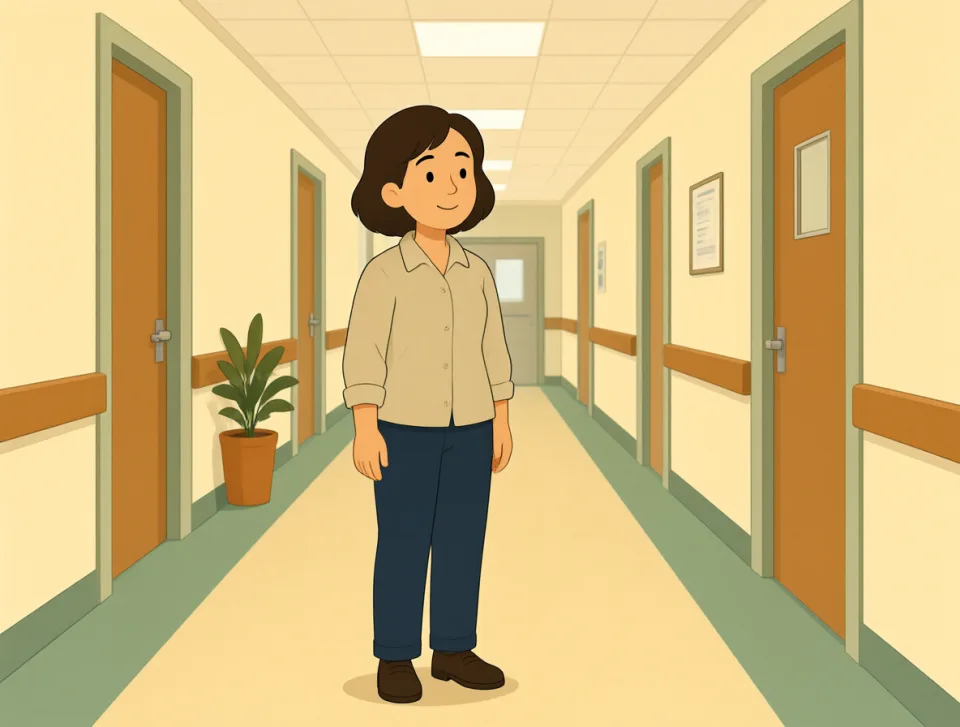
She also works at the hospital.
او در بیمارستان هم کار میکند.
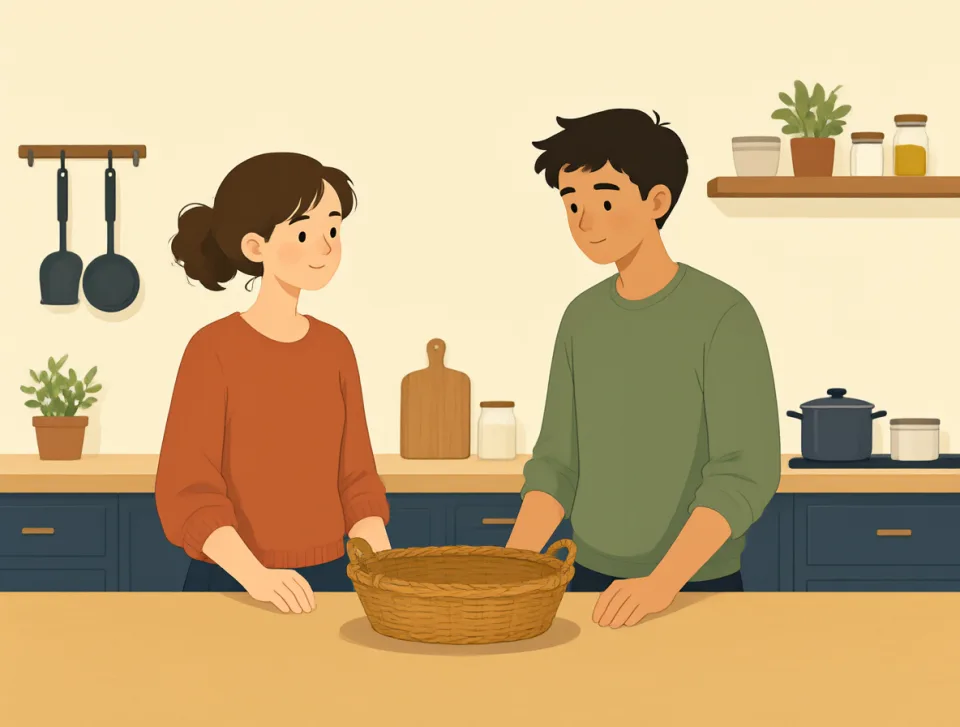
We also need some bread for dinner.
برای شام به کمی نان هم نیاز داریم.
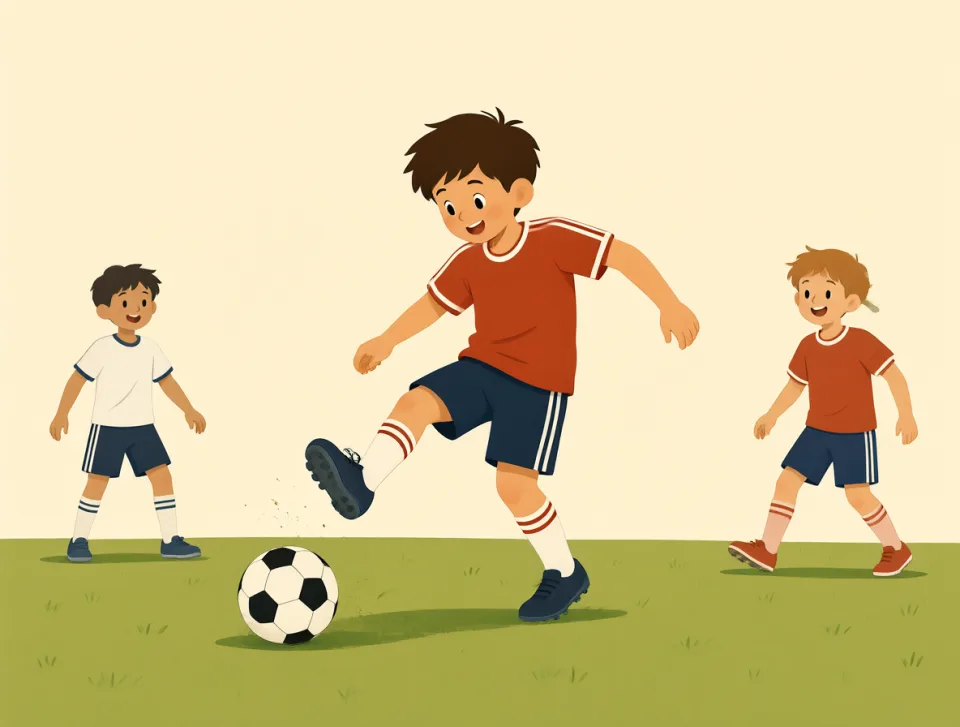
He also plays soccer with his friends.
او با دوستانش فوتبال هم بازی میکند.

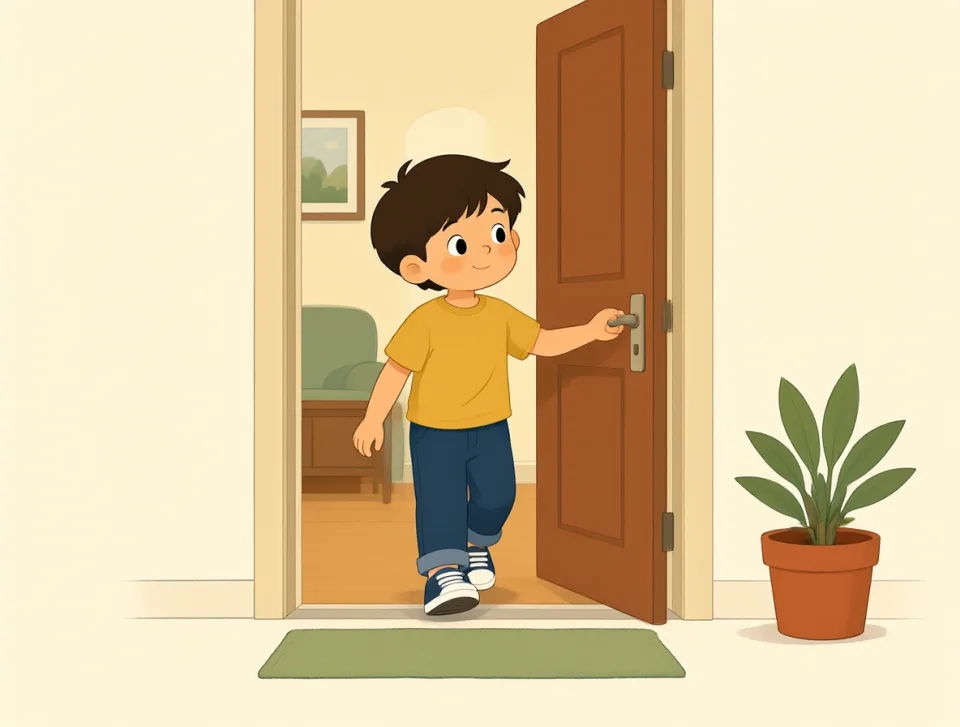
The hotel also has a small swimming pool.
این هتل یک استخر کوچک هم دارد.
into
#73preposition
به داخل؛ به
to a position inside something or toward a particular place, situation, or activity
به سمت موقعیتی درون چیزی، یا بهسوی مکان، وضعیت یا فعالیتی خاص.
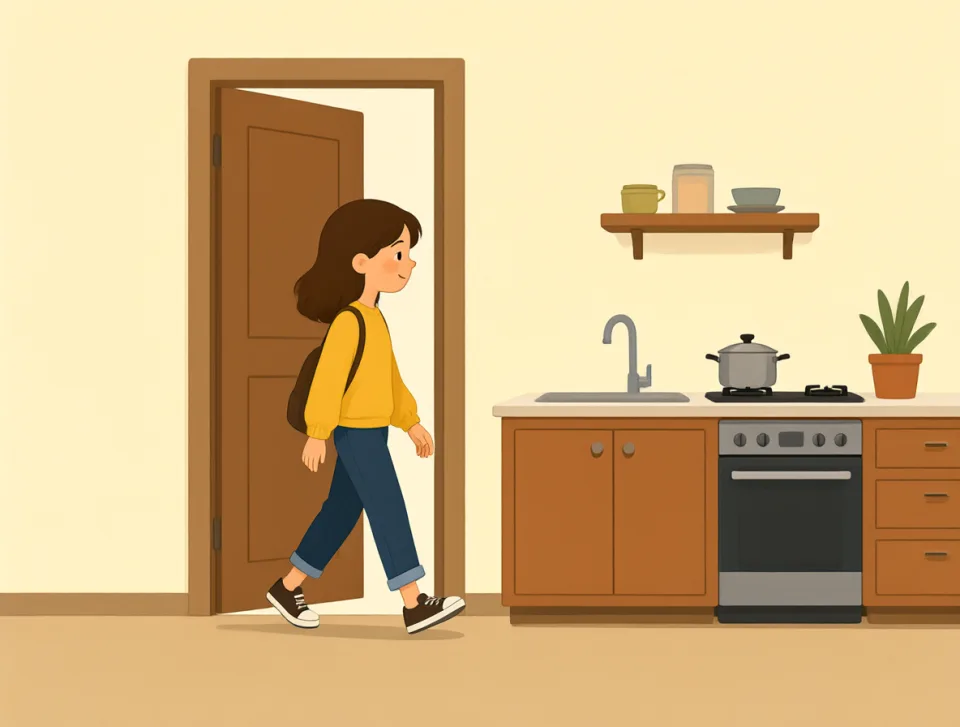
She walked into the kitchen.
او وارد آشپزخانه شد.
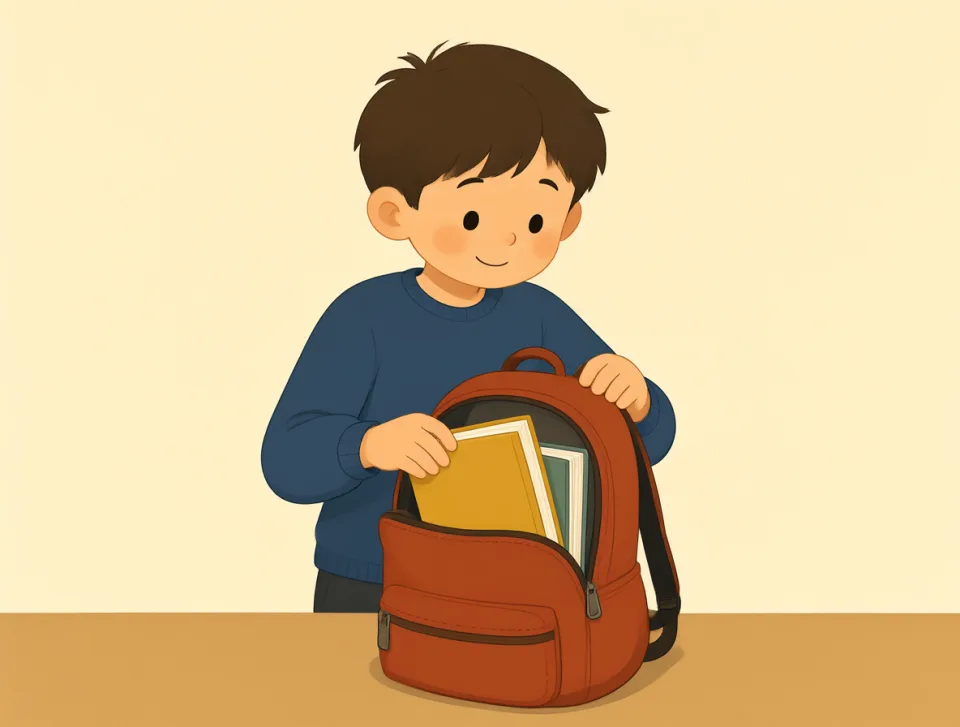
He put the books into his bag.
او کتابها را داخل کیفش گذاشت.
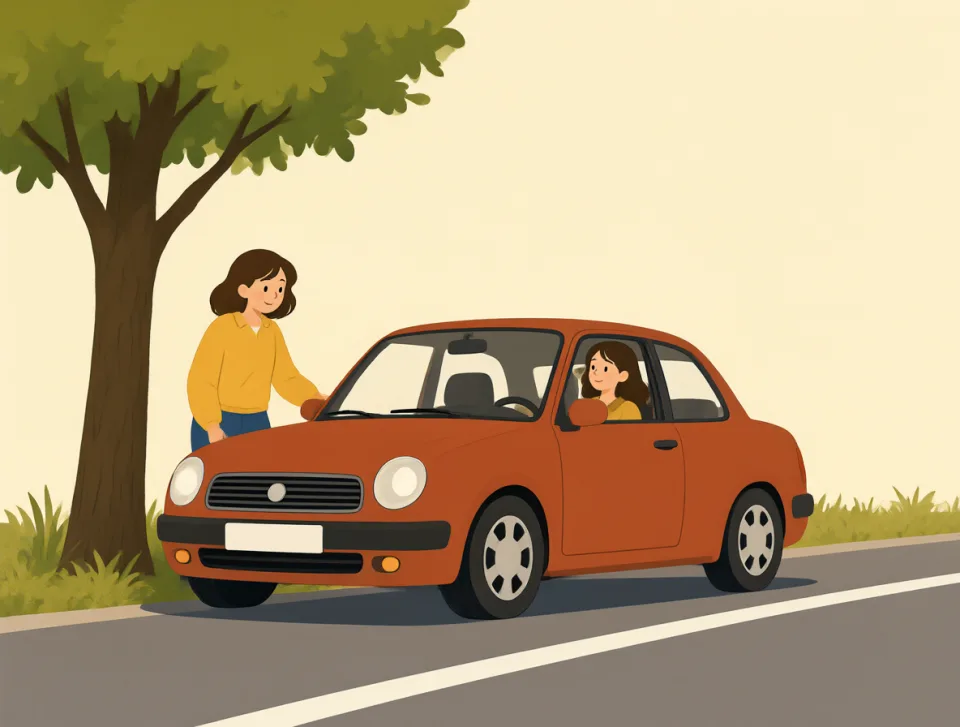
The car crashed into a tree.
ماشین به درخت برخورد کرد.
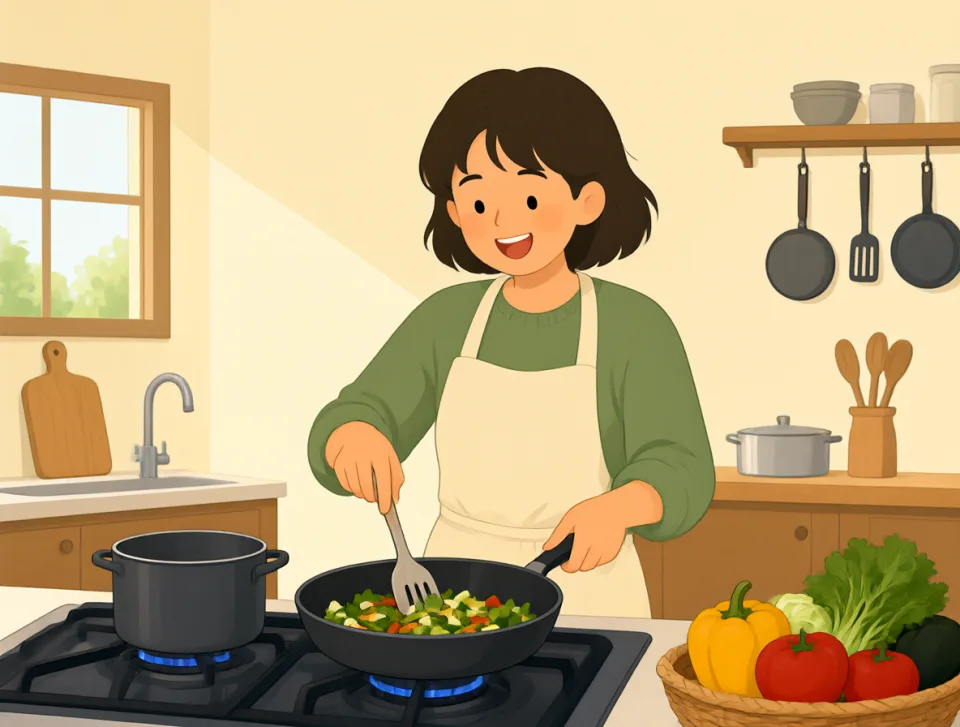
I am really into cooking now.
این روزها واقعاً به آشپزی علاقهمند شدهام.
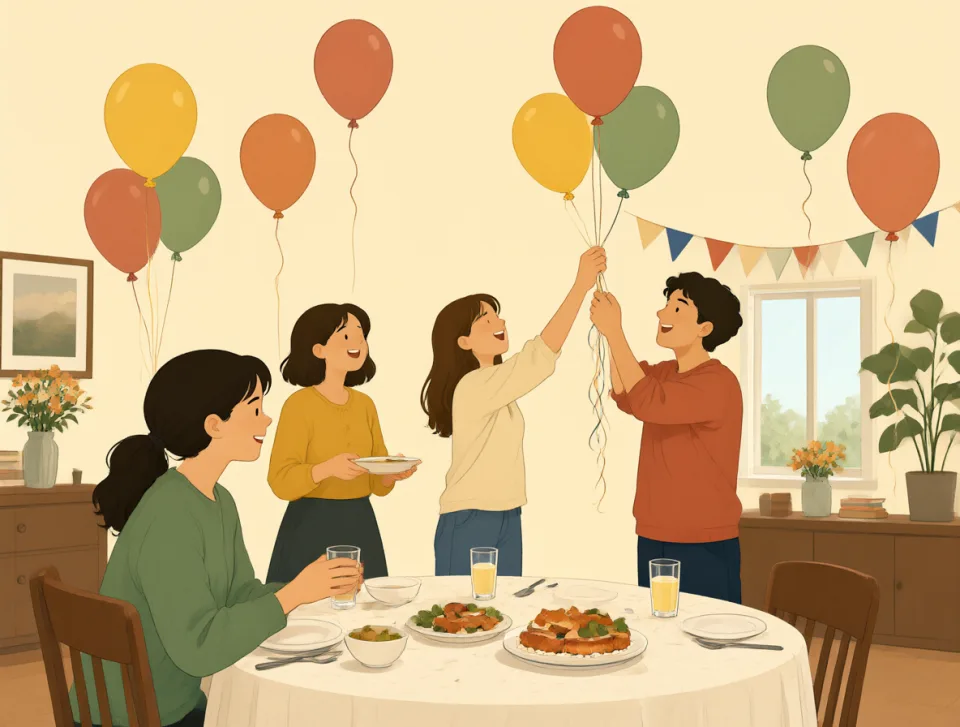
They changed the plan into a party.
آنها برنامه را به یک مهمانی تبدیل کردند.
only
#74adverb, adjective, determiner, conjunction
فقط؛ تنها
No more than one person or thing, or nothing else.
نه بیشتر از یک شخص یا چیز، یا هیچ چیز دیگری.
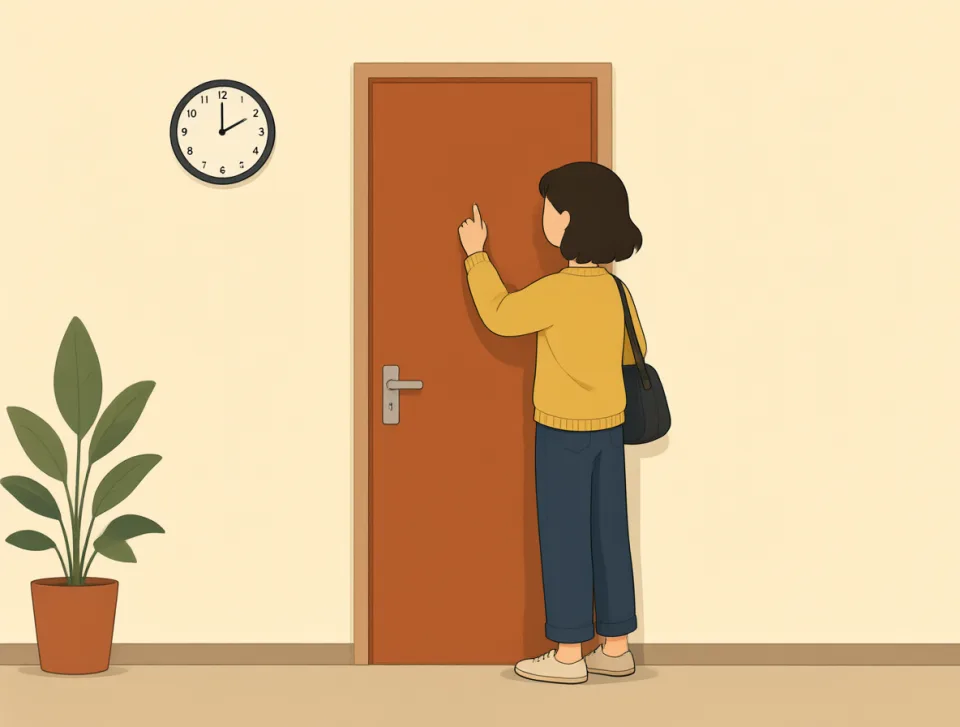
I only have ten minutes before work.
قبل از کار فقط ده دقیقه وقت دارم.
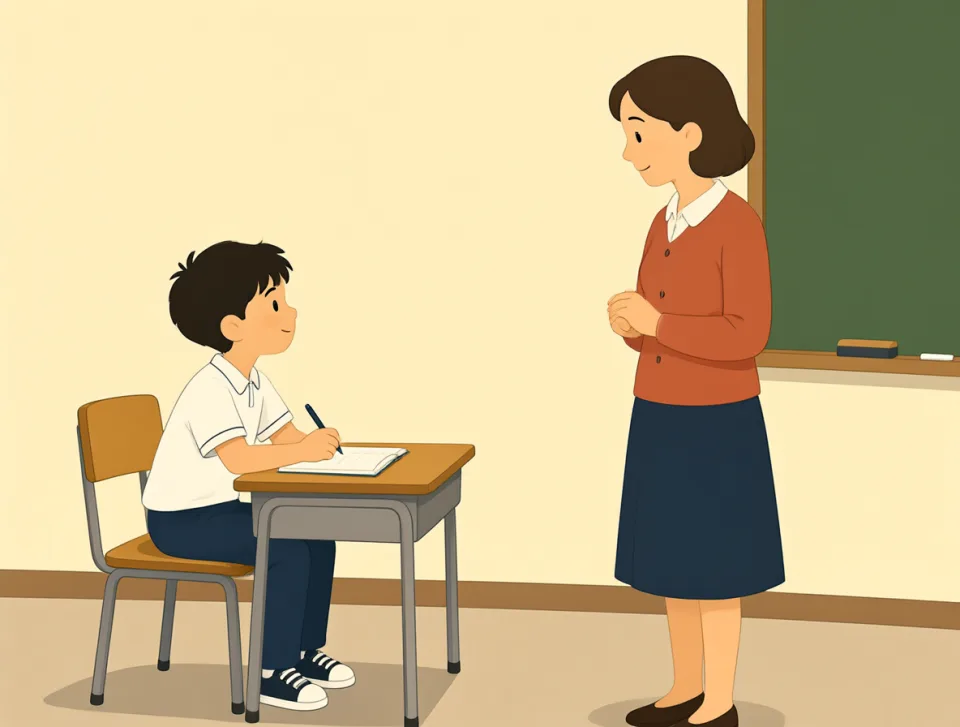
She is the only student in class.
او تنها دانشآموز کلاس است.

We only need two tickets for the train.
برای قطار فقط به دو بلیت نیاز داریم.
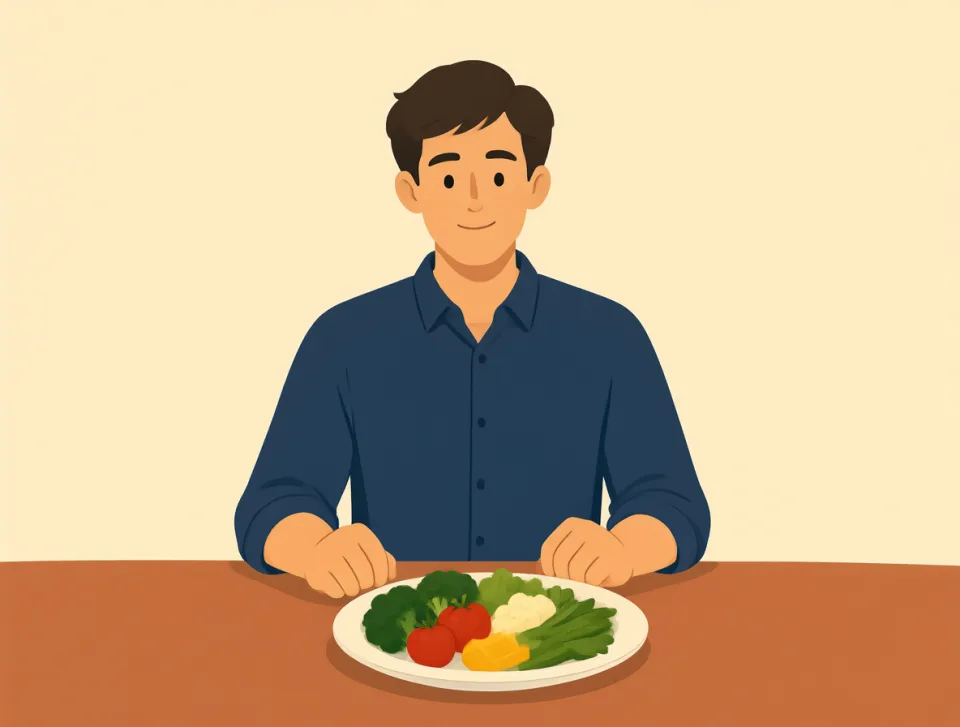
He eats only vegetables for lunch.
او برای ناهار فقط سبزیجات میخورد.
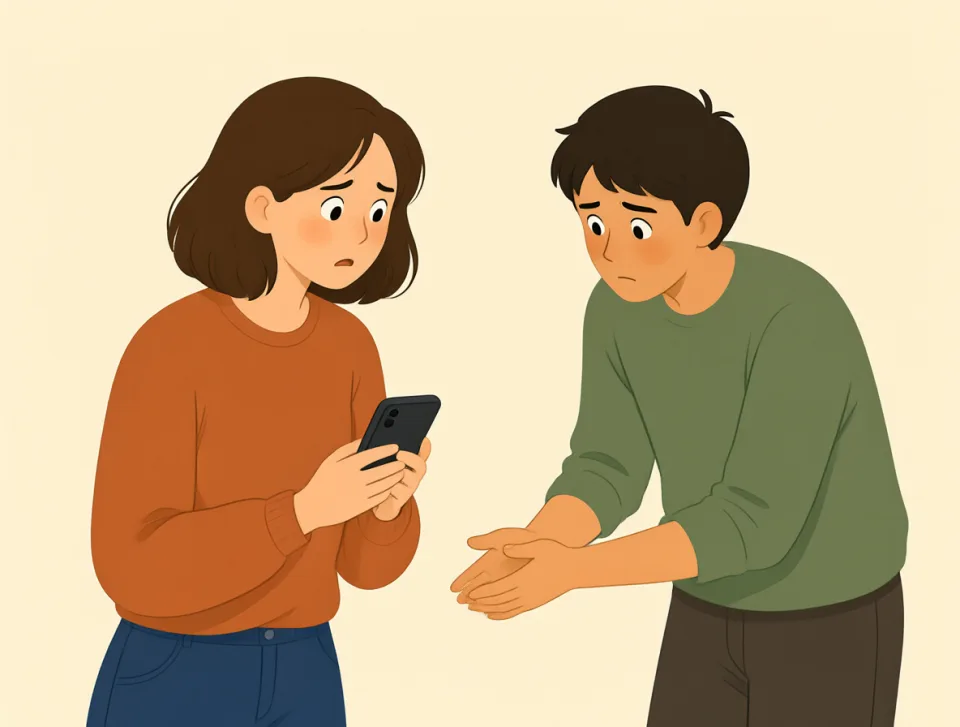
Call me only if you need help.
فقط اگر به کمک نیاز داشتی با من تماس بگیر.
look
#75verb, noun
نگاه کردن؛ بهنظر رسیدن
to use your eyes to see something or to have a particular appearance
با چشمها چیزی را دیدن، یا ظاهر خاصی داشتن.

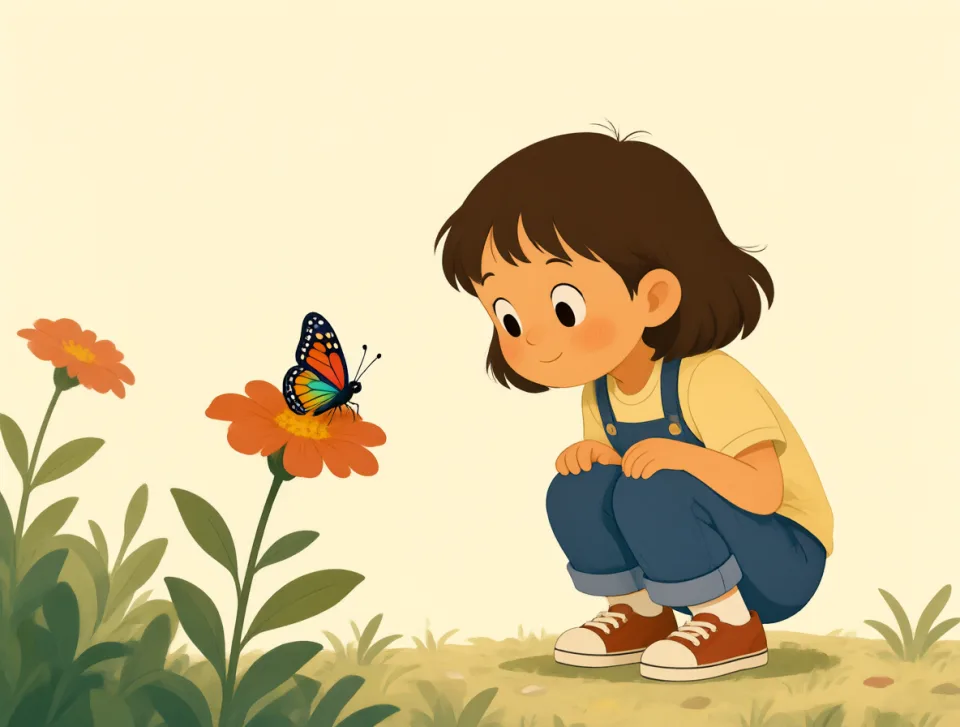
Look at this picture with me.
با من به این عکس نگاه کن.
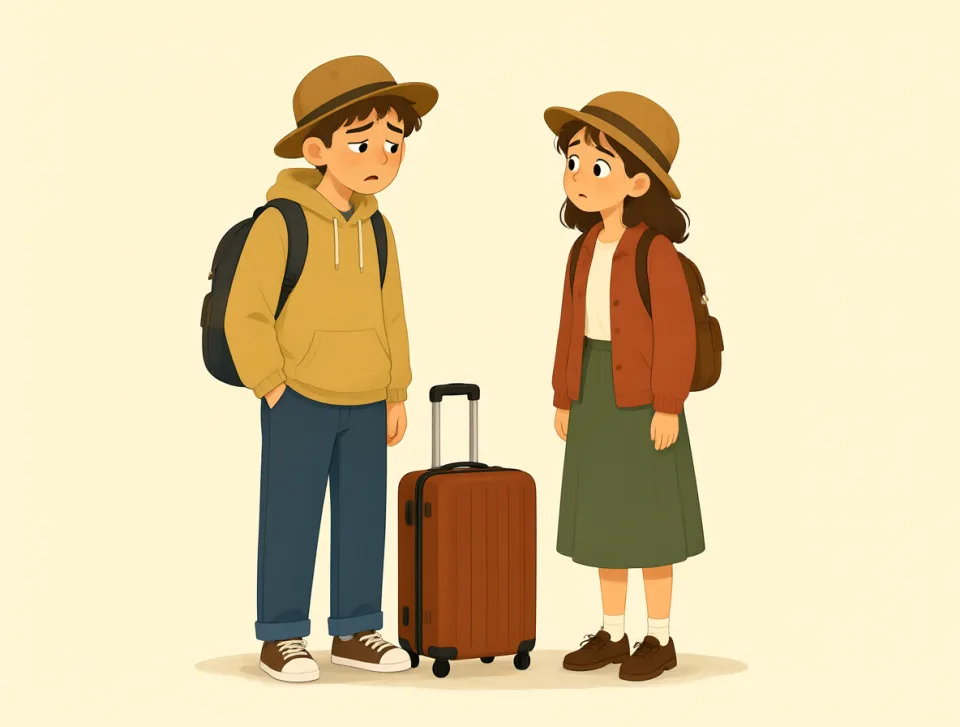
You look tired after your long trip.
بعد از سفر طولانیات خسته بهنظر میرسی.
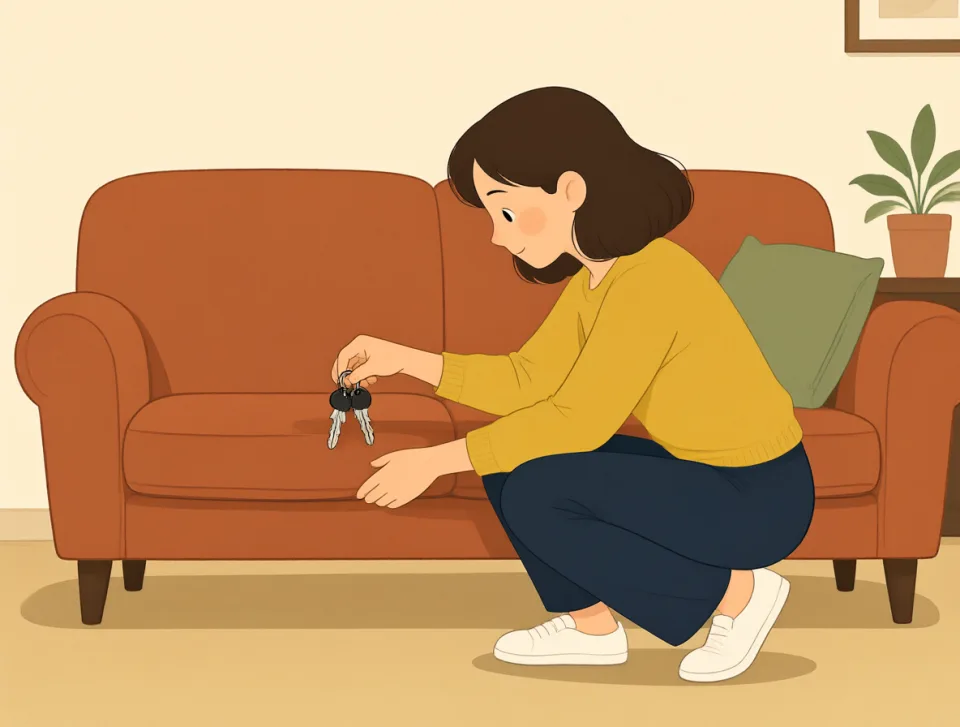
She looked for her keys everywhere.
او همهجا دنبال کلیدهایش گشت.
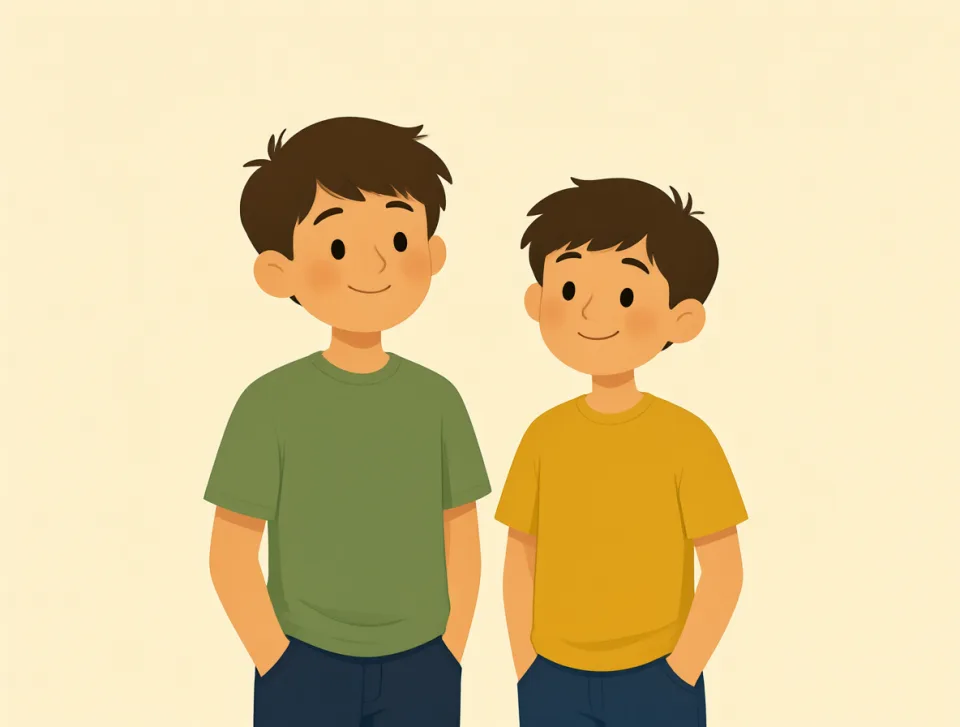
He looks like his older brother.
او شبیه برادر بزرگترش است.
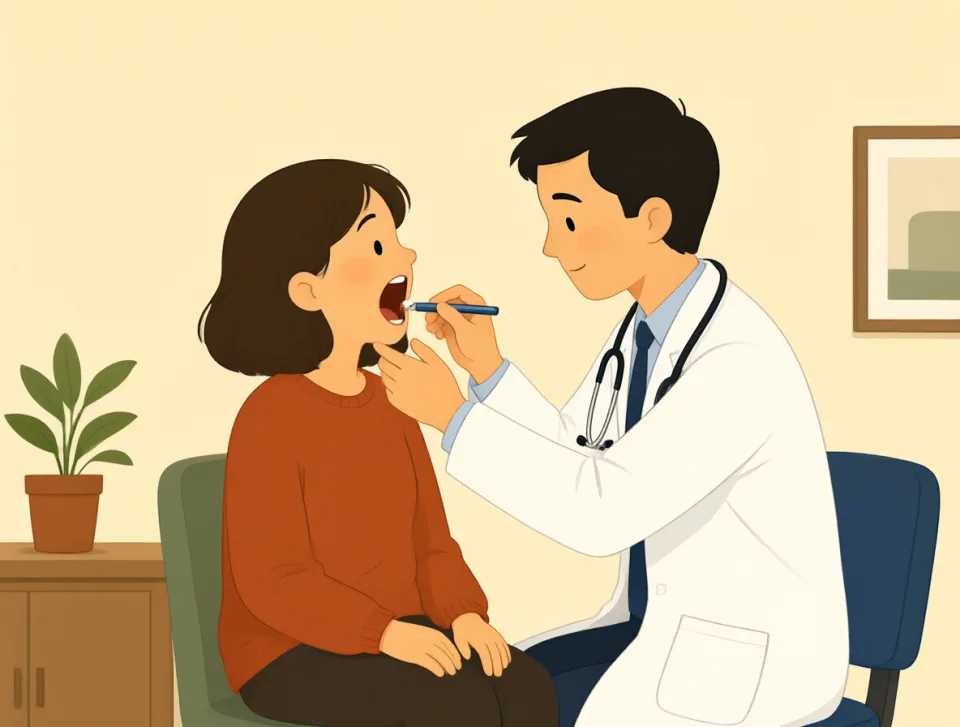
The doctor looked at my sore throat.
دکتر گلوی دردناکم را معاینه کرد.
want
#76verb, noun
خواستن
To wish to have or do something; a need for something important.
آرزو داشتن که چیزی را داشته باشید یا کاری را انجام دهید؛ نیاز داشتن به چیزی مهم.
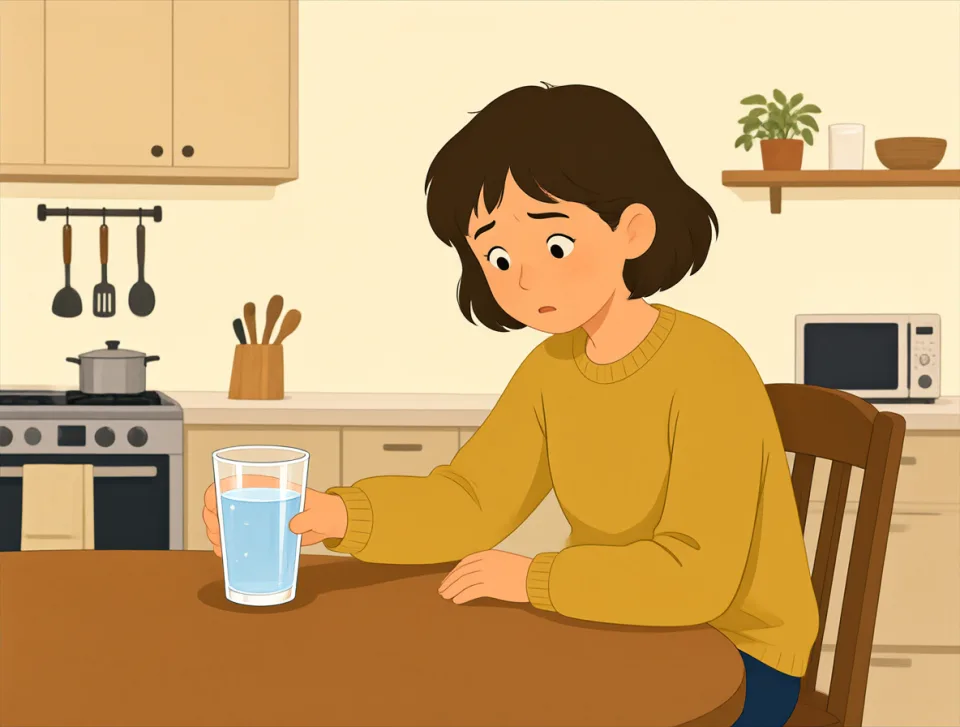
I want a glass of water, please.
لطفاً یک لیوان آب میخواهم.
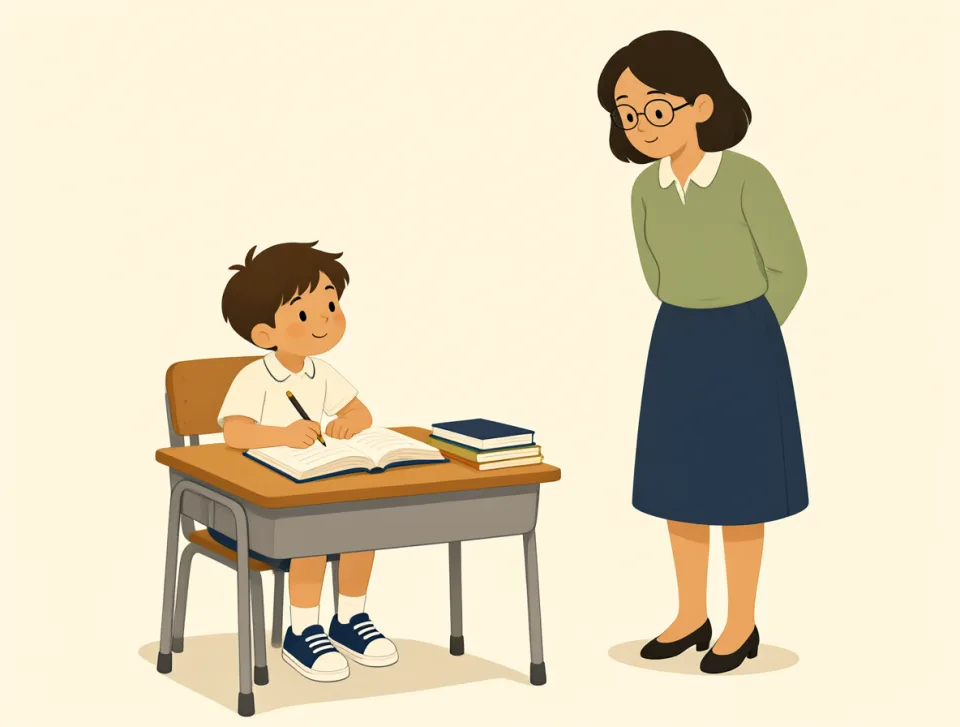
She wants to learn English at school.
او میخواهد در مدرسه انگلیسی یاد بگیرد.

We wanted a table near the window.
ما میخواستیم میزی نزدیک پنجره داشته باشیم.

They want to buy new shoes.
آنها میخواهند کفشهای جدید بخرند.
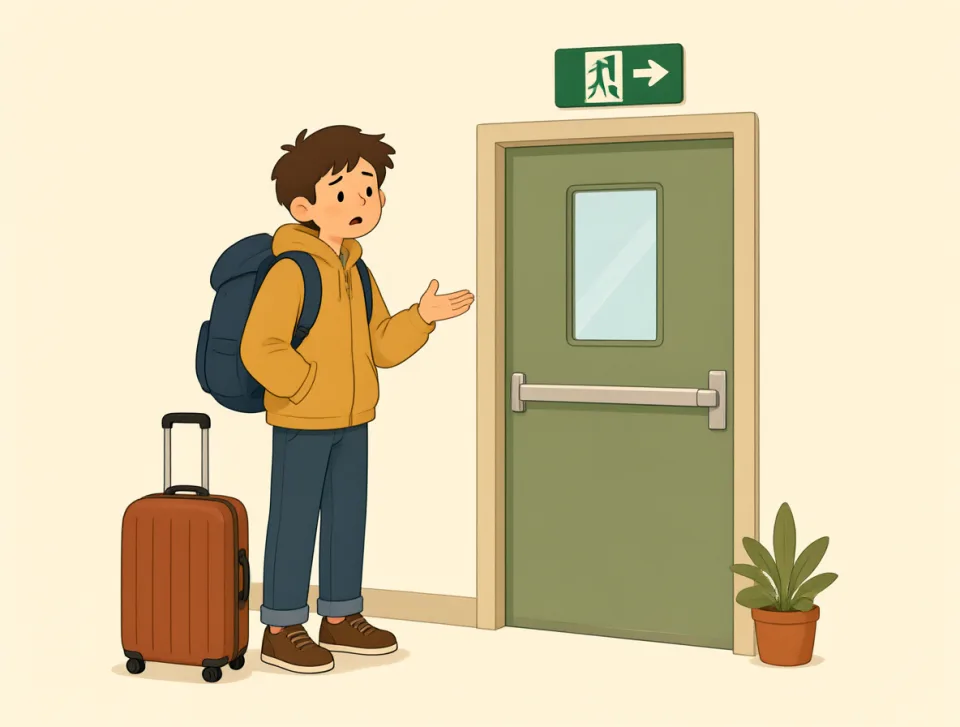
He wants to go home now.
او میخواهد همین حالا به خانه برود.
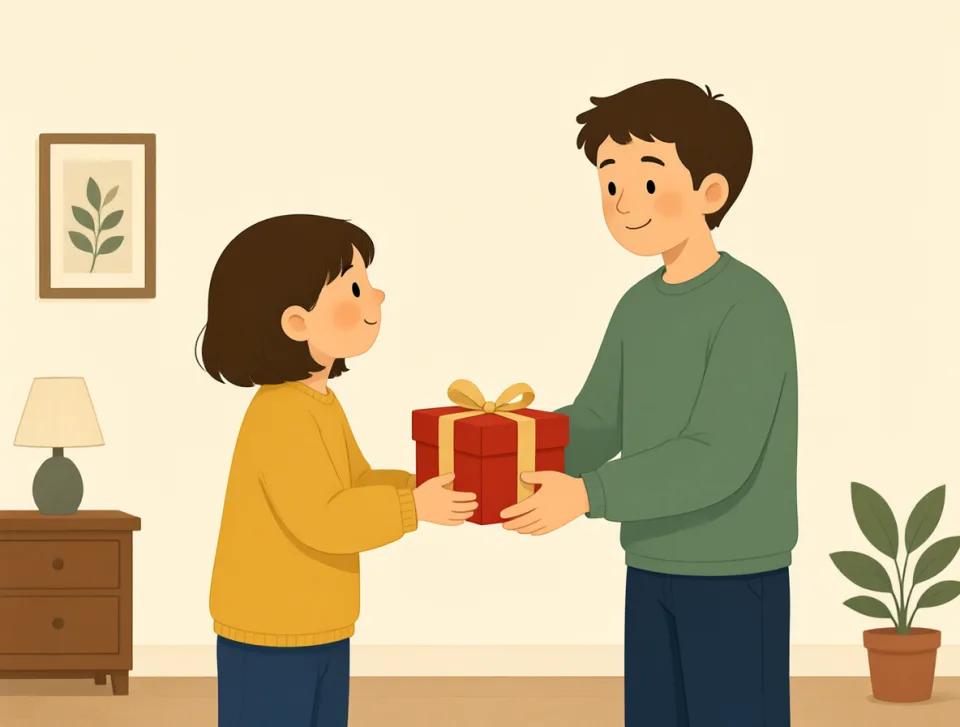
give
#77verb, noun
دادن
to hand something to someone or provide something for them
چیزی را به کسی دادن یا چیزی را برای او فراهم کردن.
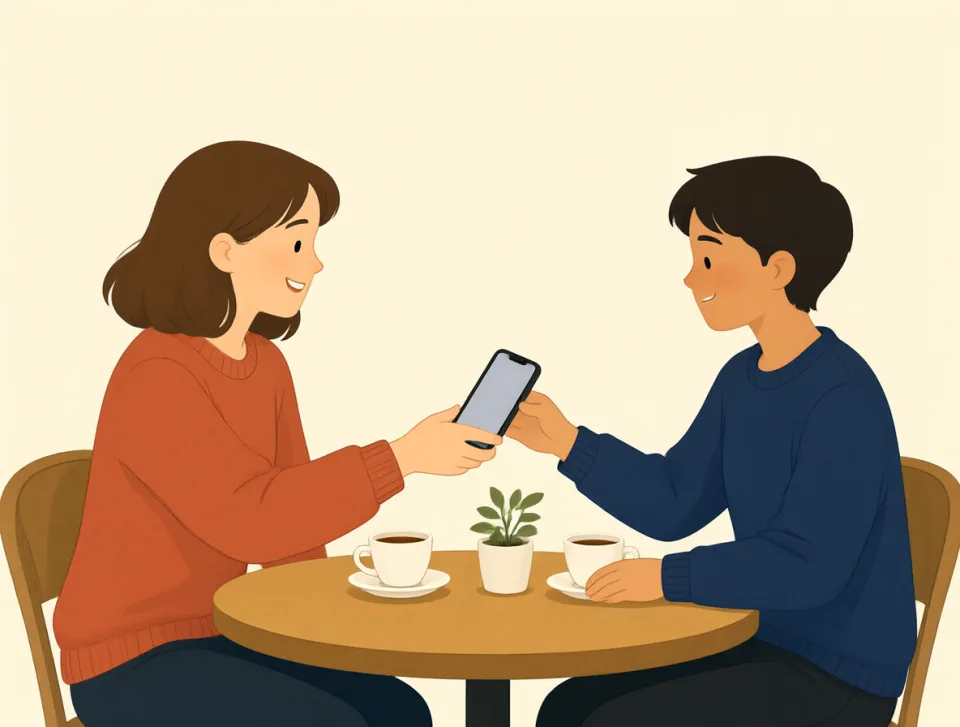
Please give me your phone number.
لطفاً شماره تلفنتان را به من بدهید.
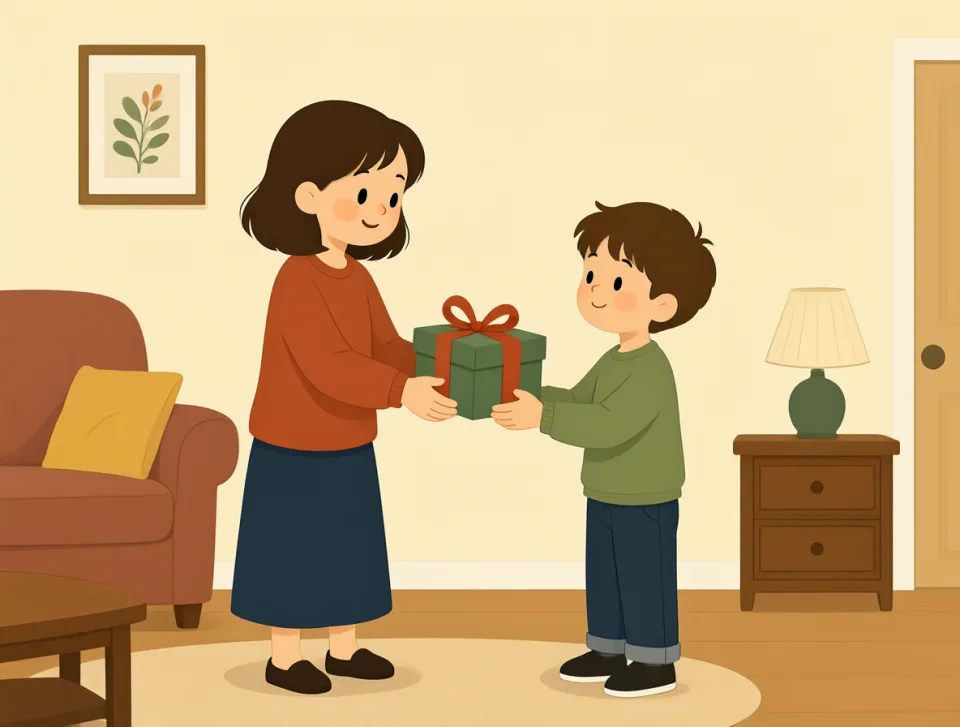
She gave her brother a birthday present.
او به برادرش یک هدیهٔ تولد داد.
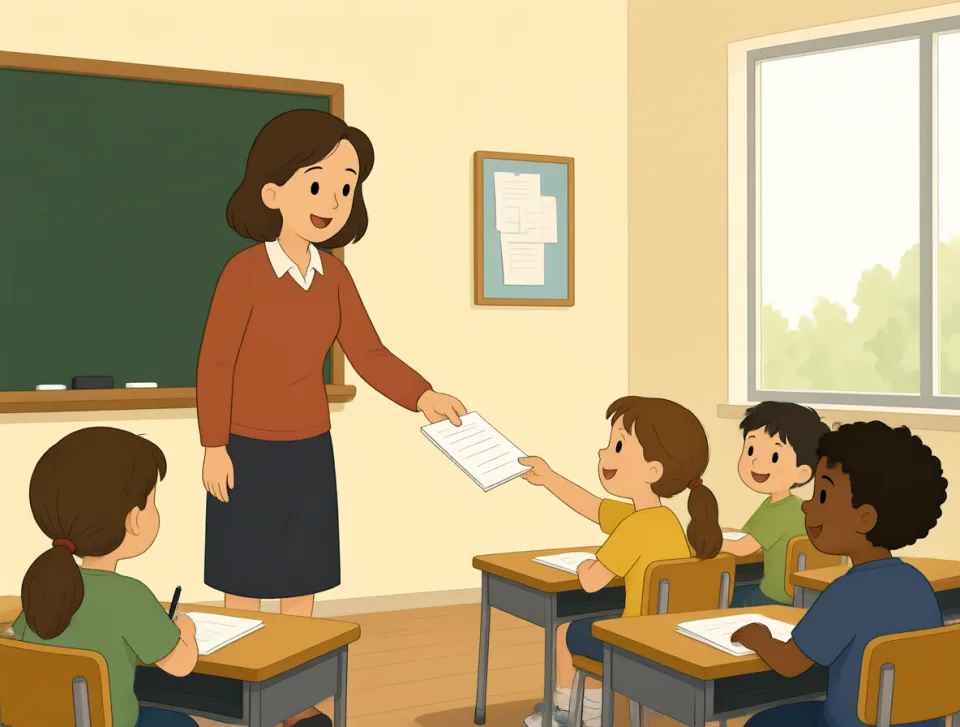
The teacher gave us homework yesterday.
معلم دیروز به ما تکلیف داد.

Can you give me some water?
میتوانید کمی آب به من بدهید؟
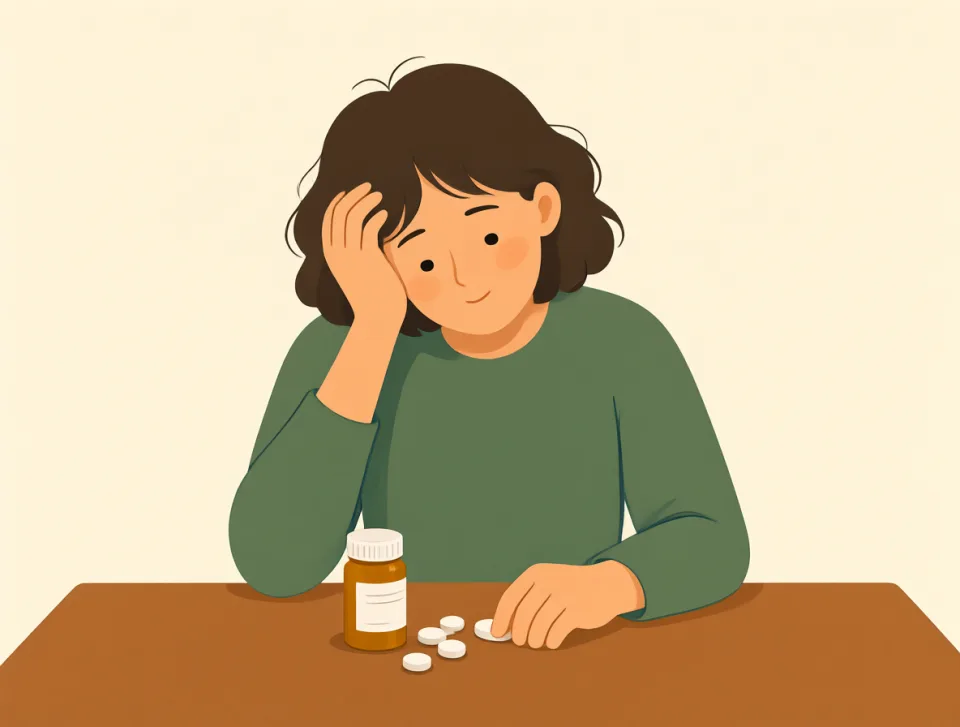
This medicine gives me a headache.
این دارو باعث سردردم میشود.
first
#78adjective, adverb, noun, determiner
اولین
Coming before all others in time, order, or importance.
از نظر زمان، ترتیب یا اهمیت، پیش از همه قرارگرفته.
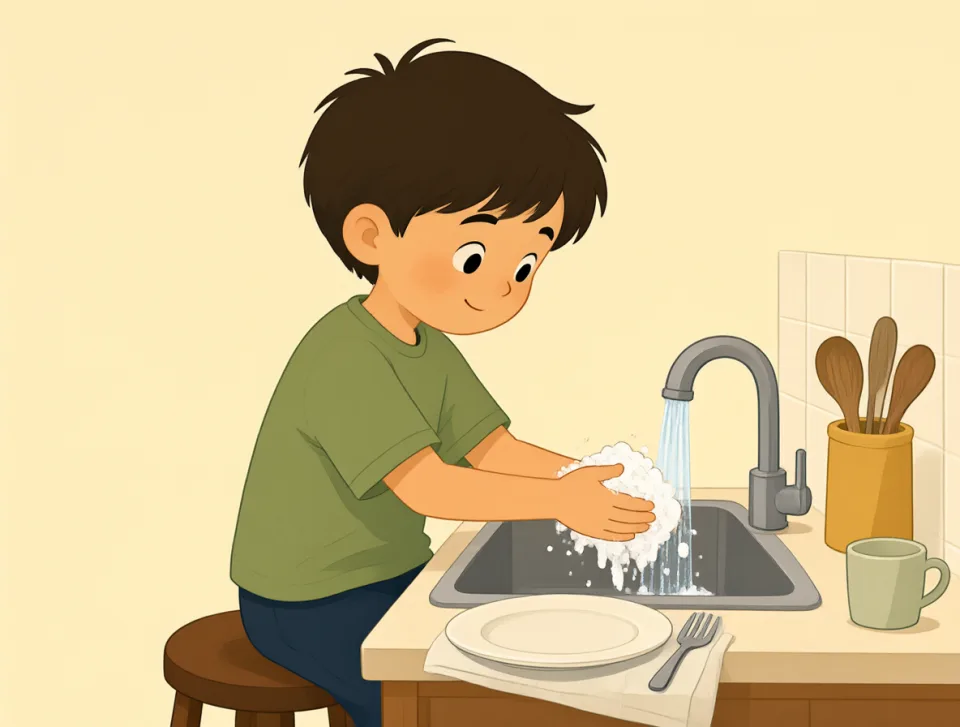
Wash your hands first before eating dinner.
پیش از شام خوردن، اول دستهایت را بشوی.
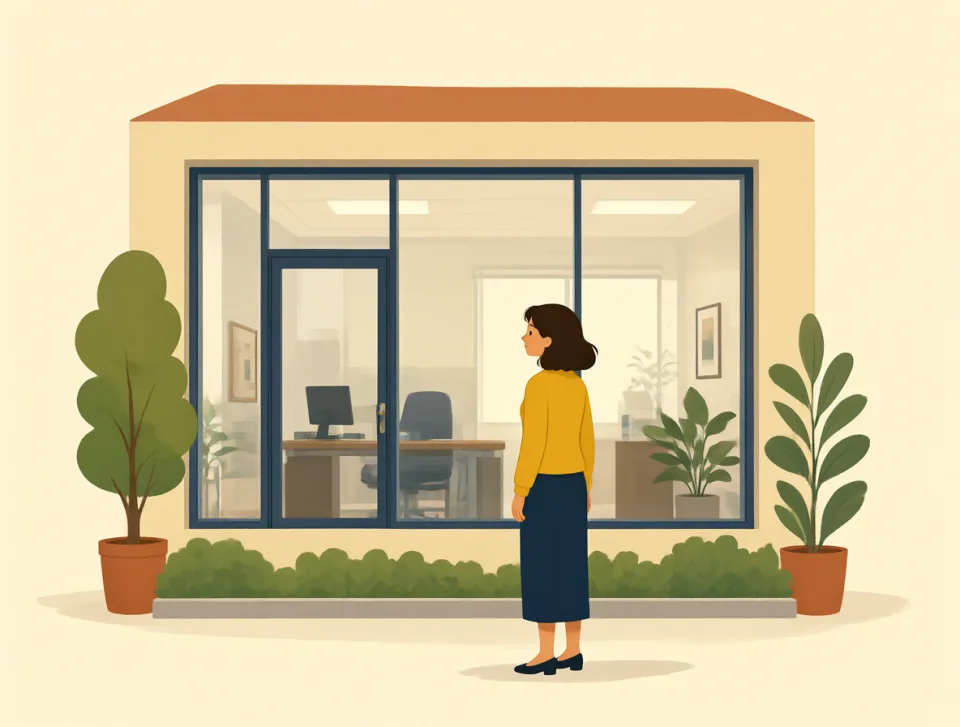
She was the first person to arrive.
او اولین کسی بود که رسید.
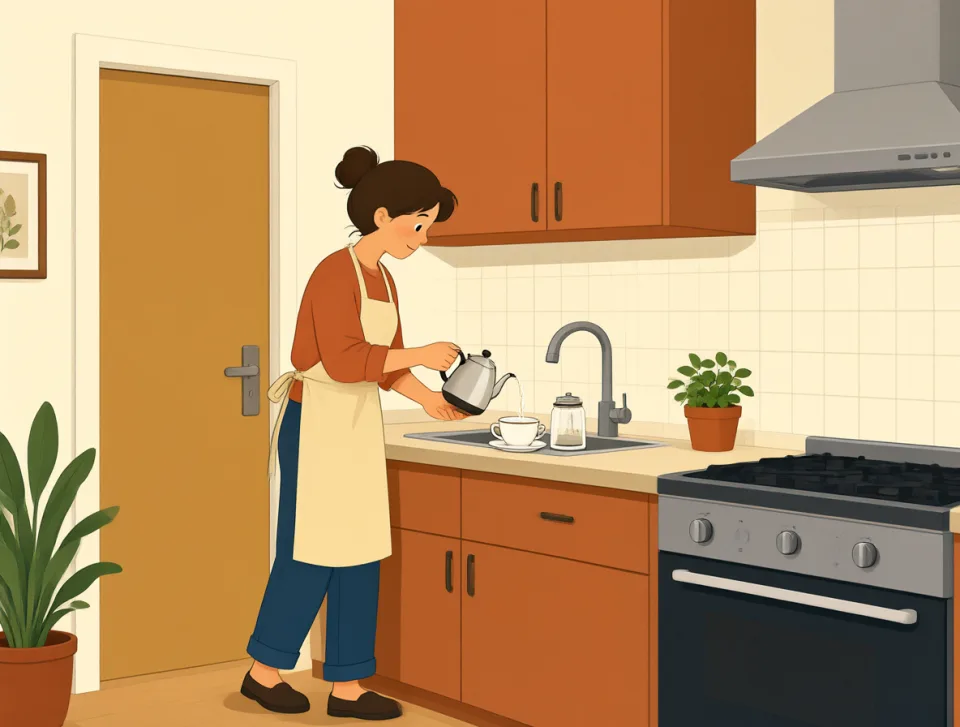
I got home first and made tea.
من زودتر از همه به خانه رسیدم و چای درست کردم.
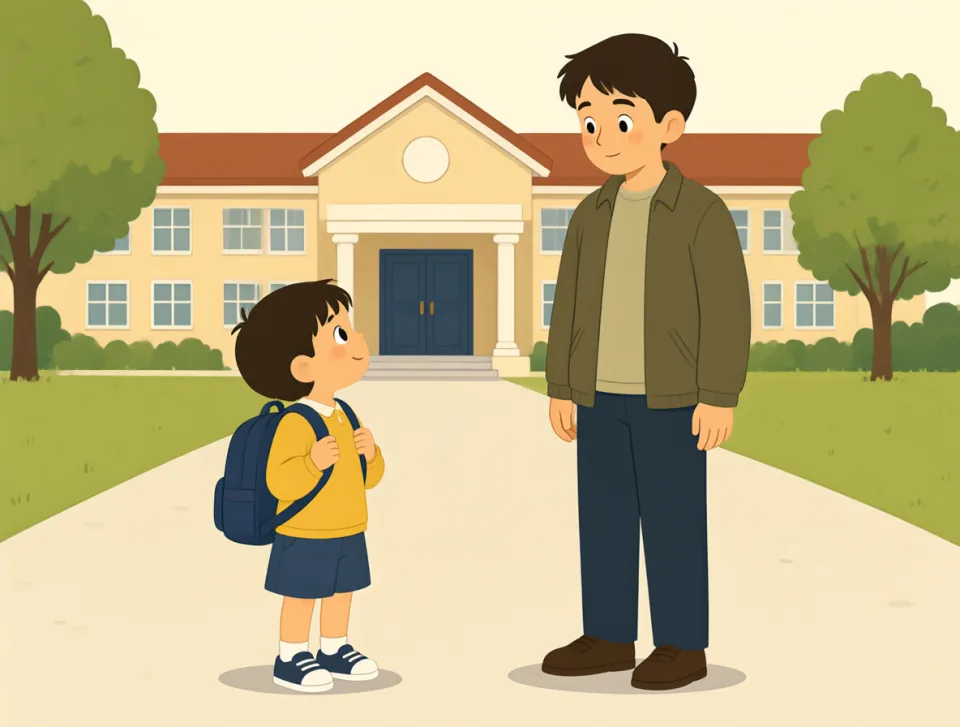
This is my first day at school.
امروز اولین روز من در مدرسه است.
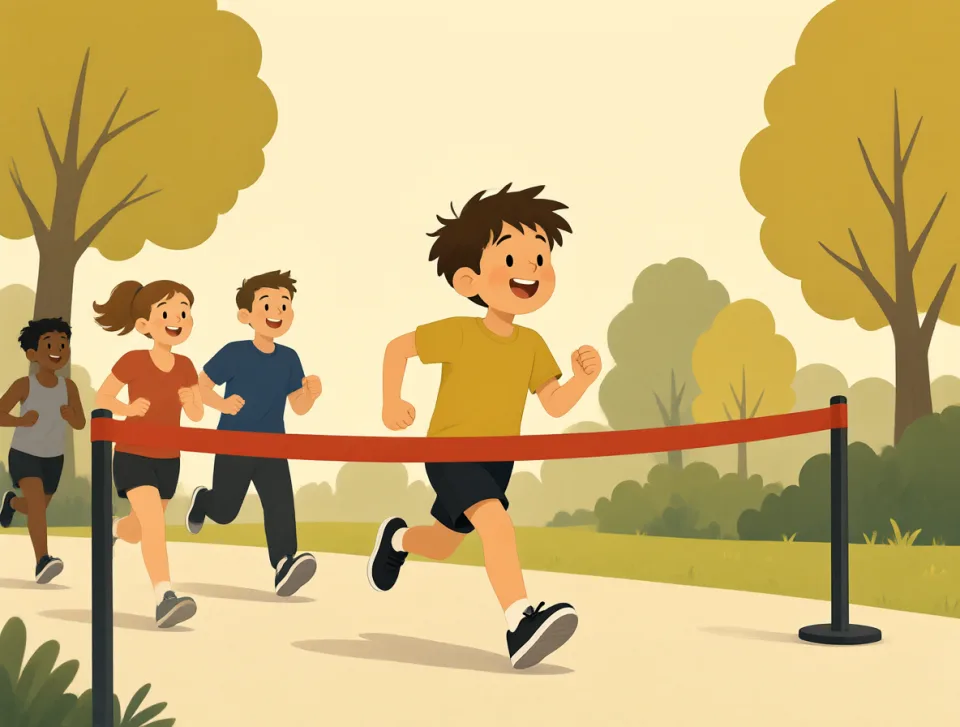
He finished first in the race.
او در مسابقه اول شد.
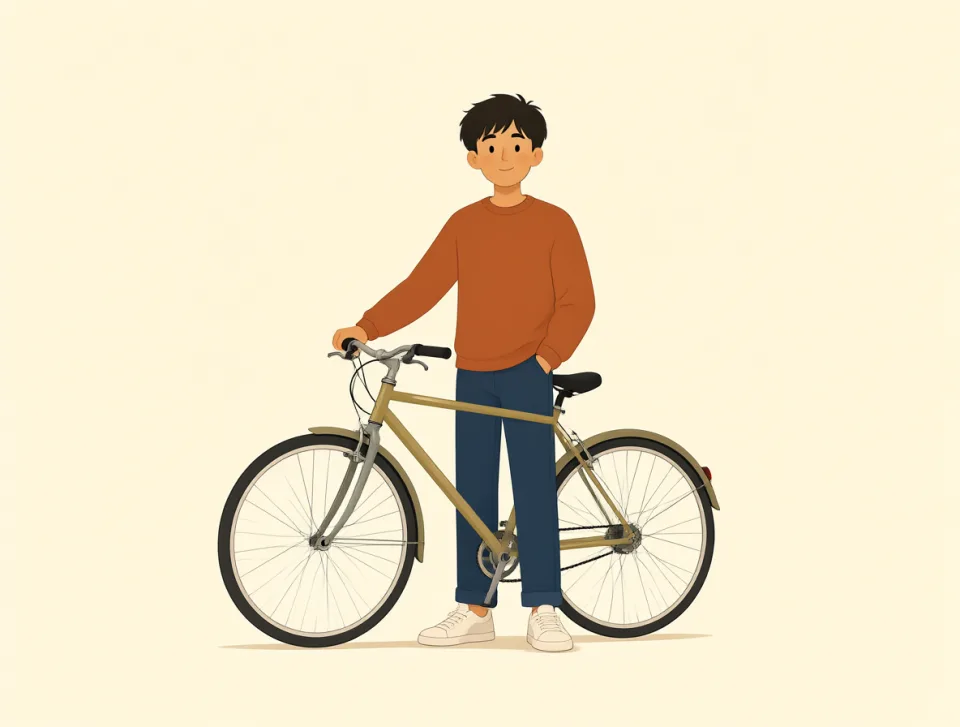
new
#79adjective, adverb, noun
جدید
Made, discovered, or seen for the first time; not old or used.
چیزی که برای نخستین بار ساخته، کشف یا دیده شده است؛ کهنه یا استفادهشده نیست.

She bought a new dress for the party.
او برای مهمانی یک لباس جدید خرید.

We moved into our new house last week.
هفتهٔ پیش به خانهٔ جدیدمان نقل مکان کردیم.

I started a new job on Monday.
دوشنبه کار جدیدی را شروع کردم.

The teacher gave us a new book.
معلم یک کتاب جدید به ما داد.
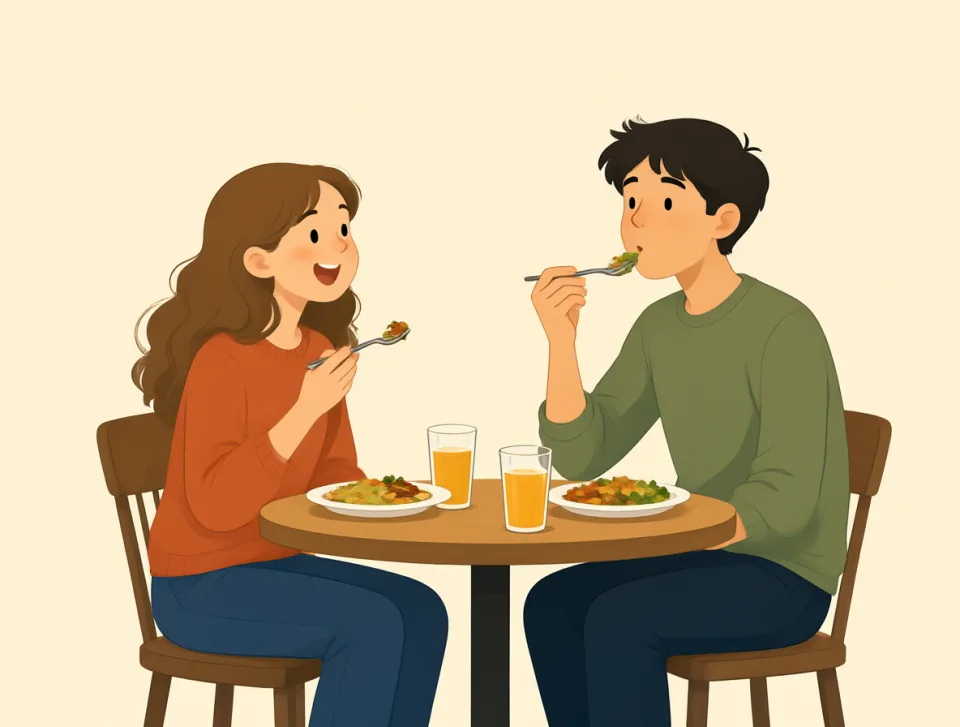
They tried a new restaurant downtown.
آنها یک رستوران جدید در مرکز شهر را امتحان کردند.
way
#80noun, adverb, adjective
راه
A method, direction, or distance from one place to another.
روش، مسیر یا فاصلهٔ بین دو مکان.
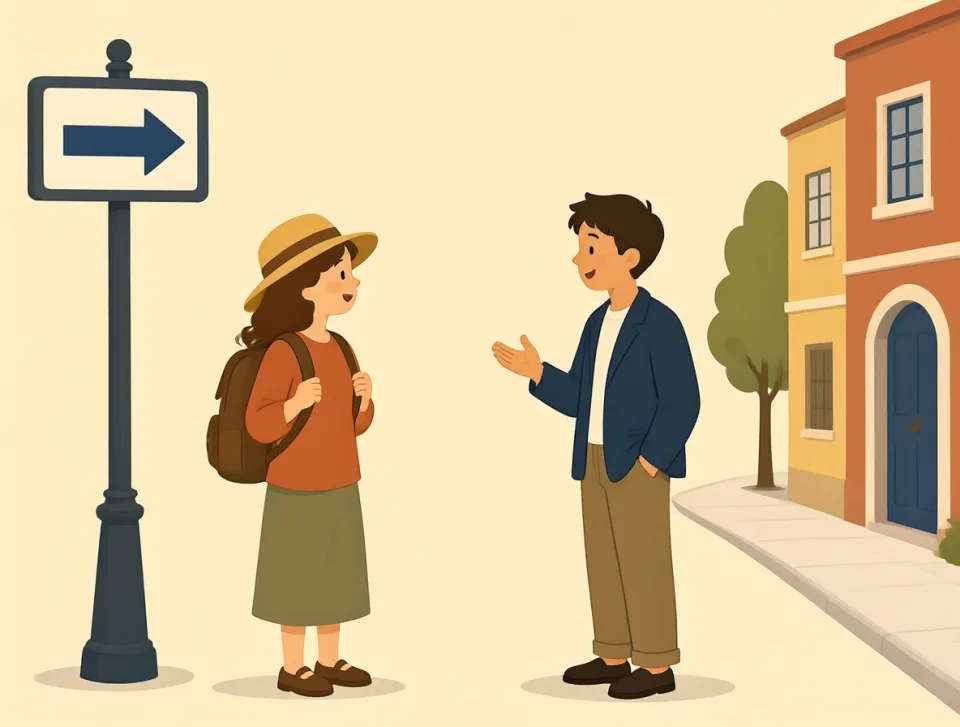
Can you show me the way home?
میتوانی راه خانه را به من نشان بدهی؟

This is the best way to learn English.
این بهترین راه برای یادگیری انگلیسی است.
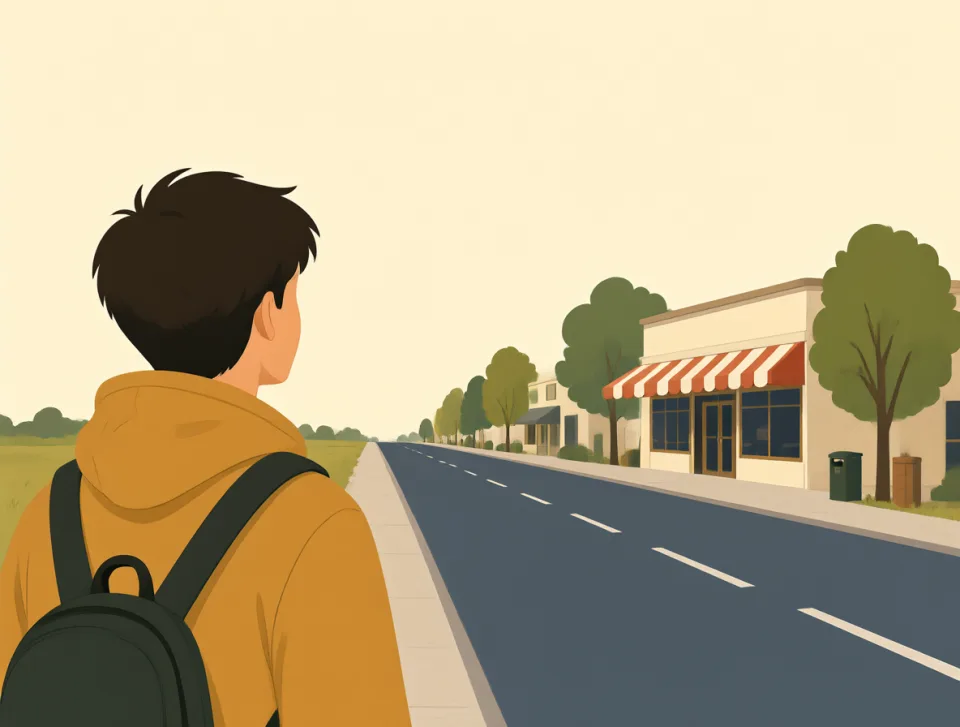
The shop is a long way from here.
مغازه از اینجا خیلی دور است.
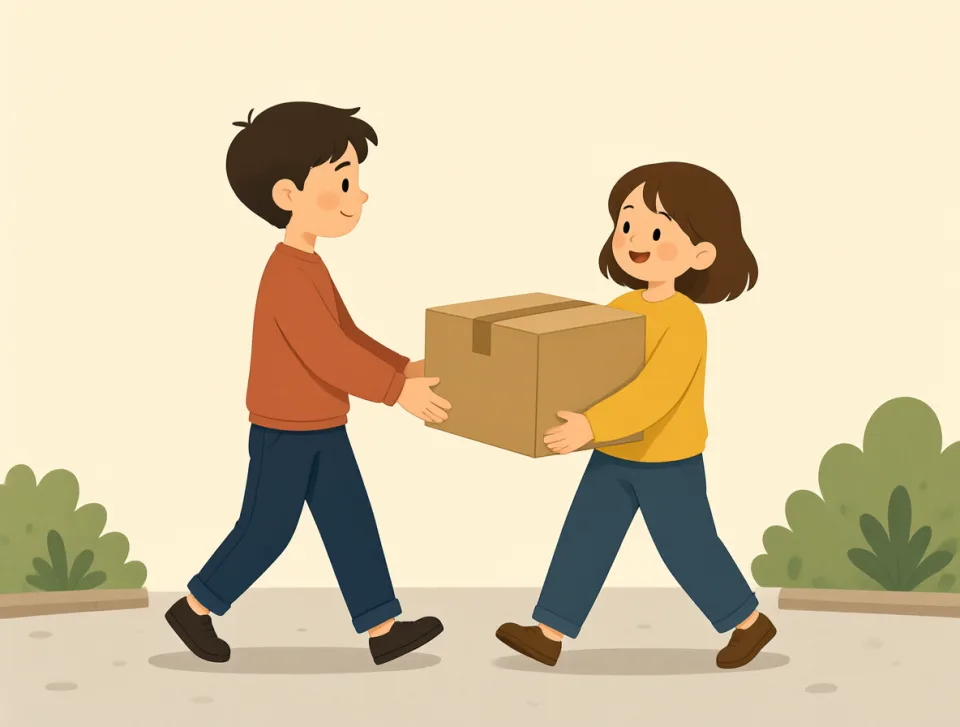
Please move out of the way.
لطفاً از سر راه کنار بروید.
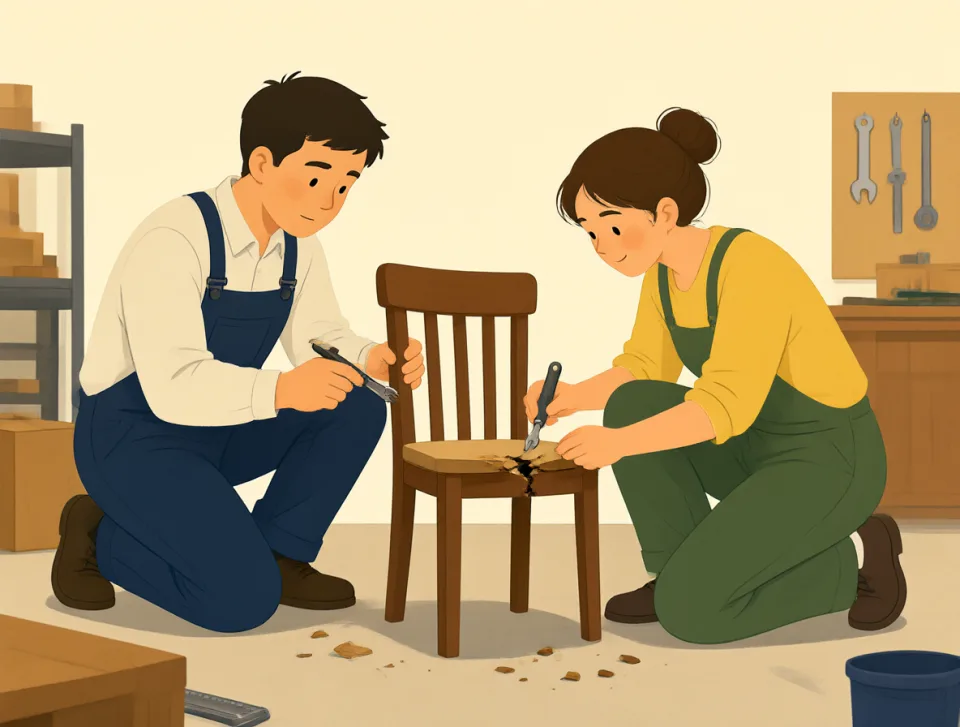
We found a way to fix the problem.
ما راهی برای حل مشکل پیدا کردیم.