Zestaw 96
Słowa 1901–1920 · cope, approximately, accommodation, highlight, reporter, climate
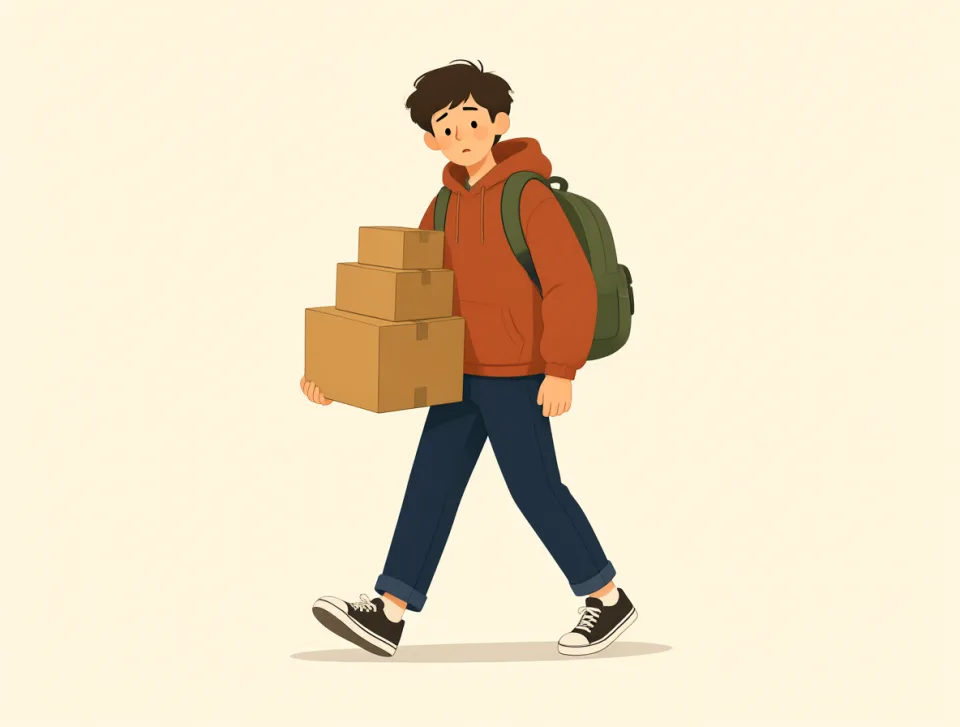
cope
#1901verb
radzić sobie
to deal successfully with a difficult situation or problem
skutecznie poradzić sobie z trudną sytuacją lub problemem
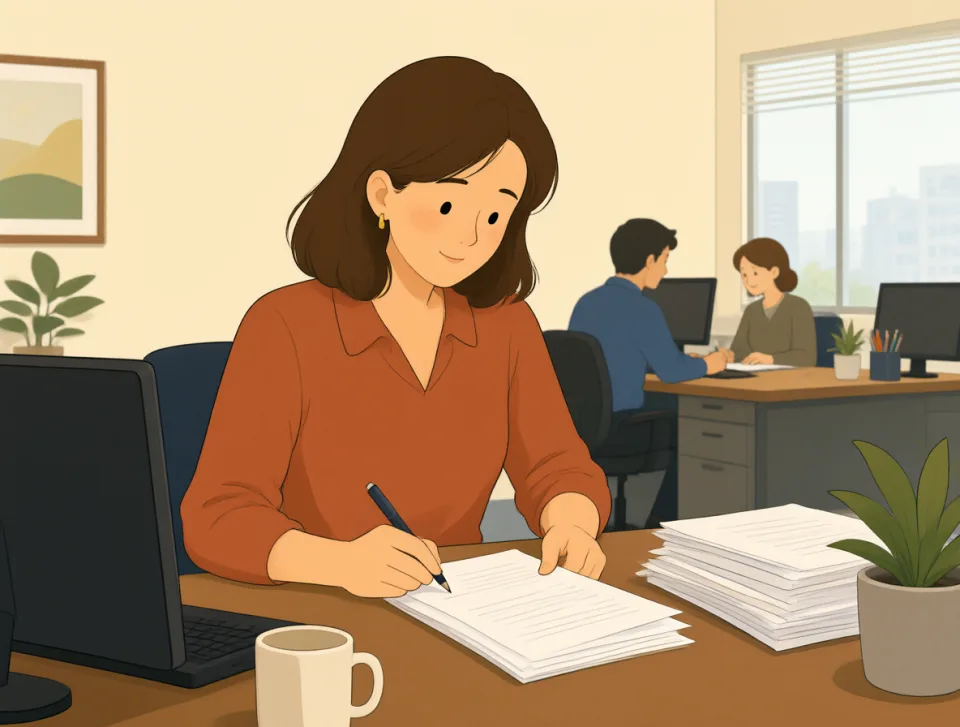
She copes well with stress at work.
Dobrze radzi sobie ze stresem w pracy.
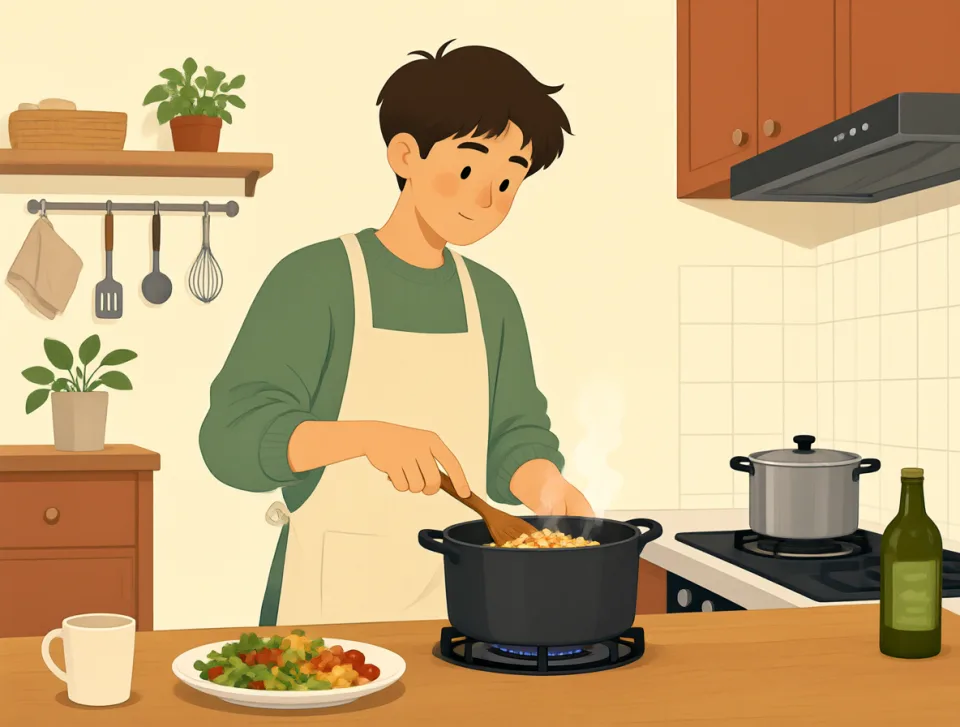
He is learning to cope with life alone.
Uczy się radzić sobie z życiem w pojedynkę.
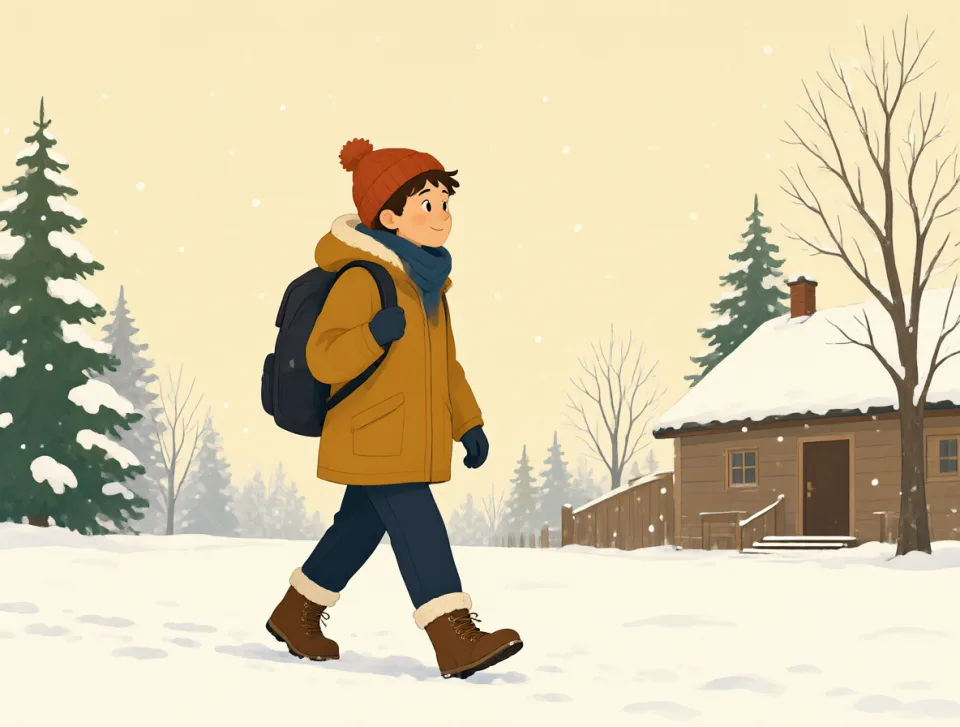
Can you cope with this cold weather?
Czy dasz sobie radę z tą zimną pogodą?
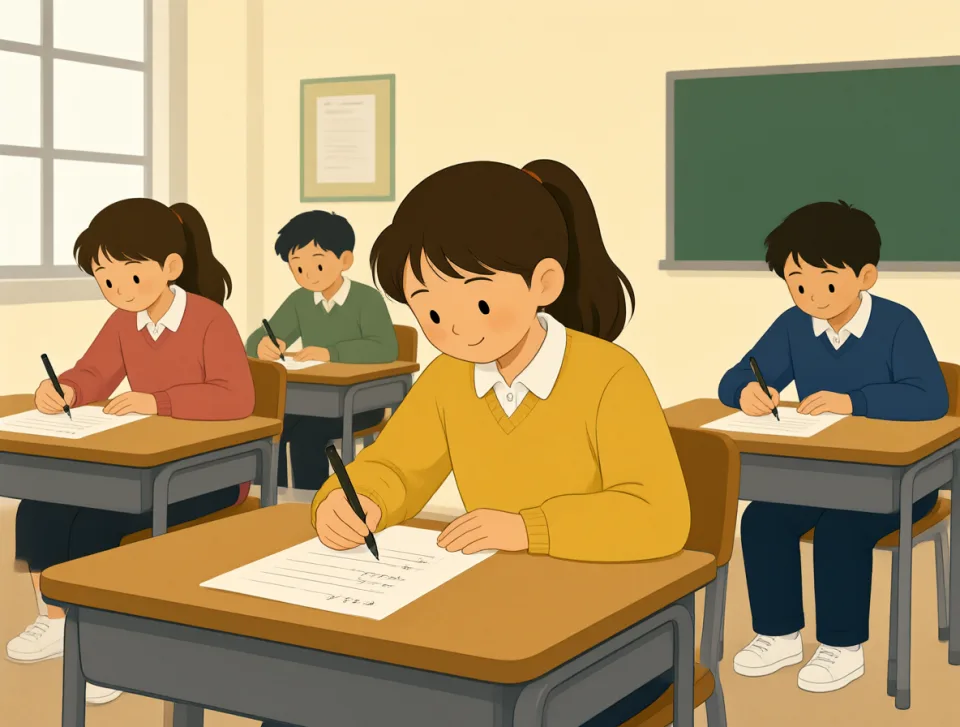
The students coped with the difficult test.
Uczniowie poradzili sobie z trudnym testem.
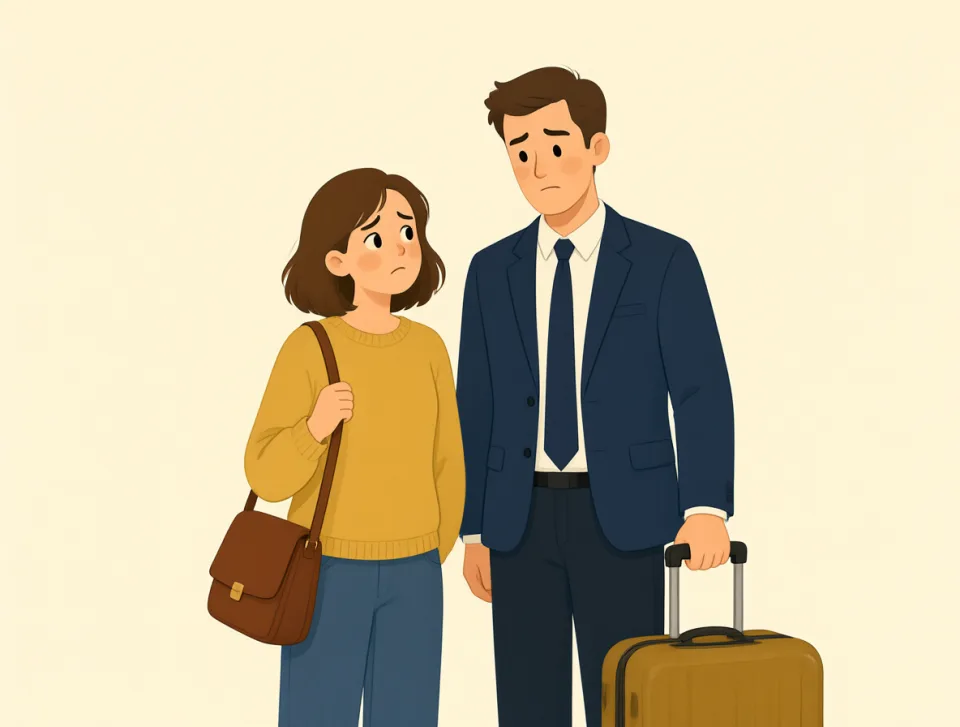
We struggled to cope after missing our flight.
Po tym, jak przegapiliśmy samolot, trudno było nam sobie poradzić.
approximately
#1902adverb
około
Used to say that a number or amount is close to, but not exact.
Używane, by powiedzieć, że liczba lub ilość jest zbliżona do podanej, ale nie jest dokładna.
The journey takes approximately two hours by train.
Podróż pociągiem trwa około dwóch godzin.
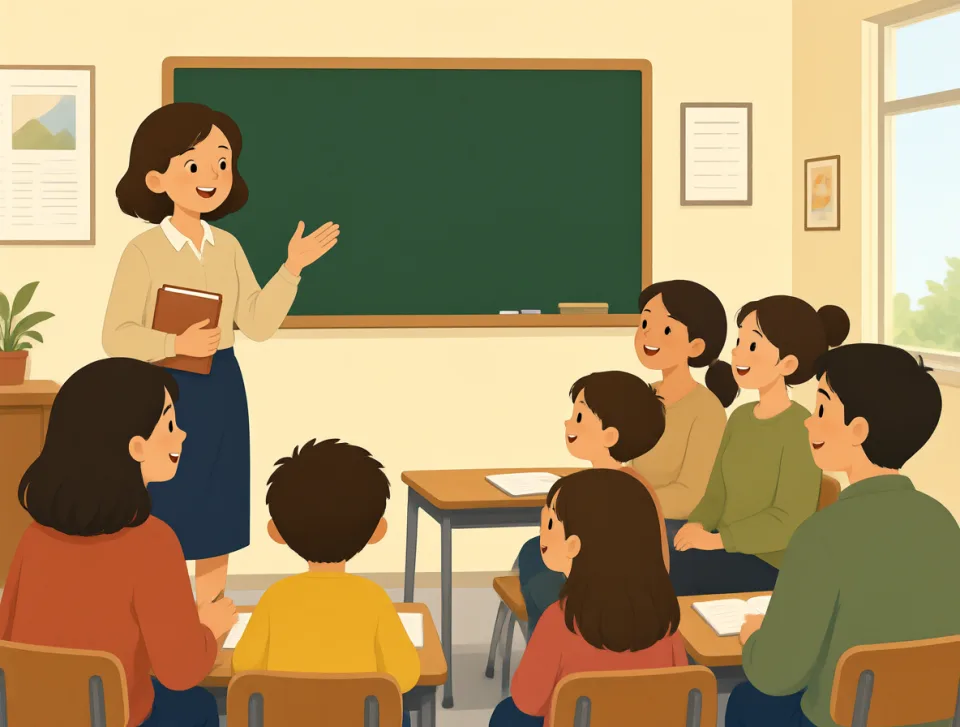
Approximately fifty people came to the school meeting.
Na spotkanie w szkole przyszło około pięćdziesięciu osób.
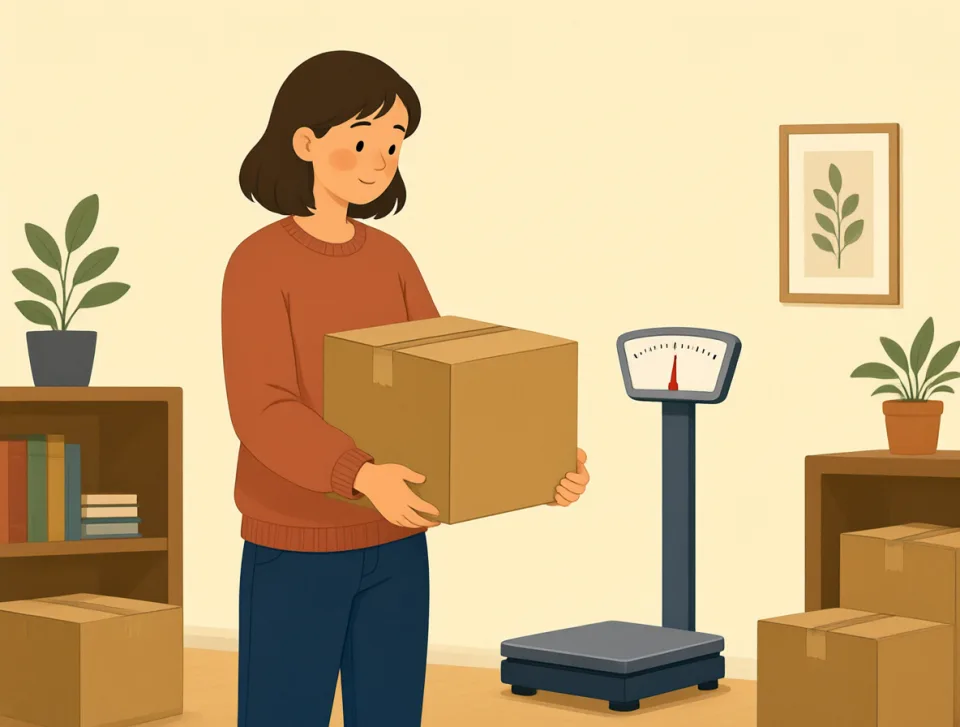
The box weighs approximately five kilograms.
Pudełko waży około pięciu kilogramów.
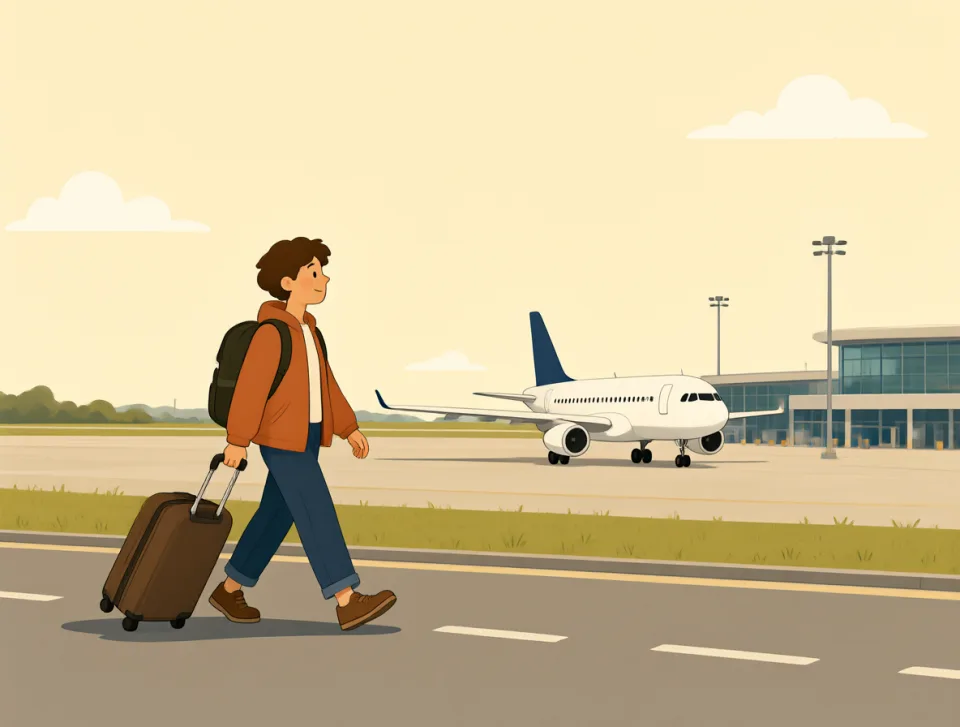
The hotel is approximately three miles from the airport.
Hotel znajduje się około trzech mil od lotniska.
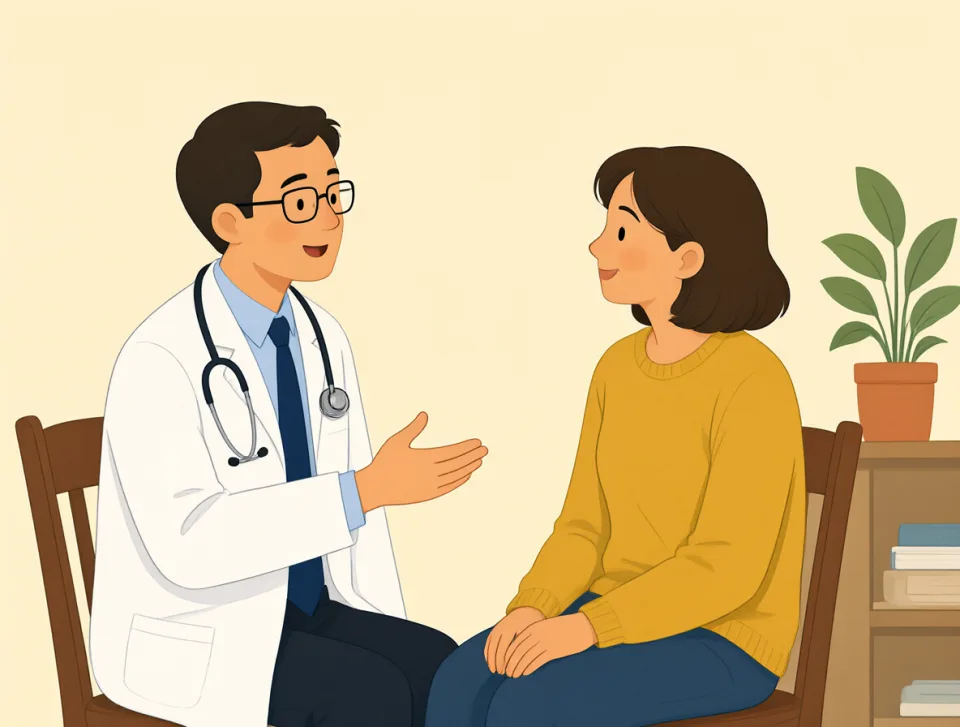
Approximately one in ten adults has this health problem.
Ten problem zdrowotny dotyczy mniej więcej jednej na dziesięć dorosłych osób.
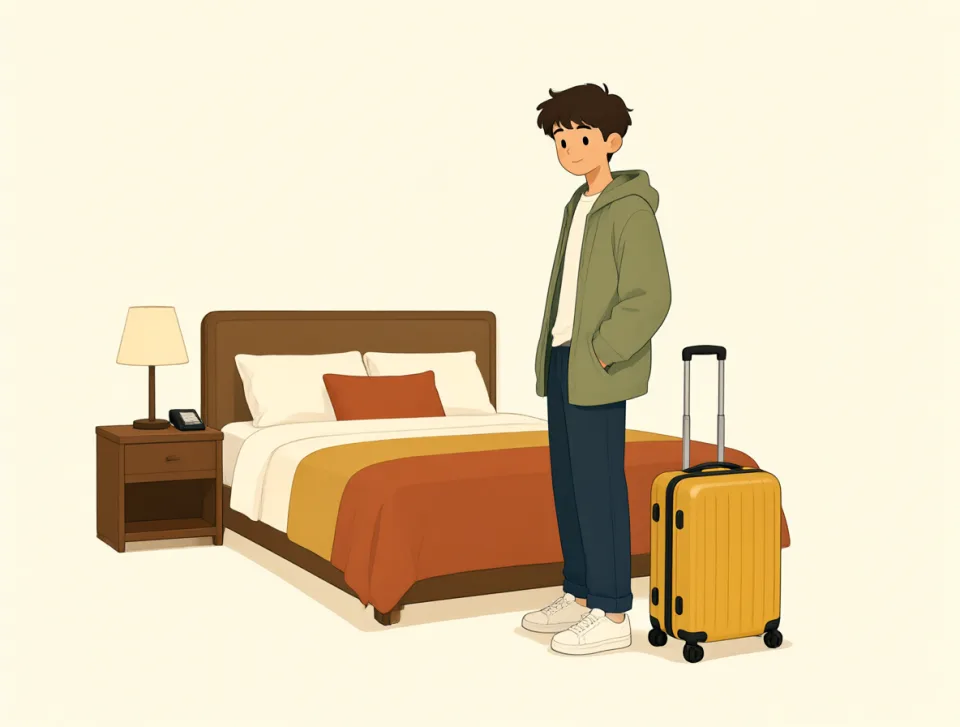
accommodation
#1903noun
zakwaterowanie
A place to live or stay, especially for a short time.
Miejsce do mieszkania lub pobytu, zwłaszcza przez krótki czas.
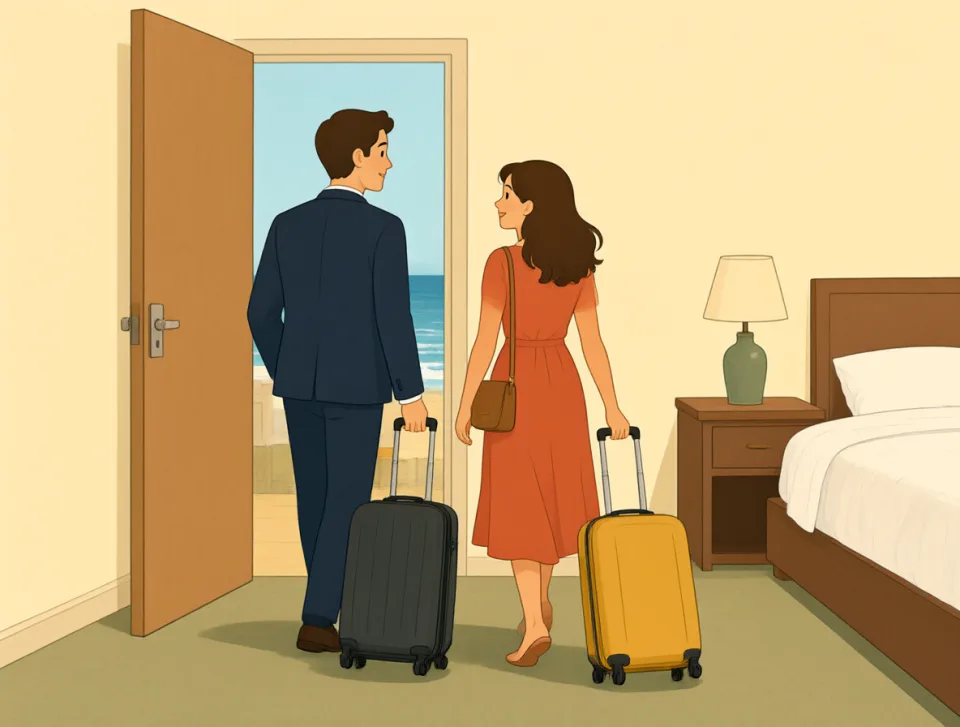
We booked accommodation near the beach for our summer holiday.
Zarezerwowaliśmy nocleg niedaleko plaży na letni urlop.
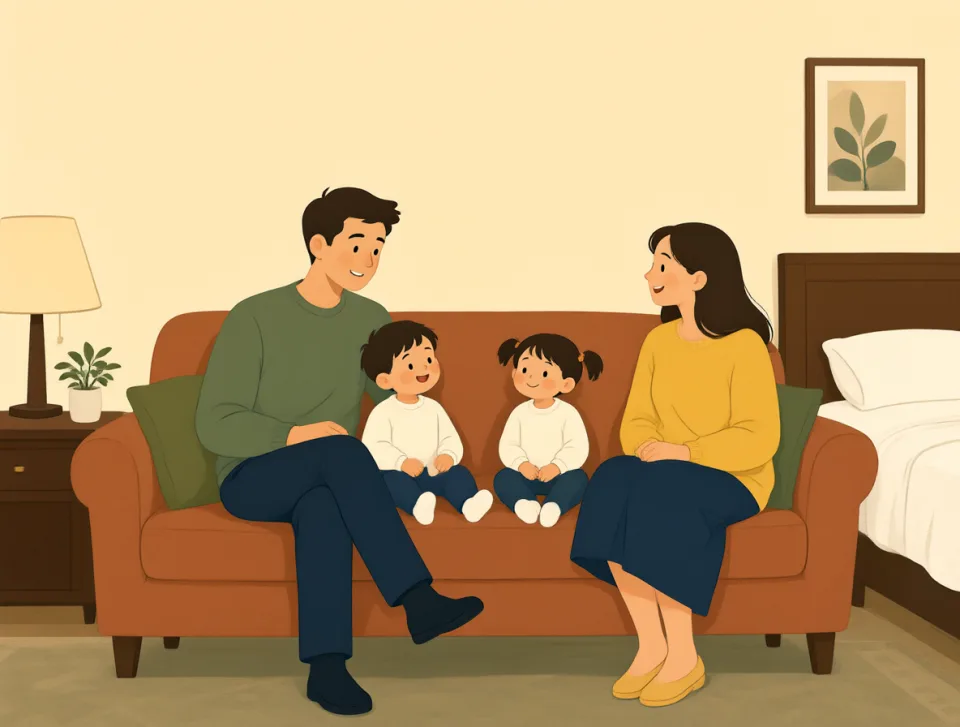
The hotel offers comfortable accommodation for families and groups.
Hotel oferuje komfortowe zakwaterowanie dla rodzin i grup.
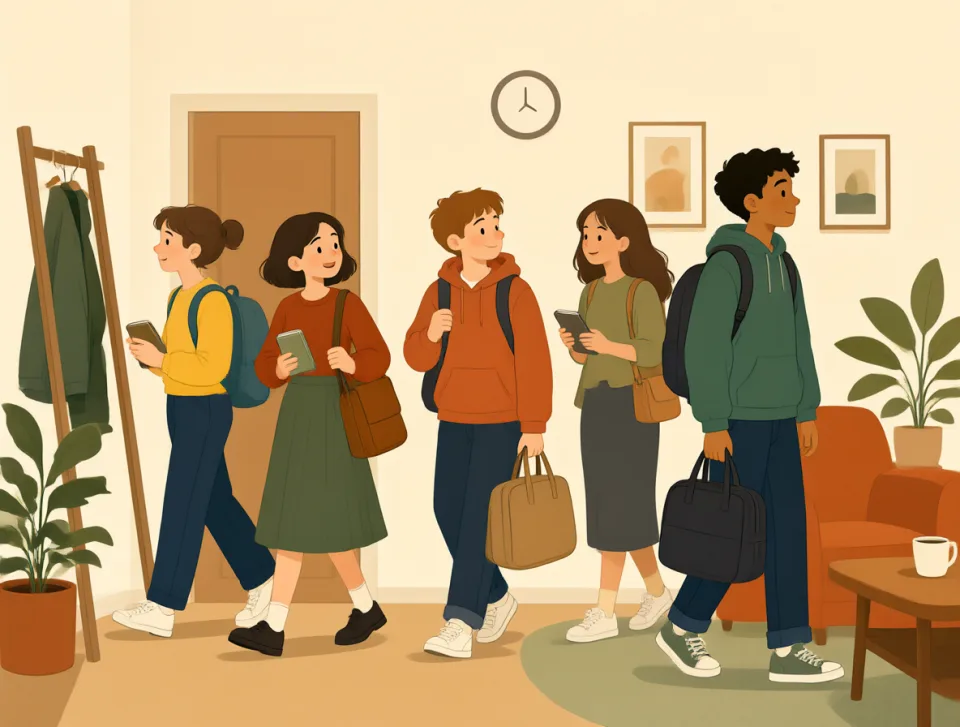
The school found accommodation for students from other countries.
Szkoła znalazła zakwaterowanie dla uczniów z innych krajów.
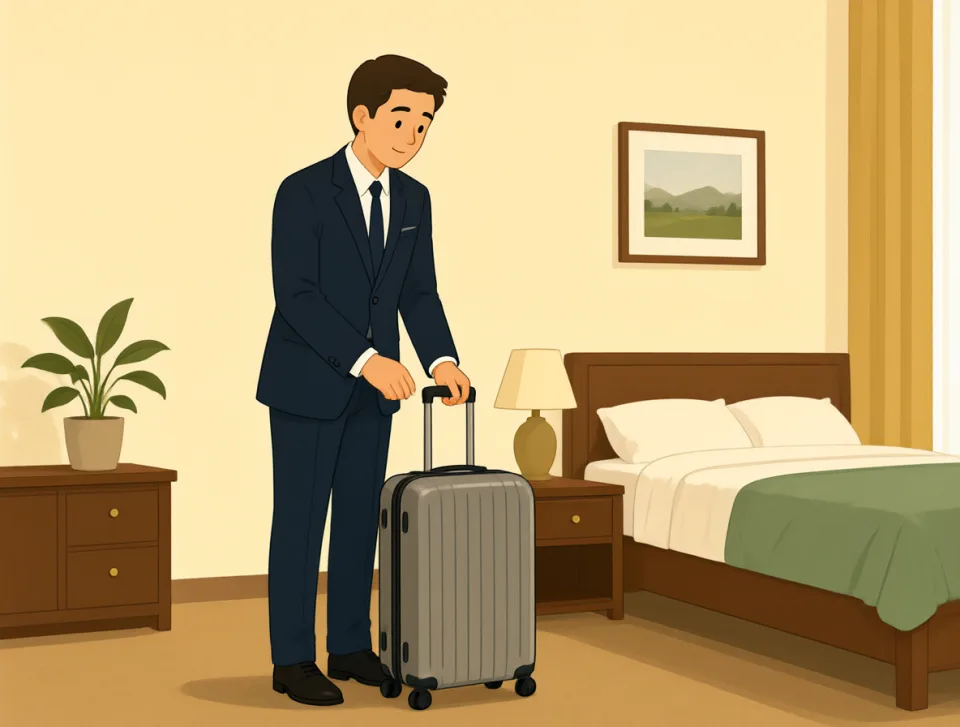
Our company provides accommodation during work trips.
Nasza firma zapewnia zakwaterowanie podczas podróży służbowych.
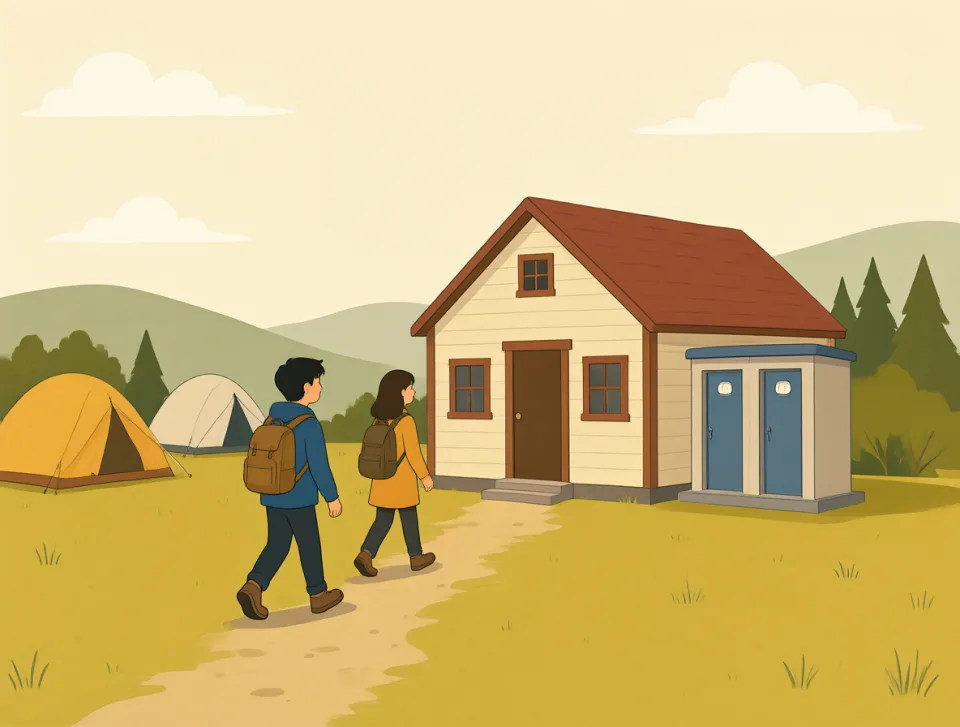
The campsite has basic accommodation and shared bathrooms.
Na kempingu są podstawowe warunki noclegowe i wspólne łazienki.
highlight
#1904noun, verb
najważniejszy moment; podkreślać
The most important or exciting part; to mark something as important or easy to see.
Najważniejsza lub najbardziej ekscytująca część; wyróżnić coś jako ważne lub dobrze widoczne.
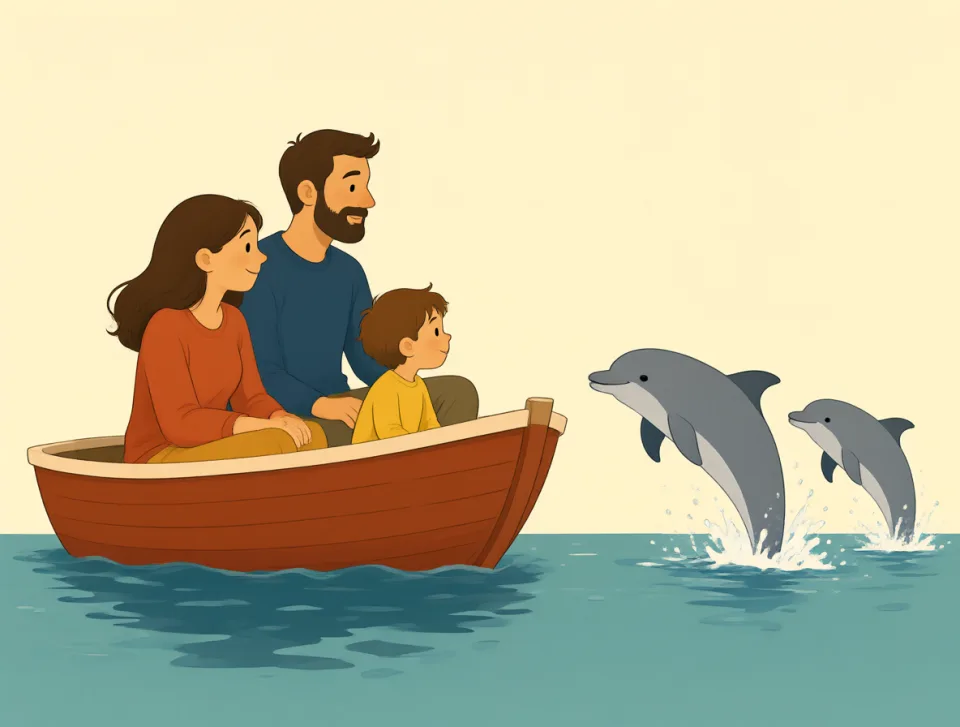
The highlight of our trip was seeing dolphins near the boat.
Największą atrakcją naszej wycieczki było zobaczenie delfinów niedaleko łodzi.
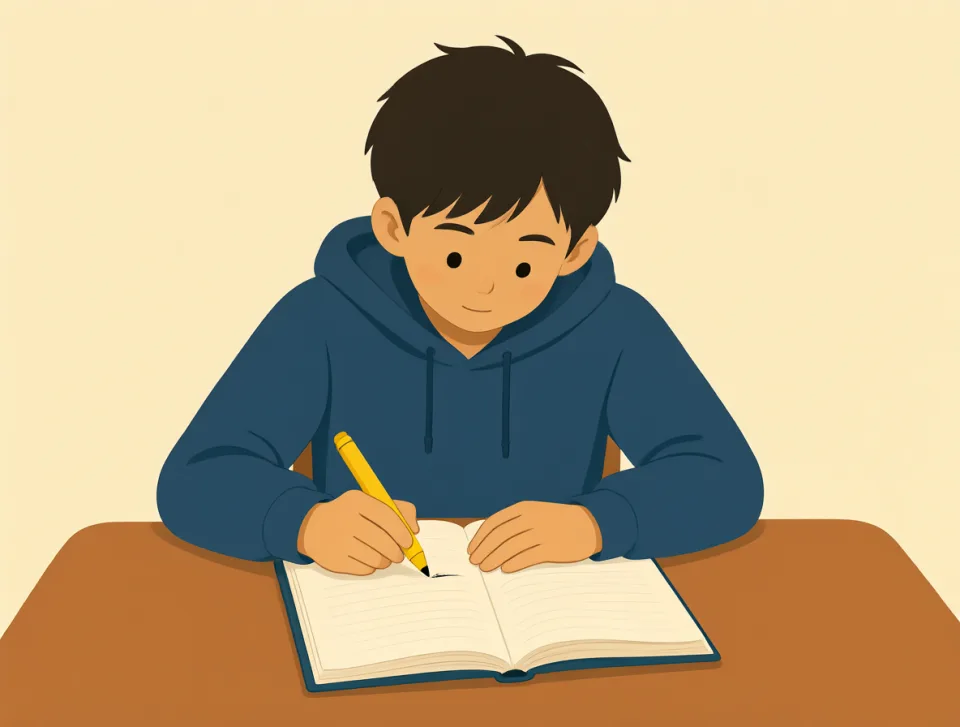
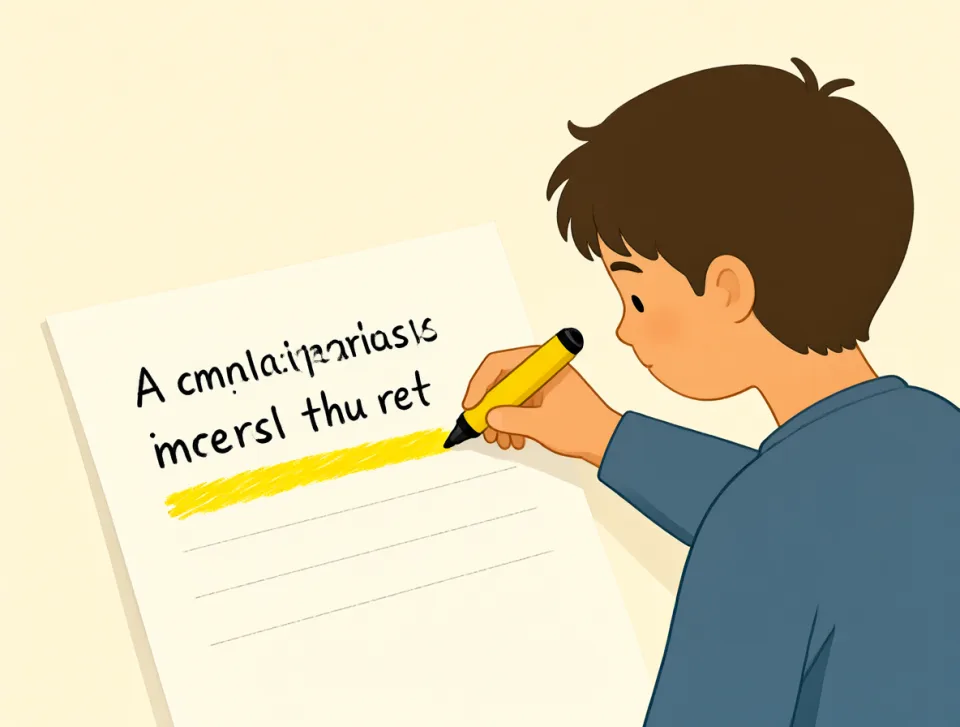
Please highlight the important points in your notes.
Zaznacz w notatkach najważniejsze punkty.

The report highlights the need for better customer service.
Raport podkreśla potrzebę zapewnienia lepszej obsługi klienta.
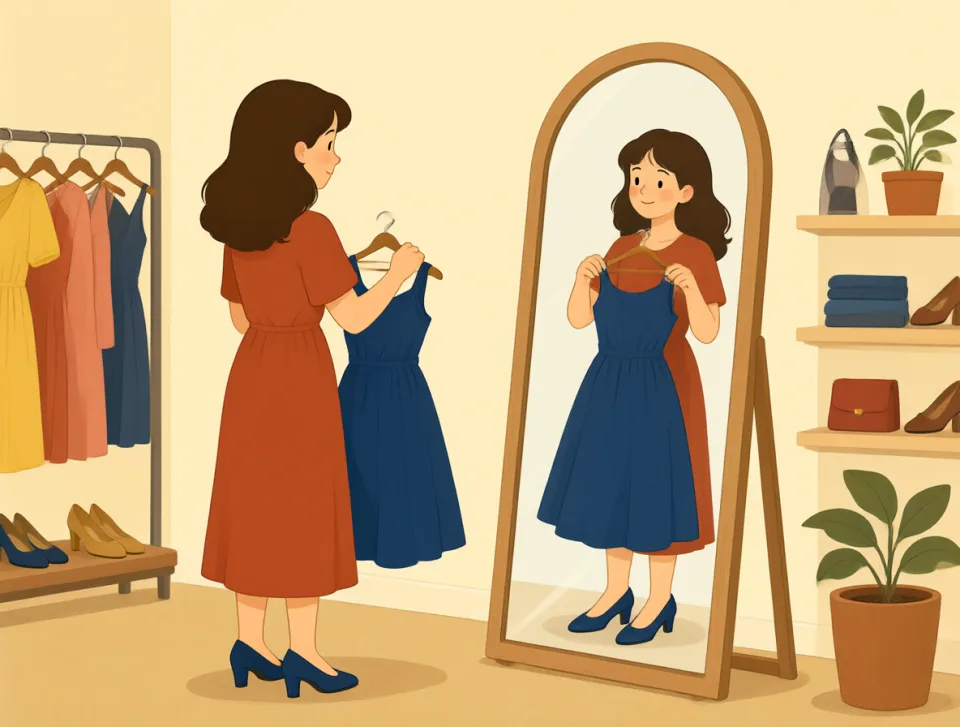
These shoes highlight the blue color of your dress.
Te buty podkreślają niebieski kolor twojej sukienki.
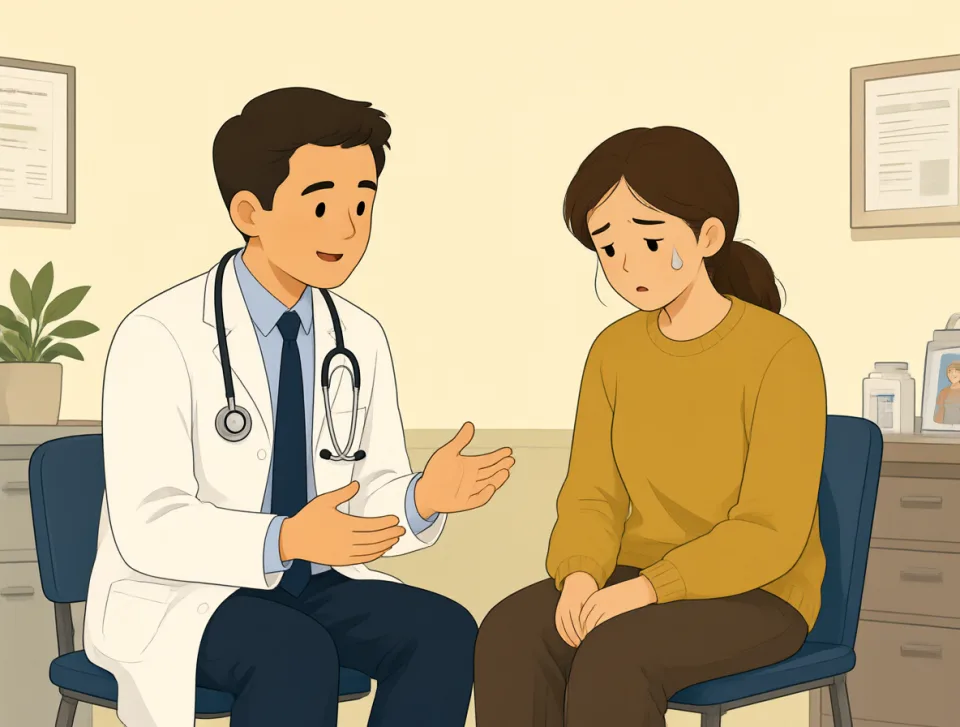
The doctor highlighted the importance of getting enough sleep.
Lekarz podkreślił, jak ważne jest wysypianie się.
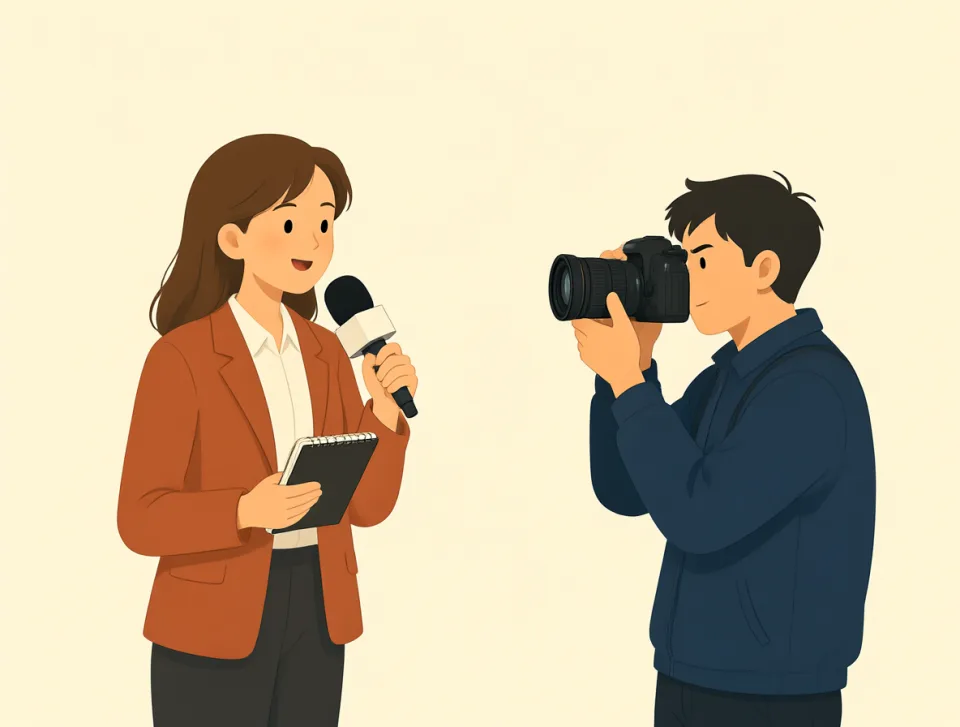
reporter
#1905noun
reporter
A person who gathers and writes or speaks the news for newspapers, television, or websites.
Osoba, która zbiera informacje i przygotowuje wiadomości do gazet, telewizji lub serwisów internetowych albo je tam przekazuje.
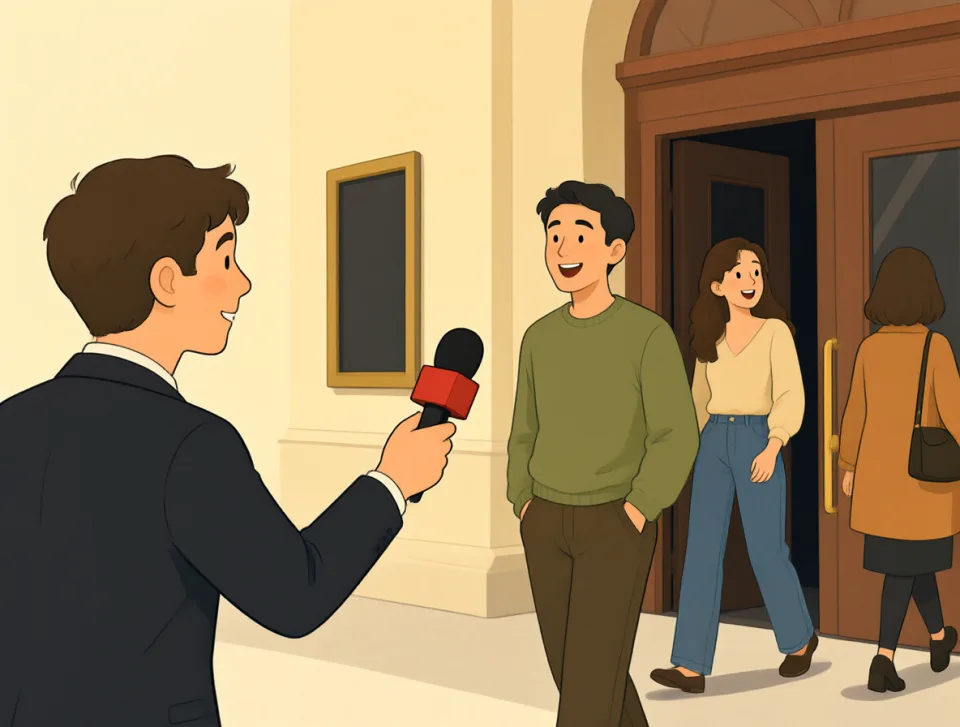
The reporter asked the singer several questions after the concert.
Reporter zadał piosenkarzowi kilka pytań po koncercie.

A local reporter interviewed our teacher about the school festival.
Lokalny reporter przeprowadził wywiad z naszym nauczycielem na temat szkolnego festiwalu.
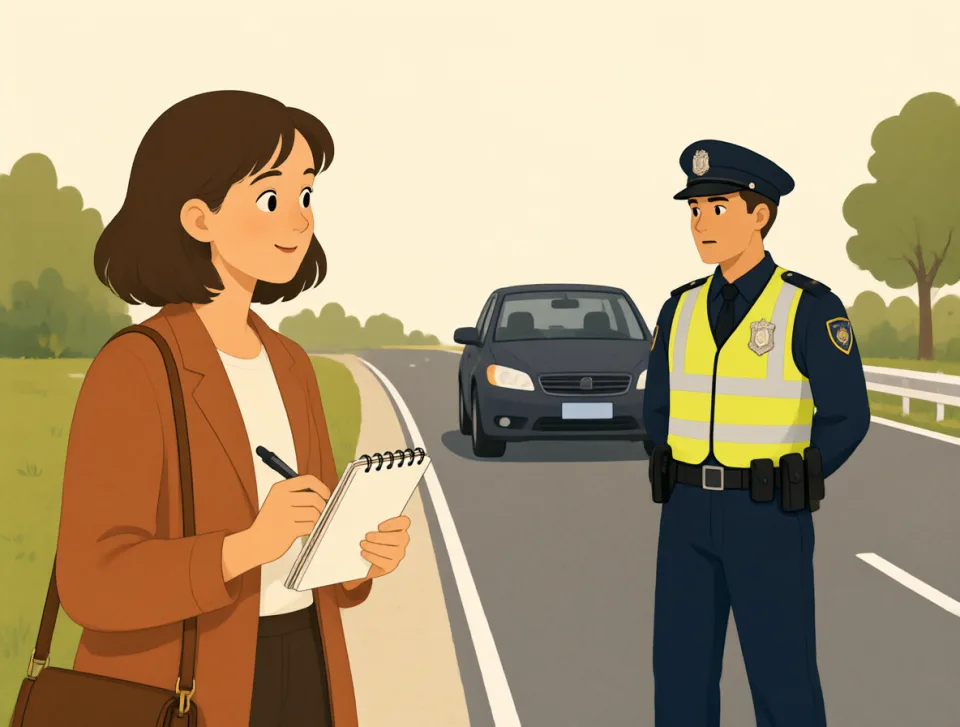
The newspaper reporter arrived quickly after the accident.
Reporter gazety szybko przyjechał na miejsce wypadku.
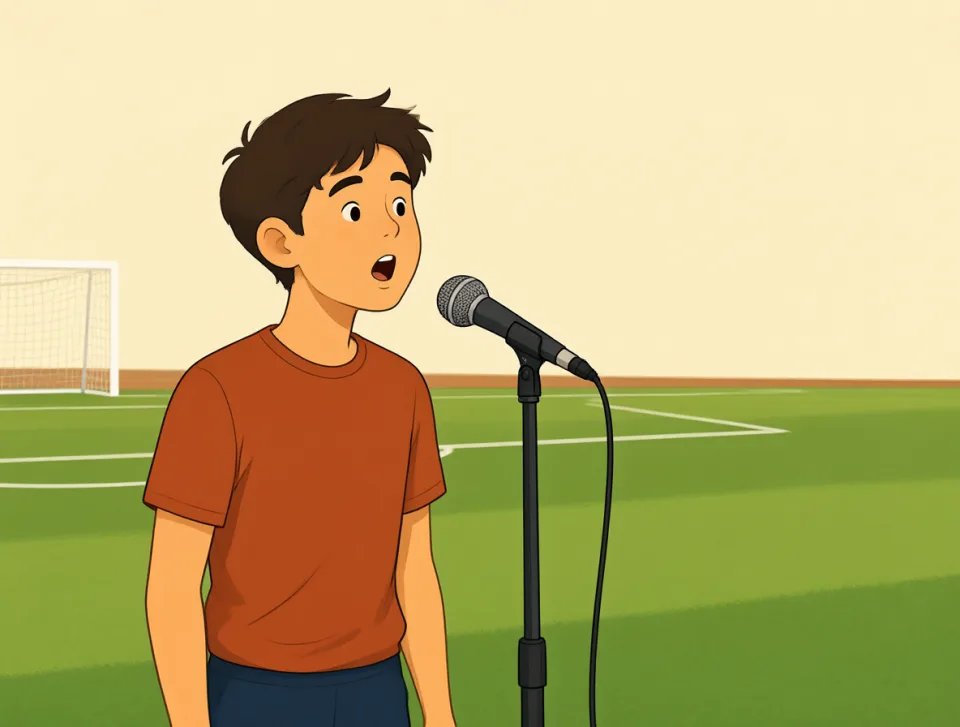
My brother is training to become a sports reporter.
Mój brat szkoli się, żeby zostać reporterem sportowym.
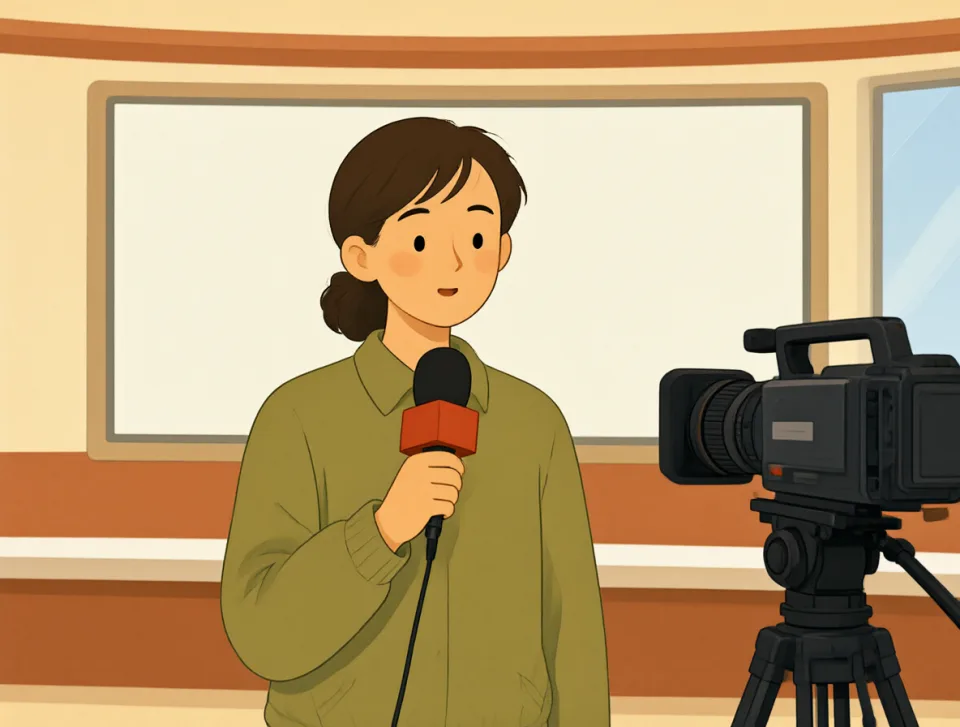
The reporter was on television this morning.
Reporter był dziś rano w telewizji.
climate
#1906noun
klimat
The usual weather conditions of a place over many years.
Typowe warunki pogodowe panujące w danym miejscu przez wiele lat.
The climate here is warm and dry all year.
Klimat jest tu ciepły i suchy przez cały rok.
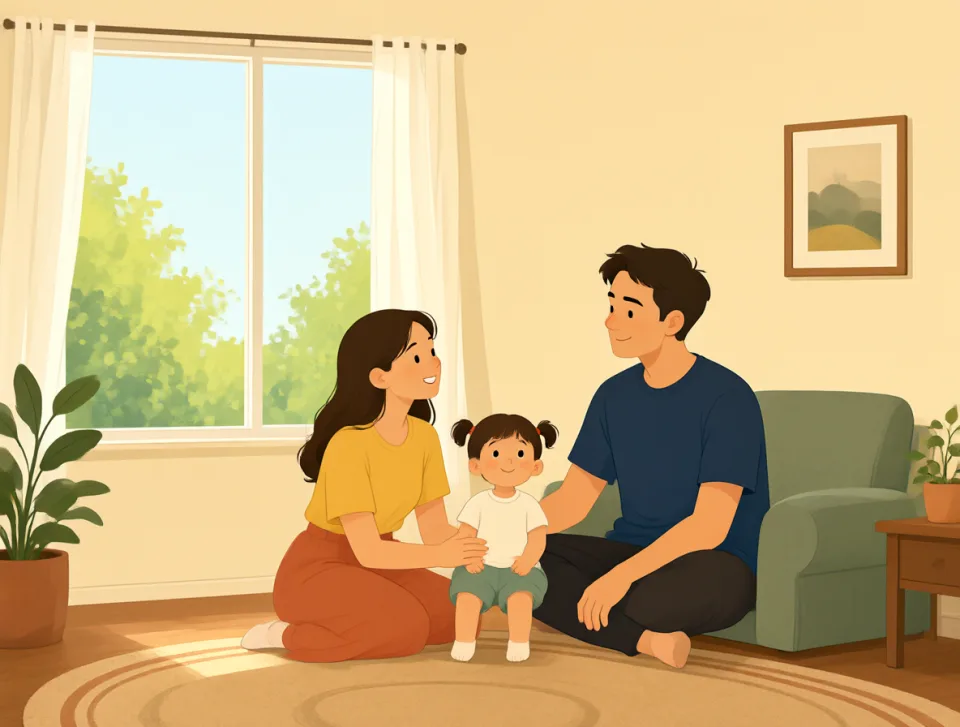
Climate change is making summers hotter in many countries.
Zmiana klimatu sprawia, że lata są coraz gorętsze w wielu krajach.
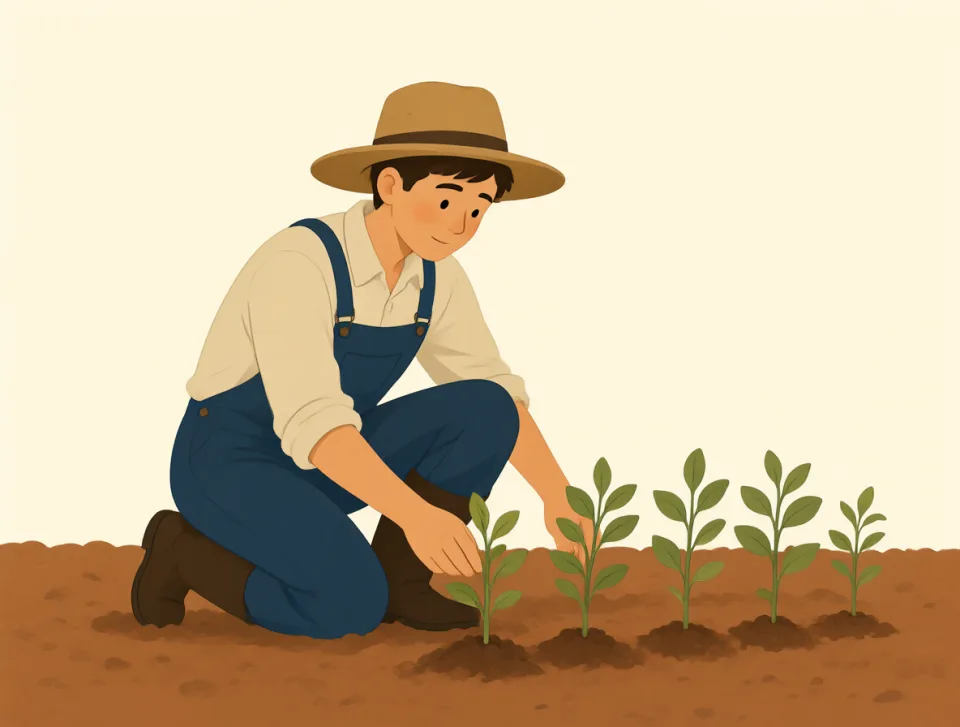
Farmers choose crops that suit the local climate.
Rolnicy wybierają uprawy odpowiednie do lokalnego klimatu.
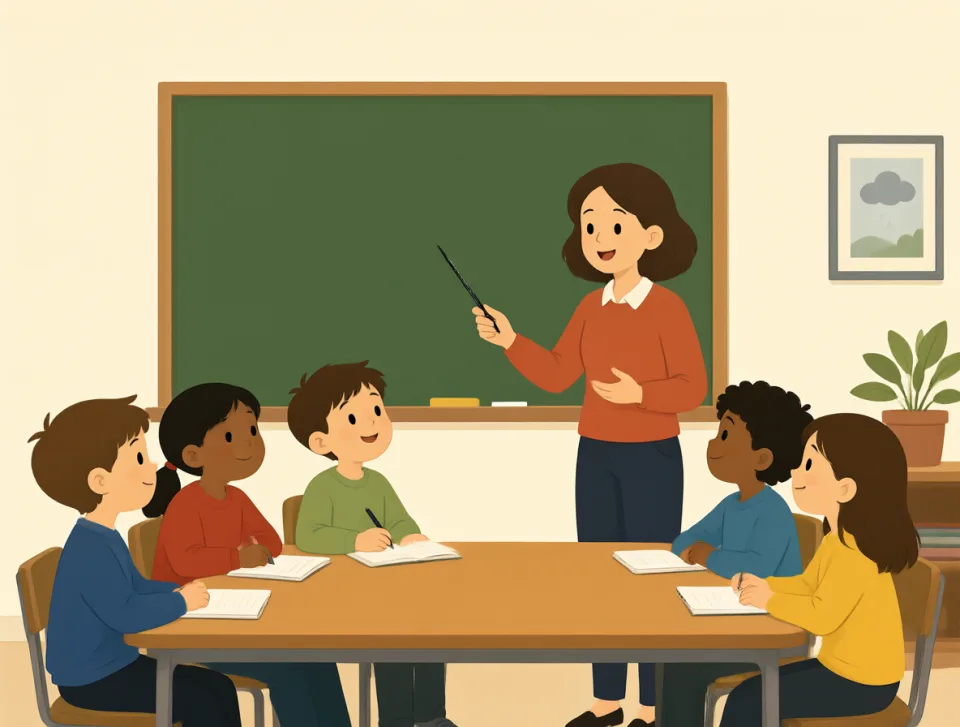
The school discussed how climate change affects our health.
W szkole rozmawiano o tym, jak zmiana klimatu wpływa na nasze zdrowie.

A friendly climate at work helps people share ideas.
Przyjazna atmosfera w pracy pomaga ludziom dzielić się pomysłami.
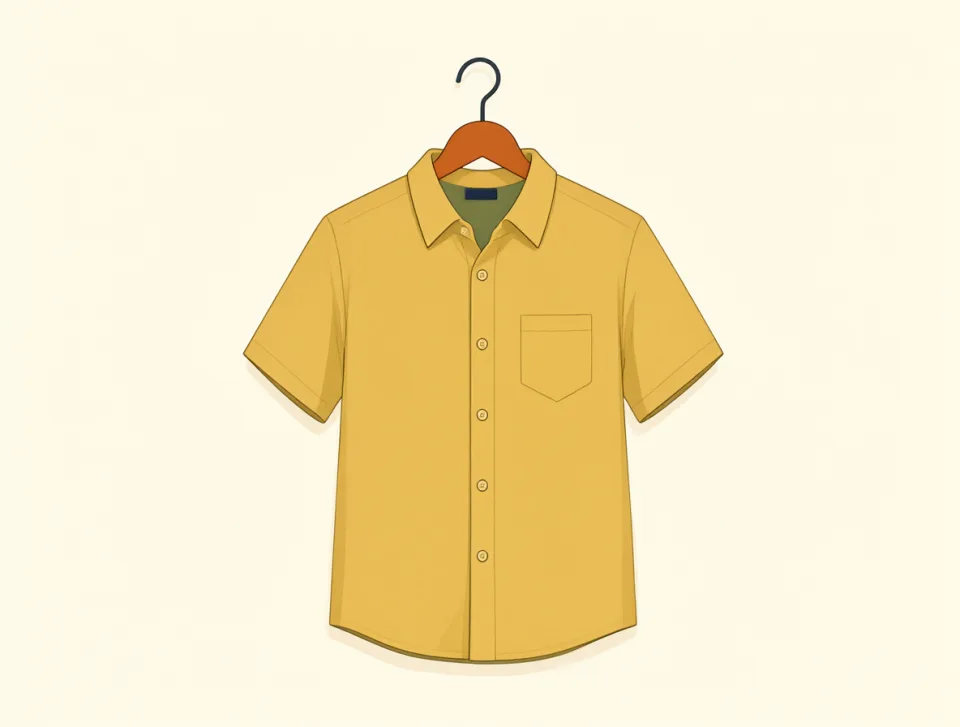
shirt
#1907noun
koszula
A piece of clothing worn on the upper body, usually with sleeves and buttons.
Ubranie noszone na górnej części ciała, zazwyczaj z rękawami i guzikami.
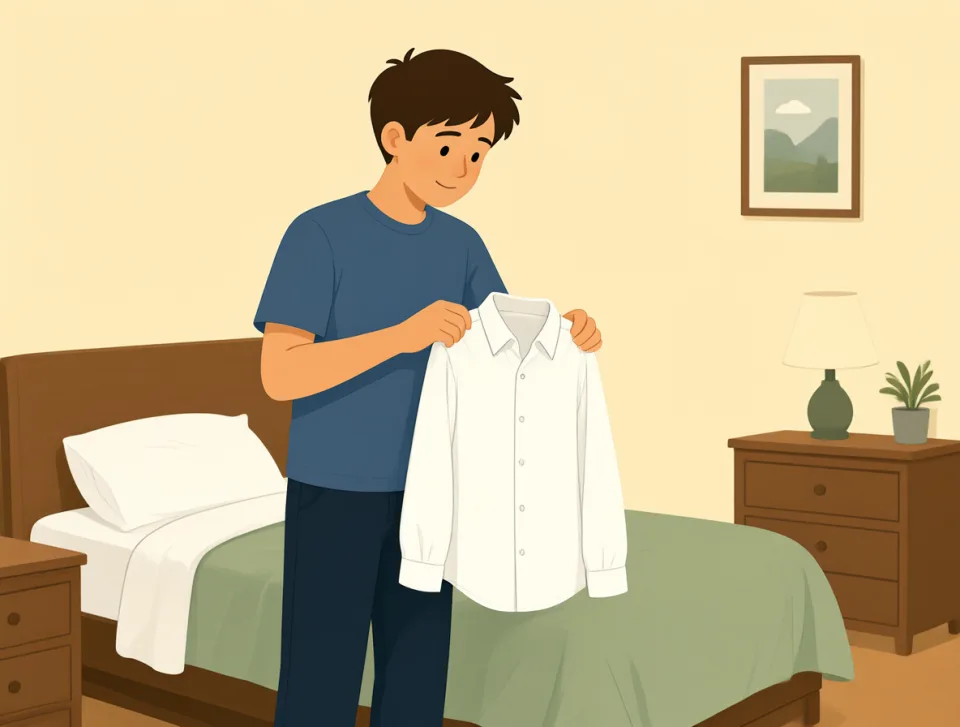
He put on a clean shirt before going to work.
Przed wyjściem do pracy włożył czystą koszulę.
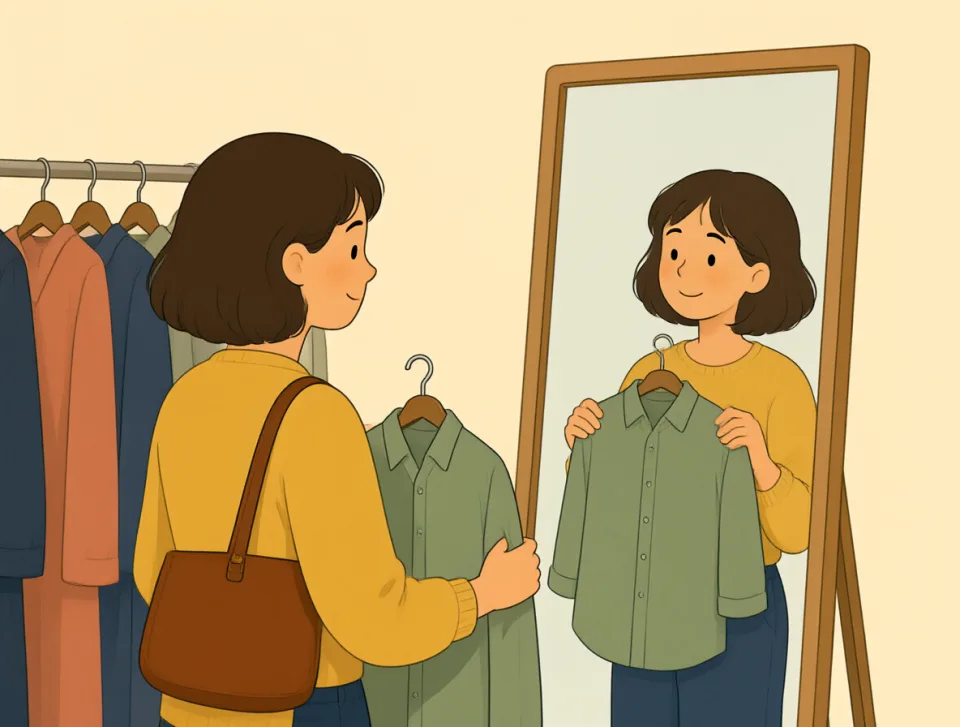
This shirt is too small, so I need a larger one.
Ta koszula jest za mała, więc potrzebuję większej.
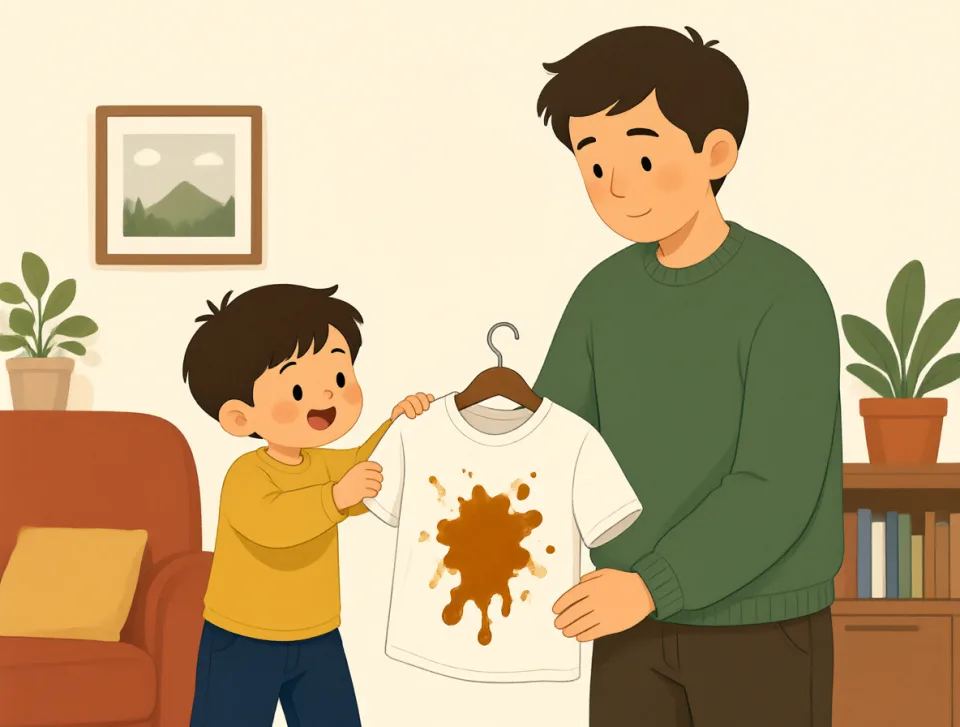
Please wash your shirt because you spilled soup on it.
Wypierz koszulę, proszę, bo rozlałeś na nią zupę.
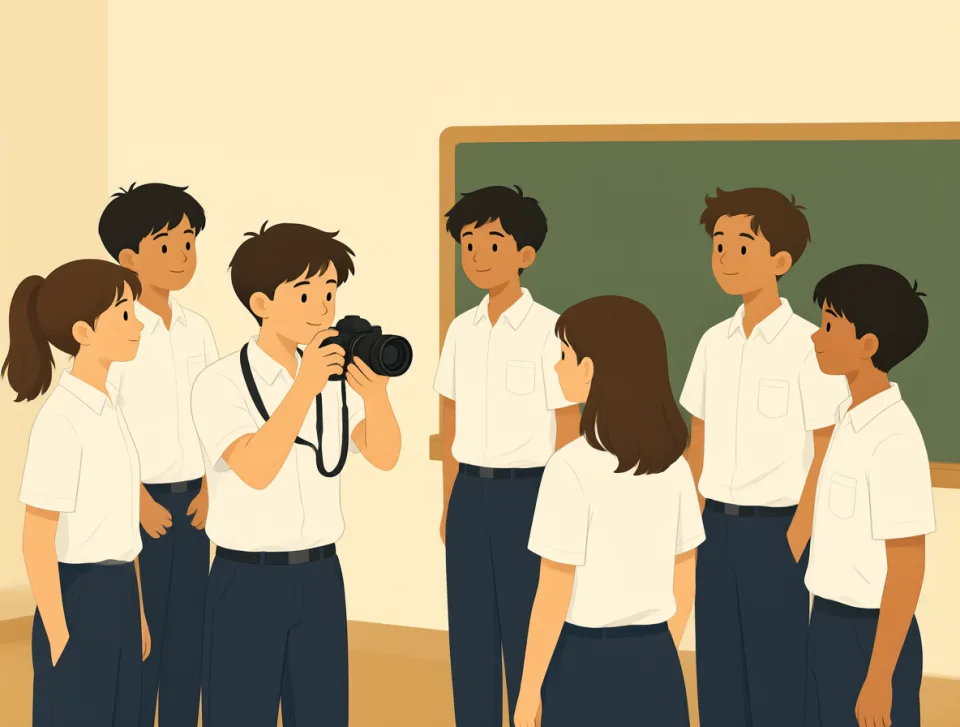
The students wore white shirts for the school photograph.
Uczniowie założyli białe koszule do szkolnego zdjęcia.
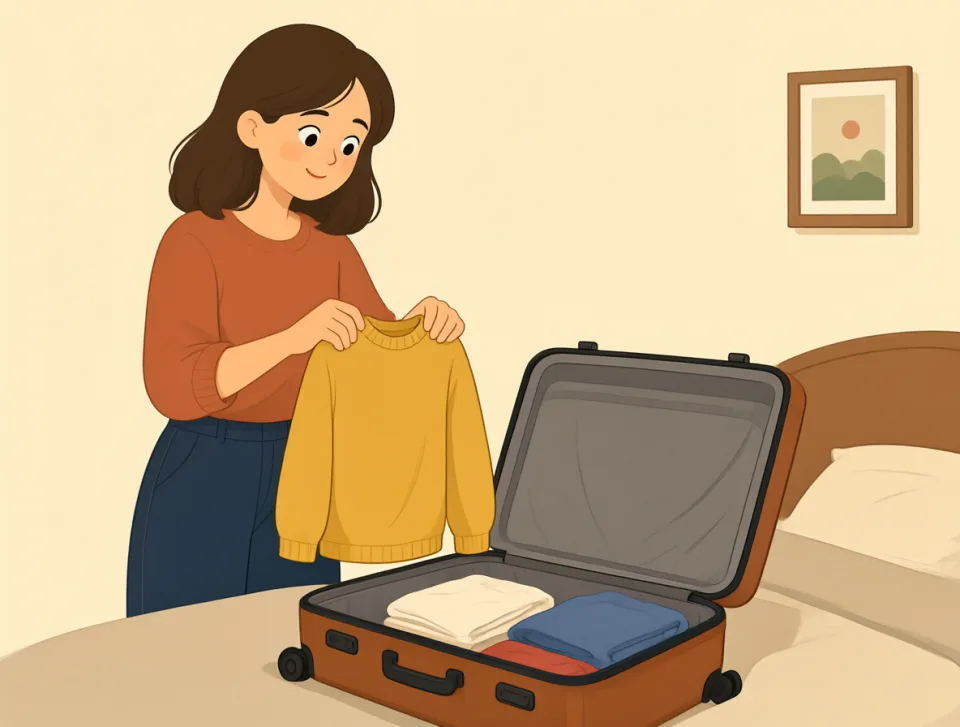
She packed two warm shirts for her trip to Canada.
Spakowała dwie ciepłe koszule na wyjazd do Kanady.
exception
#1908noun
wyjątek
a person or thing that is different from the usual rule or situation
Osoba lub rzecz, która różni się od zwykłej reguły lub sytuacji.
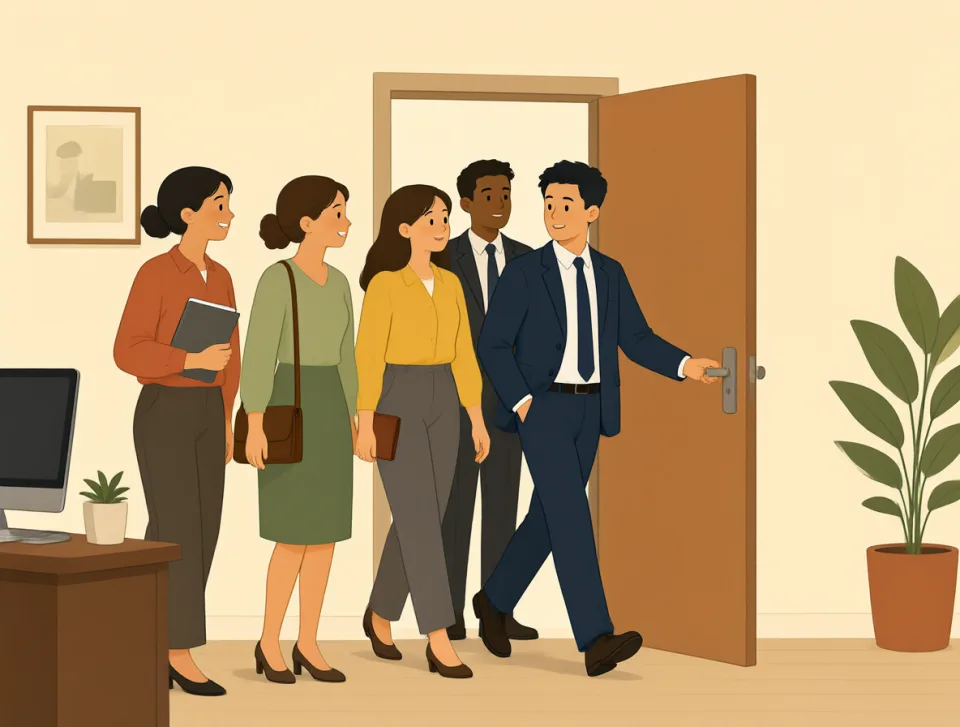
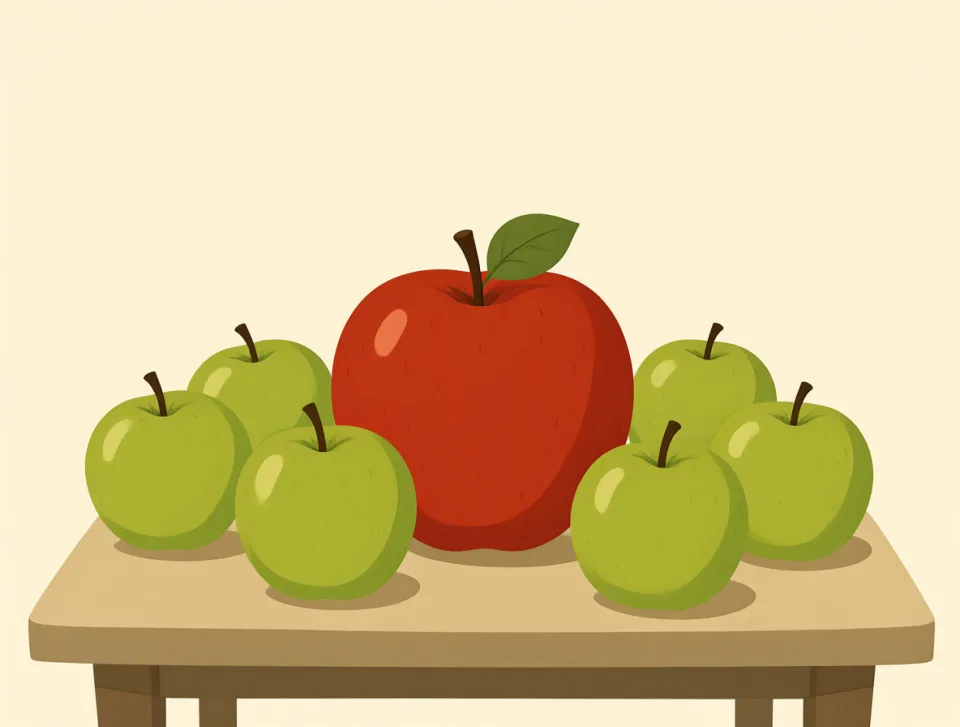
Everyone came to work on time, with one exception.
Wszyscy przyszli do pracy na czas, z jednym wyjątkiem.
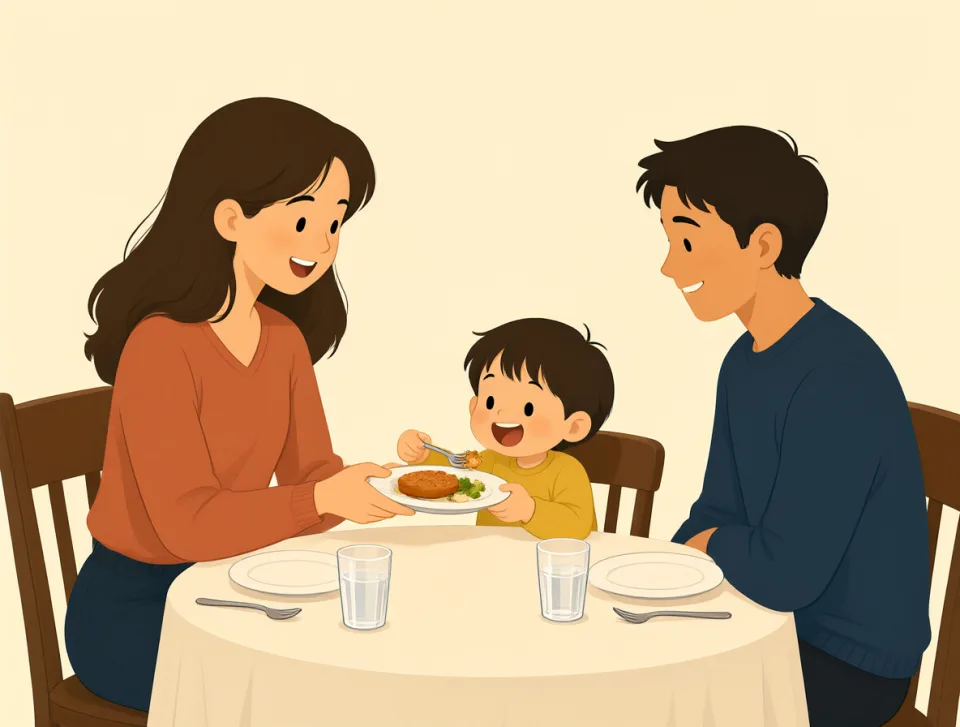
Children under five eat free, without exception.
Dzieci poniżej piątego roku życia jedzą za darmo, bez wyjątku.
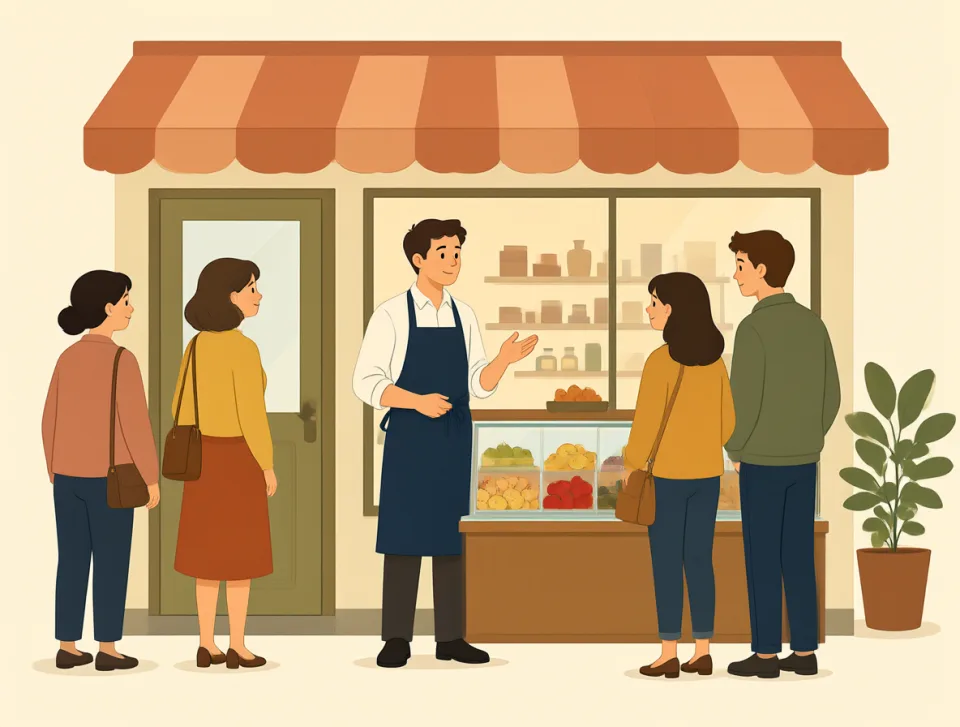
The store is open every day, except Sunday, with one exception.
Sklep jest otwarty codziennie oprócz niedzieli, z jednym wyjątkiem.
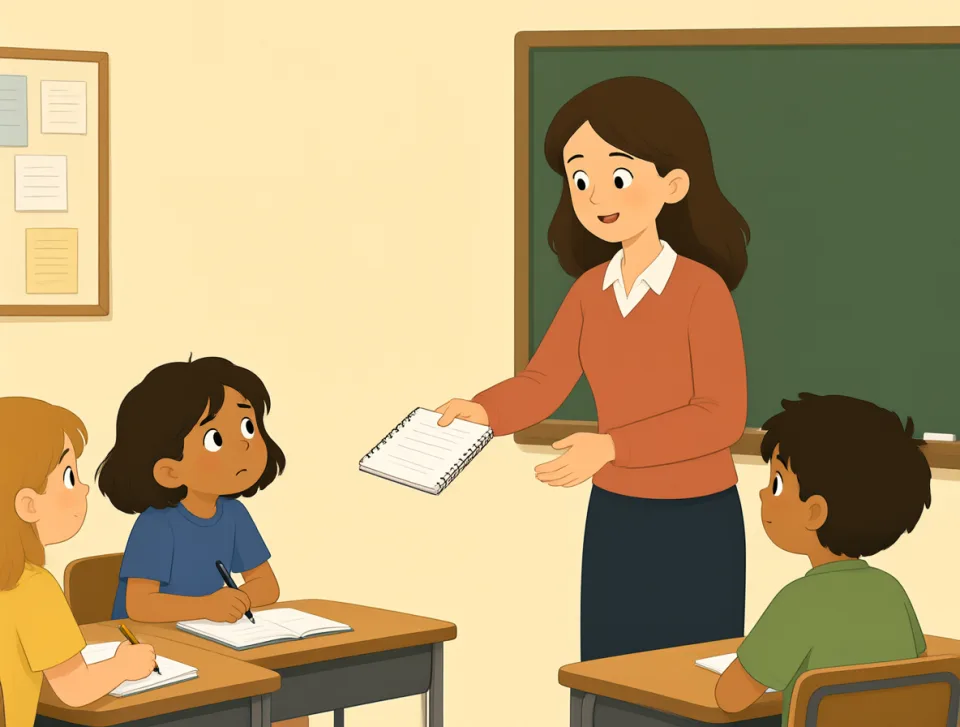
Our teacher makes no exceptions for late homework.
Nasz nauczyciel nie robi wyjątków w przypadku spóźnionych prac domowych.
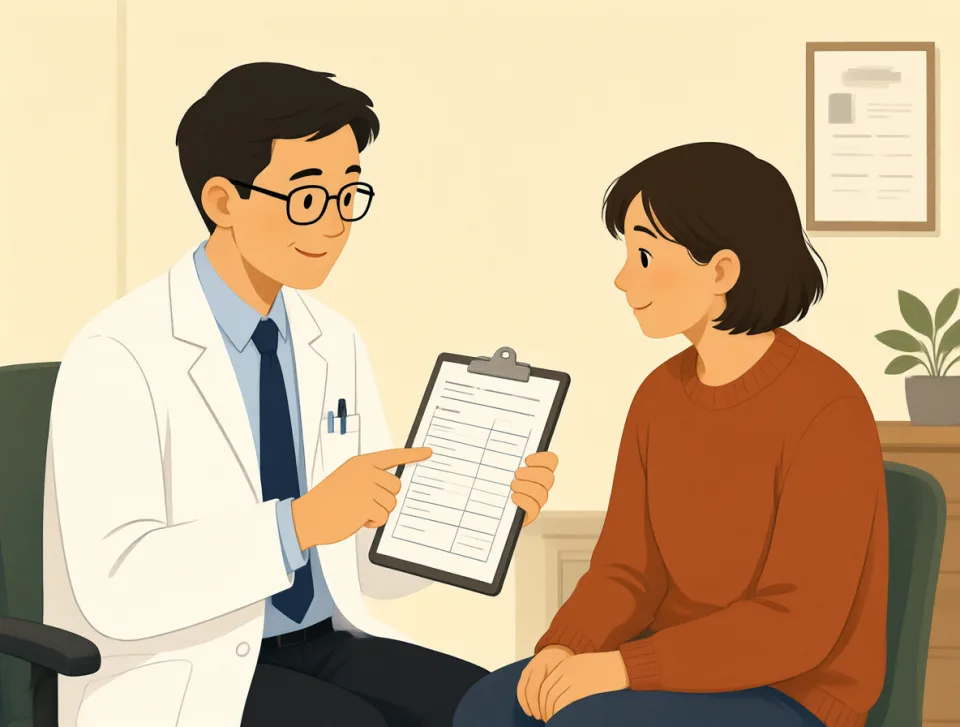
This rule has an exception for people with serious health problems.
Ta zasada przewiduje wyjątek dla osób z poważnymi problemami zdrowotnymi.
corporation
#1909noun
korporacja
a large business organization, especially one with many employees
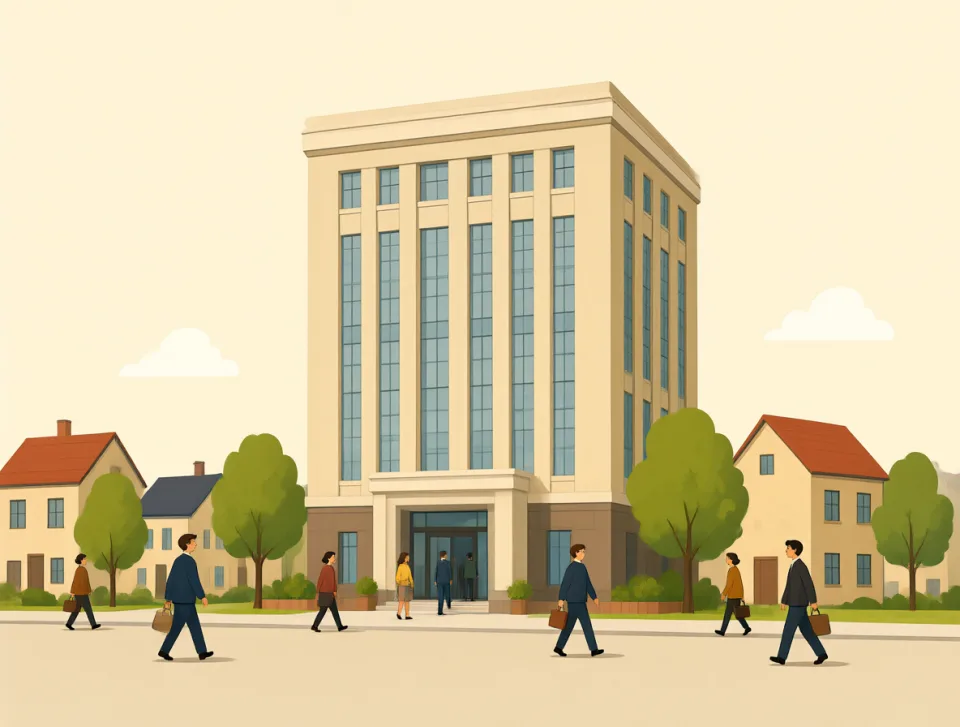
Duża organizacja biznesowa, zwłaszcza taka, która zatrudnia wielu pracowników.
The corporation opened a new office near our town.
Korporacja otworzyła nowe biuro niedaleko naszego miasta.

She works for a large corporation in the city.
Pracuje dla dużej korporacji w mieście.
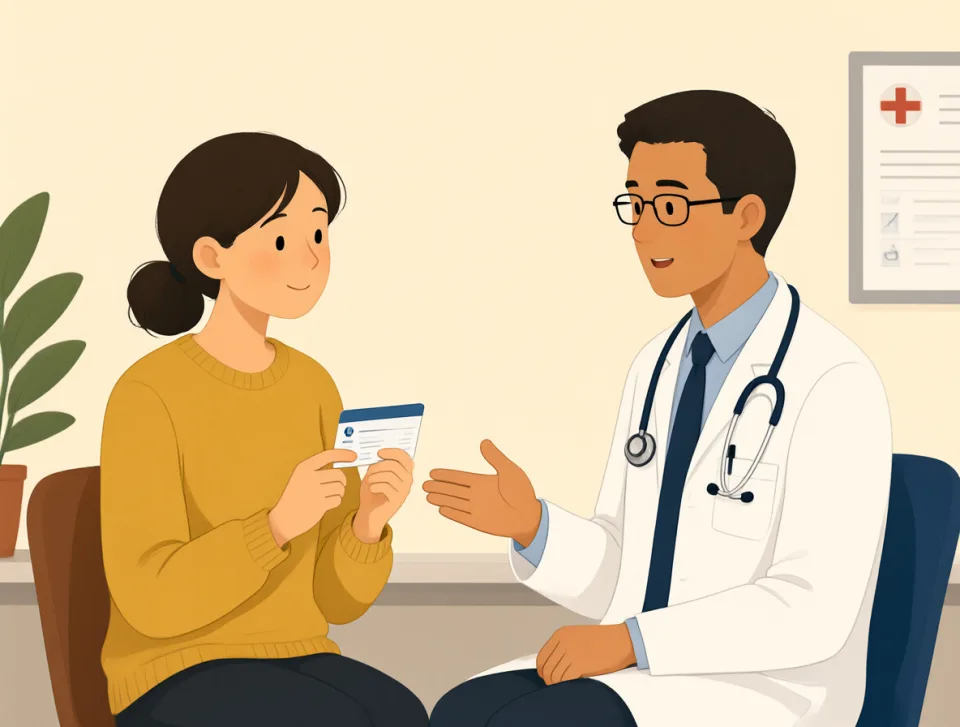
The corporation's health plan helps employees pay for doctor visits.
Plan zdrowotny korporacji pomaga pracownikom opłacać wizyty u lekarza.
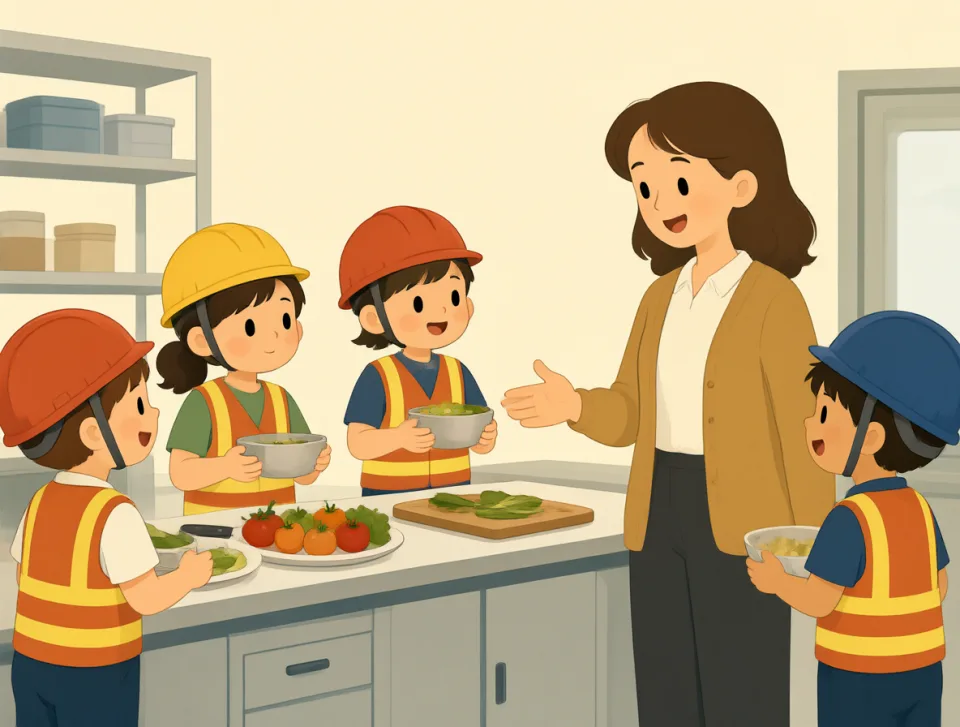
Our school visited a food corporation's factory last spring.
Zeszłej wiosny nasza szkoła odwiedziła fabrykę firmy spożywczej.
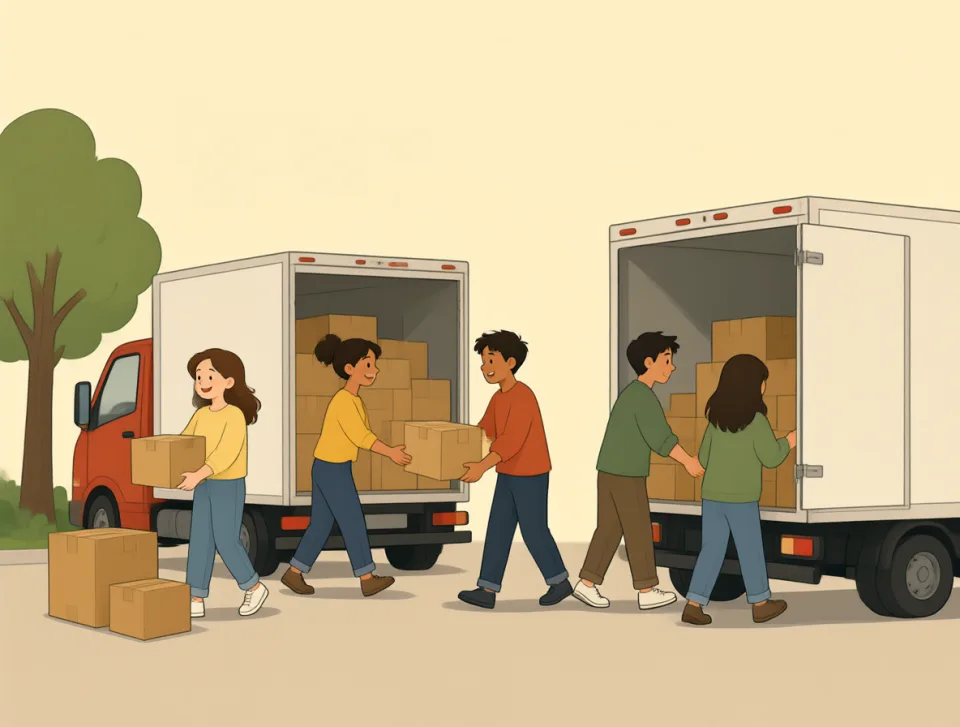
Several corporations donated food after the storm.
Po burzy kilka korporacji przekazało żywność.

chip
#1910noun, verb
chips
a small piece broken from something, or a thin slice of potato fried until crisp
Mały kawałek odłamany od czegoś albo cienki plasterek ziemniaka usmażony na chrupko.
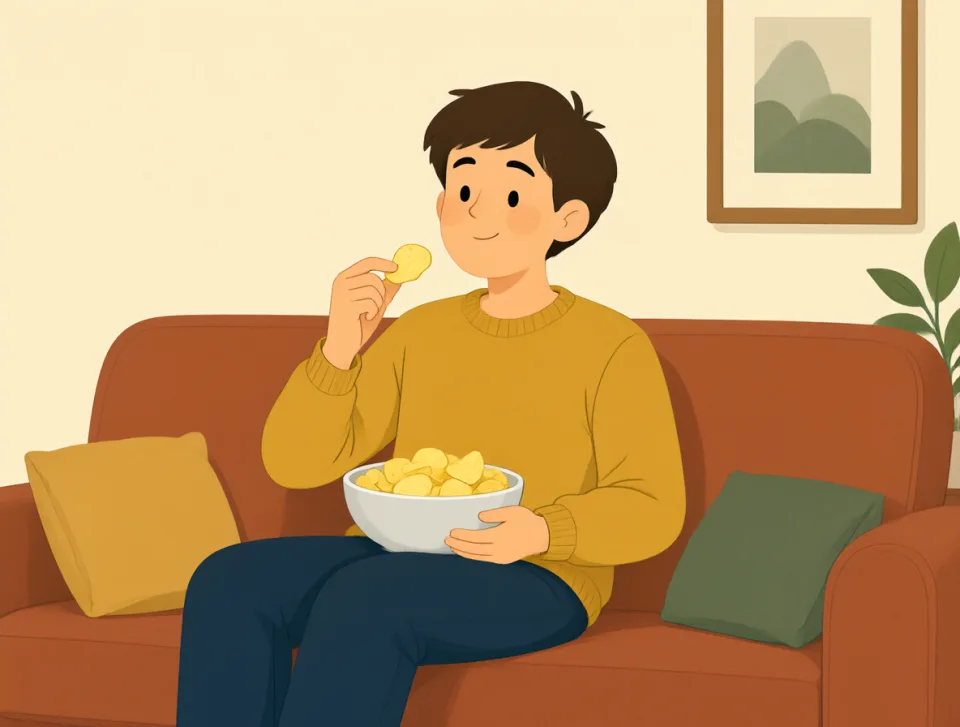
I ate a bag of chips while watching a movie.
Podczas oglądania filmu zjadłem paczkę chipsów.
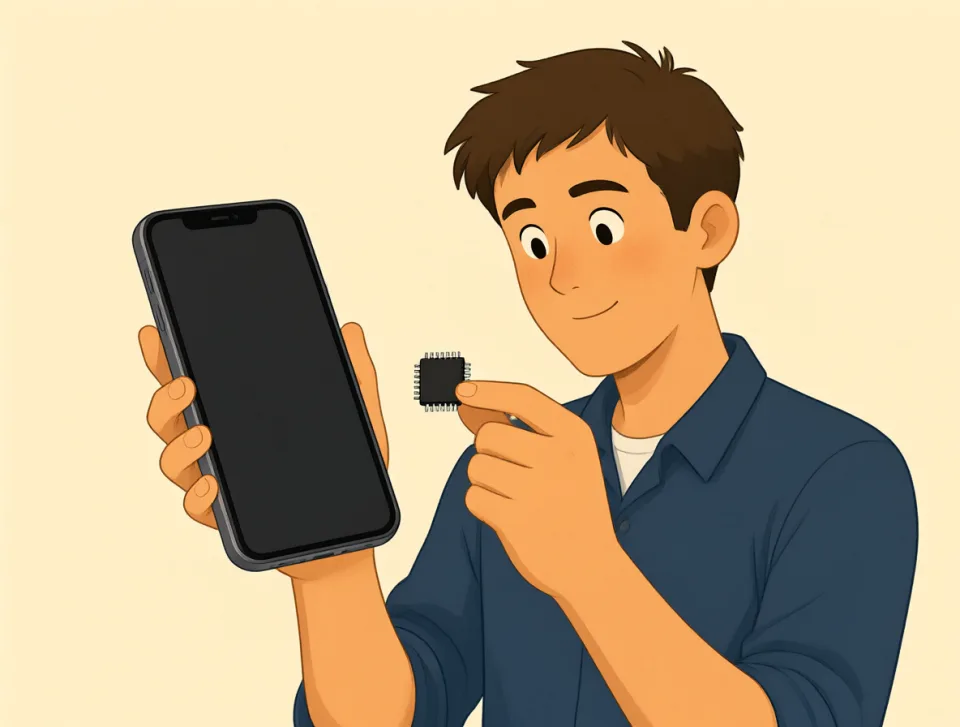
The computer chip controls the phone's main functions.
Układ scalony steruje głównymi funkcjami telefonu.
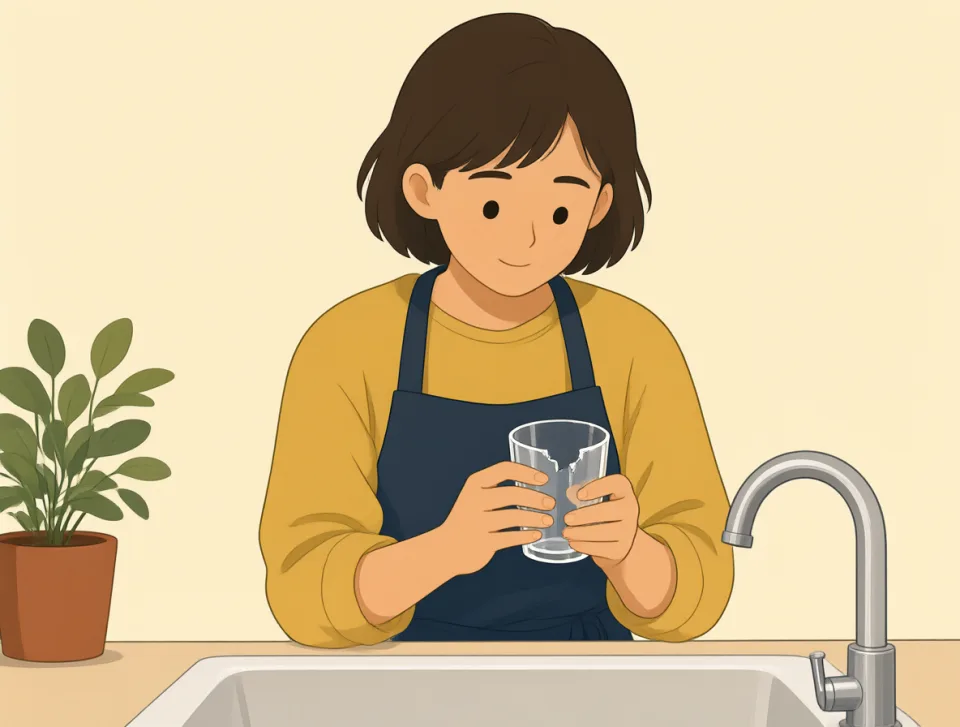
Be careful not to chip the edge of the glass.
Uważaj, żeby nie wyszczerbić krawędzi szklanki.
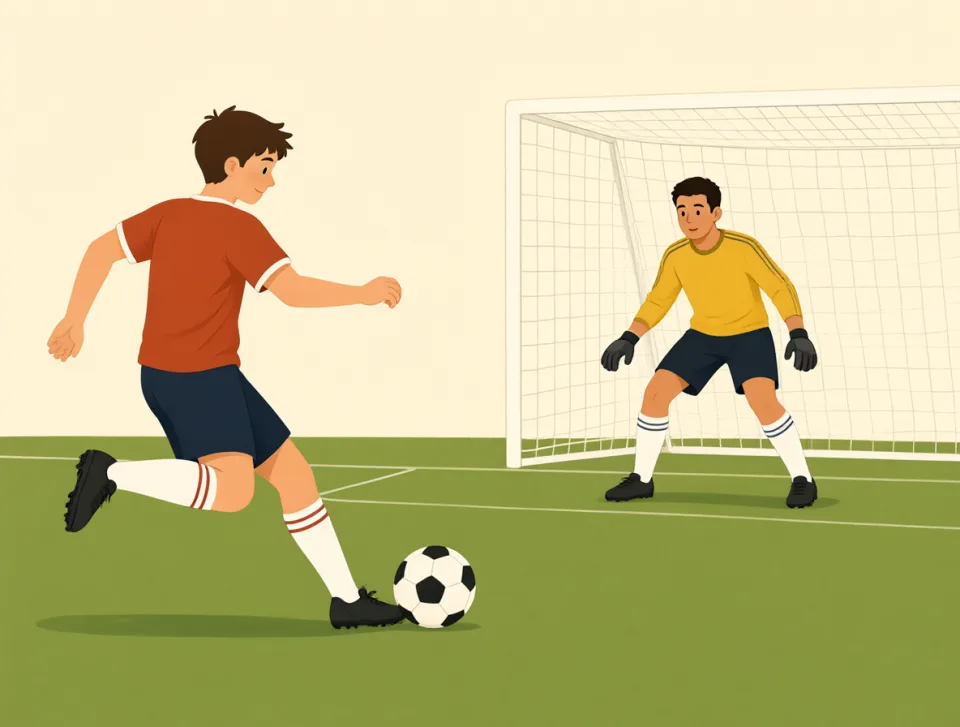
He chipped the ball over the goalkeeper and scored.
Przerzucił piłkę nad bramkarzem i strzelił gola.
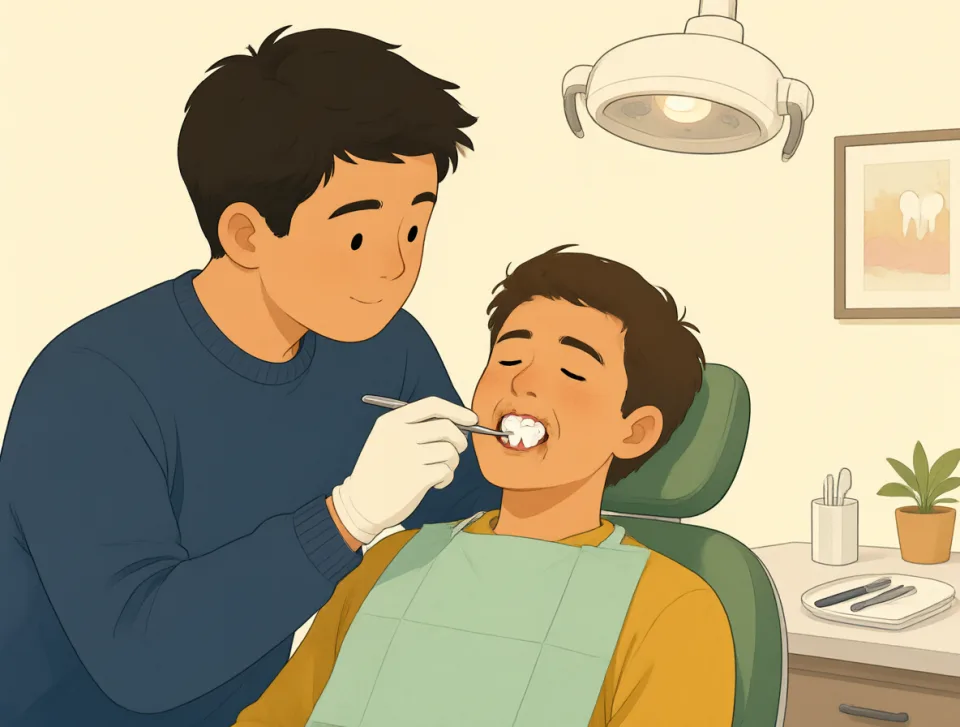
She chipped a tooth while biting a hard sweet.
Ukruszyła sobie ząb, gryząc twardy cukierek.

winner
#1911noun
zwycięzca
A person or team that wins a competition or contest.
Osoba lub drużyna, która wygrywa zawody lub konkurs.
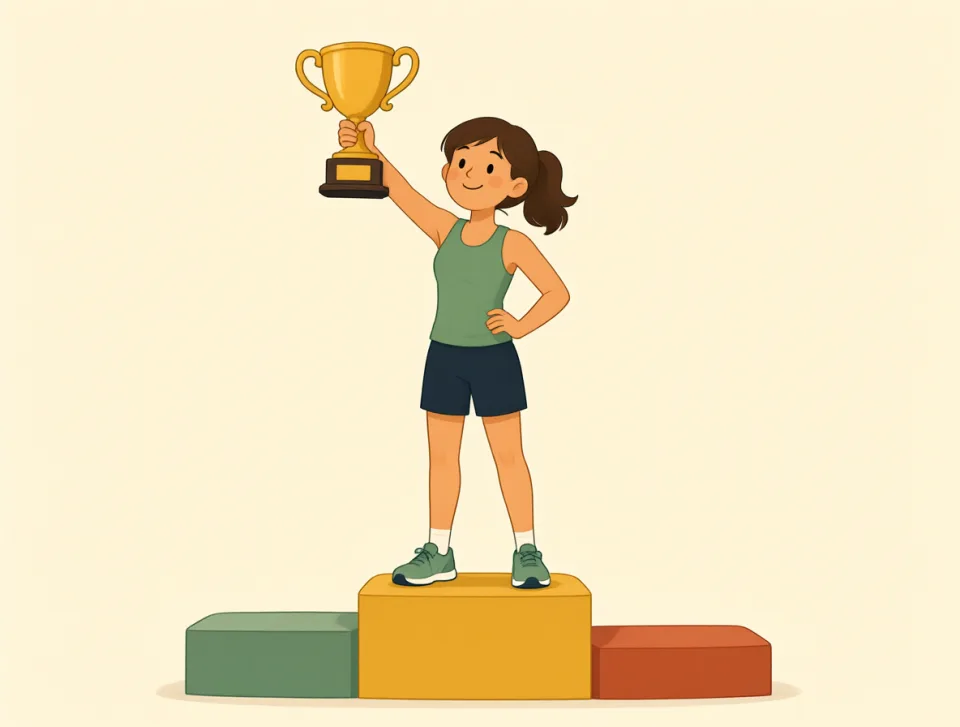
The winner of the race lifted the trophy above her head.
Zwyciężczyni wyścigu uniosła trofeum nad głowę.
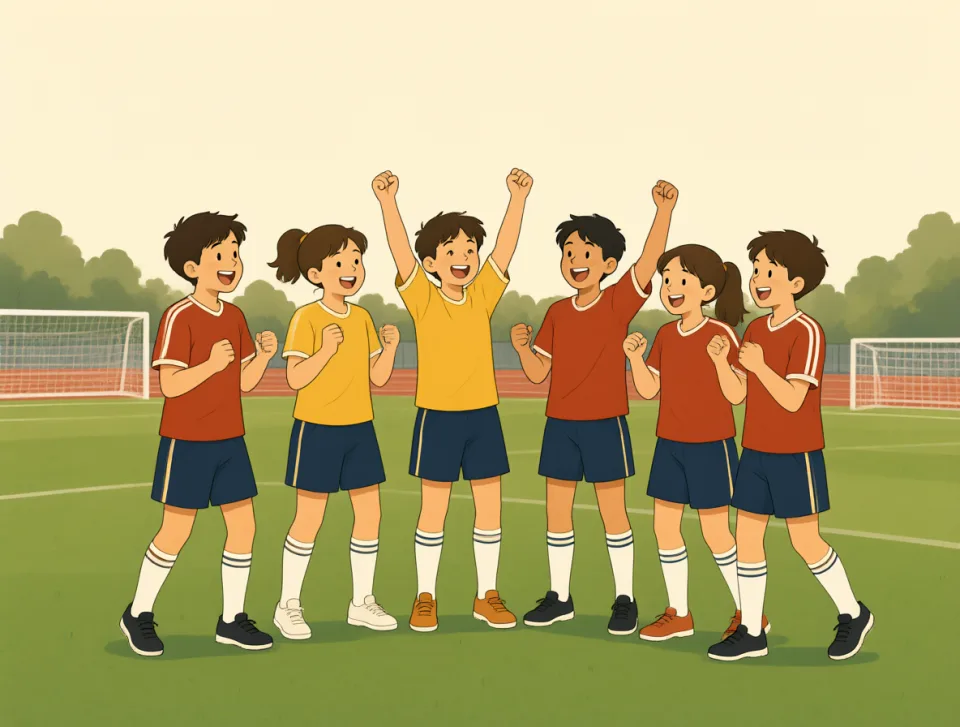
Our team was the winner after a very close final game.
Nasza drużyna wygrała po bardzo zaciętym meczu finałowym.
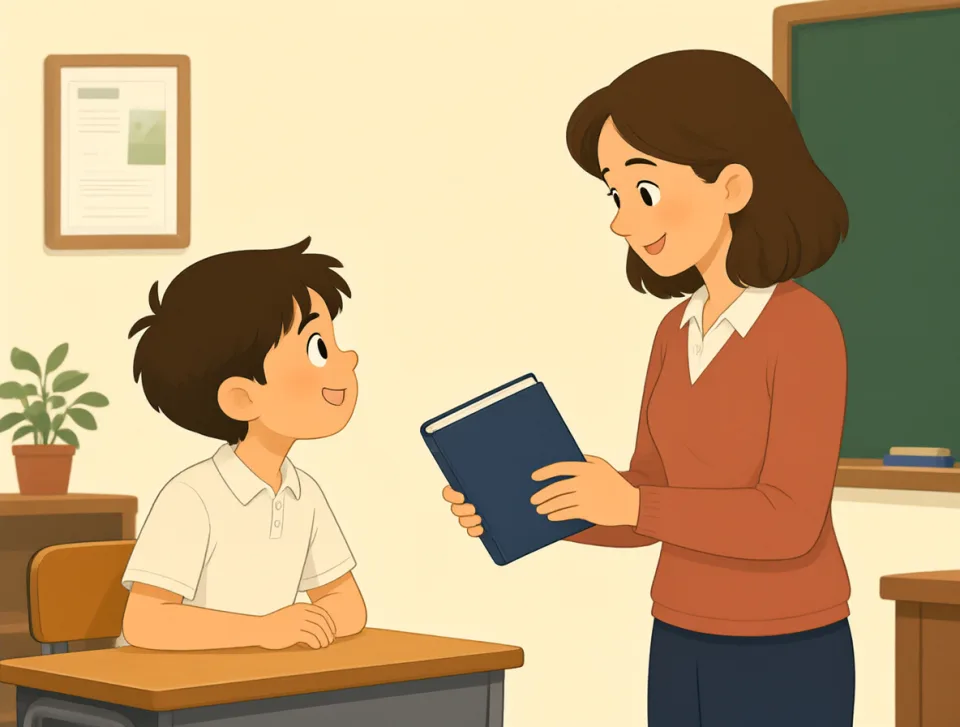
The winner of the school spelling contest received a new dictionary.
Zwycięzca szkolnego konkursu ortograficznego otrzymał nowy słownik.
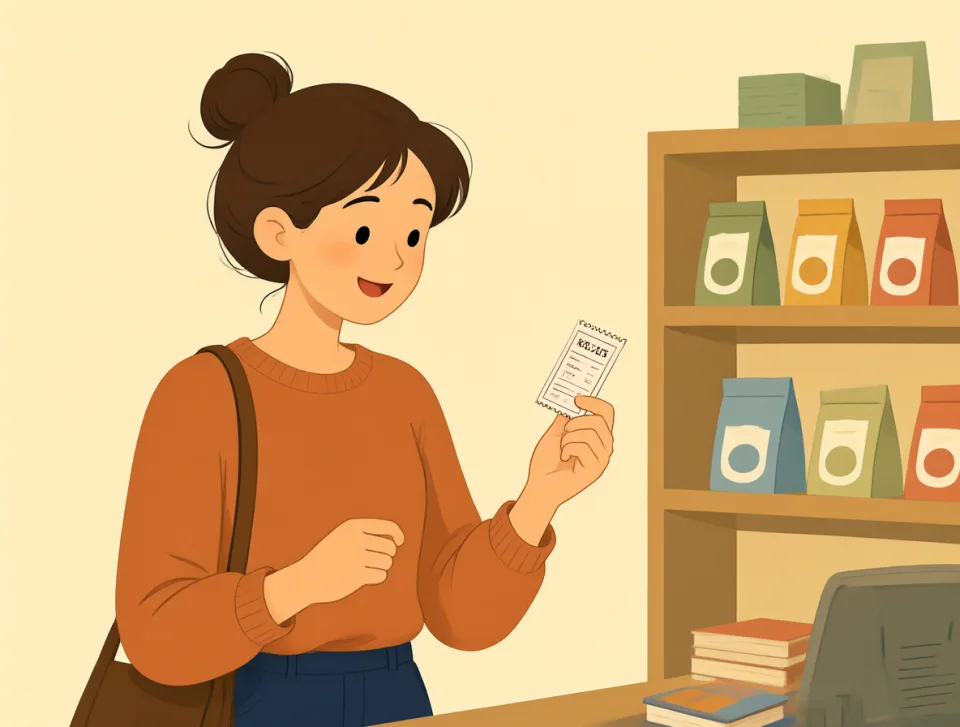
She picked the winning ticket and became the lucky winner.
Wybrała zwycięski los na loterii i została szczęśliwą zwyciężczynią.
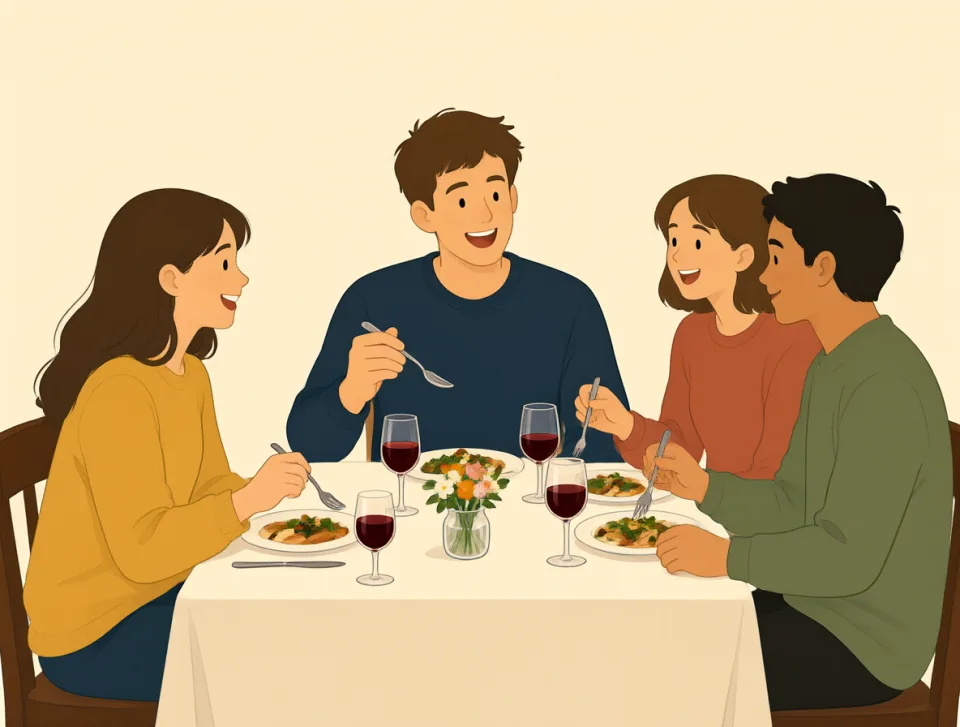
The winner bought dinner for all his friends after the competition.
Zwycięzca po zawodach kupił kolację wszystkim swoim znajomym.
encounter
#1912noun, verb
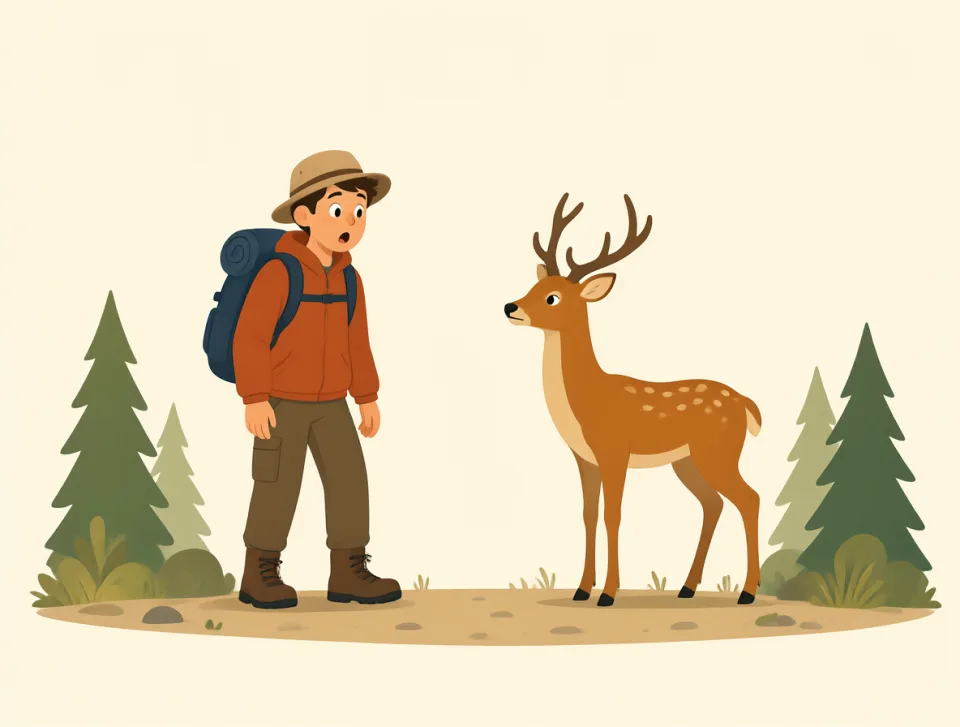
napotkać
to meet someone or experience something, often unexpectedly
Spotkać kogoś lub doświadczyć czegoś, często niespodziewanie.
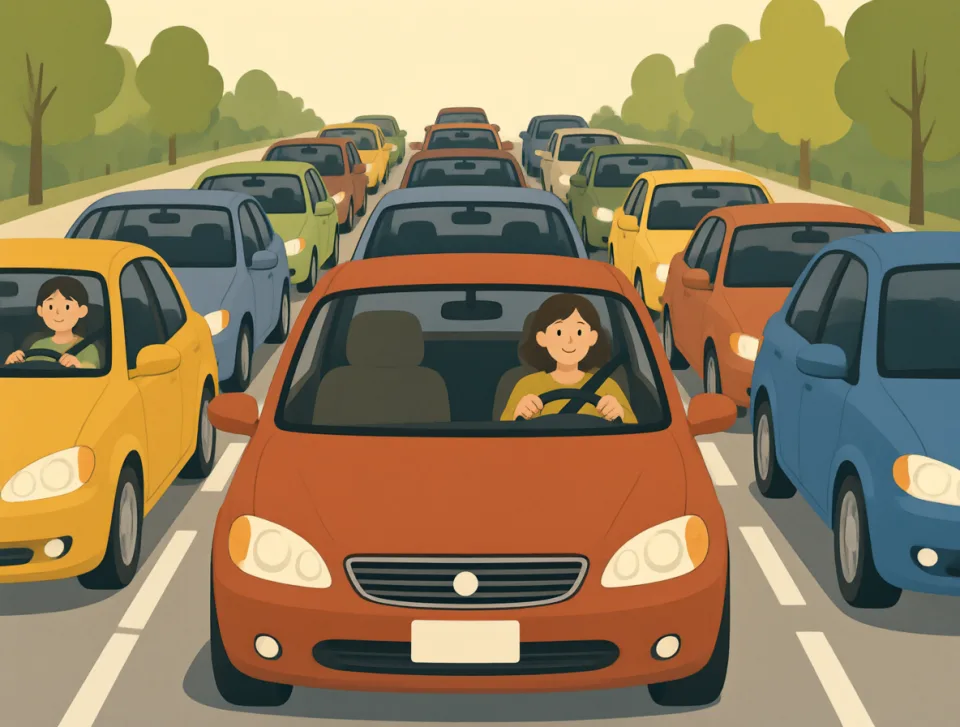
We encountered heavy traffic on the way to work.
Po drodze do pracy natrafiliśmy na duże korki.
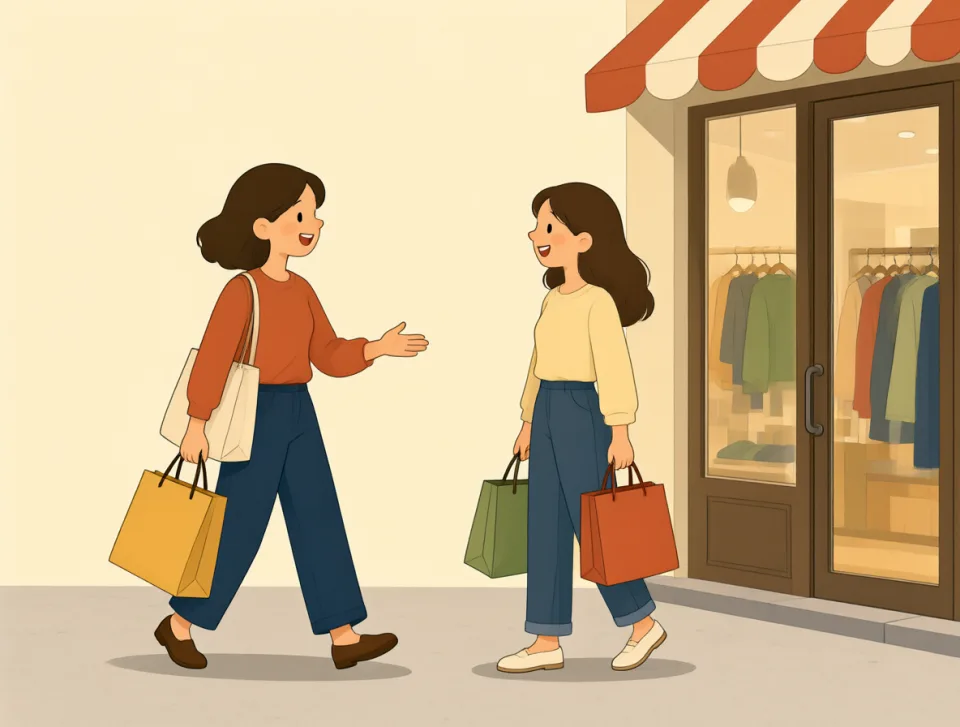
She encountered an old friend while shopping downtown.
Podczas zakupów w centrum miasta spotkała dawnego znajomego.
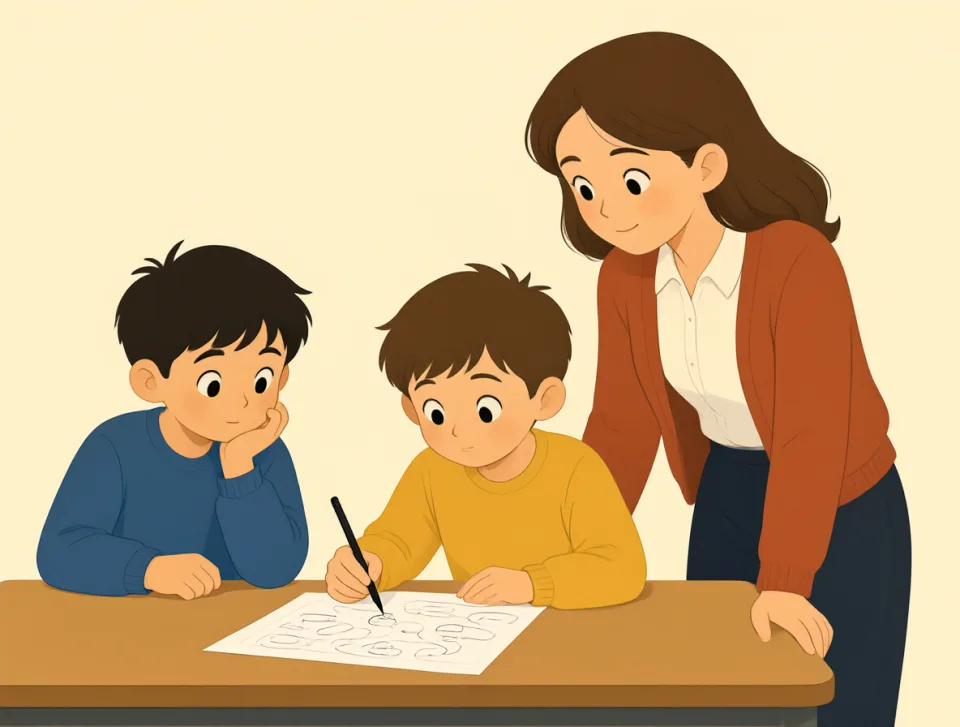
The students encountered a difficult problem in math class.
Uczniowie napotkali trudny problem na lekcji matematyki.
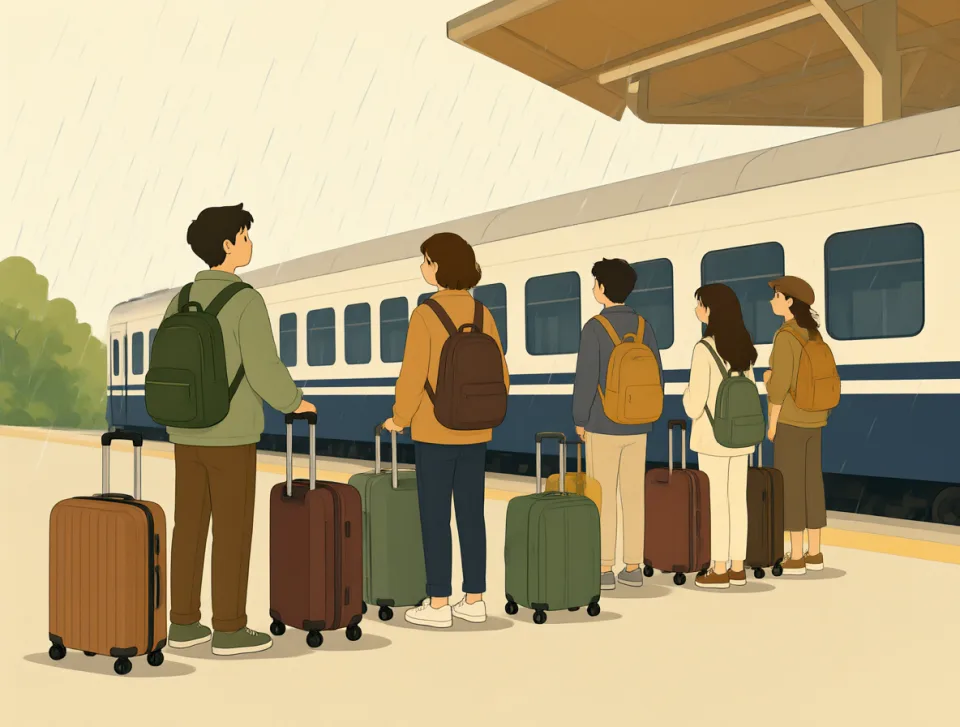
Travelers may encounter delays during the rainy season.
Podróżni mogą napotkać opóźnienia w porze deszczowej.
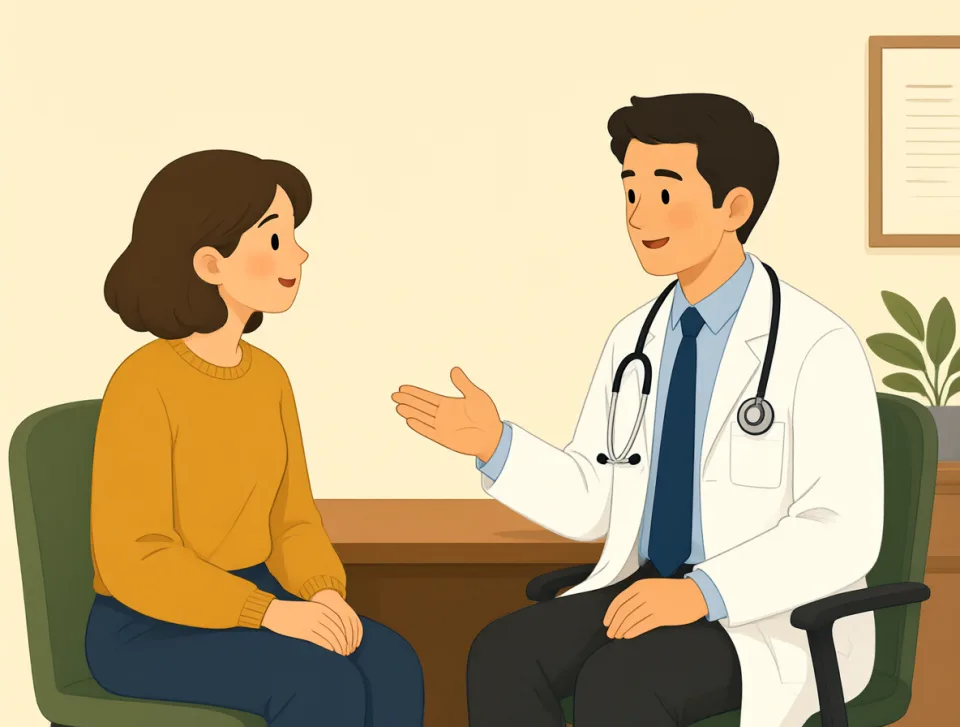
The doctor asked about any problems I had encountered recently.
Lekarz zapytał o wszelkie problemy, z którymi ostatnio się zetknąłem.
brown
#1913adjective, noun, verb
brązowy
Having a dark color like earth, wood, or coffee.
Mający ciemny kolor przypominający ziemię, drewno lub kawę.
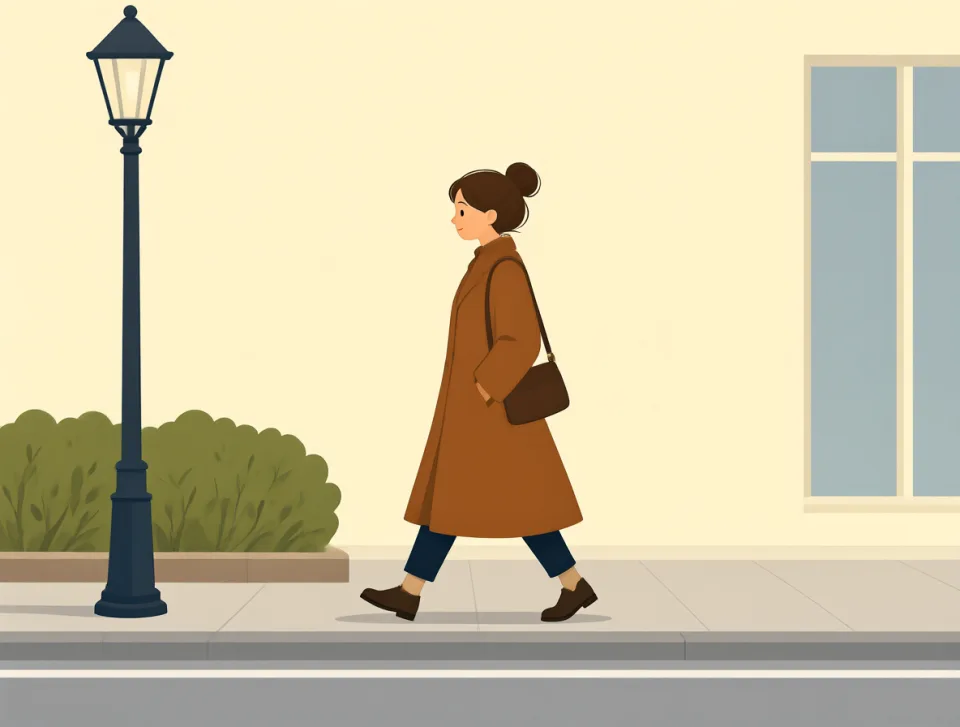
She wore a brown coat on the cold morning.
W chłodny poranek miała na sobie brązowy płaszcz.
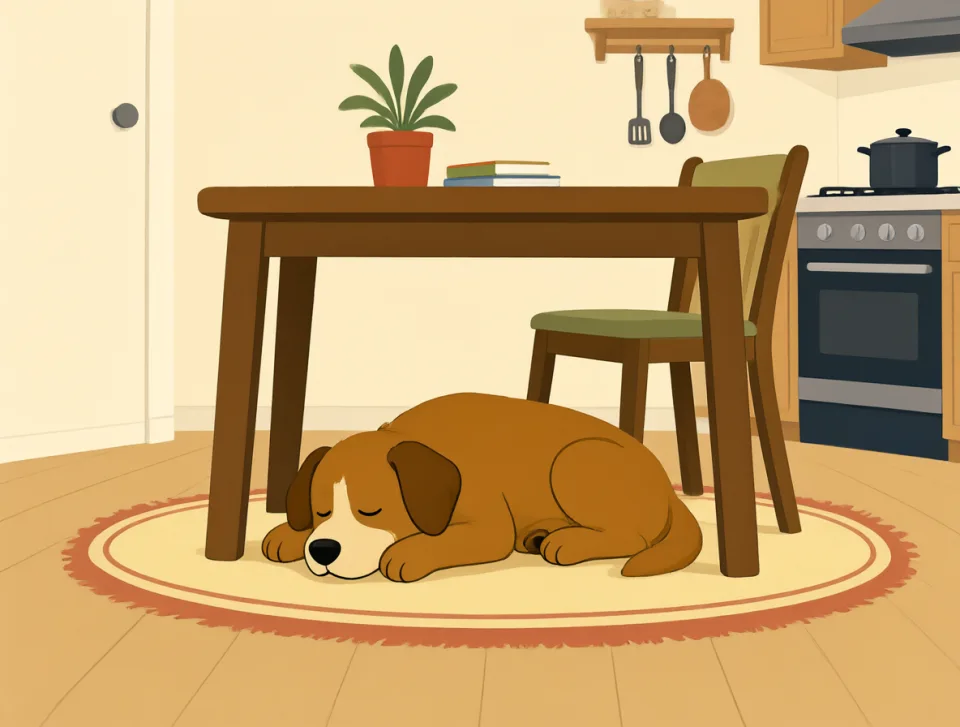
The brown dog is sleeping under the kitchen table.
Brązowy pies śpi pod kuchennym stołem.
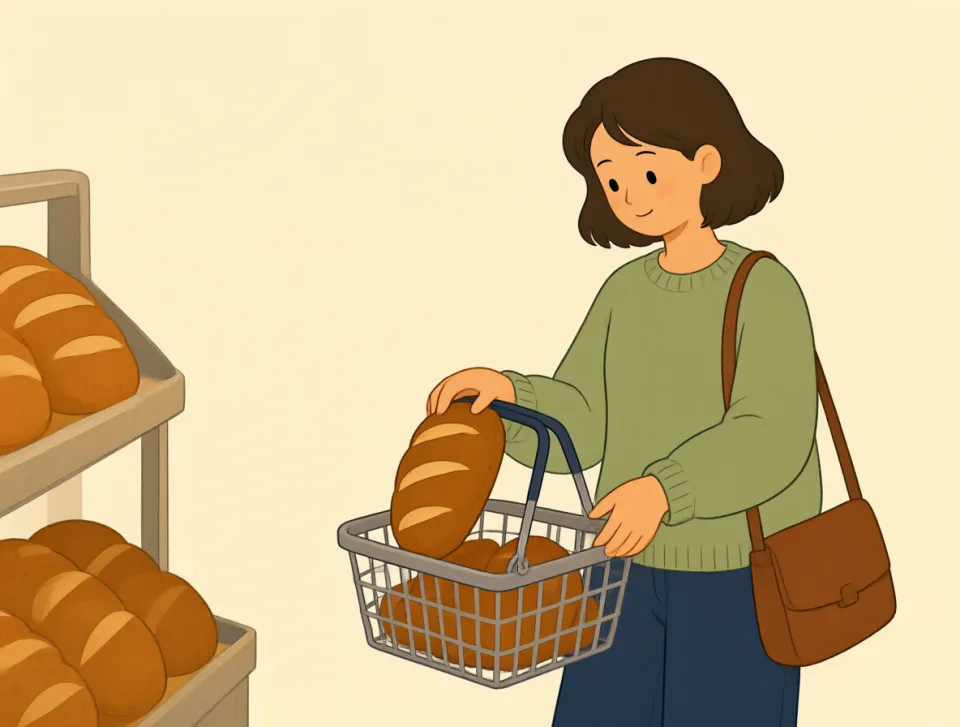
Please buy some brown bread at the supermarket.
Kup proszę w supermarkecie trochę ciemnego pieczywa.
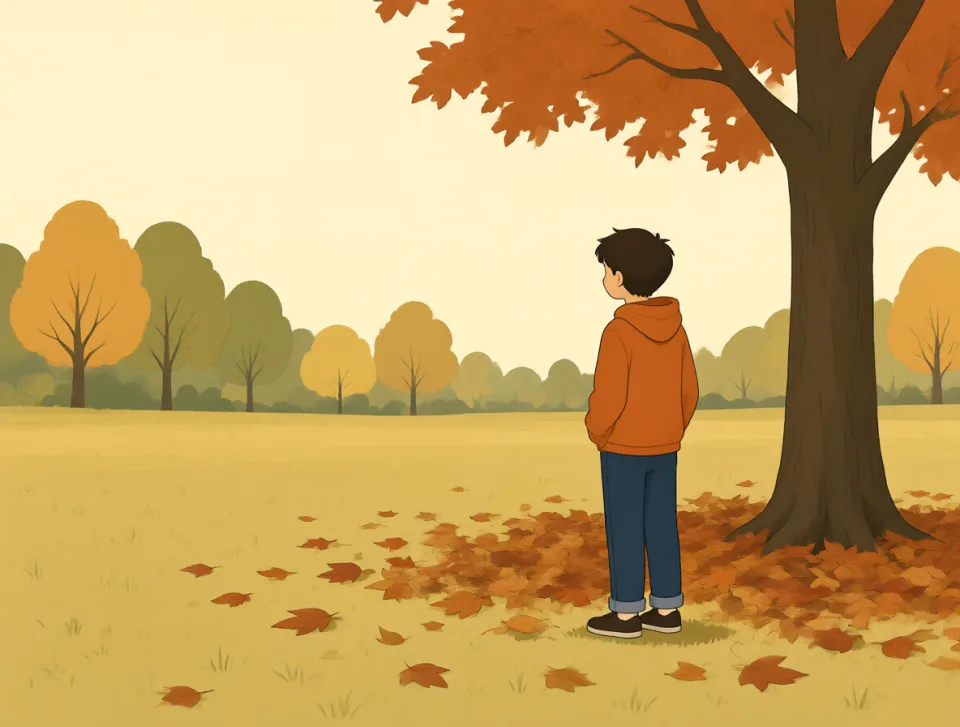
The leaves turned brown after the long, dry summer.
Po długim, suchym lecie liście zbrązowiały.
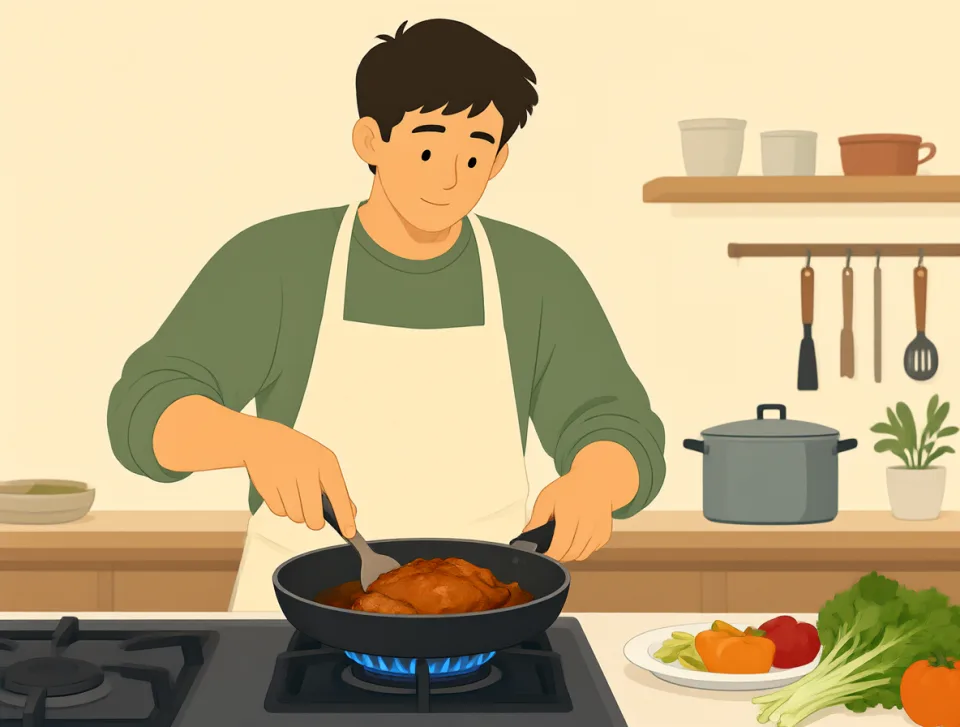
He browned the chicken in a hot pan before dinner.
Przed kolacją obsmażył kurczaka na rozgrzanej patelni.
breathe
#1914verb
oddychać
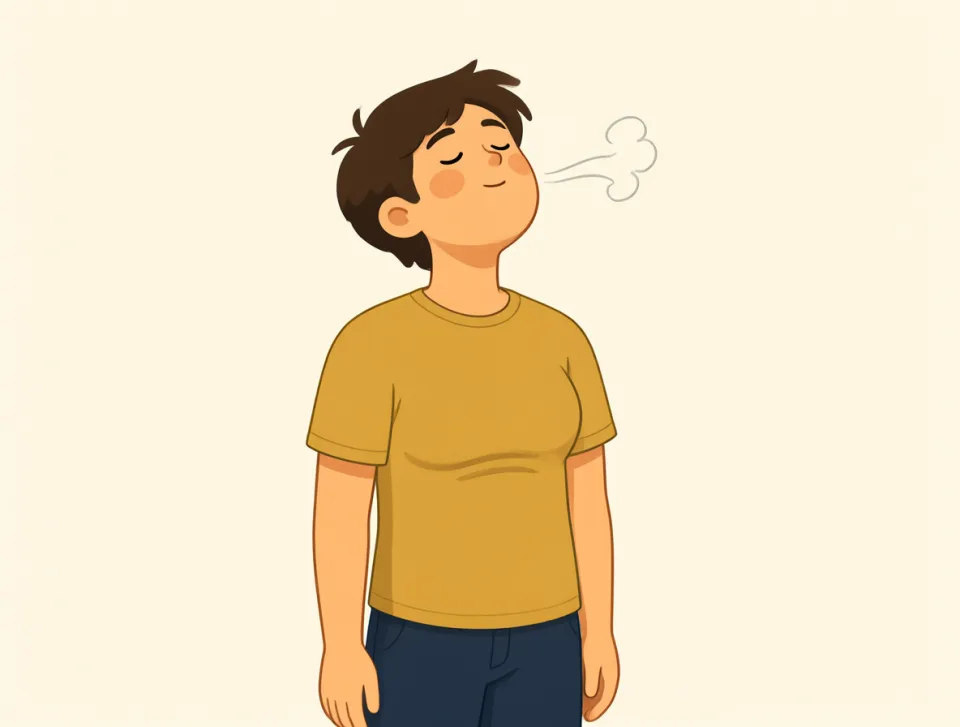
to take air into your lungs and let it out
Wciągać powietrze do płuc i wypuszczać je.
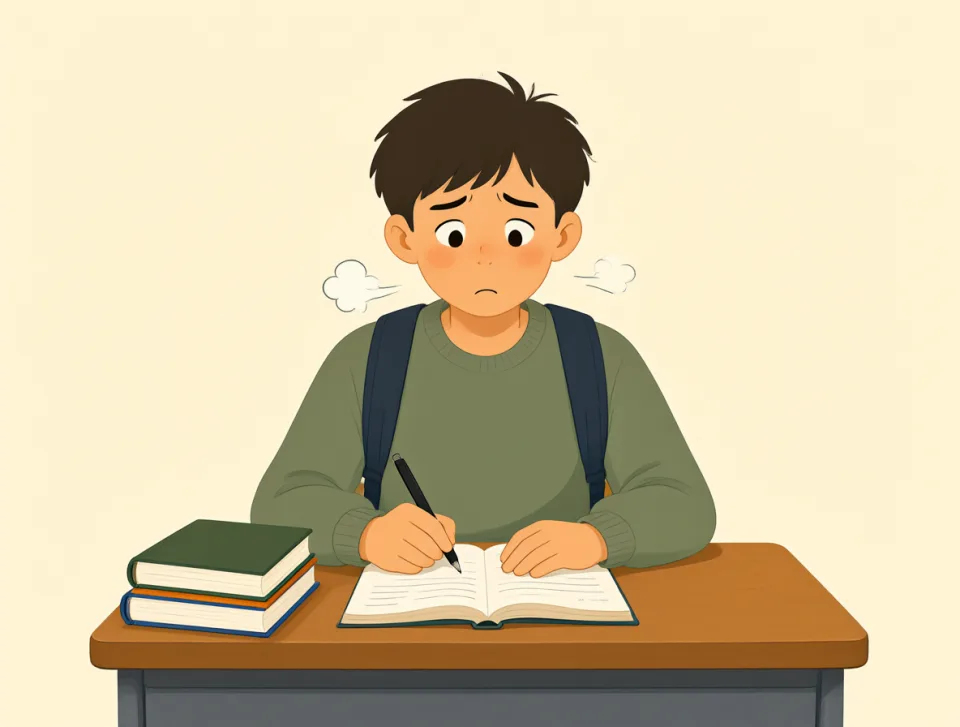
Take a deep breath and breathe slowly before the test.
Weź głęboki oddech i oddychaj powoli przed testem.
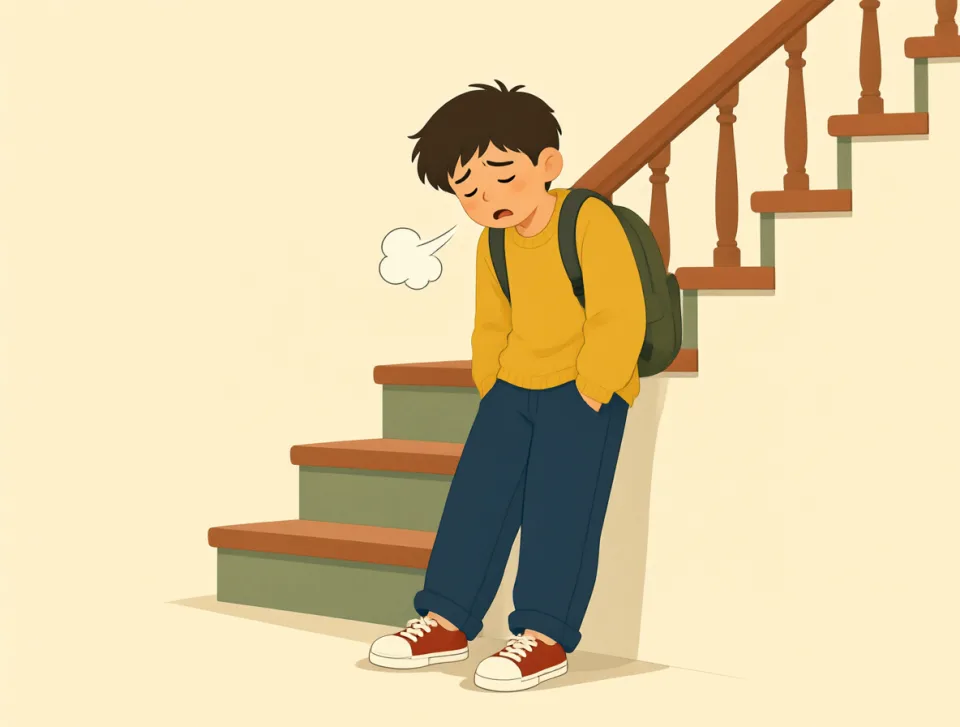
It was hard to breathe after running up the stairs.
Po wbiegnięciu po schodach trudno było mi oddychać.
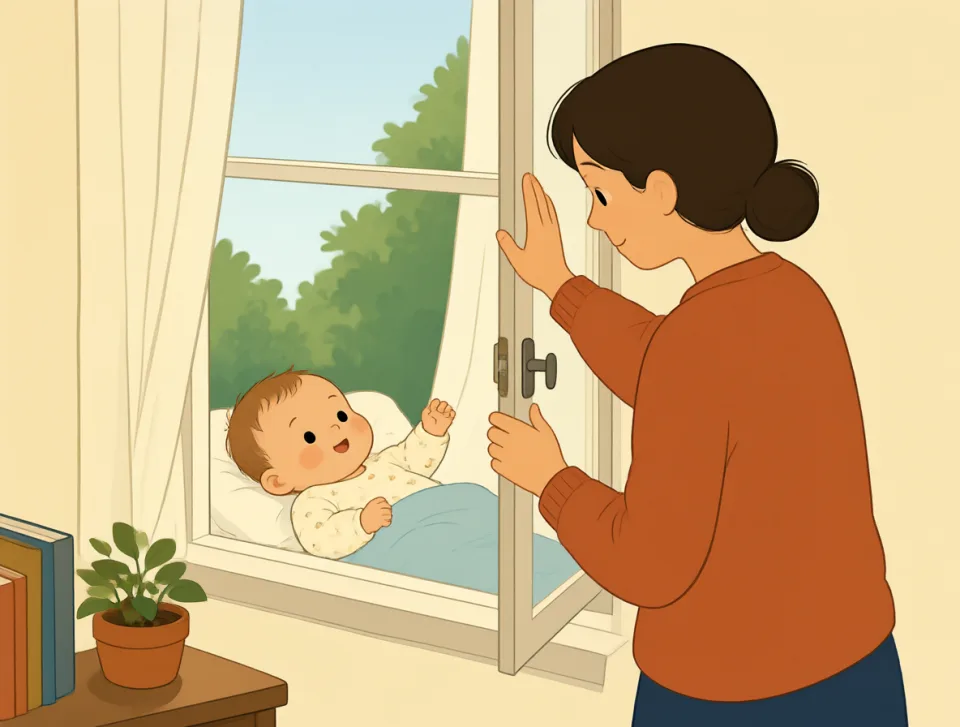
Open the window so the baby can breathe fresh air.
Otwórz okno, żeby dziecko mogło oddychać świeżym powietrzem.
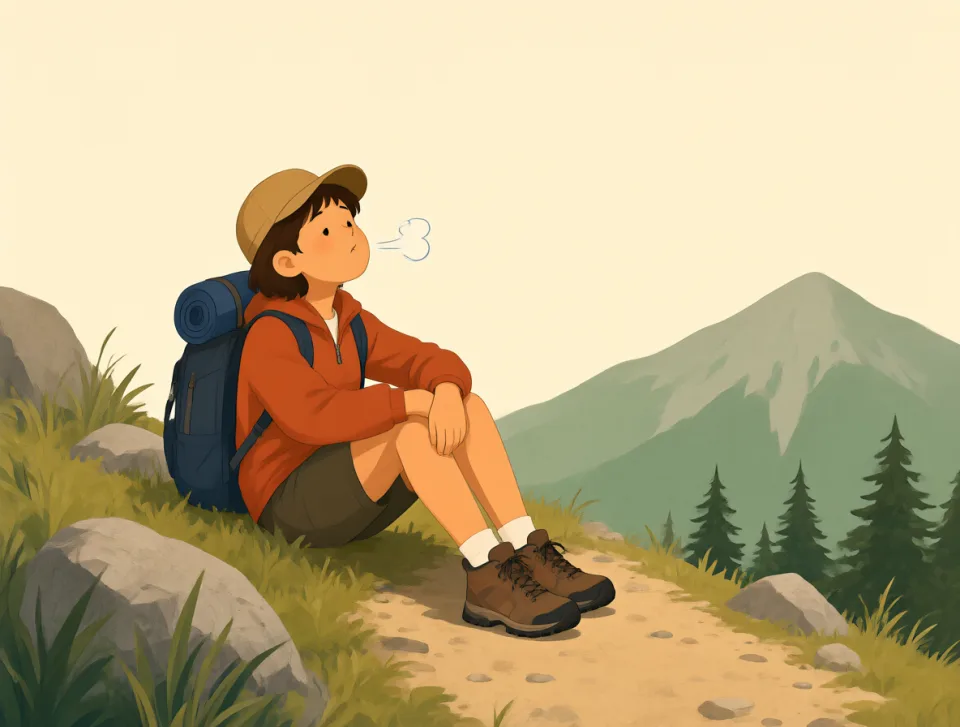
She stopped to breathe while climbing the mountain trail.
Zatrzymała się, żeby złapać oddech podczas wspinaczki górskim szlakiem.
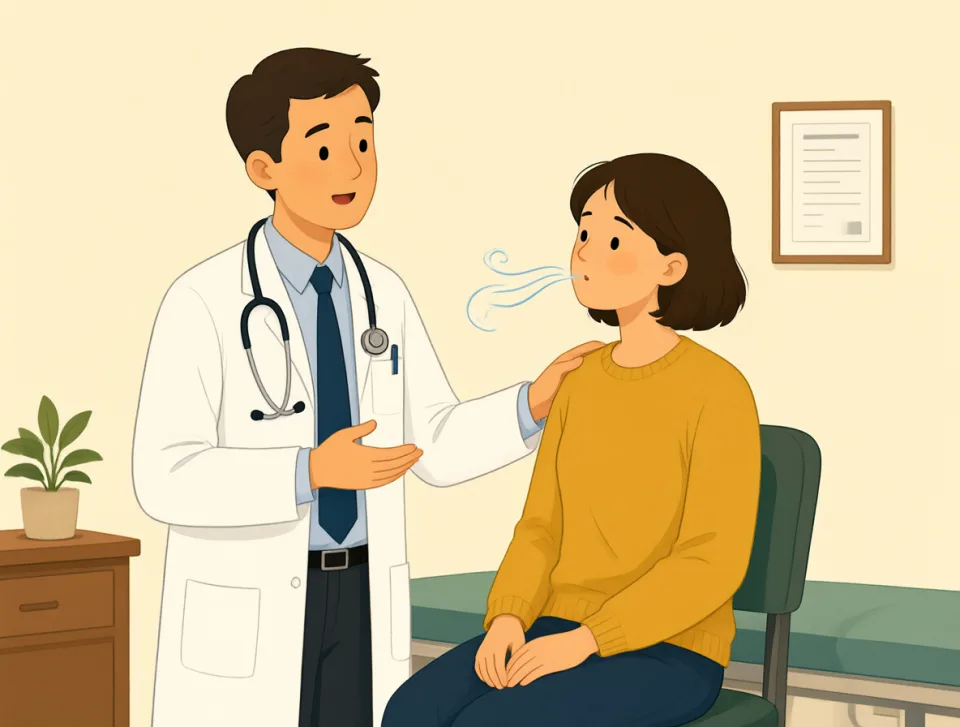
The doctor asked him to breathe in slowly and breathe out.
Lekarz poprosił go, żeby powoli wciągnął powietrze, a potem je wypuścił.
excuse
#1915noun, verb
wybaczyć; wymówka
A reason you give to explain or forgive a mistake; to forgive someone politely.
Powód podany, by wyjaśnić błąd lub uzyskać jego wybaczenie; także: uprzejmie komuś wybaczyć.

Please excuse me for being late to the meeting.
Proszę mi wybaczyć spóźnienie na spotkanie.
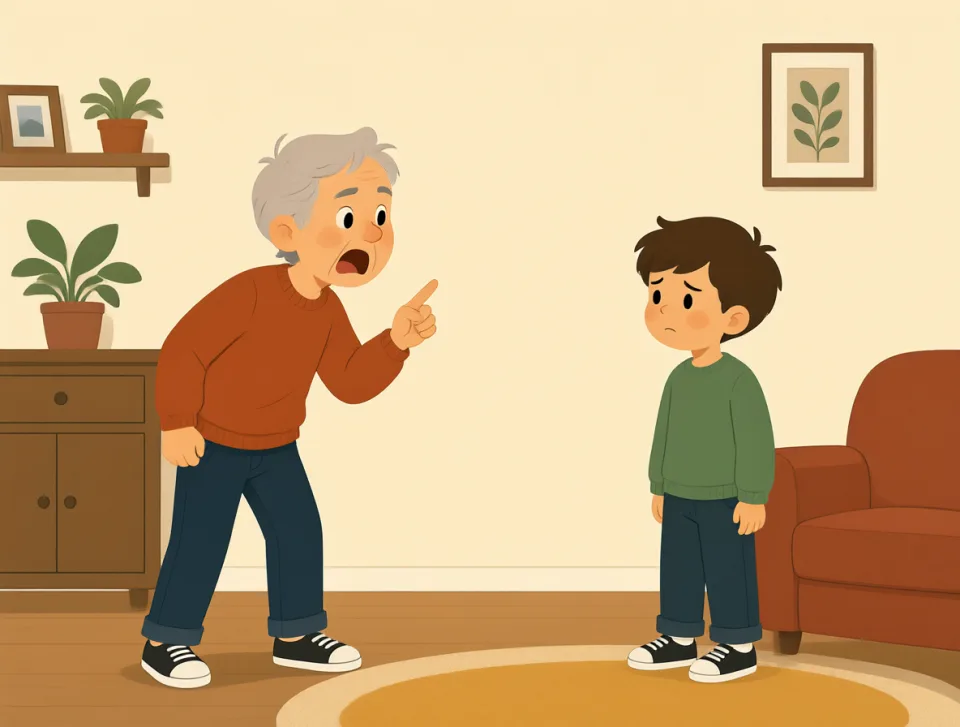
There is no excuse for shouting at your little brother.
Nie ma usprawiedliwienia dla krzyczenia na młodszego brata.

Excuse me, could you tell me where the train station is?
Przepraszam, czy mógłby mi pan powiedzieć, gdzie jest dworzec?
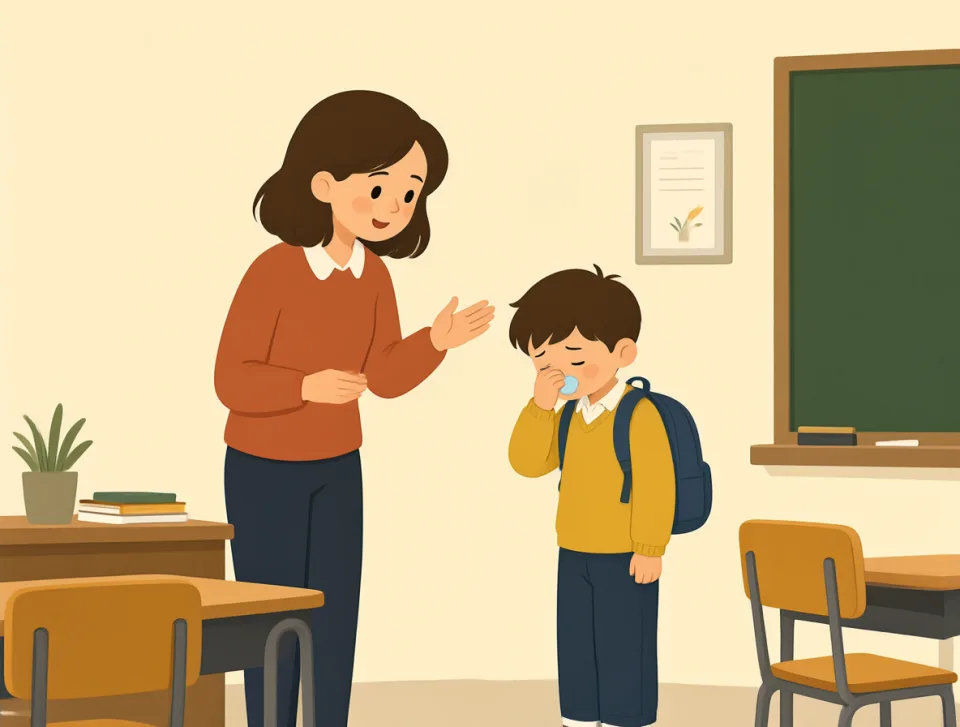
The teacher excused Maria from class because she felt sick.
Nauczyciel zwolnił Marię z lekcji, ponieważ źle się czuła.
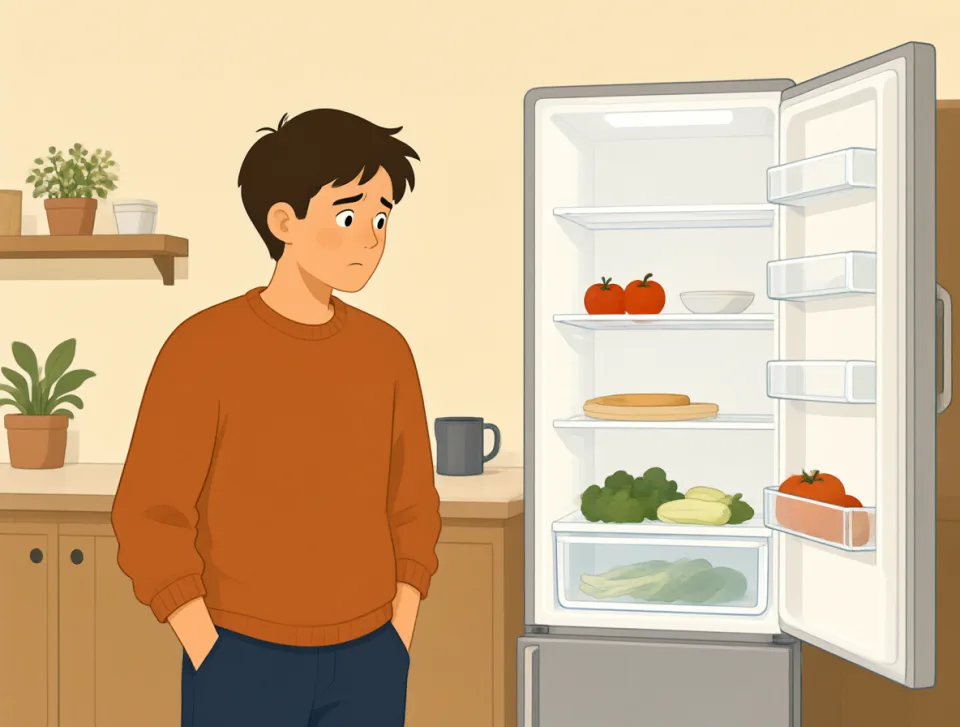
He made an excuse because he forgot to buy milk.
Wymyślił wymówkę, bo zapomniał kupić mleko.
partly
#1916adverb
częściowo
not completely, but only in some degree or part
nie całkowicie, lecz tylko w pewnym stopniu lub części
The room was partly dark because the curtains were closed.
W pokoju było częściowo ciemno, bo zasłony były zasunięte.
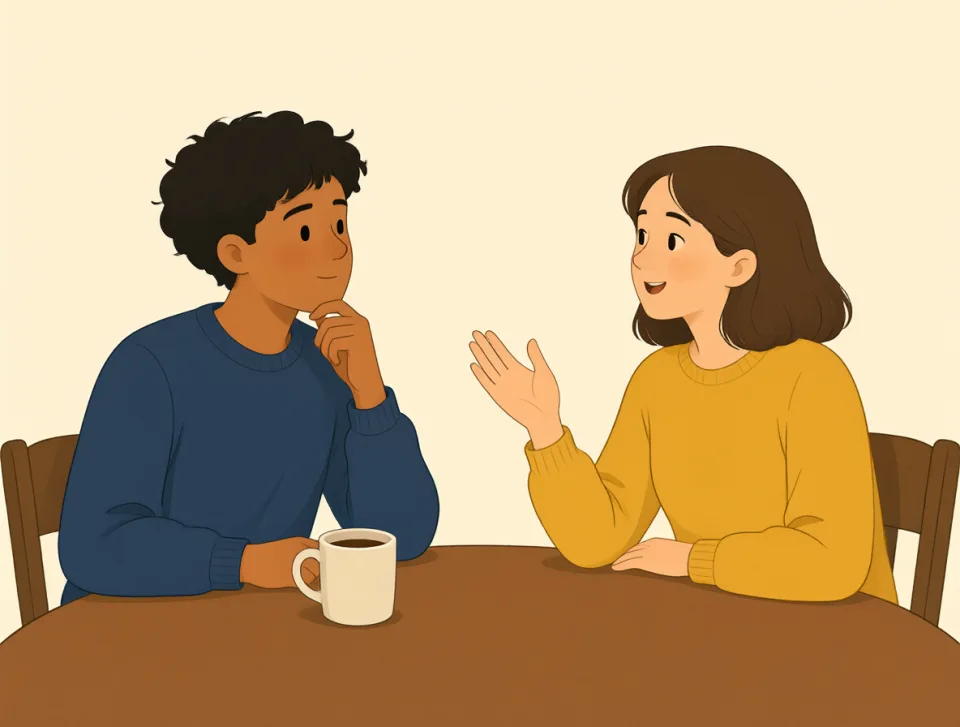
She partly agreed with his idea but had some concerns.
Częściowo zgadzała się z jego pomysłem, ale miała pewne wątpliwości.
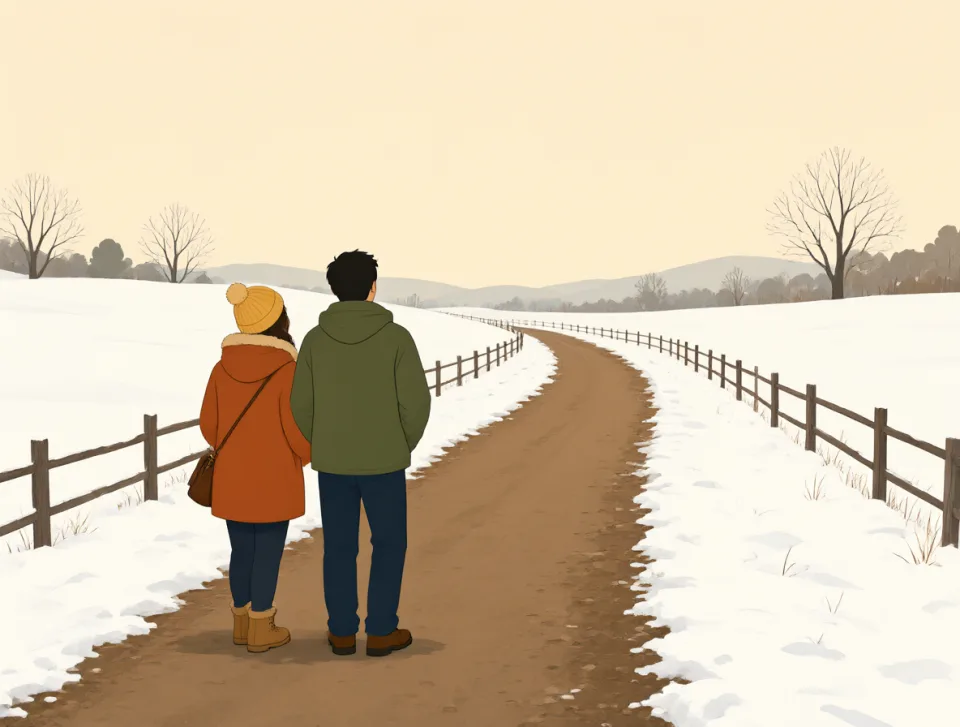
The road was partly covered with snow after the storm.
Po burzy droga była częściowo pokryta śniegiem.
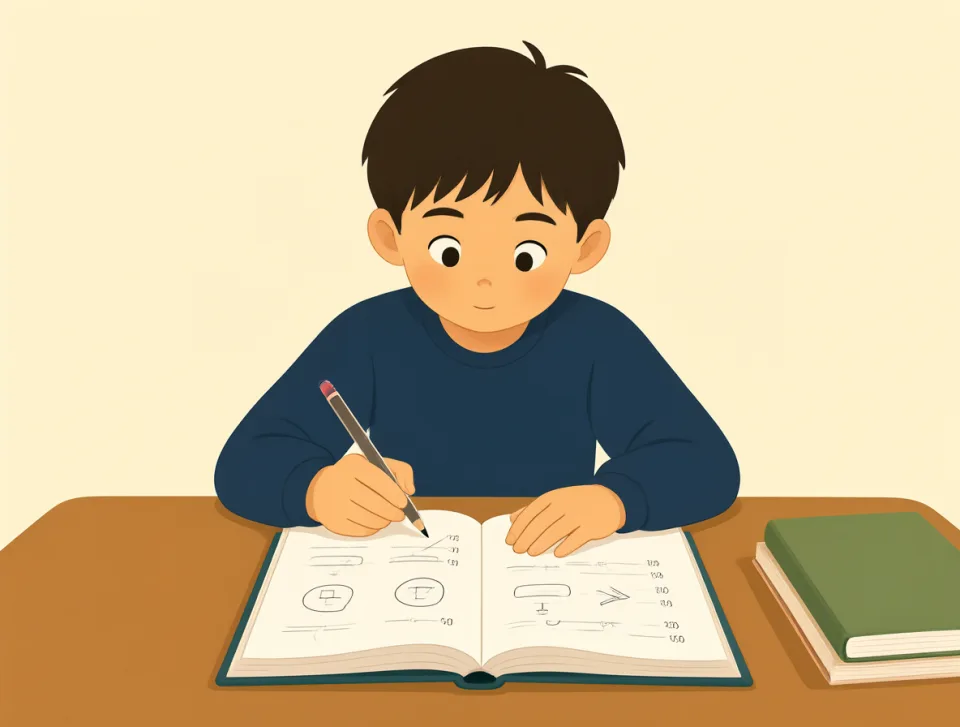
I partly finished my homework before dinner.
Przed kolacją częściowo odrobiłem pracę domową.
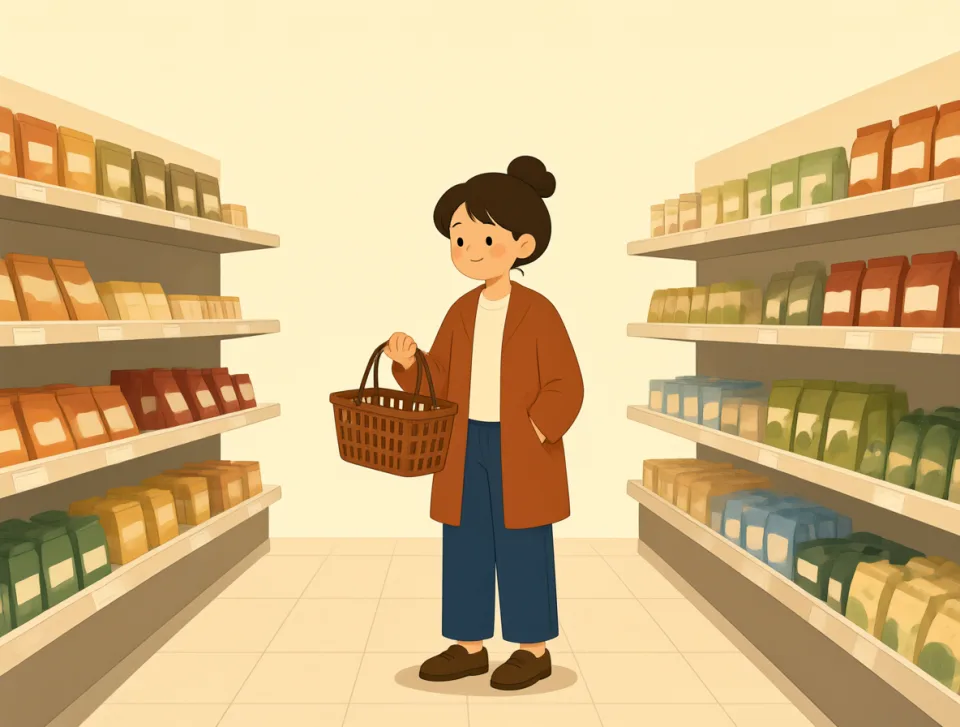
The shop is partly empty because many people bought food today.
Sklep jest częściowo pusty, bo dziś wiele osób kupiło jedzenie.
tennis
#1917noun
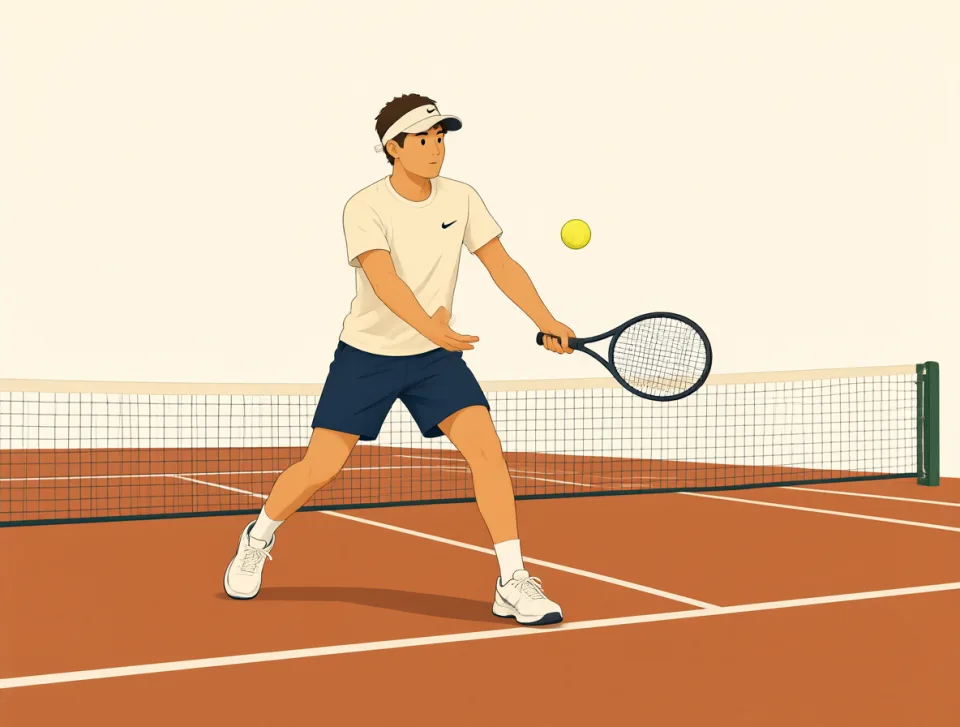
tenis
a sport in which two or four people hit a ball over a net
sport, w którym dwie lub cztery osoby odbijają piłkę nad siatką
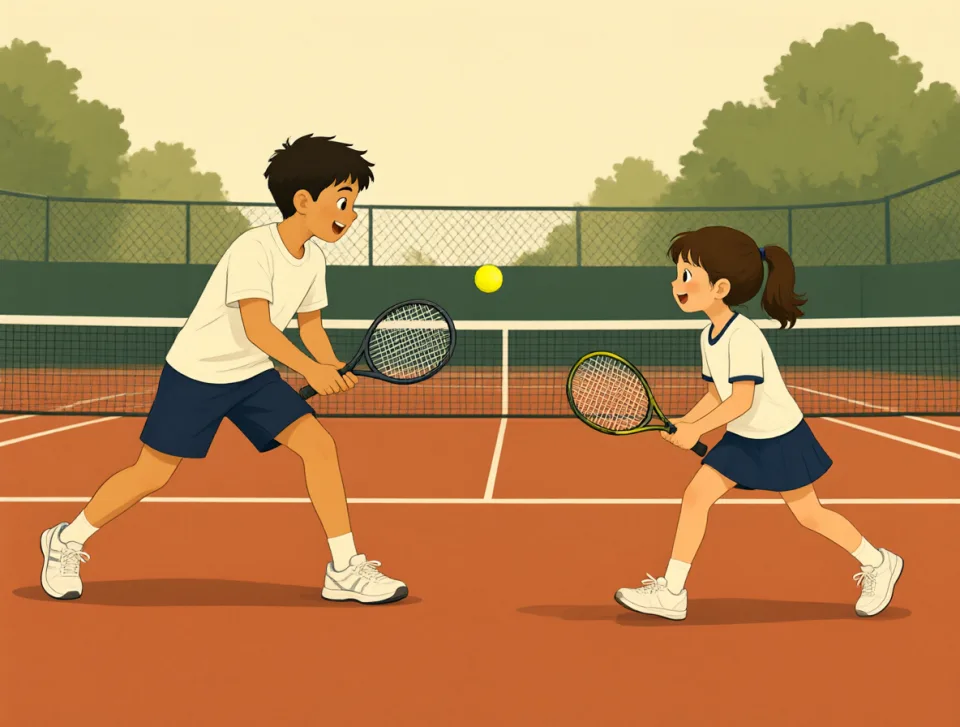
I play tennis with my brother every Saturday morning.
W każdą sobotę rano gram w tenisa z bratem.
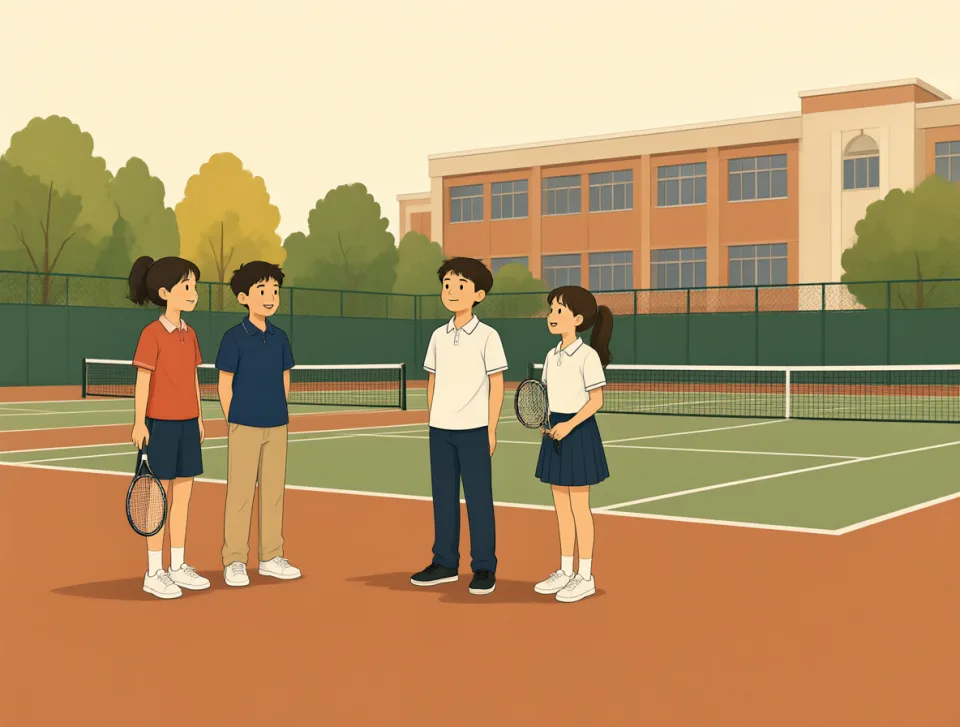
Our school has tennis courts behind the gym.
Nasza szkoła ma korty tenisowe za salą gimnastyczną.
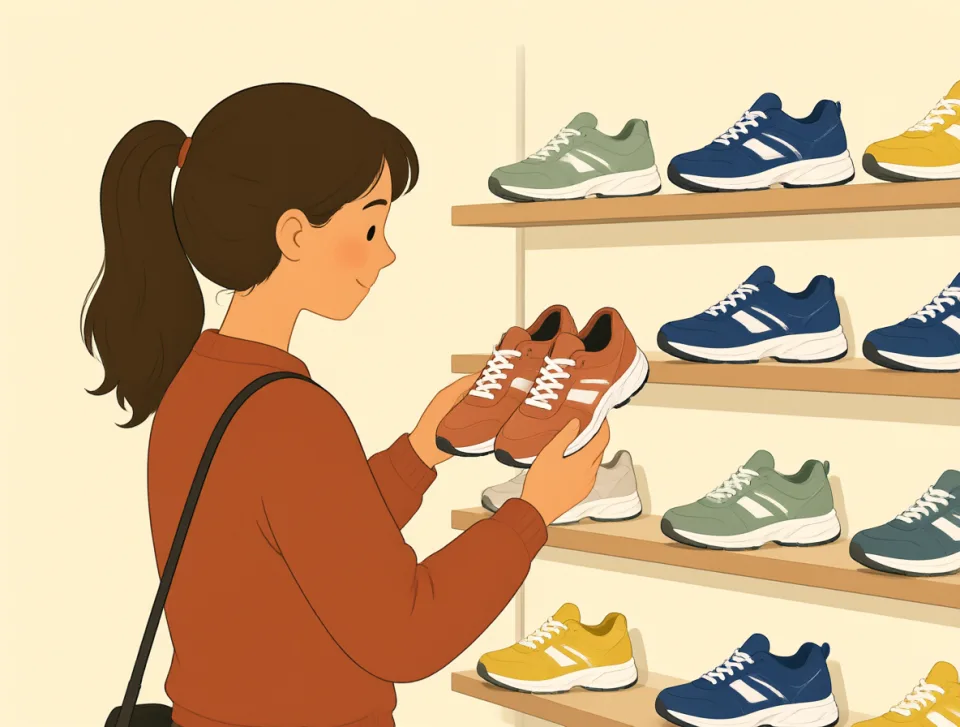
She bought new tennis shoes before her trip.
Przed wyjazdem kupiła nowe buty tenisowe.
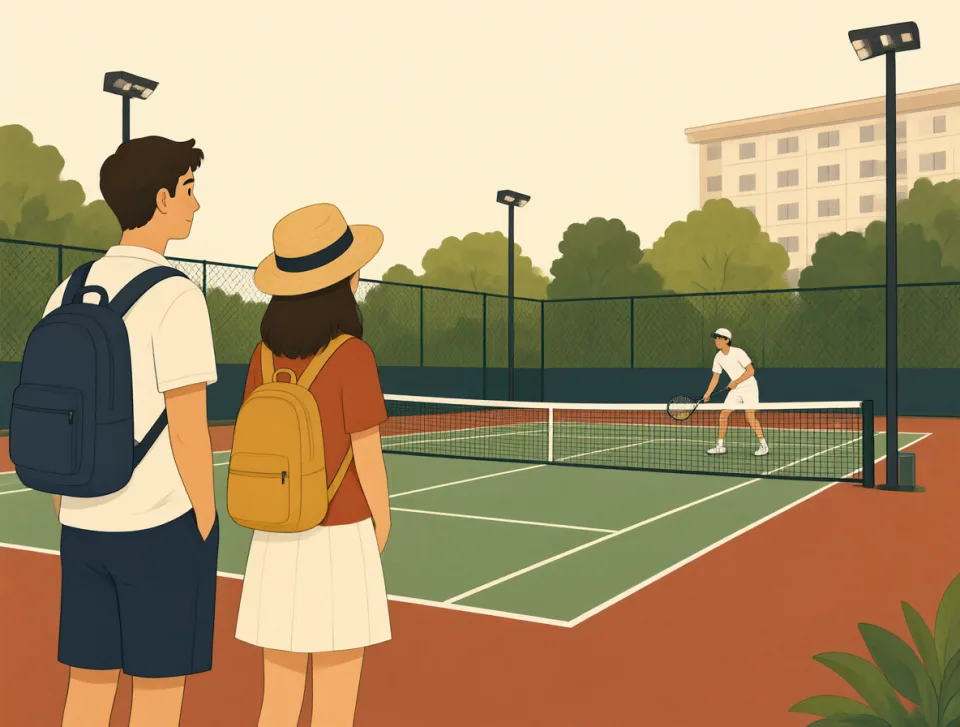
We watched a tennis match at the hotel yesterday.
Wczoraj oglądaliśmy mecz tenisa w hotelu.
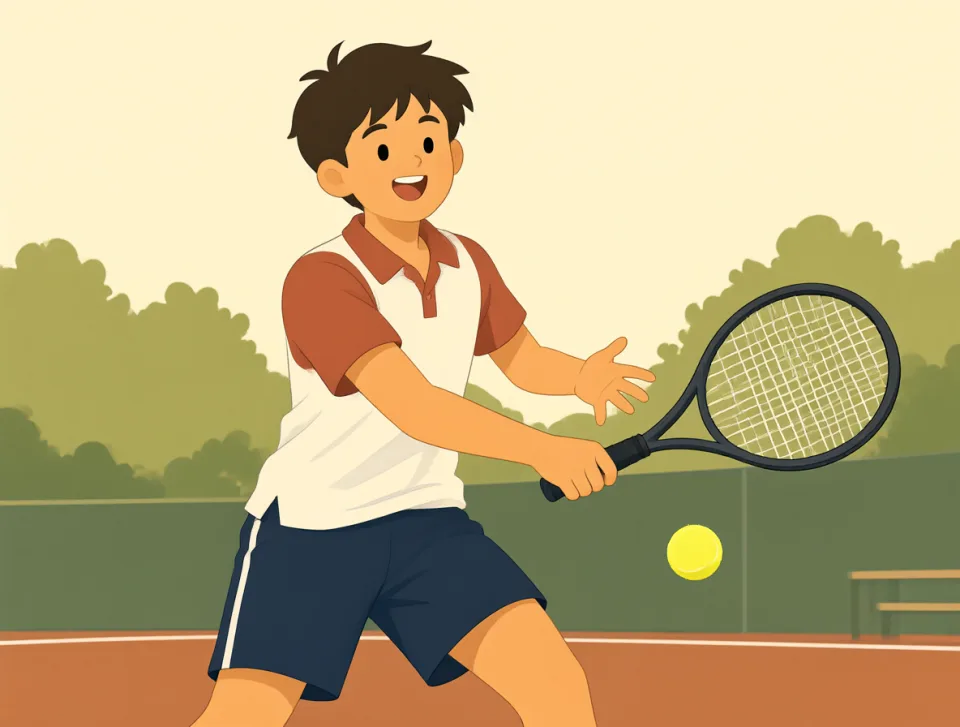
Playing tennis helps me stay fit and healthy.
Gra w tenisa pomaga mi utrzymać dobrą kondycję i zdrowie.
urban
#1918adjective
miejski
Relating to a city or town, especially compared with the countryside.
związany z miastem, zwłaszcza w odróżnieniu od wsi.
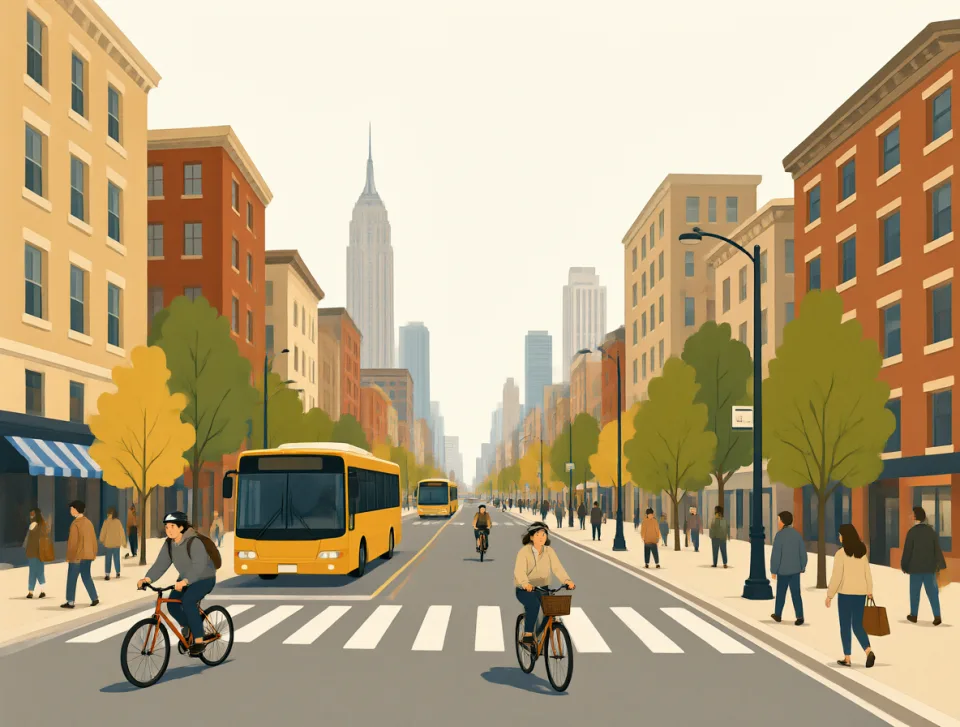
Urban life can be exciting, but it is often noisy.
Życie w mieście może być ekscytujące, ale często jest głośno.
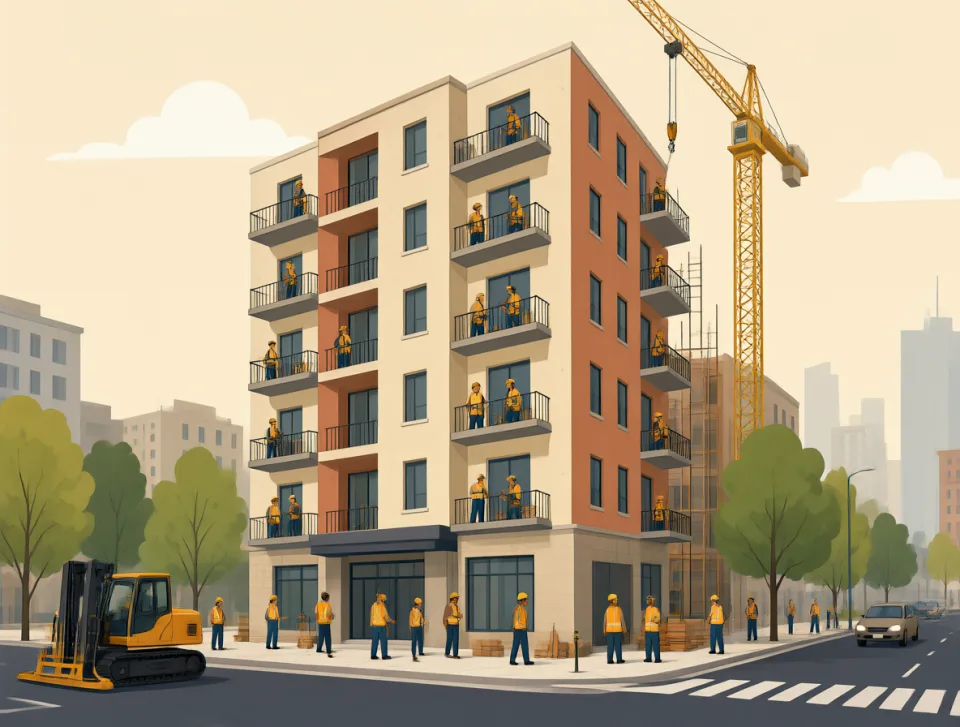
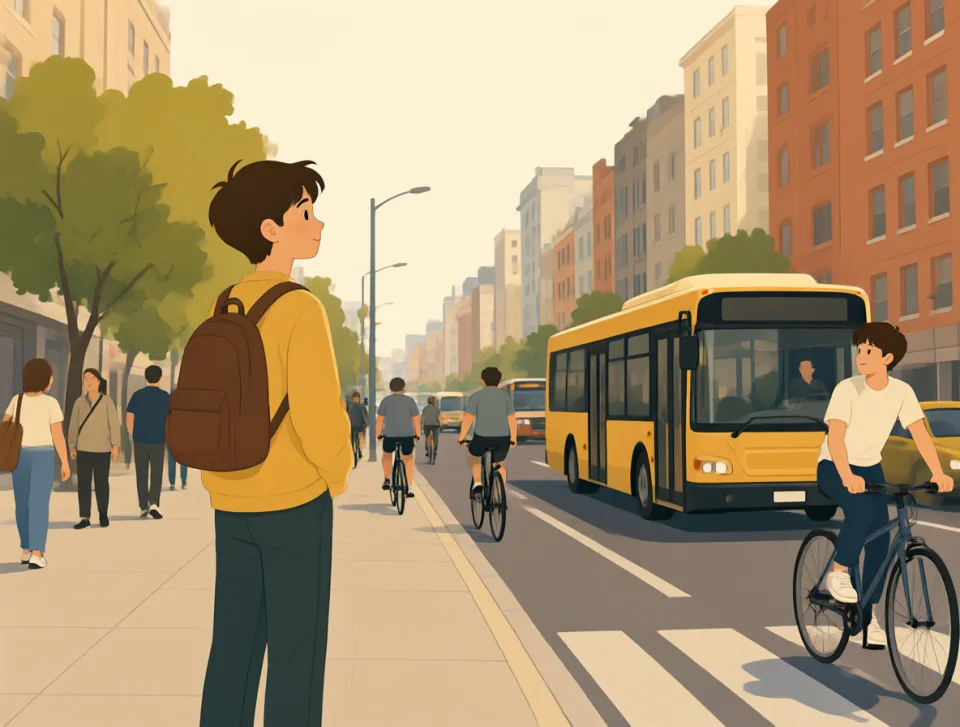
The city is building more urban housing for families.
Miasto buduje więcej mieszkań dla rodzin w obszarach miejskich.
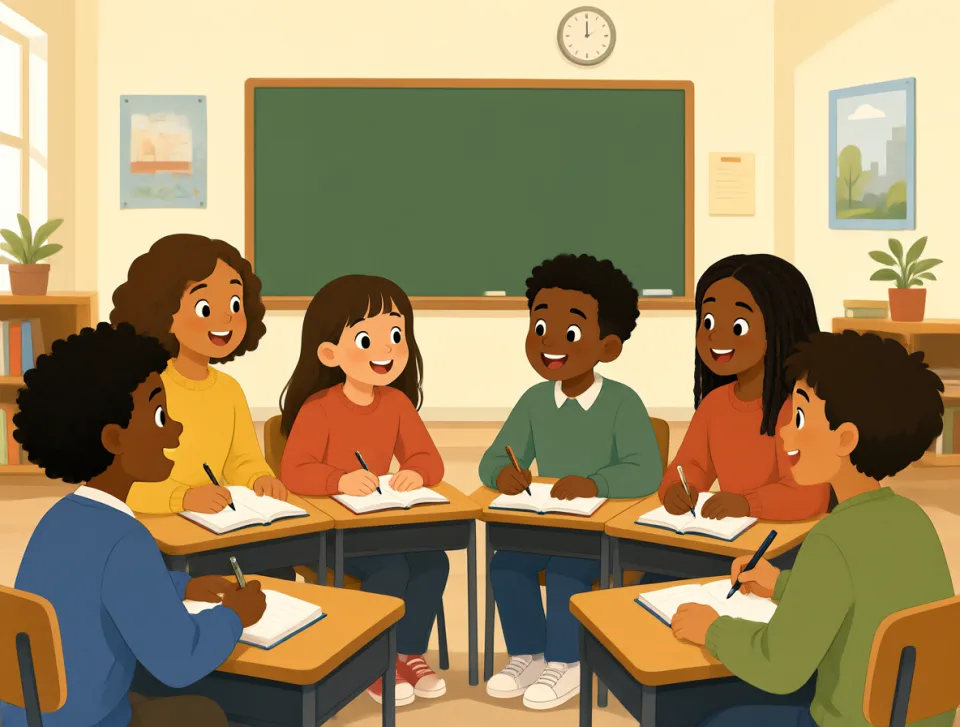
Many urban schools have students from different cultures.
W wielu miejskich szkołach uczą się dzieci z różnych kultur.
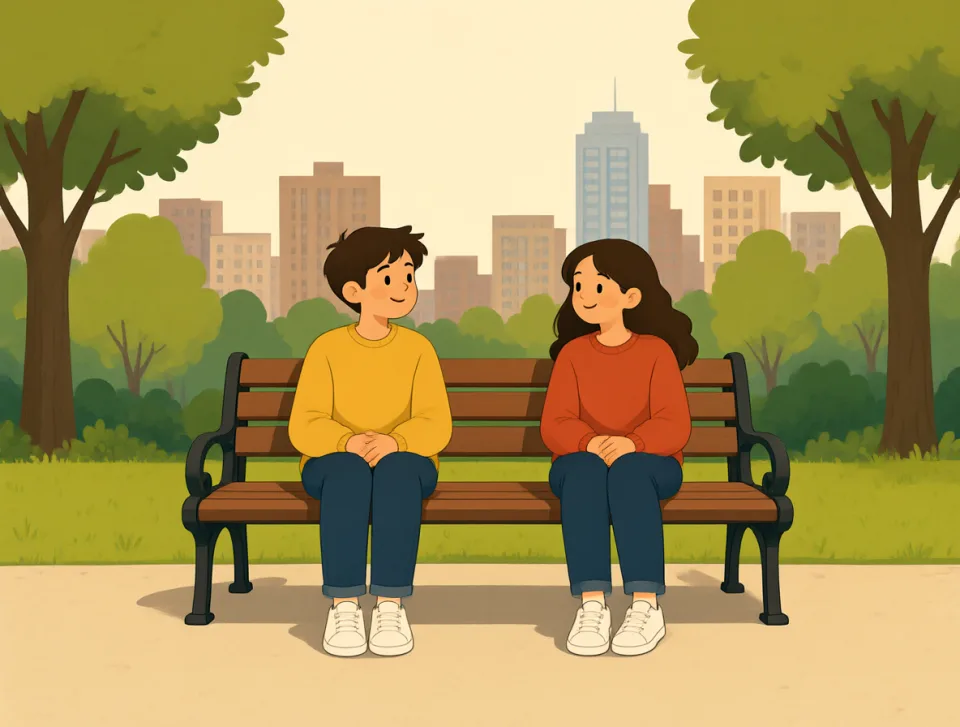
We visited an urban park during our weekend trip.
Podczas weekendowego wyjazdu odwiedziliśmy park w mieście.
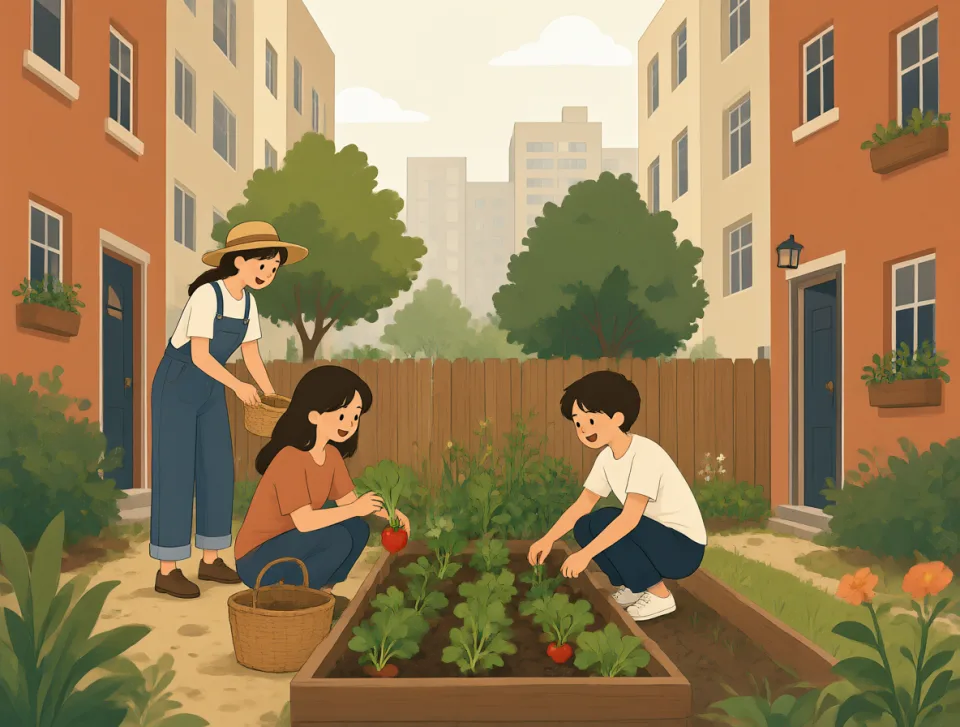
Urban gardens provide fresh vegetables for local families.
Miejskie ogrody dostarczają świeżych warzyw lokalnym rodzinom.
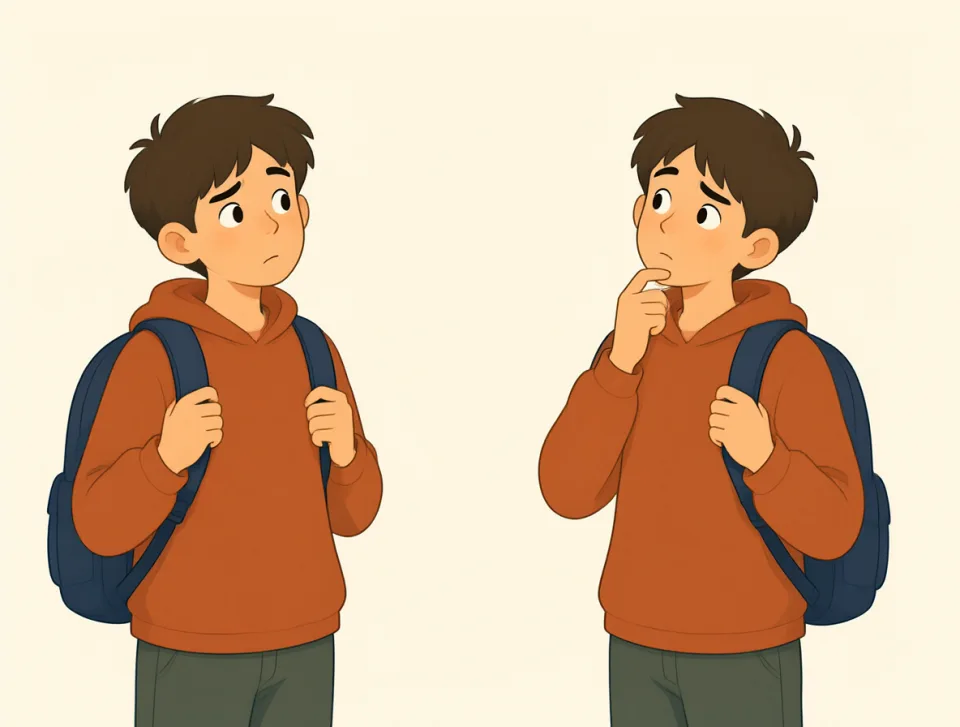
confuse
#1919verb
wprawiać w zakłopotanie
to make someone unable to understand something clearly
sprawić, że ktoś nie potrafi czegoś jasno zrozumieć
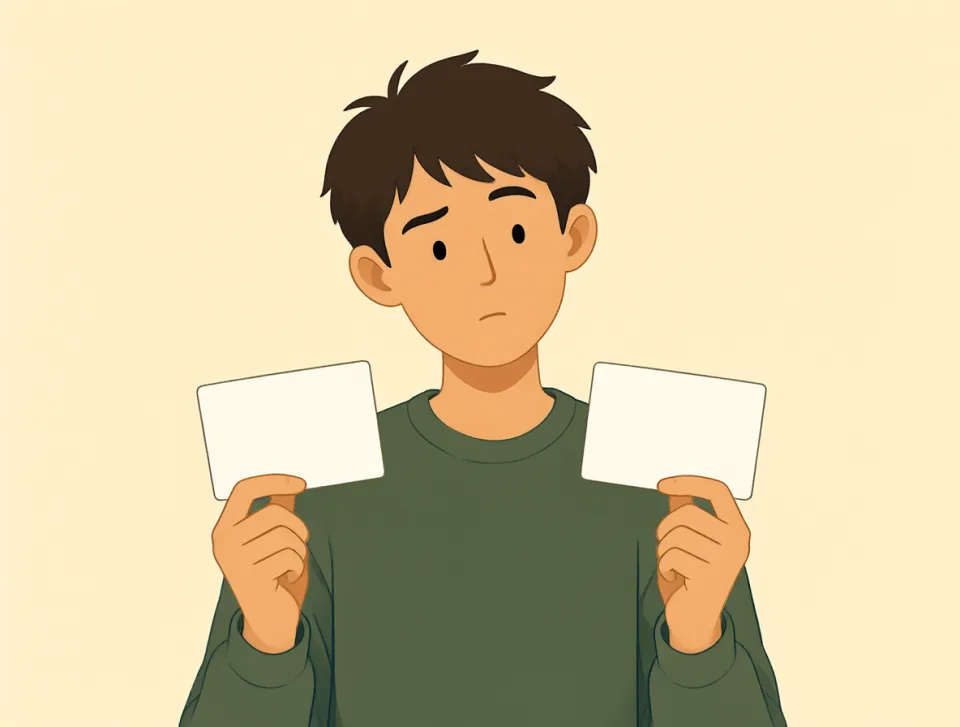
The similar names confused me at first.
Podobne imiona na początku mnie zmyliły.

Please explain again; your answer is confusing me.
Proszę wyjaśnić to jeszcze raz; pana odpowiedź mnie dezorientuje.
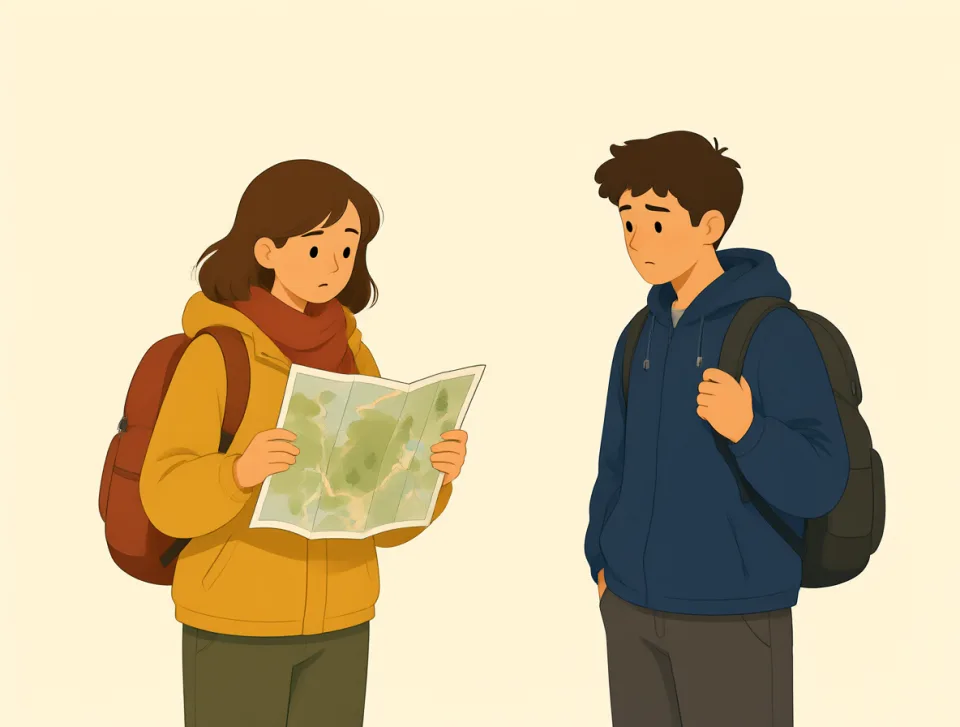
The map confused us, so we asked for directions.
Mapa nas zmyliła, więc poprosiliśmy o wskazówki.
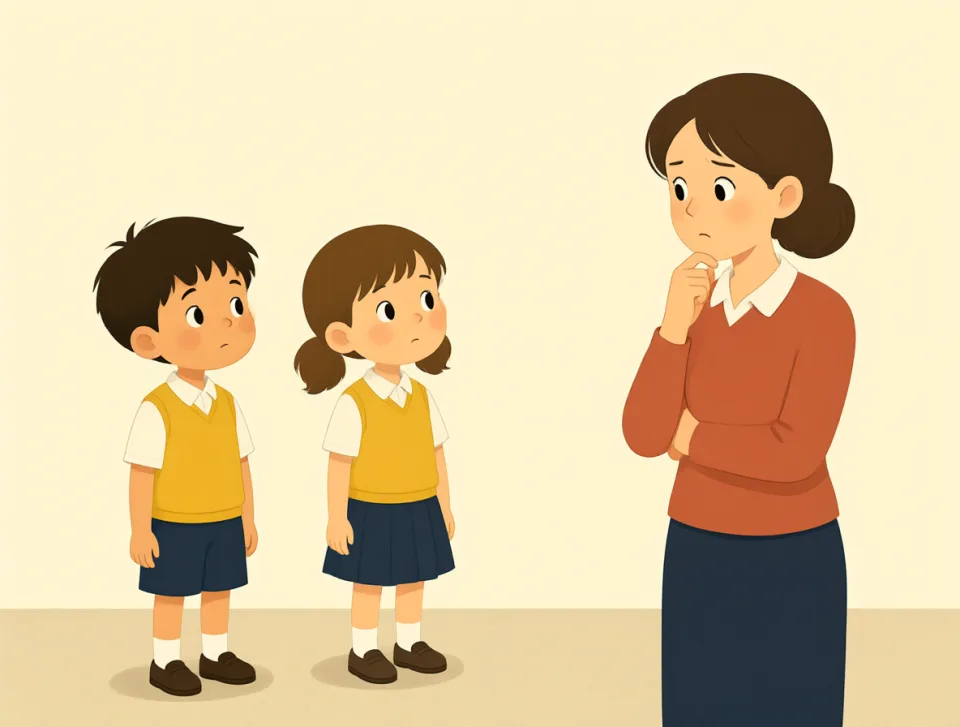
The twins often confuse their teachers at school.
Bliźnięta często mylą swoich nauczycieli w szkole.
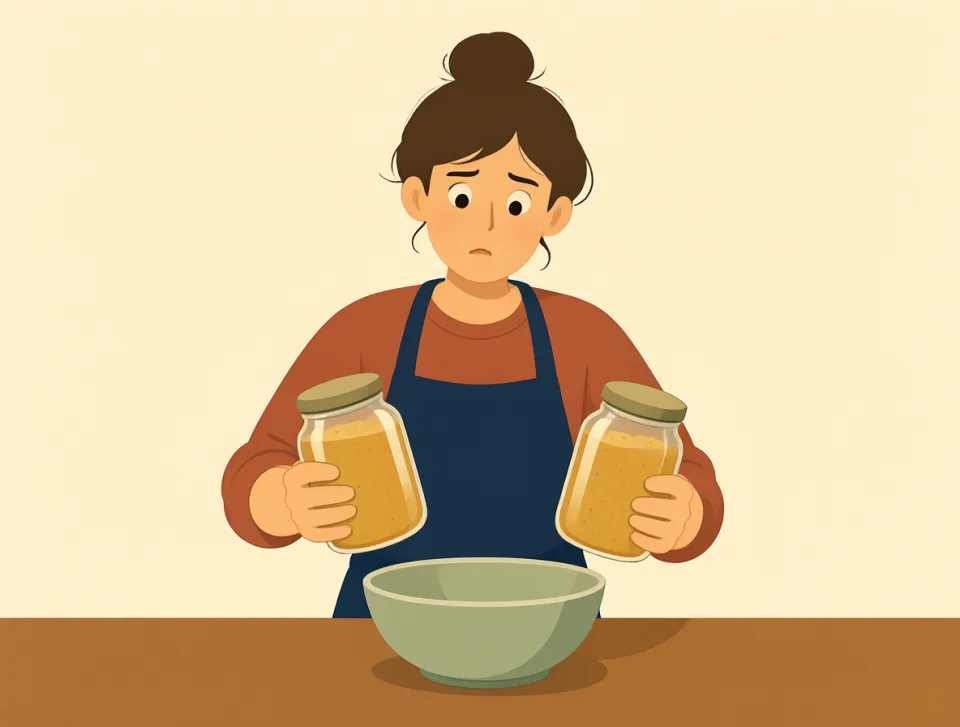
I confused the salt with the sugar while cooking.
Podczas gotowania pomyliłem sól z cukrem.
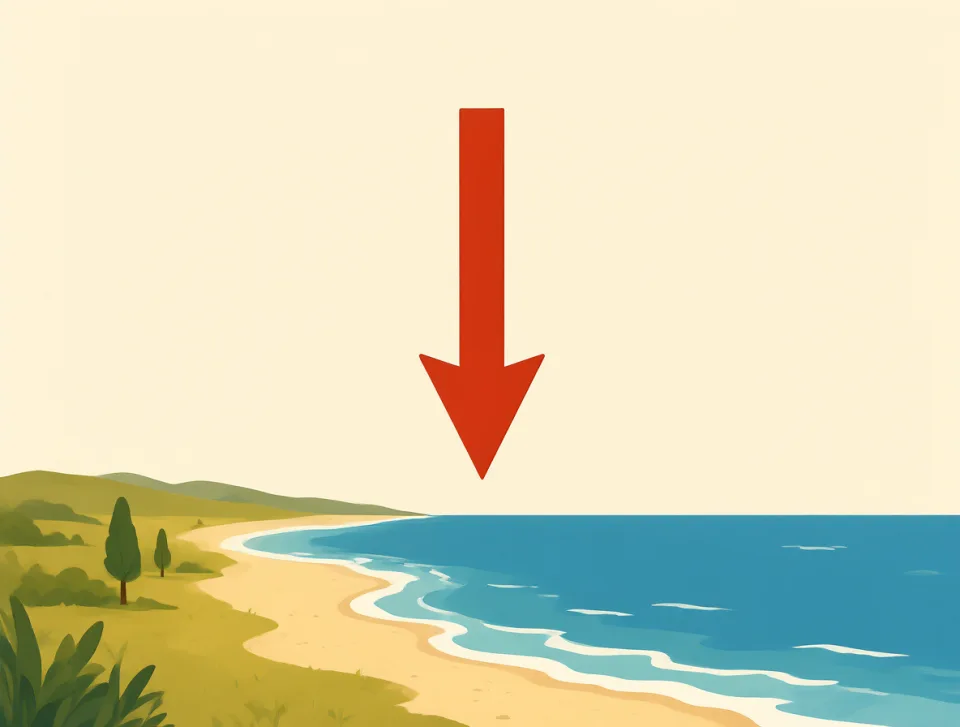
southern
#1920adjective
południowy
from, in, or toward the south
pochodzący z południa, znajdujący się na południu lub skierowany na południe
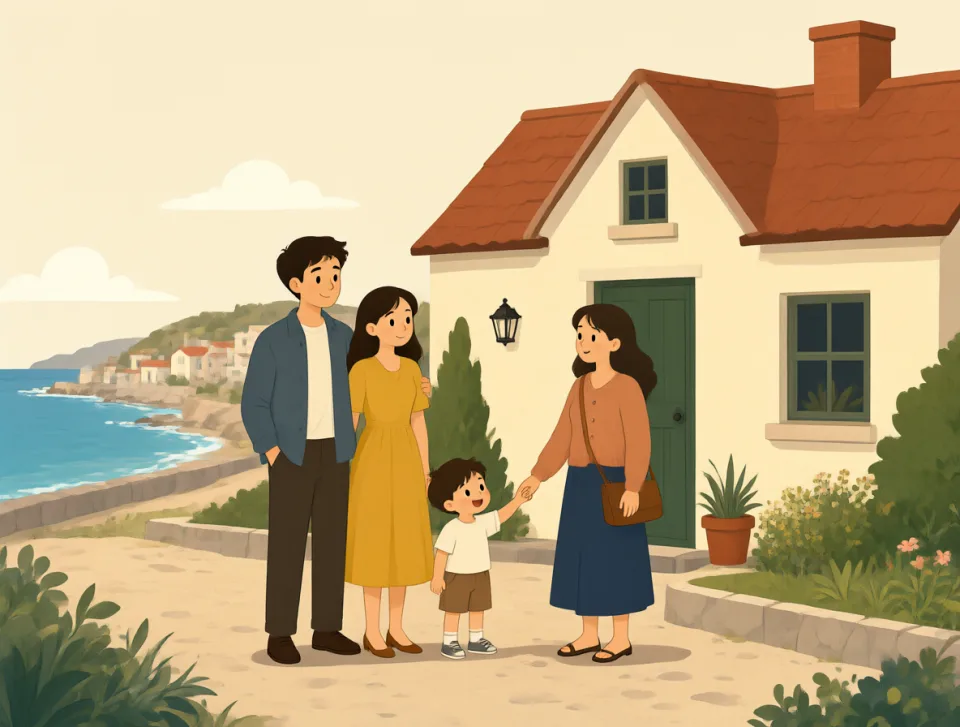
They live in a small southern town near the coast.
Mieszkają w małym miasteczku na południu, niedaleko wybrzeża.
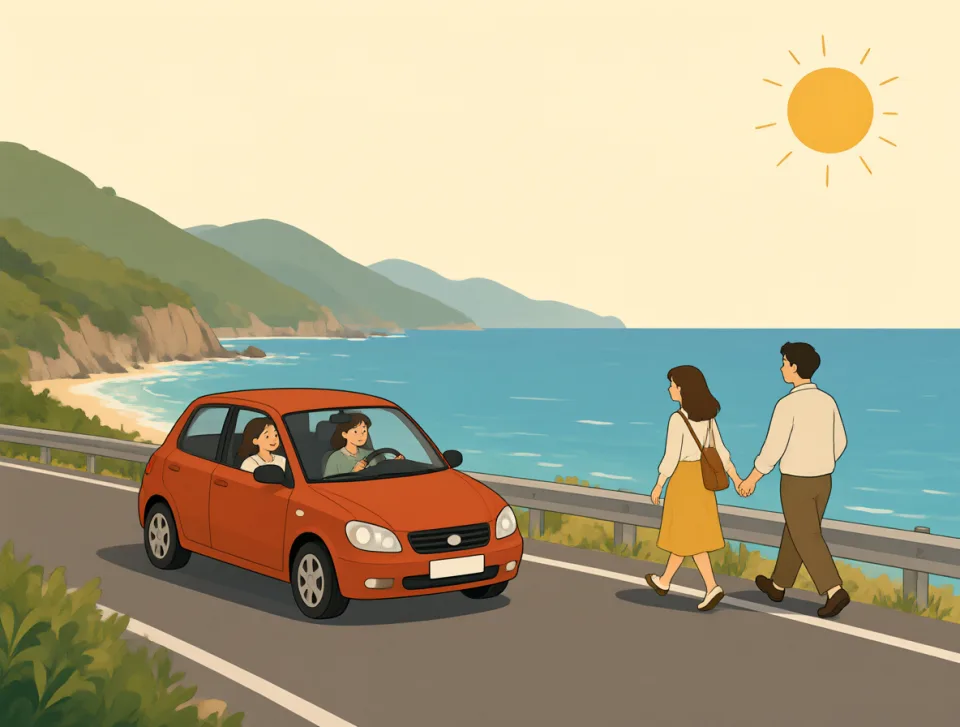
We drove along the southern coast during our holiday.
Podczas wakacji jechaliśmy wzdłuż południowego wybrzeża.
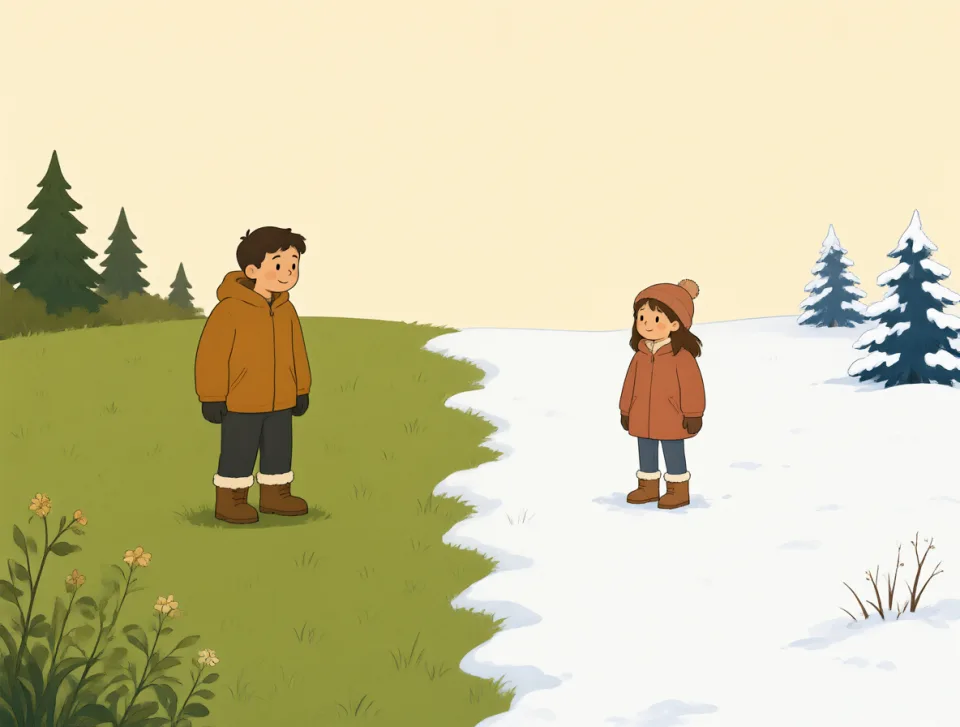
Southern states often have warmer winters than northern states.
W południowych stanach zimy są często cieplejsze niż w stanach północnych.
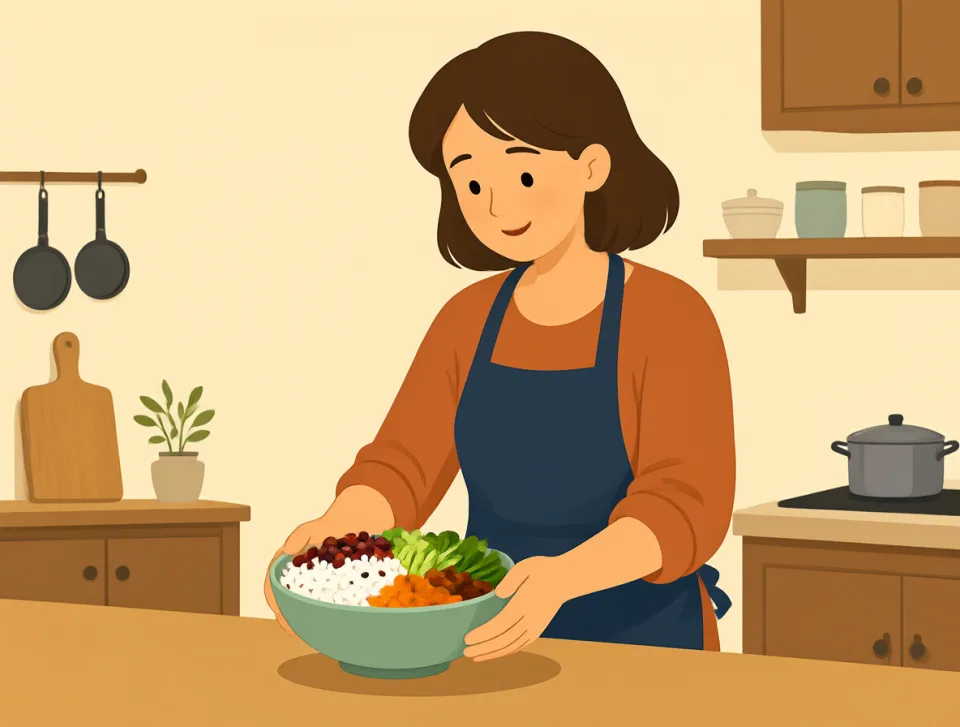
She cooked a southern dish with rice, beans, and vegetables.
Ugotowała danie z południa z ryżem, fasolą i warzywami.
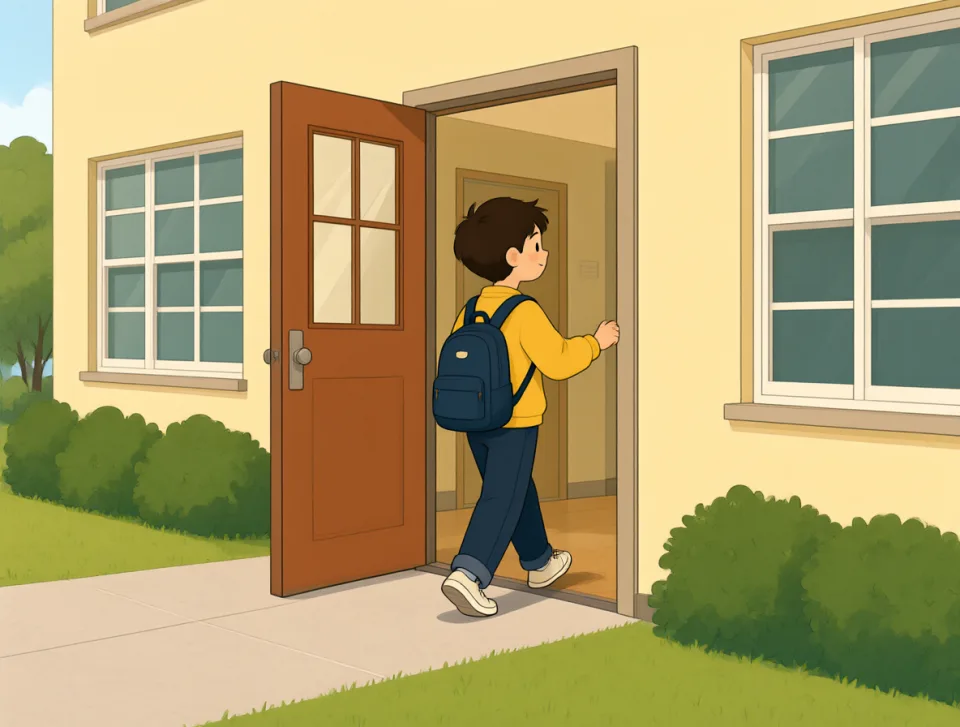
The southern door of the school is open today.
Południowe wejście do szkoły jest dziś otwarte.