Zestaw 99
Słowa 1961–1980 · plain, volunteer, rural, calm, abandon, examination

plain
#1961adjective, noun
zwykły
Simple and ordinary, without decoration; a large, flat area of land.
Prosty i zwyczajny, bez ozdób; rozległy, płaski teren.
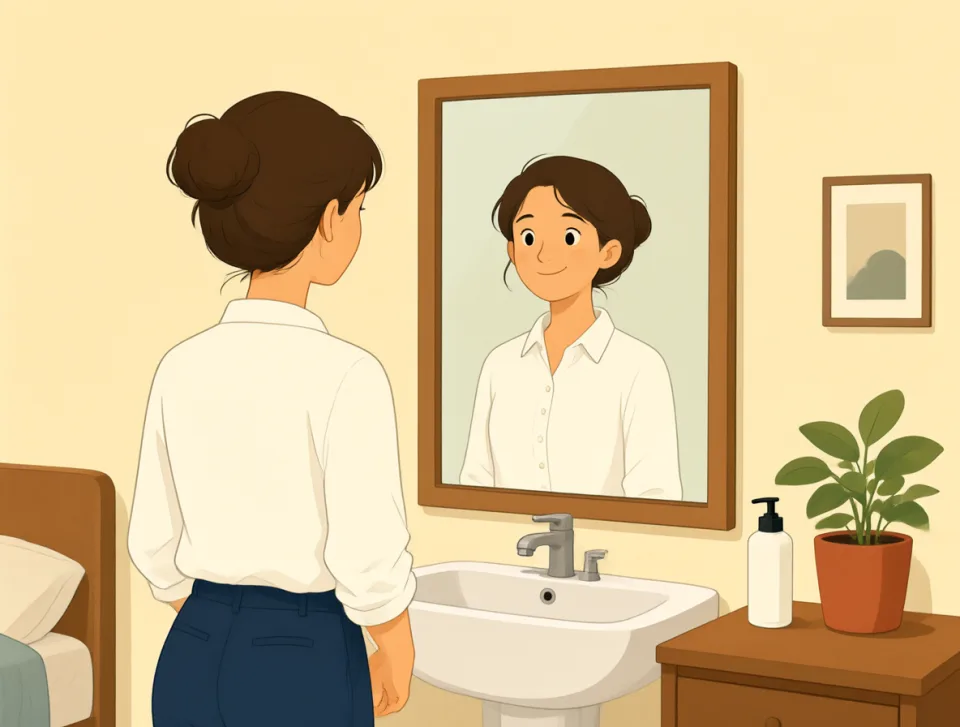
She wore a plain white shirt to work today.
Dziś do pracy założyła zwykłą białą koszulę.
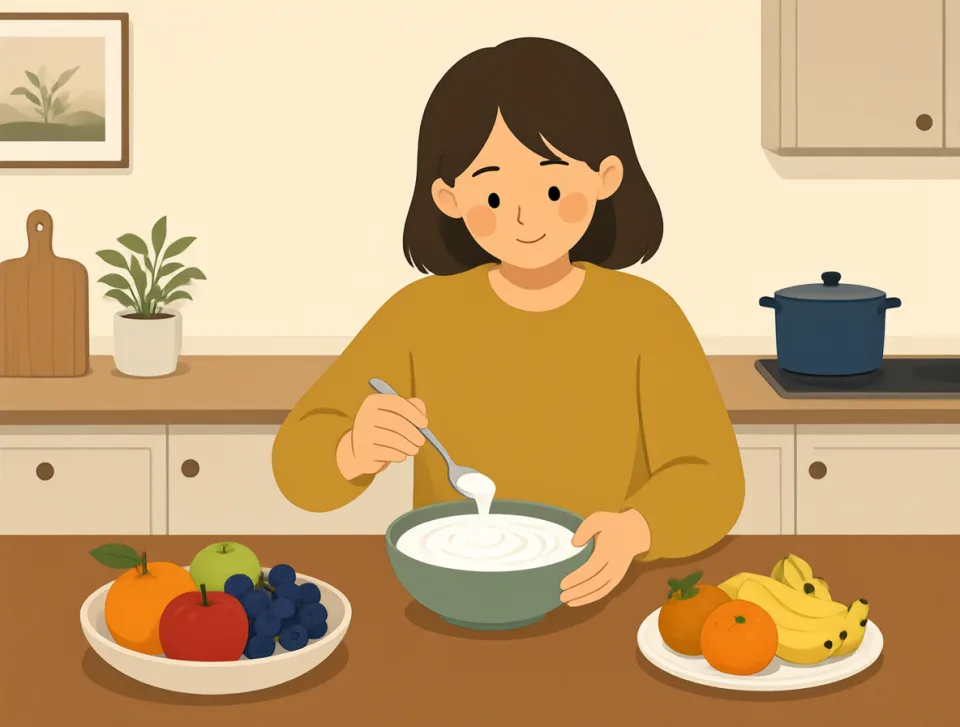
I prefer plain yogurt with fresh fruit for breakfast.
Na śniadanie wolę zwykły jogurt ze świeżymi owocami.
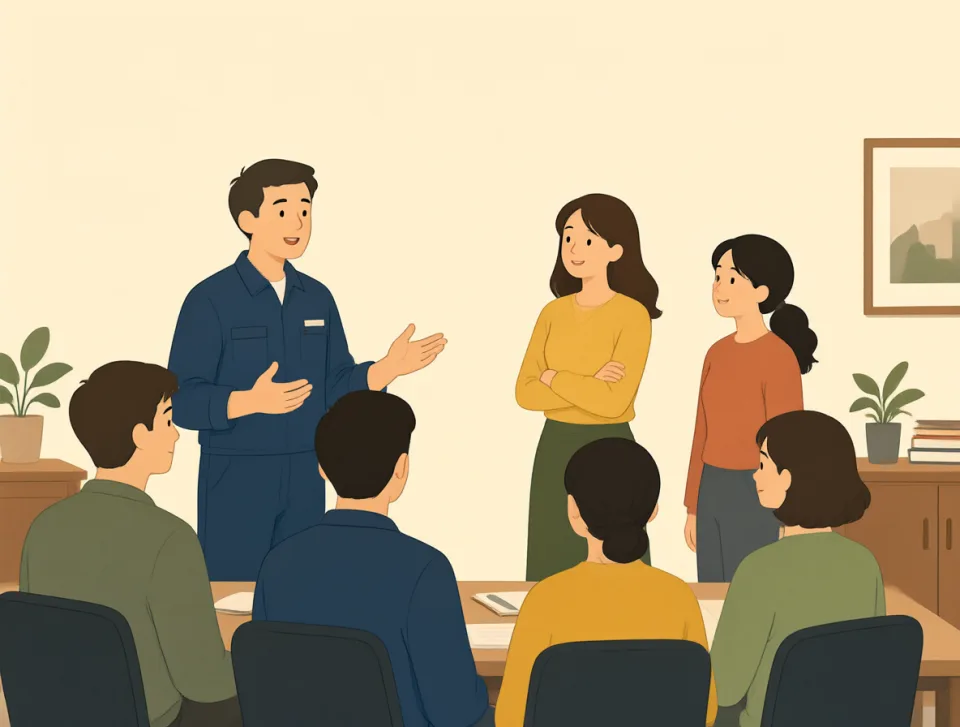
Please use plain English in your presentation.
Proszę używać prostego języka angielskiego podczas prezentacji.

The doctor asked whether the pain was plain or severe.
Lekarz zapytał, czy ból był zwykły, czy silny.

The train crossed the wide plain before sunset.
Pociąg przejechał przez rozległą równinę przed zachodem słońca.
volunteer
#1962noun, verb
wolontariusz
A person who freely offers to help, or to offer to help without being paid.
Osoba, która dobrowolnie oferuje pomoc, lub oferować pomoc bez wynagrodzenia.
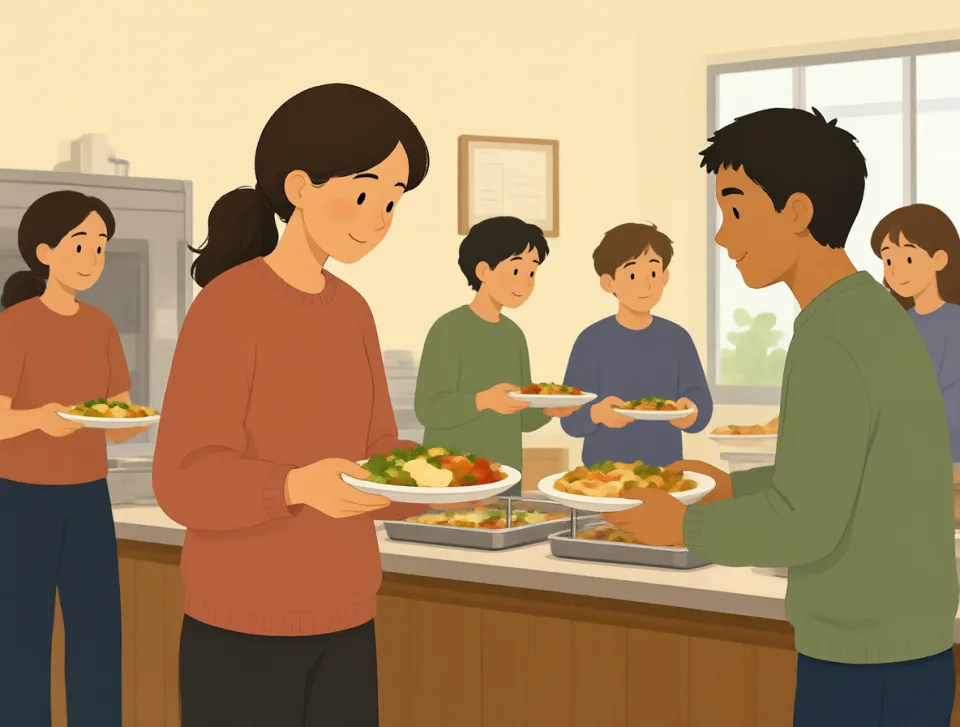
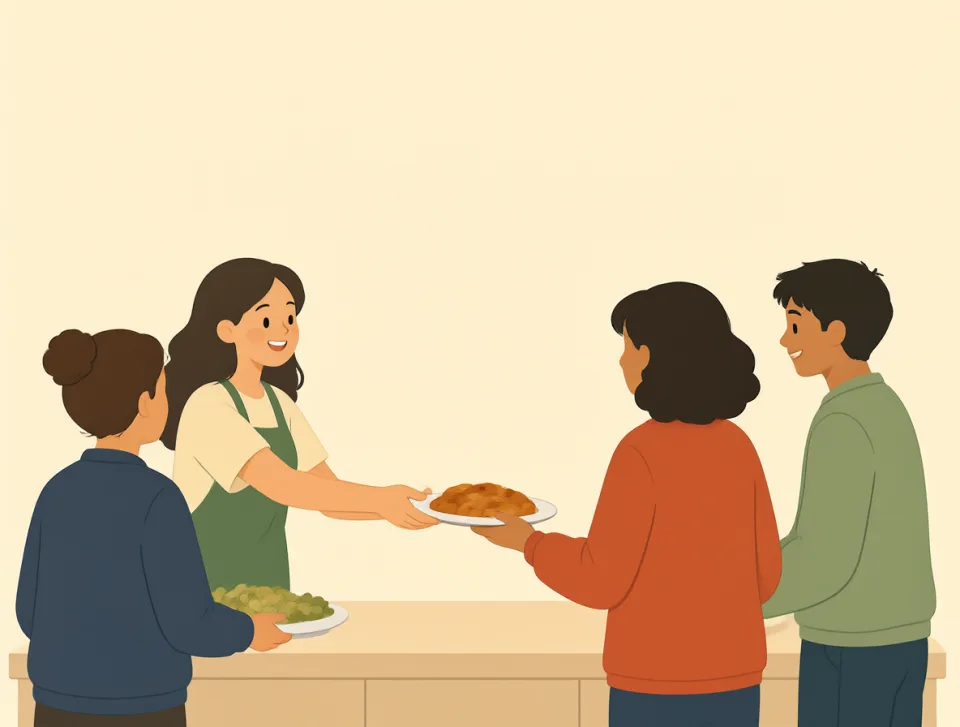
Many volunteers help serve food at the community center.
Wielu wolontariuszy pomaga wydawać posiłki w lokalnym domu kultury.
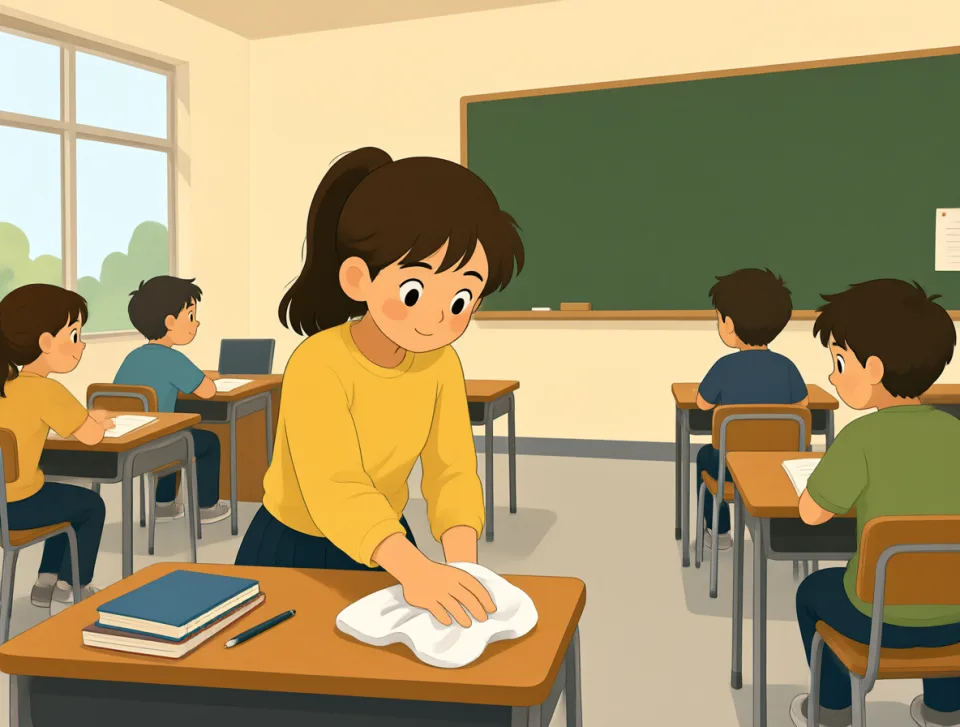
She volunteered to clean the classroom after school.
Zgłosiła się na ochotnika, żeby po lekcjach posprzątać klasę.
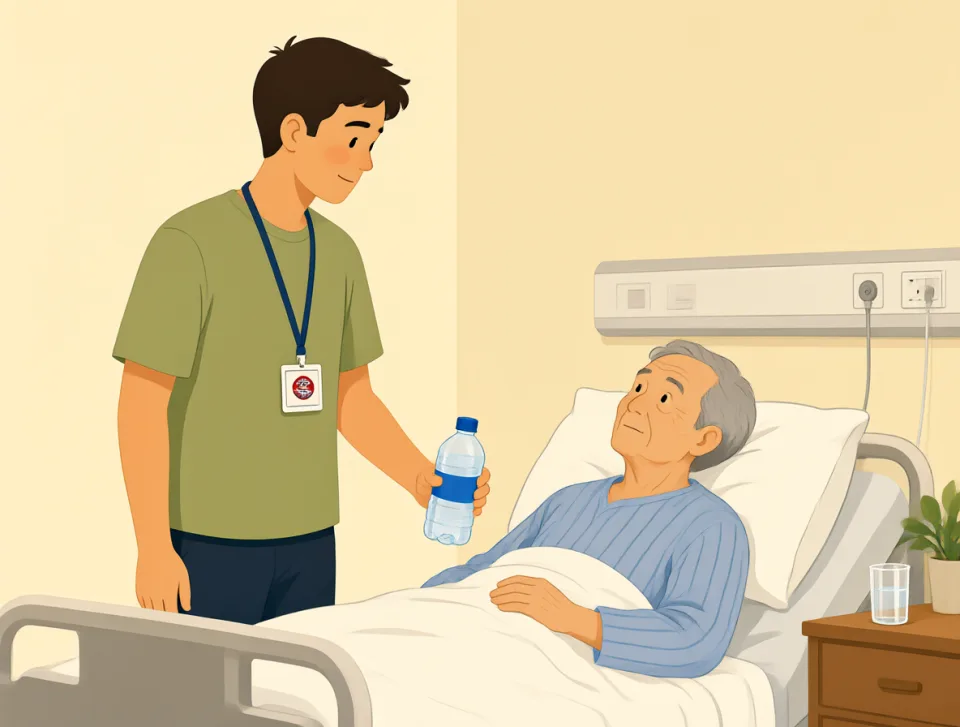
He works as a volunteer at the local hospital.
Pracuje jako wolontariusz w miejscowym szpitalu.

We need a volunteer to carry these boxes upstairs.
Potrzebujemy ochotnika, który wniesie te pudła na górę.
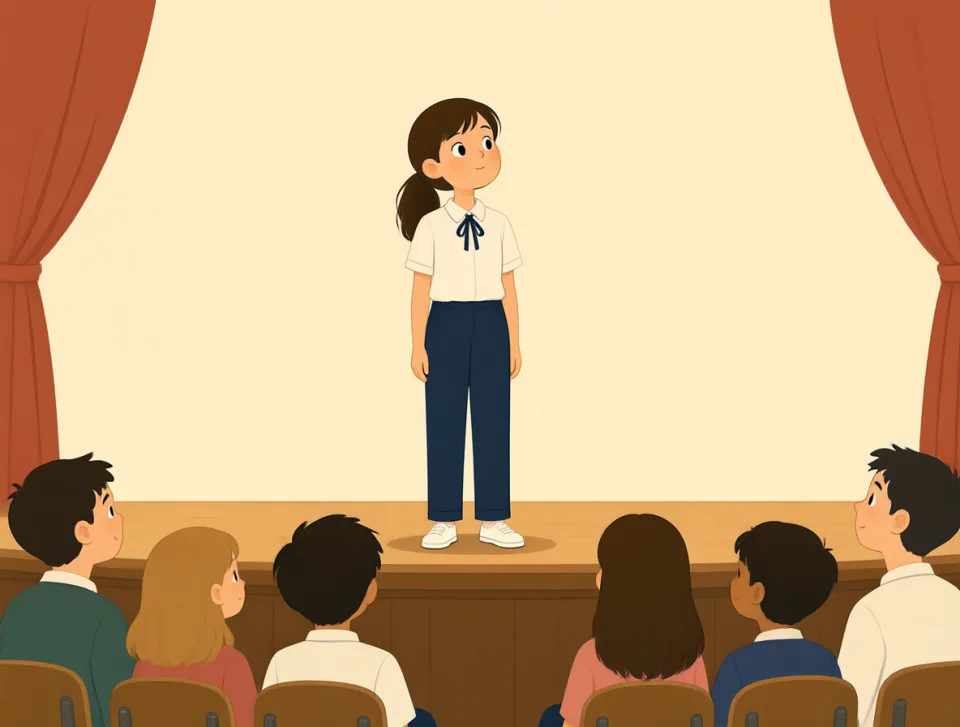
My friend volunteered for the school music show.
Mój przyjaciel zgłosił się do udziału w szkolnym przedstawieniu muzycznym.
rural
#1963adjective
wiejski
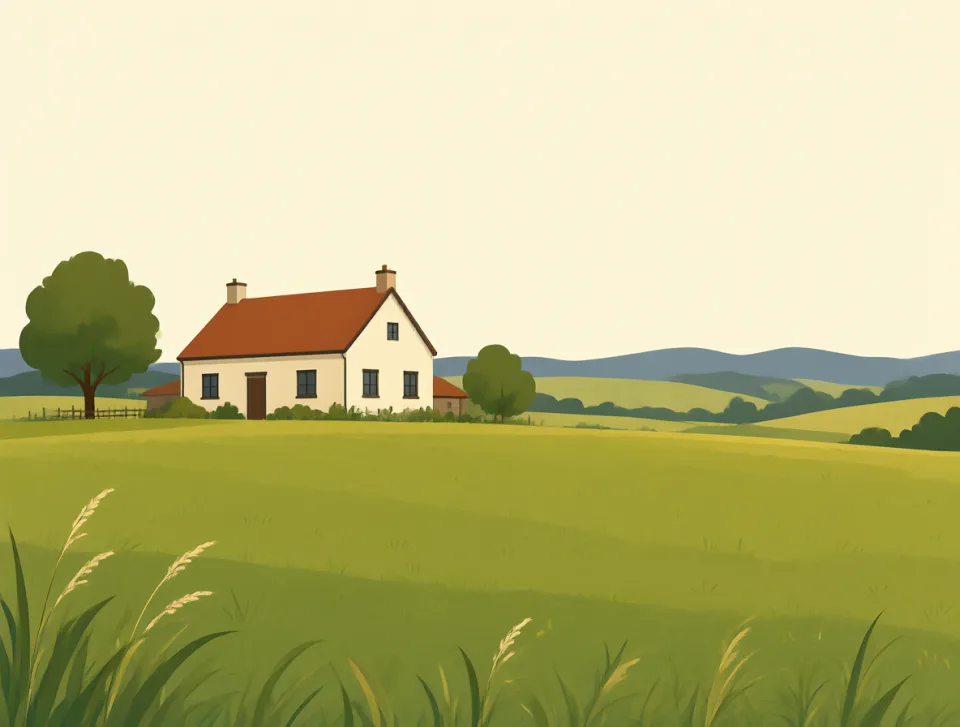
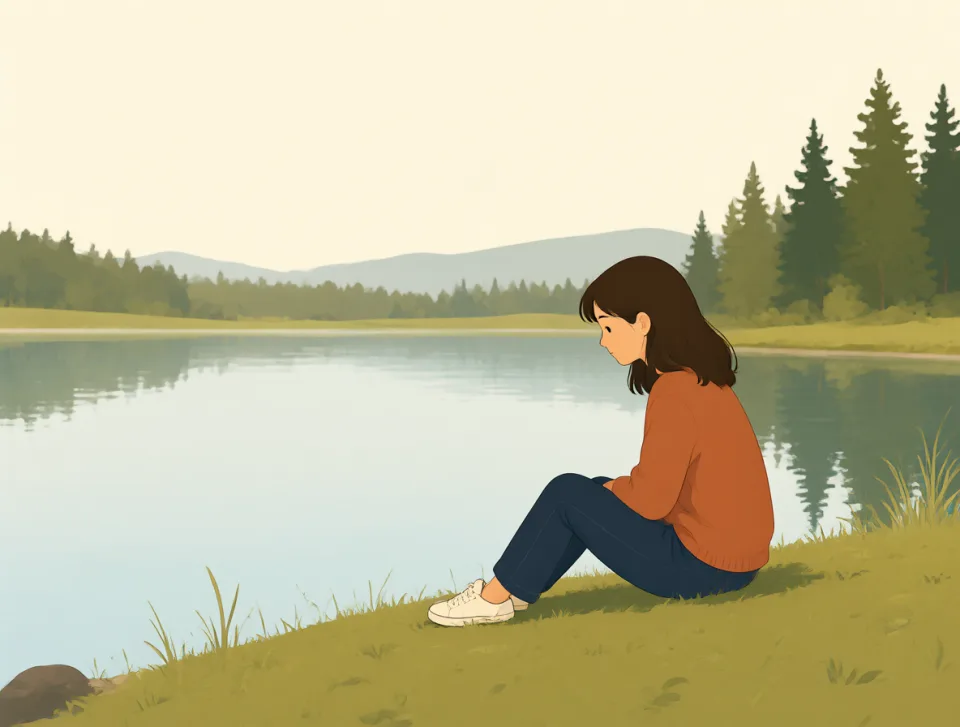
Relating to the countryside, away from towns and cities.
Związany z wsią, położony z dala od miasteczek i miast.
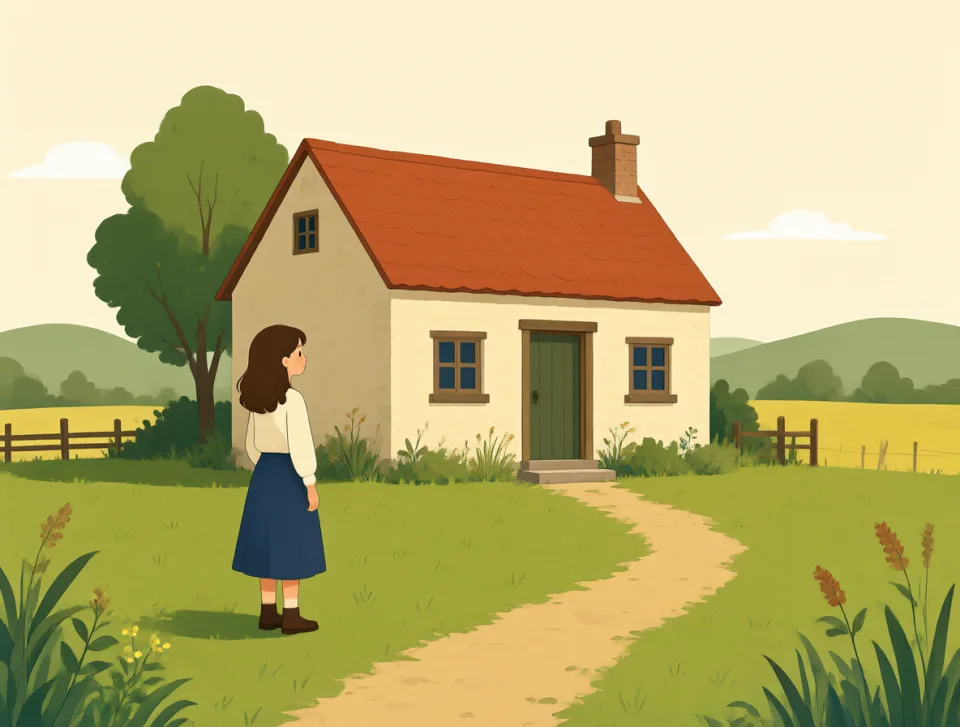
She grew up in a rural village surrounded by green fields.
Dorastała w wiejskiej wiosce otoczonej zielonymi polami.
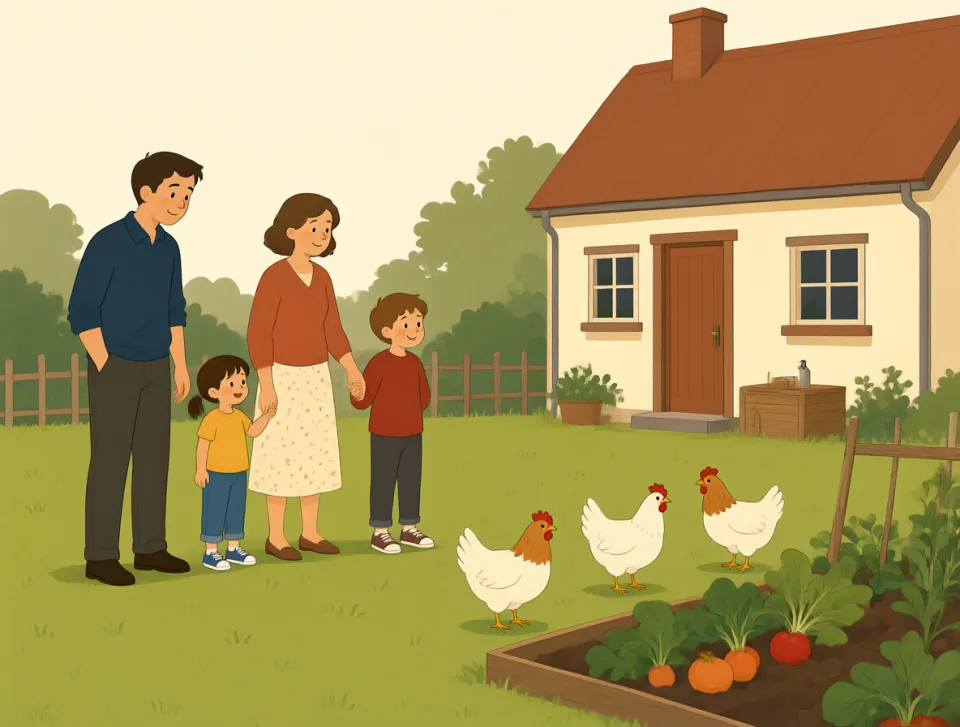
Many rural families keep chickens and grow vegetables at home.
Wiele rodzin na wsi hoduje kury i uprawia warzywa w domu.
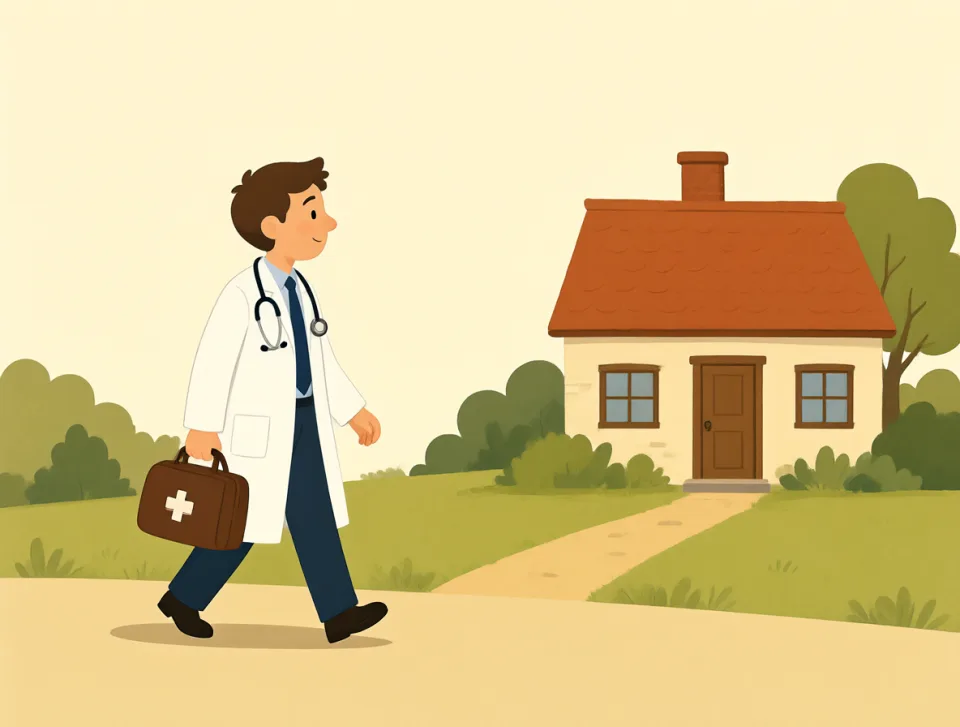
The doctor visits rural communities once a week.
Lekarz odwiedza wiejskie społeczności raz w tygodniu.
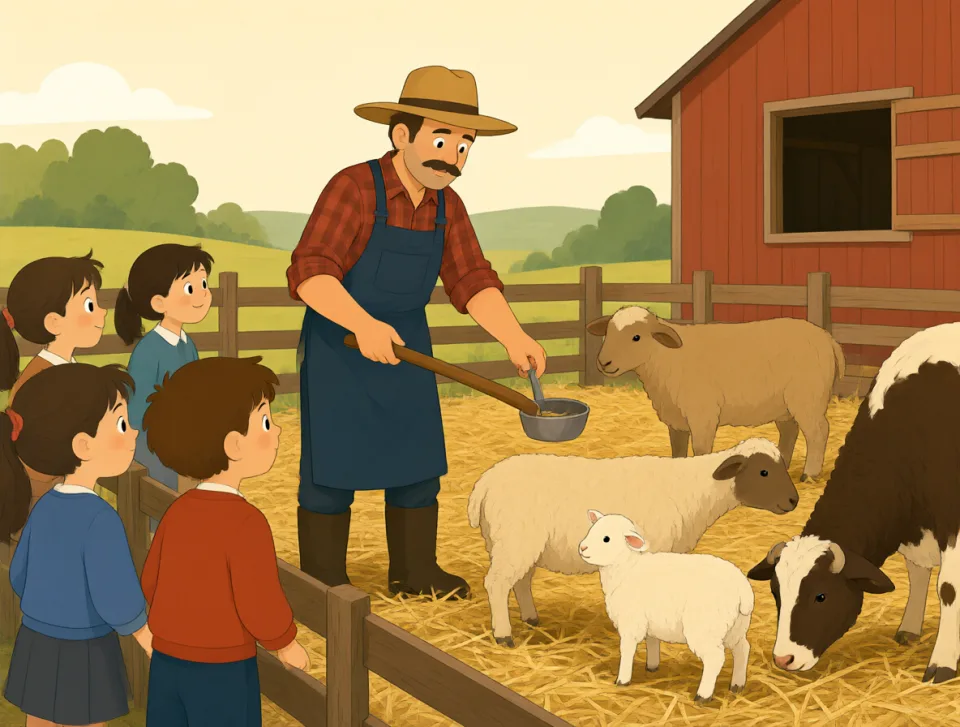
Our school trip took us to a rural farm.
Nasza szkolna wycieczka zabrała nas na wiejską farmę.

They moved to a rural area for a quieter life.
Przeprowadzili się na wieś, żeby żyć spokojniej.
calm
#1964adjective, noun, verb
spokojny
Peaceful and relaxed, without worry, noise, or strong feelings.
Pełen spokoju i odprężenia, bez zmartwień, hałasu ani silnych emocji.
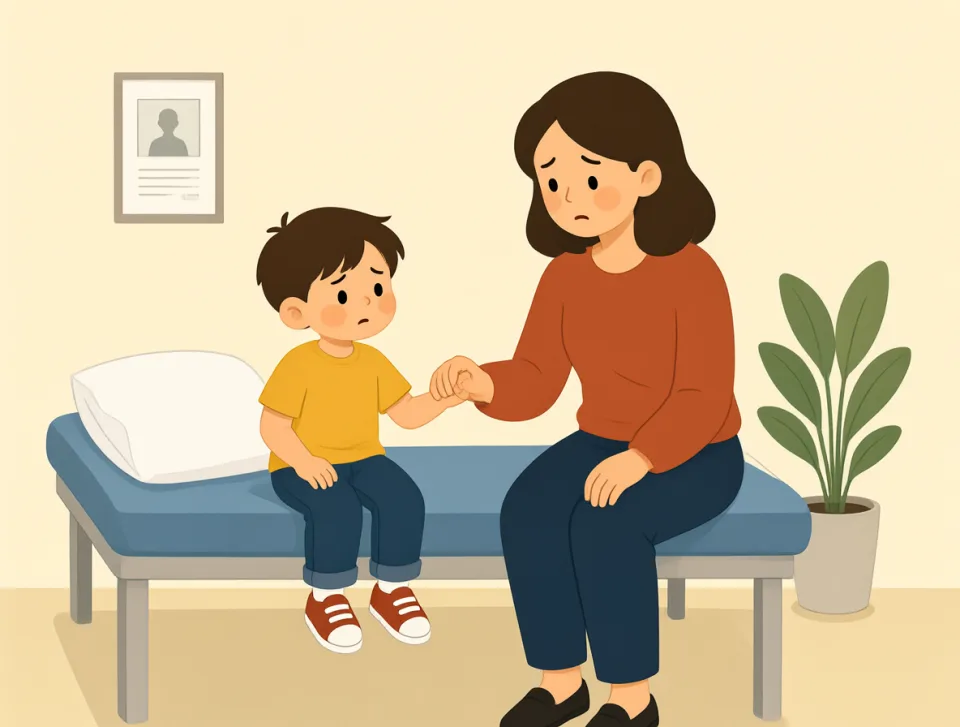
Please stay calm; the doctor will be here soon.
Proszę zachować spokój; lekarz zaraz tu będzie.
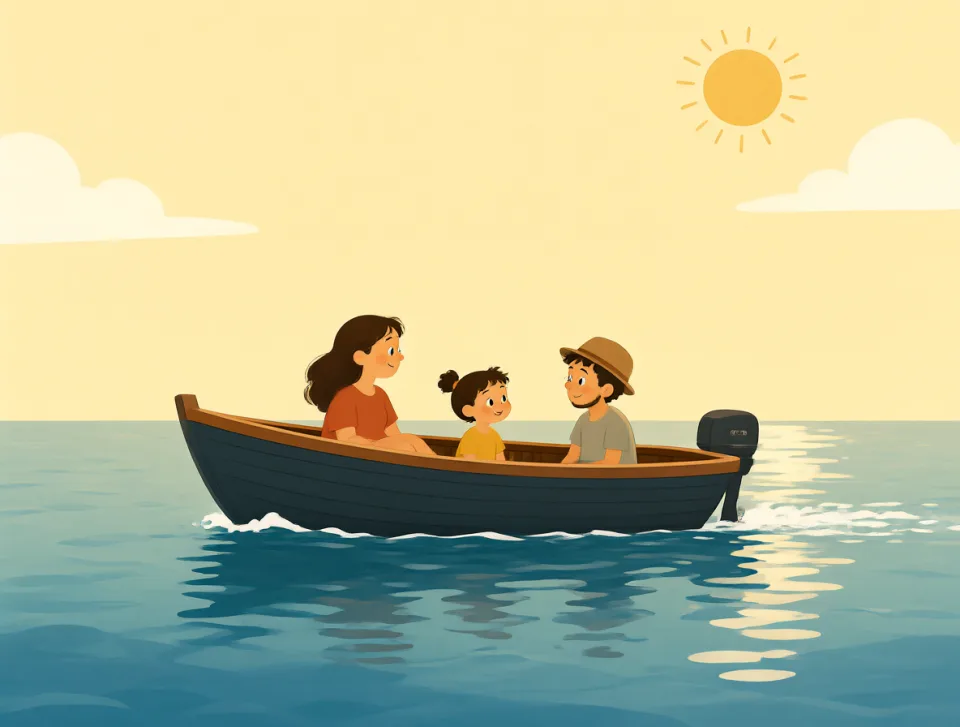
The sea was calm, so our boat trip was comfortable.
Morze było spokojne, więc rejs łodzią był przyjemny.

She spoke in a calm voice during the meeting.
Podczas spotkania mówiła spokojnym głosem.

A warm cup of tea helped calm me after work.
Ciepła filiżanka herbaty pomogła mi się uspokoić po pracy.

The teacher calmed the students before the test began.
Nauczyciel uspokoił uczniów, zanim rozpoczął się sprawdzian.
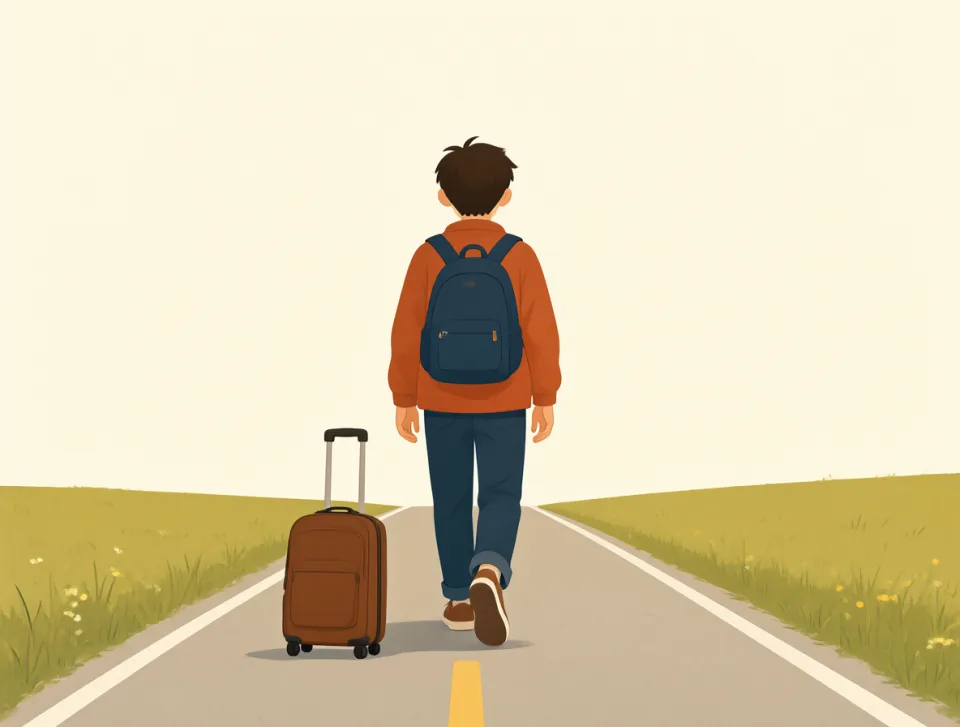
abandon
#1965verb, noun
porzucić
to leave someone or something behind, especially when you should stay and help
Zostawić kogoś lub coś, zwłaszcza w sytuacji, gdy należy zostać i pomóc.
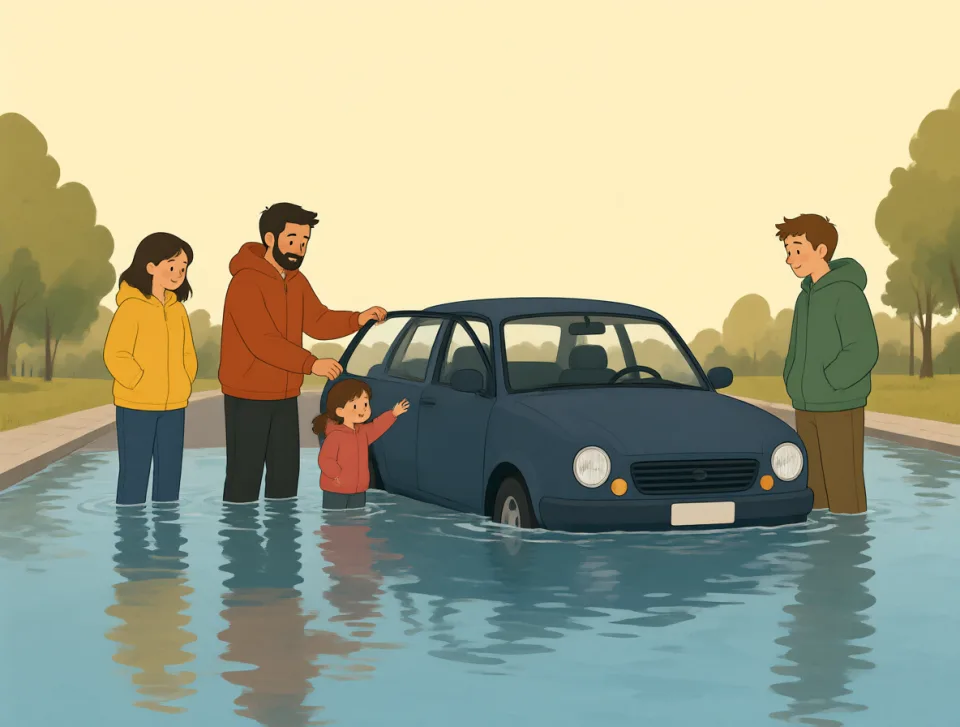
The family had to abandon their car during the flood.
Rodzina musiała porzucić samochód podczas powodzi.

Please do not abandon your shopping basket in the middle of the store.
Proszę nie zostawiać koszyka na zakupy na środku sklepu.
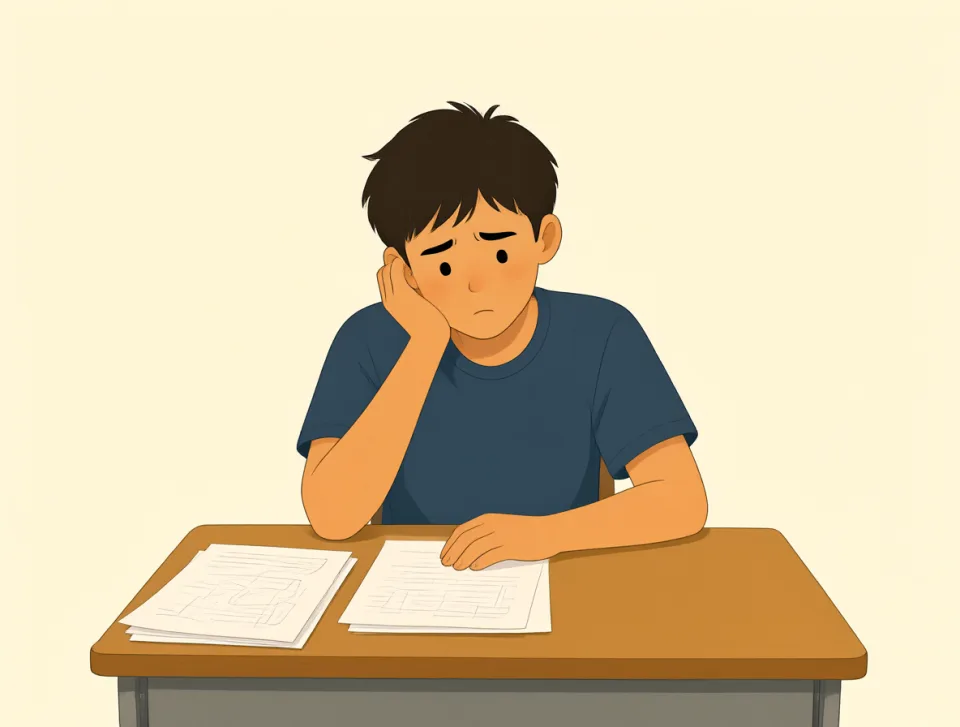
The student almost abandoned the project after several difficult mistakes.
Uczeń prawie porzucił projekt po kilku trudnych błędach.

The hikers abandoned their plan when the weather became dangerous.
Wędrowcy porzucili swoje plany, gdy pogoda stała się niebezpieczna.
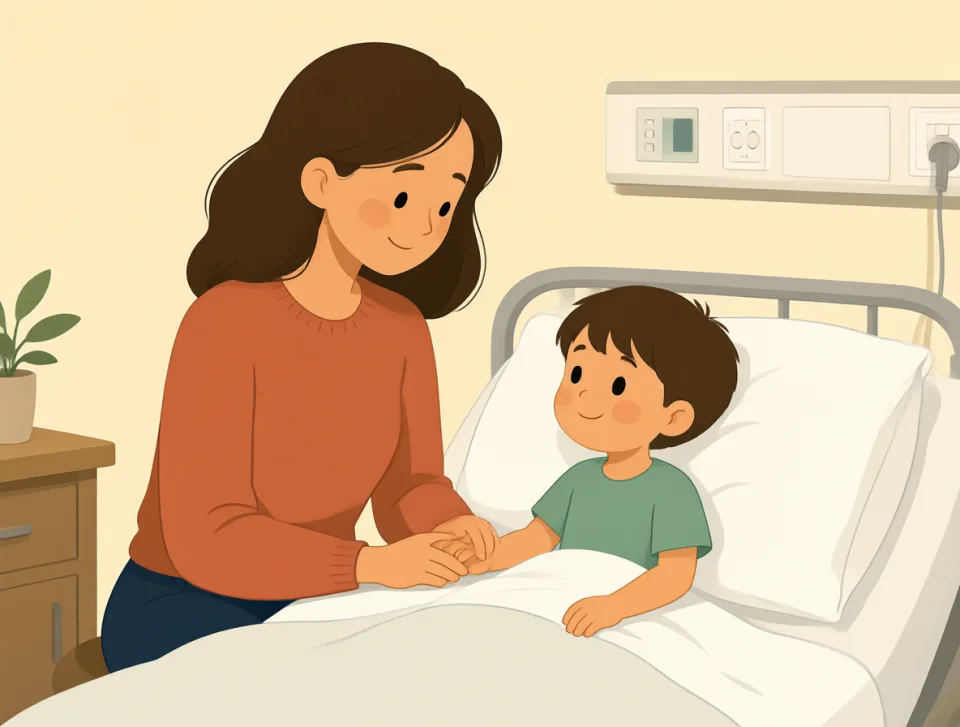
The mother refused to abandon her sick child at the hospital.
Matka odmówiła porzucenia swojego chorego dziecka w szpitalu.
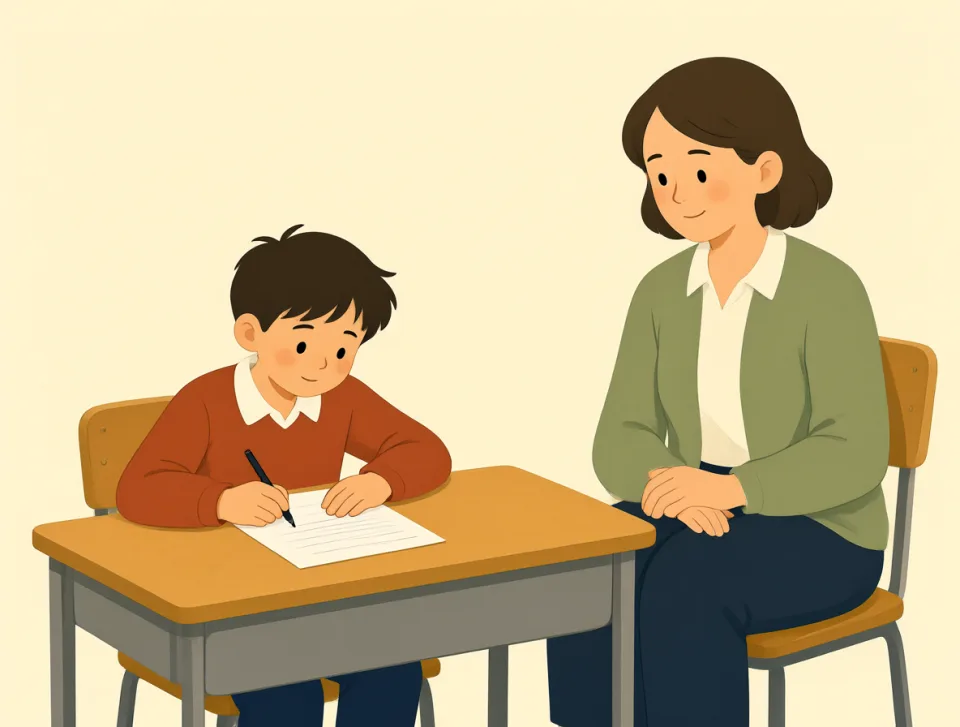
examination
#1966noun
egzamin
a careful test of someone’s knowledge, skills, or health
dokładne sprawdzenie czyjejś wiedzy, umiejętności lub stanu zdrowia
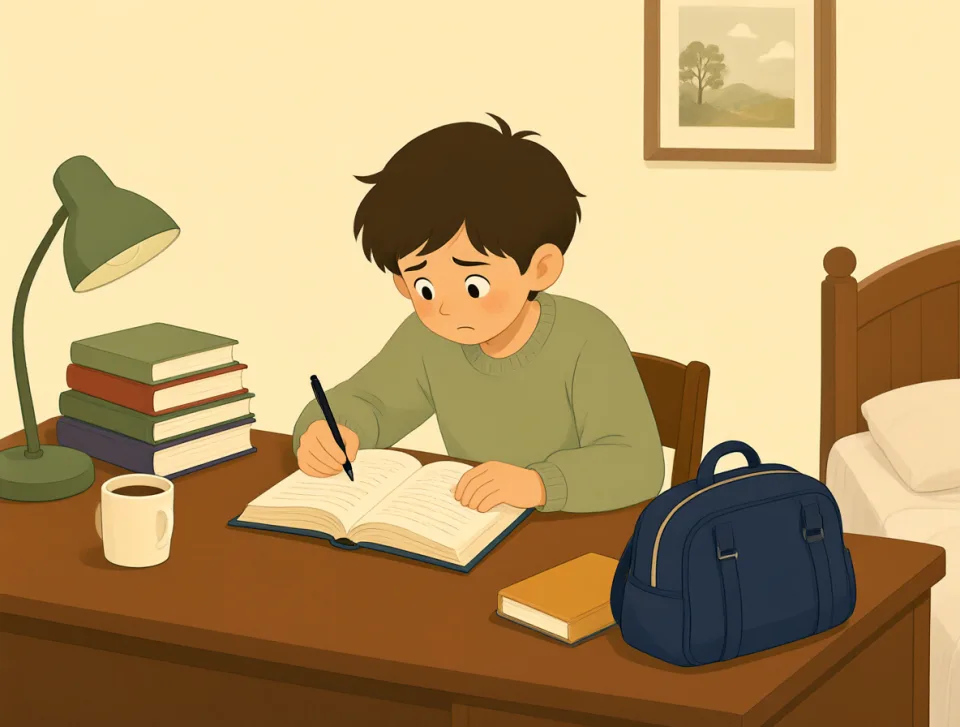
I have an important examination at school tomorrow morning.
Jutro rano mam w szkole ważny egzamin.
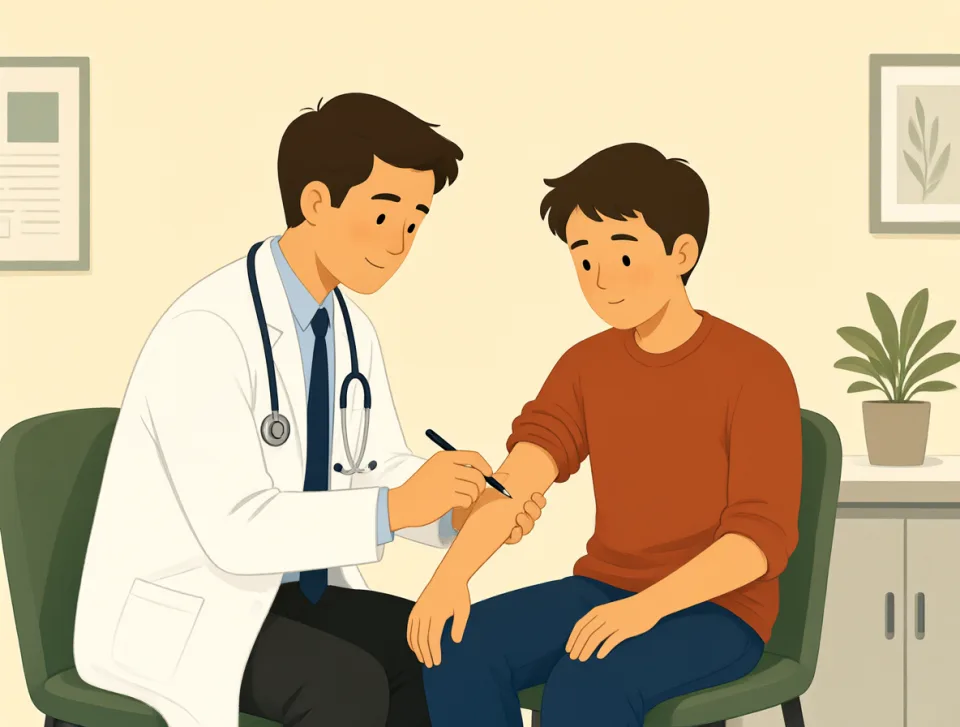
The doctor gave me a medical examination after the accident.
Po wypadku lekarz przeprowadził u mnie badanie lekarskie.
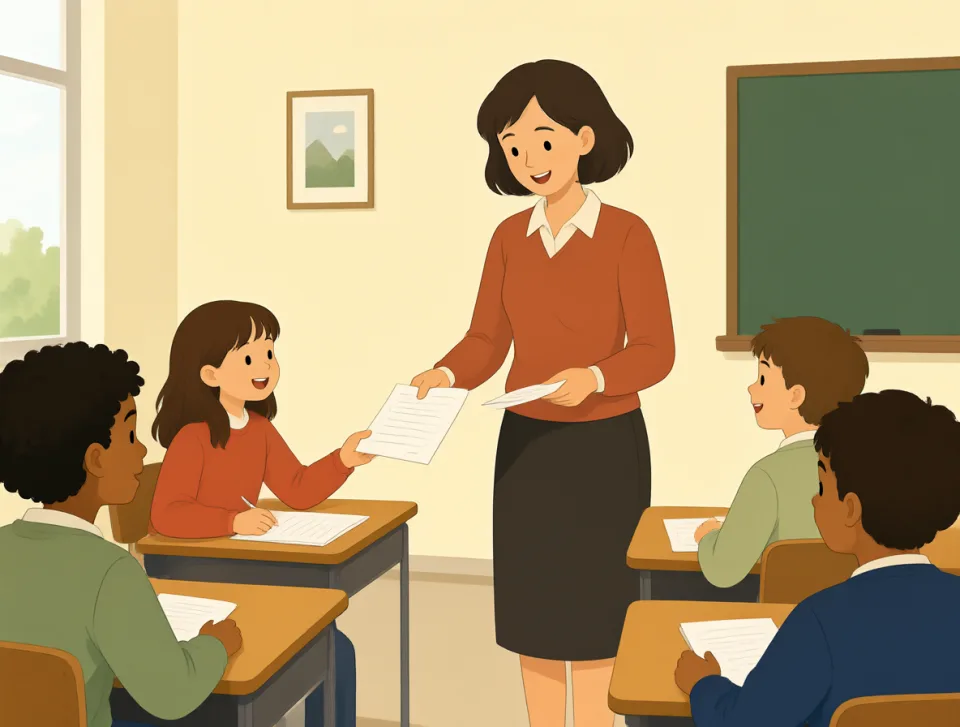
Everyone must pass the final examination to complete the course.
Każdy musi zdać egzamin końcowy, żeby ukończyć kurs.
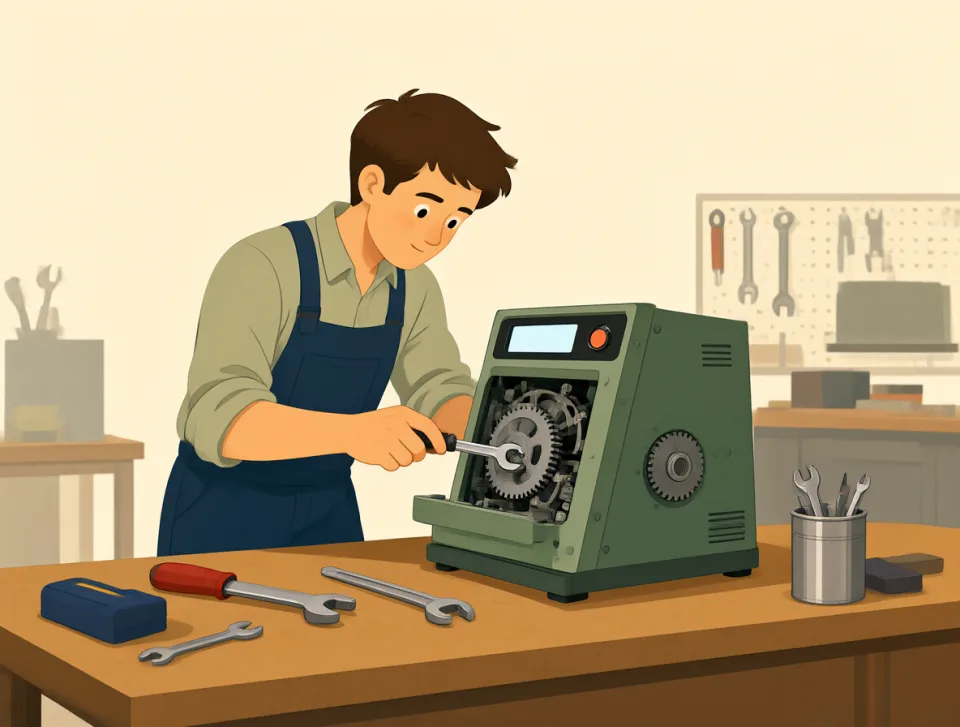
The examination of the machine found a small problem.
Podczas kontroli maszyny wykryto niewielki problem.
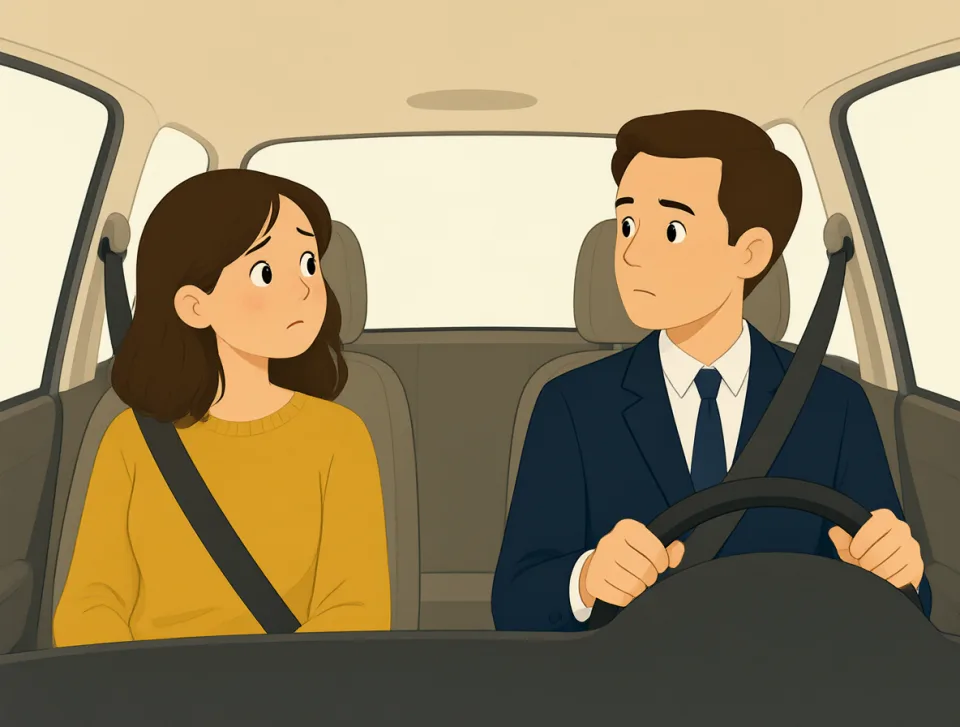
She felt nervous before her driving examination at the test center.
Denerwowała się przed egzaminem na prawo jazdy w ośrodku egzaminacyjnym.

silence
#1967noun, verb
cisza
A quiet state with no sound, or the act of making something quiet.
stan, w którym nic nie słychać, lub działanie polegające na uciszeniu czegoś.
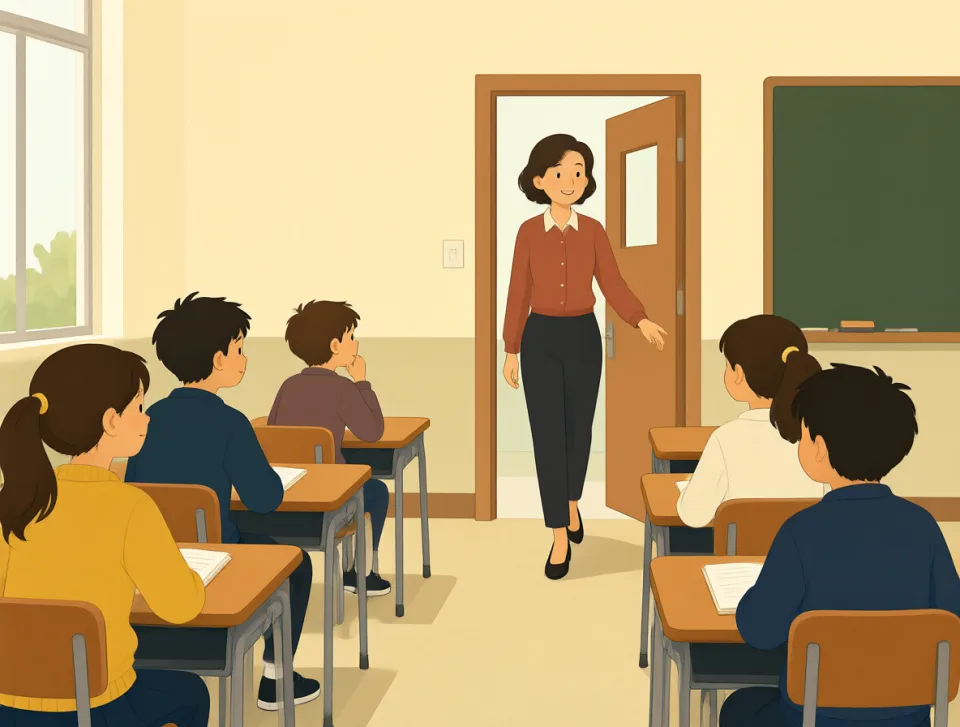
The room fell into silence after the teacher entered.
Gdy nauczyciel wszedł do sali, zapadła cisza.
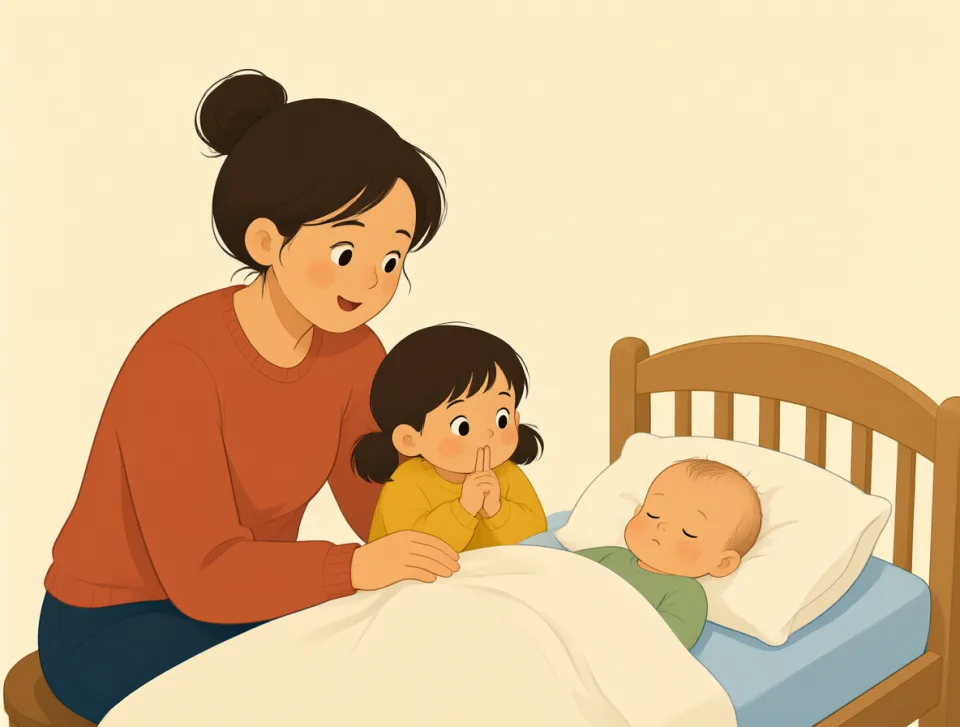
Please keep silence while the baby is sleeping.
Proszę zachować ciszę, kiedy dziecko śpi.
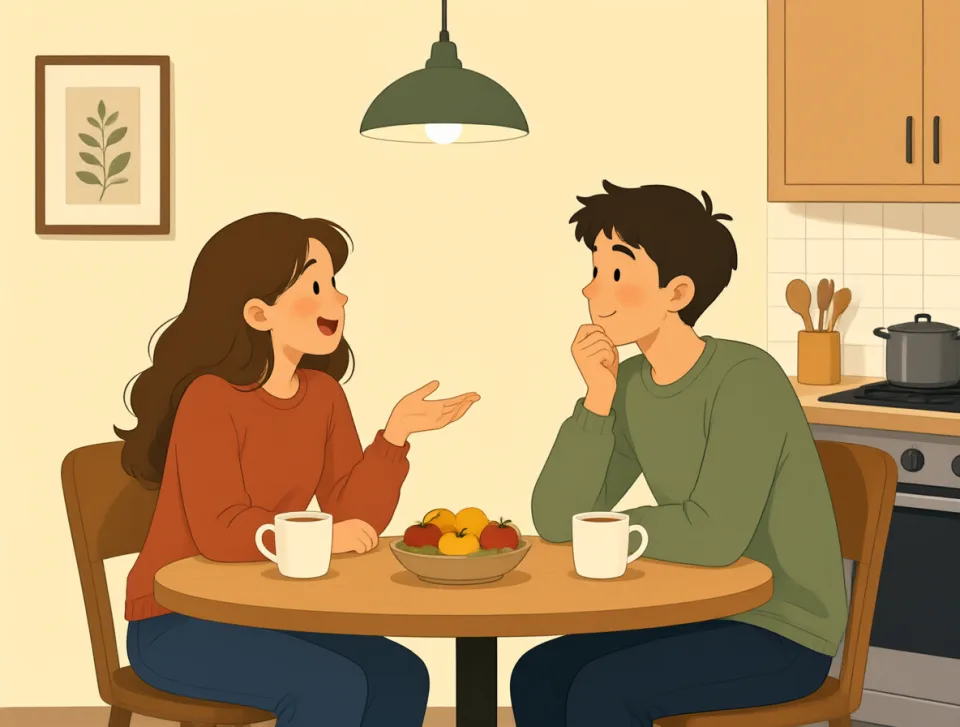
After the argument, Mark broke the silence with a joke.
Po kłótni Mark przerwał milczenie żartem.
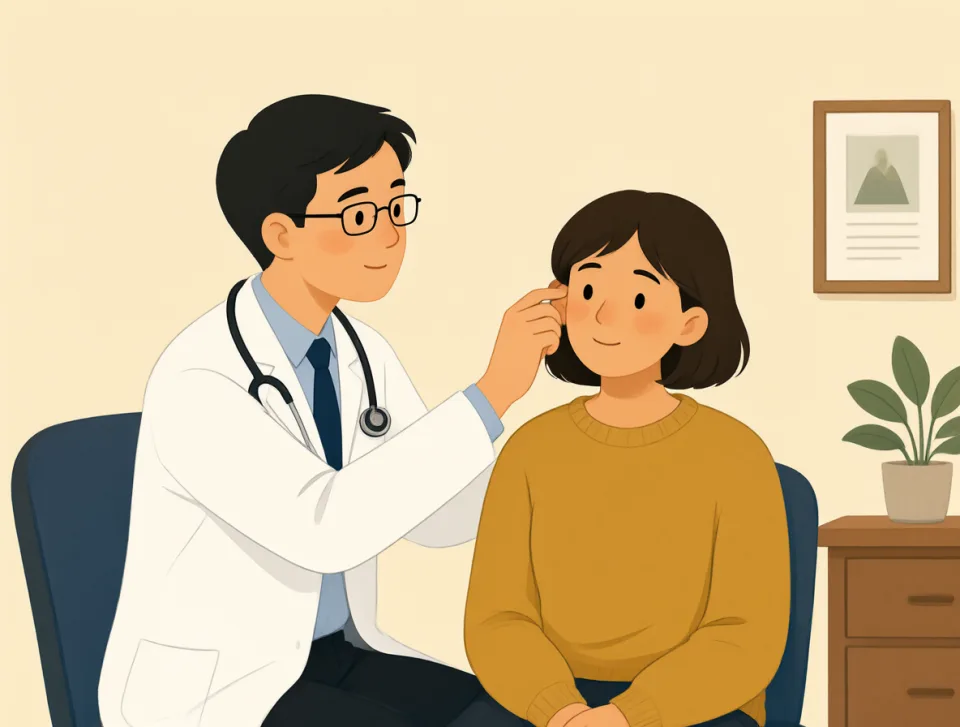
The doctor asked for silence during the hearing test.
Lekarz poprosił o ciszę podczas badania słuchu.

The manager silenced his phone before the meeting started.
Kierownik wyciszył telefon, zanim zaczęło się zebranie.
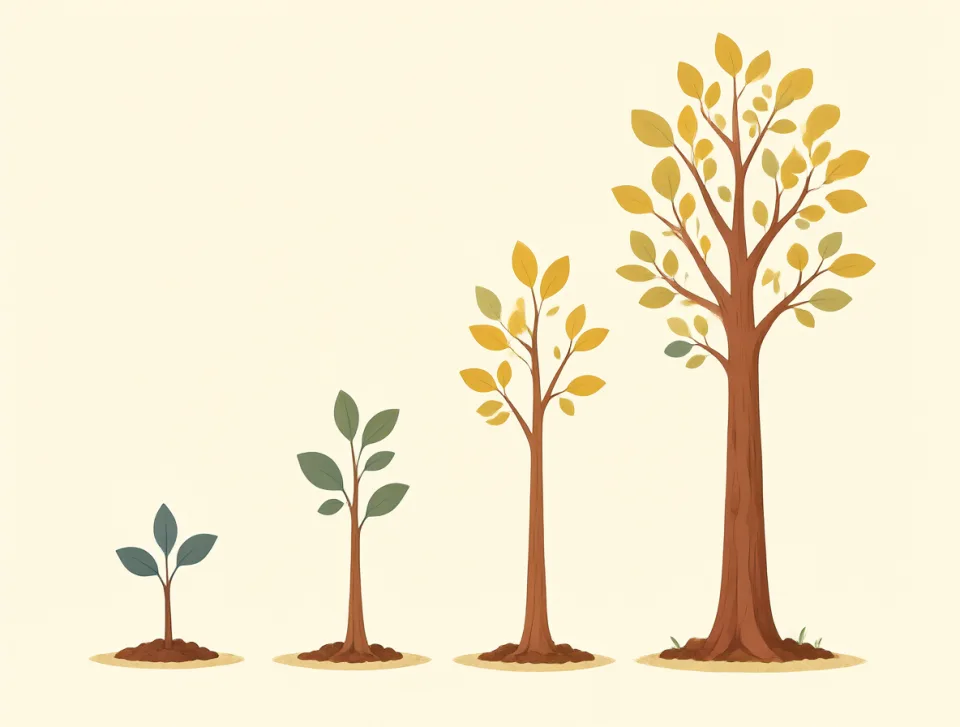
rapidly
#1968adverb
szybko
Very quickly, or in a short time
Bardzo szybko lub w krótkim czasie.
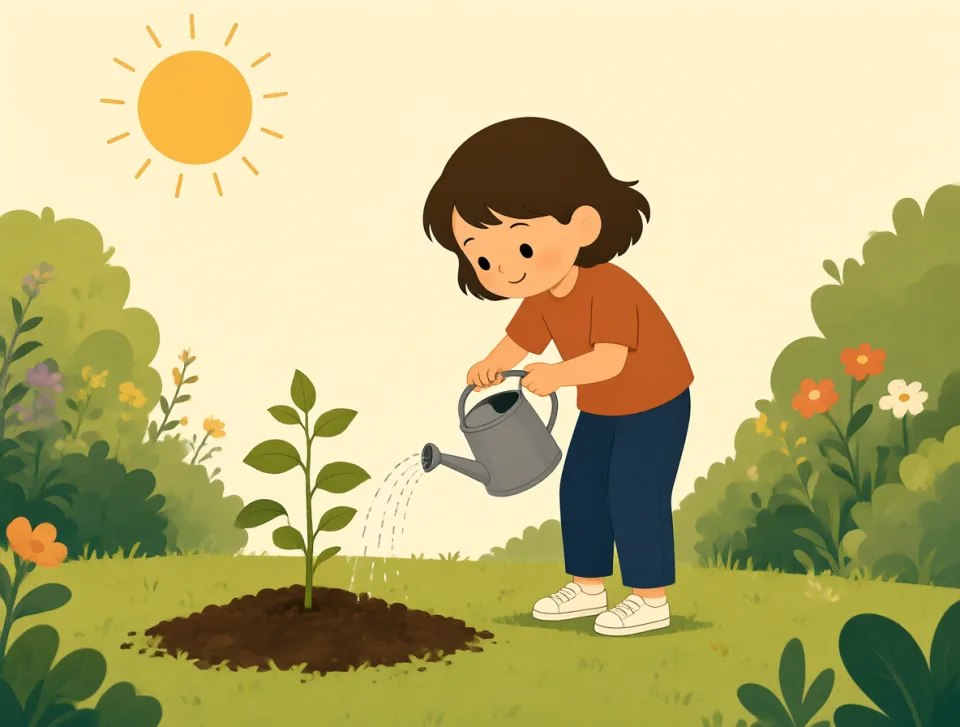
The little plant grew rapidly after we watered it.
Mała roślina szybko urosła, gdy ją podlaliśmy.
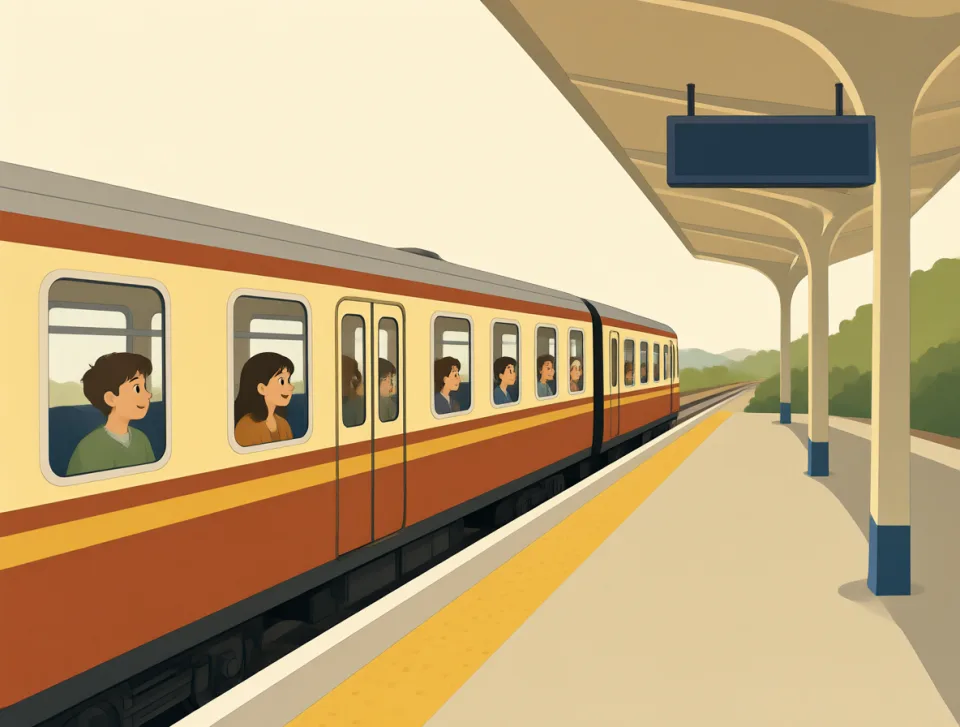
The train rapidly gained speed after leaving the station.
Pociąg szybko nabrał prędkości po odjeździe ze stacji.
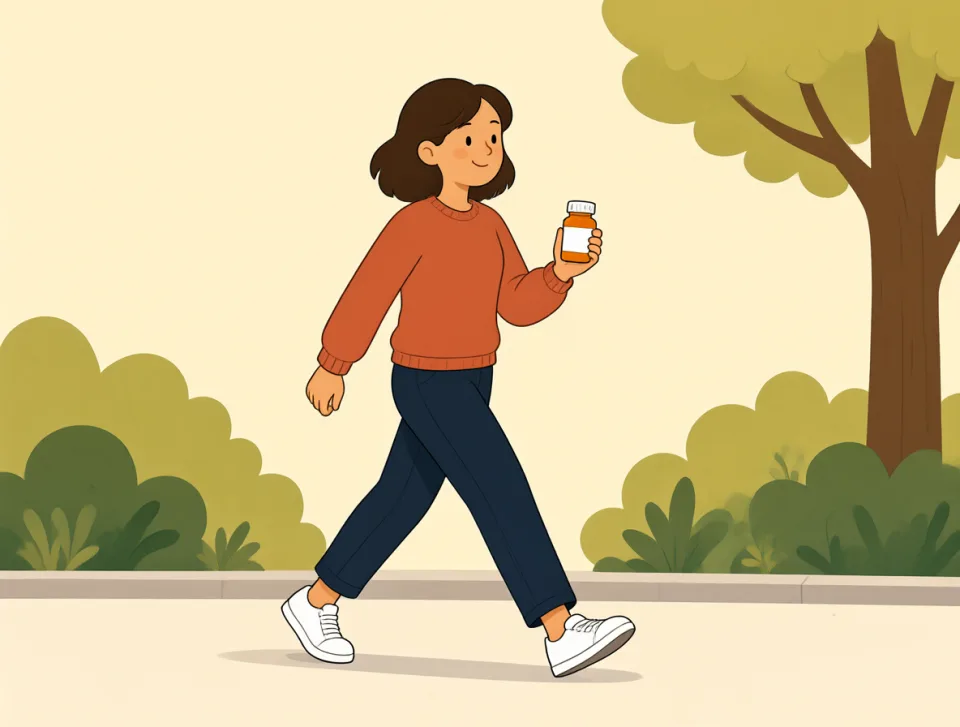
Her health improved rapidly after she started the new medicine.
Jej stan zdrowia szybko się poprawił, gdy zaczęła przyjmować nowy lek.
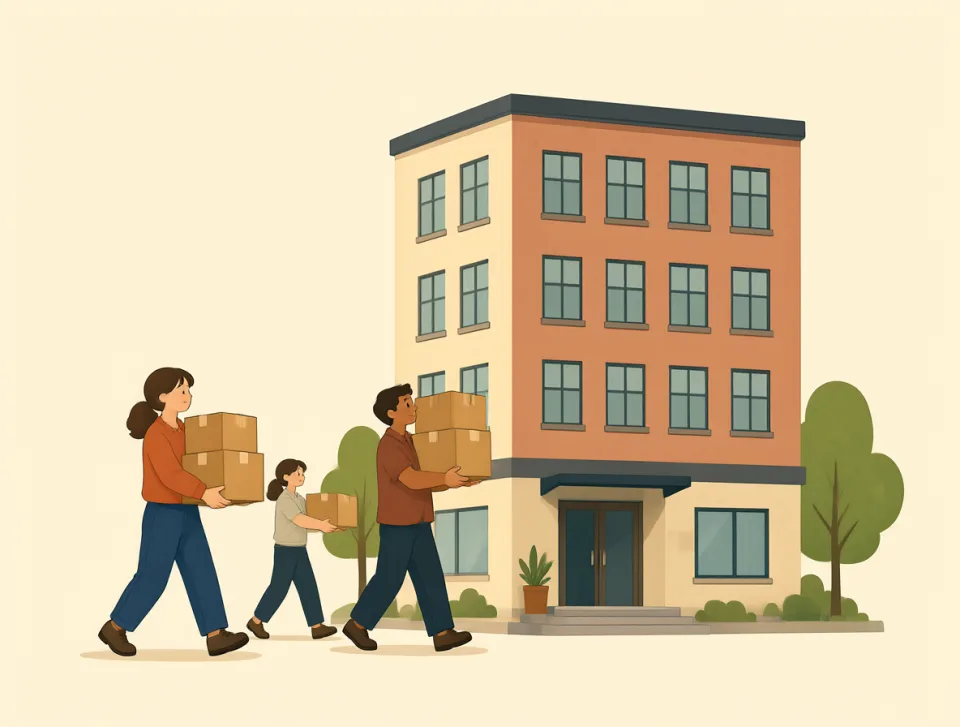
The company is rapidly expanding and hiring more workers.
Firma szybko się rozwija i zatrudnia coraz więcej pracowników.

Prices rose rapidly when the shop announced the shortage.
Ceny gwałtownie wzrosły, gdy sklep ogłosił, że brakuje towaru.
efficient
#1969adjective
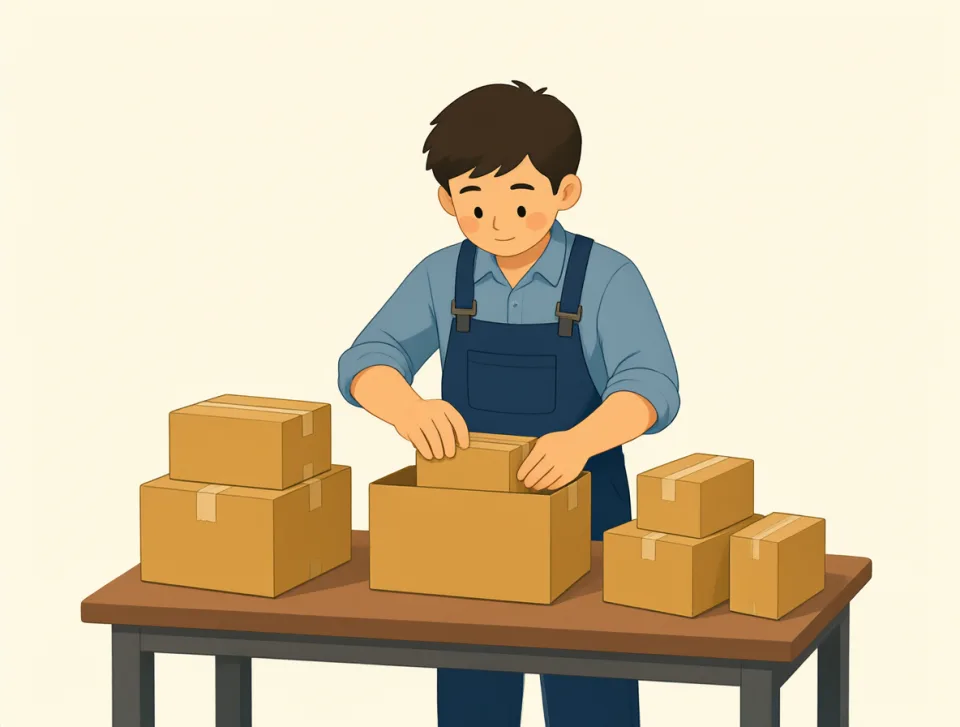
wydajny
Working well without wasting time, energy, or money.
Działający sprawnie bez marnowania czasu, energii ani pieniędzy.
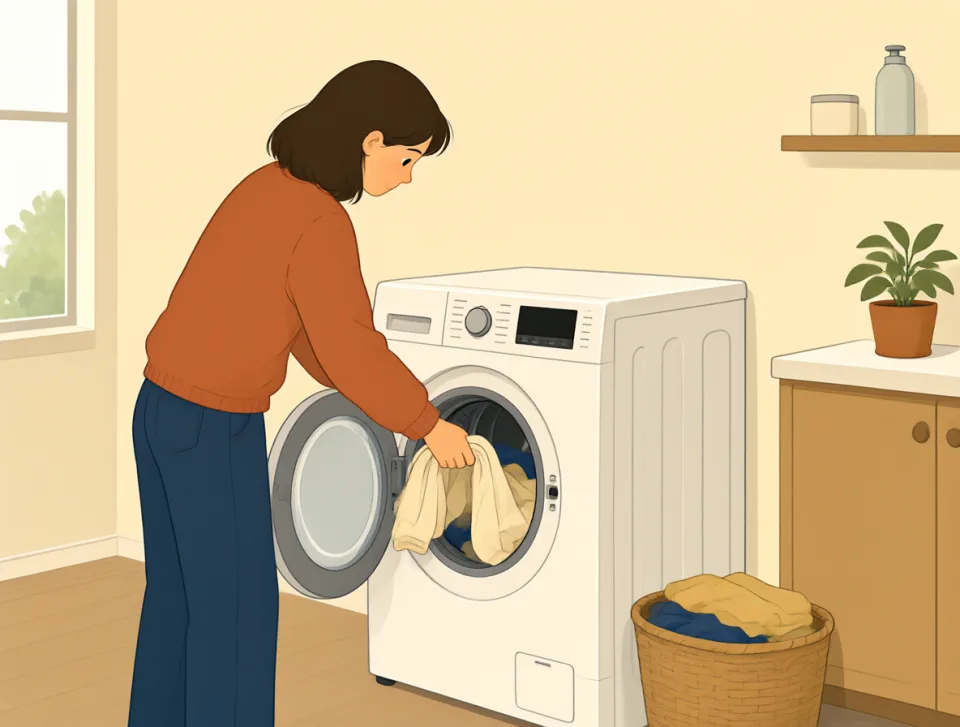
This washing machine is very efficient and saves a lot of water.
Ta pralka jest bardzo wydajna i zużywa znacznie mniej wody.
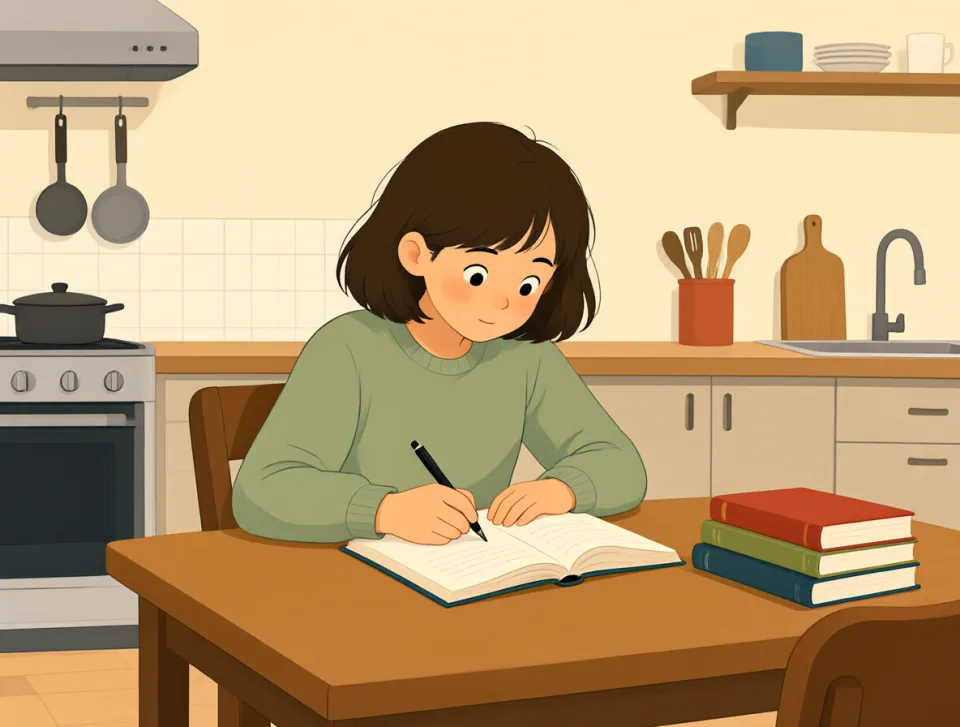
She found an efficient way to finish her homework before dinner.
Znalazła skuteczny sposób, by odrobić lekcje przed kolacją.
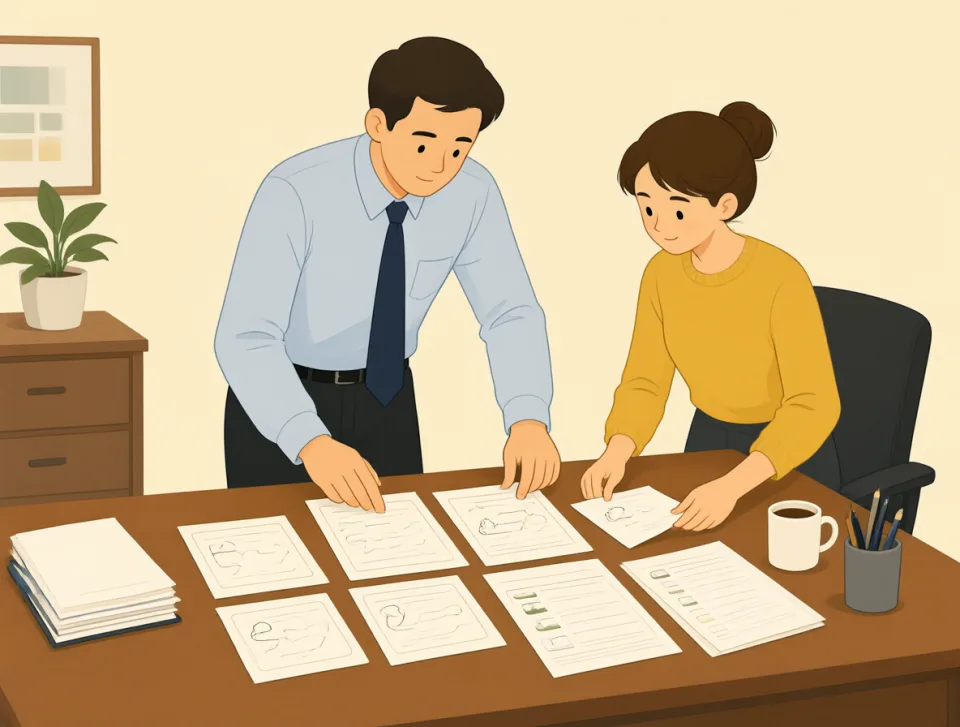
Our new manager is efficient at organizing meetings and tasks.
Nasz nowy kierownik sprawnie organizuje spotkania i przydziela zadania.

The train is an efficient way to travel across the city.
Pociąg to sprawny sposób podróżowania po mieście.
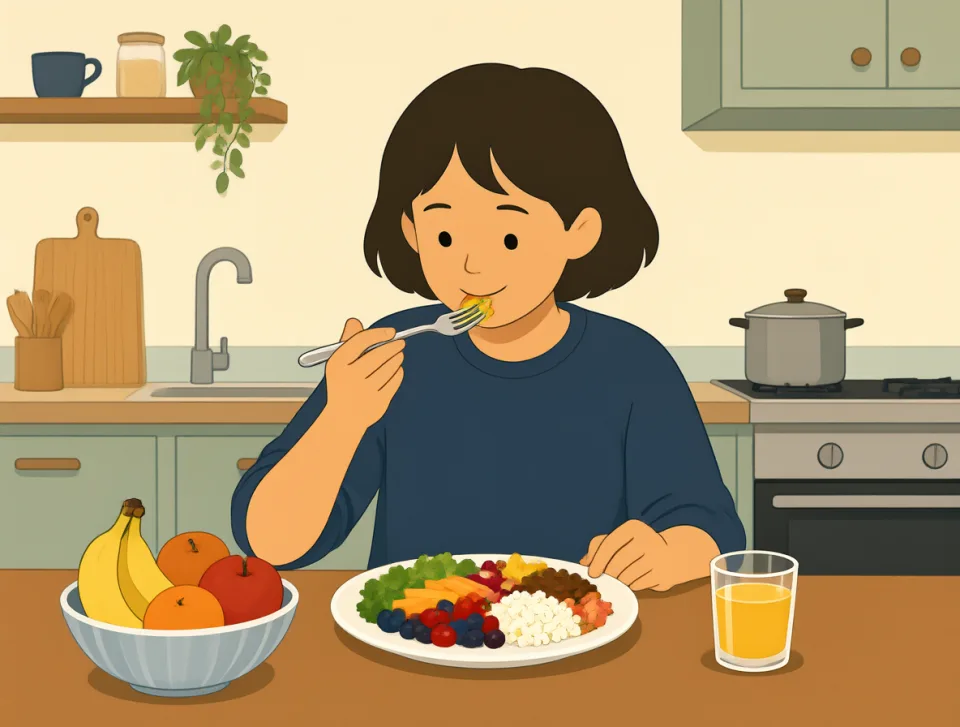
Eating healthy meals helps your body use energy efficiently.
Zdrowe posiłki pomagają organizmowi efektywnie wykorzystywać energię.
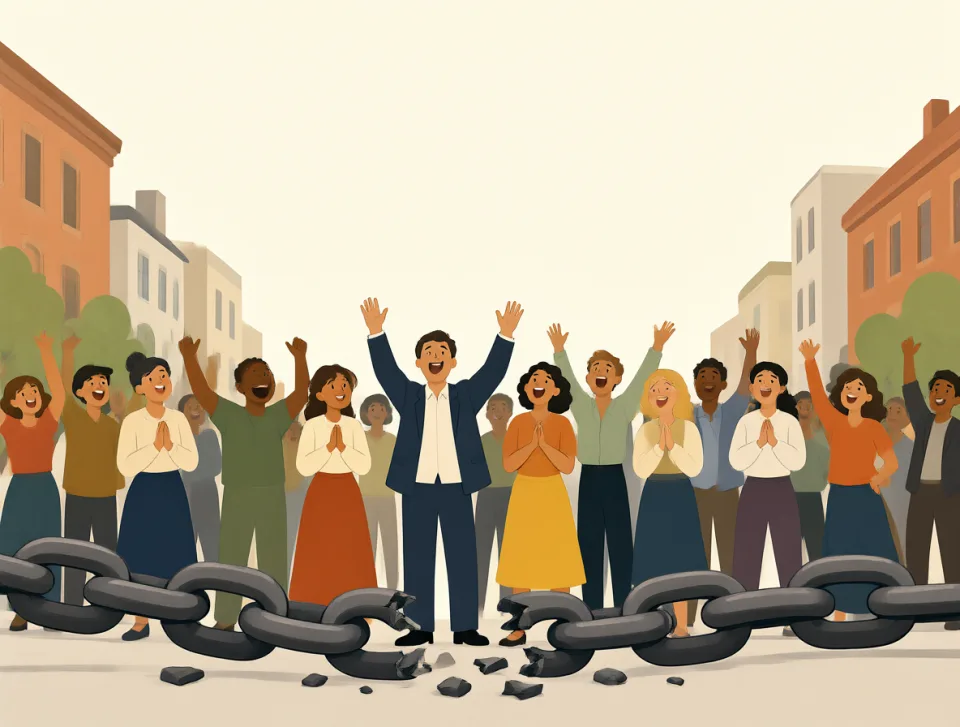
revolution
#1970noun
rewolucja
A complete change in the way people live, work, or govern a country.
Całkowita zmiana sposobu, w jaki ludzie żyją, pracują lub sprawują władzę w kraju.
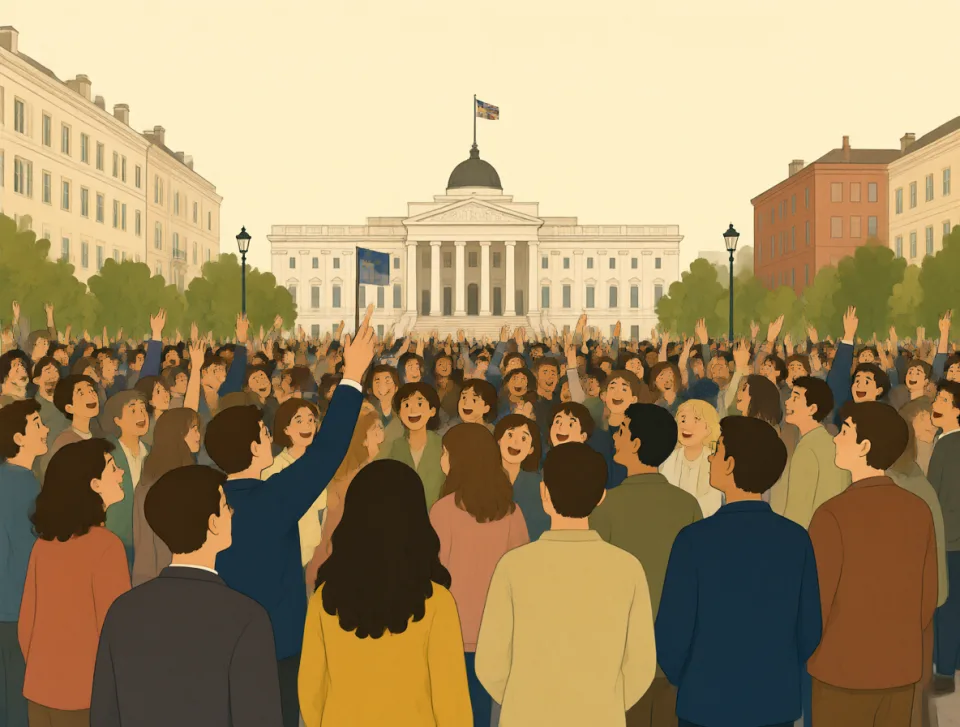
The revolution changed the country’s government and daily life.
Rewolucja zmieniła rząd i codzienne życie w kraju.
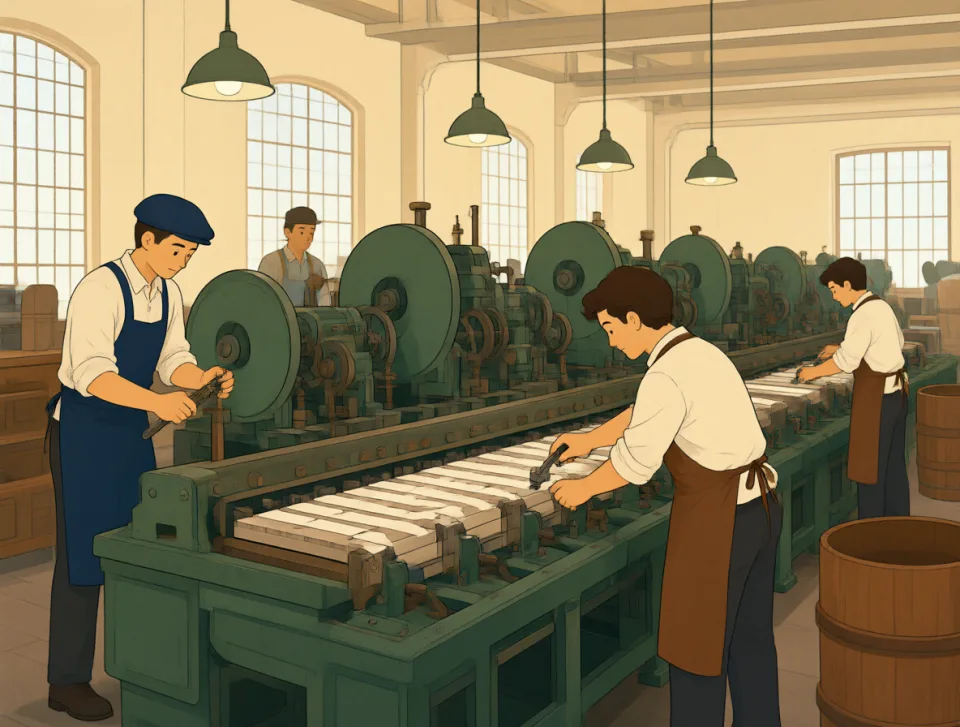
The industrial revolution brought machines into factories and homes.
Rewolucja przemysłowa wprowadziła maszyny do fabryk i domów.

The internet caused a revolution in the way we communicate.
Internet wywołał rewolucję w sposobie, w jaki się komunikujemy.
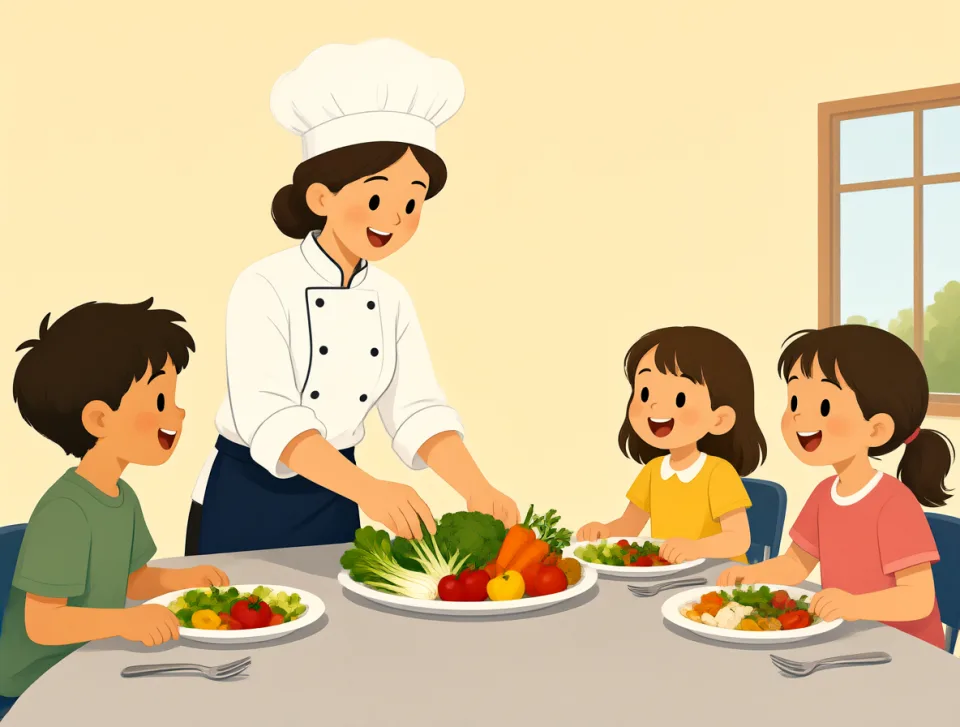
The chef started a revolution in school lunches with fresh vegetables.
Szef kuchni zapoczątkował rewolucję w szkolnych obiadach, wprowadzając świeże warzywa.
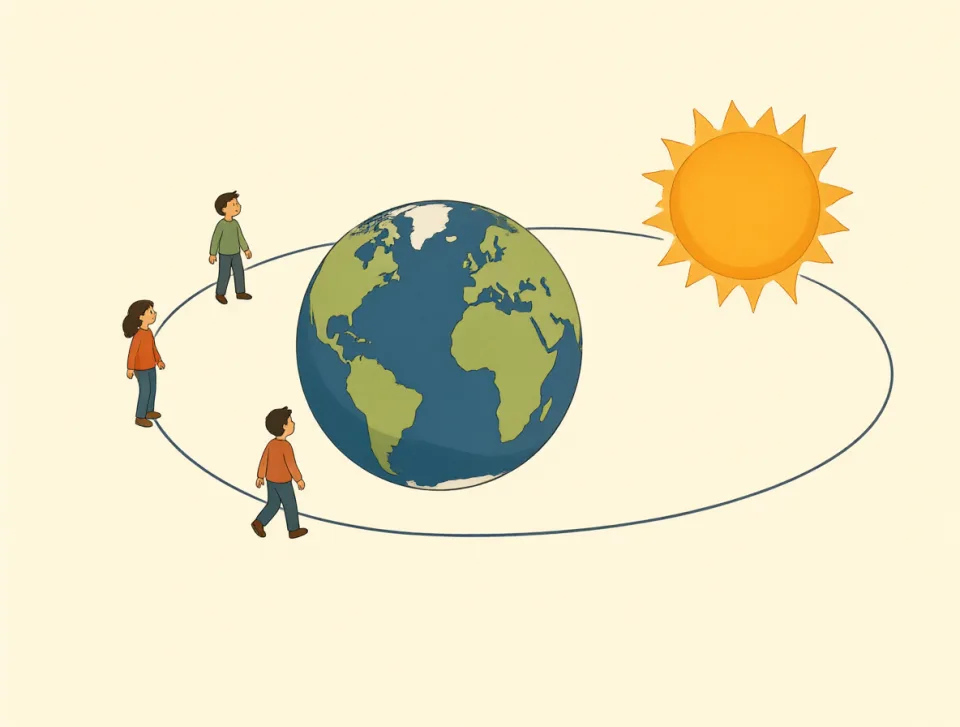
The Earth completes one revolution around the Sun each year.
Ziemia wykonuje jeden obieg wokół Słońca każdego roku.
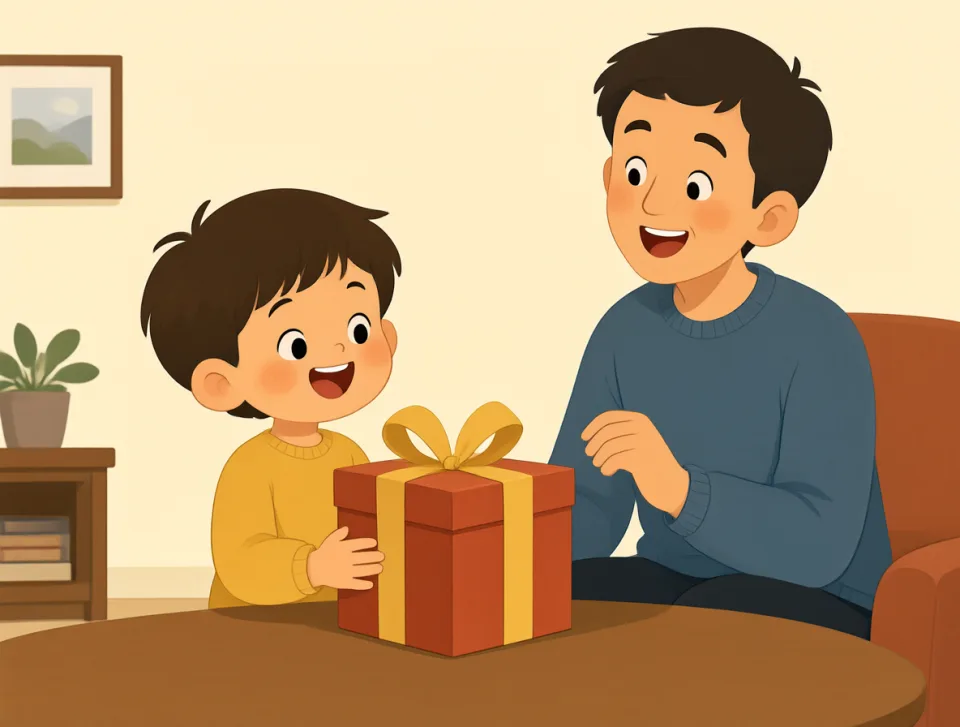
delight
#1971noun, verb
zachwyt
great happiness or pleasure; to make someone very happy
wielkie szczęście lub przyjemność; sprawić komuś wielką radość

The children shouted with delight when the puppy arrived.
Dzieci krzyknęły z zachwytu, gdy przybył szczeniak.

Her kind message was a delight to read after work.
Miło było przeczytać po pracy jej serdeczną wiadomość.

The fresh fruit delighted everyone at the picnic.
Świeże owoce zachwyciły wszystkich na pikniku.

The hotel staff delighted us with a free breakfast.
Personel hotelu sprawił nam miłą niespodziankę, oferując bezpłatne śniadanie.
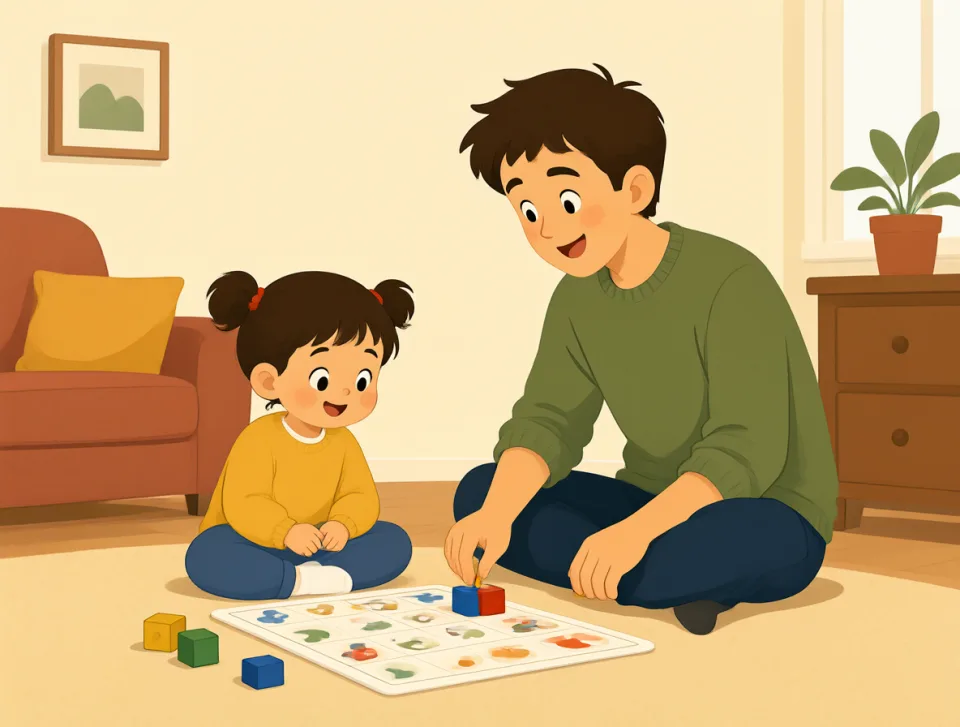
He delights in teaching his little sister new games.
Uwielbia uczyć młodszą siostrę nowych gier.
spell
#1972verb, noun
literować; okres
To write or say the letters of a word in the correct order; a short period of time.
Wymawiać lub zapisywać kolejno litery danego słowa; krótki okres.
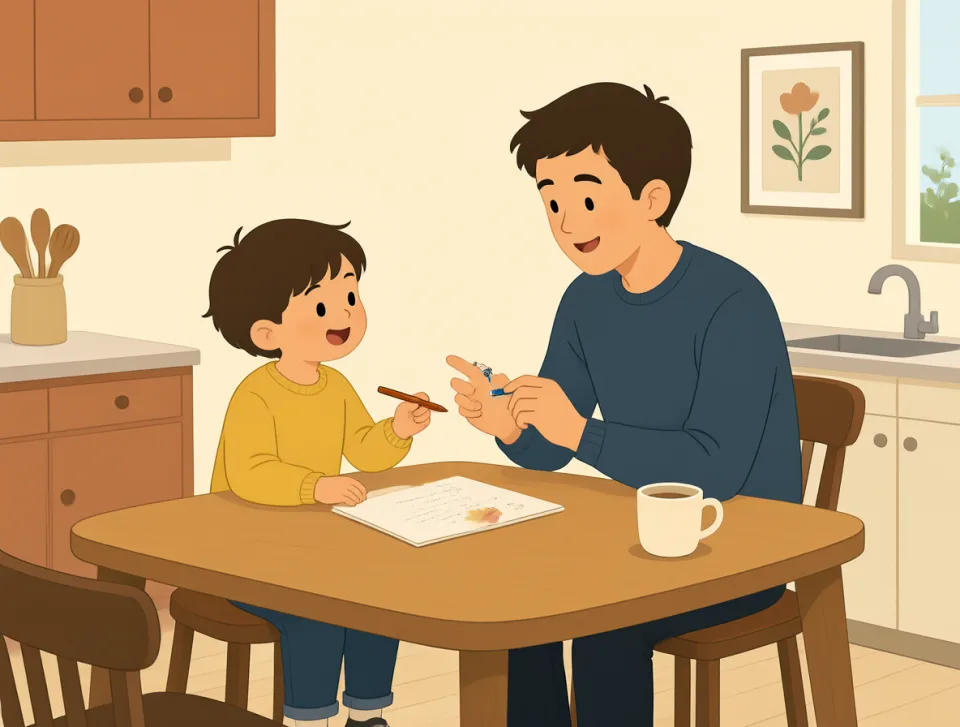
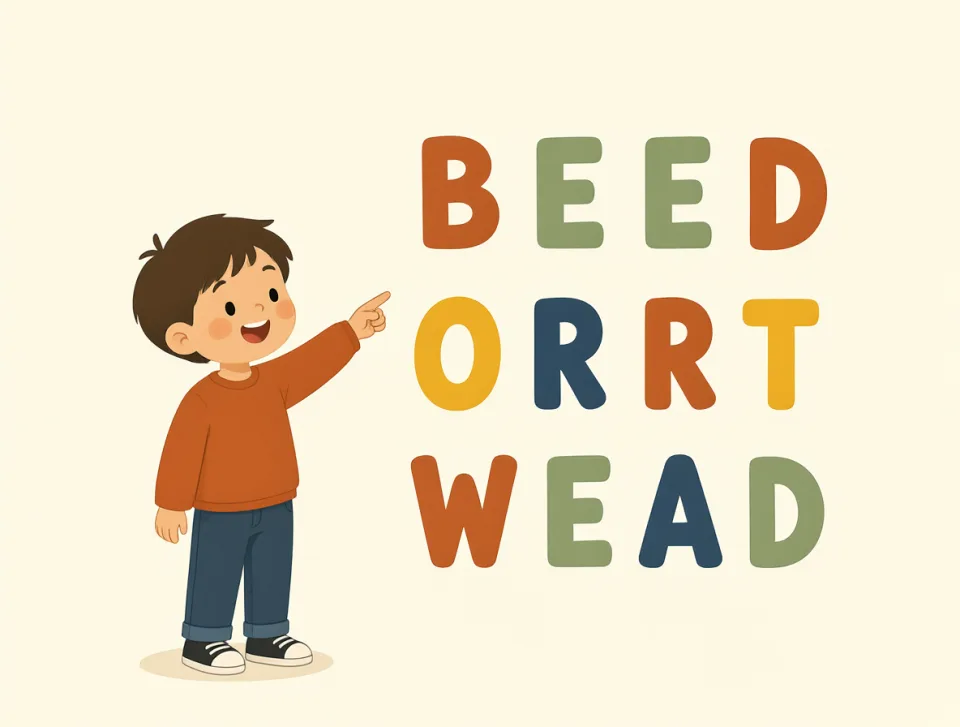
Can you spell your name for me, please?
Czy może mi pani/pan przeliterować swoje imię?
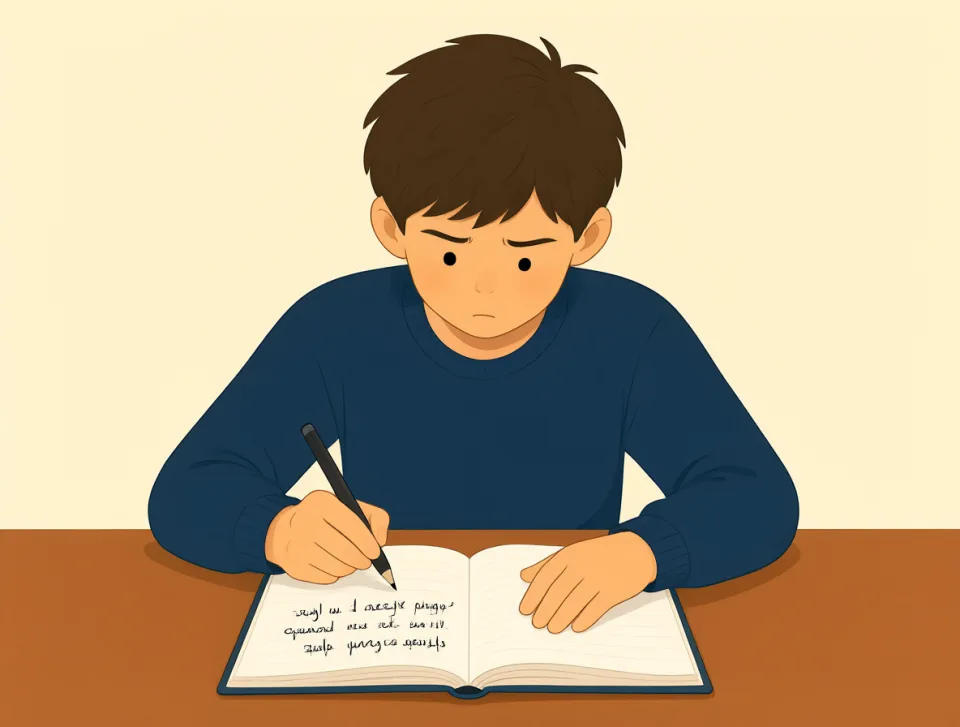
I always spell difficult words incorrectly.
Zawsze robię błędy w pisowni trudnych słów.
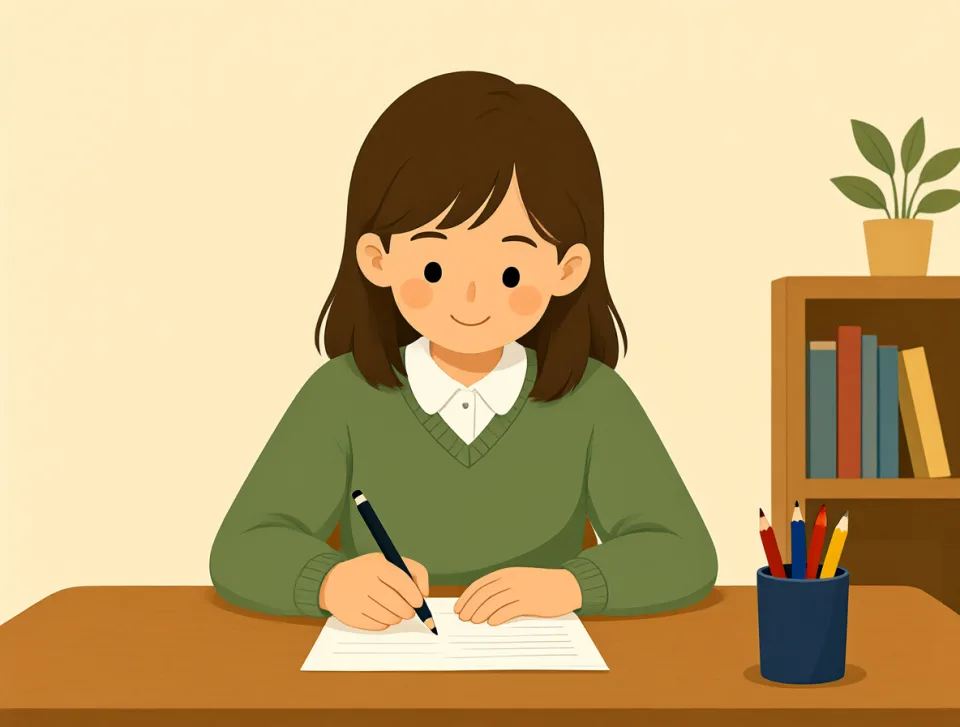
She spelled the word correctly in class.
Na lekcji poprawnie przeliterowała to słowo.
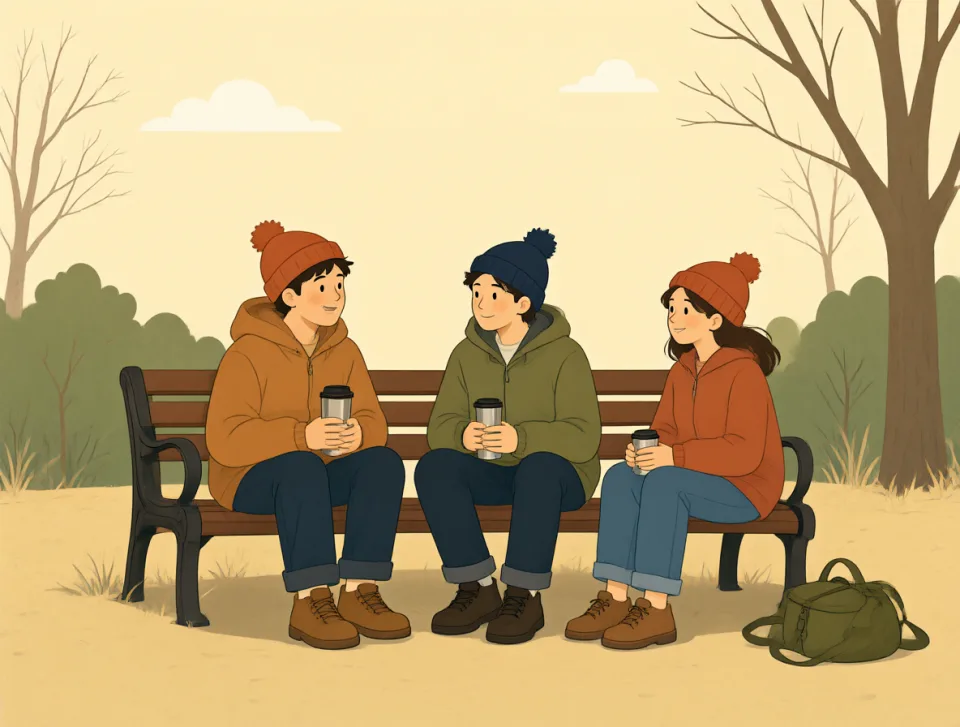
We enjoyed a warm spell during our winter holiday.
Podczas ferii zimowych mieliśmy okres ciepłej pogody.
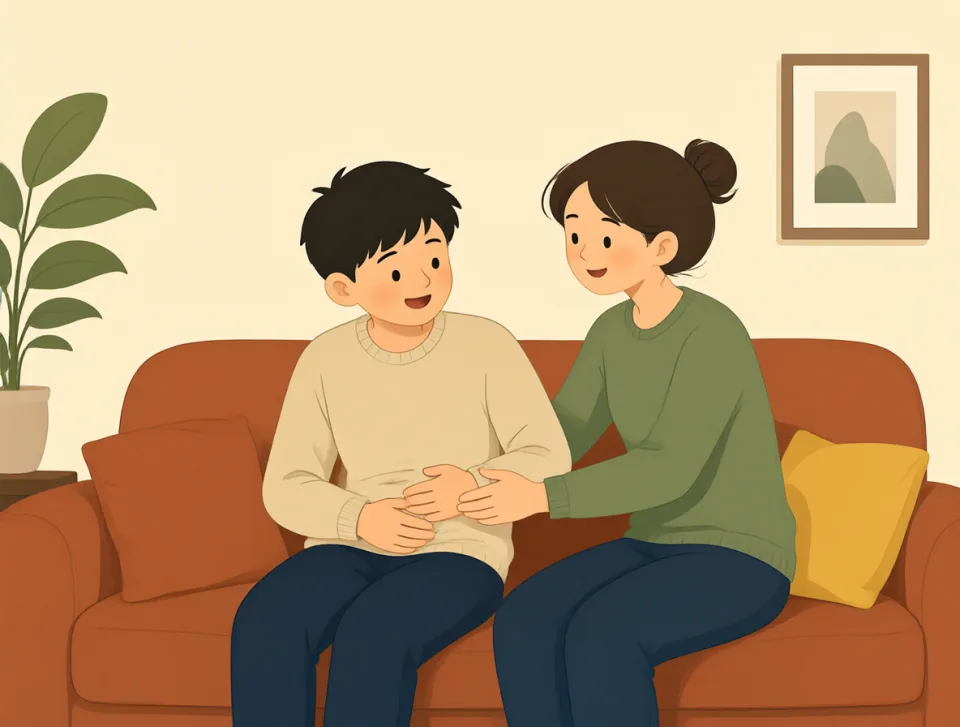
He had a bad spell of stomach pain yesterday.
Wczoraj miał silny atak bólu brzucha.
premise
#1973noun
założenie
An idea or situation that forms the basis for a story, argument, or plan.
Pomysł lub sytuacja stanowiące podstawę opowieści, argumentu lub planu.
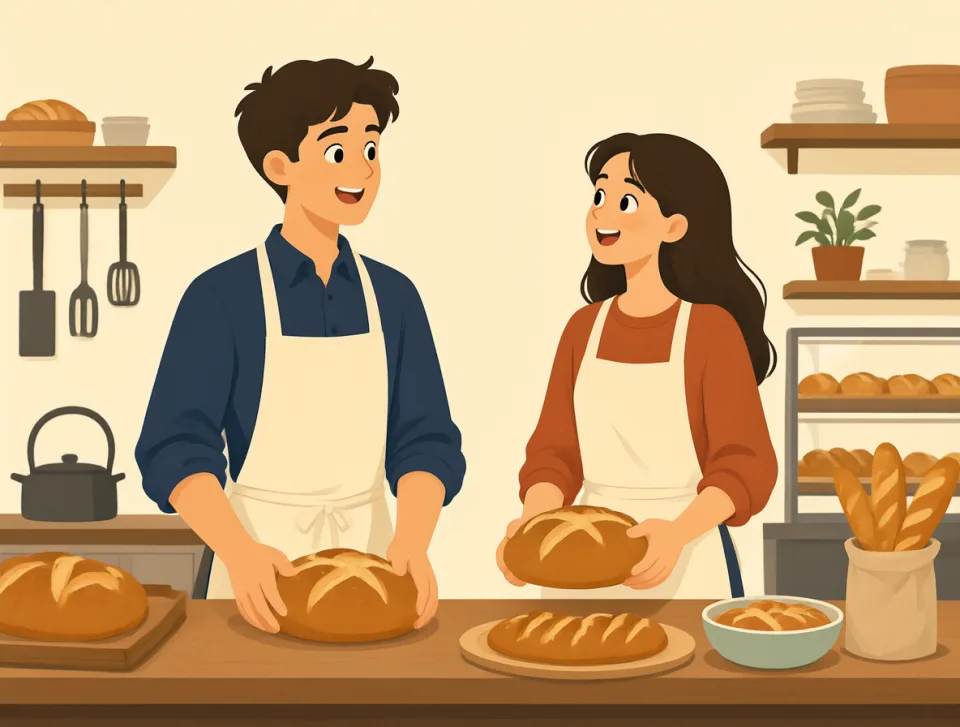
The movie has a simple premise about two friends opening a bakery.
Film ma prosty punkt wyjścia: dwoje przyjaciół otwiera piekarnię.

Our plan is based on the premise that everyone will arrive early.
Nasz plan opiera się na założeniu, że wszyscy przyjadą wcześniej.
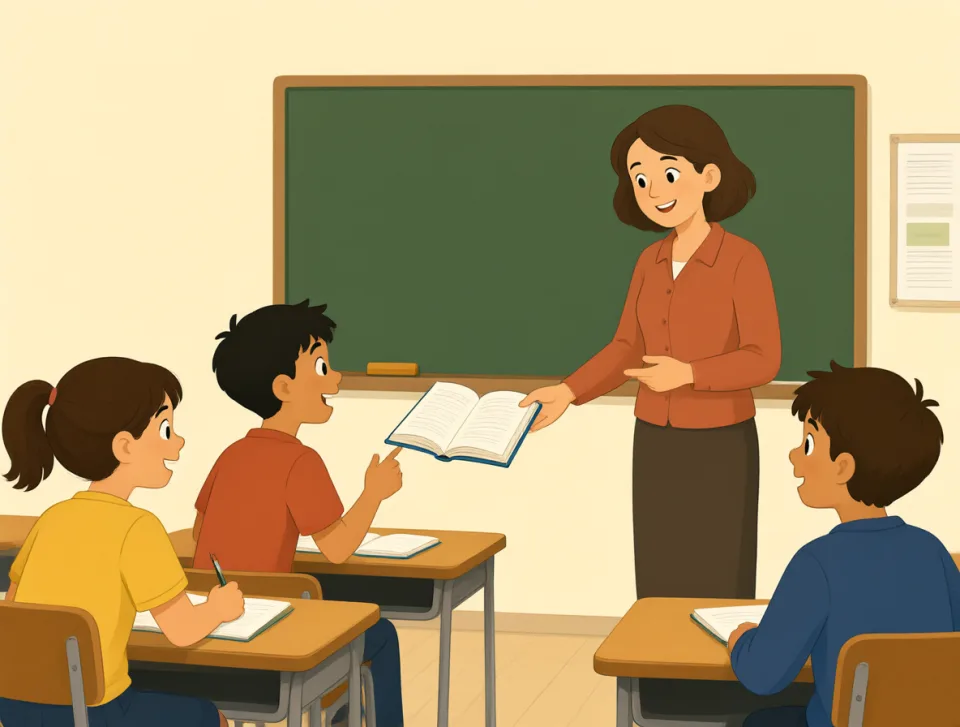
The teacher asked us to explain the premise of the novel.
Nauczyciel poprosił nas o wyjaśnienie głównego założenia powieści.
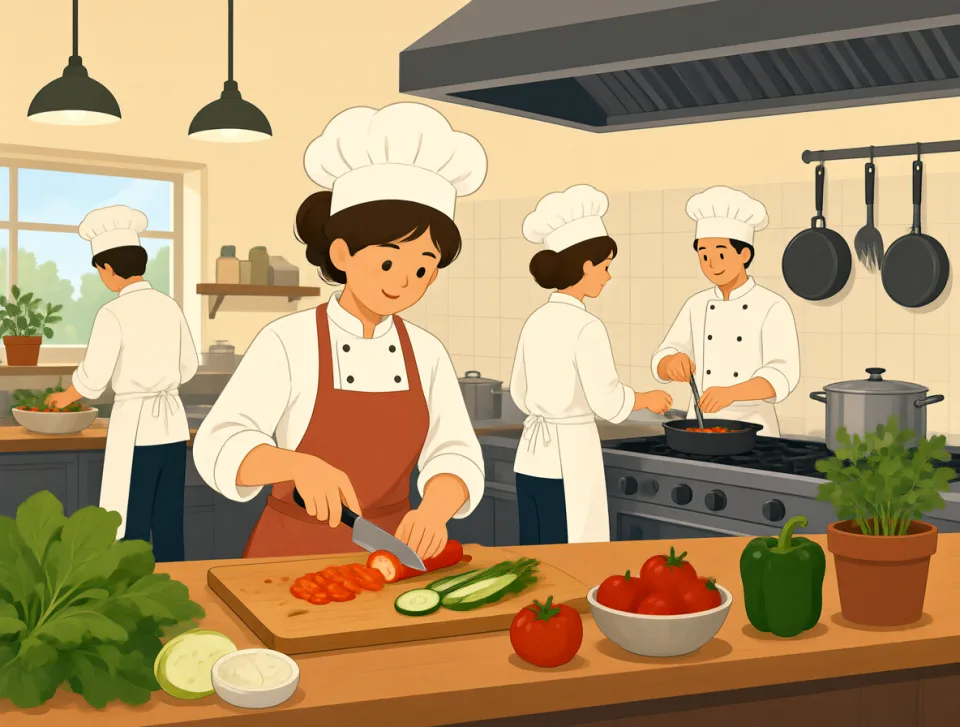
The restaurant works on the premise that fresh food tastes better.
Restauracja kieruje się założeniem, że świeże jedzenie smakuje lepiej.

The whole premise of the trip was to relax by the sea.
Głównym celem tej podróży był odpoczynek nad morzem.
lean
#1974verb, adjective
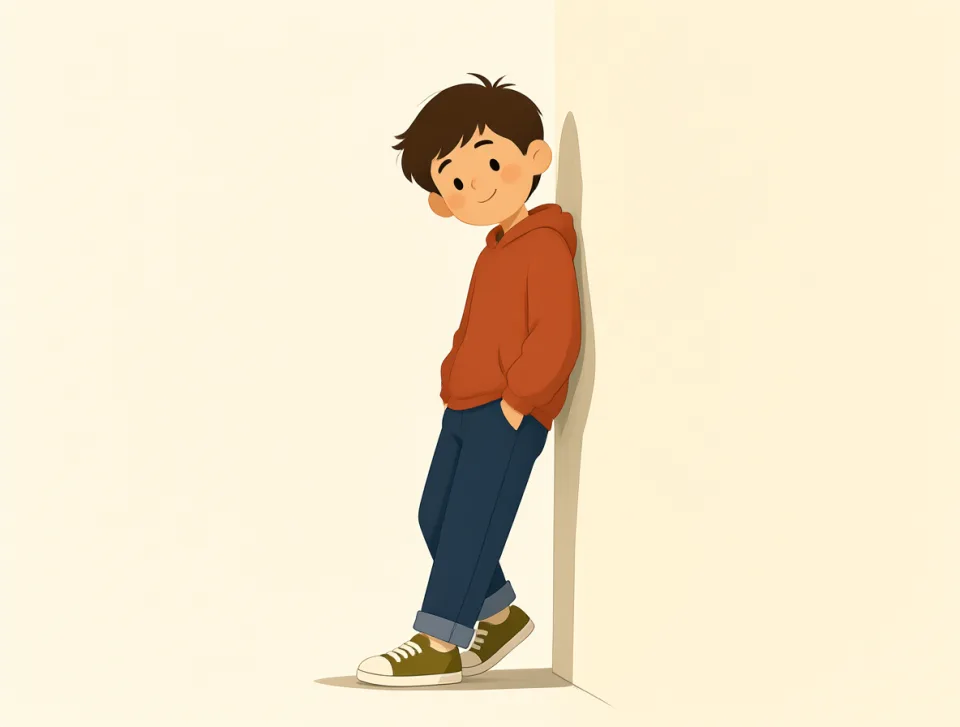
pochylać się; chudy
To bend or rest at an angle, or have little fat.
Pochylać się lub opierać pod kątem albo mieć mało tkanki tłuszczowej.
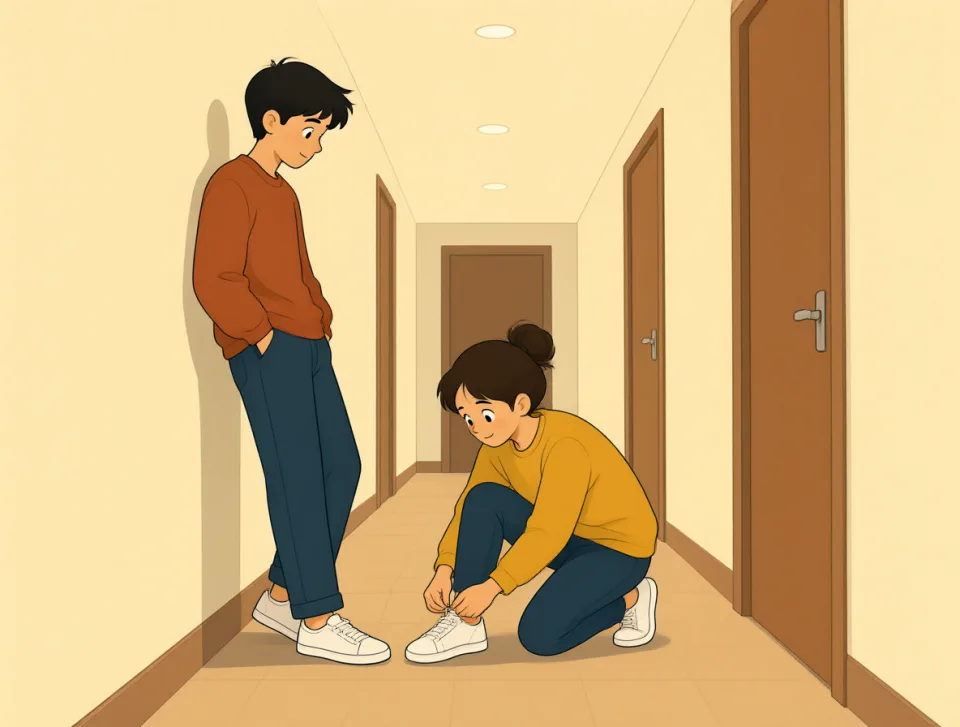
Please lean against the wall while I tie your shoe.
Proszę oprzeć się o ścianę, a ja zawiążę panu/pani but.

She leaned forward to hear the teacher more clearly.
Pochyliła się do przodu, żeby lepiej słyszeć nauczyciela.
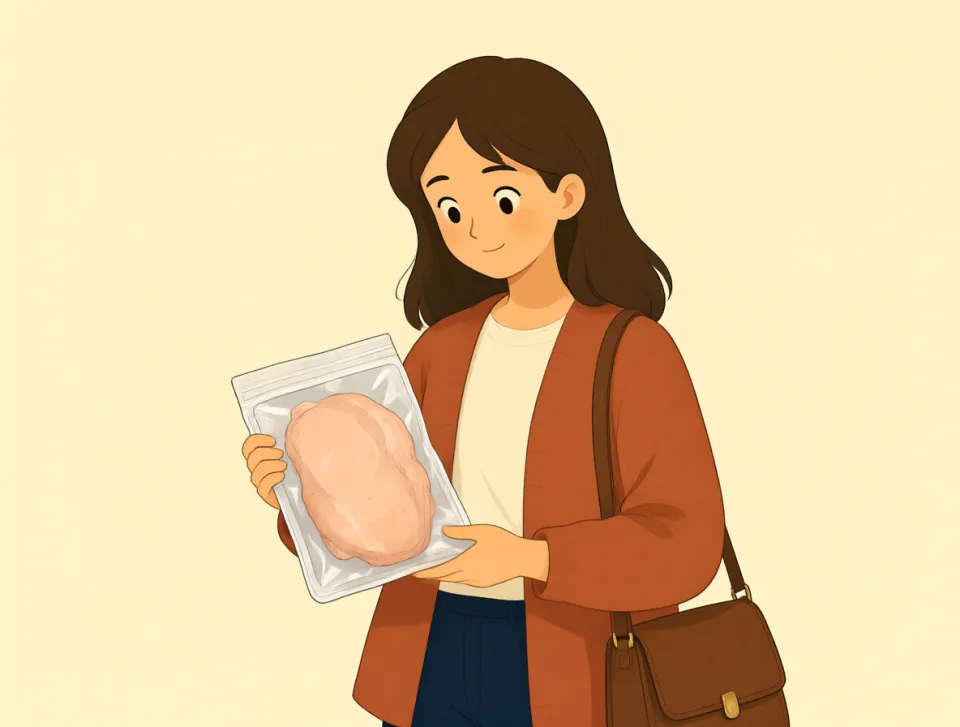
We bought lean chicken for dinner.
Kupiliśmy na kolację chudego kurczaka.

You can lean on me when life feels difficult.
Możesz się na mnie oprzeć, kiedy życie staje się trudne.
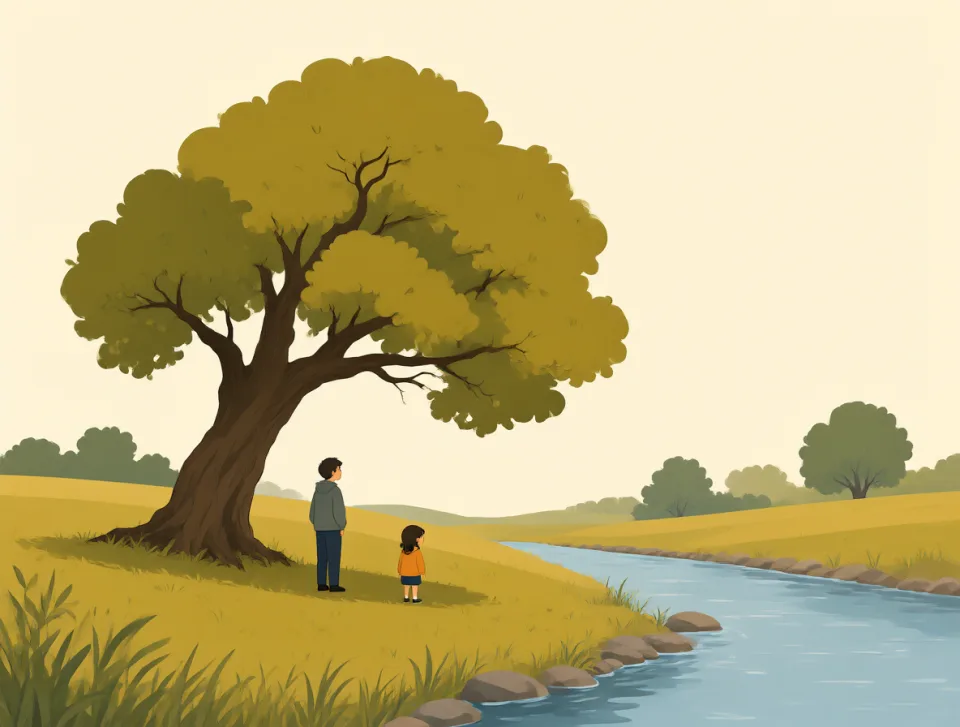
The old tree leans toward the river.
Stare drzewo pochyla się w stronę rzeki.

dramatic
#1975adjective
dramatyczny
very exciting, surprising, or noticeable, often because something changes suddenly
bardzo ekscytujący, zaskakujący lub wyraźny, często z powodu nagłej zmiany
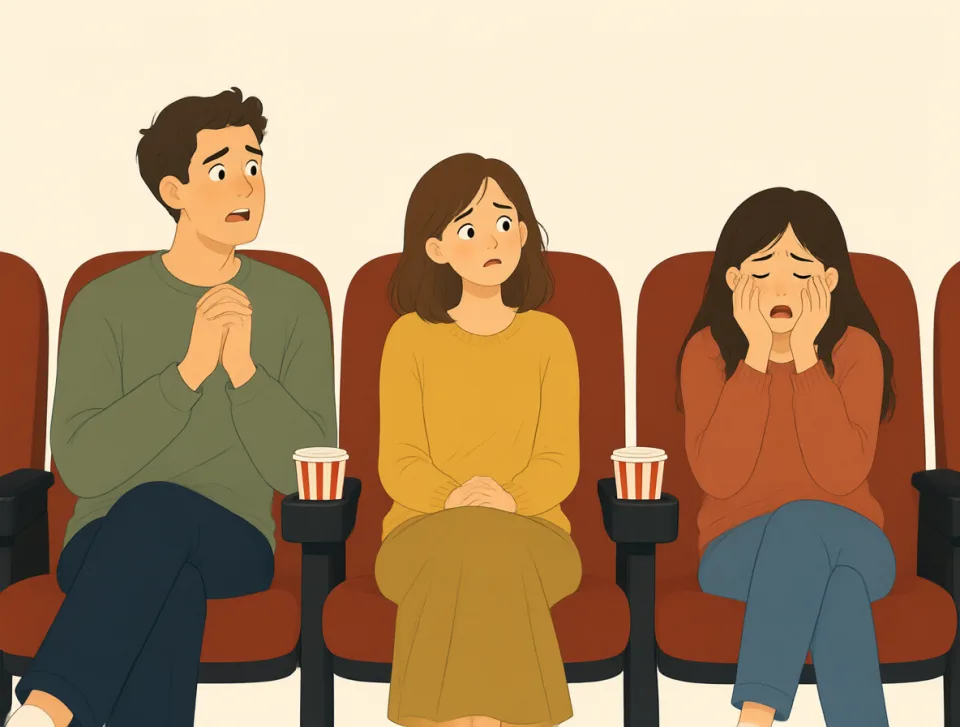
The movie had a dramatic ending that made everyone cry.
Film miał dramatyczne zakończenie, które doprowadziło wszystkich do łez.

There was a dramatic change in the weather this afternoon.
Tego popołudnia nastąpiła gwałtowna zmiana pogody.

She made a dramatic entrance at the party.
Pojawiła się na przyjęciu w efektowny sposób.
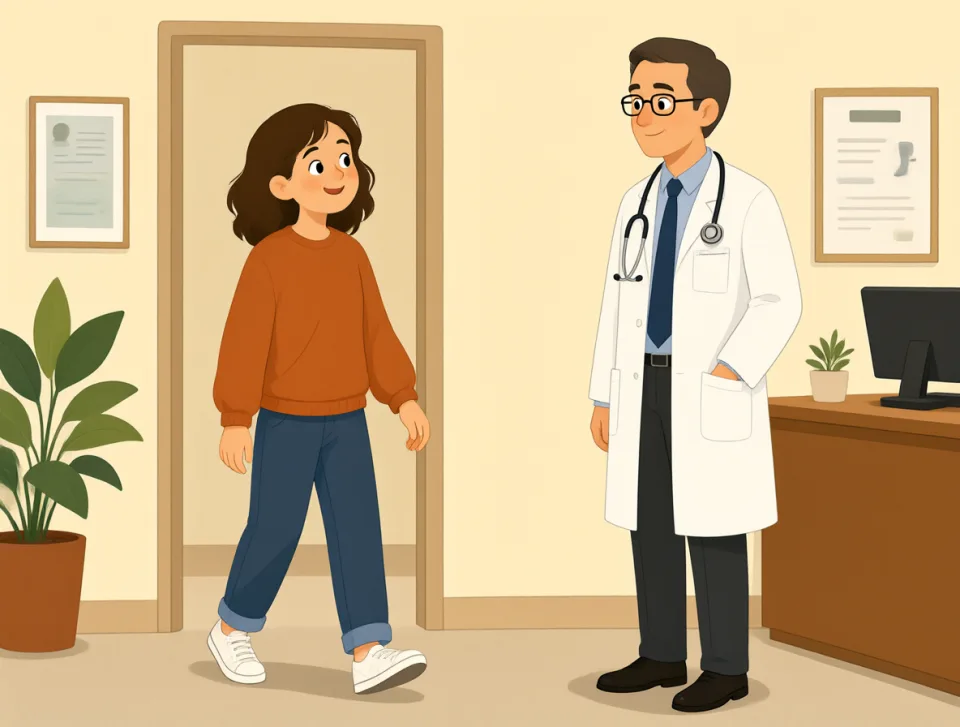
The doctor saw a dramatic improvement in his health.
Lekarz zauważył znaczną poprawę stanu jego zdrowia.
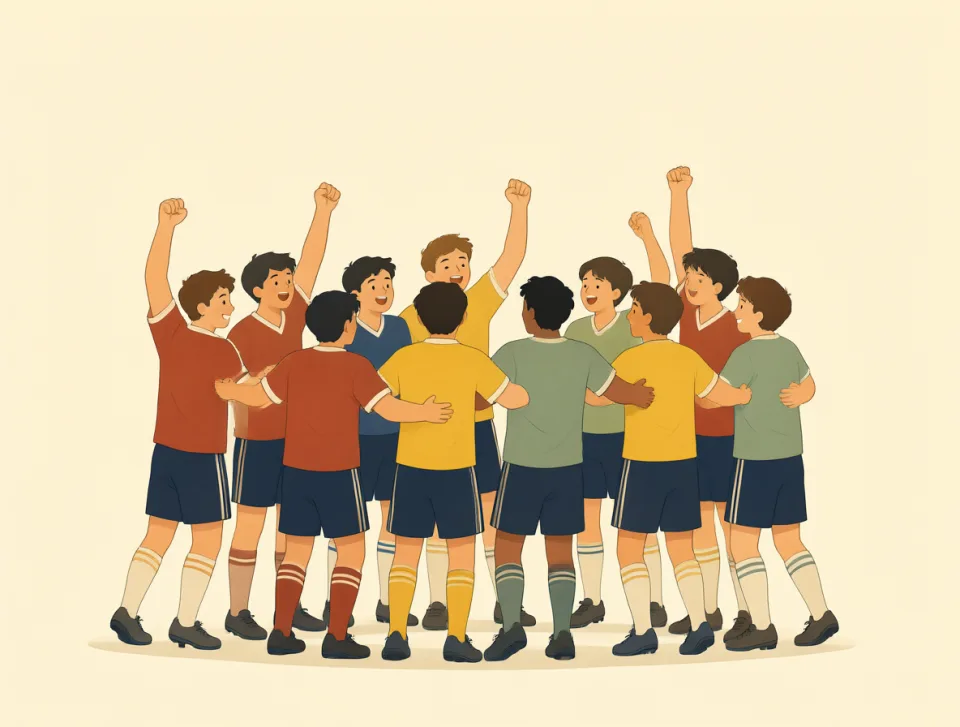
The team made a dramatic comeback and won the game.
Drużyna dokonała spektakularnego powrotu i wygrała mecz.
differ
#1976verb
różnić się
to be different from something or someone
Być innym niż coś lub ktoś.
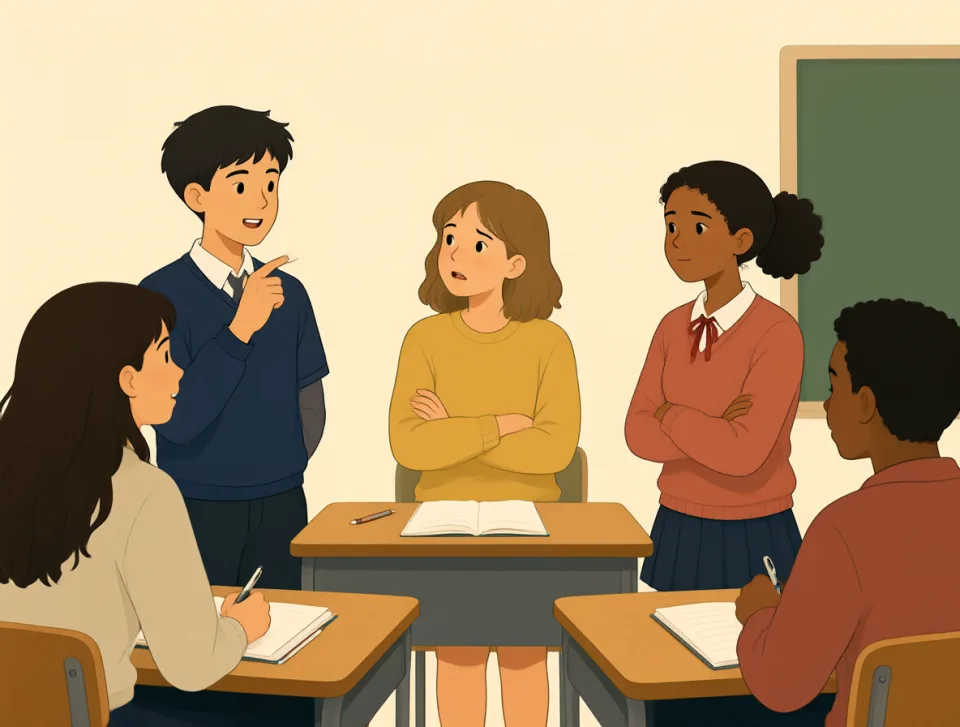
People differ in their opinions about the best school uniform.
Ludzie różnią się opiniami na temat najlepszego szkolnego mundurka.
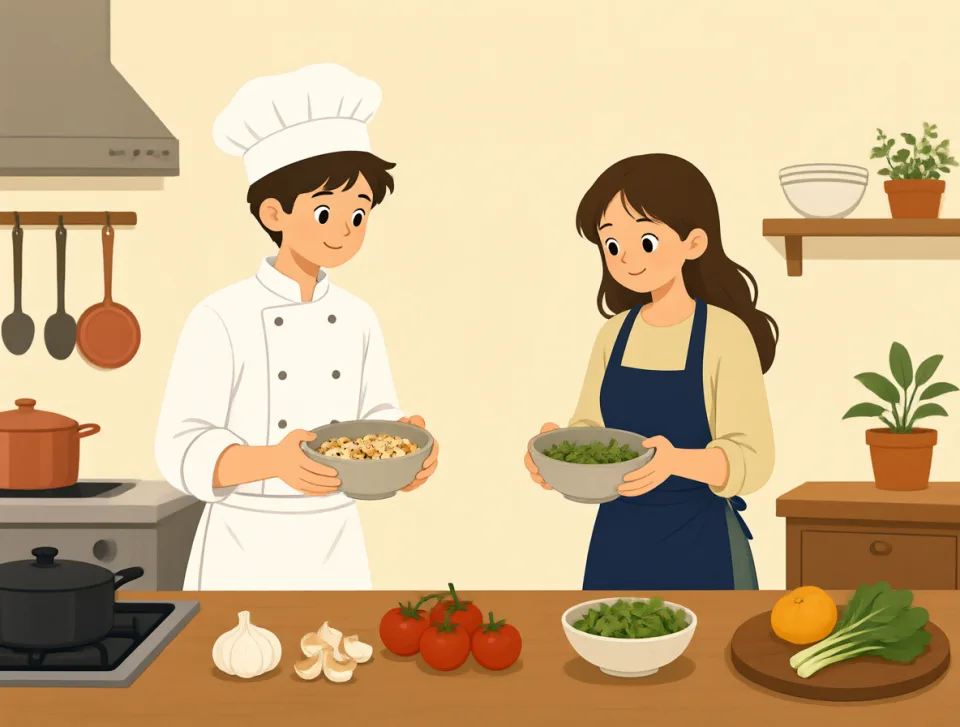
The two recipes differ slightly in the amount of sugar they use.
Te dwa przepisy nieco różnią się ilością cukru.

My brother and I differ on which restaurant to choose.
Nie mogę się z bratem zdecydować, którą restaurację wybrać.

Prices differ from one shop to another in this town.
Ceny w tym mieście różnią się w zależności od sklepu.
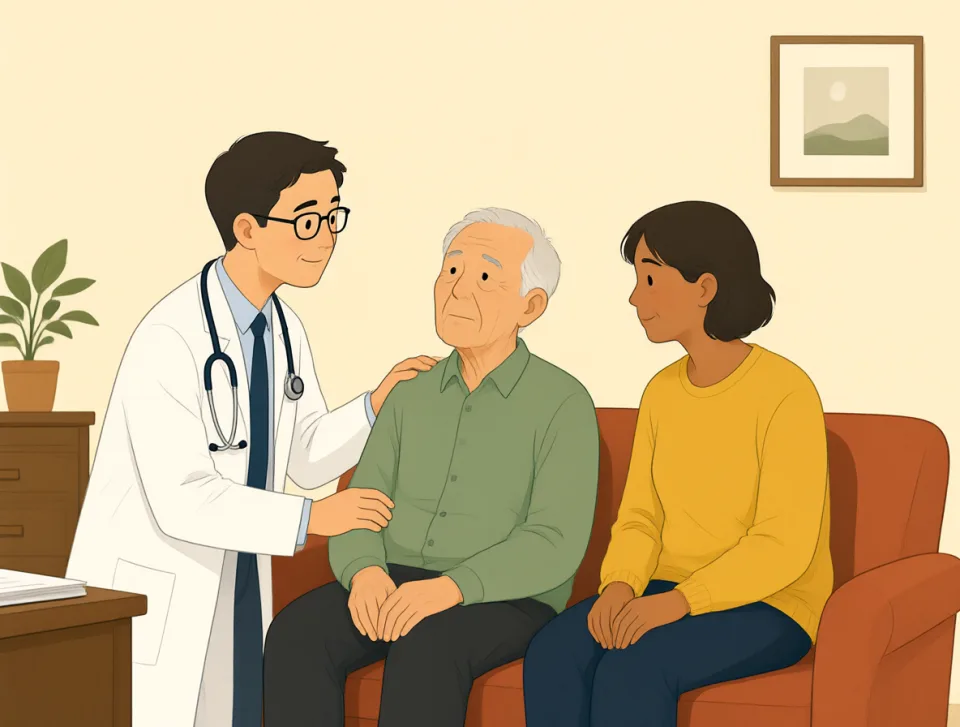
Symptoms can differ between people with the same illness.
Objawy mogą się różnić u osób cierpiących na tę samą chorobę.

grateful
#1977adjective
wdzięczny
Feeling thankful for something kind that someone has done.
Czuć wdzięczność za czyjś miły gest.

I am grateful for your help with my homework.
Jestem wdzięczny za pomoc w odrabianiu lekcji.

We were grateful to find a warm hotel after the long journey.
Po długiej podróży ucieszyliśmy się, że znaleźliśmy ciepły hotel.

She felt grateful for the doctor’s quick advice.
Była wdzięczna za szybką poradę lekarza.

The grateful customer thanked the shop assistant for finding her size.
Wdzięczna klientka podziękowała sprzedawczyni za znalezienie odpowiedniego rozmiaru.
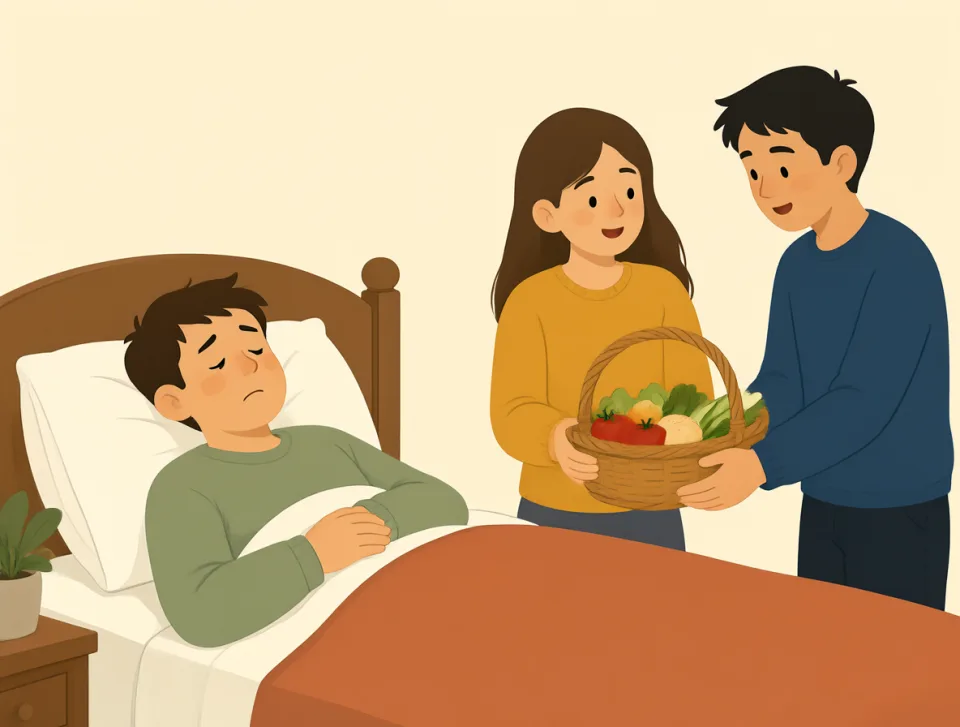
He is grateful that his friends brought food while he was sick.
Jest wdzięczny, że przyjaciele przynieśli mu jedzenie, kiedy był chory.
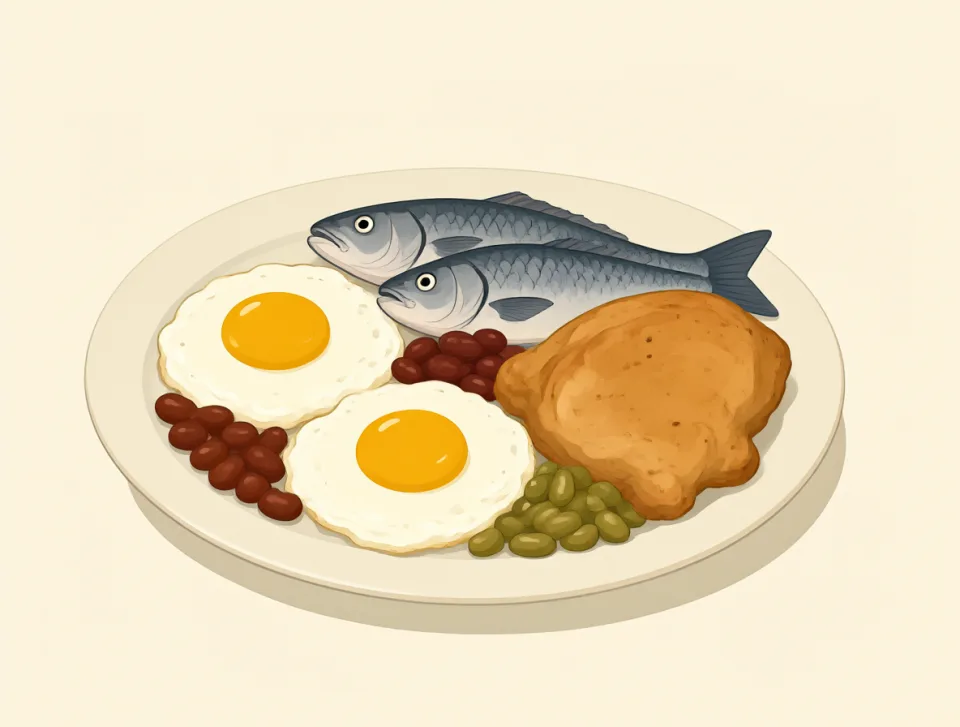
protein
#1978noun
białko
A substance in food that helps your body grow and stay healthy.
Składnik pożywienia, który pomaga organizmowi rosnąć i zachować zdrowie.
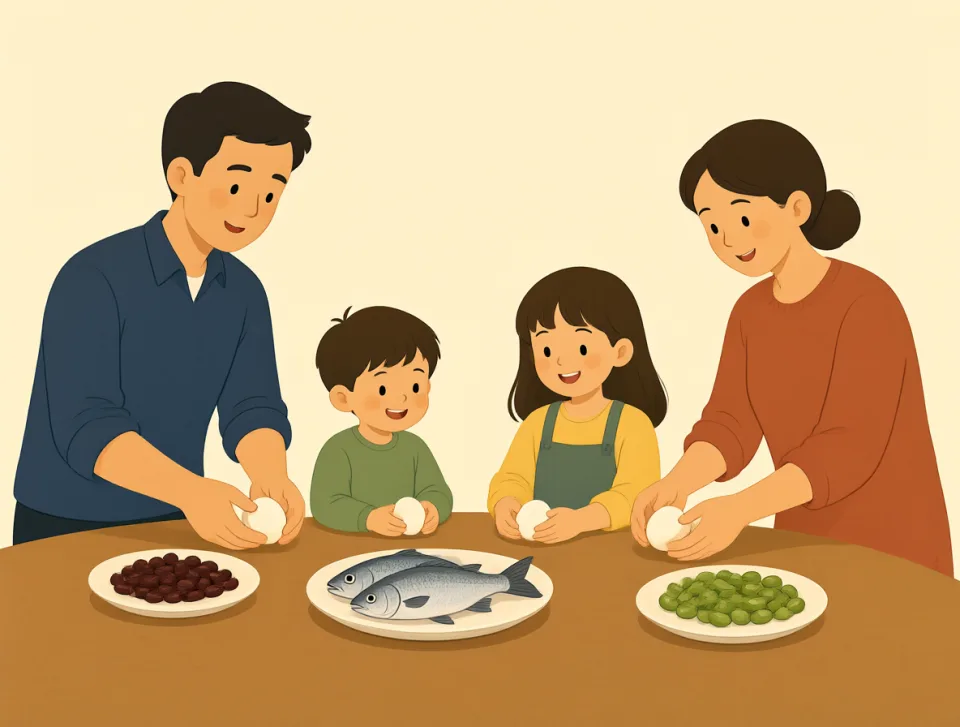
Eggs, fish, and beans are good sources of protein.
Jajka, ryby i fasola to dobre źródła białka.
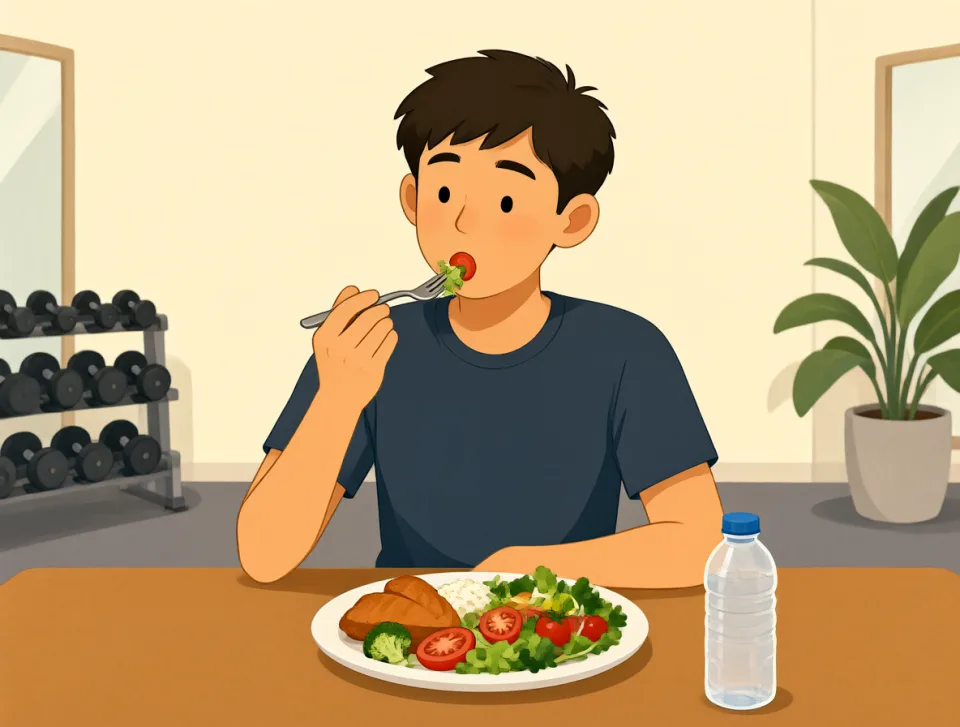
I eat more protein after exercising at the gym.
Po treningu na siłowni jem więcej białka.

This yogurt has ten grams of protein per serving.
Ten jogurt zawiera dziesięć gramów białka w jednej porcji.

The doctor said I need enough protein in my diet.
Lekarz powiedział, że w mojej diecie powinno być wystarczająco dużo białka.

We bought a protein shake for the long train journey.
Kupiliśmy koktajl proteinowy na długą podróż pociągiem.
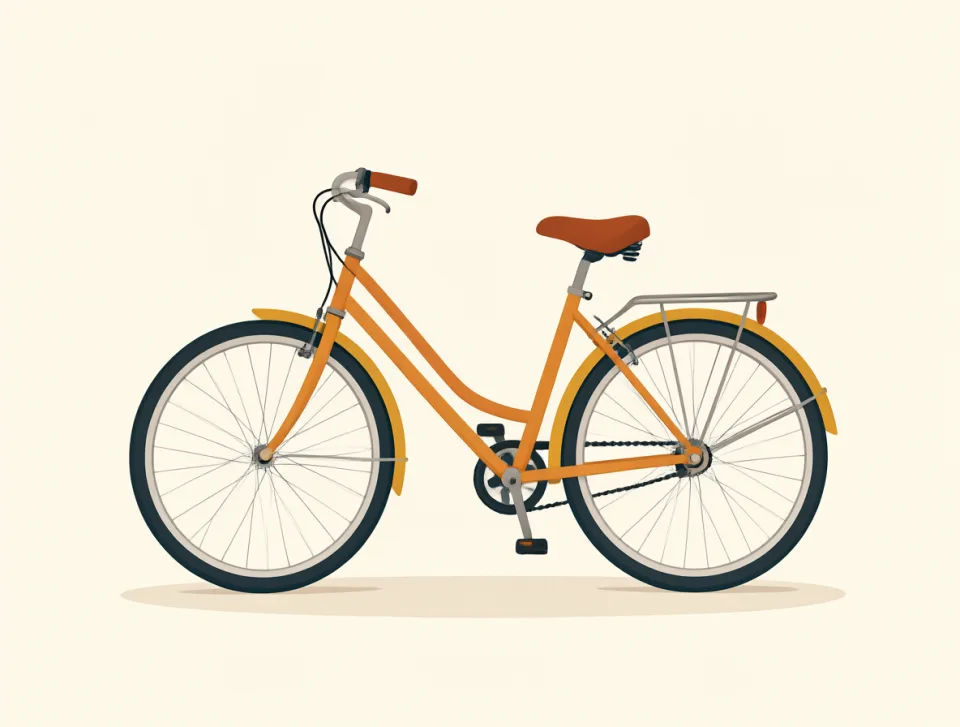
bike
#1979noun, verb
rower; jeździć na rowerze
a bicycle, or to travel somewhere on a bicycle
Rower albo podróżowanie dokądś na rowerze.
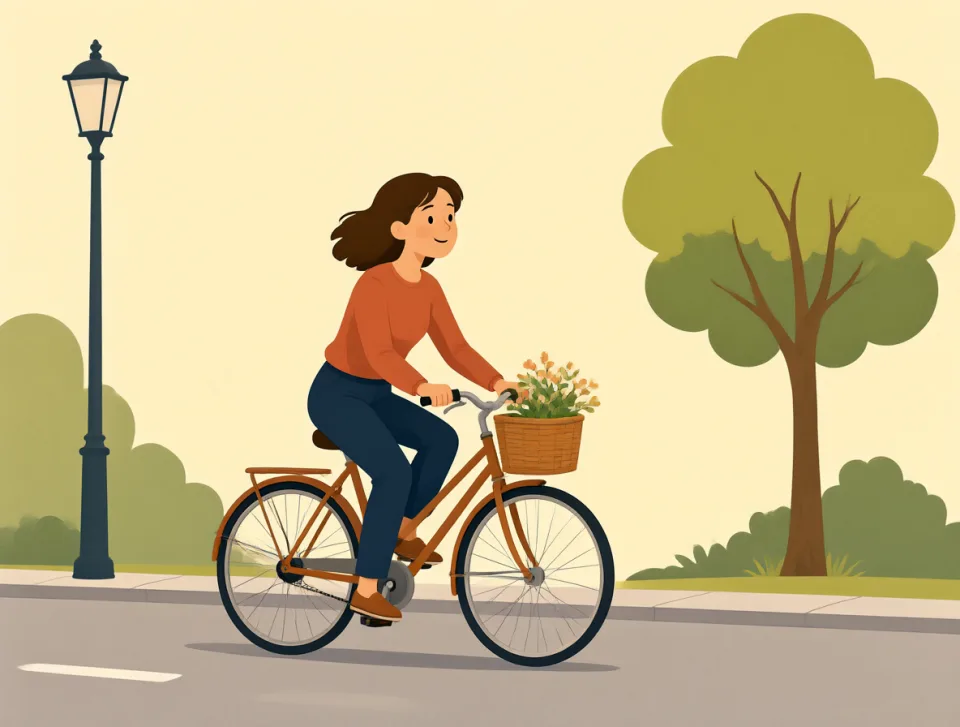
I ride my bike to work when the weather is nice.
Gdy jest ładna pogoda, jeżdżę rowerem do pracy.
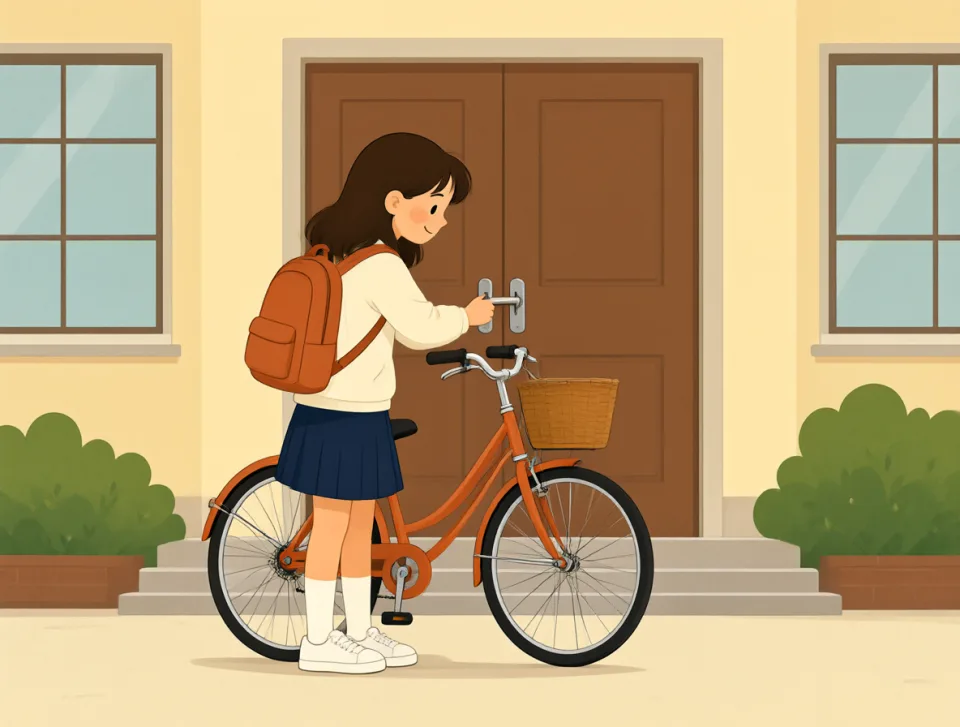
She left her bike outside the school and went inside.
Zostawiła rower przed szkołą i weszła do środka.

We rented bikes near the beach for the afternoon.
Wypożyczyliśmy rowery w pobliżu plaży na popołudnie.
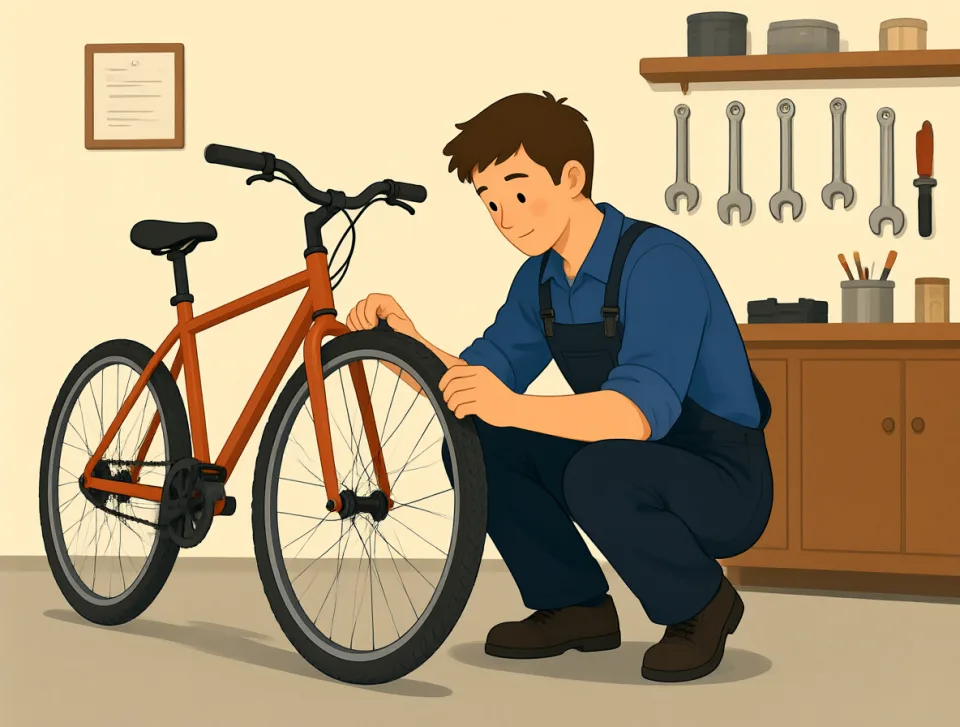
The bike shop repaired my flat tire in an hour.
W ciągu godziny naprawili mi przebitą oponę w warsztacie rowerowym.
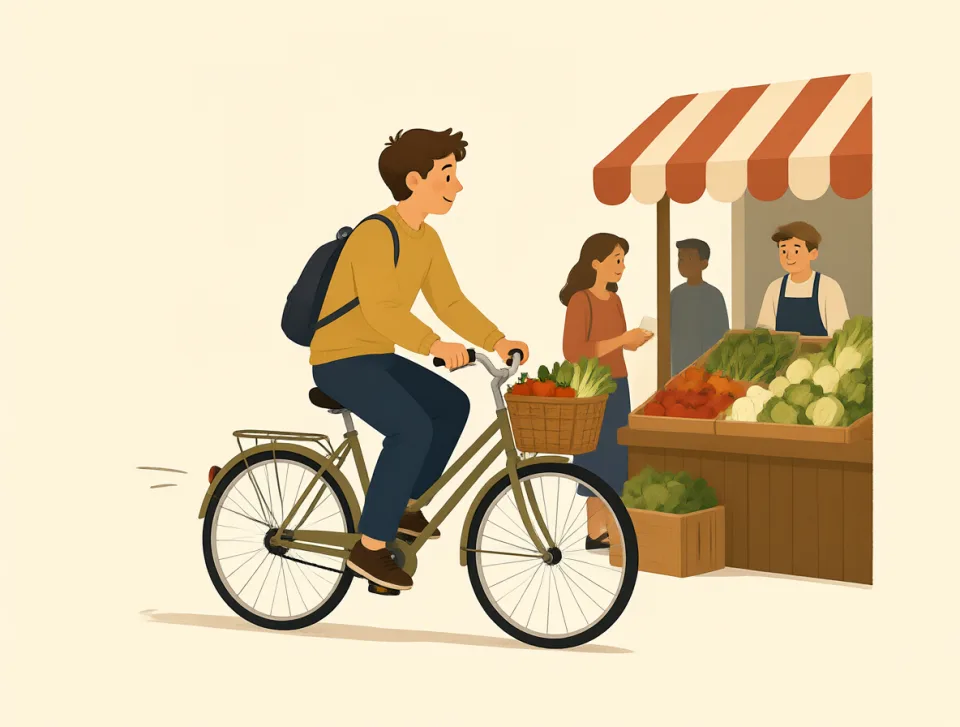
He bikes to the market every Saturday morning.
W każdą sobotę rano jedzie rowerem na targ.
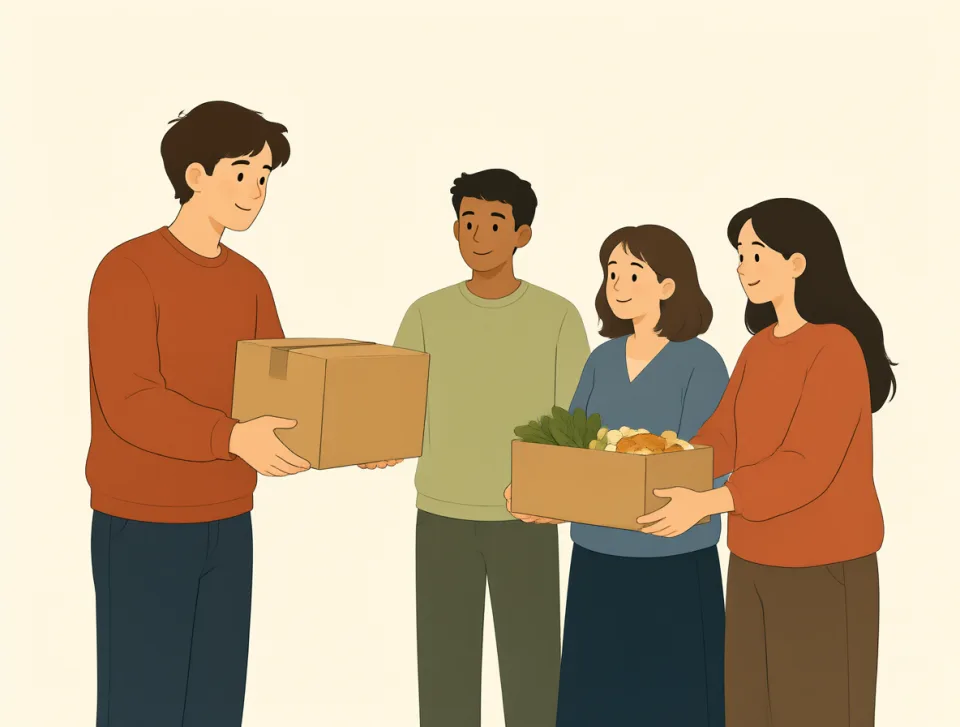
distribute
#1980verb
rozdawać
to give things to several people or places
Dawać różne rzeczy kilku osobom lub przekazywać je do różnych miejsc.
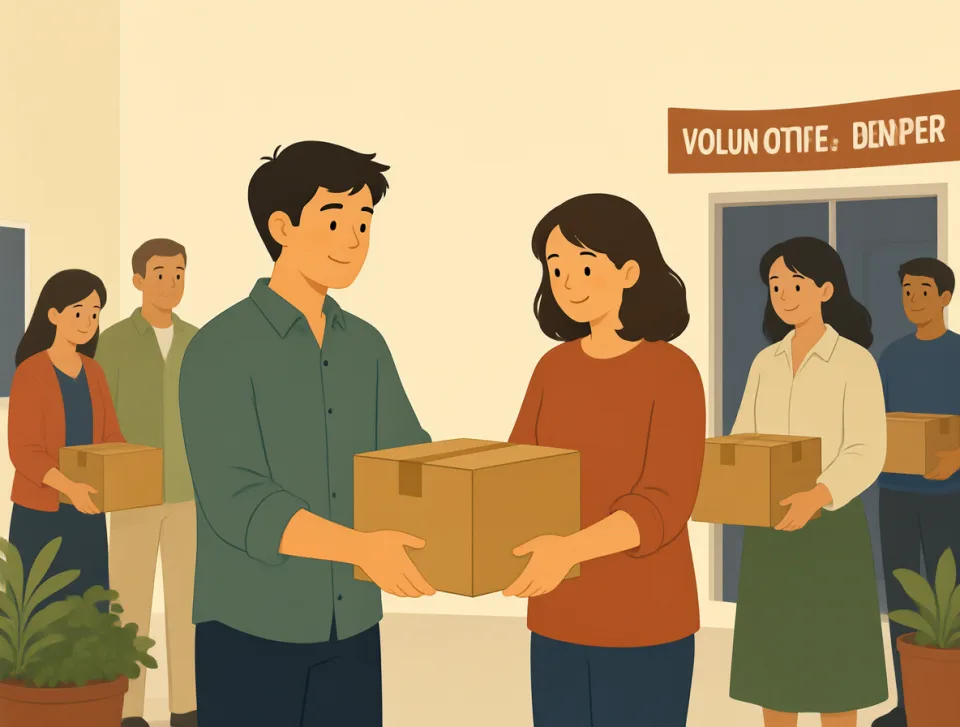
Volunteers distribute food to families after the storm.
Po burzy wolontariusze rozdają jedzenie rodzinom.
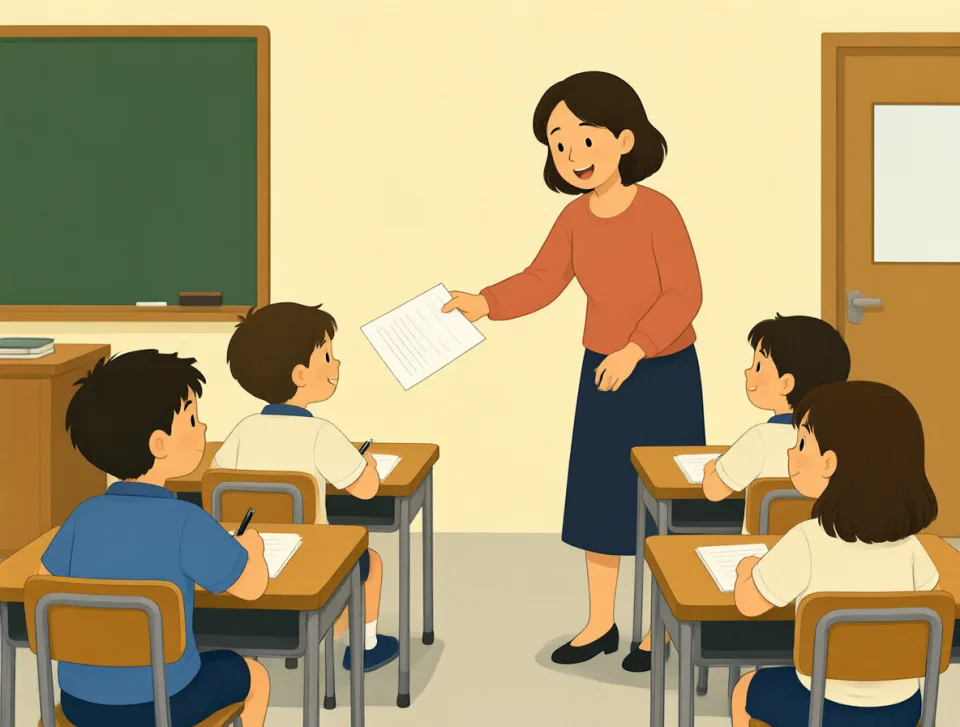
The teacher distributed worksheets to the students.
Nauczyciel rozdał uczniom karty pracy.
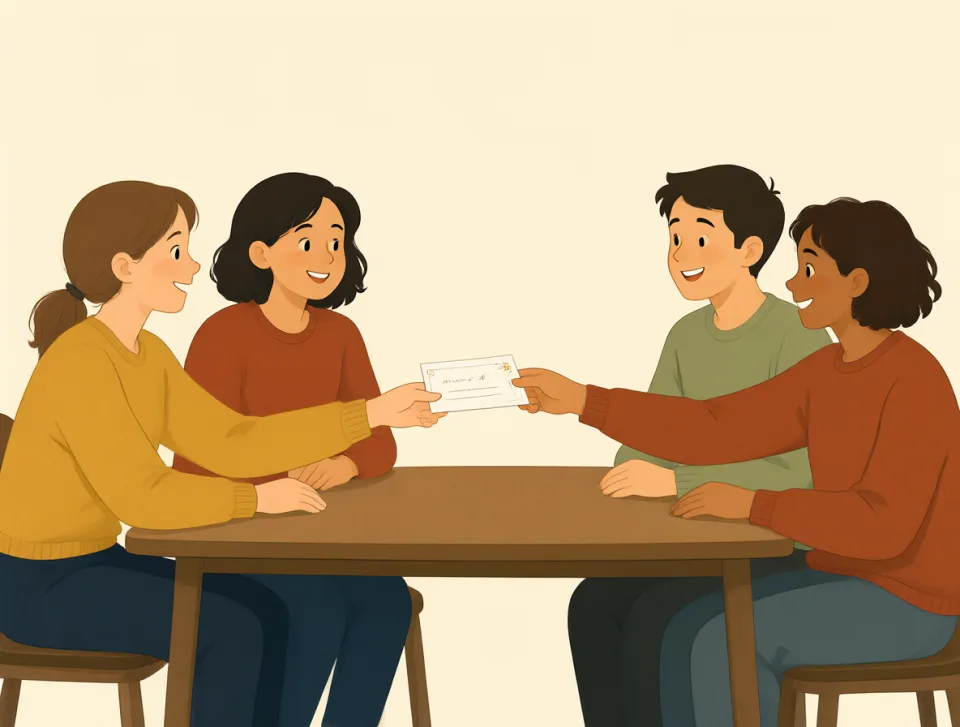
We distributed the invitations among our friends.
Rozdaliśmy zaproszenia wśród przyjaciół.
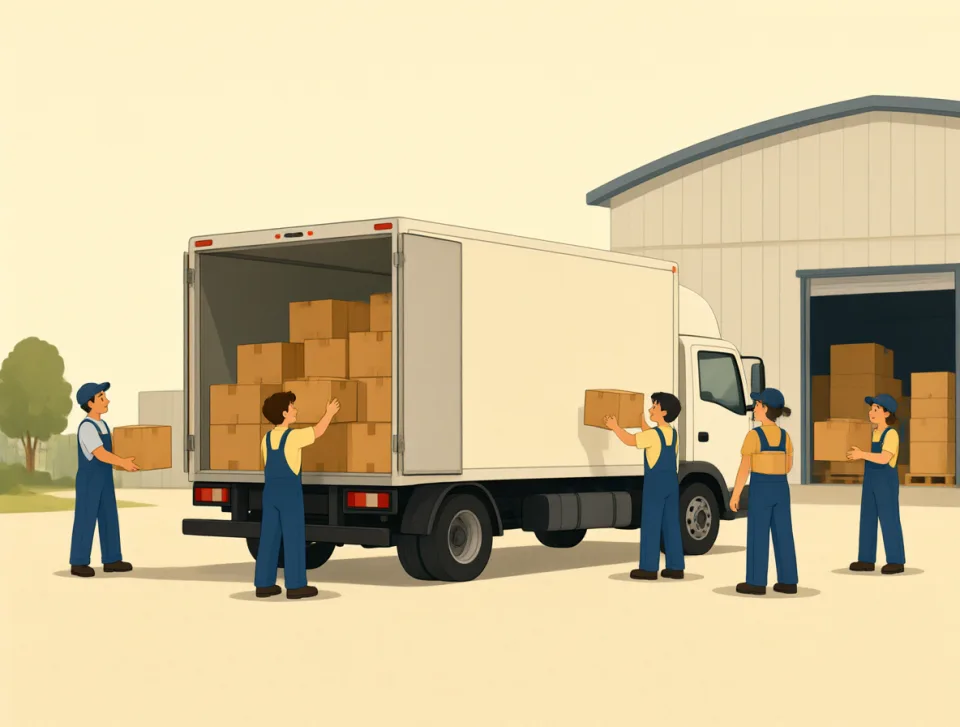
The company distributes its products to shops nationwide.
Firma dostarcza swoje produkty do sklepów w całym kraju.
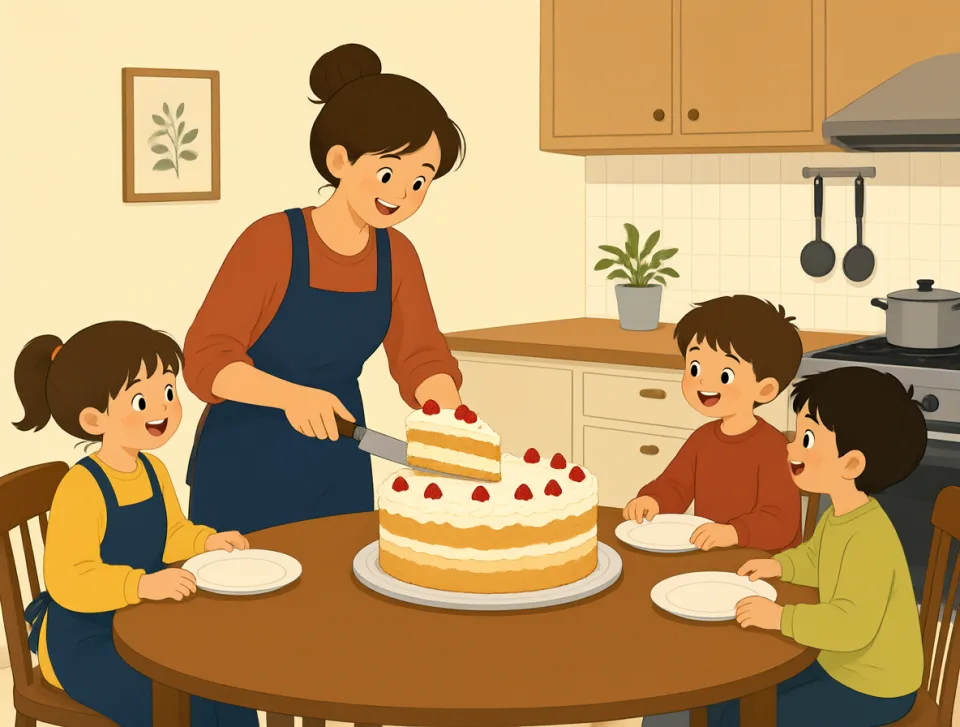
Please distribute the cake equally among the children.
Proszę równo podzielić ciasto między dzieci.