Zestaw 76
Słowa 1501–1520 · asset, signal, finger, relevant, explore, leadership

asset
#1501noun
atut
A useful quality, skill, person, or thing that helps someone or something succeed.
Przydatna cecha, umiejętność, osoba lub rzecz, która pomaga komuś lub czemuś osiągnąć sukces.

Her friendly personality is a real asset at work.
Jej przyjazne usposobienie to prawdziwy atut w pracy.
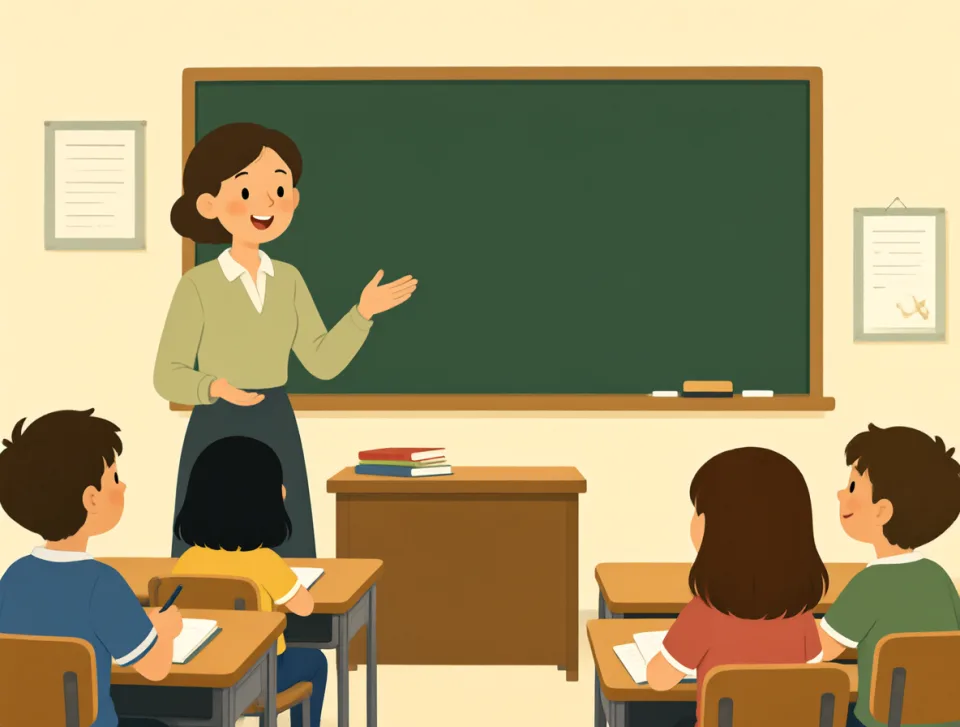
Good communication skills are an important asset for any teacher.
Dobre umiejętności komunikacyjne są ważnym atutem każdego nauczyciela.
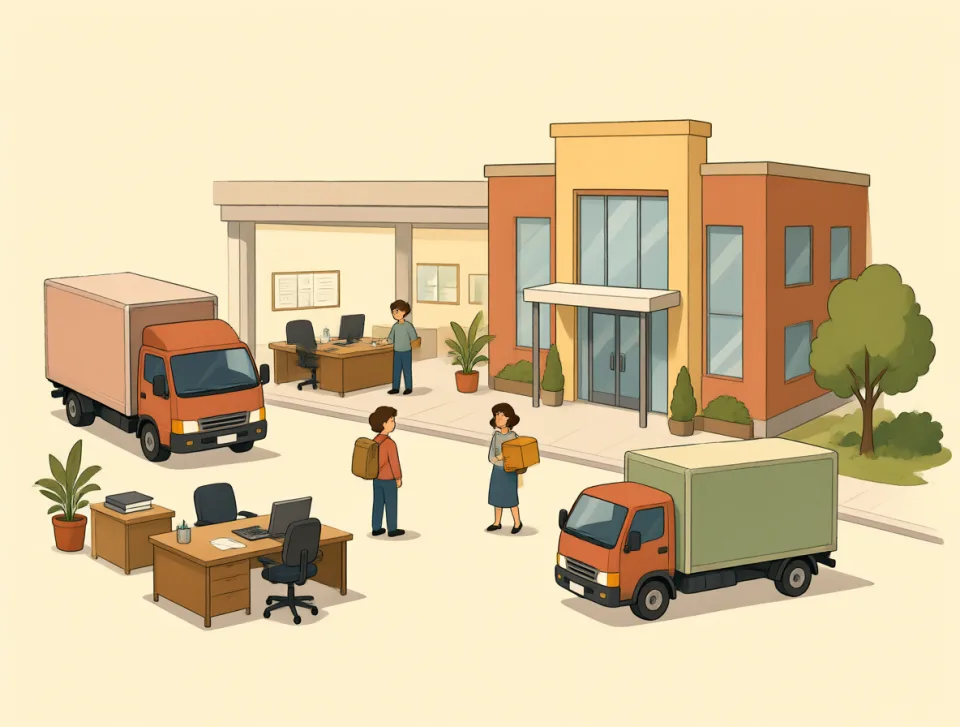
The company bought new assets, including trucks and office equipment.
Firma kupiła nowe aktywa, w tym ciężarówki i wyposażenie biurowe.
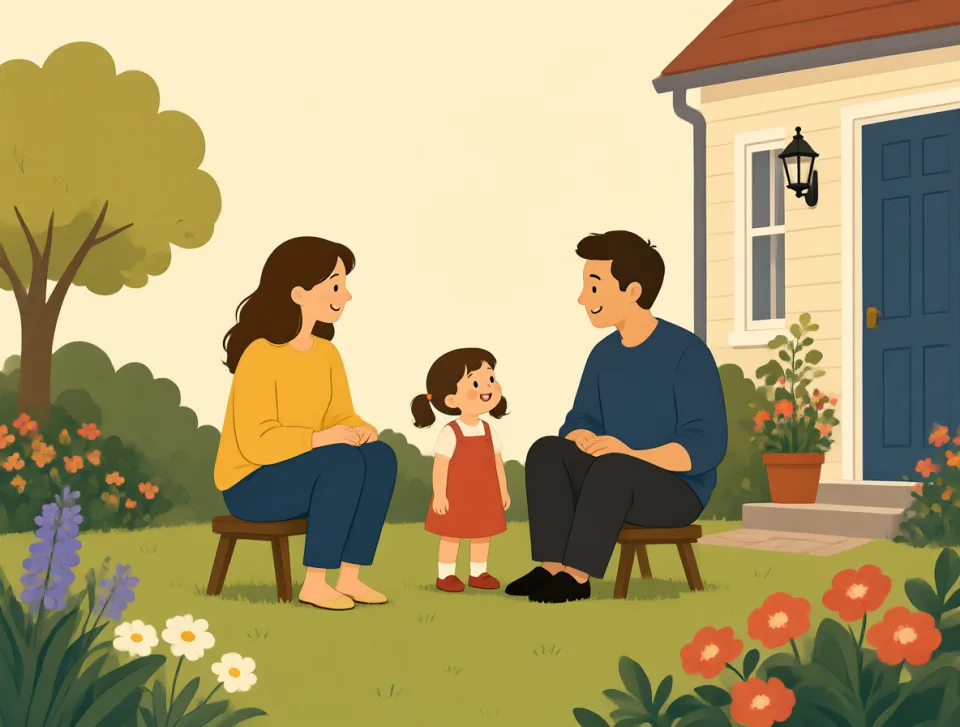
This small garden is a valuable asset to our home.
Ten mały ogród jest cennym atutem naszego domu.
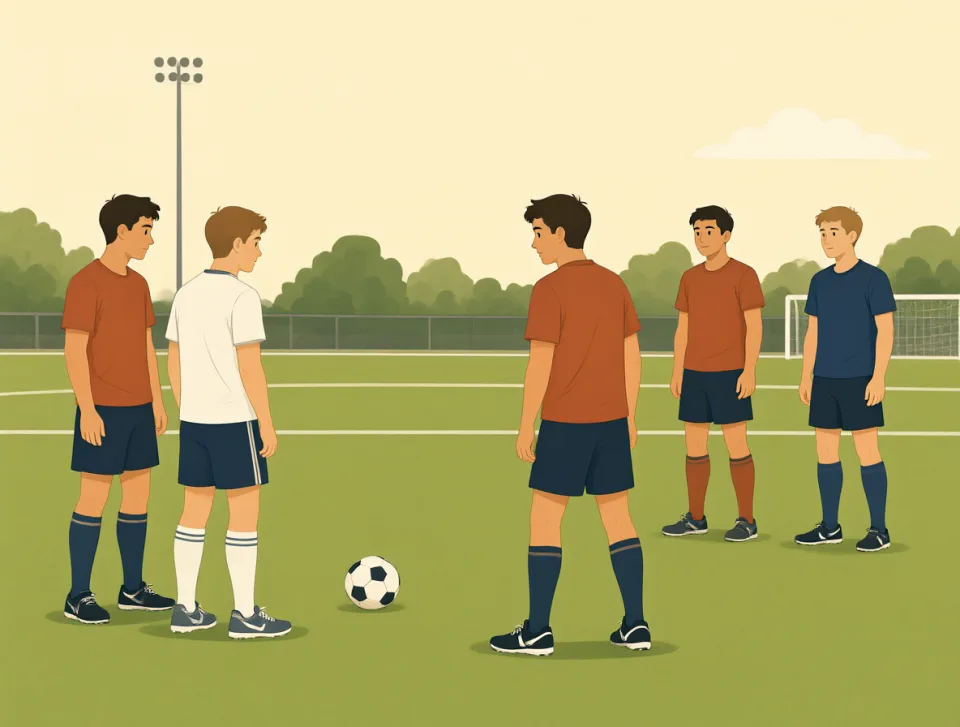
The team’s greatest asset was their calm, experienced coach.
Największym atutem zespołu był ich spokojny, doświadczony trener.
signal
#1502noun, verb
sygnał
A sign or action that gives information or tells someone what to do.
Znak lub działanie, które przekazuje informację albo mówi komuś, co ma zrobić.
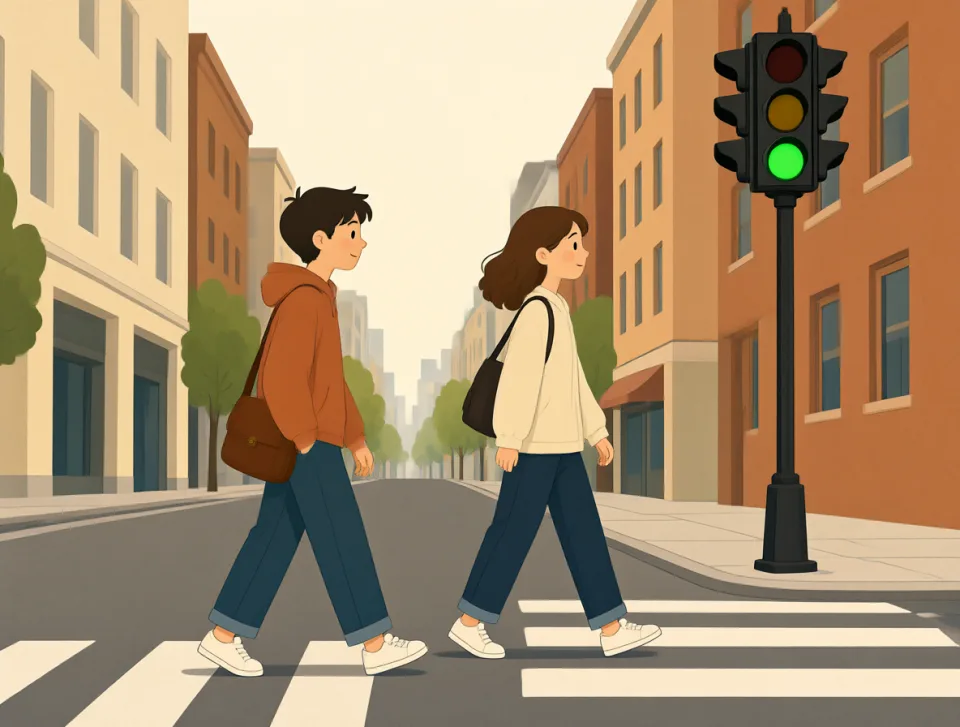
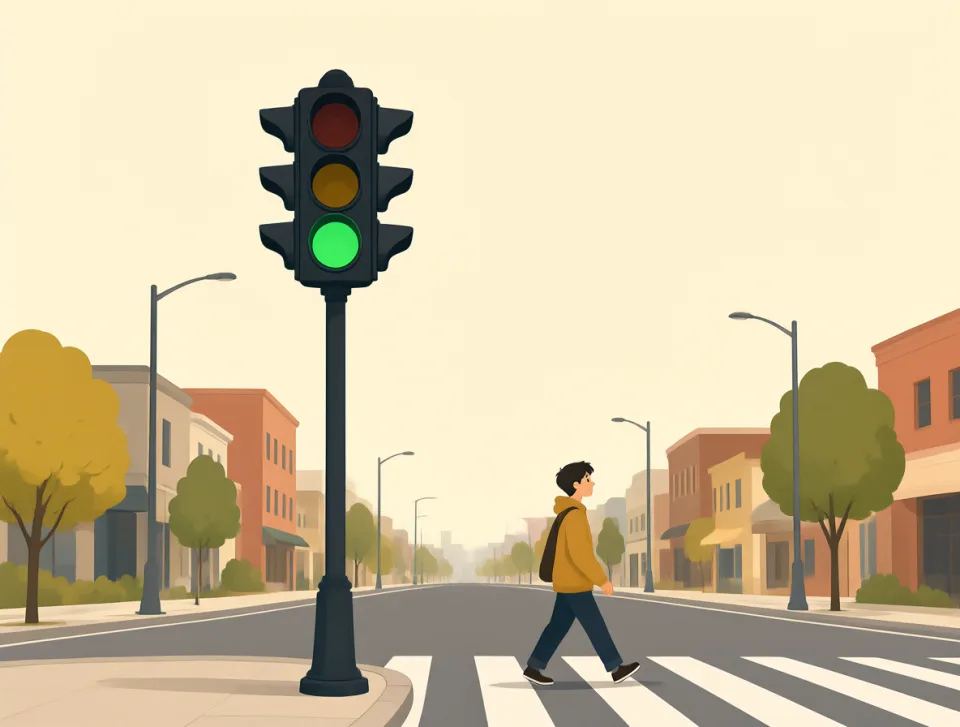
The traffic signal turned green, so we crossed the street.
Światło na sygnalizatorze zmieniło się na zielone, więc przeszliśmy przez ulicę.
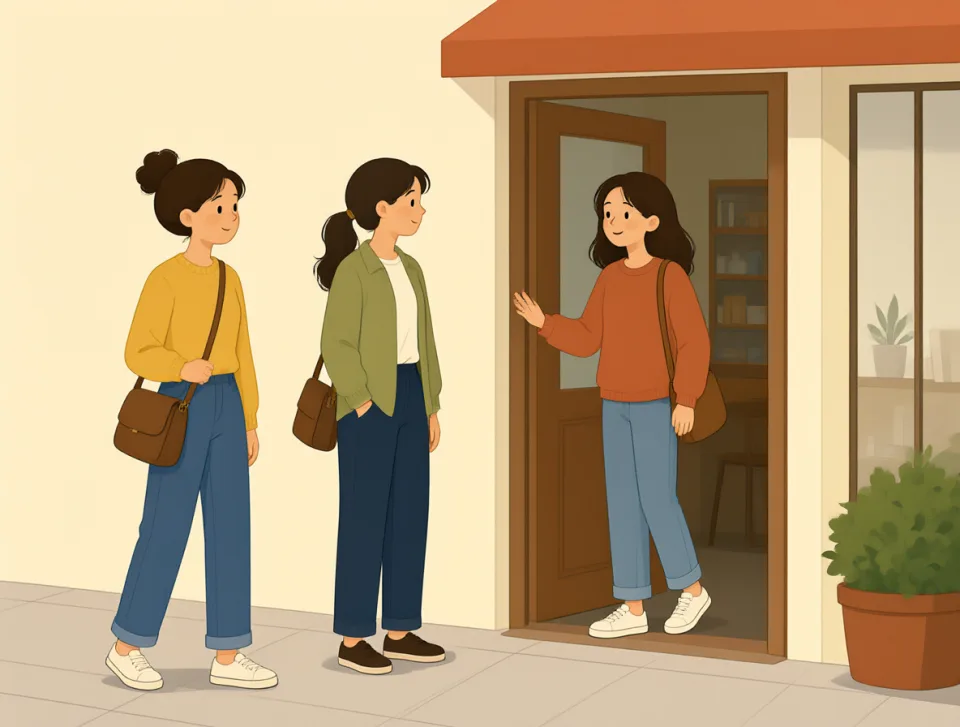
She gave me a signal to wait outside.
Dała mi znak, żebym poczekał na zewnątrz.
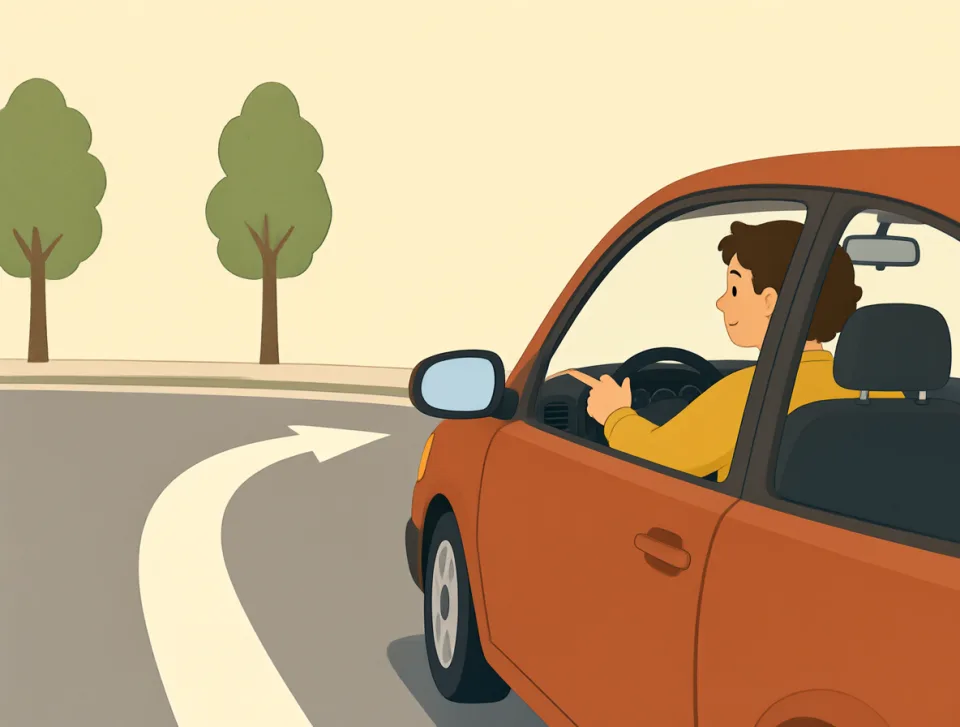
Please signal before you turn left.
Proszę sygnalizować przed skrętem w lewo.
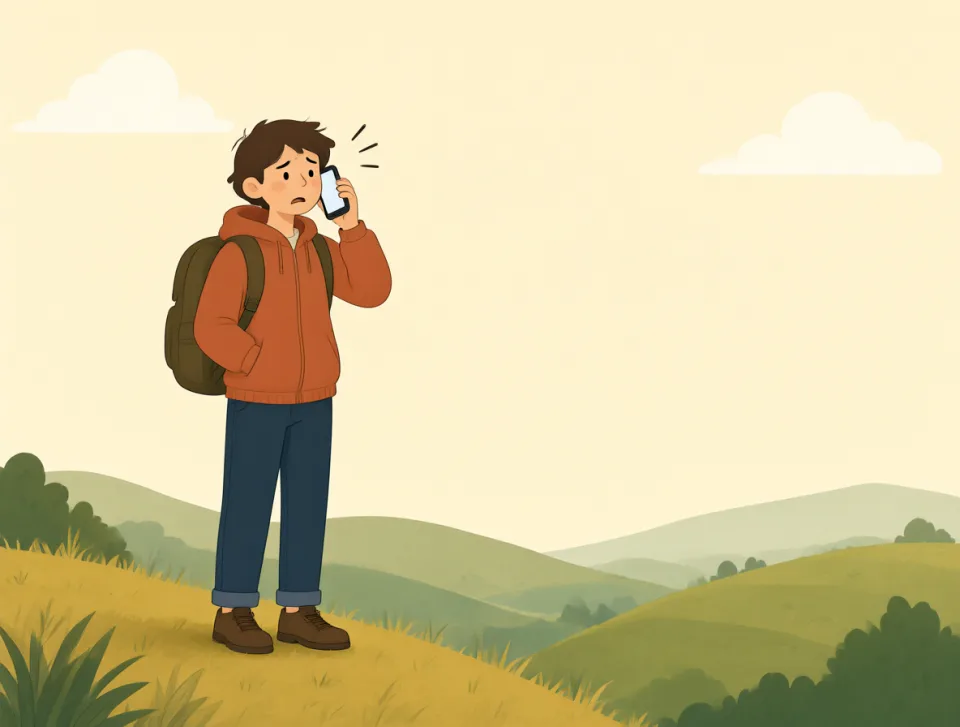
A weak phone signal made it hard to call home.
Słaby sygnał telefonu utrudniał mi zadzwonienie do domu.
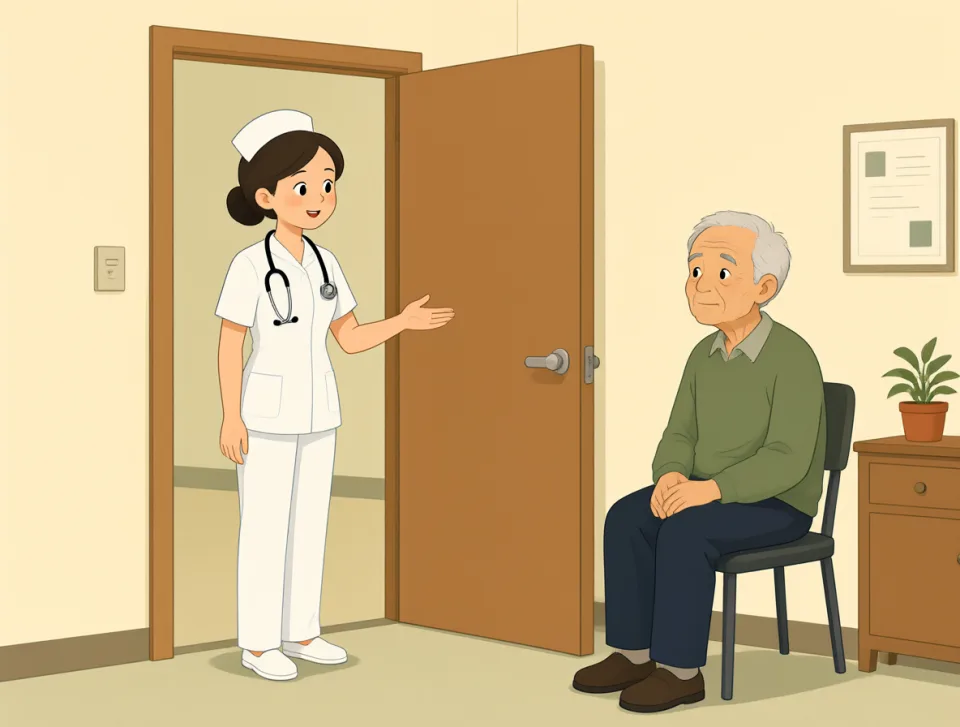
The nurse signaled that the doctor was ready.
Pielęgniarka dała znak, że lekarz jest gotowy.

finger
#1503noun, verb
palec
One of the five long parts at the end of your hand; to touch or point with it.
Jedna z pięciu długich części dłoni; także dotykanie lub wskazywanie palcem.
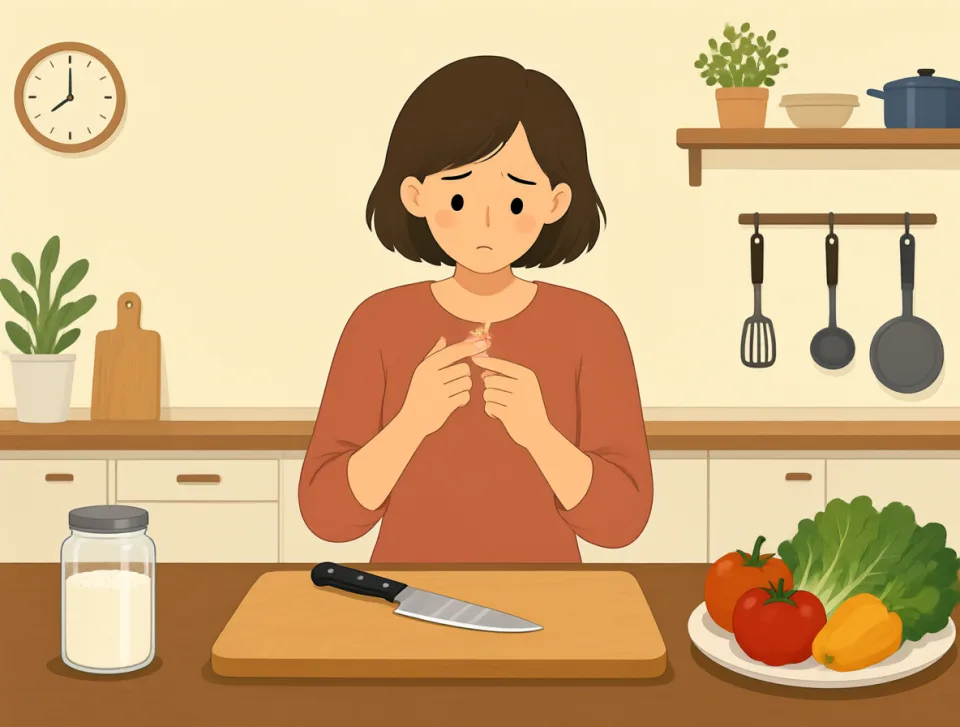
She cut her finger while preparing dinner.
Skaleczyła się w palec, przygotowując kolację.
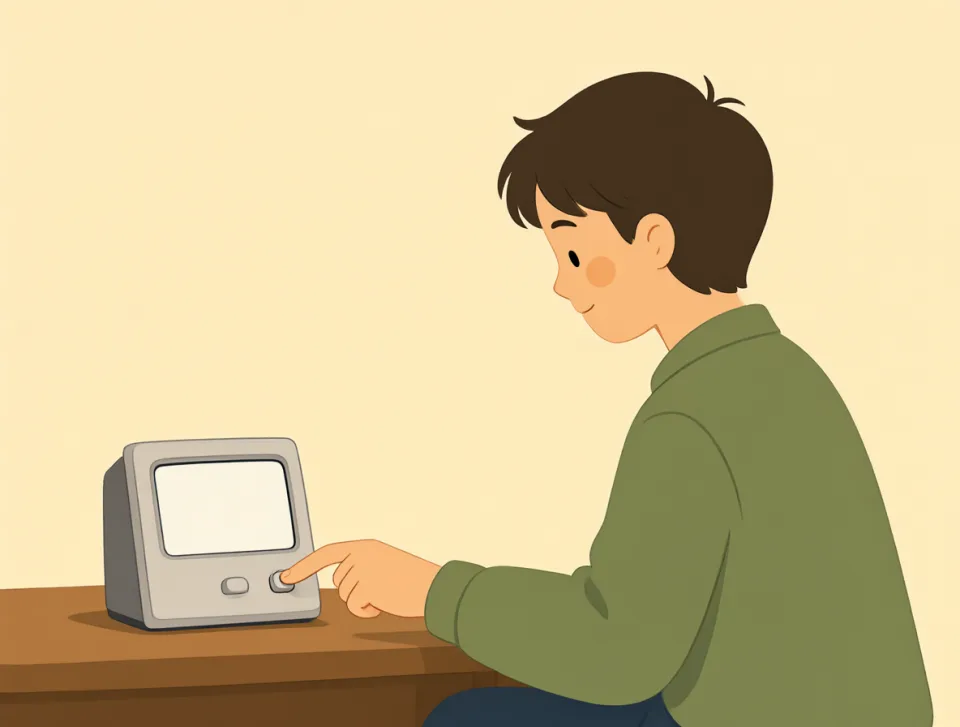
Please press the button with your finger.
Proszę nacisnąć przycisk palcem.

He pointed his finger at the map.
Wskazał palcem mapę.
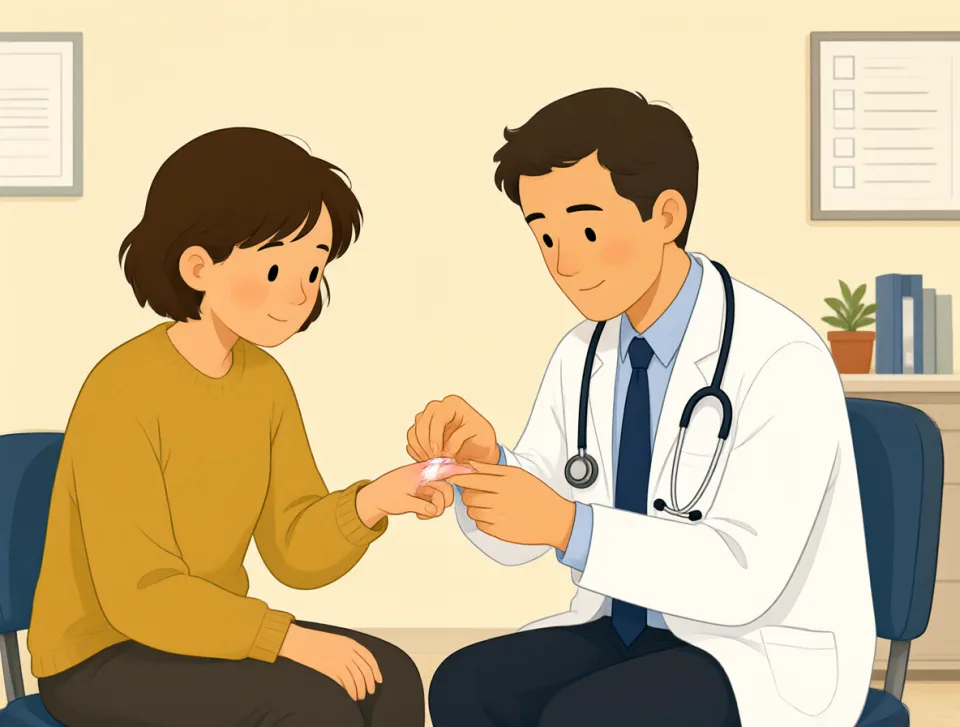
The doctor checked my finger after the accident.
Po wypadku lekarz zbadał mój palec.
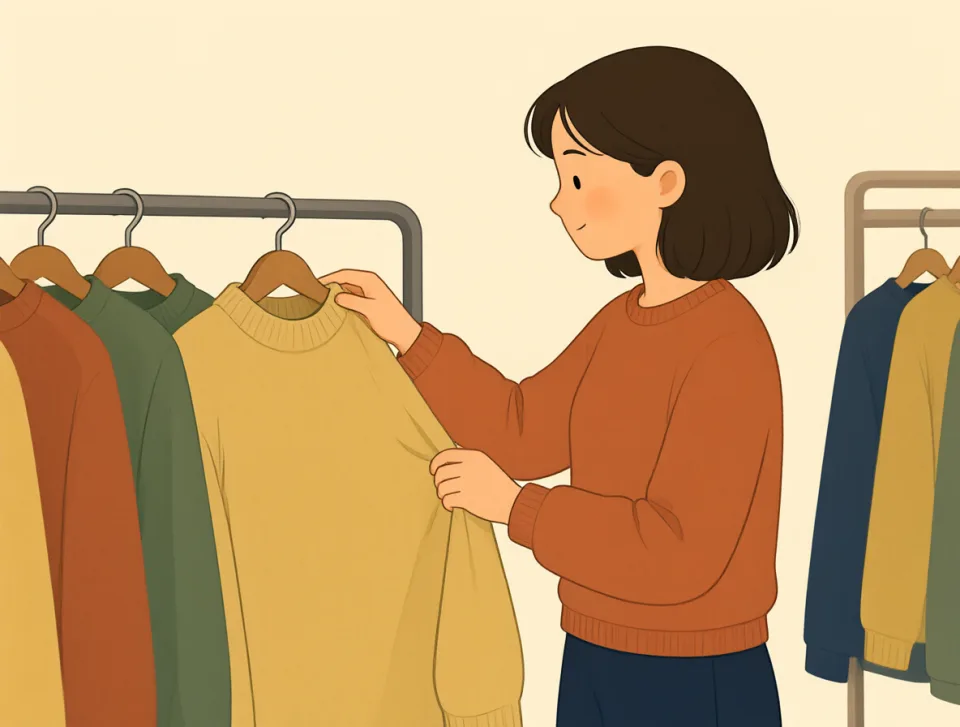
She fingered the soft sweater before buying it.
Przed zakupem dotykała miękkiego swetra.

relevant
#1504adjective
istotny
connected with the subject or situation being discussed
Związany z omawianym tematem lub sytuacją.
Please include only relevant details in your application.
Proszę uwzględnić w swoim podaniu tylko istotne informacje.
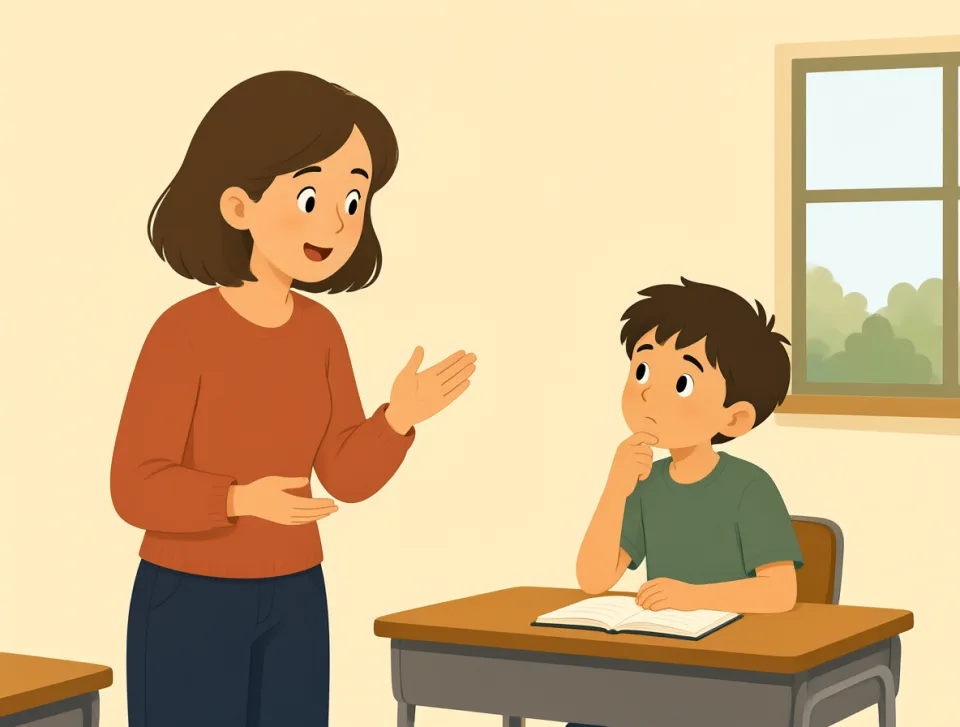
The teacher asked a relevant question about the story.
Nauczyciel zadał istotne pytanie dotyczące opowiadania.

This information is relevant to your health problem.
Te informacje są istotne w związku z twoim problemem zdrowotnym.

We need relevant experience for this office job.
Do tej pracy biurowej potrzebujemy odpowiedniego doświadczenia.

Her comment was not relevant to our travel plans.
Jej uwaga nie miała związku z naszymi planami podróży.

explore
#1505verb
odkrywać
to travel around or look carefully to learn more about something
Podróżować po jakimś miejscu lub uważnie je oglądać, aby dowiedzieć się o nim więcej.

We explored the old city on foot all afternoon.
Przez całe popołudnie zwiedzaliśmy pieszo starą część miasta.
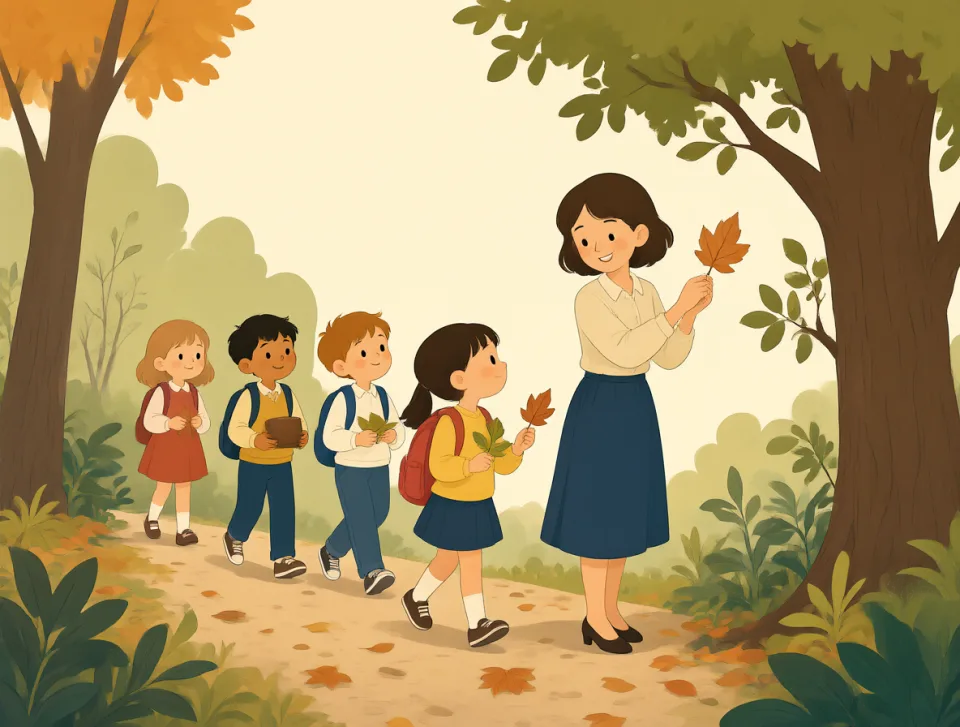
The children are exploring the forest with their teacher.
Dzieci poznają las pod opieką nauczyciela.

She explored several career options before choosing nursing.
Zanim wybrała pielęgniarstwo, rozważyła kilka możliwości kariery.

Let's explore the market and find some fresh vegetables.
Poznajmy targ i znajdźmy świeże warzywa.

The doctor is exploring why I feel tired every morning.
Lekarz próbuje ustalić, dlaczego każdego ranka czuję się zmęczony.
leadership
#1506noun
przywództwo
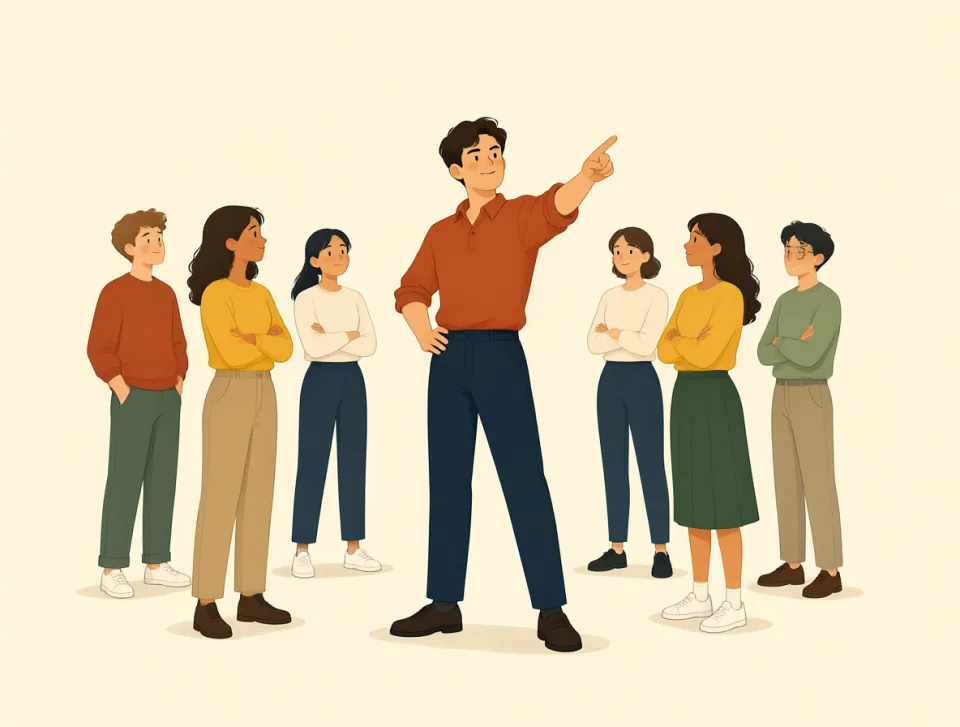
The ability to guide and influence a group of people.
Umiejętność kierowania grupą ludzi i wywierania na nią wpływu.

Her strong leadership helped the team finish the project on time.
Jej silne przywództwo pomogło zespołowi ukończyć projekt na czas.
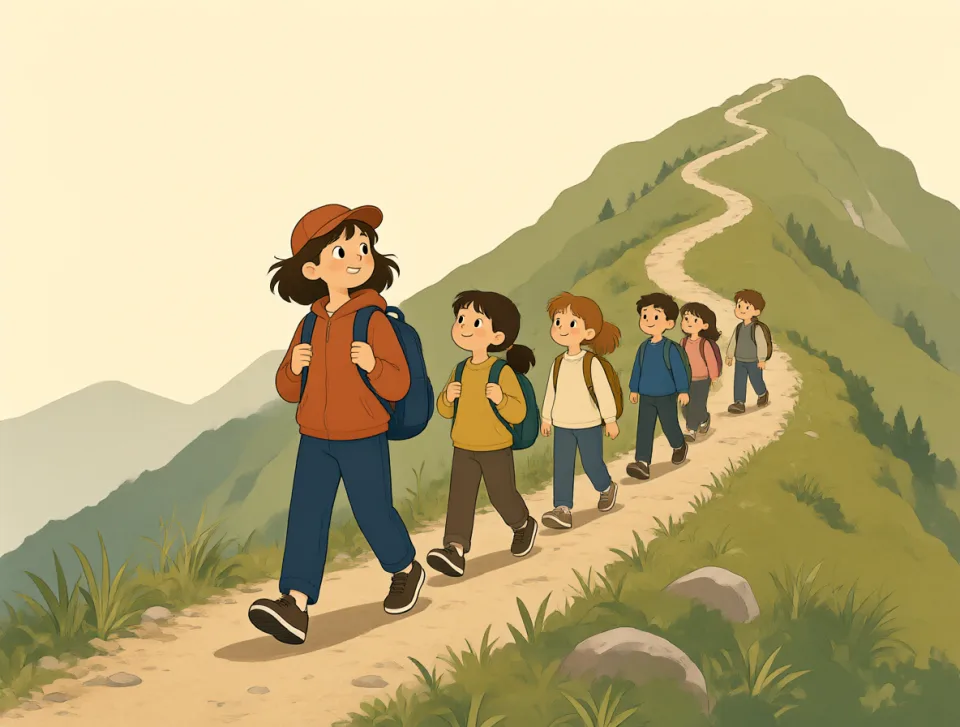
The school chose Maya for her leadership during the difficult trip.
Szkoła wybrała Mayę ze względu na jej zdolności przywódcze podczas trudnej wyprawy.

Good leadership means listening carefully and making fair decisions.
Dobre przywództwo polega na uważnym słuchaniu i podejmowaniu sprawiedliwych decyzji.
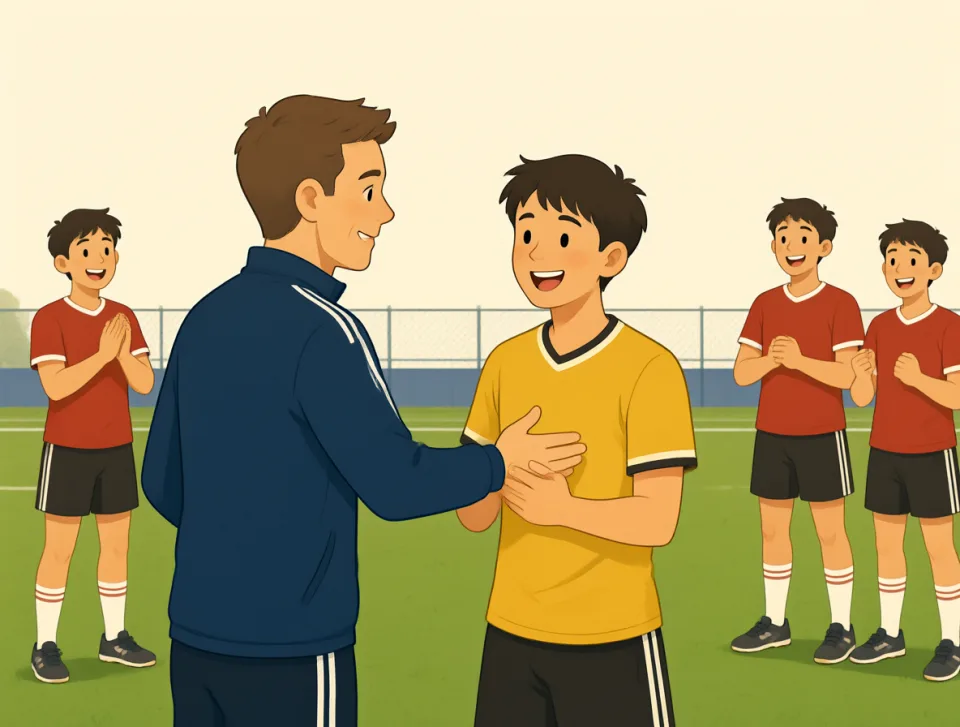
The coach praised Sam's leadership after the team won the game.
Trener pochwalił przywództwo Sama po tym, jak drużyna wygrała mecz.
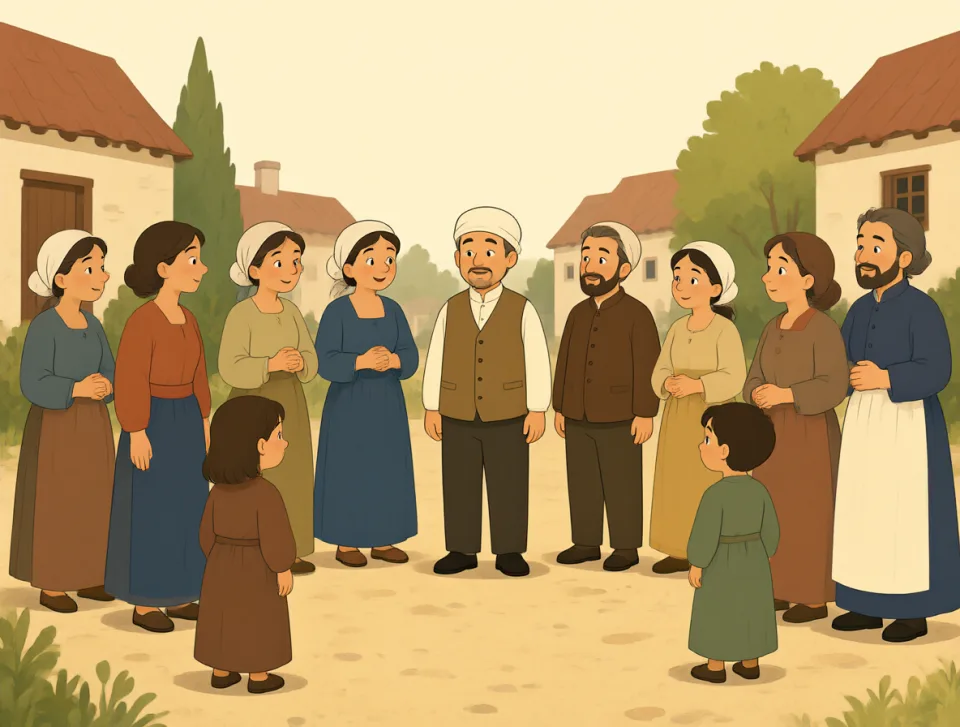
The village needed new leadership after the mayor moved away.
Po wyprowadzce burmistrza wioska potrzebowała nowego przywództwa.

commitment
#1507noun
zobowiązanie
a promise or strong decision to do something or support someone
Obietnica lub silne postanowienie, by coś zrobić albo kogoś wspierać.
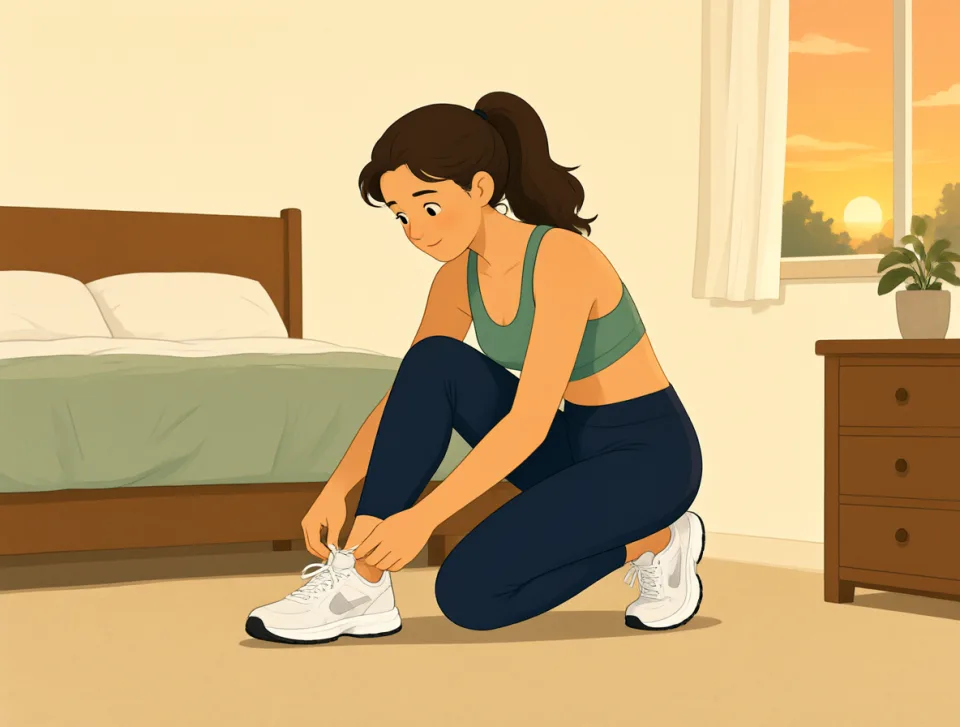
She made a commitment to exercise every morning.
Postanowiła ćwiczyć każdego ranka.

Our team showed commitment by working late to finish the project.
Nasz zespół wykazał się zaangażowaniem, pracując do późna, by dokończyć projekt.

Marriage is a serious commitment for many people.
Dla wielu osób małżeństwo to poważne zobowiązanie.
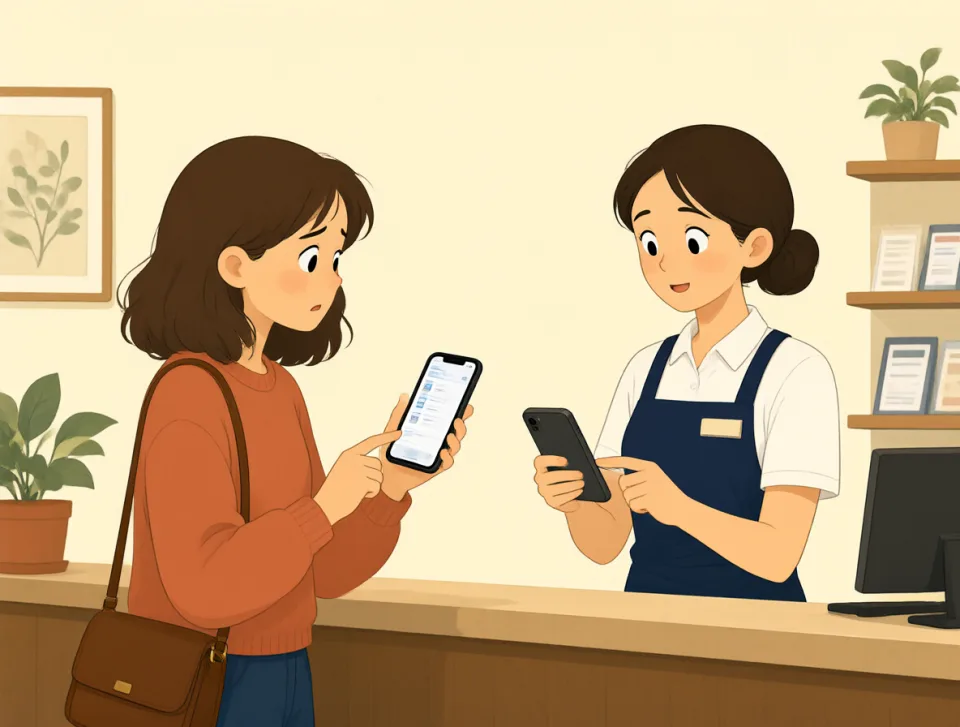
He could not make a commitment to the expensive phone plan.
Nie mógł zobowiązać się do korzystania z drogiego abonamentu telefonicznego.
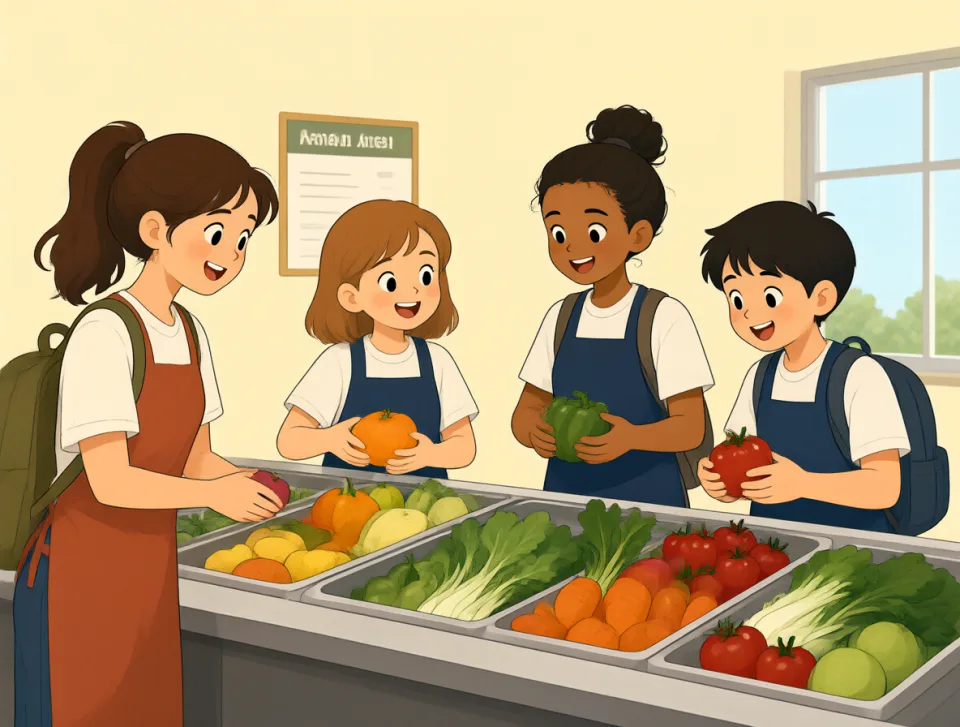
The students made a commitment to eat healthier food.
Uczniowie postanowili odżywiać się zdrowiej.

wake
#1508verb, noun
budzić się; kilwater
To stop sleeping, or a time when a boat leaves a trail on the water.
Przestać spać albo ślad na wodzie pozostawiany przez odpływającą łódź.

I usually wake up at seven on school days.
W dni, kiedy mam lekcje, zwykle budzę się o siódmej.
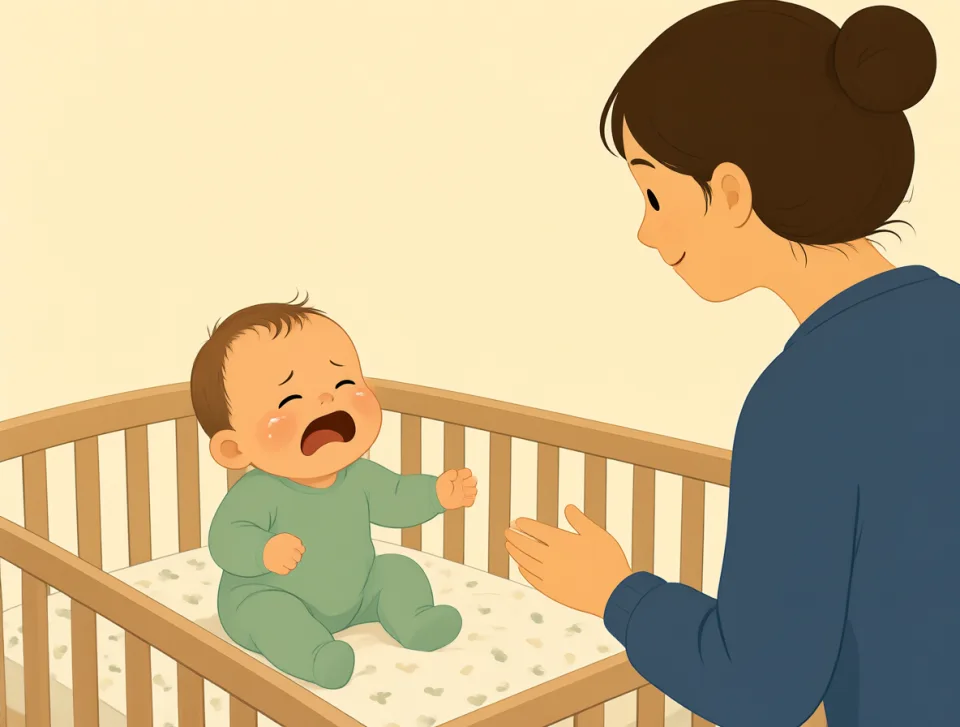
The baby woke up crying during the night.
Dziecko obudziło się w nocy z płaczem.
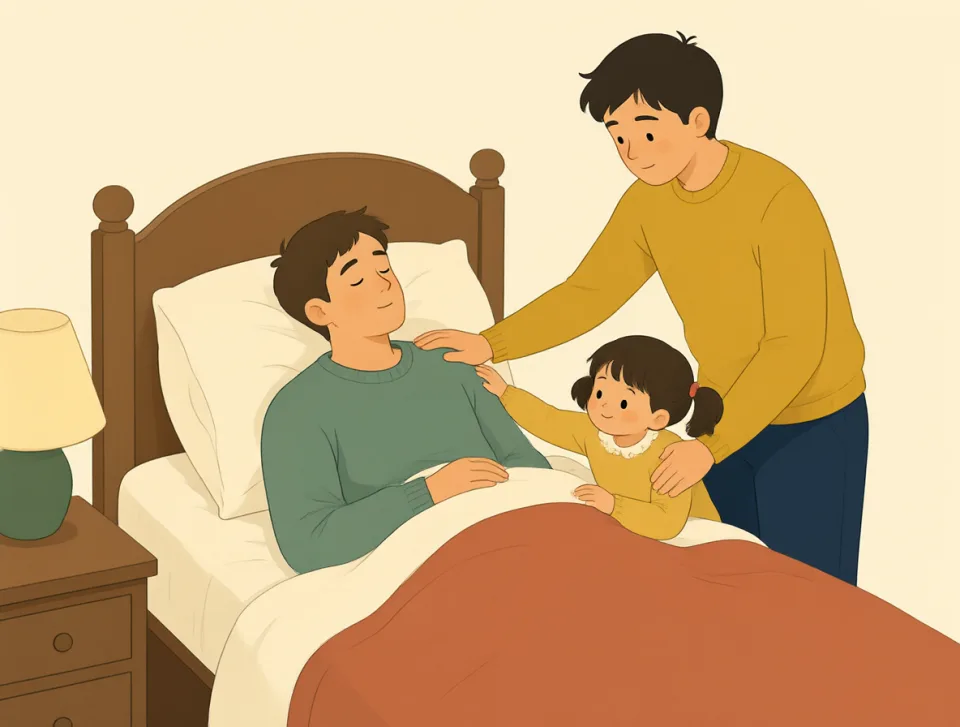
Please wake me before we leave for the airport.
Obudź mnie, proszę, zanim wyjedziemy na lotnisko.

I woke early and went for a walk before work.
Obudziłem się wcześnie i przed pracą poszedłem na spacer.
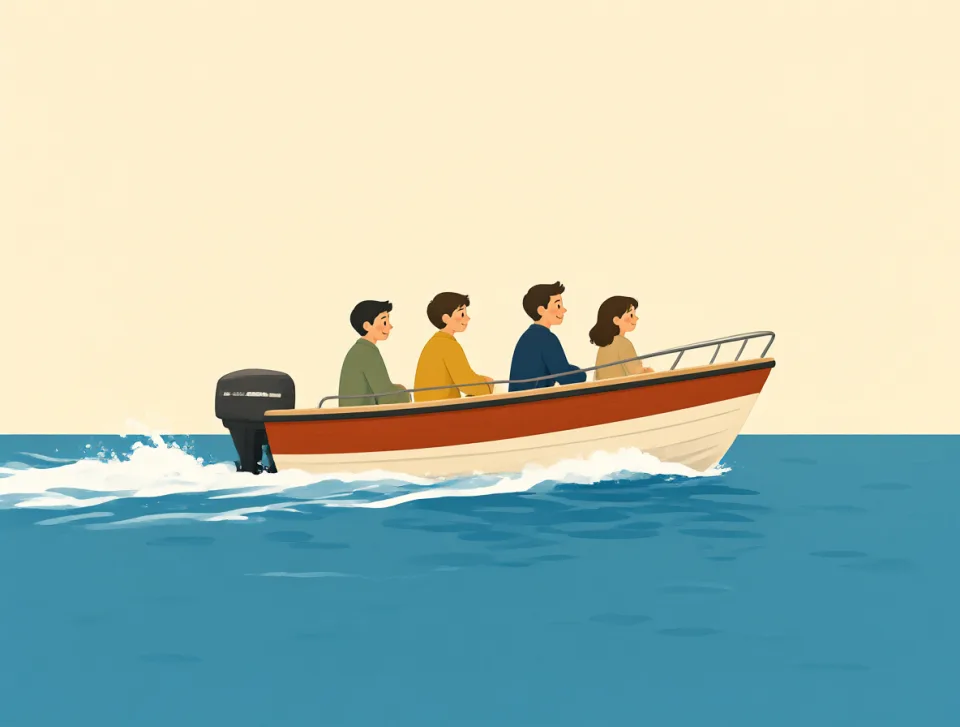
The boat left a white wake behind it.
Za łodzią ciągnął się biały kilwater.

necessarily
#1509adverb
niekoniecznie
Used to say that something is not always or automatically true.
Używane, by powiedzieć, że coś nie zawsze lub nie automatycznie jest prawdą.
Being busy does not necessarily mean you are working well.
To, że jesteś zajęty, niekoniecznie oznacza, że dobrze pracujesz.
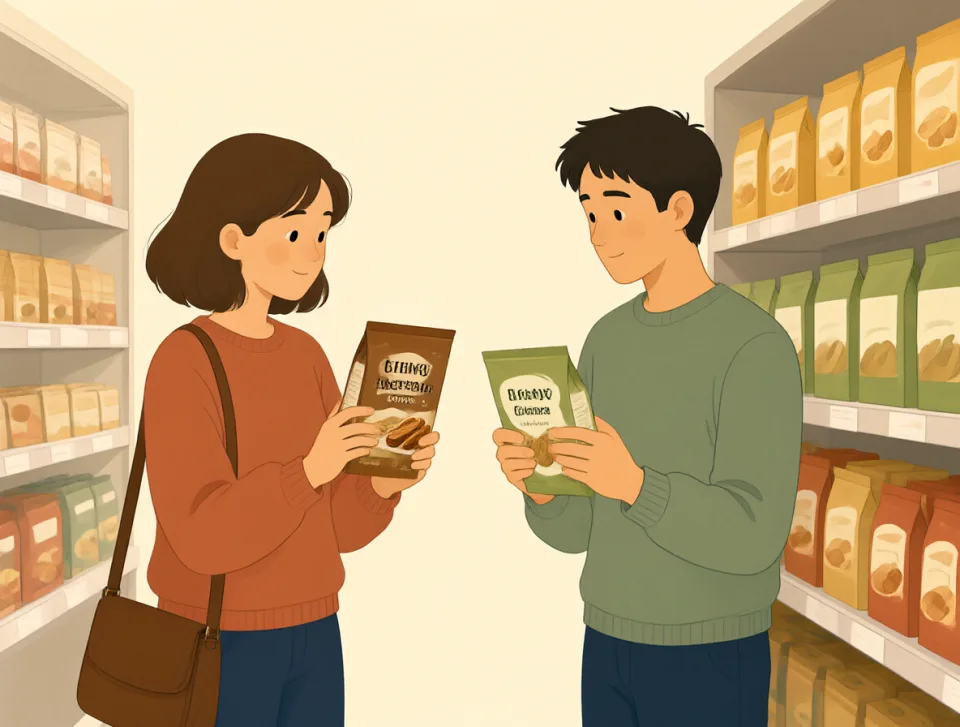
Expensive food is not necessarily better than cheaper food.
Droższe jedzenie niekoniecznie jest lepsze od tańszego.
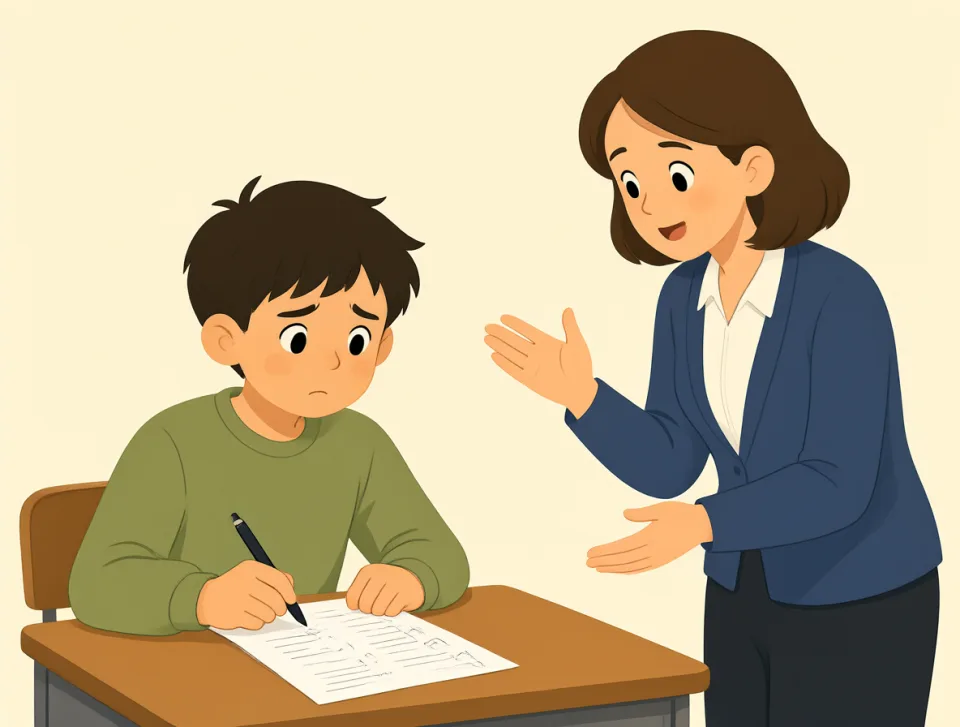
A small mistake does not necessarily mean you failed the test.
Mały błąd niekoniecznie oznacza, że nie zdałeś testu.
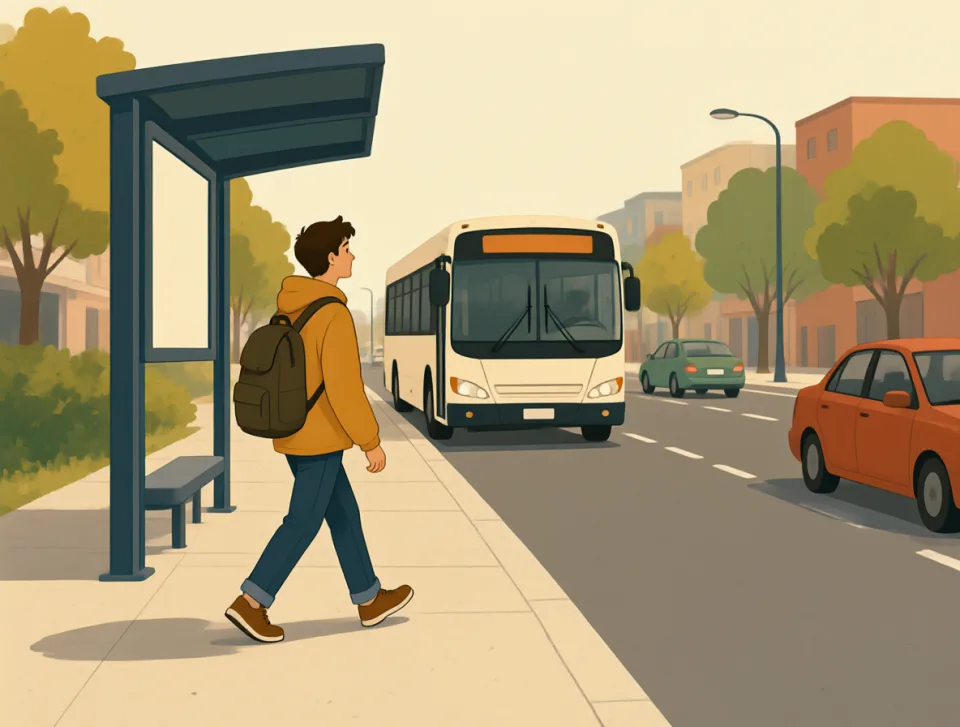
You do not necessarily need a car to travel around the city.
Do poruszania się po mieście niekoniecznie potrzebujesz samochodu.

Feeling tired does not necessarily mean you are sick.
To, że czujesz się zmęczony, niekoniecznie oznacza, że jesteś chory.

bright
#1510adjective
jasny; bystry
Giving out or reflecting a lot of light; full of light or strong color.
Emitujący lub odbijający dużo światła; pełen światła albo intensywnych kolorów.

The bright sunlight woke me early this morning.
Jasne światło słoneczne obudziło mnie dziś rano wcześnie.
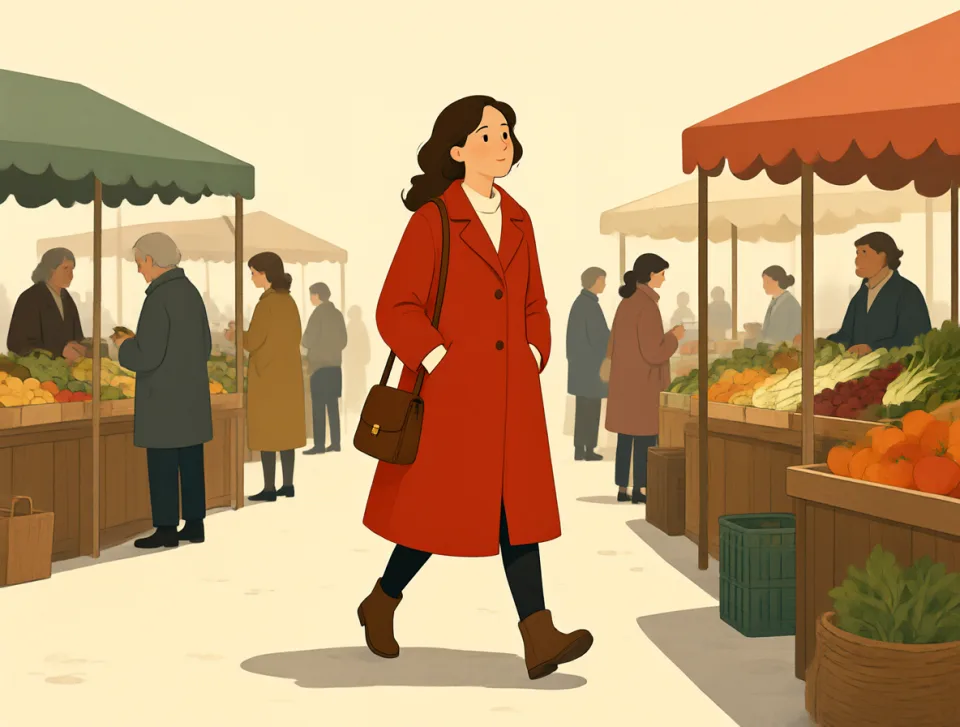
She wore a bright red coat to the winter market.
Na zimowy targ założyła jaskrawoczerwony płaszcz.

This room is too bright for watching a movie.
W tym pokoju jest zbyt jasno, żeby oglądać film.
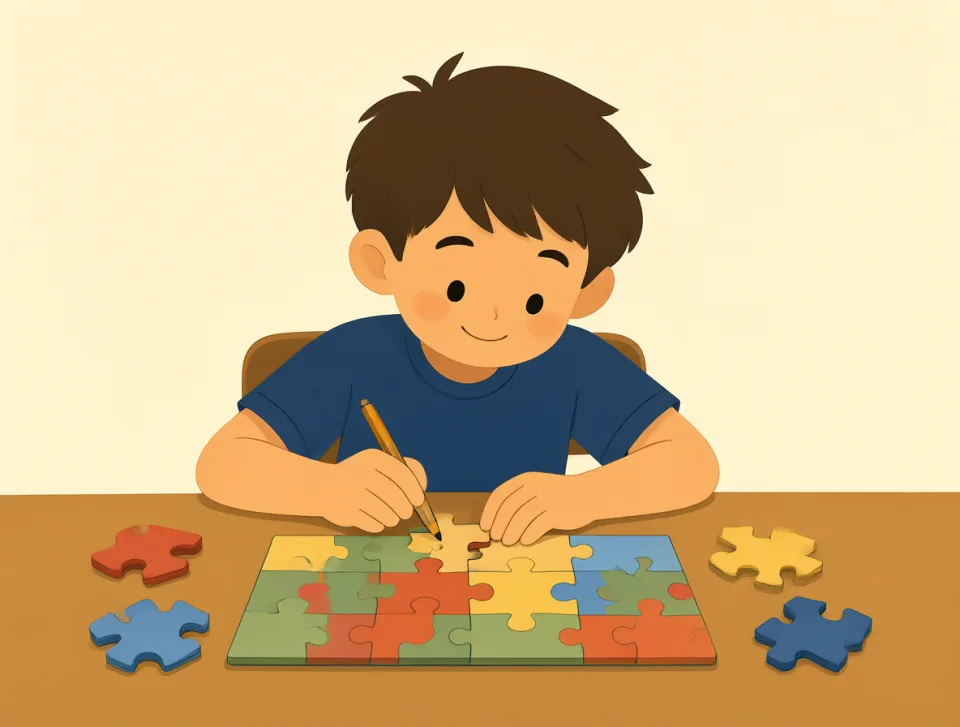
Our son is bright and learns new things quickly.
Nasz syn jest bystry i szybko uczy się nowych rzeczy.
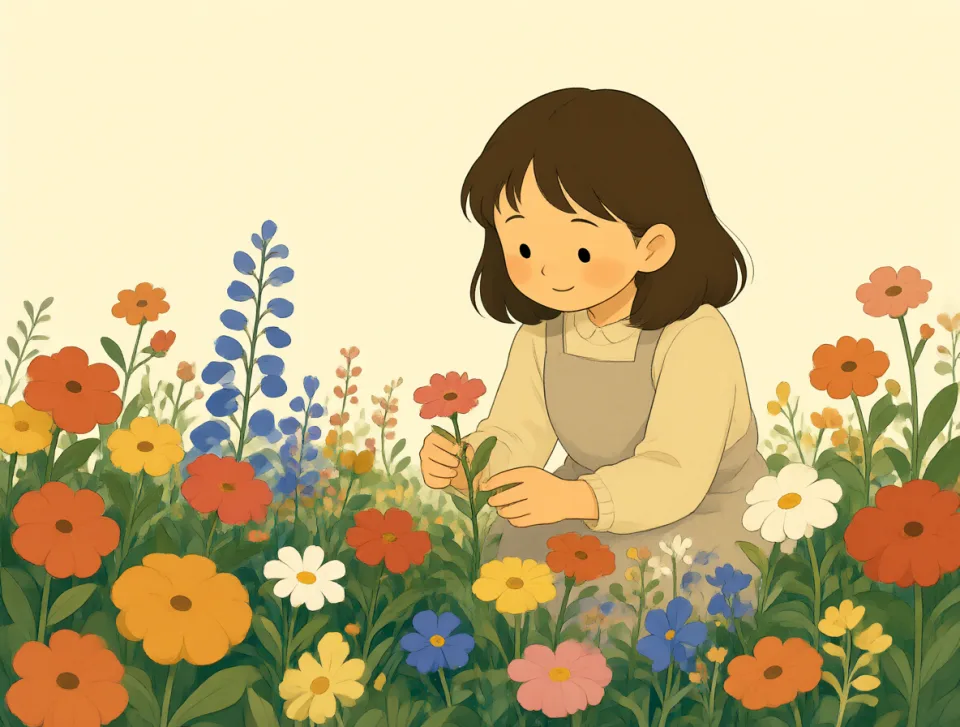
The bright flowers made the small garden look cheerful.
Jasne kwiaty sprawiły, że mały ogród wyglądał radośniej.
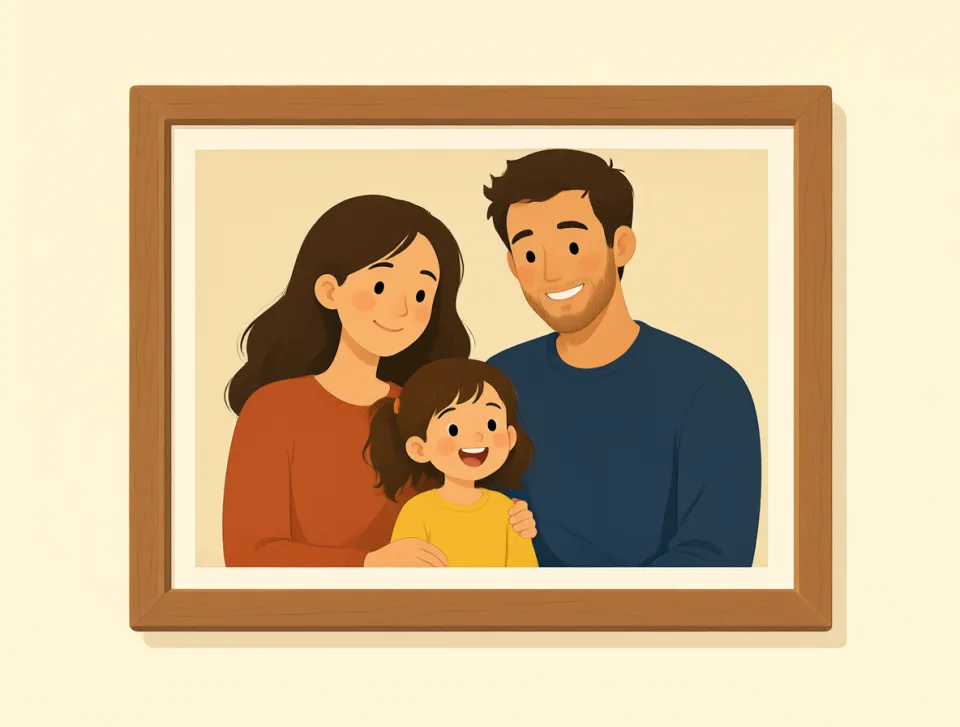
frame
#1511noun, verb
rama
A border around a picture, or to put a picture inside such a border.
Obramowanie wokół obrazu lub zdjęcia albo umieszczenie obrazu lub zdjęcia w takiej ramie.

We bought a new frame for our family photo.
Kupiliśmy nową ramę do rodzinnego zdjęcia.
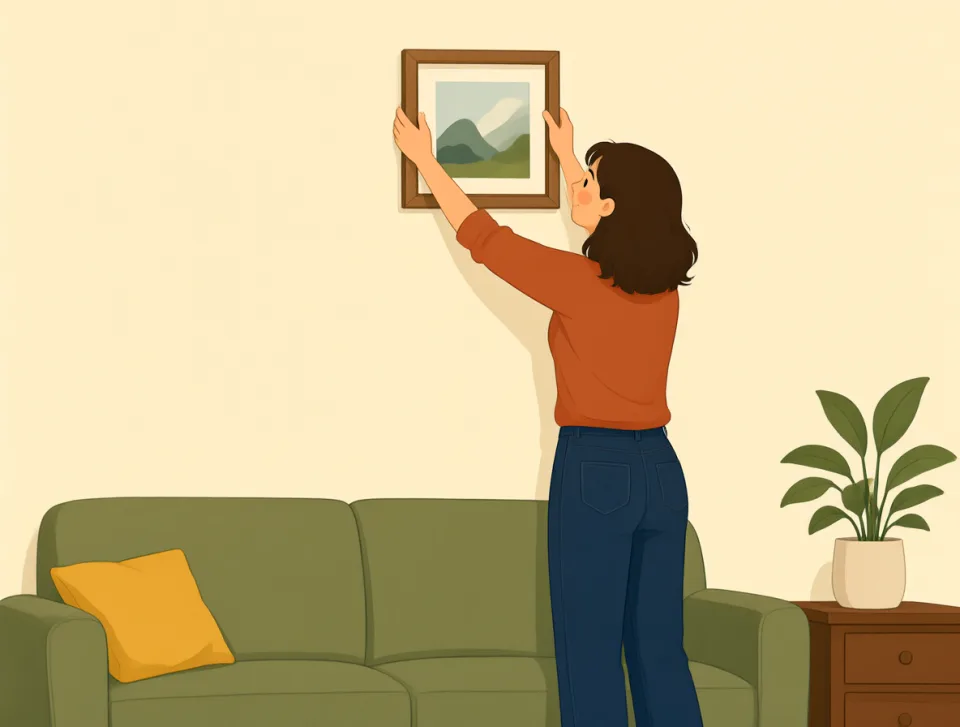
She hung the picture frame above the sofa.
Powiesiła ramę ze zdjęciem nad kanapą.
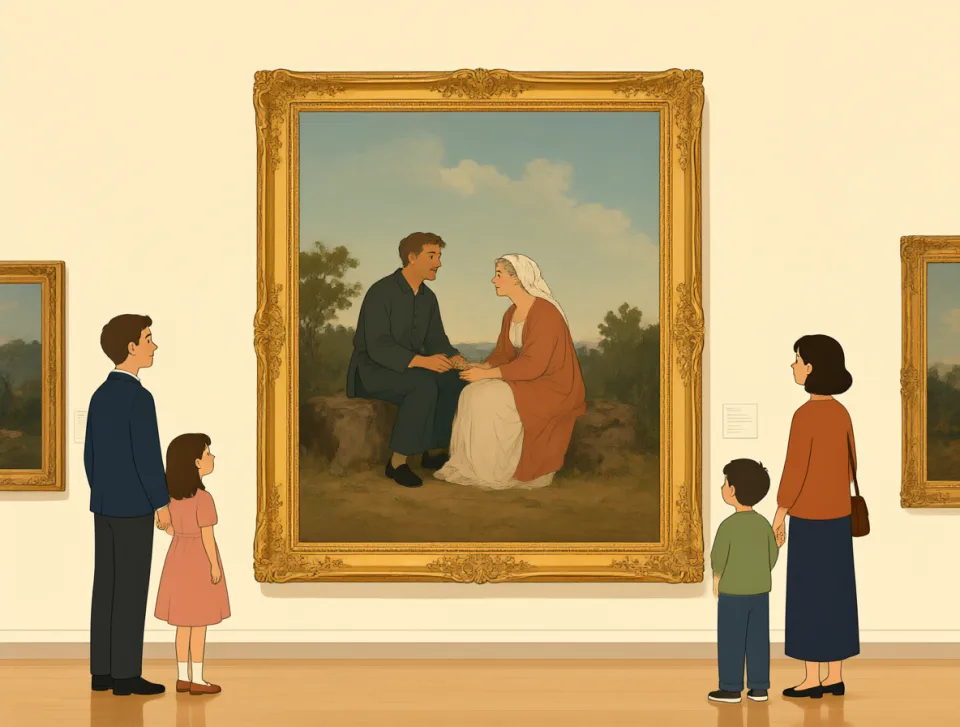
The museum displayed the painting in a gold frame.
W muzeum wystawiono obraz w złotej ramie.
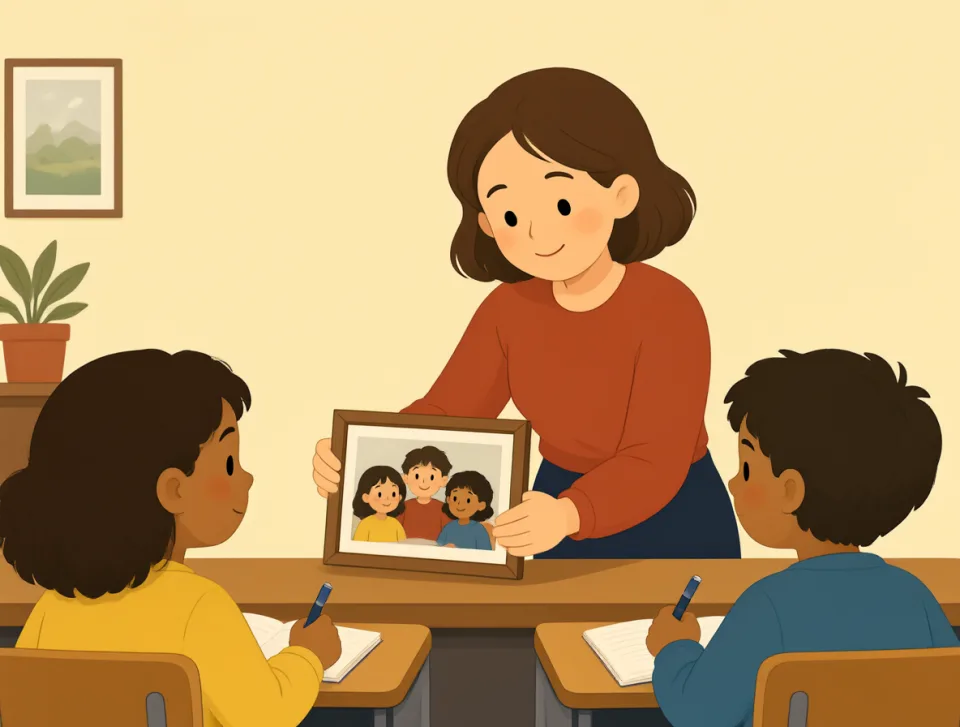
The teacher framed the class photo before the school event.
Nauczyciel oprawił zdjęcie klasowe przed szkolnym wydarzeniem.

The mountains framed the small village beautifully.
Góry pięknie otaczały małą wioskę.
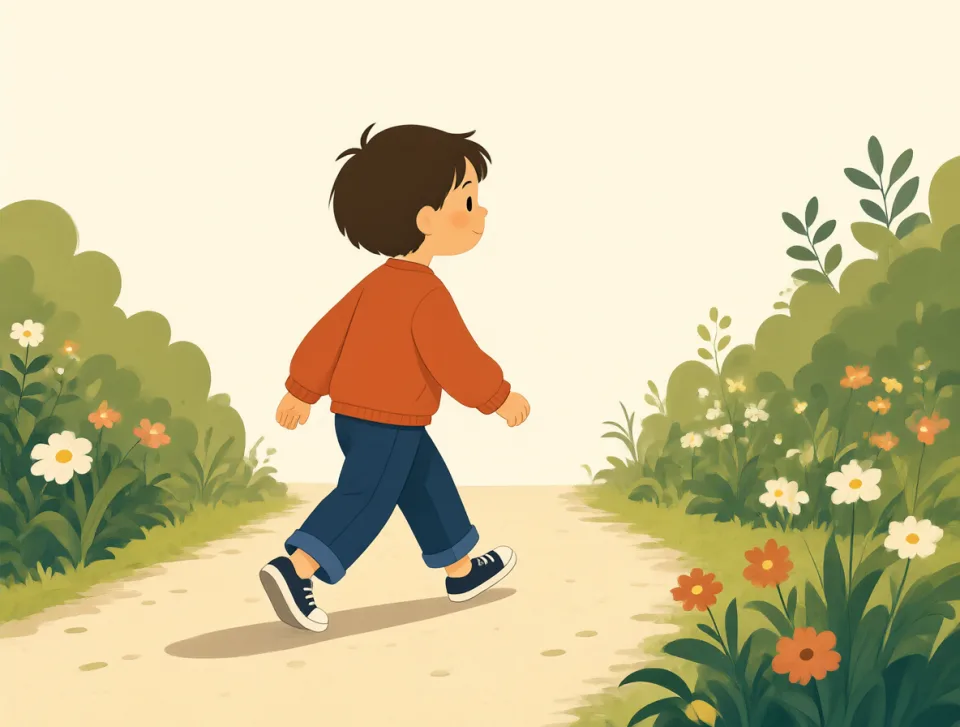
slowly
#1512adverb
powoli
At a low speed or with little noise and movement.
Z niewielką prędkością albo z małą ilością hałasu i ruchu.
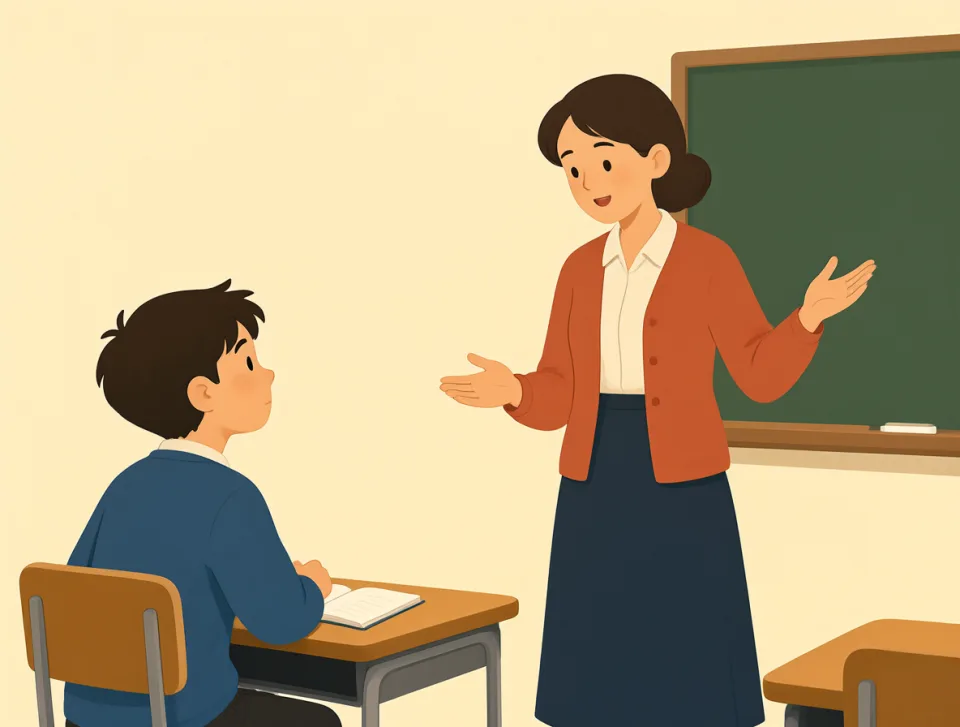
Please speak slowly so I can understand you.
Mów proszę powoli, żebym mógł cię zrozumieć.
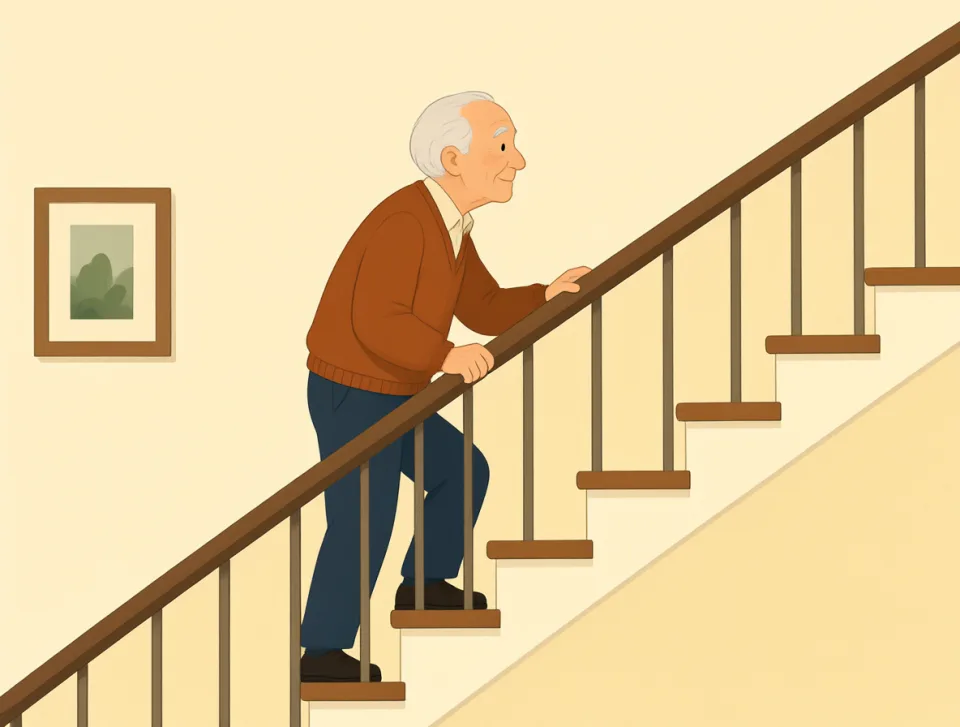
The old man slowly climbed the stairs.
Starszy mężczyzna powoli wspinał się po schodach.

The bus slowly moved through the busy town.
Autobus powoli przejeżdżał przez zatłoczone miasteczko.
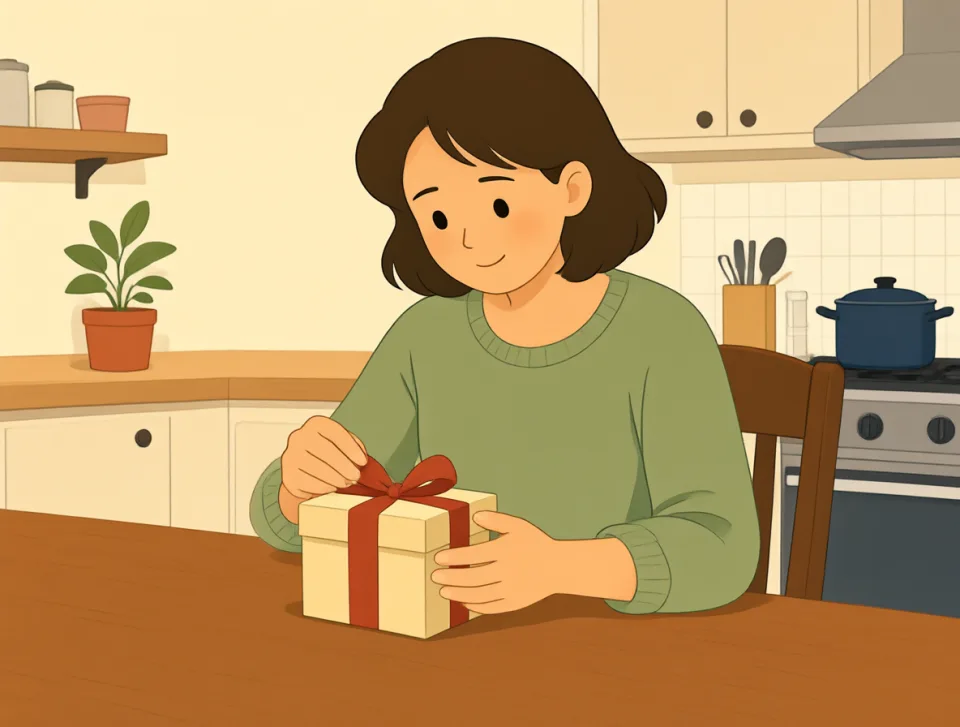
She slowly opened the box and smiled.
Powoli otworzyła pudełko i się uśmiechnęła.
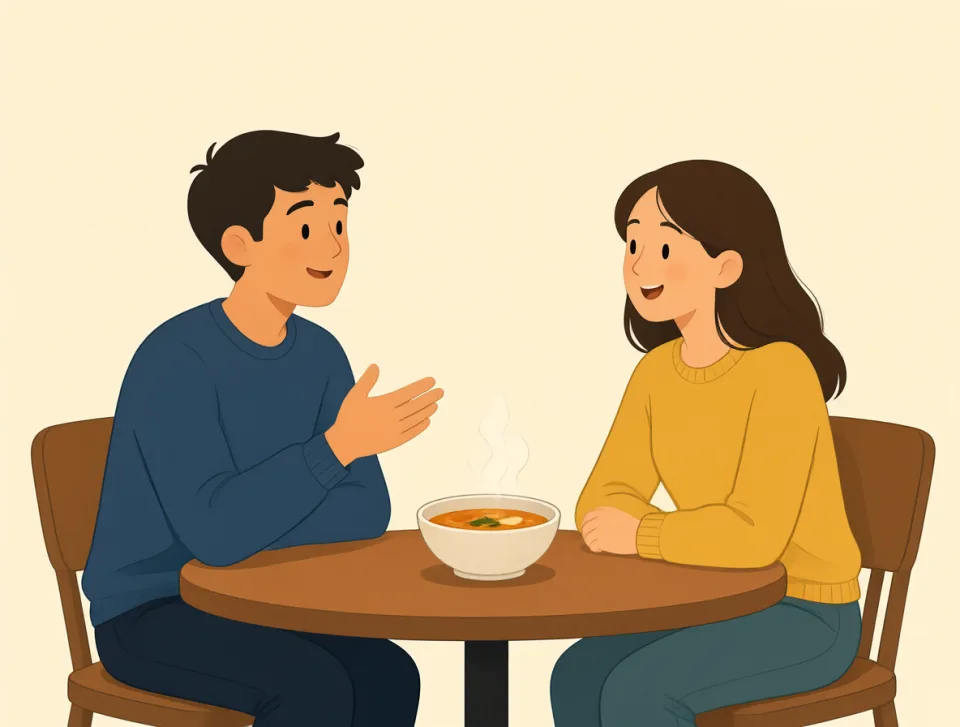
The soup slowly cooled while we talked.
Zupa powoli stygła, gdy rozmawialiśmy.

bond
#1513noun, verb
więź
a strong connection between people, or to join people through shared experiences
Silna więź między ludźmi albo zbliżać ludzi do siebie dzięki wspólnym doświadczeniom.
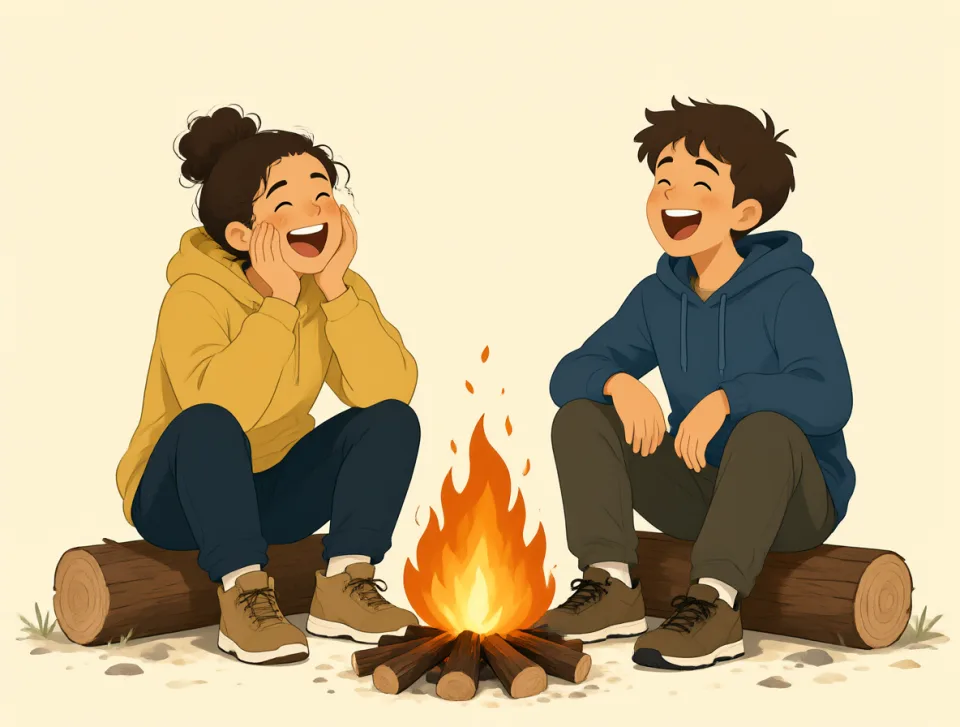
The trip helped us build a strong bond as friends.
Ta podróż pomogła nam zbudować silną więź przyjaźni.

Parents often form a strong bond with their new baby.
Rodzice często nawiązują silną więź ze swoim nowo narodzonym dzieckiem.

The team bonded quickly after working together on the project.
Zespół szybko się zżył, gdy wspólnie pracował nad projektem.
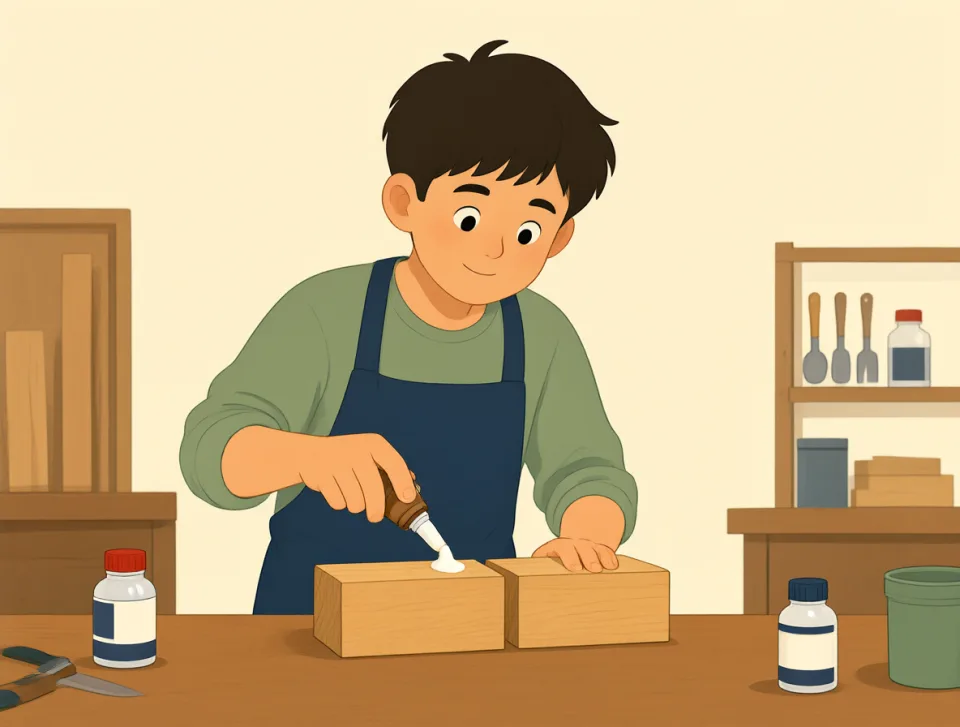
The glue will bond the two pieces of wood together.
Klej połączy ze sobą te dwa kawałki drewna.
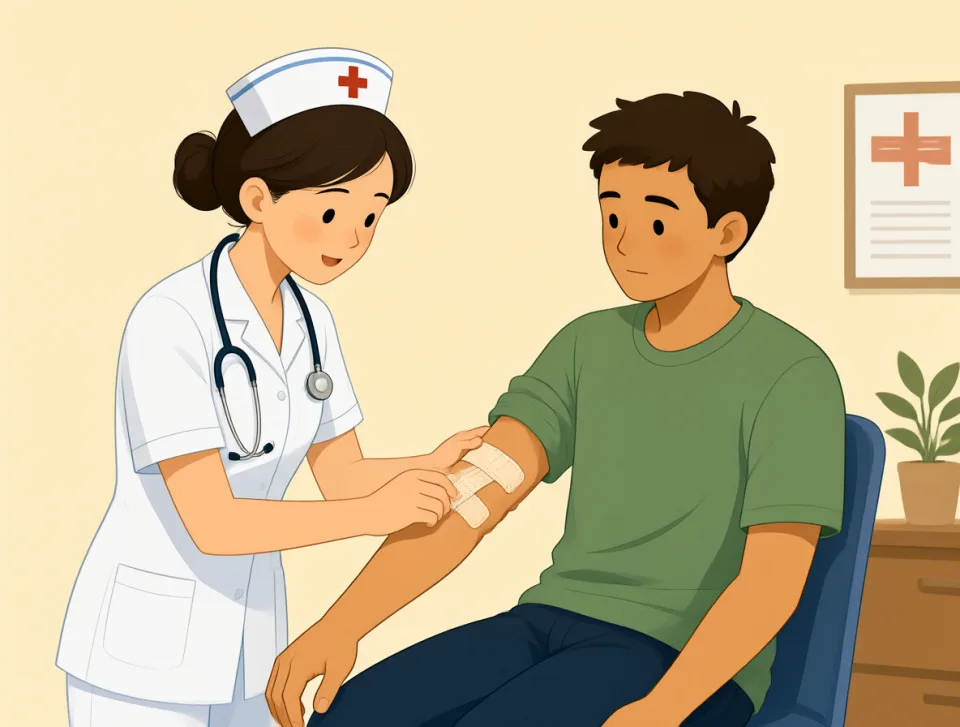
The nurse removed the bandage carefully because it had bonded to the wound.
Pielęgniarka ostrożnie zdjęła bandaż, bo przykleił się do rany.

hire
#1514verb, noun
zatrudnić
to pay someone to work for you, or the act of paying someone to work
Płacić komuś za pracę dla siebie albo zatrudnienie kogoś do pracy.

The company plans to hire two new teachers this year.
Firma planuje zatrudnić w tym roku dwóch nowych nauczycieli.
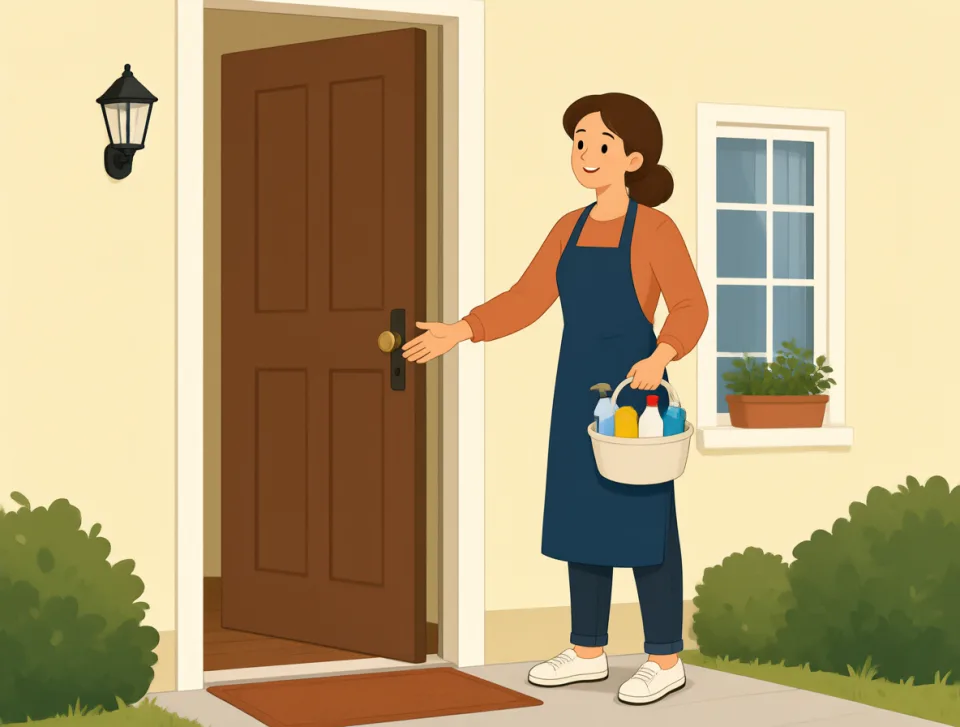
We hired a cleaner to help with the housework.
Zatrudniliśmy osobę do sprzątania, żeby pomogła nam w pracach domowych.
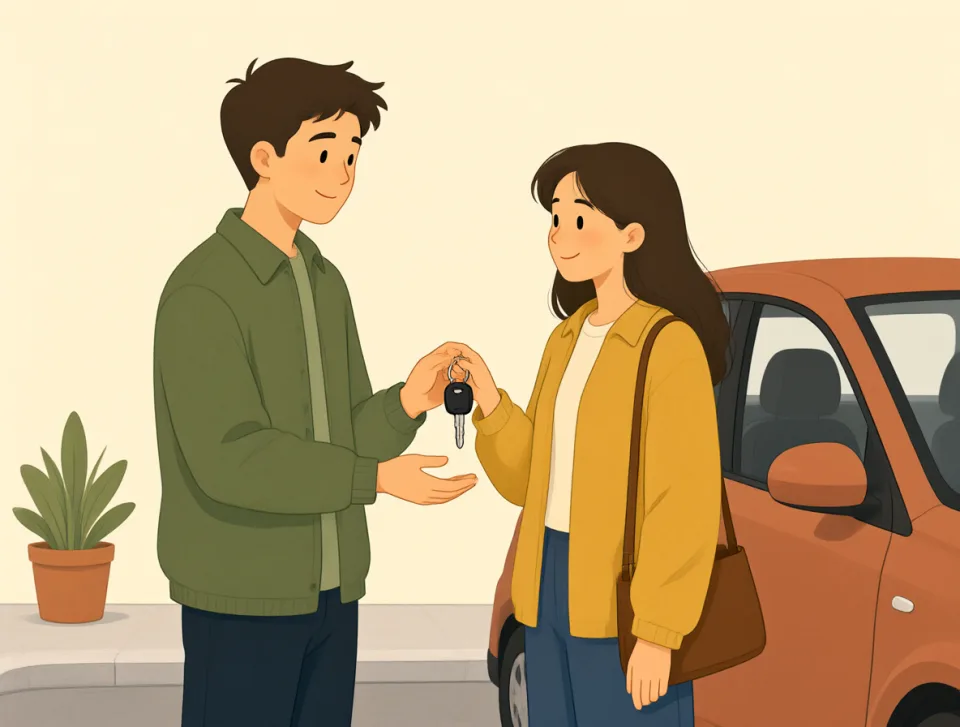
They hired a car for their trip around Italy.
Wynajęli samochód na podróż po Włoszech.
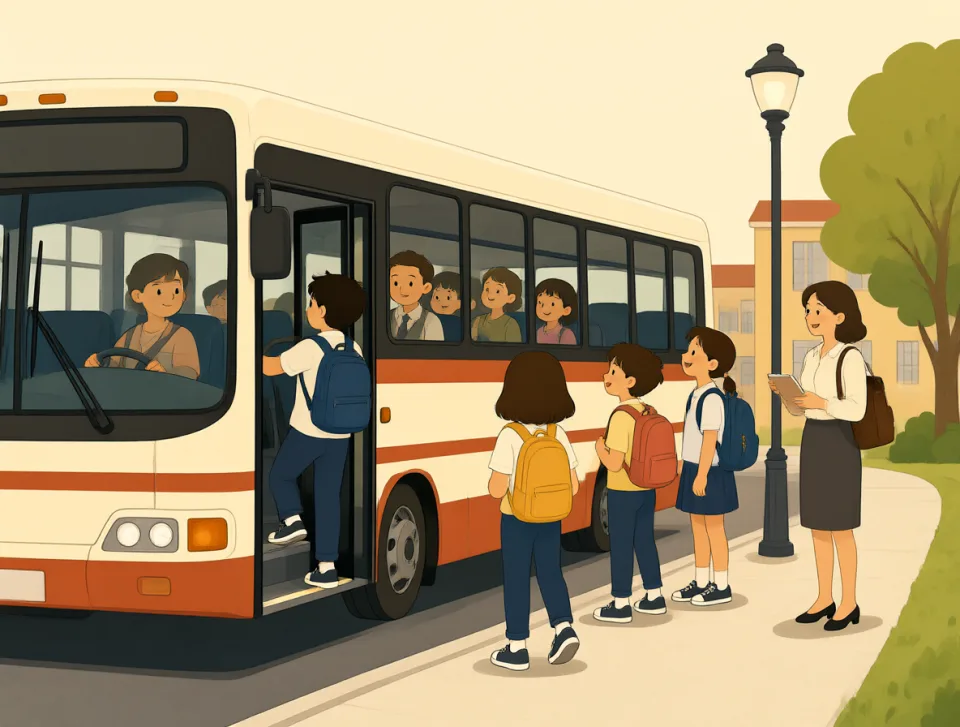
Our school hired a bus to take students to the museum.
Nasza szkoła wynajęła autobus, żeby zawieźć uczniów do muzeum.

The restaurant is hiring friendly people to serve food.
Restauracja zatrudnia miłe osoby do obsługi gości.

hole
#1515noun, verb
dziura
An empty space in something, or a damaged place that goes through it.
Pusta przestrzeń w czymś albo uszkodzone miejsce, które przechodzi na wylot.
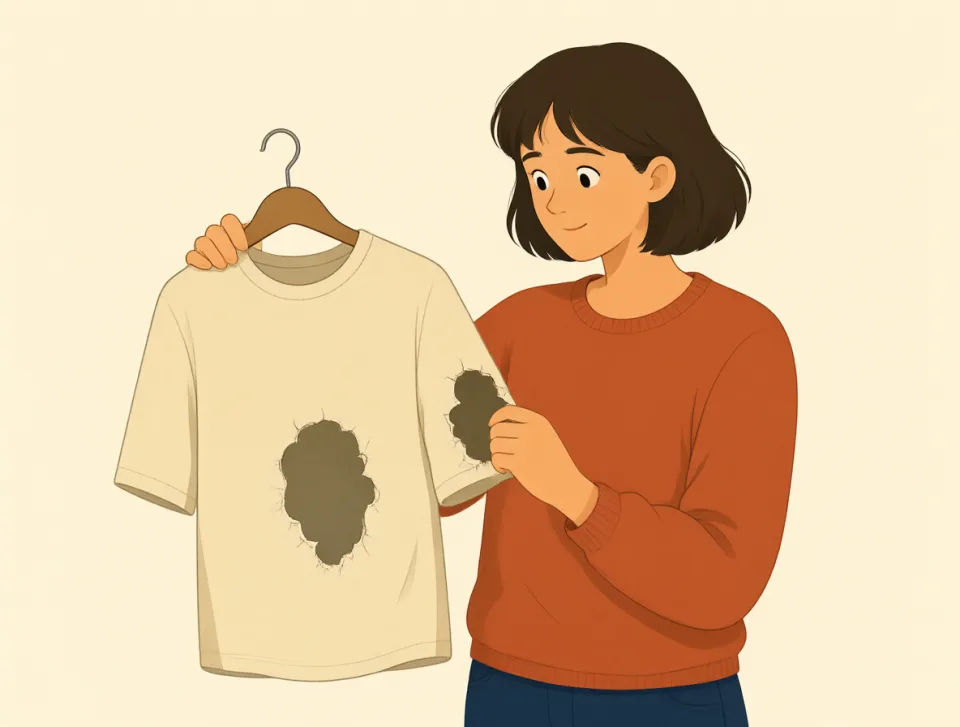
There is a hole in my favorite shirt.
W mojej ulubionej koszuli jest dziura.
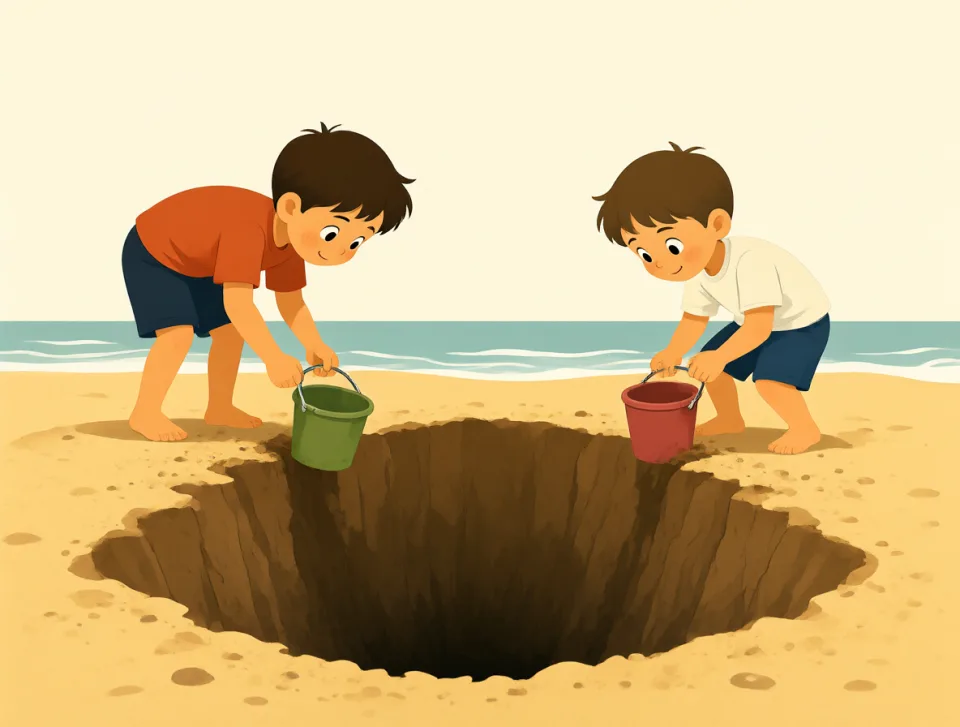
The children dug a deep hole in the sand.
Dzieci wykopały głęboką dziurę w piasku.
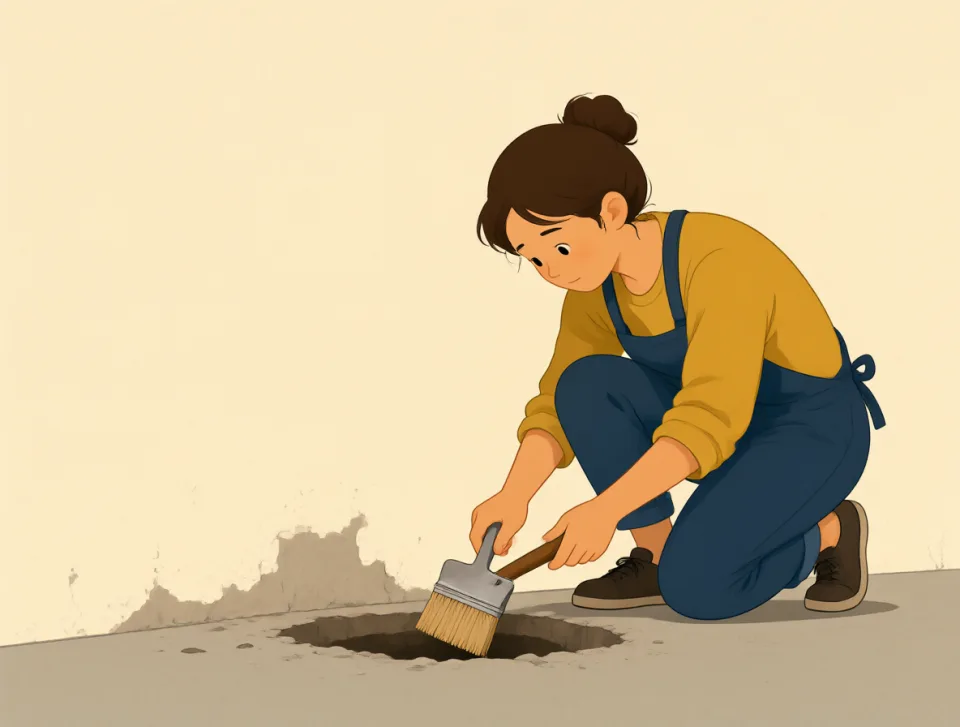
Please fill the hole in the wall before painting it.
Proszę wypełnić dziurę w ścianie, zanim ją pomalujesz.

The golf ball disappeared into the hole.
Piłka golfowa wpadła do dołka.
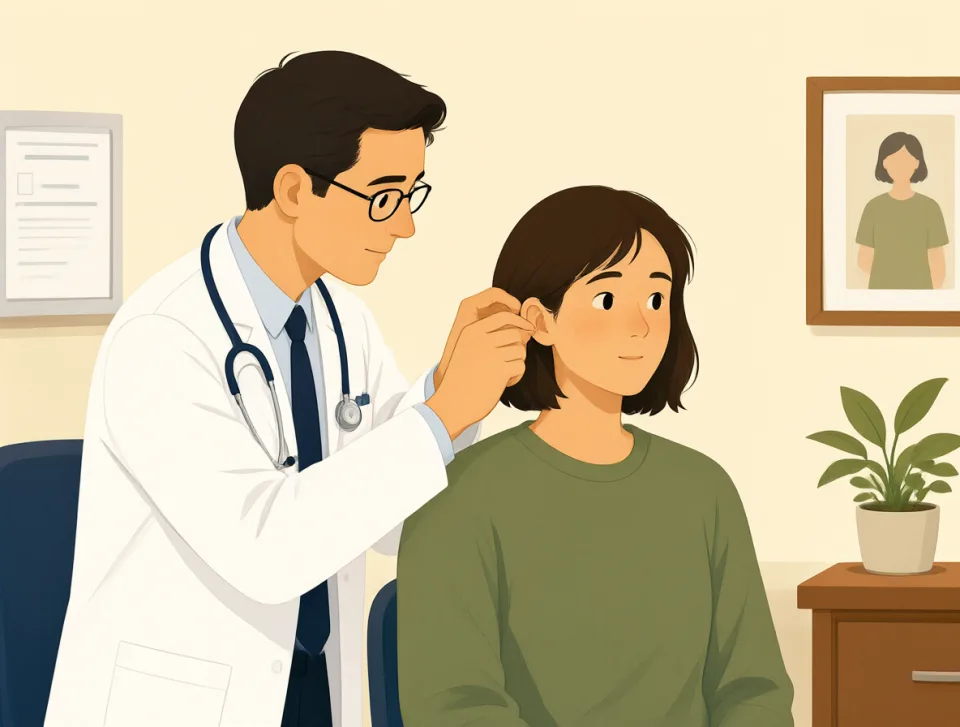
The doctor put a small tube into the hole in his ear.
Lekarz włożył małą rurkę do dziurki w jego uchu.

tie
#1516noun, verb
krawat; remis
A strip used to fasten or connect things, or a result where players have equal scores.
Pasek materiału służący do wiązania lub łączenia rzeczy albo wynik meczu, w którym zawodnicy mają tyle samo punktów.

He wore a blue tie to work today.
Założył dziś do pracy niebieski krawat.
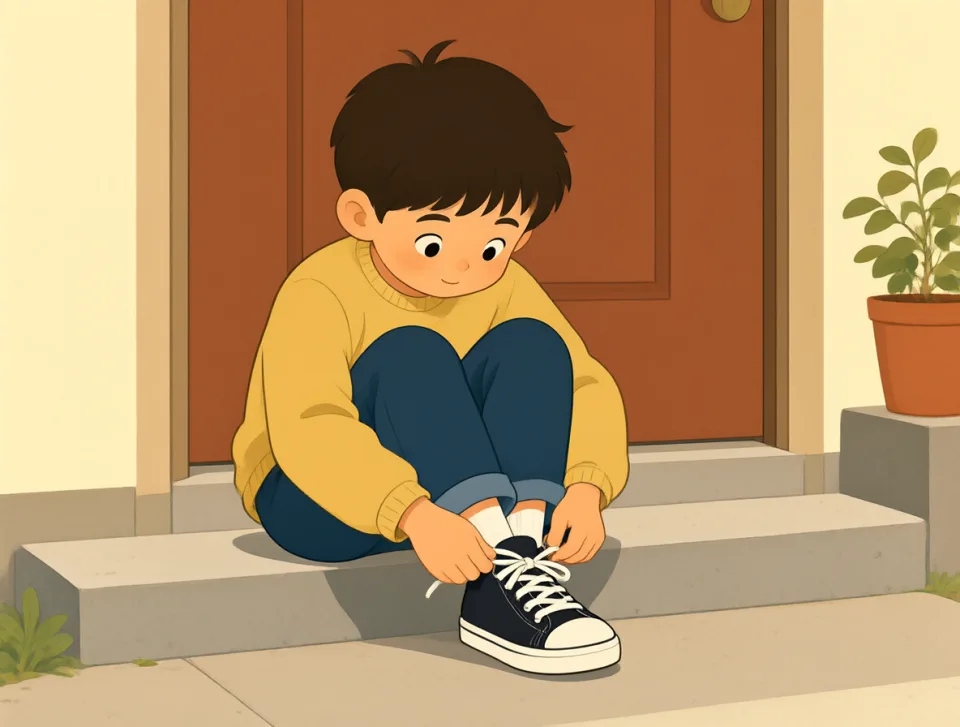
Please tie your shoes before you go outside.
Zawiąż buty, zanim wyjdziesz na zewnątrz.
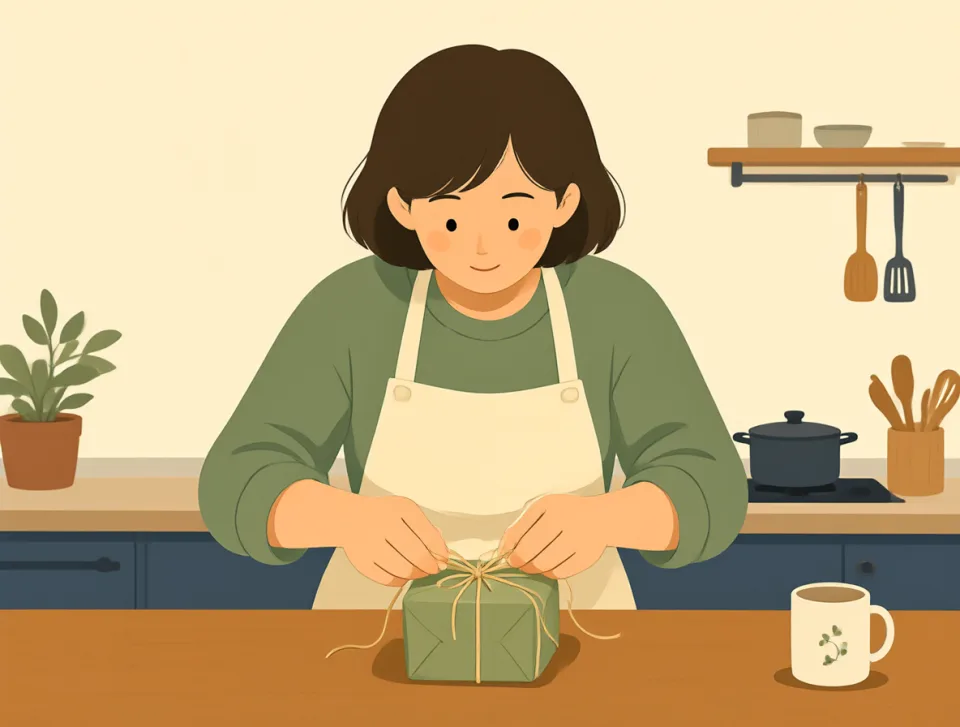
She tied the package with strong string.
Związała paczkę mocnym sznurkiem.
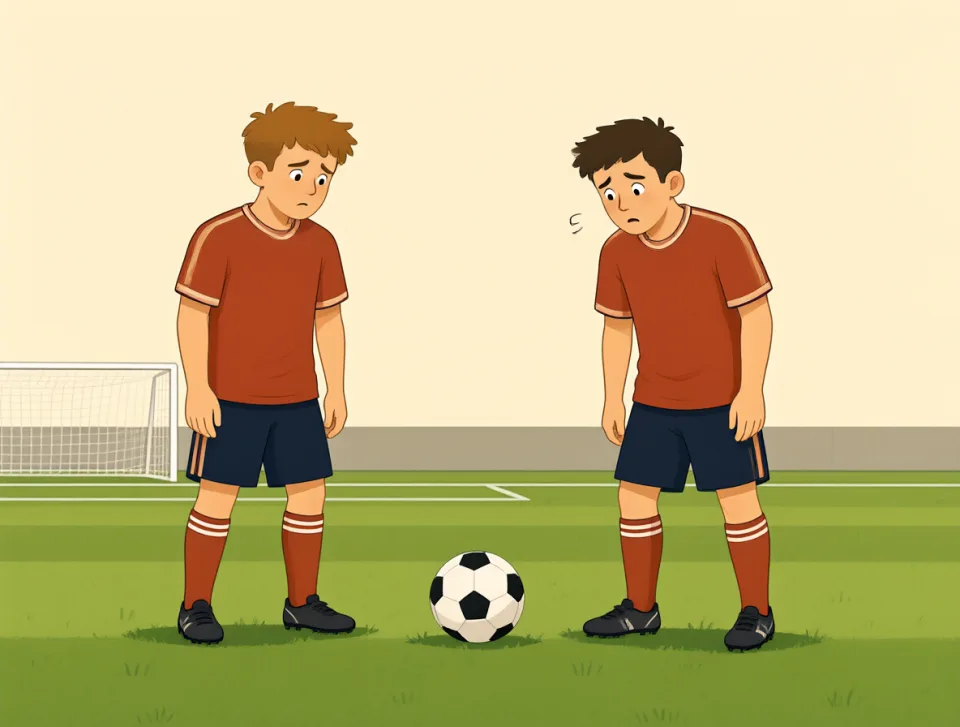
The two teams tied the game at two goals each.
Obie drużyny zremisowały, strzelając po dwa gole.
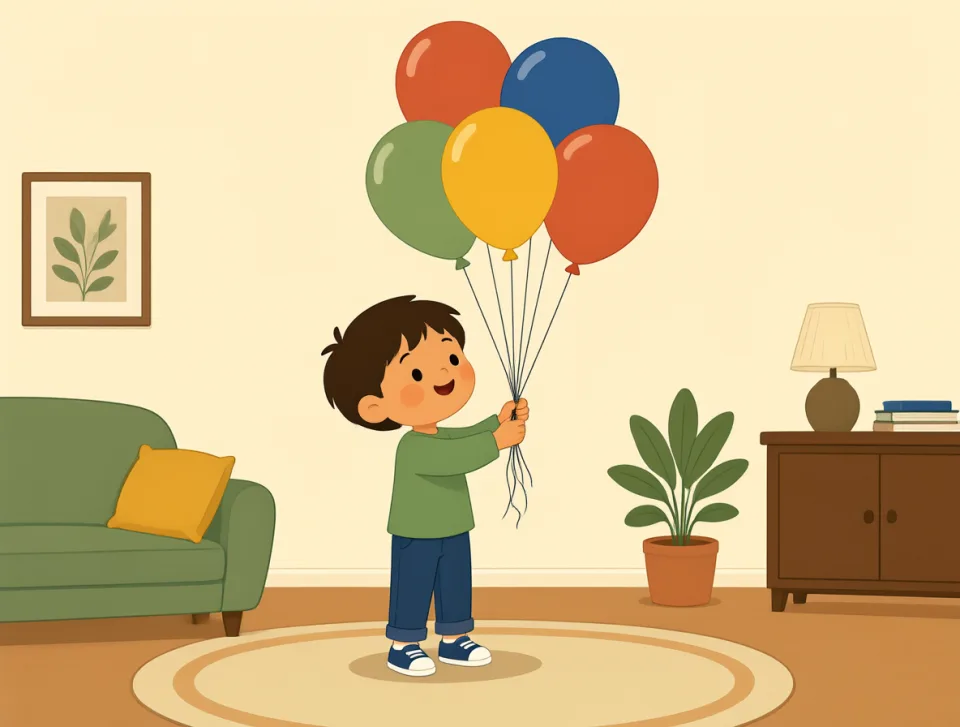
Tie the balloons together and carry them carefully.
Zwiąż balony i ostrożnie je nieś.
internal
#1517adjective
wewnętrzny
inside a country, organization, body, or object rather than outside it
Znajdujący się wewnątrz kraju, organizacji, ciała lub przedmiotu, a nie na zewnątrz.
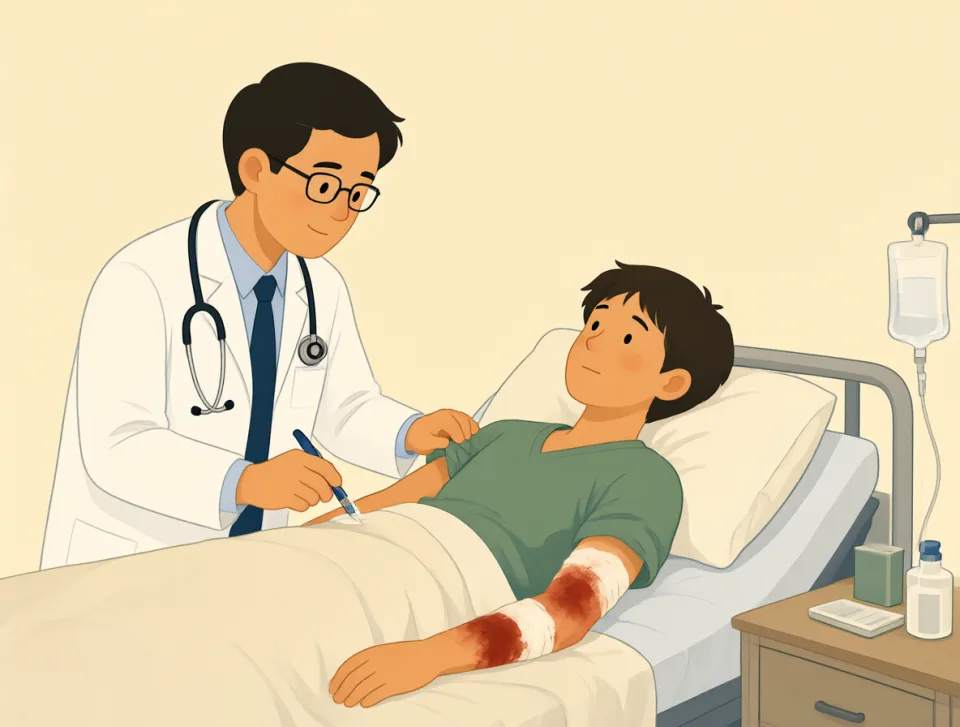
The doctor checked for internal bleeding after the accident.
Po wypadku lekarz sprawdził, czy nie doszło do krwawienia wewnętrznego.

The company hired an internal team to solve the problem.
Firma zatrudniła wewnętrzny zespół, aby rozwiązać ten problem.
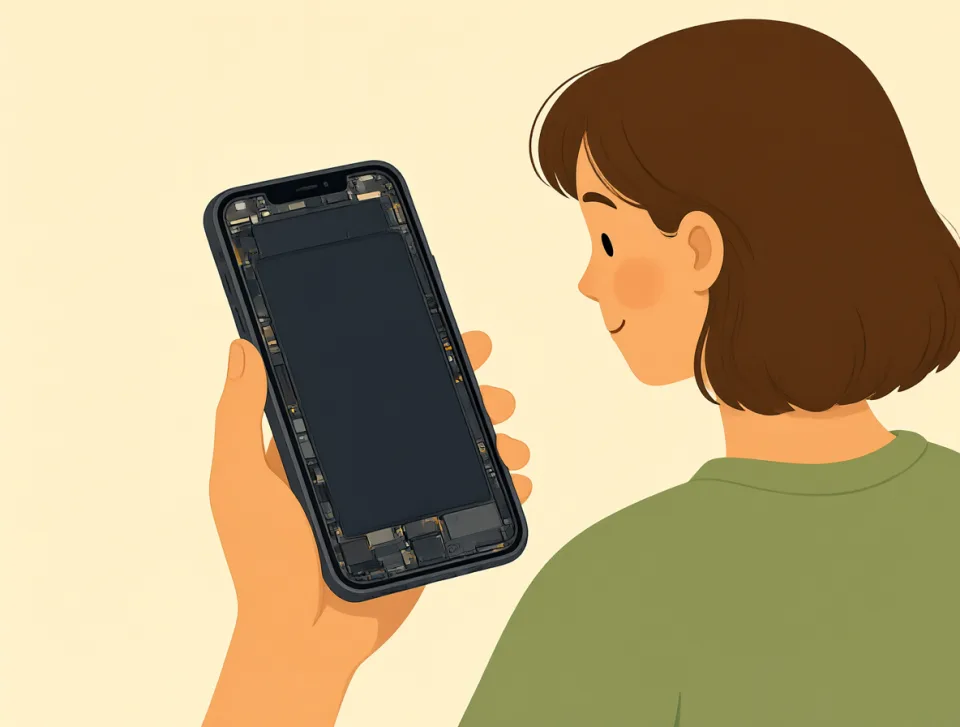
The phone has internal memory for storing photos and music.
Telefon ma pamięć wewnętrzną do przechowywania zdjęć i muzyki.
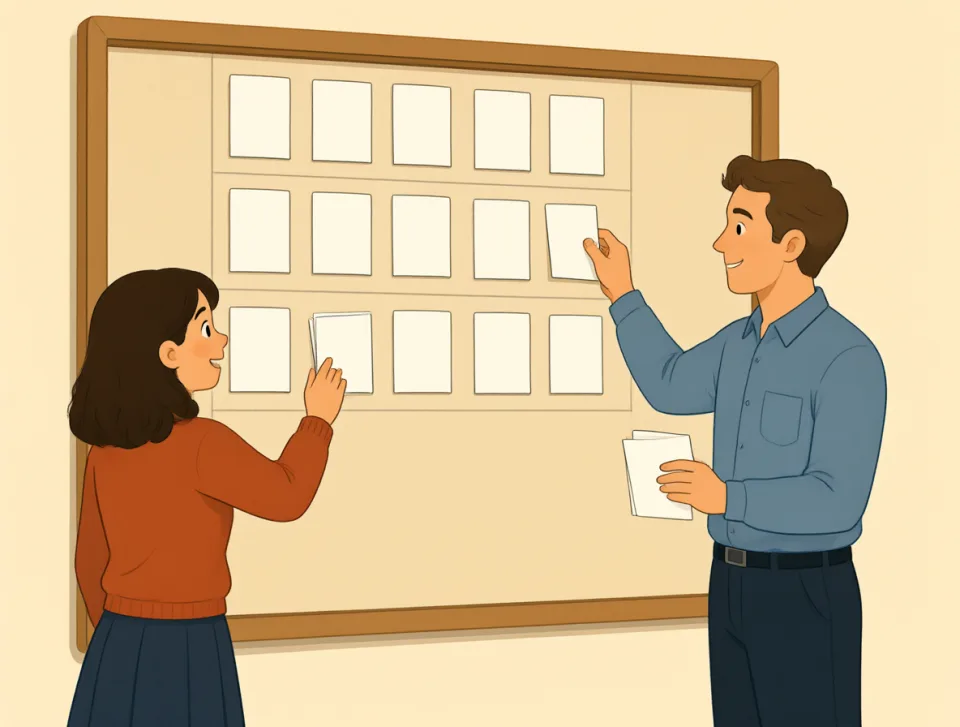
The school made an internal change to its class schedule.
Szkoła wprowadziła wewnętrzną zmianę w planie lekcji.

She felt internal pain but had no visible injury.
Odczuwała wewnętrzny ból, ale nie miała widocznych obrażeń.
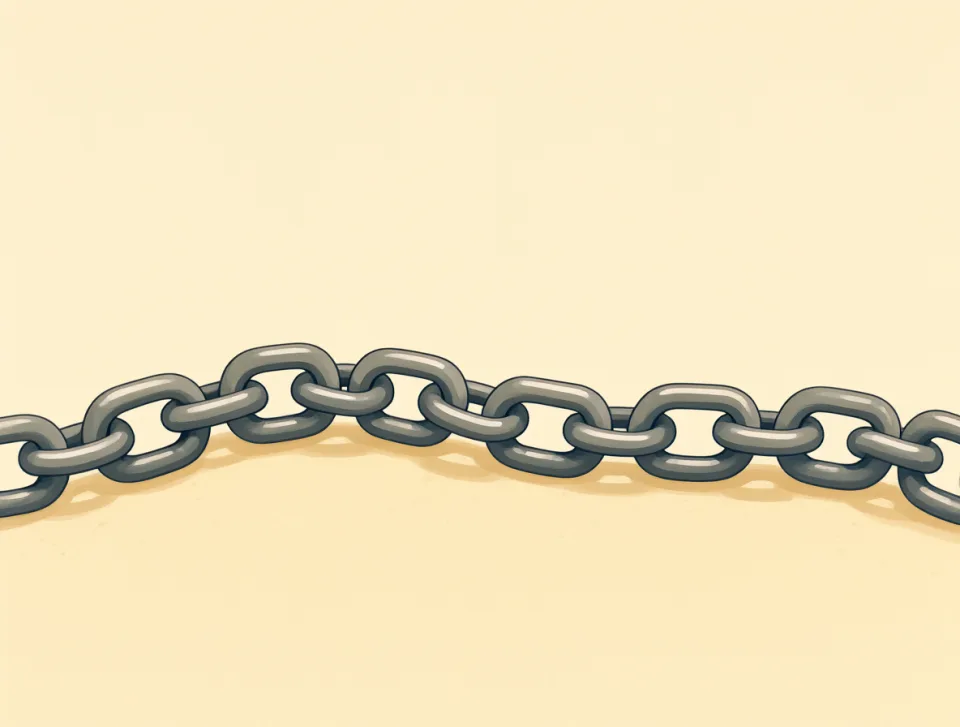
chain
#1518noun, verb
łańcuch; łączyć łańcuchem
A series of connected metal rings, or to connect things in a series.
Szereg połączonych metalowych ogniw albo łączyć rzeczy w szeregu.
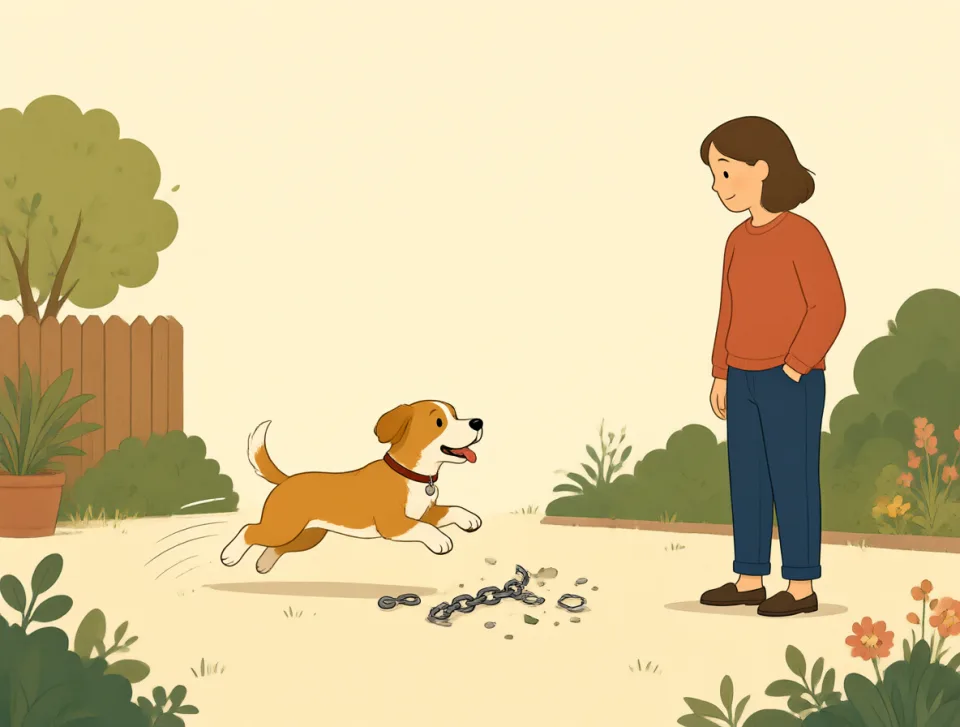
The dog broke its chain and ran into the garden.
Pies zerwał się z łańcucha i pobiegł do ogrodu.

She wore a silver chain around her neck.
Miała na szyi srebrny łańcuszek.
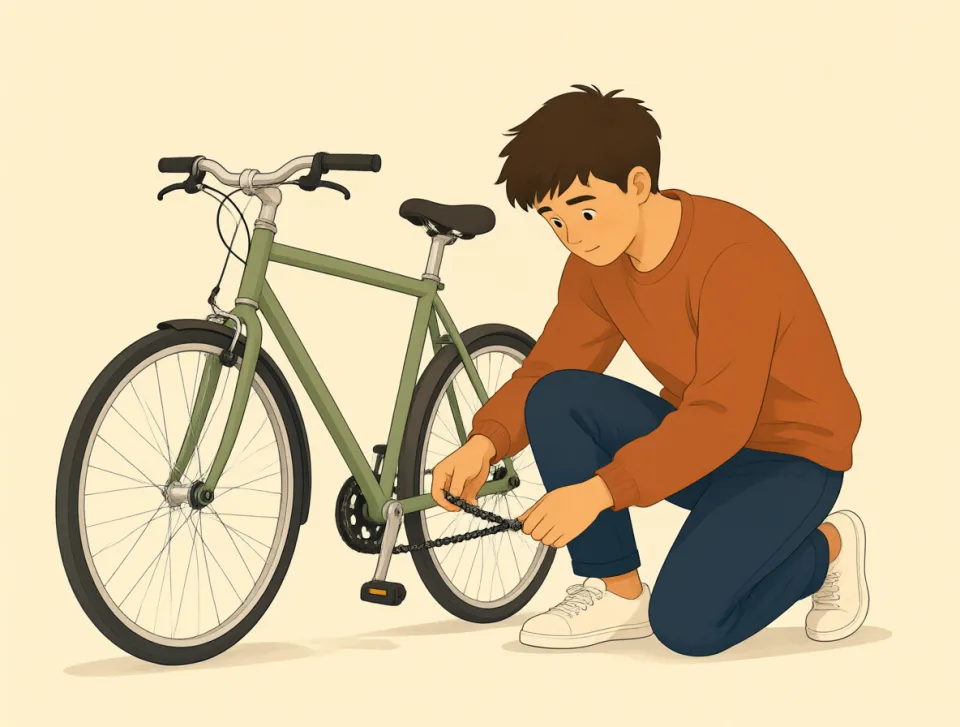
The bicycle chain came off during my ride.
Podczas jazdy spadł mi łańcuch z roweru.

This restaurant chain has branches in many countries.
Ta sieć restauracji ma lokale w wielu krajach.
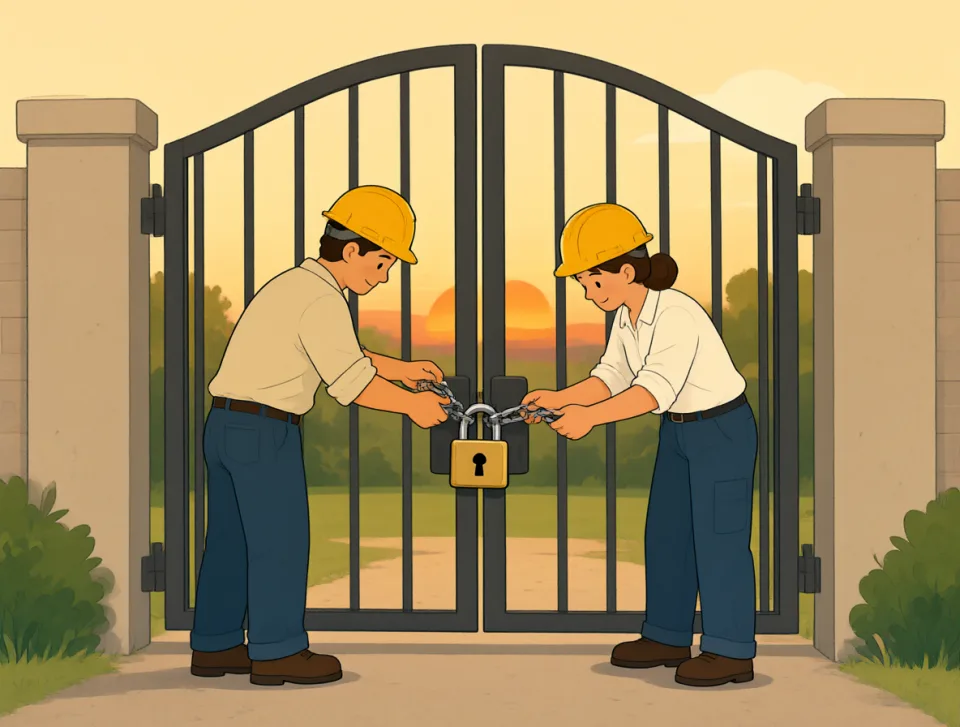
The workers chained the gate closed before leaving.
Pracownicy zakuli bramę łańcuchem, zanim wyszli.
literature
#1519noun
literatura
Books and writing about a subject, especially stories, poems, and other creative works.
Książki i teksty na określony temat, zwłaszcza opowiadania, wiersze i inne utwory literackie.
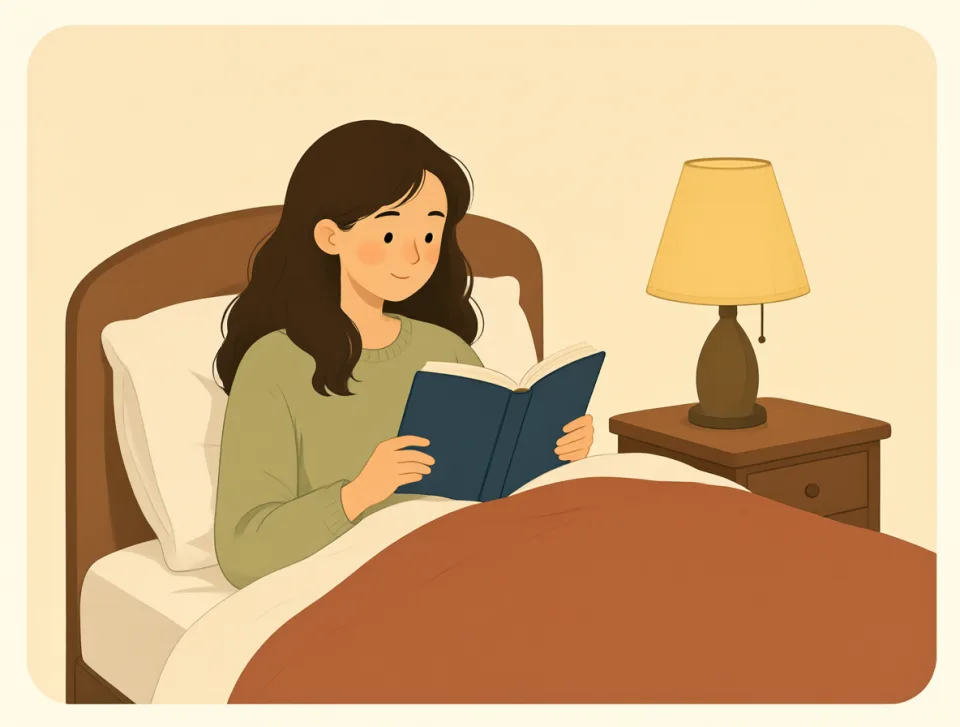
She enjoys reading modern literature before going to bed.
Lubi czytać współczesną literaturę przed snem.
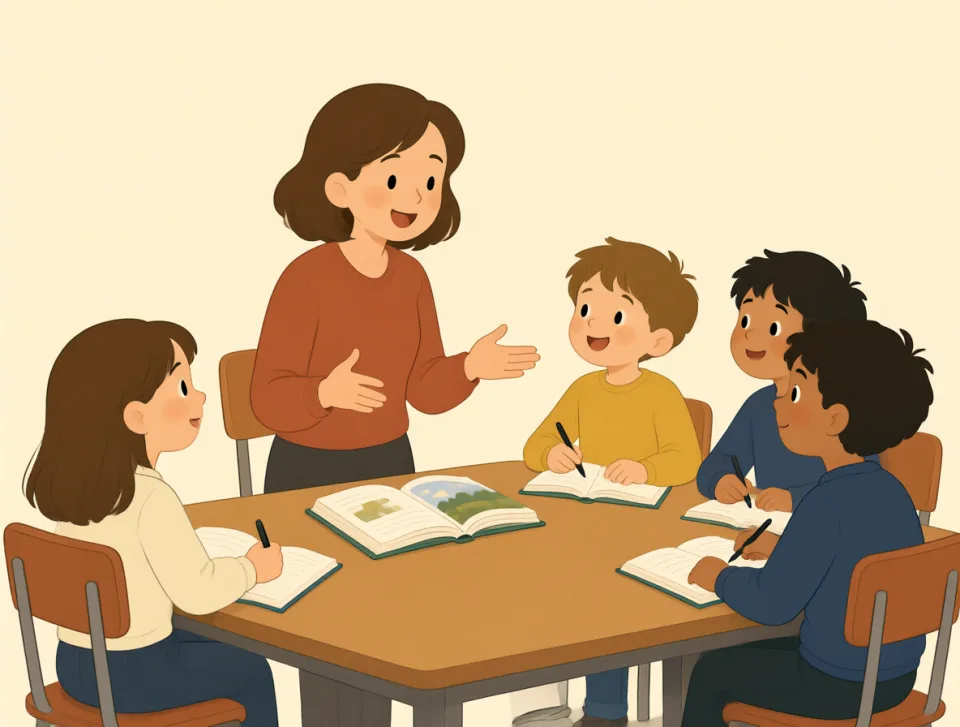
Our English class studied American literature this year.
W tym roku na angielskim omawialiśmy literaturę amerykańską.
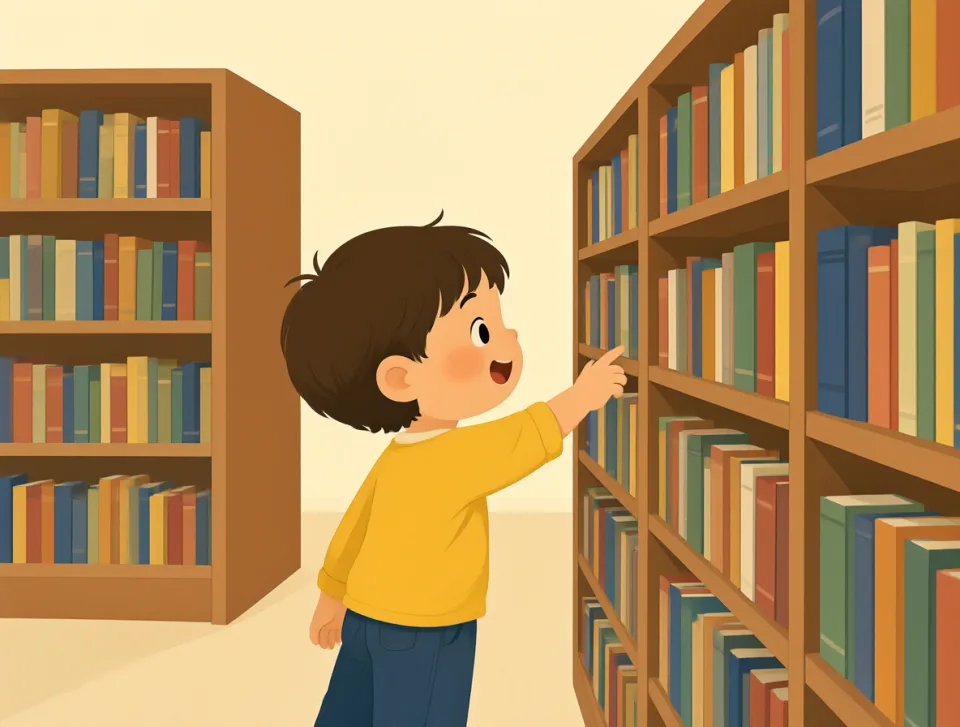
The library has a large collection of children's literature.
Biblioteka ma bogaty zbiór literatury dziecięcej.

He studied English literature at university and became a teacher.
Studiował literaturę angielską na uniwersytecie, a potem został nauczycielem.

The travel guide includes literature about local history and culture.
Przewodnik turystyczny zawiera informacje o lokalnej historii i kulturze.
victim
#1520noun
ofiara
a person harmed, injured, or killed by an accident, crime, or unpleasant event
Osoba, która ucierpiała, została ranna lub zginęła w wyniku wypadku, przestępstwa albo innego nieprzyjemnego zdarzenia.
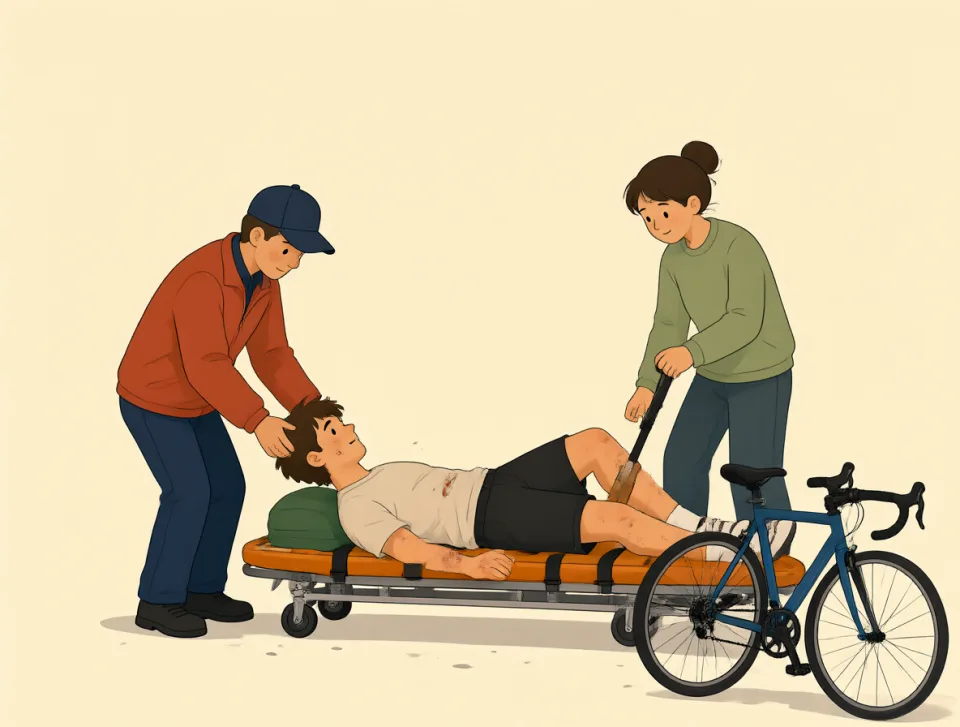
The accident victim was taken to the hospital by ambulance.
Ofiara wypadku została przewieziona karetką do szpitala.
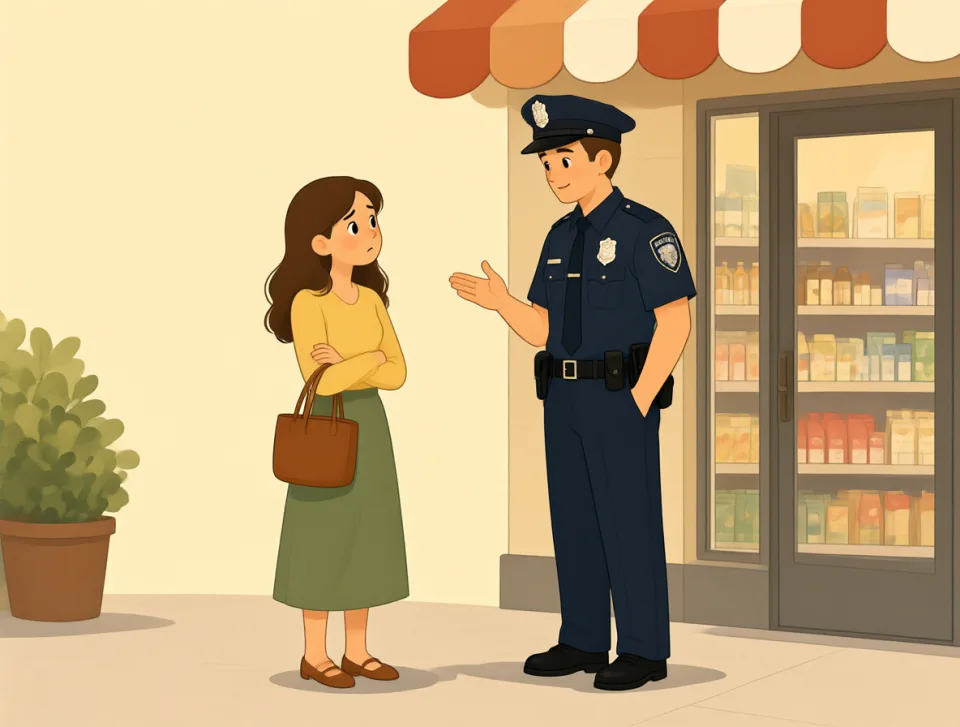
The police spoke to the victim after the robbery.
Policja rozmawiała z ofiarą po napadzie rabunkowym.
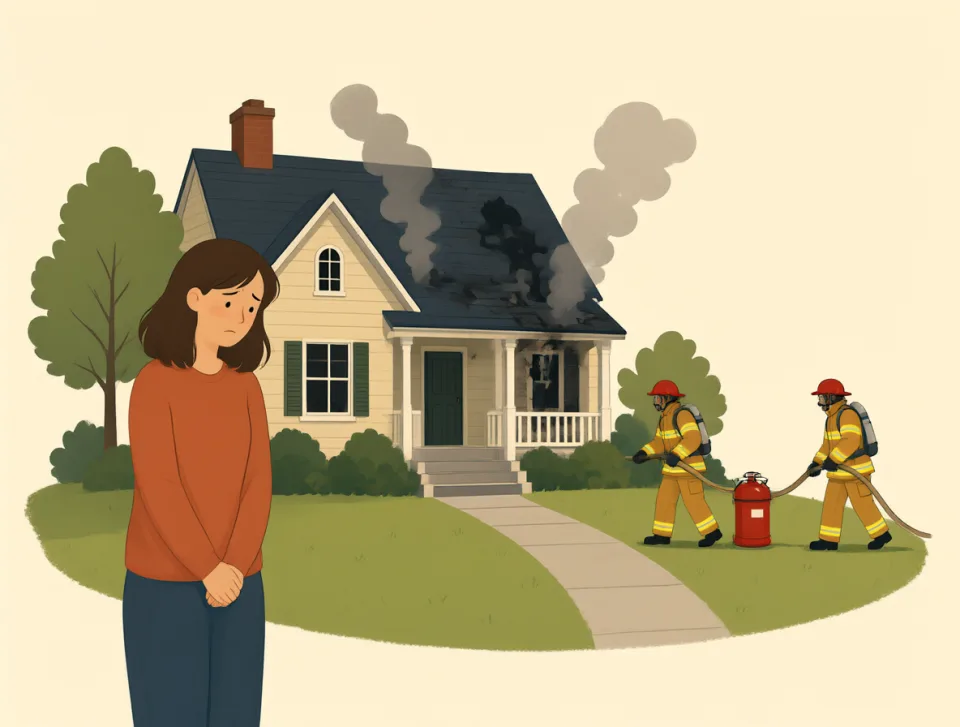
The victim of the fire lost everything in her home.
Ofiara pożaru straciła wszystko, co miała w domu.
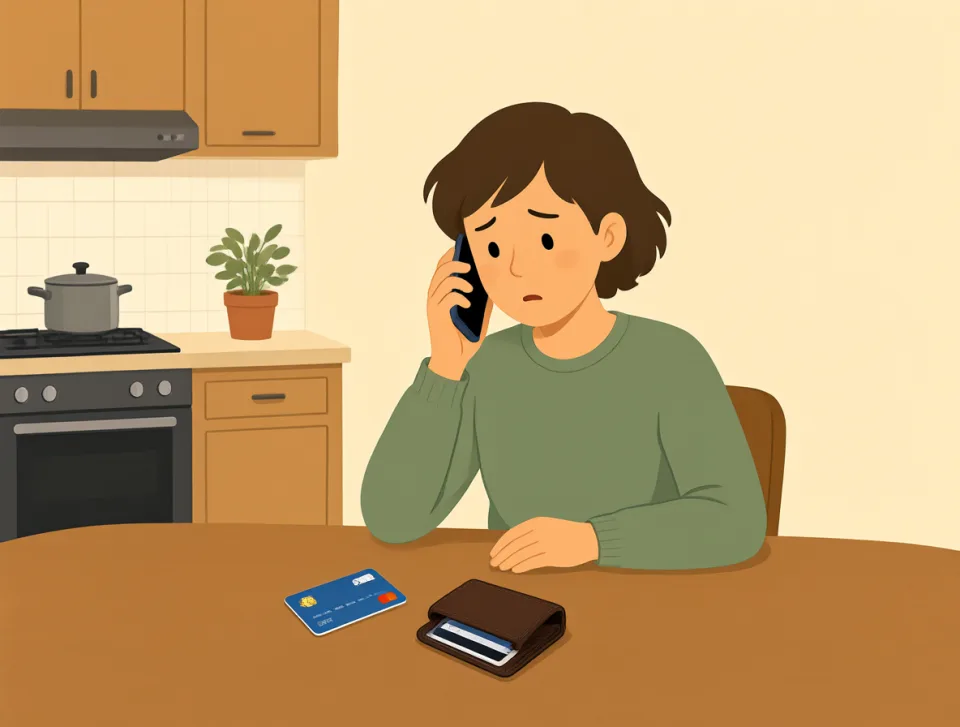
The scam victim called the bank to report the stolen money.
Ofiara oszustwa zadzwoniła do banku, by zgłosić kradzież pieniędzy.
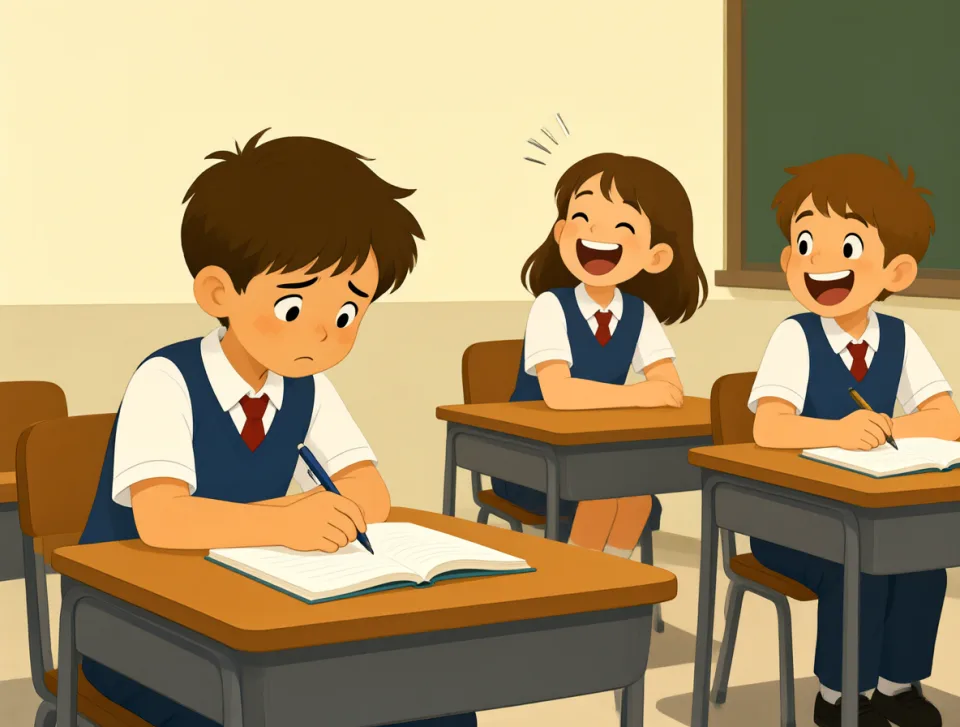
He felt like a victim when his classmates laughed at him.
Czuł się jak ofiara, gdy koledzy z klasy się z niego śmiali.