Zestaw 98
Słowa 1941–1960 · advertisement, consistent, originally, aside, comfort, secondly
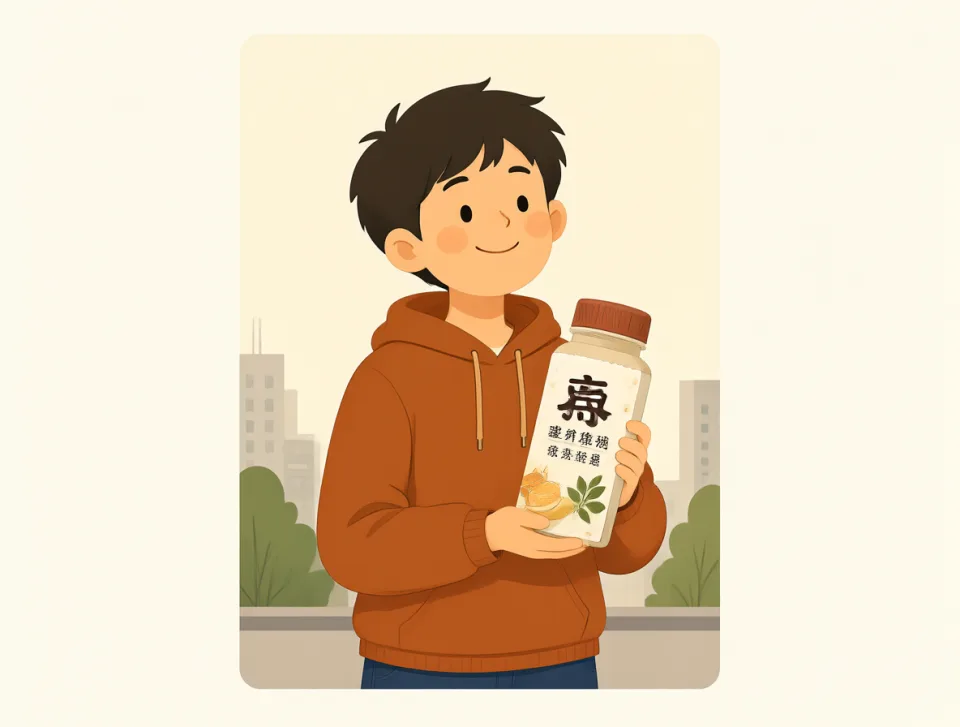
advertisement
#1941noun
reklama
a message that tries to make people buy a product or service
komunikat mający zachęcić ludzi do kupienia produktu lub skorzystania z usługi
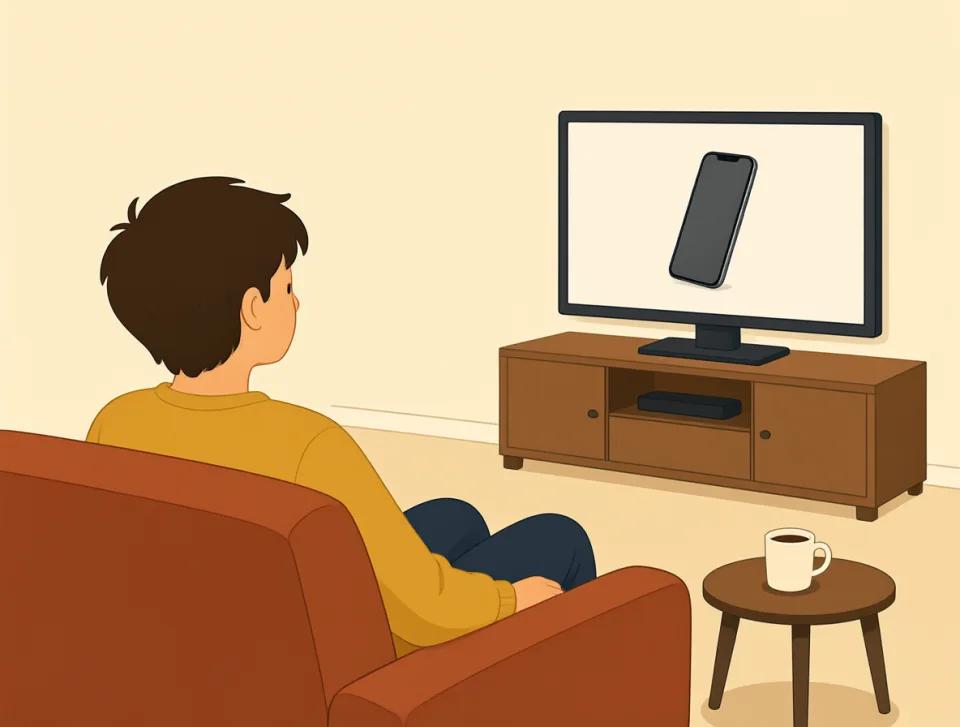
I saw an advertisement for a new phone on television.
Widziałem w telewizji reklamę nowego telefonu.
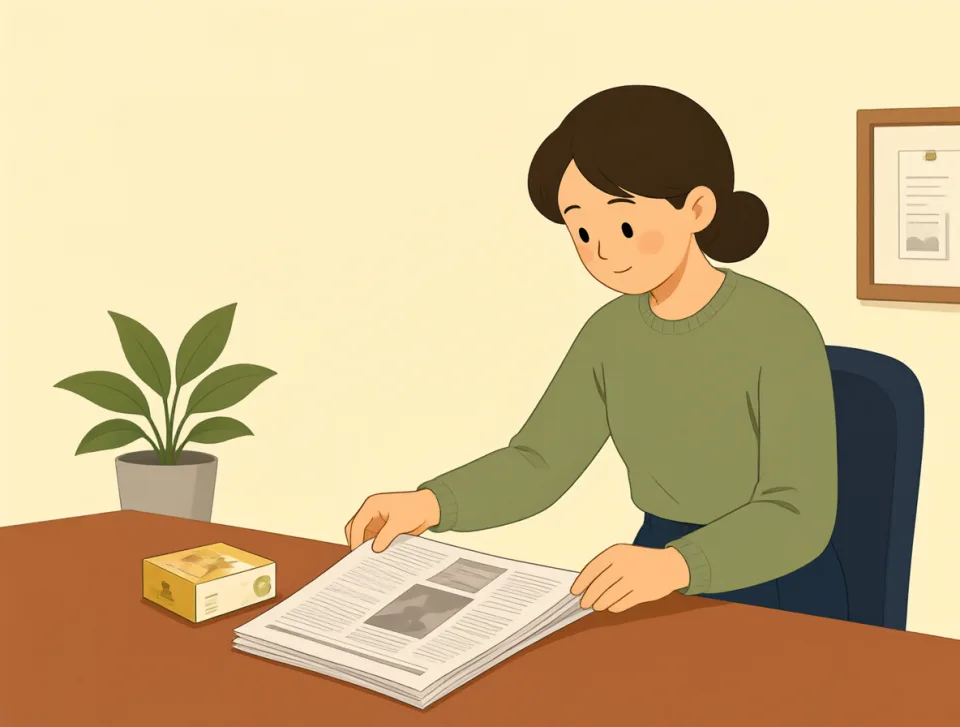
The company placed an advertisement in the local newspaper.
Firma zamieściła reklamę w lokalnej gazecie.

She answered an advertisement for a part-time job.
Odpowiedziała na ogłoszenie o pracę na pół etatu.
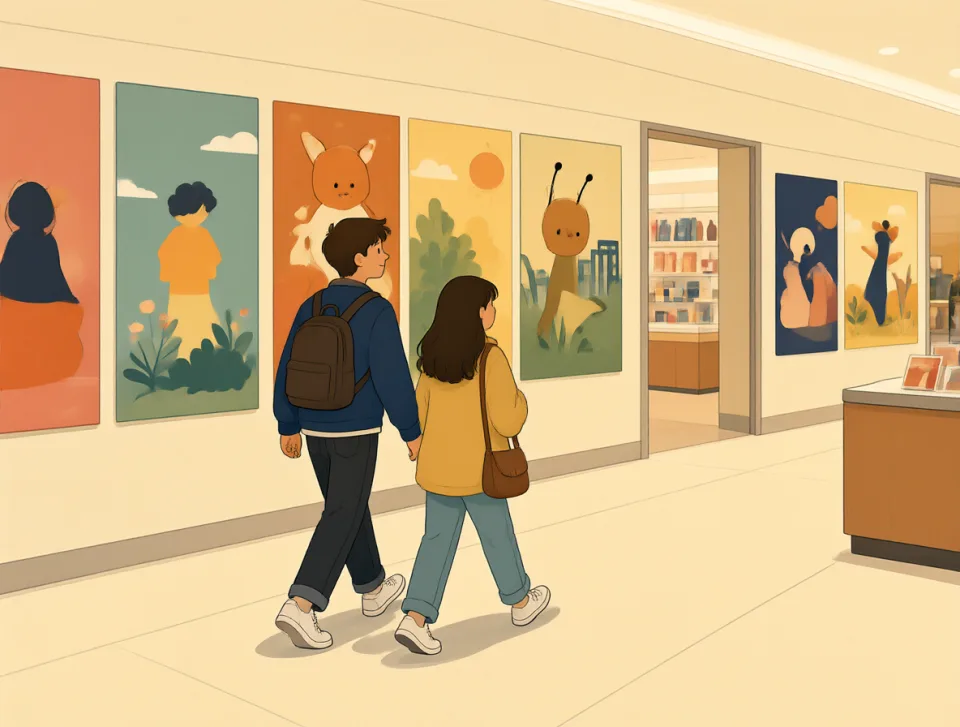
We noticed several advertisements while walking through the shopping center.
Podczas spaceru po centrum handlowym zauważyliśmy kilka reklam.
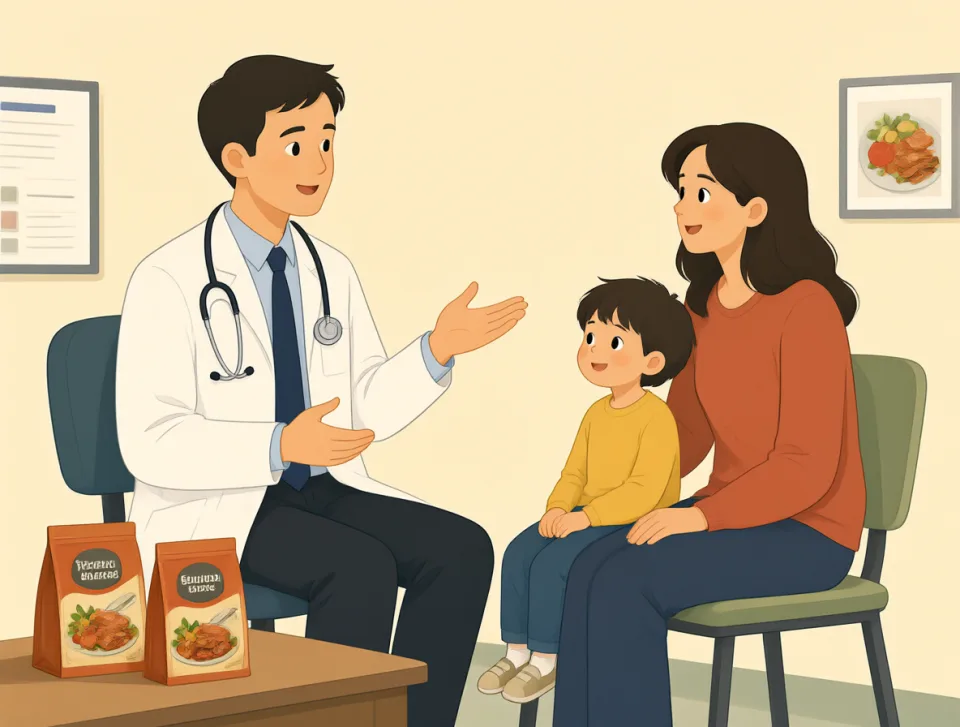
The doctor warned that some food advertisements can encourage unhealthy choices.
Lekarz ostrzegł, że niektóre reklamy żywności mogą zachęcać do niezdrowych wyborów.
consistent
#1942adjective
regularny
Always behaving or happening in the same reliable way.
Zawsze zachowujący się lub przebiegający w ten sam, niezawodny sposób.
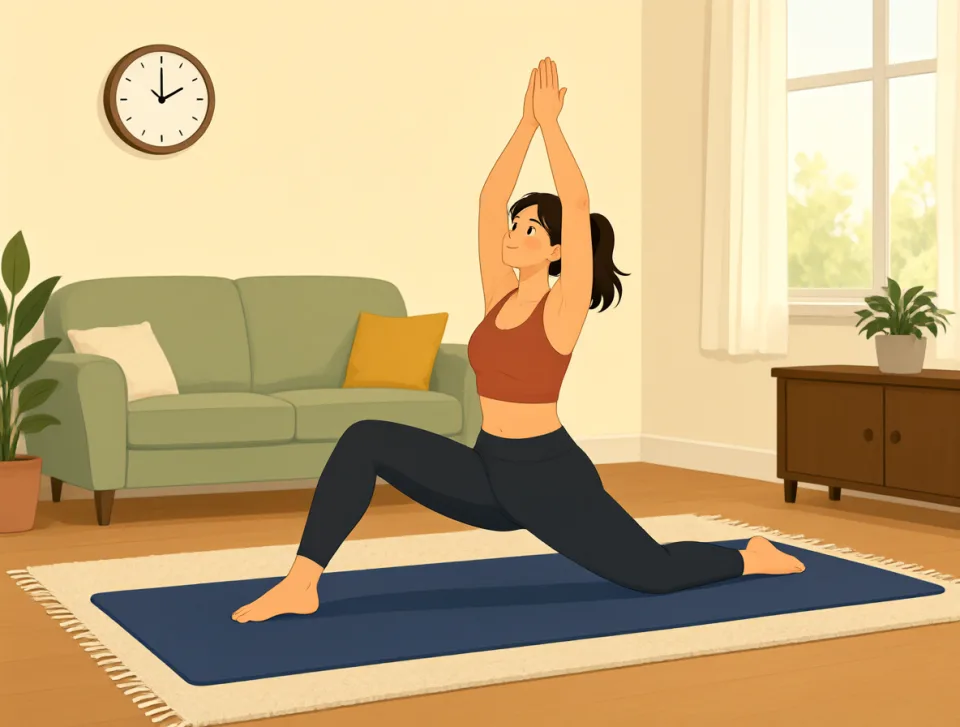
She is consistent with her exercise routine every morning.
Każdego ranka regularnie trzyma się swojego planu ćwiczeń.
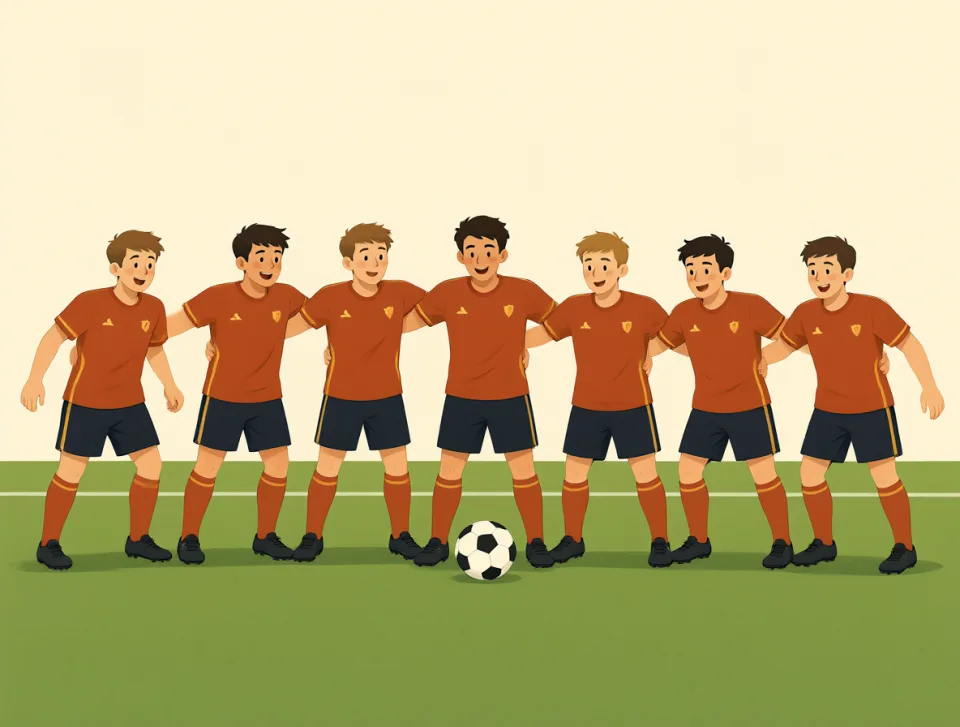
The team has played consistent football all season.
Przez cały sezon drużyna grała na równym poziomie.
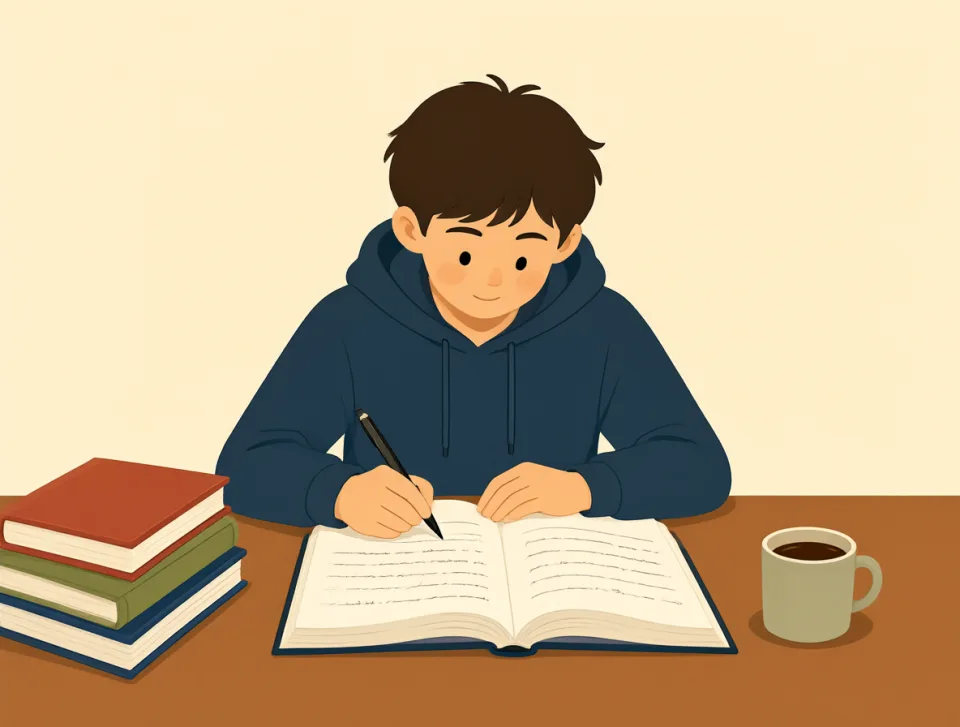
Try to be consistent when you practice new English words.
Staraj się regularnie ćwiczyć nowe angielskie słówka.
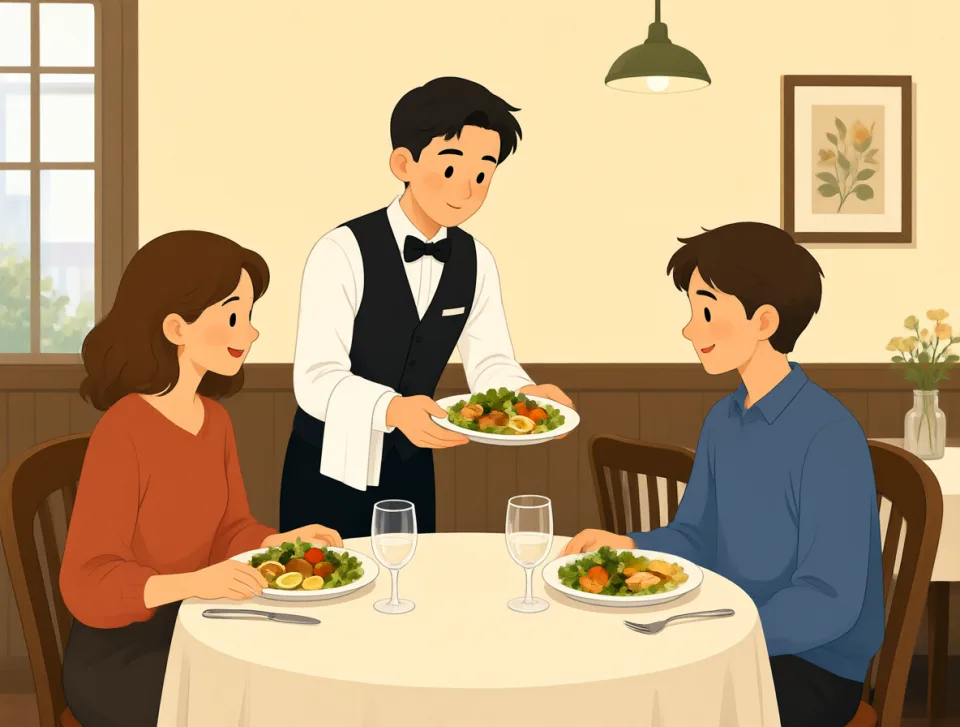
The restaurant serves consistent food at reasonable prices.
Restauracja serwuje jedzenie o niezmiennie dobrej jakości w rozsądnych cenach.

His health improved after he made consistent changes to his diet.
Jego stan zdrowia poprawił się, gdy wprowadził regularne zmiany w swojej diecie.

originally
#1943adverb
początkowo
At the beginning, before something changed or developed.
Na początku, zanim coś się zmieniło lub rozwinęło.
The house was originally a small farm building.
Ten dom był pierwotnie niewielkim budynkiem gospodarczym.

She originally planned to study medicine at university.
Początkowo planowała studiować medycynę na uniwersytecie.
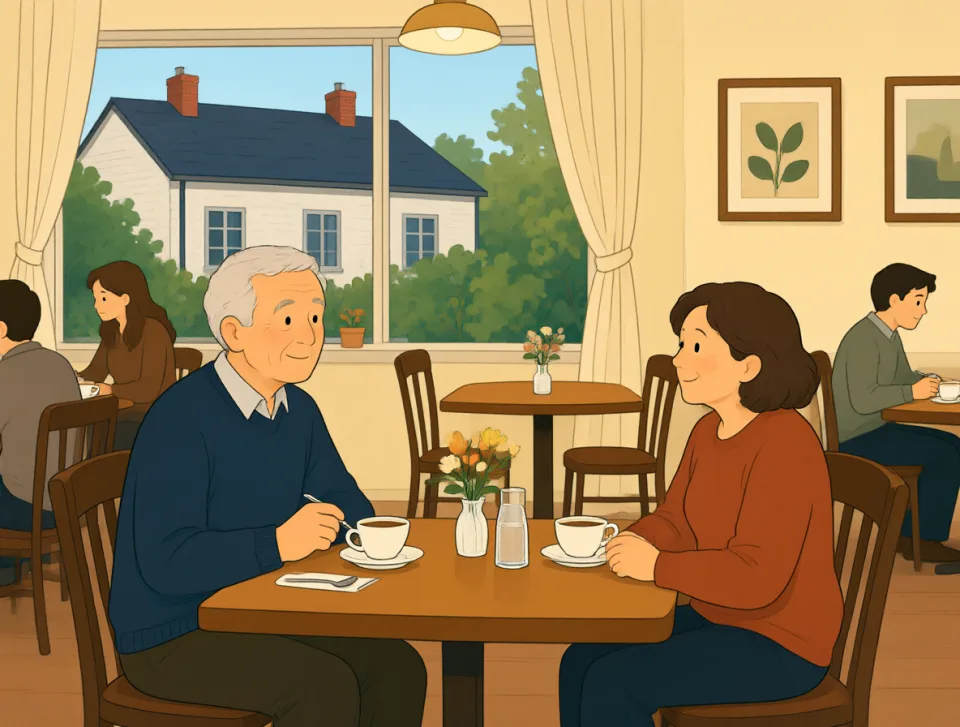
This restaurant was originally a family home.
Ta restauracja była kiedyś rodzinnym domem.
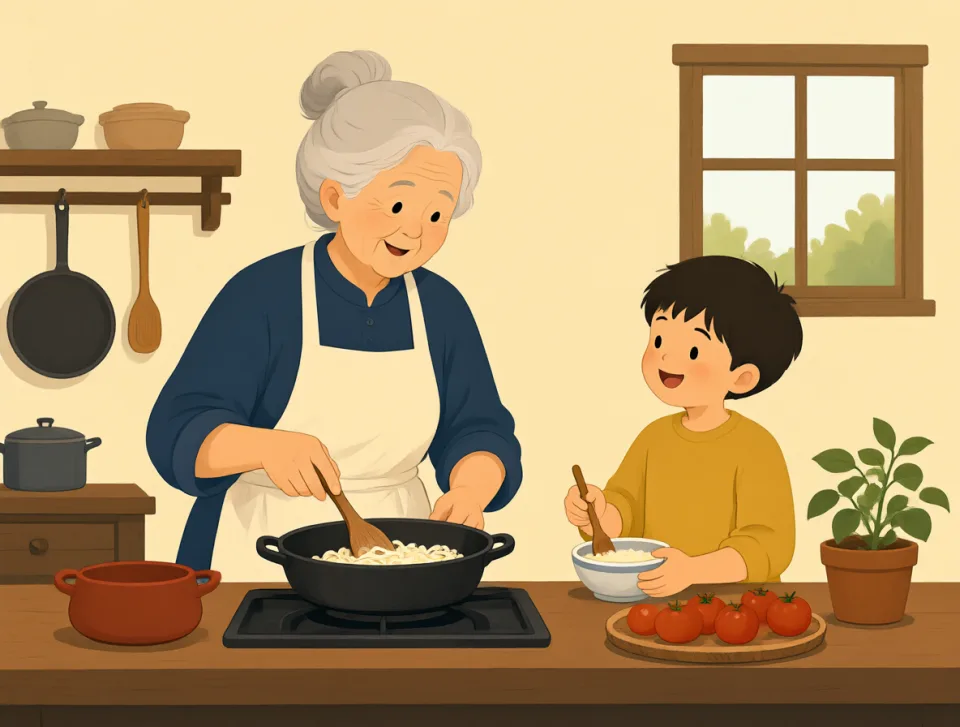
The recipe originally came from my grandmother's village.
Ten przepis pochodził z początku ze wsi mojej babci.

We originally met on a train to London.
Poznaliśmy się po raz pierwszy w pociągu do Londynu.
aside
#1944adverb, preposition, noun
na bok
to or at one side; away from the main subject; a private comment
Na bok lub z boku; z dala od głównego tematu; prywatna uwaga.
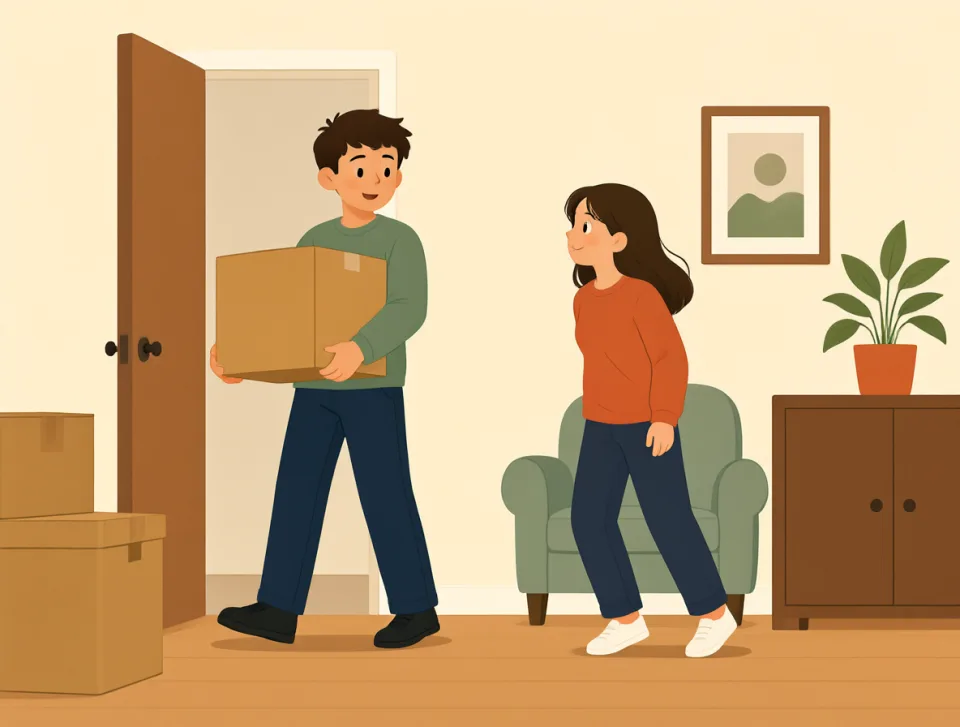
Please move aside so I can carry this box through.
Proszę się odsunąć, żebym mógł przenieść tędy to pudełko.

She took me aside to ask about the missing report.
Odciągnęła mnie na bok, żeby zapytać o zaginiony raport.
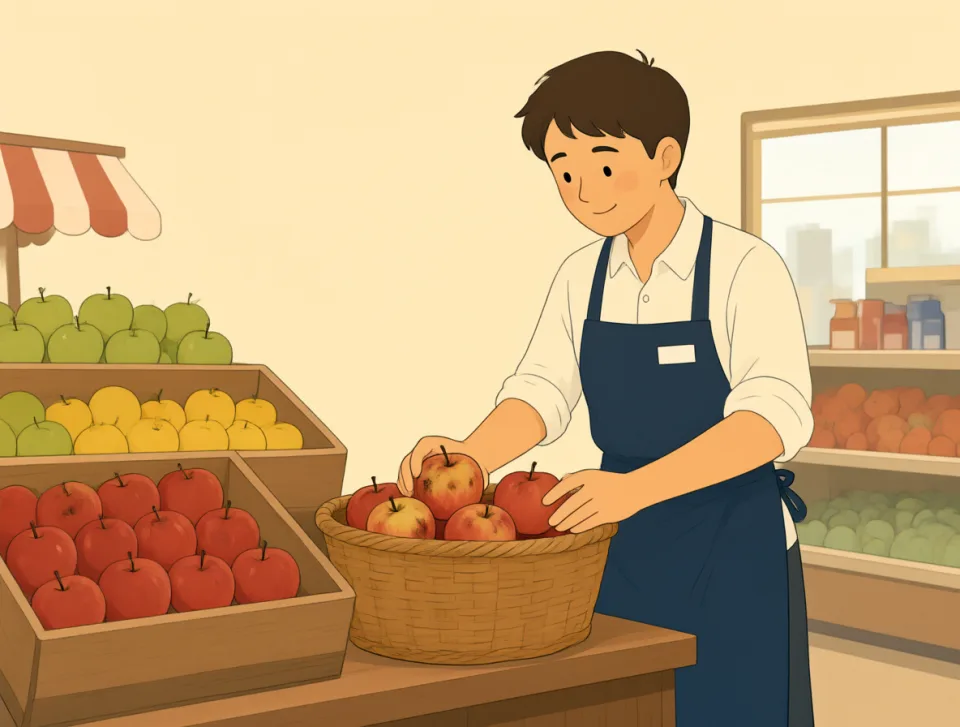
The shopkeeper put the damaged apples aside for inspection.
Sprzedawca odłożył uszkodzone jabłka na bok do sprawdzenia.

He pushed his worries aside and enjoyed dinner with friends.
Odsunął od siebie zmartwienia i cieszył się kolacją z przyjaciółmi.
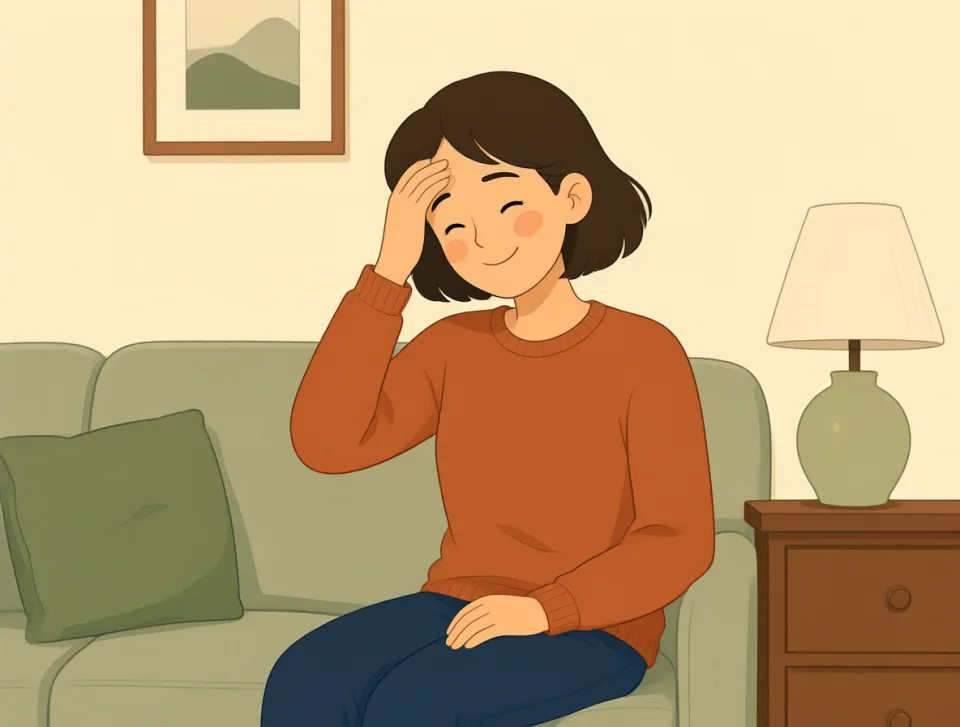
Aside from a small headache, I feel completely healthy today.
Poza lekkim bólem głowy czuję się dziś zupełnie zdrowo.
comfort
#1945noun, verb
komfort
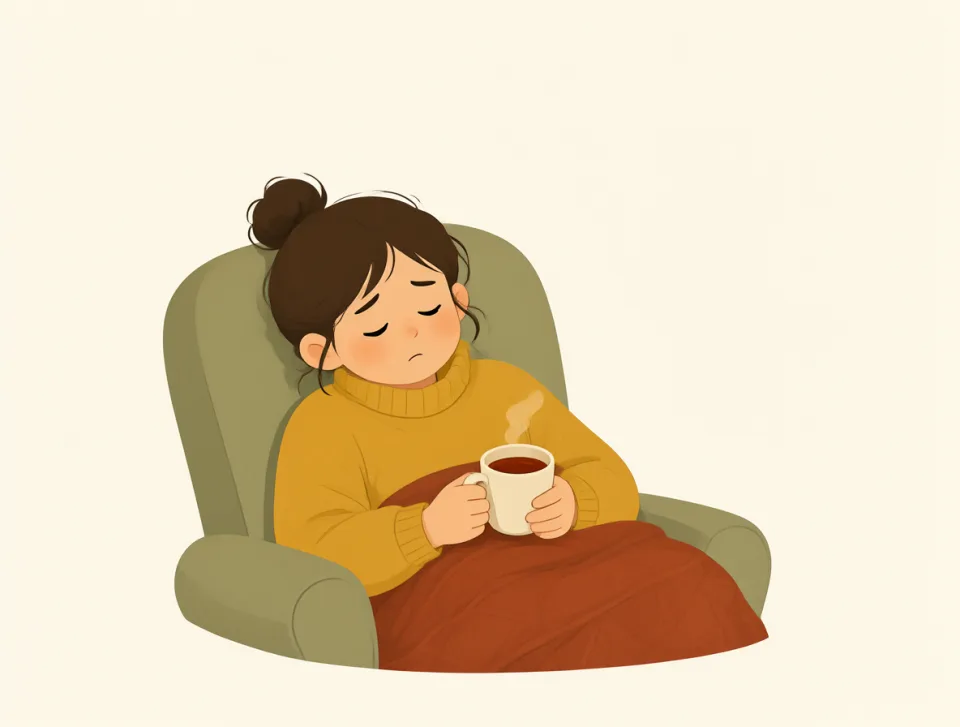
A feeling of physical ease, or something that makes you feel less worried or sad.
Poczucie fizycznej wygody lub coś, co pomaga poczuć się mniej zmartwionym albo smutnym.
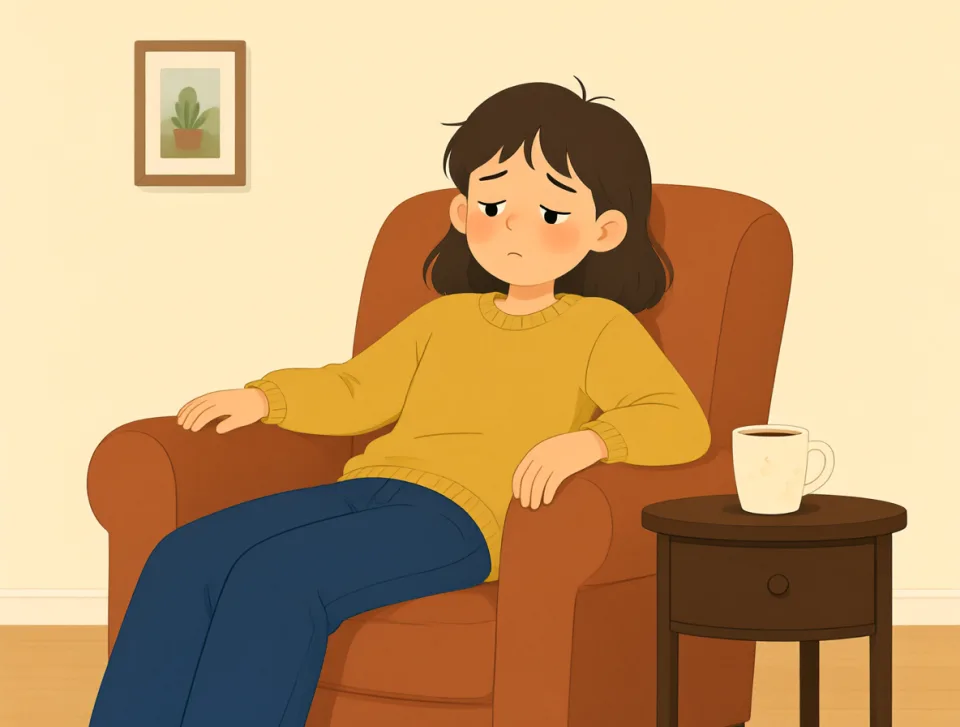
This soft chair provides great comfort after a long day.
Ten miękki fotel zapewnia duży komfort po długim dniu.
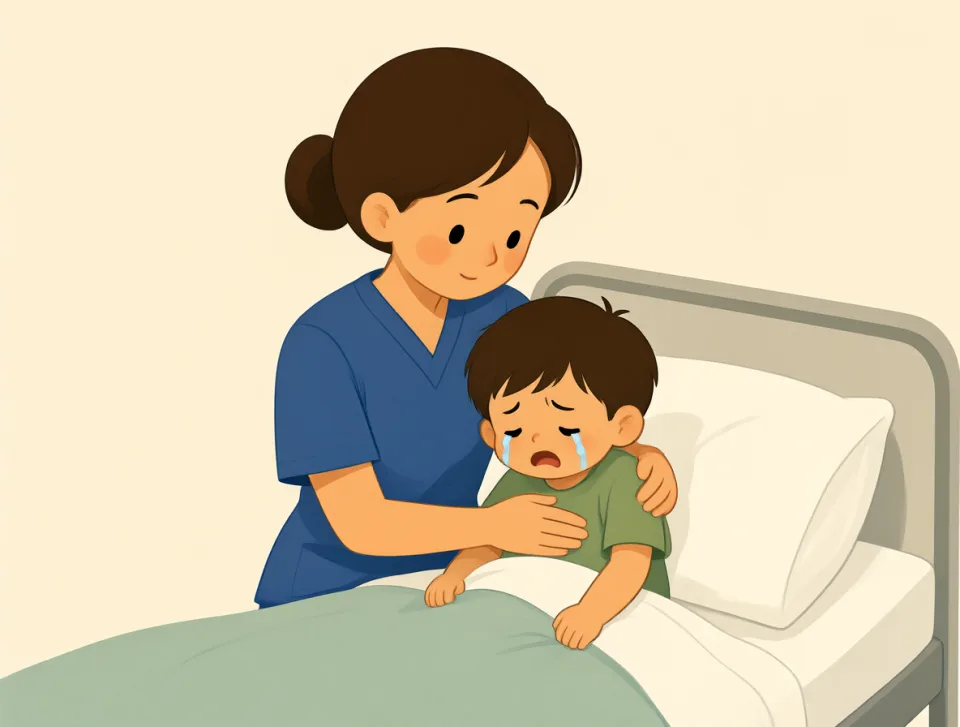
The nurse comforted the crying child at the hospital.
Pielęgniarka pocieszała płaczące dziecko w szpitalu.

These shoes offer comfort during long walks around the city.
Te buty zapewniają wygodę podczas długich spacerów po mieście.

She found comfort in talking with her best friend.
Rozmowa z najlepszą przyjaciółką przyniosła jej pocieszenie.
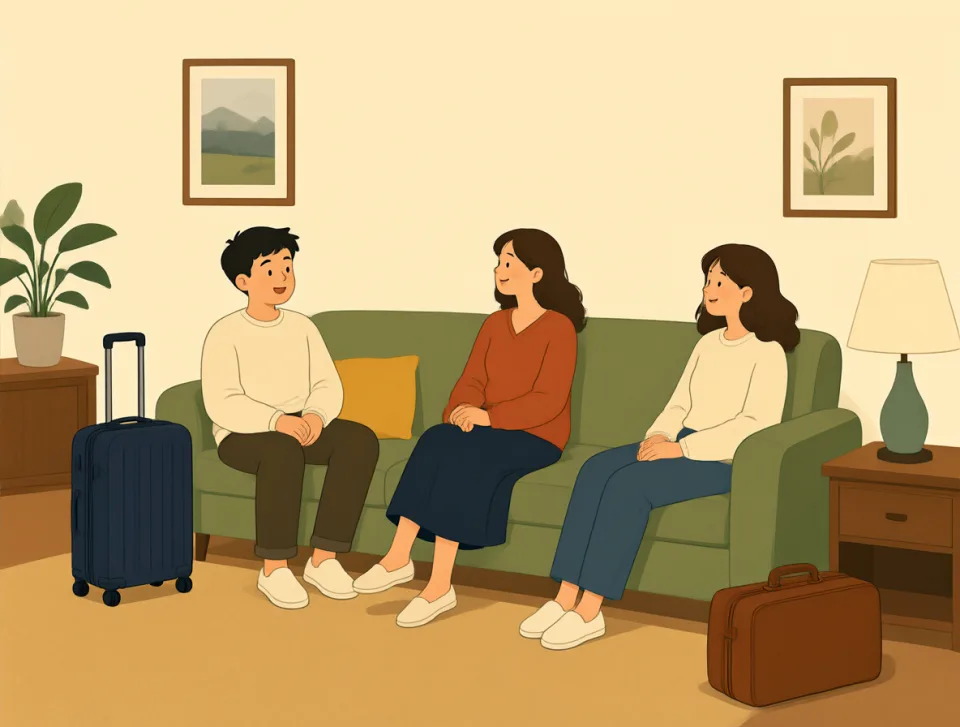
The hotel room had every comfort we needed for the weekend.
Pokój hotelowy miał wszystkie udogodnienia, których potrzebowaliśmy na weekend.
secondly
#1946adverb
po drugie
Used to introduce the second reason, point, or item in a list.
Używane do wprowadzenia drugiego powodu, punktu lub elementu na liście.
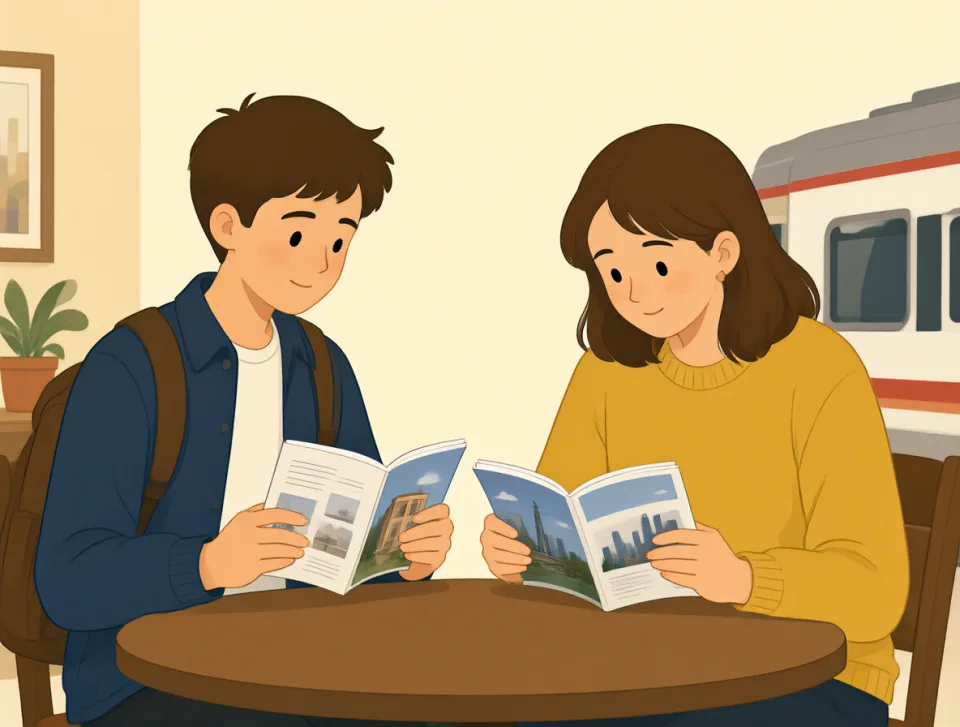
Firstly, the hotel is cheap; secondly, it is near the station.
Po pierwsze, hotel jest tani; po drugie, znajduje się blisko stacji.
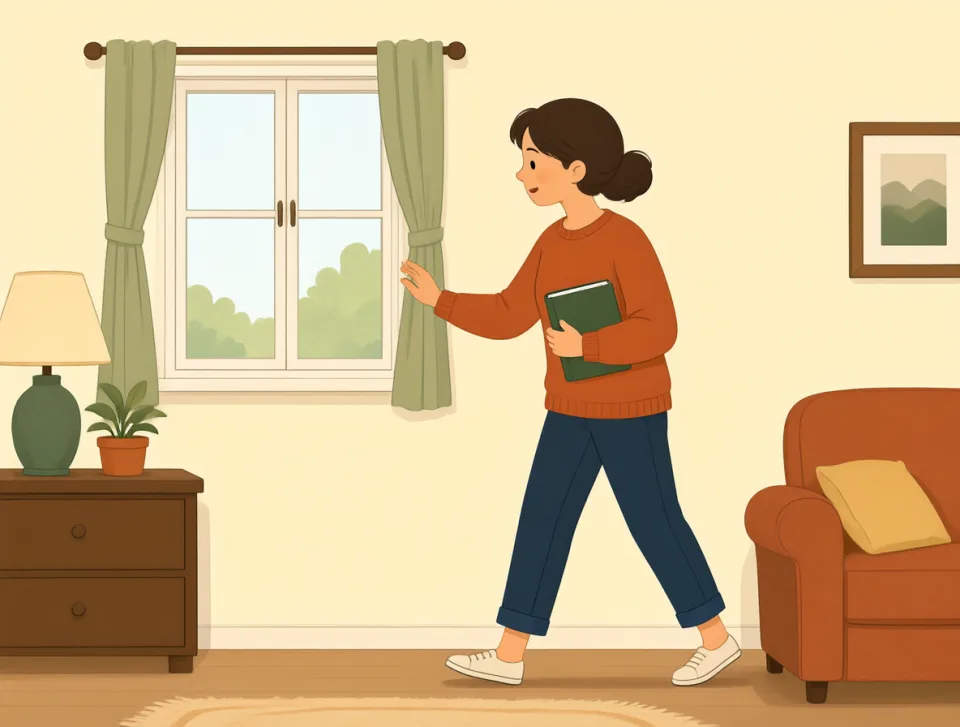
Secondly, please check that all the windows are closed.
Po drugie, proszę sprawdzić, czy wszystkie okna są zamknięte.

Secondly, we need to decide who will bring the food.
Po drugie, musimy zdecydować, kto przyniesie jedzenie.
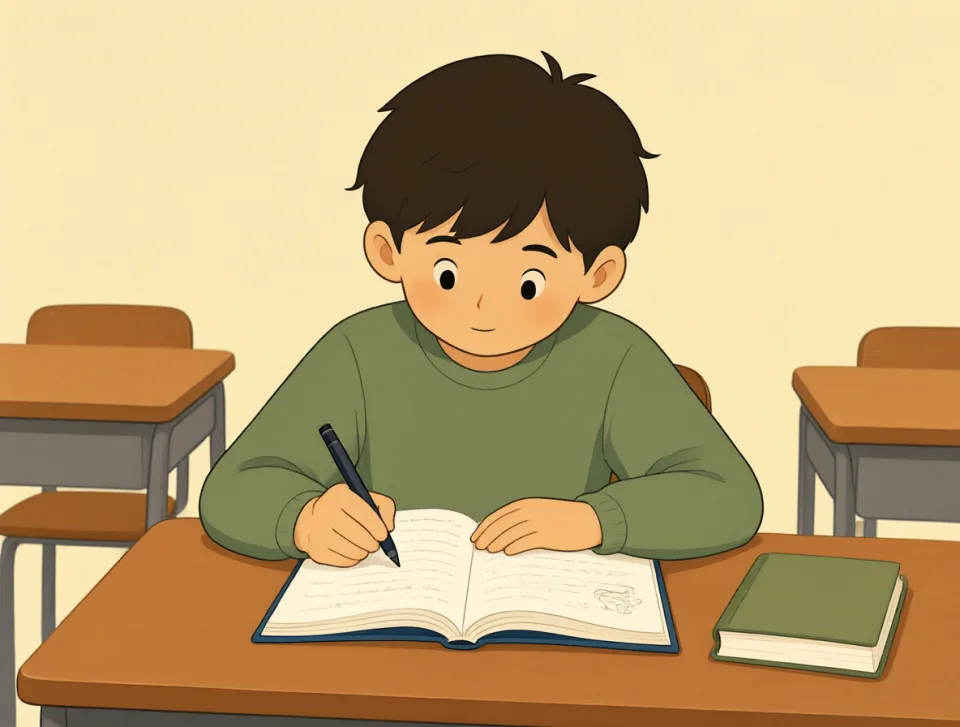
Secondly, write your answer in the space below the question.
Po drugie, wpisz odpowiedź w miejscu pod pytaniem.
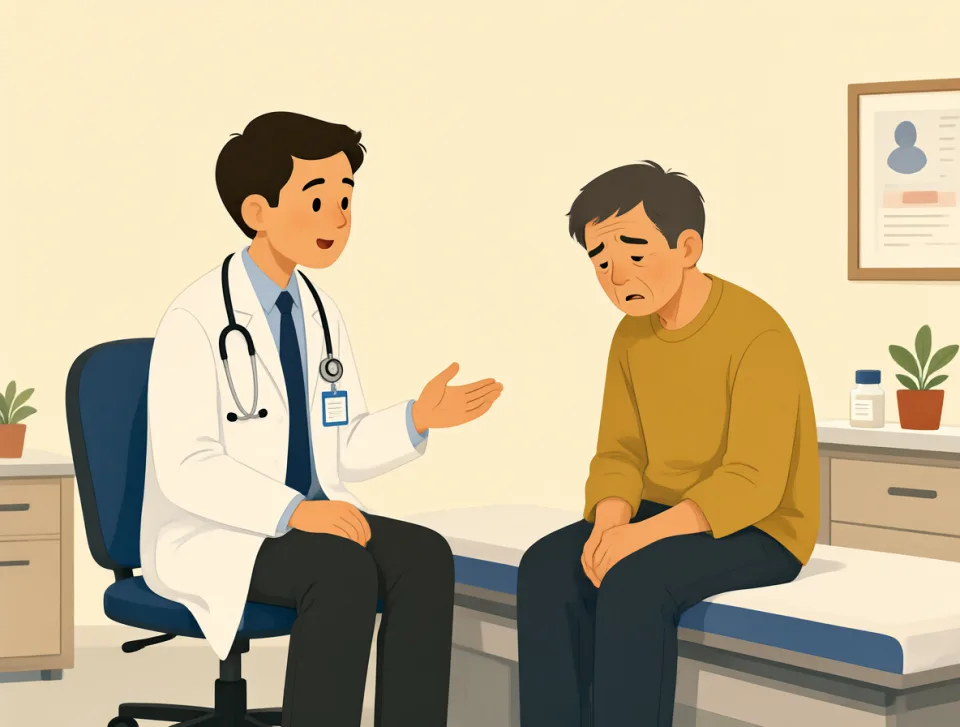
The doctor said, firstly, rest; secondly, drink plenty of water.
Lekarz zalecił: po pierwsze, odpoczynek; po drugie, picie dużej ilości wody.
severe
#1947adjective
poważny
Very serious, painful, or harmful.
Bardzo poważny, bolesny lub szkodliwy.
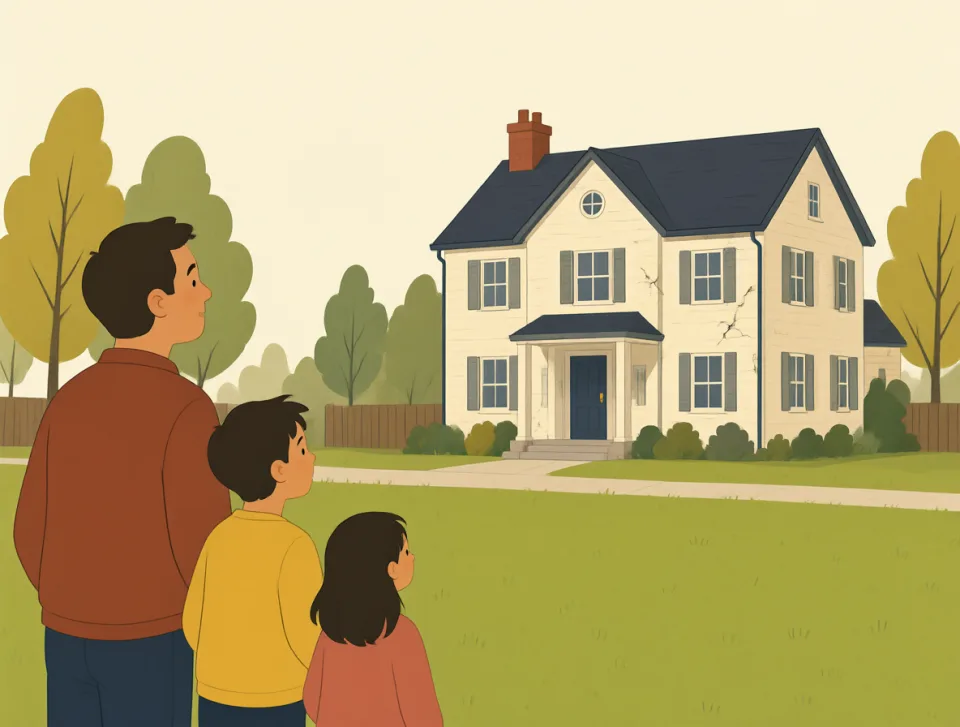
The storm caused severe damage to several homes.
Burza spowodowała poważne zniszczenia w kilku domach.
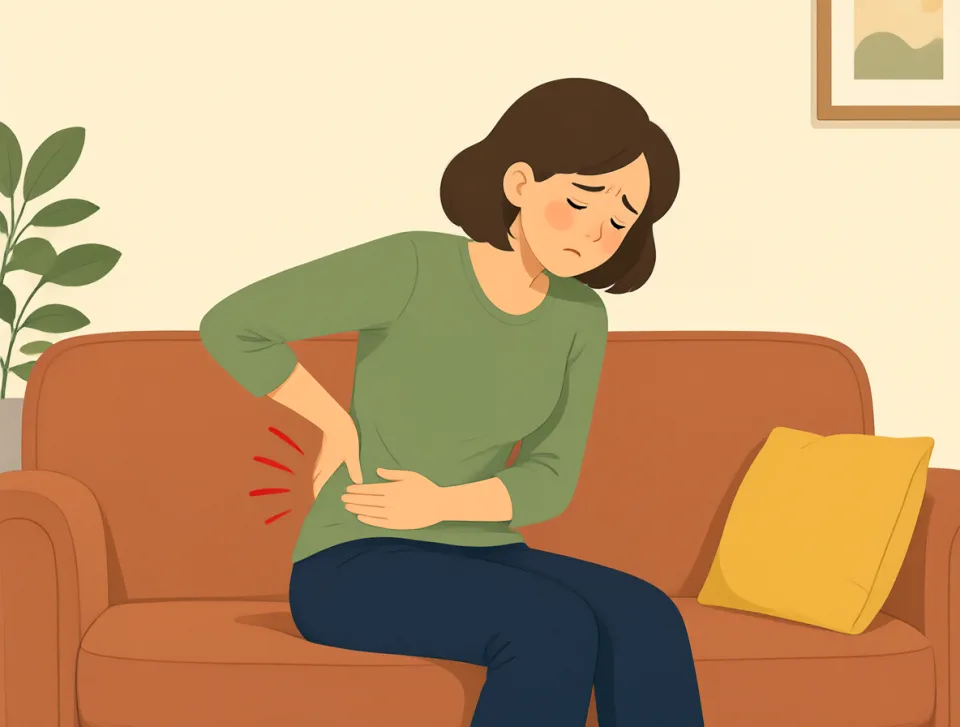
She has severe pain in her back today.
Dzisiaj bardzo boli ją plecy.
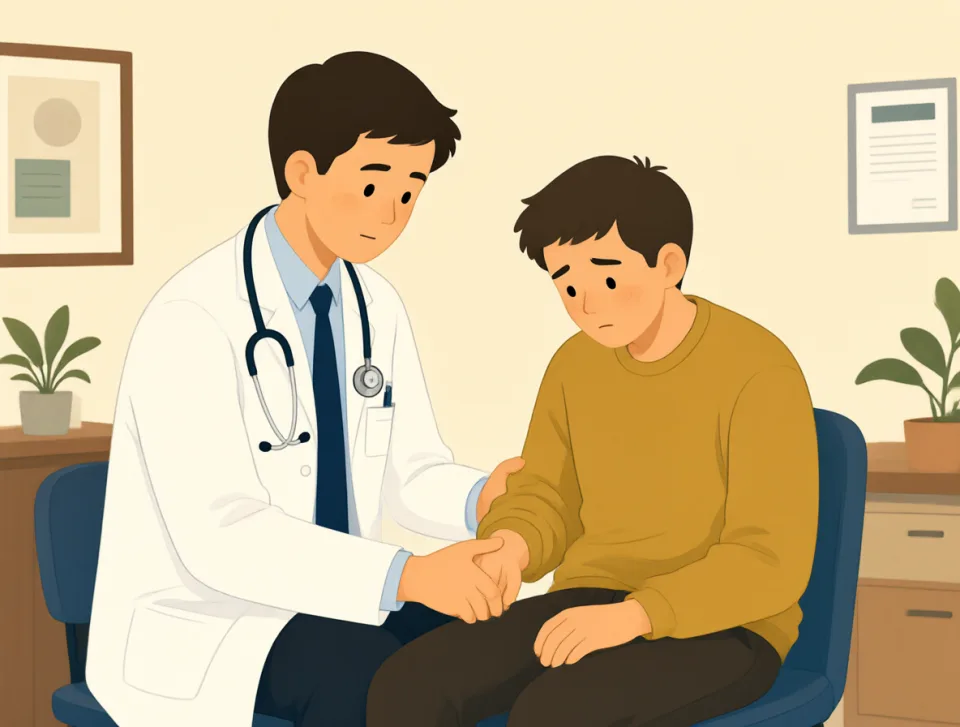
The doctor treated his severe infection with strong medicine.
Lekarz leczył jego poważną infekcję silnymi lekami.
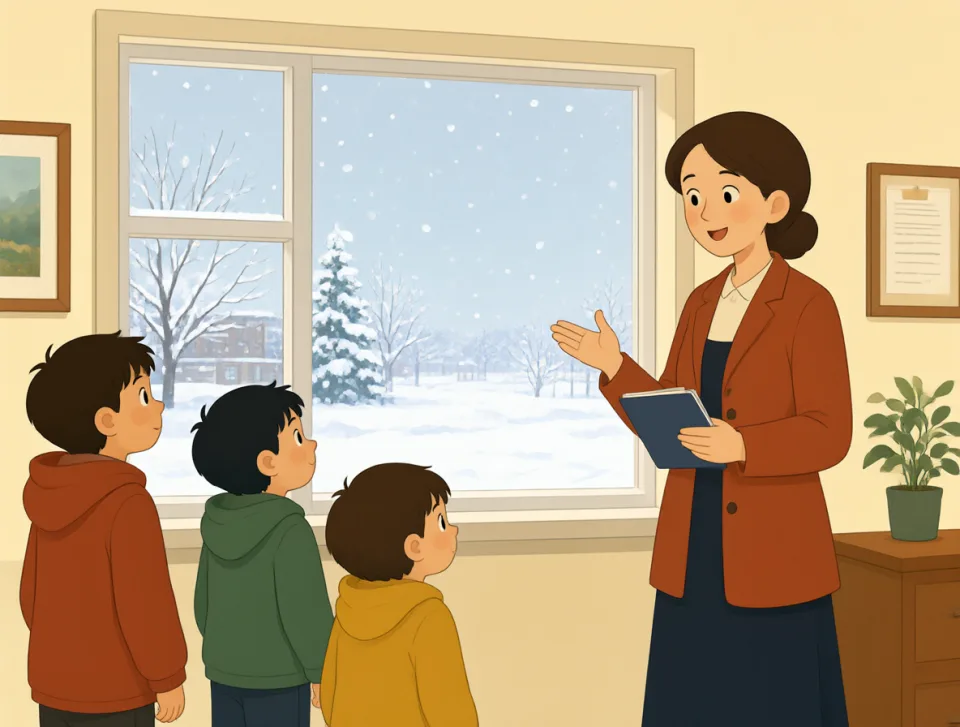
The school closed because of severe winter weather.
Szkołę zamknięto z powodu surowych zimowych warunków pogodowych.
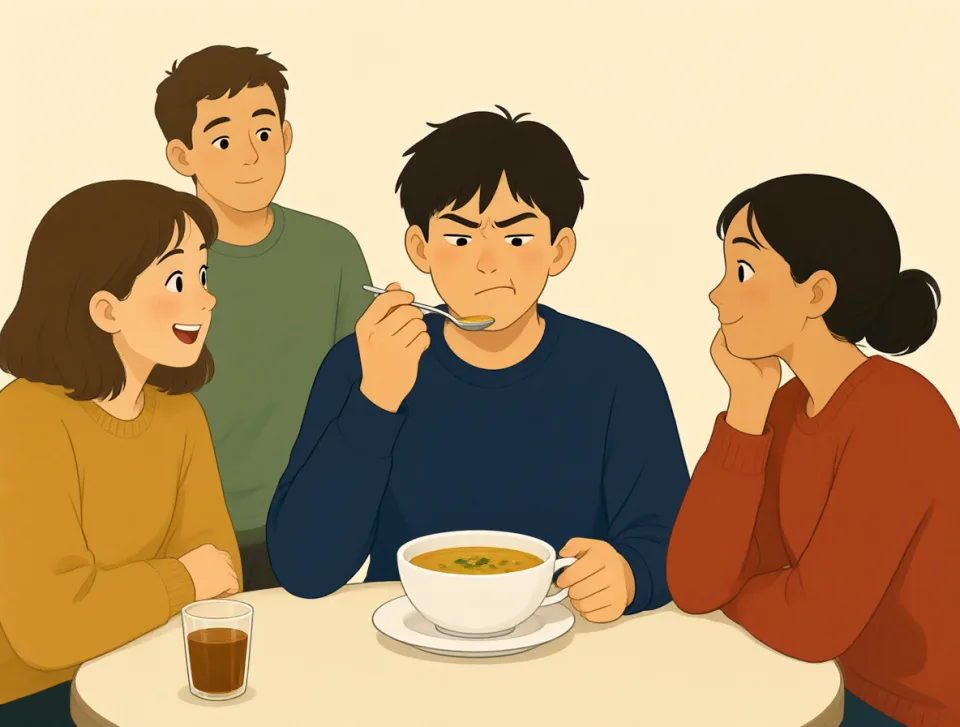
This soup has a severe taste that most guests dislike.
Ta zupa ma bardzo intensywny smak, który większości gości nie odpowiada.
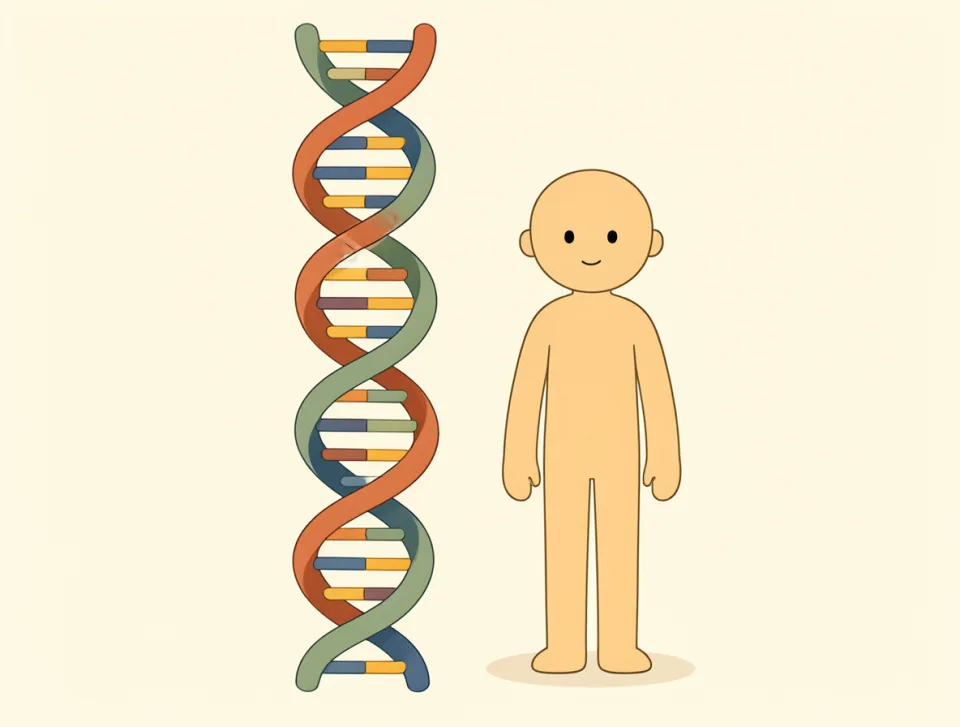
gene
#1948noun
gen
A part of a living thing's DNA that controls a particular feature.
Część DNA organizmu, która odpowiada za określoną cechę.
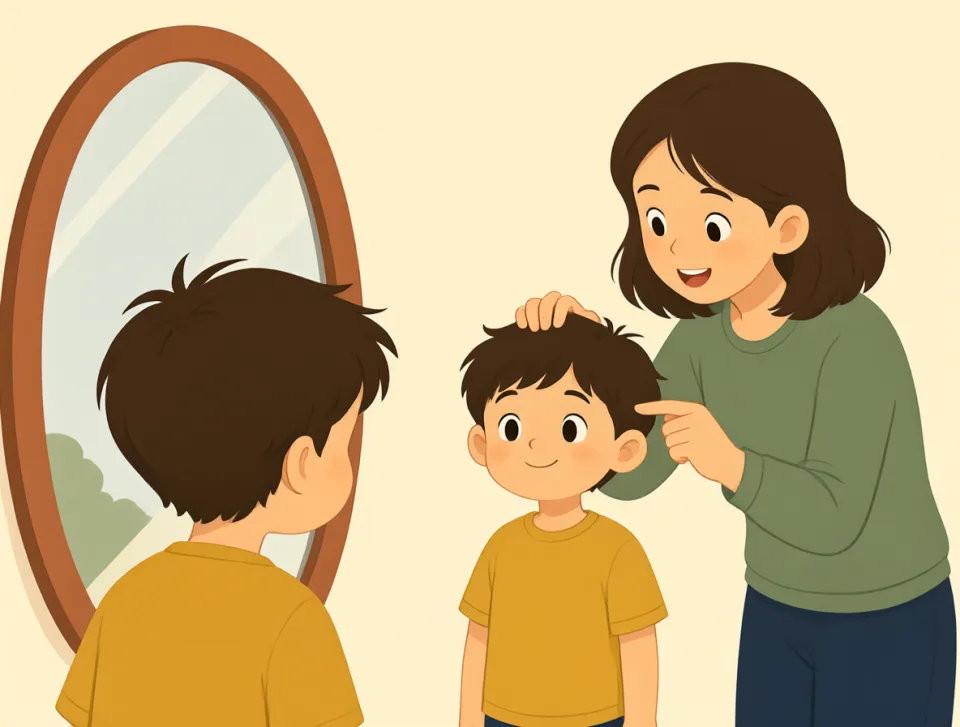
Genes help decide the color of your eyes and hair.
Geny pomagają określić kolor oczu i włosów.

Some genes can increase a person's risk of certain diseases.
Niektóre geny mogą zwiększać ryzyko wystąpienia pewnych chorób.
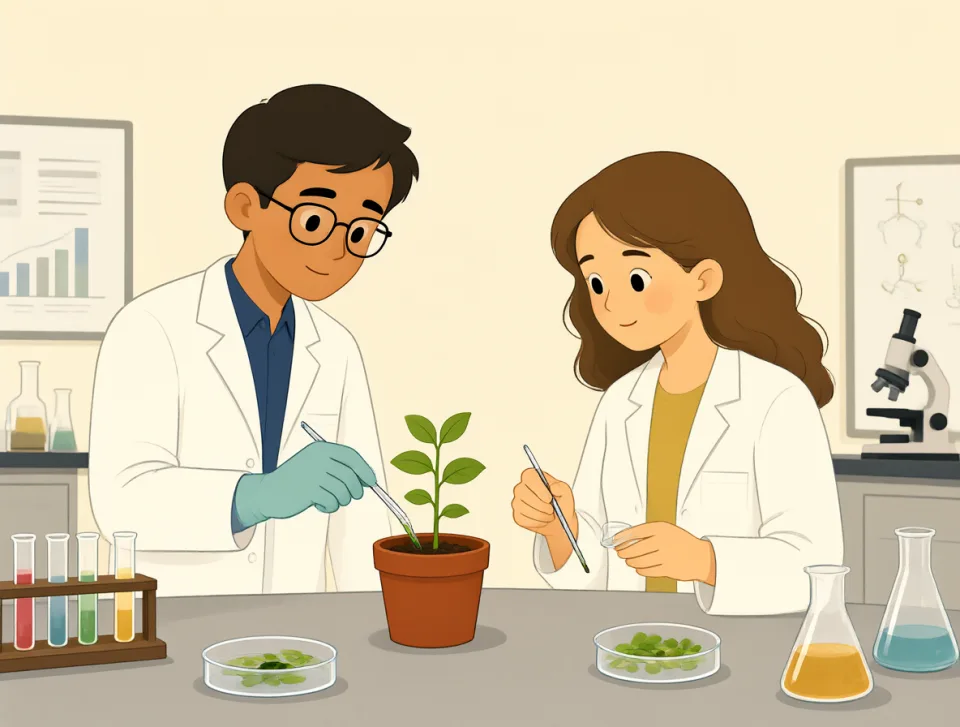
Scientists study genes to understand how plants grow.
Naukowcy badają geny, by zrozumieć, jak rosną rośliny.
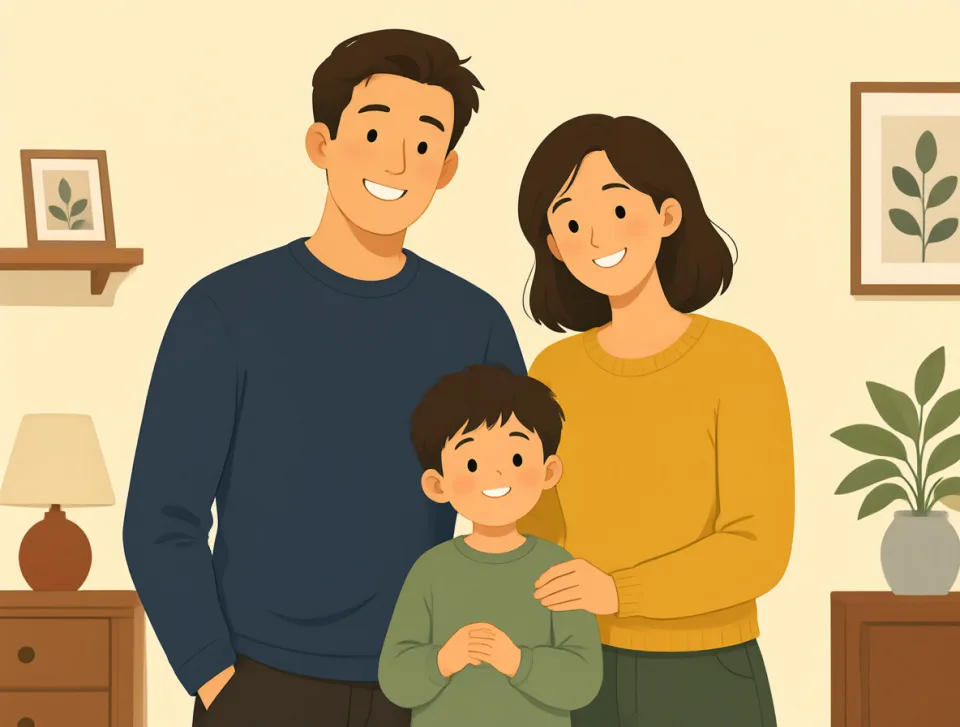
Children inherit genes from both their mother and father.
Dzieci dziedziczą geny po matce i ojcu.
The researchers found a gene linked to stronger muscles.
Badacze odkryli gen powiązany z silniejszymi mięśniami.
prospect
#1949noun, verb
perspektywa; poszukiwać
a possible future event, job, customer, or person; to search for something
Możliwe przyszłe wydarzenie, praca, klient lub osoba; szukać czegoś.
The prospect of a holiday made everyone feel excited.
Perspektywa wakacji wprawiła wszystkich w ekscytację.
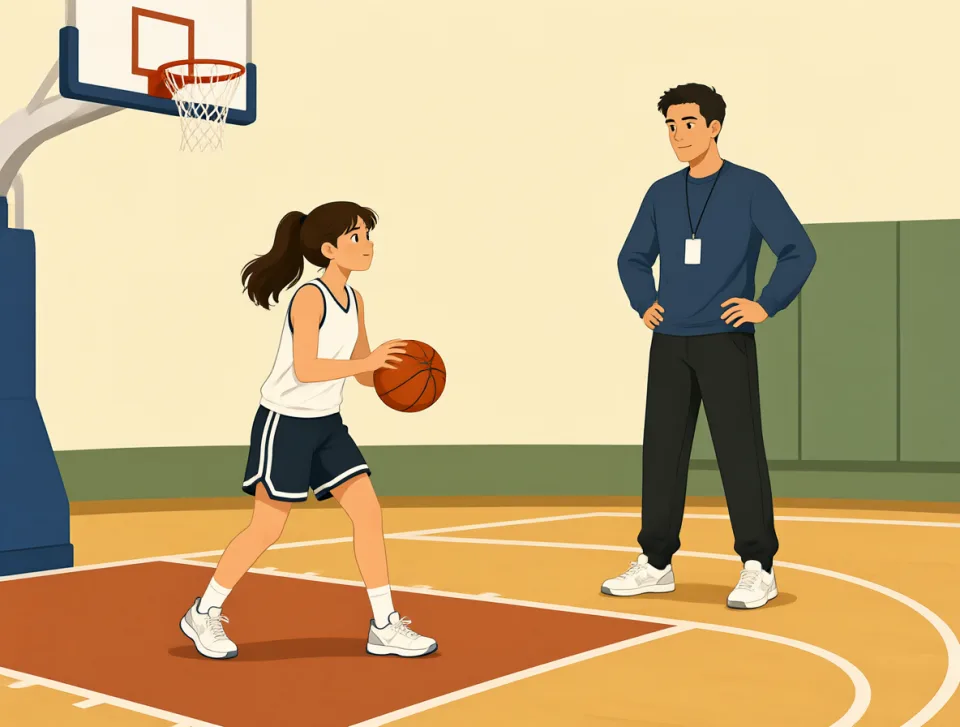
She is a good prospect for the school basketball team.
Ma duże szanse dostać się do szkolnej drużyny koszykówki.

The company sees strong prospects for growth next year.
Firma dostrzega duże perspektywy wzrostu w przyszłym roku.
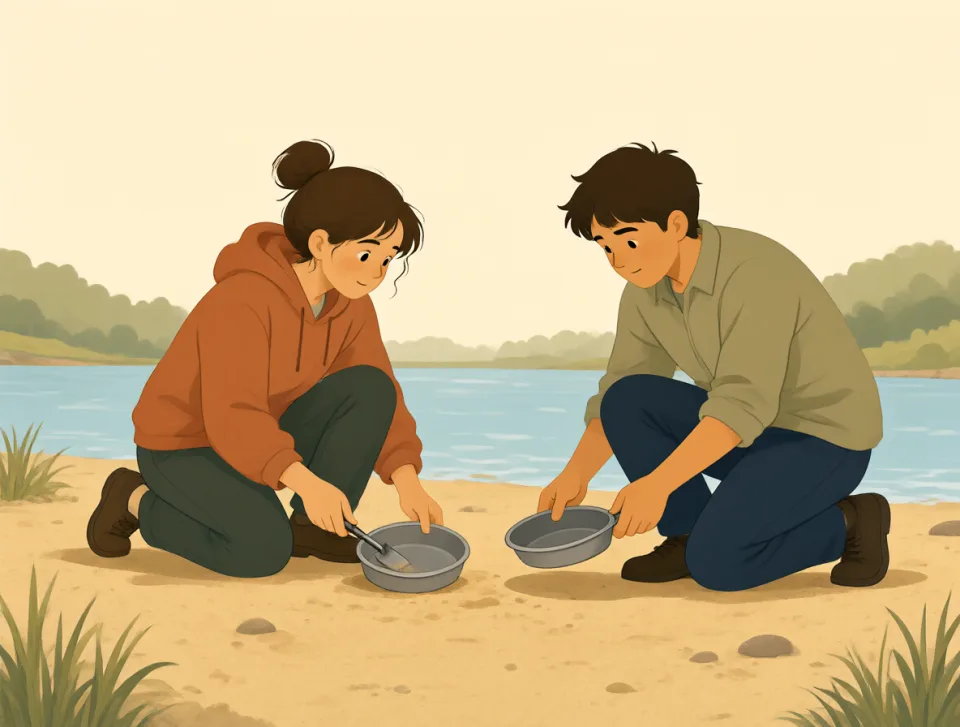
We are prospecting for gold near the river.
Poszukujemy złota w pobliżu rzeki.

He prospects for new customers by visiting local shops.
Poszukuje nowych klientów, odwiedzając lokalne sklepy.
snow
#1950noun, verb
śnieg; padać śniegiem
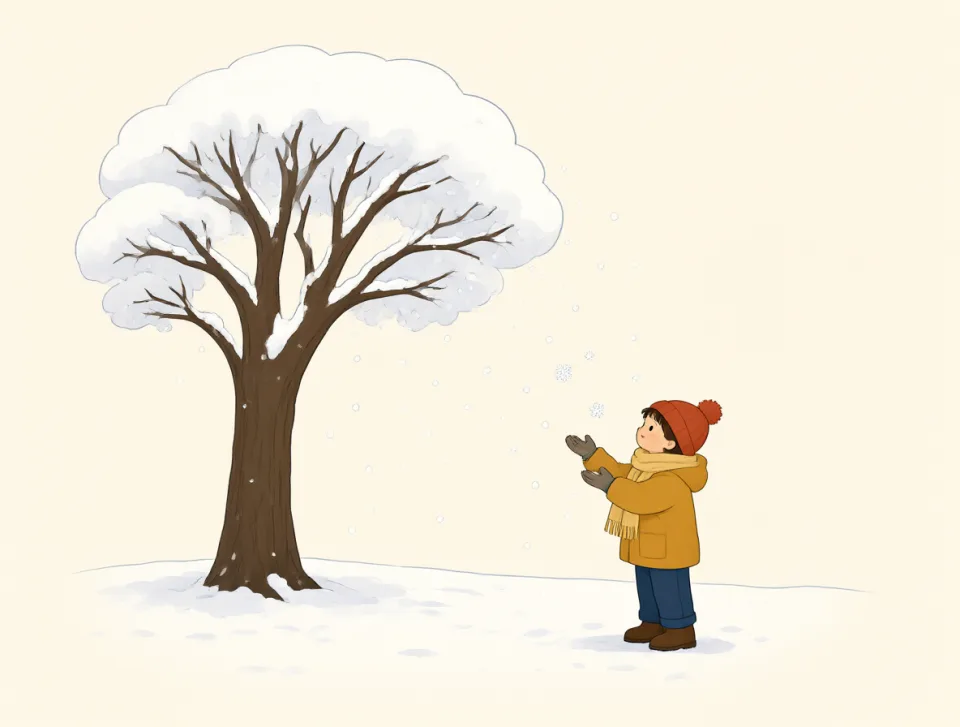
soft white ice that falls from the sky; to fall as soft white ice
Miękki, biały lód spadający z nieba; padać w postaci miękkiego, białego lodu.
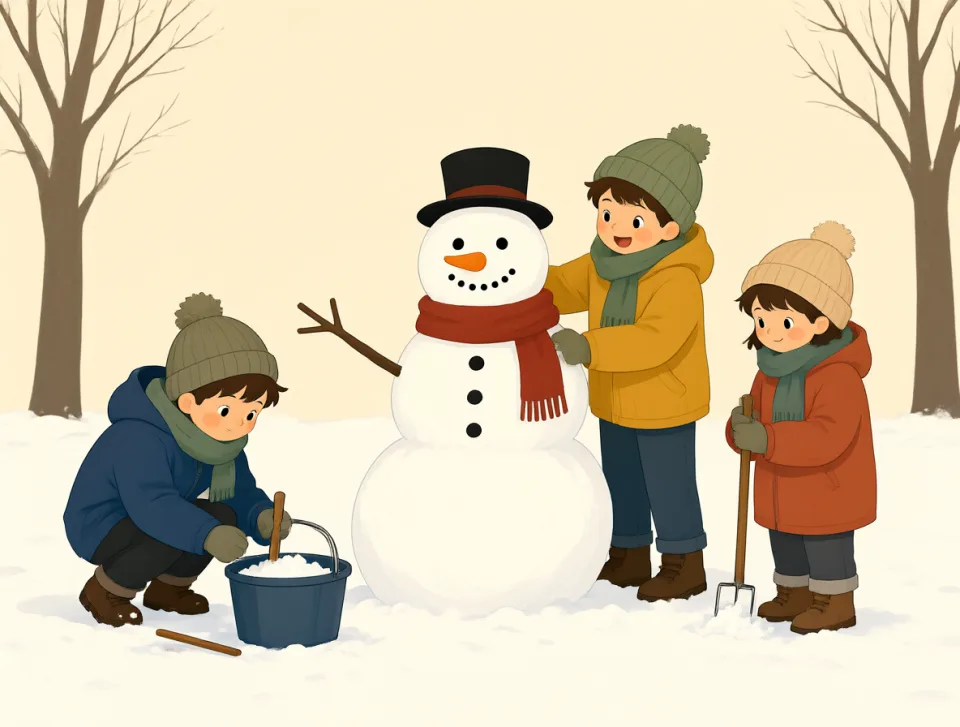
The children are playing in the snow after school.
Dzieci bawią się na śniegu po szkole.

Heavy snow closed the roads to the mountain village.
Obfite opady śniegu zablokowały drogi do górskiej wioski.
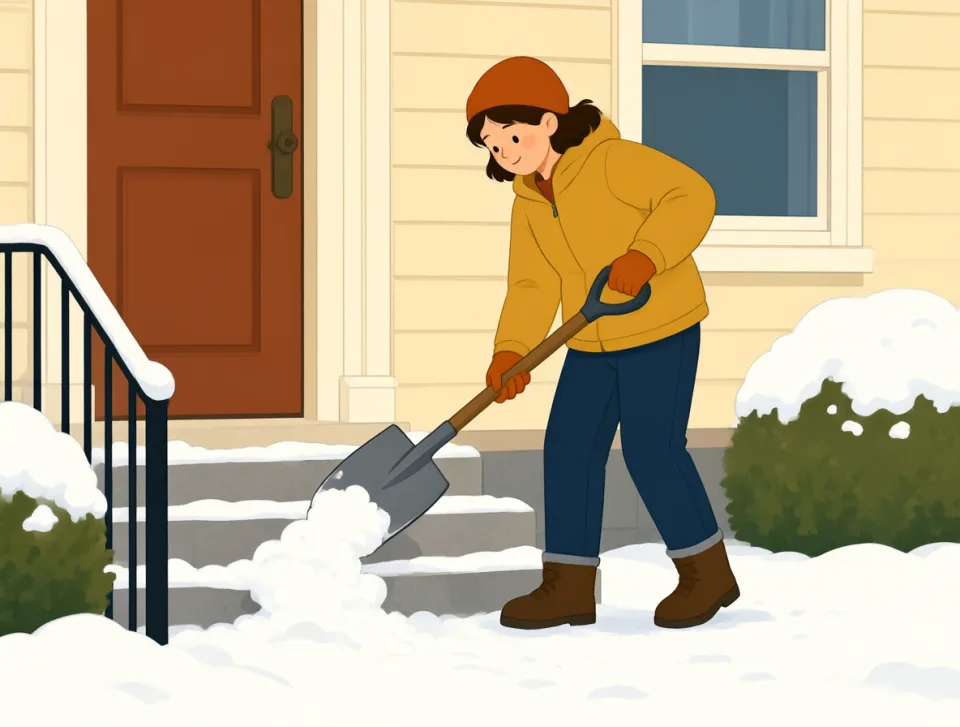
Please clear the snow from the front steps.
Proszę odgarnąć śnieg ze schodów przed wejściem.
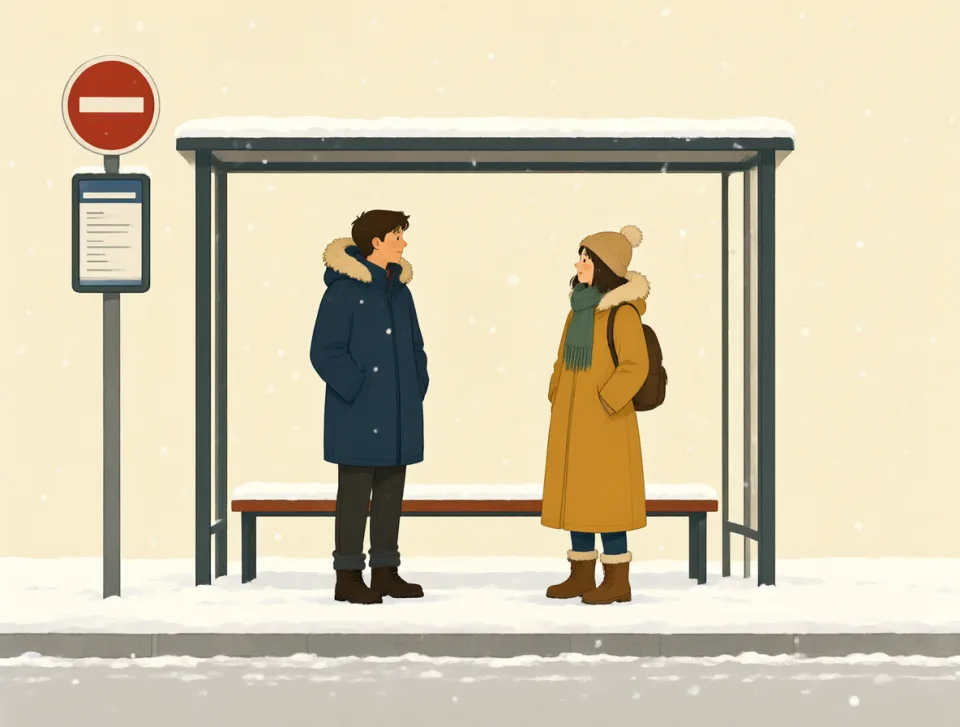
It started snowing while we were waiting for the bus.
Zaczęło padać, gdy czekaliśmy na autobus.
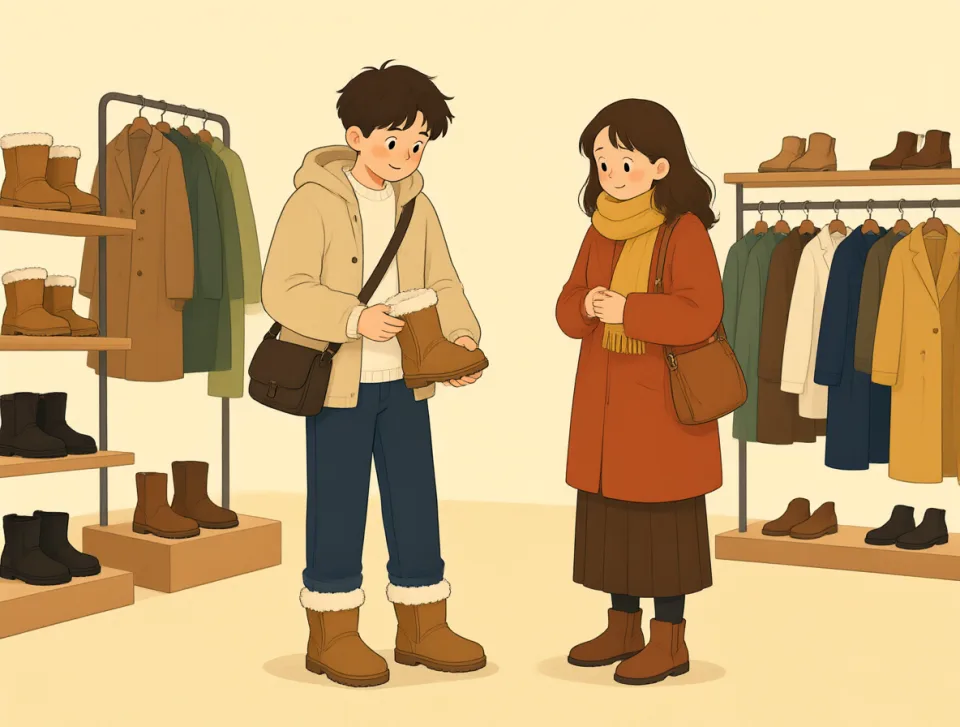
We bought warm boots because it may snow tomorrow.
Kupiliśmy ciepłe buty, bo jutro może padać śnieg.
plot
#1951noun, verb
fabuła; spisek; działka
A story's events, or a secret plan to do something wrong; to mark land for building.
Wydarzenia składające się na opowieść, tajny plan zrobienia czegoś złego albo wyznaczony pod zabudowę kawałek ziemi.
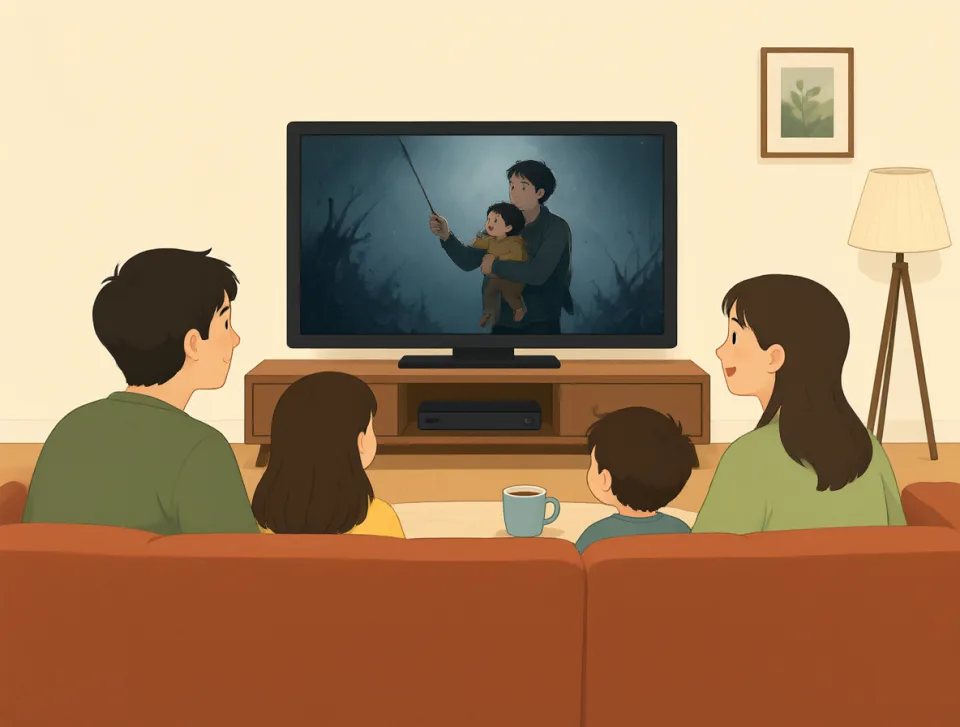
The movie has an exciting plot about a lost treasure.
Film ma ekscytującą fabułę o zaginionym skarbie.
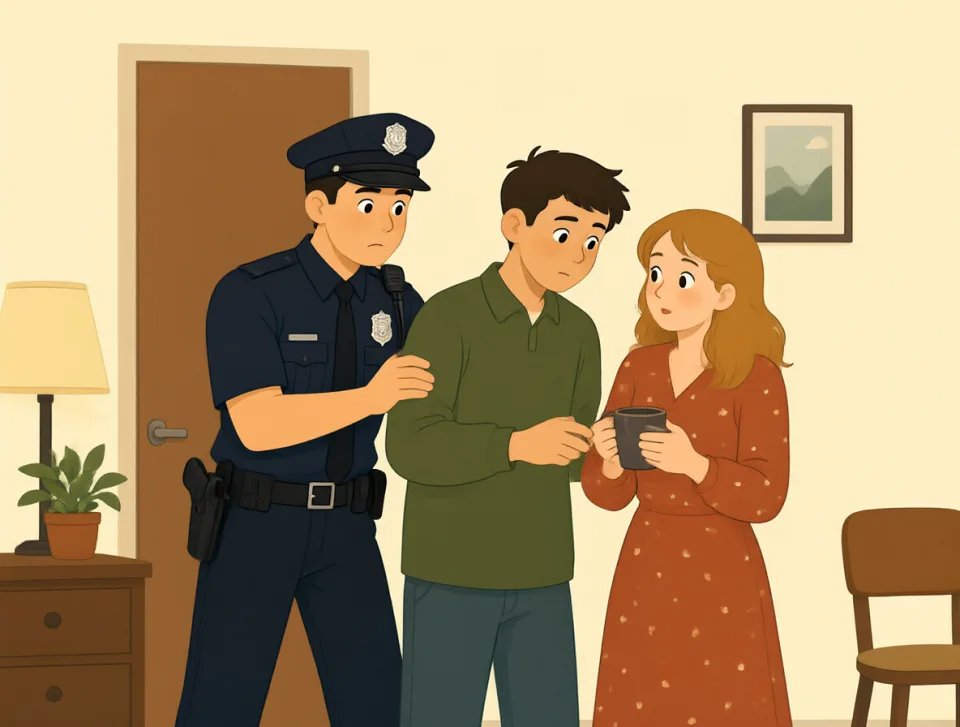
The police discovered a plot to rob the bank.
Policja odkryła spisek mający na celu obrabowanie banku.
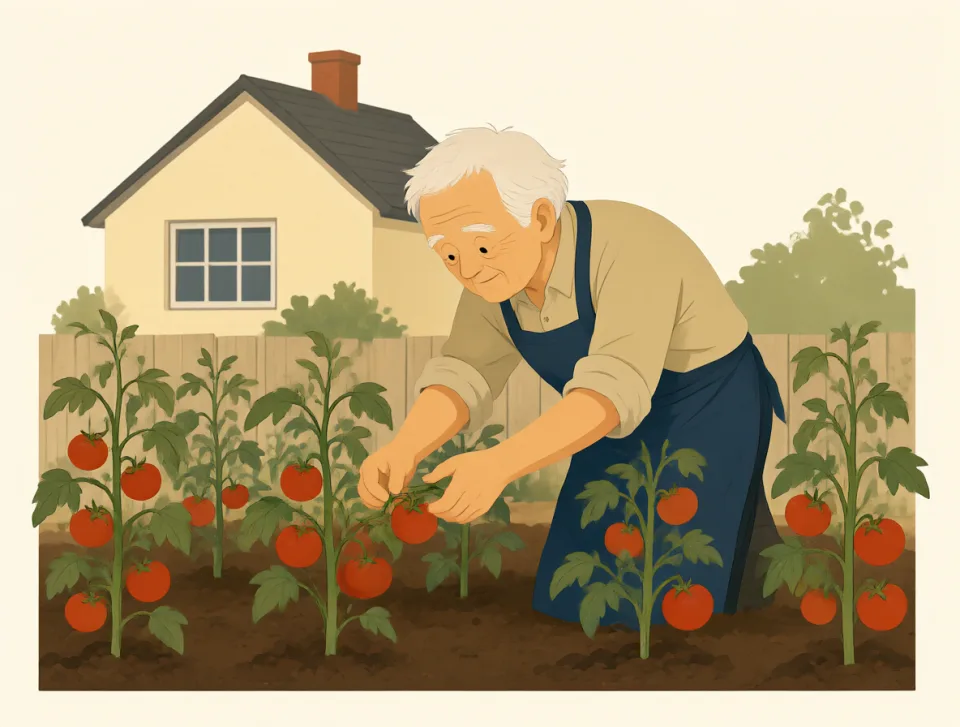
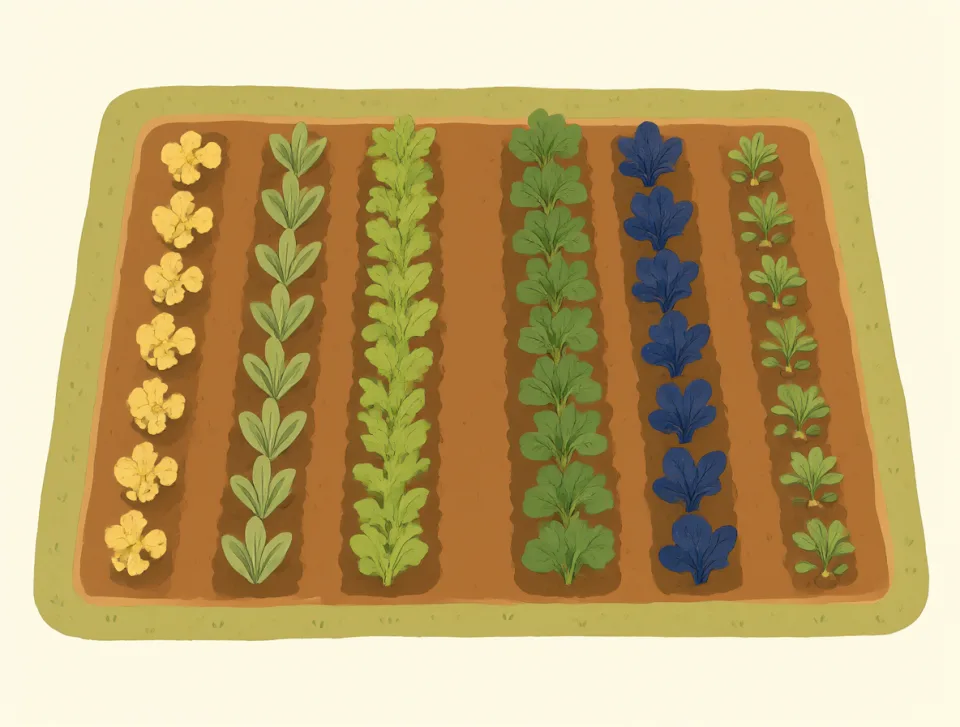
My grandfather grows tomatoes in a small plot behind his house.
Mój dziadek uprawia pomidory na małej działce za domem.
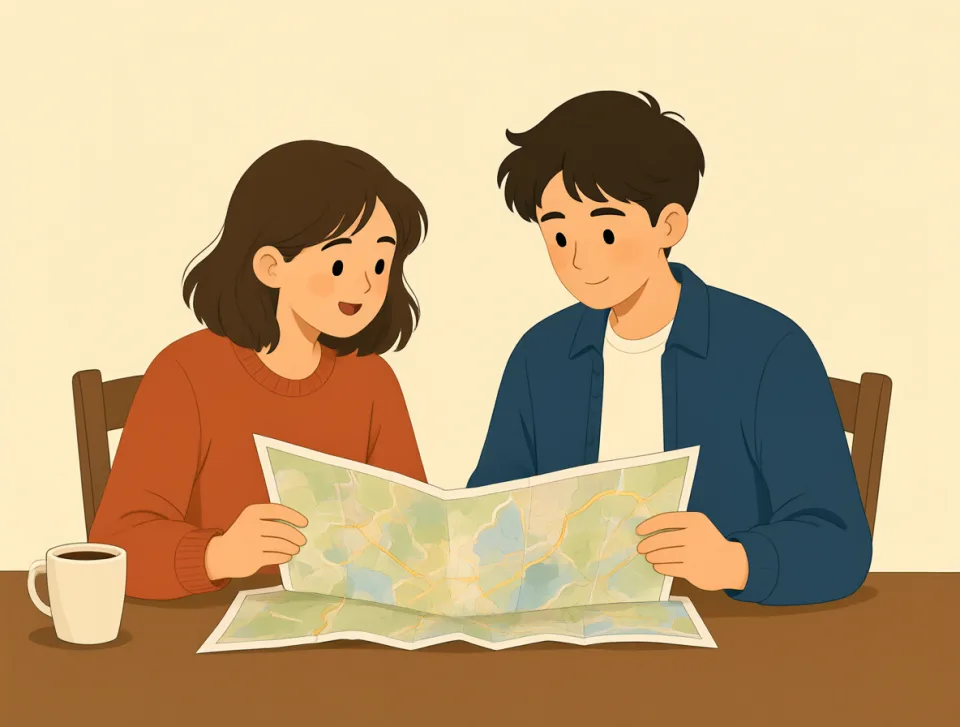
They plotted the route before starting their journey.
Wyznaczyli trasę przed rozpoczęciem podróży.
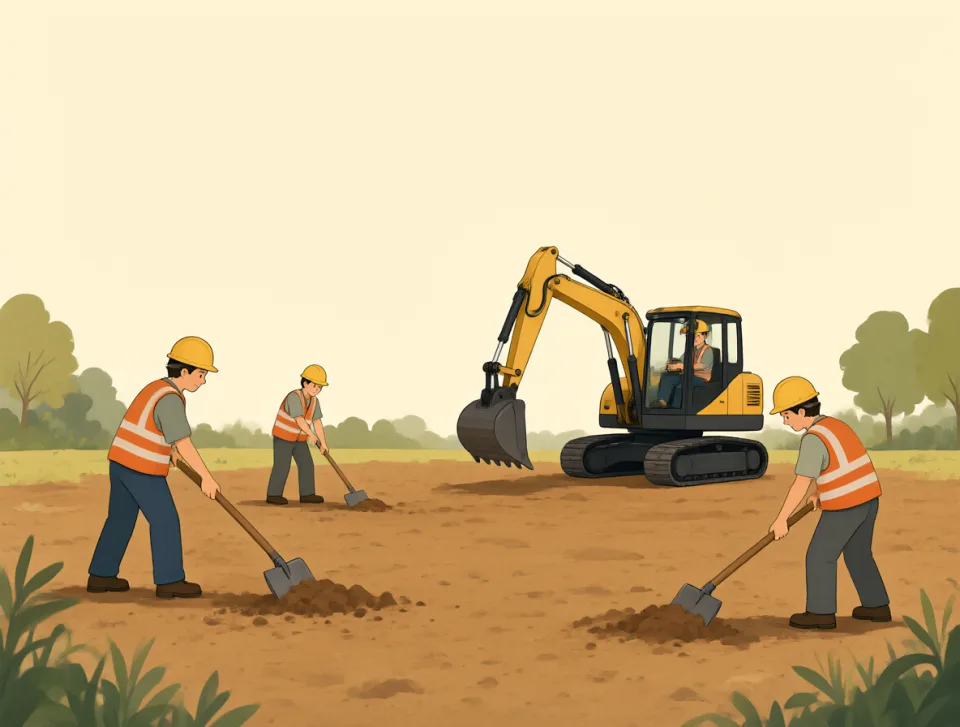
Workers are clearing the plot for a new supermarket.
Robotnicy oczyszczają działkę pod budowę nowego supermarketu.
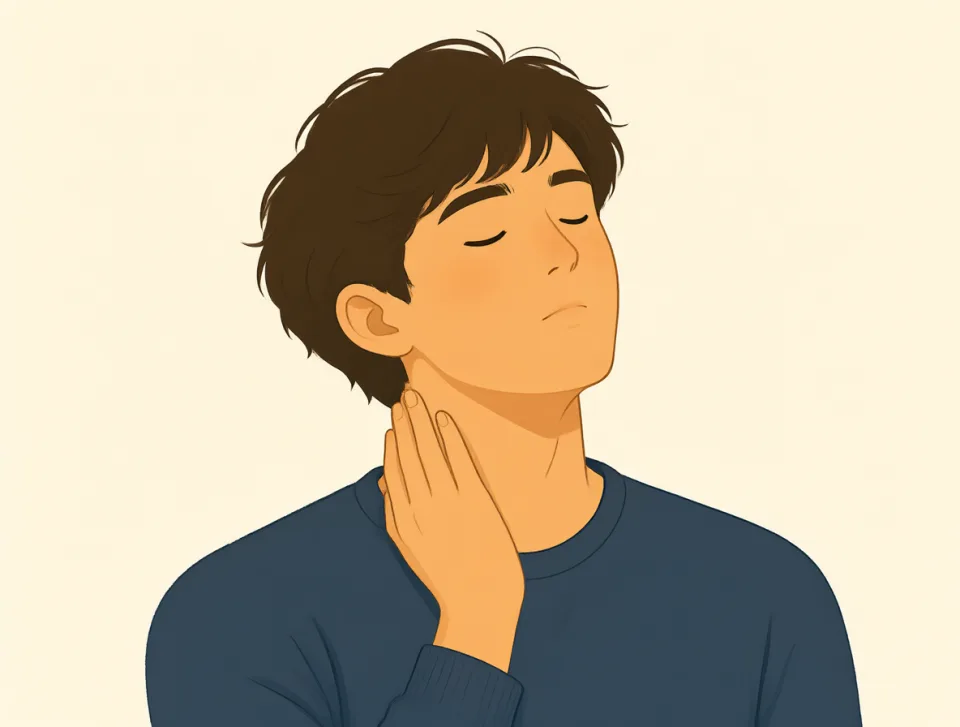
neck
#1952noun
szyja
The part of your body between your head and shoulders.
Część ciała znajdująca się między głową a ramionami.

She wore a warm scarf around her neck in winter.
Zimą nosiła ciepły szalik owinięty wokół szyi.

He turned his neck to look behind him.
Odwrócił głowę, żeby spojrzeć za siebie.

My neck hurts after working at the computer all day.
Boli mnie szyja po całym dniu pracy przy komputerze.
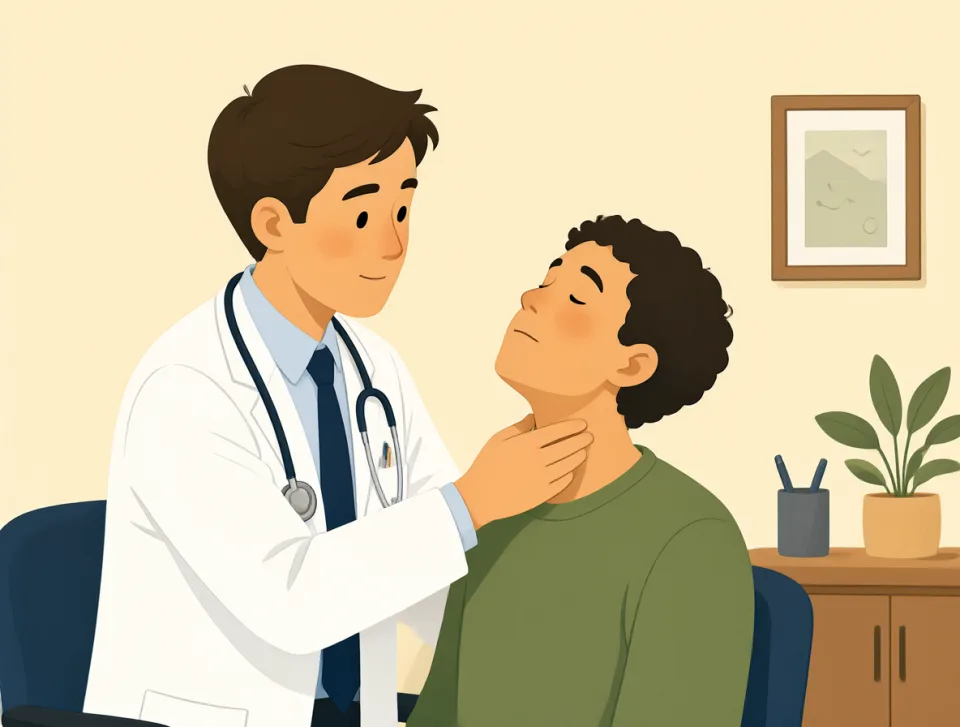
The doctor checked my neck for swollen glands.
Lekarz sprawdził, czy nie mam powiększonych węzłów chłonnych na szyi.
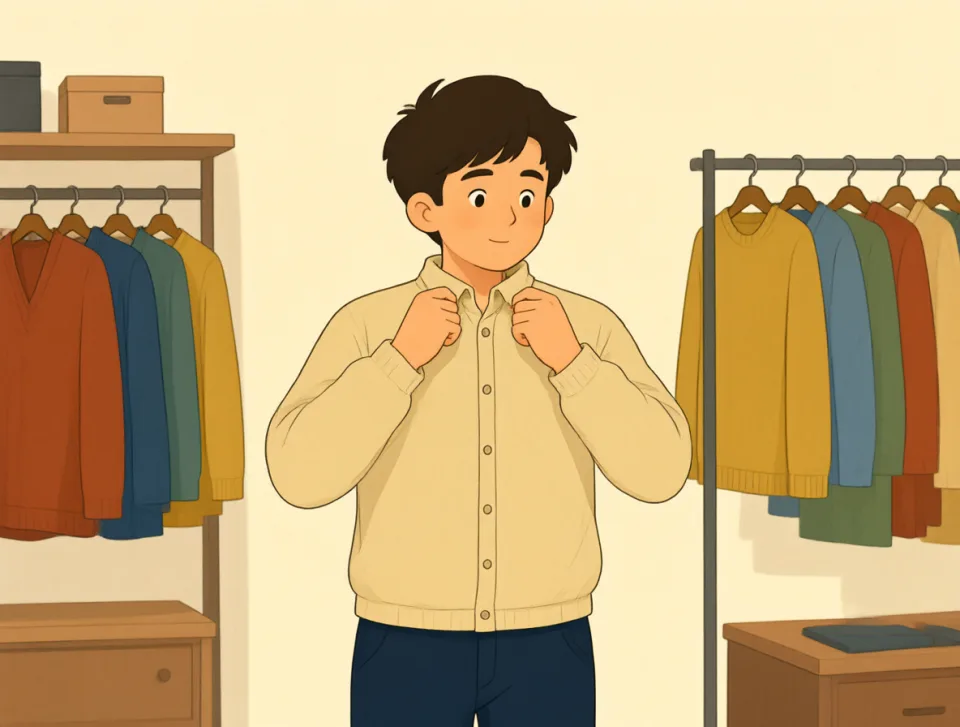
The shirt feels tight around my neck.
Koszula jest ciasna pod szyją.

criteria
#1953noun
kryteria
Standards used to judge or decide something.
Standardy, według których coś się ocenia lub podejmuje decyzję.
The school has clear criteria for choosing new students.
Szkoła ma jasne kryteria wyboru nowych uczniów.
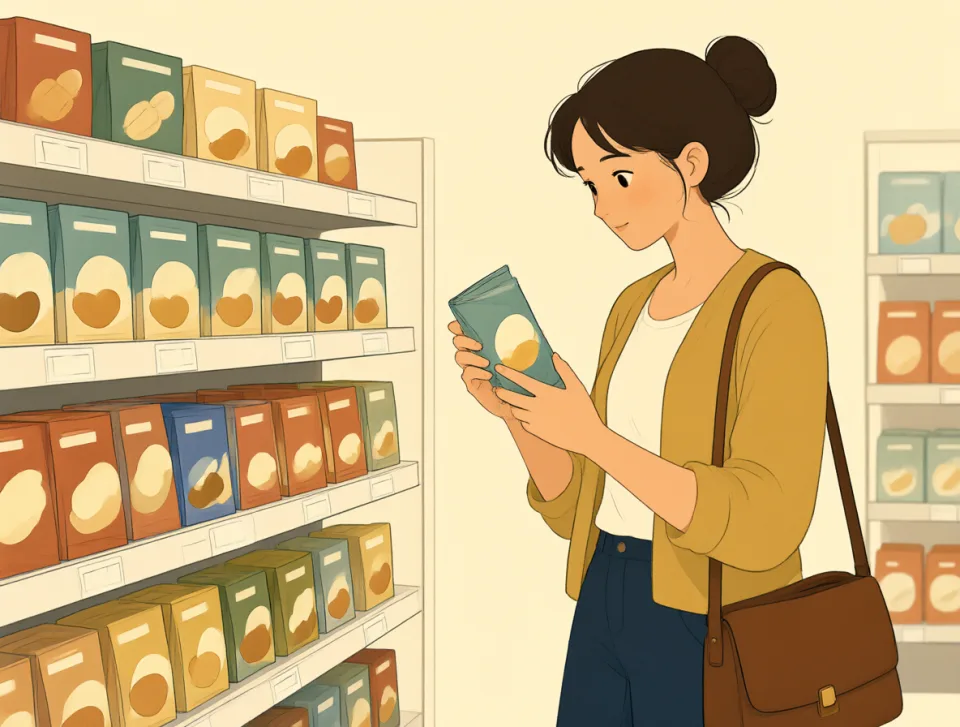
Price and quality are important criteria when we shop.
Cena i jakość to ważne kryteria podczas zakupów.
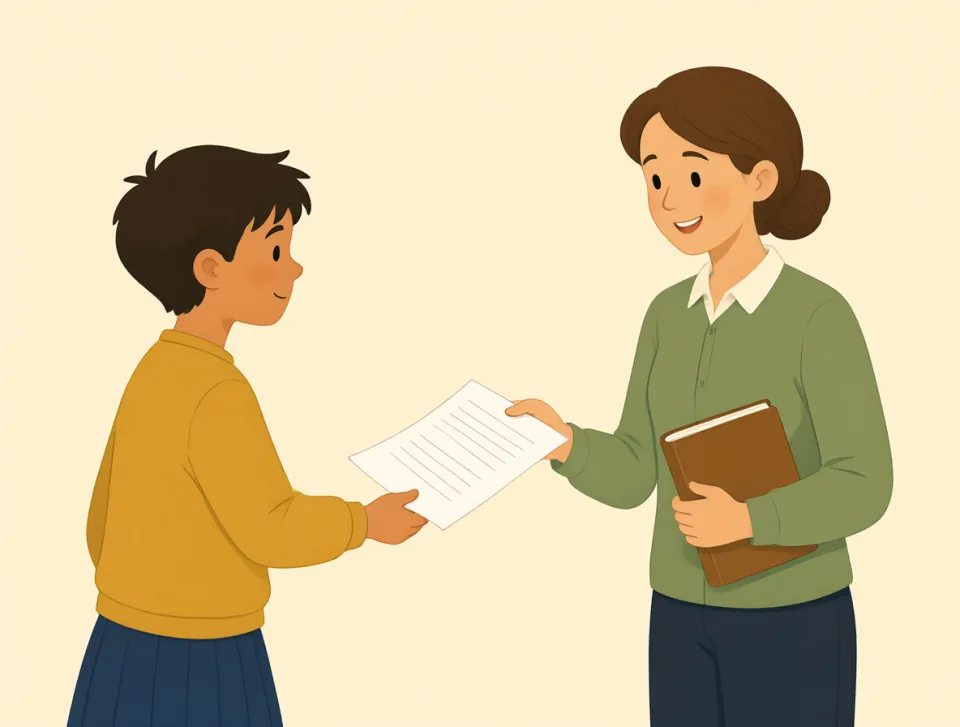
Your essay meets all the criteria for this class.
Twój esej spełnia wszystkie kryteria obowiązujące na tych zajęciach.
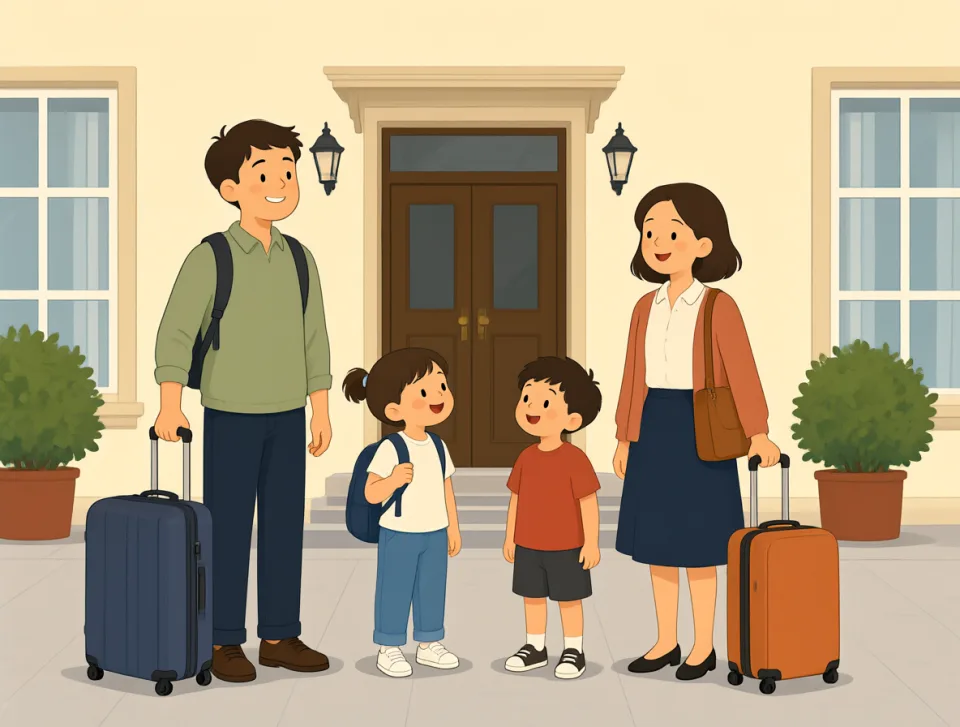
The hotel was chosen because it met our travel criteria.
Wybraliśmy ten hotel, ponieważ spełniał nasze kryteria dotyczące podróży.
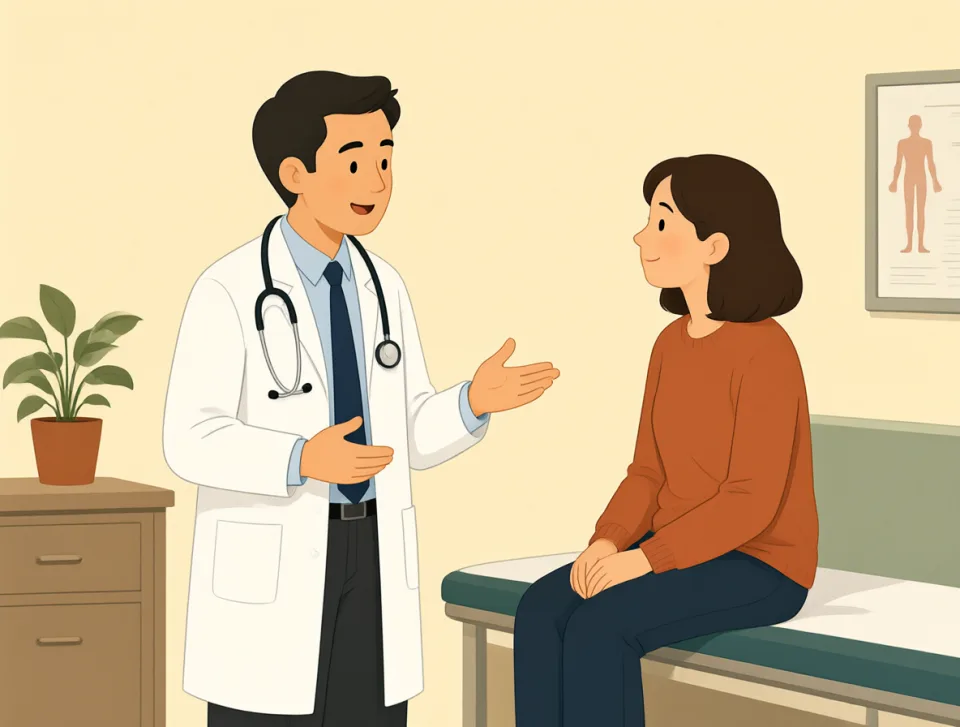
The doctor explained the criteria for joining the health study.
Lekarz wyjaśnił kryteria udziału w badaniu zdrowotnym.
primarily
#1954adverb
głównie
Mostly or mainly; more than anything else.
Przeważnie lub przede wszystkim; bardziej niż cokolwiek innego.
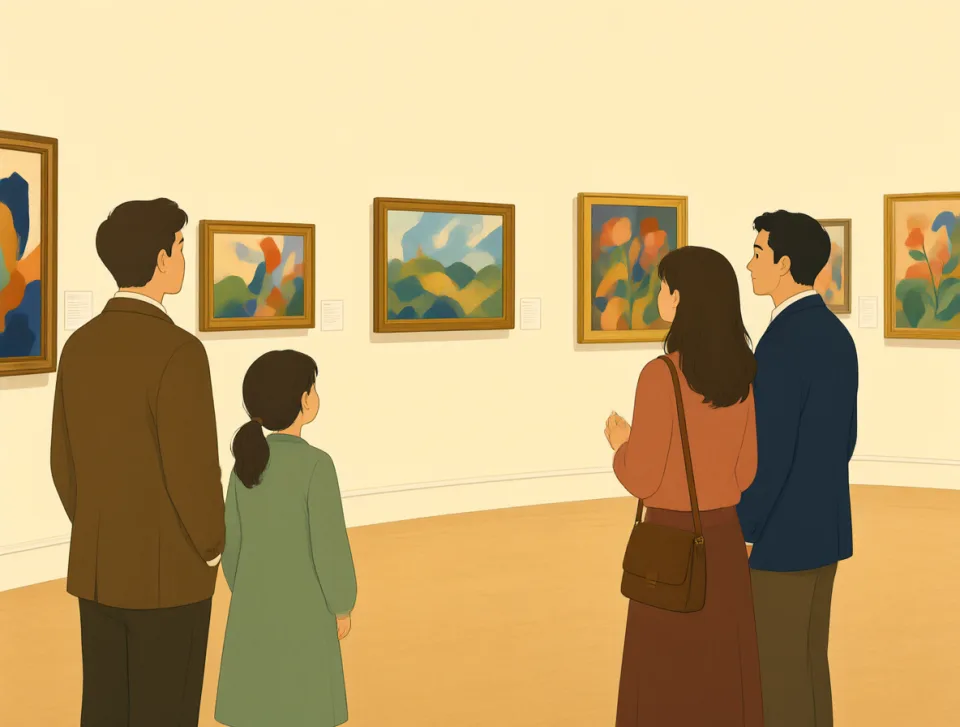
The museum is primarily known for its beautiful paintings.
Muzeum jest znane przede wszystkim z pięknych obrazów.
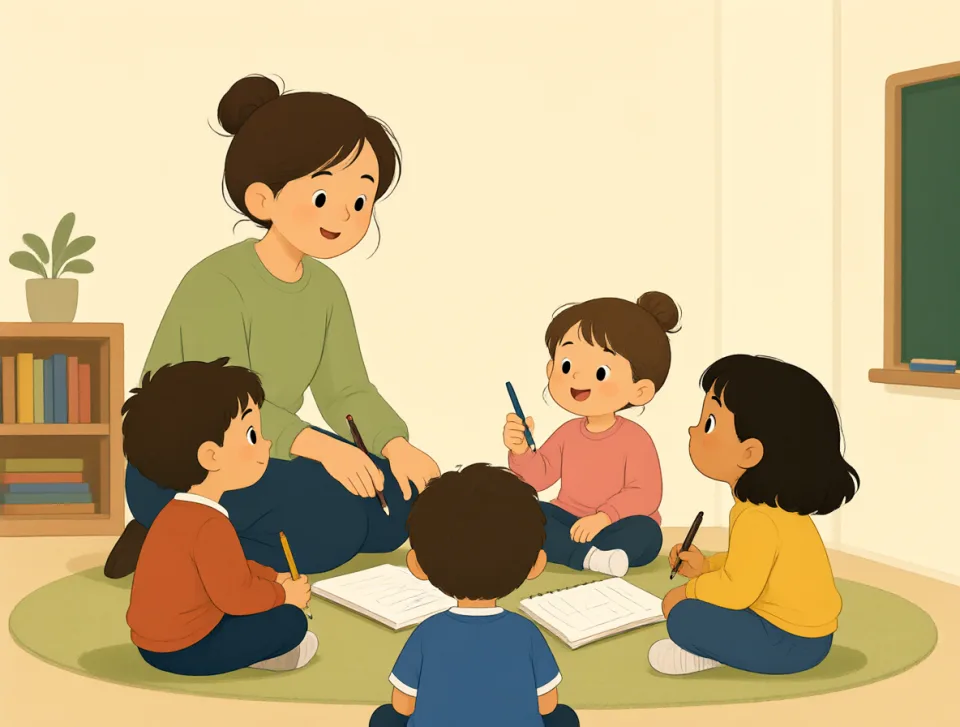
This course is primarily for students who need extra practice.
Ten kurs jest przeznaczony głównie dla uczniów, którzy potrzebują dodatkowych ćwiczeń.
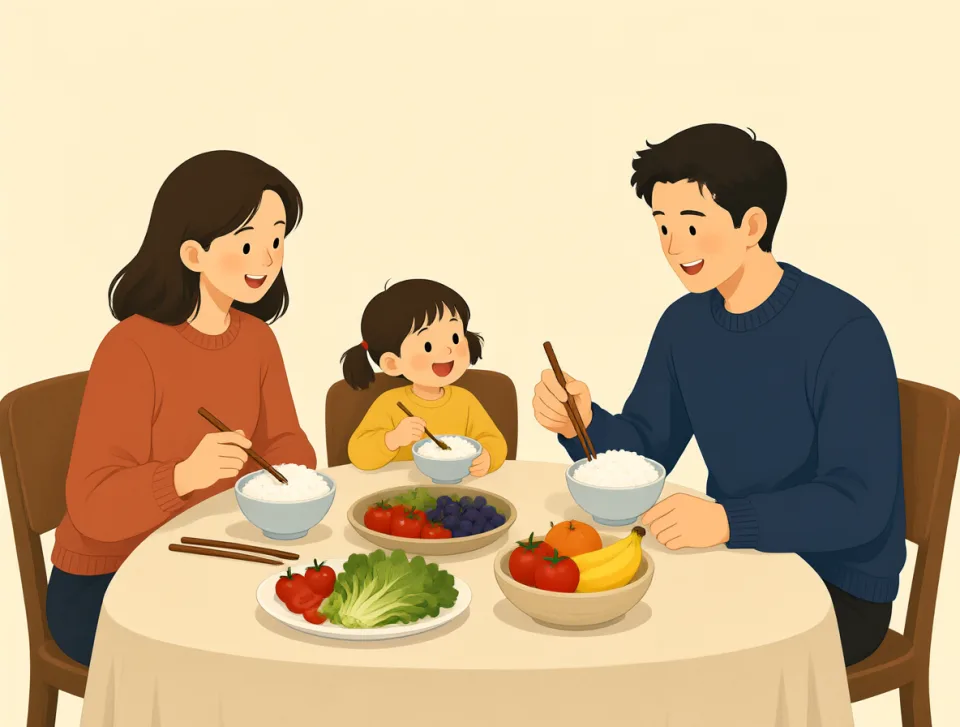
We eat primarily vegetables, rice, and fresh fruit at home.
W domu jemy głównie warzywa, ryż i świeże owoce.

The shop sells clothes primarily made from recycled materials.
Sklep sprzedaje ubrania wykonane głównie z materiałów z recyklingu.

The trip is primarily about relaxing and spending time with friends.
Ta wycieczka jest przede wszystkim okazją do odpoczynku i spędzenia czasu z przyjaciółmi.
integrate
#1955verb
integrować; łączyć
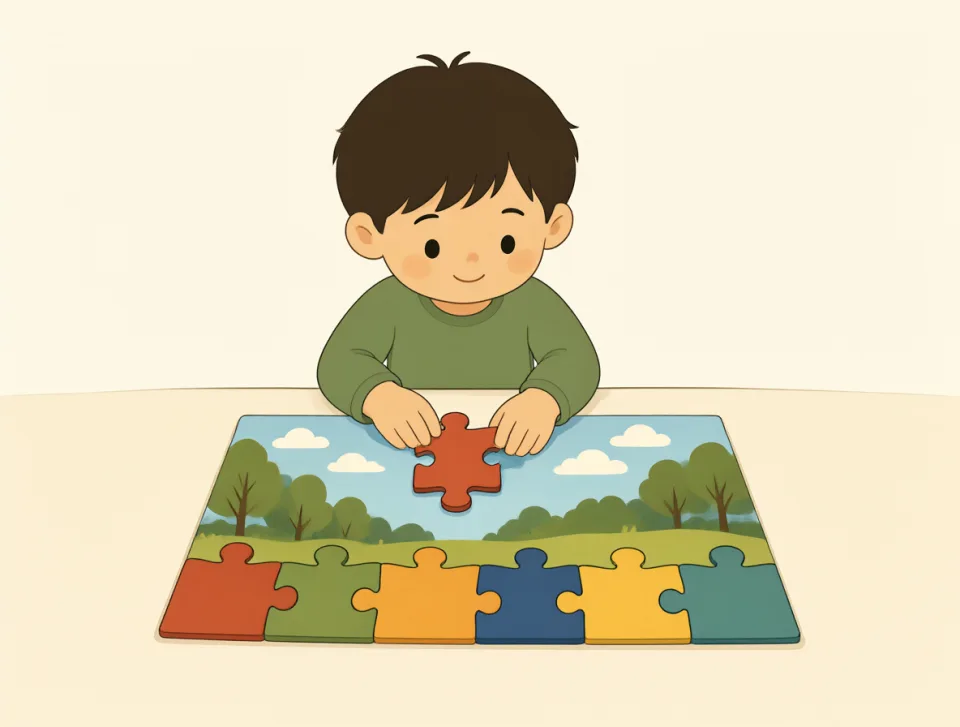
to combine something with other parts so that they work together
Łączyć coś z innymi elementami, tak aby współdziałały.
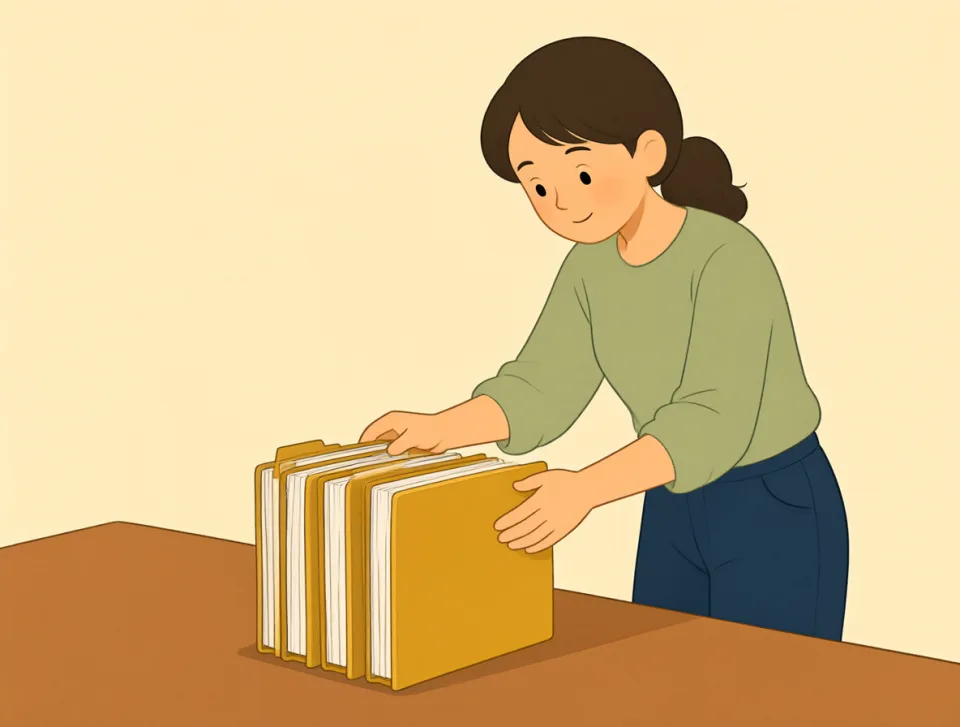
The new system integrates all our customer information in one place.
Nowy system gromadzi wszystkie informacje o naszych klientach w jednym miejscu.
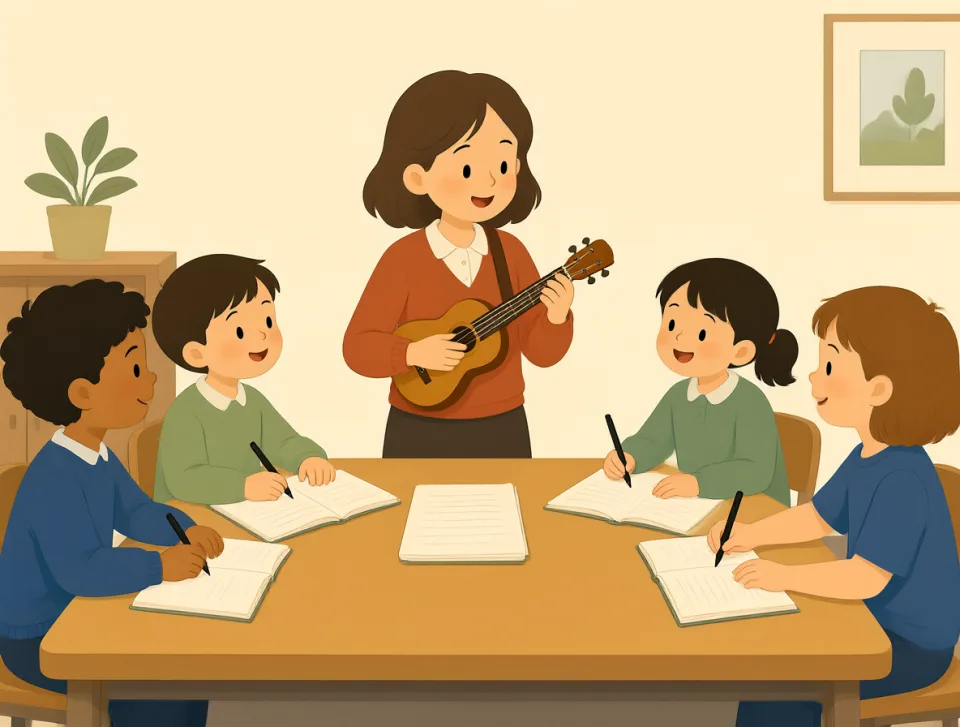
The school integrates music into its language lessons.
Szkoła włącza muzykę do lekcji języków.
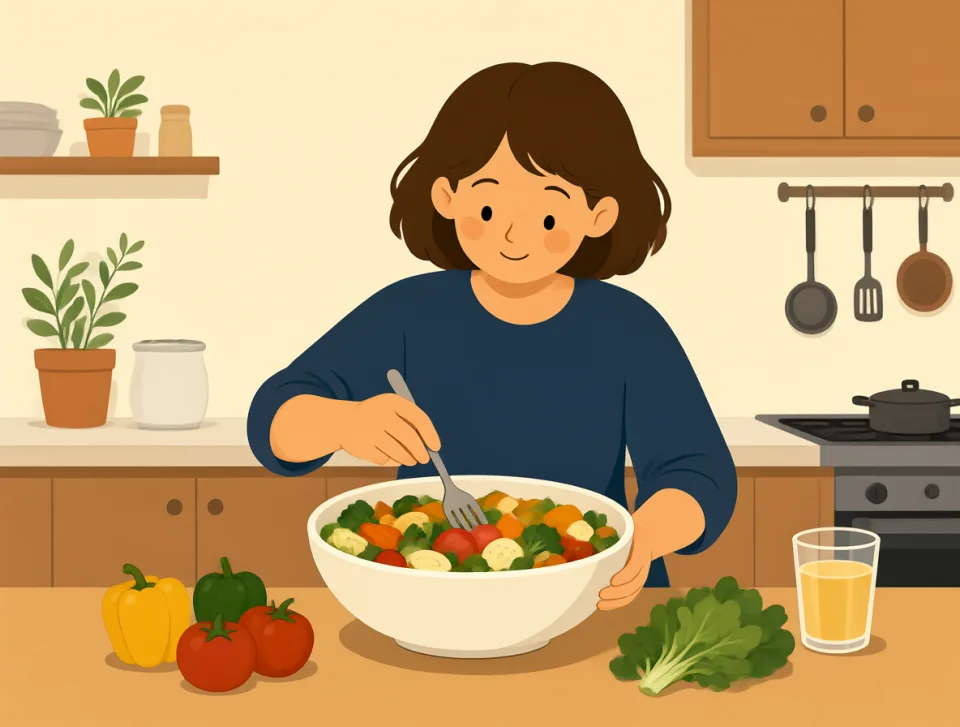
We are integrating more vegetables into our family meals.
Włączamy do rodzinnych posiłków coraz więcej warzyw.
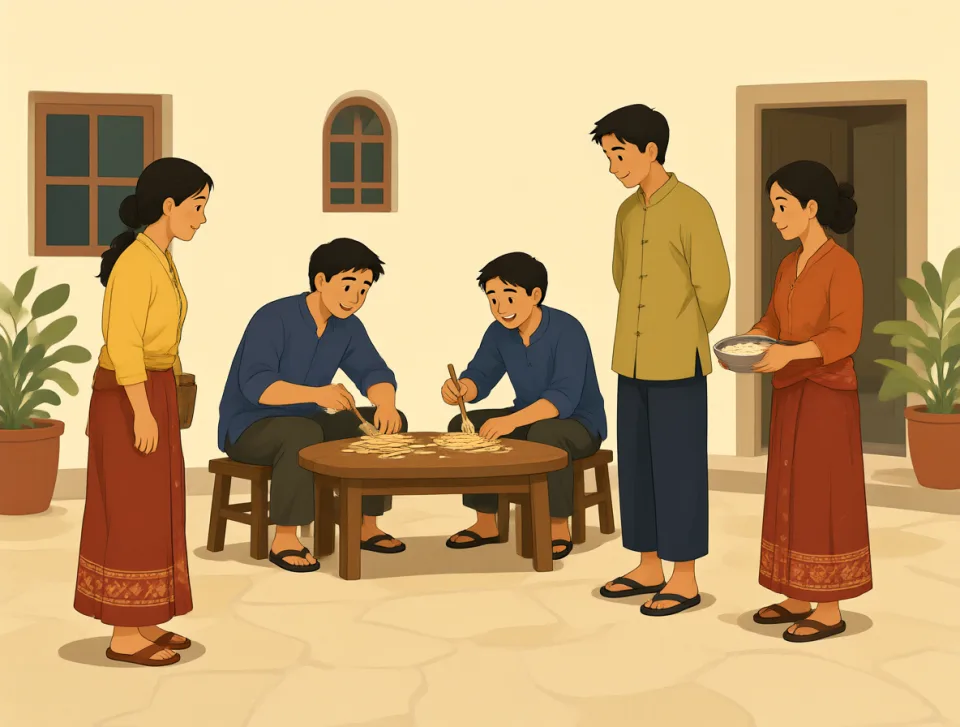
The hotel integrates local traditions into its guest activities.
Hotel wplata lokalne tradycje w atrakcje dla gości.
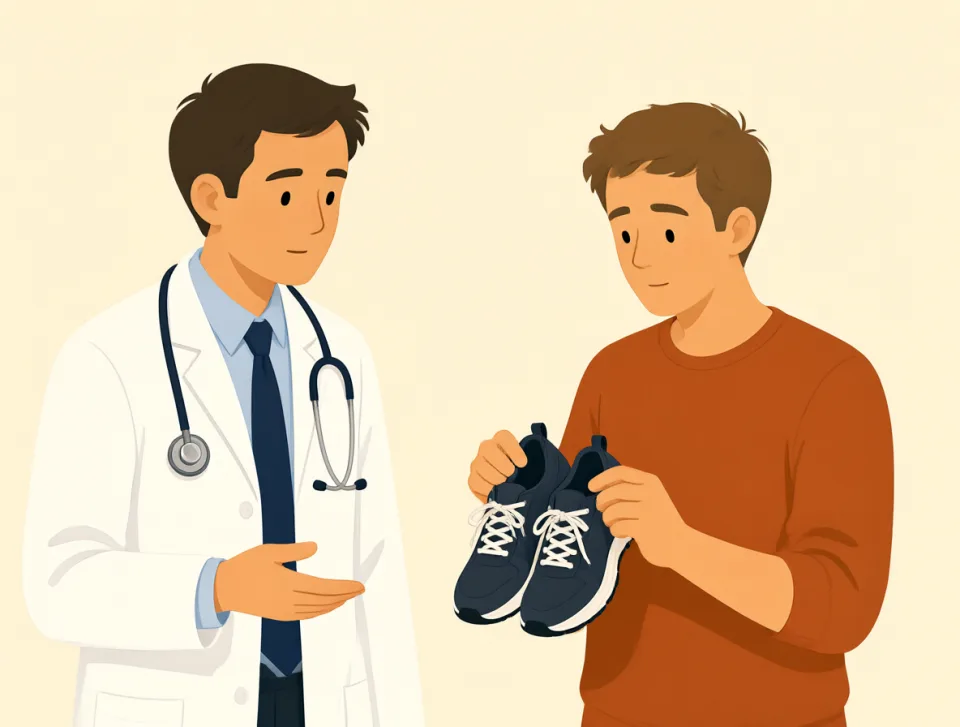
The doctor helped him integrate exercise into his daily routine.
Lekarz pomógł mu włączyć ćwiczenia do codziennej rutyny.
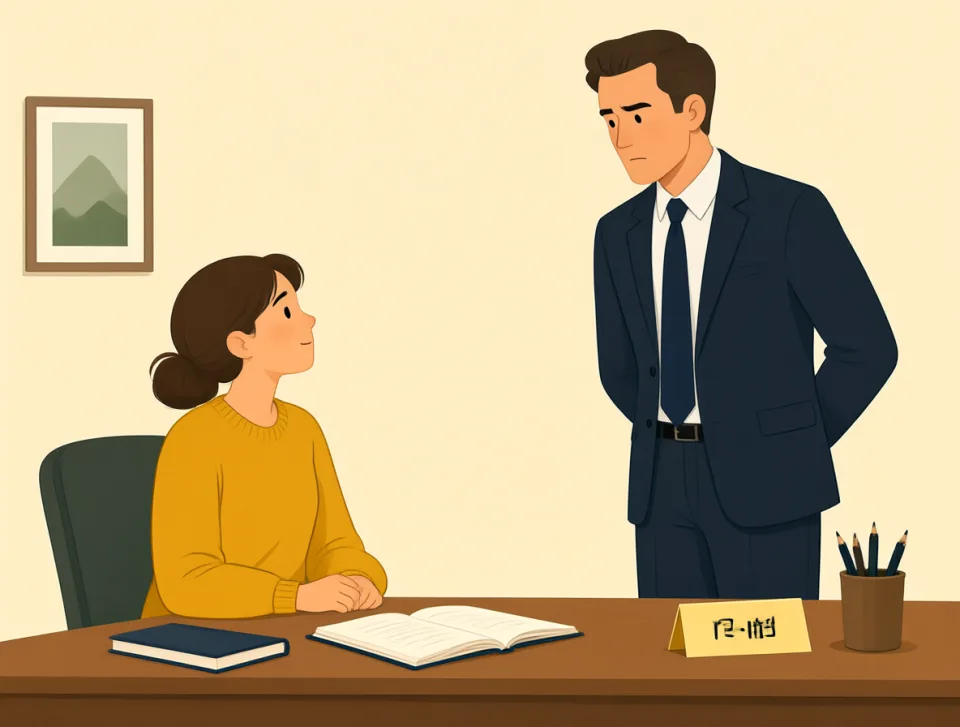
criticism
#1956noun
krytyka
An opinion that points out the good and bad parts of something.
Opinia, która wskazuje dobre i złe strony czegoś.
She received criticism for arriving late to work every day.
Skrytykowano ją za to, że codziennie spóźniała się do pracy.
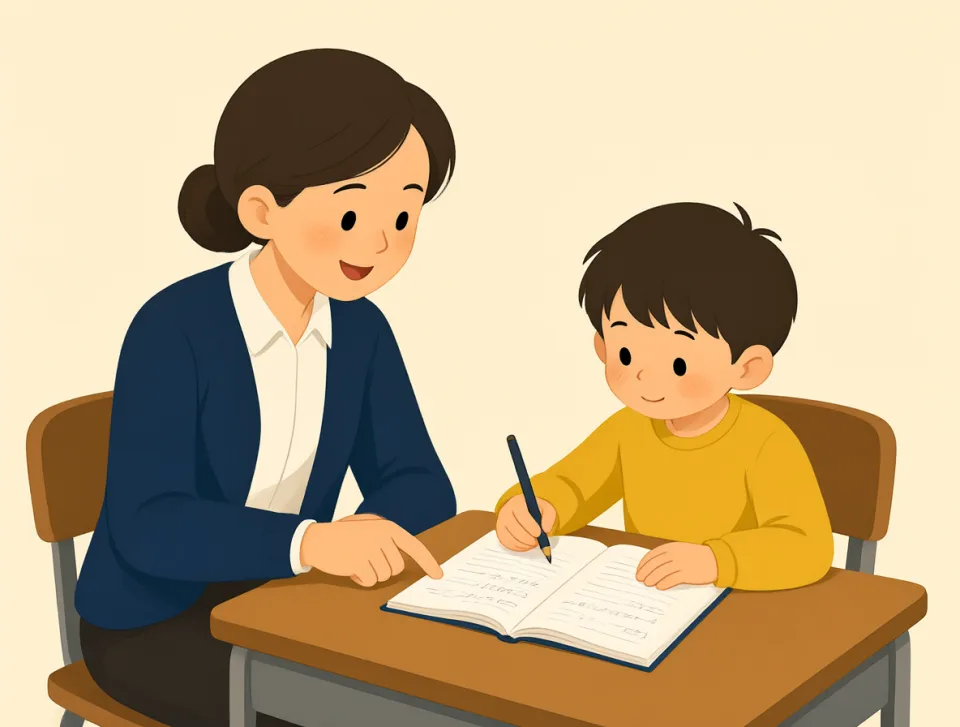
The teacher gave helpful criticism on my English homework.
Nauczyciel udzielił mi pomocnej krytyki na temat pracy domowej z angielskiego.
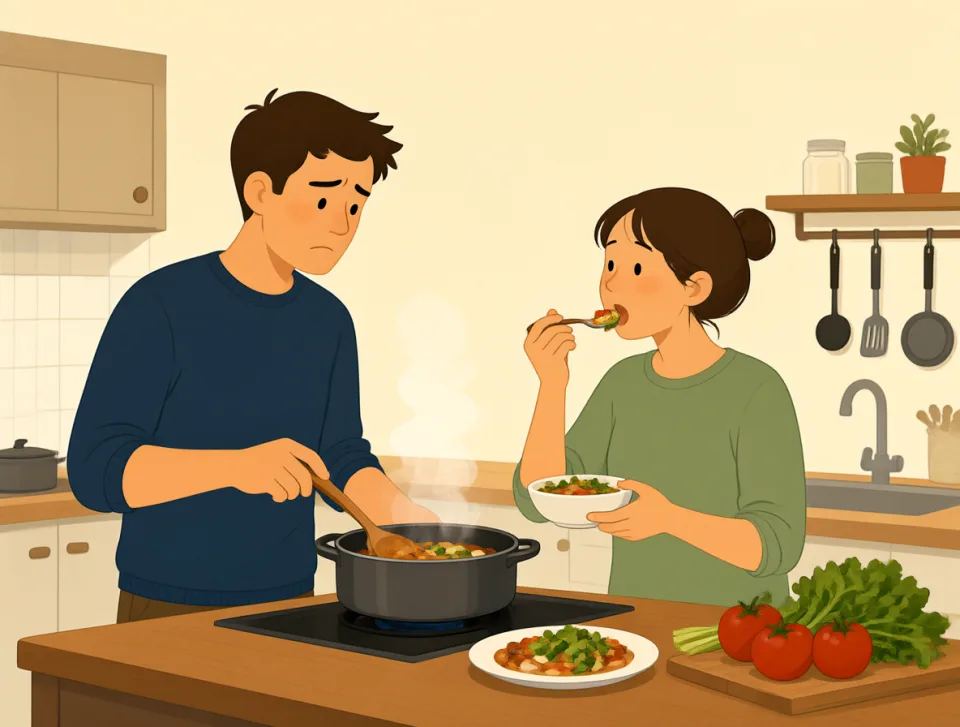
He does not like criticism about his cooking.
Nie lubi krytyki swojej kuchni.

The new hotel faced criticism from guests about its dirty rooms.
Nowy hotel spotkał się z krytyką gości z powodu brudnych pokoi.

Try to accept criticism and use it to improve your health.
Staraj się przyjmować krytykę i wykorzystywać ją, by poprawić swoje zdrowie.
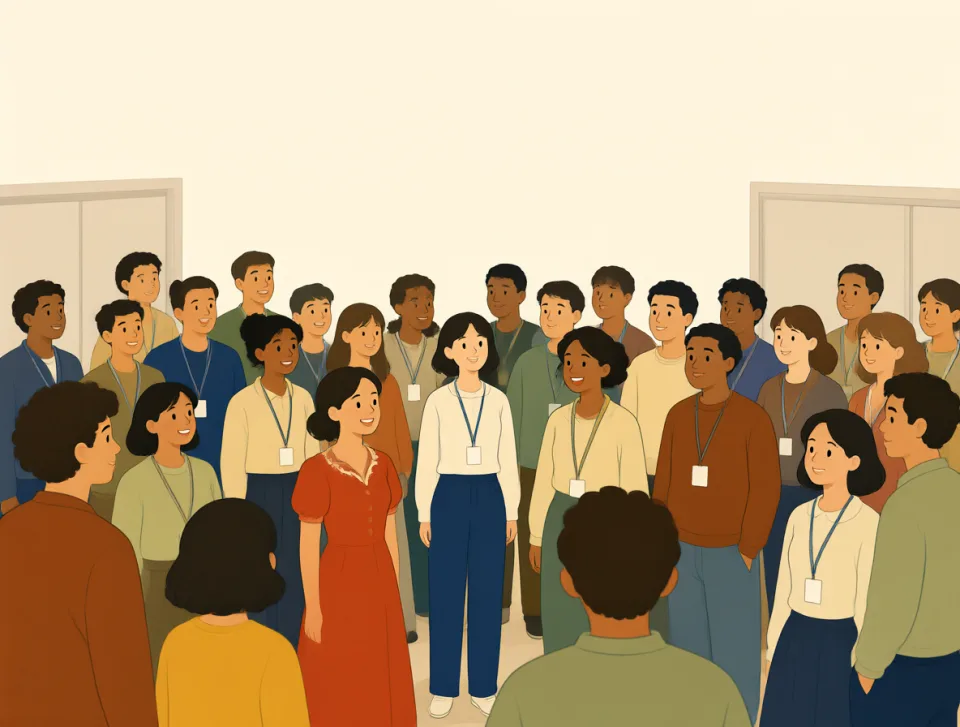
convention
#1957noun
zwyczaj; konwent
a usual way of doing something, or a large meeting for people with similar interests
Przyjęty sposób postępowania albo duże spotkanie osób o podobnych zainteresowaniach.
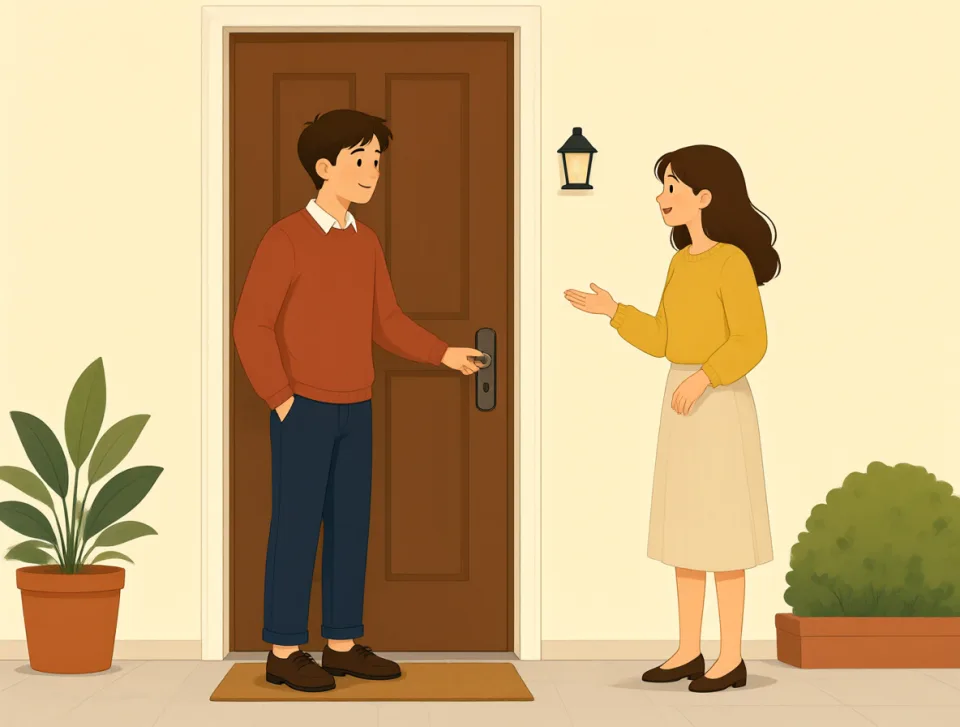
By convention, guests remove their shoes before entering the house.
Zgodnie ze zwyczajem goście zdejmują buty przed wejściem do domu.
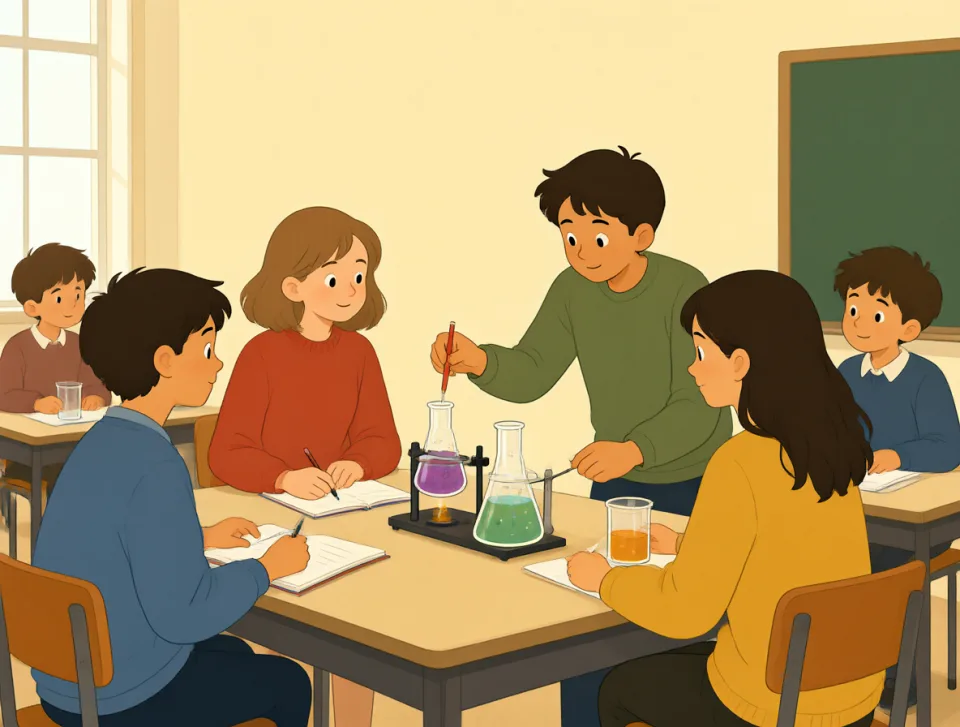
The school held a science convention for students from nearby towns.
Szkoła zorganizowała konwent naukowy dla uczniów z pobliskich miejscowości.

Our company sent three employees to a business convention in Chicago.
Nasza firma wysłała trzech pracowników na konwent biznesowy w Chicago.
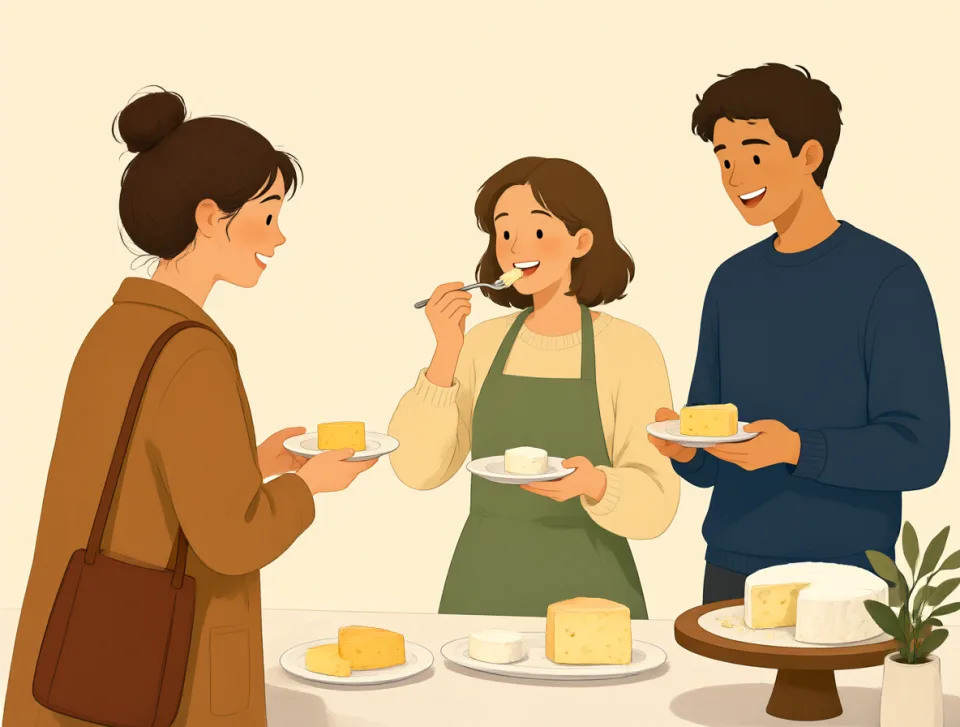
At the food convention, we tasted cheese from several countries.
Na konwencie kulinarnym próbowaliśmy serów z kilku krajów.
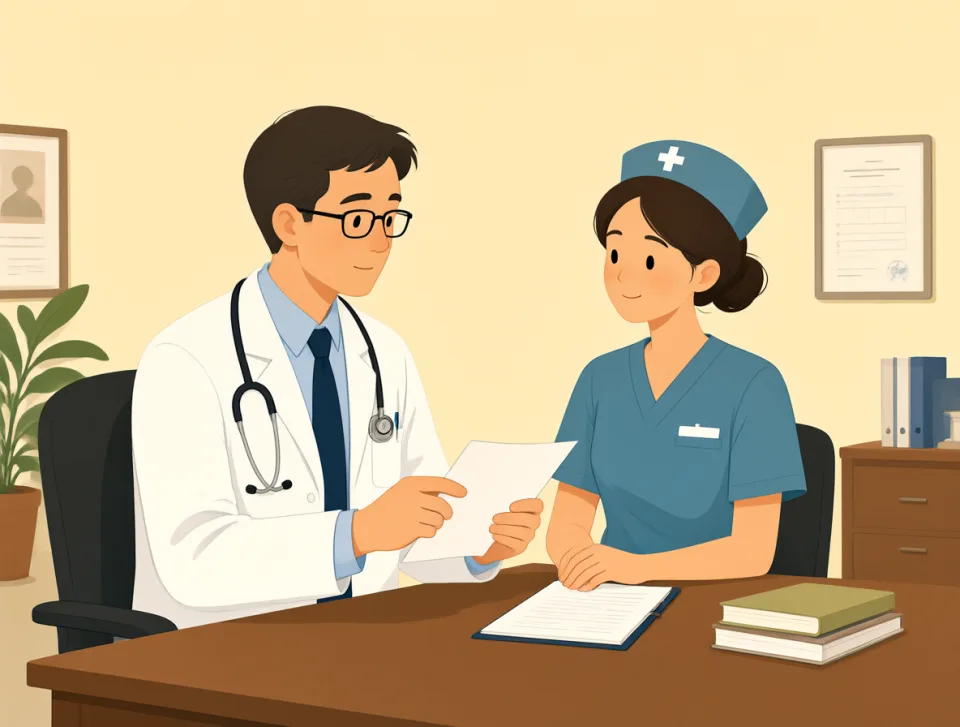
The doctor explained a new convention for sharing patient information safely.
Lekarz wyjaśnił nową procedurę bezpiecznego udostępniania informacji o pacjentach.

bet
#1958noun, verb
zakład
To risk money or something valuable on the result of a game or event.
Postawić pieniądze lub coś wartościowego na wynik gry albo innego wydarzenia.
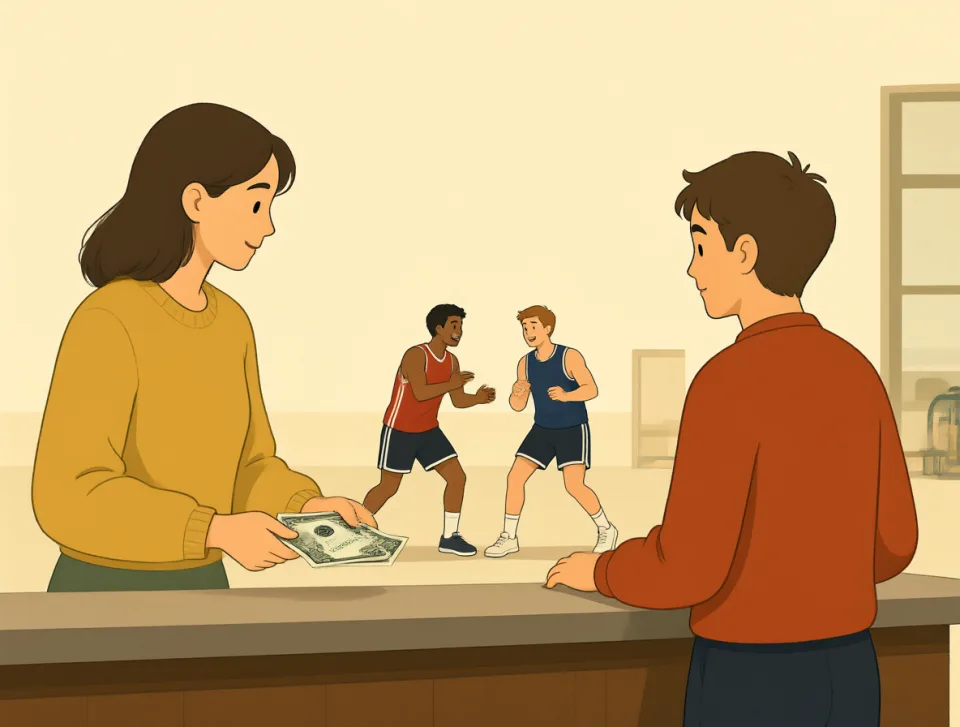
I bet ten dollars on the blue team to win.
Postawiłem dziesięć dolarów na to, że wygra niebieska drużyna.

We made a bet about who would arrive first.
Założyliśmy się o to, kto przyjdzie pierwszy.
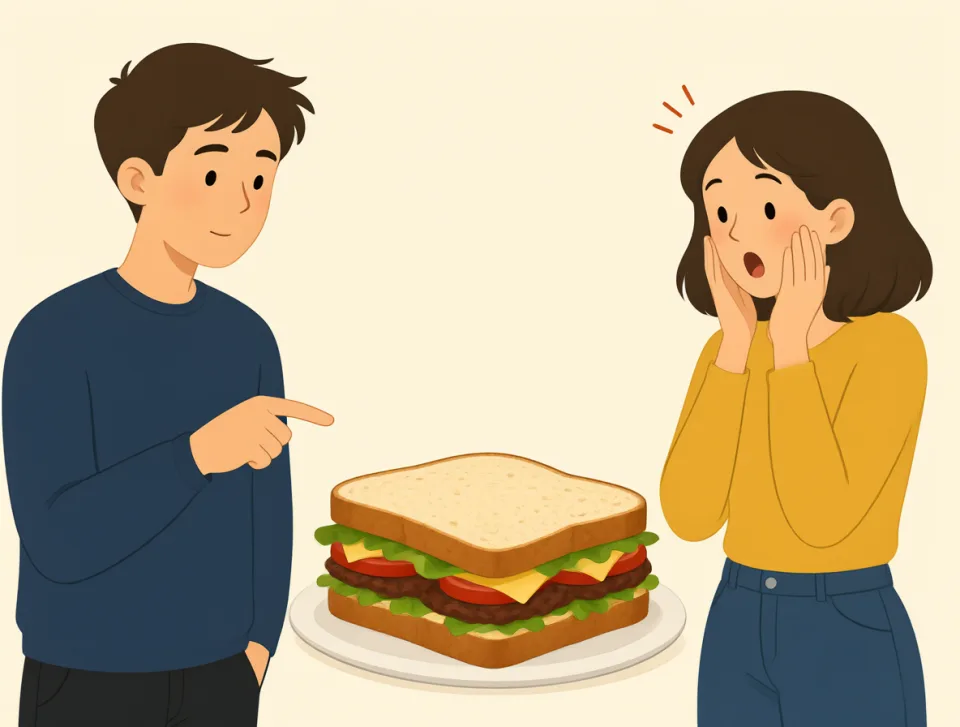
I bet you can't finish this huge sandwich.
Założę się, że nie dasz rady zjeść tej ogromnej kanapki.
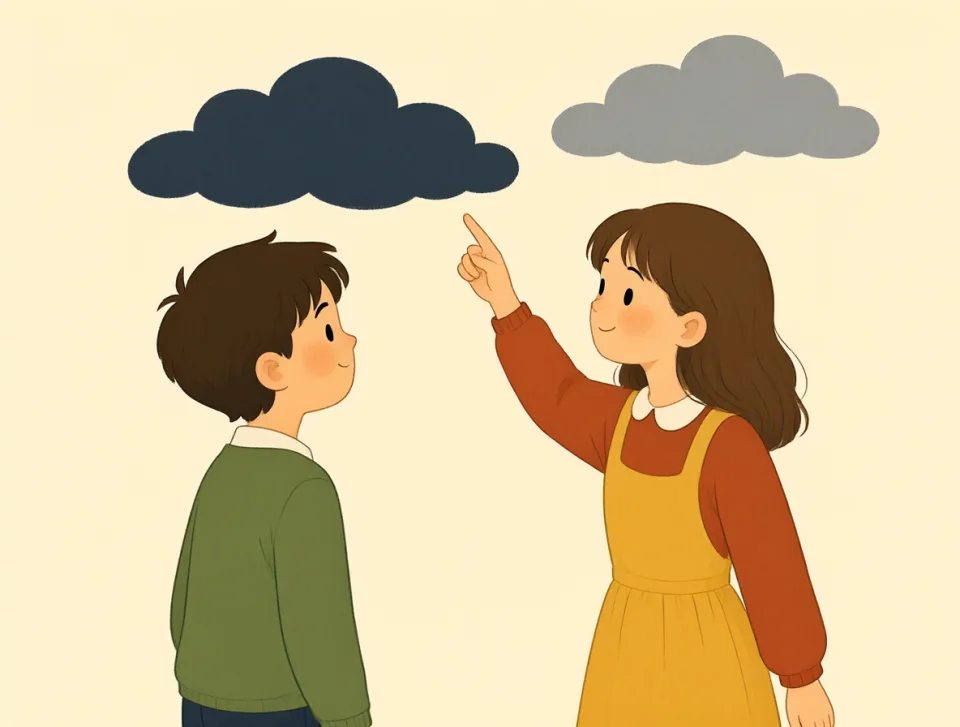
She bet her brother that it would rain today.
Założyła się z bratem, że dziś będzie padać.
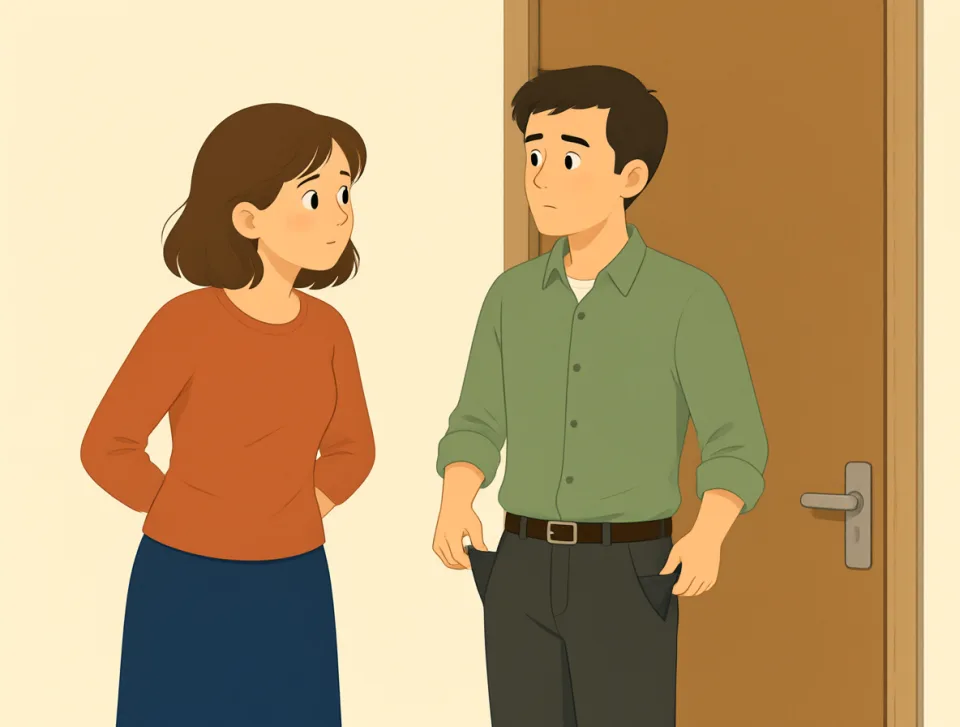
I bet he forgot his keys again.
Założę się, że znowu zapomniał kluczy.
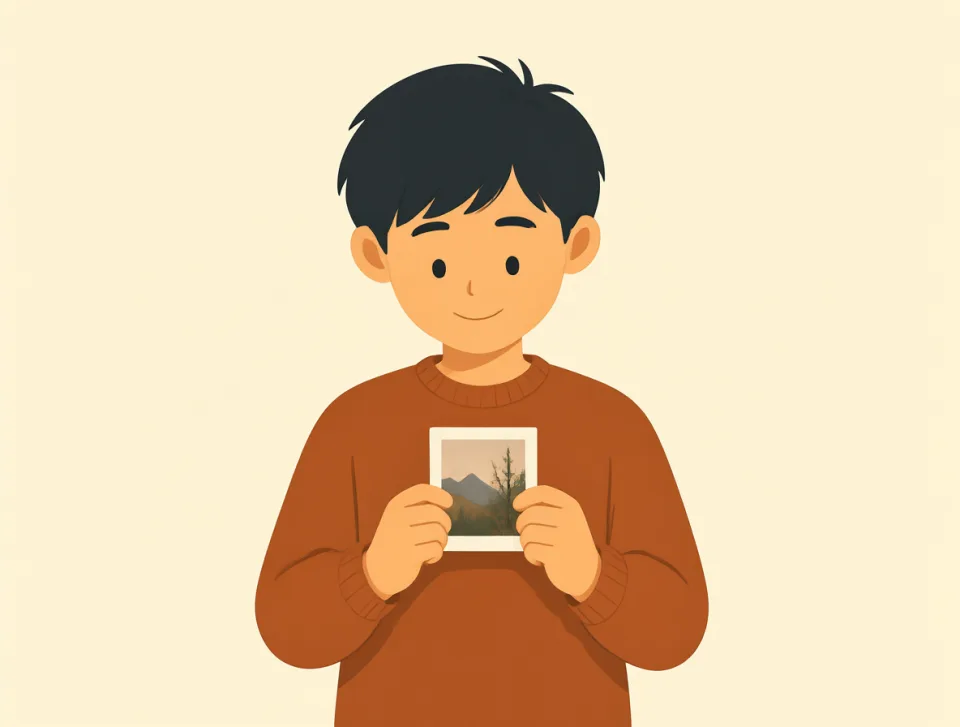
retain
#1959verb
zachować
to keep something or continue to have it
Zachować coś lub nadal to mieć.
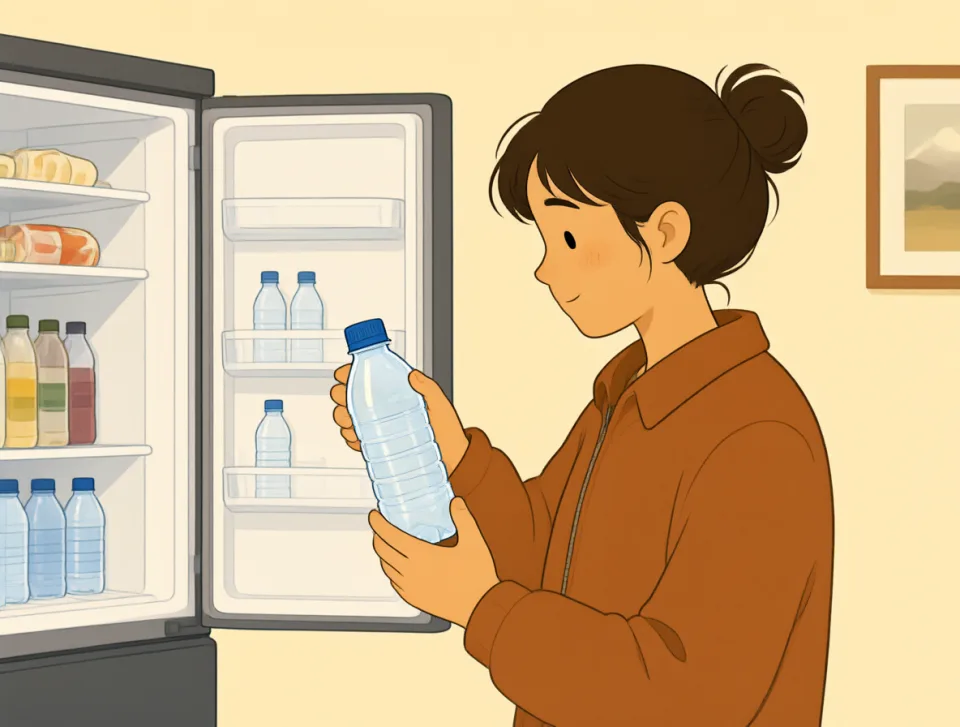
This bottle retains its shape after being frozen.
Ta butelka zachowuje swój kształt po zamrożeniu.

The hotel retains your room until six o'clock.
Hotel rezerwuje pokój dla ciebie do szóstej.
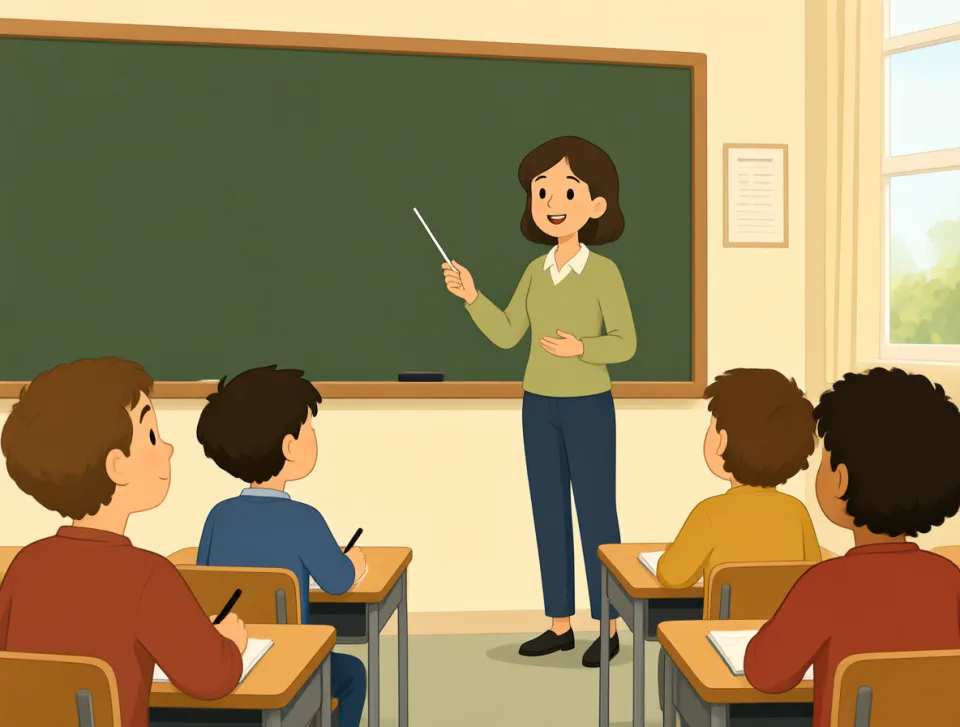
She retained the information from yesterday's lesson.
Zapamiętała informacje z wczorajszej lekcji.
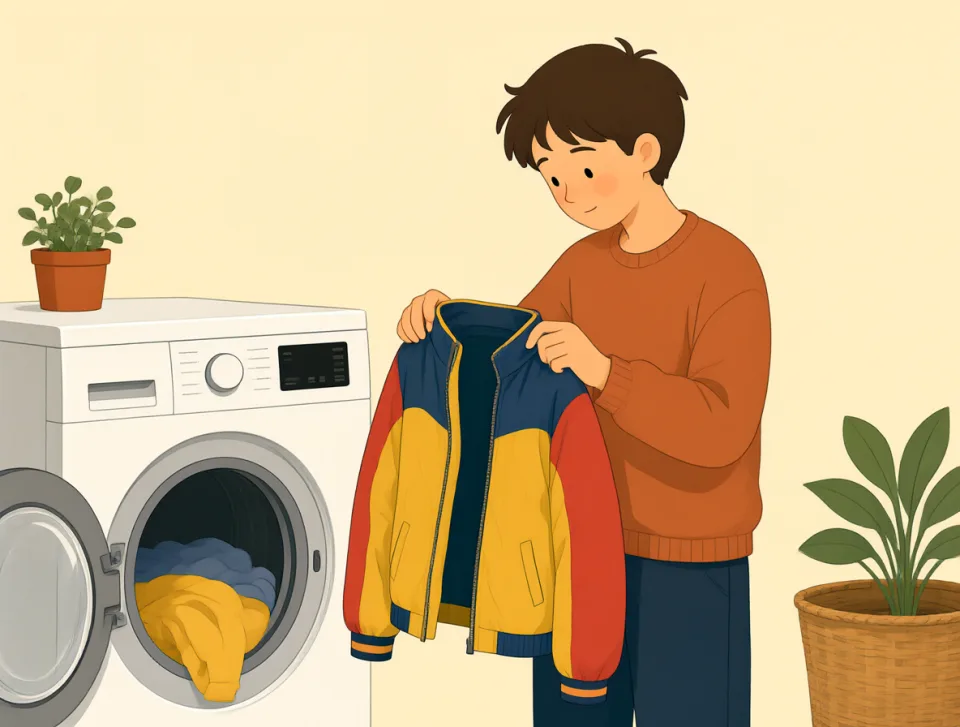
The jacket retained its color after many washes.
Kurtka zachowała swój kolor nawet po wielu praniach.
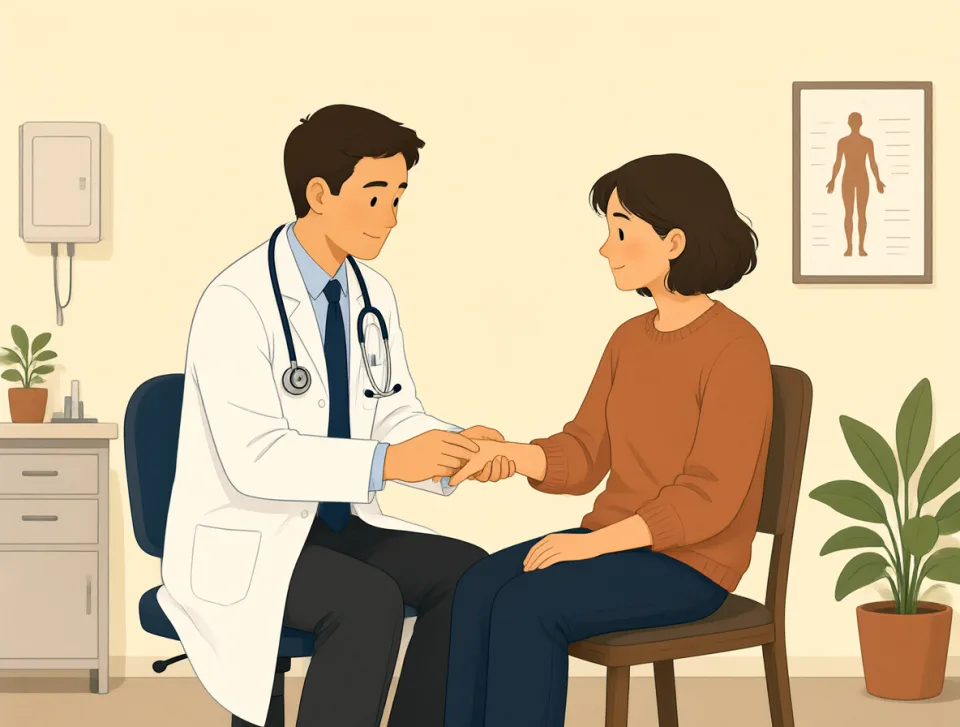
Doctors hope the patient will retain full movement in her hand.
Lekarze mają nadzieję, że pacjentka zachowa pełną sprawność ręki.

sequence
#1960noun
kolejność
The order in which people or things happen or come one after another.
Kolejność, w jakiej ludzie lub rzeczy pojawiają się albo następują po sobie.
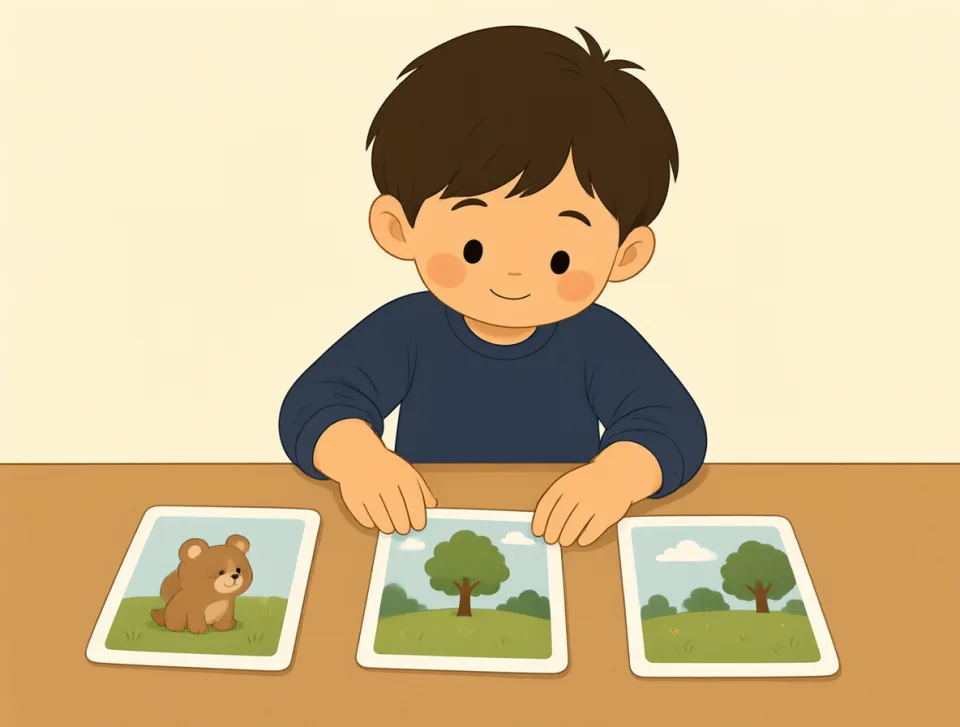
Put the pictures in the correct sequence before telling the story.
Ułóż obrazki we właściwej kolejności, zanim opowiesz historię.
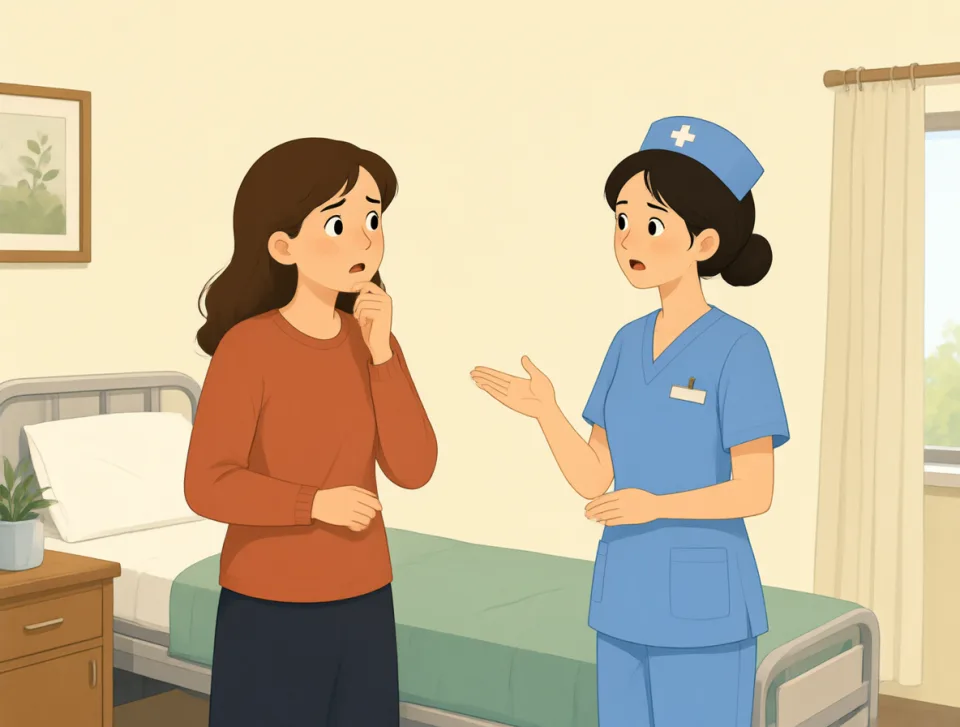
The nurse asked about the sequence of events after the accident.
Pielęgniarka zapytała o kolejność zdarzeń po wypadku.
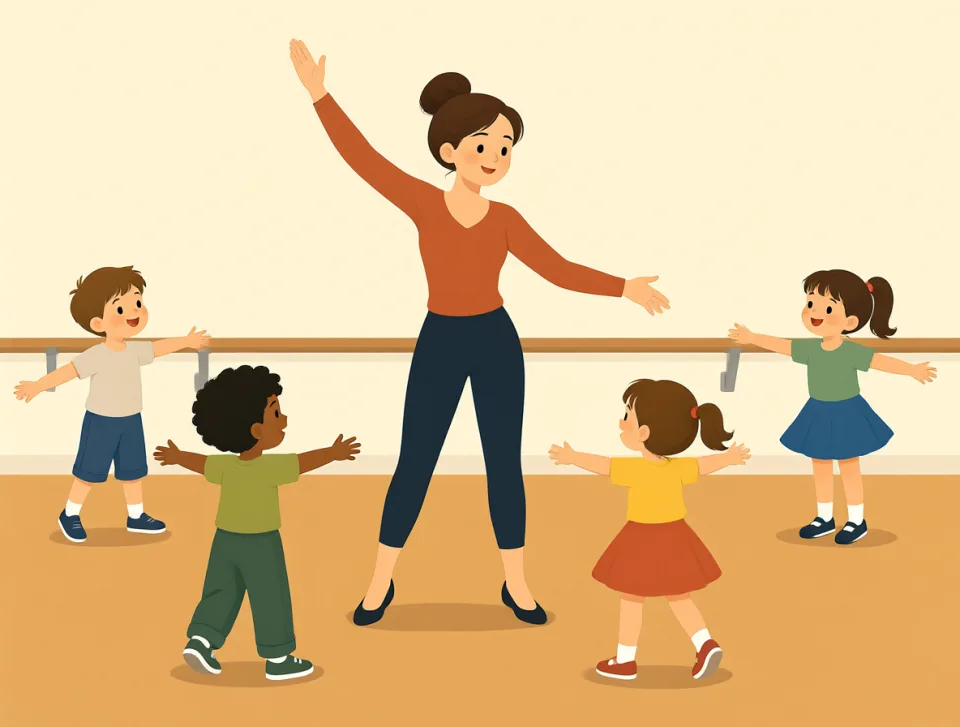
The dance teacher showed us the steps in a simple sequence.
Nauczyciel tańca pokazał nam kroki w prostej kolejności.
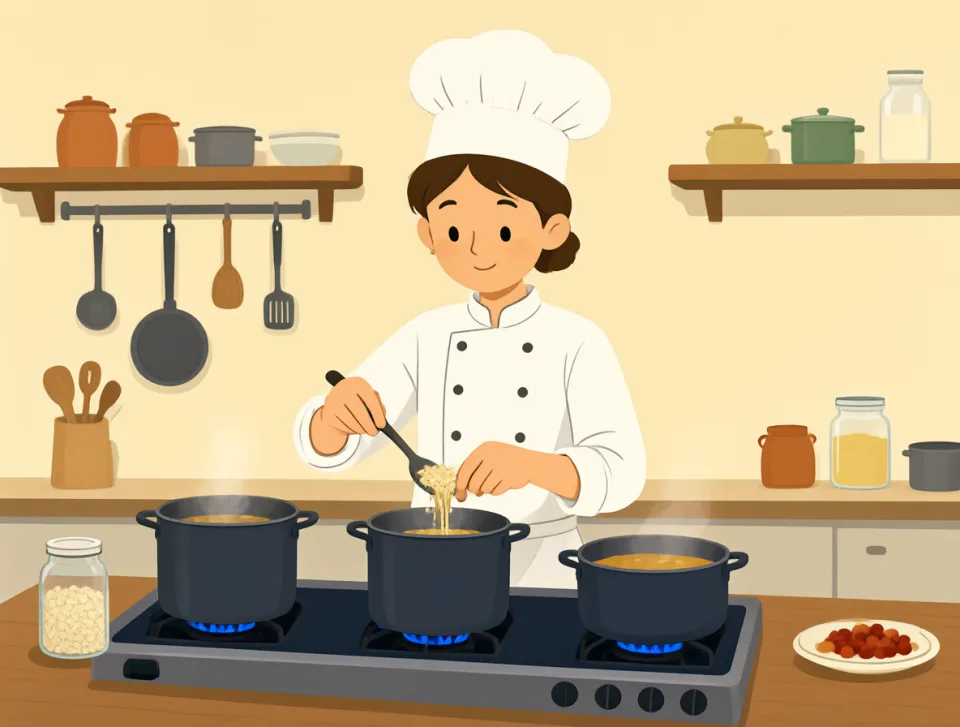
The chef prepared the meal in the right sequence.
Kucharz przygotował posiłek we właściwej kolejności.
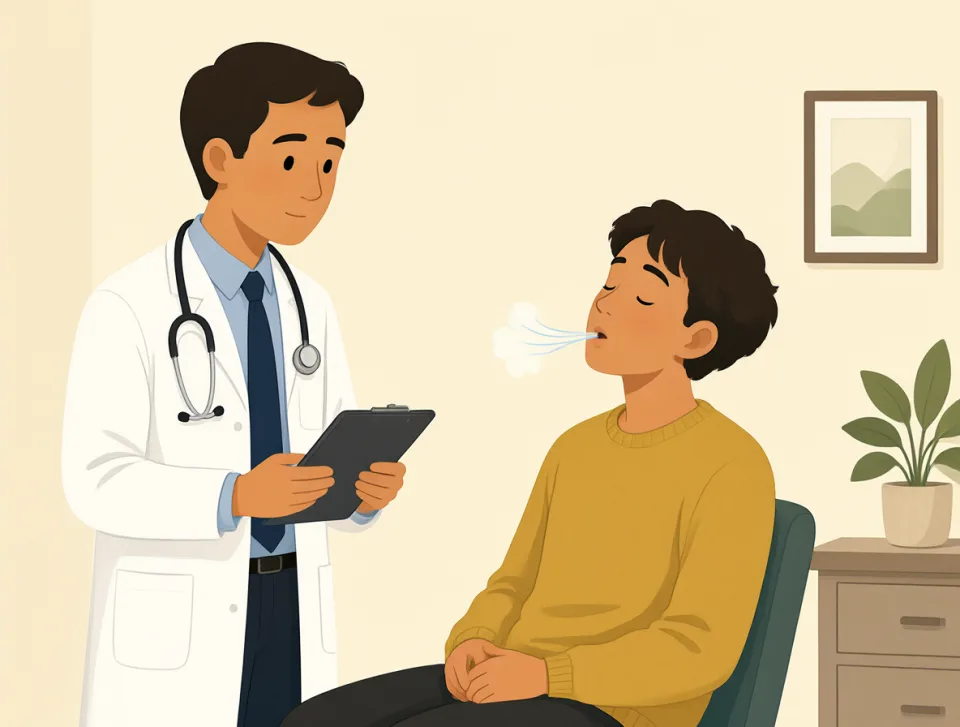
The doctor watched the patient's breathing sequence during the test.
Podczas badania lekarz obserwował rytm oddechu pacjenta.