Zestaw 94
Słowa 1861–1880 · negotiation, mechanism, coat, democracy, pocket, lucky

negotiation
#1861noun
negocjacje
A discussion to reach an agreement, especially about price, plans, or conditions.
Rozmowa mająca na celu osiągnięcie porozumienia, zwłaszcza w sprawie ceny, planów lub warunków.

The two sides reached an agreement after several hours of negotiation.
Po kilku godzinach negocjacji obie strony doszły do porozumienia.

The union began negotiations with the company about higher wages.
Związek zawodowy rozpoczął negocjacje z firmą w sprawie podwyżek.
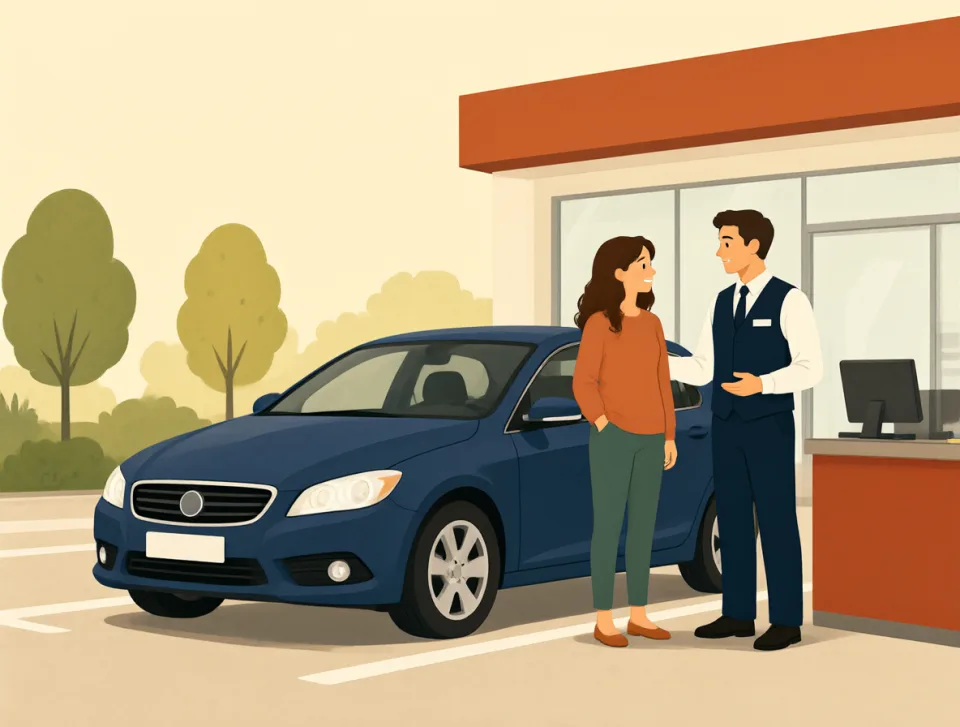
Good negotiation helped us get a lower price for the car.
Dzięki dobrym negocjacjom udało nam się uzyskać niższą cenę za samochód.

The peace negotiations continued after both countries stopped fighting.
Negocjacje pokojowe trwały nadal po tym, jak oba kraje zaprzestały walk.

Buying a house usually involves negotiation over the final price.
Kupno domu zwykle wiąże się z negocjacjami dotyczącymi ostatecznej ceny.
mechanism
#1862noun
mechanizm
A part or process that makes something work or happen.
Część lub proces, dzięki któremu coś działa lub się dzieje.
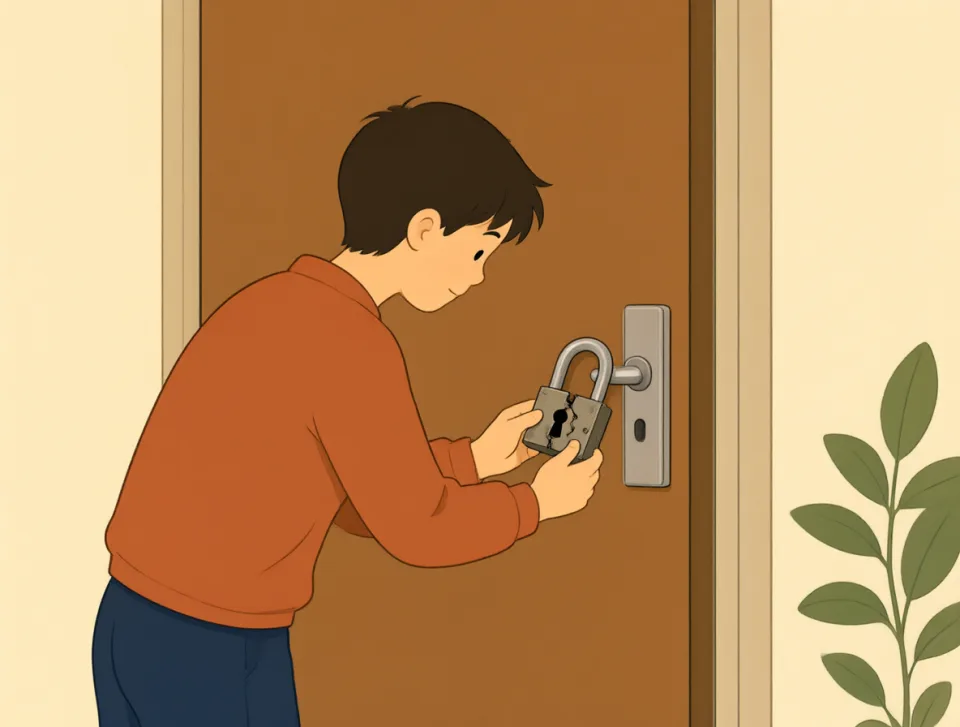
The locking mechanism on this door is broken.
Mechanizm zamka w tych drzwiach jest zepsuty.

The camera has a simple mechanism for changing the lens.
Ten aparat ma prosty mechanizm wymiany obiektywu.
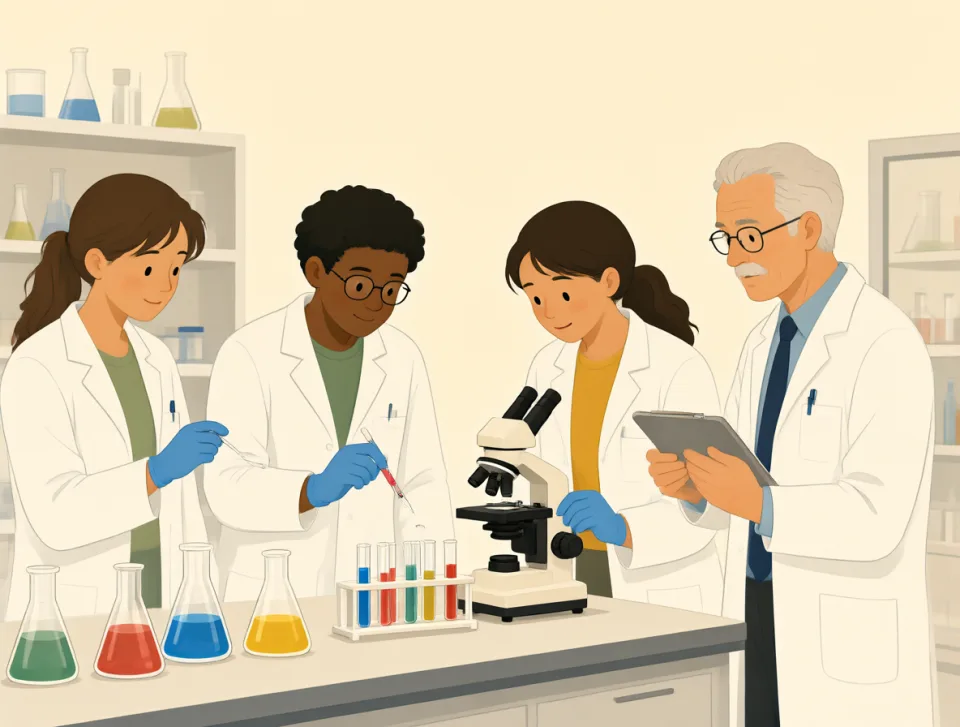
Scientists studied the mechanism behind the disease.
Naukowcy badali mechanizm rozwoju tej choroby.
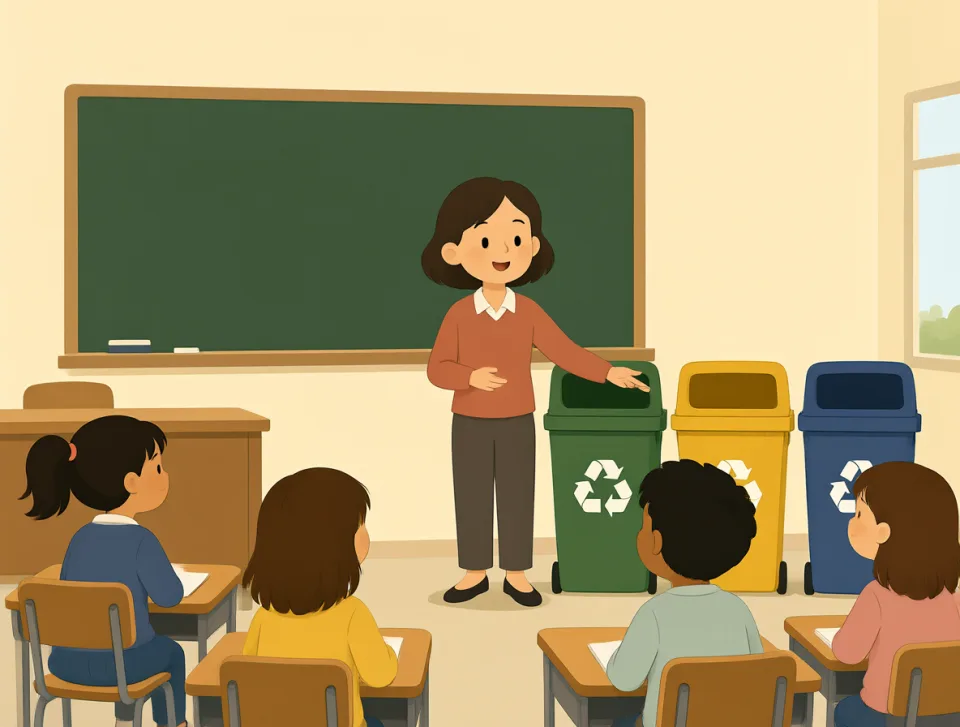
The teacher explained the mechanism of the new recycling system.
Nauczyciel wyjaśnił, jak działa nowy system recyklingu.
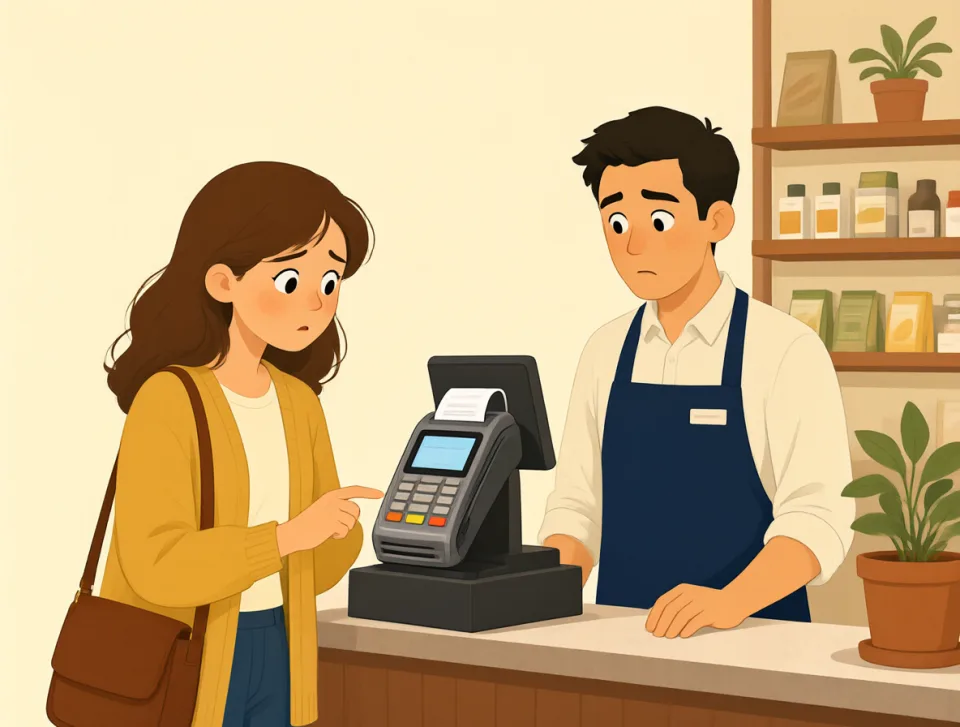
The shop's payment mechanism stopped working during checkout.
Mechanizm płatności w sklepie przestał działać podczas finalizowania zakupu.
coat
#1863noun, verb
płaszcz; pokrywać warstwą
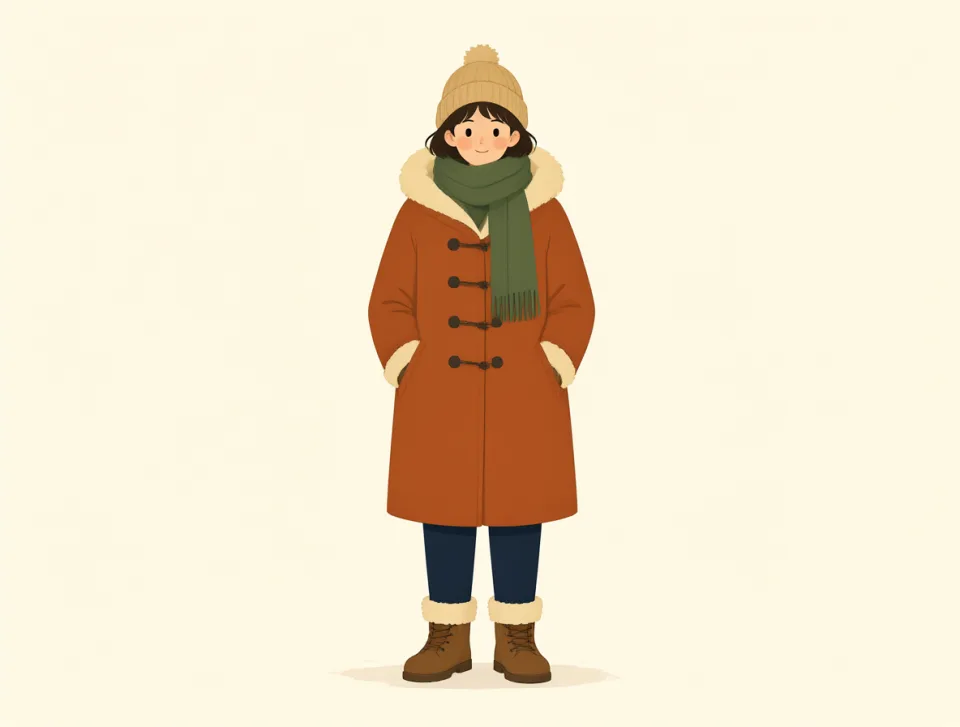
Clothing worn over other clothes; to cover something with a layer.
Ubranie noszone na wierzchu innych ubrań; pokryć coś warstwą.
Take your coat; it is cold outside.
Weź płaszcz, na dworze jest zimno.
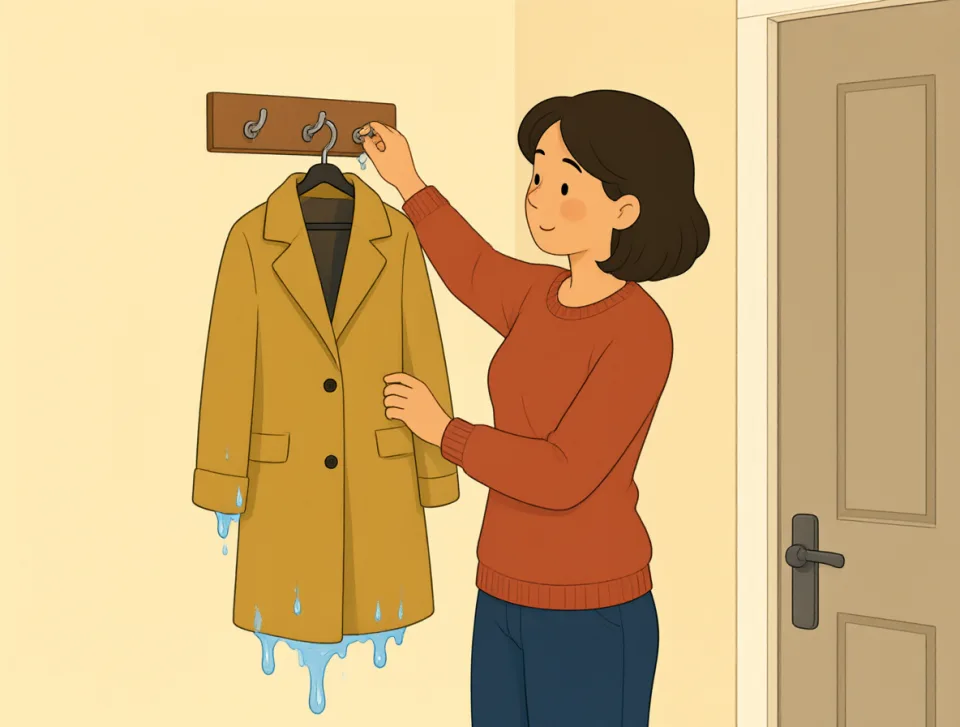
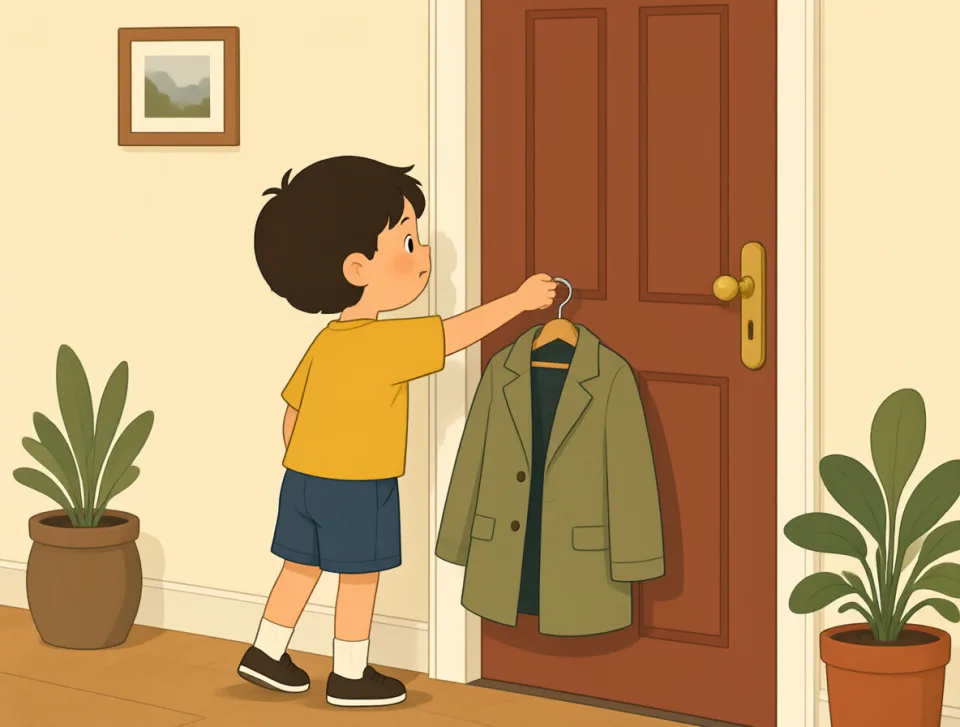
She hung her wet coat by the front door.
Powiesiła mokry płaszcz przy drzwiach wejściowych.
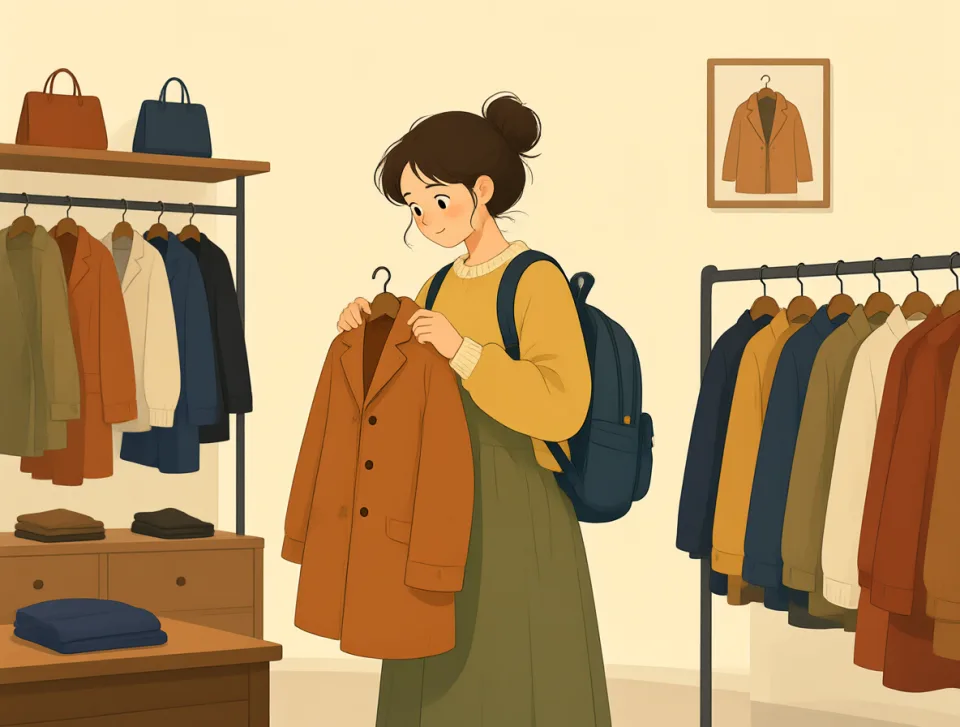
I bought a warm coat before our trip to Canada.
Przed naszą podróżą do Kanady kupiłem ciepły płaszcz.
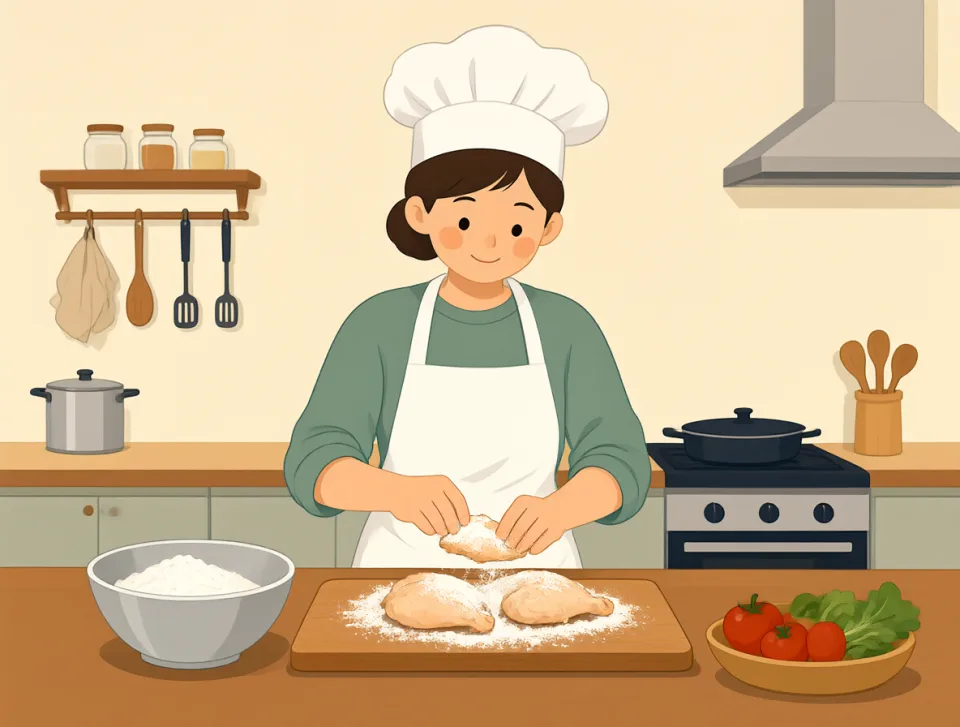
Coat the chicken with flour before frying it.
Przed smażeniem obtocz kurczaka w mące.
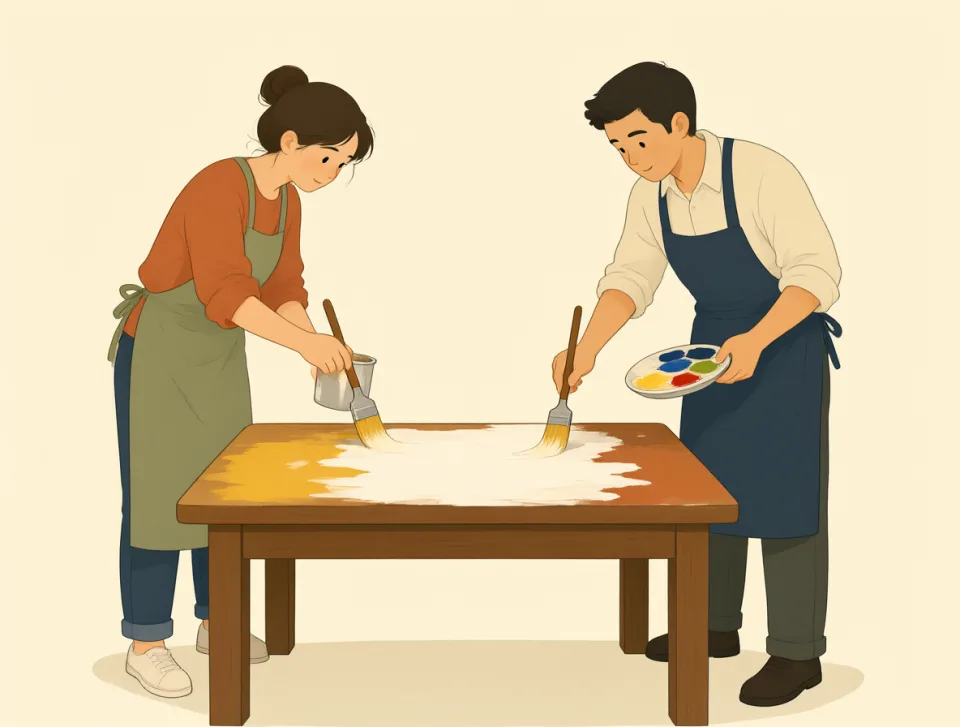
We gave the old table a fresh coat of paint.
Położyliśmy na starym stole nową warstwę farby.
democracy
#1864noun
demokracja
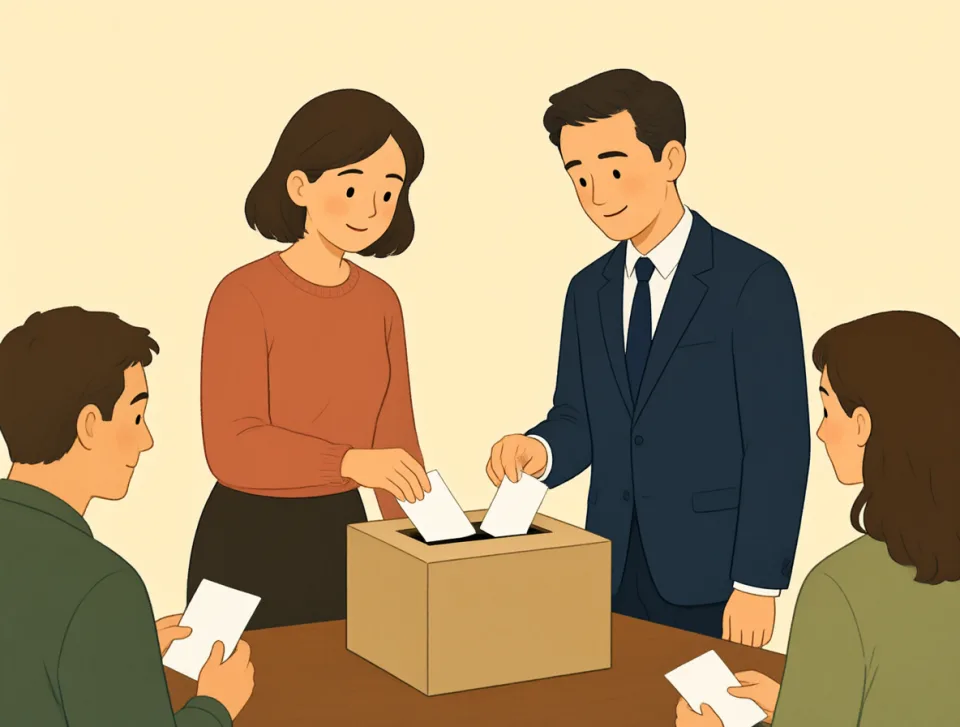
a system of government in which people choose their leaders
System rządów, w którym ludzie wybierają swoich przywódców.
In a democracy, people can vote for their leaders.
W demokracji ludzie mogą głosować na swoich przywódców.
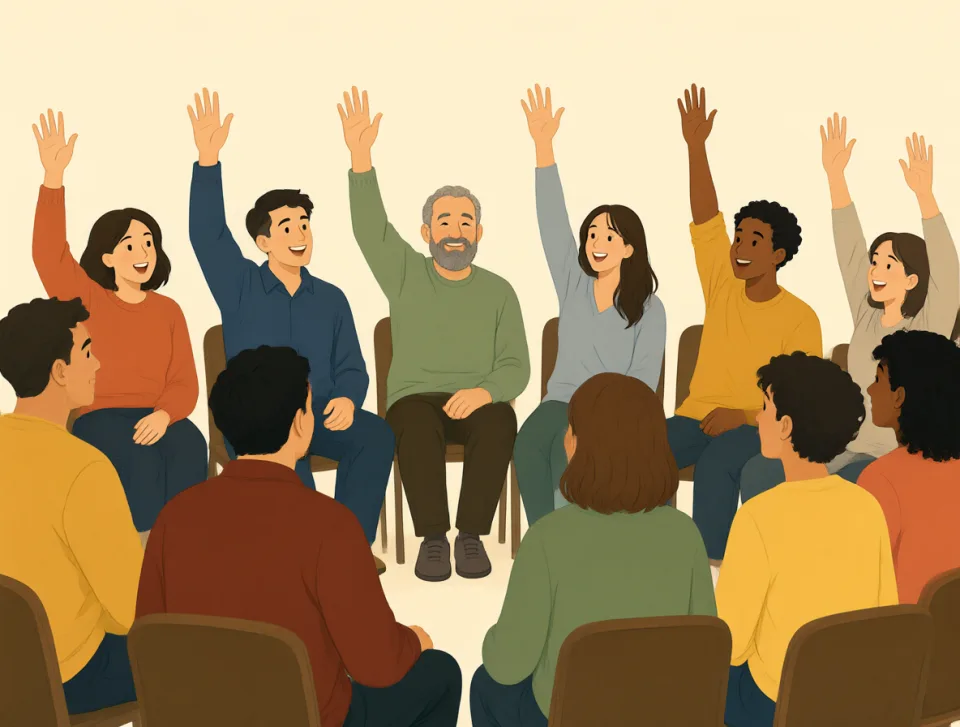
Democracy gives ordinary people a voice in government.
Demokracja daje zwykłym ludziom wpływ na rządy.
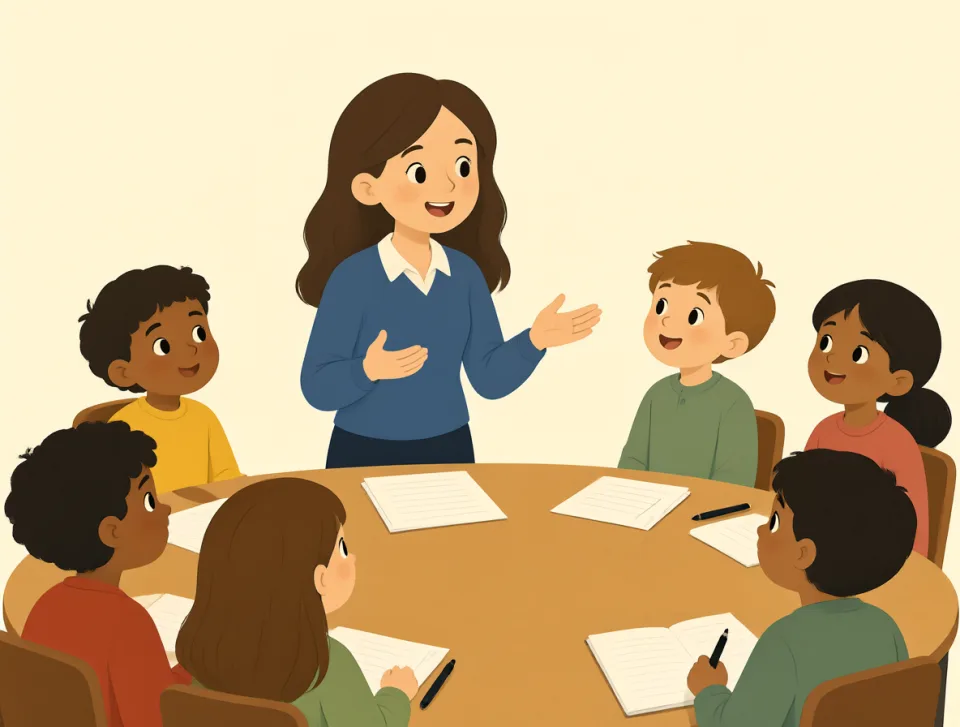
Our teacher explained democracy during social studies class.
Nasz nauczyciel wyjaśnił, czym jest demokracja, na lekcji wiedzy o społeczeństwie.
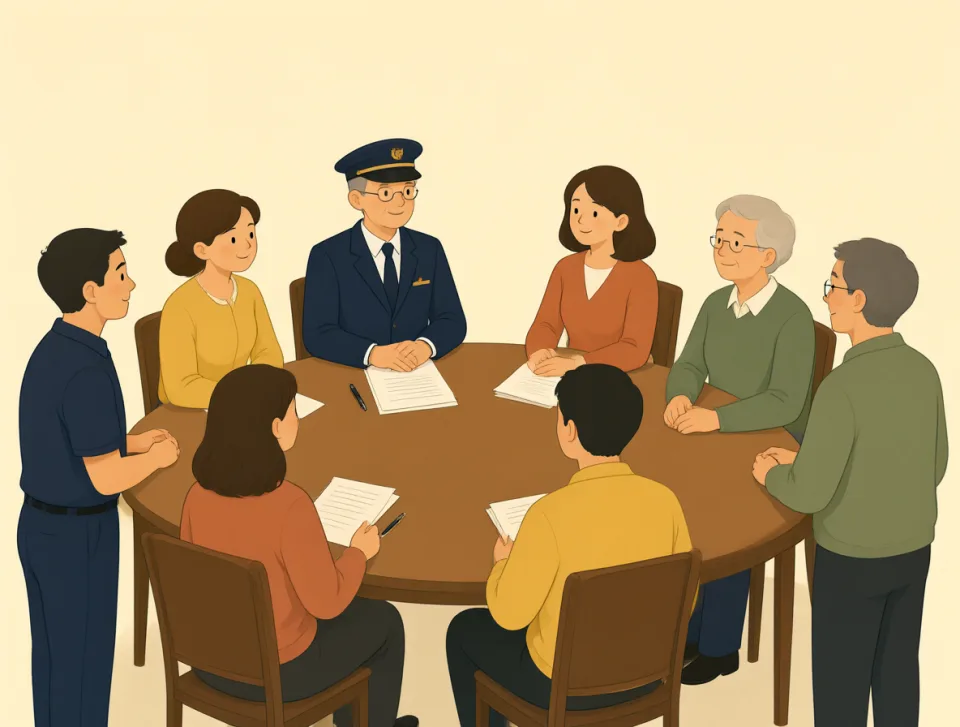
The country is working to build a strong democracy.
Kraj pracuje nad budową silnej demokracji.
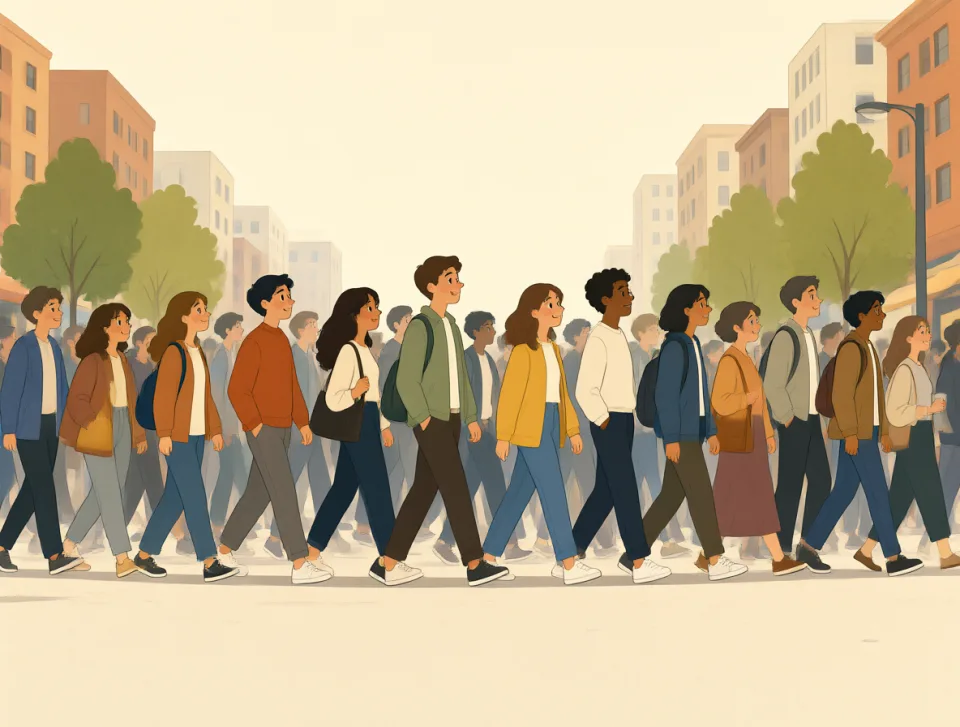
Many citizens joined the peaceful march to protect democracy.
Wielu obywateli wzięło udział w pokojowym marszu w obronie demokracji.
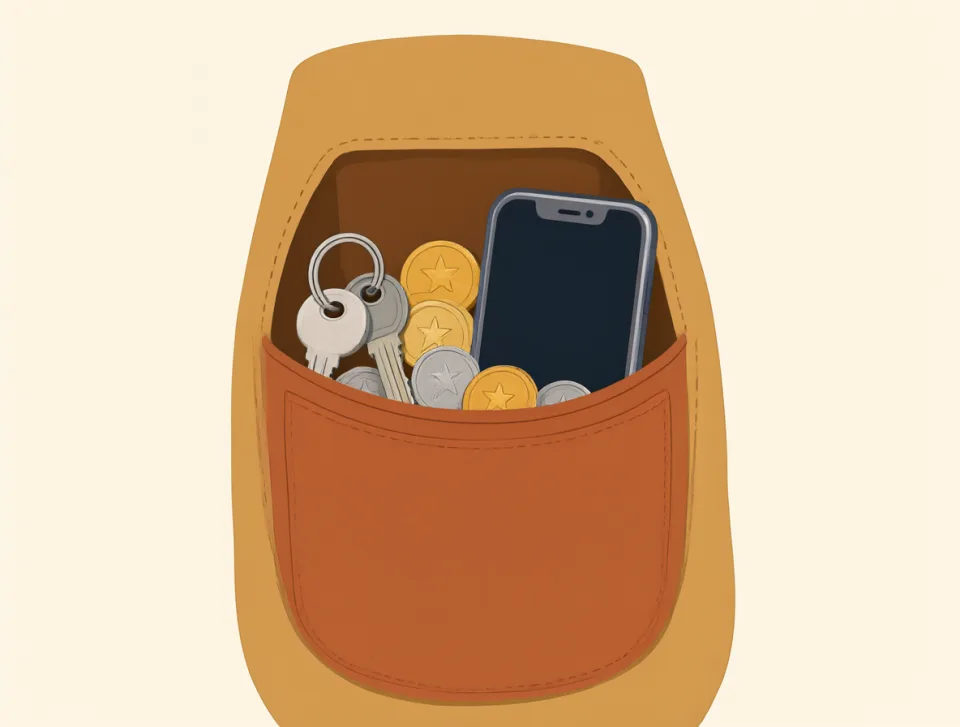
pocket
#1865noun, verb
kieszeń; schować do kieszeni
A small bag sewn into clothing for carrying things; to put something in it.
Mała kieszeń przyszyta do ubrania, służąca do noszenia różnych rzeczy; włożyć coś do kieszeni.
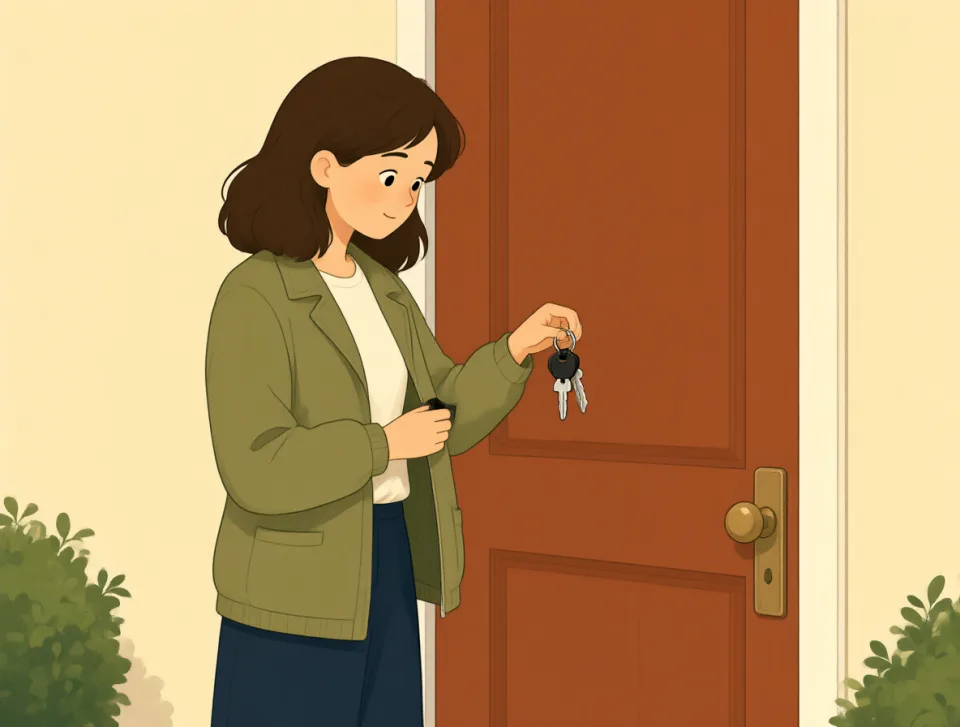
She put her keys in her pocket before leaving home.
Przed wyjściem z domu schowała klucze do kieszeni.
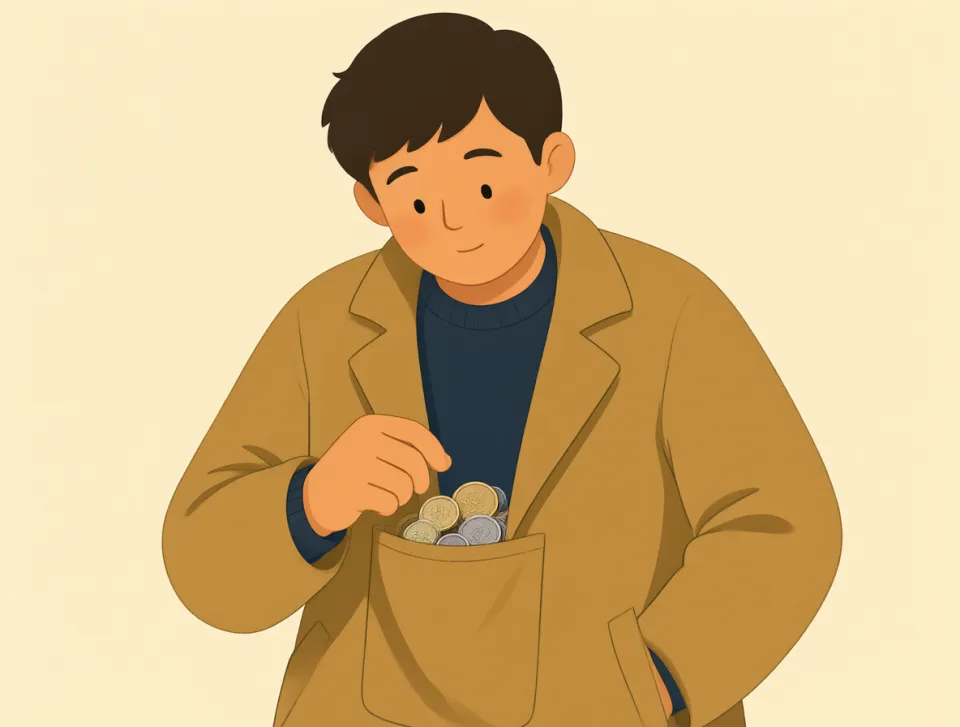
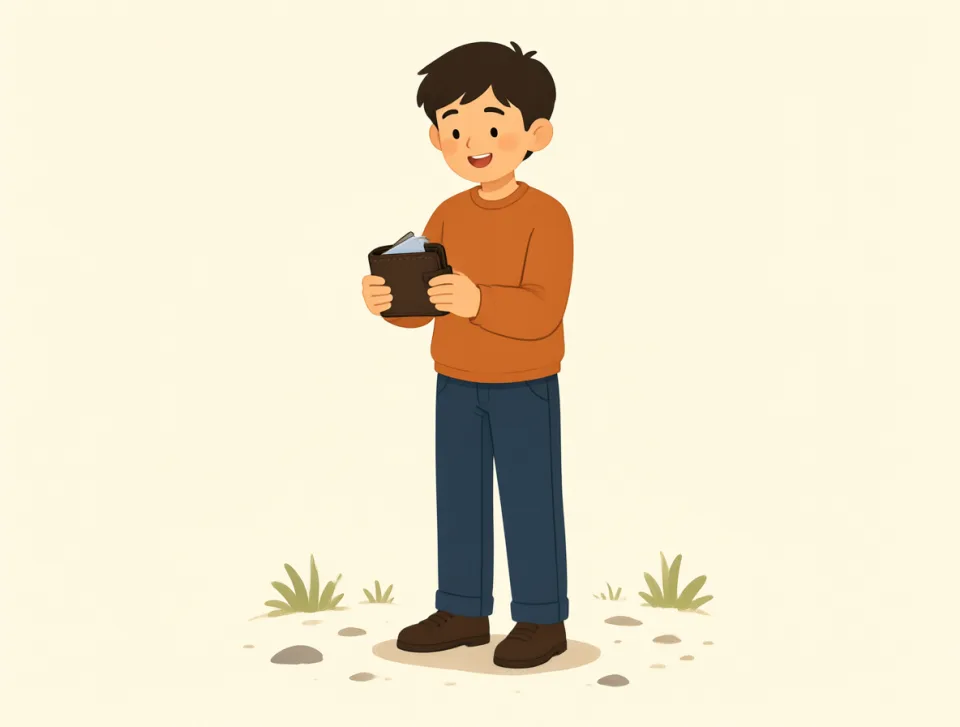
I found some coins in my coat pocket.
Znalazłem kilka monet w kieszeni płaszcza.
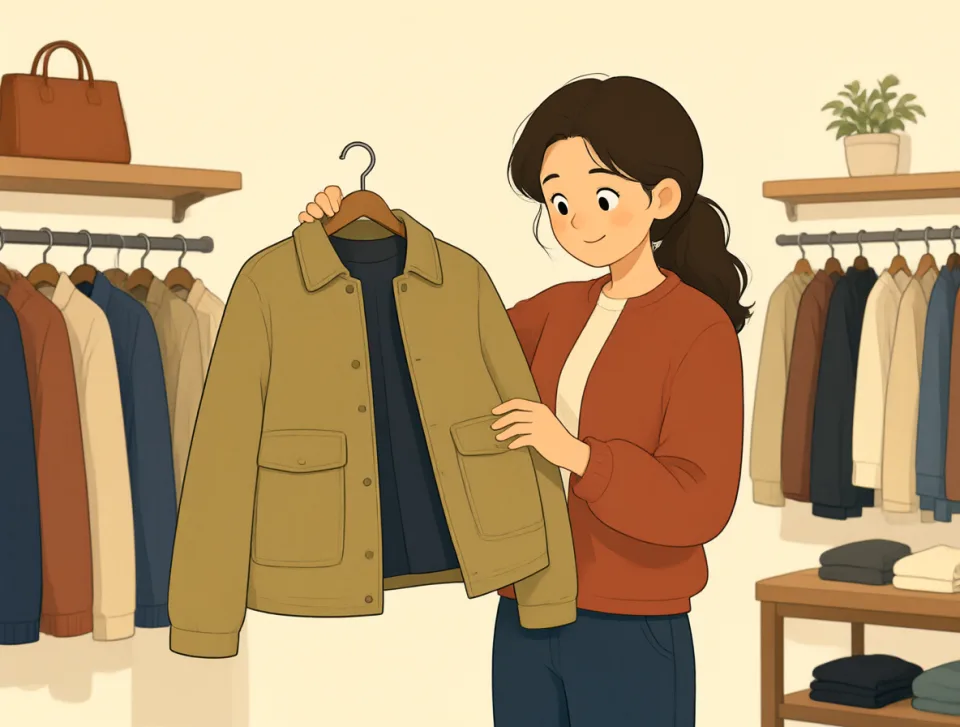
This jacket has deep pockets for carrying your phone.
Ta kurtka ma głębokie kieszenie, w których można nosić telefon.
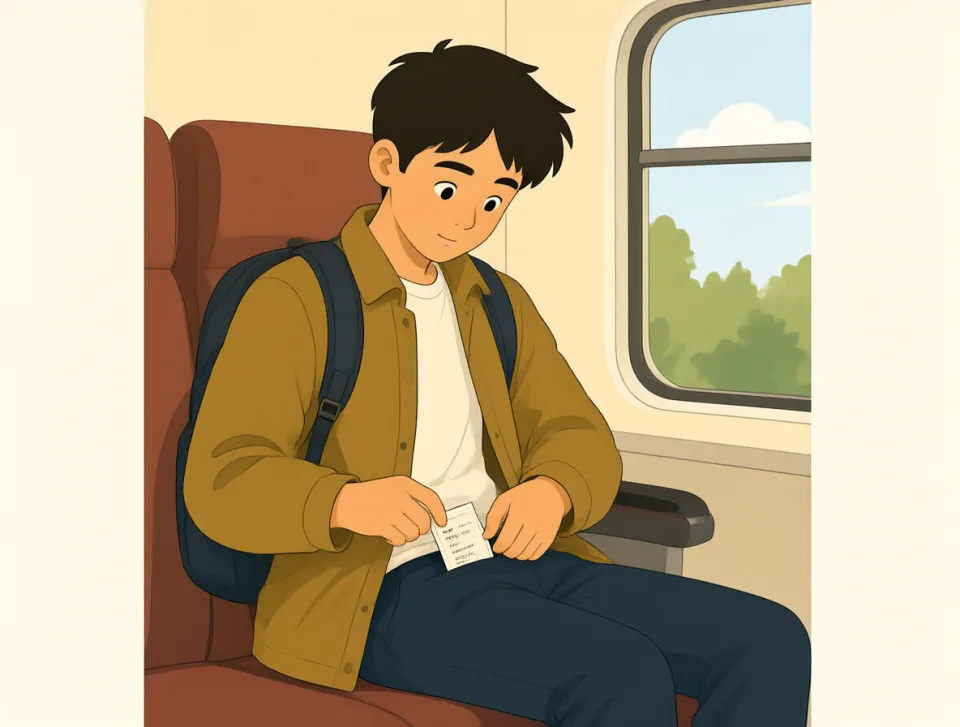
He kept the train ticket in his pocket during the journey.
Podczas podróży trzymał bilet na pociąg w kieszeni.
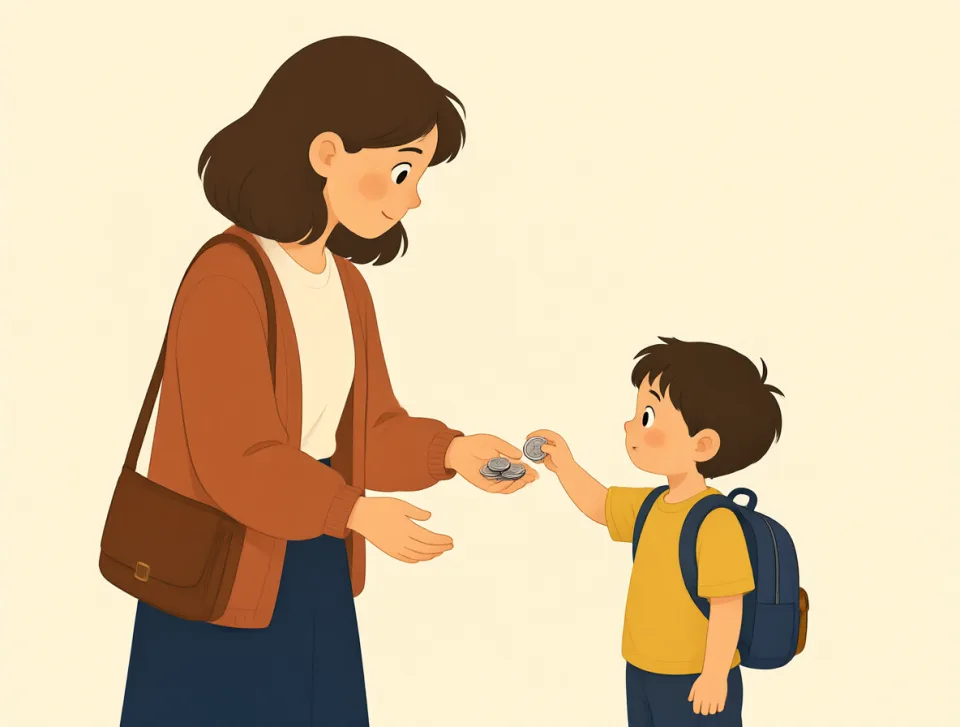
The doctor gave her some pocket money for lunch.
Lekarz dał jej trochę pieniędzy na lunch.
lucky
#1866adjective
szczęśliwy
Having good things happen by chance.
Gdy przypadkiem przydarzają się dobre rzeczy.
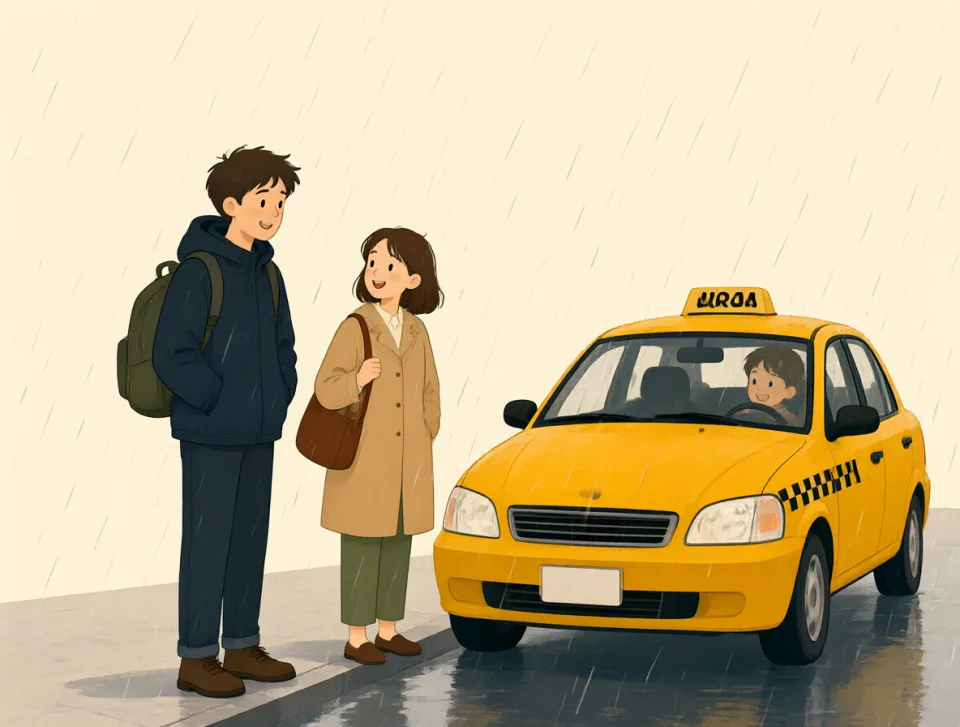
We were lucky to find a taxi in the rain.
Mieliśmy szczęście znaleźć taksówkę w deszczu.
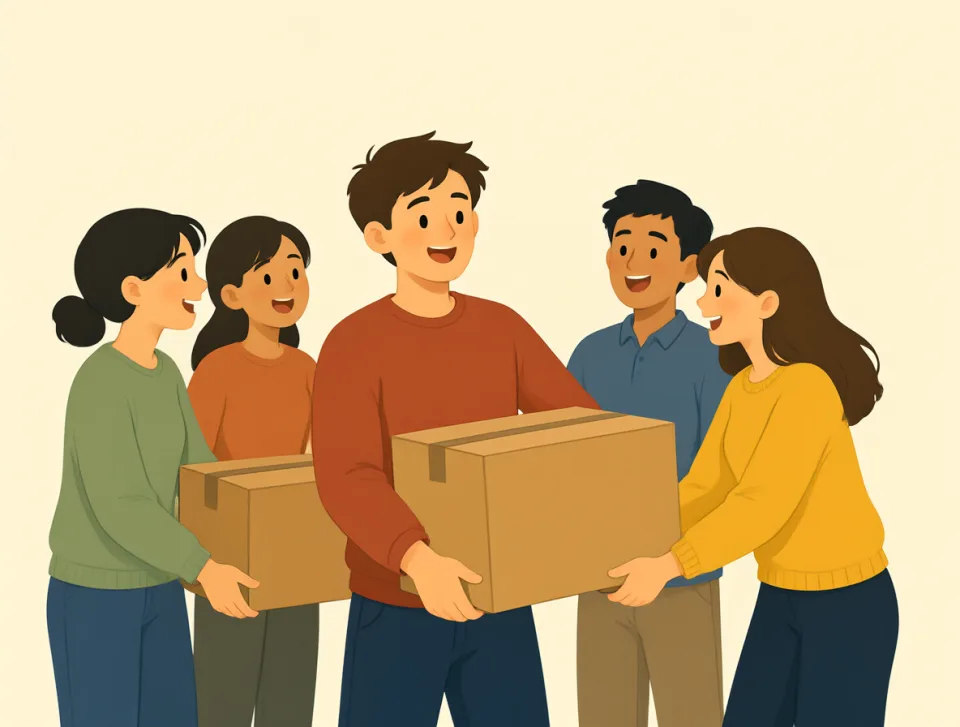
You are lucky to have such kind friends.
Masz szczęście, że masz tak życzliwych przyjaciół.
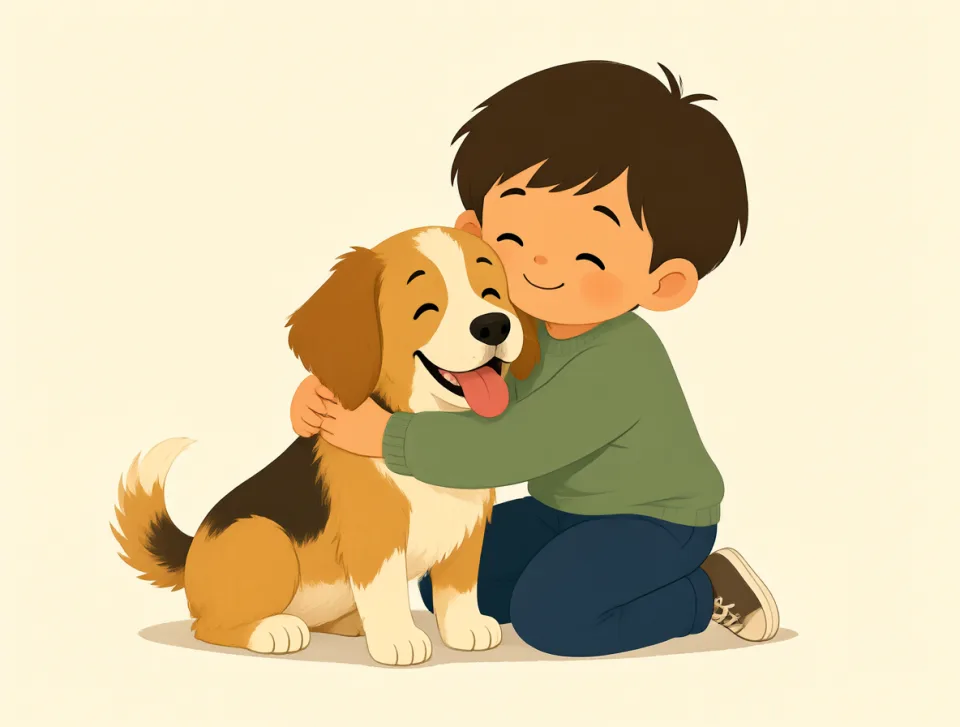
I felt lucky when my lost dog came home.
Poczułem się szczęśliwy, gdy mój zaginiony pies wrócił do domu.
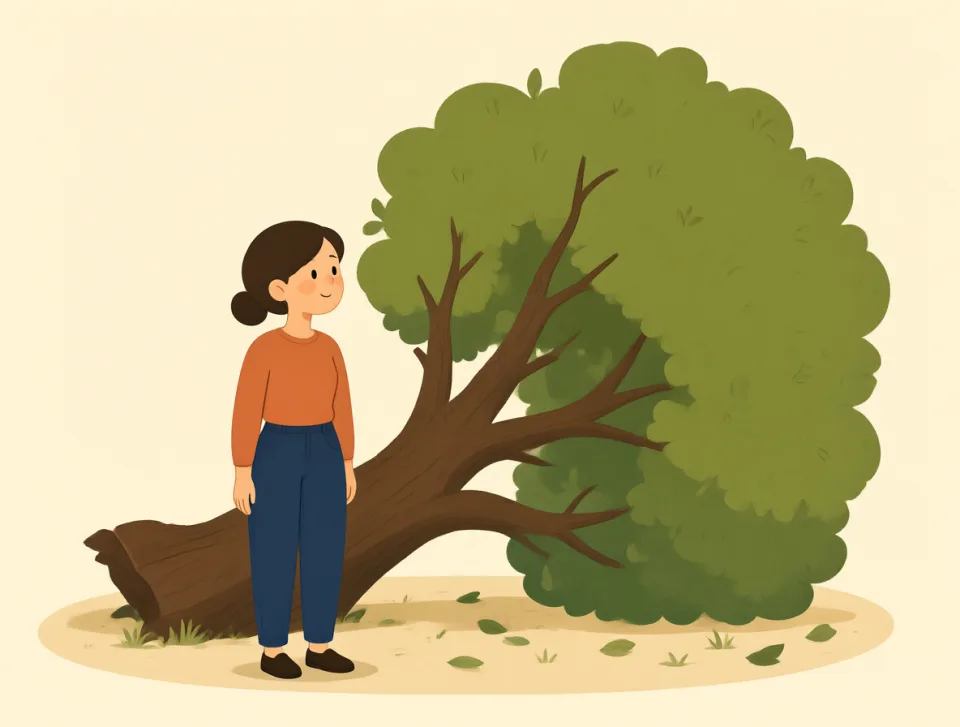
She had a lucky escape from the falling tree.
Cudem uniknęła obrażeń, gdy spadało drzewo.

He chose a lucky number and won the prize.
Wybrał szczęśliwy numer i wygrał nagrodę.
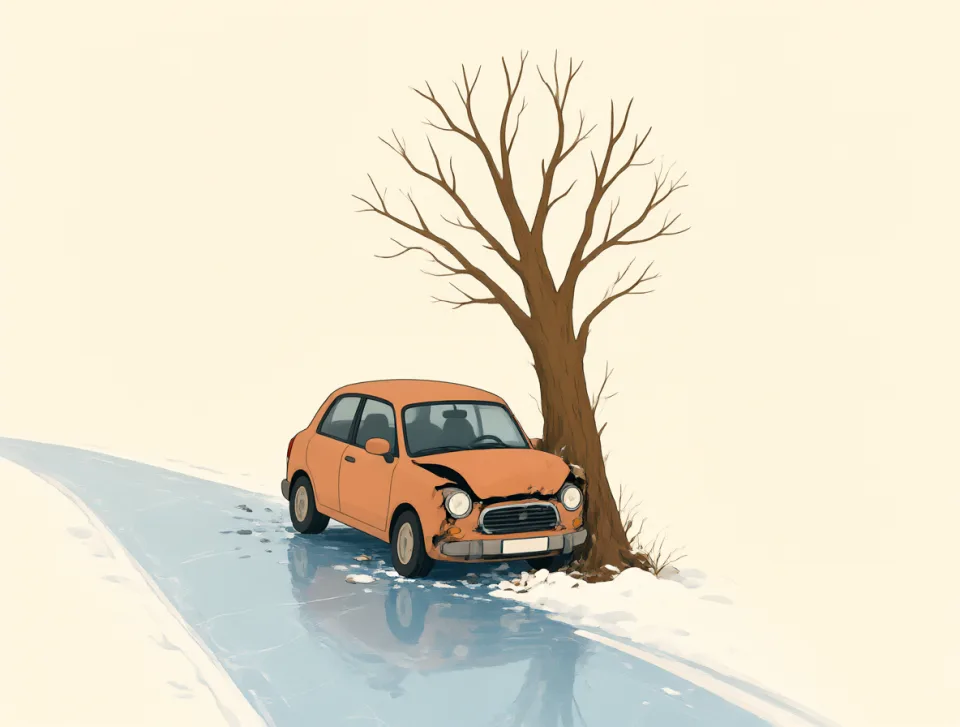
crash
#1867noun, verb
wypadek; rozbić się
A hard collision, or to hit something, stop working, or sleep somewhere unexpectedly.
Zderzenie z dużą siłą; także uderzyć w coś, przestać działać lub niespodziewanie gdzieś zasnąć.
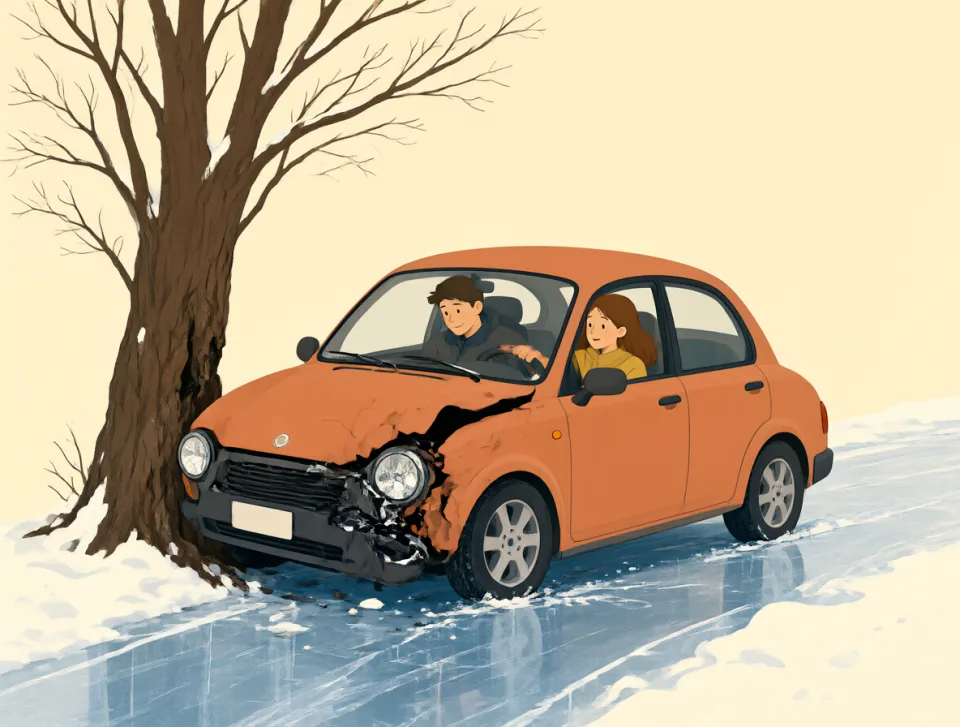
The car crashed into a tree on the icy road.
Samochód uderzył w drzewo na oblodzonej drodze.
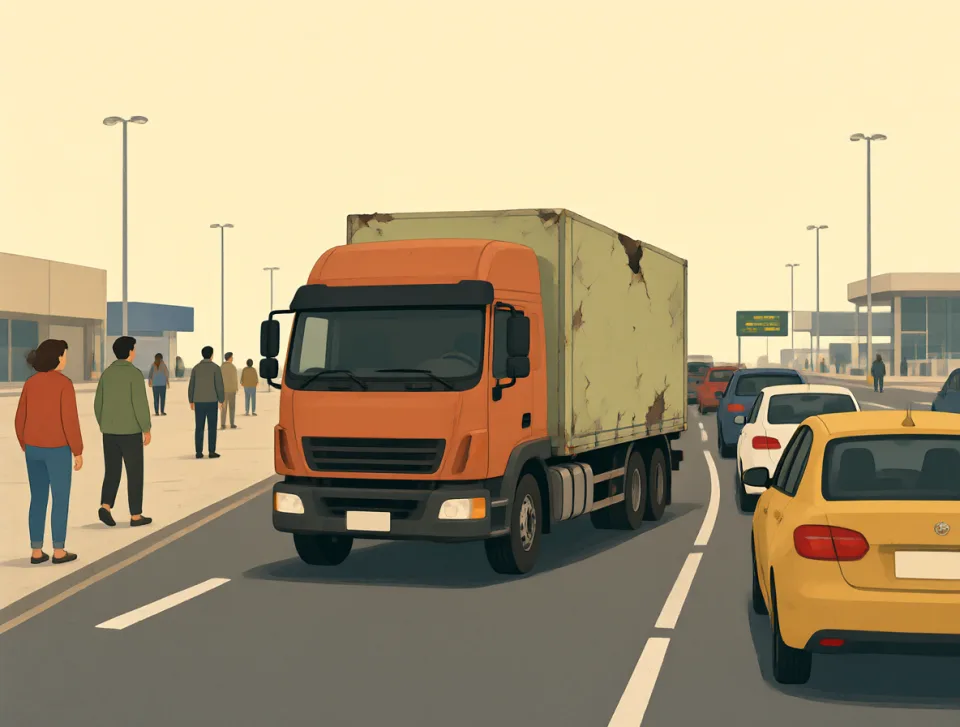
A truck crash blocked traffic near the airport this morning.
Wypadek z udziałem ciężarówki zablokował dziś rano ruch w pobliżu lotniska.
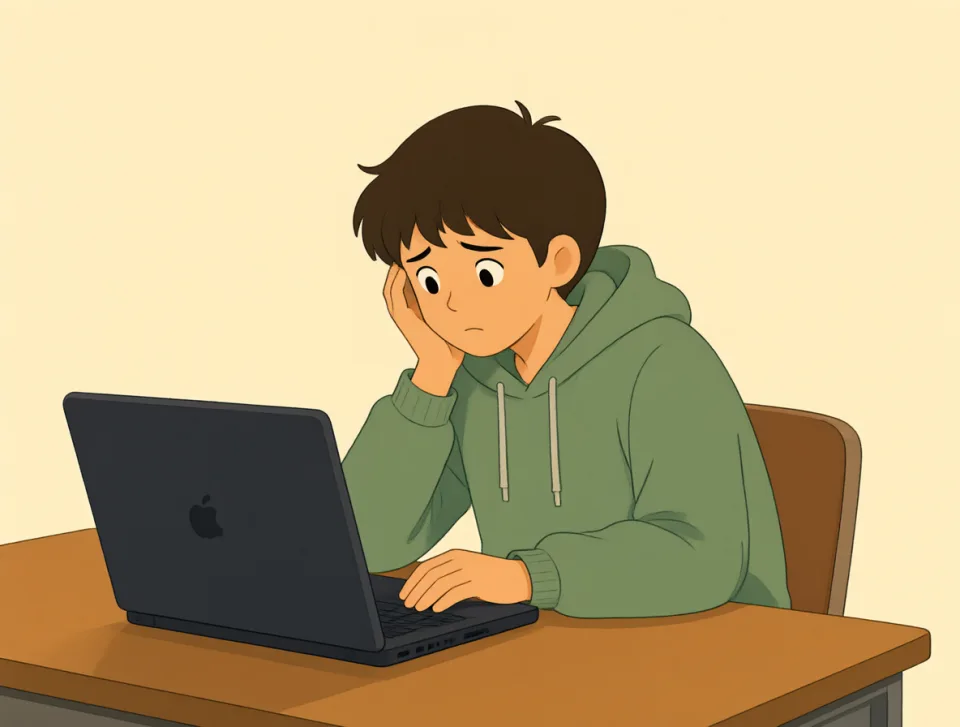
My computer crashed while I was finishing my homework.
Mój komputer zawiesił się, gdy kończyłem pracę domową.
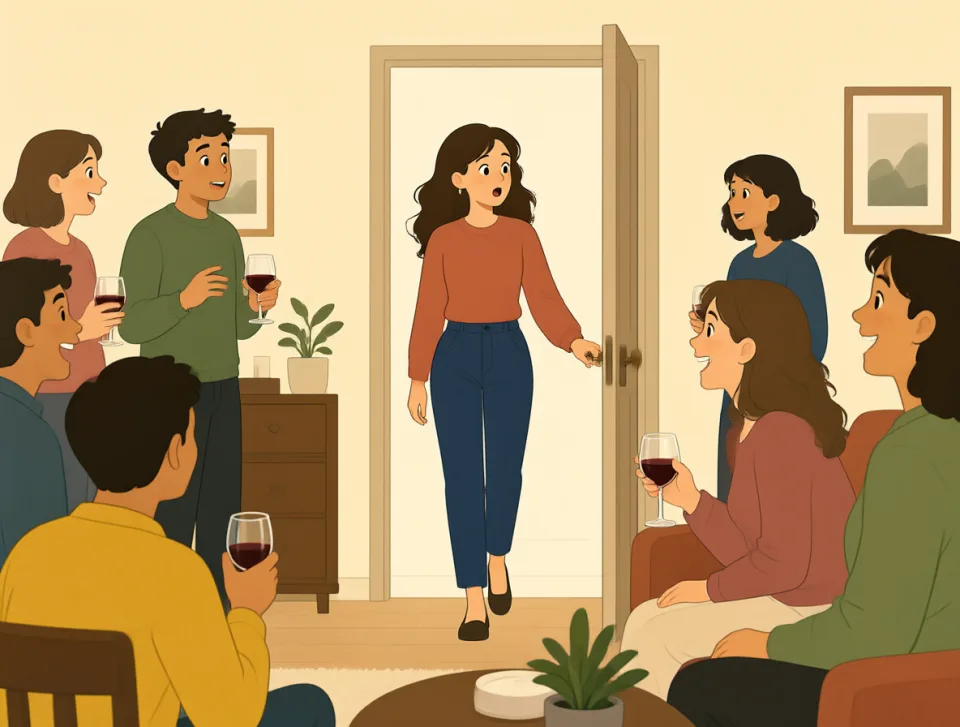
She crashed the party without knowing anyone there.
Wbiła się na imprezę, choć nikogo tam nie znała.
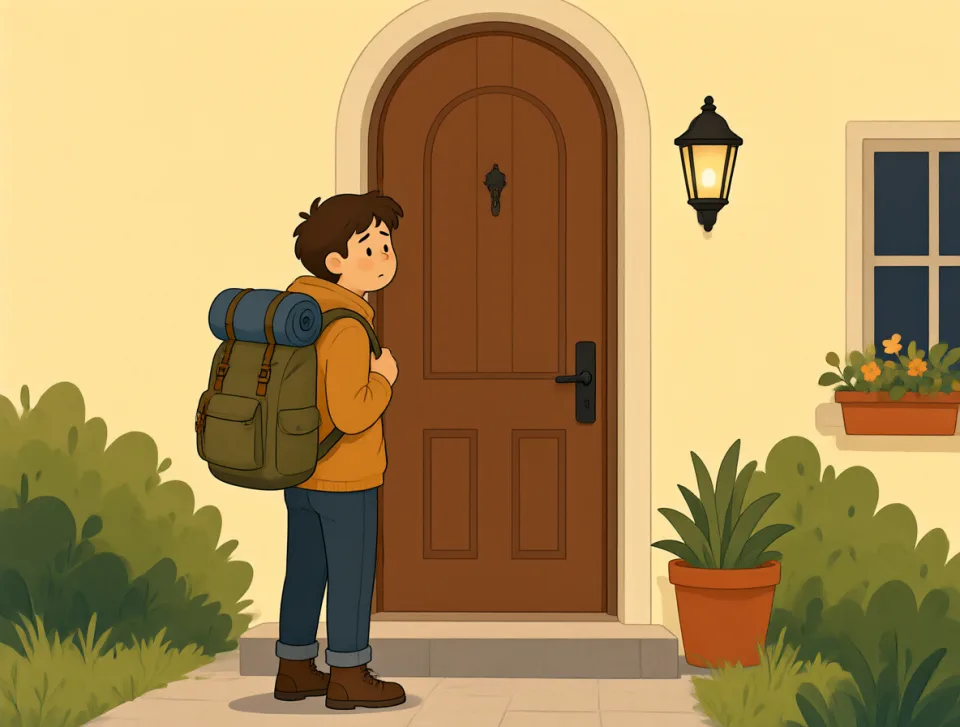
Can I crash at your place tonight?
Mogę dziś przenocować u ciebie?
observation
#1868noun
spostrzeżenie; obserwacja
something you notice, or a comment about what you have noticed
Coś, co zauważasz, lub komentarz na temat tego, co udało ci się zauważyć.
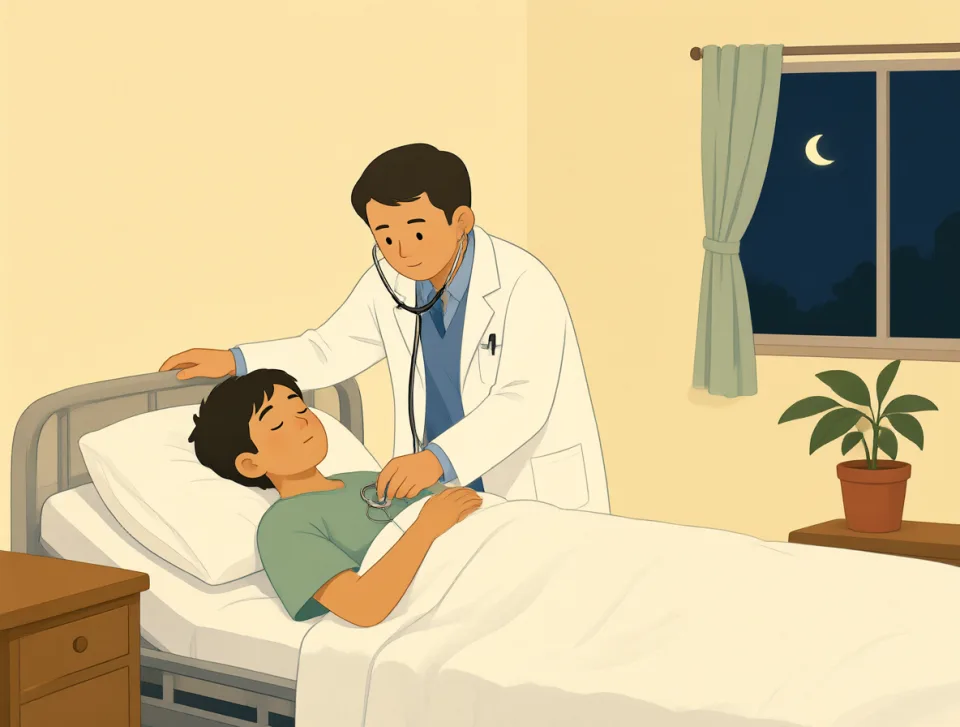
The doctor kept the patient under observation overnight.
Lekarz pozostawił pacjenta na noc pod obserwacją.
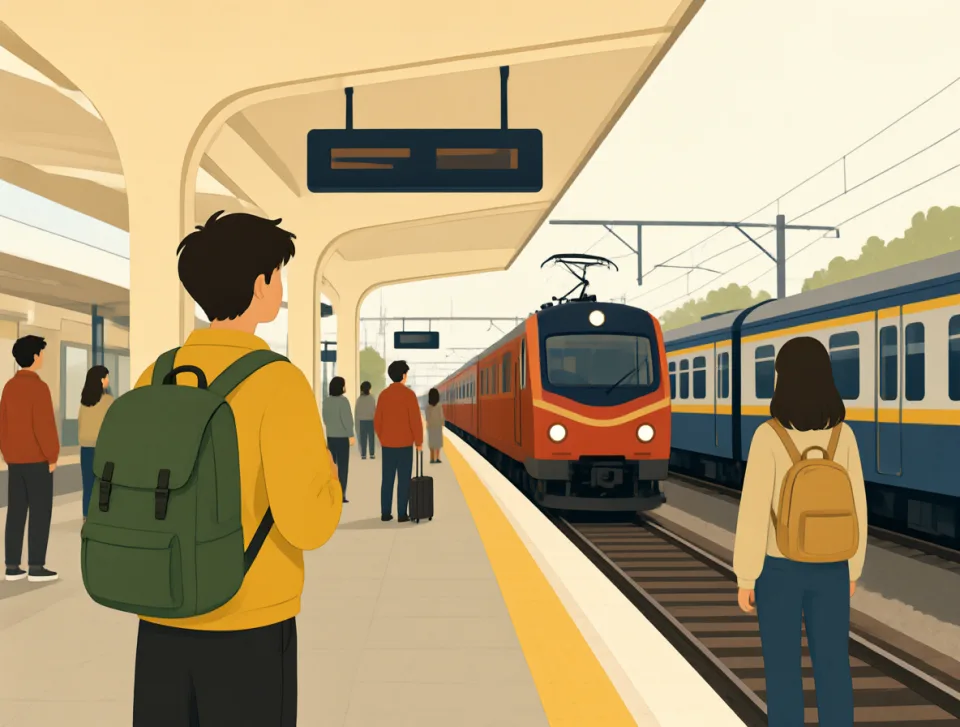
I made an interesting observation while waiting for the train.
Poczekawszy na pociąg, poczyniłem ciekawą obserwację.
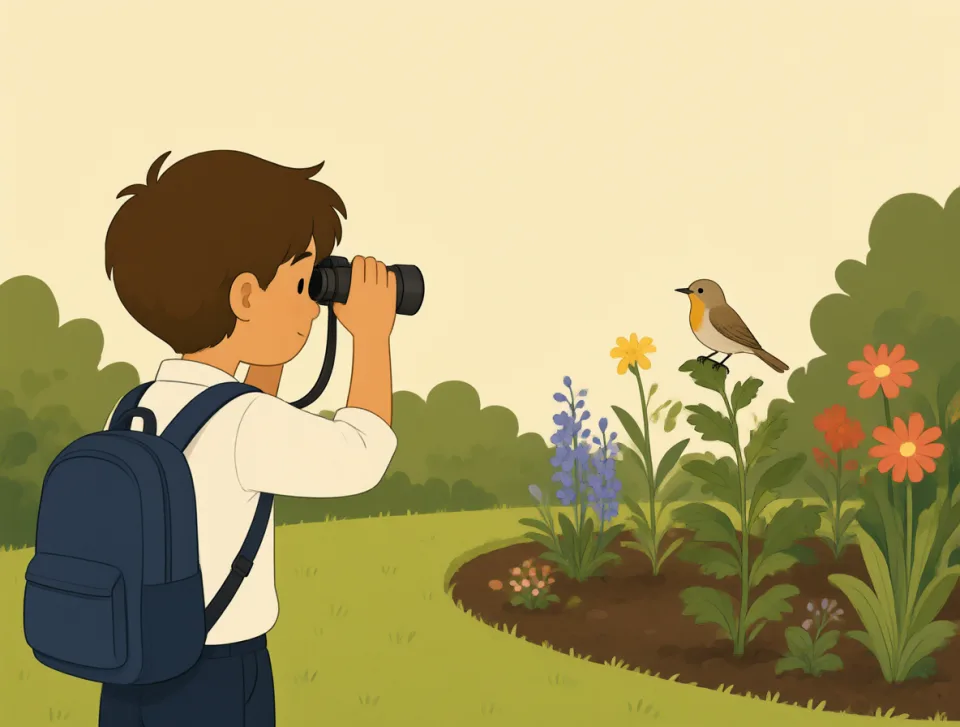
The teacher praised her careful observation of the bird.
Nauczycielka pochwaliła ją za uważną obserwację ptaka.
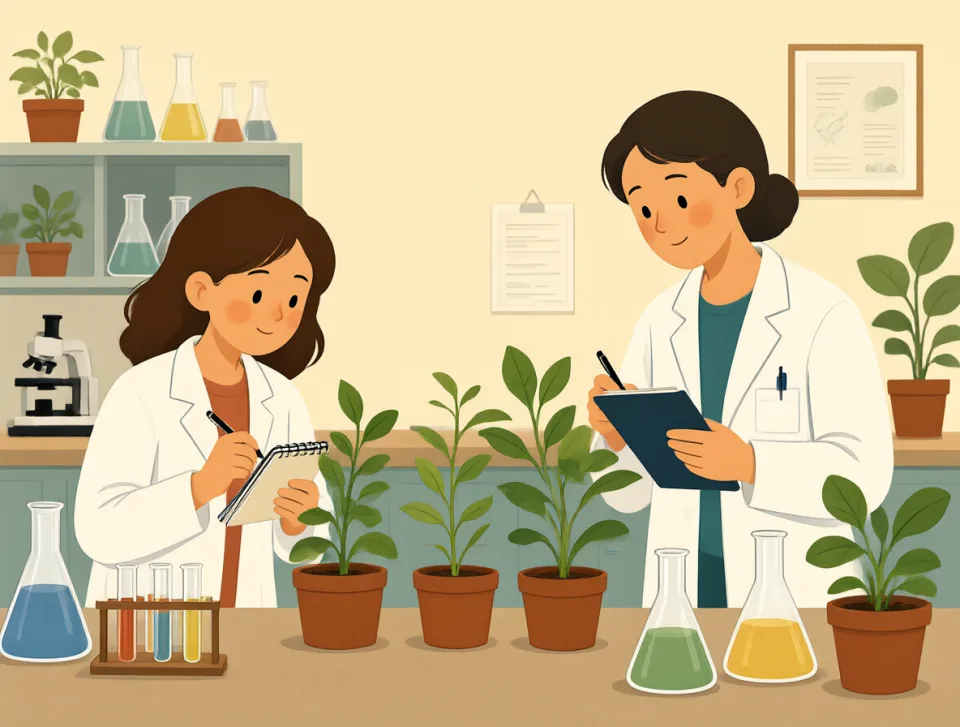
Scientists recorded their observations of the plants every morning.
Naukowcy codziennie rano zapisywali swoje obserwacje roślin.
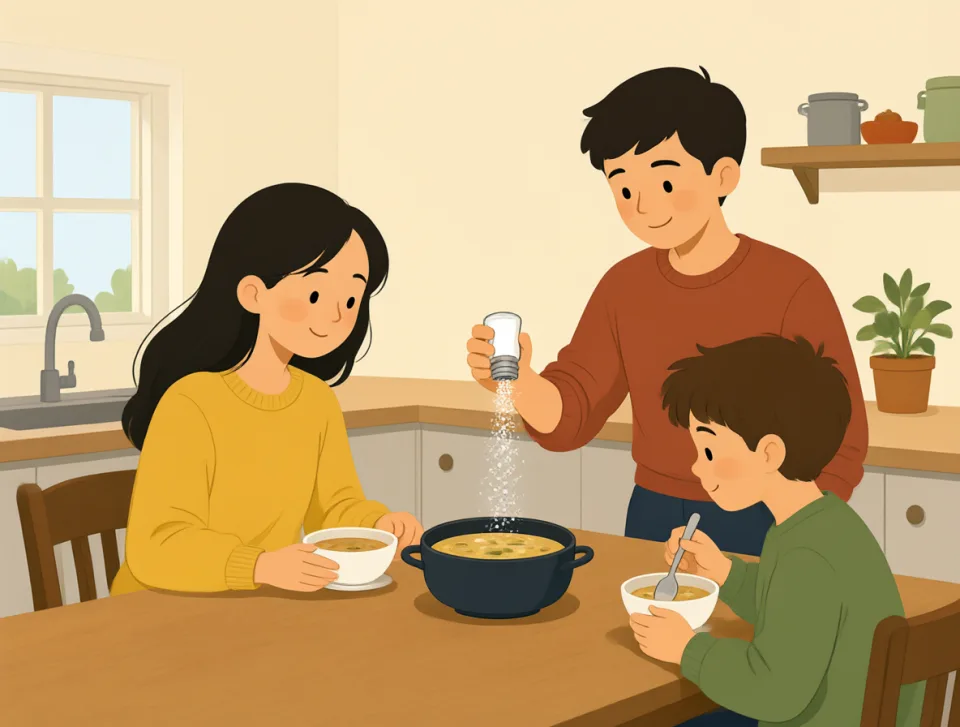
His observation that the soup needed salt was exactly right.
Jego uwaga, że zupa potrzebuje soli, była całkowicie słuszna.
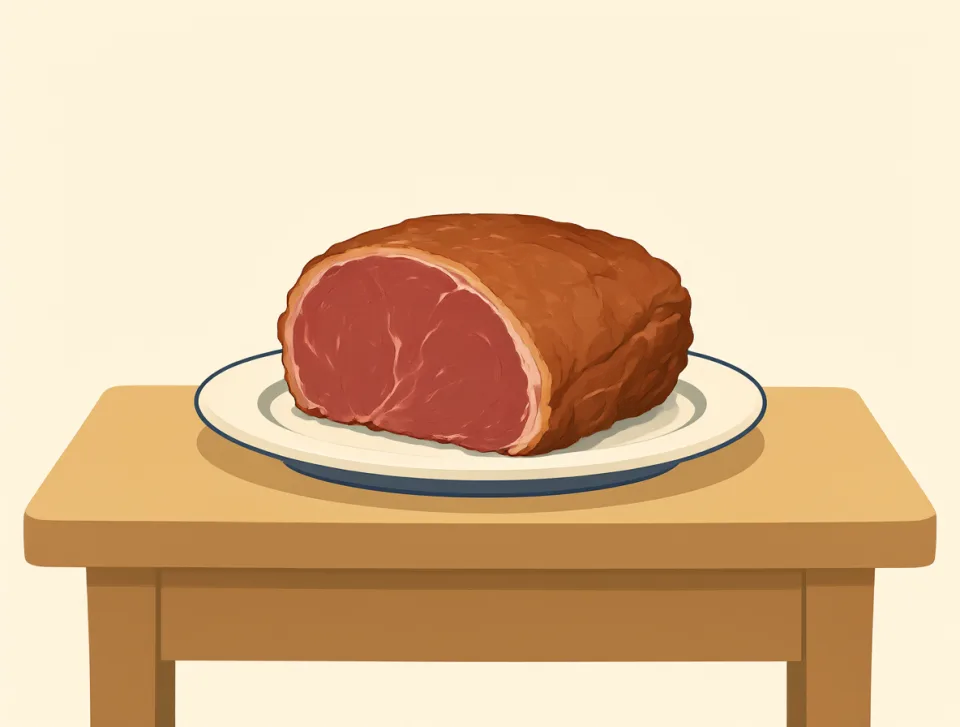
meat
#1869noun
mięso
The flesh of animals used as food.
Mięso zwierząt wykorzystywane jako pożywienie.
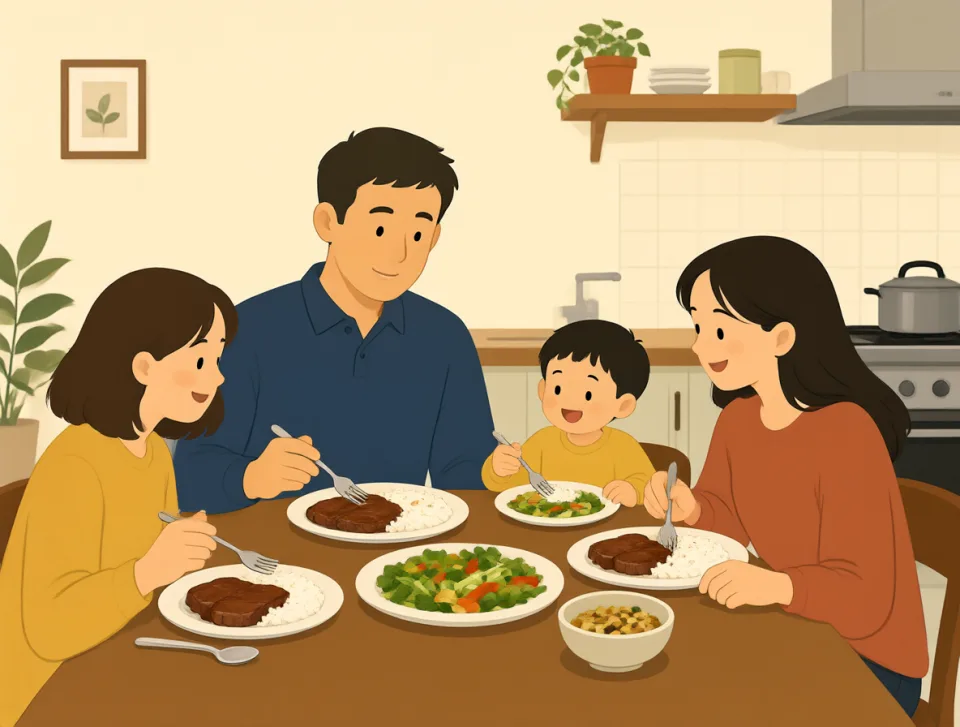
We usually eat meat with rice and vegetables.
Zazwyczaj jemy mięso z ryżem i warzywami.
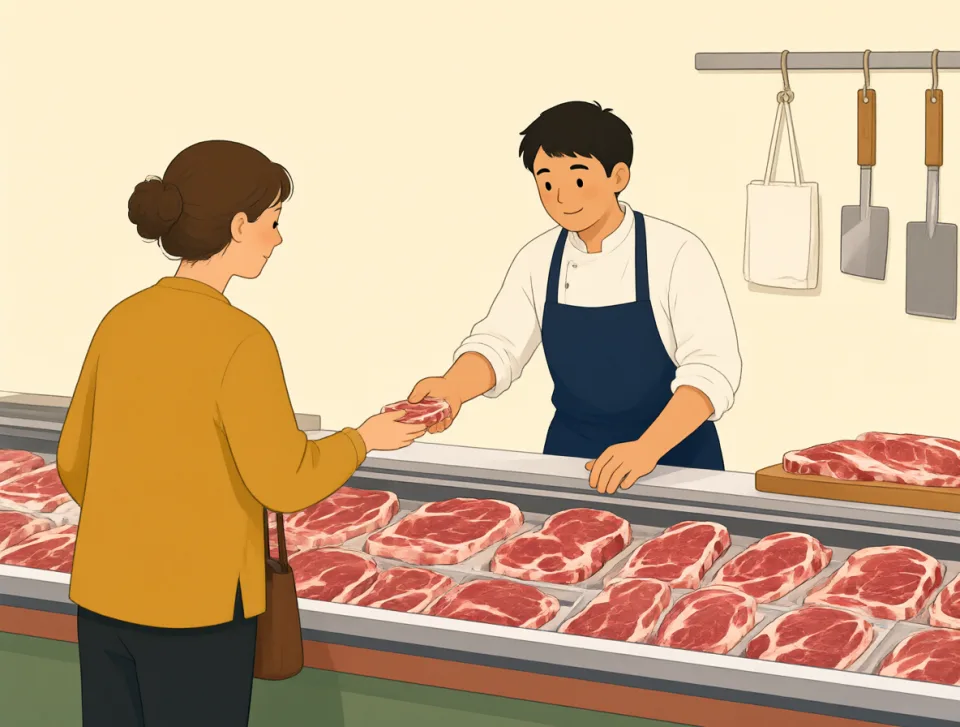
This shop sells fresh meat every morning.
Ten sklep codziennie rano sprzedaje świeże mięso.
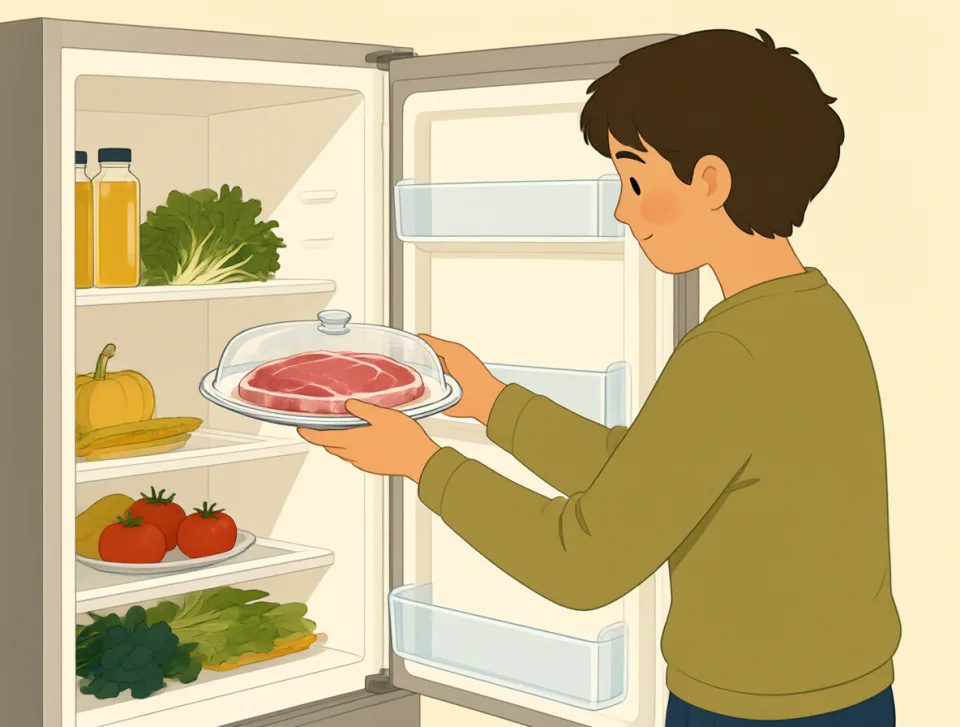
Please keep the raw meat in the fridge.
Proszę przechowywać surowe mięso w lodówce.
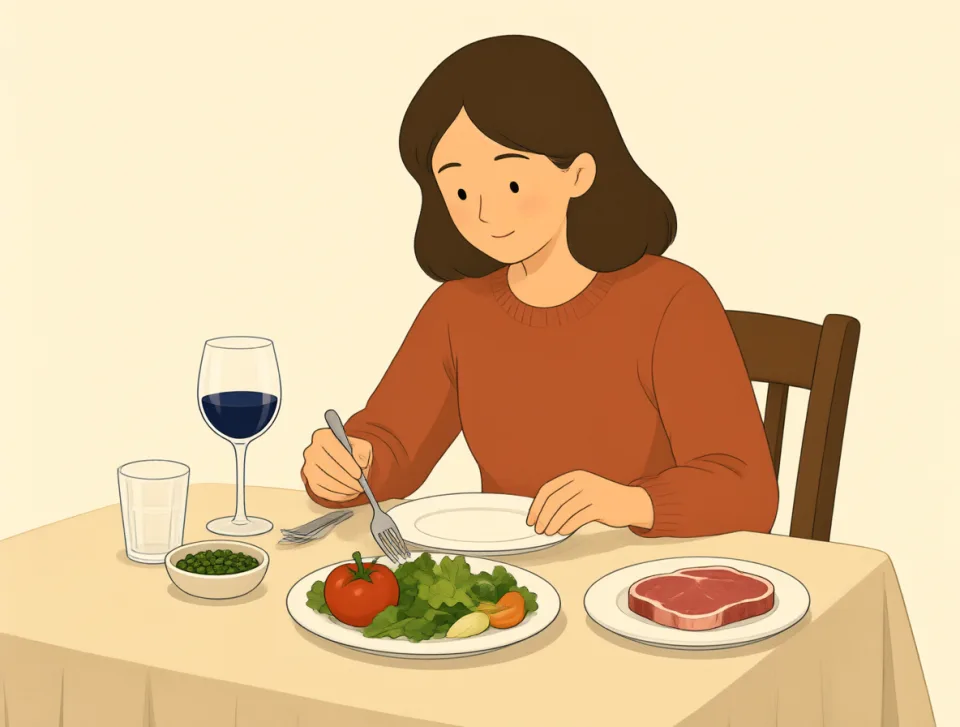
She does not eat meat because she is vegetarian.
Ona nie je mięsa, ponieważ jest wegetarianką.
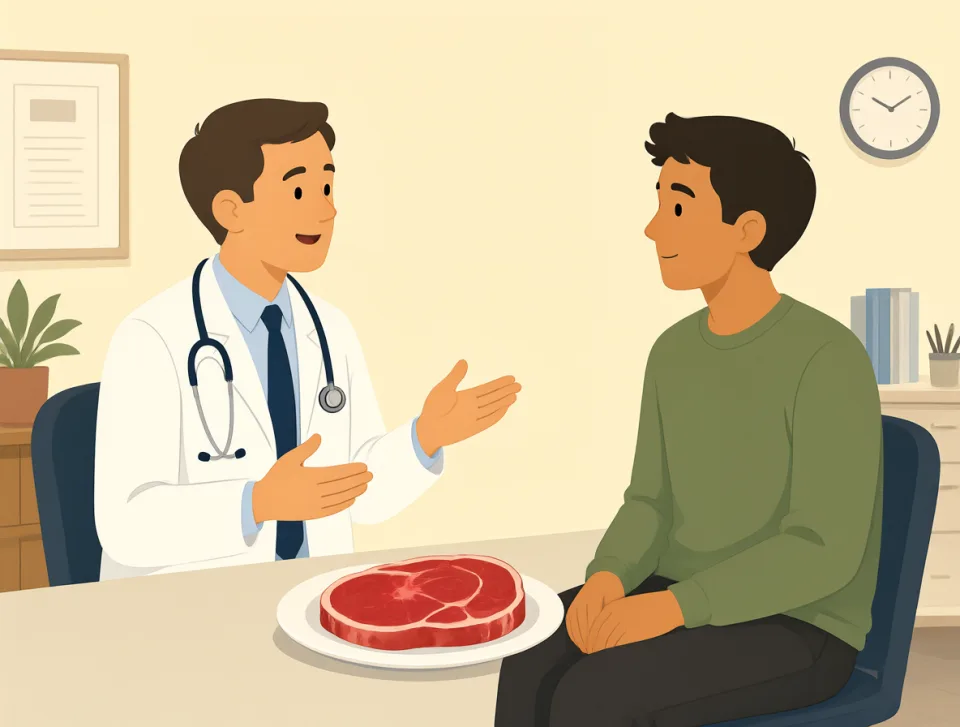
The doctor told him to eat less red meat.
Lekarz kazał mu jeść mniej czerwonego mięsa.
concentration
#1870noun
koncentracja
The ability to think carefully without being distracted.
Umiejętność uważnego myślenia bez rozpraszania się.
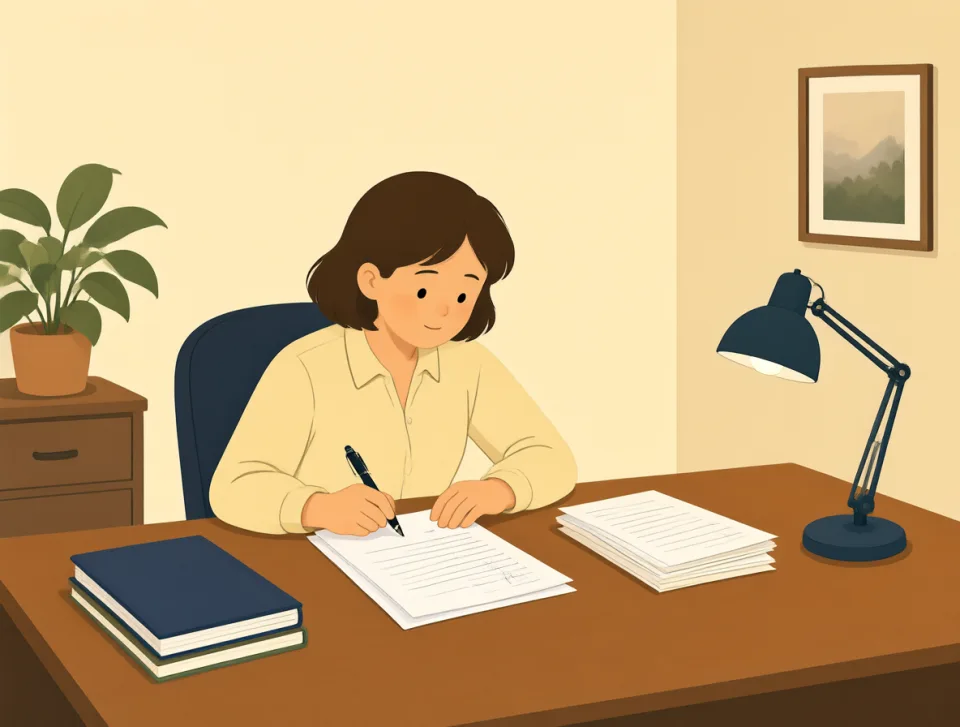
I need complete concentration to finish this difficult report.
Żeby dokończyć ten trudny raport, muszę się całkowicie skoncentrować.
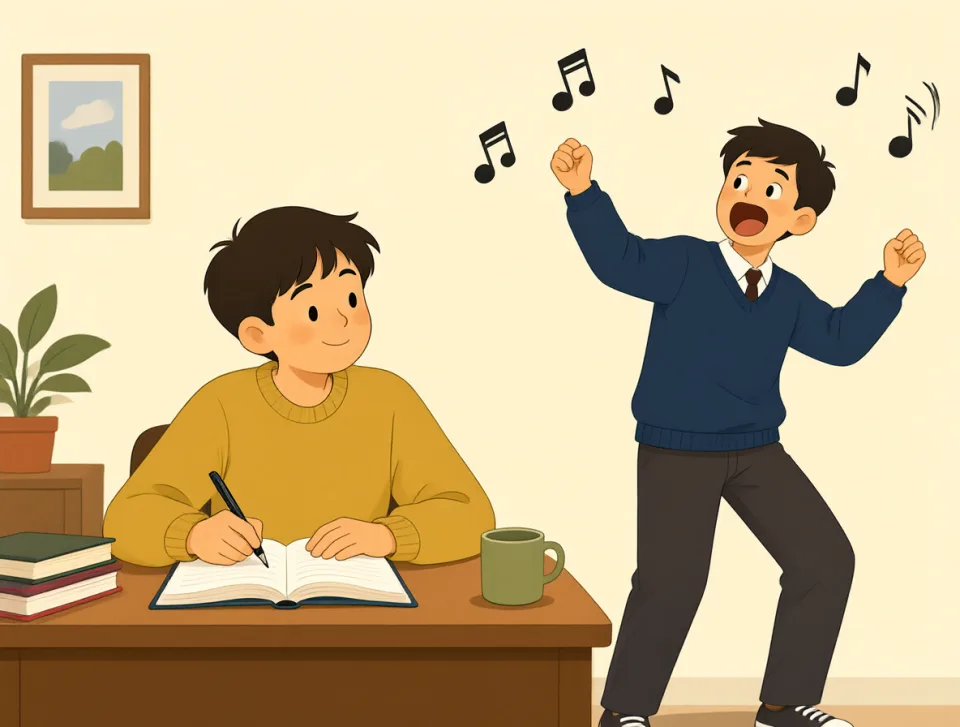
The loud music made concentration difficult during my homework.
Głośna muzyka utrudniała mi koncentrację podczas odrabiania pracy domowej.
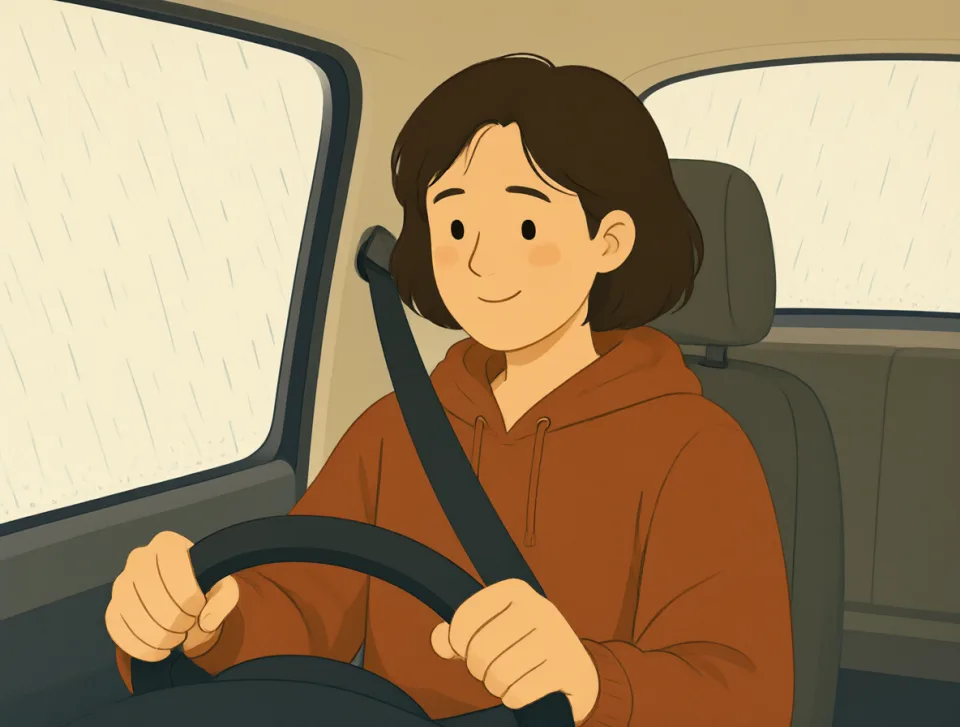
Please drive slowly because the heavy rain requires extra concentration.
Proszę jechać powoli, ponieważ ulewny deszcz wymaga większej koncentracji.
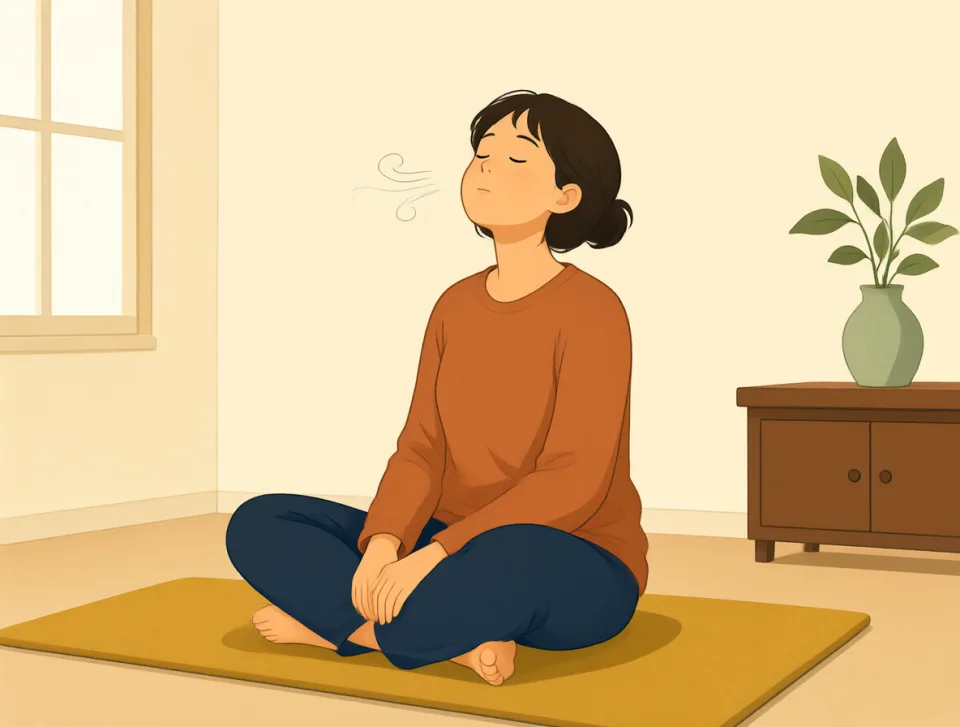
Yoga and deep breathing can improve your concentration.
Joga i głębokie oddychanie mogą poprawić koncentrację.
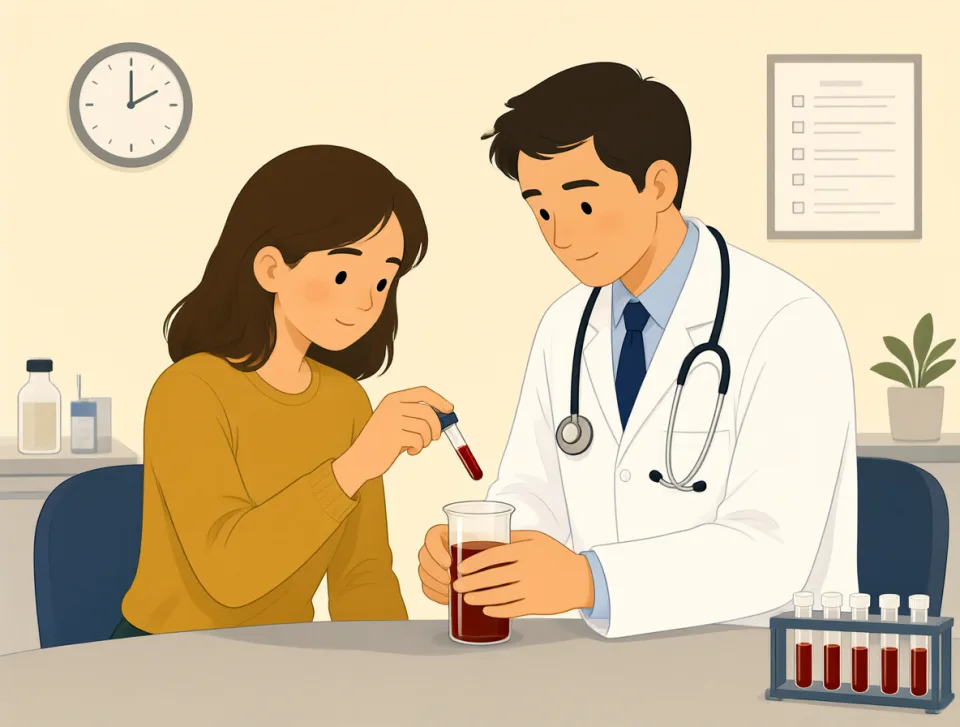
The doctor measured the concentration of sugar in his blood.
Lekarz zmierzył stężenie cukru we krwi pacjenta.
implication
#1871noun
konsekwencja
a possible effect or meaning that follows from an action or situation
możliwy skutek lub znaczenie wynikające z działania albo sytuacji
The price increase has serious implications for families.
Podwyżka cen ma poważne konsekwencje dla rodzin.
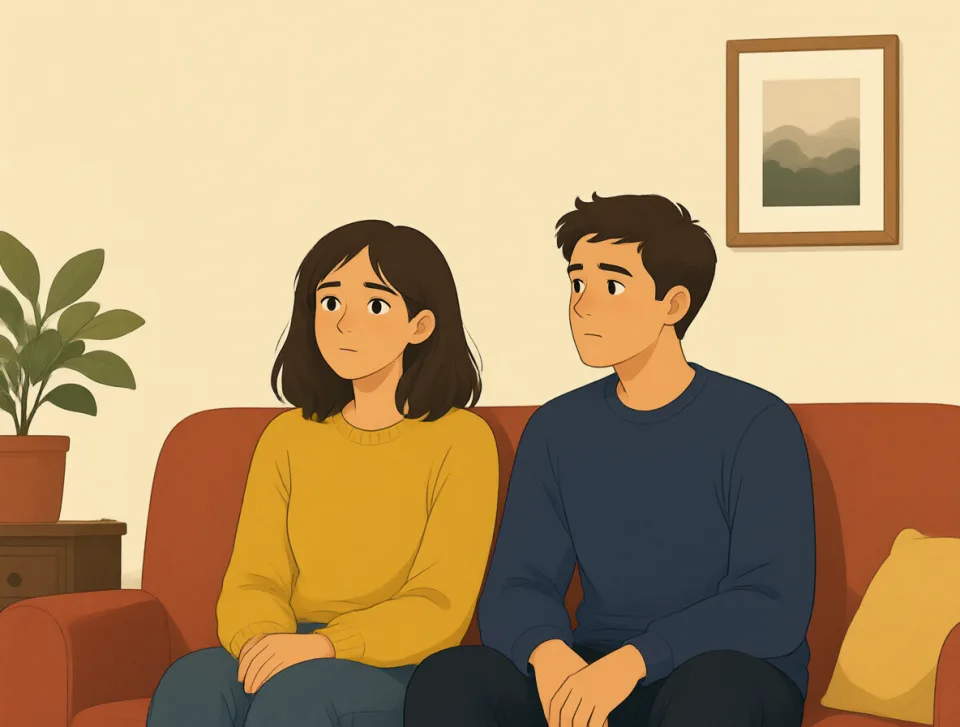
She understood the implication of his silence.
Zrozumiała, co oznaczało jego milczenie.

The doctor explained the health implications of eating too much salt.
Lekarz wyjaśnił, jakie skutki dla zdrowia ma spożywanie zbyt dużej ilości soli.
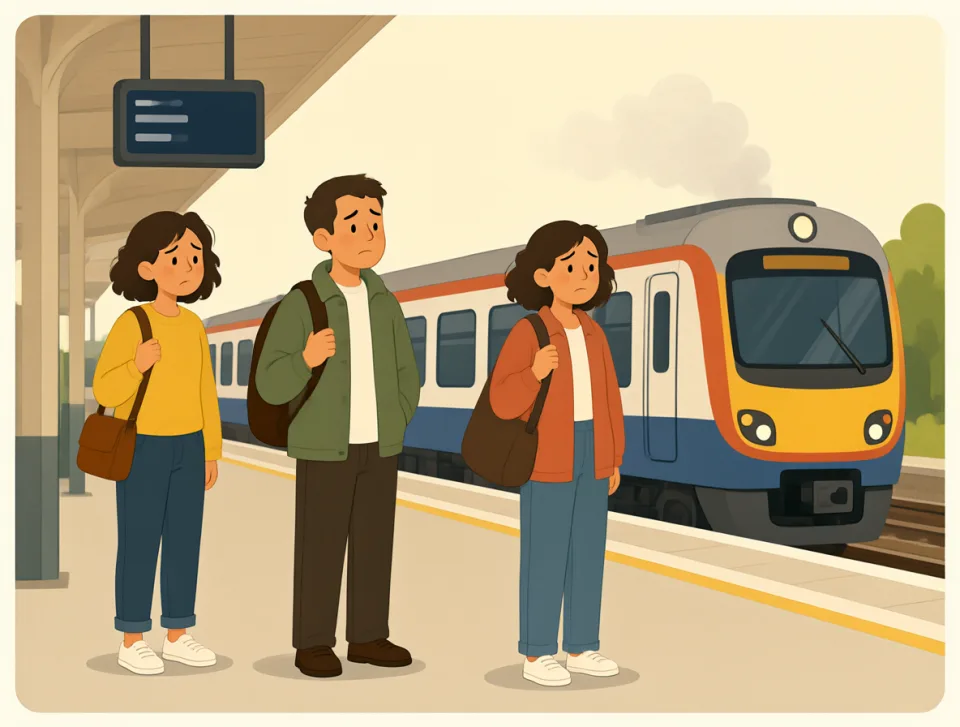
Missing the train had unexpected implications for our travel plans.
Spóźnienie się na pociąg miało nieoczekiwane konsekwencje dla naszych planów podróży.
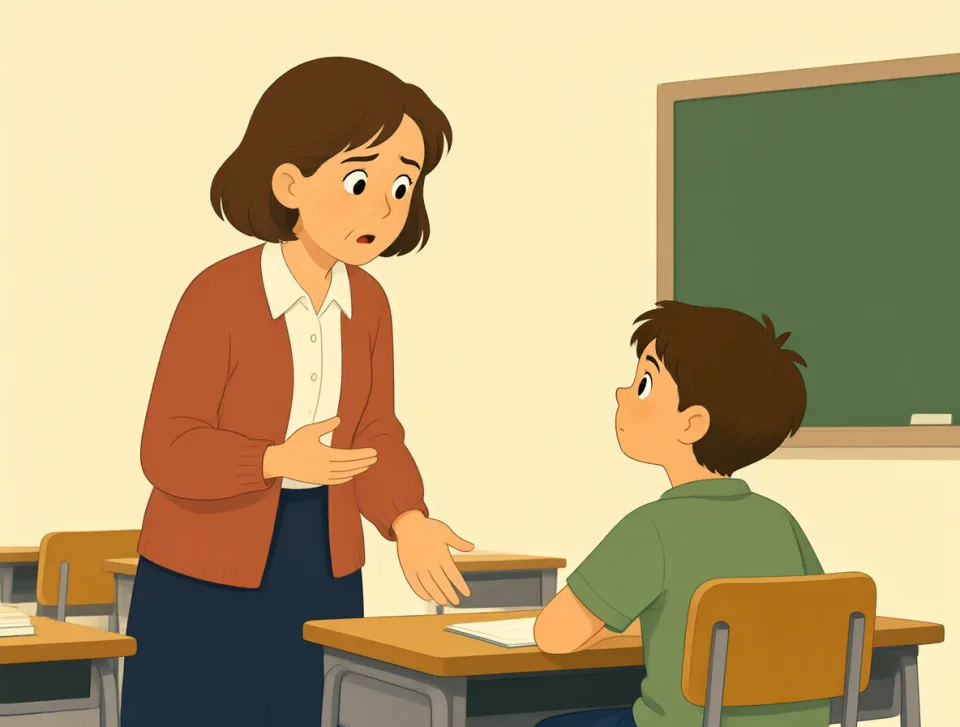
The teacher discussed the implications of cheating on the exam.
Nauczyciel omówił konsekwencje ściągania na egzaminie.
deserve
#1872verb
zasługiwać
to have earned something because of your actions or qualities
mieć coś zapewnione dzięki swoim działaniom lub cechom
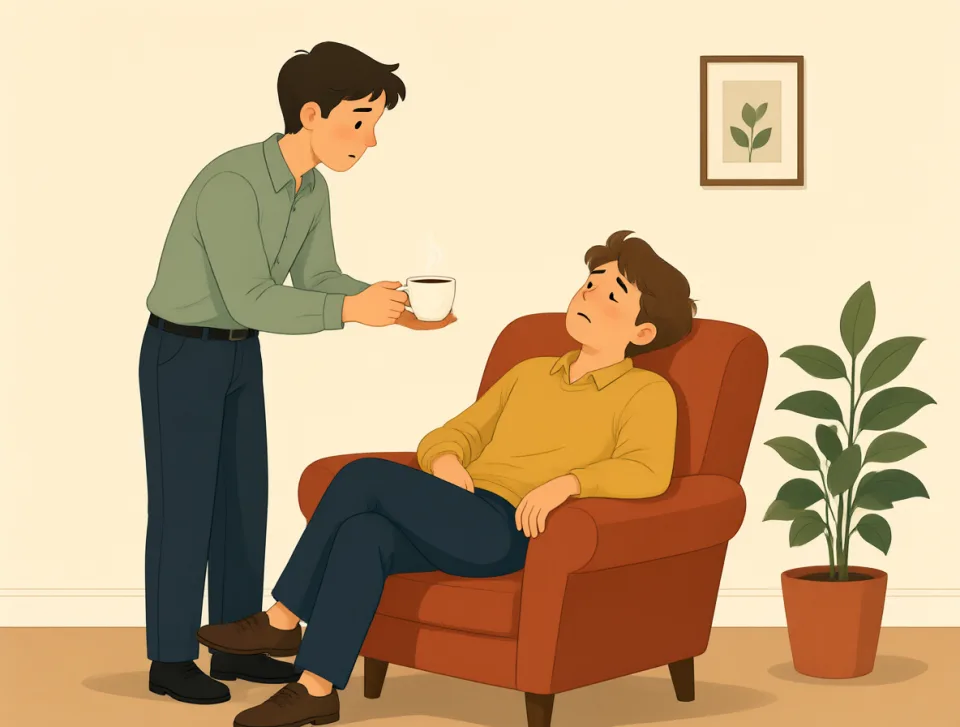
You deserve a break after working so hard all day.
Po całym dniu ciężkiej pracy zasługujesz na chwilę odpoczynku.

She deserved the award because she helped the whole team.
Zasłużyła na nagrodę, bo pomogła całemu zespołowi.
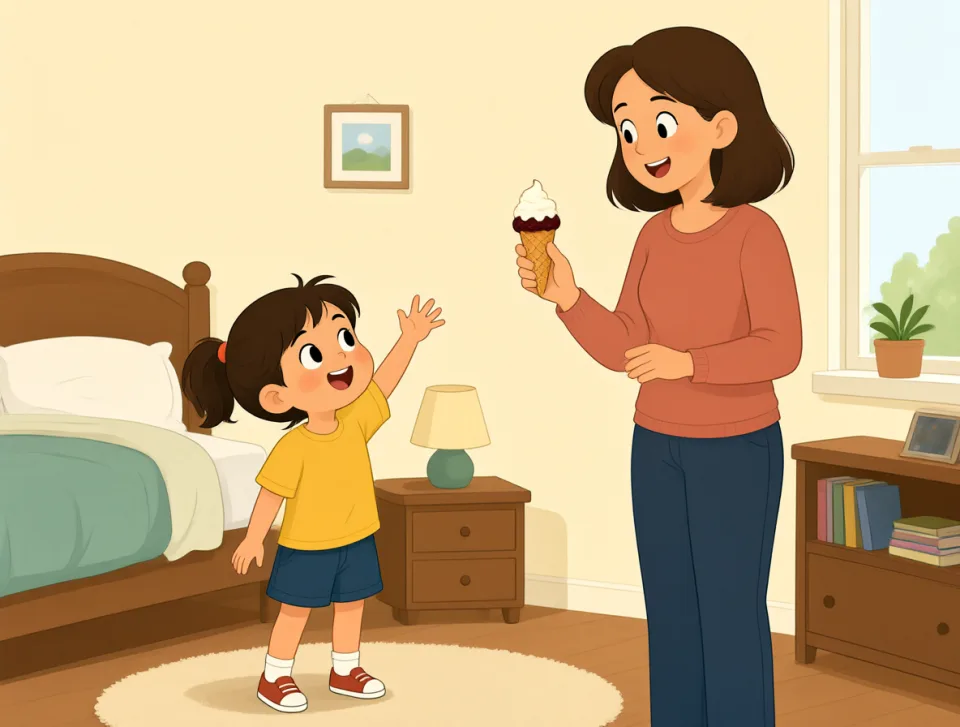
The children deserve a special treat for cleaning their rooms.
Dzieci zasługują na wyjątkowy smakołyk za posprzątanie swoich pokoi.

Everyone deserves to be treated with respect at work.
Każdy zasługuje na szacunek w pracy.

He deserves to feel better after following the doctor's advice.
Po zastosowaniu się do zaleceń lekarza powinien poczuć się lepiej.

unusual
#1873adjective
nietypowy
Different from what is usual, expected, or common.
Różniący się od tego, co zwykłe, oczekiwane lub powszechne.

She wore an unusual hat to the garden party.
Założyła nietypowy kapelusz na przyjęcie w ogrodzie.
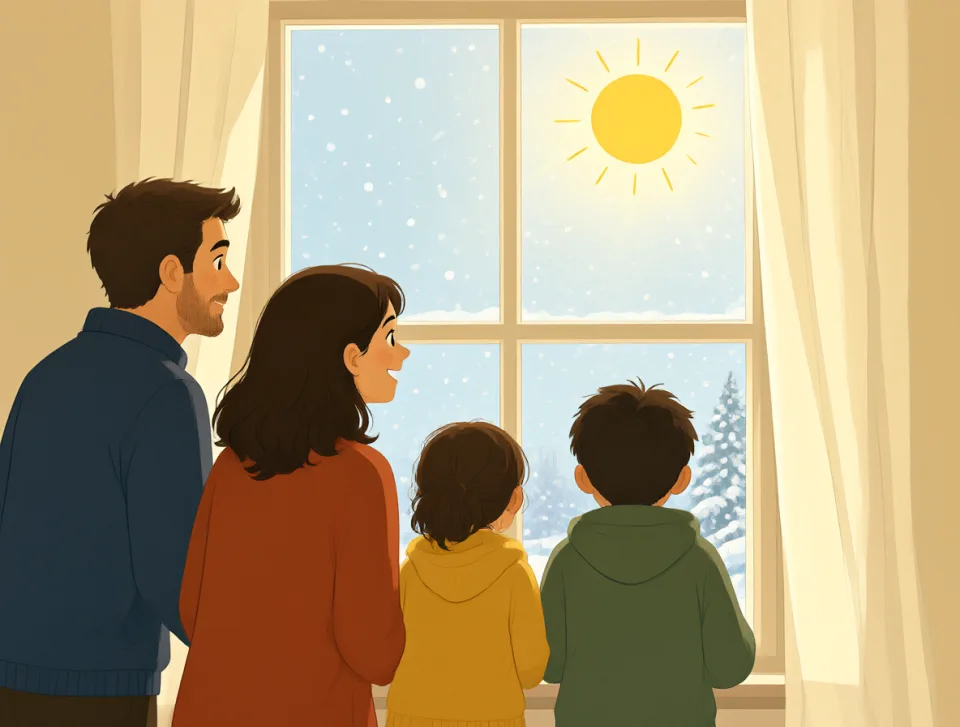
We had unusual weather for this time of year.
Jak na tę porę roku mieliśmy nietypową pogodę.
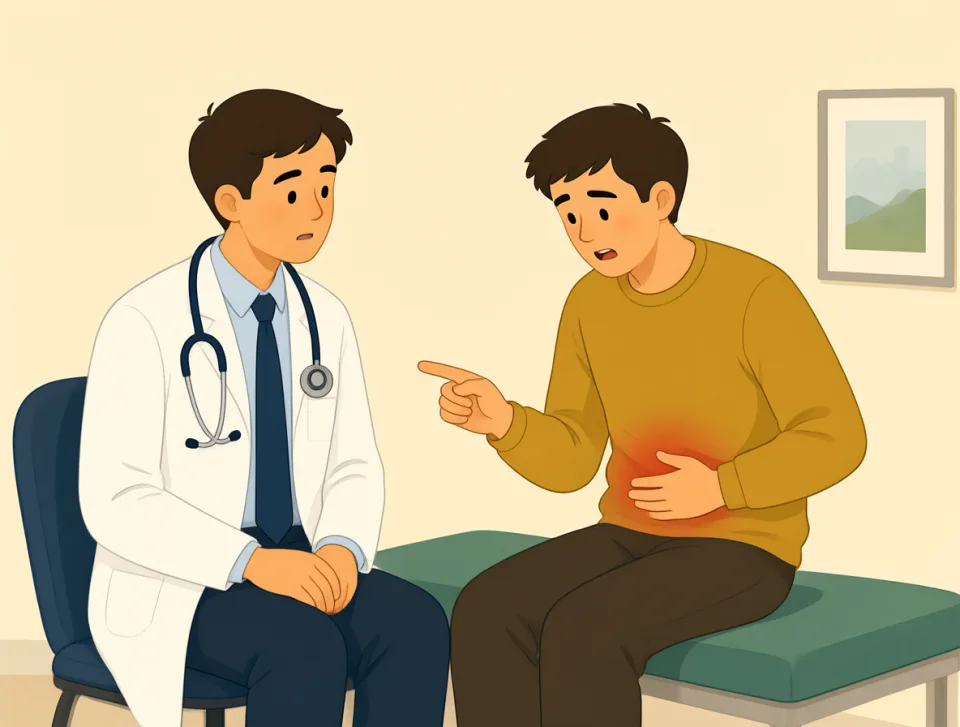
The doctor asked about his unusual pain.
Lekarz zapytał go o nietypowy ból.
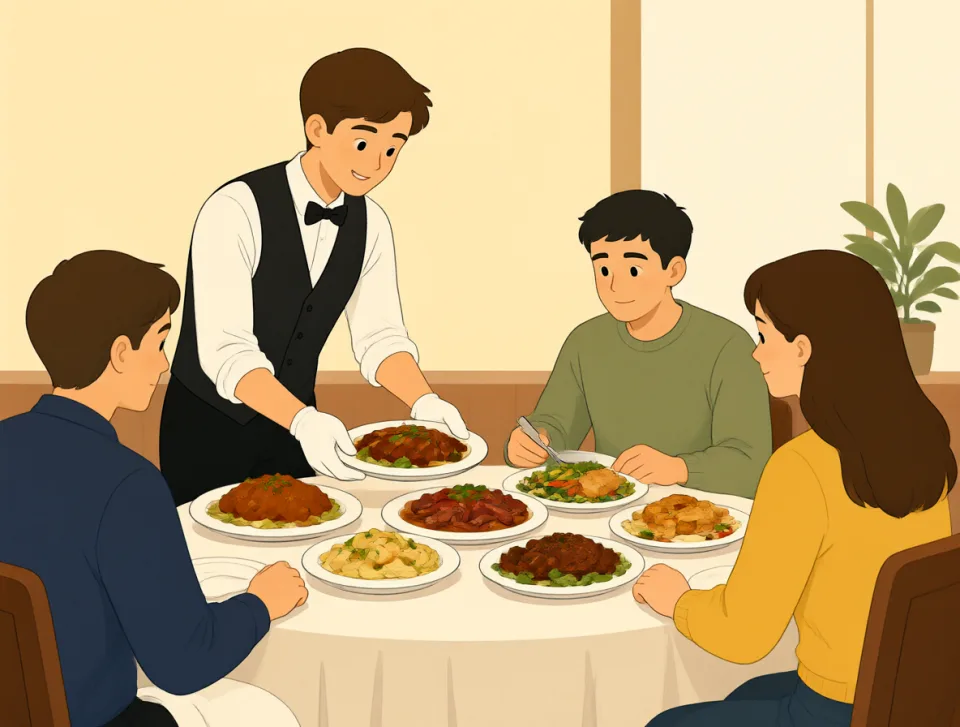
This restaurant serves unusual dishes from around the world.
Ta restauracja serwuje nietypowe dania z różnych stron świata.
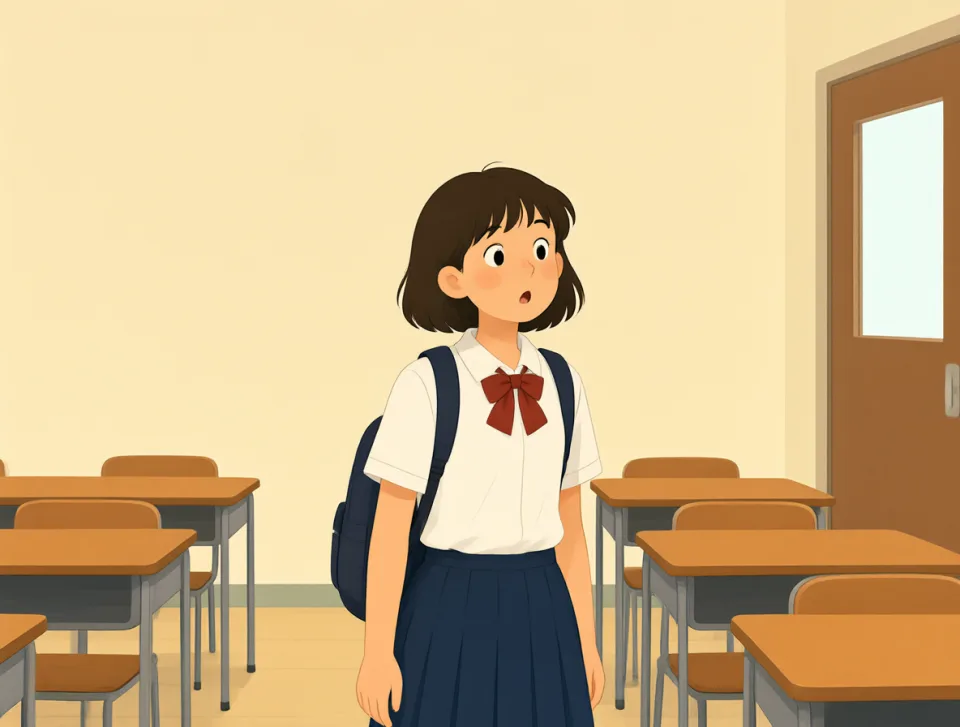
It was unusual to see the classroom empty.
Widok pustej sali lekcyjnej był czymś nietypowym.
defend
#1874verb
bronić
to protect someone or something from attack, harm, or criticism
chronić kogoś lub coś przed atakiem, krzywdą albo krytyką
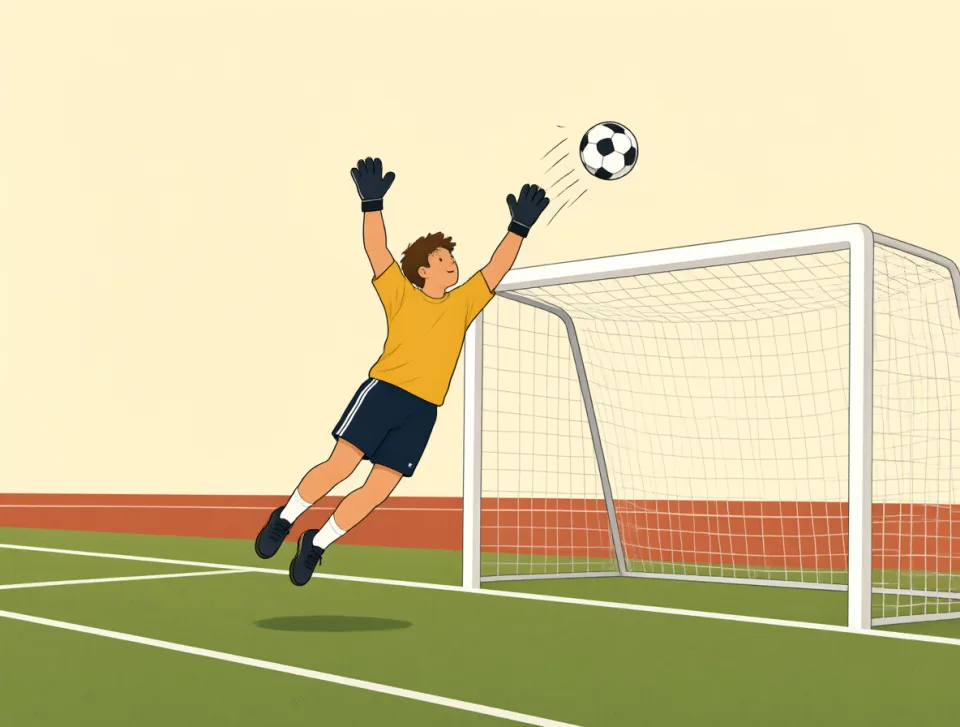
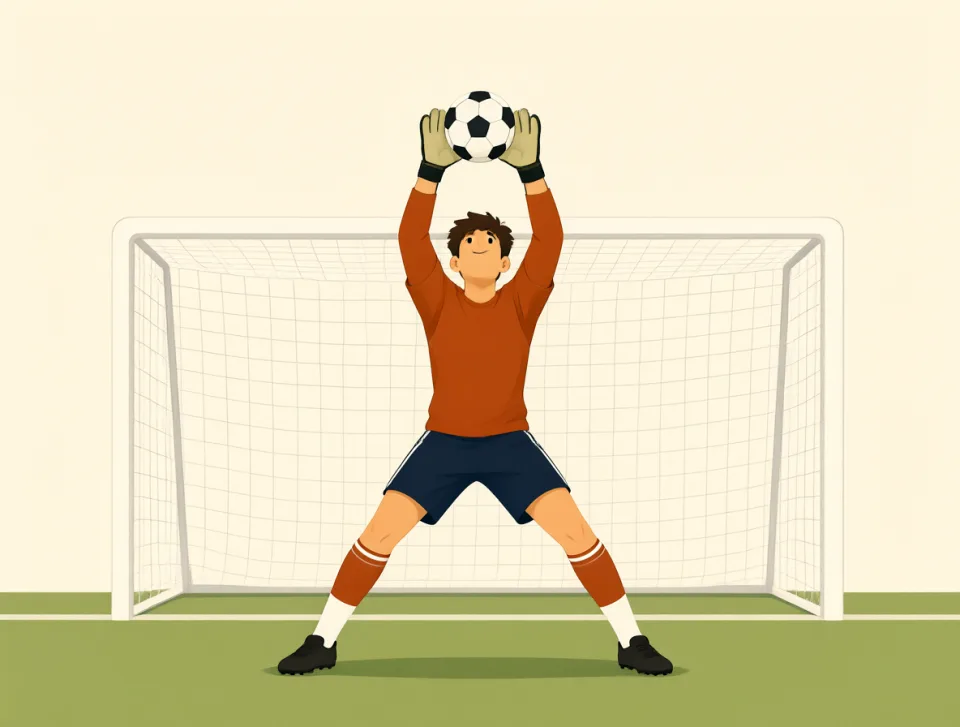
The goalkeeper defended the goal during the final minutes.
Bramkarz bronił bramki w ostatnich minutach meczu.
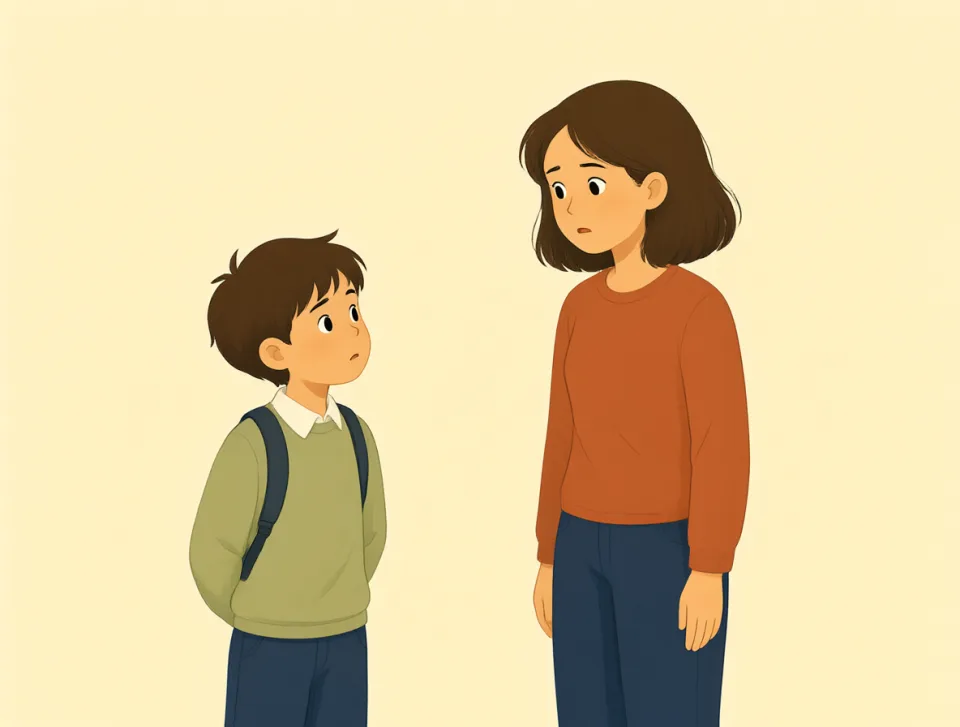
She defended her friend when others blamed him.
Stanęła w obronie przyjaciela, gdy inni go obwiniali.
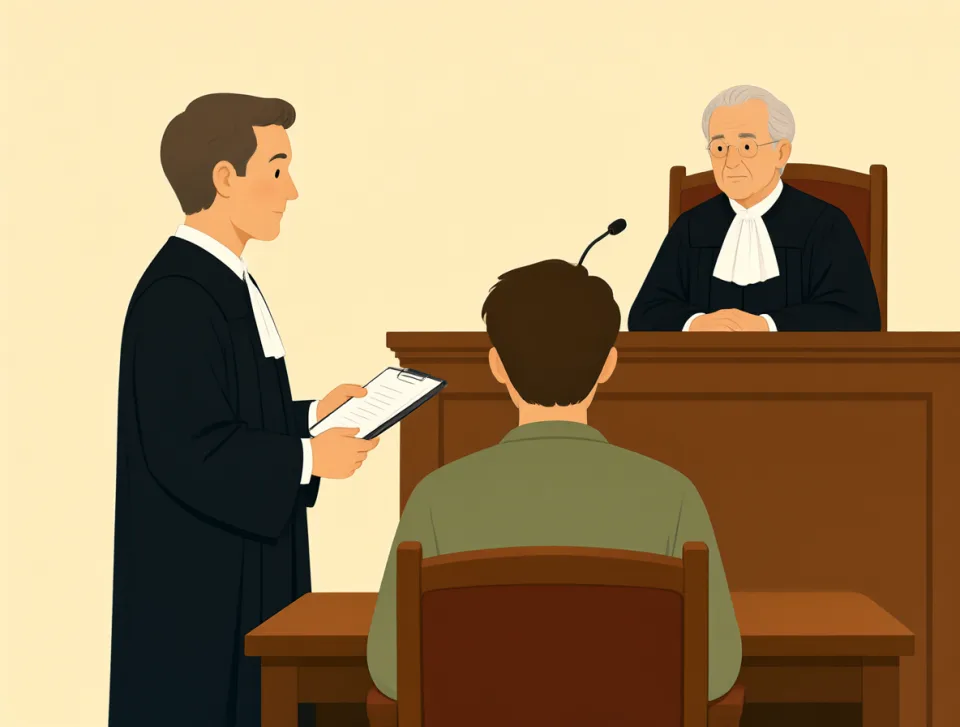
The lawyer defended the man in court.
Prawnik bronił tego mężczyzny w sądzie.
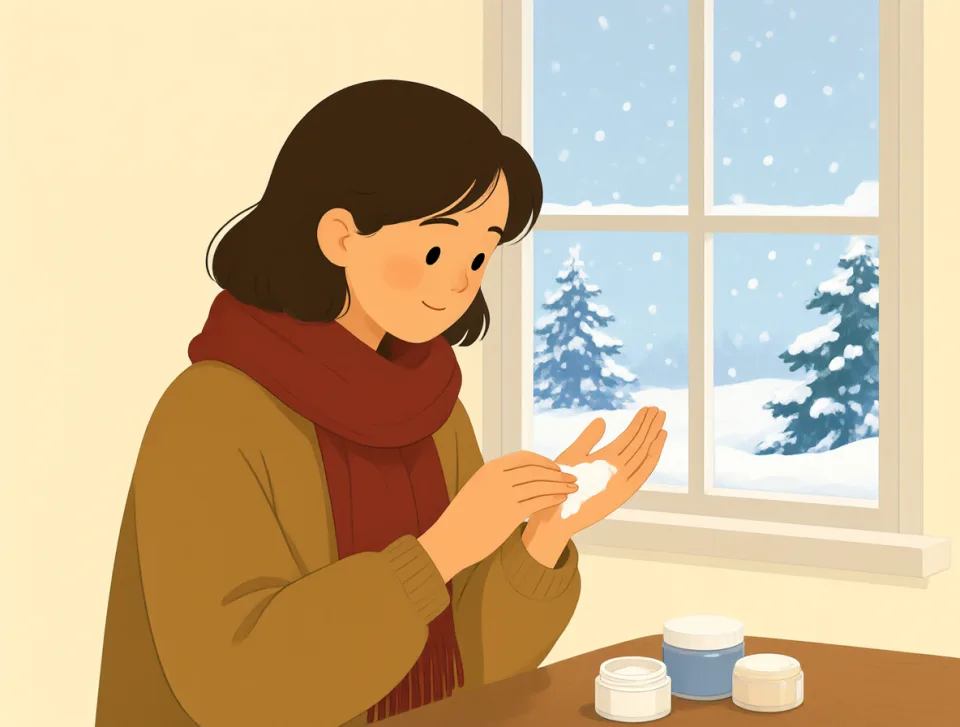
This cream helps defend your skin from the cold.
Ten krem pomaga chronić skórę przed zimnem.

He defended his decision to leave the meeting early.
Uzasadnił swoją decyzję o wcześniejszym wyjściu ze spotkania.
classic
#1875adjective, noun
klasyczny
Very typical of its kind, or a famous work from the past that people still enjoy.
Typowy dla danego rodzaju albo słynne dzieło z przeszłości, które ludzie nadal lubią.
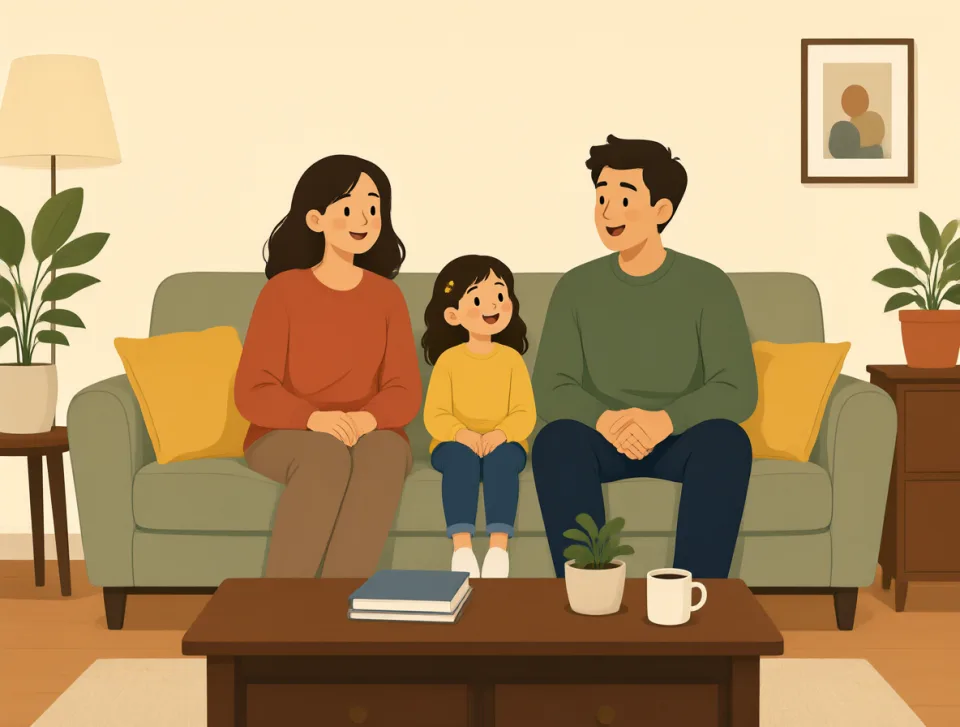
We watched a classic movie together after dinner.
Po kolacji obejrzeliśmy razem klasyczny film.
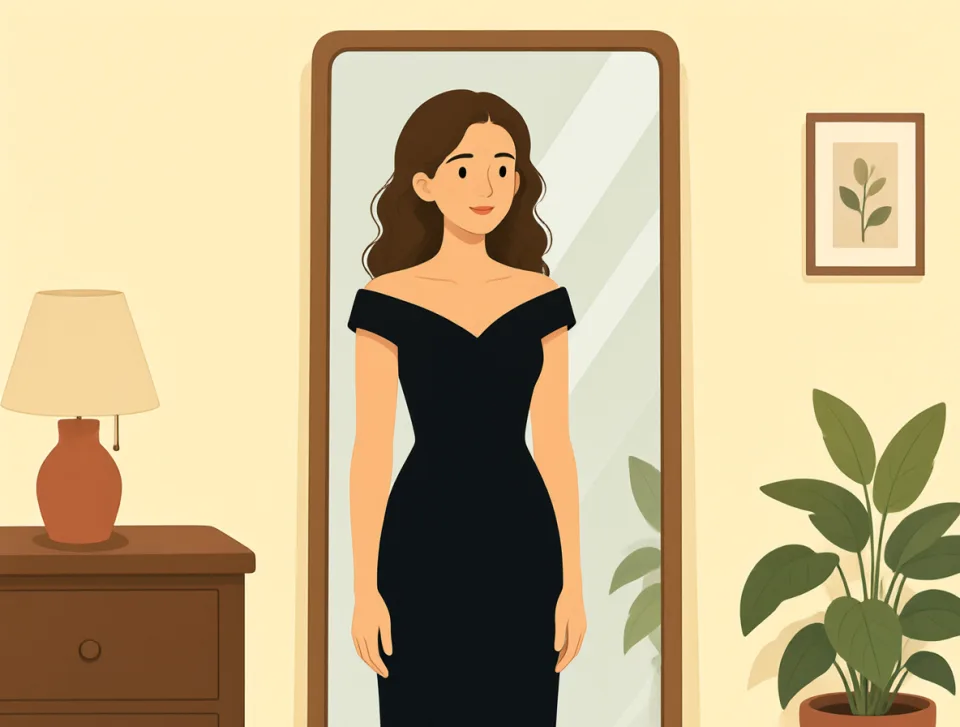
She wore a classic black dress to the wedding.
Na wesele założyła klasyczną czarną sukienkę.
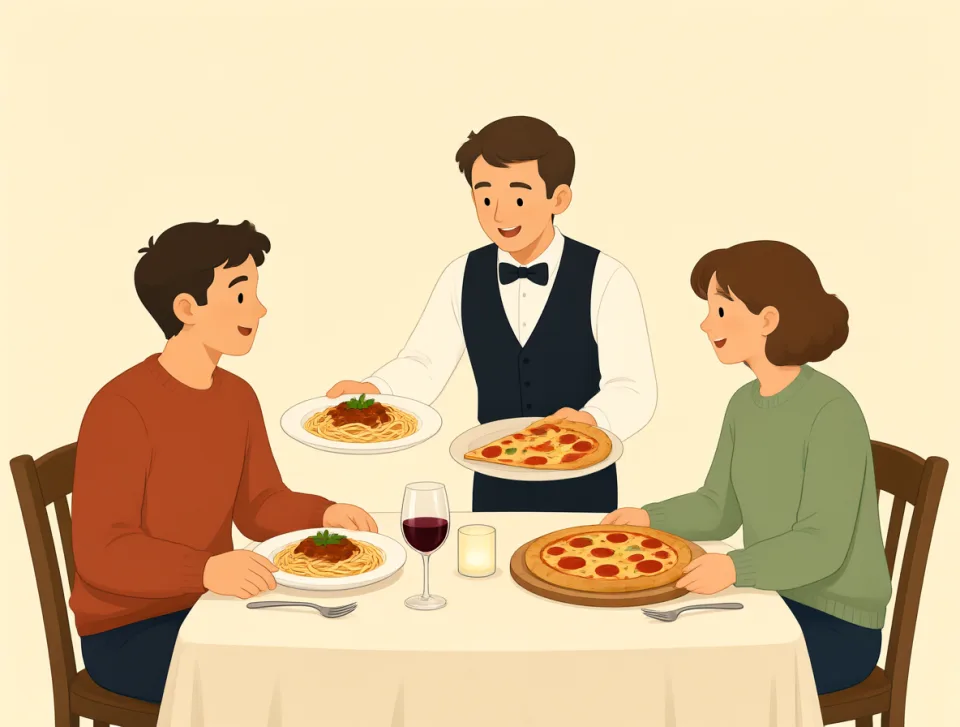
This restaurant serves classic Italian dishes like pasta and pizza.
Ta restauracja serwuje klasyczne dania kuchni włoskiej, takie jak makaron i pizza.
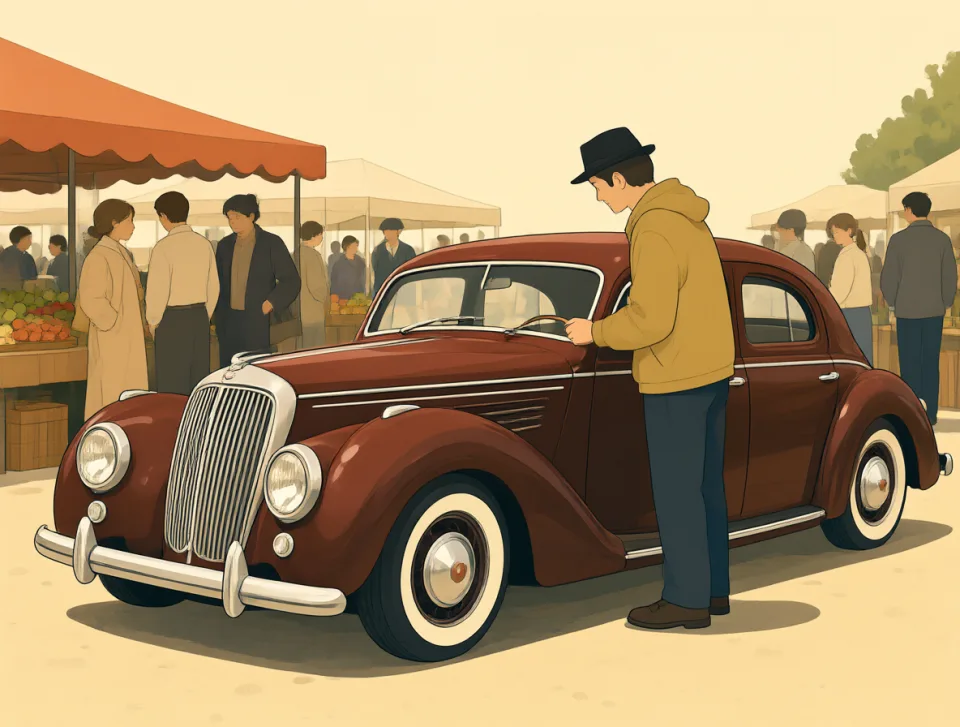
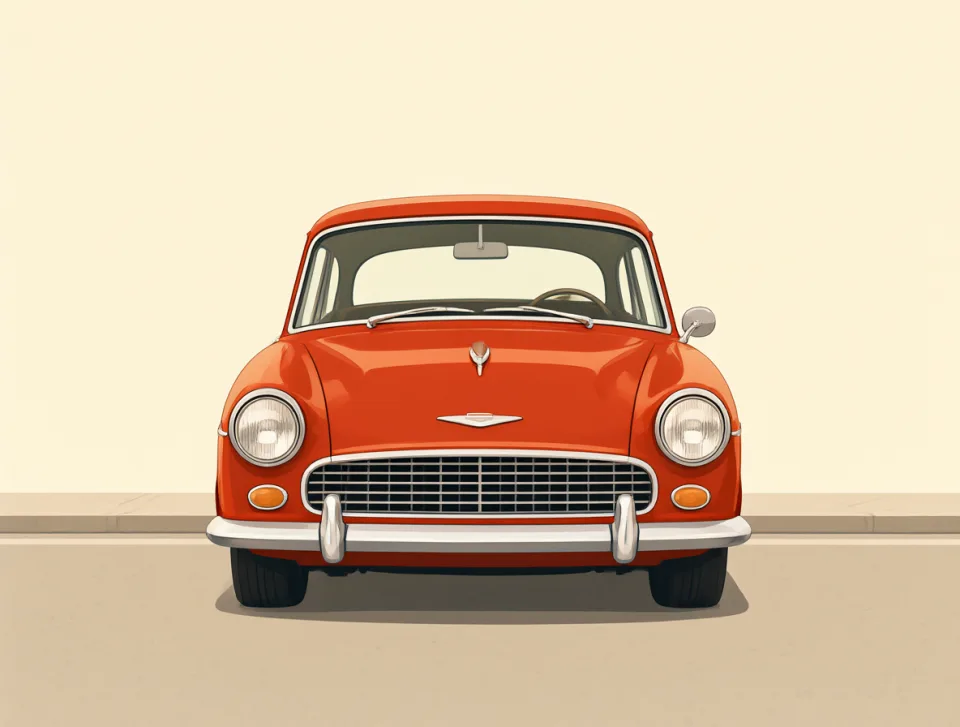
He bought a classic car at the weekend market.
Na weekendowym targu kupił klasyczny samochód.
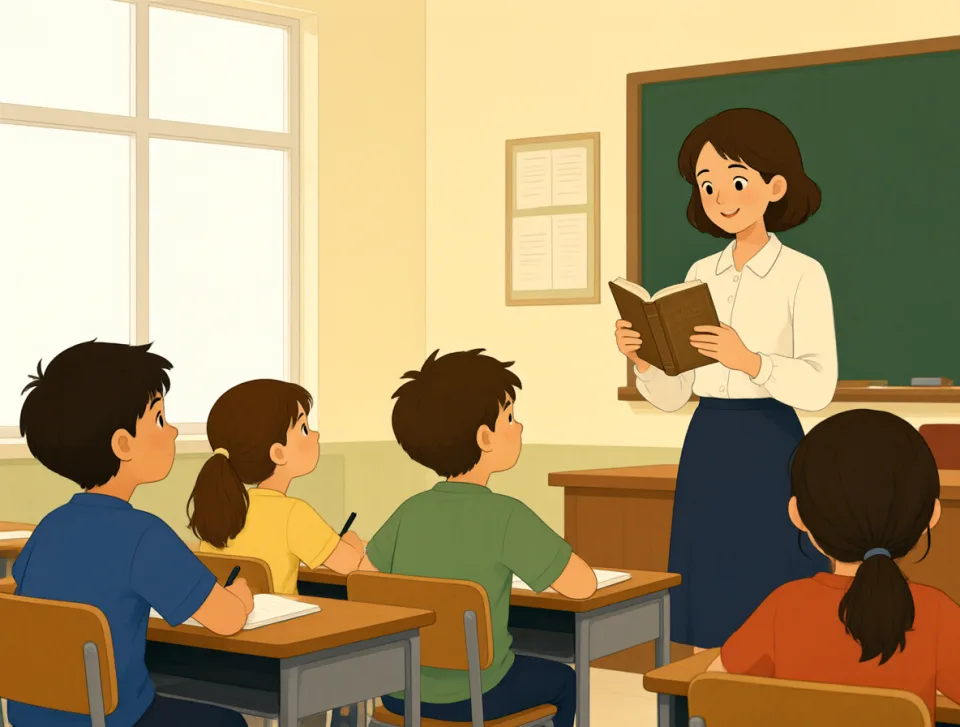
The teacher asked us to read a classic novel this term.
Nauczyciel poprosił nas, żebyśmy w tym semestrze przeczytali klasyczną powieść.

king
#1876noun
król
a male ruler of a country whose family usually inherits the position
mężczyzna panujący w kraju, którego rodzina zazwyczaj dziedziczy ten tytuł

The king waved to the crowd from the palace balcony.
Król pomachał tłumowi z balkonu pałacu.

The young king ruled the country for many years.
Młody król rządził krajem przez wiele lat.
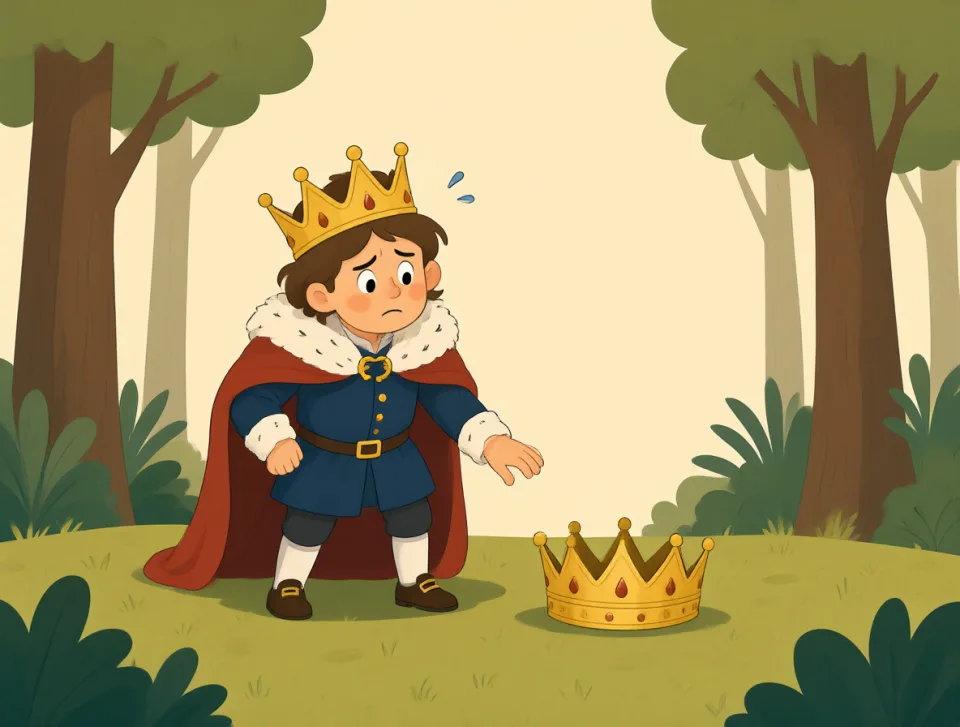
In the story, the king lost his crown in the forest.
W tej opowieści król zgubił koronę w lesie.
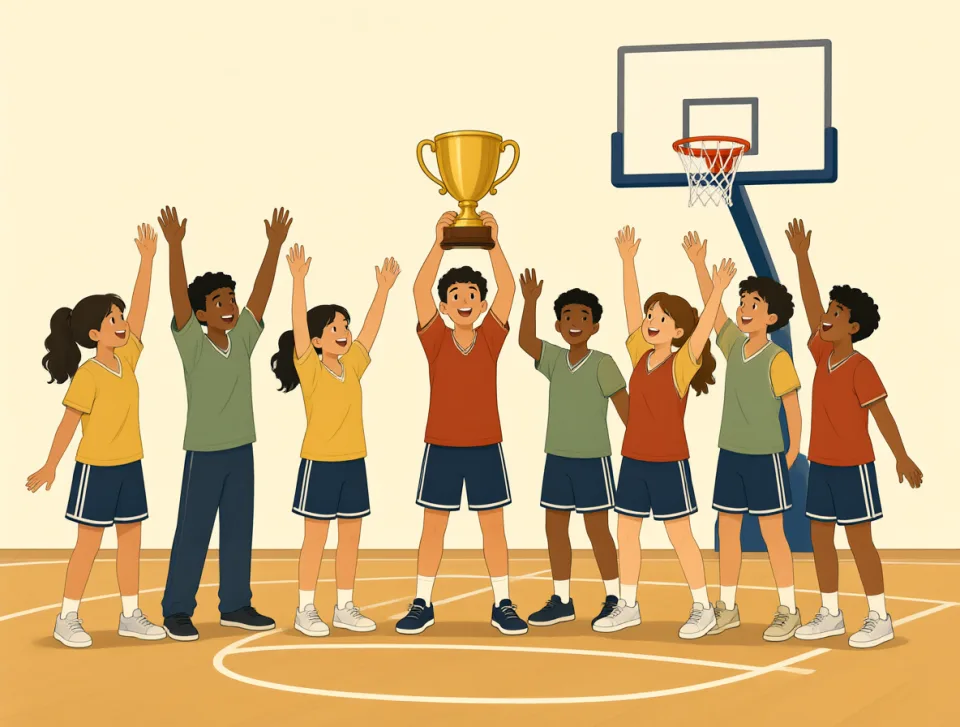
Our team became the kings of the school basketball league.
Nasza drużyna została królami szkolnej ligi koszykówki.
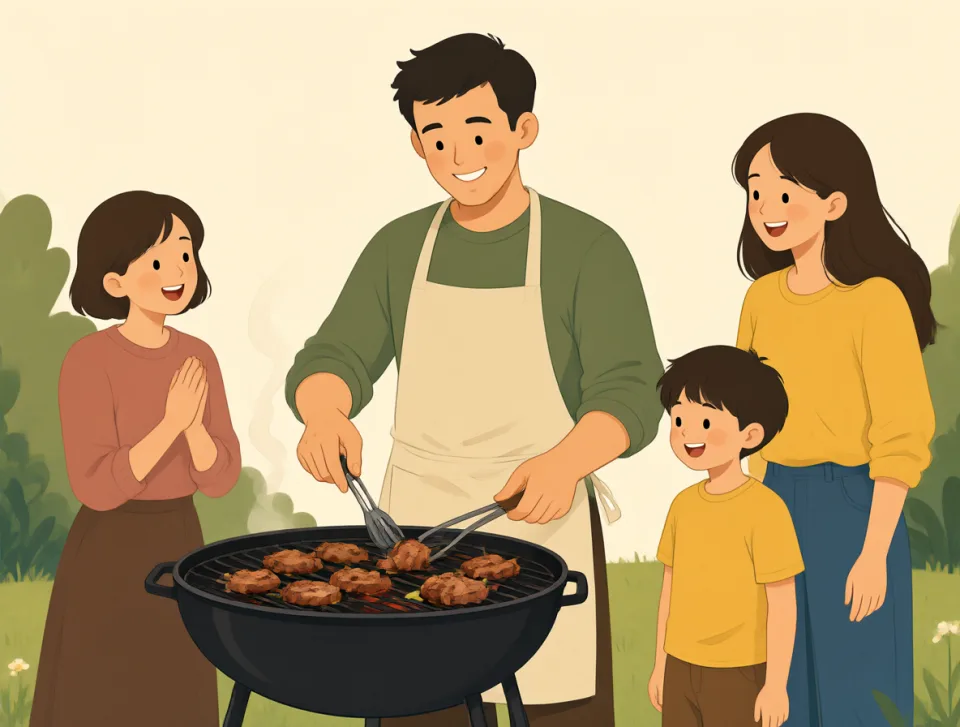
He is the king of the grill at every family party.
Na każdej rodzinnej imprezie to on jest mistrzem grilla.

interaction
#1877noun
interakcja
communication or activity between people or groups who affect each other
komunikacja lub działanie między osobami albo grupami, które wzajemnie na siebie oddziałują
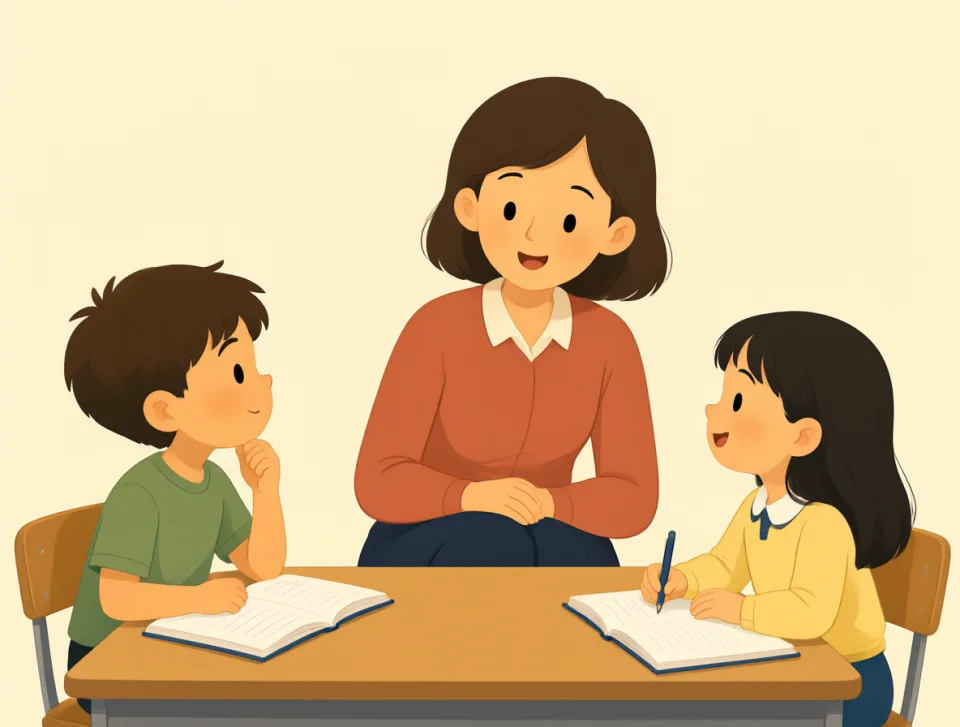
Good interaction between teachers and students helps everyone learn.
Dobra interakcja między nauczycielami a uczniami pomaga wszystkim się uczyć.

The job involves daily interaction with customers and coworkers.
Ta praca wiąże się z codziennymi kontaktami z klientami i współpracownikami.
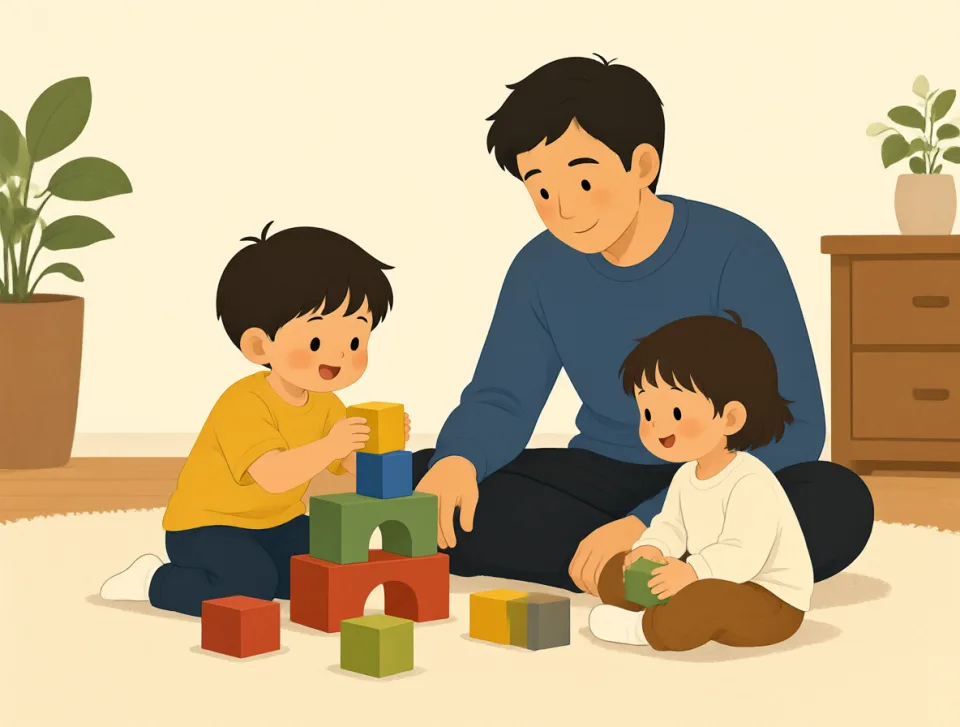
Children learn through interaction with their parents and friends.
Dzieci uczą się, wchodząc w interakcje z rodzicami i przyjaciółmi.

The doctor encouraged more interaction with other patients during group therapy.
Lekarz zachęcał do częstszych kontaktów z innymi pacjentami podczas terapii grupowej.

Our first interaction with the local people made the trip more enjoyable.
Nasz pierwszy kontakt z miejscowymi sprawił, że podróż stała się przyjemniejsza.
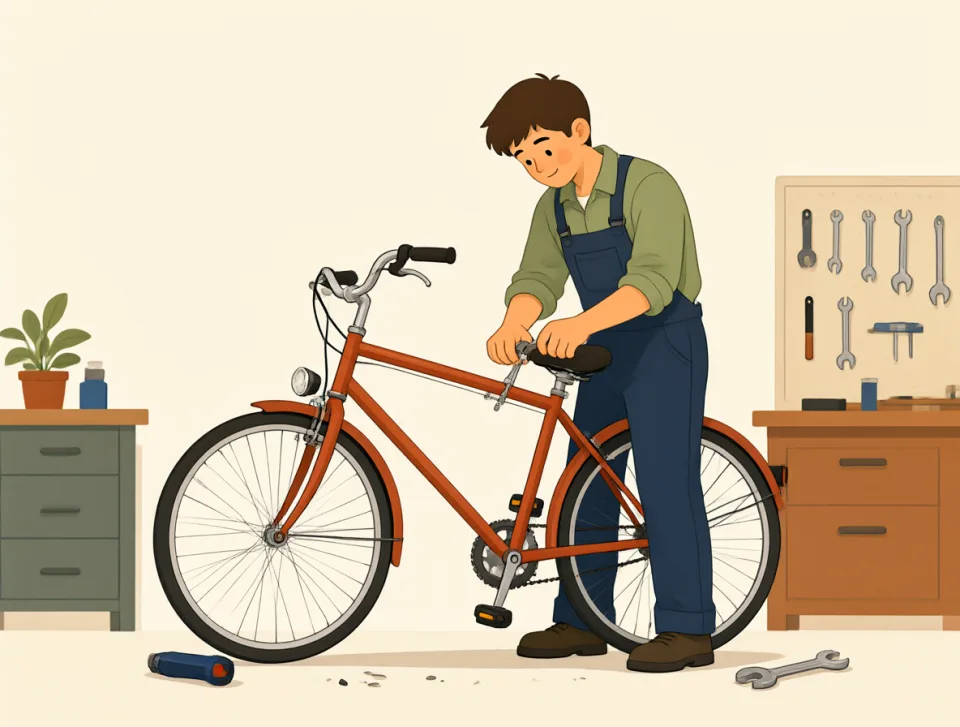
repair
#1878noun, verb
naprawiać
To fix something that is broken or damaged.
Naprawić coś, co jest zepsute lub uszkodzone.
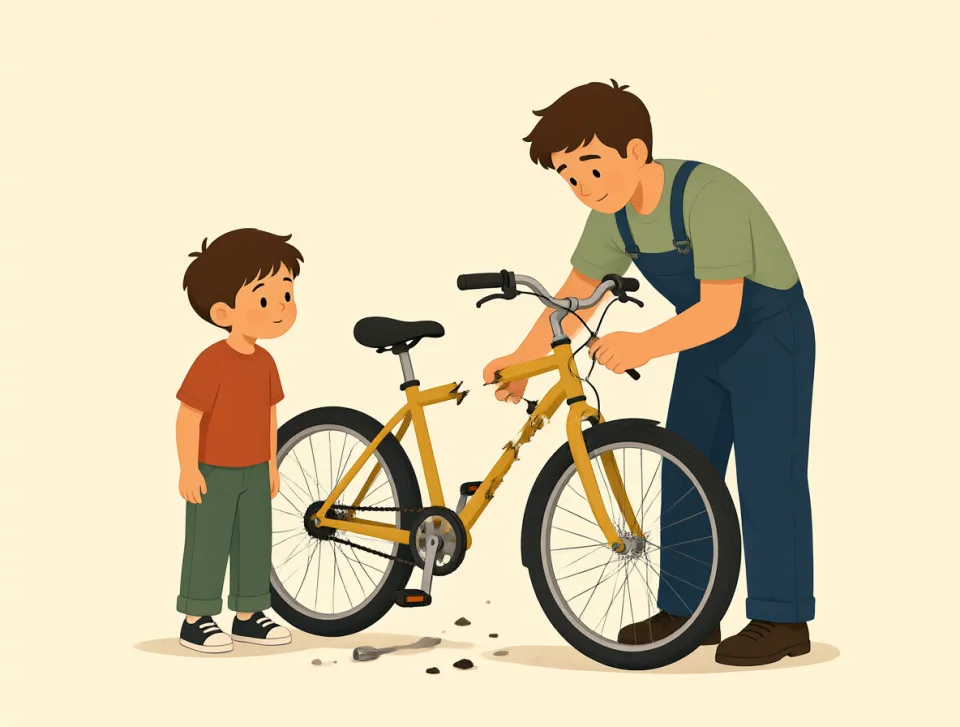
I need to repair my bicycle before the weekend.
Muszę naprawić rower przed weekendem.
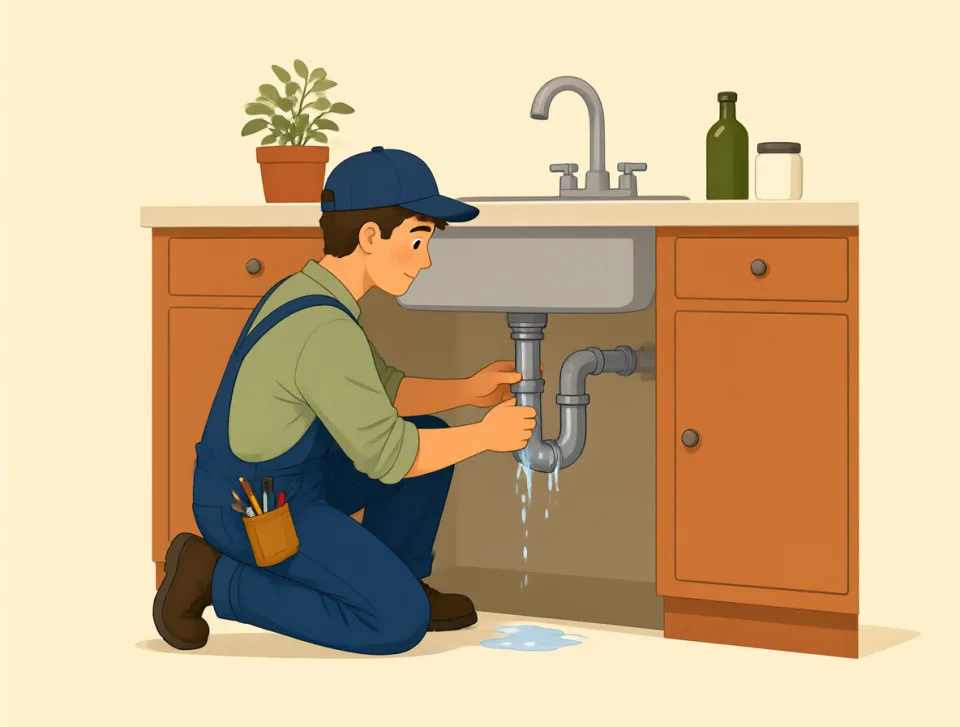
The plumber repaired the leaking pipe under our kitchen sink.
Hydraulik naprawił przeciekającą rurę pod zlewem w naszej kuchni.
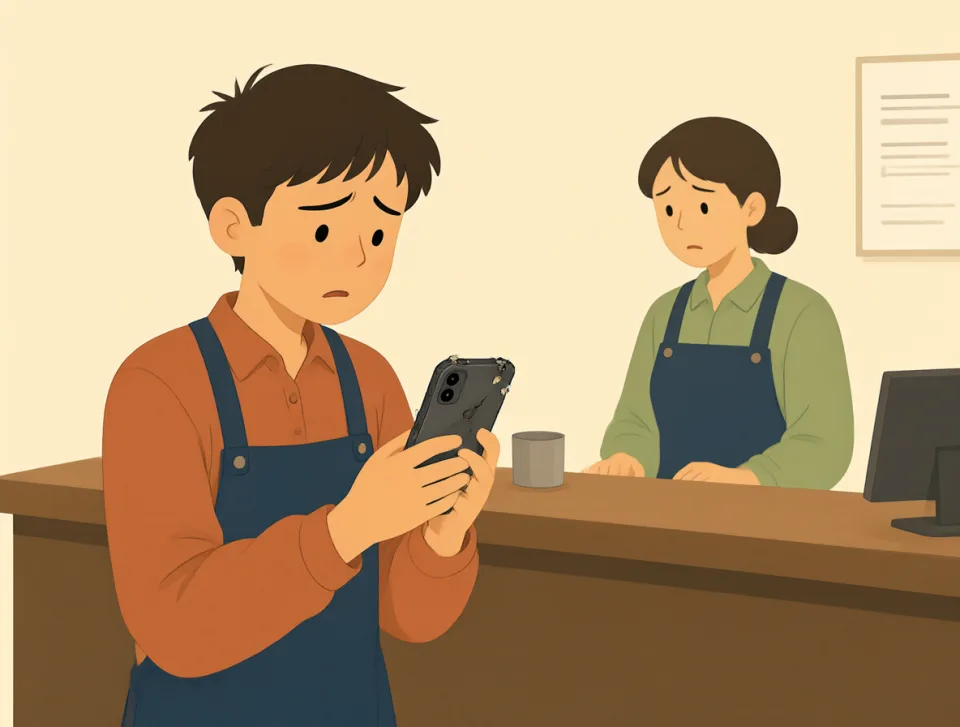
This phone is too expensive to repair.
Naprawa tego telefonu jest zbyt droga.
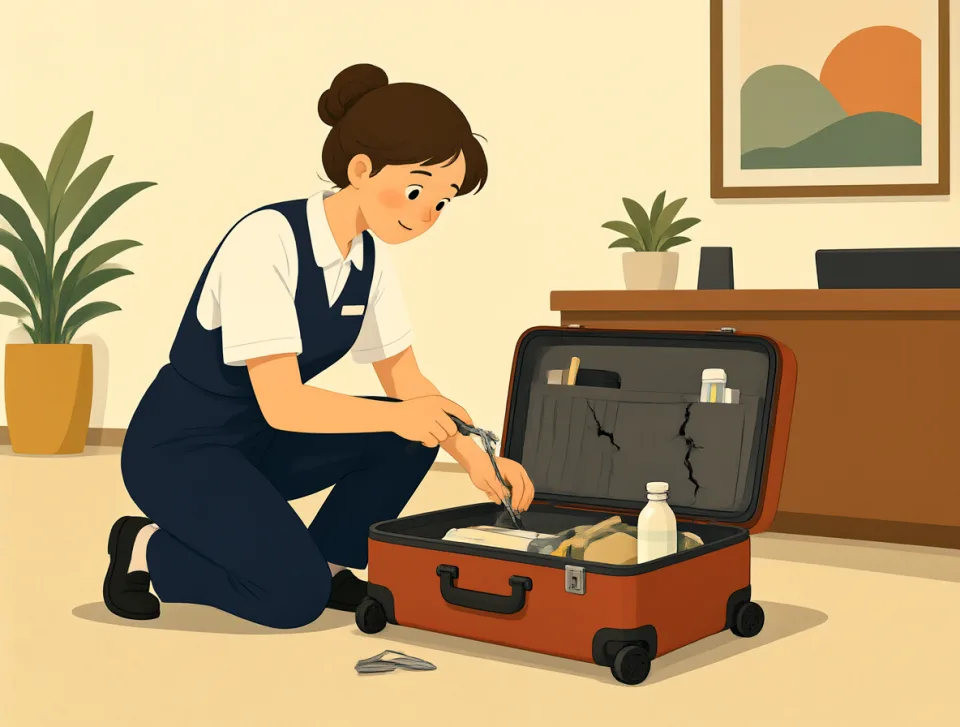
The hotel offers free repairs for broken suitcases.
Hotel oferuje bezpłatną naprawę uszkodzonych walizek.
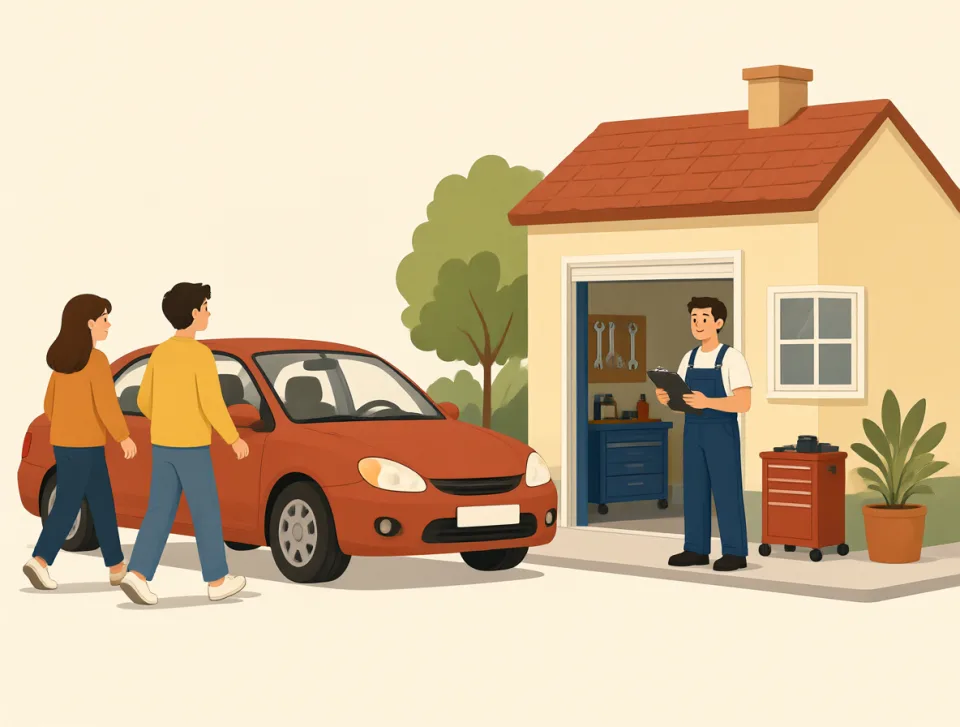
We took the car to a repair shop yesterday.
Wczoraj zawieźliśmy samochód do warsztatu.
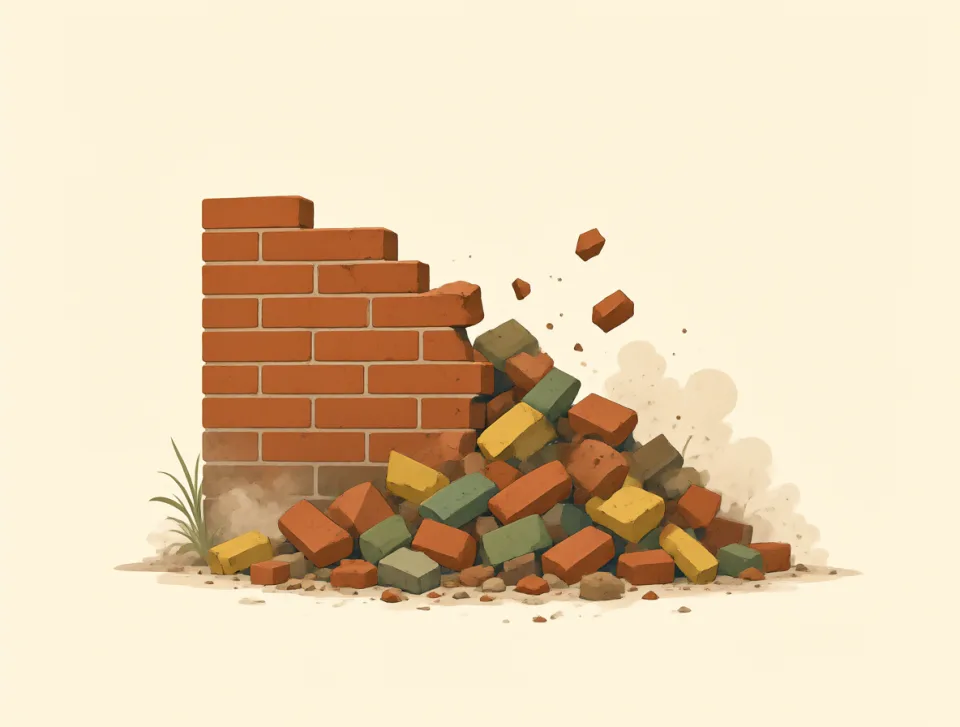
collapse
#1879verb, noun
zawalić się
to fall down suddenly, or to fail completely; a sudden fall or failure
nagle się przewrócić lub runąć albo całkowicie ponieść porażkę; nagły upadek lub porażka
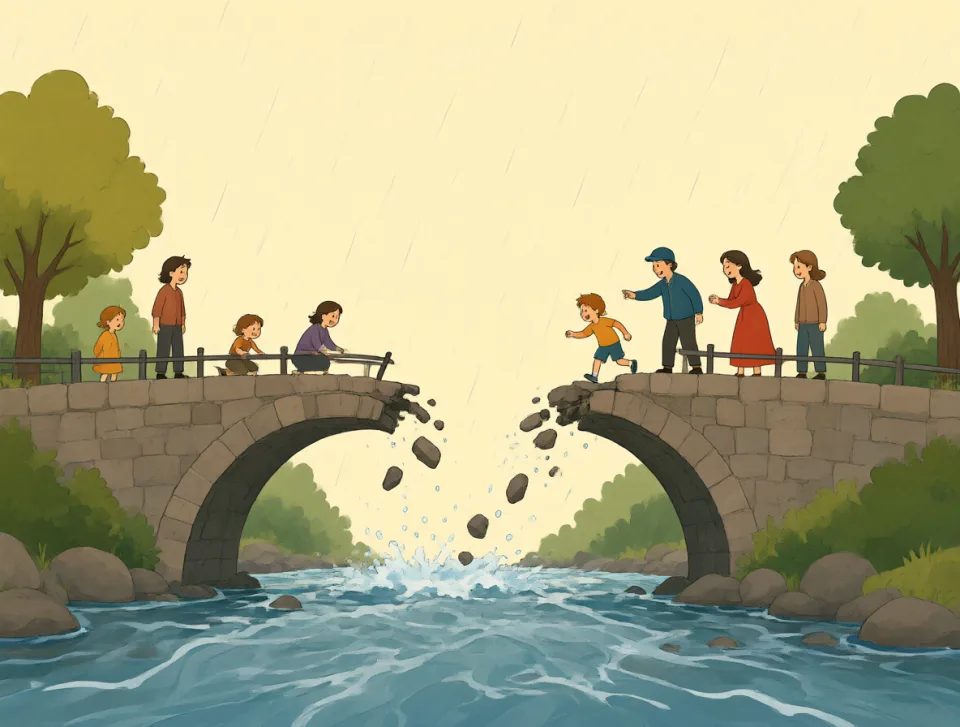
The old bridge collapsed during the heavy rain.
Stary most zawalił się podczas ulewy.
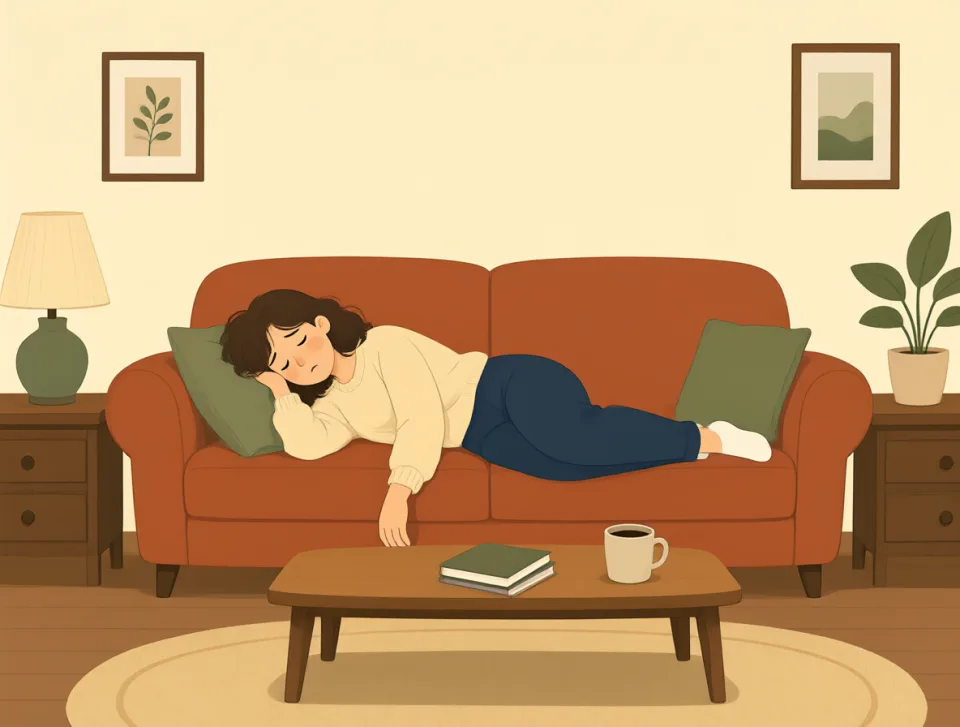
She collapsed on the sofa after a long day.
Po długim dniu opadła na sofę.
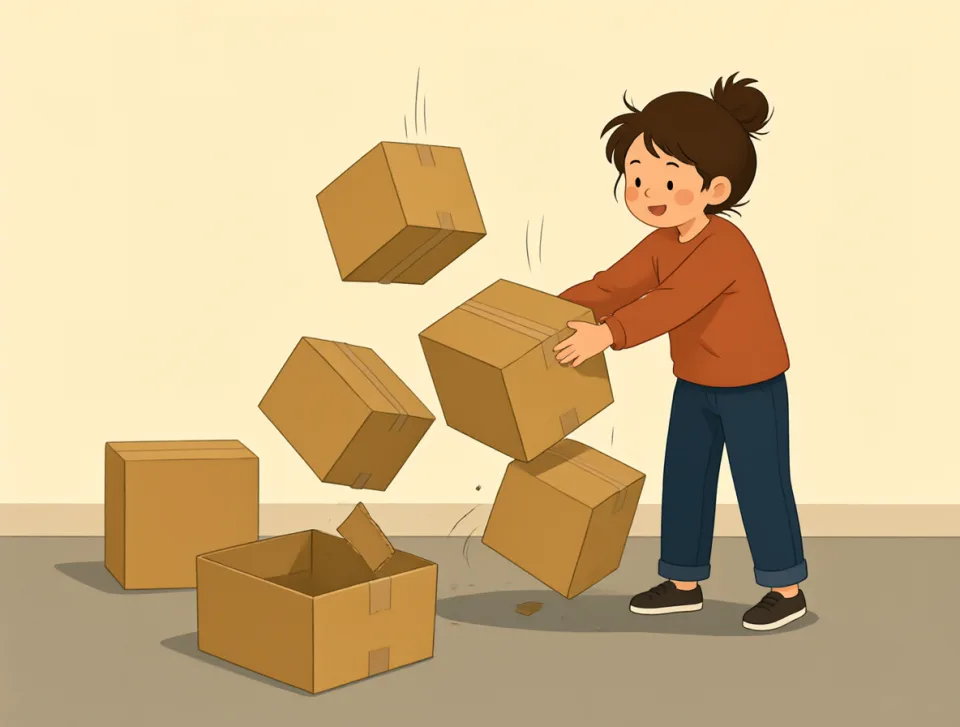
The boxes collapsed when I removed the bottom one.
Pudła zawaliły się, gdy wyciągnąłem to na samym dole.

Talks between the two companies collapsed after the disagreement.
Rozmowy między obiema firmami załamały się po sporze.
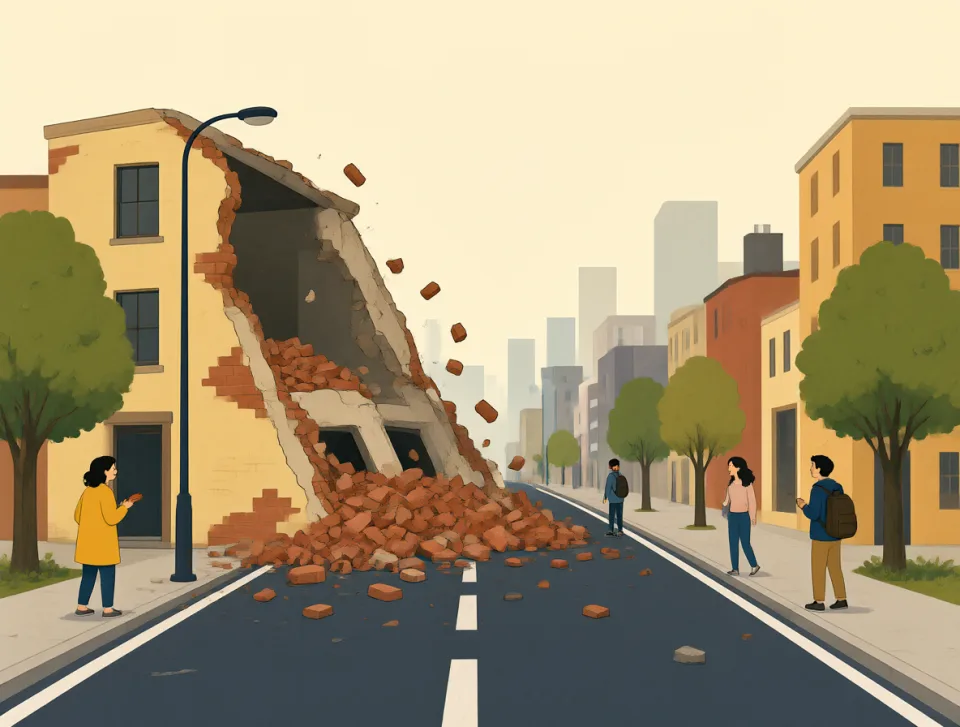
The building’s sudden collapse blocked the road for hours.
Nagłe zawalenie się budynku zablokowało drogę na wiele godzin.
borrow
#1880verb
pożyczyć
to use something that belongs to someone else and return it later
użyć czegoś, co należy do kogoś innego, i później to oddać
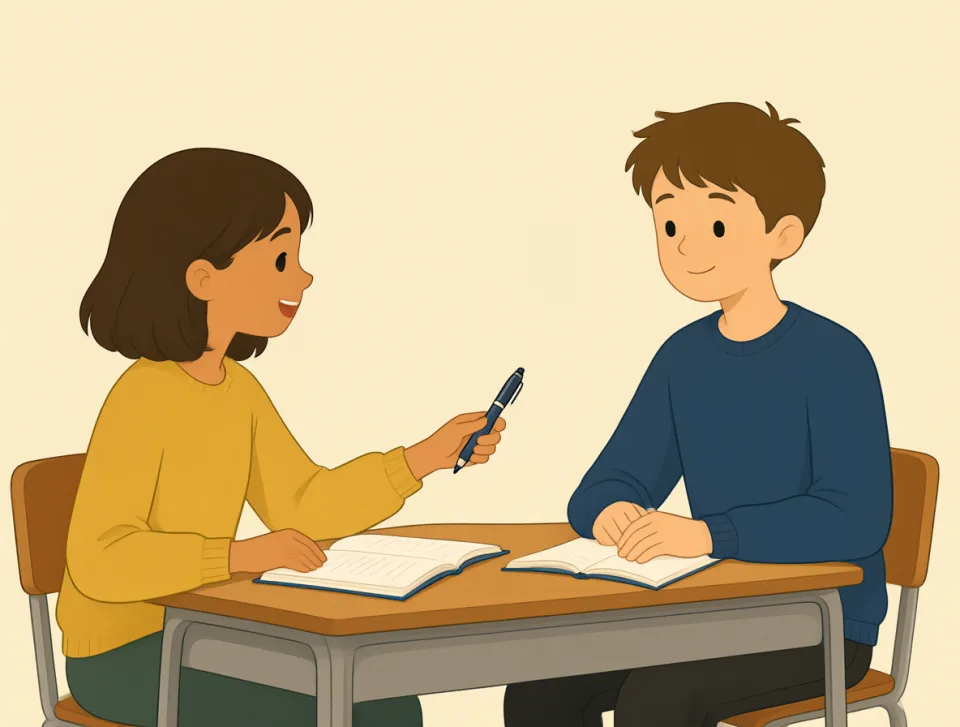
Can I borrow your pen for a minute?
Czy mogę pożyczyć od ciebie długopis na chwilę?

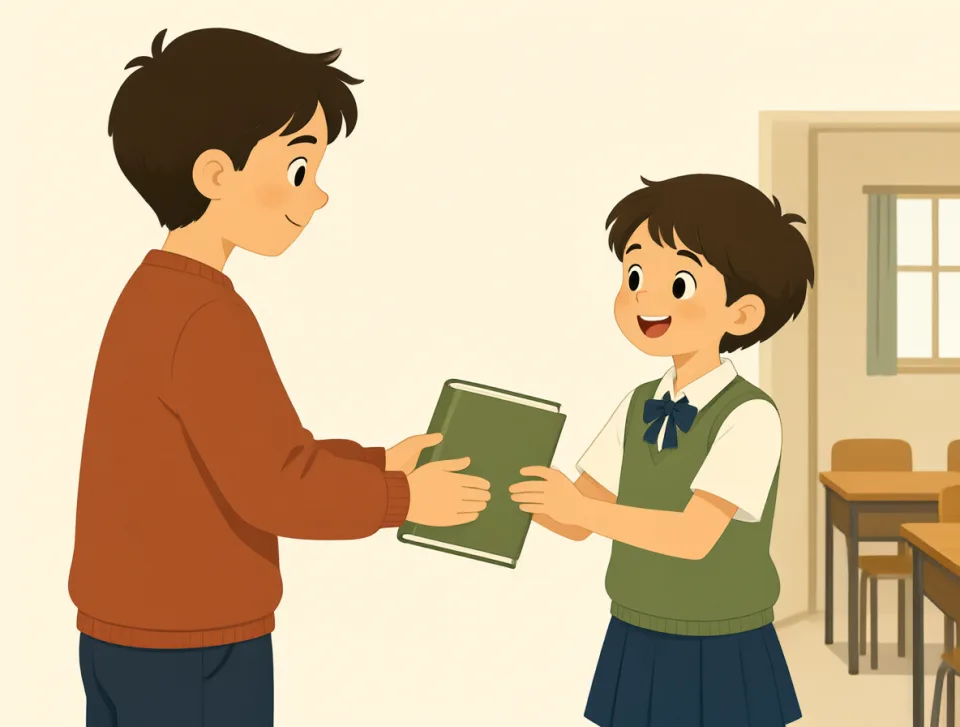
I borrowed a book from the library yesterday.
Wczoraj wypożyczyłem książkę z biblioteki.

She borrowed some money from her brother for rent.
Pożyczyła od brata trochę pieniędzy na czynsz.
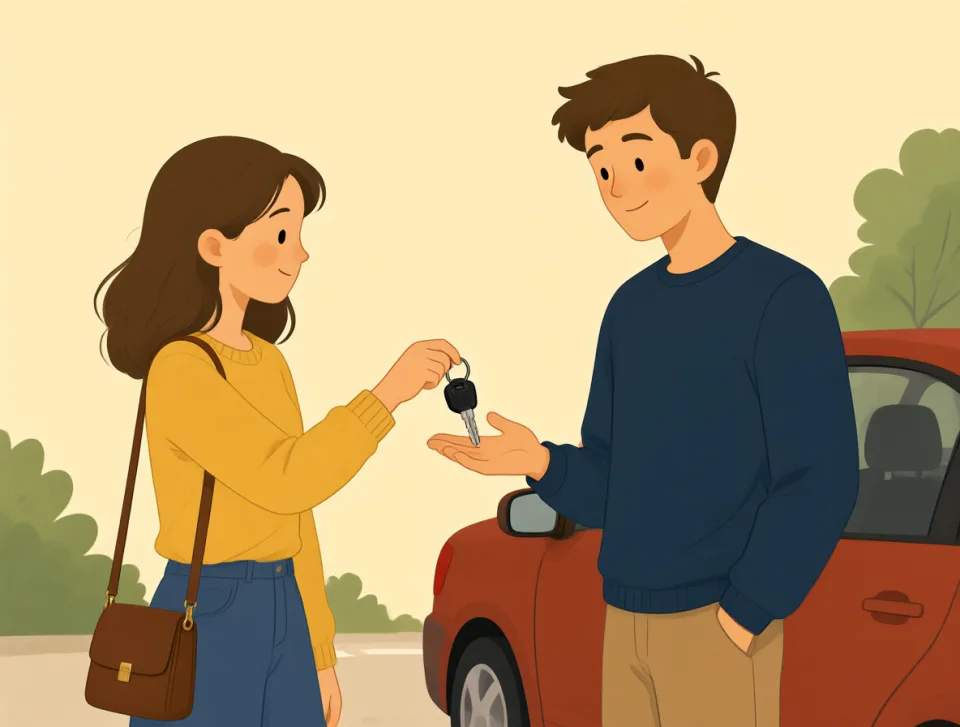
We borrowed our friends' car for the weekend.
Pożyczyliśmy samochód od znajomych na weekend.

May I borrow your phone to call a taxi?
Czy mogę pożyczyć od pana telefon, żeby zadzwonić po taksówkę?